Hello! Welcome to the spring edition of Garage Wire Aftermarket.
In this issue, our focus is on talent. We delve into the staff shortages that continue to plague the industry and explore how best to attract the best techs. Another issue we tackle head-on is the skills crisis, as many young students are struggling to transition from the classroom to the workshop floor.
We also take you through some of our most-read and most-commented online articles since the last issue in case you missed them. Enjoy!
Editor Adam Lane adam.tudor-lane@garagewire.co.uk
Commercial Manager
Stuart Woolley stuart.woolley@garagewire.co.uk
Design
Roy McCarthy
Contributor
Luke Robinson
While Garage Wire Limited prides itself on the quality of the information it provides, the company reserves the right not to be held legally responsible for any mistakes or inaccuracies found within the text of this magazine.
DISCUSSION: HUNDREDS OF QUALIFIED YOUNG TECHNICIANS LEFT ON THE SIDELINES AS THE SKILLS CRISIS DEEPENS
06
NEWS: SMMT CALLS FOR URGENT CLARITY ON EV MANDATE AND AUTOMOTIVE STRATEGY
09
NEWS: TECHNICIAN SHORTAGE CONTINUES TO CHALLENGE GARAGE GROWTH, SAYS EASY2RECRUIT
10
DISCUSSION: SUSPENSION DEFECTS IDENTIFIED AS LEADING CAUSE OF UK MOT FAILURES
12
OPINION: TECHNICIAN SHORTAGES AND WHY WE ALL NEED TO SHARE THE RESPONSIBILITY
13
NEWS: SERMI SCHEME OFFICIALLY LAUNCHES FOR UK INDEPENDENT GARAGES
15
16
NEWS: LKQ EURO CAR PARTS ISSUES FINAL CALL FOR MOT CPD COMPLETION
22
23
NEWS: KLIPBOARD HIGHLIGHTS THE VALUE OF SPECIALIST SOFTWARE FOR AUTOMOTIVE SECTORS
18
DISCUSSION: IGA RELEASES IN-DEPTH INTERVIEW ON SERMI REGULATORY DEVELOPMENTS
24
MOST READ: ANALYSIS REVEALS 23% RISE IN ROUTINE CAR REPAIR COSTS
20
DISCUSSION: LAWYERS DEMAND LEGAL ACCESS TO DRIVERLESS VEHICLE DATA FOR INJURY CLAIMS
26
DISCUSSION: HOW TO SOLVE YOUR GARAGE’S RECRUITMENT HEADACHE
DISCUSSION: THE “£2,500 MINOR BUMP” IS THE NEW NORM
MOST READ: DRIVERS ADVISED TO PAY ATTENTION TO FIVE OBVIOUS FLAWS THAT COULD PREVENT A MOT PASS
28
MOST READ: SUPERTRACKER OUTLINES PRACTICAL EVOLUTION OF WHEEL ALIGNMENT TECHNOLOGY
The
For over 40 years, Europe’s cities and infrastructure have trusted Yuasa for critical standby power. Now, the new SWL+ series builds on that legacy with more power, longer life, and zero compromise.
15 year design life (12 years @25°C) with enhanced highrate performance
HUNDREDS OF QUALIFIED YOUNG TECHNICIANS LEFT ON THE SIDELINES AS THE SKILLS CRISIS DEEPENS
THE FIGURES, RELEASED BY AUTOTECH ACADEMY, REVEAL A STARK
DISCONNECT AT THE HEART OF THE MOTOR INDUSTRY: A GENERATION OF QUALIFIED, WORK-READY VEHICLE TECHNICIANS STRUGGLING TO SECURE THEIR FIRST ROLE, WHILE WORKSHOPS NATIONWIDE REMAIN SHORT-STAFFED
AUTHOR: ADAM LANE
IN NOVEMBER, THE INSTITUTE OF THE MOTOR INDUSTRY (IMI) ESTIMATED THERE WERE AROUND 17,000 VACANCIES ACROSS THE MOTOR TRADE. ALTHOUGH THAT FIGURE HAS EASED SLIGHTLY, RECRUITMENT PRESSURE IN AUTOMOTIVE REMAINS AROUND A QUARTER HIGHER THAN THE NATIONAL AVERAGE. THE PRESSURE IS BEING INTENSIFIED BY AN AGEING WORKFORCE. NEARLY ONE IN FIVE TECHNICIANS IS NOW AGED 55 OR OVER, AND ALMOST HALF OF THE SECTOR IS OVER 45, LEAVING THE INDUSTRY EXPOSED TO A WAVE OF RETIREMENTS.
That demographic shift is already having consequences. The Daily Telegraph recently warned that motorists are facing longer waits for repairs and rising costs driven by what it described as an “alarming shortage of technicians”. The IMI estimates that by 2032 as many as 144,000 technicians could retire, further shrinking the pool of skilled workers needed to keep the UK’s vehicles safe and roadworthy.
Yet Autotech Academy says the idea that young people are unwilling to enter the trade does not match what they are seeing.
“There are hundreds of newly qualified technicians we are in contact with who are ready to work right now,” comments Simon King, CEO of Autotech Group. “They’ve undertaken the training, hold all the relevant theory and are actively looking for roles. The shortage isn’t because young people don’t want these jobs, it’s because too many can’t get that crucial first chance.”
Autotech Academy works with colleges across
the UK to help newly qualified Level 2 and Level 3 automotive students transition into employment through paid internships. Five years on from its launch, over 500 newly qualified technicians have entered the industry via the programme.
But Simon warns that time is running out for many of those still waiting.
“What we’re seeing is newly qualified technicians taking jobs in retail, hospitality and logistics simply to pay the bills,” he said. “Once they settle into those sectors, many won’t come back. If the automotive industry doesn’t act, this talent will be lost – not because it wasn’t there, but because it wasn’t picked up in time.”
The consequences, he argues, extend far beyond individual workshops. “This isn’t just about filling vacancies today,” Simon adds. “It’s about whether the UK has enough people in the talent pool to keep its cars on the road in five or ten years’ time. With a wave of retirements coming, failing to bring new people through now will make today’s problems look small by comparison.”
With hundreds of newly qualified technicians already seeking work and thousands more set to leave college this summer, Autotech Academy says the industry faces a simple choice: create clear routes into employment now or watch a vital generation of talent drift elsewhere.
Simon concludes: “The next generation is ready. The question is whether the industry is ready to give them a start.”
SMMT CALLS FOR URGENT CLARITY ON EV MANDATE AND AUTOMOTIVE STRATEGY
MIKE HAWES URGES GOVERNMENT ACTION TO SUPPORT TRANSITION TO ZERO-EMISSION VEHICLES AND SECURE FUTURE FOR THE AUTOMOTIVE SECTOR
AS THE AUTOMOTIVE INDUSTRY AWAITS THE GOVERNMENT’S CONSULTATION ON THE END OF SALE DATE FOR PETROL AND DIESEL CARS AND POTENTIAL CHANGES TO THE ZERO-EMISSION VEHICLE (ZEV) MANDATE, THE SOCIETY OF MOTOR MANUFACTURERS AND TRADERS (SMMT) REFLECTS ON A CHALLENGING 2024. THE YEAR HAS SEEN THE UK AND GLOBAL AUTOMOTIVE SECTORS NAVIGATE SIGNIFICANT HEADWINDS IN THEIR EFFORTS TO DECARBONISE.
Substantial investment has already been made in developing electric vehicles (EVs), with a wide range of car and van models now available. However, further substantial investment has been required in 2024 to subsidise sales to meet the UK’s ZEV mandate. Mike Hawes argues that the industry cannot continue to single-handedly support this transition against a backdrop of subdued demand, leading to unsustainable EV discounting. SMMT believe that consumer incentives, accessible charging infrastructure, and a review of the mandate itself are necessary for successful decarbonisation and economic growth. The promised
mandate review is urgently required to provide the clarity and support the sector needs.
The transition to self-driving vehicles is also a key focus. The 2024 Automated Vehicles (AV) Act is considered an important step for innovation, placing the UK among leading markets with regulatory frameworks for safe and responsible rollout. Mike goes on to highlight the potential benefits of self-driving vehicles, including significant improvements in road safety and a substantial economic boost by 2040. To maintain progress, the development and introduction of secondary legislation is essential.
The heavy commercial vehicle sector has also seen significant developments in 2024, with the UK holding leading market positions for zero-emission buses and trucks in Europe. With new HGVs under 26 tonnes likely required to be zero-emission by 2035, SMMT stresses the need for a modernised Plug-in Truck Grant, dedicated HGV infrastructure, and a long-term strategy for bus decarbonisation to avoid similar challenges to those currently faced by the car and van markets.
UK manufacturing figures reflect the ongoing transition, with investment from 2023 beginning to materialise as factories retool for EV production and battery capacity scales up. This transition has resulted in a temporary dip in production volumes, as shown in SMMT’s November manufacturing figures, with year-to-date volumes down -12.9% compared to 2023 and significantly lower than 2019 levels.
With global competition for automotive investment, SMMT urges the UK to actively pursue opportunities to secure its manufacturing base and supply chains. The government’s Invest 2035 strategy and a comprehensive trade strategy are considered crucial for achieving this. The SMMT believes the automotive sector can drive significant green growth in the next decade, but collaboration between industry and government is essential to achieve this.
TURN MOT FAILURES INTO FAST, PROFITABLE FIXES.
When an older vehicle rolls onto your ramp with emissions issues or fluid leaks, you need practical solutions that won't result in a repair bill that writes off the car.
At Lucas Oil, we don’t just manufacture lubricants; we create chemical tools for your workshop.
Whether it’s clearing particulate filters to instantly lower exhaust emissions, or revitalising worn seals to stop stubborn engine and steering leaks, our additives are the trusted "mechanic in a bottle " They help your customers secure that "Pass" certificate while keeping your ramps clear and your workshop moving efficiently
Ask your local motor factor for Lucas Oil today, or visit www.lucasoil.co.uk
Bosch Engine Management Systems
Bosch engine-management spare parts stand for high quality and reliability
For reliable vehicle operation, all of the components forming part of the engine management need to be well-matched and well-geared to one another. This includes some direct engine components - such as pumps, injectors and fuel rails -as well as indirect components, e.g. sensors and filters.
Bosch supplies workshops with a comprehensive range of parts for engine management systems, matching OE quality.
boschaftermarket.ie
TECHNICIAN SHORTAGE CONTINUES TO CHALLENGE GARAGE GROWTH, SAYS EASY2RECRUIT
GARAGE CLOSURES AND LATEST INDUSTRY DATA HIGHLIGHT
NEED FOR PROACTIVE WORKFORCE PLANNING
INDEPENDENT GARAGES ARE CONTINUING TO FEEL THE STRAIN OF ONGOING RECRUITMENT CHALLENGES, WITH EASY2RECRUIT REPORTING THAT THREE BUSINESSES HAVE RECENTLY CLOSED AFTER BEING UNABLE TO SECURE SKILLED TECHNICIANS.
The company, which supports UK workshops with the recruitment and relocation of skilled overseas technicians, says the situation reflects a wider issue across the sector. Despite garages seeing strong customer demand, their profitability is being hampered by a lack of access to the right skilled people.
Ambi Singh, CEO of Easy2Recruit, said the three garages they spoke to were established, well-run workshops that had ultimately become disheartened. “They were busy, they had work coming in, but they couldn’t get the staff to support it. When that pressure builds over time, it becomes very difficult to sustain the business.
“What stood out is that all three had spoken to us around 18 months ago but decided not to move forward with international recruitment because the idea felt unfamiliar and they thought it would be difficult. In reality, it isn’t. We take care of everything from start to finish.”
The latest industry data continues to underline the issue. Research from the IMI shows recruitment pressure in the motor trades remains around 17% higher than the national average, with approximately 16,000 roles currently unfilled.
Drawing on his own experience running a four-site garage group in Coventry, Singh said the issue is one many workshop owners are dealing with day to day. “When you’re consistently under pressure, trying to manage workload without the right number of technicians, it affects everything from turnaround times to customer experience.”
Easy2Recruit has now placed over 100 technicians into UK workshops through its international recruitment model, working with businesses ranging from single-site independents to national operators.
Rather than focusing on one-off placements, the company positions itself as a long-term workforce partner, supporting garages with forward planning and ongoing recruitment.
“With networks like In’n’Out Autocentres, we’re working
continuously, placing technicians every six to 12 months as they grow and as natural staff changes happen,” said Singh. “That kind of planning gives businesses far more stability than reacting when a vacancy appears.”
The process typically takes around 16 weeks from candidate selection to start date, meaning workshops need to look ahead rather than rely on immediate solutions.
Singh is also keen to stress that international recruitment should be seen as part of a balanced approach to workforce development. “This isn’t about replacing what the UK is doing with training and apprenticeships – that remains essential. It’s about aligning local recruitment with international recruitment in a way that supports the business and keeps workshops operating effectively.”
Easy2Recruit is now encouraging garage owners to take a more proactive view of their staffing needs, particularly as the complexity of skills required across the sector continues to evolve.
Singh concluded: “The businesses navigating current pressures most effectively are those thinking ahead. The conversation is starting to shift from ‘how do I fill this role today’ to ‘how do I make sure I’ve got the right team in place six or 12 months from now’. That shift is what’s helping workshops stay ahead of the problem, rather than being forced to react to it.”
SUSPENSION DEFECTS IDENTIFIED AS LEADING CAUSE OF UK MOT FAILURES
A SIX-WEEK STUDY BY HIQ TYRES & AUTOCARE HAS FOUND THAT SUSPENSION-RELATED DEFECTS ARE THE PRIMARY REASON FOR MOT FAILURES IN THE UK. DATA FROM THE HIQ ROAD SAFETY SURVEY 2025 SHOWS THESE FAULTS APPEARED IN NEARLY 40% OF FAILED REPORTS, OVERTAKING EASILY IDENTIFIED ISSUES LIKE WORN TYRES OR FAULTY BULBS.
The research suggests that deteriorating road surfaces and the increasing weight of vehicles, including electric models, are placing additional strain on steering and structural components. According to SMMT data, electric cars now exceed 20% of the new car market. Craig Sprigmore, Retail Director UK & Ireland at HiQ, stated:
“Many drivers expect MOT failures to come down to simple issues like tyres or lights, but what we are increasingly
seeing are hidden mechanical faults that develop slowly and go unnoticed until inspection day.”
• Other frequent failure categories include:
• Electrical and Lighting: 37% of reports.
• Tyres and Braking: Approximately 25% of reports each.
• Steering: Nearly 25% of reports.
Sprigmore noted that longer service intervals for modern vehicles mean faults are less likely to be detected before the mandatory test. He added:
“Heavier vehicles, particularly electric models, place more strain on suspension systems, and longer servicing intervals mean problems are less likely to be detected before MOT day.”
HiQ offers free vehicle safety checks at its centres to help motorists identify worn components early.
TECHNICIAN SHORTAGES AND WHY WE ALL NEED TO SHARE THE RESPONSIBILITY
THE SKILLED TECHNICIAN SHORTAGE
ISN’T A RUMOUR - IT’S A DAILY REALITY FOR WORKSHOPS ACROSS THE COUNTRY. BUT HAVE WE STOPPED TO ASK WHY?
AUTHOR:
LUKE ROBINSON - MARCHWOODS MOTOR ENGINEERS
EXPERIENCED TECHNICIANS ARE LEAVING THE WORKSHOP FLOOR, RETIRING, MOVING INTO LESS PHYSICALLY DEMANDING ROLES, OR TRANSITIONING INTO DIFFERENT INDUSTRIES, OFTEN INTO PLANT OR RAIL.
Highly complex cars and the skills required to fix such systems can overwhelm many technicians, particularly those who were directed to the trade through practical strengths rather than academic pathways. Fixing a car no longer requires just sockets, spanners and a hammer, but also advanced IT equipment, electrical skills, calibration knowledge, and even software coding skills. For some, this change is too much, and either limits skills or simply pushes them out of the trade.
The outdated image of Fred in a shed still lingers; public perception is often misguided and slow to catch up to the high-tech businesses many of us are now working within. Schools have pushed university first class for far too long and undervalued critical trades (which can offer a great lifelong career). Many young people simply don’t see the automotive industry as high-tech or future-proof. Yet today’s workshops are diagnostic hubs filled with advanced electronics, cutting-edge technology, and precise calibration equipment.
People simply don’t see enough career progression in being a vehicle technician. Most technicians start repairing vehicles and then are effectively stuck. Perhaps there are progression routes that many independent garages just haven’t worked out yet, with training, mentoring roles, quality control, and workshop control all potential options for skilled technicians to enhance their job roles?
So where do we all share the responsibility? In my opinion, we have two responsibilities: retain and recruit.
We need to retain technicians and make vehicle repair
and maintenance a job people don’t want to leave. Keep the pay high; it’s a high-responsibility job and deserves a pay that reflects that. We need to offer a workplace that is welcoming, warm, clean, tidy, and often not things that are associated with a garage. In today’s culture, work-life balance is hugely important. I can’t think of a single technician I have ever met who wants to work on a Saturday. Perhaps culture, balance, and stability are equally as important as pay and progression.
We need to recruit technicians. Unfortunately, recent government changes have made an apprentice far more expensive. It’s easy to criticise; I’m guilty of this myself, but perhaps there’s a different way to see it. If apprentices are paid fairly, the trade becomes accessible to more young people. Low pay has long been a barrier to entry. So now it’s affordable to actually be an apprentice, we should nurture, offer placements, provide a great environment to work in, and help our future colleagues succeed.
For years, I complained about drop-out apprentices and lazy apprentices. After a notably difficult time with a few apprentices, I said, “Never again!” Sometimes it’s easier to blame an entire generation rather than reflect on our own systems or processes. Yet here we are, almost a year in with our current apprentice, and I can honestly say he is doing great! He is polite, punctual, building a great toolkit, listening, learning, and becoming a great member of the team. He has the potential to become a great technician, and to top it off, he even brings in the doughnuts!
The technician shortage won’t solve itself. If we want better workshops, stronger businesses, and a sustainable future, we need to retain the talent we have and actively build the talent we need. That responsibility sits with all of us.
SERMI SCHEME OFFICIALLY LAUNCHES FOR UK INDEPENDENT GARAGES
THE INDEPENDENT GARAGE ASSOCIATION (IGA) HAS CONFIRMED THAT THE SERMI (SECURITY-RELATED REPAIR AND MAINTENANCE INFORMATION) SCHEME IS NOW LIVE IN THE UNITED KINGDOM. THIS LAUNCH FOLLOWS 17 YEARS OF INDUSTRY ADVOCACY AIMED AT SECURING FAIR ACCESS TO ESSENTIAL VEHICLE DATA FOR THE INDEPENDENT SECTOR.
The framework allows compliant independent garages to access security-controlled technical information through a manufacturer-recognised system. The UK is currently the only non-EU country to achieve full implementation of the scheme. At launch, 22 vehicle brands have committed to the UK framework, including Jaguar Land Rover, Ford, and Peugeot.
Stuart James, Chief Executive of the IGA, stated: “SERMI changes the position of the independent
sector. It gives professional, compliant businesses access to the information they need to repair modern vehicles properly, safely, and legitimately. It also sends a clear message about the capability and standards within our sector. Garages that achieve SERMI approval are demonstrating that they meet a recognised, trusted benchmark, one that is supported by manufacturers and understood across Europe.”
To gain approval, businesses must complete an onboarding process that includes DBS checks and specific application lead times. The IGA has established the necessary infrastructure by securing access to the European Trust Centre. Garages are encouraged to begin their applications to maintain capability within the modern vehicle parc. Further guidance on the accreditation process is available via the IGA website.
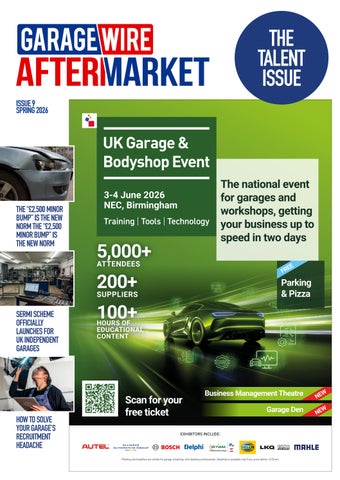
3-4 June 2026
NEC, Birmingham
5,000+ ATTENDEES
200+ SUPPLIERS
100+ HOURS OF EDUCATIONAL CONTENT
The national event for garages and workshops, getting your business up to speed in two days
LKQ EURO CAR PARTS ISSUES FINAL CALL FOR MOT CPD COMPLETION
TESTERS ARE WARNED OF POTENTIAL SUSPENSIONS AND LOSS OF WORKSHOP REVENUE IF ANNUAL TRAINING AND ASSESSMENTS ARE NOT FINALISED BEFORE THE 31 MARCH DEADLINE
LKQ EURO CAR PARTS IS URGING MOT TESTERS TO COMPLETE THEIR ANNUAL CONTINUING PROFESSIONAL DEVELOPMENT (CPD) TO AVOID IMMEDIATE SUSPENSION FROM TESTING DUTIES. UNDER DVSA REGULATIONS, ALL TESTERS MUST PASS THEIR ANNUAL ASSESSMENT BY 31 MARCH EACH YEAR. FAILURE TO COMPLY REQUIRES THE INDIVIDUAL TO COMPLETE THE FOLLOWING YEAR’S CPD AND A DEMONSTRATION TEST BEFORE REINSTATEMENT.
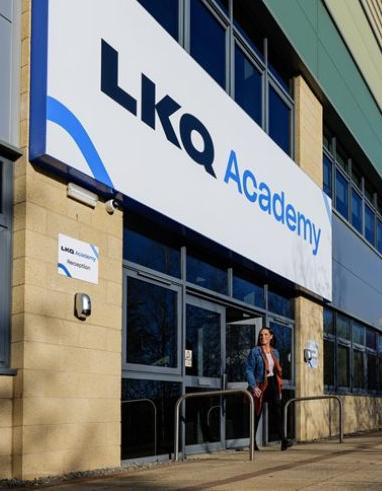
For many independent garages operating with a single authorised tester, the consequences of a missed deadline are significant. Lee Chapman, Head of Support and LKQ Academy, stated:
“Missing it can result in suspension and a lengthy process to regain authorisation – something many workshops simply can’t afford.”
The LKQ Academy provides IMI-approved training and assessments. To ensure completion by the month-end, the company advises booking by 27 March. Options include online assessments from £32.30 + VAT or full training and assessment from £53.55 + VAT. Chapman added:
“For independent garages in particular, the consequences can be significant. Many have just one authorised tester, and if that person is suspended, the business may be unable to offer MOTs until the issue is resolved.”
Maintaining CPD is described as integral to testing accuracy and road safety. All courses via the LKQ Academy include a free IMI affiliate membership. Testers can manage their requirements via the LKQ Academy website to avoid the “last minute” pressure and potential disruption to workshop bookings.
IGA RELEASES IN-DEPTH INTERVIEW ON SERMI REGULATORY DEVELOPMENTS
INDEPENDENT GARAGE ASSOCIATION LEADERS DISCUSS THE TRANSITION TO THE SECURITY AND VEHICLE REPAIR INFORMATION SCHEME AND ITS
IMPACT ON ACCESSING PROTECTED TECHNICAL DATA
THE INDEPENDENT GARAGE ASSOCIATION (IGA) HAS RELEASED A DISCUSSION TITLED “THE BIG SERMI INTERVIEW,” FEATURING STUART JAMES, JONATHAN DOUGLASS, AND ASLAM VAID. THE CONVERSATION EXAMINES THE SECURITY AND VEHICLE REPAIR INFORMATION (SERMI) SCHEME, A REGULATORY FRAMEWORK FOR THE INDEPENDENT GARAGE SECTOR.
The interview addresses how SERMI acts as a “digital passport,” providing authorised technicians with secure access to immobiliser, key coding, and ECU security data. This system is designed to standardise access across different vehicle brands, supporting repairs for internal combustion engines, electric vehicles, and connected systems. The IGA noted:
“This in-depth conversation provides valuable context on how SERMI is shaping the independent landscape,
outlining both the opportunities and responsibilities it introduces.”
Key topics include:
• Practical impact: How the scheme affects day-to-day workshop operations, compliance, and cybersecurity.
• Fairness and accountability: The mechanisms that balance manufacturer trust with fair access for independent businesses.
• Customer interaction: Improving the management of security-related repairs for vehicle owners.
As vehicle technology evolves toward over-the-air updates, SERMI is intended to provide a legitimate route for independent garages to remain competitive. The full discussion, which outlines the significance of these changes for the future of vehicle repair, is available to watch on YouTube.
LAWYERS DEMAND LEGAL ACCESS TO DRIVERLESS VEHICLE DATA FOR INJURY CLAIMS
PROPOSALS FOR NEW LEGISLATION AIM TO ENSURE CLAIMANTS
CAN ACCESS ONBOARD COLLISION DATA TO ESTABLISH LIABILITY
IN ACCIDENTS INVOLVING SELF-DRIVING TECHNOLOGY
THE ASSOCIATION OF PERSONAL INJURY LAWYERS (APIL) HAS CALLED FOR LEGISLATIVE REFORM TO GUARANTEE THAT VICTIMS OF COLLISIONS INVOLVING AUTOMATED VEHICLES CAN ACCESS ESSENTIAL ONBOARD DATA. THE REQUEST FOLLOWS THE DEPARTMENT FOR TRANSPORT (DFT) CONSULTATION ON SAFETY REGULATIONS FOR THE UK’S EVOLVING SELF-DRIVING FRAMEWORK.
While current draft proposals mandate data disclosure to insurers and regulators, lawyers argue these obligations must extend to claimants. Gordon Dalyell, representing APIL, stated:
“As driverless, or automated vehicle technology forges ahead, it is paramount that the law keeps pace so if people are injured and a driverless vehicle is to blame, they can seek redress.”
The data is considered vital for identifying system errors
or safety failings that determine liability. Without a formal legal right to this information, injured parties may struggle to challenge manufacturers or technology firms. Dalyell added:
“If someone is injured through no fault of their own, and a driverless car is involved, they must be allowed to see any data held on the vehicle as it could be vital to their claim for compensation.”
As reported by TaxiPoint, the shift from semiautonomous features like lane assist to fully automated systems necessitates a transparent data-sharing environment. APIL maintains that equal access to collision data is a matter of fundamental fairness.
For independent garages and insurers, the outcome of these regulations will dictate how vehicle data and diagnostics are handled during post-accident investigations.
DRIVERS ADVISED TO PAY ATTENTION TO FIVE OBVIOUS FLAWS THAT COULD PREVENT A MOT PASS
MARCH IS TYPICALLY ONE OF THE BUSIEST MONTHS FOR MOTS
AUTHOR: STUART WOOLLEY
WITH AN ESTIMATED 2.5 MILLION MOTS SCHEDULED FOR THE UK IN MARCH, WHICH IS USUALLY ONE OF THE BUSIEST MONTHS OF THE YEAR FOR THE LEGALLY REQUIRED ANNUAL CHECK, A MOTORING EXPERT IS ADVISING DRIVERS NOT TO IGNORE FIVE FLAWS THAT ARE FREQUENTLY EASY TO IDENTIFY AND QUICK AND AFFORDABLE TO FIX BEFORE THEY GO ON THE RAMP FOR THE REQUIRED TEST.
The latest guidance comes as many of the countries repairers report that a growing number of motorists may struggle to afford standard maintenance this year against a backdrop of strained household budgets, resulting in easily preventable faults turning into more costly repairs and heavy fines if left to linger.
To help drivers prepare ahead of the MOT, which applies to cars once they reach three years of age, The Motor Ombudsman is highlighting five key areas that shouldn’t be ignored:
Tyres in poor condition
Tyres are often one of the biggest causes of MOT failures. Bulges, cuts, or tears, as well as sidewall damage and a tread depth below the legal limit of 1.6mm, are all frowned upon in the eyes of testers, meaning a fail is on the cards. It’s not just the MOT that’s at risk, because driving on illegal tyres can also cost motorists up to £2,500 per wheel, and add three points to a licence if their vehicle is found to have defective rubber. Typical time and cost to fix by a garage: From 30 minutes / Around £60 and upwards per new tyre.
A daytime running light not working
Daytime running lights found on the front of a vehicle are another valuable safety feature, as they’re designed to make a vehicle stand out more during daylight hours. Cars fitted with DRLs from 1st March 2018 are the ones MOT testers will look out for. If one of the two lamps isn’t working, and the light is not white in colour, this will be classed as a reason to fail the MOT. In fact, cars will also forfeit a pass for any other headlight or rear bulbs that have blown. Typical time and cost to fix by a garage: Up to around 30 minutes / from about £60 for an investigation into a faulty daytime running light.
Damaged front wiper blades
Windscreen wiper blades performing at their optimum are vital to keeping the windscreen clean and unobstructed. If testers see blades that are missing or not clearing the
screen sufficiently for a driver to see out of safely, this will be classed as a major defect. Typical time and cost to replace by a garage: Around two minutes / From about £30 per pair of blades.
Cracks and chips in the front windscreen
Windscreens are divided into distinct ‘Zones’, and Zone ‘A’ is one of the most critical, as this is the area directly in the driver’s line of sight. If damage or a chip larger than just a centimetre is found in this section of the front screen, the chance of a pass quickly disappears, and a repair and retest will be required to see the car be classed as roadworthy. A busted windscreen can equally see owners incur a penalty of £2,500 and three points due to poor visibility. Typical time and cost to fix by a garage: Around 45 minutes and about £60 for a chip repair, extending to in the region of 90 minutes / from about £250 for a full windscreen replacement.
A faulty windscreen washer system
A quick peek under the bonnet before going for an MOT can quickly affirm whether the windscreen washer reservoir (often filled with a blue-coloured liquid) is topped up –essential for clearing away dirt and grime. Washer systems not working or providing sufficient fluid to clear the windscreen, will result in an instant failure, and can also lead to a fine of £100 and three points if caught on the road. Typical time and cost to top up windscreen washer fluid: Around five minutes and from £2.00. Typical time and cost to fix by a garage: Around one hour, and from about £130 for a new windscreen washer pump.
Spending just a few minutes walking around the car in advance of an MOT can help drivers quickly identify if something doesn’t look quite right”, says Rebecca Pullan, owner at The Motor Ombudsman accredited Carmaster Garage and MOT station.
“Nipping any issues in the bud is vital to preventing simple problems from becoming more serious and costly later on, and it can be the difference between a straightforward pass and an unexpected MOT failure, meaning unforeseen time off the road for drivers.”
To look for vehicle retailers that are committed to The Motor Ombudsman’s Motor Industry Code of Practice for Service and Repair, visit www.TheMotorOmbudsman.org/ Business-Finder.
Run your garage with complete operational visibilit y
Autowork Online connects the day-to-day moving par ts of your workshop into one operational system, helping your team stay organised, responsive and in control from booking through to invoice.
Scan the QR code to find out more
KLIPBOARD HIGHLIGHTS THE VALUE OF SPECIALIST SOFTWARE FOR AUTOMOTIVE SECTORS
INDUSTRY-SPECIFIC PLATFORMS ADDRESS UNIQUE PRESSURES IN TYRE DISTRIBUTION AND WORKSHOP MANAGEMENT BY INTEGRATING PARTS SOURCING, STOCK AVAILABILITY, AND CUSTOMER COMMUNICATION
KLIPBOARD HAS PUBLISHED A REPORT DETAILING WHY AUTOMOTIVE AND TYRE BUSINESSES MUST MOVE AWAY FROM GENERIC SOFTWARE SOLUTIONS. IN SECTORS WHERE SPEED, ACCURACY, AND TRUST ARE PARAMOUNT, ONE-SIZE-FITS-ALL SYSTEMS OFTEN FAIL TO REFLECT THE PRACTICAL REALITIES OF DAILY OPERATIONS, FROM THE WORKSHOP FLOOR TO THE PARTS COUNTER.
Automotive operations involve unique challenges, including fluctuating hourly availability and the need for rapid parts identification. Specialist software is designed to support these specific workflows rather than merely “ticking feature boxes.” According to Klipboard “When systems are built around real automotive processes, teams spend less time working around software, and more time serving customers.”
Sector-specific expertise ensures that technology is shaped by an understanding of how pricing, promotions, and supplier terms affect daily decisions. This leads to better integration between sales, stock, and accounts, reducing the need for manual data entry.
Klipboard stated “It’s not about replacing the way people work. It’s about strengthening it.”
As customer expectations rise and turnaround times shrink, businesses rely on technology that offers flexibility and visibility. Specialist software allows for growth and consistency without adding unnecessary complexity. FOR FURTHER INSIGHTS, KLIPBOARD PROVIDES DEDICATED RESOURCES WHICH YOU CAN FIND OUT MORE ABOUT HERE.
ANALYSIS REVEALS 23%
RISE
IN ROUTINE CAR REPAIR COSTS
NEW DATA HIGHLIGHTS HOW A COMBINATION OF PARTS
INFLATION, COMPLEX DIAGNOSTICS, AND REGIONAL LABOUR RATES IS DRIVING UP GARAGE BILLS
NEW DATA FROM WARRANTY SOLUTIONS GROUP (WSG) SHOWS THAT THE COST OF ROUTINE CAR MAINTENANCE HAS RISEN SIGNIFICANTLY. ANALYSIS OF 20,000 CLAIMS REVEALS AN 8% INCREASE IN THE AVERAGE TOTAL REPAIR BILL, WITH SPECIFIC COMPONENTS SUCH AS ALTERNATORS SEEING A 23% PRICE HIKE TO AN AVERAGE OF £607. Rising costs are attributed to a 5% increase in hourly labour rates and the growing complexity of vehicle technology. Modern repairs frequently require specialized diagnostic equipment and software resets, particularly for Advanced Driver Assistance Systems (ADAS). WSG Group Director Steph Newbery stated “Even minor issues such as alternators, coil springs, batteries and wheel-speed sensors are more costly and more common than they were 12 months ago.”
Other notable increases include Nitrogen Oxide (NOx)
sensors, up 22% to £795, and shock absorbers, rising 11% to £550. The frequency of washer pump failures also grew by 45%, often due to incorrect fluid usage.
Motorists face a regional “postcode lottery,” with London and the South East recording the highest charges. Vehicles aged four to seven years are most affected, as they often require original manufacturer parts but lack warranty coverage. Newbery warned “A small warning light can very easily turn into a four-figure bill. If you’re trying to avoid a shock bill, the smartest move you can make is to stay ahead of maintenance, not fall behind it.”
Neglecting minor issues can lead to high-value failures; WSG reported claims including £17,214 for a Range Rover engine replacement and over £11,000 for a Seat Leon gearbox.
HOW TO SOLVE YOUR GARAGE’S RECRUITMENT HEADACHE
FROM “GREASY SPANNER” TO “TECH GURU”, THE RACE IS ON TO FILL 18,000 VACANCIES
AUTHOR: ADAM LANE
IF YOU’VE WALKED PAST AN EMPTY RAMP LATELY AND WONDERED WHERE ALL THE DECENT TECHS HAVE GONE, YOU AREN’T ALONE. ACROSS THE UK, THE INDEPENDENT GARAGE SECTOR IS FACING A MASSIVE TALENT GAP. AS OF LATE 2025, THERE ARE ROUGHLY 18,000 OPEN POSITIONS IN THE MOTOR TRADES, WITH VACANCY RATES (2.9%) SITTING WELL ABOVE THE NATIONAL AVERAGE.
The “Empty Bay” isn’t just an annoyance. It’s a crisis. Nearly half of independent garages (48%) say finding the right staff
is their biggest hurdle. Between a “retirement cliff” taking our most experienced mechanics and a 30% drop in new apprentices since 2018, the industry is feeling the squeeze. A Workforce Under Pressure
The industry isn’t just losing bodies; it’s losing “know-how.” By 2032, the IMI predicts it will be short of 16,000 EV-trained technicians. While the work on electric vehicles is growing, only about 16% of the current workforce is qualified to touch high-voltage systems.
The “Tech Guru” Shift
The days of being “just a mechanic” are over. Today’s workshops need software engineers who can also swing a spanner. Whether it’s de-energising a 400V battery or calibrating a complex ADAS sensor, the job has definitely changed.
This technical shift is actually a great recruitment tool. By rebranding the role from “greasy” to “high-tech,” the industry can attract a new generation that wants to work with AI, electronics, and green tech.
Is the Four-Day Week the Answer?
Money isn’t the only thing talking anymore. To stop the “burnout” and keep staff from jumping ship, many independents are trying something radical: the four-day work week.
Garages like JP D’Arcy Car Care have moved to a 40-hour week spread over four days. The result? Staff get a three-day
weekend, burnout has dropped by 71%, and recruitment has become much easier.
A Helping Hand from the 2025 Budget
There is some good news on the horizon. The latest government budget has scrapped the “co-investment” fee for apprentices under 25 in SMEs. This means for the 96,000 small garages in the UK, hiring a young apprentice is now completely free in terms of training costs.
Combined with the launch of the SERMI scheme, which finally gives independents the same security data access as the main dealers, the playing field is starting to level out.
What’s Next for Your Workshop?
The “Empty Bay” doesn’t have to stay empty. By focusing on work-life balance, jumping on the new apprenticeship funding, and getting your team through IMI TechSafe training, you can turn your garage into a destination for the best talent in the business.
THE “£2,500 MINOR BUMP” IS THE NEW NORM
HOW ADAS AND NEW TECH ARE CHANGING THE GAME FOR THE UK INDEPENDENTS
AUTHOR: ADAM LANE
THERE WAS A TIME, NOT SO LONG AGO, WHEN A STONE CHIP IN A WINDSCREEN OR A CLIPPED WING MIRROR WAS A QUICK, FIFTY-QUID FIX. YOU’D SWAP THE GLASS, TIGHTEN A BOLT, AND HAVE THE CUSTOMER BACK ON THE ROAD BEFORE THE KETTLE HAD EVEN BOILED.
But as any in the industry today will tell you, those days are vanishing fast. We’re now living in the era of the “£2,500 minor bump”. What looks like a simple scuff on a front bumper to a customer is, for independents, a complex web of radar units, ultrasonic sensors, and high-def cameras.
This isn’t just about “fancier cars”. It’s a fundamental shift in how garages have to run their businesses. From economic “bill shock” for your customers to a massive skills gap in the workshop, the road ahead is looking a lot more…digital.
We spoke to Iain Molloy from A1 ADAS on the subject: “ADAS calibration is often talked about as a ‘new’ cost in vehicle repair, but the reality is that it’s now an integral part of putting a vehicle back on the road safely. These
systems aren’t optional add-ons; they’re embedded into braking, steering, lane control and collision avoidance. If a vehicle has had bodywork repairs, wheel alignment changes or a windscreen replacement, recalibration isn’t a recommendation – it’s a requirement. Avoiding that conversation with the customer because it feels awkward doesn’t remove the responsibility; it simply transfers the risk.” The reality of the “ADAS Tax”
The reason a car park scrape now costs as much as a used hatchback comes down to one thing: Advanced DriverAssistance Systems (ADAS). These sensors “live” in the most vulnerable parts of the car, like grilles, badges, and mirrors. When these parts are touched, the car doesn’t just need a repair; it needs a recalibration. A radar unit that’s off by just one degree can be the difference between an Emergency Braking system saving a life or failing completely at 70mph. Take a look at how the costs have spiralled for a typical independent garage:
Bridging the Skills Gap
And here’s the wake-up call: According to the IMI, only about 3% of UK technicians are currently qualified to work on ADAS. That’s roughly 7,500 people for a country with millions of high-tech cars on the road.
Many garages are still outsourcing this work to main dealers, sending £300 a pop straight out of your own pocket. But with the new SERMI scheme finally giving independents a “level playing field” to access manufacturer data, the door is open for you to take that work back.
Iain Molloy at A1 ADAS says: “Cost is understandably part of the discussion, but it needs to be put into context. Depending on the vehicle and the systems involved, ADAS calibration typically ranges from around £180 to £300.
In most cases, it’s easily accessible via mobile ADAS technicians operating UK-wide, often same day or within 24 hours, meaning it doesn’t have to delay the repair or mean sending the vehicle back to a main dealer. Repairers who explain why calibration matters – that it’s about restoring safety systems to manufacturer specification – tend to find customers are far more accepting. Transparency builds trust, and in an area as safety-critical as ADAS, doing the job properly is non-negotiable.”
The Bottom Line (literally) is that if you’re handling 20 cars a week and investing in your own ADAS kit, you could be
looking at an extra six figures in annual revenue. The “math doesn’t lie”, bringing this tech in-house isn’t just a luxury anymore; it’s how independent garages can stay competitive. Transparency is your new best friend
You know the look on a customer’s face when you’re explaining why a bumper repair costs £2,000. It’s “the garage black hole”, that feeling that they’re being taken for a ride.
The fix? Digital transparency. Using video health checks (like CitNOW) or AI diagnostic tools allows the customer to see exactly what you’re seeing. When they see the cracked radar bracket on their phone screen, the “bill shock” turns into an understanding of safety.
Looking toward 2030
By the end of this decade, the aftermarket will be dealing with Software-Defined Vehicles. Cars will update overnight like a smartphone, and “predictive maintenance” will tell garages a part is going to fail before the customer even hears a rattle.
The independents that thrive won’t just be the ones with the best spanners, but the ones with the best culture of learning. By investing in IMI training, getting the right calibration kit, and being 100% honest with customers through video and tech, remember, you’re doing more than just fixing cars; you’re remaining the trusted pillars of our communities in what’s fast becoming a high-tech world!
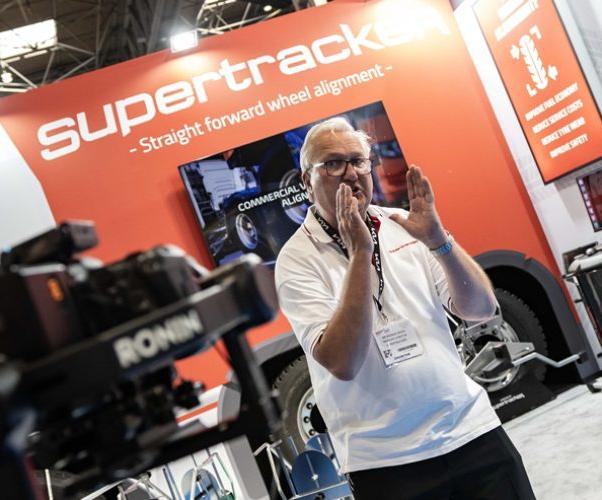
SUPERTRACKER OUTLINES PRACTICAL EVOLUTION OF WHEEL ALIGNMENT TECHNOLOGY
WHEEL ALIGNMENT SPECIALIST FOCUSES ON COMPACT, SPACE-CONSCIOUS SYSTEMS AND GREEN LASER TECHNOLOGY TO MEET THE DEMANDS OF MODERN UK WORKSHOP ENVIRONMENTS
WHEEL ALIGNMENT SPECIALIST SUPERTRACKER HAS OUTLINED HOW CHANGES IN VEHICLE DESIGN, TIGHTER WORKSHOP SPACES AND TECHNICIAN EXPECTATIONS ARE RESHAPING THE WAY ALIGNMENT EQUIPMENT IS DESIGNED AND USED ACROSS UK WORKSHOPS.
Four years after becoming part of the Straightset family, Supertracker says developments across its alignment range continue to be guided by one core principle: delivering equipment that reflects real workshop conditions, without unnecessary complexity.
Designed around technician reality
As vehicles become larger and more technically demanding, workshops are under increasing pressure to work efficiently within limited space. Supertracker has responded by focusing on compact, space-conscious alignment systems that maintain accuracy, durability and ease of use.
“Wheel alignment doesn’t need to be complicated to be effective,” said Andrew Bates, Managing Director of Supertracker. “Our focus has been on specification, usability and technician reality. Equipment should fit the
workshop, not force workshops to adapt around it.”
Compact systems and practical innovation
Recent developments include reduced-footprint alignment systems, mobile solutions for workshops offering on-site services, and tablet-controlled CCD systems designed to improve manoeuvrability while maintaining performance. The company has also rolled out green laser alignment technology across its car and commercial ranges, delivering clearer visibility and improved accuracy in everyday use.
Customer feedback continues to influence product refinement, with recent updates including stronger hanger designs to accommodate larger wheels, smaller systems for space-restricted workshops and dedicated solutions for commercial vehicles. Supertracker’s commercial alignment range has been engineered with heavy-duty components and a truck-specific database to support consistent and repeatable alignment on larger vehicles.
Built for long-term use
Long-term reliability remains a key consideration. Supertracker maintains that wheel alignment equipment should be viewed as a long-term investment rather than a short replacement cycle, with ongoing improvements to materials, construction and component strength to withstand daily workshop use.
Support and training beyond installation
Alongside product development, the company has continued to invest in support and training. Its nationwide network of factory-trained engineers has been expanded to improve response times and reduce downtime, while a dedicated training and demonstration centre at its Worksop headquarters provides hands-on access to Supertracker’s latest alignment technology.
“Whether it’s compact system design, clearer lasers or improved support, every change we make is driven by how technicians actually work,” Andrew added. “The aim is to deliver alignment equipment that does the job properly, safely and simply.”
ENGINEERED TO SOLVE
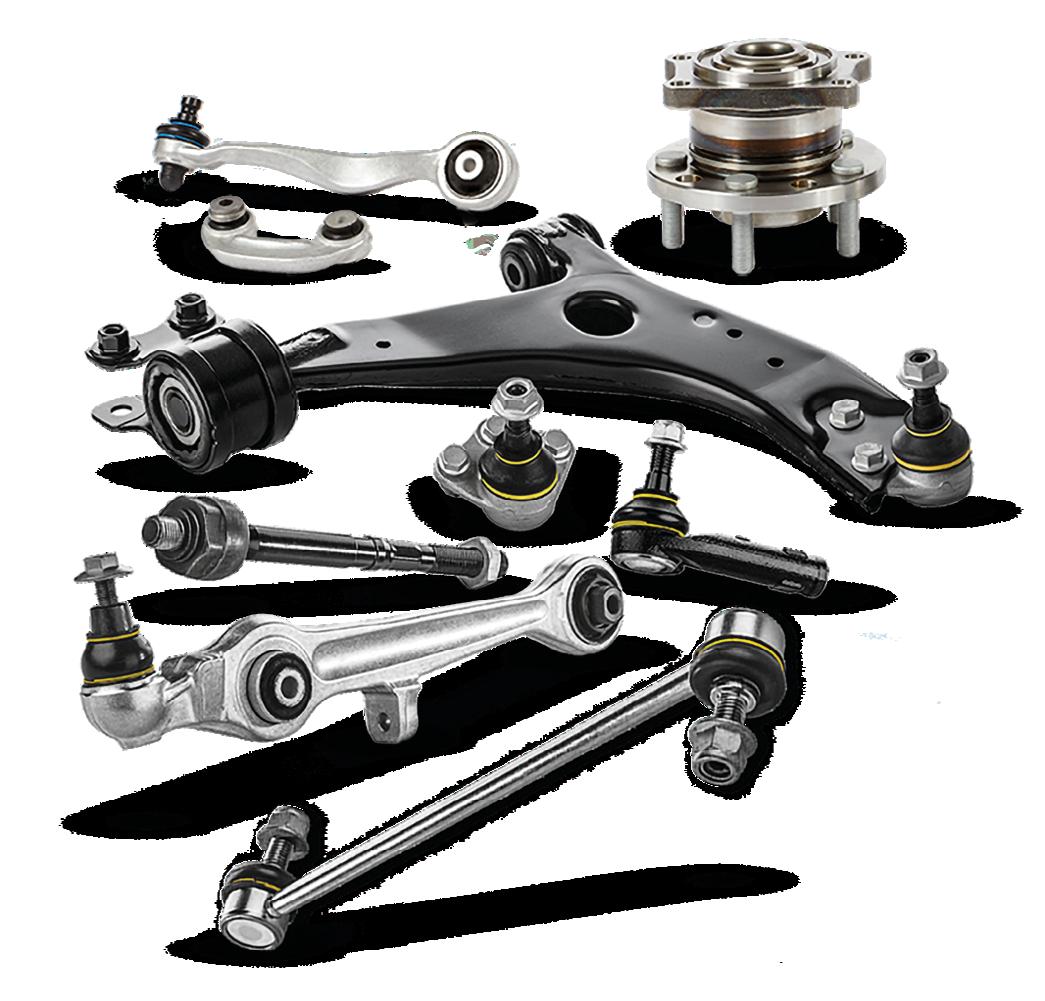
We make the job easier by making our products better. That’s how MOOG has been the chassis industry’s problem solver for 100 years by introducing design enhancements that extend product life and best-in-class technical support that simplifies part selection and installation across all vehicle types. Proven by our industry-leading 5-year warranty, MOOG parts are engineered to solve every challenge you face in the workshop.