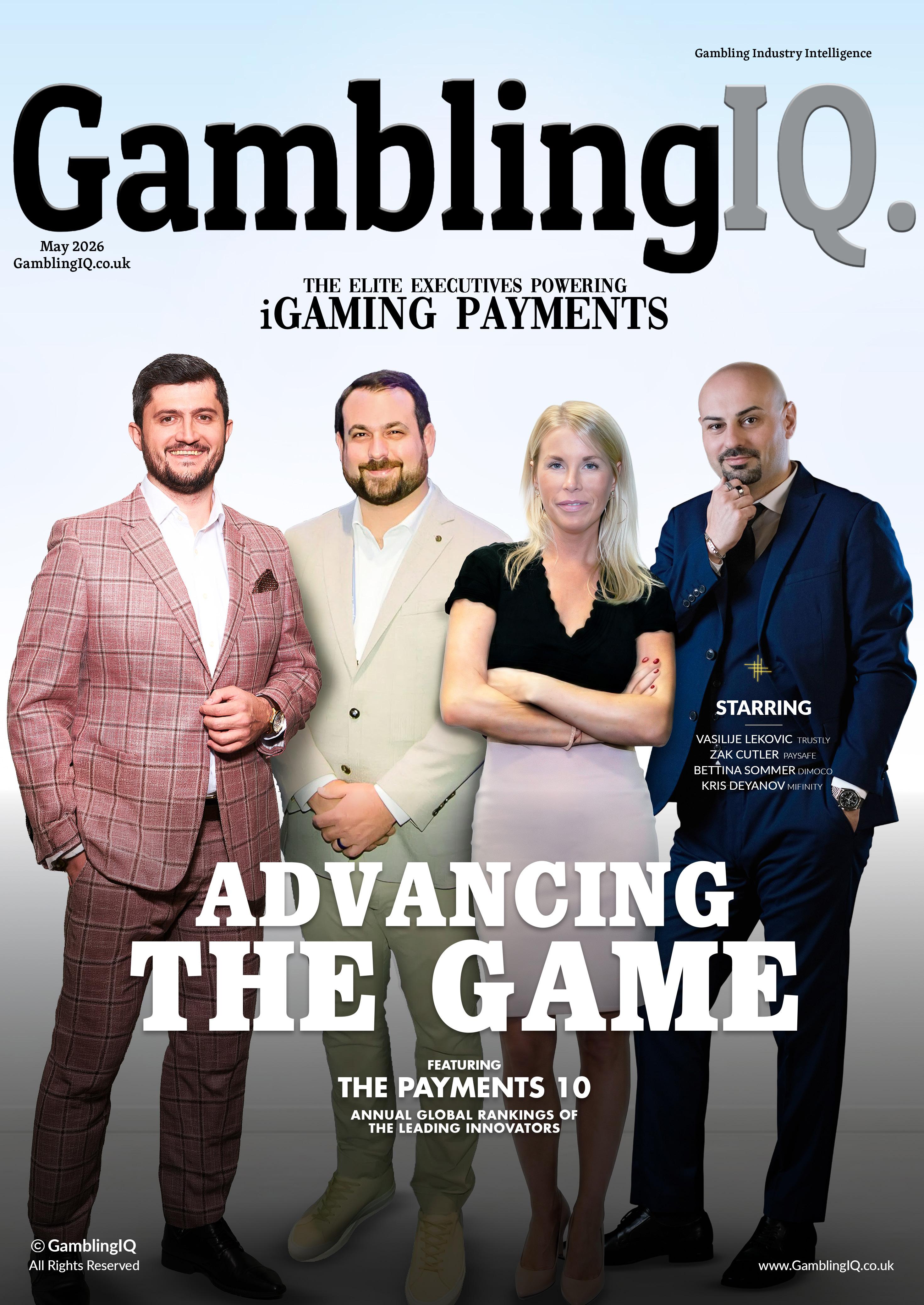


Career profiles have become a cornerstone of GamblingIQ magazine. Readers return to them because they go beyond the usual quotes and polished talking points, capturing the people, pressures and turning points behind the industry’s biggest shifts. Their value is not confined to the page. Across operators and supplier firms, these pieces are increasingly circulated internally as a way to introduce key figures, educate cross-functional teams, and align everyone around strategic direction and thought leadership.
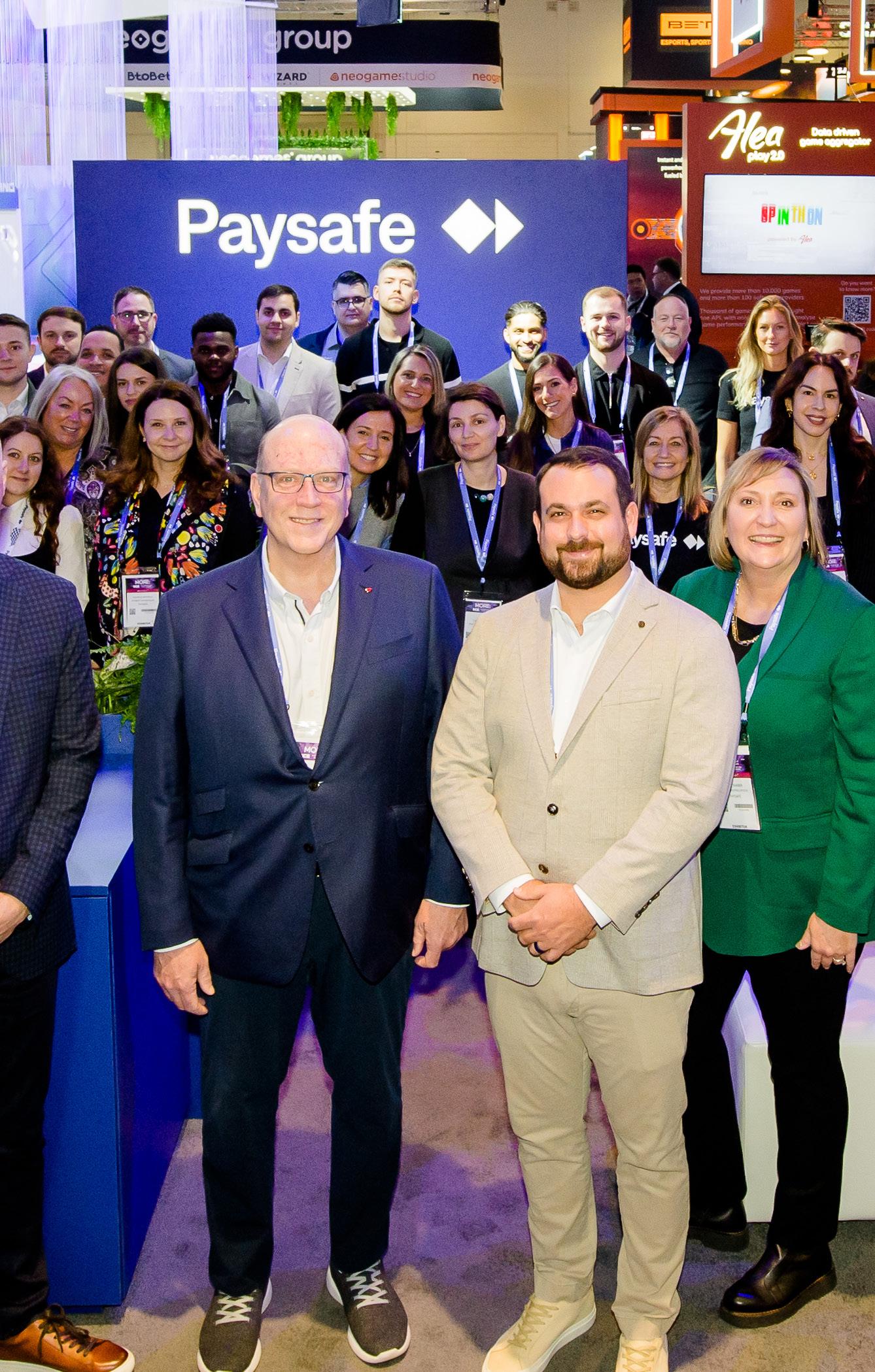
+ Paysafe: Marking 30 years at the centre of digital payments, a look back at the milestones, market shifts and strategic bets that shaped Paysafe’s evolution alongside the rise of global iGaming. Read pages 8 & 9.
This edition is no exception. From Rory Howard’s journey through Black Friday chaos to leadership at global conglomerate Paysafe, to Vasilije Lekovic’s 11-year reflection on the birth of Pay N Play at Trustly, to Bettina Sommer’s 16 years driving regulated mobile payments at DIMOCO, to Kris Deyanov’s decade of trust-building at MiFinity, and Anies Khan’s masterclass in orchestration and fraud prevention at Jumio, these are the visionaries, risk-takers and problem-solvers who refuse to recycle old playbooks.
A decade ago many payments firms looked at iGaming and walked away, citing risk as their reason. Today the script has flipped. The same trailblazers who leaned in early are doubling down: launching instant crypto-to-dollar conversions for regulated U.S. markets, maturing Pay N Play into a loyalty engine, layering open banking with affordability intelligence, and turning mobile carrier billing into seamless one-click checkout. What was once “alternative” is now strategic. Payments have become identity itself — data-led, context-aware, and engineered to boost conversion, retention and compliance in equal measure.
Tech alone does not win markets, people do. This 2026 edition of GamblingIQ, Advancing the Game, our annual global payments edition, captures these breakthroughs in real time. Open banking, embedded finance, cryptocurrency rails, identity-driven intelligence and the third edition of The Payments 10 rankings show an industry that is not merely keeping pace, but actively rewriting the rules.
Enjoy the read.
- The Editor
- The Khan Academy: Anies Khan, (pictured, right), Vice President EMEA at Jumio, gives a master class on fraud prevention and AML for operators and payments firms on pages 30 & 31
New Paysafe Product Enters Cryptocurrency Market in U.S. Alex Tomic on Reverse Integration, API Governance
Rory Howard: From Black Friday chaos to payments leadership
How Paysafe’s GM for iGaming EMEA turned a career-defining moment in the aftermath of Black Friday into a story of resilience, reinvention and regulated payments growth.
A data-led look at how deposits, rails and wallet choice are reshaping player conversion, retention, compliance, and why payments are now a strategic product, not a cost line.
reflects on 11 years of innovation, from early Pay N Play trials to the payments model that helped redefine iGaming onboarding, deposits and player experience.
The Intelligence from Trustly remembers what matters: the last bank account a user used, the device they arrived on, the pattern of past transactions.
Block Tech & Affordability: Open Banking’s Role in Safer Play
+ + Trust & Consistency from the man celebrating 10 years at MiFinity: “Sales is not about pushing a product,” he tells GamblingIQ in an exclusive interview. “It’s about solving the right problem.”
The most effective registers will be layered systems in which the operator blocks the account, the bank or wallet blocks the payment, and the data can highlight any affordability issues.
The Mobile Carrier Queen: Bettina Sommer from DIMOCO
Bettina Sommer has 16 years’ reliable service at DIMOCO, a driving force behind regulated, instant mobile payments charged straight to the phone bill
Carrier billing proves commercially valuable to operators by boosting first-time deposit conversion rates and expanding reach in mobile-first markets -
The Head of Gaming for KPMG, Europe returns with his magaine column where he gives top-level practical advice to operators and payments companies
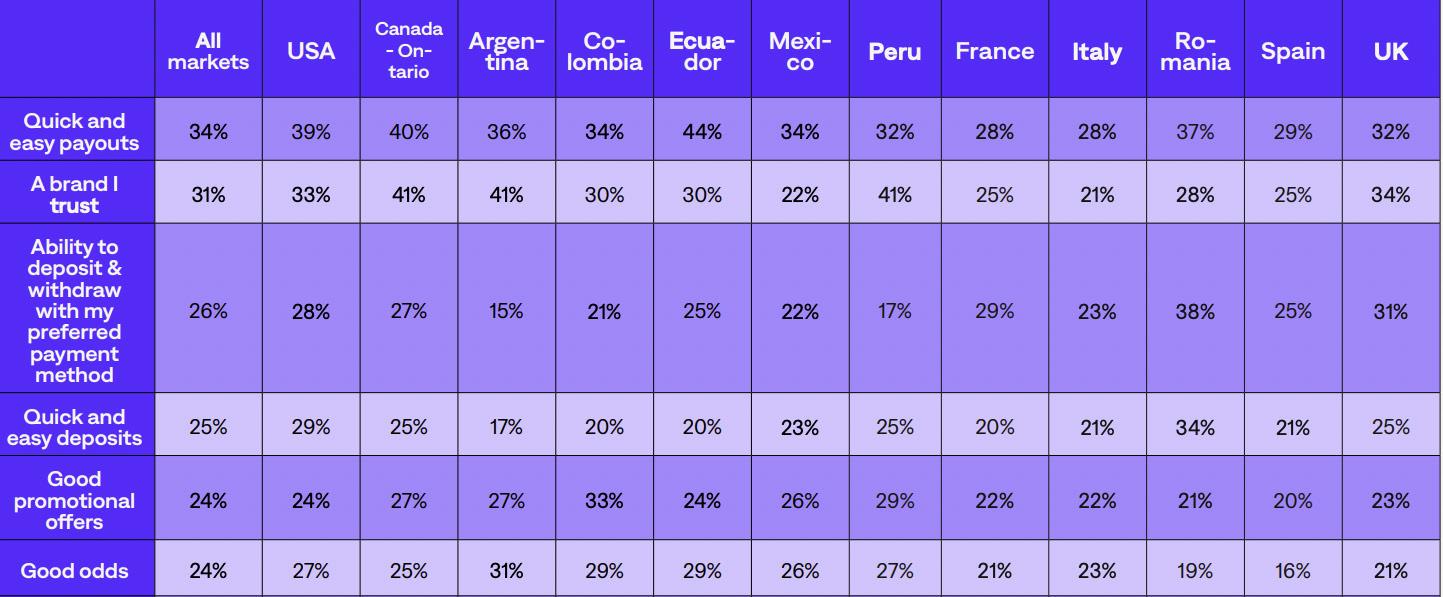
The case for reducing reliance on traditional card rails, exploring how open banking, wallets and alternative methods are reshaping payment strategies for speed, cost and player experience.
A Decade and Beyond: Anies Khan on 13 Years at Jumio and mapping the Next Digital Frontier: “The real game changer is orchestration,” Khan adds. “Rather than applying static checks, these signals are combined
The Payments 10, [3rd Edition]
GamblingIQ presents The Payments 10, our annual global rankings spotlighting the companies driving innovation and the future of iGaming payments. Designed for regulated U.S. iGaming markets, Pay with Crypto converts digital assets to dollars instantly, reducing friction, volatility, costs & operator complexities.
Paysafe’s President of Global Gaming, Zak Cutler, charts crypto’s evolution from niche obsession to regulated payment reality
St. Patrick’s Day at DraftKings, 2015: the office buzzing, the cryptocurrency talk flowing, and Zak Cutler sensing a market mood before it had a name. “People that were into crypto at the time were really into it,” he recalls, and back then the joke was easy: “That’ll never happen”.
Ten years on, the punchline has aged into a product. For Zak, the shift is less about hype than habit. Crypto moved from a balance sheet curiosity to something closer to payment behaviour, and Paysafe is moving with it.
“I’d say, relative to their net worth, a lot of people were heavily invested in crypto back then. At the same time, daily fantasy sports was taking off, and people were saying, ‘I wish I could just pull from my balance and play,” Zak says.
“We kept talking about it, and now, more then ten years later, it’s incredible to see how far things have come,” he continues. “The guardrails are in place, the regulatory framework has evolved, and it’s starting to become a reality.”
He talks like a man who has seen enough markets to know when the road bends: patient, practical, slightly amused. “We can’t ignore the demand,” he says. That is the story here — not rebellion, but readiness; not a moonshot, but a merchant-led step into a payment stream that finally looks grown up. And in this moment, you can hear the industry turning its key.
Designed for the broad U.S. iGaming market, the new Paysafe product converts digital assets to dollars almost instantly, reducing friction, costs & operator complexities
Paysafe is expanding into crypto payments for online gambling by introducing Pay with Crypto, a product that lets players fund iGaming accounts using digital assets converted into dollars at the point of deposit. Part of Paysafe’s powerful Gateway, the launch lands as U.S. regulators appear to be inching towards permitting crypto-to-cash funding. In the company’s view, the moment is no longer speculative: it is operational. Zak Cutler, Paysafe’s president of global gaming, says the sector has reached an inflection point, where it is no longer about politics and more about adoption “It’s demand and adoption,” he says. “We can’t ignore the demand.”
Pay with Crypto sits within Paysafe’s Gateway as part of a broader US-market proposition — giving operators access to all the ways players pay through a single integration, and reinforcing Paysafe’s view of payments as a tool for driving growth in the market. Daniel Carson, senior business development director, crypto & iGaming: “We view this as another payment method” with the aim to give merchants an entry point into the digital asset economy while removing volatility and operational complexity from the operator’s side.
“In practice, users select the option at checkout, choose a supported token or stablecoin, and the funds are converted before settlement to the merchant,” Carson says. The U.S. allows crypto-converted deposits in a handful of regulated betting states, while still stopping well short of letting operators handle
crypto natively. DraftKings has received permission to roll out such a feature in Illinois, Kentucky, New Hampshire and Vermont, according to reporting on a Massachusetts Gaming Commission meeting, while Massachusetts has moved to ban crypto-converted funds as a betting source. Wyoming permitted crypto as a wagering funding method in 2021; Colorado followed in 2022 by allowing deposits converted from crypto to fiat.
For Paysafe, the strategy is familiar: move through regulated markets one jurisdiction at a time, leaning on established relationships with operators and regulators. Zak Cutler says the company will pursue the same “bottoms up” path used in prior product rollouts, adding that the product is intended to reduce fraud, chargebacks and friction for both sides of the cashier. “We’re taking all that away,” he says. “We’re removing all the complexity, the currency fluctuations, anything that would make an operator agree that there’s not really a downside here.”
What follows will be a test not of technology, but of behaviour. If players begin to treat crypto balances as spendable bankroll rather than long-term holdings, volumes should move quickly; if not, the product risks remaining a niche toggle on the cashier page. Daniel Carson notes the simplicity of the flow is critical to that shift: “It allows users to deposit funds in, while the merchant doesn’t need to touch crypto,” he says. For Paysafe, the wager is clear: make it easy, make it familiar, and let demand do the rest.
MoonPay & Paysafe Collaboration
Percentage of U.S. players with appetite for crypto deposits according to Paysafe research
CRYPTO MEETS

Powered by MoonPay, the leader in global crypto payments and stablecoin infrastructure, Pay with Crypto allows iGaming brands’ customers to use preferred stablecoin or cryptocurrency to effortlessly fund their player accounts, where permitted.
GAMBLING’S COMPLIANCE GUARDRAILS
Zak Cutler says crypto deposits will still sit inside gambling’s existing compliance framework. “Crypto doesn’t get around any of that,” he says, noting that KYC, age checks, geolocation and player limits will all remain in place. He argues the sector’s long-built fraud controls and scrutiny make it a “buttoned up” environment.
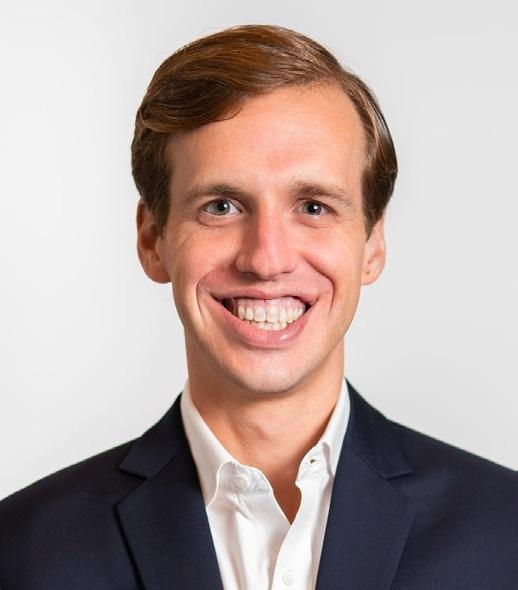
Daniel Carson, senior business development director, crypto & iGaming says the new product removes operational burden from operators by handling conversion and custody externally. “The merchant is not required to custody any funds, unless desired,” he says. Deposits are converted instantly, eliminating volatility, with settlement delivered in fiat, while crypto handling sits with Paysafe and MoonPay.


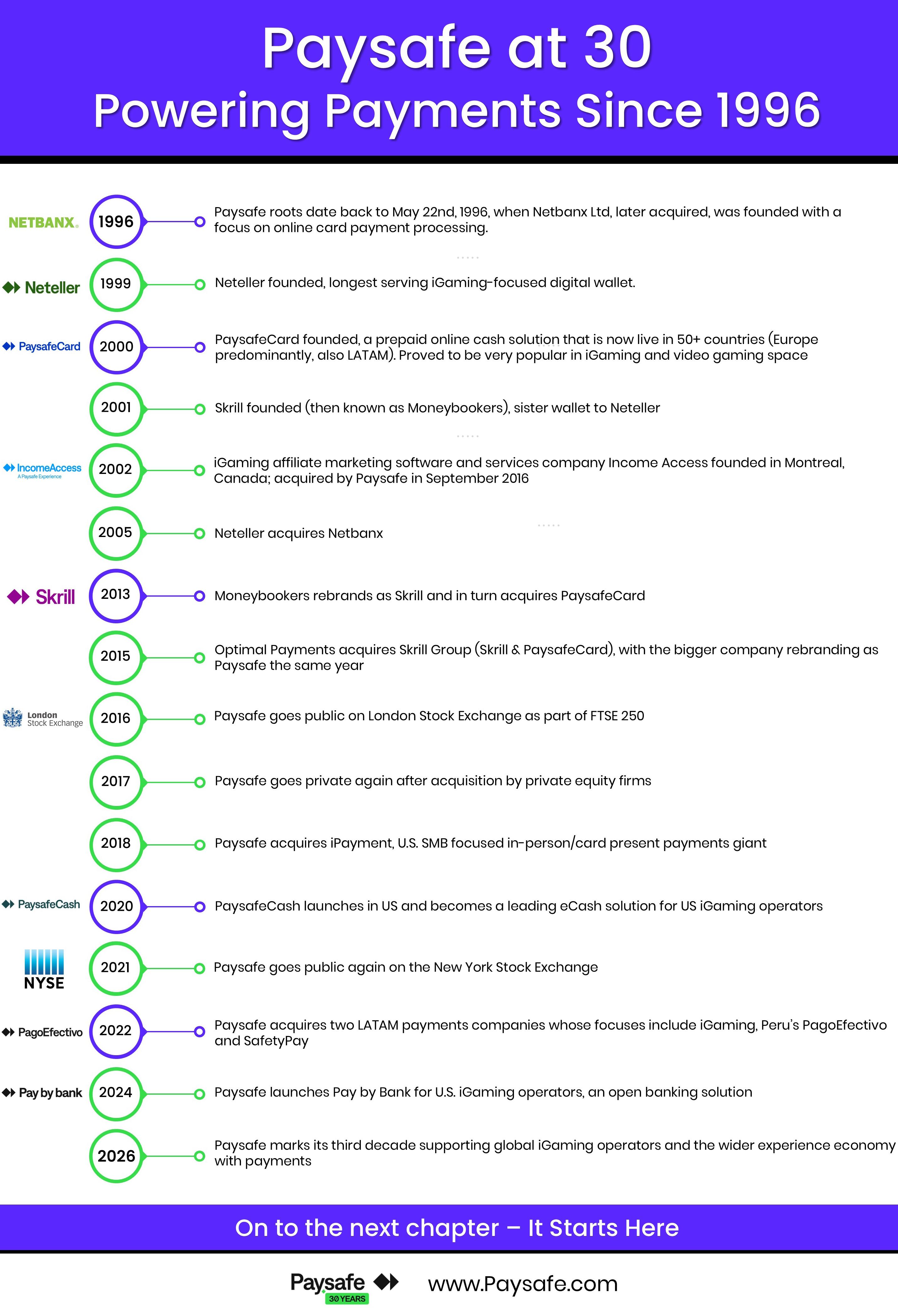
A Retrospective: From dial-up daring to digital dominance, how a payments pioneer navigated risk, regulation, reinvention - underwriting the rise of global iGaming while threading money through the Internet’s corridors
+Amidst the clatter of dial-up modems in 1996, Netbanx Ltd emerged as one of the first dedicated online payment processors, born from the simple yet audacious idea that the web needed safe ways to move money. Little did its founders know they were laying the cornerstone for a company that 30 years later would stand as Paysafe; a global payments titan with roots sunk deep into the soil of iGaming. Today, with over $1.7 billion in annual revenue and solutions powering millions of players worldwide, Paysafe enables the thrills, bets, and wins that define modern entertainment.
The story truly ignited in 1999 with the launch of Neteller, a digital wallet that would become synonymous with the online poker boom. As Full Tilt and PokerStars exploded onto the scene, traditional banks recoiled from “high-risk” gambling transactions, slamming doors on deposits and withdrawals. Neteller stepped into the void. Players could fund accounts instantly, cash out winnings securely, and even get a prepaid Net+ MasterCard. By the early 2000s, Neteller had become the lifeblood of the burgeoning iGaming industry, handling millions in daily volume during the online poker golden age. Its 2004 IPO in London raised about $70million, which validated the model and propelled the company onto the global stage. In 2005, Neteller acquired Netbanx. But the sector faced its first existential test. The 2006 Unlawful Internet Gambling Enforcement Act cast a long shadow. Actual survival now demanded innovation, fresh capital, strategic focus - or in a word, resilience.
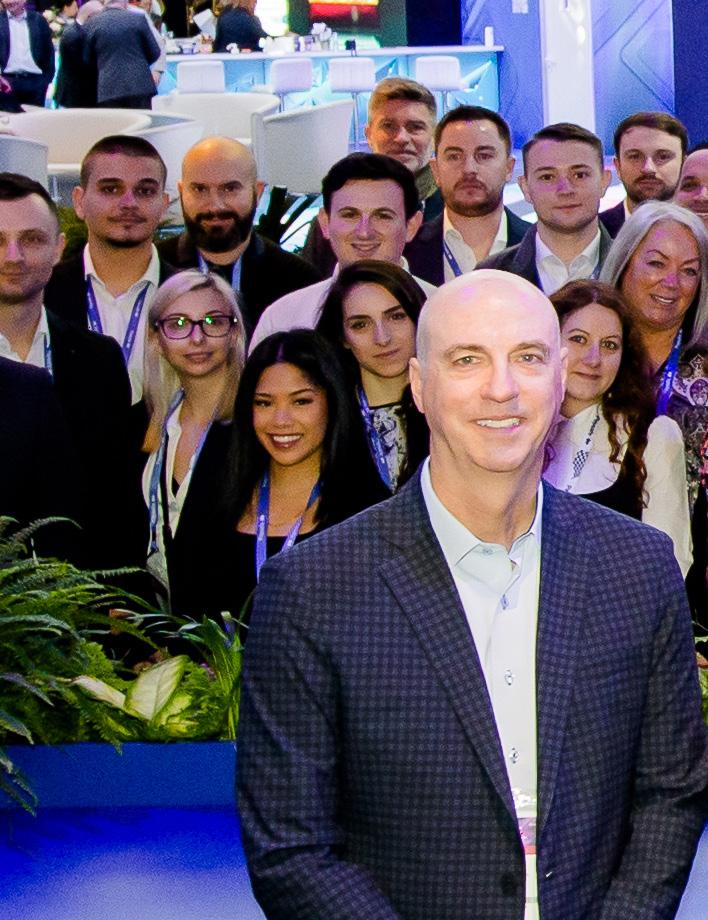
The 2010s marked explosive consolidation, an era when Paysafe’s DNA truly fused with iGaming’s future. In 2011, Neovia executed a reverse takeover of Optimal Payments, rebranding the combined entity as Optimal Payments PLC. 2015 was a big year; Optimal Payments acquired Skrill Group, which included the revolutionary PaysafeCard for $1.2billion. Skrill (rebranded from Moneybookers in 2013) was already a gambling staple, offering lowcost transfers and instant funding for online casinos and sportsbooks. PaysafeCard launched in Europe in 2004 as a prepaid voucher. UKash followed in the acquisition wave, later rebranded under the PaysafeCard umbrella.
In one bold stroke, Optimal unified the three pillars of iGaming payments: digital wallets (Neteller, Skrill), prepaid anonymity (PaysafeCard), and robust processing. The company rebranded as Paysafe Group and then graduated to the main London Stock Exchange and joined the FTSE 250 in 2016. Acquisitions continued to sharpen its iGaming edge. In 2016, Paysafe bought Income Access Group, a leading affiliate marketing software and services provider. Private equity recognised the potential. In 2017, CVC Capital Partners and Blackstone acquired Paysafe for £2.96 billion - the largest such deal in London since the financial crisis, delisting it from the FTSE. Under new ownership, the company accelerated innovation.
The 2018 launch of the unified Paysafe platform integrated everything into one API: cards, wallets, eCash, and alternative methods across 40+ currencies. iPayment Technologies was acquired that year too. Meanwhile, the 2018 U.S. Supreme Court decision repealing PASPA (the Professional and Amateur Sports Protection Act) opened floodgates for state-regulated sports betting and iGaming.
Paysafe was ready. It swiftly positioned itself as the payments leader in the nascent U.S. market, building on its Canadian and European dominance.
The 2020s brought public markets and explosive U.S. growth. In 2020, Paysafe acquired Openbucks to enhance eCash options, a vital tool for cash-preferring players in regulated gambling states. December 2020 saw the landmark $9 billion merger agreement with Bill Foley-backed Foley Trasimene Acquisition Corp. II. The transaction closed in March 2021, listing Paysafe on the NYSE under ticker PSFE. This infusion of capital and visibility turbocharged expansion.
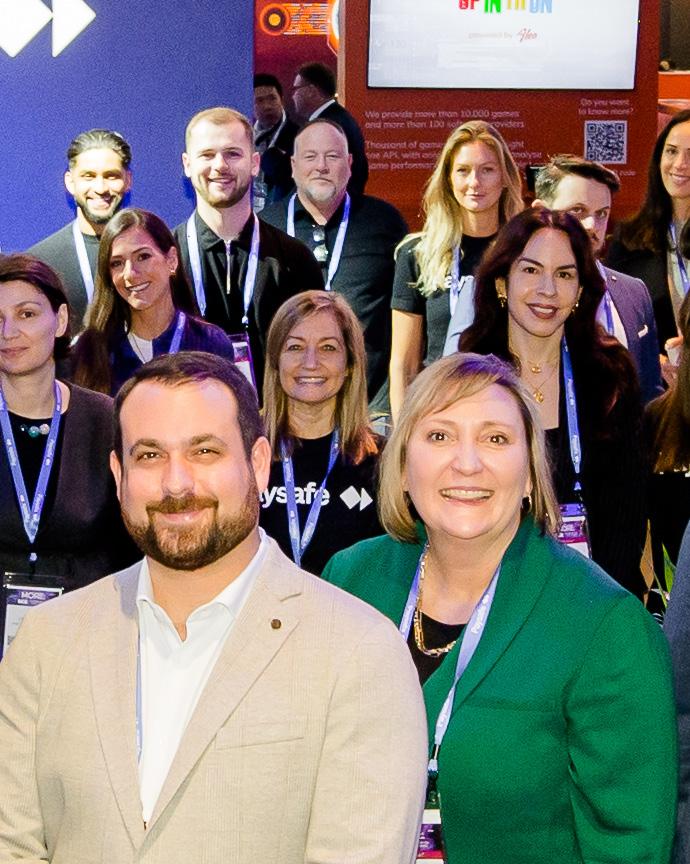

By the early 2020s, Paysafe supported operators in the majority of U.S. iGaming jurisdictions. Entry into New York in 2022 marked a milestone, followed by innovations like Pay by Bank in 2024, addressing the 27% of bettors who prefer direct transfers. Today, in 2026, Paysafe celebrates 30 years as a champion of payments in the entertainment space. Its iGaming gateway offers a single integration for 250+ methods in 120+ countries, serving 15 million active users through Skrill, Neteller, PaysafeCard, and PaysafeCash. Operators gain higher acceptance rates, instant processing, best-in-class fraud tools, and expert account management.
Speaking in relation to the important milestone, Bruce Lowthers, CEO of Paysafe, told GamblingIQ: “As we celebrate our 30th year powering payments for the experience economy, we reflect on our journey and our history, and how the company’s roots were in the iGaming industry. Today, we’re proud to be the go-to payment platform for global operators across North America, Europe and Latin America. Looking ahead, we look forward to continuing to strengthen our payment platform to better support operators and meet players’ evolving transactional preferences.”
“ I was at my desk in Dublin on Black Friday in April 2011 when the Full Tilt Poker platform, one of the world’s biggest online poker sites at the time, was impacted. Payments
froze, the platform and our competitors shutdown globally, it was total chaos...
General Manager of iGaming for EMEA, Paysafe
+ 2007-2009
Fraud Analyst, Bank of America (UK)
+ 2009-2011
Fraud Team Leader, Full Tilt Poker, (Pocket Kings), (Dublin) – Witnessed Black Friday
+ 2011-2012
Fraud & Payments Team Leader, ComeOn! (UK)
+ 2012-2016
Gaming Finance & Poker Fraud Manager, Gamesys (New Jersey)
+ 2017-2021
Director of Payments, The Rank Group, (UK)
Head of Fraud & Payments, The Rank Group, (UK)
+ 2022-2023
Director, RH Risk Consulting. Non-Executive Director, Racing Stars, (Guernsey)
+ January 2024
General Manager, iGaming EMEA, Paysafe, (UK)
“ Yet it was that landmark moment that drastically shifted the US gambling industry towards full regulation.
”

Rory Howard, GM iGaming, EMEA,
Rory Howard’s career didn’t begin in the high-stakes glow of poker rooms, but in the sterile corridors of Bank of America in the UK, where he honed his skills in fraud detection. That path soon led him to Dublin in 2009, where he joined Full Tilt Poker, one of the world’s premier online poker platforms at the time. Then came April 2011. In a single, seismic blow known as “Black Friday,” the U.S. Department of Justice ceased the operations of Full Tilt Poker, PokerStars et al, forever altering the iGaming landscape.
For Howard, it was personal chaos in the Dublin office where players frantically tried to withdraw funds as news of the website freezes trickled in. The mess of legal wrangling and asset freezes followed, but from the wreckage emerged a regulated American market. He watched the full arc: from that Dublin desk to helping set up the Gamesys New Jersey operation years later, witnessing the first live transactions in a newly regulated landscape. The wheel turns, he seems to say, from bust to boom.
He then returned to the UK, where his wife, (herself an iGaming veteran, once assistant to a famous Full Tilt figure), joined him in what became a household of “gambling gurus.” They landed at fledgling ComeOn!, a startup with just 10 people crammed into a Leicester Square office before its acquisition by Cherry. There, Howard and his team built core payments and risk systems from the ground up. Stints followed at Gamesys in the UK and US, then a significant chapter at Rank Group, where he sat on the digital leadership team overseeing risk, payments, fraud, due diligence, and anti-money laundering across both online and retail operations.
At Rank, innovation met necessity. During COVID, when handling cash felt toxic, the team rolled out instant payouts using Visa Direct; not just online, but in physical casinos. They installed 85 new machines across Mecca and Grosvenor venues so patrons wouldn’t have to touch notes. In the first month alone, over £30m flowed back through those terminals. “Huge success,” Howard notes simply, but the subtext roars: payments are the lifeblood, and speed builds loyalty when the world shuts down.
‘ We actually hold our own card acquiring licence in Europe. Operators no longer need to juggle multiple PSPs; they can come straight to Paysafe for everything ’
In January 2024, he signed for Paysafe, the payments powerhouse with roughly $1.7 billion in annual revenue at last count, and vast transactional volume. After 15-plus years on the operator side - UK majors, European outfits, US groundwork - Paysafe felt like destiny. “One of the constants throughout that journey was always Paysafe,” he explains. “I knew that business very, very well from the operator side. It was a natural move over to the other side.” Though he once saw himself purely as a “payments guy,” not a commercial rainmaker, his operator lens now sharpens internal strategy and client empathy.
As General Manager for iGaming in the EMEA region, Rory’s remit stretches beyond Europe to global expansion, (excluding North America). He has spent time scouting the Far East and Middle East, noting the UAE’s nascent market feels “very much like the US in the early days” with regulations evolving, suppliers popping up. Africa remains fragmented, with banking infrastructure challenges and trust barriers, (carrier billing often leaves operators unpaid), so he doubles down on core European heartlands: France, Greece, Romania. Under his watch, the European business has delivered near double-digit growth after years of stable revenue, fuelled by deep relationships with major operators who bundle multiple Paysafe products across jurisdictions and launch into new territories with Paysafe close behind.
From Black Friday’s chaos to a regulated New Jersey, from pandemic cashless casinos to World Cup readiness, Rory rode wave after wave of industry change without losing sight of the core thread: trust, risk, and the relentless need for payments that simply work. “Something that was unknown, even to me, when I joined Paysafe, is that we hold our own card acquiring licence in Europe,” he says. “So operators no longer need to juggle multiple PSPs; they can come straight to Paysafe for everything. From my operator days, dealing with hundreds of different providers was one of the biggest headaches. By optimising our acquiring and doubling down on our core products, we’ve created a compelling one-stop solution and it’s working really well.”


Big events test the infrastructure and Paysafe has poured major investment into technical resilience to handle transactional spikes. Rory Howard points to the Super Bowl’s frenzy— massive transaction volumes in the half-hour before kickoff—as proof the system can deliver when Europe’s World Cup moments arrive. Whether it’s “England beating Germany in the final to bring it home,” the team stands ready with Skrill, Neteller, PaysafeCard’s cash-to-online option, acquiring licenses, the Rapid Transfer payby-bank solution and local payment methods. Operators gain simplicity, speed, and service; Paysafe gains loyalty by solving the old headache of fragmented payments.
Rory on Open Banking: Niche not Revolution
Paysafe’s GM iGaming EMEA, Rory Howard, is pragmatic about emerging rails like open banking (known as Paysafe Rapid Transfer in Europe; Pay by Bank in the US). Drawing from his operator background, he has used it himself and sees genuine appeal for more progressive, tech-savvy players already comfortable with banking or investment apps.
Yet he cautions strongly against overhyping its potential. “You never know, but Betty from Bolton probably isn’t going to be using open banking,” he says with a wry nod to mass-market realities. “Payments is about horses for courses, appealing to the mass market, not necessarily a niche.” Visa and Mastercard still dominate; open banking carves a thoughtful slice rather than swallowing the whole pie.
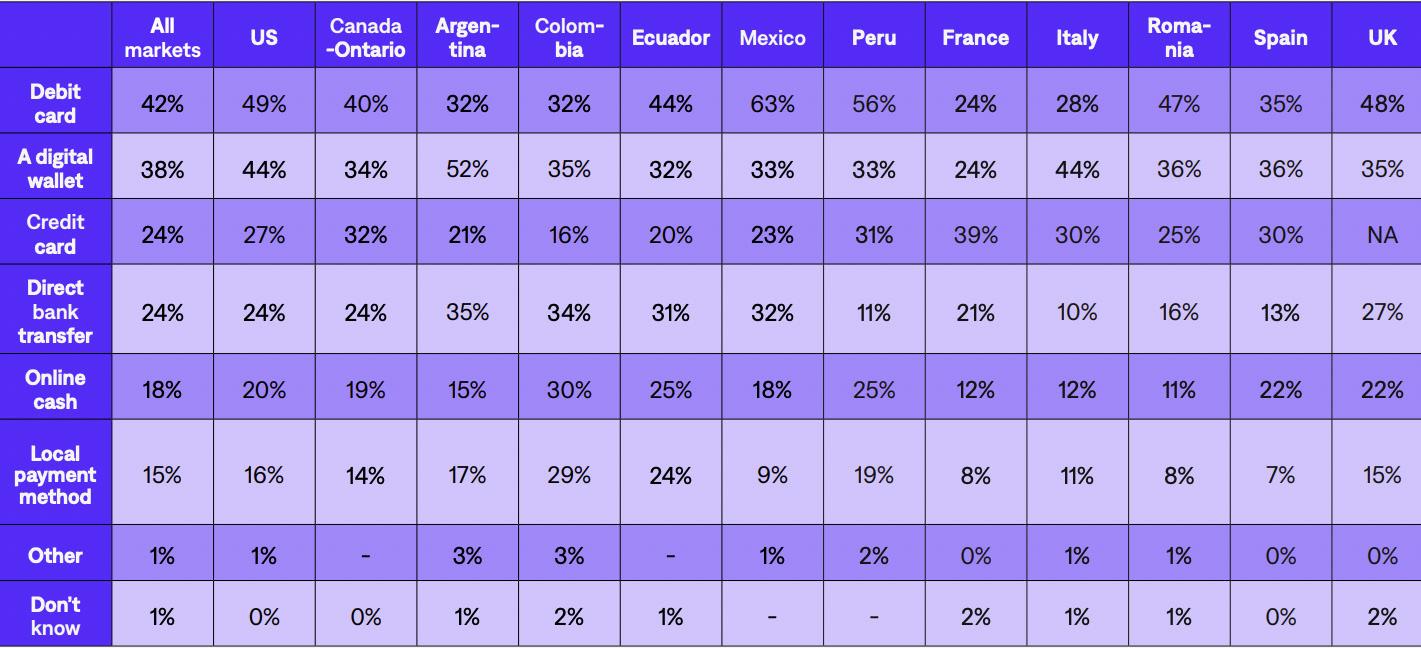
+
Every deposit is a declaration: The rail chosen, device used and funding velocity together, tell you who the player is, how valuable they’ll be and how risky the flow might be. Treat that moment as identity, and you transform payments from cost to performance.
Historically, identity lived in a KYC file and payments lived in a reconciliation report. Now those two domains collide. A deposit gives immediate, machine-readable signals: bank metadata, routing behaviour, wallet provenance, device fingerprint and deposit cadence. Stitch those signals into a live identity score and you can decide in milliseconds whether to pass, slow-track or upweight that customer — creating a seamless VIP path for trusted players and an instant risk circuit for everyone else. This isn’t theoretical. Operators that treat payments as identity avoid clunky, post-hoc compliance, reduce manual reviews and — crucially — increase conversion for good players while lowering remediation costs.
1. Localisation = performance. When rails reflect local banking habits (iDEAL, Swish, MB WAY, Bancontact), the deposit itself carries trust. Local rails reduce intermediaries, lower failure rates and produce cleaner identity signals for the score. That directly improves conversion and retention.
2. Instant is expected; reliability is the moat. “Instant payouts” are table stakes; the differentiator is predictable, measurable execution. Players remember when payouts are fast and certain. Reliable instant settlement closes the loop between deposit trust and loyalty — pay reliably and players return faster. Stitch localisation and dependable instant payouts into your identity layer and you get a virtuous cycle: clearer identity → better routing → faster settlement → greater retention.
^ Payments-as-Identity: Why a deposit now tells you everything Operators that win in 2026 don’t just accept money — they read it. The deposit method, device, funding corridor and velocity of incoming funds are stitched into a live identity score that feeds KYC, affordability checks and player segmentation. That score lets a platform treat a veteran VIP differently from a suspicious first-time depositor without manual reviews — improving conversion while shrinking compliance cost. Banks, PSPs and open-ban-
^ The new rails map: Pragmatic, diverse, orchestrated: The future is orchestration, not replacement. Operators are routing by player value and geography: A2A / pay-by-bank for high-value deposits where open-banking is mature; local digital wallets for mobile conversion; and tightly scoped stablecoin corridors where regulatory clarity and custody arrangements make sense.
^ AI: The payments brain that keeps the house clean: AI now contextualises payment events : rather than merely flagging anomalies. Models enrich deposits with identity signals — bank metadata, device fingerprints and velocity patterns — to produce explainable risk scores feeding both AML workflows and conversion logic. The result: fewer false positives, faster VIP onboarding and better-targeted responsible-gaming interventions.
^ Compliance by design. Pre-flight checks for every rail: Regulators have tightened scrutiny on crypto and cross-border flows. The practical outcome for product teams is a compliance gateway: no new rail or loyalty token goes live without documented approvals, data lineage and mapped transaction monitoring thresholds. Bake compliance into product roadmaps to avoid costly retrofits and delayed launches.
^ Creative plays that matter in 2026:
1. Micro-pledges: tiny, verifiable wallet deposits that act as low-friction KYC boosters.
2. Treasury corridors: licensed, contract-backed stablecoin lanes for specific settlement corridors and promotional payouts.
3. Payment-native responsible gaming: adaptive deposit limits that change in realtime based on payment behaviour and AI risk signals.
4. Orchestration UI for ops: a single dashboard that routes deposits by value, risk and geography and explains the logic behind each route.
^ One-page playbook (Do it this quarter):
• Stand up a payments-identity score
• Pilot A2A as the primary rail for high-LTV cohorts; keep wallets for mobile conversion.
• Run a compliance-approved stablecoin treasury test when licensing and rails are clear.
• Deploy ML triage for AML, enforcing human-in-the-loop and regular model audits.
• Create a payments-compliance gateway.
+ June 2015, Vasilije is employee No. 40
Moves to Malta as the company’s dedicated gaming account manager at an early stage in the company’s international push.
+ 2016, Pay N Play pilot launch
Worked on the original Pay N Play build and early pilot, first trialled by small operators such as “No Account Casino”
+ January 2019, Director of Gaming
Actively evangelising Pay N Play and helping scale commercial roll-outs across larger operators such as Flutter, William Hill, Betway, LeoVegas, Betsson, Kindred.
+ 2022, Vice President of Gaming
Moving to Stockholm, Sweden, he is now a hugely experienced VP of Gaming for Trustly.

From Montenegro to Malta, Vasilije Lekovic arrived in 2015 with little more than conviction and a rented van packed with Trustly’s original Swedish C-suite; pitching the first iteration of Pay N Play to an industry that mostly didn’t believe. But what looked like scrappy roadshow theatre, eventually proved to be the prelude to a product that would reshape onboarding and payments in the iGaming industry.
His Balkan roots, Vasilije says, helped. “I’m very proud to be from Montenegro. We are a proud yet small country with a population of only around 650,000 citizens, but we are also the second tallest nation in the world, so we are quite big, loud, outspoken, and then we also have this fighting spirit” he smiles. He offers a remark about tennis legend Novak Djokovic with fond, neighbourly precision: Djokovic was born in Belgrade, “but his paternal line reaches back into Montenegro” - a reminder that borders change names, while kinship keeps moving along the same old rails.
Vasilije Lekovic joined the payments rails at Trustly almost 11 years ago in June 2015, one of two account managers; employee No. 40 in a company that now processes more than US$100 billion in total transaction value. Pay N Play, (the product that actually did change everything in gambling), began as a lopsided love affair between a tiny operator and a bold idea from one of the Trustly founders: “I always felt the product was destined for scale, and it is still completely revolutionising the gaming industry because it changes the way gambling companies onboard their players and how deposits are made,” Vasilije says.
The original Pay N Play product was launched in partnership with one small gaming company where the Swedes built the product and a company called ‘No Account Casino’ was first to trial it. “Funny name, but it was describing how the product works,” Vasilije says, “because you as a player did not need to fill out the form, or upload documents, you just needed to deposit with Trustly and we would send the data to the gambling operator, who would create a full layer account in the background, so you would be playing right away”.
Following the “pilot” success, he remembers the rented van tour in Malta like a pilgrimage: “We were so excited, pitching this new thing that only a few small companies were using. Basically every big operator said NO — ‘too early’, ‘regulators’, ‘compliance’ — but when one big operator launched and another one showed their numbers publicly, everybody realised the scale of it.” Vasilije’s recounting is of impact and consequence: Pay N Play didn’t merely smooth the funnel, it rewired entire businesses; it shaved away operational bloat and said gently to operators, you can run a lean team, you can run with twenty, thirty, fifty hands, and still hold the market if the onboarding is frictionless. “It doesn’t just improve the player experience,” he says, “it simplifies compliance and fraud prevention, practical things that let operators be nimble and cut overheads”.
‘ That’s the secret; recognition as a service, a soft memory that sits in the rails, smooths interaction. Trustly becomes not merely a rail, but a reliable face at the cashier ’
You hear in Vasilije’s voice the long Trustly apprenticeship: compliance, legal, product, marketing; the two-account-manager era when he and his still colleague Michael split the world into ‘gaming and not-gaming’. Not to mention the residential apartment/office in Malta that smelled of coffee and ambition where you had to take your shoes off at the door. “You have to wear many hats in a start-up that either make or break you”. He speaks of mentors like CEO Johan Tjärnberg, flat structures and the Swedish openness where C-level are reachable: “You can actually sit and discuss things and get different opinions, even if we sometimes disagree,” he says, with a tone that is grateful, not reverent; the kind of gratitude that comes from having learned how to argue a point and be heard.
Vasilije talks through Trustly’s recent signings: Rank Group, a major UK operator using Pay by Bank; the Postcode Lottery in Sweden embracing recurring payments; the VMO2 conglomerate, (Virgin Media O2), automating direct debit and top-up flows. These are the practical proofs, the modern things that fill boardroom slides, but he keeps pulling the conversation back to craft: Remember Me, (formerly Azura), Trustly ID, open banking affordability, the data that makes a payments company feel like a networked mind. “Remember Me delivers effortless payments,” he says. “It’s powered by over a billion data points to recognise users across sites. If you used Trustly to buy travel tickets, Remember Me can show you as a returning user on a gambling site, even on your first deposit. We know the last bank account you used, the device; it is returning user experience into first touch.”
That’s the secret, recognition as a service; a soft memory that sits in the rails and smooths interaction. Trustly becomes not merely a rail, but a reliable face at the cashier, and much more than just a payment provider. Whatever comes next, the image will remain from 11 years ago: Vasilije Lekovic and Trustly’s senior team from Sweden piling into a van and pitching a new payments idea around the island of Malta, and the ridiculous startup etiquette of slippers on residential office floors; shoes at the door. The kind of scrappiness that forges careers and creates business legends.

Johan Tjärnberg, Group CEO, Trustly

Timeline of innovation & savvy business acquisitions
2008, Founded in Stockholm
2011, Early expansion, investment 2015, Pay N Play launched The business built early A2A payout and direct-bank payment tech that bypassed cards and intermediaries.
A second-generation platform, along with early merchant wins attracted investors like Alfvén & Didrikson in 2011 and Bridgepoint Development Capital in 2014.
Breakthrough flow leveraging payments and data to simplify account creation for users and operators.
2018, Nordic Capital investment European fund Nordic Capital takes a controlling stake, supplying growth capital to scale.
2019, PayWithMyBank Trustly merges with US open-banking firm PayWithMyBank, creating a North American leg of the company.
2022, UK Expansion, Ecospend Trustly strengthens UK merchant and open banking capabilities, including the acquisition of Ecospend.
2023, SlimPay acquisition
The acquisition of Paris-based recurring payments specialist SlimPay added mature recurring-pay capabilities.
2024-’25, Azura Engine Release
Trustly launches Azura (now named Remember Me), its data-driven recognition feature, plus improved Pay by Bank and Pay N Play features.
2026, USD$100 Billion in TTV Trustly processes more than $100 billion in total payment value, marking an important scale milestone.

9,000+
The number of merchants globally who use Trustly, connecting over 650 million customers
Vasilije Lekovic on how Trustly’s payments intelligence layer turns billions of data points into first-touch familiarity, smarter routing, higher conversions
Trustly is majority-owned by venture capital firm Nordic Capital, while Trustly management and employees own 27.4%
900+
Number of people employed globally by the company
$100 Billion
Total Transaction Value (TTV) processed during 27.4%
12,000+
Customers are connected to a network of more than 12,000 banks across 30+ countries
50%
Guaranteed payments in the US, against non-sufficient funds, fraud & chargebacks, grew by 50% last year

Vasilije Lekovic, Vice President of Gaming, Trustly
Remember Me is, simply put, a memory for the payments rails. It doesn’t move money — that’s the job of the ecosystem below — but it remembers what matters: the last bank account a user used, the device they arrived on, the pattern of past transactions. The point is not technical showmanship so much as behavioural alchemy: turn a customer’s first visit to a new merchant into the comfortable feeling of a returning user and you close the sale. “Remember Me is our intelligent data engine. It leverages over a billion data points that we have collected over the years from players, banks and merchants,” says Vasilije Lekovic, Trustly’s VP of iGaming.
“It enables us to recognise a user, as long as they have used Trustly at least once on any website, even when they arrive at a completely new site.” That capability sounds simple because its outcome is simple; a masked bank account and a familiar logo at the cashier, but the engineering is non-trivial. Remember Me ingests transaction metadata, device signals and bank identifiers across multiple markets, matches them, and then elevates matches that meet confidence thresholds into a returning-user flow. The commercial effect is fast: fewer fields, fewer clicks, fewer abandoned carts. “We know the last bank account used, the device, other relevant signals, which lets the checkout feel personalised without users sacrificing time or patience,” Vasilije says.
Crucially, the value of Remember Me is networked. Recognition improves as the network grows: more merchants mean more contexts in which users can be seen and recognised, and more banks connected to the platform mean cleaner identifiers and faster routing choices. “Remember Me helps formalise and strengthen the Trustly network. Because we have operated in the industry for so long, across many markets and with a large number of merchants, our network is significantly larger than most other pay-by-bank providers.
That scale is a natural advantage of being early and operating broadly,” Vasilije says. In practice, that means a passenger who used the rails to buy a plane ticket can be recognised on a gambling site and presented with a streamlined deposit in seconds. Remember Me is more than recognition; it is a decisioning layer. When a session is recognised, Remember Me does two things at once: it presents a simplified user journey, and it supplies signals that help the merchant make faster KYC and fraud decisions.
That dual output is vital in regulated verticals such as iGaming, where speed and compliance must coexist. “Pay N Play doesn’t only improve the experience for the player, it also simplifies and strengthens and separates processes and compliance and fraud prevention for the operators,” Vasilije says. “Remember Me feeds that simplification by turning cross-merchant evidence into confidence for automated decisions, reducing manual reviews and operational overhead. And because the intelligence engine sits on top of deep bank integrations and routing options, it strengthens technical reliability”. The Remember Me engine not only recognises users but selects the most reliable path for a transaction, reducing failure rates and speeding recovery. For merchants, that means fewer declines, fewer interrupted journeys and a more predictable customer experience.
The goal, as Vasilije frames it, is to solve merchant problems without shifting regulatory risk: “The main objective of Trustly, since its inception, has always been to build products that solve problems for our merchants and their customers.” The Remember Me commercial promise is cumulative: richer networks drive better recognition, which lifts conversion, attracts more merchants and feeds the data engine further — a virtuous cycle rewarding scale and longevity. For Vasilije, who joined in the early days of Trustly pitching Pay N Play, it marks a long arc of evolution from manual persuasion to automated intelligence.
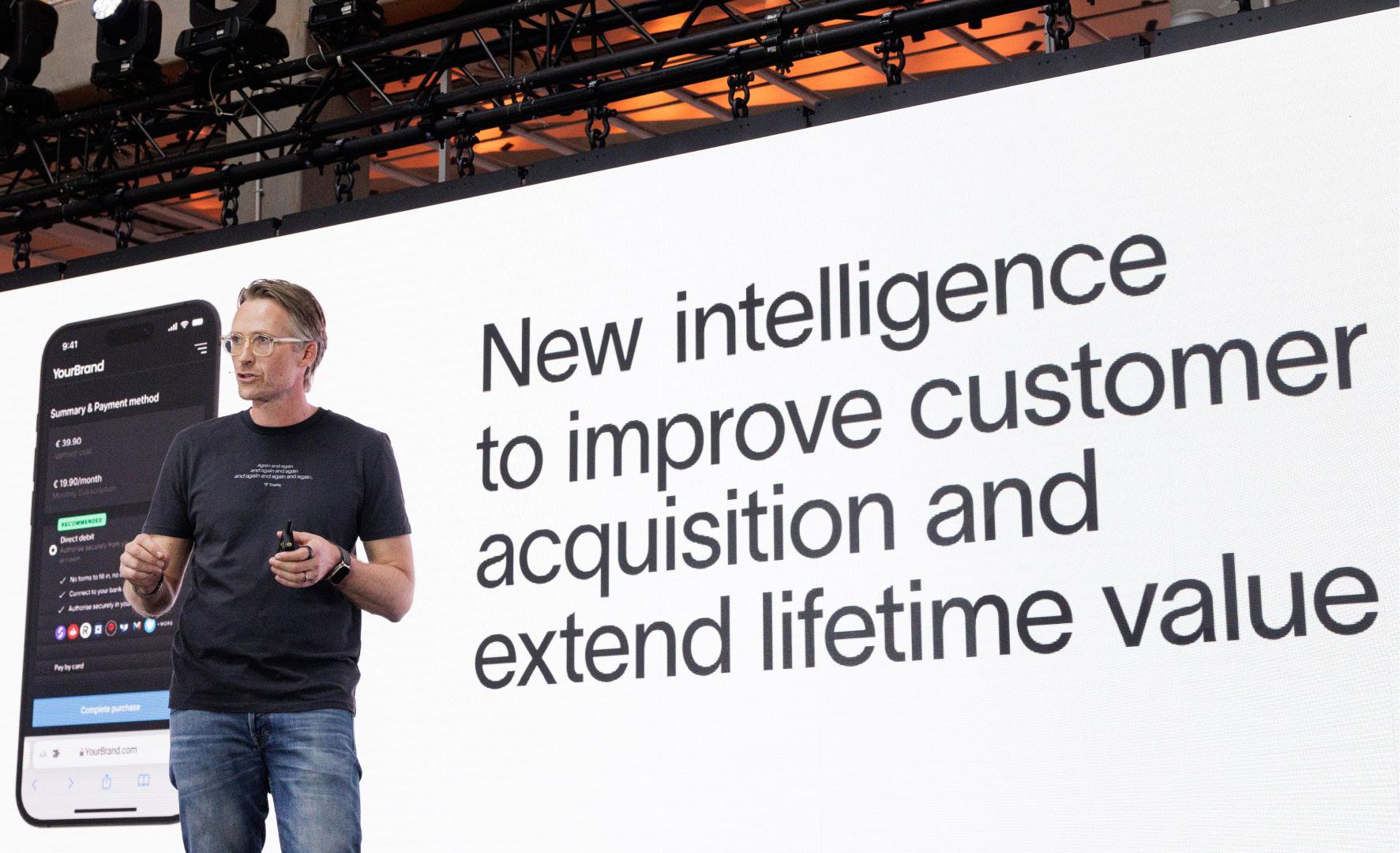
GamblingIQ goes inside Trustly’s high-performance payments toolkit with Vice President of Gaming, Vasilije Lekovic. In an exclusive and fascinating insight into renowned conversion-driving features, Vasilije talks about how certain tools are engineered to turn speed, familiarity and local precision into real advantage.
1. Trustly ID: Instead of logging into a website using a username and password, or repeatedly entering online banking credentials, users can authenticate with their device biometrics. “The initial flow ties a Trustly profile to the handset, so future sessions feel instant and private,” Vasilije says.
2. KYC & Verified Identity Signals: “During the initial flow, we tokenise the user’s profile to the device. We can then provide the necessary KYC data to the gaming operator so they know who the player is” he says. “Operators receive compliance-ready data without interrupting the customer journey, which slashes manual checks.”
3. Bank-On-File: This open-banking feature lets merchants securely store a customer’s verified bank account for future payments or payouts, similar to “card-on-file” but using the customer’s bank account instead of a debit or credit
card. “The user sees their own bank, which creates micro personalisation and faster deposits,” Vasilije adds.
4. Local plumbing with global ambition: Trustly pairs identity with deep bank integrations and instant payment schemes so payouts arrive from local accounts, not distant intermediaries. “So as a user in the Netherlands, you see a payout arriving from a Dutch bank account — not from an Estonian, Finnish or German account routed through another jurisdiction. Those alternatives may be legitimate, but our objective is best in class, and that means delivering a truly local experience,” he says.
5. Multi-Rail Flexibility: The Netherlands is a good example: we offer iDEAL for deposits, combined with our open banking product and instant payouts. In Portugal we add MB Way; in Belgium it combines Bancontact; in Spain it integrates Bizum.
6. Responsible Data: Trustly’s affordability product analyses consenting players’ financial data to help operators meet regulator tests while keeping UX intact. In Germany, the product is already built and in pilot stage. In the Netherlands, development is underway. The goal is the same as Trustly achieves in the UK: to help operators meet regulatory requirements and promote RG.
Always-on A2A: Lean ops, higher margins + Always-on payouts. “There are no real outside banking hours with Trustly,” Vasilije says. “Broad corporate accounts and scheme connections enable predictable, near-instant settlements — a must for operators who need reliable cashflow around the clock.”
+ A2A is a product story, not a vertical one: “If you go back three to five years, most of the use cases for account-to-account or open banking were more transfer use cases where you as a consumer transfer money into an account in a different environment. That might be in the financial services space or in a gaming space, for instance. But I don’t really look at this from a vertical perspective,” he says. “I look at it more from a product use case perspective. For example, we have our deposit product, which targets the consumer transfer environment. And we have the payment product, which is for retail use cases. And I think we can argue that there has been quite a lot of success in the retail space for A2A payments if you look at the schemes such as UPI in India, Pix in Brazil, Swish in Sweden, and iDEAL in the Netherlands.”
+ Lean ops, bigger margins: Vasilije adds: “By tokenising identity, showing bank-on-file and routing smartly, operators can reduce manual work, cut declines and scale with smaller teams — the kind of efficiency that turns marginal UX gains into meaningful business outcomes scalable.”

Open-banking self-exclusion gambling bans offer control and should become part of official national registers
Affordability intelligence and support for exclusion registers increasingly starts with payments. And this is where Open Banking technology has an edge. The most effective regimes will no longer be single registers. They will be layered systems in which the operator blocks the account, the bank or wallet can block the payment, and the payments data can highlight the affordability problem before the customer hits the wall. Payments companies matter not only because they can block spend, but because they can see early signs of financial strain before a regulator’s self-exclusion register does. In the UK, the Gambling Commission is already piloting frictionless financial risk assessments using credit reference data, while also requiring operators from 31 October 2025 to prompt customers to set a financial limit before their first deposit. That makes the payments layer part of the harm-prevention stack.
The latest data from the AIHW says Australians lose A$31.5 billion on gambling every year, or about A$1,527 (US$1,033 per adult). BetStop, the national self-exclusion register, had 54,859 registrations and 35,135 active exclusions by 31 December 2025, and licensed wagering providers must close accounts, stop bets and stop marketing to self-excluded customers. Australia also banned credit cards, credit-linked digital wallets and digital currency for online and phone wagering from June 2024. For payments firms, the point is not just blocking a card: it is spotting the pattern behind the card, repeated top-ups, short-interval deposits and other spending spikes that may flag affordability stress for operators.
New laws regulating online casinos are expected in May 2026. That makes payments-led controls especially valuable: before the new market is fully mature, payment providers can help identify highfrequency spend, reduce impulsive re-depositing and support safer-gambling. From Dec 1st 2026, only licensed operators will be permitted to offer online gambling services to New Zealanders.
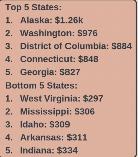
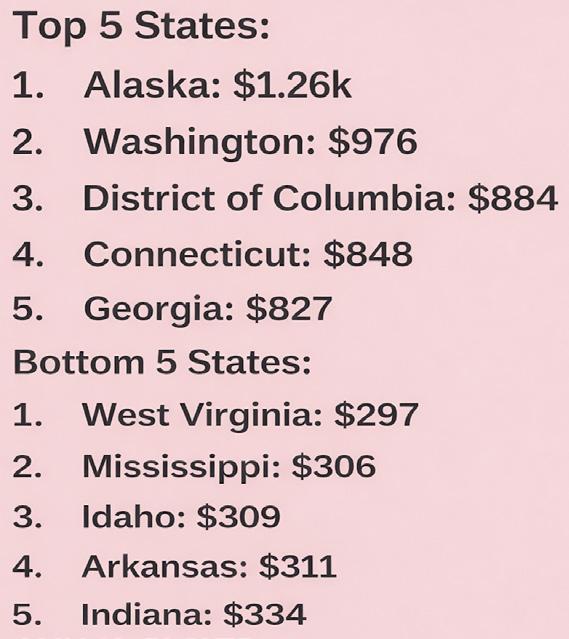
- U.S. Source: Bureau of Economic Analysis
In the UK, Social Responsibility Code Provision 3.5.6 requires that all non-remote casino and bingo and betting licences (except those at a track) and holders of gaming machine general operating licences for adult gaming centres must offer self-exclusion schemes to customers requesting such a facility.
E-wallets can be linked to bank accounts and be used to fund gambling, where consumers don’t need to enter card numbers or personal information when making online payments. When an e-wallet provider sends a request for funds to the bank, the merchant category code (MCC) is not shared as part of the transaction data, and gambling transactions are not stopped – rendering a bank’s gambling block ineffective.
200
4,500 Active
New York, (the 4th most populous state), reported only 4,541 active names on its voluntary self-exclusion list in the latest official report, with 8,200 people enrolling between January 2017 and December 2024. The programme is statewide and covers all legal gambling, including mobile sports wagering, which launched in January 2022.
Ohio, which ranks seventh in population, now runs Time Out Ohio, an online self-exclusion programme covering casinos, racinos and sports gaming, with 1-year, 5-year or lifetime bans and all active participant agreements included. The state launched statewide online sports betting in Jan 2023,
560,000 Active Exclusions
The UK is a mature test case for layered control. WorldAtlas estimates gross gambling losses at about US$18 billion a year, while GAMSTOP said it had over 562,000 active exclusions at the end of 2025. The UK Government has also said the vast majority of banks now offer gambling blocks, and the Gambling Commission is strengthening consumer control over deposit limits. That is where payments companies can add real value: they can help operators distinguish between normal leisure play and behaviour that looks financially unstable, using the signals they already see in payment flow rather than waiting for a crisis point.
Germany shows how centralised blocking can work, but also where payments help to fill the gaps. WorldAtlas puts German gambling losses at about US$11.2 billion. OASIS self-exclusion is transmitted to licensed operators and lasts at least three months; Germany also allows third-party exclusions where someone appears at risk of problem gambling, over-indebtedness or staking disproportionate sums to their assets. The payment insight here is straightforward: operators can stop the bet, but payments firms can help identify the build-up to the bet — repeated funding attempts, a shift to alternative funding routes, or increasingly erratic spending patterns.
US$12b per year
Canada is more fragmented, which makes payments controls even more important. WorldAtlas estimates national gambling losses at about US$12.4 billion. Ontario says iGaming operators must work towards a future coordinated and centralised self-exclusion programme and share anonymised player data for research; registry is being implemented.
Introducing Bettina Sommer, the ‘overnight sensation’ with 16 years’ reliable service at DIMOCO, a driving force behind regulated, instant mobile payments charged straight to the phone bill. Here are some of her defining milestones:
+ 2010, Joins DIMOCO Commercial
Bettina joined DIMOCO almost 16 years ago, which began a sales and partner-facing career that has progressed into senior leadership.
+ August 2017, Money20/20
Public speaker for DIMOCO at Money20/20, signalling her role as the company’s sales lead and brand ambassador for carrier billing payments.
+ December 2017, Austrian Licence
The Austrian FMA granted DIMOCO a payment-services licence on 4 December 2017
+ 2021, Strategic Focus iGaming
She led A strategic push into regulated iGaming, investing in product maturity and regulator engagement to pursue regulated operator roll-outs.
+ November 2023, Major iGaming Win
Announced partnership with STS (Poland) on 22 November 2023 — a high-profile proof point for carrier-billing in a major regulated European market
+ June 2025, German Carrier Billing Approved
DIMOCO received authorisation from the GGL to offer carrier billing to regulated German iGaming. NEO.bet was announced as first operator to go live
Senior Vice President of Sales at DIMOCO Payments
DIMOCO is a licenced financial institution and payments company providing merchants with designed paytech solutions and giving access to payment methods such as cards, carrier billing, open banking and many other alternative and local payment methods. It may be 25 years old, but its iGaming push is still young. Since entering the sector five years ago, Bettina Sommer has helped turn carrier billing into a serious payments channel for gaming. From landmark launches with Poland’s STS to Germany’s first regulated deployment with NEO.bet, she has helped bring mobile deposits charged straight to the phone bill into Europe’s regulated markets.

Sommer, (pictured above), SVP of Sales, DIMOCO
Growing up in rural Austria gave Bettina Sommer a no-nonsense work ethic, an appreciation for reliability, and an appetite for systems that scale. Hospitality and early frontline jobs taught practical care; calm under pressure, attention to how small systems hold up when demand spikes and lessons that later translated cleanly into payments: predictability, repeatability, an eye for where risk accumulates.
At DIMOCO, Bettina’s progression was steady: operator connections, product hardening, regulatory readiness, commercial roll-outs. According to her, the company’s 25-year arc can be measured in three visible milestones: Mobile Network Operator links around 2000, a payments licence from the Austrian regulator in 2016, and a decisive push into regulated iGaming starting in 2021 that culminated in 2025 with the first authorised carrier billing launch in Germany alongside NEO.bet. Each marker mattered: connectivity proved technical feasibility; the licence made scale credible; iGaming approval proved the model could thrive.
Bettina speaks in short, practical sentences. “Hard work teaches reliability,” she says, and the phrase functions as a strategy: measure what matters, protect the downside, make partnerships accountable. That practicality shows in two dashboards she will not negotiate away: her iGaming Partner Readiness & Unit Economics Dashboard. They display licensing status and scope with general transaction numbers, TPVs and single transactions, along with success rates and any reasons for decline. KYC and AML data, specific funnel conversion rates, unit economics down to net margin by market and carrier are not shared live, but are available on request. “If the gating items don’t pass, it’s a no-go,” she says.
- A very close mentor taught me to distinguish between “reversible” and “irreversible” decisions, an approach I still use today, along with learning to tell the difference between true energy givers and energy drains. At DIMOCO, this mindset proved invaluable in a high-stakes negotiation: we moved quickly on areas we could adjust later, and deliberately slowed down where long-term commercial or regulatory risks would be difficult to undo -
A workable life in regulated payments depends on two instincts: when to move fast and when to slow down. A close mentor taught Bettina to separate reversible from irreversible decisions. That distinction proved decisive in a high-stakes negotiation: the team accelerated on elements that could be reworked later, and deliberately slowed where long-term regulatory or commercial pain would be hard to undo. “Distinguish reversible from irreversible choices,” she repeats — a guideline that saved time and budget alike.
Entry into iGaming in 2021 was strategic, not opportunistic. Mobile devices were expected to account for 67% of Europe’s online gambling revenue by 2029. Regulation in Germany was also maturing, carrier billing product maturity had arrived, and market demand for mobile-first deposit flows was clear. The payoff was the 2025 authorisation and the first operator launch with NEO.bet in the heavily regulated German market.
Today, iGaming is a fast-growing vertical for DIMOCO; the company supports an expanding roster of licensed operators across regulated European markets, and the German proof point delivered credibility as much as revenue. But not every plan ran cleanly. The German approval timetable was underestimated; regulatory patience was more costly than projected. The corrective was methodological: obsess over metrics, conversion lifts, A/B results, decline-reason breakdowns, and tighten cultural habits so unit economics became sacrosanct. On technical issues like KYC match, carrier billing required new choreography with MNO APIs. “KYC match is possible when MNO APIs work with intent,” Bettina notes, summarising a technical fix that stitched payments to identity without breaking compliance.

2000, Founded in Vienna, Austria
Founded by Gerald and Roland Tauchner, DIMOCO immediately builds direct integrations with Austrian mobile network operators, the technical plumbing that enabled Direct Carrier Billing, charging digital purchases directly to a phone bill.
Mid-2000s, Expansion across Europe
As mobile content markets expand, the company scales its carrier-billing platform beyond Austria, into countries like Germany and Poland, connecting merchants to multiple European mobile network operators and establishing itself as a telecom-payments intermediary for digital services and subscriptions.
2017, Austrian Licence, EU Gateway
Austrian Financial Market Authority grants DIMOCO a regulated payment-services licence in December 2017 allowing them to operate as a licensed payment institution and manage settlement, compliance and merchant payments across the EU.
2017, Acquisition of Onebip
Acquires the Milan-based carrier-billing platform Onebip, adding international operator connections and strengthening its position as a global provider of telecom-based payments for digital merchants.
2023, R&D Platform Evolves & STS DIMOCO restructures its research and engineering unit into DINAPE Solutions, Partnership with STS Poland announced.
Launched open banking as a payment method with its own open banking licence.
June 2025, Neo.bet in Germany
First authorised carrier-billing provider for regulated iGaming in Germany (NEO.bet) is issues on June 26th, 2025.
DIMOCO & STS Group, (Entain)
The pairing of DIMOCO Payments and STS has brought about a significant transformation in the Polish iGaming industry. This partnership has elevated carrier billing to a new level, revolutionising the way users engage with sports betting services and helped propel Poland into the forefront of mobile payment innovation. The STS Group – one of the largest bookmakers in Central Europe and the market leader in Poland – was established in 1997. The ultimate parent company for the STS Group is Entain PLC. The portfolio of the Group includes sports betting, Virtual Sports, BetGames and a wide range of eSports.
Major Agreement with 3 Austria
In July 2025, DIMOCO appointed 3 Austria as an agent under its Austrian payment license. This partnership solidified DIMOCO’s leadership within the carrier billing ecosystem. By acting as an agent under DIMOCO’s regulated financial license, 3 Austria achieved full compliance with PSD2 regulations, enabling the operator to offer carrier billing as a secure and convenient payment option for both digital content and non-digital goods and services.
Behind the technology, compliance and telco partnerships powering carrier billing in online gambling
Twenty-five years ago a vending machine in Helsinki demonstrated the simplest form of mobile payment. A customer sent an SMS and the machine dispensed a can of coke, a small experiment that foreshadowed direct carrier billing as a mainstream payment rail. Coca-Cola’s stunt mattered because it showed mobile operators could authorise value transfers tied to a subscriber account rather than a bank card. Today the technology is far more sophisticated: the mobile network operator verifies the subscriber and confirms the payment through its network, while builtin spending limits and monitoring systems help prevent misuse or suspicious activity. The merchant simply receives confirmation that the payment has been approved or declined, while settlement and reconciliation take place later between telecom operators and payment partners. DIMOCO’s Bettina Sommer lays out the three technical stages: “MNO connectivity, authorisation tokens, reporting and operational controls as mandatory building blocks.” The shift toward mobile-native payments mirrors broader consumer behaviour: according to the European Gaming & Betting Association, mobile devices are projected to generate 67% of Europe’s online gambling revenue by 2029, while desktop’s share falls to 33%.
- Carrier billing proves commercially valuable to operators by boosting first-time deposit conversion rates and expanding reach in mobile-first markets, with aggregators like DIMOCO achieving higher conversions where card payments can cause abandonment -
There are also now concrete iGaming use cases. In Poland, STS’s public rollout with DIMOCO is the clearest example in Central Europe of the above controls and microtransactions operating in a live sportsbook environment. Event-driven demand amplifies both the upside and the risk. Major sporting fixtures, (the Super Bowl in the United States, the FIFA World Cup globally), create concentrated deposit flows which can overwhelm payment rails and accelerate problematic behaviour if not gated. Research on advertising-driven spikes underlines why operators treat event windows carefully: carrier billing can be used selectively around big events to capture conversion uplift, but only where telemetry and affordability controls are proven.
- The STS deployment in Poland illustrates this: telco-level age-verification handoffs, per-transaction caps enforced at the MNO, and daily velocity alarms tied into operator CDRs limited rapid burn -
NEO.bet in German Market First
NEO.bet was one of the first sportsbooks to receive an official German license in October 2020. The company sets itself apart from well-known brands and competitors through innovative products. In June 2025, DIMOCO has become the first authorised provider of carrier billing to the regulated igaming industry in Germany, with NEO.bet set to be the first operator to offer the payment option in the country. To enter the igaming market in Germany, it joined forces with NEO.bet parent company Greenvest Betting Limited to apply to the Gemeinsame Glücksspielbehörde der Länder (GGL) for approval.
Dimoco.com/Contact
Not every large operator has rolled out direct carrier billing (DCB) across all brands. Public filings from major groups such as Flutter show market-level pilots rather than global roll-outs, because each jurisdiction requires bespoke technical and compliance work: per-operator API contracts, MSISDN verification, CDR-level settlement, and triggered spend-cap enforcement. Scale demands merchant appetite plus operator cooperation on routing, header formats, tokenisation, billing types and T+ settlement windows. Some groups instead allow local brands to pilot DCB where operator APIs and regulator rules permit it. The STS deployment in Poland illustrates this: telcolevel age-verification handoffs, per-transaction caps enforced at the MNO, and daily velocity alarms tied into operator CDRs limited rapid burn. Entain, who owns STS, has a regional structure that allows brand-level experiments without group-wide rollouts, enabling controlled tests. Practically, successful launches share three engineering practices: standardised decline-reason taxonomy surfacing MSISDN, balance and cap failures into merchant dashboards; carrier-enforced limits implemented in the MNO or aggregator switching fabric; and a partner-readiness gate that checks licensing. Carrier billing’s promise for iGaming is real: higher mobile conversion, broader reach, and a cleaner UX. In practice, however - as DIMOCO’S Bettina Sommer says“you need real patience for a co-ordinated engineering, compliance and commercial endeavour” - one that must convince operators and regulators alike that the phone bill is now a mature one-tap checkout they can trust.
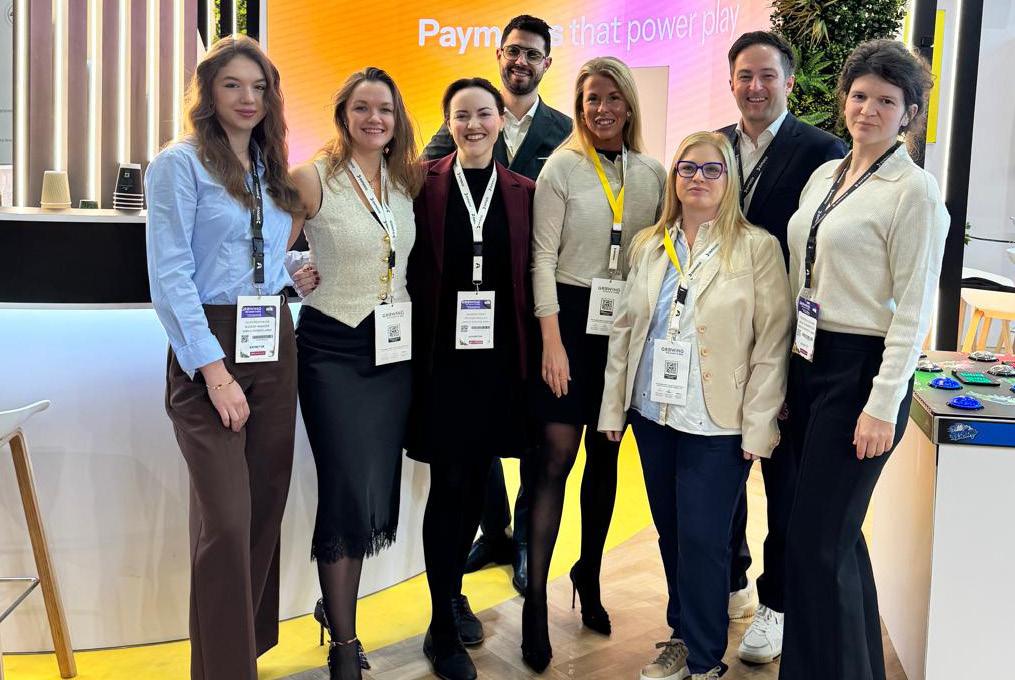
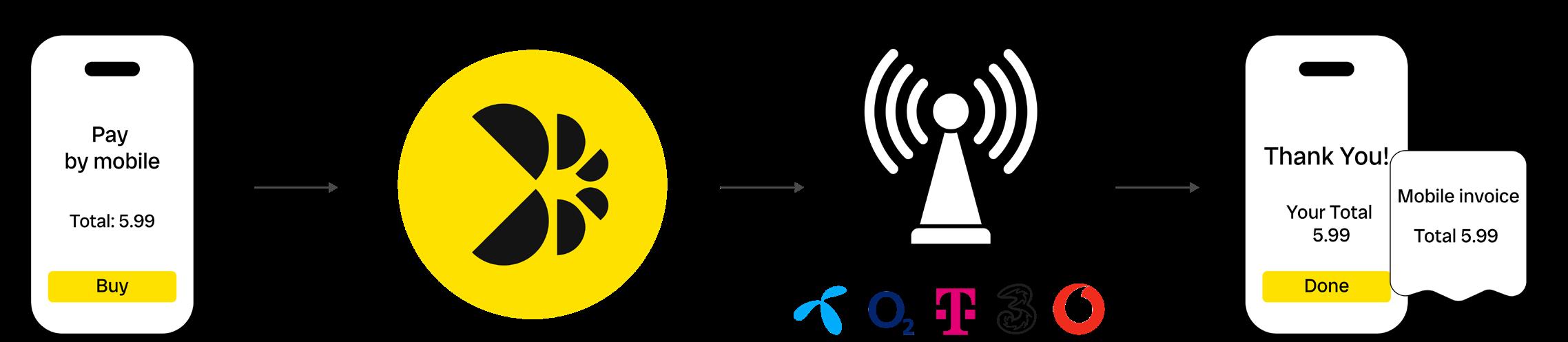
1. DIMOCO operates an agent model (licensed under the Austrian Financial Market Authority) that lets mobile operators offer carrier billing for products and services while the company assumes the regulated-PSP role; removing the compliance burden from telcos becoming financial institutions themselves.
2. Carrier billing is already practical for time-sensitive mobility payments — unlocking bikes, initiating EV charging, or paying for street parking — because the flow avoids app downloads or card entry.
3. DIMICO’s carrier billing is a full-service product: MNO connectivity, authorisation, settlement reports, chargeback handling, KYC handoffs, local tax compliancemeaning merchants get a packaged integration rather than just a bare API.
4. Successful mobility deployments bind together MNO-level spend caps, realtime telemetry (velocity alarms and session telemetry), and operator handoffs for age checks or identity flags; webhook callbacks, standardised CDR-based decline reasons and agreed T+ settlement windows are recurring technical elements that vendors must implement to meet merchant and regulator expectations.
5. Because the telco already maintains the billing relationship, transactions can be authorised quickly and tied to an existing subscriber account.
6. DIMOCO presents carrier billing as a complement to cards and wallets, chosen where instant, mobile-first payments create clear UX value and where telco identity signals can be leveraged.
Key Lessons From Mobile Video Gaming
+ Microtransactions have made direct carrier billing (DCB) essential for gaming monetisation: industry projections show global DCB spending rising from $78.5bn in 2024 to $122bn by 2027, with digital games expected to capture roughly 34% ($40.8bn) of that market. Mobile-first regions, large youth and underbanked populations, and app-store friction make DCB a growth lever.
+ Monetising mobile video gaming through bundles, platforms and publisher partnerships is a thing. In Southeast Asia, Thailand’s dtac created the Gaming Nation platform, combining game distribution, promotions and mobile-billed purchases for millions of users. In Singapore, Singtel partnered with Riot Games on RiotGO, offering Wild Rift players data-free gameplay and content bundles. Leveraging billing relationships with subscribers means more digital spending and increase ARPU where card penetration is weaker.
+ The Asia-Pacific is the global leader in DCB, just ahead of Europe. The reason is largely because DCB is more widely accepted in countries like Japan and South Korea, where it serves as a trusted alternative to credit cards.


With RUSSELL MIFSUD
Russell Mifsud Director Head of Gaming Europe KPMG
Dear Reader,
Payments is no longer a supporting function. It is now core infrastructure, and in many cases the difference between momentum and stagnation. In regulated markets, payments now sits at the centre of growth, risk and player trust. The decisions once treated as technical detail, such as routing logic, payout speed, FX exposure or onboarding friction, are directly shaping conversion, retention, regulatory scrutiny and ultimately valuation.
In more than one market recently, I have seen strong products underperform simply because a competitor removed one step from the deposit journey. Nothing dramatic. Just cleaner design and tighter alignment between product and payments. The backdrop is tightening and margins are thinner. Card economics are shifting. Local rails continue to fragment. Instant payouts are quickly becoming expected. At the same time, regulators and financial institutions are scrutinising payment flows far more closely, not only for AML and fraud, but for affordability and market integrity.
In several instances, regulatory follow-ups were triggered not by gameplay, but by payment behaviour the operator could not clearly explain. The data existed. The ownership did not. We are also seeing a structural shift. Certain groups are securing their own EMI licences or exploring that route. Not for prestige, but for control. Control over settlement, cost and data. It changes conversations with banks and PSPs, and it changes how boards think about payments strategy. It is not right for everyone, but it signals how strategic this function has become.
This edition is deliberately practical. It focuses on how payments decisions play out in live environments. Where cost leaks. Where risk accumulates between teams. Where architecture becomes advantage rather than friction. Payments is never owned by one function alone. It sits in the seams. And that is often where pressure builds.
Russell Mifsud.
To stay ahead of regulatory expectations and maintain operational resilience, I believe leadership teams should focus on four immediate priorities:


Map payments ownership end-to-end: Be clear where responsibility shifts between product, payments, treasury, compliance and risk. Look out for where decisions could stall under pressure.
Stress-test payout and liquidity assumptions:
Model instant payout scenarios across major, peak demand, FX volatility and settlement delays. Treasury resilience should be tested, not assumed.
Challenge onboarding economics:
It’s not just about conversions. Leadership teams should understand the true cost of each payment method once chargebacks, FX, compliance handling and operational effort are factored in.
Embed payments into safer gambling governance: Ensure transaction data actively supports timely intervention if responsible gambling is at risk, with clear ownership and auditability.
The discussion has matured. In some cross-border or high-friction markets, stablecoins and tokenised settlement can improve speed and reduce cost. In others, they introduce regulatory and banking complexity that outweighs the benefit. The question is simple. Does it solve a real commercial problem in your market? If not, it is distraction.
Despite global platforms and consolidated vendors, payments behaviour remains stubbornly local. Trust, familiarity and habit still matter. Wallets, instant bank transfers, cash-based vouchers and carrier billing continue to outperform global card rails in many markets. The operators that consistently win are those that design their payments stacks around regional player behaviour, rather than procurement convenience. We continue to see markets where adding a single trusted local method outperforms expensive acquisition campaigns. Local optimisation isn’t fragmentation for its own sake. It’s deliberate design, informed by data, regulation and lived player behaviour. In practice, centralised governance with decentralised execution remains the most resilient model we see.
Payments in iGaming are still often described as “plumbing”. That framing is outdated and it obscures how strategic this function has become. What we see time and again is that payments decisions influence far more than whether a transaction clears. They shape onboarding economics, player trust, fraud exposure, regulatory scrutiny and liquidity resilience.
When payments fail, the impact is immediate and obvious. When they work well, they’re invisible, but absolutely decisive. An operator we worked with only realised payments were the issue after A/B testing showed identical marketing traffic converting materially differently based solely on payment routing.
Crucially, payments methods rarely fail in dramatic ways. They erode value quietly: through small drops in conversion, creeping FX drag, settlement delays, rising chargebacks, or just enough friction to send players elsewhere. In multi-market operating models, those effects compound faster than many teams expect.
TRENDING: Payments is evolving into a shared accountability model across operators, platforms, banks, and PSPs. Failure is now assessed at the ecosystem level, rather than in isolation.
One of the clearest shifts across European markets is the rise of account-to-account payments and open banking flows. This isn’t just a technology change. It’s a repricing of onboarding.
A2A payments reduce chargeback exposure, lower processing costs and shorten time-tofirst-bet. But they also push risk decisions much earlier in the customer journey, closer to identity, source-of-funds and behavioural signals.
In one jurisdiction, an operator materially reduced post-onboarding fraud simply by aligning open banking data with early risk scoring, rather than treating it as a payment step alone.
Operators that treat open banking purely as a cheaper alternative to cards often miss the bigger picture. Onboarding design and payments architecture are now inseparable. Poorly integrated flows introduce new friction. Well-designed ones materially outperform.
Alex Azzopardi, Partner, Risk Consulting Advisory Services, KPMG
In many underperforming markets, the issue isn’t payment availability. It’s misaligned incentives between growth, compliance and treasury.

Instant payouts are now expected by players and increasingly marketed as a trust signal. They improve retention and reduce withdrawal friction. But they also move operational pressure downstream. Liquidity management, FX exposure and settlement timing quickly become strategic issues. Treasury teams are no longer passive recipients of payments decisions; they are central stakeholders.
In one case, an instant-payout rollout improved player satisfaction but exposed a working-capital gap that only became visible during a high-volume sporting period. In several recent cases we’ve reviewed, payout commitments were made commercially before the treasury impact was fully understood. The result was avoidable pressure on working capital and risk exposure that only surfaced under stress.
Transaction data is becoming more important in safer gambling. Payment frequency, escalation patterns, reversals and funding behaviour often provide early indicators of risk when interpreted properly. In practice, most relevant early-intervention signals sit within funding behaviour, particularly when deposit patterns begin to shift, alongside broader gameplay indicators. Payments data is a powerful signal, but decisions still require judgement, context and clear ownership. Accountability cannot be automated.
In several markets we have observed operators invest heavily in front-end payment optimisation, only to encounter friction further upstream when banking partners reassess sector exposure. The lesson is very simple. Payment architecture cannot be designed in isolation from banking strategy. Operators that treat banking relationships as part of their payments infrastructure, (rather than a separate treasury concern), tend to navigate these shifts far more smoothly.

Ryan Farrugia, Associate Director, Financial Institutions, KPMG
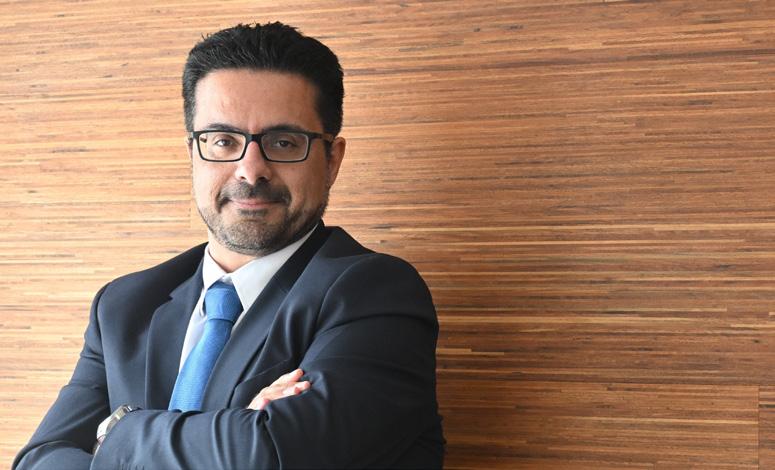
Trust & Consistency from the man celebrating 10 years at MiFinity
How Credibility closes deals in the iGaming industry, by MiFinity’s Kris Deyanov

-
Executive Director & Head of Business Development, MiFinity
He carries the confidence of a man who has spent a decade mastering the subtle art of closing. Dressed in tailored navy, his presence is calm yet commanding; the kind of salesman who doesn’t push, but pulls deals across the line through sheer credibility. Ten years at MiFinity have turned the sales leader Kris Deyanov into one of the most respected voices in iGaming and digital payments. “Sales is not about pushing a product,” he says with a measured smile. “It’s about solving the right problem.”
Born and raised in Bulgaria, Kris developed a formidable work ethic and competitive edge early on. He studied Sociology at the University of National and World Economics, gaining deep insight into human behaviour that would later prove invaluable in high-stakes negotiations. His passion for table tennis sharpened those same traits; razor-sharp focus, quick decision-making under pressure, and the ability to stay composed when the point is on the line. “Table tennis taught me that competitiveness and discipline translate directly into business,” he reflects.
That foundation served him well when he joined MiFinity a decade ago. Working alongside visionaries Paul Kavanagh and Kieron Nolan, Kris absorbed a leadership philosophy rooted in patience, long-term thinking, and calm conviction. “Their measured approach to growth shaped how I think about risk and decision-making,” he says. “It’s never about short-term wins with those guys. It’s about building sustainable success through clarity and trust.”
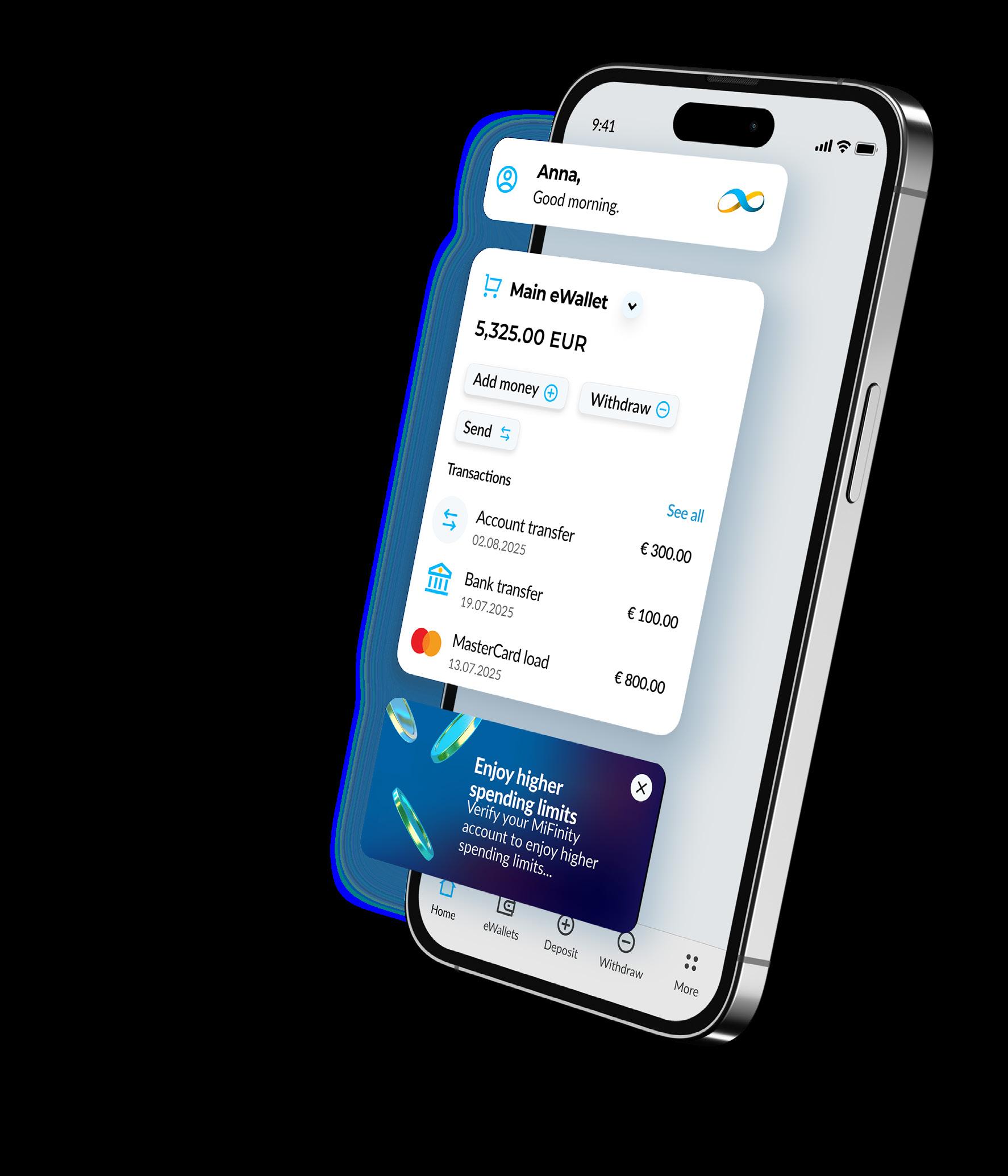
MiFinity had recognised the potential of iGaming early, and the vertical quickly became one of its most important pillars. Today, the MiFinity eWallet is live with approximately 1,500 brands globally, a testament to the platform’s scalability and the trust operators place in it. From a sales perspective, Deyanov has played a central role in securing many of the industry’s largest names.
- MiFinity has been closely aligned with the iGaming industry from early on, recognising its global potential and evolving payment needs. Over time, it has become one of our most important and successful verticals, representing a significant share of our business -
For somebody with over a decade in sales under his belt, his playbook is refreshingly straightforward. “I start by deeply understanding the client’s business model, their challenges, and what success looks like for them. Then I connect our solution to clear, measurable outcomes: better conversion, lower costs, superior user experience.” In an industry where trust is currency, Kris believes credibility is the ultimate closer: “Ultimately, successful sales comes down to credibility. If you understand your client better than anyone else, the commercial outcome will follow.”
One pitch in particular nearly slipped away but ultimately defined his approach. Onboarding MiFinity’s very first eWallet merchant, the deal teetered on the edge because the product was still new. The main objection was trust; could this unfamiliar solution really deliver at scale? “The conversation was close to falling apart,” he recalls. The turning point came when he reframed the discussion from comparison to opportunity. “I shifted the focus to the competitive advantage they could gain in user experience and market reach.” The deal closed, becoming a foundational partnership that helped propel the eWallet’s growth.
MiFinity is 25 years young in 2026, and Kris points to the milestones that reshaped the company. The management buyout set a bold new direction. The launch of the MiFinity eWallet transformed their position in digital payments. Most recently, the introduction of MiFinity PayAnyBank strengthened their alternative payment capabilities with instant bank transfers. Kris Deyanov remains as driven as ever. His philosophy is simple yet powerful: in the world of iGaming payments, credibility doesn’t just open doors, it closes deals that last. And sounding almost like his CEO Paul Kavanagh, he closes: “Sustainable growth and strong partnerships consistently outperform short-term wins,” he says. In an industry that often fetishises the latest thing, that sounds almost old-fashioned. It is also why it works.


2002 Founded in Ireland
The company’s corporate origin dates back to 2002, and a UK subsidiary was registered in 2012.
2016 Rebranding
The company officially rebrands to MiFinity, marking a new era focused on modern digital payments & innovation.
2020 eWallet Launch
Major leap forward with the launch of its flagship MiFinity eWallet, which delivered faster, more secure payments, boosting conversion rates and reducing reliance on card rails.
2021
The company expands its alternative payment solutions with the ever-popular e-Voucher.
Another big moment offering secure bank-to-bank payments for operators and players worldwide.
The achievement underscores the rapid adoption and trust in its eWallet and alternative payment solutions.
2025
Rabbit Line Pay in Thailand, LinkAja in Indonesia, joins Apple Pay and Google Wallet as MiFinity adoption grows.
MiFinity introduces MiRewards, its new loyalty programme designed to reward players and boost engagement.

The interview with Mifinity’s Executive Director and Head of Business Development Kris Deyanov continues. Here, he sets out the argument for moving beyond traditional card payments
Operators in the iGaming industry are under growing commercial pressure from their heavy dependence on traditional card payments. That’s the opinion of MiFinity’s Kris Deyanov, who has a decade of experience in this particular debate. He is direct about the scale of the problem. “Operators relying on card payments face a range of commercial challenges, including lower approval rates in certain regions, issuer-driven declines, rising transaction costs, and exposure to chargebacks and fraud. These factors can directly impact conversion and profitability.”
These are not minor operational hiccups. They create friction at checkout, frustrate players and erode margins at a time when competition is fiercer than ever. The industry is now at an inflection point. In emerging markets across Latin America, Africa and Southeast Asia, digital payments are already outperforming cards, driven by high mobile usage, low card penetration and strong consumer preference for fast, local solutions. Even in Europe, open banking under PSD2 and the forthcoming PSD3 is accelerating the shift toward faster, lower-cost account-to-account payments.
- In Europe, the evolution of digital payments is being shaped by regulatory innovation and infrastructure development rather than leapfrogging traditional banking -
“Every abandoned deposit is lost revenue, and every failed attempt chips away at loyalty, so payment design has become commercial strategy,” Kris says. “MiFinity’s thesis is that a better payment experience can do more than shave a few basis points off processing costs. It can reshape the economics of the cashier altogether. By aligning with local user preferences and offering a more frictionless experience, the company says operators can improve conversion, optimise costs and bolster security in one move.”
The broader trend is unmistakable. Digital payments are no longer a side story in iGaming; in many markets, they are becoming the main story. Deyanov believes they will outpace cards first in emerging regions where mobile usage is high, card penetration is lower and consumers are already comfortable with wallet-based and account-to-account transactions. That includes parts of Latin America, Africa and Southeast Asia, where digital payments are increasingly being chosen not as an alternative, but as the default.
“Even in Europe, the shift is gathering speed, though by a different route. Regulation and infrastructure, rather than sudden leapfrogging, are nudging the market towards a more digital, real-time future,” Kris says. Open banking, PSD2 and the coming PSD3 framework are pushing account-toaccount transfers into the mainstream, while discussion around a digital euro signals how seriously the continent is taking the next phase of payments. For MiFinity, this is not theory. It is the market moving in the direction the company has already chosen.

MiFinity’s argument is not that cards are dead. It is that operators can no longer afford to let them dominate the cashier.
The smarter play, Kris Deyanov suggests, is a mix of eWallets, the latest account-to-account transfers and local methods that fit the customer rather than forcing the customer to fit the payment method.
“Our data shows that MiFinity has a direct impact on key operator KPIs by optimising the payment journey endto-end,” he says. “Through the MiFinity eWallet and our broader ecosystem, we reduce friction at checkout and align payment options with local user preferences.”
The outcome, in his view, is simpler than the jargon around it: a better conversion, better approval rates and lower transaction costs.
That logic becomes more compelling as payments move deeper into mobile-first markets. MiFinity sees the strongest momentum in Latin America, Africa and parts of Asia, where digital wallets are not a novelty but a habit.
“Digital payments are set to significantly outpace cards across emerging markets where financial ecosystems are evolving rapidly,” Deyanov says. The drivers are clear enough: faster rails, rising smartphone use and a growing expectation that money should move at the same speed as everything else on a phone.
MiFinity is not waiting for that shift to arrive. It is building around it. “Our key priorities for 2026 are markets where digital payments are rapidly evolving and demand for alternative payment methods is increasing,” he says, pointing to regions where local preferences matter as much as technical capability.
The company’s entry strategy is rooted in collaboration. “When entering new markets, collaboration is essential,” Deyanov says.
“We work closely with operators and local partners to understand consumer behaviour, regulatory requirements, and preferred payment methods.” That local knowledge, he argues, is what turns a payments product into a commercial edge.
The proof, Kris says, shows up in live deployments. In one recent case, an operator struggling with low conversion integrated the MiFinity eWallet and introduced localised payment options, resulting in a clear uplift in approval rates.
In another case, a business overly heavily reliant on cards diversified its offering and saw both user experience and retention improve. The pattern is consistent: less friction, much stronger performance, and happier customers.
Kris Deyanov’s final point is the one that ties the whole picture together. “The future of payments in iGaming will be defined by flexibility, greater localisation, and speed,” he says.
That is not a slogan; it’s a business model. And, increasingly, it is the one winning the race.

A Decade and Beyond: Anies Khan on 13 Years at Jumio and mapping the Next Digital Frontier
Jumio entered iGaming in 2013, the same year I joined to build that vertical. Today, we work with 9 of the top 10 EGR Power 50 operators, from national lotteries to global giants. Plus we serve a wide range of financial services and payments companies.
Vice President, EMEA, Jumio
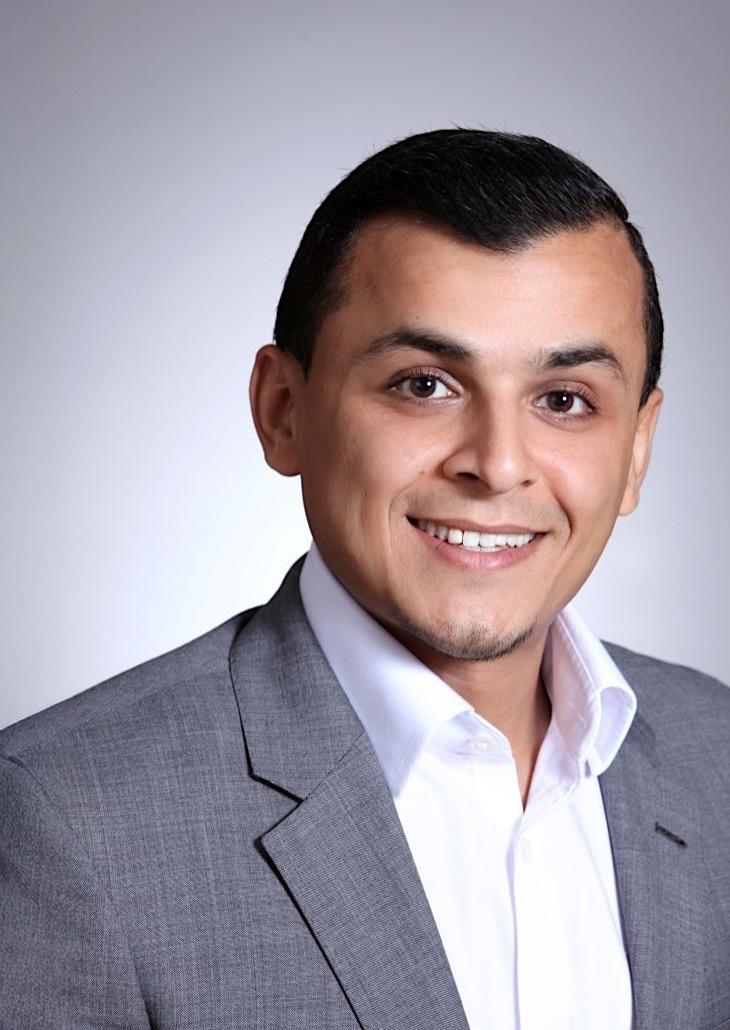
Anies Khan learned early that pressure doesn’t shout, it waits. On a cricket field somewhere between instinct and error, he once went too hard too soon, chasing runs instead of reading the moment. Wicket gone. Game gone. What stayed was the lesson: patience isn’t passive, it’s precision. South London raised him—Tooting rhythm, sharp edges, always moving. Denmark origins, but with the London imprint. University in Hull, sport as constant, football and cricket as compass. You get the sense he measures time in overs, not minutes.
At Jumio, that same discipline plays out in product form. He is selling verification, continuous identity monitoring, biometrics and premium liveness, device intelligence, behavioural signals, orchestration. The pitch is modern—verify once, then keep watching. For iGaming and payments, where identity is fast becoming the first line of defence, the point is friction without weakness, speed without sloppiness. Identity Graph ties the threads together, surfacing synthetic profiles and fraud patterns that single checks miss. It is a salesman’s language, yes, but also a gambler’s discipline: read the table, trust the system, and know when to act.
By 2027, the EU’s Anti-Money Laundering Authority (AMLA), will select 40 high-risk, cross-border financial entities for direct supervision. Jumio is helping iGaming and payments shift from one-time KYC to continuous identity intelligence, layering biometrics, device signals and orchestration to stay compliant without adding friction.
1. The shift towards continuous identity intelligence has arrived according to Anies Khan: “This means not just verifying a user at onboarding, but monitoring risk signals over time. That includes changes in device behaviour, account activity, or potential credential compromise,” he tells GamblingIQ.
2. Signal layering is becoming critical. “It’s no longer enough to rely on a single data point like a document check. Operators need to combine biometrics, device intelligence, behavioural analytics and database checks to build a more complete risk picture.”
3. The Jumio EMEA VP also says that orchestration and flexibility will be key. “As regulations become more harmonised but still vary at the edges, companies need the ability to adapt workflows quickly across different jurisdictions without heavy re-integration work. For operators, the priority should be: Investing in multi-layered identity verification. Moving toward continuous monitoring models. Ensuring they have flexible, configurable compliance frameworks as regulations tighten.”
Orchestration drives smarter risk decisions
“Identity has become the first line of defense in payments, but today it’s not a single checkpoint, it’s a layered, real-time system of connected, continuous, and contextual signals working together,” says Anies Khan. “Biometrics provide the foundation of trust, confirming that a real, legitimate user is present through technologies like selfie verification and liveness detection. On top of that, device and behavioural signals add critical context by helping to identify risks such as spoofed devices, location anomalies or suspicious transaction patterns.”
“The real game changer is orchestration,” Khan adds. “Rather than applying static checks, these signals are combined dynamically to create a risk-based decision.” He went on to explain that low-risk users can move through onboarding or checkout with minimal friction, while higher-risk activity triggers additional verification. This is what turns identity into a “firewall,” continuous, adaptive and intelligence-driven.
“There’s a clear shift happening from onetime KYC to continuous monitoring, and that’s where Jumio is focusing heavily,” Khan says. Now, continuous KYC uses signals like:
+ Device churn (changes in devices used)
+ Geolocation drift (changes in location)
+ Behavioural anomalies (unusual activity)
+ Credential compromise indicators. This allows companies to reassess risk throughout the customer lifecycle.
Three standout business examples demonstrate how Jumio delivers fast, intelligent onboarding with measurable impact for iGaming operators.
WINBET moved from a fully manual KYC process to automated verification in a rapid integration. Combining document verification, biometrics with liveness detection, and fraud pattern analysis, the operator slashed manual review time by 90%, reducing multi-accounting and bonus abuse, and delivered a noticeably smoother player experience.
Swiss Casinos implemented Jumio from day one of launch. The streamlined integration enabled a fully digital journey using ID verification, automated data extraction, and real-time validation. The result: over 80% automated approvals, significantly faster processing, lower abandonment rates, and full compliance with Switzerland’s demanding regulations.
Swiss4Win (Casinò Lugano) embedded Jumio’s AI-driven document verification and duplicate-account detection directly into its platform. Onboarding time was cut by more than half, support queries dropped sharply, and fraud, particularly suspicious and duplicate accounts, was brought under control.
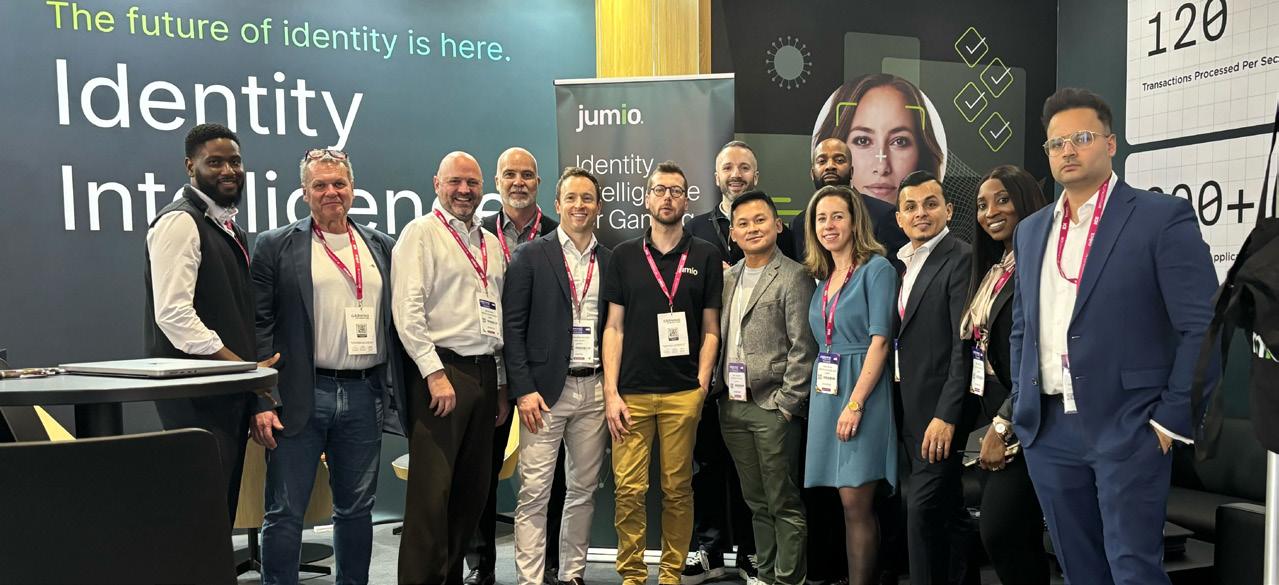
From an EMEA perspective, Anies Khan brings GamblingIQ through the three metrics Jumio consistently focus on:
1. Conversion uplift: “One major industry customer was able to cut the number of manual reviews by 85% with Jumio, leading to 15% higher conversion rate.”
2. Fraud reduction: “Combining multiple identity signals has helped significantly reduce high-risk and fraudulent account activity, especially in regulated sectors like iGaming and fintech.”
3. Faster onboarding times: “By streamlining verification and reducing manual reviews, we’ve been able to materially improve time-to-onboard while maintaining compliance standards. It’s common for the number of manual reviews to be cut by more than 75% when customers deploy Jumio, with onboarding times cut down to less than a minute for many of them.”
Jumio’s Identity Graph is really about moving beyond single-point checks to a multi-dimensional view of identity. Instead of relying on one data point (like a document or a selfie) it combines multiple signals, including identity data, device intelligence, behavioural patterns and email and account signals. And this can be put together with no-code, AI driven orchestration, allowing compliance teams to quickly adapt workflows for different markets or regulations without needing tech support.
“Educating customers and the broader market about Jumio Smart and how companies can benefit from our identity intelligence approach. This represents the shift from onetime verification to continuous identity monitoring,” Anies says.
The World Cup presents a paradox for regulated iGaming: a moment of unparalleled commercial opportunity that also concentrates systemic risk. For operators, the tournament is not merely a marketing calendar highlight; it is a stress test of identity systems, payment rails and risk orchestration. A sudden influx of customers, large bet sizes and novel market offerings combine to increase attack surfaces and magnify the downstream effects of seemingly small breaches. The following analysis sets out the top five fraud threats for the 2026 tournament and translates each into concrete operational challenges and mitigations for operators that prize trust as a product.
First Mobile Fraud World Cup in Brazil
56%
More than half of annual fraud surges cluster around major sporting events.
+ Identity attacks rise 30–70% on high-traffic match days.
+ Automated login attempts can triple within one hour of kick-off.
+ Cash-out fraud peaks immediately after unexpected match results.
Fraud attacks on betting accounts increased by an estimated 30–35% during the tournament window.
First major surge in bot-driven bonus abuse and low-quality account creation at scale during Brazil World Cup 2014. Bot-Driven Abuse
North America - Biggest Target Yet: With expanded teams, global visibility, and unprecedented betting liquidity, risk concentration will peak. Fraud attempts expected to exceed 2022 levels by 90–120% during peak match days. Major exposure anticipated from fake World Cup ticketing websites feeding identity fraud pipelines. AI-scaled bots, automated arbitrage and real-time odds exploitation expected to dominate. Operators with weak onboarding provenance face high-volume mule infiltration within days of kick-off.
Credential-stuffing goes mainstream. Automated login attacks surged by up to 60% during groupstage matches. First notable use of synthetic IDs
Document-fraud attempts rose by 80%. Deepfake selfie submissions became a new frontline challenge. Qatar
Operators saw record traffic during Qatar, which masked multi-accounting syndicates operating at scale. Syndicates

Jointly hosted by Morocco, Portugal, & Spain, trust will be a strategy, not a compliance checkbox. Operators who invest in resilient identity and payment stacks will outperform. Modelled reductions of 40–50% in loss rates where behavioural biometrics + document provenance systems are fully deployed.
Market winners will be those who treat trust as a feature—minimising friction for clean customers while escalating intelligently for risk.
CREDENTIAL SURGE
Compromised email–password pairs flood the market during tournament 300%
+ Drives mass account takeover attempts.
+ Enables bot-driven bonus abuse and rapid withdrawals.
+ Operators see ATO alerts spike by up to 60% in group stages.
Demand for tickets outstrips supply and a lucrative ecosystem of resale and fake ticket vendors proliferates. Fraudsters harvest and monetise identity documents submitted to these counterfeit sites — scanned passports, driving licences and selfies — and then reuse them to pass Know Your Customer (KYC) checks at betting sites. The impact is downstream and often invisible: an operator’s KYC pass rate improves, but the accounts belong to third-party fraud rings or money-laundering clients.
Operators face increased onboarding of accounts that appear legitimate on paper but are sourced from compromised identity pools. The most immediate risks are identity reuse across multiple accounts, synthetic identities combining real and fabricated elements, and subsequent misuse for high-risk transactions or mule activity.
Treat onboarding provenance as a first-class risk signal: enrich KYC with device and behavioural telemetry, cross-check ID selfies against liveness and contextual indicators (e.g. recent ticket purchases from suspicious domains), and adopt consortium-style «proof of provenance» feeds with ticketing platforms where possible. Flag and quarantine accounts with IDs that match patterns typical of resale-site leakage and require stepped-up verification before permitting withdrawals.
The most effective defenders in the 2026 World Cup will be those who combine technology with cross-industry collaboration, turning the tournament’s torrent of data into an advantage rather than a vulnerability.
Collaboration is Security
Why it matters? Tournament promotions and zero-risk offers attract organised rings that open multiple accounts to farm bonuses and shift winnings through internal cash-outs. These operations are increasingly automated and able to mimic normal play patterns.
How it applies to operators: Bonus liability swells, margin is eroded and detection backlogs increase during peak match windows. Traditional rule-based systems suffer poor precision under tournament load.
Countermeasures: Move to probabilistic identity graphs that fuse device fingerprints, payment tokens and behavioural markers to detect clusters of linked accounts. Apply promotion throttling by risk cohort, introduce staggered bonus release tied to verified play, and run adversarial simulations pre-tournament to tune detection thresholds.
The expanded 48-team format in the World Cup creates more niches where anomalous liquidity can distort prices. Bad actors may attempt small, targeted manipulations to exploit in-book exposures or launder funds via hedged positions. Operators risk financial loss through exploited odds and face integrity investigations if
Darknet and resale marketplaces offer a new, fast-moving pipeline: scanned passports and driver’s licences handed over to fraudulent World Cup ticket vendors are being re-sold to organised betting rings. Security researchers say the data is already being repurposed to pass KYC checks at regulated operators, enabling high-value accounts, rapid withdrawals and sophisticated bonus abuse ahead of the 2026 tournament. Ticket customers, not bookmakers, are the weak link — but the financial consequences are immediate for operators.

Why it matters? The tournament’s surge in staking volume attracts layered money-laundering attempts: rapid small deposits across many rails, use of e-wallets with weak KYC, and pre-paid instruments purchased via compromised cards.
How it applies to operators: Regulatory fines and licence jeopardy are real outcomes when systems fail to detect laundering typologies. Operationally, the strain of resolving disputed transactions during the event is costly.
Countermeasures: Harden payment acceptance by prioritising trusted, KYC-verified rails; apply behavioural scoring to payment flows (account age, deposit cadence, correlated device artefacts). Build cross-operator intelligence sharing on mule indicators and require enhanced DD for instruments with known abuse vectors. Ensure escalation path by rapidly freezing suspicious withdrawals.
Password reuse and mass credential dumps mean that credential-stuffing campaigns reliably scale during tournaments. Once an account is hijacked, fraudsters can empty balances, change payment details, or use accounts as staging points for laundering.
ATOs produce chargebacks, reputational loss and regulatory scrutiny. They also undermine responsible gambling safeguards if the original user remains unaware.
Enforce multi-factor authentication (MFA) for high-value actions, deploy real-time velocity checks on login attempts, and integrate credential-leak intelligence into the fraud stack. Increase automated challenge rates for logins from new devices, VPNs, or high-risk geographies; combine with fast customer outreach channels to verify suspicious sessions.
The most effective defenders in the 2026 World Cup in North America will be those who combine technology with cross-industry collaboration, turning the tournament’s torrent of data into an advantage rather than a vulnerability.
The Payments 10 returns this year with a clear message: the strongest players are no longer simply processing transactions, they are building the rails that shape conversion, retention, security, safer play and market expansion. In a sector where operators are judged on speed, reach and friction-free checkout, the real differentiator is no longer the payment method alone, but the ability to unify multiple methods through a single integration and make them work harder for operators.
At number one is Paysafe, which celebrates its 30th year in payments with a proposition that is more relevant than ever. Its value lies in orchestration: a single gateway API that boasts frictionless card payments, the Skrill digital wallet, the PaysafeCash eCash solution, a Pay by Bank product, and 30+ local payment methods, with the addition of Pay with Crypto seeing Paysafe continue to diversify its offering to meet evolving transactional preferences. For operators, that means one integration point rather than a patchwork of separate connections, along with a cleaner route to local coverage, method choice and market-by-market optimisation.
Hot on its heels is Trustly, our No. 1 vendor for the past two years, whose role in the rise of open banking continues to grow. Trustly has helped move direct bank payments from a niche alternative to a mainstream option, particularly where instant account-to-account transfer, lower friction and stronger authentication are priorities. Its appeal is not only speed, but the way it reduces dependence on legacy card rails while supporting smoother onboarding and a more transparent payment journey. Trustly’s new Remember Me model is part of a wider shift towards payments that are not just faster, but more data-led and more tightly linked to identity.
At number three is MiFinity, which has carved out a strong position with its e-wallet model and broad multi-currency reach. The company’s strength is its ability to support both deposits and payouts across a wide range of methods, giving operators flexibility in markets where local preference and fast settlement are critical. In practice, that means more than just wallet functionality; it means a payment layer designed to handle diverse player behaviour, cross-border use cases and the practical need to move funds efficiently.
Beyond the top three, this year’s list also highlights Rapyd, OKTO and Plaid — each bringing a different form of technical weight to the market. Rapyd stands out for multi-rail connectivity and the ability to tie together global methods through one platform. OKTO combines payment orchestration with local-market relevance and a strong focus on instant pay-ins and payouts. Plaid, meanwhile, plays a critical role in account linking, identity verification and open banking connectivity, giving merchants cleaner access to bank data and better control over the payment flow.
What links all of these companies is not just innovation, but utility. They are simplifying and securing the payments stack; speeding it up and making it more commercially useful. That is why they sit at the top of this year’s Payments 10.
https://www.gamblingiq.co.uk/news

Celebrating 30 years in 2026, and with 2,800 employees across 12 countries, and an annualised transactional volume of US$167 billion in 2025, Paysafe continues to connect businesses and consumers worldwide through secure, innovative digital payment experiences. Over the years, GamblingIQ has worked alongside many of the industry’s leading operators, casinos, suppliers. Paysafe’s teams rank among the very best; from deeply knowledgeable leadership to highly effective marketing and communications specialists. Few companies can claim to have shaped payments in iGaming quite like Paysafe, and the addition of Pay with Crypto this month reinforces its long-standing commitment to delivering, All the Ways Players Pay.
Bruce Lowthers, CEO, Paysafe
Global HQ: London
Paysafe brings three decades of specialised payments expertise to the global iGaming and sports-betting sectors, providing operators with a comprehensive mix of payment methods through a single, streamlined Gateway integration. This unified approach enables businesses to expand payment choice, simplify technical integration and support growth across multiple markets. Known for powering the experience economy, Paysafe serves a diverse range of sectors including iGaming, video gaming, e-commerce, online trading, retail, travel and hospitality. The company supports both businesses and consumers with secure, scalable payment solutions designed to enhance speed, reliability and user confidence at every stage of the transaction journey. Its portfolio includes card processing, digital wallets such as Skrill, eCash solutions including PaysafeCard, and an extensive suite of 30+ local payment methods tailored to regional preferences. By combining global reach with local expertise, Paysafe enables operators to meet customer expectations while maintaining compliance across regulated markets.
Paysafe.com
HQ: Stockholm, Sweden

Trustly is the global leader in Pay by Bank solutions, delivering fast, secure and real-time account-to-account payments through its Open Banking platform. Founded in 2008, the company has become a cornerstone of modern digital payments. It partners with major global brands including PayPal, Virgin Media O2 and Booking.com, connecting more than 9,000 merchants to over 650 million consumers via 12,000 banks across 30+ markets. In 2025, Trustly processed nearly $100 billion in payments and continues to redefine how the world pays. The company recently surpassed 120 million users globally, a significant milestone that underscores the accelerating adoption of Pay by Bank technology worldwide. This rapid growth mirrors broader market trends. In the UK, more than 15 million consumers and businesses are now active users of Pay by Bank across all providers — almost one in three adults — with total users rising 34% year-on-year. Some estimates place total Pay by Bank adoption across Europe at 64 million users.
Johan Tjärnberg, Group CEO, Trustly
Trustly is no longer just a payments provider - it’s building a recognition layer on top of the rails. By turning past transactions into real-time identity signals, it shortens journeys, improves routing and reduces drop-off without adding friction. The company’s new Remember Me intelligence model is driving speed, familiarity and conversions. Trustly’s ability to make first-time users feel like returning ones gives it a durable edge as open banking adoption continues to grow. Much like Paysafe, the leadership and marketing teams are a genuine pleasure to work with.
A self-funded venture turned payments giant, MiFinity has seamlessly integrated digital wallets, eCash vouchers, cryptocurrency, and instant Open Banking transfers into a unified omnichannel ecosystem. With a footprint now spanning over 220 countries and territories, the company has cemented itself as a trusted partner for over 1,200 merchant brands. Originally founded in 2002 and with a managed buyout in 2017 by Irish entrepreneurs Paul Kavanagh and Kieron Nolan, the company is now a critical partner for gaming operators seeking secure, multi-currency, and compliant payment solutions. The company’s flagship MiFinity eWallet delivers faster, more secure payments, boosting conversion rates and reducing reliance on card rails. Now with well over 1 million customers, MiFinity’s ongoing expansion into Asia continues through products like Rabbit Line Pay and LinkAja reflecting a clear localisation strategy. Built around multi-currency and mobile-first usage, MiFinity continues to scale through flexible, region-specific payment options.

MiFinity’s strength lies in execution across diverse markets. Rather than relying on a single dominant method, it blends wallets, bank transfers and local rails into one consistent experience. That flexibility is increasingly valuable as growth shifts toward regions with fragmented, local payment habits. By focusing on embedded journeys and reducing checkout friction, MiFinity aligns closely with operator priorities: higher conversion, faster processing and broader reach.
It’s a model built less on disruption and more on making complexity work smoothly in the background. Innovation is not slowing down. In February, MiFinity launched MiRewards - a loyalty programme allowing users to earn MiPoints for qualifying transactions, such as topping up their eWallet, making merchant payments, and withdrawing funds. The program is integrated directly into the MiFinity app, features four tiers, and offers exclusive benefits for higher tiers.
Greece

Filippos Antonopoulos, Founder & Executive Chairman, OKTO
OKTO Payments is a next-generation, AI native payment service provider designed to deliver end-to-end payment solutions for complex digital sectors. Its unified platform integrates payments, banking, treasury, and settlement, enabling real-time processing across SPEI transfers, card payments, and multi-bank payment rails. Serving high-volume markets, OKTO processes over €17 billion annually in total processed volume and handles 10,000+ transactions per minute. The platform combines advanced risk management, embedded KYC/AML controls, and regulatory-compliant settlement processes, allowing businesses to operate efficiently while scaling across multiple regions. By merging technology, compliance, and operational agility, OKTO exemplifies innovation in global payment processing and digital financial infrastructure.
OKTO’s trajectory since 2019 demonstrates a strong innovation story, building a €17 billion annual run-rate across payments, banking, treasury and settlement for complex sectors including iGaming, digital content and digital assets. Strong in emerging markets, they are commitment to the ethos of “PlayDifferently”, building AI-native, precision-engineered payment infrastructure for the most demanding, regulated markets across LatinAmerica. By integrating pay-ins, payouts, treasury management, liquidity, and settlements, they enable partners to manage the entire lifecycle of how money moves efficiently, securely, and at scale.
Vienna, Austria
FACTS

Clemens Leitner, CEO, DIMOCO
DIMOCO has spent the past decade doing something few payments companies have managed successfully: turning carrier billing into a regulated, operator-grade payment method across Europe’s most demanding markets. What began as a mobile convenience layer has evolved into a fully structured payment rail, complete with licensing, compliance controls and settlement discipline designed for regulated gaming. A defining milestone came in Austria, where DIMOCO operates under an agent model licensed by the Austrian Financial Market Authority, enabling mobile operators to offer carrier billing while DIMOCO assumes the regulated PSP role. That framework created the regulatory blueprint that could be replicated elsewhere. The company has since extended its footprint into Germany, where its collaboration with NEO.bet positioned it at the forefront of carrier billing in one of Europe’s strictest regulated environments, and into Poland, where large-scale deployments demonstrated how telco-grade verification and pre-transaction controls could be applied in live sportsbook settings.
What sets DIMOCO apart is not the technology alone — it is the regulatory groundwork behind it. Carrier billing has existed for years, but turning it into a licensed, repeatable payment method across markets like Germany, Austria and Poland required persistence, negotiation and a deep understanding of both telecom and financial regulation. The Austrian agent model provided the regulatory spine. Germany proved that carrier billing could survive scrutiny in one of Europe’s toughest licensing environments, and Poland proves volume without compromising control.
San Francisco, California

Zachary Perret Co-Founder & CEO PLAID
Plaid was founded in 2013 by Zach Perret and William Hockey, who recognised that connecting consumer bank accounts to digital apps was slow, complex and often fraught with security and compliance challenges. Perret continues to serve as CEO, driving global strategy, partnerships and expansion across the fintech ecosystem, while Hockey remains widely recognised as a co-founder who helped shape the company’s early product vision.
Starting from a small San Francisco-based team, they built a secure financial infrastructure that now connects more than 12,000 financial institutions across the United States, Canada, the United Kingdom and Europe. Today, Plaid’s platform supports more than 7,000 fintechs and digital brands, enabling them to link bank accounts, verify users and move funds with greater speed and confidence.
Its core product suite includes Auth for instant account verification and ACH onboarding, Identity for ownership validation, Balance for real-time financial data access, and Signal for payment risk assessment. Together, these tools form a critical infrastructure layer that allows digital platforms to integrate bank connectivity while maintaining high standards of security.
He’ll mark 15 years on the road with Plaid this year, and Zach Perret is showing no signs of slowing down. His story — and the story of Plaid — is a classic fintech one: identify a clumsy, high-friction problem and build the infrastructure to remove it at scale. What started as a cleaner way to connect bank accounts to apps has become a core layer of the open banking stack, linking thousands of financial institutions to a fast-growing ecosystem of fintechs and digital brands. Its strength lies in doing the unglamorous work well — account verification, ownership checks, balance data and payment-risk signals — the plumbing that makes bank-based payments more usable, more secure and more commercially viable. Plaid already counts major iGaming brands such as PokerStars among its clients, and if the company chooses to deepen its focus on gambling in the years ahead, things could become very interesting.
London, UK - Tel Aviv, Israel
Rapyd is a global fintech-as-a-service company founded in 2016 by Arik Shtilman, Arkady Karpman and Omer Priel. The company provides unified payment and financial infrastructure through its Collect, Disburse, Wallet and Issuing stack, enabling businesses to accept payments, send payouts, issue cards and manage wallets across more than 100 countries. Rapyd says its network supports 900+ locally preferred payment methods, while its later PayU GPO announcement pointed to 1,200+ payment methods and 100+ transacting countries. The company says more than 250,000 businesses use Rapyd, and its regulatory footprint spans 41 countries. Investors have included General Catalyst, BlackRock, Fidelity and Target Global.
Rapyd stands out because it has tack led one of the hardest problems in pay ments: how to make global commerce feel local. Its strength lies in unifying collect, disburse, wallet and issuing capabilities through a single API, giv ing merchants access to hundreds of local payment methods across more than 100 countries without having to stitch together a patchwork of regional providers. In a market where opera tors need speed, reach and flexibility, Rapyd’s value is simple: one platform, many rails, and far less friction.
What makes the difference technically is the depth of its stack — combining local acquiring, FX conversion, to kenised wallet infrastructure and em bedded compliance controls into one orchestration layer. That architecture allows merchants to route transactions intelligently, manage currency expo sure and maintain regulatory oversight without building separate regional systems.
Rapyd.com


Omer Sattar Co-Founder & CEO Sigghtline
Sightline Payments is a leading gaming fintech company focused on payments technology and mobile solutions for the regulated gaming industry. Founded in 2011 by Omer Sattar and now led by him as CEO, Sightline has built its reputation on helping operators modernise how money moves across online and land-based gaming. The company says it supports more than 70 partners across 44 states, spanning casino, digital, horse racing and lottery markets. At the centre of Sightline’s offering is a product set designed to make gaming payments safer, faster and more usable for patrons while improving efficiency for operators. Its long-running Play+ platform has been a key part of that story, and the company continues to push the category forward with new infrastructure aimed at reducing friction across the gaming journey. In 2025, Sightline and Cross River Bank launched Sightline Debit, a firstof-its-kind solution built to streamline both spending and wagering, reduce the churn cycle of withdrawals and deposits, and give patrons access to their own FDIC-insured funds whenever they need them.
Las Vegas, Nevada
The Innovative Sightline Payments is taking aim at one of the iGaming industry’s costliest problems: churn. With Sightline Debit, the company has created a first-of-its-kind solution that connects wagering and spending inside a single, more efficient payment flow. Sightline says digital gaming payments are on average 4.5x higher than in other industries, and that broad adoption of the product could reduce money churn by 40%, saving the sector around $700 million a year. After 200,000+ hours of development with seven of the largest gaming operators in America, the result is a payment model designed to be cheaper for operators, and easier, safer and more responsible for players.
California, USA
The company has built a broader payments platform designed to help clients accept, disburse and manage payments across the full customer journey. Its PayXM™ platform is positioned as a payment experience management layer, aimed at raising acceptance rates, driving self-service and reducing the cost and complexity of payment exceptions. The company says it now partners with thousands of innovative businesses in the US, supports 16,000+ businesses on its platform, employs 230+ team members and connects users through 62,000+ cash-at-retail locations. PayNearMe also highlights iGaming among its core industry solutions, underlining its relevance to operators that need a single platform for deposits, payouts and wider payment management.
PayNearMe.com

Malta - London
Payhound has been busily collecting licences and has redefined digital payments by providing secure, regulated crypto - to - fiat and crypto-to-crypto settlement solutions for global businesses. The platform combines high-speed cross-border transactions, smooth API integrations, and support for multiple digital assets, serving sectors from iGaming to fintech and e-commerce. Licensed by the Malta Financial Services Authority under the EU Markets in Crypto-Assets Regulation, Payhound ensures full compliance while delivering scalable, reliable, and low-friction payment infrastructure. By bridging traditional finance and digital assets, the company drives innovation in global payments, enabling companies to operate faster, safer, and more efficiently across international markets.
Payhound.com
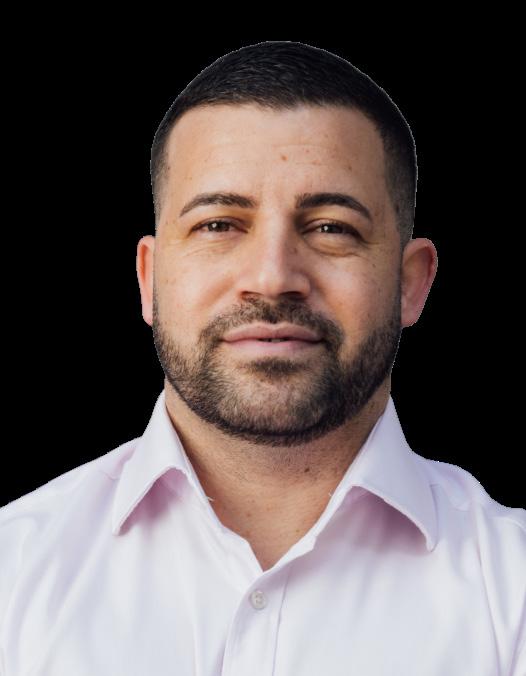
Elton Dimech, Managing Director Payhound