01 Containing multitudes
In this issue
The «oli da gumbat»
Thinking like an engineer
Gazes from Mexico
Between Basquiat and Haring
The women’s grotto
Like a rocket on ice
The Rag Dolls’ Revenge
The benefits of laughter
In this issue
The «oli da gumbat»
Thinking like an engineer
Gazes from Mexico
Between Basquiat and Haring
The women’s grotto
Like a rocket on ice
The Rag Dolls’ Revenge
The benefits of laughter
#susannazammataro
#railways #engineering
#FIDIC #pierinoghisla
#ghislaartcollection
#contemporaryart #locarno
#theosigner #yucatan #eyesight
#ophthalmologist #tizianabelloli
#grotto #mesolcina #localcuisine
#francoiseplozza #bobsleigh
#worldchampionships #stmoritz
#morgana #ragdolls #sanremo
#rock #titotettamanti #lugano
#direzionelavori #fidinam
#stefanoscricciolo #laughteryoga
#clowntherapy #grono
Editorial

If you have the Spotify application on your smartphone go to “search’ camera icon in the top right and enter the code that is found next to each article.
You can then listen to the playlist inspired by the article. All the playlists can be found at this address: https://spoti.fi/3ofTODK. Enjoy listening... and (enjoy) reading!
Impressum
Publisher Galli Group SA www.galligroup.ch
Graphic concept, (page) layout and text editing visiva.ch
For the photos, we thank: pages 6-11 Fidinam pages 12-15 Susanna Zammataro pages 16-20 Theo Signer pages 22-27 Ghisla Art Collection pages 28-32 Alessia Rauseo pages 32-37 Francoise Plozza pages 38-41 Bambole di pezza pages 42-47 Stefano Scricciolo
Salvioni arti grafiche SA
Any use of the contents (total or partial) shall be prohibited, without express consent of the publisher.
June 2026
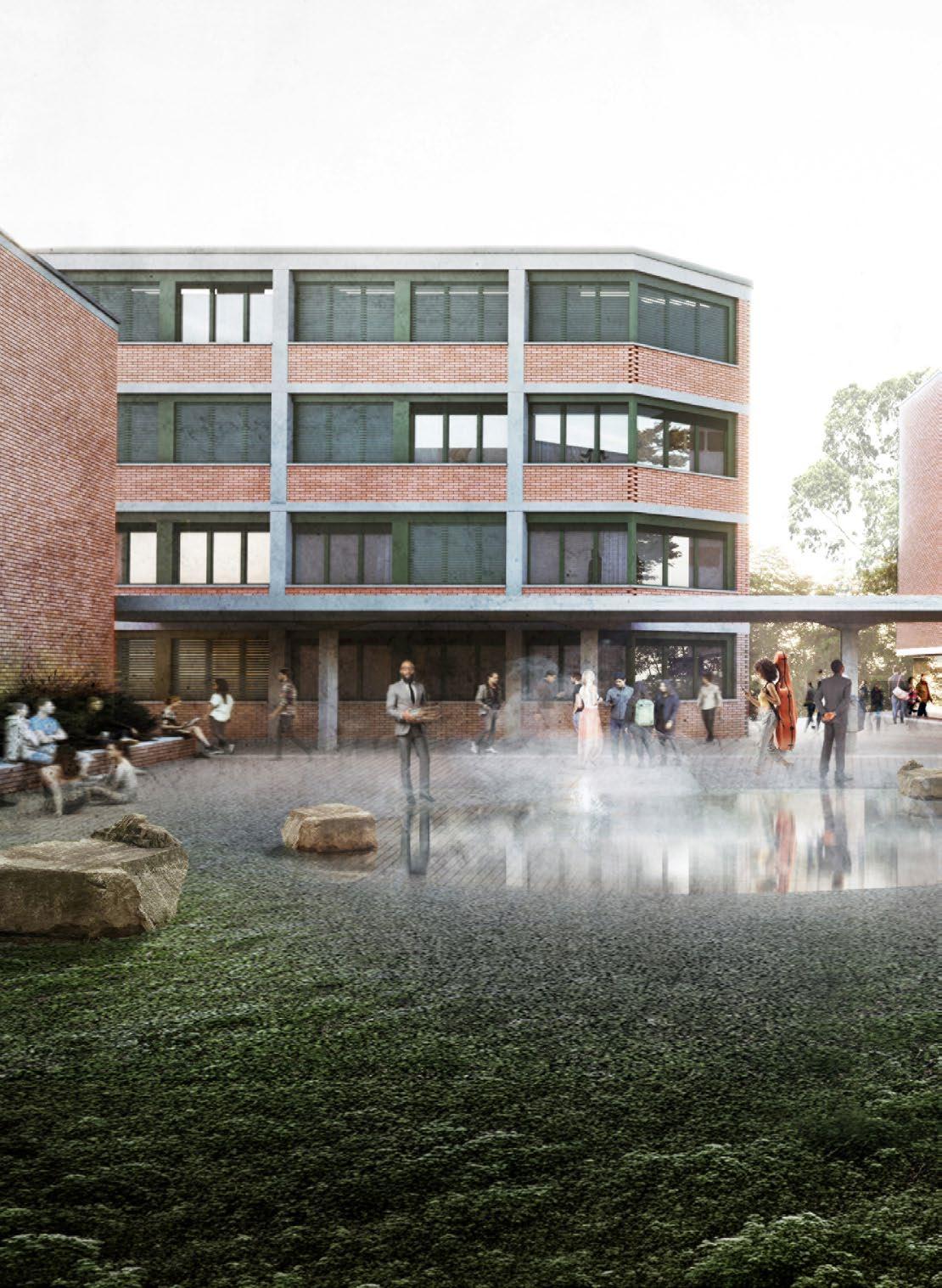
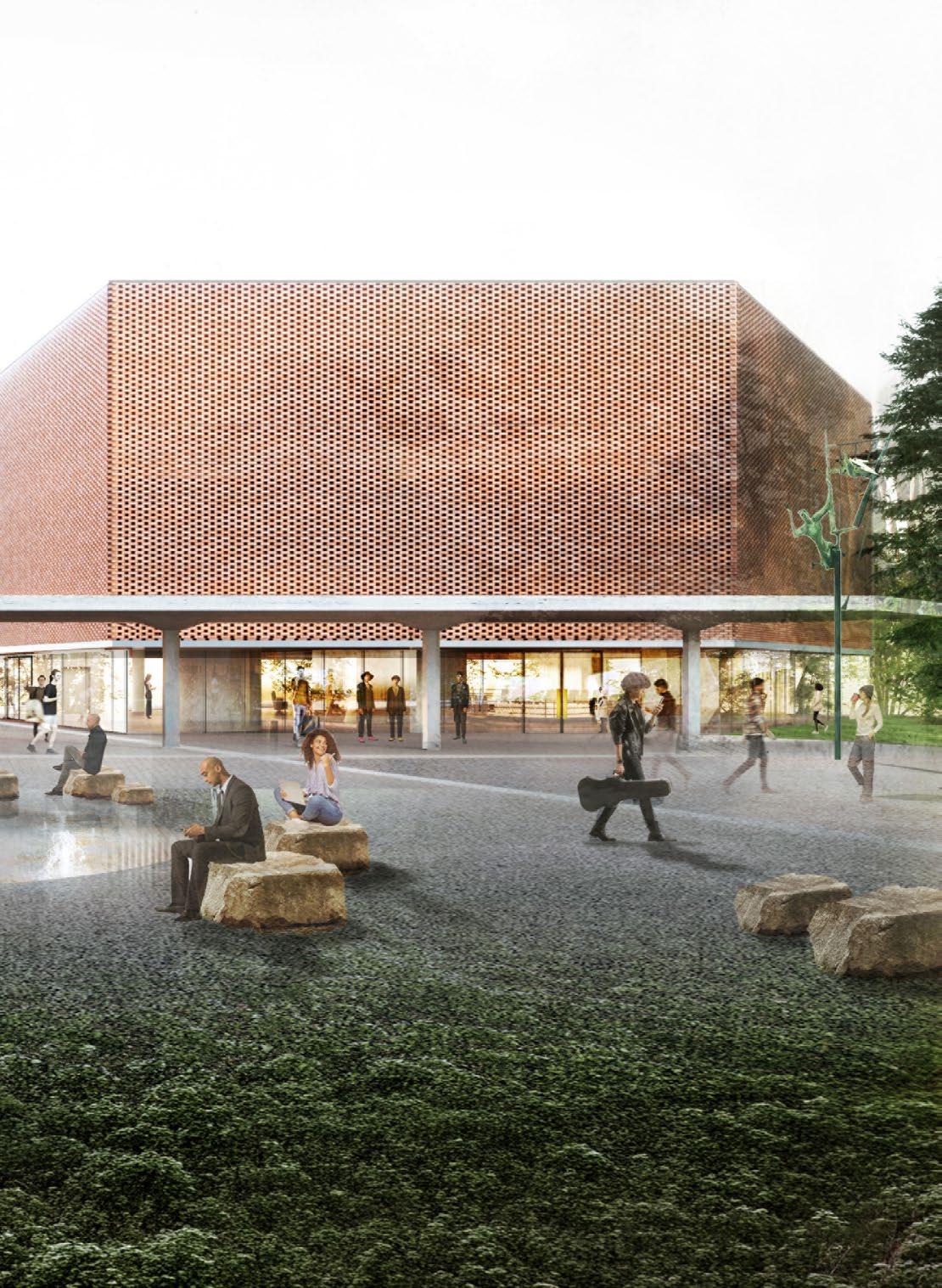
On Friday 27 March 2026, the groundbreaking ceremony for the Città della Musica took place, marking a new chapter for the Fondazione Conservatorio della Svizzera italiana. The new centre, dedicated to music education, audio heritage, and the leading national and international organisations in the field, will be built on the site of the former RSI radio studio in Besso, Lugano. Construction supervision is entrusted to Direzione Lavori SA.
In the closing verses of Song of Myself, Walt Whitman wrote: “I am large, I contain multitudes.” It was 1855. The line has travelled more than 170 years as an elegant defence against the demand for biographical coherence, against the idea that a person can be reduced to their profession. The eight figures you will find in this issue share exactly this: none of them fits into a single box.
Download your digital copy!
You can download the free digital version (.pdf format) of Bistrôt at bistrot.digital
Pierino Ghisla left the Valle di Blenio as a teenager to make his fortune as an entrepreneur in Brussels, then returned to Ticino and opened a foundation in Locarno that houses one of the most interesting contemporary art collections in Italian-speaking Switzerland. Theo Signer is an ophthalmologist in Ticino who divides his days between consulting room and operating theatre, but for two weeks he moves to Mexico to operate on those who cannot afford cataract surgery. Susanna Zammataro leads a global federation of engineering societies from Geneva, yet she previously studied law and international relations. Françoise Plozza piloted bobsleighs at one hundred and forty kilometres per hour, winning World and World Cup titles; she now lives in Graubünden and every morning passes the bob run on her way to her desk at the engineering firm where she works in St. Moritz. Stefano Scricciolo is a Migros manager who also teaches laughter yoga and practises clown therapy. Tito Tettamanti has crossed more than sixty years of Swiss politics and finance; after founding Fidinam and taking it around the world, he
continues to write and publish to share his liberal vision. Morgana Blue plays bass in Bambole di Pezza, from punk to the Sanremo stage, with curiosity for other forms of artistic expression as well. Tiziana Belloli-Tschudi went from painter and student of Nando Snozzi to mountain hut keeper among the peaks of Graubünden, then to running her family grotto in Cama with an all-female team. Eight main professions, and within each at least twice as many parallel lives. This is what, following the Galli Group philosophy, we wanted to seek out for this issue: figures who resist the label, who cannot be reduced. Specialisation produces competence. Multitude produces a view into the future, into our being human.
Enjoy the reading.
Why read this article?
To share a perspective with one of Ticino’s most internationally recognised entrepreneurial figures.
#titotettamanti #lugano #direzionelavori #fidinam
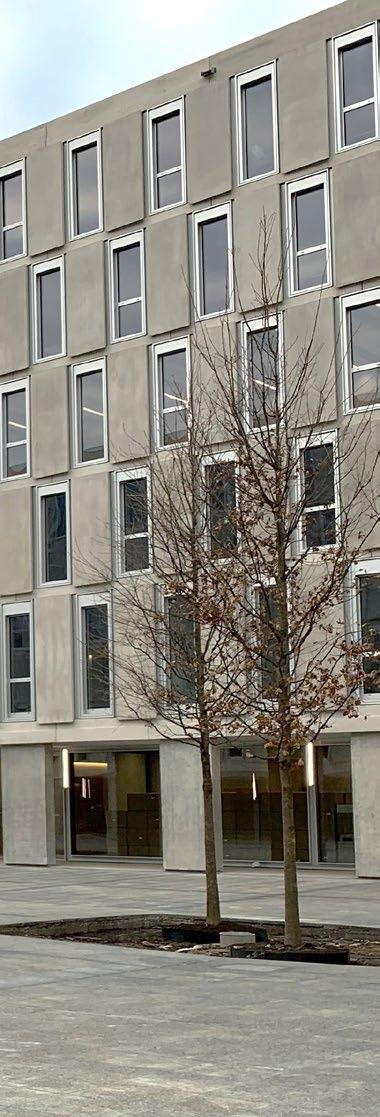
In November 1960, a thirty-year-old lawyer who had recently left politics decided that Ticino’s accountants — respected professionals, but still tied to a fiduciary model from another era — were no longer enough. Something more structured, less personal, was needed. Fidinam was born.
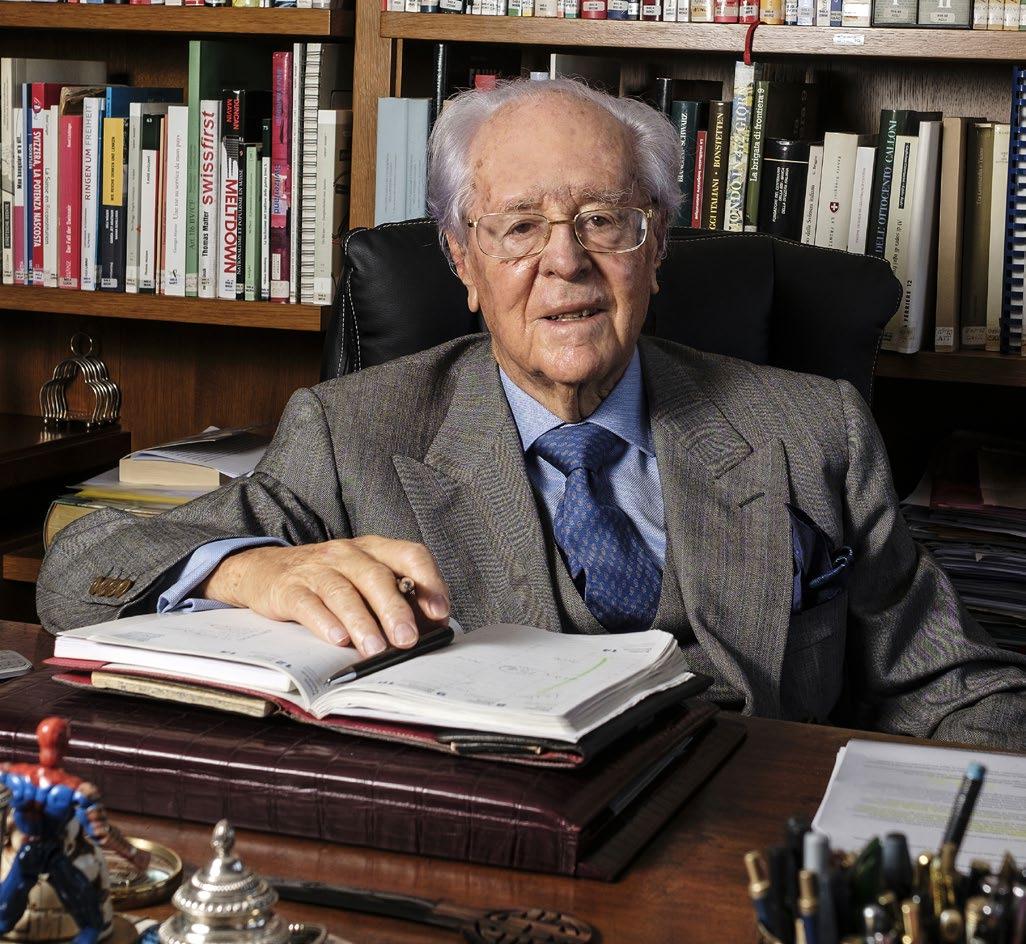
Sixty-six years later, Tito Tettamanti is honorary president of a group with around three hundred and fifty professionals, offices in more than ten countries, and an operational network spanning over ninety jurisdictions. He has passed the operational reins to Roberto Grassi but continues to make his liberal views heard. He writes regularly for the Corriere del Ticino and the Nebelspalter, and once contributed to Die Zeit; he has published a number of essays, and when the occasion arises, still returns to the questions that have defined his career: law, finance, economics, politics.
We met him to talk about business, Switzerland, the world and the future.
In 1960, Fidinam was created to support your law firm. How does a firm support service grow into a holding present in over ninety countries?
At the time there were accountants and commercial advisors — respected professionals, but primarily trusted individuals rather than structured firms. I thought the moment had come to organise client services, particularly for businesses, in a more impersonal and professional way. The subsequent expansion abroad was opportunistic, often tied to supporting my own entrepreneurial activities in various countries, and from there it put down roots.
At twenty-eight you were on the State Council. What pushed you from public life toward the market?
I didn’t choose at all. I was categorically invited to leave, led by my own party. I had to make myself scarce, which I did, being a polite person. Professionally, it was my good fortune.
Why should Switzerland be wary of integration imposed from above by Brussels, at the expense of its own model of direct democracy? Precisely because the two models are incompatible, and I see no reason to abandon ours — which works considerably better and causes fewer problems.
In your book TheSevenSinsof Capitalyou analysed the system’s drift. What is the most dangerous sin today for global economic stability?
Back then, the people you turned to were bookkeepers and chartered accountants — respected professionals, but essentially trusted advisers. I felt the time had come to give client services a proper structure.
Tito Tettamanti
Year of birth: 1930
Profession: lawyer, entrepreneur, essayist
Born in Lugano in 1930, he earned a doctorate in law from the University of Berne in 1953 and qualified as a lawyer in 1955. He served as a member of the Ticino Grand Council from 1955, then as State Councillor from 1959 to 1960. That same year he founded the fiduciary firm Fidinam in Lugano. From the 1970s he was active in real estate in North America; from the 1980s in finance in New York; later in industry, with stakes in Sulzer, Rieter, Saurer and Jean Frey. He is honorary president of the Fidinam Group and the Fidinam Foundation. His published essays include Quale Europa?, Manifesto per una società liberale (with Alfredo Bernasconi), I sette peccati del capitale and Conversari al Calar del Sole
You cannot do without «oli da gumbat»: the capacity and willingness to commit, giving up time and other interests. You are never more intelligent than others, but you can always be better prepared.
The desire to break away from the merits of bourgeois society, coupled with parties unable to oppose leftwing progressivism — partly because they lack any coherent vision of their own.
You have handed operational leadership to Roberto Grassi. What is the most important piece of advice you gave him?
Not to try to imitate me — copies are worth less — and to draw on the accumulated experience while being himself.
Fidinam has strengthened its presence in China. How should Lugano’s role toward Asian markets evolve?
Fidinam’s international strategies don’t necessarily correspond to those of a small city like Lugano, which does, however, have the advantage of sitting between Zurich and Milan.
In a context of sanctions and disrupted trade routes, how vital does the principle of neutrality remain for Switzerland?
Neutrality is a useful form of opportunism that has served
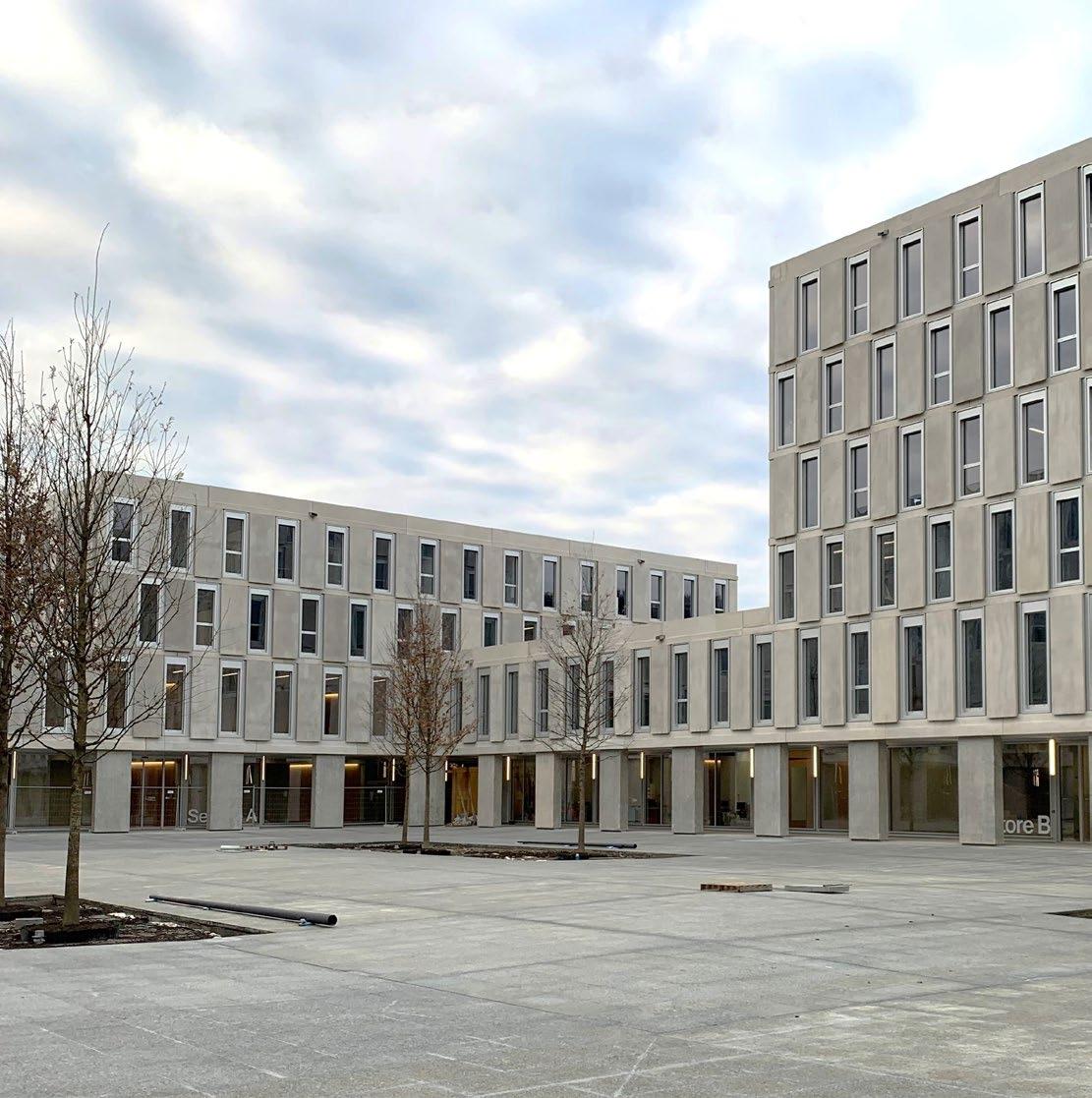
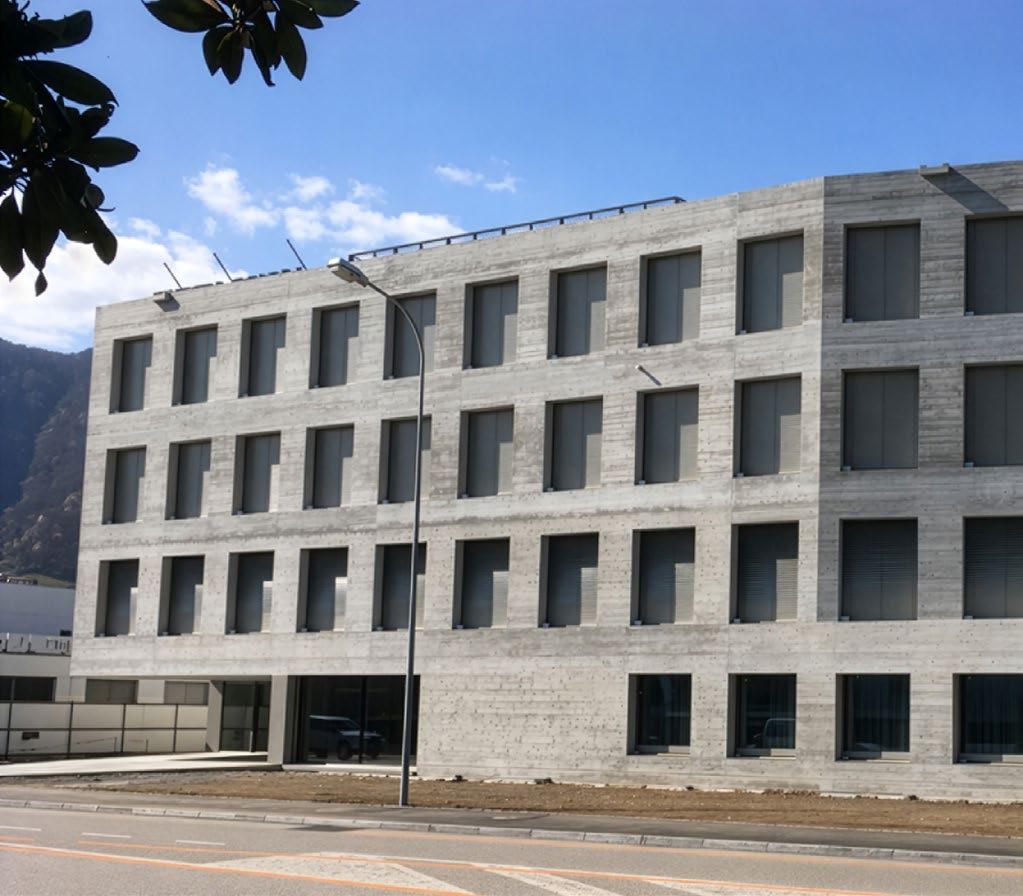
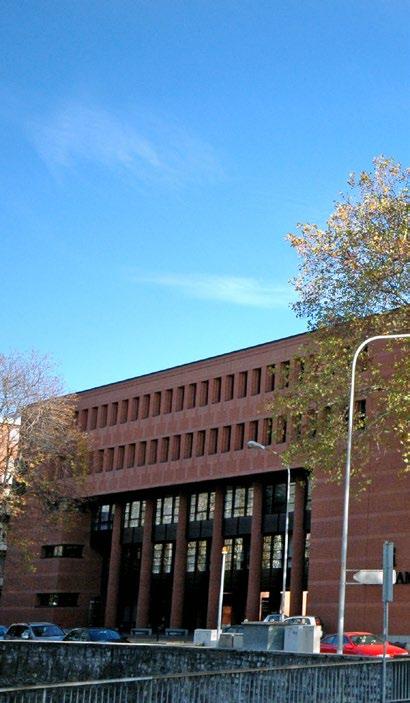
Registered in the commercial register on 21 November 1962 and based in Via Maggio, Lugano, Direzione Lavori SA operates in construction services: design, site management, planning, economic and financial oversight of real estate projects, and technical assessments. Over more than sixty years it has overseen more than a hundred projects in Ticino, including the USI-SUPSI Campus in Lugano-Viganello, the SUPSI Campus in Mendrisio, the Gottardo Arena in Ambrì, the south wing of the Beata Vergine Hospital in Mendrisio, and the Palazzo Caimato in Cassarate, home to Fidinam SA. Current projects include the intergenerational QIC neighbourhood in Coldrerio, the new operating theatres at the EOC in Bellinzona, and an elderly care home in Caslano. Between 1965 and 1980 it also maintained its own office in Toronto, Canada.
On 6 May 2025, Fidinam Group announced the transfer of the majority stake to Galli Group of Grono, publisher of Bistrôt. The company has retained its name, registered office and operational continuity, with Fidinam remaining represented on the board of directors. Direzione Lavori SA thus joins the Rhaetian group’s constellation alongside Galli General Contractor, Galli Engineering, Galli Partners Consulting, Galli Immobiliare, Planidea and Studio Protec SA.
Switzerland very well. It remains essential going forward. Managing neutrality requires a competent and skilled political class — and on that point, I have some doubts today.”
The Fidinam Foundation is active in social welfare, education and healthcare. What responsibility does significant wealth carry toward the community?
The Foundation is not tied to Ticino — not least because much of the wealth was generated abroad. Like all such institutions, it tries to meet society’s needs where it can.
Looking back, how much of your path owes to vision and how much to intuition? And what must an entrepreneur never lack?
What matters is being in the right place at the right time, which is why constant, engaged presence on the ground is useful. What must never be missing is the «oli da gumbat» — the capacity and will to commit fully, setting aside time and other interests. You are never more intelligent than others, but you can be better prepared.
You still describe yourself as a curious person. What interests you most today, and what concerns you? The subject that imposes itself by sheer urgency is artificial intelligence — of which, partly because I am a man of the last century, I understand little and grasp even less. I sometimes wonder whether machines will gain the upper hand and whether our civilisation, like so many before it, will eventually disappear.
What do you say to young Ticinese entrepreneurs who find Ticino too small and the world too large?
Not to imagine that studying has taught them a trade or a profession. That is learned only by working, by gaining experience in the field — if possible, in other settings too: the rest of Switzerland or abroad. You need to cut your teeth there, and that should allow you, later in life, to return to Ticino and establish yourself. The canton, in my view, does not do much to help, and the bureaucratic obstacles to entrepreneurial activity here are not exactly inviting.
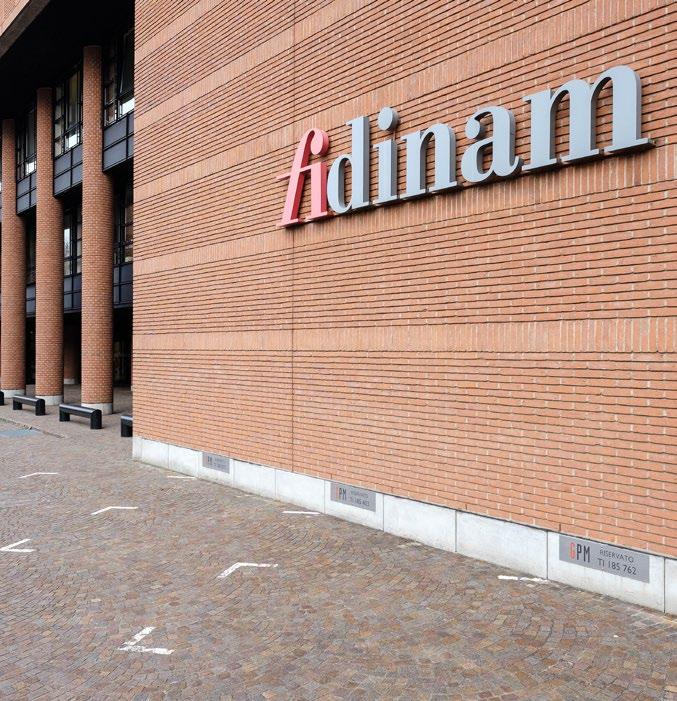
Founded in Lugano on 23 November 1960 on the initiative of Tito Tettamanti, who had just left the State Council, the Fidinam Group is headquartered at Via Maggio 1 and operates as a private advisory firm across four areas: tax, corporate, real estate and digital. According to figures released by the group, it brings together around three hundred and fifty professionals, with direct offices in more than ten countries and declared operations in over ninety jurisdictions.
The Swiss network covers Lugano, Bellinzona, Mendrisio, Zurich, Lucerne, Geneva and Berne. Internationally, it has offices in Milan, Monte Carlo, Luxembourg, Rotterdam, Dubai, Hong Kong, Singapore, Ho Chi Minh City, Hanoi, Shanghai, Guangzhou, Beijing and Sydney.
The chairmanship is held by Massimo Pedrazzini, general management by Roberto Grassi, and the honorary presidency by Tito Tettamanti. The Fidinam Foundation, established in 2008 and subject to federal supervision, supports projects in education, research, healthcare and the fight against hardship.

Why read this article?
To discover what the future holds for the engineering world.
#susannazammataro
#infrastructure #engineering
#FIDIC

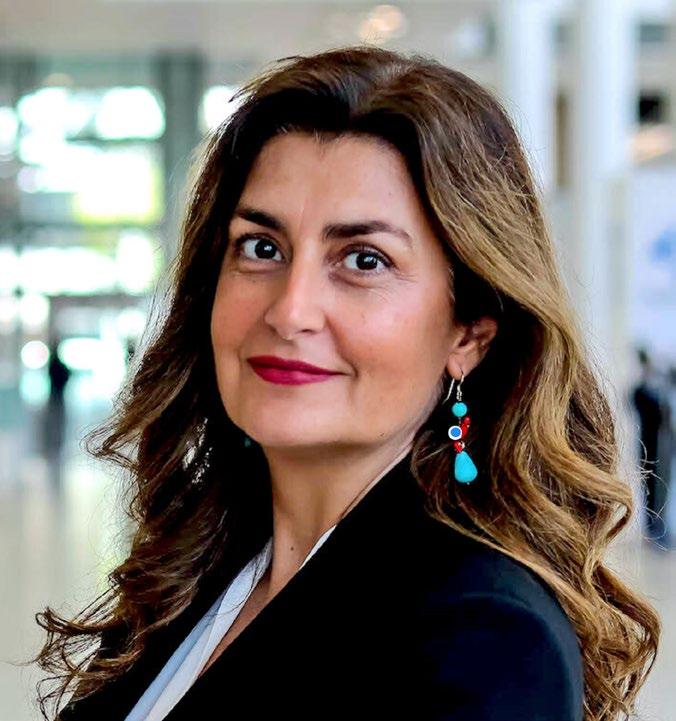
In Athens last April, almost half the speakers on the FIDIC Global Leadership Forum programme were women. The year before they were about a quarter. What happened? How did they manage to double the figure? Susanna Zammataro, CEO of the world’s oldest federation of consulting engineers, had told herself back in 2025: «this won’t do, we need to step off the beaten track and stop inviting the same well-known names just because it is easier». And so it was done. After all, changing things is nothing new for her: she has been leading FIDIC for little more than a year, a federation that in over a century of history had never had a woman at its helm. Zammataro, a Genevan by adoption, arrived there after eighteen years as director general of the International Road Federation. A life spent in the world of infrastructure, even though her studies focused on the foundations of law rather than load-bearing formulas. Yet she says she feels she has the mind of «a mechanical engineer». Why? We had her explain.
When I joined the IRF, I was the only woman on the board, and by far the youngest.
Susanna Zammataro
Year of birth: 1973
Profession: CEO of FIDIC
Master’s in European law from the College of Europe, background in political science and international relations. She worked around the European Commission in Brussels, then in Geneva between the EU delegation and the United Nations. Since 2007 at the International Road Federation, first as sustainability manager, then as director general. Since May 2025 she has been chief executive officer of FIDIC, headquartered in Geneva. She lives in Switzerland with her family.
How do you go from Brussels and the EU world to heading a federation of engineers?
By chance, I like to say. I had moved to Geneva for personal reasons, after a few years spent as a lobbyist around the European Commission and a stint at Confindustria. And by an irony of fate I had decided to start all over again in the only European country that is not part of the European Union. This is because Geneva’s international environment favours the integration of two worlds we tend to see as separate, regulators and engineers, with different languages. In reality we do the same thing: we respond to people’s needs, and that is what an infrastructure does. I joined the International Road Federation as sustainability manager. One of the first things I did was to launch the first greenhouse gas calculator for road construction. For more than a year I worked with the technical directors of the major construction companies. At first they didn’t realise I wasn’t an engineer. They only found out at the end.
I think it’s because I have the mind of a mechanical engineer: I love taking the gears apart, understanding them, putting them back together. After all, a regulation is a gear too.
And being a woman, in an environment where women were few?
It wasn’t easy, I would be lying if I said otherwise. When I arrived at IRF I was the only woman on the board, and by far the youngest. Twentythree years ago. I always had to prove something extra. But I like to look at the positive side, because it was mutual learning: I learned how to better argue, they learned to listen.
At some point, at IRF, you came up with an idea to change things. It was the usual script: in the various committees everyone said «we should bring more women onto the boards»; but when it came to the vote, a man was always elected, more senior. The lawyer in me found a way to bypass the statutes without changing them. The rule: every time someone is elected to the board, a woman is also elected alongside, possibly young. The voting rights remained unchanged, but we were providing access to board room experience. From there an interesting dialogue began. Some organisations came back saying «we have no women to nominate, they are all secretaries». It triggered a reflection. And each began to work on it internally.
Let’s try to explain FIDIC to the non-engineer reader.
A federation of national associations, today ninety-four. They bring together the consulting engineers and the engineering firms of each country. Our task is to articulate at a global level the needs but also the contribution of this industry within those forums that write the rules of the game. Three pillars. Public procurement and its regulation: wherever an infrastructure is built, it must be built with quality. The standard contracts, for which we have been known for over a hundred years,
the red book, the yellow, the green: they balance the risks among the parties of a project. Finally, training and certification, with the FIDIC Academy and FIDIC Credentialing.
The 2021 Climate Change Charter. Is a declaration of intent enough when it comes to sustainability?
The charter was the initial commitment. Then it had to be translated into concrete tools. Last December we published a series of contractual guides, now available to the public: from planning to the construction site, step by step, how to manage carbon on both a technical and a contractual level. Running alongside is the Carbon Management Framework, which operates on the daily life of the project. Through the rated criteria, the multilateral banks have an opportunity to score projects who meet certain carbon management criteria. Bridging policy and action: a bridge between what is written in highlevel documents and what happens on the construction sites.
Will artificial intelligence change the engineer’s job?
We have published a study with Ernst & Young. You can’t shut the door and say «I don’t want to hear about it». At the Global Leadership Forum the hundred CEOs present were in agreement: transformation, not threat. Two things are needed. Change the skills. And build a real internal AI governance: when a team can use it, how, who supervises the work done with AI, especially at the junior level. The question is not whether to use it. It is what level of control you put in place, and who has the experience to exercise it.
Today the engineering profession, according to surveys, is not among the most attractive options for young people. Why is that? Perhaps they are not entirely wrong. They simply grew up with different role models. My ten-yearold daughter, when I ask her what she wants to do when she grows up, tells me she wants to be a YouTube star with ten million followers.

Founded on 22 July 1913, the Fédération internationale des ingénieursconseils is the world’s oldest federation of consulting engineers. Among the founding countries, together with Belgium and France, is Switzerland; the headquarters are in Geneva. Founding principles: quality, integrity, sustainability. Today it represents 94 national associations, over one million professionals and around 40,000 engineering firms in about one hundred countries.
Its «coloured books» are contract standards adopted by the main multilateral development banks, from the World Bank to the EBRD. The first Red Book, for construction, dates from 1957; followed by the Yellow for design and build, the Silver for turnkey projects, the Green for leaner projects, the Emerald for underground works.
FIDIC also runs a President’s List of dispute adjudicators, the FIDIC Academy for training and FIDIC Credentialing for certifications. In 2021 it launched the Climate Change Charter; at the end of 2025 the Carbon Management Guide for standard contracts. The 2026+ Strategy moves along four lines: global positioning, innovation, capacity building, advocacy.
That is their world. But the surveys presented at the GLF Forum reveal something: salary matters less than one might think, flexibility counts a great deal, and in second place comes the sense of belonging to something bigger. We are still not able to fully communicate how much social value we produce as an industry. Building roads, bridges and schools means giving people access to opportunities.
Looking ten years ahead, where will engineering be most in demand? Energy is at the top of the list. The transition requires plants, grids, interconnections. Then water, which for many regions of the world is already the first front of climate adaptation. It means rethinking existing works with realistic climate projections, different from those used to design them decades ago. And then
I still believe transport will be a crucial issue, as we are seeing with the crises in the Middle East and other conflicts: if the transport network gets blocked, the economy also comes to a halt.
And FIDIC’s role in the future?
FIDIC dates back to 1913, just before the First World War. IRF and the others are from 1947-48, just after the Second. Infrastructure had to be rebuilt, of course. But the intent was also something else: bringing people together, making sure we understand each other a little more, avoiding the kind of escalations we see today. In our small way, a federation does exactly this. At FIDIC I want to push in that direction: more present, closer to other organisations. Build a group that weighs in on the issues that count, and that encourages the exchange of cultures.
Why read this article?
To take an exotic journey to Mexico — not to discover the beaches of Cancún, but the solidarity of Swiss doctors restoring sight in the Yucatán.
#theosigner #yucatan #view #ophthalmologist

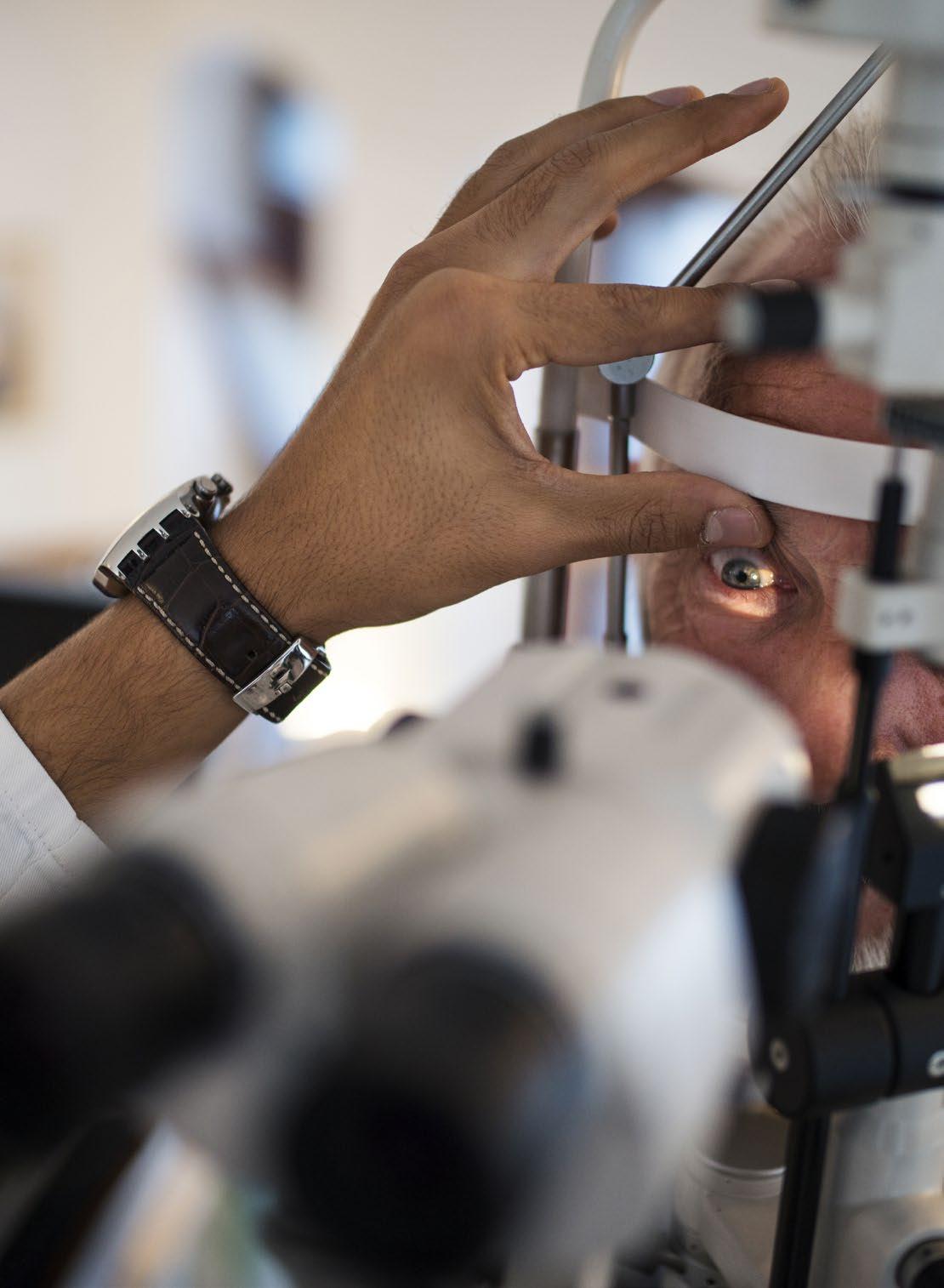
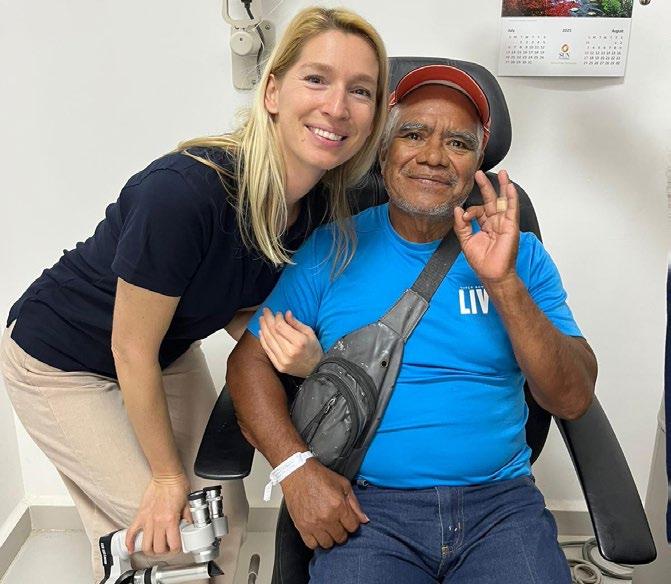
Many of us probably dream of waking up to a view of the sea in Cancún, but there are those who were born and raised in the Yucatán and have for years been unable to see the landscape they grew up in. Cataract surgery in that part of the world is not an option for everyone. To give sight back to those whose eyes have gone dull and clouded, there is the Swiss Foundation Against Blindness. Among the surgeons who spend two weeks a year in Mexico, operating from morning to evening on hundreds of patients across the region, is Ticino-based physician Theo Signer. A respected ophthalmologist, head of the Centro Avanti in Lugano and medical director of the Vista Group — one of Switzerland’s most structured ophthalmological networks — he has been leaving his orderly life in Morcote for about fifteen days every year to fly to the Yucatán. We met him to hear how it is possible to move from one of the world’s most specialised medical environments to one where you have to go back to basics, without ever losing your passion for what drives you: improving other people’s quality of life.
We bring along talented young clinical leads who may not yet have operated at this pace: in the afternoons we teach them the technical adjustments required.
In Switzerland you run a clinic with 99 doctors and the most advanced technology. In Mexico you operate with techniques the textbooks call “historical”. How do you reconcile the two?
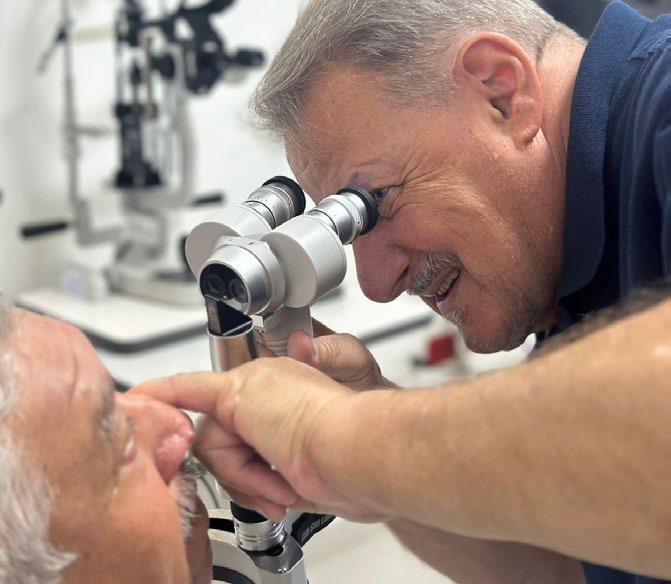
In Switzerland we work with tiny micro-incisions: the lens is fragmented and suctioned out through an opening of less than two millimetres. In Mexico that often isn’t possible. Patients arrive with cataracts so advanced that the lenses are hard and opaque — they can no longer see anything at all. At that point we have to open the eye much more, almost half the
circumference of the cornea, and remove the entire lens. It’s a more invasive technique, but it’s the only one that works in those cases.
Why do they arrive in such serious condition?
Because Mexican public healthcare has limited resources. A certain number of patients are operated on and the rest wait. In Switzerland, a patient comes in early — perhaps because they do precision work and want perfect vision. There, they come when they can no longer see. And cataract onset is earlier in Quintana Roo, and harder: UV exposure is ten times higher than ours. Add diabetes, which is the number one condition in the area, and hypertension as contributing factors.
What kinds of patients do you encounter?
All kinds. Babies of three months and Maya elders of a hundred. I remember a man of around seventy who didn’t even speak Spanish. He lived in isolation, felt he was a burden to his village because he had almost lost his sight. When we operated and removed the bandages, he was moved to tears. Not at being able to see, but at feeling he could be useful to his community again. That stays with you.
In 2023 a fire destroyed all your equipment at your depot in Mexico City. How do you respond to a blow like that?
It was devastating. A short circuit caused the fire and within a few hours we had lost more than half a million francs worth of equipment: three operating microscopes, sterilisers, 280 intraocular lenses ready for implantation. For a small foundation like ours, that was the heart of everything. The natural reaction would be to stop. Instead, we organised our first charity event, raised around 150,000 francs, and several pharmaceutical companies made machinery available to us free of charge. Not the latest generation of machines I use at Centro Avanti, but they meant we didn’t miss a single mission. In October 2024 we carried out 600 procedures.
How long does a typical mission last?
Two weeks in Mexico, of which eight or nine are full operating days. In October 2025 we carried out 460 procedures. That means 50, 60, sometimes 70 a day. You go in at dawn and leave at nine in the evening. Every patient has a complete file, every procedure follows Swiss sterility protocols, every report is written for local follow-up. No corners are cut.
How is all of this organised from the other side of the ocean?
The relationship with the Mexican government is the backbone. We
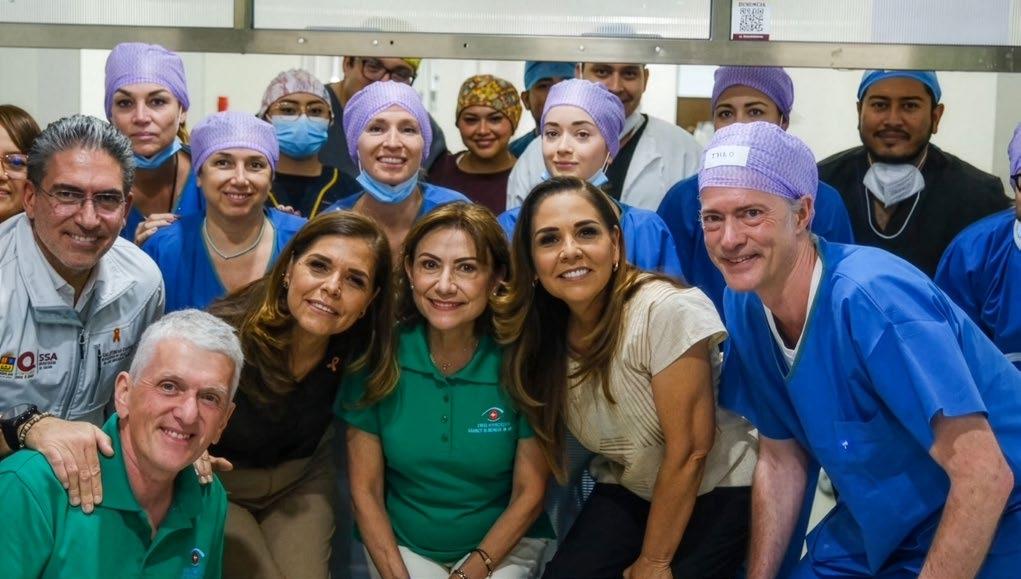
work with the DIF, the department for family reintegration, and with the governor of Quintana Roo. Our executive president in Mexico, Norma Aragon, stays in contact with the authorities throughout the year. Optometrists scattered across the country recruit patients, carry out preliminary examinations, biometry. We select the cases, order the lenses and go to operate. The hospital in Cancún has given us complete cooperation: not just the operating rooms, but nursing staff, equipment, logistical support.
You also train Mexican colleagues. That’s a fundamental part of it. We don’t go there to operate and disappear. We bring along talented young department heads who may not yet have operated at this pace, and in the afternoons we teach them the technical adjustments needed. We also train Mexican surgeons and scrub nurses to manage complications on their own. The goal is to leave behind prepared colleagues, not patients who need reoperation.
The foundation has no administrative costs. How is that possible?
Everything — from organising the charity event to the two weeks in Mexico — we do ourselves, for free. There’s no apparatus, no secretariat.
We also train the Mexican surgeons and scrub nurses so they can manage complications independently.
Donated money goes entirely to the project. And we bring it there ourselves: we know it arrives and doesn’t disappear.
A piece of advice for a young person who wants to become a surgeon?
Passion. Everyone talks about money, especially in ophthalmology, and that approach is completely wrong. You need patience, a willingness to put yourself in the patient’s position. And then there’s a problem I see often with young people today: they no longer work with their hands. They don’t do model-making, they don’t work in the garden. They’re glued to their screens. It shows. Many want to be surgeons for the prestige, but you either are a surgeon or you’re not. We can tell after a few months of training. Those who have passion, who are willing to take a back seat, become good doctors. That’s what patients are looking for.
Your daughters are also part of the team.
Both of them, yes. The one studying medicine works as a scrub nurse: she assists directly in our procedures. The other is studying economics and this year she’ll come for the first time, handling logistics, patient flow, quality control. For them it’s been a discovery of a different
world — perhaps a more real one than the one we’re used to. They’ve started to appreciate what we have in Switzerland, where everything is always available. Over there, nothing is taken for granted.
How does Ticino respond to your initiative?
Ticino is very generous, despite being considered one of the poorer cantons. I see it differently: it’s one of the richest — in terms of availability, kindness, culture. I’ve lived here since I was seventeen, and the colleagues of the L’Occhio Allegro del Messico group support us with an energy that surprises me every time. It’s thanks to this network that we set off again, every time.
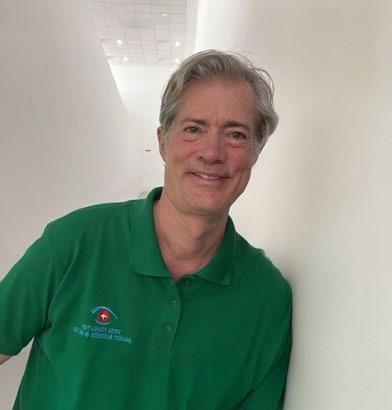
Theo Signer
Year of birth: 1970
Profession: Ophthalmologist
Originally from Appenzell, he lives in Morcote. He graduated in medicine in 1998 and specialised in vitreoretinal and anterior segment surgery. Since 2015 he has been Medical Director (CMO) of the Vista Group and chief physician at Centro Avanti in Pazzallo, Lugano. A member of the foundation board of the Swiss Academy of Ophthalmology, since November 2025 he has been president of the Swiss Foundation Against Blindness in Mexico, with which he has been leading surgical missions throughout Mexico and, for the past four years, in Yucatán and Quintana Roo.
Those with passion, those willing to take a back seat, become good doctors. That is what patients look for.

The Yucatán Peninsula occupies the south-eastern tip of Mexico, jutting into the Caribbean Sea between the Gulf of Mexico and Belize. It is divided into three states: Yucatán, Quintana Roo and Campeche. The region is the historical cradle of Maya civilisation, whose population — around 800,000 in Yucatán and over 200,000 in Quintana Roo — still forms one of the country’s largest indigenous communities, with its own languages and social structures. The economic contrast is stark. Quintana Roo is home to Cancún and the Riviera Maya, among the world’s leading tourist destinations, but its interior remains one of the poorest parts of Mexico. Access to specialist medical care is limited: public hospitals have multi-year waiting lists, and the ophthalmological network is virtually non-existent in rural areas.
Why read this article?
To understand what turns an art lover into a collector — to the point of sharing what they own with the public.
#pierinoghisla #ghislaartcollection #contemporaryart #locarno
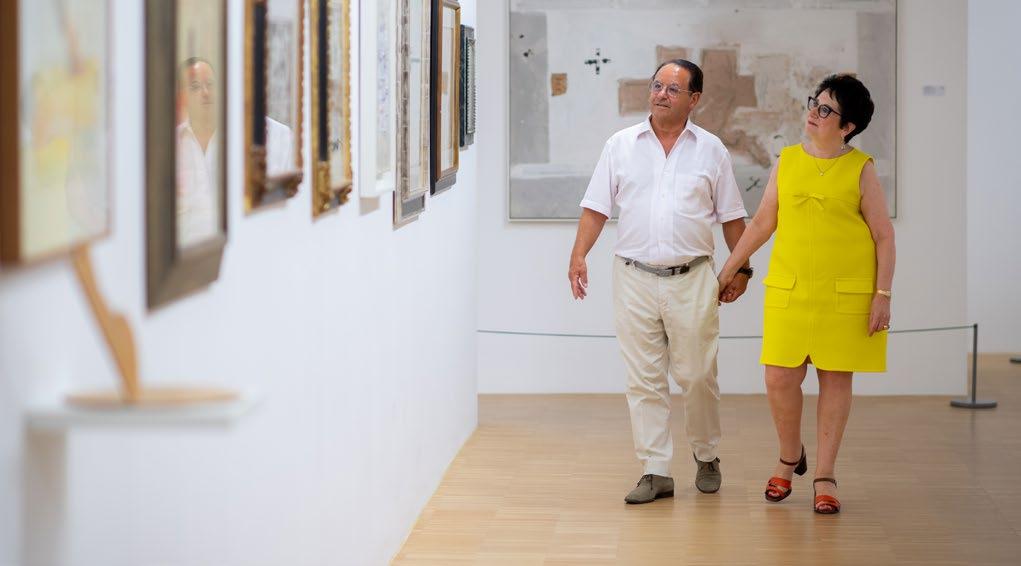
Via Ciseri 3, Locarno. A short walk from the pier, a windowless red cube sits reflected in the moat surrounding it. Inside, eight quiet rooms across three floors hold an artistic and human experience in equal measure. On occasion, the guide is Pierino Ghisla himself — seventh of eight children born to farming parents in the Valle di Blenio, who left home at sixteen to help his uncle Nino run a fruit and vegetable import business in Belgium. From there he built an importexport operation spanning the world. In 2013, after more than forty years in Belgium, he returned to Ticino with his wife Martine. The Fondazione Ghisla Art Collection opened the following June. The red cube, designed by Studio Moro & Moro, is now the public home of a passion cultivated in spare time — scarce, given a trade that meant getting up at three in the morning. Walk through the rooms, though, and it becomes clear that a collector’s collection is built not through scholarly research but through dialogue with works, through a search for something that shows us for what we are: like the Michelangelo Pistoletto that catches you off guard, throwing your own reflection back, a reminder that if a work doesn’t mirror something in you, it’s better to move on.

When I retired, in 2013, Martine and I already had a hundred and eighty works. I asked myself: what do I do now?
Mr Ghisla, the collection started in Brussels. Where did you buy your first piece?
At a small neighbourhood auction, just after we married. I was twentytwo, Martine eighteen and a half, we had no money. A bargain. From there we moved up gradually.
Knowledge followed passion: it was the director of Sotheby’s Brussels who gave me the catalogues that taught me about artistic value.
Art and fruit and vegetables: how do those two things go together?
At sixteen I left a small mountain village to join my uncle in Brussels. I was supposed to stay fifteen days before starting commercial school. I liked it, so I never went back. At twenty-one I was already running the company — my uncle had retired. A woman from one of the largest firms in Belgium offered to pass her smaller clients to me, the ones who weren’t worth her time. Two years later I had fifteen employees. Without building up the business, I could never have afforded such an expensive hobby.
You say you introduced Chioggia radicchio to the world.
We shipped it to Japan, America, England. In our best year we sold 170,000 crates. I introduced much of Italy’s vegetable range to Belgium — peppers, courgettes. With Peru and Chile we could supply grapes from February to March; then Sicily took over again at the end of May. That was our speciality.
And art, throughout all of this?
I always saw it as a counterweight. Getting up at three in the morning for fifty years leaves a mark. When I retired in 2013, Martine and I already had one hundred and eighty works. I asked myself: what do I do now? I suggested bringing them here. She said yes. We’d had a holiday apartment in Locarno for years — it already felt like home.
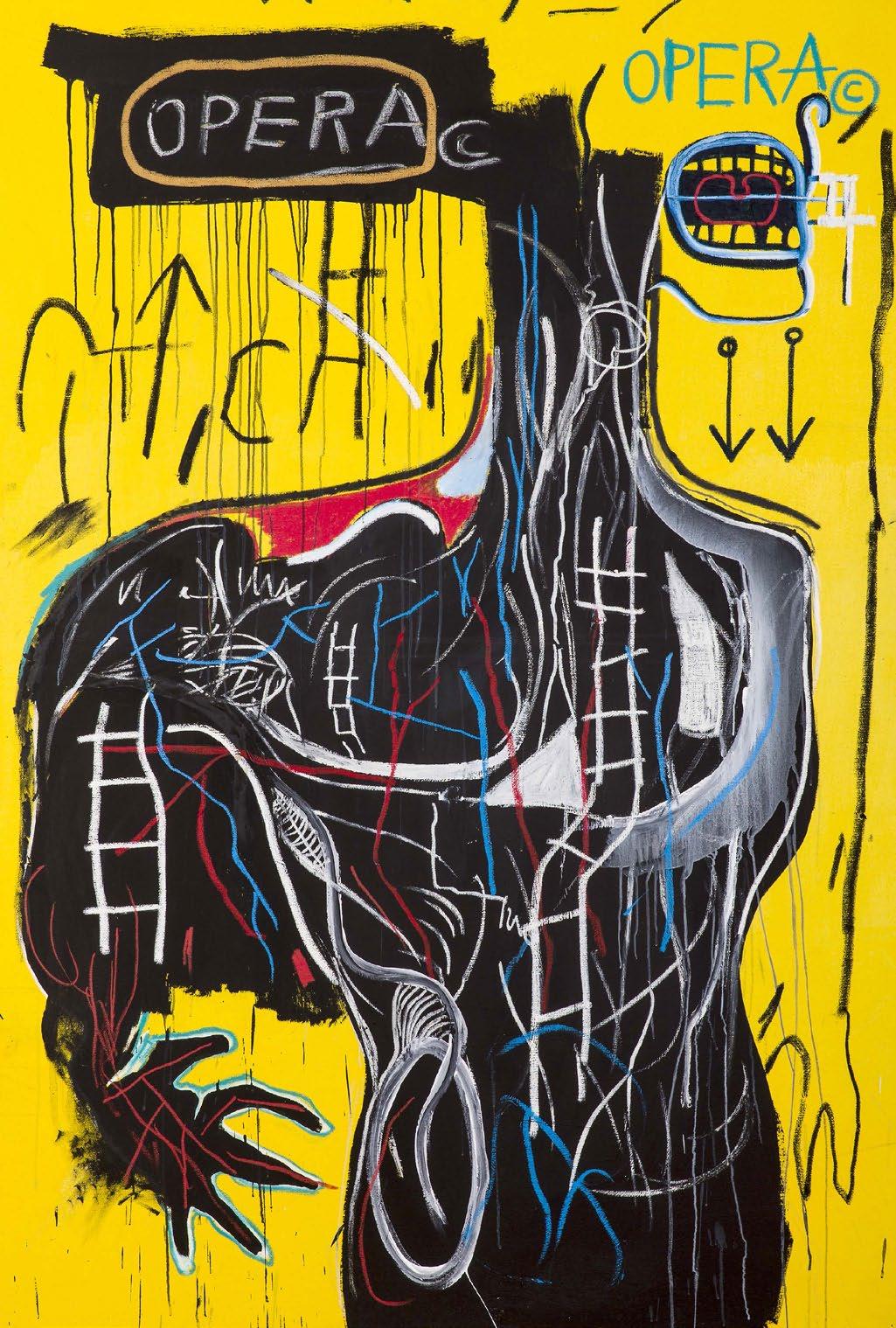
The Basquiat in the collection has a particular story.
At the time I had no idea who he was. We’d gone to a Brussels gallerist to see a Tàpies. The Tàpies said nothing to us. Walking down the stairs I spotted this painting leaning against the wall and told my wife it spoke to me. The gallerist told us about a man from Brussels who’d moved to New York and come back
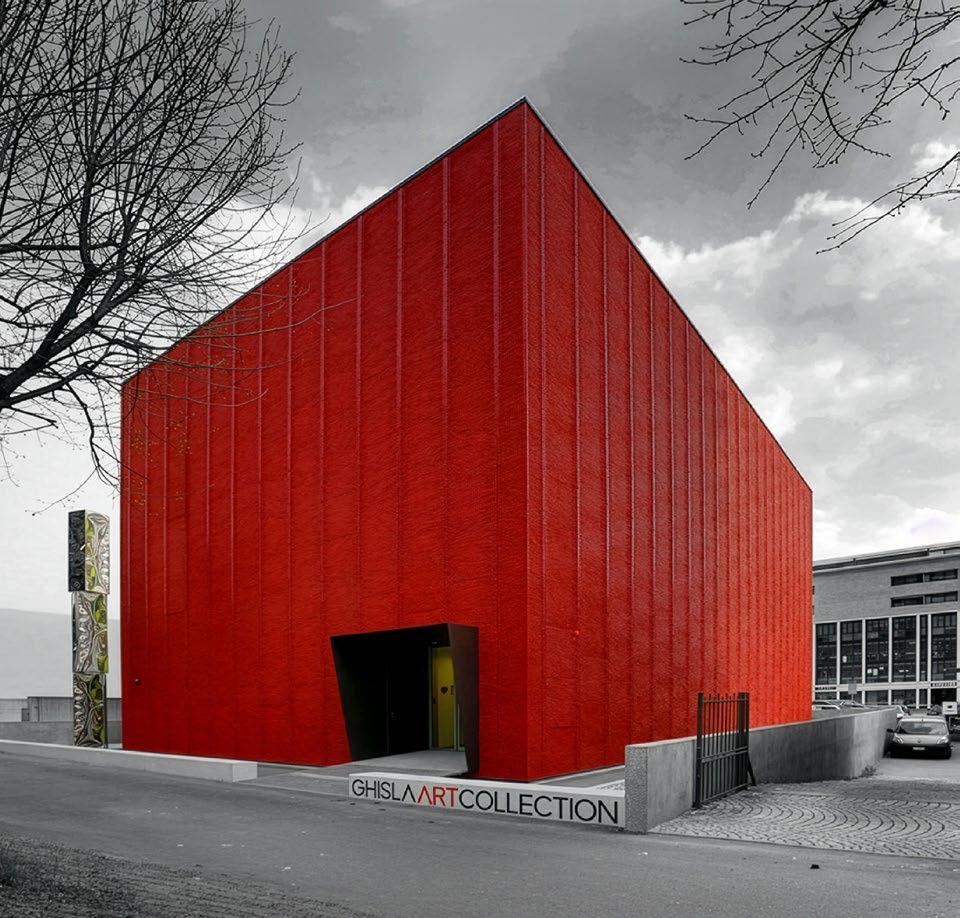
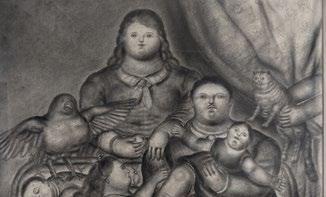
The Fondazione Ghisla Art Collection is at Via Ciseri 3, a couple of minutes’ walk from the Locarno pier. The building, renovated by Studio Moro & Moro, is a cube clad in red expanded metal sheet, windowless, surrounded by a narrow moat. Eight rooms on three floors display a rotating selection from the collection built by Martine and Pierino Ghisla: more than three hundred works of modern and contemporary art from five continents. On permanent display, among others: Jean-Michel Basquiat, Andy Warhol, Keith Haring, Roy Lichtenstein, Pablo Picasso, René Magritte, Joan Miró,
Fernando Botero, Lucio Fontana, Piero Manzoni, Alighiero Boetti, Enrico Castellani, Dadamaino. Alongside the permanent rotation, the foundation presents temporary exhibitions, often devoted to internationally recognised artists or cross-sectional readings of the collection. The audio guide, included in the ticket price, is available in Italian, German, French and English, and extends the average visit to around an hour and a half. Educational activities for schools, from kindergarten to university, are a core part of the programme.
with eight Basquiats, acquired with his partner who had died of AIDS. At the time the work wasn’t so highly valued — today it’s one of the most valuable things we own. I should have taken two.
The Keith Haring has a similar story?
It’s a 1985 work. At the time he was already saying that if anyone was going to die of AIDS — which was claiming its first victims — he would be among them. In 1988 he announced he was ill; in 1990 he died. He was probably already feeling the first symptoms when he painted that picture, which depicts a castration. It reads almost as prophecy.
Do you take advice from gallerists or curators?
Anyone who takes advice isn’t an art lover — they’re a speculator. Choosing a work is like choosing a wife or a lover: someone else can’t do it for you. Art must be love. I always tell people: once you’ve been to a museum with friends or family, go back alone. Stand in front of a painting, wait for it to say something to you. It should be something close to meditation.
Do you buy through galleries or directly from artists?
Always through a gallery. The gallerist’s role deserves recognition. The gallery is cultural mediation — it’s what sustains an artist’s trajectory over time.
Why did you choose Locarno for the foundation?
We’d been coming here on holiday for years. When we bought the building we were only thinking of somewhere to store the collection. Then we realised that investing like that to keep works locked in a warehouse made no sense. We went with the Moro & Moro design — eight rooms across three floors — and on 28 June 2014 we opened to the public.
Who are your visitors?
Many are tourists. We work closely with schools, from kindergarten to university. A six-year-old standing in front of an abstract work by Dadamaino said he could see a waterfall. We don’t teach people how to see — we give them space to think.
Future plans?
We’ll be dedicating thematic exhibitions to the collection. We have over three hundred works and show only a few dozen at a time.
Culture costs, though.
No one in the family, except Martine, knows what it costs me every year to keep all this running. But the art habit gives something back to the community, and that makes it worthwhile.
Have you ever bought as an investment?
I wouldn’t recommend it to anyone. The real value is in what a work makes you feel.
Anyone who needs to be advised is not an art lover, they are a speculator. Art must be love.
La Tana del Matto (The Fool’s Den) is the solo exhibition that Joris Van de Moortel — a Belgian artist born in Ghent in 1983, now based in Antwerp — has installed across the first two floors of the red cube on Via Ciseri. Painting, sculpture, installation, sound and poetry form a path conceived as a mental universe, drawing on the Fool of the Tarot and Géricault’s The Raft of the Medusa. Van de Moortel’s practice weaves together late medieval Flemish painting, Northern European mysticism, rock culture and musical traditions: what remains of his concerts are fragments of demolished stages and guitars, reabsorbed into the works alongside instruments, organs and handwritten poems. The exhibition includes new pieces commissioned for Locarno and engages with the ritual dimension of the creative act. The audio guides, written by the artist himself, take visitors through the layers of the installation. The show runs until 23 August. A bilingual Italian-English catalogue accompanies the exhibition.

Pierino Ghisla
Year of birth: 1951
Profession: former entrepreneur and art collector
Born in the Val di Blenio, the seventh of eight children of farming parents. In the 1960s, at sixteen, he moved to Brussels to work with his uncle in the fruit and vegetable trade; by twenty-one he was running the company. Over the years he built it into one of Belgium’s principal importers of fresh produce. In 2013 he left Belgium with his wife Martine and returned to Ticino. On 28 June 2014 he inaugurated the Fondazione Ghisla Art Collection in Locarno, a non-profit foundation that opens the couple’s collection — assembled over more than thirty years — to the public.
Why read this article?
To discover how the tradition of the Cama grotti has found new life through an all-women team.
#tizianabelloli #grotto
#mesolcina #traditionalcuisine
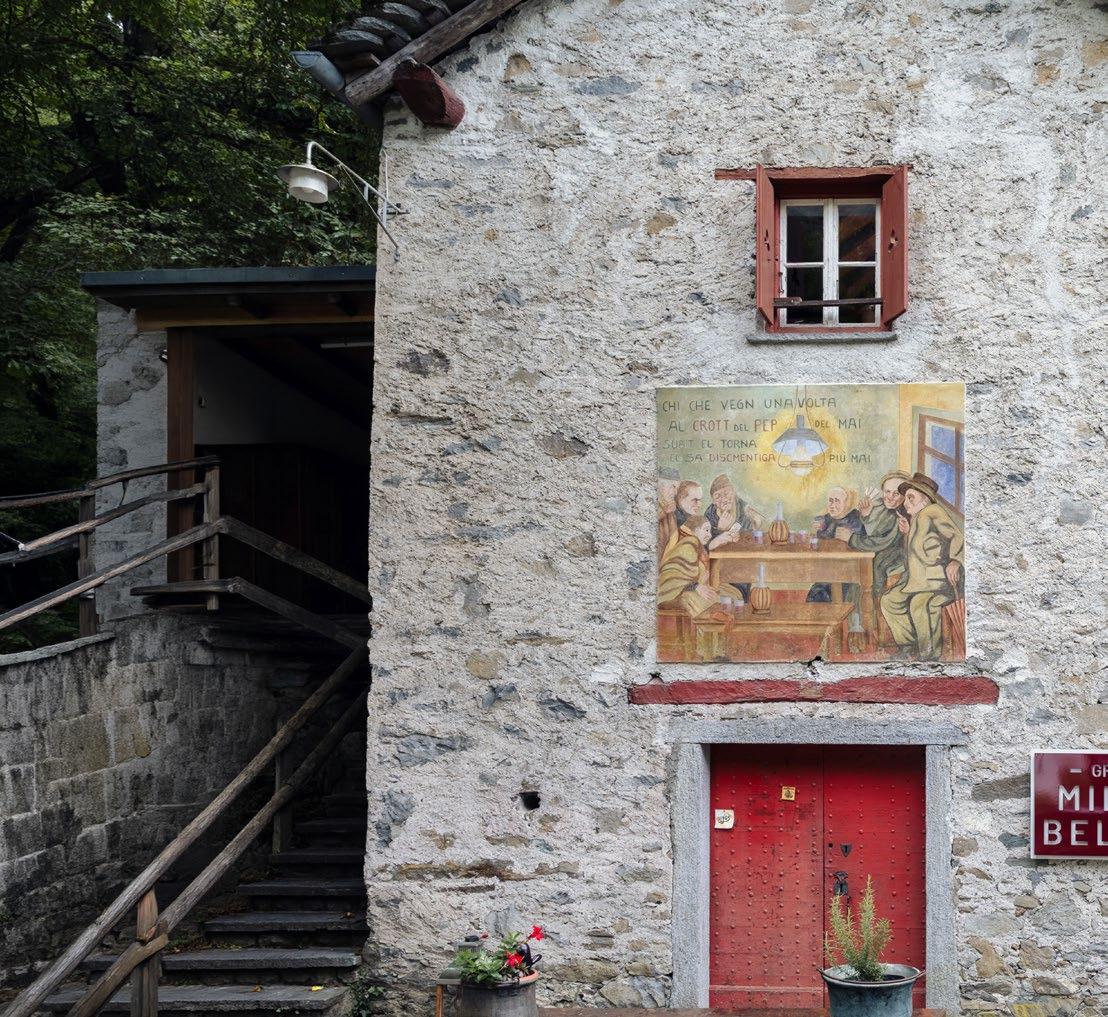
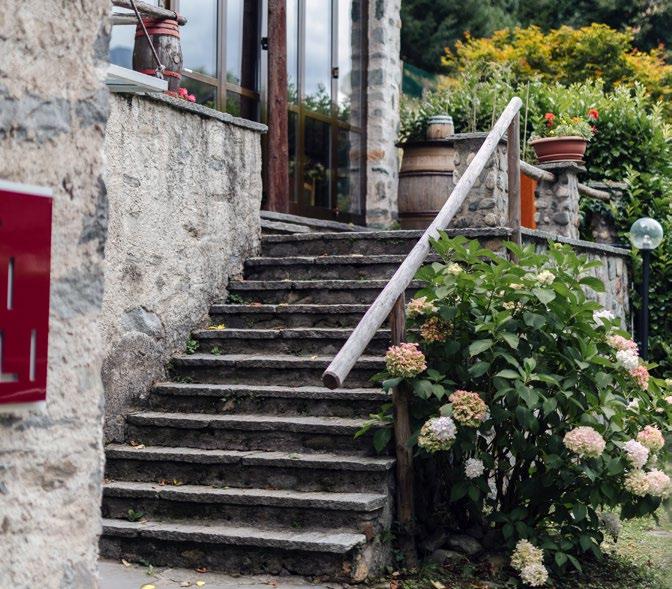
In Cama, in the Mesolcina valley, around forty grotti are pressed against the hillside, beneath chestnut trees that have seen centuries pass. From the cracks in the rock comes a steady cold draught, the fiadiré: currents of air that filter through the mountain and have, for generations, preserved cured meats, cheeses and wine without the need for refrigeration. Of those grotti, only three hold a restaurant licence. One bears a double surname — Milesi-Belloli — and tells a story of family ties in the Graubünden countryside.
Running it today is Tiziana BelloliTschudi, from Lostallo, who last year decided to take the family grotto back into her own hands. With her, a team of women. We went to meet her in the days leading up to the reopening (which took place in May) of the second season, to hear her account of an experience that brings together sisterhood, a taste for the genuine, and an entrepreneurial spirit. On the bench beneath the chestnut trees, she opened the chest of memories — and the one full of wishes.
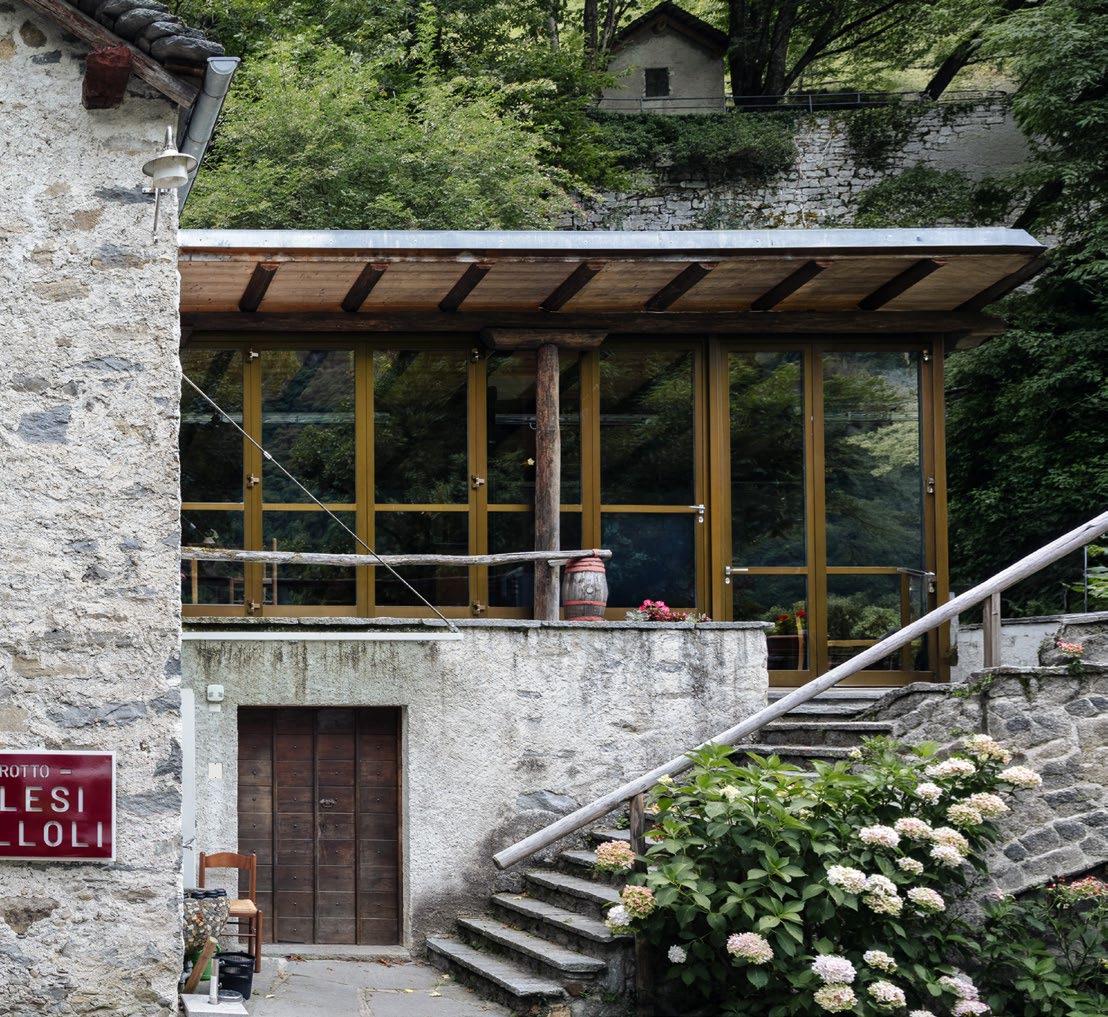
How did the idea of running the grotto yourself come about?
From the recklessness of someone who has no idea what it means to run a grotto - she says, laughing -. Beyond the jokes, I have to say seriously that the idea had been turning in my head for a few years, and last year my thoughts became reality.
Your family has a long history with this place.
The grotto had originally come into being as an overflow, on summer days, for the Ristorante della Posta. So in the summer my grandparents
got by between the grotto and the restaurant, depending on the weather. Those were different times — the grotto was a meeting point for the whole village. My grandmother Ida, widowed in 1948 after the death of my grandfather Pep Belloli, remarried ten years later with Rico Milesi, a respected pork butcher known throughout Ticino for his hams. That is why the grotto carries both surnames. Together with my parents and my aunts and uncles, they kept Milesi-Belloli going for many years. We grandchildren spent our time playing in the hollow of the old chestnut tree that still embraces
What surprised me was the sisterhood and the deep empathy that developed between us.
the grotto today. A lot of time has passed since then; my grandparents are gone, we have grown older, but the chestnut tree is still there.
And now?
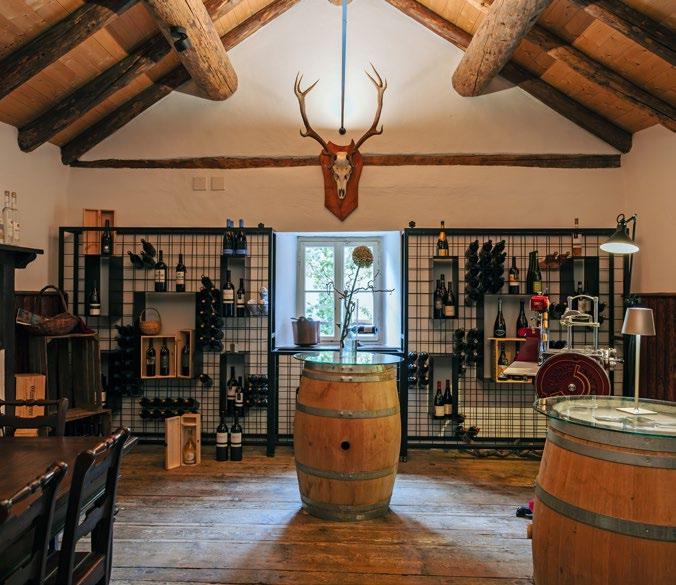
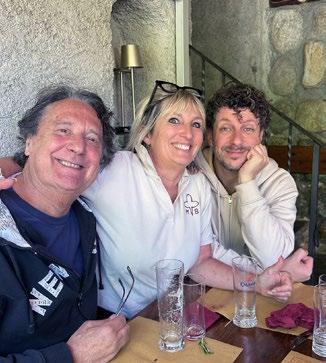
And now here I am, with Manuela Tamò-Zala — my right hand, and sometimes my left hand too — who agreed to embark on this venture with me. We take care of the management and the quality of the produce. Our friends and my sisters, all exceptional women, are the real engine of this grotto. We are all learning on the job; none of us comes from the trade, but all of us have a real desire to get things done. Between beginner’s mistakes and spontaneous smiles, we try to improve every day and keep learning. I am very proud of this team.
What do you find on the plate?
We try to chase the flavours of the past. Our valley has a lot to offer, from cured meats to cheeses — you just have to seek them out and appreciate them for their genuineness and for the passion that the people behind them put into their work. We also like to venture off the beaten track: we offer Yak meat from Pian San
Giacomo, particular cheeses ‘from our own home’, and more besides. Our watchword, though, is always ‘territory’ — from strictly Swiss meat to the genuine produce of the Mesolcina and Calanca valleys. Just like the old days.
And game?
Here too we went against the current. We all have hunters in the family, and buying game from New Zealand or Poland seemed a real contradiction. So we decided to offer neither saddle of roe deer nor roe deer medallions — only local game. We are convinced it was the right call, consistent with our idea of respect for the land and for genuineness.
What surprised you most?
Being a waitress is not as easy as people think. Running a grotto is not either. Behind the scenes there is an enormous amount of work. What surprised me, on the other hand, was the sisterhood and the deep empathy that has grown between us. When work is a pleasure, you have already won. I also found so much kindness and gratitude from our regulars, and such warmth from people passing through. The people who gave us concrete help surprised me — even with the more humble tasks — as did our wonderful mothers who bake cakes for us every week. And our husbands and partners for their endless manual labour, and our children and grandchildren who step in as jokers whenever needed. There are so many of us, and it is wonderful — nothing about it is to be taken for granted.
What have you learned from this new experience?
Gratitude. For my ancestors, for
what they built; for my parents, for passing on to me the desire to be with people; for my friendscolleagues-sisters, for supporting me in this venture; and for my family, because for better or worse we are all in it together now.
You are also a painter. In 2023 you had an exhibition in Bellinzona. What was that like?
An emotional experience — a bit like opening a grotto, a leap into the unknown but with the right desire to do things well and to believe in it wholeheartedly.
Tiziana Belloli-Tschudi tells us this in front of one of her works hanging inside the grotto: a large eagle, staring straight at us. It does not take long to understand that Grotto Milesi-Belloli is like Tiziana — straightforward and genuine, still able to convey the pleasure of doing things together, but with its gaze set on the distance, like the eagle’s. Because the grotto of the future will be the one that knows how to take flight while breathing new life into its origins.
Tiziana Belloli-Tschudi
Year of birth: 1968
Profession: grotto manager
Lives in Lostallo, in the Mesolcina valley, with her husband Moreno and her children Martino and Gianna. A painter by vocation, a mother and grandmother by love, a grotto keeper by chance. In 2025, she took over the management of the family grotto in Cama.
Seventeen kilometres from Bellinzona, in Italian Graubünden, the Moesano village of Cama is home to a compact cluster of 46 grotti within a chestnut grove. The structures, dating from the 17th and 18th centuries, make use of cold air currents — the fiadiré in the Mesolcinese dialect — that filter through the boulders of an ancient post-glacial landslide. Thanks to these draughts, the annual temperature range inside the grotti stays between 3 and 12 degrees: ideal conditions for preserving wine, cheeses, cured meats and fruit.
The structures vary in type: some are fully underground, others have a pitched roof, others still include an upper floor. The complex, described as “a village beside the village”, was not the work of architects but of the rural community itself.
After decades of neglect, in 2004 a local foundation began the restoration of the entire complex, completed in 2009 with an educational trail. Today three grotti are open to the public, serving dishes from the Mesolcinese culinary tradition.
Why read this article?
To find out how to reach 140 kilometres per hour and win the bobsled world championship. #francoiseplozza #bobsleigh #worldchampionships #stmoritz
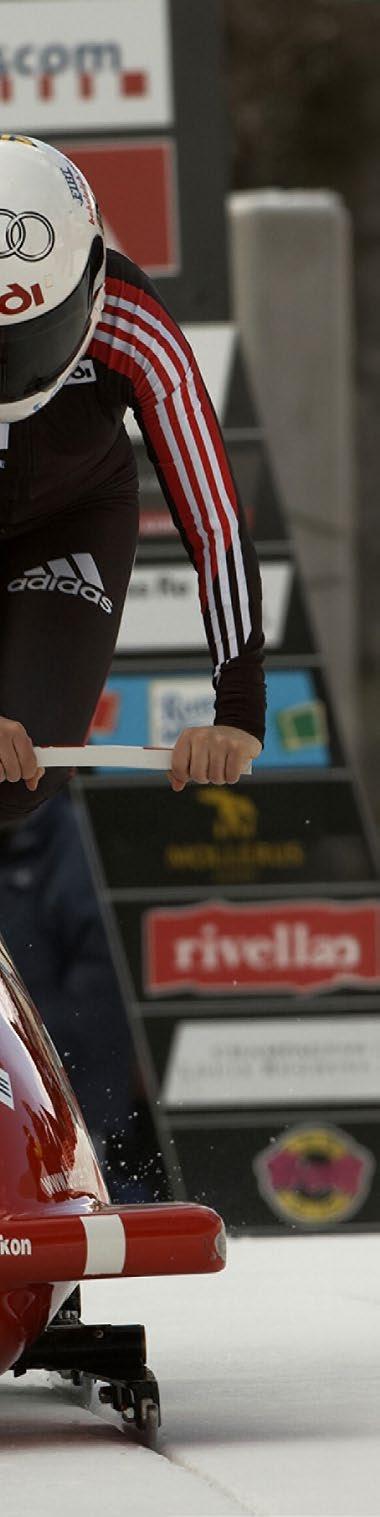
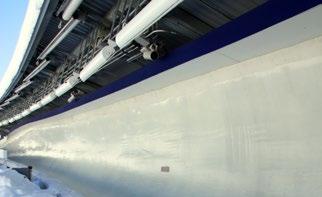
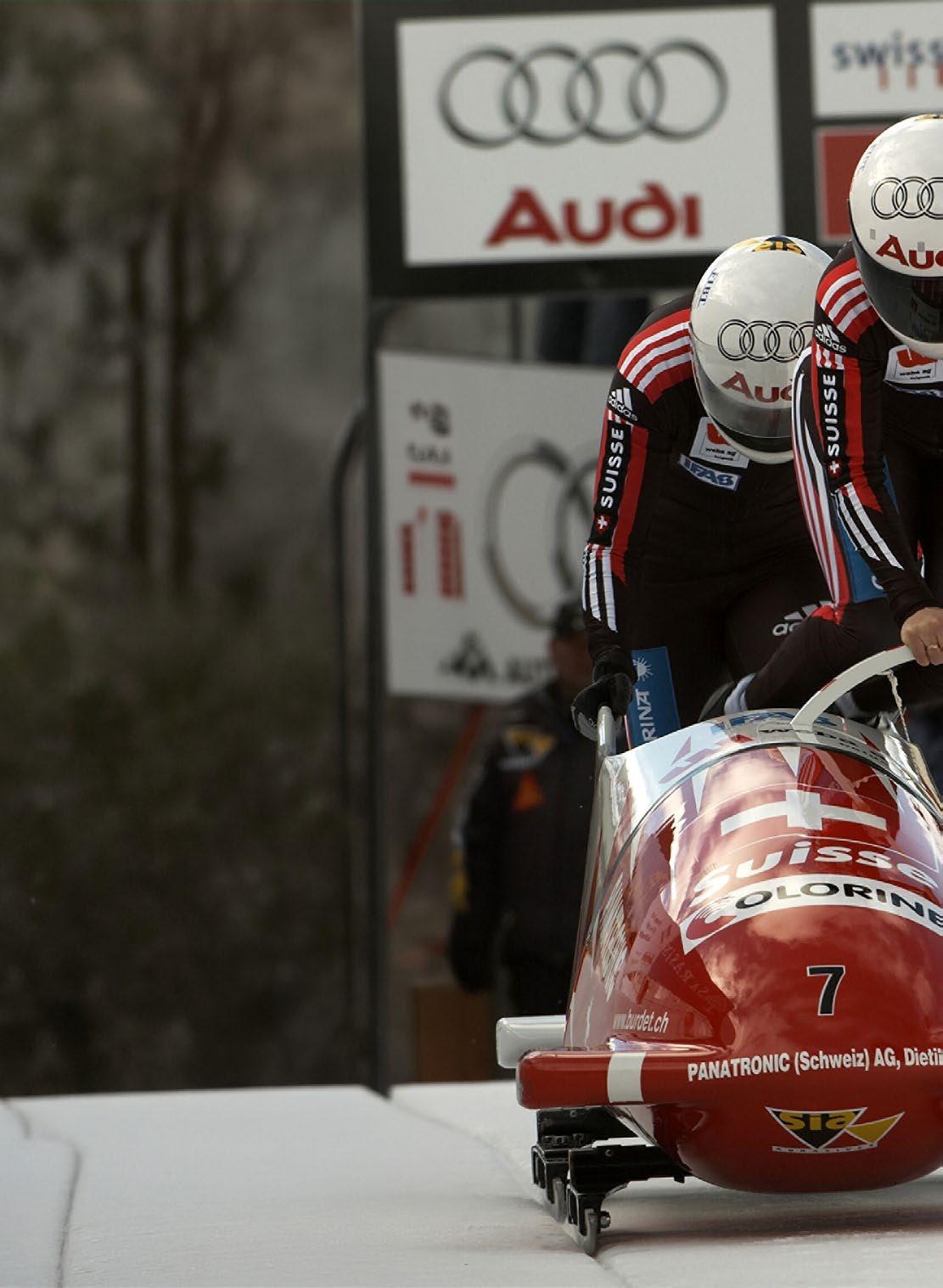
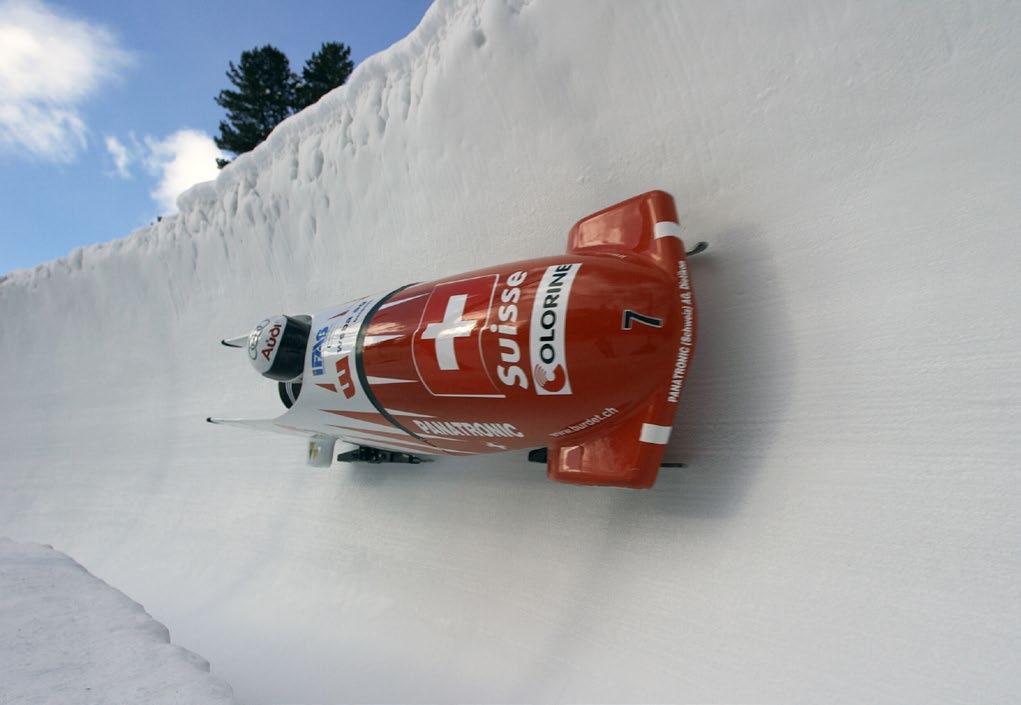
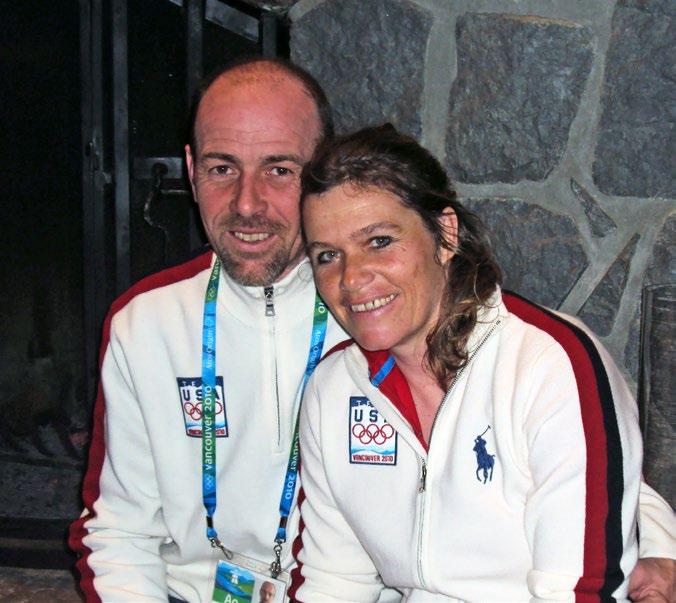
The track is right there, a couple of kilometres from the office. In winter it becomes the longest ice sculpture on the planet: 1,722 metres of channel shaped by hand, every year, by teams of specialists working between November and December. For more than ten years Françoise PlozzaBurdet drove down it as a pilot, at one hundred and forty kilometres per hour, with an acceleration five times the force of gravity that crushes your head against the helmet. Today she sees it from the other side of Lake St. Moritz, from the offices of ARX Group SA. But before she encountered the world of engineers, hers was a life at full speed. Her passion for bobsleigh was born in the early 1990s, following her sister, who wanted to try a discipline that had only recently become accessible to women. She ended up winning World Cups, a world title in Calgary in 2001 with Katharina Sutter, and narrowly missing the Olympic podium at Salt Lake City in 2002. After retiring in 2005, she crossed to the other side of the track: coach in Canada, then for the United States team and finally for the Swiss federation, always alongside her husband Sepp. She tells us about her experience as a “jet woman.”
The centrifugal forces reach around five G. That means bearing a load five times your own body weight.
How did bobsleigh enter your life?
It wasn’t unfamiliar to me. My father raced as a brakeman at amateur level, so I already knew the environment. When the discipline reopened to women, my sister wanted to try. That’s how I came in as her brakewoman. At the end of that first season, in February 1992, I attended driving school. So I decided to put together my own crew and drive myself.
From brakewoman to pilot: the leap isn’t a small one. They are different roles. The brakewoman pushes at the start, the pilot chooses the line. In general, my growth followed the development of women’s bobsleigh: at first there were only internal races reserved for women, then the World Cup came, the World Championship, and finally Olympic recognition. My path and the discipline’s ran in parallel.
One hundred and forty kilometres an hour inside an ice channel. What happens to the body?
“It depends on the track. There are
courses with many pressure curves: you struggle even when you’re not going fast. Others are more flowing, you glide, but the speed increases. Centrifugal forces reach around five Gs. That means enduring a force equal to five times your own weight: a five-kilogram head suddenly weighs twenty-five. The helmet pushes against your shoulder and yet you always have to stay lucid. Because when you manage to find the clean line, the track becomes light.
Calgary, Altenberg, Königssee, La Plagne: does every track have its own character?
Every course has its own logic. I loved Calgary very much, a shame it’s closed now. Each facility forces you to rewrite the movement: where to look on the exit, when to start setting up the next curve before you’ve even entered the one in front of you.
Four consecutive overall World Cups, a world title in 2001 with Katharina Sutter. What has stayed with you from those years?
The satisfaction of having put every piece of the preparation in place with the team. When the result comes, you know you did everything that had to be done. Then there’s the thanks side: to the sponsors, the coaches, the club, those who hold you up behind the scenes. You don’t win alone. Sharing the joy with family, friends, supporters is the part I remember best.
Salt Lake City 2002: fourth, five hundredths away from bronze. How do you process something like that?
At the time, and for a long time afterwards, it was hard. The year before we had become world champions, they counted us among the medal candidates. Five hundredths weigh for a long time. Today, years later, an Olympic fourth place remains a good result. The word ‘fourth’, though, is still the most ungrateful in the sporting vocabulary.
In two-woman bobsleigh, does the
relationship with the brakewoman have to be solid?
A hundred per cent. She’s someone you share the fear and the preparation with, beyond the descent itself. Outside the track you work a lot: the equipment, the weighing, the runners, the starting routine. Without trust, nothing works.
Retirement in March 2005. By choice or by necessity?
By necessity. I’d had health problems for some time, linked to the loads this sport involves. My goal was Turin 2006, to fight for another medal. I realised it was no longer realistic. I stopped reluctantly.
Shortly after, the call came from the Canadian federation.
The International Federation invited me to a farewell ceremony, with all the nations present. The Canadians asked me to join their technical staff. I stayed a year with them, then moved to the United States for a few years,
Françoise Plozza-Burdet
Year of birth: 1967
Profession: Administrative Assistant
Born in Chur, she made her bobsleigh debut in the early 1990s. She then won the World Cup 4 times consecutively (between 1996 and 1999). She took world gold in Calgary in 2001 with Katharina Sutter: the first Swiss pilot to win the women’s bobsleigh world title. Fourth at the Salt Lake City 2002 Olympic Games. She retired in March 2005, then joined the technical staff of the Canadian federation, followed by the US federation and finally Swiss Sliding. Today she lives in the Engadin and works at ARX SA in St. Moritz as an administrative assistant.
When you coach talented athletes and give them confidence, they open up: the pressure gives way to anticipation.
and finally two years with the Swiss federation.
Your husband Sepp was first your trainer, then your superior as head coach. How do you manage an overlap like that?
It has always worked. He plans on the long term and is an excellent strategist. When you coach talented athletes and give them confidence, they unlock: in place of pressure comes the anticipation of the race. We worked together in America and then in Switzerland, and I’ve always preferred having him as a direct contact.
What does top-level sport bring into an office?
Discipline. The willingness to learn, to improve, to integrate into a team. At ARX Group I found myself in an environment of engineers: I like the precision they bring to their work, the passion, the way they organise themselves to reach an objective. The tools change, but the method isn’t so far from a racing season.

After more than twenty years living out of a suitcase, what difference does it make to live year-round in the Engadin?
After more than twenty years spent travelling for sport, you appreciate your own home a great deal. Putting down roots and living year-round in the Engadin means a quieter, more predictable life, a daily routine with stable structures and a satisfying and interesting year-round job. It means being able to enjoy the social environment, the activities, cultivating friendships, experiencing the marvellous winter here rather than being away somewhere, in a hotel, living out of a suitcase.
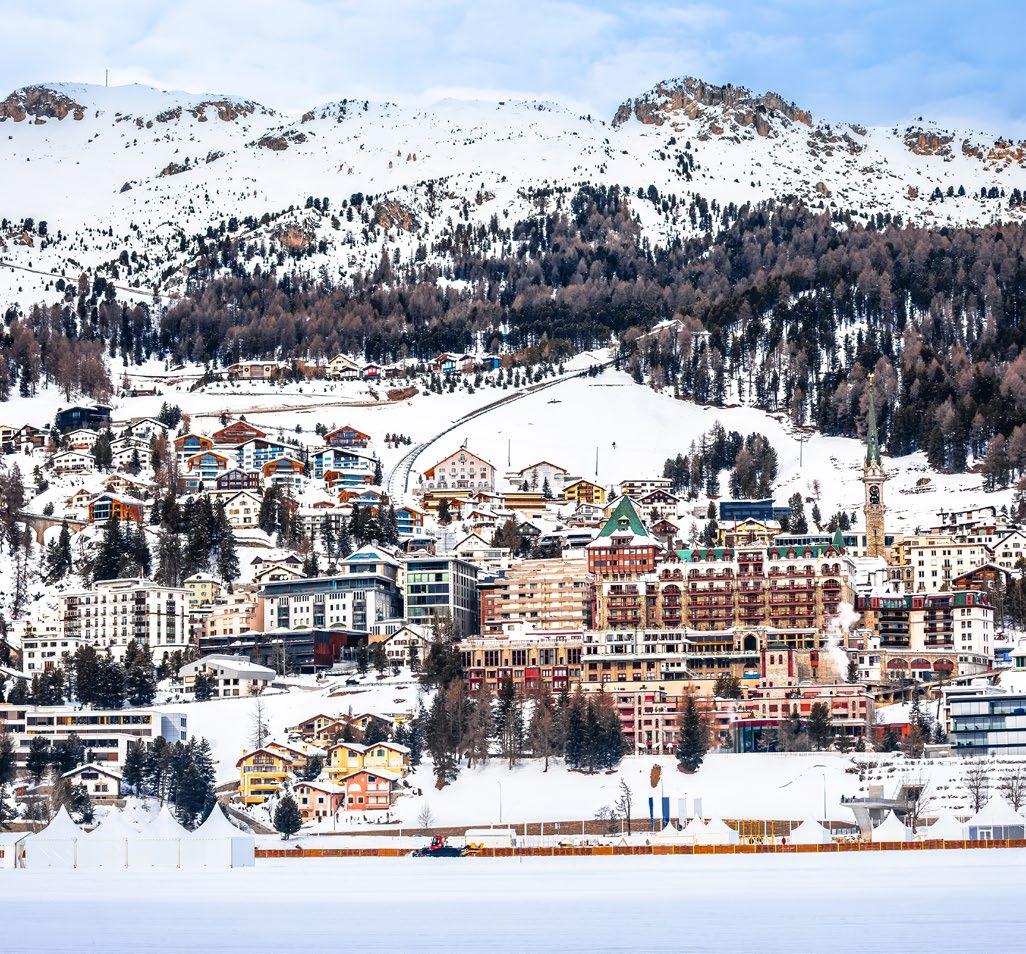
Olympia Bob Run St. MoritzCelerina
The track where Plozza-Burdet grew up is a unique case in the world. The Olympia Bob Run St. Moritz-Celerina, opened in 1904, is the oldest bobsleigh track still in operation and the only naturally refrigerated course still authorised for international competitions by the International Bobsleigh and Skeleton Federation (IBSF). It descends 1,722 metres from the start, at around 1,800 metres of altitude, down to Celerina. The altitude and the climate of the Upper Engadin guarantee that the ice holds. Every year, between November and December, a team of specialists rebuilds it by hand in about three weeks, using
thousands of cubic metres of snow and water. It is considered the largest ice sculpture on the planet. It is run by the Saint Moritz Bobsleigh Club, the oldest bobsleigh club in the world, founded in 1897. The course has hosted the 1928 and 1948 Winter Olympic Games, the Lausanne 2020 Youth Olympic Games, and more than twenty editions of the World Championships. The HorseShoe curve, 840 metres from the start, is one of the most famous stretches of the circuit: modified in 1955 and in 1995 to widen the radius and reduce the risks. From April onwards it remains as a groove in the meadow, walkable as a themed path along the Walk of Fame.
Why read this article?
To understand how rock’n’roll dreams outlast trends, build sisterhood, and keep renewing themselves until they reach unexpected milestones.
#morgana #bamboledipezza #sanremo #rock

There is a phrase that Morgana Blue heard repeated for years by Italian radio programmers: “Too many guitars.” It was their polite way of saying that Bambole di Pezza would never make it into rotation. It happened in the early 2000s, when the band was born in Milan’s basement rehearsal spaces and she decided to call herself Morgana Blue and pursue the idea of making pop-punk in Italian, allfemale. It happened again in the 2020s, when the group came back with a new lineup, a new record, and an opening slot for Def Leppard and Mötley Crüe at San Siro’s racecourse.
Then, in February 2026, those guitars made it onto the Sanremo stage: thirteenth place in the final rankings with Resta con me, fourth in the cover night, alongside Cristina D’Avena, with a hardrock rereading of Occhi di gatto fused with Led Zeppelin’s Whole Lotta Love The first all-female band to compete in the Festival’s 76-year history. We meet Morgana Blue while she’s rehearsing for the Club Tour 2026, which takes in some of Italy’s main venues, from Fabrique in Milan to Atlantico in Rome. Rock etiquette: no formalities.

After years of touring and two albums, the Bambole di Pezza project had come to a halt. In 2021 you put it back together. What pushed you to start again?
The right word is persistence. There were moments when everything felt difficult, when I was afraid I’d given up on the dream. But picking it back up was what made the difference. With more awareness, a different maturity. And then there’s the story of the new girls — Cleo, Kaj, Xina — who put all their energy and trust into the project. We just clicked. During the break you did completely different things: DJ sets in clubs, electronic production, theatre, video. How does all that feed into
your rock vision?
I think it’s essential for anyone with artistic instincts not to stop at a single form. Electronic music trained my ear differently; theatre gave me an awareness of stage space. Making videos helped with the reels we posted on social media, and that content brought us a wider audience. Without that skill set, maybe we wouldn’t have ended up at Sanremo, because we built our fanbase on our own terms.
Then came the signing with EMI/ Universal. What’s it like for someone from a completely DIY background to deal with a major label?
It takes an internal adjustment. At first it can be tough, because we were used
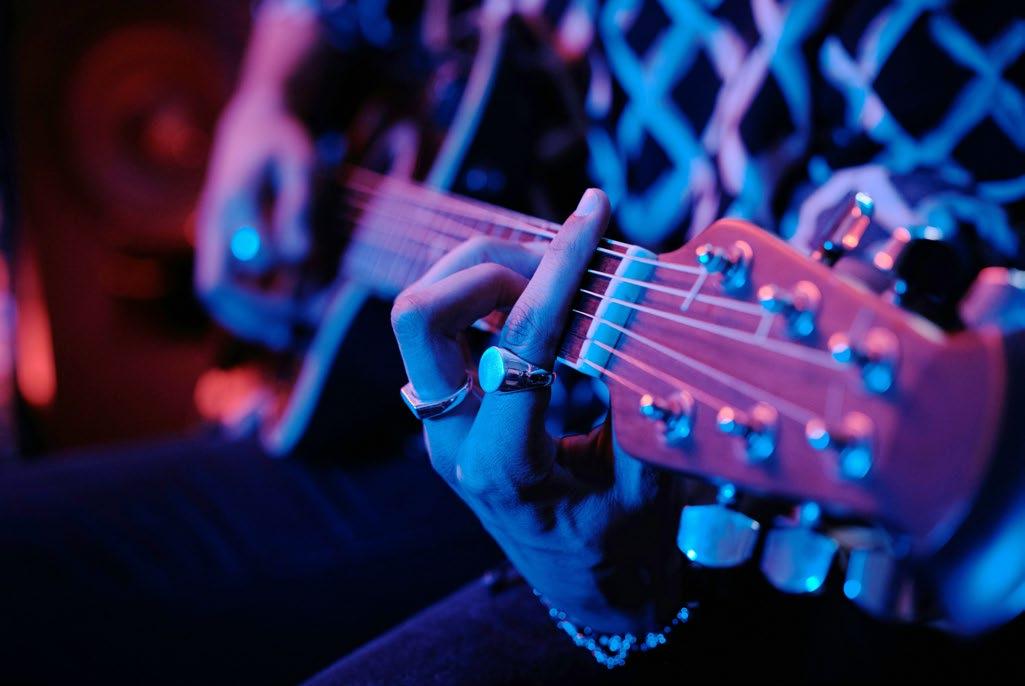
There
were
moments when everything seemed hard, when I feared I had given up on the dream.
to making every decision ourselves. Now we engage with people who offer us input. The thing is, we have a very strong vision, and we fight to hold onto our identity. I sometimes wonder what happens to an emerging artist who goes straight into a contract: they might face more pressure to conform. Having arrived with an already defined path helped us. In that situation, the label recognises your vision. There are compromises, but on certain things we hold the line.
At Sanremo you finished thirteenth, fourth in the cover night. Underdogs to the end?
We started from the bottom — among the lowest on Spotify streams. And yet we managed to bring our energy to that stage. We were the only band, and the first all-female band in 76 years. Spreading rock is something of a mission for us. And yes, the warmth of those days got to us. But what we’re taking home is the proof that it can be done.
The cover of Occhi di gatto with Cristina D’Avena, and Whole Lotta Love woven in: how did you come up with it?
Occhi di gatto is about three sisters who come together to be strong. Like us. Sisterhood is the thread running through everything we do. Cristina D’Avena knows how to hold a stage — she’s been doing live shows for years with a real band. We liked the idea of bringing in another strong woman, not strictly rock, but fully rock when she performs live. We wanted something epic, unmistakably hard rock, and Led Zeppelin was the natural choice. We came fourth, and on that stage we gave everything. We even went down to pull the orchestra conductor up with us. We’ll carry that with us forever.
After Sanremo you said: the Festival won’t change us. How hard is it to keep that promise?
The Festival was a personal vindication, and above all a signal for future generations: women can collaborate, women can play electric instruments at the highest level. That’s a responsibility. Because if you’re a girl, until you see a woman on guitar or drums, the inspiration might not come. But we’re still the Bambole. Now we’re going back to the clubs, which is our habitat. The magic happens there, in direct contact with the audience. Playing live is oxygen for us.
One battle the women’s movement has won in recent years, and one still to fight.
Women have reached positions that were unthinkable before, from astronaut to so many other fields. But I also see daily defeats: lyrics full of sexism, steps backwards. At Sanremo, during a press conference, we were told that women already have power at home. In 2026. There’s a lot of work to do, and certain gains have to be defended, not taken for granted.
Måneskin won Sanremo and Eurovision, Yungblud fills arenas. Yet rock stays on the margins of Italian radio. How do you explain that? I can’t explain it. Måneskin proved that people want rock. Yungblud is building something real, with the courage to declare his rock identity even in how he looks. Inhaler are also touring worldwide. The question is: if the audience is there, why don’t radio stations and labels invest more in rock bands? We’ve been told ‘too many guitars for radio’ so many times. It’s a mistake, because the moment an opening appears, audiences respond.
A piece of advice for a fifteen-yearold walking into a rehearsal room for the first time with a guitar on her back?
Enjoy the feeling of playing for yourself. That’s the starting point. And then: build your own path. You need a strong vision before you start looking for anyone’s approval. Because when you arrive somewhere with clear ideas, people recognise it. And care always pays off: when you do things with attention, it shows.
Which makes you think, listening to Morgana, that in a world of improvised creators — where content has displaced craft and consensus has replaced appreciation — the most punk thing you can do today is to dedicate yourself to what you love and keep getting better at it, day after day.
When you arrive somewhere with a clear idea of what you want, others recognise it.

Bambole di Pezza
Anno debutto: 2002
Genre: punk pop-rock
Five women, electric guitars, a drum kit hit without holding back. Bambole di Pezza were born in Milan in the early 2000s, from an idea by guitarists Morgana and Dani, and after pauses, lineup changes, arena tours and loading amps onto trains, they made it to the 2026 Sanremo Festival: the first allfemale band to compete on the Ariston stage with their own instruments. The current lineup — Cleo on vocals, Morgana and Dani on guitars, Kaj on bass, Xina on drums — has signed with EMI/Universal, and on 27 March released 5, their fifth studio album. The sound mixes punk rock, pop and sixties undertones, with an attitude rooted in clubs and years of paying their dues. They returned to touring on 15 April 2026.
Why read this article?
To discover how laughter, practised as a deliberate exercise even without an obvious reason, can be a useful tool for improving quality of life.
#stefanoscricciolo #laughteryoga #clowntherapy #grono

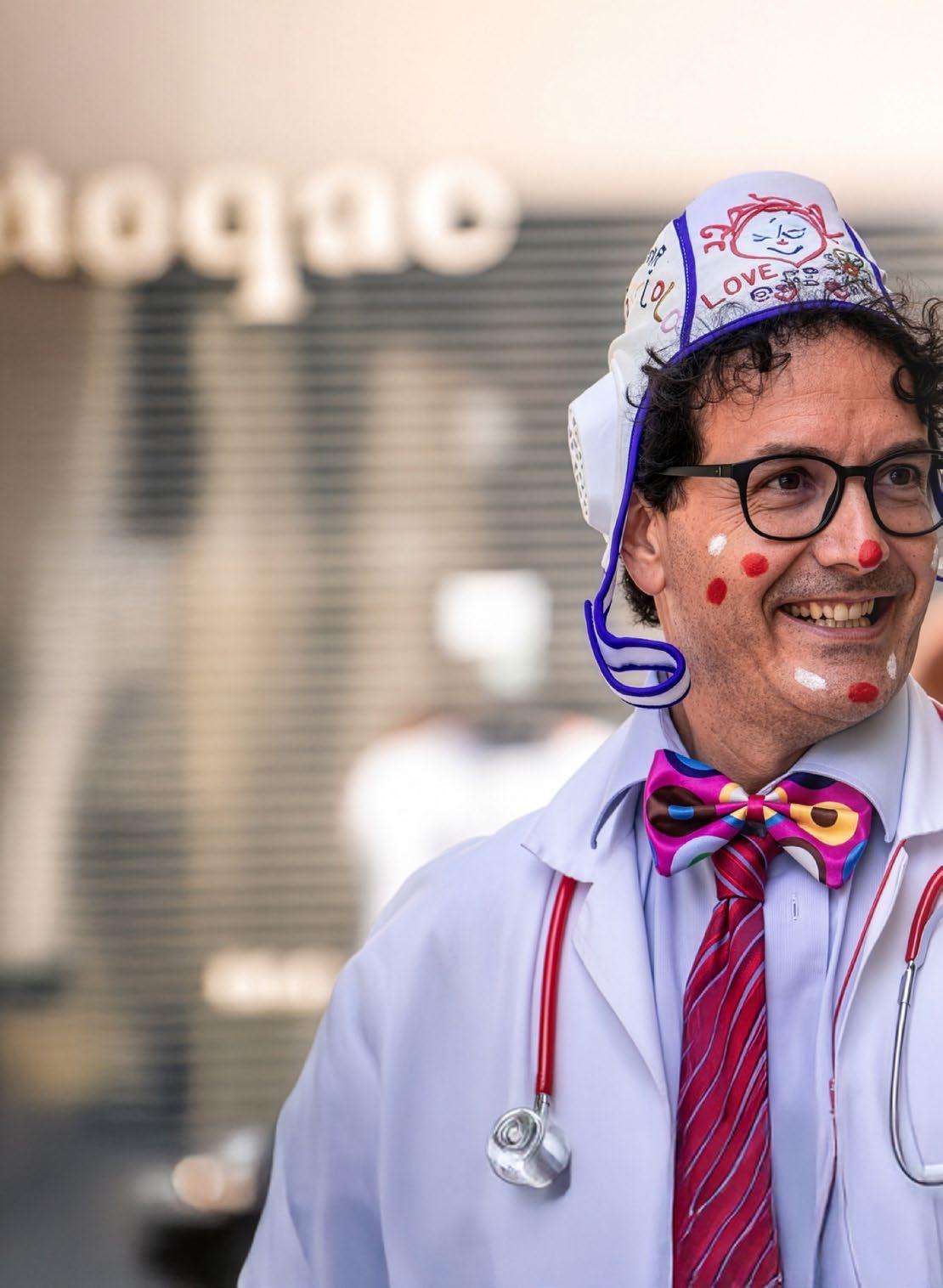
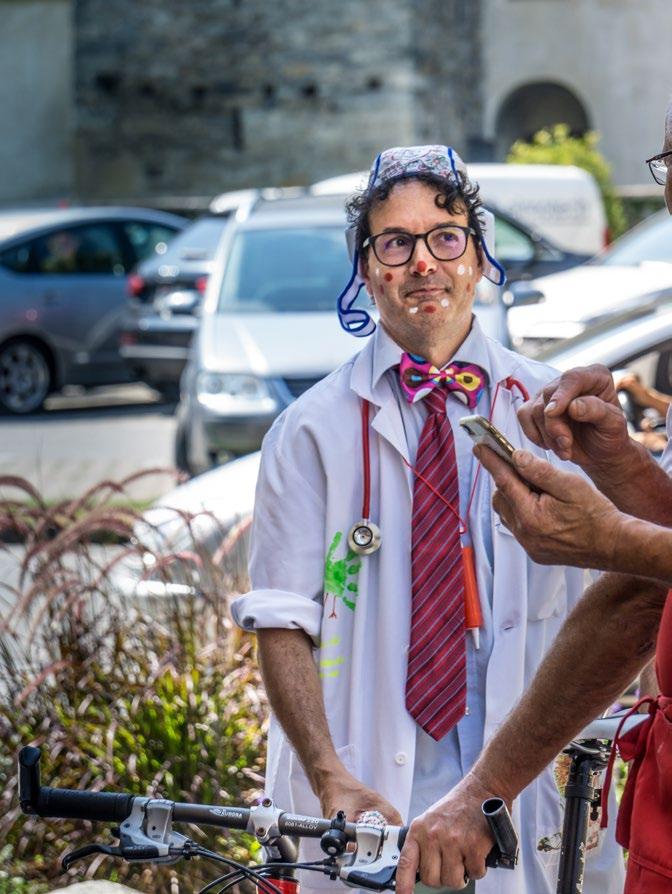
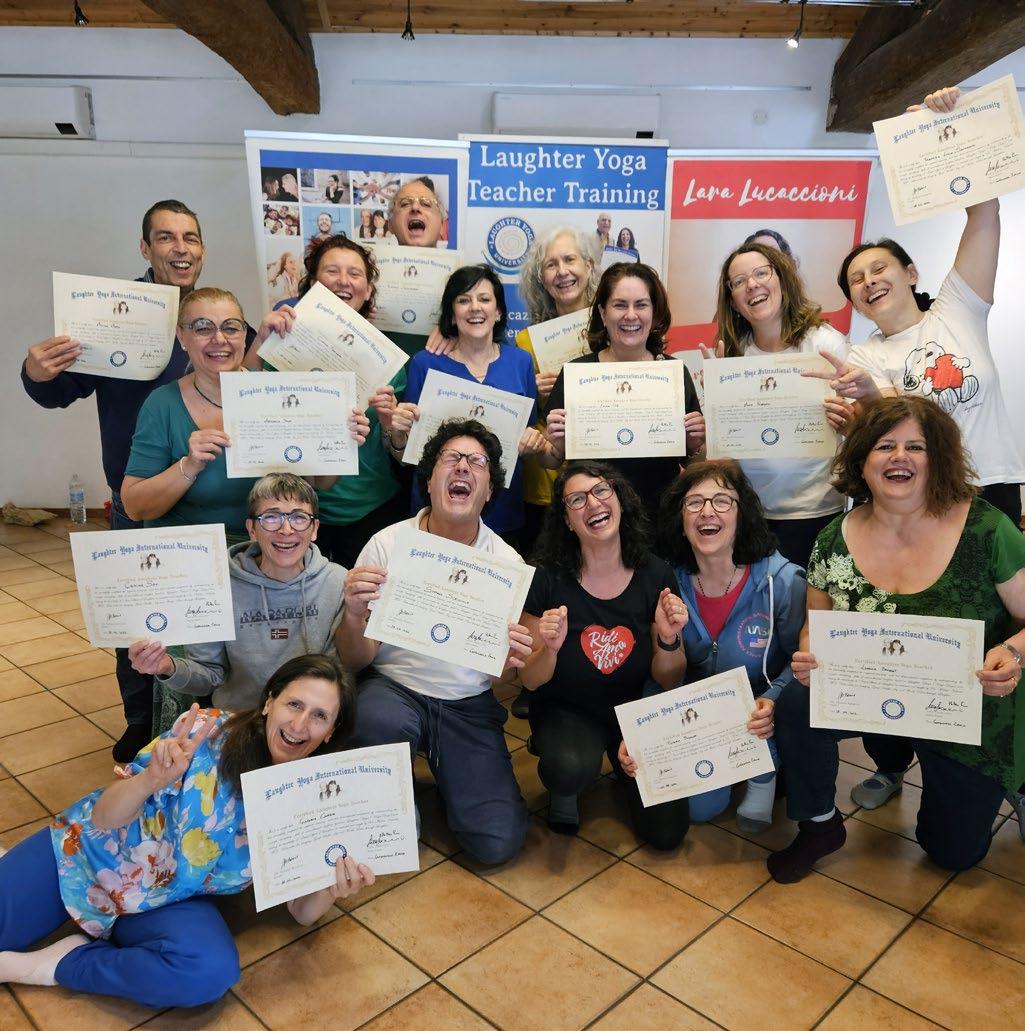
Every two weeks, in a room at the Arbed Smart Center in ArbedoCastione, a group of people gathers to do something most of us almost never do voluntarily: laugh. Laugh without jokes, without punchlines, without any particular reason. The Smile Club is the creation of Stefano Scricciolo, fifty-five, from Ticino–Graubünden, with a career of over twenty years in mass retail and a second life devoted to laughter as a conscious practice. A clown doctor in oncology wards and care homes since 2017, a certified trainer in laughter yoga and gelotology, Scricciolo has turned a passion that began by chance into a path drawing on neuroscience, yogic breathing and accompaniment through illness. We met him to understand what it means to laugh as a profession, and why a conscious laugh can truly change your day.
Stefano Scricciolo
Year of birth: 1970
Profession: laughter yoga trainer and clown doctor.
A graduate in business administration from SUPSI, he is a product manager at Migros Ticino, where he also served on the Board of Directors. A clown doctor since 2017, trained at the SAEF “Norman Cousins”, he is a laughter yoga teacher certified by the Laughter Yoga International University and a gelotology trainer. He holds a diploma in spiritual accompaniment in illness and dying. Municipal councillor in Grono since 2014.
You are a Teacher certified by the Laughter Yoga International University. For those unfamiliar with it, what is laughter yoga? People often wonder what yoga has to do with laughter. The practice actually has a deep connection with conscious breathing. Pranayama techniques regulate the breath. In laughter yoga, we always work with the breath: before, during and after the laughter.
How did you come to it?
In 2017, my wife Monica enrolled me in a two-day course as a gift. For me it was a revelation. During that course I met a clown doctor and immediately decided to follow the same path. A six-hundred-hour training programme to become a trainer in gelotology, the science that studies the phenomenon and the benefits of laughter.
One of the pillars of the method is that you can laugh without humour or jokes. How does that work? That is the advantage: you learn to trigger laughter voluntarily, without waiting for an external stimulus. This is possible because the mind cannot tell spontaneous laughter from self-induced laughter. When I make my body laugh, the brain registers it as genuine and begins releasing happiness hormones. It is not easy at first, simply because we are not used to it. It takes practice, like an athlete training for a competition.
In your training sessions you often refer to Psycho-Neuro-EndocrineImmunology. What does that have to do with laughter?
PNEI demonstrates how positive emotions can influence neuroendocrine mechanisms and strengthen the immune system. Epigenetics then changed the picture: it studies how our environment and lifestyle affect the way genes function without altering their structure. Think of our genes as the lights in a house: the bulbs are already in place, but through our behaviour we can decide whether to turn them on, turn them off, or adjust their intensity. Laughter is one of those conscious choices.
You also teach Gibberish, the nonsense language. What is it for?
We are conditioned by many taboos, including the embarrassment of laughing for no reason or speaking without logical meaning. How many emotions do we suppress because they seem socially unacceptable? Gibberish is a language that anyone can invent, using facial expressions and tone of voice. Many people manage to release anger, sadness, fear, joy — emotions they cannot express in a conventional setting. You know the comic strip La Linea by Osvaldo Cavandoli? That kind of language.
Laughter yoga is increasingly being used in companies. How can it help prevent burnout? The brain requires 25% more oxygen than other organs, and concentration drops after about ninety minutes. Just ten minutes of laughter yoga is enough to
supply the body with energy and oxygen. Playfulness stimulates the right hemisphere, the brain’s creative side. At team level, it builds trust and optimism, and makes communication more fluid and natural.
You founded the Smile Club. How much does laughing together matter?
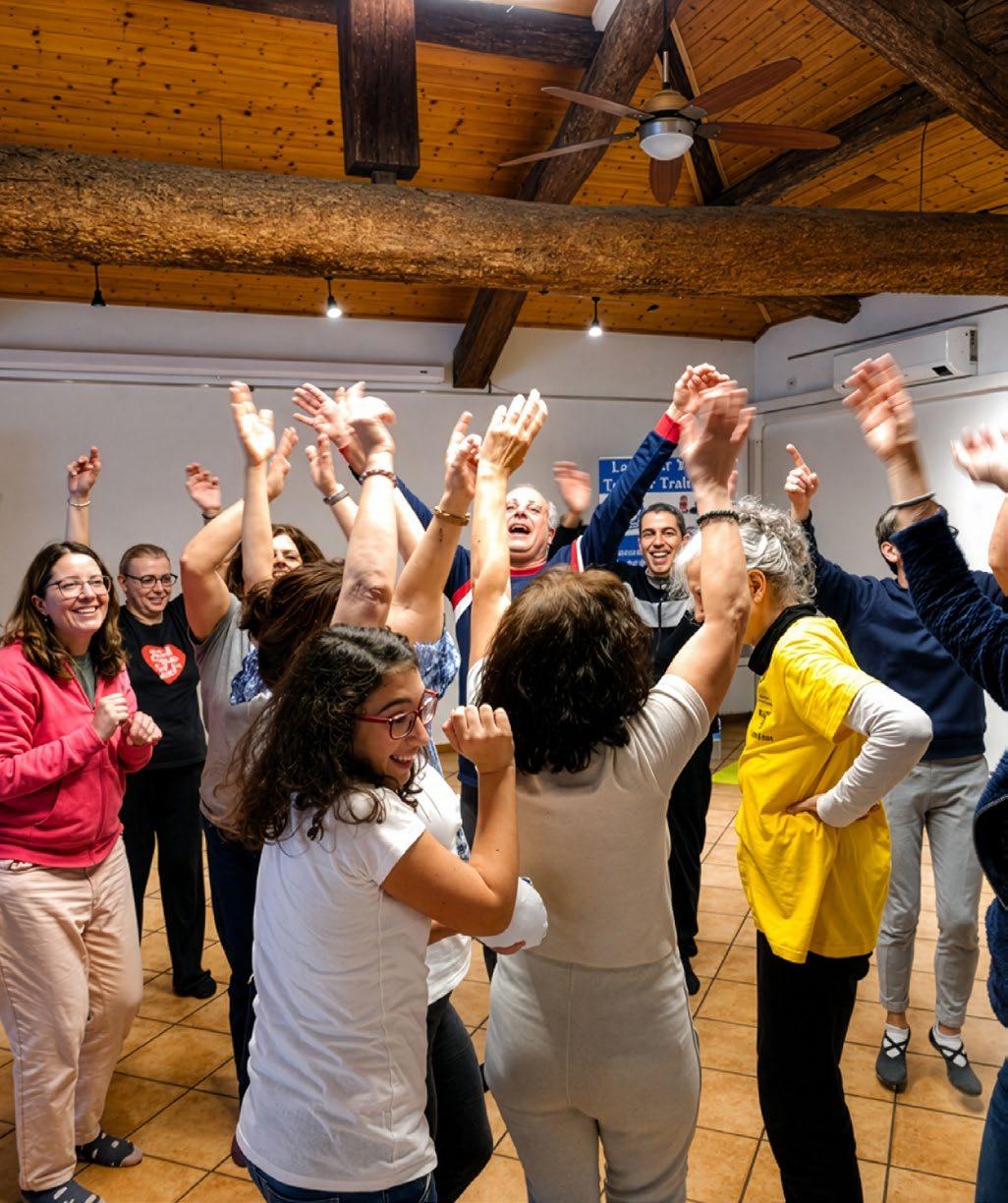
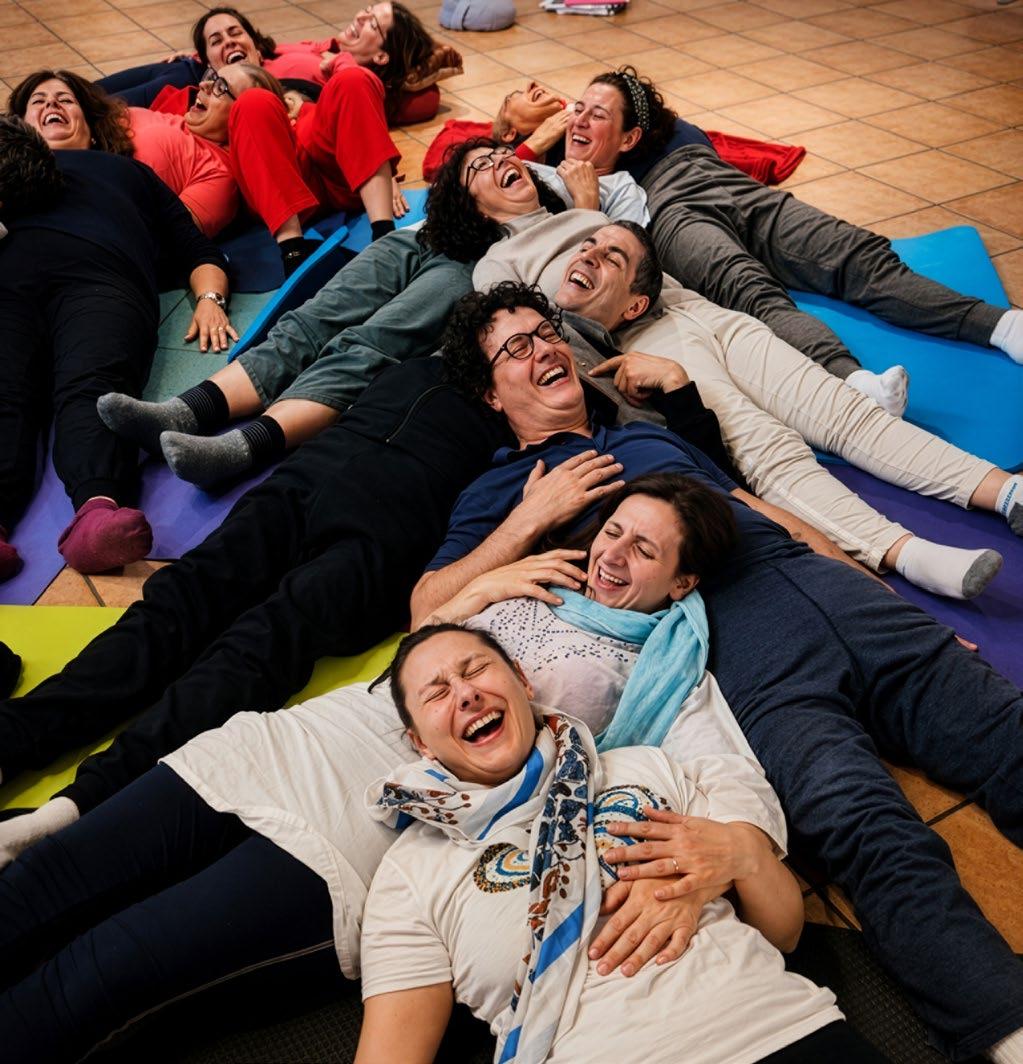
In my sessions I combine laughter yoga with elements of clown therapy, gelotology, conscious breathing, meditation and Brain Gym. Laughing alone is good for you, but laughing together has even greater benefits because it meets one of the most fundamental
human needs: connection. When you laugh together — and you laugh with people, never at them — social differences disappear. That is why, with two friends (Stefania Auciello and Elisa Jelmini), we created the Smile Club: every two weeks we meet in a protected space, free from judgement and competition. For more information, visit smileclub.ch or my site stefanoscricciolo.ch and the social media channels.
For anyone who is sceptical, an exercise to start with?
“You cannot expect to laugh for fifteen minutes a day straight away. But you can start by looking in the
Playfulness
stimulates the right hemisphere, the seat of creativity.
mirror in the morning, gently, and giving yourself a proper smile. It should be a Duchenne smile, named after the neurologist Guillaume Duchenne: not just the muscles of the mouth, but also those around the eyes. Twenty seconds, several times a day, and you will feel the difference. And add the laughter mantra: ho ho ha ha.
Laughter yoga (Hasyayoga) was born on 13 March 1995 in a public park in Mumbai, from an idea by Indian physician Madan Kataria. On that first day, there were five people in the park. Kataria, who was reviewing the scientific literature on the benefits of laughter, had asked himself a simple question: if laughter is so good for us, why not practise it as a daily exercise? The early sessions relied on jokes and anecdotes, but within two weeks the comic material ran dry. It was then that Kataria, with the help of his wife Madhuri, a yoga teacher, developed a series of exercises combining self-induced laughter with yogic breathing (Pranayama). The scientific principle underlying the method is that the body cannot distinguish between spontaneous and voluntarily triggered laughter: both activate the same release of endorphins and serotonin, and reduce cortisol. Laughter clubs are now active in over 120 countries. Since 1998, the first Sunday in May has been observed as World Laughter Day.
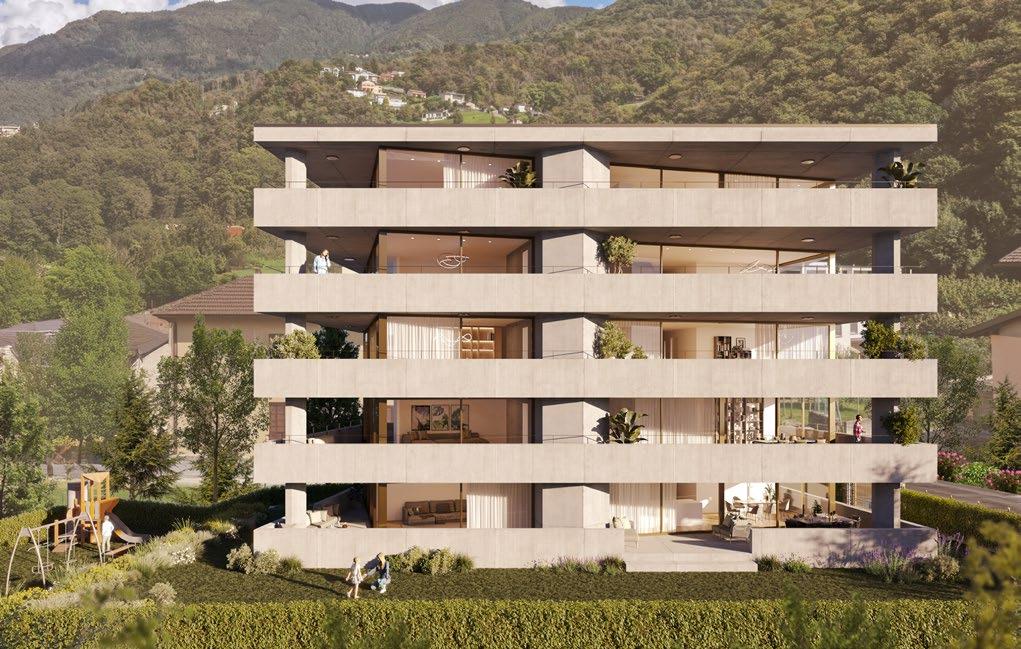
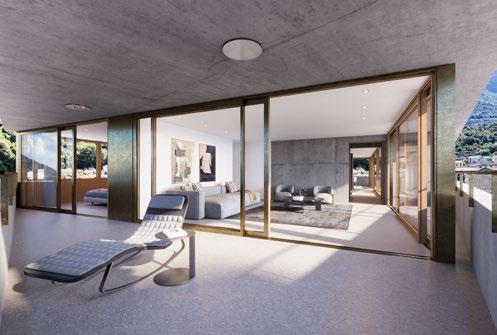
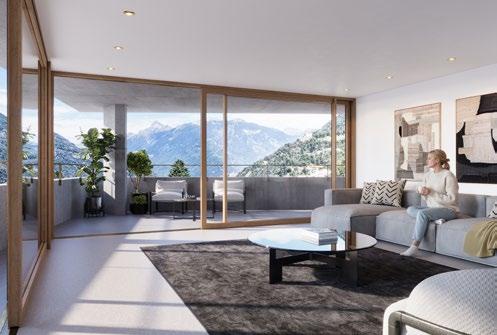
In the historic core of Giubiasco, in the Borghetto area, a short walk from the centre.
An exclusive, high-end development of five residential units for sale, all on a single level.
Completion: autumn 2028.