
/ LIFE & STYLE IN THE ISLE OF MAN


Welcome to the latest edition of Gallery. As always, this issue is packed with the people, events and stories that make life on the Isle of Man so unique. As the Island moves into the lighter evenings and early summer season, there’s a real sense of energy and community running through these pages.
In this edition, we head into the Arctic with the team behind Expedition Limitless, following their incredible journey across one of the harshest environments on earth — all in support of local charities. It’s a brilliant reminder of what people can achieve when they step outside their comfort zones.
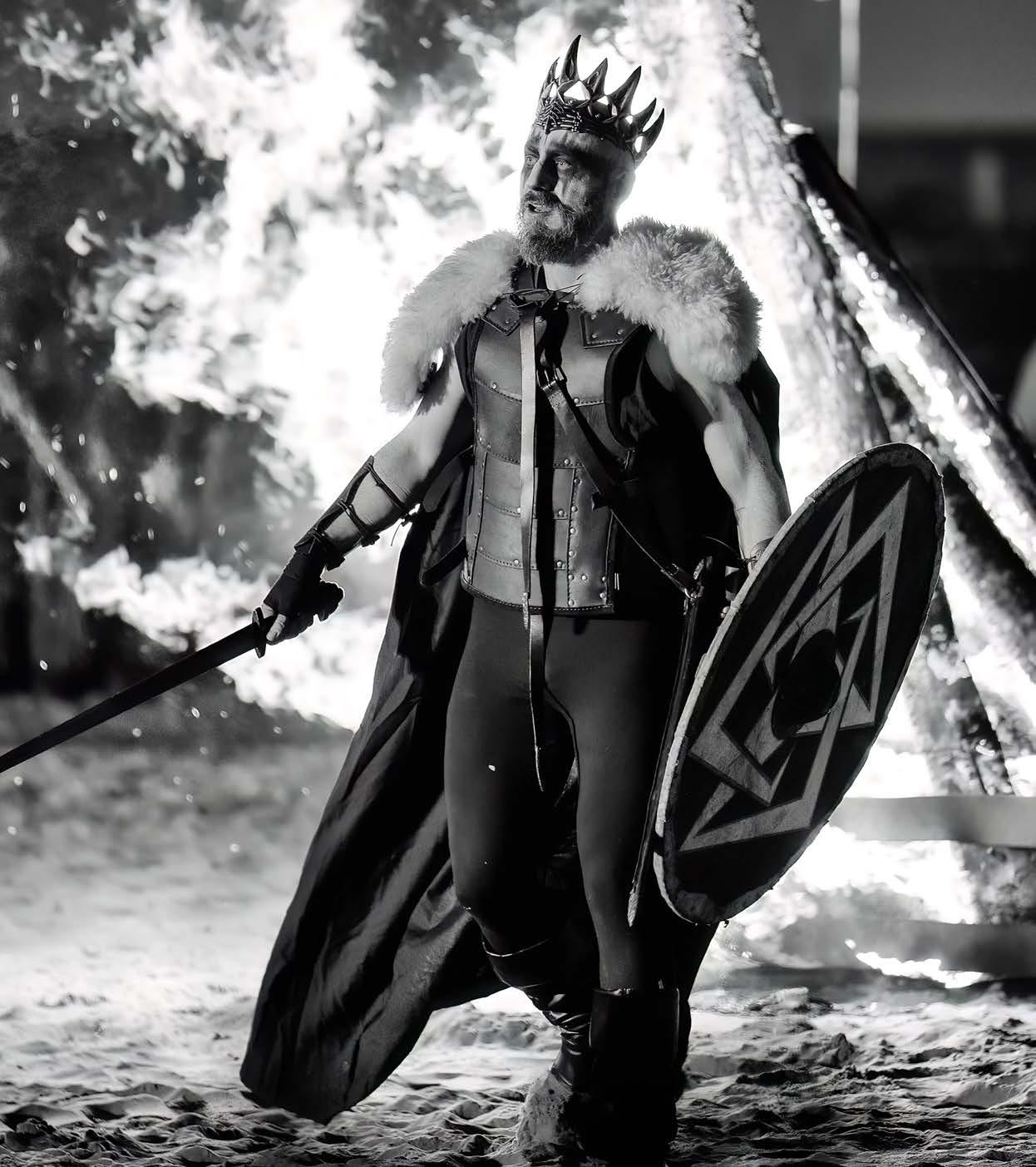
Closer to home, we celebrate the return of Oie Voaldyn, where fire, folklore and Manx tradition came together in spectacular fashion. The atmosphere captured in this year’s festival photography is something really special and reflects the growing pride in our Island’s cultural identity.
We also take a closer look at the revival of the Manx language in our feature Cum dty Hengey!, exploring how Gaelg is finding its place with a new generation through art, storytelling and creativity. It’s fascinating to see how something once considered at risk is now becoming part of everyday Island life again.
Elsewhere, there’s coverage from some fantastic local events, including the Douglas City Mayor’s Charity Ball and the Manx Competitive Music, Speech and Dance Festival, alongside our regular weddings, lifestyle and community features.
One of the things we enjoy most about putting Gallery together is the variety of stories we come across every month. From major fundraising expeditions and cultural celebrations to quieter moments of creativity and community spirit, there’s always something happening on this Island worth sharing.
A huge thank you, as always, to our contributors, photographers, advertisers and readers for continuing to support local independent publishing. We genuinely couldn’t do it without you.
So grab a coffee, find a comfortable chair and enjoy the read.
Disclaimer.
All rights reserved. Any form of reproduction of Gallery Magazine, in part or whole is strictly prohibited without the written consent of the publisher. Any views expressed by advertisers or contributors may not be those of the publisher. Unsolicited artwork, manuscripts and copy are accepted by Gallery Magazine, but the publisher cannot be held responsible for any loss or damage. All material, copy and artwork supplied is assumed to be copyright free unless otherwise advised. Contributions for Gallery should be emailed to editorial@gallery.co.im. Names have been changed to protect the innocent and no penguins were harmed in the manufacture of this magazine, although the new cover colour is called ’penguin white’. Tag us in your pictures at @galleryisleofman and #gallerysmallprint and we’ll give you something.....
Recycle.
Gallery recycles all its storage and packing materials, boxes and any old magazines that are returned. We don’t get that many fortunately. We love to know our readers hang on to previous copies but when you move or find that they’re taking up too much space, put them out in the recycling bins. If you want to find out more about recycling, call 01628 686540. We put this in a green font. It’s not made out of leaves, honest.
We’ve got a blank space baby, and we’ll write your name.
We’re always looking for new contributors. If you love writing or illustrating what others write, we’d like to hear from you.
contribute@gallery.co.im
CAN YOU CREATE?
contribute@gallery.co.im
Sure, you might share photos of your food or have a portfolio on Behance, but why not get a little joy from seeing something in print! We’re always looking for contributions from people who are passionate about subject matters close to their hearts.
FEATURE WE PROFILE ISLANDERS
editorial@gallery.co.im
If you are an artist with work to exhibit, an event or entertainment organiser with an event coming up, a business with some exciting news or a new product to feature, get in touch. We’re keen to feature anything captivating that will be of interest to the good people of the Isle of Man who flick through a Gallery each edition.
PUBLISHED BY 221 Media PO BOx 52 Douglas, Isle of Man IM99 1GY
REGISTERED IN THE ISLE OF MAN NO. 125981C
PUBLISHER
STEVE REDFORD
steve@gallery.co.im
01624 619540
ADVERTISING
01624 619540 07624 249249
sales@gallery.co.im


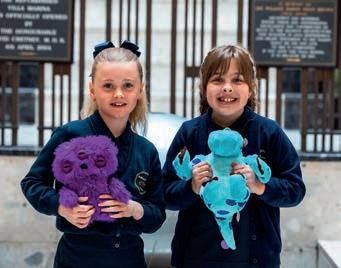
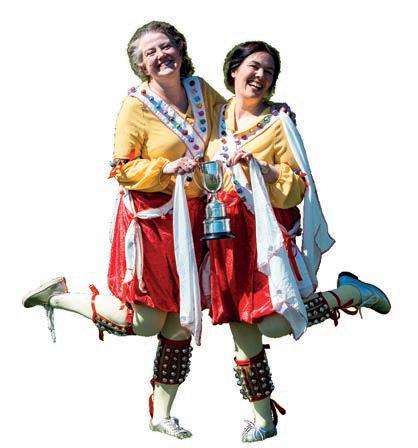
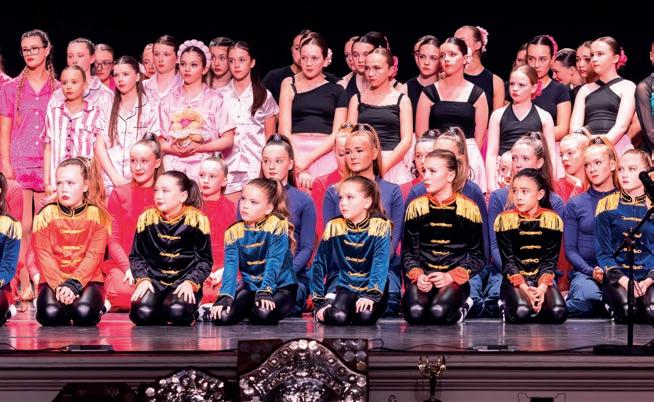
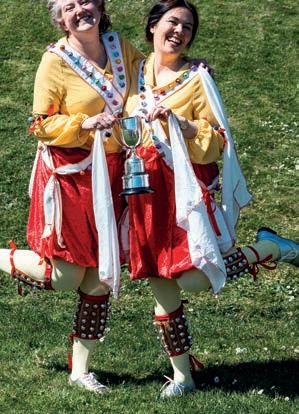
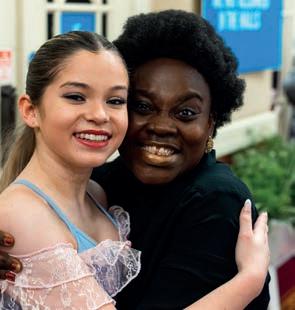
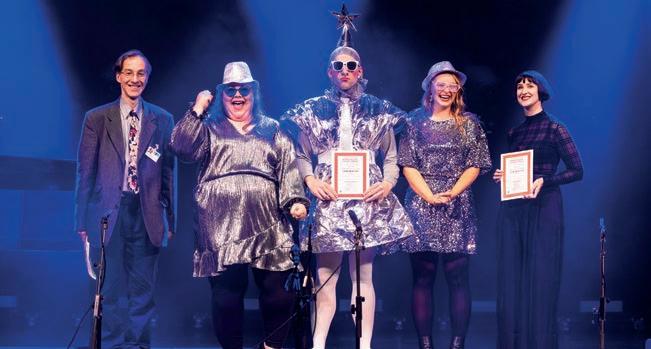
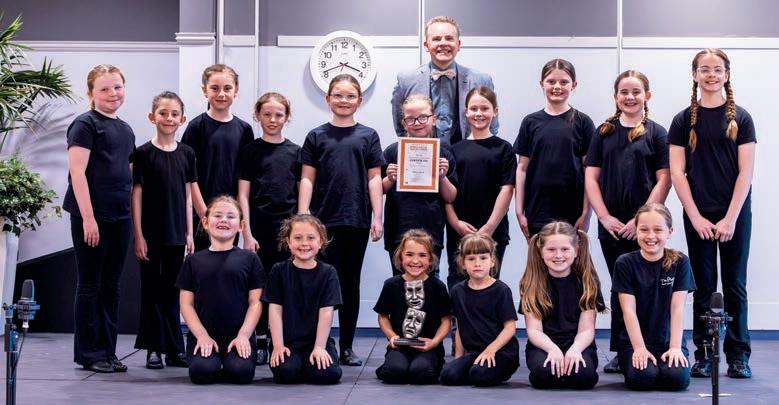
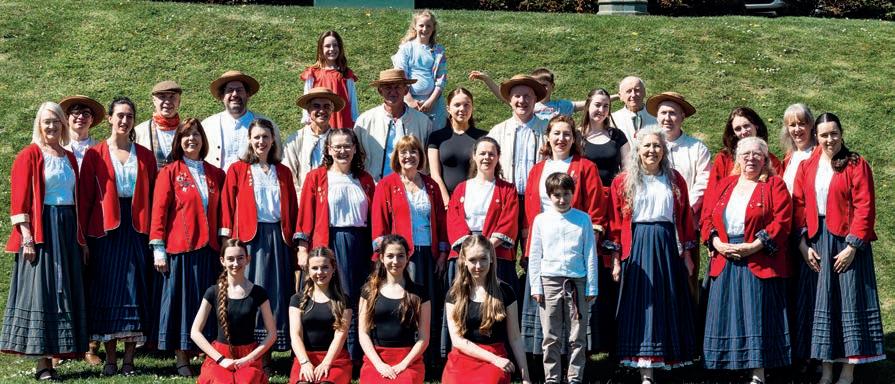
The 2026 Manx Competitive Music, Speech and Dance Festival (“The Guild”) continues its 134-year tradition, showcasing exceptional local talent through diverse performances. This vibrant, prestigious event at the Villa Marina fosters community spirit, celebrates Manx culture, and encourages performers of all ages.
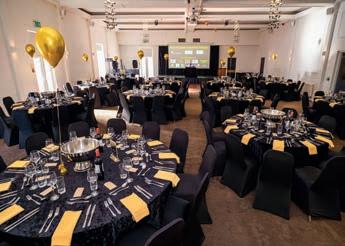
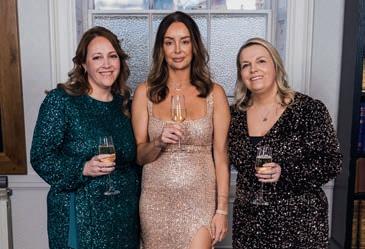
Douglas City Mayor’s Charity Appeal Black-Tie Ball at Woodbourne House on 25 April, delivered an elegant and uplifting evening, bringing the community together in support of Hospice Isle of Man, Riding for the Disabled, and Dot’s Dream Foundation.
The humble scone is a staple sidekick to a pot of tea that is both filling and tasty. How do you like yours? With just butter, butter and jam, or cream and jam?

Words by: Martin Malone Photography by: Alt Lodge Co
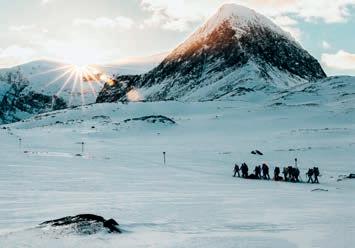
Expedition Limitless is an initiative that has been quietly redefining what’s possible. Expedition Limitless isn’t just about adventure, it’s about resilience, connection, and giving back. Since its launch, it has taken ordinary people into some of the world’s harshest and remote environments, raising significant funds for Isle of Man charities, and proving that limits are often self-imposed.
Now, with its third expedition complete, the story of Expedition Limitless has evolved into something far greater than a single challenge. It’s a movement.
Where It All Began: The Arctic, 2023
The first expedition in 2023 set the tone. A team trekked 110 kilometres above the Arctic Circle in northern Sweden, facing extreme cold, isolation, and physically demanding terrain.
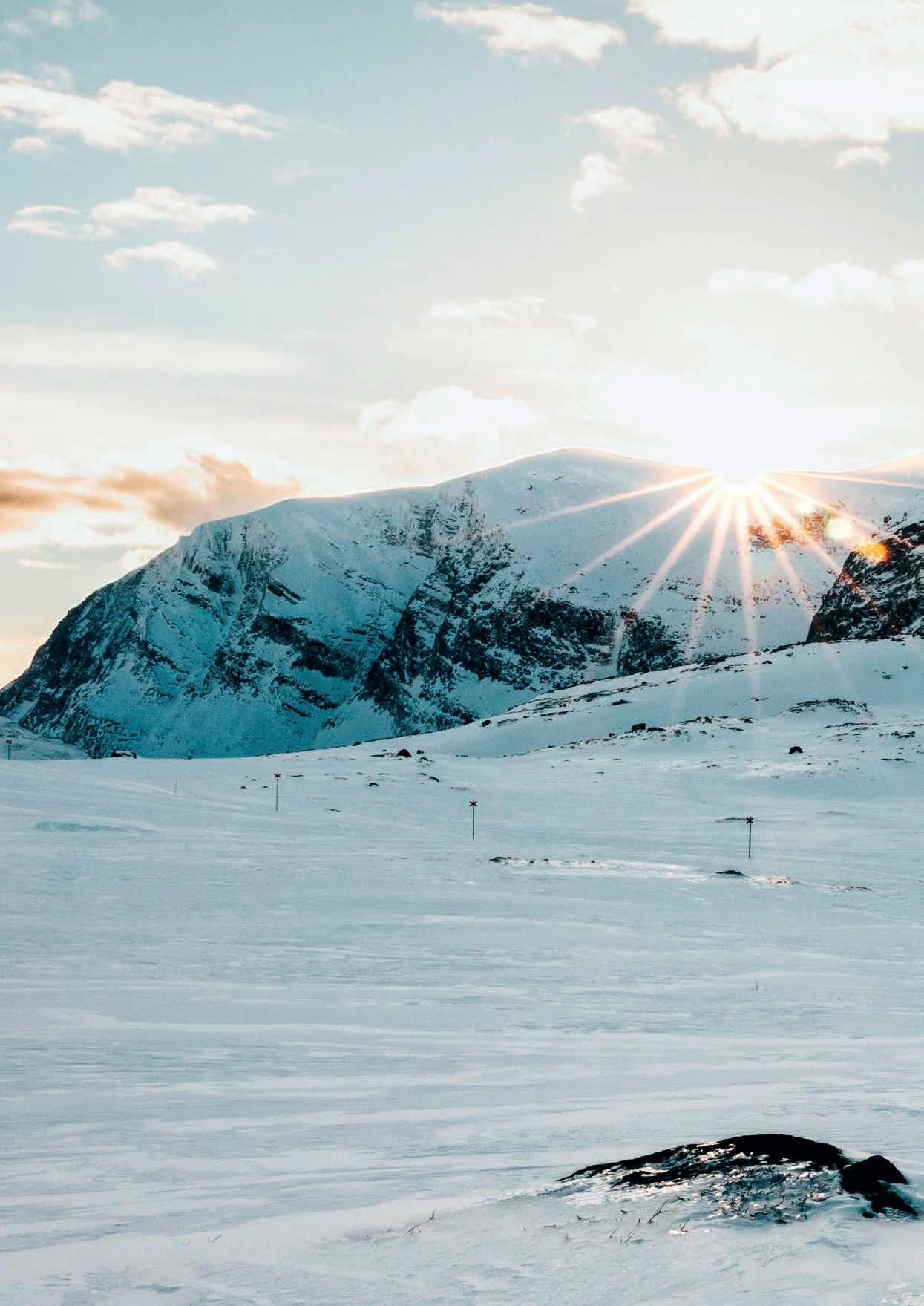


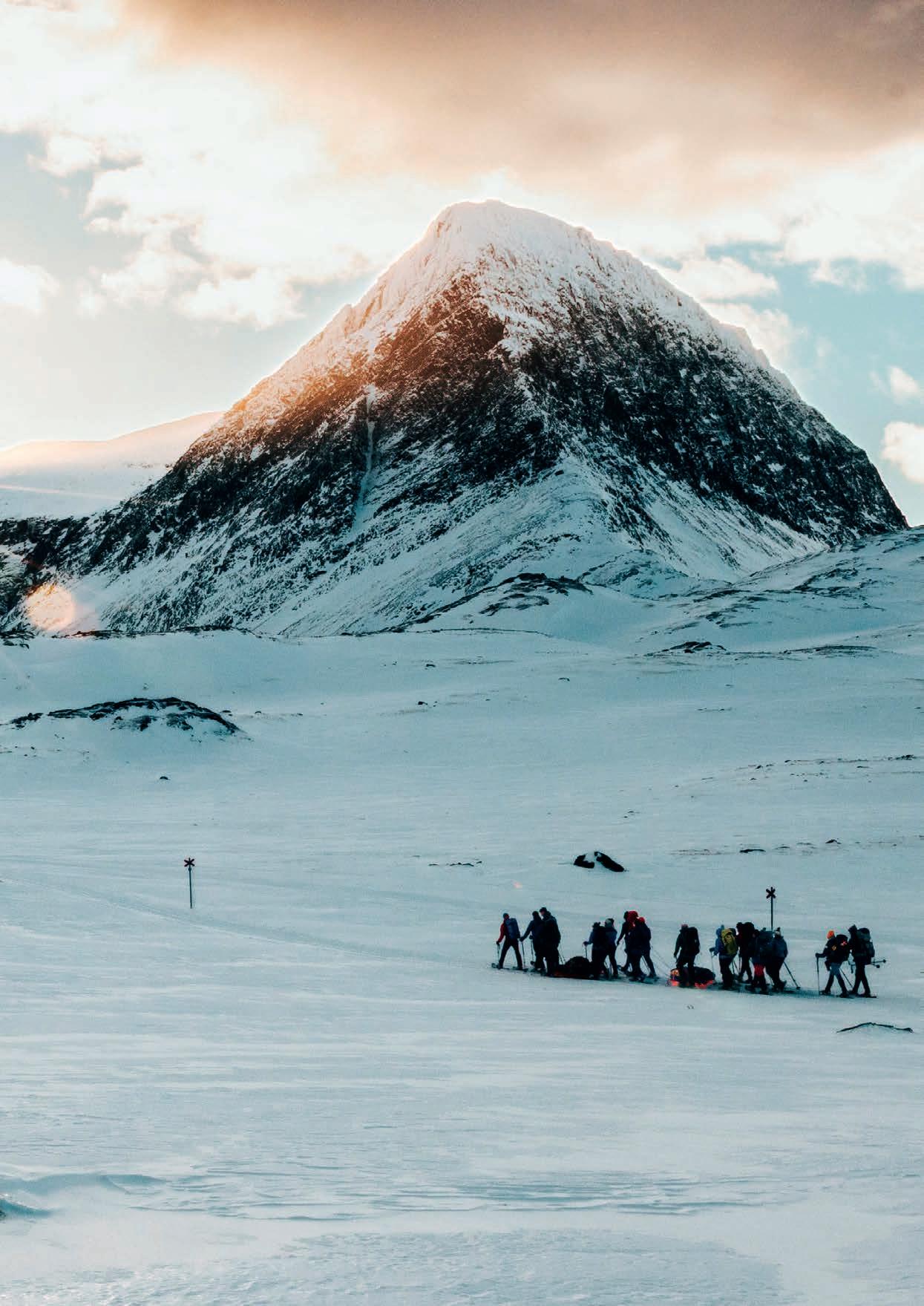

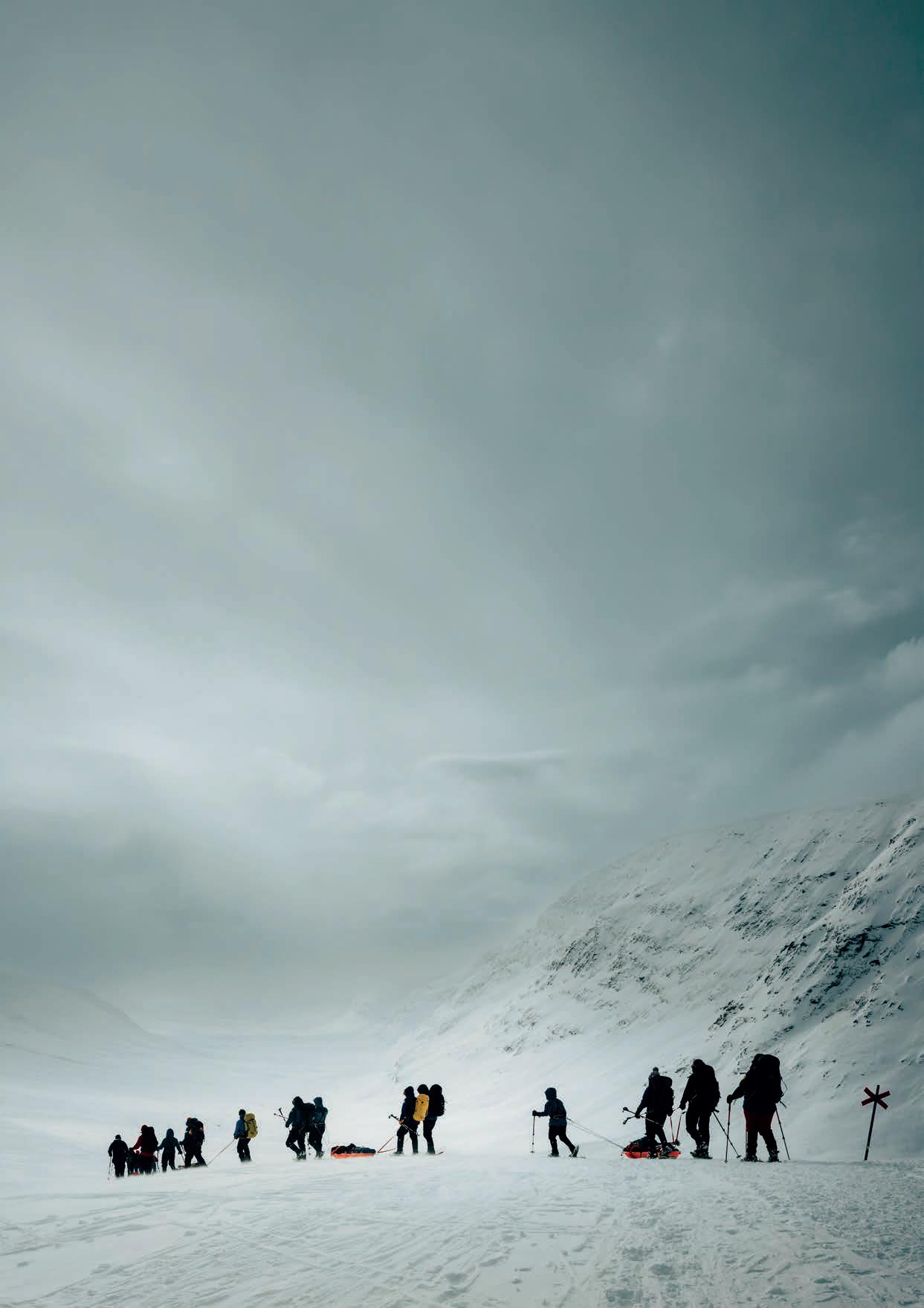
But the real journey was internal. Participants, many without prior experience of the cold, learned to rely on each other, develop mental toughness, and push beyond perceived limits. The expedition had a target of £50,000 but raised over £67,000 for Isle Listen, supporting mental health on the island, and established the blueprint: challenge the body, strengthen the mind, and give back to the community.
Raising the Stakes: Yukon River, 2024
If the Arctic trek was about endurance, the 2024 expedition demanded it on an entirely different scale.
A team of 17 took on a 715-kilometre canoe journey along Canada’s Yukon River, paddling for hours each day through remote wilderness. The scale of the challenge was immense with long days on the water, physical fatigue, and the mental strain of isolation.
Yet the results were equally impressive. The expedition raised over £111,000 for Manx Mencap, supporting individuals with learning disabilities. More importantly, it reinforced what Expedition Limitless stands for - growth through discomfort, and purpose through challenge.
Expedition Limitless 2026: Into the Arctic Once More By 2026, Expedition Limitless had grown, not just in ambition, but in impact.
This time, a much larger team of 21 participants set out to tackle the legendary Kungsleden route in northern Sweden, deep inside the Arctic Circle over 8 days. Like previous expeditions, this journey demanded not only endurance, but meticulous preparation. For 12 months, the team trained physically and mentally, knowing they could face temperatures as low as -30°C.
Preparation culminated in a three-day training camp in Sundsvall Sweden. It was deliberately brutal. Team members slept outdoors in subzero temperatures and completed ice rescue drills, including plunging into frozen water and hauling themselves out. It wasn’t just training, it was a test of mindset and that mindset would soon be needed.
When the Arctic Pushes Back
The Arctic is as unpredictable as it is beautiful, and it didn’t take long to remind the team of that.
Upon arriving in Abisko, where the expedition was due to begin, conditions deteriorated rapidly. Winds reached 100 km/h, and heavy snow made progress impossible. The team was forced to delay and take shelter in the Abisko mountain station.
For a group of 21, including a 2 man film crew from Alt Lodge Co, this was more than an inconvenience, it was a logistical and psychological challenge. But adaptability is at the heart of Expedition Limitless. To stay on schedule, the team used skidoos to bypass the most dangerous early section, regaining lost time and getting back on track.
It was the first of many moments where teamwork proved everything.
What followed was a true test of endurance. Days were long, cold, and physically draining. Blisters, fatigue, and minor injuries became part of daily life. For some, every step required determination. But what stood out wasn’t the hardship, it was the way the team came together.
Despite the conditions, morale remained strong. The shared purpose of raising funds for Rebecca House Children’s Hospice and The Children’s Centre provided a powerful source of motivation. Knowing the impact of their efforts made every challenge easier to bear.
By the end of the expedition, the team had already raised £150,000, with expectations to exceed £200,000, an extraordinary achievement that will make a real difference to families across the Isle of Man.
While the Arctic is unforgiving, it is also breathtaking. The Kungsleden route winds
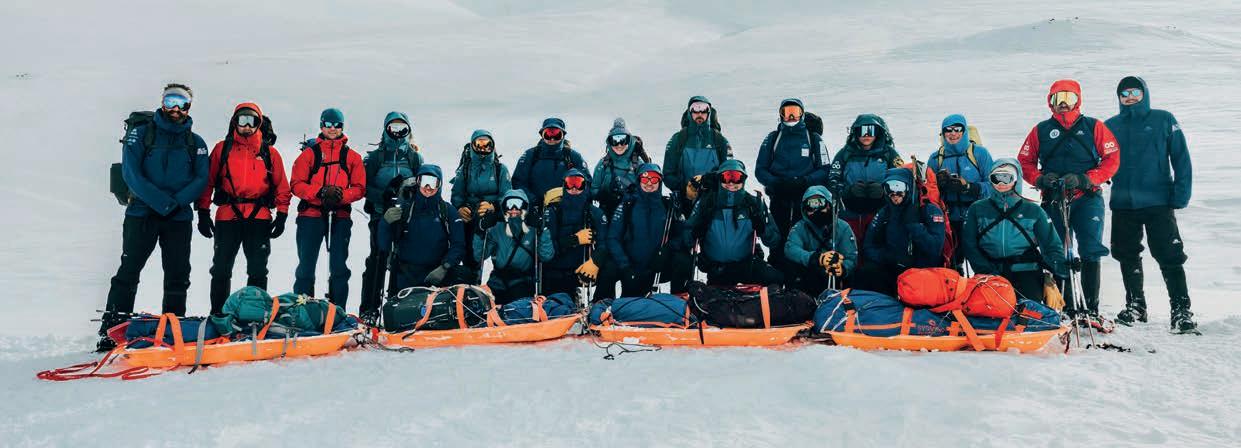
through vast mountain landscapes, frozen lakes, and endless snowfields. Each day brought new scenery. A raw, untouched, and awe-inspiring place.
At night, the team sheltered in remote Arctic huts provided by the Swedish Tourist Association. Life was stripped back to basics with no electricity, limited heat, and dehydrated meals. But in that simplicity, something powerful emerged. With no signal or digital distractions, the group reconnected, not just with nature, but with each other.
Evenings were filled with stories, laughter, and reflection. It was a reminder of what truly matters in life - connection, warmth, and shared experience.
Expedition Limitless is not just about reaching the finish line, it’s about transformation and discovering resilience you didn’t know you had, building lifelong connections, and realising that with the right support and mindset, extraordinary things are possible.
For some participants, the Arctic was a oncein-a-lifetime adventure. For others, it was life changing!
Expedition Limitless wouldn’t be possible without the support of our many sponsors from corporate sector and our expedition partners – Visit Isle of Man, Mountain Equipment, Great Minds Marketing, The Isle of Man Steam Packet, Logan Air and The Travel Counsellors and Alt Lodge Co, Aston & Williams and the Z Zurich Foundation. We are so grateful for this support.




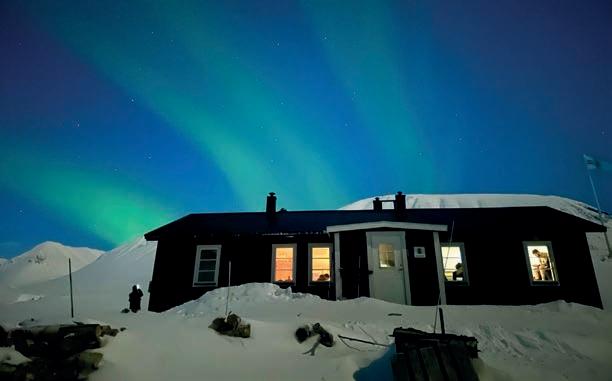
With plans for future expeditions already underway, Expedition Limitless shows no signs of slowing down. We also have some exciting news, Expedition Limitless 2026 is being made into a documentary which will showcase what the Isle of Man and the team can achieve.
This will be a unique insight to life in the Arctic, so watch this space for the IOM Premier.
Each Expedition Limitless journey will continue to push boundaries, raise vital funds for Charity, and inspire others to step outside their comfort zones.
Because at its core, the message is simple - we are all capable of more than we think. And sometimes, it just takes stepping into the unknown to prove it!








Words & Photography: Dave Bell | dkphotography
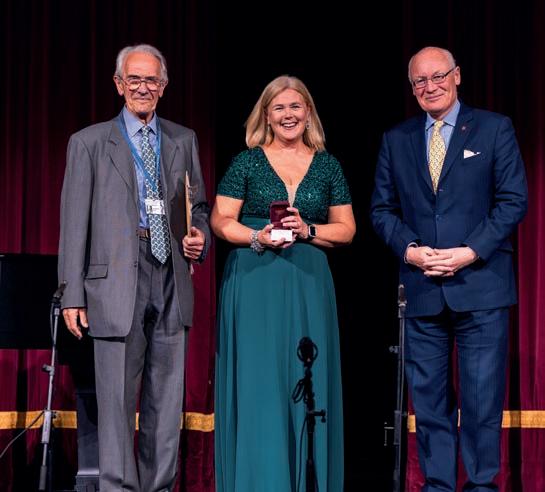
I’ll be honest, walking into the 134th Manx Competitive Music, Speech and Dance Festival (or as it’s more affectionally known ‘The Guild’), as the official photographer, I thought I had a rough idea of what to expect. In my head, it was mostly a children’s event… a few songs from the shows, maybe the odd performance here and there. I couldn’t have been more wrong.
Spending the week photographing the festival completely changed that perception. Yes, there are plenty of young performers, but the level of talent across all ages is something else. From powerful solo vocals and opera pieces to musical theatre favourites, instrumental performances, and spoken word that genuinely stops you in your tracks, it’s been a privilege to capture it all for the Manx history books.
The variety is what really stands out. One minute you’re listening to a full

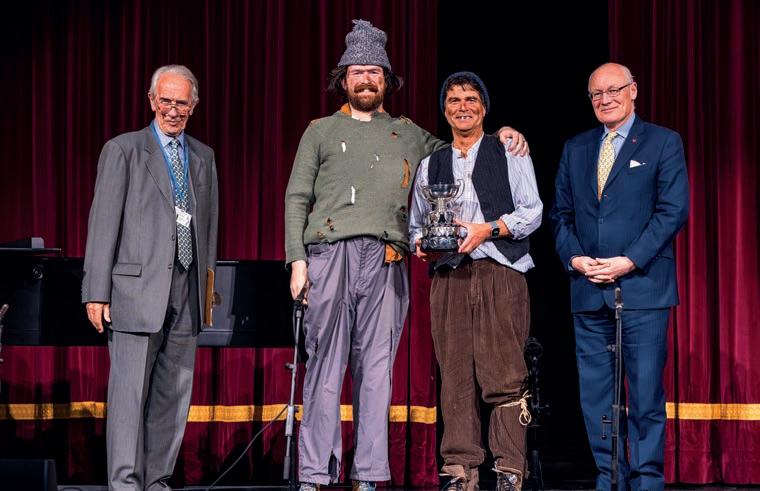
choir, the next it’s ballet, tap or modern dance, followed by folk and even Morris dancing. There’s also a strong sense of Manx identity woven throughout, with classes featuring the Manx language and dialect, which adds something truly special to the whole event.
A real highlight was the atmosphere around the finals, especially the Cleveland Medal Test, where the standard somehow steps up yet again.

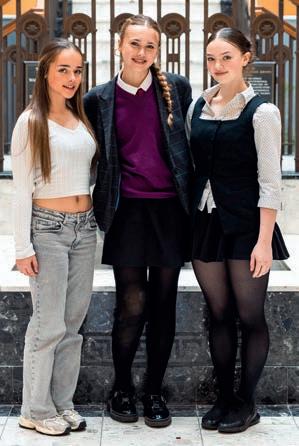
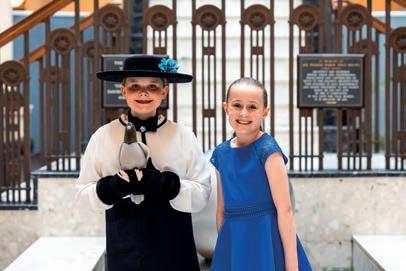
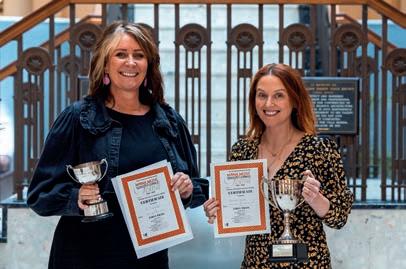
If this year’s 134th Festival is anything to go by, it’s an event well worth experiencing in person, if you’ve never been. Next year’s Festival runs from 24th April to 1st May 2027, with entries closing on 31st January, and whether you’re performing or just watching, I’d highly recommend taking the time to be part of it. The full gallery, with digital downloads and prints from ‘The Guild’ are available from the dkphotography.im website.


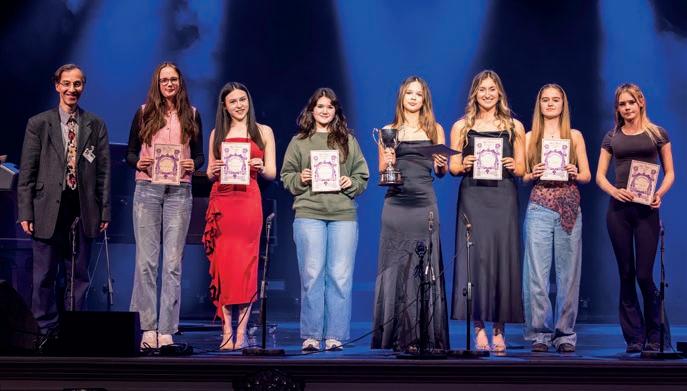
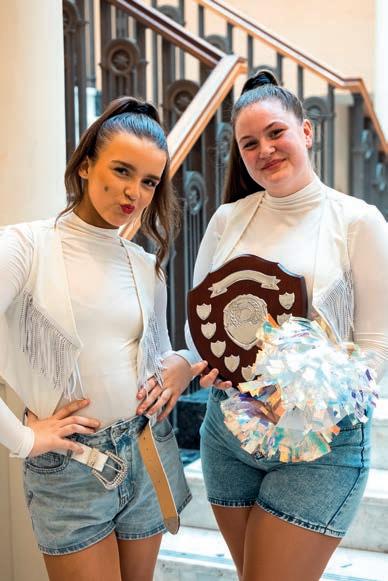
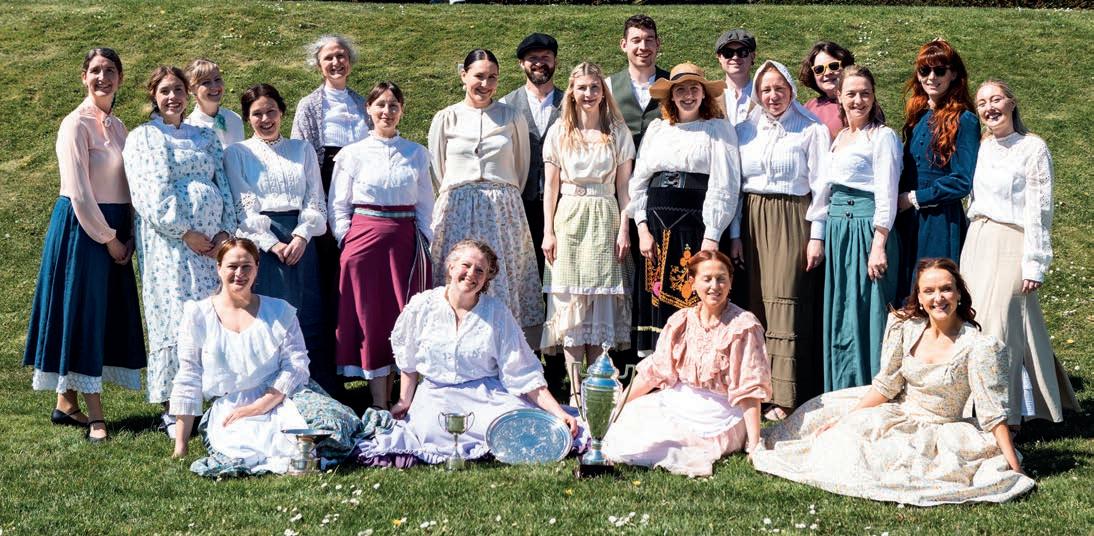
A real highlight was the atmosphere around the finals, especially the Cleveland Medal Test, where the standard somehow steps up yet again.


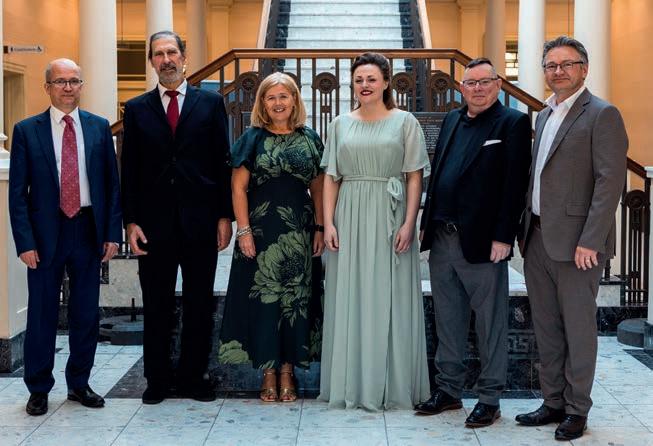


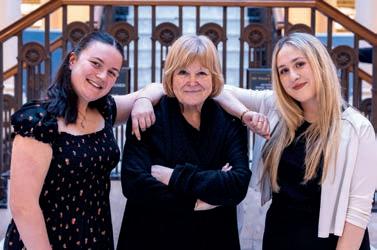
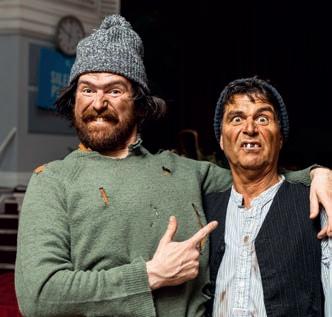
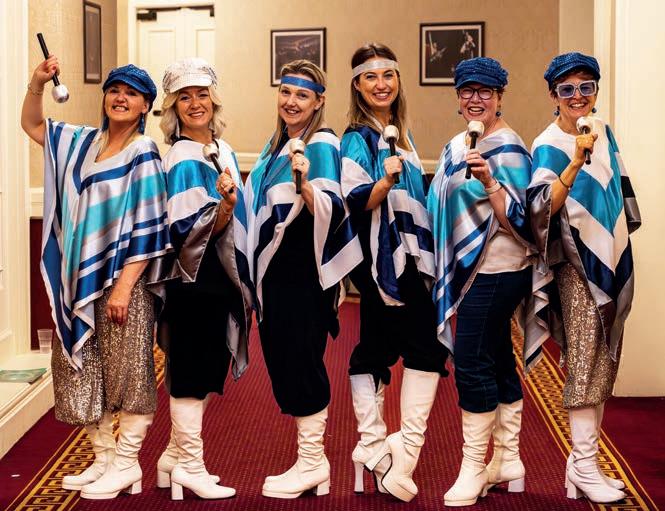


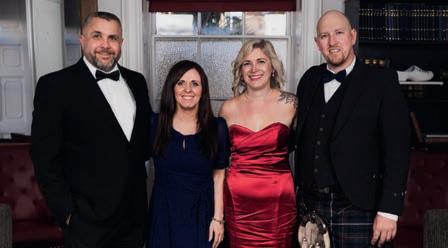
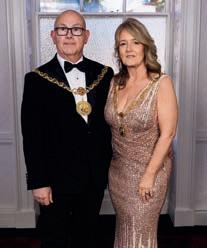
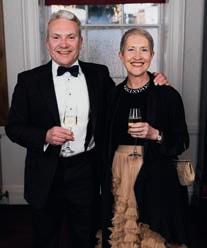
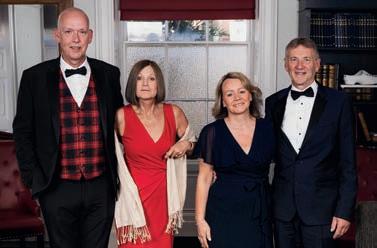
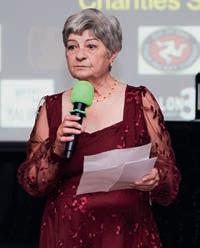
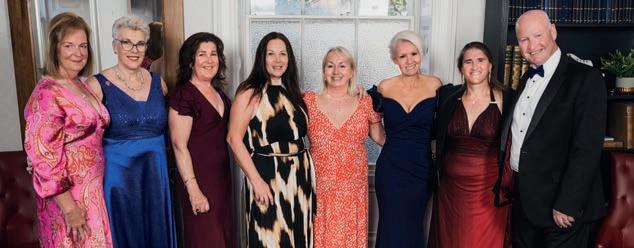
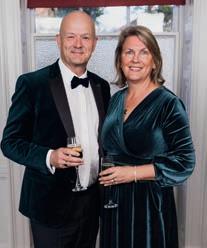
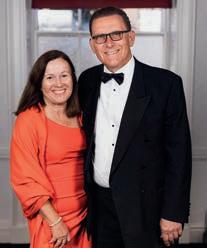
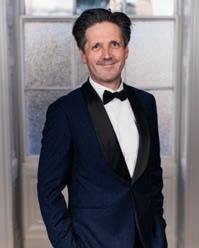
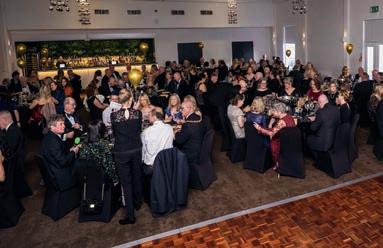
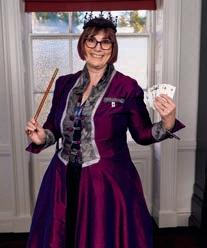
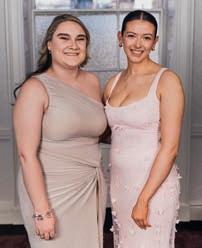
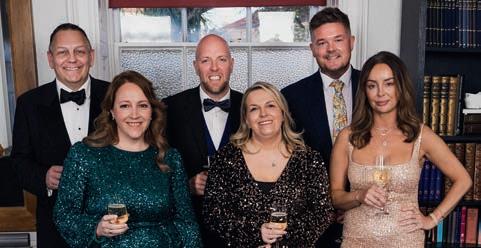
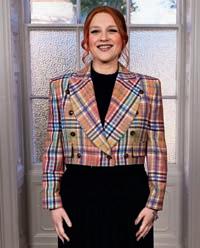
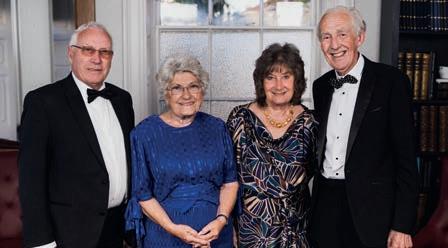
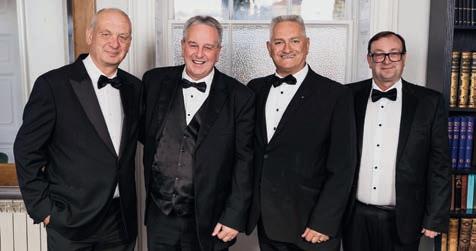
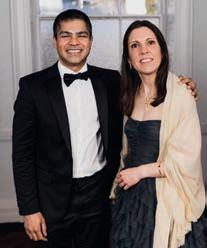
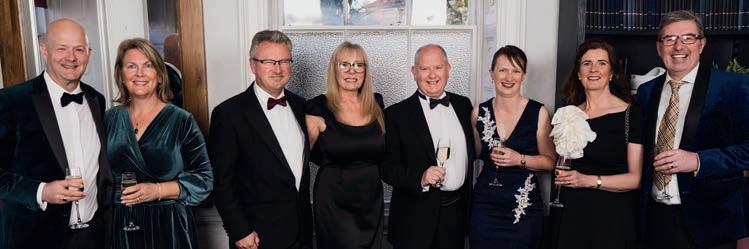
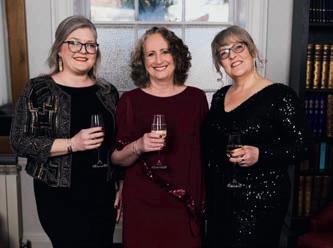
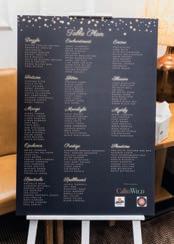
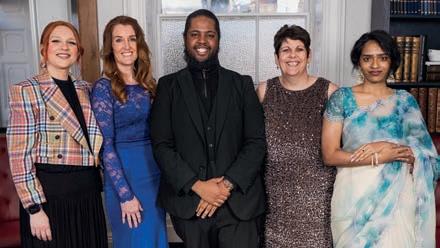
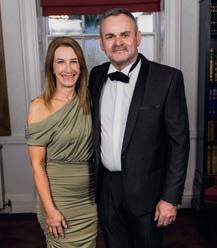
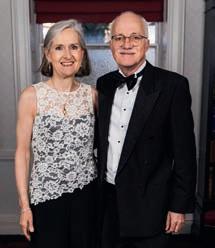
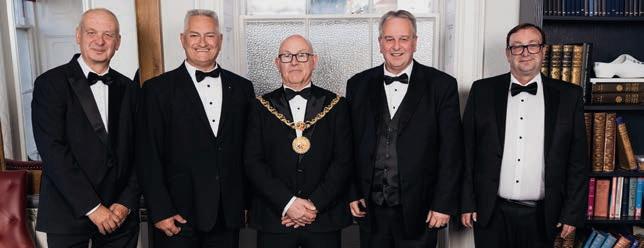
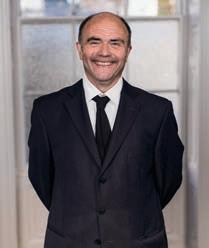
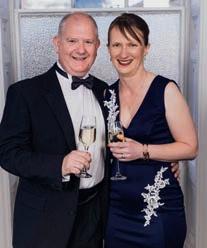
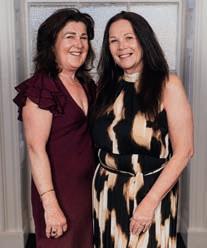
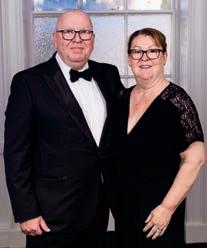
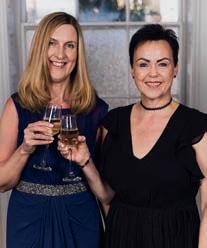
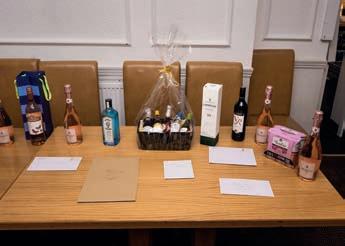
The Douglas City Mayor’s Charity Appeal Black-Tie Ball at Woodbourne House on 25 April, delivered an elegant and uplifting evening, bringing the community together in support of Hospice Isle of Man, Riding for the Disabled, and Dot’s Dream Foundation. Guests enjoyed a delicious three-course meal, close-up magic from Magicians of Mann, and lively music from DJ David Cretney. The raffle, games, and silent auction which raised valuable funds. With a warm atmosphere and strong charitable spirit, the event was a memorable success.
Long-lasting, proven pain relief for knee osteoarthritis - without surgery!

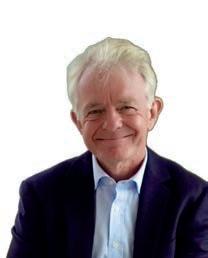
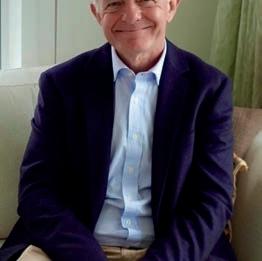
Dr Adrian Dashfield MB ChB Msc MD FRCA FFPMRCA FAcadMED runs the Manx Pain Clinic in Onchan. And all of those letters after his name? They are evidence that you can be sure of gold standard treatment from this Consultant Anaesthetist with advanced expertise and qualifications in pain medicine. His medical career began at Birmingham University Medical School and he then joined the Royal Navy rising to the rank of Surgeon Commander and tri-service consultant advisor on pain management to the Surgeon General. So if you are suffering from knee pain, but want to stay active and avoid surgery, you can be sure you are in the best hands.
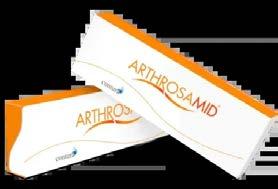
Dr Dashfield undertakes a large array of both x-ray and ultrasound guided injections with his latest addition, Arthrosamid©: a medical treatment used to manage the symptoms of knee osteoarthritis, which involves injecting a soft, non-degradable hydrogel directly into the knee joint that works as a scaffold, cushioning the joint and improving lubrication.
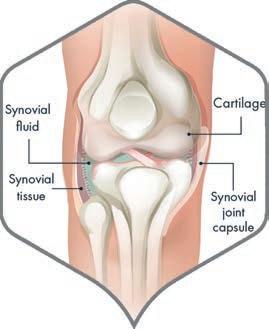
Knee osteoarthritis (OA) is a long-term condition where the shock-absorbing cartilage is worn away causing bones to rub together and the joint to become stiff, swollen and painful. The knee joint worsens over time resulting in synovial pain and disability.
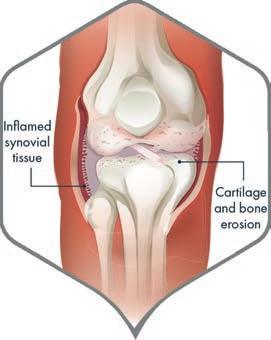
Synovial pain is a common symptom experienced by patients with knee OA. This is caused by the inflammation of synovial tissue (the lining) located inside the knee joint, and is strongly linked with the level of pain experienced by knee OA patients.
Given his background you won’t be surprised to learn that Dr Dashfield firmly believes in offering science-led treatments to his patients, and only began to offer Arthrosamid© at the Manx Pain Clinic last year after investigating the research which showed who would benefit most – patients who haven’t responded well to conventional therapies and are not ready or suitable for knee replacement surgery – and how successful this treatment has proven to be. He came to the conclusion, like pain management specialists
around the world, that for those with mild to moderate osteoarthritis who want lasting pain relief without invasive surgery, Arthrosamid© is by far the best option. He was particularly encouraged by the lack of any severe or long-term side-effects, with the only one reported being slight discomfort at the injection site in the first 48 – 72 hours after the procedure, which can be treated with over the counter pain relief. Added to that, just one Arthrosamid© injection – unlike steroid injections or other traditional treatment options – can last up to four years. And be repeated if required.
Of course, patients considering Arthrosamid© treatment want to know how successful it will be. Dr Dashfield was encouraged by figures that show nearly 80% of those patients most suitable (those in their 50s or 60s with mild or moderate osteoarthritis) report little or no pain in the first three years after treatment. And although that figure drops to 63% in patients who have a first injection at over 70 years of age, having had Arthrosamid© treatment does not preclude eventual knee surgery options, or any other conventional treatments.
If, after an initial consultation with Dr Dashfield, you do choose Arthrosamid©, then what can you expect during the procedure? Before treatment, the area around your knee is numbed with a local anaesthetic and you will be given antibiotics to protect you from any risk of infection. Arthosamid© is then injected into your knee’s synovial cavity, performed with ultrasound guidance. Once the needle is removed, a plaster is placed over the injection site and you’ll be able to leave the clinic as soon as you feel ready. It really is a simple as that. Most impressively, although you might be advised to avoid strenuous activities like cycling or jogging for a short while, normal daily activities can be resumed almost immediately. And if you’d prefer to be guided back into an exercise routine, then Dr Dashfield can help you find suitable physiotherapy.
Dr Dashfield has been offering Arthosamid© treatment since the middle of 2025, and feedback from his patients during their three month face-to-face review and subsequent six monthly telephone follow up appointments is encouraging and is going along the same trajectory as the figures quoted in the research above.
Dr Dashfield is, as you’d expect, conducting his own research based on the WOMAC (Western Ontario and McMaster Universities Osteoarthritis index) which is the standard pain/difficulty index used by pain specialists worldwide. But Isle of Man patients are not guinea pigs, and although Dr Dashfield will continue to follow their progress over the next few years, over 1.2million syringes of this gel – which, he says, bears a striking resemblance to UHU glue –have already been injected worldwide with no reported adverse side-effects, and no risk to the patient. So, if your knees are beginning to seize up and your GP or hospital consultant has diagnosed osteoarthritis, then why not consider a visit to the Manx Pain Clinic?
Anthrosamid© was first licensed in the UK in 2021, but as yet is not available on the NHS. It is also only licensed for use on patients with mild or moderate osteoarthritis in their knee(s) but not for other joints, and should only be administered in a clinic setting with fully-trained anaesthetists and ultra-sound operators.
More about the facilities and treatments offered by Dr Dashfield and his team can be found at www.manxpainclinic.com where you will also find testimonials from patients.

18A Village Walk, Onchan, IM3 4EB
T: 01624 617101
E: susan@manxpainclinic.com
W: www.manxpainclinic.com

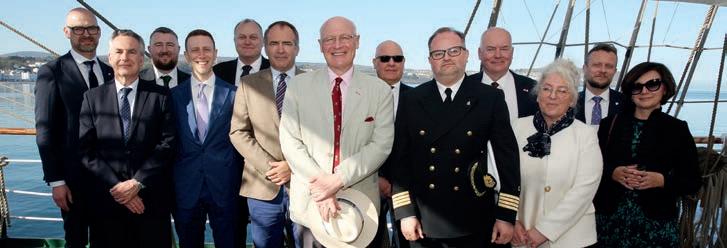
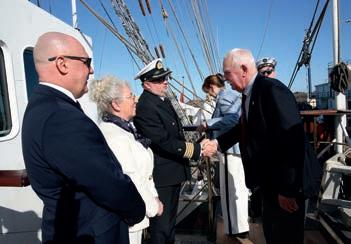
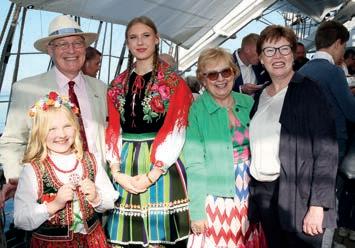

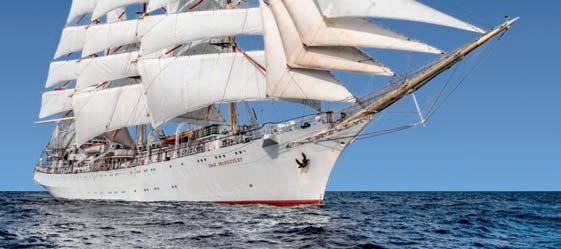
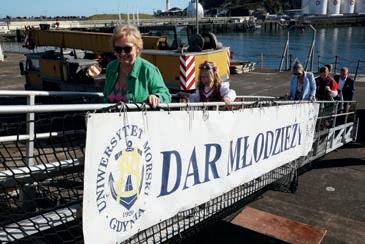
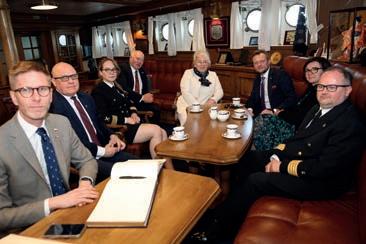
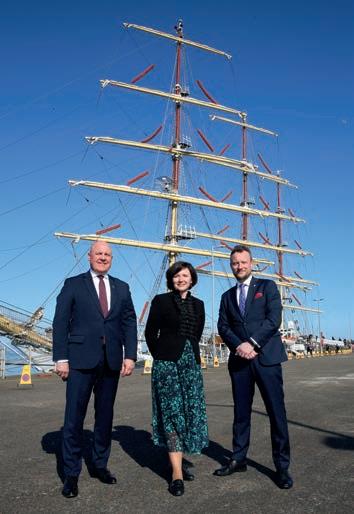
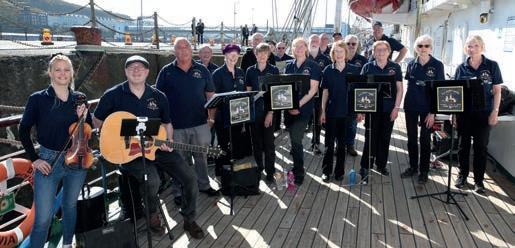
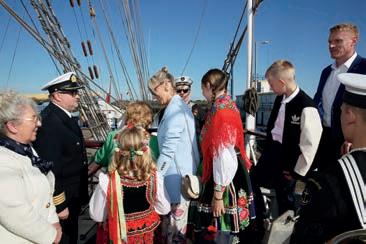
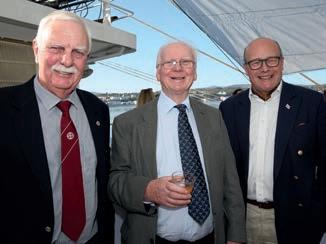
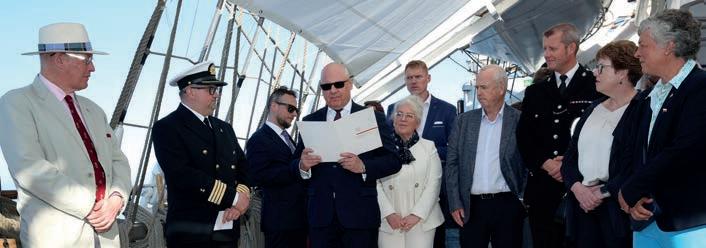
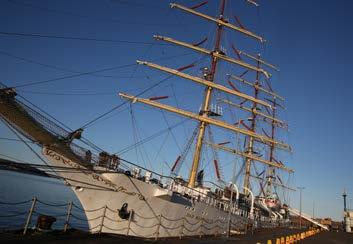
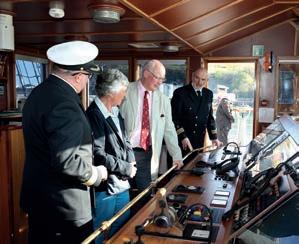
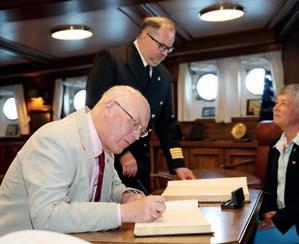
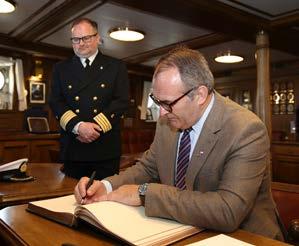
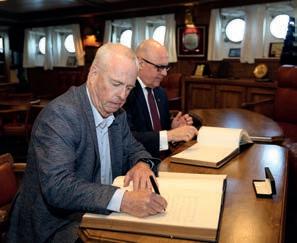
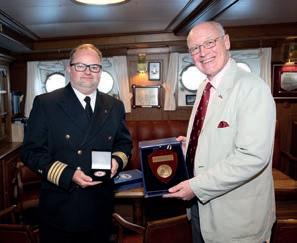
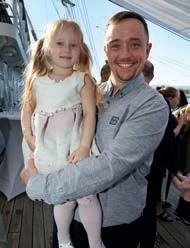
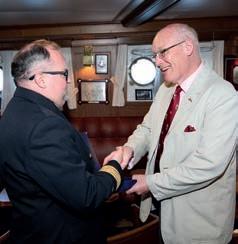
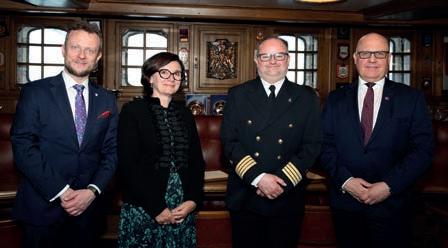
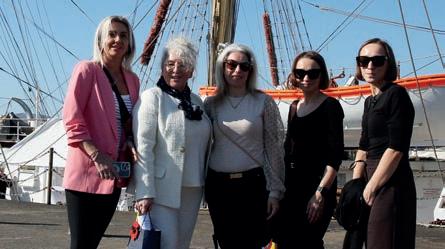
The magnificent Polish tall ship Dar Młodzieży provided a truly spectacular setting for a memorable reception in the Isle of Man, bringing together dignitaries, diplomats and members of the local community in an atmosphere of warmth, friendship and celebration.
Among the distinguished guests were His Excellency Sir John Lorimer, the Isle of Man’s Lieutenant Governor, Chief Minister Alfred Cannan, government ministers, consuls and diplomats representing several European nations, alongside many members of the Polish community on the island.
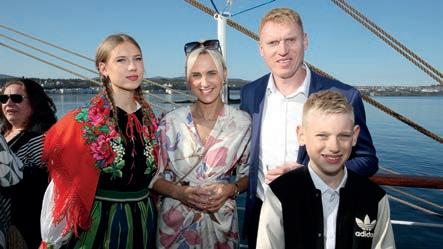
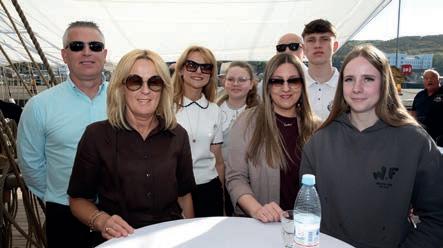
Blessed with glorious sunshine, guests were welcomed aboard the elegant vessel, whose towering masts and polished decks offered a striking reminder of Poland’s proud maritime heritage. The occasion was made even more special by lively performances from the Star of India Band, whose spirited sea shanties added charm, colour and a wonderful nautical atmosphere to the afternoon.
Visitors also enjoyed the opportunity to sample delicious traditional Polish cuisine, showcasing the rich flavours and hospitality for which Poland is renowned. The combination of music, fine food and excellent company created a vibrant and joyful occasion enjoyed by all who attended.
More than simply a reception, the event served as a celebration of cultural exchange, friendship and the strong connections between the Isle of Man and the wider European community. It was a proud moment for the local Polish community and a reminder of the value of coming together through shared traditions and mutual respect.
With sunshine overhead, music on the air and smiles all around, the reception aboard Dar Młodzieży will be remembered as one of the season’s most elegant and uplifting gatherings.


Who remembers being told to ‘mind your language’ as a child – a very pointed reminder to speak politely and avoid swearing or being rude in front of those who’d be offended? And the literal translation to Manx Gaelg - cum dty hengey - is even more pointed – hold your tongue!
But in the new Mind Your Language exhibition at the Manx Museum, you could say that ‘mind’ means something different – Cum-jee seose nyn jengey, my sailliu: please look after our language.

When I moved to the Island in the mid-90s, Gaelg (pronounced ‘Gilg’) was well on its way to being classified as a ‘dead’ language. The only time you ever heard it was on those crackly ‘telephones’ in the Manx Museum – old men and women talking about farming and fishing. But unbeknownst to me there was already an underground movement to revive it, and gradually the likes of Manx National Heritage and more particularly Culture Vannin pushed for Gaelg to be used in more than just dusty academia and records in the museum archives. As the Manx Language primary school Bunscoill Ghaelgagh in St Johns started to reach out to a wider cohort and as its students grew up and went to mainstream high schools, a Manx Language GCSE and A level were developed. More recently Culture Vannin has introduced online learning tools, published books about, and in, the language and developed its own pop-up Manx classes to attract adults, appealing to fluent speakers and to beginners, and even those who just want to know a little more: the Gaelg curious.
And so fast forward to 2026 ‘The Year of the Manx Language’ or, in Manx, Blein ny Gaelgey. The year began with a drone show spelling out common and not-so-familiar Manx words and phrases in a dark January sky over Douglas, and now we have Mind Your Language, an exciting and interactive exhibition at the Manx Museum. This brings together objects from the Manx National Heritage collections, along with sound and film created by Culture Vannin, and new work which emerged from Treisht26, a small grant scheme launched last year by Culture Vannin supporting artists to use the language in new and imaginative ways: proof that Gaelg is a both a living and evolving language.
Co-curator Ruth Keggin Gell, Manx Language Development Officer for Culture Vannin, told me that Mind Your Language is a celebration of Gaelg, and to attract the widest audience possible they have focussed on a few common words, “in the hope that visitors will go away better able to spot the Gaelg that surrounds them and to appreciate the unique ways our language describes the Island and our sense of place.”
Tooms, the Manx National Heritage cocurator goes into more detail:
“Mind Your Language is very much a ‘lite’ intro to Gaelg rather than an in-depth look at socio- linguistics. The objects we have chosen and the bright interpretation has been curated to be welcoming to all and to spark curiosity amongst those who may think ‘Manx is not for me’. Visitors don’t have to be fluent speakers to appreciate the descriptive nature of the language. We have chosen four common adjectives in Manx (big – mooar, small – beg, white – bane, and black – doo) so visitors can recognise these when they see the exhibits from the MNH collections and those from the Culture Vannin schemes which illustrate these words, in quite a random way.”
So what can you see in the exhibition? For more tangible historical items, MNH has been loaned a typewriter used by the late Doug Fargher, the compiler of the Manx Dictionary, and a Manx Bible which belonged to native Manx speaker Harry Kelly (1852-1935). There is also a ‘White Boys’ costume and a laair vane (white mare) representing the many Manx folk traditions, alongside archaeological items from the huge museum archive.
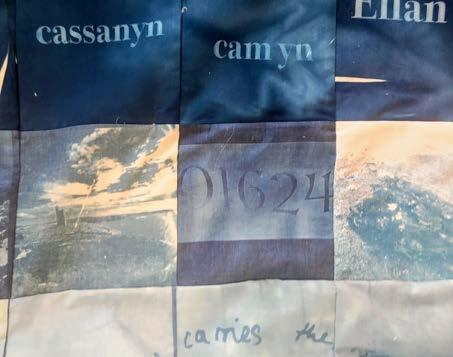
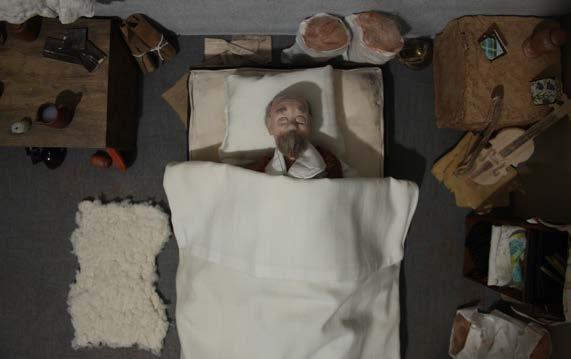
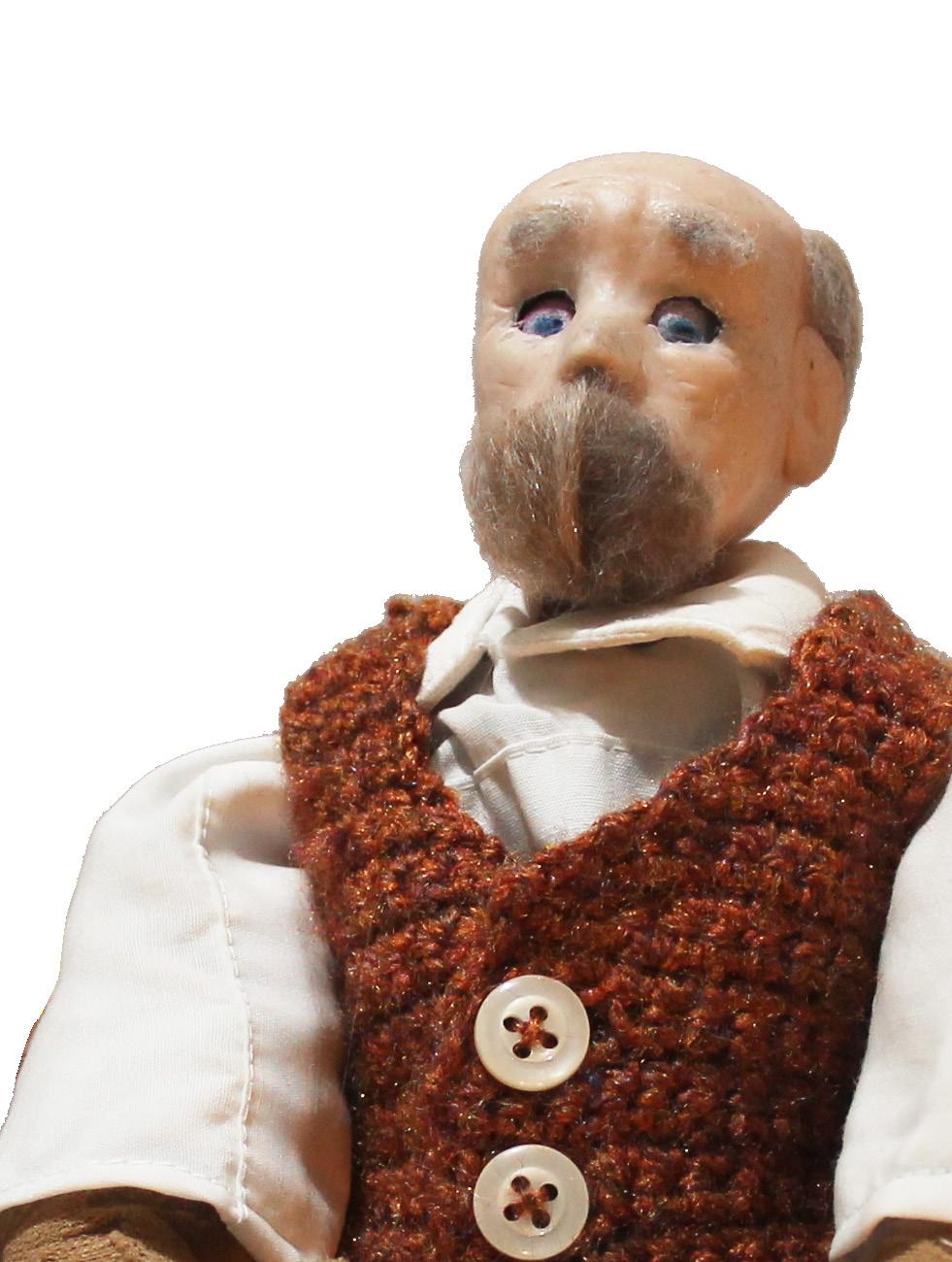
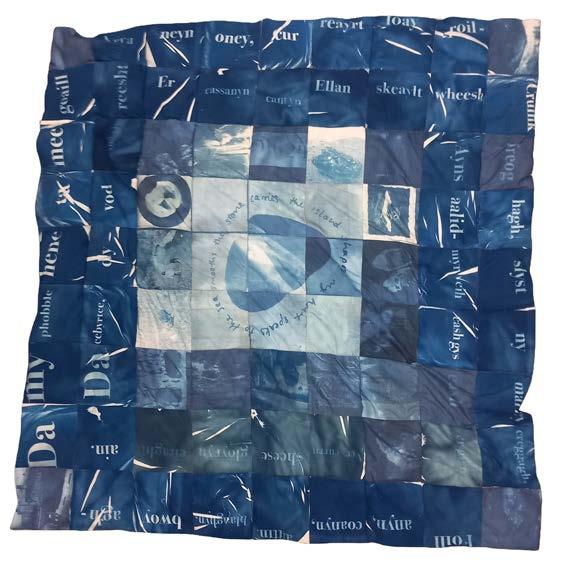
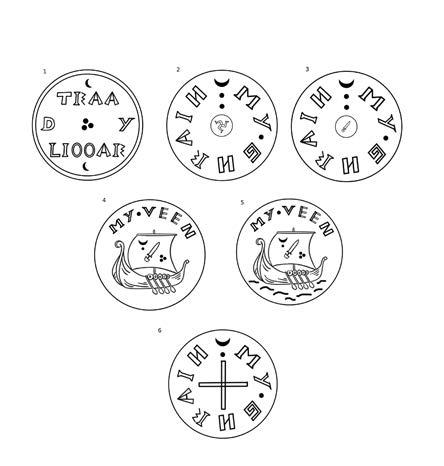
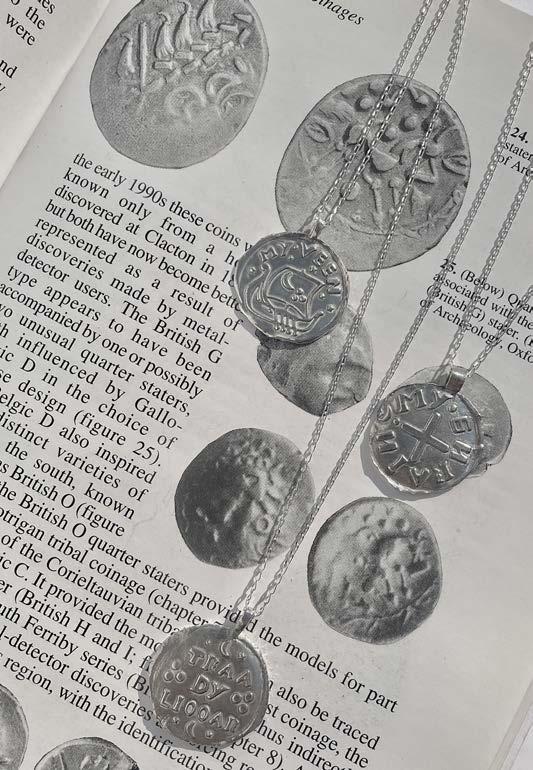
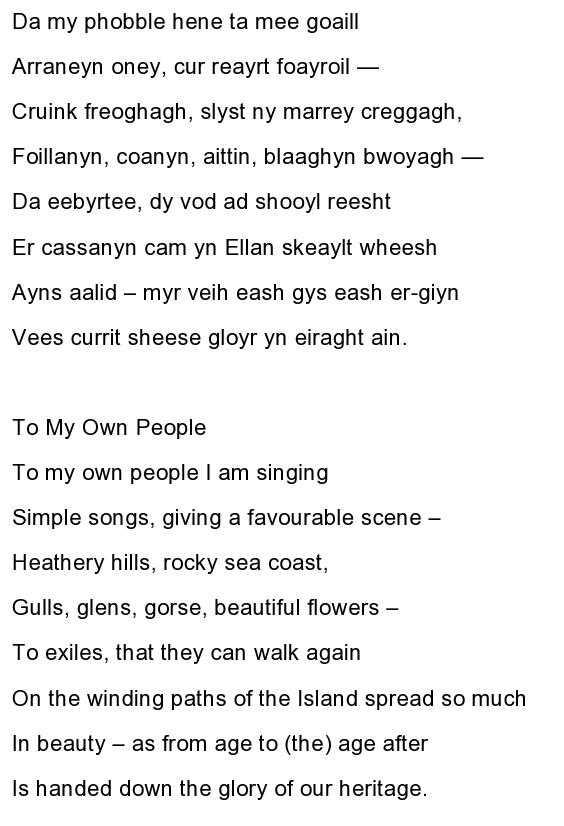
Three of the Culture Vannin Treisht26 projects selected for Mind Your Language include a modern retelling of a Manx folklore story using stop motion animation by Lily-Joy Lancashire, a ‘Manx Diaspora quilt’ based on a Manx translation of a poem by Kathleen Faragher ‘Da My Phobble Henne’ (To My Countrymen)by Colette Davies and silver coin ‘necklaces’ featuring well known Manx words and phrases from silversmith Treen Harkin (Croi Meala).
Treen’s coins fit perfectly in the ‘beg’ (small) section of the exhibition. Each is the size of a £2 coin, engraved and embossed with recognisable Manx symbols such as a Viking ship or a rudimentary cross, or even three dots which were an early interpretation of the three legs. In addition Treen has embossed three well known phrases ‘My Graih’ – my love, ‘My Veen’ – my heart, and ‘Traa Di Lioor’ into her coins with help from Phil Cowin at Island Engraving.
“Working with Phil was a crash course in the use of historical tools,” Treen told me. “My designs were cut into the end of steel bars (dyes) and then stamped into the silver coins.” Although these items are undoubtedly small, they are the result of a much larger project: Treen’s research into the many and various coins which have been literally unearthed from the Manx soil and now live in the usually unseen depths of the Manx Museum took her to the history of the Island’s coinage and (you might not be surprised to hear) the stories of money being stashed here by the rich to avoid paying taxes. And if the stories and messages appeal, Treen’s necklaces will be available to buy in the MNH shops.
If it’s more research you’re after, Lily-Joy’s stop motion animated film of a grumpy old man being tormented by fairies is based on a story originally recorded in Karl Roeder’s 1880 folklore collection Yn Lioar Manninagh. When Lily-Joy read ‘Yn Shenn Dooinney as ny Ferrishyn’ she knew she could do it justice with her own stop motion animation film, and although the Old Man’s words and story are translated and voiced in Manx by Jamys Harrison, and the music was composed by another friend, Matteo Ress, the finished film was created and directed by LilyJoy.
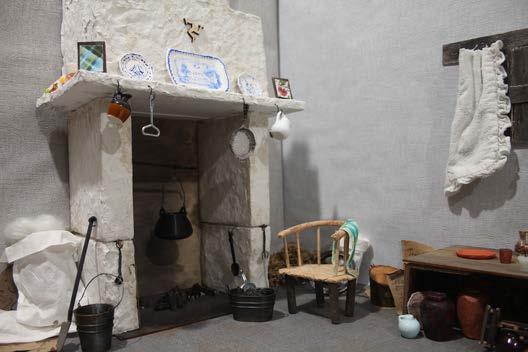
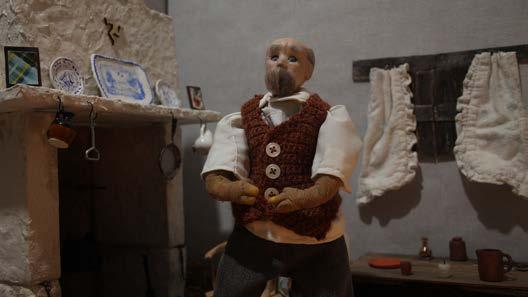
“Everything in the film, apart from some found objects,” she told me, “is entirely handmade by me. The detailed scenes help to colour the story and engage the audience to make them feel they are actually part of the scene, being tormented by the fairies and joining with the old man’s relief and delight when he realises what he needs to do to finally get a good night’s sleep”. Without giving too much away, the fairies are depicted by constantly moving strings of lights, and their shadowy presence is heralded by fiddles – in an original piece of music (Cloie, Gheiney Veggey!) using traditional Manx music elements composed and played by Matteo Ressa.
Finally, something that could definitely be considered ‘mooar’ is Colette Davies’s Manx Diaspora quilt, ‘Sniemmey lesh Snaienyn’ or, in English, Threads of Connection. “The purpose of this project was to take something inherently digital – a photograph sent to my inbox – and transform it into something physical, tactile and enduring, a quilt made of distance and memory, of heathery hills recalled from far shores, of voices scattered across the world,” Colette explained.
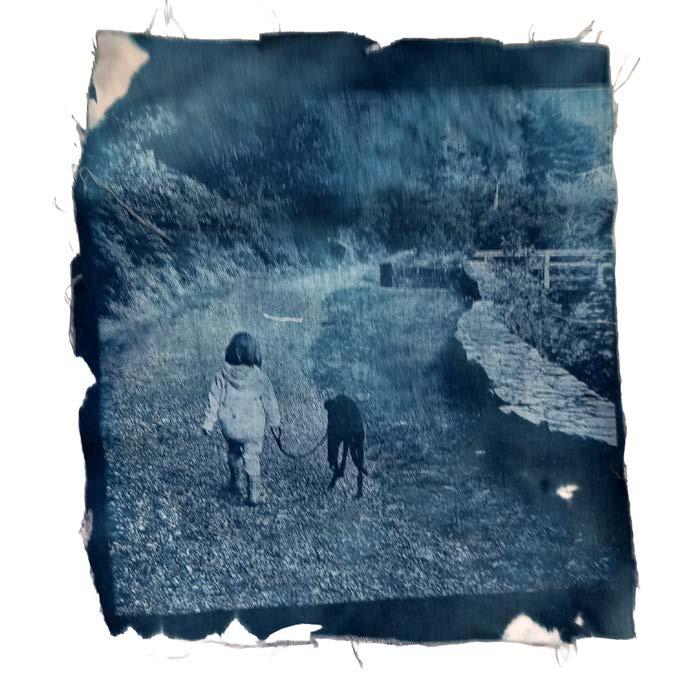
There isn’t enough space here to describe all 81 squares that make up the 160cm x 160cm quilt but Colette began this project last autumn when she contacted Manx societies around the world, as well as reaching out to her own friends and social media ‘followers’ asking them to send photographs digitally which illustrated their connections to the Isle of Man even if they aren’t actually on the Island – the Manx diaspora. She was excited by the response: photographs of Manx relatives on their farm, the Laxey Wheel (the Lady Isabella) after which one respondent in Australia had named her daughter, and other submissions from places as far afield as Vancouver, the US, Vietnam and across the British Isles. Fellow artists Martin Hearne and Kevin Atherton, who were both students at the original Douglas School of Art in Kensington Road and are now resident in the UK, sent images which resonated with them, and Colette has even included this writer’s photograph of her young Manx granddaughter, who will always be my connection to the Island wherever she, or I, go.
“The work brings together dispersed narratives into a shared material form, made tangible through cloth and touch. Quilts are objects embedded in the home, often passed down through families,” says Colette, “but my Manx Diaspora quilt goes a step further, connecting a wide range of people and experiences making up a truly Manx family.”
Or, in the words on a tea towel I was once given: The Isle of Man: Home Wherever I am.
Mind Your Language is at the Manx Museum in Douglas until 4th October. Entrance is free, donations welcome.
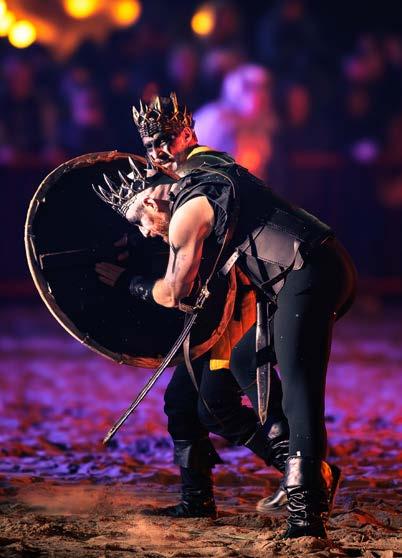
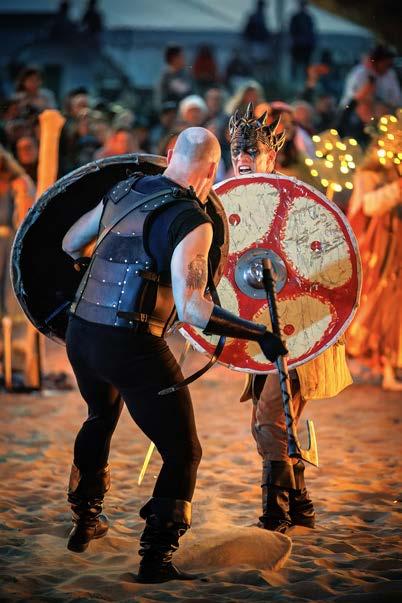
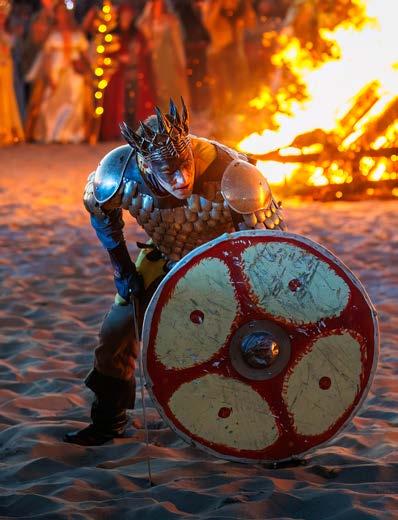
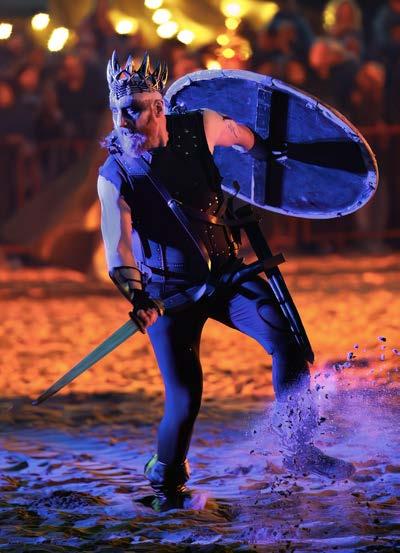
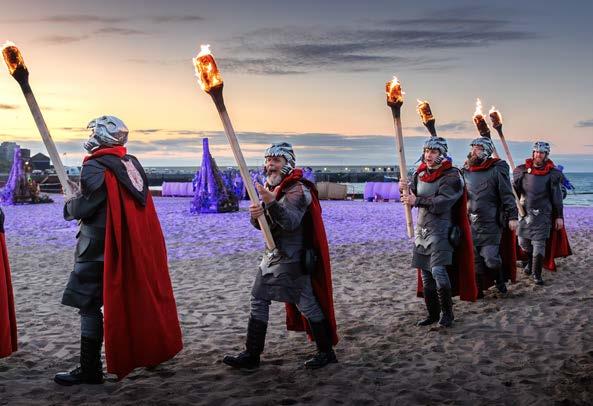
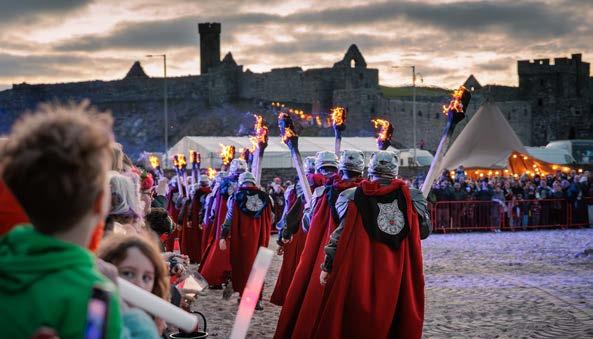
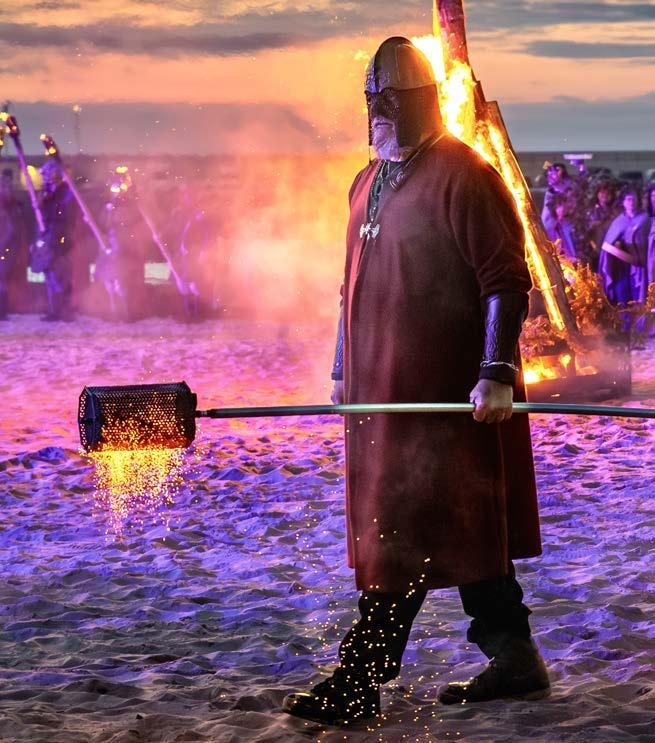
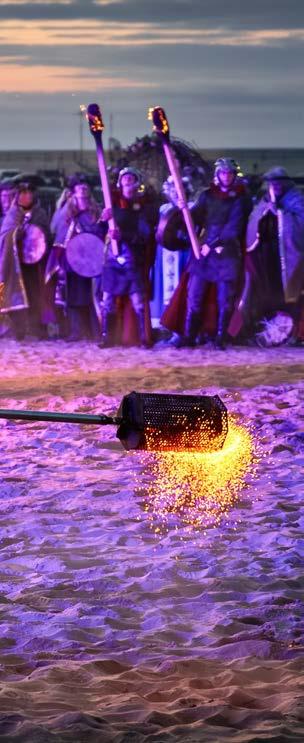
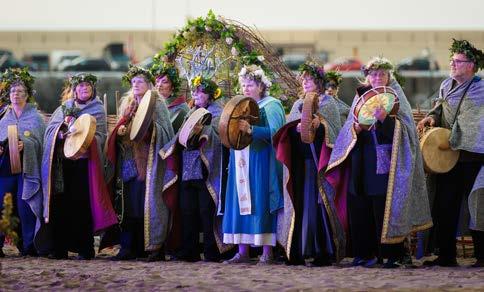
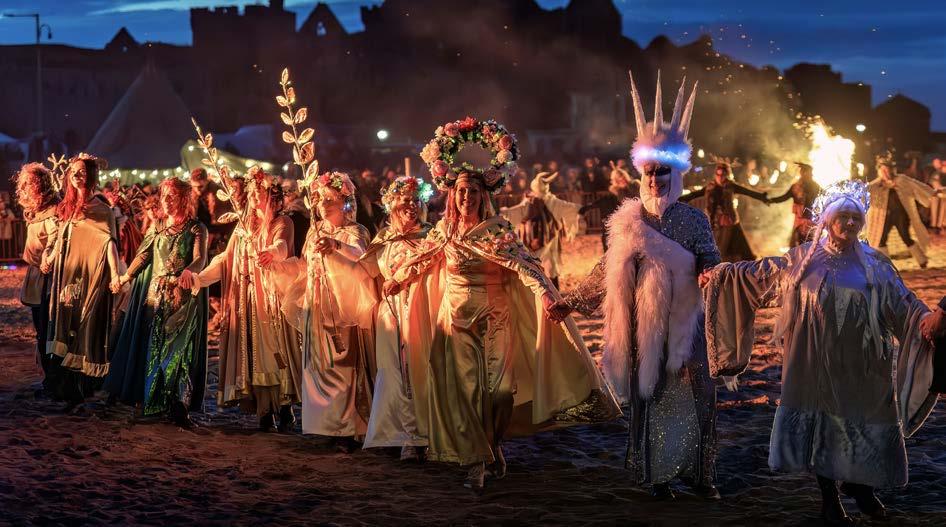
The 2026 Oie Voaldyn Fire Festival brought ancient Manx tradition vividly to life, transforming May Day Eve into an unforgettable celebration of culture, community, and the changing seasons. Inspired by the old custom of Oie Voaldyn, the event embraced the symbolic power of fire to cast away darkness and welcome the arrival of summer.

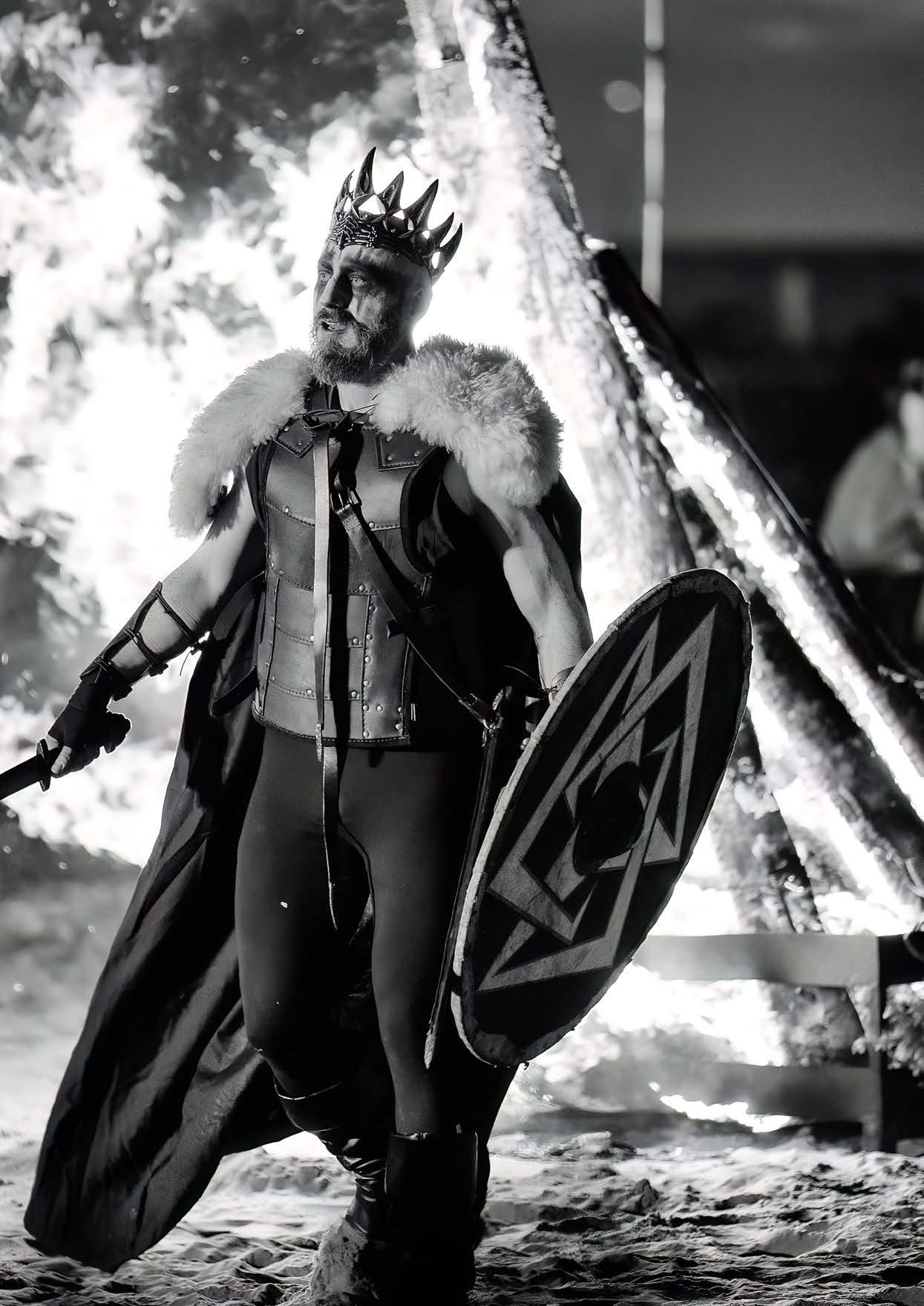
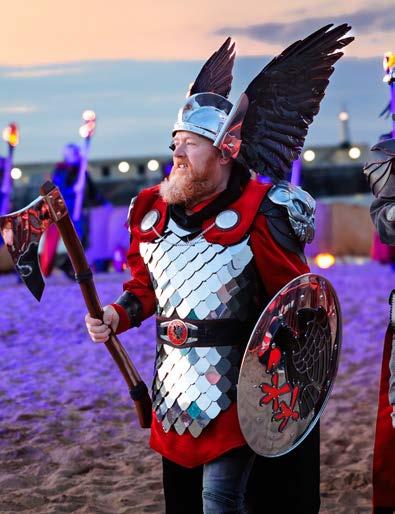
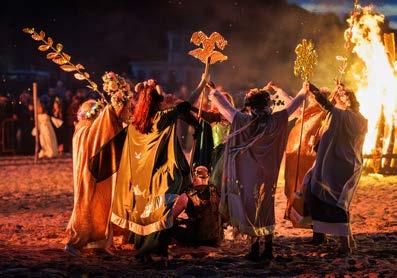
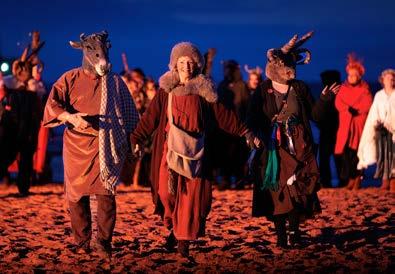
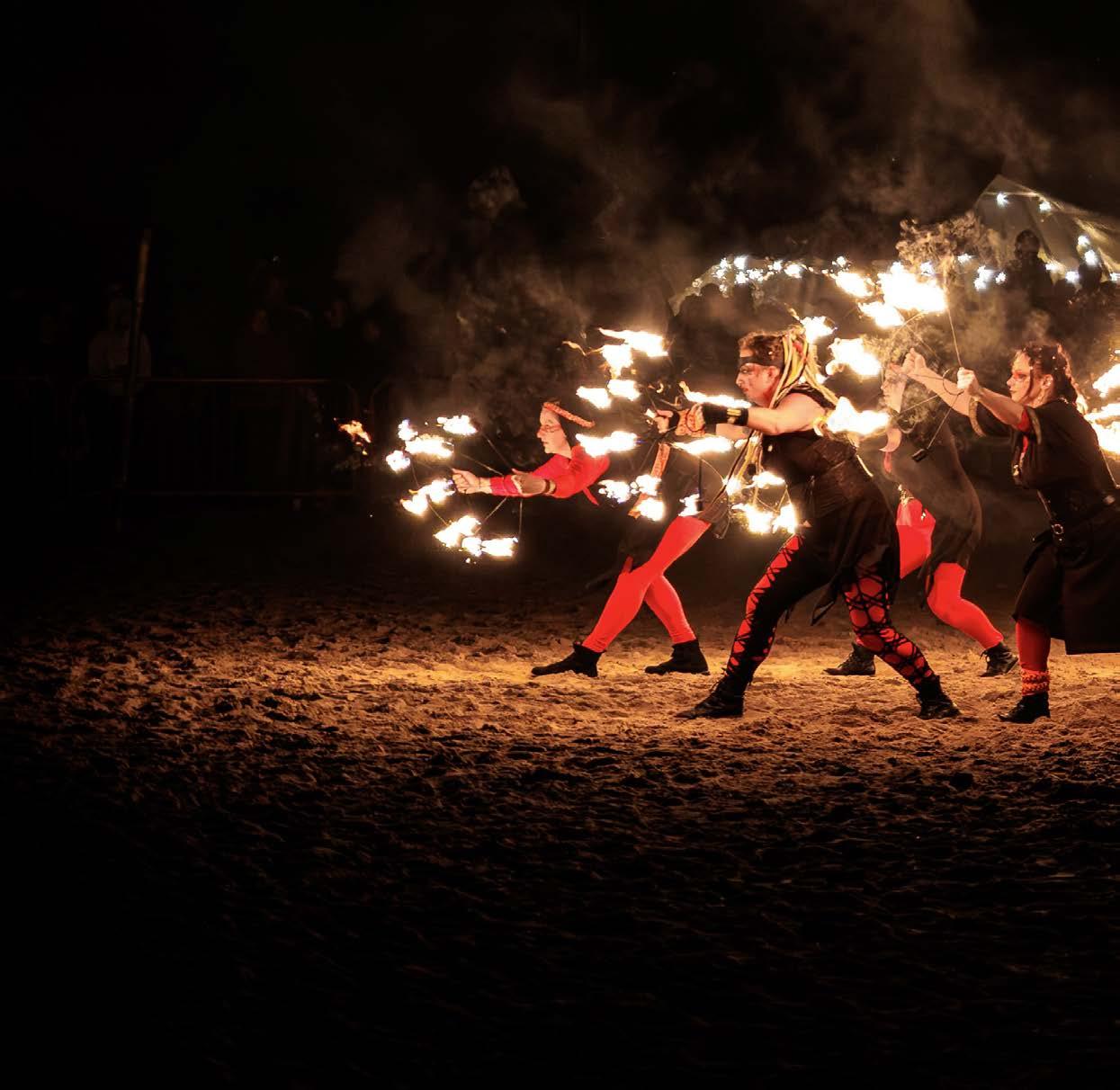
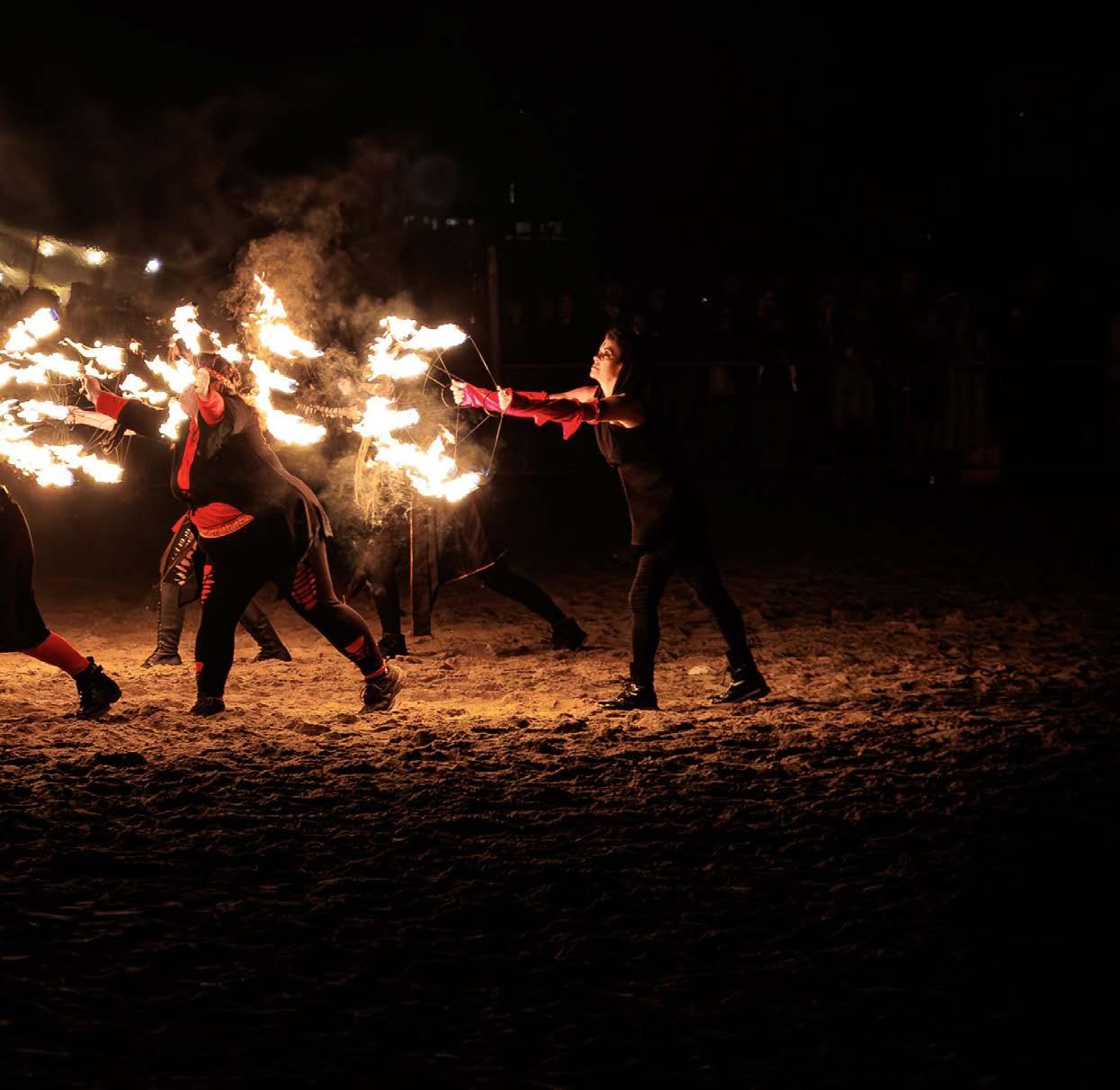
Crowds gathered to enjoy an evening filled with flame-lit performances, music, storytelling, and traditional customs that reflected the island’s rich heritage. The atmosphere throughout the festival was both energetic and deeply rooted in history, with fire displays creating a dramatic centrepiece to the celebrations.
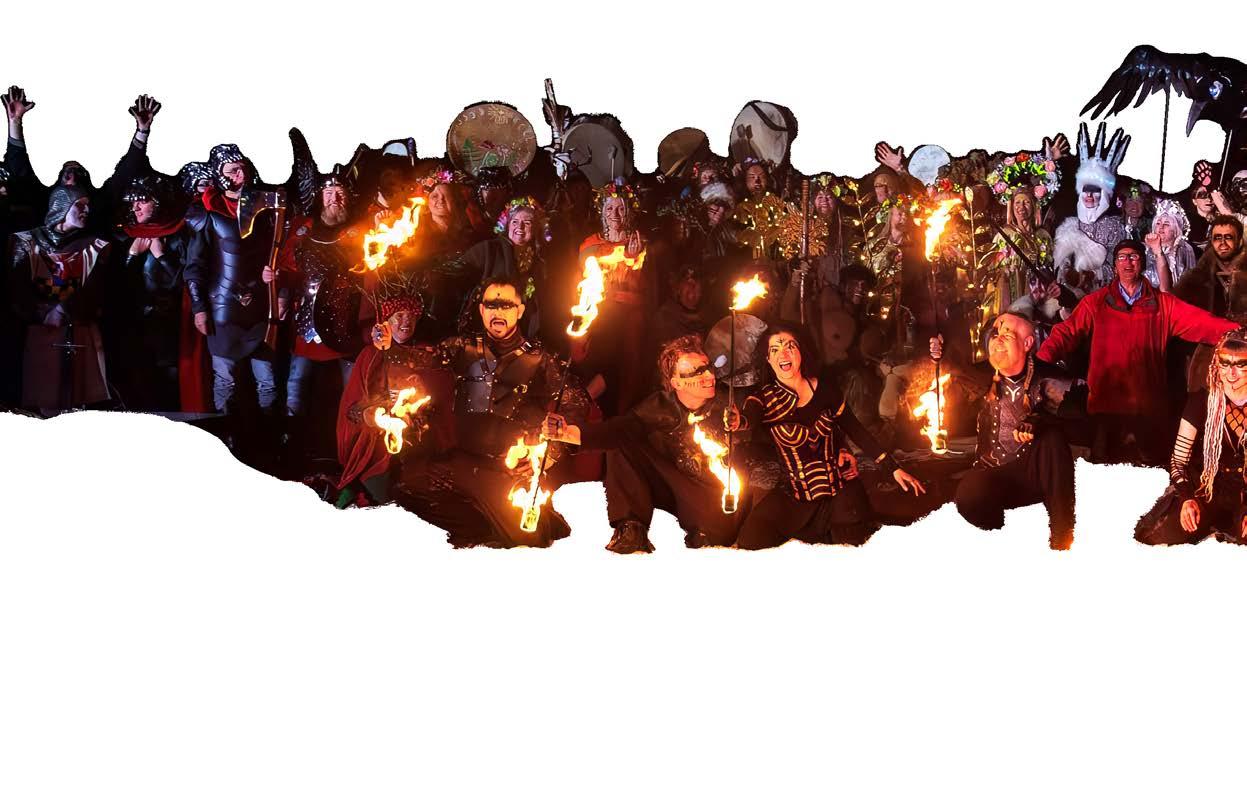
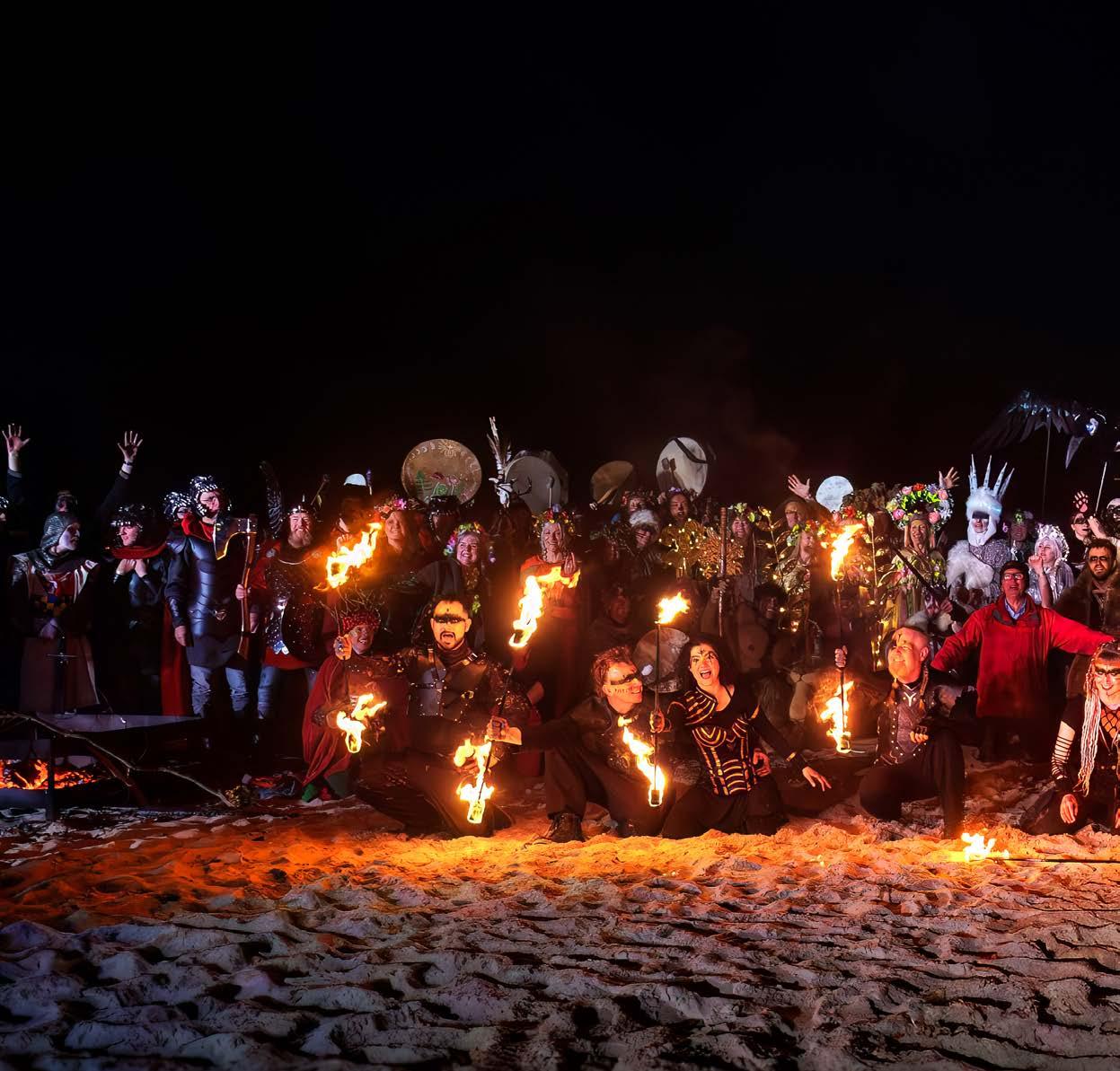
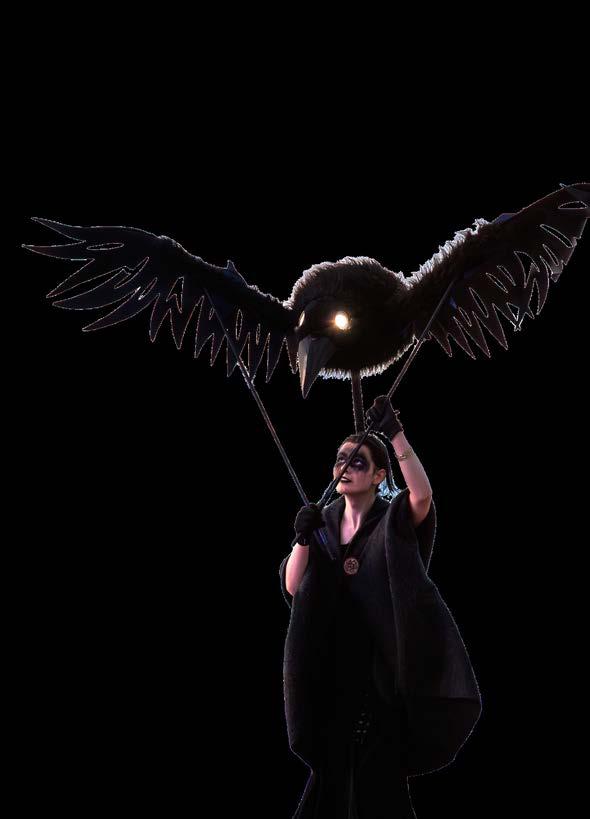
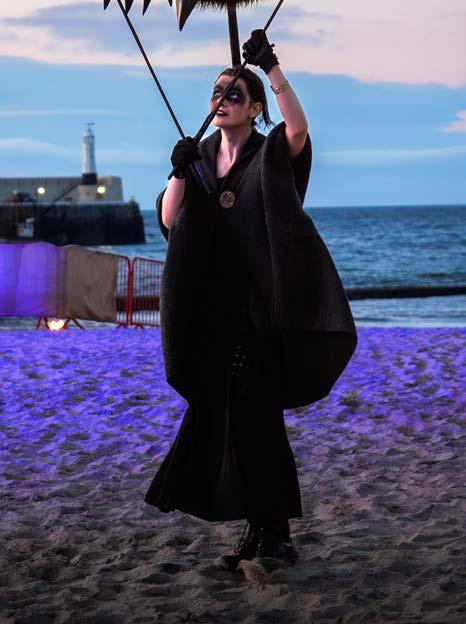
The festival continues to grow year after year, with more than 160 members now involved in the groups that stage the spectacular event. Audiences were treated to an impressive cast of costumed performers, skilled fire-spinners, and the powerful Voices of the Fire community choir, all helping to create a dramatic and immersive experience.
One of the highlights of this year’s celebration was a special visit from the Lerwick Jarl Squad, stars of Shetland’s world-famous Up Helly Aa fire festival. Their appearance added an international connection to the evening and
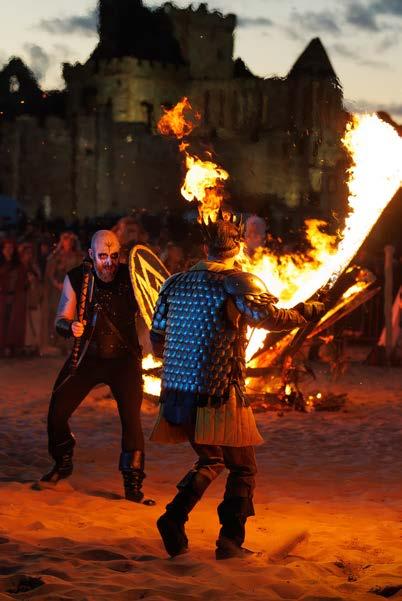
strengthened the cultural ties between two communities with strong fire festival traditions.
Visitors praised the strong community spirit and the way the festival successfully blended historic customs with a modern festival experience. From families enjoying the spectacle to performers keeping Manx traditions alive, the event highlighted the importance of preserving cultural identity while creating something engaging for new generations.
As the fires burned into the night, Oie Voaldyn once again proved to be one of the Isle of Man’s most distinctive seasonal celebrations — a powerful welcome to summer and a memorable evening for all who attended.
www.oievoaldyn.com
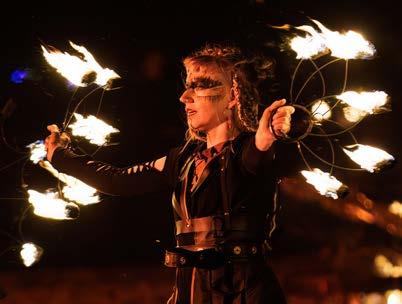
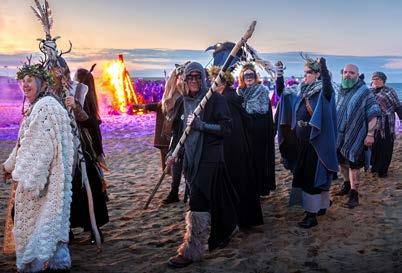
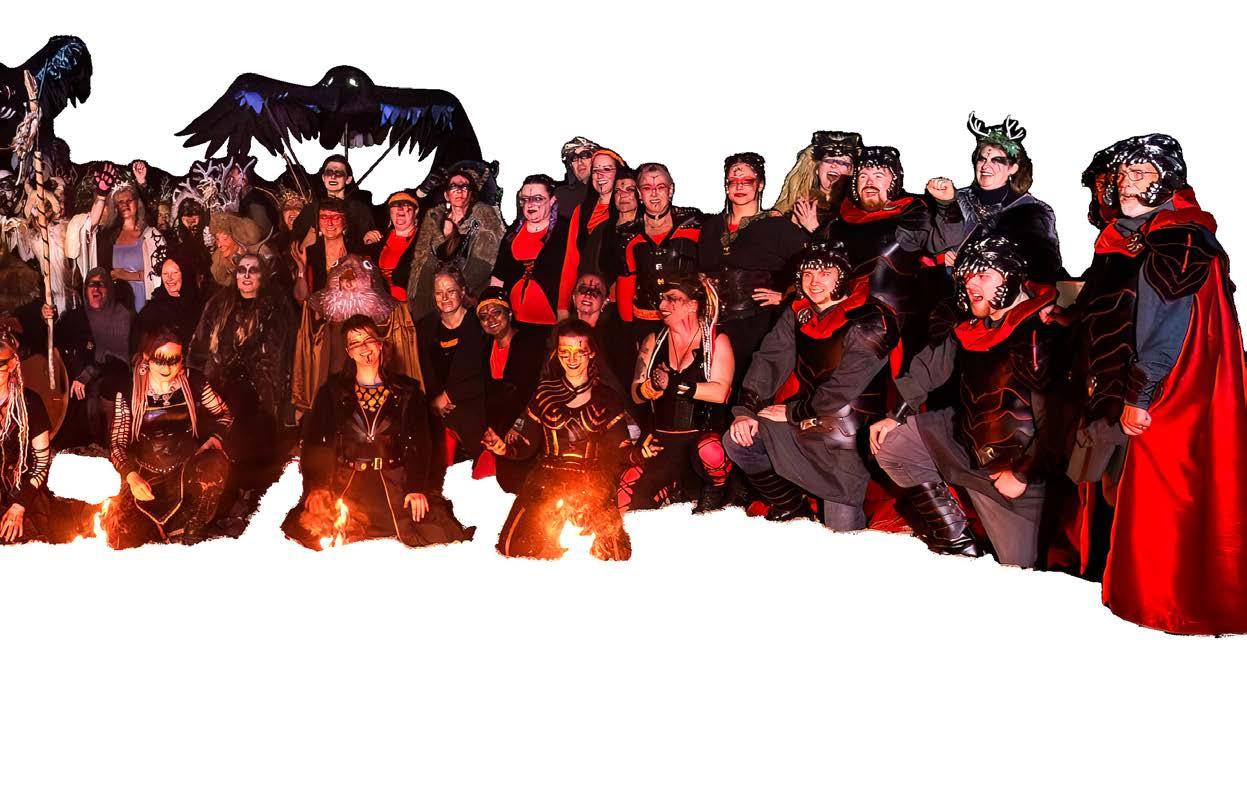
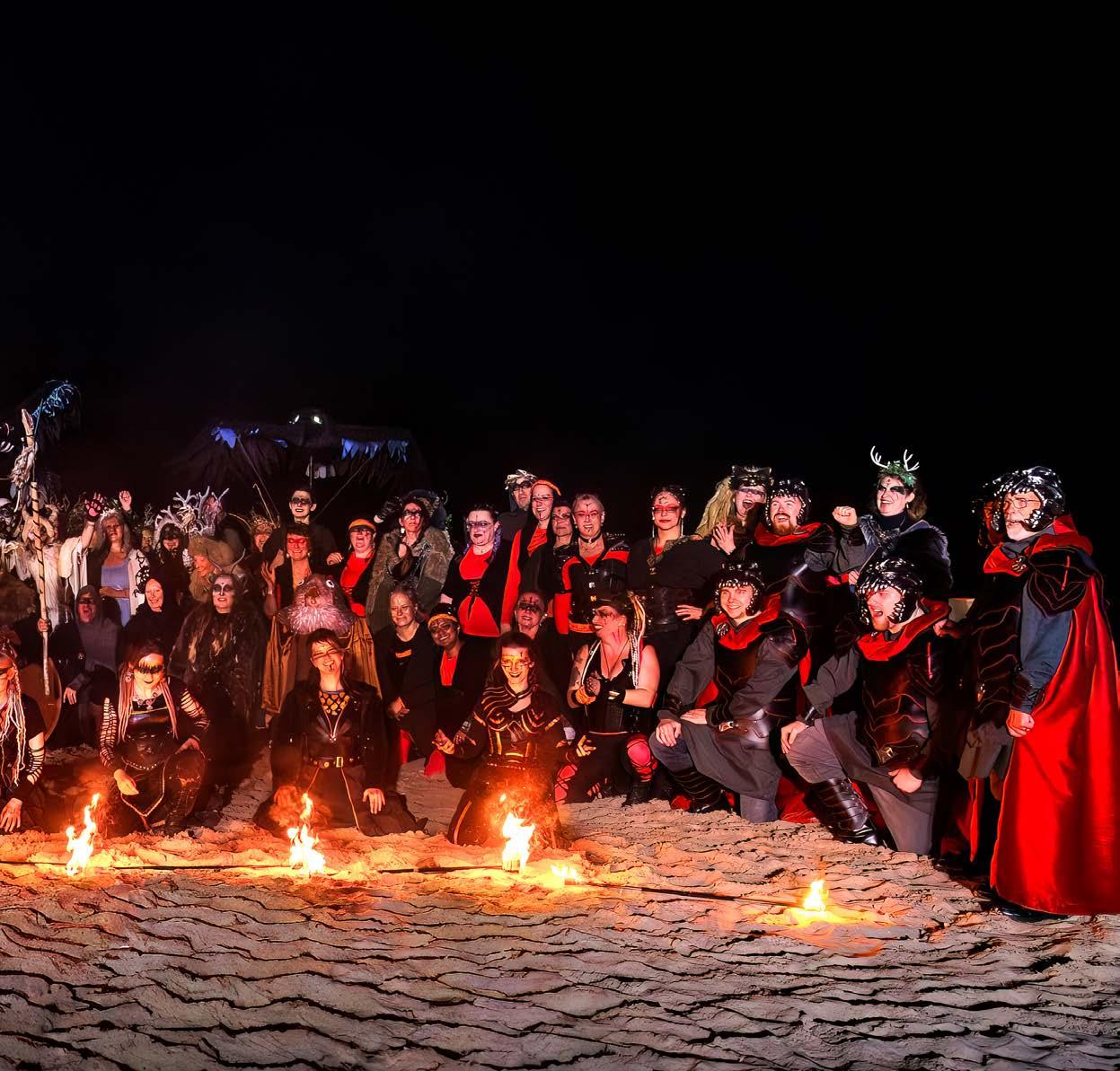
The festival continues to grow year after year, with more than 160 members now involved in the groups that stage the spectacular event.


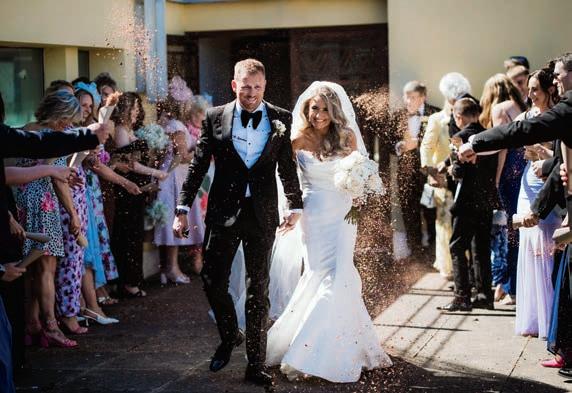

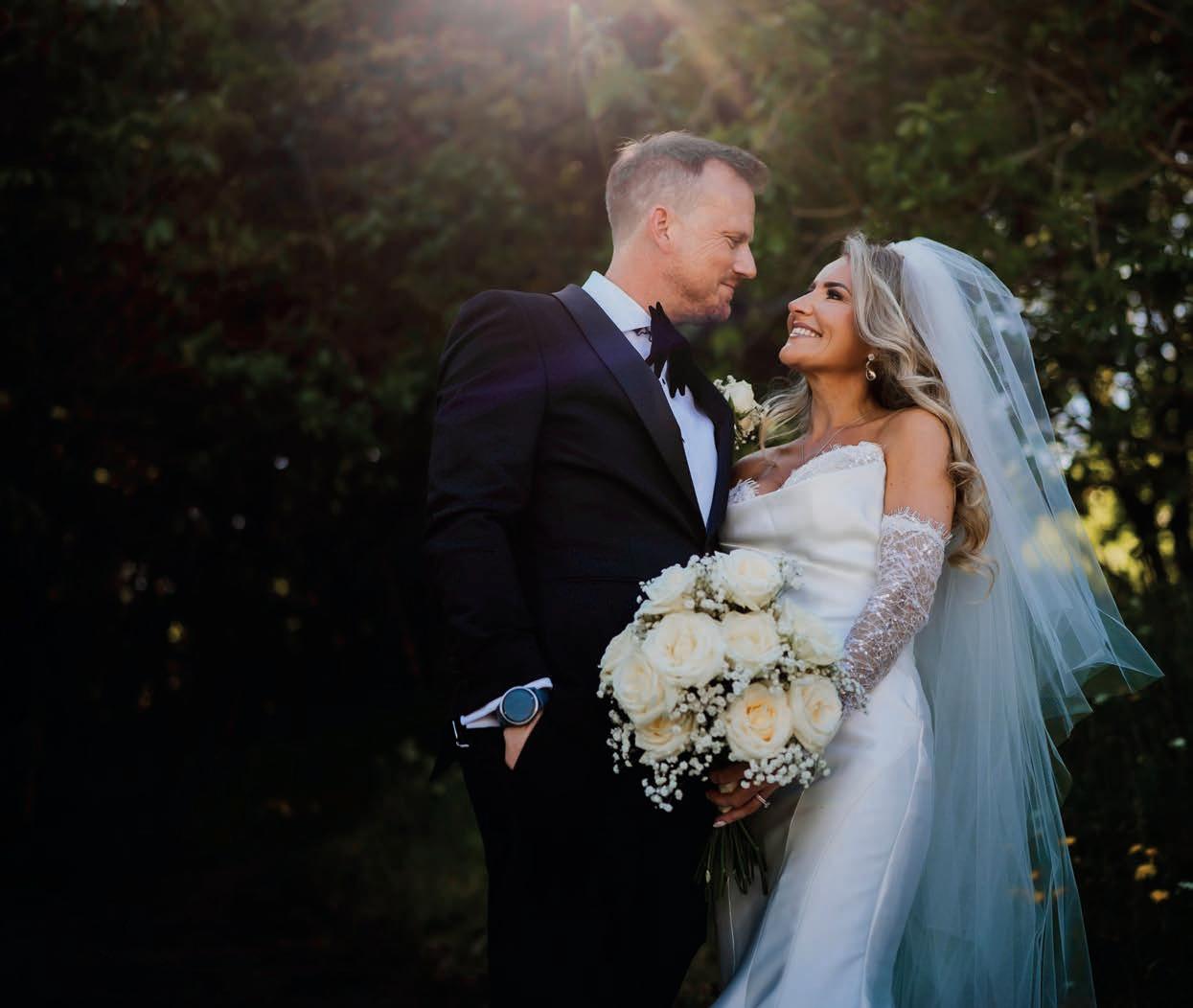
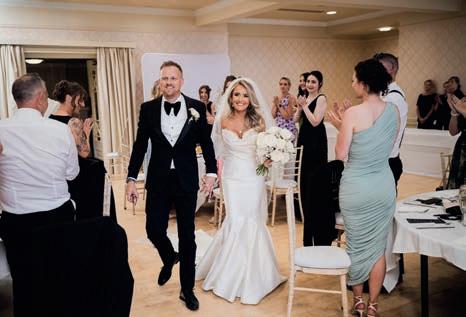
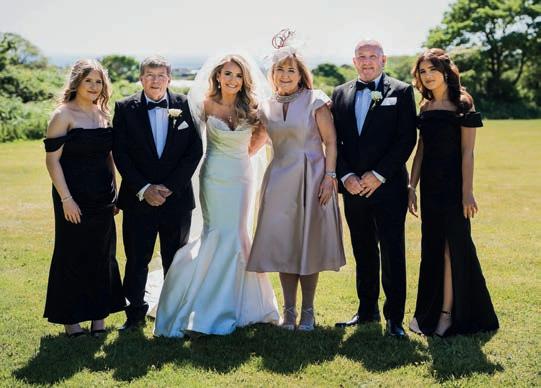
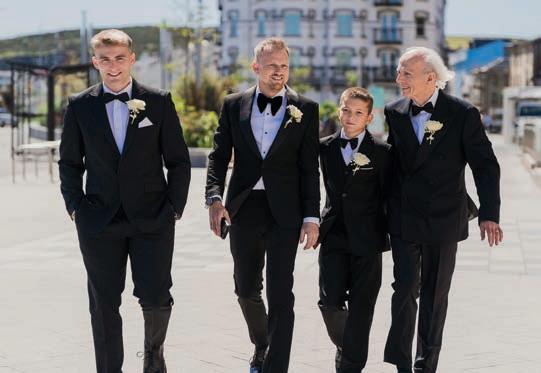
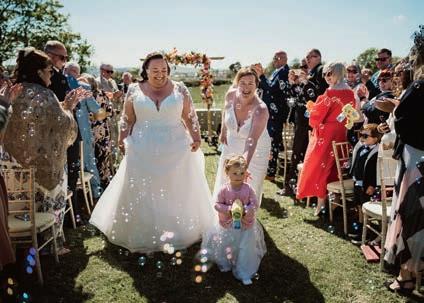
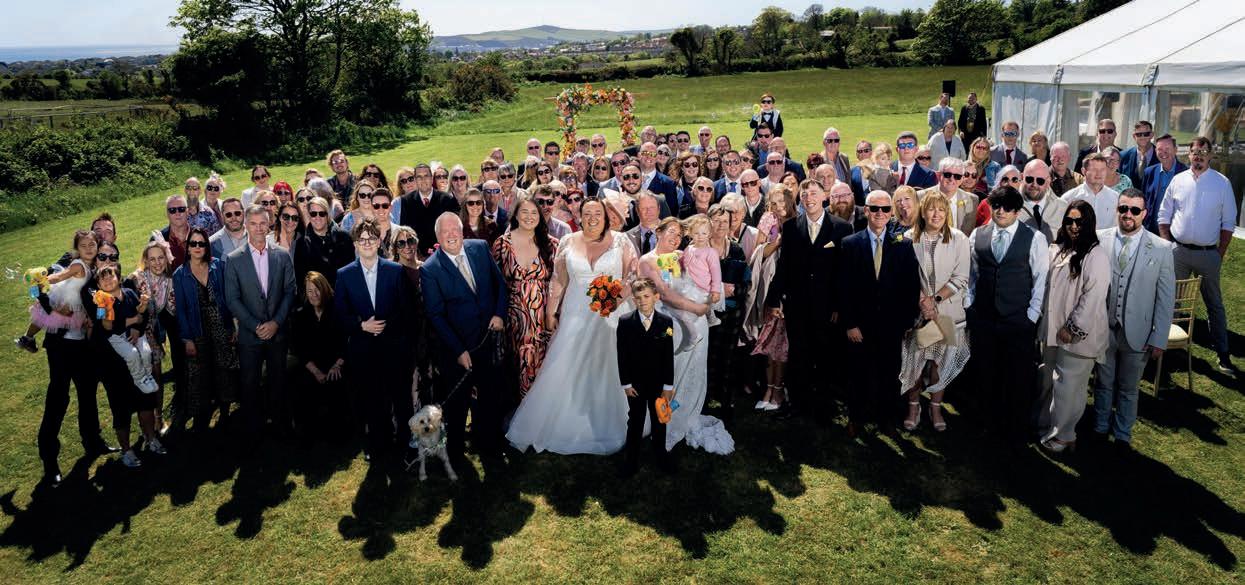
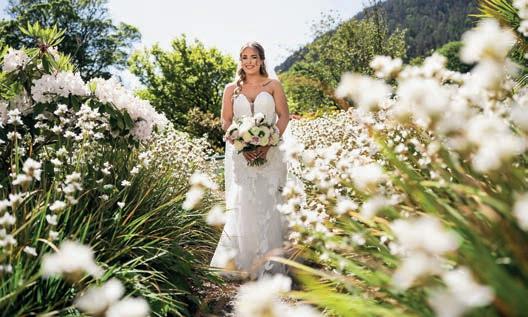
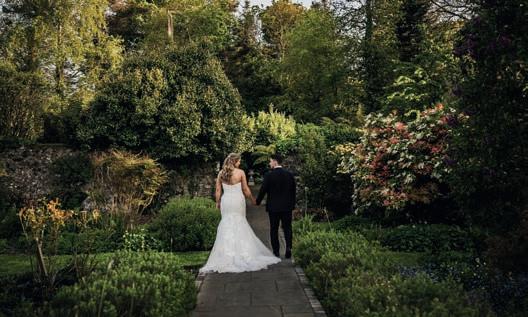
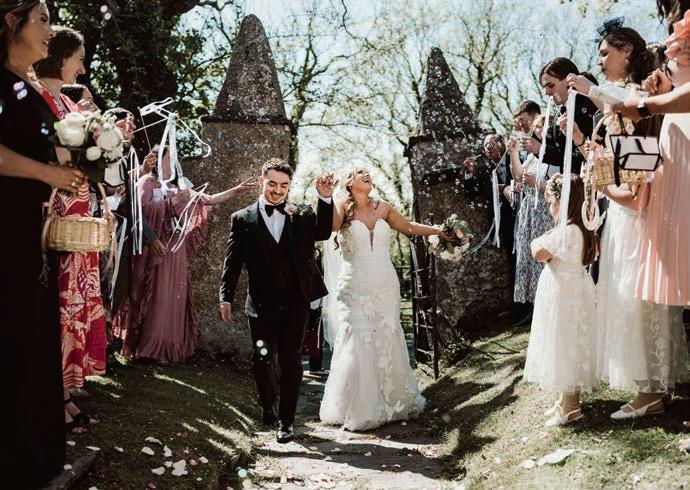
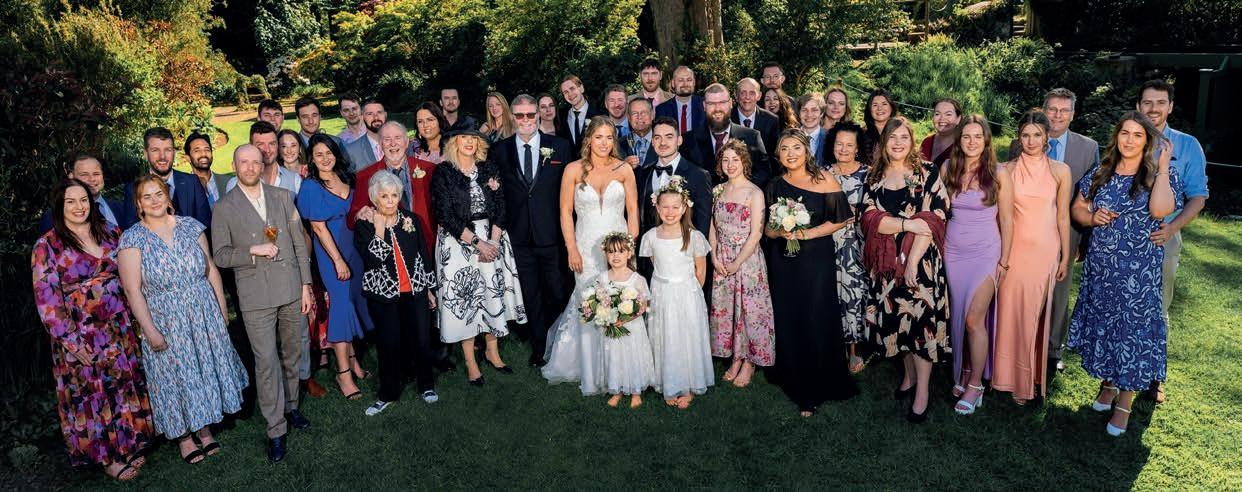
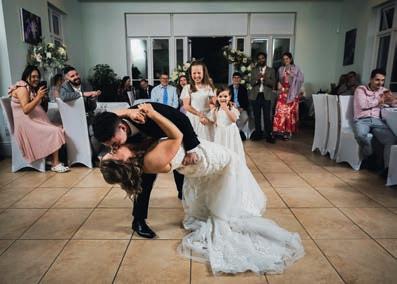
Ben and Jules were married on the 16th May 25
Ceremony: Villa Arcade
Reception: Villa Marina Photographer: Matt Mosur Gallery presents the wedding of



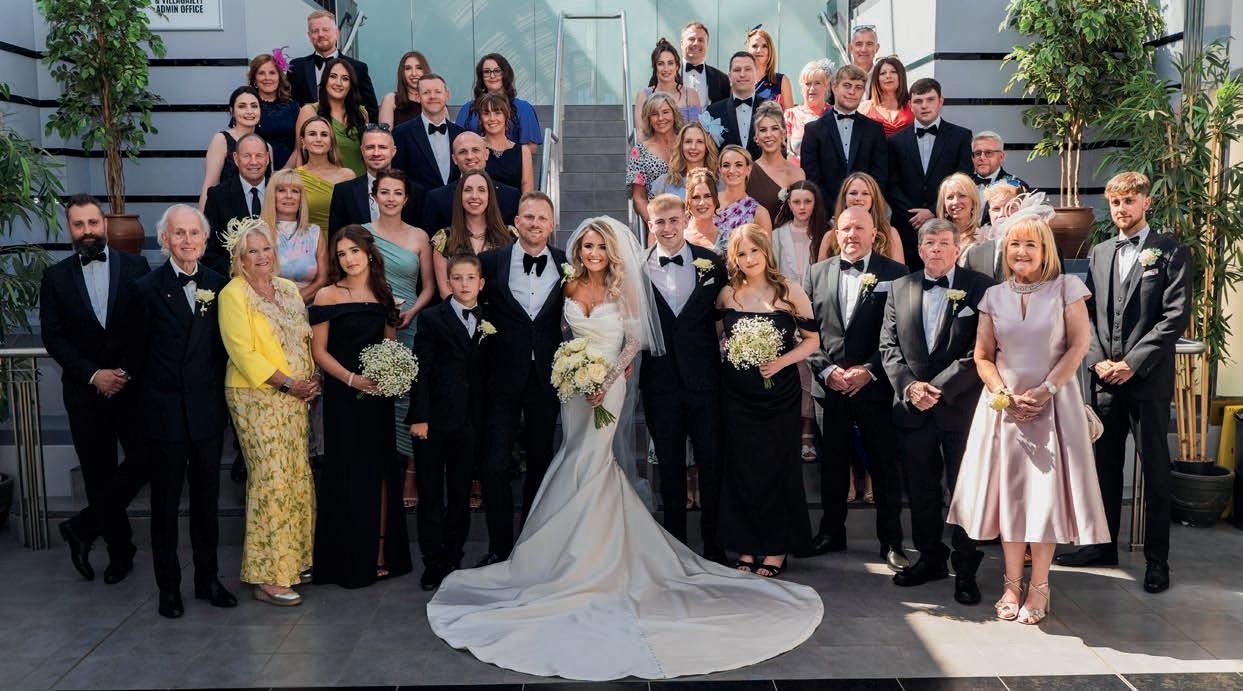
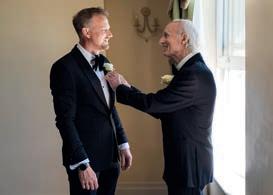
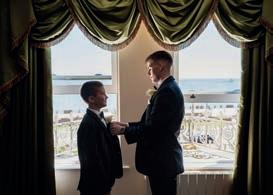

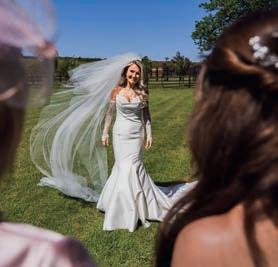
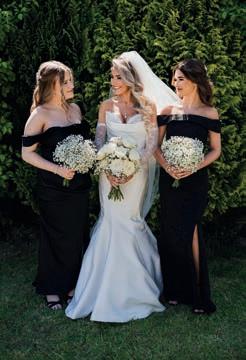
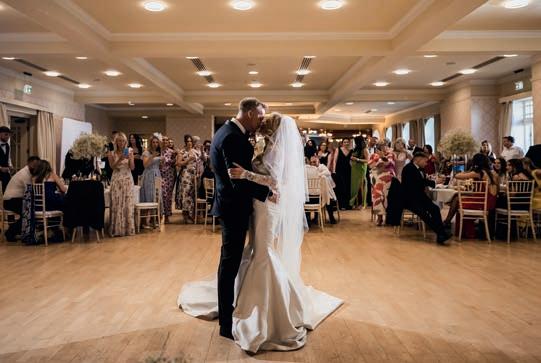
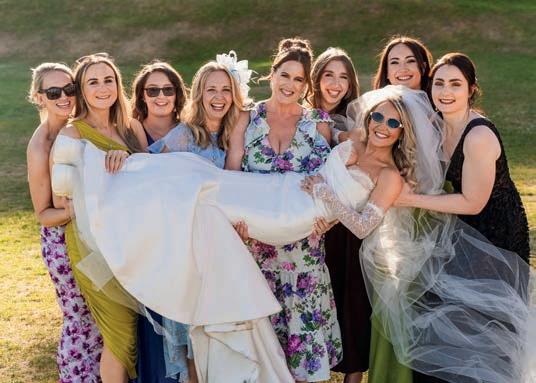

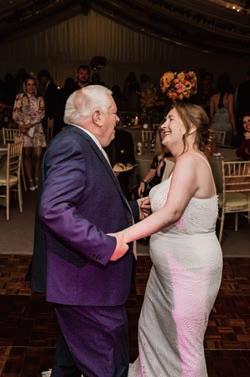
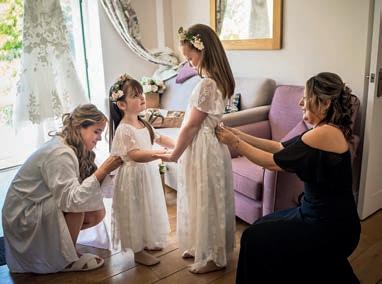
Gallery presents the wedding of Kerry
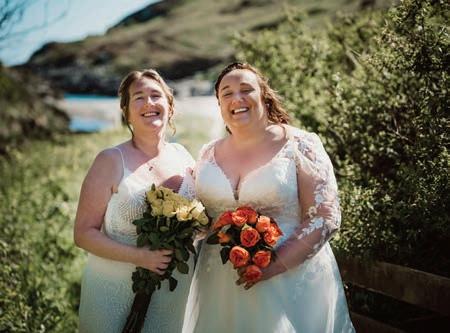
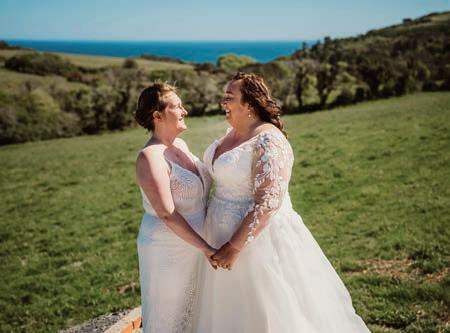
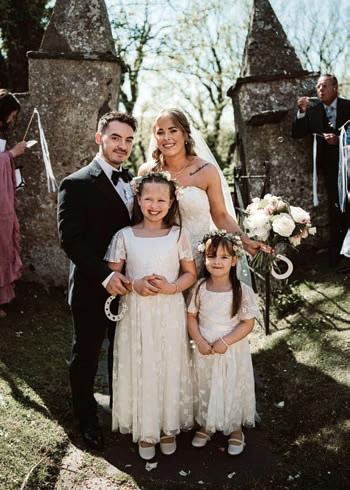
Kerry and Charmaine were married on the 3rd May 25.
Ceremony & Reception: Begoade, Onchan
Photographer: Matt Mosur
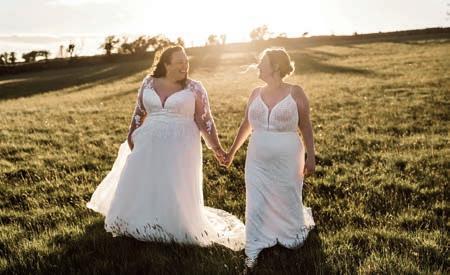
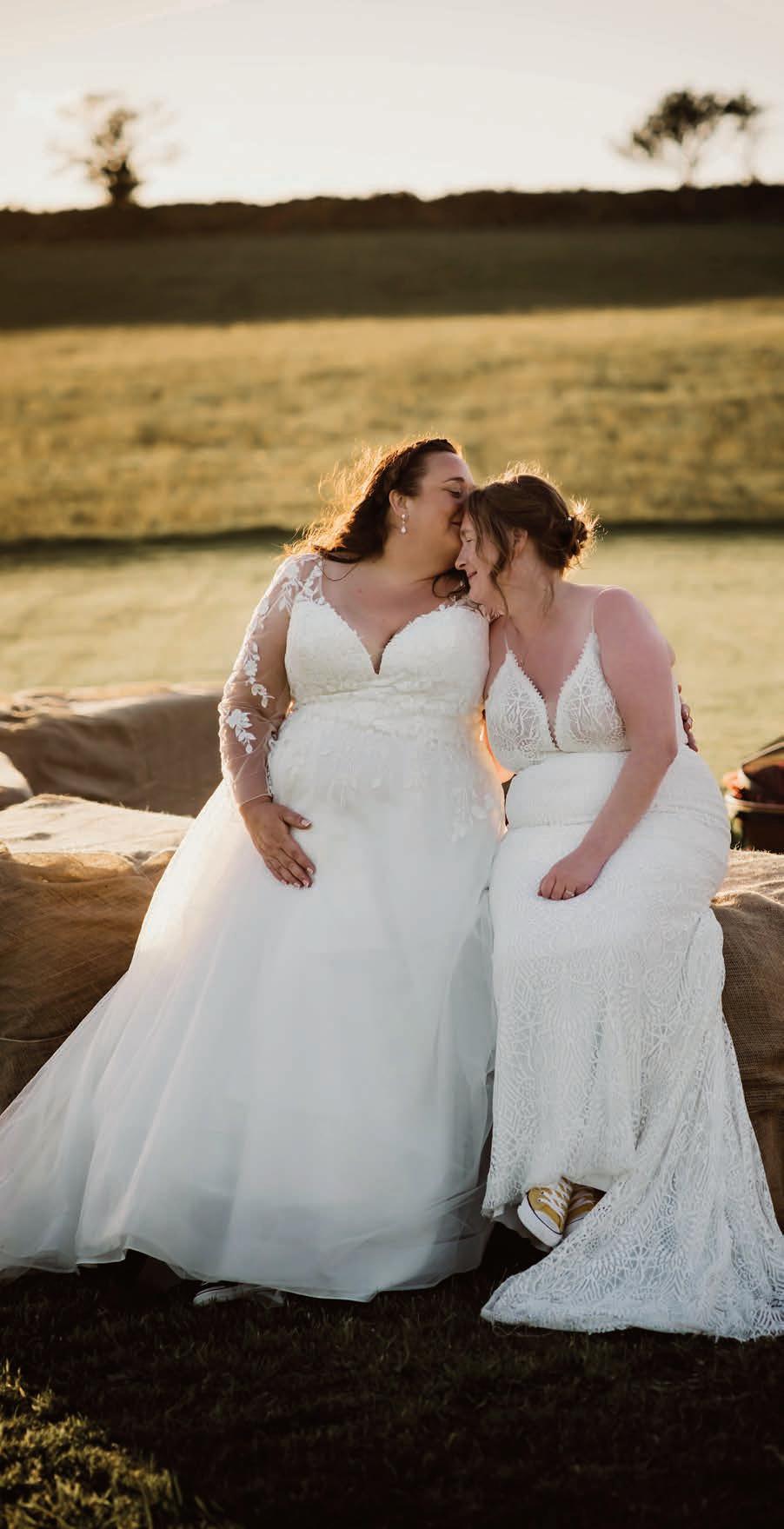
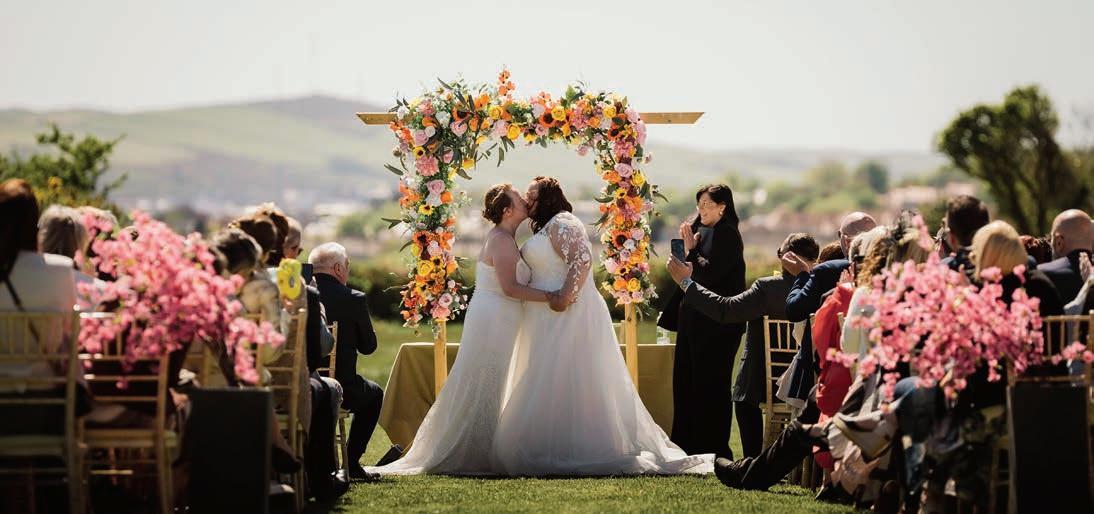
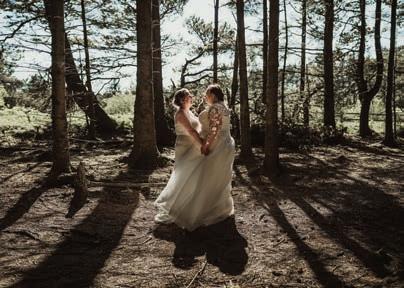
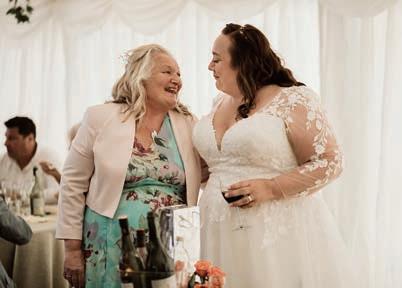
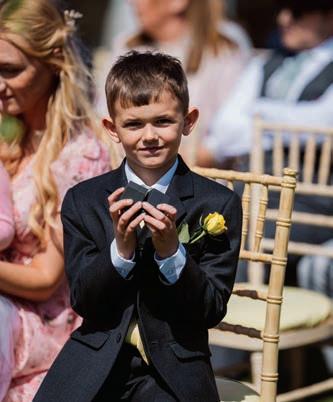
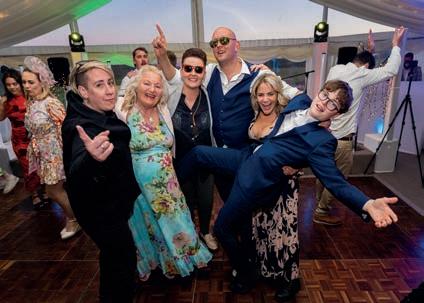
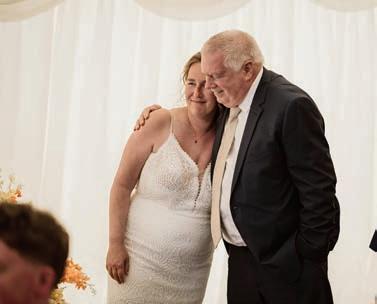
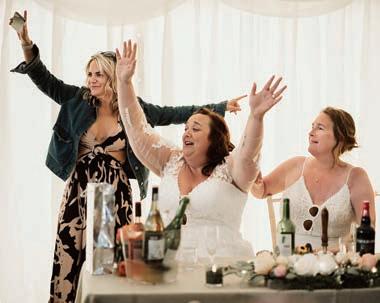
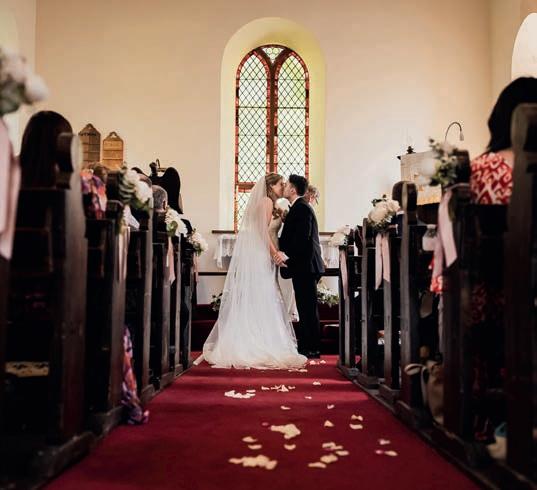
Gallery presents the wedding of
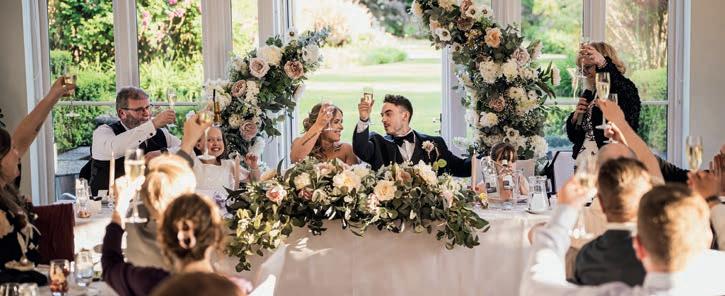
Toby and Shan were married on the 10th May 25.
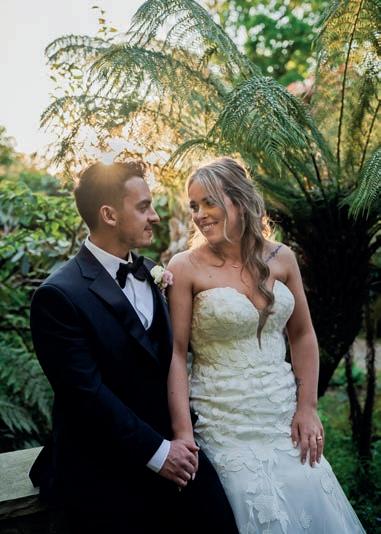
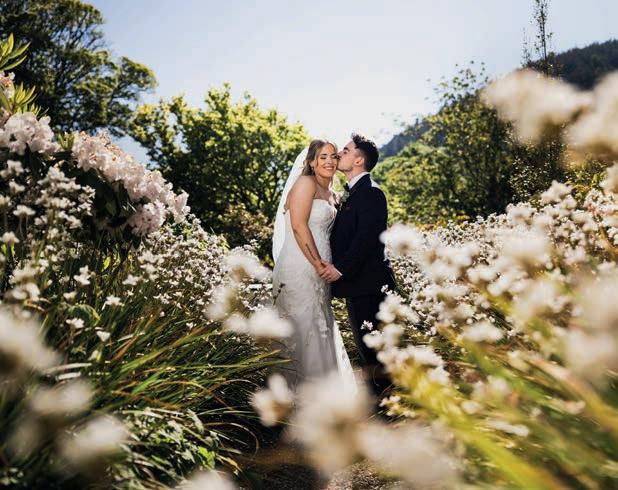
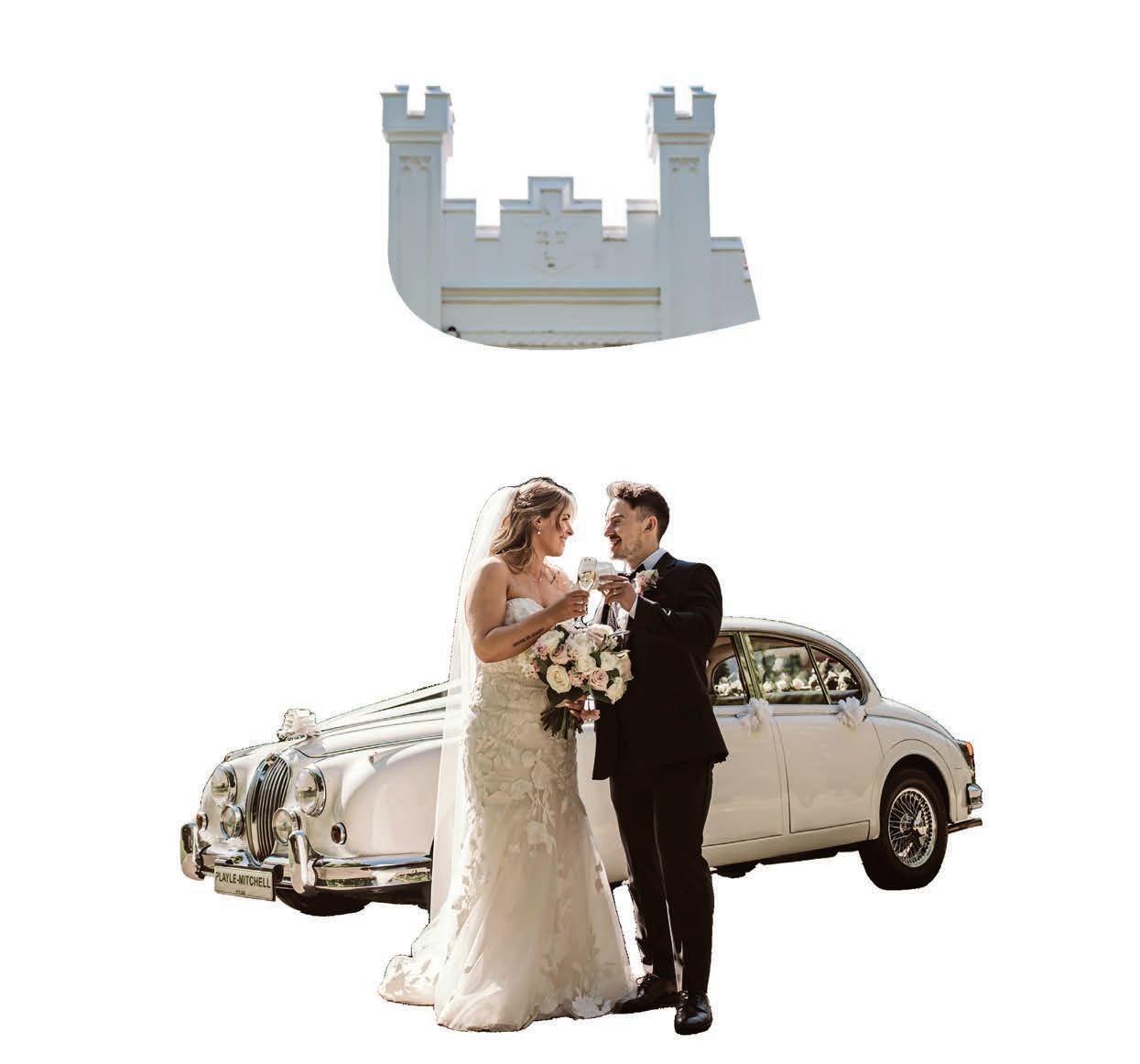
Ceremony: Old Ballaugh Church
Reception: Milntown Estate, Ramsey
Photographer: Matt Mosur
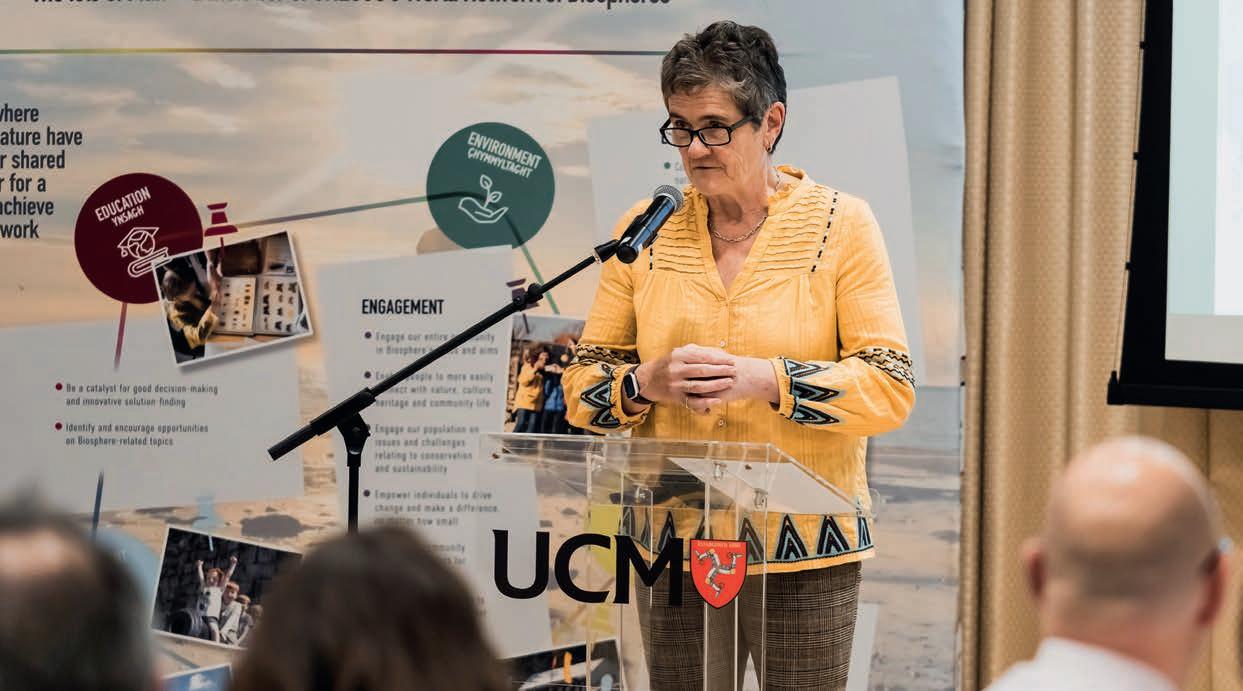
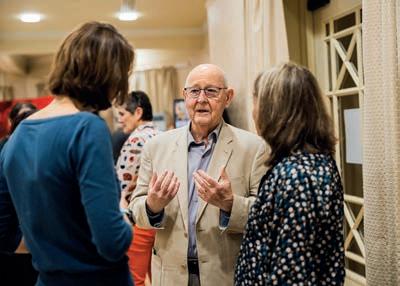
Entries for the Manx Graduate Dissertation Competition are now open, with the winner to be announced at UCM’s Research Festival in October.
Every year UCM welcomes submissions from its graduating students and Manx graduates’ from off-Island universities for the competition, which aims to celebrate the research skills and innovative development ideas that the students have.
As well as securing this accolade, the winner of the competition will receive a prize of £200.
Entries can be in the form of poster, presentation or video, and must be submitted by:
• Poster – 26th September
• 20-minute presentation at the Festival – register interest by 31st July
• Video – register interest by 1st September and provide video by 10th October
The Research Festival’s Organising Committee will select the winner which will be announced at the event on Friday 23rd October at the Villa Marina.
Gail Corrin, UCM’s Higher Education Manager said: ‘The Research Festival is such an interesting and diverse event, and now attracts presentations and delegates from the UK and further afield. This is a great opportunity for graduates to show off the skills they have learnt as well as the insights from their dissertation.”
More information about the competition, including how to enter, are available at www.ucm.ac.im/mgdc26

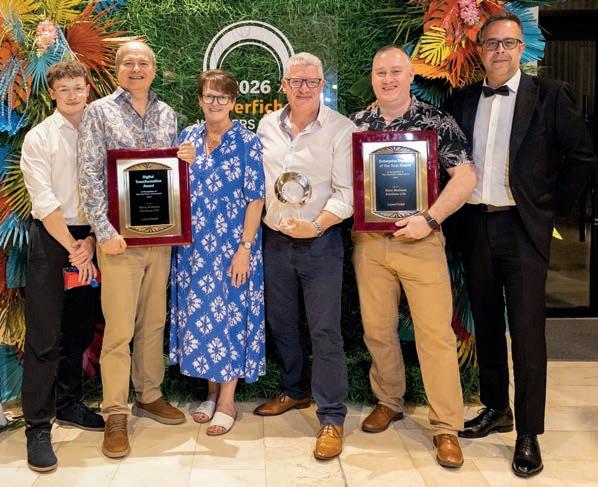
Isle of Man-based IT services business MBS has won 3 awards at the recent Laserfiche Winners Circle event for the 16th year in a row. This included the Enterprise Partner of the Year Award for the second year in a row. This reflects MBS’s work with clients worldwide to implement digital projects that deliver major business benefits. Enterprise clients often require extensive customization and integrations with other systems to meet their sophisticated requirements.
MBS is a Laserfiche Premier Partner and the largest Laserfiche solution provider in Europe with over 300 clients operating in 49 countries.
Laserfiche is a leading global provider of AI-powered document management and business process automation solutions with over 6 million users.
MBS’s Managing Director Rupert Leaton said:
‘This is a fantastic achievement for MBS. We would like to thank Laserfiche, our clients and our dedicated team who implement these solutions. Our clients have ambitious goals to deliver growth and improve performance using leading AI and Cloud solutions including Laserfiche and rely on MBS to achieve those goals.
We have seen major growth in demand for our services over the

last year or so and we have grown our team accordingly. These are exciting times for MBS and we are very grateful to Laserfiche for both the outstanding quality of their software and their support for MBS.’
Karim Daya, Business Development Manager for Laserfiche, said: ‘Laserfiche is a world-leading provider of AI-powered intelligent content management and business process automation that provides innovative solutions for boosting productivity, scaling business operations and turning data into insight. Laserfiche has been recognised by our customers and independent analysts as a global leader. Laserfiche in turn is pleased and proud to recognise excellence among our partners such as MBS. Many congratulations!’
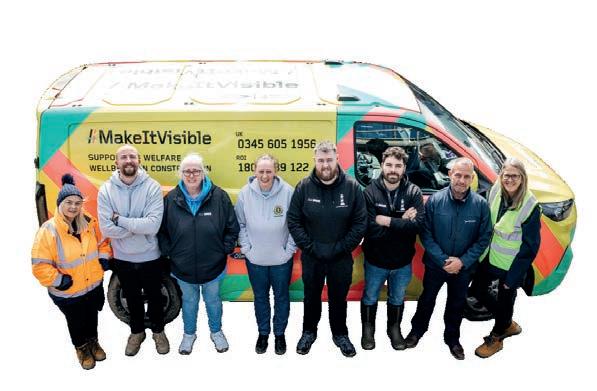
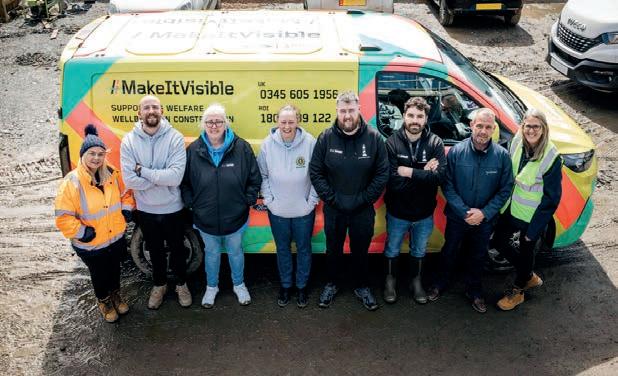
Leading developer Dandara has reinforced its commitment to workforce wellbeing by hosting a series of events across its Isle of Man construction sites.
In partnership with the Lighthouse Charity, which provides 24/7 holistic support to the construction industry on all aspects of emotional, physical and financial wellbeing, the initiative reached teams at Reayrt MieBallasalla, Glenfaba – Peel, and Quay West - Douglas.
In addition to its on site engagement, Lighthouse offers a wide range of confidential support services to both construction workers and their families. This includes a 24/7 helpline, wellbeing and mental health support, financial and legal guidance, and access to professional counselling, ensuring help is available whenever it is needed. As the construction sector continues to evolve, there is a growing recognition of the importance of mental health and wellbeing, with initiatives like these helping to create more open, supportive and resilient environments.
Marking the first visit of the Lighthouse Charity to the Isle of Man, the sessions saw high levels of engagement across all three sites, encouraging meaningful conversations around mental health in the construction sector.
At the heart of each session was Lighthouse representative Sam, who delivered a personal and engaging talk, drawing on his own experiences to encourage open conversation and help to break down the stigma surrounding mental health in the workplace.
Paul Roberts, Health and Safety Manager with Dandara, said the events underlined the importance of bringing discussions directly to where people work.
‘Creating space for honest and open conversations about mental health is essential and hosting the Lighthouse visits made a real impact across our sites,’ he explained. ‘The level of engagement from our teams was incredibly encouraging as colleagues listened with respect and openness, reflecting a growing awareness of the need to prioritise mental wellbeing throughout the industry, as well as support for those working in construction and their families.’
The sessions were further strengthened by the involvement of local organisations, including Isle Stand Up to Suicide and Ed Space. Alongside ventures such as trained mental health first aiders on site
Standard Bank Offshore is committed to African growth, and its partnership with Ripple Effect strengthens the community systems that make that growth possible.
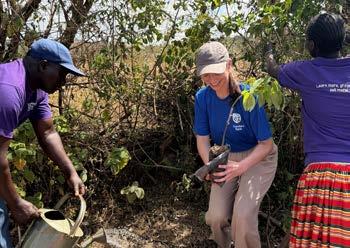
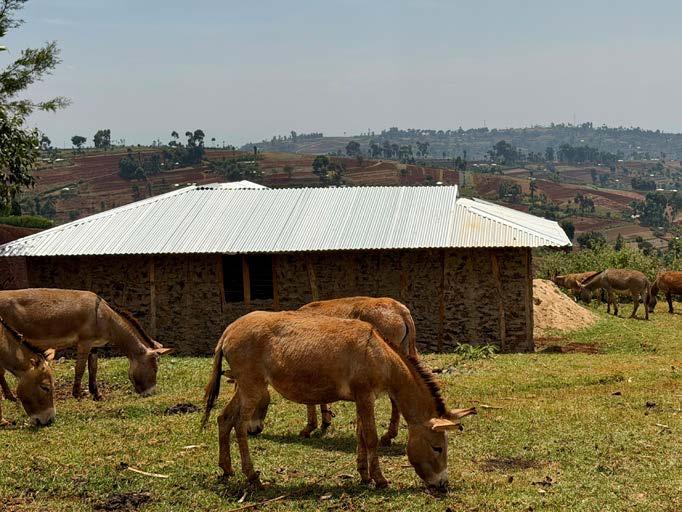
Mount Elgon, an ancient extinct volcano on the Kenya-Uganda border, is home to remote mountain communities whose survival depends heavily on one remarkable animal, the donkey. On its rocky slopes, donkeys carry water from distant streams, haul building materials, transport crops to market, and even act as ambulances when someone needs urgent help.
Here in rural Kenya, a donkey is far more than an animal; it is a vital asset that helps keep households running and livelihoods stable.
When a donkey falls ill, households can lose the ability to fetch water, transport crops to market, and earn income to support the home. In this context, reducing poverty often begins not with new assets, but with protecting the critical resources families already have.
Anna-Marie Egre, Project Lead in Corporate Social Investment at Standard Bank Offshore, reflected on her recent visit to Kenya:
“What stood out to me was how the changes being implemented by Ripple Effect are making massive differences in the community. Previously, many families lived below the poverty line, choosing between buying food or paying school fees. Malnutrition was high and donkeys used to be abandoned in the market when unwell because families couldn’t afford to treat them.”
“Today, with knowledge and access to local veterinary support, those donkeys are healthy. Seeing that connection between humans and animals and how closely their wellbeing is linked was very moving.”





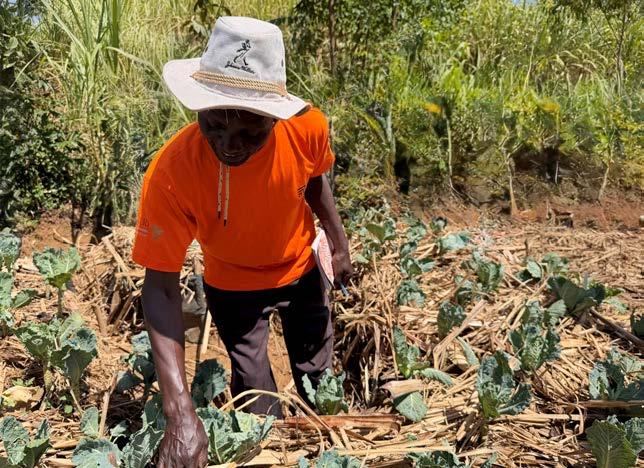
“Today, with knowledge and access to local veterinary support, those donkeys are healthy. Seeing that connection between humans and animals and how closely their wellbeing is linked was very moving.”
“Today, with knowledge and access to local veterinary support, those donkeys are healthy. Seeing that connection between humans and animals and how closely their wellbeing is linked was very moving.”
“Today, with knowledge and access to local veterinary support, those donkeys are healthy. Seeing that connection between humans and animals and how closely their wellbeing is linked was very moving.”
A partnership
A partnership that supports long-term
Through its partnership with Ripple Effect, Standard Bank Offshore supports programmes that build resilience through community-led development. One of these is Thriving with Donkeys, which helps to equip families with livestock care skills, veterinary support, and training, so they can protect the animals that support their daily lives.
Through its partnership with Ripple Effect, Standard Bank Offshore supports programmes that build resilience through community-led development. One of these is Thriving with Donkeys, which helps to equip families with livestock care skills, veterinary support, and training, so they can protect the animals that support their daily lives.
Through its partnership with Ripple Effect, Standard Bank Offshore supports programmes that build resilience through community-led development. One of these is Thriving with Donkeys, which helps to equip families with livestock care skills, veterinary support, and training, so they can protect the animals that support their daily lives.
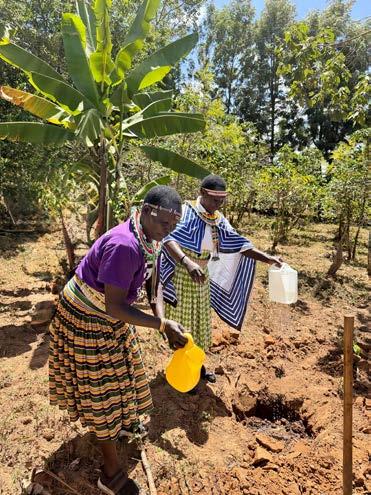
A healthy donkey improves productivity across the household. The time gained can be redirected into planting additional crops, joining savings groups for better financial health or supporting children with their schoolwork. Income earned from farming can be reinvested in homes, education and new opportunities that help families look ahead with greater certainty.
A healthy donkey improves productivity across the household. The time gained can be redirected into planting additional crops, joining savings groups for better financial health or supporting children with their schoolwork. Income earned from farming can be reinvested in homes, education and new opportunities that help families look ahead with greater certainty.
A healthy donkey improves productivity across the household. The time gained can be redirected into planting additional crops, joining savings groups for better financial health or supporting children with their schoolwork. Income earned from farming can be reinvested in homes, education and new opportunities that help families look ahead with greater certainty.
Ripple Effect’s model extends beyond livestock care. Communities receive training in climate smart agriculture, soil health, nutrition and small business development, helping them grow diverse crops, manage water effectively and build resilience as weather patterns shift across the region.
Ripple Effect’s model extends beyond livestock care. Communities receive training in climate smart agriculture, soil health, nutrition and small business development, helping them grow diverse crops, manage water effectively and build resilience as weather patterns shift across the region.
Ripple Effect’s model extends beyond livestock care. Communities receive training in climate smart agriculture, soil health, nutrition and small business development, helping them grow diverse crops, manage water effectively and build resilience as weather patterns shift across the region.
“The results are visible everywhere,” Anna-Marie explains. “Families who once struggled to grow enough are now producing a wider range of crops yearround. They have stronger soils, better water systems and more sustainable ways of farming, even as the wet seasons become shorter and droughts longer.”
“The results are visible everywhere,” Anna-Marie explains. “Families who once struggled to grow enough are now producing a wider range of crops yearround. They have stronger soils, better water systems and more sustainable ways of farming, even as the wet seasons become shorter and droughts longer.”
“The results are visible everywhere,” Anna-Marie explains. “Families who once struggled to grow enough are now producing a wider range of crops yearround. They have stronger soils, better water systems and more sustainable ways of farming, even as the wet seasons become shorter and droughts longer.”
Across the communities, the transformation for women was remarkable. Many who once relied on their husbands
Across the communities, the transformation for women was remarkable. Many who once relied on their husbands
Across the communities, the transformation for women was remarkable. Many who once relied on their husbands
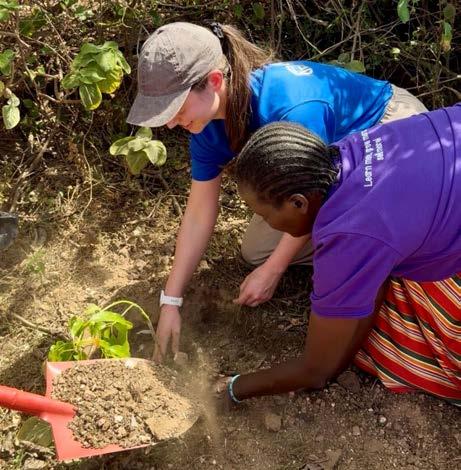
for income, land, permission to work and managed families with low food rations, have now trained to become Peer Farmer Trainers and generate their own livelihoods.
for income, land, permission to work and managed families with low food rations, have now trained to become Peer Farmer Trainers and generate their own livelihoods.
Gender-inclusion training has reshaped household dynamics, reducing conflict and strengthening family cohesion.
Gender-inclusion training has reshaped household dynamics, reducing conflict and strengthening family cohesion.
"One woman told us she used to think bank accounts were ‘only for rich people’. Now she manages her own finances, runs her farming activities independently, pays her children’s school fees and is investing in her home. Seeing that shift was very inspiring”.
"One woman told us she used to think bank accounts were ‘only for rich people’. Now she manages her own finances, runs her farming activities independently, pays her children’s school fees and is investing in her home. Seeing that shift was very inspiring”.
Several women shared that without Ripple Effect they might have had to resort to begging or other unsafe forms of work to survive. Today, with the training they’ve received, they are financially independent and confident about planning their futures.
Several women shared that without Ripple Effect they might have had to resort to begging or other unsafe forms of work to survive. Today, with the training they’ve received, they are financially independent and confident about planning their futures.
Anna-Marie noted: “One woman told us she used to think bank accounts were ‘only for rich people’. Now she manages her own finances, runs her farming activities independently, pays her children’s school fees and is investing in her home. Seeing that shift was very inspiring”.
Anna-Marie noted: “One woman told us she used to think bank accounts were ‘only for rich people’. Now she manages her own finances, runs her farming activities independently, pays her children’s school fees and is investing in her home. Seeing that shift was very inspiring”.
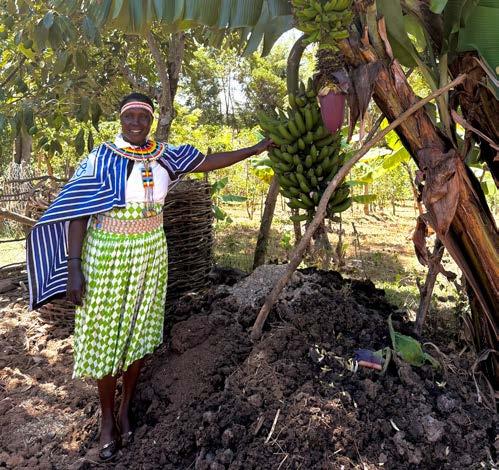
Before Ripple Effect, most women earned the equivalent of 250 KES (£1.46) per week, below Kenya’s rural poverty line of 1,050 KES (£6) per week. After joining Ripple Effect’s training, savings groups, and sustainable farming programmes, incomes rose to 1,200–2,500 KES (£7-£14.50) per week, moving families 10% to 150% above the rural poverty line and providing enough stability to enable investment in school fees, livestock, seeds and savings.
Before Ripple Effect, most women earned the equivalent of 250 KES (£1.46) per week, below Kenya’s rural poverty line of 1,050 KES (£6) per week. After joining Ripple Effect’s training, savings groups, and sustainable farming programmes, incomes rose to 1,200–2,500 KES (£7-£14.50) per week, moving families 10% to 150% above the rural poverty line and providing enough stability to enable investment in school fees, livestock, seeds and savings.
For Standard Bank Offshore, supporting Ripple Effect reflects a broader commitment to enabling growth across Africa. With a presence in over 21 African countries, the bank recognises the importance of long-term resilience and local empowerment.
For Standard Bank Offshore, supporting Ripple Effect reflects a broader commitment to enabling growth across Africa. With a presence in over 21 African countries, the bank recognises the importance of long-term resilience and local empowerment.
Its support extends beyond Kenya to Ripple Effect programmes in Burundi, Ethiopia, Rwanda, Uganda, and Zambia. The focus is on development led by the people who live and work in these communities every day, using their own expertise and ambition to drive change.
Its support extends beyond Kenya to Ripple Effect programmes in Burundi, Ethiopia, Rwanda, Uganda, and Zambia. The focus is on development led by the people who live and work in these communities every day, using their own expertise and ambition to drive change.
The Thriving with Donkeys programme shows how one strengthened asset can create a chain of positive outcomes: a healthy donkey supports reliable water collection; water supports thriving crops; thriving crops generate income; income supports education, savings and long-term stability. And when women lead within this cycle, entire communities benefit.
The Thriving with Donkeys programme shows how one strengthened asset can create a chain of positive outcomes: a healthy donkey supports reliable water collection; water supports thriving crops; thriving crops generate income; income supports education, savings and long-term stability. And when women lead within this cycle, entire communities benefit.
The progress underway in Mount Elgon shows what becomes possible when communities have the right tools and knowledge to build their own futures.
The progress underway in Mount Elgon shows what becomes possible when communities have the right tools and knowledge to build their own futures.
This commitment to shared growth and sustainable development continues to inspire Standard Bank Offshore as it supports families and communities across the African continent.
This commitment to shared growth and sustainable development continues to inspire Standard Bank Offshore as it supports families and communities across the African continent.
If you’d like to donate to this great cause, please scan the QR code below to visit the KindLink fundraising page. All funds raised will be matched by Standard Bank Offshore, up to the value of £10,000.
If you’d like to donate to this great cause, please scan the QR code below to visit the KindLink fundraising page. All funds raised will be matched by Standard Bank Offshore, up to the value of £10,000.


At Isle of Man Bank our Business and Commercial teams are here to support you with all aspects of your banking needs.
Across the Isle of Man we’re proud to help our customers, spanning from sole traders and SMEs to large corporates. Our dedicated team of experienced Relationship Managers are on hand to offer support and guidance.
The local team are introduced below, with each being a key member of the Isle of Man Bank team…
Meet the Corporate, Commercial and Business Banking team from
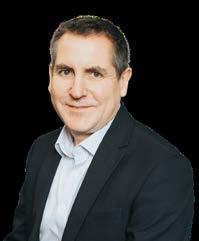
Ian Perry
Head of Corporate, Commercial and Business Banking
E: Ian.Perry@iombank.com
T: 07624 455166
Ian brings over 36 years’ experience within NatWest Group. Starting his career in Great Yarmouth, Ian ran a network of branches in East Anglia before moving to the Isle of Man in 2004. Since then, Ian has held several senior roles including Head of Retail Branches, Premier and Mortgages. Ian is now Head of Corporate, Commercial and Business Banking and a regulated officer for Isle of Man Bank.
He commented, “One of the highlights during my time in the Isle of Man is seeing businesses grow and thrive, supporting the local economy. I’m very proud to lead this team of outstanding Relationship Directors.”
Outside work Ian is an active member of the Manx golf and hockey community, having been Chairman of Vikings HC for over 10 years.
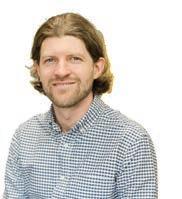
Daryl Callister
Corporate Relationship Director
E: Daryl.Callister@rbsint.com
T: 07624 481082
Daryl is a Corporate Relationship Director, supporting a portfolio of leading local businesses across the Isle of Man. With 19 years’ experience in the bank, Daryl has developed a deep expertise in customer relationship management and corporate banking. He started his career in the branch network in the Isle of Man before moving into Business and Commercial banking in 2015. Daryl also holds both the Certificate and Diploma in Lending Skills, further strengthening his technical capability in structuring, analysing, and managing commercial lending. Before stepping into his current role, Daryl worked closely with the Managing Director of RBS International’s International, Retail and Commercial Banking franchise, providing business performance management across the division.
Outside of work, Daryl is a proud Manxman with a strong passion for the Isle of Man. He enjoys spending quality time with his family, including his two young children, and making the most of island life. Daryl is also an accomplished golfer and has represented the island in four Island Games - most recently winning both the individual and team gold medals in Orkney in 2025.
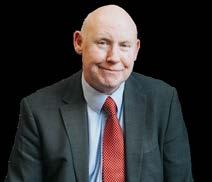
Shaun Gritton
Business Relationship Manager
E: Shaun.Gritton@iombank.com
T: 07624 409401
Born and educated on the Wirral, Shaun moved to the Isle of Man in 1991 with Barclays, who he worked for until 2005 when he secured a role with Isle of Man Bank.Shaun worked as a branch manager before he began his role as a local business relationship manager in 2013. He always aims to build strong partnerships with his business customers.
“I love the opportunity to work with my customers to help them grow and develop, to be there to help them through the tough times too. I pride myself on offering the best service to our customers to help them now and for the future.” In his spare time Shaun has been a long-standing volunteer with the Isle of Man Football Association.
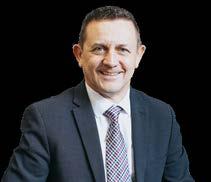
Commercial Relationship Director
E: Mark.Holt@rbsint.com
T: 07624 472812
Brought up and educated in the Isle of Man, Mark is a Commercial Relationship Director responsible for the management of a portfolio of local trading businesses and Commercial Real Estate clients. Since joining NatWest International in 1990, Mark has built up extensive knowledge and experience which includes 25 years of working with clients in the Business, Corporate and Commercial sector. Mark possesses a Diploma in Lending Skills and is passionate about helping businesses thrive.
Outside work he is a keen golfer and for the last 3 years has been a Trustee of a local charity which assists new business start-ups.

Lindsay Leece
Business Relationship Manager
E: Lindsay.Leece@rbsint.com
T: 07624 473838
Lindsay moved to the Island in 1999 and joined RBS International in early 2000. Since then she has gained more than 15 years’ experience working in the business and retail sector teams. Lindsay prides herself with high standards in all areas of local knowledge and customer communication, ensuring clients receive an exceptional standard of service. A key driver is the forming of close working relationships with her clients, establishing a partnership with them, and helping to form and meet their short and long-term financial goals.
Outside of work Lindsay loves a challenge, such as white collar boxing or climbing a mountain but most weeks, she can be found at the side of a pitch watching her two boys play football.

Commercial Relationship Director
E: Juan.Quayle@iombank.com
T: 07624 463497
Born and educated in the Isle of Man, Juan brings 27 years’ banking experience with NatWest Group to the role, including 20 years in relationship management roles, looking after the needs of local Premier and Commercial clients.
Juan understands the market we operate in and the needs of our existing and prospective customers. He commented, “I take pride in delivering great customer service to my local customer base, helping them achieve their financial goals and longterm aspirations.” Outside of work Juan is a keen golfer and a member of Peel Golf Club.
From endorsing cheques in Onchan to building a global AI platform, one Isle of Man entrepreneur is proving that when you invest in people, everything else follows.
It is 2004. Orchard Recruitment have just found me the dream job at Royal Skandia. I walked through the doors of Skandia House in early February as a junior, full of enthusiasm and absolutely convinced I was about to do something important.
The Isle of Man was never supposed to be permanent. I came here with my girlfriend Emma to visit her wonderful grandparents. As the story goes for so many on this amazing island, I never left. Fast forward to today and Emma and I are married, we have four beautiful children, three dogs and have made a lovely home for ourselves. Thanks to Emma’s support, I have also managed to fit in two master’s degrees and a doctorate. Every day is a school day. Nobody is born with the answers, we find them through exposure, to the right situations, the right people, the right questions. That belief shapes my approach, my attitude, and everything we build at Upleashed.
But back to 2004. My first task at Royal Skandia was endorsing the back of every client cheque, one after another, writing ‘for and on behalf of Royal Skandia Life Assurance Limited’ in my neatest handwriting. Hundreds of them. Possibly thousands. It was so repetitive that to this day I occasionally wake up muttering those words to myself. After a couple of weeks, the company made the very sensible decision to replace me with a rubber stamp, yes, a stamp. My first ever experience of process improvement, and I was the process that got improved.
Looking back, that small moment mattered more than I knew. It was the first time I saw how changing the way someone works, even something as simple as a rubber stamp, can free them up to contribute
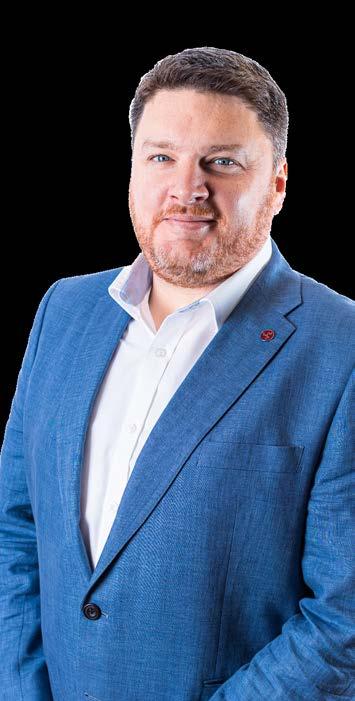
Words by: Dr Alex J. Martin-Smith · Founder & CEO, Upleashed · Isle of Man

something more valuable. That idea never left me.
Royal Skandia was a wonderful company and a brilliant employer for this island. The people I worked alongside were exceptional. Generous with their time and genuinely invested in helping those around them grow. I started at the bottom and progressed into a business intelligence role, and it was there, in that environment, that I first encountered structured skills development. The frameworks. The techniques. And most importantly, the mindset. I became a product of my environment, led by people like Mike Haywood, Michelé Schliesser, James Harris-Burland and so many more it would be impossible to mention them all. I have a deep love for that company and the people who helped me there. I always will. From that foundation I developed an optimised mindset that tells me to this day that everything can be improved. Ideas can be sharpened. Processes can be
refined. People, given the right exposure, can achieve things neither they nor anyone else thought possible.
What I did not know was that those early experiences were planting a seed. Scares me to think, but some twenty plus years later, a doctoral thesis, and having influenced over 105 million skills assessments globally, that seed became PulseAI.
“We obsess over measuring revenue and output, yet we guess at capability. PulseAI ends the guesswork.”
Dr Alex J. Martin-Smith
I want you to imagine something. Your best team member, the one everyone relies on, hands in their notice on a Friday afternoon. Monday morning, you are staring at a gap you cannot clearly define because everything that person
CONNECT upleashed.com linkedin.com/company/ upleashed facebook.com/upleashed @upleashed ams@upleashed.com Phone: +44 330 122 1223 Mobile: 07624 218080

knew, every skill they carried, was never written down anywhere useful. You have spreadsheets, sure. Half of them, if you can find them, were last updated for an annual review that nobody remembers. The other half live in someone’s drawer. You have job descriptions, but they do not really match the reality of what is needed to get the work done day-to-day. That scenario is not unusual. It is frighteningly normal. And it is exactly the kind of quiet crisis that costs businesses more than they ever measure.
The numbers tell the story. The World Economic Forum estimates that 39% of workers’ core skills will change by 2030. Nearly two thirds of employers now say the skills gap is their single biggest barrier to growth. AI is seemingly not replacing people overnight, but it is changing which skills matter, fast. The distinctly human things, critical thinking, creative problem solving, empathy, leadership, are becoming more important than ever. And yet most organisations still cannot answer a simple
question: what skills are needed now, where are the capability gaps, and who is ready for what comes next?
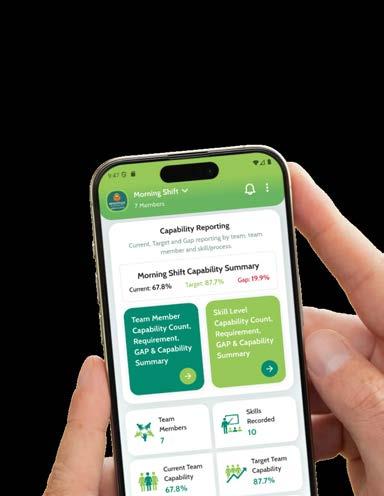
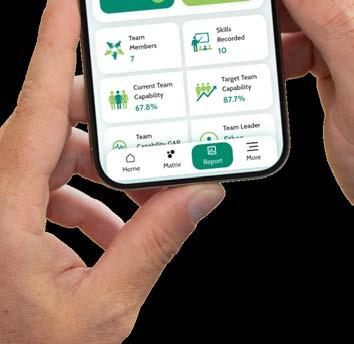
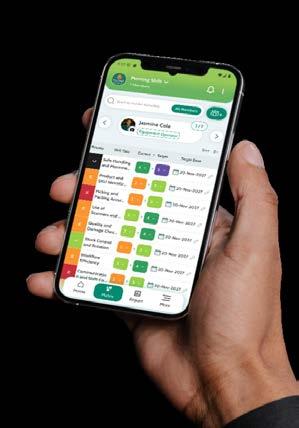
That is the problem PulseAI was built to solve. It is an AI-augmented skills matrix, designed and built right here in the Isle of Man, that makes capability visible; often for the first time. Your team defines the skills each role needs, with AI on hand to help map them and remove the pain of starting from scratch. Members assess where they are against clear targets. The platform generates colour-coded heat maps showing strengths and gaps at a glance, with development roadmaps delivered straight to people’s phones via the free Apple and Google apps. No annual review. No guesswork. Just real-time clarity, for everyone.
The research behind it runs deep. A zero to five capability framework built over twenty years, rooted in methods pioneered by Toyota and refined through my qualitative
and quantitative doctoral research into AIdriven skills management. But the principle is simple: if you can see it, you can grow it. A visual report that everyone in the company can interpret in five seconds, from five feet away.
We’ve priced PulseAI at £199 per organisation per year, with unlimited users. That was a values decision, not a marketing one. A ten person start-up in Douglas deserves the same visibility over capability as a UK or US multinational. Skills development is deeply personal. It is tied to confidence, to career progression, to someone being able to provide for their family. That should never be a luxury, never be exclusive. To truly democratise something, in this case skills development, a simple and affordable pricing structure has to be at the heart of it.
“Skills are a force for good. Every new skill learned is a small but powerful victory. It boosts self-belief, opens new opportunities, and sparks a desire to keep learning.”
Dr Alex J. Martin-Smith
When we announced PulseAI’s wider availability earlier this year, the story was picked up by press outlets around the world, from PRWeb and the National Law Review to HR Technology Insights and IT Tech Pulse. Our research has now informed over 105 million skills assessments spanning industries and continents, all from a small company on the Isle of Man. I feel incredibly proud and humbled by what we have achieved, and yet I still believe the most impactful stage is yet to come.
As a small island, our competitive advantage has always been our people. We punch well above our weight. We cannot compete on scale, but we can absolutely compete on capability. And when you invest in someone’s skills, you do not just improve their output. You improve their life. Confidence grows. Options expand. People become better colleagues, better leaders, better contributors to this community and a force for setting new standards globally.
I came to this island twenty years ago to visit grandparents. I found a career, I made a family, a home, and a purpose. I built PulseAI here because this is where it all started. In a building in Onchan, endorsing cheques I can still recite in my sleep, surrounded by people who showed me what happens when you believe in someone’s potential.
And a word on technology, because I am aware I have just spent several paragraphs talking about ours. AI is not the answer. AI is not the problem. AI is a tool, and a remarkable one. But when every organisation on earth has access to the same models, the same platforms, the same clever features, technology itself stops being the advantage. What remains? What always remained. The culture you build. The people you develop. The trust you earn. PulseAI exists to serve that work, not to replace it.
Words By Kelley Corlett
You know the story. You might be living it.
Sarah is brilliant at her job. She’s the accountant everyone trusts. The one who spots the mistakes no one else sees. So, when the team needs a leader, the decision feels obvious.
Promote Sarah.
Six months later, Sarah is exhausted. Two of her team have quietly started looking elsewhere. She’s still doing her old job, badly, on top of a new one she’s never been trained for. Nobody has noticed yet, because the numbers still add up. Just.
Sarah is an accidental manager. And if you employ more than five people on this island, you almost certainly have one. You may even be one yourself.
The scale of it
This isn’t a small issue. It’s the norm.
Recent research by Robert Walters, found that 66% of UK managers describe themselves as “accidental,” promoted into leadership without any formal training, and often without even wanting the role. A further 22% were “quietly promoted,” handed extra responsibility with no pay rise, no title change, and no acknowledgment that the job had changed. That’s 88% of managers on the back foot from day one.
Now layer that with the impact.
Gallup’s 2025 State of the Global Workplace report puts a number on what that costs. Disengaged employees wiped $438 billion off global productivity in 2024. Manager engagement itself fell, from 30% to 27%. And here’s the punchline: Gallup’s own data shows managers account for roughly 70% of the variance in their team’s engagement.
So, we have a workforce more disengaged than at any point in a decade. The single largest lever to fix it is the manager. And the manager hasn’t been trained.
If that doesn’t make you put your coffee down, nothing will.
The Isle of Man is not a scaled-down version of London. It’s a different beast entirely.
Most businesses on this island employ fewer than 20 people. Most don’t have an HR department. Most don’t have a learning and development team. Leadership “training” tends to happen on a Tuesday afternoon when someone walks into the boss’s office and asks how to handle a difficult conversation.
Reputation travels fast in a place where everyone knows everyone. A poor manager doesn’t just lose one employee. They shape who applies, who stays, and what your business is known for at the Friday evening drinks. There is nowhere to hide. Family businesses carry an extra layer, where the next leader often arrives with the surname before they’ve had the chance to build the skill set.
Here’s the part that makes this urgent rather than interesting.
The world of work is changing faster than at any point in living memory. Artificial intelligence is reshaping roles before most organisations have written the job descriptions. Skills that were essential five years ago are being automated. Skills that didn’t exist five years ago are now in demand. Hybrid working has rewritten how teams build trust. Younger employees are walking into your business with different expectations of leadership, development and meaning at work, and they will walk out again if those expectations aren’t met.
For the Isle of Man, this isn’t a distant global story. It’s a local one. We are a small economy with a tight labour market and businesses being asked to absorb more change in the next three years than they did in the last ten. The pace of change has outrun the pace of capability building. That isn’t a future problem. It’s a now problem.




The people who absorb all of that change, who interpret it for their teams, who keep the work going while the ground moves underneath them, are managers. Not the executive team. Not the strategy consultants. The line managers and team leaders who sit between the strategy and the doing.
Look after that layer, and your business has a chance. Neglect it, and you’re asking the most stretched, least supported people in your organisation to carry the weight of the future. They will not, because they cannot.
The good news, and there is good news, is that none of this requires heroics.
Good management capability isn’t a personality trait. It’s a set of learnable skills. Holding honest conversations. Giving feedback that lands. Setting clear expectations. Spotting potential. Coaching rather than rescuing. Knowing when to step in and, just as importantly, when to step back. Recognised qualifications matter, not for the certificate on the wall, but for the structure underneath it. A good leadership programme gives a new manager a framework to think with, a peer group to test ideas against, and the professional language to do the job well. It turns “I’m winging it” into “I know what I’m doing, and I know why I’m doing it.” That confidence is contagious. So is its absence.
There are several routes to that outcome. What matters is choosing one, taking it seriously, and treating leadership development with the same intent you bring to technology, finance, or compliance.
Before you look for solutions, sit with these honestly.
1. Who in your business is currently managing people without ever having been taught how? Not “have they been here long enough?” Not “are they smart?” Have they actually been taught. There is a difference.
2. If your best manager left tomorrow, who would step up? And more uncomfortably, what have you done in the last twelve months to prepare them for that day?
3. How would your team describe the experience of being managed in your business, in three honest words? Not the words you’d use. The words they’d use. The gap between those two lists is the gap you’re paying for.
4. What are you investing in your leaders’ development, compared to what you’re investing in the technology they’re being asked to lead through? If the answer makes you wince, technology won’t save you.
There is a path through this. Sarah can become a brilliant leader. Most accidental managers can. They just need structure.
The accidental manager problem isn’t a people issue. It’s a design flaw. And design flaws can be fixed.
Wake up at 5 am. Take supplements. Drink water. Pilates. Journal. Eat protein. Eat fibre to accommodate the protein. Go for a run. Work. Go to the gym. 10,000 steps. Meal prep.
Words By Victoria Callin
Peppermint tea. Take more supplements. Eat more protein. Eat more fibre. Get to bed by 9 pm. Only to realise that despite feeling accomplished, your fitness device tells you that you only hit a strain of 30 out of 100 that day, and to try and reach your full potential tomorrow.
According to the Global Wellness Institute, wellness is described as “the active pursuit of activities, choices
and lifestyles that lead to a state of holistic health.” It has been around for millennia, dating back to 3000 BCE with practices such as yoga and meditation. Yet somewhere along the way, after thousands of years, wellness has become less about self-love and more about self-pressure. Rather than using wellness as a tool to nourish the mind and soul, we are beginning to see our bodies as a project - something to constantly optimise, track, and improve.
And before I lose you, just know that the call is coming from inside the house. I personally love researching and investing in self-improvement, supplementation, and fitness. Trust me, my bank account knows! Yet, by becoming more involved in these circles, I have realised that there is a danger of comparison and obsession. This article is not to discourage the pursuit of wellness, but to acknowledge a very real situation that many people are in: wellness burnout.
Wellness was intended and designed to make you feel energised. Empowered. And with the right routine, tailored to you, you will feel that. However, due to the abundance of knowledge right at our fingertips, it can be very easy to turn wellness into a full-time job. There is always another podcast, another book, another influencer telling you that you could be doing more. Sleeping better. Eating cleaner. Training harder. Recovering smarter. The list never really ends.
At some point, the line between discipline and pressure begins to blur. What starts as a morning walk for clarity becomes a non-negotiable step count that you can’t sleep until you reach. A balanced diet turns into macro tracking and guilt. Rest days feel less like recovery and more like failure. And suddenly, something that was meant to support your life starts to control it.
Social media doesn’t exactly help. We are constantly exposed to curated routines that seem effortless and ideal. However, it creates an unspoken competition: a silent race toward an aesthetic standard that no one explicitly admits to running. And often, when you feel like you have finally won it, it’s barely sustainable for longer than seven days. Doesn’t it all just make you consider what we are defining wellness as? Is it about how we feel anymore? Where do we draw the line? How do we make sure we’re not having too much of a well thing?
It probably starts with honesty. Asking yourself why you are doing what you are doing. Is it to feel better, or to feel in control? Is it coming from a place of care, or from a fear of not being enough? There is nothing wrong with structure, goals, or discipline - but they should serve you, not trap you!
It also means allowing room for flexibility. Go out for a meal with your friends occasionally. Enjoy your date night. If you’re exhausted, go to bed without hitting your 10k steps.
Wellness doesn’t need to be extreme to be effective. In fact, the most sustainable routines are often the simplest. A walk you enjoy. Meals that make you feel good. Movement that you don’t dread. Rest that isn’t earned but given.
Because at its core, wellness was never meant to be exhausting. It was meant to support you! Maybe the goal isn't to hit a daily peak of potential, but to build a life that sustains you - one where you listen to your body as much as your smart watch.
A few years back I was asked to develop a wellness initiative for a large Middle East business. With so much conflicting and confusing information out there it’s difficult to know what’s right and wrong, so I wanted to simplify everything and bring it back to basics. The reality is, optimal health isn’t about chasing the latest fad, it’s about mastering a few core principles?
So, my idea behind The Six Pillars of Health was to create a simple framework designed to help build a balanced, sustainable lifestyle from the ground up. Rooted in the belief that health is more than just the absence of illness, my approach focuses on six interconnected areas: Mindset, Movement and Exercise, Nutrition, Sleep, Breathing and Meditation, and Balance. Together, they form a powerful toolkit for long-term wellbeing.
If there’s one pillar that underpins all the others, it’s mindset. Your thoughts shape your actions, and your actions shape your life.
A positive mindset doesn’t mean ignoring challenges it means approaching them with resilience and perspective. Research consistently shows that optimism can reduce stress, improve heart health, and even increase lifespan.
Simple habits can make a big difference. Practicing gratitude, something I do every morning, surrounding yourself with supportive people, and setting meaningful and achievable goals. Writing goals down helps solidify them in your mind and increases your chances of success. Ultimately, developing a growth mindset allows you to see opportunities where others see obstacles.
Modern life has made inactivity the norm. Long hours at desks, reliance on cars, and convenience driven habits mean many of us move far less than our bodies were designed to.
Movement and exercise, in all its forms, is essential for health and longevity. It strengthens muscles and bones, supports a healthy weight, and reduces the risk of chronic diseases such as heart disease and type 2 diabetes.
The good news. You don’t need to become a fitness fanatic. Even modest activity like walking, taking the stairs instead of the lift, or short exercise sessions a few times a week can significantly improve both physical and mental health. Exercise is a powerful mood booster, helping reduce stress and improve sleep quality.
The key is consistency and enjoyment. Find activities you genuinely like, and they’ll naturally become part of your weekly routine.
The final pillar, balance, is where everything connects.
It’s possible to eat well but neglect sleep, or exercise regularly but feel mentally overwhelmed. True wellbeing comes from aligning all aspects of your life as best you can, as often as you can. Work-life balance is a common challenge in modern life. Constant busyness, lack of “me time,” and chronic fatigue are all signs that something is off. When balance is restored, the benefits are profound: improved productivity, better relationships, and a greater sense of peace and fulfilment. Achieving balance doesn’t require drastic changes either. Often, it’s about small adjustments like setting boundaries, making time for friends and loved ones, prioritising what truly matters and learning to say ‘NO’, something I need to get better at!

Sleep is nature’s superpower but is often sacrificed in busy modern lives. Sleep is one of the most critical components of health. On average, adults need around seven to eight hours of quality sleep each night.
During sleep, the body repairs itself, strengthens the immune system, and processes information from the day. Without it, concentration, mood, and physical health all suffer.
Improving sleep often comes down to some simple habits such as, maintaining a consistent sleep schedule, creating a calming bedtime routine, and minimising exposure to screens before bed. Even the environment matters.
A cool, dark, and quiet bedroom promotes better sleep. Think of sleep not as lost time, but as an investment in your performance, health, and happiness.
Breathing is automatic, yet the way we breathe can significantly affect our health. Nasal breathing, for example, helps regulate oxygen flow, lowers blood pressure, and activates the body’s relaxation response. When we’re stressed, we tend to breathe quickly and shallow through the mouth, triggering the “fight or flight” response. Slowing down and breathing deeply through the nose can calm the nervous system and improve overall wellbeing. This is something I have found to be very useful as a quick and effective way to calm my nervous system. Meditation complements this by training the mind to focus and remain present. Even a few minutes a day can reduce stress, improve emotional health, and enhance self-awareness. Over time, these practices build resilience and help you respond more calmly to life’s challenges.
Nutrition is often called the cornerstone of health, and for good reason. Yet despite having more information than ever, many people are more confused than ever about what to eat.
One major issue is the rise of ultra processed foods (UPFs). These convenient options are often packed with sugar, unhealthy fats, and additives, contributing to rising rates of obesity, diabetes, and other chronic conditions. Even more worrying, it’s estimated that about 70% of children’s food intake in the UK comes from UPFs! The solution isn’t complicated: return to wholefoods and minimally processed foods. Think fruits, vegetables, whole grains, lean proteins, nuts, seeds, fish and lean meats. These are foods in their natural state and rich in nutrients.
Understanding the three macronutrientsprotein, carbohydrates, and fats is also key. Each plays a vital role in the body, from building tissue to providing energy and supporting hormone function. A balanced intake tailored to your lifestyle can help maintain energy levels, support weight management, and improve overall health. Nutrition isn’t about perfection either. Small, consistent improvements like swapping sugary snacks for fruit or planning meals ahead can make a real difference. The occasional treat is fine but the core of your diet and your childrens’ diets should come from nourishing whole foods.
The beauty of the Six Pillars of Health lies in their simplicity and interconnectedness. No single pillar works in isolation. Better sleep improves mindset. Improved nutrition boosts energy for exercise. Mindfulness supports emotional balance. Rather than chasing quick fixes, this approach encourages thoughtful, sustainable change. It’s not about perfection it’s about progress and doing the best you can.
Becoming the best version of yourself isn’t about doing everything at once. It’s about making better choices, one pillar at a time.




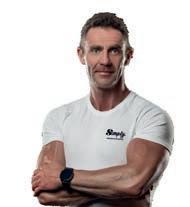
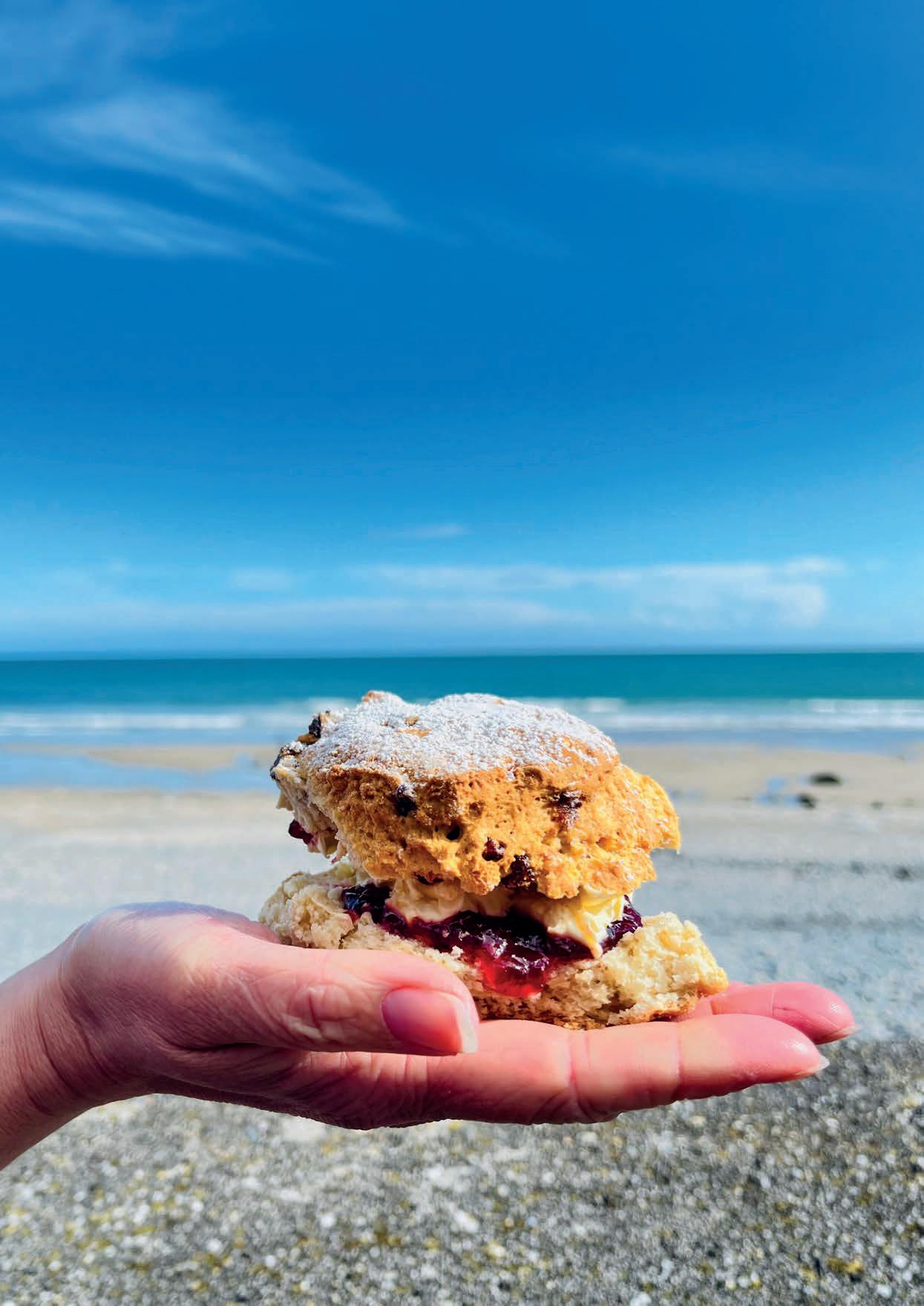
The humble scone is a staple sidekick to a pot of tea that is both filling and tasty. How do you like yours? With just butter, butter and jam, or cream and jam?
Strawberry jam or raspberry jam? Clotted cream or whipped? Crunchy and crumbly, or dense with a chewier texture? Whatever your preference, there’s a perfect scone out there waiting for you as I found on my quest to find the Island’s best scone.
But first, some scone lowdown. The history of the scone goes back no less than 500 years to Bishop Gavin Douglas’s translation into Scots of Virgil’s Aeneid, one of the most revered works in the Latin language.
Scones play a quintessential role in the wide array of typically British baked goods. Indeed, from a quick snack at a low-key seaside café to the glittering echelons of afternoon tea at The Ritz, scones meet every taste, whether plain, sweetened with raisins or made savoury with cheese. Or how about date and walnut, marmite and cheese, or butternut squash and chive to ring the changes?
Despite their long history and classy credentials, scones are not without controversy. First: are they a bread or a cake? Or in a category on their own? You decide!
Second: how do you pronounce scone? Northerners prefer their scones to rhyme with dons; southerners are more likely to chime their scone with bone.
So now to my scone quest: I scoured the Isle of Man on a personal mission to sample the best of scones on offer across our treasured island.
On a tantalisingly sunny weekend in March a trip to Davison's in Port Erin beckoned on account of its proximity to the beach for the younger generation. They wanted ice creams but I was keen to taste my first scone. Hexagonal in shape, it came with butter and a generous portion of strawberry jam. Competitively priced, this scone tasted good, but there were still more scones to sample.
Later that afternoon, justified by some intensive moat-building and river-jumping on the almost deserted beach, we had enough time to make a whistlestop at the Whistlestop Café in Port Erin railway station. Amid the variety of tempting cakes was a single scone evidently just waiting for me. And it did not disappoint. Crunchy on top with plenty of raisins, it came with butter and a delicious strawberry jam. This was first class! With lots of interesting railway photographs to look at and a cosy, friendly atmosphere in the café, was the Whistlestop scone on track to be the winner?
Next up, the Neb Café at Tynwald Mills, where the scones would, I surmised from past experience, be leading contenders for the top spot among their Island counterparts. It was late in the afternoon
and I snaffled the last lovely-looking fruit scone in the display. At a very tasty price of £2.50, it came with plenty of butter and a generous dollop of excellent strawberry jam. This was indeed a very good scone.
Added to the relaxing ambience in the café not long before closing time, and tea served in attractive chinaware, could the Neb Café’s scone take the top spot?
On a bright and breezy day during the Easter school holidays, I found myself in Laxey keen to sample the Laxey Beach Café’s offering. Evidently lots of people had had the same idea, for the café’s famed strawberry scones were sold out! Thankfully only the strawberries had taken a hit, and a scone with jam and cream was soon mine. And what a handsome scone it proved to be: generously dusted with icing sugar, containing plenty of fruit and with just the right degree of crumbliness.
Boasting a huge filling of clotted cream and jam, this scone had all the credentials of a winner.
On another day during the Easter holidays, we headed out to Knockaloe Beg Farm in Patrick for their annual Lambing Live open farm week, where we worked up an appetite stroking the lambs, riding the go-karts and partaking in a tractor ride to feed the pigs and sheep. Then it was time for refreshments in the Farmer’s Rest café. The Knockaloe Beg scone had almost an inch of billowy whipped cream and jam oozing out the sides. It looked almost too good to eat but eat it I did and savoured every crumb!
Next on the list, Milntown in Ramsey was the destination for my sixth scone and my expectations were wholly fulfilled. Dusted with caster sugar, it had a perfectly crunchy exterior encasing quite a sweet, light interior, rounded off by jam and Rodda’s Cornish clotted cream. Milntown Café’s reputation for excellence was most definitely reflected in its delectable scone.
The last scone on my mission was from recently reopened Bride Tea Rooms. About eight centimetres in width, it almost resembled a pie! But with whipped cream and a lovely jam, it most definitely tasted like a scone – and an extremely good one at that. Defeated by its size, I had to save half to enjoy for my supper. It is well worth a detour to the far north of the Island to sample the scones and other deliciouslooking cakes on offer in Bride.
And so for the results. After serious deliberation, I announce Laxey Beach Café’s scone as the overall winner, for its size, texture, crumbliness and deliciously generous filling, all savoured in the beauty of the great Manx outdoors and the unsurpassable surroundings of Laxey beach. Special mention is given to the Knockaloe Beg scone as the café is not generally open to the public except for specific events.
In truth, all the scones that I tasted around the Island were superlative and had their own merits. Each one had been baked and served with care: it’s clear there are a lot of excellent bakers working hard behind the scenes of our local cafés and eateries. So next time you’re out and about, why not stop off somewhere new to sample one? Or two. Or even three!
Late spring into early summer is the time to take dining outdoors. Think relaxed, al fresco feasting with grilled meats, fresh fish, vibrant salads and a crisp glass of chicken wine in hand.
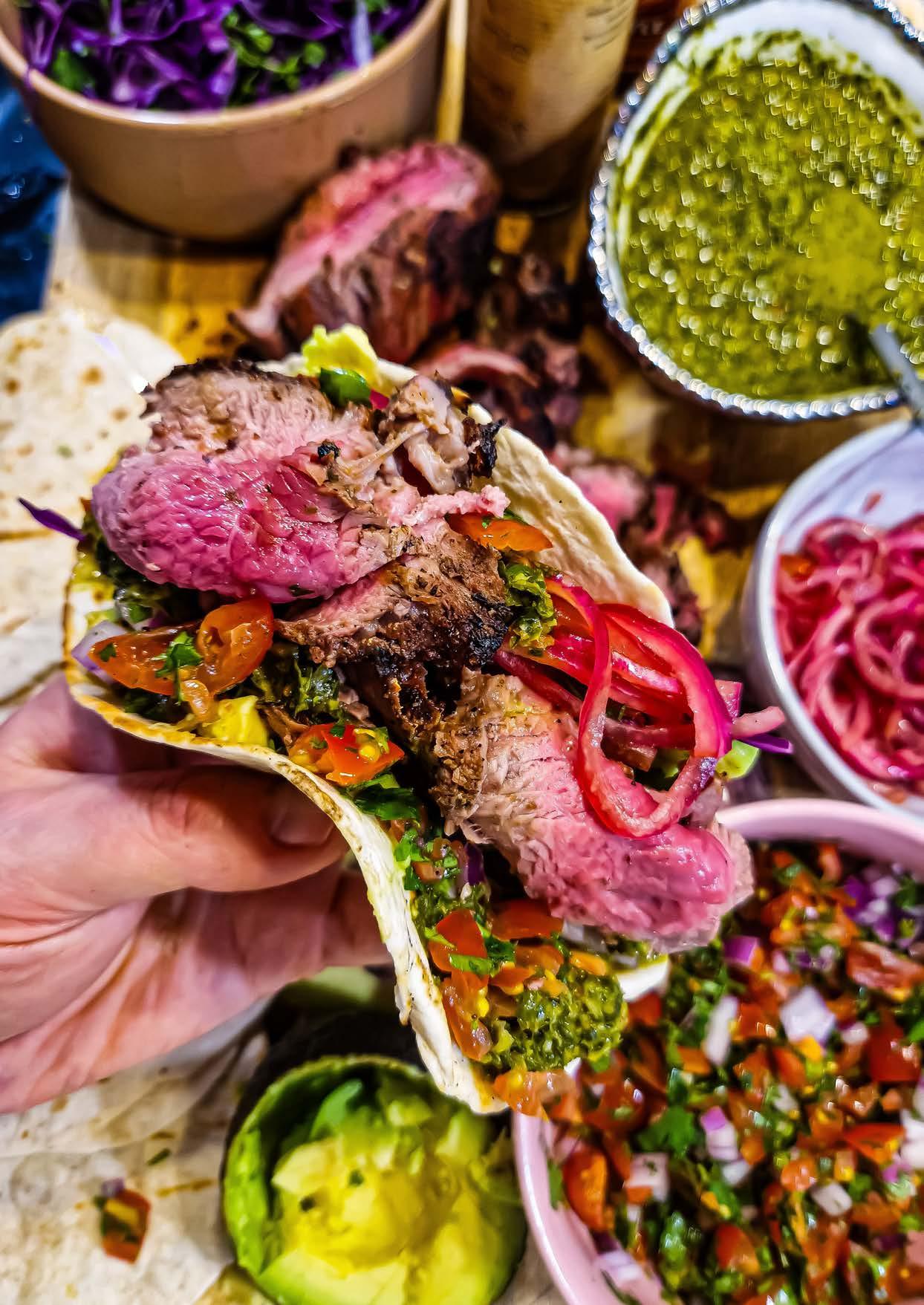
Chimichurri-marinated Manx beef fillet, grilled to perfection and served in warm tortillas with smashed avocado, pico de gallo, quick pickled red onions and shredded red cabbage.
“A simple way to turn outdoor cooking into something a little more special.”
We love a BBQ, but we’re always looking to elevate it beyond the usual burgers and drumsticks. Grilling fillet steak over flames gives it a rich, smoky depth that pairs beautifully with the punchy flavours of Mexican-inspired sides—lime, chilli, garlic, and fresh herbs. It’s a simple way to turn outdoor cooking into something a little more special.
For the steak
• Whole beef fillet (to serve 4)
• 1 tsp paprika
• 1 tsp smoked paprika
• 1 tsp garlic granules
• 1 tsp onion granules
For the chimichurri
• 1 garlic clove
• 1 red chilli
• ½ red onion
• Small bunch fresh parsley
• 1 tsp dried oregano
• 2 tbsp red wine vinegar
• 50ml olive oil
• Juice of 1 lemon
• Salt and pepper
For the pico de gallo
• 1 white onion, finely chopped
• 1 ripe tomato, chopped
• Small bunch coriander, chopped
• Juice of 1 lime
For the quick pickled onions
• 1 red onion, finely sliced
• 200ml red wine vinegar
• 2 tbsp sugar
• Salt
To serve
• Shredded red cabbage
• 2 ripe avocados
• Lime wedges
• Mini tortilla wraps
Start with the chimichurri. Add all the ingredients to a blender and blitz until combined but still slightly textured. Loosen with a splash of water if needed, and season generously.
Place the beef fillet in a bowl and coat with a quarter of the chimichurri, reserving the rest for serving. Add the paprika, smoked paprika, garlic granules and onion granules. Cover and leave to marinate, overnight if possible, but at least a couple of hours.
Prepare your sides. For the pickled onions, combine the sliced onion with the vinegar, sugar and a pinch of salt. Chill until ready to serve - the longer they sit, the better the flavour.
Mix together the pico de gallo ingredients and set aside. Mash the avocados with a squeeze of lime juice and a pinch of salt. Finely shred the red cabbage.
When ready to cook, bring the steak to room temperature. Grill over a hot BBQ or pan, cooking to your preferred doneness. For best results, use a meat thermometer. Once cooked, remove from the heat and allow to rest properly before slicing.
Slice the rested beef into thin strips. Warm your tortillas, then layer with smashed avocado, shredded red cabbage, slices of steak, pico de gallo and pickled onions. Finish with a generous drizzle of chimichurri and a squeeze of fresh lime.
For more recipes, follow along on Instagram: @booslittlekitchen


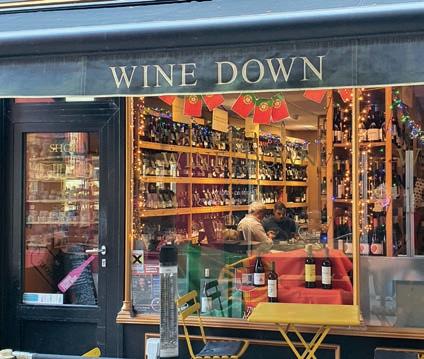

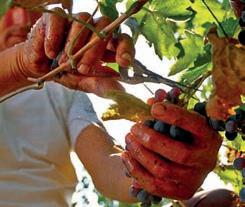
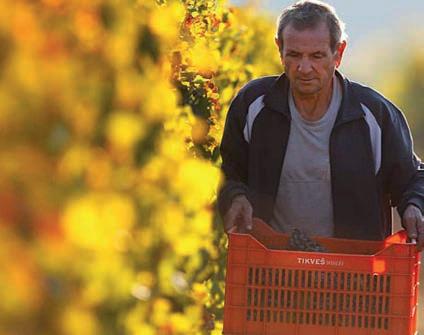
At Wine Down, we are approaching our 8th year Anniversary and still enjoying bringing fine food and wine to Island residents and visitors.
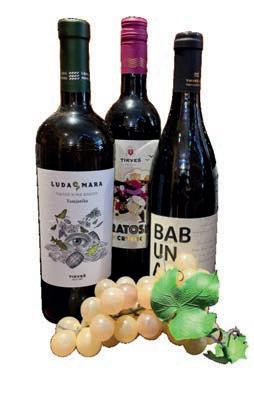
Wine Down came about after visiting ‘hybrid’ shop/wine bars in London and Manchester and believing that this concept could work in the Isle of Man. Most hybrids offer cheese and charcuterie boards and other small plates whereas at Wine Down, we offer everything from sharing plates to a full three course meal including dishes such as Chateaubriand and Fish Pie. With a selection of almost 700 wines, there is something to suit every palate. There are also at least 20 bottles of wine available by the glass on an everchanging list, so there is an option to taste before committing to a bottle of those wines.
We run regular tasting events and dinners, which are very popular, whether it be a tutored tasting of 12 wines on a particular theme, a mini tasting menu based on a region’s cuisine with matched wines or a winemaker dinner.
This year we have been very fortunate to have several visiting winemakers. So far, we have had winemakers from Portugal and Hungary and are very much looking forward to welcoming Zak Pavlovski from the Republic of North Macedonia later in June. North Macedonia became a republic in 2018 having been formerly part of the Republic of Macedonia, which included part of Greece. Wines from North Macedonia are produced primarily from local grape varieties, such as Smederevka and Vranec and offer tremendous value for money. These are not well known varieties, not yet widely available on the international market and this keeps the price down. Zak will be hosting a five course dinner with matched wines on June 14th.
During the TT period, we are open our normal hours and take reservations in the usual way. The shop is open from 10am until late every day for sales of wine, beers and spirits and food is served from 12 noon each day throughout the whole day and evening. We have one bottle of every white, rose and sparkling wine chilled if you’re wanting to take it home after work to enjoy in the evening sunshine.
In the Wine Shop, you can find wines from all around the world. We have put together a special offer TT dozen for just £120, a selection of red, white and rose wines for every day drinking and perfect for when you’re entertaining your visitors or just keep it for yourselves!
Pop in at any time to see this offer and other specials. While you’re here, you can enjoy a glass of wine in our outside seating area and watch the world go by.



visual - home cinema - heating control - smart home - lighting design - wifi - networking























Since 2002, RL360 has been the title sponsor of the Isle of Man TT Superstock Race, witnessing two decades of preparation, pressure, and elite performances. This page lists every RL360 Superstock Race winner since 2002, reflecting on generations of riders united by the same challenge and the same outcome: a Superstock victory at the world’s greatest motorcycle event, the Isle of Man TT.