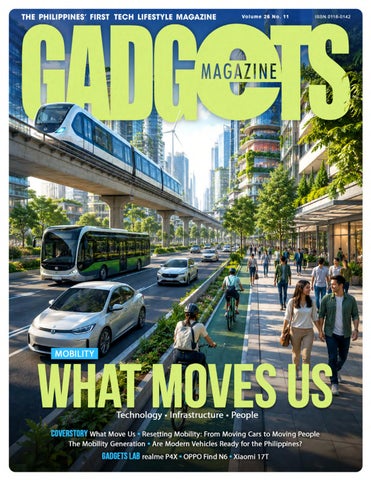
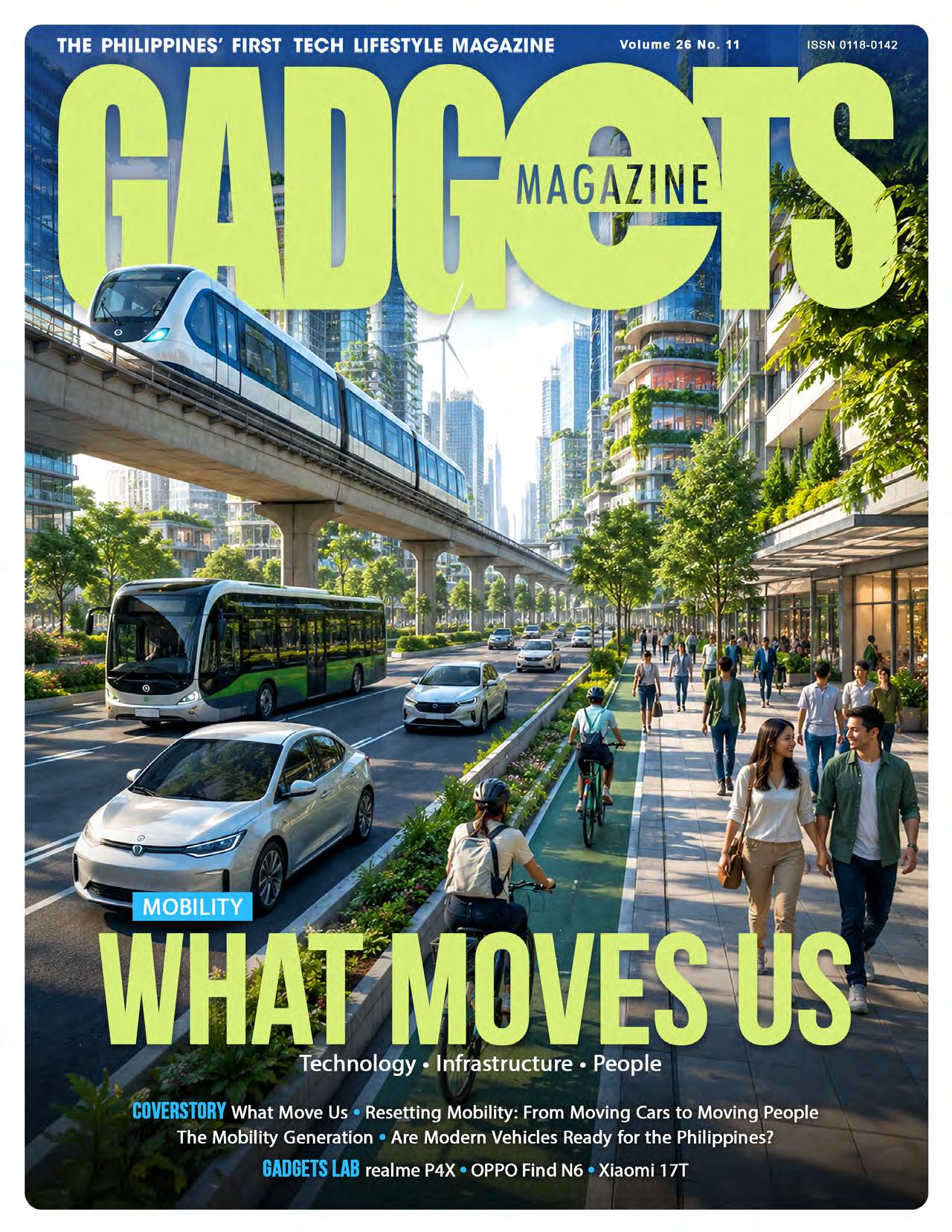
Resetting Mobility: From Moving Cars to Moving People
The Mobility Generation
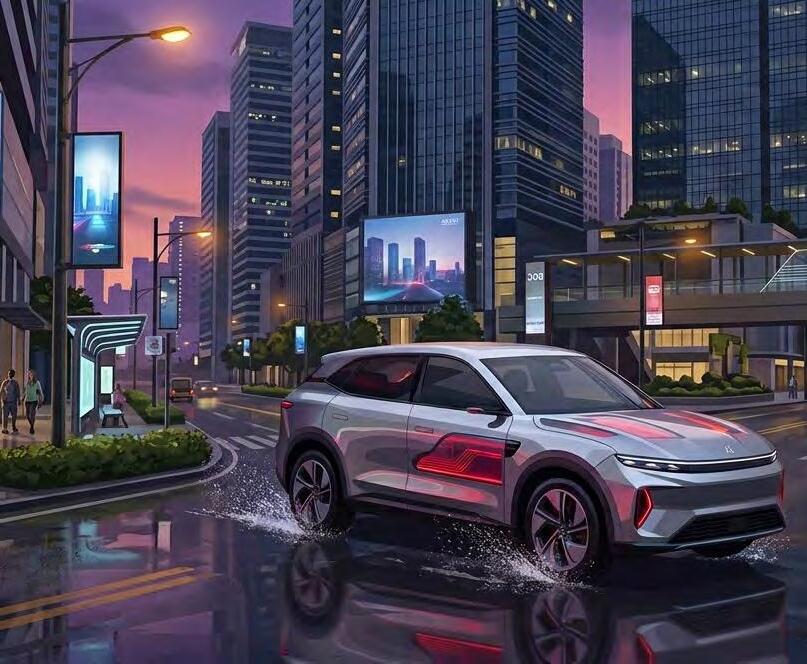
Are Modern Vehicles Ready for the Philippines?
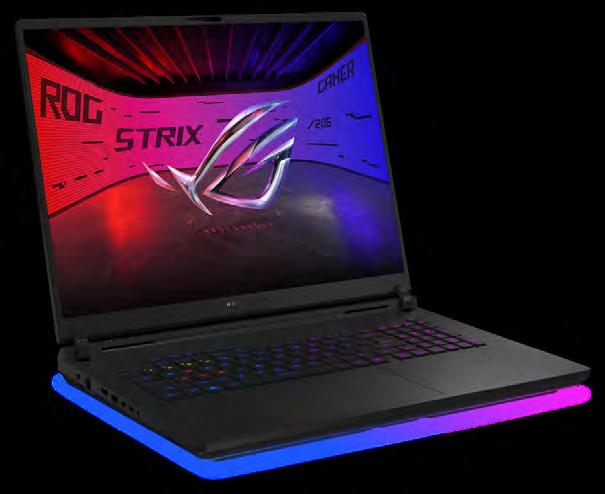
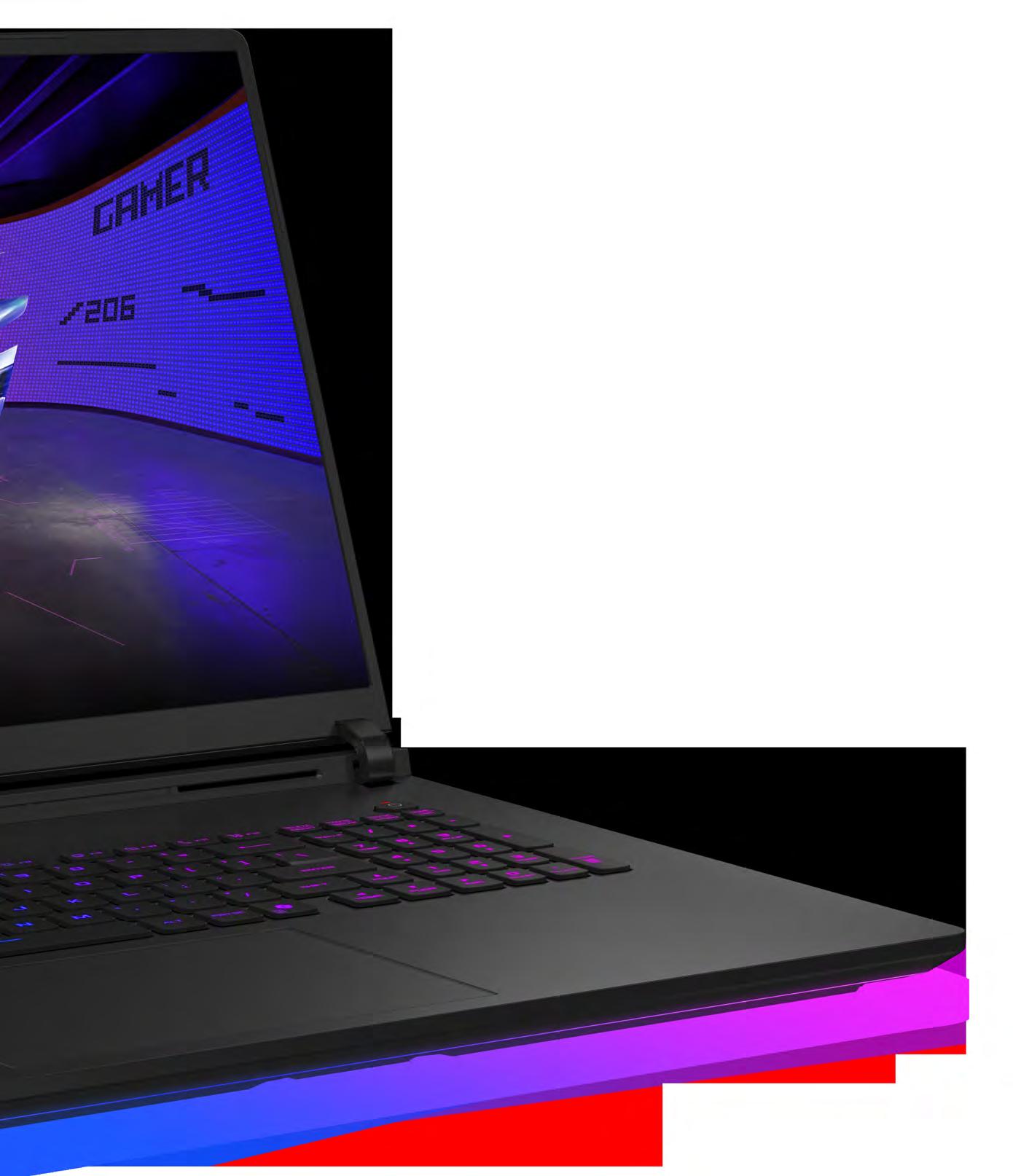
Asus ROG Strix G
Asus ROG Strix SCAR 18
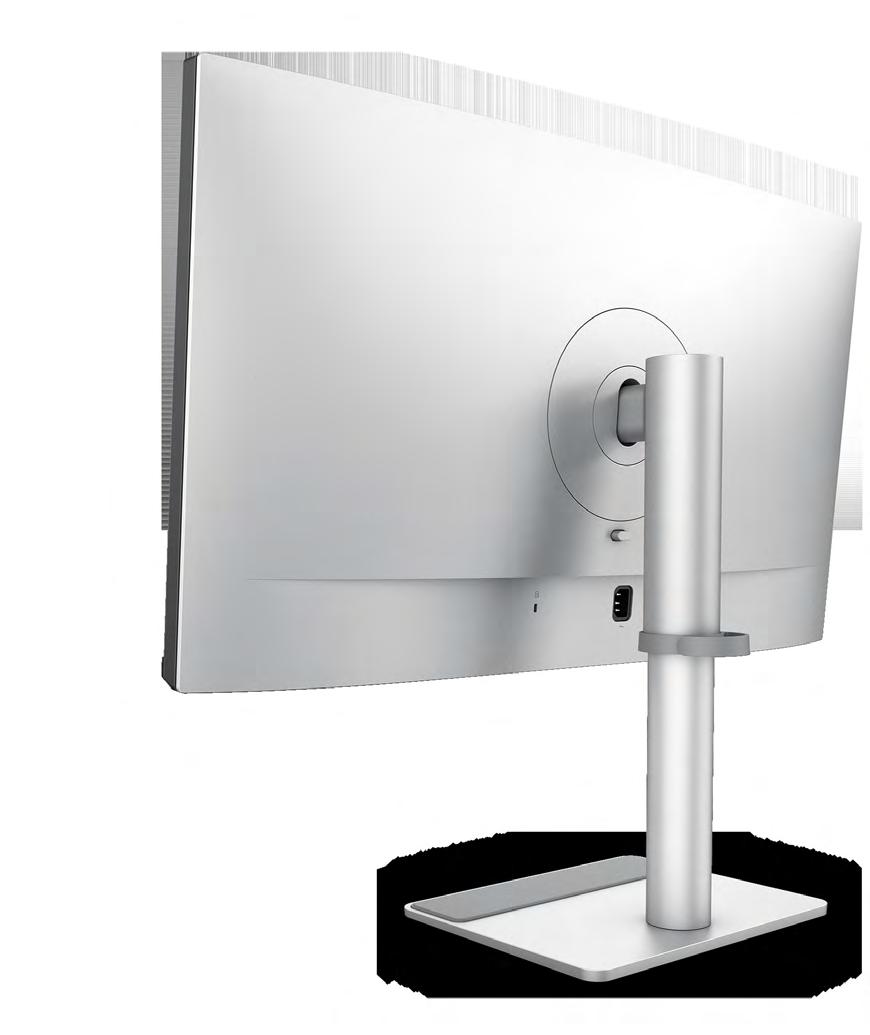
BenQ MA Series
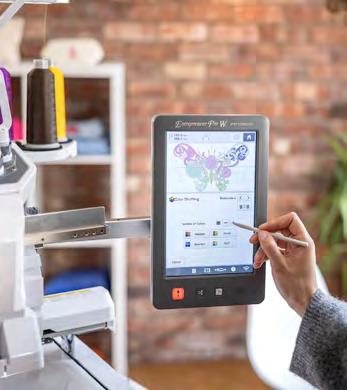
Brother PR1060W
Garmin Approach Z10
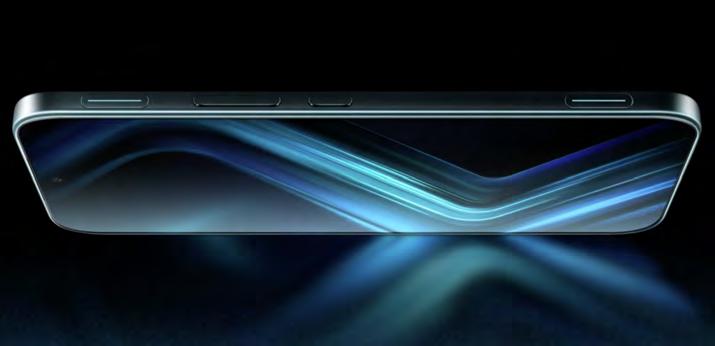
Huawei nova 15 Max
Infinix GT 50 Pro
Logitech G RS50 Direct Drive
Wheelbase | RS Pedals
Poco Pad C1
Samsung T7 | T9
Synology PAS7700
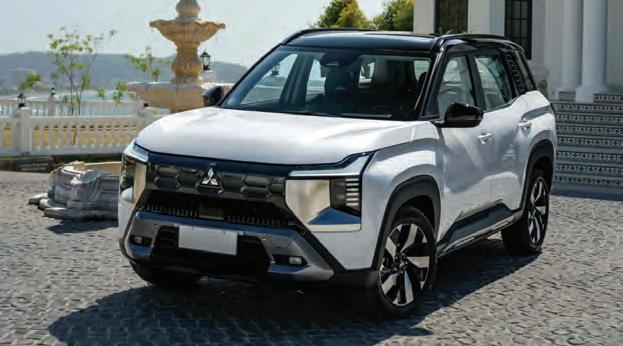
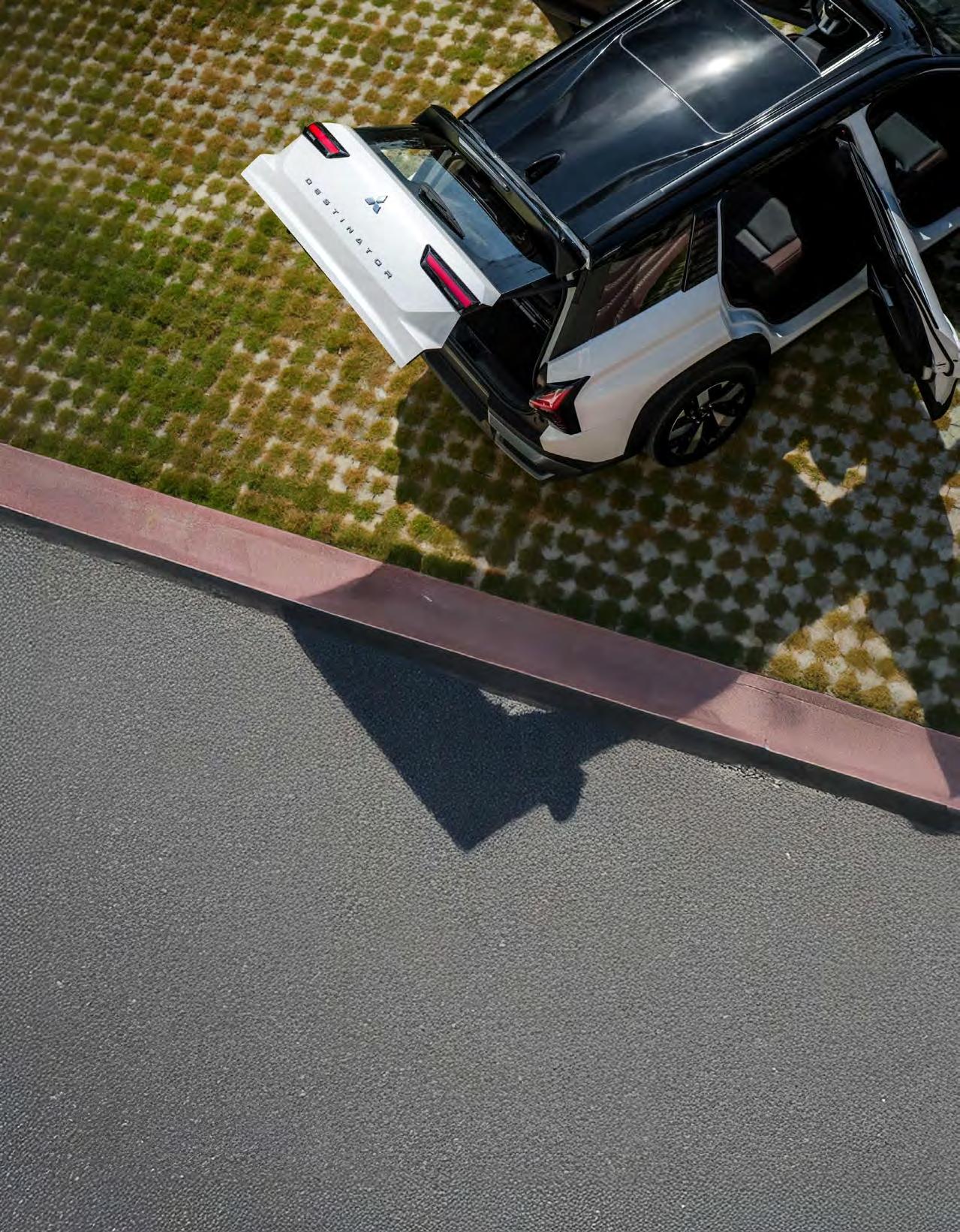
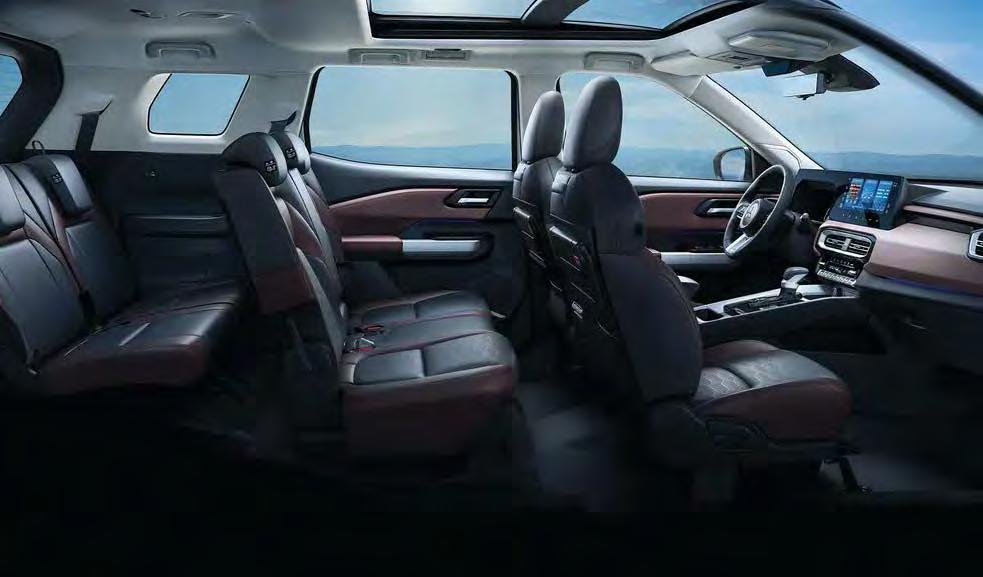
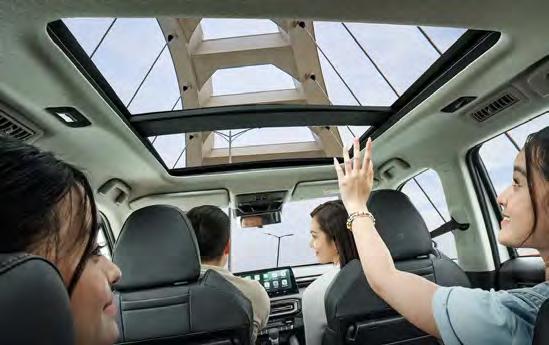
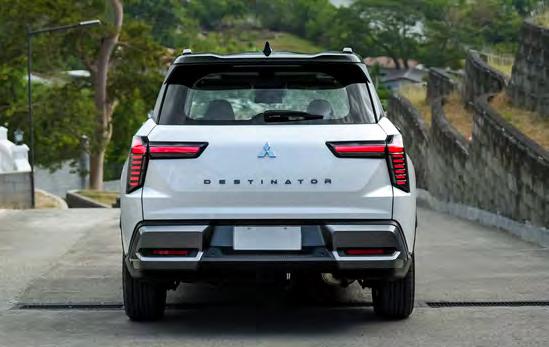
Mitsubishi Destinator: The Connected Family SUV
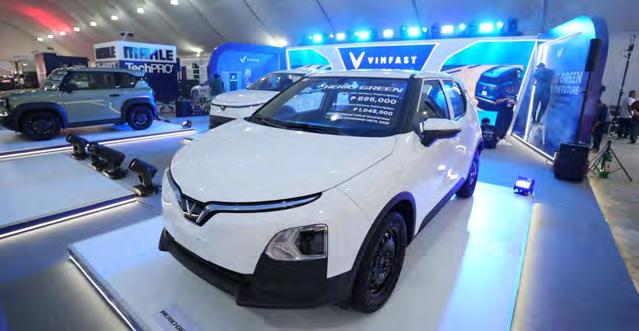
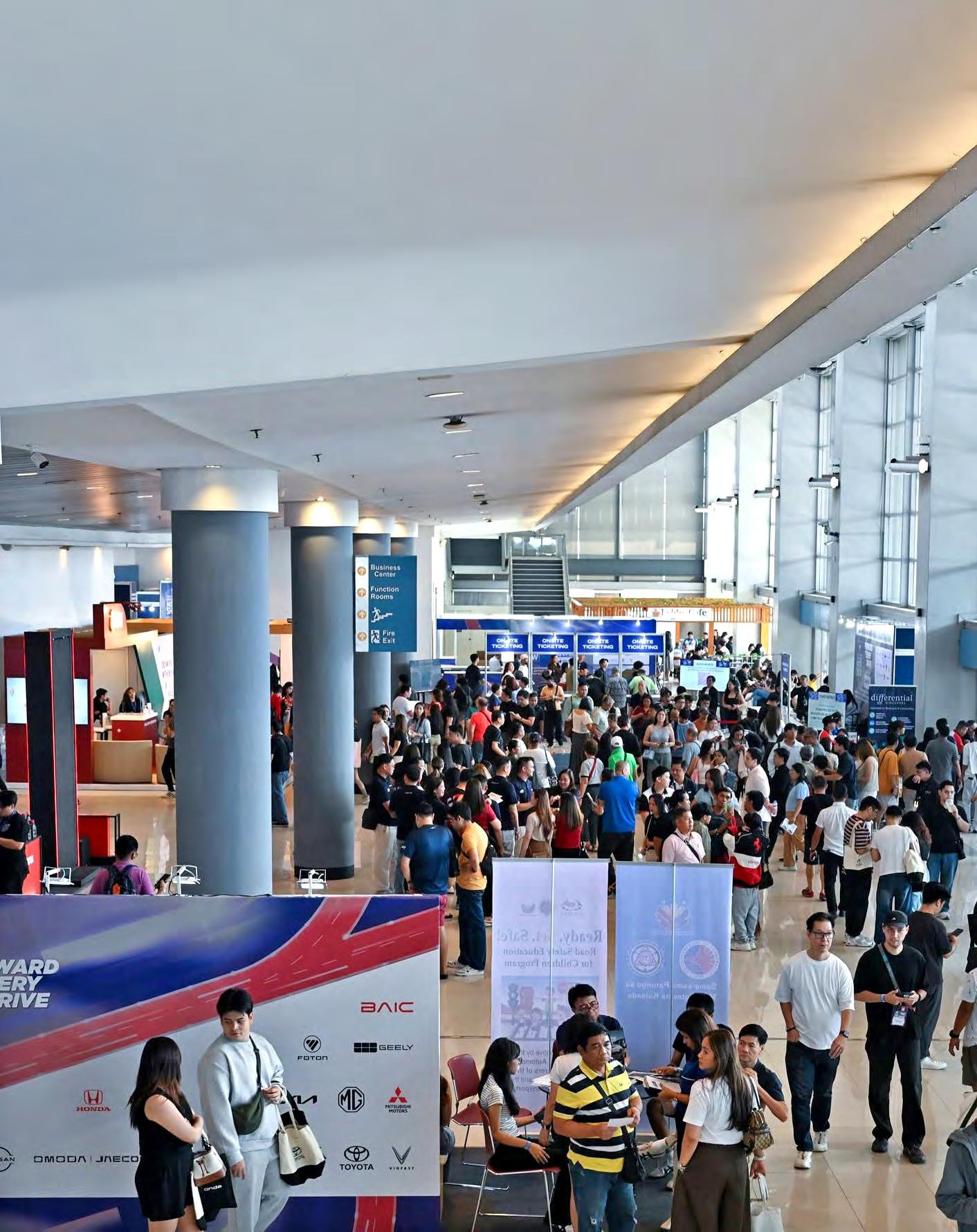
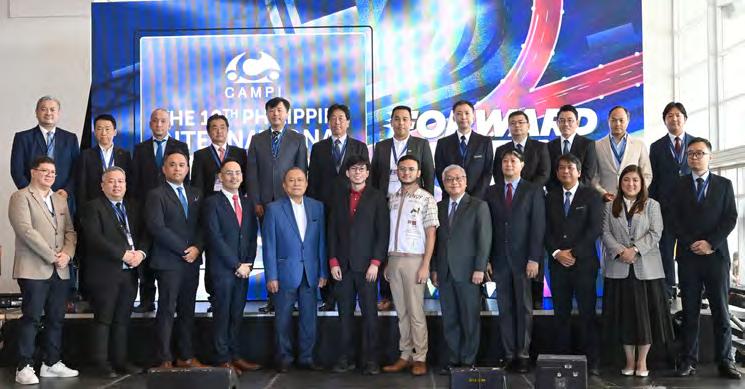
PIMS 2026: More Than A Motorshow
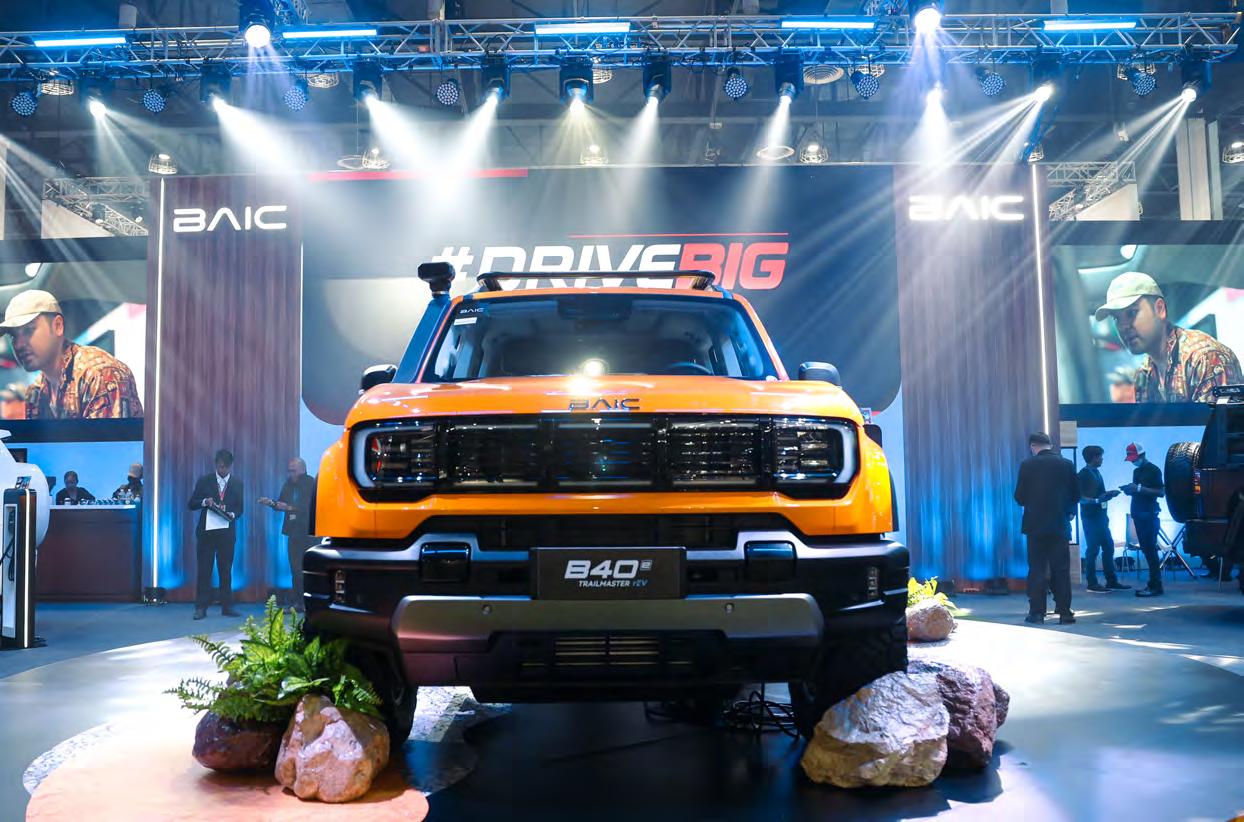
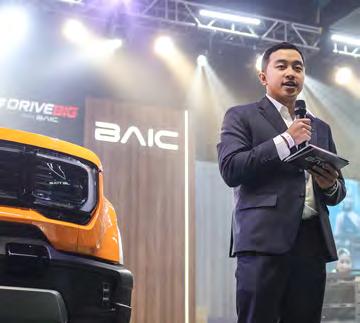
BAIC: A Bold First Impression
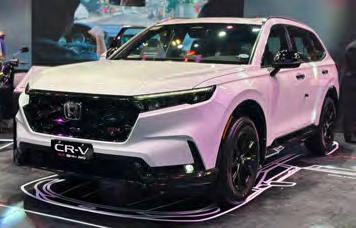
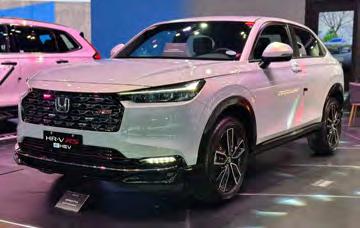
HONDA: Reinvention Begins Here
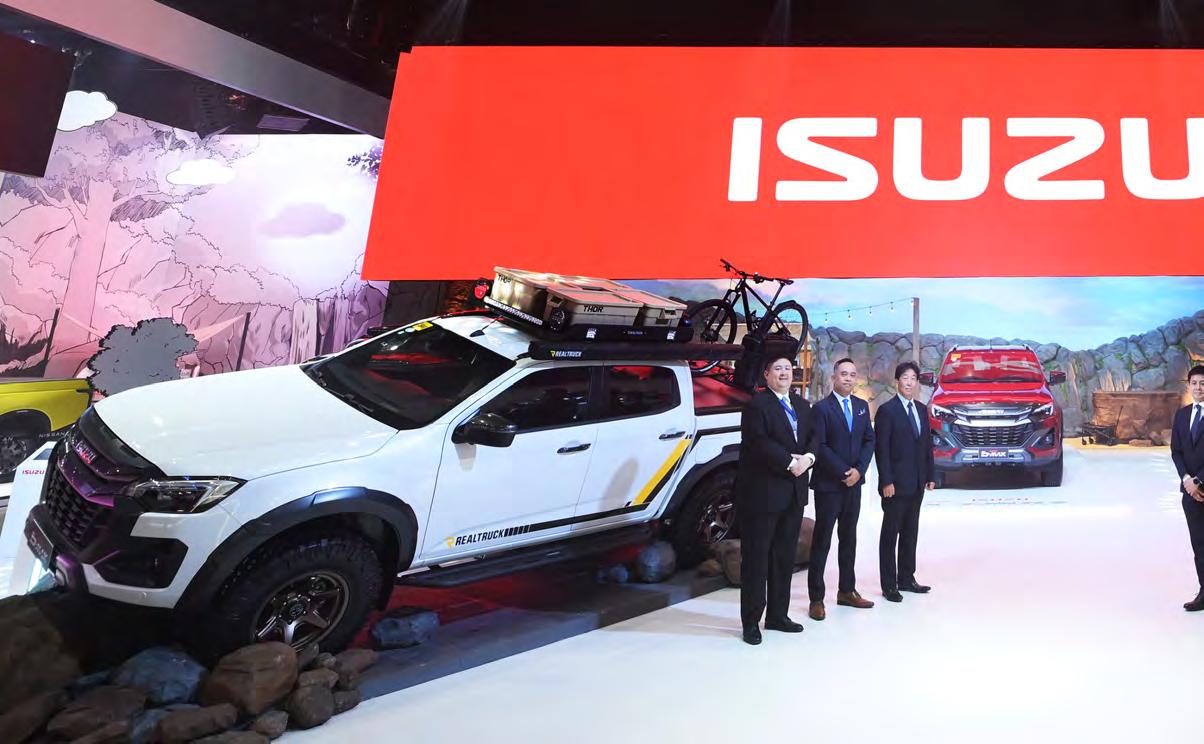
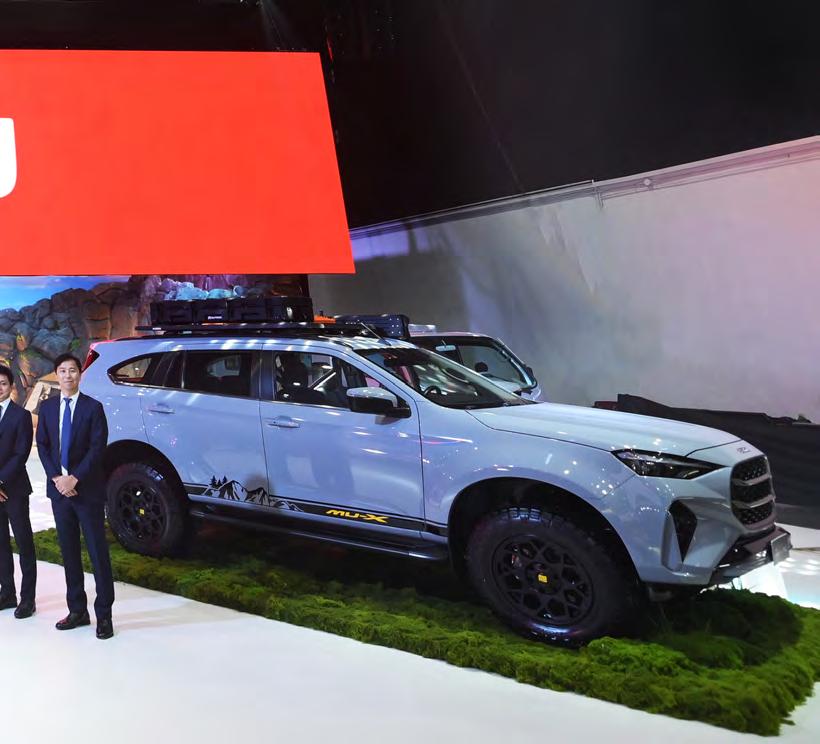
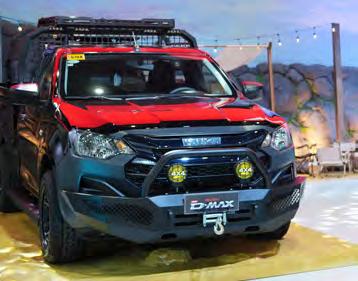
ISUZU: Staying The Course
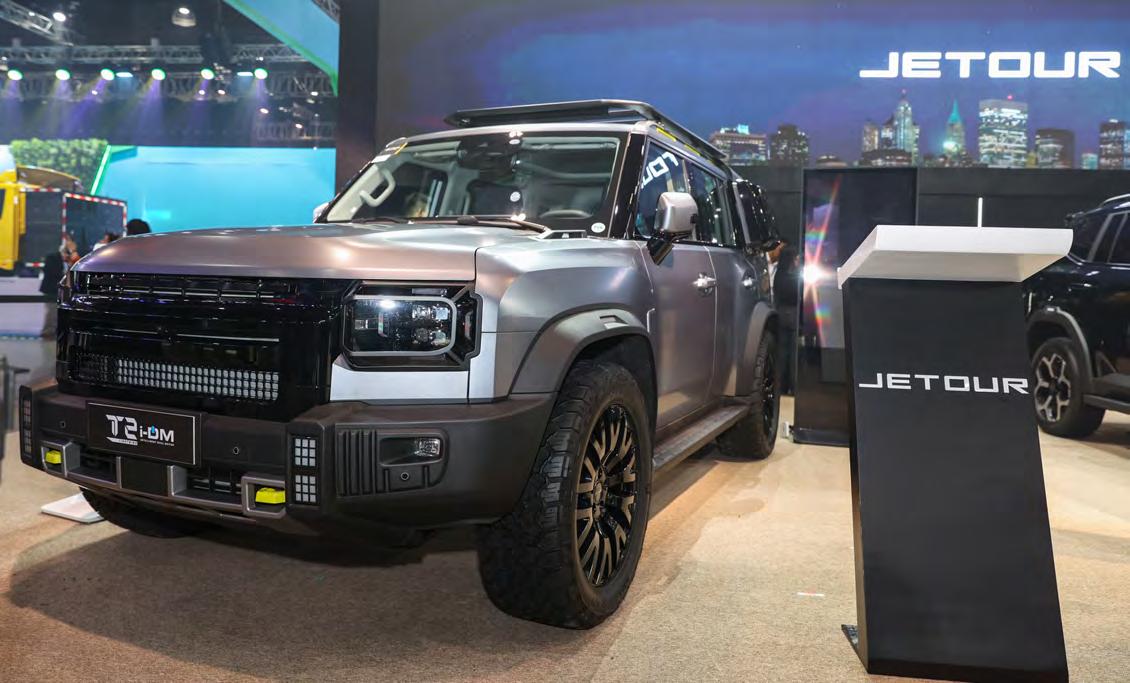
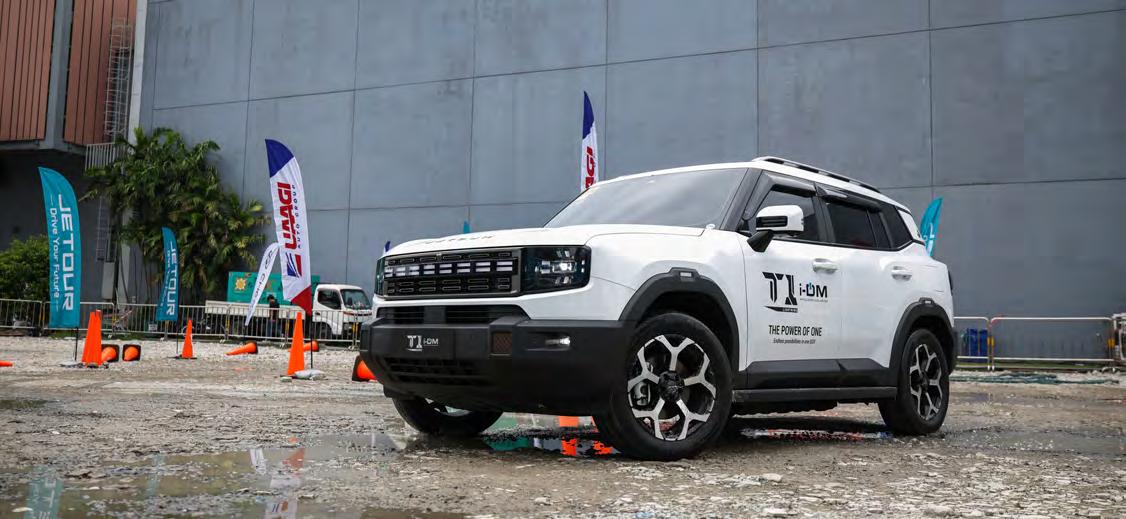
JETOUR: Electrification For The Everyday
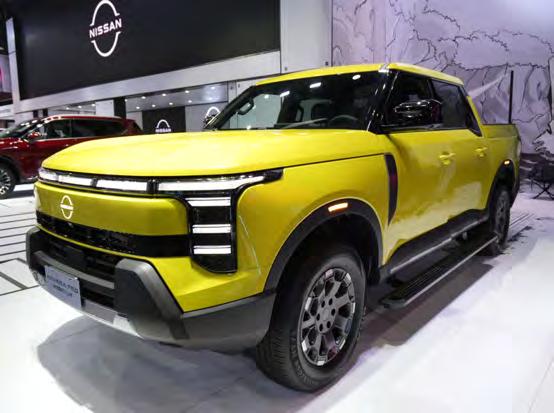
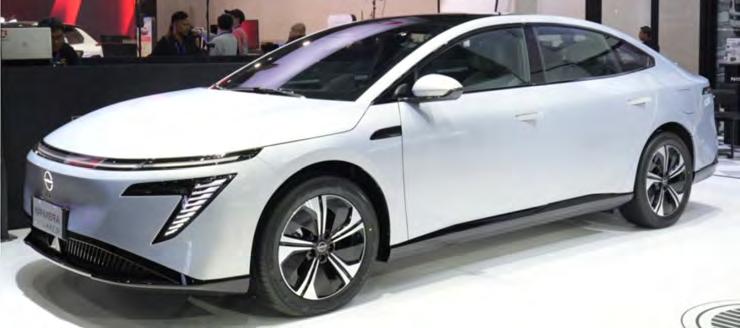
NISSAN:
Cover Story
WHAT MOVES US
Words by Maribelle Alba
Not long ago, mobility was mostly a conversation about vehicles. Horsepower, fuel economy, and the latest models arriving in local showrooms dominated the discussion. Today, it’s about much more than what’s parked in the driveway.
Technology has transformed how we move. Cars have become computers on wheels, shaped as much by software as by engineering. Motorcycles are more connected than ever. Navigation apps shape our daily commutes, while electrification and connected services are redefining transportation. At the same time, congestion, rising transport costs, changing work patterns, and the realities of climate change continue to reshape how Filipinos travel every day.
Mobility is no longer just an automotive story. It has become a technology story, an infrastructure story, and ultimately, a people story.
To understand that future, we need to ask why our transport systems work the way they do, how a new generation is redefining mobility, and whether today’s technologies are truly ready for Philippine roads and conditions.
Here, we explore those questions from different perspectives. We examine the systems that move us, the people driving change, and the technologies shaping what comes next.
In the end, the future of mobility won’t be defined solely by what we drive. It will be defined by how we choose to move.
RESETTING MOBILITY FROM MOVING CARS TO MOVING PEOPLE
Words by Chris Noel Hidalgo
At 6:00 AM on a Monday morning, the roads within and leading to Metro Manila are already busy.
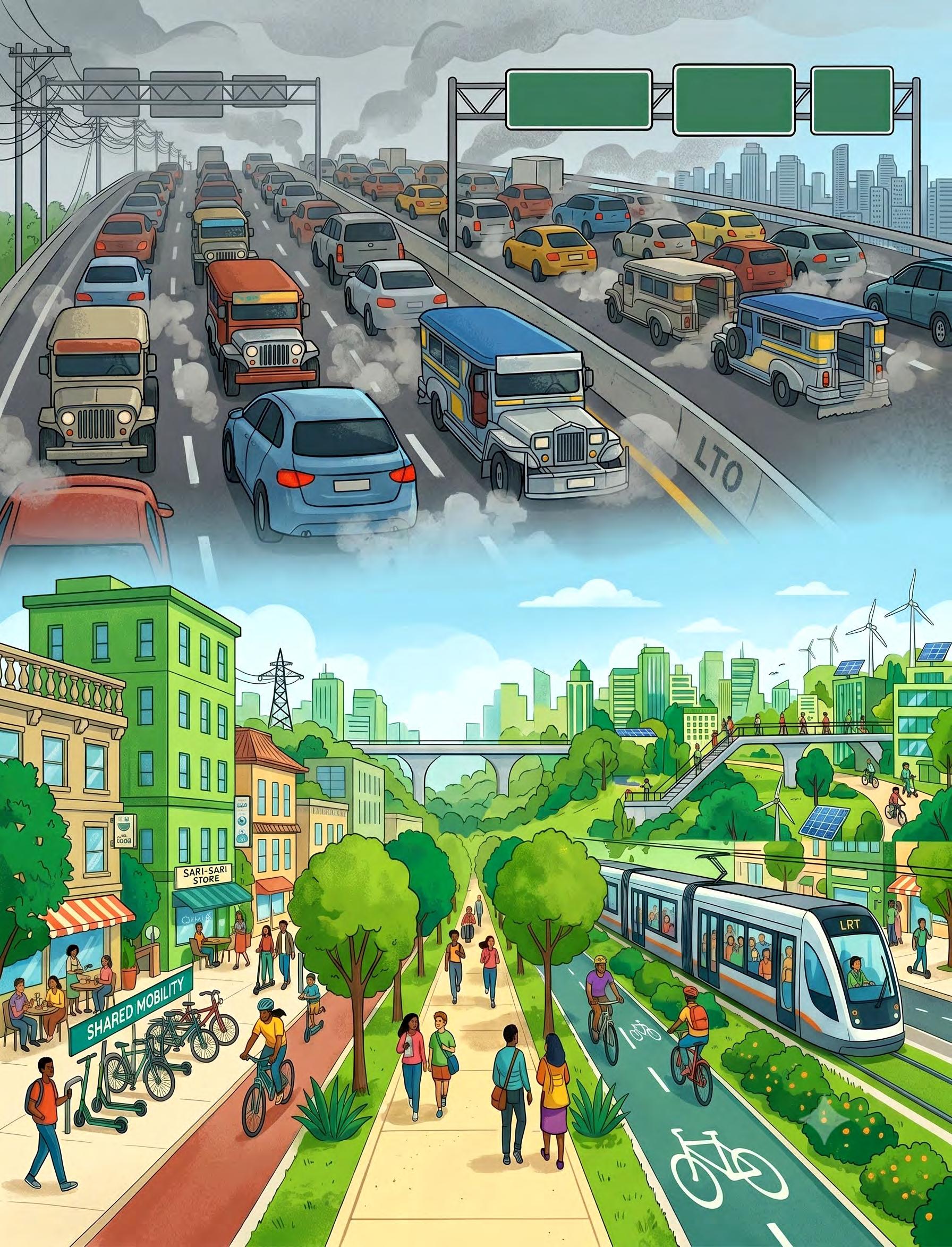
Major arteries such as Commonwealth Avenue and Aguinaldo Highway see students, workers, and other commuters cramming themselves into whatever space jeepneys and buses can spare them. Motorcycles aggressively weave in and out of lanes. Trains strain under passenger loads well beyond their intended capacity. Private cars taking the northern and southern expressways, both elevated and at-grade, find themselves stuck in the same crawl they paid a toll to avoid. Cyclists are bullied by other vehicles into giving way.
All around them, heavy equipment and construction workers continue to work on rail and road infrastructure that promises relief sometime in the future. Always sometime in the future.
The numbers provide a sense of scale to this misery. In 2017, the Japan International Cooperation Agency (JICA) estimated that Metro Manila’s traffic costs
PHP3.5 billion daily. If nothing is done, the economic cost will balloon to PHP5.4 billion per day by 2035. That’s just in Metro Manila, and we’re less than a decade from that window.
This raises an uncomfortable question: if the Philippines has spent decades building roads, expanding expressways, and improving vehicles, why does mobility still feel broken?
The answer is a distinction that sounds simple and has proven difficult to act on: moving vehicles is not the same as moving people.
How We Became a Nation Built Around Cars
The Philippines did not become a carcentric country by accident. It became one by a long sequence of decisions, most of them made in the decades immediately following World War II.
Before the war, Manila had one of the first electric tramways in Asia. The Battle of Manila in 1945 destroyed much of the
rail network, and postwar reconstruction, shaped heavily by American urban planning models that were themselves being reshaped around the automobile, chose roads over rails.
What followed was a development model that organized cities around the car. Residential, commercial, and industrial zones spread outward, not along transit corridors but along roads. Distance grew, and with it the felt need for a private vehicle. Today, the National Economic and Development Authority’s Ambisyon Natin 2040—a survey of what Filipinos aspire to by that year—lists vehicle ownership among the top material goals for 77% of Filipino households. Note what this data actually says: these are aspirations, not current behaviors. What it reveals is that even Filipinos who cannot yet afford a car have internalized ownership as a marker of a comfortable life. The system created the desire that now sustains it. Looking at year-on-year sales immediately before and after the pandemic, that aspiration is already being realized, with more than 400,000 vehicles sold annually.
With the influx of vehicles, governments and private actors built additional roads. Yet the relief was often temporary. Transportation planners have a name for what happens when governments try to build their way out of congestion: induced demand. Add lanes, and vehicle use expands to fill the new capacity until everyone is back at snail speed.
The problem was never simply a shortage of roads. It was a shortage of alternatives.
Global Emergencies Exposed the Cracks
For most of those fifty years, the costs of car-centric development were felt as daily inconveniences rather than being recognized as systemic failure. Then came crisis after crisis, making structural gaps impossible to ignore.
COVID-19 arrived in 2020 and parked the motorized options most Filipinos depended on. The jeepney, the backbone of the country’s transit network, stopped running. Buses were garaged. The streets emptied. Into that space came bicycles. The National Economic Development Authority estimates that in 2021, 2.1 million bicycles were imported into the country, and cyclists reclaimed road space that was never designed for them.
Local governments, acting with the urgency that business-as-usual reforms rarely generate, installed protected bike lanes along major thoroughfares. For a brief period, cities moved differently.
It didn’t last. As restrictions eased, private vehicles returned faster than the bike lanes could hold their ground. Many of the pandemic-era lanes were quietly removed or absorbed back into traffic. The window closed.
Then came the global fuel price shocks stemming from this year’s crises in the
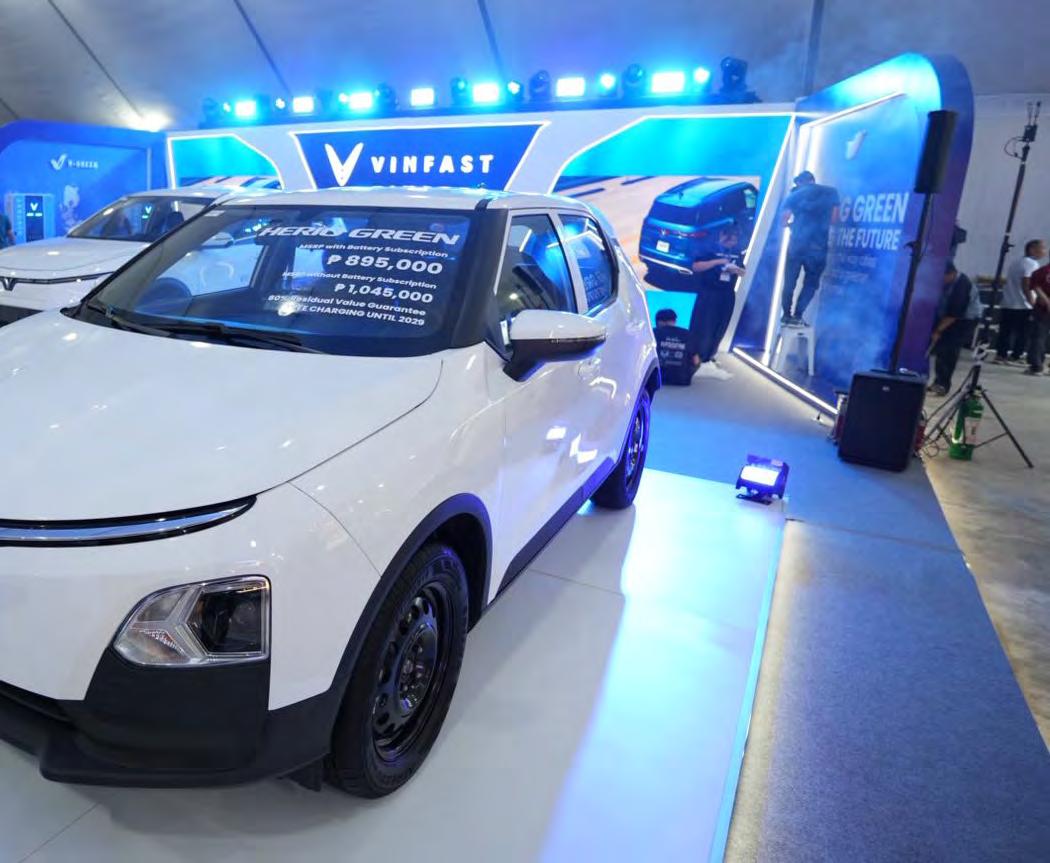
Middle East. The Philippines, with more than 14.7 million registered internal combustion engine (ICE) vehicles compared with fewer than 61,000 electric vehicles, absorbed the shock with almost no cushion. For commuters with no viable alternative to a gasolinepowered vehicle, there was no option to pivot. They paid, or they stopped moving.
Then there’s the climate emergency. Typhoons, floods, and extreme heat routinely disrupt daily travel. Roads become impassable, commuters are stranded, and cyclists and other active mobility users face increasing exposure to dangerous heat.
The lesson from each crisis has been identical. A transportation system built around a single mode, a single fuel, a single vehicle type, and a single set of assumptions is not a transportation system. It is a vulnerability.
What a Better Mobility System Looks Like
The model that countries and cities have successfully moved toward is called multimodal mobility. The underlying idea is straightforward. A commuter’s journey rarely involves just one mode of transport. It may include a walk, a feeder service, a main transit line, and a final-mile option. The quality of that journey depends not on any single link in the chain but on how well those links connect.
This is where the Philippine system consistently breaks down: not within any one mode in isolation, but at the seams between them.
The solutions that work are not theoretical, and the best examples are not too far removed from the Philippine experience. Bogotá—a city with urban density, income distribution,
and governance constraints closer to Manila’s reality—reduced private car use and improved air quality through a combination of bus rapid transit, protected cycling infrastructure, and weekly car-free streets stretching more than 100 kilometers. It did not require the kind of centralized authority that allowed Seoul to remove an elevated highway and restore a river beneath it. It required consistent policy and the political will to sustain it.
Closer to home, Iloilo, Pasig, Quezon City, Baguio, and Makati have introduced initiatives that encourage walking and cycling through car-free streets, expanded bike infrastructure, and pedestrian-friendly public spaces. Quezon City has even pioneered a free public bus system supported by a growing fleet of ICE and electric buses.
None of these initiatives solves congestion on its own. Together, however, they point toward a future in which mobility is built around giving people more transport choices rather than simply building more roads.
None of this happens quickly. The cities that have successfully reorganized how they move have done so through policy commitments that outlast individual administrations. That is perhaps the hardest obstacle to overcome: election cycles.
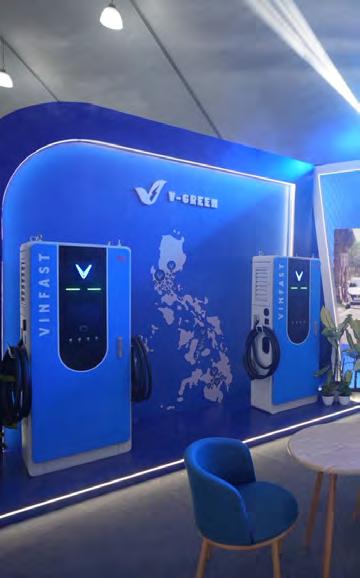
Technology is reshaping mobility too, though not always in the ways advocates envision. Navigation apps and adaptive traffic systems can make individual trips more efficient without reducing the number of cars on the road. Cashless payments have improved convenience across trains, buses, and jeepneys, although integration and reliability still vary between systems. EV adoption continues to grow but remains constrained by charging infrastructure outside major urban centers. The
technology is arriving. The infrastructure to support it equitably still isn’t in place.
A truly multimodal transport system also makes walking, cycling, and other forms of micromobility practical, everyday choices rather than last resorts. Safe infrastructure, shaded walkways, secure parking, and end-of-trip facilities encourage more people to choose these alternatives, reducing dependence on private cars while making the transport network more resilient.
The proof? The demand is already there. A 2021 Social Weather Stations (SWS) survey found that 87% of Filipinos want the government to prioritize commuters and cyclists.
What’s Next?
There is a version of this story that ends with familiar policy recommendations: build better public transport, invest in active and micromobility infrastructure, rationalize routes, deploy integrated fare systems, and electrify the fleet. All of that is necessary. None of it will happen at the required scale without addressing the harder issue beneath the surface.
The car was never just a vehicle. In the Philippines, it became a symbol of having made it, of no longer being constrained by a public transport system that has failed generations of commuters. Changing mobility therefore means changing that story. It begins by acknowledging that the narrative we have embraced for decades—that more roads and more cars automatically mean more freedom—has cost us far more than we have been willing to admit.
Real progress will not come from moving more vehicles. It will come from moving more people, more efficiently, more sustainably, and with more choices than they have today.
THE MOBILITY GENERATION
Words by Aljhelyn Piador
Few things evoke a stronger love-hate relationship among young Filipinos than transportation.
Before many of them even leave home, they’ve already checked traffic on Google Maps, booked a ride, topped up an RFID account, or compared fuel prices, all from the same device in their pocket. For a generation that lives through screens, mobility often begins with a tap long before they get behind the wheel or step onto a train.
That digital-first relationship is reflected across social media. Open any platform, and you’ll find countless videos romanticizing life on the road. They celebrate late-night drives through city
lights, spontaneous road trips with friends, proud posts celebrating the purchase of a first vehicle, and motorcycle creators documenting rides across provinces. Others create playlists and songs inspired by the freedom of being behind the wheel.
Then scroll just a little further, and the mood changes. The same feeds are filled with complaints about EDSA traffic, overcrowded MRT stations, rising fuel prices, expensive parking fees, and hours lost in daily commutes.
Today’s youth are looking at transportation through a completely different filter. Rather than simply buying vehicles, they are rethinking what mobility means in the context of living in the Philippines.
MOBILITY GENERATION
Redefining What It Means to Drive
For decades, buying a vehicle was often shaped by family loyalty to a brand, recommendations from relatives, or the status that came with owning a particular model. But Gen Z buyers often arrive at dealerships having already watched dozens of YouTube reviews, scrolled through owner groups on Facebook, read Reddit threads, compared fuel economy figures, and crunched financing costs down to the last peso. They arrive informed, sometimes knowing more about the vehicle’s spec sheet than the salesperson.
More than anything, practicality drives their decisions. Monthly payments, fuel costs, maintenance expenses, insurance, and the availability of spare parts often
carry more weight than brand popularity or trendy marketing.
A young office worker might spend weeks comparing SUVs on YouTube, only to realize, after factoring in parking fees, monthly fuel costs, insurance, and maintenance, that a scooter makes far more financial sense. The dream doesn’t necessarily disappear. It simply gives way to the realities of everyday life.
That shift is easy to spot on Philippine roads. Compact crossovers, practical sedans, fuel-efficient hatchbacks, and affordable motorcycles have become the vehicles of choice for many young Filipinos. With the cost of living climbing and budgets stretched more than ever, owning a vehicle is no longer just about making a statement but making the numbers work for you.
Cover Story
Mobility on Two Wheels
Everyone talks about cars, but one of the biggest transportation stories among young Filipinos is unfolding on two wheels.
The numbers tell the story. Historical data from the Land Transportation Office (LTO) and the National Statistical Coordination Board (NSCB) show that motorcycles and tricycles overtook utility vehicles and private cars as early as 2005. Since then, the gap has only widened. By 2022, the LTO recorded more than 6.9 million registered motorcycles nationwide, completely dwarfing the country’s fleet of private cars.
For many students, young professionals, delivery riders, and first-time workers, motorcycles and scooters have become the most accessible path to personal mobility. They’re cheaper to buy, easier to maintain, highly fuel-efficient, and often the only way to cut through congested urban traffic. In a country where commuting can consume hours of your day, that combination is impossible to ignore.
On the other hand, motorcycles also expose riders to greater safety risks, harsh weather conditions, and roads that are rarely designed with two-wheel mobility in mind. For many, choosing a motorcycle is
as much a harsh practical necessity as it is a personal preference.
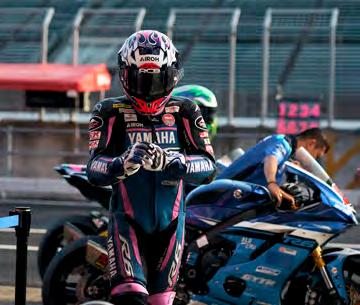
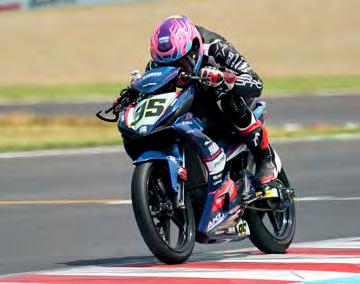
For this tech-first generation, however, the two-wheel experience is heavily digitized. It’s no longer just about the bike but the electronic ecosystem built around it. Young riders are investing heavily in action cameras to document their daily commutes, helmet communicators for seamless navigation and music, smart riding gear, and connected scooters that sync directly to their smartphones via dedicated apps.
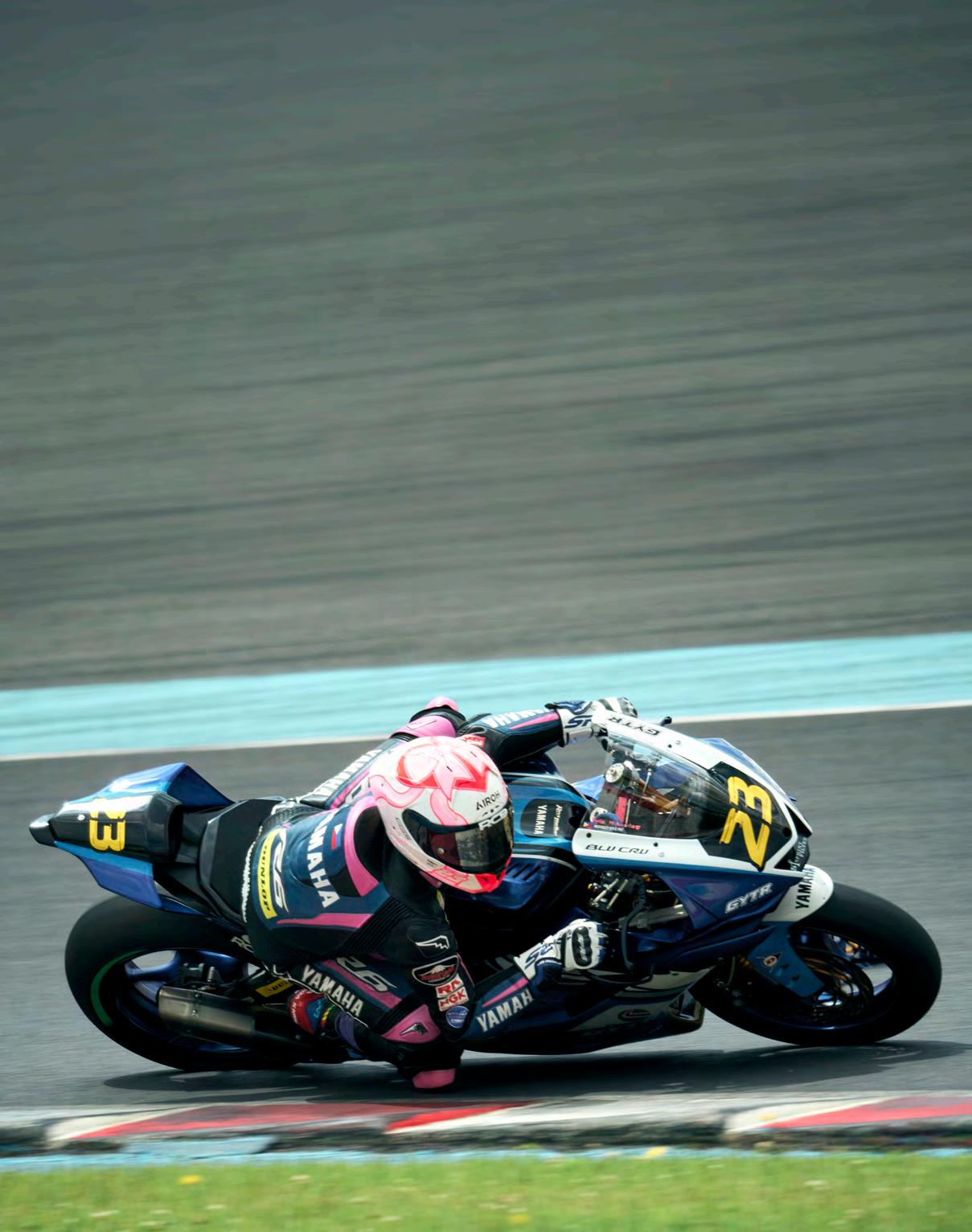
Despite the risks, the appeal goes beyond pure utility. Motorcycles have developed a thriving subculture of their own. Social media is filled with riding communities, weekend group rides, travel vlogs, and content creators documenting adventures across the country. Mobility is no longer defined by traditional car ownership alone. Instead, the goal is to move from point A to point B more efficiently, conveniently, and affordably.
Cars as Connected Devices
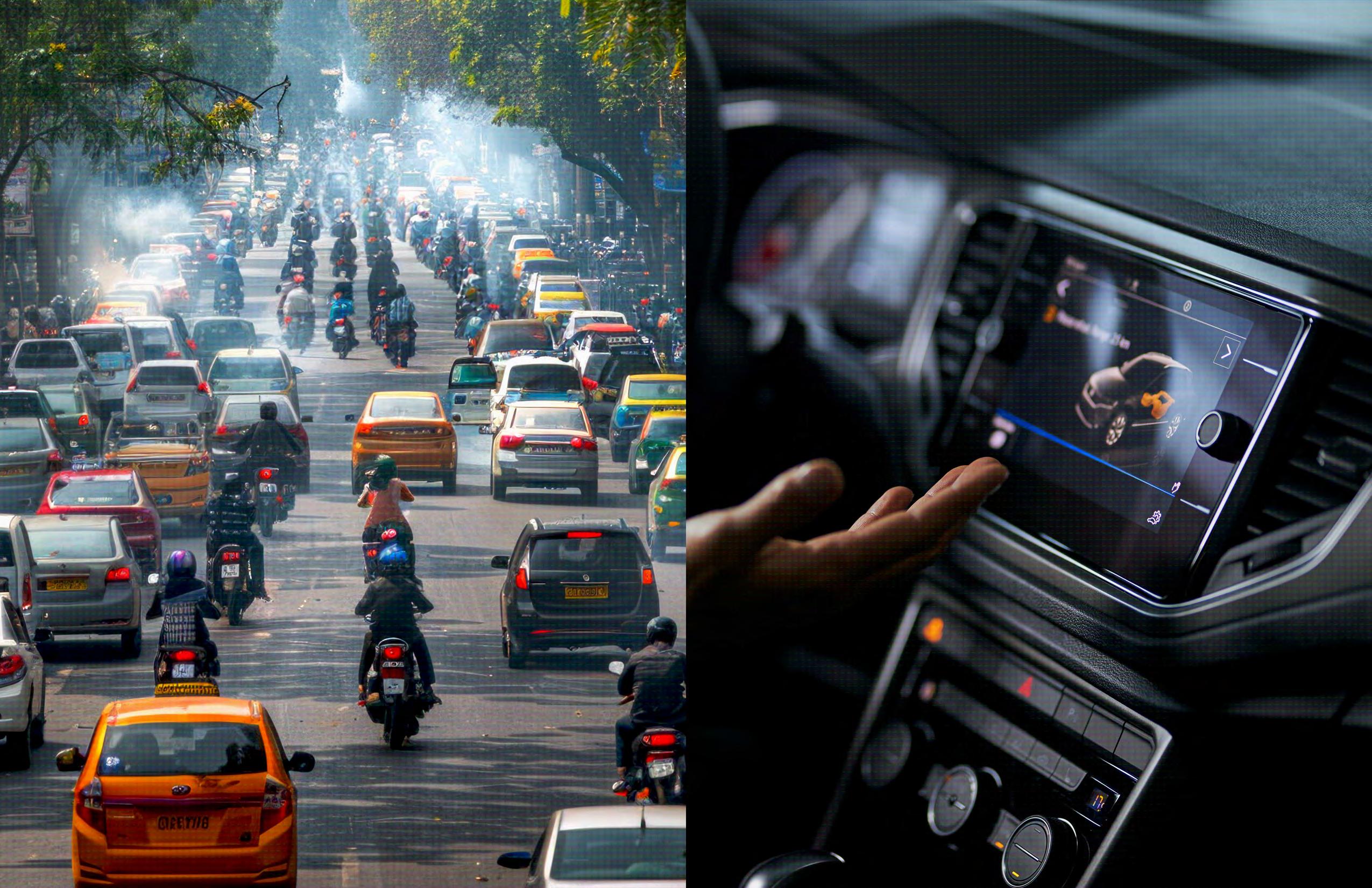
Affordability may influence the initial purchase decision, but technology increasingly determines the final one. For many Gen Z consumers, a car is no longer just a means of transportation. It’s another connected device in their digital ecosystem.
Not long ago, features like wireless Apple CarPlay or a fully digital instrument cluster were almost exclusively found in premium vehicles. Today, many younger buyers treat them less as luxury extras and more as baseline expectations. As a result, many young buyers evaluate cars much like they evaluate smartphones, looking beyond mechanical performance to the overall user experience.
They want deeper digital integration: over-the-air (OTA) updates that improve the vehicle overnight, digital keys stored on their smartphones or smartwatches, subscription-based features that can be unlocked when needed, and responsive AI assistants with natural voice controls. If a vehicle’s software feels slow or outdated, many Gen Z buyers are willing to overlook impressive horsepower and move on to another option.
The question is no longer just, “How does it drive?” It’s also, “How well does it fit into my digital life?”
That shift in priorities has become so recognizable that it’s now a recurring joke in online car content. Videos titled “Things Gen Z Car Buyers Like” often poke fun at younger buyers for obsessing over ambient lighting, giant touchscreens, wireless connectivity, and software features before asking about engine specifications. While exaggerated for laughs, the trend reflects a real change in consumer expectations.
The Reality of Electrification
Given Gen Z’s reputation for being techsavvy and environmentally conscious, it would be easy to assume that fully electric vehicles are an obvious pick. While many young Filipinos support sustainable transportation and recognize the climate benefits of EVs, good intentions quickly collide with the reality of a tight budget. High upfront costs, limited public charging infrastructure outside major
hubs, and concerns about long-term battery ownership create massive barriers.
This is why hybrids have become an attractive alternative. They offer lower fuel costs and reduced emissions without relying on charging stations. More importantly, they fit Gen Z’s practical mindset: embracing greener technology without taking on the costs and uncertainties of going fully electric.
It reflects a generation that’s willing to make more sustainable choices but only when those choices also make sense for everyday life.
The Alternative Mobility Ecosystem
Yet buying a vehicle isn’t the only way this generation is redefining mobility.
Ironically, while conversations about youth mobility often center on cars and motorcycles, many young Filipinos are choosing not to own a private vehicle at all. For them, mobility is less about what’s parked in the garage and more about what’s on their phone.
Google Maps and Waze provide realtime traffic updates before they leave home. Shared locations, dropped pins, and live ETAs have made meeting up and navigating the city easier than
Mobility Over Status
The generation behind mobility’s next big shift is not defined by horsepower figures or brand heritage alone. Some will choose compact crossovers. Others will buy motorcycles, scooters, or e-bikes. Some will embrace hybrids, while others may decide that public transportation or remote work makes more financial sense.
What unites them is not the specific type of vehicle they choose, but the realities shaping those choices.
For previous generations, transportation was often tied to aspiration. Owning
ever. In many ways, these digital tools have fundamentally changed how Gen Z moves, making every trip more connected, predictable, and flexible.
That same mindset extends to how they get around. Ride-hailing services, motorcycle taxis, the MRT and LRT, and the EDSA Bus Carousel have become part of a single mobility ecosystem that users can switch between depending on cost, convenience, and traffic conditions.
Then there is the structural shift of remote work. Many Gen Z professionals no longer have a daily commute, making traditional vehicle ownership an unnecessary financial burden.
a car symbolized success, stability, and upward mobility. For many young Filipinos today, mobility has become less about status and more about survival.
That shift says as much about the state of the country’s transportation system as it does about the youth navigating it.
Previous generations dreamed of owning the right car. This generation is simply trying to move through the city smarter, faster, and more affordably. In that sense, the future of Philippine mobility won’t be defined by horsepower or price tags, but by how well technology helps people reclaim the time, freedom, and opportunities that traffic has long taken away.
Words by Phia Manuell Layoso
AA sudden afternoon downpour transforms busy streets into a maze of puddles, slow-moving traffic, and fading lane markings hidden beneath murky floodwater. As visibility deteriorates, a warning appears on the dashboard. The vehicle’s driver assistance systems are struggling to interpret the road ahead.
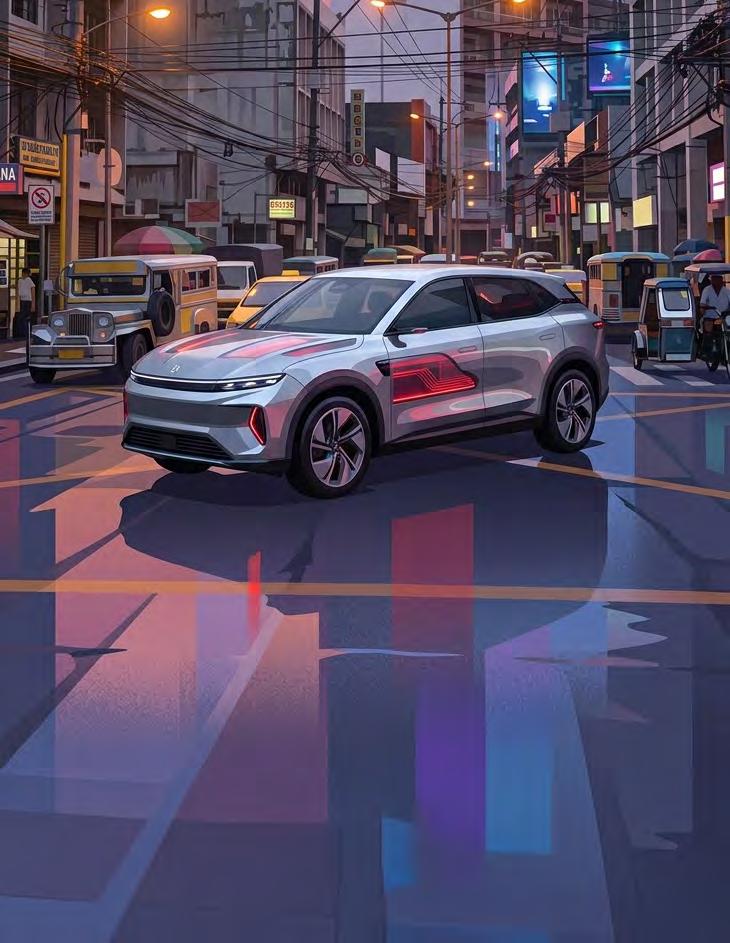
For many Filipino motorists, it’s a familiar scene. And it raises an important question: as electric vehicles (EVs), hybrids, connected cars, and increasingly sophisticated motorcycles become more common on Philippine roads, are today’s technologies truly ready for the realities of local driving?
Spec sheets can highlight larger batteries, smarter software, and longer feature lists. But the real test begins once these vehicles leave the showroom and face the flooded streets, faded road markings, tropical heat, and congested traffic that define everyday driving in the Philippines.
So while the future of mobility may already be here, one question remains: Are modern vehicles truly ready for the Philippines?
The Rise of the Connected Vehicle
Today’s vehicles are software-driven machines that combine mechanical engineering with sensors, cameras, high-speed processors, and constant connectivity.
A decade ago, buyers primarily compared horsepower, fuel economy, and transmission types. Today, software has become just as important. Touchscreen responsiveness, smartphone integration, connected services, remote vehicle monitoring, and over-the-air (OTA) updates now rank alongside traditional performance figures when buyers compare new vehicles.
Advanced Driver Assistance Systems (ADAS) are among the most significant developments in modern mobility. Features such as adaptive cruise control, automatic emergency braking, lanekeeping assist, blind spot monitoring, rear cross-traffic alert, and traffic jam assist are designed to make driving safer while reducing driver workload.
Motorcycles are evolving as well. TFT digital displays, smartphone connectivity, turn-by-turn navigation, selectable ride modes, traction control, and anti-lock braking systems (ABS) are increasingly available even on commuter-oriented models.
These technologies promise safer, more convenient, and more connected journeys. But technology developed for global markets doesn’t always perform the same way once it encounters Philippine roads, weather, and traffic conditions.
The question isn’t whether these systems work. It’s how well they perform under the conditions Filipino motorists face every day.
Designed for Global Roads, Tested in the Philippines
Most vehicles are developed for global markets, where road conditions are generally more predictable and infrastructure is better maintained. Philippine roads present a very different set of challenges.
Potholes, uneven pavement, ongoing roadworks, and unpaved provincial roads place greater demands on suspension systems, tires, and underbody components. Models designed with low ground clearance for improved aerodynamics and efficiency may encounter practical limitations, helping explain why SUVs and crossovers continue to dominate the local market despite the growing number of electric sedans and hatchbacks.
Road conditions also influence how well driver assistance technologies perform. Adaptive cruise control delivers its greatest benefits on expressways such as NLEX, SLEX, SCTEX, and TPLEX, where traffic flows consistently and lane markings remain clearly visible. In Metro Manila’s stopand-go traffic, however, drivers may rarely have the opportunity to use the system to its full potential.
Lane-keeping assist provides another example. Because it relies on cameras detecting visible lane markings, faded paint, road construction, or floodwater covering lane lines can reduce its effectiveness or cause it to disengage temporarily. The system isn’t malfunctioning. It’s responding to conditions that make accurate lane detection difficult.
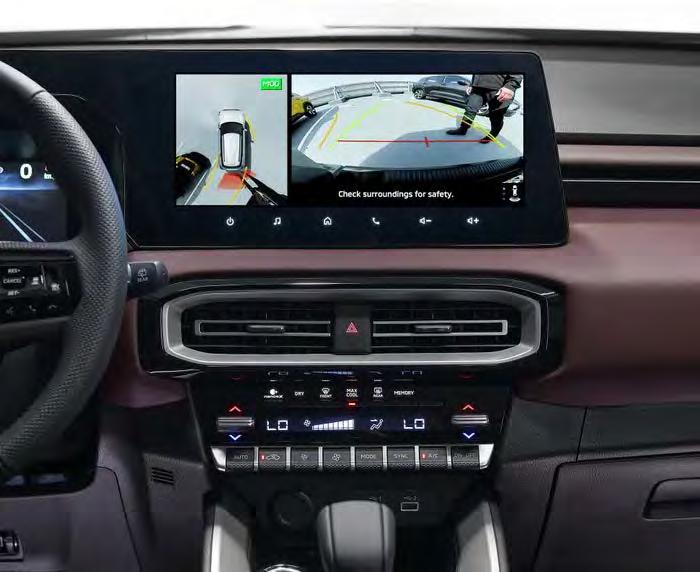
Some technologies prove especially valuable in Philippine driving conditions. Blind spot monitoring helps drivers detect motorcycles filtering through traffic, while rear cross-traffic alert and 360-degree cameras improve visibility when reversing out of crowded parking areas or navigating narrow streets. In many everyday situations, these features deliver more practical value than headline-grabbing performance figures.
Motorcyclists have also benefited from advances in safety technology. ABS, once reserved for premium models, is now available on many commuter motorcycles, while traction control on higher-end models improves stability on wet or slippery roads.
These technologies can significantly improve safety and convenience. Their effectiveness, however, depends not only on the sophistication of the system itself but also on the environment in which it operates. In the Philippines, road conditions remain as important as the technology designed to navigate them.
Heat, Floods, and Tropical Reality
If there’s one environment that truly tests today’s vehicles in the Philippines, it’s the country’s tropical climate.
Every year, monsoon rains and typhoons leave roads submerged for hours or even days, turning routine commutes into unpredictable journeys.
For conventional gasoline vehicles, deep floodwater raises the risk of engine damage if water enters the intake system. Because EVs don’t use an internal combustion engine, they aren’t susceptible to hydrolock. That doesn’t make them immune to flood-related problems. Although their high-voltage battery packs are sealed and designed to withstand wet conditions, manufacturers generally recommend that flood-exposed vehicles undergo inspection to ensure electrical systems and sensors have not been compromised.
Floodwater poses a challenge for every type of modern vehicle. Whether powered by gasoline, hybrid systems, or electricity, today’s cars depend heavily on cameras, radar modules, electronic control units, and sensors that can be costly to repair if damaged.
Heat presents a different challenge.
The Philippines’ combination of high temperatures, humidity, and widespread outdoor parking places greater stress on batteries, electronics, and interior materials. Modern EVs use sophisticated battery management and thermal control systems to regulate battery temperatures during driving and charging, helping preserve both performance and longterm durability.
Even so, prolonged exposure to extreme heat can gradually accelerate wear. Battery technology continues to improve rapidly, but long-term performance under Philippine conditions remains one
of the biggest unanswered questions surrounding electrification.
The EV Infrastructure Question
No discussion of current automotive technologies is complete without addressing one of the biggest questions surrounding electric mobility: charging infrastructure.
The situation has improved considerably in recent years. Charging stations are becoming more common in Metro Manila and other major urban centers, with shopping malls, office developments, dealerships, hotels, and even some fuel stations now offering public charging facilities. For many owners who primarily drive within the city, EV ownership has become increasingly practical. Outside these urban hubs, however, the picture changes. Long-distance travel
still requires more planning than it does with a conventional gasoline or hybrid vehicle, as charging stations remain unevenly distributed across the country.
Home charging remains one of the biggest advantages of EV ownership. But for condominium residents and households without dedicated parking, convenient charging remains a significant barrier.
Infrastructure also extends beyond charging stations. A reliable EV ecosystem depends on trained technicians, readily available replacement parts, and dealerships equipped to service high-voltage battery systems. While manufacturers continue to invest in these areas, support still varies from one brand to another.
For many buyers, this is where hybrids retain a clear advantage. They offer
improved fuel efficiency and lower emissions without requiring drivers to depend entirely on public charging infrastructure, making them a practical stepping stone toward full electrification.
The ecosystem is steadily improving, but the pace of EV adoption will ultimately depend on how quickly the supporting infrastructure keeps up.
The Hidden Cost of High-Tech Ownership
Today’s cars are safer, smarter, and more connected than ever before. But that sophistication also changes what it means to own and maintain one.
Ownership is evolving alongside the technology. Vehicles may receive software updates after purchase that
refine driver assistance systems, improve performance, fix bugs, and sometimes introduce entirely new features. Buying one today means buying into the software ecosystem that supports it.
At the same time, repairs have become more complex. Many advanced safety systems rely on cameras, radar sensors, ultrasonic sensors, and electronic control units working together in real time. Even relatively minor damage to a bumper, windshield, or side mirror may require specialized diagnostics and ADAS recalibration before these systems can operate as intended.
This growing complexity also places greater demands on dealerships and service centers, which must invest in high-voltage battery servicing, diagnostic equipment, and technicians trained to support software-defined vehicles. The level of expertise and after-sales support can still vary from one brand to another.
Parts availability is another important consideration. While some manufacturers maintain strong local inventories, others may require longer waiting times for specialized electronic components. Insurance is also beginning to reflect this new reality, as repairing and recalibrating advanced electronic systems can increase repair costs even after relatively minor collisions.
For today’s buyers, choosing a new car— which increasingly could be an EV or hybrid—involves more than comparing specifications and features. The strength of a brand’s service network, technical
expertise, software support, and parts availability has become just as important as what’s listed on the spec sheet.
The Road Ahead
Today’s vehicles are cleaner, safer, more connected, and more software-driven. But technology alone doesn’t determine whether they’re ready for Philippine roads.
Flood-prone streets, tropical heat, uneven road surfaces, inconsistent infrastructure, and the realities of long-term ownership continue to challenge even the most advanced models, even as charging networks, dealer capabilities, and local adaptation steadily improve.
The next generation of vehicles will undoubtedly become smarter, more capable, and better connected. But their success will depend not only on advances in batteries, software, or driver assistance systems. It will also depend on how well those technologies adapt to the environments where Filipinos actually drive every day.
The next time a sudden downpour turns city streets into rivers, the real measure of automotive technology won’t be the size of its touchscreen or the length of its feature list. It will be how reliably those technologies continue to perform when conditions are far from ideal.
Because in the Philippines, the true measure of automotive innovation isn’t how a vehicle performs under ideal conditions. It’s how reliably it continues moving when the road ahead is anything but.
ASUS ROG Strix G
Gaming Laptop
Strix G16 - PHP159,995 ~ PHP319,995
Strix G18 – PHP244,995
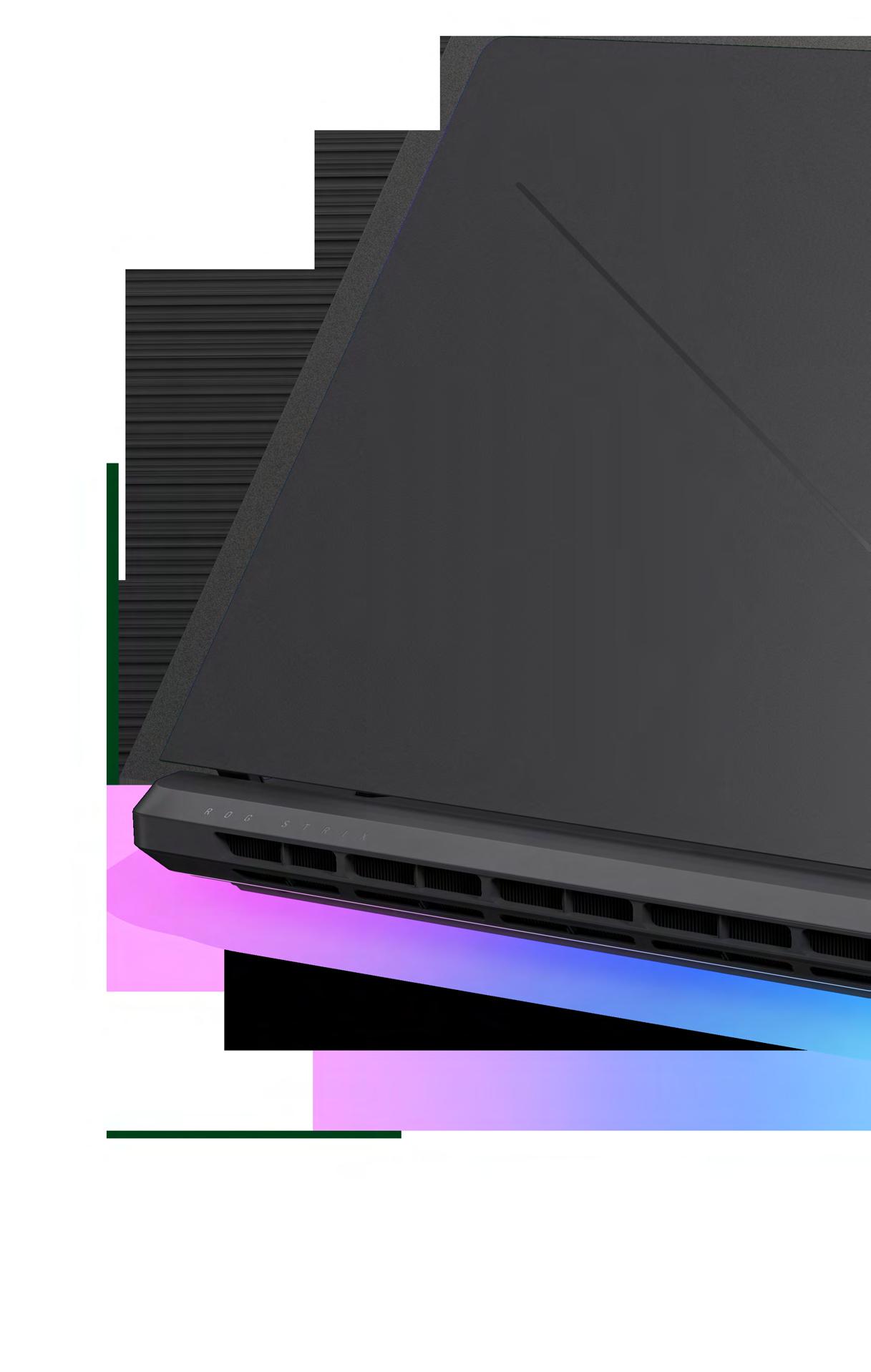
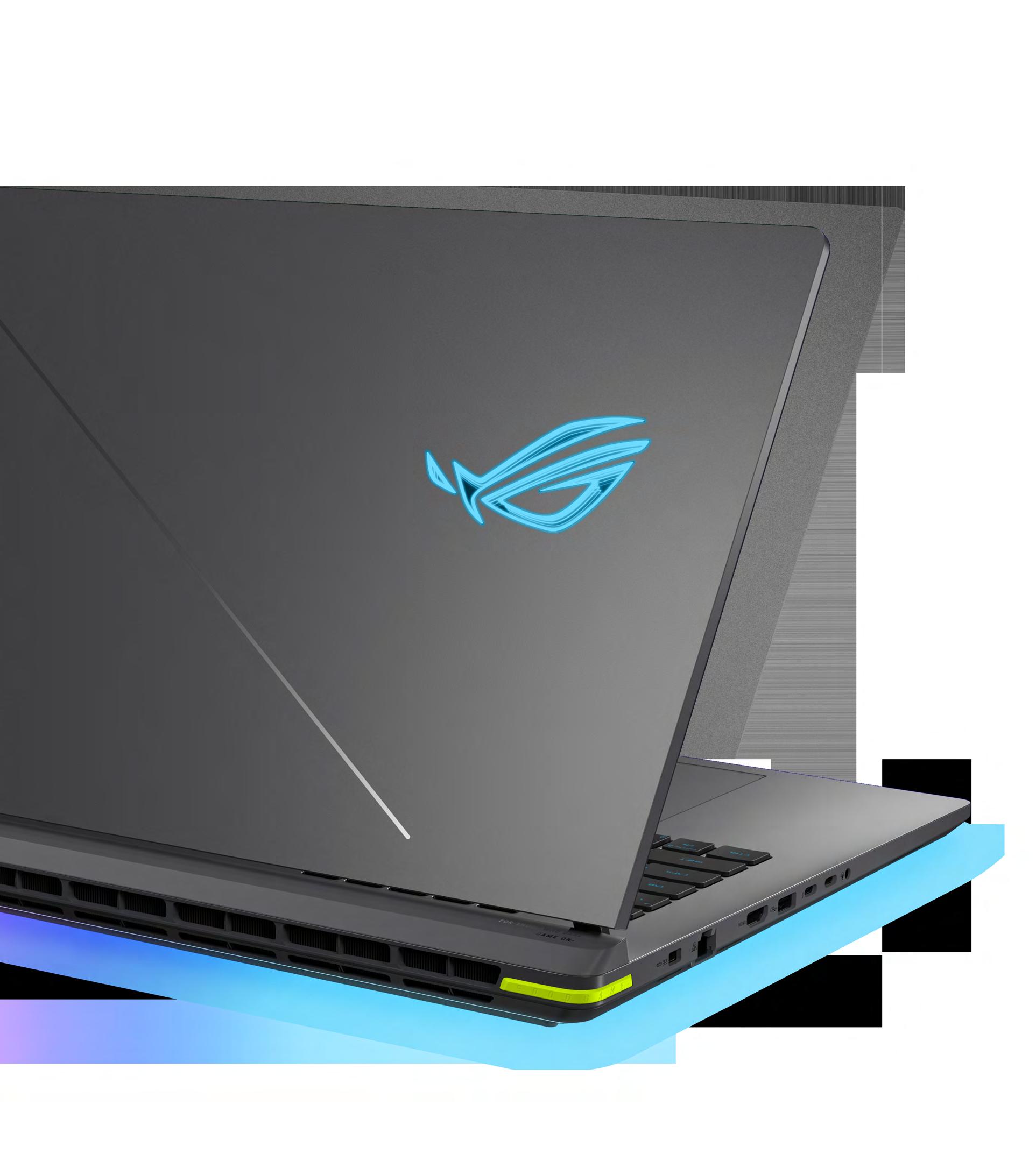
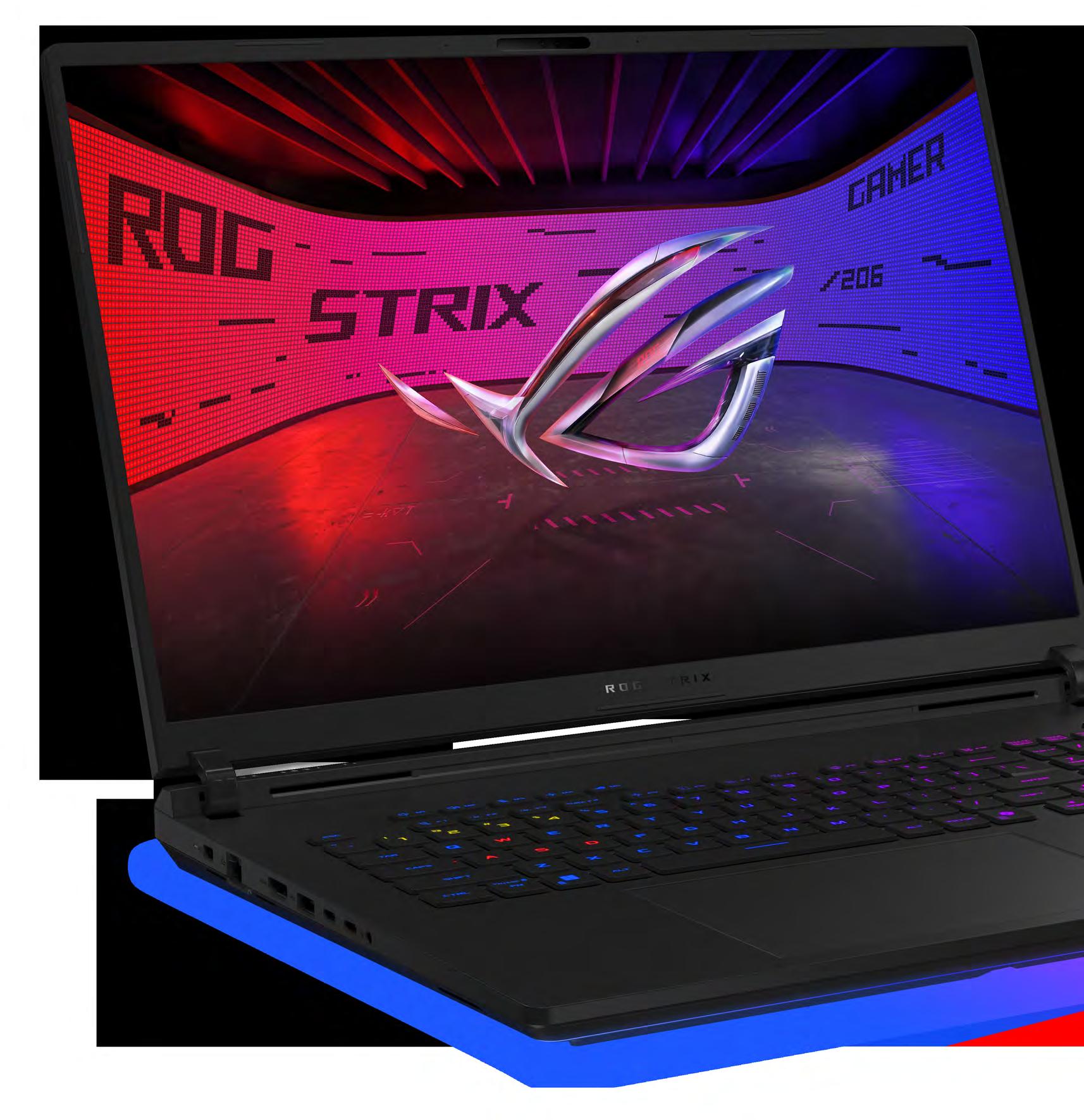
THE 2026 ASUS ROG STRIX G who want high refresh rate gaming, powerful hardware, and room for future upgrades. Available in 16-inch (Strix G16) and 18-inch (Strix G18) models, the lineup features a 2.5K ROG Nebula Display with a 300Hz refresh rate, delivering smooth motion and responsive gameplay for fast-paced esports titles as well as visually demanding AAA games.
Powering the series are Intel Core Ultra processors, including configurations with the Intel Core Ultra 9 290HX Plus, paired with NVIDIA GeForce RTX 50 Series Laptop GPUs ranging from the RTX 5050 up to the RTX 5080. Depending on the model, configurations include up to 32GB DDR5 memory and 1TB SSD storage, providing the performance needed for gaming, content creation, and multitasking.
To maintain consistent performance during extended gaming sessions, ASUS equips the Strix G with its ROG Intelligent Cooling system, which combines an end-to-end vapor chamber, Tri-Fan Technology, and Conductonaut Extreme liquid metal thermal compound. The cooling system is designed to reduce internal temperatures while allowing the processor and graphics card to sustain higher performance under load.
The chassis is designed with future upgrades in mind. A patented tool-less design provides convenient access to the RAM, SSD, and cooling fans, while ASUS’ Q-Latch mechanism simplifies SSD installation. Completing the gaming-focused design are a full-surround Aura RGB light bar and support for high-speed connectivity, making the 2026 ROG Strix G series suitable for both competitive gaming and everyday productivity.
ASUS ROG Strix SCAR 18
PHP439,995
is the flagship gaming laptop in the latest ROG lineup, combining top-tier components with one of the most advanced displays available on a notebook. It features what ASUS describes as the world’s first 18-inch 4K 240Hz Mini LED laptop panel, with more than 2,000 local dimming zones, up to 1,600 nits peak brightness, 100% DCI-P3 color coverage, and ROG Nebula ELMB technology for improved motion clarity. AGLR technology further reduces reflections while enhancing contrast for clearer
The laptop is powered by an Intel Core Ultra 9 290HX Plus processor and an NVIDIA GeForce RTX 5090 Laptop GPU, complemented by 64GB DDR5 memory and a 2TB SSD in the Philippine configuration. Support for NVIDIA DLSS 4, Multi-Frame Generation, and GPU-accelerated technologies enables the system to handle demanding games and graphics-intensive workloads.
ASUS also redesigned the cooling system with a 20% thicker vapor chamber, Liquid Crystal Polymer fans that increase airflow by up to 91%, Conductonaut liquid metal, and a dedicated graphite-and-copper heatsink for the SSD. The chassis uses dedicated intake vents on the sides and bottom while directing exhaust toward the rear hinge to help sustain performance during prolonged
Like the Strix G, the SCAR 18 features a tool-less chassis for easy access to the RAM and SSD, including ASUS’ Q-Latch mechanism for storage upgrades. Exclusive to the SCAR is the AniMe Vision LED display integrated into the lid, allowing users to display custom animations alongside the laptop’s full-surround
BenQ MA Series
THE BENQ MA SERIES is designed specifically for Mac users who want a larger workspace without sacrificing color accuracy or seamless integration with the Apple ecosystem. The lineup consists of the 27-inch MA270S and the 32-inch MA320UG, each tailored for creative professionals, designers, photographers, and video editors.
The MA270S features a 5K (5120 × 2880) display with 218 pixels per inch, making it suitable for detail-oriented work such as photo editing and graphic design. It supports 99% of the P3 color gamut and a 2000:1 contrast ratio for accurate color reproduction.
Meanwhile, the MA320UG is aimed at video creators with its 4K resolution and 120Hz refresh rate, offering smoother motion alongside 98% P3 color coverage and the same 2000:1 contrast ratio.
Both monitors use Nano Gloss panels to deliver vivid images while maintaining clarity.
Designed to complement Mac workflows, both models feature Thunderbolt 4 connectivity for video, data transfer, charging, and daisy-chaining through a single cable. Smart KVM functionality enables users to switch between multiple connected Mac devices using one keyboard and mouse, while BenQ’s Display Pilot 2 software adds features such as automatic color synchronization, workspace management, and brightness and volume controls directly from a Mac keyboard.
The MA Series also includes fully adjustable stands for improved ergonomics during long work sessions. By combining high-resolution displays, Mac-tuned color performance, and productivity-focused features, the MA270S and MA320UG are designed to expand the workspace of Mac users while maintaining a consistent visual experience across Apple devices.
Monitor
Brother
PR1060W
DESIGNED FOR small businesses and commercial embroidery operations, the Brother PR1060W combines high-speed production with intelligent automation to help streamline embroidery workflows.
The 10-needle embroidery machine features a built-in camera that captures fabric positioning and automatically aligns embroidery placement through the LCD touchscreen. This helps improve accuracy while reducing setup errors and material waste.
A library of 1,280 built-in embroidery designs and 50 built-in 3D fonts provides ready-to-use templates for apparel, uniforms, personalized gifts, and corporate branding projects. Users can also wirelessly create and transfer their own designs via the machine’s built-in Wireless LAN.
The PR1060W supports projects of varying sizes with a large 360 x 200mm embroidery area, allowing businesses to produce everything from small personalized items to larger embroidered designs without compromising stitch quality.
Productivity features include an automatic needle threader that minimizes downtime during thread changes, along with smart workflow
tools such as stitch optimization, customizable shortcut keys, and security lock modes that prevent unauthorized operation or accidental changes to machine settings.
The machine also integrates with the Brother My Stitch Monitor app for real-time production monitoring and the Artspira app, enabling users to create, edit, and manage embroidery designs from compatible mobile devices.
Built for continuous production, the Brother PR1060W is suited for businesses producing custom apparel, uniforms, promotional merchandise, monogrammed products, and personalized gifts.
PHP720,995
Embroidery Machine
Garmin Approach Z10
PHP18,290
THE GARMIN APPROACH Z10 is a compact laser rangefinder designed to help golfers measure distances with greater precision while integrating with compatible Garmin golf devices. Weighing less than seven ounces, it measures distances to the pin of up to 350 yards with 6x magnification and provides vibrational feedback when the target has been locked. Ranged distances are accurate within one yard.
A key feature of the Approach Z10 is Garmin’s Range Relay technology, which sends measured distances to compatible Garmin smartwatches, golf handhelds, and the Garmin Golf app. Once a target is ranged, paired devices display a laser range arc showing the pin position and distances to the front and back of the green, providing a clearer picture of the hole layout. Distances also remain dynamic, automatically updating as the player moves toward the target without requiring another laser measurement.
The rangefinder also includes PlaysLike Distance, which adjusts yardages based on elevation changes to help players choose the appropriate club. A Tournament Mode disables slope-adjusted information and activates an external indicator light to comply with competition rules. Additional features include a magnetic mount for golf carts, Find My Rangefinder support via the Garmin Golf app, and a battery life rated for up to 1 year under normal use.
When paired with a Garmin Golf membership, the Approach Z10 can also access Green Contour Data and high-resolution aerial course imagery on supported courses, giving golfers additional information for shot planning and green reading.
Golf Laser Rangefinder
HUAWEI nova 15 Max
THE HUAWEI NOVA 15 MAX combines a large display, long battery life, and a durable design in a smartphone aimed at users who spend long hours streaming, gaming, navigating, and multitasking throughout the day.
Its standout feature is an 8,500mAh battery, the largest battery capacity in a HUAWEI smartphone to date. Paired with 40W HUAWEI SuperCharge Turbo, the battery is rated for up to 48 hours of voice calls, 25 hours of navigation, or 23 hours of video playback on a single charge. The phone also supports reverse charging, allowing it to power compatible devices when needed.
At the front is a 6.84-inch OLED display with a 120Hz adaptive refresh rate and up to 4,000nits of peak brightness for improved outdoor visibility. Triple eye-comfort technologies help
reduce eye strain during extended viewing, while symmetrical dual speakers deliver up to 85dB of audio output for media playback and hands-free calls.
Photography is handled by a 50MP rear camera with an RYYB sensor and f/1.9 aperture designed to capture more light for brighter low-light photos, while an 8MP front camera is available for selfies and video calls.
The nova 15 Max also emphasizes durability with an IP65 rating for resistance to dust and water splashes, SGS 5-Star Drop Resistance certification, and a chassis engineered to withstand up to 100kg of pressure. Completing the package are AI Smart Control shortcuts that provide quick access to frequently used apps and AI assistants through a dedicated hardware button.
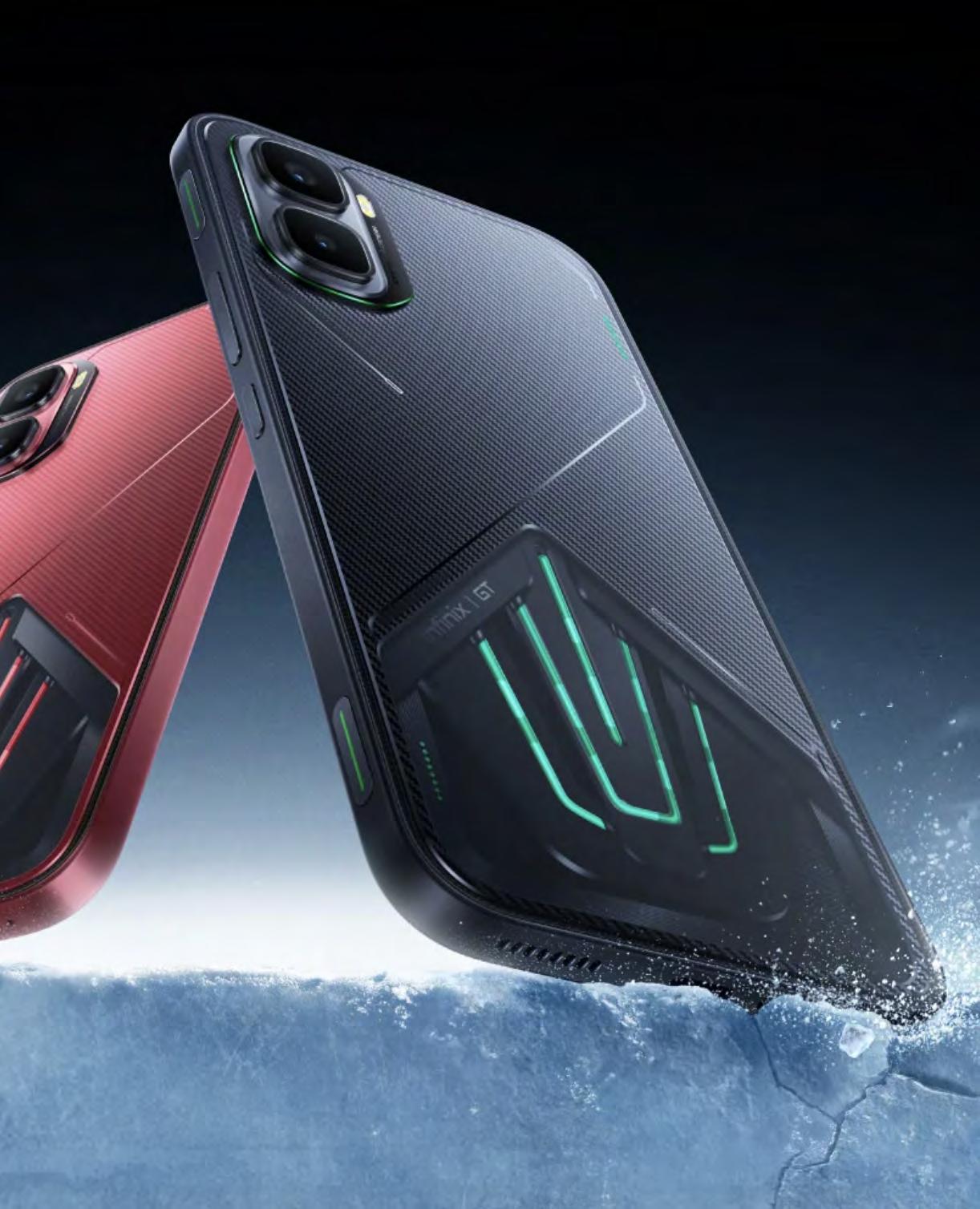
Infinix GT 50 Pro
DESIGNED FOR COMPETITIVE mobile gaming, the Infinix GT 50 Pro combines high-refresh-rate gameplay, advanced thermal management, and esports-focused features in a performance-oriented smartphone.
At its core is the HydroFlow Liquid Cooling Architecture, which pairs a large 3D vapor chamber with the optional GT MagCharge Cooler 2.0 to help dissipate heat during extended gaming sessions. The cooling system is designed to maintain stable temperatures and consistent performance during graphicsintensive games.
The GT 50 Pro also supports a 144FPS Gaming Ecosystem and is certified for high-frame-rate gameplay in Mobile Legends: Bang Bang (MLBB), delivering smoother visuals and
more responsive controls. The device underwent testing, including stress tests, tournament simulations, and professional player evaluations, to validate its performance in competitive gaming.
Beyond raw performance, the GT 50 Pro is designed to integrate with Infinix’s gaming ecosystem. It is compatible with the GT Watch 5 Pro, which provides real-time heart rate monitoring and gaming-related data while remaining connected to the smartphone.
Built for players seeking sustained performance under heavy workloads, the GT 50 Pro combines high-framerate gaming support with advanced cooling technologies to minimize thermal throttling during extended play.
Smartphone
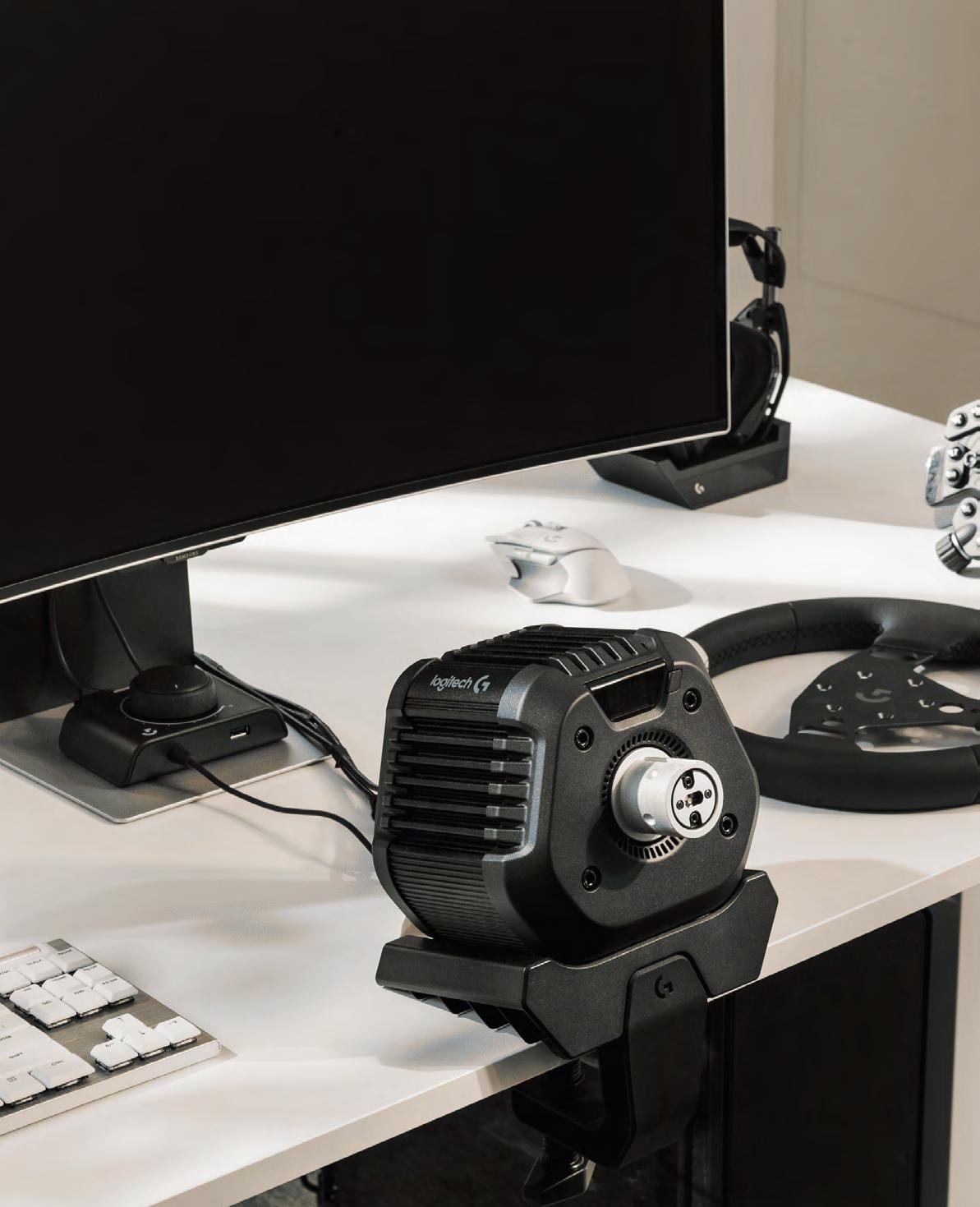
Logitech G RS50 Direct Drive Wheelbase | RS Pedals
DESIGNED FOR SIM RACING ENTHUSIASTS, the Logitech G RS50 Direct Drive Wheelbase and RS Pedals bring professional-grade control and force feedback to home racing setups.
The RS50 is built around a directdrive motor that delivers up to 8Nm of peak torque, providing detailed steering feedback without the belts or gears found in traditional racing wheels. Logitech’s TRUEFORCE technology further enhances immersion by processing in-game physics, including road texture, engine vibration, tire grip, and surface changes, at up to 4,000 updates per second. The wheelbase also supports up to 2,700 degrees of steering rotation for a wider range of driving simulations.
Complementing the wheelbase is the RS Pedals set, featuring a 75kg load cell brake that measures pedal pressure rather than pedal travel to more closely replicate the feel of a real braking system. A Hall Effect accelerator delivers consistent throttle response, while adjustable pedal
resistance, travel, and positioning allow users to tailor the setup to their driving style. An optional clutch module is also available for manual transmission simulations.
Part of Logitech G’s modular Racing Series ecosystem, the RS50 is compatible with interchangeable wheels, pedals, and accessories, allowing users to expand or customize their racing setup over time.
Gaming Peripherals
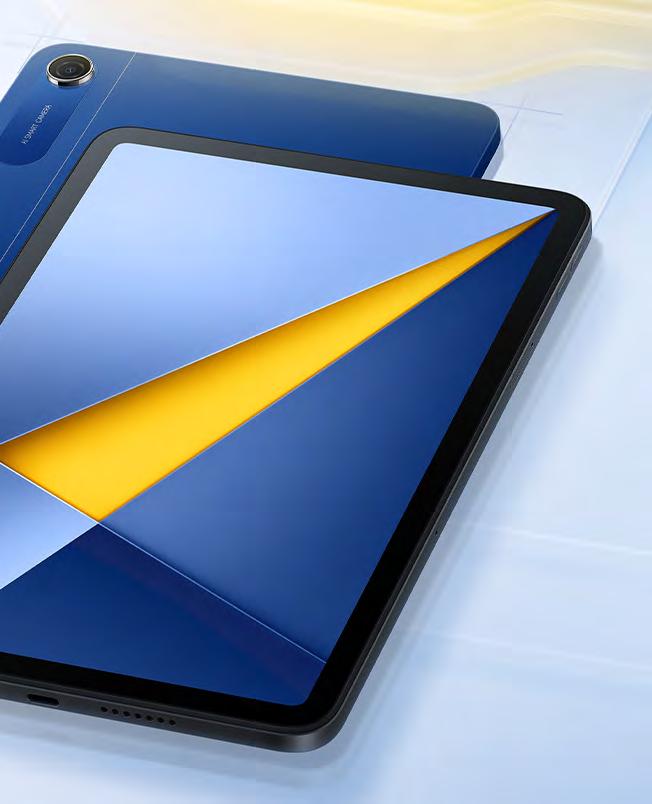
POCO Pad C1
PHP8,499 (4GB + 64GB)
PHP9,999 (6GB + 128GB)
THE POCO PAD C1 is designed to deliver a largerscreen experience for entertainment, productivity, and everyday use while maintaining a slim, portable form factor.
At the front is a 9.7-inch 2K display with a refresh rate of up to 120Hz for smoother scrolling and video playback. The panel reaches up to 600nits of peak brightness for improved outdoor visibility and carries three TÜV Rheinland eye-care certifications to help reduce eye strain during extended viewing sessions.
Powering the tablet is the Snapdragon 6s 4G Gen 2 Mobile Platform, paired with up to 6GB of RAM and 128GB of internal storage. A microSD card slot supports storage expansion of up to 2TB, providing additional space for apps, photos, videos, and documents.
The POCO Pad C1 is equipped with a 7,600mAh battery rated for up to 1.7 days of typical use. It supports 18W fast charging and 10W wired reverse charging, allowing the tablet to serve as a power source for compatible devices when needed.
Running Xiaomi HyperOS 3, the tablet includes Xiaomi Interconnectivity for cross-device integration, along with Google Gemini and Circle to Search with Google for AIassisted productivity and information lookup. Completing the package is a slim metal unibody design that has undergone more than 40 durability tests for everyday reliability.
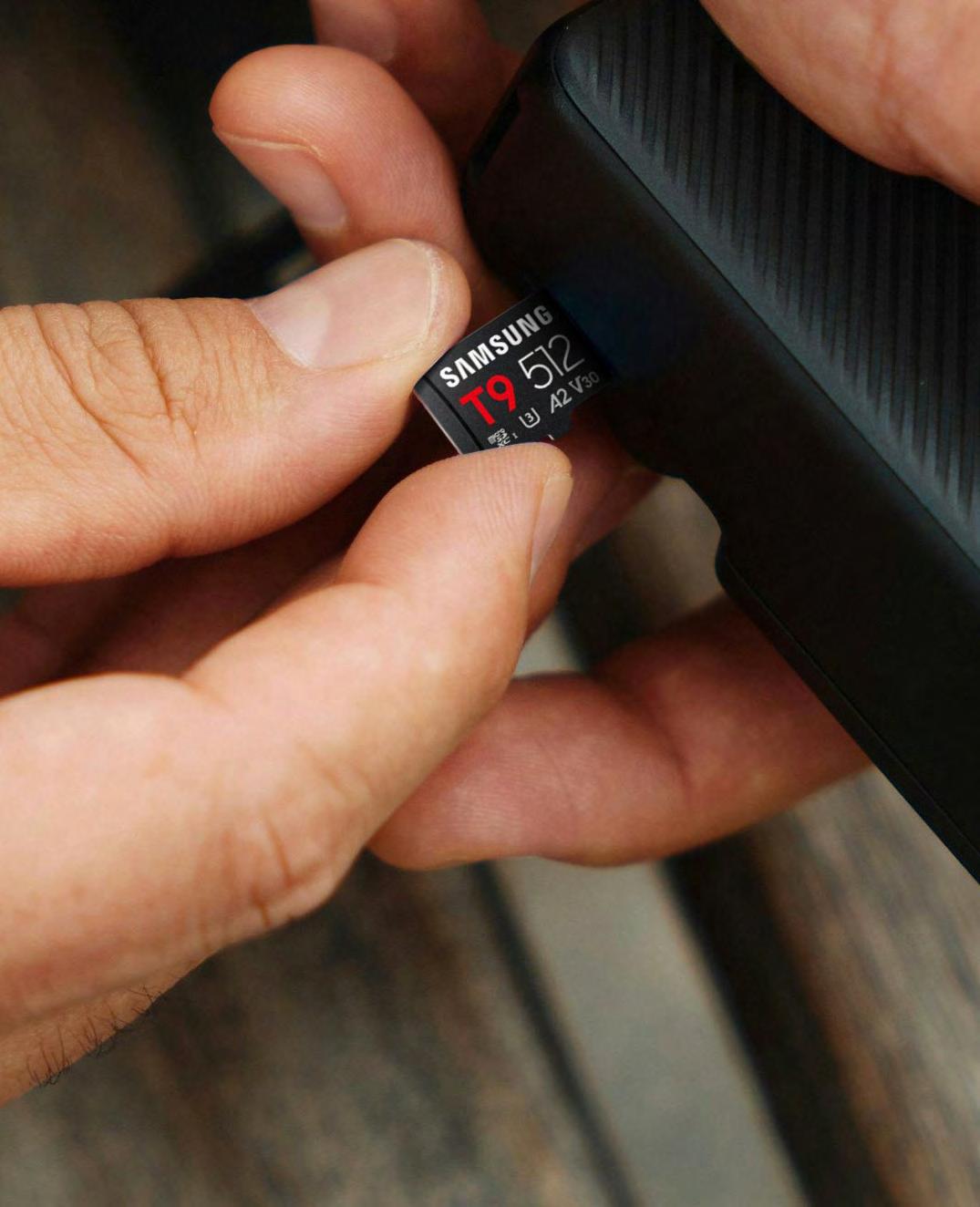
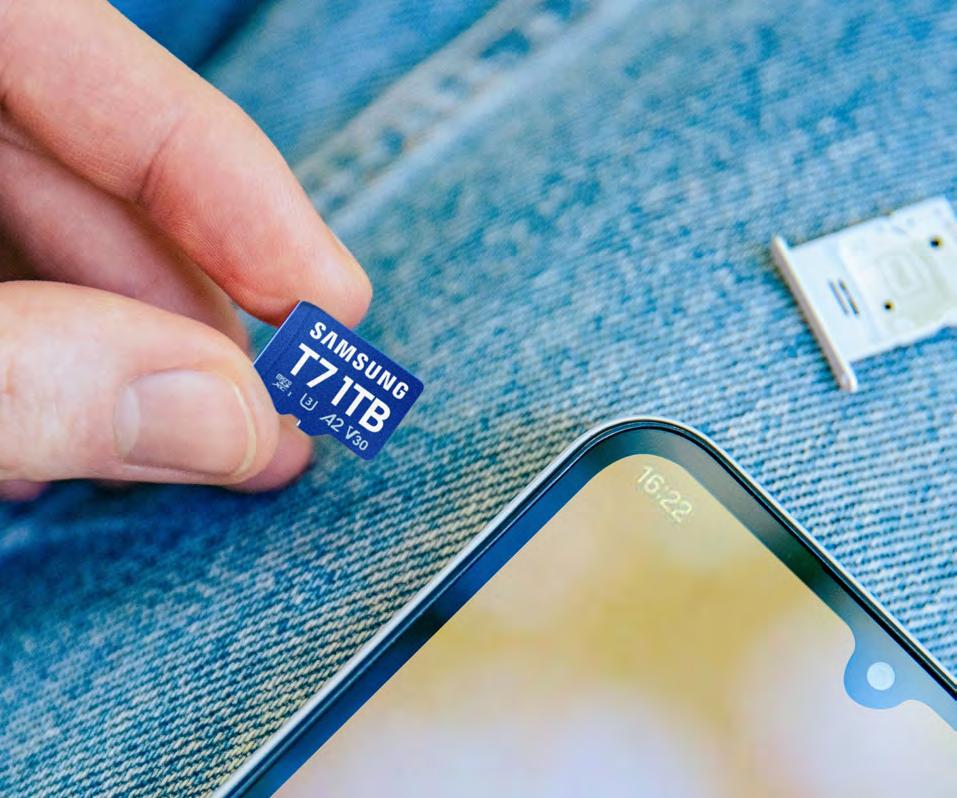
SAMSUNG has refreshed its removable storage lineup with the new T7 and T9 microSD Cards, giving users a choice between everyday expandable storage and higher-performance memory for demanding applications.
The T7 microSD Card is designed for generalpurpose use across smartphones, tablets, laptops, handheld gaming consoles, and other compatible devices. Available in capacities from 128GB to 1TB, it offers sequential read speeds of up to 170MB/s for faster file transfers, app loading, and media access. Its UHS-I interface and U3, V30, A2, and Class 10 ratings also support Full HD and 4K video recording.
For users handling larger files and more intensive workloads, the T9 microSD Card
delivers up to 200MB/s sequential read speeds. Offered in 128GB, 256GB, and 512GB capacities, it is suited for gaming, professional content creation, drones, action cameras, and other devices that benefit from faster data transfers. The T9 also features six-proof durability to help protect stored data in a range of operating environments.
Both cards are built on the UHS-I interface and are compatible with a wide range of smartphones, tablets, laptops, cameras, and handheld gaming devices. The launch also introduces Samsung’s updated removable storage branding, making it easier to distinguish products intended for everyday storage needs from those designed for higher-performance applications.
Synology PAS7700
Enterprise Storage
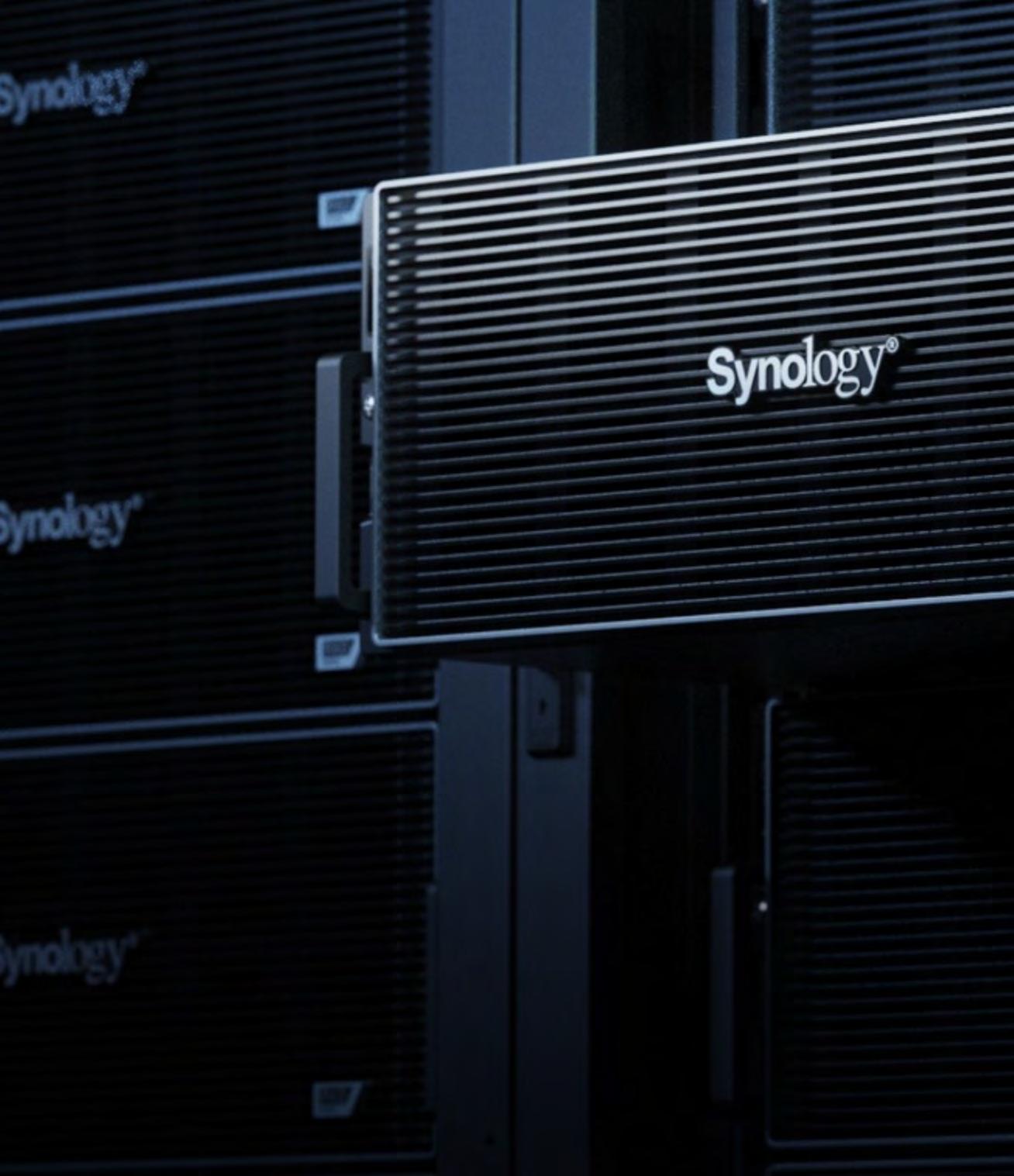
BUILT FOR ORGANIZATIONS running mission-critical applications, the Synology PAS7700 is an active-active all-flash NVMe storage system engineered for high availability, low latency, and enterprise scalability.
The system combines dual active controllers with 48 NVMe SSD bays in a 4U chassis, allowing both controllers to operate simultaneously for continuous service even if one controller or network component fails. The PAS7700 can be expanded to up to 1.65PB of raw storage capacity through seven expansion units.
Designed for data-intensive workloads, the platform supports file and block storage, as well as multiple enterprise protocols, including NVMe-oF, iSCSI, Fiber Channel, SMB, and NFS. Equipped with up to 2TB of memory and 100GbE networking, it delivers up to 2 million IOPS, sub-1-millisecond latency, and sequential throughput of up to 30GB/s.
To safeguard business-critical data, the PAS7700 incorporates tripleparity RAID, mirrored write cache
protection, automatic failover, IP failover, and support for SelfEncrypting Drives (SEDs). Additional data protection features include immutable snapshots, WORM folders, Snapshot Replication, and Hyper Backup to strengthen backup and disaster recovery strategies.
The storage platform also supports online and offline deduplication to improve storage efficiency and extend SSD lifespan. Future support for Synology Tiering will automatically move less frequently accessed data to high-capacity storage, keeping highspeed NVMe resources available for active workloads.
Running on DSM Enterprise, the PAS7700 is designed for data centers, manufacturing, engineering, healthcare, game development, and other environments that require highperformance storage with continuous availability.
TCL A400 Series
THE TCL A400 SERIES combines premium television technology with a design that blends into modern living spaces. Available in the A400M and A400 Pro variants, both models feature an ultra-slim profile, QD-Mini LED display technology, Art Gallery Mode, and an integrated ONKYO 2.0 Hi-Fi Sound System.
When not used for entertainment, the TVs can display hundreds of preloaded artworks or generate AI-created images in a variety of artistic styles, allowing the screens to function as digital art displays. The A400 Pro adds an anti-reflection Matte HVA Panel that minimizes glare for a canvas-like appearance and is paired with a wooden frame, while the A400M uses a traditional high-contrast HVA Panel with a black frame.
Image quality is driven by TCL’s QLED technology, which uses Quantum Dot materials and precision backlighting to reproduce over 1 billion colors while improving light-transmission efficiency. The series is powered by the TSR AiPQ Processor, which performs AI-assisted picture optimization at the pixel level to enhance color, contrast, and detail across various content types.
The A400 Series also incorporates TCL’s AI platform for picture, sound, smart interaction, and content creation features. Audio is delivered through an integrated ONKYO Hi-Fi sound system, providing a more immersive viewing experience without external speakers.
Lifestyle TV
REVIEWED BY ALJHELYN PIADOR
REALME P4X
SMARTPHONE
Just by looking at it, I can tell that realme really went hard on the aura-farming design and, judging by the marketing, even harder on battery life. It looks promising, and the gaming agenda is so loud
that you can almost hear the RGB keyboards clicking from across the room.
But for me, and probably for most people, real rizz isn’t found on the back panel. It’s in what’s inside.
After spending a week with it, bringing it everywhere and making it part of my daily routine, I think I’ve seen enough to know what this phone is really about. Here are my thoughts.
DESIGN
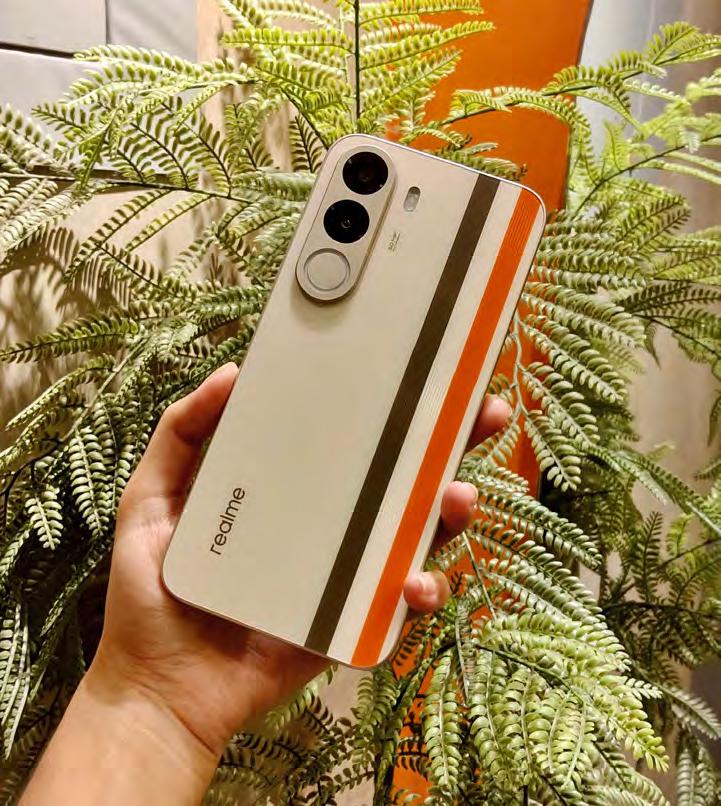
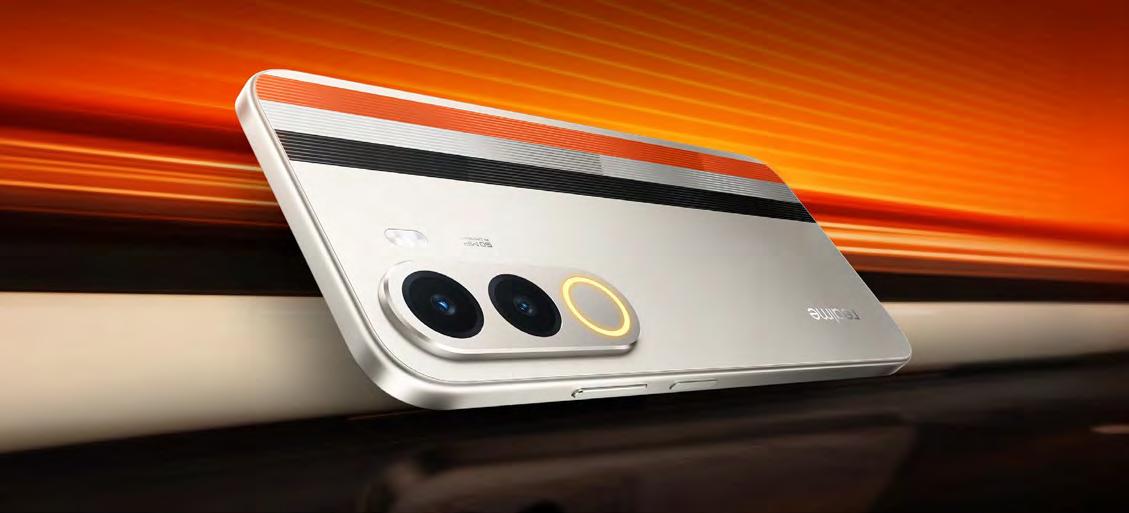
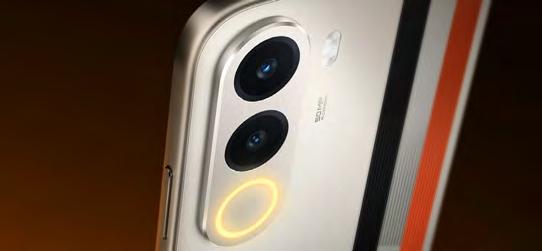
Let’s start with the obvious. This Rally White colorway is, no question, an absolute aura farmer. The racing stripes, sharp accents, and motorsport-inspired design make the P4X look like it should come with a pit crew and a sponsorship deal.
In a sea of rectangles trying to be different, this one actually has a personality.
Now, to be fair, the Aero Racing design is mostly visual. There’s no secret gaming chip hiding underneath nor a Formula 1-grade cooling system waiting to be discovered. What you’re getting is aesthetics. Even so, good aesthetics matter. They give the P4X an identity.
After a week of using it, I realized something: if I accidentally left this phone on a table, I’d spot it immediately. Nobody’s confusing this for any other device. It’s one of those phones that’s surprisingly hard to lose, and apparently pretty easy to get compliments on. More than once, someone asked me what phone I was using before I even turned the screen on.
Now, with an 8,000mAh battery, I was fully expecting a pocket-sized dumbbell. At 219 grams, it’s definitely not light, but
the weight is distributed well enough that it never felt exhausting to use. Considering this thing is built for marathon gaming sessions, that’s a pretty big win.
HARDWARE
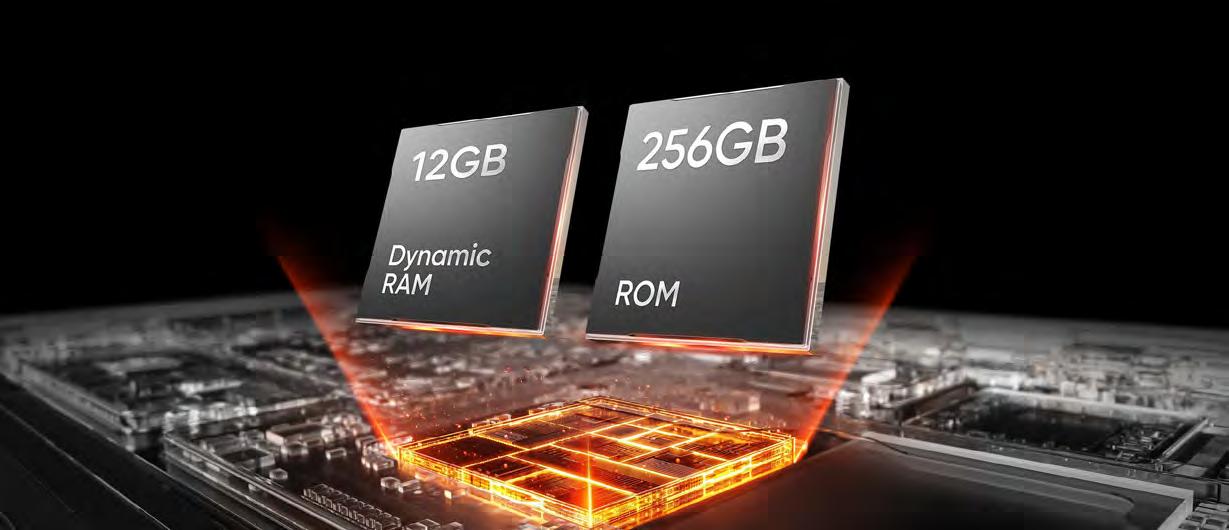
Inside, you get a UNISOC T7250 processor, 4GB RAM, and 256GB storage. And for a phone dressed like it’s about to enter a racing competition, I expected a little more muscle.
But after using it for a week, I realized realme was chasing a different goal here. The first thing that stood out to me was the 256GB storage. That’s a lot of room for photos, videos, games, and screenshots you’ll never delete. It’s one less thing to worry about.
The phone also comes with a 6.8-inch 120Hz display, which makes scrolling through social media and navigating the interface feel smooth and responsive. What I also kept noticing was how little the battery seemed to care about my screen time.
Instead of trying to impress me with flashy numbers, it focuses on making everyday use feel easy. Add Android 16 and an IP64 rating for a bit of protection against dust and splashes, and it comes across as a phone built for people who just want something reliable.
USER EXPERIENCE
When it came to gaming, I quickly realized this phone has favorites.
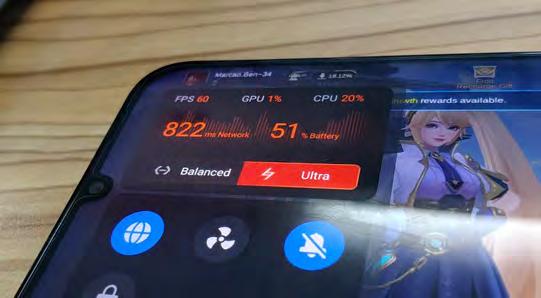
Mobile Legends felt right at home here. Matches were smooth, controls responded well, and even after several games in a row, the phone never felt like it was begging for a break. If I had to guess, this is probably the game realme had in mind when building this thing.
Call of Duty Mobile was a slightly different story. It still played well, especially on Low
settings, and I had no trouble jumping into chaotic Battle Royale matches filled with hot drops, explosions, and smoke everywhere. The stereo speakers also helped make the experience feel more immersive. Push the settings higher, though, and you start asking a bit too much from the phone. Low settings felt like the sweet spot where everything just worked.
Then there’s Genshin Impact, the game that eventually humbles almost every budget phone. On the lowest settings, it’s playable enough for commissions, exploring, and casual sessions. The moment you start asking for prettier graphics, though, the phone starts reminding you what price bracket it’s in.
What I found interesting was that the phone never really felt chaotic, even when juggling games and everyday tasks. A lot of that comes from AI features working quietly in the background. This isn’t the
kind of AI that jumps out and demands attention. It’s more like the friend who cleans up after everyone leaves the party. You barely notice it’s there, but things stay organized, stable, and smooth.
As for the camera, it’s a 50MP shooter that gets the job done. Photos are decent, social media ready, and perfectly fine for everyday moments. But the camera isn’t the main character of this story. The battery is.
The 8,000mAh battery feels almost comically large in actual use. I spent hours gaming, scrolling, watching videos, replying to messages, and doing all the usual phone stuff, yet it always felt like there was plenty left in the tank. One day, I played games for about four hours and only lost around 30% battery. That’s the kind of result that makes you check the battery percentage twice because it doesn’t feel real.
Suddenly, the HD+ screen starts making a lot more sense. Every decision here seems to revolve around one goal: making the battery last as long as possible.
Even charging surprised me. Despite the massive battery, it climbed from 56% to 74% in just 21 minutes. Not bad for a phone carrying what feels like a small power bank inside.
You’re getting 256GB of storage, which is honestly generous these days. You’re getting a 120Hz display that keeps everyday use feeling smooth. You’re getting gaming performance that’s dependable for the titles most people actually play. And, of course, you’re getting a battery that seems completely uninterested in running out.
The thing is, not every phone needs to be the fastest in the room, and most people aren’t spending their day comparing frame rates, zooming in on pixels, or running performance tests for fun. They’re scrolling through social media, watching videos, replying to messages, taking photos, and squeezing in a few games whenever they can. And for everyday use, the realme P4X feels well thought out.
It’s far from perfect, yes, and you’re still trading off raw power and display sharpness, but for what it offers, it feels like a risk that’s actually worth considering if battery life and endurance matter to you.
BOTTOMLINE
The realme P4X does a great job of selling the racing fantasy. The stripes, the sharp lines, and the unapologetically gamer look are designed to catch your eye, and they absolutely do. But after a week of carrying it around, gaming on it, and making it part of my daily routine, I realized the design wasn't what lingered in my mind.
audience and commits to serving them well.
SPECIFICATIONS
6.8-inch HD+ 120Hz display
UNISOC T7250 processor
4GB RAM
256GB storage
8,000mAh battery
Fast charging support 50MP rear camera
IP64 rating Android 16 219g weight
8,000mAh battery monster
Smooth Mobile Legends performance
120Hz large display
Quiet, stable AI optimization
Efficient real-world battery management
Loud, standout racing design
At PHP15,999 SRP, the realme P4X sits in a spot where you can’t really judge it by one spec alone. You have to look at the whole package.
And the more time I spent with it, the more I understood what realme was trying to do here.
What stood out to me was how clear this phone is about who it's for. And that's what I appreciated most about it. It knows its lane, stays in it, and delivers exactly what it says it will. In a market full of phones trying to be a little bit of everything, there's something refreshing about a phone that understands its
UNISOC T7250 is entrylevel
Genshin is only playable on low settings
HD+ resolution only Average camera performance
REVIEWED BY MARIBELLE ALBA
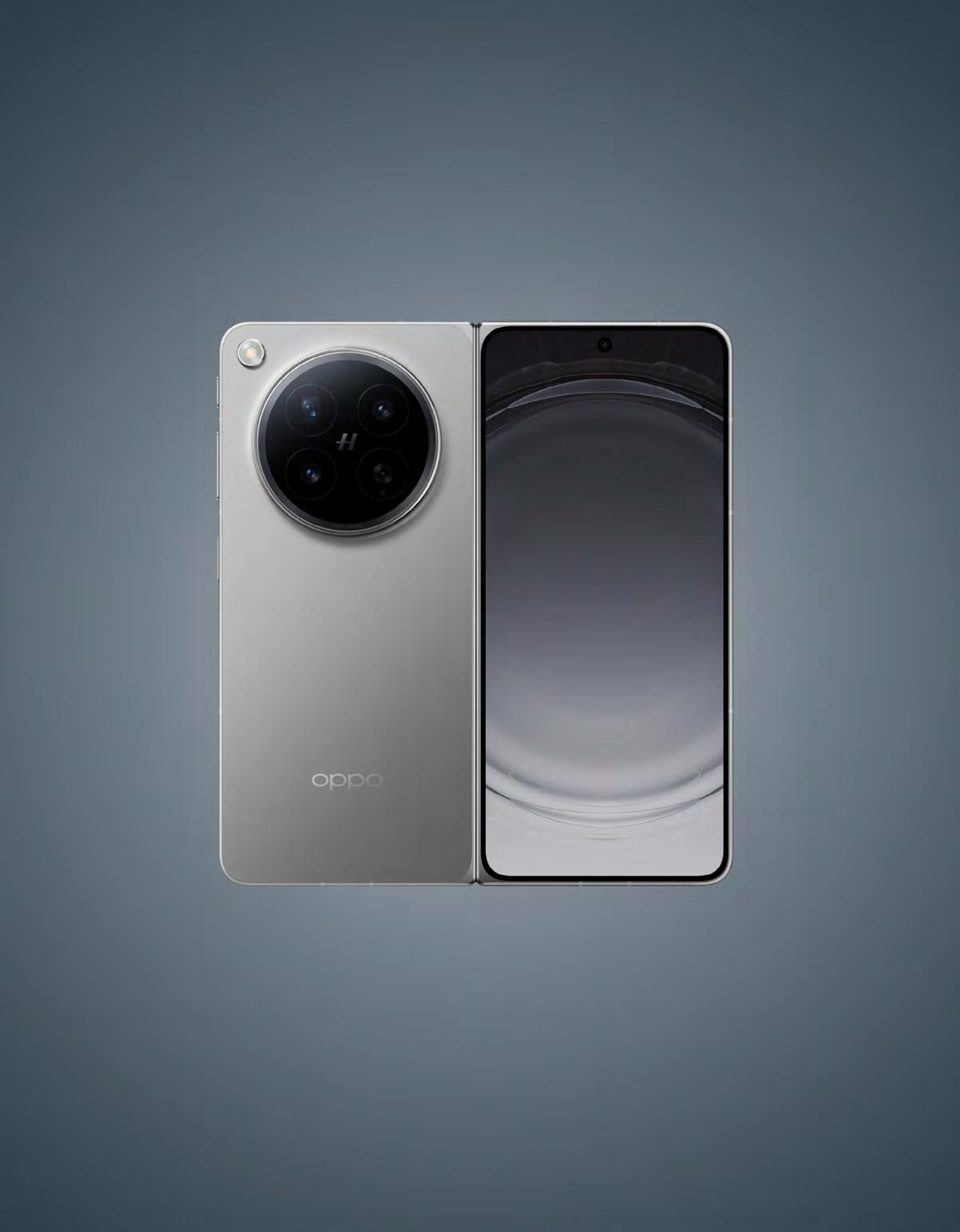
OPPO FIND N6
FOLDABLE SMARTPHONE
When I learned that the OPPO Find N6 would be available in the Philippines, I requested to spend time with a test unit.
My daily setup already revolves around a Mac, an iPhone 16 Pro Max, and an iPad Pro. I also carry an HONOR Magic V3 as a secondary Android foldable because our team operates on Google Workspace, where apps such as Gmail, Google Docs, Drive, Chrome, Meet, and Google Chat benefit from the flexibility of a larger screen and Android’s multitasking capabilities.
I did not need the Find N6 to introduce me to foldables. I wanted to know whether OPPO’s latest device could take the Android spot in my Apple ecosystem.
Its near-creaseless display, surprisingly light design, multitasking features, and optional AI Stylus Set made a strong first impression. The real question was whether those strengths would matter in everyday use.
DESIGN
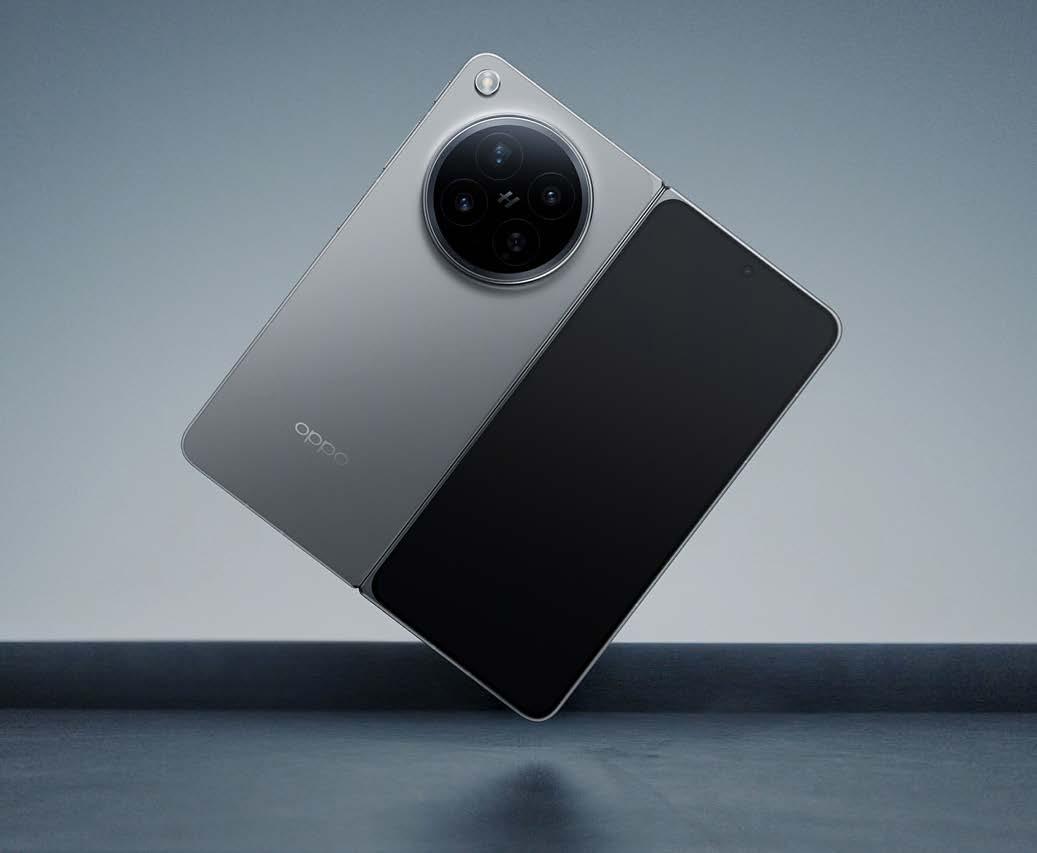
One of the biggest compliments I can give the OPPO Find N6 is that it does not feel like a foldable when it is closed.
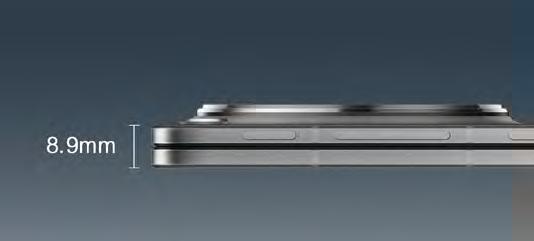
At 8.99mm thick when folded and 225g, it feels just like a conventional flagship smartphone. The proportions are comfortable, the cover display is immediately usable, and the device slips easily into a pocket or handbag without feeling bulky.
Build quality is equally impressive. The Titanium Flexion Hinge feels solid and precise, while the overall construction delivers the fit and finish expected of a premium flagship.
The outer screen is large enough for most quick tasks, while the 8.12-inch
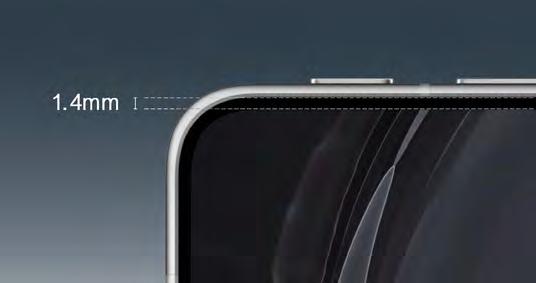
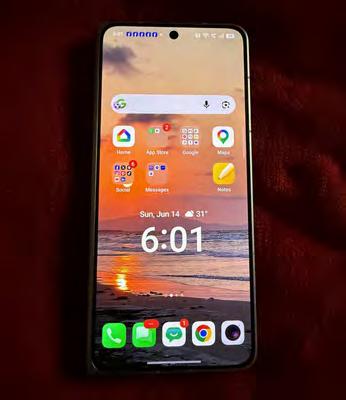
inner display provides ample space when opened. The crease is also one of the least noticeable I have encountered on a foldable. Visually, it almost disappears during use, and there is virtually no crease feel when swiping across the screen.
The matte display finish is another detail I came to appreciate. It cuts down reflections and keeps the screen easier on the eyes, especially during long reading, editing, and browsing sessions. The result is a foldable that feels refined, practical, and mature.
HARDWARE
Beneath its slim exterior, the OPPO Find N6 carries the hardware expected from a flagship foldable.
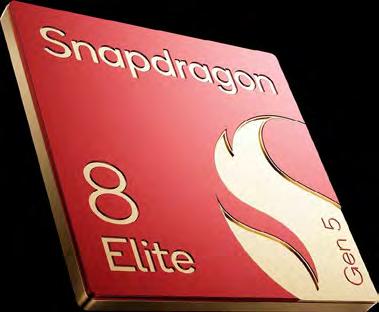
At its core is Qualcomm’s Snapdragon 8 Elite processor, backed by 16GB of RAM and 512GB of storage. Performance is consistently fast and responsive, whether handling productivity apps, photo editing, or several browser tabs at once.
Battery life is a clear strength. The 6,000mAh silicon-carbon battery comfortably lasts through a full day of email, messaging, document reviews, web browsing, and social media management. When it needs a top-up, 80W SUPERVOOC wired charging and 50W AIRVOOC wireless charging help minimize downtime.
While photography is not my primary reason for choosing a foldable, the Hasselblad-tuned camera system is versatile enough for product documentation, social media content, and everyday shots. The setup combines a 50MP main camera, 50MP ultra-wide camera, and 200MP periscope telephoto camera.
Durability is also emphasized by the Titanium Flexion Hinge and by IP56, IP58, and IP59 dust and water resistance ratings. WiFi 7, Bluetooth, NFC, and support for the optional OPPO AI Stylus complete a well-rounded hardware package.
USER EXPERIENCE
The real test for the Find N6 is not whether it can run multiple apps at once. Most premium foldables can do that. The question is whether it can fit into a workflow that already works well.
Most of my day is spent in front of a Mac, but I typically take my work with me even when I am away from my desk. I am constantly checking email, reviewing article drafts in Google Docs, monitoring Google Chat conversations, managing schedules, and responding to messages.
The Find N6 fits naturally into that workflow.
The larger inner display is particularly useful for reviewing long-form content.
Seeing more of an article at once reduces scrolling and makes editing more comfortable than on a conventional smartphone. Keeping a document open while monitoring Google Chat or Gmail also requires less app switching.
I also find myself reaching for the Find N6 more often than expected. Reviewing drafts, checking schedules, approving content, and responding to messages simply feels better on the larger display.
Some of the features I appreciate most are not the headline features. NFC support lets me use the Find N6 to unlock my front door’s digital lock instead of having to pull out my RFID card. It is a small convenience, but one that I really value.
I also truly love the matte display. The less glossy surface reduces reflections, making
long reading and editing sessions easier on the eyes.
The optional AI Stylus Set is useful for annotating documents, marking up PDFs, and jotting down notes. My only complaint is that it remains an optional accessory rather than being included in the box. Given how well it complements the foldable form factor, it feels like a missed opportunity.
VALUE
At PHP139,999, the Find N6 is undeniably expensive. Adding the optional AI Stylus Set at PHP7,999 pushes the investment even higher.
At this pricing tier, casual users who mainly browse social media, stream
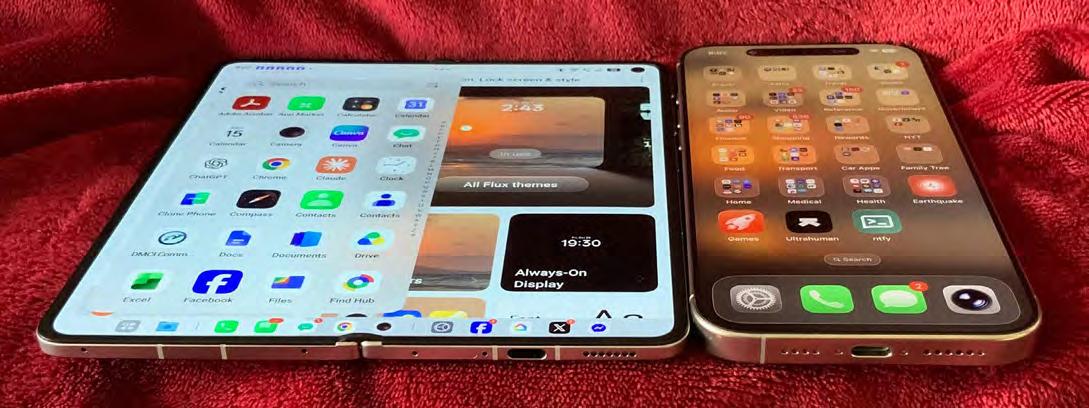
Thickness comparison of OPPO Find N6 when unfolded (left) and iPhone 16 Pro Max (right).
content, and exchange messages may consider a conventional flagship smartphone more sensible. But for users who spend much of their day working across documents, email, cloud storage, and collaboration platforms, the value becomes easier to appreciate.
The Find N6 offers more than a folding screen. It combines the convenience of a smartphone with many of the benefits of a tablet while remaining surprisingly slim and lightweight. It does not replace a computer, but it gives productivityfocused users a versatile large-screen device they can carry almost everywhere. That convenience helps justify the premium.
BOTTOMLINE
The OPPO Find N6 succeeds because it does not ask users to change how they work. Closed, it feels much like a conventional flagship smartphone. Opened, it offers a larger, more comfortable workspace for reading, editing, and multitasking.
Its premium price means it will not be for everyone, but it comes closer than most devices to combining the convenience of a smartphone with many of the benefits of a tablet.
Stylus Support: Optional OPPO Find N6 AI Stylus Set
Virtually invisible, zero-feel crease
Matte display with reduced reflections
Thin and lightweight for a foldable
Excellent multitasking experience
Strong battery life with fast charging
Premium pricing
AI Stylus Set sold separately
Some third-party apps still lack foldable optimization
REVIEWED BY ALJHELYN PIADOR
XIAOMI 17T
The Xiaomi 17T occupies an interesting position in Xiaomi’s lineup. Rather than competing on sheer processing power or packing in every premium feature available, it focuses on two things that many users actually notice every day: battery life and photography.
After spending time with the device, it became clear that Xiaomi designed this phone for people who use their cameras frequently and don’t want battery anxiety hanging over them. The question is whether those priorities are enough to justify the higher asking price.
DESIGN
Although the Xiaomi 17T has the footprint of a large smartphone, it never felt cumbersome during daily use. Compared with the 17T Pro, the standard model is noticeably lighter, which makes it more comfortable to hold while browsing, taking photos, or watching videos for extended periods.
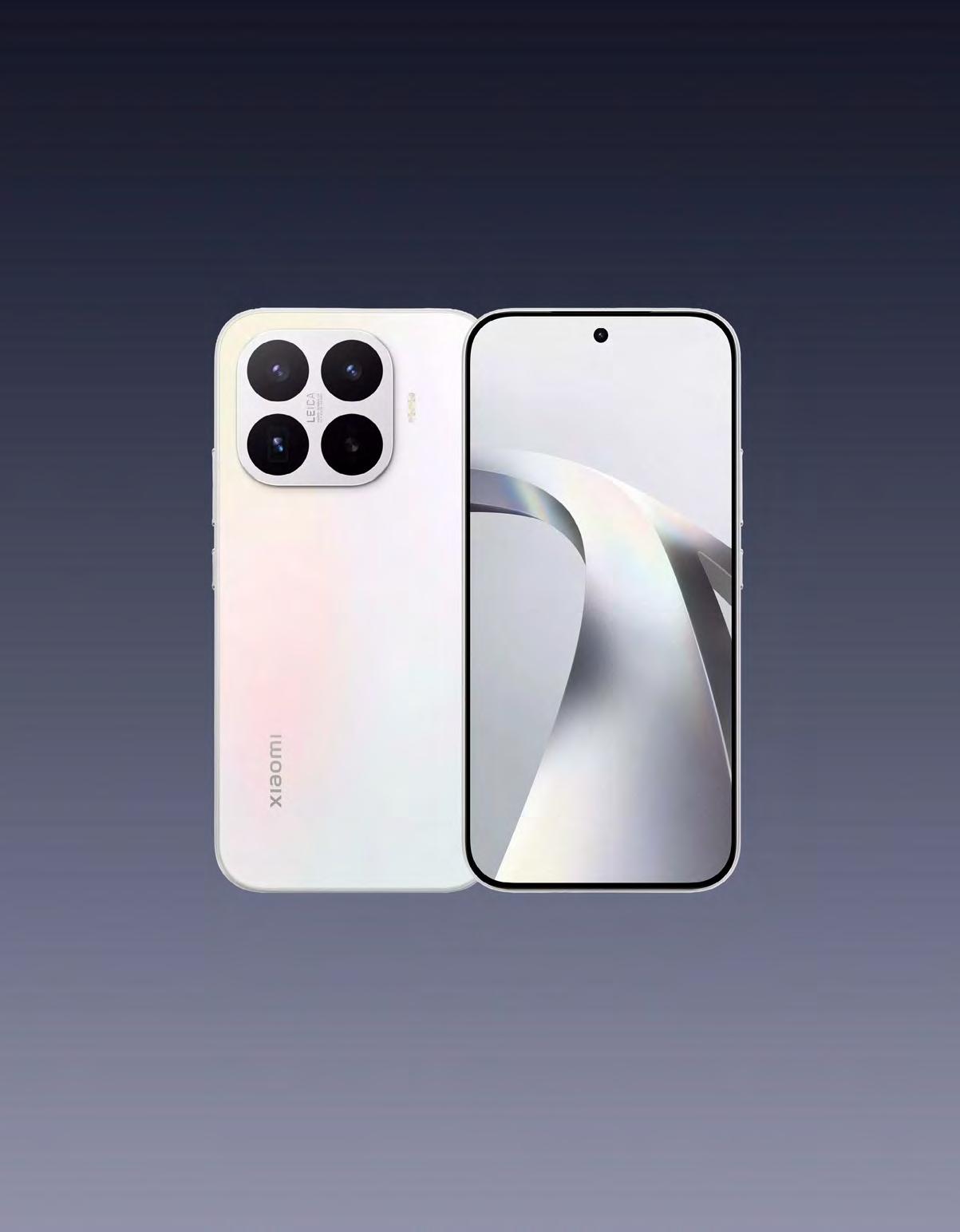
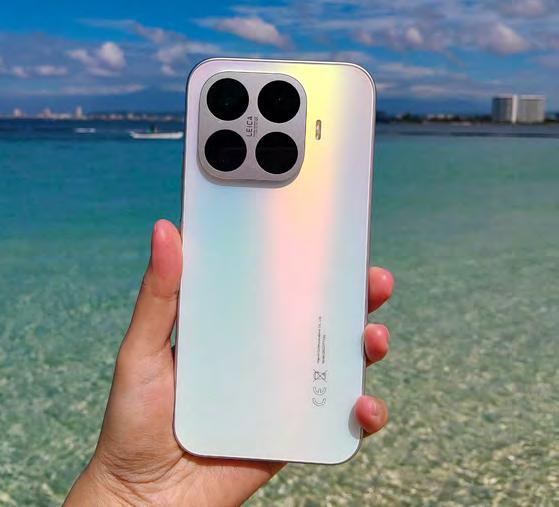
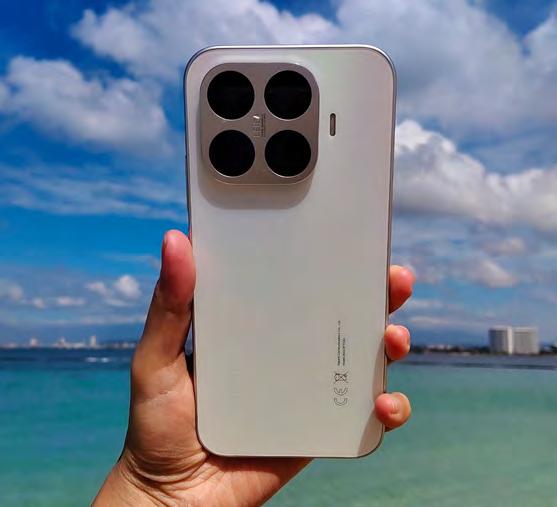
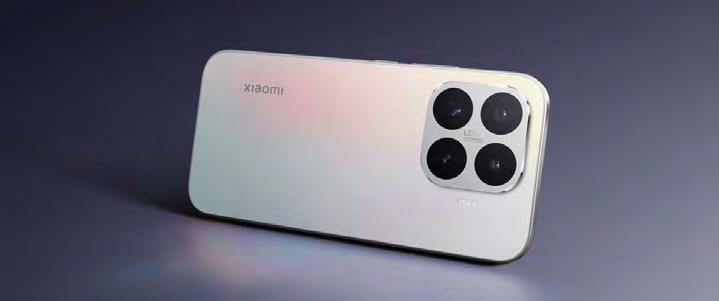
The Opal White finish is particularly attractive. Under direct sunlight, the rear panel reflects light in various ways, giving the phone a more distinctive look than many plain white smartphones currently on the market.
The plastic construction will divide opinions. Buyers accustomed to glassand-metal flagships may find it less premium, but the lighter weight is a practical advantage. During a week of
carrying the phone around, I appreciated the fact that it never felt heavy in a pocket or bag.
One detail that deserves mention is the camera module. It does not protrude excessively, which means the phone remains relatively stable when placed on a table. It may sound minor, but anyone who frequently types on their phone while it rests on a desk will appreciate the difference.
HARDWARE
The Xiaomi 17T is powered by the MediaTek Dimensity 8500-Ultra, paired with 12GB of RAM. Benchmark enthusiasts will find faster chips elsewhere, but day-to-day performance never became an issue during testing.
Apps launched quickly, multitasking remained smooth, and switching between photography, social media, messaging, and productivity apps felt effortless. Even with multiple apps running in the background, the phone maintained a consistent level of responsiveness.
The biggest hardware story, however, is the battery. With a 6,500mAh capacity, the Xiaomi 17T comfortably lasts through a full day of heavy use. On days when I spent hours taking photos and videos, the battery still had enough reserve left in the evening that I never felt compelled to top it up before heading out.
Audio performance also exceeded expectations. The stereo speakers produce a fuller sound than many competitors in this price range. Watching YouTube videos and streaming music felt enjoyable even without headphones.
The one weakness I encountered was heat management. During extended camera sessions and longer gaming runs, the device became noticeably warm. It never reached uncomfortable levels, but it was evident that the cooling system was working hard.
USER EXPERIENCE
The reason to buy the Xiaomi 17T is its 5x periscope telephoto camera.
Many smartphones include zoom cameras simply to fill out a spec sheet. The difference here is that the telephoto lens
quickly becomes a camera you’ll actively want to use.
One of my test sessions took place at a bird park in Quezon City, where visitors are intentionally kept at a considerable distance from the enclosures. Most smartphones would have produced heavily cropped images that struggled to retain detail. Using the Xiaomi 17T’s 5x telephoto camera, I was able to isolate individual birds and capture feather details that would have been difficult to see with the naked eye.
That experience changed how I approached photography with the phone. Instead of treating the zoom lens as a backup option, I found myself actively looking for subjects that would benefit from it.
Image quality remained surprisingly strong even beyond the native 5x zoom level. At 10x, photos retained enough detail for social media sharing and casual editing.
Video quality is another area where the Xiaomi 17T performs well. Footage looks clean and stable, while microphone pickup is good enough for quick interviews, event coverage, or social content creation.
Xiaomi offers several AI-powered features, such as Live Moment. While they’re fun to experiment with, they felt secondary to the camera hardware itself. The photos coming straight out of the camera were often good enough that I rarely felt the need to use additional effects or processing.
VALUE
The Xiaomi 17T starts at PHP33,999 for the 12GB + 256GB model and PHP37,999 for the 12GB + 512GB variant.
That puts it above what longtime T-series users may be accustomed to paying. Viewed strictly as a performance-focused smartphone, there are competitors with more powerful chipsets available at similar prices.
Where the Xiaomi 17T differentiates itself is in photography. Dedicated 5x periscope cameras remain relatively uncommon in this segment, and comparable zoom performance is typically associated with considerably more expensive devices. If long-range photography is something you regularly use, whether for travel, events, architecture, wildlife, or concerts, the Xiaomi 17T offers a capability that few rivals currently match at this price point.
The Xiaomi 17T succeeds because it concentrates on a handful of features and executes them well.
The standout 5x periscope camera consistently delivered some of the most enjoyable photography experiences I’ve had in this category, while the large battery removed much of the charging anxiety that often comes with heavy camera use.
It may not offer the highest-end materials or the fastest processor available today, but for users who prioritize photography and battery life, the Xiaomi 17T makes a strong case. More than once during testing, I found myself pulling out the phone simply to see how far I could zoom into a distant subject, and that’s perhaps the best compliment I can give it.
SPECIFICATIONS
Processor: MediaTek Dimensity
8500-Ultra (Upper-midrange/High performance)
Battery: 6,500 mAh (Massive capacity for 2+ days of use)
Telephoto: 50MP Periscope (5x Optical Zoom / 120x AI Zoom)
Ultra-Wide: 12MP
Selfie: 32MP (Supports 4K video)
OS: HyperOS 3 (Android 16)
Audio: Dual Stereo Speakers with Dolby Atmos
WHAT'S HOT
5x periscope telephoto camera
6500mAh battery
Lightweight and comfortable design
Minimal camera wobble
Strong stereo speakers
WHAT'S NOT
Plastic construction
Warms up relatively quickly
AI features add limited value
Mitsubishi Destinator:
THE CONNECTED FAMILY SUV
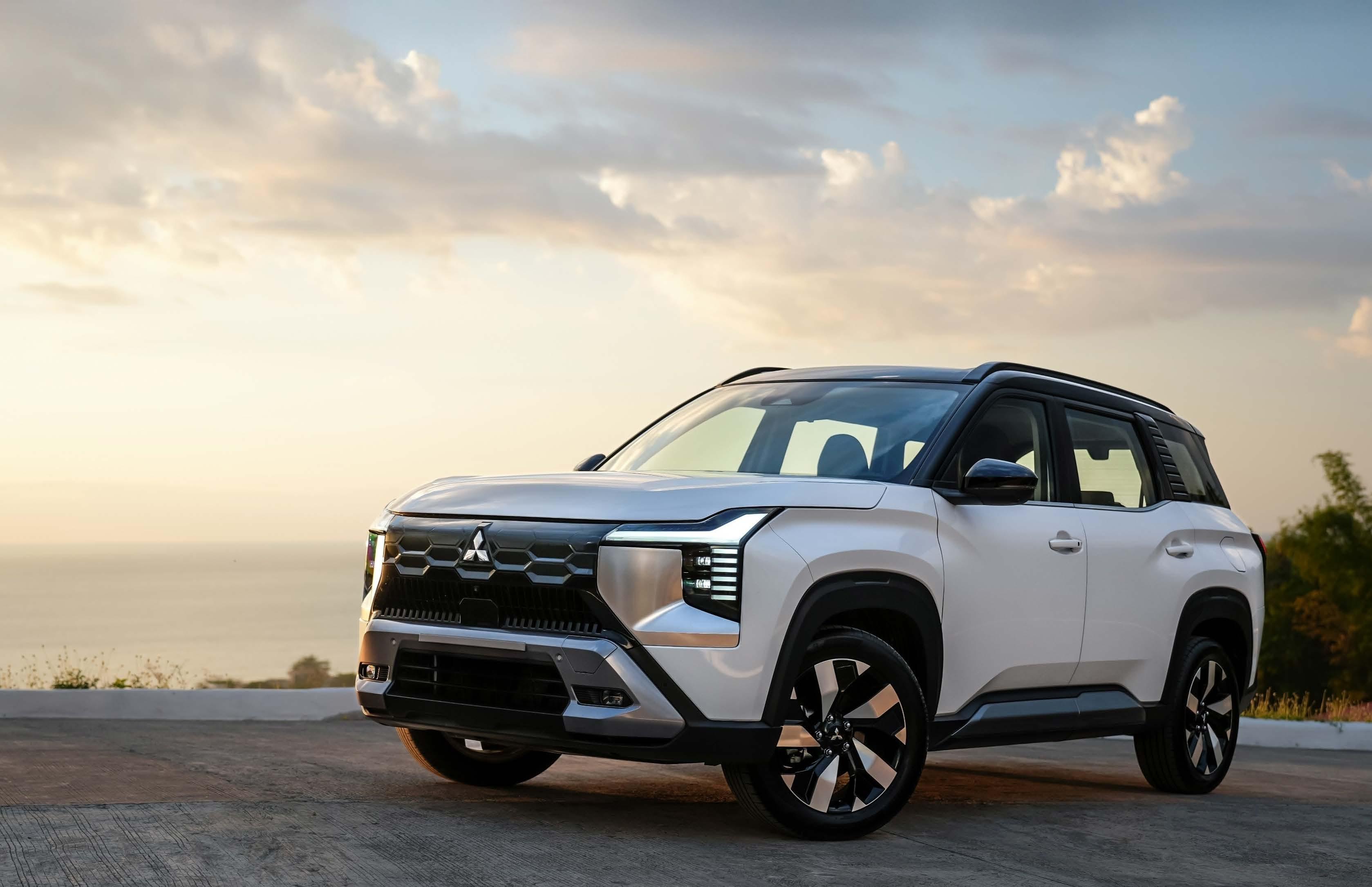
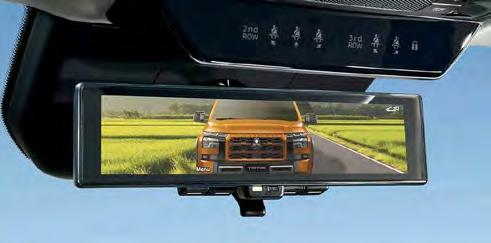
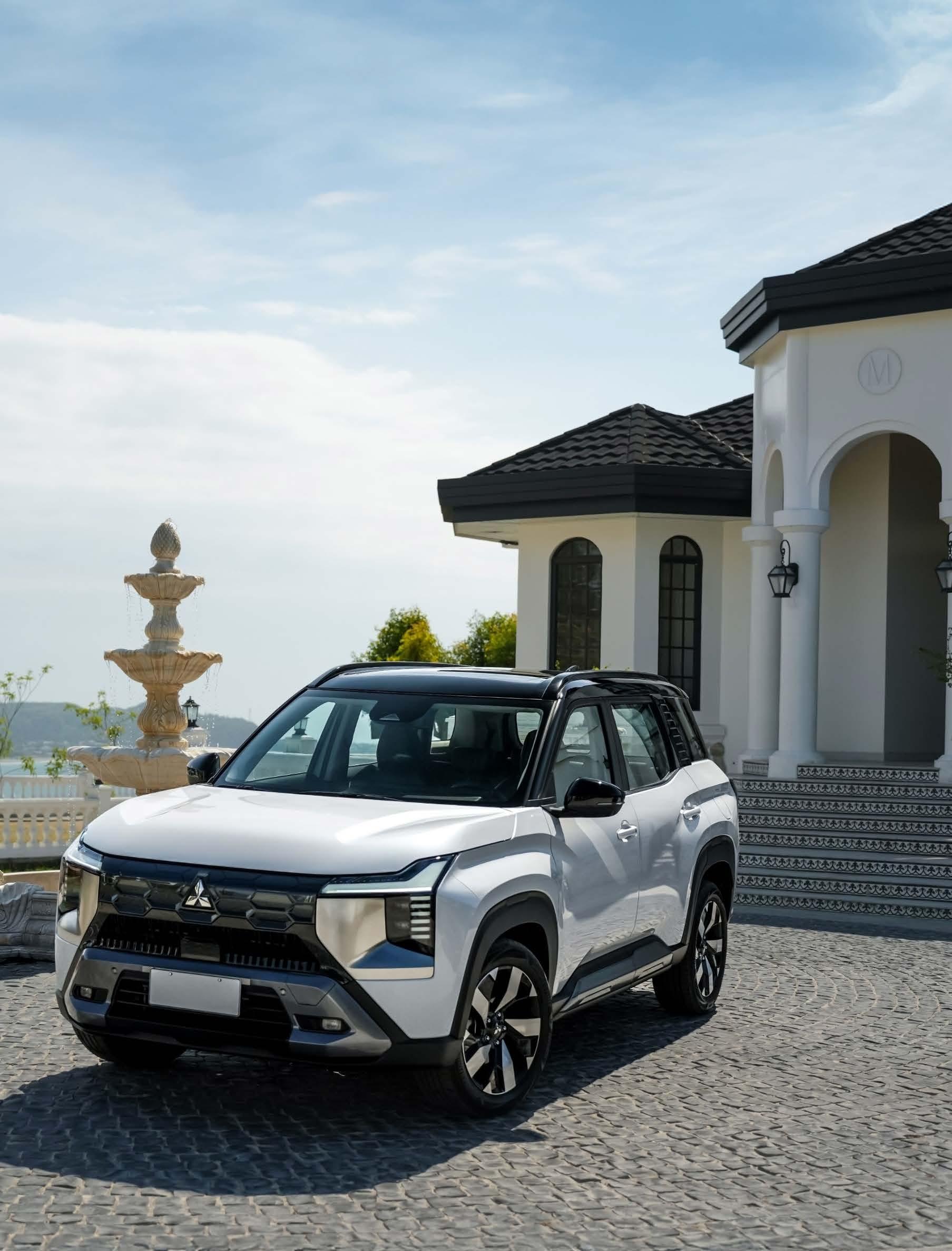
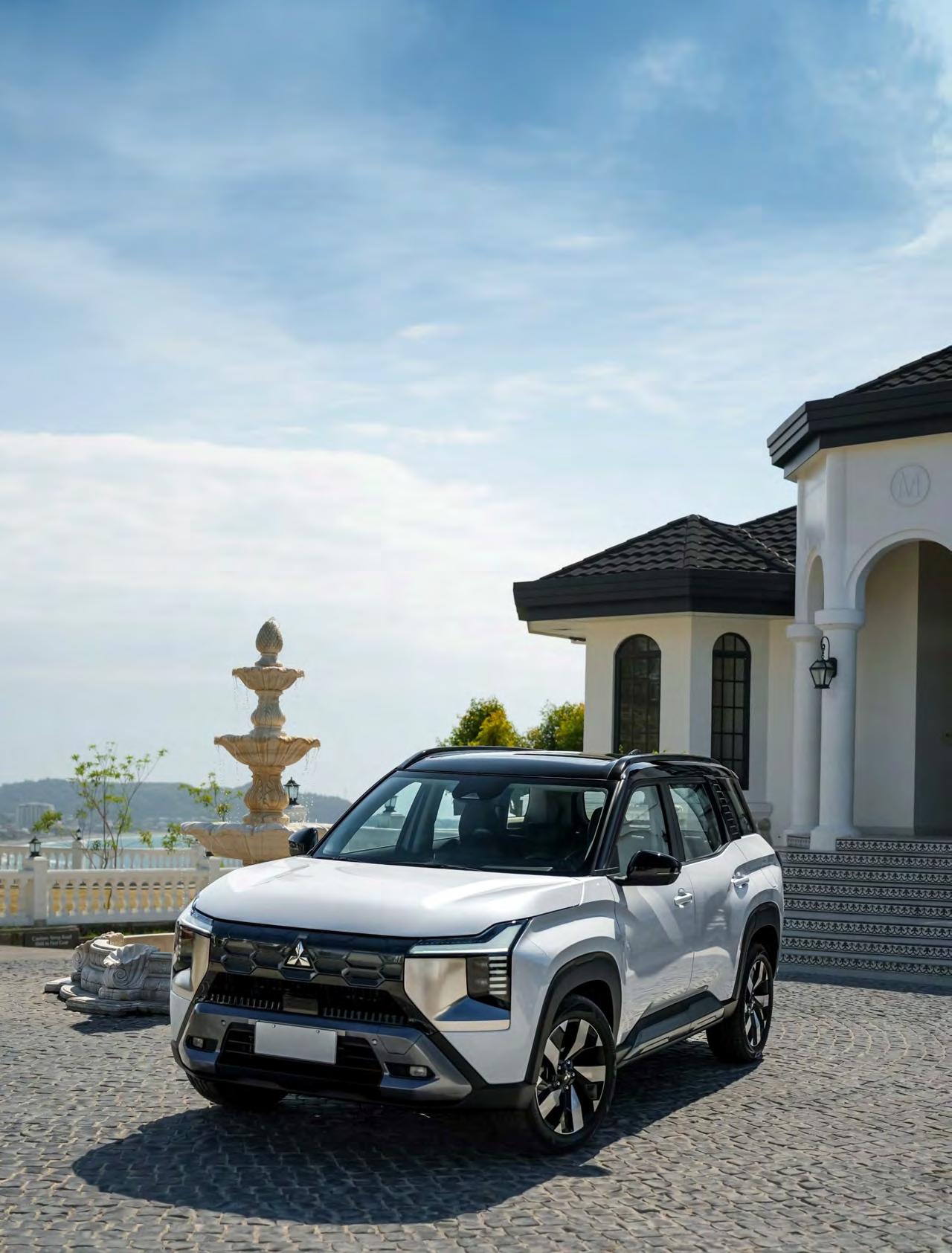
Mitsubishi’s newest sevenseater brings Connected Car Services, advanced safety technologies, and a digital-first cabin together in a package designed for modern family life. More than simply transporting people, the Destinator aims to keep families connected wherever the road leads.
For years, family SUVs were defined by practical considerations such as seating capacity, cargo space, and ride comfort. While those qualities remain important, modern families now expect something more from the vehicles they drive. They want seamless connectivity, intelligent safety systems, digital convenience, and technologies that integrate naturally into their everyday lives.
The all-new Mitsubishi Destinator arrives at a time when those expectations are reshaping the automotive industry.
Across consumer technology, connectivity has become second nature. Smartphones sync seamlessly with cloud services. Smartwatches communicate with phones. Home devices can be
monitored and controlled remotely. Consumers can check security cameras from across town, adjust air conditioners before arriving home, and control appliances through mobile apps. It’s a level of convenience that has quickly become part of everyday life.
Naturally, people are beginning to expect the same experience from their vehicles.
The Destinator reflects that shift. While it fulfills the traditional role of a practical seven-seat SUV, it also embraces a growing reality: today’s family vehicle needs to function as part of a connected lifestyle. It needs to fit naturally into the digital routines that already shape how families work, communicate, and travel.
A DASHBOARD DESIGNED AROUND DIGITAL LIFE
The technology story becomes apparent the moment you get behind the wheel.
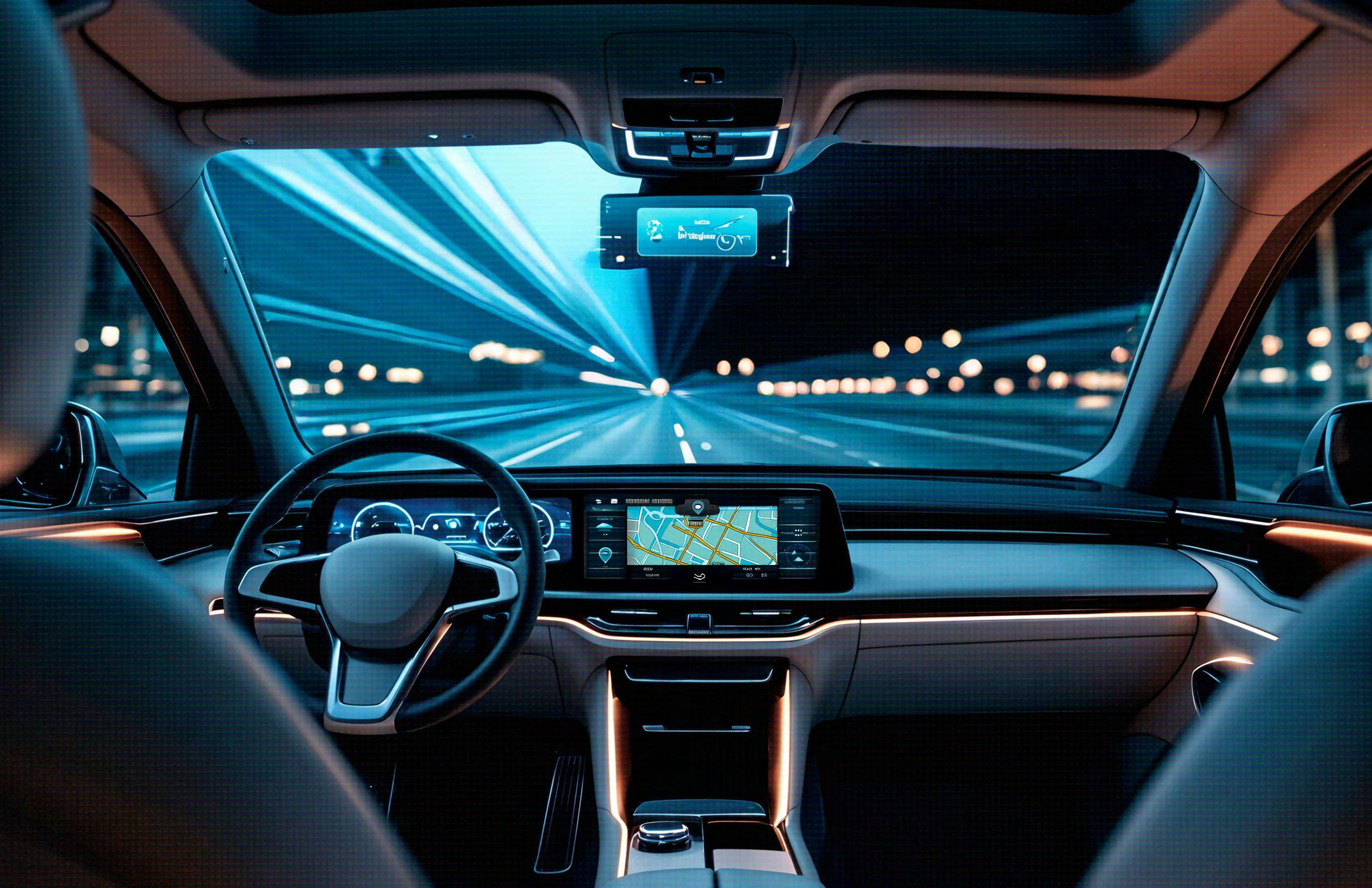
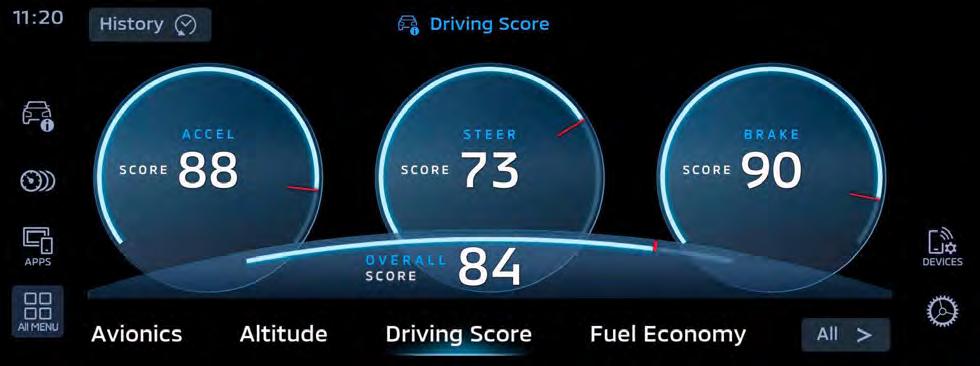
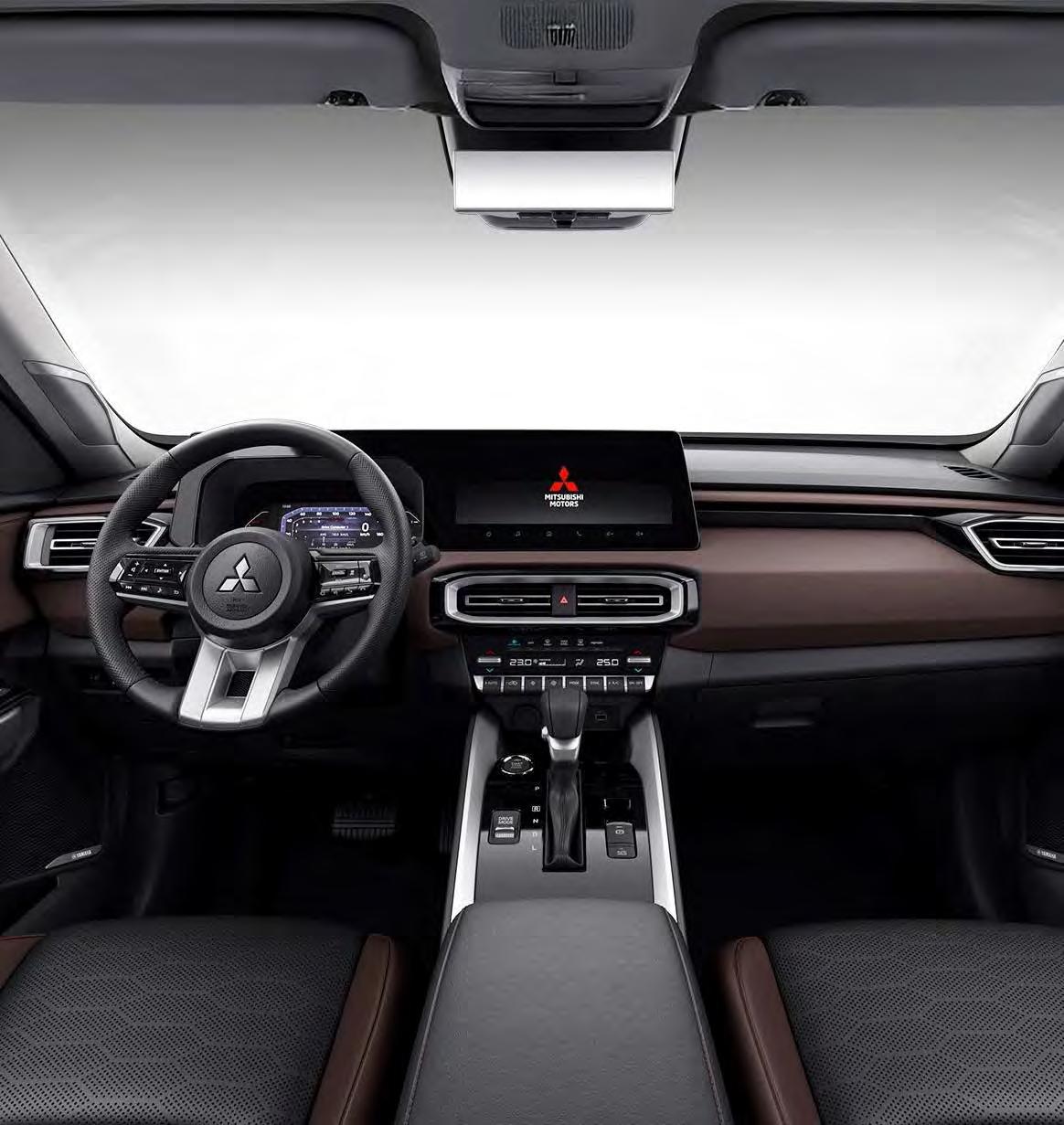
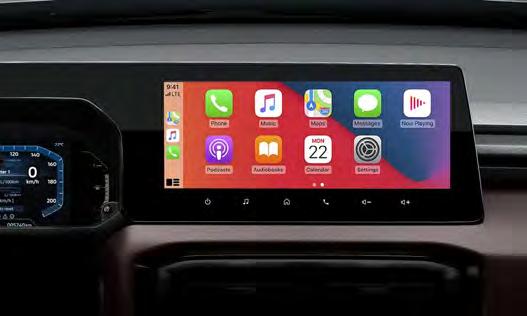
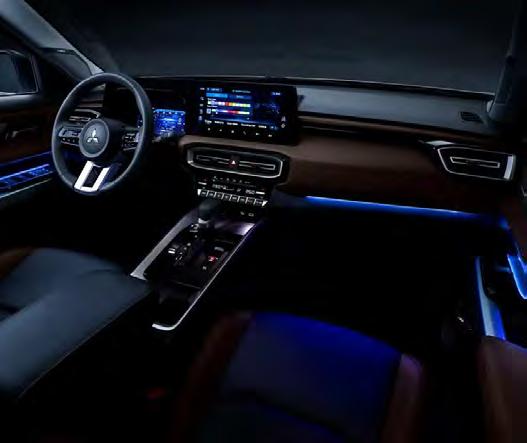
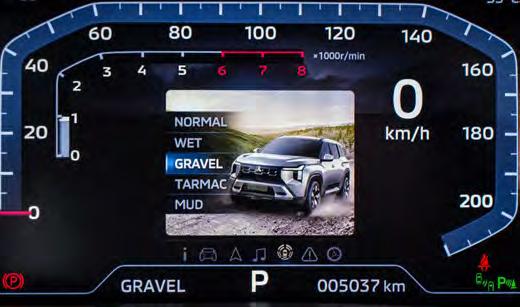
A 12.3-inch Smartphone-Link Display Audio system and an 8-inch digital driver display anchor the dashboard. Together, they create a cabin that feels modern and familiar, especially for users who spend much of their day interacting with smartphones, tablets, and laptops.
The large infotainment display serves as the central hub for navigation, media, communications, and vehicle information. Graphics are clear, menus are easy to understand, and key functions remain readily accessible.
Wireless Apple CarPlay and Android Auto are among the Destinator’s most useful features. Instead of plugging in a phone every time you enter the vehicle, your device can connect automatically, bringing familiar apps and services onto the dashboard.
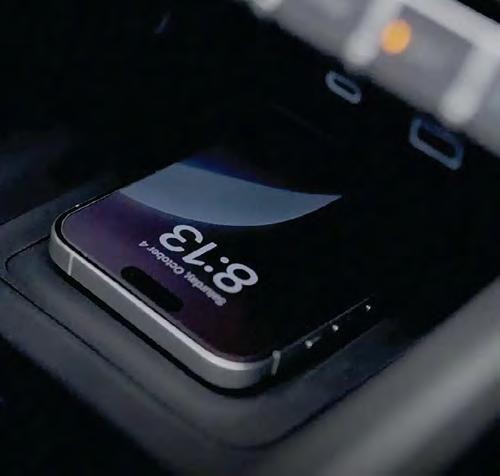
Just as buyers now expect wireless charging, cloud syncing, and instant connectivity from their devices, smartphone integration has become a non-negotiable part of the modern driving experience. The Destinator responds by making the transition between digital life and driving as seamless as possible.
For many families, this matters more than ever. Navigation apps help avoid traffic congestion. Streaming services keep passengers entertained during long drives. Voice assistants allow drivers to access information while keeping their attention focused on the road.
Most households travel with multiple connected devices. Phones, tablets, smartwatches, wireless earbuds, and portable gaming devices have become part of daily life. The Destinator’s cabin is clearly designed with that reality in mind.
CONNECTED BEYOND THE CABIN
If there is one feature that best represents the Destinator’s technology-focused direction, it is Mitsubishi Connect.
The Destinator is the first Mitsubishi vehicle in the Philippines to feature Mitsubishi Connect and Connected Car Services. That alone makes it arguably the most significant technology development in the brand’s current domestic lineup.
Connected-car technology is rapidly changing the ownership experience. Vehicles are no longer isolated machines that only come to life when the engine starts. They are becoming connected devices that interact with owners through digital platforms and services.
Mitsubishi Connect brings the Destinator into that new era.
Rather than limiting technology to the dashboard, Mitsubishi Connect and its Connected Car Services extend the ownership experience beyond the vehicle itself.
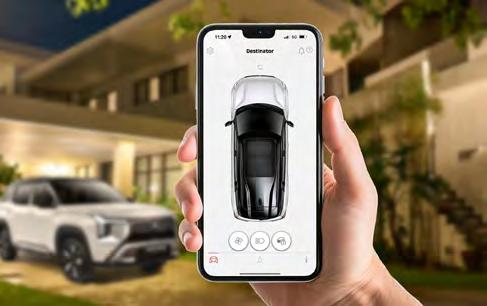
Through the My MITSUBISHI CONNECT app and the vehicle’s embedded telematics system, owners gain access to connected features designed to make everyday ownership more convenient and intuitive.
Remote services such as vehicle status monitoring, remote climate control, remote door lock and unlock functions, vehicle location services, and remote alerts allow owners to stay connected to their vehicle even when they are away from it.
More importantly, Mitsubishi Connect also introduces an added layer of connected safety. Features such as SOS Emergency Assistance, Automatic Collision Notification, Roadside Assistance, and Stolen Vehicle Assistance help provide support when it matters most. In the event of an emergency, occupants can quickly connect with assistance services, reinforcing the Destinator’s role as a vehicle designed around modern family mobility.
For many consumers, this mirrors what has already happened with smartphones and smart-home products. Connectivity is no longer viewed as a premium extra. It has become an expected part of the overall experience.
That is what makes Mitsubishi Connect so significant. It represents the shift from vehicle ownership as a purely mechanical experience to one increasingly shaped by software, connectivity, safety, and digital services.
For Mitsubishi, the Destinator signals a broader shift toward software-driven and connected vehicle experiences. It is likely a preview of where the brand’s future products are headed and how technology will play a larger role in the ownership experience.
BUILT FOR THE WAY FAMILIES TRAVEL
The Destinator combines strong road presence with practical family usability. Mitsubishi’s Dynamic Shield design language, distinctive T-shaped LED lighting signatures, and muscular proportions give the SUV a confident appearance without sacrificing everyday functionality.
Inside, the three-row cabin provides room for up to seven occupants. A panoramic sunroof helps make the interior feel more open and spacious, while flexible seating configurations allow owners to adapt the space depending on whether they’re carrying passengers, cargo, or both.
The Destinator also offers 214mm of ground clearance. That’s a meaningful advantage in the Philippines, where drivers regularly encounter rough roads, steep parking ramps, unexpected flooding, and uneven provincial routes.
Whether it’s weekday school runs, office commutes, holiday road trips, or weekend escapes, the Destinator is built to adapt to the many roles a family vehicle is expected to perform.
A SMARTER FAMILY SPACE
Beyond connectivity, Mitsubishi has incorporated several technologies that enhance comfort and convenience for everyone on board.
One notable feature is Nanoe X technology, which helps improve cabin air quality. As air purifiers and wellnessfocused devices become increasingly common in homes, it is not surprising to see similar technologies finding their way into vehicle cabins. For families spending hours on the road, features that contribute to comfort and well-being are becoming just as important as traditional convenience features.
The Destinator also features a Smart Rear View Mirror that provides an unobstructed rearward view regardless of whether passengers or cargo occupy the rear of the vehicle. It’s a simple idea, but one that can make a meaningful difference during everyday driving.
Multiple charging points throughout the cabin help accommodate the growing number of devices that families carry. Phones, tablets, wireless accessories, and other gadgets all require power, and the Destinator is designed to accommodate those needs.
Together, these features reinforce the idea that the cabin is more than simply a place to sit. It has become a connected family space designed around comfort, convenience, and everyday usability.
TECHNOLOGY THAT MAKES EVERY JOURNEY BETTER
Mitsubishi worked with Yamaha to develop the Dynamic Sound Yamaha Premium audio system. The eight-speaker setup has been tuned specifically for the Destinator’s cabin acoustics, helping deliver a richer and more balanced listening experience throughout the interior.
Family road trips have become increasingly digital experiences. Music playlists, podcasts, audiobooks, video content, and navigation prompts often provide the soundtrack to hours spent on the road. A good audio system may not appear at the top of every buyer’s checklist, but it quickly becomes something passengers appreciate on longer journeys.
The Destinator also features 64-color ambient lighting, which might seem like a small detail. Yet, it contributes significantly to the overall feel of the cabin. Drivers can personalize the interior atmosphere to match their preferences, much like customizing a smartphone or computer interface.
These features may not affect performance, but they can have a meaningful impact on everyday ownership satisfaction. After all, the best technologies are often the ones that quietly improve daily experiences rather than constantly demanding attention.
TURBOCHARGED FOR EVERYDAY DRIVING
Connectivity may be the headline story, but the Destinator still needs to perform its primary task well: moving families comfortably and confidently.
Power comes from a turbocharged 1.5-liter MIVEC gasoline engine producing 163PS and 250Nm of torque. Paired with a continuously variable transmission, the setup is designed to deliver responsive performance in both city and highway driving.
Rather than chasing outright performance numbers, the powertrain focuses on smoothness, flexibility, and confidence when carrying passengers and cargo.
Whether navigating urban traffic, overtaking on highways, or climbing steep roads with a full complement of passengers, the Destinator’s powertrain is engineered to perform confidently across the situations drivers encounter every day.
CONFIDENCE ACROSS DIFFERENT CONDITIONS
Mitsubishi has also incorporated technologies that help drivers feel more confident behind the wheel.
The Destinator offers five selectable drive modes: Normal, Wet, Gravel, Mud, and Tarmac. Each mode adjusts vehicle behavior to better suit different driving surfaces and conditions.
Working alongside these systems is Mitsubishi’s Active Yaw Control technology. By helping manage braking force between the front wheels during cornering, the system contributes to more predictable handling and improved stability.
These are the kinds of technologies that drivers may not actively think about every day. Yet they play an important role in making the vehicle feel more composed and reassuring across a wide range of road conditions.
SAFETY WORKING QUIETLY IN THE BACKGROUND
Perhaps the most valuable technologies in the Destinator are those that operate without requiring attention.
Mitsubishi Motors Safety Sensing brings together a collection of advanced driver-assistance systems designed to support drivers in everyday situations.
Forward Collision Mitigation helps monitor traffic conditions ahead. Adaptive Cruise Control can reduce fatigue during longer highway journeys by helping maintain a safe following distance.
Blind Spot Warning and Rear Cross Traffic Alert provide additional awareness in busy environments where motorcycles, pedestrians, and surrounding vehicles can be difficult to track.
The Multi Around Monitor system gives drivers a clearer view of their surroundings when parking or maneuvering in tight spaces.
Importantly, these technologies are not designed to replace the driver. Their role is to provide additional information and support, helping reduce stress and improve awareness when conditions become challenging.
For many drivers, that extra layer of confidence may be one of the Destinator’s most compelling features.
MITSUBISHI CONNECT AT A GLANCE
BOTTOMLINE
The Mitsubishi Destinator’s biggest strength is that it doesn’t treat technology as a separate feature. Connectivity, entertainment, safety, and convenience are woven into the overall ownership experience. From Mitsubishi Connect and Connected Car Services to its digital cockpit, Nanoe X technology, Yamahatuned audio system, advanced driver-assistance technologies, and versatile family-friendly cabin, the Destinator reflects how modern SUVs are evolving.
More importantly, it shows how family vehicles themselves are changing. Connectivity is no longer an added feature or a premium extra. It is becoming a core part of the ownership experience.
Just as smartphones evolved from communication tools into digital hubs for everyday life, vehicles are undergoing a similar transformation. The Destinator reflects that shift, combining transportation, connectivity, entertainment, and safety into a single platform designed for modern families. For buyers looking for a vehicle that supports both family life and today’s connected lifestyle, it makes a compelling case as the connected family SUV.
Most connected vehicle features focus primarily on convenience.
The Destinator goes a step further.
Through Mitsubishi Connect and Connected Car Services, owners gain access not only to remote functions that enhance convenience but also to safeguard features designed to provide assistance when it matters most.
In a market where connected features often focus solely on convenience, Mitsubishi Connect combines connectivity, safety, and peace of mind into a single platform. For parents, daily commuters, and frequent travelers alike, it adds another layer of confidence to the ownership experience.
PIMS 2026 MORE THAN A MOTOR SHOW
There was a time when attending a motor show meant seeing tomorrow’s cars before they reached the showroom. Visitors came to admire new designs, compare specifications, and catch a glimpse of the industry’s latest innovations. While that excitement remains, today’s motor shows have become something much broader. They offer a snapshot of where mobility itself is headed.
That evolution was on full display at the 10th Philippine International Motor Show (PIMS). Celebrating its milestone edition under the theme “Forward in Every Drive,” the country’s premier automotive exhibition brought together 17 global automotive brands, each presenting its own vision of the future. Some showcased battery electric vehicles. Others expanded their hybrid
and plug-in hybrid portfolios, while several demonstrated that advances in connectivity, safety, and ownership experiences can be just as transformative as new powertrains.
For Filipino consumers, that diversity matters. Whether through battery electric vehicles, hybrids, plugin hybrids, refined conventional powertrains, or integrated mobility ecosystems, the industry is responding to different needs rather than offering a one-size-fits-all solution.
The vehicles on display at PIMS 2026 may differ in size, technology, and purpose, but together they tell a remarkably consistent story. The future of mobility is no longer about choosing a single technology. It is about giving motorists more ways to travel, more ways to own, and more ways to experience transportation.
“The most compelling takeaway from this year’s show wasn’t the debut of a single vehicle or technology. It was the realization that the future of mobility will not be defined by a single roadmap. Manufacturers are pursuing different paths toward the same destination, giving motorists more choices than ever before.”
CAMPI executives and heads of the participating brands of the 10th Philippine International Motor Show (PIMS) joined by Opening Ceremony Guest of Honor Director Patrick Aquino, CESO III, of the Department of Energy’s Energy Utilization and Management Bureau and City of Pasay Councilor Luigi Calixto Rubiano.
BAIC: A BOLD FIRST IMPRESSION
Making its Philippine International Motor Show debut, BAIC Philippines used PIMS 2026 to introduce more than a new lineup of SUVs. It presented a brand identity centered on capability, versatility, and newenergy technology, positioning itself as a growing contender in the country’s increasingly competitive SUV market. Under the campaign “Drive Big with BAIC,” the company outlined its vision of mobility that goes beyond vehicle size, emphasizing confidence, practicality, and the freedom to take on both everyday driving and longer adventures.
For many visitors, PIMS served as their first close look at BAIC’s expanding portfolio. Rather than focusing on a single halo vehicle, the brand showcased a mix of diesel, hybrid, and plug-in hybrid SUVs that reflect its strategy of offering multiple pathways toward electrified mobility.
The B40e Trailmaster rEV Leads the Charge
At the heart of BAIC’s exhibit was the B40e Trailmaster rEV, a plug-in hybrid SUV that combines off-road capability with electrified performance. Designed for motorists who divide
their time between city driving and longer journeys, the B40e Trailmaster rEV offers a claimed combined driving range of up to 1,200 kilometers, highlighting a key advantage of plug-in hybrid technology: improved efficiency without sacrificing long-distance capability.
The model also illustrates BAIC’s belief that electrification should extend beyond urban commuters. By bringing plug-in hybrid technology to an adventure-oriented SUV, the company is targeting motorists who want lower fuel consumption while retaining the flexibility to travel well beyond the city.
More Than One Path Forward
While the B40e Trailmaster rEV served as the headline attraction, it was complemented by a broader SUV portfolio showcasing BAIC’s multipowertrain strategy.
Displayed alongside it were the B30e Dune Hybrid, B60e Beaumont rEV, B40 Pro TrailMaster, B40 Ragnar, B60 Beaumont, B80 Wagon, and X55 Verve, giving visitors a clearer picture of the brand’s growing presence across different vehicle segments. Rather than committing exclusively to battery electric vehicles, BAIC continues to develop diesel, hybrid, and plug-in hybrid models, allowing customers to choose the technology that best matches their driving requirements.
This balanced approach reflects the realities of the Philippine market, where motorists have varying access to charging infrastructure and diverse transportation needs depending on where they live and travel.
PIMS also marked the launch of BAIC Philippines’ new “Drive Big with BAIC”
campaign. While the slogan naturally reflects the brand’s lineup of SUVs, the company uses it to communicate a broader message about capability, confidence, and getting more from every journey.
According to BAIC, today’s Filipino motorists increasingly expect one vehicle to serve multiple purposes, from weekday commuting to weekend road trips and outdoor adventures. The campaign positions the brand’s SUVs as practical companions for varied lifestyles while emphasizing that “driving big” is less about vehicle dimensions than about having the
confidence and versatility to handle different driving situations. The introduction of the Paras family as brand ambassadors further reinforced this message by highlighting adventure, family, and everyday mobility.
The Takeaway
BAIC’s first appearance at PIMS demonstrated a brand intent on establishing itself as more than another newcomer in the Philippine automotive market. By introducing the B40e Trailmaster rEV, showcasing a broad SUV lineup, and launching the “Drive Big with BAIC” campaign, the company presented a clear vision built around capable SUVs and a gradual transition toward electrification.
At a motor show where many brands focused exclusively on battery electric vehicles, BAIC instead emphasized flexibility, combining conventional and new energy powertrains in a portfolio designed to accommodate different driving needs. As the local market continues to evolve, that multi-pathway approach may prove to be one of the brand’s strongest assets.
BAIC Philippines executives, international representatives, and brand ambassadors formally launch the “Drive Big with BAIC” campaign.
BAIC brand head Timothy Sytin.
HONDA: REINVENTION BEGINS HERE
Honda’s biggest announcement at PIMS 2026 wasn’t a new vehicle. It was the start of a broader transformation that touches nearly every aspect of the brand, from its visual identity and customer experience to its expanding electrified lineup. While hybrid technology and future mobility took center stage, Honda also used the show to communicate how it intends to strengthen its relationship with Filipino motorists as the automotive landscape continues to evolve.
Anchored on the PIMS theme “Forward in Every Drive,” Honda’s exhibit demonstrated that its vision for the future extends beyond introducing new products. It is equally focused on creating a more seamless ownership
experience while steadily expanding electrification across both four-wheel and two-wheel mobility.
A New Face for Honda
One of the most significant milestones at the Honda booth was the Philippine introduction of the brand’s new automobile logo. Featuring a redesigned “H” emblem inspired by two outstretched hands, the new identity symbolizes Honda’s readiness to embrace the next generation of mobility while remaining welcoming and approachable to customers.
The new logo also marks the beginning of a broader brand transformation that will gradually extend across dealerships
and future marketing activities nationwide. More importantly, it reflects Honda’s renewed commitment to Omotenashi, the Japanese philosophy of wholehearted hospitality that places customer experience at the center of every interaction.
Rather than limiting Omotenashi to aftersales service, Honda intends to apply the philosophy throughout the ownership journey, from digital research and showroom visits to vehicle maintenance and long-term customer support. It is an approach that recognizes that modern mobility is measured not only by the vehicle itself but also by the quality of the experience surrounding it.
Hybrid Technology Takes Center Stage
Electrification remained a major focus of Honda’s exhibit through its growing e:HEV lineup.
Leading the display was the Honda Prelude, presented as the halo model for Honda’s hybrid technology. Reviving one of the company’s iconic nameplates, the Prelude introduces the new S+ Shift system, which combines hybrid efficiency with a more engaging driving experience by synchronizing acceleration, sound, and vehicle response. The model demonstrates Honda’s continuing belief that electrification should enhance driving enjoyment rather than diminish it.
Supporting the Prelude were Honda’s established hybrid models, including the Civic RS e:HEV, HR-V RS e:HEV, and CR-V RS e:HEV AWD. Together,
they illustrate the company’s strategy of integrating hybrid technology across multiple vehicle segments, allowing customers to enjoy improved fuel efficiency without sacrificing the familiar driving characteristics that have long defined Honda vehicles.
Instead of concentrating electrification in a single flagship model, Honda continues to broaden the availability of hybrid technology throughout its lineup, giving motorists more opportunities to adopt electrified mobility in the vehicle category that best suits their needs.
Beyond Four Wheels
Honda also highlighted that its electrification strategy extends beyond passenger vehicles.
Making their Philippine preview were the Honda UC3 fixed-battery electric commuter and the upcoming
Honda WN7, reflecting Honda’s growing investment in electric two-wheel mobility. These models demonstrate how the company’s electrification roadmap encompasses both automobiles and motorcycles, recognizing the important role that two-wheel transportation continues to play in urban mobility throughout the Philippines.
Alongside these future-focused technologies, Honda also celebrated an enduring success story by marking the 30th anniversary of the Honda City. An accessorized City S CVT 30th Anniversary Pearl Edition served as a reminder that while Honda is preparing for an electrified future, it continues to support the nameplates that have helped establish its reputation in the local market.
Looking Ahead
Honda’s presentation at PIMS 2026 reflected a company evolving on multiple fronts. New hybrid models, an expanded electrification strategy, electric motorcycles, and a refreshed corporate identity all point toward a future in which mobility extends beyond vehicle technology alone.
While many manufacturers focused primarily on product launches, Honda emphasized something broader: how customers experience the brand before, during, and long after they purchase a vehicle. Coupled with a steadily expanding e:HEV portfolio and growing investment in electric mobility, that holistic approach positions Honda for the next phase of the industry’s transformation while remaining firmly rooted in the values that have shaped the brand for decades.
ISUZU: STAYING THE COURSE
At an exhibition where electrification dominated the headlines, Isuzu Philippines took a different approach. Rather than chasing the latest industry trend, the company reinforced the values that have defined the brand for decades: durability, reliability, fuel efficiency, and vehicles built for real-world use. Anchored on the theme “Built for Those Who Choose a Different Path,” the Isuzu pavilion celebrated customers who rely on their vehicles every day, whether for business, family travel, outdoor adventures, or specialized commercial operations.
The message was not about resisting change, but about recognizing that progress also means continuously refining proven products that meet the practical needs of Filipino motorists. At a time when mobility is becoming increasingly diverse, Isuzu demonstrated that conventional powertrains and purpose-built commercial vehicles continue to play a vital role in the country’s transportation landscape.
Three Faces of the D-MAX
Serving as the centerpiece of the pavilion was the New Isuzu
D-MAX, displayed in three distinct configurations that highlighted the pickup’s versatility across different lifestyles.
The D-MAX LS-E 4x2 represented the model in its standard form, showcasing the balance of everyday comfort, fuel efficiency, and capability that has made it a popular choice among Filipino motorists. For those with a passion for the outdoors, Isuzu presented an accessorized D-MAX LS-E equipped with RealTruck accessories, including a bike rack, cargo management system, roof rack, upgraded wheels, and off-road
tires, demonstrating how the platform can support active lifestyles without compromising its everyday usability.
Completing the lineup was the D-MAX Single Cab, customized with URBN ARMR accessories to illustrate how the pickup can be transformed into a stylish yet highly functional vehicle for commercial and urban applications. Together, the three displays underscored the flexibility of the D-MAX platform across work, recreation, and business use.
Built for Work. Ready for Adventure.
Beyond the D-MAX, Isuzu showcased vehicles that reinforce its reputation for dependable mobility across multiple sectors.
The Isuzu mu-X was presented in an overlanding configuration developed with Overland Kings, featuring upgraded suspension, off-road equipment, and
touring accessories that highlight the SUV’s suitability for extended family adventures. Rather than emphasizing extreme off-road capability, the display focused on how the mu-X can comfortably transition from weekday commuting to weekend exploration.
Meanwhile, the New Isuzu TRAVIZ made its motor show debut in the new Mercury Silver finish. Enhanced with practical accessories and styling upgrades, the light commercial vehicle demonstrated that business transport can combine functionality with a more contemporary appearance while maintaining the fuel efficiency and reliability for which the TRAVIZ has become known.
Strength Beyond the Showroom
Isuzu’s display extended well beyond passenger vehicles.
An outdoor exhibit featured specialized commercial applications, including
the FVR34 Crane Truck, TRAVIZ Mobile Kitchen, and TRAVIZ JSPEC Refrigerated Van, highlighting how Isuzu platforms continue to support industries ranging from construction and logistics to food service and coldchain transportation.
Inside the pavilion, visitors also encountered a dedicated aftersales area showcasing genuine parts, service promotions, and nationwide customer support programs. The display reinforced an aspect of Isuzu ownership that often receives less attention than new model launches: the importance of long-term reliability, nationwide service coverage, and dependable aftersales support throughout a vehicle’s lifecycle.
Why It Matters
Isuzu’s presentation at PIMS 2026 served as a reminder that the future of mobility will not be shaped by electrification alone. While many manufacturers focused on battery electric and hybrid technologies, Isuzu chose to reaffirm the enduring value of dependable diesel-powered vehicles, versatile commercial platforms, and customer support that extends well beyond the showroom.
For entrepreneurs, fleet operators, tradespeople, and families who prioritize durability, efficiency, and long-term ownership costs, those qualities remain just as relevant today as ever. By staying true to its core strengths while continuing to refine its products, Isuzu demonstrated that there is still a meaningful place for purposebuilt, practical mobility in an industry undergoing rapid transformation.
Isuzu Philippines leadership showcases the adventure-ready Isuzu D-Max and mu-X lineups.
JETOUR: ELECTRIFICATION FOR THE EVERYDAY DRIVER
JETOUR Auto Philippines used PIMS 2026 to reinforce a direction it has been steadily pursuing over the past year: making electrified mobility more attainable for mainstream motorists. Rather than positioning plug-in hybrid technology as a premium niche, the brand showcased an expanding lineup of SUVs designed to combine efficiency, versatility, and everyday usability. Under the campaign “Time to Switch. Upgrade to Electric,” JETOUR demonstrated how electrification can fit naturally into the routines of Filipino families without requiring significant changes in how they drive or travel.
The presentation also reflected JETOUR’s growing confidence in the local market. Supported by its global expansion and increasing presence in the Philippines, the brand used PIMS to reinforce its position as an emerging player in the country’s rapidly growing electrified SUV segment.
Lightning Strikes Again
The centerpiece of JETOUR’s display was the continued expansion of its Lightning i-DM plug-in hybrid lineup.
Building on the X70 Lightning i-DM and T2 Lightning i-DM, the
company introduced the T1 Lightning i-DM, broadening its portfolio of electrified SUVs. Together, the three models demonstrate how JETOUR is integrating plug-in hybrid technology across different vehicle categories while maintaining the versatility expected of sport utility vehicles.
Rather than promoting electrification as a compromise, the Lightning i-DM range is designed to combine the efficiency of electric driving with the convenience and extended range of a gasoline-powered vehicle. The result is a practical solution for motorists who want to reduce fuel consumption
without relying exclusively on public charging infrastructure.
Momentum at Home and Abroad
JETOUR also highlighted the rapid growth of its global operations, now serving more than two million owners across 91 countries and regions through an expanding international sales and service network.
Closer to home, the company emphasized its growing presence in the Philippine market, where it has established itself as one of the country’s leading Chinese SUV brands. JETOUR also cited its performance in the plug-in hybrid segment during the first quarter of 2026, reflecting growing consumer confidence in electrified mobility and the brand’s expanding dealer and aftersales network under UAAGI Auto Group.
Designed Around Modern Families
Beyond technology, JETOUR’s presentation emphasized the people who use its vehicles.
Longtime brand partners The Team Kramer returned to the booth alongside newly introduced ambassadors Ella Cruz and Julian Trono, reinforcing the
company’s positioning around family travel, everyday practicality, and shared experiences. Rather than focusing solely on specifications and performance figures, the exhibit highlighted how JETOUR vehicles support daily commuting, weekend getaways, and long-distance family road trips.
This people-first approach complements the brand’s broader product strategy by illustrating how electrified SUVs can integrate into realworld lifestyles rather than existing as purely technology-driven products.
The Road Ahead
JETOUR’s participation at PIMS 2026 reflects a brand transitioning from establishing its presence to
strengthening its position in the Philippine market. The continued expansion of the Lightning i-DM lineup demonstrates a clear commitment to plug-in hybrid technology, while the “Time to Switch. Upgrade to Electric.” campaign underscores the company’s goal of making electrification more approachable for everyday motorists.
Rather than asking consumers to choose between efficiency and practicality, JETOUR is positioning its plug-in hybrid SUVs as a bridge between conventional internal combustion vehicles and fully electric mobility. As more Filipino buyers begin exploring electrified transportation, that balanced approach could prove to be one of the brand’s strongest advantages in an increasingly competitive market.
(L-R) JETOUR executive director Timothy Sytin with brand ambassadors Camille Prats-Yambao, VJ Yambao, Doug Kramer, Cheska Kramer, Ella Cruz, and Julian Trono, alongside managing director Miguelito Jose, and country manager Jenzon Zheng.
KIA: MOBILITY WITHOUT COMPROMISE
Kia Philippines arrived at PIMS 2026 with one of the show’s most comprehensive product displays, illustrating how the brand is preparing for a future where multiple powertrains will coexist. Rather than presenting electrification as an all-or-nothing proposition, Kia showcased a lineup spanning efficient gasoline-powered vehicles, turbo hybrids, battery-electric SUVs, and future electric mobility platforms, allowing motorists to transition at a pace that suits their needs.
Presented under the banner “Forward in Motion,” the exhibit reflected Kia’s belief that sustainable mobility should be both practical and accessible. From first-time buyers considering their first crossover to families ready to embrace hybrid or fully electric vehicles, the lineup demonstrated a broad spectrum
of mobility solutions rather than a single destination.
Hybrid Choices Grow
Leading Kia’s electrified portfolio were the Carnival Turbo Hybrid and Sorento Turbo Hybrid, two models that bring hybrid technology to segments where space, comfort, and versatility remain top priorities.
The Carnival Turbo Hybrid combines the practicality of a premium multipurpose vehicle with an electrified powertrain designed to improve efficiency without compromising passenger comfort. Meanwhile, the Sorento Turbo Hybrid applies the same philosophy to the three-row SUV segment, offering an alternative for families seeking lower fuel consumption while retaining the
flexibility expected of a midsize sport utility vehicle.
Together, these models demonstrate Kia’s strategy of integrating hybrid technology into some of its most popular nameplates rather than reserving electrification for dedicated niche products.
Expanding the EV Family
Battery electric vehicles also played a prominent role in Kia’s exhibit.
The recently introduced Kia EV5 represented the brand’s vision of mainstream electric mobility, offering a claimed driving range of up to 550 kilometers, regenerative braking, Vehicle-to-Load (V2L) capability, and the Drive Wise suite of advanced driver assistance systems. Designed as
an everyday family SUV, it illustrates how electric vehicles are becoming increasingly practical for daily use.
Alongside it stood the flagship EV9, a three-row electric SUV that showcases Kia’s premium approach to zeroemission mobility. With its spacious cabin, advanced technologies, and luxury-focused features, the EV9 demonstrates that electrification is extending into larger and more premium vehicle segments as well.
Looking Beyond Today’s Lineup
While current production models dominated the display, Kia also offered visitors a preview of what’s next.
Making its Philippine preview was the Kia Sportage Turbo Hybrid, scheduled for local launch later this year, giving prospective buyers an early look at another electrified SUV joining the lineup. Kia also confirmed the upcoming arrival of the EV3, a compact electric SUV, and the PV5, an all-electric van designed to meet both passenger and commercial mobility needs.
These forthcoming models highlight the breadth of Kia’s plans, extending electrification beyond conventional
passenger vehicles into compact urban mobility and purpose-built utility platforms.
In Perspective
Although electrification dominated Kia’s exhibit, the company also emphasized the importance of accessible entry points into the brand. The continued presence of the Kia Sonet, one of the company’s strongest-selling compact crossovers, reinforces the idea that mobility needs vary widely among Filipino motorists. Not every customer is ready to transition immediately to hybrid or battery electric technology,
and Kia’s product strategy reflects that reality.
Viewed as a whole, Kia’s presentation at PIMS 2026 was less about promoting a particular powertrain than about expanding consumer choice. By offering efficient gasoline-powered vehicles alongside turbo hybrids and fully electric models, the brand demonstrated a balanced approach to mobility that accommodates motorists wherever they are on the journey toward electrification. Rather than asking buyers to compromise between practicality and sustainability, Kia is steadily building a portfolio that aims to deliver both.
MG: RIDING THE NEXT WAVE
MG Motor Philippines continued to build on the momentum of its electrification strategy at PIMS 2026, demonstrating that its transition toward new-energy vehicles is no longer limited to a handful of flagship models. Under the campaign “The Next Wave Continues,” the brand unveiled new plug-in hybrid SUVs, expanded its battery electric vehicle lineup, and highlighted the growing market acceptance of its existing electrified offerings. Together, they reflect MG’s ambition to make advanced mobility technologies more attainable for a wider range of Filipino motorists.
Rather than focusing on a single vehicle or technology, MG presented an increasingly diverse portfolio that spans family transport, premium SUVs, and
urban electric mobility. The result is one of the broadest New Energy Vehicle lineups showcased at this year’s motor show.
Three New Energy Vehicles
Leading the exhibit were three new additions to MG’s growing electrified portfolio: the MG HS PHEV, MG RX9 PHEV, and MG4 EV Urban.
The MG HS PHEV brings plug-in hybrid technology to the compact SUV segment, pairing a turbocharged gasoline engine with a highcapacity battery to deliver electriconly driving for daily commutes while maintaining the flexibility of extended-range travel. Equipped with MG Pilot advanced driver assistance technologies, dual digital displays, and premium cabin appointments,
it demonstrates how electrification is increasingly becoming part of mainstream family vehicles.
Moving up the range is the MG RX9 PHEV, the brand’s flagship sevenseat plug-in hybrid SUV. Combining generous passenger space with premium features such as ventilated massage seats, a Bose audio system, tri-zone climate control, and an extended combined driving range, the RX9 PHEV is aimed at families seeking a more refined electrified driving experience without sacrificing long-distance capability.
Completing the trio is the MG4 EV Urban, a compact battery electric hatchback designed for city living. Fast-charging capability, Vehicle-toLoad (V2L) functionality, flexible cargo space, and a compact footprint make it well-suited for urban environments and demonstrate that battery electric vehicles are becoming increasingly practical for everyday transportation.
Building a Broader Portfolio
Beyond its latest launches, MG also highlighted the continued success of the MG G50 PHEV, which has surpassed 1,000 reservations nationwide since its introduction. Designed for larger families, the plug-in hybrid MPV combines spacious accommodation with an extended driving range, reinforcing the growing demand for electrified vehicles that balance efficiency with everyday practicality.
Taken together, the G50 PHEV, HS PHEV, RX9 PHEV, and MG4 EV Urban illustrate how MG is steadily
expanding its New Energy Vehicle portfolio across multiple segments. Rather than concentrating solely on premium electric vehicles, the company is developing electrified alternatives that address a wide range of customer needs, from compact urban commuters to larger family-oriented models.
Making EV Ownership Easier
Supporting the product launches was MG’s ongoing effort to lower the barriers to owning an electrified vehicle. Introductory pricing, complimentary 7kW home wall chargers, reservation incentives, and exclusive launch offers were all designed to make the transition to plug-in hybrid and battery electric vehicles more attainable.
The company’s emphasis on practical ownership solutions reflects a growing recognition that affordability and convenience remain key considerations for buyers exploring electrified mobility. By combining competitive pricing with ownership incentives, MG aims to encourage more motorists to consider new-energy vehicles as viable everyday transportation rather than niche alternatives.
The Bigger Picture
MG’s presentation at PIMS 2026 reflects a brand entering a new stage of its electrification journey. The expansion
of its New Energy Vehicle lineup, coupled with the continued momentum of the G50 PHEV and a range of customer-focused ownership programs, demonstrates a clear commitment to making electrified mobility more accessible across multiple vehicle categories.
While many manufacturers focused on introducing a single flagship model, MG adopted a broader strategy centered on choice. From compact battery electric vehicles and plug-in hybrid SUVs to family-oriented MPVs, the company is steadily assembling a portfolio that offers Filipino motorists multiple pathways to electrified driving. In doing so, “The Next Wave Continues” becomes more than a campaign theme. It reflects the direction MG is taking as electrification moves further into the automotive mainstream.
NISSAN: E-POWER TAKES THE LEAD
For Nissan Philippines, PIMS 2026 represented more than the return of a familiar nameplate. It showcased the next phase of the brand’s electrification journey, one built around technologies that make the transition to electric driving more practical for everyday motorists. Guided by its longterm vision of “Mobility Intelligence for Everyday Life,” Nissan presented a lineup that combines electrified powertrains, intelligent driver assistance systems, and connected technologies across multiple vehicle segments.
Rather than positioning battery electric vehicles as the sole destination, Nissan continues to champion a broader approach. Its exhibit demonstrated how e-POWER, plug-in hybrids, and fully electric vehicles can coexist, giving customers multiple entry points into
electrified mobility depending on their driving habits and lifestyle.
The X-Trail Returns
Headlining Nissan’s display was the launch of the All-New Nissan X-Trail e-POWER, marking the return of one of the brand’s best-known SUVs to the Philippine market. While the X-Trail nameplate carries more than two
decades of recognition among Filipino motorists, its latest iteration signals a significant technological leap.
At the heart of the SUV is Nissan’s e-POWER system, which differs from conventional hybrids by allowing the electric motor alone to drive the wheels. A 1.5-liter VC-Turbo gasoline engine functions solely as a generator to recharge the battery, eliminating the need for external charging while delivering the smooth and immediate response associated with electric vehicles. The result is an EV-like driving experience without requiring changes to established refueling habits.
Complementing the new powertrain is a thoroughly modern cabin featuring dual 12.3-inch digital displays, wireless Apple CarPlay and Android Auto, a
panoramic sunroof, tri-zone automatic climate control, and a comprehensive suite of Nissan Intelligent Mobility safety technologies, including Intelligent Around View Monitor, Intelligent Emergency Braking, Blind Spot Warning, Rear Cross Traffic Alert, and e-Pedal Step. Together, these features position the X-Trail e-POWER as Nissan’s flagship electrified SUV for the local market.
Previewing What’s Next
While the X-Trail served as the centerpiece, Nissan also offered visitors a glimpse into the next stage of its electrification roadmap through three significant previews.
The All-New Nissan Kicks e-POWER returns with a more upright design and updated technologies, building on the success of one of the country’s earliest mass-market electrified crossovers. The All-New Nissan Primera EV revives a familiar nameplate as a fully electric sedan, reflecting the brand’s continued investment in battery electric mobility. Completing the lineup is the All-New Nissan Navara Pro Plug-in Hybrid, bringing electrification to the pickup segment while maintaining the durability expected of the Navara name.
Together, these models illustrate Nissan’s strategy of introducing electrified technologies across multiple vehicle categories rather than limiting them to a single flagship model.
Mobility Intelligence for Everyday Life
Underlying the vehicle lineup is Nissan’s broader vision of “Mobility Intelligence for Everyday Life.” Rather than treating advanced technologies as premium addons, the company aims to integrate them into the daily ownership experience.
This philosophy extends beyond electrified powertrains to include intelligent driver assistance systems, connected infotainment, enhanced visibility, and technologies designed to reduce driver fatigue and improve safety. Whether navigating city traffic, cruising on expressways, or traveling longer distances, Nissan’s goal is to make driving more intuitive, efficient, and enjoyable without adding unnecessary complexity.
The continued presence of core models such as the Navara, Terra, and Livina further reinforces Nissan’s balanced portfolio, ensuring that conventional
models remain available alongside newer electrified offerings as customer preferences continue to evolve.
The Takeaway
Nissan’s presentation at PIMS 2026 demonstrated that electrification is no longer limited to a handful of niche models. From the launch of the X-Trail e-POWER to previews of the Kicks e-POWER, Primera EV, and Navara Pro Plug-in Hybrid, the company outlined a clear product roadmap spanning hybrid, battery electric, and plug-in hybrid technologies.
Rather than encouraging motorists to leap immediately into full electrification, Nissan continues to position e-POWER as a practical bridge between conventional vehicles and the next generation of electric mobility. For many Filipino drivers, that balanced approach may prove to be one of the brand’s greatest strengths as the automotive landscape continues to evolve.
SUZUKI: A NEW CHAPTER BEGINS
For decades, Suzuki has built its reputation on compact, practical, and dependable vehicles that meet the everyday needs of Filipino motorists. At PIMS 2026, the company took a significant step forward by introducing its first global battery electric vehicle, signaling the beginning of a new era without losing sight of the values that have long defined the brand.
The launch of the All-New Suzuki e VITARA marks more than the arrival of another electric SUV. It represents Suzuki’s entry into the battery electric vehicle market while reaffirming its
commitment to delivering mobility solutions that remain accessible, reliable, and suited to daily driving. Rather than reinventing itself, Suzuki is evolving alongside the changing automotive landscape.
Enter the e VITARA
Taking center stage at the Suzuki booth was the All-New e VITARA, the brand’s first production-ready global electric vehicle and its most significant product launch in recent years.
Built on Suzuki’s new HEARTECT-e platform, the compact SUV is powered
by a 61kWh lithium iron phosphate battery paired with an electric drive unit producing 174PS. The platform has been engineered to balance structural rigidity, passenger space, and battery protection while supporting the demands of an allelectric powertrain.
Suzuki also highlighted the vehicle’s locally verified performance. According to homologation data submitted to the Department of Energy, the e VITARA offers a driving range of up to 475 kilometers on a full charge. In addition, real-world efficiency testing conducted with the Automobile Association
Philippines recorded an energy consumption rating of 87.22km/Lge, underscoring the vehicle’s potential for both daily commuting and longer provincial journeys.
Designed Around Everyday Driving
The e VITARA introduces Suzuki’s new “Metal Beast” design language, combining bold styling with functional design elements intended to improve both aerodynamics and everyday usability. Signature three-point LED lighting, a coupe-inspired roofline, and sculpted bodywork give the SUV a more contemporary appearance while maintaining proportions suited to urban driving.
Inside, Suzuki has adopted a more technology-focused approach with a dual-screen digital cockpit, floating center console, rotary shift controller, wireless Apple CarPlay and Android Auto, and an Infinity premium audio system. Practicality remains a key priority, with sliding and reclining rear seats, a flexible 40:20:40 split-folding
configuration, and premium materials throughout the cabin.
Safety also plays a central role through the Suzuki Safety Support suite, complemented by seven airbags, allwheel disc brakes, an electronic parking brake with Brake Hold, and Dual Sensor Brake Support II.
Practicality Meets Electrification
Although the e VITARA introduces an entirely new powertrain, Suzuki’s messaging throughout the exhibit remained familiar. Rather than emphasizing electrification as a technological showcase, the company focused on how electric mobility can enhance everyday ownership through improved efficiency, lower operating costs, and dependable real-world usability.
That philosophy reflects Suzuki’s long-standing approach to vehicle development. Instead of pursuing complexity for its own sake, the brand continues to prioritize practical engineering solutions that fit naturally
into the routines of ordinary motorists. The e VITARA extends that thinking into the electric era by combining zero-emission driving with the usability expected from a compact family SUV.
Looking Forward
The introduction of the All-New e VITARA marks an important milestone not only for Suzuki Philippines but also for the brand globally. As its first battery electric production vehicle, it signals Suzuki’s readiness to participate in the industry’s shift toward electrification while remaining faithful to the characteristics that have earned the confidence of generations of drivers.
Rather than abandoning its heritage, Suzuki is building upon it. By combining practical engineering, familiar usability, and a proven reputation for reliability with modern electric vehicle technology, the company has taken its first major step into an increasingly electrified future. For Suzuki, PIMS 2026 wasn’t simply the launch of a new model. It was the beginning of a new chapter.
TOYOTA: CHOICE DRIVES THE FUTURE
For Toyota Motor Philippines, PIMS 2026 wasn’t about declaring a single vision of tomorrow. Instead, the company reinforced a philosophy it has consistently advocated worldwide: the future of mobility will look different for every driver, and the industry’s transition to lower-emission transportation will require multiple solutions rather than a one-size-fits-all approach.
That thinking was reflected throughout Toyota’s showcase, where internal combustion, hybrid, and battery electric vehicles shared the spotlight. Rather than asking motorists to choose
between today’s proven technologies and tomorrow’s innovations, Toyota presented a lineup that allows buyers to adopt electrification at their own pace while remaining rooted in the quality, durability, and reliability that have long defined the brand.
Three New Flagship Models
Headlining Toyota’s exhibit were three major debuts, each representing a different direction in the company’s evolving mobility strategy.
The All-New Land Cruiser FJ expands one of Toyota’s most iconic nameplates with a more compact interpretation of
the legendary off-roader. Designed to deliver the Land Cruiser experience in a package that is equally comfortable navigating city streets and off-road trails, the FJ retains its internal combustion engine and four-wheeldrive credentials while incorporating features such as Differential Lock, Auto Limited Slip Differential, 2nd Start Mode, and a Panoramic View Monitor. It offers a more approachable entry point to the Land Cruiser family without sacrificing the capability enthusiasts have come to expect.
At the opposite end of the spectrum, Toyota unveiled the Land Cruiser 300 HEV, bringing hybrid technology
to one of its flagship SUVs. Pairing the proven 3.5-liter V6 engine with Toyota’s hybrid system, the LC300 HEV demonstrates how electrification can enhance refinement and efficiency while preserving the durability and off-road performance that have made the Land Cruiser a global benchmark. Updates such as electronic power steering further enhance the driving experience without compromising the model’s rugged character.
Completing the trio was the All-New Hilux BEV, which introduces battery electric technology to one of the world’s best-known pickup nameplates. While unmistakably a Hilux in both form and purpose, the BEV version represents Toyota’s latest step toward electrifying commercial and utility vehicles. It also previews how battery electric technology can eventually meet the needs of customers who rely on pickups for both work and recreation.
Heritage Meets Electrification
Although each of the three models employs a different powertrain, they are united by a common objective: preserving the strengths that have defined their respective nameplates while embracing technologies that address evolving customer expectations.
The Land Cruiser FJ builds on decades of four-wheel-drive heritage through a more accessible platform. The LC300 HEV demonstrates that hybrid technology can coexist with the performance and dependability expected of a flagship SUV. Meanwhile, the Hilux BEV illustrates how electrification is beginning to extend into vehicle segments traditionally associated with durability and heavyduty capability.
Rather than reinventing these vehicles from the ground up, Toyota has chosen to evolve them in ways that remain familiar to long-time owners while responding to changing market demands. That balance between
continuity and innovation has become a defining characteristic of the company’s product strategy.
Why Toyota Still Believes in Choice
Toyota has long maintained that no single powertrain can address the needs of every market or every customer. The diversity of its PIMS display reflects that philosophy.
Some motorists may not yet have access to charging infrastructure. Others may prioritize long-distance travel, towing capability, or off-road performance. Many are simply looking for improved fuel efficiency without dramatically changing how they use their vehicles. By continuing to develop internal combustion engines alongside hybrid and battery electric models, Toyota offers customers the flexibility to choose
the technology that best fits their circumstances rather than directing everyone toward a single solution.
That approach is particularly relevant in markets like the Philippines, where infrastructure, driving conditions, and ownership patterns vary significantly from one region to another. Instead of viewing electrification as a destination reached by every driver at the same time, Toyota sees it as a gradual transition supported by multiple technologies working side by side.
In Context
Toyota’s presentation at PIMS 2026 served as a reminder that the future of mobility is unlikely to be defined by a single technology. By simultaneously introducing the Land Cruiser FJ, Land Cruiser 300 HEV, and Hilux BEV, the company demonstrated how familiar nameplates can evolve in different ways while remaining true to their identities.
In a show where many manufacturers highlighted a single electrification strategy, Toyota instead championed flexibility. Whether powered by gasoline, hybrid technology, or electricity, each model reinforces the same message: giving motorists meaningful choices remains just as important as introducing new technologies.
VINFAST: BEYOND THE VEHICLE
While many manufacturers arrived at PIMS 2026 with new electric vehicles to showcase, VinFast took a different approach. Making its debut at the Philippine International Motor Show, the Vietnamese automaker presented what it described as a complete electric mobility ecosystem, demonstrating that successful EV adoption depends on more than the vehicles themselves. Charging infrastructure, transportation services, flexible ownership programs, and aftersales support all formed part of a broader strategy designed to make electric mobility more practical for Filipino consumers.
The approach reflects VinFast’s belief that reducing barriers to EV ownership requires an interconnected ecosystem rather than standalone products. Instead of asking customers to simply buy an electric vehicle, the company showcased how every stage of the ownership journey can be supported through integrated services.
An Ecosystem Comes to Life
Occupying a 240-square-meter exhibit, VinFast showcased one of the show’s most comprehensive all-electric lineups. Visitors were able to explore the VF 3, VF 6, VF 7, and VF 9, as well as the Herio Green and Limo Green, two models developed specifically for transport and mobility services.
Leading the display was the VF MPV 7, an all-electric multi-purpose vehicle designed for Filipino families seeking more interior space as they transition to zero-emission transportation. Together, the lineup illustrated VinFast’s ambition to serve multiple market segments, from compact urban mobility to larger family vehicles and commercial applications.
Rather than focusing on flagship performance or premium positioning, VinFast emphasized accessibility, practicality, and everyday usability across its product portfolio.
RENTAPASADA Opens New Opportunities
The centerpiece of VinFast’s presentation was the launch of Green GSM’s RENTAPASADA program, an initiative that introduces a different approach to vehicle access.
Instead of requiring drivers to purchase an electric vehicle outright, RENTAPASADA enables participants to rent VinFast EVs through long-term arrangements with lower upfront costs while earning income through the Green GSM ride-hailing platform. By combining flexible vehicle access with livelihood opportunities, the program addresses two significant barriers to EV adoption: affordability and return on investment.
It also reflects a broader shift in thinking, in which electric vehicles are viewed not only as personal transportation but also as tools that can create economic opportunities for drivers and small operators.
Charging, Ownership, and Mobility
Supporting the vehicle lineup is an ecosystem that extends well beyond the showroom.
VinFast highlighted V-Green, its dedicated charging network, alongside Green GSM, its electric transportation platform, illustrating how infrastructure and mobility services complement vehicle ownership. The company also presented flexible ownership incentives, including complimentary charging at V-Green stations through 2029 and the option of battery subscription programs, allowing customers to tailor operating costs according to their driving habits.
By integrating charging, ownership, transportation services, and aftersales support into a single ecosystem, VinFast aims to reduce many of the uncertainties that still surround EV adoption in emerging markets.
VinFast’s first appearance at PIMS demonstrated that its ambitions extend beyond becoming another electric vehicle manufacturer. Instead, the company is positioning itself as a provider of integrated mobility solutions, where vehicles represent only one component of a much larger ecosystem.
As interest in electric vehicles continues to grow in the Philippines, questions about charging availability, ownership costs, and long-term usability remain among consumers’ biggest concerns. VinFast’s ecosystem-first strategy directly addresses these issues by bringing together electric vehicles, charging infrastructure, mobility services, flexible ownership models, and income-generating opportunities under a single platform.
In a motor show filled with new vehicle launches, VinFast stood out by focusing less on the cars themselves and more on everything required to make electric mobility a realistic and sustainable part of everyday life.
The Bigger Picture
ARRC JAPAN:
YAMAHA PHILIPPINES RACING TEAM BUILDS
MOMENTUM
Yamaha Motor Philippines continued its 2026 Asia Road Racing Championship (ARRC) campaign at Mobility Resort Motegi in Japan, one of the most technically demanding circuits on the calendar. Competing against many of Asia’s strongest motorcycle racers, the Yamaha Philippines Racing Team approached Round 3 with a focus on consistency, race craft, and continuous improvement.
While podium finishes remain the long-term objective, every race weekend offers opportunities to gather data, refine race strategies, and gain valuable international experience. That objective remained evident throughout the team’s performances in Japan.
Paz maintains his form in Supersport 600
Representing the Hong Leong Yamaha Racing Team in the highly competitive Supersport 600 category, McKinley Kyle Paz built on the confidence gained from his podium finish in the previous round.
Paz finished ninth in Race 1 before improving to seventh in Race 2. His ability to adapt to Motegi’s combination of heavy braking zones, flowing corners, and long straights demonstrated his continued growth against a field of experienced regional competitors.
Mascardo and Rojas continue their development
In the Underbone 150 class, April King Mascardo once again showed consistency throughout the weekend. After finishing eighth in Race 1, he improved to seventh in Race 2, continuing a steady upward trend in his international campaign.
Timothy Rojas also gained valuable race mileage, finishing 18th and 20th across the two races. Although the results did not place him among the
front runners, every lap contributed to his experience in one of the championship’s most closely contested categories, where fractions of a second often separate multiple riders.
Looking ahead to the next rounds
Round 3 reinforced the importance of consistency and experience in international competition. For Yamaha Philippines, the results reflected another step in the team’s long-term development rather than simply finishing positions.
With lessons learned at Mobility Resort Motegi, the riders now turn their attention to the succeeding rounds of the 2026 ARRC season. The team aims to convert the knowledge gained in Japan into stronger qualifying performances, improved race pace, and increasingly competitive finishes as the championship progresses.
DEVELOPER
PUBLISHER(S)
One of the most frustrating aspects of gaming (at least to me) is playing underwater levels. From Final Fantasy VII (the original) to World of Warcraft, the entirety of underwater levels has been strange and not as impactful to me, even though I (ironically) love the ocean in real life. So what about spending an entire game underwater? Does Subnautica 2 make me want to explore the deepest part of the oceans, or stay on dry land and hope for something else to catch my eye?
Words by Jose Alvarez
Just to preface, as of this writing, Subnautica 2 is still in early access, so it’s most likely that all the bells and whistles won’t be there in the beginning. Still, this game looks and feels mighty complete for something that’s still in early access, which raises my expectations even more. You find yourself on the uncharted ocean moon, Proteus, and have to survive entirely underwater with the help of your trusty AI companion, the Noetic Advisor, or NoA. The dangers Proteus hides in its depths frankly make the game border on survival horror more than action-adventure survival, due to thalassophobia (fear of the deep ocean) being more common than one might think. In real life, it is also suggested that vast amounts of our ocean beneath the surface are still unexplored, so take that as you will as you traverse the world of Proteus.
Gaming
Tackling such an endeavor in single-player mode was daunting for someone with limited patience and time, so I enlisted a few longtime friends to make the game more enjoyable (and easier). You get a lot of returning features from Subnautica, as well as a few new features, namely the ability to modify your own DNA. You can unlock abilities such as a larger lung capacity or the ability to dash around underwater after a cooldown. While players new to the series may enjoy the basebuilding and crafting systems, the real challenge is diving deeper to find new areas and unlock more powerful items and abilities. You also don’t have to grind insane amounts of materials to make it on Proteus, which makes it a refreshing change of pace from survival games that practically demand you treat it like a second full-time job.
One (welcome) challenge is the encounter rate, which isn’t terrifyingly annoying, yet challenging enough to rope in new players and veterans alike. Exploration seems to be the key here in early access, and doing it with friends allows you to get a feel for the game before more features roll out. While I am not a huge fan of base building in these types of games, I grew to like it because it can take a few hours, and having good teammates often makes it even more fun. A new feature, currents, can be used to your (dis)advantage: sometimes they’ll carry you away to parts unknown, but you can also use it as a way to power your base.
You can invite anyone to your world in Subnautica 2, making the daunting task of exploring an oceanic world alone much simpler. The catch? You have to build it in multiplayer mode, as building something in single-player doesn’t carry over to multiplayer mode, and you can only visit your friends’ bases if they’re also online. The graphics are stellar, and the interface feels very smooth compared to its predecessors.
While still in early access, the developers have promised to listen to player feedback as Subnautica 2 finds its footing in an alreadycrowded genre of games. While not the biggest fan of the genre, I found myself having a lot of fun and making the most of a game that is only meant to expand even more. This is a definite must-play for the long haul as long as you have a dedicated group of friends willing to make it worth your time and theirs.
BUILDING THE DIGITAL CLASSROOM
Canva Eskwela 2026 combines digital tools, teacher training, and community initiatives to support more accessible and future-ready learning across the Philippines
As Filipino schools continue adopting digital learning tools, teachers are balancing lesson preparation, classroom management, and the growing use of technology in everyday instruction. While educators are increasingly embracing digital learning, practical challenges such as limited preparation time and inconsistent internet connectivity continue to affect how digital tools are used in the classroom.
A recent Canva survey highlights these realities. Presentation creation was identified as the most timeconsuming back-to-school task by 35% of teachers surveyed, followed by classroom visual preparation at 30% and lesson planning at 21%. Poor internet connectivity was cited by 40% of respondents as the biggest barrier to digital adoption, followed by hesitation around using new technologies. Despite these challenges, digital learning continues to gain
momentum, with 97% of teachers surveyed already using Canva, more than half using it daily, and 63% expressing enthusiasm about integrating digital tools more deeply into their classrooms.
Supporting Digital Learning
The findings reflect the practical challenges teachers continue to face as digital learning becomes more integrated into classroom instruction.
To help address these needs, Canva launched Canva Eskwela 2026, a nationwide initiative that combines teacher training, student workshops, and community initiatives designed to help educators bring more creativity, efficiency, and AI-powered learning into everyday teaching while building confidence in using digital tools.
“Filipino educators are among the most dedicated in the world, yet they face real barriers, from connectivity challenges to time constraints, that limit what’s possible in the classroom,” said Ysa Delfin-Malinao, Education Marketing Lead at Canva Philippines. “Canva Eskwela 2026 is our commitment to removing those barriers and ensuring every teacher has the tools to inspire the next generation of Filipino innovators and leaders.”
Tools for the Modern Classroom
Among the initiatives introduced under Canva Eskwela 2026 are tools designed to simplify everyday teaching while helping address common classroom challenges.
Learn Grid serves as Canva’s all-inone learning hub, bringing together curriculum-aligned resources and AI-generated classroom activities for teachers, students, and parents. Canva Offline, meanwhile, allows users to continue working even without an internet connection, helping reduce
one of the biggest barriers to digital adoption identified by teachers in the survey.
By streamlining classroom resources and supporting learning in low-connectivity environments, these tools help make daily instruction and classroom activities easier to manage while creating more engaging learning experiences across different grade levels.
Supporting Future-Ready Skills
By easing administrative and classroom preparation tasks, teachers can devote more time to fostering creativity, critical thinking, collaboration, and other skills that form part of the Department of Education’s continuing effort to strengthen 21st-century learning among Filipino students.
Extending Support Beyond the Classroom
Canva’s education initiatives also extend into communities through programs that support schools and learners beyond digital platforms.
Through the Canva Foundation, the company partnered with impact organization HOPE to help rebuild classrooms damaged by typhoons. The latest handover at Jose Zabarte Elementary School in Tuy, Batangas, marks another milestone in an initiative expected to benefit up to 17,500 Filipino students over time.
Additional initiatives under Canva Eskwela 2026 include Devices for Good, which provides device donations to schools; Learning Essentials, which distributes school supplies to 860 students; and education programs such as Career Spark Days and Skills Webinars for students and educators.
A Broader Investment in Digital Education
As schools continue to integrate technology into everyday learning, Canva Eskwela 2026 reflects a broader effort to combine digital tools, teacher training, and community support to create more accessible, engaging, and future-ready learning environments.
By bringing together classroom resources, professional development opportunities, and community initiatives, Canva Philippines aims to help educators and students thrive in an increasingly digital future while supporting the ongoing transformation of education nationwide.
PREPARING STUDENTS FOR AN AI-DRIVEN WORKFORCE
Mapúa Malayan Digital College strengthens career-focused learning through AI-ready programs and a global academic collaboration with Arizona State University
The rapid advancement of artificial intelligence (AI), alongside geopolitical and economic shifts, is transforming today’s workplace and changing the skills employers expect from graduates. As industries continue to evolve, colleges are increasingly looking for ways to prepare students for careers that may look very different by the time they graduate.
According to Deloitte’s 2026 Human Capital Trends report, 49% of workers surveyed said the nature of their work has changed, while 39% reported changing skill requirements. The report warned that failing to keep pace with these changes could widen skills gaps, reduce productivity, and create long-term employability challenges. Meanwhile, the World Economic Forum reported that entrylevel jobs in the United States have declined to 35% in recent months, with AI identified as one of the key contributing factors.
Career Readiness in an AI Era
In response to these changes, Mapúa Malayan Digital College (MMDC) has made career readiness a core part of its curriculum. The digital-first institution aims to prepare students for employment and career advancement as AI reshapes the workforce, particularly working students who are investing in their education while building their careers.
The college also aims to build AI fluency to help students work smarter, adapt faster, and stay ahead in a rapidly changing workplace. Complementing its fully online learning model, MMDC offers globally competitive education through programs designed to open opportunities in high-growth technology and business sectors while equipping students with skills that remain relevant in an AI-driven economy.
Global Learning with ASU
A key component of MMDC’s approach is its collaboration with Arizona State University (ASU), giving students access to global academic content and international learning experiences.
The system-wide partnership integrates ASU academic resources into MMDC’s fully online curriculum and Projects, Problems, Cases (PPC) Learning Method. Students gain access to ASU content embedded in their courses, ASU microcredentials, faculty-led masterclasses, and learning experiences designed to strengthen communication, collaboration, and workplace readiness while exposing them to international academic standards.
“MMDC understands that our students’ main goal is to acquire job-ready competencies that can help them secure employment, get promoted, or enter rewarding careers. This collaboration with ASU benefits our students as they will obtain global insights on relevant industries, helping them stand out in the job market,” said Jenny Chua, vice president of Mapúa Malayan Digital College.
“Backed by world-class Mapúa and ASU curricula, MMDC produces competent
graduates who have global edge, as they are able to stand out and contribute to the modern workplace right from day one.”
Programs for Future-Ready Careers
MMDC complements this collaboration with Information Technology and Business Administration programs that focus on in-demand specializations aligned with today’s evolving workplace.
Its Business Administration program includes an AI specialization in Business Strategy and Operations, while the Information Technology program offers an AI-Powered Product Development track focused on designing, developing, and deploying AI-enabled solutions for real-world business applications.
The Business Administration curriculum also offers specializations in Marketing Management, Operations Management, and Human Resource Management, while the Information Technology program covers Data Analytics, Software Development, and Network and Cybersecurity to prepare students for technology-driven careers.
AI-Supported Digital Learning
Beyond AI-focused specializations, MMDC integrates AI into the learning experience through Arizona State University’s AI frameworks and best practices, together with AI-powered support available through the Coursera learning management system.
These tools provide students with learning support, opportunities to practice real-world scenarios, and
additional resources to review and strengthen their work. MMDC is also part of the broader Mapúa Education Group initiative to make students AIfluent, with the goal of having all MMDC graduates achieve AI fluency by 2029.
Flexible Pathways for Lifelong Learning
Recognizing that many of its students are balancing work and education, MMDC complements its fully online programs with flexible schedules, scholarships, and financial assistance.
The institution also offers certification programs for working professionals and career shifters seeking to develop new skills in fast-growing industries. Short course offerings include virtual assistance, digital marketing and content creation, data analytics, AI for personal productivity, and English language training.
“Our programs are meticulously aligned with the demands of top local and global employers to ensure student success and employability. We are able to achieve this without trade-offs. MMDC remains committed to delivering this level of higher education with flexibility, accessibility, and affordability for all our students,” Chua said.
By combining career-focused online learning, international academic collaboration, AI-supported learning, and flexible study options, MMDC aims to help students and working professionals build the skills needed for an increasingly technology-driven workforce while expanding access to globally competitive education.
Building Payments Expertise
Visa University brings professional payments education to the Philippines, helping banks, fintechs, and financial institutions develop the expertise needed for an increasingly digital payments ecosystem.
As digital payments continue to evolve, financial institutions are investing not only in new technologies but also in developing the expertise needed to manage them. Building knowledge in payments, banking, and emerging financial technologies is becoming an increasingly important part of efforts to strengthen the country’s digital economy.
Supporting this effort, Visa has introduced Visa University in the Philippines. This global learning platform combines Visa’s payments expertise with real-world case studies at the global and regional levels. Designed for banking and finance professionals, the initiative aims to advance professional education and capacity building in payments technology.
Investing in Industry Expertise
Led by Visa Consulting and Analytics (VCA), Visa’s advisory and analytics arm, Visa University held its inaugural forum at the Asian Institute of Management, bringing together more than 130 participants from banks, fintech companies, merchants, and other financial institutions.
“Through Visa University, we are investing in the development of future payments talent to help strengthen the resilience of the Philippine payments ecosystem. By equipping professionals with the right skills and knowledge, we aim to support the country’s ambitions to build a more inclusive, innovative, and secure digital economy.”
The sessions covered payments fundamentals alongside emerging developments in payments technology, including agentic commerce and risk solutions. Early-career banking professionals also participated in courses covering issuing, acquiring, and credit card profit and loss, reflecting the program’s focus on developing practical knowledge alongside emerging developments in the payments industry.
“The rapidly evolving payments landscape requires leaders who are curious and agile, while being strongly grounded in fundamentals,” said Jeffrey Navarro, Visa country manager for the Philippines. “Through Visa University, we are investing in the development of future payments talent to help strengthen the resilience of the Philippine payments ecosystem. By equipping professionals
with the right skills and knowledge, we aim to support the country’s ambitions to build a more inclusive, innovative, and secure digital economy.”
Expanding Professional Development
Visa University complements the strategic advisory services provided by Visa Consulting and Analytics by extending structured professional learning opportunities to banks, financial institutions, and payments professionals.
The platform also builds on Visa’s experience in executive education. Previous programs have included partnerships with the global business school INSEAD (Institut Européen d’Administration des Affaires) to train banking executives in
emerging payments innovations. In the Philippines, Visa is exploring collaborations with local higher education institutions and professional organizations to broaden access and develop specialized courses and modules for the industry.
Strengthening the Payments Ecosystem
As digital commerce, financial technology, and payment innovations continue to reshape banking, developing industry expertise is becoming as important as investing in technology itself. Initiatives such as Visa University reflect a growing emphasis on continuous professional learning to help financial institutions keep pace with changing customer expectations, evolving payments technology, and the demands of an increasingly digital economy.
By combining global payments expertise with practical industry education, Visa University aims to strengthen professional capability across the banking and finance sector while supporting the continued growth and resilience of the Philippine payments ecosystem.
Why AI Success Depends on Execution
TP in the Philippines says the next competitive advantage in enterprise AI lies not in access to technology, but in the ability to deploy it effectively across business operations.
As artificial intelligence becomes more widely accessible, organizations are finding that competitive advantage no longer comes from access to AI alone, but from the ability to deploy it effectively across business operations. As AI adoption accelerates, the challenge is shifting from selecting the right technology to implementing it in ways that deliver measurable business outcomes.
That was the key message shared by TP in the Philippines during the recent GenAI Summit Philippines 2026, where Vice President for AI Vishnu Raj discussed how operational expertise and effective execution are becoming the
defining factors in successful enterprise AI adoption.
From AI Adoption to AI Execution
According to Raj, many organizations today have access to similar AI models and platforms but often lack the operational maturity and orchestration capabilities needed to translate AI investments into tangible business value.
“Everyone has access to the same technologies today, but not everyone has the same processes and expertise,” Raj said. “The real differentiator is orchestration intelligence. At TP, we have decades of domain expertise,
and rich and deep experience in AI, both in deployment and optimization, to maximize value in every customer interaction. Our orchestration capabilities ensure that AI isn’t just a tool, but a driver of specific business outcomes.”
Raj explained that TP’s decades of experience in customer experience operations enable the company to identify where AI creates the greatest value across the customer journey while ensuring seamless coordination between automation and human support. This operational expertise, he said, allows AI initiatives to move beyond experimentation and into enterprisescale execution.
Orchestrating AI Across the Enterprise
A key highlight of the presentation was a demonstration of an AI agent capable of identifying customer requests, authenticating users, assisting with troubleshooting, identifying up-sell and cross-sell opportunities, and escalating complex interactions to human representatives when required.
The demonstration showcased TP’s proprietary Foundational AI Backbone (FAB), which orchestrates AI agents
“Rather than treating AI as a standalone technology initiative, TP’s approach emphasizes integrating AI into existing business operations through phased deployment, human oversight, and deep domain expertise.”
alongside human agents to support a unified customer experience. Raj also explained how the company integrates autonomous AI agents, large language models, machine learning systems, and customer relationship management (CRM) platforms to deliver end-to-end customer support at enterprise scale.
Operational Expertise Still Matters
While AI continues to automate routine tasks, Raj emphasized that successful deployment still depends on the operational knowledge of people closest to the customer.
“We work closely with the people on the production floor, the agents, quality analysts, and subject matter experts who understand customer concerns deeply,” he said. “That operational knowledge is critical in identifying where AI can deliver the greatest value, including the objective of reducing the total cost of operations.”
He also outlined TP’s phased approach to AI implementation, beginning with highvolume, lower-complexity interactions
before expanding into more advanced use cases. This approach enables organizations to demonstrate return on investment earlier while maintaining human oversight for complex and sensitive customer interactions.
Building Enterprise AI That Delivers
The discussion at GenAI Summit Philippines 2026 reflects a broader shift in enterprise AI adoption. As access to AI technologies becomes increasingly widespread, organizations that combine technology with operational expertise, orchestration intelligence, and effective execution are better positioned to translate AI investments into measurable business outcomes.
Rather than treating AI as a standalone technology initiative, TP’s approach emphasizes integrating AI into existing business operations through phased deployment, human oversight, and deep domain expertise. This enables organizations to build customer experiences that are simpler, faster, and safer while realizing greater value from their AI investments.
ARE YOU SMARTER THAN A SCAMMER?
From AI-generated impersonation to QR phishing, cybercriminals are adopting increasingly sophisticated tactics that challenge even experienced users
Scams are becoming increasingly difficult to recognize. Instead of relying on generic phishing emails or suspicious text messages, cybercriminals are now using artificial intelligence, social engineering, and multi-channel attacks to create scams that closely resemble legitimate communications from banks, businesses, government agencies, and even family members.
The scale of the problem reflects how quickly scams have evolved. According to the ASEAN Consumer Scam Study, 52% of Filipinos have been scammed at least once, a higher rate than many neighboring ASEAN countries. The Global Anti-Scam Alliance (GASA) also estimates that Filipinos encounter scam attempts almost every two days, averaging 239 scam attempts each year, with estimated losses reaching PHP11,896.30 per person.
How Scam Tactics Are Evolving
Rakuten Viber describes this trend as the “professionalization of fraud,” where attackers combine AI with social engineering to create highly targeted attacks instead of broad, generic campaigns.
One example is hyper-personalized phishing, where generative AI is used to gather publicly available information and craft messages that closely resemble communications from trusted contacts, banks, telecommunications providers, or government agencies.
Another emerging tactic involves SMS blasters, also known as International Mobile Subscriber Identity (IMSI) catchers, which can hijack legitimate cellular signals and insert fraudulent messages into existing conversations with trusted organizations.
Cybercriminals are also increasingly using bridge attacks and multichannel phishing, where victims are first contacted through relatively trusted platforms before being persuaded to continue the conversation on less secure messaging channels or voice calls.
AI Makes Impersonation More Convincing
Identity theft has also evolved beyond text messages. According to Rakuten Viber, scammers are using AI-generated voice cloning and deepfake video technology to impersonate relatives, colleagues, or trusted contacts with increasing realism.
Online shopping scams have likewise become more sophisticated, with fraudulent e-commerce websites purchasing search engine and social media advertisements to appear legitimate. Consumers are also being targeted through QR phishing, or quishing, where malicious QR codes redirect users to fake banking or e-wallet login pages, steal credentials and financial information, or install malware onto their devices.
Fighting Back Against Fraud
“Scams are a pervasive, damaging part of our digital life. They are a serious issue that could cost a lifetime’s worth of savings and bring mental distress. Even the most careful people can fall for scams; these cybercriminals don’t care who they steal from,” said Liad Shnell, chief technology officer of Rakuten Viber.
“Fraudsters have become more devious and ruthless. They are constantly changing their tactics through AI and new technologies, and emotional and psychological manipulation that make fraud harder to spot. But security experts everywhere, including us from Rakuten Viber, are on their tail. We are constantly improving our proactive systems to help users protect their personal and financial information while reducing users’ exposure to fraudulent activity.”
Beyond educating users about evolving scam tactics, Rakuten Viber said it continues to strengthen its security features through a hybrid moderation model that combines machine learning with human expertise to detect spam and fraudulent activity.
The platform also provides users with tools to report suspicious accounts, manage messages from unknown contacts through a dedicated Message Requests folder, control who can add them to groups, and identify potentially suspicious callers using Caller ID. These features complement Rakuten Viber’s end-to-end encryption for one-on-one and group conversations.
Developing Safer Digital Habits
Rakuten Viber also encourages users to pause before clicking unfamiliar links or scanning QR codes, verify the identity of senders and websites, avoid opening unsolicited links or attachments, establish a family safe word or other verification method, and be mindful of the personal information they share online.
As AI-powered scams become more convincing, effective cybersecurity depends not only on technology but also on informed users who understand how modern scams operate. Strengthening that awareness is an important step toward building greater trust in the digital services people rely on every day.
WHEN AI TOOLS BECOME MALWARE
Kaspersky warns that cybercriminals are disguising malware as popular AI applications, highlighting how the rapid adoption of generative AI is creating new cybersecurity risks for individuals and organizations.
The growing popularity of artificial intelligence tools is creating new opportunities for cybercriminals to exploit the trust users place in well-known AI platforms. As businesses and consumers rapidly adopt AI services, attackers are increasingly disguising malware as legitimate AI applications to trick users into downloading malicious software.
According to Kaspersky, its security solutions detected more than 92,000 malware and potentially unwanted application attacks worldwide between January and early May 2026 that were disguised as popular AI agents and services. Fake ChatGPT applications accounted for nearly half (49%) of all detected attacks, while Claude and Gemini each represented 18%. The findings were presented during Kaspersky HORIZONS, the company’s annual cybersecurity conference held in Rome on May 19, 2026.
AI Adoption Creates New Security Challenges
“The introduction of AI agents into enterprise environments changes the nature of trust itself. Every automated action becomes part of a wider chain of systems and data exchanges, which means security is no longer just about protecting endpoints. It is about controlling how intelligence, permissions, and decisions propagate across interconnected AI-driven processes,” said Dmitry Galov, head of Russia and CIS units at Kaspersky GReAT.
Galov also warned that attackers are actively exploiting the popularity of AI services to steal confidential information and financial assets, making reliable cybersecurity protections increasingly important as organizations expand their use of AI.
Trusted AI Brands Become Attack Vectors
Rather than creating entirely new lures, attackers are increasingly exploiting trusted AI brands that millions of users already recognize. Since the beginning of the year, Kaspersky researchers have identified more than 15,000 malware samples masquerading as AI software, including fake versions of emerging tools such as OpenClaw. These samples included banking trojans, spyware, exploits, and malware downloaders capable of installing additional malicious payloads onto infected devices.
In May, Kaspersky’s Global Research and Analysis Team (GReAT) also uncovered a campaign linked to the Silver Fox advanced persistent threat (APT) group. Attackers distributed fake Claude AI applications for Windows, macOS, and Linux that silently installed malware, giving attackers persistent access to compromised systems and sensitive information.
Reducing the Risk
Kaspersky recommends that organizations strengthen endpoint protection through real-time threat detection, threat intelligence, managed security services, and incident response capabilities to more quickly identify, investigate, and contain attacks.
For individual users, the company advises downloading AI tools only from reputable providers with established privacy and security practices, avoiding unknown AI bots, and using security software that can block phishing websites and prevent malware installation.
As AI services become more deeply integrated into everyday work, cybercriminals are increasingly exploiting the trust users place in familiar AI platforms. Verifying the authenticity of AI applications before downloading them, together with maintaining strong endpoint protection, is becoming an essential part of safely adopting AI technologies in an increasingly AI-driven digital environment.
Unified 911 Goes Regional
Four new satellite command centers combine localized emergency call handling with nationwide digital coordination.
The Philippines’ Unified 911 emergency response system is expanding with four regional satellite command centers across Luzon and the Visayas, strengthening nationwide emergency response for police, fire, medical, and disaster incidents.
The new facilities complement the National Command Center in Manila and the existing regional center in Cebu, allowing emergency calls to be handled closer to where incidents occur while remaining connected through Unified 911’s centralized command system.
Why Regional Dispatch Matters
A key feature of the expansion is the introduction of multilingual emergency call handling. The satellite command centers allow emergency calls to be received by operators familiar with their region’s language and geography, while maintaining connectivity to the national command structure.
This localized approach is designed to enable faster, more accurate communication during emergencies while maintaining nationwide oversight within the Unified 911 system.
DILG Usec. Serafin Barreto Jr. observing one of the call handlers in the Unified Emergency 911 Visayas Hub in Cebu
NGA 911 Call Handling System at the Unified Emergency 911 National Command Center
Four New Satellite Command Centers
The rollout begins with a satellite command center in Ilocos Norte, where officials demonstrate the system’s integrated emergency response capabilities.
Two additional centers are scheduled to open in Isabela and Iloilo during the third quarter, followed by a fourth facility in Tacloban during the fourth quarter.
Together, the satellite centers will extend the reach of the Unified 911 system while remaining fully connected to the country’s emergency response infrastructure.
Emergency Calls in Regional Dialects
Each satellite command center is equipped to receive emergency calls in the regional dialects spoken within its service area:
• Region I (Ilocos Norte): Ilocano
• Region II (Isabela): Ilocano, Ibanag, Yogad, and Gaddang
• Region VI (Iloilo): Hiligaynon and Kinaray-a
• Region VIII (Tacloban): Waray and Cebuano
All call takers are also fluent in Filipino and English.
For example, a fire incident reported in Ibanag in Isabela can be immediately understood by a local operator, who can dispatch Bureau of Fire Protection (BFP) and Philippine National Police (PNP) units tracked in real time through the national live mapping system.
Connected Through a Unified Digital Platform
At the center of the system is the Unified Platform for Communications & Dispatch (UPCAD), which interconnects all Unified 911 command centers through a single digital platform for real-time coordination and national oversight.
Responders use smart mobile devices that support live GPS location data, video feeds, and incident reports, enabling real-time information sharing between field personnel and command centers.
The Ilocos Norte launch demonstrates the platform’s integrated capabilities, including real-time tracking of field units and coordination among multiple command centers during emergency situations.
Reducing Delays in Emergency Response
According to Bureau of Fire Protection spokesperson Fire Superintendent Anthony Royo Arroyo, the satellite command centers are expected to reduce delays caused by “call filtering,” where
emergency calls from regions such as Cebu are routed through Manila before reaching local dispatchers. “This resolves delays by ensuring calls are handled locally by operators familiar with the language and area,” he noted.
Strengthening the Unified 911 System
The rollout of four regional satellite command centers marks the next phase in the expansion of the Unified 911 system. By combining regional language support with a centralized digital communications platform, the initiative allows emergency calls to be managed locally while remaining connected to the national command structure. The expansion reinforces Unified 911’s goal of delivering a more responsive and digitally connected emergency response system.
Unified 911 National Command Center, Visayas Regional Hub, and Satellite Offices
TOY STORY 5 ISN'T TECH—IT'S ABOUT HOW
SPOILERS
Words by Aljhelyn Piador
Before Toy Story 5 even hit theaters, I thought I already had it figured out. The trailers made it look like Pixar was going back to basics. It’s another round of toys versus technology, nostalgia versus screens, toys versus whatever shiny new gadget was about to ruin childhood this time. Lilypad was framed like the obvious villain, the kind of tech that would slowly push Bonnie’s toys into retirement. So I walked in fully expecting Pixar to politely remind us that screens are bad and childhood was better when toys could still hold a monopoly.
But Toy Story 5 isn’t really about technology replacing toys.
It’s about children growing up in a world where technology promises to help them do something far more difficult: make friends.
That realization completely changed how I looked at the movie.
ISN'T ABOUT TOYS VS HOW FRIENDSHIP IS TODAY
BONNIE WAS NEVER REPLACING HER TOYS
She isn’t reaching for Lilypad because her toys have become boring. She’s reaching for it because she believes it can help her win the hearts of the other children. She simply hopes Lilypad can help her fit in.
And that’s exactly the promise technology often sells.
Lilypad isn’t simply another toy competing for Bonnie’s attention. It’s presented almost like a social shortcut. It is a device that can recommend, organize, and facilitate friendships.
But as I watched the film, one question kept lingering in my mind:
Can friendship really be engineered?
THE MOVIE MADE ME RETHINK WHAT “PLAY” MEANS
One scene kept replaying in my head long after I left the theater.
Bonnie and Blaze weren’t just playing with toys. They were directing stories. Every toy became a character. Every conversation created a new adventure.
They weren’t consuming a world. They were building one.
Toys ask children to invent worlds that don’t exist yet. Screens often invite them into worlds that someone else has already imagined.
I don’t think Toy Story 5 is trying to argue that one kind of play is right and the other is wrong. Instead, I think it’s asking what happens when creativity slowly gives way to consumption.
Technology can absolutely inspire creativity. It can educate, entertain, and connect us in ways toys never could.
But imagination is like any other skill. If we stop practicing it, we slowly stop creating our own worlds and begin living mostly inside worlds someone else has already built.
And once that shift happens, it’s hard to notice until you’ve already moved inside it.
“TECH IS FOR EVERYTHING”
One line from Woody stayed with me more than any other.
“A toy is for play. Tech is for everything.”
At first, I thought it was simply Pixar drawing a line between old and new. But the more I thought about it, I realized Woody wasn’t entirely wrong. Compared to a toy, technology almost feels limitless. Yet that’s also its greatest weakness. Because it tries to be everything, it sometimes struggles to become one thing exceptionally well. Lilypad can answer questions, recommend activities, organize games, and connect children.
But despite everything it can do, it never truly understands what makes a toy special.
A toy doesn’t need endless features. It only needs enough imagination for a child to do the rest.
That’s the difference between function and meaning.
That’s why I don’t think Toy Story 5 is saying technology is bad. I think it’s saying technology works best when it expands our creativity, and not when it quietly replaces it.
THE PARENTS DIDN’T FEEL LIKE VILLAINS
One thing I genuinely appreciated about the movie was how it treated the parents.
It would’ve been easy to portray them as adults who simply hand their children a screen because it’s convenient. Instead, I saw something much more familiar. I saw exhausted parents trying to solve a problem that doesn’t have an easy answer.
How do you help your child make friends?
If a device promises to make that easier, I honestly understand why any parent would be tempted to believe it.
The movie never judges them for that.
It simply shows how convenience slowly becomes dependence.
Technology has become a survival tool.
Not because parents care less, but because parenting itself has become more complicated.
What struck me most was the irony. The more technology promises to solve loneliness, the fewer chances children may have to practice the awkward conversations, uncomfortable introductions, and small acts of courage that actually build friendship.
WHAT THE MOVIE LEAVES YOU SITTING WITH
The thought that stayed with me long after the credits, wasn’t about whether the Toys or Lilypad had won. It was something much simpler but harder to shake: what actually happened to all the other kids? Did they genuinely become friends, or did they only end up as companions who were connected because a system placed them together?
Technology is extremely good at introducing people to others who share their interests. It can connect us to gaming communities, fandoms, hobby groups, and individuals we might never have met otherwise.
But shared interests don’t automatically translate into friendship. They only create opportunities for it.
Friendship still requires something technology cannot fully provide, and that’s the time spent together without prompts, awkward conversations that aren’t optimized, trust that builds slowly, and the conscious decision to stay even when nothing is recommending that you should.
No device can do that part for us.
And that’s the quiet truth the film leaves behind. Connection is easy now, but friendship is still hard work.
TMA BACKS DOTR ROAD SAFETY CAMPAIGN WITH DRIVER TRAINING
The Truck Manufacturers Association, Inc. (TMA) joined the Department of Transportation’s (DOTr) National Road Safety Campaign through a transport cooperative training program and participation in the National Road Safety Summit held during National Road Safety Month.
The activities underscored the role of education, vehicle readiness, and industry collaboration in supporting safer transport operations alongside regulations and infrastructure.
Training Drivers and Operators
As part of the campaign, TMA partnered with the DOTr, the Land Transportation Franchising and Regulatory Board (LTFRB), and Deutsche Gesellschaft für Internationale Zusammenarbeit (GIZ) to conduct the National Road Safety Training on May 21, 2026, for members, drivers, operators, and mechanics of the Lungsod Silangan Transport Service & Multi-Purpose Cooperative (LSTSMPC) in Antipolo, Rizal.
Participants took part in sessions covering Modern PUV standards, vehicle safety features, preventive maintenance, basic troubleshooting, pre-drive vehicle inspections, and fuel eco-driving practices. The program also supported the National Road Safety Campaign through capacitybuilding, vehicle inspection awareness, and information initiatives under the Philippine Road Safety Action Plan (PRSAP).
LTFRB Executive Director Atty. Sherwin Vizconde welcomed the collaboration between government and the private sector in extending road safety education directly to transport operators and drivers.
“We are thankful to TMA for taking part in this year’s National Road Safety Campaign and for helping extend road safety education directly to transport cooperatives and drivers. Programs like this demonstrate how collaboration between government and the private sector can create meaningful outcomes for the transport sector and contribute to building a stronger culture of safety on our roads,” Vizconde said.
TMA President Robert Carlos said road safety requires the participation of all sectors.
“Road safety is a shared responsibility. Every driver, operator, manufacturer, and stakeholder have a role in creating safer roads and more reliable transport services. Through initiatives like this, we hope to empower transport communities with practical knowledge that can help improve both vehicle readiness and driving discipline in everyday operations,” he said.
Industry Collaboration
TMA also participated in the National Road Safety Summit on May 26, the
culminating activity of the DOTr’s National Road Safety Campaign.
The summit brought together government agencies, transport groups, automotive associations, private sector organizations, and road safety advocates to strengthen collaboration toward safer and more sustainable mobility.
During the summit, TMA showcased the role of commercial vehicle manufacturers in promoting safer transport operations while emphasizing continuous driver education, proper vehicle maintenance, and collaboration between industry and government. The association also presented highlights of its National Road Safety Training program, demonstrating how targeted training programs can help strengthen road safety practices at the community level.
TMA said it will continue working with government and industry partners to support transport safety, improve operational standards, and promote responsible mobility nationwide.
MPT SOUTH CONVENES FLOOD MITIGATION FORUM FOR SOUTHERN METRO
Metro Pacific Tollways South (MPT South), the southern business unit of Metro Pacific Tollways Corporation (MPTC), brought together representatives from government agencies, local government units (LGUs), and host communities of the Cavite-Laguna Expressway (CALAX) and Manila-Cavite Expressway (CAVITEX) for the first Flood Mitigation Forum held in Southern Luzon.
The discussions focused on data sharing, flood risk assessment, and coordination among government agencies and local stakeholders to address recurring flooding in Southern Metro Manila and surrounding provinces. The forum also highlighted the importance of collaboration to strengthen disaster resilience across the communities served by the two tollways.
“This year’s forum aims to solidify cooperation among government agencies and LGUs in addressing recurring flooding challenges across Metro Manila and nearby provinces,” said MPTC chief tollways development and engineering officer Gil F. Amilbangsa.
Bringing Stakeholders Together
The MPTC Flood Mitigation Forum 2026 gathered representatives from the Office of Civil Defense (OCD), Department of Environment and Natural Resources (DENR), Department of the Interior and Local Government (DILG), Department of Public Works and Highways (DPWH), Metropolitan Manila Development Authority (MMDA), Provincial Environment and Natural Resources Office (PENRO), Toll Regulatory Board (TRB), Philippine Reclamation
Authority (PRA), and PEA Tollway Corporation (PEATC).
Local government representatives from Las Piñas, Parañaque, Pasay, Taguig, Cavite, and Laguna also participated, along with Cavite Governor Francisco Gabriel “Abeng” Diaz Remulla, Office of Civil Defense Director Jose Harry M. Barber, Biñan City Councilor Titus Bautista, and former senator Cynthia Villar of Villar SIPAG Foundation.
Data-Driven Flood Planning
AMH Philippines presented flood risk assessments during the forum to help identify critical flood-prone areas and support mitigation planning.
Participants also discussed the impact of improper waste disposal on flooding, particularly in low-lying communities. LGUs shared initiatives to strengthen enforcement of antilittering and solid waste management ordinances while continuing regular drainage declogging and monitoring of critical waterways.
“Effective flood mitigation depends heavily on good governance, which is a core principle in Disaster Risk Reduction and Management (DRRM) implementation. Participation is
essential, as community involvement strengthens ownership and improves the relevance of mitigation measures,” said Office of Civil Defense director Jose Harry M. Barber.
Building Community Resilience
LGUs also highlighted communitybased environmental education campaigns conducted in partnership with barangays and volunteer organizations. These initiatives promote proper waste segregation, infrastructure planning, and disaster risk reduction.
“We recognize that multi-sectoral collaboration creates a ripple of hope for communities in the South, especially during typhoon season. We, at MPT South, will continue to work closely with LGUs and national government agencies to translate discussions into action,” said MPT South president and general manager Andrew B. Pangilinan.
Participants concluded the forum by reaffirming the need to improve drainage systems, strengthen flood control management, enhance disaster resilience, and reinforce inter-agency coordination to address recurring flooding in Southern Metro Manila and surrounding provinces.
Words by Jose Alvarez
THE CATALYTIC CONVERTER
Most technological advances tend to simplify processes while adding layers of technology for comfort or a better user experience. For example, the phone in your hand has far more processing power than the computers of your parents’ time at a more favorable price point (although current events may throw what is considered a “favorable” price point into question). In this example, cars tend to become increasingly complex as well. Cars are not only vehicles, but also have had aspects of computing piled onto it over the years. However, one piece of technology stands out: the catalytic converter, something present in all
cars, yet not something most people think about. Why is it important, and how has it made an impact on advancing automobile technology today?
Catalytic converters were invented to stem the tide of pollutants in our air. It is an exhaust emission control device that converts more toxic gases and pollutants in the exhaust gas from an internal combustion engine into less harmful pollutants by catalyzing redox reactions. Redox reactions are reactions in which the oxidation states of the reactants change. The science behind catalytic converters is complex, and they are often prized by criminals in various countries for the materials required to make them. Some materials, per ounce, are more valuable
than gold; they are also rather easy to steal from cars.
The first catalytic converter was invented in France near the end of the 19th century, when few oil-powered cars were on the road. The first catalytic converters had inert clay-based materials coated with platinum, rhodium, and palladium sealed into a double metallic cylinder. Eugene Houdry (1892-1962), a French mechanical engineer, patented a catalytic converter. What made Houdry so important was that he was an expert in catalytic oil refining and invented the catalytic cracking process, on which all modern oil refining is based. He emigrated to the United States in 1930 to further develop the process. Houdry, concerned about the air pollution
caused by smokestacks and cars, founded the Oxy-Catalyst company to develop catalytic converters for gasoline engines under United States Patent 2,742,437 in the 1950s.
While Houdry laid down the foundation for the modern catalytic converter, several engineers, namely Carl D. Keith, John J. Mooney, Antonio Eleazar, and Philip Messina at the Englehard Corporation, created the first production catalytic converter in 1973. The Environmental Protection Agency (EPA), formed in 1970 in the United States, had exhaust emissions regulations requiring most cars manufactured after 1975 to have catalytic converters.
The first catalytic converter was a “twoway” converter that combined oxygen with carbon monoxide (CO) and unburned hydrocarbons to produce the greenhouse gas carbon dioxide and water. These regulations also necessitated phasing out tetraethyl lead from automotive gasoline. The “three-way” converter, in use since 1981, controlled the emission of nitric oxide (NO) and nitrogen dioxide, two precursors to acid rain and smog. Leaded gasoline was banned entirely in the United States in 1996, while it was completely phased out worldwide by 2021, marking a victory for the catalytic converter in its quest to reduce air pollution.
However, it has also been shown that catalytic converter production is ironically a factor in air pollution due to the use of precious metals and how they are used. Three-way converters, for example, must operate at the stoichiometric point (defined as the ideal air-to-fuel ratio in an internal combustion engine) and thus might increase carbon dioxide emissions. In addition, palladium and platinum are considered highly toxic. Most of it is produced near Norilsk, Russia, often considered one of the most polluted places in the world. While some efforts have been made to make catalytic converters more environmentally friendly, such as recycling them, they remain the best option for reducing greenhouse gas emissions.
As previously mentioned, catalytic converters are also targets for criminals due to the materials they contain. In the
early 2000s, commodity prices soared, and along with that, the materials in a catalytic converter were worth more per ounce than gold. Thefts surged during the period before and during the COVID-19 pandemic, reaching a high of over 153,000 in the United States by 2022. Some cars, such as hybrids, have very valuable catalytic converters—for example, ones found in older models of a Toyota Prius can fetch as much as USD2,000 on the black market.
The catalytic converter has been one of the most essential parts of
your car for the better part of 50 years, and has greatly curtailed air pollution. However, as with all things, this can be improved on. Electric vehicles require no catalytic converters, and the development of hydrogen fuel cell vehicles will produce water vapor instead of the still-polluting carbon dioxide. It is important to acknowledge that the catalytic converter averted what could easily have become a longterm environmental disaster, and that is a victory for car owners and environmentalists out there.
Lenovo Legion Go S
Handheld gaming PCs have gone from niche to borderline mainstream in a few short years. With more gamers craving portability that even the lightest gaming laptops can’t match, it’s no surprise that companies are scrambling ...more