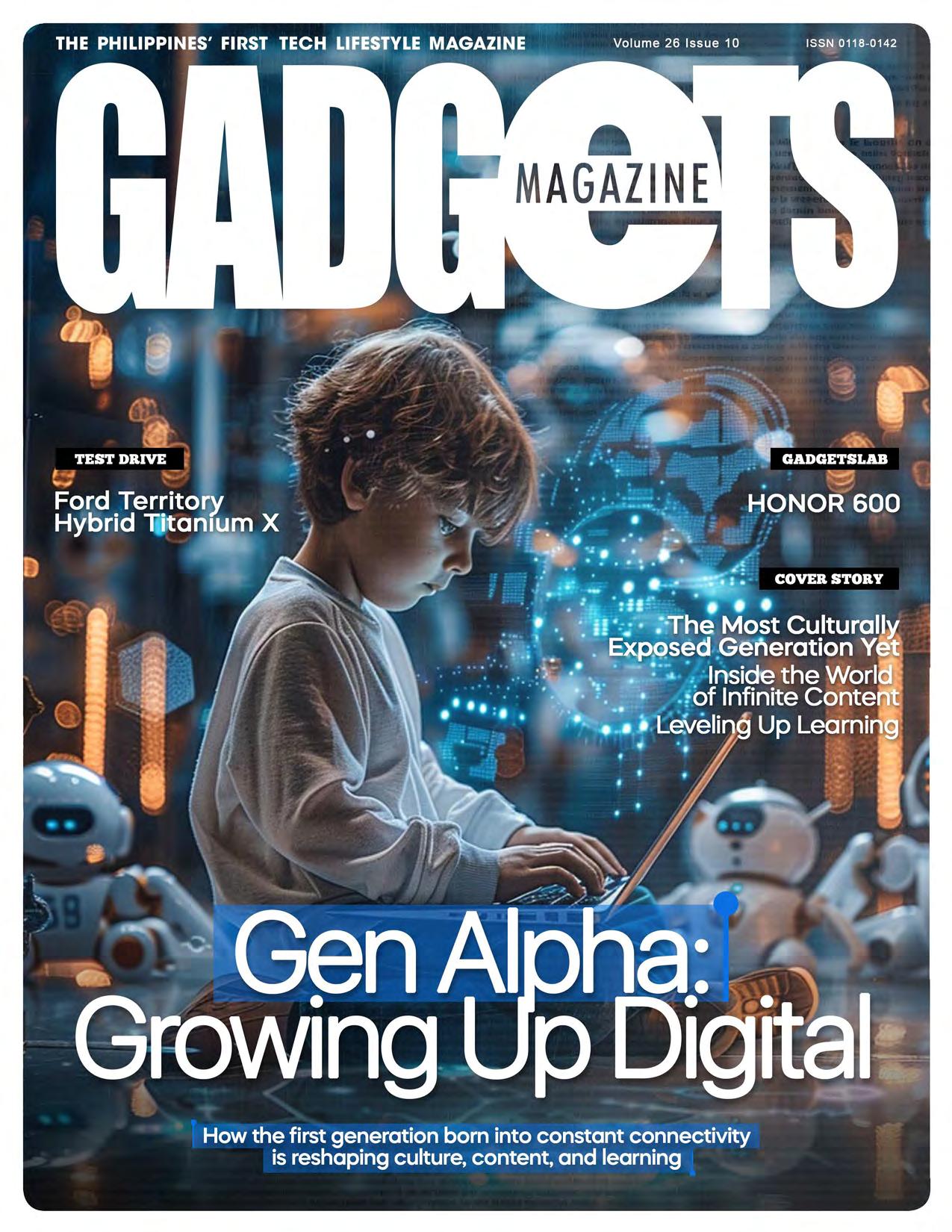
Why Gen Alpha is Growing Up as the Most Culturally Exposed Generation
Gen Alpha in the World of Infinite Content
Leveling Up: Gen Alpha and Education
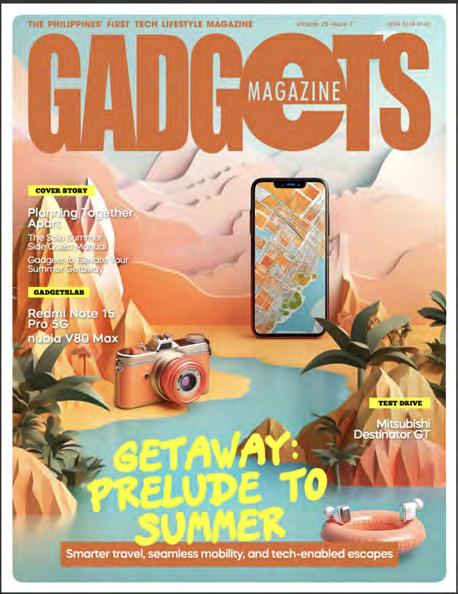
Cover Story Parade
COLORFUL BATTLE-AX WIFI7
Dyson Clean+Wash Hygiene
Dyson Spot+Scrub AI
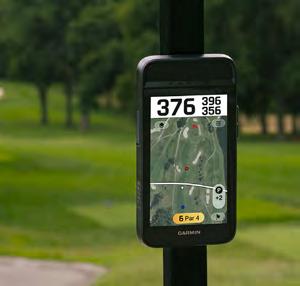
GARMIN Approach G82
LG NEOCHEF
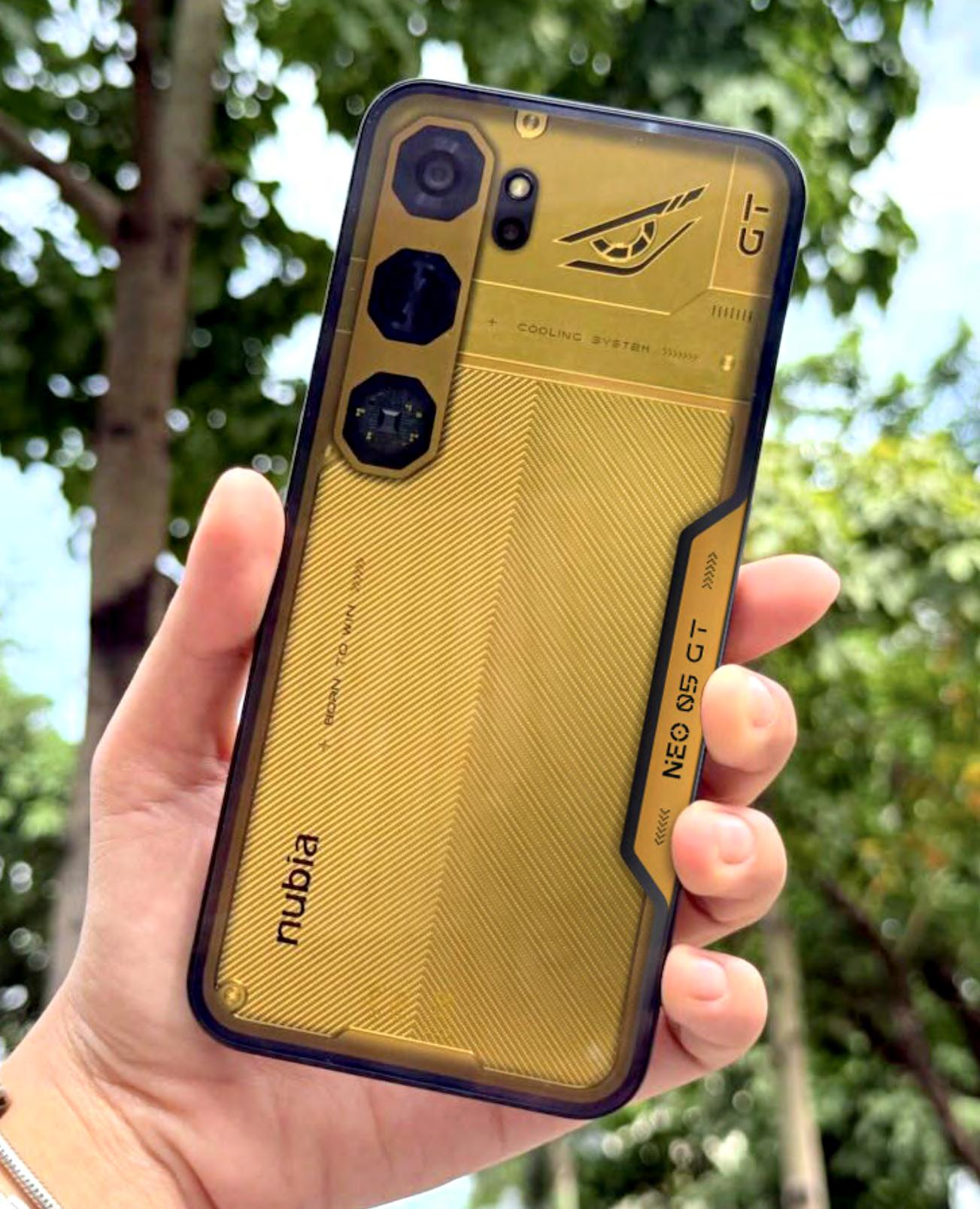
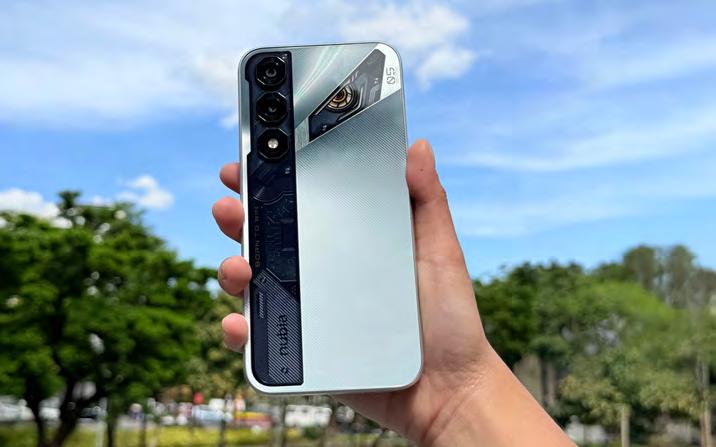
nubia NEO 5 Series
OPPO Find N6
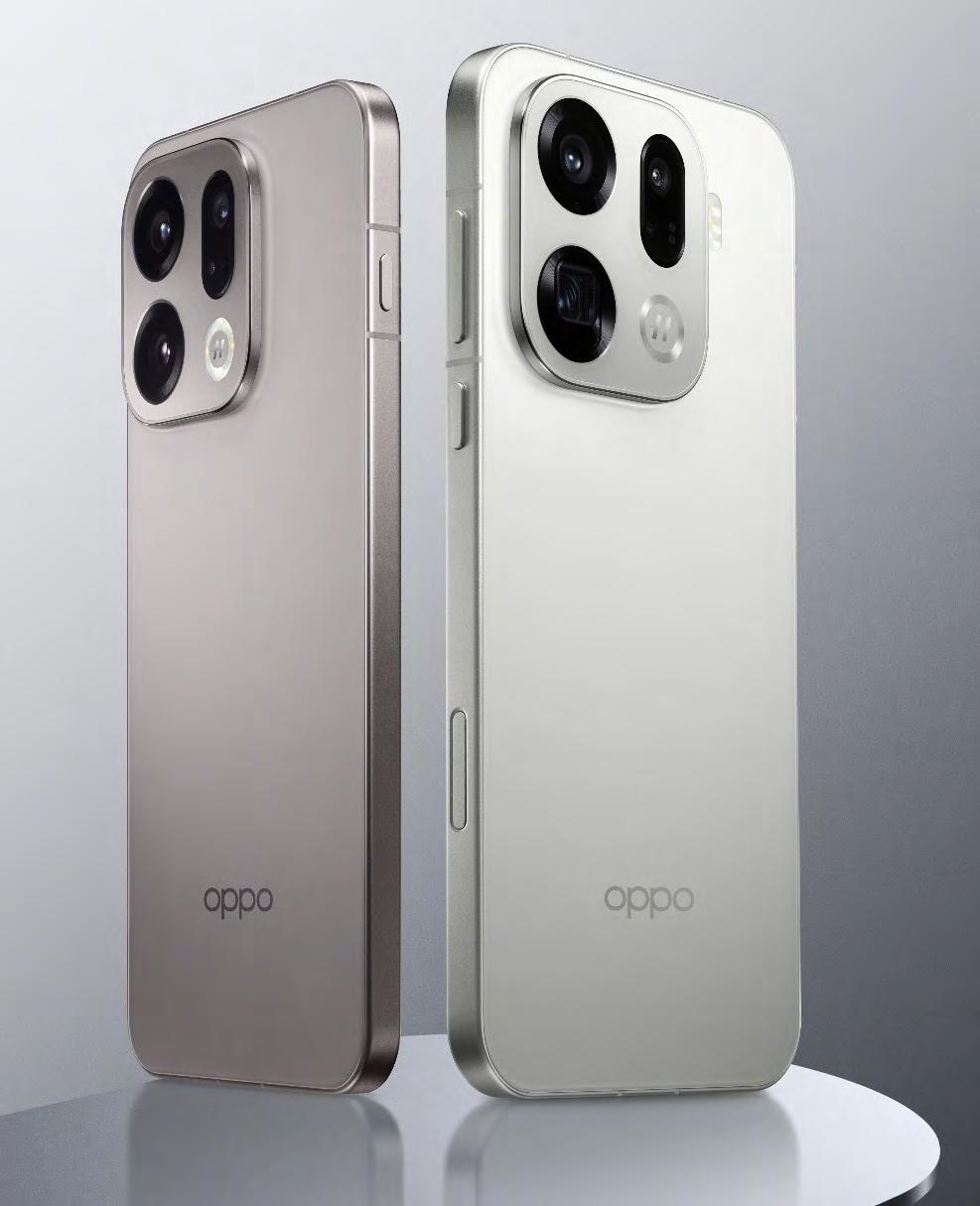
OPPO Find X9 Series
PUMA Summer Sneaker Collection
TECNO POVA Curve 2 5G
XIAOMI Power Bank Series 2026
HONOR 600
Gadgets Lab Mobility
Test Drive: Ford Territory Hybrid Titanium X
Vinfast VF MPV 7
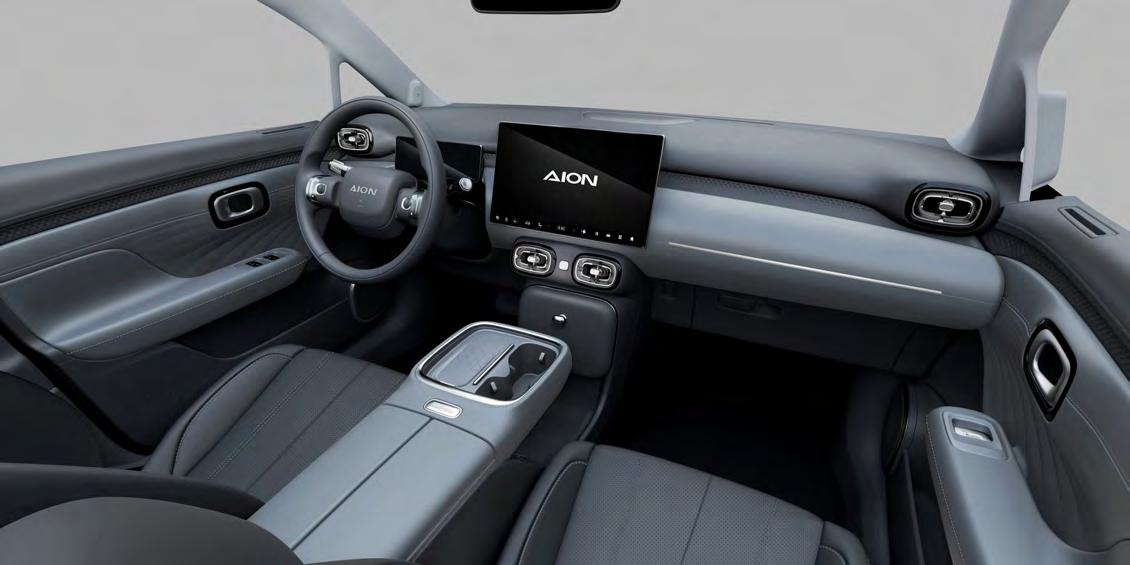
GAC AION UT
Xiaomi Electric Scooter 6 Series
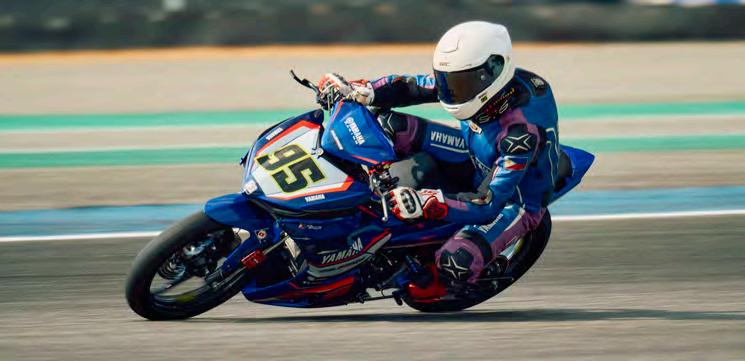
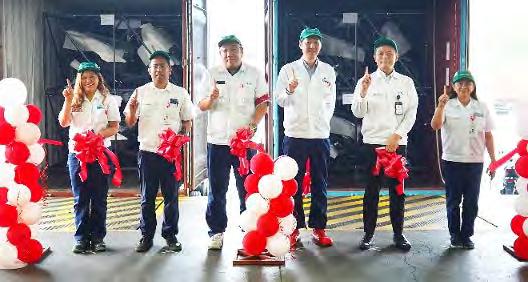
Yamaha Builds Momentum Across Local and International Racing Circuits
Words by Aljhelyn Piador
Why gen alpha is growing up as the most culturally exposed generation
These days, there is a good chance you will meet a Filipino child who speaks with a slight British accent after watching Peppa Pig, asks for sushi instead of spaghetti, and performs the choreography of K-pop artists as naturally as if it were the only dance they have ever known. They may say “mum” instead of “mama,” know the difference between ramen and udon, and recognize creators from South Korea, Japan, and the United Kingdom before they have even finished elementary school.
These details may seem amusing at first. But in reality, they reveal something much larger: Generation Alpha is growing up as the most culturally exposed generation in history.
A Borderless Childhood
For previous generations, cultural exposure was largely shaped by geography. Most children were limited to the perspectives of their families, local schools, and whatever happened to be playing on television. Encountering a foreign culture was relatively rare, usually experienced through textbooks or imported programs. In many cases, actual cultural exchange was still tied to travel opportunities and privilege.
For Generation Alpha, however, the internet has effectively dissolved these boundaries. On platforms like TikTok, YouTube, and online games, a child might move through British humor, Japanese aesthetics, and American creators before their first snack break.
Global culture is no longer something they gradually discover as they grow older. Instead, it has become part of the background of everyday life.
For this generation, culture-hopping is not necessarily a deliberate educational experience. It is simply how they spend time online.
Gaming as Cultural Immersion Spaces
The playground has officially moved beyond the local park and into the digital spaces of Roblox, Minecraft, and Fortnite. For Generation Alpha, these are not just games, but social environments where interaction with different accents, behaviors, and cultures happens naturally.
These platforms often become a child’s first real window into the wider world. Long before they can travel abroad, many already interact with people from different countries online.
At the same time, Gen Alpha is developing a language heavily shaped by internet culture. Memes, trending sounds, gaming slang, emotes, and viral references spread rapidly across platforms. A TikTok sound may quickly become part of a Roblox joke, while online humor evolves almost in real time.
For older generations, this language can seem chaotic or difficult to understand. For Gen Alpha, however, it functions as a shared online vocabulary shaped by the internet itself.
Exposure to Discernment
Exposure to these digital spaces may also be shaping how Generation Alpha filters information and experiences culture.
Rather than passively consuming content, many children now participate directly in online culture by remixing trends, reposting videos, editing content, and reacting in real time. In many ways, they are learning to engage with culture while simultaneously reshaping it.
This environment appears to encourage a stronger sense of discernment at an early age. Many children already recognize the difference between highly polished content and something that feels authentic.
A traditional celebrity advertisement, for example, may immediately feel staged or overly
curated. In contrast, an unfiltered TikTok review filmed in a messy bedroom may feel more trustworthy precisely because it appears imperfect.
Growing up surrounded by livestreams, casual vlogs, and unscripted content has given this generation a broad understanding of what “real” looks like online. As a result, they often respond more strongly to authenticity than presentation.
Because their digital lives move quickly, Gen Alpha also tends to become highly selective about what deserves attention. Content that feels irrelevant is discarded almost immediately.
They are not necessarily smarter than previous generations. But they are learning how to navigate digital environments with a level
of familiarity that earlier generations never experienced at such a young age.
Closely tied to this is their growing ability to move fluidly between different online spaces, cultural references, and social norms. Whether switching between gaming communities, anime trends, K-pop fandoms, or Western creators, Gen Alpha often adapts quickly to changing contexts.
This does not necessarily mean deep cultural mastery. However, it does suggest the early development of a mindset built around flexibility, constant adaptation, and rapid reinterpretation.
Together, these traits point to a generation learning not just to consume culture, but also to continuously decode, filter, and reassemble it.
Empathy as a Baseline
One of the most significant possible outcomes of this digital immersion is the normalization of diversity. Differences may increasingly feel familiar rather than unusual.
When children regularly encounter different languages, appearances, traditions, and lifestyles online, exposure to diversity becomes part of everyday life rather than a special lesson taught occasionally in school.
Studies on Generation Alpha’s increasingly borderless worldview suggest that constant access to global social media is making cross-cultural interaction feel routine. This influence extends beyond entertainment and into food, fashion, aesthetics, and social behavior.
At the same time, it is important to recognize that much of this understanding still happens through screens. Their understanding of other cultures is often shaped through curated digital experiences rather than direct real-world interaction.
Even so, Generation Alpha may become the first generation to grow up where global citizenship feels less like an aspiration and more like a starting point.
If they are growing up fluent in multiple cultures, perspectives, and online environments all at once, they may eventually redefine not only how culture is consumed, but how it evolves in the first place.
Words by Phia Manuell Layoso
Gen Alpha in the world of infinite content
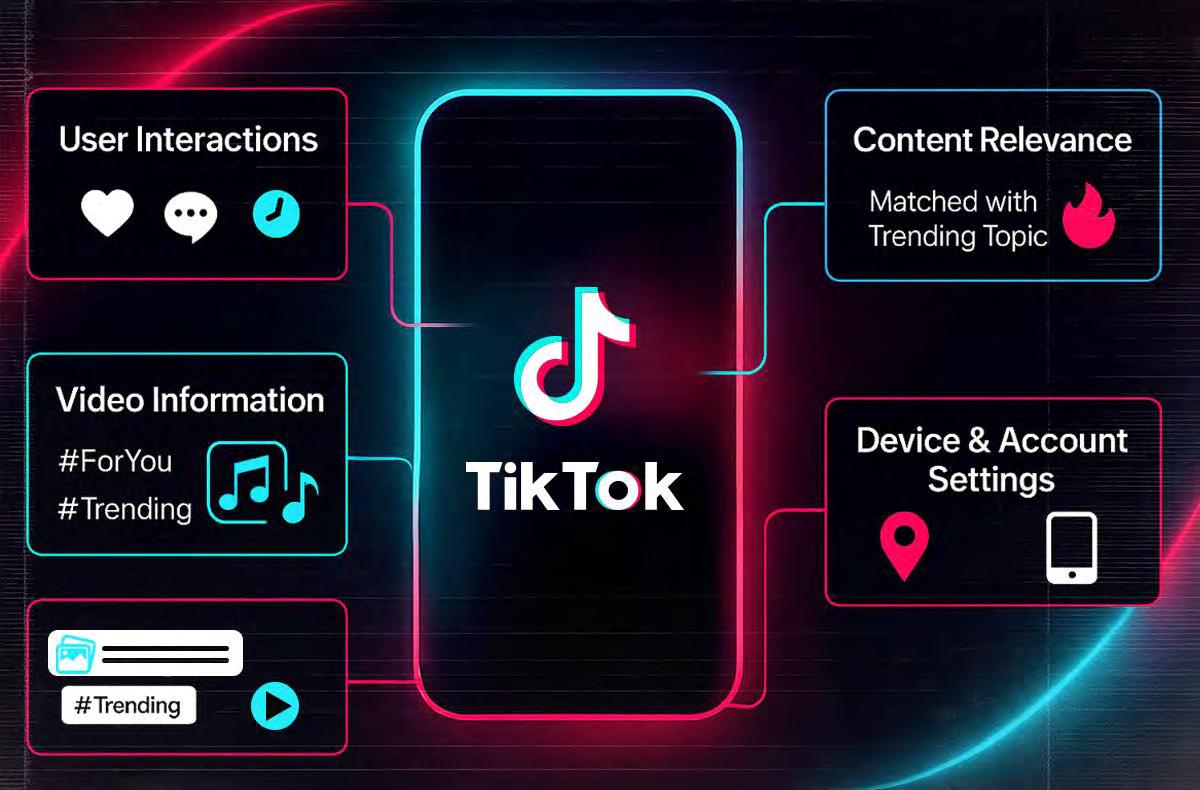
Achild sees one silly cat video on TikTok. Minutes later, the feed fills with memes, gaming edits, prank clips, and oddly satisfying videos. Somewhere between endless scrolling and autoplay recommendations, the algorithm quietly begins building a version of the internet designed specifically for that child.
For Generation Alpha, algorithms are no longer just part of the online experience. In many ways, they are the experience itself.
Generation Raised Recommendationsby
Previous generations grew up choosing what to watch from television shows, DVDs, or random YouTube searches. Generation Alpha, however, rarely needs to search for things anymore because recommendation systems now handle much of the discovery process for them.
Their digital worlds are carefully shaped through platforms designed to maximize attention.
On TikTok’s “For You Page” or YouTube’s homepage, one interaction can generate a stream of similar recommendations. A child who watches Barbie edits may suddenly discover doll collections, fashion aesthetics, or toy creators within hours. Someone interested in anime highlights may quickly encounter Japanese music, cosplay creators, and fan communities.
The algorithm builds these interest pathways faster than traditional discovery ever could.
As a result, Gen Alpha is no longer simply browsing the internet randomly. Much of what they see is increasingly guided by systems that continuously respond to their behavior.
For this generation, personal interests are often shaped not by curiosity, but by what the algorithm decides to recommend next.
Humor Made Online
Gen Alpha humor often appears bizarre, chaotic, and difficult for older generations to understand. Viral sounds spread rapidly, memes appear overnight, and random phrases suddenly become part of everyday conversation.
Part of the reason is that absurdity performs well in algorithm-driven spaces.
Fast editing, loud reactions, awkward zoom-ins, distorted audio, and unpredictable punchlines are more likely to hold attention in short-form video environments. Over time, this has created a style of humor built specifically for fast scrolling and short bursts of engagement.
As a result, Gen Alpha is developing a shared internet language heavily shaped by online culture. To older audiences, many of these jokes may seem meaningless. But for Gen Alpha, they function as shared references built almost entirely within digital spaces.
The Algorithm as a Personality Mirror
The more Gen Alpha interacts online, the more platforms attempt to understand who they are.
Algorithms analyze viewing habits, pauses, likes, saves, comments, and watch time in order to personalize feeds even further. Someone interested in drawing may receive endless art tutorials, while fashion-related content quickly leads to shopping recommendations, beauty creators, and trend-focused videos.
Personalization itself is not necessarily harmful. In many cases, it allows users to discover hobbies, communities, and educational resources more easily.
However, it also means children are constantly being shown a filtered version of themselves.
Over time, these digital mirrors can subtly shape identity by reinforcing certain interests, aesthetics, and viewpoints while quietly minimizing others. In this environment, Gen Alpha increasingly discovers parts of itself through repeated recommendations.
Opinions in Infinite Feeds
Algorithms are not necessarily designed to prioritize truth or balance. Their main goal is engagement.
Content that creates strong emotional reactions often performs better, whether it is funny, shocking, controversial, or dramatic. As a result, once users engage with a particular topic or perspective, the platform may repeatedly feed them similar viewpoints.
For Generation Alpha, whose beliefs and worldviews are still developing, repeated exposure to one-sided content can shape opinions long before they fully understand the issues involved.
Over time, the role of algorithms shifts from being a recommendation tool into something closer to an invisible editor deciding which stories, ideas, and perspectives remain visible online.
Learning to Outsmart the System
Despite the concerns surrounding algorithms, these platforms are not entirely harmful.
They also expose Gen Alpha to educational channels, creative hobbies, niche interests, and global communities that previous generations may never have encountered at such a young age.
The bigger challenge is teaching young users how these systems actually work.
Digital literacy today involves more than simply knowing how to use technology. It also requires understanding how technology influences attention, behavior, decisionmaking, and perception.
The Feed Never Stops
Every generation is shaped by the technology of its time. Millennials grew up alongside personal computers, while Gen Z witnessed the rise of social media.
Generation Alpha, however, may become the first generation raised almost entirely inside algorithm-driven ecosystems.
As these systems become increasingly sophisticated, their influence on how people think, communicate, and interact will likely continue to grow. And when the generation raised by the feed eventually begins designing the next generation of platforms, the digital environments of the future may become even more personalized, immersive, and difficult to separate from everyday life.
LEVELING UP: GEN ALPHA AND EDUCATION
Words by Gabriel Pe
Generation Alpha is entering classrooms at a time when technology is deeply integrated into everyday life. Unlike previous generations that gradually adapted to digital tools, Gen Alpha has grown up surrounded by smartphones, streaming platforms, touchscreens, and algorithm-driven content from an early age.
This reality is changing how children learn, communicate, and process information, forcing education systems to adapt in response.
A Different Learning Environment
Traditional classrooms were designed around long attention spans, structured lessons, and standardized teaching methods. However, Gen Alpha is growing up in environments shaped by interactivity, personalization, and instant access to information.
Many children now consume content through short-form videos, interactive games, and visually driven platforms. As a result, educators are increasingly exploring ways to make learning more engaging and adaptive.
This does not mean traditional learning methods are disappearing entirely. Instead, schools are beginning to
“In many ways, education is evolving from simply delivering knowledge into helping students navigate a highly connected and information-saturated world.”
combine conventional teaching with digital tools that better reflect how students already interact with information outside the classroom.
Gamification and Interactive Learning
One of the biggest shifts in education is the rise of gamification.
Educational platforms now use points, rewards, progress tracking, and interactive challenges to make learning feel more engaging. Lessons are being designed to encourage participation rather than passive memorization.
This approach reflects how Gen Alpha already experiences digital environments. Many students are familiar with systems built around progression, achievements, and instant feedback because of gaming and online platforms.
When applied effectively, these methods can improve engagement and make learning feel more dynamic.
Technology Inside the Classroom
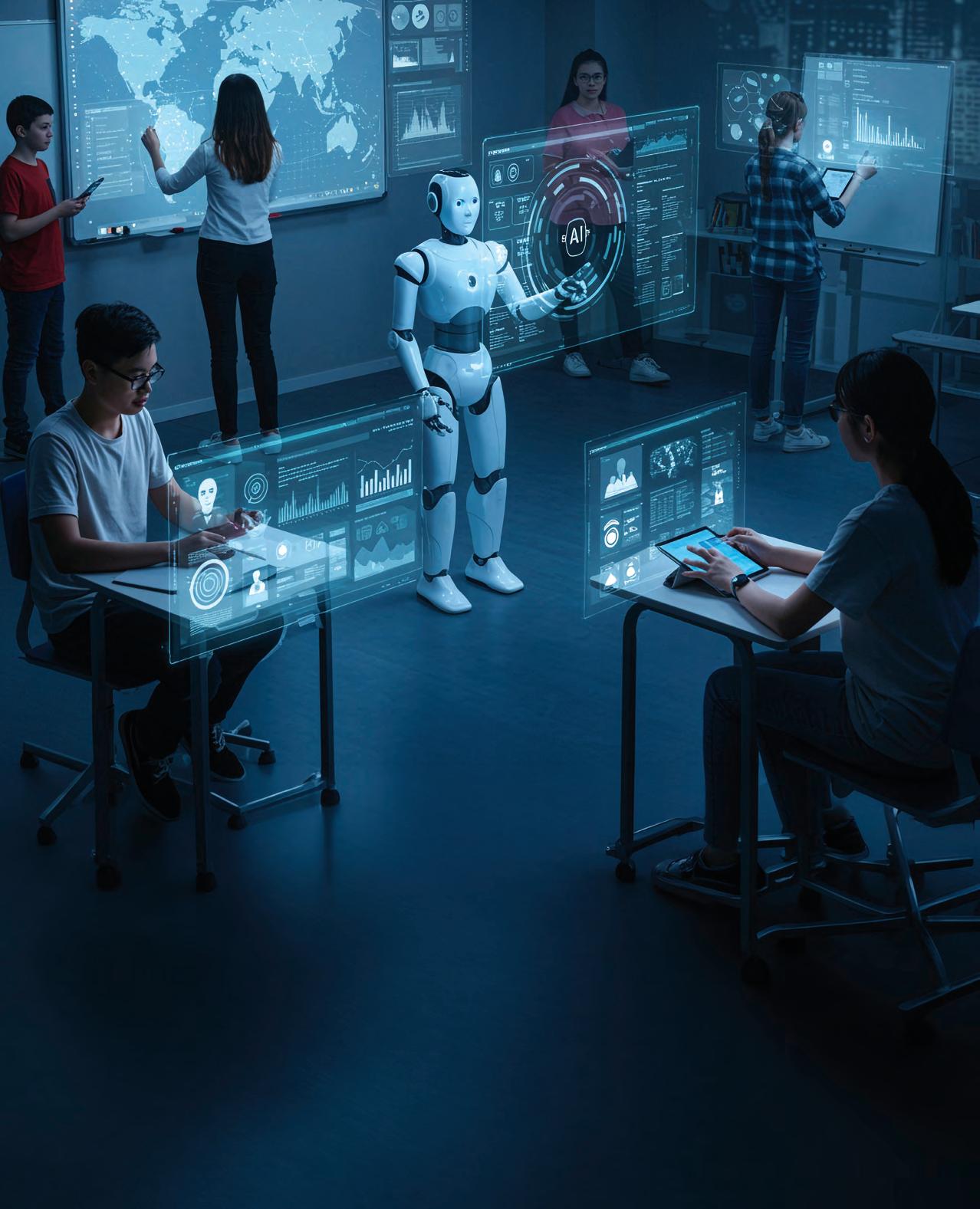
Digital tools are becoming more common inside classrooms, from tablets and collaborative platforms to AI-assisted learning systems and online research tools.
Technology also allows teachers to personalize lessons more easily. Students can move through materials at different speeds, revisit topics independently, and access learning resources beyond the classroom.
At the same time, schools continue to face challenges involving screen time, digital distraction, and unequal access to technology. Not all students have the same level of connectivity or access to devices, creating gaps in digital learning experiences.
As technology becomes more integrated into education, balancing accessibility, engagement, and focus remains a major concern.
Teaching Beyond Information
Because information is now constantly available online, education is shifting beyond memorization alone.
Increasingly, schools are focusing on skills such as critical thinking, digital literacy, collaboration, and problem-solving. Students are not just expected to absorb information, but also evaluate sources, recognize misinformation, and understand how digital systems influence what they see online.
In many ways, education is evolving from simply delivering knowledge into helping students navigate a highly connected and information-saturated world.
Preparing for a Different Future
The future Gen Alpha is preparing for may look very different from the one previous generations entered.
Automation, artificial intelligence, remote collaboration, and digital economies are already reshaping industries and careers. As a result, schools are being pushed to rethink how students are prepared for work, communication, and daily life.
This transition will not happen overnight, and traditional education systems will continue to evolve gradually. However, the direction is increasingly clear.
Education is no longer only about preparing students to remember information. It is about preparing them to adapt, learn continuously, and navigate a world shaped by rapidly changing technology.
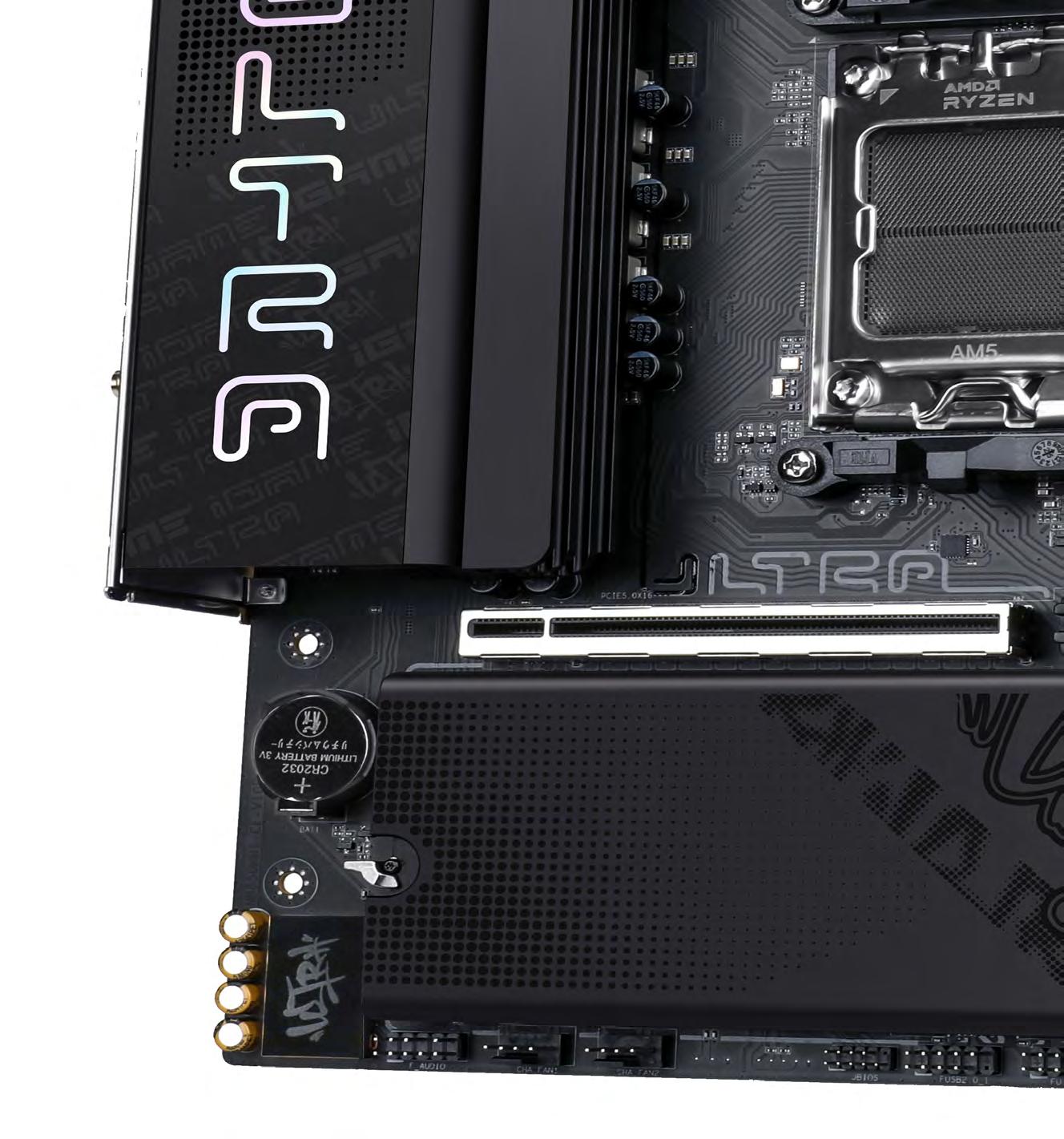
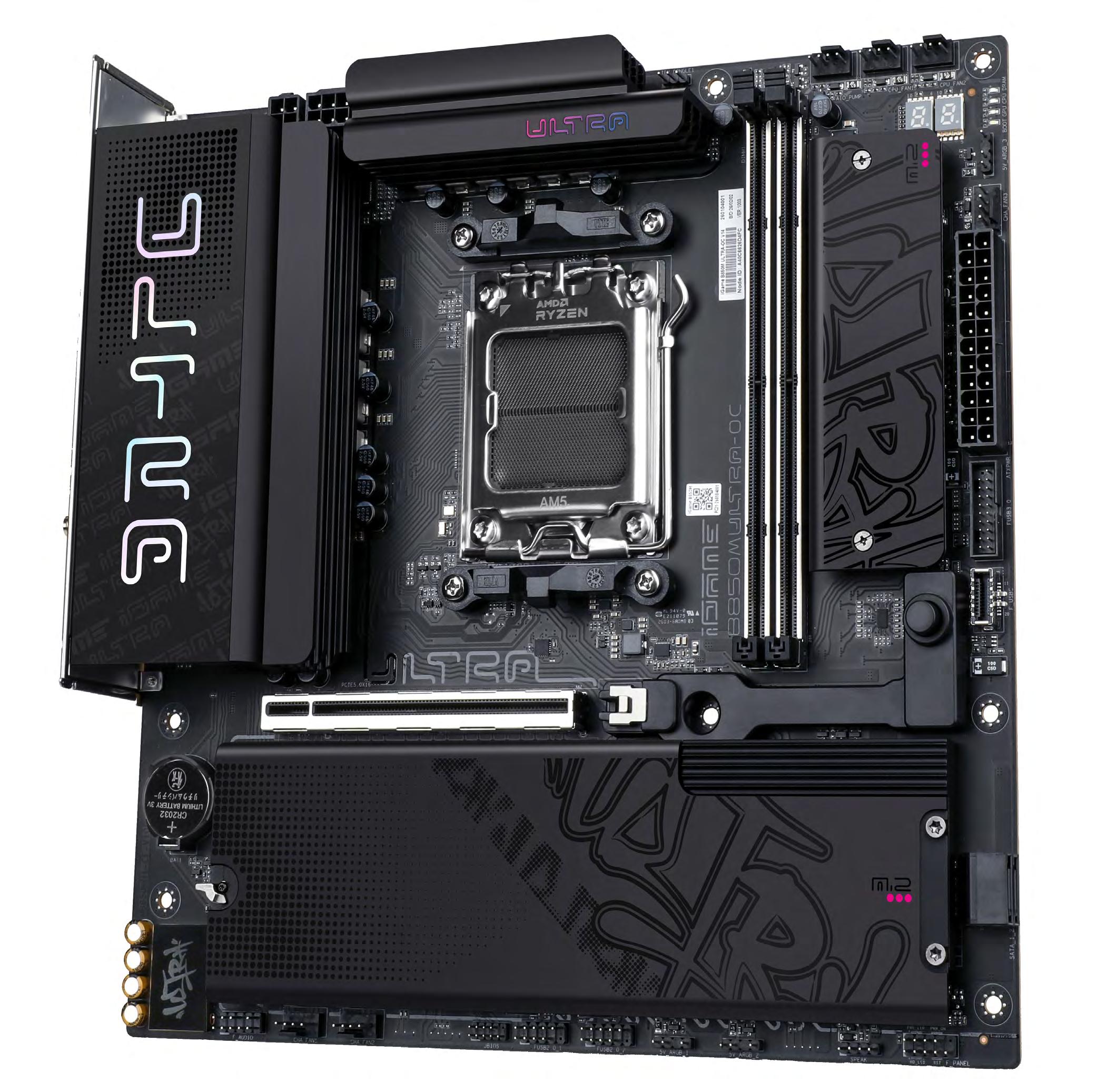
COLORFUL BATTLE-AX WIFI7
COLORFUL is updating its BATTLEAX motherboard lineup with two new models designed to bring Wi-Fi 7 connectivity, improved power delivery, and next-generation platform support to gaming and performance-focused PC builds. The new BATTLE-AX B860M-PLUS S WIFI7 and B760MPLUS S WIFI7 target different segments of the DIY market, giving builders the option between newer DDR5 platforms and more costeffective DDR4-based upgrades.
Leading the refresh is the BATTLE-AX B860M-PLUS S WIFI7, a motherboard built around support for Intel’s latest Core Ultra 200S series processors. The board features a 10+1+1+1 phase 60A DrMOS power design aimed at maintaining stable power delivery during gaming and demanding workloads. Storage support includes three M.2 slots, one of which supports PCIe 5.0 x4 speeds, alongside four SATA ports for additional storage expansion.
Connectivity is also a major focus for the B860M model, with support for Wi-Fi 7 networking, 5GbE LAN, six rear USB Type-A ports, and two USB Type-C connections. COLORFUL also equips the board with four reinforced DDR5 memory slots that support speeds of up to 8800 MT/s via overclocking, while optimizations
for single-DIMM configurations are intended to improve gaming performance for enthusiasts and competitive players.
Ease of installation is another highlight. The motherboard includes tool-free GPU release and M.2 heatsink mechanisms designed to simplify upgrades and component installation, particularly for first-time PC builders.
Meanwhile, the BATTLE-AX B760MPLUS S WIFI7 is positioned as a more value-oriented option for users upgrading existing Intel systems while retaining DDR4 memory. Compatible with Intel 12th, 13th, and 14th Gen Core processors, the motherboard uses a 12+1+1-phase 60A DrMOS power design designed to support highperformance CPUs under sustained loads.
The B760M model also includes a reinforced PCIe 5.0 x16 slot for newer graphics cards, including RTX 50-series GPUs, alongside three PCIe 4.0 M.2 slots equipped with full-coverage heatsinks for improved thermal management during gaming and storage-intensive tasks. Four DDR4 memory slots support speeds of up to 4800MHz through overclocking.
Like its higher-end sibling, the B760MPLUS S WIFI7 also gains Wi-Fi 7
focused platforms that combine next-generation connectivity, modern storage support, and userfriendly installation features for both mainstream and enthusiast PC builders.
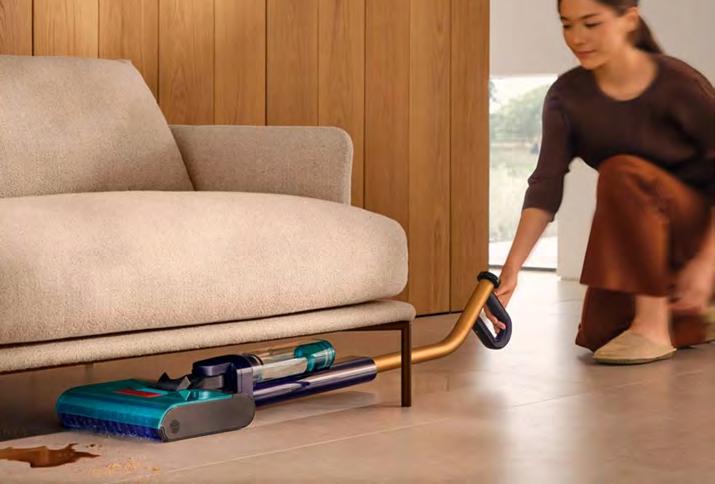
Dyson Clean+Wash Hygiene
THE DYSON CLEAN+WASH HYGIENE is a lightweight wet and dry cleaner designed for fast and hygienic whole-home floor cleaning with minimal effort.
Weighing just 3.82kg, the Clean+Wash Hygiene combines vacuuming and wet cleaning into a single system that removes dry debris while simultaneously washing floors using clean water. Dyson says its highly absorbent microfiber roller helps deliver a streak-free finish while drying floors quickly after cleaning.
The machine uses a filter-free system intended to reduce bacteria and odor emissions during use, while its low-profile design allows it to reach under furniture more easily for deeper cleaning. The roller also undergoes hot-air drying at up to 85°C after use to help maintain hygiene between cleaning sessions.
The Clean+Wash Hygiene provides up to 45 minutes of runtime and supports floor coverage of up to 350 square meters on a single charge. It also includes separate clean and dirty water tanks with capacities of 750mL and 510mL, respectively.
PHP39,900
Wet and Dry Cleaner
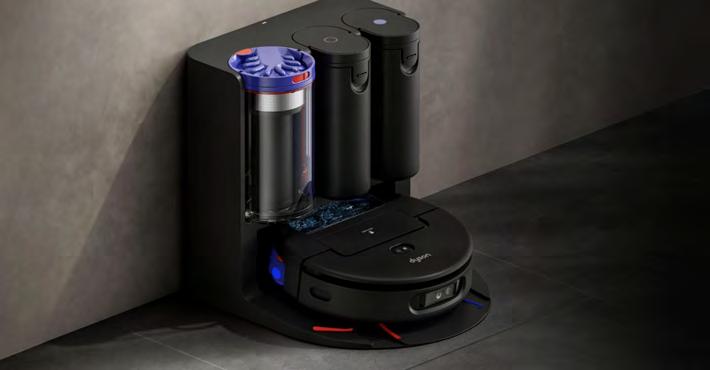
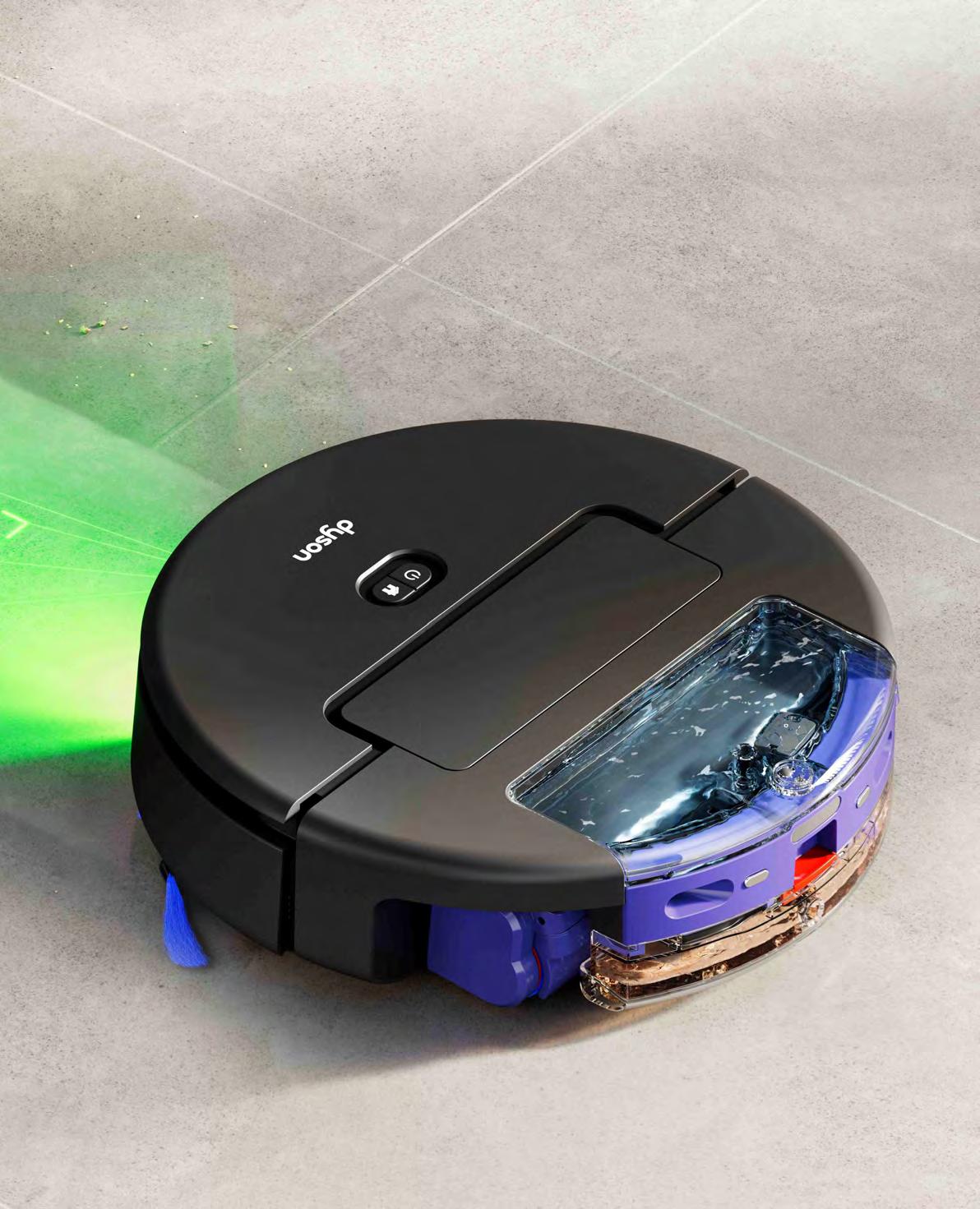
Dyson Spot+Scrub AI
DYSON is entering a new category in intelligent home cleaning with the launch of the Spot+Scrub Ai, the company’s first wet and dry robot vacuum designed to automatically detect, react to, and remove stubborn messes using AI-powered cleaning technology. Now available in the Philippines, the robot combines advanced stain detection, precision navigation, and a hygienic selfcleaning wet system aimed at reducing the manual effort typically associated with floor care.
At the center of the Spot+Scrub Ai is Dyson’s AI-driven cleaning system, which uses machine vision and green laser-like illumination to detect invisible dirt and stains on floors. The robot can recognize nearly 200 types of household objects, allowing it to intelligently avoid obstacles while continuing to clean around furniture and tight spaces. Dyson says the robot follows a continuous “detect, react, and check” process, automatically reassessing dirty areas and repeating cleaning passes when needed until stains are removed.
The wet cleaning system is built around a self-cleaning microfiber roller paired with a 12-point hydration system that distributes fresh heated
water throughout the cleaning process. Unlike traditional robot mops that may spread dirty water across the floor, the roller continuously cleans itself during every rotation, so only clean fibers come into contact with surfaces. The roller can also extend outward by up to 40mm to better clean edges and skirting boards where dirt often accumulates.
The robot connects to a bagless cyclonic dock that automatically empties debris while also washing and drying the microfiber roller to reduce odor and bacteria buildup between cleaning sessions. Dyson’s root cyclone technology is also used to hygienically manage collected dust and debris.
Navigation is handled through embedded LiDAR and AI-powered vision systems that automatically map and label rooms. Through the MyDyson app, users can customize zone cleaning, initiate remote spot cleans, and review post-clean “Clean Maps” that show where the robot cleaned and what obstacles it encountered during operation.
The Dyson Spot+Scrub Ai measures 373 x 370 x 110mm and offers up to three hours of charging time. Its filtration system captures particles as small as 0.1 microns, while the dock can store collected debris for up to 100 days before emptying is required.
PHP65,900
Robot Vacuum and Wet Cleaner
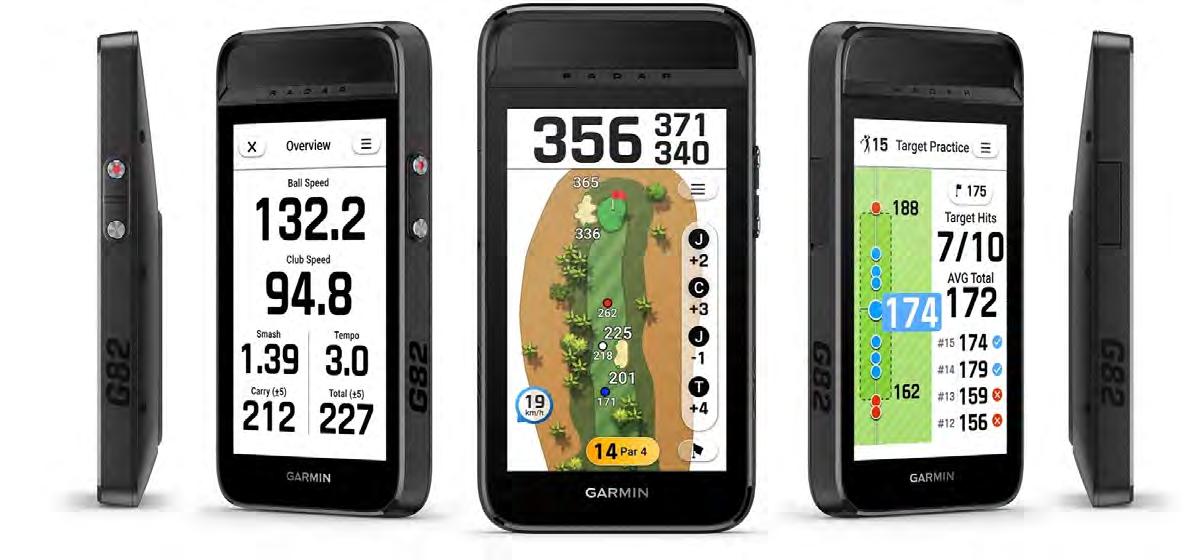
Garmin Approach G82
GARMIN is expanding its golf technology lineup with the new Approach G82, a portable launch monitor and GPS handheld designed to help golfers improve both on the driving range and on the course. Combining radar-based swing analysis, GPS functionality, and new putting metrics in a compact handheld form factor, the Approach G82 positions itself as an all-in-one
training and performance companion for golfers looking to fine-tune their game.
The device now features a larger 5-inch color touchscreen display and expanded radar tracking capabilities that provide essential swing and ball data, including ball speed, club speed, smash factor, and tempo. Garmin says the launch monitor is intended
PHP38,290
Golf Launch Monitor and GPS Handheld
to help players make more informed swing adjustments during practice sessions, while dedicated training modes allow golfers to work on tempo consistency, target distances, and club speed development.
One of the standout additions to the Approach G82 is its new putting metrics feature. Garmin describes it as the only handheld golf device in its category capable of tracking puttingspecific data, including stroke length, tempo, club speed, and ball speed. The feature is designed to help golfers improve consistency on the greens by providing measurable feedback during practice.
The Approach G82 also introduces bag mapping, allowing players to evaluate and record the typical distances of each club in their set. This information integrates with Garmin’s virtual caddie feature, which can recommend clubs based on swing data, course conditions, elevation changes, wind, and nearby hazards. Enhanced PlaysLike Distance functionality further adjusts yardages
based on elevation and environmental conditions to improve shot planning accuracy.
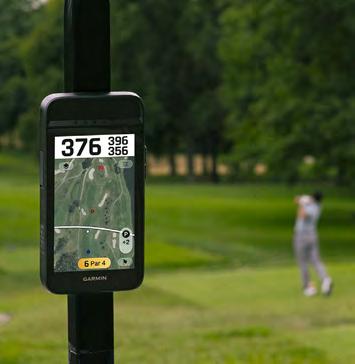
Beyond its practice features, the device also functions as a GPSenabled golf handheld with connected smart features via the Garmin Golf app. Golfers can access wind speed and direction data, automatic course updates, aerial imagery, and green contour information through a Garmin Golf Membership. Compatibility with Garmin’s other golf products, including the Approach
CT10 club tracking sensors and compatible laser rangefinders, further expands its capabilities for players already invested in the Garmin ecosystem.
Built for outdoor use, the Approach G82 -has an IPX7 water resistance rating and offers up to 25 hours of battery life in GPS mode or up to 8 hours in radar mode. A built-in magnet and included bag clip also make it easy to attach to golf carts or golf bags during rounds and practice sessions.
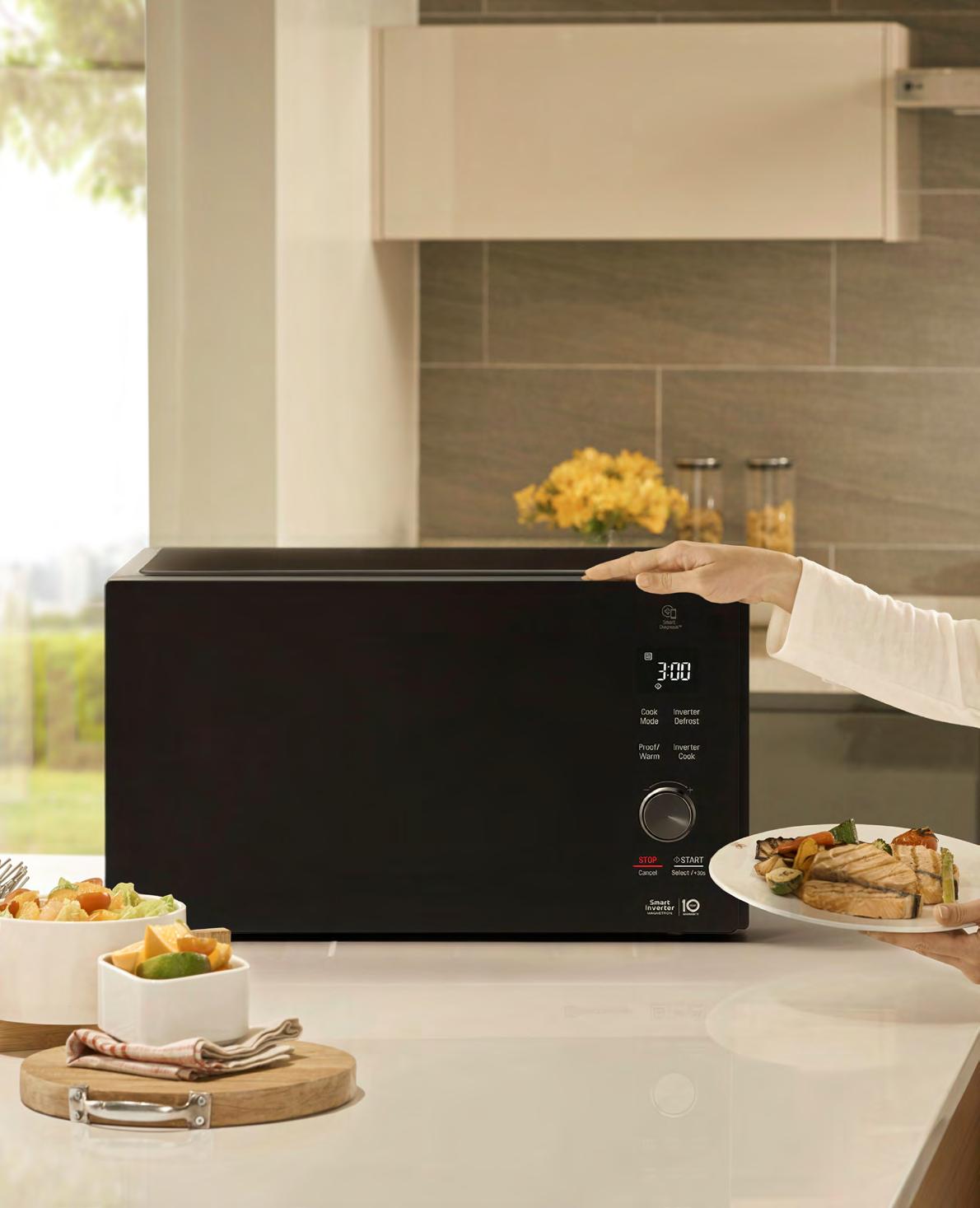
LG NeoChef (MH6565DIS)
FOR BUSY HOUSEHOLDS, convenience in the kitchen often comes down to speed, simplicity, and reliability. The LG NeoChef™ Smart Inverter Microwave Oven with Grill (MH6565DIS) is designed around everyday needs, combining faster cooking, intuitive controls, and practical features to make home meal preparation easier for modern Filipino lifestyles.
At the core of the appliance is LG’s Smart Inverter Magnetron technology, which provides more precise temperature control for faster and more even cooking. Whether reheating leftovers, preparing quick weekday meals, or handling simple meal prep after work, the system is designed to reduce waiting time while helping food cook more consistently.
The microwave also features a Microwave Oven + Grill Combination mode, allowing users to combine microwave and grilling functions for more versatile meal preparation. This setup is particularly useful for users who want quick meals with a more freshly cooked texture and finish without spending extra time in the kitchen.
LG complements the cooking functions with a cleaner and more modern user
interface through its Touch and Dial Control system. The tempered glass controls and White LED display are designed for easier operation and visibility, helping simplify daily use during busy mornings or late-night reheating sessions.
Practicality also extends to maintenance. The NeoChef microwave includes LG’s EasyClean interior coating with 99.99% anti-bacterial protection, making the interior easier to wipe down and maintain after regular use. A brighter LED White Lamp also improves visibility inside the unit, making it easier to monitor food while cooking or reheating.
Inside, the microwave features a Stable Turntable with a hexagonal support design intended to provide better balance during operation. With its 25-liter capacity, the unit offers ample room for everyday meal prep and reheating while helping containers stay more stable during use.
Finished in Black Smog Glass, the LG NeoChef Smart Inverter Microwave Oven with Grill is designed to blend seamlessly into modern kitchen spaces while offering long-term reliability with a 10-year warranty on magnetron parts.
Microwave Oven
nubia Neo 5 Series
GAMING PHONES are often judged by raw performance, but in the Philippines, heat management can be just as important. Long gaming sessions, high ambient temperatures, and heavy multitasking can quickly push devices to their limits, resulting in frame drops, lag, and inconsistent gameplay. The nubia Neo 5 Series is built around addressing exactly that challenge, combining gaming-focused hardware with an advanced cooling system designed for extended play in tropical conditions.
Inspired by the engineering behind REDMAGIC gaming phones, the nubia Neo 5 Series integrates large heat dissipation areas, vapor chamber cooling, and graphene-based thermal materials to help regulate internal temperatures during demanding sessions. The lineup is designed to maintain stable frame rates even during prolonged gameplay, particularly for competitive titles such as Mobile Legends and Call of Duty Mobile.
At the top of the range, the nubia Neo 5 GT pushes cooling further with a built-in fan paired with VC cooling technology, while the nubia Neo 5 5G is powered by the Unisoc T9300 processor. Combined with displays offering refresh rates of up to 144Hz, the phones aim to deliver smoother visuals and more responsive gameplay, especially during fast-paced matches where consistency matters as much as outright speed.
The series also includes Neo Triggers 5.0, giving players shoulder-trigger controls for faster and more precise inputs. This adds a more console-like feel to mobile gaming, particularly useful in shooters and competitive multiplayer titles where reaction time is critical.
Beyond gaming, the nubia Neo 5 Series is designed for heavier everyday use. Multitasking between games, messaging apps, streaming platforms, and social media can generate additional heat and strain on a device, but nubia’s AI-powered features help optimize performance in real time. The phones include nubia AI Game Space and the AI Copilot Demi, which assist with gameplay optimization while helping the device stay responsive even under heavier workloads.
Battery life is another area where the Neo 5 Series is built for endurance. With capacities reaching up to 6210mAh and support for fast charging, the phones are positioned to handle extended gaming sessions, streaming, and daily productivity without frequent charging interruptions.
Rather than focusing purely on benchmark numbers, the nubia Neo 5 Series positions itself as a gaming phone lineup built around real-world conditions. In a market where heat and long hours of mobile use are part of everyday life, thermal stability and sustained performance may matter more than short bursts of speed. For mobile gamers looking for a device that can keep up during extended sessions, the nubia Neo 5 Series aims to stay cool when it counts.
Smartphone
OPPO Find N6
OPPO is expanding its premium foldable ambitions in the Philippines with the launch of the OPPO Find N6. This flagship device combines high-end performance, multitasking capability, and a more refined foldable experience in a slim and sophisticated form factor.
At the center of the Find N6 is OPPO’s new Zero-Feel Crease technology, designed to minimize the visible and tactile crease typically associated with foldable smartphones. The result is a cleaner and more seamless viewing experience across the device’s expansive 8.12-inch inner display, giving users a larger uninterrupted canvas for productivity, entertainment, and multitasking. Whether reviewing presentations, managing multiple apps, or attending video meetings, the Find N6 is clearly positioned as a productivity-first flagship.
Powering the device is the Snapdragon 8 Elite Gen 5 processor, paired with a
massive 6000mAh battery and ultrafast charging. OPPO says the hardware combination is built to handle demanding workflows throughout the day, from multitasking and mobile productivity to gaming and media consumption.
The foldable flagship also leans heavily into premium craftsmanship. OPPO describes the Find N6 as a luxury-focused device for professionals and power users seeking both flagship performance and an elevated design experience. Despite its large foldable display, the device maintains a sleek profile, making it suitable for daily carry and extended use.
To further expand its productivity features, OPPO is also introducing the optional AI Pen Kit for the Find N6. The stylus accessory supports pressure-sensitive input for note-taking, document signing, sketching, and precision writing directly on the foldable display, turning the device into a more versatile mobile workspace.
Foldable Smartphone
OPPO Find X9 Series
OPPO’S new Find X9 Series brings two distinct flagship experiences to the Philippine market, with the camerafocused Find X9 Ultra and the more lifestyle-oriented Find X9s targeting creators, mobile photographers, and premium smartphone users.
Leading the lineup is the OPPO Find X9 Ultra, a flagship built around professional-grade imaging. Coengineered with Hasselblad, the device features a quad-camera system anchored by a 200MP main sensor, a second 200MP portrait camera, and a dual-telephoto setup for extended zoom. OPPO is positioning the device as a mobile content-creation tool capable of handling everything from low-light photography to shooting sports and concerts.
Video capabilities are equally ambitious, with support for 8K recording and 4K slow-motion capture. Built-in professional color modes further enhance the cinematic look of footage straight from the device, while a large battery with ultrafast wired and wireless charging keeps the phone ready for extended shooting sessions.
The Find X9 Ultra also embraces a more camera-inspired design language, combining premium
leather and polished metal finishes in color options such as Tundra Umber and Canyon Orange. OPPO is also launching the optional Earth Explorer Kit, which adds a camera grip, physical shutter controls, and an external Hasselblad teleconverter lens that extends the zoom range to 13x optical magnification.
Meanwhile, the OPPO Find X9s delivers a more balanced premium smartphone experience aimed at younger professionals and everyday creators. It features a 50MP Hasselblad-developed triple-camera
setup with AI-powered editing tools that simplify content creation and social media sharing. Support for 4K recording across all cameras also makes it ideal for casual vlogging and short-form video production.
The Find X9s packs a massive 7025mAh battery into a slim 7.99mm body while offering IP66, IP68, and IP69 durability ratings for improved protection against water and dust. A next-generation chipset powers the device, helping maintain smooth performance for gaming, multitasking, streaming, and day-to-day use.
OPPO Find X9 Ultra – PHP99,999
Smartphone
OPPO Find X9s – PHP69,999
PUMA Summer Sneaker Collection
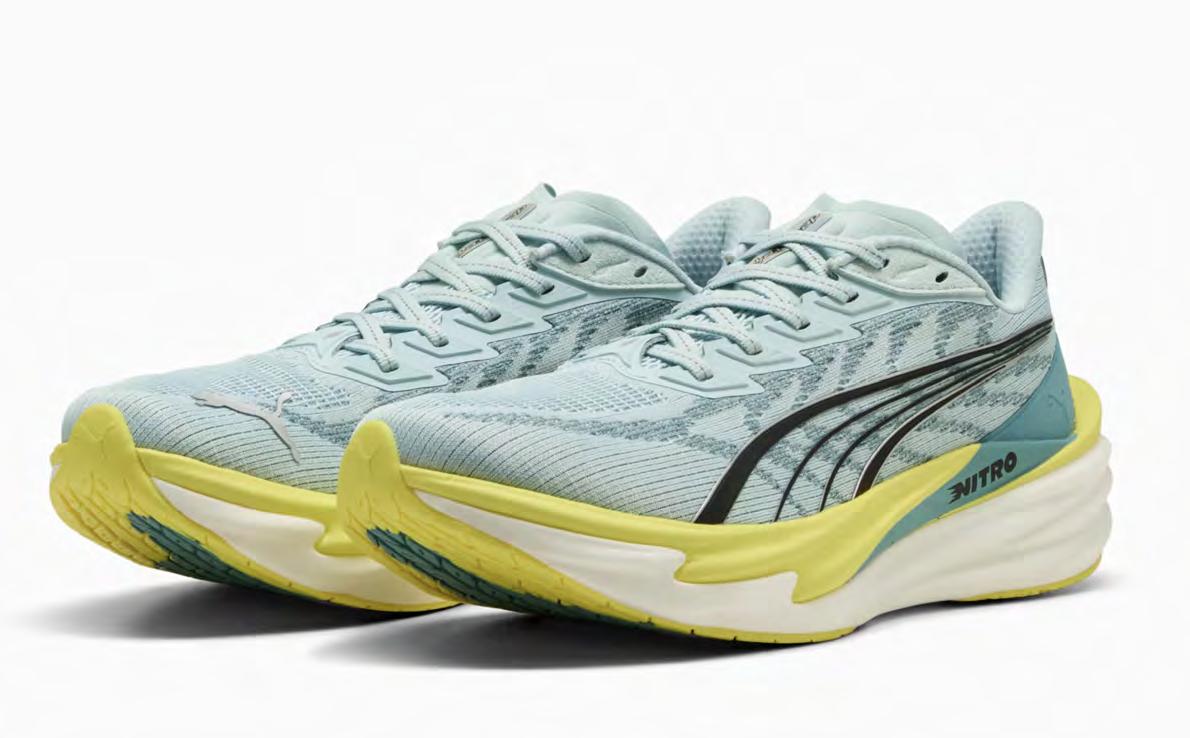
PUMA’S latest summer sneaker lineup is built around different ways people move through the season, from casual city wandering and café hopping to recreational jogging and competitive race-day performance. Rather than focusing on a single style or activity, the collection spans lifestyle, streetwear, daily training, and elite running, offering users options tailored to different summer routines.
PUMA H-Street OG Sneakers
PHP5,500
The H-Street OG Sneakers serve as PUMA’s lifestyle-focused entry into the summer lineup, combining retroinspired styling with lightweight comfort for everyday wear. Built for casual summer activities such as outdoor festivals, weekend trips, café hopping, and city wandering, the
silhouette leans into a relaxed, versatile aesthetic that pairs easily with laid-back seasonal outfits.
New colorways include SandstoneChocolate Brown, Warm White-Alpine Snow, and Cool Dark Gray-Silver Mist, giving the sneaker a softer seasonal palette that works across a range of casual looks.
Footwear
PHP7,100
Inspired by PUMA’s motorsport heritage, the Speedcat Aéré Sneakers are designed with breathability and lightweight comfort in mind for extended wear in warm city conditions. The “aéré” name, derived from the French word for “aerated,” reflects the shoe’s focus on airflow and heat management during long days outdoors.
The minimalist silhouette allows the sneaker to transition easily from daytime errands to evening social activities, while its lightweight construction is intended to remain comfortable during extended use in humid conditions. Available colorways include Frosted Ivory and Flat BronzeFrosted Ivory.
PUMA Speedcat Aéré Sneakers
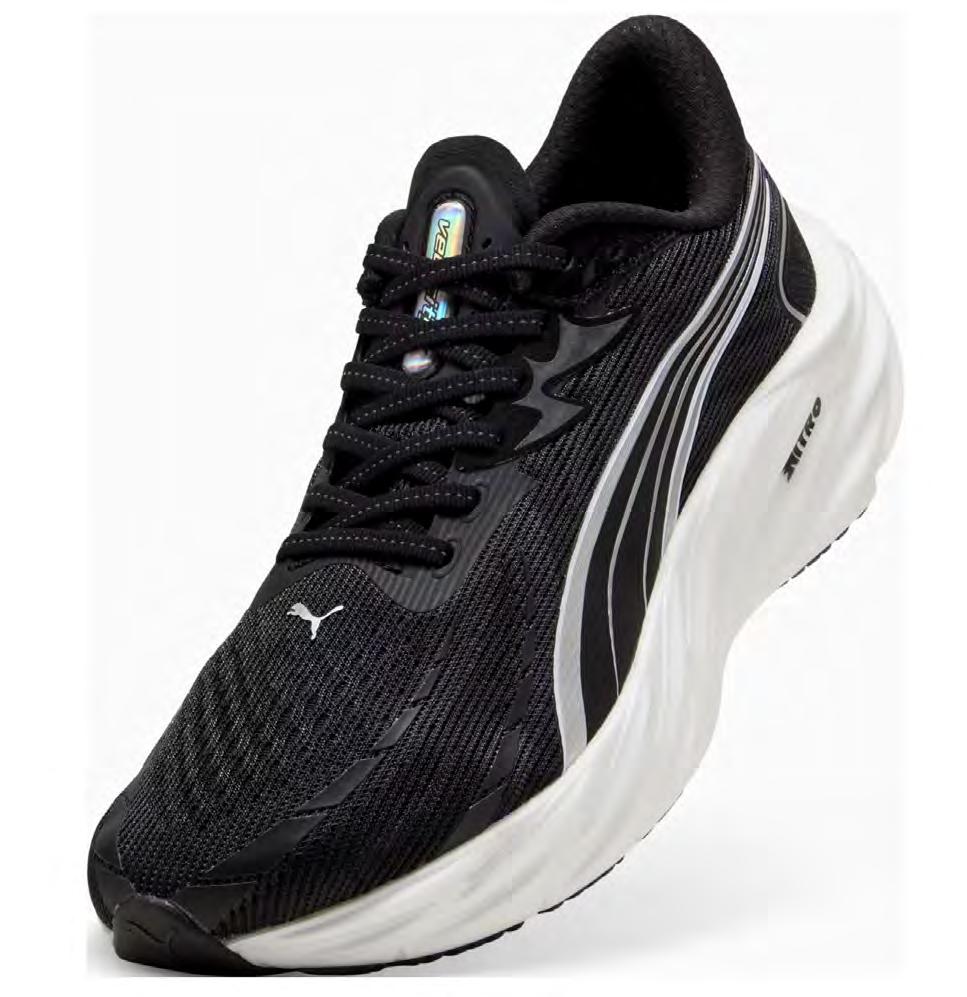
PUMA Velocity NITRO 4
PHP7,600
The Velocity NITRO 4 offers a more accessible entry point into PUMA’s performance running lineup while retaining many of the same comfort and cushioning technologies found in the Deviate series. Like its sibling, it is aimed at recreational runners and everyday training sessions, with an emphasis on comfort, responsiveness, and reduced leg fatigue.
Color options include Sandstone-Lucite and Warm WhiteLucite.
PUMA Deviate NITRO 4
PHP10,500
Positioned as a daily trainer for recreational runners, the Deviate NITRO 4 is built for neighborhood jogs, fun runs, and short-distance training sessions common during the summer season. The shoe combines PUMA’s PWRPLATE technology with NITROFOAM cushioning to help improve propulsion and reduce fatigue during runs on hard urban surfaces.
The model is available in Sandstone-Lucite and Warm White-Lucite-Vapor Gray colorways.
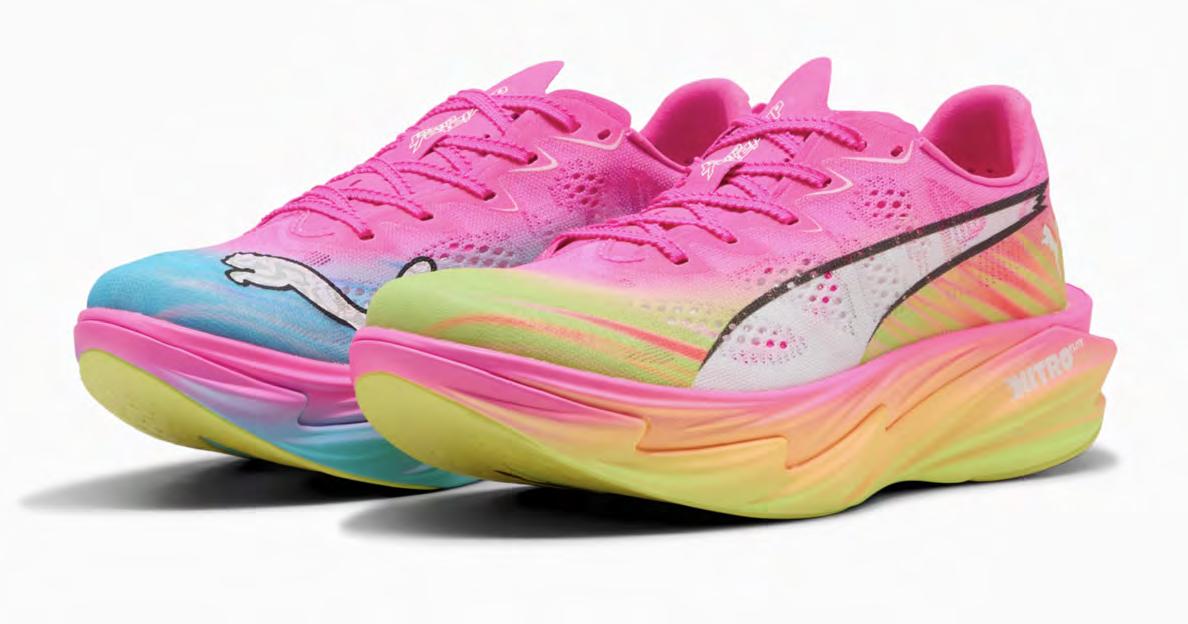
PUMA Deviate NITRO Elite 4 Showtime Running Shoes for Women
PHP13,800
Part of PUMA’s race-focused Showtime Collection, the Deviate NITRO™ Elite 4 Showtime Running Shoes are designed for competitive runners and raceday performance. Built with NITROFOAM™ Elite cushioning and a carbon-fiber PWRPLATE, the shoe focuses heavily on energy return and propulsion for faster-paced runs and long-distance events.
The women’s model comes in a bold Poison PinkYellow Alert-Bright Aqua-Sun Stream colorway.
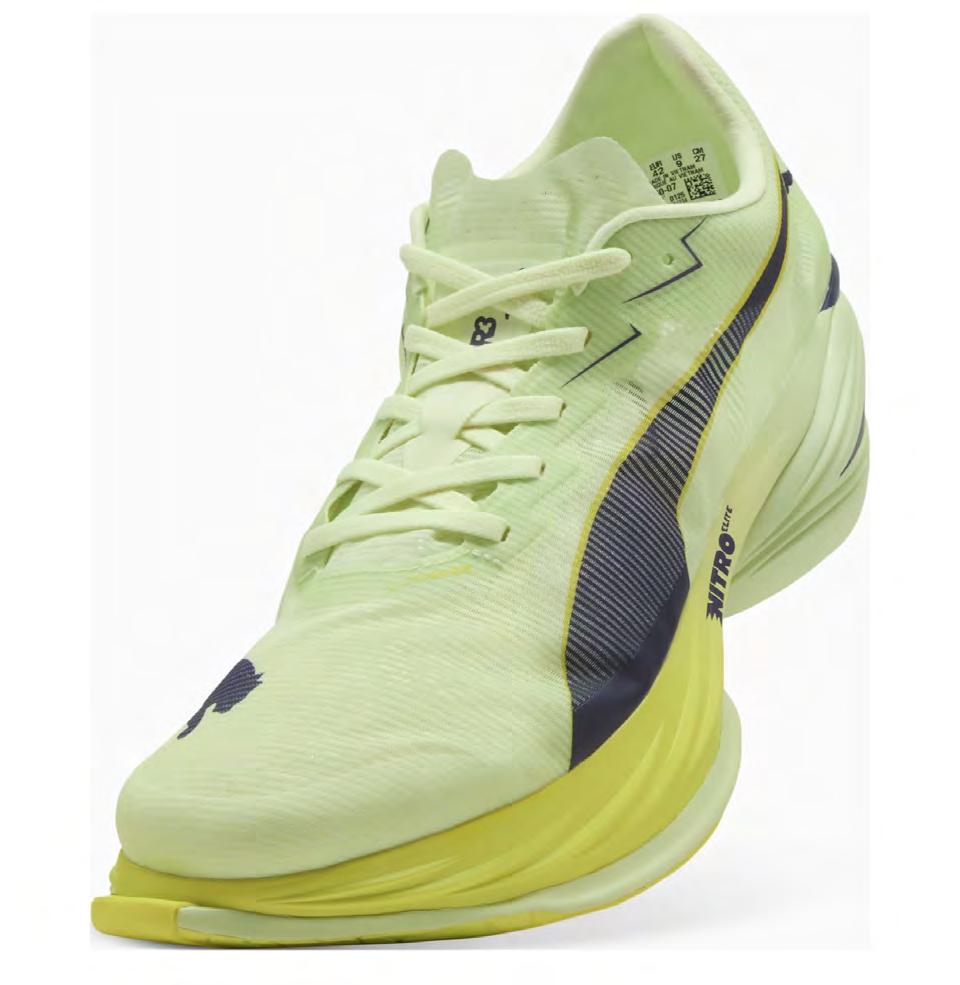
PUMA FAST-R NITRO Elite 3 Showtime Running Shoes for Men
PHP15,800
Completing the Showtime Collection is the FAST-R NITRO Elite 3 Showtime Running Shoes for Men, PUMA’s highest-performance race-day shoe in the lineup. Also featuring NITROFOAM Elite and carbonfiber PWRPLATE technologies, the shoe is engineered for experienced runners pursuing competitive times and marathon performance.
The men’s model is available in a Poison Pink-PUMA White colorway designed to stand out during race-day events.
TECNO POVA Curve 2 5G
PHP16,999
BATTERY LIFE has become one of the biggest priorities for smartphone users, especially for gamers, streamers, and heavy multitaskers constantly on the move. With the new TECNO POVA Curve 2 5G, the brand pushes endurance further by combining an enormous 8,000mAh battery with a surprisingly slim and lightweight design. At just 7.42mm thin and 195g, TECNO claims it is the world’s slimmest curved-display 5G smartphone equipped with an 8,000mAh battery.
Built around the theme “Power That Never Drops,” the POVA Curve 2 5G is designed for users who spend long hours gaming, streaming, browsing, and staying connected throughout the day. TECNO says the battery can deliver up to three days of typical use, including up to 103.4 hours of music playback, 33.8 hours of navigation, or 18.8 hours of gaming on a single charge. When it’s time to plug in, 45W fast charging can bring the battery to 50% in just 36 minutes.
The device also includes Bypass Charging 2.0, which allows power to flow directly from the charger to the phone during gaming sessions rather than continuously cycling through the battery. This helps reduce heat buildup while preserving longterm battery health. Reverse-wired charging is also supported, effectively turning the phone into a backup power bank for smaller devices such as earbuds or another smartphone.
Connectivity is another major focus of the POVA Curve 2 5G. TECNO equipped the device with its proprietary G1 signal enhancement chipset and SE1
Wi-Fi enhancement chipset, paired with the UPS 3.0 signal optimization algorithm. Compared to its predecessor, the phone now supports 20 5G bands, doubling the previous generation’s support and improving compatibility across different networks. TECNO claims the system delivers 33% lower network latency and up to 70% faster upload speeds, helping maintain stable connections even in crowded urban areas or locations with weaker signals.
Powering the device is a 6nm MediaTek Dimensity 7100 5G processor paired with up to 16GB RAM through memory expansion technology. The 6.78inch curved AMOLED display features FHD+ resolution, a 144Hz refresh rate, and peak brightness of up to 4,500 nits for improved outdoor visibility. Corning Gorilla Glass 7i enhances display durability, while Dolby Atmos stereo speakers enhance gaming and entertainment experiences.
Camera duties are handled by a 50MP main rear camera alongside a 2MP macro sensor, while selfies are managed by a 13MP front camera. Additional features include IP64 dust and splash resistance, SGS 5-Star Drop Resistance certification, an indisplay fingerprint scanner, FreeLink 2.0 offline communication support within 1.5km, and the HiOS 16 interface based on Android 16 with integrated AI tools.
The TECNO POVA Curve 2 5G comes in Mystic Purple, Melting Silver, and Storm Titanium colorways, positioning itself as a featurepacked midrange device focused on endurance, connectivity, and immersive mobile entertainment.
Smartphone
Xiaomi Power Bank Series 2026
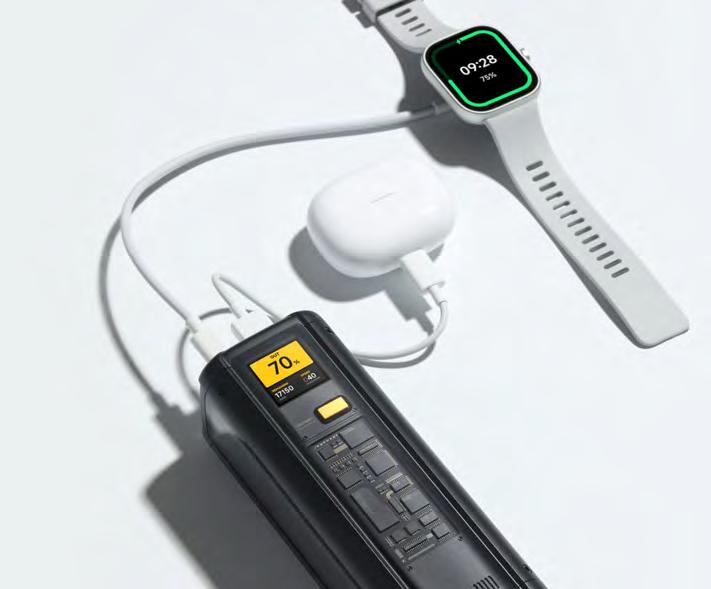
XIAOMI’S latest Power Bank Series 2026 lineup takes a more practical approach to portable charging by offering four distinct models tailored to different lifestyles and usage habits. Instead of a one-size-fits-all solution, the lineup ranges from high-capacity laptop-ready chargers to slim magnetic power banks designed for daily carry.
At the top of the range is the Xiaomi 212W HyperCharge Power Bank 24500mAh, aimed at users who regularly carry laptops, tablets, and multiple mobile devices. Equipped with three ports and up to 140W of output via its primary USB-C connection, the power bank can charge high-performance laptops, smartphones, and accessories. Its 24,500mAh capacity is designed for extended use throughout the day, while a built-in color display shows battery levels and charging output in real time. Xiaomi says the unit can also be recharged to full in around 2.5 hours using a compatible 100W charger.
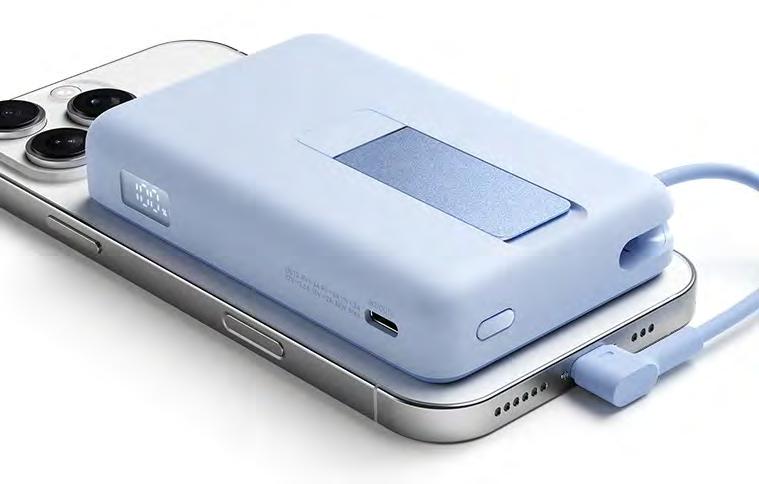
For creators and heavy smartphone users, Xiaomi is also introducing the Magnetic Power Bank 10000 with Built-in Stand. Designed around convenience and uninterrupted use, the power bank magnetically attaches to compatible phones for wireless charging while an integrated stand props the device up for video calls,
Power Banks
Xiaomi 212W HyperCharge Power Bank 24500mAh
Xiaomi Magnetic Power Bank 10000 with Built-in Stand
streaming, or content creation. An integrated USB-C cable supports wired charging, and the device can charge up to three products simultaneously under supported conditions.
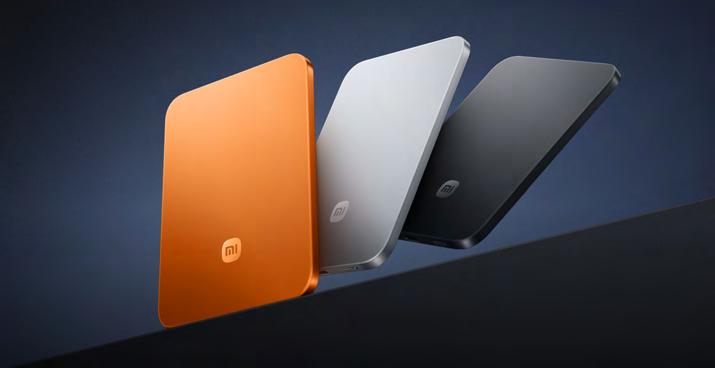
Users looking for a more compact everyday solution may find the Xiaomi Ultra-thin Magnetic Power Bank 5000mAh 15W more appealing. Measuring just 6mm thin and weighing 98g, the slim charger is built for portability without adding much bulk to a smartphone setup. It supports magnetic wireless charging up to 15W for compatible devices, while a USB-C port allows wired charging when needed. Rather than multiple full charges, the 5000mAh capacity is positioned more for quick top-ups and extended daily use.
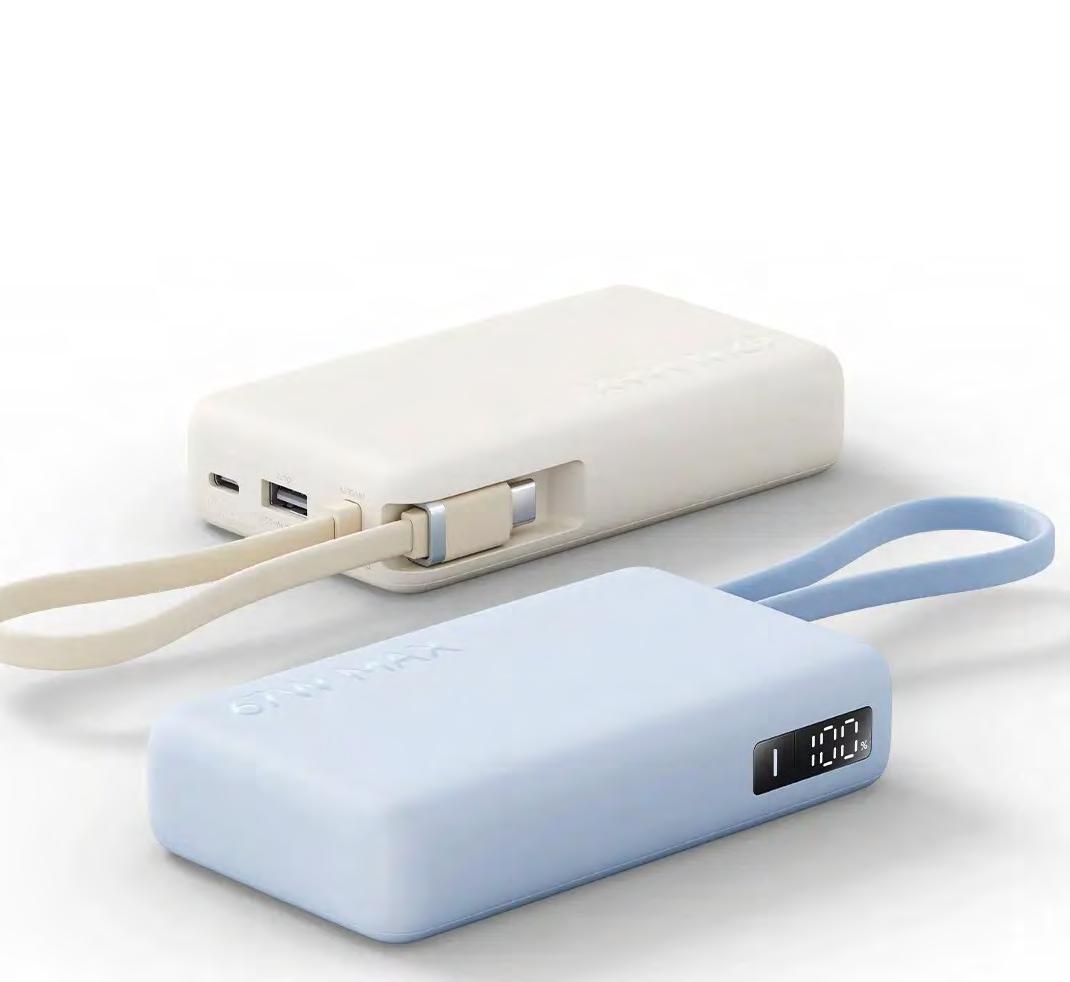
Completing the lineup is the Xiaomi 67W Power Bank 10000 with Integrated Cable, which focuses on everyday practicality. The built-in
USB-C cable eliminates the need to carry a separate charging cord and doubles as a carrying strap. Xiaomi says the cable has been tested for over 5,000 bends for long-term durability. A digital display shows remaining battery percentage, while additional ports allow simultaneous charging of
multiple devices. Under Xiaomi lab conditions, the integrated cable can fully charge a Xiaomi 15 smartphone in 59 minutes.
The Xiaomi Power Bank Series 2026 is now available through Xiaomi stores and official online channels.
REVIEWED BY PHIA MANUELL LAYOSO
HONOR 600
Can AI really transform a midrange smartphone into something smarter and more creative in everyday use? The HONOR 600 leans heavily into that idea, combining a sleek, premium-looking design with an upgraded AI at the center.
To see how AI really performs beyond the claims, I used the HONOR 600 as my daily device. From capturing moments to testing its AI features and creative tools, here’s how it holds up in the real world.
DESIGN
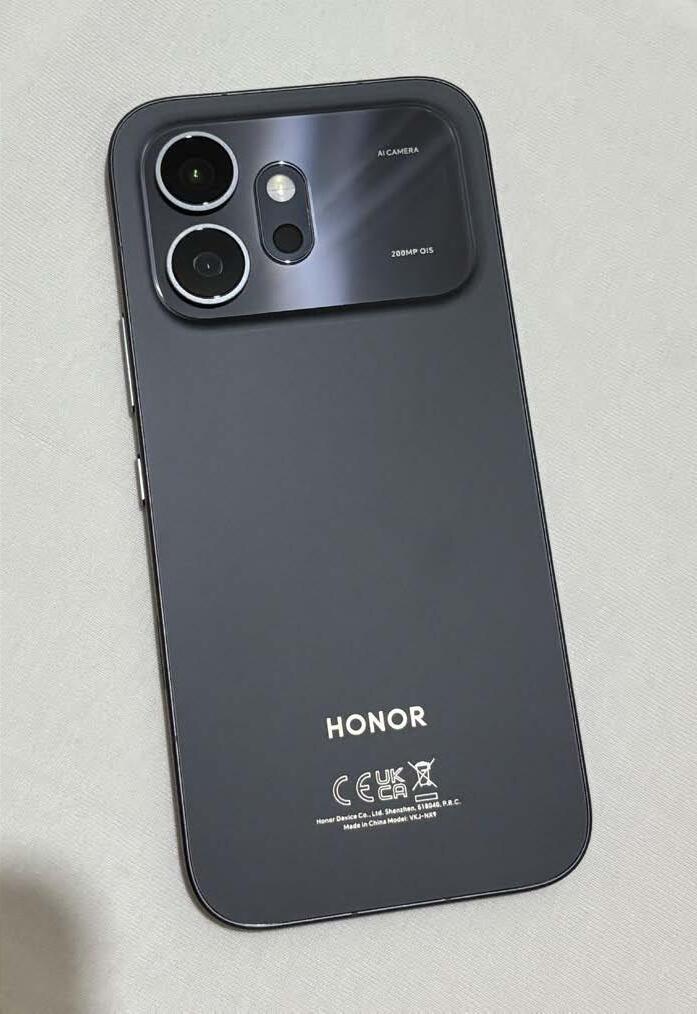
The first thing that stood out to me was just how comfortable this phone felt in my hand. It’s thin, coming in at 7.8-millimeters and around 190-grams. Very slim and light for a phone with a 7000mAh battery.
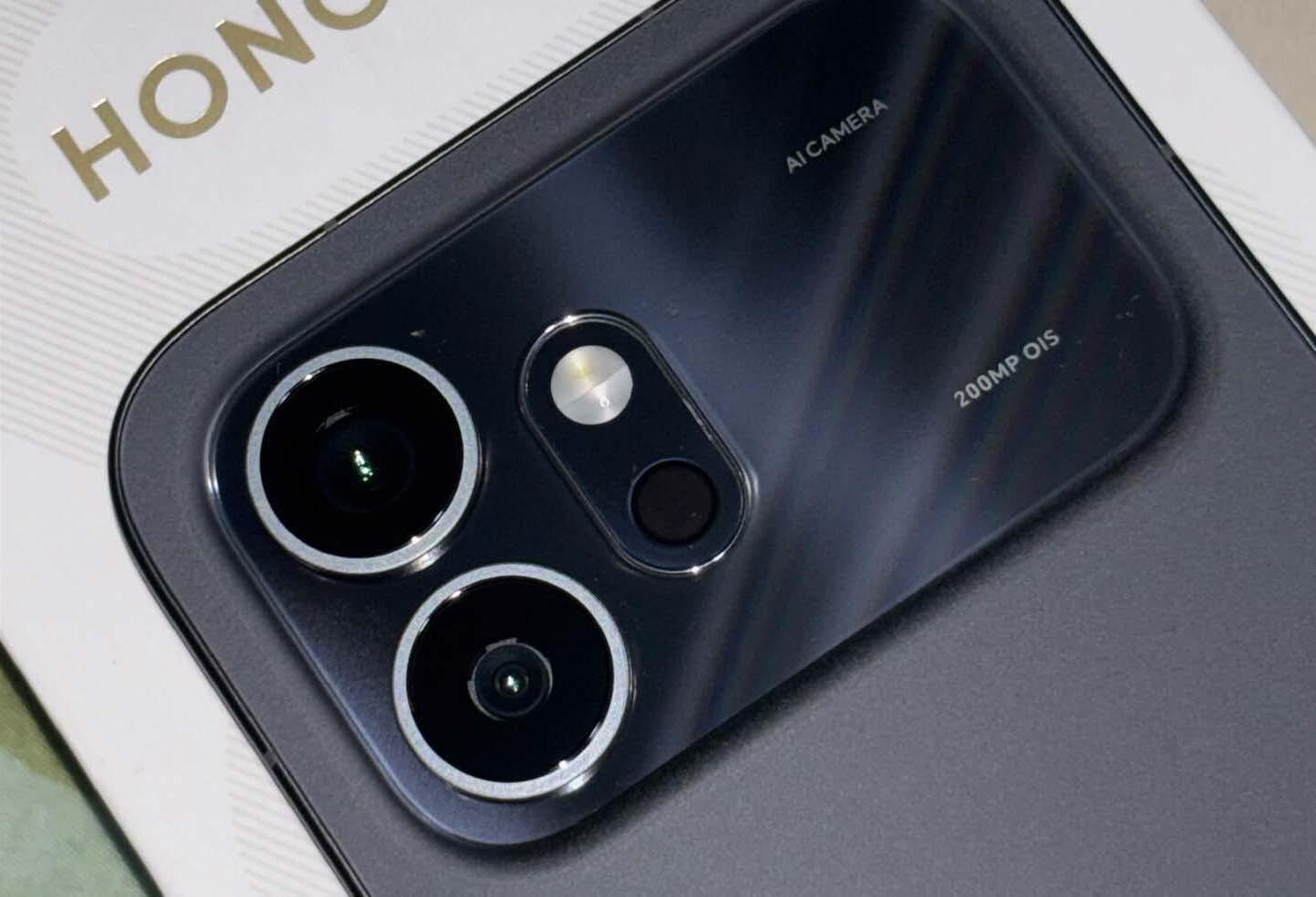
In terms of aesthetics, this is one of the best-looking phones that I’ve used. The matte metal frame feels premium, and the ultra-slim bezels give the phone a clean and modern aesthetic that makes the screen appear larger. At the back, the glass camera island catches and reflects light beautifully, adding a subtle yet eye-catching detail that gives the phone a more refined, polished look.
The phone features a 6.57-inch AMOLED screen large enough to enjoy content, with a 120Hz refresh rate; everything on screen feels noticeably smoother, from scrolling through social media to switching between apps. With 8000nits of HDR peak brightness as well as Netflix and Amazon HDR certifications, the screen remains perfectly visible in direct sunlight while rendering cinematic content with impressive detail and depth and without any visibility issues.
HARDWARE
Equipped with the Qualcomm Snapdragon 7 Gen 4 Mobile Platform, the HONOR 600 delivers a consistently solid performance. It manages multitasking and daily application use. I can open and run multiple apps at the same time using the split screen feature, and it still runs smoothly.
Thanks to the massive 7000mAh battery and 80W HONOR SuperCharge, it gets to a full charge in less than 30 minutes.
Beyond aesthetics, the HONOR 600 is also built with durability in mind. The device comes with IP68, IP69, and IP69K water and dust resistance ratings, and SGS 5-star premium performance certification for drop and crush resistance. It feels reassuring to know the device is designed to handle daily accidents, such as minor
drops or unexpected splashes, without constant concern.
The HONOR 600 comes with a 200MP ultra-clear night camera that captures
highly detailed shots in low light. It also comes with a 50MP portrait selfie camera that makes my portraits look clean and naturally balanced without too much editing.
USER EXPERIENCE
The HONOR 600 lacks the telephoto camera from its older brother, the HONOR 600 Pro. Despite that, the camera and zoom performance are still better than those of other midrange phones in the market. The advanced AI camera system works perfectly through intelligent photo enhancement and color optimization tools to improve image quality. This enhances long-range zoom by preserving detail and clarity, and it also improves the overall photography experience in a way that feels seamless and intentional. The absence of a telephoto lens feels less limiting because the AI does much of the work.
Next is the AI Image to Video 2.0, which I’ve been using recently. Even if it doesn’t always perfectly match what I imagine, it still amazes me how it can turn simple
photos into moving clips that feel fun and creative to share. It works better with a more detailed prompt, since it needs clearer instructions to produce something closer to what you actually want.
There are also other AI tools like AI Erase and similar editing features that make quick fixes really easy. I don’t need to spend
too much time editing because the phone already helps clean up or improve my shots in just a few taps.
The AI button isn’t something I use often, but it’s nice to have when I need quick access to AI tools. Instead of going through menus, it offers shortcuts to features like editing and enhancements with a single press; you can even customize it to a double press to avoid accidental activation. For me, it’s more of a convenience than something I actively use.
VALUE
The HONOR 600 offers flexible pricing, starting at PHP28,999 for the 8GB + 256GB (pre-order price is at PHP25,999) and going up to PHP37,999 for the highest storage option of 12GB + 256GB. The HONOR 600 stands out as a strong midrange contender for its specs, AI features, and overall performance.
Adding more value for early buyers, HONOR is offering a pre-order freebie from May 14 to May 29, early buyers can get a free HONOR Gift Box worth PHP 1,499, plus a free HONOR Choice Earbuds Clip worth PHP 4,999. Pre-order customers will also get a chance to win a brand new Mercedes-Benz EQA 250.
BOTTOMLINE
The HONOR 600 keeps things simple and solid, offering a good performance, nice display, and good battery life. It is a wellrounded midrange phone that delivers everything one may need at a fair price.
Processor: Qualcomm Snapdragon 7 Gen 4 Mobile Platform
Memory: 8GB + 256GB / 512GB, 12GB + 256GB / 512GB
Rear Camera: 200MP Ultra-clear
Night Camera, 12MP Ultra Wide and Macro Camera
Front Camera: 50MP Portrait Selfie Camera
Photography and Videography: AI Super Zoom 2.0, AI Image to Video 2.0
Battery: 7000mAh
Special Feature: HONOR Share: Seamless Connection with iOS, AI Button: AI Screen Suggestions, AI Settings Agent, HONOR AI, AI Photos Agent
WHAT'S HOT SPECIFICATIONS
Turning photos to life feature
Premium design
Long battery life
WHAT'S NOT
AI Image to Video results can vary depending on the prompt and image input
REVIEWED BY RAUL ASUNCION
FORD TERRITORY HYBRID TITANIUM X
The Ford Territory Hybrid Titanium X loaner unit arrived during one of those punishing Metro Manila summer weeks when traffic feels even more draining than usual. I had a few trips lined up down south, including a drive to Batangas to visit friends and spend a little time away from the city.
After more than three decades of driving across the Philippines, from Luzon all the way to Mindanao, I’ve learned that local roads can test both driver and vehicle in different ways. Sometimes it’s rough pavement and unpredictable road conditions. Other times, it’s endless traffic. During summer, it’s the heat that wears you down the most.
That’s why I appreciated the Territory Hybrid almost immediately. It doesn’t try too hard to impress with aggressive styling or sporty pretensions. Instead, it focuses on making everyday driving easier, smoother, and more comfortable. At this stage, that matters far more to me than outright speed.
After several days of city driving, highway cruising, and provincial roads under the summer sun, the Territory Hybrid left a very good impression.
DESIGN
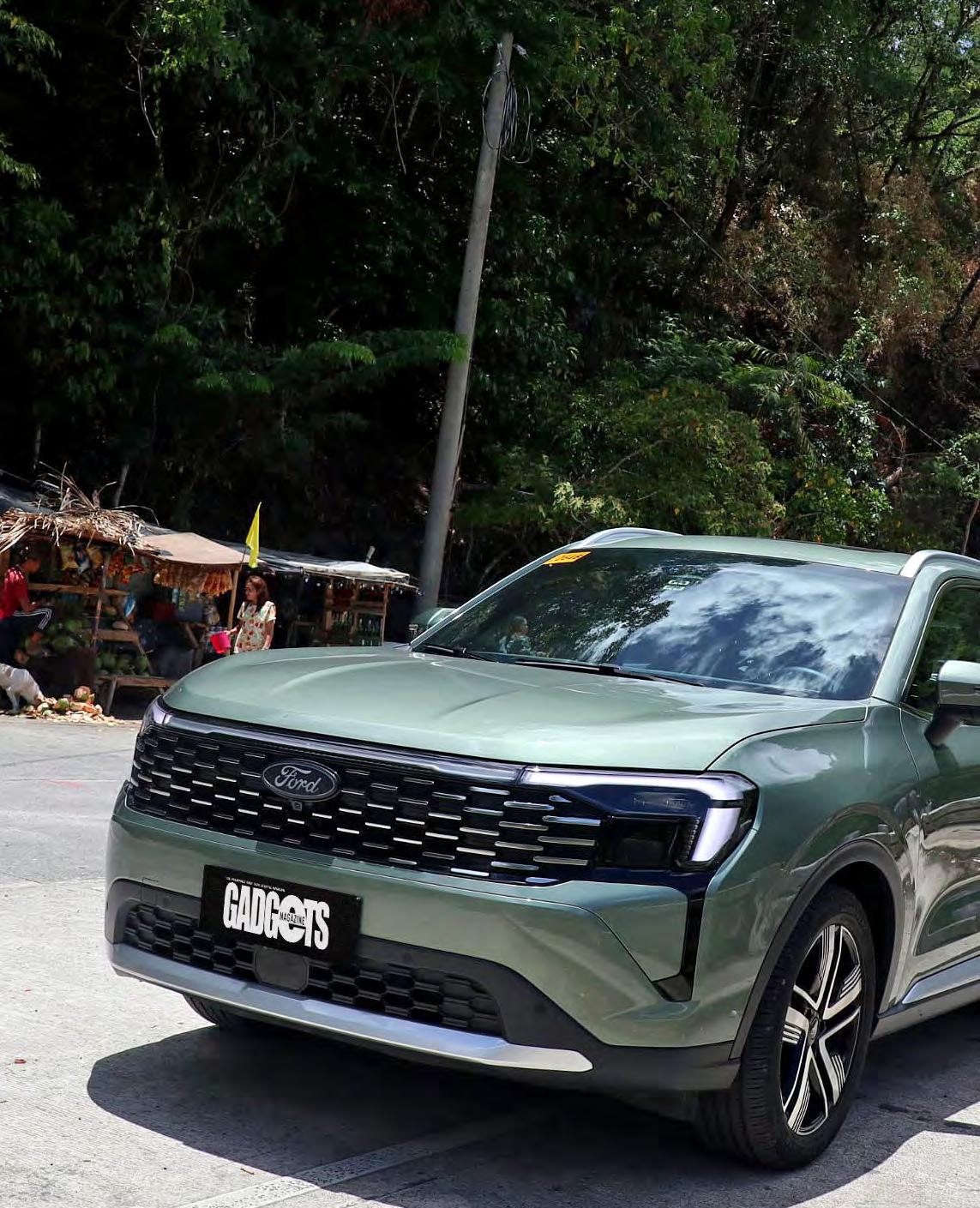
The Territory Hybrid has a clean, modern look that feels mature and wellbalanced. Ford resisted the temptation to overstyle it. The front grille gives the vehicle enough presence on the road, while the LED lighting keeps it looking contemporary and upscale without becoming flashy.
I also like how understated the hybrid badging is. It quietly reminds you that this is the more fuel-efficient variant without turning it into a design statement.
Inside, the cabin immediately feels spacious and airy. Visibility is excellent, something I’ve always valued after years of long drives around the country. The seats are soft and supportive, and finding a comfortable driving position takes very little effort. During the out-of-town
drive, I never once felt cramped, even after several hours behind the wheel.
The panoramic sunroof helps brighten the cabin and adds to the sense of space, although under the harsh afternoon sun, you’ll definitely want to keep the shade closed. Thankfully, the air-conditioning is more than capable of handling the heat.
The dashboard layout is straightforward and user-friendly. The digital displays look modern without becoming distracting, and pairing my phone to the infotainment system took only a few minutes. Throughout the trip, the system remained smooth and responsive. Material quality is respectable for the segment. It may not have the richness of a luxury crossover, but everything feels properly assembled and comfortable enough for daily use.
HARDWARE
The Territory Hybrid Titanium X combines a 1.5-liter dedicated hybrid gasoline engine with an electric motor and a two-speed hybrid transmission. Ford rates the system at 150PS from the gasoline engine and 218PS from the electric motor, with torque figures of 230Nm and 315Nm, respectively.
More important than the numbers, however, is how the system behaves in real-world driving. The setup is clearly tuned for efficiency and smoothness rather than outright performance, and for Philippine driving conditions, that makes a lot of sense.
In city traffic, the hybrid system works extremely well. Around Alabang and Makati, where stop-and-go traffic can become exhausting, transitions between electric and gasoline power were impressively smooth. Most passengers probably wouldn’t even notice when the switch happens. At low speeds, the vehicle occasionally moves on electric power alone, which helps make crawling traffic feel less stressful.
The electric motor also gives the Territory a responsive feel from a standstill. It’s not quick in a sporty way, but acceleration feels light and effortless enough for daily driving.
On the highway, the Territory settles into a relaxed and comfortable rhythm. The engine remains quiet most of the time, and the hybrid system helps keep fuel consumption reasonable even during longer drives. Overtaking is manageable, although you still need to plan your moves properly, especially with passengers and cargo onboard.
Ride comfort is one of the Territory’s stronger qualities. We all know our roads are unpredictable. One moment you’re on smooth pavement, the next you’re dealing with rough
USER EXPERIENCE
concrete, expansion joints, or potholes. The suspension absorbs imperfections confidently without feeling overly soft or floaty.
Steering is light during parking and city driving, which makes the Territory surprisingly easy to maneuver despite its size. At higher speeds, it firms up enough to inspire confidence.
Ford also equipped the Territory with a generous suite of driver-assist technologies. Adaptive cruise control proved especially useful on SLEX, where traffic flow constantly changes between open stretches and sudden slowdowns. The 360-degree camera system also made parking in tighter urban spaces much easier.
One feature I ended up appreciating more than expected was the cooling performance. During one particularly brutal afternoon drive, the outside heat was punishing, but the Territory’s airconditioning cooled the cabin quickly and kept it consistently comfortable throughout the trip.
This is where the Territory Hybrid truly stands out. It’s easy to drive, easy to live with, and remarkably relaxing even after long hours on the road.
After decades behind the wheel, I’ve reached the point where comfort matters more than excitement. The Territory seems to understand that perfectly. The seats are supportive, visibility is excellent, and cabin noise remains well controlled even at highway speeds.
Driving through Metro Manila traffic under the summer heat is usually draining, but the Territory manages to reduce much of that fatigue. The hybrid system keeps everything smooth in stop-and-go situations, while the cabin insulation does a good job of keeping road and traffic noise outside where it belongs.
The Batangas drive felt relaxed from start to finish. Adaptive cruise control reduced stress on the expressway, while the suspension handled rough provincial roads with confidence. Even after spending several hours behind the wheel, I stepped out feeling surprisingly fresh.
Cargo space is also practical enough for real-world use. I loaded bags, gear, and a few supplies without issue, while rear-seat passengers enjoyed generous legroom throughout the trip.
What I appreciated most was how natural the Territory feels to use. Nothing feels overly complicated or intimidating. You simply get in, drive, and let the vehicle quietly do its job in the background.
For many buyers, especially families or older drivers, that kind of ease of use matters more than flashy performance figures.
VALUE
Priced at PHP 1,599,000, the Titanium X variant of the Territory Hybrid offers a well-rounded balance of comfort, technology, fuel efficiency, and practicality. Ford wisely focused on features owners will actually use every day rather than loading the vehicle with unnecessary gimmicks.
The hybrid system feels particularly well-suited for Philippine conditions, where heavy traffic and rising fuel costs make efficiency increasingly important.
Combined with the spacious cabin and comfortable ride, the Territory feels designed around real-world daily use rather than marketing hype.
It may not appeal to enthusiasts looking for sharp handling or outright performance, but for daily commuting, long drives, and family use, it delivers where it matters most.
For buyers who want something modern, comfortable, fuel-efficient, and easy to live with, the Territory Hybrid is easy to recommend.
BOTTOM LINE
The Ford Territory Hybrid Titanium X succeeds because it keeps things simple. It’s comfortable, practical, fuelefficient, and very easy to drive. It handles city traffic confidently, cruises comfortably on long highway drives, and remains composed even under extreme summer heat.
After years of driving all over the country, I’ve learned that the best vehicles are often the ones that quietly make life easier. The Territory Hybrid does exactly that.
It may not be the sportiest crossover in the segment, but for everyday driving in Philippine conditions, it gets a lot of things right.
VINFAST VF MPV 7
NEW
ALL-ELECTRIC SEVEN-SEATER COMBINES FAMILY-FRIENDLY SPACE, LONG RANGE, AND FLEXIBLE OWNERSHIP OPTIONS FOR FILIPINO BUYERS
VinFast is expanding its electric vehicle lineup in the Philippines with the launch of the VF MPV 7, a fully electric seven-seater designed to meet the needs of modern Filipino families. The new model marks the third international market for the VF MPV 7 and further strengthens the Vietnamese automaker’s growing local presence as it pushes to make electric mobility more accessible in the country.
Positioned as a practical yet premium people mover, the VF MPV 7 targets buyers looking to transition from traditional gasoline-powered MPVs to a more sustainable mobility solution without sacrificing interior space, performance, or everyday usability. With MPVs accounting for nearly 20 percent of automotive sales in the Philippines, the segment remains one of the country’s most competitive family vehicle categories.
Spacious MPV Layout
The VF MPV 7 measures 4,740 x 1,872 x 1,734mm and rides on a 2,840mm wheelbase, dimensions that give it a substantial road presence while maximizing interior room. VinFast says the vehicle was developed around the “golden ratio” commonly associated with MPV design, with the wheels pushed toward the corners to create a more spacious and practical cabin layout.
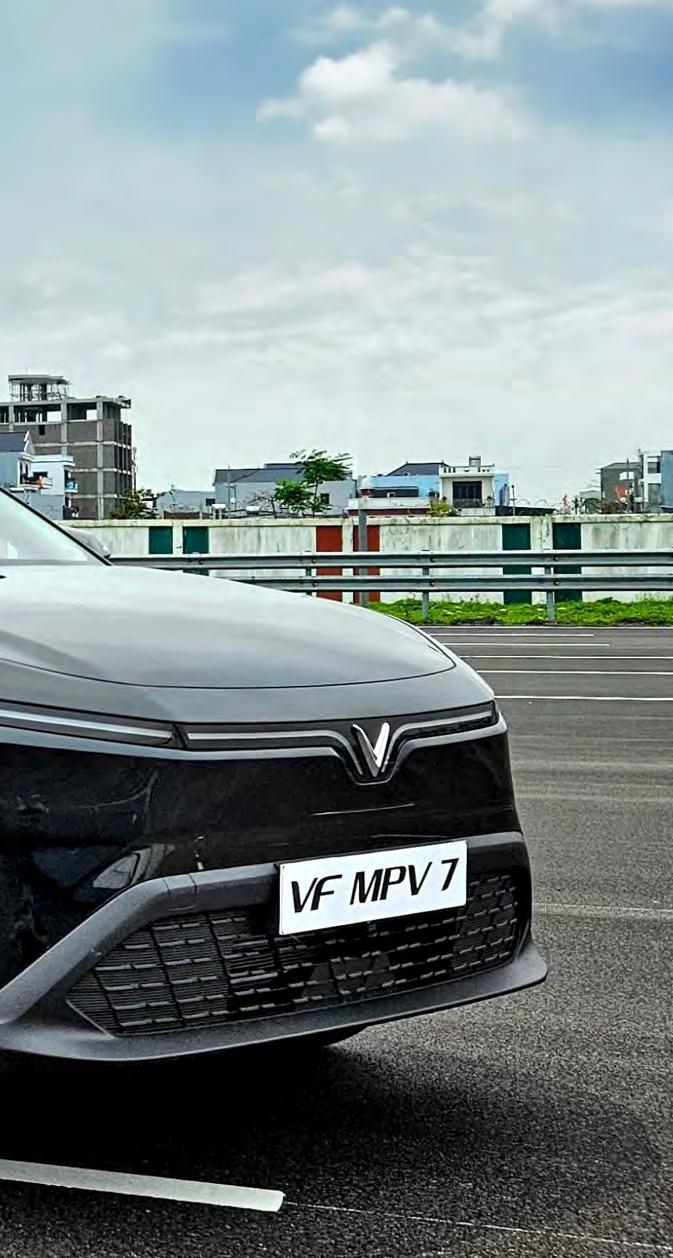
Its exterior design combines MPV practicality with a more modern and upscale appearance, highlighted by VinFast’s signature V-shaped LED daytime running lights and 19inch alloy wheels. The overall look leans more crossover-inspired than traditional boxy MPVs, helping the VF MPV 7 stand out in a segment often dominated by conservative styling.
Inside, the cabin is configured to prioritize comfort across all three rows. VinFast says even third-row occupants benefit from usable legroom and headroom, making the vehicle suitable for larger families or long-distance trips. Cargo capacity reaches up to 1,240 liters, adding versatility for luggage, groceries, or travel gear.
Electric Performance for Everyday Use
Powering the VF MPV 7 is a 150kW electric motor producing 280Nm of torque, paired with a 60.13kWh battery pack. VinFast claims a driving range of up to 450km on a full charge under NEDC standards, giving the MPV enough range for daily commutes and intercity travel.
The vehicle also supports fast charging, allowing the battery to charge from 10 to 70 percent in approximately 30 minutes. This capability is intended to make long-distance travel and daily charging more manageable for new EV adopters.
Beyond performance, VinFast is emphasizing the lower operating costs associated with EV ownership. The company says energy expenses remain significantly lower and more stable compared to similarly sized gasoline-powered MPVs, helping reduce long-term ownership costs.
Owners will also receive free charging at V-Green charging stations across the Philippines through March 2029. The VF MPV 7 comes with a 7-year or 160,000km vehicle warranty and a 10-year or 200,000km battery warranty.
Antonio Zara, CEO of VinFast Southeast Asia, said the launch represents another important step in the company’s expansion strategy in the region.
“The launch of the VF MPV 7 in the Philippines marks another step forward in VinFast’s global expansion strategy and demonstrates our long-term commitment to this market,” Zara said. “With its spacious interior, strong performance, optimized operating costs, and sustainable ownership value, we believe the VF MPV 7 will serve as a comprehensive upgrade for Filipino families and set a new benchmark in the MPV segment.”
Alongside the introduction of the VF MPV 7, VinFast said it continues to expand its dealership and aftersales network in the Philippines while rolling out ownership programs designed to help accelerate EV adoption locally.
Pricing
The VF MPV 7 is priced at PHP1,518,000 for the battery-included version, while customers who prefer VinFast’s battery subscription option can purchase the vehicle for PHP1,239,000. Under the subscription program, owners pay PHP2,700 per month for up to 2,000km of usage, while higher mileage is priced at PHP4,150 per month.
“With its spacious interior, strong performance, optimized operating costs, and sustainable ownership value, we believe the VF MPV 7 will serve as a comprehensive upgrade for Filipino families and set a new benchmark in the MPV segment.”
GAC AION UT
BIG CAR ENERGY: THE EV HATCHBACK THAT THINKS IT’S A LUXURY SEDAN
The humble hatchback has always been a compromise. You trade space for maneuverability, comfort for economy, and presence for practicality. GAC Philippines is betting that Filipino drivers are tired of that deal, and the all-new AION UT is their counter-argument.
Recently launched in the Philippines, the AION UT enters the local EV market as a compact five-seater, but it carries a different kind of ambition. It has already made inroads in Thailand, Australia, Europe, and Latin America, and arrives here with a feature sheet that makes you do a double-take at the price.
A Cabin That Defies the Exterior
The first thing you notice stepping into the AION UT is how much room there is. That surprise is deliberate. GAC engineered the car around a dedicated EV platform with a classleading 2,750mm wheelbase — a figure that punches well above the segment average. The practical result is 905mm of rear legroom, enough for three adults to sit abreast without the usual knee-toseatback negotiations.
The interior is designed around what GAC calls a “lounge-like” environment, and the description holds up. Storage is genuinely thoughtful, with 24 compartments distributed throughout the cabin. Boot space checks in at 440 liters, expanding further when the rear seats fold down. For a car this size, that’s a number that reframes the ownership proposition entirely.
Tech-forward touches round out the interior story. The driver faces an 8.88inch LCD instrument cluster, while a 14.6-inch central touchscreen manages infotainment and vehicle settings. Wireless Apple CarPlay and Android Auto are both supported, as expected at this tier.
The Safety Suite Is Genuinely Comprehensive
Where the AION UT impresses most is its driver assistance package. For a car at this price point, the breadth of active safety technology on offer is notable. Adaptive Cruise Control handles
highway fatigue, Forward Collision Warning and Automatic Emergency Braking intervene in emergencies, and Lane Departure Warning keeps you honest on long stretches. A 360-degree Surround View Camera system makes tight city parking a non-event.
Passive safety gets equal attention. Large 2.1-meter V-shape side curtain airbags extend protection across all rows, and an intelligent Drive-off Assist — which also functions as a Reverse Mis-Acceleration Mitigation system — addresses one of the most common causes of low-speed urban incidents. It is a feature set more
typically associated with vehicles costing considerably more.
The Powertrain: Tuned for the City, Capable Beyond It
Power comes from a Permanent Magnet Synchronous Motor producing 100kW (136PS) and 145Nm of torque. Those figures are calibrated for urban agility rather than outright performance, and the AION UT makes no pretense of being a driver’s car. What it promises instead is confident, fuss-free daily mobility.
The 47.1kWh Lithium Iron Phosphate (LFP) battery uses GAC’s proprietary “Magazine Battery” technology, a system the brand touts for thermal safety and structural integrity. DC fast charging takes the battery from 30 to 80 percent in approximately 30 minutes — enough for most real-world recharging windows.
One genuinely practical addition is Vehicle-to-Load (V2L) capability, which lets the car power external electronics directly. For weekend road trips or outdoor use, it transforms the AION UT into a mobile power source, a rare feature in this segment and price range.
The car rides on 16-inch alloy wheels wrapped in 205/60 R16 tires, a sensible specification for local road conditions.
Pricing and Warranty
The AION UT Elite carries an SRP tag of PHP1,068,000, with introductory discounts for early buyers.
Five color options are on offer: Champs-Élysées Beige, Emerald Green, Rococo White, and Seine Silver in single-tone, plus a Rococo White and Emerald Green two-tone combination. The interior is finished in black with a matching black ceiling throughout.
GAC backs the AION UT with an 8-year or 160,000-kilometer vehicle warranty, and an 8-year or 200,000-kilometer warranty covering the core three-electric system. All new owners receive two years of free roadside assistance. These are numbers that reflect genuine confidence in the product and provide meaningful long-term reassurance for first-time EV buyers.
The AION UT makes a strong argument that affordable EVs no longer have to feel affordable. The interior space is a genuine differentiator, the safety technology is more comprehensive than the price suggests, and V2L capability adds a layer of versatility that most rivals at this tier simply don’t offer.
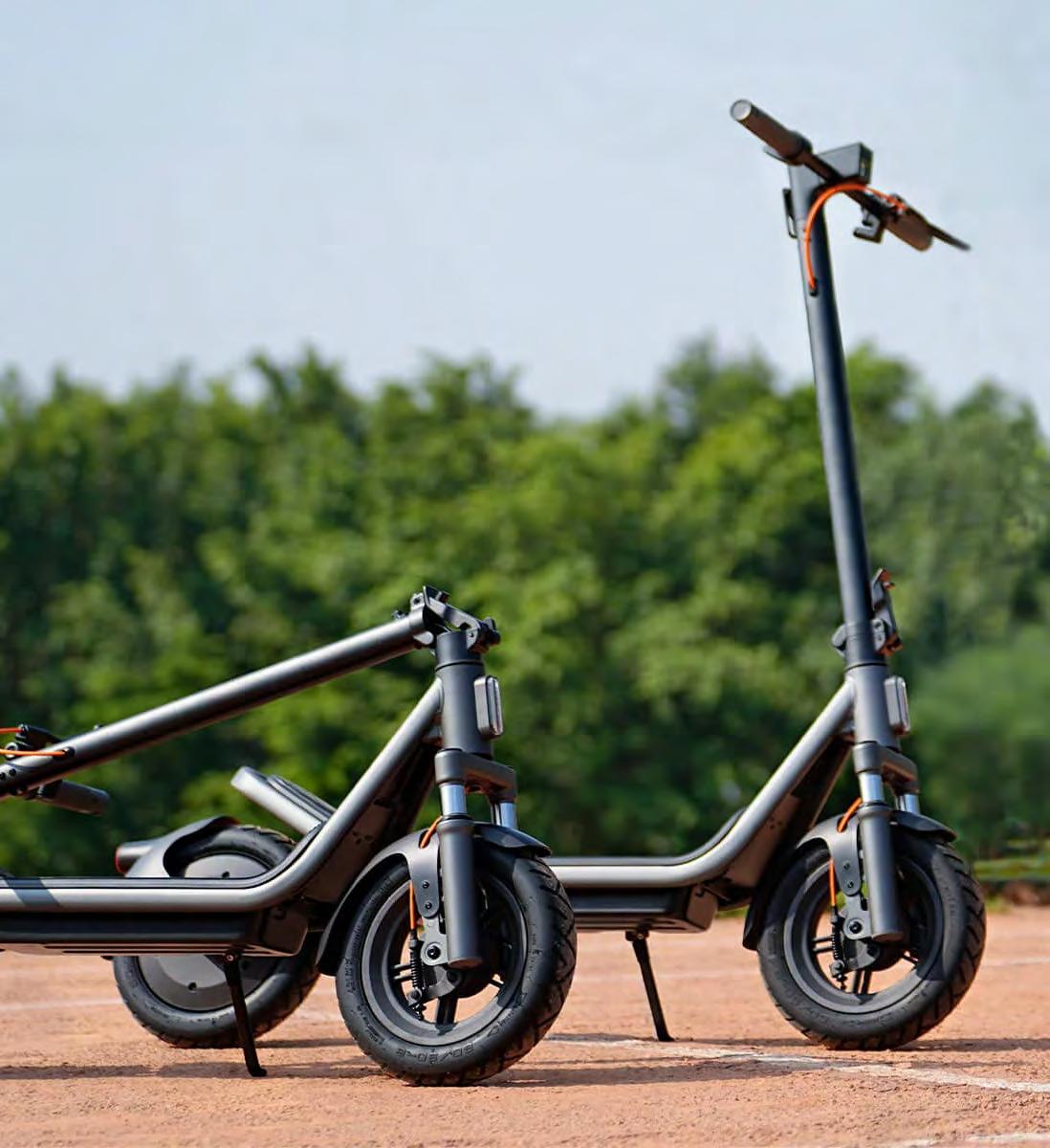
XIAOMI ELECTRIC SCOOTER 6 SERIES
WITH IMPROVED SUSPENSION, LONGER RANGE, AND SMART FEATURES, XIAOMI REIMAGINES THE DAILY URBAN COMMUTE
Metro Manila traffic remains one of the biggest challenges of daily life for Filipino commuters. Fuel prices continue to fluctuate, roads remain heavily congested, and public transportation can still be unpredictable depending on the time of day and route. For many urban professionals and students, finding a practical way to move around the city has become just as important as choosing the right smartphone or laptop for work and school.
That growing demand for practical personal mobility solutions is exactly where Xiaomi is positioning its latest micromobility lineup. With the launch of the Xiaomi Electric Scooter 6 Series, the brand is expanding its ecosystem beyond smartphones and smart home devices into more accessible forms of urban transportation.
Designed for commuters ectiveseeking a more cost-efficient and flexible way to navigate crowded city streets, the new Electric Scooter 6 Series focuses on comfort, portability, and smart
integration while maintaining the clean, minimalist styling Xiaomi products are known for.
Built for Philippine Roads
One of the biggest concerns surrounding electric scooters has always been ride comfort, especially on uneven urban roads filled with potholes, rough asphalt, steel plates, and speed humps. Xiaomi addresses this directly with the Electric Scooter 6 by introducing a redesigned suspension system to deliver a smoother, more stable ride.
The scooter features a front dual-spring and rear single-spring suspension setup combined with Xiaomi’s signature kicktail design. The result is improved shock absorption, helping the scooter glide more comfortably over gravel, rough pavement, and other road imperfections commonly encountered on Philippine streets.
While the Electric Scooter 6 remains compact enough for city use, Xiaomi is clearly positioning it as something
more capable than a typical short-range last-mile mobility device. The scooter is powered by an 800W peak motor that can handle inclines of up to 18%, making it more practical for flyovers, parking ramps, and elevated city roads.
The claimed maximum range of 45km also gives riders more flexibility for longer daily commutes. Xiaomi even cites routes such as Quezon City to Makati and back as examples of trips that can be completed on a single charge, reducing range anxiety for users considering electric scooters as an alternative to traditional transport.
Safety and Smart Integration
Safety remains a major consideration for electric scooters operating in dense urban traffic, and Xiaomi has equipped the Electric Scooter 6 Series with several features to improve rider visibility and control.
The scooter uses a 2.5W highbrightness headlight that illuminates up to 15 meters ahead, helping riders maintain visibility during nighttime commutes or on poorly lit streets. A reactive brake warning tail light improves visibility to vehicles behind the scooter, while the dual braking system combines a front drum brake with rear E-ABS braking for more controlled stopping power across varying road conditions.
It complies with current LTO standards for scooters weighing less than 50kg, ensuring the lineup remains aligned with local safety requirements.
Beyond the hardware itself, Xiaomi continues to integrate its mobility products into its broader connected ecosystem through the Xiaomi Home app. Riders can monitor real-time battery levels, review trip logs, and remotely lock the scooter directly from their smartphones.
This level of connectivity reinforces Xiaomi’s positioning of the Electric Scooter 6 Series not simply as transportation, but as part of a larger tech lifestyle experience.
A Lineup for Different Riders
Rather than offering a single scooter configuration, the Electric Scooter 6 Series offers multiple variants to address different riding styles, budgets, and commuting needs.
At the top of the range is the Xiaomi Electric Scooter 6 Ultra GL, designed for riders prioritizing maximum durability and performance. The Electric Scooter 6 Max GL focuses on extended range capability for longerdistance commutes, while the Electric Scooter 6 Pro GL balances portability and stronger everyday performance for more demanding users.
The standard Electric Scooter 6 GL delivers the core experience of the lineup, including the upgraded dualspring suspension system, while the Electric Scooter 6 Lite GL serves as a more accessible entry point into Xiaomi’s growing micromobility ecosystem.
Pricing for the lineup is as follows:
• Xiaomi Electric Scooter 6 Ultra GL —
PHP 46,999
• Xiaomi Electric Scooter 6 Max GL —
PHP 37,999
• Xiaomi Electric Scooter 6 Pro GL —
PHP 32,999
• Xiaomi Electric Scooter 6 GL —
PHP 23,299
• Xiaomi Electric Scooter 6 Lite GL —
PHP 19,299
All models feature a three-step folding mechanism that makes them easier to transport and store in tighter urban spaces such as condominium units, office corners, or car trunks.
The Growing Role of Micromobility
As cities continue to search for more sustainable and efficient transportation options, electric scooters are steadily becoming part of the broader urban mobility conversation. For many commuters, they offer a middle ground between the cost and maintenance demands of owning a car and the physical demands of cycling.
With the Electric Scooter 6 Series, Xiaomi is clearly betting that more Filipinos are ready to embrace compact electric mobility not just as a novelty, but as a practical everyday transport solution. By combining longer range, suspension-focused comfort, smart connectivity, and multiple price points, the lineup aims to make electric commuting more approachable for a wider range of riders.
YAMAHA BUILDS MOMENTUM ACROSS LOCAL AND INTERNATIONAL RACING CIRCUITS
FROM DOMINANT MOTOIR FINISHES TO A BREAKTHROUGH ARRC PODIUM, YAMAHA’S RACING TEAMS CONTINUE TO PUSH HARD ACROSS MULTIPLE
CATEGORIES
Yamaha Motor Philippines continued its strong 2026 motorsports campaign with standout performances at Round 2 of both the MOTOIR National Championship and the Asia Road Racing Championship (ARRC), highlighting the brand’s growing competitiveness on both local and international circuits.
Across multiple racing categories, Yamaha riders delivered victories, podium finishes, and hard-fought comeback performances that reinforced
the manufacturer’s depth of talent and continued focus on racing development.
Yamaha Dominates at MOTOIR Round 2
Representing the Yamaha SEC Racing Team, Yamaha riders delivered a commanding performance at the MOTOIR Round 2 held in Tarlac Circuit Hill, collecting wins and podium finishes across both expert and intermediate divisions.
In the Super Underbone LTD GP Expert class, April King Mascardo secured victory after starting from P2, while McKinley Kyle Paz followed closely in P2 after qualifying on pole position. Meanwhile, JM Malonzo remained competitive in the Intermediate division, finishing P4 after qualifying P3.
Yamaha’s momentum continued in the Super Underbone OPEN GP Sprint Expert category, where Paz claimed another race win while Mascardo completed another Yamaha 1-2 finish in P2. Malonzo added to the team’s podium haul with a P3 finish in the Intermediate Sprint class.
The strong results extended into the Super Underbone OPEN GP Expert class, with Paz once again taking P1 and Mascardo securing P2 after starting from pole position. In the Intermediate category, Malonzo converted a P2 qualifying result into a race victory, underlining Yamaha’s consistency across the grid.
Beyond the underbone categories, Yamaha riders also continued to gain valuable race experience in other divisions. Justine Bethanny Tolentino finished P5 in the Super Sport Bike Women’s Championship, while Paz added another podium finish with P2 in the Super Maxi 185 Open category.
Strong Comeback at ARRC Thailand
While Yamaha celebrated dominance locally, the team also faced tougher competition internationally during Round 2 of the Asia Road Racing Championship at the Chang International Circuit in Thailand.
The weekend became a story of resilience for McKinley Kyle Paz, who competed in the Supersport 600 category under the Hong Leong Yamaha Racing Team. After qualifying P5, Paz looked set for a strong Race 1 finish before suffering a late-race crash that resulted in a DNF.
Rather than letting the setback define the weekend, Paz returned aggressively in Race 2 and fought his way onto the podium with a P3 finish, earning his first podium result of the 2026 ARRC season.
In the highly competitive Underbone 150 category, April King Mascardo and Timothy Rojas continued their international campaigns under the Yamaha Racetech Philippines Racing Team banner. Mascardo qualified P2 and finished P11 in Race 1 before improving to P8 in Race 2 against a stacked regional field.
Rojas, meanwhile, steadily improved throughout the weekend after qualifying P20, eventually finishing P14 in Race 1 and P13 in Race 2 as he continued gaining experience against some of Asia’s strongest underbone racers.
Building Yamaha’s Racing Momentum
The combined performances at MOTOIR and ARRC reflect Yamaha’s continued investment in motorsports
development, from grassroots local racing to top-level regional competition. The results also highlight the brand’s ability to field competitive riders across multiple motorcycle classes and racing environments.
From dominant local podium sweeps to hard-earned international breakthroughs, Yamaha’s racers continue to build momentum as the 2026 season progresses. With more rounds still ahead, the manufacturer remains focused on sharpening its competitive edge while further strengthening its presence in Philippine and Asian motorcycle racing.
Building the Future of Healthcare Innovation
AstraZeneca and DLSU launch the country’s first campus-based health innovation hub
Anew partnership between AstraZeneca and De La Salle University is opening fresh opportunities for students, researchers, and future healthcare innovators in the Philippines.
The two institutions recently signed a Memorandum of Understanding establishing the country’s first campusbased health innovation hub through the DLSU KIST Park, a Philippine Economic Zone Authority-accredited innovation district designed to
strengthen collaboration between industry and academe.
The initiative combines AstraZeneca’s global scientific expertise with DLSU’s learner-centered academic approach, creating an environment where ideas can move from classroom research to practical healthcare applications.
Connecting Education and Industry
At the center of the collaboration is the DLSU KIST Park ecosystem, where
students, faculty members, researchers, and industry partners can work together on projects focused on healthcare innovation, research, and talent development. The partnership also opens opportunities for internships, training programs, and academic-industry engagements that expose students to real-world healthcare challenges and emerging technologies.
For students, the collaboration represents more than just academic enrichment. It provides direct access
(From L–R) DLSU VP for Laguna Campus
Dr. Jonathan Dunca, AstraZeneca Philippines country president Lotis Ramin, DLSU president and chancellor Br. Bernard S. Oca, FSC, and AstraZeneca Philippines medical affairs director
Dr. Cyril Tolosa formalize the partnership between AstraZeneca and DLSU by signing a Memorandum of Understanding to advance healthcare innovation, research collaboration, and talent development within the DLSU KIST Park ecosystem.
to industry insights, researchdriven initiatives, and professional pathways within the healthcare and pharmaceutical sectors.
“Healthcare transformation today requires more than innovation—it requires collaboration across sectors,” said Lotis Ramin, country president of AstraZeneca Philippines. “Through this partnership with De La Salle University, we are bringing together scientific expertise and emerging talent to create an environment
where ideas can be developed and applied to real-world healthcare challenges.”
Expanding Opportunities for Future Innovators
Ramin added that the collaboration aims to help accelerate innovation that improves patient outcomes, particularly in areas such as non-communicable diseases where earlier detection and more accessible care remain critical.
The partnership comes at a milestone period for both institutions, with AstraZeneca marking 50 years in the Philippines and DLSU celebrating the Golden Jubilee of its University Charter.
For DLSU, the initiative reinforces the university’s commitment to bridging education, research, and industry engagement.
“The DLSU KIST Park is a space where ideas are not only imagined, but realized,” said Bro. Bernard S. Oca,
president and chancellor of De La Salle University. “By bringing together academe, industry, and research, we hope to create an environment where innovation can move beyond theory and contribute meaningfully to society.”
A New Model for Collaborative Learning
The collaboration also marks the first Philippine partnership between a global science-led biopharmaceutical company and a PEZA-accredited private university. Beyond research and training, it reflects a broader shift toward integrated educational ecosystems where students gain hands-on exposure to innovation, entrepreneurship, and industry collaboration while still in school.
As healthcare, technology, and education continue to converge, partnerships like this may play an increasingly important role in preparing Filipino students for future careers that demand both scientific expertise and cross-sector collaboration.
AstraZeneca Philippines employees join DLSU president and chancellor Br. Bernard S. Oca, FSC, at the DLSU Laguna Campus as both institutions strengthen collaboration through the KIST Park—an innovation ecosystem designed to connect industry, research, and emerging talent in shaping future-ready solutions for the Philippines.
Representatives from DMCI Technical Training Center, De La Salle University, and AstraZeneca Philippines come together at the DLSU KIST Park Open House.
Space for Smarter Agriculture
PhilSA and Hungary’s MATE University launch partnership in research, education, and satellite-powered farming innovation
The Philippine Space Agency (PhilSA) and the Hungarian University of Agriculture and Life Sciences (MATE) have formalized a new partnership to advance agricultural research, education, and technology development through space science and satellite data.
Signed on April 20, 2026, the Memorandum of Understanding brings together PhilSA and MATE in a collaborative effort focused on
agricultural applications of space science and technology applications (SSTA), particularly in the areas of mapping, monitoring, and environmental assessment.
Learning Through Space Science
Under the agreement, both institutions will facilitate exchanges involving students, researchers, and academic personnel for research and training initiatives. The partnership also includes
joint planning of educational programs and collaborative research activities designed to strengthen expertise in agricultural and environmental technologies.
For students and researchers, the collaboration creates opportunities to gain exposure to international scientific networks while working on practical applications of satellite technology in agriculture and sustainability.
PhilSA ad interim director general Gay Jane P. Perez, Ph.D. (seated left) and MATE rector Csaba Gyuricza (seated right) sign the Memorandum of Understanding (MOU), witnessed by PhilSA deputy director general for space science and technology Marc Caesar R. Talampas (left-most) and Her Excellency Titanilla Tóth, Ambassador of Hungary to the Philippines (right-most)
“Through this cooperation, we aim to further advance the role of space science and technology in addressing real-world challenges, particularly in areas of agriculture and environmental monitoring,” said Gay Jane P. Perez, PhilSA ad interim director general. “We firmly recognize the critical role of academia in the space ecosystem. It is within our universities and research institutions where knowledge is cultivated, innovation begins, and future scientists, engineers, and leaders are shaped.”
Building Global Research Connections
Beyond academic exchange, the partnership will support the development and application of satellite-based models for agricultural mapping and monitoring. Pilot activities involving agricultural monitoring in both the Philippines and Hungary are also being explored as part of the initiative.
For MATE, the partnership highlights the value of international collaboration in addressing shared challenges related to food security, sustainability, and climate adaptation.
“The mission of our university is to place knowledge in the service of society,” said MATE rector Csaba Gyuricza. “This agreement goes far beyond a formal framework of cooperation. It marks the beginning of a shared vision. A partnership where our researchers can work together on sustainable agriculture, climate adaptation, and digital innovation.”
Preparing Students for Future Technologies
The collaboration reflects a growing intersection among education,
“For students and researchers, the collaboration creates opportunities to gain exposure to international scientific networks while working on practical applications of satellite technology in agriculture and sustainability.”
agriculture, and emerging technologies, where satellite systems and data analytics are increasingly integral to modern farming and environmental management.
Joining the signing ceremony were Hungarian Ambassador Titanilla Tóth and representatives from the Department of Foreign Affairs-Office of European Affairs, underscoring the initiative’s
broader diplomatic and academic significance.
As universities and government agencies continue to integrate science and technology into education, partnerships like this may help prepare future Filipino researchers and innovators for careers that combine agriculture, sustainability, and spaceenabled technologies.
Ambassador Tóth highlights the connection between agriculture and space leading to sustainability and a prosperous future.
Dr. Csaba Gyuricza remarks how the differences between the Philippines and Hungary allow both countries to learn from one another and find common solutions.
PhilSA Ad Interim Director General Gay Jane Perez delivers her welcome message.
Hiring Beyond the Resume
Why more companies are turning to data-driven recruitment to improve workforce stability
As Philippine companies continue to invest in talent acquisition and workforce development, many are discovering that hiring success is no longer measured solely by filling positions quickly. Increasingly, businesses are facing a more difficult challenge: ensuring that new hires stay longer, perform consistently, and align well with organizational needs.
Across industries, employers are grappling with issues such as early attrition, role mismatches, and
inconsistent employee performance. While these problems often surface after onboarding, experts suggest the root cause may lie much earlier in the recruitment process, where hiring decisions are still largely based on limited information.
“Most workforce decisions are still made with incomplete information. We hire based on CVs and validate through interviews, but we have very little visibility into behavior, risk, or realworld context,” said CIBI Information
Inc. vice president for service and industrials Ivy Ramirez during a recent industry event on learning and development. “We’ve optimized how we develop people, but not how we decide who to develop—that’s where the disconnect lies.”
The cost of poor hiring alignment
The challenge is particularly pronounced in the Philippines. According to Aon’s 2025 Salary Increase and Turnover Study, employee attrition in the country
is projected to reach around 20 percent, the highest in Southeast Asia. The figure highlights not only retention concerns, but also potential gaps in evaluating candidate fit from the outset.
Traditional hiring methods, while still widely used, are proving less effective in today’s evolving workforce landscape. Shifting employee expectations, increased job mobility, and mounting operational pressures mean that résumés and interviews alone often provide only a partial understanding of a candidate’s suitability.
In response, more organizations are adopting data-driven hiring approaches that integrate deeper verification processes and broader applicant insights into recruitment workflows. These methods allow companies to validate credentials, assess fit more accurately, and identify potential risks before extending job offers.
Building smarter recruitment systems
CIBI Information Inc. is among the companies supporting this shift through its Workforce Solutions platform, which provides organizations with access to
verified employment and applicant data. The system includes identity and background verification, employment and education validation, as well as compliance and risk screening.
By consolidating and validating these data points, companies can make hiring decisions based on verified information rather than relying solely on selfreported details. According to CIBI, adoption of data-backed hiring practices has steadily increased, with the company conducting more than 236,000 local court case checks, 88,000 employment verifications, 67,000 education authentications, and 64,000 global and adverse screenings to date.
“At scale, this approach is already helping reshape how organizations hire,” Ramirez said. “With better data, companies can move from reactive workforce management to more proactive, insightdriven decision-making.”
From recruitment to long-term workforce outcomes
Companies are also recognizing that stronger hiring processes can directly influence broader workforce
performance. Better upfront validation can help reduce early turnover, improve role alignment, and support more stable productivity over time.
“This is where we see our role at CIBI: strengthening how decisions are made with trusted data,” Ramirez added. “In the end, it’s not just about developing people better—it’s about building the right workforce from the start.”
As workforce dynamics continue to evolve, data-driven hiring is increasingly becoming more than just a recruitment enhancement. For many businesses, it is emerging as a strategic advantage that shapes not only who they hire, but how effectively those employees contribute in the long run.
Training the Human Side of Insurance
AIA Philippines uses AI-powered simulations to prepare Life Planners for more meaningful customer conversations
As artificial intelligence continues to reshape industries worldwide, AIA Philippines is applying the technology to one of the most peoplecentered parts of the insurance business: preparing agents for real-world customer conversations.
The company recently launched “AI Roleplay,” an AI-powered training platform designed to help its agency force, known as AIA Life Planners, strengthen communication skills, practice handling customer concerns,
and simulate realistic client interactions before meeting actual customers.
Integrated into AIA’s Master Planner platform, the company’s digital ecosystem for the advisory journey, AI Roleplay allows Life Planners to engage in guided simulations based on different customer personalities and life situations. Scenarios range from parents balancing household expenses to clients hesitant about affordability and long-term insurance commitments. The platform also provides real-time feedback on areas
such as emotional engagement, objection handling, communication fluency, and insurance knowledge.
Preparing agents for more complex conversations
The initiative reflects a broader shift happening across the insurance sector, where companies are increasingly exploring how AI can improve training efficiency, customer engagement, and advisor readiness. One of the industry’s longstanding challenges has been
Rollout of AIA’s AI Roleplay platform, equipping agency teams with smarter, real‑world practice to elevate sales conversations at scale.
For AIA Philippines president and CEO Melita Teo, the platform is designed to strengthen the human side of customer engagement rather than replace it.
“Insurance has always been deeply personal. Behind every conversation is someone thinking about their family, their future, and the financial decisions that matter most to them,” Teo said. “Technology should help Life Planners become better listeners, more empathetic communicators, and more confident in addressing real customer concerns.”
Teo added that modern customer interactions increasingly require emotional intelligence alongside technical product knowledge. “Every customer conversation is different,” she said. “Agents need to be prepared not just with product knowledge, but with the confidence to respond thoughtfully in the moment.”
Localized AI for Filipino conversations
AIA has rolled out AI Roleplay nationwide with support for English, Tagalog, and Taglish interactions, an uncommon capability in many enterprise AI systems today. The company said this localization effort was intentional, allowing simulations to better reflect how Filipinos naturally communicate in real customer conversations.
The platform was initially tested with a pilot group consisting of new Life Planners, recruiting leaders, top-performing advisors, and agency leaders before its nationwide expansion. Future updates are expected to further deepen the system’s localized conversational capabilities.
A digital mentor for modern recruitment and training
Beyond onboarding, AI Roleplay is also designed to support Life Planners across multiple recruitment and sales scenarios by allowing them to access coaching simulations anytime through their mobile devices. Immediate feedback after every session effectively gives users access to what AIA describes as a 24/7 digital mentor for customer interactions.
The initiative is part of AIA Philippines’ broader digital transformation efforts to make advisor training more personalized, scalable, and accessible, while expanding the use of AI-powered tools across underwriting, advisor support, and customer engagement.
“For AI to make a difference, it has to help people in meaningful ways,” Teo said. “What we want is to help Life Planners build stronger relationships with customers, have more relevant conversations, and ultimately guide more Filipinos toward better protection and financial security.”
helping new agents gain enough practical experience before handling deeply personal financial discussions with clients.
According to AIA Philippines, traditional training materials can take months to develop, while newer agents often lack opportunities for consistent real-world practice. AI Roleplay aims to bridge that gap by creating a more dynamic and accessible learning environment that mirrors how conversations unfold in everyday situations.
Gaming
MDEVELOPER PUBLISHER PLATFORM
Fumi Games
PlaySide Studios
PC, PlayStation 5, Xbox Series X/S, Nintendo Switch 2
ixing video games and 1930s cartoons isn’t a brand new concept—just ask someone who played the frustratingly difficult Cuphead (and reviewed it for Gadgets back in 2017). The 1930s, while a time of difficulty around the world, produced some of the most iconic films in history (think The Wizard of Oz and Gone With the Wind), so it only makes sense that video games explore this era more thoroughly. Enter Mouse: P.I. For Hire, a first-person shooter with the fun and quirky cartoon elements of the era. Can these totally not Mickey Mouse characters bring the magic to the first-person shooter genre?
Words by Jose Alvarez
You play as Jack Pepper, an anthropomorphic mouse who solves cases by finding clues and figuring out puzzles, as well as a nice dash of killing off bad guys with guns, melee weapons, and gadgets. The game takes place in a 1930s big city (New York) setting of Mouseburg. You even have some references to 1930s cartoons, such as a steamboat named Willie and a spinach powerup that makes your arms grow (Popeye). However, the game may be oversaturated with humor. This isn’t necessarily a bad thing, but mice and cheese jokes only go so far with audiences. Unless you really dig into the 1930s references, you might get confused by the contemporary slang. Still, Troy Baker, who voices Jack Pepper and has a wealth of video game and other voiceacting roles (Snow Villiers from Final Fantasy XIII, Samuel “Sam” Drake in the Death Stranding series, and Booker DeWitt in BioShock Infinite), does a great job, as does his supporting cast.
Gaming
One of the most frustrating things to deal with, however, is the enemies themselves. Unless you’re armed to the teeth, you’ll find yourself locked in a room constantly fighting bad guys, and this ramps up, especially if you’re playing on Supersleuth (hard) mode. While not brutally hard, those unfamiliar with first-person shooters or who can’t exploit cartoon physics may have a bit of a learning curve. You collect clues you can bring back to your office, where you can save after every mission.
Now, onto the gameplay. Remember the numerous references to cheese? You can eat it normally, but melted cheese and powdered cheese are considered alcohol and drugs and part of “cheeselegging” (a clear reference to the practice of Prohibition-era bootlegging). You start with Jack’s hands and a pistol, but you can work your way up to shotguns, dynamites, James Guns (Tommy Guns), and strange weapons like the Devarnisher, which melts enemies and leaves them as a skeleton. This is probably my favorite weapon in the game. You can also do some classic platformer moves such as double jumps, dashing, hovering, and sliding. The graphics also stay true to their 1930s reference material. Enemies also bleed black ichor (or ink?) when killed.
You can collect a variety of items, including baseball cards, in a highly destructive environment, and open safes with Jack’s tail. One thing I hate about opening the safes is that some are ridiculously easy, while others are comically hard, with almost no middle ground. The baseball cards can be used to play a minigame, which is one of the better minigames I have seen in a game in years.
While I like Mouse: P.I. For Hire, it has some annoying flaws that could easily be patched up. While I prefer my shooters to have multiplayer (something Fumi Games should strongly consider), I actually found it okay to play through. The whole game is over in about 12 or so hours, but the baseball minigame can tack on a few more, and collecting everything is also a way to squeeze more replay value out of the game. While one of the better “boomer shooters” (a sub-genre of first-person shooter games that pays homage to Doom, Quake, and other classic shooters), it could be even better, and hopefully, Fumi Games brings Jack Pepper out for some more 1930s action.
Gaming
NU Bulldogs capture the OPPO Hyper Legend Cup title, reinforcing the Philippines’ dominance in the MLBB collegiate scene
The Philippines continues to strengthen its reputation as one of Southeast Asia’s esports powerhouses after the NU Bulldogs emerged as grand champions at the OPPO Hyper Legend Cup x MLBB Campus Series in Malaysia.
Representing the country against eight of the region’s top collegiate teams, the Bulldogs secured the championship following a high-pressure Grand Finals victory over Malaysia’s KPTM x Velocity, earning a share of the tournament’s USD100,000 prize pool.
Rather than relying on aggressive early-game tactics, the NU Bulldogs built their campaign
around discipline, patience, and map control. Throughout the tournament, the squad focused on measured decision-making, waiting for key openings instead of forcing engagements. That composure became even more evident during the Grand Finals, where the team dictated the pace through cleaner team fights and more decisive objective control.
The victory further highlights the Philippines’ continued rise in the competitive Mobile Legends: Bang Bang scene, particularly at the collegiate level, where local teams have consistently produced standout performances across regional tournaments.
COMPETITION BUILT FOR THE NEXT GENERATION
The OPPO Hyper Legend Cup x MLBB Campus Series was created as a regional platform for emerging esports talent across Southeast Asia, bringing together student teams from different countries in a high-level competitive environment.
According to Chloe Zeng, IMC manager of OPPO, the tournament reflects the brand’s continued investment in grassroots esports and student gaming communities.
“The OPPO Hyper Legend Cup x MLBB Campus Series reflects OPPO’s continued commitment to empowering the next generation of esports talent across Southeast Asia through meaningful competitive platforms,” Zeng said.
The growing scale of campus esports has become increasingly visible across the region, with universities now treating competitive gaming as both a legitimate extracurricular activity and a pathway toward professional esports careers. Events like the Hyper Legend Cup also reflect how mobile gaming has become central to Southeast Asia’s esports culture, particularly with titles like Mobile Legends: Bang Bang drawing massive audiences both online and onsite.
BUILT FOR TOURNAMENT PLAY
The entire tournament was played using the OPPO Reno15 Series, which served as the official device of the competition.
Designed for extended gaming sessions and highpressure matches, the device featured a 120FPS display for smoother gameplay during team fights, along with a VC Cooling System intended to maintain stable performance during long tournament runs.
The Reno15 Series also packed a 6,500mAh battery with 80W SUPERVOOC charging support, minimizing downtime between matches, while AI LinkBoost 3.0 helped maintain stable connectivity during critical late-game moments.
For teams competing at the collegiate level, consistency in performance can often matter just as much as raw skill, especially in tournaments where momentum and communication play major roles in determining outcomes.
THE RISE OF COLLEGIATE ESPORTS
The NU Bulldogs’ victory reflects how collegiate esports continues to evolve beyond campus-based competitions into a more structured regional ecosystem. Universities are increasingly producing players capable of competing internationally, while tournament organizers and brands continue investing in dedicated student leagues and grassroots initiatives.
For Philippine teams in particular, success in regional competitions has become increasingly common, reinforcing the country’s position as one of the strongest markets for mobile esports in Southeast Asia.
As esports continues to mature, tournaments like the OPPO Hyper Legend Cup are helping shape the next generation of competitive players, while also turning collegiate gaming into one of the fastest-growing
Cyber Security LEVELS UP GAMER SAFETY
The latest Guard Your Game campaign brings Codee back to help players spot scams, avoid fake rewards, and verify suspicious links
Two months after its regional launch, Coda is deepening its anti-scam push with Guard Your Game, a campaign designed to help gamers stay safe when making digital purchases.
Backed by Indonesia’s Ministry of Creative Economy, the campaign enters its next phase with a new video featuring Codee, Coda’s anti-scam mascot. The video is
rolling out across Indonesia, Malaysia, the Philippines, and Singapore through Coda’s regional social media channels.
The new content continues the conversation on online safety, offering practical reminders on how players can protect themselves from bad actors when buying ingame content or engaging with digital platforms.
Codee returns to take on scammers
First introduced during the Guard Your Game launch, Codee gives Coda’s anti-scam campaign a more familiar and approachable face. The new video builds on the campaign’s earlier booklet and online resources by walking gamers through common scam red flags, including unsolicited reward notifications, suspicious links, and websites impersonating trusted platforms such as Codashop, Coda’s digital content marketplace.
The video also reinforces the use of Coda’s Online Safety URL Checker at coda.co/online-safety, which allows gamers to check whether a website is legitimate before engaging with it.
A persistent threat in Southeast Asia
Digital scams remain a growing concern across Southeast Asia. According to the Global AntiScam Alliance State of Scams in Southeast Asia 2025 report cited by Coda, nearly two-thirds of Indonesian adults encountered a scam in the past year, while one in three fell victim. Losses in Indonesia alone were estimated at IDR49 trillion, or approximately USD3.3 billion, over the past 12 months.
Impersonation scams, fake reward claims, and phishing links targeting digital commerce platforms remain among the most reported tactics, with similar patterns observed across the markets where Guard Your Game is now active.
“At Coda, our commitment to safe and secure transactions goes hand in hand with delivering the best possible experience to gamers,” said Liz Adam, VP of corporate affairs at Coda. “Guard Your Game is a direct expression of that commitment.”
The Guard Your Game video is now available on Codashop’s social channels in Indonesia, Malaysia, the Philippines, and Singapore. Antiscam resources and the Online Safety URL Checker are available at coda.co/online-safety
VR WITHOUT LIMITS
Zero Latency VR brings blockbuster free-roam virtual reality and multiplayer immersive entertainment to the Philippines
Entertainment has steadily become more immersive over the last decade. Streaming turned movies into on-demand experiences, gaming became increasingly social, and attractions evolved beyond passive viewing into interactive environments. Virtual reality has long promised to take
that immersion even further, but in the Philippines, most VR experiences have remained limited to small arcade booths or single-player headset demos.
That changes soon, with Zero Latency VR opening its first Philippine venue at Ayala Malls Circuit in Makati,
introducing Filipino audiences to largescale free-roam virtual reality.
Unlike conventional VR setups that keep users tethered to a chair or confined to a small play area, Zero Latency’s system allows groups of players to physically move around an arena while sharing the same virtual world in real time. Up to six people can explore, battle, or survive together inside a fully immersive environment, turning what is usually a solo headset experience into something closer to a live-action multiplayer adventure.
STEPPING INSIDE THE ACTION
Part of Zero Latency’s global appeal comes from its library of experiences, many of which are built around cinematic action and recognizable gaming franchises.
The Makati venue will feature the company’s original titles, including Outbreak, Outbreak 2: Mall Mayhem, Haunted, and Undead Arena. These experiences lean heavily into horror, survival, and cooperative gameplay, immersing players in zombie-infested environments where teamwork is essential.
Alongside these are licensed AAA experiences such as Far Cry VR: Dive Into Insanity and Warhammer 40,000: Space Marine VR – Defenders of Avarax. The addition of recognizable franchises helps position the attraction less as a novelty tech demo and more as a premium entertainment experience tied to established gaming and pop culture worlds.
The concept sits somewhere between a video game, an escape room, and a theme park attraction. Sessions typically run for around 30 minutes, with players walking freely through digital worlds while interacting with teammates side by side. Instead of watching a story unfold on a screen, participants become part of it.
For Third Culture Entertainment, the local group bringing Zero Latency VR to the country, the appeal goes beyond gaming alone. The company, best known for Film Concerts PH and large-scale live entertainment productions, sees
Future titles expected to roll out globally at Zero Latency venues include Jumanji and Cyberpunk 2077, further expanding the platform’s mix of action, adventure, and science fiction experiences.
ENTERTAINMENT DESIGNED TO BE SHARED
One of the more interesting aspects of free-roam VR is how strongly it emphasizes social interaction. While traditional gaming often isolates players behind individual screens, Zero Latency’s format encourages constant communication, movement, and teamwork.
The Makati venue is designed to host two groups simultaneously, with up to six players per arena. That makes it particularly suited for barkada outings, birthday celebrations, school activities, and corporate team-building sessions, all of which have become increasingly important segments in Metro Manila’s entertainment scene.
immersive entertainment as a natural next step in how audiences experience pop culture and storytelling.
“Confirming Ayala Malls Circuit as our first location, with a planned end-of-July opening, is a huge milestone for us,” said Mikhail Schemm, founder and CEO of Third Culture Entertainment. “The strong connection to entertainment, gaming, social experiences, and beloved IP is something we really want to build on as we expand into new entertainment formats in the country.”
It also reflects a broader shift in how people spend leisure time. Increasingly, consumers are looking for experiences they can actively participate in rather than simply watch. Whether it is immersive exhibits, interactive museums, escape rooms, or themed attractions, entertainment is becoming more experiential and more social.
Free-roam VR taps directly into that trend by blending technology, gaming, and physical interaction into a shared activity that feels closer to stepping inside a movie or video game than simply playing one.
Globally, Zero Latency VR already operates more than 150 venues across 30 countries, making it one of the largest names in location-based virtual reality entertainment. Its Philippine debut signals how immersive entertainment continues to move into the mainstream, not just as a gaming niche, but as part of the broader evolution of nightlife, leisure, and group entertainment experiences.
SHARP'S SMARTER HOME VISION
New AI-powered appliances and entertainment systems signal Sharp Philippines’ next step toward connected living
A New Direction for the Brand
For more than four decades, Sharp Corporation has remained a familiar name in Filipino homes, known for practical and dependable appliances. At its recent Media Conference and Dealers’ Appreciation Night held at Solaire Resort North, Sharp Philippines introduced a refreshed direction centered on smarter, more connected living.
The event also marked the launch of Sharp’s new slogan, “In Step With Your Future,” replacing the
long-running “Be Original” tagline. According to Sharp Philippines president and general manager Masahiro Akiyoshi, the shift reflects the company’s intention to focus on real-world solutions that improve everyday life.
“It reflects our commitment to look beyond technology and focus on real life — to understand the challenges people are facing today and to offer solutions one step ahead of time,” Akiyoshi said during the event.
Mr. Masahiro Akiyoshi, president and general manager of Sharp Philippines
One of the major highlights of the showcase was Sharp’s latest AQUOS television lineup, featuring new 4K Google TV models equipped with HDR, Dolby Audio, and high refresh rate support. The company also celebrated the 25th anniversary of the AQUOS TV brand by introducing a new 85-inch 4K Google TV model, signaling Sharp’s renewed push into the large-screen category.
Sharp’s premium AQUOS XLED series further demonstrated the company’s move toward AI-assisted entertainment. Powered by the X7 X-Revelation AI Processor, the television includes AI picture optimization, AI Karaoke, Dolby Vision IQ, Dolby Atmos, and gaming-oriented features such as 144Hz refresh rate support and FreeSync Premium technology.
Complementing the TVs was the company’s new audio lineup, including the retro-inspired CS-Series speakers and the TS-2010P-BK tower speaker designed for larger home entertainment setups. Karaoke functions, wireless connectivity, and enhanced bass performance were key features across the lineup.
Smarter Appliances for Everyday Living
Sharp also introduced updates to its home appliance lineup, focusing on convenience, efficiency, and comfort. The company’s new top-mount refrigerators feature larger Mega Freezer capacities, while its latest washing machines incorporate Direct Drive Motor technology aimed at quieter and more efficient operation.
The new laundry lineup also features waterproof capacitive touch panels designed for easier operation and improved durability.
Connected living emerged as one of the strongest themes throughout the showcase. Sharp unveiled the FX-S82 air purifier, designed for spaces up to 62 square meters and equipped with AIoT functionality for remote monitoring and control.
Its newest air conditioning lineup similarly emphasized intelligent climate management. The AH-XP10DHF series integrates AIoT technology that allows users to remotely adjust settings through a mobile app while learning user preferences over time to optimize cooling efficiency and comfort.
The air conditioners also feature a Fresh Dry function, Super Jet Mode for rapid cooling, and a visual LED indicator system that changes color based on room conditions.
Looking Ahead
Beyond current and newly launched products, Sharp also previewed future concept technologies that may eventually reach the Philippine market. Many of these innovations were previously showcased at global technology exhibitions such as CEATEC, offering a glimpse into how the company sees future homes becoming increasingly connected and responsive to evolving lifestyles.
Having operated in the Philippines since 1982, Sharp Philippines continues to position itself as a brand that evolves alongside Filipino households. Through its latest lineup, the company is placing greater emphasis on products that combine practical functionality with smarter, AI-assisted experiences designed for modern living.
FAITH ON THE GO
Zion Christian Mission Center launches a free theology app designed for today’s always-connected generation
At a time when many Filipinos are trying to find clarity, purpose, and reliable sources of truth amid an increasingly fast-paced digital environment, Zion Christian Mission Center (ZCMC) has introduced a new mobile platform that brings structured Bible education into the apps-driven lifestyles of modern users.
Called the ZCMC SPS (Self-Paced Bible Study) app, the platform reflects how faithbased learning is adapting to the habits of a generation that now consumes information, education, and entertainment primarily through mobile devices. Built around the campaign theme “Faith On the Go,” the app positions spiritual learning as something that can happen beyond traditional classrooms or church settings, allowing users to study wherever they are.
A structured Bible study experience
Designed with portability and accessibility in mind, the SPS app offers a guided curriculum that takes learners through the Bible progressively from Genesis to Revelation. Lessons are led by theology instructors and are based directly on Scripture, maintaining a focused and structured approach to study.
The curriculum starts with foundational teachings before moving on to more advanced topics, such as parables, biblical history, and the relationship between prophecy and fulfillment in Revelation. Through its step-by-step format, the platform aims to help learners develop a clearer understanding of Scripture over time.
Designed for busy digital lifestyles
The app also responds to the realities faced by students and young professionals who often struggle to balance work, academics, personal well-being, and spiritual growth. As more Filipinos place value on work-life balance and holistic wellness, ZCMC positions the SPS app as a practical way to integrate faith into everyday routines.
Users can study lessons anytime and anywhere, track progress through structured modules, earn certificates, and complete a guided learning path toward graduation. The platform is offered completely free of charge, highlighting a broader push toward making purposeful learning more accessible through technology.
Available on Android and iOS
Developed by ZCMC, the SPS app combines guided instruction, structured lessons, and digital accessibility into a single platform intended to support continuous faith learning. The app is available as a free download on both Android and iOS devices, with direct online sign-up for users who prefer browser-based access.
ZCMC also offers free onsite and online classes for users interested in more immersive learning options.
A Watch That Could Warn You Before You Faint
Samsung explores how wearable health technology may help predict fainting episodes before they happen
Wearable devices have evolved far beyond step counting and sleep tracking. Increasingly, they are becoming tools for preventive health— and Samsung’s latest research points toward a future where a smartwatch could help prevent injuries before they happen.
Samsung Electronics recently announced the results of a joint clinical study with Chung-Ang University Gwangmyeong Hospital in Korea, demonstrating how biosignals gathered through the Galaxy Watch may help predict fainting episodes, or vasovagal syncope (VVS), before they occur.
Understanding Vasovagal Syncope
Vasovagal syncope happens when heart rate and blood pressure suddenly drop, often triggered by stress or other physical factors, causing temporary loss of consciousness. While fainting itself is usually not life-threatening, the sudden falls associated with it can lead to fractures, concussions, and other serious injuries.
According to Professor Junhwan Cho of ChungAng University Gwangmyeong Hospital, up to 40% of people may experience vasovagal syncope at some point in their lives, with many experiencing recurring episodes.
The possibility of receiving an early warning—even a few minutes in advance—could allow individuals to sit down safely, seek help, or avoid injury altogether.
The Growing Role of Wearables in Wellness
Predicting Episodes Before They Happen
The study evaluated 132 patients with suspected VVS symptoms during induced fainting tests. Researchers used a Galaxy Watch6 equipped with a photoplethysmography (PPG) sensor to monitor heart rate variability data, which was then analyzed using an AI-powered algorithm.
The results showed that the system was able to predict impending fainting episodes up to five minutes in advance with an accuracy rate of 84.6%.
For Samsung, the findings represent more than a technical achievement. They reflect a growing shift in healthcare from reactive treatment toward preventive wellness.
“This study is an example of how wearable technology can help shift healthcare from being designed for post-care to a model of preventive care,” said Jongmin Choi, head of Health R&D Group for Samsung’s Mobile eXperience Business.
As smartwatches continue to gain advanced monitoring capabilities, they are becoming more integrated into everyday wellness routines. Features once associated only with hospitals or clinics—such as heart monitoring and health alerts—are now accessible on devices worn throughout the day.
The research, published in the European Heart Journal –Digital Health, is believed to be the first to demonstrate the potential of a commercial smartwatch to predict syncope in advance.
Samsung says it plans to continue expanding the health monitoring capabilities of its wearable devices through partnerships with medical institutions and ongoing digital health research.
Samsung Galaxy Watch8 and Samsung Galaxy Watch8 Classic are among the company’s latest wearable devices designed to support this growing ecosystem of personalized health tracking.
As wearable technology becomes smarter and more proactive, the future of wellness may increasingly involve devices that not only monitor our health but also help protect us before emergencies happen.
BMW PHILIPPINES DEPLOYS 125-VEHICLE FLEET FOR ASEAN SUMMIT
BMW Philippines has concluded its role as Official Premium Mobility Partner for the ASEAN 2026 Summit, deploying a 125-vehicle fleet to transport heads of state, diplomats, and senior officials during the regional gathering hosted by the Philippines in Cebu.
Managed by SMC Asia Car Distributors Corp., the fleet included a mix of flagship executive sedans, fully electric luxury vehicles, and plug-in hybrid sport activity vehicles designed to support the summit’s mobility and security requirements.
The deployment featured 25 BMW 760i Protection sedans assigned to
heads of state, offering high-security mobility while maintaining the comfort and refinement expected of BMW’s flagship executive line.
For diplomats and senior officials, BMW Philippines deployed 70 BMW X3 30e xDrive plug-in hybrid sport activity vehicles, combining electrified efficiency with versatility and performance for movements across summit venues.
The fleet also included 30 BMW i5 eDrive40 fully electric executive sedans, supporting the summit’s use of zero-tailpipe-emission mobility solutions for official transport requirements.
According to the company, the deployment underscored the importance of secure, reliable, and coordinated transportation during one of ASEAN’s major diplomatic gatherings, where efficient movement between official venues is critical for regional leaders and delegates.
The initiative also highlighted the growing role of electrified vehicles in official and executive transport, reflecting the broader industry shift toward electric and plug-in hybrid mobility solutions.
BMW technical teams provided round-the-clock operational support throughout the summit to help maintain fleet readiness during the event.
HINO MOTORS PHILIPPINES NAMES NEW PRESIDENT
Hino Motors Philippines Corporation (HMP) has officially appointed Maki Yamazaki as its new president, marking a leadership transition for the commercial vehicle manufacturer as it continues to strengthen its presence in the Philippine market.
Yamazaki brings nearly 20 years of experience at Hino Motors Ltd., with a background spanning international business, marketing, and organizational development across multiple regions worldwide.
She began her career in Hino Motors Ltd.’s Human Resources Division before taking on broader responsibilities across Europe, the Middle East, Africa, China, and ASEAN. She also gained field experience through an assignment at Hino Motor Sales Australia Pty., Ltd., where she served as Executive Coordinator for the Brand Franchise Division.
Prior to her appointment as HMP president, Yamazaki served as Deputy General Manager of the Marketing Department for the ASEAN Division of Hino Motors Ltd., a role that positioned her closely with regional growth initiatives and Southeast Asian market development, including the Philippines.
According to the company, Yamazaki’s leadership will focus on strengthening Hino’s market presence, enhancing dealer and customer engagement, and advancing the brand’s “Total Support” commitment to Filipino customers and businesses.
HMP said her appointment is expected to further integrate global best practices with localized
strategies, while continuing to deliver reliable products and aftersales support tailored to the needs of the Philippine market.
The leadership transition follows the tenure of former HMP president Shingo Sakai, who led the company from January 2023 to December 2025. During his term, HMP expanded its dealership network, reinforced its Total Support philosophy, and celebrated its 50th year in the Philippine commercial vehicle industry.
HMP also expressed appreciation for Sakai’s contributions as the company moves into its next phase under Yamazaki’s leadership, alongside continued guidance from chairman Vicente T. Mills, Jr.
Founded in 1975 as Pilipinas Hino, Inc. before adopting its current name in 2015, Hino Motors Philippines remains engaged in the assembly and distribution of Hino trucks and buses, genuine spare parts, and related automotive products and services in the country.
HONDA PHILIPPINES EXPANDS CLICK125 EXPORTS
Honda Philippines, Inc. (HPI) is strengthening its role in Honda’s regional manufacturing network with the start of Click125 exports to Cambodia and Laos, marking another step in the company’s growing international operations.
The first shipment of Philippinemade Click125 units was officially dispatched to N.C.X. Co., Ltd., the exclusive manufacturer, distributor, and assembler of Honda motorcycles in Cambodia and Laos. The move highlights HPI’s continued efforts to expand its presence beyond the local market while showcasing the manufacturing capabilities of its Philippine operations.
A send-off ceremony held on May 15, 2026, gathered HPI executives, management members, and project leaders to commemorate the export milestone. Export containers and motorcycle units prepared for shipment were presented during the event, underscoring the company’s push to scale its regional business activities.
The Click125 remains one of Honda’s top-selling motorcycles in the Philippines, gaining popularity for its sporty yet minimalist styling, fuel-efficient engine, and commuterfocused features. Its reputation for reliability and riding comfort has helped make it a practical choice for
daily transportation, both for Filipino riders and for neighboring Southeast Asian markets.
“The Click125 export to NCX Cambodia and Laos marks another significant achievement for Honda Philippines as we bring one of the most trusted motorcycle models of Filipino riders to international markets,” said Takeshi Kobayashi, president of Honda Philippines,
Inc. “This milestone reflects our commitment to showcasing the quality of Philippine-made motorcycles and delivering the Joy of Mobility to more customers across the region.”
The export initiative signals Honda Philippines’ continued expansion within Southeast Asia and reinforces the growing role of Philippine manufacturing in the regional motorcycle industry.
ESPORTS WORLD CUP 2026 HEADS TO PARIS
The Esports World Cup (EWC) is set to make a major move in 2026, with Paris, France, named as host city for the next edition of the global esports and gaming event.
Announced by the Esports Foundation (EF), the 2026 Esports World Cup will run from July 6 to August 23, marking the first time the tournament will be held outside Saudi Arabia. Paris becomes the first international EWC Host City outside Riyadh, accelerating the foundation’s long-term ambition to rotate the event across global markets.
The Esports Foundation said the move follows an extended evaluation process and comes in light of the current regional situation. For 2026, EF said the decision is intended to provide clarity and stability for players, Clubs, publishers, partners, and fans worldwide, while preserving the tournament’s scale, structure, and competitive integrity.
Riyadh hosted successive editions of the Esports World Cup and remains central to the tournament’s identity. For 2026, however, the competition will shift to Paris, a city closely associated with global sport, culture, and entertainment.
“Riyadh helped turn the Esports World Cup into a global phenomenon,” said Ralf Reichert, CEO of the Esports Foundation. “Riyadh is the home of EWC and one of the world’s leading hubs for esports, powered by an incredible community of fans and long-term ambition for the future of the sport. This year, we’re excited to bring EWC to Paris for its first edition outside Saudi Arabia.”
President Emmanuel Macron and Reichert met at the Palais Elysée in Paris on May 19, 2026, underscoring the significance of the announcement and France’s role in hosting the next edition of the event.
Reichert added that Paris has hosted some of the world’s biggest sporting events and has the local support, fan base, and global profile to welcome the esports community. “Paris now becomes the first international chapter in EWC history,” he said.
The announcement builds on the continued growth of the Esports World Cup and its international audience. In 2025, the event reached more than 750 million viewers worldwide and generated over 350 million hours watched. Peak
concurrent viewership neared 8 million.
EWC 2025 was also delivered across 28 platforms, via 97 broadcast partners and more than 800 channels, in 35 languages, reaching fans in 140 countries.
For the 2026 Paris edition, the event is expected to welcome more than 2,000 players and 200 Clubs from over 100 countries. They will compete in 24 games across 25 tournaments for a share of a record-breaking prize pool of more than USD75 million.
The Esports World Cup is the Esports Foundation’s flagship event and is positioned as the largest international celebration of competitive gaming. Built around leading games, players, and Clubs, the tournament uses a cross-title format in which the world’s top esports organizations compete across multiple titles for the EWC Club Championship.
With Paris now confirmed as host city, the 2026 edition signals a broader global phase for EWC and a significant milestone for competitive gaming’s continued push into the mainstream of international sport and entertainment.
LOGO PROGRAMMING LANGUAGE
Words by Jose Alvarez
The classroom can be a place to learn anything— math, English, science, reading, history, other languages—the list is practically endless. One popular narrative (until recently) was that people should learn to code to make a good living. While it has been successful for many people, the dynamic has rapidly changed as layoffs have reportedly increased due to the ramp-up of artificial intelligence (AI) in recent years. However, it’s never a bad thing to learn. So, how did one learn to code? My research took me to the Logo programming language. Why was Logo so important to learning, and what made it essential for coding to this day?
Wally Feurzeig, Seymour Papert, and Cynthia Solomon created Logo in 1967 at Bolt, Beranek and Newman (BBN) in Cambridge, Massachusetts. It is a generalpurpose programming language known for its turtle graphics, and its movement and drawing commands produce line or vector graphics. The intellectual roots of Logo were in artificial intelligence (AI), mathematical logic, and developmental psychology, placing it at the intersection of technical and functional use and allowing anyone to pick it up and start learning.
Logo was also used to help children think computationally, using Papert’s educational theory about constructionism, or the idea that people can learn best by creating things themselves, a way of learning by doing (think back to science class when you first heated a cup of water to create steam). While created in 1967, Logo did not take off until the 1970s-1980s. Children used Logo on Apple, IBM, and Commodore computers. The first recorded use of Logo at a year-round school was at Muzzey Jr. High in Lexington, Massachusetts, with fifth-graders using the virtual and physical turtles at the Bridge School in the 1970-71 school year.
How did Logo work? Logo used turtle geometry to mimic the movement of the actual turtle robot. For example, the command LEFT 90 meant to spin left by 90 degrees. Thanks to modern technology, this could quickly scale to form more complex shapes. What made Logo unique, though, was its focus on teaching students how to think, making programming accessible to younger individuals, using graphics for immediate feedback, and encouraging exploration of the unknown rather than the rote memorization common in schools and other coding languages. Most programming languages focused on
business, engineering, or scientific computing, while Logo sought to reach other audiences who may have felt overwhelmed by the complexities of engineering or scientific computing.
Due to its encouragement of exploration and prioritization of critical thinking, Logo had no agreed-upon standard, and many implementations (as many as over 300 as of 2020) existed, such as the implementations of Logo for the aforementioned Apple, IBM, and Commodore: Apple Logo for the Apple II Plus and IIe, IBM Logo with Logo Computer Systems, Inc., and Commodore Logo. It also influenced the Smalltalk programming language and even provided the framework for Boxer, a simplified version of the language based on a literacy model designed for nontechnical users.
What is Logo’s legacy? Logo opened up programming to everyone, not just the smartest people, and encouraged thinking and innovation. It was also a programming language of some popular early PCs. While it is still used to day, there are only a few active implementations. On top of its use as a programming language, it is also said to have changed education as a whole, with Papert’s constructionism also influencing project-based learning and educational design, but research as well. One implementation of Logo, NetLogo, has been used for many social behavior models, traffic simulations, ecosystem modeling, and economic experiments. While the classroom Logo is long gone, its influence remains, even almost 60 years later.
Lenovo Legion Go S
Handheld gaming PCs have gone from niche to borderline mainstream in a few short years. With more gamers craving portability that even the lightest gaming laptops can’t match, it’s no surprise that companies are scrambling ...more