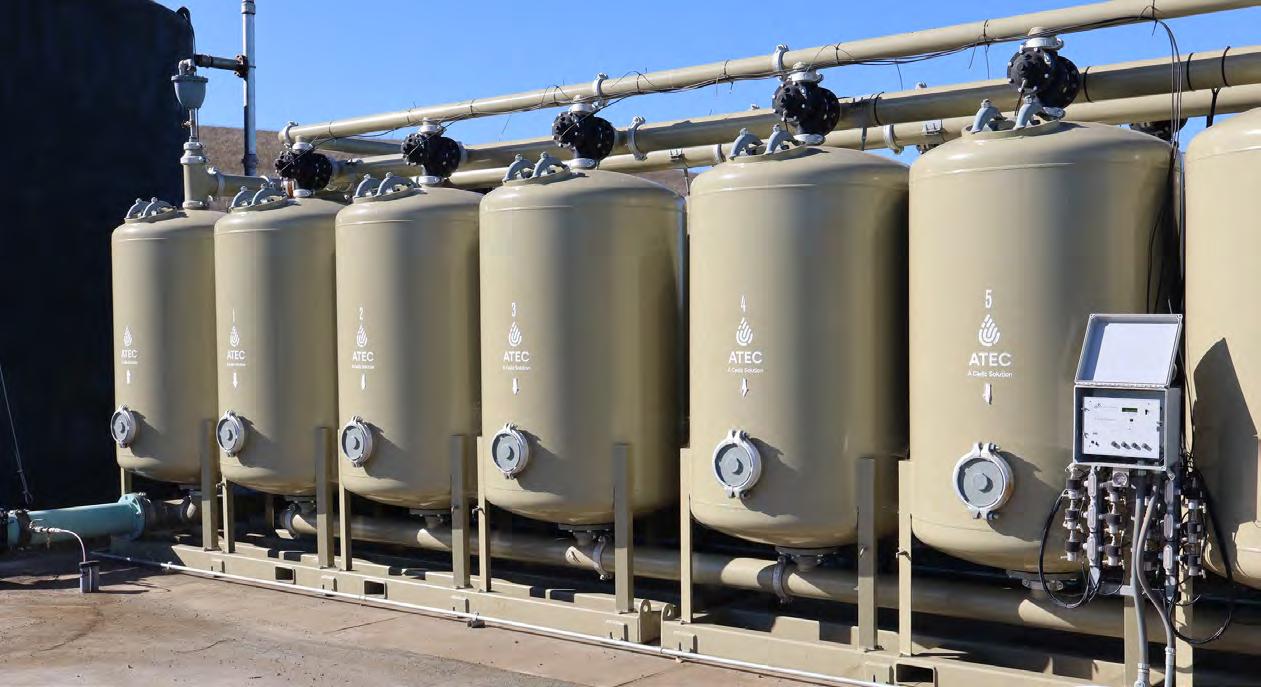
ATEC Water Systems delivers advanced, cost-effective filtration systems designed to tackle the most common and persistent contaminants in groundwater.
Built with a focus on long-term performance, ease of operation, and total lifecycle savings, ATEC’s modular systems are trusted by public and private utilities across North America—providing regulatory compliance without the complexity.
Engineered for fast deployment, reliable performance, and a smaller infrastructure footprint.
500+ systems deployed. Zero warranty claims. Unmatched value.

Editor’s Office and Advertiser Information:
Florida Water Resources Journal
1402 Emerald Lakes Drive
Clermont, FL 34711
Phone: 352-241-6006
Editorial, editor@fwrj.com
Display and Classified Advertising, ads@fwrj.com
Business Office: 1402 Emerald Lakes Drive, Clermont, FL 34711
Web: www.fwrj.com
General Manager: Michael Delaney
Editor: Rick Harmon
Graphic Design Manager: Patrick Delaney
Mailing Coordinator: Buena Vista Publishing
Published by BUENA VISTA PUBLISHING for Florida Water Resources Journal Inc.
President: Richard Anderson (FSAWWA) Peace River Manasota Regional Water Supply Authority
Vice President: Joe Paterniti (FWEA) Clay County Utility Authority
Treasurer: Rim Bishop (FWPCOA) Seacoast Utility Authority
Secretary: Rim Bishop (FWPCOA) Seacoast Utility Authority
The Post Office will not forward your magazine. Do not count on getting the Journal unless you notify us directly of address changes by the 15th of the month preceding the month of issue. Please do not telephone address changes. Email changes to changes@fwrj.com or mail to Florida Water Resources Journal, 1402 Emerald Lakes Drive, Clermont, FL 34711
FSAWWA: Casey Cumiskey – 407-979-4806 or Casey@fsawwa.org
FWEA: Laura Cooley, 407-574-3318, admin@fwea.org
FWPCOA: Darin Bishop – 561-840-0340
FSAWWA: Donna Metherall – 407-979-4805 or Donna@fsawwa.org
FWPCOA: Shirley Reaves – 321-383-9690
FDEP Operator Certification: Ron McCulley – 850-245-7500
FSAWWA: Kim Kowalski – (407) 979-4814
Florida Water Resources Conference: 267-884-6292
FWPCOA Operators Helping Operators: John Lang – 772-559-0722, oho@fwpcoa.org
FWEA: Laura Cooley – 407-574-3318, admin@fwea.org
Florida Water Resources Journal: www.fwrj.com
FWPCOA: www.fwpcoa.org
FSAWWA: www.fsawwa.org
FWEA: www.fwea.org and www.fweauc.org
Florida Water Resources Conference: www.fwrc.org
4 Researcher Identifies Promising Surrogate to Advance PFAS Testing
6 New Cruise Ship Rules for Safety of Potable Water
16 Tampa City Council Approves Funding for World’s Largest Suspended Ion Exchange System at David L. Tippin Water Treatment Facility
18 AMWA Announces 2026 Management Recognition Awards Honoring Water Utility Achievements and Individual Contributions
24 DBIA Engages FMI to Clarify Owner Advisor Role in Design-Build
26 Water and Energy Sectors Prioritize Infrastructure Readiness
30 AWWA Report Finds Rising Drinking Water Infrastructure Costs and Other Needs Put Affordability at Risk
39 Technology Spotlight: Environmentally Friendly and Affordable Solution to Florida’s Septic Crisis
44 Enhancing Your Geographic Information Systems and Data Environment to Support Next-Generation Utility Asset Management— Jayson Brennen
46 Major Milestone in Everglades Restoration With Full Execution of Accelerated Reservoir Contracts
48 Florida’s Natural Springs Janitors: Research Shows Snails Can Help Fight Algae
50 American Chemical Society Celebraters 150 Years
52 EPA Recognizes Excellence and Innovation in Florida Water Infrastructure Projects
53 News Beat
8 Crafting the Gen Z Current: Engaging and Inspiring the Next Wave of Water Professionals—Caitlin Dineen, Amber Lavoie, Ola Wenno, and Brad Deaton
20 Securing the Future of Potable Water Utilities: A Life Cycle Approach to Resilient Capital Improvement Planning—Melanie Moore and Isabel Hall
15 FWPCOA Region IV Short School
27 Florida Water Resources Conference
34
FSAWWA Fall Conference Call for Papers
35 FSAWWA Fall Conference Exhibitor Registration
36 AWWA ACE26
37 FSAWWA Roy Likins Scholarship Fund
38 FSAWWA Asian American and Pacific Islander Heritage Month
41 CEU Challenge
51 FWPCOA Training Calendar
14 Test Yourself—Charles Lee Martin Jr. 28 Speaking Out—Tyler Tedcastle
32 FWEA Focus—Joan Fernandez
40 C Factor—Kevin G. Shropshire
42 FWEA Chapter Corner: South Florida Chapter Hosts Sold-Out Technical Seminar on Building Resilient Utilities—Ignacio Lizama and Melody Gonzalez
53 Classifieds
54 Display Advertiser Index

Marking a major advancement in its multiyear effort to improve how the water sector manages per- and polyfluoroalkyl substances (PFAS), the Water Quality Research Foundation (WQRF) is funding critical research by Madjid Mohseni, Ph.D., a professor at the University of British Columbia, validating surrogate parameters that can reliably predict PFAS breakthroughs in water treatment technologies. A validated PFAS surrogate is expected to significantly reduce the time and costs of performance testing and support more efficient certification of drinking water treatment units.
Dr. Mohseni has more than 20 years of experience in drinking water quality and treatment innovation. His team has been at the forefront of PFAS detection, removal, and destruction research since 2015.
In Phase 1 of this project, the team identified promising surrogate candidates for evaluating the performance of activated carbon and ion exchange resins used for PFAS reduction. Phase 2 will expand this work by examining how well these candidates, particularly perfluorobutanoic acid, can forecast breakthrough behavior for a broader suite of PFAS compounds at environmentally relevant concentrations. Phase 2 is anticipated to be completed in March 2027.
As cosponsor of the surrogate research, the National Sanitation Foundation (NSF), a leading global organization dedicated to protecting human health, contributes essential funding for this research, along with deep technical expertise. As a leading certification body for drinking water treatment technologies—and separately, the developer of foundational industry benchmarks such as the NSF/ANSI 42, NSF/ANSI 53, NSF/ ANSI 5, and NSF/ANSI 58 standards—NSF’s engagement is essential for translating the research findings into industry standards. Its contribution also reflects the commitment to supporting innovation and improving consumer confidence through clear certification claims.
“ The PFAS pose serious long-term health risks, including cancer, immune system issues, and decreased birth weights, making their removal from drinking water absolutely critical for public safety,” said Kyle Postmus, senior manager at NSF. “We continuously revise and update our standards to align with the latest science and technology, including NSF/ANSI 53 and NSF/ANSI 58, which include PFAS testing to ensure PFAS levels are at or below levels established by the U.S. Environmental Protection Agency. Cosponsoring this research is just another step in helping us to advance community access to effective solutions that can
eliminate these dangerous contaminants from the water supply.”
This research carries long-term significance. Its anticipated benefits parallel those achieved by the Volatile Organic Chemical Surrogate Study, which enabled the adoption of chloroform as a surrogate for 53 regulated organic chemicals within NSF/ANSI standards, allowing carbon filter manufacturers to demonstrate reduction effectiveness with a single test.
By advancing the scientific foundation needed to streamline PFAS treatment testing, this project represents a pivotal step toward stronger public health protections and greater confidence in household and municipal water treatment technologies. As WQRF and NSF continue investing in research that bridges innovation and industry standards, this work will help ensure communities have access to effective, sciencebacked solutions for safeguarding their drinking water. S



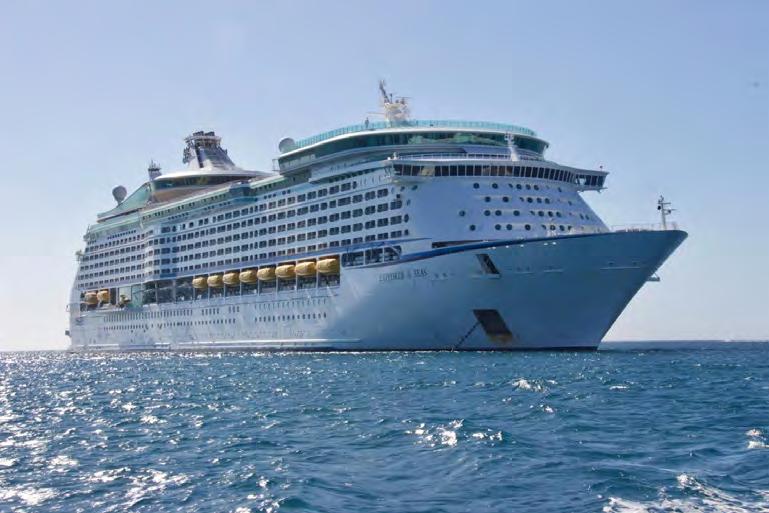
New cruise ship rules introduced under the Centers for Disease Control and Prevention (CDC) Vessel Sanitation Program are increasing requirements for potable water and Legionella monitoring on vessels calling at all ports in the United States.
The updated standards require cruise operators to implement structured monitoring programs and risk assessments covering potable and recreational water systems. For the first time, vessels must actively monitor for Legionella bacteria as part of their water safety management procedures.
The rule change follows several outbreaks of norovirus and reported cases of Legionnaires’ disease associated with cruise travel over the past year, highlighting the importance of maintaining effective water system controls onboard passenger vessels.
All cruise ships calling at U.S. ports with 13 passengers or more must now carry out documented risk assessments for potable and recreational water systems, define monitoring frequencies, establish remediation protocols when contamination is detected, and maintain verifiable records of corrective actions.
According to the CDC requirements, compliance will be verified through port inspections, documentation reviews, environmental sampling, and outbreak investigations.
Legionella monitoring on cruise ships is becoming a critical component of water safety management as public health authorities place greater emphasis on environmental pathogen control.
Legionella bacteria can grow in warm water systems, including showers, spas, whirlpools, and cooling systems. Infection occurs when people inhale aerosolized water droplets containing the bacteria, potentially leading to Legionnaires’ disease, a severe form of pneumonia.
Public health experts emphasize that maintaining water system integrity requires careful control of temperature, disinfectant levels, and system circulation to prevent bacterial growth.
Recent revisions to the CDC Vessel
Sanitation Program mark a shift toward more structured environmental surveillance and performance verification in cruise ship water management.
“ The revision represents a strengthening of environmental surveillance obligations,” said Uwe Krüger, joint managing director of marine monitoring at CM Technologies. “This is a major regulatory shift, moving the focus beyond acute gastroenteritis caused by norovirus toward structured environmental pathogen control and auditable, data-driven performance verification.”
Experts note that recreational water facilities onboard ships can present particular risks if water quality monitoring and system maintenance are not carefully managed.
“Pools, spa areas, and whirlpools are breeding grounds for disease, but it’s not enough to simply measure chlorine levels and assume the water is clean,” said David Fuhlbrügger, joint managing director at CM Technologies. “Operators must demonstrate that disinfectant residuals remain within defined limits and that filtration and system management practices are working effectively.”
Water safety specialists also highlight the importance of physical system maintenance alongside chemical disinfection.
Shower heads, pipework, and other fixtures can accumulate mineral scale that provides surfaces where bacteria may persist—even after sanitation procedures. If these deposits are not removed during maintenance cycles, water systems may become recontaminated.
“Legionella transmission occurs through inhalation of aerosolized warm water,” Fuhlbrügger said. “Operators sometimes sanitize the system following a positive test, but fail to remove scaling from shower heads. Limescale can harbor bacteria and allow recolonization.”
The strengthened CDC requirements reflect growing regulatory attention to environmental pathogens and water quality risks in passenger transport environments. S
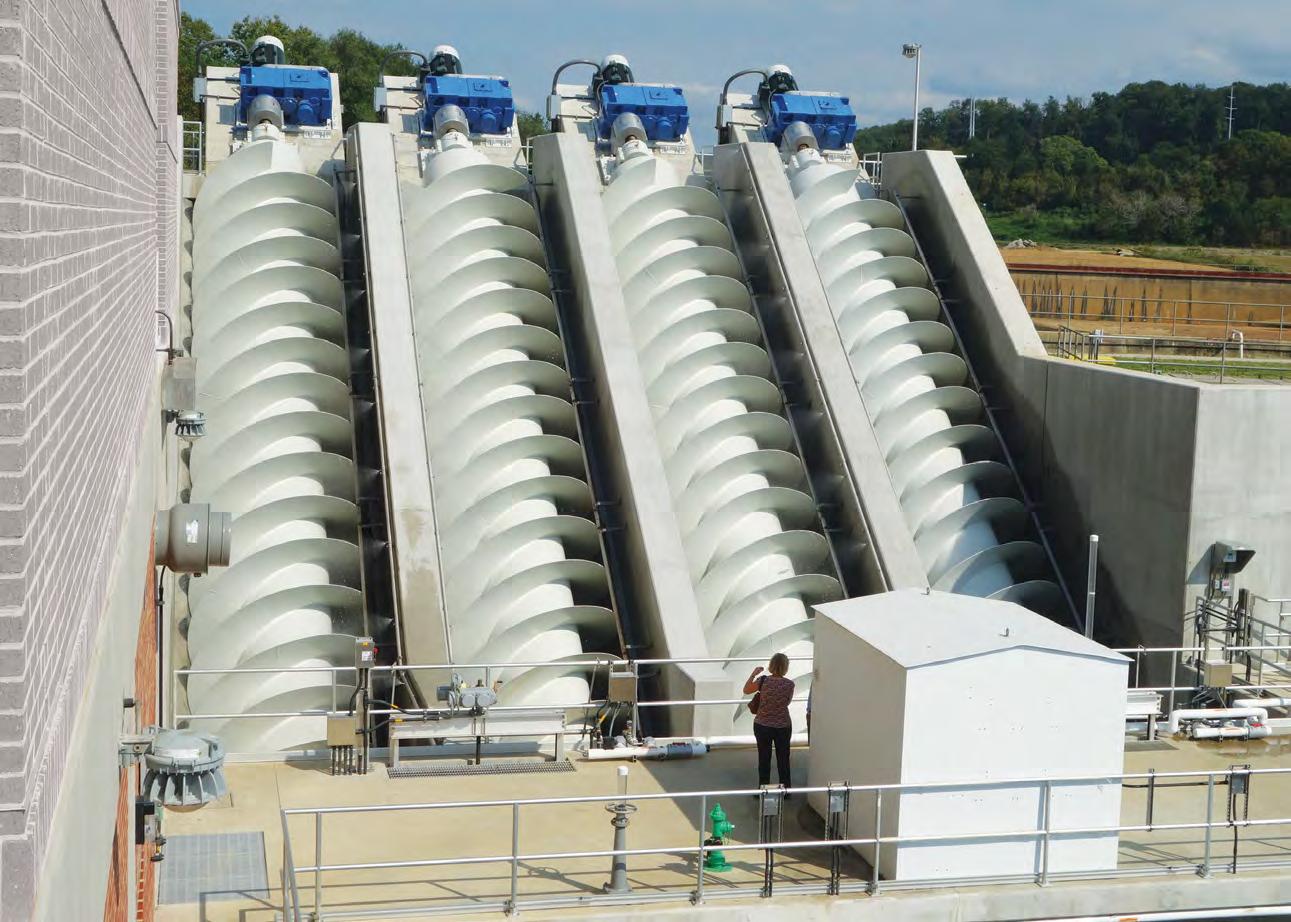
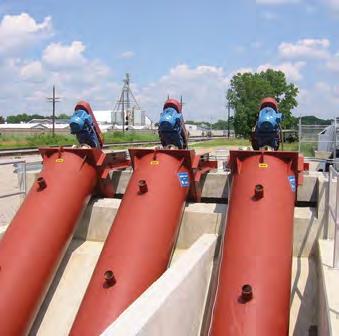
Lakeside’s screw pumps offer the ideal and cost-effective “drop in” replacements for less reliable designs. Improve pumping performance and reduce maintenance costs with our superior dual upper bearing design and heavy-duty self-aligning lower bearing designs. For decades we’ve been the go-to source for replacing all screw pump brands. Replacements typically require little or no structural modifications. It’s what you expect from Lakeside Equipment—known for nearly a century for efficient and dependable operation in all wastewater, drainage and industrial applications.
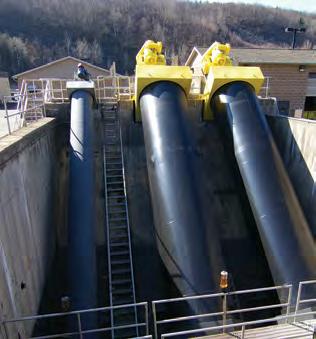
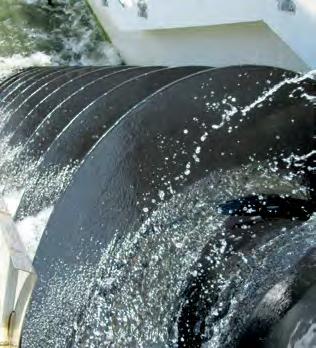
Speak to one of our experts at 630.837.5640, email us at sales@lakeside-equipment.com, or visit www.lakeside-equipment.com for more product information.
CLR Process
Magna Rotor Aerators & Accessories
Sequencing Batch Reactors Package Treatment Plants
Submersible Mixers & Recirculation Pumps
Caitlin Dineen, Amber Lavoie, Ola Wenno, and Brad Deaton
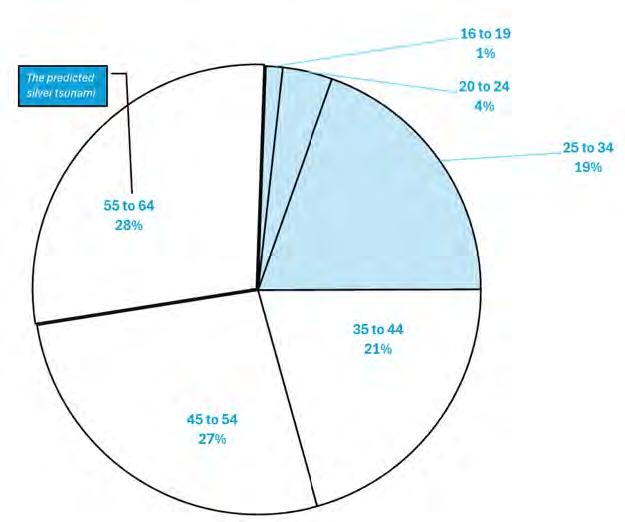
The water industry faces a challenge that compromises future growth and the maintenance of a skilled workforce. The average retirement age within the industry stands at 61, and the median age of workers in the water sector is 481, which is 17 percent higher than the national labor force median age of 422. This aging demographic, if sustained, forecasts a 4 percent reduction in workforce numbers, potentially translating to over 50,000 fewer professionals in the field. The breakdown of the water workforce in the United States per the 2023 U.S. Labor Statistics, categorized by age, is shown in Figure 1.
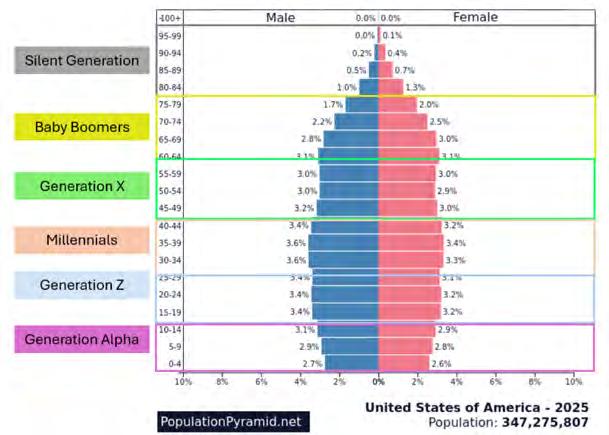
This substantial gap between supply and demand for skilled workers is further exacerbated by the fact that fewer individuals are entering the workforce than those leaving for retirement. This contraction is illustrated by the U.S. population pyramid3, which shows the overall decrease in population in the younger generations, as depicted in Figure 2.
One question that should be asked of current workers is: How did you learn about the water industry and at what age? The existing water industry must understand the upcoming contraction in the future workforce. To secure a greater share of skilled workers, the current workforce should actively encourage the next generation to join the industry, as opposed to other career tracks, to acquire a higher percentage of skilled workers.
This article explores the implication of these trends and presents strategies to engage Generation Z, commonly known as Gen Z, as the next wave of water professionals.
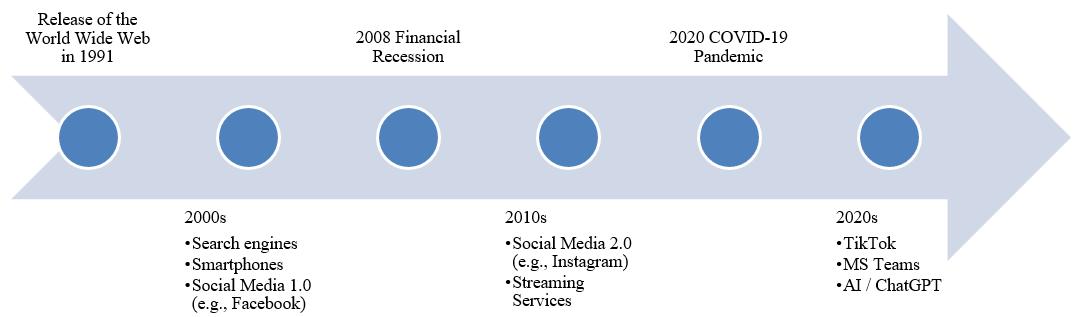
Gen Z, defined as those born between 1997 and 2012 (ages 13 to 28), represents the next wave of entry-level professionals. As shown in Figure 3, this generation has grown (or is still growing) up with rapid technological and social change. With this digital connection, they have witnessed multiple worldwide disruptions.
Gen Z is acutely aware of the human impact— on the environment, systemic inequalities, and political and economic state—of the world right now4. Their values and expectations differ from previous generations and understanding Gen Z’s priorities are essential for organizations seeking to recruit and retain them.
So, what are some of Gen Z’s values? This generation’s worldview may be shaped by a desire for purpose5, an emphasis on mental health5, and authenticity6. They are motivated to contribute to the world, are differentiating what it means to be alive (versus living life), and are more willing to establish trust with someone who is genuine, honest, and true to themselves. How does this translate to what Gen Z may prioritize in the workplace?
Caitlin Dineen is director of strategic communications and external affairs and Amber Lavoie is director of human resources at Toho Water Authority in Kissimmee. Ola Wenno, P.E., is project engineer and Brad Deaton, P.E., is project manager at Plummer in Dallas.
As Gen Z experiences change, employers are also expected to be open and flexible, whether to advancements in technology or social ideals5 Another priority includes work-life balance; with the rise of flexible work models that were accelerated by the COVID-19 pandemic, Gen Z members are attracted to workplaces that adapt to remote work strategies or work schedule options. This generation also thrives in a collaborative work environment that supports open communication, enthusiastic cooperation, and effective teamwork5
Traditional recruitment methods, such as career fairs, job listings, and in-office interviews, remain important, but their effectiveness is amplified when tailored to Gen Z’s preferences. As the workforce landscape continues to shift, water
Continued on page 10

Continued from page 8
companies and utilities must rethink traditional recruitment and retainment practices to remain competitive and sustainable.
Toho Water Authority (Toho), the largest provider of water, wastewater, and reclaimed water services in Osceola County, recognizes that attracting and retaining qualified talent, especially for technically skilled and field roles, requires more than standard job postings and conference room interviews. Instead of a “one-size-fits-all” strategy, Toho implements customized interviews tailored to the job description. Recruitment strategies must evolve to reflect not only the expectations of incoming generations, but also being transparent about the operational realities of the work itself.
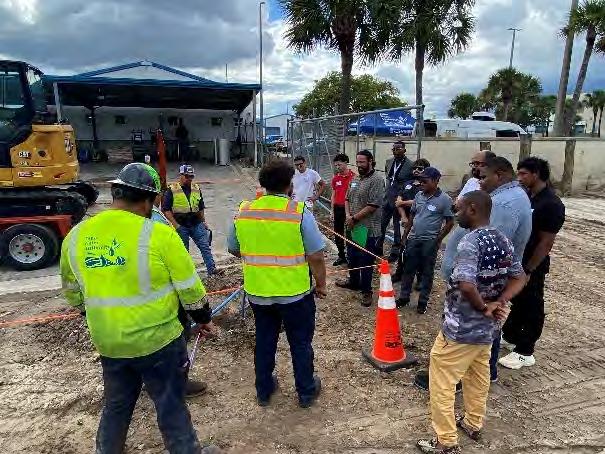
To meet this need, Toho has adopted a more experiential approach to candidate engagement, one that bridges the gap between interest and informed commitment. A recent example is its
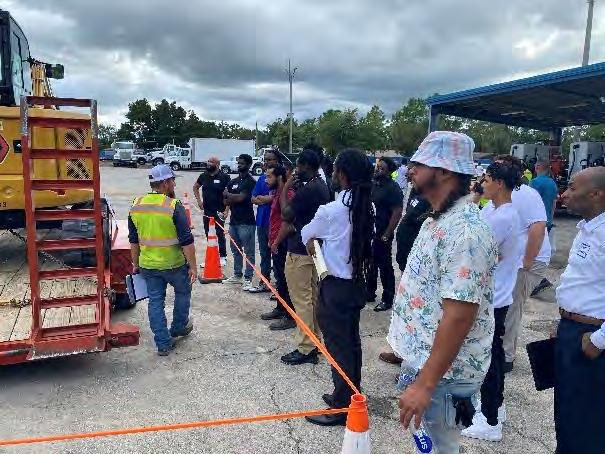
utility worker hiring event, as shown in Figure 4, which was structured to provide candidates with a true “day-in-the-life” experience. Through a series of interactive stations, candidates were able to observe and participate in core field operations, such as placing a curb stop, operating a vacuum truck, and using closed-circuit television systems to inspect underground lines. These activities provided immediate insight into the technical scope of the role and the teamwork required to succeed in it.
In the span of a single day, Toho interviewed over 170 prospective employees, each of whom left with a deeper understanding of the work and a more authentic connection to Toho’s organizational culture. This model not only accelerated the hiring process, but also served as a strong predictor of job alignment and long-term retention. Toho’s experience has shown that the most effective recruitment for technical roles often occurs outside the traditional interview room. It happens in the yard, at the plant, or alongside the
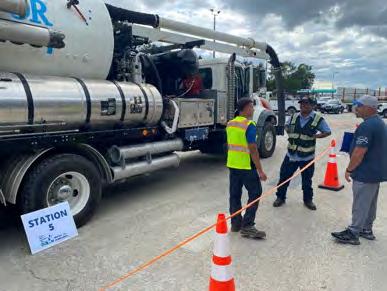
equipment where candidates can visualize their future and assess their own fit within the team. By reimagining recruitment as an immersive experience, Toho is aligning its hiring practices with the evolving expectations of the workforce while ensuring operational readiness and cultural fit. This approach represents a forwardthinking investment in talent acquisition, meeting candidates where impact begins, building authentic interest, and strengthening the longterm match between role expectations and individual capability.
Plummer, a water-driven engineering consulting firm with multiple offices in Florida, embraces a collective mindset within its employees and tailors its recruitment strategies to target the next generation of water professionals. At Plummer, there is an emphasis that recruiting is everyone’s responsibility. After all, one of the best ways to know who you may be working with is to recruit people you already know to become your coworker! The company actively encourages employees to engage with potential hires and leverages personal networks. Combined with Plummer’s structured referral bonus program, the company obtained 30 to 35 percent of its hires from referrals!7
Beyond strategically selecting career fairs, Plummer also pays attention to the very items it brings to these more traditional recruitment events. The company has a half-page flyer succinctly explaining the services provided and
Continued on page 12
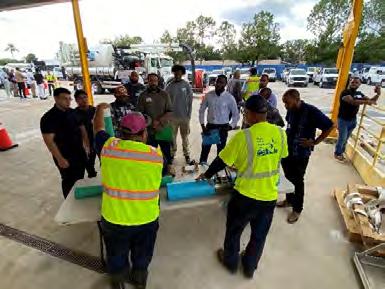

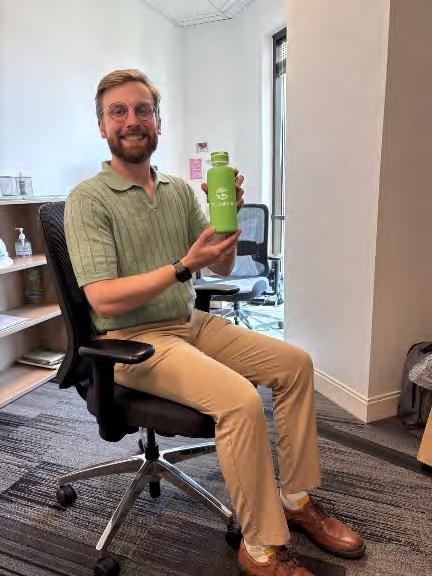
QR codes, directing recruits straight to available job postings on its website. Plummer also offers ecoconscious giveaways, like reusable bags and glass water bottles (Figure 5, left photo), which resonate with the younger generations. These seemingly small choices contribute to a positive impression.
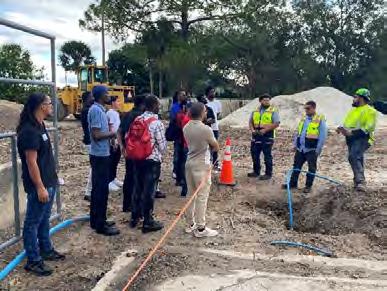
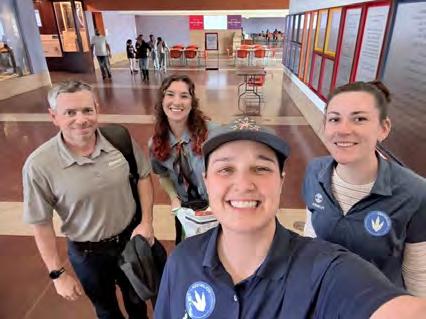
Rather than solely focusing on hiring, Plummer also aims to inspire the next generation. On a yearly basis, during Engineers Week, employees raise awareness of the water industry by volunteering at events involving students. Within the past several years, many employees volunteered at the primary school level, making presentations about the water industry to multiple local elementary and high schools (Figure 5, center photo). Not only does this showcase Plummer’s technical expertise, but also helps inspire the next generation of the water workforce—planting the seeds for future talent (Figure 5, right photo).
Toho has launched a comprehensive skillbased progression program designed to enhance workforce capability, retention, and internal mobility through structured development pathways. This program encompasses nearly 70 distinct skill-based progressions across a wide range of operational, technical, and administrative functions. This framework was built with intentional collaboration among human resources personnel, operational leaders, and subject matter experts to ensure each progression is both role relevant and operationally sound. Instead of only one model, each skill progression is rooted in the practical, day-to-day responsibilities of the role and shaped through cross-functional input, promoting consistency across departments while allowing flexibility to meet the unique demands of each workgroup.
What sets this program apart is its flexibility. It allows employees to progress at a pace that supports both their professional goals and the
evolving needs of the organization. Rather than having an overly rigid approach, the framework empowers individualized growth while maintaining consistency in standards and equity in recognition. As employees demonstrate competency and expand their expertise, their progress is validated through predefined criteria that support upward mobility and pay increaases.
This initiative reflects Toho’s broader commitment to building a sustainable talent pipeline by linking learning, performance, and compensation in a way that is both measurable and meaningful. It serves as a strategic workforce planning tool that not only improves readiness across job families, but also reduces turnover by providing long-term career visibility. By investing in structured, skill-based advancement, Toho is cultivating a culture of growth by empowering employees to develop their skills in meaningful ways while ensuring the workforce remains adaptable, proficient, and aligned with the organization’s long-term strategic objectives.
Plummer has developed a standardized onboarding process with the “Onboarding Buddy” program. This program is a structured initiative to ensure that new employees are transitioning smoothly into the company from the get-go. During a new hire’s first 30 days, they are paired up with a “buddy,” a designated colleague to help them get integrated with Plummer’s processes, programs, and workplace culture. There are also multiple touch-base points outside of the program, such as a manager check-in, a one-on-one with an upper manager, and a fireside chat with the chief executive officer within the first year. This enables the employee to integrate quickly within Plummer and develop meaningful connections with different levels of the organization.
This doesn’t stop in the first year; Plummer makes sure to connect its employees to its coworkers from different offices through programs such as Consulting 101 and Plummer University.

Furthermore, the company encourages and facilitates cross collaboration with other sectors that can open up a pathway to internal transfers to other departments if an employee shows interest.
Plummer supports professional development efforts for current employees, not only with enthusiastic encouragement and programs, but with financial support for external opportunities. Plummer covers an employee’s annual membership in a professional organization and provides tuition reimbursement, along with registrations to local seminars, meetings, and conferences of interest.
Plummer has also leaned into the digital world by conducting virtual interviews and offering hybrid schedules, allowing “work from home” days. Employees can choose their in-office workdays, recognizing that flexibility is highly valued by the younger workforce. These strategies not only attract Gen Z talent, but also help retain them by fostering a supportive and collaborative work environment.
To connect with Gen Z, it is recommended that an organization strengthen its digital presence. While physical recruitment efforts remain essential, the water industry should enhance its online presence to bolster its recruitment efforts. Digital engagement allows for a broader reach, giving organizations an opportunity to cast a wider net into the sea of potential recruits. This approach allows access to talent that may not be available through traditional recruiting methods. Toho’s public relations team leverages social media as a powerful recruitment tool that supports human resources and hiring initiatives while showcasing the organization’s culture and values. Toho knows that today’s workers (including the ever-rising numbers from Gen Z) are searching for more than just a paycheck; they want to connect with an employer that brings purpose and meaning to their lives. That’s
why the utility uses platforms like LinkedIn, Instagram, and Facebook, not only to promote open positions (Figure 6), but also to highlight the impact Toho makes in the communities it serves. By sharing stories of Toho’s employees, projects, and community involvement, Toho is presented as a workplace where people can build meaningful careers while giving back in tangible ways. The overall message is clear: Toho isn’t just a place to work—it’s a place to do good, make a difference, and take pride in how to earn a living.
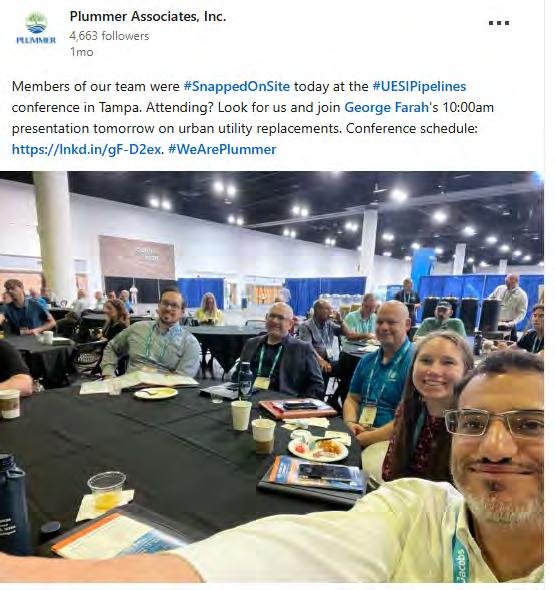
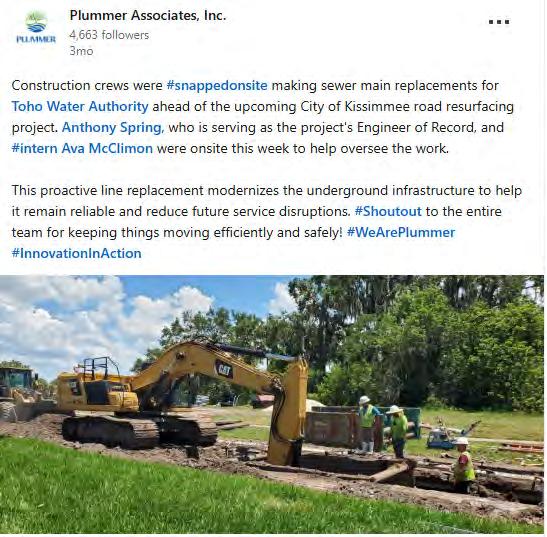
Plummer also leverages various social media platforms to engage potential talent (Figure 7). The company tailors its posts to align with its target audience on each platform. While digital media may be used as a tool for recruitment, Plummer recognizes that each platform has a distinct purpose. Plummer’s LinkedIn posts focus on recruitment efforts and showcasing the company’s work, Facebook posts provide a sneak peek into Plummer’s culture and its employees, and X (formerly known as Twitter) posts may provide technical insights.
Both Plummer and Toho Water Authority are redefining workforce engagement to attract and retain Gen Z employees. Plummer emphasizes flexibility, professional development, and engagement, while Toho adopts innovative techniques, such as job-specific interview formats and an immersive skill-based
progression program. Both organizations focus on fostering cross-departmental collaboration and empowering employees to explore career growth and change within the organization. These strategies demonstrate a proactive approach to attracting the next generation of the water industry’s workforce.
Attracting Gen Z is only half the battle; retaining them requires ongoing engagement. Mentorship programs, opportunities for training, and early career advancement are essential, as is management buy-in to sustain engagement initiatives. Organizations must create environments where Gen Z feels valued, empowered, and connected to a larger purpose.
The following recommendations can be used by all water-related companies:
S Check and align organizational values with the identified priorities, embedding authenticity, purpose, and flexibility into culture and communications.
S Leverage digital platforms to reach a broader audience for recruitment and raise awareness of the water industry, focusing on high-engagement channels with tailored, interactive content.
S Invest in professional development by supporting certifications, professional
Continued on page 14


Charlie Lee Martin Jr., Ph.D.
1. The charge of algae cells, clay, bacteria, and silt is
a. neutral.
b. positive.
c. negative.
d. none of the above.
2. The charge of sand, anthracite coal, and granular activated carbon is a. neutral.
b. positive.
c. negative.
d. none of the above.
3. The forces that take over and attract coagulated particles to the surface of the filter media grains are a. Van der Waals.
b. magnetic.
c. gravitational.
d. electrochemical.
4. The selection of the type of coagulant, to include its pH and dose, is dependent on the raw water’s
a. natural organic matter.
b. turbidity
c. raw water alkalinity.
d. all of the above.
5. The pH at which alum is most effective is
a. 6 to 8.5.
b. 6 to 7.
c. 7 to 8.5.
d. none of the above.
6. In general, the required coagulant dose is controlled by the
a. natural organic matter.
b. turbidity
c. raw water alkalinity.
d. all of the above.
7. The coagulant that may be most effective in raw water with low alkalinity is a. alum.
b. ferric coagulants.
c. polyaluminum chloride (PACL).
d. all of the above.
8. The coagulant that consumes the least amount of the raw water’s alkalinity is a. alum.
b. ferric salts.
c. PACL.
d. all of the above.
9. The coagulant that consumes the greatest amount of the raw water’s alkalinity is
a. alum (0 percent basicity).
b. ferric salts.
c. organic polymers.
d. all of the above.
10. The indicator that may be used to determine the effectiveness of coagulation to remove natural organic matter is a. pH.
b. alkalinity
c. specific ultraviolet absorbance.
d. none of the above.
Answers on page 54
References used for this quiz:
• Opflow, Volume 52, April 2026, “Operators Need to Know Coagulation Basics,” Pernitsky et.al.
Continued from page 13
organization memberships, cross-training, and internal mobility.
S Foster collaboration through crossdepartmental networks and mentorship programs.
The water industry’s demographic challenge is real, but so is the opportunity. By understanding and embracing Gen Z’s values, utilities and companies within the water industry can attract, engage, and retain the next generation of water professionals.
The case studies presented here demonstrate that purposeful, flexible, and digitally savvy strategies are not just effective — they are essential in today’s world. The current is shifting; it’s time to craft a future where water professionals of all generations thrive.
1. U.S. Environmental Protection Agency, 2024. Interagency Water Workforce Working Group Report to Congress. U.S. EPA, Washington, D.C. American Water Works Association, 2025. State of the Water Industry Report 2025. AWWA, Denver, Colo.
2. U.S. Bureau of Labor Statistics, 2023. Labor Force Statistics from the Current Population Survey. U.S. Department of Labor, Washington, D.C.
3. PopulationPyramid.net, 2025. Population of United States of America 2025 [WWW Document]. URL https://www. populationpyramid.net/united-states-ofamerica/2025/ (accessed 9/25/2025).
United Nations, Department of Economic and Social Affairs, Population Division, 2024. World Population Prospects: The 2024 Revision (Medium Variant).
United Nations, N.Y.
United Nations, Department of Economic and Social Affairs, 2013. Trends in International Migrant Stock: Migrants by Destination and Origin (POP/DB/MIG/Stock/Rev.2013). United Nations, N.Y.
4. Smith, J. (2018, June 1). Jaden Smith on Icon, Upcoming Albums, Changing The World, Thinking Different & A Lot More! [Video]. BigBoyTV. YouTube. URL https:// www.youtube.com/watch?v=v3Wcu3LonH4 (accessed 9/25/2025).
5. The Stanford Report, 2024. 8 Ways Gen Z Will Change the Workforce. The Stanford Report, Feb. 14, 2024.
6. Ernst & Young, 2021. Is Gen Z the Spark We Need to See the Light? EY Gen Z Segmentation Study. EY, London.
7. Plummer, 2023. Internal Hiring Data Report. [Unpublished internal document]. S
Utilities Maintenance Level 3
Water Distribution Level 3
3
NO
02014026
Collection 3 WW02014034
2026 SUPERVISION and Stormwater 1
Water Distribution Level 1
Wastewater Collection 1
Utilities Maintenance Level 1
Distribution Level 2 DW/DS02004040
2
2
02014170
Collection 2 WW02004041
Cost: $405 for the Supervision Course and Exam
Cost: $375 for all other Course and Exams/$100 Exam Only (if applicable)
All training manuals will be provided when checking in for your class.
Wastewater Collection 3 & 2 and Stormwater 3 & 2 classes will be held at City of St. Petersburg Water Resources
Operations Building: 1701 Burlington Ave. No., St. Petersburg, Fl. 33713
Supervision Level 1 classes, Water Distribution 3 & 2, Utilities Maintenance 3 & 2 will be held at City of Pinellas Park Utilities Complex 6250 82nd Avenue, Pinellas Park, FL 33781
Classes 7:30 AM – 4:00 PM, Exam 8:00 AM – 11:00 AM Room assignment given at registration.
All Exams - Friday 8:00 A.M. – 11:00 A.M. Pinellas Park, 6250 82nd Ave. Pinellas Park, FL 33781
For questions, please contact Bob Case or Ray Bordner
Robertcase1952@gmail.com Raybordner@aol.com
Phone 727-430-1349 Phone 727-798-3969
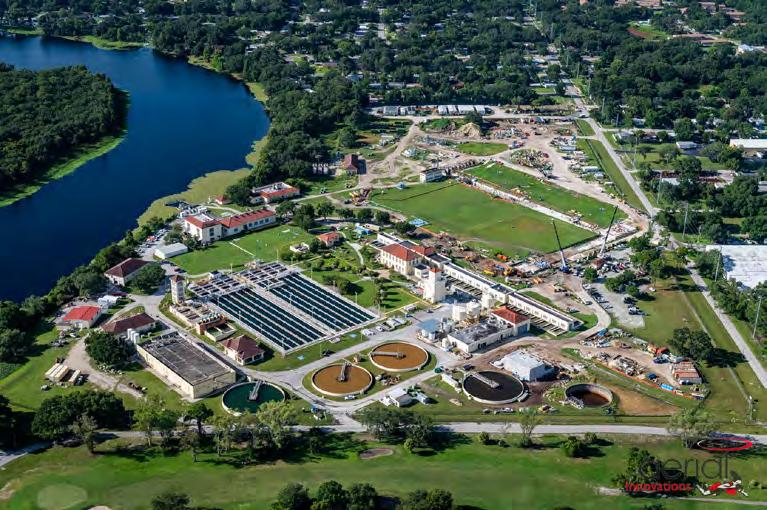
The Tampa City Council has approved funding for the design of Suspended Ion Exchange (SIX®) technology at the David L. Tippin Water Treatment Facility (DLTWTF), marking a historic milestone in water treatment innovation. When completed, this facility will be the largest SIX installation in the world and the first full-scale implementation in the United States, designed to treat up to a peak of 140 million gallons per day (mgd) of drinking water.
The decision follows several years of comprehensive planning, pilot testing, and independent technical review that demonstrated the ability of SIX to significantly improve finished water quality while reducing operational costs. The project represents a major advancement in Tampa’s ongoing initiative to enhance treatment performance at the DLTWTF.
“ The council’s support of this investment shows a clear commitment to doing what is right for Tampa’s future,” said Rory Jones, Tampa Water Department director. “After years of testing and data driven evaluation, our team selected SIX as the right fit for our system, one that improves water quality,
reduces long-term costs, and builds on the legacy of the David L. Tippin Water Treatment Facility.”
The Tampa Water Department is delivering this initiative through a collaborative design-build partnership led by joint venture partners Garney and WhartonSmith, with Carollo Engineers as the lead designer.
“We are honored to lead the design of the world’s largest SIX system,” said Vinnie Hart, Carollo project manager and executive vice president. “Tampa’s vision to pioneer this technology and desire for improved water quality, combined with rigorous pilot testing and the collaborative efforts of the entire project team, will establish new standards that water utilities across the U.S. and beyond can follow. This technology is truly a game changer for the high organics water that we see in Florida.”
The DLTWTF currently produces an average of 80 mgd of high-quality drinking water for over 733,000 residents and visitors. The facility has faced seasonal challenges from variable quality from the Hillsborough River, the city’s primary water source, including
elevated levels of total organic carbon (TOC) with levels over 30 mg/L. High TOC levels contribute to the formation of regulated disinfection byproducts and require increased chemical treatment processes.
The SIX process was developed by PWNT (a wholly owned subsidiary of Nijhuis Saur Industries) as an alternative/supplement to coagulation for organics removal. It is suitable for treating surface waters to remove dissolved organics through an efficient resin contacting, separation, and regeneration system, with brine used up to five times, which helps reduce waste streams and salt use.
B eyond immediate water quality improvements, SIX positions Tampa to address emerging contaminant regulations, including per- and polyfluoroalkyl substances (PFAS), by removing organic matter that can interfere with downstream technologies, such as granular activated carbon, making PFAS removal significantly more efficient. In addition to removal of organics, some perfluorooctane sulfonic acid removal does occur with the SIX process.
The 10-month pilot study evaluated the SIX system’s ability to remove organics and other anions from raw water and its effects on downstream operations, water quality, and process performance. Testing the entire treatment train—SIX pretreatment followed by coagulation, flocculation, sedimentation, ozone, and biofiltration—produced results that exceeded expectations. The pilot demonstrated significant water quality improvements, reduced chemical usage by up to 79 percent, with projected annual savings of $1.7 to $1.9 million, and doubled filter efficiency. These savings were all validated by an independent third-party review (Black & Veatch, 2025).
With funding for the design now approved, the project team will move forward with detailed design, permitting, and construction planning.
Once operational, the facility will serve as a demonstration site for SIX technology in the U.S., providing valuable operational data and establishing best practices for future installations nationwide. S

For more than two decades the Association of Metropolitan Water Agencies (AMWA), headquartered in Washington, D.C., has provided drinking water utility recognition programs that honor extraordinary management and stellar workforce performance.
The AMWA opened its annual awards program in January 2026 and invites all eligible AMWA member utilities to apply for the awards. The award submission period will close July 3, 2026. All primary member contacts received an email notifying them of their utility’s eligibility level. For questions about the appropriate application category, please go to barber@amwa.net.
E ach utility is judged individually against the criteria in the appropriate application form. Any number of AMWA member utilities may win the award; however, applying does not guarantee an award. Each application will have a score of pass or fail based on the panel reviews. The AMWA will send emails to all applicants informing them of their award status in the first week of September 2026.
A distinguished panel of three peer judges will evaluate award applicants this summer and AMWA will honor all award winners at its 2026 Executive Management Conference in Seattle, Wash., to be held Oct. 25-28. In addition, award winners will receive local, national, water industry, and public utility media recognition.

The association’s utility recognition program honors extraordinary management and stellar workforce performance through a progressive series of awards that any number of AMWA member utilities may win:
S Gold Award for Exceptional Utility Performance
S Platinum Award for Utility Excellence
S Sustainable Water Utility Management Award
The AMWA also honors individual accomplishments in the drinking water field through its President’s Award and Donald R. Boyd Award. Recipients of these awards are determined by the association’s Nominations Committee. Nominations are solicited in the summer by a bulletin from AMWA’s national office.
The AMWA Gold Award for Exceptional Utility Performance recognizes large public drinking water systems that exhibit high levels of performance in the following areas:
S Product quality
S Customer satisfaction
S Employee and leadership development
S Operational optimization
S Financial viability
S Community sustainability
S Enterprise resiliency
S Infrastructure strategy and performance
S Stakeholder understanding and support
S Water resource sustainability
These are the “Attributes of Effectively
Managed Utilities” that were identified by a blue-ribbon panel of water and wastewater utility executives commissioned by the U.S. Environmental Protection Agency (EPA), AMWA, and other water-related associations.
Gold Award winners also show achievement in the “Keys to Management Success,” which are leadership, strategic business planning, knowledge management, measurement, and continual improvement management.
All AMWA member utilities that have never won a Gold Award are eligible to apply.
Like the Gold Award for Exceptional Utility Performance, the criteria for the Platinum Award for Utility Excellence are also based on the “Attributes of Effective Utility Management” and the “Keys to Management Success.” Applicants are expected to show progress in implementing the attributes and keys, as well as a distinctive level of management expertise and expanded utility achievement.
Three years after winning a Gold Award, member utilities are eligible to apply for the Platinum Award for Utility Excellence. Past winners of AMWA’s Platinum Award for Sustained Competitiveness Achievement are also eligible to apply.
The AMWA Sustainable Water Utility Management Award, introduced in 2014, recognizes member utilities that have made a commitment to sustainable management. While there are many opportunities available to water utilities to be managed more sustainably, there is no perfect path to get there. Each water system has its own water resource needs, infrastructure issues, financial position, political issues, energy costs, and other challenges.
This award views sustainability through a triple-bottom-line lens. This means winners will have achieved a balance of innovative and successful efforts in areas of economic, social, and environmental endeavors, such as responsible management of resources, protection of public health, meeting responsibilities to the community, and providing cost-effective services to ratepayers. A submission does not mean an automatic win. A distinguished panel of three peer judges will review each award application in the summer of 2025, based on its merits scored against the awards criteria outlined in the corresponding application. Each application will receive a pass or fail score.
The AMWA President’s Award is given to individuals who have made outstanding contributions to the improvement of water supply management. Eligibility for this award is limited to individuals currently or formerly representing AMWA member agencies and it recognizes their efforts and dedication in the field of drinking water supply.
The award is presented to individuals who have made outstanding contributions to improving water supply management. Individuals nominated for this award must hold, or have held, a major position with a water supply agency, while actively participating as a member of AMWA.
The Donald R. Boyd Award acknowledges extraordinary personal service in the drinking water field. General criteria may include valuable service that advances public understanding and awareness, water quality research, or more general contributions deserving of recognition. This award confers recognition to individuals who have made important contributions to the water industry, including as water system employees (regardless of AMWA membership), government officials, or private consultants.
The award commemorates Donald R. Boyd, one of AMWA’s founding members and its first president.
As the newest addition to AMWA’s award program, the independent Environmental Justice and Equity Award recognizes member utilities that commit to advancing equity and justice in their communities.
The general criteria include:
S Using assessment and planning
S Equity in access and costs
S Civic involvement in decision making
S Integrative strategies
A submission does not mean an automatic win. A distinguished panel of three peer judges will review each award application in the summer of 2025, based on its merits scored against the awards criteria outlined in the corresponding application. Each application will receive a pass or fail score.
An organization of the largest publicly owned drinking water systems in the United States, AMWA’s membership provides more than 156 million people–from Alaska to Puerto Rico–with safe drinking water.

It’s the only policy-making organization in the U.S. solely for metropolitan drinking water suppliers. The association was formed in 1981 by a group of general managers of metropolitan water systems who wanted to ensure that the issues of large publicly owned water suppliers would be represented in Washington. Member representatives to AMWA are the general managers and chief operating officers of these large water systems.
The association represents the interests of these water systems by working with Congress and other federal agencies to ensure that federal laws and regulations protect public health and are cost-effective. In the realm of utility management, AMWA provides programs, publications, and services to help water suppliers be more effective, efficient, and successful.
Governed by a 22-member board of directors, AMWA represents all regions of the U.S. Its committees on utility management, regulations, legislation, sustainability, and security provide the expertise to achieve the goals of water suppliers, including sustainable operations, regulations based on sound science, and cost-effective laws that support the safety and security of drinking water.
For questions on award eligibility or to request an application form, contact Antoinette Barber at 202.331.2820 or at barber@amwa.net. S
Municipalities across Florida face mounting challenges in meeting potable water needs due to rapid growth, evolving water quality challenges, and increased regulatory oversight. Therefore, effective capital improvement planning (CIP) is critical for potable water utilities throughout the state. To plan for sustainable and resilient service, utilities must integrate water supply evaluation, hydraulic modeling, and capital project optimization into a unified planning framework.
This article outlines a structured process that was recently applied in the City of Tarpon Springs (city). The approach provides practical lessons that other municipalities can adapt to improve long-term water supply reliability and efficiency.
The city’s potable water supply is primarily sourced from the Floridan aquifer, with brackish groundwater treatment conducted at the city’s reverse osmosis water facility (ROWF). The city operates 23 production wells that serve as raw water sources for both the ROWF and direct distribution to 30,000 customers. The ROWF’s production limitation is approximately 4.7 mil gal per day (mgd), approaching the facility’s sustainable output threshold.
Projected population growth, coupled with anticipated declines in groundwater withdrawal pumping and infrastructure limitations identified through hydraulic modeling, necessitated growth of the city’s water supply portfolio. Forecasts indicate the city will face a shortfall that must be met through alternative water sources. A water supply plan (WSP) was formulated to identify and assess viable raw water sources to bridge the anticipated production gap. The evaluation considers rehabilitating and reactivating inactive wells, identifying potential new well sites, assessing treatment options at existing wells to address contaminants like per- and polyfluoroalkyl
substances (PFAS) and iron, consolidating well flows to the ROWF, and utilizing the city’s interconnection with adjacent Pinellas County to purchase supplemented wholesale water. A phased implementation approach introduces new sources incrementally to meet future demand and guide CIP.
Effective CIP encompasses three core components:
This evaluation considers groundwater resource sustainability and withdrawal permitting, water quality constraints, limitations of existing infrastructure, regional demand projections, and avenues to increase water supply through alternative sources.
Understanding existing demands and infrastructure is the foundation for capital investment planning. Using InfoWater Pro software, a potable water hydraulic model was developed that integrates critical data and provides understanding of existing system demands, infrastructure limitations, and operational performance of the potable water network.
Hydraulic modeling and water supply planning inform the process of identifying, selecting, and prioritizing CIPs. These findings inform evaluation of water supply strategies, enabling data-driven selection and sequencing of CIP projects to enhance resilience and sustainability of potable water utilities.
The integration of comprehensive water supply planning, hydraulic modeling, and strategic capital investment planning offers a replicable framework for utilities across Florida facing similar challenges. As population growth, evolving water quality issues, and regulatory requirements intensify,
Melanie Moore, P.E., CFM, is Florida civil engineering discipline lead with Tetra Tech in Orlando. Isabel Hall, E.I., is a civil engineering designer with Tetra Tech in Denver.
this life cycle approach equips utilities to develop resilient, sustainable potable water infrastructure capable of adapting to future demands and environmental constraints.
To support the city in addressing projected increases in water demand, Tetra Tech developed a preliminary WSP that evaluates multiple alternatives for increasing overall water production capacity. This effort involves a comprehensive review of existing wells currently not in production to identify potential rehabilitation and upgrade opportunities for their return to service. Additionally, the plan evaluates additional ROWF supply wells located in the city’s northern wellfield, along with pipeline projects aimed to increase production at the ROWF. To ensure long-term supply resilience, a structured evaluation of alternatives was performed.
The process can be broken down into several key activities:
Identify Supply Gaps – Future demand was projected using historical consumption trends, peak factors, ROWF production trends and efficiency, and groundwater withdrawal limitations. A 20-year planning horizon was applied to determine the incremental supply needed to close the projected shortfall of 1.72 mgd by 2045.
Define Project Types – Four categories of alternatives were considered:
S Rehabilitation and treatment of inactive wells to return them to service
S New supply wells in the northern wellfield
S C onstruct raw water/blending pipelines to convey water from existing out-ofservice wells to the ROWF
S Purchase of wholesale water from regional suppliers
Evaluate Treatment Needs – Water quality testing indicated that some wells exhibited iron, PFAS, or other contaminants. Treatment technologies, including granular activated carbon, ion exchange, and iron filtration, were compared for feasibility.
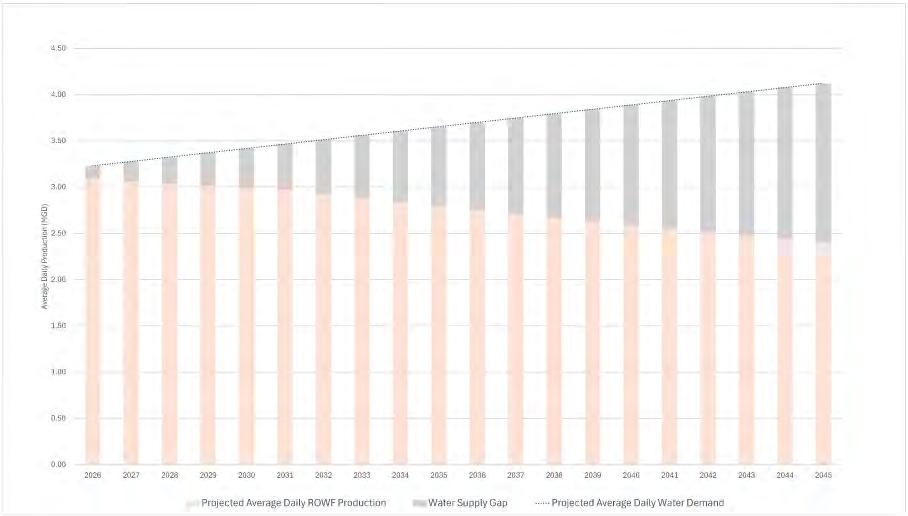
A 2.5 percent increase in demand each year was used for the 20-year period. This equates to an anticipated average daily demand of 4.12 mgd by 2045. The city will need to increase its water supply portfolio to meet this demand across all sources, including the ROWF and the water supply projects mentioned. It is anticipated the production at the ROWF will decline due to degrading water quality from the existing wellfield, decreasing the skid efficiency of the reverse osmosis (RO) system. Additionally, it is anticipated that groundwater constraints will reduce the withdrawal produced by the RO supply wells. An assumed annual decrease of 1.5 percent in the overall groundwater withdrawal was applied to the estimated skid efficiency for each year to develop the 20-year anticipated ROWF production.
The difference between the projected average daily water demand and the projected average daily ROWF production represents the water supply gap, i.e., water that will need to be supplemented from new sources. Figure 1 illustrates the 20-year projected average daily water demand of the ROWF (assuming distribution wells remain offline), paired with the 20-year projected average daily water demand, and shows the projected gap between production and demand of 1.72 mgd by 2045.
Potential projects for expanding the city’s water supply, including improvements to the existing distribution wells, construction of new brackish wells, and supplementing water from Pinellas County, were evaluated. A feasibility overview for each project to identify the key technical and operational considerations was reviewed.
A hydraulic model forms the foundation for understanding distribution system performance and identifying system needs. This component in the life cycle focuses on constructing a model for the potable water
distribution network and calibrating the model to simulate existing demands and operating conditions.
The following steps were followed in developing the city’s potable water hydraulic model:
Data Collection – System information was compiled from multiple sources, including geographic information systems (GIS) shapefiles of pipes, valves, and hydrants; supervisory control and data acquisition data from the ROWF; monthly operating reports; and customer billing records. Hydrant flow testing data provided ground-truth performance information for calibration. Tables were developed describing the size, age, and material of the city’s water mains. This information will also be useful in the development of a future citywide master plan where the focus will be on replacing improving potable water resilience.
Model Construction – InfoWater Pro 2025.0 software was utilized to build a detailed network model. All major trunk lines, distribution mains, and service connections
were represented. Boundary conditions, such as ROWF discharge head and storage tank levels, were applied to replicate operating conditions. The distribution system includes one pressure district and there are no ground storage tanks or booster stations within the distribution system.
Demand Allocation – Most customers within the city’s network are residential sources (71 percent). Customer billing data, matched to service locations, were used to spatially allocate demands. Adjustments were made to account for approximately 15 percent nonrevenue water, ensuring total production and consumption values were balanced.
Calibration – The model was calibrated through iterative adjustments of pipe roughness coefficients and network connections until modeled pressures closely matched field test results. Both static and residual pressures were verified against hydrant test data. Calibration ensured the model could reliably simulate system behavior under average, maximum, and peak demand conditions.
The city also plans to use the model
Continued on page 22
to accurately represent the water supply factor involved in the fire suppression rating schedule for the city’s fire rescue without the need for significant dual hydrant testing each year. The Insurance Service Office assigns a public protection classification, ranked on a scale of 1 to 10 (1 being the best rating), which can help the city and its fire rescue understand the weaknesses and strengths of their system compared to other municipalities. A lower classification may also result in lower insurance costs or additional insurance benefits for local residents.
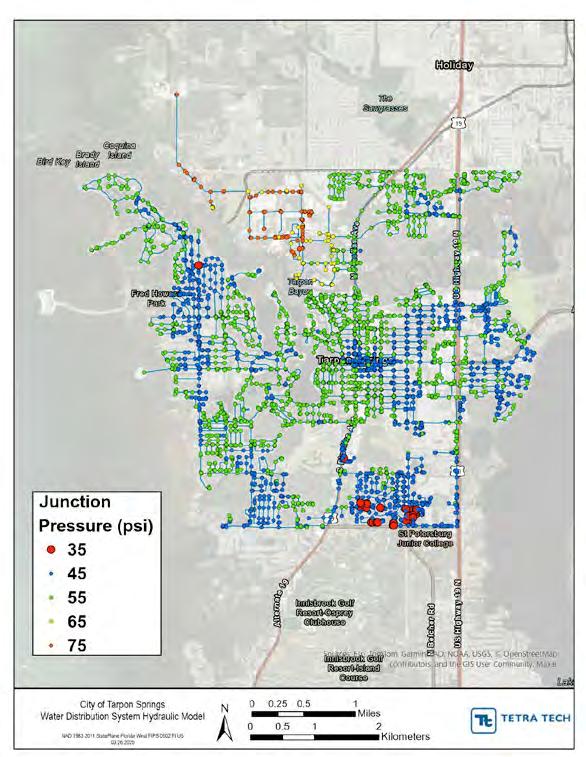
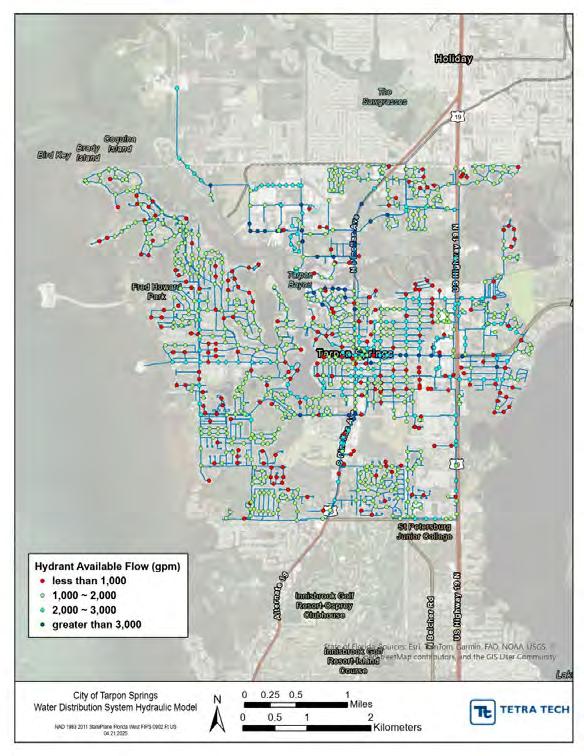
The calibrated hydraulic model demonstrated the city’s system reliably replicates observed conditions. Minimum pressures often occur near peak hour demand, which is consistent with the model results shown in Table 1. The majority of the lower pressures were seen in the southeast corner of the city.
Hydraulic performance was primarily evaluated for system pressure and available fire flow as they are good indicators of
distribution capacity under normal and emergency conditions, respectively. Fire flow evaluations showed approximately 75 percent of hydrants can deliver more than 1,000 gal per minute (gpm) at 20-pounds-per-sq-in. (psi) residual pressure. Deficiencies were noted at dead-end mains, which present opportunities for targeted improvements. Figure 2 displays peak hour demand pressures within the network and Figure 3 shows the maximum day demand and available fire flow scenario developed.
The pressures, along the city’s existing larger-diameter transmission mains, were especially difficult to calibrate. Model junctions represent connections between pipes and were auto-generated by the model software by converting the GIS line network. Due to multiple force main crossings digitized in the GIS files, it was difficult to determine the accuracy of the auto-generated connections without field verification or as-built confirmation. Assumptions were made to optimize calibration, and it is recommended the city verify integral connections during master planning efforts
and annual updates to increase accuracy of the model.
O verall, the model provides confidence in evaluating growth scenarios, fire protection, and capital planning impacts. The resulting model is now a planning tool capable of evaluating operational scenarios, growth impacts, and the effects of potential capital improvements on distribution performance.
Recognizing that individual projects cannot independently fulfill the city’s projected demands, project options from the first component, Comprehensive Evaluation of Alternative Water Supply Options, were combined into phased project bundles designed to address the anticipated supply gap. A critical component of the WSP is the development of a 20-year fully burdened Engineers Opinion of Probable Construction Cost (EOPCC) for each project alternative. This EOPCC incorporates capital
expenditures, operation and maintenance costs, and bond repayment schedules to provide an understanding of long-term economic impacts.
The optimization process followed four primary steps:
Bundle Projects – Individual project concepts were combined into bundled scenarios, each designed to meet demand growth in a phased manner. Bundling allowed assessment of tradeoffs between decentralized treatment, centralized blending pipelines, and regional reliance.
Phase Implementation – Project bundles were scheduled over a 20-year period with incremental additions annually to meet demand. Phasing accounts for demand growth, construction timelines, and funding availability while avoiding overbuilding capacity prematurely.
Develop Funding Scenarios – Settlement funds from national PFAS litigation were incorporated into planning assumptions. These funds reduce financial barriers to implementing treatment systems. Remaining capital projects were assumed to be financed through municipal bonds with defined interest and repayment structures.
Align Costs and Benefits – A EOPCC was developed for each project, including capital, operations, and maintenance. Financial models incorporated bond repayment schedules and settlement funding. This alignment allowed decision makers to compare alternatives, not only on technical feasibility, but also on cost per unit of water delivered.
The overarching goal of the WSP is to incrementally implement these projects to close the anticipated gap between ROWF permitted production capacity and future water demand.
Application of the WSP to CIP demonstrated that phased implementation is both technically and financially feasible. Key recommendations include bringing new northern wellfield wells online by 2027, implementing onsite PFAS treatment at Tarpon Avenue, Grosse Avenue, and Disston Avenue, and reserving blending pipelines for later phases as demand grows. The phased plan introduces additional sources every five years, maintaining pressures above required thresholds while meeting projected 2045 demand.
The city faces an increasing water demand, projected to grow from current levels. To address this, three main alternatives
were evaluated to supplement the city’s existing water supply:
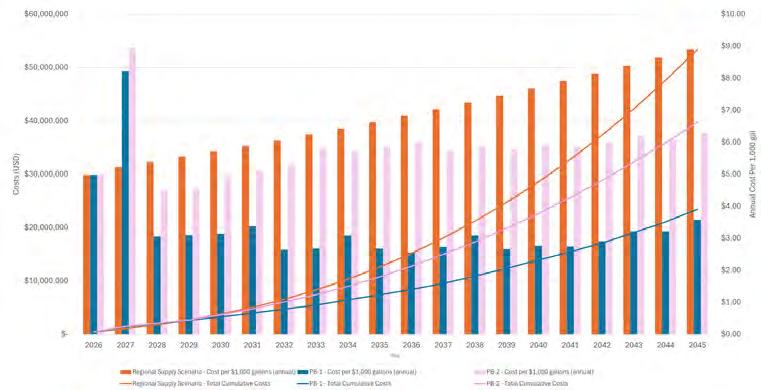
Project Bundle 1 (PB-1) – This alternative focuses on expanding the northern wellfield with two new production wells and upgrading existing southern distribution wells with onsite treatment systems to address water quality challenges, such as iron and PFAS contamination. The PB-1 offers the most cost-effective solution with a 20-year total estimated cost of approximately $24.5 million and an average cost of $3.42 per 1,000 gal, assuming the city utilizes bond financing. It provides strong diversification of water supply sources and institutional control, but involves higher operational complexity due to multiple decentralized treatment locations. The success of PB-1 depends on securing settlement funding for PFAS treatment costs.
Project Bundle 2 (PB-2) – The PB-2 also includes the northern wellfield expansion, but emphasizes building blending pipelines to convey water from existing southern distribution wells directly to the city’s ROWF. This centralized treatment approach simplifies operations and regulatory compliance, yet comes with higher capital investment and a total 20-year total estimated cost of approximately $39.8 million, averaging $5.78 per 1,000 gal, assuming the city utilizes bond financing.
Regional Supply Scenario – This scenario relies entirely on purchasing wholesale water from Pinellas County to meet the city’s incremental demand needs. Although it requires no local capital investment, it is the most expensive option, with projected 20-year costs exceeding $53 million and an average cost of $6.82 per 1,000 gal. Rising wholesale water prices and lack of local infrastructure
investment make this alternative financially unsustainable.
Figure 4 provides a cost comparison for the three scenarios, assuming bonds are utilized, comparing total cumulative costs over the 20-year horizon and average costs per 1,000 gal of water produced.
Evaluation of alternative water supply options revealed key tradeoffs:
S PB-1, which pairs northern wellfield expansion with onsite treatment, was the most cost-effective.
S PB-2, emphasizing blending pipelines and centralized ROWF treatment, offered operational simplicity, but at a higher cost.
S Regional Supply Scenario, relying on wholesale purchases from Pinellas County, was financially unsustainable.
The results highlight the importance of settlement funding for PFAS treatment, which substantially improves feasibility of decentralized treatment projects under PB-1. By systematically defining gaps, evaluating technical feasibility, and aligning financial assumptions, utilities can create transparent supply portfolios that balance risk, cost, and operational control. The evaluation reinforced the value of integrating modeling with supply planning to produce a transparent and defensible CIP. This structured process transforms individual projects into a coordinated CIP, ensuring that each investment contributes to both immediate needs and long-term resiliency.
The combined use of structured water
Continued on page 24

The Design-Build Institute of America (DBIA) has engaged FMI Corporation to assess the owner advisor role in design-build and help owners better identify the skills needed for successful project delivery.
This foundational understanding is essential to the successful execution of DesignBuild Done Right® best practices. Owners must be able to identify and engage qualified owner advisors to fill critical gaps.
As design-build continues to expand, particularly with the increased use of progressive design-build, owners are taking on more complex responsibilities throughout project acquisition and delivery. Industry feedback has consistently highlighted variability in how the owner advisor role is defined and executed.
In many cases, no single advisor is responsible for guiding owners through the full design-build process, leaving gaps in coordination, decision making, and overall project alignment. Without clear expectations and competencies, owners are left to navigate critical decisions without consistent guidance, increasing the likelihood of misalignment and underperformance.
“This effort is about ensuring the benefits inherent in effective design-build are realized by owners that engage owner advisors to fill gaps,” said Lisa Washington, CAE, executive director and chief executive officer of DBIA. “Owner advisors play a critical role in designbuild success, and we want to ensure any future direction we take is grounded in data, stakeholder input, and alignment with DesignBuild Done Right best practices.”
The FMI will lead a structured, multiphase research effort designed to gather both quantitative and qualitative insights from
across the design and construction industry. The study will assess market demand, define the competencies required for effective owner advisors in design-build, and evaluate how those needs are currently being met.
In Design-Build Done Right, an owner advisor supports the full project life cycle, helping owners align organizational readiness, guide procurement decisions, and support execution across the entire delivery team.
“This engagement reflects DBIA’s commitment to leading with clarity and purpose. As the industry evolves, it’s essential for us to take a thoughtful, inclusive approach to defining roles that directly impact project success,” said Molly Jones, AIA, DBIA, president and chief executive officer of Jones Design Studio, PLLC, and chair of DBIA’s Owner Advisor Committee.
Findings from this research will help inform targeted education for owners and industry professionals, supporting stronger alignment with the competencies required for effective design-build delivery.
The goal of this project is to provide a clear, data-driven foundation for strengthening and clarifying the owner advisor role through expanded tools, resources, and education.
The research will also provide insight into the role a potential Design-Build Done Right Owner Advisor® specialty credential could play in clarifying this critical role, helping owners select qualified advisors and guiding and advancing Design-Build Done Right.
The project is expected to be completed by late summer, with findings informing DBIA’s path forward in clarifying the role of the Design-Build Done Right Owner Advisor and strengthening support of successful designbuild outcomes. S
Continued from page 23
supply evaluation, hydraulic modeling, and CIP optimization provides a roadmap for municipalities to manage growth and evolving regulations. While this study was focused on the City of Tarpon Springs, the process is broadly applicable to utilities across Florida and beyond. These life cycle components are intended to serve as a living resource to guide investment, respond to new regulations, and ensure sustainable delivery of potable water to future generations.
Upcoming activities for the city’s WSP include advancing the design and construction of two new ROWF supply wells in the northern wellfield, adding approximately 400 gpm of finished water to the system. Implementation of subsequent projects, particularly onsite treatment upgrades of the existing distribution wells for PFAS removal, will depend on funding availability; however, the city is prepared to move quickly to utilize available funds. Recognizing that water demand, regulatory requirements, and funding opportunities are continually evolving, the WSP remains a living document and will be updated regularly to support adaptive and effective management of the city’s water supply infrastructure.
The next step for the city is to prepare a comprehensive master plan that integrates supply planning, distribution modeling, and capital prioritization into a single framework to prioritize upcoming projects related to the city’s potable water distribution network. Using the hydraulic model, locations of low pressure, insufficient fire flow, and distribution constraints will be identified. This effort will leverage the hydraulic model to identify areas with potential blockages or other distribution constraints that may need immediate attention. This analysis can inform which distribution projects should be advanced first during master planning. The immediate focus will be to develop an Existing Conditions Rehabilitation and Replacement Plan that aims to replace smalldiameter galvanized steel pipe across the city. Integrating the planned potable water master plan with water supply alternatives and analysis identified in the WSP establishes a clear framework for prioritizing both the city’s potable water production and distribution systems. This life cycle strategy provides a roadmap for municipalities to manage modern challenges and enhances the long-term reliability of the city’s water utilities to ensure a sustainable supply for its customers. S

The water and energy sectors are entering a phase of accelerated growth, where infrastructure readiness is becoming the defining factor. Developments across power systems, water infrastructure, and the fuel cell and battery domain point to a shift from gradual transition to system-level transformation. The alignment of capacity, resilience, and sustainability is no longer a future objective—it’s becoming an immediate operational requirement.
This shift is increasingly visible across key developments. Rising demand from data centers and electrification is putting sustained pressure on grid capacity, forcing utilities and developers to accelerate investments in grid expansion, backup power solutions, and integrated energy strategies. In parallel, tightening regulations around emerging contaminants are pushing municipalities and industrial operators to move from evaluation to implementation of advanced treatment technologies. At the same time, the fuel cell and battery domain continues to advance, supported by new battery technologies, increasing investments in electric vehicle manufacturing, and growing deployment of hydrogen fuel cell systems, in both business and public transportation. Together, these developments reflect a broader transition toward building resilient, compliant, and future-ready infrastructure systems. This is not simply about upgrading infrastructure; it reflects a deeper shift in how these systems are positioned. Power and
water are moving from background utilities to strategic enablers of growth. As execution replaces planning, access to reliable power and compliant water systems is becoming a prerequisite for expansion. At the same time, the commercialization of next-generation battery and fuel cell technologies is addressing barriers, such as charging time, scalability, and cost, to strengthen industry confidence and support the transition toward electrification and hydrogen-powered mobility.
A clear move from pilot to deployment is now underway. Dedicated power strategies for energy-intensive assets are becoming more common while optimization driven by artificial intelligence (AI) is improving grid and utility operations through real-time balancing, predictive maintenance, and efficiency gains. Advanced treatment systems are moving into implementation, and circular models, such as water reuse, are becoming increasingly important in water-stressed regions. In parallel, the fuel cell and battery ecosystem is scaling, supported by charging advancements, localized large-scale electric vehicle and battery production, and increasing adoption of fuel cell technologies in heavy duty and public transport applications.
From a market perspective, growth is being led more by infrastructure needs and is less discretionary. Organizations are adopting solutions, not only for sustainability goals, but to secure capacity, meet regulatory requirements, and reduce operational risk. This is particularly visible in electric and hydrogen mobility, where investments in infrastructure, combined with improvements in charging and energy density, are lowering adoption barriers while reinforcing the need for reliable and scalable systems. As a
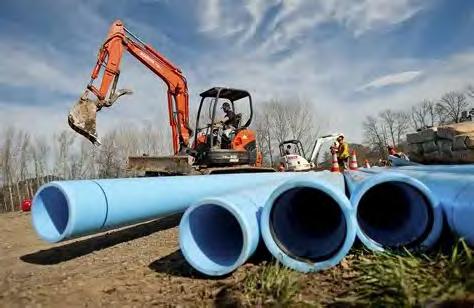

result, competition is shifting toward providers that can deliver integration, reliability, and compliance at scale, with established players gaining an advantage due to their ability to support high-performance deployments.
Despite this progress, a gap between ambition and execution remains a key challenge. Grid limitations, permitting delays, and high capital costs continue to slow project timelines even as demand accelerates. In the water sector, stricter standards may outpace the ability of utilities to fund and deploy upgrades. Similar pressures are visible in electric and hydrogen mobility, where charging infrastructure requires significant grid expansion and hydrogen refueling networks remain limited and capital intensive. At the same time, rising investments in electric vehicle and fuel cell systems are placing pressure on profitability, while policy uncertainty and supply chain constraints continue to add complexity.
Looking ahead, the next three to six months will be critical in determining whether execution can keep pace with demand. Key indicators include the pace of grid upgrades and power agreements, as well as whether contaminant regulations translate into concrete project pipelines. This will be reflected in mobility through the expansion of charging networks, growth in electric vehicle manufacturing capacity, and the rollout of hydrogen refueling infrastructure. It will also be important to monitor whether AI-driven optimization moves into routine operations and whether circular models, such as water reuse, gain meaningful traction in major urban systems.
What is becoming increasingly clear is that energy and water infrastructure are no longer passive systems supporting economic activity; they are becoming active constraints that shape how and where growth can occur. Organizations that can secure reliable, scalable, and compliant infrastructure will be better positioned to navigate this evolving landscape and capture long-term value.
This is the moment when energy and water infrastructure stop being background systems and become frontline constraints on growth. Read the State of the Energy and Sustainability Industry Report to understand how this transformation is unfolding at www.bccresearch.com.
Orlando World Marriott 8701 World Center Dr. Orlando, FL 32821
Daytona Beach Ocean Center 101 N Atlantic Ave., Daytona Beach, FL 32118
Orlando World Marriott 8701 World Center Dr. Orlando, FL 32821
Palm Beach Convention Center 650 Okeechobee Blvd, West Palm Beach, FL 33401











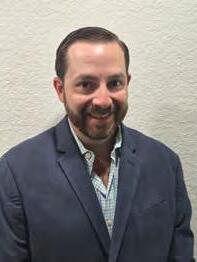
FTyler Tedcastle Chair, FSAWWA
rom 2014 to 2019, I had the privilege of serving on the Membership Engagement and Development Council (MEDC). Like all organizations, change is a part of growing and expanding. When first elected, I was chair of what was called the Administrative Council; however, FSAWWA decided to align our councils with those of AWWA, and in 2017, the Administrative Council was rebranded as the MEDC.
Larry Miller, P.E., from St. Johns County Utility Department currently serves as chair for MEDC. The mission of the MEDC is to enhance membership engagement by improving membership value. To support this goal, the MEDC is comprised of volunteers from around the section who participate in its four committees:
S Membership Engagement
S Diversity, Equity, and Inclusion
S Likins Scholarship
S Young Professionals
As I have written about the Likins Scholarship and Young Professionals committees previously, I would like to focus in this column on the Membership Engagement Committee and Diversity, Equity, and Inclusion Committee.
The Membership Engagement Committee has evolved over time in both goals and branding. While the committee was previously focused primarily on membership numbers and retention, both AWWA and FSAWWA realized that this view was unsustainable and did not provide value to our members. We understand that those in the water industry have many great organizations they can join (and many of us are members of multiple organizations). Rather than focus on a membership quota (which is still very important), we started focusing on enhancing the value of our membership to the water community in the hope that this approach would help generate interest and participation. As a section we have seen this approach help us consistently increase our membership.
Under Pranjali Kumar’s leadership as the Membership Engagement Committee chair, the committee has consistently met and exceeded growth and retention goals set by AWWA, making it one of the best section committees in the association. While we aren’t solely focused on the numbers, we do have to ensure growth to help our industry and maintain the educational events we provide as a section.
This year the committee’s goals are:
S Grow the section’s membership by 1 to 3 percent.
S Facilitate a few Virtual Membership Open House sessions for existing, new, and potential members to better understand membership benefits, with a few guest speakers to share personal experiences.
S Provide enhanced access to joining FSAWWA.
S Create and send a welcome kit to new members.
The FSAWWA is always evaluating different options for providing cost-effective membership rates when available. Currently, the section provides a special membership rate for utility operators to join and renew for only $25 per year, which needs to be coordinated directly with Casey Cumiskey at the section. We also provide free first-year memberships for students.
The MEDC has a new initiative that has been very close to the heart of many of our volunteers: our Veteran’s Initiative, which is led by Jay Madigan and Mark McDowell. Their goal is to recognize, recruit, retain, and support military veterans in the Florida waterworks industry. The two primary objectives of the Veteran’s Initiative are:
S Operation WETVET: Recognition and support of current veteran FSAWWA members
S Operation FISHHOOK: Market career paths to veterans in the waterworks industry
The FSAWWA hosts veteran’s connection events at both the FSAWWA Fall Conference and the Florida Water Resources Conference. If you are active military, reserve, or a veteran, please visit our website at https://www.fsawwa.org/page/ VeteransPage.
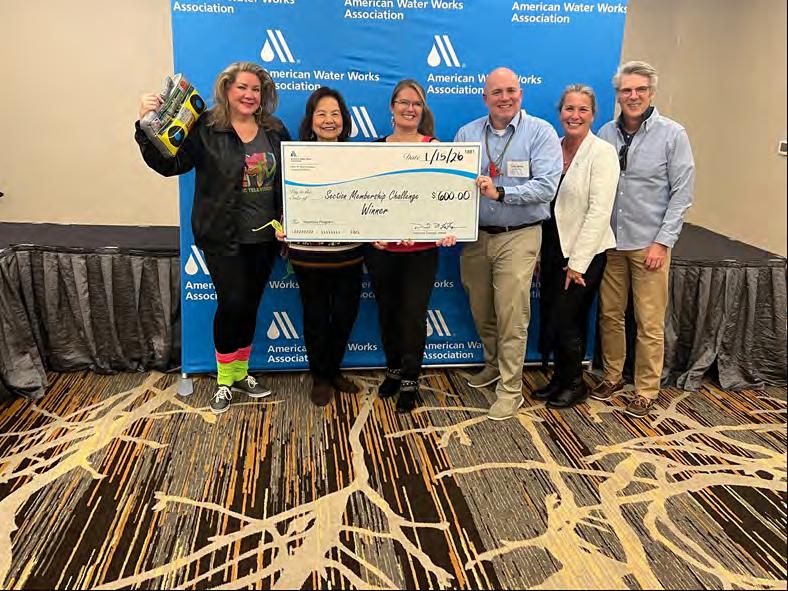
The Diversity, Equity, and Inclusion Committee was created to help ensure our organization is as diverse as the water industry and its workforce. This committee assists in creating an environment that fosters the recruitment, professional development, sense of belonging, and participation of all professions who work to make a better world through better water within our underrepresented diverse communities. e are always looking for volunteers for this committee, so please let us know if you would like to participate.
ast but not least, the MEDC would not be nearly as successful as it has been without the support of Casey Cumiskey and the other FSAWWA staff members who provide support to all of our committees. S
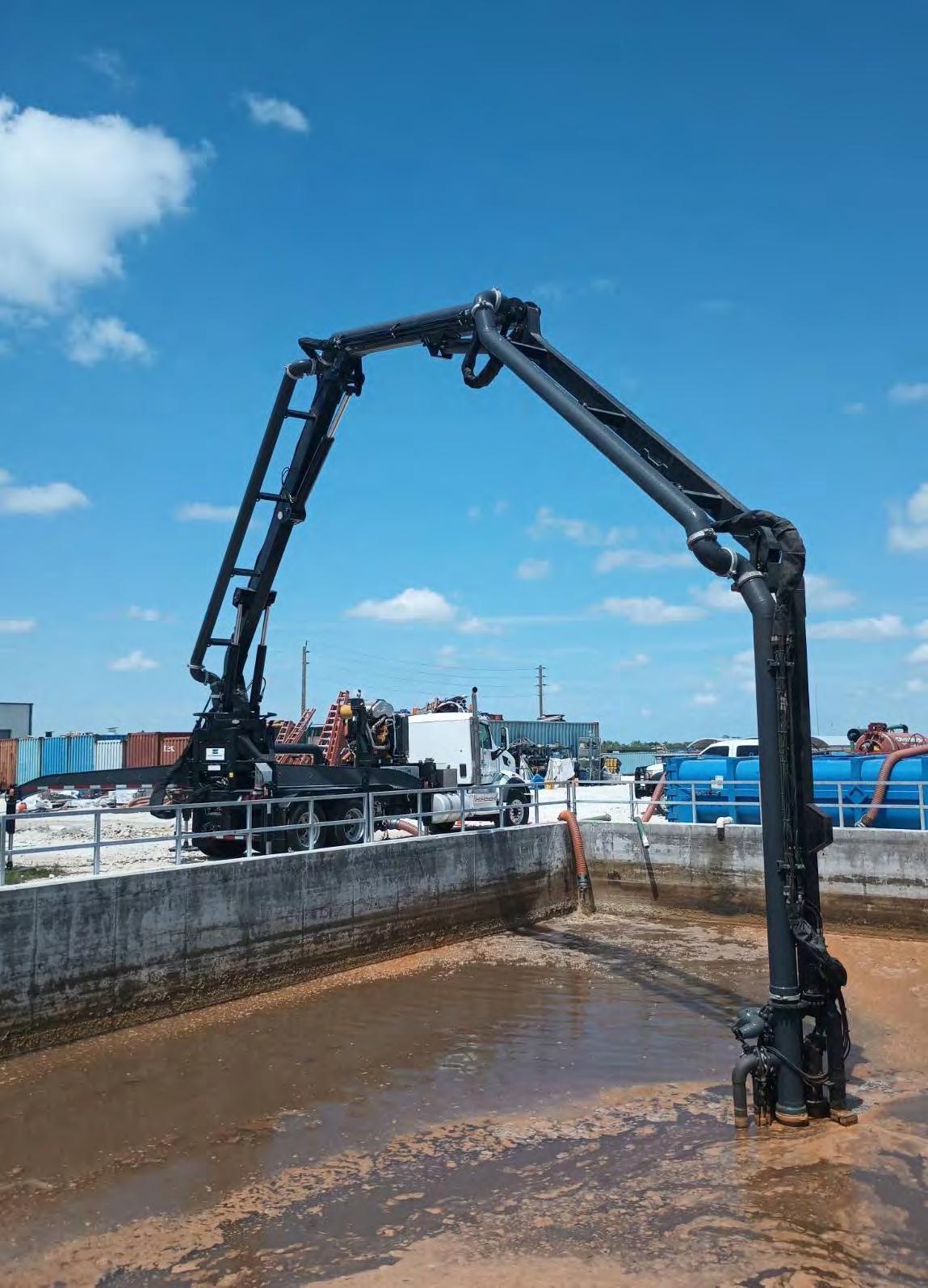



A report released by the American Water Works Association (AWWA) finds that addressing drinking water infrastructure and other critical needs in the United States will require several trillion dollars over the next 25 years, testing the limits of water affordability.
The report, Beyond the Replacement Era: Balancing Compounding Infrastructure Needs with Household Affordability, provides the most comprehensive assessment to date of the investments needed to sustain safe, reliable drinking water service through 2050.
“Drinking water infrastructure underpins the health and economic vitality of our communities, but the cost of sustaining it is rising rapidly,” said Heather Collins, AWWA president. “The report makes clear that the path to a resilient and affordable water future depends on collaboration—among water utilities, policymakers, all of us—while keeping front and center the people and families who must be able to afford water without sacrificing other essential needs.”
Developed in partnership with Raftelis and One Water Econ, the report has five key takeaways.
The Water Sector Has Entered a New Cost Era
Drinking water utilities are no longer facing just an asset replacement challenge; they are confronting a compounding set of cost drivers that include regulatory compliance, climate resilience, cybersecurity, and treating more complex sources. Over the next 25 years (2026-2050), total drinking water infrastructure needs are projected at $2.1 to $2.4 trillion in 2025 dollars, far exceeding earlier estimates tied solely to buried infrastructure. These pressures signal a structural shift in the cost of providing safe drinking water, not a temporary spike.
Current capital spending by drinking water utilities averages about $33.6 billion per year, while the annual investment needed to meet projected requirements is approximately
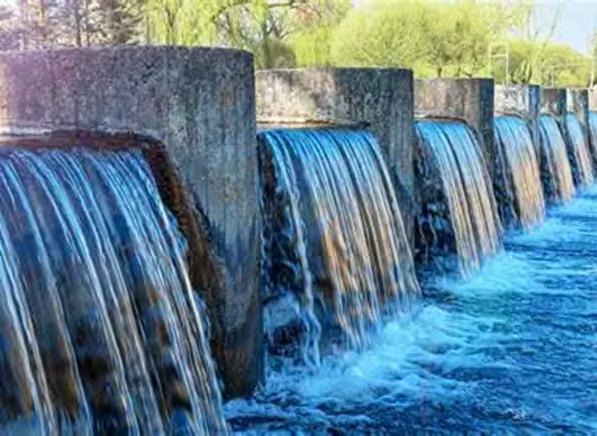
$90.2 billion. This leaves an annual funding gap of roughly $56.6 billion, requiring a 168 percent increase in capital investment to close it. With a few exceptions, such as the Infrastructure Investment and Jobs Act (IIJA), federal contributions have been limited.
If communities rely exclusively on revenue from water bills to close the funding gap, average annual household drinking water bills would rise from $429 in 2025 to $969 by 2050 (2025 dollars)—more than doubling in real terms. Even under a baseline spending scenario, bills are projected to increase to $685, reflecting rising operating and maintenance costs.
If the funding gap is addressed entirely through increases in household water rates, an estimated 30.4 million households—21.5 percent—would spend more than 2.5 percent of their income on drinking water, and 53.5 million households—37.8 percent—would exceed a 1.5 percent income threshold. An estimated $13.6 billion per year in assistance would be needed by 2050 to keep water bills below commonly understood affordability benchmarks. Impacts would disproportionately affect low-income households and communities served by small systems.
The IIJA provided a historic and muchneeded infusion of funding that expires after the fiscal year 2026; however, temporary programs will not fully stabilize the sector. Core funding programs, like the State Revolving Loan Funds (SRF) and the Water Infrastructure Finance and Innovation Act (WIFIA), remain

critical, helping water utilities access low-cost loans with extended repayment periods and customizable terms. Reductions in financing costs can moderate rate increases and help keep water affordable.
Unlike earlier assessments focused primarily on buried drinking water infrastructure, the report incorporates a broader set of cost drivers, including treatment upgrades for emerging contaminants, such as per- and polyfluoroalkyl substances and lead service line replacement.
Only 3.9 percent of public spending on water sectors (drinking, wastewater, stormwater) comes from federal sources, far below levels provided to other infrastructure sectors.
“ The first step toward solving any challenge is recognizing its full scope, and this report does exactly that,” said David LaFrance,
AWWA chief executive officer. “It makes clear that progress will require collaboration across all levels of government and a shared understanding of why drinking water is so critical in our communities. The association looks forward to collaborating with our many partners in the water sector and beyond to prepare a future where reliable water is available and affordable to everyone.”
The report was announced at a special briefing during the AWWA/WEF Utility Management Conference in Charlotte, N.C. It builds on a series of AWWA drinking water infrastructure and affordability reports that include:
S Dawn of the Replacement Era (2001)
S Thinking Outside the Bill (2004, 2014, 2022)
S Water Infrastructure at a Turning Point (2006)
S Buried No Longer (2012)
The report is available at www.awwa.org. S

AJoan Fernandez President, FWEA
s we move into the month of May, our focus turns to the critical role of operations and utility management in ensuring the reliability and performance of Florida’s wastewater infrastructure. Across the state, dedicated operators and utility leaders work around the clock to maintain systems that protect public health and the environment; often behind the scenes, but always essential. This commitment to operational excellence was on full display at the recent 2026 Florida Water Resources Conference (FWRC), held in Daytona Beach, where water professionals from across Florida gathered to share knowledge, showcase innovation, and strengthen collaboration. The conference serves as one of the largest and most important annual forums for advancing technical expertise and operational practices in the water and wastewater industry.
In this month’s column, I am pleased to highlight key themes from FWRC and reflect on the importance of strong utility management in sustaining Florida’s water environment.
Florida continues to strengthen utility management practices across the water and wastewater sector through a combination of regulatory oversight, training, and funding initiatives. The Florida Department of
Environmental Protection (FDEP) plays a central role by overseeing permitting, compliance, and operational standards for more than 2,000 domestic wastewater treatment facilities statewide. Through its wastewater management program, FDEP works directly with utilities to ensure systems are operated safely, efficiently, and in a manner that protects public health and water quality. These efforts are part of a broader, coordinated framework that supports consistent and effective management of water resources across Florida.
At the same time, Florida is investing in workforce development and professional certification to strengthen utility leadership and operational expertise. Programs, such as the Utility Management Certification offered through the Florida Rural Water Association, are helping operators transition into management roles by recognizing their experience and providing formal training in utility operations and leadership. These initiatives are critical in building a pipeline of qualified professionals who can effectively manage increasingly complex infrastructure systems while maintaining regulatory compliance and financial sustainability.
In addition, collaboration remains a key driver of progress. Volunteer groups, like the Florida Water Environment Association Utility Council, continue to bring together utility leaders to share best practices, advocate for sound policy, and promote efficient and cost-effective wastewater management statewide. By combining strong regulatory frameworks, targeted funding, workforce development, and industry collaboration, Florida is advancing utility management practices that ensure reliable
service and long-term sustainability for its water infrastructure.
Florida continues to advance water and wastewater operations through a combination of regulatory updates, infrastructure investment, and improved system management practices. Recent legislative and regulatory efforts are driving utilities toward higher treatment standards, particularly with increased emphasis on advanced wastewater treatment and stricter nutrient limits for facilities discharging to sensitive water bodies. These changes are pushing utilities to upgrade treatment processes, optimize operations, and expand reuse planning to meet evolving environmental requirements. Operational improvements are also being supported through programmatic changes and workforce-focused initiatives. The transition of onsite sewage treatment system (septic) permitting to FDEP represents a significant step toward moreintegrated water quality management. By aligning wastewater, stormwater, and landuse considerations under one agency, Florida is strengthening coordination and improving how systems are managed at both the local and watershed levels.
Finally, utilities across Florida are continuing to address aging infrastructure and capacity challenges through capital improvement programs and operational upgrades. Many systems are expanding treatment capacity, improving wet weather flow management, and investing in modern technologies to reduce overflows and enhance performance. These efforts are critical as utilities respond to population growth, regulatory pressures, and environmental concerns, ensuring that water and wastewater operations remain reliable, efficient, and protective of Florida’s natural resources.
The FWRC, held April 26 through 29 at the Ocean Center in Daytona Beach, once again brought together a diverse cross section of Florida’s water community, including utility leaders, operators, engineers, regulators, and students. As a joint conference hosted by FWEA, FSAWWA, and FWPCOA, FWRC continues to serve as a premier educational and networking event focused on advancing Florida’s water environment. Attendees participated in a wide range of technical sessions, training workshops, and discussions centered on emerging technologies, regulatory updates, and practical solutions to today’s water and wastewater challenges.
The conference also featured a robust
exhibit hall and the newly highlighted Experience Center, providing opportunities for participants to engage directly with vendors, explore innovative technologies, and exchange ideas with peers across the industry. Signature events, such as the Operations Challenge, student and young professionals activities, and awards ceremonies, further showcased the talent, dedication, and innovation within Florida’s water sector.
Equally important were the many networking opportunities woven throughout the conference, from technical sessions and committee meetings to social events that fostered collaboration and strengthened professional connections statewide.
O verall, FWRC 2026 reinforced its role as a central hub for knowledge sharing, professional development, and industry engagement, continuing to build momentum for the future of water and wastewater management in Florida.
As I close out my term as president of FWEA, I am filled with a deep sense of
gratitude for the opportunity to serve this incredible organization. The FWEA has a long-standing legacy of uniting water/ wastewater professionals across the state to protect our environment through education, collaboration, and leadership, and it has been an honor to be part of that mission in this role. O ver the past year, I have had the privilege of working alongside dedicated volunteers, passionate professionals, and strong leaders who continuously give their time and energy to advance our industry. Your commitment to FWEA and to Florida’s water environment is what makes this organization so impactful and special.
ank you for your support, your trust, and the opportunity to serve. It has truly been a rewarding and memorable experience. S


The ACE26 educational program will cover current and emerging topics, including:
•Water quality and treatment – Addressing PFAS, lead, and regulatory advancements
•Water resilience – Strategies for sustainability and the future of the Colorado River
• Utility management – Workforce development, financial planning, and workforce initiatives
• Infrastructure and innovation – Exploring intelligent water systems and cutting-edge technologies
•



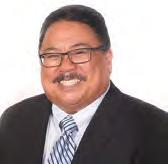



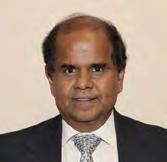











Aging septic tanks were pinpointed as a source of harmful nitrogen and fecal bacteria leaching into Florida’s once pristine waterways in the 1980s, contributing to red and brown tides, algae super blooms, and massive fish kills. Martin County took notice and prioritized a septic elimination program in 2015 to protect its 22 miles of Atlantic beaches and more than 43 miles of shoreline along the St. Lucie River and Indian River Lagoon—vital for fishing, tourism, recreation, and local economies.
Connect to Protect is one of a number of local initiatives transferring septic-dependent homeowners to public wastewater collection and treatment systems. Their combined efforts make Florida the national leader in septic-to-sewer conversions, acceptance, and funding.
“We’re a third of the way through our septicto-sewer program,” said Leo Repetti, technical services administrator at Martin County Utilities. “We have the infrastructure installed for 2,800 homes, and we still have about 10,000 septic systems to remove and convert over to municipal sewer.”
Although Martin County Utilities has installed 1,000 vacuum sewers, the All-Terrain Sewer from Environment One Corporation (E/One) is predominant. Once regarded as “alternative” technology, low-pressure sewers incorporating grinder pumps have emerged as the cost-efficient and appropriate technology amid the challenges of Florida’s sandy soil, clay, flat terrain, and highwater tables.
The program has a two-pronged approach. The first installs a backbone of force mains in adjacent right of ways connecting the neighborhoods and wastewater treatment plant. The second is the utility’s “one stop shop” of homeowner meetings, property examinations, septic tank removal, and final pump installation.
A 1-horsepower, semipositive displacement grinder pump housed in a tank the size of a refrigerator blends waste into a fine slurry before its robust torque propels it through inflowand-infiltration-free pressurized pipe (reaching distances of nearly three miles—or even straight up 185 feet) to an existing gravity sewer, as well as a force main or treatment plant.
“ The pressurized sewer system is economical,” says David Duncan, senior utilities project manager at Martin County Utilities. “In the future, Martin County is looking to expand on the pressurized sewer system.”
Beyond the initial start-up cost, operation and maintenance expenses are low. Even with 1,200 grinder pumps currently in service, “we probably spend 15 to 20 man hours a week on grinder call outs,” says Duncan. “That was a pleasant surprise for us.”
Although a homeowner is not required to convert from septic to municipal sewer until the septic system fails, the response to convert is better than expected, attributable to environmental awareness and customer incentives. The county absorbs the cost of force mains while the homeowner pays the cost of the installation and the equipment, which the county owns and maintains in perpetuity.
“ There are some incentives for connecting in the first year,” said Repetti. “The normal cost
to connect the grinder sewer for the residents is $10,000 and we will discount that down to $8,000 in the first year; then, we have additional grant money to reduce it down to $7,000, which is roughly the cost of a new septic drainfield.” Customers can pay cash or a simple interest loan of $85 monthly added to their utility bill.
“Martin County has embraced pressure sewer, and with matching septic-to-sewer grants, we’re looking to make connections available for 1,000 homes every three years,” says Repetti. “We have been visited by roughly a dozen other utilities that are looking at grinder sewers, but don’t know where to start, and are looking at our program for guidance.”
“We’re finally seeing some progress being made at cleaning up the Indian River Lagoon,” says Dr. Brian E. Lapointe, research professor Harbor Branch Oceanographic Institute at Florida Atlantic University. “It’s going to take a long time. It’s going to take years and money to do this, but in the end, everyone is going to be happy when they can swim in the water. We hopefully can restore water quality so that seagrasses can become luxuriant again and grow again and everyone will be happy—including the wildlife.” q
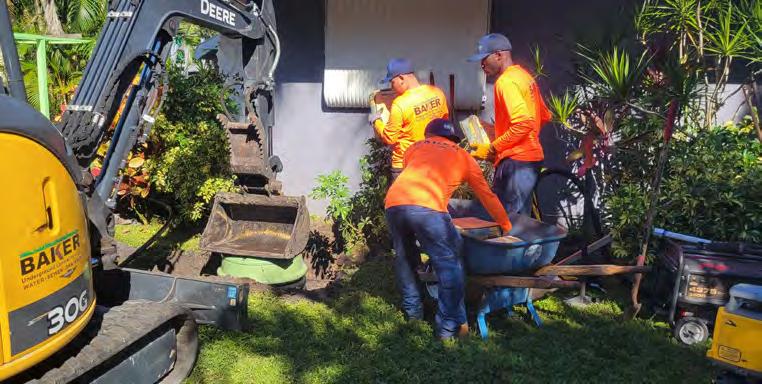
Kevin Shopshire President, FWPCOA
“Intellectual arrogance and the illusion of certainty prevent learning.” pictetus, Greek philosopher
In today’s world, if you believe you know something already, you’re less open to learning.
More of us in our fields suffer from this than we’re willing to admit, especially those of us with many years of experience. I can speak to this, with my 22 years in the industrial pretreatment field. You know your job, and you feel you’re good at it, right?
I’ve had a couple experiences of humility recently in my own world, one in my work world that I’ll share with you all. I was “trained,” many, many years ago, that composite samplers must be refrigerated, for any and all parameters collected. Now I know some parameters don’t require that, but I was trained that it’s better to ice down a composite sampler, to be on the
safe side. I recently had a conversation with a professional sampling company, hired by one of my industries, about its procedures.
There was a new parameter added to their permit that required refrigeration. I figured it wouldn’t be a negative issue, as they presumably already refrigerated their collected samples. The industry has used them for quite some time, but I learned they were not refrigerating samples onsite. I questioned their methods, compared to the methods I was sure I “knew.” I was incorrect—I learned all of their prior parameters indeed did not require refrigeration. In my “intellectual arrogance” I presumed to know the proper methods since I’ve been doing this for so long.
I have learned from this experience, and may consider taking a refresher in sampling methods in the future. At the very least, I’ve read through and relearned sampling methods and procedures.
What do you believe you “know”? Do you have “intellectual arrogance”? Are you a newer operator, trained on computers, supervisory control and data acquisition, and keyboards? What happens when the internet is out, or the power is out, at your facility? Or are you an “experienced” operator, who doesn’t care for the “new-fangled” way that everything is

controlled by touch screen or keyboards? How long has it been since you’ve sat in a classroom and learned (or relearned) something you thought you knew?
What about management? Do you presume to be a good manager just by observing your predecessor, or did you obtain training? Managers have requirements and stressors from above, as well as below. We don’t always “know” what they’re doing, when we think they’re just sitting at the desk staring into space.
You all should be reading this column immediately following the Florida Water Resources Conference in Daytona Beach. If you were there, with whom did you network? Which classes/sessions did you attend? Did you sit through any refreshers?
Times change. Problems change. Priorities change. Technologies change. Even how we’re supposed to interact with people changes. We all need to be better educated.
Can we admit we don’t know everything we think we know?
When I wrote this column I put two spaces after each period, the way I was taught. According to my editor, even that has changed!
This month I’d also like to spotlight our FWPCOA Exam Consultant Committee. Mr. Ray Bordner, of Region 4, heads up this committee. The committee is responsible for working directly with the Operator Certification Program (OCP) of the Florida Department of Environmental Protection to review the actual exams for certification, and the statistics along with them.
Currently we have Mr. Bordner and Mr. Tom King as the only members of the committee. We’re looking for any licensed members that would be interested in representing FWPCOA at the state level in water treatment operations and wastewater treatment operations. This is a very important need for our organization to have representation. If you’re interested in getting involved with the Exam Consultant Committee you can email Chad Hardy (chad.hardy@floridadep. gov) or Ray Bordner (raybordner@aol.com).
Our next Education Committee and board of directors meetings will be held in June. We also have our next Short School in the works for August.
I hope to see you there! S
Members of the Florida Water and Pollution Control Operators Association (FWPCOA) may earn continuing education units through the CEU Challenge! Answer the questions published on this page, based on articles in this month’s issue. Circle the letter of each correct answer. There is only one correct answer to each question! Answer 80 percent of the questions on any article correctly to earn 0.1 CEU for your license. Retests are available.
This month’s editorial theme is Operations and Utilities Management. Look above each set of questions to see if it is for water operators (DW), distribution system operators (DS), or wastewater operators (WW). Mail the completed page (or a photocopy) to: Florida Environmental Professionals Training, P.O. Box 33119, Palm Beach Gardens, Fla. 33420-3119, or scan and email a copy to memfwpcoa@gmail.com. Enclose $15 for each set of questions you choose to answer (make checks payable to FWPCOA). You MUST be an FWPCOA member before you can submit your answers!
Melanie Moore and Isabel Hall
see page 20
(Article 1: CEU = 0.1DS/DW02015469)
1. What primary source supplies potable water to the City of Tarpon Springs?
a. Surface water reservoirs
b. Desalinated seawater
c. Reclaimed water
d. Floridan aquifer
2. Which factor contributes to the projected decline in reverse osmosis water facility production over time?
a. Degrading groundwater quality and reduced skid efficiency
b. Expansion of the distribution system
c. Increased customer demand only
d. Reduced electrical capacity
3. Which contaminants drove the evaluation of additional treatment technologies at certain wells?
a. Nitrates and arsenic
b. Salinity and hardness
c. Per- and polyfluoroalkyl substances and iron
d. Sulfates and chlorine
4. Under peak hour demand (6.3 million gallons per day), what was the minimum modeled system pressure?
a. 47 pounds per square inch (psi)
b. 43 psi
c. 35 psi
d. 29 psi
5. Approximately what percentage of hydrants can deliver over 1,000 gallons per minute at 20 psi residual pressure?
a. 50 percent
b. 60 percent
c. 75 percent
d. 90 percent
Welcome to the FWEA Chapter Corner! The Member Relations Committee of the Florida Water Environment Association hosts this article to celebrate the success of recent association chapter activities and inform members of upcoming events. To have information included for your chapter, send details to Melody Gonzalez at gonzalezm@bv.com.

Ignacio Lizama and Melody Gonzalez
The South Florida Chapter of FWEA continued its momentum in 2026 with a sold-out technical seminar held April 9, 2026. The event, “Building Resilient Utilities: Innovative Sustainability in Action,” drew 120 attendees for a full day of technical presentations focused on resilience and sustainability in the water and wastewater industry.
Throughout the day, attendees heard diverse perspectives from utilities, consultants, and technology providers reinforcing that resilience and sustainability are built through collaboration, shared experience, and networking. The sessions underscored that resilience must be addressed across the full utility life cycle, including planning, design, operations, funding, and long-term adaptation.
Presentations included practical case studies on climate resilience, water reuse, digital tools,
Thank you to the event sponsors.
resource recovery, and response and recovery following extreme events. The program also reinforced the importance of innovation from data-driven decision making and smart water technologies to forward-thinking funding and policy strategies to help utilities meet today’s demands and navigate future uncertainties.
In opening and closing remarks, chapter members thanked attendees, speakers, moderators, volunteers, and sponsors for making the seminar possible. Participants were reminded of the value behind a FWEA membership and encouraged to stay engaged to continue the conversations started during the seminar, connect with peers, and remain active with FWEA as we work together to strengthen the resilience and sustainability of our water and wastewater industry.
utilities and event sponsors whose generous support helped make this seminar a success. Your
continued commitment to the chapter’s mission and the water environment profession is truly appreciated.
The chapter leadership team planned the event over five months, receiving 29 abstracts and selecting 19. The final program featured 18 sessions delivered by 31 industry leaders and was supported by 20 event sponsors, four participating utilities, and 14 consultants and suppliers showcasing the strong industry interest in innovation, resilience, and sustainability-focused solutions.
Thank you to all attendees, speakers, and volunteers for supporting the chapter. Special thanks to Abnery Picon for exceptional leadership and organizational skills that kept our team on track during event planning and ensuring a
tay tuned for more events in 2026 and we look forward to your continued involvement with
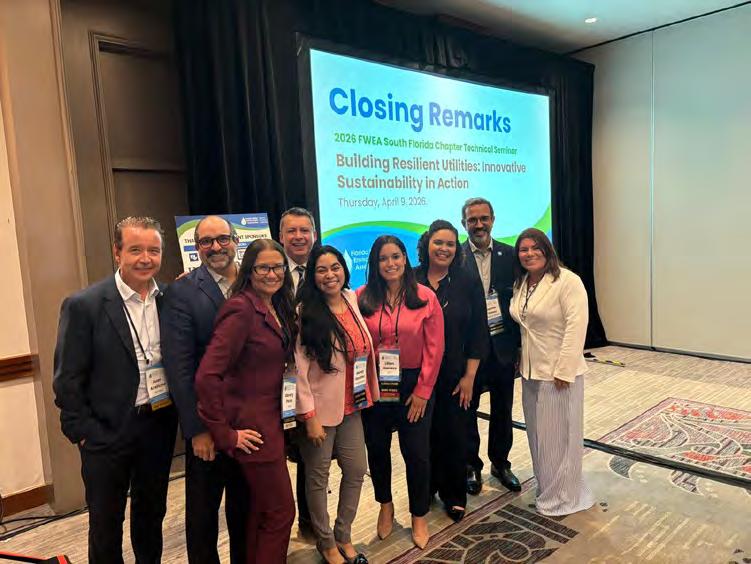
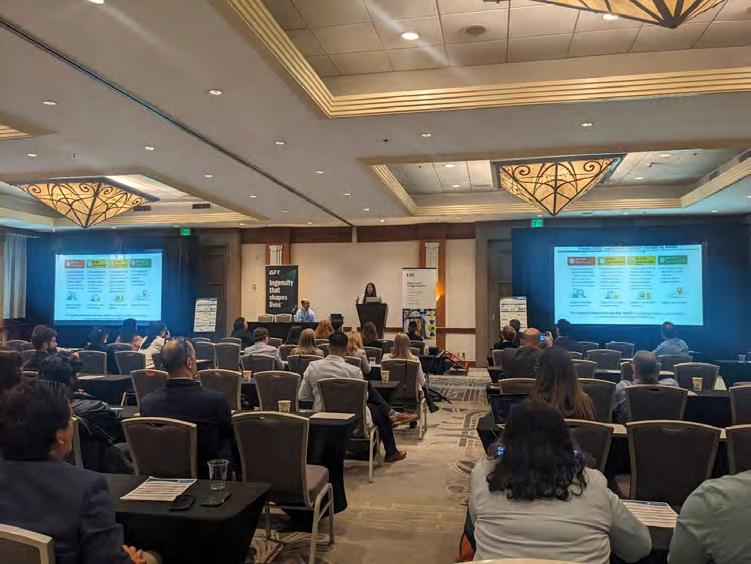

Jayson Brennen
We live in a data-driven society. With the rapid advancement of technology, including artificial intelligence (AI); Large Language Models (LLMs), which are a type of artificial intelligence designed to understand human language; geographic information systems (GIS); enterprise asset management; and predictive analytics, the need for accurate and complete asset data has never been more critical. While technology has advanced in recent years, many utilities face the challenge that their data requires significant improvement to take full advantage of these emerging digital solutions. Too often, utility datasets are nonstandardized, inaccurate, incomplete, or poorly integrated, and to maximize the benefits of today’s technology, utilities must invest in organizing and improving foundational data (GIS, computerized maintenance management systems [CMMS], billing, etc.) at the enterprise level. When an accurate data foundation is in place, the payoff is clear: Companies can unlock the full potential of their data across every facet of the organization and maximize the use of technology.
anywhere, anytime, using any device. With these tools, utilities are reducing downtime, planning capital projects more effectively, improving service to customers, and reducing risk.
In the coming years, technological growth is expected to accelerate, with AI, LLMs, and AI agents (a digital widget that completes a complex task) playing a major role, along with GeoAIpowered tools (GeoAI is the integration of AI with spatial data, science, and geospatial technology to increase understanding and solve spatial problems) to help utilities predict asset failures, optimize operations, and prioritize projects with greater accuracy. The LLMs will allow staff to query GIS, maintenance records, inspection logs, and sensor data using plain language. The use of GIS will evolve into more accurate, integrated, 3D, and augmented reality-type environments, allowing staff to visualize and interact with buried and vertical assets through 3D applications and smart glasses. Digital twins will become common, integrating data to visualize real-time operations, test scenarios, and plan improvements. The message is clear: Utilities must plan today for the technologies of tomorrow.
systems and applying modern technologies to enhance utility operations. Key considerations include:
Understand the Future of Digital Transformation in Water Utilities
It’s important for utility leaders to learn about, understand, and acknowledge where technology is today and where it is going tomorrow. This knowledge helps utilities know exactly where they are now and what they should be aiming for, so they can take full advantage of current and future technologies.
Take a Step Back and Self-Reflect
It is beneficial for utilities to take a hard look at the current state of their data: are they accurate, complete, connected, and standardized? Do systems talk to each other? Are GIS and asset data meeting the needs of the entire organization? This self-reflection will help define the “current state,” thus providing a foundation for improvement.
Invest in a Data Master Plan and/or Digital Roadmap

Technology tools in the water industry have grown rapidly in recent years and the “digital utility of the future” is now here. Utilities are beginning to adopt and integrate AI and LLMs into utility workflows to systematically analyze large amounts of data and provide chat-driven access to enterprise utility data. Foundational tools, including GIS, building information models (BIM), enterprise asset management, real-time monitoring, and reality capture data are now able to be integrated at a much higher level, supporting the development of true digital twins (a virtual representation of a utility system that uses real-time data to simulate its behavior and performance throughout its life cycle) and driving more proactive utility asset management, planning, and decision making. Data that once sat in silos are now connected, and integrated AI tools, predicative analytics, and mobile apps give staff and managers access to utility information
Many utilities began their digital journey decades ago by building GIS datasets, implementing CMMS, and modernizing billing and supervisory control and data acquisition systems. Oftentimes, data developed 20 years ago was built through a different lens, using different standards. For example, utility GIS data built 20 years ago were often more “representative” in nature, with not as much focus on pinpoint accuracy, vertical information, or integration with other data systems that is required today. To meet future needs, utilities are now implementing data improvement programs to enhance legacy datasets, strengthen integration, and establish a foundation for emerging technologies.
The big question now is: What steps can utilities take to prepare for the future of digital? The answer follows the same logic as planning for a traditional engineering project: evaluate the current state, define goals, develop a plan, and execute it. The ultimate goal is “data unity” between
It is important for utilities to treat data as an “asset.” Like physical assets (i.e., pipes and pumps), data assets need maintenance and improvement plans. That’s where a “data master plan” or “digital roadmap” comes into play. Utilities are increasingly developing data planning strategies to drive toward data integration across the organization, prepare data for the next generation of technology, and help maximize investments in technologies already implemented. These plans help set data governance standards and deliver clear recommendations for data improvement, giving utilities a strong foundation to manage, organize, and leverage information as they move toward the digital utility of the future.
As utilities plan their digital future, it is essential that the development of a comprehensive cybersecurity plan and set of protocols is prioritized to protect data. Ensuring the integrity and security of these connected datasets is a prerequisite for safely deploying AI-driven tools and maintaining the resilience of utility infrastructure. In addition, there is a human element to digital transformation, and the digital roadmap should provide a clear training and “people” strategy to help achieve a high level of adoption.
Continued on page 46
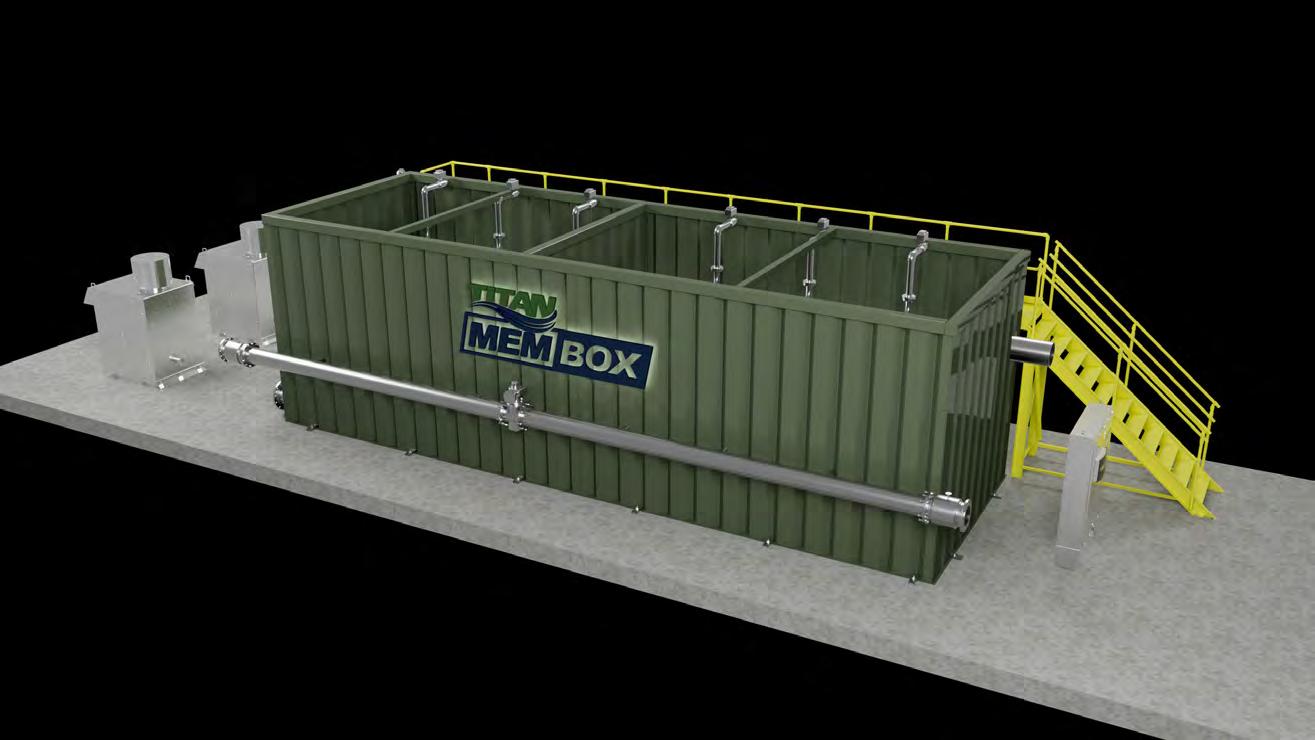


Implement Small Process Improvements Now That Can Result in
With a good plan, actions can be taken to improve large amounts of data over short periods of time, through both automated and manual data validation methods. In addition, data improvements can happen incrementally, over time, through simple process improvements. For example, altering the utility mark-out process by incorporating mobile global positioning systems (GPS) and GIS tools can help field-verify and improve existing GIS and asset datasets. Also, incorporating CMMS data validation activities with utility condition assessment or inspection programs can help improve data quality and readiness. Process improvements like these can greatly improve data through slight modifications to existing processes and workflows.
solutions, BIM-based solutions, and digital twins to expand the use of data. These can be piloted in a small, controlled environment, and expanded to meet the needs of the organization. These emerging technologies are here now and ready to use, and it is important that utilities become familiar with these tools to help better position for the future.

Once implemented, staff will interact with data in new ways. Instead of clicking on a dashboard, referencing a past report, or looking at a GIS-based map, staff will simply ask questions using a chat-based environment. For example, questions like “Can you show me pipes that have a history of grease buildup or root intrusion and make me a map?” or “I am at Pump Station #12 and pump #1 is not turning on; please provide the maintenance history and tell me, based on the operation and maintenance manual, what should I check next?” can be asked. With accurate and well-organized data, the power of AI will analyze thousands of data points, build a model, and report back the results via text, tables, maps, and on-thefly dashboards, nearly instantly. The key to success is accurate, complete, and well-organized data.
As data within core systems are improved and systems become more integrated, look to implement AI-based tools, LLMs, advanced GIS
Finally, a data improvement program does not happen overnight; progress comes through proper planning and structured implementation. Each step moves a utility closer to unified, enterprise-
ready data, and ultimately, “data unity,” where core information systems act as a single, cohesive environment. Once data unity is achieved, utilities will truly be able to use data to drive enhanced utility management, operations, and planning.

Utilities today are at a crossroads. Technology is advancing quickly, but its value depends on the quality of the data behind it. By investing in strong foundations, building clear strategies, and committing to governance and cybersecurity, utilities can move from reactive problem solving to proactive planning. With accurate and connected data, they can unlock the power of AI, LLMs, AI agents, predictive analytics, immersive GIS, and real-time asset management. The result is a smarter, more resilient utility, one that is ready to meet today’s challenges and take full advantage of tomorrow’s technology.
Jayson Brennen, GISP, is asset management and geospatial solutions practice leader at CDM SmithTrinnex in Manchester, N.H. He can be reached at jayson.brennen@trinnex.io. S
Gov. Ron DeSantis recently joined the U.S. Army Corps of Engineers to announce that all federally funded contracts for the Everglades Agricultural Area (EAA) Reservoir have been fully executed, marking a major step forward in accelerating one of the most critical components of Everglades
This milestone brings us a step closer to delivering on our commitment to restore the Everglades,” said Gov. DeSantis. “The July 2025 agreement between the state of Florida and the federal government has made this possible by cutting red tape with an “all hands on deck” approach. This is a major victory for America’s Everglades and a testament to the progress our joint federal and state teams have made in just nine months.”
id Adam Telle, assistant secretary of the Army for Civil Works, “The Everglades Continued on page 49

What are the green globs that are sometimes seen floating in—or even taking over—Florida’s natural springs and waterways? Those would be algae blooms and, as it turns out, snail grazers have a role to play.

For 20 years, waterway nitrate levels have been a primary source of blame for the overpopulation of algae blooms in Florida’s natural springs. These blooms, however, aren’t necessarily the only cause. That’s what three researchers from the University of Florida’s Institute of Food and Agricultural Sciences (UF/ IFAS), Dina Liebowitz, Paul Donsky, and Matt Cohen, along with their coauthors, explain in a recently published study.
“Nitrogen can cause problems in all sorts of environments and needs to be managed,” explains Liebowitz, “but the evidence that it’s the primary cause of the algae blooms in the springs is unclear.”
Liebowitz says that a declining population of grazers, particularly freshwater snails called

Elimia, and a decline in dissolved oxygen levels could be part of what’s driving the changes. “We had done surveys across eight springs, repeated over a year, that showed a strong negative relationship between the snails and filamentous algae blooms, meaning that there were generally low algae amounts in areas with high snail populations,” Liebowitz said. “The next step was to explore that relationship more deeply.”
She explains that in an environment with small amounts of algae and good oxygen levels, if left to their own devices, strong snail communities will help to keep a healthy and balanced ecosystem. That’s where environmental complexity comes in.
To keep the all-you-can-eat algae buffet at a manageable level and not explode to bloom
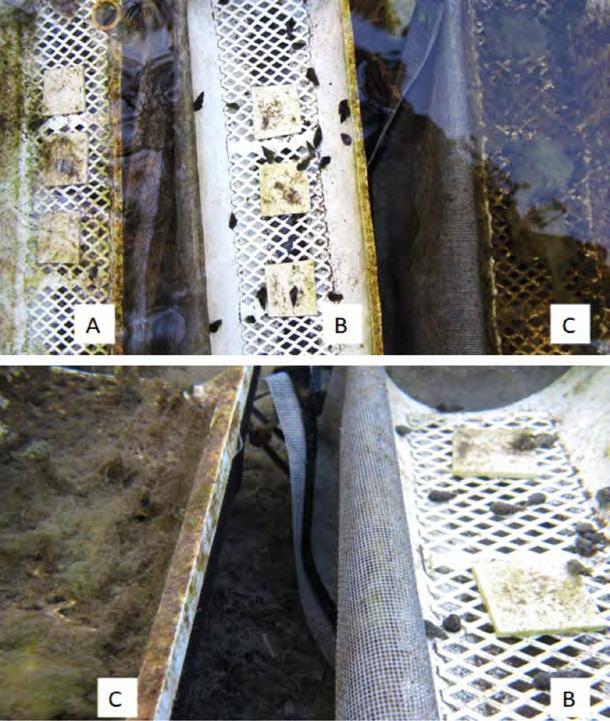
status, factors like the Elimia snail population and the condition of dissolved oxygen need more consideration in the management conversation.
Depleted dissolved oxygen supplies can make the snails lose vigor for foraging activity and, even though there’s still plenty of algae to be eaten, their survivability plummets, or they can slink off somewhere else.
Donsky explains this can initiate a nasty feedback loop: oxygen depletion drives snails away, more algae blooms, and underwater vegetation dies, changing the habitat. Then, even if oxygen goes back up and snails try to come home, there’s too much algae for them to tackle, and the green goo cycle continues.
The research team looked at two different rounds of three experimental treatments across four sites within the Florida spring-fed Ichetucknee River in north central Florida. They found that the overall success of snail control of algae blooms depends on three things:
S Amount of algae initially present
S Size of the snail population
S Levels of dissolved oxygen
“When you have these balanced ecosystems and the snails are doing what they do, they’re little janitors,” said Liebowitz. “They keep the springs
Continued from page 46
restoration plan is truly a modern American megaproject, made possible with our great partnerships with Governor DeSantis and the South Florida Water Management District. This project is a prime example of the Corps and its laser focus on maximizing the ability to deliver national infrastructure, and I’m so proud to help make this happen for Florida and America.”
“Everglades restoration is one of the most complex ecosystem efforts in the world, and progress like this only happens when we come together with a shared focus on solutions,” said Alexis A. Lambert, secretary of the Florida Department of Environmental Protection. “By working with our federal partners and staying focused on results, we are accelerating restoration and ensuring this work continues moving forward.”
The announcement from the Corps confirms that all federally managed contracts necessary to meet the accelerated 2029 completion target are now in place, ensuring that funding and resources will remain secured through project
beautiful for us, they provide an ecosystem service, and we don’t have to do anything.”
“Ecosystem restoration isn’t easy, but there’s exciting new research to help lead the way” said Liebowitz. “It’s important to keep learning about
these incredible systems and what we can do to help them thrive.”
For more information contact Jamie Groh, public relations specialist at UF/IFAS, at 352-2943313, 561-713-6822, or jamieg@ufl.edu. S
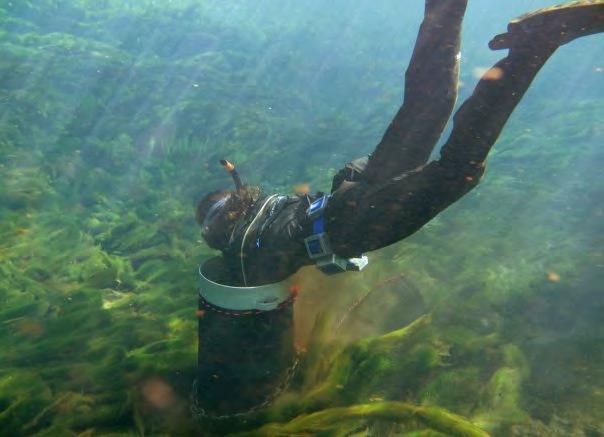
Researcher Dina Liebowitz dives with algae blooms in Manatee Springs. (photo: Larry Khornak, University of Florida)
completion. It builds on a memorandum of understanding (MOU) reached in 2025, which allows the state of Florida to take a leading role in executing federally funded components of the Comprehensive Everglades Restoration Plan.
Under the agreement:
S C onstruction timelines for the EAA Reservoir have been accelerated by five years.
S Florida has taken the lead on key project components while coordinating closely with the Corps.
S Development of critical infrastructure, including the inflow pump station capable of moving 3 billion gallons of water daily from Lake Okeechobee, is already underway.
S Agreements for the outflow pump station are nearing completion at a significantly faster pace than traditional federal timelines.
In addition, Florida has assumed responsibility for the Blue Shanty Flow Way project, an essential “last mile” connection that will move water south into Everglades National Park and Florida Bay. Ground was broken on this project just two months after the MOU was
signed, keeping restoration efforts on an aggressive schedule while reducing costs to approximately half of original federal estimates.
With all contracts now executed and construction accelerating, the EAA Reservoir project is on track to become a cornerstone of Everglades restoration— helping move water south, recharge aquifers, and restore the natural flow of America’s “River of Grass.”
Since taking office, Gov. DeSantis has prioritized Everglades restoration and water quality improvements, securing nearly $8 billion in funding for related projects:
S $3.3 billion during his first term
S $4.6 billion in the first three years of his second term
These investments have tripled water storage capacity in south Florida and contributed to major environmental gains, including Florida Bay, reaching salinity targets for the first time in decades. The proposed 2026 budget includes an additional $1.4 billion, bringing the total investment to $9.5 billion. S
The American Chemical Society (ACS), one of the world’s largest scientific organizations, recently celebrated its 150th anniversary. Dedicated to advancing chemistry and the chemical sciences for the benefit of humanity, it was founded on April 6, 1876, and holds a congressional charter. It has grown from 35 founding chemists to a global community of more than 230,000 members across 140 countries.
The mission of ACS is to advance the broader chemistry enterprise and its practitioners for the benefit of Earth and all its people
Headquartered in Washington, D.C., ACS was incorporated by an act of Congress that was signed by President Franklin D. Roosevelt in 1937. It has more than 80 peerreviewed scientific journals, including the Journal of the American Chemical Society (JACS).

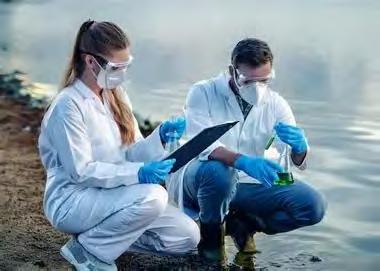
Chemistry is the science behind the medicines that save lives, the clean energy powering the future, the safe drinking water in communities, and the materials that make modern life possible.
For 150 years, ACS and its members have been at the center of these breakthroughs: Medicine – Chemistry underlies the development of virtually every pharmaceutical drug.
Clean Energy – Researchers are at the forefront of battery technology, solar energy, and hydrogen fuel.
Food and Water Safety – Chemistry ensures the safety and sustainability of the food supply and drinking water.
Climate – Chemical science is central to carbon capture, sustainable materials, and environmental remediation.
Milestones for ACS include:
S 1876: 35 chemists found ACS in New York City on April 6.
S 1879: ACS launches JACS, now one of the world’s most cited scientific journals.
S 1907: Chemical Abstracts Service is launched, becoming the world’s most comprehensive chemistry database.
S 1937: ACS receives its congressional charter.
S 1976: ACS celebrates its centennial with meetings drawing more than 10,000 attendees each.
S 2026: ACS celebrates 150 years.
As part of its 150th anniversary celebration, ACS has launched a new strategic Continued on page 52



The U.S. Environmental Protection Agency (EPA) recently recognized 48 water infrastructure projects for excellence and innovation, including two awards for the American Beach Water and Sewer District in Nassau County. Its projects, financed in part by State Revolving Fund ( SRF) programs, demonstrate t he importance of water infrastructure for supporting healthy Americans and laying a foundation for economic prosperity.
“Across the country, states are putting funding resources to work in ways that deliver real, lasting benefits for communities by modernizing aging systems, strengthening resilience, and ensuring families can rely on safe, clean water every day,” said Jessica Kramer, EPA assistant administrator for water. “These projects show that when we pair federal investment with state leadership, we can protect human health, support local economies, and reach communities that have too often been left behind.”
“ The awards in the Southeast region prove that smaller communities can execute big ideas when it comes to improving water infrastructure,” said Kevin McOmber, EPA regional administrator. “I am thrilled to see communities utilizing the EPA funding programs to strengthen their water utilities for the protection of human health and the environment.”
The Clean Water State Revolving
Fund (CWSRF) and Drinking Water State Revolving Fund (DWSRF) programs have provided a foundation of federal investment in water infrastructure for decades. The SRF programs directly support EPA’s Powering the Great American Comeback Initiative, which emphasizes the need for clean air, land, and water for every American and the importance of cooperative federalism.
In partnership with Nassau County, American Beach Water and Sewer District used a $1.32 million DWSRF loan plus two federal grants, as well as state and local funding, to build a centralized water and wastewater service, known as the American Beach Septic Tank Phase-Out Project, which allowed it to deliver reliable, affordable drinking water and retire failing wells and septic systems.
The project began with 79 letters of commitment from residents indicating their willingness to replace their aging septic system with a connection to a new wastewater system. Residents voted in a straw-ballot election to support a per-lot fee up to $9,000 as pledged revenue for a construction loan.
The project consists of 13,065 linear feet of gravity sewer and 2,300 linear feet of force main, with lift stations to connect 96 parcels to central municipal service. Through $5.4 million in leveraged CWSRF funds, this project brought together eight different funding sources, totaling about $12 million, including state appropriations, a Rural Economic Development Initiative Grant, two legislative appropriations, special property assessments, and county and water management district funds. Government partnerships and community engagement, including an advisory board of community representatives, helped bring this project to completion.
S ee the full lists of recognized projects at www.epa.gov. S
plan for 2025-2029. This plan outlines several key goals aimed at enhancing its impact and relevance in the scientific community:
S Elevating the Reputation of Science. ACS aims to improve public trust in science and communicate the positive effects of chemistry on society.
S Community Engagement. The organization seeks to connect with a broader audience, enhancing diversity and inclusion within the chemistry community.
S Empowering Scientists. ACS is committed to providing accessible educational resources to support continuous learning and professional development for chemists.
S Innovative Solutions. The society plans to enhance its influence by launching new initiatives that expand the accessibility of its content and resources.
The ACS emphasizes lifelong learning as a core value, ensuring that chemists at all stages of their careers have access to educational resources and mentorship opportunities. Programs, like Project SEED, which originally was “Summer Experiences for the Economically Disadvantaged,” a national program of paid research internships for high school students with an interest in chemistry to work with faculty mentors and graduate students on authentic chemistryrelated research projects, demonstrates ACS’s commitment to fostering the next generation of chemists, particularly among underrepresented groups.
As ACS celebrates this milestone, it reflects on its rich history while looking forward to the future. The organization aims to continue its mission of advancing scientific knowledge and addressing global challenges through chemistry, ensuring its relevance for the next 150 years and beyond. S

CLASSIFIED ADVERTISING RATES - Classified ads are $22 per line for a 60 character line (including spaces and punctuation), $60 minimum. The price includes publication in both the magazine and our Web site. Short positions wanted ads are run one time for no charge and are subject to editing. ads@fwrj.com
Chief Utilities Treatment Plant Operator
$71,970 - $101,269/yr.
Utilities Treatment Plant Operator II
$62,171 - $87,479/yr.
Utilities Treatment Plant Trainee or Operator I
$53,705 - $86,314/yr.
Heavy Equipment Operator
$53,705 - $75,567/yr.
Utilities System Operator Trainee, I, II, or III
$44,184 - $75,567/yr.
Utilities Treatment Plants Mechanic I
$51,148 - $71,970/yr.
Lift Station Operator II
$62,170 - $87,478/yr.
Lift Station Operator I
$53,705 - $75,567/yr.
Apply Online At: http://pompanobeachfl.gov
Open until filled
The South Florida Water Management District (SFWMD) governing board approved its 2021-2026 strategic plan, providing a blueprint for the district to continue advancing Everglades restoration, protect communities from flooding, and ensure adequate water for communities over the next five years. The plan is based on restoration priorities and significant input from the public and local stakeholders.
“Our strategic plan will guide us through an exciting and historic time for south Florida,” said Chauncey Goss, SFWMD governing board chair. “With support from Gov. Ron DeSantis and the Florida Legislature, the South Florida Water Management District is managing our region’s important water resources and advancing crucial Everglades restoration projects. The next five years will bring significant new water storage, more infrastructure, and restored natural areas— all of which help restore our Everglades and reduce harmful discharges.”
Gov. DeSantis has expedited Everglades restoration projects and improved water quality
Immokalee Water & Sewer
We’re seeking a highly motivated and talented Florida Licensed Professional Engineer. Visit our website for the complete job description and to apply. www.immokaleewatersewer.com/about-us/careers
We’re located in a rural community in Collier County, Florida. Benefits include time off, paid holidays, low-cost insurance, and retirement options..
Woodard & Curran supports utilities that need experienced water/ wastewater treatment operators and maintenance professionals throughout Florida and the rest of the country.
W&C wants to find you a job that works with your schedule! We even have short-term roles that let you mentor younger operators, stay engaged and make an impact – and only when it works for you…No commitment – travel covered – You decide when (or if) you say yes!
Interested in learning more about these opportunities or being added to our operator database? Please reach out to Lizzie Dovich to learn more! Ldovich@woodardcurran.com or 207-558-3906. https:// www.woodardcurran.com/careers/
through his Achieving More Now For Florida’s Environment Executive Order. The approved strategic plan supports the executive order and SFWMD’s restoration, flood protection, and water supply missions.
The plan also guides SFWMD›s ongoing efforts to evaluate both flood protection and water supply infrastructure while ensuring resiliency to address the impacts of a changing climate and sea level rise.
RThe U.S. Environmental Protection Agency (EPA) has approved more than $1.68 billion in funding to support water infrastructure improvements and climate resilience efforts across the state of Florida.
The funding will be used to upgrade drinking water, wastewater, and stormwater systems, with a focus on strengthening infrastructure against extreme weather, flooding, and other environmental risks. Projects are expected to improve system
reliability, protect public health, and support long-term water quality across the state.
Officials at EPA said the investment will help communities modernize aging systems while addressing growing challenges tied to population growth and climate-related impacts. The funding is part of a broader federal effort to improve water infrastructure across the United States and enhance resilience in vulnerable regions.
The financing will support a range of projects, including system repairs, capacity upgrades, and improvements designed to reduce the risk of service disruptions.
Officials said the initiative is also expected to create jobs and support local economies while ensuring communities have access to safe and reliable water service.
Florida, which faces increasing risks from hurricanes, sea level rise, and flooding, has been a priority for resilience-focused infrastructure investments aimed at protecting critical systems and communities.
January
February
March
April
May
June
July
August
September..........Emerging
October
November...........Water
December
Technical articles are usually scheduled several months in advance and are due 60 days before the issue month (for example, January 1 for the March issue).
The closing date for display ad and directory card reservations, notices, announcements, upcoming events, and everything else including classified ads, is 30 days before the issue month (for example, September 1 for the October issue).
For further information on submittal requirements, guidelines for writers, advertising rates and conditions, and ad dimensions, as well as the most recent notices, announcements, and classified advertisements, go to www.fwrj.com or call 352-241-6006.
Continued from page 14
1. C) negative. The charge of algae cells, clay, bacteria, and silt is negative .
2. C) negative. The charge of sand, anthracite coal, and granular activated carbon is negative.
3. A) Van der Waals. The forces that take over and attract coagulated particles to the surface of the filter media grains are Van der Waals.
4. D) all of the above. The selection of the type of coagulant, to include its pH and dose, is dependent on the raw water ’s natural organic matter, turbidity, and raw water alkalinity.
5. B) 6.0 to 7.0. The pH at which alum is most effective is 6 to 7.
6. A) natural organic matter. In general, the required coagulant dose is controlled by the natural organic matter.
7. C) polyaluminum chloride. The coagulant that may be most effective in raw water with low alkalinity is polyaluminum chloride (PACL).
8. C) polyaluminum chloride. The coagulant that consumes the least amount of the raw water’s alkalinity is PACL.
9. A) alum (0 percent basicity). The coagulant that consumes the greatest amount of the raw water ’s alkalinity is alum (0 percent basicity).
10. C) specific ultraviolet absorbance. The indicator that may be used to determine the effectiveness of coagulation to remove natural organic matter is specific ultraviolet absorbance.