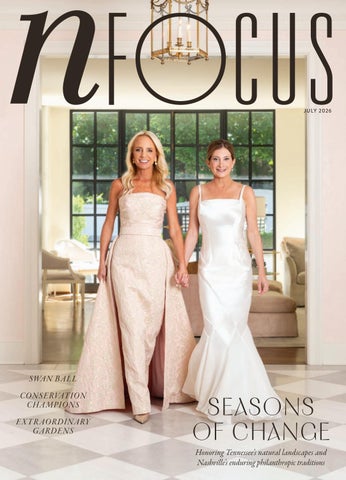
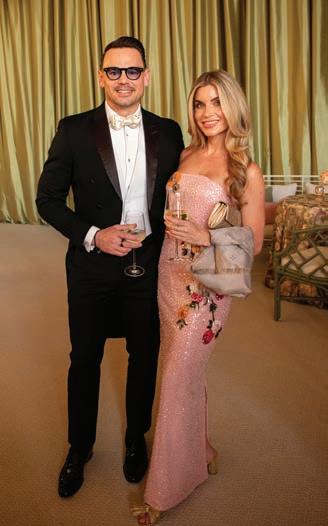
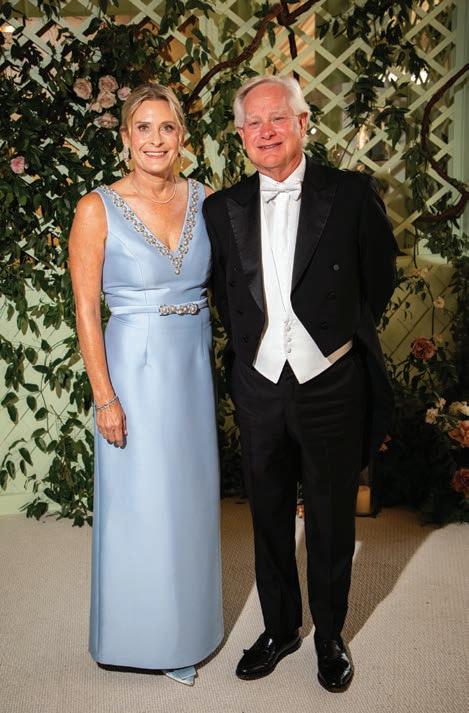
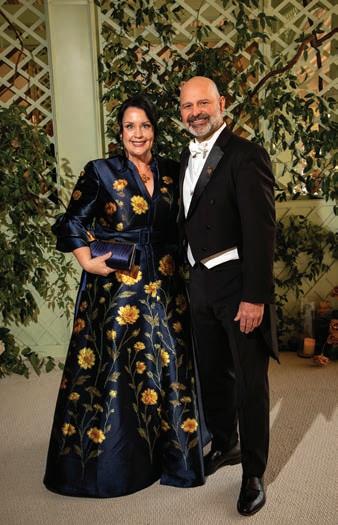
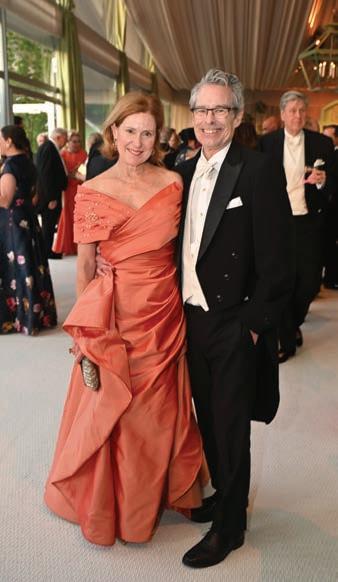
Honoring Tennessee’s natural landscapes and Nashville’s enduring philanthropic traditions
AUGUST 1 – 9
DEBUT AT CHEEKWOOD
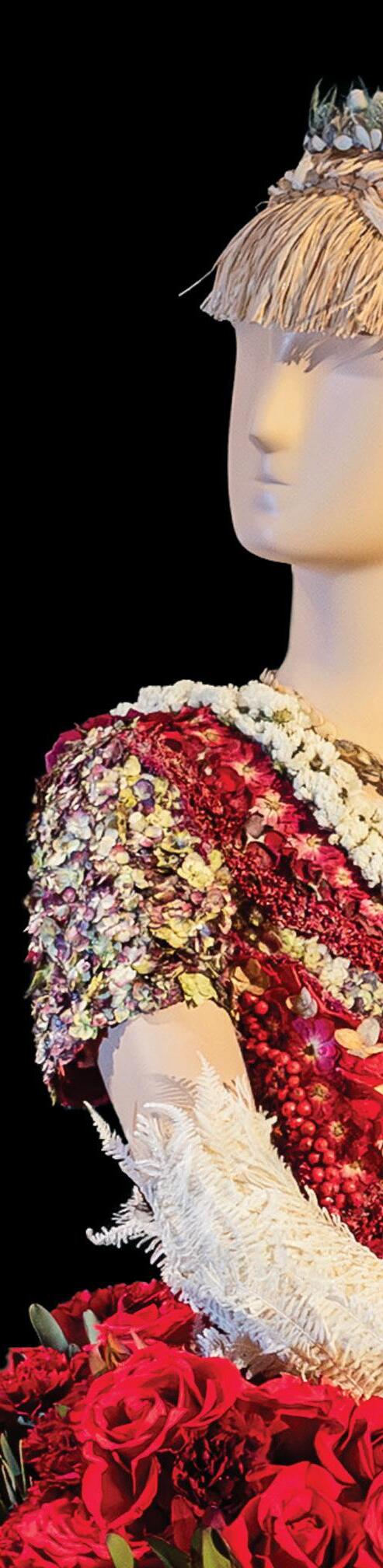
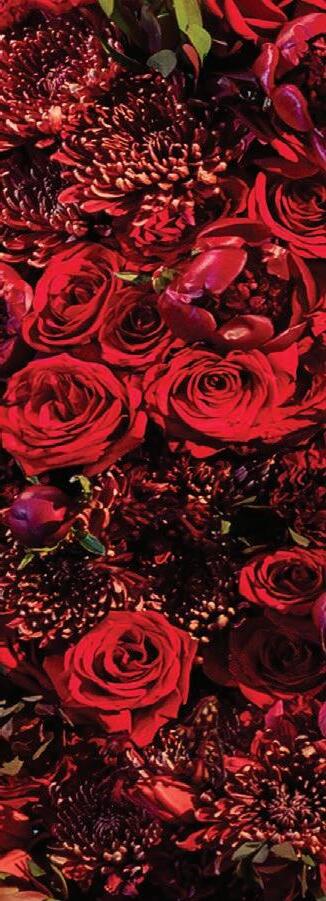
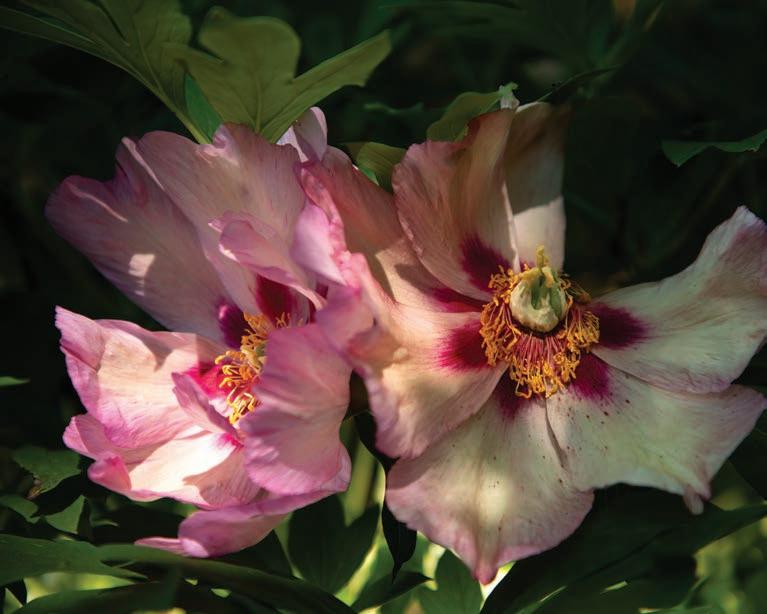
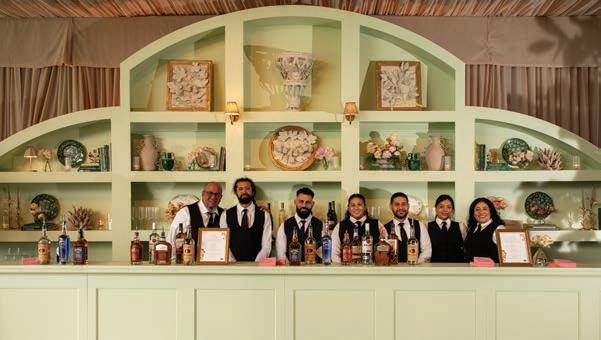
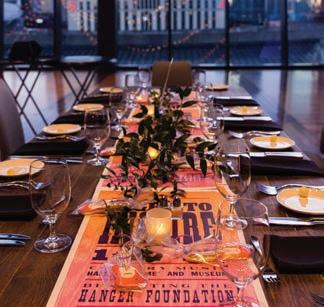
A fresh floral celebration of HBO®’s The Gilded Age, bringing its elegance, opulence, and iconic characters to life through stunning local floral artistry. Reserve tickets at cheekwood.org.
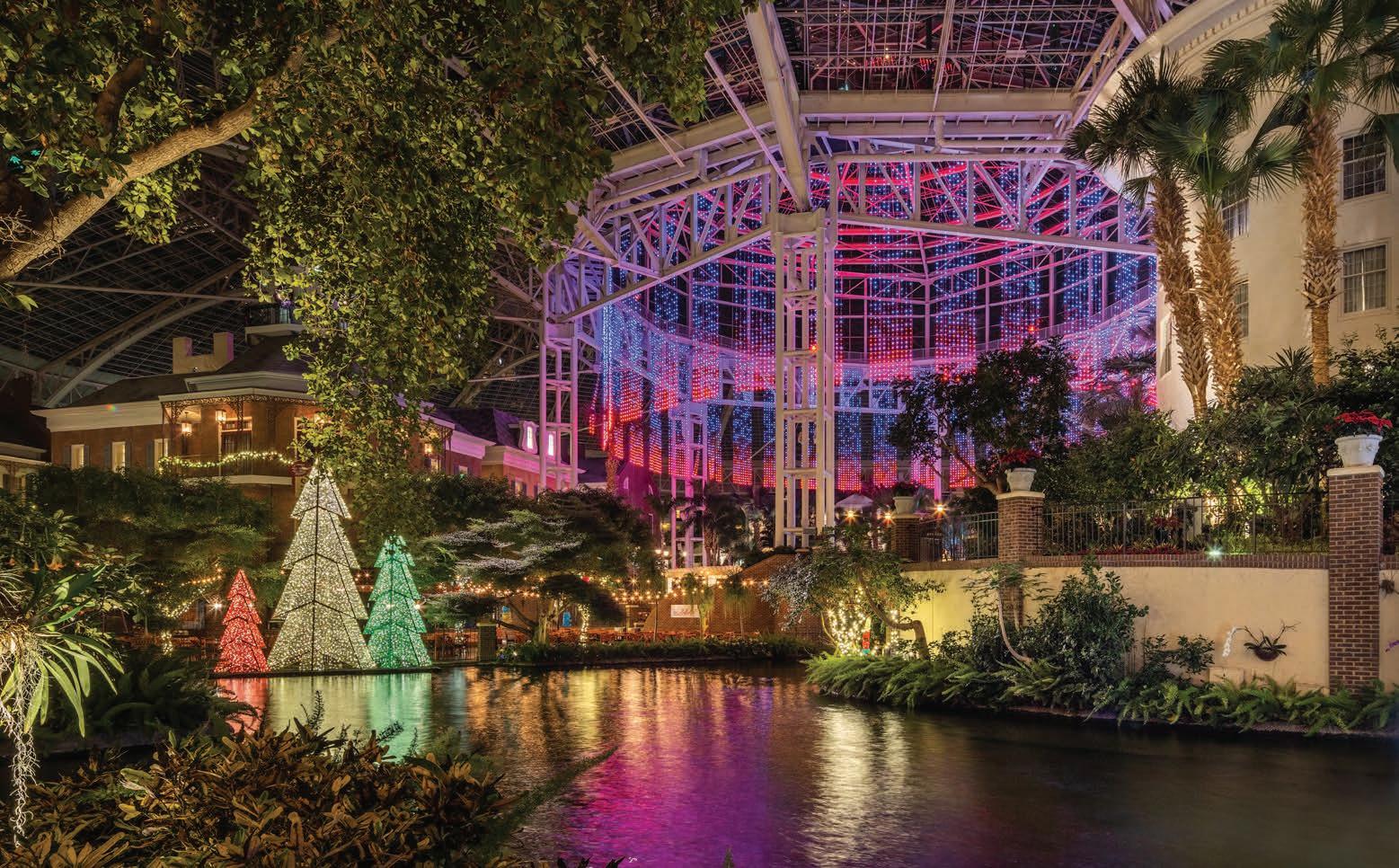
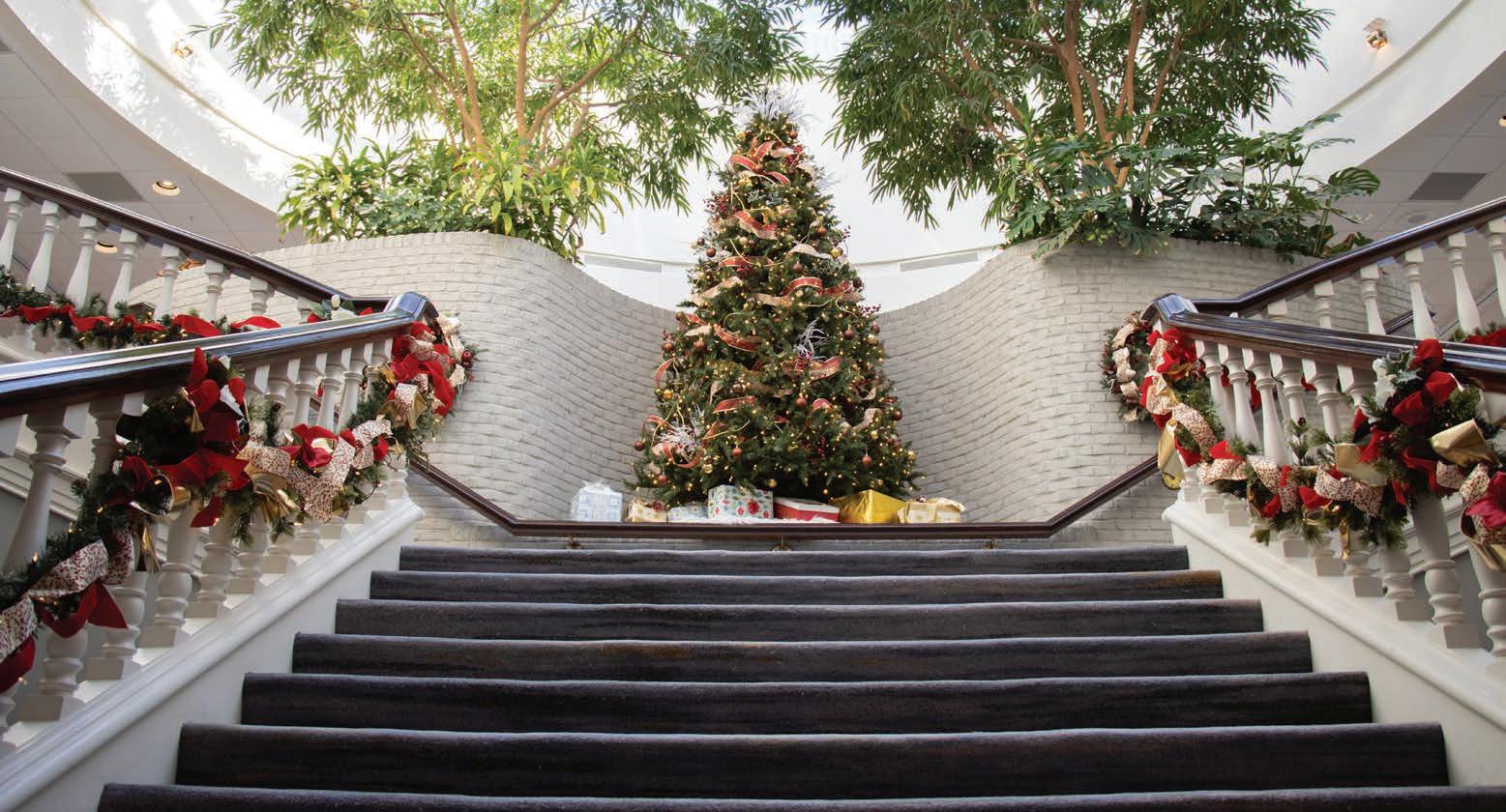
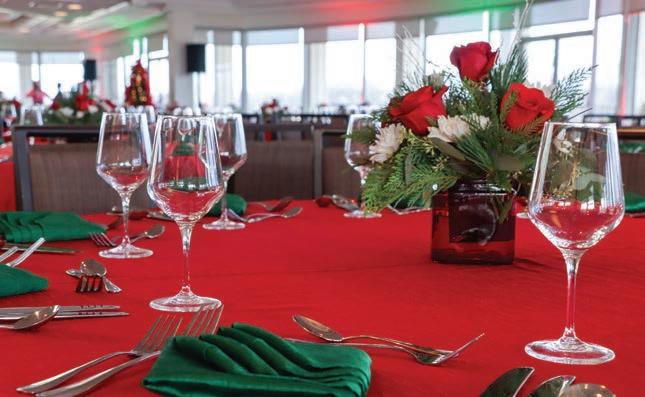
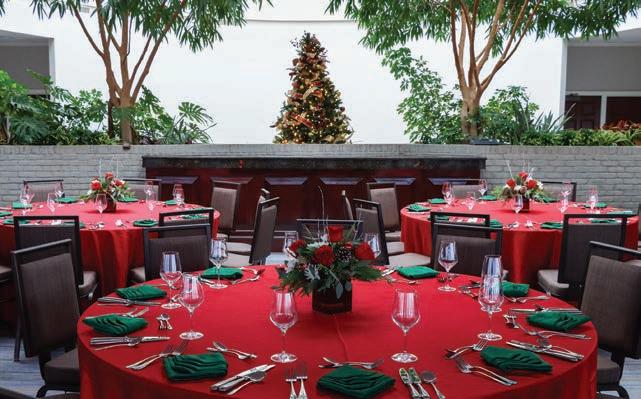
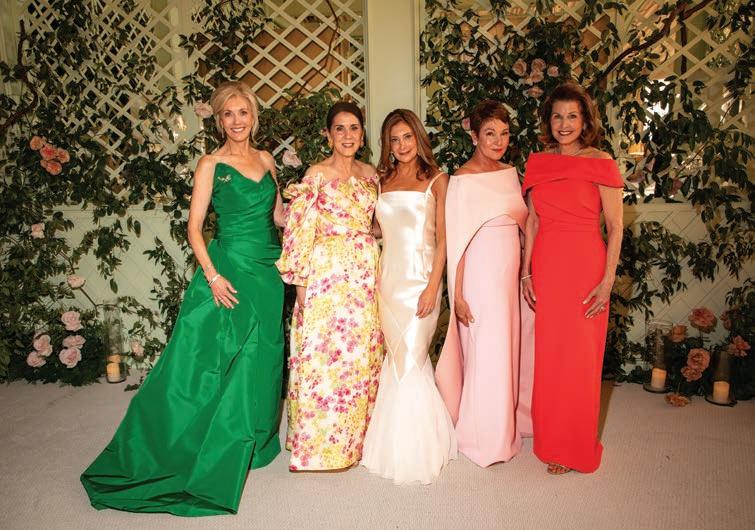
Whether you’re planning a grand soirée or an intimate gathering to celebrate the year with your team, Gaylord Springs Golf Links offers stunning environments, flexible spaces and world-class catering. Partner with our team of event experts to bring your vision to reality and create lasting memories.
Gov.
TennGreen
The
An
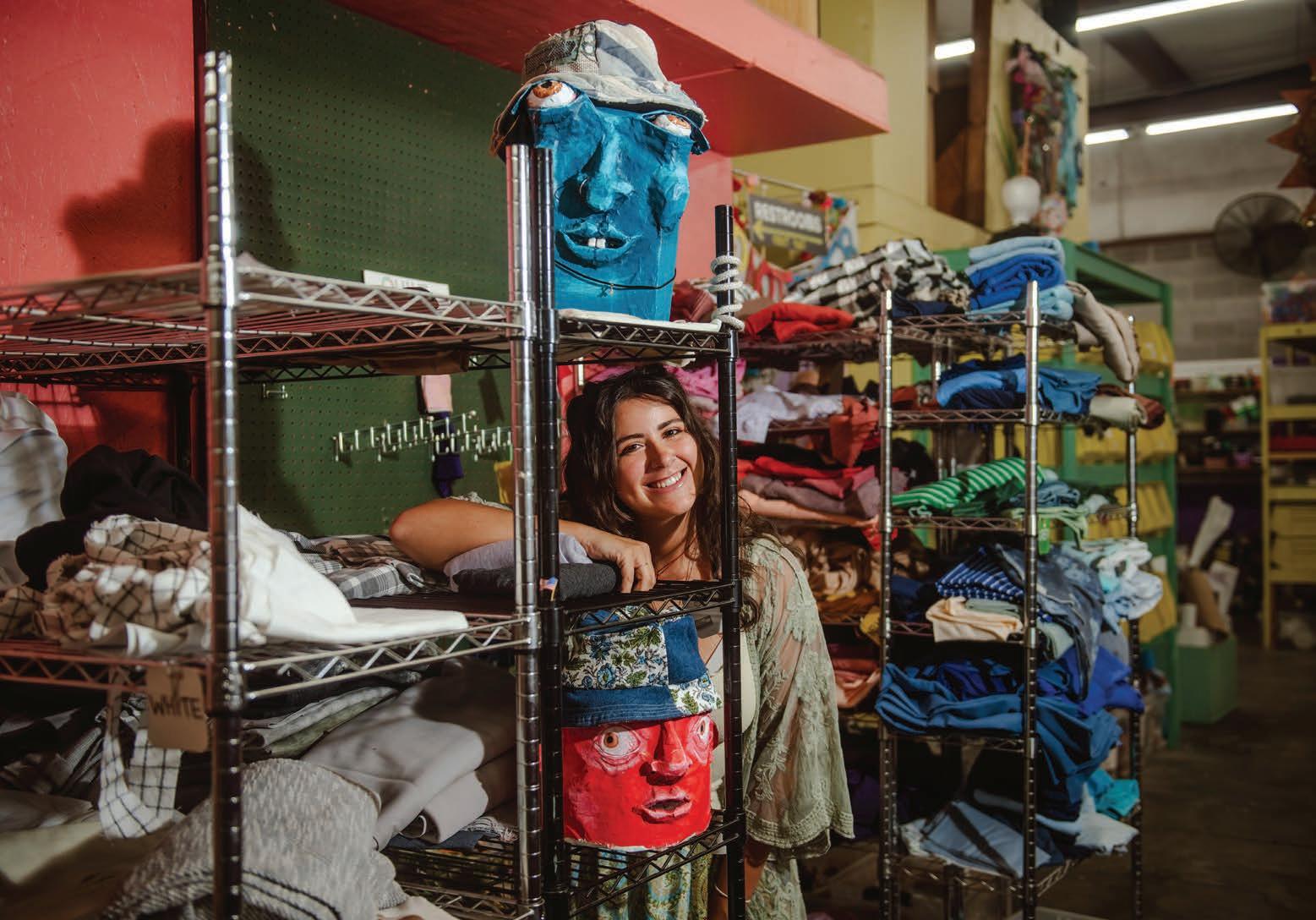
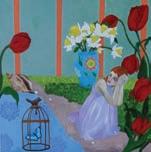
Turnip Green artists share their ‘why’ behind
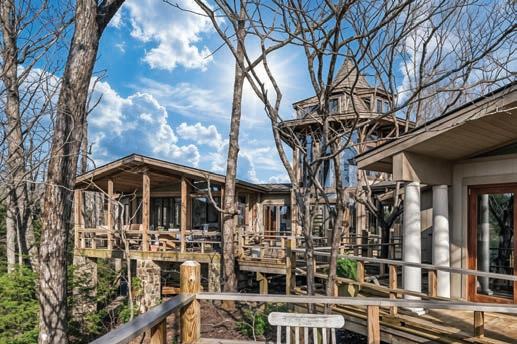
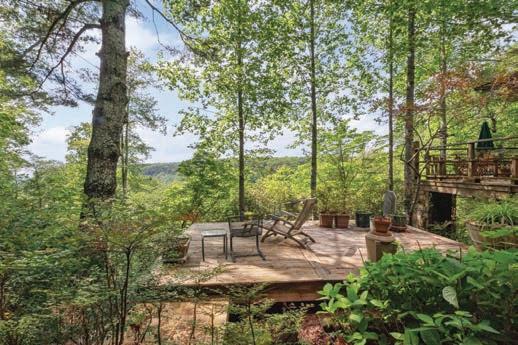
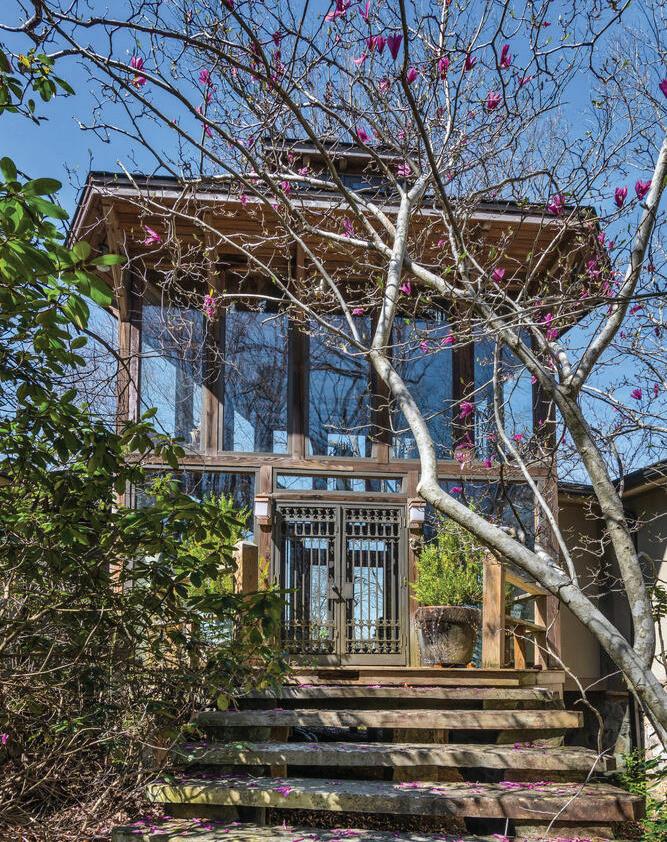
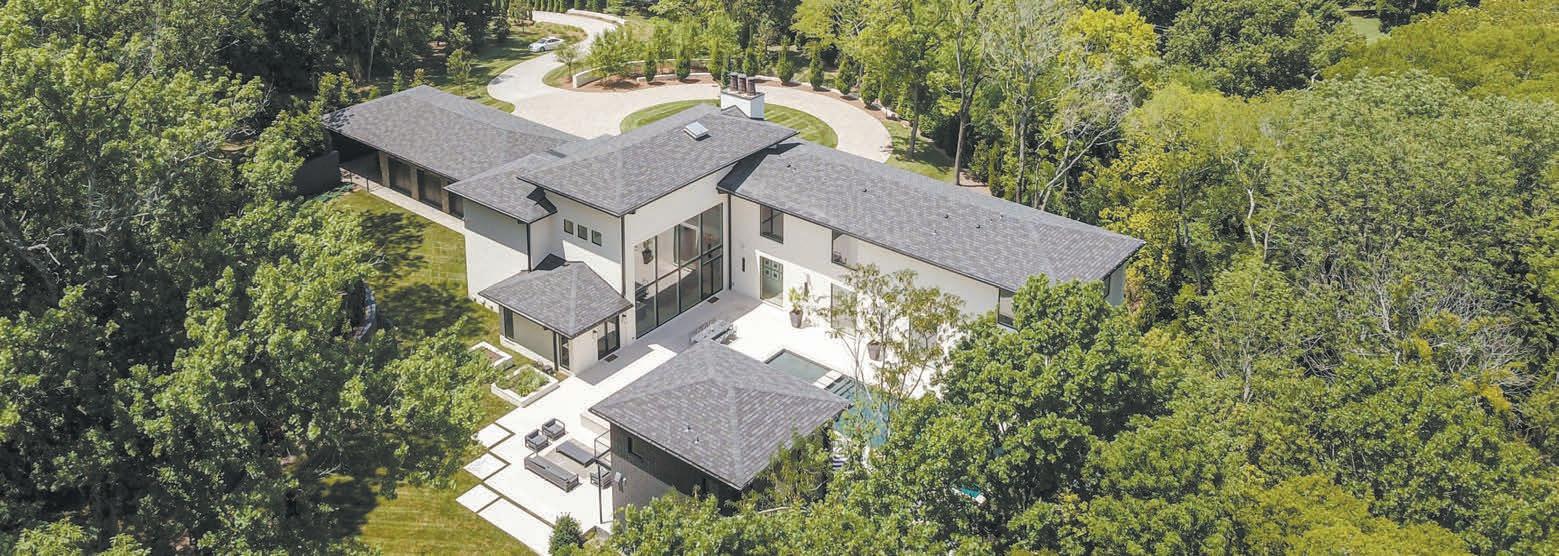
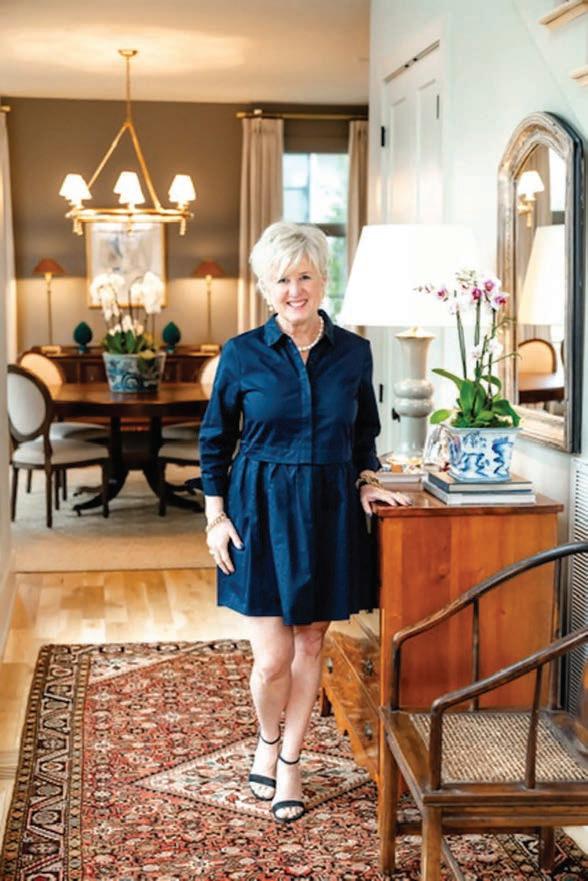
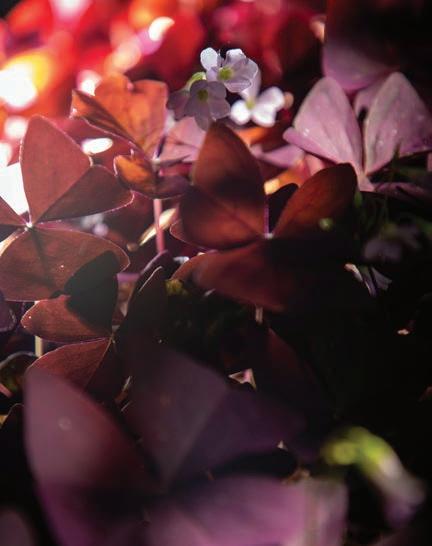
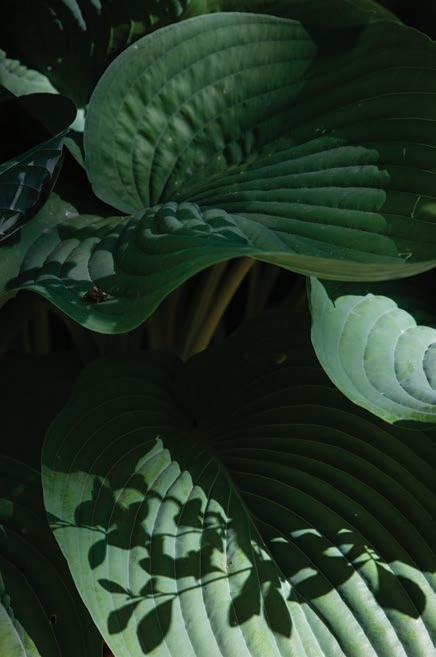
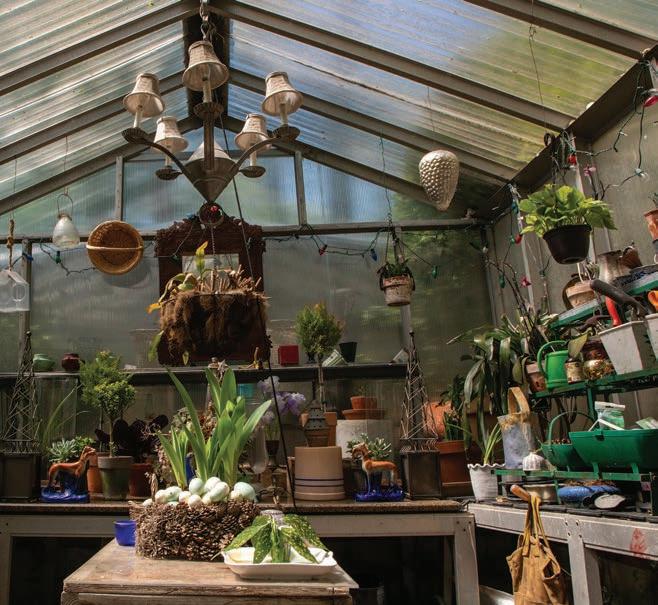
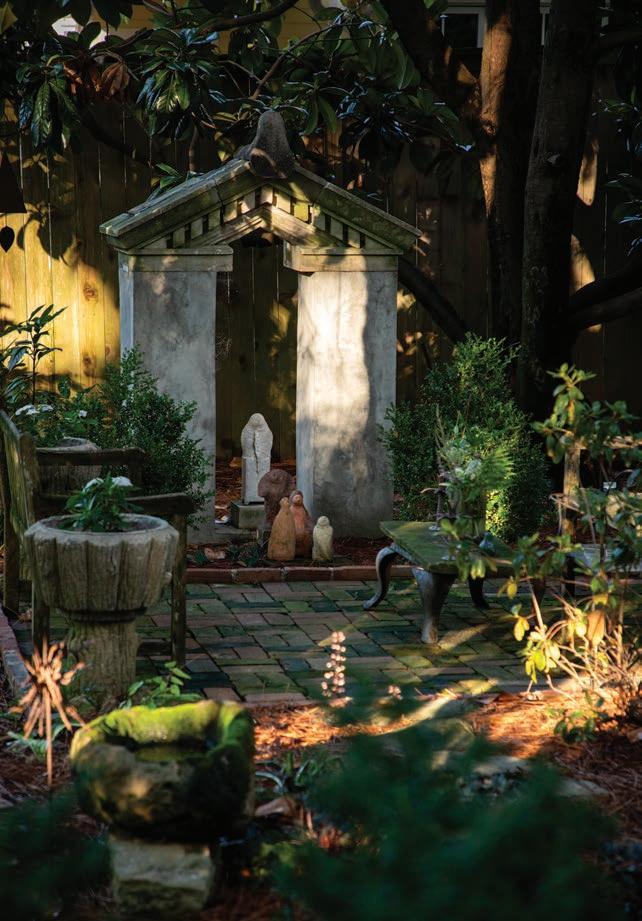
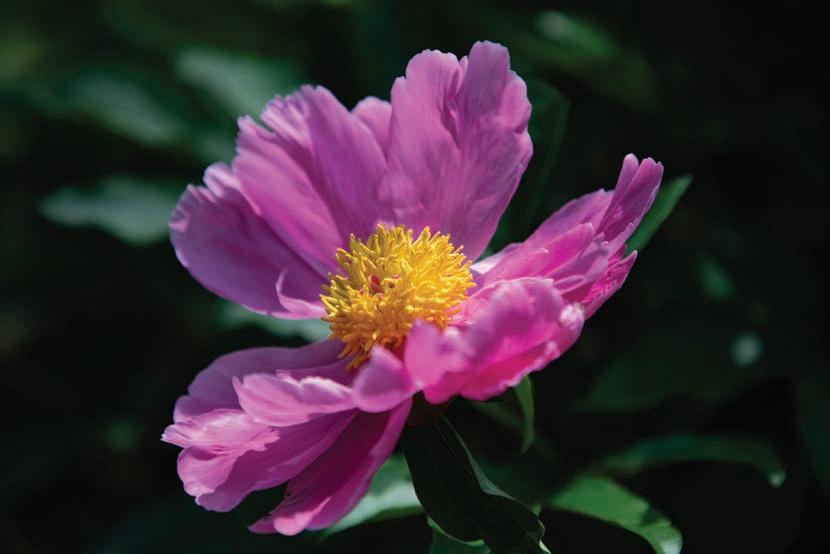
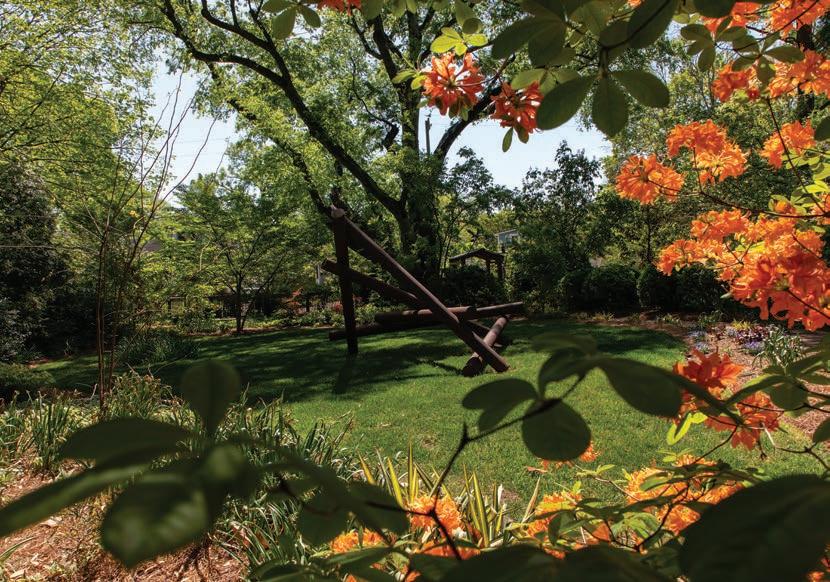
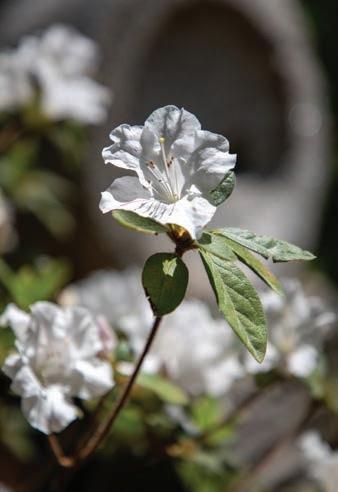
Exploring the gardens of Lisa Manning, Steve Sirls and Allen DeCuyper, and Deby Pitts
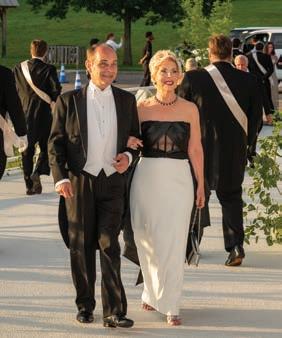
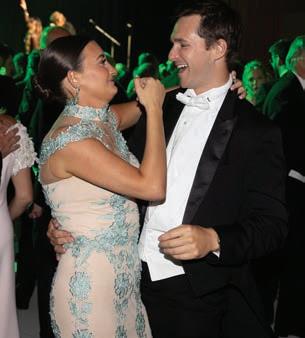
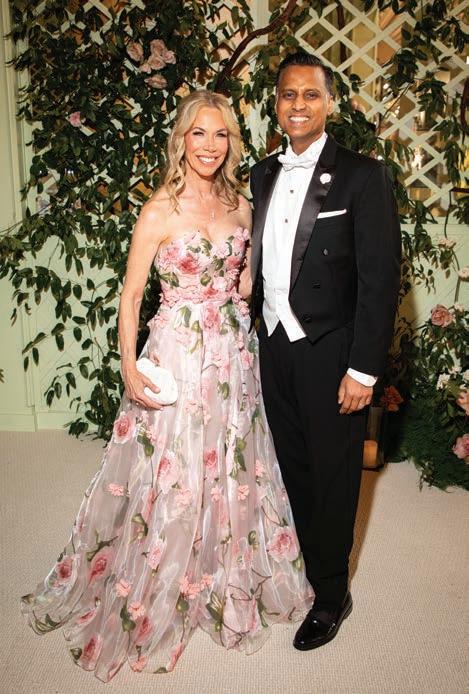
Inside the premier white-tie gala and the events surrounding
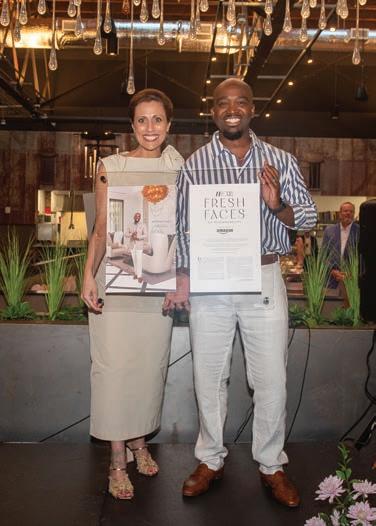
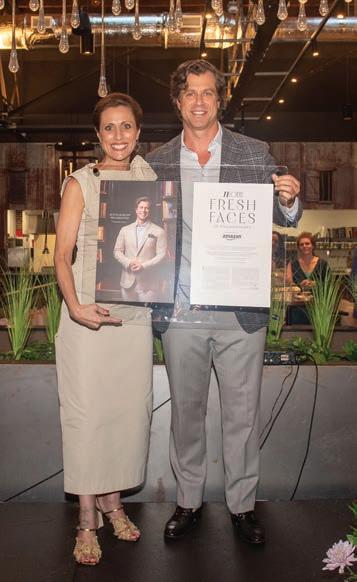
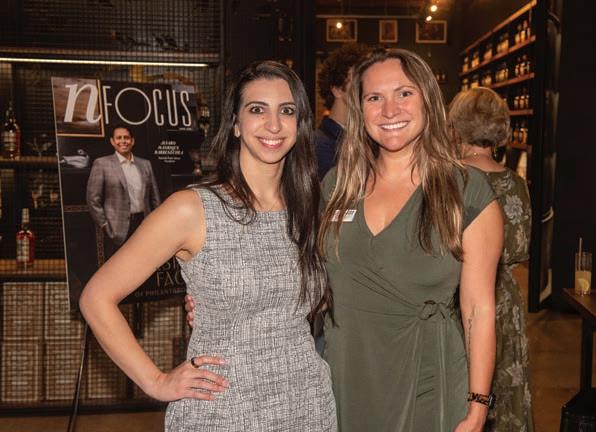
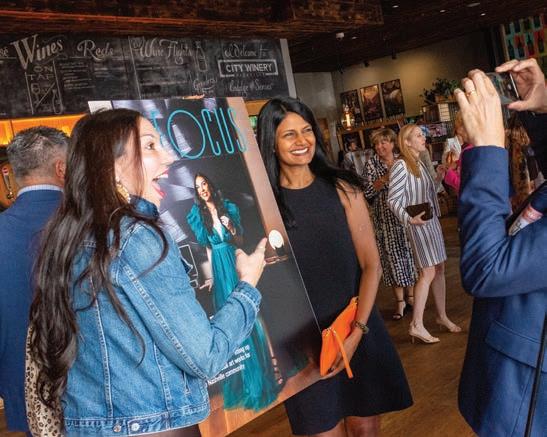
Nfocus’ third Fresh Faces of Philanthropy event celebrates
The
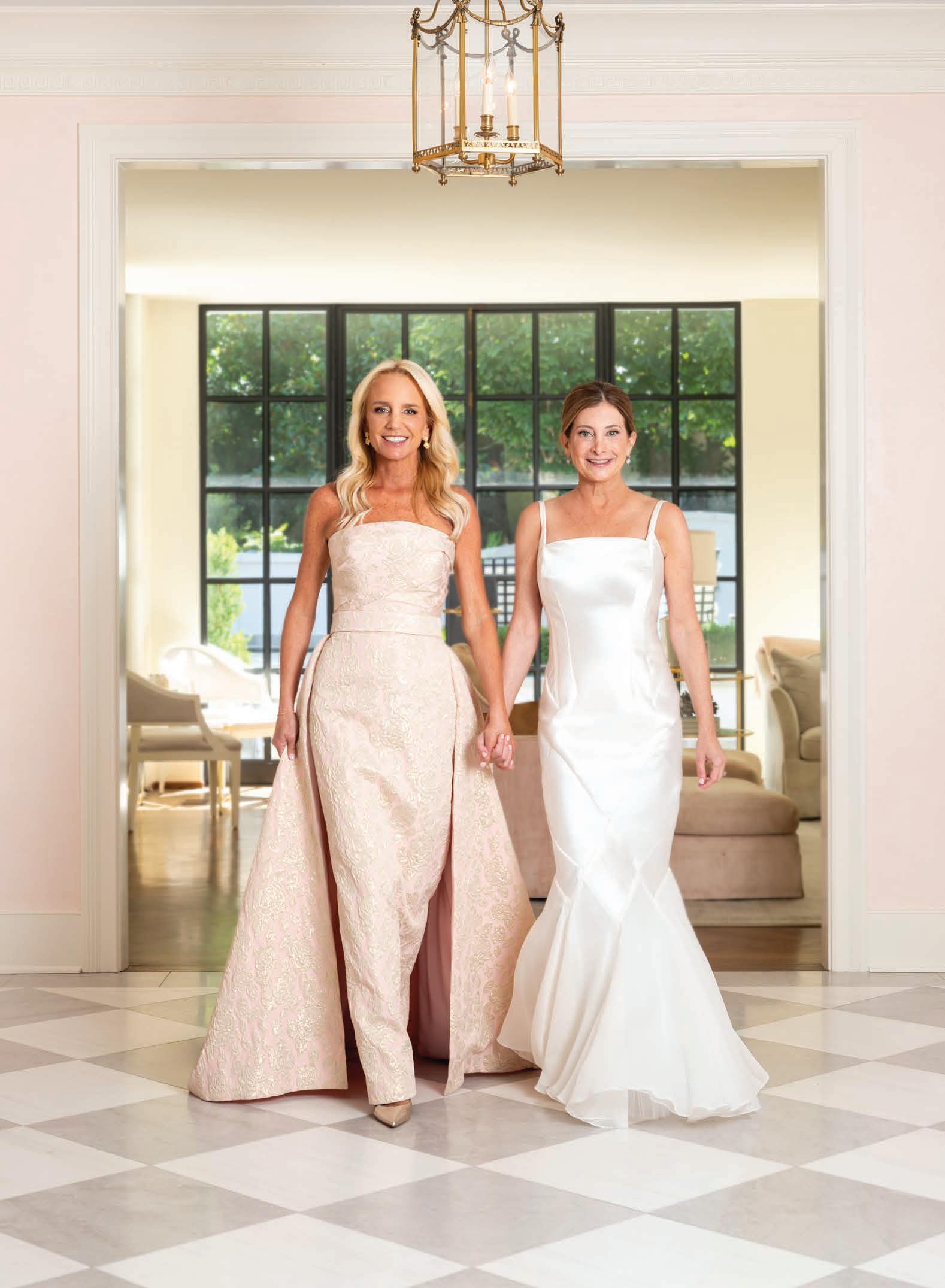
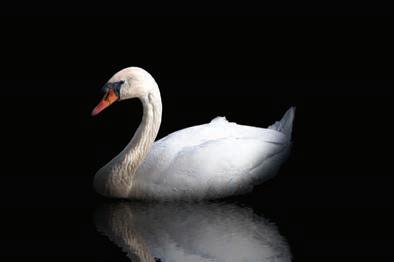
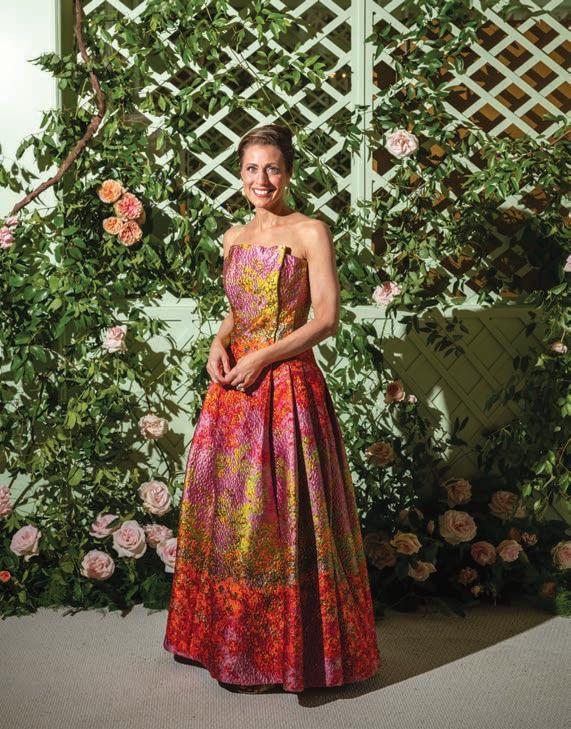
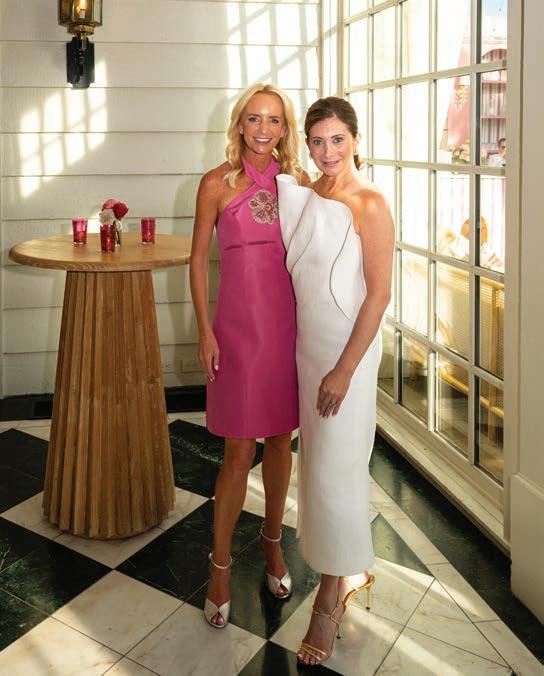
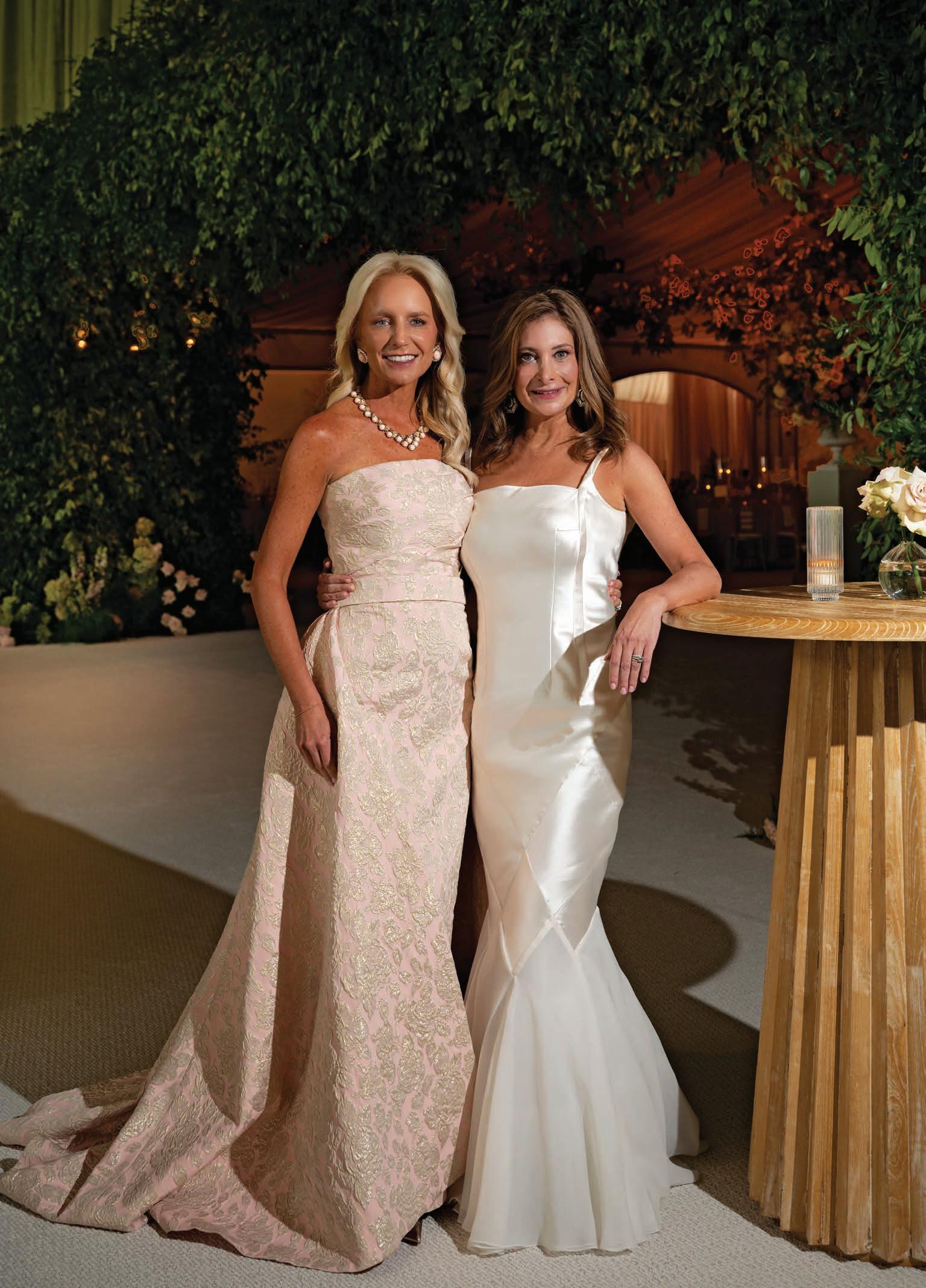
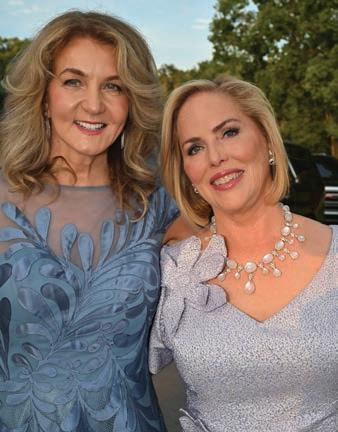
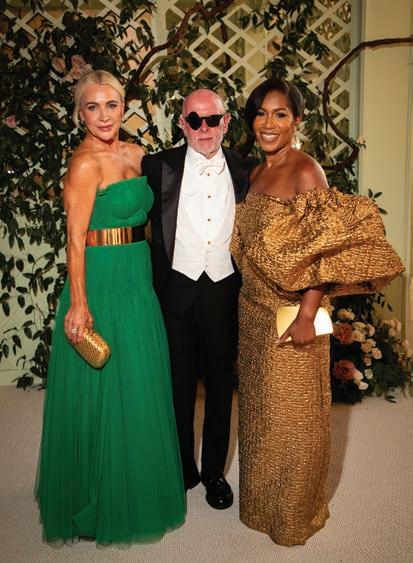
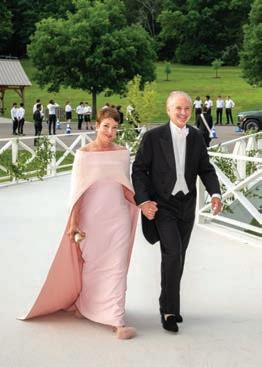
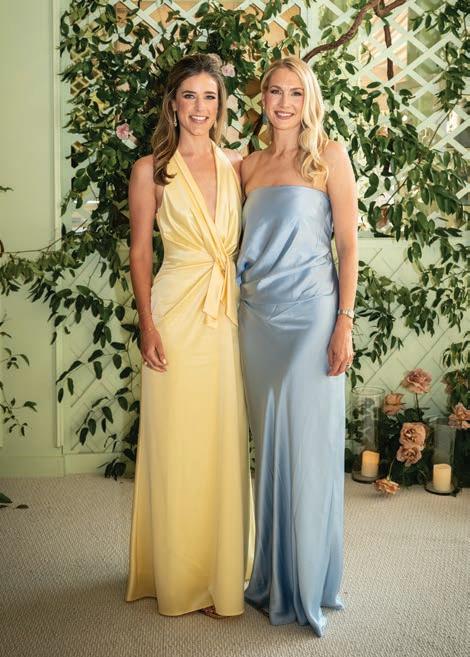
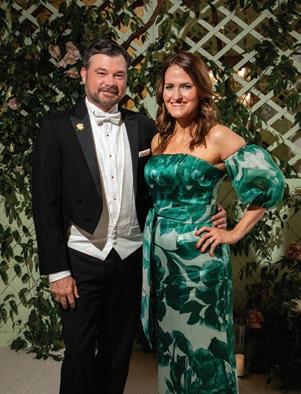
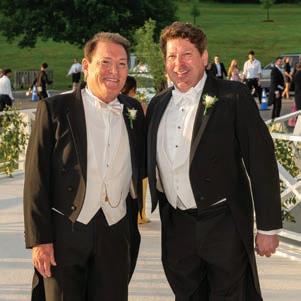
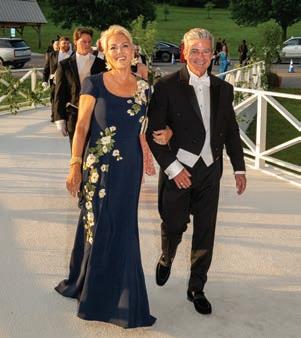
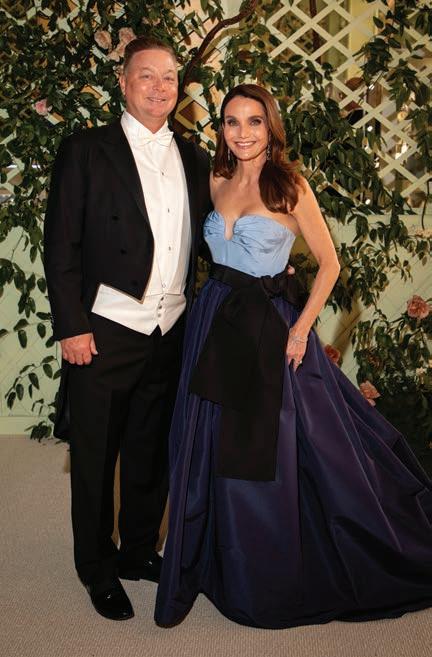
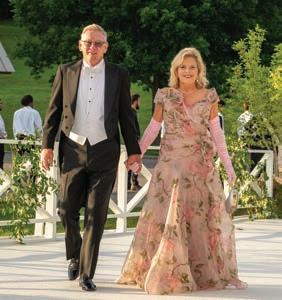
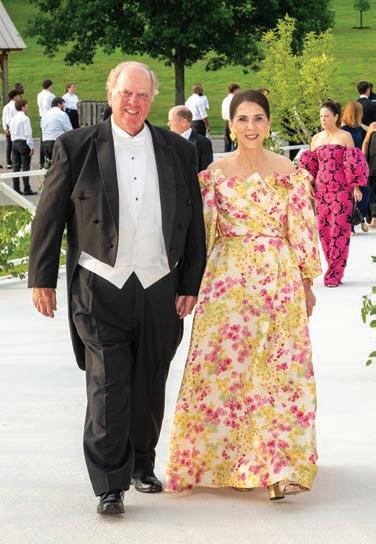
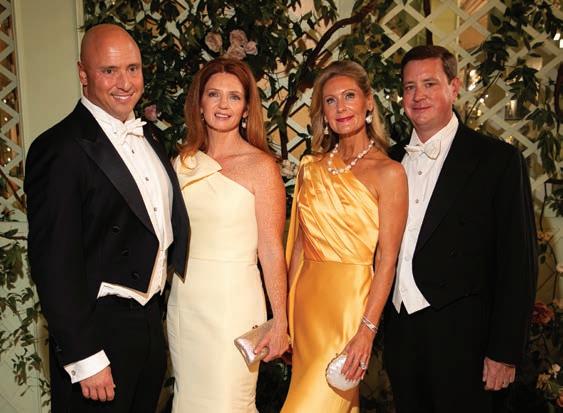
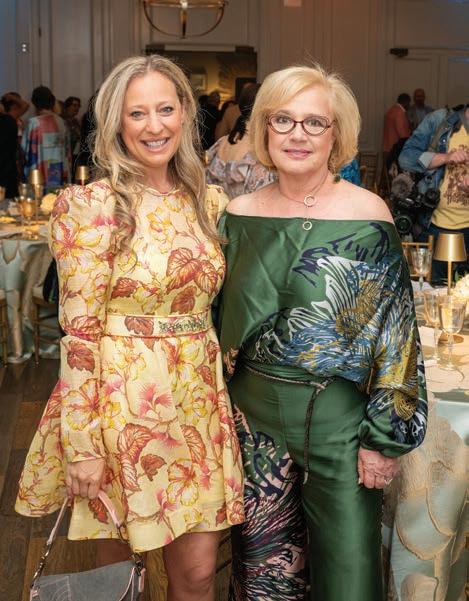
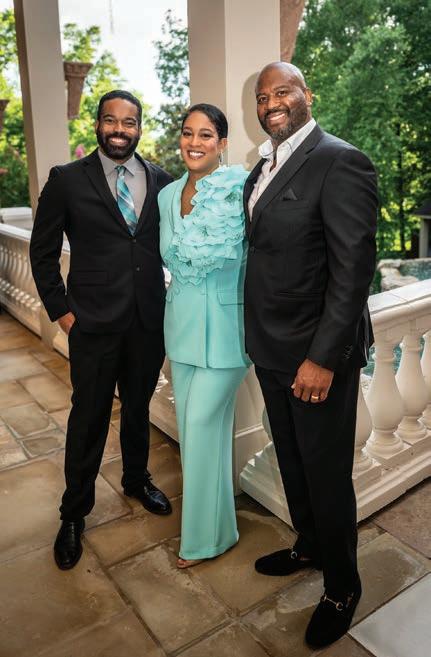
Swan Ball co-chairs Jennie Garth Lowe and Jenny Corts, photographed by Eric England.
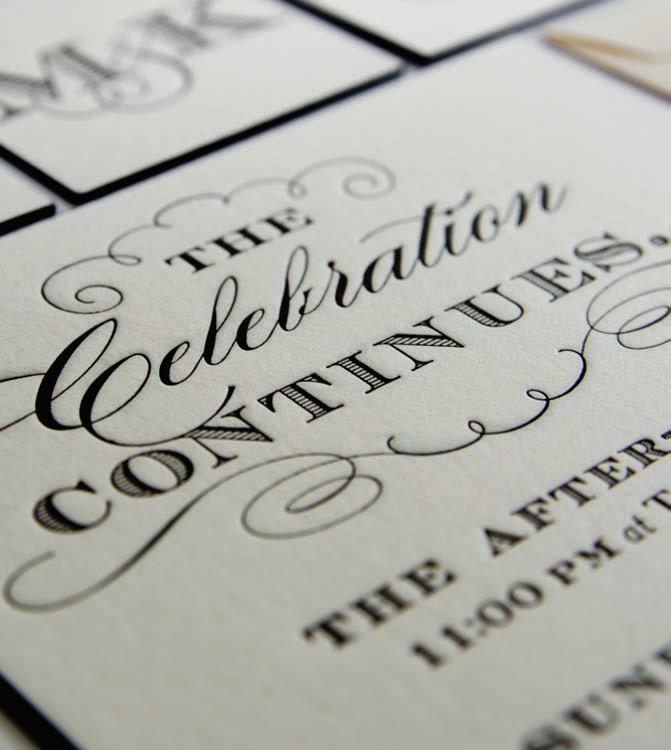
suite of Swan Ball 2026
turn to page 59.
Summer Under the Stars
—
and Stripes
Celebrating summer, the great outdoors and America the beautiful
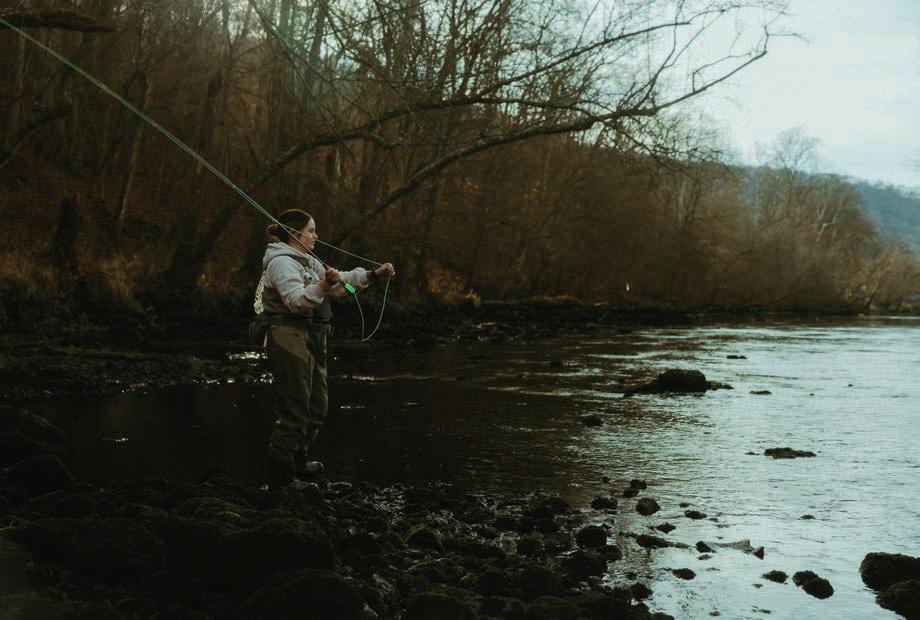
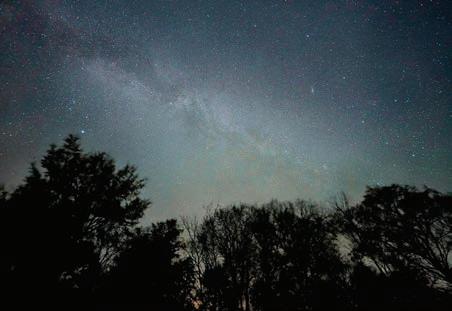
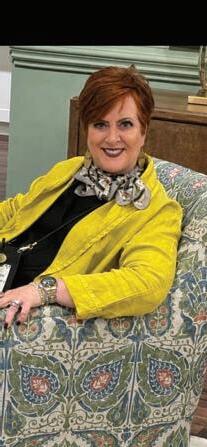
THE FOURTH OF JULY has always held special meaning for me. Fifty years ago, on July 8, as many Americans were recovering from the United States Bicentennial celebration, I was born. A bit anticlimactic, I admit. For many years, my birthday celebrations tied closely to the Fourth of July. Call it patriotism or Pavlovian conditioning, but I love spending an evening outside under the stars watching fireworks. I spent my summers outdoors whenever possible — exploring the woods beside our house, building forts with the neighborhood kids or riding bikes and playing tag until we squeezed the last drop of sunlight out of the day before our mothers called us home.
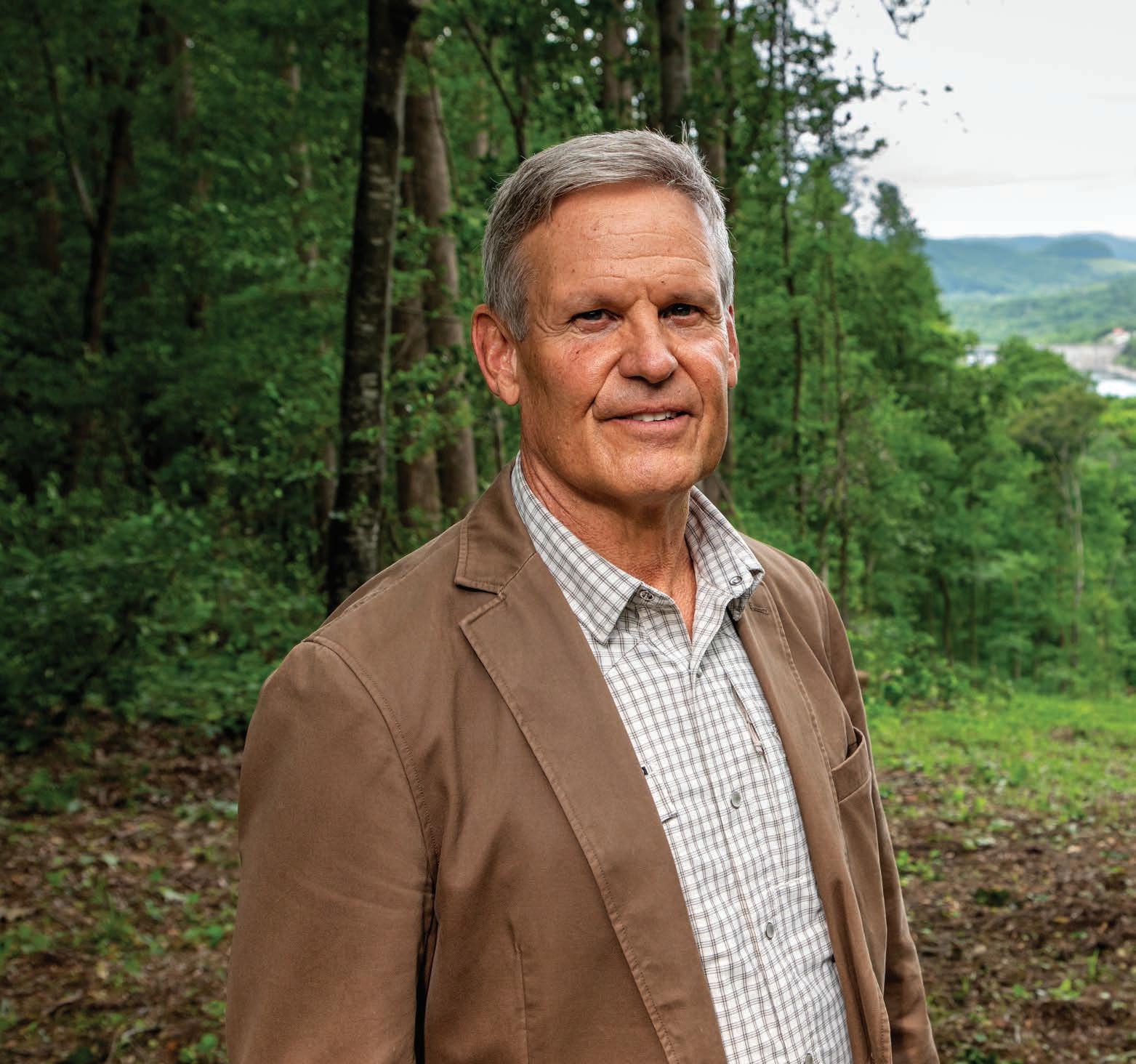
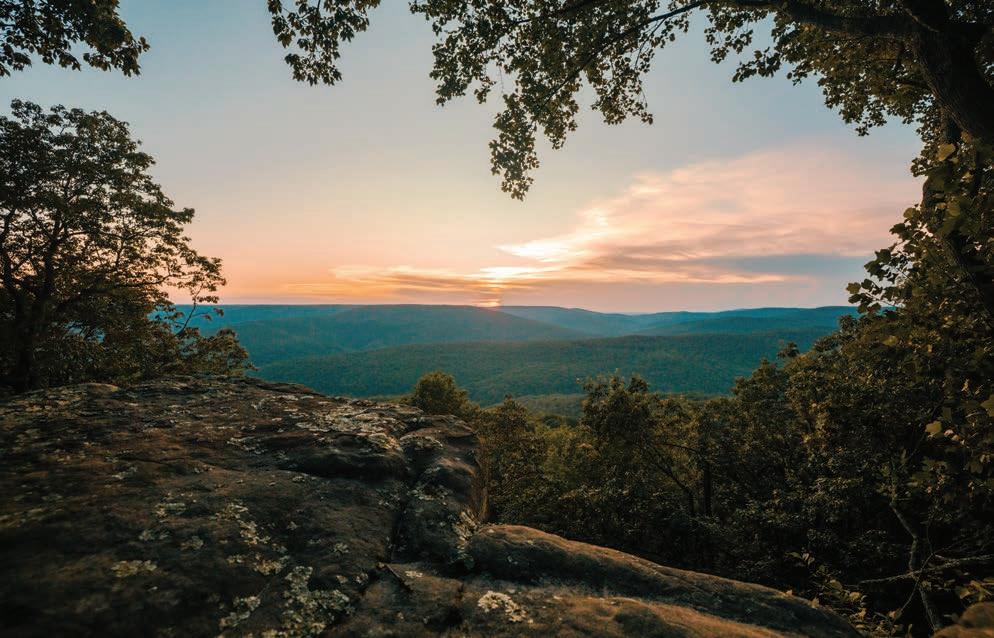
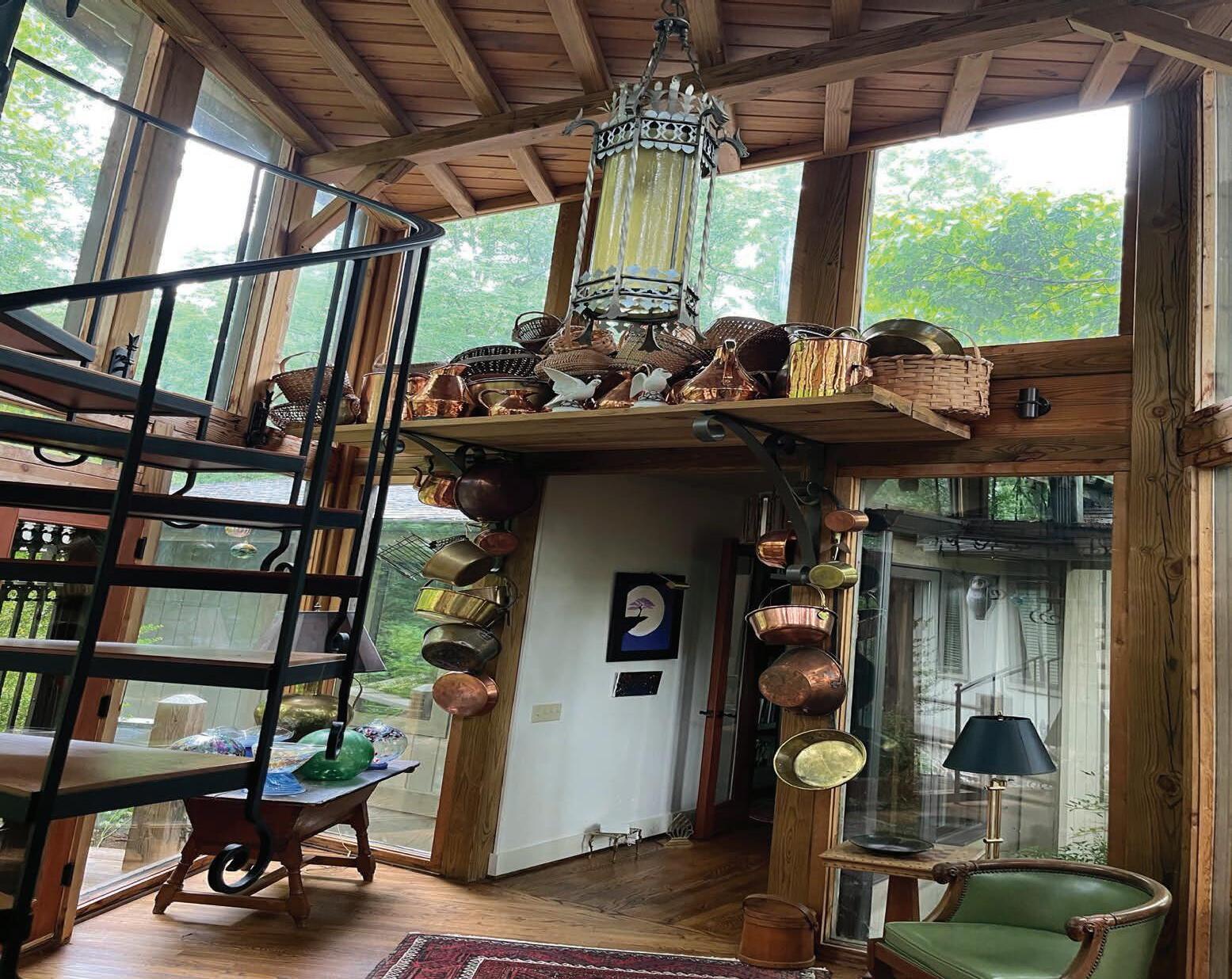
In this issue, we explore America the beautiful and the great outdoors. I interview Gov. Bill Lee about his historic expansion of Tennessee’s state parks. I also discuss upcycling and landfill waste with Goodwill. Hamilton Matthew Masters and Carrington Fox explore the blooming gardens of Lisa Manning, Steve Sirls and Allen DeCuyper, and Deby Pitts. Madeleine Bradford talks to TennGreen Land Conservancy about innovative conservation fundraising, and she meets the people transforming donated items into beautiful works of art at Turnip Green Creative Reuse.
As always, the team and I take you inside the stunning Swan Ball and the many events surrounding the annual celebration. We also celebrate 10 up-and-coming philanthropists at the Nfocus Fresh Faces of Philanthropy party. We experience the American Lung Cancer Research Foundation’s inaugural Here Comes Summer event, honoring Boston’s disco queen Donna Summer. And we attend the Legacy Ball Patrons Party, watching as excitement builds for the main event coming later this month.
This year, I turn 50. And somewhere between the fireworks, the summer heat and the last glow of sunlight before dark, I realize some things never really leave us. The wonder of being outside on a summer night still feels the same. So here’s to 50 years well lived — and, hopefully, many more evenings spent under the stars.
BY JANET KURTZ
Janet moved to Nashville 28 years ago. She is an avid reader, traveler and collector of fountain pens, and she lives in downtown Nashville with her husband, Ron, and their dog, Julep. Email her at jkurtz@nfocusmagazine.com or follow her on Instagram @musiccitytraveler
Editorial
founding editor
Herbert Fox Jr.
editor-in-chief
Janet Kurtz
contributing editors
Lindsey Lanquist
associate editor
Madeleine Bradford
social correspondent
Gloria Houghland
contributors
Chris Chamberlain, Whitney Clay, Carrington Fox, Hannah Herner, Margaret Littman, Hamilton Matthew Masters, Nicolle Praino, D. Patrick Rodgers
Art
art director
Christie Passarello
senior photographer
Eric England
staff photographer
Angelina Castillo
contributing photographers/videographers
Tausha Dickinson, Kristin Drum, Michael Scott Evans, Peyton Hoge, Iris Leonardo, Hamilton Matthew Masters, Alan Poizner
graphic designers
Sandi Harrison, Mary Louise Meadors, Tracey Starck
Advertising
advertising solutions consultants
Teresa Birdsong, Kailey Idziak, Michael Jezewski, Carla Mathis, Heather Cantrell Mullins, Allie Robbins, Niki Tyree, Andrea Vasquez
sales operations manager
Chelon Hasty
advertising solutions associates
Audry Houle
Marketing events director
Robin Fomusa
event manager
Tristan Maryanski
Circulation
circulation manager
Gary Minnis
Business
president
Mike Smith
chief financial officer
Todd Patton
chief operating officer
Elizabeth Jones
chief revenue officer
Olivia Moye Britton
IT director
John Schaeffer
digital director
Caroline Prater
Owner FW Publishing, LLC
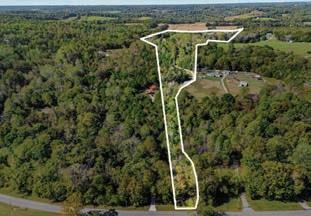
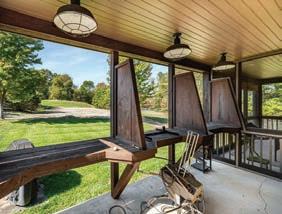
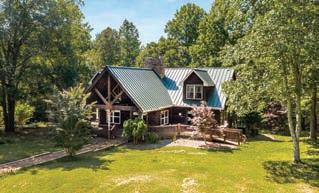
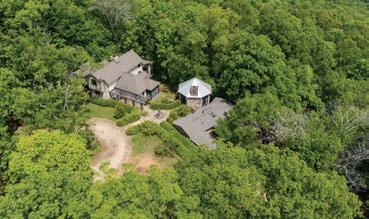
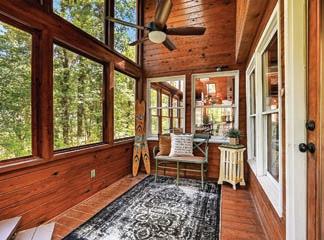
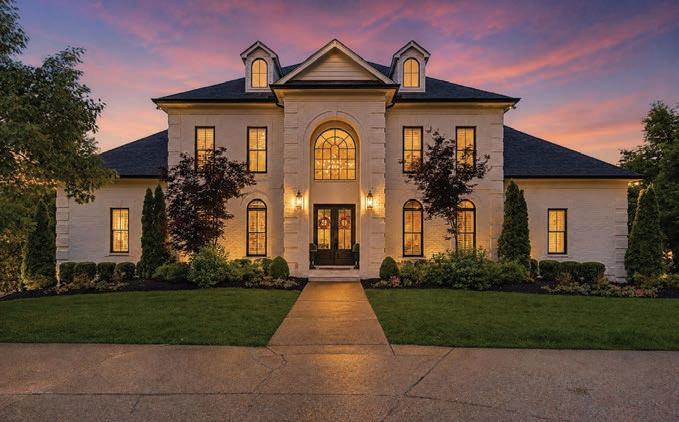
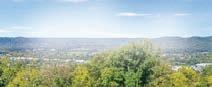
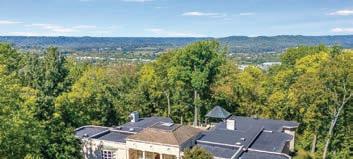
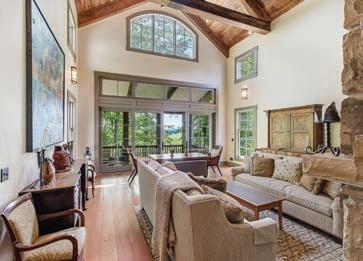
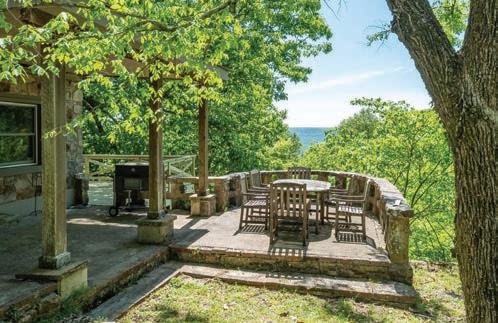
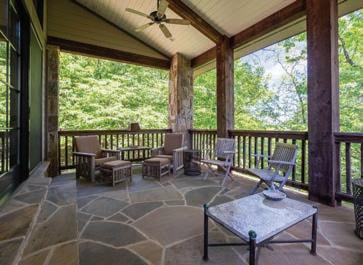
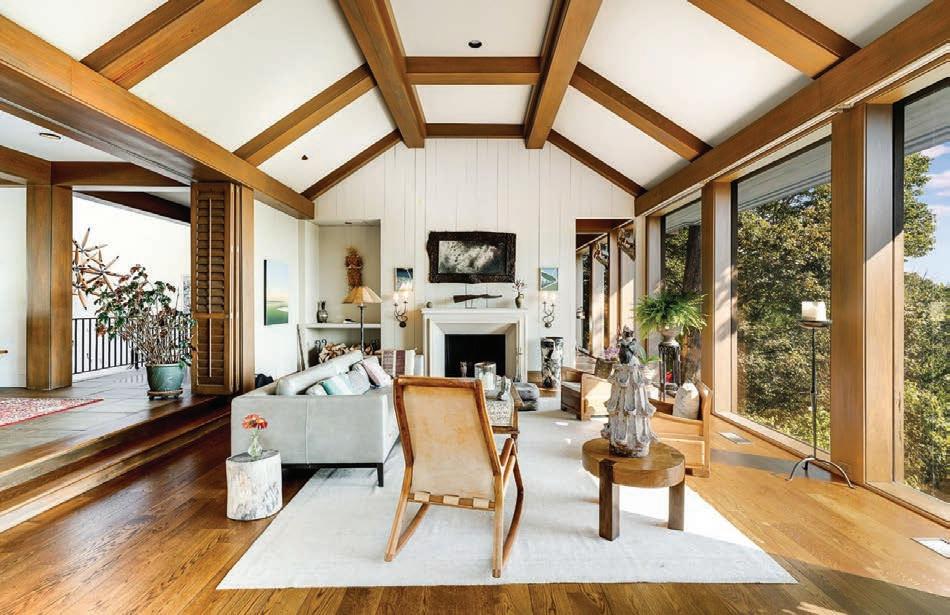
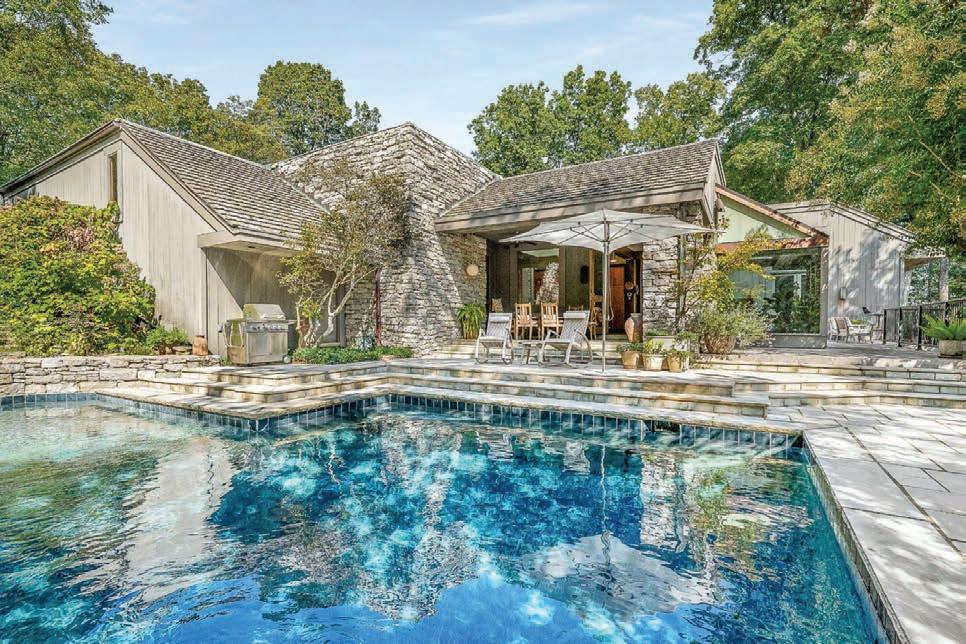
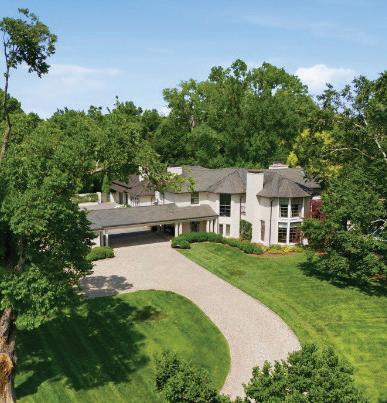
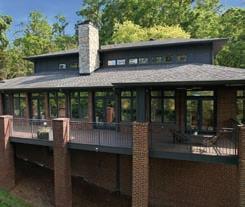
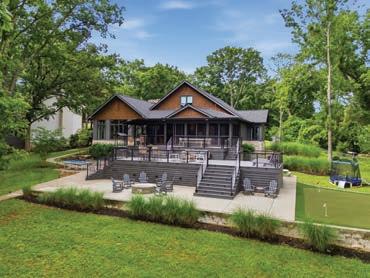
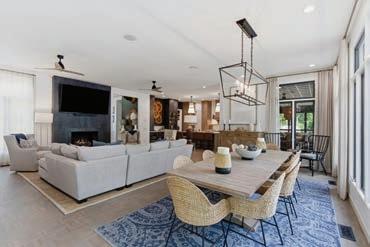
Rare Sewanee compound on 12.98 blu acres with one of the Mountain’s best views. Two homes on private Pollywood Rd near Natural Bridge entrance. Main home (2008) o ers 2,846 sq , 25- ceilings, and expansive screened entertaining porch. Charming 1933 guest house features artisan stonework, including walls, oors, and custom outdoor stone table. Gazebo with replace, and deck. A truly one-of-a-kind retreat.
THE BASICS
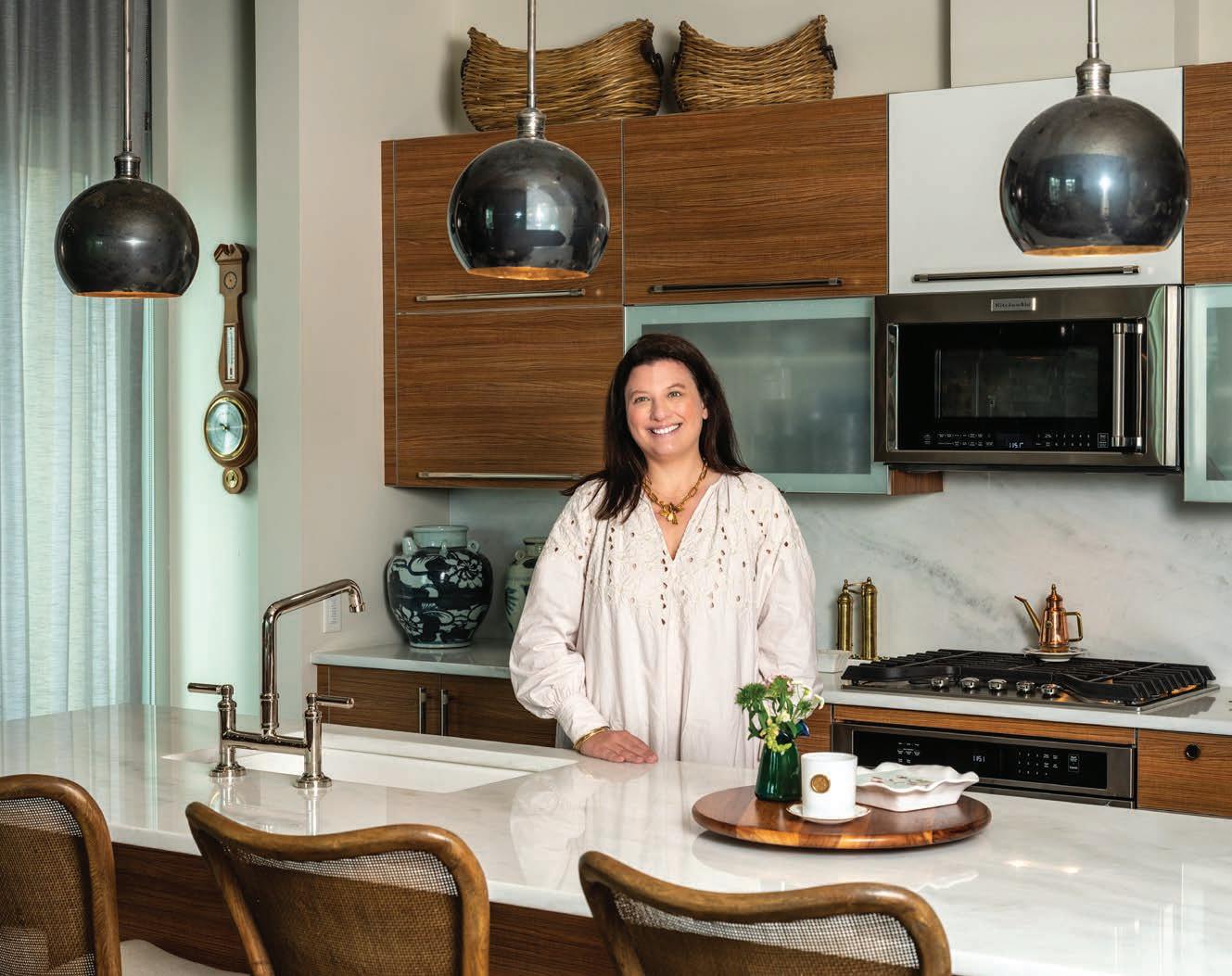
Name: Meg Robles
Hometown: Holland, Mich. (I moved to Franklin when I was 4!)
ZIP code: 37211
Time in Nashville: 6 years (as an adult)
Number of events you’ve “flowered”: Phew — probably 500 or more
Behind the Scenes
With Meg Robles of The Florista
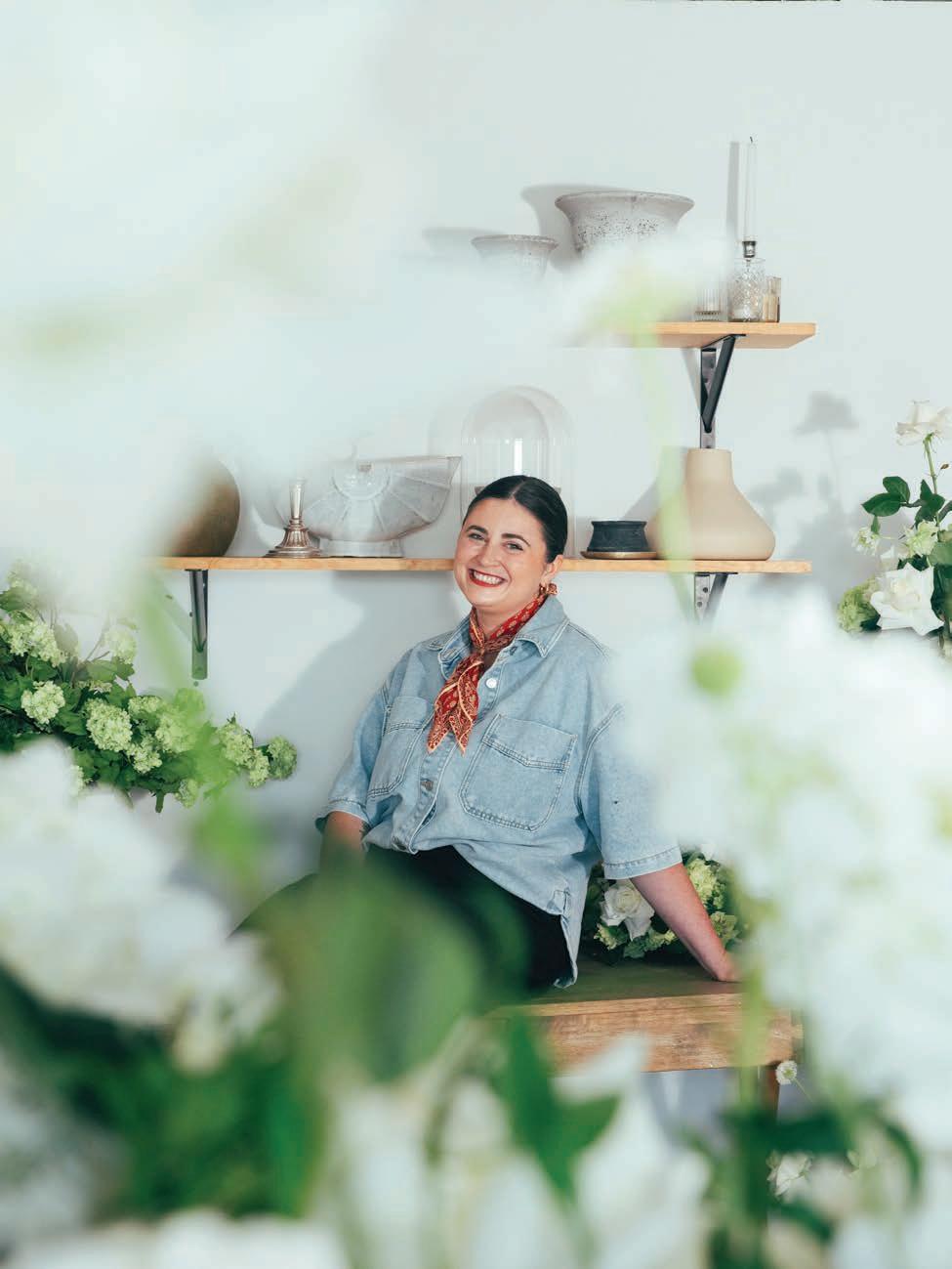
MEG ROBLES’ GOAL: “Flowers that wow.” As founder of The Florista, she rallies her innovative team to create vibrant, larger-than-life floral installations for weddings and events that defy expectations.
While she’s loved florals since childhood, Meg has been “flowering” professionally since 2018, after a brief stint in nursing. She brought her passion back to Nashville in 2020 during the COVID-19 pandemic, where she’s been harnessing her creativity ever since.
Knee deep in floral prep, Meg spoke with Nfocus a week before the Swan Ball. Over the past year, she and her team have collaborated with co-chairs Jennie Garth Lowe and Jenny Corts to bring the four seasons to life at the South’s premier white-tie event.
Where does your love of floristry come from? When I was a kid, I wanted to be a florist. It was my “What do you want to be when you grow up?” answer. My mom was a big gardener, and I lived in Franklin most of my life, but I was born in Holland, Michigan, which is where the tulip festival happens. I used to, as a young kid, make lots of arrangements in reusable Daisy sour cream containers.
Then as I got older, I went to college for nursing. But mid-school, I just didn’t think it was for me. And my mom encouraged me to go back to the idea of pursuing floristry. So I went to floral school one summer in Bath, England, led by a bunch of women who had been past Buckingham Palace florists. And I kind of got my start there.
What made you realize that flowers spark joy for you? Obviously, I loved it as a kid. But when I was in college — and in that moment of not knowing what I wanted to do next — I would go to Trader Joe’s and make arrangements. And I realized that it brought me a lot of joy and calmness.
I just love doing it. And I was like, “I think I can make a career out of this, and I can make other people happy while doing it.”
What are the most unique materials you’ve used for an arrangement? Citrus was definitely a fun one. Last year, we made a giraffe out of palm fronds, which was really crazy. We also recently had an event with Banza, the pasta brand, and we made candelabras out of noodles.
Don’t get me wrong — I love to make a centerpiece. I am a florist at heart. Flowers are my true medium. But I love to get creative with other things too, because I think it makes it more fun and unexpected. We always want to push the bar and show people things they’ve never seen before.
What world will you and your team create at this year’s Swan Ball? Swan Ball has been one of the most fun but challenging events we’ve ever worked on. People can expect a lot of work that incorporates the four seasons, which is so fun — but it also feels like ordering for four separate events.
Jennie Garth and Jenny have been incredible. They had such a vision for it, and they’ve also been so supportive in saying, “We really want it to feel like you.” Coming up with these concepts of how we can
do the four seasons in a cohesive way has been really fun, because we don’t want people to walk into the ball and it feel like a hodgepodge of different things.
All I’m going to say is that there’s some really exciting stuff happening up high in the ceiling that is made from fun materials, inspired by gold chandeliers. Growing up in Nashville, the Warner Parks were always part of my life. So we’re also giving some nods to the natural environment and wanting it to feel very park-like.
What do you hope Swan Ball guests will take away from your designs? I really hope that my guests walk in and see what we were trying to accomplish with the four seasons. It’s so soft and beautiful — and I really hope guests feel that when they walk in, while also seeing some unexpected elements they might not normally see at Swan Ball.
Quotes have been edited and condensed for clarity.
BY MADELEINE BRADFORD PHOTOGRAPH BY ANGELINA CASTILLO
Rooms at the Inn
The Sylvan Park Boarding House opens, welcoming both locals and tourists
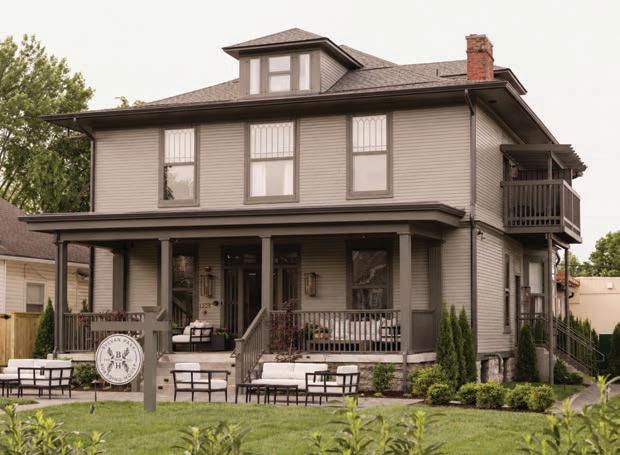
WHEN SYLVAN PARK residents Erin and Alex Tolbert decided to renovate the historic home at 4511 Elkins Ave., reimaging it with eight guest suites for visitors and locals alike, it was a challenge to categorize what they were creating.
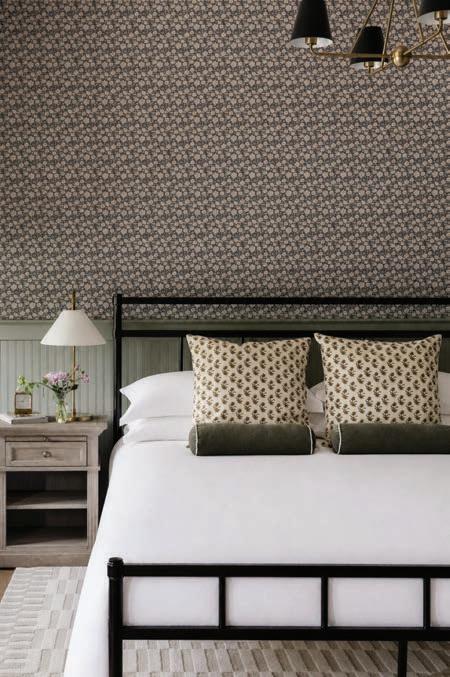
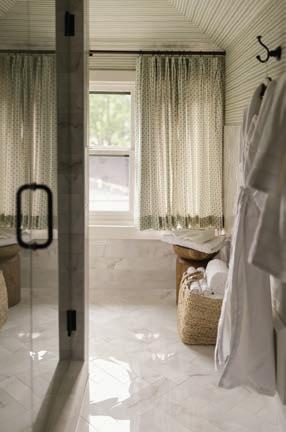
While not as large or elaborate as a boutique hotel, but with amenities like Frette linens, plush LaBottega robes, Dyson hair dryers and staff on site, the newly opened Sylvan Park Boarding House doesn’t feel like a typical bed and breakfast. Erin now refers to it as an inn. Regardless of what it’s called, as the Shakespearean saying goes, “A rose by any other name would smell as sweet.”
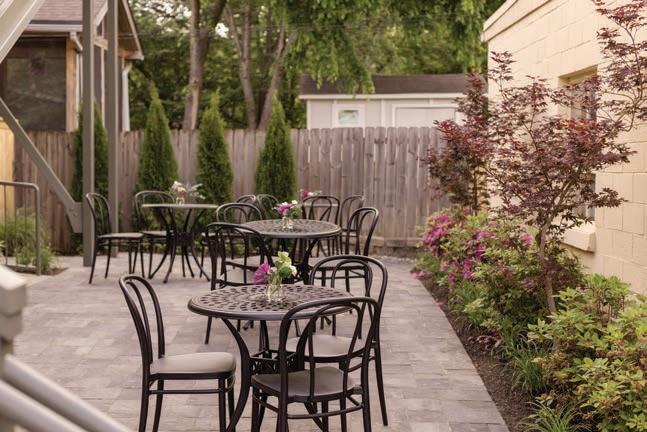
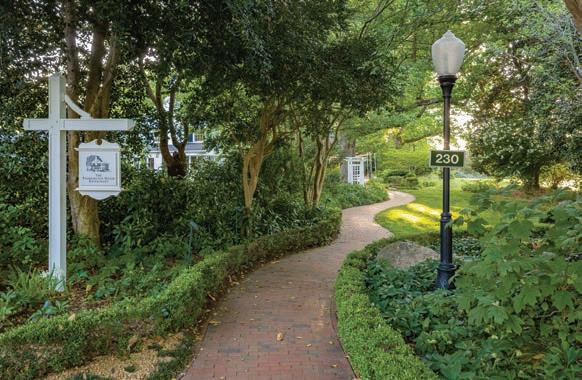
Built in 1911 and listed on the National Register of Historic Places, the stately home at the corner of 46th and Elkins is impossible to miss. Guests enter through stone columns, then follow a pathway through a beautifully landscaped front lawn to a porch dotted with blooming greenery and contemporary outdoor chairs. An oversized glass door with a transom window flanked by copper Bevolo lanterns previews the understated luxury inside.
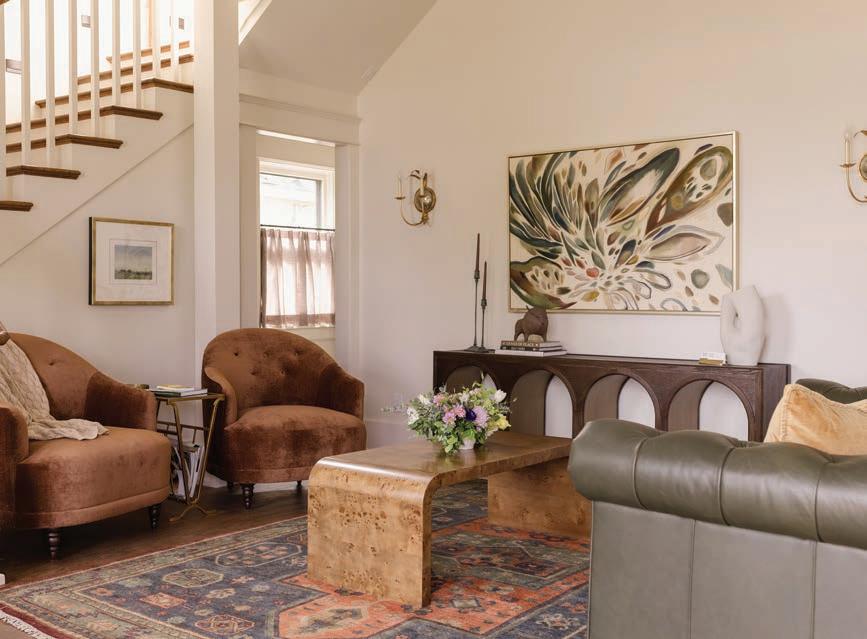
In the front room, plush velvet tobacco club chairs, a rich hunter-green leather sofa and a burled walnut coffee table sit atop a printed rug. “We wanted it to be warm and welcoming — a cozy place for guests to sit and chat and have coffee — and still have a wow factor,” says Erin.
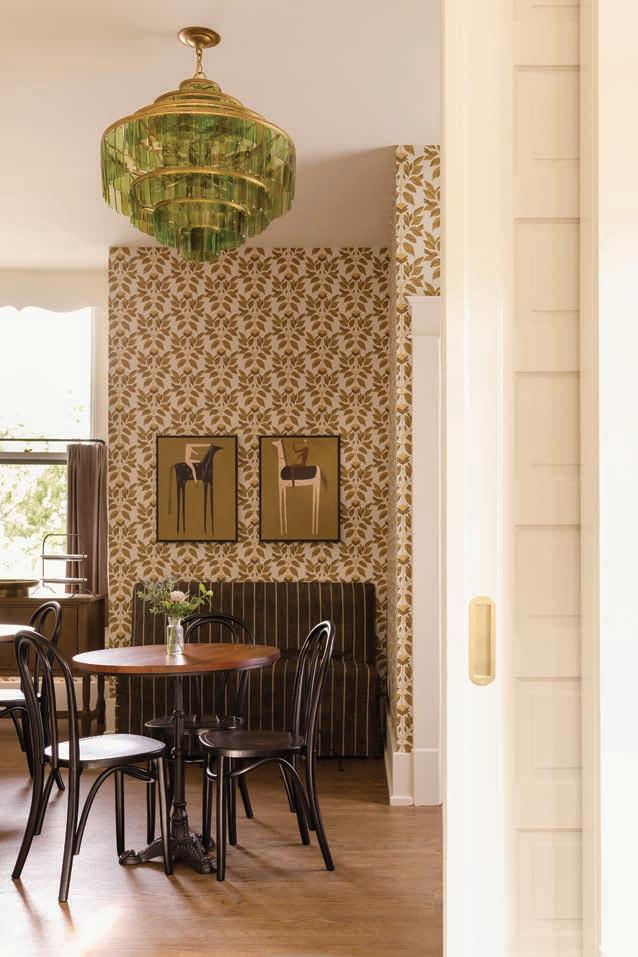
A large abstract painting by local artist Caitlin Shirock — commissioned for the space — hangs above a modern console table. Framed black-and-white photos of Sylvan Park dot the walls, and custom wallpaper created by designer Christina Coldiron adds to the inn’s peaceful feel. Architecture firm L I N E S oversaw the restoration in collaboration with interior designer Erika Thompson.
The building itself has a storied past. It was an actual boarding house from the ’30s until the ’80s, hence the inspiration for the name.
In 2021, the Tolberts had recently purchased a home on nearby Nebraska Avenue. But it needed significant work, so they were looking for a place to live with their three children during the renovations. As they were driving through the neighborhood one day, they noticed someone hammering a “For Sale” sign in front of the Elkins house. “So we pulled over and said, ‘Can we look at it?’” Erin says. The idea for the Sylvan Park Boarding House came later.
The property included the commercial building next door, which now houses Latin American café Tantisimo. The restaurant serves a continental breakfast in the mornings for guests of the inn.
BY WHITNEY CLAY PHOTOGRAPHS BY MARY CRAVEN DAWKINS
TO NAME A FEW
The inn’s eight suites are named after prominent families with West Nashville ties, such as The Robertson, named for James Robertson — considered the Father of Middle Tennessee — and his wife, Charlotte Reeves Robertson. (Nearby Charlotte Avenue bears her name.)
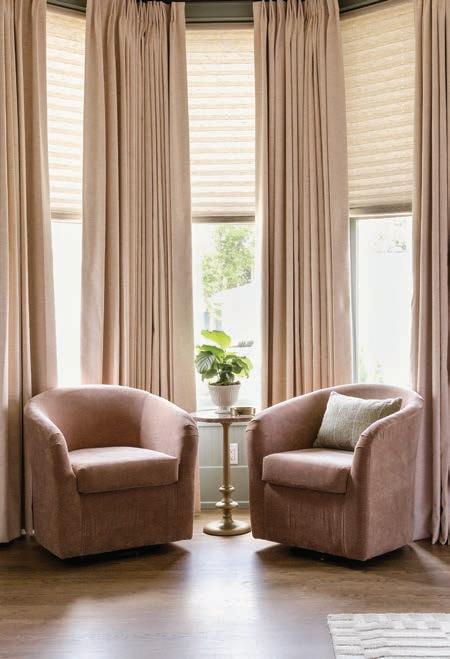
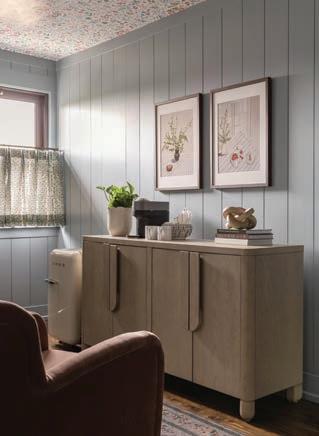
That suite boasts one king bed, two rose-colored velvet club chairs, a pink marble side table and coordinating luxe floor-to-ceiling draperies. Like all the suites, it has a Smeg mini-refrigerator — plus Grown Alchemist bath products and a rainfall showerhead in the bathroom.
HOME AWAY FROM HOME
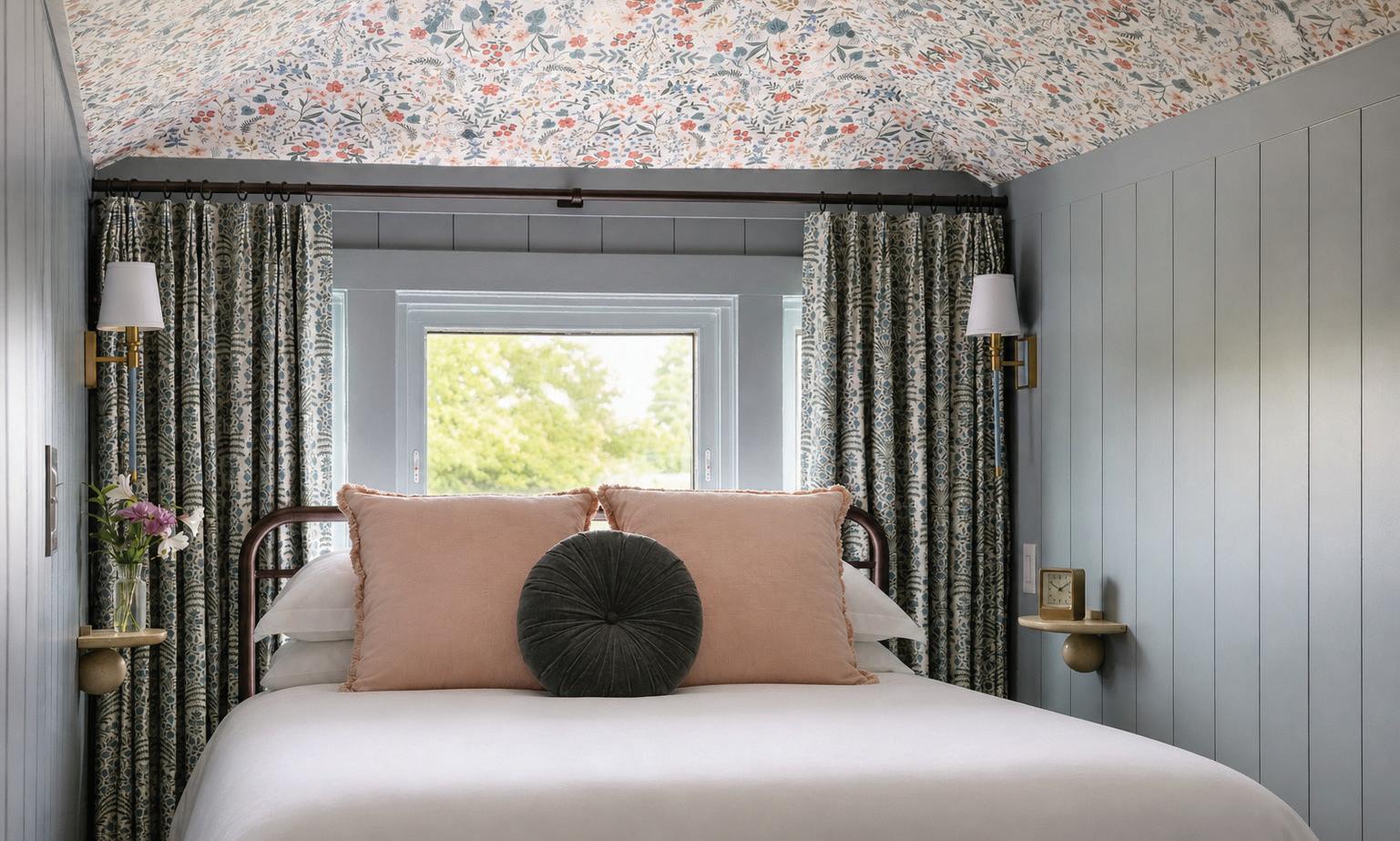
Every room has a king bed — except for the whimsical Geny, located on the third floor and named for the family who founded Geny’s Flowers on Charlotte Avenue. The suite, which has two queen beds, is a 400-square-foot jewel box in shades of peach, green and ivory.
The Geny is a master class in detail, with wainscoted walls and floral wallpaper on the ceiling. It can accommodate up to four guests — perfect for families. Depending on the season, all eight suites average $300 nightly.
THE GUEST HOUSE
Erin sees the inn being ideal for Nashvillians hosting out-of-town family. Locals have already booked staycations, some celebrating a special occasion. Compared to being in the thick of downtown, she says the inn o ers a lower-key, more authentic Nashville experience. “We’re close to downtown, but we’re not in it,” says Erin. “So you can come to the boarding house, enjoy co ee in the front yard, on the porch, with a view of some trees, and then go out and be a tourist later.”
Ndesign: Elizabeth Burch, Elizabeth Burch Interiors
Designer of layered homes
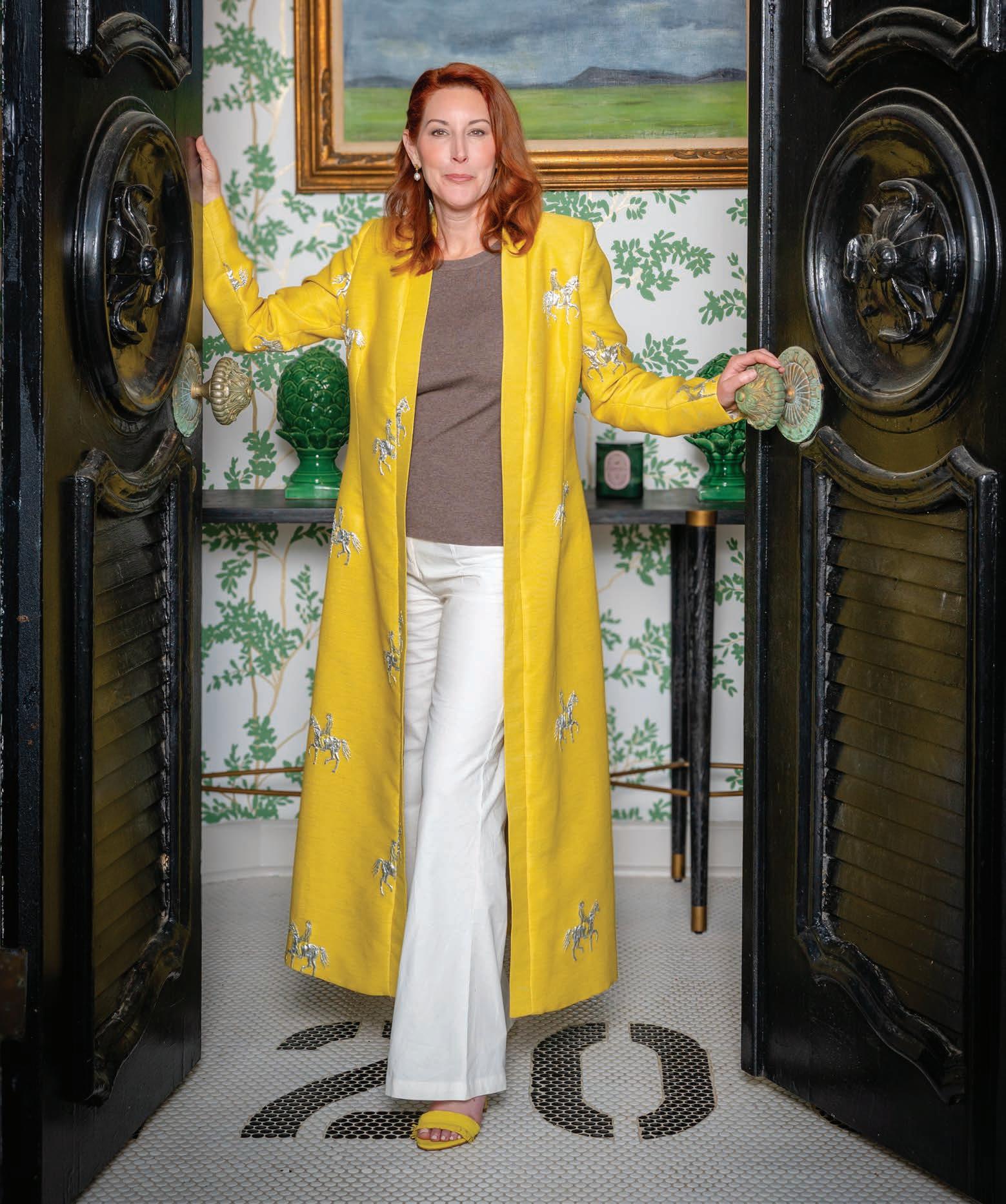
“NETWORKING IS A BIG, important part of this job,” says designer Elizabeth Burch, and she should know.
The school-teacher-turned-entrepreneur laid the foundation of her eponymous business when she was working on her own family’s Belmont neighborhood renovation and posting updates on Instagram.
Her photographic vignettes of beautiful objects — a lamp, a vase, a stack of books — struck a chord among shelter scrollers, particularly the audience seeking a comfortable blend of traditional and modern elements.
The network responded. Friends asked Elizabeth to help pull their houses together, and she accepted their projects as practice to see what it might be like to hang out her own shingle. Elizabeth took some drawing classes and leaned into her new career interest.
Five years and 20,000 Instagram followers later, the former teacher is now the principal of a full-service design firm providing floor plans, finish-and-furnishings selection, paint, lighting and layout recommendations, project management, installation, and styling.
Before heading to the University of Alabama, Elizabeth grew up in Brentwood, in a family that inhabited the design world. Her parents owned a carpet-andflooring store, and her mother did interior design on the side. “I was always along for the ride,” she says, remem-
bering her mother’s projects with wallpaper books and textile samples. “Looking back, I see what she was doing.”
Changing a career can be hard at any age, Elizabeth says, but she encourages people to take the risk if they have an instinct to redirect their talents. And she credits Nashville’s design network for making it possible for her to join the industry so seamlessly.
“Designers here are very open — we share everything,” she says, referring to resources such as skilled craftspeople who can bring a project to reality. “In other cities, people say the design community is hard to crack into, but in Nashville, it’s kind of the opposite of that.”
Elizabeth networks with a group of 30 designers who meet up at different showrooms around town to explore vendors and talk about things going on. “It’s really been great to have that community,” says Elizabeth, as she prepares to visit the Schumacher showroom in New York City.
A mother of young twins, Elizabeth loves working with clients who are empty-nesters, either downsizing to a clean slate or ready to make their family house work for their next phase of life. “They know what they want, and they are waiting for someone to execute,” she explains. “They’re comfortable investing in certain pieces and doing things they’ve been wanting to do.”
For homeowners considering a refresh or glow-up with the goal of an eclectic, comfortable, layered and fun house, Elizabeth offers this advice to potential clients:
1. Hire the designer first, before getting plans drawn.
2. Research to set a realistic budget. Expect a kitchen renovation to cost north of $150,000. Book a call with Elizabeth, who is happy to talk numbers on the front end. “We like to get that out of the way first,” she says.
3. Gather inspiration and things that you like from the internet, Pinterest and Instagram. These tidbits can guide the process of building a mood board of textures, colors, metals and other elements of a personalized look.
Finally, Elizabeth offers this encouragement, which is more about building a life than about designing a house: “For people looking to change what they’re doing, it’s hard, but it can be done.”
BY CARRINGTON FOX PHOTOGRAPH BY ERIC ENGLAND
THE BASICS
Where: Pittsboro, N.C.
Distance from Nashville: 526 miles
Why it stands out: English garden vibes combined with Southern hospitality and North Carolina landscapes make for a charming village resort.
Worth the Drive: Fearrington Village
A cozy getaway offers historic European charm in North Carolina
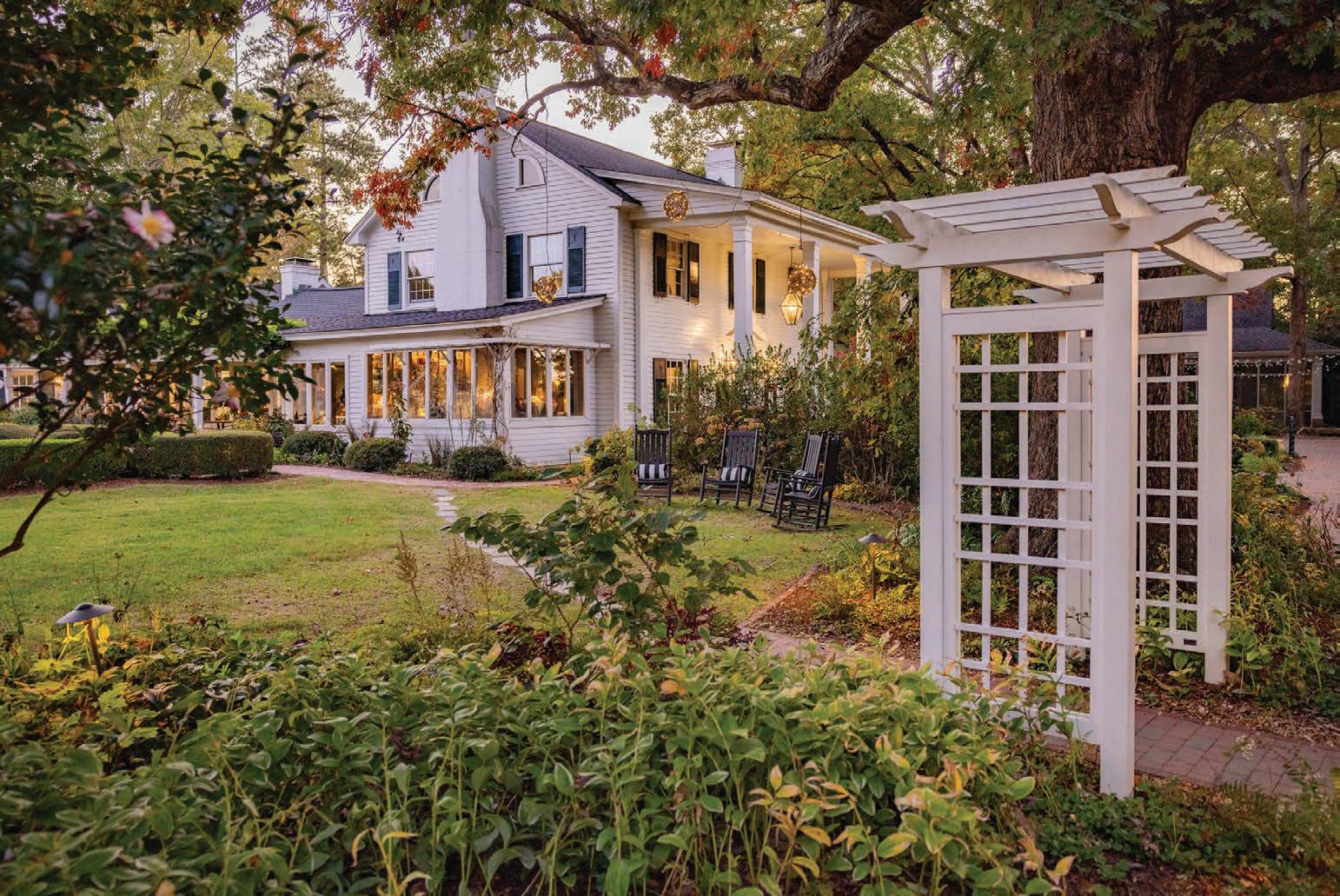
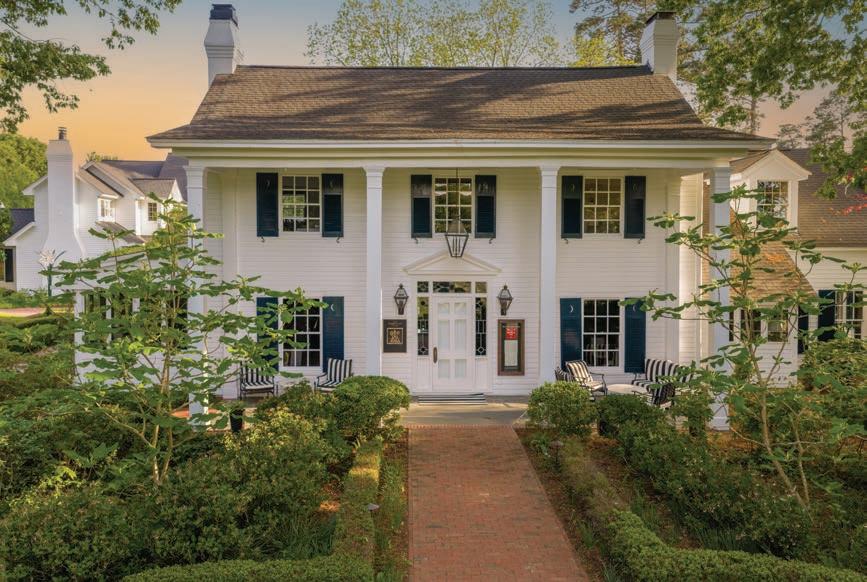
FEARRINGTON VILLAGE, home to the Fearrington House Inn, began in 1974 on an old dairy farm. I fact-checked that number several times to make sure I didn’t misunderstand. Parts of this lush, secluded village feel like they were built centuries earlier, with buildings and pathways thoughtfully connected to their surroundings.
That’s by design. Jenny and R.B. Fitch became enamored with the Relais & Châteaux network of restaurants and boutique hotels when traveling in Europe, and they wanted to bring that experience back home to North Carolina. Initially, they thought they would solely open a restaurant. When Relais & Châteaux told them they needed an inn too, they started building. Over the next four decades, their vision expanded. Now, Fearrington Village is a community, inspired by verdant English gardens and served with a side of Southern hospitality. Plus, Pittsboro, N.C. (near Chapel Hill) is a lot easier to get to than Great Britain.
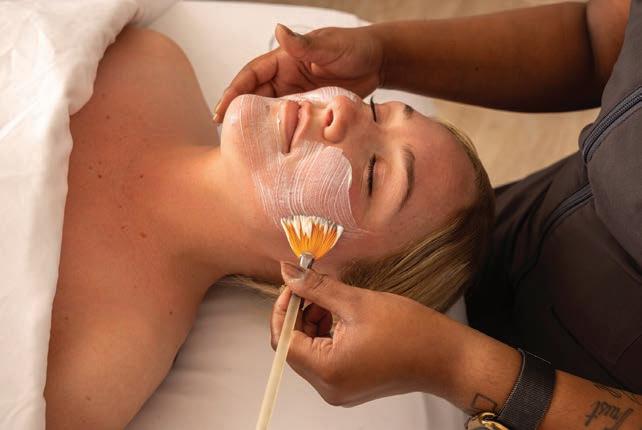
Fearrington Village’s 1,200 acres now includes a village square with clothing and toy shops, an independent bookstore, a spa and salon, a post office,
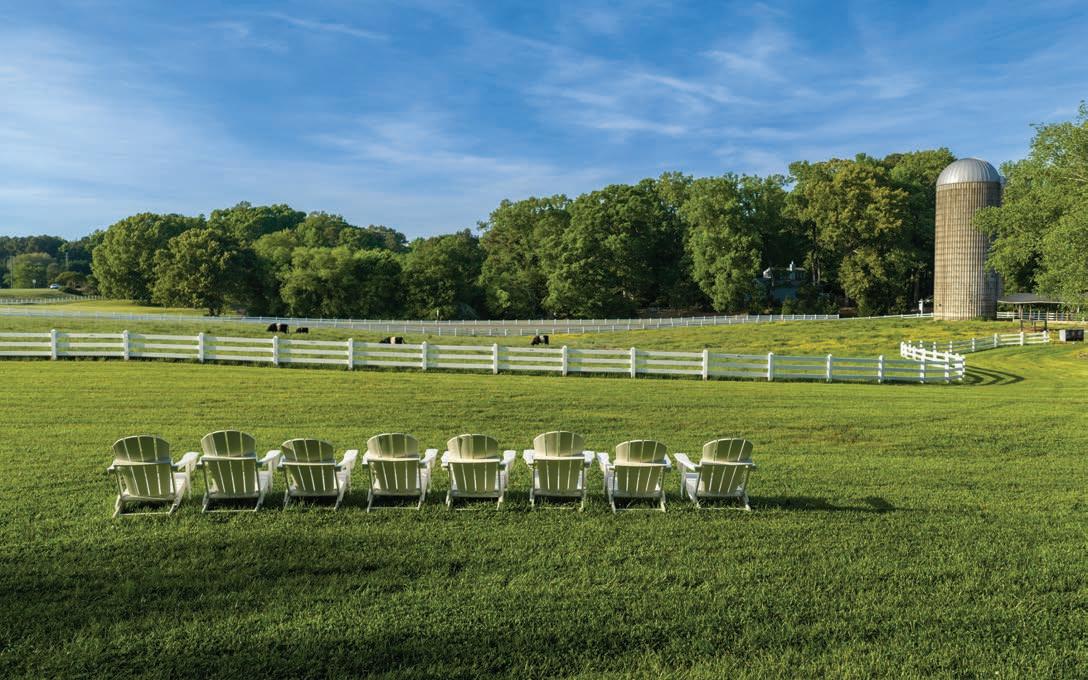
restaurants, bars and a wine shop. Around that village center are the inn, cottages and year-round homes. Numerous parks and greenspaces dot Fearrington Village (pronounced FAIR-ington, not FEARington), including a cutting garden, a formal topiary knot garden and farmland. Gardens, parks and public spaces are dotted with sculptures, plus plenty of benches and umbrella-covered tables for sitting and lounging. Walking paths connect it all. Grabbing a book to read in one of the sunrooms overlooking a garden is a good use of time at Fearrington Village, where serenity is a signature value.
The Fearrington House Inn has 32 guest suites and rooms. And there are about 1,400 homes in the village. But even on a sold-out holiday weekend, with a wedding taking place on property, it didn’t feel crowded (although all the spa treatment rooms were certainly booked), with plenty of room to explore and pick the resort experience that speaks to you. I shopped, ate, walked, hung out in the communal sunroom with a new book, and even got a massage — without ever having to get behind the wheel of my car.
WHAT’S NEARBY
The Research Triangle (Raleigh, Durham and Chapel Hill) is less than 30 miles away and contains all the big-city charms of shopping, live music and entertainment, plus scores of restaurants. Downtown Pittsboro is just nine miles away, home to vintage shops, bakeries and a bookstore. There are five nearby golf courses.
But if you don’t want to get in your car for the entirety of your stay, there’s no reason to. Everything you need is on property.
WHAT TO DO
Grab a map of the village’s community walking routes to acclimate yourself to your surroundings. There are gravel and nature trails as well as sidewalk pathways. The perimeter trail covers four miles. The trails go by several parks, the cutting garden and pastures where chickens, goats and the famous Belted Galloway cows live.
Once you have the lay of the land, head to wine tastings, author talks at the bookstore, afternoon tea, or the spa and salon for some pampering. If retail therapy is your thing, the shops stock clothing brands, like Franco Ferrari and FLOOR, that can be tricky to find elsewhere. The swim and croquet club includes a pool open in warmweather months, and bicycles are available if you want to explore on two wheels.
What: Fearrington Village
WHERE TO EAT
The village has a number of restaurants, including the casual Belted Goat market and the Roost Beer Garden, where you may hear live music on a summer evening.
The Fearrington House Restaurant is Michelinrecommended, thanks to the vision of executive chef Paul Gagne, offering elevated evening menus. The vegetarian tasting menu offers seven courses, including a cheese course, desserts (like the restaurant’s signature chocolate soufflé) and innovative takes on seasonal, local produce and wine pairings.
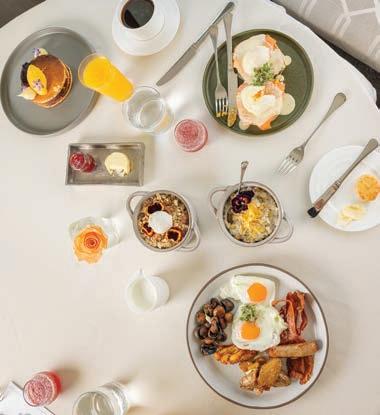
The Fearrington House Bar is lively and offers a casual, but not boring, menu: They had me at “savory cheese doughnuts.” Extensive wine lists, with sommelier recommendations, are available in both the restaurant and the bar. Breakfast is included with every stay — try the oatmeal with Earl-Grey-tea-soaked raisins.
HOW TO GET A GOOD NIGHT’S SLEEP
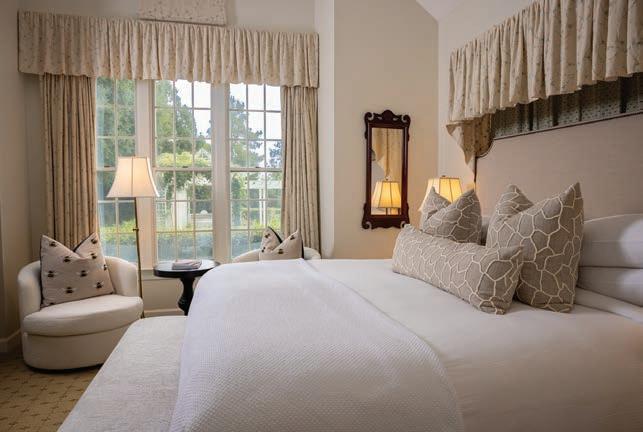
Fearrington House Inn’s 32 rooms are spread throughout the village. Those in the inn are filled with natural light and offer easy access to the gardens and sunroom. Some of the suites have private outdoor areas and indoor seating areas. All rooms have Frette linens, Matouk blankets, firm mattresses, fresh flowers and heated towel racks to keep you toasty post shower (some rooms have jetted tubs too).
BY MARGARET LITTMAN PHOTOGRAPHS COURTESY OF FEARRINGTON VILLAGE
A LEG A CY OF STEWARDSHIP
Gov. Bill Lee expands Tennessee’s state parks while balancing growth, conservation and public access
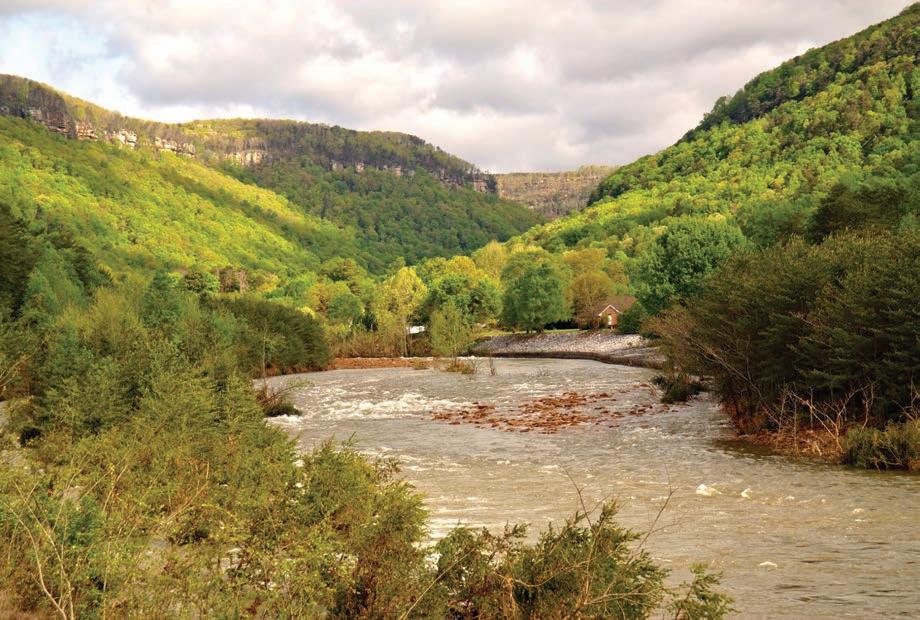
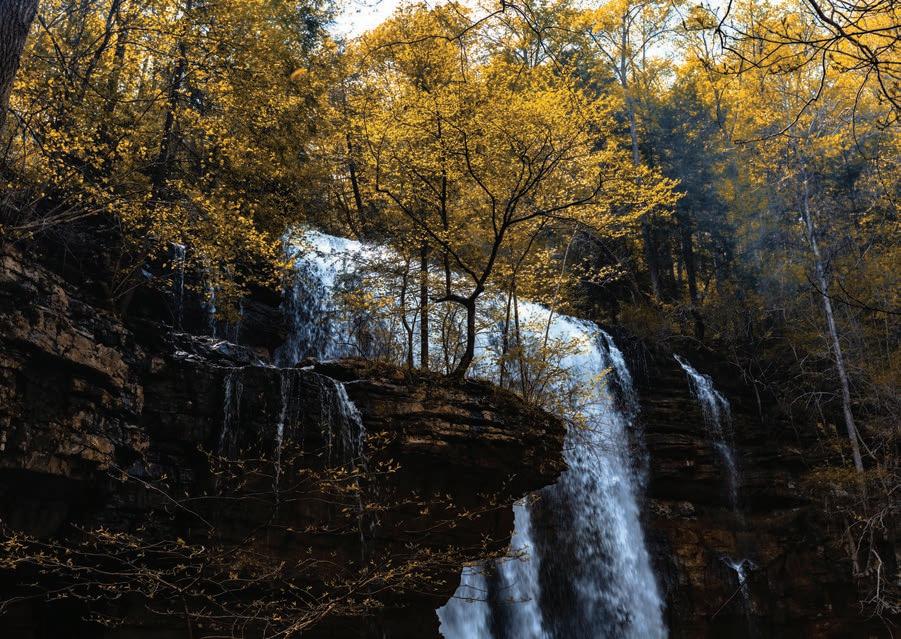
EACH MORNING, birdsong echoes beneath Tennessee’s dense tree canopy as rivers and waterfalls continue the same rhythms they have followed for thousands of years. Along the trails of Savage Gulf State Park, hikers gather beneath towering sandstone bluffs while the Duck River winds quietly through Middle Tennessee farmland.
During his tenure, Gov. Bill Lee has overseen the largest expansion in the number of Tennessee state parks under a single administration — adding 14 new parks by the end of his time in office. Long before he entered politics, Lee developed a connection to Tennessee’s outdoors, spending days on his family’s farm exploring creeks, woods and pastures. When Lee was 10, a neighbor involved in bird banding taught him about protecting local birds and giving them clean water. It was at this young age that Lee recognized the importance of stewardship — a lesson he’s never forgotten.
TENNESSEE IDENTITY
AGRICULTURE REMAINS one of Tennessee’s leading industries, contributing $103.8 billion annually to the state economy, according to a University of Tennessee study. Like Lee, many Tennesseans grew up working the land. And it was through farming and exploring the rolling acreage of his family’s Triple L Ranch that Lee’s passion for conservation took root.
“I grew up with the woods right behind our house,” Lee explains. “I was a kid who played in the creek and swam in the river and hunted in the woods.” His father often took the family canoeing on Tennessee rivers and camping in state parks — experiences that deepened Lee’s appreciation for the outdoors and the state’s natural beauty. “When I was old enough, I developed a real deep appreciation for our natural resources,” he says.
For generations of Tennesseans, state parks have served as an extension of those formative experiences — places where families camp, hike, fish and experience the state’s forests, rivers and mountains firsthand. Out-of-state visitors also recognize the natural beauty of Tennessee, making it a prime destination for outdoor enthusiasts nationwide. Each year, Tennessee’s 65 state parks welcome more than 30 million visitors and generate an estimated $1.9 billion in economic impact.
From East Tennessee’s mountains to the banks of the Mississippi River, Tennessee’s protected natural spaces have become deeply intertwined with the identity of residents and visitors alike.
G OWTH VS. CONSE VTION
TENNESSEE CONSISTENTLY ranks among the fastest-growing states in the country. (The most recent U.S. Census Bureau report lists it as No. 8 in population growth and No. 10 in percent growth.) Rapid development and loss of farmland have put increasing pressure on the state’s ecosystems, waterways and rural landscapes — forcing leaders to confront the complicated balance between growth and conservation.
“You have to go at it with the understanding that you can accomplish both,” Lee says. “It isn’t easy. … But we’ve made a real effort to understand the conservation challenges that come with being one of the fastest-growing states in the country.”
Lee notes that over the past two years, Tennessee has lost nine acres of farmland per hour. Recognizing that growth will only continue in the decades ahead, Lee signed Public Chapter 470 — the Tennessee Farmland Preservation Bill — to issue grants to farmers who volunteer their land for conservation.
Protecting natural resources, like the Duck River, has also been paramount for Lee’s administration. The river, which is the most biodiverse in North America, is under threat as more people move to the area, creating an unsustainable drain on the water.
In 2024, Lee signed an executive order to help preserve the Duck River. And this year, he designated it a Class II Pastoral State Scenic River, which prohibits mining, commercial logging and landfills within two miles of the river.
STTE P K EXP NSION
AFTER YEARS in the private sector, Lee took office in 2019 and set out to understand the state’s park system. Working with Jim Bryson, deputy commissioner of Tennessee’s Bureau of Conservation, Lee sought to understand the needs of existing parks and expand greenspace to create new ones. “I didn’t come in with a strategy to expand parks,” Lee explains. “I came in with a strategy to understand how we could improve the situation we have in our state.”
He began by developing Savage Gulf State Park — a place he’d backpacked in his youth — in 2022. “It’s a truly unique geologic area in the state,” he says. “It’s spectacular and beautiful, with characteristics you don’t find in many places in the country.”
So far, Lee has added nine state parks (about 48,762 acres) — with plans to establish six more (about 2,704 acres) by the end of his term. That will bring Tennessee’s total to 70 parks. While other Tennessee leaders, like Gov. Don Sundquist, have added more parkland in terms of sheer acreage, Lee has strategically acquired and protected land adjacent to other established parks.
One of Lee’s primary focuses has been addressing years of deferred maintenance — like updating long-neglected lodges and campsites. His administration also partnered with Rivian, making Tennessee the first state to install electric vehicle charging stations across its park system.
The crowning jewel in Lee’s expansion has been Access 2030, an initiative to make Tennessee’s parks some of the most accessible in the country. This includes adding or expanding accessible hiking trails, offering all-terrain wheelchairs, outfitting bathrooms with adult changing tables, and creating accessible canoe and kayak launches.
“We need to [enable] people to experience the trails who might not otherwise have the opportunity to do that,” Lee explains, adding that trails can be rough, and scenic overlooks can be hard to get to. “It was really important that we found a way [to ensure] — for at least some of the most beautiful places in our state — that everyone could have access.”
Head of the Crow State Park
Buffalo River State Park
Clinch River Valley State Park
IMP CT ND LEG CY
WHILE LEE’S conservation work has reshaped Tennessee’s park system, the state’s commitment to preserving public land stretches back nearly a century — to 1937, when Gov. Gordon Browning established the Tennessee state park system.
President Franklin D. Roosevelt’s New Deal kickstarted these efforts by estalishing the Civilian Conservation Corps, a work relief program focused on conserving resources and creating parks. The CCC developed Harrison Bay State Park, widely recognized as Tennessee’s first state park, and T.O. Fuller State Park (originally Shelby County Negro State Park), a state park designated for Black Tennesseans during segregation.
Subsequent leaders expanded the park system further, adding protected acreage and miles of trails. Gov. Frank Clement doubled the Tennessee state park system, establishing, among others, Henry Horton State Park, which the Duck River runs through today.
While Clement is known for protecting the Black students integrating Clinton High School, it was his political ally, Gov. Buford Ellington, who quietly desegregated Tennessee’s state parks in 1961. A decade later, Gov. Winfield Dunn signed the Natural Areas Preservation Act and the State Scenic Trails Act, protecting one of the parks Nashvillians regularly visit — Radnor Lake. The legislation also laid the groundwork for Sundquist’s aforementioned legacy work, the Cumberland Trail.
Tennessee’s conservation efforts have since expanded, encompassing trails, wildlife areas, land trusts and more. After championing Tennessee’s natural spaces as governor, former Sen. Lamar Alexander created the President’s Commission on Americans Outdoors to encourage and expand access to outdoor recreation. And while in office, Gov. Phil Bredesen protected approximately 280,000 acres of land.
POST-OFFICE VISION
LEE RECOGNIZES his efforts are just the beginning. “It isn’t what a governor does — it’s the people in the community who understand how valuable it is what we have,” he says. “It’s what they do and who they teach and how they advocate.”
Lee acknowledges that much of this work happens outside the state capitol — in conversations between neighbors, like the one who taught him about birds so many years ago. “I’m grateful for those who lean in and who care as deeply about this as I do, if not more, and who are making this the most beautiful state in America,” he says.
With the end of his term in sight, Lee isn’t sure what will come next. “But I will always be an advocate for how we consider the land and protect it,” he says. “How we consider the importance of natural resources, and how we think about the remarkable beauty of our state.”
BY JANET KURTZ PHOTOGRAPHS BY HAMILTON MATTHEW MASTERS AND COURTESY OF TENNESSEE STATE GOVERNMENT TENNESSEE AND DEPARTMENT OF ENVIRONMENT & CONSERVATION: JEREMY RASNIC, VALLEY VISTA DRONES, MATT MORRISON, ASH SUMMERFORD
Head of the Crow State Park
North Chickamauga Creek Gorge State Park
Scott's Gulf Wilderness State Park
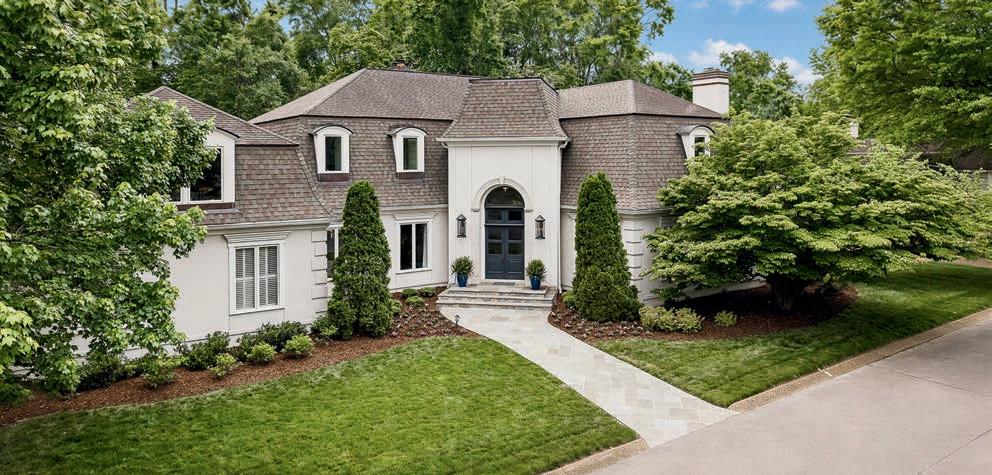
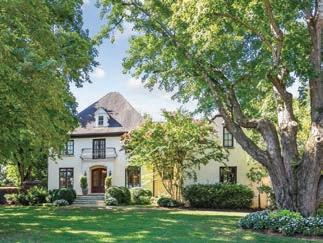
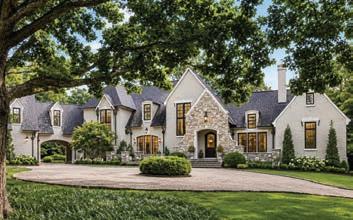
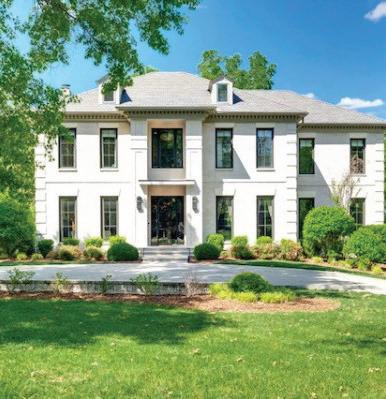
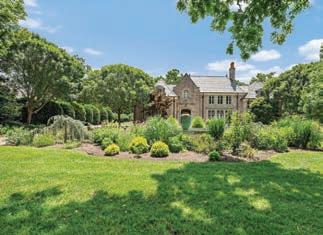
Masterpiece in the French Tradition
QUITE THE HIKE
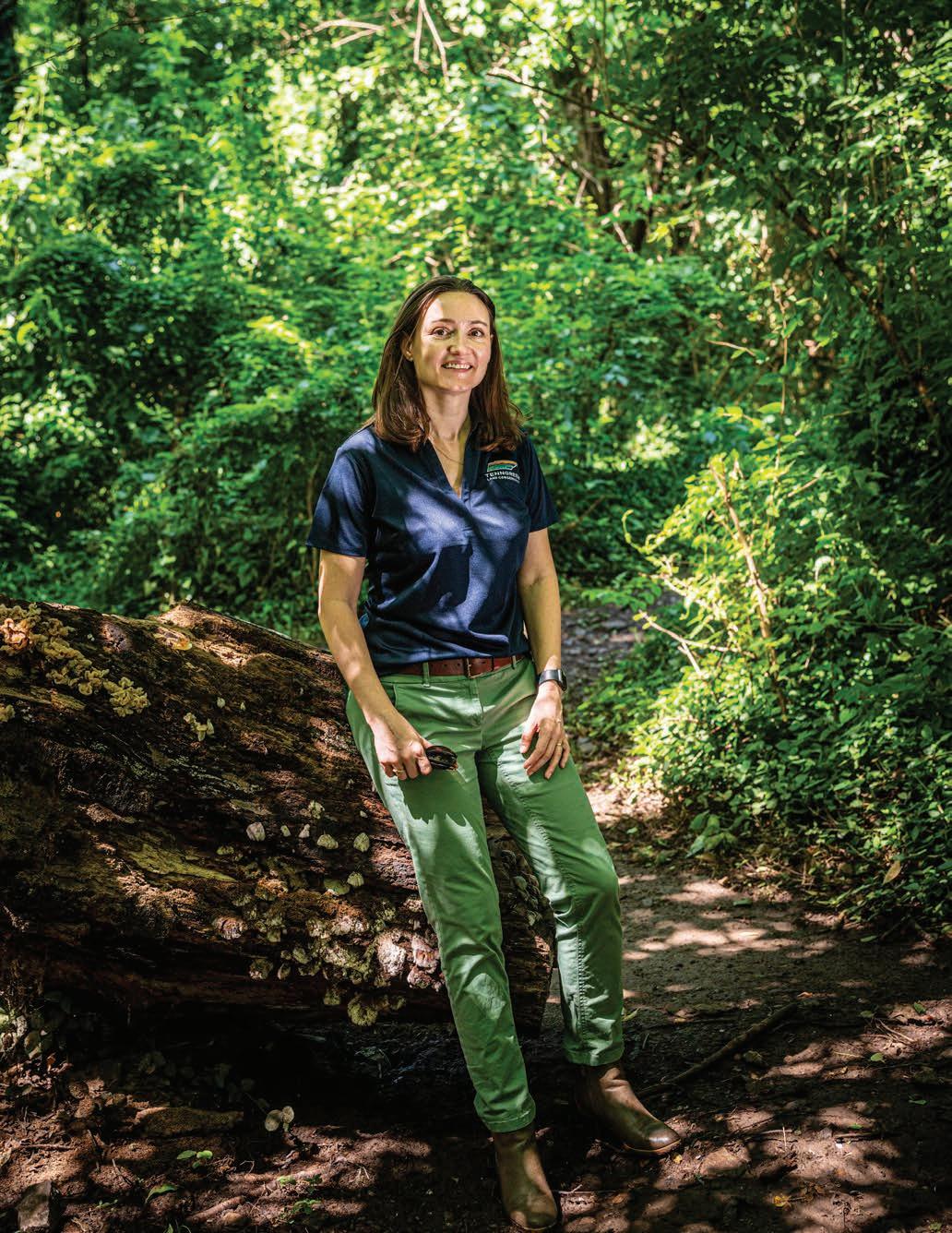
TennGreen Land Conservancy offers an experiential approach to conservation fundraising
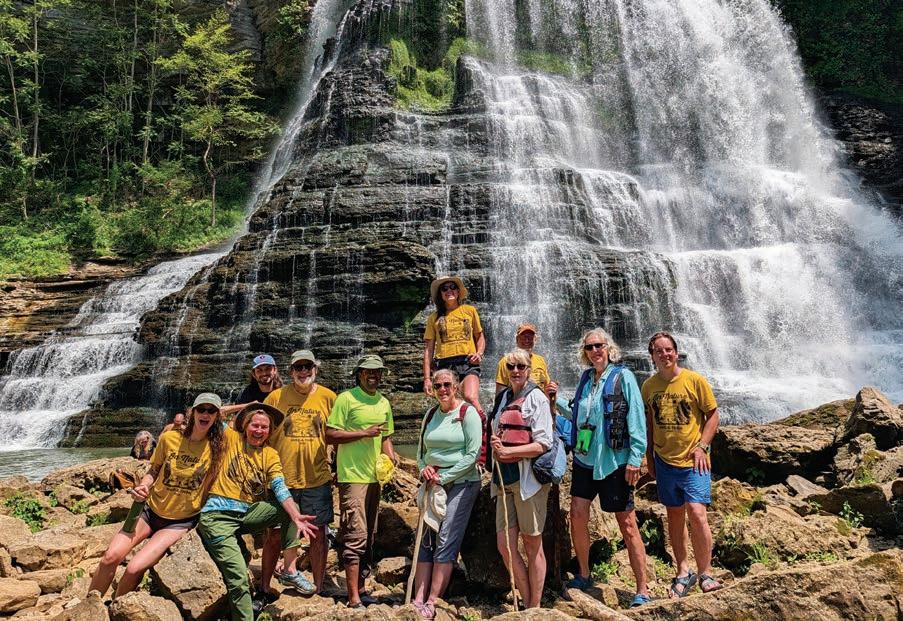
IN APRIL, nature-loving Tennesseans laced their boots, donned their hats and lathered on their sunscreen for TennGreen Land Conservancy’s key fundraiser, the Hike-a-Thon.
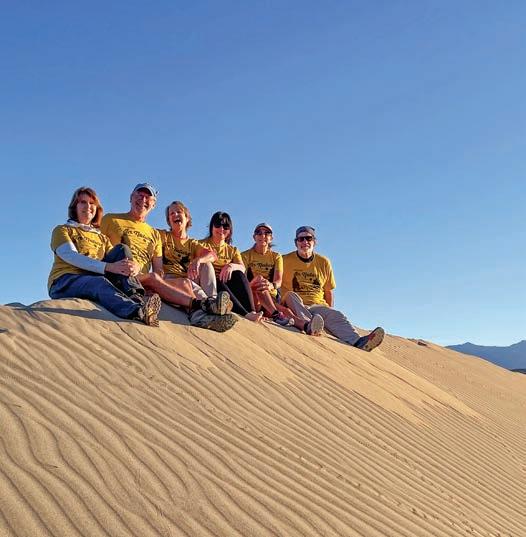
Participants from different categories — hiking, paddling, biking, running and climbing — embarked on a friendly outdoor challenge geared toward people of all ages and abilities in support of Tennessee’s greenspaces. The goal: exploring as much land as possible while raising funds for TennGreen’s crucial conservation efforts. “Getting people outside is the start to developing conservationists,” says executive director Alice Hudson Pell.
In its sixth year, the Hike-a-Thon attracted a recordbreaking 1,398 participants, raised over $300,000 and logged 17,836 miles across 41 states and 13 countries.
The first-of-its-kind event in the Southeast has set a new standard for environmental nonprofits, showing that sometimes, the most effective fundraising models are experience-based.
“I think [the Hike-a-Thon is] different because it truly, directly ties people to the mission and what we’re trying to accomplish, more so than many other fundraising activities I’ve seen in my career in institutional advancement,” says Hudson Pell.
ETE RNAL PR ESE RVATION
KATHLEEN WILLIAMS founded TennGreen, the state’s oldest accredited statewide land conservancy, in 1998 to create an interconnected greenway system and protect Tennessee’s natural treasures. Through easements, acquisitions and restorations, the organization permanently protects private land and public parks from demolition and development.
“I love TennGreen because it really had — and still has — a very public mission,” says Hudson Pell. “I get to make parks for a living, and I think that is the coolest thing that’s ever happened to me.”
In May, the organization celebrated the opening of Cardwell Mountain State Archaeological Park — Tennessee’s third state archaeological park and the first to be designated in over 50 years. TennGreen worked with partners to acquire the land (which was listed on Zillow), ensuring the property can be enjoyed by both locals and tourists for centuries to come.
TennGreen’s team believes effective philanthropy is built on personal experience — and the best way to educate supporters is by connecting them with the land. One particularly captivating spot is Devilstep Hollow, the mouth of a cave where Indigenous people, particularly chiefs and priests, were buried.
Thanks to a TennGreen easement, the site’s 21 pieces of cave art and a preserved footprint (estimated at 1,000 years old) will not be disrupted. While you can no longer enter the cave, Hudson Pell says visiting the space around Devilstep Hollow is an aweinducing experience that brings TennGreen’s mission home for her. “One of the fun and challenging things about the work that we do here is that it’s forever,” she says.
FI R STH AND ENCOUNTE RS
IN PREVIOUS YEARS , TennGreen has hosted seated dinners, complete with gowns and auction items, to raise funds for its conservation programs. But over time, Hudson Pell found that a banquet hall wasn’t the most effective setting for environmental advocacy.
“That’s just not where our audience is,” she says. “Especially because we are a statewide organization, our members are from all across the state. … People would drive in from Cookeville for a dinner, and it just never sat right with me that that was the best way to engage folks.”
Enter the Hike-a-Thon, an initiative Hudson Pell created following the COVID-19 pandemic. The event takes conservation a step further, putting patrons’ feet on land protected by their support. As participants explore the outdoors, they raise money for TennGreen through sponsorships from loved ones and supporters. “Our donors like being outside,” she says. “It’s just much more authentic to our brand.”
The Hike-a-Thon offers a unique opportunity for Tennesseans to take their love for hiking (and other outdoor activities) around the globe, all while supporting their home state. Many have traveled as far as Australia, Scotland, Ireland, Iceland, Switzerland and Dominica to participate. Yet the heart of the event is rooted in a commitment to Tennessee’s landscapes, represented by thousands of miles trekked across West, Middle and East Tennessee.
While hiking is daunting for some, the event offers competitions for all levels, including a challenge specifically designed for participants with disabilities. One of Hudson Pell’s favorite stories is about a young man named Otis, whose disabilities make it hard to walk long distances. Despite this hurdle, Otis logged roughly six miles over the course of the month and raised ample funds for the cause.
TennGreen hopes the Hike-a-Thon will help demystify hiking and show that moving outdoors can have low barriers to entry. “A lot of people don’t know that they can hike,” says Hudson Pell. “What you need is bug spray and shoes.”
PAVING NEW PATHS
FOLLOWING THE Hike-a-Thon’s success, TennGreen plans to host more hands-on experiences — including paddling events in collaboration with other local conservancies, where patrons will learn more about sustainability while out on the water.
Hudson Pell emphasizes that education and collaboration are key to environmental progress. As TennGreen continues to grow and expand its team across the state, leadership hopes to inspire the next lawmakers to make environmentally conscious decisions amid development — and to consider communities, habits and rivers over data centers.
“We’re all a part of this,” she says. “We all drink this water. We all breathe the same air. We have to be together in this fight against bad actors and bad practices.”
BY MADELEINE BRADFORD PHOTOGRAPHS BY ERIC ENGLAND AND COURTESY OF TENNGREEN LAND CONSERVANCY
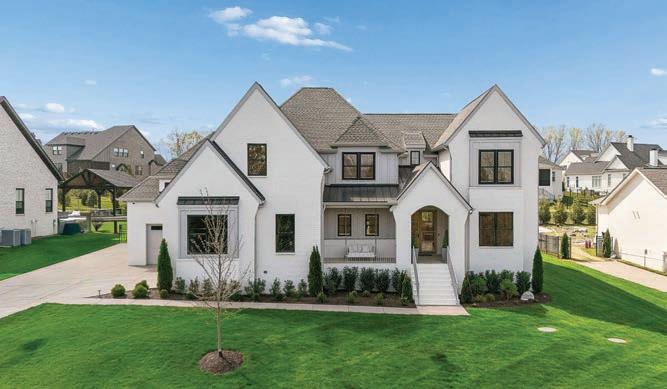
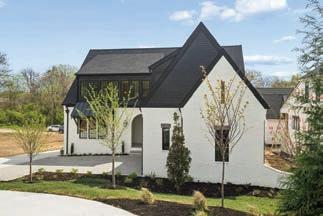
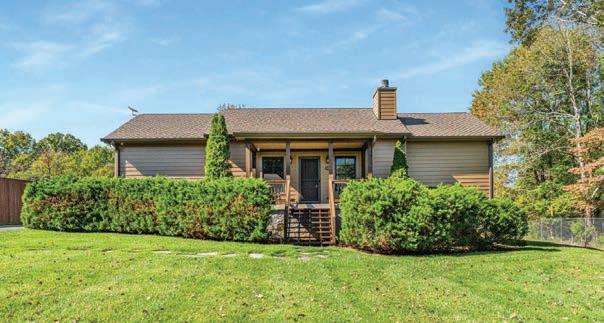
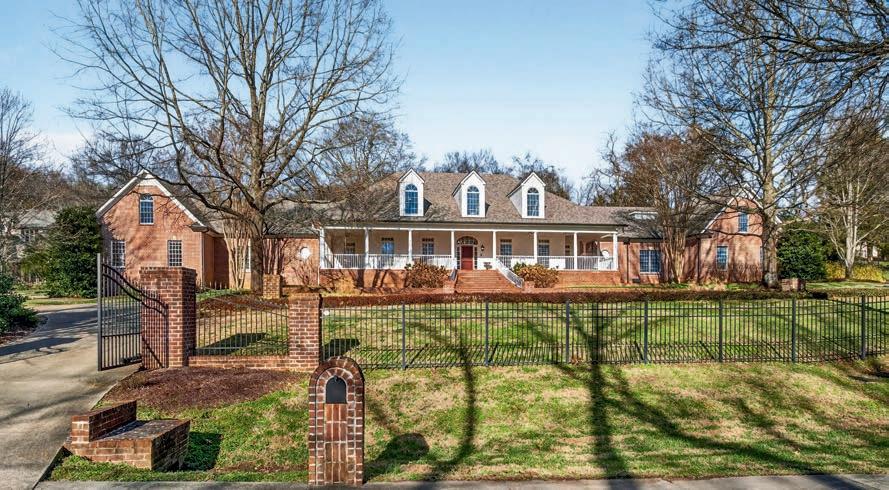
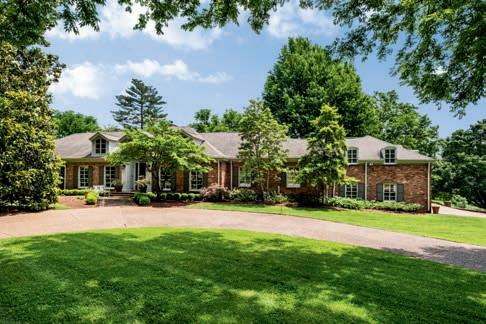
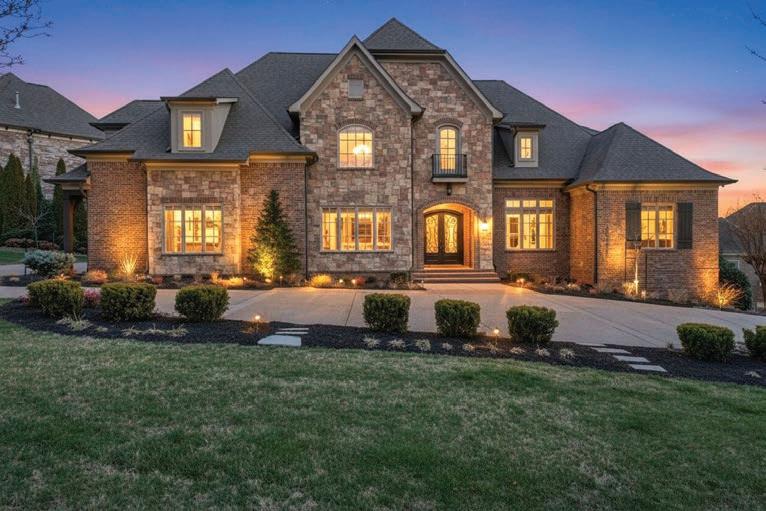
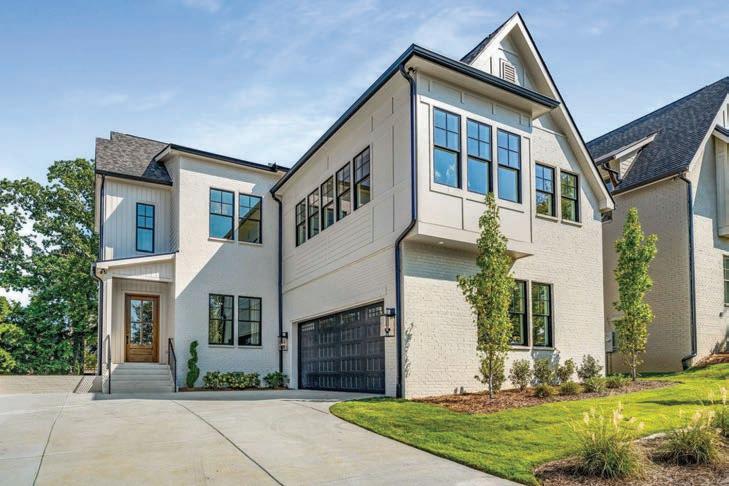
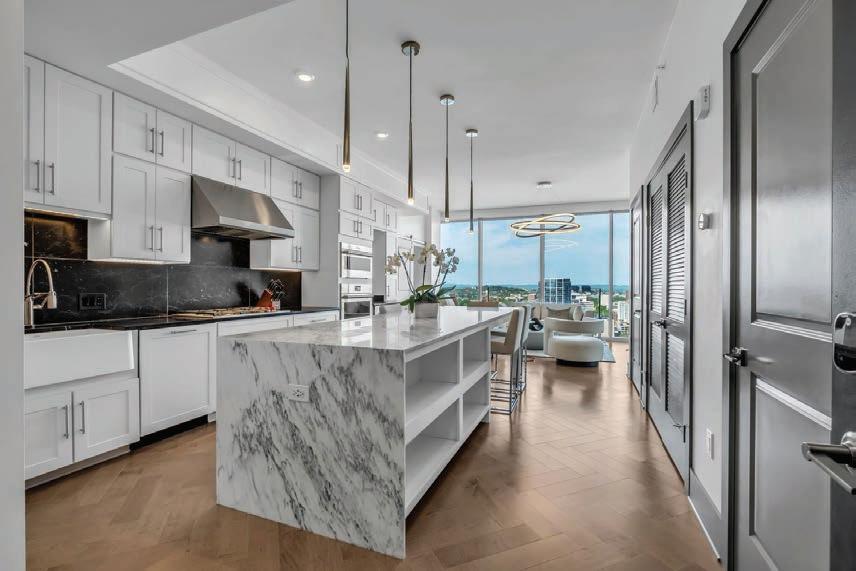
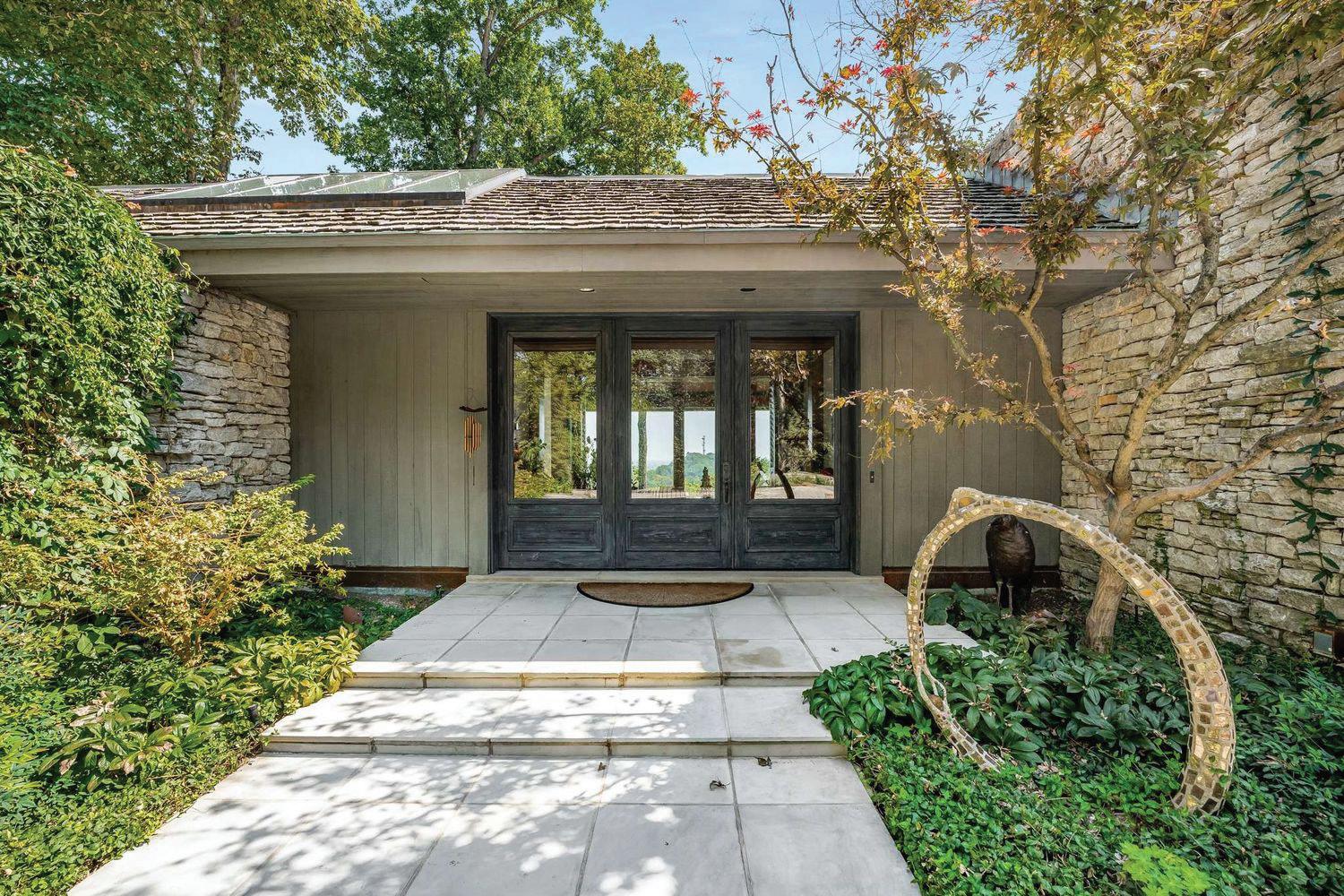
$1,215,000 SOLD Bright, Light, Stephen's Valley Stunner
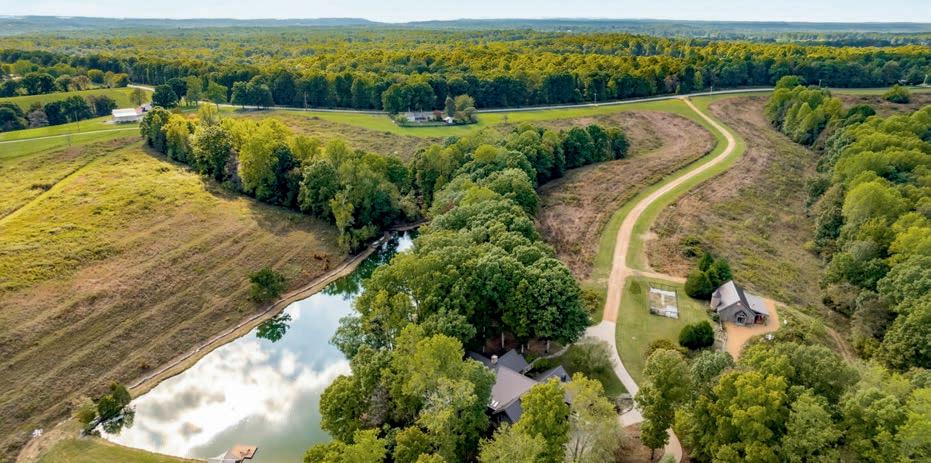
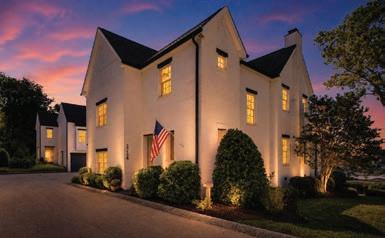
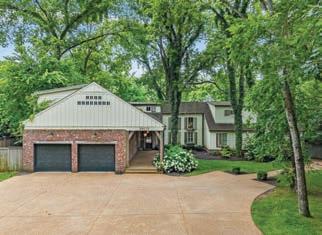
$4,650,000 ACTIVE Private, Hilltop Estate with Breathtaking Views
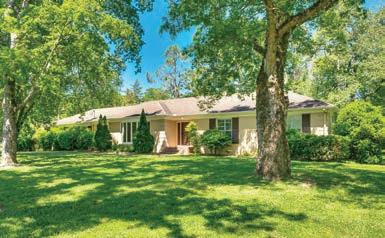
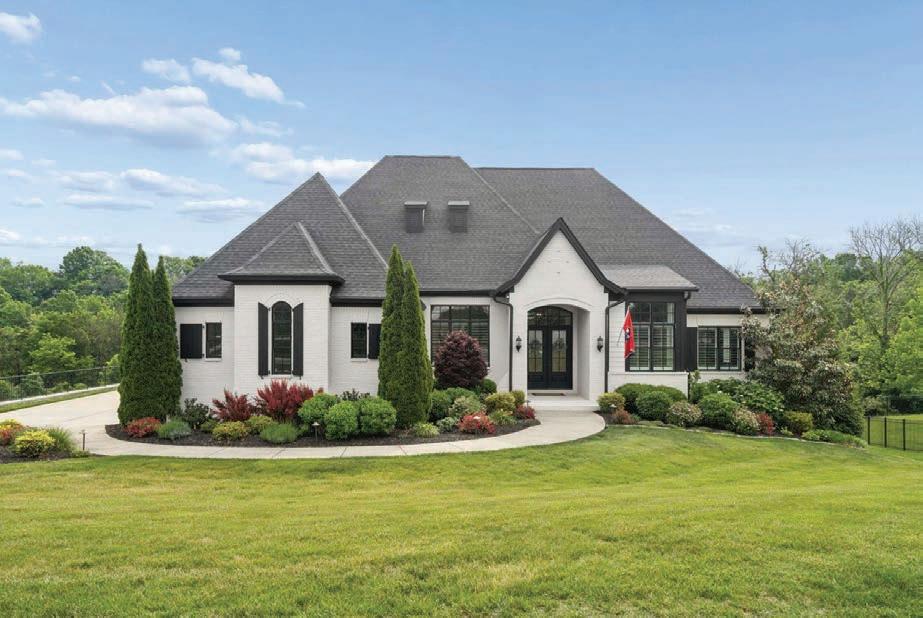
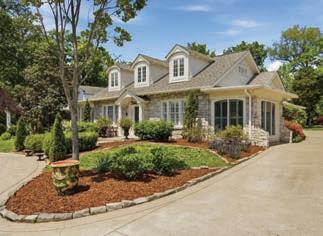
$2,395,000 ACTIVE Approachable Price Point in Belle Meade
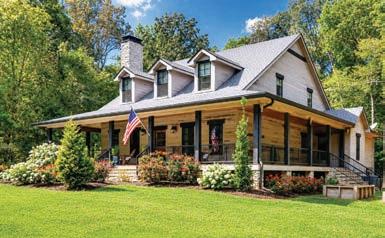
$5,950,00 ACTIVE One of the Best Streets in Belle Meade
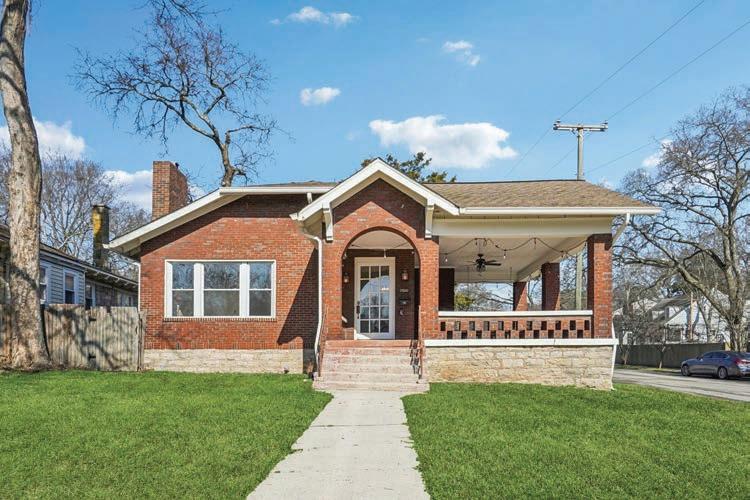
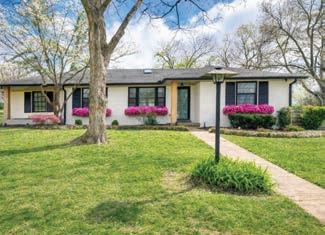
$519,000 ACTIVE Smart Green Hills Investment
$5,850,000 COMING
THE SECOND LIFE OF STYLE
Goodwill turns secondhand shopping into social good
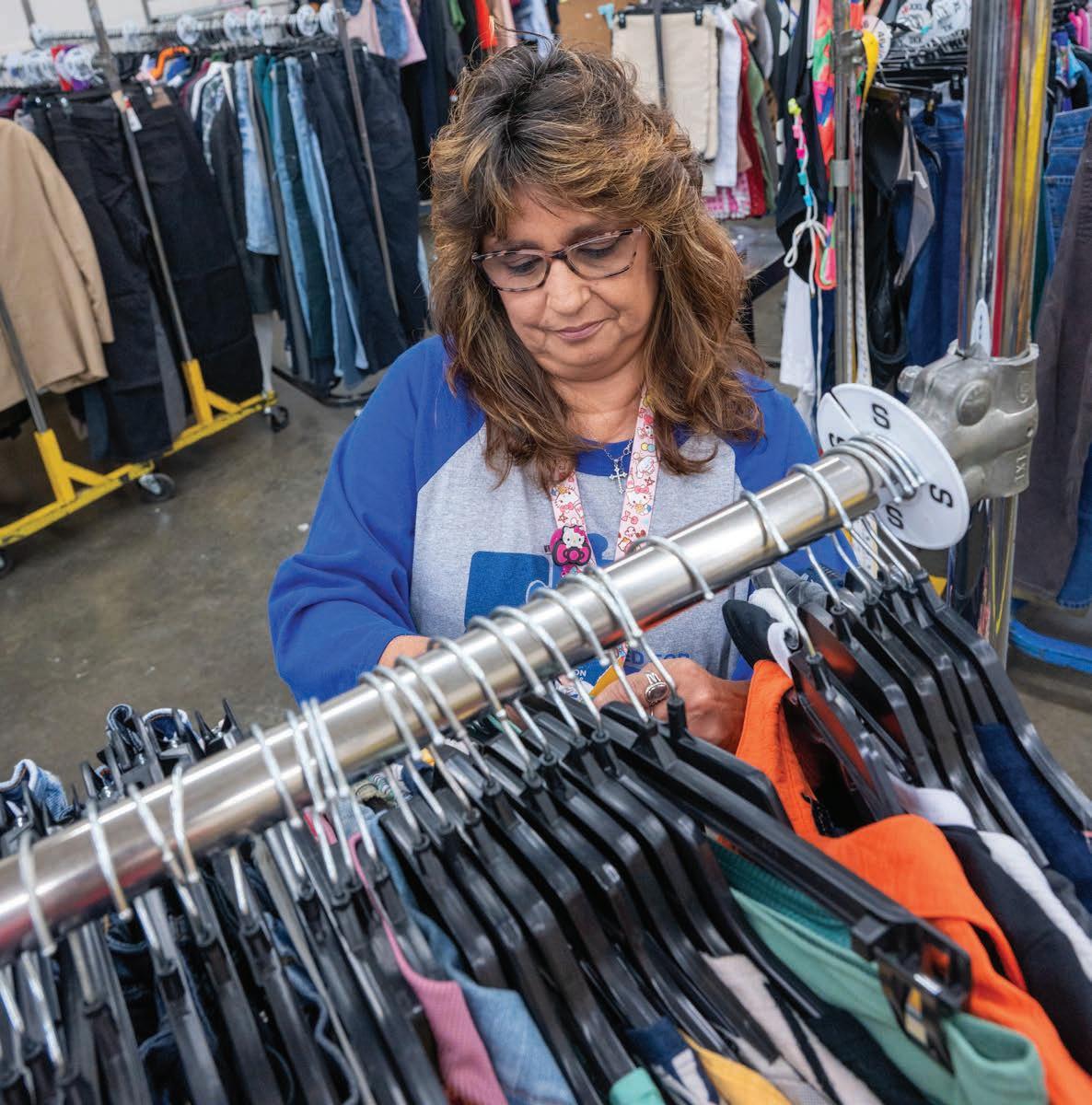
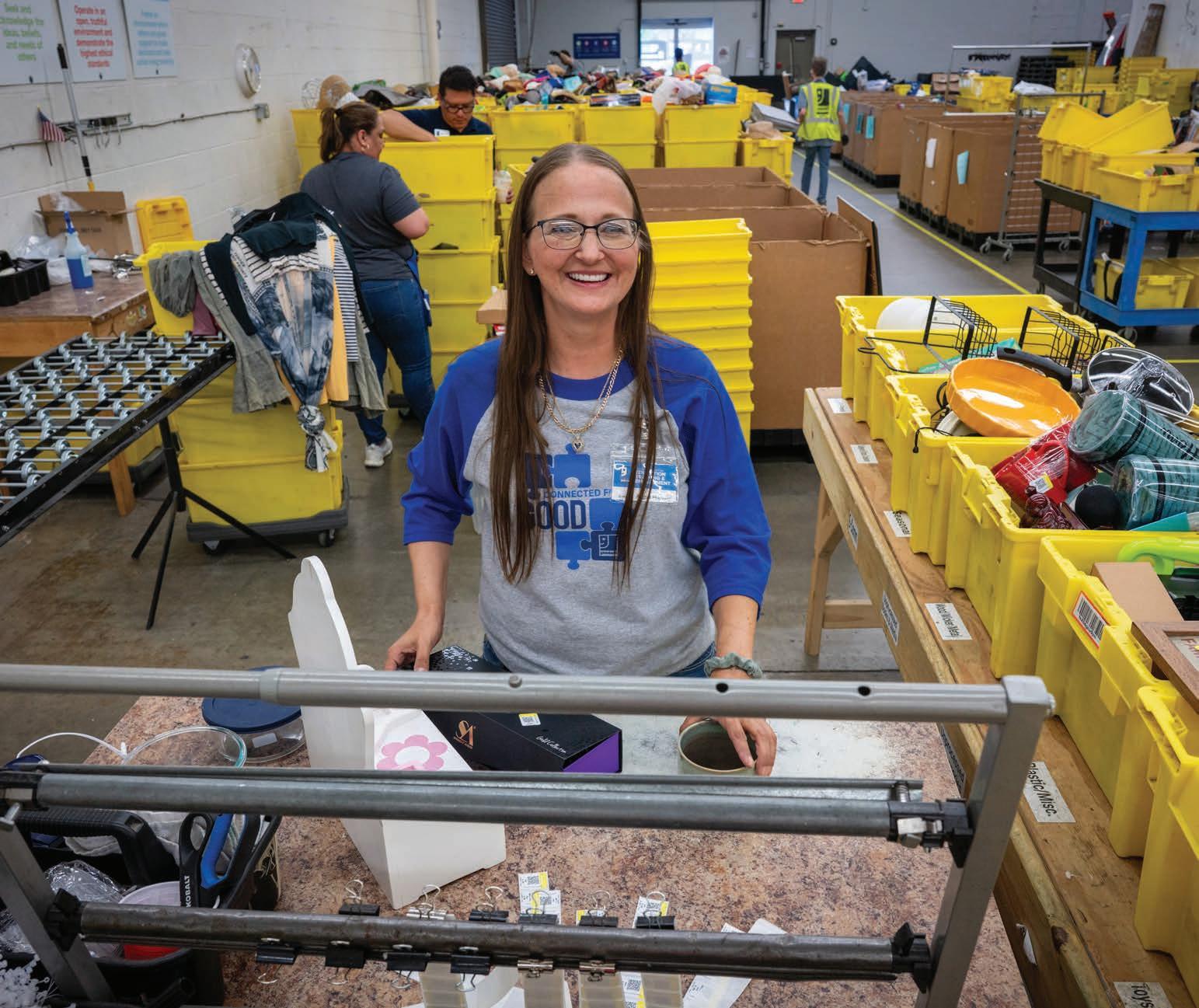
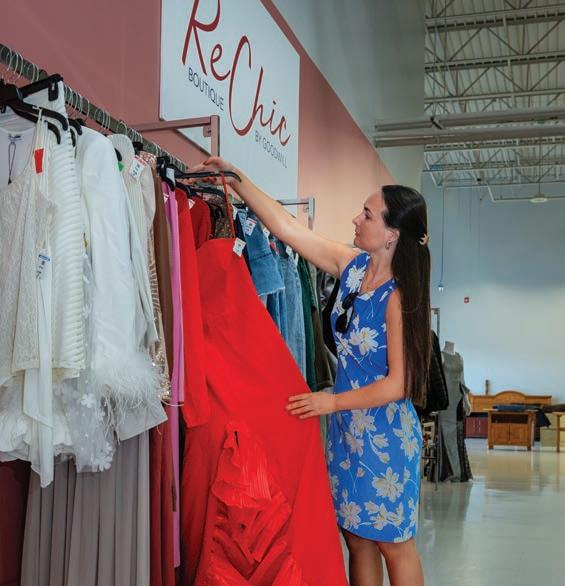
AS CONSUMERS GROW increasingly aware of fashion’s environmental footprint, secondhand shopping has become more and more of a necessity. Each year, 120 million metric tons of clothes around the globe are discarded — ending up incinerated or in landfills. Platforms like Poshmark and The RealReal have transformed resale into a booming industry, and social media creators regularly showcase thrifted finds and upcycled creations. Yet long before luxury resale became fashionable, Goodwill was building a circular economy — one donation at a time.
For more than a century, Goodwill has given clothing and household goods a second life, keeping millions of items out of landfills while using the proceeds to fund workforce development programs. In Middle Tennessee alone, the organization received more than 2 million donations last year. That’s approximately 123 million pounds of goods.
Those donations follow a carefully designed journey intended to maximize their usefulness and extend their lifespan as long as possible.
SELL O R S A LVA GE
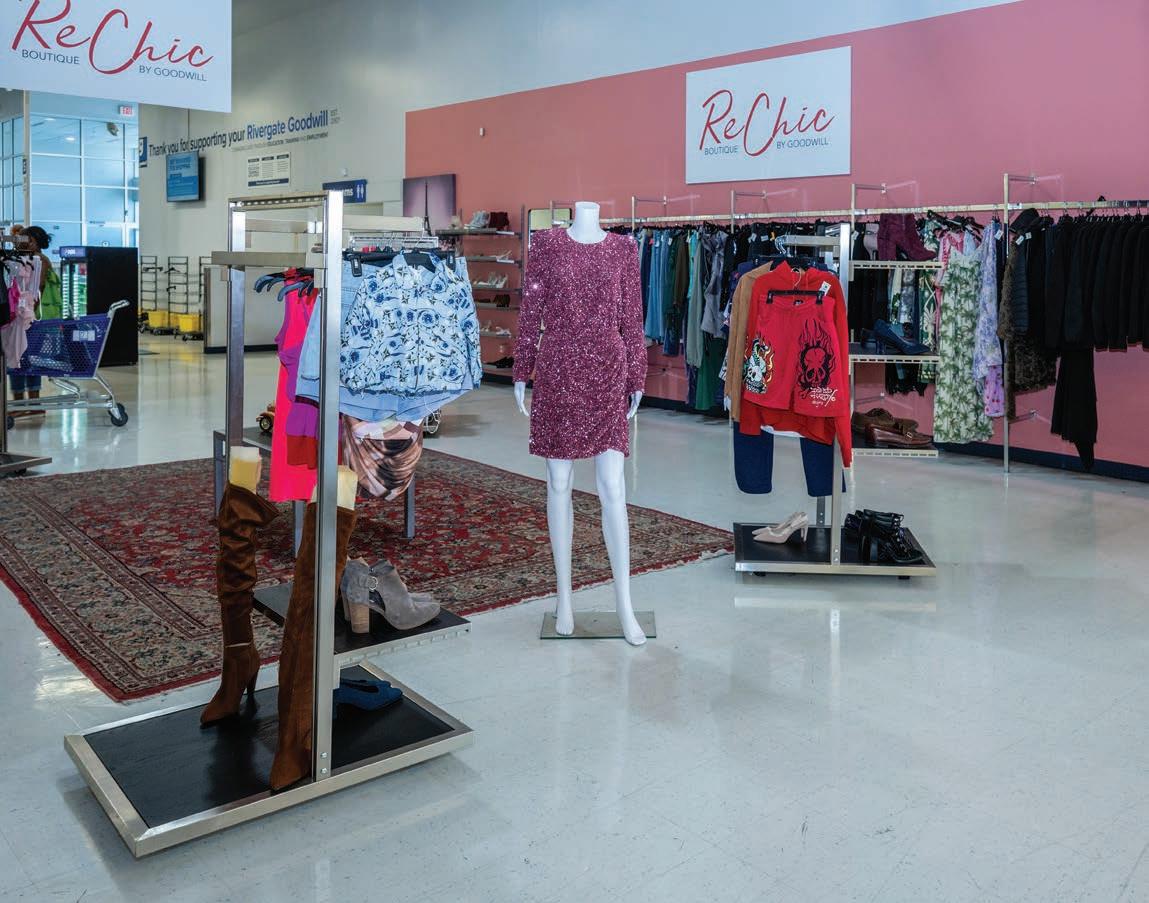
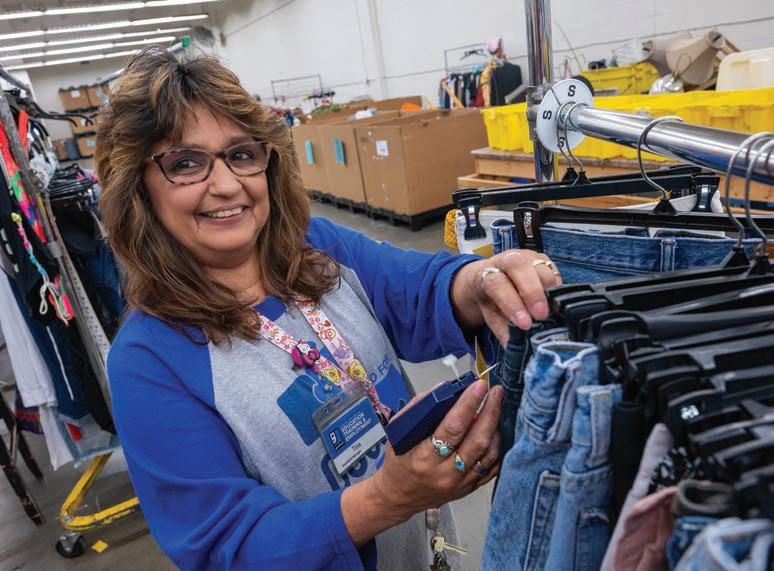
“WHEN PEOPLE DONATE to Goodwill, the first thing we do is put quality merchandise into our stores,” says Leisa Wamsley, chief operating officer of Goodwill Industries of Middle Tennessee. “The sale of donated goods is what helps fund our mission.”
Clothing remains the organization’s most valuable donation category, accounting for approximately 60% to 65% of revenue. Donations arrive from across Goodwill’s 48-county service area, stretching from Kentucky to Alabama and from Union City to Crossville.
Items that fail to sell in traditional stores don’t immediately become waste. Instead, they move through a series of channels designed to keep them in circulation. Unsold merchandise goes to one of Goodwill’s outlet locations, where shoppers purchase items by the pound. Many of those customers are resellers, who give products yet another life through online marketplaces and small businesses. Goodwill also operates an e-commerce site for consumers who don’t have time to visit its stores in person, ensuring its garments reach even more people.
If items still don’t sell, Goodwill passes them on to one of its salvage and recycling partners around the world. Shoes, textiles, electronics, metals and other materials are sorted and redirected into secondary markets whenever possible.
Last year alone, Goodwill Industries of Middle Tennessee recycled or salvaged approximately 27 million pounds of material, including 1.6 million pounds of metal and 140,000 pounds of cardboard.
CI R CUL A R ECONOMY
THIS PROCESS EMBODIES what sustainability experts call a circular economy — a system that keeps products and materials in use for as long as possible, rather than sending them straight to landfills. “We have to be concerned about the global impact, not just the local impact,” Wamsley says.
That challenge is particularly relevant in the fashion industry. Americans purchase and discard clothing at unprecedented rates, while fast-fashion retailers continue to shorten trend cycles. As a result, enormous quantities of textiles end up in landfills each year.
Goodwill’s model offers an alternative. By extending the life of a garment through resale,
outlet stores and salvage markets, the organization helps reduce waste while creating economic value from items that might otherwise be discarded.
Not every donation can be reused, however. One of Goodwill’s biggest challenges comes from items that should’ve never been donated in the first place — think paint, propane tanks, compressed gas containers, mattresses and other materials that require specialized disposal.
Last year, the organization spent approximately $275,000 responsibly disposing of items it couldn’t sell or recycle through its existing systems.
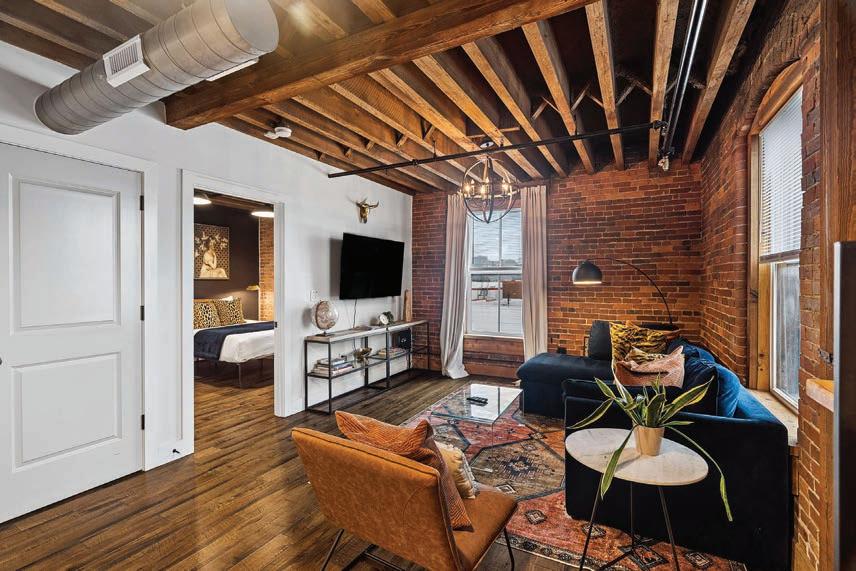
Just Listed: Spacious & Vintage Loft in Red-Hot, Walkable Germantown
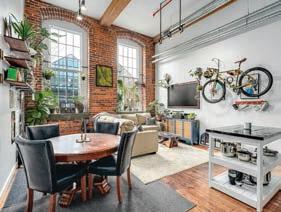
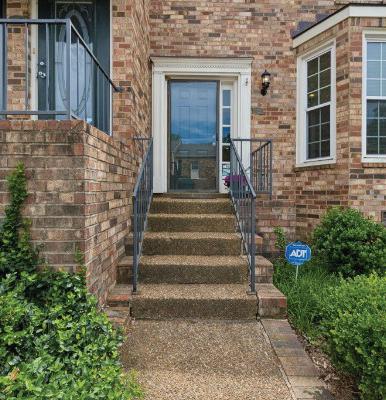
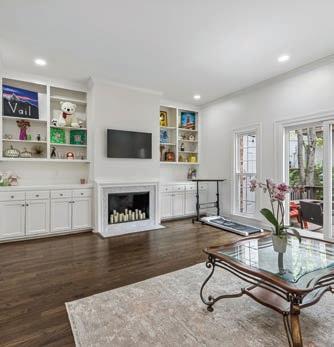
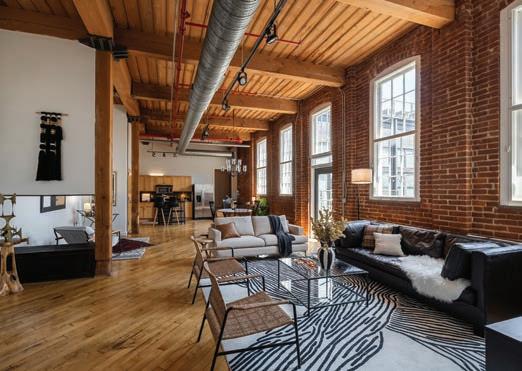
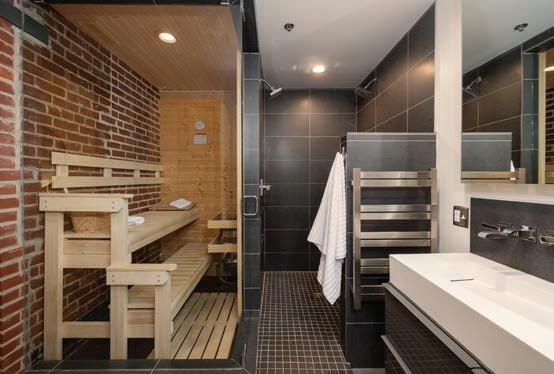
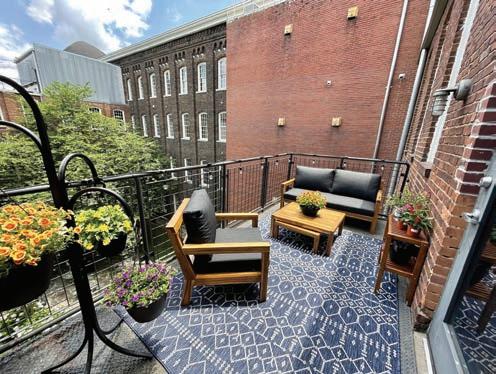
Historic charm meets elevated living in the iconic 1400 building at Werthan Lofts. Nearly 1,800 sq ft of soaring ceilings, exposed brick, and original timber beams — an authentic industrial aesthetic honoring vintage Nashville. A custom dry sauna, balcony overlooking the courtyard, saltwater pools, fitness, rooftop terrace & fire pit make this Germantown gem low maintenance living, all in a supremely walkable, red-hot area with dozens of restaurants & shopping all around. And big bonus: this unit is Rentable, making it a great investment!
Just Listed: Stunning ‘23 Build with MCM Vibes, right by Shelby Park in East
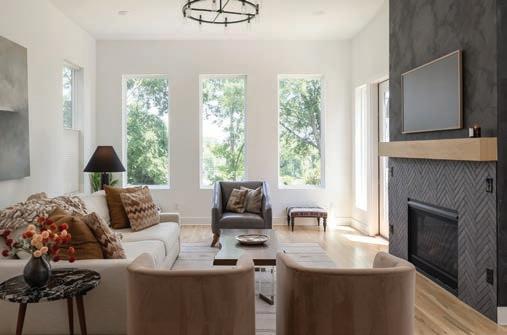
This architectural standout blurs the line between contemporary and Mid-Century Modern. You’ll love the sunken living room, ribbon windows, vaulted ceilings, and primary suite with a balcony overlooking the tree canopy. With a showstopper kitchen, three ensuite bedrooms, and a backyard large enough for a pool, just moments from all the East Nashville hot spots. Walk/bike/golf at Shelby Park across the street! 5BR, 4BA, 3,583 sq ft, $1,250,000 | 303A Riverside Drive, Nashville
Nashville has been my home and my expertise for 35+ years. I’ve spent decades here, from the inside out, raising three kids in the same neighborhoods, schools and milestones as yours. Many clients have come back to me through every chapter of their lives, and their continued referrals are the fuel for everything I do.
Ranked Onward Real Estate’s Top Nashville Agent in 2025 and just recognized as one of Real Trend’s Top 1.5% of Agents Nationwide, I guide buyers, sellers, and investors with the kind of local knowledge that only comes from living it. Let’s talk!
THE G REATER GOOD
WHILE GOODWILL’S environmental impact is significant, its ultimate goal extends far beyond waste reduction.
Goodwill operates as a social enterprise, using the revenue generated through donated goods to fund programs for education, job training and employment. And unlike many nonprofits, the organization doesn’t rely heavily on government grants. Instead, community donations directly support its workforce development initiatives in Middle Tennessee.
Goodwill currently employs more than 1,800 people and offers job-training programs in industries like construction, health care and adult education. The organization also helps people overcome barriers to employment by providing transportation assistance, housing support and success coaching.
“We collect and sell donations to support our mission of changing lives through education, training and employment,” Wamsley
explains. This underscores a reality many donors overlook: Each dress, handbag or pair of shoes given to Goodwill doesn’t just stay out of a landfill — it funds valuable opportunities for people in your community.
SECOND CH A NCES
AS RESALE CONTINUES to gain popularity and consumers become more conscious of their purchasing habits, organizations like Goodwill are proving that sustainability and community impact can go hand in hand. Long before circular fashion became a buzzword, Goodwill was already putting it into practice. Every donation represents another opportunity to keep useful goods in rotation, reduce waste and invest in the people who call Middle Tennessee home.
BY JANET KURTZ PHOTOGRAPHS BY ERIC ENGLAND
ENEWED T E SU ES
Turnip Green artists share their ‘why’ behind creative reuse
IN A WAREHOUSE on 3rd Avenue, you may find a teacher sourcing affordable classroom supplies. Or a kid sifting through scraps, colors and trinkets to find pieces that unleash their curiosity. Or someone experiencing homelessness who’s found a creative outlet — and a community.
Moments like this happen every day at Turnip Green Creative Reuse, an organization dedicated to keeping unused materials out of landfills and making the arts more accessible. The warehouse’s vast selection of art supplies, materials and miscellaneous treasures is fueled by community donations, making it an ideal spot to shop for your next project.
“I hope people feel safe over time to just take things and try them out,” says executive director Erin Boddy. “You almost have to be a little vulnerable to do that, because it’s not typical of our culture to take as much as you want.”
Turnip Green’s pay-what-you-can model reduces financial barriers, encouraging guests to pick up new hobbies while prioritizing sustainability. “You can literally pay $1,” says Boddy. “It does not matter. … We want people to take stuff.”
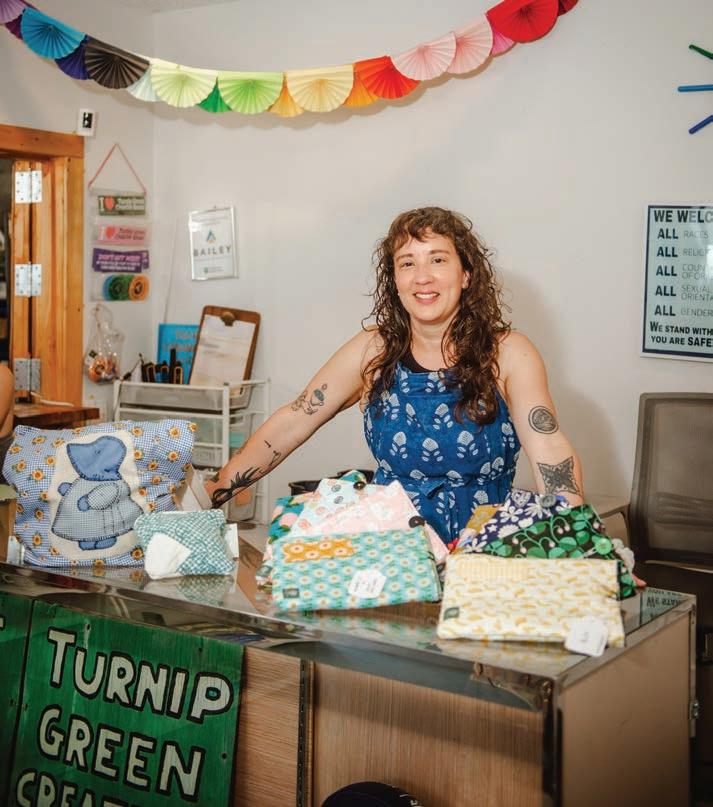
For some, Turnip Green is craft heaven. But others, while wanting to shop sustainably, may feel overwhelmed by its seemingly endless inventory. Enter the Artist Marketplace — a colorful hub filled with artisan décor, jewelry, leather goods, wall hangings, gifts and more. Nashville artists craft each piece with recycled materials, breathing new life into discarded items.
“This stuff is not just trash,” says Boddy. “It’s stuff that people don’t want anymore that we can make into something really beautiful and new.”
Erin Boddy
NO SCRAPS WASTED
THE ARTIST MARKETPLACE empowers up-and-coming artists by providing a place to showcase and sell their work, earning a 70% commission on each item. What do artists need to prove? That they can make things — and do so creatively with salvaged materials.
“We love scrappy, and we are scrappy,” says Boddy. “But it can also be really elevated — both handmade goods and giftable things, but also art that you’d want to hang up on your wall.”
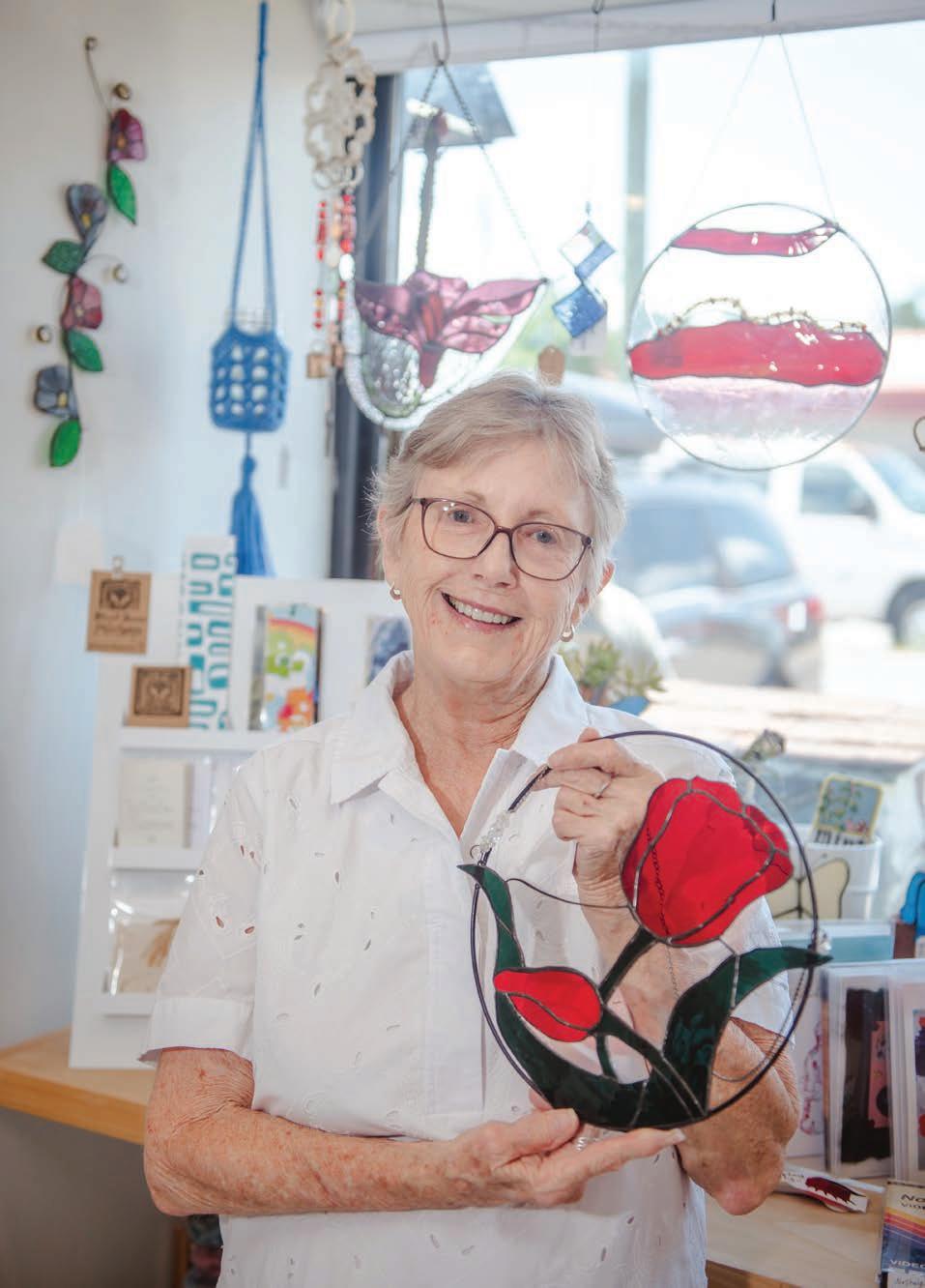
One of the marketplace’s youngest artists, a middle-school girl, rearranges stuffed-animal parts to make charmingly bizarre creatures. But others, like stained glass extraordinaire Cheri Tapp, harnessed their creativity later in life.
“There are a lot of older women and artists who didn’t realize that they still had a gift or something to share,” says Boddy.
Tapp studied art in college and later earned her master’s degree in social work. During her career at a psychiatric hospital in Panama City, she uncovered her love for stained glass after taking a class with a friend. “I retired about eight-and-a-half years ago, and I just started right back up,” she says. “My son helped me build a little studio at home.”
Tapp now sells her work at Turnip Green and teaches the organization’s stained glass workshop, where she personally connects with her six students and helps them create one-of-a-kind pieces from salvaged glass. “Every single class, people come in [who] have never picked up a piece of stained glass and walk out with two pieces,” she says.
Most everything Tapp sells is made from scraps, and she rarely uses entire sheets of glass. She also sources classroom equipment from Turnip Green, including glass runners, grinders and unique shards she thinks will spark students’ interest.
Her favorite part of teaching? “Seeing the lights come on” as she witnesses her students getting the hang of their projects — and encouraging them to be good stewards. “There’s a lot of people on this planet, and we just need to take better care of what we have,” she says.
BEING RESOURCEFUL
MANY THINK YOU need money to make art. For reuse artists, what you really need is an eye.
Jalena Baker calls herself an “eclectic sustainable artist.” Her clothing business, Rot Revive, was born out of her quarterly clothing swaps, which she started in 2020 to cut back on fast fashion. Baker takes donations and encourages people to trade what they have. She then upcycles leftover items, which are often stained or ripped, and freshens each piece with appliqués.
“I never was a very fashionable person, because I couldn’t afford to be a fashionable person,” she says. “But when I was able to have access to things that I was essentially getting for free, I was able ... to express myself and find things that fit my body.”
Baker’s work is impact-focused, not just reducing waste but also making clothing accessible to those in need. Along with her clothing swap and upcycling business, she donates to local homeless shelters and runs a boutique out of her church where people can “shop for free.”
At Turnip Green, she sells handmade tote bags and bucket hats, filling the Artist Marketplace with vibrant colors and funky patterns. Believing art is meant to be shared, she also teaches sewing workshops, which show students how to upcycle pieces using her signature appliqué technique.
Baker says the organization is devoted to developing artists, promoting their work and minimizing expenses. “It allows me to keep my prices more competitive and accessible to those I’m selling to, because I don’t have to spend $30 on materials when I got half of it for free, and then the other portion from Turnip Green,” she says.
Cheri Tapp
FINDING BEAUTY
WHILE TURNIP GREEN’S efforts to reduce waste are conscious, Boddy believes artists are intrinsically wired for sustainability. “I think artists naturally see the purpose in all things,” she says. “So many artists use cardboard or scraps from their receipts or the wax around their butter.”
Take Jill Anderson, for example, who cuts up and repurposes old quilts into one-of-a-kind textiles. She sources her materials on Facebook Marketplace, eBay and, of course, at Turnip Green, where she volunteers, sells her pieces and teaches sewing workshops.
“One of the advantages of volunteering there is that you get dibs on stuff,” she says. “The unfinished product section for quilts is a great find when you’re just trying to get little accent pieces.”
Anderson, who grew up in a single-income household, was raised without the stigma of thrifting. To this day, she loves the thrill of digging for secondhand treasures — and having items catch her eye from across the room. “I have so much amazing fabric that I was just drawn to, because stuff speaks to me, and I bring it home,” she says.
When Anderson doesn’t use fabric in her collection, she gives it to her students, furthering the reuse cycle. She attests that upcycling is a different artistic process — one that requires out-of-the-box thinking and creative workarounds, especially when materials have odd cuts or noticeable wear and tear.
“Nothing is mass-produced when you’re doing that sort of thing,” she says. “Everything is unique, everything comes out differently, everything might not meet your expectations. But the great thing about selling your work is that it might speak to somebody else.”
BY MADELEINE BRADFORD PHOTOGRAPHS BY ANGELINA CASTILLO
Jalena Baker
Jill Anderson
SUMME BLOOMS
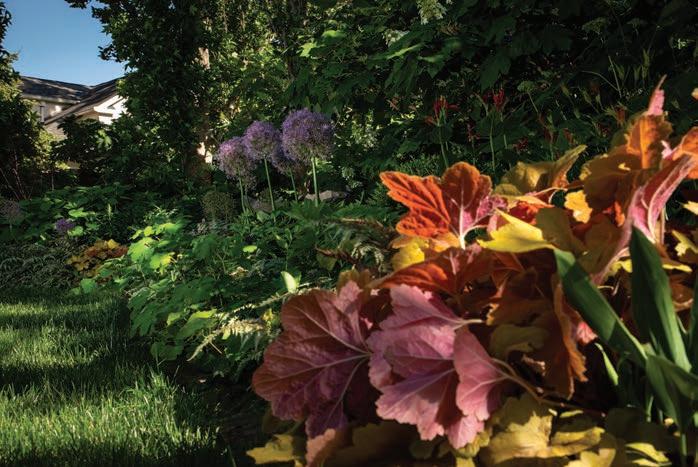
Exploring the gardens of Lisa Manning, Steve Sirls and Allen DeCuyper, and Deby Pitts
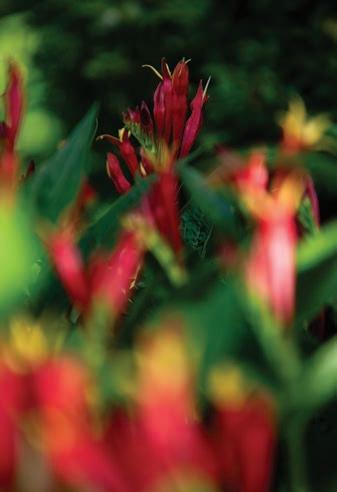
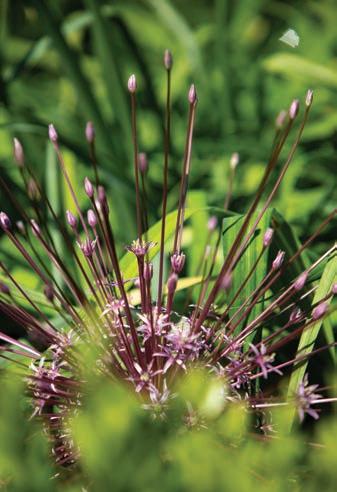
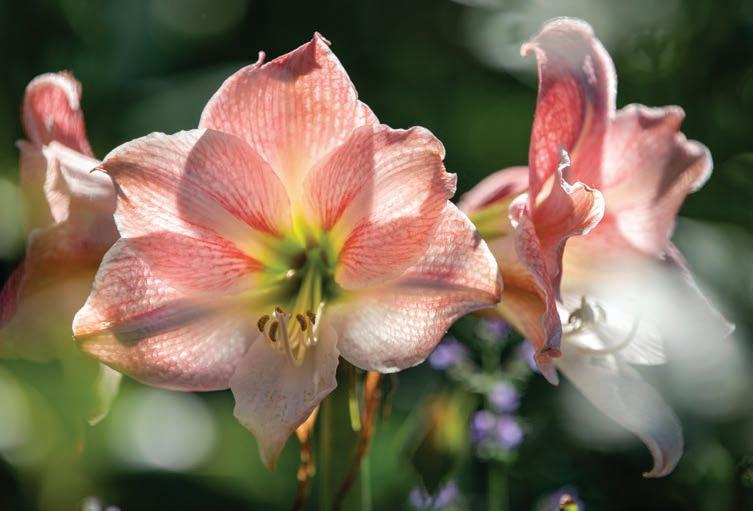
GARDENS ARE NEVER STATIC. Seasons reshape them, storms — like Winter Storm Fern — alter them, and time allows them to grow into something far more personal than a collection of plants. They become living reflections of the people who tend them — places where memories take root and nature is allowed to flourish.
This summer, we visited three remarkable Middle Tennessee gardens. Each reflects the vision, passion and personality of its caretakers while offering lessons in beauty, stewardship and the enduring connection between people and the natural world.
BY CARRINGTON FOX AND HAMILTON MATTHEW MASTERS PHOTOGRAPHS BY HAMILTON MATTHEW MASTERS
LIS A M A NNING
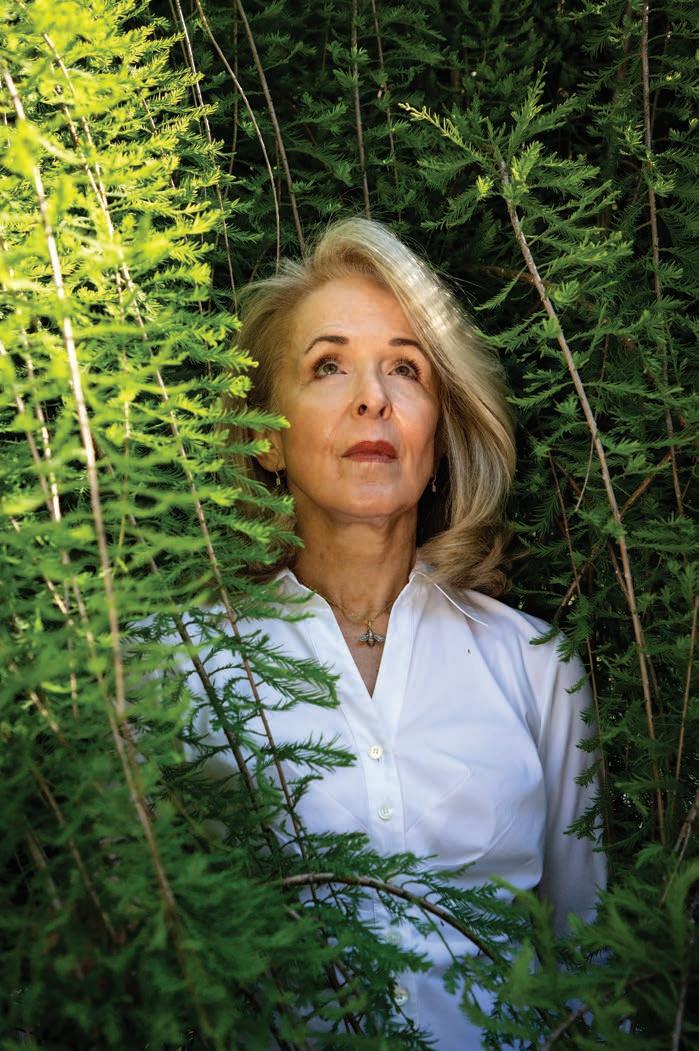
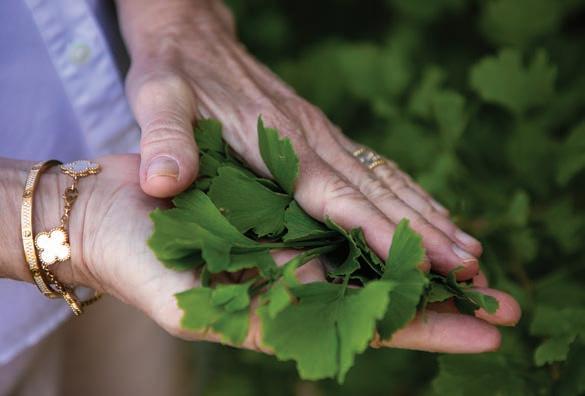
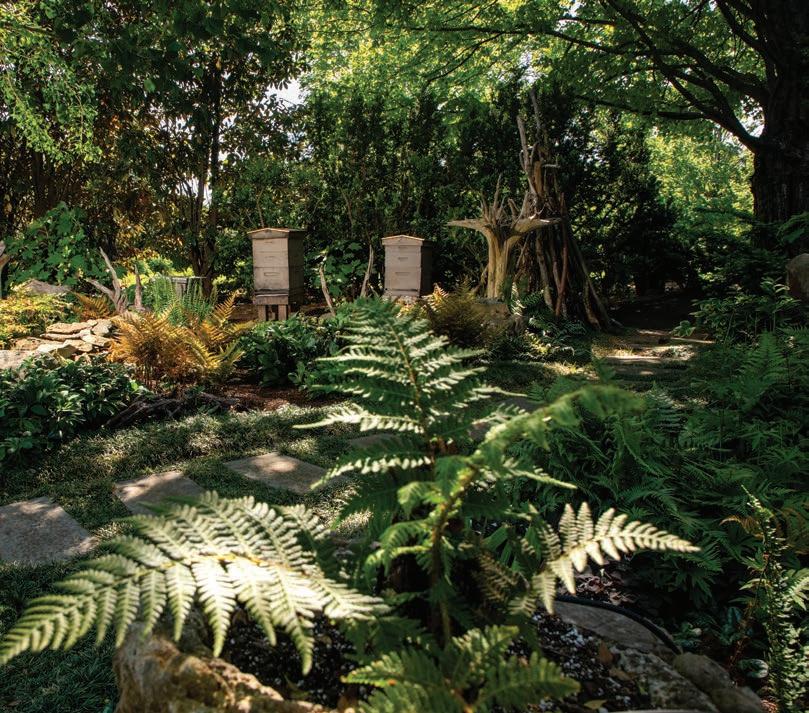
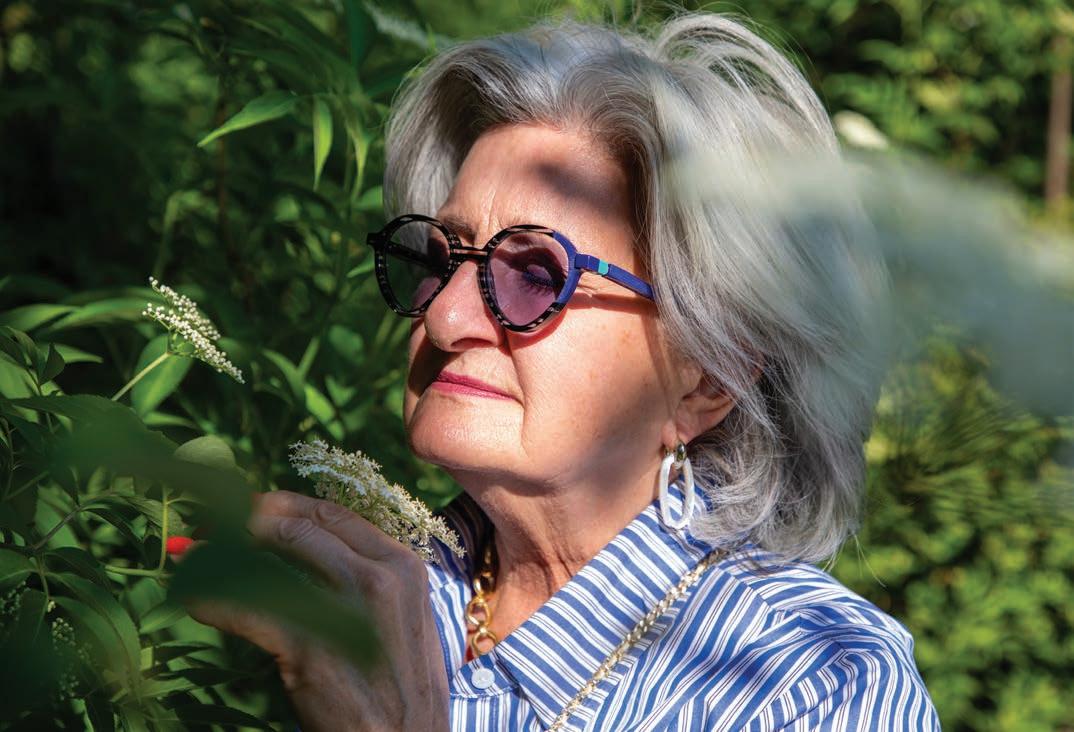
LISA MANNING, a horticultural judge for the Garden Club of America who also teaches at The Cheekwood Gardening School, spends countless hours working and admiring the home garden she’s cultivated for 28 years.
Lisa shares her West Nashville home and garden with her husband, David, and a pair of Norwich terriers, 13-year-old Sully and 8-year-old Jake, who regularly sniff out any chipmunks or rabbits digging under the diverse, multicolored layers of foliage.
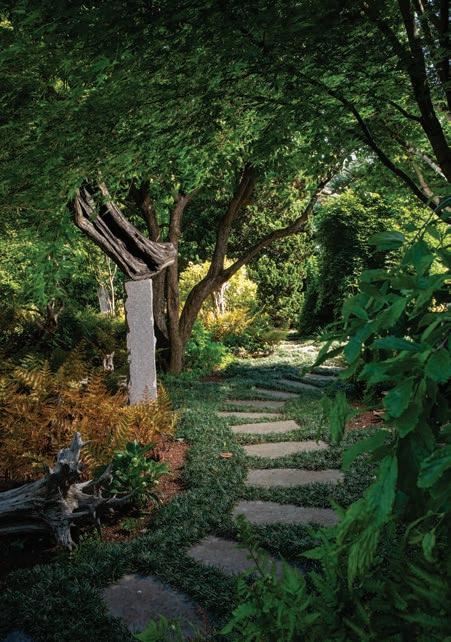
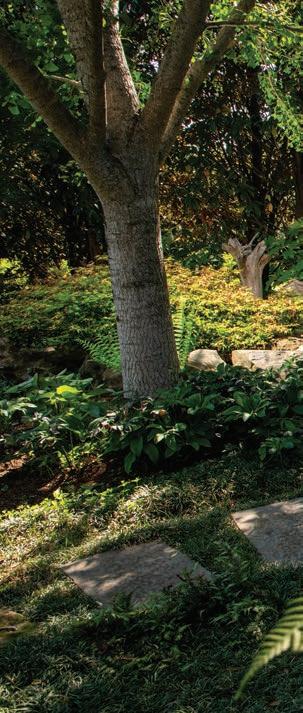
Handprints from their now-grown children are immortalized in concrete pavers. The lone severed remnant of a large pine tree stands near the front of the garden, a reminder of Winter Storm Fern, bringing new light to other trees and flowers that continue to grow into the summer months. “That’s one of the beautiful things about gardening,” Lisa says. “It’s always changing.”
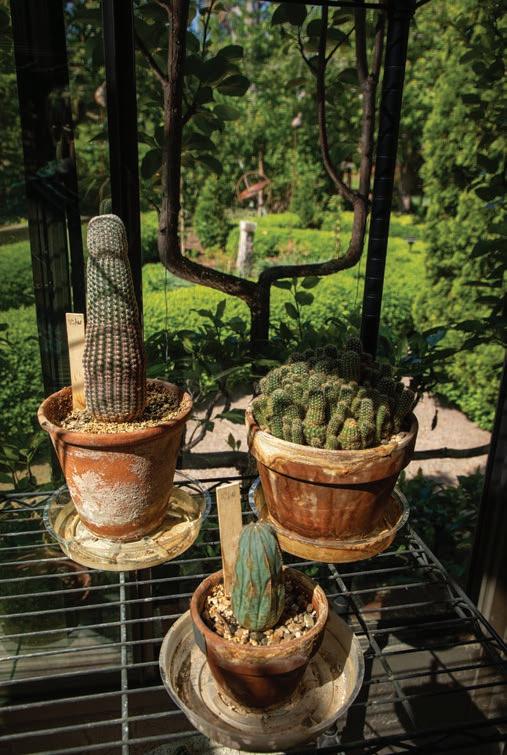
At the center of the garden is a Japanese maple standing tall beside a pool. The garden also includes dozens of varieties of ferns and epimediums, wild orchids, bald cypresses, lettuces, cacti, an Ethiopian mock orange tree, several beehives and much more.
“I use all organic material and I don’t use chemicals,” Lisa says, adding that she also favors native plants. “For me, it’s more about the textures and the colors and then the shapes, you know, how they complement one another.”
Over time, her approach to gardening has changed. “I’m letting things be more themselves now, because plants remind me of who they came from,” she says. “A lot of the people that gave me my initial plants … have passed. So I’ve been more relaxed about them using different spaces and crowding some spaces than I used to be.”
While walking through the garden, Lisa reaches out to some plants, stroking their leaves as if holding hands with them in a moment of physical connection — a partnership of annual and perennial life. “I didn’t used to talk to trees,” she says. “I’m not saying I do that all day, every day, or anything like that. But especially when I plant new trees, I always tell them they’re going to be OK, they’re in my garden, and I’m going to take care of the best I can.”
Lisa’s passion for gardening stems from her grandfather. “His gardens were works of art,” she says. “They were so beautiful — how he laid his vegetable gardens out.” She recalls eating freshly grown pomegranate with him, and him introducing her to Lenten roses. “I remember as a little child thinking that was a really interesting plant,” she says. “And now I want lots of them, because they remind me of him.”
Several plaques adorn stone benches and walls, one bearing a George Washington Carver quote that speaks loudly among the plants: “I love to think of nature as unlimited broadcasting stations, through which God speaks to us every day, every hour and every moment of our lives, if we only listen.”
STEVE SI RLS AND A LLEN DECUYPE R
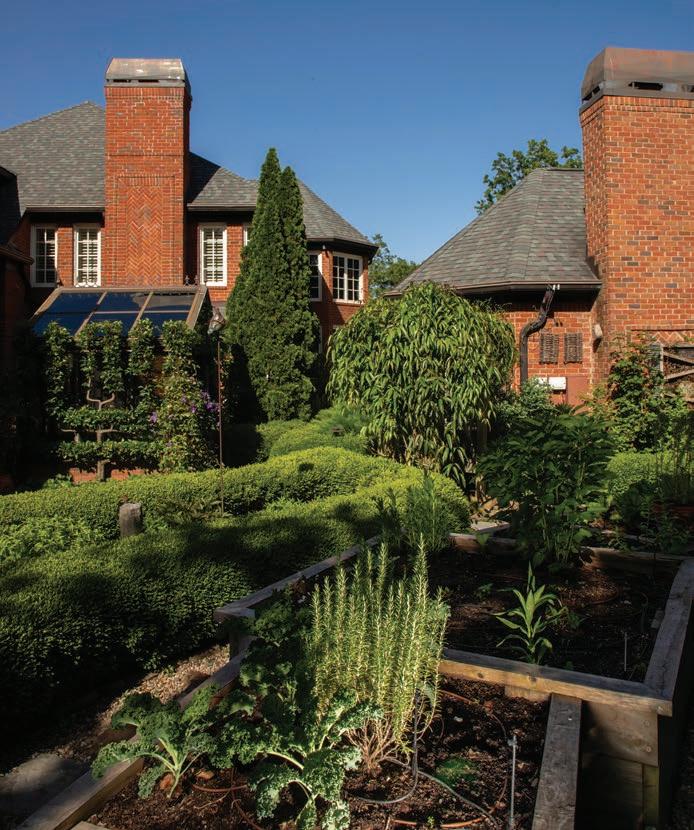
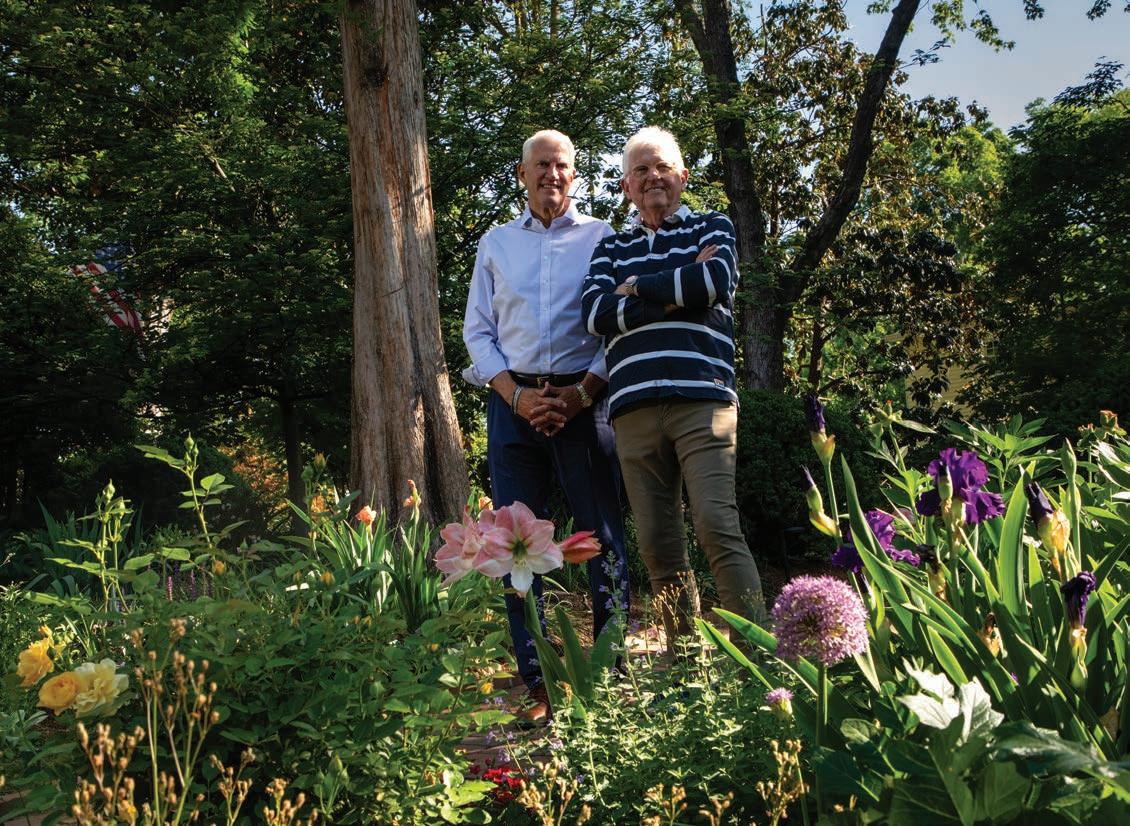
ONE OF NASHVILLE’S oldest brick homes, the Craighead House, sits on a 1-acre plot that includes a six-room English-style garden. Steve Sirls and Allen DeCuyper moved into the two-over-two Federal-style house in 1998 when they started the garden that has since evolved into its current form.
“We both enjoy the garden,” Steve says, walking along its winding brick path, days after returning from an inaugural and inspiring trip to Japan that gave him new landscaping ideas. “I’m the one that’s the gardener,” he explains. “I’m the one that has it in my head all the time. He works harder than I do at other things, but you know, so be it.”
Visitors may find 14-year-old Whippet Harper Lee, her 10-year-old pup Leo and new addition 9-month-old Lady Mary traversing the garden’s serpentine paths.
Just outside the garden sits a memorial sidewalk bench honoring the couple’s late friend and neighbor Jamie Cox, with the inscription: “She loved a party. She loved life. We loved her.” Passersby can view portions of the garden from the sidewalk, where smells of flowers overtake the West Nashville air and command one’s attention to the slice of nature tucked away within the city. “Our gate’s always open,” Steve says. “I really enjoy people that want to walk through.”
Inside, a large sculpture, “Merging Steel,” by Nashville artist Steve Benneyworth, sits in front of the home’s front porch, near brilliantly blooming orange native azaleas. The back of the
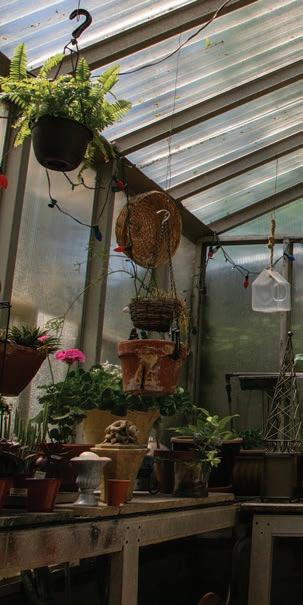
property features a greenhouse and a vegetable garden, with edible plants protected from rabbits and other critters by glass and wire cloches. A fountain sits as the centerpiece of another area. “I don’t really have a favorite part,” Steve says. “I have to sort of cherish the whole thing.”
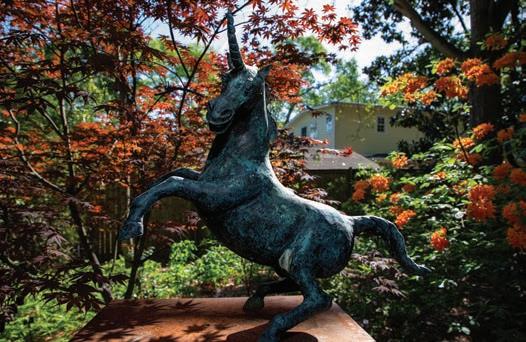
The garden, which was added to the Smithsonian’s Archives of American Gardens in 2014, includes a Sharp’s pygmy Japanese maple, weeping Katsura trees, needle palms, persimmons, Lenten roses and much more. The newest space features several pieces by Clarksville sculptor Olen Bryant, while feet away stands a 1972 sculpture of a unicorn named “Rufus” by Nashville pediatrician and artist Bill Doak, passed down from Steve’s uncle.
Steve’s love of gardening is rooted in his grandparents, and he spent years as a landscape designer, helping others with their own outdoor spaces. While he still works on other gardens — “only if I like them,” he jokes — his focus is now at home.
“I like to work as [I] figure out light and sun and what’s going to grow where,” he says. “That’s what it’s all about — working with nature and understanding the things that work for you. … You have to pay attention to your site, and that’s what many people don’t understand.”
Steve’s garden keeps his mind — and his hands — occupied. “As a gardener, you think about every plant,” he says. “Every time you walk by, you think, ‘Well, I’ll have to do something to that, I’m going to move that tomorrow.’” On that note, he adds that a wheelbarrow is a “gardener’s best friend.”
DEBY PITTS
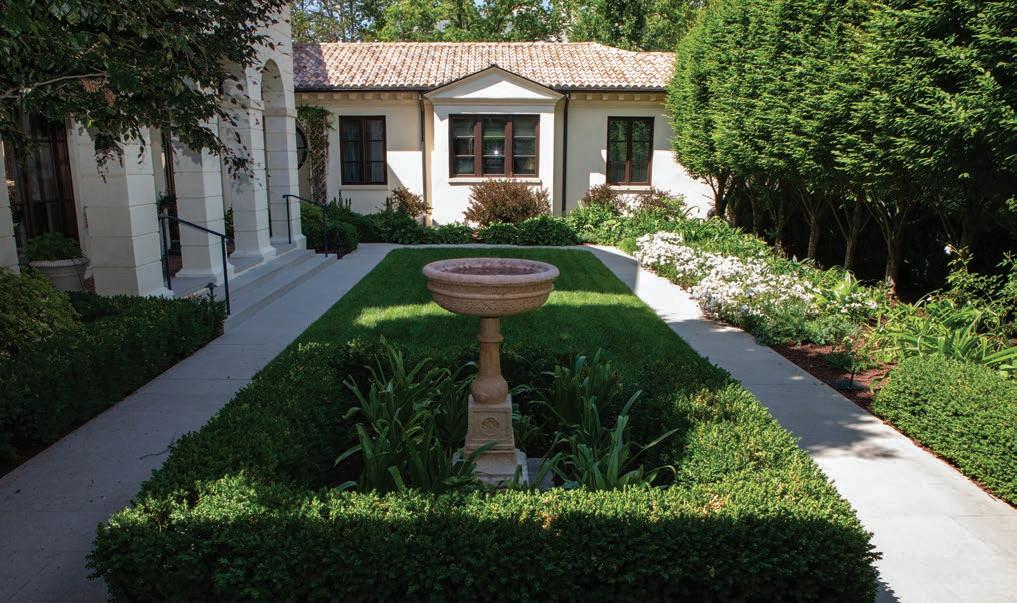
LIKE THE LANDSCAPE encircling a classical Italian villa, the gardens surrounding Deby Pitts’ house become more intricate as they approach the architecture, until leafy walls of a tree-lined driveway plaza open to an intimate courtyard, ringed with flowering plants, like so many baubles in a jewel box.
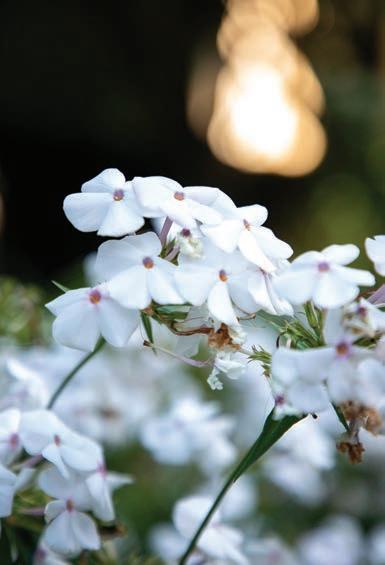
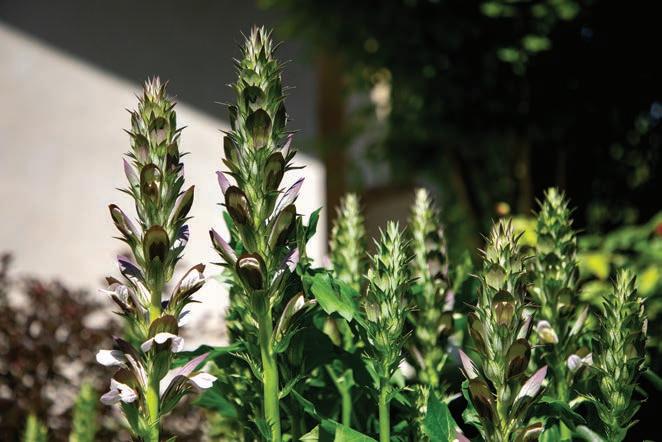
Bordered by phlox, roses, columbine and three cultivars of acanthus worthy of Corinthian column capitals, the formal front courtyard is the first of many outdoor rooms that flank the modern-day villa Deby and husband Keith built in 2008.
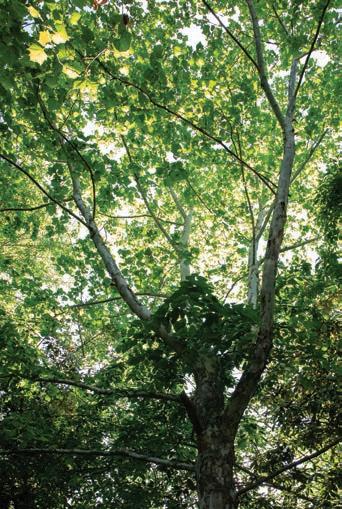
In this intimate oasis, under graceful arches and shadows of arborvitae and beech, Deby monitors the seasonal show with a cup of coffee and a biologist’s eye, celebrating the bloom of peonies, azaleas, hydrangeas, lilies and a prized trillium, under whose broad leaves dwell magical fairies — at least that’s what Deby tells her grandchildren. When a rose of Sharon volunteers unexpectedly among the pulmonaria and crinum lilies, she welcomes its plucky “garden warfare” and lets it thrive.
Deby, who earned a degree in biology before business school, knows her plants and trees by name. That’s not just to say that she knows a curly willow or a regal oak from a pawpaw or a hornbeam, or that she can rattle off Latin labels of native perennials. Deby actually names her favorite specimens, including Slim Pickins the sycamore, Free Willy the dawn redwood, and Horton the weeping bald cypress.
That affection for trees in her own yard has led Deby, who is outgoing president of Horticultural Society of Middle Tennessee, to champion Branching Out, HSMT’s urban treeplanting campaign that extends Root Nashville’s citywide goal — 500,000 trees by 2050 — to surrounding counties.
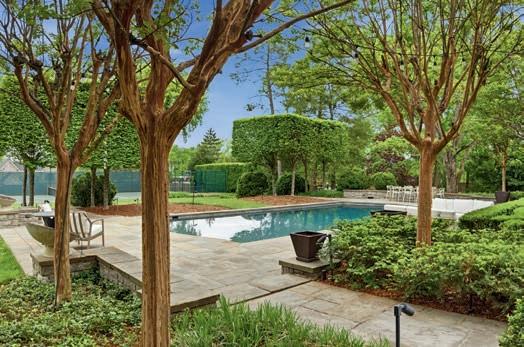
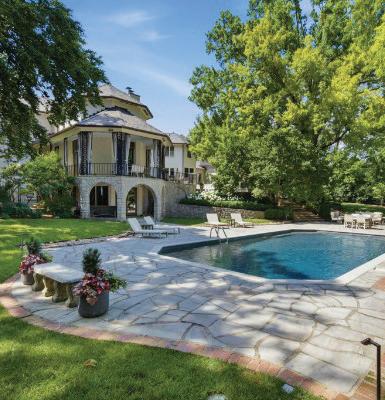
Over 16 years, the Pitts’ landscape, which was originally mapped by Mike Kaiser of Kaiser Trabue, has matured into a series of lush and peaceful microclimates, with pockets of wooded wildness balancing frontfacing formality. At a low rear corner of the 2-acre lot, a deeply shaded rain garden helps filter stormwater runoff. (Fireflies blaze here in summer.) Nearby, an arch of espaliered pear trees shades a cozy bench, a gift from Deby to Keith for Father’s Day.
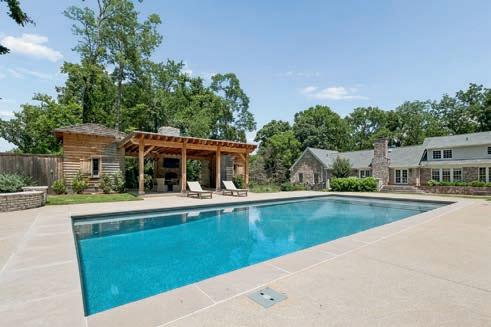
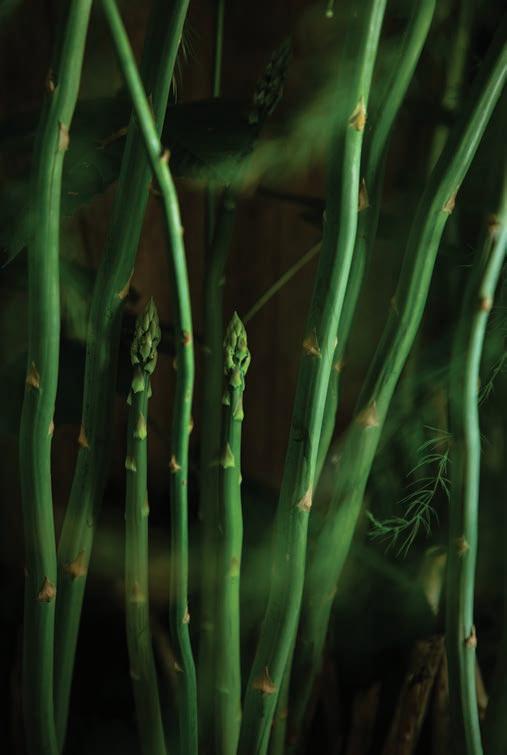
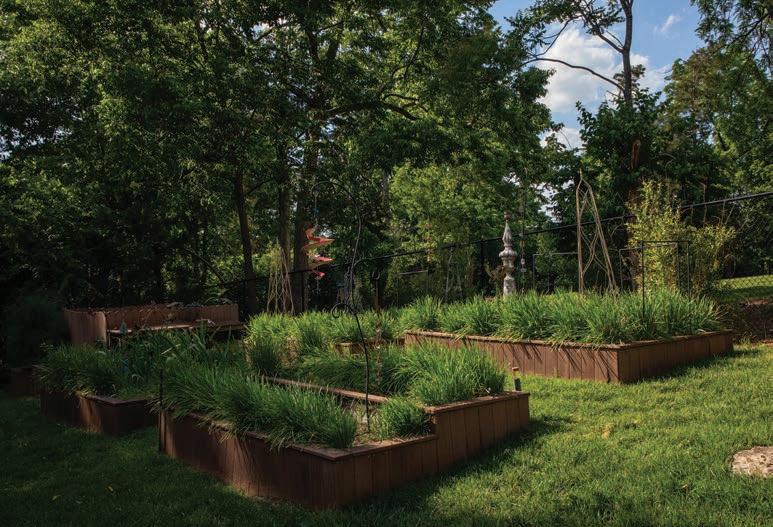
Between the pool and the outdoor kitchen pavilion, fig trees and mint grow together in stone beds that confine their spread. At the highest border of the property, sun shines on a series of raised beds, where asparagus and raspberries grow beside a compost pile. Outside the kitchen door, beds and pots abound with chives, rosemary, oregano, lemon balm and sorrel.
A patch of tropical ginger has wandered off course from the kitchen garden. An unlikely survivor of Winter Storm Fern, the ginger has found shelter from wind and warmth from a garage wall that radiates heat. Deby respects the ginger’s garden warfare and lets it thrive. “I won’t fight with my plants,” she says. “They have to fight with each other.”
is grateful to its 2026 Underwriters
CORNERSTONE UNDERWRITER
PREMIER UNDERWRITER
DISTINGUISHED UNDERWRITER
PRINCIPAL UNDERWRITER
MASTER UNDERWRITER
SPONSOR UNDERWRITER
Goin Once…
The Swan Ball Auction Party raises record-breaking funds
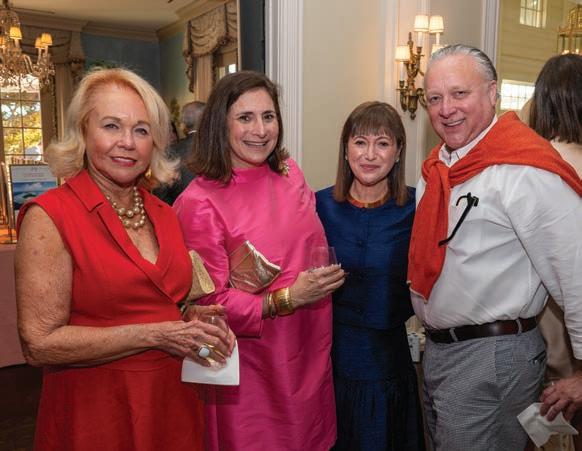
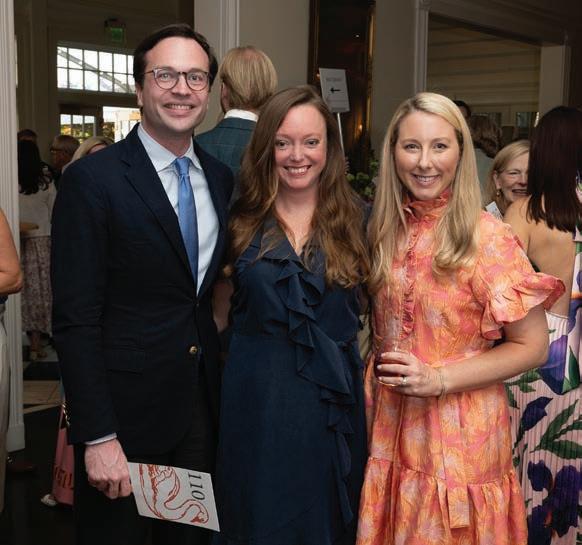
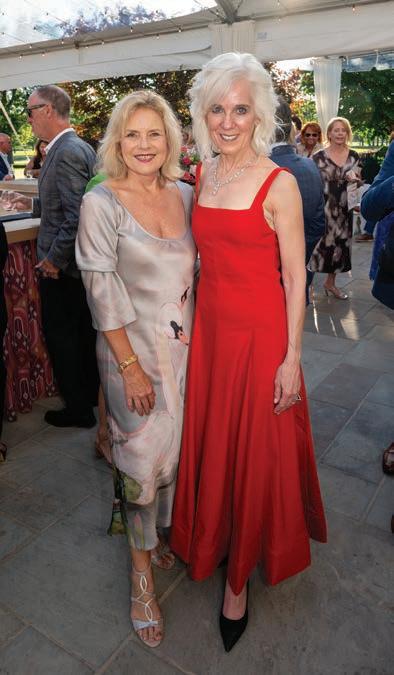
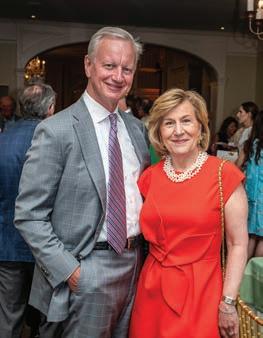
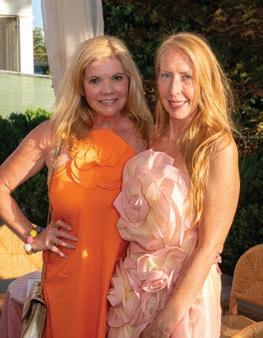
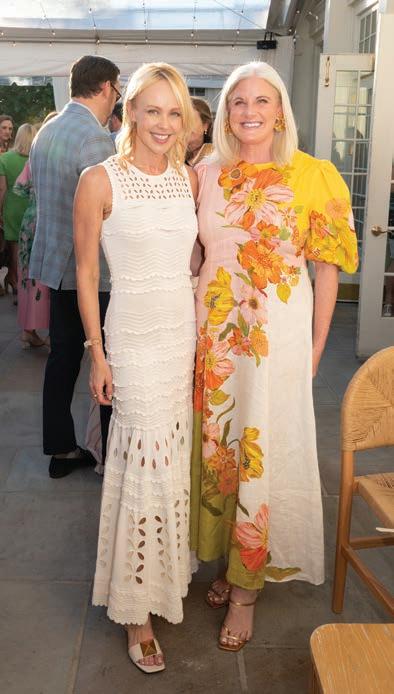
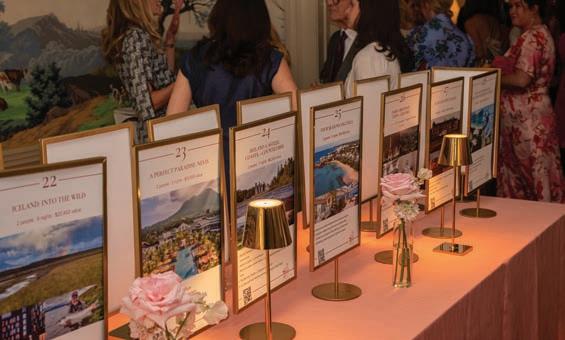
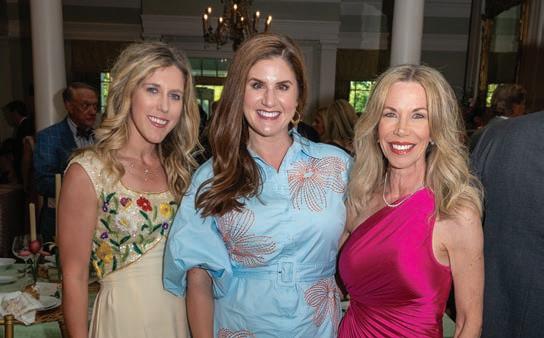
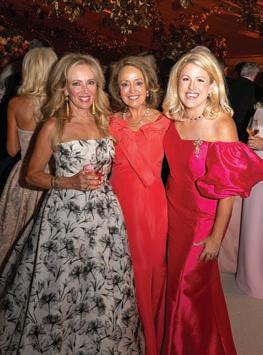
Guests clad in spring finery filtered past several gleaming Ferraris as they made their way to Belle Meade Country Club for this year’s Swan Ball Auction Party. Inside, servers passed mini beef Wellingtons, pimento cheese toast points and tiny BLTs. Revelers visited with Swan Ball co-chairs Jenny Corts and Jennie Garth Lowe and auction party co-chairs Anne Clayton, Grace Clayton and Ann Williford, and they made sure to browse the evening’s abundant silent auction offerings. Pink palms surrounded a bar skirted in patterned fabric, and a larger-than-life magenta swan floated overhead.
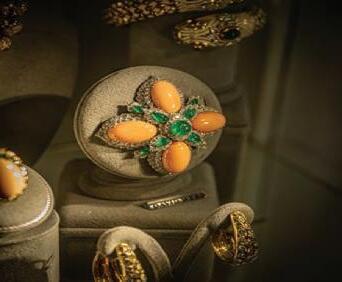
For months, the Swan Ball auction committee has industriously gathered Swan-worthy auction items under the leadership of auction co-chairs Terri Major and Jody Mattison. Terri spent the evening modeling a beautiful David Webb bracelet that was graciously donated by official Swan Ball 2026 jeweler Richters of Palm Beach. (This would prove a wise strategy later in the evening.)
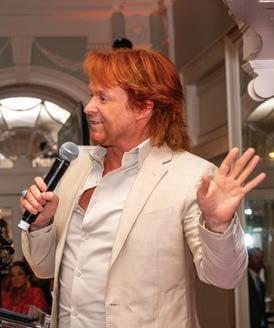
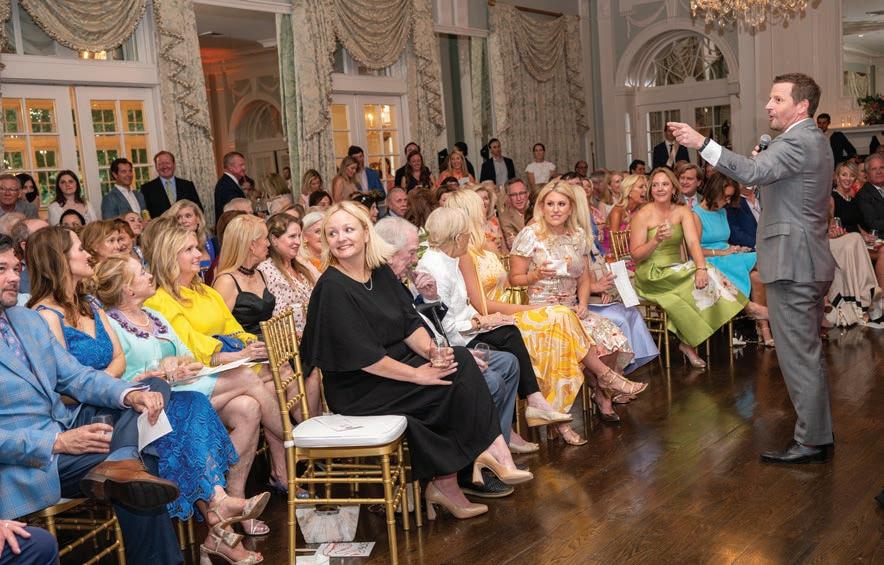
Emcee Hugh Howser warmed up the crowd before award-winning podcast host, fundraiser and auctioneer Jamie McDonald got the action underway. The room came alive, with paddles waving in the air for fabulous experiences — an intimate Napa Valley escape, a grand tour of New Zealand, and an amazing trip to Canada to see polar bears and the northern lights. A bidding war began for the Pappy Van Winkle and beyond collector’s whiskey tasting.
As the evening progressed, the auction grew even more competitive. Fierce bidding for odysseys to Indonesia, Cabo San Lucas, Madrid and Morocco brought the energy to a fever pitch. The evening ended with a quiet bidding war on the David Webb bracelet. Now, whose wrist will we see it on?
BY JANET KURTZ
PHOTOGRAPHS BY ERIC ENGLAND AND PEYTON HOGE
McKenzie Mullins, Caroline Byrd, Allison Fletcher
Auction Party co-chairs Ann Williford, Grace Clayton, Anne Clayton
Hugh Howser
Donna Joyner, Ashley Tomichek, Samantha Richter, Jay Joyner
Angela Bostelman-Kaczmarek, Anne Elizabeth McIntosh
Susan Falk, Christi Edwards, Jason Pharris, Bob Falk
Sarah Pickens, Janice Elliott Morgan, LaRawn Rhea, Ashley Henry
Sydney Ball, Danielle Spence, Roseann Rogers
Robinette Gaston, Rachel Fisher Robinson Darryl and Carol Yochem
Kathryn Brown, Kevin and Deb McDermott
Bob Deal, Sharon Sandahl, Jason Bradshaw
Trdition
The Swan Ball Patrons Party evolves while staying rooted in philanthropy
Much like the growth of trees, evolution is difficult to see in the moment. But over time, both internal growth and outward change create an expansive branch canopy and a strong root system. The 64th Swan Ball Patrons Party illustrated this, demonstrating how one of Nashville’s most enduring philanthropic traditions continues to grow and evolve while remaining firmly grounded in its purpose.
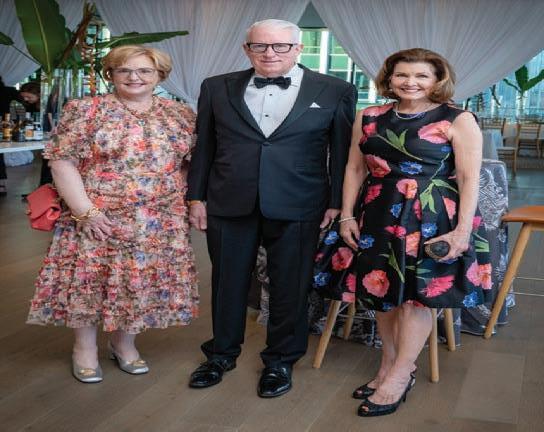
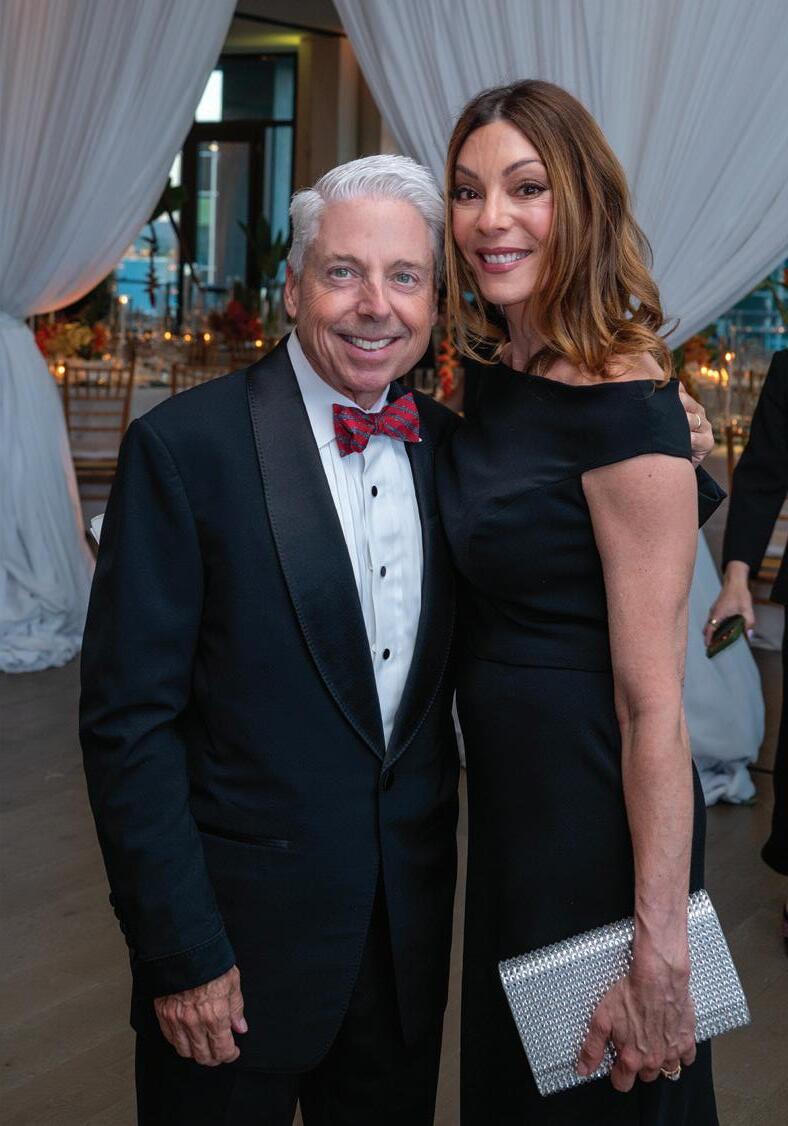
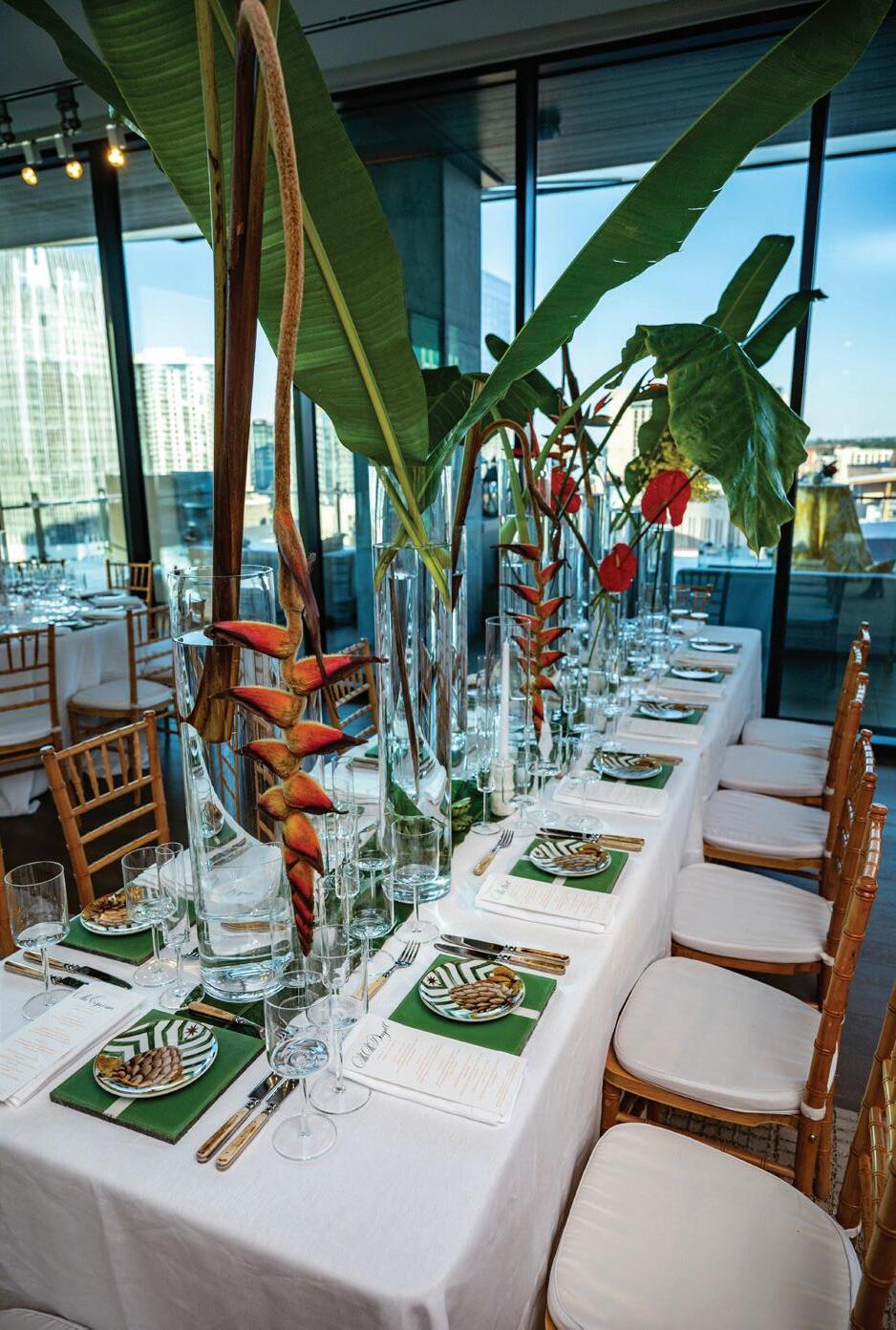
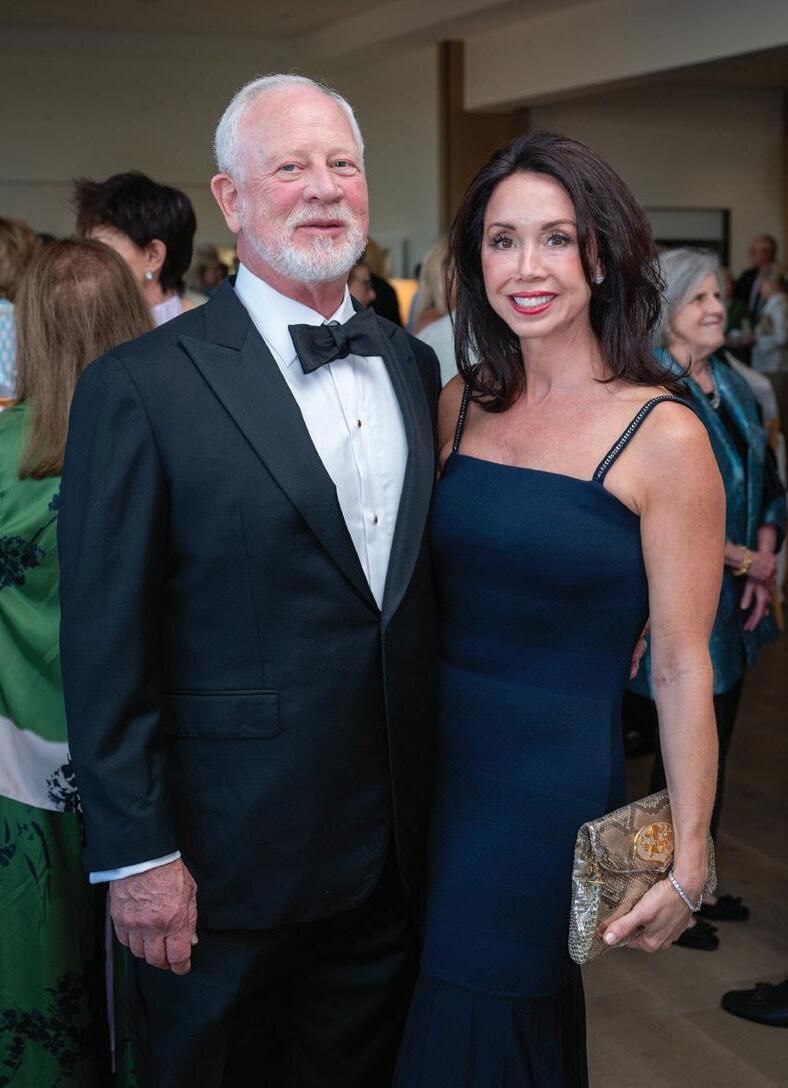
For the first time, guests attending the Swan Ball Patrons Party gathered in downtown Nashville for an evening celebrating Friends of Warner Parks — and thanking the donors and supporters who make the Swan Ball possible. The 11th floor of AllianceBernstein’s headquarters proved an ideal setting, offering both a fluid layout and sweeping views of the Nashville skyline. Event designers transformed the dinner space into a tropical oasis with a fusion of colorful, tropical florals — red heliconias, orange anthuriums and Mokara orchids, yellow Dancing Lady orchids, vibrant birds of paradise, green aspidistra leaves, dark alocasia leaves, lush elephant ears, and striking lady finger banana plants — all provided by Mark O’Bryan of The Tulip Tree.
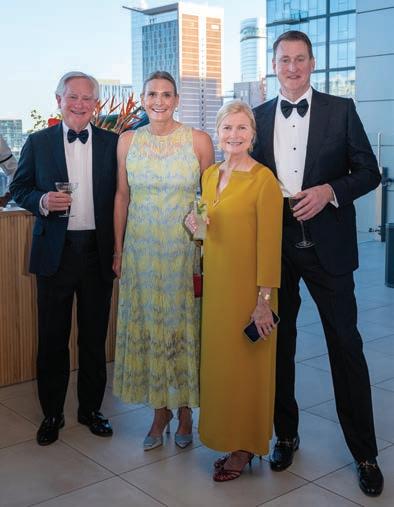
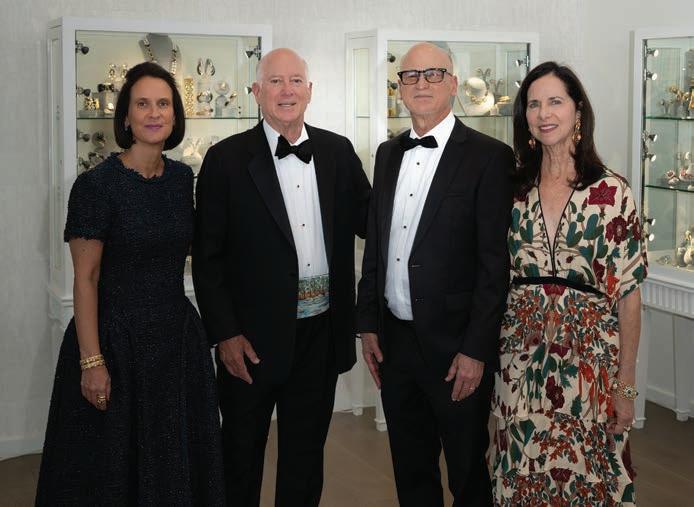
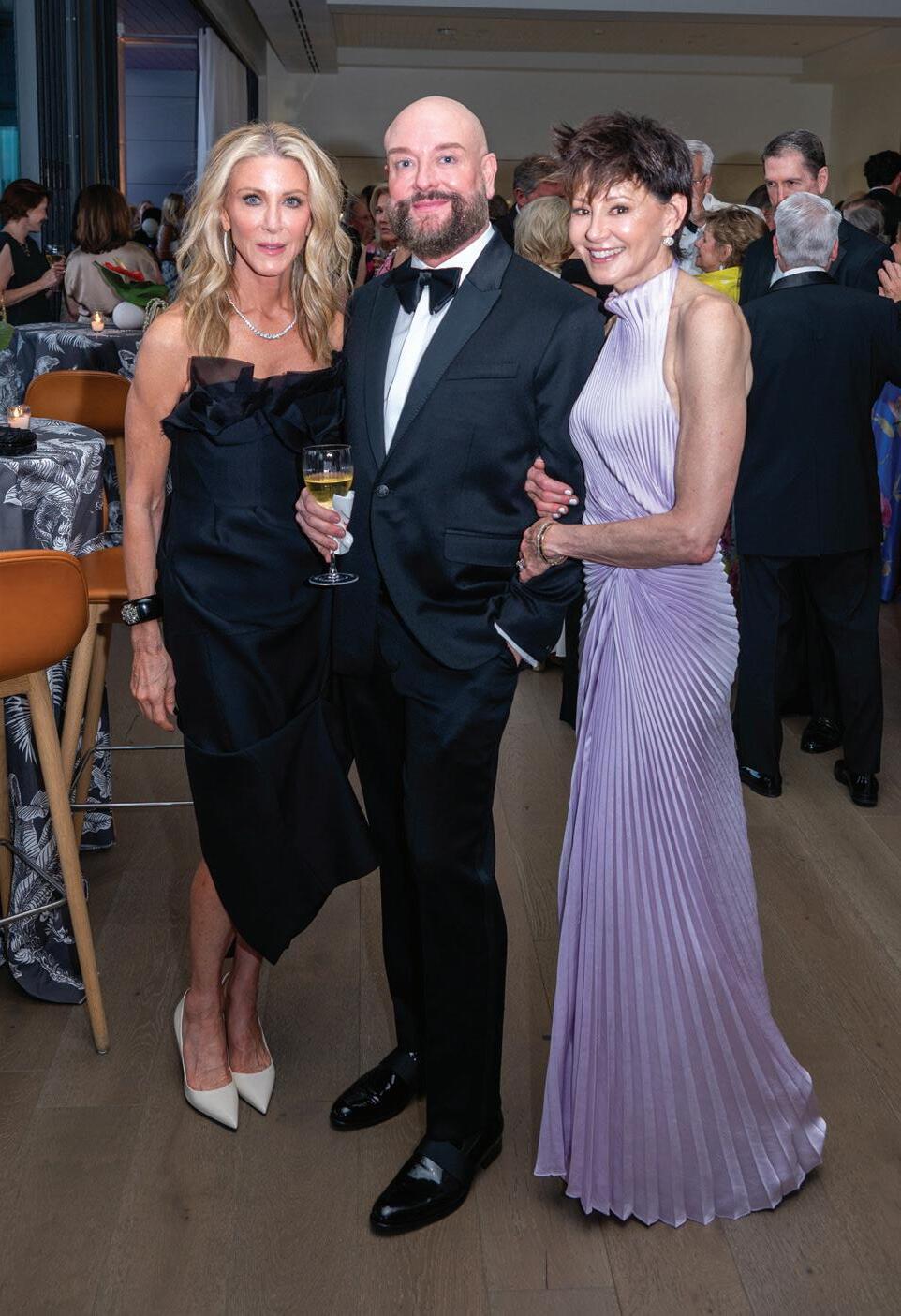
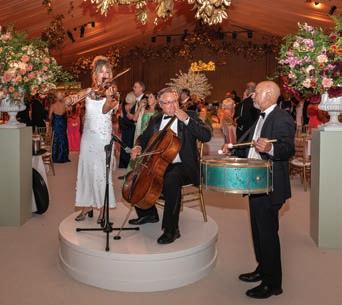
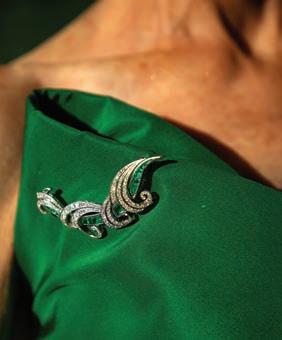
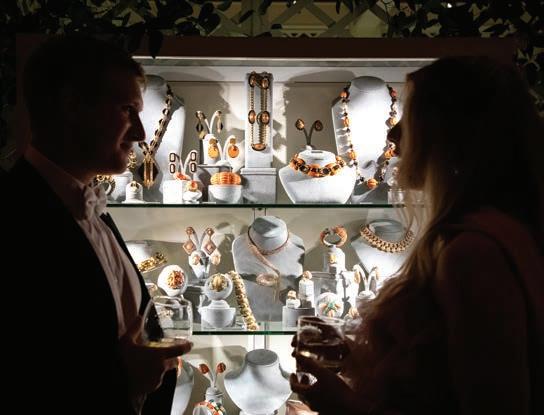
Swan Ball co-chairs Jenny Corts and Jennie Garth Lowe mingled with guests while modeling exquisite pieces from Richters of Palm Beach, the official jeweler of the 2026 Swan Ball. Brothers Dudley and Stefan Richter guided attendees through their impressive collection of rare estate and vintage jewelry, as many guests considered purchases that evening — or made plans to return for the jewelry party the following night. As the evening progressed, guests enjoyed hors d’oeuvres from Kristen Winston Catering while listening to electronic-infused cocktail music from Arco & Reed. Dancers from Nashville Ballet’s second company, NB2, performed choreography by Maria Konrad, forming live floral arrangements as they moved.
The contemporary venue, innovative entertainment and tropical atmosphere offered a fresh take on a beloved tradition, while foregrounding the Swan Ball’s mission — to support Friends of Warner Parks and expand opportunities for Nashvillians to connect with nature.
BY JANET KURTZ PHOTOGRAPHS BY ERIC ENGLAND
Kathleen Estes, Jean Bottorff
Reno Benson, Alec Estes
Brock and Corinne Kidd, Barbara and Greg Hagood
Kirsty Saunders, Dudley Richter, Stefan and Nancy Richter
Sam DeVane, Jenny Hannon, Lisa and Gaylon Lawrence
Co-chairs Jennie Garth Lowe, Jenny Corts
Elizabeth Nichols, Rob McCabe, Kathryn Brown
Chad and LeAnne Bottorff, Rebecca and Grant Rutledge
Jeff and Kim Leeper
Katherine Crosthwaite, Charlie and Laura Niewold
Martin Rash, Denise Cummins
Sissy Wilson, Brady Wardlaw, Kathy Thomas
Margaret and Alex Palmer, Julie Stadler
John and Tori Wimberly
Jay Joyner, Mary Spalding
SE SONS CH NGE
e 64th annual Swan Ball celebrates transformation
Co-chairs Jennie Garth Lowe, Jenny Corts
SWAN BALL
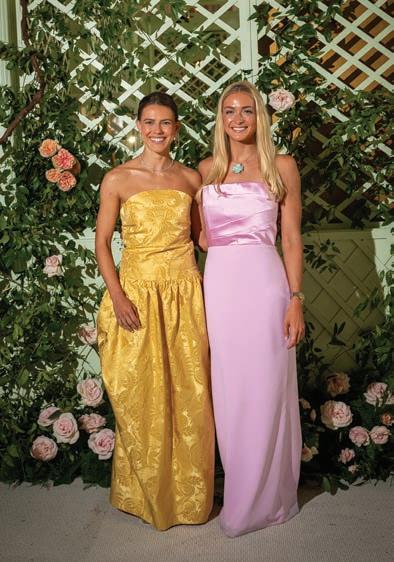
Throughout the human experience, change remains constant. The seasons of our lives shift, often imperceptibly. There are seasons of founding, seasons of growth, seasons of challenge and seasons of renewal. Over the past 64 years, the Swan Ball — Nashville’s premier white-tie gala — has weathered each of these seasons, preserving its traditions while evolving to inspire a new generation of supporters.
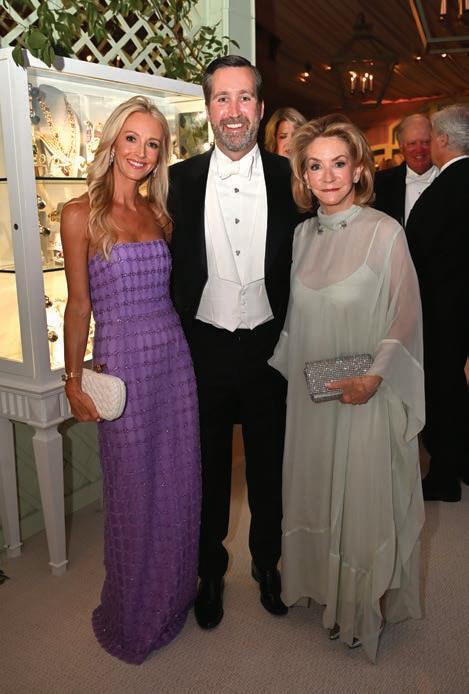
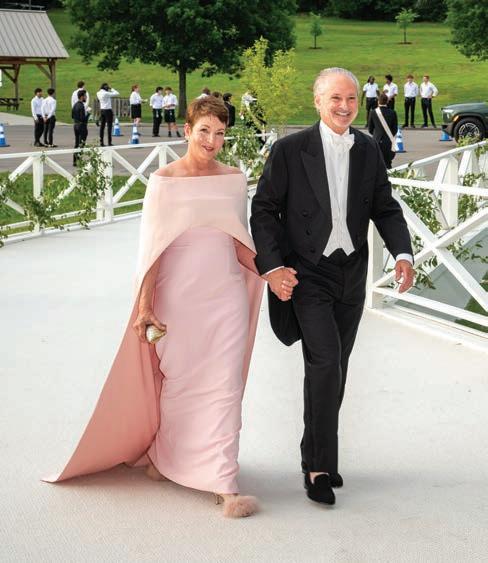
For the second year, guests wound along the quiet drive through Edwin Warner Park to Harpeth Meadows, an idyllic greenspace in the heart of Warner Parks’ 3,100 plus acres. The setting brought into sharp relief the mission of Swan Ball’s beneficiary, Friends of Warner Parks — to preserve, steward and protect Percy and Edwin Warner Parks. The event specifically raises funds to give children across Nashville more opportunities to connect with nature.
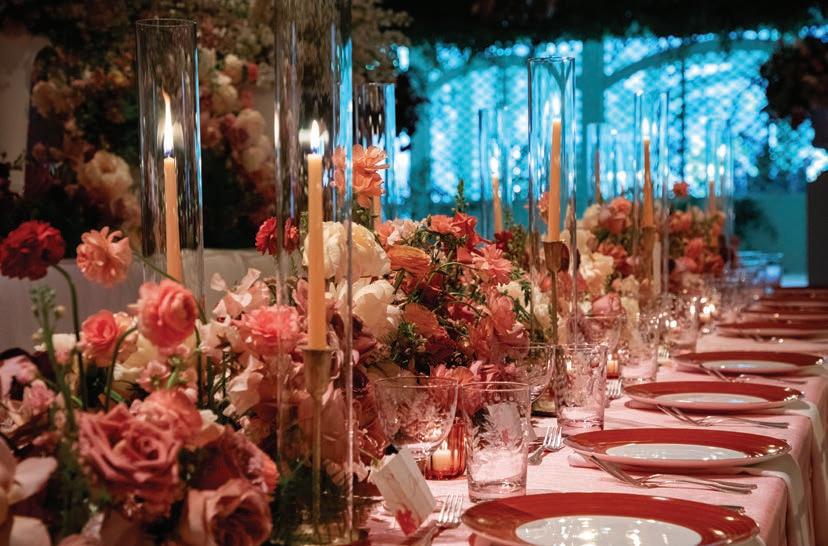
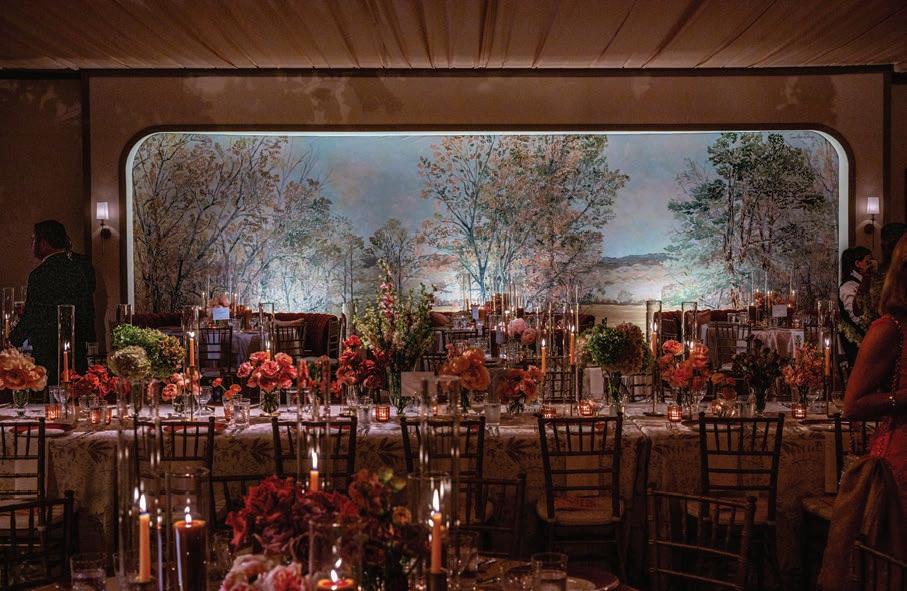
Swan Ball co-chairs Jenny Corts and Jennie Garth Lowe planned an evening evoking the four seasons — a vision Jenny, who played double duty as event designer, executed flawlessly with the Jenny Richter Events team. Working with The Florista and Tenn Hens Design, the group created a setting capturing nature’s continual cycle of growth, abundance, harvest and renewal. Hand-painted murals and lush florals guided guests through spring, summer, autumn and winter.
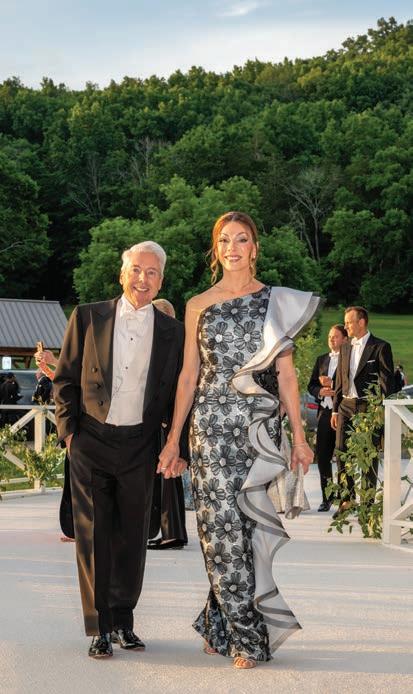
As members of the dance committee, chaired by Sterling Akers and Kathleen Jackson, escorted ladies down a grand path to the cocktail tent, many guests stopped to admire — and shop — the expansive display by official Swan Ball jeweler Richters of Palm Beach. The collection featured unique fine and vintage jewelry, each exquisitely crafted piece offering juxtaposition between history and modernity.
Guests found the dinner tent divided subtly into quadrants, with décor and programs corresponding to each of the four seasons. As guests enjoyed a delicious dinner by Kristen Winston Catering, Kathryn Brown and Elizabeth Nichols, co-board chairs of the Swan Ball’s governing body, SB Initiative, offered heartfelt thanks to the 2026 co-chairs for their hard work and transformation of the event.
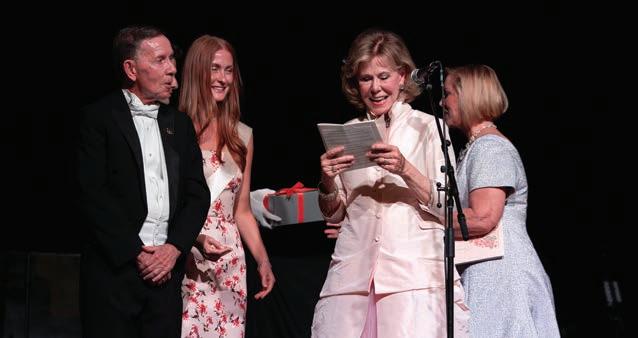
It then came time to present the Swan Award. This year’s recipient, music industry leader Joe Galante, is well known for his commitment to philanthropy — having established the Phran Galante Memorial Fund for Lung Cancer Research at Vanderbilt-Ingram Cancer Center and helped found Leadership Music.
During the award presentation, the Late Party, chaired by Callie Cook and Mary Keith Robbins, got underway. Guests dined al fresco under custom drapery, which featured original artwork by Mary Keith and transformed the ceiling into an immersive installation. After enjoying a dinner by Kindred Farms, Late Party revelers made their way to the main tent for the entertainment.
This year’s headliner was celebrated American country vocal quartet Little Big Town. The band — as known for their masterful four-part harmonies as they are for their deep commitment to philanthropy — made a fitting addition to the event. In seconds, they had the crowd on their feet, dancing and singing along to chart-topping singles.
When party band Powerhouse Next Generation took the stage afterward, revelers were ready for more. The band kept the room lively as drinks flowed and dancing continued. At midnight, guests enjoyed a late-night snack — Jack Brown’s cheeseburger sliders and fried Oreos — as the party persisted into the morning.
The thrilling evening served as a reminder that while traditions endure, they are never static. Each generation leaves its mark, bringing new ideas, energy and perspectives, while honoring the foundation laid by those who came before. After 64 years, the Swan Ball continues to evolve with the seasons, proving that growth and renewal are not departures from tradition, but the very qualities that allow it to flourish.
BY JANET KURTZ PHOTOGRAPHS BY ERIC ENGLAND, PEYTON HOGE, HAMILTON MATTHEW MASTERS AND ALAN POIZNER
Anne Clayton, Grace Clayton
Ben Ambrose escorting Janice Lovvorn, Julian Maxwell escorting Emily Noel
Little Big Town
Jenny Hannon, Sam DeVane
David and Melanie Baker, Laura and Charles Niewold
Adam Sansiveri, Kendall Brown
Kelley Beaman, Sissy Wilson
Glenda Hatfield, Joe Rowland, Memorie White
Elizabeth and Bryan Frist, Karyn Frist
Daryl and Sherry Deke
Anne and Todd Bottorff
Marion Kraft, Kathryn Brown
Jeff and Kim Leeper Swan Award recipient Joe Galante
Teresa and Douglas Chope
Donnie Counts and Kayla Clayborne Counts Liz Sillay, Sharon Sandahl
Lorie and Gavin Duke
Dance committee co-chairs Sterling Akers, Kathleen Jackson
John and Julie Schneider
Late Party co-chairs Callie Cook, Mary Keith Robbins
Rob and co-chair Jennie Garth Lowe, co-chair Jenny and Andy Corts
Steve Robson, Terri Major
Bob Deal, Jason Bradshaw
Marci and Stephen Houff Nan Parrish, Vincent Dreffs
Elizabeth Nichols, Marion Kraft, Donnie Nichols
Ward and Jennifer Baker, Mary Morgan and Paul Ketchel
Earl and Janet Bentz, A.J. and Todd Falk
Jana and Ansel Davis
Apphia Maxima, Brandon and Coffi Corbin
Roseann Rogers and Aashish Kiran Shah
Natalie Clements, Mayra Lehman-Grimes
David Medeiros and Julie Stadler
David Morgan and Janice Elliott Morgan
Powerhouse Next Generation
1819 Laurel Ridge Drive Forest Hills
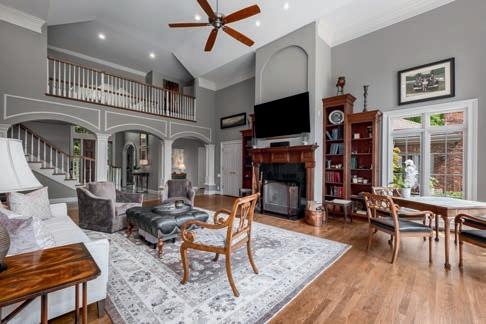
Extremely rare chance to move right into a stunningly renovated home with a pool /wellness area on Laurel Ridge Drive, one of Nashville’s most iconic streets. Perched on a downtown facing bluff, the view has been carefully incorporated into the living and dining rooms, kitchen & den, multiple balconies, and the two primary suites and baths. No expense has been spared. Gated entry and real privacy.
at $7,650,000
rhett akins
Summer Time
An evening celebrating Donna Summer raises crucial funds for the Lung Cancer Research Foundation
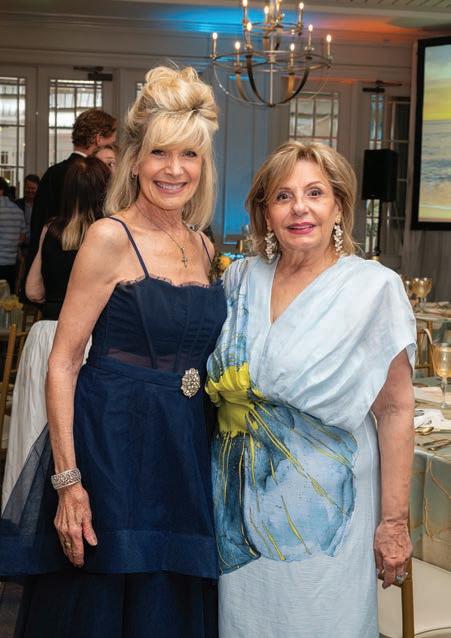
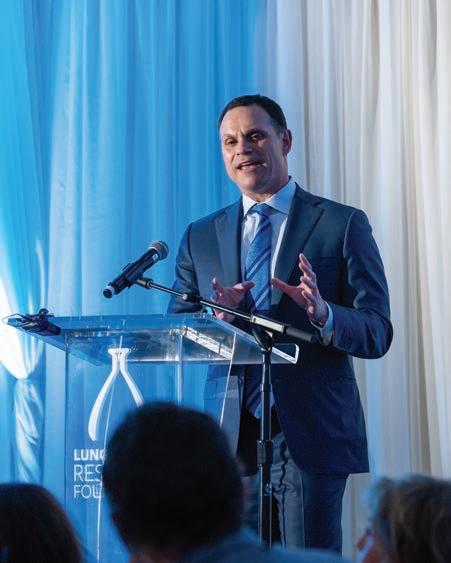
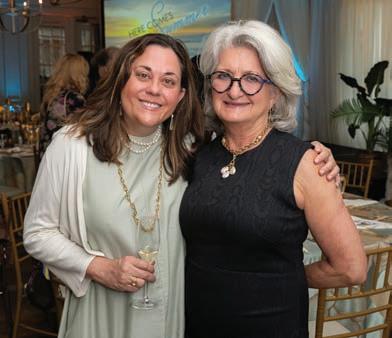
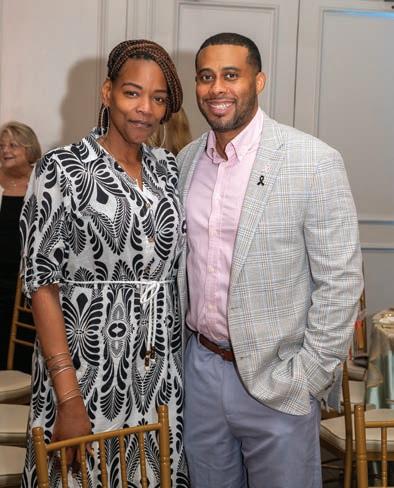
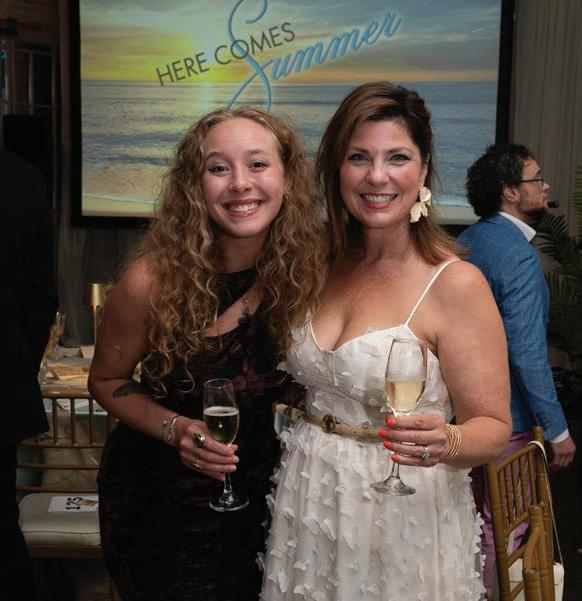
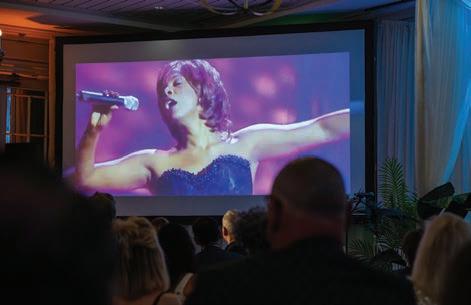
Guests at the inaugural Here Comes Summer event benefiting the Lung Cancer Research Foundation didn’t let a little rain dampen their spirits. Revelers arrived at Richland Country Club for an evening celebrating the life and legacy of disco queen Donna Summer, who died of lung cancer in 2012. Funds raised during the event support the organization’s efforts to end the disease. Summer’s longtime friend, Susan Munao, chaired the event and ensured guests understood the importance of that mission.
Munao shared stories about her friendship with Summer and how thrilled the singer would have been to see a sold-out crowd.
“Tonight is more than a fundraiser,” she said. “It’s about building a community of people who refuse to accept the status quo.”
Summer’s close friends, Michael and Stormie Omartian, recognized the singer’s family for their dedication to advancing lung cancer research. “Lung cancer leaves a legacy,” said Summer’s daughter, Mimi Sommer, who accepted the award alongside her own daughter, Vienna Dohler. “It’s a ripple effect that extends far beyond the patient. … This disease changes lives forever.”
Lung cancer survivor Stephen Huff highlighted LCRF’s realworld impact. Diagnosed with stage four lung cancer at age 29, he spoke about the importance of research that gave him more time with his wife and young children — a message Dr. David Spigel, chief scientific officer at Sarah Cannon Research Institute, hammered home. “The science is there,” he said. “We can understand targets, we can design drugs, we can run trials. But all of this takes effort and investment. Your support of lung cancer research is an important piece in that fight — not just here in Nashville, but across the world.”
BY JANET KURTZ
PHOTOGRAPHS BY ERIC ENGLAND
Debby Boone, chair Susan Munao
Vienna Dohler, Amy Billings
Keri McInnis, Julia Bridges and Hunter McVey, Holly Whaley
Dr. David Spigel
Virginia Kweller, Cindee and Michael Gold
Kim Sandler Rhodes, Glynis Sacks-Sandler
Becky Bonds, Kamadi Camp
Wendy Burch, Deby Pitts
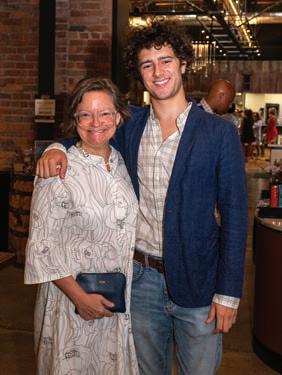
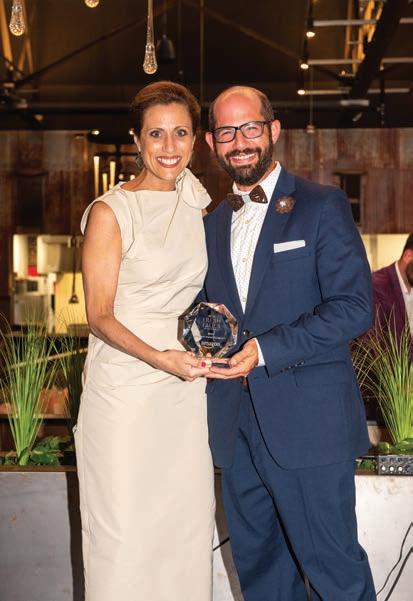
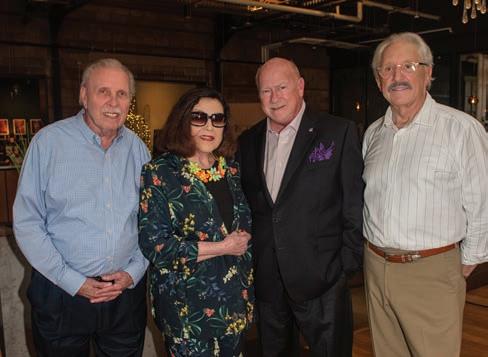
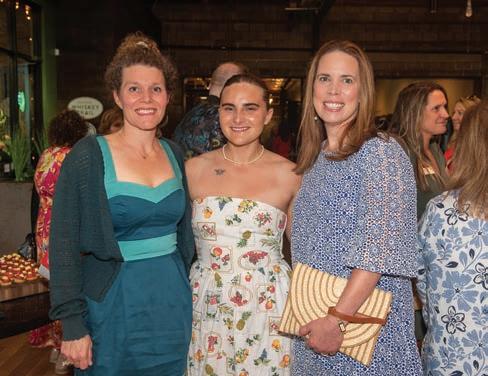
Nfocus’ third Fresh Faces of Philanthropy event celebrates Nashville’s changemakers
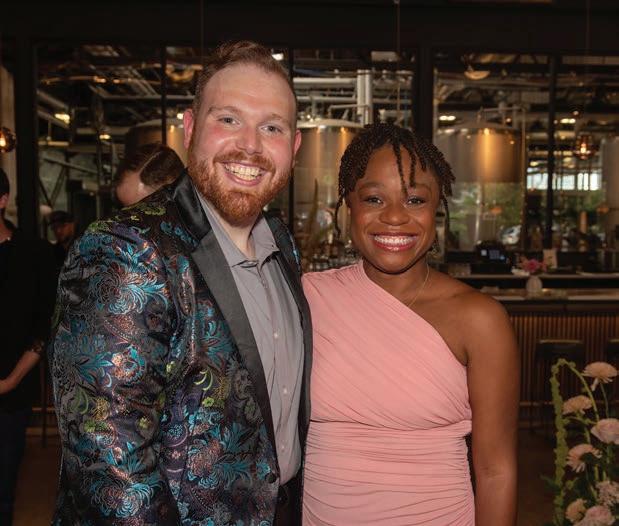
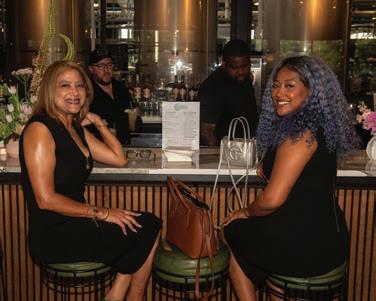
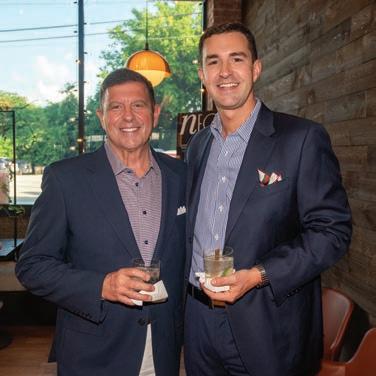
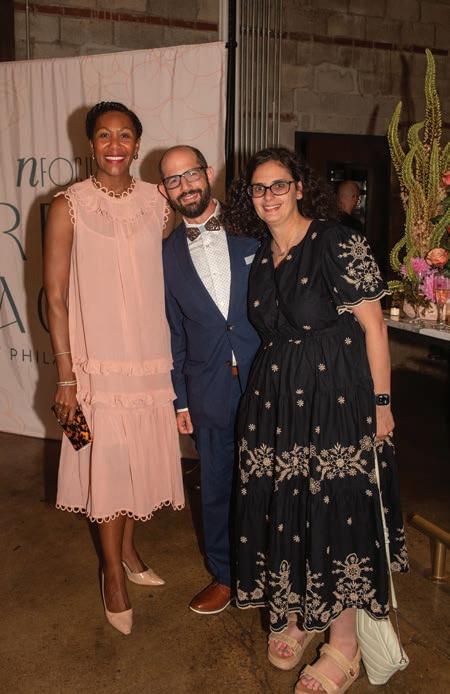
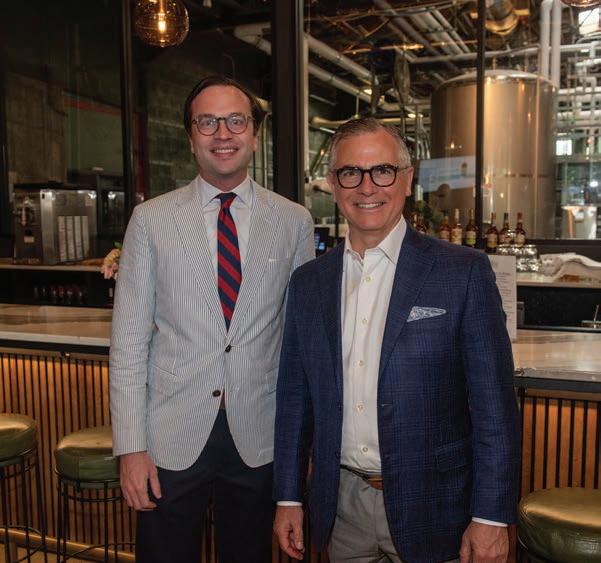
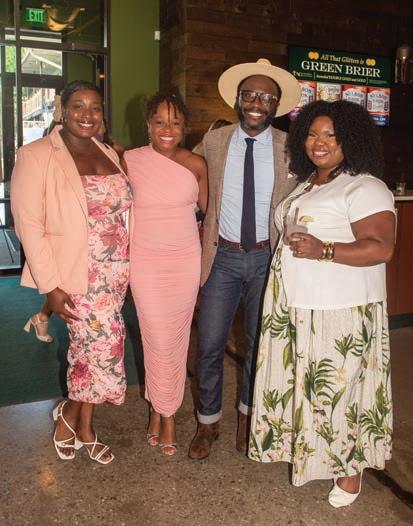
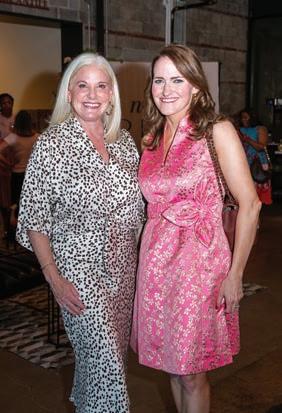
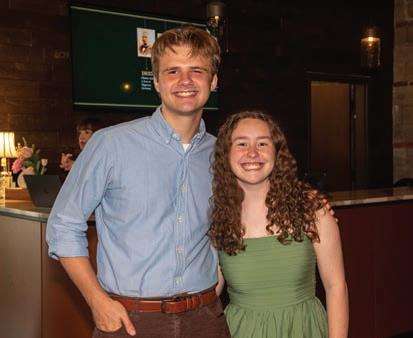
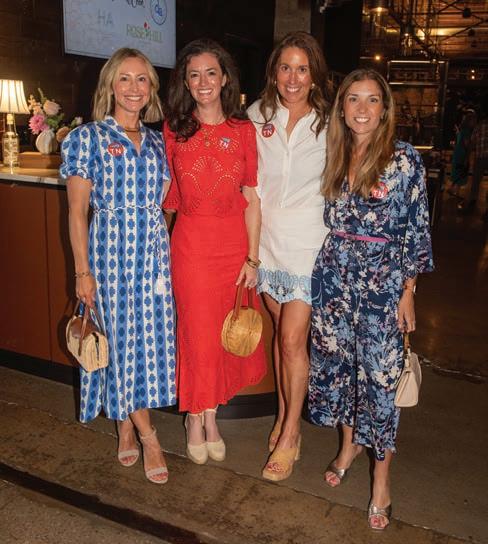
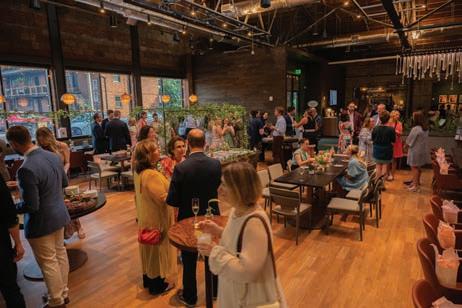
On a warm summer evening, Nfocus friends gathered at Nelson’s Green Brier Distillery to raise a glass to Nashville’s esteemed philanthropists — namely, those 45 years and younger.
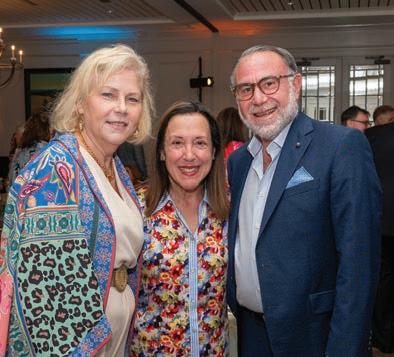
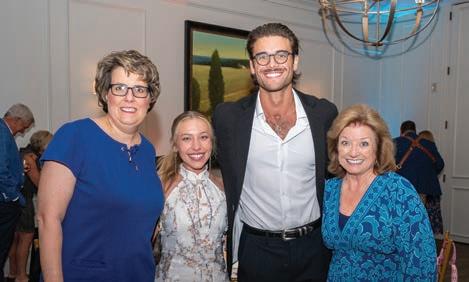
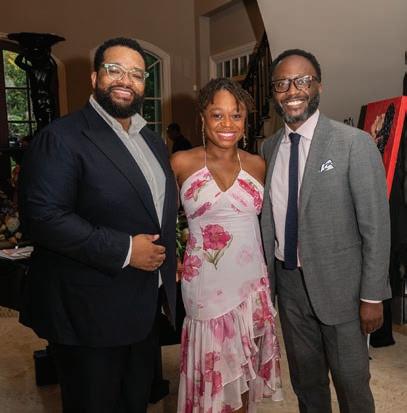
Nfocus’ Fresh Faces of Philanthropy program highlights 10 outstanding individuals and their dedication, work ethic and civic-minded spirit. For the third year, honorees, nonprofit members and Nfocus readers united at a special soirée to celebrate each philanthropist and their accomplishments.
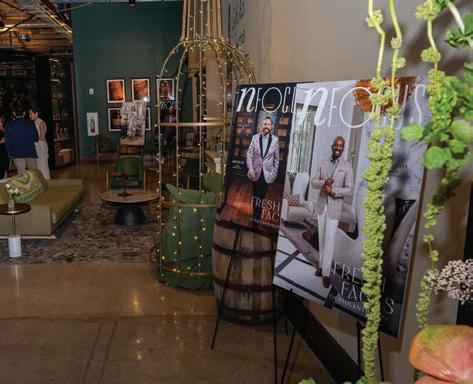
The venue ignited with electric energy as each honoree entered and visited with friends old and new. Copies of Nfocus’ June issue dotted the space, being leafed through by many. Some Fresh Faces, like Alvaro Manrique Barrenechea, even signed copies for their guests.
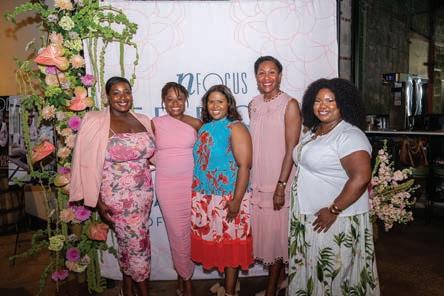
Lush floral arrangements by Rose Hill Flowers drenched the evening in elegance, and many revelers posed for photos in front of a grand Fresh Faces backdrop. Adding to the glamour, Viva La Strings performed classical arrangements of beloved pop songs.
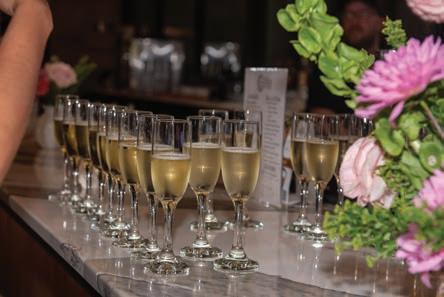
Nfocus editor-in-chief Janet Kurtz gathered this year’s Fresh Faces class — along with past honorees — for an intimate Champagne toast, raising a glass to their accomplishments and the city’s new generation of philanthropists and changemakers.
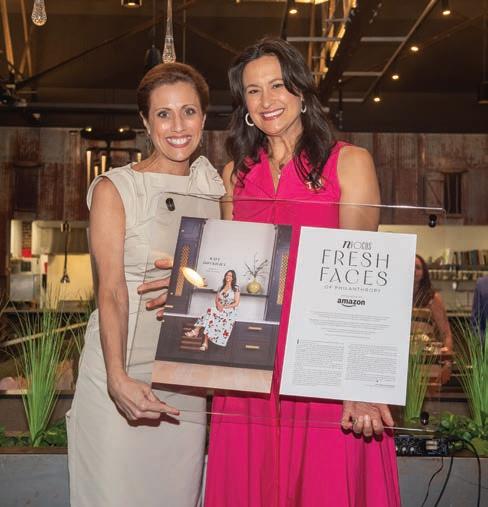
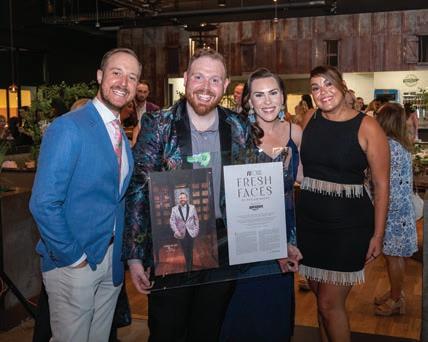
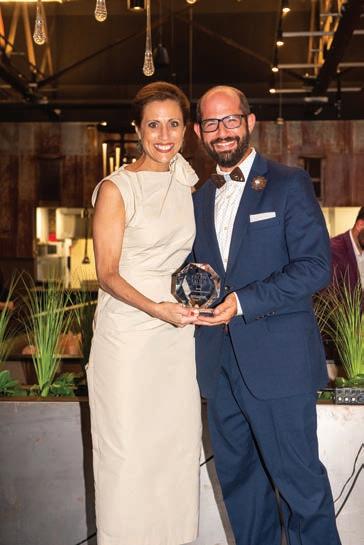
Then came time for even more recognition. Janet took the stage, highlighting the group’s crucial work in supporting nonprofits amid federal funding cuts — and doing so with hope, tenacity and persistence. She then acknowledged each honoree and presented them with a plaque displaying their feature in the magazine. The room filled with continuous applause, signaling the influence each Fresh Face has had on their community.
Joel Abramson, chief advancement officer for the Adventure Science Center, received the Impact Award (much to his surprise) for bringing the most guests to the event. In return, the Adventure Science Center received a donation to support its excellence in fostering children’s curiosity.
BY MADELEINE BRADFORD
Russell Bates and Ben Scott
Melissa Brown, Tatyanah McClanahan
PHOTOGRAPHS BY ANGELINA CASTILLO AND ERIC ENGLAND
Janet Kurtz, Austin Barlow Pennington
Adnan Karim and Juleesia Santiago-Karim
Alvaro Manrique Barrenechea, Caroline Swenson
Janet Kurtz, Dexter D. Evans
Crystal Churchwell Evans, Joel and Felicia Abramson
Amos Gott, Apphia Maxima
Tucker and Emily Wells
Sarah Young, Apphia Maxima, Bentley Caldwell, Alese Adams
Janet Kurtz, Katy Dieckhaus
Rusty Terry, Whitney Dursteler
Anne Elizabeth McIntosh, Kayla Clayborne Counts Tiana Timm, Paige Garrett
Carrington Fox, Oscar Fox Janet Kurtz, Joel Abramson
McKenzie Mullins, Jon Miller
Hadeel Abouhasira, Cade Fleming
Tommy Oliphant, Nancy Russell, Tim Strobl, Andrew Potts
Michelle Augusty, Katie Fayard, Lori Buck, Krys Lenz
Waverly Ann Harris, Abby Ferrell, Lauren Zook
Olivia Moye Britton, Mike Smith
Thank you to all of our sponsors, partners and wonderful attendees for another great year of Fresh Faces of Philanthropy!
Congrats to our 2026 Impact Award Winner Joel Abramson on behalf of Adventure Science Center
THANK YOU TO OUR SPONSORS!
Shiftin the Trjectory
The Legacy Ball Patrons Party paves the way for future generations
Friends and supporters of the R.H. Boyd Family Endowment Fund gathered at Stephaine and Joseph Walker’s beautiful home for the Legacy Ball Patrons Party, raising a glass — and funds — to support the R.H. Boyd company’s philanthropic work. Guests enjoyed cocktails and conversation on a covered stone terrace before diving into a delicious buffet supper from Inherited Flavor catering. (The jerk chicken skewers and lobster mac-and-cheese bites were particular highlights.)
The organization works to strengthen the local community by funding opportunities for educational and career advancement and celebrating cultural heritage. “The Legacy Ball and R.H. Boyd are deeply aligned in that we focus on empowerment and education and making sure we’re providing resources for the betterment of their communities,” said LaDonna Boyd, the first female president in the company’s 130-year history. “We like to support and shift the trajectory of future generations by pouring into them — developing leaders, educators, community engagement and so much more.”
LaDonna thanked guests, highlighted the important work of the event’s committees and announced the Legacy Ball’s honorees: the Urban League of Middle Tennessee, the Nashville Public Library Civil Rights Room, the YWCA of Nashville & Middle Tennessee, and author Alice Randall.
Howard Gentry, funding committee co-chair, highlighted the ripple effect of the organization’s work. “It’s because of you, and it’s because of the Boyd family, that we’re able to not just improve the lives of the people that receive the funds — but improve the lives of those who are served by the people that receive funds,” he said. “On behalf of the foundation, thank you.”
BY JANET KURTZ PHOTOGRAPHS BY ERIC ENGLAND
Stephaine and Joseph Walker
Richard and Delorse Lewis, Barry Grider
Justin Boyd, LaDonna Boyd and Waddell Wright
Emmanuel LeGrair, Apphia Maxima, Bentley Caldwell
William Davenport
Penny and Michael Lockhart
Sharon and Clifford Roberson
Howard Gentry, Rosalyn Carpenter, Yvette Boyd
ON APRIL 16, 1981, the New York Yankees came to Herschel Greer Stadium, in what is now known as Wedgewood-Houston, to play an exhibition game against the Nashville Sounds, who served as their farm team from 1980 to 1984.
The star-studded lineup under the guitar-shaped scoreboard included Yankees owner George Steinbrenner, catcher-turned-coach Yogi Berra and candy bar superstar Reggie Jackson, No. 44, who led the Yankees to a 10-1 victory in front of the standing-room-only crowd.
BY CARRINGTON FOX
PHOTOGRAPHS BY BILL GOODMAN, NASHVILLE BANNER ARCHIVES, FROM SPECIAL COLLECTIONS DIVISION, NASHVILLE PUBLIC LIBRARY