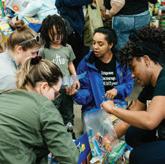
The department says crews have picked up roughly 1 million cubic yards of downed trees and other vegetation following Winter Storm Fern
BY LENA MAZEL
Pith in the Wind
This week on the Scene’s news and politics blog As Nashville Humane Association Celebrates 80 Years, It Needs a Hand One of the city’s longest-running nonprofits has reached max capacity BY LOGAN BUTTS
Researcher Looks to Build Twin Registry in Tennessee
Planned studies focus on effects of cannabis, AI, adverse childhood experiences BY
HANNAH HERNER
COVER STORY
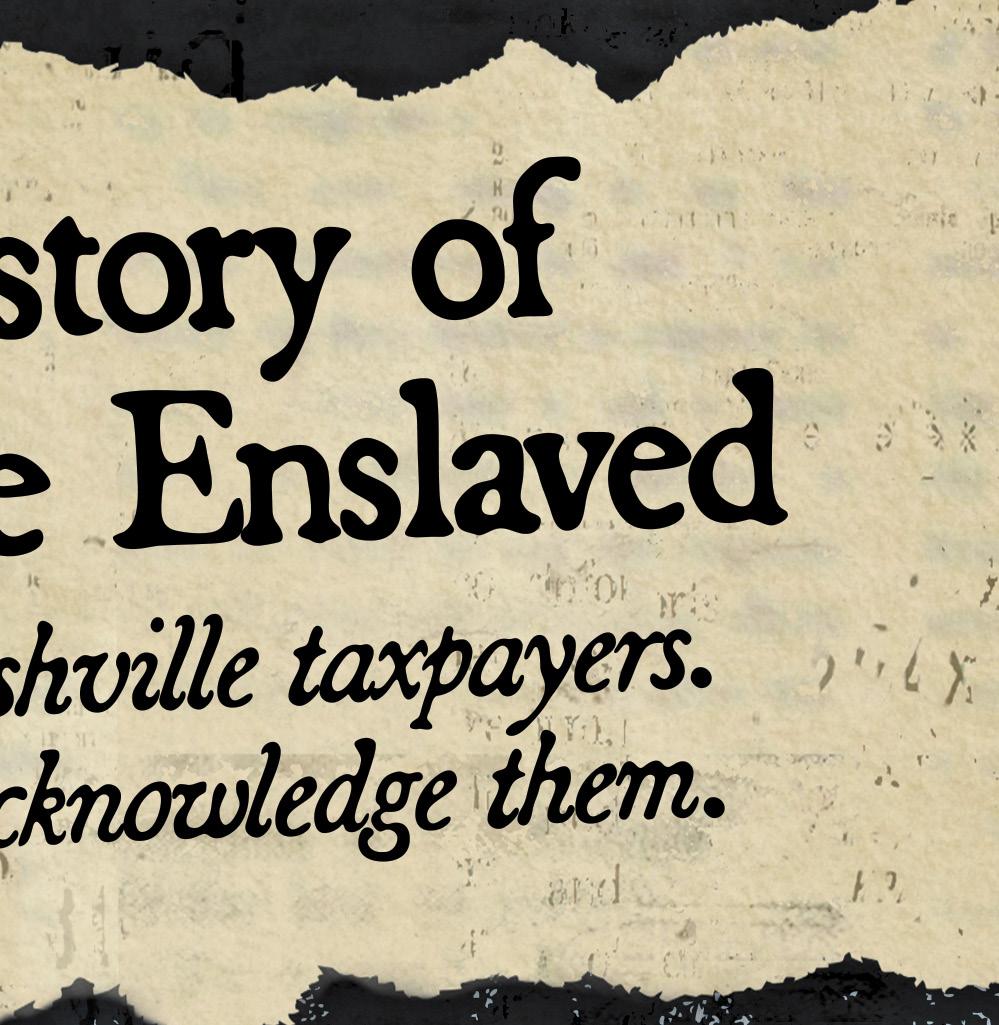
The Forgotten History of the People Nashville Enslaved 33 people were owned by the Nashville taxpayers. Our city has done nothing to acknowledge them. BY BILL CAREY
CRITICS’ PICKS
Deep Tropics Equinox, Film Endowment Festival, Michaela Anne, The Hollow Roots and more
FOOD AND DRINK
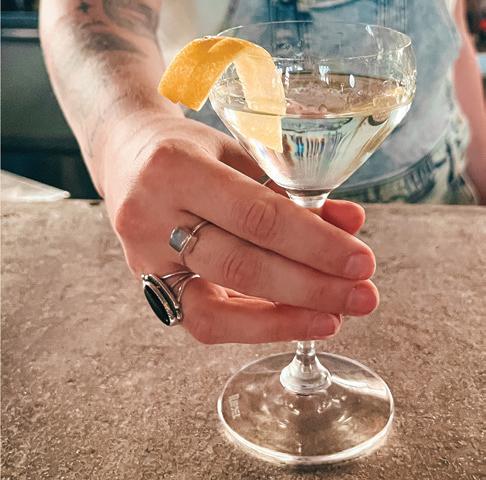
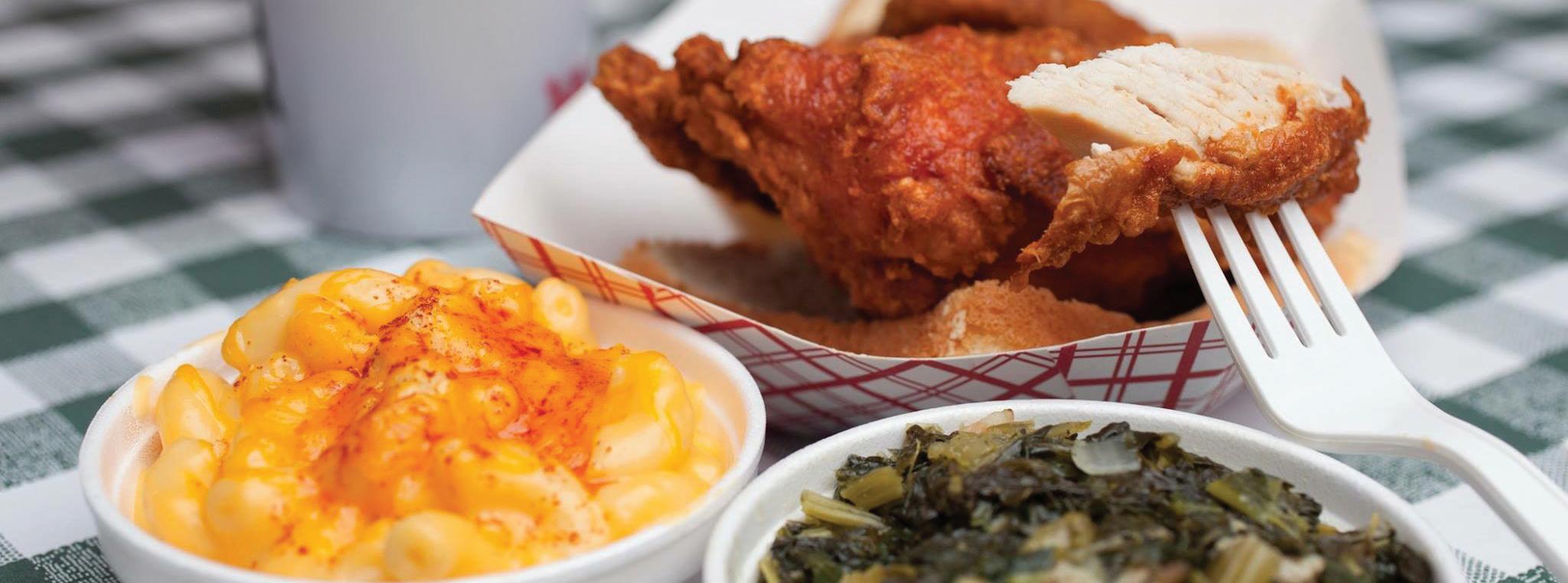
We Are the World Kardes Turkish puts another valuable pin in Nashville’s global dining map BY KAY WEST
BOOKS
The Weight of Seeing
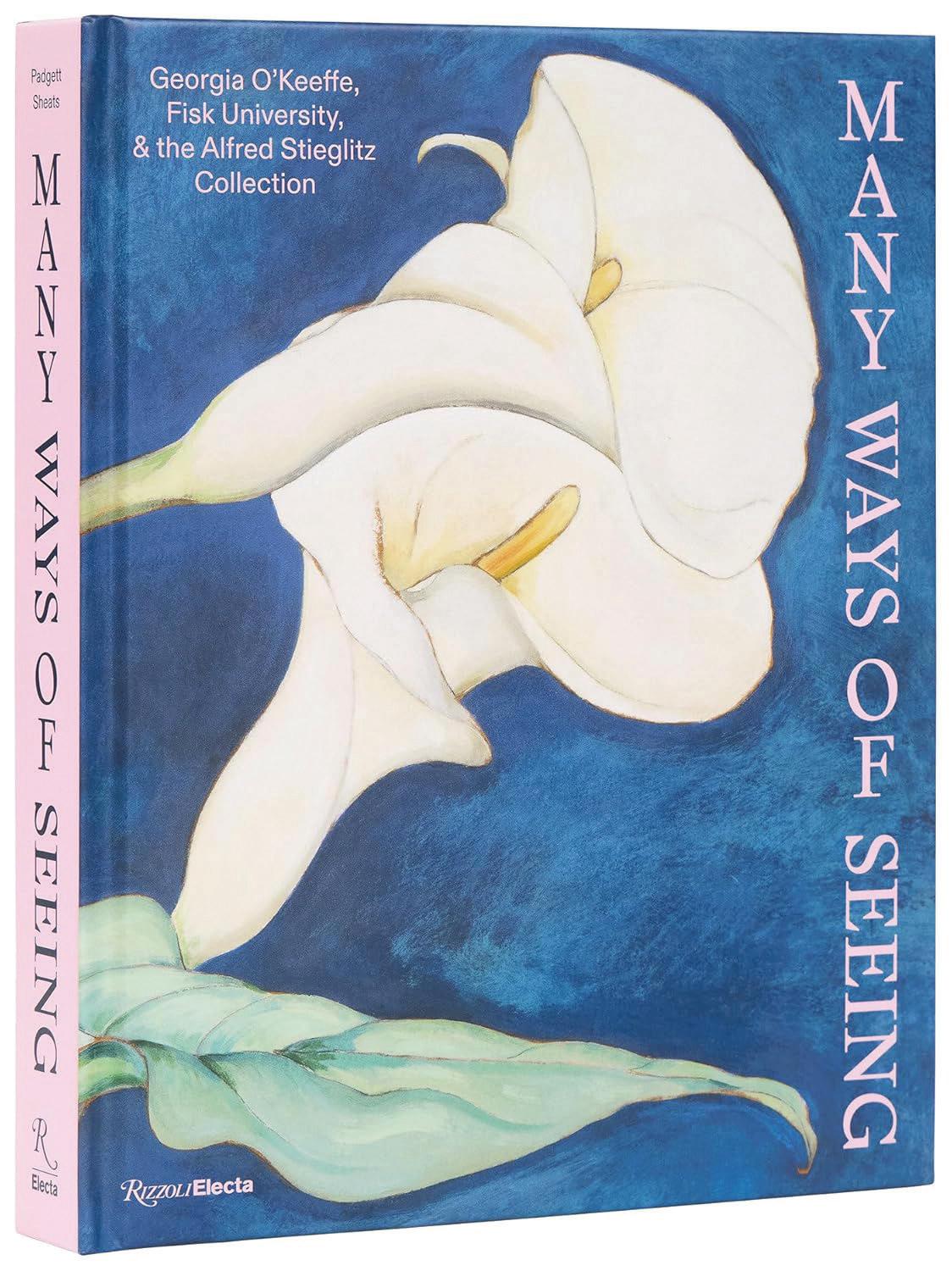
Many Ways of Seeing chronicles the complicated legacy of Fisk’s Stieglitz Collection BY LAURA
HUTSON HUNTER
VODKA YONIC
My Immigrant Love Letter to the U.S. I love the United States, but it doesn’t always love me back BY SOL AYALA
MUSIC
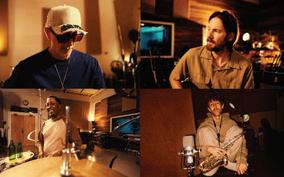
Antidote for Cosmic Isolation
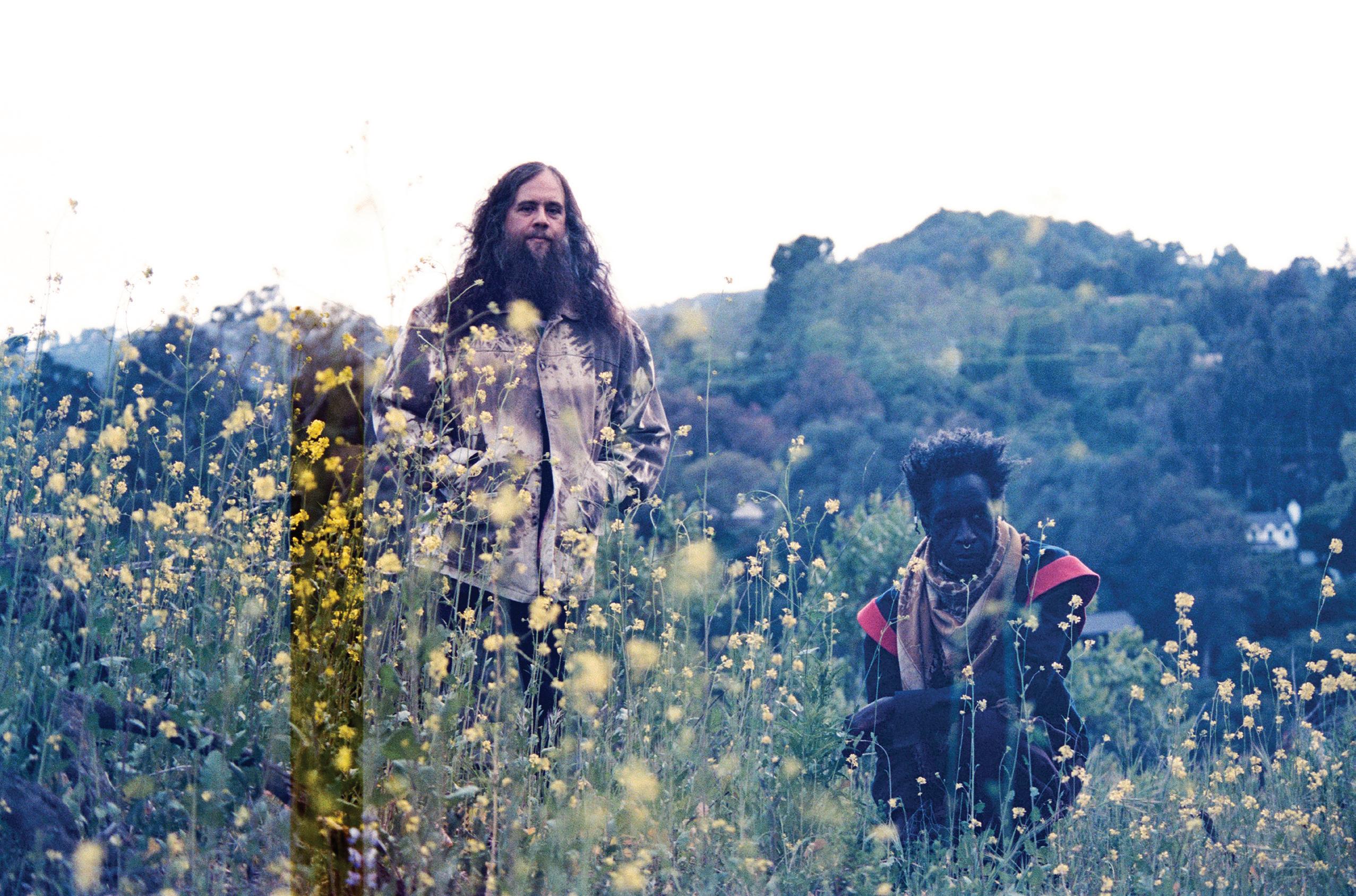
Saul Williams and Carlos Niño’s collaboration feels like a framework for coping with chaos BY SEAN L. MALONEY
The Shape of Faith to Come Semler helps Grace Baldridge navigate the path to being their authentic self BY HANNAH CRON
The Spin
The Scene’s live-review column checks out book NOT brooke at The Blue Room BY BAILEY BRANTINGHAM
FILM
Take Your Protein Pills and Put Your Helmet On Eternally likable Ryan Gosling charms his way through smart, sympathetic Project Hail Mary BY CRAIG D. LINDSEY
CONTACT TO ADVERTISE: msmith@nashvillescene.com EDITOR: prodgers@nashvillescene.com
CHECK BACK HERE WEEKLY TO LEARN ABOUT LOCAL PROMOTIONS, PARTNERSHIPS AND EVENTS
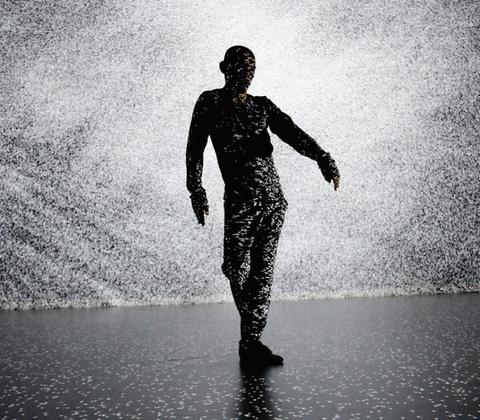
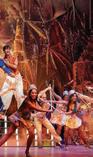
HIROAKI UMEDA AT OZ ARTS
OZ Arts presents Hiroaki Umeda, March 26-28. Choreographer and performer Hiroaki Umeda redefines the boundaries of dance and performance through his inventive use of multiple video projections and immersive sound art. ozartsnashville.org
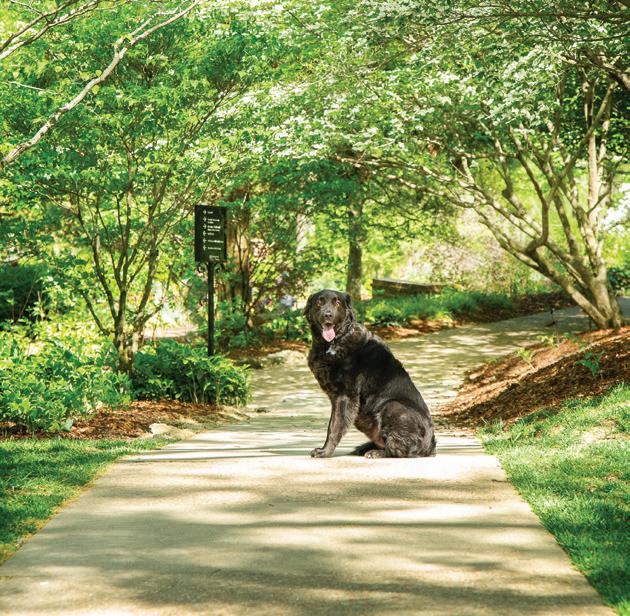
DOGS & DOGWOODS AT CHEEKWOOD ESTATE & GARDENS Enjoy dogs plus dogwood trees on the perfect spring afternoon at Cheekwood Estate & Gardens April 18-19. Bring your furry friend for a stroll through their gardens with food trucks, activities and more. cheekwood.org
VIP PASSES TO BONNAROO The electric Bonnaroo Music & Arts Festival returns to Manchester, Tenn., June 11-14, with performers including Skrillex, Noah Kahan, The Strokes, Rüfüs Du Sol and many more. nashvillescene.com/promo/freestuff THE NASHVILLE CREAM WITH STEPHEN TRAGESER Dive into the Nashville Cream newsletter for the latest on the city’s music scene, featuring concert reviews, artist profiles, interviews and more by our music editor Stephen Trageser and writers. nashvillescene.com
TIN PAN SOUTH
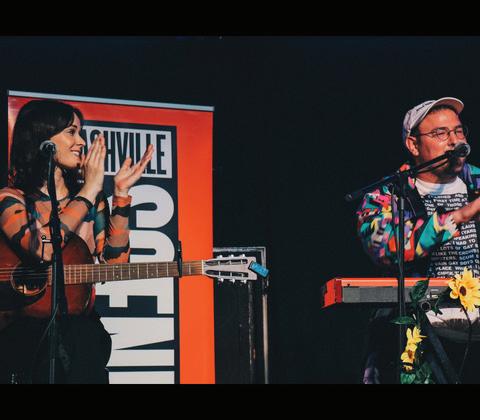
The Nashville Scene is thrilled to host a stage at Love & Exile during the 2026 Tin Pan South Songwriter Festival, March 24-28. Settle in for an evening of powerful songs, behind-the-lyrics stories and even better company. tinpansouth.com THE POWER OF THE PURSE Step into a celebration of generosity at The Power of the Purse on April 16 at OZ Arts. Enjoy an evening benefiting the Women’s Fund at the Community Foundation of Middle Tennessee, featuring auction items and an experience.
WHO WE ARE
EDITOR-IN-CHIEF D. Patrick Rodgers
MANAGING EDITOR Alejandro Ramirez
SENIOR EDITOR Dana Kopp Franklin
ARTS EDITOR Laura Hutson Hunter
MUSIC AND LISTINGS EDITOR Stephen Trageser
ASSOCIATE EDITOR Logan Butts
AUDIENCE EDITOR Annie Parnell
CONTRIBUTING EDITOR Jack Silverman
STAFF WRITERS Julianne Akers, John Glennon, Hannah Herner, Hamilton Matthew Masters, Eli Motycka, Nicolle Praino, William Williams
SENIOR FILM CRITIC Jason Shawhan
EDITORIAL INTERN Jasmin Enriquez
CONTRIBUTING WRITERS Cat Acree, Sadaf Ahsan, Ken Arnold, Ben Arthur, Radley Balko, Bailey Brantingham, Ashley Brantley, Maria Browning, Steve Cavendish, Chris Chamberlain, Rachel Cholst, Lance Conzett, Hannah Cron, Connor Daryani, Tina Dominguez, Stephen Elliott, Steve Erickson, Jayme Foltz, Adam Gold, Kashif Andrew Graham, Seth Graves, Kim Green, Amanda Haggard, Steven Hale, Edd Hurt, Jennifer Justus, P.J. Kinzer, Janet Kurtz, J.R. Lind, Craig D. Lindsey, Margaret Littman, Sean L. Maloney, Brittney McKenna, Addie Moore, Marissa R. Moss, Noel Murray, Joe Nolan, Katherine Oung, Betsy Phillips, John Pitcher, Margaret Renkl, Daryl Sanders, Bobbie Jean Sawyer, Nadine Smith, Ashley Spurgeon Shamban, Amy Stumpfl, Cole Villena, Kay West, Nicole Williams, Ron Wynn, Kelsey Young, Charlie Zaillian
ART DIRECTOR Elizabeth Jones
PHOTOGRAPHERS Angelina Castillo, Eric England, Matt Masters
GRAPHIC DESIGNERS Sandi Harrison, Tracey Starck, Mary Louise Meadors
GRAPHIC DESIGN INTERN Torian Staggs
PRODUCTION COORDINATOR Christie Passarello
MARKETING AND EVENTS DIRECTOR Robin Fomusa
EVENTS MANAGER Tristan Maryanski
BRAND PARTNERSHIPS AND EVENTS MANAGER Alissa Wetzel
MARKETING AND PROMOTIONS MANAGER Meredith Grantham
ADVERTISING SOLUTIONS ASSOCIATES Audry Houle, Jack Stejskal
SPECIAL PROJECTS COORDINATOR Susan Torregrossa
PRESIDENT Mike Smith
CHIEF FINANCIAL OFFICER Todd Patton
CORPORATE CREATIVE DIRECTOR Elizabeth Jones
IT DIRECTOR John Schaeffer
DIGITAL DIRECTOR Caroline Prater
CIRCULATION AND DISTRIBUTION DIRECTOR Gary Minnis FW PUBLISHING LLC
Kicking off the Frist’s 25th-anniversary year, In Her Place: Nashville Artists in the Twenty-First Century highlights the central role women have played—and continue to play—in Nashville’s vibrant visual-arts community. The exhibition consists of nearly 100 paintings, sculptures, textiles and installations by 28 Nashville-based artists and recognizes the impact women have made on the city’s creative landscape for decades.
High View Cottages is a thoughtfully designed community of 3- and 4- bedroom homes featuring mid-century modern inspired architecture and several inviting outdoor spaces. Perched on a hillside loop road, Phase 3 is the final section of the neighborhood and offers some of the best locations and views in the neighborhood alongside some significant upgrades that are now included in the standard pricing.
HILLSIDE COTTAGES FROM $624,900
EAST NASHVILLE
Walk to Wedgewood-Houston from The Wharf. Located a few blocks from the heart of Nashville’s creative epicenter and one of our most rapidly expanding and evolving neighborhoods, The Wharf is a small boutique development featuring a mix of Townhomes and Cottages.
FINAL COTTAGE $719,900
FINAL TOWNHOME – $649,900
CHESTNUT HILL
AS NASHVILLE HUMANE ASSOCIATION CELEBRATES 80 YEARS, IT NEEDS A HAND
One of the city’s longest-running nonprofits has reached max capacity BY
LOGAN BUTTS
NASHVILLE HUMANE ASSOCIATION, one of the city’s longest-running nonprofits, is celebrating 80 years in operation this month. And as it happens, the animal protection organization also needs some help. In early March, NHA put out a call for adopters and fosters as its shelter reached full capacity, meaning all 100 of the organization’s kennels are occupied.
Ahead of NHA’s 80th birthday celebration later this month, we spoke with executive director Laura Baker about what it means when the shelter reaches max capacity, the adoption and fostering processes, and resources for pet owners. This interview has been edited for length and clarity.
What does it mean when you reach max capacity? We have a finite amount of resources, a limited amount of staff, a limited amount of space. Our building was built in 2004, and Nashville’s changed a lot since then, so we essentially utilize foster homes to expand our impact beyond our kennels. We take in animals in various ways. The first way we take in is owner surrenders. Right now, a lot of people can’t afford to take care of themselves, let alone an animal, and so we’re seeing an uptick in owner-surrendered animals. We have kennels to put them in, but we also need foster homes to go beyond putting animals in kennels.
And then the other way is strays. Our local partner shelter, Metro Animal Care and Control, is a government-run facility. Being government, they have limited resources, so they have also been full and unable to take animals. So we’ve been taking in strays more often than we have in the past. We have 100 kennels, and every single one of them is full. And we believe in providing wonderful care to the animals in our care, so we would never warehouse and put up pop-up kennels in hallways to house them. So once the kennels are full, we really try to put out a plea, because the need is there in our community. We just don’t have the resources to say yes always. You have a thorough adoption process page online, but is there anything specific you want potential adopters to know before they get into that process?
Commitment is scary sometimes. We have so many ways that people can come and help an animal that isn’t adoption. I know when people think of a shelter, their first thing is to think about dog or cat adoption, but we also have the Doggie Dates and Rovernights program, which is essentially, you can come check out a dog or a cat for
an hour or overnight, so you don’t have to make that commitment to adopt an animal. You can foster it for a short period of time, and it helps you get that animal fix. It helps us; it creates space. And it also helps socialize the animal.
I think my message to folks would be: We do need adopters, because that’s amazing. That’s a lifelong commitment. But if you’re not ready to make that commitment, there’s so many other ways that we can plug you in that can make an impact.
What do you look for in prospective pet fosters?
The majority of animals that need a foster home are because of medical [issues], behavioral [issues] or being underage. So [with] foster homes, we may be looking for a quiet environment. Let’s say we have a dog that’s really stressed — we would be looking for a home that’s quiet. On the other hand, we have a sorority right now that’s fostering a puppy. That’s an appropriate home, because that puppy’s getting socialized. … We have newborn kittens that are with us whose mom was hit by a car, and so we have a mom and daughter that are bottle-feeding kittens. Really, the needs run the gamut.
Our basic requirements are that you live within a 50-mile radius of Nashville Humane — in case there’s an emergency, we want to make sure that we can provide the care that’s required and the customer service — and then basically we just try to matchmake, to make sure we’re setting you up for success and the animal up for success.
What resources do you have for pet owners who are struggling or who may be in need of help? It’s called our Pawsitive Impact Program. The bottom line is — we don’t want your animal; we want people to stay with their animal. That’s what’s best for everybody. … We have temporary fostering. So let’s say you are going to rehab, or you’re going into the hospital; we may have a program where we could put your animal into a loving foster home, and when you come out, you can have your animal back. … We have a weekly food bank. We know pet care is expensive, feeding your animal is expensive, so we provide cat litter enrichment, dog treats, dog food to help folks focus on their own care and still be able to provide food for their animals. We provide landlord pet deposits. We recognize that folks rent and that animals are part of their family. … We also have low-cost spay and neuter that we do every week, low-cost vac-
cines, microchips and low-cost behavior training. If there’s a need in the community, we will try to find a program to keep that animal in that home. What do volunteers do for NHA? Everything. We have folks who volunteer from home and do data entry for us. We have folks who come in every day and walk dogs. We have folks who work events and fundraisers. You have to be 16 years of age or older. If you are under 16, we do require that you come in with an adult; that’s just for safety purposes. But we have volunteers who are rescue readers, where they will sit with an animal and read books. That’s super vital, because shelters can be very stressful. We have folks who take them out for a doggy date. … Our volunteers are the blood, sweat and tears of our shelter. … If you’re passionate about giving back to your community, we will find a place to plug you in.
Tennessee’s animal abandonment laws were recently updated by the state legislature. As of July 2025, it is now a class-A misdemeanor for a first offense of abandoning an animal without reasonable care arrangements and a felony for a second offense. How is this affecting local shelters? The bill has raised awareness. I don’t think it’s really deterred anybody. There’s a lot of human issues going on right now. Unfortunately, I think sometimes the animals get the short end of the stick. So we are actually seeing an increase in abandonment. And I don’t think that correlates with the law passing. I think it correlates with [the fact that] humans are just trying to survive right now.
You’re one of the longest-running nonprofits in the area. How do you last that long as a nonprofit? I think we’ve lasted because we’ve ebbed and flowed with our community. We’ve changed to whatever [the community’s] needs have been. We started in 1946, and the core of our mission was to protect horses and children. In 1960, we started to do rabies control. … In the 1980s, we did animal cruelty investigations. … I think we’ve lasted because we’ve been able to try to step up and meet whatever the community’s needs are. Nashville is such an animal-loving community that will do anything for animals. ▼
PHOTO: ANGELINA CASTILLO
NASHVILLE HUMANE ASSOCIATION
RESEARCHER LOOKS TO BUILD TWIN REGISTRY IN TENNESSEE
Planned studies focus on effects of cannabis, AI, adverse childhood experiences
BY HANNAH HERNER
TENNESSEE IS AN especially fertile place to study twins.
It’s the main reason why Jonathan Schaefer, assistant professor in Vanderbilt University’s Department of Psychology, relocated here in 2023 to continue his research on the environmental determinants of mental health.
The state flags twins in its birth data, making them easier to find and — hopefully — add to the local twin registry Schaefer and his team are building. The registry currently stands at around 200 members (100 sets of twins), and Schaefer tells the Scene he’d like to reach as many as 1,000 sets of Tennessee-born twins to call on for various twin studies.
While only identical twins share the same DNA, even fraternal twins are good subjects, as they typically grow up in the same household, are parented by the same people, share the same socioeconomic status as children, go to the same schools, and even often have overlapping friend groups.
Schaefer focuses much of his research on mental health and cannabis use, which isn’t suitable for a traditional randomized trial. He can’t make one group use cannabis every day and deny the other group from ever trying it, for example.
“Rather than asking a question like, ‘Are people who use cannabis more likely to experience depression?’ I can ask a slightly different version of that question,” Schaefer says. “If I look at twins who differ in their cannabis use, does it seem to be the case that the twin that uses more cannabis is more likely to become depressed? That’s a much, much more powerful question.”
Ankita Mohan and Ali Sloan, both secondyear doctoral students studying in Schaefer’s lab, are co-leading the first study using the growing local twin registry. They’ll focus on how childhood experiences — particularly adversity — shape mental health and behavioral outcomes in young adults.
The first question: Is the experience of two twins different enough to make sense for this study? If they’re having the exact same experience, it won’t work, Sloan says. For example, if one twin was bullied but another wasn’t, researchers can track any problems that might be caused down the line. One goal of the study is to encourage intervention after children have adverse experiences in the future.
“We already know that childhood
experiences are really important in shaping development, and that adverse ones are linked to a wide range of negative outcomes,” Sloan says. “We also know that most people who experience difficult things are resilient, and that [raises] this interesting question of: Why do some people experience negative outcomes, but others don’t, when in theory, they may have had similar experiences growing up?”
Schaefer also has a research question around use of artificial intelligence: Is using AI causing mental health problems, social isolation or issues with cognitive offloading? If we start to delegate cognitive tasks to technology, we may become worse at those tasks, he hypothesizes. (As an example, he explains that using GPS hurts people’s navigation skills.) Another study from Mohan at the lab will look at AI use and mental and behavioral health outcomes, particularly in people with ADHD.
Twins have been key in psychological studies for decades, Schaefer says. The Minnesota Twin Family Study, which started in 1989, is one wellknown example. Schaefer’s lab uses that data to draw new conclusions too.
Using current technology, Schaefer thinks the data collected through the new Tennessee twin registry could be stronger than before. Researchers get better answers about frequency of alcohol or cannabis use if they can ask on a weekly basis, and that data is easier to collect via smartphone than in person.
“I think that the difference with our research is that there aren’t too many of these twin studies that have really taken advantage of the fact that now we’re in the digital age,” he says. “Everybody has a cellphone, everybody has access to Zoom. We could do a lot of these assessments remotely.”
As explored in the 2018 documentary Three Identical Strangers, identical siblings have been used in unethical studies in the past, in an effort to truly isolate the impact of nature versus the impact of nurture. Modern studies like those in Schaefer’s lab still explore how much genetics and environment play a role in mental health problems like depression, substance use, anxiety, schizophrenia, autism or ADHD.
“The big finding from that line of research — over years and years and across lots of different problems — is that it’s almost always both [nature and nurture],” Schaefer says.
One thing researchers observe about twins: They seem especially open to studies like these. Sloan has already recruited more than 50 participants for her pilot study in the course of a week.
“I think it’s because they understand there is something special and unique about being a twin, and so if they can use that to help out science, on average, they seem to be willing,” Schaefer says. ▼
“Dancing through a perfect storm of light, video and sound” — The Guardian
Photo by S20
WITNESS HISTORY
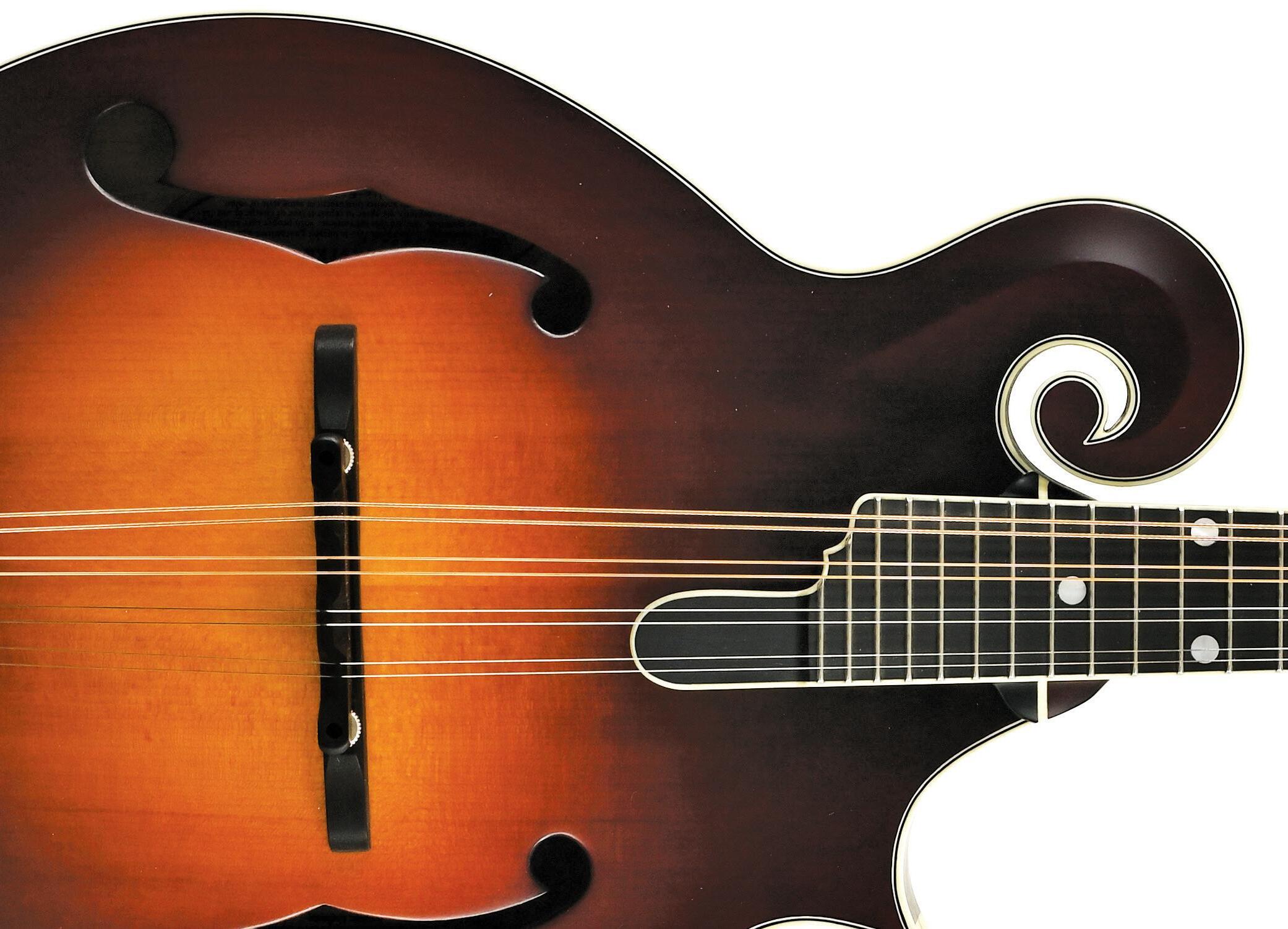
This Gibson Sierra Hull F-5 Master Model mandolin was built for Hull by the Gibson Custom Shop in 2025, making her the first female musician to be honored with a signature Gibson mandolin.
From the exhibit American Currents: State of the Music
artifact: Courtesy of Sierra Hull
IT IS THE MOST awful secret in Nashville history — so terrible that generations of Nashville mayors have made certain very few people know about it.
Historic homes like The Hermitage, Carnton and the Belle Meade Plantation have had to come to terms with the system of slavery that built them and made them profitable. If you visit The Hermitage, you will see markers that describe the lives of the enslaved people who used to live there. If you go to the websites of Carnton and Belle Meade Plantation, you will see content for teachers and students about what slaves once did there.
Meanwhile, the government of Nashville used to own slaves — at least 33 of them, by my count. If you want to know what their lives were like, consider this: Two of them were infants; at least three were teenage boys (one with scars on his back made by a whip); at least three of them tried to escape (and were caught); five of them died of cholera (when their job was picking up garbage in the streets of Nashville during a cholera pandemic); and one of them spent the last 30 years of his life blinded by an explosion that took place when he was enslaved by the city.
The government of Nashville still will not acknowledge that it owned slaves. And to the best of my knowledge, there is no historic marker describing the fact that Nashville used to own en-
slaved people, nor has there been a government-funded attempt to figure out what became of the 33 people — and possibly more — who were once “owned” by Nashville’s taxpayers.
THE FACT THAT Nashville used to own slaves has been written about in at least three books. Wilbur Creighton wrote about it in a 1969 volume called the Building of Nashville. In 1999, Bobby Lovett mentioned it in the African American History of Nashville: 1780-1930. I wrote about it in Runaways, Coffles and Fancy Girls: A History of Slavery in Tennessee, which came out in 2018.
Since I had read Creighton’s and Lovett’s books, I knew the government of Nashville once owned slaves. But when I was researching the topic, something I found on microfilm at the Tennessee State Library and Archives made me decide to write a book on the subject.
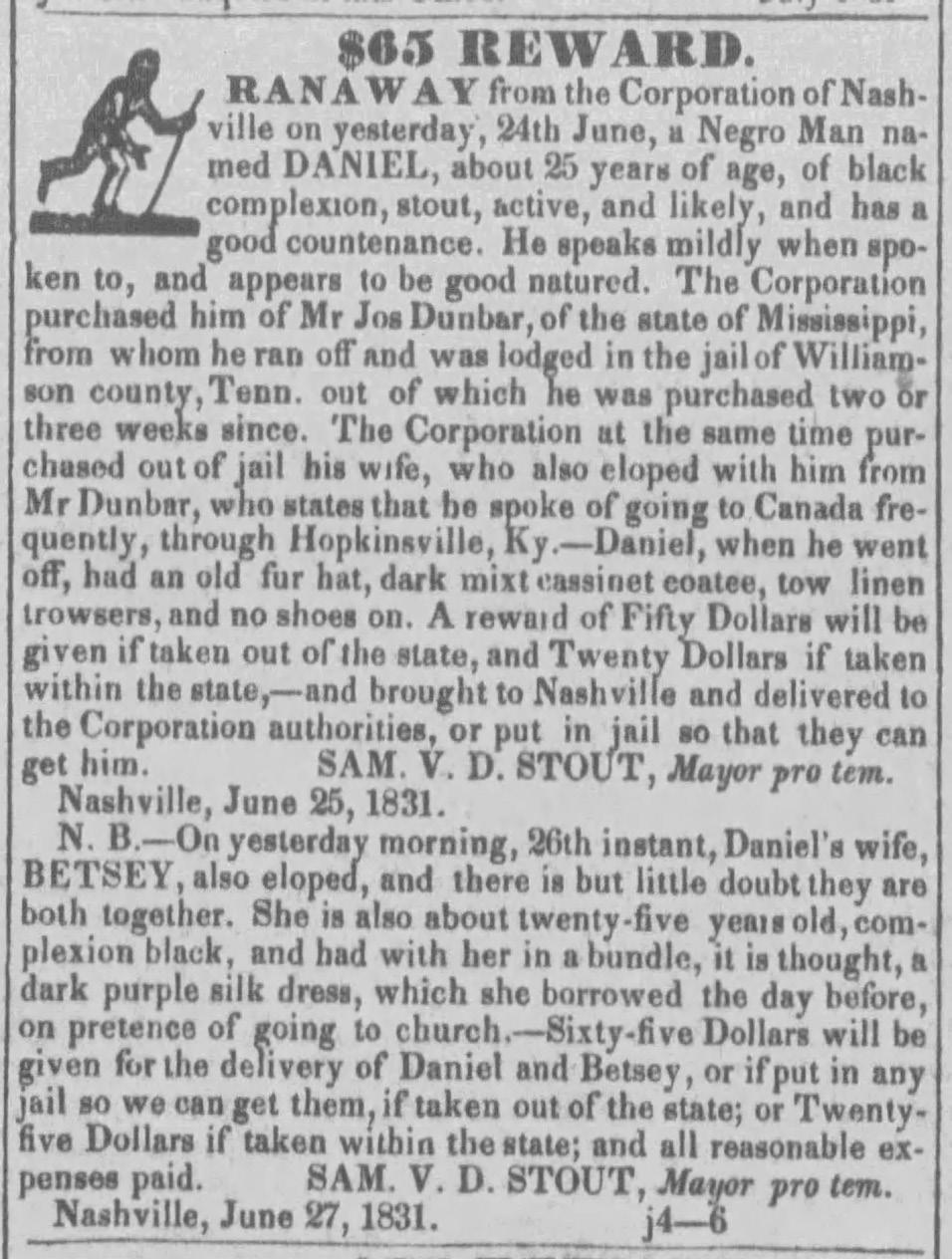
It was a paid advertisement that ran six times in summer 1831 issues of the Nashville Banner and Nashville Whig — a publication, like all other Nashville newspapers of that era, that depended on slave-related advertising and was therefore supportive of the institution of slavery. The runaway slave ad was signed by Samuel Van Dyke Stout, who was Nashville’s vice mayor at the time and later became the mayor.
The ad offered a reward for the return of a runaway slave named Daniel, and it explained how Daniel came to be owned by the Nashville taxpayers. “The corporation purchased [Daniel] of Mr. Joe Dunbar, of the state of Mississippi, from whom he ran off and was lodged in the jail of Williamson County, Tenn., out of which he was purchased two or three weeks since.” The ad went on to say that Daniel’s wife Betsey has also run away from her owner — also the Nashville government. “Sixty-five dollars will be given for the return of Daniel and Betsey,” the ad stated. Daniel was later captured, probably beaten (since slaves were usually beaten when they were captured) and returned to Nashville. We know this because on Aug. 3, 1831, the Nashville board — the equivalent of today’s Metro Council — appointed a committee “to dispose of negro Daniel.” That probably meant Daniel was sold to a trader who probably took him southwest, to Mississippi or Louisiana, to be sold for more money than he would sell for in Tennessee — the fate of thousands of slaves who tried to set themselves free and were captured.
Nashville’s government had reason to make sure Daniel and Betsey were captured and beaten. A few weeks before the couple ran away, the taxpayers of Nashville hired a slave trader to purchase 24 more enslaved people.
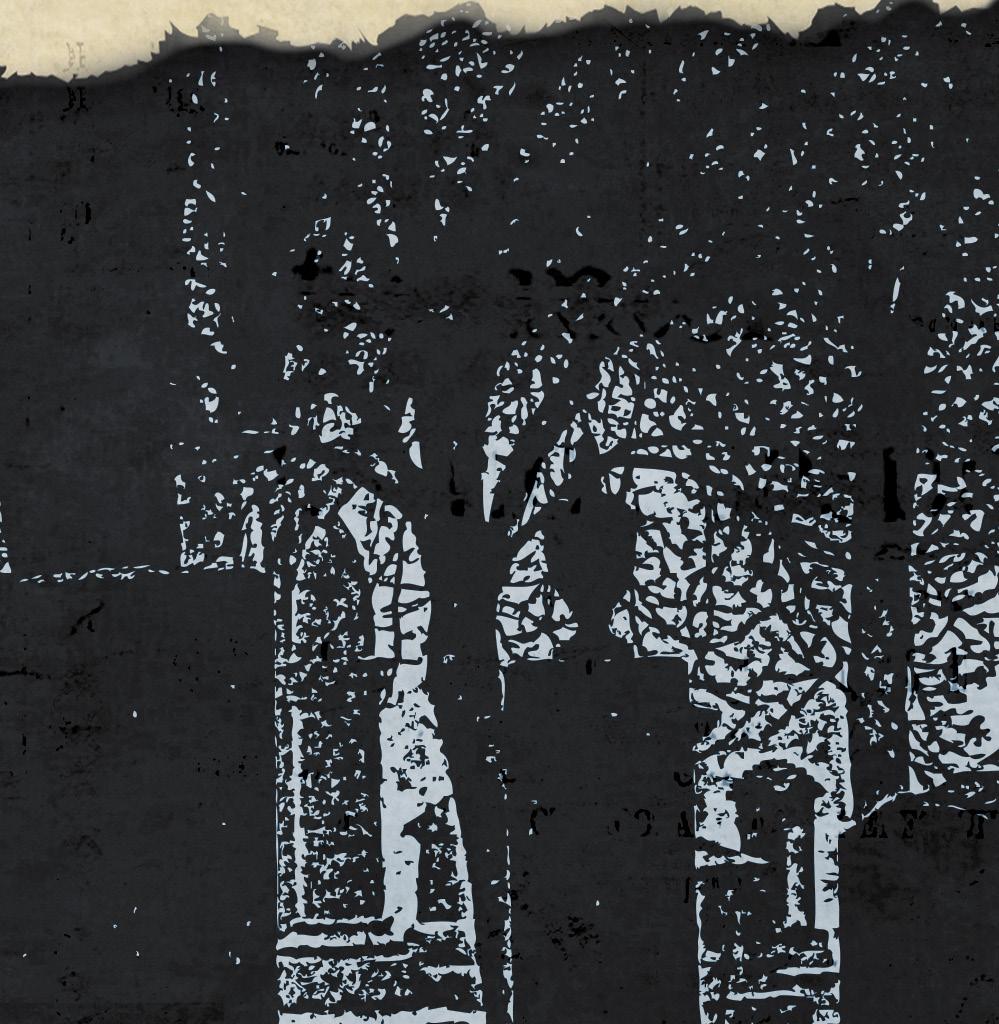
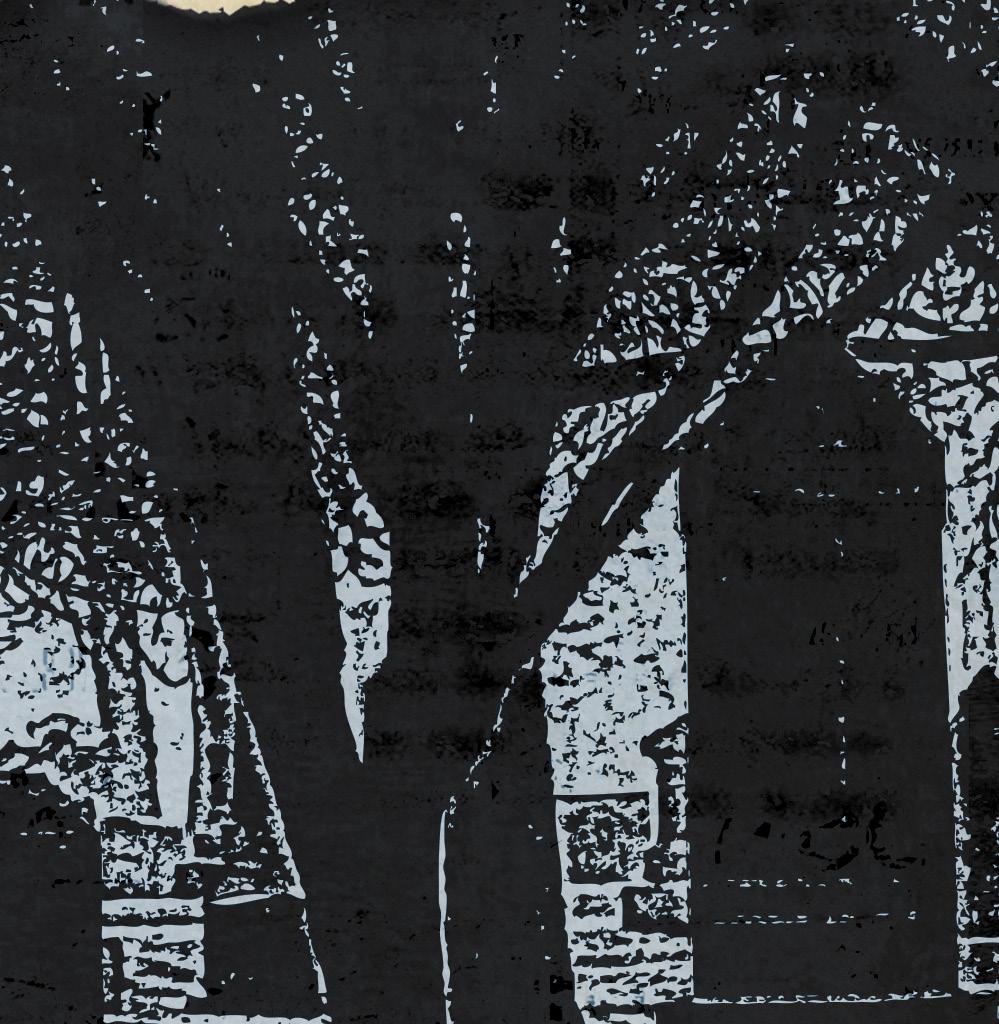
NASHVILLE CITY CEMETERY
PHOTO BY ERIC ENGLAND
ALL LOCAL GOVERNMENTS in the Old South used slave labor. Local governments did this to keep taxes low, since free people had to be paid more than slaves.
However, most governments in the South leased slaves.
This is how leased slave labor worked: A business or government would sign a contract with the slaveholder for a certain period, typically a year. During that time, the slave would work for the government or business that leased him or her. The business would pay the slaveholder, not the enslaved person.
Through this arrangement, slaves worked for construction companies as stonemasons, bricklayers and carpenters. Enslaved people were leased out to work on steamboats. There were slaves working alongside free workers in cotton mills and nail factories. There were even leased slaves employed at the Nashville Inn and the University of Nashville.
The business of leasing slave labor was in fact such a big deal in Nashville that there were people who made their living running agencies that hired out slaves. In 1826, a Nashville man named Edward Ward advertised he would soon be hiring out “NEGROES, men, women, boys and girls” on yearlong work contracts. By 1832, an agency known as Webb & Co. regularly published a list of available jobs for slaves. On June 23 of that year, Webb & Co. posted seven different “slave wanted” ads, many for people wanting to hire enslaved people as domestic servants.
The business of leasing slave labor bred the business of insuring slaves. That’s why firms such as the Merchants’ and Planters’ Municipal Insurance Company ran front-page newspaper ads encouraging slaveholders to insure slaves who were working in factories, mines, steamboats and other potentially dangerous places.
In any case, though it was very common for local and state governments in the South to lease slaves, it was unusual for local and state governments to buy slaves. But the government of Nashville did just that — first by purchasing Daniel and Betsey for $700 out of the Williamson County jail in June 1830 and then by contracting with a slave trader named William Ramsey to go to Virginia and Maryland to buy 24 slaves. The board must have trusted Ramsey, because they wrote him a $12,000 check in advance, before he left on his journey on Dec. 4, 1830.
In the spring of 1831, Ramsey brought the enslaved people he had purchased for the city of Nashville back through Virginia and East Tennessee and across the Cumberland Plateau. The slaves would have been chained together and force-marched in what
was then called a coffle (a word that vanished from the American vocabulary after slavery was abolished). After Ramsey marched the 24 slaves to Nashville, the government of Nashville took charge of the enslaved people.
About the same time the 24 slaves arrived in Nashville, Daniel and Betsey ran away. That’s why it was so important that Daniel and Betsey be found, punished and sold, which they were. The Nashville government sold Daniel for $440 in August 1831 and Betsey for $305 in January 1832, so the taxpayers made a $45 profit off of Daniel and Betsey’s purchase and sale.
At the Aug. 3, 1831, meeting of the board of the corporation of Nashville, town recorder Edwin Dibrell was given the job of creating a detailed account and description of the newly purchased 24 slaves — so the city would have details of them if any of them ran away.
Incredibly, this document still exists.
IT COULD BE the most remarkable local government record in the United States: a handwritten description of the 24 slaves purchased in 1831 by slave trader William Ramsey on behalf of the Nashville government. It is held in a logbook in the Metro Nashville Archives.
Their 24 names were (in order that they were listed): Ben, Emanuel, Jim, Frank, Lewis, Moses, Salem, Anthony, Charles, Lucinda/Lucy, Lilburn/Laban, Allen, Jim, (another) Moses, (another) Allen, Isaac, Vincent, Peter, Bob, Granville, John, (another) Isaac, (another) John and (another) Jim.
According to the handwritten log, 22 were male and two were female. (The physical traits of the enslaved women aren’t given — probably because women were less likely to run away than men.)
According to the log, the ages of the 22 male slaves ranged from 14 (Allen) to 45 (Frank). The men varied in height from 4-foot-7 and three-fourth inches to 6 feet. Eight of the 22 male slaves were “black,” three were “dark brown,” three were “brown,” one was “dark yellow,” one was “dark,” three were “yellow,” and three were “light yellow.”
Among the previous home counties of the enslaved people were Washington, Isle of Wight, Campbell, Henrico, Sussex, Wythe, Prince George, Montgomery, Randolph and Stafford counties in Virginia, and Anne Arundel and Baltimore counties in Maryland.
In the description, the presence of scars and irregular teeth are noted. According to the log, 14-year-old Allen’s back was “much scarred with the whip,” and 17-year-old Charles had “all toes on the right foot ... injured by being frost bitten.” Bob, 15, had “large front teeth, small scar near the corner of the left eye.” Sixteenyear-old Moses had “considerable space between front teeth, small (burn) scar on his right arm.” Anthony, 21, had a “small scar under his left eye,” and was “apt to smile when spoken to.” Thirtyyear-old Jim had “a scar on the inside of the right knee, also two scars on the right arm, one below, and one above the elbow.”
During the past seven years, I have asked Metro officials several times to research what happened to these enslaved people and to publicly acknowledge the fact that Nashville’s government once owned slaves. Since the Nashville mayor used to write slave-related ads, I approached the mayor’s office three times — first David Briley and then Freddie O’Connell, twice. Both told me they were interested; both changed their minds later.
In the spring of 2024, I brought this up via email with the Metro Historical Commission. That also didn’t do any good. (When asked about acknowledging the history of Nashville owning enslaved people, MHC’s current interim director tells the Scene that the commission would be interested in sharing the history of these enslaved people and “still considers this a worthy and important project.” The MHC is currently searching for a new executive director.)
A few months ago, I finally decided to re-research this topic myself.
I FOUND TWO sources of information in recent months that I didn’t know about when I researched Runaways, Coffles and Fancy Girls. The first: the minutes of the meetings of the corporation board, as reported in the newspaper. The second is a wonderful, massive Excel file found at the Nashville City Cemetery’s website. The file lists nearly 20,000 burials between 1845 and 1979, citing date of burial, name of deceased, sex of deceased, race, age (if known) and cause of death (if known). The last column is labeled “remarks.” In 10 cases, a deceased person is described as both Black and as a “slave of the corporation” or “a corporation hand” in the last column.
A look through these sources reveals undeniable evidence that the government of Nashville owned slaves right up until the U.S. Army forced it to free them, at gunpoint, at the end of the Civil War.
Here’s what I’ve learned about the slaves that the Nashville government used to own, in sequential order.
On Aug. 3, 1831, the board reported that the “committee on slaves employ a physician at a salary not to exceed $100 per annum, to attend to the hands belonging to the Corporation.”
Two months later, the board made it the duty of the recorder to “purchase all articles of clothing for the Corporation negroes.”
By Nov. 2, 1831, the city had hired a full-time slave overseer named James McLaughlin and ordered him to “move with his family to the lot occupied by the Corporation negroes.”
At a board meeting on Jan. 18, 1832, it was reported that the “expenses of Corporation negroes and horses” would be $1,500 for the year — at a time when all city revenue totaled $9,000.
At a board of health meeting on Feb. 4, 1833, it was reported that “a negro child, belonging to corporation” was taken to the hospital for cholera, which probably means that either Lucinda or Lilburn had a baby. That same month, The National Banner and Daily Advertiser ran several paid items advertising the fact that the city was looking for another overseer “to superintend the Negroes belonging to said Corporation.”
On June 3, 1833, The National Banner and Daily Advertiser reported that “Moses, slave of the corporation,” died of cholera. (Moses was one of the enslaved teenagers listed in the detailed account written by Edwin Dibrell two years earlier.) Eighteen days later, the paper reported that “John Simmons, negro man, slave to the corporation” died of cholera the previous day. Since two of the enslaved people on Dibrell’s list were named John, we can conclude that John Simmons was one of them.
In August 1834, a paid advertisement published in The Nashville Republican and State Gazette indicated that another of Nashville’s slaves ran away. “[Emanuel] is about 35 years old, is five feet three inches high, dark yellow complexion, rather a sulky countenance, a small scar on its left eyebrow,” wrote John M. Bass, mayor of Nashville, in the ad. Also that month, the Nashville government hired Thomas McLaughlin to be its new full-time slave overseer. (I don’t know if Thomas and James McLaughlin were related.)
We know that by mid-December 1834, Emanuel was captured and returned to Nashville, because the board adopted a resolution to sell him. (Again, this means Emanuel likely ended up either in West Tennessee, Mississippi or Louisiana.)
In January 1838, Henry Hollingsworth became at least the third Nashville mayor to write a slave-related ad on behalf of the taxpayers. “WANTED, For the present year, 15 or 20 stout and healthy negro men, and 5 or 6 boys, for use of the corporation,” the ad said. This makes it clear that the Nashville government owned and leased enslaved people.
In November 1841, the Daily Republican Banner reported that “the hands belonging to the corporation” were doing work on the roads, specifically Union and Broad, and that after they were done with those streets they would move onto others, including Cedar Street (now Dr. Martin Luther King Jr. Boulevard).
According to City Cemetery records, a Black man named Noah, described as a “slave to the corporation,” died of dropsy and was
buried on Jan. 11, 1847. (Since none of the slaves purchased in 1831 had that name, we can add Noah to the list of humans who were owned by the Nashville taxpayers.)
Two years later, in the spring of 1849, five enslaved people owned by the Nashville government died in the cholera pandemic and were buried in the City Cemetery. Their names were Bob, Anthony, Delmus, Frank and Jud. (Bob, Anthony and Frank were on the 1831 list, but Jud and Delmus were not.)
On July 3, 1850, when cholera was raging again, the Republican Banner and Nashville Whig described what the enslaved people were doing on behalf of the city government. “As the scourge is now upon us ... there should be adopted the most strenuous measure to cleanse the city,” one article read. “The places which abound in filth in the lanes and alleys should be visited by the corporation hands with their carts, and there should be followed by a distribution of lime at the expense of the city.” (The fact that Nashville’s slaves were ordered to clean up filth during a cholera pandemic might explain why five of them died of the disease a year earlier.)
Three months later, The Nashville Union and American reported that David H. Ware had been rehired as “overseer of the streets and corporation hands.”
Lucy, “slave to the corporation,” died at age 40 and was buried at City Cemetery on Nov. 26, 1852.
Sticking with cemetery records, three enslaved people owned by the taxpayers were buried in 1854 and 1855. However, none of the three were listed in the 1831 document, because they include a man named John (age 25), a man named Henry (age 24) and an infant (unnamed). These three people bring the number of enslaved people owned by the government to at least 33.
In June 1858, it was reported that the “corporation hands had finished cleaning the reservoirs — had worked on the streets near the lower landing, and had medaled parts of Spring Street” (now Church Street). Two months later, the board passed a measure authorizing the “corporation hands” to help build a sewer on Printers Alley, between Deaderick and Union.
In March 1859, the Republican Banner reported that “in addition to slaves owned by the Corporation, 31 slaves had been hired, making in all 41.” That indicates two things: Firstly, only 10 slaves remained alive of the 24 who had been purchased by the city 28 years earlier, and secondly, by 1859, Nashville was leasing 31 slaves in addition to the 10 owned by the taxpayers.
Starting in 1846 and continuing until 1861, Nashville’s government had a line item in its budget labeled “Slave Department” that included the salary of the overseer and the cost of clothing, feeding and quartering slaves. In 1847 the Slave Department got $2,769.14; in 1853 it received $3,481.35; in 1861, the Slave Department got $3,502.87. The Nashville government had a Slave Department until October 1864, which was the last time (I have found) that it was mentioned in a Nashville newspaper.
Slavery was made illegal in Tennessee in February 1865, as a result of a referendum that amended the Tennessee Constitution of 1834. In that referendum, Gov. William “Parson” Brownlow made certain that people who supported the Confederacy were not allowed to vote — for which he was hated by many Tennesseans.
AS FAR AS post-Civil War, the only two times (that I have found) when newspapers referred to the slaves Nashville’s government owned are two small articles in the Nashville Union and American The first was in 1869; the second in 1872. The articles have some contradictory information. Here is the second in its entirety.
March 13, 1872
A Corporation Veteran Dead
An old negro man named James Henderson, and familiarly known about the city as “Corporation Jim,” died last Monday night at the city workhouse, after an illness of about two weeks duration. The deceased was about 73 years of age, and for
something more than 30 years past was in the service of the city government, having been purchased for that purpose at an auction sale of Virginia negroes.
A few years after becoming the property of the city, Jim was badly injured by a premature blasting of stone and rendered almost completely blind. Since that occurrence, “Corporation Jim” has found that the city in whose service he received these injuries was not ungrateful or unmindful of humane duty as a civilized community. He was provided with a home at the workhouse, where he has continued to live through the various administrations of the city government, and has always been kindly cared for by the keepers of that prison.
“Corporation Jim” was a devout professor of religion, and a regular attendant at the church of his choice. His funeral took place yesterday afternoon and was attended by many who had known and appreciated the virtues which adorned his obscure but upright life.
SAMUEL VAN DYKE STOUT, the Nashville mayor who wrote the runaway slave ad for the return of Daniel and Betsey, died in 1850
and is buried at the Nashville City Cemetery. John Meredith Bass, the Nashville mayor who in 1834 wrote the runaway slave ad for the return of Emanuel, died in 1878 and is buried at Mount Olivet Cemetery. Henry Hollingworth, the Nashville mayor who wrote the ad hiring slave labor on behalf of the government in 1838, died in 1855 and is buried at Nashville’s Dozier-Adkisson Cemetery.
James McLaughlin, overseer for the slaves who the Nashville taxpayers owned in the 1830s, died in 1864 and is buried at Rest Haven Cemetery in Franklin. David H. Ware, overseer for the slaves who worked for the Nashville government in the 1850s, died in 1880 and is buried in Nashville’s Spring Hill Cemetery.
Edwin Dibrell — who handwrote the descriptions of the 24 slaves Nashville bought from slave trader William Ramsey — died in 1871 and is buried in Richmond, Va.
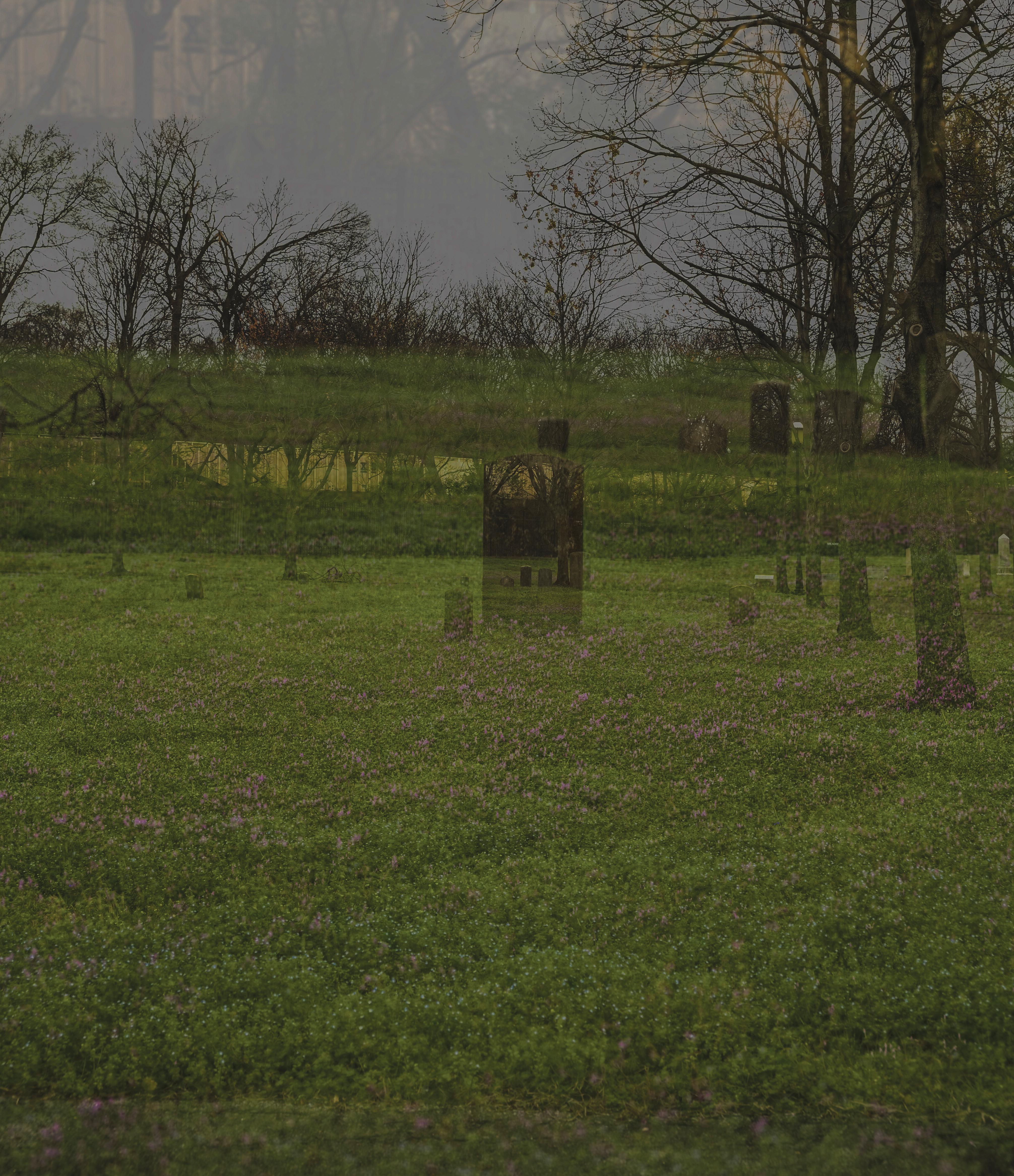
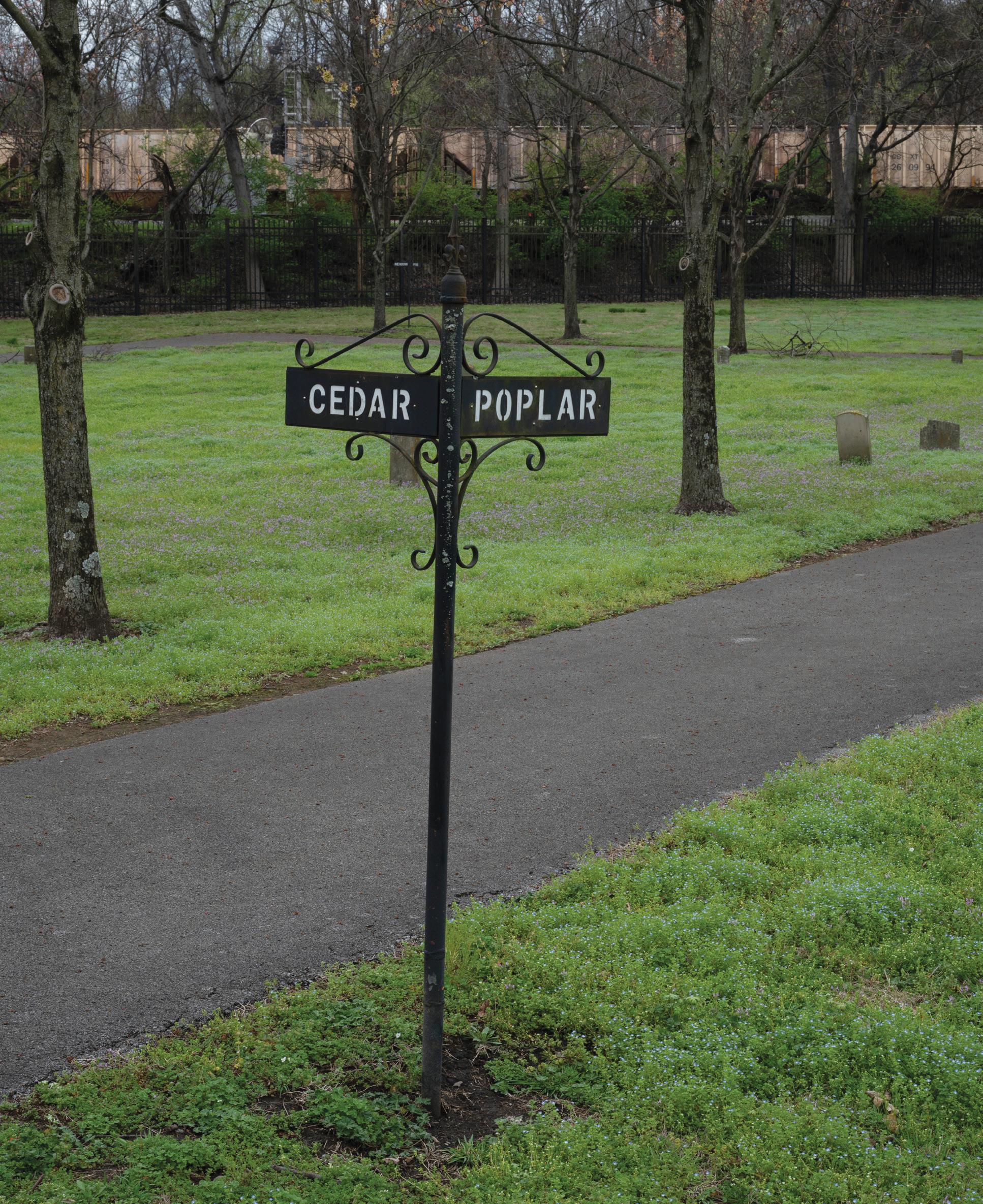
Most of the people listed in City Cemetery records as slaves owned by the Nashville government were buried in the Poplar Avenue section of the cemetery. Unlike most of the thousands of other important people who are buried in City Cemetery, however, none of them have tombstones. ▼
PHOTO: ERIC ENGLAND
NASHVILLE CITY CEMETERY
THROUGH APRIL 4
ART [RITUAL OF THE HABITUAL] LOUISE JONES: INHERITANCE
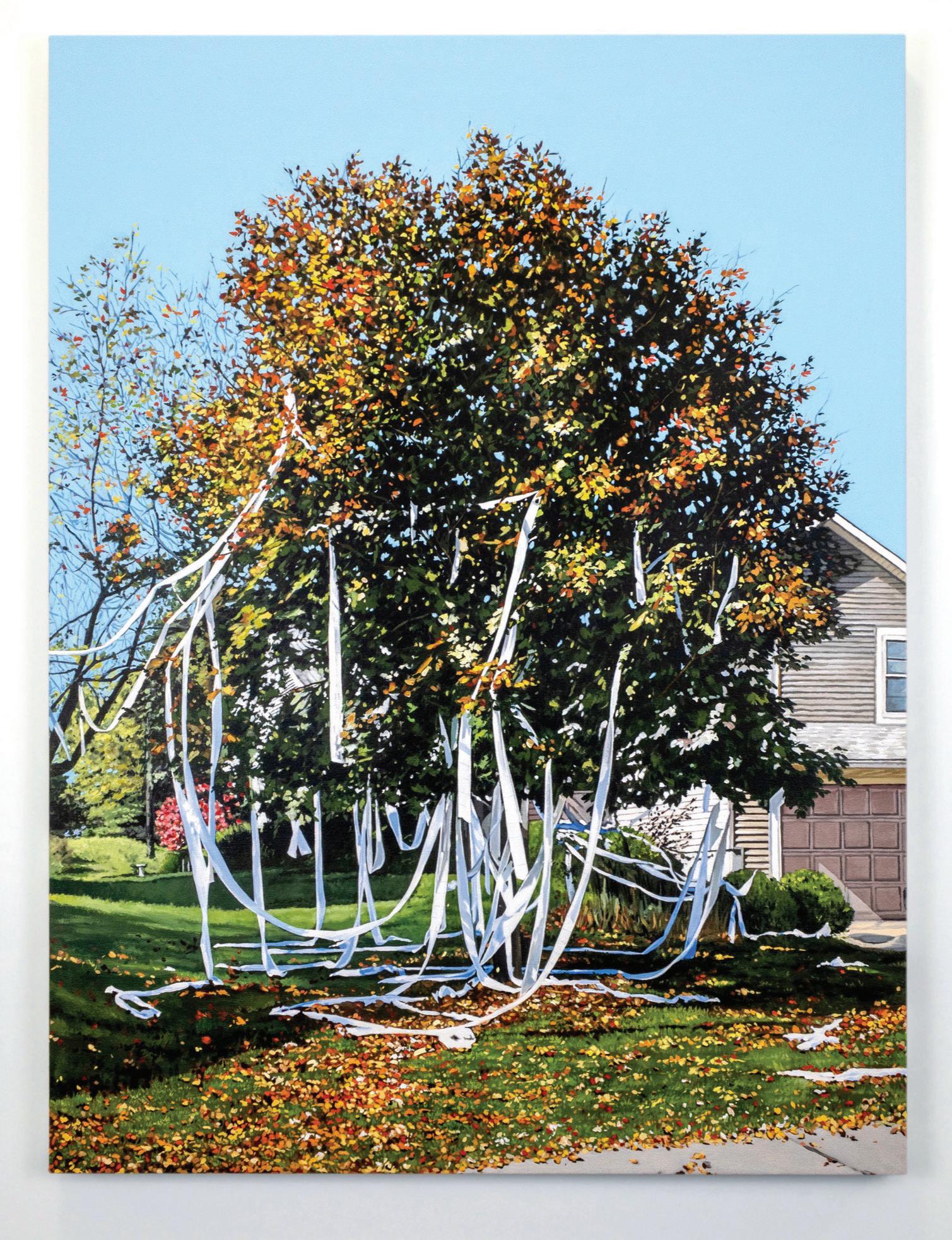
For her second solo show at ZieherSmith, Detroit-based artist Louise Jones has painted a series of thoughtful and occasionally hilarious musings on family traditions and communal rituals. Jones is a second-generation Chinese American who was raised in California, where she clearly picked up multiple cultural influences. Her paintings are often composed like photographs — you can almost see the bright flash working in “Another Crab Dinner,” like a painterly Richard Billingham tableau. A painting like “Seniors” shows off all her strengths — a precisely painted oak tree, perfectly framed against a clear blue sky, is disrupted by ribbons of toilet paper hanging from its branches. The ritual of American high school seniors trashing their teachers’ yards is treated with the same careful attention as a retailer’s wall of cellphone cases (“In This Immense Confusion One Thing Alone Is Clear”), or a pond full of flowering lilypads (“Water Lilies of Fox Creek”). It’s absurd and evocative, and more than worth a visit to the bright Edgehill gallery. LAURA HUTSON HUNTER
THROUGH APRIL 4 AT ZIEHERSMITH
1207 SOUTH ST.
Visit calendar.nashvillescene.com for more event listings
THURSDAY
/ 3.19
ART [KALUP CHRONICLES] KALUP LINZY: CHRONICLES. INTERLUDES. TESTAMENTS.
If you’ve ever questioned how context can inform your reaction to an artwork, come out for acclaimed video artist Kalup Linzy’s opening at Haley Gallery, which is part of the Country Music Hall of Fame and Museum. This isn’t the subversive artist’s first time exhibiting in Nashville — an installment of his long-running series Conversations Wit de Churen was screened in one of the horse stalls at Cheekwood Estate & Gardens back in 2010 and was a cornerstone of Soaps, Flukes & Follies. (The video is also in the collection of the Whitney and the Met — Linzy’s no slouch!) But even so, this show is an achievement of Haley’s dedication to showcasing relevant contemporary art, and includes not only Linzy’s film work but also paintings, collage, photographs and even sculpture. From the press release: “This exhibit marks the worldwide gallery premiere of Linzy’s sculptural work — four small sculptures, and never-before-shown Polaroids spanning the artist’s career.” LAURA HUTSON HUNTER
OPENING RECEPTION 5-8 P.M.; THROUGH MAY 31 AT HALEY GALLERY
COUNTRY MUSIC HALL OF FAME AND MUSEUM
222 REP. JOHN LEWIS WAY S.
[WAVY]
MEDITATION
SOUND BATH MEDITATION
I’m a devotee of Kayce Laine, a sound healer who offers sound baths around the city, including at Soho House Nashville, with the Nashville Symphony and at the Frist Art Museum. In a sound bath, gongs and crystal bowls vibrate to reproduce a relaxing environment, and do so in a way that my type-A brain doesn’t wander to my next task. So I was happy to hear she is bringing a sound bath back to the Frist’s auditorium, a venue with a high-quality audio system that Laine says makes the meditation a more immersive experience. Laine offers enough context at her sound baths to get you started, but not so much to interrupt. Bonus of the Frist being the venue: Parking and gallery admission are included with the ticket price ($25 for members, $45 for nonmembers). The auditorium space itself is expansive yet fairly soundproof, so you’ll forget that you’re in the middle of downtown Nashville, Laine says.
MARGARET LITTMAN
6:30 P.M. AT THE FRIST
919 BROADWAY
FRIDAY / 3.20
FILM
[LOCALLY
GROWN]
FILM ENDOWMENT FESTIVAL
Film Endowment — a Nashville-based nonprofit that aims to provide support for local filmmakers, including with workshops and showcases — is back with its annual Film Endowment Festival this weekend. The twoday event takes place at the studio of Nashville Education, Community and Arts Television, better known as NECAT. On Friday, there will be a meet-and-greet followed by screenings of music videos directed by area filmmakers. The first day will close with the presentation of a movie with a trailer from the film that the fest’s judges deem the best. On Saturday, the docket includes a selection of short films followed by showings of documentaries. Winners of each of the festival’s categories will receive cash prizes. Admission is free and open to the public; reach out to info@filmendowment.com to attend.
LOGAN BUTTS
MARCH 20-21 AT NECAT STUDIOS
120 WHITE BRIDGE ROAD, #46
[SEE YOU, SPACE COWBOY]
FILM
MIDNIGHT MOVIES: COWBOY BEBOP: THE MOVIE
If you’re an animation aficionado, then you probably agree that Cowboy Bebop stands as one of the most totemic anime series of all time. Its unique blend of lived-in futurism and a jazzy soundtrack — along with the devil-may-care attitudes of its central gang of bounty hunters — make it a standout not just for anime, but for adult animation at large. That golden reputation was solidified with 2001’s Cowboy Bebop: The Movie, directed by the show’s creator Shinichirō Watanabe. Here we’re back with the gang — Spike, Jet, Faye and Ed — as they track down a terrorist who threatens humanity with a deadly virus. The film’s scope may seem large, but in reality, the film feels like an extended episode from the show. It’s light, it’s fun, it’s jazzy; it’s even got composer Yoko Kanno delivering one of the funkiest soundtracks in all of sci-fi. The animation itself is a wonder to behold, with plenty of hand-to-hand fight scenes that rival the action flicks of today. Whether you’re already a fan of the show or just looking to dip a toe into the series, the Belcourt will be showing the film on Friday at midnight. See you there, space cowboy. IAN MATTHEWS
MIDNIGHT AT THE BELCOURT
2102 BELCOURT AVE.
[BACK
LIKE WE
NEVER
LEFT] FORK’S DRUM CLOSET’S GRAND REOPENING
Fork’s Drum Closet is celebrating its grand reopening with a series of special events this month, including a free concert Friday at its new warehouse. Fork’s, which has served drummers across the nation and beyond for 44 years, hasn’t actually been closed, but the store has been remodeled, the website revamped and the warehouse moved to a building across
the street. Fork’s is also celebrating the fact that the business is once again locally owned after longtime manager Daniel Douchette purchased it in December from Chicagobased businessman Steve Maxwell. “There was an opportunity there in my 21st year to take over the ownership, and the timing sort of worked out and coincided with us moving out of our previous warehouse space into this new space,” Douchette tells the Scene. Friday’s concert featuring Lips Speak Louder followed by DeeOhGee will be the inaugural show in the new building. “With the new warehouse, we thought, ‘This is an opportunity to set up a rehearsal/venue/class space,’” Douchette recalls. “And we thought putting two great emerging national bands together [was a good way] to kick off the vibe with a high-octane rock show.” Friday’s concert will be the last chance to see Lips Speak Louder for some time — the duo of Rachel Brandsness and Angela Lese is moving to Minneapolis in May.
DARYL SANDERS
6:30 P.M. AT FORK’S DRUM CLOSET 308 CHESTNUT ST.
POETRY
[PARTNERS IN RHYME] THE POET’S BALL: CROWNED IN VERSE
Spoken-word artist and entertainment manager Epifany has organized various events blending poetry and spectacle throughout Tennessee. Some standouts include open mics in Clarksville and racy Sin Sundays in Nashville, Smyrna and other spots. On Friday she plans a ball to, in the words of the event page description, “remind artists and audiences alike that poetry deserves grandeur, respect and reverence.”
Epifany assembled a roster of four poets from Washington, D.C., Mississippi and elsewhere,
each representing an archetype like the grieving but healing Shadow or politicalminded Rebel. The flyer calls for formal attire, and an array of ticket options are available at epifanysemagination.com. ALEJANDRO RAMIREZ
7 P.M. AT VENUE 109
109 CUDE LANE, MADISON
FILM [WITCHES
BREW]
WEEKEND CLASSICS: KIKI’S DELIVERY SERVICE
Kiki’s Delivery Service is one of those movies where the viewing experience changes over time. Young girls (especially weird ones) will love the little witch heroine’s plucky independence, her talking cat Jiji and her suspicion of boys like the bespectacled cyclist Tombo. Burnt-out adults, meanwhile, will feel seen by the crisis she faces after turning her favorite hobby into her job, which leads to a journey to regain her confidence, and therefore her ability to fly. It’s director Hayao Miyazaki at his finest, taking complex emotional truths and distilling them in ways that make them understandable for kids and reassuring for grown-ups. As someone who checked the VHS tape out of my hometown’s library over and over as a kid, I’m particularly excited to revisit Kiki’s Delivery Service when its new 4K remaster comes to the Belcourt. The film will hold court there for a week, from March 20 to 26. Showtimes before 5 p.m. are dubbed for the kids; evening showings will be in Japanese with English subtitles for the die-hards. ANNIE PARNELL MARCH 20-26 AT THE BELCOURT 2102 BELCOURT AVE.
MUSIC [PARALLEL LINES] DEEP TROPICS EQUINOX
As spring comes, Nashville will welcome it with an offering of bass via Equinox, a new event from the crew who puts on the ecologically conscious Deep Tropics festival. The main Deep Tropics party is set to return for its eighth run over Labor Day weekend in September, but you can get a jump on festival season with Deep Tropics Equinox, a singlestage version taking over the amphitheater at the Bicentennial Mall Friday and Saturday. Denver-area melodic bass producer Of the Trees tops the bill on Friday, fresh off the release of his new record Moonglade Park. Music City’s own It’s Murph, who headlines on Saturday, has spent years building up to Weightless, the hooky and groovy debut LP he released in December, and he seems poised to grow bigger and bigger. Plan to roll in on time for an undercard stacked with DJs guaranteed to make you bust a move, like Murph’s fellow Nashvillian Valleria and Chicago sisterly duo RaeCola. Check out deeptropics.org for ticketing info and updates on the locations of the late-night parties. STEPHEN TRAGESER THROUGH MARCH 21 AT BICENTENNIAL CAPITOL MALL STATE PARK
600 JAMES ROBERTSON PARKWAY
SATURDAY / 3.21
MUSIC [MACON IF WE MAKE IT]
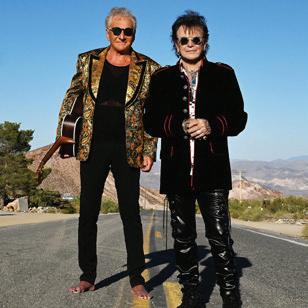
LUCERO
My gateway to Lucero was actually frontman Ben Nichols’ solo record The Last Pale Light in the West, a concept album inspired by Cormac McCarthy’s epic 1985 historical novel Blood Meridian. This stunning seven-
PHOTO: KEITH GRINER
DEEP TROPICS FESTIVAL 2025
2ND & BROADWAY
S truggle Jennings“Last Name” Album Release Show
From platinum-selling chart-toppers to underground , household names to undiscovered gems, Chief’s Neon Steeple is committed to bringing the very best national and regional talent back to Broadway. pl hi f’ N h committe t ons, t a s, eeple c tted r alent mmi
MARCH LINE UP
3.1 Nathan Belt - Under the Neon Steeple, EP Release Party & Honky-Tonk Celebration
3.5 Dalton Solo - The Built From The Bar Up Tour
3.7 Moonshine Bandits
3.11 History of Country Music Presented by CJ Field: Outlaws and Rivals
3.13 Struggle Jennings - “Last Name” Album Release Party
3.15 Russ Taff w/ Steve Taylor and Some Band - The Almost Farewell Tour - Matinee Show
3.15 Russ Taff w/ Steve Taylor and Some Band - The Almost Farewell Tour
3.16 Flaming Tortuga Records Night w/ Scott Southworth, Daryl Wayne Dasher, Jacklyn Hart 3.17 Buddy’s Place Writer’s Round w/ Michael Logen, Lauren Lucas, The Young Fables
3.18 Jamie O’Neal, Craig Campbell, Rebecca Lynn Howard
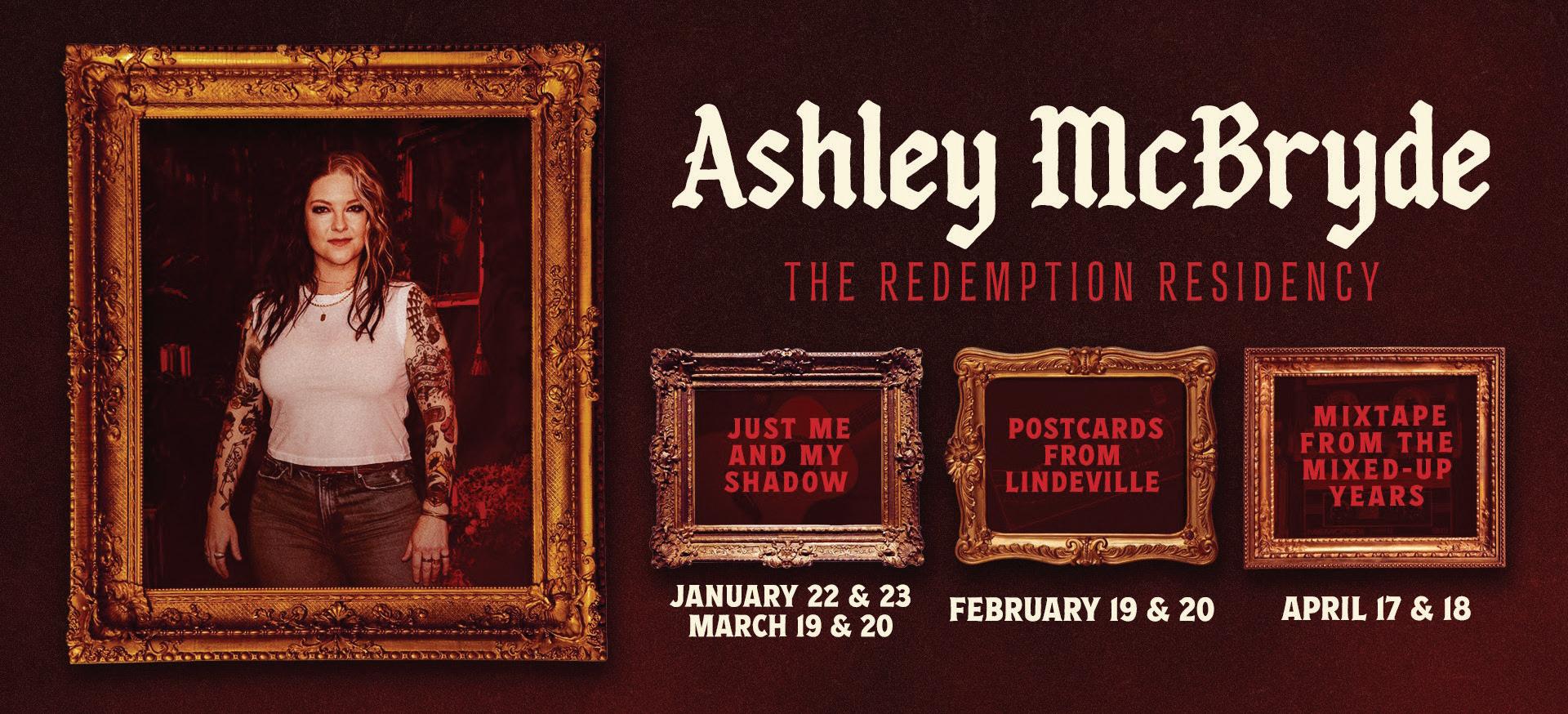
3.19 Ashley McBryde: Just Me and My Shadow
3.20 Ashley McBryde: Just Me and My Shadow SOLD OUT
3.21 Bradley Gaskin w/ Special Guest Cort Carpenter
3.22 Buddy’s Place 15th Anniversary w/ Kayley Bishop, Fraser Churchill, Abbey Cone, Sean Kennedy, Paul Sikes, Striking Matches, Cyndi Thomson
3.25 Uncle B’s Damned Ole Opry Presents Dylan vs. Dillon: The Songs of Bob and Dean Slug It Out!
3.28 Ryan Waters Band
GET TICKETS AT CHIEFSONBROADWAY.COM FOLLOW US @ChiefSBROADWAY
Bandits
Ashley McBryde: Just Me and My Shadow
track record not only inspired 22-year-old me to try (and fail) multiple times to finish Blood Meridian, but it also led me to fall in love with the music of Lucero. And there’s perhaps no better records to fall in love with in your 20s than Lucero’s Tennessee and Nobody’s Darlings The road warriors’ current trek across the U.S. is in celebration of the latter, which itself turned 20 last year. The alt-country rockers will play Nobody’s Darling in its entirety, followed by a set of tunes from the band’s nearly 30-year career. Here’s hoping for fan favorites like “Nights Like These” and “That Much Further West” and a few Cormac-inspired tunes. Show up early for alt-country singer-songwriter Otis Gibbs, who’ll open the show. BOBBIE JEAN SAWYER
8 P.M. AT THE BASEMENT EAST
917 WOODLAND ST.
SUNDAY / 3.22
CORNDOG HOOTENANNY
When Aaron Distler reached out to tell me that Alaska’s James Beard-nominated chef Beau Schooler was coming to Mr. Aaron’s Goods, I was intrigued for several reasons. First of all, he’s bringing his Corndog Hootenanny to town, and who doesn’t like to say, “Corndog Hootenanny”? Next, Distler told me that when Schooler hosts the event in Juneau, they include a funeral pyre for a giant papier-mâché corndog. And third, this event drew lines around the block at Fat + Flour, one of my favorite spots in Los Angeles. Schooler will be joined in the Nashville Corndog Hootenanny by Distler, The Catbird Seat’s Andy Doubrava, Andrew McLeod from Asheville, N.C.’s King Salumi and Dustin Gonsalves of the local Banwari pop-up. The menu is still under development, but may include an okonomiyaki corndog with BullDog sauce and a corndog with ’nduja gravy, caramelized onion mayo and fried onions. It would not be a Nashville hootenanny without live music, so Casy and the TN Quick Cash will be playing 1990s country. Corndog service starts at 4 p.m. and runs until they’re all gone.
MARGARET LITTMAN
4 P.M. AT MR. AARON’S GOODS
4204 GALLATIN AVE.
MUSIC [BAND TOGETHER]
BAND AS ONE NASHVILLE WITH TRISHA YEARWOOD AND FRIENDS
Few artists have done more to mentor rising female country artists than Trisha Yearwood. The country legend, who herself counts Linda Ronstadt as her ultimate musical influence, has made it her mission to lift up women’s voices. In 2019, she hosted an all-female lineup for her Every Girl on Tour concert run. In 2021, she teamed up with lesbian country singer Brooke Eden to perform a gender-flipped version of her ’90s hit “She’s in Love With the Boy.” Now Yearwood is gearing up to share the stage for a good cause once again. On Sunday, Yearwood will headline Band as One: Concert for the Cure, a benefit concert for Susan G.
Komen, a nonprofit organization dedicated to breast cancer research, resources and financial support, and breast health education and public policy advocacy. The star-studded lineup includes fellow country queen and Opry member Reba McEntire. The War and Treaty, Ashley McBryde, Hailey Whitters, The Band Loula, Rissi Palmer, Lukas Nelson and Charles Kelley will round out the bill. BOBBIE JEAN SAWYER
7 P.M. AT THE GRAND OLE OPRY HOUSE
600 OPRY MILLS DRIVE
MONDAY / 3.23
MUSIC
[TEXAS SWAGGER] PAUL CAUTHEN
Even if you don’t go to church, you feel like you’ve been there when you listen to Paul Cauthen. The Texas singer-songwriter is a preacher’s nephew, and his father and uncle often sang to the congregation — and you can hear those roots in his music. Cauthen, nicknamed “Big Velvet,” has a new album, Book of Paul, out April 3 on Thirty Tigers. “If you look at the Bible, there is no book of Paul,” Cauthen explains in a statement. “I just wanted to write something that embodies me, because I’m sick of hearing records catered to what’s hot and what’s working.” You’ve got two chances to hear him and a preview of the new album this week. He’ll be performing as part of a trio at East Nashville’s Skinny Dennis on March 23 and then again on the stage of the Grand Ole Opry on March 24. MARGARET LITTMAN
MARCH 23 AT SKINNY DENNIS & MARCH 24 AT THE GRAND
OLE OPRY HOUSE
2635 GALLATIN PIKE & 600 OPRY MILLS DRIVE
TUESDAY / 3.24
[HIGH DEFINITION]
MUSIC
MICHAELA ANNE RESIDENCY
What registers on Nashville singer and songwriter Michaela Anne’s 2019 full-length Desert Dove is the way her brisk and relatively
austere brand of indie-flavored folk rock straddles the line between Americana and mainstream country. The New York-born singer released her first album in 2011 and signed with well-known Americana-indie label Yep Roc Records in 2019. For my money, the uptempo tunes on Desert Dove sound like the kind of country-indie crossover efforts that manage to be intellectualized and direct at the same time — the album’s excellent “I’m Not the Fire” nudges close to power pop. Meanwhile, Anne’s second Yep Roc album, 2022’s Oh to Be That Free, is a bit slower than Desert Dove. On the evidence of the singles she’s released from her forthcoming album These Are the Days, her flair for creating high-definition quasi-country remains intact, as you can hear on “If Your Body Fails You.” These Are the Days is set for release on May 8, and Anne performs March 24 at Vinyl Tap as part of her ongoing residency there, which concludes with a show on April 9. The Saint Johns open for the first show; Golden Everything does the honors on April 9. EDD HURT
6 P.M. AT VINYL TAP
2038 GREENWOOD AVE.
MUSIC [FUN RANCH BOOGIE] ALBERT LEE
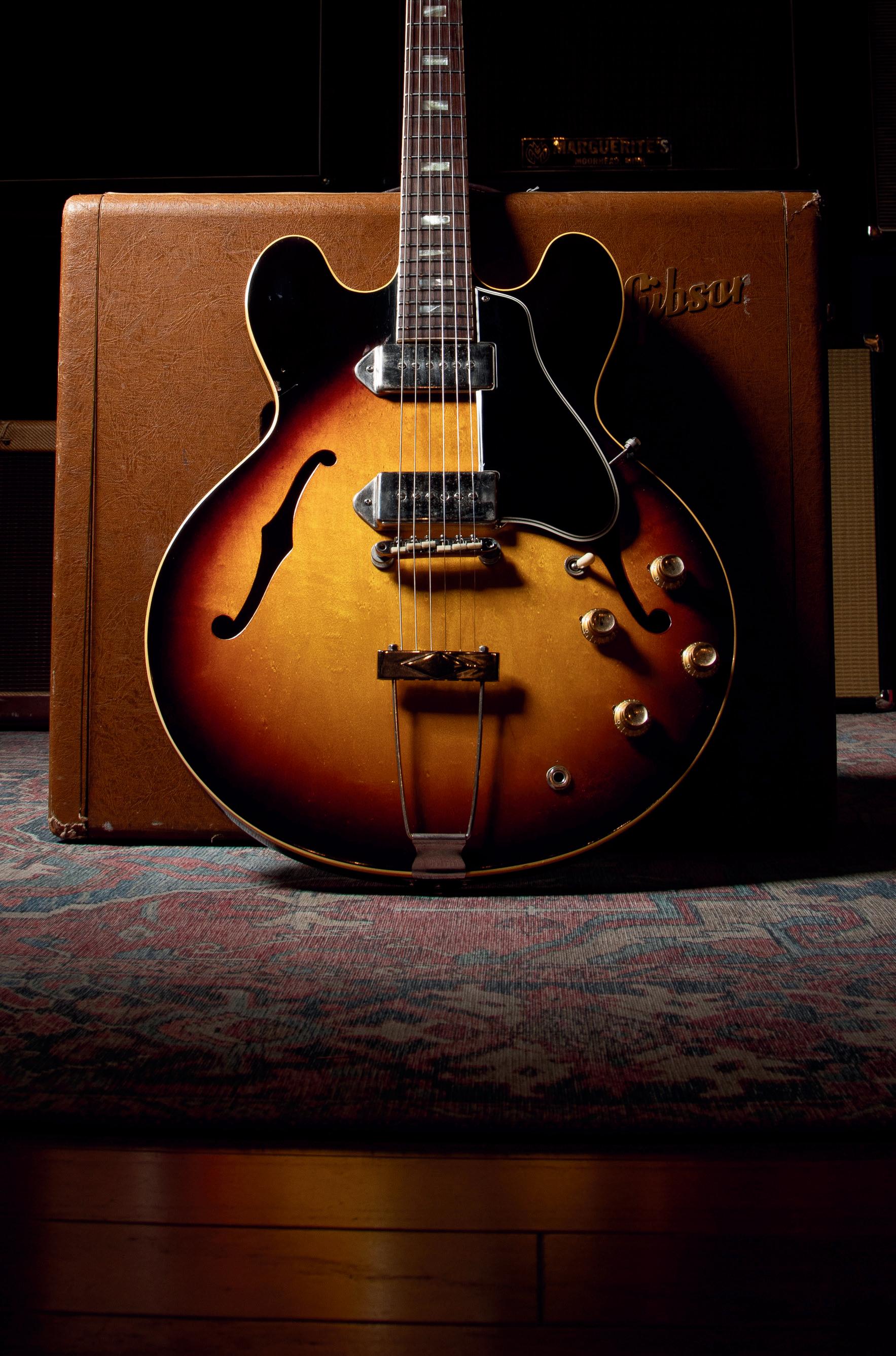
Grammy-winning British guitarist Albert Lee brings his 2026 tour to City Winery March 24. A bona fide guitar hero known as “Mr. Telecaster,” Lee was named Best Country Guitarist five times by Guitar Player magazine. His signature finger style and hybrid picking technique have influenced a whole generation of guitarists. “People think I’m a Nashville player, but I’ve never spent more than about 10 days there,” Lee tells the Scene. “I did an album with The Crickets there in 1974, and that was my first trip to Nashville. … There weren’t a lot of players who were playing like me in Nashville, and now everybody does.” In addition to releasing 17 albums under his own name over the past 40 years, Lee has recorded and toured with a number of legendary artists, including Emmylou Harris, the Everly Brothers, Eric Clapton, Joe Cocker, Rosanne Cash and Bill Wyman. Lee’s current tour is in support of his most recent album Lay It Down, which
he recorded at the renowned Konk Studios in London. Lee will be accompanied at the show by keyboardist J.T. Thomas, bassist David Chamberlain and drummer David Raven. New York roots rockers The Cryers will open the show.
DARYL SANDERS
7 P.M. AT THE LOUNGE AT CITY WINERY 609 LAFAYETTE ST.
WEDNESDAY / 3.25
MUSIC
[STRIKING A CHORD] THE
HOLLOW ROOTS
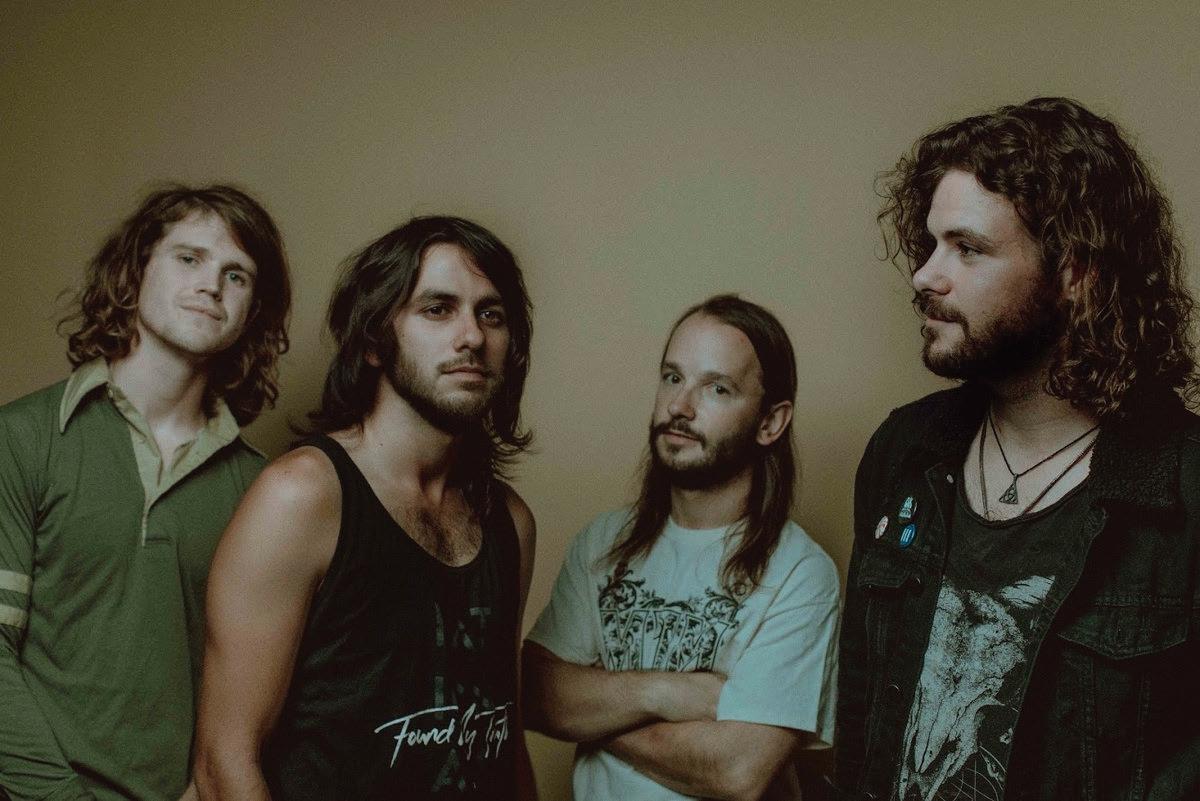
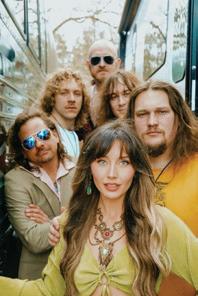
The Hollow Roots have held high the banner for swaggering, bluesy rock with an exploratory edge in Nashville since they first took the stage circa 2014; they don’t sound like Stone Temple Pilots, but there’s something that rhymes about their approaches to taking their songs into unexpected territory. The Hollow Roots have been fairly quiet for the past couple of years, but they’ve been trickling out new singles every few weeks in 2026 — the latest as of this writing is the twangy and plangent “Reaching Out,” my favorite of the bunch — and they’re gearing up to make a grand return to the stage March 25 at The East Room. There is a bittersweet note to this news, though: Bassist Tyler Stonell has recently been diagnosed with a serious heart condition and is on the waiting list for a heart transplant. The group has set up a GoFundMe campaign to support Stonell and his family, and proceeds from the upcoming show are set to go to the cause as well. Cody Parsons and the Heavy Change, Year of October and Young Robot are on the bill as well. STEPHEN TRAGESER
8 P.M. AT THE EAST ROOM 2412 GALLATIN AVE.
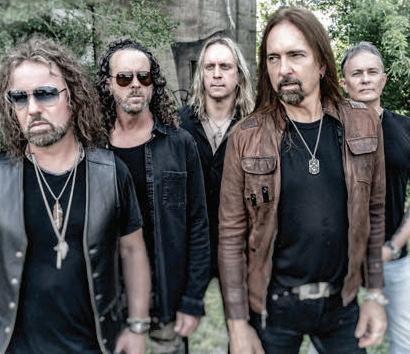
THE HOLLOW ROOTS
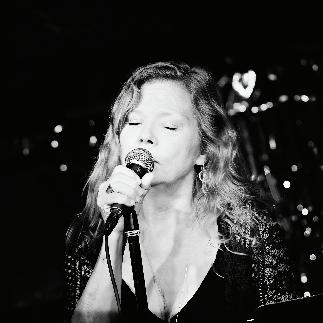
MICHAELA ANNE
BY KAY WEST
WHILE CONSIDERING WHERE you might grab breakfast, pick up lunch, order a delivery or make a reservation for dinner, for a moment imagine a Nashville without immigrants.
No breakfast tacos for you. No gyro, no sushi, no pho, no hummus, no pad Thai, no bibimbap, no tikka masala, no agnolotti, no naan, no samosas, no pupusas, no empanadas, no bánh mì, no birria, no spring rolls and no cannoli. No International Market, no Epice, no Korea House, no House of Kabob, no Kien Giang, no Alebrije.
I’m so Old Nashville that I remember the first authentic Mexican restaurant that opened on Nolensville Road, the first Indian restaurant, the
first sushi bar, the first Middle Eastern, the first Vietnamese, the first Korean.
Food may seem a rather insignificant part of the big picture when it comes to what is happening to immigrants in America today, and when it comes to imagining a Nashville — and an America — bereft of the immeasurable contributions of immigrants. But this is a dining column, so that’s the lens I’m looking through.
Which brings me to this episode of Old Nashville Meets New Nashville, in which I ask: Where the hell am I, and what the hell is happening?
The last time I was in what was then L&L Restaurant Equipment, I was seeking a large cone-
shaped food strainer in the dusty, dark and creaky ramble of a 90-year-old former hosiery mill. Shoot me out of the time machine and I’m standing in the fully renovated, shiny and bright, brightly branded, decidedly New Nashville L&L Market — home to luxury retail shops, a yoga studio, a cycle bar, skin and hair salons, wine shop and restaurants. Those include Kardes Turkish Grill & Bar, which is what brought me to modern-day L&L. (Never thought I’d get here, did you?)
A Nashville without immigrants would mean Selim Ülker would not have come from Ankara, Turkey, to Nashville in 2018. He was the culinary driving force and opening chef behind Edessa when it was reimagined from a hookah bar to a full-service restaurant serving Kurdish cuisine (and owned by immigrants). Two years later, Ülker went on to work for former Spiaggia chef Tony Mantuano when he and his wife Cathy
from Edessa (which went on to be named one of The New York Times’ 50 Best Restaurants in the country in 2024).
Like many immigrants, Ülker dreamed of opening his own restaurant — one where he would celebrate the culture and cook the food of his country. With brother Cem (who doesn’t cook), he began looking for space and laying the groundwork for a full-service, elevated-dining Turkish restaurant. But in the meanwhile, Tamay Ozari — the owner and developer of L&L, and also an immigrant from Turkey — suggested he take a space in the building for a casual concept.
If Ozari’s ulterior motive was a taste of home, he received it with the opening of Kardes (pronounced “Kardesh”) in October.
The succinct menu is rooted in street food,
opened Yolan in SoBro’s Joseph Hotel. The very upscale Italian restaurant was quite the 180
PHOTO: ERIC ENGLAND
tradition and home cooking. It’s also rooted in execution, navigated by the kitchen’s small size and limited equipment — prep space, one induction burner and two Japanese-style charcoal grills under an impressive steel hood emblazoned with the restaurant’s name. Dangling from the ceiling are dozens of nazar boncuk, the azure amulet also known as the Turkish evil eye, believed to guard against harm.
A shiny aluminum-topped U-shaped bar separates the cooks from diners, who can claim one of the 20 diner-inspired swivel stools. L&L provides additional open seating at tables close by, and just a few feet from the wine bar Pont Neuf, where my companions purchased a bottle
to enjoy with dinner. (Kardes does not serve alcohol of any type.)
Whether your party is two or 10, begin with the Meyhane Experience and clear table space for the spread of spreads (large groups will want to order more than one). The “experience” is an expression of a type of Turkish tavern known as a meyhane, where people come together casually for camaraderie, conversation, community, drinking and snacking. The Kardes experience is seven individual plates — some hummus-based, some yogurt-based, some grain-based and some root-vegetable-based. All come with lightly grilled pita points (sourced from Nolensville Road bakeries).
Turkish hummus is served warm, with a thinner consistency than Greek or Lebanese, and usually drizzled with tahini; Ülker drapes strips of sucuk — a Turkish beef sausage — over his. (Our token vegetarian enjoyed hers with chickpeas.)
The yogurt-based spreads are dreamy, particularly the one with ribbons of raw zucchini and carrots, pine nuts, black currants and lemon juice, and the celeriac — pureed celery root mixed with yogurt and orange juice, topped with segments of orange and dill.
The “spread” named Za’atar is a strained yogurt whipped with olive oil, formed into a jiggly ball (reminiscent of labneh ) and heavily dusted with za’atar, the Turkish dried spice blend. Ezine is Turkey’s feta, and at Kardes it is whipped with basil oil and lemon juice, and sprinkled with lemon zest and pistachio. Walnuts are strewn over the pink sultan — grated boiled beet root mixed with yogurt. I love the use of nuts and pomegranate seeds to add crunch to the spreads, citrus and fresh herbs like mint, parsley and dill. Kisir is bulgur boiled with scallions and herbs, mixed with pepper paste, lemon juice and pomegranate molasses, and served with lettuce cups for scooping and wrapping.
Vegetarian options are scarce, but a meal can be built around börek, a Turkish street food made of dough and cheese, layered and baked. Ülker piles strips of the finished pastry on a plate and adds a hunk of ezine, olives, fresh cucumber spears and halved cherry tomatoes.
Two chicken, lamb or meatball kebabs are placed on a fan of toasted pita slices and the centerpiece of a composition encircled by a mound of long-grain white rice studded with
chickpeas, a tangle of salad, a grilled red pepper and Turkish pickle. Ülker credits the high heat of the grill and the type of charcoal he uses — Prime 6 — for the impressive succulence of the skewered bite-size pieces of chicken and lamb, which make the ramekin of yogurt dipping sauce superfluous.
Unexpectedly — particularly for this lamb lover — the meatballs were the favorite of the trio; a blend of ground beef, ground veal, grated onion, a little bread crumb and salt, they are smeared with a bit of tomato sauce and will provoke fond memories of your mother’s meatloaf. Ülker says meatballs are a thing in Turkey, and different cities each claim to have the very best meatballs. I’m naming them right now Best of Nashville’s 2026 Best Meatball.
Kardes has one dessert that changes seasonally. We were lucky to catch the peeled half quince — poached in water infused with hibiscus, clove, cinnamon sticks, quince seeds and a bit of sugar. The finished fruit is set in a shallow bowl of the resultant syrup and topped with mascarpone and pistachios. (For the duration of Ramadan, Ülker is making a beloved Turkish dessert known as güllac – delicate sheets made from starch, soaked in sweetened milk, flavored with rosewater, layered with crushed walnuts and finished with a topping of ground pistachios and pomegranate seeds.)
The fruit dessert is called ayva — Turkish for quince. In Nashville, it is the name of the restaurant Cem and Selim Ülker will open this summer in Wedgewood-Houston — home to Sushi Row (Japanese), iggy’s (Italian), Aba (Mediterranean), Pastis (French) and Dos Santos (Mexican). Lucky us. ▼
MIXED GRILL
GÜLLAC AND TURKISH COFFEE
WESTHAVEN | 5-8PM MARCH 28, 2026 TICKETS
PET OF THE WEEK!
Name: GAVON 1 yr
Weight: 64 lbs.
MEET GAVON!
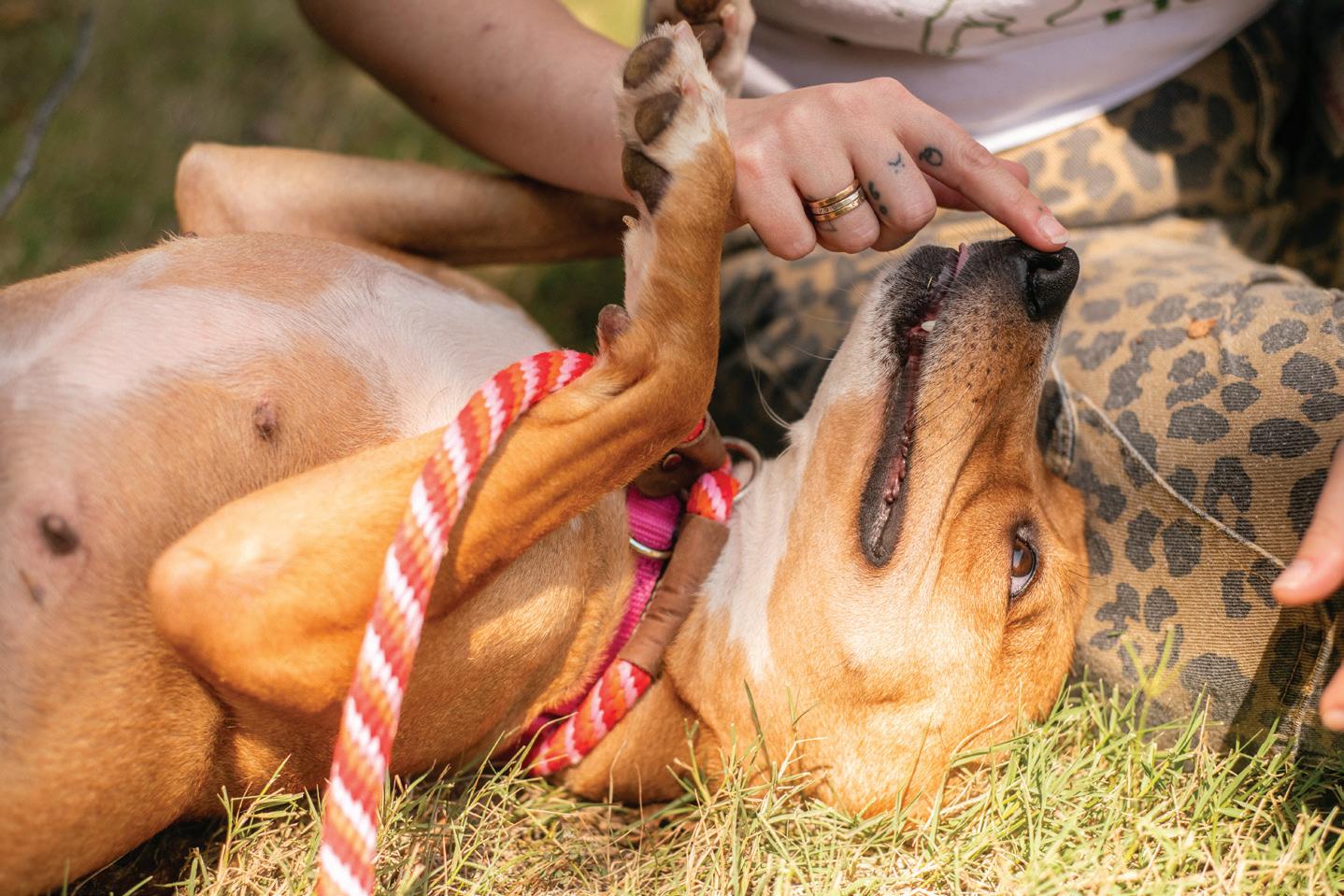
He recently arrived at Nashville Humane after being found abandoned on our property, with no history and no one to tell us his story. What we do know is that he’s incredibly resilient, wonderfully goofy, and full of love to give. He’s learning that people can be kind and that brighter days are ahead. If you’re looking for a loyal companion with a big heart, Gavon would love to meet you.
Call 615.352.1010 or visit nashvillehumane.org
Located at 213 Oceola Ave., Nashville, TN 37209
Adopt. Bark. Meow. Microchip. Neuter. Spay.
THE WEIGHT OF SEEING
Many Ways of Seeing chronicles the complicated legacy of Fisk’s
Stieglitz Collection
FOR A BOOK that looks as lighthearted as Many Ways of Seeing — with its calla lilies on the cover and thick, pale-pink spine — you might expect a breezy, uncomplicated read. But the story it tells is remarkably complex.
It involves death and money, pride and frustration, race and privilege. It’s the story of one of the most influential art collections in the South — and one with the most strings attached.
BY LAURA HUTSON HUNTER
department on the map, but also one whose “naturalized attitudes of Eurocentric entitlement” were hard to ignore.
an independent bookstore for independent people
UPCOMING EVENTS
PARNASSUSBOOKS.NET/EVENTS FOR TICKETS & UPDATES
6:30 PM
LAING F. RIKKERS with BETSY WILLS at PARNASSUS Morning Leaves
6:30 PM
10:30 AM
Prominent photographer and New York City gallerist Alfred Stieglitz died in 1946, and his widow, artist Georgia O’Keeffe, was tasked with finding permanent locations for his extensive personal collection of art. By 1949, O’Keeffe had settled on Fisk University — one of the country’s most prestigious historically Black universities — as the recipient of 101 works from Stieglitz’s archive.
THURSDAY, MARCH 19
FRIDAY, MARCH 20
LAUREN KUNG JESSEN with SARAH ADAMS & CARA BASTONE at PARNASSUS The Fortune Flip
SATURDAY, MARCH 21
SATURDAY STORYTIME with ALLIE MILLINGTON at PARNASSUS When You Find a Question
6:30 PM
THURSDAY, MARCH 26
DR. IBRAM X. KENDI with REPRESENTATIVE JUSTIN JONES at VANDERBILT Chain of Ideas
10:30 AM
SATURDAY, MARCH 28
SATURDAY STORYTIME with REJOICE SCHOOL OF BALLET at PARNASSUS Read to Me, Dance with Me
6:30 PM
TUESDAY, MARCH 31
MEREDITH R. LYONS with ERICA IVY ROGERS at PARNASSUS A Horn of Onyx
3900 Hillsboro Pike Suite 14 | Nashville, TN 37215 (615) 953-2243 Shop online at parnassusbooks.net
The collection of O’Keeffe’s donation — and the legacy that has followed it — is the complicated subject of Many Ways of Seeing. With full-color plates of each artwork, historic photos of exhibitions and key players, and new essays and scholarship devoted to the collection, this book pulls back the curtain on one of the most eventful exchanges in Southern art history.
“O’Keeffe’s motivations, the nature of the donation, and the subsequent impact of the collection over decades at Fisk have never before been fully explored,” writes co-editor Jen Padgett in her essay, which in many ways works as the book’s introduction.
If it simply chronicled the works in the collection, Many Ways of Seeing would be a worthwhile endeavor. Alfred Stieglitz was one of the leading advocates for modern art in the United States, and as a gallerist he organized the first American exhibitions of Cézanne, Matisse, Picasso and Rodin — European modernists so influential that, even a century later, they are still recognized by a single name. The selection of works from his collection that are now owned by Fisk include works by some of these masters, including a painting from Picasso’s Blue Period (1901 to 1904).
please Stieglitz.”
But as the book’s title suggests, there are many ways to interpret the gift — it is invaluable to Fisk’s reputation as an art-forward institution, as well as to the students who spend time with the art collection, “to look at it rather than read about it,” as O’Keeffe wrote. But it’s also a huge expense that a university has not always been equipped to contend with. The university first renovated a building that had previously served as a gymnasium to house the collection.
Padgett, who co-edited Many Ways of Seeing with Fisk’s Jamaal B. Sheats, is the first endowed curator at Crystal Bridges, an institution that struck a $30 million deal with Fisk that works a little like parents having joint custody. The Stieglitz Collection entered into a co-ownership agreement between the two institutions, which agreed to be equal partners in the care and display of the collection, with all 101 objects transferring between the locations every two years. (It will next be on display at Crystal Bridges in Arkansas in June.)
The book works like a primer on this long and ongoing saga. Archival photographs of exhibitions put documentary context into the grand collection of modern art. Inclusions like the calla lilies on the book’s cover — a detail from a 1926 painting by Charles Demuth — contain detailed descriptions about the work itself as well as its history within the Fisk community. Demuth dedicated the work to Bert Savoy, a vaudeville actor and female impersonator who was struck by lightning on a Long Island beach in 1923. Art historian David Sledge provides detailed, scholarly commentary on the work, which includes a synopsis of a lecture Aaron Douglas gave on the painting in 1951. “For Douglas,” Sledge writes, “art was central to human flourishing, not an afterthought to it.”
Together, all these elements accumulate into something larger than a conventional art history. They show how the collection — with its African figures, its colorful Arthur Dove abstractions, its drawings by Rodin and Toulouse-Lautrec — has functioned as a cultural inheritance that continues to shape the legacies of its stewards. ▼
Many Ways of Seeing: Georgia O’Keeffe, Fisk University, & the Alfred Stieglitz Collection
When asked why she chose Fisk — an institution that Stieglitz had never visited — for such a generous chunk of his archive, O’Keeffe said, somewhat cryptically: “because I think it is a good thing to do at this time and that it would
As Padgett outlines in her essay, O’Keeffe had on at least one occasion offended the head of Fisk’s art department, Aaron Douglas. Beyond personal conflict, Douglas remained concerned that the Stieglitz Collection would pull focus from the work of Black artists that Fisk had been collecting since the university was established in 1866. The legendary Douglas murals that adorn Fisk interior library walls, for example, had been made in 1930, more than a decade before the Stieglitz donation. For Douglas, Padgett writes, “advancing Black thought and underscoring African contributions to modernity took priority over preserving the legacy of the vanguard white artists of the Stieglitz circle.”
This is a refreshing approach to an arthistorical story that is often saturated with hagiography and romanticism. O’Keeffe is depicted as a benefactor who put Fisk’s art
Edited by Jen Padgett and Jamaal B. Sheats Rizzoli Electa 304 pages, $60
VODKA YONIC
MY IMMIGRANT LOVE LETTER TO THE U.S.
I love the United States, but it doesn’t always love me back BY SOL AYALA
Vodka Yonic features a rotating cast of women, nonbinary and gender-diverse writers from around the world sharing stories that are alternately humorous, sobering, intellectual, erotic, religious or painfully personal. You never know what you’ll find in this column, but we hope this potent mix of stories encourages conversation.
ON JAN. 20, 2017, the same morning Donald Trump took office as the 45th president of the United States, I was waking up in Nashville after being in detention centers for nearly 10 days.
I remember arriving at the Mexico-U.S. border the evening before.
Walking the bridge to la frontera, I didn’t want to look down. Instead, I looked at the people walking alongside me. I looked at the sunset: bright orange, soft pinks and reds painting the sky. I kept telling myself to walk confidently. There were tons of people walking or driving like they knew exactly where they were going — as if there was no fear of being stopped or questioned by the authorities. I felt terrified in a way that none of these other people seemed to be.
As I approached the entrance, I saw a sign reading “Welcome to the United States.” I looked up at an officer, who seemed like the tallest man I had ever seen. I felt so small. He asked me for legal documentation. Shortly after that, I was in a cell.
I used to think of it as a fancy cell. It had a door instead of prison bars, and big LED panels. In recent years, I’ve realized that framing the cell as a “fancy” one was probably just a way for me to cope. After all, I was just 15 then — still a child with a big imagination.
The room — el cuartito — had a big glass window where you could see all the officers at their desks, as well as the other cells. Some were big, with lots of people, and some small like mine. My room was just big enough to fit a queen-size bed, from wall to wall. But instead of a bed, I had itchy blankets and the floor.
I remember trying my first corndog at the facility. It was a microwavable kind, with a plastic wrapper. Now I hate corndogs. My favorite meal while I was there was ramen noodles and grape Kool-Aid. At the time, hearing how badly people were treated in other facilities made me think the detention center I was in was the Four Seasons of immigration centers. Now I know that wasn’t true.
I woke up on Jan. 20, just in time to see the inauguration of President Trump. I was happy to be here. All I knew about the U.S. was High School Musical, Gossip Girl, Tumblr and McDonald’s.
One of my first memories in Nashville is of getting off my school bus at a stop that wasn’t mine, which made the bus driver yell at me to get back on. But all of the houses looked the
HOW CAN I SHOW YOU THAT I AM NOT A CRIMINAL? THAT I AM NOT STEALING YOUR JOB? I HAD TO WORK FULL TIME TO PAY FOR COLLEGE, JUST LIKE YOU. I HAVE DREAMS OF OWNING A HOUSE JUST LIKE YOU. I GO TO YOUR CHURCH, I STAND NEXT TO YOU AT THE GROCERY STORE, I SIT NEXT TO YOU IN THE HORRIBLE TRAFFIC.
same to me — they still do. I remember walking by the blue lockers of Antioch High School as a lovely Latina girl gave me a tour of the school in Spanish. I couldn’t keep up with all the information. I had never been in a school that big, but mainly I was in the clouds, thinking, I am inside a true American school. I grew up watching movies on the Disney Channel, and everything looked just like a movie to me.
Since then I have learned English. I have eaten almost all the ethnic food you can find on Nolensville Pike. I graduated high school. I experienced my first lockdown because of a school-shooter threat. I watched all 10 seasons of Friends. I have fallen in love, done drugs, gone to college and gotten a big-girl job. I have done all the American things I once watched on TV.
I have given my best years to this country, and in many ways it has thanked me back. But it’s just not enough — not enough to make my fear go away. Not enough to make me stop wondering if this is really my place. Not enough to always feel safe.
Every day, I wake up to more people getting arrested, kidnapped and killed by federal agents.
How can I show you that I am not a criminal? That I am not stealing your job? I had to work full time to pay for college, just like you. I have dreams of owning a house just like you. I go to your church, I stand next to you at the grocery store, I sit next to you in the horrible traffic. All my dreams bring me back here, just like yours. I don’t want to leave.
In my short time in America, I have fallen in love with Tennessee skies, California streets, Nebraska snowy winters, Florida heat and everything in between.
I have built my life within your borders. I have loved your land from east to west, north to south. I’ve done my part. Can you look at me and tell me that I don’t belong here? ▼
Embrace country music’s evolving story. American Currents: State of the Music presents the artists, songwriters, sounds, and broad cultural impact of the music and moments that shaped 2025. EXHIBIT NOW OPEN
UPCOMING PROGRAMS
SUNDAY, MARCH 22
SATURDAY, MAY 2
EXPLORING WOODY GUTHRIE’S HOME RECORDINGS 2:30
SATURDAY, MAY 9
BOOK TALK AND PERFORMANCE WON’T BACK DOWN: HEARTLAND ROCK AND THE FIGHT FOR AMERICA WITH ERIN OSMON AND STEPHEN WILSON JR. 2:30 pm FORD THEATER
SATURDAY, MAY 30
POETS AND PROPHETS SALUTE TO SONGWRITER ASHLEY GORLEY 2:30 pm • FORD THEATER
LEARN MORE
Sam Tinnesz & Friends featuring Tommee Profitt, Tedashii, Que Parks, Kyle Rictor, Brooke Alez, UNSECRET, Ava Liv Mabry, SkyDxddy, Zayde Wolf, Confetti, Jady, Anthony Raneri, New Medicine, Greylee, Beacon Light + Jimmy Rock
Nashville! Daytime Hit Songwriters Show featuring Mark D. Sanders, Marv Green, Ray Stephenson & SJ McDonald + Belle Frantz with Floria Anderson
Rubiks Groove
Bluebird on 3rd featuring Austin Jenckes, Fraser Churchill, Heather Morgan with Laney Lebo & Claire Kelly
Time Jumpers
featuring ETHAN BURDICK, ASHLEY COOKE, BLAKE PENDERGRASS & Special Guest
TIN PAN SOUTH featuring KELLY
ANTIDOTE FOR COSMIC ISOLATION
Saul Williams and Carlos Niño’s collaboration feels like a framework for coping with chaos
BY SEAN L. MALONEY
ONE OF THE great pleasures of music journalism is talking to musicians who are brimming with joy. It can turn your whole day around (even if, say, your government has launched an illegal war, it’s committing war crimes in your name with your tax dollars, and all you want is some health care and maybe a moment of stable prices). That is exactly what happened when the Scene caught up with poet Saul Williams and percussionist Carlos Niño ahead of a stop at The Blue Room at Third Man Records on the tour following their debut collaborative album. Saul Williams Meets Carlos Niño & Friends is a gorgeous confluence of improvisation, ambience and sociopolitical engagement recorded live at TreePeople in Los Angeles in December 2024 and released last year.
“I feel like somehow the album has become a catalyst for this additional lane,” says Niño, whose expansive sound covers the more outré corners of electronic and improvisational music (including, as one very well-known part of a lengthy career, André 3000’s New Blue Sun record and tour). “Our freeway is expanding. The circuitry, the pathways. … Sun Ra used to refer to that as Interstellar Low Ways.”
The first date of a short run that includes a trip to Big Ears Festival in Knoxville and a residency at The Blue Note, Tuesday’s show marks a liminal space between two releases for the longtime friends: There’s another project already in the works. They can’t spill the details, but there’s a tug-of-war between their consummate professionalism and the unbridled excitement of artists who want and need to share this thing that they are very proud of. It is incredible energy to be in the middle of, even when you are thousands of miles from being in the same room with the people generating it.
“I think what [Meets Carlos Niño] did for us — and I’d love for you to share this with everyone — it really created a new, pretty beautiful and radical lane for both of us and our music community in the world,” says Niño. “Saul and I have been friends for a long time. I’ve been a really big fan of Saul’s for a long time. [Early in both of our careers, I presented] Saul here in Los Angeles, and we became real friends.”
Williams’ career stretches back to the ’90s, and his publications and performances have integrated seemingly disparate genres, formats and styles in ways that make them feel like they
were always together. He underscores the fact that this collaboration has been a long time coming.
“Carlos and I, we’ve been lucky enough to share not only that one night,” says Williams, on the video call from Paris. “We were able to take that on the road, and we were able to dig deeper into our own connection and the connection with the community of artists that have shared the stage with us. Everything has just been aligned. I think we’re both extremely excited about and proud of something [bigger] that I know takes this first step … in terms of the TreePeople album and how that felt like a sort of a necessary or useful contribution to the moment.”
One of the draws of what Max Roach called American instrumental music and its improvisational frameworks is that it feels eternally ofthe-moment — because the artists participating in it are so in-the-moment. There are few better examples of this than Saul Williams Meet Carlos Niños & Friends. These are fellow travelers listening and conversing. The interplay — between poet and musicians, musicians and instruments, the band and the crowd and the trees — is
Playing 8 p.m. Tuesday, March 24, at The
mindful, open, aware. But the record is also balanced. There is darkness in the world, and it is acknowledged, but the doom is held at bay by fellowship and the free flow of musical ideas.
“And to have a stage, a platform to be able to work through these moments, alive and aloud, and to realize that music has many capacities,” Williams continues. “It’s there to heal, it’s there to help, it’s there to uplift, it’s there to inspire. … Music is a gift to us all.”
The practice of listening is such a big part of the Williams-Niño team-up, and such a big part of the structure of their performance that you might miss it entirely. Instruments wander in and out, verses assemble and scatter, moments coalesce and disperse — it’s coactive rather than reactive. It feels like an approach to handling the arch weirdness of the 21st century.
“We are focused, determined, we are involved, we are active, we are conscious, we are considerate, caring, loving,” says Niño. “And you can see in each of the places that we go how we come together and we activate even further and we kind of energize each other, and we peer counsel and we help each other.” ▼
Blue Room at Third Man Records
PHOTO: TODD WEAVER
THE SHAPE OF FAITH TO COME
Semler helps Grace Baldridge navigate the path to being their authentic self
BY HANNAH CRON
9pm
Semler, the artist project of singer-songwriter Grace Baldridge, isn’t your run-of-the-mill contemporary Christian musical act. They pretty much break all the unspoken rules of the genre. They’re a queer independent artist not backed by a major label or a megachurch. Semler songs are an honest depiction of a modern, matured faith, one that’s openhearted and deep-rooted. It wouldn’t be a reach to say that they play in a space where there are simply no rules at all — no expectations shaped by commercialized faith traditions or by industry management. If they want to release a song about a wrestler from the ’90s or sell merch handmade by their dad, Semler can and will.
After nearly a decade of bite-size releases, Baldridge released the first Semler album Revival in My Mind in February 2025. It’s Semler’s thesis statement, detailing Baldridge’s coming of age as a preacher’s kid and the reckoning that comes afterward. If you grew up in an evangelical Christian household, there’s plenty here that will resonate. A passage that cuts particularly deep: “Oh what a terrible honor it’s been / To learn that my blessings are things you’d call sins / I’ll spend the rest of my life tearing down / The Jesus from Texas you put in a crown.”
Baldridge says the choice to finally release a full-length album was an exercise in expanding their own comfort zone, growing more confident in their voice and instincts and taking a chance on themself.
“I don’t want to let my insecurity drive the car of my songs and my art,” Baldridge tells the Scene. “So that’s something honestly I’m still working on, and I’m sure I’ve missed the mark. [I’m trying to] get right with the instrument that I have to work with, because it’s mine.”
Since Revival’s release, Semler has wasted no time in putting out follow-ups. Live From Los Angeles came in August, and the eight-song set Mirages arrived March 13 ahead of a headlining tour. While Revival in My Mind is a contemporary Christian album, Mirages is an indie folk-rock project. The title track is a moody distillation of an experience Baldridge had with a neighbor, who they at first mistook for a former friend. There’s a play here between Semler the artist and Grace Baldridge the human, where the Semler moniker allows Baldridge to dive into the past and examine wounds that have already healed.
“Grace gets over stuff — I am fine, I have a stable, rich life,” says Baldridge. “But whenever there’s an opportunity to, like, ‘Ooh, should we unpack that even more,’ then that’s when Semler comes in being like, ‘Right … she did look like your friend.’”
Mirages’ sonic roots reach broadly from Americana to grunge to Lilith Fair-core singer-song-
writer fare, and its subject matter spans just as widely. Could a struggling indie band signed to a midlevel label end their record with an ode to wrestling legend Chyna and her unjust exclusion from the WWE Hall of Fame? Probably not. But Semler can, and it’s unironically awesome.
It’s worth noting that nearly every Semler tour includes a Nashville show, which for a smaller indie artist based in California is kind of a big deal. (The tour following Mirages begins Thursday at Exit/In, with support from Sierra Carson.) Baldridge cites Nashville as a secondary anchor point for Semler, due partly to proximity to family, but also for the city’s accessibility for touring musicians.
From an outsider’s perspective, a Semler show in Nashville just makes sense. There’s an ever-growing population of young Nashvillians disillusioned by megachurch culture and the religion of the rich and powerful seeking something that feels real, and Semler’s music handily
fits that bill. Their shows are revivals — places where family and friends meet together to bond over a common goal, living life fully and without shame. This is captured best in a staple of the Semler show experience that lives at the merch table rather than onstage: Dad Merch, a selection of upcycled apparel customized with the Semler “brand,” handmade by Baldridge’s father, a retired Episcopal priest. Each piece tells the same story as a Semler song: The things that have been can grow into things that are even better and more beautiful than you ever could have imagined, and that there is family everywhere for those who look. ▼
PUT ON YOUR RED SHOES
BY BAILEY BRANTINGHAM
ON AN UNPREDICTABLE Friday night built around dancing and spectacle, an eclectic crowd gathered in celebration of book NOT brooke and her debut LP Dancer First at The Blue Room at Third Man Records. The party featured a stacked lineup of Nashville favorites and project mastermind Brooke Vespoli’s closest friends, including bedroom producer Iven and indie-pop standout Henry J. Star, with DJs Spuddy and Sarah Goldstein keeping the energy up between sets. With antics ranging from creepy masks to a full-blown human pyramid, the evening delivered exactly the kind of delightfully strange chaos that is to be expected from book and her crew.
Nashville DIY recording wiz Iven nonchalantly pressed a button triggering a blaring synth note that snapped the crowd to attention before the sound slowly morphed into a pulsing beat. He careened effortlessly between synth-soaked dance pieces and slow, almost unsettling ballads. “This song’s not really for moving your tushy,” Iven explained. “But you can make do.” He explored the stage, wearing a wireless headset mic that introduced a bit of disorder by falling off, and he kept us on our toes as he hopped on one foot for a bit while mashing buttons on his controller.
Following his set, Iven made his way down the stage steps and melted into the crowd for the dance party to come. Nashville DJ Sarah Goldstein filled the silence with a variety of bops from her station in the back corner of the packed room. A seamless transition from Blood Orange into Björk primed the crowd for electro-indie ace Henry J. Star.
Star kicked off his set with a mix of new and unreleased songs, occasionally indulging the urge to fill a lull with a sample from his soundboard, filling the air with booming Soulja Boy one-liners and 2hollis riffs. Star finished off with “classics” from his October release The Soft Apocalypse, including the crashing emo-tinged “Ember.”
“When book gets on the stage y’all better fucking dance,” Star warned before departing. “God bless, if you don’t dance I will harm you.”
Spuddy handled the next interlude, spinning Pink Pantheress into Daft Punk and paying homage to book with a track from her pop idol Kesha. Book’s bandmates were the first to approach the mostly empty stage, each sporting disguises with an eerie vintage look. Spuddy returned for his second appearance of the night, wearing a porcelain doll mask and setting up camp behind his keyboard, while his fellow synthesist Sam Toth approached in a painted latex mask that slightly resembled Jigsaw.
Book herself appeared next, embracing her signature kitschy style in a stage look that included a white lace bodysuit fitted with a crinoline and a mile-high hair bump. She took her place atop a whimsical ribbon-draped pedestal, launching immediately into thrashy, marionette-like dance
TRIPPING THE LIGHT FANTASTIC: BOOK NOT BROOKE
moves as she opened with the distorted, industrial “Counting to 8.” Throughout the set, she shared center stage with Toth, who occasionally stepped away from her synth station to show off a few moves of her own.
After finishing up “Ugly California” and its accompanying robotic choreography, book quickly departed the stage and returned in a more danceready costume. Over the lilting introduction to her ballad “The Plunge,” she unraveled a thread off of her pedestal and fished out a phalanx of vintage dolls, whom she serenaded. Carefully slinging her bass around her shoulders to many hoots of anticipation from the crowd (who may have recognized her from her other band Baby Wave), she dove into the disjointed groove of “I Do the Worm.” Leaning into the theme of Dancer First, book and Toth took turns literally doing the worm across the stage. Her bandmates stepped aside, and for a few songs, book dialed the theatrics back. Accompanied by her fellow Baby Waver Gardner Gottsegen on guitar, she returned to her first instrument — cello — for an unreleased song. Musician and magician Sabby Swag (a longtime collaborator of book’s also known as Sabrina Niedbalski and formerly known as Zina) joined book next for an intentionally off-kilter performance of rushed whispers and restless screams before the band returned for the lullaby-like ballad “R U 8.”
Before breaking into the bass-driven introduction to “Hot Trend!,” book paused to thank the audience and plug her merch booth, whose offerings she enumerated as T-shirts, CDs and friendship. Toth once again departed her corner to join book in enchanting harmonies and coordinated dance moves over a punchy electronic track before the band launched into the fast-paced “Monkey Ball (B-A-N-A-N-A-S.)” Next, Book announced the album closer “Nobody Dances Anymore,” before she and the crowd effectively proved the title false. Then the band departed the stage for a classic fake-out encore before Toth returned and blew a piercing whistle, rallying the crowd into a frenzy and eventually luring the rest of the crew back to their places. The simple but catchy electronic beat of “O.U. Oh Yeah” crackled from the speakers, and the green-screen-suited dancers featured in the song’s music video came out to dance with book. They ended the show with a chaotic bang, successfully stacking into a human pyramid with book perched on top, shimmying her pom poms. Amid the mayhem, the singer left the crowd with one final message before departing: “Thank you for being here tonight. And thank you all for being dancers.” ▼
SONGWRITER SESSION Steve Dorff NOON · FORD THEATER
Sunday, April 5
MUSICIAN SPOTLIGHT Bernie Leadon 1:00 pm · FORD THEATER
Saturday, April 11
SONGWRITER SESSION Joybeth Taylor NOON · FORD THEATER
Saturday, April 11 BOOK TALK
Gary Stewart: I Am from the Honky-Tonks with Jimmy McDonough 2:30 pm · FORD THEATER
Saturday, April 11
HATCH SHOW PRINT Block Party
3:00 pm and 6:00 pm HATCH SHOW PRINT SHOP
WITNESS HISTORY
Locals Kids Always Visit Free
Plan a trip to the Museum! Local youth 18 and under who are residents of Nashville-Davidson and bordering counties always visit free, plus 25% off admission for up to two accompanying adults.
PHOTO: ANGELINA CASTILLO
851 Dickerson Pike gusfriedchicken Winner of the FriedNationalChicken Festival.
EAST NASHVILLE, YOUR WORLD FAMOUS FRIED CHICKEN IS HERE! COME BY TO TRY US!
Eternally likable Ryan Gosling charms his way through smart, sympathetic Project Hail Mary
BY CRAIG D. LINDSEY
MAN, FUCK RYAN GOSLING! I’m so tired of this man and his charming, handsome ass. Whether he’s literally smashing heads in a satin scorpion jacket, doing tour-de-force work as an iconic toy doll or turning into an agent of chaos whenever he hosts Saturday Night Live, the man can do no wrong. And he’s got Eva Mendes baby-mama’d up at the house!
bo-jumbo (think Aaron Sorkin if he grew up with a subscription to long-gone science monthly Omni), as brilliant but relatable people work together to take on a mission that could both lose and save lives.
It’s also — on my mama! — a buddy comedy. This happens when Grace meets up with a vessel carrying another weary space traveler who looks like a crab made of granite. (Sorry I couldn’t throw in a “Rock Lobster” reference.) While Gosling cruises the galaxy with his stony sidekick, figuratively using their noggins to both communicate with each other and get
Excuse me for all the hate I’m spewing at the top of my review, but I’ve never seen a celeb come along and win on such a consistent basis as Gosling. Along with being an attractive, affable, scandal-free matinee idol and family man who people either wanna smash or hang with (or both), this former Mouseketeer has grown up to be one of those old-school movie stars who can be funny, tough and tender — sometimes all in the same movie. He’s a man’s man, but he can also be a simp, a fool, a song-and-dance man or the one who tells you, “It still isn’t over!” in the rain. He’s not afraid to kick ass, but he’s also not afraid to get his ass kicked. (I’m quite certain he doesn’t have a “no-lose” clause in his contract, as some action stars do.) No matter how much you try to hate on him, he’ll easily win you over.
He does it again in Project Hail Mary, which takes the First Man star back into the weightless unknown. Gosling works that dopey, dashing magic as a man who wakes up from a long slumber on a spacecraft, all by his lonesome, unable to remember who he is or how he got there. Flashbacks eventually inform us that he’s Ryland Grace, a middle school teacher and former molecular biologist who reluctantly becomes a part of a top-secret project — Anatomy of a Fall star Sandra Hüller really leans in on the dry-but-droll neurodivergence as his no-nonsense superior — to save the world from reaching a catastrophic ice age.
But Project isn’t just another mega-budgeted, brooding but beautiful space flick in which an A-lister is literally lost in space, quietly working out some personal shit in the middle of vast nothingness (or as I like to call it, sci-fi that sighs). It’s also another seriocomic adaptation from the bibliography of hard sci-fi author Andy Weir. About a decade ago, Ridley Scott put Weir’s 2011 novel The Martian on the big screen, with Matt Damon as the charismatic, cosmic castaway. Directors/animators/multihyphenates Phil Lord and Christopher Miller handle directing duties this time, with Martian screenwriter Drew Goddard once again adapting Weir’s work into a dense yet personable space epic, weaving witty dialogue into the hyperintelligent mum-
Project Hail Mary PG-13, 156 minutes
Opening wide Friday, March 20
back home, Lord, Miller and Goddard kill two birds with one stone with this all-around crowdpleaser. Yes, it’s a dreamlike, existential story of a lone astronaut stranded in the cosmos, floating in a most peculiar way. But it’s also something I thought fell out of style with flattops and L.A. Gear sneakers: the cute space movie.
It’s fitting that that trio of geeks would make a sci-fi popcorn flick that’s also reminiscent of all the cuddly space oddities that came out after E.T. made us want alien friends of our own. If you grew up in the era of noisy cable boxes and VCRs the size of cinder blocks, then you must’ve caught ’80s space jams like SpaceCamp, The Last Starfighter, Flight of the Navigator and Mac and Me (that last one being the only E.T. ripoff featuring a cameo from Ronald McDonald) — flicks in which space travel is a rollicking adventure and aliens are too adorable to be monstrous.
Sci-fi die-hards might not dig Project Hail Mary’s sappy, smart-alecky moments, while other moviegoers might find the dialogue too eggheaded. But Project Hail Mary combines the best of both worlds (c’mon, you knew that was coming). Just like The Martian, it’s a smart, sympathetic story about being there for your fellow man, whether you’re in space or on solid ground, and starring a guy who — even when he’s being too gotdamn perfect — you root for right to the end. ▼
BACK OF THE BOOK
ACROSS
1 *Succeed
6 Home of War in the Pacific National Historical Park
10 Sign on some restroom doors
13 Angular unit of measurement
15 Sapa ___ (“the only emperor” in Quechua)
16 Kitchen gadget brand
17 Must pay
18 *Public messages of appreciation
20 Heavy metal band whose name is a big cat in Spanish
22 Alternatively … !!!
23 Sign out?
24 Firehouse supply
26 Take out, in a way
28 “An idea …”
30 Mount known to produce rare volcanic “smoke rings”
31 Off-road ride, for short
32 Horned mountain climber
34 Pen
36 Dennis’s sister on “It’s Always Sunny in Philadelphia”
37 *New England-style chowder, for one
39 ___-weekly (mag type)
40 Small surgical instrument
42 Wraps up
43 Wield
44 Ingrid Bergman’s “Casablanca” role
45 Stuff with strands
46 College subj. that can be evolutionary or behavioral
47 Lightweight fabric for a handkerchief
50 Tomato type
53 Pet project?
54 *Long-legged wader
58 Provide comfort, in a way … or a hint to the answers to the four starred Across clues
60 Northeastern prep school or its town
61 “What’s the ___?!”
62 Surrender
63 Ceramics component
64 Web portal with a butterfly logo
65 Schooner’s stabilizer
66 Some spa treatments DOWN
1 What a phone call or new album might do
2 7-Eleven competitor on the East Coast
3 Tree of knowledge locale
4 Directory name
5 *Behind in payment
6 Ones “over there” in “Over There,” in brief
7 Sacrilegious
8 Legend, e.g.
9 Beat in chess
10 Mechanisms that are often spring-loaded
11 *Forevermore
12 Us, in Spanish
14 Sushi seaweed type
19 From further back
21 Befuddled
25 Coarse, as language
26 Quickly smooch … or a hint to the answers to the four starred Down clues
27 Square
29 *Word appearing 51 times in the New Testament
31 Speak extemporaneously
ANSWER TO PREVIOUS PUZZLE
($39.95 a year). Read about and comment on each puzzle: nytimes.com/ wordplay. Crosswords for young solvers: nytimes.com/ studentcrosswords.
32 Makeup of some shelves
33 Lunch item usually eaten with two hands, in brief
34 Cow’s mouthful
35 Photo ___
38 Wolf (down)
41 Michael nominated for Oscars in five different decades
45 Fool
46 Hollywood’s Anderson or Bach
48 Nosh
49 Little laugh
51 Sounds from un estadio
52 *Severely harm
55 Words of affirmation
56 Resting place for a boa
57 Pâté de foie ___
58 Unpleasant discovery under a desk
59 Hair raiser?
YMT VACATIONS. OVER 50 GUIDED TOURS AVAILABLE. Affordable, social and stress-free travel designed for mature travelers. Our tours include accommodations, transportation, baggage handling, sightseeing, entrance fees, a professional Tour Director and select meals.
For a limited time SAVE $250 on all tours.
Call YMT today. 1-866-314-6821
(CAN AAN)
Advertise on the Backpage!
It’s like little billboards right in front of you!
Contact: classifieds@ fwpublishing.com
CONNECT TO THE BEST WIRELESS HOME INTERNET WITH EARTHLINK.
Enjoy speeds from 5G and 4G LTE networks, no contracts, easy installation, and data plans up to 300 GB. Call 855-873-2215 (CAN AAN)
HOME BREAK-INS
TAKE
LESS THAN 60 SECONDS.
Don’t wait! Protect your family, your home, your assets NOW for as little as 70¢ a day!
Call 1-833-881-2713 (CAN AAN)
STOP OVERPAYING FOR AUTO INSURANCE!
A recent survey says that most Americans are overpaying for their car insurance. Let us show you how much you can save.
Call Now for a no-obligation quote: 1-833-399-1539 (CAN AAN)
ATTENTION: VIAGRA
AND CIALIS USERS!
A cheaper alternative to high drugstore prices! 50 Pill Special - Only $99! 100% guaranteed. CALL NOW: 1-833-641-6594 (CAN AAN)
PREPARE FOR POWER OUTAGES
TODAY with a Generac Home Standby Generator. Act now to receive a FREE 5-Year warranty with qualifying purchase. Call 1-866-381-0627 today to schedule a free quote. It’s not just a generator. It’s a power move.
(CAN AAN)
DENTAL INSURANCE FROM PHYSICIANS MUTUAL INSURANCE COMPANY.
Coverage for 400 plus procedures. Real dental insurance - NOT just a discount plan. Get your FREE Dental Information Kit with all the details!
1-866-430-5905
(CAN AAN)
HOME BREAK-INS TAKE LESS THAN 60 SECONDS.
Don’t wait! Protect your family, your home, your assets NOW for as little as 70¢ a day!
Call 1-833-881-2713 (CAN AAN)
WATER DAMAGE CLEANUP & RESTORATION:
A small amount of water can lead to major damage and mold growth in your home. We do complete repairs to protect your family and your home’s value!
For a FREE ESTIMATE, call 24/7: 1-833-880-7762 (CAN AAN)
PEST
CONTROL:
PROTECT YOUR HOME from pests safely and affordably. Roaches, Bed Bugs, Rodent, Termite, Spiders and other pests. Locally owned and affordable.
Call for a quote, service or an inspection today!
1-833-406-6971 (CAN AAN)
WE BUY HOUSES FOR CASH AS-IS!
No repairs. No fuss. Any condition. Easy process: Call, get cash offer and get paid. Call today for your fair cash offer: 1-877-939-1331. (CAN AAN)
WE BUY VINTAGE GUITARS!
Looking for 1920-1980
Gibson, Martin, Fender, Gretsch, Epiphone, Guild, Mosrite, Rickenbacker, Prairie State, D’Angelico, Stromberg. And Gibson Mandolins / Banjos. These brands only!
Call for a quote: 1-833-641-6624
(CAN AAN)
GOT AN UNWANTED CAR??? DONATE IT TO PATRIOTIC HEARTS.
Fast free pick up. Patriotic Hearts’ programs help veterans find work or start their own business.
Call 24/7: 1-833-426-0086 (CAN AAN)
MOBILEHELP, AMERICA’S PREMIER MOBILE MEDICAL ALERT SYSTEM.
Whether You’re Home or Away. For Safety and Peace of Mind. No Long Term Contracts! Free Brochure! Call Today! 1-877-667-4685 (CAN AAN)
DIRECTV- ALL YOUR ENTERTAINMENT. NOTHING ON YOUR ROOF!
Sign up for Directv and get your first three months of Max, Paramount+, Showtime, Starz, MGM+ and Cinemax included. Choice package $84.99/mo. Some restrictions apply. Call DIRECTV 1-855-606-4520 (CAN AAN)
WESLEY FINANCIAL
GROUP, LLC TIMESHARE CANCELLATION EXPERTS
Over $50,000,000 in timeshare debt and fees cancelled in 2019. Get free informational package and learn how to get rid of your timeshare! Free consultations. Over 450 positive reviews. Call 888-960-1781 (CAN AAN)