Lose the Beds; Find the Healing Pods; and Discover How AI Will redefine Healthcare Design.
By chad
brandon paul, 14 February 2024
As the cinematic scenes of the film Elysium flicker before me, casting a futuristic glow upon our perceptions, I embark upon the dawn of 2024 with fervor and anticipation.
Many of the esteemed medical futurists out there have brought out their own visions and revolutionising trends that they expect from 2024.
FUTURE HEALTH
FUTURE HEALTH
In their ar*cle, The 10 Biggest Trends Revolu4onizing Healthcare in 20241 , Forbes cited Genera*ve AI In Healthcare, Personalized Medicine, Virtual Healthcare Assistants, Digital Twins, Virtual And Augmented Reality In Healthcare, 3d Prin*ng and Aged care as some of their key outputs for the year.
The well-admired Medical Futurist reckons, in an ar*cle published in January 20242 , that there are 7 things to expect from AI in healthcare in 2024. The key takeaways include; Genera*ve AI plaPorms, Large Language model genera*ve AI Algorithms designed specifically for healthcare, Digital twins, AI-based medical devices, forward-looking medical universi*es, and the influx AI tools for pa*ents.
1 h$ps://www.forbes.com/sites/bernardmarr/2023/10/03/the-10-biggest-trends-revolu?onizing-healthcare-in-2024/?sh=58b283ce1d13 2 h$ps://medicalfuturist.com/7-things-to-expect-from-ai-in-healthcare-this-year
FUTURE HEALTH
As we embark upon the odyssey of explora*on and discovery, let us peer beyond the veil of conven*on, embracing the boundless poten*ality that awaits us in the realm of healthcare innova*on. For in the convergence of foresight and ingenuity, we find the catalysts that shall propel humanity towards a future imbued with health, equity, and possibility.
As healthcare designers, we stand at the nexus of innova*on and implementa*on, charged with the profound responsibility of transla*ng visionary concepts into tangible spaces that resonate with the ethos of progress and human-centric care. As the cinema*c allure of Elysium fades, we are beckoned to confront the impera*ve of shaping healthcare environments that harmonize with the transforma*ve trends forecasted for 2024 and beyond.
The luminous insights delineated by esteemed futurists serve as guideposts, illumina*ng not only the trajectory of technological advancement but also the impera*ve for spa*al adapta*on within healthcare realms. The advent of Genera*ve AI, Personalized Medicine, Virtual Healthcare Assistants, and a panoply of AI-driven innova*ons heralds a paradigm shiV in the delivery of care, necessita*ng a corresponding evolu*on in the design of healthcare environments.
In a landscape characterized by the convergence of data, technology, and human experience, our mandate as healthcare designers extends beyond the mere arrangement of physical elements. We are called upon to craV environments that serve as incubators of healing, innova*on, and connec*vity spaces that seamlessly integrate the func*onali*es of AIdriven systems while fostering human connec*on and holis*c well-being.
The canvas upon which we ply our craV expands to encompass the nuanced interplay between form and func*on, aesthe*cs and u*lity. It compels us to reimagine tradi*onal paradigms of healthcare design, infusing them with the dynamism and adaptability necessary to accommodate the mul*faceted demands of modern healthcare delivery.
As custodians of the built environment, we are tasked with imbuing our crea*ons with the capacity to catalyze healing, inspire innova*on, and engender a sense of belonging within the healthcare ecosystem. In doing so, we honor the spirit of progress and possibility that animates the landscape of healthcare innova*on, forging spaces that serve as conduits for the realiza*on of humanity's most audacious aspira*ons.
For me, the five takeaways that healthcare planners need to start engaging on to add value to the ever-shiVing space of AI advancements in healthcare should be focussed on;
Integra(ng technological infrastructure within healthcare facili*es is a cri*cal aspect of contemporary healthcare architecture. As technology con*nues to play an increasingly central role in pa*ent care, diagnosis, and administra*on, healthcare architects must adeptly incorporate these innova*ons into the design of healthcare spaces.
Healthcare architects need to thoroughly understand the technological requirements of the systems being integrated into the healthcare environment. This involves collabora*ng closely with technology specialists and healthcare professionals to determine the specific hardware, soVware, wiring, and connec*vity needs of AI-driven systems, virtual healthcare assistants, telemedicine plaPorms, and other technological solu*ons.
The design of healthcare facili*es must priori*ze accessibility and scalability of technological infrastructure.
The design of technological infrastructure should priori*ze user experience and ergonomics to enhance efficiency and usability for healthcare professionals and pa*ents alike. This includes considering factors such as worksta*on ergonomics, user interface design, and
FUTURE HEALTH
accessibility features to ensure that technology enhances rather than impedes the delivery of care.
Designing flexible healthcare spaces that can adapt to evolving technological and healthcare needs presents a complex challenge for healthcare architects. While the concept suggests a dynamic and responsive approach to spa*al design, several factors, including budget constraints and the inherent rigidity of clinical outcomes, complicate its implementa*on. However, naviga*ng these challenges is crucial to crea*ng healthcare environments that can effec*vely accommodate technological advancements and evolving healthcare prac*ces while maintaining cri*cal considera*ons such as infec*on control and clinical requirements. Flexibility in spa*al design requires strategic planning and investment from the outset of the design process. Healthcare architects must work closely with stakeholders to iden*fy poten*al future needs and an*cipate technological advancements that may impact spa*al requirements. Alloca*ng resources for flexible design features, such as modular walls, adaptable furniture systems, and versa*le infrastructure, is essen*al to lay the founda*on for adaptable healthcare spaces.
Incorpora*ng modular design elements enables healthcare spaces to adapt to changing needs and accommodate emerging technologies without requiring extensive structural modifica*ons. Modular walls, par**ons, and furniture systems allow for easy reconfigura*on of space to accommodate new equipment, workflows, and care delivery models. By embracing modular design principles, architects can create environments that remain agile and responsive to evolving healthcare demands.
A human-centered design approach is essen*al to balance flexibility with clinical func*onality and user experience. Healthcare architects must priori*ze the needs and preferences of pa*ents, caregivers, and staff members when designing flexible spaces. Considering factors such as wayfinding, accessibility, privacy, and comfort ensures that flexible healthcare environments promote healing, enhance efficiency, and support posi*ve pa*ent outcomes.
Flexibility in healthcare design is an itera*ve process that requires con*nuous evalua*on and adapta*on over *me. Architects should collaborate closely with healthcare providers to monitor the performance of flexible design solu*ons, gather feedback from end-users, and make adjustments as needed to op*mize func*onality and usability. By fostering a culture of innova*on and adaptability, healthcare environments can evolve in tandem with technological advancements and changing healthcare prac*ces.
Given the sensi*ve nature of healthcare data and the increasing reliance on AI algorithms, healthcare architects must respond by implemen*ng robust privacy and security measures within healthcare facili*es. This includes designing secure data storage areas, implemen*ng access controls, and ensuring compliance with healthcare privacy regula*ons.
Healthcare architects will need to respond by priori*zing human-centered design principles in the crea*on of healthcare environments. This involves considering the needs and experiences of pa*ents, caregivers, and staff members and designing spaces that promote comfort, safety, and well-being while also integra*ng technological solu*ons seamlessly into the user experience.
Healthcare architects must respond to the rise of home-based care by designing collabora(ve spaces that facilitate innova*on and interdisciplinary collabora*on among healthcare professionals, technologists, researchers, and other stakeholders. This might involve crea*ng shared workspaces, innova*on labs, and mee*ng areas where ideas can be exchanged, tested, and refined to drive con*nuous improvement in healthcare delivery and
FUTURE HEALTH
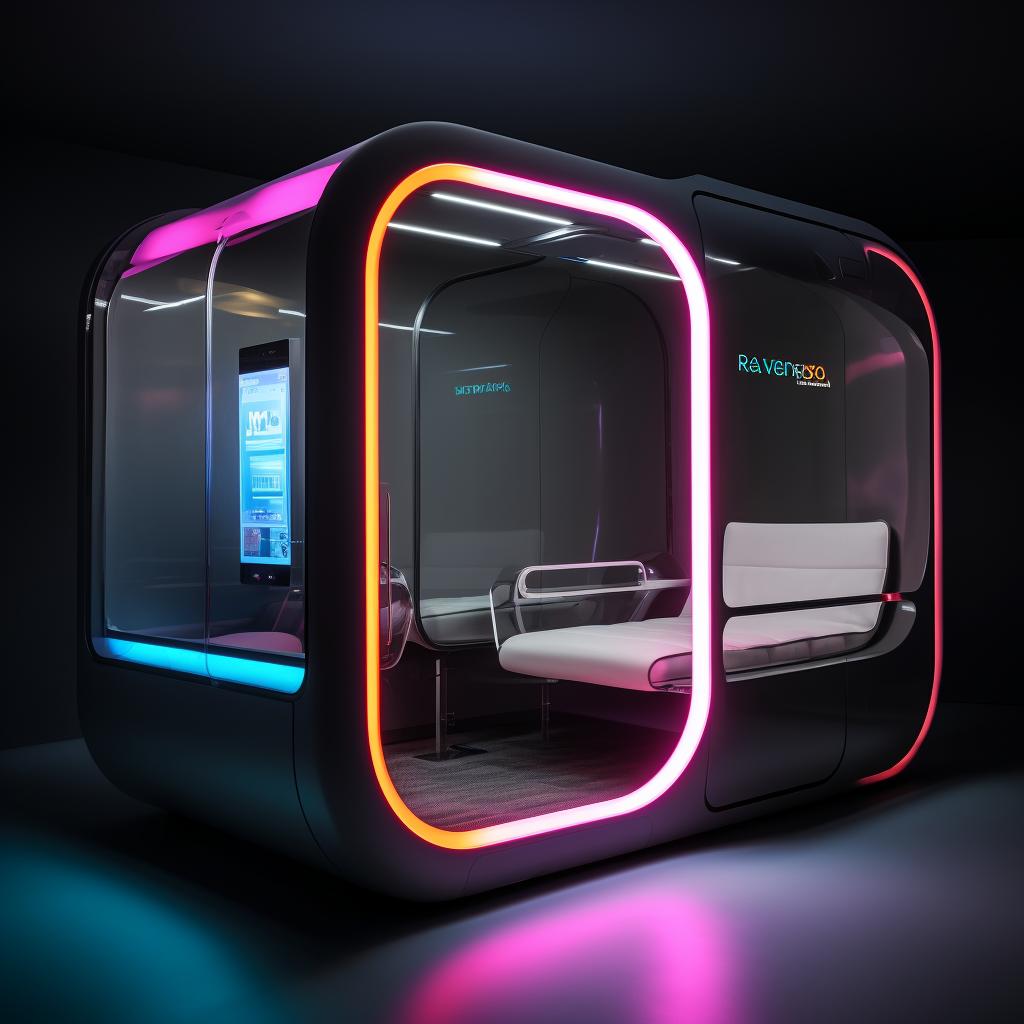
technology integra*on. I can imagine that actual bed spaces and numbers of in-pa*ent beds will evolve to accommodate bases for telemedicine and collateral home-based systems. Only severely acute pa*ents will be admi_ed and serviced within the facility itself.
This will require a ra*fica*on of what we assume bed spaces and wards are and will look like. They will become spaces of collabora*on and well-being; with most medicine being conducted on an “out-pa*ent” basis.
Could this then lead to a more cost-effec*ve and equitable healthcare system as a subsequent consequence?
In recent years, there has been a significant shiV towards home-based care as a preferred alterna*ve to tradi*onal in-hospital treatment. With advancements in medical technology, the growing emphasis on pa*ent-centered care, and the desire for greater comfort and autonomy, more individuals are op*ng to receive healthcare services in the familiar surroundings of their own homes.
Home-based care offers numerous advantages, including reduced healthcare costs, improved pa*ent sa*sfac*on, and be_er outcomes for chronic condi*ons. Pa*ents benefit from personalized care plans, increased independence, and reduced risk of hospital-acquired infec*ons. Moreover, home-based care allows for greater flexibility in scheduling appointments, minimizing disrup*ons to daily rou*nes, and promo*ng a sense of con*nuity and stability for pa*ents and their families.
As the demand for home-based care con*nues to rise, the role of AI in linking homeware with hospital services becomes increasingly cri*cal. AI-powered technologies have the poten*al to revolu*onize the way healthcare is delivered in the home secng, offering innova*ve solu*ons that enhance communica*on, monitoring, and coordina*on between pa*ents, caregivers, and healthcare providers.
One key area where AI can make a significant impact is in remote monitoring and telehealth. By leveraging wearable devices, smart sensors, and mobile applica*ons, AI-enabled plaPorms enable real-*me monitoring of vital signs, medica*on adherence, and symptom progression from the comfort of home. This con*nuous stream of data allows healthcare providers to track pa*ents' health status, iden*fy poten*al issues early on, and intervene proac*vely to prevent complica*ons or hospital readmissions.
As we embark upon this transforma*ve journey, let us heed the clarion call to innova*on and embrace the challenge of sculp*ng healthcare environments that mirror the boundless poten*ality of the human spirit. For in the synergy between visionary foresight and conscien*ous design, we find the crucible wherein the future of healthcare is forged one space, one innova*on, at a *me.