1934-2024
1934-2024
It gives me enormous pleasure to table the President’s Annual Report for the 2023/24 reporting year, particularly given that this marks the 90th anniversary of the Motor Trade Association of Western Australia’s (MTA WA) operation.
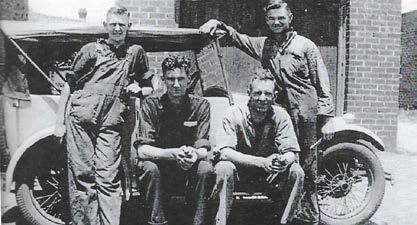
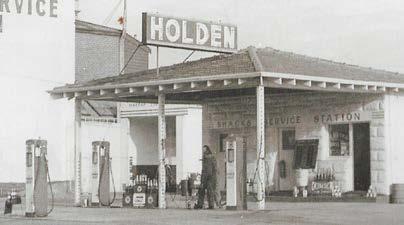
The Association has come a very long way from its early years, starting in 1934 with 22 members and a single focus to improve the trading environment for the industry.
Today that focus has broadened to also include preparing tomorrow’s technicians through our industry-leading training, as well as supplying the industry with quality apprentices through our employment service. The MTA WA now has more than 1,500 members, trains more than 800 apprentices and employs 350 apprentices.
The MTA WA is a multi-faceted business that has seen extraordinary growth over the past several years and we are now both the largest trainer, and largest employer of light vehicle trainees and apprentices in Western Australia.
With growth comes challenges, and it is for that reason that the Board and Management Team have continued their focus on driving a successful strategy through the implementation of key initiatives identified in the MTA WA 2024-26 Strategic Plan.
A key priority this year was to review and optimise our organisational structure to ensure we had the right people in the right roles to meet our objectives effectively. Early in the reporting period, we implemented a revised structure and filled key positions accordingly. The updated structure is detailed within this Annual Report.
Each Business Unit has been tasked with developing a comprehensive business plan that clearly articulates key objectives and performance indicators. The MTA WA and the Automotive Institute of Technology (AIT) has never faced the level of pressure that we are currently experiencing. Although this pressure is largely positive, it also brings with it significant risks if not managed carefully, underscoring the critical importance of the business planning process. I want to acknowledge the Management Team’s efforts in developing and implementing this process, which is supporting the growth of the business and resulting in improved member services.
With the growth of the Association comes the need to ensure that we have the appropriate governance
system in place. To that end, the Board decided to review the MTA WA Constitution. The Motor Trade Association of Western Australia is governed by a constitution registered under the Western Australian Associations and Incorporation Act 2015. The current Constitution, last amended in August 2019 to meet regulatory requirements, has not seen a comprehensive review for decades. Given recent legislative changes, this review is necessary.
The most significant proposed change is to amend the structure of the Association to better reflect current corporate governance practice, including replacing the State Council with a Board of Directors, formerly known as the Board of Management. Importantly, the core objects of the Association remain unchanged, as does its not-for-profit status. Drafting of the revised Constitution was completed in June 2024 and a resolution will be put to the Members at the AGM in November to consider and pass it.
A further significant milestone was achieved during the reporting period with the renaming of the Automotive Institute of Technology (AIT). The AIT has been in place since the merger with MITA, however, this naming structure was the cause of some confusion in the marketplace with numerous clients finding it difficult to locate the service. To address this issue, the Board agreed to rename the AIT to MTA WA Training, and this change was approved in June this year. This name change will significantly improve the identification of our training services and represents a more consistent branding with the MTA WA.
The work completed during the reporting period on business planning and structural improvements has laid a solid foundation for the Association’s continued success. The timing of this could not be more appropriate as the industry enters a sustained period of change. Whether that is through the introduction of policies such as the National Vehicle Efficiency Standards, or the emergence of new entrants to the
I am immensely proud of the work that the Board and the Management Team have accomplished this past year, charting a very clear course for the Association’s future.
new car market with advanced technologies, change will be the Association’s greatest challenge. It is imperative that we have an Association that can work closely with Government to ensure our members’ interests are protected and promoted.
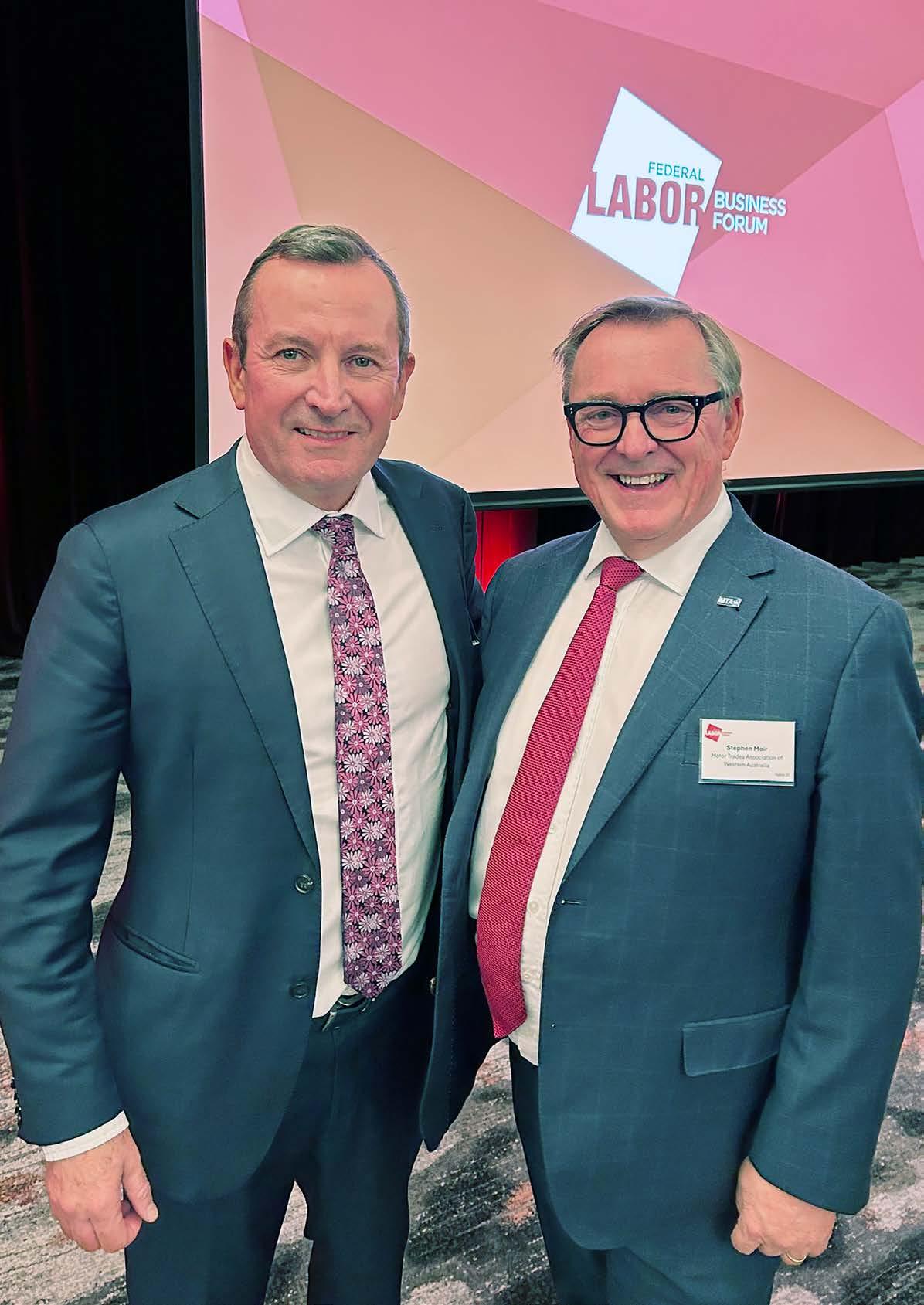
The CEO has maintained a very high level of political engagement throughout the reporting period, greatly aiding the Association in ensuring that issues of relevance to our members are tabled with Ministers. It is pleasing to note that we have achieved several significant outcomes, the details of which are contained within this report.
Regarding our assets, the MTA WA had retained ownership of the building at 35 Great Eastern Highway in Rivervale, despite our relocation in 2014. While we have enjoyed continuous tenancy during that period, the building was in need of significant maintenance. The Board, considering current market conditions, decided that the time was right to sell the property. The sale process was concluded in May 2024, and the
proceeds have been placed in a rolling term deposit for the MTA WA.
I am immensely proud of the work that the Board and the Management Team have accomplished this past year, charting a very clear course for the Association’s future. While there is no doubt that challenges lie ahead, we are confident that we have developed an organisation that is not only responsive to our members’ needs, but also capable of addressing external challenges as they arise.
In closing, I thank the Board for their support over the past year. I think we can all agree that we are now witnessing the fruits of our labour over the past decade, and we have a clearer pathway forward.
To our Management Team, led by our CEO Steve Moir, thank you for your commitment to our members and the Association. Your perseverance through numerous challenges has brought us to where we are today, and the Board and I are very excited about the future.
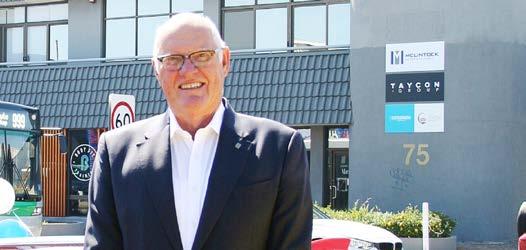
RAY MOUNTNEY PRESIDENT
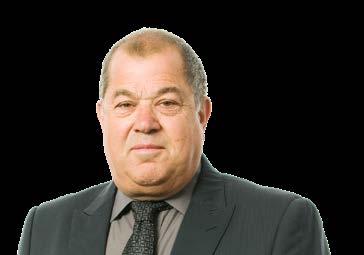

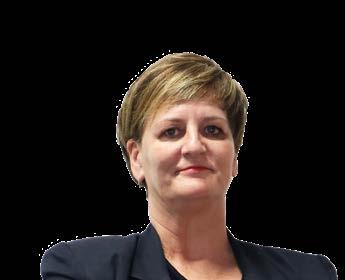



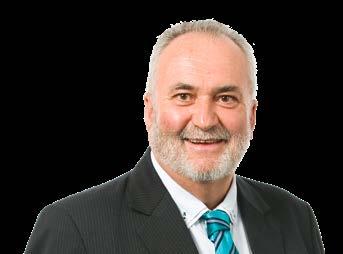


It is my great honour to table the 2023-24 Annual Report of the Motor Trade Association of Western Australia (MTA WA) in what is our 90th year of operation.
Commencing as the Western Australia Service Station Association in April 1934, the Association has grown substantially in that time to now be one of the largest and most influential industry associations in Western Australia (WA).
The Association has returned a strong financial result for the reporting period, which places the business on a firm footing for the next year.
During this reporting period, the Association has maintained its growth across all business units, resulting in a level of pressure unlike anything in our collective history. While this pressure is a positive indicator of success, it also brings with it significant risks if not managed carefully. This underscores the critical importance of the business planning process initiated through our 2024-26 Strategic Plan. Comprehensive business plans have now been developed and implemented across the Association, and regular reports are provided to the Board on progress.
The primary focus of the MTA WA is, and always will be, servicing our members, and I am pleased to report that during this period, we successfully restructured and expanded our Membership and Industry Engagement team. This refresh will enhance our ability to engage with members – an essential focus as we face tightening economic conditions. The rising costs of running a business impacted many members, leading to an unfortunate increase in business closures. Despite these challenges, the MTA WA team will continue to work hard to assist our members as they navigate these difficult times.
The team successfully launched the first regional engagement program since the COVID-19 pandemic, hosting events in Kalgoorlie, Esperance and Albany. The positive feedback from these events highlighted the importance of regular networking opportunities for our members, and in response, we plan to roll out a series of similar events across the state over the next twelve months.
Our advocacy efforts have delivered several key outcomes that will be of benefit to our members, and I would like to thank the team for their work in this area. Issues such as preventing odometer tampering,
addressing long held concerns over Gross Combined Mass (GCM) and Gross Vehicle Mass (GVM) policies, the introduction of the National Vehicle Efficiency Standards (NVES) and the review of the Franchising Code, represent some of the more significant issues that we have addressed.
The MTA WA works closely with the Cook State Government, and we enjoy a very effective working relationship across the Ministry. In all, over 70 individual meetings were held with members of the State Government during the reporting period, reflecting the excellent access afforded to the Association by the government.
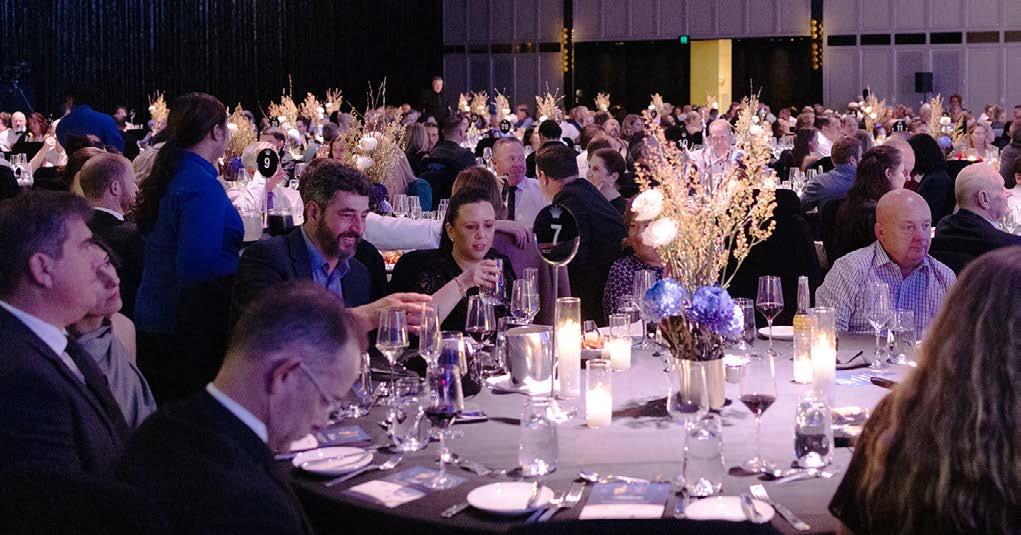
The MTA WA Automotive Awards were held at Crown Perth on 12 August 2023, and the event was a resounding success with 400 attendees, outstanding award recipients, and top-notch entertainment contributing to a memorable evening. However, hosting such an event requires a phenomenal amount of resources. After extensive discussions by the Board, it was decided to transition the Awards to a biennial program. This change is expected to generate a stronger response from both members and the industry, amplifying the program’s overall impact.
The strength of the MTA WA lies in our people, and we have made substantial efforts to develop and implement a robust staff engagement and retention strategy. This strategy focuses on improving our recruitment processes, retaining top talent, and fostering a positive workplace culture. A key part of this effort involved reviewing our employer value proposition to ensure that it effectively incentivises staff to achieve high performance standards and positions us as an employer of choice for both current and prospective employees. While I believe that we have largely achieved this, maintaining this focus will be crucial as we move forward.
A notable achievement during the reporting period was the successful recruitment of a Workplace Health and Safety (WHS) Coordinator. The MTA WA not only employs 59 staff, but also a large number of apprentices through the Apprentice Employment Service, which brings an inherent WHS risk that must be managed effectively. The appointment of a WHS specialist has been instrumental in improving our risk management and mitigation processes, ensuring the MTA WA remains fully compliant with workplace
legislation. I am pleased to report that our WHS Coordinator has already made significant strides in improving WHS practices, further safeguarding our staff and apprentices.
The Apprentice Employment Service has undergone a comprehensive review, resulting in a name change that more accurately reflects the breadth of services offered to both members and apprentices. Performance over the year has been solid, with 343 apprentices employed and placed with 177 hosts – an increase from the previous reporting period. Further work will be undertaken to build on this part of the business and to ensure that it remains Fit for Purpose and relevant to our members.
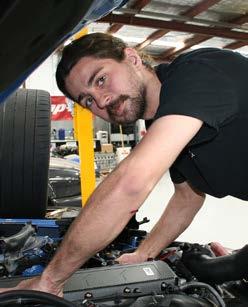
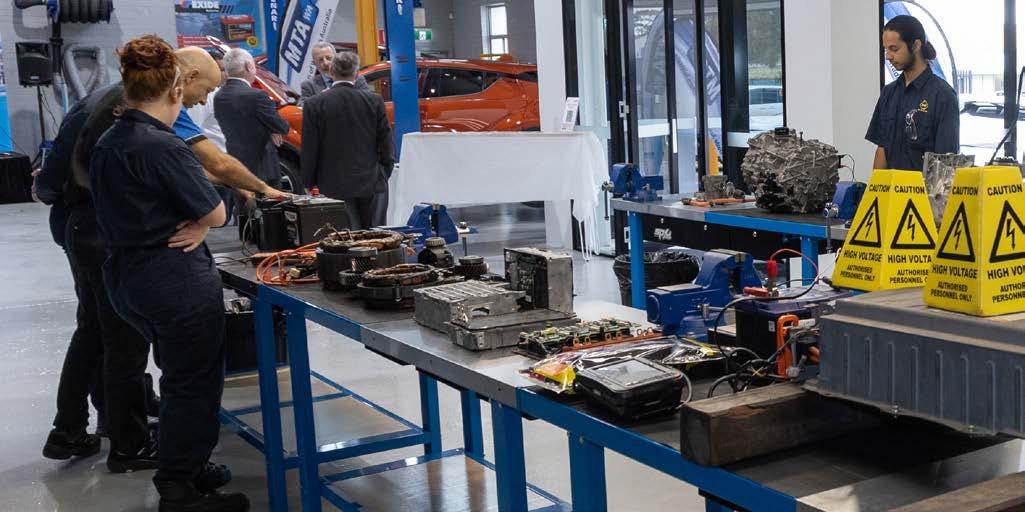
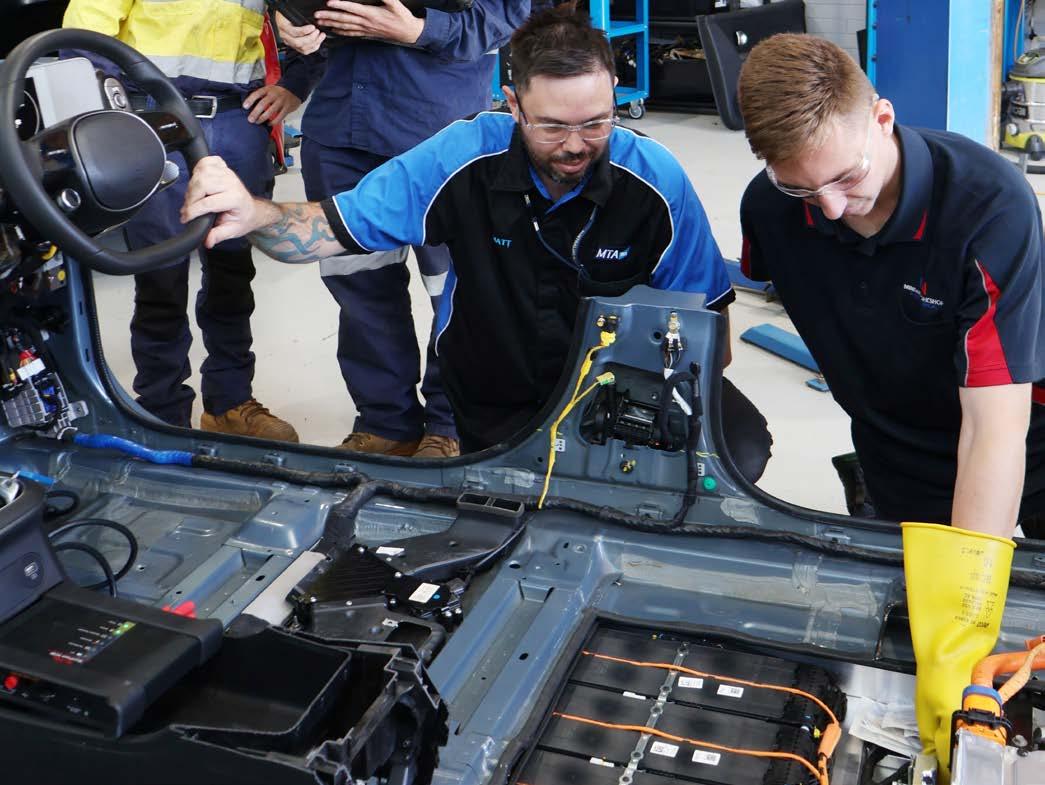
MTA WA Training has retained its position as the largest and most preferred training provider for the light vehicle and auto electrical sectors in WA. The division recorded an impressive 1,350 learners at the end of the reporting period, including 672 in light vehicle apprenticeships, 161 in auto electrical, and strong growth in battery hybrid and air-conditioning post trade programs. Our training programs have received strong support from manufacturers, who have generously donated late-model vehicles, including an Ineos Grenadier and Hyundai Ioniq 5 electric vehicle. I would like to express my thanks to Ineos Perth, Hyundai and Kia for their ongoing support in ensuring that the MTA WA has the most upto-date training resources of any provider in the state.
The year’s great results were capped off with the announcement that MTA WA Training has been nominated as a finalist in the Large Training Provider category of the 2024 State Training Awards. This recognition is a testament to the exceptional work done by our team.
At the national level, the focus of the State Associations was on recruiting a new CEO for the Motor Trades Association of Australia (MTAA), a goal achieved in February 2024 with the appointment of Matt Hobbs. Matt brings over ten years of experience in the automotive industry, having served as Director of Policy and Advocacy with the Federal Chamber of Automotive Industries (FCAI) and holding key roles at Nissan Motor Company and General Motors.
Matt walked into the perfect storm with the Federal Government’s announcement of the National Vehicle Efficiency Standards (NVES) in February. The standards as announced, were the most stringent in the world, with the Federal Minister attempting to compensate for a decade of inaction by pushing through harsh regulations. These standards, as initially proposed, would have resulted in significant price increases for some of Australia’s most popular vehicle models.
The MTAA, in collaboration with state counterparts, successfully negotiated several key amendments that softened the initial impact of the new standards. This collaborative effort facilitated a more orderly introduction of the new system, and all involved parties are to be congratulated on this outcome.
MTA WA Training has retained its position as the largest and most preferred training provider for the light vehicle and auto electrical sectors in WA.
During the six-week consultation period, the MTAA and state MTAs participated in over 40 meetings with Ministers and government, underscoring the importance of this issue to the industry.
Additionally, the MTAA and state representatives participated in the Franchise Code Review led by Dr Michael Schaper. In partnership with the Australian Automotive Dealers Association (AADA), the MTAA advocated for a number of changes, including the creation of a standalone code for motor vehicle dealers, the expansion of the Code to cover other ancillary automotive sectors such as trucks, farm machinery and motorcycles; and the expansion of the ‘unfair contractual terms’ regime to all franchises and dealers.
It was disappointing that the review did not recommend any meaningful changes to how the Code affects the automotive sector, but the MTAA and AADA have committed to continuing to advocate for much needed change to protect dealers into the future.
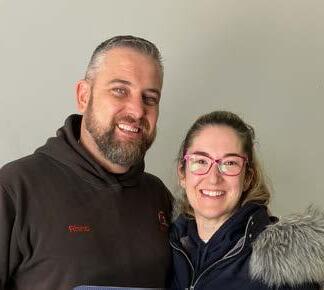
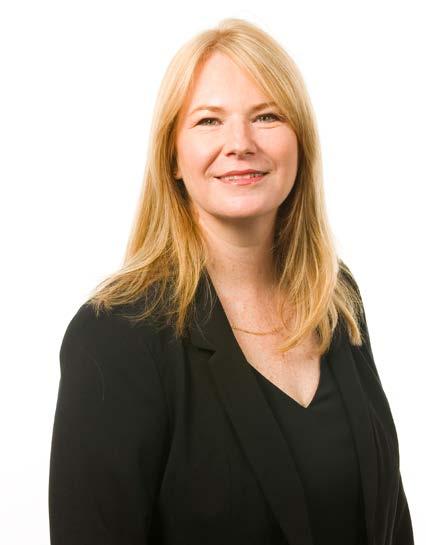
The work completed by the team over the past twelve months has been exceptional, and I would like to acknowledge and thank the whole team for their efforts to achieve the results highlighted in this report. I particularly want to acknowledge the outstanding work of my Group Chief Financial and Operations Officer, Rhona Varkevisser, and her executive team – Tony Cawley, Mel Greenhow, Graham Cawley, Michael Kar and Steve Spini. Their commitment to implementing the restructure, developing business plans and leading their teams has been instrumental in achieving our results. I also extend my gratitude to Executive Officer, Larni Doherty, for her great support throughout the reporting period.
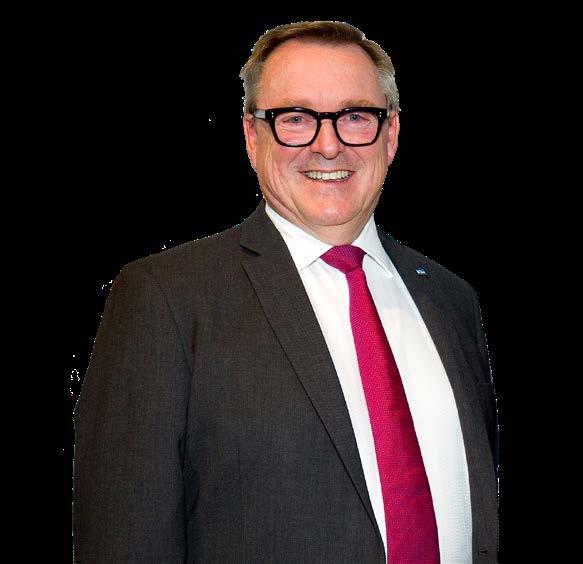
The MTA WA has greatly benefited from the dedication of our members who give their time to serve on the Board of Management, and I want to thank the Directors for their wise counsel, and guidance over the past year.
This year marks the final year of Ray Mountney’s tenure as both President and Board Member. Ray joined the Board in November 2014 and was elected President in October 2018. Ray is a champion not only for motor vehicle dealers, but for the broader automotive industry, and he has worked tirelessly to improve the trading conditions of the industry. He has made numerous presentations to politicians both at a state and federal level, and members are very fortunate to have had an individual of Ray’s calibre as their President. Ray has also provided tremendous support to me personally, having always been available when I have required a reference point. I know the team have also valued greatly his leadership, particularly during the dark days of the COVID-19 pandemic.
Of all the achievements of the past year, I am most proud of the culture that we have cultivated at the MTA WA, which sets us apart from many industry associations and businesses.
Members have a great team of people at the MTA WA who are committed to providing the very best possible service, and it is this fact that makes coming to work every day a real pleasure. It should also be the most important reason that members retain their membership into the future.

STEPHEN MOIR GROUP CHIEF EXECUTIVE OFFICER
The financial statements and accompanying notes for the fiscal year ending 30 June 2024 are presented in this Annual Report for your review.
The consolidated total comprehensive profit for the year stands at $955,365. Our significant investments over several years, both financial and in terms of resource allocation, in strategic initiatives such as technology, facilities, process reviews, services, engagement activities, and personnel have positively influenced not only our financial outcomes but also the experiences of our members, employees, and learners.
The Group’s three main operational units have delivered impressive results. Key highlights include:
• Revenue from membership and related services reached $1.4 million.
• The number of employed apprentices increased by 5% year-over-year, contributing $17.7 million in revenue and a 3% growth in gross margin within the Apprentice Employment Services.
• The high demand for our training programs generated $5 million in revenue, an increase of $487,000 compared to 2023. All three sites have operated at or near full capacity throughout the year.
• Operational expenditures have been closely managed, with resources allocated to areas that enhance our vision and mission. Ongoing projects to identify efficiencies and savings have further improved our financial standing.
• We have made substantial investments in our staff through professional development and training, as well as by reassessing roles and responsibilities to ensure their relevance and effectiveness.
• Additional resources have been allocated to bolster compliance and work health and safety as our workforce exceeds 400 staff, apprentices, and trainees.
Investments this financial year have also yielded strong returns:
• Rental income from the fully tenanted properties was $691,140 for the year.
• Dividends received and reinvested in Managed Funds amounted to $381,758.
• The unrealised gain on managed funds was $944,882, reflecting a 66% increase over the previous financial year.
• No funds were withdrawn from the portfolio to finance operations or strategic investments during the 2023-24 fiscal year.
As of 30 June, the Consolidated Statement of Financial Position shows that net assets have strengthened to $24,324,997.
The sale of the land and buildings at 35 Great Eastern Highway, Rivervale, in May 2024, realised $4,650,000, with associated sale fees of $119,000. The Board is evaluating optimal investment options for these funds to support the Association’s objectives.
In 2023 the Group obtained external independent valuations for its land and building assets. As a result, the total fair value increase of $1,572,364 was recognised to increase the fair value of the properties to the independent valuation amounts at 30 June 2023. Management did not identify any significant changes which would indicate the fair value from 30 June 2023 was not appropriate at 30 June 2024.
I want to express my sincere appreciation to our exceptional team for their commitment to our strategic initiatives while maintaining robust operational focus. In the coming year, the Board and Management will continue to invest in the organisation to achieve the objectives outlined in the Strategic Plan and to enhance our operations, ensuring we deliver the highest quality service to our valued stakeholders.
RHONA VARKEVISSER GROUP CHIEF FINANCE AND OPERATIONS OFFICER
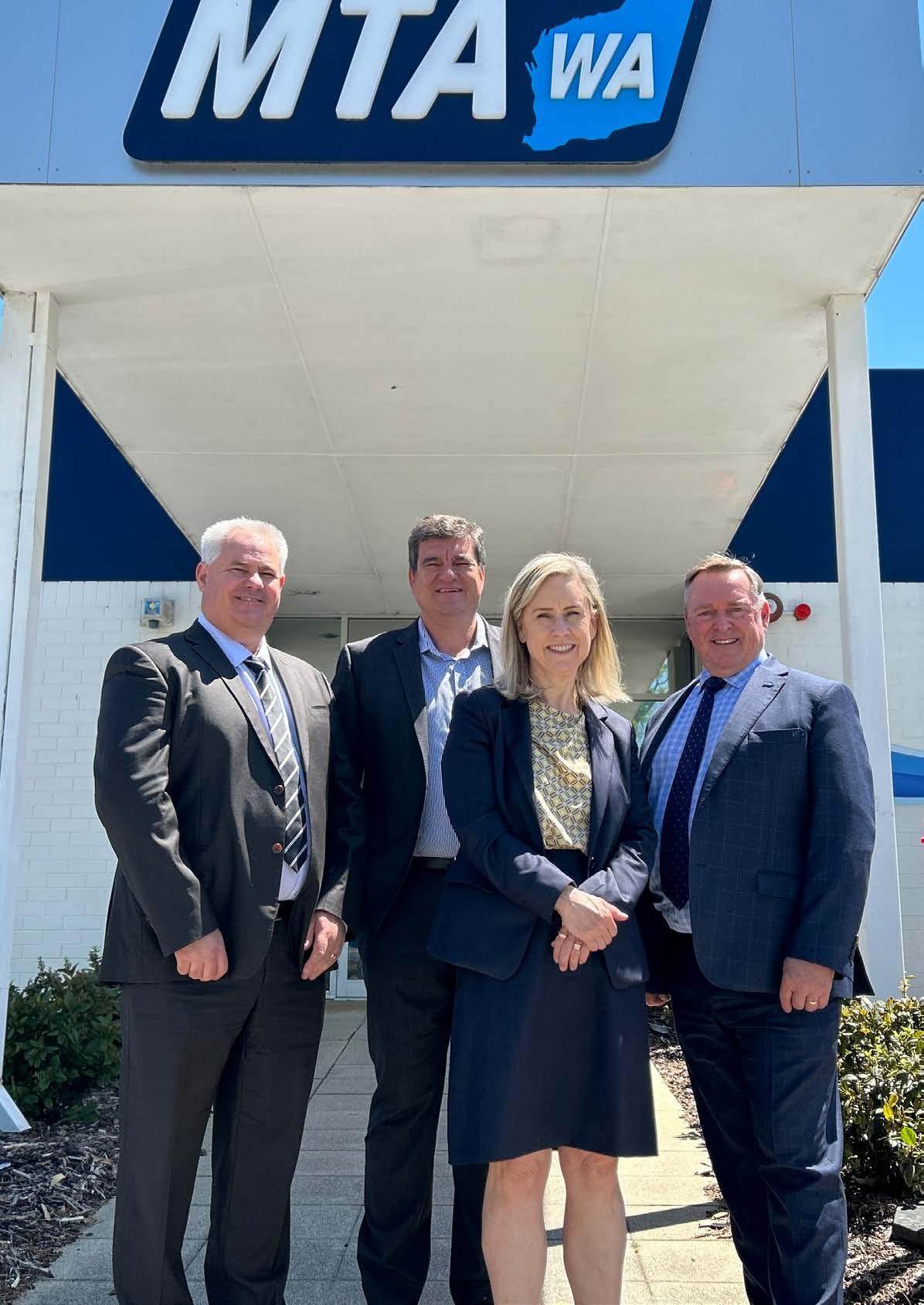
During 2023/24 the MTA WA, like many other businesses, contended with the challenges of attracting and retaining suitably qualified staff and adapting to unprecedented changes in employment legislation.
A Staff Engagement and Retention Strategy was developed to address challenges in the recruitment and retention of staff posed by external competition for available talent and labour shortages.
Workplace flexibility, investment in staff training and the creation of a positive workplace culture formed the cornerstone of the business’s attraction and retention efforts. In particular, flexible work arrangements were expanded to enable staff to better meet their obligations to family and work.
The business also continued to develop a range of staff activities to foster camaraderie, and recognise good work performance and teamwork. Critically, the business took steps to review its employer value proposition to ensure that it effectively incentivised staff to achieve high standards of performance and position the business as an employer of choice to current and prospective employees.
Staff turnover increased by 6.48 percent during 2023/2024 reporting period. In a year where employers had to compete more intensely for available talent and the business reshaped its operations to better achieve its business goals, this turnover was not unexpected. Significantly, recruitment was successfully conducted by the business’s inhouse recruitment team for all new and vacant positions across the business with no major operational impacts.
During the year a succession plan was also developed to assist with resourcing and the mitigation of significant operational impacts which could arise from the separation of key staff.
Workplace health and safety was another key driver of our business during the year with the business appointing a dedicated health and safety professional to drive safety performance and compliance. This additional resourcing has allowed the business to significantly improve its safety management practices and systems.
Safety will continue to be a priority for the MTA WA in the coming year with the business having commenced work on pursuing safety accreditation under ISO 45001.
Looking to the future, the business will continue work to ensure that it improves its human resources practices and processes and safety performance. We are confident that the MTA WA’s focus on these areas will help us to ensure that our people are well positioned to deliver the best possible service to our members.
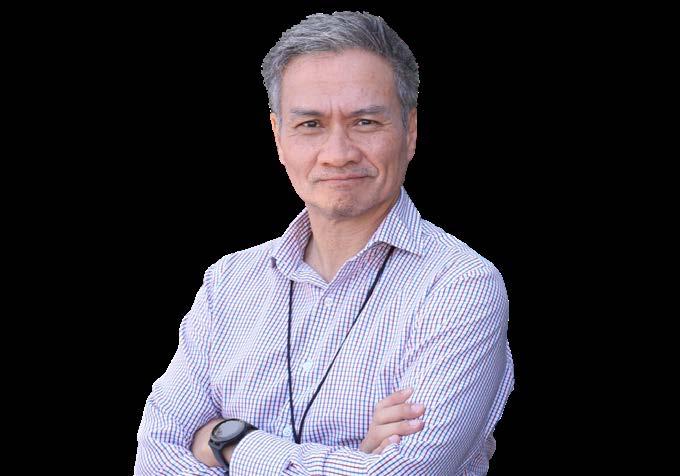
MICHAEL KAR GENERAL MANAGER WORKPLACE RELATIONS & WHS
GRAHAM CAWLEY General Manager Membership & Industry Engagement
LARNI DOHERTY Executive Officer / Team Leader Membership Administration
FIONA HOGAN Membership Administration Officer
MICHELLE TROTTER & SAMANTHA CURRIE Receptionist & Administrative Assistant (job share)
MARIE DONATO Membership Service Manager
MELANIE POOL Membership Service Manager
LUKE ROWE Membership Service Manager
XAHLIA JEFFCOTE Membership Officer
MICHAEL KAR General Manager Workplace Relations & WHS
MEAGHAN JONES HR / Employment Relations Advisor
JENNY HOTINSKI Employment Relations Advisor
ANDREW MCLEAN WHS Coordinator
FAY WANG Finance Manager
JAMES WELLS Management Accountant
TERESA TUCKER Senior Payroll Officer
SUMITA RABADIA Payroll & Administration Officer
JOTHY BABU Accounts Receivable Officer
JANET MOY RTO Invoicing Officer
BOARD OF MANAGEMENT
STEPHEN MOIR Group Chief Executive Officer
RHONA VARKEVISSER Group Chief Finance and Operations Officer
MEL GREENHOW General Manager Training
KELLY TURNER RTO Quality Control Officer
DAVIDE TREVISAN-SINGH RTO/GTO Compliance Coordinator
NATALIE KEMPTON RTO Assistant Manager (Admin)
AMANDA BASSON Training Admin. Officer
JAYNE KAY Training Admin. Officer
BRIANNA WHELAN Training Admin. Officer
VERITY HO (12 month contract) Training Admin. Officer
TONY CAWLEY Chief Information & Digital Officer
ZARA FINLAYSON Marketing & Events Manager
MIVALAA PAEZ-AGUILAR Marketing Coordinator
STEPHEN SPINI Apprentice Employment Manager
PAUL HARVEY Assistant Apprentice Employment Manager
RENATO BARONI Apprenticeship Employment Consultant
JASON FAY Apprenticeship Employment Consultant
BRADLEY KING Apprenticeship Employment Consultant
SIMONE MAPLE Apprenticeship Employment Administrator
JASON AKERS
TOMMI AHO
JUSTIN BROWNE
ADAM FARMER
LEE FERGUSON
PADDY FIUMANO
Workshop Controllers
MATTHEW WEMYSS KEVIN ELLEMENT (Balcatta) (Maddington)
Trainer / Assessors
BRAD GAMEL
JARED GOULD
ROBBIE GIVEN
MAARTEN HARDY
ANGELA JOYCE
SARAH KNIPE
BRENDON M cCARROL
RYAN META
IAN SHELDON
CLIFF TINDALL
BRIAN UREN
MARK WASTALL
The automotive industry has continued to perform well over the reporting period. Both new and used vehicle sales, as well as caravan sales, have seen record results in nearly every month of the 2023-24 financial year. This surge in activity, driven by heightened consumer demand, has created pressure points, particularly in relation to skilled labour shortages.
as of 30 June 2024
Member enquiries for business support services greatly assist the MTA WA in developing targeted policy responses and prioritising resources effectively. Over the past year, the Membership and Industry Engagement team increased its efforts to connect with members face to face, launching a regional member engagement series that commenced in June with events in Kalgoorlie, Esperance and Albany. These events were well received, and the team will continue to expand this initiative with a full calendar of events to ensure members have regular access to the MTA WA.
Members are encouraged to look out for upcoming opportunities to engage with the MTA WA through industry forums and events over the next twelve months.
More than 1,000 personal interactions and over 5,000 emails providing support to our members
• REGIONAL MEMBER EVENTS: 3 (Kalgoorlie, Esperance, Albany)
1 July 2023 – 30 June 2024
Over the last twelve months, significant work has been done to strategically review the Membership and Industry Engagement function. This led to the restructuring of the team and the identification of key initiatives aimed, above all else, at enhancing the services and support provided to our members.
After an extensive recruitment process, we have now secured outstanding personnel to strengthen the team, and we look forward to engaging with the industry on a more frequent and impactful basis.
• INDUSTRY SECTOR COMMITTEE MEETINGS: 10
• NATIONAL COMMITTEE AND POLICY MEETINGS: 20
• MEMBER FORUMS: 4, including:
- Unfair Contract Terms webinar with HWL Ebsworth Lawyers
- Odometer tampering industry roundtable with multiple government departments
- AUSMASA industry consultation workshop for accredited training development
- Passion to PANEL with Australian TV and radio presenter Erin Molan
As a Western Australian-owned and operated industry association, the value of our local relationships cannot be overstated. These relationships have been instrumental in the successful year we have enjoyed.
Over the years, we have built strong connections with government departments at various levels, ensuring our members’ concerns are heard. This has led to meaningful and respectful lobbying efforts and significant policy wins for our industry.
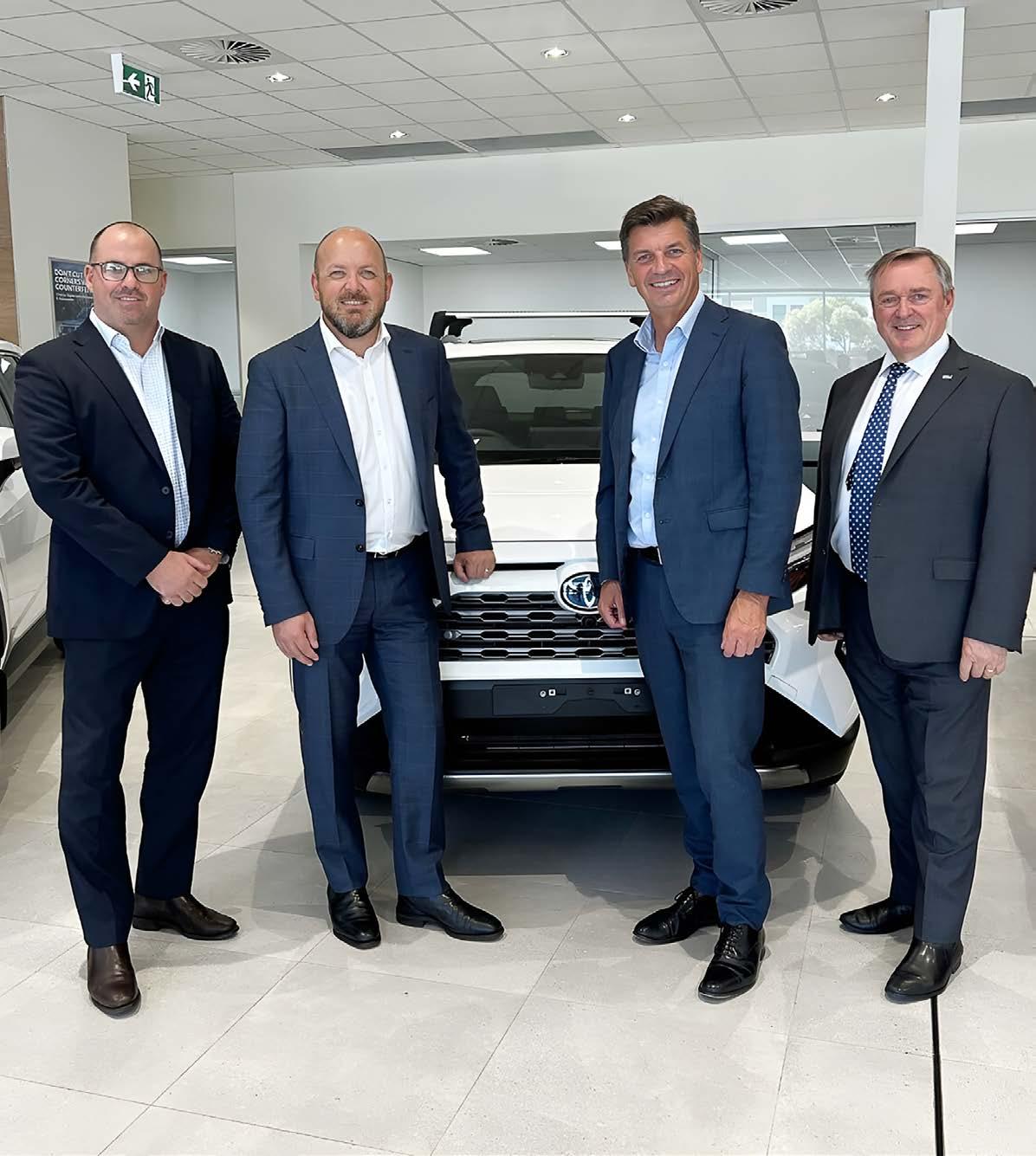
At the national level, the Motor Trades Association of Australia (MTAA), led by CEO Matt Hobbs and the state CEOs, spearheaded discussions on New Vehicle Efficiency Standards (NVES) and the necessary support for the industry in transitioning to low and zeroemission vehicles. This advocacy has already borne fruit, as evidenced by the federal budget allocation for charging infrastructure, electric vehicle training subsidies and our involvement in the development of NVES and Road Vehicle Regulator (ROVER) updates.
Gross Combined Mass (GCM) Rerating Pathway: Established a pathway for GCM rerating for licensed/in-service vehicles in Western Australia, aligning with most Australian jurisdictions.
Registration: Proposed an online renewal option aimed at generating more funds for off-road use areas and increasing the value proposition of purchasing an off-road motorcycle.
Odometer Tampering Risk Mitigation:
Implemented an odometer declaration form and reporting mechanism for industry, with odometer records now publicly available on DoTDirect.
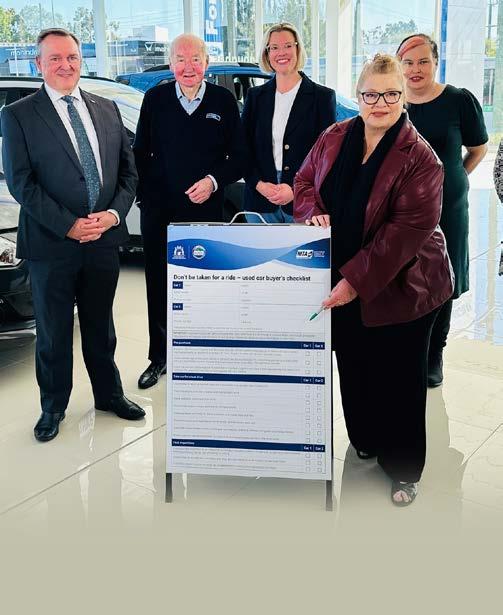
Co-branded MTA WA and DEMIRS Used Car Buyer Checklist: Launched a checklist to aide consumers in making informed decisions.
This
Repairable Write-Off Vehicle Mandatory
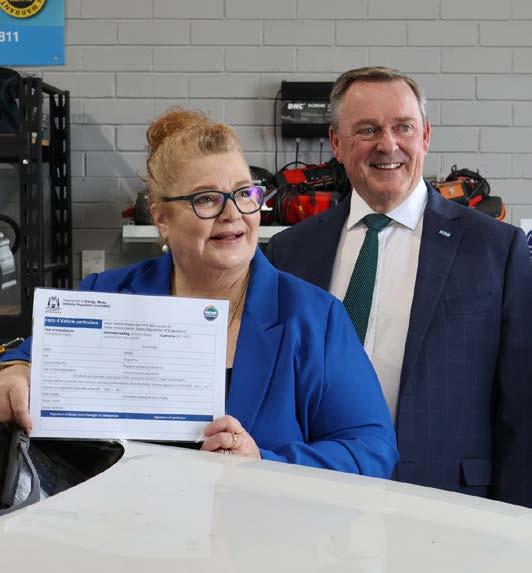
Declaration: Revised Form 4 (Vehicle Particulars) now requires the declaration of written-off vehicles.
Licence Plate Direct Delivery: Successfully trialled direct delivery of licence plates to businesses.
Reduced the number of transactions from 25 to 15 transactions per month, easing congestion at Driver Vehicle Service (DVS) centres. A survey was also conducted to prioritise the Department’s improvements to the Dealer Online System.
MTA WA POLICY AGENDA 2024-25 (WESTERN AUSTRALIA)
Disposal of Uncollected Goods Act legislative reform
Vehicle Standards Bulletin 14 National Codes of Practice review
Development of a Tyre Ageing Policy
Training development for the Caravan Repair sector
Electric Vehicle Awareness Industry Forum
Mandatory vehicle inspections for private-toprivate sales
Investigating the legality of unlicensed private sector vehicle rentals
Improvements to Dealer Online System (DOS) functionality
Expansion of motorcycle off-road use areas
Further reduction of DVS centre congestion:
• DOS account customers to pay through their account when attending DVS centres
• Dealer priority counters to be reinstated at busy DVS centres
• Increased use of online forms and electronic processing of licence-related transactions
Licensing process improvements:
• Heavy Vehicle Dealers to access DOS to licence inspected vehicles
• Heavy Vehicle Dealers with DOS to receive direct delivery of licence plates
NATIONAL POLICY AGENDA 2024-2025
Expand automotive skills and training support
Complete the 15 recommendations of the review of the Motor Vehicle Insurance and Repair Industry Code of Conduct
Ensure fair and effective implementation of the New Vehicle Efficiency Standard
Support automotive businesses and apprentices to invest in EV-related tooling and equipment
Strengthen the Franchising Code of Conduct
Complete Independent Review of the Motor Vehicle Insurance and Repair Industry Code of Conduct
Provide clarification to automotive businesses, manufacturers and consumers on their rights and obligations under the Australian Consumer Law
Undertake automotive tax reform
Establish an end-of-life vehicle program
Expand the Motor Vehicle Service and Repair Information Sharing Scheme
Establish a national Approved Vehicle Examiners Scheme
During 2023/2024 the Workplace Relations team received over 160 enquiries per month from members on a wide range of matters arising under federal and state employment laws.
This period also saw a substantial number of changes to workplace laws at the federal level necessitating an elevated level of support to members.
The following are the key areas in which advice and assistance was sought by members:
• Wages and conditions
• Discipline and performance management
• Termination of employees
• Management of ill or injured employees
• Award interpretation
• Conciliation in the Fair Work Commission.
In addition, the team:
• Kept members informed of changes in employment legislation through monthly member alerts and articles in Engine Room
• Completed a review and refresh of all online member resources on the Workplace Relations Advisory portal
• Created over 18 new practical online guides on common employee problems experienced by members
• Produced summary wage guides for employees covered by the Vehicle Repair Services and Retail award and the Clerks – Private Sector Award
• Developed and uploaded a range of new advanced employment contract templates for member use
• Uploaded new workplace policy templates for member use
• Made all past paid services provided directly by the MTA WA such as representation at Fair Work Commission conciliations available to members at no additional cost.
The workplace relations team also worked with its counterparts in the MTAA to represent the interests of small business and the motor vehicle industry to government in response to proposed changes to employment laws. During the year, submissions were made to government by the MTAA workplace relations group regarding amendments to the Fair Work Act and changes to federal modern awards.
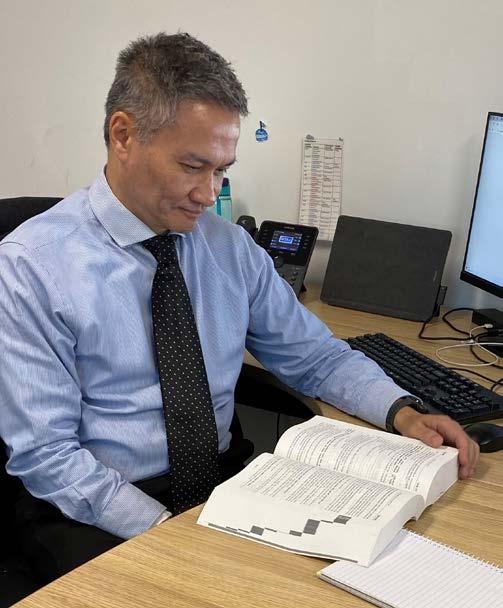
Workplace laws are becoming increasingly complex and keeping up with the current changes is an ongoing challenge for our advisers. To this end the Workplace Relations team attended a number of professional development conferences and seminars during the year to deepen their understanding of changes to employment laws and current employment practices.
Into the future, the Workplace Relations team will continue to develop additional online resources for members and further invest in staff training to ensure that the MTA WA is well positioned to support its members to navigate current and future workplace laws.
Our Registered Training Organisation (RTO), MTA WA Training, has maintained its position as the premier and preferred provider for light vehicle (LV) training in Western Australia. By the end of the year, enrolments in our LV program reached 672 learners, accounting for approximately 40% of all LV apprentices in the state.
Our auto electrical (AE) apprenticeship program also saw significant growth, with 161 learners enrolled as of 30 June 2024 – capturing approximately 25% of the market share, a notable achievement given that we have only been delivering this program for two and a half years. Overall, there were over 1,350 learners engaged with MTA WA Training programs over the reporting period.
Like the broader automotive industry, MTA WA Training faced challenges due to a shortage of skilled employees, which impacted our recruitment efforts. The growth in the training area, along with unplanned resignations, meant that our recruitment efforts continued throughout the reporting period. However, thanks to a dedicated recruitment drive, we successfully filled all positions by the end of the 2023 training year. Additionally, our recruitment efforts allowed us to expand our services by hiring a new Trainer/Assessor based in the South West region, enhancing our ability to service regional clients.
Having a Trainer/Assessor permanently based in the South West has opened opportunities to extend our reach into alternative regions. We are now accepting enrolments from the Great Southern, Goldfields and the Wheatbelt regions. The RTO joined the MTA WA’s Member Services team on a member engagement road trip to Kalgoorlie, Esperance and Albany in June, which helped us connect with new prospective clients in these areas. We have already received new enrolments as a result of this initiative and anticipate continued growth in these regions next year.
The addition of an experienced, dedicated Tyre Trainer has significantly expanded our tyre training program. MTA WA Training now delivers the Certificate II qualification, RPL Assessments and Skills Assessments across the state, including to clients in remote regions like Broome, Port Hedland and Carnarvon. By having the MTA WA Training team travel to these regions, we are now able to offer quality tyre industry training to areas that previously had no access to such resources. We plan to continue working with the regions to expand this service and deliver tyre qualifications statewide.
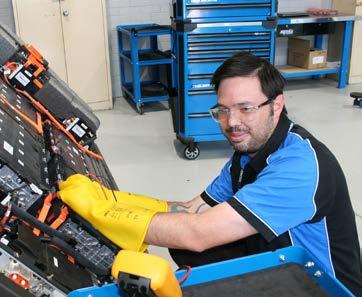
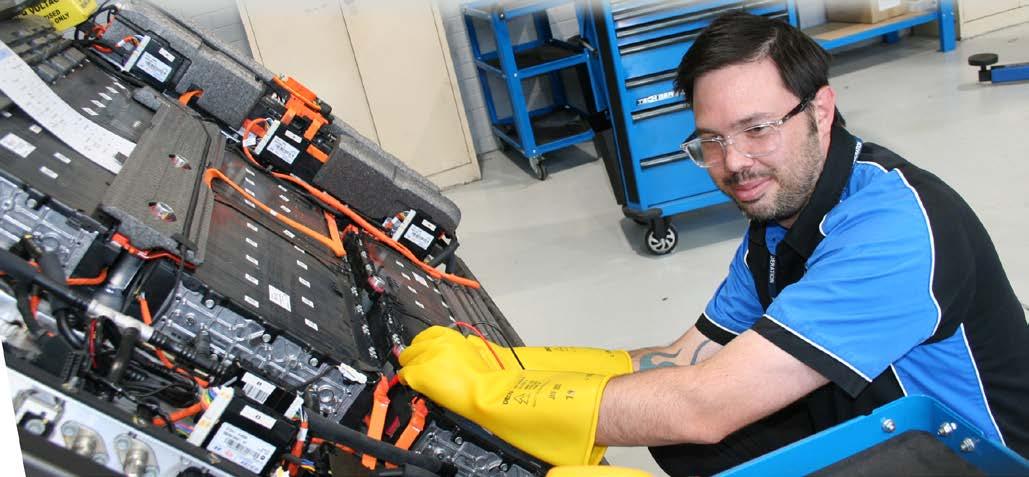
Our post trade training program has also experienced strong growth, particularly in the five-day electric vehicle (EV) course, air conditioning course, and online ‘Working Safely with Hybrid and Battery Electric Vehicles’ program.
Participant feedback remains overwhelmingly positive. Notably, we have partnered with Fortescue Metals Group (FMG) to deliver EV training to their technicians, with FMG purchasing multiple places in the five-day EV course for the upcoming financial period.
FMG also donated a Hyundai Ioniq EV, which has been repurposed as a training resource to further enhance our EV training program.
Pre-apprenticeship applications increased this year, with a promising rise in the number of female applicants. This growth can be attributed to a softening in demand for inexperienced apprentices in the workforce and the cessation of the Federal Government’s apprentice wage reimbursements. Our school-based vocational preparation courses also saw record enrolments, with three full classes running –two in partnership with Career Link north of the river, and one with St Francis School south of the river. Early indicators suggest strong enrolments numbers will continue into next year.
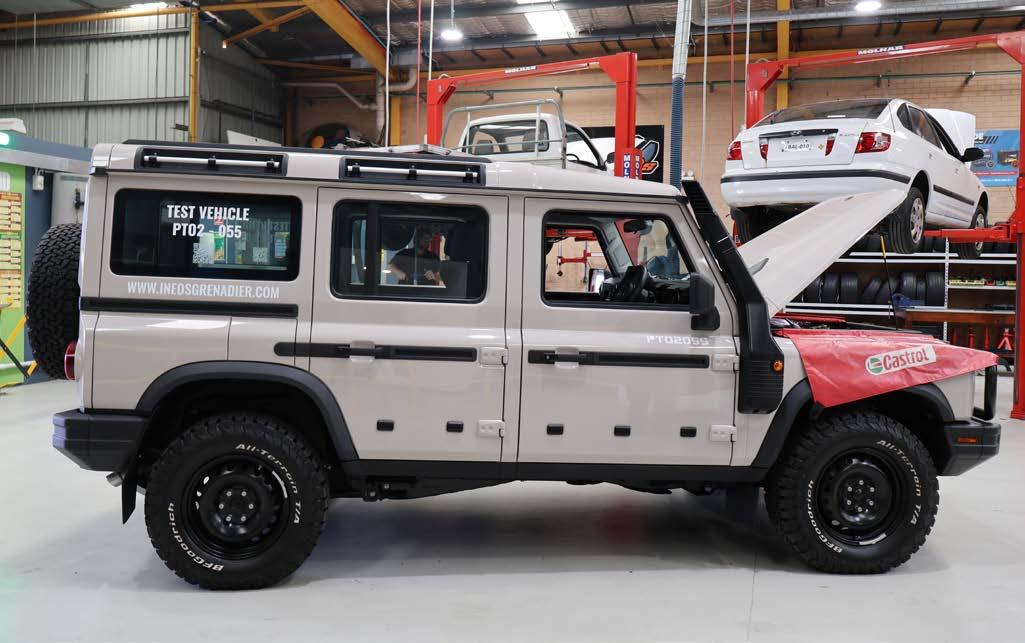
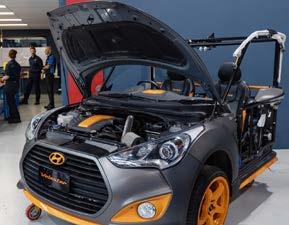
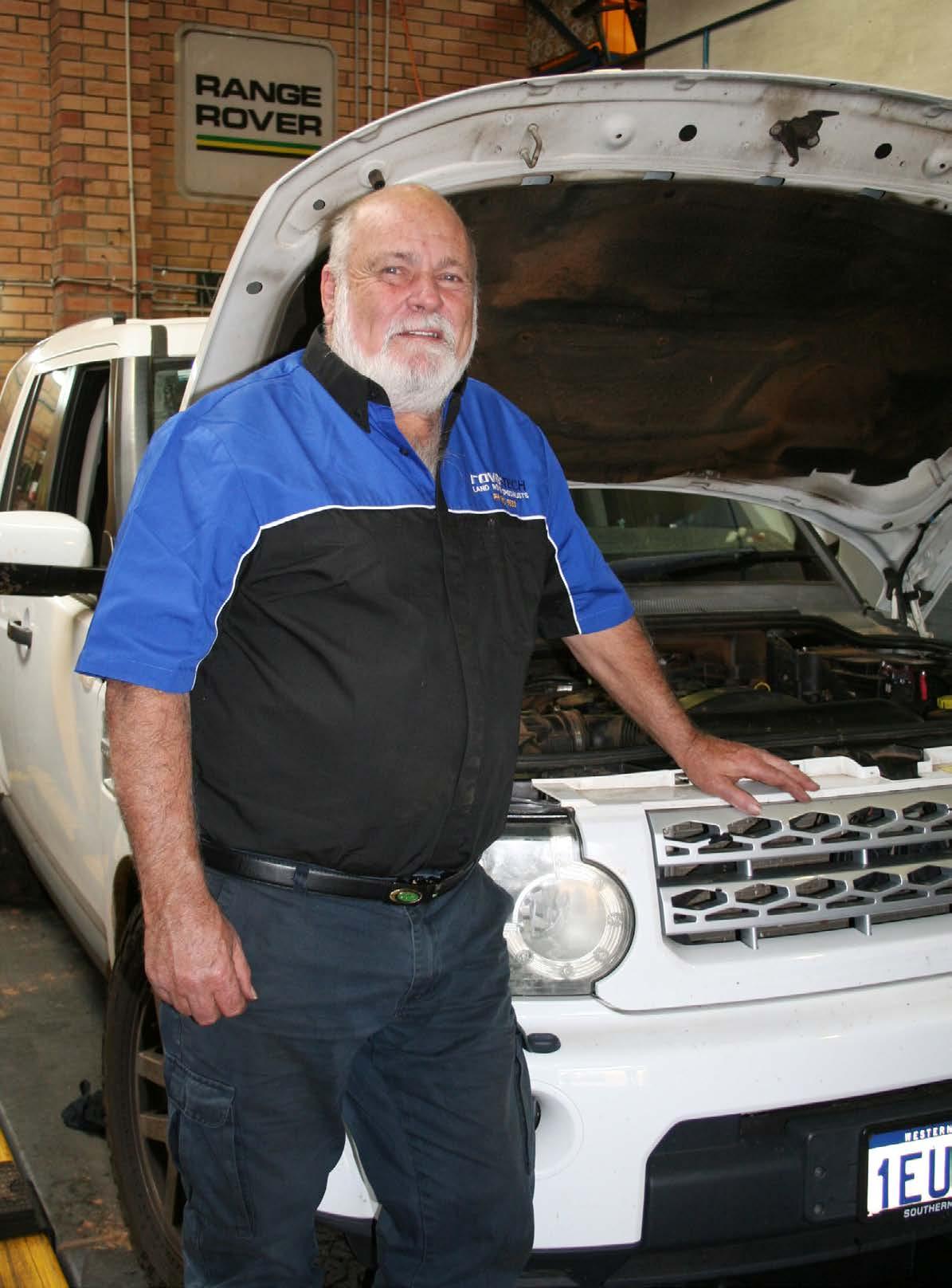
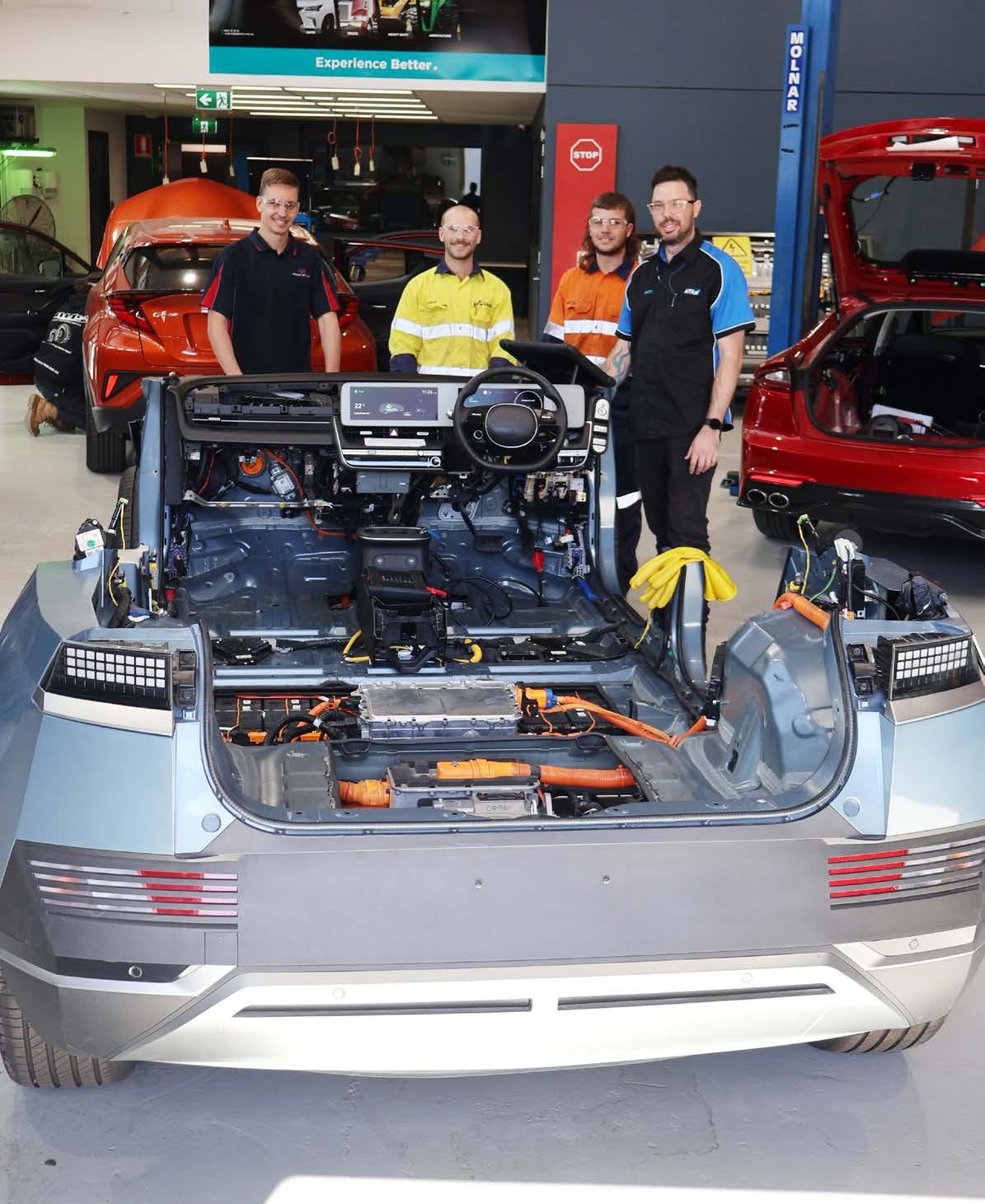
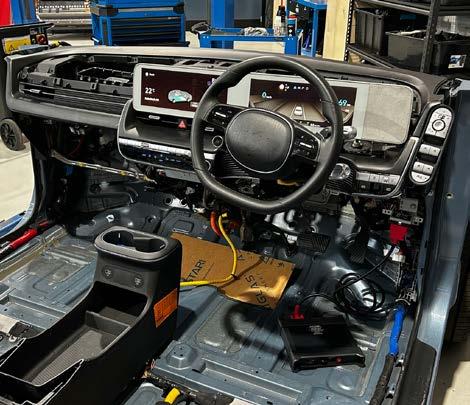
MTA WA Training continues to receive generous support from manufacturers, including Hyundai, Kia and Ineos, who have donated late-model vehicles for use in the training centers. Noteworthy donations include an Ineos Grenadier four-wheel drive and the Hyundai Ioniq 5 EV, which has been sectioned to allow learners full access to a functioning EV system. The Grenadier adds a new chassis platform to support apprentice training.
Additionally, individual clients that utilise MTA WA Training services have continued offering support by donating replaced components, helping us to keep training costs as low as possible for our clients.
A major milestone during the reporting period was our change of name from the Automotive Institute of Technology to MTA WA Training. This significant change simplifies access to our services for clients and ensures greater consistency with the MTA WA brand.
We received official notification and approval in late June, enabling us to commence training under the new name from the start of the new financial year.
The 2023/2024 financial year concluded with a net growth in learner numbers, reinforcing MTA WA Training’s position as the largest provider of LV apprenticeships and EV training in Western Australia.
We look forward to continuing our growth in the auto electrical apprenticeship space and remain committed to providing an exceptional experience for our clients, supported by our dedicated RTO Administration and Training teams.
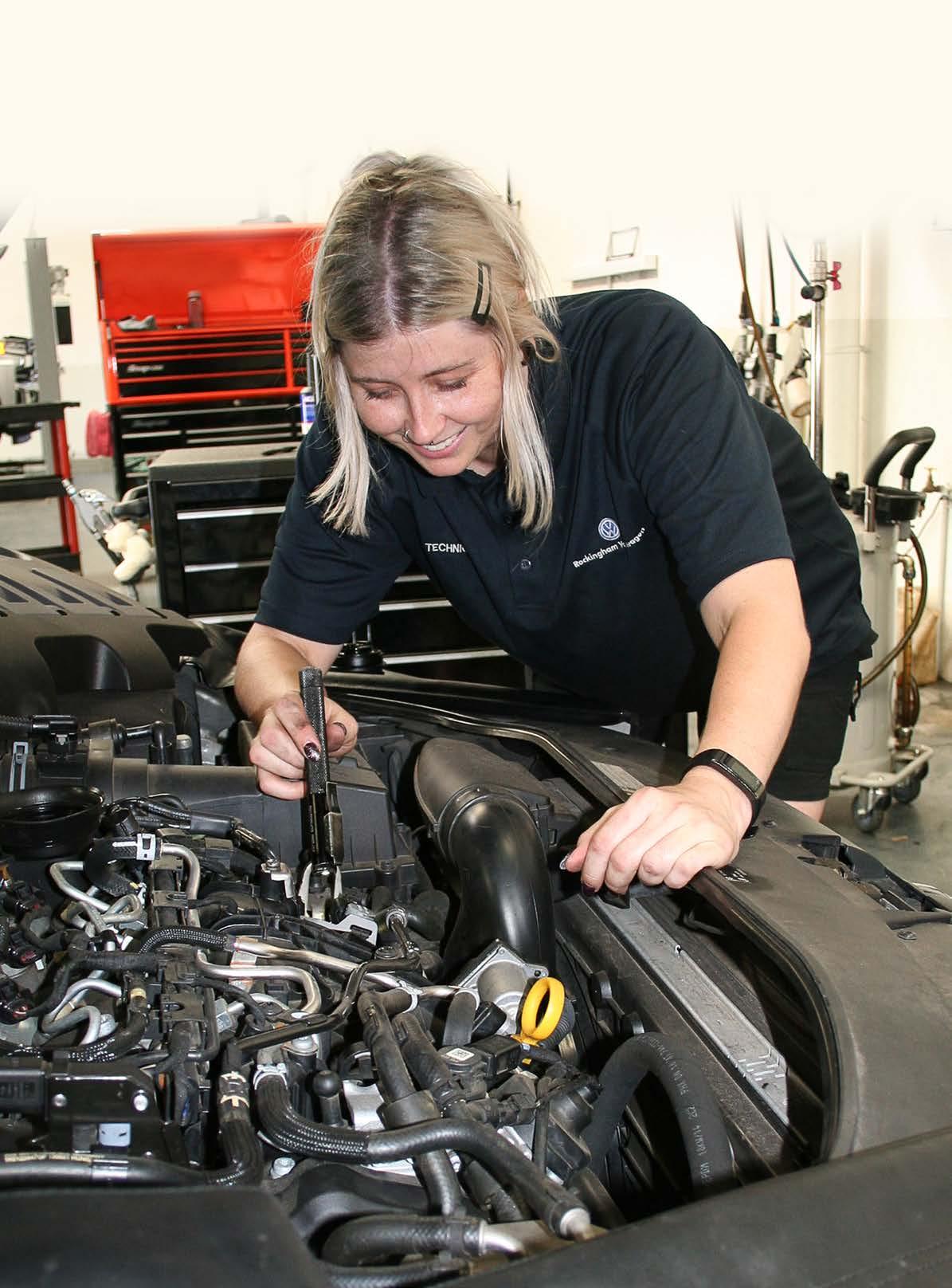
The MTA WA’s Apprentice Employment Services (AES) function is one of the three core operating business units of the MTA WA Group. Previously known as the Group Training Organisation (GTO), this name was found to cause confusion among stakeholders. To better reflect our service offerings, we have rebranded this unit as Apprentice Employment Services.
As a registered GTO, AES is dedicated to employing and managing apprenticeships and traineeships within the automotive industry, and at times, across other industries. The primary purpose of AES is to serve as an intermediary between host employers and apprentices/trainees, ensuring successful training and employment outcomes for both parties.
As part of the 2024-26 Strategic Plan, AES underwent a thorough review at the start of the year. This led to the development of a comprehensive business plan, outlining key initiatives focused on ensuring that the business is Fit for Future, Financially Sustainable, and wellpositioned to Grow and Diversify. This year, our efforts have concentrated on improving WHS risk management, enhancing marketing and stakeholder engagement, strengthening compliance activities, and expanding mentorship activities.
This reporting period, AES commenced 151 apprentices, an increase from 128 last year, and qualified 52 apprentices, up from 36 in 2022/23. The total number of apprentices employed by AES grew to 343 by the end of the reporting period, a six percent increase from the previous financial year’s 324. Despite this growth, there remains a shortage of suitable candidates to meet the demands of host employers, as industries continue to compete for the same pool of young talent.
The number of host employers remained steady at 177, indicating that host employers are the number of host employers remained steady at 177, indicating that host employers are engaging more apprentices in their workshops and demonstrating continued confidence in AES.
With ongoing support from Federal and State governments through incentive payments, the appeal for host employers to engage apprentices and trainees remains strong.
However, while these incentives continue, they are gradually decreasing in funding, and this trend is expected to continue. During the reporting period, approximately 900 incentive payments were processed, validated, and paid to host employers, amounting to nearly $1 million. Notably, this process is carried out at no cost to the host employers, with no additional administrative support or funding provided to MTA WA Training.
AES is an active member of the Apprentice Employment Network WA (AENWA), the peak body representing 27 independent Group Training Organisations. Our representation on the Board of Management allows us to collaborate on national and state issues, promoting better working opportunities for apprentices.
Throughout the reporting period, AES has actively promoted apprenticeships to suitable applicants by attending high school career evenings, expos, and school VET coordinator forums. Our marketing efforts continue to target schools and the broader community, highlighting the excellent career paths within the automotive industry and offering career and training advice to parents and students.
While host employers have traditionally been hesitant to take on school-based apprentices (SBA) due to the parttime nature of the role, this trend is beginning to shift. With the challenges in finding full-time apprentices, SBAs have become a viable option for some employers. As a result, AES onboarded three SBAs during the reporting period.
Looking ahead, we anticipate that skills shortages will persist. AES remains committed to supporting the automotive industry by finding the right talent to meet both current and future demands.
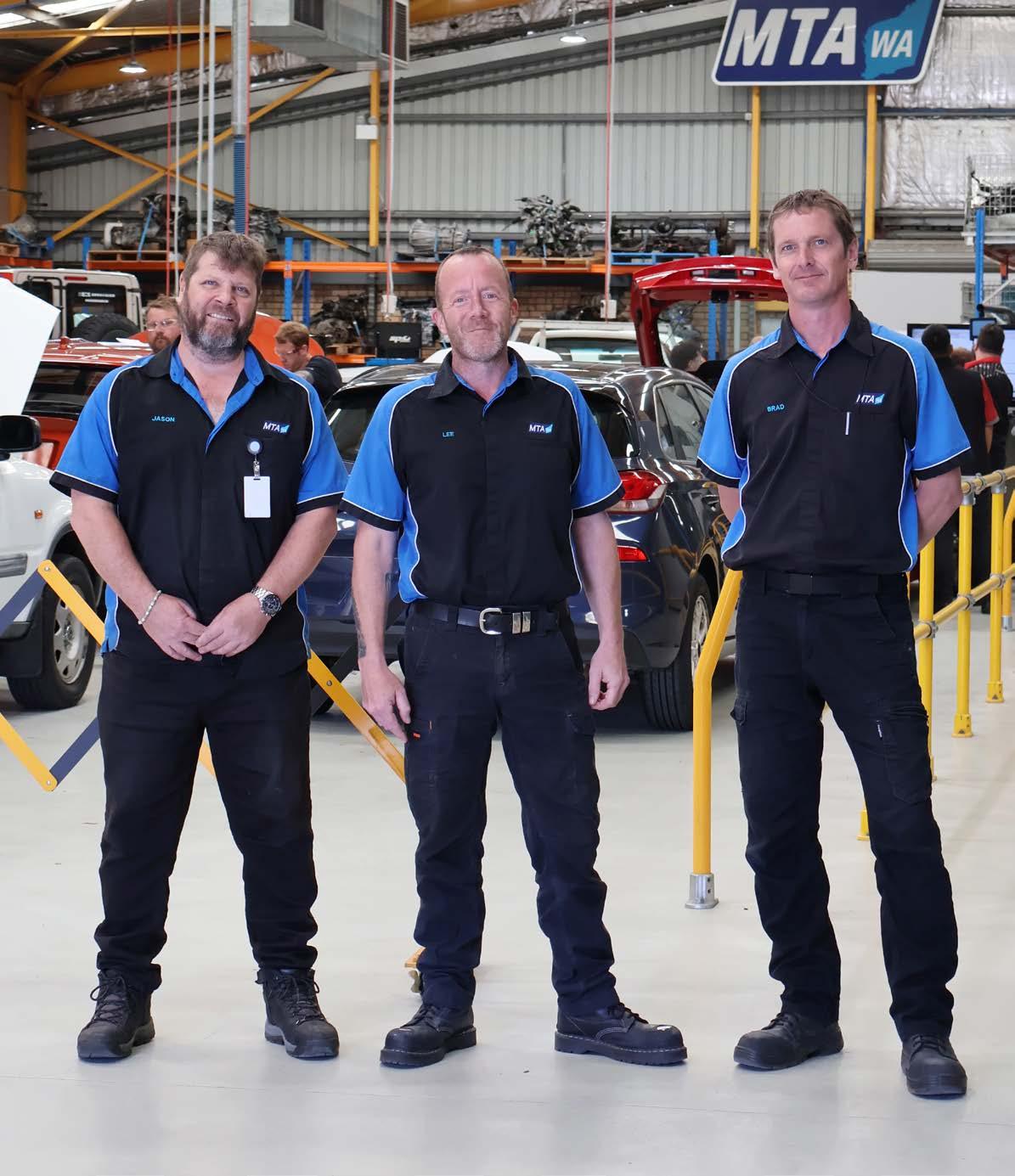
The 2023 MTA WA Automotive Awards were a resounding success, showcasing the industry’s best and brightest. On 12 August 2023, 400 MTA WA members, business partners, and stakeholders gathered to celebrate at a gala event. The night was filled with emotion as finalists and winners were recognised for their achievements, culminating in Reneew Collision Repair Centre receiving the inaugural Automotive Excellence Award.


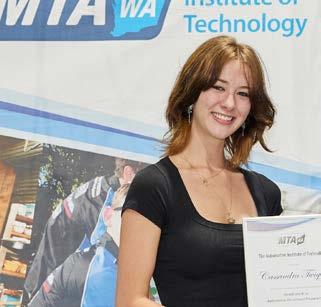
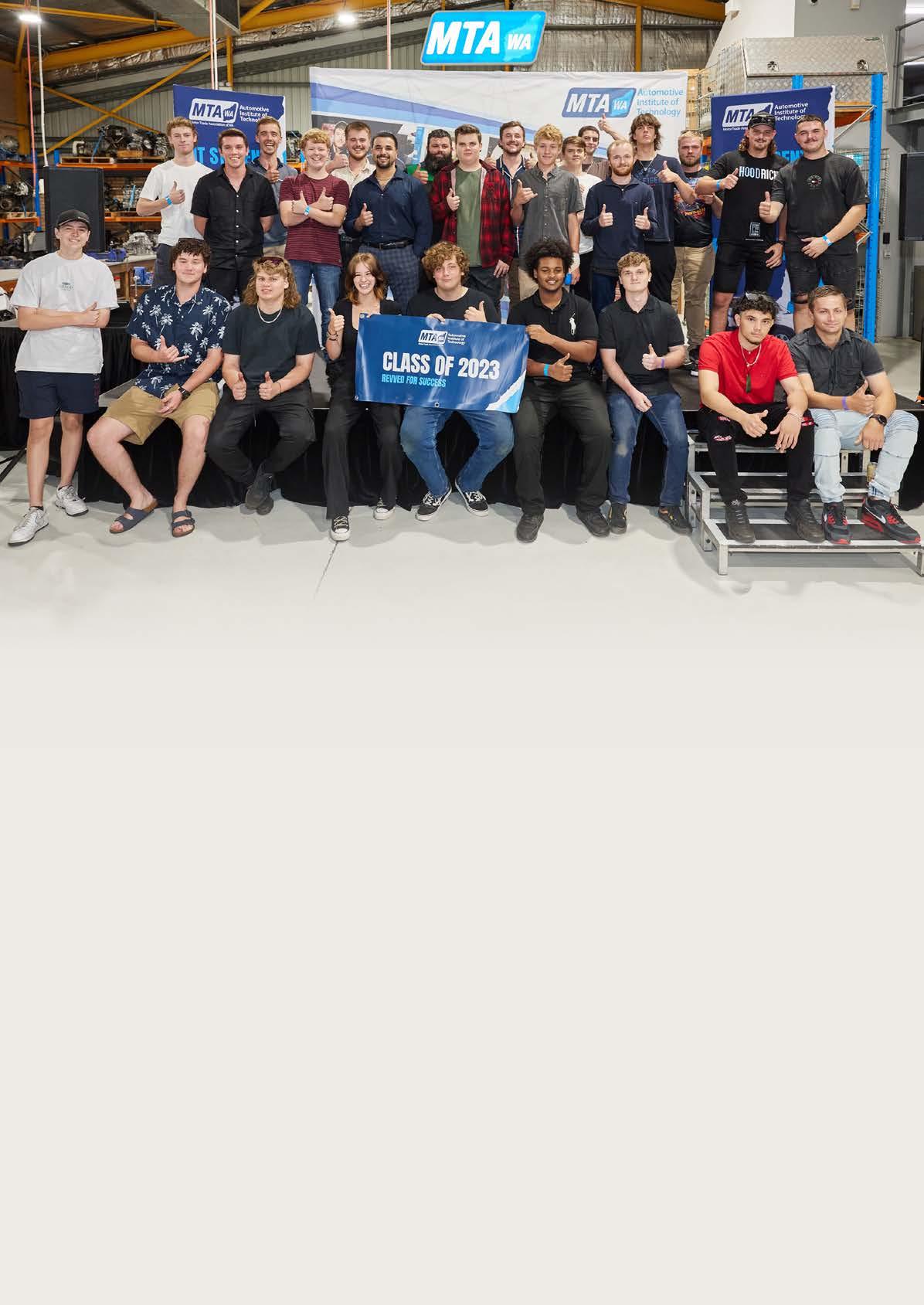
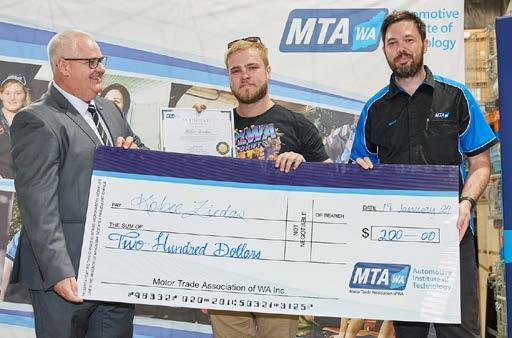
The January 2024 graduation ceremony celebrated the dedication of 220 emerging automotive professionals. Held at the MTA WA Training workshop in Balcatta, the event brought together graduates, trainers, industry leaders, and their families. Each graduate received a Certificate of Completion, with the prestigious Trainers’ Choice Award going to Kobi Ziedas for his exceptional commitment, positive attitude, and exemplary classroom performance.
The 2024 Auto China Expo, held in Beijing, showcased China’s growing dominance in the global automotive industry. With over 150 EV manufacturers on display, the event impressed the fifty Australian dealers and MTA WA Group CEO Stephen Moir, who attended as part of the Australian Automotive Dealers Association (AADA) Study Tour.
Brands like Zeekr, BYD, and Geely stood out for their advanced technology and superior build quality, while global manufacturers such as BMW and MercedesBenz further underscored China’s importance as a key market and technology hub.
China’s automotive market continues to grow at an unprecedented scale, with 2.1 million vehicles sold in November 2023 alone. The performance of Chinese vehicles, such as the Zeekr 001R and Dongfeng M-Hero 917, rivals global competitors, with China now exporting significant numbers of EVs worldwide.
The Expo highlighted China’s automotive innovation and its increasing presence in international markets, including Australia, with new models set to launch in 2024.
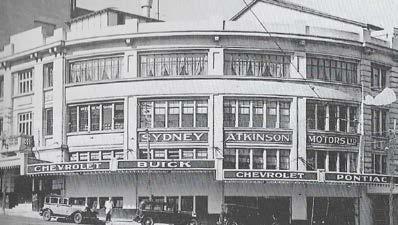
In April 2024, the Association proudly celebrated its 90th anniversary. Originally established as the Western Australian Service Station Association, its founding members came together to unify a fragmented industry.
Over the past nine decades, the Association has evolved from a modest group of 22 service station members to representing more than 1,500 businesses across Western Australia, supporting nearly 30,000 employees. This milestone reflects the Association’s continued commitment to championing the automotive industry and fostering its growth.
MTA WA Training benefited from the generous support of manufacturers, including Hyundai, Kia, and Ineos, through the donation of late-model vehicles for use in training. Notable donations included an Ineos Grenadier four-wheel drive and a Hyundai Ioniq 5 EV, which has been sectioned to provide learners with full access to a functioning EV system. The Grenadier’s addition offers a new chassis platform to enhance apprentice training.
Individual clients who utilise MTA WA Training services have also continued to show support by donating replaced components. These contributions help reduce training costs, allowing the MTA WA to provide affordable, highquality education to its learners.



The MTA WA has made significant strides in advocacy throughout the year, delivering key wins that benefit both the industry and consumers. A major accomplishment was the establishment of a Gross Combined Mass (GCM) rerating pathway for licensed and in-service vehicles in Western Australia. This new process aligns the state with other Australian jurisdictions, providing clarity and consistency for vehicle owners and operators, especially in the towing and transport sectors.
In collaboration with the Department of Energy, Mines, Industry Regulation and Safety (DEMIRS), the MTA WA introduced the co-branded Used Car Buyer Checklist, which helps consumers make informed decisions when purchasing used vehicles, enhancing market transparency. Additionally, the Association was instrumental in revising Form 4 (Vehicle Particulars) to include a mandatory declaration for repairable write-off vehicles, improving consumer protection and ensuring greater integrity in vehicle sales across the state.
A key aspect of the MTA WA’s mission is to foster awareness, transparency, and trust within the community regarding the Western Australian automotive industry’s issues, trends, and achievements.
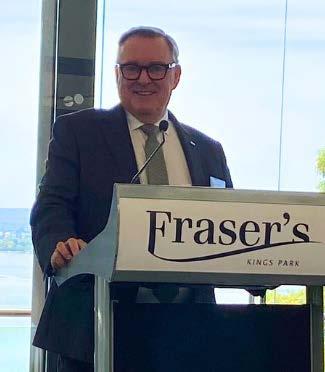
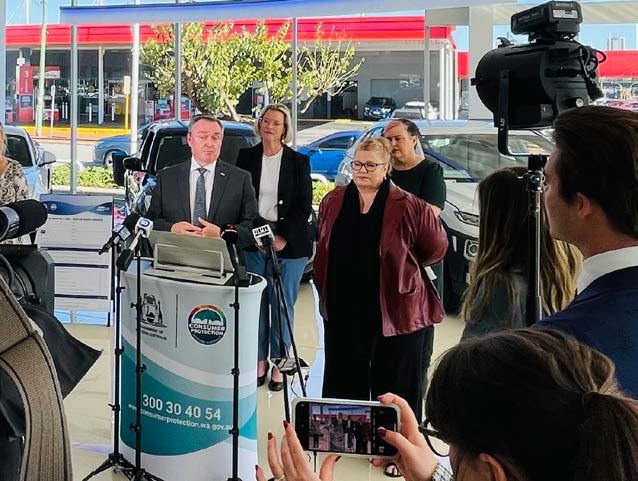
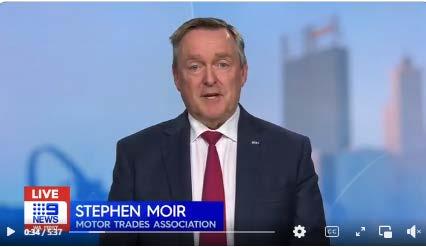
Throughout the year, Group CEO Stephen Moir maintained a prominent media presence, serving as a leading industry spokesperson on topics impacting our members and their customers. His involvement in television, radio, and print interviews across both local and national media channels has positioned the MTA WA as a credible and authoritative voice in the automotive sector.
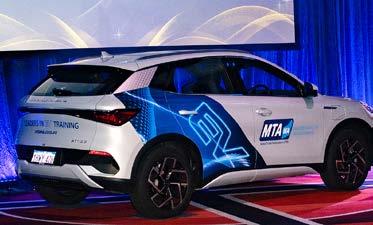
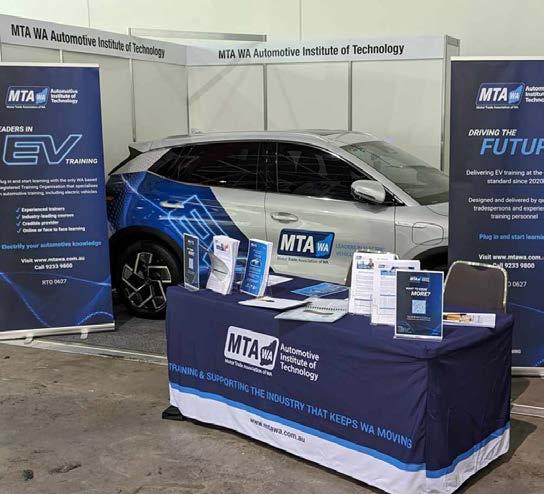
In January 2024, MTA WA Training became the first WA-based Registered Training Organisation to offer the Certificate III in Automotive Electric Vehicle Technology.
This new apprenticeship pathway marked a significant milestone for both the Association and the industry, addressing the growing demand for skilled professionals in the rapidly expanding electric vehicle (EV) sector.
The program, officially announced at the 2023 EV Expo in Perth, equips apprentices with the skills to service, repair, and maintain EVs. The launch generated strong interest from industry leaders, employers, and prospective apprentices, positioning the MTA WA at the forefront of EV training in Western Australia.
These financial statements are consolidated financial statements of the consolidated entity consisting of Motor Trade Association of Western Australia Inc. and the MTA WA Training Inc. (formerly Automotive Institute of Technology Incorporated). The financial statements are presented in the Australian currency.
Motor Trade Association of Western Australia is a not-for-profit association, incorporated and domiciled in Australia. Its registered office and principal place of business is:
Motor Trade Association of Western Australia
253 Balcatta Road Balcatta, Western Australia
A description of the nature of the consolidated entity’s operations and its principal activities is included in the Board of Management’s report on page 34, which is not part of these financial statements.
The financial statements were authorised for issue by the Board of Management on 18 September 2024.
The Board of Management has the power to amend and reissue the financial statements.
Your Board of Management presents their report on the consolidated entity (referred to hereafter as the ‘Group’) consisting of Motor Trade Association of Western Australia and the entities it controlled at the end of, or during, the year ended 30 June 2024.
The following persons held office as Board of Management of Motor Trade Association of Western Australia during the financial year:
Mr Ray Mountney, President
Mr Joe Giura, Vice President
Mrs Moira D’Cruze, Treasurer
Mr John Patrick Browne
Mr Andrew Houghton
Mrs Robyn Cook
Dr Irene Ioannakis
Mr Jay Opdam - resigned 17/10/2023
Mr Travis Arnold - resigned 17/10/2023
Mr Garry Spouge - appointed 17/10/2023
Ms Jodi Kerr - appointed 17/10/2023
Mr Peter Coupland - appointed 17/10/2023
The principal activities of the Group during the year were to provide a wide range of services and representation to its members in the motor industry, including providing training to apprentices.
No significant change in the nature of these activities occurred during the year.
The surplus for the year was $970,115 (2023: surplus of $2,091,611). Included in the gain for the year was a net fair value gain of $944,882 in relation to the Group’s financial assets (managed funds and land and buildings) (2023: $1,757,747).
No matter or circumstance has arisen since 30 June 2024 that has significantly affected the Group’s operations, results or state of affairs, or may do so in future years.
Further information on likely developments in the operations of the Group and the expected results of operations have not been included in this annual report because the Board of Management believes it would be likely to result in unreasonable prejudice to the Group.
A copy of the auditor’s independence declaration as required under the Associations Incorporation Act 2015 is set out on page 35.
This report is made in accordance with a resolution of the Board of Management.
Mr Ray Mountney President
Mr Joe Giura Vice President

As lead auditor of Motor Trade Association of Western Australia for the year ended 30 June 2024, I declare that, to the best of my knowledge and belief, there have been no contraventions of any applicable code of professional conduct in relation to the audit.
Glyn O’Brien Director
BDO Audit Pty Ltd Perth 18 September 2024
STATEMENT OF PROFIT OR LOSS AND OTHER COMPREHENSIVE INCOME FOR THE YEAR ENDED 30 JUNE 2024
The above consolidated statement of financial position should be read in conjunction with the accompanying notes.
CONSOLIDATED STATEMENT OF CHANGES IN EQUITY FOR THE YEAR ENDED 30 JUNE 2024
The above consolidated statement of changes in equity should be read in conjunction with the accompanying notes.
CONSOLIDATED STATEMENT OF CASH FLOWS FOR THE YEAR ENDED 30 JUNE 2024
Note 30 June 2024 30 June 2023 $ $
Cash flows from operating activities
Receipts from customers and government 25,580,349 22,418,454 Payments to suppliers, staff and employees (25,302,882) (21,608,209)
Proceeds from sale of financial assets - 400,000
Proceeds from sale of property, plant and equipment 5,091,271 6,191 Net cash inflow / (outflow) from investing activities 4,727,705 78,270
and cash equivalents 4,864,513 772,203 Cash and cash equivalents at the beginning of the financial year 1,754,462 982,259 Cash and cash equivalents at the end of the financial year 6 6,618,975 1,754,462
The above consolidated statement of cash flows should be read in conjunction with the accompanying notes.
The accounting policies that are material to the consolidated entity are set out below. The accounting policies adopted are consistent with those of the previous financial year, unless otherwise stated. The financial statements are for the consolidated entity consisting of Motor Trade Association of Western Australia and the association MTA WA Training Inc.
(a) New or amended Accounting Standards and Interpretations adopted
The incorporated association has adopted all of the new or amended Accounting Standards and Interpretations issued by the Australian Accounting Standards Board (‘AASB’) that are mandatory for the current reporting period.
Any new or amended Accounting Standards or Interpretations that are not yet mandatory have not been early adopted.
For the year ended 30 June 2024, all new and effective Accounting Standards or Interpretations were adopted. There was no impact on the Association’s financial statements as a result of adoption.
(b) Basis of preparation
These general purpose financial statements have been prepared in accordance with the Australian Accounting Standards - Simplified Disclosures issued by the Australian Accounting Standards Board (‘AASB’) and the Associations Incorporation Act 2015, as appropriate for not-for-profit oriented entities.
(c) Revenue recognition
Revenue from contracts with customers
Revenue is recognised at an amount that reflects the consideration to which the incorporated association is expected to be entitled in exchange for transferring goods or services to a customer. For each contract with a customer, the incorporated association: identifies the contract with a customer; identifies the performance obligations in the contract; determines the transaction price which takes into account estimates of variable consideration and the time value of money; allocates the transaction price to the separate performance obligations on the basis of the relative stand-alone selling price of each distinct good or service to be delivered; and recognises revenue when or as each performance obligation is satisfied in a manner that depicts the transfer to the customer of the goods or services promised.
Revenue is recognised for the major business activities as follows:
(i) Training
Training revenue is recognised upon delivery of the training to the participant.
(ii) Australian Apprenticeships Incentive Program
Australian Apprenticeships Incentive Program revenue is recognised when the entity has completed the agreed program service.
(iii) Apprentice and trainee time sold
Revenue from rendering of these services is recognised when the time has been worked by the trainee or apprentice, this being, the service has been provided.
(iv) Rental income
Rental income is recognised as it is earned over the lease term. This applies to all leases, licenses and casual rental usage of facilities.
(v) Interest income
Interest revenue is recognised as interest accrues using the effective interest method. This is a method of calculating the amortised cost of a financial asset and allocating the interest income over the relevant period using the effective interest rate, which is the rate that exactly discounts estimated future cash receipts through the expected life of the financial asset to the net carrying amount of the financial asset.
(vi) Government grants and assistance programs
Refer to note 1(d) below.
(vii) Other sales of goods and rendering of services
Other revenue is recognised when it is received or when the right to receive payment is established.
All revenue is stated net of the amount of goods and services tax (GST).
(d) Government grants and assistance programs
Grant revenue is recognised in profit or loss when the incorporated association satisfies the performance obligations stated within the funding agreements.
If specifically sufficient conditions are attached to the grant which must be satisfied before the incorporated association is eligible to retain the contribution, the grant will be recognised in the statement of financial position as a contract liability until those conditions are satisfied.
1 MATERIAL ACCOUNTING POLICIES (CONT.)
(e) Cash and cash equivalents
For the purpose of presentation in the statement of cash flows, cash and cash equivalents includes cash on hand, deposits held at call with financial institutions, other shortterm, highly liquid investments that are readily convertible to known amounts of cash and which are subject to an insignificant risk of changes in value, and bank overdrafts.
(f) Trade and other receivables
Trade receivables are generally due for settlement within 30 days, unless specific deferral plans have been agreed between the Group and the customer.
The Group applies the simplified approach to measuring expected credit losses, which uses a lifetime expected credit loss allowance.
(g) Investments and other financial assets
Investments and other financial assets are initially measured at fair value. Transaction costs are included as part of the initial measurement, except for financial assets at fair value through profit or loss. Such assets are subsequently measured at either amortised cost or fair value depending on their classification. Classification is determined based on both the business model within which such assets are held and the contractual cash flow characteristics of the financial asset unless, an accounting mismatch is being avoided.
Financial assets are derecognised when the rights to receive cash flows have expired or have been transferred and the Association has transferred substantially all the risks and rewards of ownership. When there is no reasonable expectation of recovering part or all of a financial asset, its carrying value is written off.
(i) Financial assets at fair value through profit or loss
Financial assets not measured at amortised cost or at fair value through other comprehensive income are classified as financial assets at fair value through profit or loss. Typically, such financial assets will be either: (i) held for trading, where they are acquired for the purpose of selling in the short-term with an intention of making a profit, or a derivative; or (ii) designated as such upon initial recognition where permitted. Fair value movements are recognised in profit or loss. The Group’s managed funds are recognised at fair value through profit or loss.
(h) Property, plant and equipment
Land and buildings are shown at fair value, based on periodic, but at least triennial, valuations by external independent valuers, less subsequent depreciation for
buildings. Any accumulated depreciation at the date of revaluation is eliminated against the gross carrying amount of the asset and the net amount is restated to the revalued amount of the asset. All other property, plant and equipment is stated at historical cost less depreciation.
Depreciation on other assets is calculated using the straight-line method to allocate their cost or revalued amounts, net of their residual values, over their estimated useful lives or, in the case of leasehold improvements and certain leased plant and equipment, the shorter lease term as follows:
Buildings 40 years
Light vehicles 8 years
Plant and equipment 7 – 20 years
Furniture, fixtures and fittings 7 – 8 years
Computer equipment 3 years
The assets’ residual values and useful lives are reviewed, and adjusted if appropriate, at the end of each reporting period.
An asset’s carrying amount is written down immediately to its recoverable amount if the asset’s carrying amount is greater than its estimated recoverable amount (note 1(i)).
Gains and losses on disposals are determined by comparing proceeds with carrying amount. These are included in profit or loss. When revalued assets are sold, it is Association policy to transfer any amounts included in other reserves in respect of those assets to surplus funds.
These amounts represent liabilities for goods and services provided to the group prior to the end of financial year which are unpaid. The amounts are unsecured and are usually paid within 30 days of recognition. Trade and other payables are presented as current liabilities unless payment is not due within 12 months from the reporting date. They are recognised initially at their fair value and subsequently measured at amortised cost using the effective interest method.
Contract liabilities represent the incorporated association’s obligation to transfer goods or services to a customer and are recognised when a customer pays consideration, or when the incorporated association recognises a receivable to reflect its unconditional right to consideration (whichever is earlier) before the incorporated association has transferred the goods or services to the customer.
(k)
Provisions are measured at the present value of management’s best estimate of the expenditure required to settle the present obligation at the end of the reporting period. The discount rate used to determine the present value is a pre-tax rate that reflects current market assessments of the time value of money and the risks specific to the liability. The increase in the provision due to the passage of time is recognised as interest expense.
(l)
Provisions are recognised for the Group’s liability for employee benefits arising from services rendered by employees to balance sheet date. Employee benefits expected to be settled within one year together with benefits arising from wages, salaries and annual leave which may be settled after one year, have been measured at the amounts expected to be paid when the liability is settled. Employee benefits payable later than one year have been measured at the present value of the estimated future cash outflows to be made for those benefits. In determining the liability, the consideration is given to employee wage increases and the probability that the employee may not satisfy vesting requirements. Those cash outflows are discounted using market yields on national government bonds with term to maturity that match the ten-year bond rate.
Contributions are made by the Group to an employee superannuation fund and are charged as expenses when incurred.
(m)
When an asset or liability, financial or non-financial, is measured at fair value for recognition or disclosure purposes, the fair value is based on the price that would be received to sell an asset or paid to transfer a liability in an orderly transaction between market participants at the measurement date; and assumes that the transaction will take place either: in the principal market; or in the absence of a principal market, in the most advantageous market.
Fair value is measured using the assumptions that market participants would use when pricing the asset or liability, assuming they act in their economic best interests. For non-financial assets, the fair value measurement is based on its highest and best use. Valuation techniques that are appropriate in the circumstances and for which sufficient data are available to measure fair value, are used, maximising the use of relevant observable inputs and minimising the use of unobservable inputs.
The incorporated association is exempt from paying income tax under subsection 50-4 of the Income Tax Assessment Act 1997, as amended.
The Group applies the short-term lease recognition exemption to its short-term leases of machinery and equipment (i.e., those leases that have a lease term of 12 months or less from the commencement date and do not contain a purchase option). It also applies the lease of low-value assets recognition exemption to leases of office equipment that are considered of low value (i.e., below $5,000). Lease payments on short-term leases and leases of low-value assets are recognised as expense on a straight-line basis over the lease term.
Assets and liabilities are presented in the statement of financial position based on current and non-current classification.
An asset is classified as current when: it is either expected to be realised or intended to be sold or consumed in the incorporated association’s normal operating cycle; it is held primarily for the purpose of trading; it is expected to be realised within 12 months after the reporting period; or the asset is cash or cash equivalent unless restricted from being exchanged or used to settle a liability for at least 12 months after the reporting period. All other assets are classified as non-current.
A liability is classified as current when: it is either expected to be settled in the incorporated association’s normal operating cycle; it is held primarily for the purpose of trading; it is due to be settled within 12 months after the reporting period; or there is no unconditional right to defer the settlement of the liability for at least 12 months after the reporting period. All other liabilities are classified as non-current.
A number of new standards, amendments to standards and interpretations issued by the AASB which are not yet mandatorily applicable to the organisation have not been applied in preparing these consolidated financial statements. Those which may be relevant to the organisation are set out below. The organisation does not plan to adopt these standards early. These include:
1 MATERIAL ACCOUNTING POLICIES (CONT.)
• Amendments to AASB 101: Classification of Liabilities as Current or Non-current
• Reference to the Conceptual Framework –Amendments to AASB 3
Property, Plant and Equipment: Proceeds before Intended Use – Amendments to AASB 116
• Onerous Contracts – Costs of Fulfilling a Contract –Amendments to AASB 137.
(q) Non-current assets or disposal groups classified as held for sale
Non-current assets and assets of disposal groups are classified as held for sale if their carrying amount will be recovered principally through a sale transaction rather than through continued use. They are measured at the lower of their carrying amount and fair value less costs of disposal. For non-current assets or assets of disposal groups to be classified as held for sale, they must be available for immediate sale in their present condition and their sale must be highly probable.
An impairment loss is recognised for any initial or subsequent write down of the non-current assets and assets of disposal groups to fair value less costs of disposal. A gain is recognised for any subsequent increases in fair value less costs of disposal of a non-current assets and assets of disposal groups, but not in excess of any cumulative impairment loss previously recognised.
Non-current assets are not depreciated or amortised while they are classified as held for sale. Interest and other expenses attributable to the liabilities of assets held for sale continue to be recognised.
Non-current assets classified as held for sale and the assets of disposal groups classified as held for sale are presented separately on the face of the statement of financial position, in current assets. The liabilities of disposal groups classified as held for sale are presented separately on the face of the statement of financial position, in current liabilities.
Estimates and judgements are continually evaluated and are based on historical experience and other factors, including expectations of future events that may have a financial impact on the entity and that are believed to be reasonable under the circumstances.
The Group makes estimates and assumptions concerning the future. The resulting accounting estimates will, by definition, seldom equal the related actual results. The estimates and assumptions that have a significant risk of causing a material adjustment to the carrying amounts of assets and liabilities within the next financial year are discussed below.
The Group determines the estimated useful lives and related depreciation and amortisation charges for its property, plant and equipment and finite life intangible assets. The useful lives could change significantly as a result of technical innovations or some other event. The depreciation and amortisation charge will increase where the useful lives are less than previously estimated lives, or technically obsolete or non-strategic assets that have been abandoned or sold will be written off or written down.
The Group assesses impairment of non-financial assets at each reporting date by evaluating conditions specific to the Group and to the particular asset that may lead to impairment. If an impairment trigger exists, the recoverable amount of the asset is determined. This involves fair value less costs of disposal or value-in-use calculations, which incorporate a number of key estimates and assumptions.
During the prior reporting period, the Board of management obtained an independent external valuation on the organisation’s land and building asset to determine the fair value at 30 June 2023. In the preparation of this valuation, significant estimate was applied, including but not limited to forecast rental incomes and market capitalisation yields. Management have not identified any significant changes to the estimations applied since 30 June 2023 which would indicate that the fair value is not appropriate for use at 30 June 2024.
The allowance for expected credit losses assessment requires a degree of estimation and judgement. It is based on the lifetime expected credit loss, grouped based on days overdue, and makes assumptions to allocate an overall expected credit loss rate for each group. These assumptions include recent sales experience and historical collection rates.
4 OTHER INCOME
4(A) GAIN/LOSS ON MANAGED FUNDS
4(B) GAIN/LOSS ON DISPOSAL OF PROPERTY, PLANT AND EQUIPMENT
Operational surplus/ (deficit) includes the following specific expenses:
benefits expenses
1,754,462
Classification as cash equivalents
Term deposits are presented as cash equivalents if they have a maturity of twelve months or less from the date of acquisition and are repayable with 24 hours’ notice with no loss of interest.
7 FINANCIAL ASSETS AT FAIR VALUE THROUGH PROFIT OR LOSS
The managed funds are recognised at fair value, on the level 1 fair value hierarchy based on quoted market prices of the equities held at 30 June 2024.
8 CURRENT ASSETS – TRADE AND OTHER RECEIVABLES
9
11 CURRENT ASSETS - NON-CURRENT ASSETS CLASSIFIED AS HELD FOR SALE
The land & buildings at 35 Great Eastern Highway, Rivervale were sold in May 2024 for $4,650,000. Sale fees associated with this transaction were $119,000.
12 NON-CURRENT ASSETS – PROPERTY, PLANT AND EQUIPMENT
Year End 30 June 2023
As at 30 June 2023
Year End 30 June 2024
As at 30 June 2024
(1) In 2023 the Group obtained external independent valuations for its two land and building assets. As a result, the total fair value increase of $1,572,364 was recognised to increase the fair value of the properties to the independent valuation amounts at 30 June 2023. An amount of $1,192,151 went through the profit and loss was equal to the amounts previously impaired/expensed through the profit or loss. The remaining surplus of $380,213 went through the Asset Revaluation Reserve as other comprehensive income in line with the Groups accounting policy. As at 30 June 2024, management did not identify any significant changes which would indicate the fair value from 30 June 2023 was not appropriate at 30 June 2024.
The group does not have any commitments as at 30 June 2024 (30 June 2023: Nil).
The Group does not have any other contingent liabilities as at 30 June 2024 (30 June 2023: Nil).
Key management personnel
Disclosures relating to key management personnel are set out in note 21.
Transactions with related parties
There were no transactions with related parties during the current and previous financial year.
Compensation
The aggregate compensation made to officers and other members of key management personnel of the incorporated association is set out below:
Movements in surplus funds were as follows:
970,115 2,091,612 Balance
During the year the followings fees were paid or payable for services provided by the auditor of the parent entity, its related practices and non-related audit firms:
No matter or circumstance has arisen since 30 June 2024 that has significantly affected the Group’s operations, results or state of affairs, or may do so in future years.
Reconciliation of surplus/(deficit) after income tax to net cash inflow/(outflow) from operational activities
June 2024 30 June 2023 $ $ Profit /(loss) for the year
Net fair value (gain) / loss on other financial assets (944,882) (566,219) Net (gain) / loss on fair value of
and buildings - (1,192,151) (Gain) / loss on sale of non-current assets (131,280) (4,626) Investment gains reinvested (300,589) (347,267)
Change in operating assets and liabilities: (Increase) / decrease in assets: (Increase) / decrease in trade debtors and prepayments (328,975) (181,310)
In the Board of Management opinion:
(a) the financial statements and notes set out on pages 36 to 52 are in accordance with the Associations Incorporation Act 2015 including:
(i) complying with Australian Accounting Standards, the Associations Incorporation Act 2015 and other mandatory professional reporting requirements, and
(ii) giving a true and fair view of the consolidated entity’s financial position as at 30 June 2024 and of its performance for the financial year ended on that date, and
(b) there are reasonable grounds to believe that the entity will be able to pay its debts as and when they become due and payable.
This declaration is made in accordance with a resolution of the Board of Management.
Mr Ray Mountney
Mr Joe Giura President Vice President
Perth, Western Australia 18 September 2024
To the members of Motor Trade Association of Western Australia (Inc)
Opinion
We have audited the financial report of Motor Trade Association of Western Australia (Inc) (the registered entity) and its subsidiaries (the Group), which comprises the consolidated statement of financial position as at 30 June 2024, the consolidated statement of profit or loss and other comprehensive income, the consolidated statement of changes in equity and the consolidated statement of cash flows for the year then ended, and notes to the consolidated financial report, including material accounting policy information , and the responsible entities’ declaration.
In our opinion the accompanying financial report of the Motor Trade Association of Western Australia (Inc), is in accordance with the Association Incorporation Act 2015 , including:
(i) Giving a true and fair view of the Group’s financial position as at 30 June 2024 and of its financial performance for the year the ended; and
(ii) Complying with Australian Accounting Standards – Simplified Disclosures to the extent described in Note 1 and the Association Incorporation Act 2015.
Basis for opinion
We conducted our audit in accordance with Australian Auditing Standards. Our responsibilities under those standards are further described in the Auditor’s responsibilities for the audit of the Financial Report section of our report. We are independent of the Group in accordance with the ethical requirements of the Accounting Professional and Ethical Standards Board’s APES 110 Code of Ethics for Professional Accountants (including Independence Standards) (the Code) that are relevant to our audit of the financial report in Australia. We have also fulfilled our other ethical responsibilities in accordance with the Code.
We believe that the audit evidence we have obtained is sufficient and appropriate to provide a basis for our opinion.
Emphasis of matter – Basis of accounting
We draw attention to Note 1 to the financial report, which describes the basis of accounting. The financial report has been prepared for the purpose of fulfilling the Group financial reporting responsibilities under the Associations Incorporation Act 2015. As a result, the financial report may not be suitable for another purpose Our opinion is not modified in respect of this matter.

Responsibilities of management and those charged with governance for the Financial Report
Management is responsible for the preparation and fair presentation of the financial report, and have determined that the basis of preparation described in Note 1 is appropriate to meet the requirements of the Associations incorporation Act 2015 and the needs of the members or other appropriate term. The responsible entities’ responsibility also includes such internal control as the responsible entities determines is necessary to enable the preparation of a financial report that gives a true and fair view and is free from material misstatement, whether due to fraud or error.
In preparing the financial report, management is responsible for assessing the Group’s ability to continue as a going concern, disclosing, as applicable, matters relating to going concern and using the going concern basis of accounting unless management ei ther intends to liquidate the Group or to cease operations, or has no realistic alternative but to do so.
Auditor’s responsibilities for the audit of the Financial Report
Our objectives are to obtain reasonable assurance about whether the financial report as a whole is free from material misstatement, whether due to fraud or error, and to issue an auditor’s report that includes our opinion. Reasonable assurance is a high level of assurance, but is not a guarantee that an audit conducted in accordance with the Australian Auditing Standards will always detect a material misstatement when it exists. Misstatements can arise from fraud or error a nd are considered material if, individually or in the aggregate, they could reasonably be expected to influence the economic decisions of users taken on the basis of this financial report.
A further description of our responsibilities for the audit of the financial report is located at the Auditing and Assurance Standards Board website ( http://www.auasb.gov.au/Home.aspx ) at: http://www.auasb.gov.au/auditors_responsibilities/ar3.pdf
This description forms part of our auditor’s report.
BDO Audit Pty Ltd
Glyn O'Brien Director
Perth, 18 September 2024
This page has been left blank intentionally