ON KAURNA LAND.
Nina Marni (translation: hello, how are you?).
Nina Marni (translation: hello, how are you?).
Empire Times acknowledges the traditional owners of the lands in which the editors, contributors and readers live, and honour elders past, present and emerging. Bedford Park is a significant site in the complex Dreaming of the Kaurna ancestor Tjilbruke. We write on behalf of the students and faculty on this land, First Nations, Non-Indigenous and Immigrant, who work and learn here. Empire Times is edited and distributed on the traditional lands of the Arrernte, Dagoman, First Nations of the South East, First Peoples of the River Murray and Mallee region, Jawoyn, Kaurna, Larrakia, Ngadjuri, Ngarrindjeri, Ramindjeri, Warumungu, Wardaman and Yolngu people.
We acknowledge that sovereignty was never ceded, and that this land is stolen.
Empire Times would like to acknowledge the traditional owners of the lands in which the editors, contributors and readers live, and honour elders past, present and emerging. Bedford Park is a significant site in the complex Dreaming of the Kaurna ancestor Tjilbruke. We write on behalf of the students and faculty on this land, First Nations, Non-Indigenous and Immigrant, who work and learn here. Empire Times is edited and distributed on the traditional lands of the Arrernte, Dagoman, First Nations of the South East, First Peoples of the River Murray and Mallee region, Jawoyn, Kaurna, Larrakia, Ngadjuri, Ngarrindjeri, Ramindjeri, Warumungu, Wardaman and Yolngu people.
We acknowledge that sovereignty was never ceded, and that this land is stolen.
EDITOR-IN-CHIEF
Evangelia Karageorgos
EDITOR
Amelia Luke
Kailani Petkovic
CONTRIBUTORS
Cynthia Smith
Vicki Griffin
Madeline King
Evangelia Karageorgos
Adeline Lau
Elliot Lloyd
Amelia Luke
Carys Meehan
Tannaz Mahreen
Kailani Petkovic
Bhavni Sidhan
Luka Veaney
Florence Walker
DISCLAIMER
Empire Times is a publication of Flinders University Student Association (FUSA). The opinons expressed herein are not necessarily those of the editors, Flinders University or FUSA. Reasonable care is taken to ensure that Empire Times articles and other information are up to date and as accurate as possible, as of the time of publication, but no responsibility can be taken by Empire Times for any errors or omissions contained herein.
MEDIA REQUESTS
media.fusa@flinders.edu.au 08 8201 3309
Editorial 6
Horoscope 12
I love my job 14
Bacon and Egg Sandwiches 16
A Good Grade in Therapy 20
A non-definitive very subjective guide to Flinders female bathrooms 23
History of Pad Thai 26
Environment on Campus 29
Pay Me 32
Predictive Text 34
PhD Candidates: Students or Slaves? 38
Neath the Foliage 43
Dumpling Lasagne 45
Sodoku 47
Crossword Competition 48 Issue 3 Submissions 50






Editorial, Labour Edition
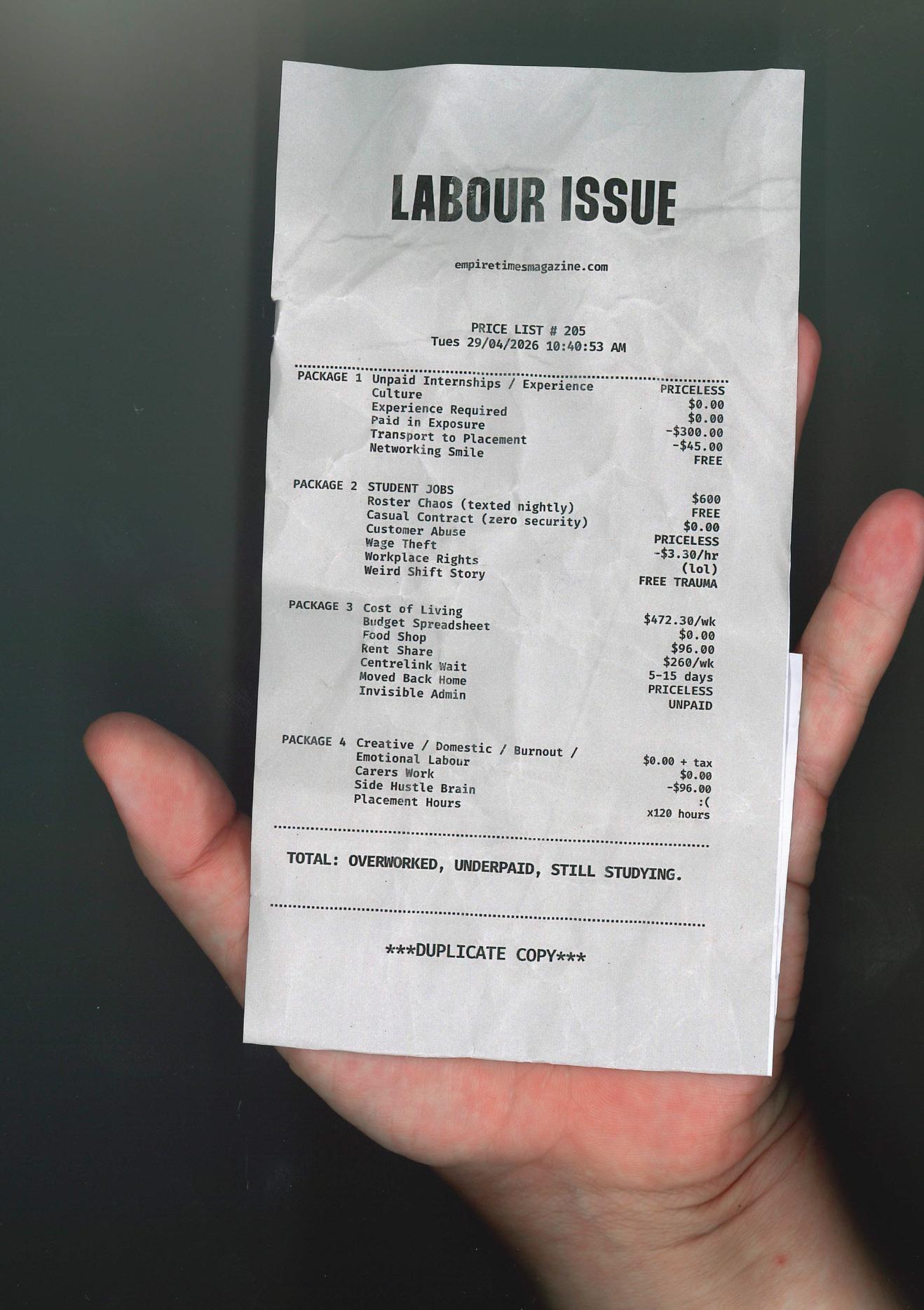
LABOUR is everywhere and nowhere.
Filling our days, shaping our bodies, and emptying our wallets. Students juggle study, shifts, and side hustles while being told this is needed “experience.” We do unpaid internships, creative gigs for “exposure.” All while rising rents demand more for less, housing becomes a luxury. Cost of living blows out and Petrol and Desal prices make it unaffordable to go to work.
Behind the branding of this Festival State, workers keep this city alive, often exhausted, and invisible. In this edition I ask you a simple question, with complicated consequences: Why are we expected to give so much for so little?
Work has value. Time has value. We have value. Pay us.
Evangelia
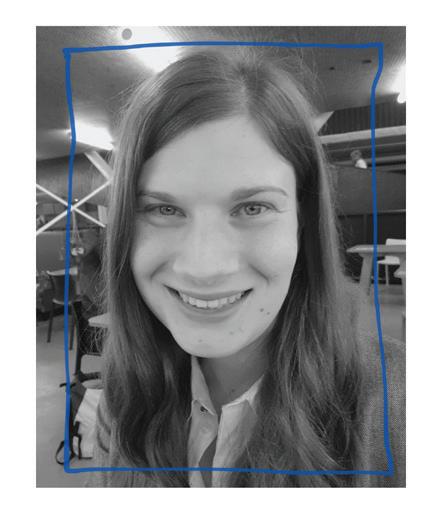
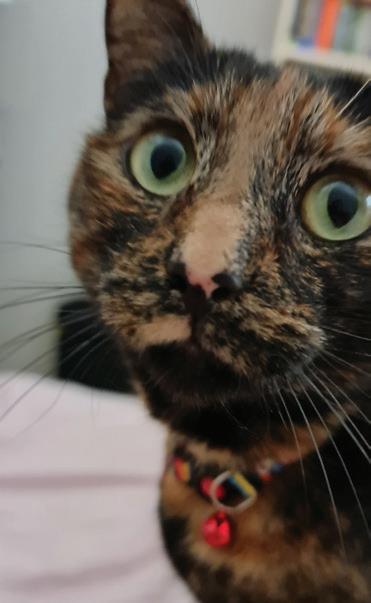
For the past five years, I’ve been blessed by the company of my tortoiseshell cat Nyx. My talented partner, who has an Honours in Classics, named her after the Ancient Greek Personification of the Night, of course.
This issue discusses all manner of labour, and Nyx would like to remind you (and me) that emotional labour is just as taxing as any other kind – that’s why she has to sleep 16 hours a day! There are so many hidden labours being asked of us all the time, by our work, friends, and family; things we wouldn’t even think of as ‘labour’ at first glance. Sometimes it’s good to take a breather and think about what you want to prioritise.
And, if necessary, don’t forget you can always take a nap on top of the tallest chest of drawers in the house, where no one can reach you.
Amelia
Lately, and by lately I mean since I starting living, everything can feel like an unnecessary labour but its gotta be done. When I was younger I didn’t really want to do anything but a fire has been lit under me to work hard. It dawned on me that I can’t be a nepo baby or leech of my parents forever so I might as well get off my booty and work and thrive and be the rich parent. Something I have always worked hard for is a picture and a video and I apologise for all who I have barked at to get the results.
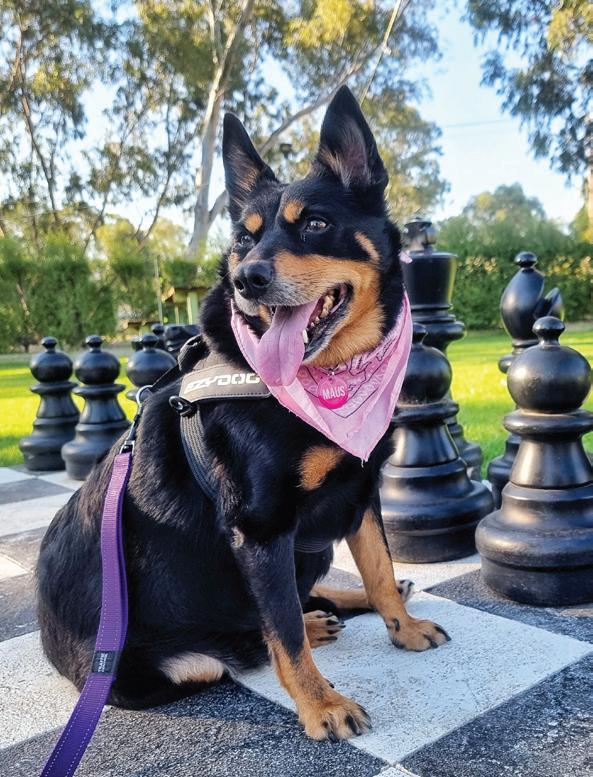
Picture here is of a family Italian dog called Zoe, whose name is always said in an Italian accent and therefore makes her my favourite dog ever.
Kailani

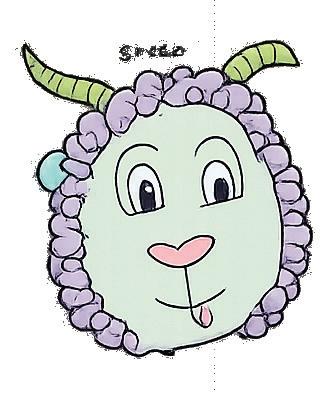
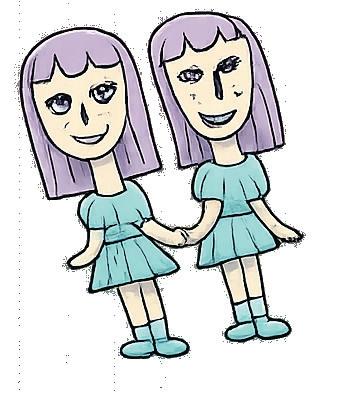
Aries Taurus Gemini
Do whatever it is you are thinking of right now, as long as it is legal please. Empire Times does not take responsibility for any actions conducted from the advice of these horoscopes. So let your impulsive side make good decisions, like hair dye and piercings and not bad decisions… like violence. You should also choose the next hang out spot for you and your friends because it’s your turn and you decide quicker than them anyway.
Wait for the stoplight and the green little person who sits in the light. They are always on the go, moving from one place to another you assume but who really knows, maybe they are instead trapped in one place forever longing for freedom. Ok that got deep quick, moral of the story keep being patient because it gives you good things, like your coffee and you. To grow in the womb you took like 9 months, that’s a lot.
Don’t tell anymore lies, even if it’s a ‘nice’ lie like saying your friend’s outfit is cute. Maybe try ‘this is cute on you but isn’t for me’, and then run away because any kind of confrontation can be scary. This time run into the gym because that summer body is within reach and it is worth being fit because being fit means you can run fast in a zombie apocalypse.
Horoscopes
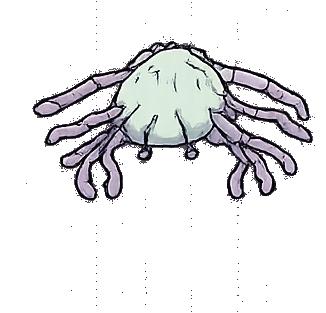


Give your pet an extra treat for me today, they deserve it. They also deserve to go for a walk if that is something their species does, if not just stick to the treat. It’s also ok to get really mad the next time you stub your toe on anything. Humans should have been born with retractable toe pads that go out when our feet sense that they are about to collide with a solid object.
When you are next in a public environment where a volunteer is needed be the second volunteer not the first. Be unpredictable and mysterious, that will definitely attract others more and get you even more love. Also go and draw stars on all your clothing with a marker and make it your thing. Brand yourself like a celebrity, because being a celebrity only you know is 100% still a celebrity.
Make sure to wash under your nails today because hygiene and cute nails are in trend. I’m also aware that you correctly predicted the current trends we have because you analysed the current state of society. Next time you should predict lottery numbers and win some money because we all need that right now. Empire Times does take responsibility for any money won from actions conducted from the advice of these horoscopes.
Words by Kailani Petkovic
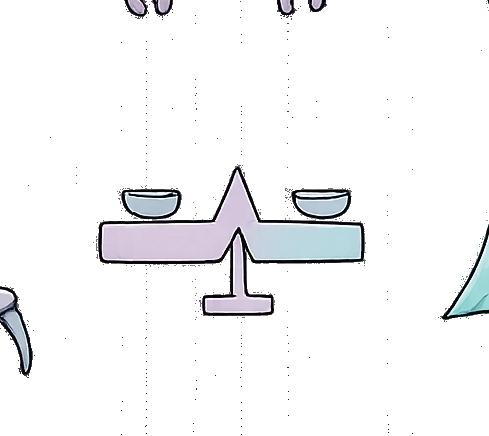
Artwork by Florence Walker (age 8.5)
Cancer Leo Virgo
Go get a new digi cam, or steal one from your family’s old collection which I assure you is the best way to do it, and go take pictures of everything you find beautiful. Then you can post to Instagram with ‘taking a pic every time I found something beautiful’ and you can tag us @empire.times. It can be your new thing that you tell all your friends this week in your lecture, tutorial and in the break between your lecture and tutorial.

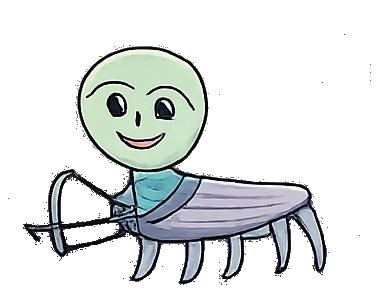
Sagittarius
Keep using that same cup every day, no one loves it like you do. They also don’t clean it like you do and should have more respect after using someone else’s mug, but that’s ok because you love them too and getting rid of them would be out of character. However that other friend that treats you like shit can go, we don’t like them. Also next time you watch a movie and get all emotional that’s ok, movies are emotional and anyone who says otherwise is lying.
Go run through a field and then lie down in the grass and hope that there are no spiders, or snakes, or insects or anything else really. If you do see one maybe tackle it to let off some steam, lately you have been a hothead. It’s cause you’re so hot, get it? No, ok well have confidence and run the world because if you don’t do it I don’t know who will at this point.
Horoscopes


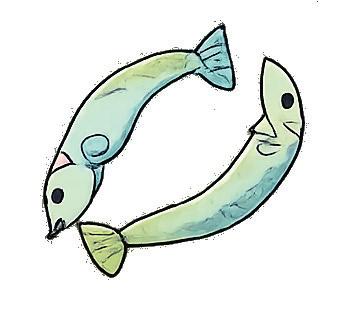
Capricorn Aquarius
This is an alien transmission from outer space: clean your room! Sorry to call you out like that on an Empire Time horoscope but it’s true. Before you say that your room is clean check wherever it is that you dump everything because there are way too many chores to do in life. At least your face is clean and looking good, these pages are loving looking at you right now.
So the 80 things you have going on right now, yeah, those 80 things that just made you think about what you have on this week, take a break from those. Maybe go from 80 to 78? 78 is a nice even number, not that 80 isn’t it’s just less, and less is more. Unless we are talking about you, then more is more! The next person to say you are too much gets 10 minutes in the naughty corner.
Quit your job and get another one because this one is getting boring and the next one should be better. However let me say some genuine life advice: do not quit before you have another job lined up. I’m sure you will know their entire life story in a week, like you always do. Does everyone tell you their life details or do you just know? Anyway it is an incredible skill, and your side hustle should be a private investigator.
Pisces
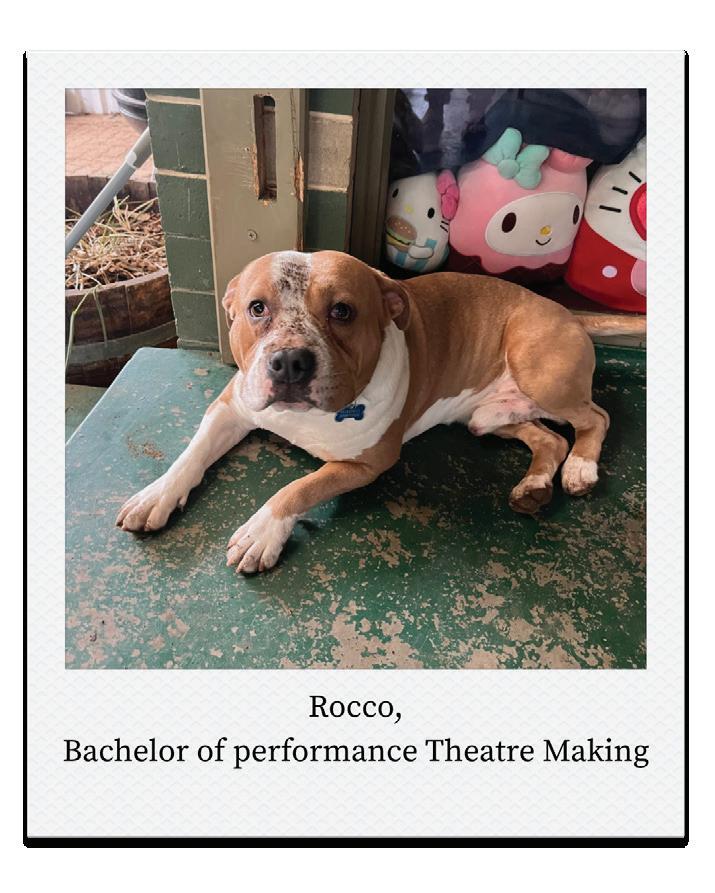
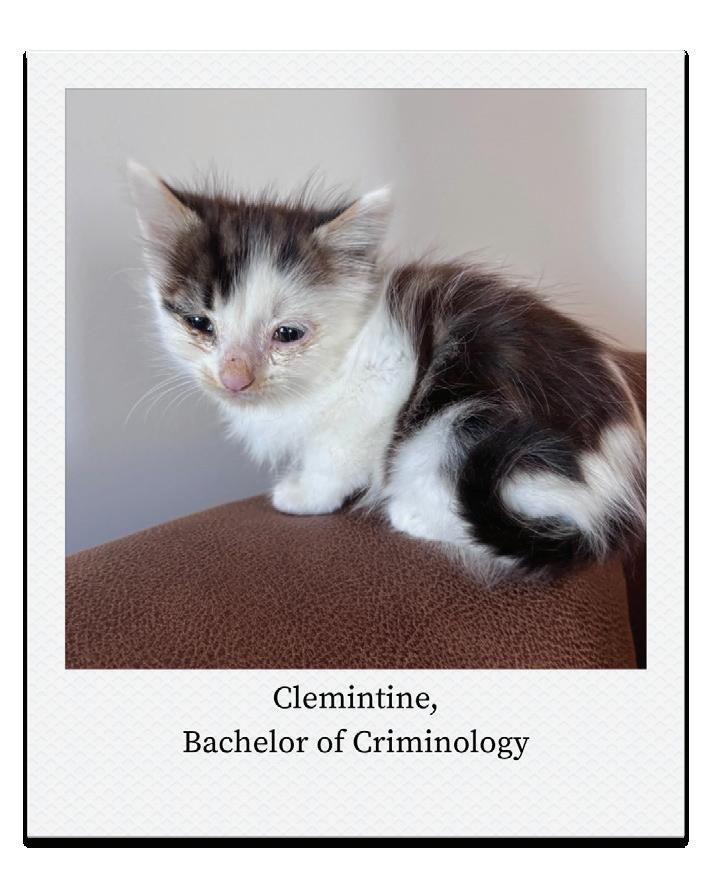
pets of Flinders
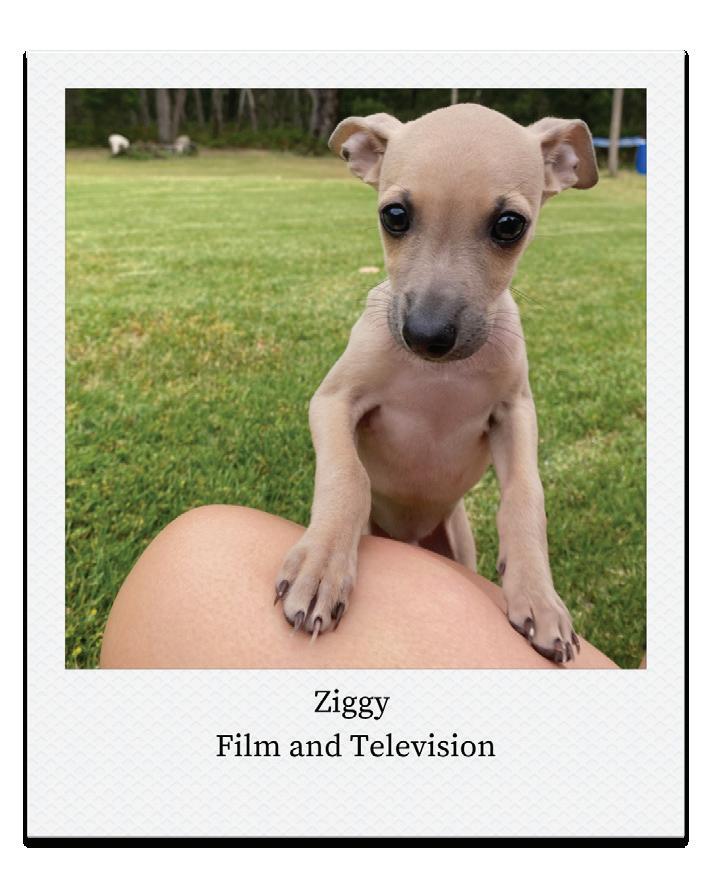
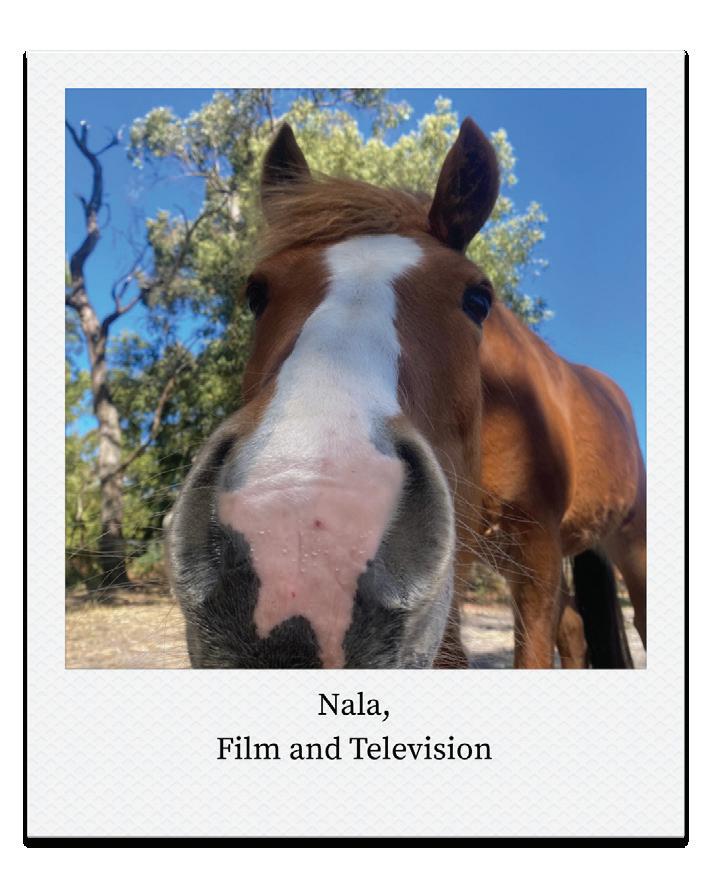
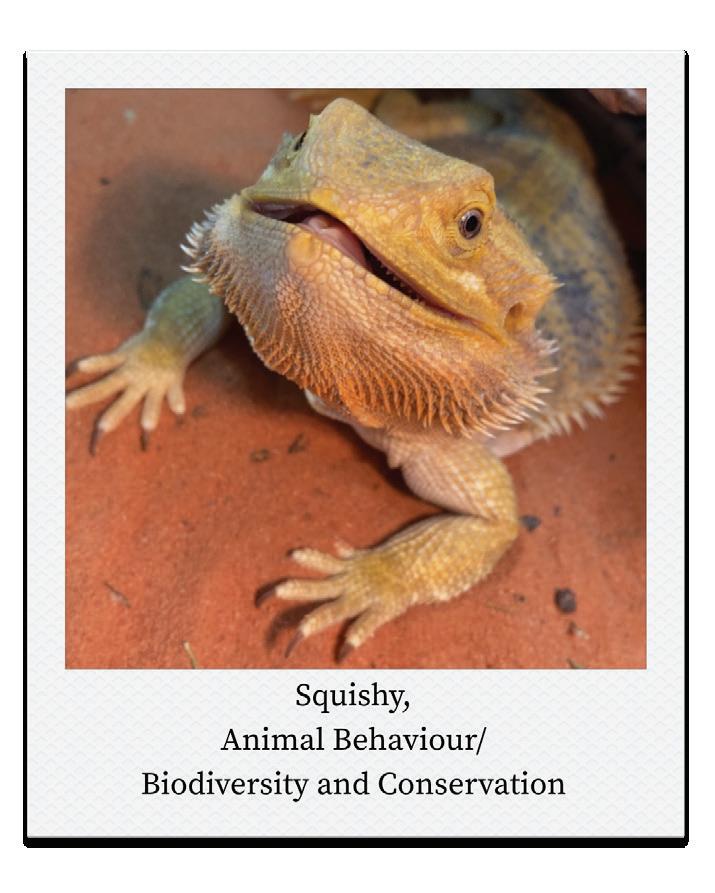
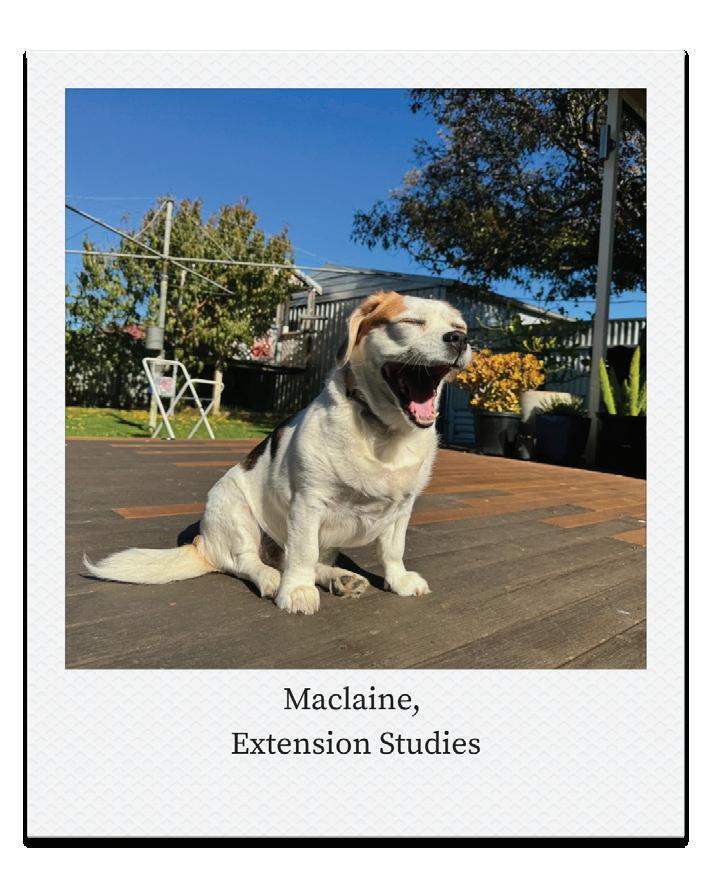
pets of Flinders
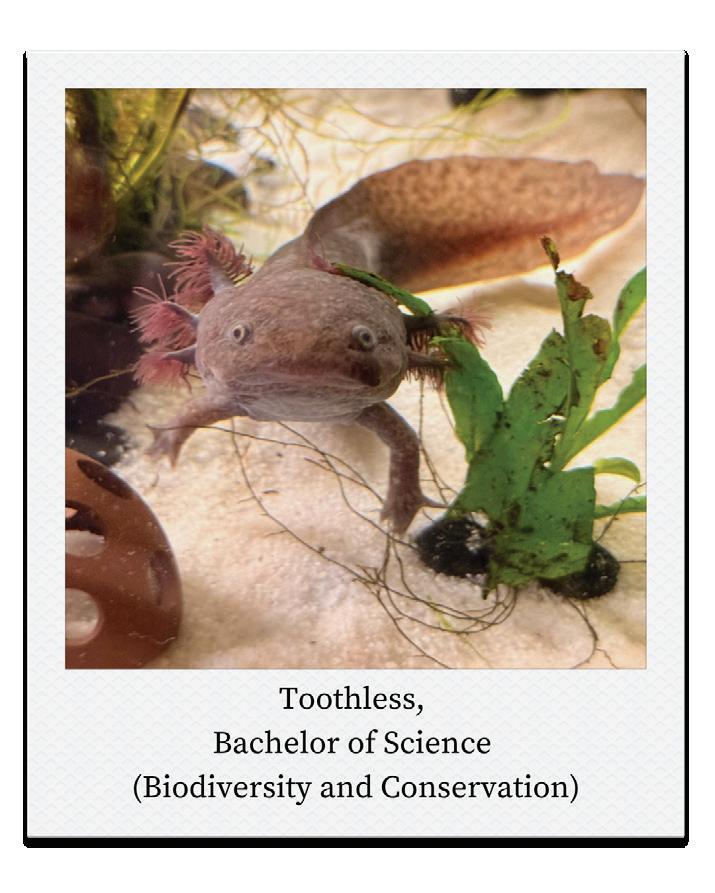
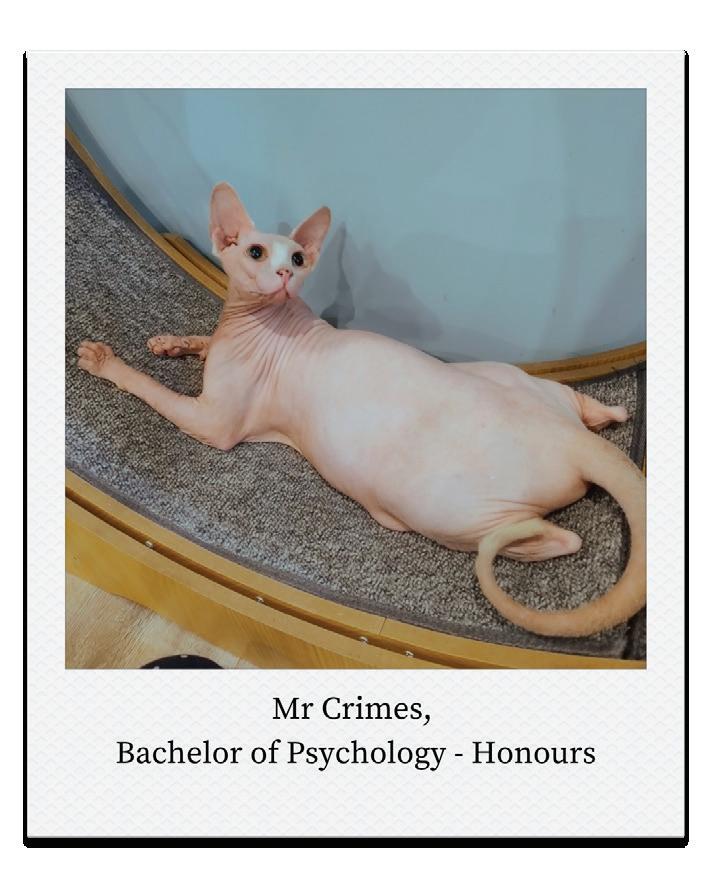
I sat with my back pressed against the wall; the fridge stared back at me. She was missing a lot of drinks, but I know she didn’t blame me for it. I was on my break. As the time ticked down, so too did the drinks inside of her. People passed, taking more, but she was used to it. The fridge wasn’t as irritable as some others, not like the fryers. The fryers all lined up along the wall; they were only young,
The new installments, I kind of missed the old ones, as dirty as they were. The baby fryers would cry at everything, if there wasn’t any oil, if the baskets needed to be shaken, or if they decided right that second, they needed their maintenance done. They were quick to soothe, however. Not like the deep fryers. Older, and a whole lot bigger. They would huff with their old age, voices deep and booming. I didn’t talk to them much.
The order screen blinked at me, telling me my time was up. They didn’t flash often, but they would always give me some sort of sign when my breaks were up. I liked to just sit and zone out. If it wasn’t for
the screen grabbing my attention, I would never wake up from my little daydreams. I stood up and ached. Treading carefully over the dirty, beaten floors, I made my way to the office computer. The objects in the office all carried an air of superiority; they weren’t covered with the usual layer of grease the rest of the store had. I don’t think they held any resentment towards me for being part of the muck, though they were mischievous about it. The computer would never open a program for me right away. The first pen I grabbed never had any ink, and my phone would somehow always end up buried in the electronics pile. That was their way of teasing me. At first it annoyed me. But I’ve fallen in love with my job, even when she taunts me.
I clock back in. Break over. Ten minutes of paid rest before I’m flung back into the fray. My manager shoos me off. I bow my head and retreat to the sinks. Before me lay the deep pools, filled with messy pots and sauce bottles. I begin to fill them. The cleansing sink hums deeply, filling with steamy hot water, whilst the sanitising sink whistles
with a gentle delight as cold water fills her tub. Bubbles ripen to the surface, and I plunge my hand deep inside. The cleansing sink is loud, she is not unkind, but she is harsh. Her steaming hot water strips me of everything, removing all layers indiscriminately and leaving only the barest essentials behind. The tingling sensation runs up my forearm. She reminds me that I am alive. I dunk my hand into the sanitising sink. He licks the wounds his sister gave me, not knowing how much it stung. I listlessly watch them both fill. They are greedy, hoarding all the water in their huge bellies. I twist the taps and bid them farewell.
I clean my hands. I grab a headset from where it’s been abandoned. They are spindly, whimsical little things. They mainly talk in sharp, direct beeps, which I’ve learned as if it were a second language. However, not everyone knows how to speak their way. So sometimes they muster up all they have and gently knock at our skulls with our own words echoed back. Low… Battery… I adjust it until it fits, the headset kindly snugs against my
head. It knows I won’t let it fall. It knows that I am kind as I remove the battery and replace it.
As I pass through the store, I feel the eyes of every single object turn to watch me. They are not seen by many, but they see all. The boxes in the warehouse are troublesome, fat things that are hard to move about. They take delight in my struggle. The freezers are calm little refuges; they kiss my sweaty forehead and tell me it’s going to be okay. The cleaning supplies practically jump into my hands.
I sweep through the store, tuning out the words of my manager.
‘You’ve been working here for how long? Do it right next time.’ The broom in my hands sweeps faster.
‘Did you remember to smile at the customer?’ The boxes become lighter. ‘Did you say blah instead of bla?’ The fryers hum, not squeal, when they require my attention.
My coworkers are shoving past me; my manager says I’ll have to stay back. I close my eyes, and the store soothes me with her rhythmic beeping. I love my job, and she loves me too.

B aconEgg Sandwich e s
ordsby LukaVeaney

I have never been a foodie, nor a particularly skilled or willing cook. Food has never been a motivating factor in my life. The outcome has never seemed worth the effort. I have long been a 2 minute noodle man as a result. I was never any good at food tech and home economics in school, it was never something that piqued my interest. I didn’t really have a favourite food either, it was always an awkward question to answer. I can appreciate good cooking, but great cooking, fine dining, the reinvention of food as an experience rather than sustenance has always been lost on me. It is a personal labour that I cannot understand.
Stranger still, cooking runs thick in my family. My brother works in a kitchen. My dad is a fantastic cook, and despite his ill-fated attempts to encourage me, he is an equally fantastic teacher. My grandmother spent thirty years of her life cooking for camps around Adelaide. If you attended a camp between 1968 and 2003, chances were you had eaten her food. I admire these people, because I know I could never achieve what they have, in any capacity.
What I have realised is that
“The
bacon egg sandwich
became one of few beautifully simple symbols
for the human condition”
cooking, like most things in society, spans a spectrum. Cooking, for some, is a significant outlet for creativity and resourcefulness. I feel I land on the lesser side of the spectrum. Cooking feels laborious, mundane.
It wasn’t until recent years that I considered myself extremely lucky, grateful that I have access to food. Even the simplest of things are easy to take for granted. Food is not a privilege that is shared worldwide. Cooking, preparing a meal takes on a different definition in other countries and cultures. A rough 28% of the global population does not have regular access to sufficient food supply. While my youthful ignorance does as much as my current disappointment in universal distributive infrastructure to solve this problem, a newfound gratitude for what I am provided has granted me a more generous outlook on life. It has not, however, increased my motivation to cook.
While globally there are billions of people unsure of their next meal, hunger is a far more local problem than we realise. In January 2023 I began volunteering for a group in the city that served free breakfasts to those who wanted them. This group vied for the establishment of a safe and welcoming community, something I think everyone can appreciate. Each Saturday morning, we would serve but a few simple meals: sausages, bread and bacon egg sandwiches. It was here I would come to cherish food in a way I had not previously. There was still the effort of making the meals, but our customers were far more appreciative, far more friendly, far warmer than the audience I had cooked for prior. Each Saturday morning I witnessed the “milk of human kindness”, as Bill Shakepeare so aptly put, both in volunteers and punters alike. Kurt Vonnegut, on his prisoner-of-war experience in World War II, says “when food came in, the human beings were quiet and trusting and beautiful. They shared.”
Among the tumultuous times, the uncertain, the violent and unfortunate, human beings always have a way of seeing to it that we are each cared for, loved, protected. The effort in providing for myself pales in comparison to the satisfaction of providing for someone else. Food is, as Vonnegut says, a vehicle through which love is shared, through which differences are set aside. Those meals I had helped make, shared with strangers, people I had never met, would be the tastiest of my life.
The bacon egg sandwich became one of few beautifully simple symbols for the human condition in all its majesty and terror; it reminds me still of those wonderful sunlit mornings, working, cooking, serving something I thought worth serving. Something worth the effort.
A Good Grade in Therapy
Words by Tannaz Mahreen
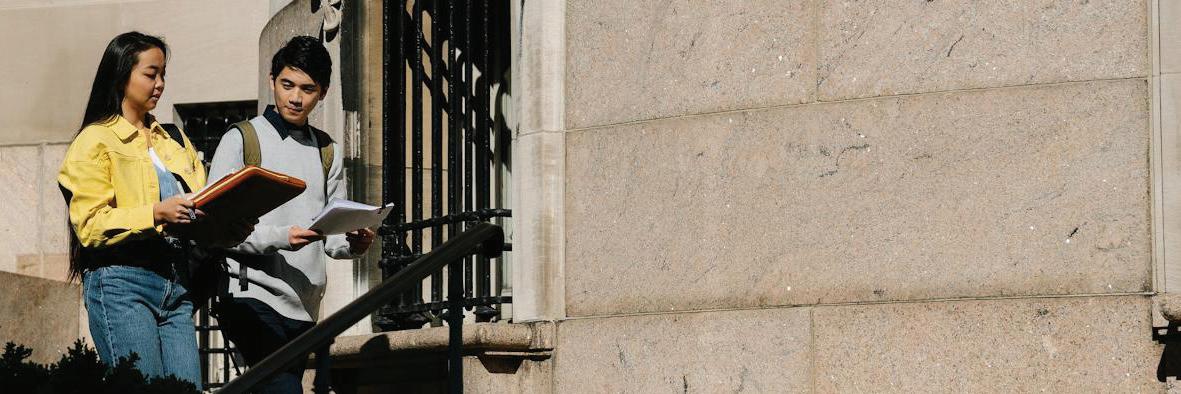
Sincerity is an omnipresent witness to all my interactions lately. Be it in tutorials, in activist meetings, or even in casual conversations outside the coffee truck with the best Strawberry matcha, there’s a carefulness to how we speak. Everyone seems to be trying, earnestly, to say the right thing. To be thoughtful. To be self-aware. To be good.
Which is admirable. And exhausting.
University life has a strange performance economy. We are constantly putting forward the most legible version of ourselves: the engaged student, the politically literate peer, the emotionally articulate friend. The expectation is not only that we think critically, but that we narrate ourselves critically too. We must demonstrate growth. Contextualise our feelings. Show our working. Somewhere along the way, sincerity becomes labour.
Recently, I saw a reel that described people keeping old wounds fresh as evidence for a trial that will never come. The phrase lodged itself somewhere uncomfortable in my brain. Because I recognised the impulse immediately. The careful tending of past pain, the rehearsal of its narrative, the quiet compulsion to make sure it remains coherent and justified.
We curate our wounds the way we curate our Hinge profiles: updating the language, refining the story, making sure it demonstrates growth. My best friend and I often joke about wanting to be our therapists’ favourite client. You say the right things. You identify the pattern. You acknowledge the boundary. To get a good grade in therapy, you know? Somewhere in the background is the faint hope that someone – therapist, friend, invisible audience – will nod approvingly. Full marks for emotional insight.
But like any other performance, it comes with rehearsal. And rehearsal is labour. You begin to notice it in social settings. The friend who delivers their trauma story with impeccable pacing. The group discussion that spirals into a collective analysis of everyone’s attachment style. The careful choreography of empathy: validating, reflecting, summarising.
All technically correct. All strangely theatrical.
None of this comes from a dishonest place. If anything, it comes from a genuine desire to be better: to communicate well, to hold space, to be thoughtful with one another.
But the more fluent we become in this language of self-awareness, the easier it is to mistake performance for presence.
We stop speaking and start presenting.
Relationships flatten under this pressure. Not because people are insincere, but because sincerity itself becomes something we demonstrate rather than something we inhabit. Instead of reacting, we respond. Instead of feeling, we analyse the feeling out loud.
It’s the academicisation of the self.
And like any other form of labour, it’s tiring to never clock out.
Sometimes I wonder what would happen if we allowed each other a little incoherence. If not every story had to end with a lesson, not every wound had to be articulated with perfect clarity. If a conversation could wander without the expectation of emotional productivity.
Perhaps the most radical thing we could do in a university full of highperforming selves is to occasionally be unfinished.
To laugh badly. To tell stories that contradict themselves. To let a wound scar over instead of keeping it open for evidence.
After all, if every interaction becomes a performance, who exactly is the audience?
And when do we get to leave the stage?
A non-definitive very subjective guide to Flinders female bathrooms
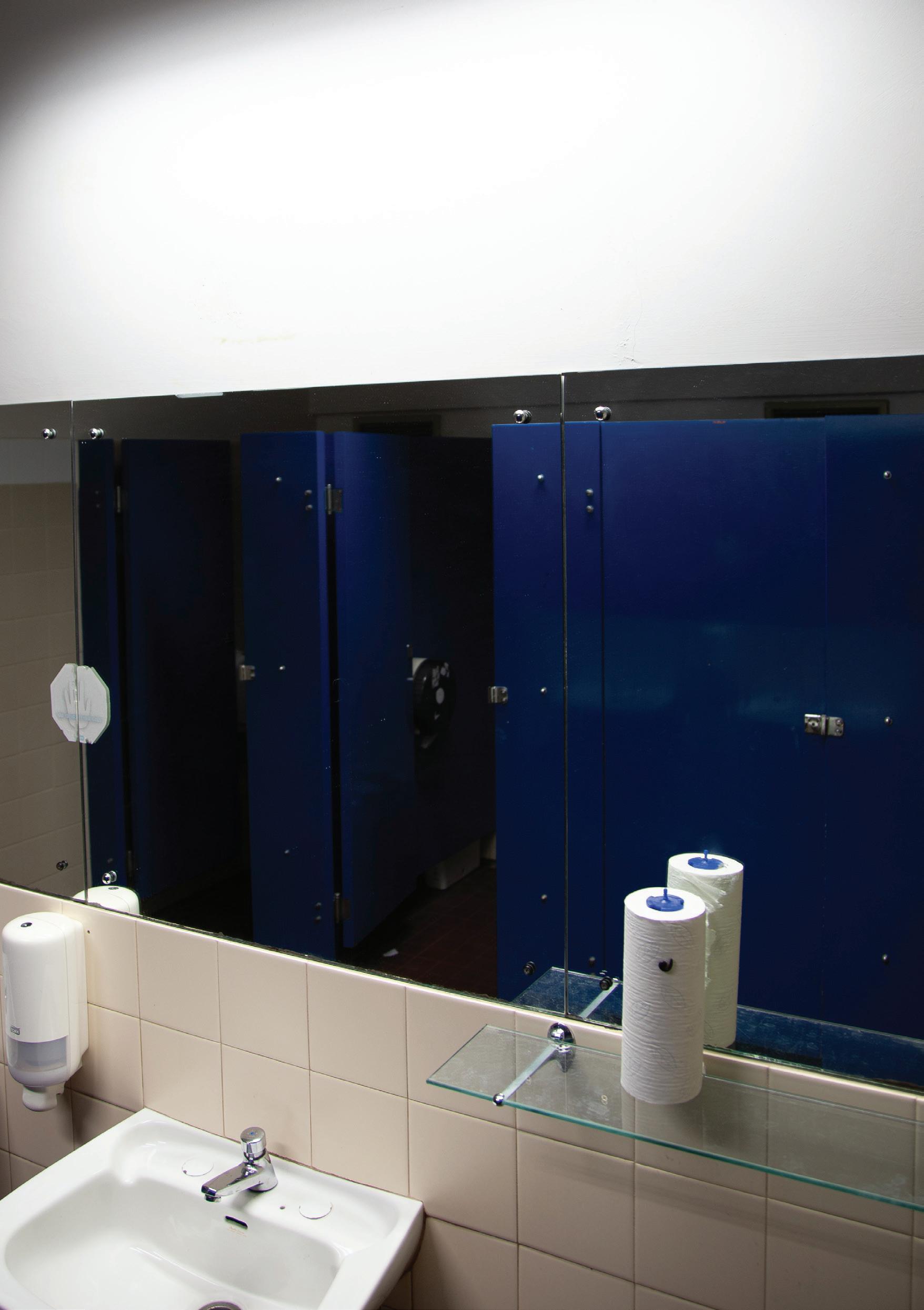
I rate a selection of 9 female bathrooms on the Flinders Bedford park campus, from my least to most favourite, for your convenience and information.
9. Level 1 of the Hub.
On paper, these bathrooms should be great. They’re modern, and they’ve got very efficient hand driers that are fun to stick your hands inside. In reality, though, there’s a problem of ambience. The layout feels a little awkward (I’m sure there’s a space efficiency behind it) but, most of all, the doors seem very flimsy. I’m not about to hang my 8 kg backpack from that teeny hook is what I’m trying to say!
8. Next to the stairs in Humanities:
It’s nothing personal. These bathrooms are just very creepy. I think it’s something about the lighting. You hear some nature sounds, through the entry door which is usually propped open, but it’s more in a spooky way than inviting or relaxing. You shiver, as a weak line of sunlight reflects upon the tile. You clutch your belongings close and you hope for the experience to be over as soon as possible.
7. Outside the Flinders Drama Centre.
Here we have an example of that classic hallway layout of bathroom, and yet these bathrooms are not quite still pleasing to my particular tastes. They’re extremely dependable and very conveniently located. Yet, given the choice, I’d rather go elsewhere. I’ve thought about it a lot, and I think the ceilings are just a little too high. It’s got that real liminal roof space feel to it. A little daunting.
6. Level 2 of the library.
These are, again, conveniently located and because of the location some of my most visited bathrooms on campus. But, given the choice, I’d rather not. I think it’s because they open out into a narrow hallway. The vibes are harried, it’s a little off.
5. Level 3 of the library.
Technically I believe these are located in the law library. However, if you’re in the area, they are well worth the trip, because the corridor the door opens from is way less busy, giving them a much calmer feel all around.
4. Level 1 of the library.
I had no idea these bathrooms were here for the duration of my undergraduate degree. A great choice for those spending time on level 1 of the library.
3. Ground level of Law/Commerce.
Controversial but I really love visiting the bathrooms here. Such a small entranceway opens out into a very sizable facility. There’s showers. Sinks. So many cubicles. Every time I’ve been there it’s completely deserted, which is a little creepy, but that’s honestly my only critique. Put it on the to-do list!
2. Beside North Theatre 4 and 5 in Law/Commerce.
What you lose in space available—the cubicles are cramped and you are pretty much guaranteed to almost swing a door into somebody—is more than made up for by the sheer convenience and modernity of this masterpiece of a bathroom facility. So many options, just tucked away in there, mere metres from the door to the lecture hall? I commend the architects.
TOP BATHROOMS OF ALL TIME: near FUMA.
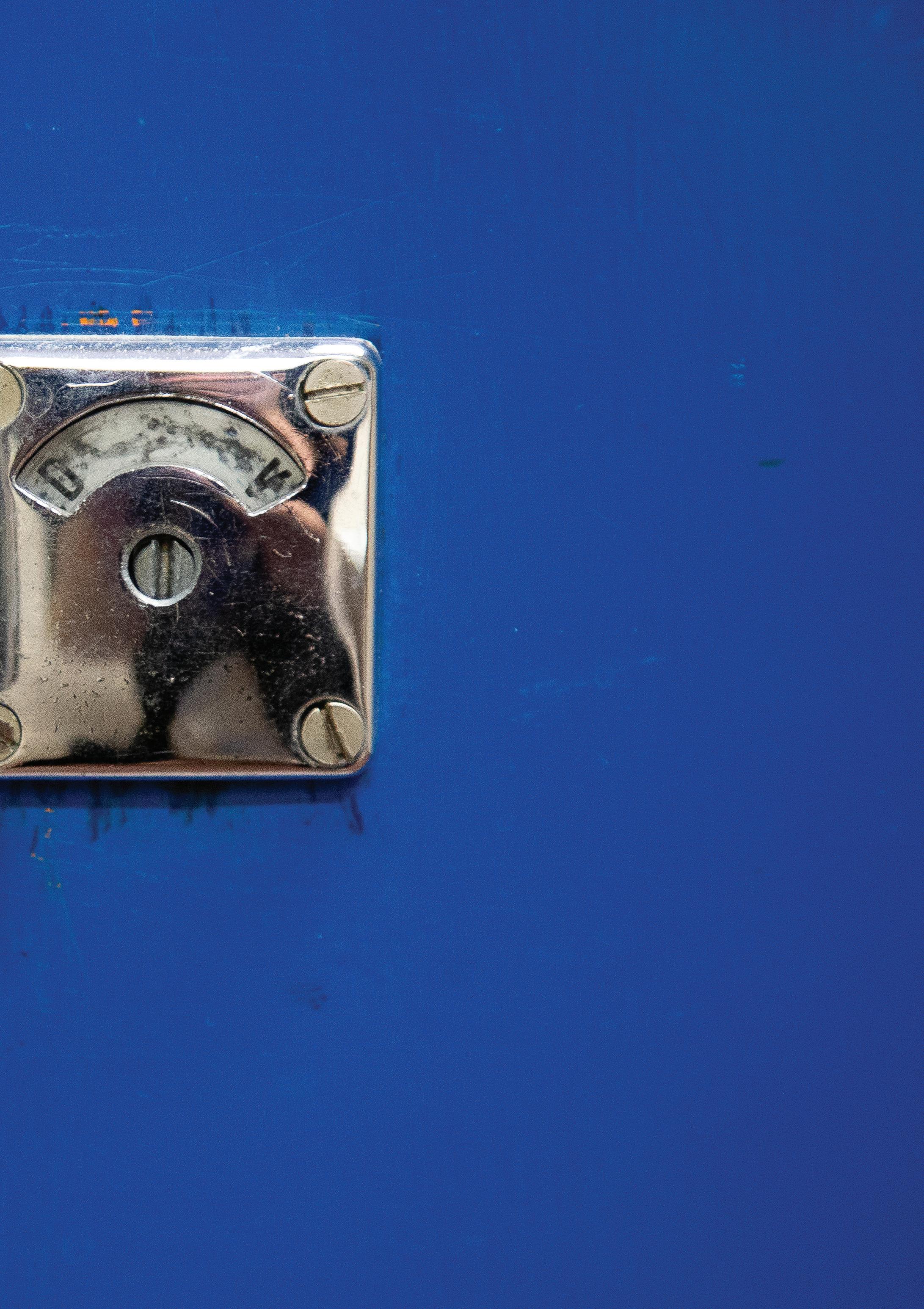
Now THIS is a top-tier campus bathroom facility, the clear winner in my eyes (though beauty is in the eye of the beholder)! Entryway unassuming, tucked away from the main entrance to the FUMA gallery. But press open the door and step inside, and you’re transported into the calming ambience of 1989. This bathroom is like something out of The Secret History. Wash your hands, and imagine the search continues for your missing friend, Bunny. Except, you’re avoiding meeting your own eyes in the mirror because you know that he was killed by your unhinged friends after they conducted an Ancient Greek bacchanal under the questionable influence of your classics teacher, Julian. Who knew such atmosphere was possible, within reach, right here, in 21st century South Australia? A mustvisit sanctuary amid the bustle of uni life—but please, don’t visit too often. We have to preserve the solitude-giving privacy that makes it unique, to keep this hidden gem secluded for generations to come.
xoxo Facilites Girl (Vicki Griffin)
Pad Thai as we know it rose to prominence in 1940s Thailand, out of wartime scarcity. During World War II, Thailand was dealing with serious food shortage, like rice. In the early 1940s Japanese occupation strained resources, war disrupted labour, transport, trade and distribution. Floods damaged crops, and export demands put pressure on what was left. It ultimately became a food-shortage crisis.
So the government looked for a workaround. Rice noodles offered a practical solution because they stretched limited grain further. Instead of serving up one bowl of rice, the same basic resource could be turned into two meals’ worth of
noodles. How did they turn it into 2 meals worth? By turning rice grain into rice noodles it provided more volume, like adding liquid to soup.
Under Prime Minister Plaek Phibunsongkhram’s nationalist government, noodle production became part of a broader campaign to modernise and unify the country. Factories were supported to massproduce rice noodles using broken rice grains. Street vendors were also brought into the picture. They were given carts, recipes and loans, helping turn rice noodles (and Pad Thai) into a solution for food and for employment.
Pad Thai was build by policy, labour and war, which makes
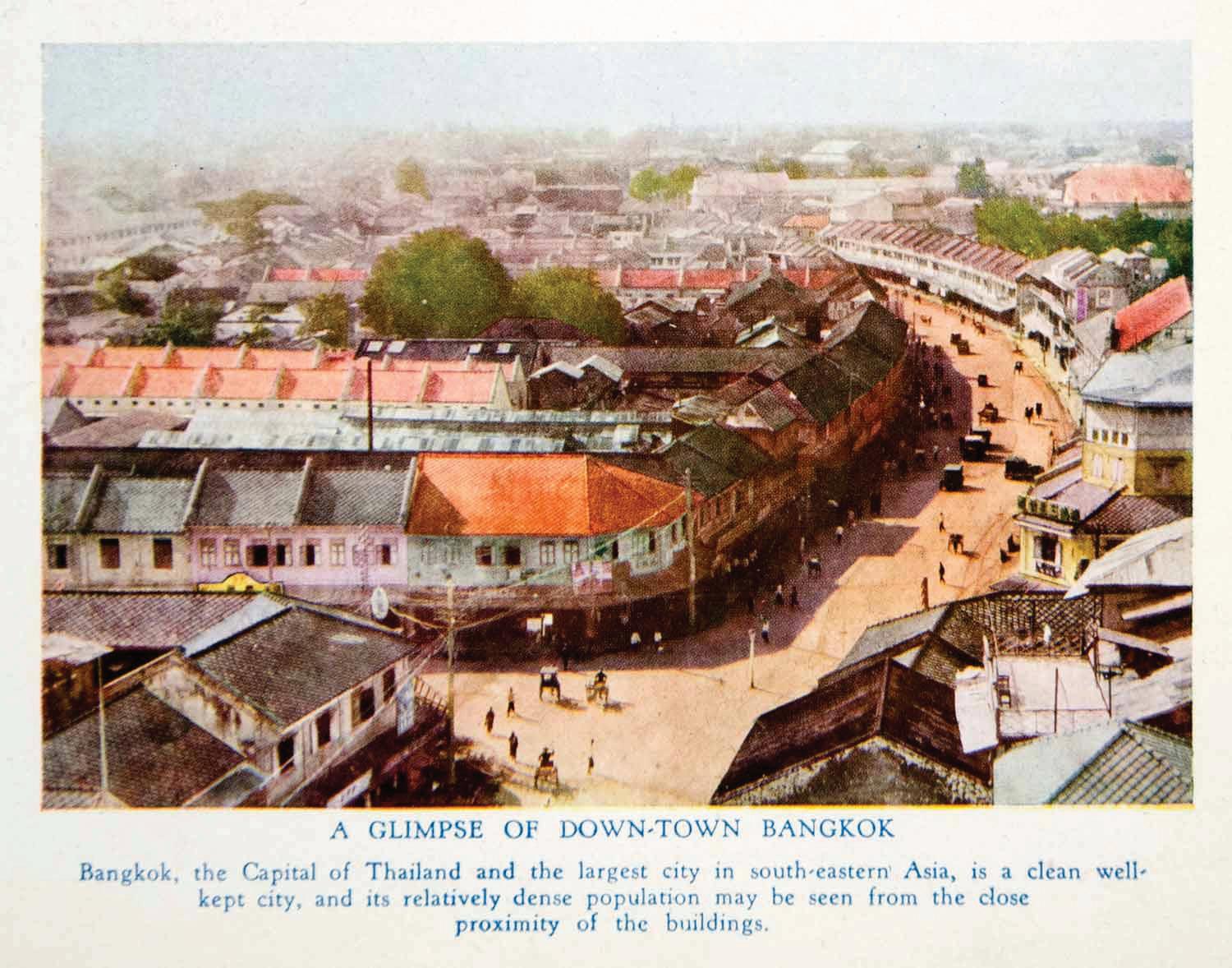
it quite unique. Or that’s what I thought at first. For some reason I thought recipes like Pad Thai were made by mothers and their mothers mothers. And that’s also true but a lot of what we eat, or recipes that exist come out of necessity, not a wealth of options. In World War 1 and 2 bread was in shortage or state control so there came National Loaf and Ersatz bread. National Loaf was a government-mandated wholemeal bread introduced in Britain to save wheat; while ersatz bread was any improvised, low-quality substitute bread made with alternative fillers when proper flour was scarce. Just a fun aside for you that I learnt while researching Pad Thai. The Thai government also promoted noodle-eating through
public campaigns, framing it as efficient, modern and patriotic. Lunch, suddenly, was on the government’s menu.
Even after the wartime shortages eased, Pad Thai had already embedded itself in everyday food culture. It survived because it worked. It was fast, affordable and satisfying, and street vendors kept it alive long after the original crisis passed. In the 1960’s, while Thailand was developing closer ties to America, we started to see more of the big boom for Pad Thai as we know it in the western world.
Words By Cynthia Smith

What’s happening on campus?
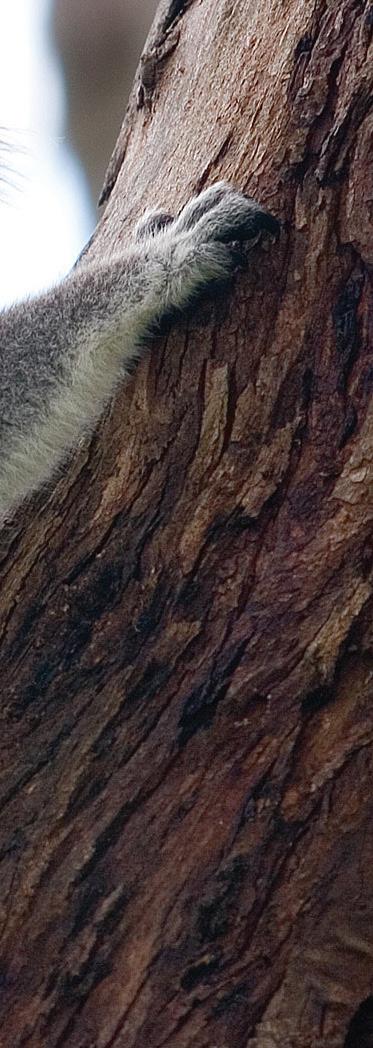
Wildlife on Campus: Look, Don’t Approach
Our campus is lucky to share space with native wildlife. Koalas, birds, and reptiles are a normal part of life around Bedford Park. While it can be exciting to see them up close, it’s important to never approach or attempt to handle wildlife.
Feeding or interacting with wildlife can cause distress on wildlife; change natural behaviour; and put both animals and people at risk.
If you see injured or distressed wildlife, the safest action is to contact a licensed wildlife rescue organisation rather than intervening yourself. Only intervene when a wildlife rescue organisation gives you instructions to do so. Wildlife carers have training and equipment needed to help animals safely.
Please observe from a distance and respect their space.
Recycling on Campus Clearing Up the Confusion
For most students, they wonder where the funds from the 10c bins go and what they contribute to. To answer this question, I reached out to the wonderful Sustainability Team here at Flinders. 10c deposits are collected by Australian Green
Clean, where the funds obtained generally support sustainability initiatives across campuses.
The bin system at Flinders is a little complex. You may notice that we do not have yellow recycling bins across campus, unless they are situated near printers. That does not mean we do not recycle! We instead put everything into the red wastage bins across campus. Unlike general wastage bins in residential areas, our bins are not sent to landfill. Instead, it is repurposed. ResourceCo processes it to produce a ready to use fuel source known as Processed Engineer Fuel (PEF). Although this system can recover recyclable materials and create fuel, reducing waste at the source is always the most effective solution.
Simple actions may include bringing reuseable bottles and keep cups (mug in the hub hopefully coming soon!); avoiding single-use
packaging where possible (use bees wax as a replacement or purchase a lunchbox); and using the water refill stations around campus.
Sustainability Message of the Month
Urban campuses can play an important role in supporting biodiversity through native vegetation and responsible land management. This can involve planting native species across campus.
Students can support biodiversity by staying on marked pathways in bushland areas (please do not create desire paths because they’re ‘faster’); not disturbing wildlife habitats; and participating in environmental volunteering events (keep an eye on Flinders University Sustainability and Environment club - FUSEC events!).

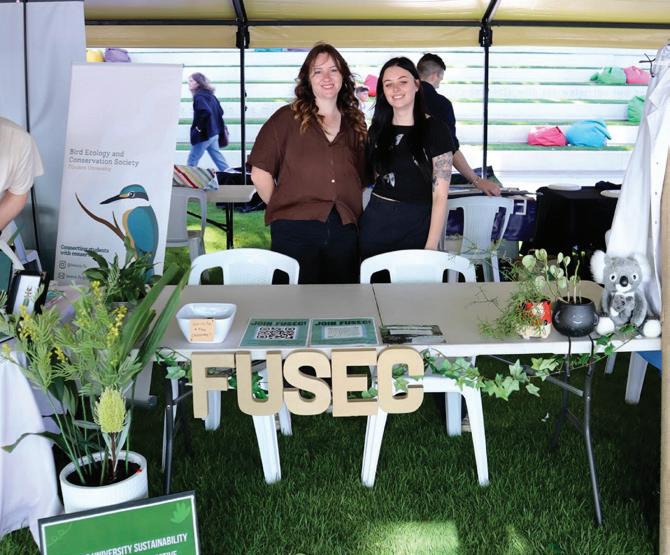
Healthy ecosystems support everything from pollination to climate regulation, and they make our campuses a nicer place to study.
Environmental Governance Updates
Across Australia, universities are working to improve sustainability through environmental governance and collaboration networks. Recent initiatives within university sustainability networks include expanding campus sustainability reporting and transparency; strengthening student representation in environmental decision-making; and growing collaboration between universities on climate action targets and biodiversity protection.
Student voices remain a key part of these conversations. Through the Flinders University Student Association (FUSA), students can raise environmental concerns,
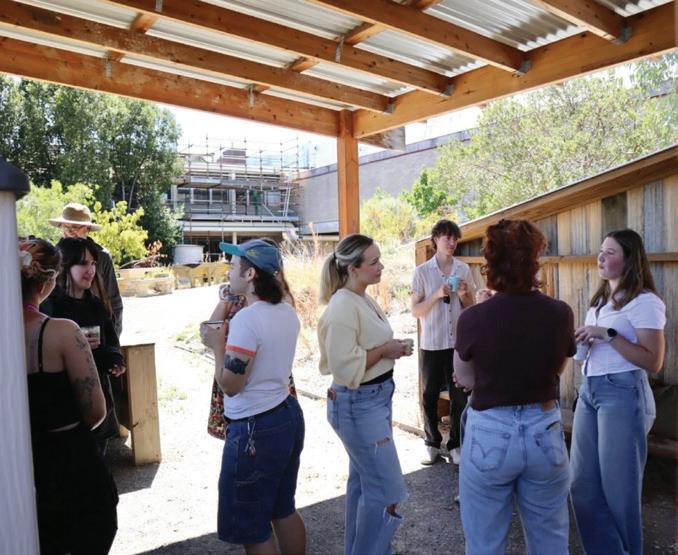
propose initiatives, and help shape sustainability efforts on campus.
Get Involved
Want to help make campus greener and more sustainable? Some easy ways to get involved include joining FUSEC; sharing sustainability ideas with the Environment Officer (me!); and supporting reusable initiatives on campus.
Small actions add up quickly, student involvement is one of the most powerful drivers of environmental change at universities.
Words by Madeline King FUSA’s Environment Officer.
Pay Me
By Bhavni Sidhana
Exposure will not pay my rent and paying me less will not make you a billionaire.
A dream is sold to us. As an international student, I was also a victim. It starts like some sort of horror story, and unfortunately it is.
Back in my country, we often hear positive stories from neighbours, relatives, and our own friends, “My brother studies business analytics in the USA. He has an amazing lifestyle”. I used to think about what it must be like to live outside your own country.
Well, here I am. When I came to Australia I experienced a feeling called burnout. Everyone, once in their life, especially during their university days, experiences this feeling.
What is burnout? In simple terms, it is when your body is giving you signs that you cannot function beyond this point, and your brain is
reminding you of all the things that are still left on your to-do list. Crazy how some people still show up after experiencing this emotion. It is some sort of a war between your body and mind.
I remember when I experienced this. It was a random Tuesday. I just finished my night shift and realised I had a class at 9 in the morning. I showed up to my class somehow. Then on top of that, I was assigned a group project due the next day. However I again had a night shift, which I needed to go to, as my rent was due.
There was a battle going on inside my head about what I should do while the discussion about the assignment had already started. Is this the dream life I had been dreaming about? People would say, ‘You can ask for money from your parents?’ or ‘You can work
next week?’ I cannot work next week as I have an unpaid clinical placement starting next week, and I cannot ask for money from my parents. Isn’t it enough that they are paying thousands of dollars for my education? Isn’t it fair that I, as a 22-year-old, pay for my own expenses? But this is how we learn about life.
Instead of enjoying my student life, I am part of an ecosystem where I have to fight for one casual shift, finish my clinical placement as well as three assignments due at the same time. I have to figure out what to cook for dinner, how to get groceries, how to pay my rent that is due next week. I have to recharge my Metro-Card.
If all of this isn’t enough, as international students we face wage theft and being underpaid. The worrying part is not that these things happen, it’s the fact that it is normalised. I am not the only legendary student to manage this. Everyone does.
Well, what is the solution you may ask?
There isn’t one, because these things will teach you an important lesson: how to survive. It is tough and frustrating, but you learn. These underpaid jobs teach you
how important education is. These tough times teach you how to manage the money instead of spending it all in one place. These assignment deadlines will soon turn into your project deadlines, and you must learn how to work under pressure. Those unpaid clinical internships will teach you that some opportunities will feel more of a burden than a learning experience. But once you apply all those ‘topics’ you learnt in your class to your placement, you will understand how important it is.
Every lesson will not be taught in a class. A lot of learning will happen outside your lectures.
As a student, I don’t ask for much, for my work to be valued. Do not pay me less just because I’m a student.
Fortunately, like every student, I will think of every task as an opportunity and will invest my time, creativity, and money into it. Do not call it ‘exposure’ just to get your work done for cheap or free. We value opportunities, do not gaslight us. Be honest about the opportunities you are offering. Because exposure will not pay my rent and paying me less will not make you a billionaire.
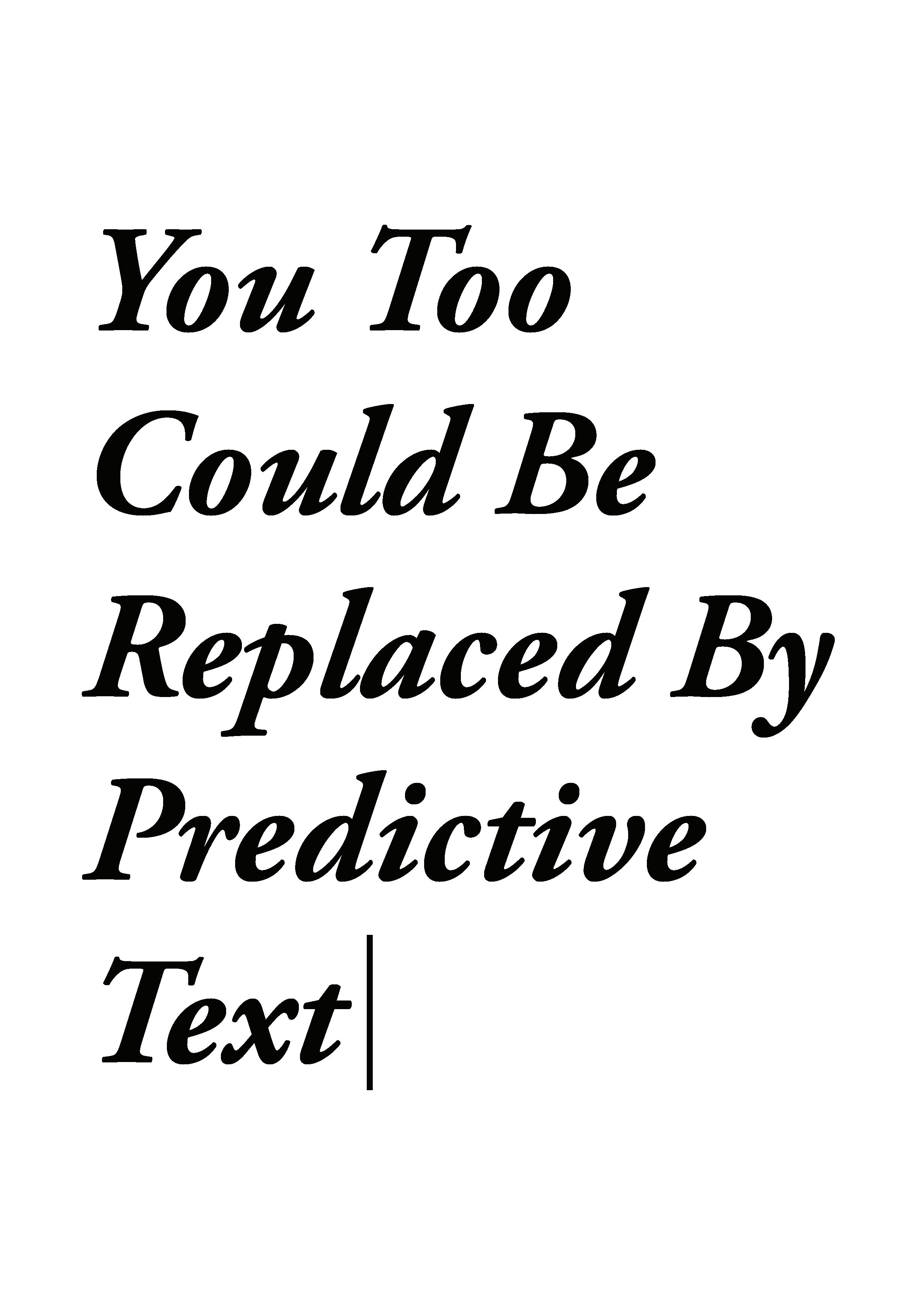
It’s 2026, so we get to be anxious about being replaced by a computer.
‘Artificial Intelligence’ is the buzzword of the decade, forcibly installed in everything from your computer to your phone to your toaster. But, of course, artificial Intelligence isn’t a real thing—it may be artificial, but it’s not intelligent. What is referred to as AI is typically what is actually known as an LLM, a ‘Large Language Model’, which probabilistically puts one word in front of another. It can’t think and it doesn’t even know what it’s saying – it just knows what the most likely combination of words to output based on the words you input. It’s literally the same as the predictive text on your phone, on an enormous scale, powered by titanic amounts of water consumption and electricity.
Nevertheless, predictive text is coming for your job.
To believe proponents of so-called AI, it’s a technology that can replace anyone. No white-collar job is safe. No creative job is safe. In their ideal world, no job is safe (except, of course, middle managers and executives).
Who needs a human artist or graphic designer? We stole all your art, and now a machine can clumsily recreate it (no, your labour
will not be compensated). Who needs a human writer? We fed all your books and articles into a machine, and now it can clumsily recreate them (no, your labour will not be compensated). Who needs your average white-collar office worker anymore, when an AI can do any and all menial office work – or can it?
There’s a big difference between wanting AI to replace a job and it actually being able to do that job well.
In some industries, the idea that you could truly be replaced by an AI is rather spurious. Amazon workers have spoken about how much of their jobs have become fixing problems caused by being forced to integrate the company’s internal AI into their workflow, lowering their own productivity. This is a persistent problem at many software companies, where AI produces bad code that human coders then have to spend time finding and fixing. That hasn’t stopped thousands of jobs being cut at tech firms the world over, of course.
In other industries, however, AI supplanting one’s job is more existential. Take, for example, voice acting, where a voice actor’s existing work can be fed into a machine to create an artificial facsimile instead
of hiring the original actor – an act which is not currently illegal. Is that better than hiring a talented and trained professional? Well, it’s certainly cheaper.
In schools and universities, AI threatens to replace students – if you have ChatGPT do all your work, are you even really there? Despite being an easy way to skip doing an assignment, recent research shows that using LLMs in education is an act of ‘cognitive offloading’ that impairs one’s ability to learn and retain information. AI use literally makes you less intelligent, as it degrades your ability to retain information and problem-solve. This is particularly insidious in the Humanities – if you aren’t learning to critically think and analyse in your Arts degree, you might as well be setting your money on fire.
AI replacing humans can be philosophically existential too. If an AI commits mass murder, such as with America and Israel testing autonomous killing technology in their war against Iran, does that mean no one can be held responsible? Oops, the computer blew up a school. Mistakes happen.
With that all said: Are you being lied to?
Neal Woolrich, from the research and advisory firm Gartner, is quoted
by The Guardian as sceptical that AI is really replacing jobs at all:
“I think there’s a lot of use of AI as cover for other things that are going on in the organisation. We did some economic modelling last year and found only 1% of job cuts were the result of AI productivity gains. […] Sometimes when organisations are going through headcount reductions, there were other financial pressures that were driving it. I suspect there’s something else going on.”
In The AI Con, Drs. Hanna and Bender observe the phrase ‘artificial intelligence’ as being “deployed when the people building or selling a particular set of technologies will profit from getting others to believe that their technology is similar to humans, able to do things that, in fact, intrinsically require human judgment, perception, or creativity”.
AI proponents want you to believe their technology is far more advanced than it actually is because, when they use it to do whatever they want, they get to wash their hands of responsibility.
“The AI decided this was the most efficient thing to do.”
“The AI is more efficient than you.”
“We can’t be held responsible (for the decision we wanted to make).”
Is AI hype really just another way for a company to justify downsizing? Firing a bunch of people makes the next quarterly financial report look so much better, after all. And don’t worry too much, if this whole AI thing doesn’t work out, the company can just hire you (or someone like you) back later – for less pay, of course.
Is there anything you can do in the face of all this?
Well, you can at least not buy what they’re selling – your labour.
Words by Amelia Luke

Words by Anon
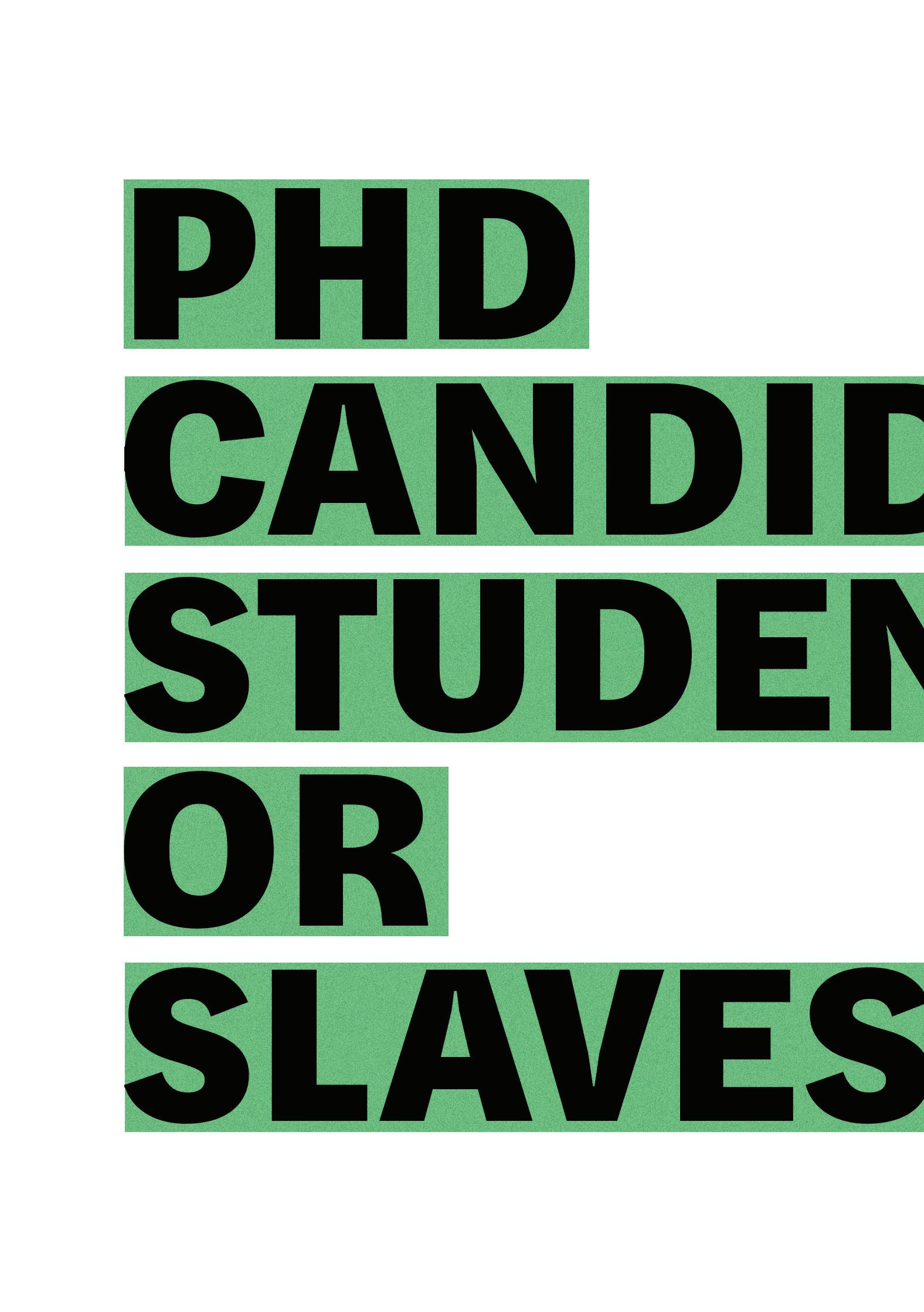
PhD candidates are referred to by academics as the “powerhouse” of the university. We produce a substantial share of the published research output, feeding the university’s world rankings and our supervisor’s promotions. Not only do we contribute to the university, but we contribute to society with knowledge generation, inventions, and cures. Many PhD candidates work on the world’s most wicked problems – from climate change to cancer to civil rights. This all sounds productive… so are PhD candidates students, or workers?
It turns out, not even the university can decide. Our swipe cards get us into staff-only areas, and we are allocated an office… like staff. Yet, our compensation is structured like that of a student: only those who win a competitive scholarship receive a meagre stipend. In 2019, WorkCover Queensland ruled that PhD candidates receiving a stipend were classified as workers. But the Fair Work Commission does not recognise scholarship stipends as wages, so minimum-wage protections do not apply. Perhaps this is justified—we are learning on the job, and we need supervision, support and training. But does our pay situation compare with others in similar roles?
Apprentices, for example, are another group who are learning on the job. They
typically attend a full day of tertiary education every week, and they receive round-theclock supervision from a fully qualified tradesperson. This is a significantly higher amount of supervision and training than afforded to PhD candidates, who might expect an hour per fortnight with their supervisors, and “formal” training in the form of sporadic webinars. Yet, apprentices are protected under Fair Work laws. A firstyear adult painting apprentice, for example, cannot be paid any less than $27.06, plus overtime, allowances, annual leave, sick leave, carer’s leave, casual loading, and superannuation. All up this is at least 53k per year.
Meanwhile, a full-time PhD scholarship holder is paid $36,061 per year— equivalent to exactly $18.19 per hour when
processed through the university payroll (as though it would hurt them to round to the nearest cent). We get 20 days per year of annual leave, but no formal sick leave, carers leave, or superannuation.
Our scholarship agreement forbids us from working more than 8 hours per week and even caps the amount we can be paid elsewhere.
Those without scholarships earn nothing.
Making matters worse, unlike apprentices, PhD candidates do not have any increase in our pay when working additional hours. When signing up to the scholarship, we agree to allocate 30-38 hours per week to our
thesis, but many work overtime. A worldwide survey of over 6,000 graduate research ‘students’ found that 76% averaged over 41 hours per week, with around 5% reporting an average workload of more than 80 hours per week. Based on award rates, a first-year apprentice painter would receive $3,289.58 per week minimum for this workload. Meanwhile, PhD candidates still receive the same weekly pay – $691, no matter the hours worked. Further, if a PhD candidate takes too long to complete their degree, they will be both unpaid and charged tuition fees. Paying an apprentice in this manner would be considered wage theft or even modern slavery.
So why are PhD candidates treated so differently from apprentices? One explanation lies in the history of academia.
For centuries, universities were accessible only to the wealthy –those who could afford to study without compensation. This legacy still shapes academic culture, with most professional academics coming from higherincome family backgrounds. Meanwhile, trade workers unionised effectively and fought over generations for structured protections and decent wages. Academic labour did not follow the same path, and the result is a system where only those with financial safety nets can comfortably pursue a doctorate.
So how do we move forward?
Efforts such as petitions and open letters have raised awareness but have yet to deliver systemic change. A more effective strategy may lie in the history of the Australian labour
movement: collective action. Uniting, unionising, striking, and demanding fairer conditions such as proper employment classification, superannuation, enforceable working-hour protections, and living-wage stipends.
In the end, it falls on PhD candidates to reclaim our value. If we are the powerhouses of the university, then we deserve the rights, respect, and protections afforded to workers.
Prestige cannot pay bills.
‘Neath the foliage
Find me ‘neath the foliage,
Where bees and bluebells play,
The breaking dawn is scented swweet
As dew-drenched grass beneath our feet
Feels slippery as we run on by;
The magpies warble from on high, As time ticks slowly, slowly on —
This morning, now, forever gone.
Kiss me ‘neath the foliage,
Where budding blossoms fall, As summer days, all set in gold, Then autumn leaves, and winter cold
Foretell the passing of the years;
For now, let us forget these fears. There’s still time left to conquer more —
What might tomorrow have in store?
Bury me ‘neath the foliage
Where gentle flowers sleep,
So I can rest my weary head, And dream in peace amongst the dead, As dappled light and shadows dance
While softly whispered words entrance, Inspiring calm in those who cry — For none who’ve loved can truly die.
5/2/26
Carys Meehan
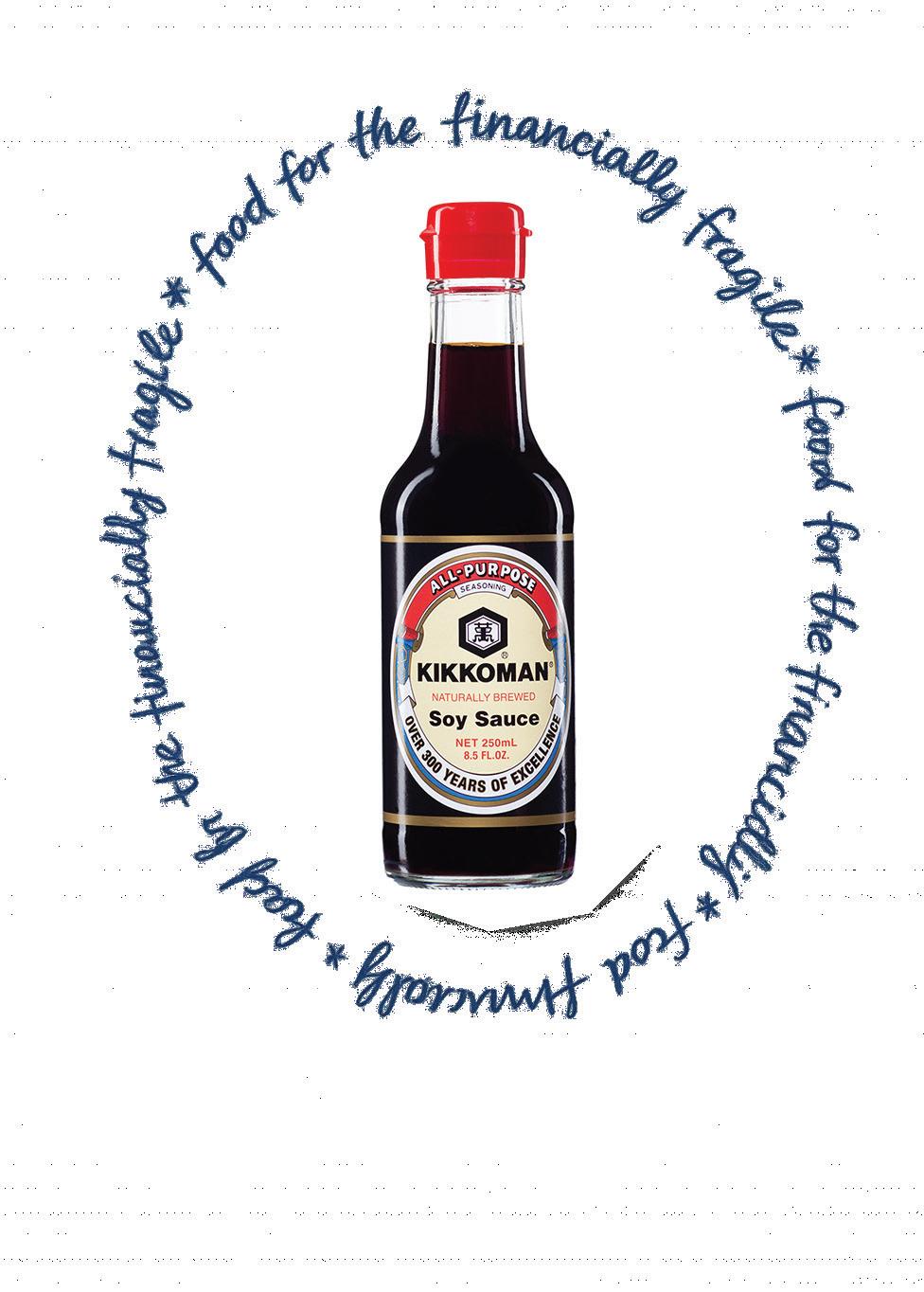
We reached out to Adeline Lau, an Associate Lecturer in Nutrition and Dietetics in the College of Nursing & Health Sciences at Flinders University, to share a cheap, healthy recipe for our “Food for the financially fragile” segment. You can rip this page out and stick it to your fridge :)
Dumpling Lasagna
By Adeline Lau, Associate Lecturer, Nutrition and Dietetics, College of Nursing & Health Sciences. Recipe Serves 4.
Ingredients
500g minced pork
1 Handful of sliced green onions (~30g) (to garnish, optional)
1 tbsp grated/minced ginger
1 tbsp minced garlic
1 tbsp soy sauce
1 tsp rice vinegar
1 tbsp sesame oil + additional to grease baking dish
1 tsp chicken stock powder
1 tsp white pepper
12-14 medium thin wonton wrappers
1 tbsp chilli oil (to garnish, optional)
Directions
STEP 1
In a large bowl, mix all the ingredients together except the wonton wrappers and any other optional ingredients.
STEP 2
Grease a baking dish with sesame oil.
STEP 3
Dip wonton wrappers in water and layer the bottom of the dish. Spread a thin layer of the meat mixture from Step 1 and repeat this process.
STEP 4
Place baking dish into a large pan or pot and add water (~5cm of water to fill this external pan).
STEP 5
Cover with a larger pan/pot and steam for 45 minutes.
STEP 6
Garnish with green onions and chilli oil (optional).
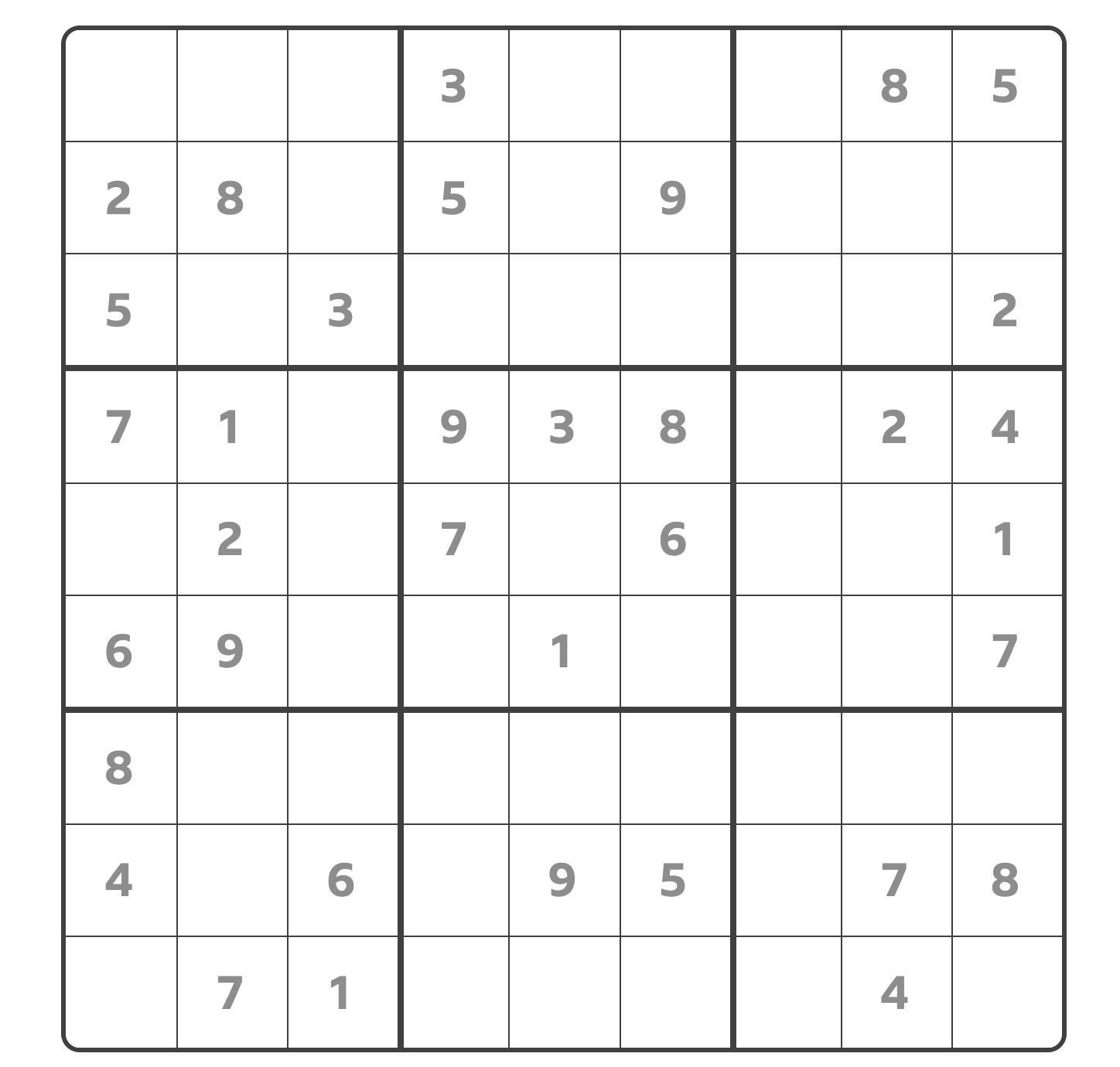
Sudoku
Doing sudoku puzzles uses the same parts of the brain involved with working memory, attention, reasoning and decision making. You’re basically getting brain-buff by taking a break. Here’s how it works:
Sudoku is played on a grid: within the rows and columns are 9 ‘squares’ (made up of 3 x 3 spaces). Each row, column and square (9 spaces each) needs to be filled out with the numbers 1-9, without repeating any numbers within the row, column or square.

EMPIRE TIMES FILM CROSSWORD
Across
2. It takes hard work to escape a time loop in this early 90s movie
4. Jack Blacks coaches student to become musical rock stars in this film
5.In Legally Blonde Elle works hard for one at Harvard
8. She has to take a long walk along the yellow brick road
Down
7. In a movie they dig lots of them, the movie is named accordingly. (it’s actually solvable this time!)
9. In this movie she loses her arm and still comes back to surf better than ever
10. Movie in which two brides-to-be turn wedding organising into war
11. What is the name of the character whose famous montage ends with him at the top of The Philadelphia Art Museum stairs?
1. In this 1998 classic, the titular character learns that his life is a tv show.
3. Horror film where pregnancy becomes the ultimate loss of bodily autonomy.
6. In Shawshank Redemption, Andy hid the hole he dug using this item.

Complete this competition and be one of the first 10 students to send through a photo of the finished crossword to win 1 of 10 free passes to Wallis Entertainment. Snap a clear pic and send it in as soon as you’re done, first in best dressedmedia.fusa@flinders.edu.au
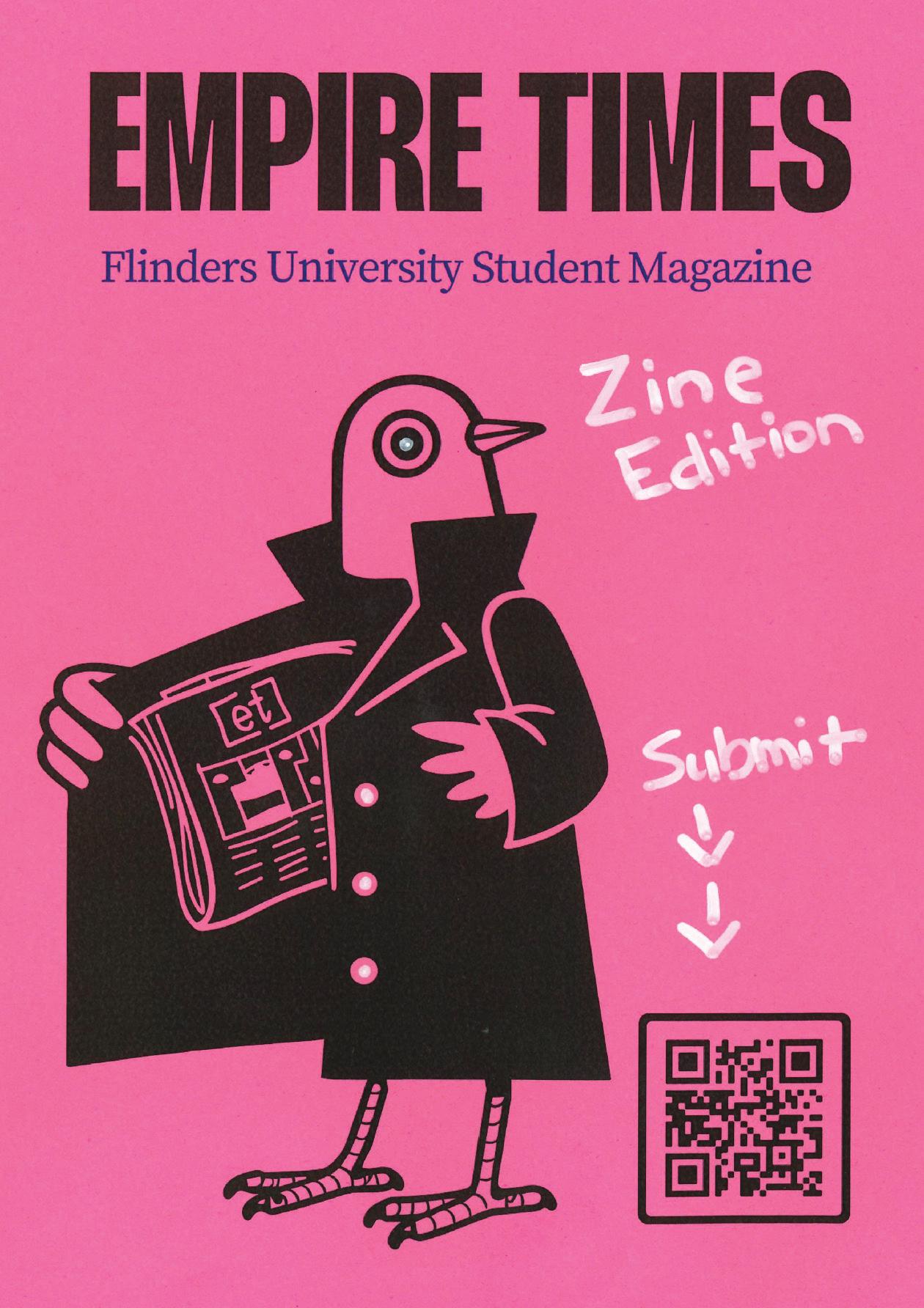
Issue 3 Submissions Open Collage, Chaos and Commentary.
If you’ve never made or read a zine before, think of it as a DIY, independent publication space for personal, political, messy, funny, niche, or experimental work. Zines are often raw, expressive, imperfect on purpose, and driven more by voice than polish. Issue 3 is inspired by that spirit.
Submissions due June 8 (but earlier is always better!)
What you need to know:
We’re looking for work that feels bold, honest, creative, opinionated, playful, vulnerable, chaotic, or a little unhinged. That could mean essays, interviews, collage, reviews, poetry, lists, fragments, or things that do not fit neatly into a category at all.