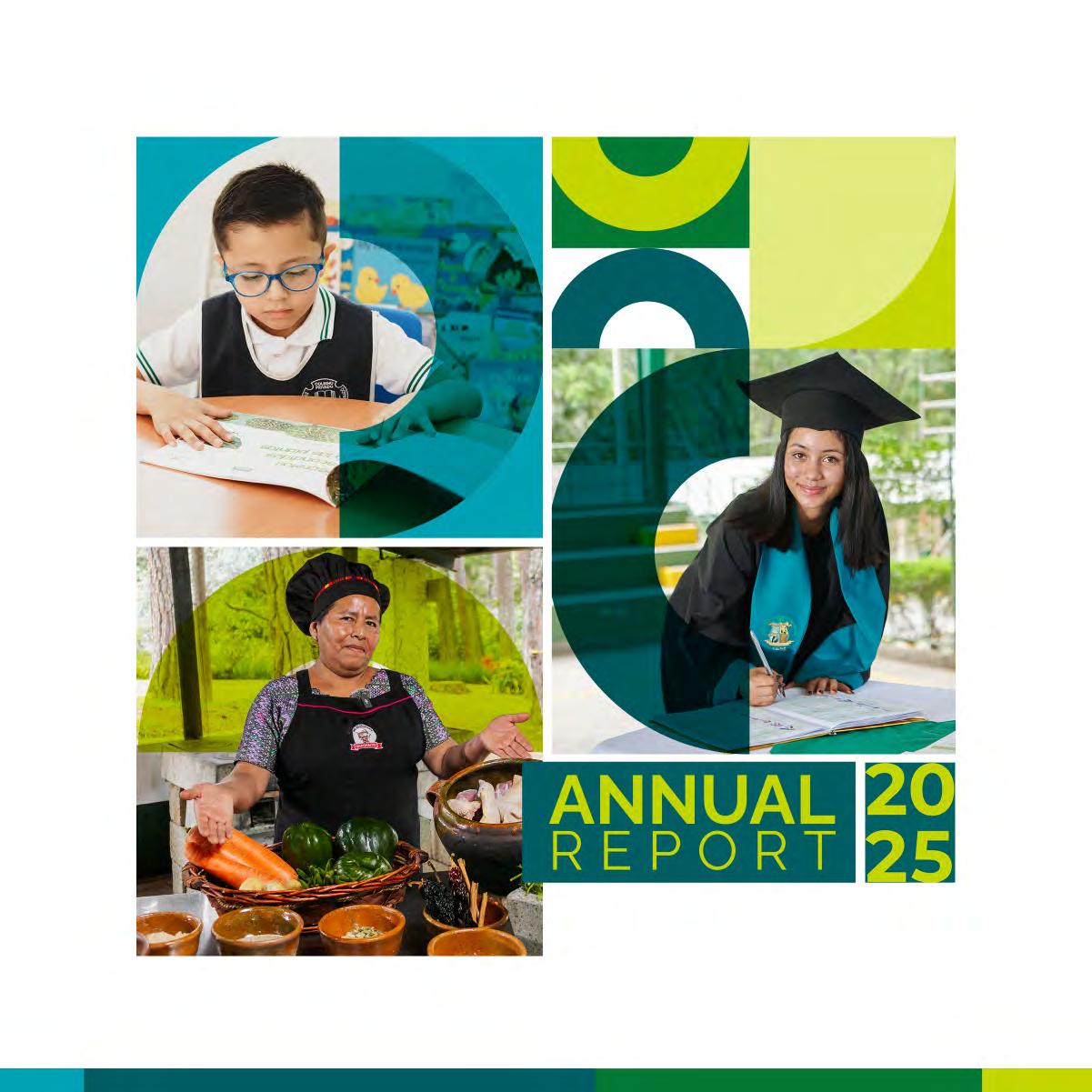
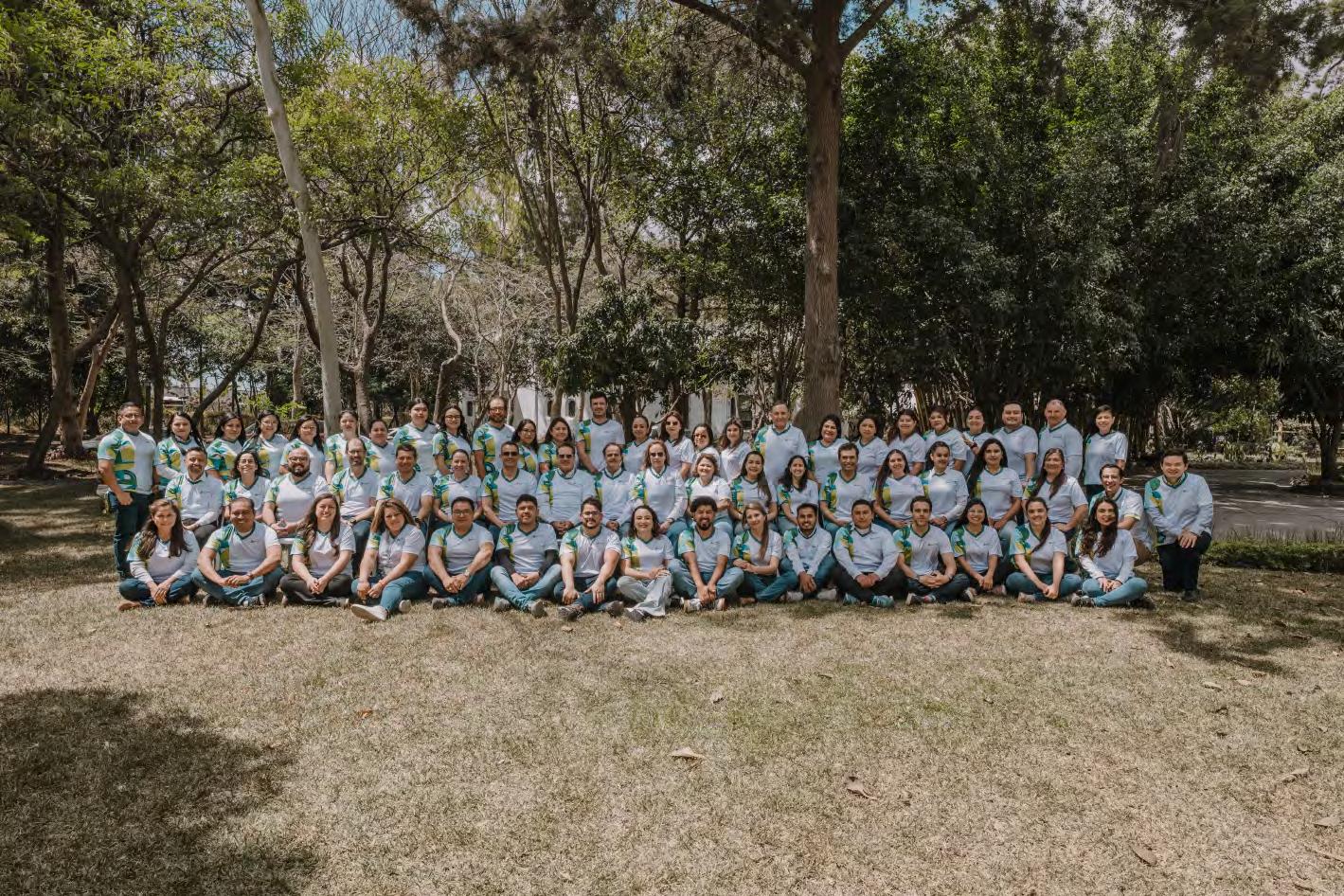
BUILDING TOGETHER THE COUNTRY WHERE WE ALL WANT TO LIVE.
BUILDING TOGETHER THE COUNTRY WHERE WE ALL WANT TO LIVE.

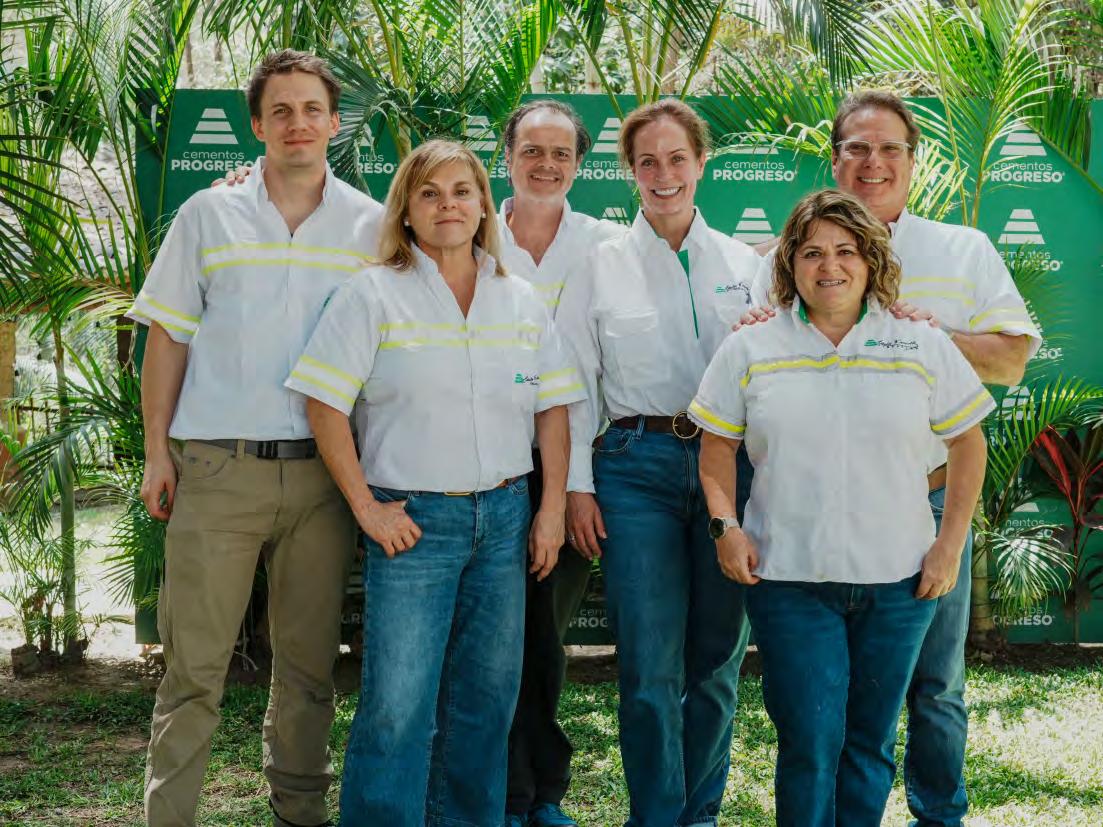
Juan Miguel Urruela Novella President of the Board of Directors
Carlos
F. Novella Foundation
2025 was a year of hope and opportunity—a year in which thousands of Guatemalans were able to move closer to a brighter future. At the Carlos F. Novella Foundation, we work every day to expand our reach in terms of figures, value, quality, private social investment, and depth of impact, generating changes that transcend families and communities.
Throughout this year, we directly reached 15,736 people, extending our impact to their families and communities, and consolidating our citizenship training programs in more departments across the northern and southwestern regions of the country.
We particularly strengthened our collaboration in providing care for returned migrants and families at risk of migrating, offering psychosocial and technical support. This was made possible through strategic parternships with the Guatemalan Migration Institute (IGM), the Vice Presidency of the Republic of Guatemala, Children’s Emergency Relief International (CERI), and the Swiss Foundation for Technical Cooperation (Swisscontact).
Furthermore, for this mission, we relied on the support of our long-standing allies, such as the Real Madrid Foundation, and the tripartite cooperation established with the Inter-American Development Bank (IDB).
The Nutrition pillar, an increasing priority in our programs, was strengthened through continuous work in early and middle childhood care and the invaluable cooperation of Cáritas Arquidiocesana, ensuring our child beneficiaries’ well-being and healthy development.
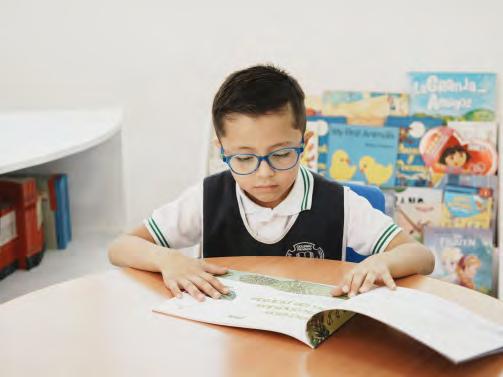
In Education, we inaugurated the Cristiana Cordón de Amenábar Library at the Enrique Novella Alvarado Private School (San Miguel Campus, Sanarate), in honor of one of the country’s most courageous advocates for education. This space represents hope and learning for students, fostering reading, culture, and holistic development.
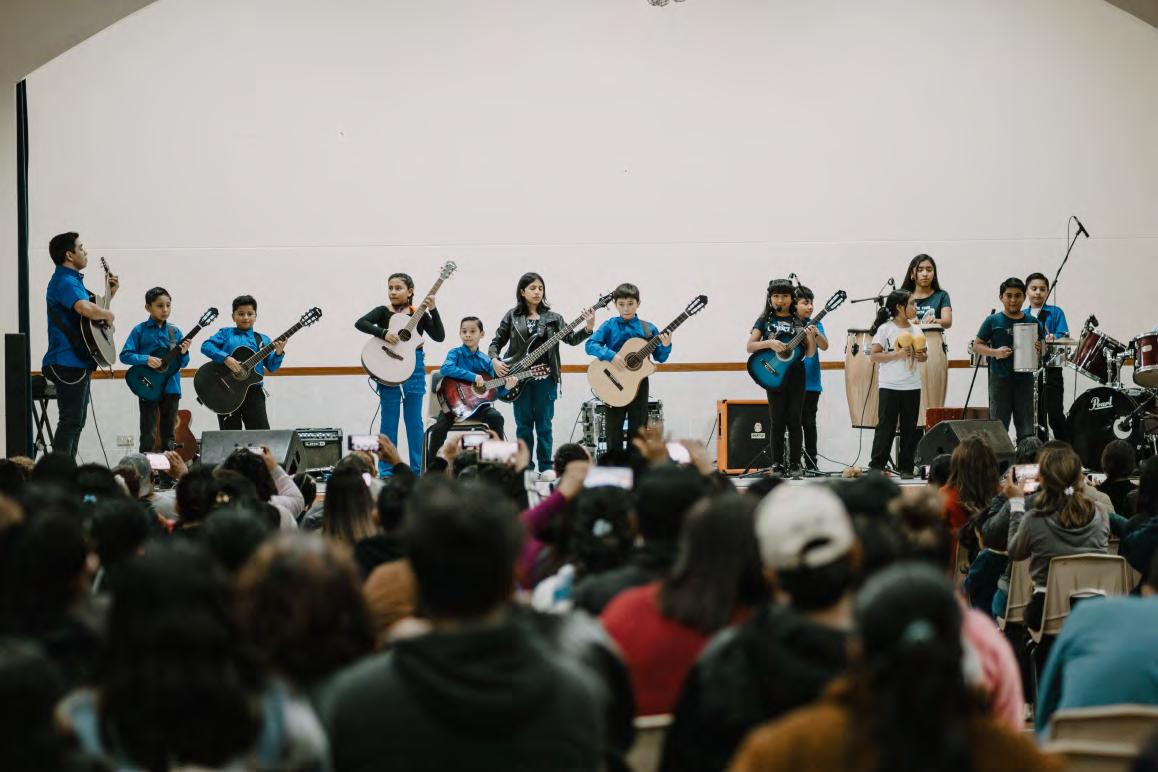
Likewise, we are celebrating 15 years of developing principles and values through musical education for both, the Zone 6 community and the municipality of Chinautla via the Carlos F. Novella Music School. The school has also expanded its presence to Sanarate, El Progreso, where it has positively impacted children and youth with high-quality artistic education.
Our programs continue to promote solidarity and community commitment, fulfilling the dream of our founder, Carlos Federico Novella Klée: That this value may multiply and transform lives in a positive way. In 2025, we concluded a five-year strategic vision and opened a new chapter full of learning, enthusiasm, and commitment, with the goal of continuing to drive development and building together the country where we all want to live.
The Carlos F. Novella Foundation is a private, non-profit, and non-political institution that develops private social investment programs aimed at driving progress for all Guatemalans. It was established with the purpose of preserving the altruistic legacy of Cemento Progreso’s founder, Mr. Carlos Federico Novella Klée.
Beginning in 1986, the Foundation has worked to promote capacity building and value-based education for children, youth, and communities. Its work is rooted in solidarity as the engine for positive transformation and is the foundation for all initiative’s sustainability.
In its commitment to being a partner in building societal capacities, the Foundation accompanies individuals and communities in facing challenges, strengthening opportunities, and contributing to a more promising future.
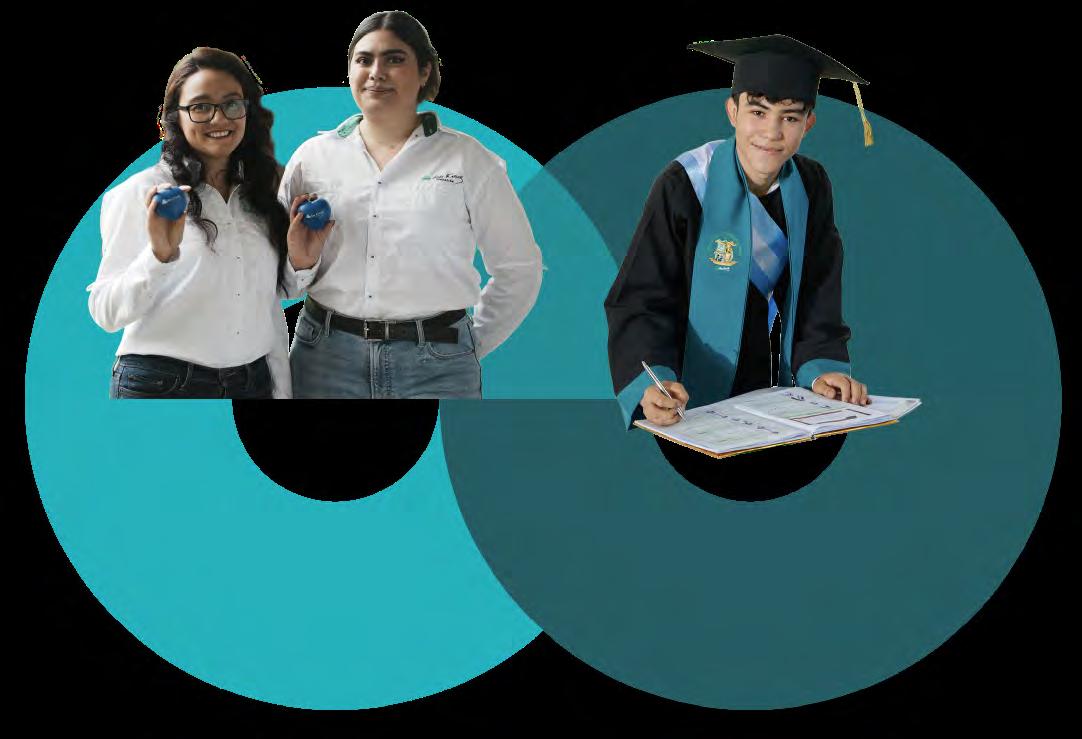
BEING SPOKESPEOPLE AND AN EXAMPLE OF OUR FOUNDER’S VALUES
BEING PARTNERS IN CAPACITY BUILDING FOR SOCIETY
We are committed to living our principles and serving as an example to others. These principles are embodied in our code of values, ethics, and conduct (COVEC).
We work continuously through partnerships to find solutions to challenges faced by individuals and communities where we operate.

Our interventions are grouped into three thematic axes: Childhood, Youth, and Community. The objective of these interventions is to build individual and collective capacities that generate partnerships for collaboration and creation, based on a shared vision of development.
We develop children in an integral way, in early and second childhood. With greater impact in 0-4 years of age.
We develop life skills, fostering participatory and responsible citizenship.
We build community through skill-development for life, work, and peace.
15,736 participants


4,379 CHILDHOOD


6,308
15,736 PARTICIPANTS
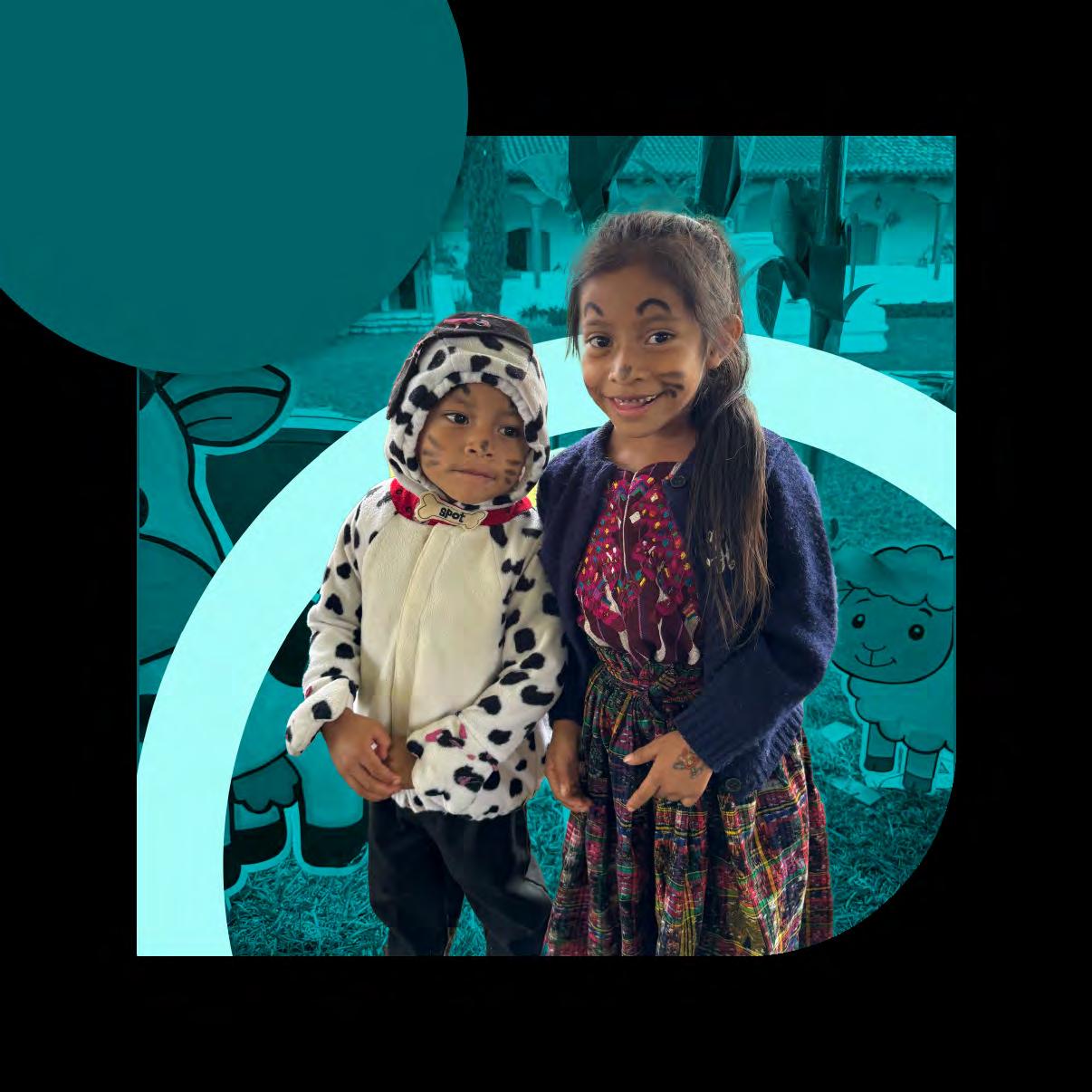
ACOMPÁÑAME A CRECER
987
CIMENTANDO LAS BASES
818
COLEGIO ENA
363
CAPACITACIÓN A MAESTROS DE PREPRIMARIA Y PRIMARIA
1,091
ESCUELA DE MÚSICA 311
ESCUELA SOCIODEPORTIVA
673
136 PASO A PASO
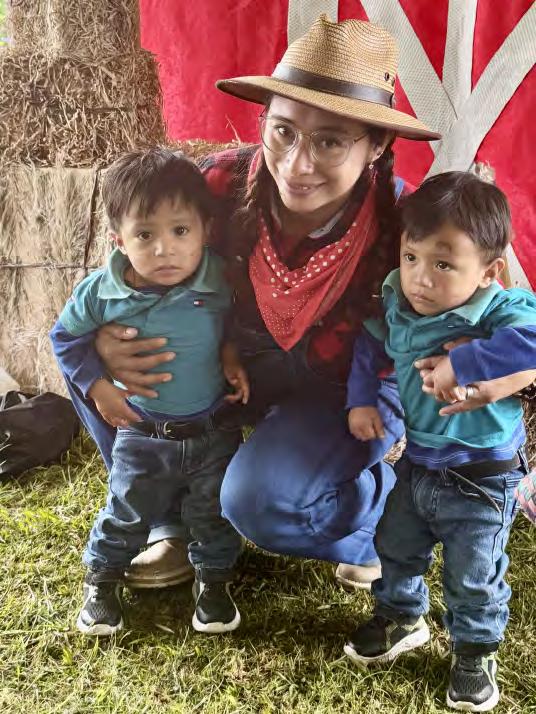
We promote the timely development of early childhood, from the moment of conception until four years of age, supporting their use of their basic rights in compliance with the country's cultural and bilingual diversity standards.
As of 2021, an initiative focused on preschool-aged children has been implemented in partnership with the Ministry of Education (MINEDUC), the Acompáñame a Crecer (Accompany Me to Grow) program, and the Community Centers for Integral Child Development (CECODII). This model seeks to strengthen and sensitize communities to act in favor of early childhood.
Implementation is carried out through personalized sessions in three modalities: home visits for children aged 0 to 2, group sessions at CECODIIs for children aged 2 to 4, and support for pregnant and lactating mothers.
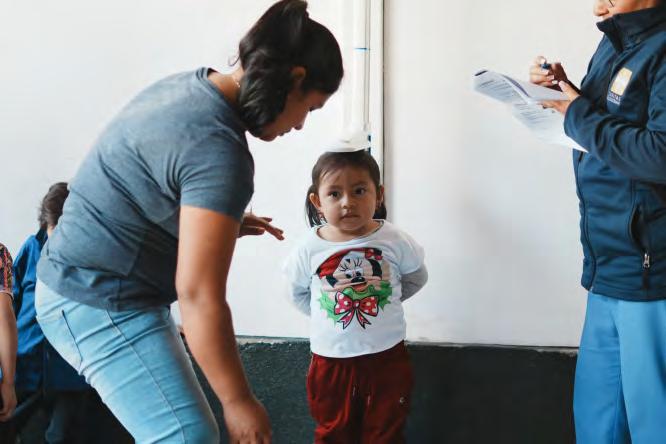
In the field of Nutrition, there is a partnership with the Health Centers of the Ministry of Public Health and Social Assistance (MSPAS) in each municipality where Cementos Progreso operates. The program monitors weight and height monitoring sessions in the territories of San Juan Sacatepéquez, Guatemala, Sanarate and San Antonio La Paz, El Progreso.
These activities were carried out in coordination with and accompanied by Health Center personnel, benefiting 956 children as part of a mechanism to prevent and mitigate chronic and acute malnutrition.
The timely identification of underweight children, as well as the delivery of the Chispuditos nutritional supplement, has been a strategic effort to mitigate malnutrition and promote child nutritional well-being.
A workshop on the School Feeding Program was held, with the support of the Ministry of Education (MINEDUC) and the visit of delegates from the General Directorate to strengthen for the Educational Community (DIGEFOCE). The objective was to provide key guidelines and orientation to prepare food properly and organize the delivery of balanced food bags delivered to children in the Acompáñame a Crecer program in San Juan Sacatepéquez and Sanarate, El Progreso.
In San Juan Sacatepéquez and El Progreso, family gatherings were held among the 18 CECODIIs that we currently develop and sustain. Nearly 2,000 people participated, including children aged 0 to 4, pregnant and lactating mothers, and caregivers. These activities promoted the exchange of experiences, community coexistence, and mutual learning, strengthening timely stimulation and the integral development of early childhood.
In San Juan Sacatepéquez, a training session was held alongside the Bárbara Ford Peace Center—an organization dedicated to integral development and community care—and the Municipal Commission for Food and Nutritional Security (COMUSAN) on the use of the Shakir tape (AnthroFlex). This tool allows for the measurement of Mid-Upper Arm Circumference (MUAC) to identify risks of child malnutrition.
We work with 9 CECODIIs in San Juan Sacatepéquez, 9 in El Progreso, and one in Chicacao, Suchitepéquez.
In Chicacao, Suchitepéquez, a CECODII implemented by AGRECA was strengthened through pedagogical guidance, the delivery of recreational and educational materials, and the supply of the Chispuditos nutritional supplement to 31 participants, contributing to their integral development and the improvement of their learning and nutritional conditions.
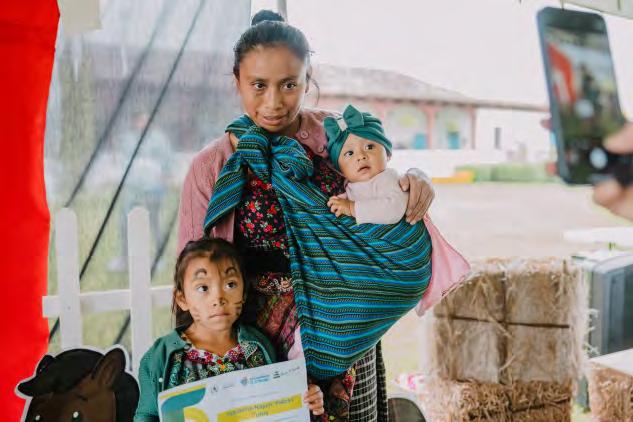
These results reflect progress in both territories, although challenges persist—especially in San Juan Sacatepéquez, where a high percentage of children are born with moderate malnutrition. In response, efforts were strengthened, such as coordination with the Health Center and support starting from pregnancy, promoting regular check-ups, healthy eating, and micronutrient supplementation.
Mid-term evaluation highlights progress in child development and nutrition
In 2025, a mid-term study of the Acompáñame a Crecer program was conducted with the participation of four implementing partners from the Alliance for Nutrition (APN): Asociación Puente, Fundación para el Desarrollo Integral (FUDI), RENACE, and the Carlos F. Novella Foundation.
856 children were evaluated
From 0 a 4 years
169 in El Progreso
687 in San Juan Sacatepéquez
The evaluation used anthropometric measurements analyzed with the World Health Organization (WHO) Anthro software.
In El Progreso:
Malnutrition was reduced from 24.1% at the baseline to 13.2% in the mid-term study.
Overweight increased from 10.2% to 12.6%. The results demonstrate clear progress:
In San Juan Sacatepéquez:
Malnutrition was reduced from 68.2% at the baseline to 63.2% in the mid-term study.
Overweight decreased from 2.3% to 1.8%.
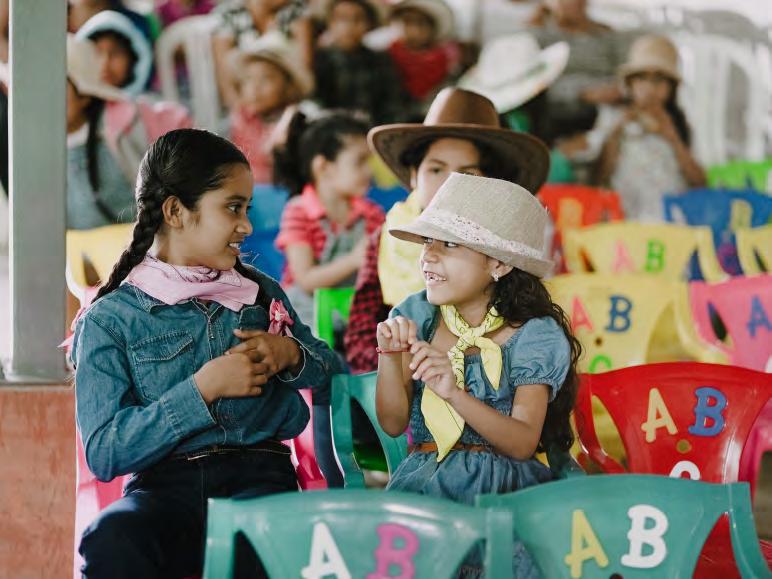
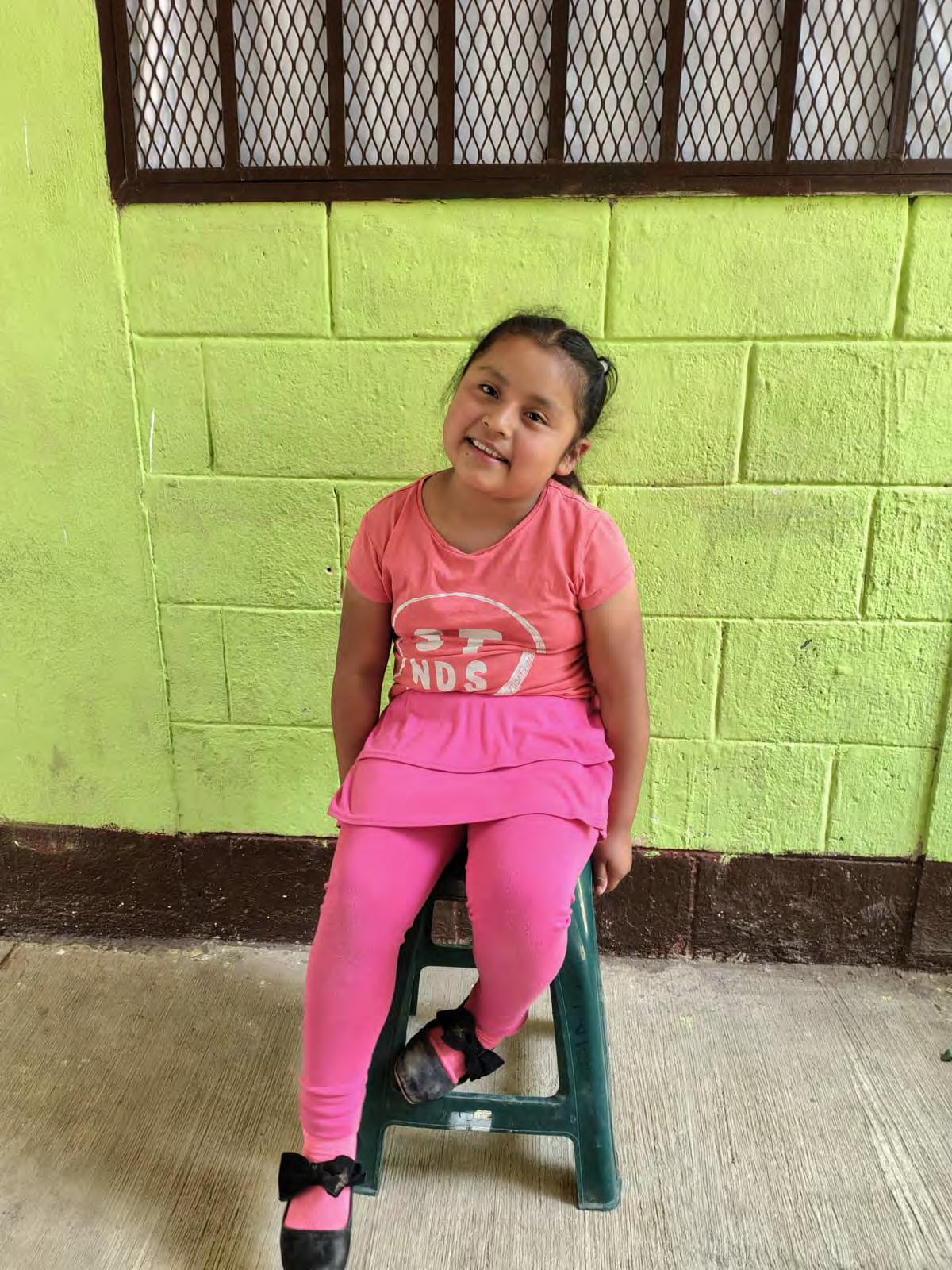
We strengthen learning processes for children in middle childhood—ages 5 to 8—who are in preschool and the first and second grades of elementary school. This is achieved through literacy and mathematics skill development and reinforcement.
Through this program, we have contributed to reducing grade repetition by providing continuous support and strengthening the comprehensive skills, abilities, and competencies that facilitate learning. We implement a play-based (ludic) methodology, and, through our Schools for Parents, we provide guidance and support to families. They are a fundamental part of the "educational triangle," and by engaging them, we promote academic success in the early grades.
We have expanded our coverage thanks to our dedicated team’s commitment and support. In response to the population’s needs and aligned with the Foundation’s strategic goals, two new locations were established to implement the "Cimentando las Bases" (Laying the Foundations) program: School No. 2 in Sanarate and the Cumbre del Guayabo Rural Mixed Official School in Chinautla.
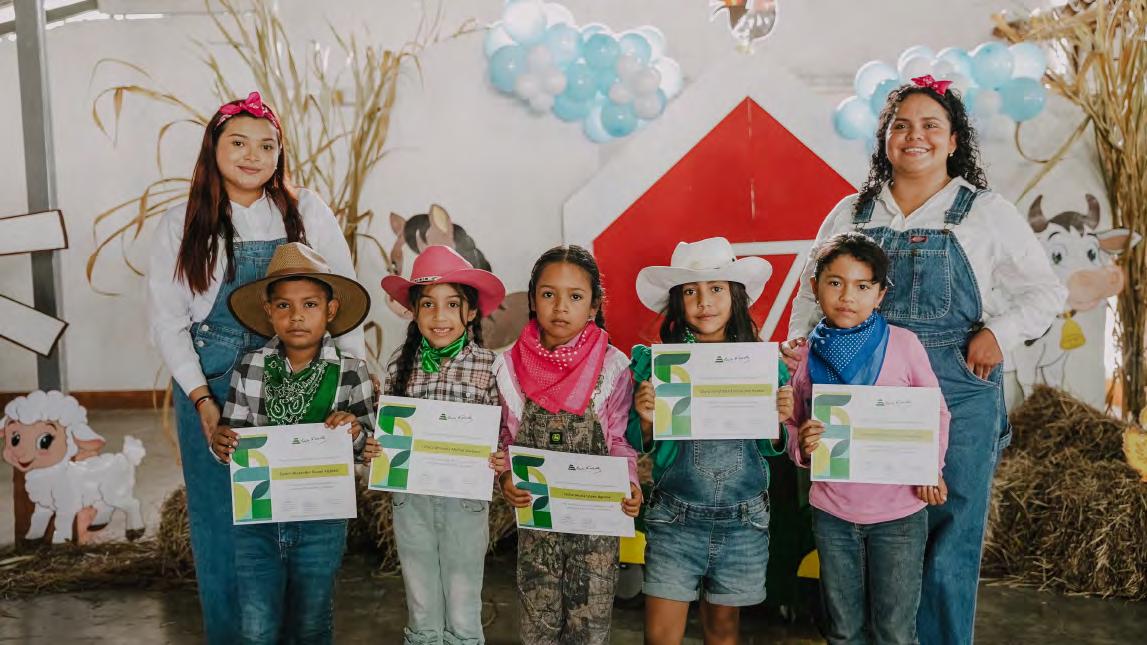
As these spaces open, they will provide greater learning opportunities and support more children in their early development stages. At both sites, an initial diagnostic process was carried out, which included evaluating participants and placing them at the appropriate levels, ensuring care that is both adequate and aligned with their educational needs.
The program is implemented in:
San Juan Sacatepéquez: in the communities of Joya de las Flores, Chivoc, and Ojo de Agua.
Zona 6 and Chinautla: in the schools Rubén Villagrán Paúl, Hermógenes González, and Cumbre del Guayabo.
En Sanarate, El Progreso: in the communities of Sonoro, Monte Grande, Shalom, Shalón No. 2, San Miguel Conacaste, and El Sinaca.
San Juan Sacatepéquez
Beginning in 2024, every Monday afternoon, Cindy would watch the bus with excitement, as it arrived in her community. “I want to ride the bus where the children go,” she would tell her mother, never imagining that a year later, that wish would come true.
Cindy is a first-grade student at Asunción Chivoc School. She is a shy, respectful, and dedicated girl. She lives with her parents and her younger brother, with whom she enjoys playing and spending time at home.
At the beginning of the year, she struggled to complete her assignments and showed little interest in studying. She also faced a complex health situation due to the appearance of a mass in her neck. This became a turning point in her attitude and in the way she took on her responsibilities, as she confronted various physical and emotional challenges. Thanks to early detection and proper follow-up treatment, she was able to complete her medical care, and the mass is no longer visible.
In 2025, when the invitation opened for pre-kindergarten and first-grade students to participate in the Cimentando las Bases, program, her mother decided to enroll her. Since then, through a playful and creative methodology, along with a strong foundation in habits and values, Cindy has strengthened her skills in reading and writing, mathematics, and motor development. She has also learned to recognize her self-worth, believe in her abilities, and build her self-esteem.
Today, she happily attends every Monday, motivated to learn and to pursue her dreams of becoming a singer or a teacher, convinced that this opportunity will allow her to reach her full potential.
Stories like Cindy’s show how access to quality educational spaces can strengthen children’s learning, confidence, and aspirations, laying the foundation today for a better future.
Cindy Iquité | Cimentando las Bases
1,091
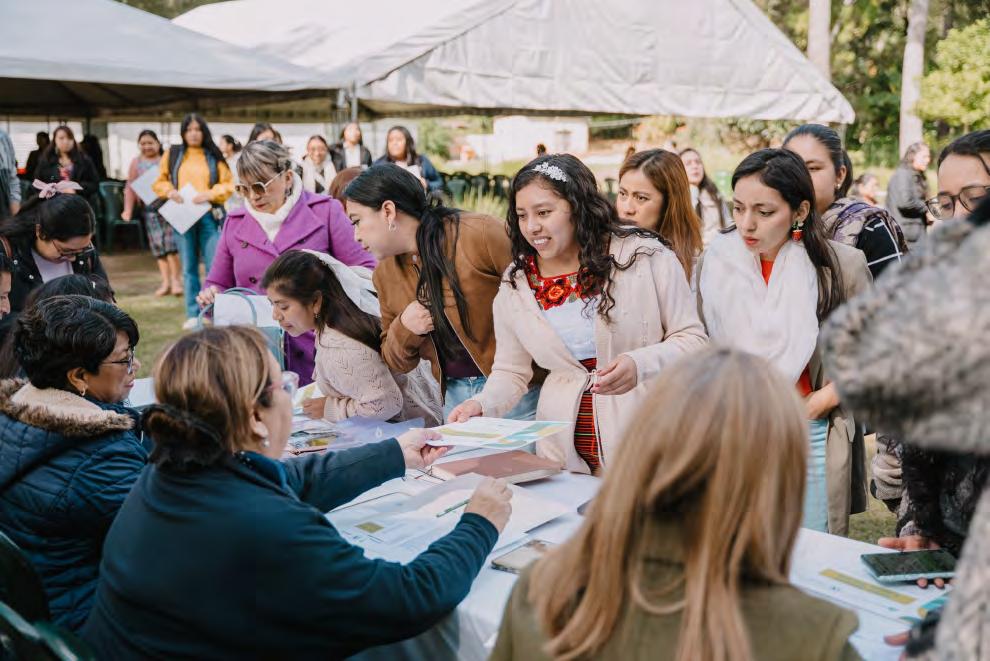
We develop teachers’ competencies to strengthen the holistic development of pre-school and elementary school children, addressing areas such as psychomotor development, reading, expression, and curricular integration. We do this using recyclable and easily accessible materials that are transformed into practical teaching
The program promotes teacher’s comprehensive development through a methodology centered on learning and on recognizing the teacher as a whole person across all social, professional, physical, and emotional dimensions. In this way, it contributes to their full development. It also strengthens the teaching-learning planning process, seeking a flexible balance between academic freedom, curriculum guidelines, and students’ needs.
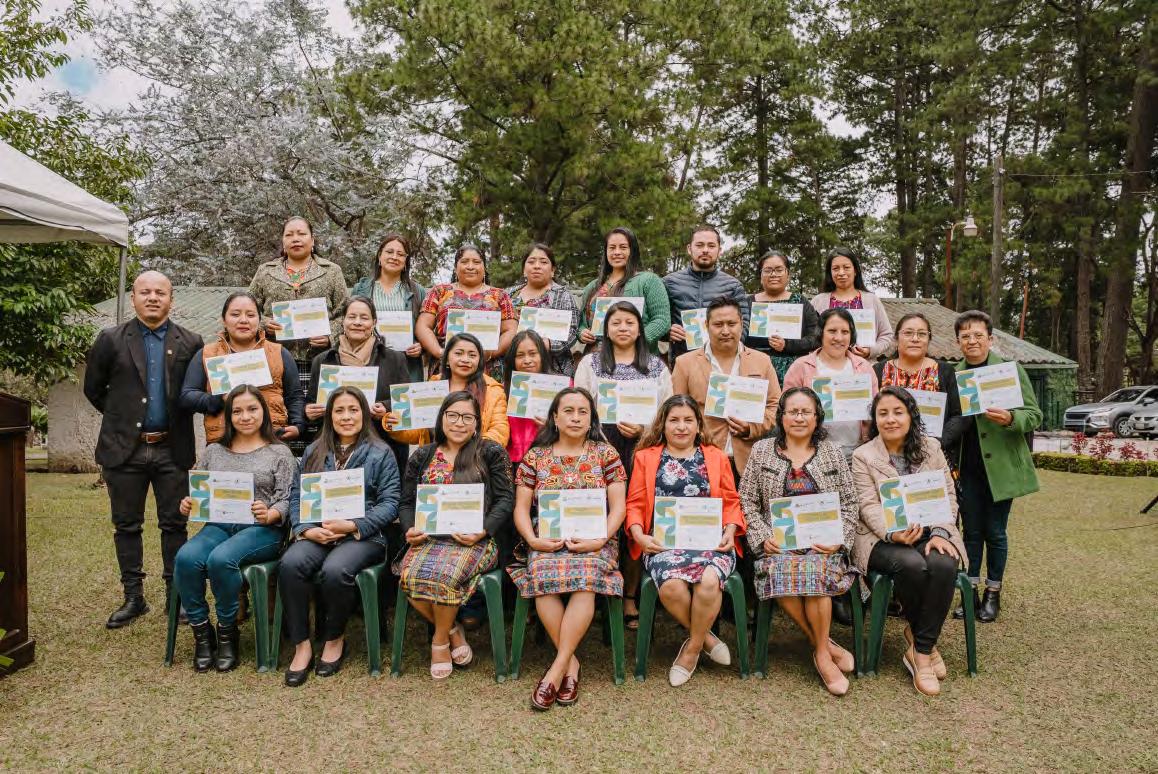
In 2025, the pilot plan “Building the Present of Childhood” Teacher Training Program was implemented. This initiative was geared toward strengthening pedagogical competencies and teacher support for grades 2 through 6.
teachers.
The pilot was implemented in several municipalities in the department of El Progreso at the request of the Departmental Directorate of Education. The program proved to be an effective response to the pedagogical and didactic training needs of primary-level teachers. This training represents an excellent opportunity to ensure that both teachers and students have the tools necessary for academic and personal success.
Strengthened methodological and pedagogical competencies.
Reinforced knowledge in teaching reading.
Inclusive teaching strategy adoption and implementation.
Strengthened teacher leadership as agents of change within their communities.
Additionally, the Regular Teacher Training Program for pre-primary through first grade was carried out in Zone 6, San Juan Sacatepéquez, San Raymundo, Santo Domingo Xenacoj, Sanarate, and Guastatoya. This program contributed to improving the quality of education from the earliest years of schooling.
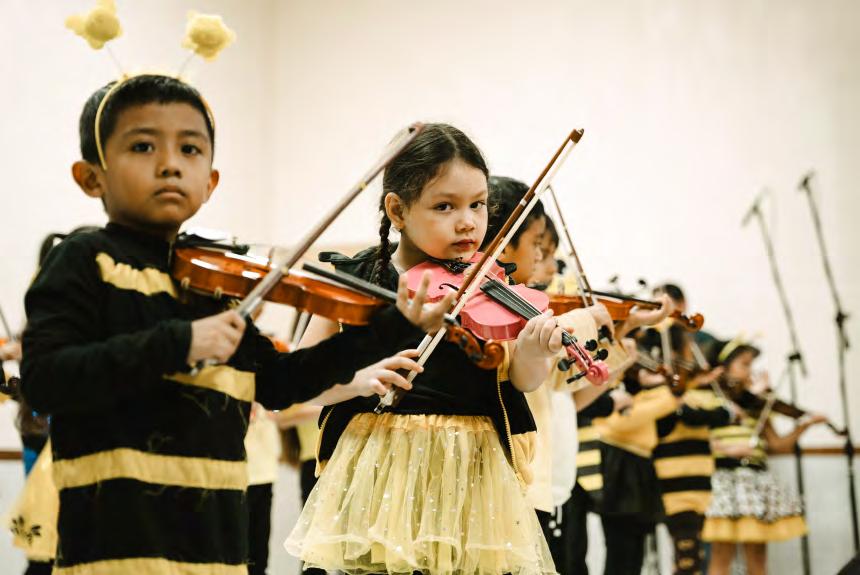
We promote art and culture through musical practice among children and youth with artistic potential. This practice becomes a means of social inclusion and values-based education. We are located in Zone 6 of Guatemala City and in Sanarate,
We offer children’s guitar classes, a guitar diploma program, early childhood music initiation, an elementary diploma, and open courses in violin, viola, cello, marimba, piano, harp, and percussion. We welcome infants, children, and youth from 0 to 15 years old.
The youngest participants receive early stimulation through music, while children and youth can choose the instrument they wish to learn, with the School providing guidance and support to help them achieve their goals.
Fifteen
In 2025, the Carlos F. Novella Music School celebrated 15 years of bringing art, opportunities, and development to the community. Each year, 400 children and youth participate in its courses in Zone 6 of Guatemala City and, more recently, also in Sanarate, El Progreso.
Fifteen years promoting musical talent
The program began in 2009 as a summer-school or camp-like course and, by 2010, became a formal music education program. Today, the School is a true incubator of talent, fostering the artistic and personal growth of new generations.
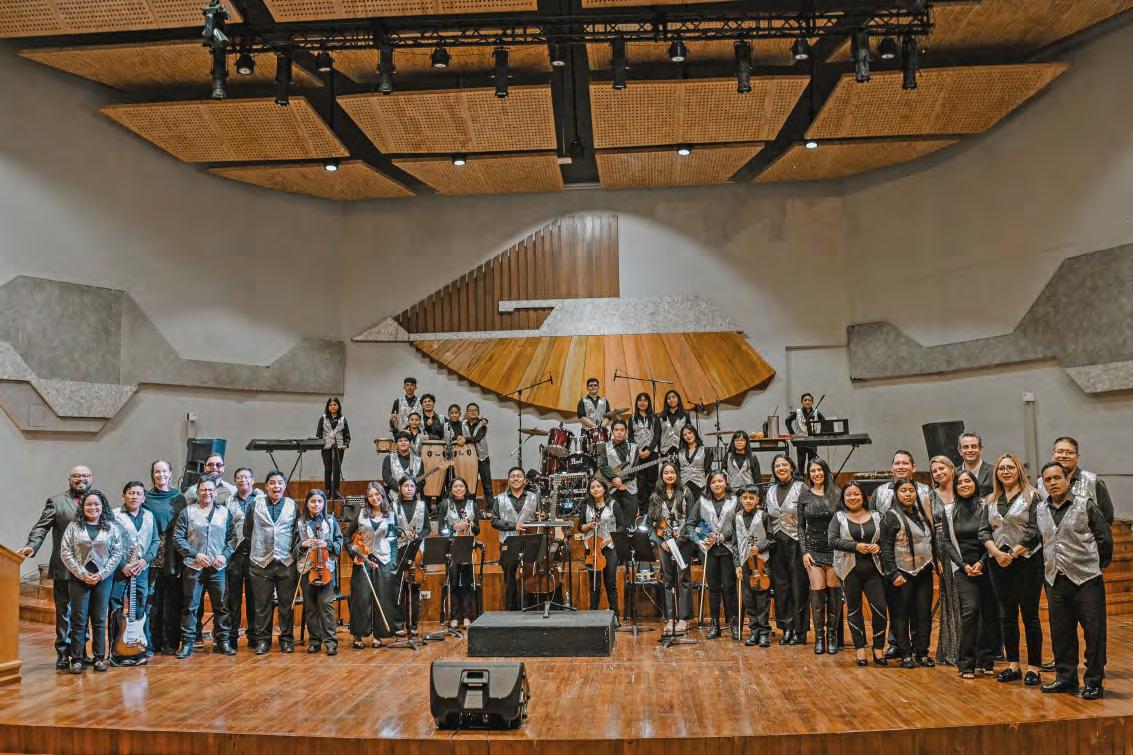
As part of the celebration, in December 2025, the School presented a Symphonic Cumbia Concert at the National Conservatory of Music, featuring 16 outstanding students accompanied by their teachers. The energy, rhythm, and quality of the performances captivated the audience.
If you would like to learn more about the stories that have marked these fifteen years, we invite you to watch the commemorative video.
On stage, guest soloists shone: Angie Solís, artist and former student of the School who studied guitar in 2014; and El Duke, lead vocalist of Los Gangster, who brought his unmistakable style. In addition, student Mariandré Carrera moved the audience with her performance of “Amor Prohibido.” The orchestra was masterfully conducted by Geraldina González, with musical arrangements by the institution’s teachers.
At the end of the concert, the official launch of the music video “Nunca es suficiente” took place.
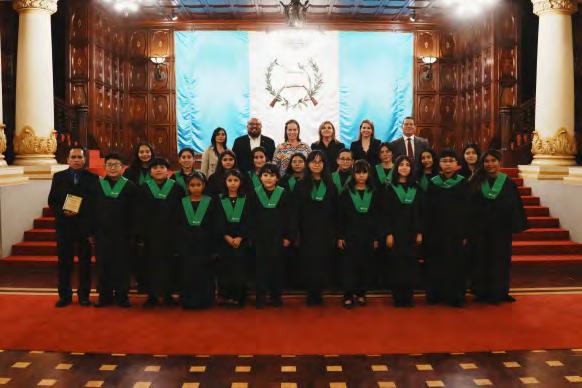
The festival took place across two venues: the first stage was held at the Our Lady of Mount Carmel Chapel (Capilla Nuestra Señora del Carmen), followed by the Hall of Flags (Salón de las Banderas) at the National Palace of Culture. In this edition, the Novella Choir shared the stage with the Choir of the University of San Carlos of Guatemala, the Victoria Choir, Corodemia, and the Querido Arte Choir.
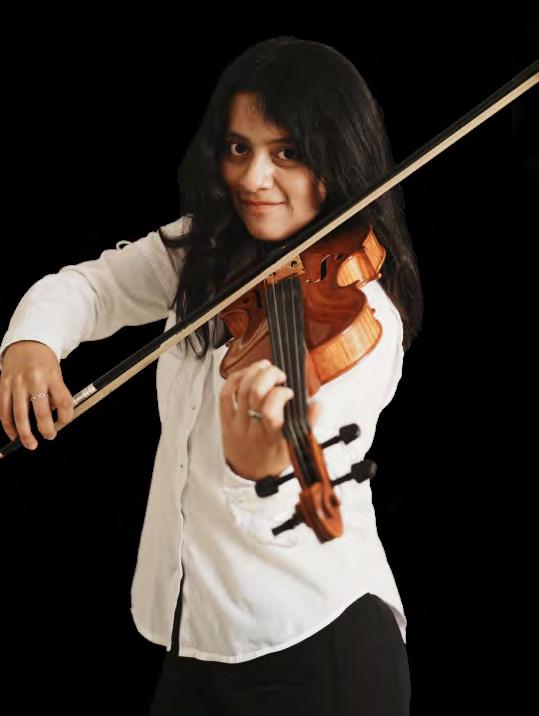
Yasmin Díaz joined the program in 2009 at the age of 4 to learn the violin and graduated in 2017. Today, she is a violin teacher at the Carlos F. Novella Music School and teaches at Academia Estudio Alarte.
She is creative, persistent, and firmly believes that learning happens through doing. She has built her path with discipline and a deep passion for music. She lives with her mother, grandmother, and aunt, who have been fundamental pillars in her development.
Her story began thanks to a flyer that inspired her mother to enroll her in a course, with the goal of helping her overcome her fear of being alone in a classroom. It was there that she discovered her vocation. She especially enjoyed participating in the ORFF ensemble, the Suzuki Orchestra, and sharing moments with her classmates while traveling to different activities.

Through the challenges of music education, Yasmin developed psychomotor skills, discipline, and perseverance—competencies she has applied to other areas of her life. As a trained violinist, she has worked as a performer and participated in music camps that have strengthened both her artistic and pedagogical growth. The musical, ethical, and human foundations she received are now passed on to her students and the community.
Along the way, she has faced family challenges that have required resilience and emotional strength.
I’ve learned to surround myself with people who provide balance and support, reaffirming that
music not only shapes artists, but also individuals capable of transforming their environment.
Yasmin Díaz | Teacher, Carlos F. Novella Music School
3,443
ESCUELA DE MÚSICA
AULAS TÉCNICAS Y TECNOLÓGICAS CENCA
89
ESCUELA SOCIODEPORTIVA
507
173 PASO A PASO
COLEGIO ENA
195
CURSOS LIBRES
116
183 CONSTRUCCIÓN CIUDADANA
PROGRAMA OPORTUNIDADES
55 2
285
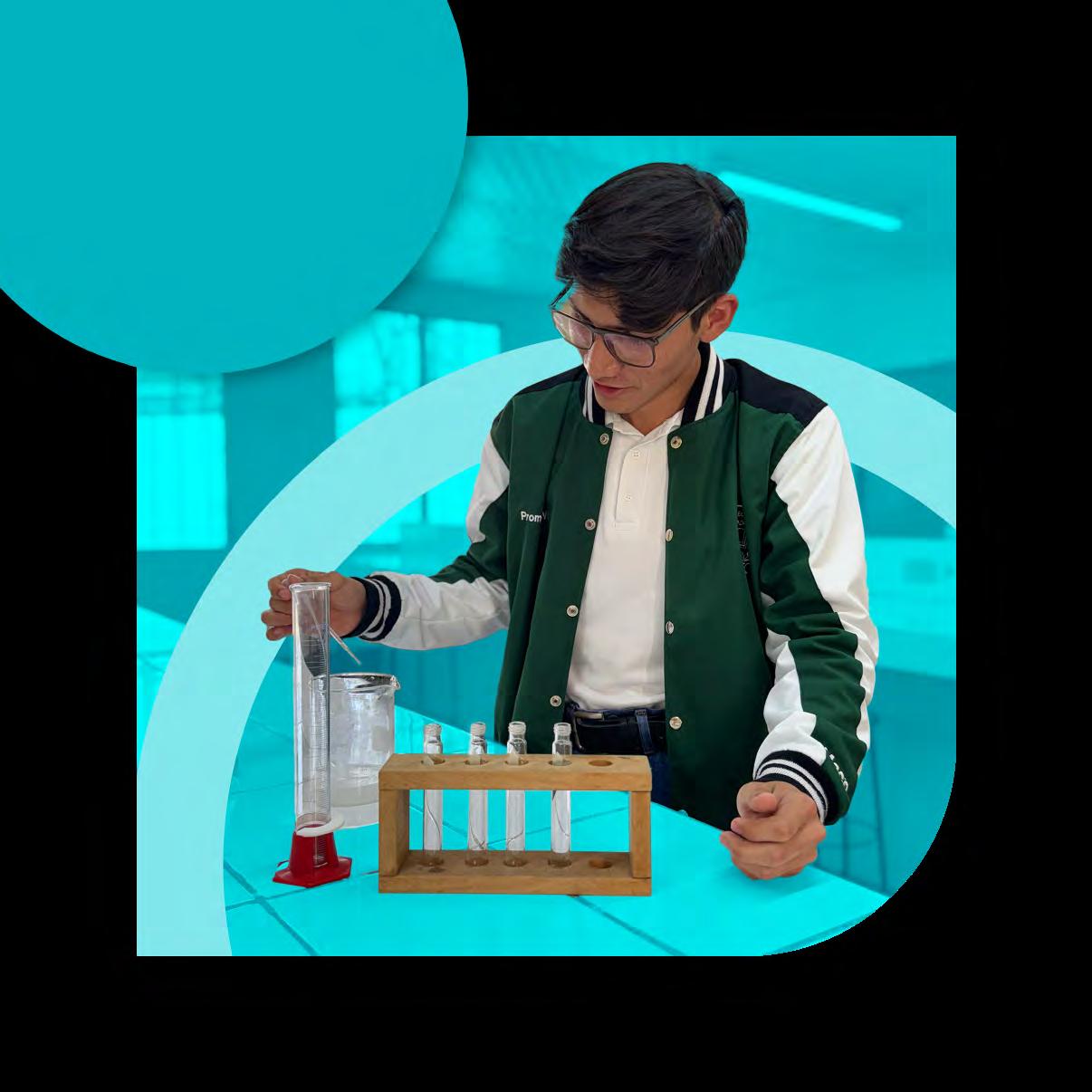
We complement formal lower secondary (middle school) education in public institutions for youth, working under a capacity-building approach that develops technical, technological, and 21st-century skills. Additionally, through role modeling, we promote values such as ethical behavior, authentic leadership, solidarity, and commitment to sustainability.
In this way, we aim for young participants in the ATT program not only to transform and improve their living conditions, but also to project themselves positively, proactively, and assertively within their families and communities.
Courses were organized according to academic grade level:
First Year (Grade 7)
Introduction to Programming, Robotics with mBot 1, and Creating My First Video Game.
Second Year (Grade 8)
Intermediate Programming and Introduction to the Internet of Things (IoT).
In 2025, a new site was inaugurated at Instituto Brenda Del Cid Medrano, located in Chinautla, with the goal of expanding the program’s reach. Thanks to this opening, 315 lower secondary students benefited.
The addition of this site to the Technical and Technological Classrooms Program contributes to the goal of implementing the program in 17 public education institutes, strengthening training opportunities for youth.
These types of spaces are key to developing students’ technical and technological skills, preparing them for the challenges of today’s world. They also foster creativity, logical thinking, and innovation, while expanding opportunities to continue their education, access quality jobs, or develop entrepreneurial initiatives in the future.
Introduction to Arduino (Shield) and the Entrepreneurship Course. Third Year (Grade 9)
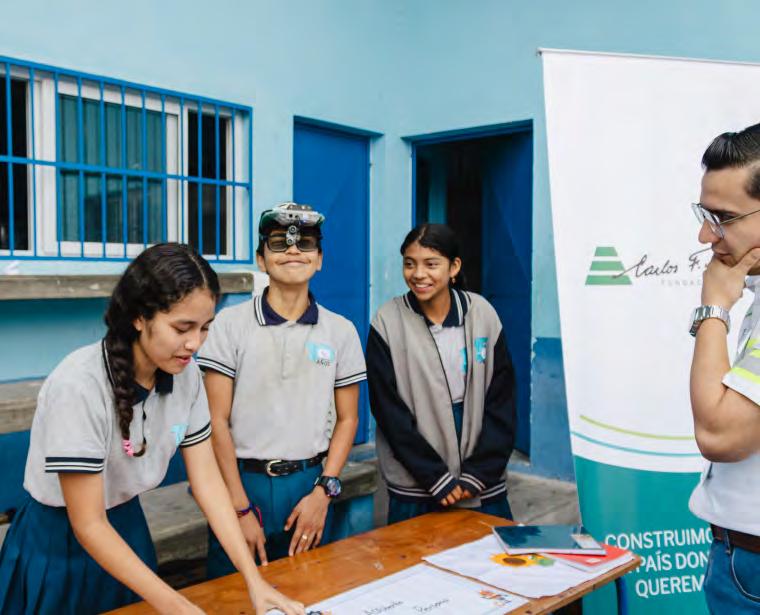
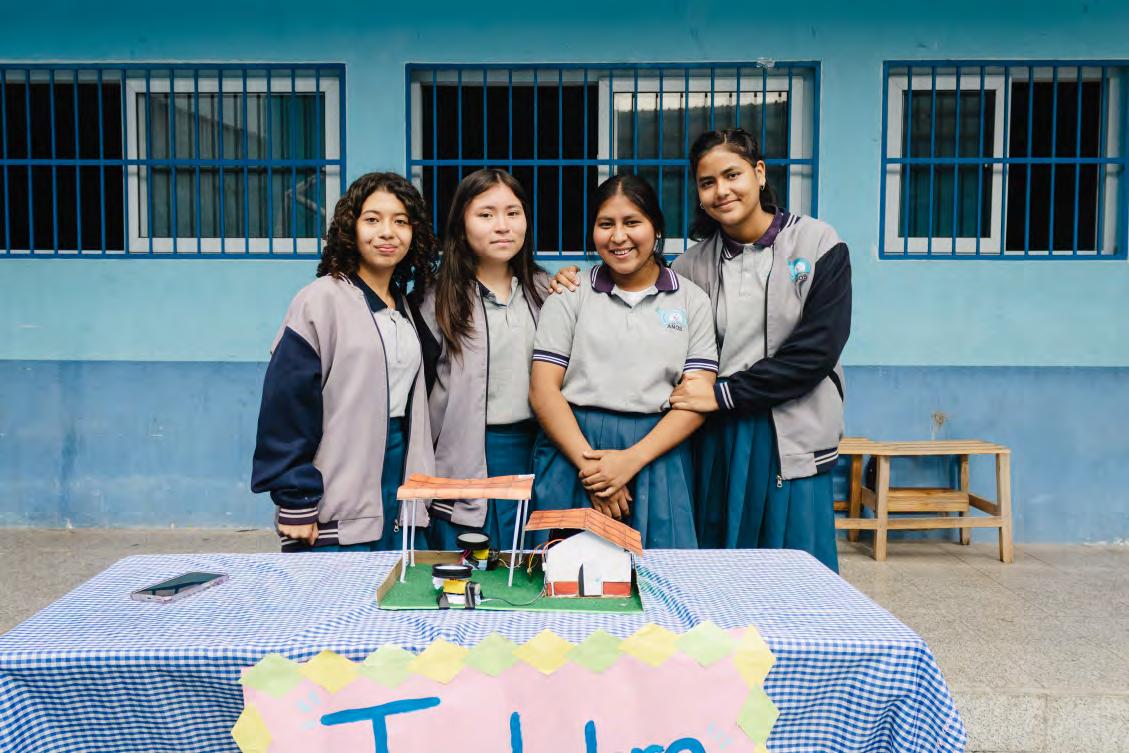
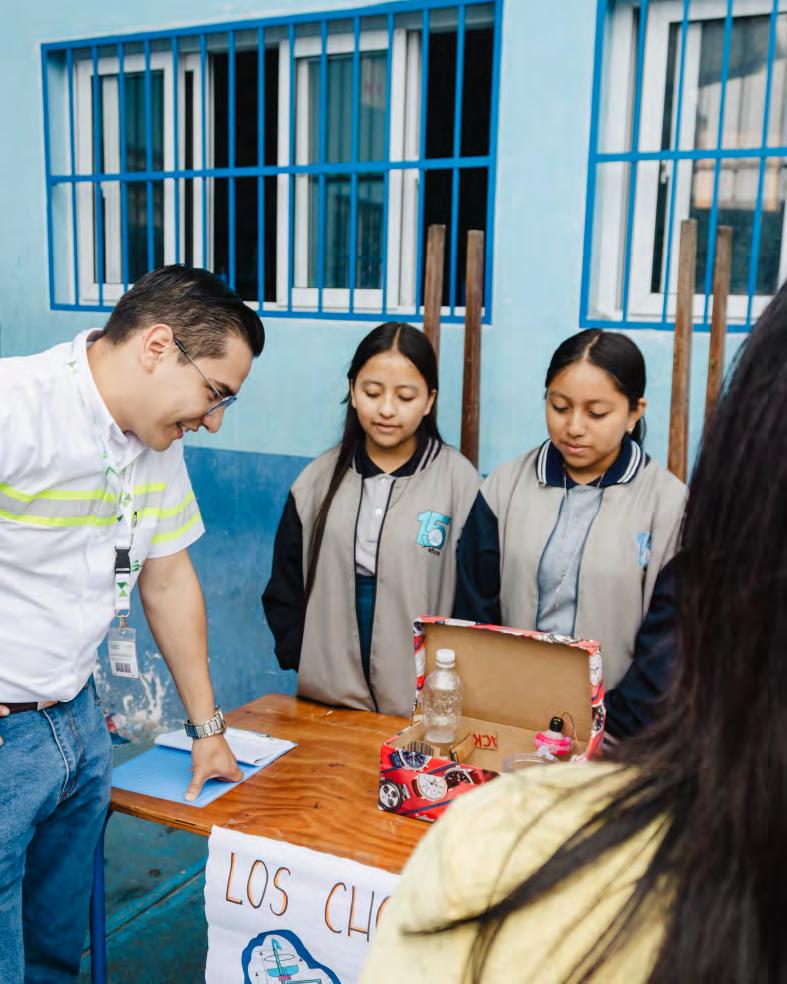
The Technical and Technological Classrooms Program promotes the development of technological skills among lower secondary students, introducing them to areas related to science, technology, engineering, arts, and mathematics (STEAM).
To understand the changes generated by the program, an impact evaluation was conducted in 2025 using a mixed ex post methodology, combining quantitative and qualitative tools to analyze the program’s effects on students.
The study was carried out with 263 students from schools participating in the program in San Juan Sacatepéquez, El Progreso, and La Pedrera. It analyzed the development of technical competencies and the program’s impact on their educational, family, and community environments.
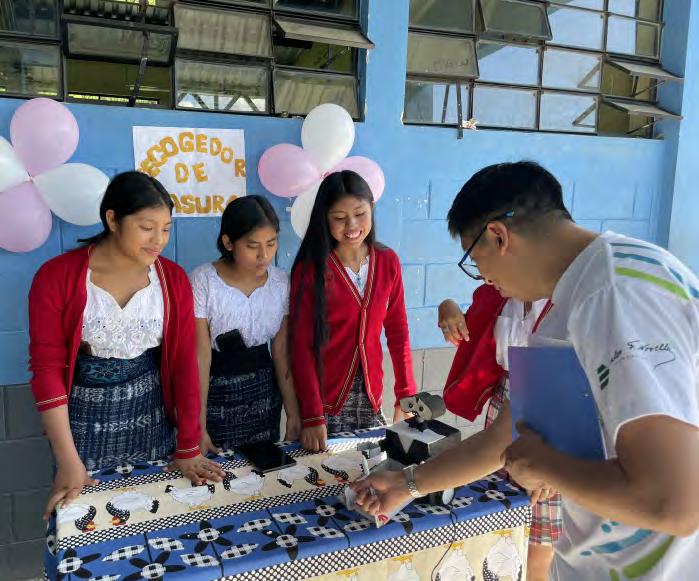
Greater technological skills
Students develop:
Logical thinking
Programming skills
Problem-solving abilities
Creation of technological projects
They learn by doing, experimenting, and building solutions.
The program fosters competencies such as:
Teamwork
Leadership
Communication of ideas
Decision-making
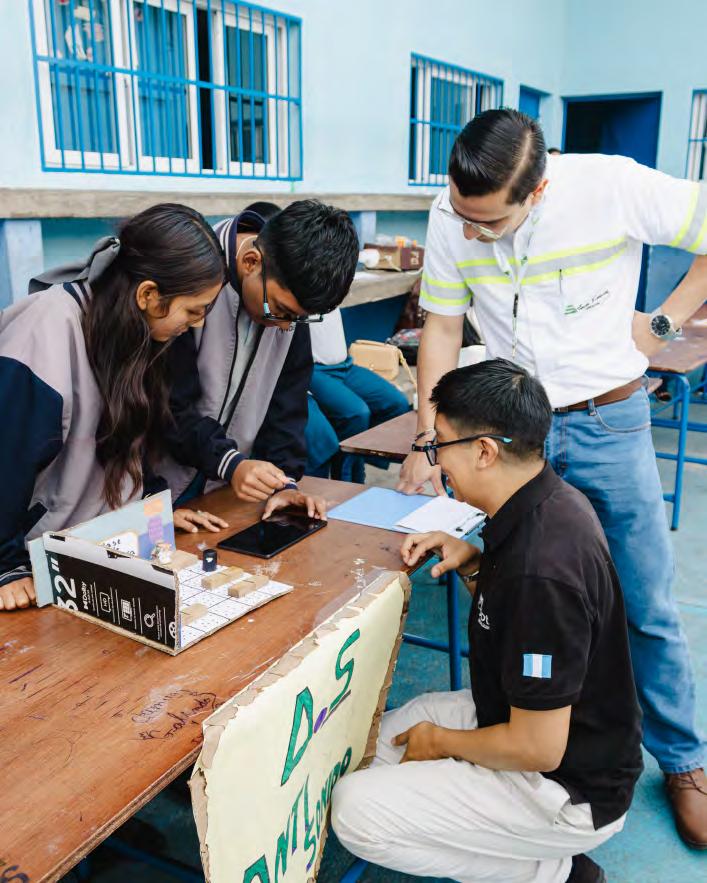
These skills are demonstrated through collaborative projects and technological presentations.
Community impact
Knowledge extends beyond the classroom: Students support family members and neighbors in using technology. They participate in projects with a social focus.
They learn by doing, experimenting, and building solutions.
Technological education not only trains digital skills, but it also trains young people capable of transforming their environment.
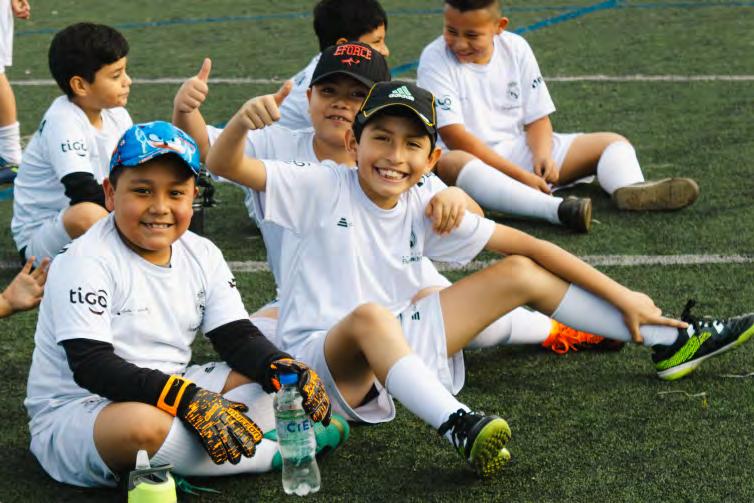
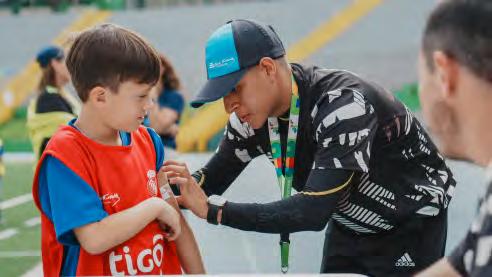
Incorporating the Real Madrid Foundation's methodology, we provide training in values and sports skill development in the social, tactical-technical, physical-motor and regulatory areas for children and youth from 5 to 17 years of age
This program was created to provide children and young people with the opportunity to develop their physical and mental abilities through the positive use of their free time, by practicing sports such as soccer and basketball. Through sports, we promote coexistence in safe spaces and the strengthening of essential values, especially benefiting those in vulnerable conditions.
Nutrition and sports were integrated as fundamental pillars to promote the overall well-being of children and youth. In 2025, Future Well Kids was launched, a project designed to strengthen healthy habits across all Socio-Sports Schools. This initiative was made possible through the support of the Real Madrid Foundation and in partnership with Abbott, a multinational healthcare company.
This plan included weekly knowledge reinforcement and a monthly theoretical session, through which participants learned about six key topics related to nutrition and self-care, including identifying healthy and unhealthy foods.
Throughout the year, students’ nutritional status was monitored using Mid-Upper Arm Circumference (MUAC) measurements. These were conducted in July with 971 participants and in November with 1,035 participants. The results were:
These results are linked to several interventions implemented throughout the year. Interventions by the nutrition team, including: the development of Parent Schools focused on nutrition and food security. There has also been a monthly distribution of educational materials on healthy eating; the provision of specific information to families with cases of malnutrition and obesity; and personalized follow-up for at-risk students.
Efforts derived from nutritional assessment results:
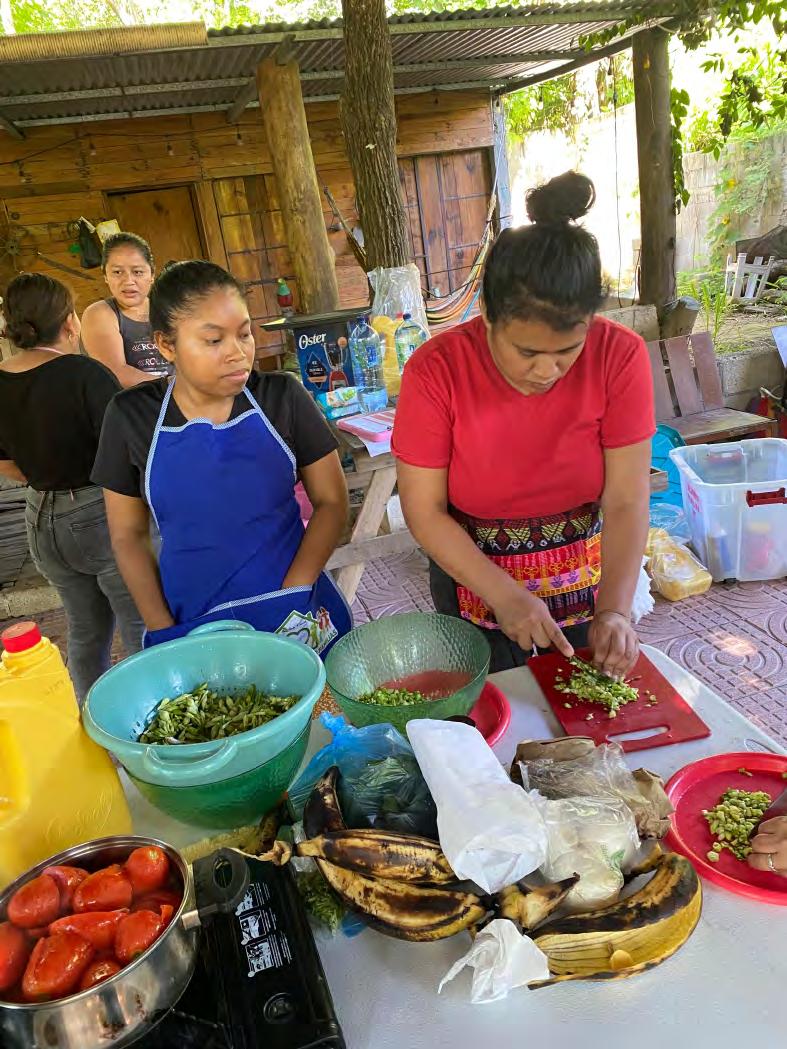
Additionally, practical healthy eating workshops took place, including activities focused on preparing nutritious foods in San Juan Sacatepéquez. Nutritional supplementation campaigns were also carried out in coordination with the Ministry of Public Health and Social Assistance (MSPAS), during which supplements were distributed to participants.
The results of the latest measurement show the following: 0.3% obesity, 9.1% overweight, 72% with normal nutritional status, 17.4% underweight, and 1.3% with moderate acute malnutrition. No cases of severe acute malnutrition were recorded.
Compared to the July measurement, there is an overall improvement in the students’ nutritional status, evidenced by the reduction in obesity, overweight, and acute malnutrition cases, as well as the increase in the percentage of students with a normal nutritional status.
Through this initiative, sports training was complemented with nutrition education, promoting healthier lifestyles from childhood. The program’s progress and results were reported monthly to the Real Madrid Foundation, ensuring continuous monitoring of its impact.
309
girls
10
115
26
95
63
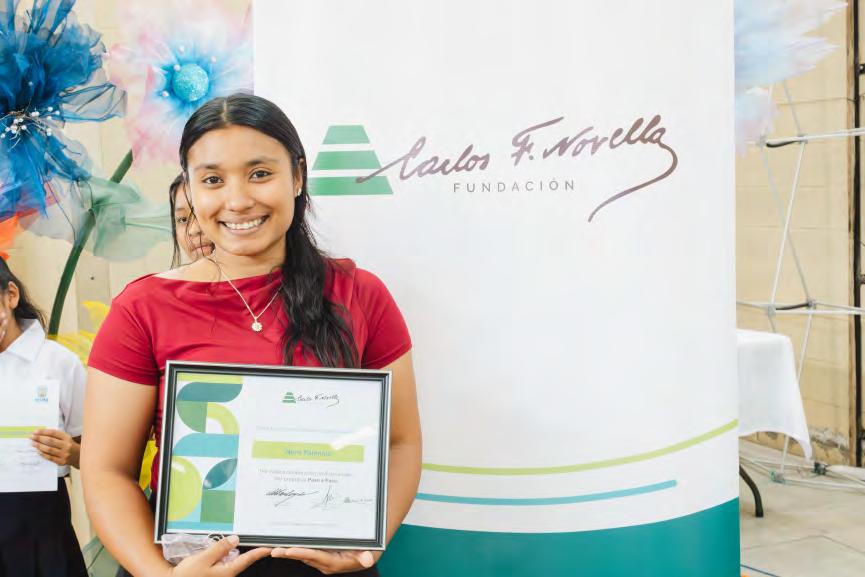
We contribute to the development of psychological, biological, and social skills in girls and adolescents aged 9 to 14 through educational activities designed to strengthen their awareness of the leading role they can play in generating positive changes at the personal, family, and community levels.
The program is implemented over two years. During the first year, work focuses on
INEB República de Austria
San Juan Sacatepéquez
INEB Santo Domingo Xenacoj
Sanarate, El Progreso
Escuela Oficial Urbana Mixta Oscar
Arnoldo Conde
Escuela Oficial Rural Mixta Cerrito de Fuego JM
Escuela Oficial Urbana Mixta El Esfuerzo
Escuela Oficial Urbana Mixta Sonoro
Zona 6 de la Ciudad de Guatemala
Escuela Oficial de Niñas República Dominicana
Chinautla
Instituto Nacional de Educación Básica (INEB)
Brenda Del Cid Medrano
Del Cid Medrano Institute, located in Chinautla, as part of its commitment to bringing more opportunities for education and support to new communities.
This expansion made it possible to benefit more girls and young women, providing them with a safe space to strengthen their skills, build their confidence, and develop a positive vision for their future. With this new site, the program reaffirms its purpose of fostering female leadership from adolescence and promoting environments that support their holistic growth and active participation in society.
The ENA School offers an educational model focused on developing ethical, supportive leaders committed to the growth of their communities.
It was founded on March 11, 1977, at the initiative of Enrique Novella Alvarado, to benefit the village of El Sinaca, in Sanarate. Initially named Escuela Enrique Novella Alvarado, it was officially authorized in 1999 as the private school “Enrique Novella Alvarado” (ENA). In 2018, the new campus was inaugurated in San Juan Sacatepéquez, near Cemento Progreso’s San Gabriel Plant.
Over its 48-year history, ENA School has educated hundreds of students through a comprehensive educational model. Said model strengthens their abilities in scientific, social, and entrepreneurial fields. In addition, through a strategic partnership with the Technical Institute for Training and Productivity (INTECAP). Students have access to technical courses that enhance their employability and expand their professional development opportunities.
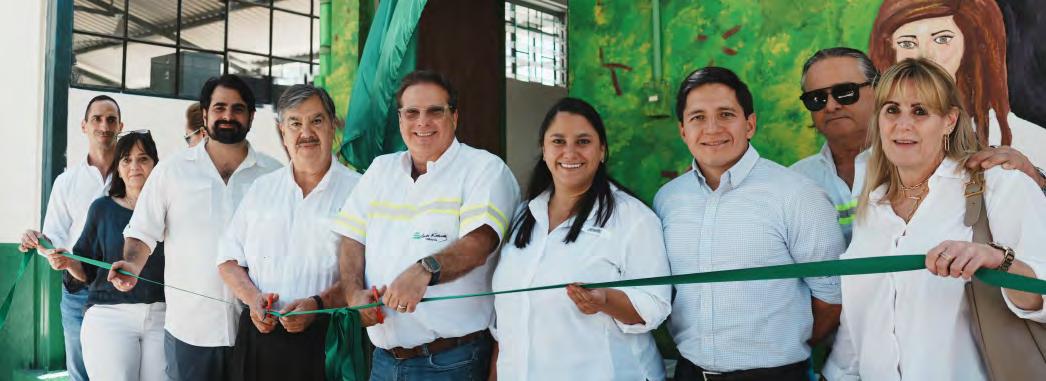
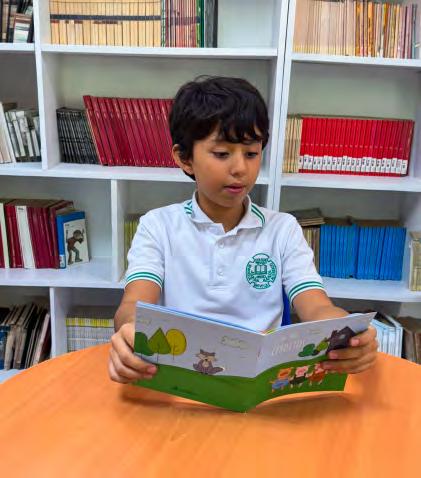
The “Cristiana Cordón de Amenábar” Library was inaugurated with the goal of benefiting both ENA students, and those from the Estuardo Novella Camacho Educational Center (CENCA). They both operate in the same facilities on weekends. It is named in honor of Cristiana Cordón de Amenábar, who has dedicated her life to supporting education.
This new space aims to strengthen learning and encourage reading habits by providing the educational community with an accessible place for research, study, and to develop students holistically..
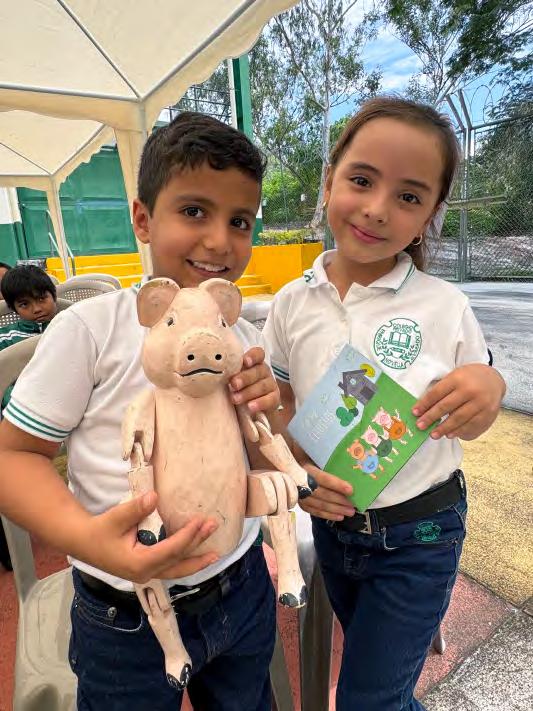
Thanks to an initiative by Progreso, the book “The Three Little Pigs” was published. In an educational and engaging way, the story tells of the importance of good decision-making when building. It teaches children the value of using strong and durable materials —such as brick or cement—to create safer, more resilient homes.
The three-day event took place and featured a storyteller who welcomed children from various public and private schools. A total of 39 first- and second-grade students from ENA School, San Gabriel campus, participated. Subsequently, a storytelling session was held at the ENA School San Miguel campus, where first-grade students participated. This activity promotes an understanding of the benefits of building with cement from an early age.
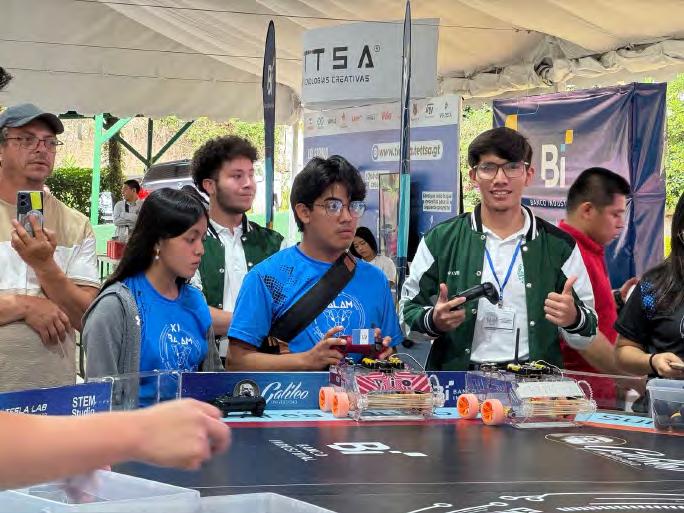
A total of 20 students participated, for the first time, in the BALAM National Robotics Competition. The COMPITE stage of the event was held at Universidad Galileo. Their performance was outstanding, earning major achievements: third place in the drone category, second and third place in the STEM category, and an honorable mention for the exceptional participation of one of the students.
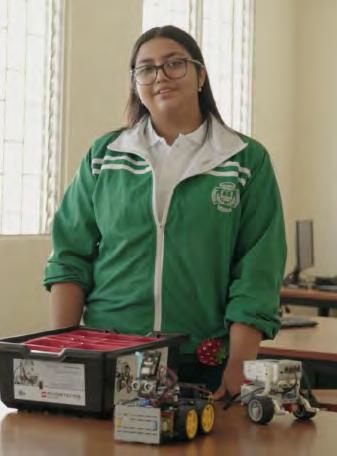
Additionally, students Diego Orellana Véliz and Fátima Natalia Estrada, from the San Miguel campus in Sanarate, advanced to a specialized training and study phase following their excellent performance in the BALAM competition.
They were later evaluated and selected to represent Guatemala as part of the National Robotics Team, competing internationally in Panama and Mexico.
Learn more about Natalia on the International Day of Women and Girls in Science
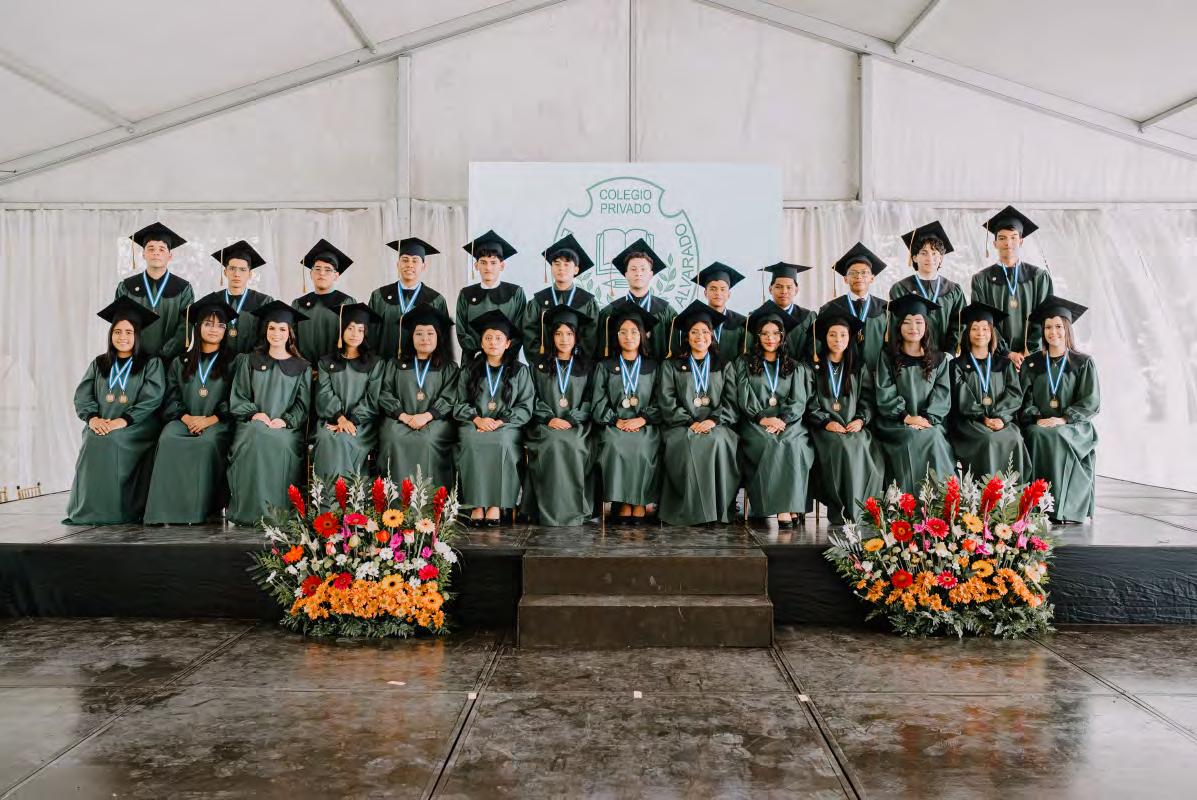
Fifth-year high school students from the San Miguel and San Gabriel campuses also took the 2025 Graduating Students Diagnostic Test administered by the Ministry of Education (MINEDUC). They achieved 100% proficiency rate in both Reading and Mathematics. This result reflects Colegio Enrique Novella Alvarado’s high academic standards and commitment to excellence.
These achievements are the result of consistent work throughout the students’ entire academic journey, from kindergarten through high school. Key strategies include identifying the content assessed by the Ministry of Education, as well as by international and standardized tests such as PISA, PAA, and EVALÚA. It also integrates them into the Scope and Sequence framework, which compiles the National Base Curriculum content across all grade levels. These are prioritized in educational planning.
In addition, a strong reading culture is promoted in the classroom. The ENA Model incorporates three key moments in every class period: silent reading, modeled reading, and oral reading.
One of the institution’s primary goals is for students to pursue higher education. To support this, they receive guidance throughout scholarship application processes. As a result, 12% of the 2025 graduating class obtained scholarships.
These include:
Juan Bautista Gutiérrez Scholarship
Regular financial aid from the Universidad del Valle de Guatemala
A tripartite scholarship between Fundación Educación, Cementos Progreso, and Universidad del Valle de Guatemala
337 CENCA 2,380 ESCUELA PARA PADRES
MEJORES FAMILIAS
889
897 CURSOS LIBRES
PROGRAMA OPORTUNIDADES
The Opportunities Program brings together these alliances, reaching a total of 335 participants.
144 77 58 LA FACTORÍA CIUDADANA
1,228 CONSTRUCCIÓN CIUDADANA
58 PROGRAMA OPORTUNIDADES PARA JOVENES LIDERES
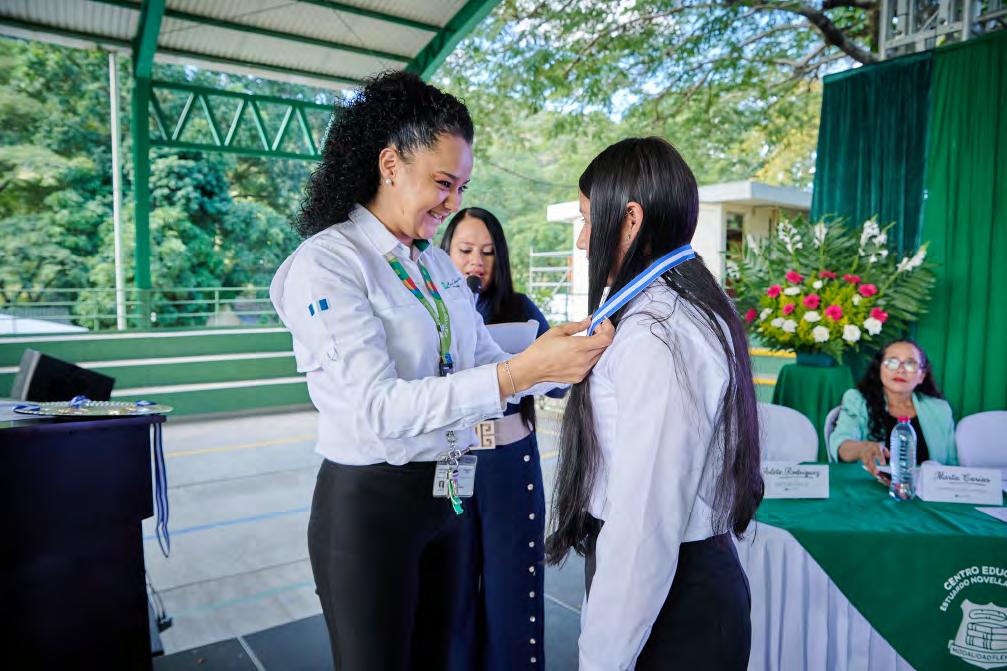
We offer individuals aged 13 and older the opportunity to continue their studies through a flexible, project-based methodology focused on developing technical skills and building strong values.
At CENCA, we provide adult education through the Correspondence Education Program (PEAC), which is organized into two stages:
Stage I: Covers grades 2 through 3 of elementary school
Stage II: Covers grades 4 through 6 of elementary school
We also offer the option to complete middle school and a high school Diploma in Science and Letters, with a focus on Productivity and Entrepreneurship, through flexible learning modalities.
CENCA students also have the opportunity to take technical courses focused on entrepreneurship, delivered by the Technical Institute for Training and Productivity (INTECAP). In high school, training includes four modules throughout the year. Students in 7th through 9th grade (Stages I and II) can also access technical courses in a shorter format of two modules over four months. These courses are held on Saturdays and Sundays as part of the academic curriculum, allowing students to develop technical skills alongside their formal education.
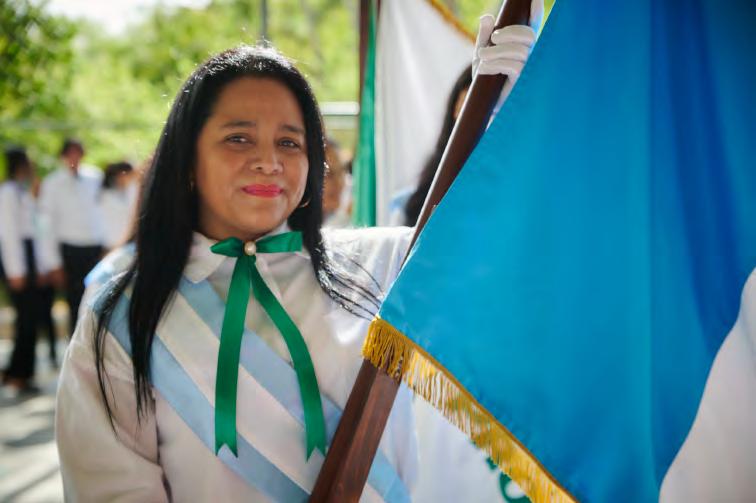
A process to strengthen teaching competencies was conducted for 34 tutors from the “Estuardo Novella Camacho” Educational Center (CENCA) in San Juan Sacatepéquez and El Progreso. Supported by INTECAP, the initiative included feedback, updates on innovative tools for material development, and diagnostic evaluations. An action plan was created to improve learning mathematics, standardize tutor planning, and align actions between both CENCA campuses. This strengthened the teachers' ability to apply didactic strategies centered on andragogy (adult education) and "train-the-trainer" principles, motivating adult participation in the teaching-learning processes.
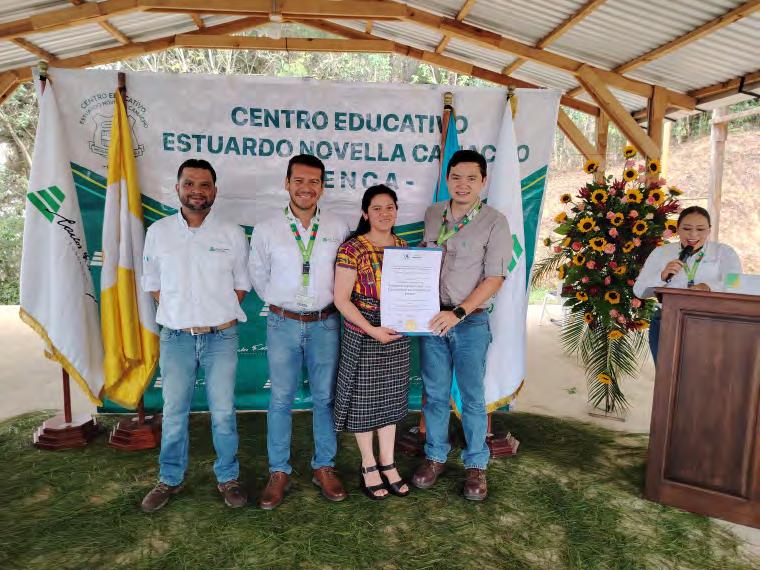
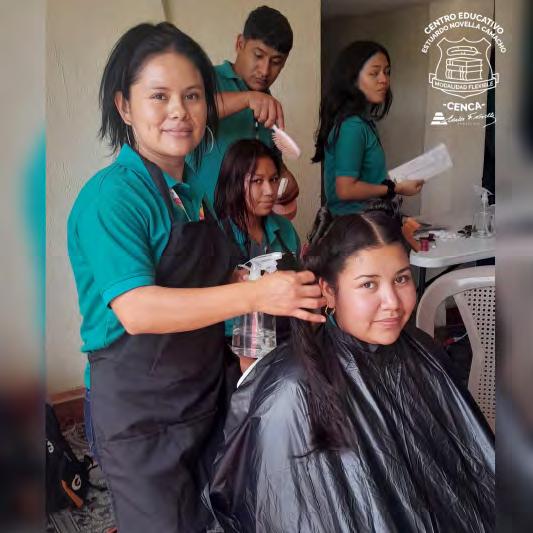
At the Estuardo Novella Camacho Educational Center (CENCA), Sanarate campus in El Progreso, first and second stage as well as 5th-year high school students concluded their technical courses with a practical exhibition of what they had learned. Students in the second stage of lower secondary provided a community haircut service in El Sinaca and Dolores. 5th-year high school students promoted the use of renewable energy by installing solar-powered lamps in strategic locations—improving safety and encouraging the use of clean and sustainable energy within the community.
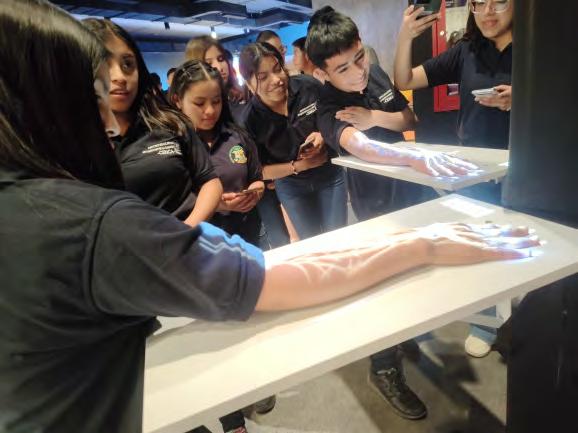
A pilot class was also conducted using the AIDIN platform, a Socratic education system supported by Artificial Intelligence. The session was delivered remotely by an Argentine teacher to students in the Correspondence Adult Education Program (PEAC 2), from third to sixth grade, on the topic of the “Water Cycle.”
AIDIN’s methodology enables knowledge-building through challenges and problem-solving. It simultaneously develops thinking skills such as analysis, synthesis, and critical and creative thinking—fostering an active and innovative learning experience.
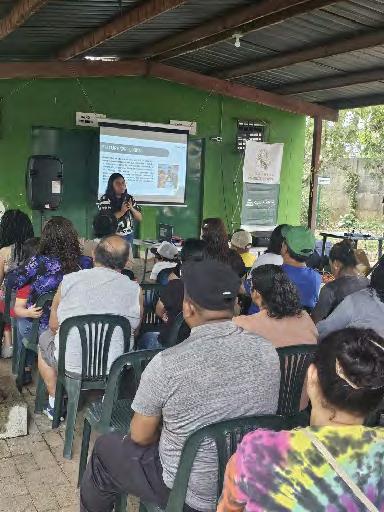
Lucero Reyes learned about the Estuardo Novella Camacho Educational Center (CENCA) in Sanarate through Facebook. Driven by a deep desire to complete her education—not as an obligation, but as a personal dream—she decided to join the program with the conviction to grow and to show her children that it is never too late to achieve one’s goals.
Lucero is a passionate baker and a dedicated homemaker, fully committed to caring for her family and supporting her household. Her children are her greatest source of inspiration; through them, she finds the strength and motivation to keep growing every day. Thanks to her experience at CENCA, she strengthened her technical skills, discipline, leadership, and self-confidence. The knowledge she gained has allowed her to grow her baking business, generate income, and contribute to her family’s well-being.
Her life is deeply rooted in faith. She dedicates time to reading the Bible and sharing her beliefs, striving to be a source of guidance and inspiration for those around her. She also maintains an active lifestyle—she enjoys exercising, plays soccer in her free time, and supports her father through his recovery therapy with dedication.
Throughout her life, she has faced challenges that have tested her strength. However, the support of her family, faith, and self determination have enabled her to remain strong and move forward with hope. Today, she dreams of continuing her studies in the university. She aims to earn a degree in Education with a specialization in Social Sciences and Civic Education, so she can teach at the secondary level and help shape more socially conscious citizens.
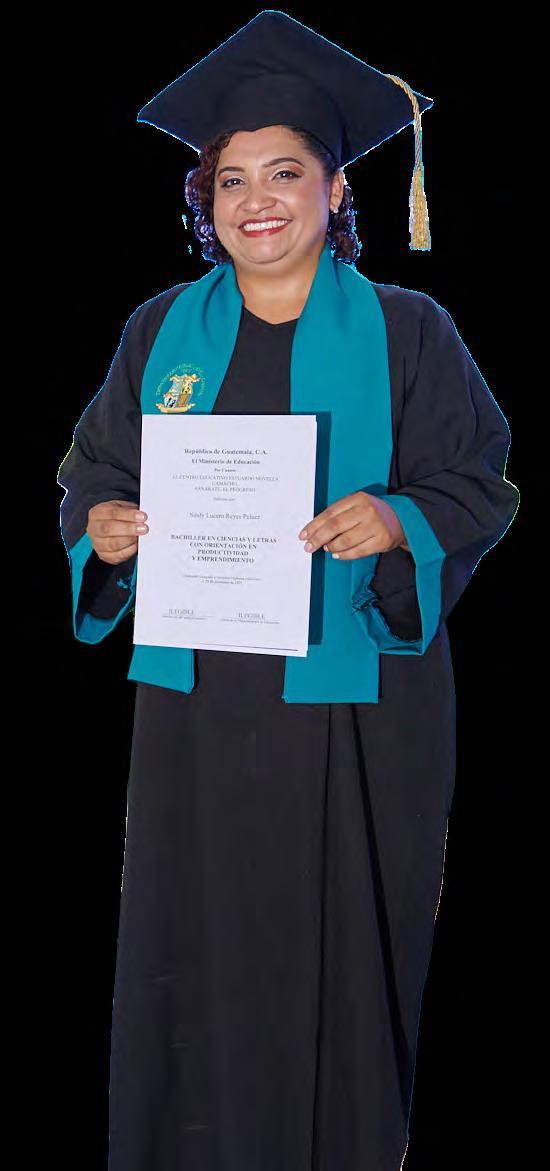
Her story is a powerful reminder that when education is combined with resilience and the right support, it can open paths that transform lives and build futures full of possibilities. Her experience at the Estuardo Novella Camacho Educational Center (CENCA), helped her find the tools and encouragement to dream big.
At Fundación Carlos F. Novella, we recognize that the family plays a fundamental role in the holistic development of children and youth. For this reason, for several years we have promoted the Parent School as a space to support and guide families.
In 2024, this process was strengthened through the development of a structured curriculum and systematic participant registration. This allowed improved organization and training process follow-up. This space provides guidance, tools, and practical strategies to strengthen parenting, educational support, and family relationships.
The objective of this initiative is to strengthen the role of parents in their children’s personal, emotional, and academic development through training, awareness, and empowerment. Through dynamic and reflective sessions, participants gain valuable knowledge, improving how they support their children’s growth and fostering more positive family environments.
In 2025, the Parent School was implemented across several programs, including Cimentando las Bases, Escuela Sociodeportiva, Paso a Paso, Escuela de Música, and Colegio ENA, benefiting more than 2,300 families.
2,380 participants
CIMENTANDO LAS BASES
ESCUELA SOCIODEPORTIVA
PASO A PASO
COLEGIO ENA
ESCUELA DE MÚSICA
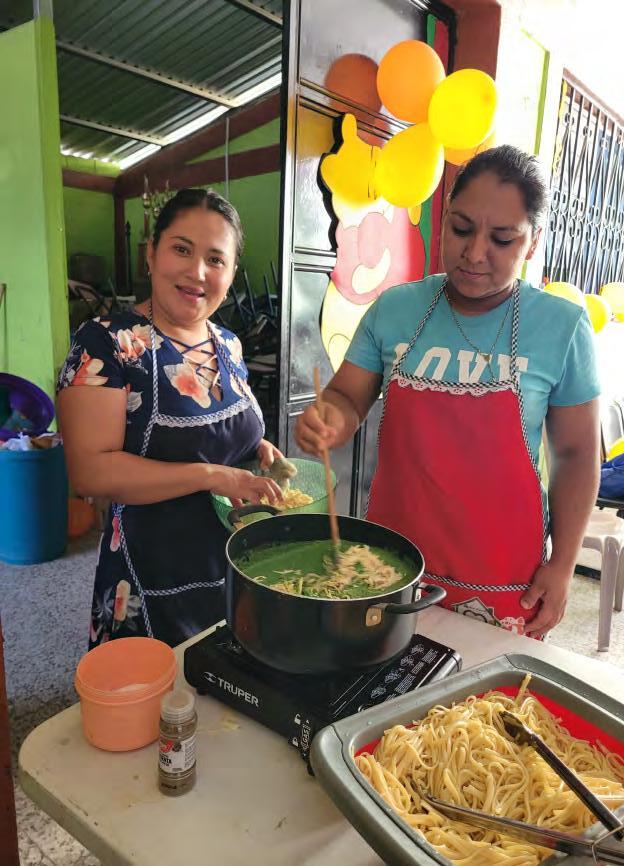
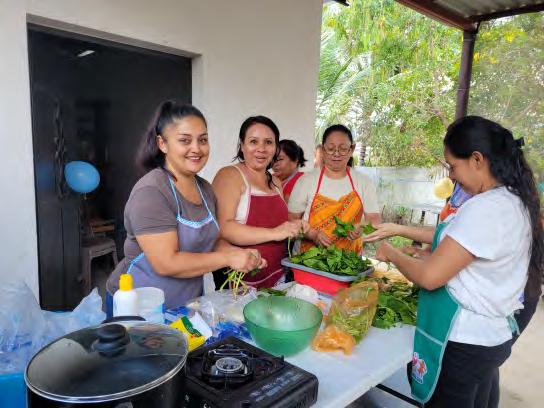
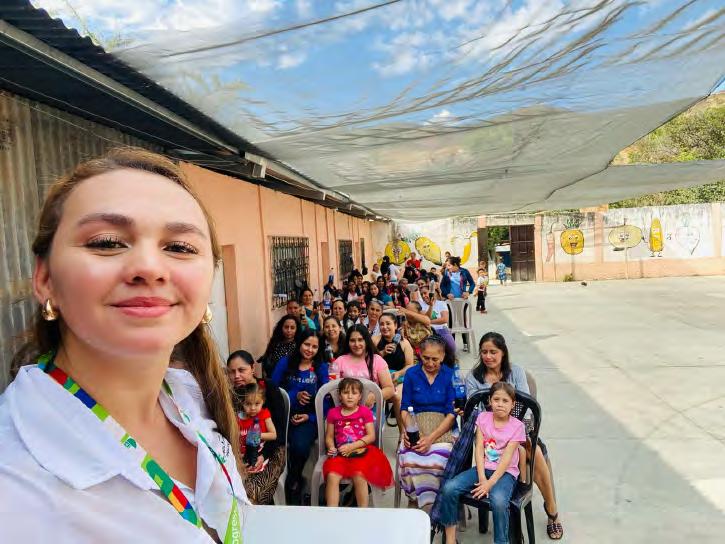
We promote women’s education and training, recognizing their capacity as agents of change to improve their children’s nutritional status. They now contribute to developing healthy and productive individuals.
Food Distribution and Health Support Partnership
In coordination with Cáritas Arquidiocesana, food was distributed to families participating in programs led by the Fundación Carlos F. Novella. Rice and bean donations were received to benefit 475 families in San Juan Sacatepéquez and 240 families in El Progreso, as well as families identified through the Acompáñame a Crecer
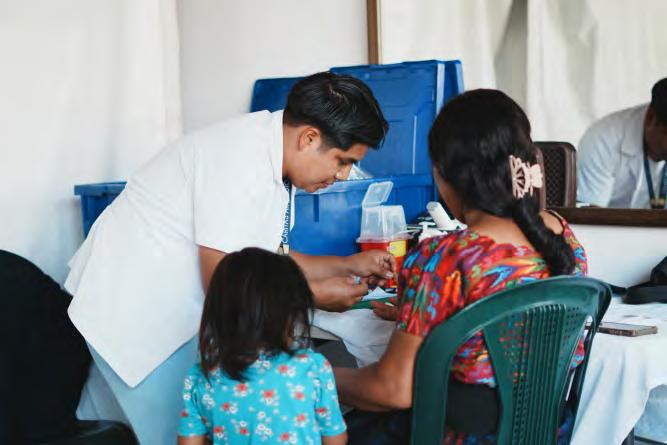
In San Juan Sacatepéquez, the following were received:
958 boxes of Mannapack rice (36 pounds each)
475 boxes of canned beans (24 one-pound cans each)
483 sacks of rice (66 pounds each)
These distributions benefited families in communities such as Asunción Chivoc, Lo de Ramos, Las Trojes 1 and 2, Pilar 1, Montúfar, Suacité, Candelaria, San Jorge, and Cruz Blanca, among others. Support was also provided to women in San Antonio El Frijolillo, in Santo Domingo Xenacoj.
In Sanarate, the following were received:
490 boxes of Mannapack rice (36 pounds each)
245 boxes of canned beans (24 one-pound cans each)
245 sacks of rice (66 pounds each)
In this department, families from communities such as El Sinaca, Dolores, Coyotera, San Miguel Conacaste, El Carmen, La Barranquilla, Las Tunas, La Colina, Escuela Shalom, El Trapichito, Los Llanos, and Colonia Sonoro benefited from the distributions.
Additionally, in San Juan Sacatepéquez, a medical outreach day was held for beneficiaries of the Mejores Familias program and their children, reaching approximately 350 families. During the event, medical care was provided, along with the distribution of medications and nutritional supplements. In some cases, follow-up with specialists was also recommended.
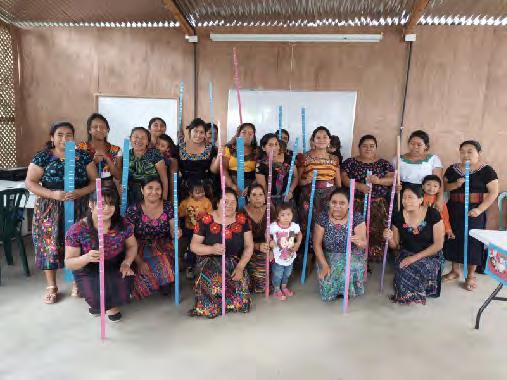
As a follow-up to the initiatives carried out with Fundación Listo, —a nonprofit organization dedicated to addressing chronic and acute child malnutrition through the distribution of highly fortified foods—training sessions were held with participants from the Mejores Familias and Acompáñame a Crecer programs in San Juan Sacatepéquez.
Additionally, Lilli Ebner-Stoll, Executive Director of Fundación Listo, visited the area to gain firsthand insight into the work being carried out within the programs in San Juan Sacatepéquez. Next steps include training processes focused on nutritious recipes for program facilitators, as well as a follow-up visit to the programs in El Progreso.
Supporting entrepreneurship
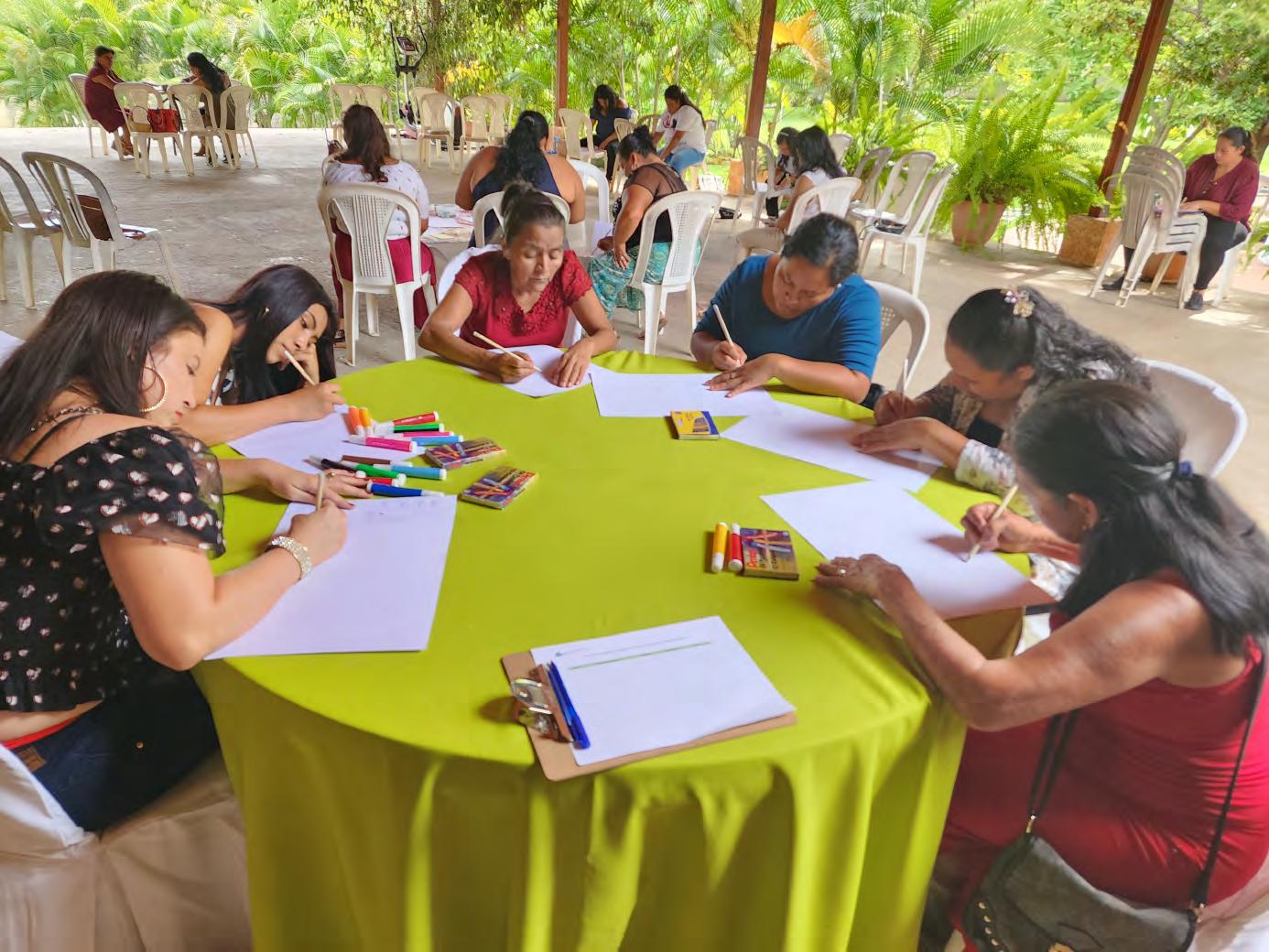
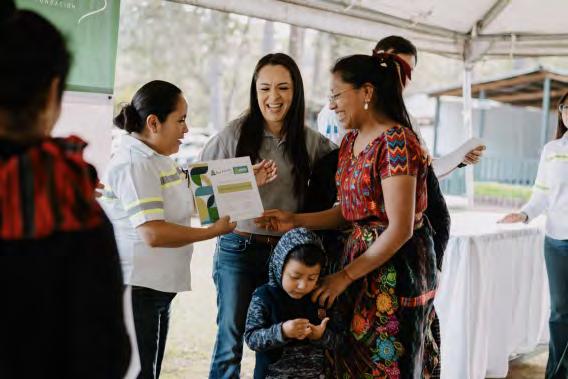
In 2025, technical training sessions were also launched for women graduates of the Mejores Familias program, with the goal of strengthening their entrepreneurial initiatives and promoting their economic development.
Among the activities were a hand embroidery workshop in the community of El Pilar 1, and a beauty product-making course in Sajcavillá, in San Juan Sacatepéquez. These efforts were part of the program’s engagement and retention strategy and benefited a total of 42 women.
Communities where the program is present:
Colonia Sonoro
Colonia La Colina
Barrio Las Tunas
Escuela Shalón zona 4 de Sanarate
Caserio el Trapichito
Aldea Sansirisay Los Llanos
Aldea La Barranquilla
Aldea El Carmen
San Juan Sacatepéquez
Montufar
Candelaria
Asunción Chivoc
Pilar 1
San Antonio Las Trojes
Trojes II
Cruz Blanca
Lo de Ramos
San Jorge 10. Suacité
Zona 6 de la Ciudad de Guatemala
San Juan de Dios
Martinico II
Cipresales II
San Antonio Las Flores
Buena Vista
San Martín
The Opportunities Program, led by Swisscontact, mobilizes cooperation resources to implement comprehensive projects that strengthen capacities, expand opportunities, and generate sustainable impact among vulnerable populations (youth, women, and returning migrants).
The processes are driven thanks to partnerships with: OF THE VICE PRESIDENCY OF THE REPUBLIC OF GUATEMALA
OPPORTUNITIES PROGRAM FOR YOUNG LEADERS
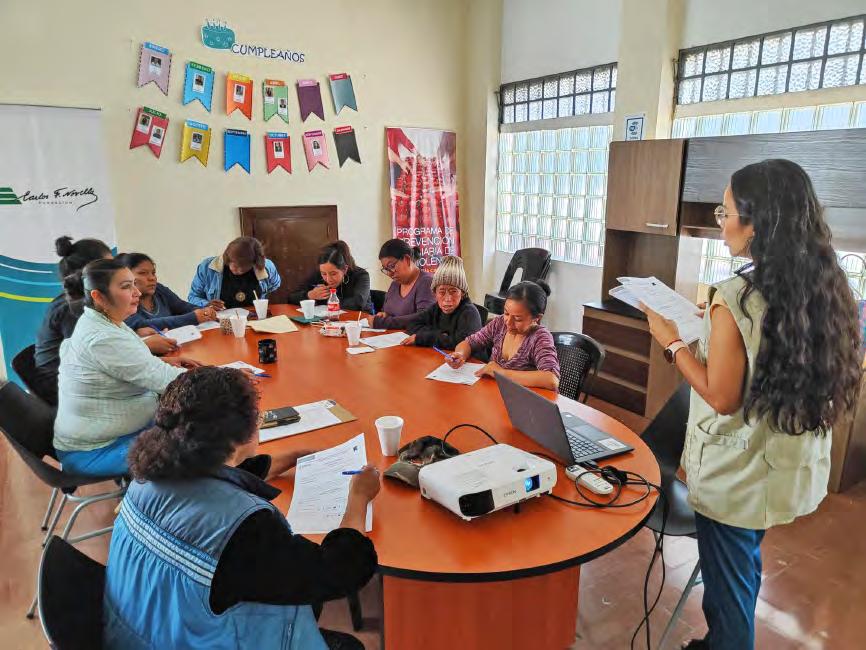
58 participants (18 women and 40 men) 392 participants
The La Factoría Ciudadana Tertiary Violence Prevention program has been implemented since 2021 with funding from the United States Agency for International Development (USAID). It improves returned migrants and formerly incarcerated individuals’ living conditions and social reintegration. The program helps to reduce violence and irregular migration. It used to be carried out with USAID funding until March 31, 2023; subsequently, the Foundation assumed its continuity from April 1, 2023, to March 31, 2025.
Through psychological therapy, self-care workshops, and technical courses, the program strengthened its participants’ vocational skills and emotional well-being. In 2025, with support from USAID between January and March, the program served the following in Guatemala City:
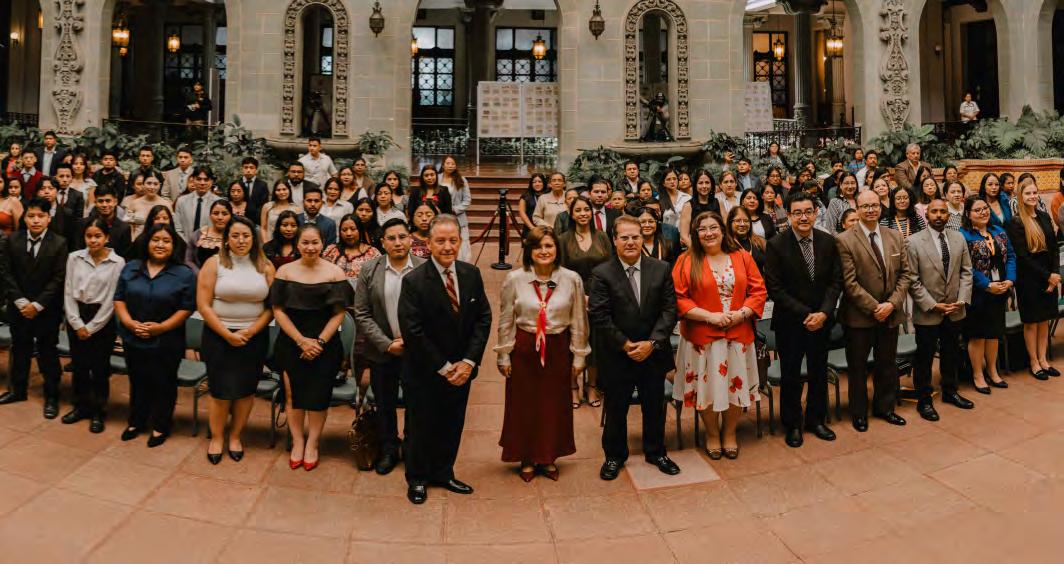
The Opportunities for Young Leaders Program is an initiative of the Vice Presidency of the Republic of Guatemala, in which the Carlos F. Novella Foundation and Children’s Emergency Relief International (CERI) joined forces to strengthen the development of Guatemalan youth.
The program, focused on young people aged 18 to 29, provides technical training, soft skills development, and work experience to strengthen employability, leadership, and community participation. Through this initiative, the goal is to reduce opportunity gaps and prevent irregular migration, encouraging young people to become agents of change for the country’s development.
Within this framework, "Varied Cooking" courses were taught in person in Chimaltenango, as well as "Sales Assistant" and "Administrative Assistant" courses in a virtual format in the municipality of Guatemala. Additionally, the program offered optional emotional support and psychological counseling to interested participants.
56 participants (40 women 16 men)
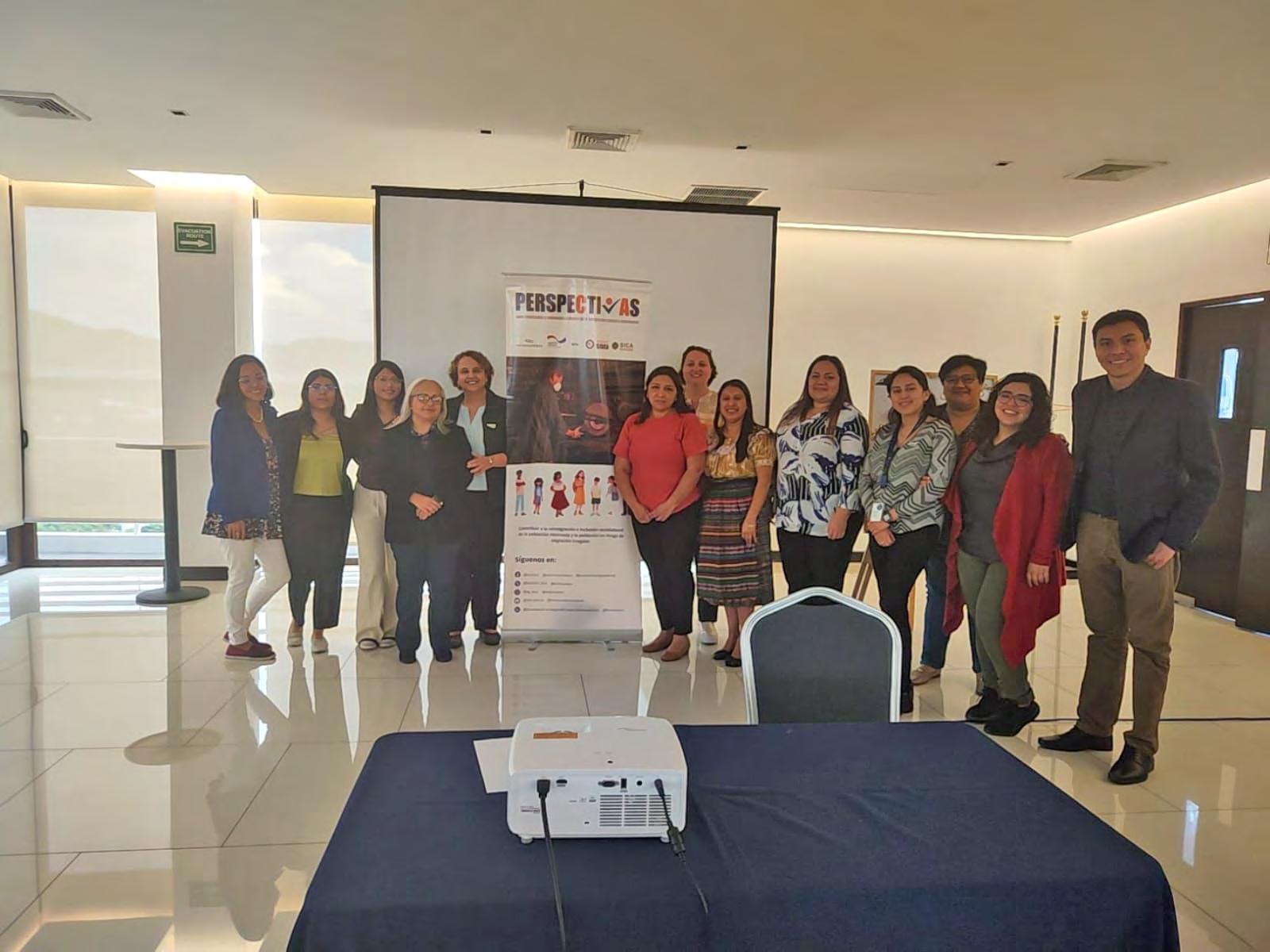
The project provides psychosocial care and soft skills training to support the reintegration process through:
Emotional Support: Services include individual and group therapy, art therapy, and self-care.
Skill Strengthening: Life skills development, labor orientation, financial education, and entrepreneurship support.
From April to December 2025, in Guatemala City, the program served:
199 participants (100 women and 99 men)
To provide timely care, a partnership was formed with the Guatemalan Institute of Migration (IGM) to establish a service space at the Reception and Registration Center (CAR), located in Zone 1 of Guatemala City. This center offers free, comprehensive care and orientation to migrants upon their arrival in the country to facilitate their reinsertion.
In the CAR, and in coordination with other institutions, care and orientation to migrants since their arrival in Guatemala, with the objective of providing them with tools that facilitate their process of reintegration.
The Carlos F. Novella Foundation specifically provides individual and group therapy and art therapy, self-care spaces and soft skills training, labor orientation, financial education, and entrepreneurship coaching.
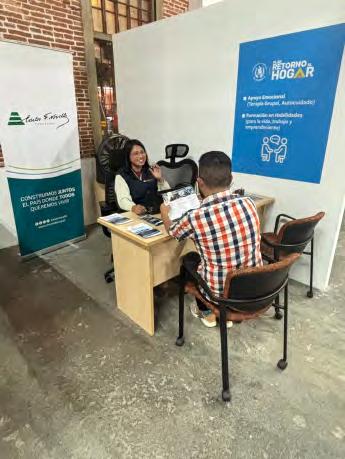
Throughout the year, various efforts were made to coordinate projects and create collaborative spaces with local municipalities.
In Mixco, the project participated in two job fairs with the support of the Municipal Single Window for Employment (VUME), which provided space to promote the project by distributing flyers and informative brochures. In Villa Nueva, the Comprehensive Care Project for the Reintegration of Returned Guatemalan Migrants was presented during a session of the Municipal Development Council (COMUDE). In Villa Canales , a meeting was held with the head of the Department of Women's Affairs, who extended an invitation to participate in municipal commissions, workshops, courses, and COMUDE sessions.
Likewise, in San Miguel Petapa, the project was socialized with the head of the Elderly Program to raise awareness of the initiative. In San José Pinula , coordination was established with the Municipal Directorate for Women, which provided a space within the Municipality for the project's presentation and supported recruitment through various local media outlets. Finally, in the Municipality of Guatemala, in coordination with the Office of Municipal Cooperation and the Perspectivas program, supported a training process directed at youth at risk of migrating by raising awareness and strengthening of life skills.
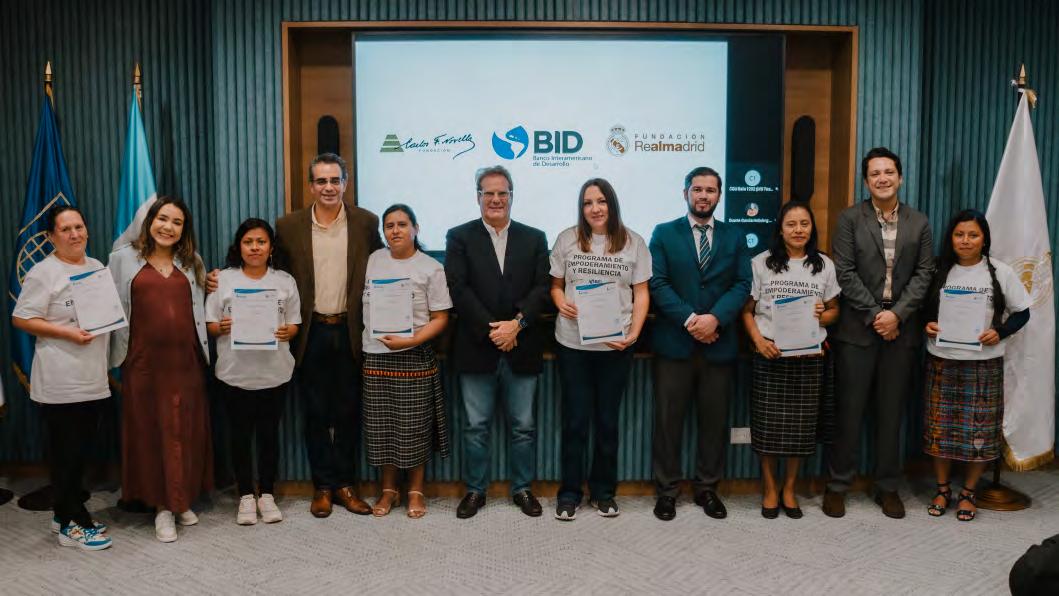
The Empowerment and Resilience project was developed (January–June 2025), in partnership with the Real Madrid Foundation and the Inter-American Development Bank (IDB). It was aimed at returned migrants and their family members in Guatemala City, San Juan Sacatepéquez, and El Progreso.
The program provided psychosocial-emotional care and technical vocational training in fields such as cooking, tailoring, manicures, pedicures, and basic electricity, benefiting 79 participants. Additionally, it integrated individual and group therapy, as well as art therapy, to strengthen support networks and reduce the effects of anxiety and hopelessness.
This initiative is based on more than a decade of joint work between both foundations, where sports have served as an educational tool to promote values, self-esteem, and community roots.
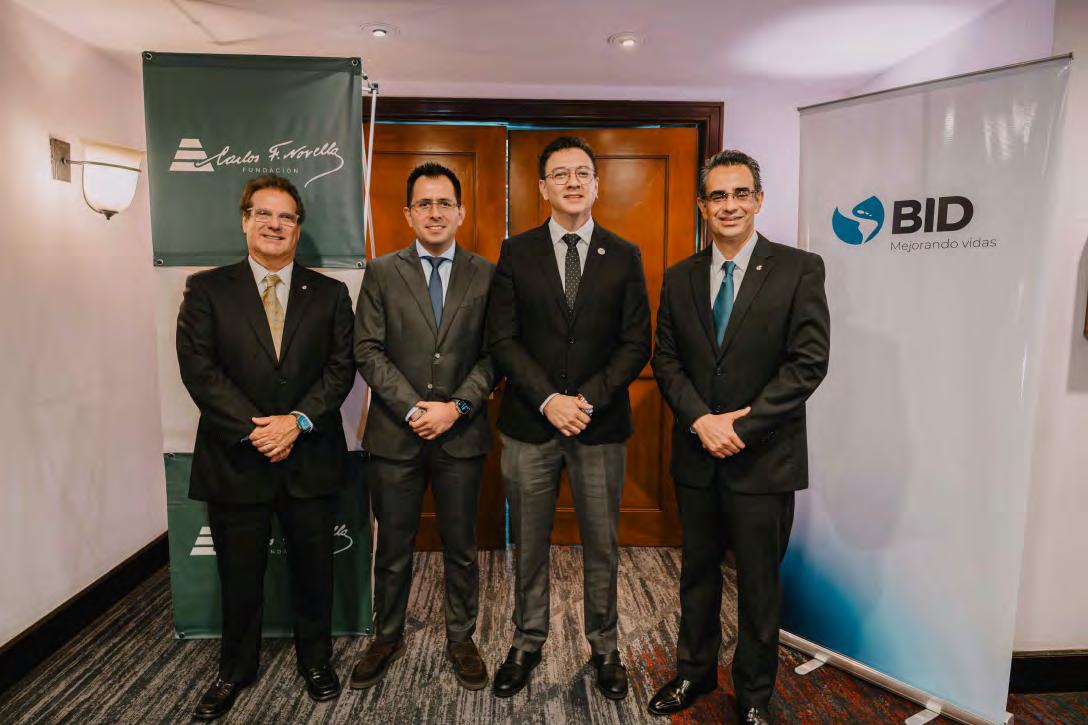
In an inter-institutional effort, the Carlos F. Novella Foundation, the Real Madrid Foundation, and the IDB presented a study regarding the needs of returned migrants in Guatemala. Research Timeline, conducted between October and December 2023. Scope, included surveys, focus groups, and interviews with 417 people to analyze socioeconomic factors. Key Findings, the results show that migration is primarily driven by a lack of employment and the search for better living conditions, as well as a strong psychosocial impact.
As a direct response, the “Empowerment and Resilience” program was implemented in 2025 to provide psycho-emotional support and technical training. The initiative seeks to strengthen capabilities, generate sustainable opportunities, and prevent irregular migration.
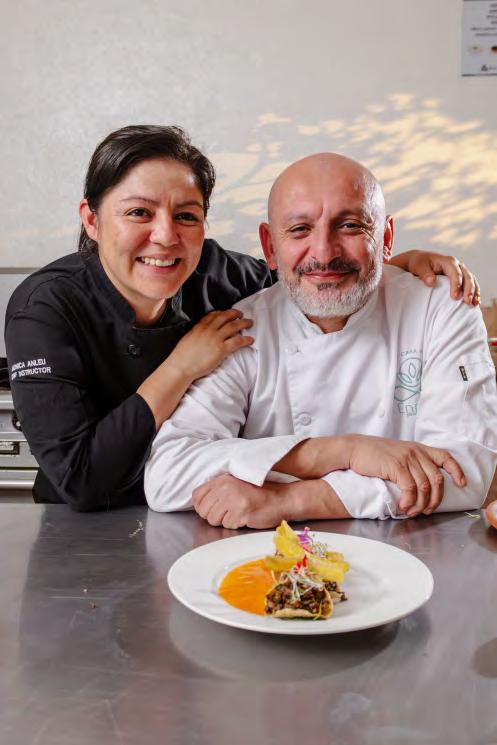
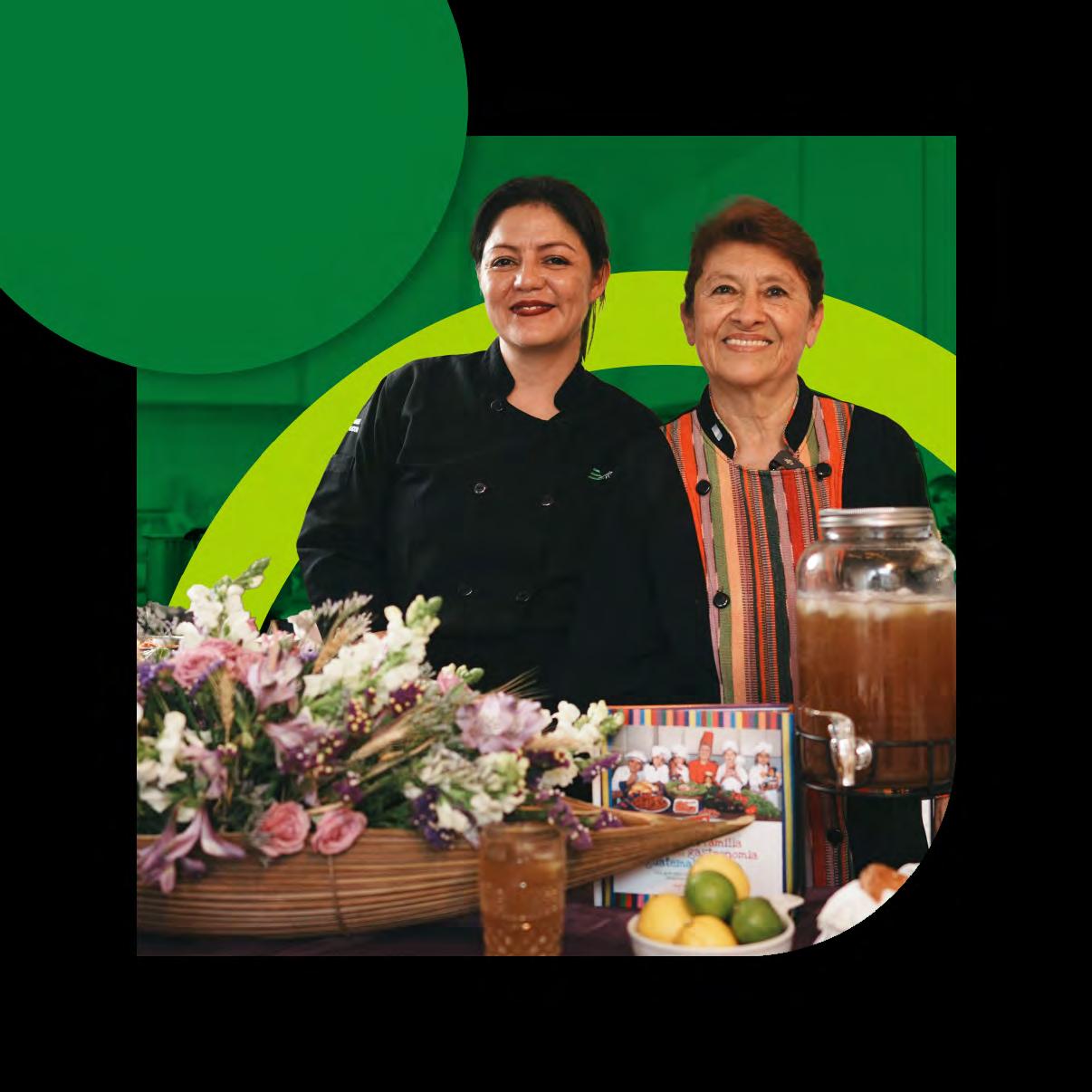
"Cocinando en Casa" (Cooking at Home) have featured experts such as Chef Mónica Anleú and Chef Enrico Ferrulli
We develop and strengthen technical, academic, commercial, and productive competencies to foster integral development through various entrepreneurship-focused training sessions, aimed at building sustainable communities.
Our goal is to serve as a space that fosters productive relationships and provides community support by offering training activities tailored to people's interests and needs.
The course modules last 40 hours and are implemented through the Technical Institute for Training and Productivity (INTECAP). Training areas include cooking, gastronomy, baking, pastry making, café service, mixology, beauty, hair styling, floristry, decoration, crafts, English, safety and first aid, electricity, electromechanics, information technology, welding, automotive mechanics, motorcycle mechanics, and industrial safety.
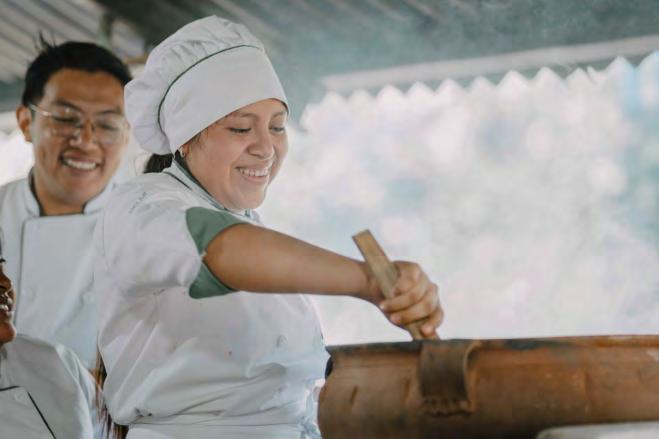
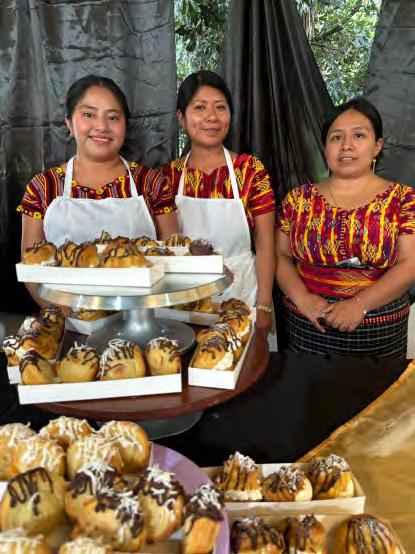
For their part, the Municipal Centers for Training and Human Development (CEMUCAF) certify the Gastronomic Arts and Gastronomy and Services courses. These are implemented directly by the Carlos F. Novella Foundation, both spanning one year with a total of 126 hours.
The open courses are held at the following locations:
San Juan Sacatepéquez
Finca San Antonio Finca El Pilar Centro Educativo Estuardo Novella Camacho -CENCA-
Casa de Atención al Vecino en Cruz Blanca
Alcaldía Indígena de Aldea Suacité
Aldea El Sinaca
Colonia El Esfuerzo
Aldea La Coyotera
Alcaldía Indígena de Aldea Montúfar
Colonia Gracias a Dios Aldea Montegrande
Aldea San Miguel Conacaste Aldea Montegrande Colonia Sonoro
Colonia Los Llanos Telesecundaria de Aldea Montegrande
Aldea Carrizo Colonia Tierra Blanca
Aldea El Carmen
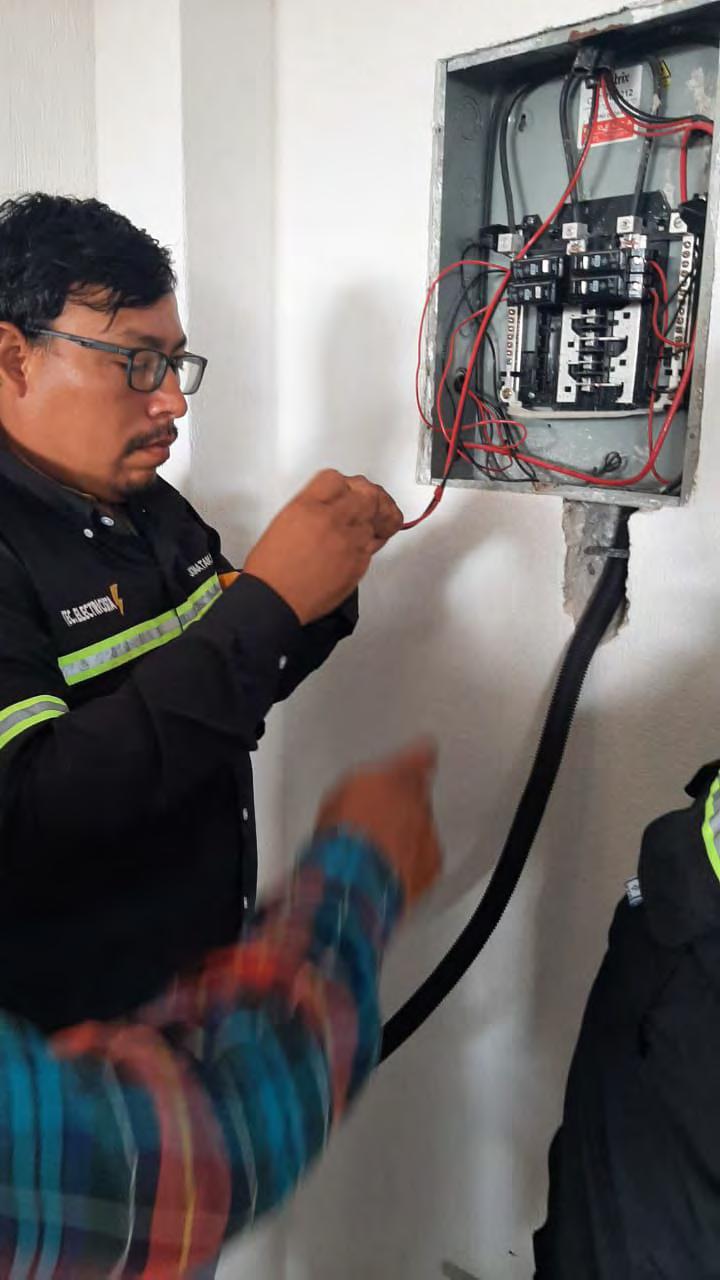
It is a practical application of the foundation's Open Courses (Cursos Libres), where students translate their technical training into community support. In a recent project, participants from the Basic Electricity course responded to a request from the Asunción Chivoc School in San Juan Sacatepéquez to wire their computer lab. During this intervention, the students installed 25 electrical outlets and 5 junction boxes free of charge. This effort not only improved the school's educational environment but also strengthened the participants' hands-on learning.
We live solidarity through concrete actions that positively impact our communities.
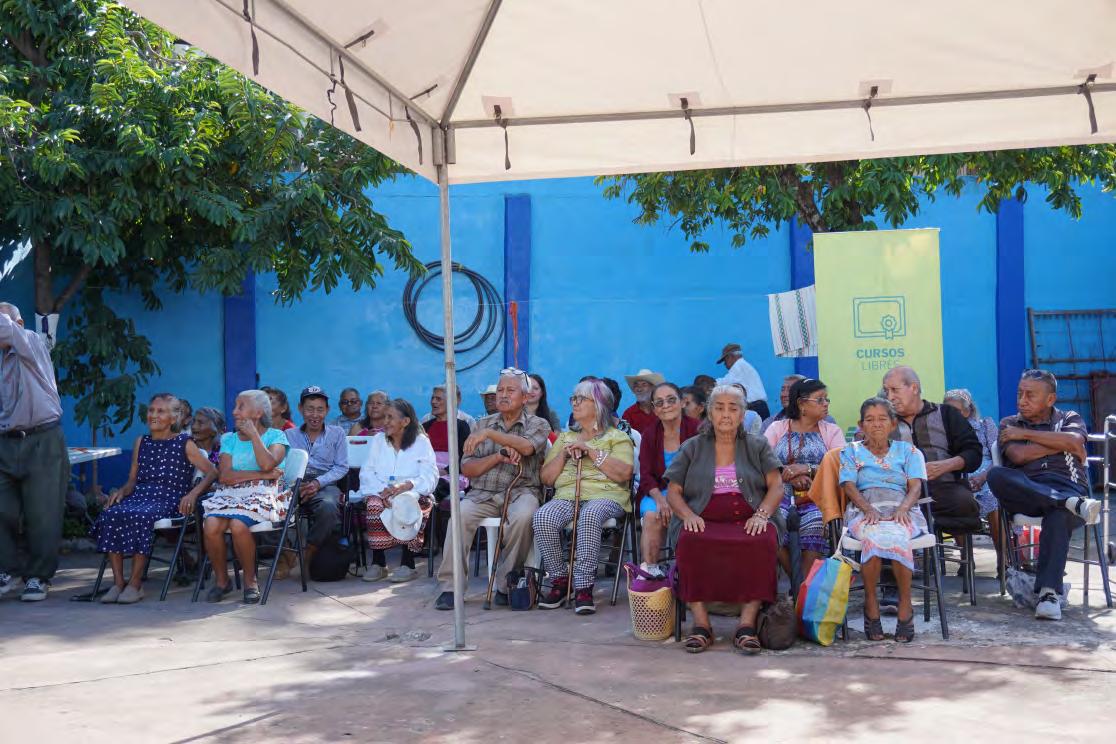
Likewise, the Christmas Cooking course implemented in Sanarate, El Progreso, concluded with a social focus. Traditionally, this process culminates in a practical demonstration of the knowledge acquired by the students. On this occasion, the closing took place at the Sanarate nursing home, where a Christmas meal was shared with the elderly.
This experience allowed participants to apply their technical knowledge in a real-world and supportive context, reinforcing values such as empathy, solidarity, and community service. The activity was developed in alliance with the Municipality of Sanarate and the Municipal Directorate for Women, with the accompaniment of the Municipal Mayor's wife, strengthening collaborative work at the local level and enhancing the social impact of the initiative.
We build community through the promotion of civic values and the development of individual and collective capacities.
The program is composed of four projects:
1
2
3
Citizen Participation Project is aimed at young people.
Pedagogical Awareness Project directed toward educators and trainers.
Peace Education Project aimed at public servants and community leaders.
4
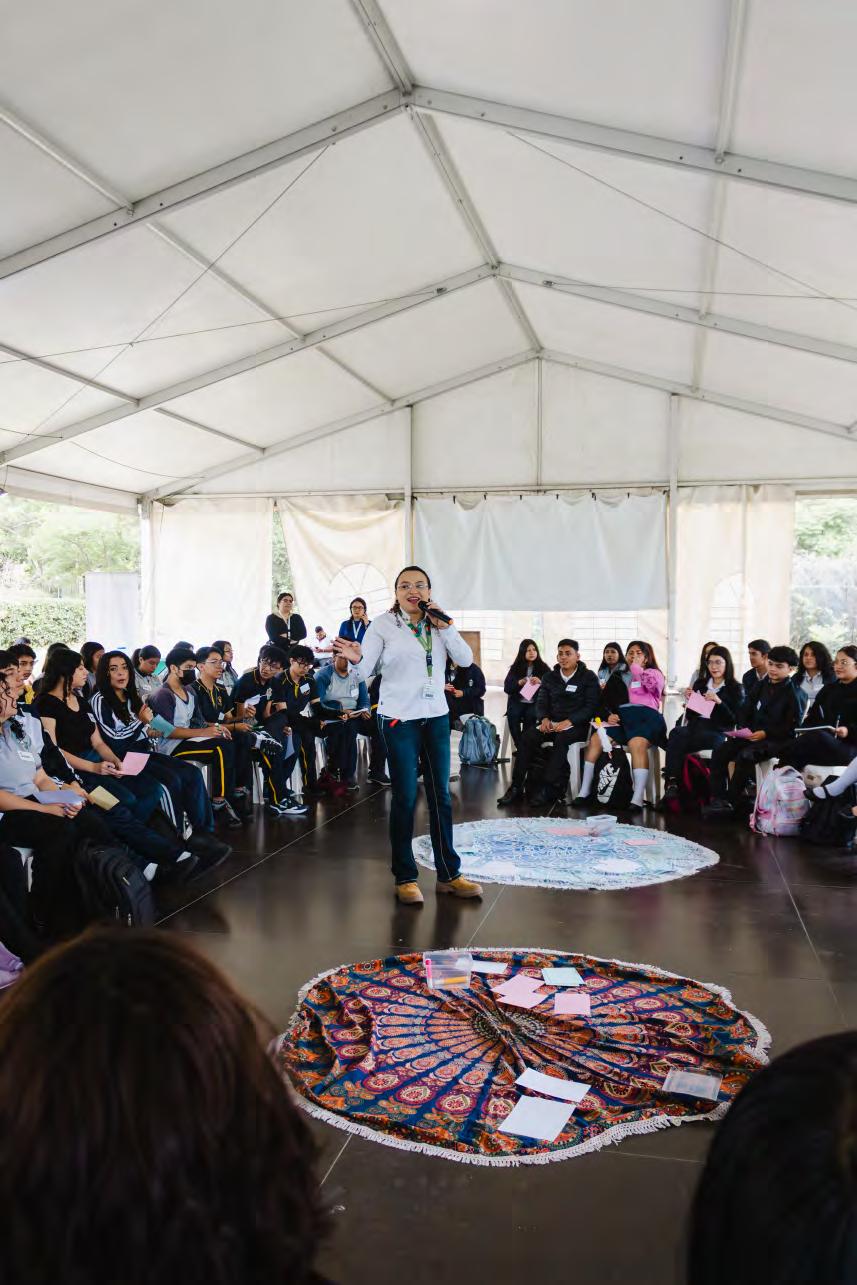
Institutional Strengthening Project directed toward public officials.
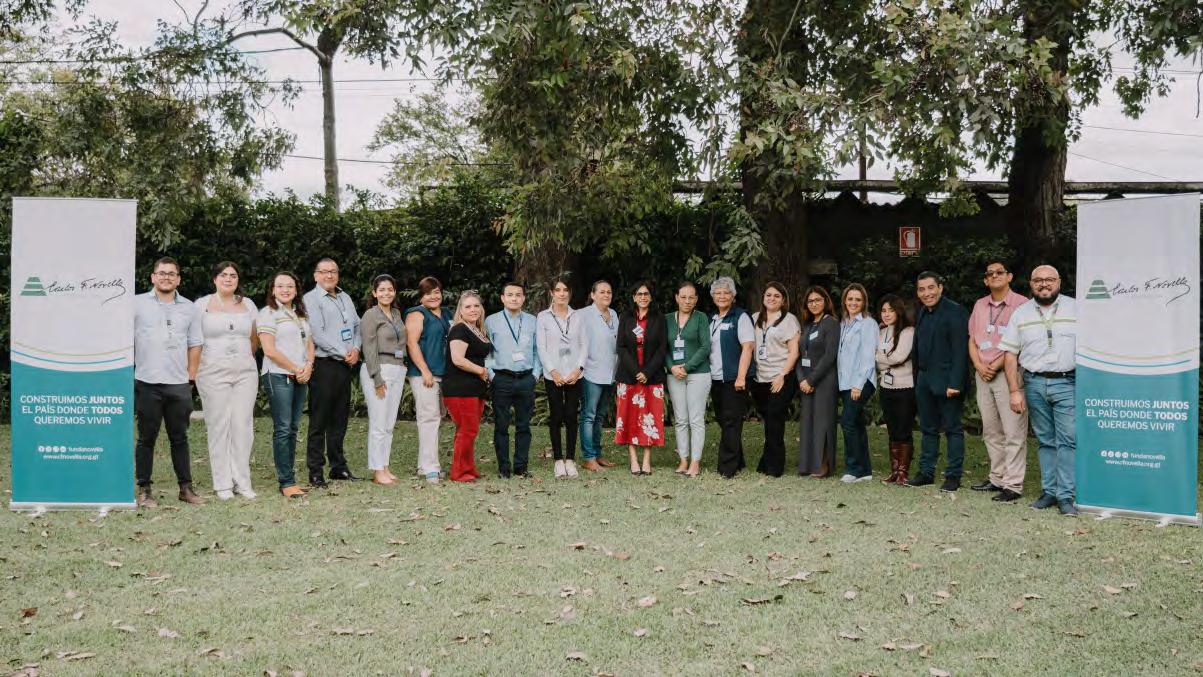
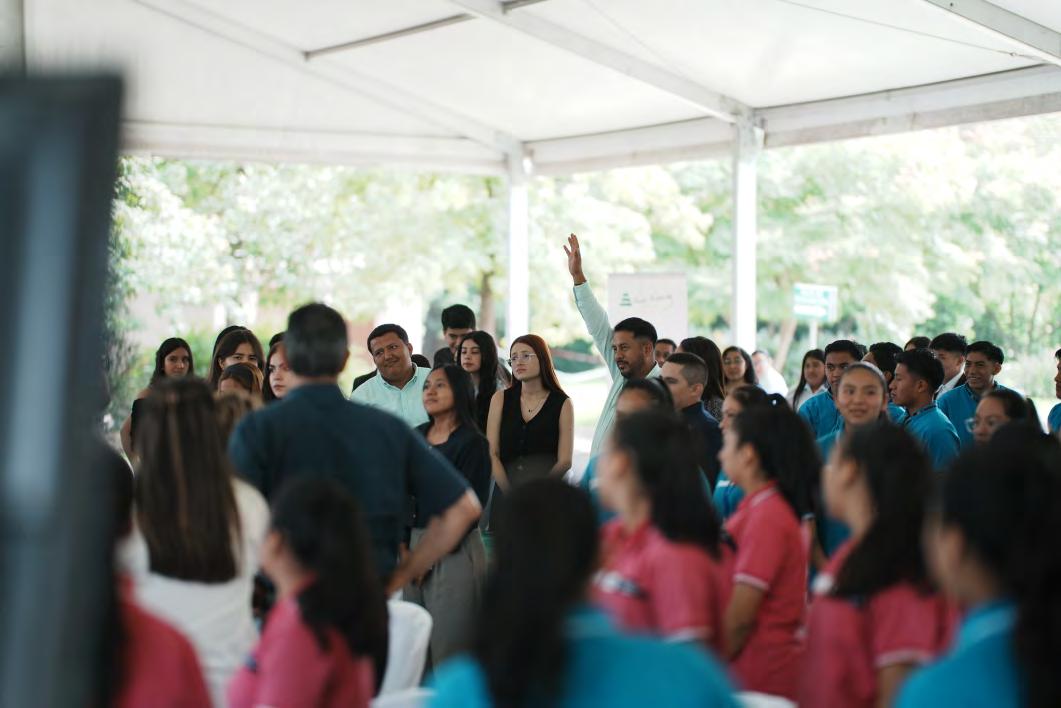
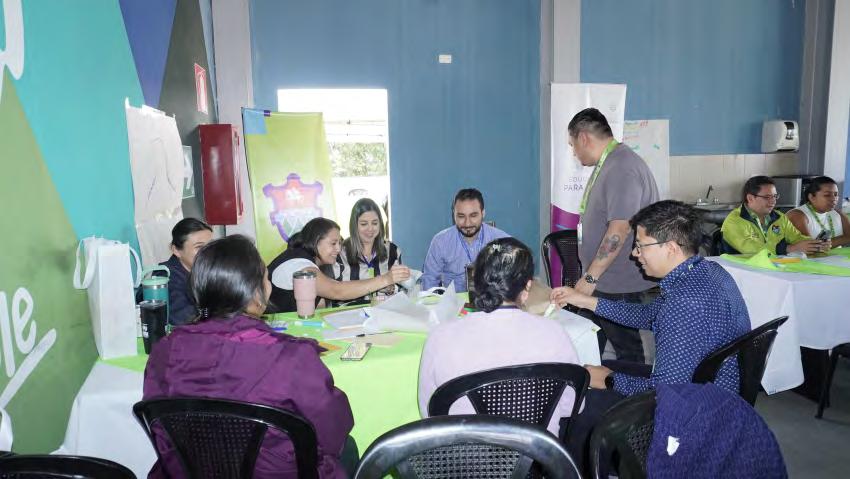
“You and I Make the Difference" is an awareness and training process that strengthens values, civic competencies, and socio-emotional skills in adolescents and young people. This promotes peaceful coexistence and genuine, participatory leadership. In 2025, 109 young people from Alta Verapaz, Baja Verapaz, Chimaltenango, Guatemala, Quetzaltenango, El Progreso, Sacatepéquez, and Sololá participated. Thanks to their enthusiasm and commitment, the program continues to grow, adding more voices determined to transform their communities.
As part of this journey, participants developed creative and solidary projects. The projects included reforestation days, recreational activities for oncology patients, mental health campaigns, environmental education initiatives, and efforts to support vulnerable communities.
Capacity building also extended to the institutional level through the Líderes MUNIGUATE Program, where collaboration led to the training of more than 95 middle managers from the Social Development Management and various directorates of the Guatemala City Municipality.
Throughout this process, participants strengthened key competencies such as self-awareness, emotional management, assertive leadership, non-violent communication, conflict analysis and transformation, mediation, and negotiation. This was accomplished while fostering recognition and appreciation within work teams. The training space reaffirms a commitment to developing more conscious, empathetic, and effective leadership oriented toward generating a positive community impact.
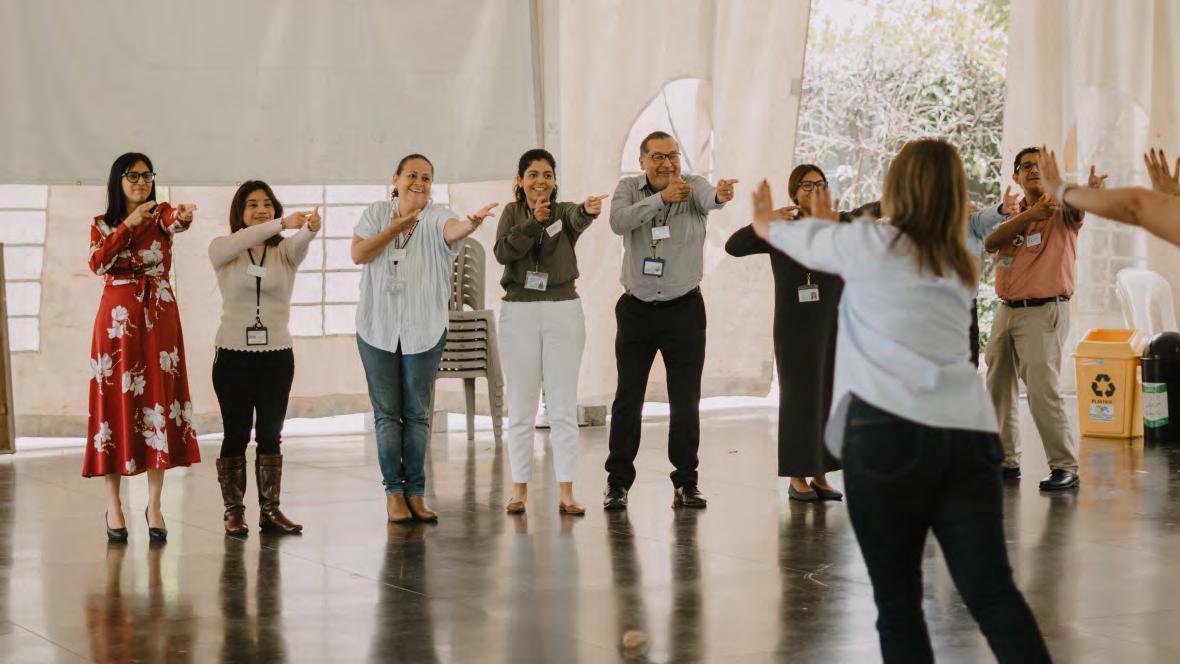
We are expanding our reach across the country, driving concrete efforts to foster a lasting culture of peace
The Second Regional Meeting of Social Promoters was held in Sololá, together with the Executive Coordination Secretariat of the Presidency (SCEP). Seventy-three (73) public servants from across the country participated.
During the event, a Peace Education Module was developed, addressing topics such as the K’AT axes of the System of Development Councils (SISCODE), territorial work guides, the VERICOMUDE platform, and successful experiences shared by the promoters. This meeting strengthened the participants' capacities to promote peace and prevent violence in their communities.
The Peace Education Modules in Cobán and Huehuetenango were held in collaboration with the National Institute of Public Administration (INAP). During this process, 37 public servants from the Defense of Indigenous Women (DEMI), the National Institute of Statistics (INE), and the Guatemalan Indigenous Development Fund (FODIGUA) participated in deepening their leadership and emotional management skills.
Through inter-institutional collaboration with the Supreme Electoral Tribunal (TSE), we implemented the Citizen Participation Module. We conducted awareness workshops titled “Discovering the Trainer in Me” for youth and public officials, serving a total of 133 participants across Chimaltenango (40), Quetzaltenango (31), Sacatepéquez (29), and Totonicapán (33).
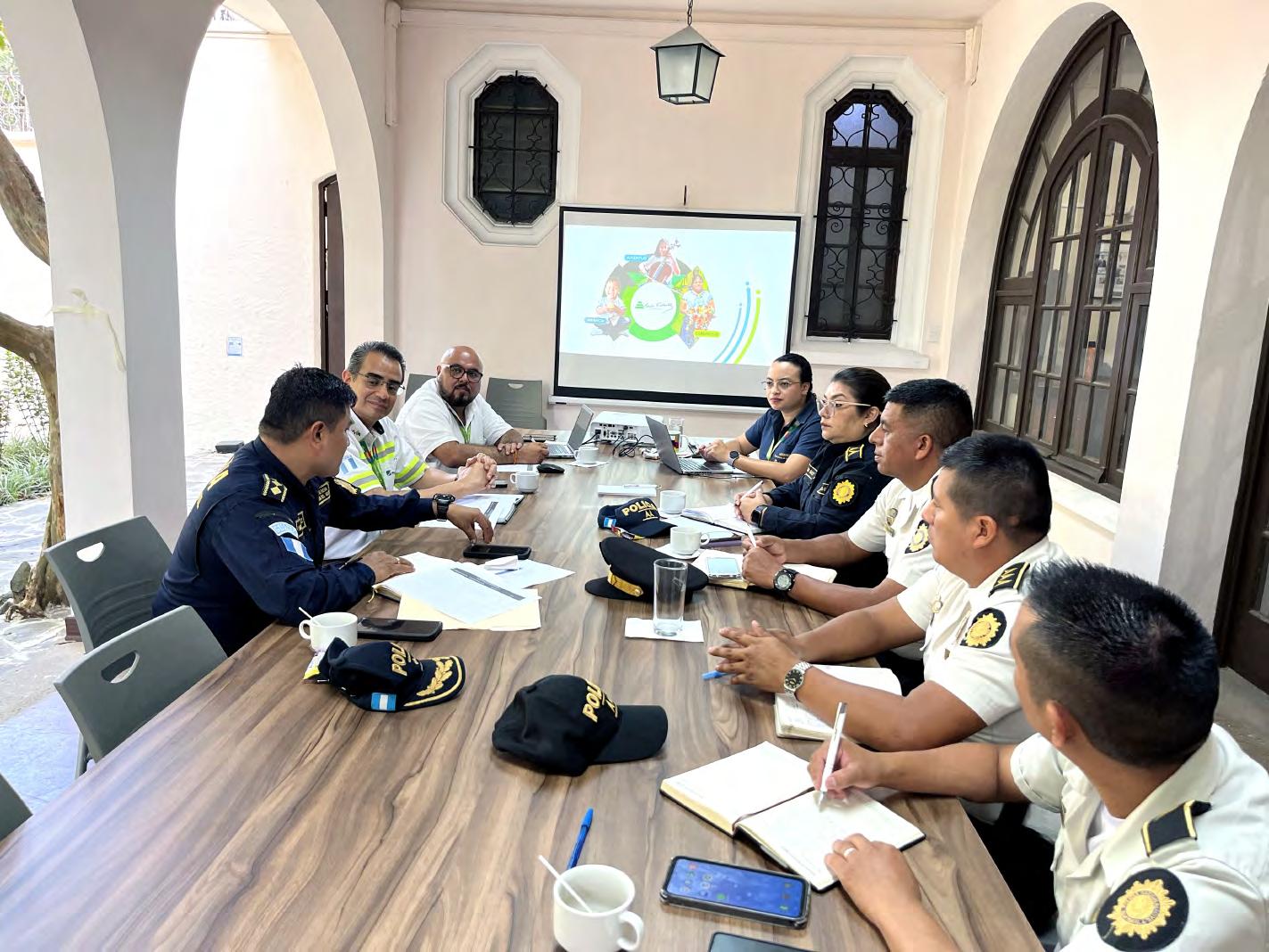
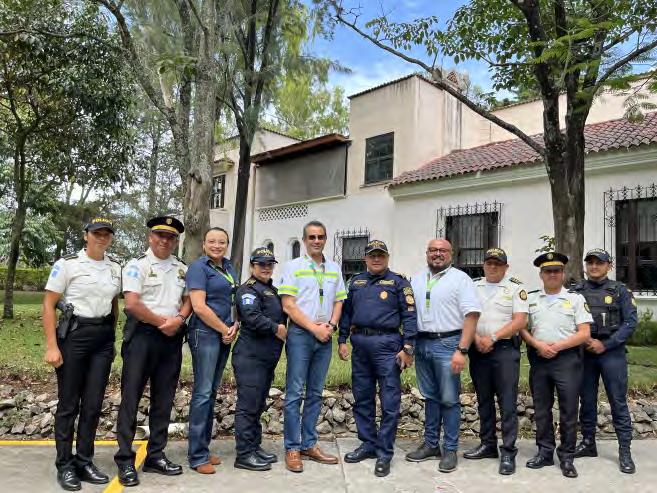
Based on the Cooperation Agreement signed with the Ministry of the Interior, officials from the General Sub-directorate for Crime Prevention of the National Civil Police (SDGPD-PNC) received training through the Institutional Strengthening Module. A total of 155 officers from all departments across the country participated in the process, strengthening their competencies in emotional management, conflict resolution and transformation, intercultural dialogue, non-violent communication, and
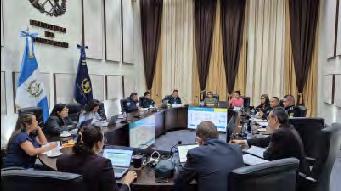
This training contributes to institutional capacity development geared toward preventive work that is closer to the citizenry, promoting respect, dialogue, and peaceful coexistence.
The Carlos F. Novella Foundation developed the Institutional Strengthening Module with the Ministry of the Interior of Guatemala (MINGOB) to strengthen governance through public institutional frameworks.
Technical assistance was provided to the various units of the Ministry over the course of 18 sessions and 42 hours of work and meetings. This collaborative effort resulted in the construction of the 2025 PRIORITY GOALS for the Ministerial Office, five Vice-Ministers, 24 General Directorates, and four support units, identifying the reduction of homicides in Guatemala as the Key Priority Goal.
We promote the industrial and cultural heritage of Progreso and the Novella family both nationally and internationally. The fourth generation of Carlos Federico Novella Klée’s descendants established the museum to tell his story and the history of the industry he founded 126 years ago. This space houses a historical archive where we catalog and preserve photographs and documents that chronicle the construction
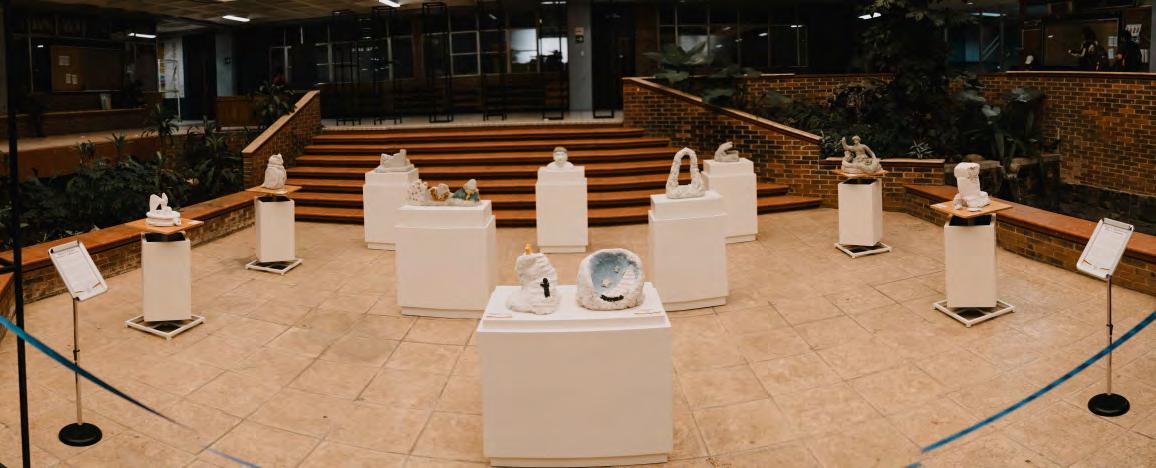
Uniting creativity and community
Over three sessions, 22 participants explored innovative materials—including cement, single-layer mortar, clay, and Styrofoam—and applied them to the creative process of sculpting. Ten of these students crafted pieces for an October exhibition titled "Future, Dreams, and Stories," showcased at the Faculty of Architecture facilities in Guatemala City’s Zone 12.
The project was made possible through a partnership between the Carlos F. Novella Foundation (FCFN), the Carlos F. Novella Museum (MCFN), and the Progreso Research and Development Center (CI+D). This center is a specialized unit of Progreso dedicated to construction material research, innovation, and quality control. This initiative aimed to demonstrate the versatility of construction materials when applied to art, fostering creativity and experimentation among future architects and designers.
Thanks to this innovative and sustainable approach, four FARUSAC students were able to present their work at the III Rotary Upcycling Art Festival, organized by the Rotary and Rotaract clubs of Guatemala La Reforma and hosted at the Alliance Française.
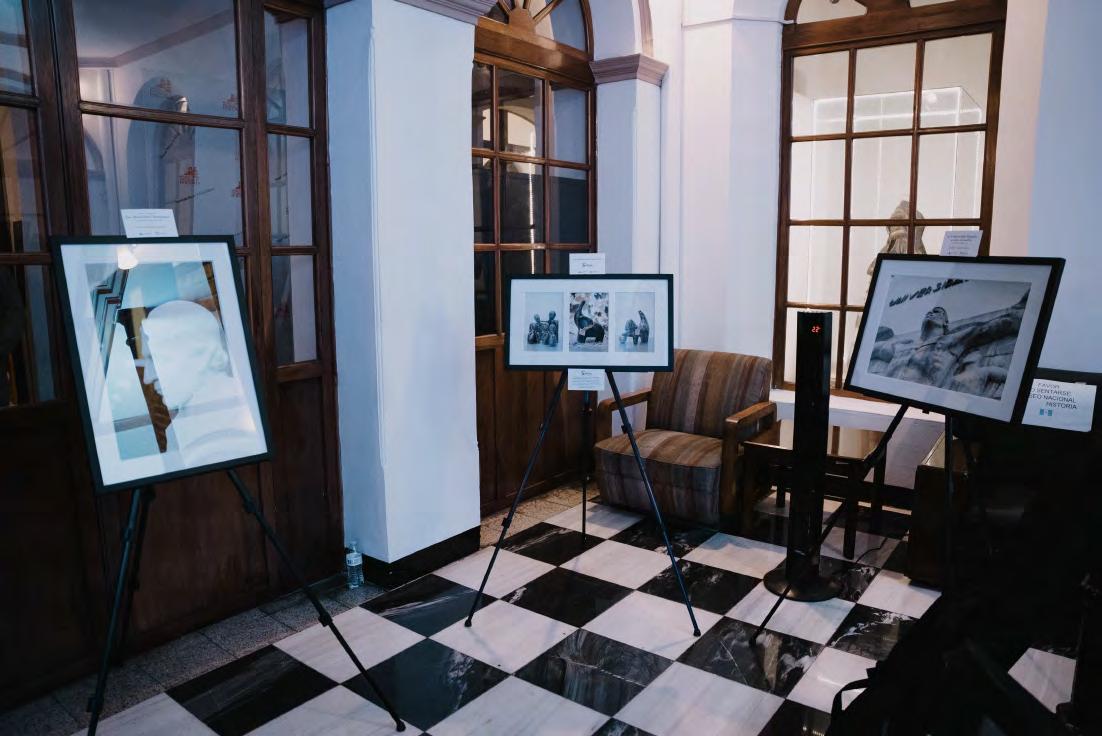
The Carlos F. Novella Museum participated in the 2025 Night of the Museums with a photographic exhibition titled “Forms that Transcend.” The exposition shared the beauty and permanence of cement and concrete within Guatemalan sculptural art. This activity also served as the stage for performances by the guitar orchestra and the experimental orchestra from the Carlos F. Novella Music School.
The event was held in collaboration with the National Museum of History, under the coordination of Mr. Miguel Álvarez, the City Chronicler. The day saw an attendance of 3,200 people at the National Museum of History, according to the count conducted by the institution's staff. In this edition, the University of San Carlos of Guatemala Museum (MUSAC) recorded a total of 71,805 visitors who toured the various participating museums, highlighting the cultural and community impact of the gathering.
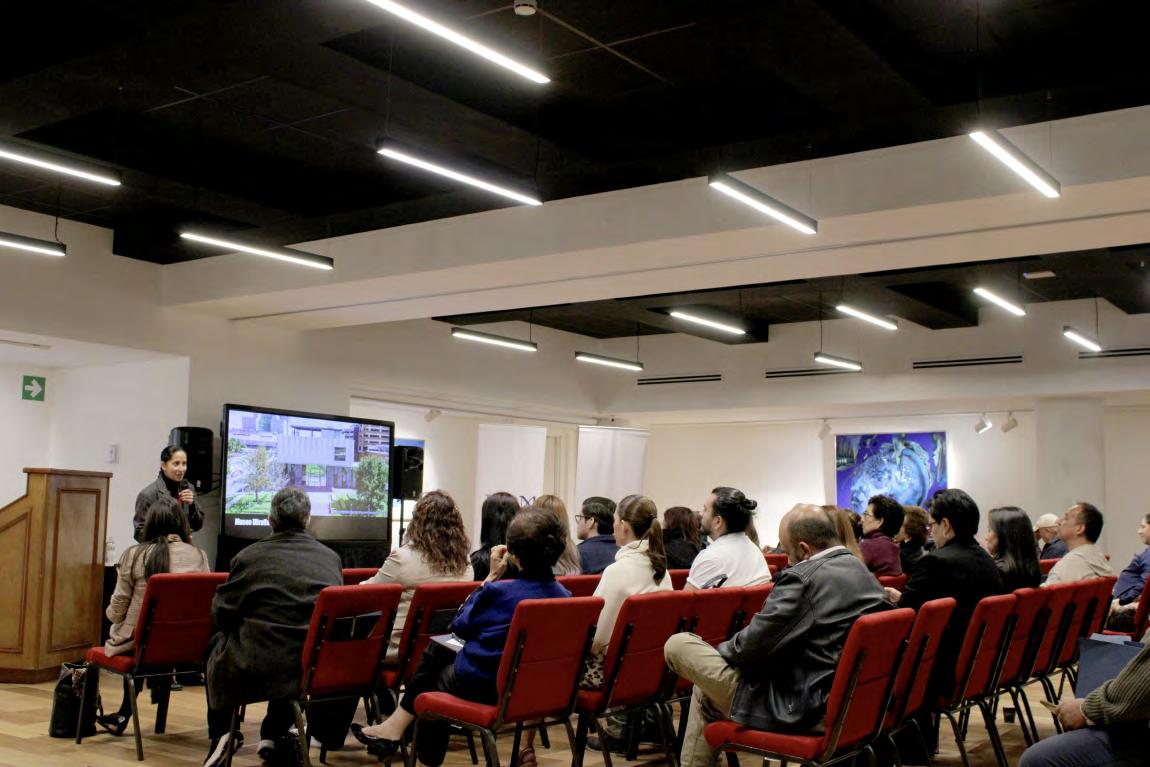
In 2025, the Carlos F. Novella Museum (MCFN) helped launch Guatemala’s first museum symposium, serving on the organizing committee alongside the Association of Museums of Guatemala and the Miraflores Museum, which hosted the event. The activity drew 46 experts and participants from the cultural sector and earned widespread praise from museum professionals across the country. Additionally, the Guatemalan Institute of Tourism (INGUAT) officially recognized the event as valid training hours for tour guides.
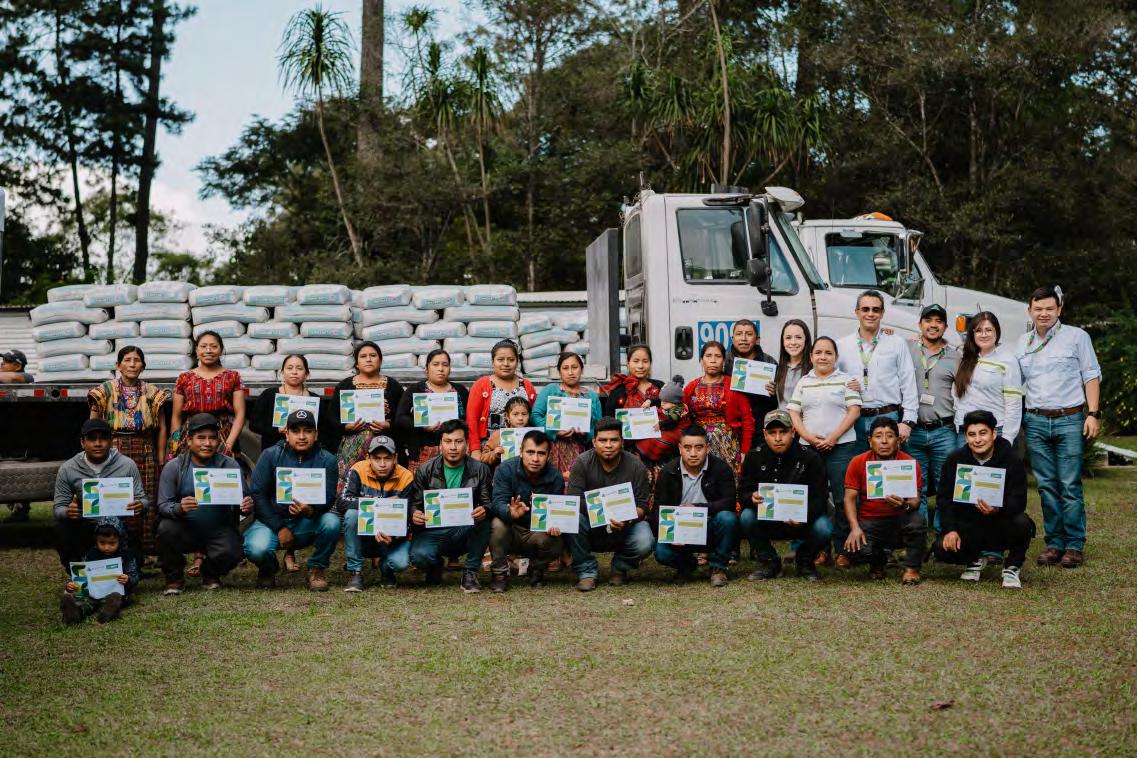
Novella Foundation donates cement for community infrastructure projects, specifically focusing on educational and religious spaces in accordance with its Donations Policy. Through its partnership with ConstruCasa, the Foundation also supports housing construction to improve quality of life.
Additionally, the Foundation backs the HogaRES program with cement donations. This initiative improves the health and quality of life of Guatemalan families by replacing dirt floors with concrete in vulnerable homes.
As a result of this support, we achieved the following outcomes:
17,152 Bags of cement donated
26,137 Direct beneficiaries
Recognizing that Guatemala's development requires a coordinated effort, we strengthened strategic alliances throughout the year to expand our reach and impact across diverse populations:
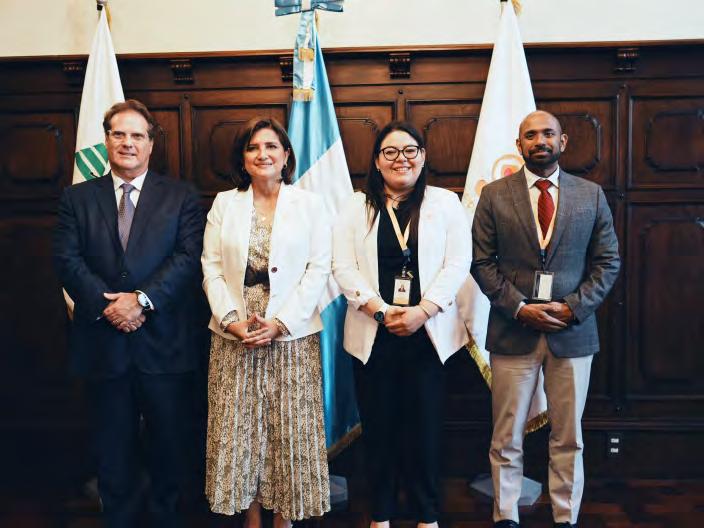
Vice Presidency of the Republic, CERI, and the Carlos F. Novella Foundation
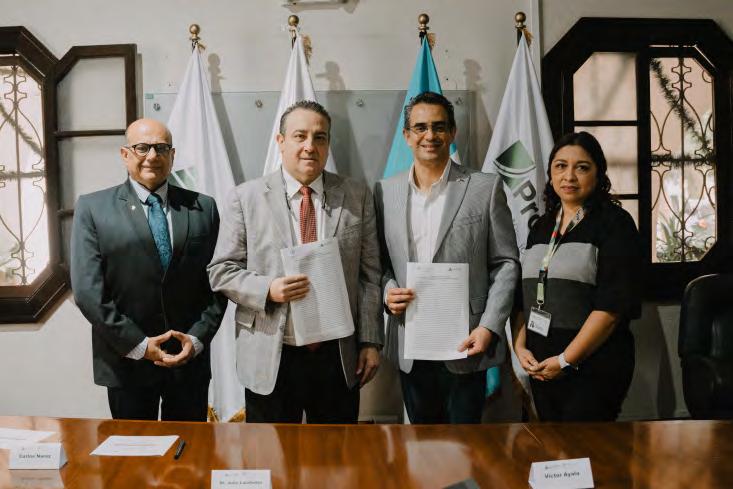
The Foundation signed a memorandum of understanding to promote the “Opportunities for Young Leaders” program for youth aged 19 to 29. This initiative reached 60 young people from Chimaltenango and Guatemala City, helping them strengthen their leadership capacities along with their technical and soft skills.
Secretariat of Social Welfare of the Presidency (SBS)
Inter-American Development Bank (IDB)
The Foundation executed the “Empowerment and Resilience” project from January to June 2025, investing $66,987 to provide psycho-socio-emotional care and technical certification for returned migrants and their families. This initiative benefited 90 people across San Juan Sacatepéquez, La Pedrera, and Escuintla.
The Foundation signed a cooperation agreement to facilitate participant referrals and coordinate joint actions regarding migration and youth issues.
Institute of Public Administration (INAP)
The Foundation formalized an agreement to continue training public servants using its specialized methodologies, strengthening public management at the national level.
These partnerships consolidate a collaborative network that boosts the impact of the Foundation's programs and reaffirms its commitment to the integral development of communities and the strengthening of public institutions.
The Foundation participates as a member of the Migration and Prevention Roundtable alongside government entities, international organizations, and the private sector. Key partners include the Guatemalan Migration Institute (IGM), the Ministry of Foreign Affairs (MINEX), the National Council for Attention to Guatemalan Migrants (CONAMIGUA), and the Human Rights Ombudsman's Office (PDH).
The Migrant Commission of the Congress of the Republic manages and directs the Roundtable, which serves as a hub for inter-institutional and inter-sectoral coordination. This space aligns efforts to prevent irregular migration, addresses the structural causes driving it, and promotes sustainable alternatives for reintegrating returned migrants.
Furthermore, the Roundtable serves as a platform to influence legislation and promote laws that favor the returned migrant population.
Within the framework of a letter of understanding, the Foundation established a dedicated space at the Returnee Care Center (CAR), located in the former FEGUA facilities in Zone 1. In coordination with Swisscontact, the Foundation uses this space to recruit participants and provide psychosocial care and soft skills training to returned migrants.
National Council for Attention to Guatemalan Migrants (CONAMIGUA)
The Foundation signed a cooperation agreement to coordinate participant referrals for its "Comprehensive Support for Returned Migrants" project.
The Foundation established a partnership to implement the Step-by-Step (Paso a Paso) program. Over the last two years, this initiative has benefited 32 girls from Colonia Sonoro and the communities of Gracias a Dios and El Esfuerzo in Sanarate, El Progreso.
The Foundation signed a partnership agreement to develop joint interventions for young people. This collaboration promotes values, soft skills, World Vision Guatemala




















STRATEGY SUMMARY
2021 - 2025
CHILDHOOD
+55,469 BENEFICIARIES REACHED ANNUAL GROWTH EXPANSION FROM 6.4K TO 15.7 K PARTICIPANTS
COMMUNITY
YOUTH
OPERATING THROUGH CENTERS IN SANARATE, SAN JUAN SACATEPÉQUEZ AND ZONE 6 PROGRAMMATIC ACTIONS 14
COMMUNITY ACADEMIC EXCELLENCE
ENA (ESTUARDO NOVELLA CAMACHO SCHOOL) ACHIEVED 100% PROFICIENCY IN READING AND MATHEMATICS IN MINISTRY OF EDUCATION (MINEDUC) TESTING.
TERRITORIES WITH IMPACT IN KEY COMMUNITIES MANAGEMENT MODELS +10 25
who have combined their efforts, knowledge, and dedication to expand our impact.
COOPERATION
INTERNATIONAL
PUBLIC SECTOR AND PRIVATE
-
Above all, we owe these achievements to our participants. They are the reason for our work and our greatest source of inspiration to continue moving forward, building together the country where we all want to live.
Víctor Ayala Orellana Executive Director