C755 a C onsej o Nac ional de Rectores (Costa Rica). Centro Nac ional de Alta Tecnología Re port CENAT 202 5 : transforming knowledge into development / Consejo Nacional de Rectores Centro Nacional de Alta Tecnología -- San José , C .R. : CONA RE - C ENAT , 202 6.
1 recurso en línea ( 203 páginas): archivo de texto PDF, 220 MB ISSN 2215 - 6933
1. INFORME DE LABORES. 2. CIENCIA Y TECNOLOGÍA. 3. DESARROLLO C IEN TÍFICO Y TECNOLÓGICO. I. Título.
LRD
Esta obra se comparte bajo la licencia
Reconocimiento – No Comercial – Compartir Igual (CC-BY-NC-SA)
P ermite usar una obr a par a crear otra obra o contenido, modi cando o no la obra or iginal, siempre que se cite al autor, la obra resultante se comparta bajo el mismo tipo de licencia y no tenga nes comerciales
Presentation
CeNAT
Our Areas, Laboratories and Programs
National Nanotechnology Laboratory (LANOTEC)
CENIBiot Laboratory
National Advanced Computing Collaboratory (CNCA)
PRIAS Laboratory
Environmental Management Area
Institutional Results
Innovation Social Media Indicators of Institutional Work
and Financial Results
Leadership
Acronyms
CONARE
FunCeNAT
LANOTEC
CENIBiot
CSUCA
FEES
INA
BIOINNOVA
MICITT
CCSS
Red Clara
ATIC
CERN
National Council of University Deans
National High Tecnology Center
Sustainable Development Goals
University of Costa Rica (UCR)
Costa Rica Institute of Technology
National University
National University for Distance Education
National Technical University
Agency for International Development
High Tecnology Center Foundation
National Nanotechnology Laboratory
CENIBiot Laboratory
National Advanced Computing Collaboratory
PRIAS Laboratory
Environmental Management Area
National Laboratory of Bioeconomy and Environment
Climate Variability and Change Observatory
Observatory of Scientific Diplomacy
Central American Higher University Council
Special Fund for Higher Education
National Learning Institute
Business Training Program
Ministry of Science, Innovation, Technology and Telecommunications
Costa Rica Social Security Fund
Latin American Cooperation of Advanced Networks
Information and Communication Technologies Area
European Organization for Nuclear Research
CARLA
OVSICORI
CoCeCAR
SMEs / MSMEs
MEIC
PIACT
PINN
ASOPROA S.C.
EU CONICIT UNESCO
SPIDER
CELAC
EULAC
ENERGYTRAN
OEI
OLCOCI
OLCOQUIM
IJSO
IChO
Latin American Conference on High Performance Computing
Volcanological and Seismological Observatory of Costa Rica
Central American Consortium on High Performance Computing for Socio-environmental Applications
Micro, small and medium-sized enterprises
Ministry of Economy, Industry, and Commerce of Costa Rica
Interactive Platform for Tropical Climate Application
Program for Innovation and Human Capital for Competitiveness
Association of Agricultural Producers of Santa Cruz
European Union
National Council for Scientific and Technological Research
United Nations Educational, Scientific and Cultural Organization
Inter-American Institute for Global Change Research
Costa Rica's Academy of Sciences
Geneva Science and Diplomacy Anticipator
National Research Council of Italy
Symposium on Science of Advanced Materials and Nanotechnology
Building the European Link to Latin America
High-speed network infrastructure and advanced services for research and education in Europe
Academic Network of Chile
Science, Technology, Engineering, and Mathematics
Costa Rica, Panama, Guatemala and the Regional Agenda
Surface-Enhanced Resonance Raman Spectroscopy
Prevention of the Emergence of Zoonotic Diseases
National Science Foundation
National Institute of Innovation and Transfer in Agricultural Technology
Strategic Partnership for the Implementation of Digital Dialogues in R&I Cooperation
Community of Latin American and Caribbean States
European Union - Latin America and the Caribbean
Energy Transition
Organization of Ibero-American States for Education, Science, and Culture
Costa Rica Science Olympiad
Costa Rican Chemistry Olympiad
International Junior Science Olympiad
International Chemistry Olympiad
OACACQ
OIAQ
QUIMICAMP
ILSI Mesoamerica
MEP
Central American and Caribbean Chemistry Olympiad
Iberoamerican Chemistry Olympiad
Camp for the Promotion of Scientific Vocations, mainly Chemistry
International Life Sciences Institute
Ministry of Public Education
CORBANA
INCIENSA
CIPRONA
MAG
MS
SENARA
CNE
CGR
BNCR
CAMTIC
SCALAC
SIMOCUTE
MINAE
SINAC
ACG
CEMEDE
IDB
RREE
PEN CATIE
NASA
REDIES
INEC
PROCOMER
INTECO
Udelar
ICIFOR
IMN
NAVAL
NOAA
OAS
ULEAD
National Banana Corporation
Costa Rican Institute of Research and Education in Nutrition and Health
Natural Products Research Center
Ministry of Agriculture and Livestock
Ministry of Health
National Groundwater, Irrigation, and Drainage Service
National Emergency Commission
Comptroller General of the Republic
National Bank of Costa Rica
Chamber of Information Technologies and Communication
Advanced Computing System for Latin America and the Caribbean
National Monitoring System for Land Cover and Use and Ecosystems
Ministry of Environment and Energy
National System of Conservation Areas
Guanacaste Conservation Area
Mesoamerican Center for Sustainable Development of the Dry Tropics
Inter-American Development Bank
Ministry of Foreign Affairs and Worship
State of the Nation Program
Tropical Agricultural Research and Higher Education Center
National Aeronautics and Space Administration
Costa Rican Network of Sustainable Educational Institutions
Costa Rica National Institute of Statistics and Census
Foreign Trade Promoter
Institute of Technical Standards of Costa Rica
University of the Republic of Uruguay - Headquarters
Institute of Forest Sciences, Spain
National Meteorological Institute
United States Office of Naval Research
National Oceanic and Atmospheric Administration
Organization of American States
LEAD University
Introduction
Dr. José Vega Baudrit
Acting Director
National High Technology Center
The National High Technology Center (CeNAT), a program of the Consejo Nacional de Rectores (National Council of University Deans - CONARE), presents the 2025 Report, a document that consolidates the most relevant advances in research, technological development, innovation, and collaboration achieved over the past year. This report is not merely a recounting of actions, but it rather constitutes a strategic reading of the public value that science generates when it is articulated with purpose, evidence, and a vision toward the future.
The year 2025 confirms an unavoidable reality: knowledge is moving forward at an exponential rate, while the country's challenges -productivity, sustainability, health, food security, climate resilience and energy transition- demand increasingly integrated responses. Within this context, CeNAT reaffirms its rationale to enhance the scientific and technological excellence of Costa Rica through cutting-edge research, training of highly qualified talent, and an effective multi-sectoral articulation between academia, the productive sector and the State, in accordance with the triple-helix approach and the 2030 Agenda promoted by the United Nations.
CeNAT's institutional strength is based on the active collaboration of the five state universities - the University of Costa Rica (UCR), the Costa Rica Institute of Technology (TEC), the National University (UNA), the State University for Distance Education (UNED), and the National Technical University (UTN). This confluence allows us to operate as a national platform, given that capabilities are connected, duplication is reduced, learning is accelerated, and shared scientific infrastructure is transformed into tangible impact for Costa Rica.
In 2025, CeNAT deepened its role as a space for technological convergence, through specialized laboratories, state-of-the-art equipment, and interdisciplinary teams focused on complex challenges, where a single discipline is no longer sufficient. This Report compiles efforts ranging from knowledge generation to validation and adoption, while promoting more agile transfer routes that include prototyping, scaling, intellectual property management, standardization, and co-creation with users and productive sectors. This is why in science, a good idea is not measured solely by its brilliance, but by its feasibility.
Projection: Future priorities and challenges in science, technology and innovation, with a focus on continuity and improvement.
Publishing this report is also an exercise in accountability and an open invitation. We call upon the academic community, the productive sector, and public institutions to strengthen cooperation ties and scale initiatives with measurable impact. CeNAT will continue to support Costa Rica as country that competes intelligently, grows sustainably, and innovates ethically. This 2025 Report is a substantiation of the progress made and, above all, a map of what we can still build together.
In 1997, the Government of the Republic, together with the Consejo Nacional de Rectores (CONARE), proposed the creation of the National High Technology Center (CeNAT) as a response to the need to strengthen the link between academia and the productive sector, as well as to consolidate an ecosystem of innovation and technological development that would boost investment in high technology in the country. This initiative was supported by state universities, in recognition of their key role as knowledge generator and an engine of national scientific development. For this reason, CeNAT was established as a program of CONARE.
Furthermore, in October 1997, the Government of the Republic presented to the Consejo Nacional de Rectores (CONARE) the proposal to allocate the property used by the former International Development Agency (USAID) for the creation of a national high-tech center. The goal was clear - to foster links between academia and the productive sector in high-impact areas, in order to attract foreign investment and benefit national development. This vision was inspired by successful experiences from countries such as Korea, Singapore, and Israel, which had focused on science and technology as the cornerstones of their development.
This was how CeNAT was established as an inter-university meeting space for the academy, the Government, and the productive sectors of the country, in different high technology fields. It joined forces to leverage the opportunities that technological development offers to countries like Costa Rica, which has invested significantly in the education of their population at all levels.
On May 25, 1998, the Legislative Assembly enacted Law 7806, authorizing the transfer of the building to CONARE, to create CeNAT, which was named after Dr. Franklin Chang Díaz. In addition, Article 3 of that law would also provide for the creation of the High Technology Center Foundation (FunCeNAT), whose purpose is to fulfill the legal duty of managing the resources required for the execution of the projects developed through CeNAT.
In line with this legal and institutional framework, CONARE formalized the creation of CeNAT as an interdisciplinary interuniversity research center in session 5-99 of March 2, 1999. This decision enabled a consolidated space for collaboration between public universities, the State, and the productive sector, aimed at integrating scientific knowledge with tech innovation, to strengthen national competitiveness.
Thus, CeNAT emerged as a strategic convergence point between academia, government, and the productive sectors, where science and technology are articulated to transform knowledge into high-impact solutions for the country.
Over the years, thanks to the support of public universities, CeNAT has consolidated a solid dynamic working platform. Its strength lies in the technical and professional excellence of its human team, the development of cutting-edge infrastructure, and the execution of strategic research and technology transfer projects. This combination has made it possible to transform knowledge into development, respond to global challenges, and contribute to positioning Costa Rica as an innovation hub in the region.
Structure of CeNAT as a Program of CONARE
Consejo
Sistema Nacional de Acreditación de la Educación Superior
SINAES
Strategic Planning
During the year 2025, in terms of Strategic Planning, a review was carried out of the philosophical framework of the institutional Strategic Plan and the Strategic Plans of the laboratories, corresponding to the 2018–2024 period.
This exercise was intended to initiate the process of formulating the 2026–2030 Strategic Plan, ensuring the updating of the Mission, Vision, and Development Goal that will guide the institutional work for the next five years. In addition, efforts were made to ensure that the philosophical framework was adapted to the new realities of the environment, in accordance with the guidelines of the Sustainable Development Goals (SDGs).
Mission
of CeNAT
"We are an inter-university coordinating body that facilitates and promotes the proper functioning and systemic development of scientific research in higher education, in various areas of high scientific-technological content, focused on the development of research, linkage, and extension, within a framework of innovation and development with the government, civil society, and the private sector”. (Based on the articles of incorporation of CENAT).
of CeNAT Vision
"To be a leading innovative Center that generates high-tech knowledge in the promotion of competitiveness, by fostering scientific publication spaces and learning transfer, strengthening knowledge exchange at the highest scientific level and enhancing the mechanisms that support efficient and transparent interuniversity and institutional coordination, both nationally and internationally".
In addition to its mission and vision statements, CeNAT incorporates a development goal into its philosophical framework, as a contribution by the Center to the development of the country.
Goal Development
To conduct research activities that will provide the country with the necessary, relevant and strategic technology for competitive development of the different sectors of society, in the economic, social, and environmental scopes, through innovation, development, training, and services in science and technology. (Based on the constitutive act of CENAT).
of CeNAT Objectives
CeNAT's objectives are derived from its articles of incorporation, which guide institutional work, define its contribution to national development, and outline the areas of action necessary to maximize the impact of scientific work.
Main Objective
To conduct training and research activities that would provide the country with the necessary, relevant, and strategic technology for the competitive development of the different sectors of society in the economic, social, and environmental areas.
Specific
Objectives
The specific objectives establish the main categories of action defined in the articles of incorporation, aimed at contributing directly to national scientific development.
Regarding Information and Training
Regarding Science Promotion
To promote the development of research activities to provide the country with the necessary, relevant, and strategic technology, for the competitive development of the different sectors of society in the economic, social and environmental areas.
To carry out anything that represents social, cultural, and scientific wellbeing according or pursuant to Article 1 of the Law on Foundations.
To promote the creation and to provide contributions to support thinking spaces, as well as to coordinate actions that support scientific and technological development and conformation of multidisciplinary teams of researchers with a high level of training and experience (high level of critical mass), especially at the graduate level.
To promote technology extension, through exhibitions, conferences, seminars, technology markets, and training courses, among others.
Regarding Contribution to Postgraduate Specializations
To promote and support the implementation of academic research programs at the graduate level in coordination with state higher education university institutions.
Regarding Inter-Sectoral
Linkage
To promote the coordination of public and private sectors involved in generation, training, transfer, and application of high technology.
To encourage and promote the generation of businesses with high technological content and high added value for the country.
Regarding Contribution to the Country's Development
To conduct -with research purposes- activities for development, licensing, utilization of resources (know-how), donation or purchase of patents, inventions, industrial or utility models.
To publicize and sell publications arising from research; to assign, sell, transfer and grant licenses for use of patents, industrial or utility models, as well as any other assets that belong to its intellectual property.
Values and Principles Enforced at CeNAT
First, the values defined by CONARE are presented below; then, the values and principles that govern the work of CeNAT are also listed.
Institutional Values of CONARE
Communication
Planning
Quality
Values Enforced at CeNAT
Willingness to excellence in the work that is undertaken
Transparency in the exercise of research
Tolerance and flexibility in the processes that are developed
Ongoing learning attitude
Critical and self-critical position to address improvements in all research processes
Continuous personal improvement attitude at the scientific level
Principles Enforced at CeNAT
Collaborative and integrated work in all processes
Scientific rigor in the studies undertaken
Work conducted within interdisciplinary complexity
Effective communication
Accountability in goals and deadlines set for each task
Commitment to impact generation on the actions undertaken
LABORATORIES
PROGRAMS AND LINES OF RESEARCH
Innovation and Development
Scientific Vocations
Artificial
Geoespatial
CeNAT-CONARE
These development areas highlight the importance of collaborative work among the various departments that make up the organization, in which each action contributes to strengthening institutional efficiency and its strategic projection.
CeNAT Strategic Lines
The strategic lines guide the work of CeNAT and are conceived as cross-sectional to the substantive actions of the laboratories. These lines highlight the importance of collaborative work between the different departments of the organization,and each action strengthens institutional efficiency and enhances its strategic projection.
The strategic lines are detailed below, along with their respective definitions.
Knowledge Generation: It provides the country with knowledge on relevant and strategic high technology, for the competitive development of the different sectors of society in the economic, social, and environmental scopes.
Learning Transfer: It supports learning spaces from interuniversity coordination to articulate actions that support scientific and technological development and the formation of multidisciplinary groups of researchers with high scientific rigor.
Internationalization: It strengthens knowledge exchange at the highest national and international levels, both in the public and private sectors.
Institutional Management: It strengthens organizational management through mechanisms that support the sustainability of CeNAT, promoting efficient and transparent accountability and the development of scientific relevance.
CeNAT Areas, Laboratories, and Programs: Boosting Science and Innovation in Costa Rica
Creation of Areas
In accordance with Agreement 5-99 of the Consejo Nacional de Rectores, CeNAT would develop its activities within a framework of technological innovation, in close collaboration with business sectors, and in alignment with national development policies. Its goal is to provide the country with relevant, strategic, and timely technology that contributes to fostering competitiveness of the various sectors of society in the economic, social, and environmental spheres.
To fulfill this mission, CeNAT focuses on coordinating the following areas:
Materials Science and Engineering
Biotechnology
Computer Science and Information Technology
Manufacturing Processes
Environmental Management
Science, Culture and Society
Creation of Laboratories and Programs
After the inception of CeNAT and its research areas, the laboratories that comprise it were gradually incorporated:
Materials Science and Engineering: Since 2004, this area encompasses the National Nanotechnology Laboratory (LANOTEC), which leads research in the field of advanced materials.
Biotechnology: Since 2013, the CENIBiot Laboratory of this operational area has been developing research and projects in the field of biotechnology.
Advanced Computing: Since 2009, the National Collaboratory for Advanced Computing (CNCA) has been part of this area, dedicated to the development of high-performance computing solutions and advanced digital technologies.
Manufacturing Processes: There is no operational unit attached to this area.
I.
ll. lll.
Environmental Management (AGA): This area currently integrates two laboratories and two programs, which coordinate actions aimed at sustainability and environmental management.
PRIAS Laboratory: It began as a program in 2003 and was consolidated as a laboratory in 2015.
Programs:
Variability and Climate Change Observatory: It started operations in 2010.
Agromatics, Food Safety, and Slow Food: Established in 2010, it develops projects focused on innovation in agri-food production and food safety.
integrates three programs that promote the linkage between science and society.
CeNAT Teaching: Established since the creation of CeNAT in 2000, its purpose is to promote education, dissemination, and scientific collaboration.
CeNAT-CONARE Scholarships were created in 2013.
Observatory of Scientific Diplomacy: Established in 2024, it aims to strengthen the linkage between science, international policy, and global scientific cooperation.
15 years Variability and Climate Change Observatory
Agromatics, Food Safety and Slow Food 12 years CENIBiot Laboratory
16 years Advanced Computing Collaboratory (CNCA)
21 years National Nanotechnology Laboratory (LANOTEC)
22 years PRIAS Laboratory 1999 (26 years) 1 years LANBA Laboratory
Organizational Development of CeNAT
CONSEJO NACIONAL DE RECTORES
Scientific Council comprised by CONARE Vice-Chancellors of Research
Director General of CeNAT
AREAS
LABORATORIES
PROGRAMS AND RESEARCH LINES
Circular
CeNAT-CONARE
The actions carried out by CeNAT's Directorate are aligned to what has been stated in the articles of incorporation of the National High Technology Center, which is “To ensure the correct performance of CeNAT, following the guidelines dictated by CONARE and the strategic lines defined by the Scientific Council.”
The fundamental basis of the work of the Directorate is to watch over the strategic lines of the Center, including:
Monitoring and implementation of agreements and conventions of CeNAT.
Establishing the operational tactics and goals to be developed by the organization.
Overseeing the Sciences, Culture, and Society areas, which integrates the following programs:
CeNAT Teaching CeNAT-CONARE Scholarships
Observatory of Scientific Diplomacy
Continuous follow-up to the actions carried out by each area and program attached to CeNAT.
Within the area of Science, Culture, and Society are found:
Observatory of Scientific Diplomacy
CeNAT Teaching CeNAT-CONARE Scholarships
CeNAT Teaching
During the year 2025, six lectures were taught. Their contents are detailed below:
March 26 - Territory, Industry, and Environment. Transformative Science and a case of circular economy in Argentina.
Speaker
Horacio Bozzano, Tomás Canevari and Noemy Zaritzky from the National University of La Plata and CONICET of Argentina.
Attendees people
Description
A team of Argentine researchers from the University of La Plata and CONICET applied the Transformative Science approach to study land use in some areas of Argentina.
April 24 - The use of quantum technology to unravel the mystery of the axion and dark matter.
Sergio Arguedas, CONARE researcher at CERN.
Speaker Attendees people
Description
Within the framework of the Quantum Year 2025, declared by UNESCO, Costa Rica organized a lecture with Dr. Arguedas, a Costa Rican scientist linked to CONARE who is currently working at CERN (Switzerland). He presented the progress of his research in this field.
September 4 - Scientific Diplomacy in the Current Context.
Speaker
Carmen Claramunt, Ambassador, and Marcella Ohira of the Inter-American Institute for Global Change Research (IAI).
Attendees people
Description 36
A lecture on Science Diplomacy underscored its strategic relevance for Costa Rica in three main dimensions:
Ms. Claramunt presented the country's progress, highlighting the collaboration with the scientific community.
Marcela Ohira (IAI) showed opportunities for international partnerships, exemplified by a joint course with the University of Sao Paulo.
Institutional tribute: Foreign Minister Arnoldo André acknowledged Ambassador Claramunt's career and contributions in the fields of scientific diplomacy and human rights.
October 23 - Microbiology in School Classrooms: Building Communities to Face the Challenges of the Future.
Max Chavarría,
CENIBiot-CeNAT
Speaker Attendees people
Dr. Chavarría emphasized that, despite their association with health threats, microorganisms are essential for life. To counteract their bad reputation, he promotes early childhood education through the IMiLI Initiative.
Simultaneously, his designation as a Full Member of the ANC was highlighted as a distinction that recognizes his significant contribution to science in the country. Description
November 13 - The Role of International Organizations and Cooperation Networks in Science Diplomacy
Speaker
Dr. Emilia Giorgetti
Head of Scientific Diplomacy at the National Research Council (CNR) of Italy.
Dr. Maricela Muñoz
From the Geneva Science and Diplomacy Anticipator (GESDA) in Switzerland.
Dr. Branislav Pantovic
Coordinator of the Communications Committee of the Science Diplomacy Network in the Latin American and Caribbean Region (DiploCientífica).
Attendees people
During Science Diplomacy Week, the Teaching Chair organized by the Observatory of Science Diplomacy and CONARE reaffirmed the key role of science for development and cooperation. It was concluded that:
Disseminating global science diplomacy strategies is crucial.
Partnerships between Costa Rican universities and CONARE should be fostered to broaden the social impact.
Collaboration between science and diplomacy is essential to address global challenges, integrating Costa Rica into international knowledge networks. Description
December 11 - How to Do Effective Scientific Communication? Tips and Examples
Speaker
Jordi Díaz, Materials Engineer, Chemistry
Professor and Researcher at the Nanometric Techniques
Unit of the Scientific and Technological Centers of the University of Barcelona.
Attendees
Description
Online Dr. Díaz emphasized that effective scientific communication requires connecting with the audience beyond simply informing. Its five key principles are:
people approx.
Adapting the message to the audience. Innovating creatively in the formats. Making the content understandable without sacrificing rigor.
Focusing on a few key messages for greater impact.
Encouraging interaction, particularly with children, through play and sensory exploration.
Relevant Lectures
LANOTEC
Name Goal Place
International Materials Research Congress (IMRC).
To present and discuss the integration of public perceptions and regulatory evolution in the governance of nanotechnology in Costa Rica, linking the studies carried out in 2020 and 2024, with emphasis on biosafety and long-term effects of nanomaterials.
33rd International Materials Research Congress (IMRC), Cancun, Mexico.
Symposium on Science of Advanced Materials and Nanotechnology 2025.
IMRC2025 – SE6-O020
Development of a Multimodal Impedimetric Biosensor Based on Aptamers to Detect Brucella Abortus
Plenary Lecture: Nanotechnology in the Region: CeNAT LANOTEC
To disseminate and discuss scientific progress made in advanced materials and nanotechnology, while promoting academic exchange and collaboration between national and international researchers.
To present the evaluation of new substrates for Surface-Enhanced Raman Spectroscopy (SERS), by comparing nanopillars obtained by anodizing aluminum with commercial nanostructures and plain gold, for applications in analytical chemistry, biology, and medicine.
To present the development of a multimodal impedimetric biosensor based on aptamers, for the detection of Brucella abortus, aimed towards applications in health and diagnosis.
To present characterization and prototyping infrastructure, share technology transfer case studies and experiences in standardization, as well as to highlight opportunities for regional collaboration to drive the industrial adoption of nanotechnology with economic, environmental, and social impact.
15th Symposium on Science of Advanced Materials and Nanotechnology (SCIMAN 2025), Costa Rica.
33rd International Materials Research Congress (IMRC), Cancun, Mexico.
José Roberto Vega Baudrit and Yendry Corrales Felipe Orozco
Gutierrez
Sergio Paniagua Barrantes
35th Anniversary World Congress on Biosensors, Lisbon, Portugal.
38th National Congress Polymer Society of Mexico (SPM) Jalisco, Mexico
Lecture - "Collaboration project Costa Rica-Sweden-Colombia.
Lecture at the Symposium - “Diálogos Em Biodiversidade: Vivências Na Região Iberoamericana” en la Universidad de Brasilia. The lecture was titled: “Life on the Edge: Microbes, Ecotourism, and Biotechnology of Extreme Environments in Costa Rica.”
National Academy of Sciences lecture “Beyond Venom: Microbiota of the Bothrops Asper bite and its antibiotic resistance profile.”
To present the results of One Health projects in Latin America.
To present the results of the collaborative project carried out on bio-inputs between Sweden, Costa Rica, and Colombia.
To present the findings from the study of extreme environments in Costa Rica.
Uppsala, Sweden
To present the results of studies conducted on the venom of Bothrops asper and its antibiotic resistance profile.
Brasilia, Brazil
Cordoba, Argentina
Belo Horizonte, Brazil
Andrea Chaves Ramírez
Emanuel Araya Valverde
Max Chavarria Vargas
Max Chavarria Vargas
Name Goal Place Officer
Seminar: Design of a Framework for Large Scale Exploratory Graph Analytics.
To highlight the relevance and impact of a framework for large-scale exploratory graph analysis, thus demonstrating its contribution to overcoming the challenges of scalability and complexity associated with the analysis of large volumes of data, as well as its contribution to knowledge generation, the identification of significant patterns, and informed decision-making in scientific and technological contexts.
This presentation corresponds to the work of Mr. Oliver Andrés Alvarado Rodríguez, from the New Jersey Institute of Technology, and it is based on the results of his doctoral research. The activity included the participation of people from that university.
Seminar: Computer Vision and Deep Learning-Based System for Multiple Object Tracking with Drones in Precision Agriculture.
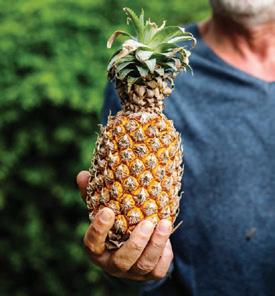
PineSORT is a system developed so that drones can track and count multiple pineapples in agricultural fields, thus allowing for more accurate harvest estimates. Through improvements in object tracking, drone movement correction, and a robust identification process, the system overcomes the limitations of aerial capture and demonstrates superior performance compared to other methods used in precision agriculture.
This presentation corresponds to the work done by the scholarship recipient Dani Xie Li.
TICAL 2025: Digital Health: Technology that Saves Lives.
SPIDER DIF 2025: Dialogues for Digital Transformation between Europe and Latin American and the Caribbean.
To foster regional collaboration and knowledge exchange in the field of digital health, by articulating experts, academics, and institutions from Latin America and the Caribbean, in order to promote the use of innovative digital technologies that strengthen health systems, foster strategic alliances, and contribute to scientific and technological development, as well as the digital transformation of the region, within the framework of TICAL 2025.
The event featured the participation of experts, academics, and leaders from the technology sector, fostering collaboration and knowledge exchange among academic and scientific institutions in the region.
To strengthen bi-regional dialogue between Latin America, the Caribbean, and Europe by analyzing progress, challenges, and opportunities in digital cooperation and connectivity, in order to identify conclusions and next steps towards a joint roadmap to promote digital transformation, collaboration in research and innovation, and the use of strategic infrastructures such as BELLA.
The event was attended by high-level representatives from the European Union, the science and technology ministries of Costa Rica and Chile, and academic and research networks such as RedCLARA, GEANT, and REUNA, in addition to international organizations linked to innovation and digital transformation. Their presence allowed for a strategic dialogue to strengthen bi-regional cooperation between Latin America, the Caribbean, and Europe.
Online.
CeNAT
DoubleTree by Hilton Cariari Hotel – Costa Rica
DoubleTree by Hilton Cariari Hotel – Costa Rica
Esteban Meneses Rojas
Johansell Villalobos Cubillo
Carlos Gamboa Venegas and Crista Ureña Chanto
Carlos Gamboa Venegas and Crista Ureña Chanto
PRIAS
Monitoring the Coastal Eutrophication Potential Index in Costa Rica.
Open Satellite Science Governance: CR Copernicus Academy.
Applications of BeiDou Satellite Technology in Costa Rica.
Urban growth of the Greater Metropolitan Area: implications for sustainability.
Beyond Earth: Earth Observations Applied to New Environments.
To transfer Earth Observation methodologies applied to coastal environmental monitoring and support the sustainable management of marine ecosystems and the formulation of public policies.
To position CeNAT as a strategic stakeholder in open science and satellite data governance, by promoting access to and use of information for applied research.
To publicize the applications of the BeiDou satellite system in Costa Rica, thus strengthening international projection and technical-scientific exchange in GNSS technologies.
To analyze urban growth through the use of satellite data and digital platforms, thus providing input for territorial planning and sustainable decision-making.
To publicize how Earth Observation transcends the planet and is linked to the space realm, thus promoting interest in open technologies and scientific innovation.
International (online modality – America and European Union)
International (online modality 2025 Ibero-American Night Meeting of Researchers)
International (online modality Xian, China)
International (online modality)
National (online modality)
Vanessa Morales Cerdas, Esteban Montenegro Hernández, Stephanie Leitón Ramírez, Cornelia Miller Granados.
Gabriela Chaves, Esteban Montenegro Hernández.
Esteban Montenegro Hernández, Vanessa Morales Cerdas.
José Umaña, Vanessa Morales Cerdas.
Stephanie Leitón Ramírez, Esteban Montenegro Hernández, Tracy Rivera.
Exploring New Horizons: Innovation, Diversity, and Sustainability in the Aerospace Sector.
Workshop - Use of drones in Geospatial Research (PRIAS–UNA).
Open Geodata to Address Climate Change.
The Paradox of Water Harvesting: Adaptation to Climate Change.
Urban Green Spaces in The Greater Metropolitan Area of Costa Rica: An Analysis From the Perspective of Ecology and Sustainability.
To foster dialogue on the future of the aerospace sector in Costa Rica, by promoting innovation, diversity, and sustainability, and encouraging participation in STEM areas.
To strengthen technical capabilities in the use of drones, LiDAR, and photogrammetry applied to geospatial and environmental research.
To promote the use of open geospatial data to support climate change mitigation and adaptation actions in various sectors.
To disseminate scientific results on water adaptation and climate resilience in tropical production systems, thus strengthening the international scientific debate.
To share scientific evidence on the role of urban green spaces in sustainability, quality of life, and urban planning.
National (Fidélitas University – World Space Week 2025)
National (CeNAT)
International (online modality –OEI)
International (online modality AMERIGEO WEEK 2025)
International (International seminar – held online)
Esteban Montenegro Hernández, Gabriela
Vanessa Morales Cerdas.
Vanessa Morales Cerdas.
Cornelia Miller Granados.
José Umaña, Vanessa Morales Cerdas.
Chaves.
Workshop for Exchanging Experiences on Strengthening Environmental Skills COPAGUAR/12 CR.
Chats About Climate Information and Atmospheric Phenomena.
To strengthen the technical and environmental skills of municipal officials, academics, and community activists, through the exchange of experiences at the regional level on climate resilience matters and the execution of environmental projects, by promoting collective learning and the articulation of actions for the sustainable management of the territory.
To strengthen decision-making and strategic planning of productive activities through the dissemination of climate information and analysis of atmospheric phenomena in the short, medium, and long terms, thus contributing to the mitigation of risks associated with variability and extreme climate events.
International/ International Maritime University of Panama, Panama.
Allan Campos Gallo and Jazmín Calderón Quirós.
National/Online
Allan Campos Gallo and Jazmín Calderón Quirós.
Sustainable and Ecological Tree Reforestation: Environmental Impact and Key Projects.
Costa Rica's Situation in AI and the Role of Universities.
Benefits of Open Science for the Scientific Community and Early-Stage Researchers.
To contribute to the capacity development of public institutions through training processes in sustainable and ecological tree reforestation, oriented to the analysis and use of relevant data in ecology, in order to support informed decision-making, the protection of biodiversity, and the implementation of forest restoration projects as a mitigation measure against climate change.
To boost networking with multiple contacts and connections, and to hold joint activities.
To build an innovative, hybrid, and replicable course in the EU and LAC regarding open science.
National/Online
Jazmín Calderón Quirós.
International / People's Republic of China
International/Online
Allan Campos Gallo.
Allan Campos Gallo.
Bioeconomy, as a Path Towards a Sustainable and Environmentally Friendly Energy Transition.
Panel 1 “Best Policy Practices for Energy Transition”.
Pilot Program for Parliamentary Scientific Advice in Latin America and the Caribbean.
To present a paradigm shift for the EU and LAC scientific community, geared towards a sustainable energy transition.
To strengthen the sustainability of the research community beyond the closure of a project, by fostering knowledge exchange, the creation of collaborative networks, and the adoption of replicable approaches.
To facilitate an exchange between the scientific community and the parliaments of Latin America and the Caribbean, by promoting the use of scientific information in public decision-making.
International / Pontifical Catholic University of Chile, Chile
International / Pontifical Catholic University of Chile, Chile
International / Panama City, Panama
Observatory of Scientific Diplomacy
Lecture: CeNAT- CONARE Observatory of Scientific Diplomacy.
Lecture: Challenges and Opportunities of Scientific Diplomacy.
Lectures: Scientific Diplomacy as an instrument of Regional Development.
Presentation at the Ministerial Meeting for Latin America and the Caribbean: Summary of the Shared Use of Scientific Infrastructure section, as Input for Regional Discussion.
To publicize the role of the CeNAT-CONARE Scientific Diplomacy Observatory, as a space for articulation between science, technology, and innovation.
To analyze the challenges and opportunities of science diplomacy in the context of public policies, by providing an academic perspective that contributes to strengthening the use of scientific knowledge in decision-making processes.
To contribute to the analysis of scientific diplomacy as an instrument of regional development, through participation in a regional dialogue space aimed at strengthening cooperation, inclusion, and scientific articulation in Central America and the Caribbean.
To contribute to the regional discussion on STI by providing technical input on the shared use of scientific infrastructure.
National University of Costa Rica.
Armando Rojas Esquivel.
Montevideo, Uruguay.
Armando Rojas Esquivel.
San Salvador, El Salvador. Cuernavaca, Mexico.
Armando Rojas Esquivel.
Armando Rojas Esquivel.
Allan Campos Gallo. Allan Campos Gallo.
Patricia Sánchez Trejos.
CeNAT-CONARE
Fellowship Program
On the initiative of the Chancellorships of CONARE's member universities, the CeNAT-CONARE Fellowship Program was implemented in 2013, with the aim to encourage students to develop their final graduation projects or research in state universities, linked to the areas of CeNAT.
The goals and themes of these works must be directly related to the competencies of LANOTEC, CNCA, CENIBiot, PRIAS, and Environmental Management, according to the specific contests that open in public universities and that are disseminated through the institutional media and the Vice-Chancellorships for Research at each university.
The 2025 scholarship process was held from November 28, 2024, to July 2025, with implementation starting in August 2025 and a projected completion date by May 2026.
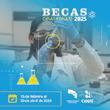
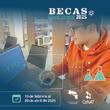
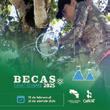
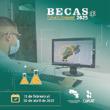
As part of the promotional strategy, five different posters were developed, which were customized according to the affinity with each laboratory and the target audience, resulting in a total of 20 promotional materials. The following are the different types of posters:
Based on the data collected in this contest, there was an increase in the number of beneficiaries per laboratory and university, as detailed below:
Scholarships Allocated (by University and Laboratory by Year) from 2013 to 2025
Table 2. Allocation of Scholarships in 2025 by Laboratory:
Alessandro Badilla Molina
Ana Cristina Padilla Vargas
Andrés Alain Bonilla Amador
Beatriz García Valenciano
Brandon Obregón Garita
Daniel Urbina Siezar
Heilyn Rojas Alvarado
Johel Rivera Valverde
Development of a biopolymer from polyhydroxyalkanoates (PHAs), synthesized by microorganisms using pineapple stubble juice as a valorization alternative.
Microbiological, physicochemical, and phytotoxic analysis of compost with the inclusion of PLA and PBS bioplastics.
The ultrastructure of Lycogala (Amobozoa:Myxomycota) in Costa Rica as a basis for ecological resilience based on mobility parameters.
Genetic analysis for identification and conservation of threatened tree species in Costa Rica.
Development of a Python programming methodology for two-dimensional structural shape optimization using finite elements in the linear elasticity region.
Development of a Deep Learning Flow for Microseism Analysis, with a View to Tectonic Characterization in Cartago.
Production of the recombinant GroEL protein from Rickettsia tyhi in Escherichia coli, for possible use in the diagnosis of human Rickettsiosis.
Development and characterization of platinum and gold-based cathodes on nanostructured aluminum support to produce green hydrogen by electrolysis with proton exchange membrane.
No. Scholar
Jordan Hernández Ledezma
Jorman Aguilar Torres
José Andrés Borloz Chinchilla
Automated modeling of the microbial and ultrastructural environment of the phyllosphere in Coffea arabica L. in response to leaf rust (Hemileia vastatrix).
Assessment of the availability of mesohabiats resulting from changes in the water regime caused by climate change in a section of the Sarapiquí River, Costa Rica.
Characterization of asymmetries in the line function of Nuclear Magnetic Resonance spectra of chromophores produced by thermal and photophysical effects.
José Esteban Morera Ulate
José Leonardo Castro Estrada
Kenneth Matamorros Corella
Manfred Alvarado López
Development of the optimization flow for the design of a magnetic levitation system for a central axis ventricular assist device.
Forest inventories in the tropical dry forest of Costa Rica using iPhone LiDAR technology.
New approaches to sperm evaluation in livestock species using computerized analysis systems.
Evaluation of mechanical, thermal, and optical properties of biocompatible scaffolds generated from commercial resin, with added silica from diatomite.
No. Scholar
María Paula Iglessias Gutiérrez
María Paula Salazar Sánchez
Mariana Jiménez Venegas
Raquel Jiménez Umaña
Roy Gamboa Fuentes
Sebastian Jaen Luna
Tracy Rivera Benavides
Wendy Alfaro Méndez
Development of a methodology to identify weeds in sugarcane cultivation using spectroradiometry.
Analysis of the risk of the water resource supply in the district of Turrialba in the face of hydrometeorological events, through geospatial modeling.
Spectral signature library of mangrove species from Tamarindo, North Pacific, Costa Rica.
Evaluation of secondary metabolites obtained from actinobacteria of the genus Pseudonocardia using liquid chromatography coupled to high-resolution mass spectrometry.
Evaluation of a synthetic compost mixture with a polybutylene succinate (PBS) and cellulose packaging material.
Analysis of the electrochemical properties of redox mediators for their application in biophotovoltaic devices.
Implementation of a Corporate Geographic Information System (GIS) for the La Libertad Metropolitan Park.
Effect of arbuscular mycorrhizal fungi inoculation on the performance of rubber plants (Hevea brasiliensis Muell) in a greenhouse.
Table 3. Scholarships Awarded (by University and Laboratory) in 2025
CONARE-CeNAT Scientific Diplomacy Observatory
Throughout 2025, the Observatory promoted various activities aimed at strengthening the internationalization of CeNAT, fostering spaces for dialogue between national and international stakeholders, and supporting the formulation and execution of scientific cooperation initiatives. These actions were carried out through lectures, institutional visits, participation in networks and specialized events, as well as through support in project identification, formulation, and management.
This observatory has the following development goal:
“To strengthen scientific diplomacy as a space for articulation between science, academia, and decision-making, by promoting international cooperation, knowledge exchange, and capacity building that contribute to the positioning of CeNAT and the sustainable development of the country.”
Strategic Development Areas
To position CeNAT and CONARE as scientific partners of excellence at the national and international level.
To support, based on the research developed at CeNAT, the decision-making of the diplomatic sector and the Government in general.
Strategy and Representation:
To promote the transition from a support cooperation model to peer collaboration, in accordance with the status of a high-income country.
Network Development and Collaborations:
To articulate and strengthen scientific cooperation networks with universities, research centers, international organizations, and diplomatic stakeholders.
To promote strategic alliances that facilitate joint projects, training, and new research opportunities.
Consulting and Technical Support:
To provide technical support, in the areas of competence of CeNAT, for the monitoring of agreements, engagements, and scientific agendas of diplomatic interest.
To monitor, at the Government's request, compliance with agreements based on scientific evidence.
Communication and Dissemination:
To disseminate the scientific work of CeNAT at the national and international levels.
To make visible the results, capabilities, and scientific contributions of the CeNAT laboratories to national and international stakeholders.
Search, application, and monitoring of funds and projects:
To support the identification of national and international funding opportunities for CeNAT research.
To support the formulation, presentation, and monitoring of scientific cooperation projects and proposals.
Overall Results of CeNAT's Indicators
For CeNAT, the year 2025 represented a period of outstanding productivity in the technical field, which is reflected in important advances in scientific publications, research, and knowledge transfer processes. These actions not only strengthen the institution's scientific work, but also contribute directly to social development and capacity building in the country.
Introduction
The National Nanotechnology Laboratory (LANOTEC), attached to the National High Technology Center (CeNAT), a program of Consejo Nacional de Rectores (CONARE), began operations on August 4, 2004, with the purpose of leading technological innovation in Central America and the Caribbean. Since its inception, it has been positioned as a regional benchmark in research and development of advanced materials, with emphasis on design, analysis, and training in microtechnology, nanotechnology, and materials science, integrating cutting-edge engineering standards.
As a specialized research center, LANOTEC promotes the generation of interdisciplinary knowledge and scientific innovation, thus strengthening highly qualified human talent training and the application of emerging technologies in strategic sectors such as medicine, geophysics, and space exploration. Its work is structured around three fundamental pillars - scientific research, innovation and entrepreneurship, and teaching and extension. Through these pillars, it fosters technological solutions aimed at optimizing products and industrial processes, thus contributing to reducing the nanotechnological gap among developed and developing countries.
Under the guidance of CeNAT and with the support of a scientific council, LANOTEC defines and prioritizes its strategic research lines, thus ensuring its relevance to current scientific and technological challenges. This sustained commitment to excellence, innovation, and knowledge transfer positions the laboratory as a key player in the development of high-impact technologies and in promoting sustainable and competitive growth in the region.
Development Goal
To generate scientific value from nanobiotechnology to process and product innovation initiatives that impact economic development of Costa Rica.
Enforced Values
Collaborative management in the projects that are undertaken
Socialization of scientific information
Responsible project management
Commitment to the processes and products that are undertaken
Principles
Efficient use of time
Efficient use of technological infrastructure
Accountable administrative management of research projects
Generation of ideas for process improvements
Strategic Development Areas
Innova�on and Development Life Sciences Standards and regula�ons
Scien�fic Voca�ons
Knowledge Transfers
Lectures, Workshops, Presentations
Total people benefited by knowledge transfers: 2879
Summary of Projects
CONARE Funds
Name
STEM Vocations Fostering Through the Costa Rican Science and Chemistry Olympiads (Olympics).
Goal
To foster interest in science and chemistry among students, through a process of national +C2:C14 and international participation in the Costa Rican Chemistry and Science.
Internal Projects
Name
Identification of Vascular Basement Membrane Proteins and Surrounding Extracellular Matrix to Which Snake Venom Metalloproteinases Bind by Immunoelectron Microscopy Studies.
Crystalline Polymorphism in Nanomaterials and Soft Systems: Basic Aspects and Technological Relevance.
Development of Nanoparticle Carriers of Natural Polyphenols to Control Grain Contamination by Mycotoxins.
Microfluidic Biosensor for Detection of Brucella Abortus: Proof of Concept for Detection of Infectious Agents under WHO standards.
Generation and Transfer of Photoelectrons on the Interface of Photosynthetic Proteins and Nanostructured Semiconductors in Biosensitized Solar Cells.
South-South Cooperation Project: Comprehensive Training Program for Trainers in Innovation and Sustainability in the Packaging Industry in Uruguay-Costa Rica.
Goal
To study the distribution and colocalization of different types of hemorrhagic metalloproteinases from snake venoms with vascular basement membrane proteins in murine muscle tissue, by means of immunoelectron microscopy tests, to identify the component to which these toxins bind.
To study the phenomenon of crystalline polymorphism in compounds of pharmaceutical interest and the influence of crystallite size.
To develop an alternative based on nanoparticles carrying natural polyphenols to reduce grain contamination by mycotoxins.
To generate a microfluidic chip for the detection of biological pathogens, in accordance with WHO guidelines.
To improve electron generation and transfer between photosynthetic proteins and nanostructured semiconductors in biosensitized solar cells through interfacial structure and chemistry.
To contribute to the generation of a more sustainable and efficient packaging industry in Uruguay and Costa Rica through the integration of knowledge from both countries for the development of new materials and for the ongoing training of students and professionals in the field.
Name
Projects Goal
Study of the Quality of Natural Medicinal Products and Dietary Supplements Marketed in Costa Rica Through the Analysis of the Content of Secondary Metabolites.
Study of Secondary Metabolites from Costa Rican Crops with Bioactive Potential and Agro-Industrial Application.
To determine the content of the main secondary metabolites and the antioxidant potential of natural medicinal products and dietary supplements marketed in Costa Rica.
Green Synthesis of Metallic Nanoparticles Using Plant Extracts from Three Species of Malphigiales: Physicochemical Characterization, Antioxidant Efficacy, and Cytotoxicity in Different Cell Lines
Solvent Performance and Recovery Analysis: Efficiency and Composition Study in a Thinner Recycling System.
To determine the main secondary metabolites and antioxidant potential of Costa Rican crops with agro-industrial demand.
To synthesize metallic nanoparticles using plant extracts from species related to the Malphigiales order, to determine their antioxidant potential and cytotoxicity in different cell lines.
Characterization of Clays from Costa Rica with Medicinal Potential.
To analyze the performance of a distillation machine adapted to the operating conditions of a small or medium-sized production unit, intended for the treatment and recovery of solvents, to evaluate its operation, efficiency, and technical viability.
To compare the composition and morphology of clays present in Costa Rica over Asian medicinal clays, in order to evaluate the medicinal potential of Costa Rican clays.
MetroSERS: Towards a Statistically Robust Sampling Method to Characterize the Surface-Enhanced Raman Spectroscopic Signal in Coffee Ring Effect Systems.
To explore sampling methods to describe SERS systems that exhibit the coffee ring effect with adequate statistical rigor.
Other Public Funds
Name
FI-0002-2022 Cancer Therapy Through Micellar Release of Drugs Based on Costa Rican Natural
Goal
To develop smart micelles to release substances extracted from Costa Rican flora with potential in
Private Funds
Name
Alternatives for Interface-Modified and 2D/3D Perovskite Absorbers for Perovskite Solar Cell Application (NAVAL).
INA: Bioinnova.
Optimization of a Compostable Corner Protector
Prototype Reinforced with PALF Made from Pineapple (Ananas comosus) and Abaca (Musa Textilis), Stubble for Food Packaging for Agro-Export to Europe (FI-02CO-24).
Goal
To optimize perovskite solar cells by synthesizing and characterizing mixed 3D-2D perovskites, by evaluating hole transporters and surface modifiers to improve their performance and stability.
To evaluate the effect of applying bio-inputs made from goat whey on the vegetative development of greens and on the availability of nutrients in the soil.
To solve a critical problem both at a global and national levels: the need to replace single-use plastics derived from fossil fuels with biodegradable and compostable alternatives.
Private Funds
Name
Goal
Valorization of Rice Husk Under a Circular Bioeconomy Model to Produce High Value-Added Biomaterials (VALORARROZ).
To develop a circular bioeconomy model that allows for the valorization of rice husks, by transforming them into high value-added materials, thus contributing to environmental sustainability and economic development.
Tunable Plasmonic Nanopatterns via Aluminum
Anodization with Integrated Nanofluidics for Surface-Enhanced Resonance Raman Spectroscopy (SERRS) of Magnetosensitive Biomolecules and Simulant Molecules. Acronym: Air Force-SERS.
Natural Polymers with Iron Oxide and Chitosan Nanoparticles for Wound Healing: An Innovative Solution to a Public Health Problem (Mount Sinai).
To optimize nanostructured Al substrates for SERS/SERRS in high-sensitivity studies of magnetosensitive biomolecular systems of interest that absorb in the UV range, such as the CRY protein, primarily to help elucidate their structural and functional properties, as well as their photochemical mechanisms with statistical significance.
To develop biodegradable wound dressings from natural polymers with antimicrobial and healing properties, by incorporating Fe₃O₄ and CHT nanoparticles, as an innovative alternative to address a public health problem in Costa Rica. This will be achieved by characterizing the structure, morphology, and size of the nanoparticles and the synthesized dressings, using various physicochemical and microscopic techniques.
CENIBiot LABORATORY
Introduction
The CENIBiot Laboratory, attached to the National Center for High Technology (CeNAT), a program of the Consejo Nacional de Rectores (CONARE), has consolidated its strategic lines of research in 2025, which continue to be the axis of its scientific production and relevant alliances with the productive sector, both nationally and internationally. The focus has remained on the development of bio-inputs, the study of microbial communities, and metabolomics, while integrating the cross-cutting One Health approach, which recognizes the interrelationship between human, animal, and environmental health.
Within this context, strategic projects were continued and new initiatives aligned with these priority areas were promoted. The continuation of the Large-Scale Microbial Diversity Study in Costa Rica, in collaboration with Basecamp Research is highlighted. Also, two international projects started: ASAMCO - Prevention of the Emergence of Zoonotic Diseases, which is being developed in conjunction with the Institut de Recherche pour le Développement (IRD), and, Excellence in Research: Exploring the Role of fruit bats in the dispersal of plant pathogens and the escape hypothesis, which is conducted in collaboration with the National Science Foundation (NSF).
Furthermore, CENIBiot strengthened its links with the productive sector by providing services and collaborations with key players such as CORBANA S.A., Compañía Palma Tica S.A., Thrive Natural Care, Alianza Campesina Flora Nueva, and El Pelón de la Bajura S.A., and also continued its partnerships with public entities such as the Costa Rican Innovation and Research Promoter and the National Institute of Innovation and Technology Transfer in Agriculture (INTA).
Regarding international positioning, in 2025 CENIBiot actively participated in high-level scientific events, including the Annual Congress of the Federation of European Societies for Microbiology (FEMS), held in Italy, and the Latin American Congress of Microbial Ecology ISME 2025, held in Mexico. These participations strengthened institutional visibility and consolidated collaborative networks in microbiology, biotechnology, and microbial ecology.
Furthermore, internal capabilities were strengthened through investments in advanced methodologies, particularly in metabolomics and integrative approaches, as well as in the development of human talent, thus laying a solid foundation for projects of greater complexity and impact.
In summary, CENIBiot's strategic lines have continued to generate consistent and sustainable results, which are reflected in greater articulation between scientific research and the productive sector. This progress reaffirms its institutional mission to transform knowledge into development, expanding its impact within and outside the institutional sphere and contributing directly to the fulfillment of CeNAT's strategic objectives.
Development Goal
To generate biotechnological research that contributes to the Sustainable Development Goals for Costa Rica, through scientific projects and impact innovation that contribute to society in the economic, social, and environmental fields, through the exchange of knowledge, services in science, and alliances with the business sector.
Enforced
Values
Human team care
Ongoing learning attitude
Attitude of amazement at the findings and achievements obtained
Collaborative management in the projects that are undertaken
Principles
Supportive and efficient use of scientific equipment
Accountable administrative management of research projects
Willingness for constant improvement of the projects that are undertaken
Strategic Development Areas
Innova�on and impact
Chemical
Gene�cs
Biological Assays
Bioprocesses
Use of microorganisms
Synthe�c Biology
Use of phototrophic organisms
Knowledge Transfers 41
Lectures, Workshops, Presentations
Total people benefited by knowledge transfers: 1710
Summary ofProjects
FEES funds
Name
Evaluation of Potential Hydrocarbon-Degrading
Microorganisms Isolated from An Abandoned Oil Well Located in Cahuita National Park.
Goal
To analyze the degradation potential of three microorganisms isolated from an abandoned oil well to degrade hydrocarbons based on genomic analyses.
Internal funds
Name
Zymobacter Associated with Honey from the Tetragonisca Angustula Bee: A New Species with Biotechnological Potential?
Children's Literacy Project: A Child-Centric Microbiology Education Framework
Comparison of Fungal Mycelium Growth in Bioreactors: A Homemade Airlift Versus a Stirred Tank Bioreactor (CSTR)
Detection of T. Cruzi in Blood Clots as an Intermediate Step for In Vivo Propolis Activity Assays Against Chagas Disease
Goal
To determine the biotechnological potential of Zymobacter isolates by evaluating their resistance to osmotic stress.
To develop activities in public schools or colleges to provide basic training in microbiology.
To generate a growth curve of the microorganism R. oryzae at flask scale, as part of the optimization of the inoculum for future bioreactors.
Optimization of DNA Extraction and DNA Quantification Protocols.
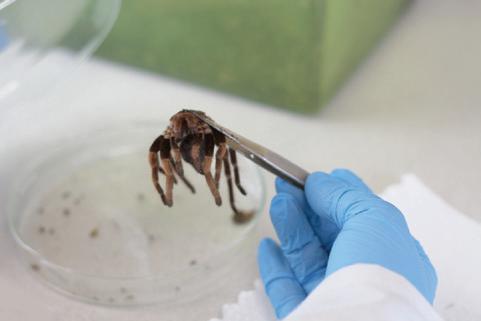
Ultrastructural, Microbial, and Metabolomic Analysis of Spider Webs of an arachnid native to Costa Rica from the Phoroncidia Genus
Shotgun Metagenomics for Biole Production to Search for Growth-Promoting Genes and Microorganisms
To analyze the spider web of Phoroncidia individuals using ultrastructural visualization, microbial, and metabolomic analyses.
To determine possible action mechanisms of the growth-promoting effect of MM bioles, through shotgun metagenomics study of the genomic networks of the microbial communities present in the bioles and their relationship with metabolic profiles.
Internal funds
Name
Evaluation of the Enzymatic and Microbial Potential of Beetle Larvae of the Genera Tenebrio and Zophobas to Degrade Plant Waste from Pineapple Industry
Metabolomics of Bacterial Strains with Antimicrobial Activity
Gene Expression of Indole-3-Acetic Acid (IAA) Biosynthesis in Lactic Acid Bacteria Strains Induced with L-tryptophan
Goal
To evaluate the enzymatic and microbial potential of beetle larvae of the genera Tenebrio and Zophobas to degrade plant waste from pineapple industry.
To determine compounds with antimicrobial activity from different active strains from various laboratory projects.
To analyze the expression of the amidase gene in lactic acid bacteria strains isolated from bioles, using RT-qPCR and its association with the concentration of IAA produced by these bacteria.
Optimization of the Biofungicide Prototype Formulated from Trichoderma Asperellum Peptaibols
Analysis of Microbiota and Metal Resistance
Genes in Galvanized and Waste Piles from an Aluminum Manufacturing Company
To optimize and scale up the production process of a peptaibol-based biofungicide, from the fermentation and filtration of the broth to obtaining a powder product by spray drying, evaluating its life cycle and effectiveness in both laboratory tests and on fruit.
To study of the microbiome and metal resistance genes in galvanized and waste piles from an aluminum manufacturing company.
Internal funds
Name
Goal
Optimization of the Spray Drying Process of Biological Matrices for Potential Application in the Agricultural Industry
Assessment of Coastal and Continental Water Quality by Measuring the Presence of Antibiotics, According to Seasonality in Jacó Beach
Undirected Metabolomics of the Biole Production Process for the Search for Beneficial Chemical Markers for Crops
To optimize the spray drying process of biological matrices, in order to generate prototypes with potential applicability in agriculture.
To quantify antibiotics from the tetracycline, beta-lactam, quinolone, and sulfonamide families, using LC-HRMS in coastal and continental waters of Jacó Beach during three different seasons.
To perform a chemical profiling of the different stages of MM biol production using a non-targeted metabolomic analysis by ultra-high resolution liquid chromatography, coupled to high-resolution mass spectrometry.
Transcriptomic Study and Phenotyping
Characterization of Pseudomonas Putida KT2440 and UndA Mutants
Evaluation of the Potential of Strains of the Streptomyces Genus Isolated from Rice Soils as Biocontrol Agents of Phytopathogenic Fungi Associated with Rice Cultivation
To determine the difference in gene expression related to the UndA gene, the production of pyoverdine and biofilm of the pseudomonas putida KT2440 strains, clone 1S and clone 2.
To evaluate the potential of Streptomyces strains isolated from rice soils to produce metabolites with activity against phytopathogenic fungi associated with rice cultivation.
Internal funds
Name
The Invisible Threat: Assessing and Mitigating the Potential Transmission of Diseases to Small Wild Cats in the Cloud Forests of Costa Rica
Goal
Detection of Zoonotic Infectious Agents in Rodents, Vectors and Biodiversity Analysis in Degraded and Restored Forest Ecosystems of the Central Valley of Costa Rica
To detect infectious agents in domestic canines and felines that have the potential to threaten the conservation of small wild felines in the cloud forest of Costa Rica, to develop and implement mitigation actions at the community level.
Development of a Method for Analyzing Pesticides in Coral Tissues
To determine the micro and macro biodiversity in the sampling sites classified by level of ecosystem degradation in the El Rodeo Protected Zone, Costa Rica, using rodents as a host model, arthropod vectors (mosquitoes, fleas, and ticks) and flies as sentinels of the microbiome composition.
Characterization of Metabolites with Anti-Fungal Activity Produced by Marine Actinobacteria of the Genus Pseudonocardia Grown in Various Media
To develop a method for analyzing pesticides in coral samples using liquid chromatography coupled to mass spectrometry.
To evaluate the secondary metabolite profile of the Pseudonocardia abyssalis and Pseudonocardia oceani strains using high-performance liquid chromatography coupled to high-resolution mass spectrometry (UPLC-HRMS), for the study of their chemical diversity.
Internal funds
Name
Microalgae as a Source of Metabolites with Potential Protective Activity Against Water Stress in Rice Plants (Oryza Sativa)
Connecting Health, Society, and Nature: One Health Studies in Latin America
Biotech Learning Hub: Driving Continuous Learning
Implementation of Genotoxicity Assays as an Advanced Assessment Tool in the Health Unit
Goal
To evaluate the hydroprotective effect of microalgae extracts on rice plants (Oryza sativa), under different water stress conditions.
To generate comprehensive scientific knowledge within the framework of the One Health approach in Latin America, considering the interrelationship between human, animal, and environmental health, through the analysis of social, ecological, evolutionary and environmental factors that influence health and disease processes in diverse territories of the region.
To establish a continuous-learning virtual space in biotechnology to enable professionals, students, and researchers to be updated on the latest trends and tools in a flexible, practical, and collaborative way.
To implement a comprehensive and standardized genotoxicity testing system in the health sector to strengthen the safety assessment of chemical compounds, drugs, and biomolecules, as well as their effects on sentinel animal species in ecosystems. This will contribute to the early detection of genetic and environmental risks and the protection of public health, in accordance with international standards and guidelines.
Internal funds
Name
Characterization of the Microbial Communities that Inhabit the Gastrointestinal Tract of the Centrochelys Sulcata Spurred Tortoise.
Goal
To characterize the microbial communities that
inhabit the gastrointestinal tract of the Centrochelys sulcata tortoise and evaluate their cellulolytic capacity.
Characterization of the Distribution of Leishmania and Trypanosoma Cruzi, the Infectious Agents of Leishmaniasis and Chagas Disease, in the Four Species of Non-Human Primates in Costa Rica.
Application of Barcoding to Identify Insects of Ecological Relevance to the Vesicular Stomatitis Virus in Costa Rica.
From Science to the Community: Knowledge Transfer and Social Transformation in Rancho Quemado, Costa Rica.
To characterize the distribution of Leishmania and Trypanosoma cruzi, the infectious agents of Leishmaniasis and Chagas Disease, in the four species of non-human primates in Costa RicaAlouatta palliata, Ateles geoffroyi, Cebus imitator, and Saimiri oerstedii.
To accurately characterize, using barcoding techniques with the COI gene, the diversity of vectors potentially associated with the transmission of vesicular stomatitis virus (VSV), captured in endemic areas of Costa Rica, during the 2025-2027 period.
To analyze the knowledge transfer and co-production process between academia and the community of Rancho Quemado (Osa Peninsula, Costa Rica), identifying the factors that have allowed its consolidation as a successful case of local sustainability. Lessons will be extracted to guide similar interventions in other socio-ecological contexts.
Modeling and Optimization of Protective Agents to Formulate Bio-Inputs in Bacillus sp.
To develop and optimize protective formulations to produce Bacillus-based bio-inputs by spray drying and alginate coating to improve stability.
Name
Private Funds Goal
Large-scale Study of Microbial Diversity in Costa Rica, in Collaboration with the British Company Basecamp Research
ASAMCO: Prevention of Zoonotic Disease Emergencies: Joining Forces to Address Pandemic Risks
To obtain new permits to access genetic resources from CONAGEBIO to collect environmental soil samples at different points in the country during field trips. Subsequently, they will be processed to determine their percentage of water, DNA extraction, and physicochemical analysis to generate data that will be used by Basecamp Research in bioinformatics analysis and functional prediction of proteins.
To strengthen “One Health” surveillance systems for the prevention and early detection of zoonotic emergencies, thus strengthening integrated research to characterize risk factors related to human activities, as well as the zoonotic potential of pathogens of public health interest in this region (e.g. influenza virus, flavivirus and coronavirus). Also, to develop a prevention and early warning system with a “One Health” approach.
Excellence in Research: Exploring the Role of fruit bats in the dispersal of plant pathogens and the escape hypothesis (NSF)
The overall goal of this study is to elucidate the effects of intestinal transit on plant aptitude and phytobiome composition, in relation to the Escape Hypothesis.
The CNCA's strategy continues to be based on a multi-sectoral collaboration vision, by promoting links with academic institutions, public entities, and stakeholders in the productive sector. These actions have fostered knowledge transfer and the creation of collaborative workspaces focused on innovation.
Furthermore, the laboratory strengthened its international projection through alliances with research centers, universities, and tech scientific organizations, thus contributing to consolidating a cooperation ecosystem that enhances the national capacity to respond to current challenges.
Overall, the results obtained during the year reflect the CNCA's ability to adapt, innovate, and lead in the field of advanced computing, thus making firm progress in fulfilling its institutional goals and its mission to contribute to the scientific and technological progress of the country.
In general, the year's results demonstrate the CNCA's ability to adapt, innovate, and exercise leadership in its field, consolidating the fulfillment of its institutional goals and its strategic contribution to national development.
Development Goal
To encourage the use of advanced computing in research, using complex information to boost science and technology development and innovation in Costa Rica.
Enforced Values
Willingness to good human relationships
Willingness to ongoing learning
Collaborative innovation at the laboratory work
Principles
Creativity in knowledge transfer
Permanent communication within the work team
Efficient use of resources
Collaborative management in the projects that are undertaken
Total people benefited by knowledge transfers: 3013 people
Research Projects
Summary of Projects
Name FEES Funds Goal
Big Data Analysis on Subjects Related to Social Security and Other Topics of Interest.
This project aims to conduct research on social security and human development issues, with two specific purposes: 1) to provide input for decision-making with empirical data, and 2) to create a knowledge base for informed public discussion.
Name CONARE Funds Goal
Uncovering Novel Microbial Symbioses Occurring in Wasps and Beetles from Costa Rica (Maxplanck).
RedCONARE.
The development of this study will enable the identification and characterization of microbiological diversity associated with beetle species and how it allows the development of symbiotic relationships.
The impact of the project is the provision to the national scientific community with the means to access and use advanced networks and scientific collaboration with the rest of the world. In addition, advanced infrastructure will be available for the provision of high connectivity services, such as data transfer, access to academic services, academic internet, and federation.
Name Internal Funds Goal
In-situ Analysis Techniques for Computer Simulations.
The project aims to be at the forefront of the development and use of "in-situ" data analysis techniques and libraries. It also seeks to adapt and develop simulations that take advantage of these techniques, allowing data to be analyzed as it is generated, without the need to store it on disk, thus reducing bottlenecks and allowing for quick decisions to be made about the simulation.
Internal Funds
Name
Use of alternative parallel and distributed programming tools.
Goal
In particular, the project focuses on developing a tool for analyzing and visualizing the performance of parallel applications in Charm++, as well as exploring parallel programming frameworks in Rust, to improve the efficiency, load balancing, and scalability of applications in advanced computing environments.
Detection and Exploration of Anomalies in the Public Procurement Process in Costa Rica Using the SICOP Platform, Big Data Tools, and Advanced Statistical Algorithms.
Machine Learning Workflow Alternatives for Symbolic Data Analysis.
The project applies advanced Big Data tools and statistical algorithms to detect anomalies in Costa Rica's Integrated Public Procurement System (SICOP) to identify possible irregularities, fraud, and inefficiencies in public procurement and contracting processes, thus promoting more transparent and efficient management oriented towards strengthening citizen trust and the country's sustainable socio-economic development.
The project proposes the development of a new goodness-of-fit index for symbolic data, based on the geometry of the data, which allows overcoming the limitations of traditional metrics in interval and histogram data. The index will be validated using real and simulated data, as well as statistical tests. In addition, a reproducible machine-learning workflow will be designed, integrating supervised and unsupervised techniques for this type of data.
Name
Internal Funds Goal
Improvement of the Kabré Computing Platform.
GPU-Accelerated RICH Decoding.
This project seeks to achieve greater efficiency in the use and allocation of computational resources provided to users of the Kabré computing platform, in order to reduce possible bottlenecks or very long waiting times, in terms of computational time. This improvement will allow work to be carried out in shorter times, thus providing the opportunity to execute more ambitious research projects.
This project seeks the implementation of a GPU-accelerated algorithm to identify subatomic particles that will be run in the LHCb experiment at CERN, of which CONARE is a part. The impact of this project will be the better use of CERN's computational resources, the ability to compare the detection algorithm on CPUs and GPUs, as well as opening the door to more collaborations.
Name Internal Funds Goal
Automatic System for Detection and Localization of Earthquakes in Real Time with Deep Neural Networks.
Development of an Artificial Intelligence (AI) Based System for Estimating the Severity of Traffic Accidents.
Seismic events and their analysis are of vital importance to a country like Costa Rica, which is located in the Pacific Ring of Fire (the most seismically dynamic area of the planet). This project is aimed at providing a tool for seismological observatories to detect and locate seismic events in real time using deep neural networks. The impact of this tool would involve having an additional element in early warning systems and in risk mitigation analyses.
This is a collaborative research project focused on the development and implementation of an advanced computing solution for estimating the number of deaths from traffic accidents in the country, and analyzing historical trends, using artificial intelligence techniques and predictive models. The project seeks to generate technical bases that support the formulation of public policies on safe mobility, thus contributing to safer road management and aligning with the Safe Systems Approach promoted in the United Nations Decade Action Plan 2021–2030.
Name Internal Funds Goal
Quantification of Uncertainty and Analytical
Parameterization of Explosion Detection Algorithms in Volcanological Signals for Early Eruption Warning.
This collaborative research project aims to develop advanced algorithms for quantifying uncertainty and optimizing parameters in the detection of explosions from volcanological signals, through the analysis of actual records of volcanic events. The research seeks to evaluate and optimize the performance of different detection methods, in order to strengthen early warning systems and support authorities in the prevention and management of emergencies in communities near volcanic systems.
Hydrographic and Hydraulic River Simulation on GPUs.
The impact of this project is to provide government entities responsible for risk mitigation and water resource management with a more efficient tool and workflow for river simulation, thereby making risk assessment more efficient. These tools will not only be useful for assessing the risk of watersheds, but also for the design of sustainable hydraulic structures.
Name
Funds Goal
Advanced Parallel Programming Paradigms in Scientific Computing
National Geospatial Knowledge Architecture for Territorial Action and Regional Leadership: COPERNICUS Costa Rica
The development of this project can enable a more efficient use of available computational resources, which can help generate sustainable software for HPC, and thus contribute to open science. In another context, this project can accelerate data generation using Machine Learning techniques, which could enable real-time prediction systems for system dynamics.
The Copernicus Costa Rica project aims to strengthen the strategic use of geospatial information for territorial decision-making in the country, through the design of a national architecture based on data from the Copernicus Programme. The initiative includes capacity assessment, coordination of key stakeholders, and development of geospatial analysis and visualization tools, to support territorial planning, environmental management, and Costa Rica's regional leadership in the use of satellite data.
CERN Funds
Name Goal
Acceleration of the RICH Reconstruction Algorithms Using Graphical Processing Units
Clustering System for Sub-Atomic Particle Detectors
This project seeks to optimize the particle identification (PID) system of the CERN LHCb experiment by migrating its processing flow from CPU to GPU. The goal is to improve computational performance and energy efficiency in identifying particles produced in collisions, which is key to studying rare decays and searching for new physics. The initiative addresses challenges in software redesign and the efficient use of heterogeneous architectures to maximize the use of available computational resources.
This project is geared towards the development of a new clustering card for the Mighty-Tracker within the context of the upcoming LHC upgrade, which will significantly increase collision rates and data volume. The proposal envisions the design of a radiation-tolerant ASIC-based solution capable of operating efficiently in the SciFi detector environment, thus overcoming the current limitations of FPGA implementations. The project involves optimizing algorithms for processing time and amplitude information of particle tracks, and promotes international collaboration with CERN, aligning with the strategic goals of PLANES and strengthening scientific and technological development.
Name Goal
New Scintillator Polymer Materials for Application at the LHCb-CERN Experiment.
Study of Kaon Short Decays Using Run 3 Data of LHCb.
This project aims to develop a polymeric scintillator material for CERN's LHCb detector, as part of the LHC upgrade, which will increase collision rates and radiation levels. The material will be evaluated through experimental tests to analyze its efficiency and performance, and a test bench will be built to characterize current and future scintillating fibers, then complementing the results with simulations.
This project aims to study Kaon short decays using data from Run 3 of CERN's LHCb experiment, taking advantage of the increased efficiency of the detector following its upgrade in 2022. Analyzing these decays, which are highly suppressed in the Standard Model, will allow us to evaluate possible theoretical deviations and explore signs of new
Other Public Funds
Name Goal
Development of an AI-Based Technological Platform to Identify Genes with Potential as Biomarkers in the Detection of Lung Cancer Associated with Tobacco Consumption. (Biomarkers).
To develop a technological platform that contributes to the early detection of lung cancer associated with tobacco consumption, using artificial intelligence technologies for the identification of genes with potential as molecular biomarkers, generating a functional tool and indexed scientific papers as results.
Private Funds
Central American Consortium on High Performance Computing for Socio-Environmental Applications (CoCeCAR).
Strategic Partnership for Implementation of Digital Dialogues in R&I Cooperation (SPIDER).
To build and strengthen a regional community of people and institutions interested in the development of high-performance computing and its applications in Central America, promoting the use of high-performance infrastructures for the implementation of advanced techniques of artificial intelligence, computational simulation and data science. This will contribute to solving high-impact technological and social problems in the region.
To strengthen cooperation between the European Union (EU) and the Community of Latin American and Caribbean States (CELAC) in research and innovation (R&I), through the facilitation of digital dialogues and the implementation of the BELLA network.
Name
Goal
Computational Infrastructure:
341 operation days per year of computer services.
465 accounts with access to computing infrastructure services.
125,395 science hours in simulations and data processing.
RedCONARE
One of the services of RedCONARE and the ICT departments of the universities is eduroam, which has the following indicators:
Network services are available to approximately 170,000 students, staff, and teachers.
Access to eduroam internationally in 106 countries that participate in the deployment of the connectivity network.
There were more than 1,129,237 eduroam network authentications in the national territory in 2025.
Eduroam network deployed at the headquarters and campuses of the five public universities. Research centers and the CONARE-CeNAT building.
PRIAS LABORATORY
PRIAS
Introduction
The PRIAS Laboratory is a geospatial research unit attached to the National Center for High Technology (CeNAT), a program of the Consejo Nacional de Rectores (CONARE). Its work focuses on Earth Observation, under high scientific and technological standards, and the generation of high-precision geospatial data that are made available to the national and international community for the development of scientific studies, addressing territorial challenges and supporting decision-making based on technical evidence.
PRIAS also serves as the national liaison for airborne scientific missions, thus positioning Costa Rica among the few countries in the world that have a systematic collection of multi-sensor aerial photographs, covering more than 80% of the national territory. From this perspective, the laboratory conducts research and develops tools aimed at informed decision-making, in areas such as remote sensing, spatial data infrastructure, and applied geospatial analysis.
In accordance with these capabilities, PRIAS leads research in various strategic lines, highlighting risk management, environmental education, sustainable cities and communities, and health and the environment. These lines contribute directly to strengthening the decision-making processes of public institutions and other stakeholders, supporting the fulfillment of national goals and commitments, the formulation of public policies at the national and international levels, and the coordination of efforts and cooperation of different organizations and donors.
During the year 2025, PRIAS continued to consolidate as a reference laboratory in Geomatics and Earth Observation, integrating disciplines such as geodesy, remote sensing, space data infrastructure, geographic information systems, photogrammetry, and airborne missions. This work has been carried out in close collaboration with academic, public and private institutions, both nationally and internationally, promoting research, innovation, and knowledge transfer.
Development Goal
To conduct research in Earth observations that contribute to the knowledge of the Costa Rican territory, through applied geo-aerospace science projects that foster decision-making capacity in the academic, socioeconomic, and environmental fields.
Enforced Values
Effective communication in collaborative work
Willingness to multidisciplinary learning
Creativity to face improvements
Commitment to the goals set in each project
Openness to change management
Principles
Efficient use of technological infrastructure
Interdisciplinary collaborative work
Knowledge transfer adapted to populations
Willingness for constant improvement of the projects that are undertaken
Strategic Development Area
Spa�al Data
Infrastructure
Earth Observa�on
Geospa�al Innova�on
Remote Sensing
Impact Indicators
Research Projects
Summary of Projects
Internal Funds
Name Goal
Joint development of the project "Evaluation of positioning correction methods to improve the accuracy of orthophotographs generated with RPAS”.
The Forest Fire Regime in Costa Rica: Possible Strategies for Mitigating Its Impact on the Tropical Dry Forest.
To evaluate the absolute and relative accuracy of three positioning corrective methods for obtaining orthomosaics generated from photogrammetric flights.
To analyze fire behavior through fire regime variables to generate predictive models of the spatial distribution of forest fires, thus providing strategic information for mitigating damage in tropical dry forests.
Internal Funds
Name
Spatialization of the Tree Flora of Costa Rica Pilot Study for the Greater Metropolitan Area.
Goal
To develop a proposal for spatialization and mapping of tree flora in the Greater Metropolitan Area to contribute, through land observations, to the conservation and management of species in Costa Rica.
Reforestation from the Air: Methodologies to Evaluate the Effectiveness of Reforestation with Rocketry.
Research and Design of Architectures for Distributed Geospatial Data Systems for the PRIAS GeoCenter.
To establish methodologies for evaluating the effectiveness of reforestation using rocketry as a dispersal mechanism in areas burned by forest fires, in collaboration with the Aerospace Engineering Group.
To design the architecture of scalable automated distributed systems for the storage and processing of geospatial data, integrating orchestration, container, and virtualization technologies, in order to strengthen the technological infrastructure of the GeoCenter of the PRIAS Laboratory and contribute to applied research in distributed geospatial systems.
Internal Funds
Name
Land Use Change Projections in Climate Change Scenarios in Costa Rica.
Goal
To determine the implications of land use change projections in climate scenarios of hydrometeorological impacts in Costa Rica.
National Geospatial Knowledge Architecture for Territorial Action and Regional Leadership: Copernicus Costa Rica.
WetlandScan – Connectivity of Coastal and Inland Lagoons of the Barra del Colorado National Wildlife Refuge.
To design and implement a national geospatial knowledge architecture, based on data from the Copernicus Programme, to enable structuring, energizing, and scaling the strategic use of satellite information in Costa Rican territory. This will be done through the diagnosis of capacities, gaps and key stakeholders, the technical strengthening at the national level and the projection of Costa Rica as a leading country in the Copernicus ecosystem of Latin America.
To characterize the structural connectivity of the coastal and continental lagoons of the Barra del Colorado National Wildlife Refuge, using drone photogrammetry techniques and landscape metrics analyses, as inputs for the monitoring and integrated management of wetlands in the Northeast Caribbean of Costa Rica.
Introduction
The National Laboratory of Bioeconomy and Environment (LANBA) is attached to the National High Technology Center (CeNAT), a program of the Consejo Nacional de Rectores (CONARE). It articulates actions in the environmental, climate and agromatic fields, in coordination with public universities, State institutions, communities, and the business sector. Its work focuses on advising and promoting sustainable alternatives in production processes, natural resource management, and the implementation of good environmental practices, through academic activities, specialized training, applied research, and environmentally friendly technologies.
Its main objectives include supporting, coordinating and developing environmental and interdisciplinary projects, in conjunction with other areas of CeNAT, as well as strengthening actions related to natural resource conservation, climate change adaptation and mitigation, food security, and the transition towards sustainable development models.
Through an interdisciplinary and collaborative work approach, LANBA cooperates with universities, public institutions and productive sectors to implement innovative solutions that strengthen environmental resilience and sustainable development. Its work includes technical advice, specialized training, and incorporation of new technologies into production processes, seeking to generate a positive impact on the well-being of communities and on the ecological balance of the country.
Furthermore, in conjunction with public universities, the laboratory promotes sustainable energy transition initiatives through international projects, in cooperation with the European Union and various Latin American countries, thus strengthening Costa Rica's international profile in environmental and bioeconomy related matters.
Development Goal
To disseminate and empower society in the economic, social, and environmental fields on climate change, clean energy, productive chains, and added value of products, by developing technical assistance processes that territorially impact innovation projects, technology, and entrepreneurship for the productive development of Costa Rica.
Enforced Values
Human team care
Support for the food industry and productive support in continuous improvement
Collaborative management in the projects that are undertaken
Socialization of scientific information to society
Principles
Efficient use of time
Accountable administrative management of research projects
Willingness for constant improvement of the projects that are undertaken
Knowledge and skills empowerment
Strategic Development Area
Technical assistance
Innova�on and development Clean
Agroma�cs
LANBA Laboratory Programs
The Climate Variability and Change Observatory Program (OVCC – LANBA) focuses on developing advanced and easily accessible virtual technological tools, with the aim of strengthening the capacity of several thousand agricultural producers in Central America to adapt to climate variability and change. These tools allow users to make more informed decisions in the face of extreme weather events.
OVCC – LANBA researches past, present, and future climate conditions, as well as atmospheric phenomena that affect the Central American region, in order to benefit communities at risk from adverse climate conditions.
The Program offers continuous and innovative services to the agricultural sector and vulnerable communities, through research, training, and personalized assistance, via technological platforms on adaptation and resilience issues. This support helps maintain productivity and increase crop and livestock yields, by facilitating planning and strategic decision-making in the face of climate variability.
Impact breakdown by platform:
As part of its initiatives, the Interactive Platform for Tropical Climate Application (PIACT) of OVCC – LANBA has reached a total impact of 2,076,080 people, with a Facebook page, WhatsApp and Telegram chats, to disseminate relevant climate information.
2,066,790 3,601 5,689
users reached through the PIACT Facebook page.
members of the climate awareness chat groups: 746 users in Telegram groups and 2,855 users in WhatsApp groups. views of climate activity directly on the PIACT platform.
Agromatics
The Agromatics Program focuses on the valorization of local resources and products, thanks to collaboration with universities, public institutions, ministries, companies, regulatory bodies, and CeNAT's laboratories, as well as the use of innovative high-precision technologies.
The program performs product typification through gene expression, identifying genes associated with environmental adaptation, resistance to diseases and pests, and quality and hardness attributes, according to the variability of the species. This characterization is supplemented by organoleptic and culinary quality studies, assessing local products, many of which are little known.
In addition, through morpho-agronomic, physicochemical, organoleptic, and biochemical characterizations, the nutritive and anti-nutritive content of the products is determined. Thanks to multidisciplinary work and the use of high tech, the technical specifications are endorsed, thus enabling the recognition of the products that deserve a distinctive mark of quality.
Therefore, identifying the origins and uses of products, optimizing the use of agro-industrial by-products, and defining prevention and mitigation strategies against natural disasters, variability and climate change, deforestation, and crop losses is possible, thus contributing to food security and reducing the increase in the price of products.
The program maintains a close alliance with Slow Food, promoting quality products that are clean, safe, and made with sustainable technologies that do not affect human, animal, or environmental health. A key action is training producers in fair price management, reducing intermediation and generating benefits for both producers and their families, as well as for co-producers - conscious consumers who value the effort of those who produce more sustainable and healthy food.
Impact Indicators
Lectures, Workshops, Presentations
Total people benefited by knowledge transfers: 26,998
Scope and Participation
National Scope:
During the year, a total of 26,028 people participated in lectures, workshops, local training sessions, presentations, and technical outreach activities, distributed as follows:
10,572 15,000 274 128 54
people received daily information about atmospheric and climatic phenomena through specialized chats.
people benefited from the mass dissemination of weather forecasts and meteorological analysis through the PIACT interactive platform.
people participated in lectures, workshops, and training sessions in both face-to-face and online formats.
people directly benefited from activities carried out in communities, including Santa Clara, Desamparados, Monte Claro, and Los Arbolitos de Sarapiquí.
CONARE staff members were trained on subjects related to waste, fossil fuels, and climate sustainability and prevention strategies.
International Scope:
Transfers:
Public
Of a total of 26,998 people, 403 were benefited through public transfers.
Private
Of a total of 26,998 people, 26,595 benefited through private transfers.
Summary of Projects
CONARE funds
Name
Goal
Costa Rica – Antarctica 2025. Through it, Costa Rica's participation was fostered in the international Antarctic scientific agenda, through an expedition and awareness-raising actions on the conservation of the continent, thus strengthening the country's position on issues of global sustainability and scientific cooperation.
Internal Funds
Name
Desamparados Environmental Health Observatory.
Effect of Psychotropic Substances as Emerging Contaminants on the Toxicological Response of Danio Rerio and Environmental Parameters Under Experimental Conditions.
Circular Bioeconomy as an Axis of Sustainable Socio-Economic Strategic Development Based on Applied Research
Goal
To strengthen waste management in vulnerable communities through environmental education, citizen action, and sustainable planning.
To promote scientific knowledge about the effects of emerging pollutants in freshwater bodies through experimentation with zebrafish.
To promote applied research in sustainable materials and alternative sources of clean energy, aligned with the Sustainable Development Goals (SDGs). Furthermore, it promotes the generation of innovative proposals with a real impact on the national productive sector, thanks to active participation in international networks such as CYTED.
Private Funds
Name
Earth Market.
Goal
To promote the rescue and valorization of local products through studies of quality, origin, and nutritional potential, in order to strengthen food security, the use of agro-industrial by-products and the recognition of products deserving a distinctive quality seal.
EULAC ENERGYTRAN.
Strengthening Environmental Capacity in Communities Through Technological and Methodological Innovation to Promote Resilience in Disaster Risk Management and Climate Change in the Canton of Heredia, Costa Rica, the District of Almirante, Bocas Del Toro, Panama, and the Indigenous Achí Community of Rabinal in the Department of Baja Verapaz, Guatemala. (COPAGUAR)
Strengthening skills in the education sector in Central America: ACTIVA, a game for climate action in the collaborative research network of Costa Rica, Panama and Honduras (CSUCA 19-CR ACTIVA).
To develop and implement sustainability studies integrating indigenous peoples, for hybrid technologies such as solar thermal energy.
To develop environmental and risk management capacity in communities in Costa Rica, Panama, and Guatemala, with an emphasis on teachers and indigenous communities.
To innovate in education in Central America through the ACTIVA game, making climate action an accessible and practical topic.
Support to Olympiads and Scientific Vocations
The National Nanotechnology Laboratory (LANOTEC), in addition to focusing on conducting scientific research, prioritizes strengthening its efforts in extension and teaching. Within this framework, the laboratory actively promotes initiatives aimed at fostering scientific vocations from an early age, promoting collaboration with educational centers, and facilitating the participation of children and young people, starting at the elementary school level, in activities related to science and technology.
LANOTEC provides support to Costa Rican student delegations who participate in various national and international Science and Chemistry Olympiads, by accompanying the process from the initial stages of national selection to the representation of the country in international competitions.
In addition, at the national level, the laboratory engaged in the organization and support of the following activities, aimed at promoting science and strengthening young scientific talent:
X Camp for the Promotion of Scientific Vocations, especially Chemistry
In 2025, we participated in the following international competitions:
22nd International Junior Science Olympiad
59th International Mendeleev Chemistry Olympiad
It is important to note that, in 2025, all the Olympiads were held in person, thus favoring academic and cultural exchanges, in addition to enriching the comprehensive educational experience of participating students.
VII Costa Rica Science Olympiad
XXV Costa Rica Chemistry Olympiad
XVIII Central American and XVI Caribbean Chemistry Olympiad
XXIX Iberoamerican Chemistry Olympiad
VII Costa Rica Science Olympiad
The Costa Rican Science Olympiad (OLCOCI) aims to foster scientific vocations from an early age, by promoting interest in exact sciences, applied sciences, and engineering.
OLCOCI is aimed at elementary and high school students, and integrates content from three main areas: Biology, Physics, and Chemistry, along with mathematical principles that facilitate the understanding of these disciplines.
Category B is aimed at students in the second cycle of elementary education (4th, 5th, and 6th grades). However, participation is also allowed for first-cycle students who wish to join the competition. In this category, a single exam is used to assess the knowledge of the participants.
Olympiad
Category A, on the other hand, is aimed at students in the third cycle of high-school education (7th, 8th, and 9th year), although the possibility of participation is also offered to elementary school students who may be interested in competing in this category. This format includes a qualifying exam and a final exam. Subsequently, the 12 students with the best grades undertake an internship in a laboratory, where they carry out basic tests in the three scientific areas, and have the opportunity to learn about the work carried out in the laboratories and their lines of research.
The Olympiad includes an annual preparation process for participation in the International Junior Science Olympiad. These training courses cover the study of concepts and problem-solving in Biology, Physics, and Chemistry, as well as preparation for practical laboratory activities. Likewise, mathematical knowledge is reinforced, which is recognized as a fundamental and universal language for understanding science.
Costa Rican Chemistry Olympiad OLCOQUIM
The Costa Rican Chemistry Olympiad (OLCOQUIM) is an academic competition aimed at secondary school students, with the key purpose to stimulate the study of Chemistry and discover talented young people in this discipline, who will be able to contribute to the future scientific and technological development of the country.
Category A is primarily aimed at fifth-year high school students and addresses more complex and demanding chemistry content. Category B, on the other hand, is geared towards fourth-year or lower-level students who wish to participate.
Both categories include two stages - an elimination phase and a final phase. In the case of category A, the students with the best grades advance to a practical laboratory exam. The score obtained in this test is averaged with that of the theoretical exam to determine the winners.
Students are prepared for international participation with theoretical and practical lessons and are selected through exams known as "Super Finals". The winners of this phase represent the country at the International Chemistry Olympiad.
Heredia Limón
Puntarenas
X Camp for the Promotion of Scientific Vocations, mainly Chemistry (QUIMICAMP)
This camp is carried out with the finalist students from the Costa Rican Science and Chemistry Olympiads. To participate, a call for applications starts for students register, and subsequently a representative group is selected from across the country. The selection is made considering the achievements obtained at the national and international levels, as well as criteria of geographical origin, gender, and previous participation in the camp.
For three days, there were lectures, laboratories, experiments, and recreational activities focused on Chemistry, Physics, Nanotechnology, and Biology, in addition to working on critical thinking and problem solving.
The camp took place at the Tropical Studies Organization's La Selva Biological Station, in Puerto Viejo, Sarapiquí. The camp participants were distributed as follows:
This Quimicamp saw increased participation, thanks to the sponsorship of the United States Embassy in Costa Rica, which almost doubled the number of people participating in the event.
International Participation of OLCOCI Students
22nd International Junior Science Olympiad
This Olympiad was designed to be held in person. The discussions, translations, and evaluations were carried out by area, with the participation of each tutor professor from the delegations. During this process, the questions of each test were approved among all the participating countries, then they were translated, and later the grades obtained by the students were analyzed.
Students must take three exams - a single-choice exam, an individual essay exam, and a practical laboratory exam, which are conducted in groups of three students and last for four hours. During these tests, participants solve questions from the three scientific areas - Chemistry, Physics and Biology.
Organized by Sirius Federal Territory, Russia
Dates: November 23 to December 2, 2025.
Participants
Kenneth Castillo Rodríguez, Head of Delegation, Tutor in the Biology area.
Randall Syedd León, Tutor in the Chemistry area.
Kattia Bermúdez Campos, Tutor in the Physics area.
Alexander Sancho Dive, Student
Matías Andino Castellanos, Student
Gabriel Herrera Barrantes, Student.
Santiago Bulgarelli Rivera, Student
Ignacio Camacho Redondo, Student.
Mauricio Chaverri Trelles, Student.
Matías Andino Castellanos
International Participation of OLCOQUIM Students
International Mendeleev Chemistry Olympiad (IMChO)
This is the first time Costa Rica has participated in this Olympiad. The IMChO is a competition in which, like the ICHO, countries from all over the world participate. It is led by Lomonosov Moscow State University and by the organizing committee of the corresponding host country each year. It presents a level of difficulty very similar to that of the ICHO, with theoretical and experimental tests.
Hosted by: Brazil Federal University of Minas Gerais
Dates: May 5 to 13, 2025
Students:
Andrea Ebanks Reyes, Colegio Científico de Alajuela
Pablo Andrés Midence Cortés, Colegio Científico de Alajuela
Víctor Steven Rojas Méndez, Colegio Científico de Alajuela
Adrián Daniel Suárez Araujo, Colegio Científico de Alajuela
Head of delegation: Dr. Cristian Campos Fernández, University of Costa Rica
Tutor Professor: M.Ed. Edwin Salas González, National University
There were no recognitions
XVIII Central American and XVI Caribbean Chemistry Olympiad
The Olympiad was held in person in Santa Rosa de Copán, Honduras. The test consisted of a theoretical exam and a practical laboratory exam. Both exams were previously reviewed and approved by the delegation's tutors.
Hosted by: Honduran Chemistry
Olympiad Committee
Dates: July 21-26, 2025
Members of the Costa Rican chemistry team:
Students:
Pablo Andrés Midence Cortés
Luis Diego Rojas Suárez
Marvin Herrera Baltodano
Head of delegation:
M.Sc. Mario Villalobos Forbes
Tutor:
M.Ed. Edwin Salas Gonzalez
Recognitions:
Luis Diego Rojas Suárez
Científico de Alajuela
SILVER MEDAL
Pablo Midence Cortés
Científico de Alajuela
BRONZE MEDAL
Marvin Herrera Baltodano
Humanístico de Nicoya
HONORABLE MENTION
XXIX Iberoamerican Chemistry Olympiad
The Olympiad was held in person in Mexico City and Cuernavaca. The test consisted of a theoretical exam and a practical laboratory exam. Both exams were previously reviewed and approved by the delegation's tutors.
Hosted by: National Autonomous University of Mexico (UNAM) and the Autonomous University of the State of Morelos (UAEM)
Dates: October 26-31, 2025.
Members of the Costa Rican science team:
Students:
Víctor Steven Rojas Méndez
Dylan Joseph Ramírez Witcher
Andrea Ebanks Reyes
Leonor Isaura Obando Umaña
Recognitions:
Víctor
Rojas Méndez
Científico de Alajuela
Head of delegation: MSc. Wendy Villalobos González
Tutor: Dr. Cristian Campos Fernández
Andrés
Ebanks Reyes
Científico de Alajuela
MEDAL
Dylan Ramírez Witcher
Científico de San Pedro
SILVER MEDAL
BRONZE
BRONZE MEDAL
Table 1
International Participations at Olcoci and Olcoquim
Olympiad
Olcoquim
International Competition
International Junior Olympiad (IJSO)
Source: Prepared in-house, using information from Olcoci and Olcoquim Olcoci
Place and Date of the International Event Sochi, Russia. November 23 to December 2, 2025
Central American and Caribbean Chemistry Olympiad (OCACQ
Ibero-American Chemistry Olympiad (OIAQ)
Santa Rosa de Copán, Honduras.
July 21-26, 2025
Mexico City and Cuernavaca, Mexico. October 26-31, 2025
Costa Rican Student Delegation
Rafael Sancho Dive, Matías Andino Castellanos, Gabriel Herrera Barrantes, Santiago Bulgarelli Rivera, Ignacio Camacho Redondo, Mauricio Chaverri Trelles.
Pablo Andrés Midence
Cortés, Luis Diego Rojas
Suárez, Marvin Herrera Baltodano.
Víctor Steven Rojas
Méndez, Dylan Joseph
Ramírez Witcher, Andrea Ebanks Reyes, Leonor Isaura Obando Umaña.
1 bronze medal
1 silver medal
1 bronze medal
1 Honorable mention
1 silver medal
2 bronze medals
Innovation
Entrepreneurships:
Support to Applied Scientific Research Organizations or Institutions
LANOTEC
Company, Organization and/or Institution
Cooperativa de Productores de Leche Dos Pinos, R.L.
Universidad de Empresa S.A. (ULEAD)
General San Martin University, Argentina
University of the Republic of Uruguay (UDELAR)
Costa Rican Promoter of Innovation and Research
Inha University, Incheon, South Korea
Support and Research
Technical Feasibility Assessment of the Use of High Lactose Content Whey and Salts to Produce Polyethylene Furonoate.
Professional services for delivering Practical Laboratory Courses.
Improvement of the functionality of products and devices.
Fostering sustainability in the packaging industry of Uruguay and Costa Rica, thus strengthening innovation and the circular economy in manufacturing. It benefits packaging companies, educational institutions, and SMEs in the sector.
To benefit cancer patients, biomedical researchers, and the pharmaceutical industry, and to offer innovative and potentially more effective treatments.
To benefit cancer patients, biomedical researchers, and the pharmaceutical industry, and to offer innovative and potentially more effective treatments.
Company, Organization and/or Institution
National Learning Institute (INA)
Ministry of Science, Technology, and Telecommunications (MICITT)
Institute of Forest Sciences (ICIFOR-INIA-CSIC), Spain
University of Asunción, Paraguay
European Office of Aerospace Research and Development
Support and Research
To benefit entrepreneurs and biotechnology industries, by strengthening training and applying knowledge in the productive sector.
To benefit entrepreneurs and biotechnology industries by strengthening training and applying knowledge in the productive sector.
To benefit the agro-industry, biomaterials companies, and stakeholders in sustainability, by promoting the efficient use of agricultural waste.
To benefit the agro-industry, biomaterials companies, and stakeholders in sustainability, by promoting the efficient use of agricultural waste.
Research in nanotechnology, security, and biomedicine, by enabling ultrasensitive analysis for various scientific and industrial applications.
Company, Organization and/or Institution
Office of Naval Research Global
University of Costa Rica (UCR)
Support and Research
To benefit the renewable energy sector, nanotechnology researchers, and photovoltaic device manufacturers, by promoting more efficient and sustainable technologies.
Inspiration for future scientists and engineers through the Costa Rican Science and Chemistry Olympiad, fostering STEM vocations and promoting technological innovation.
Costa Rica Institute of Technology (TEC)
National University (UNA)
Inspiration for future scientists and engineers through the Costa Rican Science and Chemistry Olympiad, fostering STEM vocations and promoting technological innovation.
Inspiration for future scientists and engineers through the Costa Rican Science and Chemistry Olympiad, fostering STEM vocations and promoting technological innovation.
Company, Organization and/or Institution
National Technical University (UTN)
National University for Distance Education (UNED)
Ministry of Public Education (MEP)
Nicoverde S.A.
Cooper Vision
Support
and Research
Inspiration for future scientists and engineers through the Costa Rican Science and Chemistry Olympiad, fostering STEM vocations and promoting technological innovation.
AGQ Labs
Nevro
Establishment Lab
Philips
Panduit
Hologic
Odontoweb
Inspiration for future scientists and engineers through the Costa Rican Science and Chemistry Olympiad, fostering STEM vocations and promoting technological innovation.
Inspiration for future scientists and engineers through the Costa Rican Science and Chemistry Olympiad, fostering STEM vocations and promoting technological innovation.
To benefit agricultural producers and exporters by offering a sustainable alternative that reduces waste and improves the protection of food products in transit.
Various laboratory services.
Various laboratory services.
Various laboratory services.
Various laboratory services.
Various laboratory services.
Various laboratory services.
Various laboratory services.
Various laboratory services.
Company, Organization and/or
Institution
Confluent Medical Costa Rica
Mayca Distribuidores S.A.
Ecogreen
Proquinal
Lutron
Laboratories
Heraeus Medevio
Microvention Employee Association
Braj Kishore
Molinos de Costa Rica
Polymer S.A.
Arthrocre Costa Rica SRL
AG TECH
SMP ECO PACKAGING SRL
Support
and Research
Various laboratory services.
Various laboratory services.
Various laboratory services.
Various laboratory services.
Various laboratory services.
Various laboratory services.
Various laboratory services.
Various laboratory services.
Various laboratory services.
Various laboratory services.
Various laboratory services.
Various laboratory services.
Various laboratory services.
Various laboratory services.
CENIBiot
Company, Organization and/or Institution
Cenahce Operacional S.A.
AMVAC de Costa Rica
CORBANA, S.A.
Solidarity Employee Association of Hologic Surgical Products SRL
Fruitpoint Costa Rica
Apasomics Corporation
Nitrile Gloves S.A.
Basecamp Research
Compañía Palma Tica S. A.
National Institute of Innovation in Agricultural Technology (INTA)
CR - European Union Triangular Cooperation
Support and Research
Various laboratory services
Nucleic Acid Extraction, Real-Time PCR
Optimization of the culture medium and technology transfer of the bioprocess
Various laboratory services
Extraction of Metabolites and Non-Directed Analysis by LC-MS/MS
Cytotoxicity assays
Various laboratory services
Large-scale study of microbial diversity in Costa Rica.
Various laboratory services
Adapta2+ Scaling Program
Technology transfer to coffee and avocado producers in Costa Rica and Colombia
Company, Organization and/or
Institution
Laboratorios Saval Costa Rica S.A.
Thrive Natural Care
Alianza Campesina Flora Nueva
Pelón de la Bajura S.A.
Costa Rican Promoter of Innovation and Research
Support and Research
GIZ German Agency Cooperation in Costa Rica
Institut de recherche pour le développement (IRD)
SAFER
National Science Foundation (NSF)
Various laboratory services
Extraction and concentration of organic compounds
Extraction and concentration of organic compounds
Growth Kinetics
Biols as a Source of Novel Biochemical Biostimulants: An Agroecological Strategy to Improve the Productivity and Sustainability of the Costa Rican Agricultural Sector
Participation in Bio-Inputs forums.
Prevention of Zoonotic Disease Emergencies: Joining Forces to Address Pandemic Risks
Technology transfer agreement
Excellence in Research: Exploring the Role of Fruit Bats in the Dispersal of Plant Pathogens and the Escape Hypothesis
CNCA
Company, Organization and/or Institution
Ministry of Science, Technology, and Telecommunications (MICITT)
Central American Higher University Council (CSUCA)
Advanced Computing System for Latin America and the Caribbean (SCALAC)
Public Universities (UCR, TEC, UNA, UNED, UTN)
Comptroller General of the Republic (CGR)
Costa Rican Institute of Research and Education in Nutrition and Health (INCIENSA)
Support and Research
Collaboration in initiatives aimed at the development and strengthening of artificial intelligence at the national level.
Provision of an Advanced Computing Platform to develop research projects and training activities.
Support in strengthening the regional advanced computing infrastructure and in the articulation of scientific and technological initiatives.
Provision and use of advanced computing platforms to conduct research and training projects.
Technical support in the development of data science platforms aimed at detecting and analyzing irregularities.
Support for research institutions in the development of activities and projects in the field of public health.
Company, Organization and/or InstitutionSupport and Research
National Groundwater, Irrigation, and Drainage Service
Development of joint research initiatives for the eventual establishment of applied research programs.
Development of joint research initiatives for the eventual establishment of research programs in the field of social security and health.
Development of joint research initiatives for the eventual establishment of research programs focused on risk management and emergency response.
Collaboration in initiatives related to Capacity Development and Strengthening in Artificial Intelligence.
(SENARA)
Costa Rica Social Security Fund (CCSS)
National Emergency Commission (CNE)
Chamber of Information Technologies (CAMTIC)
Company, Organization and/or Institution
National University for Distance Education (UNED), SINAC (ACG)
Professional Association of Geographers and Cartographers of Costa Rica
National University (UNA) CEMEDE
National Museum
State of the Nation Program
Carillo Mission
La Libertad Park (Education for Sustainable Development Program)
TEC Super Scientist Girls
Peru University of Medical Sciences (UPC)
PRIAS
Support and Research
Generation of a predictive model based on historical and climatic variables of forest fires in the North Pacific of Costa Rica.
New approach to the analysis of land use planning and management based on life cycles.
Development of a geoeconomic value index for water based on harvesting works in the Guanacaste Dry Corridor.}
Publication of tree flora species layers in the SNIT.
Cartographic generation of the mosaic based on Landsat Costa Rica satellite images to generate risk management scenarios in areas with flood potential.
Implementation of educational workshops that incorporated, for the first time, the use of geospatial technologies (satellite images and drones) adapted to the child population.
Strengthening capacities in applied spatial analysis and watershed management among students of the Environmental Engineering Career, as a mechanism for academic updating and integration of innovative approaches in the training process.
Company, Organization and/or Institution
University of Costa Rica (UCR)
National University (UNA)
Support and Research
Training in monitoring methodologies for the Biological Anthropology Program, student support, and collaboration on projects: Desamparados Environmental Health Observatory; Effect of Psychotropic Substances as Emerging Contaminants on the Toxicological Response of Danio Rerio, and Environmental Parameters under Experimental Conditions.
National University for Distance Education (UNED)
Student support and collaboration in the projects: a) CSUCA-COPAGUAR; b) Effect of Psychotropic Substances as Emerging Contaminants on the Toxicological Response of Reriol and Environmental Parameters Under Experimental Conditions; and c) ENERGYTRAN Project.
Linkage in research and extension activities, including planetary health literacy and regional workshops with rural communities. Student support and collaboration in the Environmental Health Observatory project in Desamparados.
Company, Organization and/or Institution Support and Research
Desamparados Cantonal Association
Municipality of Desamparados
La Salle University
Organization of American States (OAS)
Inter-American Development Bank (IDB)
Institute of Technical Standards of Costa Rica (INTECO)
Collaboration through the Environmental Health Observatory in Desamparados.
Linkage through the Environmental Health Observatory in Desamparados.
Agreement for the development of joint initiatives in technology, environment and education, and student support.
Collaboration in events related to energy transition, sustainability and knowledge transfers, and linkage with the EULAC ENERGYTRAN project.
Collaboration on research proposals on AI, digitalization and climate change.
Development of methodologies and technical tools to identify criteria and indicators associated to development fields for green employment, clean energy, and reduction of the carbon footprint.
Socialization of Science
Socialization of Science
In 2025, the National High Technology Center (CeNAT) strengthened its actions of dissemination and socialization of scientific knowledge, with the purpose of bringing the results of research and academic initiatives developed at the center closer to Costa Rican society, the university community, and different stakeholders of the scientific and technological ecosystem.
Through digital communication strategies and media presence, CeNAT promoted the visibility of the work of its laboratories, as well as the projects developed in collaboration with public universities and international partners.
Social Media Presence
Institutional social networks constitute a strategic channel for sharing scientific advances, academic activities, calls for scholarships, collaborative projects, and outreach actions aimed at diverse audiences.
At the close of 2025, CeNAT's digital platforms registered the following community of followers:
17,033 909 70 10
It is worth noting that the institutional Instagram, TikTok and YouTube accounts were recently created, as part of the strategy to expand digital channels for scientific communication. The growth recorded on these platforms during the year has been generated organically, thus reflecting the public's interest in the scientific and educational content shared by CeNAT.
Media Presence
In 2025, CeNAT recorded 50 publications in national, regional and university media, which contributed to expanding the public visibility of its research and academic activities.
National Media Coverage
Regional Media and University Platforms
The main topics covered in the media coverage included:
Scientific research developed by CeNAT’s programs.
Calls and opportunities associated with CeNAT-CONARE scholarships.
Academic projects developed in conjunction with public universities.
International cooperation initiatives and scientific diplomacy.
Recognitions and achievements of researchers linked to the center.
Examples of coverage include publications in journals such as La Nación, Delfino.cr, and SINART Digital, which addressed topics related to biodiversity and biotechnology research, meetings to strengthen science diplomacy in Costa Rica, science promotion activities within the framework of the International Day of Women and Girls in Science, as well as projects aimed at the sustainable use of agricultural waste.
These communication actions contributed to strengthening CeNAT's position as a relevant stakeholder in the generation and dissemination of scientific knowledge in Costa Rica, promoting public access to science, and reinforcing the role of public universities in the country's scientific and technological development.
The dissemination and socialization of CeNAT's scientific activities is also a fundamental component for strengthening the link between research, academia, and society. By making the research results, courses, international cooperation initiatives, and academic opportunities promoted by the center visible, these actions contribute to broadening the scope of scientific knowledge and promoting greater participation from various sectors in the scientific and technological development of the country.
Employees, Scholarships, Interns,
Sectors linked to CeNAT in the Past Years
Institutions that Started Relations with CeNAT in 2025
CeNAT Worldwide Linkage Map in 2025
Indicators of Institutional Work
Impact of the CeNAT Program of the Consejo Nacional de Rectores (CONARE) in 2025
606 THOUSAND MORE THAN User Views via Facebook
Social Networks
17 THOUSAND MORE THAN Facebook Followers
49 Nationalities of Facebook followers
CeNAT has presence on TikTok, Instagram, and YouTube.
18 thousand MORE THAN PEOPLE
Average monthly reach of Facebook
95 publications
92 projects
4 CERN Projects
246 Knowledge transfer 35,990
Benefited population
6
CeNAT Teaching activities held in the year
93 support to Applied Scientific Research Companies and/or Organizations or Institutions
2,076,080
technical assistance to producers in Variability and Climate Change
520
5
eduroam deployed in the headquarters and campuses of the 5 Public Universities
network services available to students, staff, and teachers
1,129,237
logins to the Eduroam Network from national territories
106 countries with eduroam
341 cluster performance days
465 accounts with access to computing infrastructure services
125,395 science hours in simulations and data processing
6
CeNAT teaching activities held in the year
25 Ambassador visits
3 visits of Costa Rican Ambassador to other countries
FunCeNAT and Financial Results
FunCeNAT and Financial Results
The High Technology Center Foundation (FunCeNAT) was established on November 20, 1997, in order to meet the administrative needs of CeNAT.
Therefore, at the time of enactment of the National Act No. 7806, of May 25, 1998, the purpose of managing the resources and attention of the institutional goals of the High Technology Center (CENAT) was explicitly stated. This is reflected in Article 3 of said act.
“Article 3°- The State and its institutions are hereby authorized to transfer resources to the National High Technology Center, whose administration and management will be handled by the Fundación Centro Alta Tecnología, with legal identification N° 3-006-213777. The public funds that the Foundation administers by virtue of this law will be kept under the supervision of the Office of the Comptroller General of the Republic”.
FunCeNAT is continuously overseen by the Comptroller General of the Republic, with regard to the proper management and administration of the resources, as well as by CONARE Audit Department.
Similarly, annual external audits and any audits that any entity financing its projects may require are conducted.
Furthermore, the Foundation has a Board, comprised of representatives of the State Institutions of University Higher Education (IESUE), the local city government (Municipality), and of the Government of the Republic. The Board appoints an Executive Director in charge of FunCeNAT. comprised of representatives of the State
The Foundation acts as a service platform that meets the needs of CeNAT, as well as the public and private projects it manages. For this reason, FunCeNAT actively collaborates in the work of the areas, laboratories, programs and projects, providing support in administrative management in an efficient and transparent way, in sound financial management, in the organizational development at national and internationals, as well as legal support in the actions that the Laboratories, Programs, and Projects undertake. Through its work, it strengthens the link with CONARE, in addition to supporting communication and inter-sectoral articulation.
It aligns all its activities with the guidelines issued by CONARE, its Board of Directors, the Comptroller General of the Republic, and the audit department of CONARE, as well as the External Audit, so that its activities and actions comply with all the applicable laws and regulations.
FunCeNAT provides permanent support to CeNAT laboratories and programs, in four pillars for organizational development, namely:
Administrative Management
Human Talent Management.
Legal Management
Financial Management and Fundraising
The operational structure that sets out how CeNAT works is presented below.
General Director ofCeN T
SUMMARY BALANCE SHEET
Institutional Leadership
Consejo Nacional de Rectores
María Estrada Sánchez MSc.
Dr. Carlos Araya Leandro
Dr. Jorge Herrera Murillo
Francisco González Alvarado M.Ed.
Rodrigo Arias Camacho MBA.
William Rojas Meléndez MBA.
CONARE President and Chancellor
University of Costa Rica
National University
National University
State University for Distance Education
National Technical University
Coordinator Costa Rica Institute of Tecnology
José Moncada Jiménez Ph.D.
Jorge Herrera Murillo Ph.D.
Dr. Gerardo Jiménez Porras
Silvia Argüello Vargas M.Sc.
Laura María Vargas Badilla M.Eng.
Eric Alvarado Barrantes MGAS.
University of Costa Rica
National University
National University
National University
State University for Distance Education
National Technical University
Strategic Partners
Directorate of CeNAT
Dr.José Vega Baudrit
Karol Palma Odio
Acting Director, CeNAT
Administrative Assistant to the Directorate
Dr. José Vega Baudrit
Dra. Andrea Chaves Ramírez
Dr. Esteban Meneses Rojas
Allan Campos Gallo MBA
Cornelia Miller Granados MBA
Director National Nanotechnology Laboratory
Director National Center for Biotechnological Innovations
Director National Collaboratory of Advanced Computing
Director LANBA
PRIAS Laboratory Director
Officers
Mirsa Domínguez
Alvarado
CeNAT - LANBA Rubén Padilla
Hernandez
CeNAT
Sugey Rivera
Obando
CeNAT
Andreina Leal
Sánchez
CeNAT José Andrés
Valerin Pérez
CeNAT
Armando Rojas
Esquivel
Observatory of Scientific Diplomacy
LANOTEC
Anthony Mayorga Hernández
Heiner Carrillo Oporto
Austin Esquivel Castro
Diego Batista Menezes
Sergio Paniagua Barrantes
Juan Miguel Zúñiga Umaña
Andrea Araya Sibaja
Yendry Corrales Ureña
Reynaldo Pereira Reyes
Daniela Zúñiga Rivera
Andrea Rivera Álvarez
Claudia Chaves Villareal
Maria José Villafuerte González
Felipe Orozco Gutiérrez
Nicolle Ujueta Alvarado
CENIBiot
Vanessa Rivera Mora
Fernando Briceño Sandí
Isaac Hidalgo Quirós
CNCA
Natalia Ramírez Carballo
Jonathan Cortez Oviedo
Christian Asch Burgos
Nicole Arias Espinoza
Melany María Calderón Osorno
Carlos Gamboa Venegas
CNCA-CONARE NETWORK
Herson Mena Mora
Fabricio Quirós Corella
Edward Soto Castro
Crista Ureña Chanto
Johansell Villalobos Cubillo
Dylan Benavides Castillo
PRIAS
Esteban Montenegro Hernández
Vanessa Morales Cerdas
Gabriela Chaves Soto
José Andrés Umaña Ortiz
Heileen Aguilar Arias
Yoset Castro Jimenez
Stephanie Leitón Ramírez
Tracy Leitón Barquero
Eleana Rodríguez Alvarado
Paula Mora Hidalgo
Daniela Chacón Mendoza State of the Nation
Program Coordinator
Patricia Sánchez Trejos
Agromatics, Food Safety And Slow Food
Managing Board of Fundación Centro de Alta Tecnología
President: Dr. Carlos Araya Leandro
Secretary: María Estrada Sánchez MSc.
Treasurer: Dr. Jorge Herrera Murillo
Treasurer: M. Ed. Francisco González Alvarado
Board Member 1: Rose Marie Ruiz Bravo
Board Member 2: Marielos Aldi Villalobos
First Comptroller: MBA. Rodrigo Arias Camacho
Second Comptroller: M.B.A. William Rojas Meléndez
Acting Director General, CeNAT: Dr. José Vega Baudrit