Everything, Everywhere, All At Once: Making Sense of the Wars, Trade Policy, Tech, and Geopolitics
The eight most terrifying words in the English language are:
"I’m from Washington and I’m here to help."
- President Ronald Reagan
Iran: What the U.S. and Israel is Facing, Impacts on Markets, and Likely Outcomes
Iran: A Large Country That Already Was In Deep Crisis
• Iran has a population of 91.5 million people. The average median age is 35 years old. 68.9% of the population is aged 15 – 64. Overall, 90 – 95% of the country are Shia Muslim.
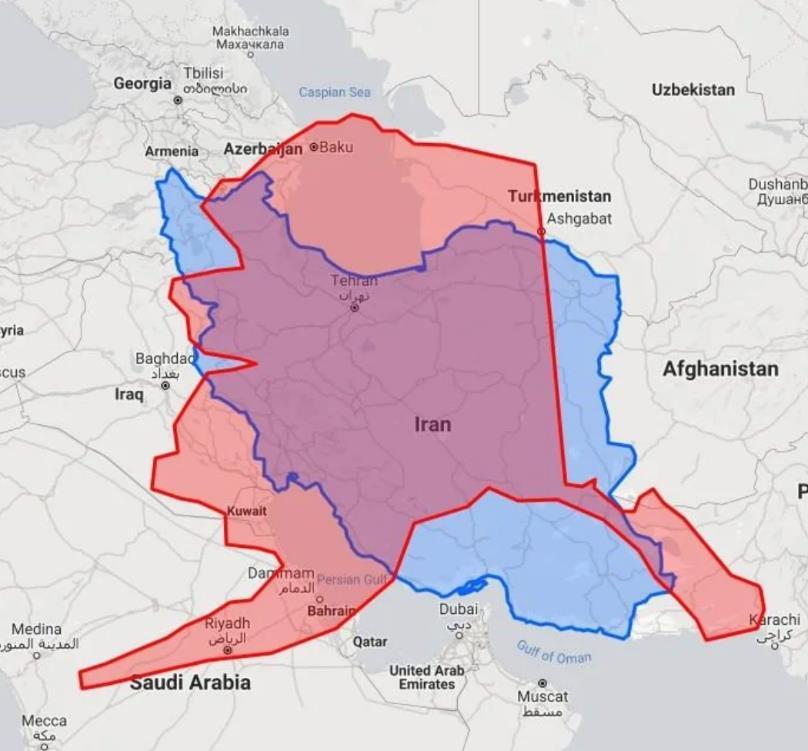
• The country is highly urbanized with more than 73% of the population living in cities. Geographically, Iran is a large country. Comparably, Iran is 2.5 times bigger than Texas and 4% smaller than Alaska.
• Only 10 – 12% of Iran’s land is considered cultivatable due to severe limitations in water, soil quality, and infrastructure.
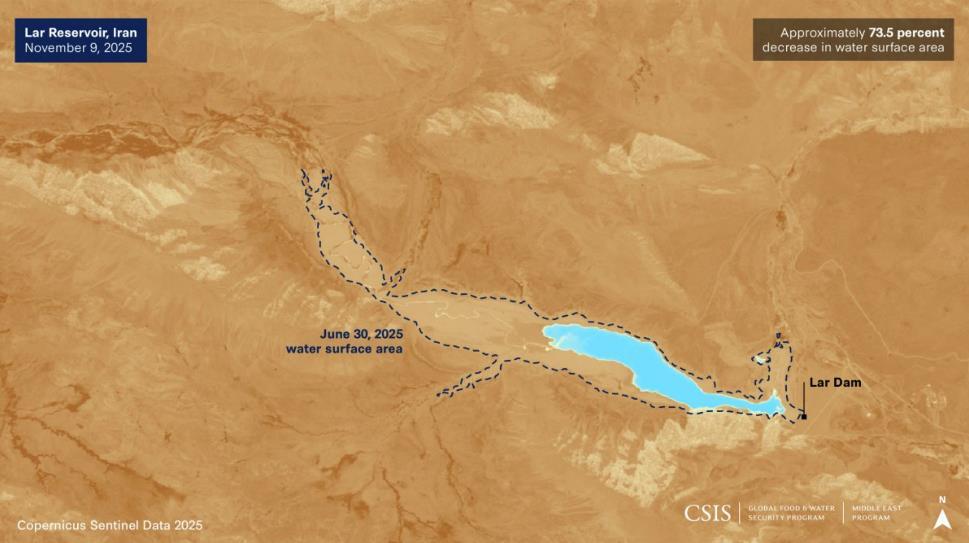
• Tehran – a city of 10 million inhabitants which has doubled in size since the Revolution – has been suffering through a severe drought for years leading to days when water is rationed. The city – as are several other major cities in Iran – is approaching “Water Zero” point as natural aquifers are drying up.
• The Iranian currency (Rial) valuation has cratered in recent years, reaching 1.47 million per U.S. dollar in January. Inflation – prior to the war – was at 46%
• The black market is massive and mostly run by government factions, dominated by the Quds Force and Iranian Revolutionary Guard Corps (IRRGC) senior generals.
Sources: CSIS, ScienceDirect, Statbase, Nature, Geopolitical Monitor, New York Times
Iran’s Military Capability: Large,
Well-Trained, And Lethal
• The Iranian Army is both large (the largest in the Middle East), well trained and, to a certain degree, highly experienced.
• Senior generals are experienced from the U.S.-Iraq War and even a select few are veterans of the brutal Iran – Iraq War (1980 – 1988).
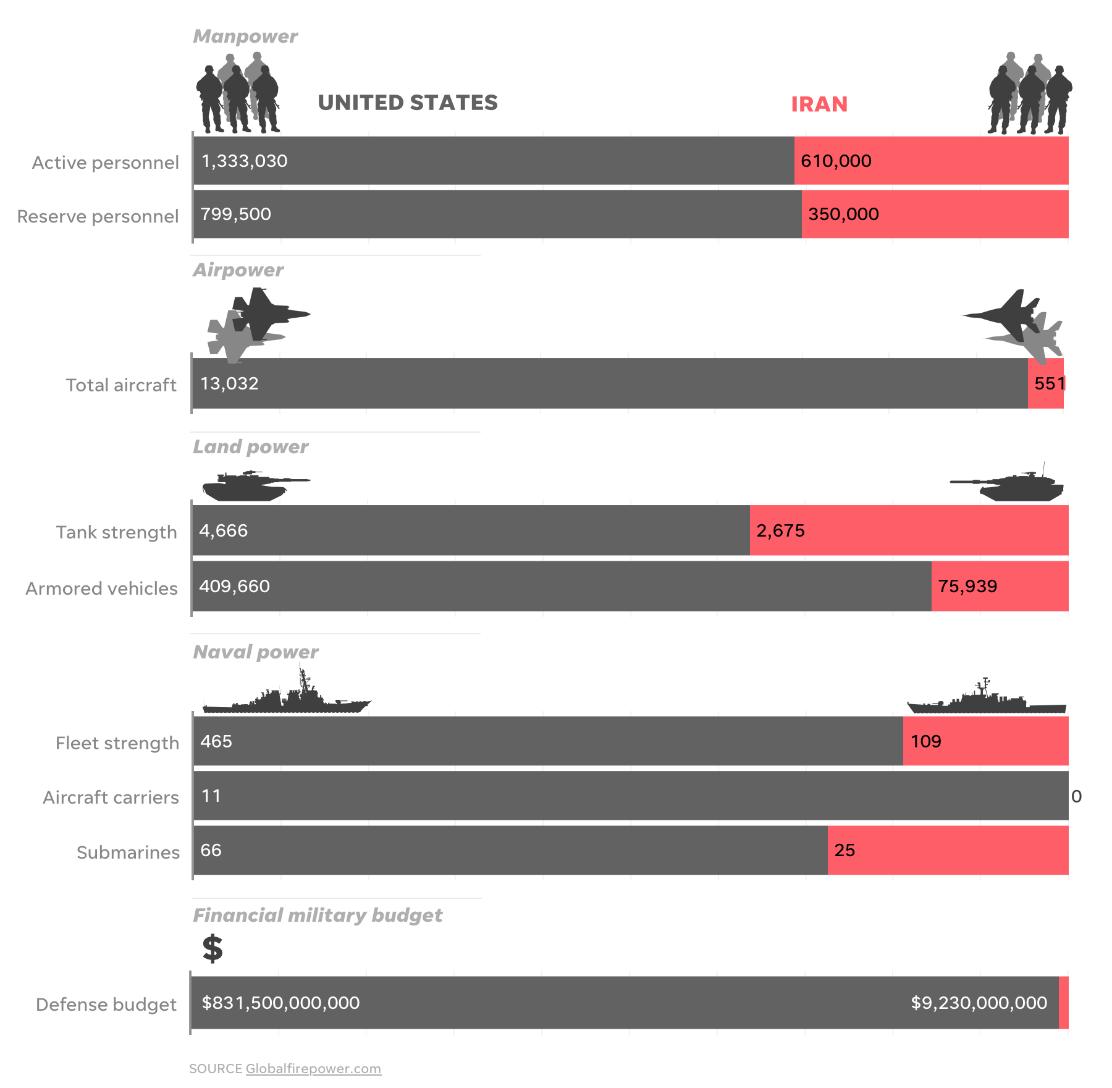
• Overall, The IRGC consists of 610,000 active-duty personnel and 350,000 trained reserve personnel (960,000 total).
o Within this number is the Quds Force (a 50,000+ personnel branch of the IRGC) which is considered analogous to a combined CIA and U.S. Special Forces. They focus/operate primarily outside of Iran but hold an oversized leadership role over the IRGC.
o Additionally, Iran has a sizeable paramilitary police force –the Basij (90,000+) – which is largely a volunteer force.
• The Iranian Air Force – which appears to have been mostly destroyed – consisted of 188 fighters, 129 helicopters which includes 13 attack helicopters.
• The Iranian Navy – which has been virtually destroyed – consisted of 7 frigates, 3 corvettes, 25 submarines, and patrol vessels.
The Provocation Of Iran’s Gen Z Protests and Resulting Slaughter
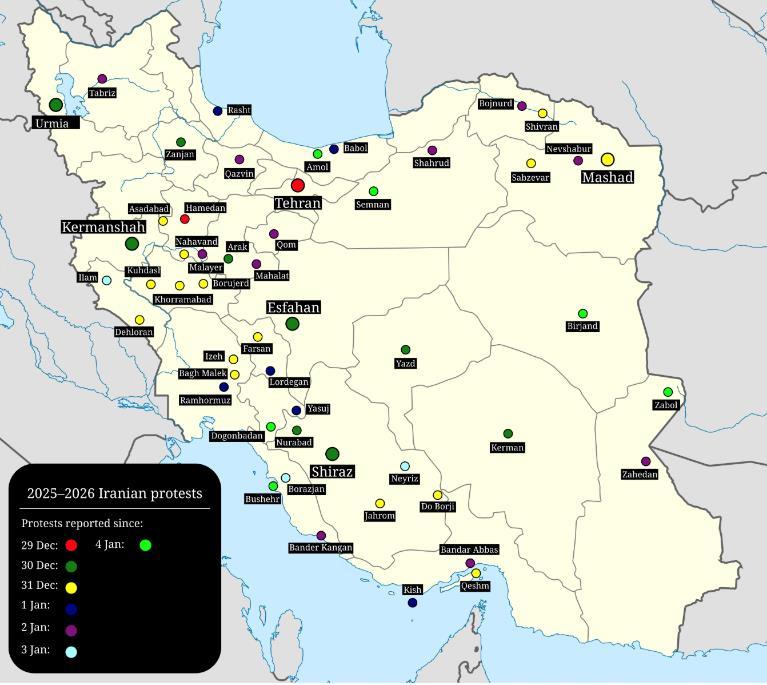
• Protests broke out over economic mismanagement and corruption on December 28th. Initially beginning in Tehran, the protests spread to more than 50 cities. As a result, government has cut internet access nationwide to suppress organizing capabilities and block external communications.
• On January 8th, an estimated 1.5 million protesters took to the streets in Tehran. By January 9th, an estimated 5 million people were protesting nationwide. But the protests had morphed from complaints about the economy to calls for a change in government. At this point, Iranian security forces (Basij internal security now joined by IRGC units) began indiscriminately killing protesters.
• Estimates of how many were killed vary widely. The U.S.-based Human Rights Activists New Agency says 7,000 were killed. The UK-based Guardian newspaper and Iran International estimated between 30,000 – 35,000 were killed and an unknown number were wounded and/or arrested.
• The crackdown has been – so far – successful in quelling large protest rallies, but smaller protests are reported to persist (Note the public celebrations of the death of Ayatollah Ali Khamenei). The regime has responded by re-instituting public hangings.
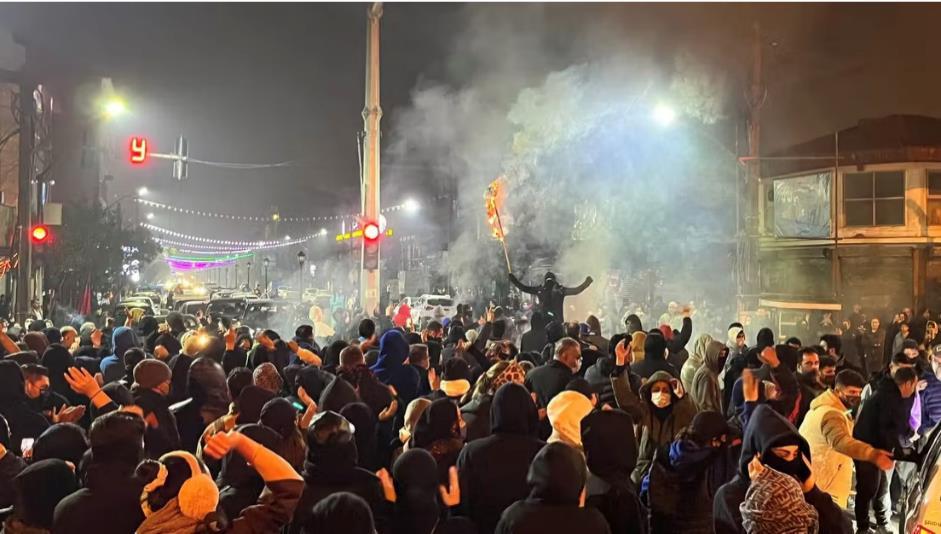
Protesters in the city of Bandar-e Anzali, January 8, 2026
Impact of the War on the U.S. Economy: The Spike
in Gasoline Prices
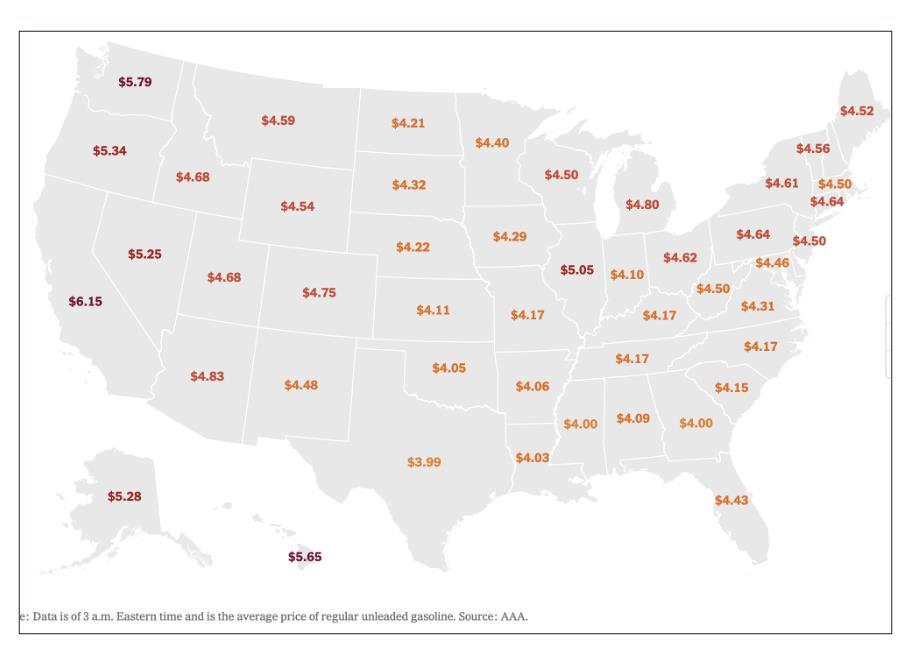
➢ Gasoline prices have jumped by 50% since the war began, rising from $2.98 to over $5.00 in many states.
➢ The price of diesel fuel has risen to $5.40 per gallon (as of 3/31/26).
➢ United Airline CEO Scott Kirby warned oil could hit $175 per barrel and stay elevated until 2027.
➢ Saudi Energy Ministry officials also warned oil could hit $180.
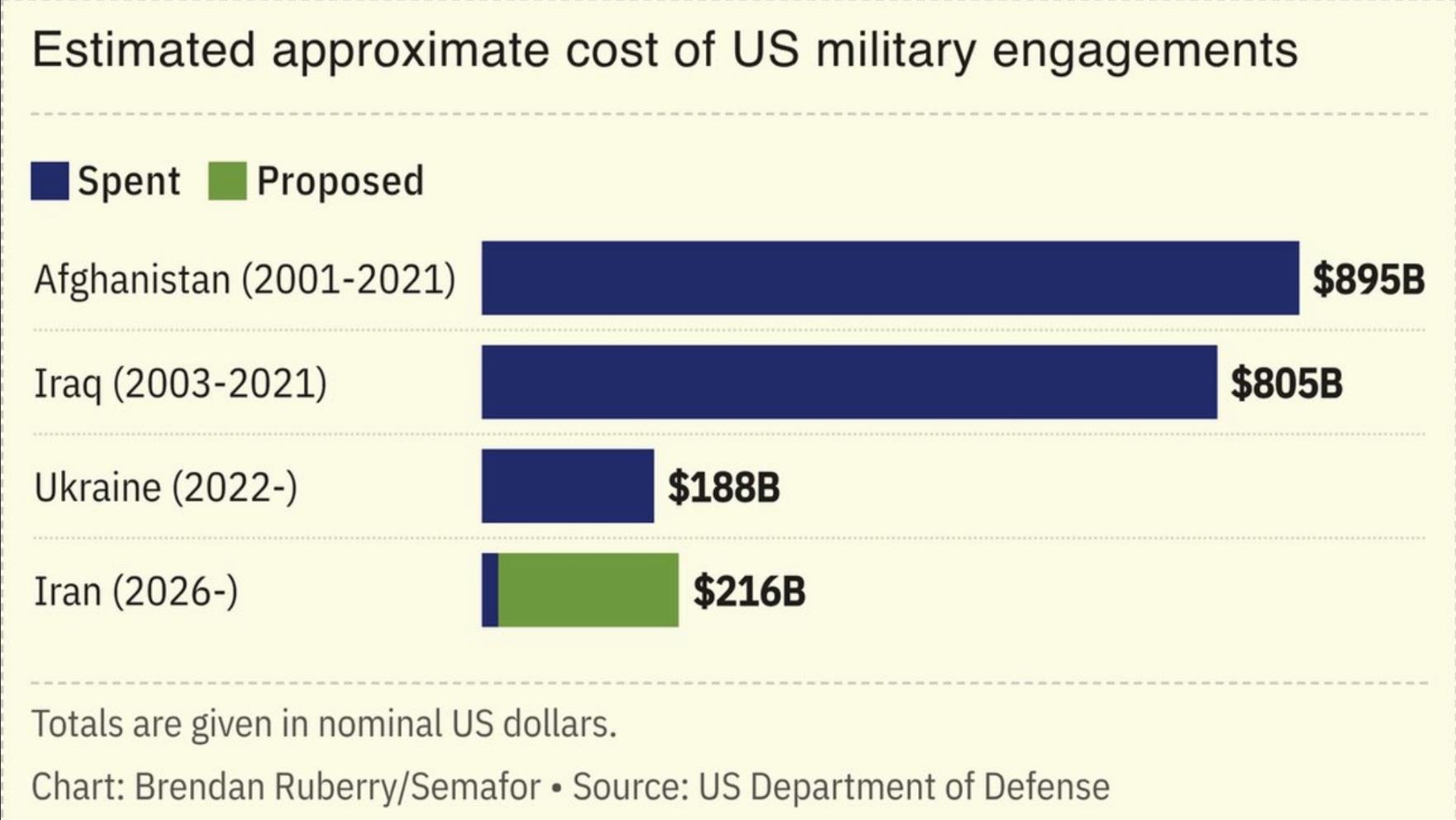
The Cost Of The War Is Quickly Growing And On Track To Hit 25% Of
The Total Spent On The Iraq War
• The U.S. Department of Defense has asked the White House to request an additional $200 billion from Congress to fund operations in the Gulf. Congress is likely to approve the measure but there will be a fight over strategy and “defining victory.”
Sources: Semafor, Department of Defense
The War’s Impact On Global Agricultural Production Looks Increasingly
Severe Due To Fertilizer Shortages
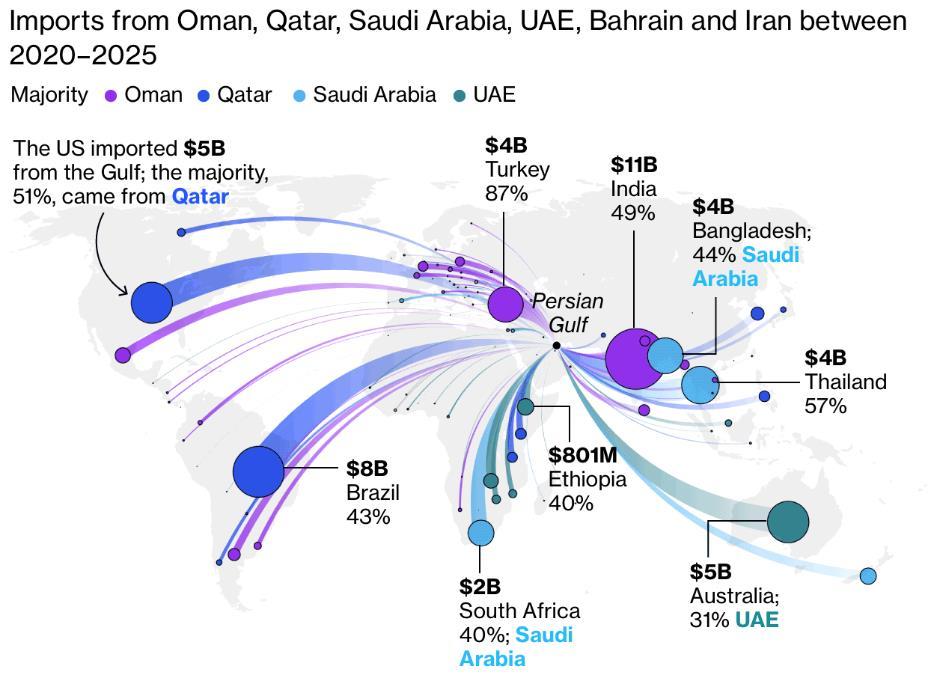
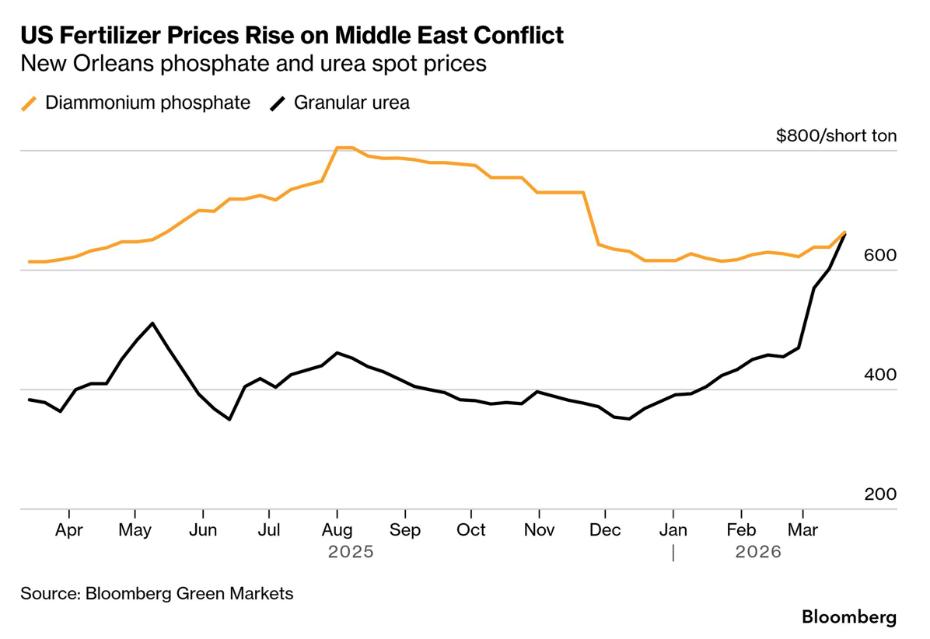
• Beyond oil and gas, the disruption of Gulf exports of ammonia, sulfur, and urea – all byproducts of oil and gas – are critical inputs for fertilizer production. 45% of all sulfur used globally comes through the Strait of Hormuz. Overall, Gulf States now produce close to 1/3 of global nitrogen fertilizers.
o Nitrogen fertilizers underpin approximately half of global food production, helping to expand crop production. Without it, farmers will likely cut planting, reducing harvest this summer.
• Countries most at risk are Sudan, Sri Lanka, Australia, Pakistan, Kenya, and Tanzania among others.
• The UN’s World Food Program estimates 45 million people will be pushed into acute hunger if the conflict continues.
• At some point, food prices in the U.S and globally are expected to rise as result.
• Food prices constitute an outsized 13.7% weight of the Consumer Price Index (CPI).
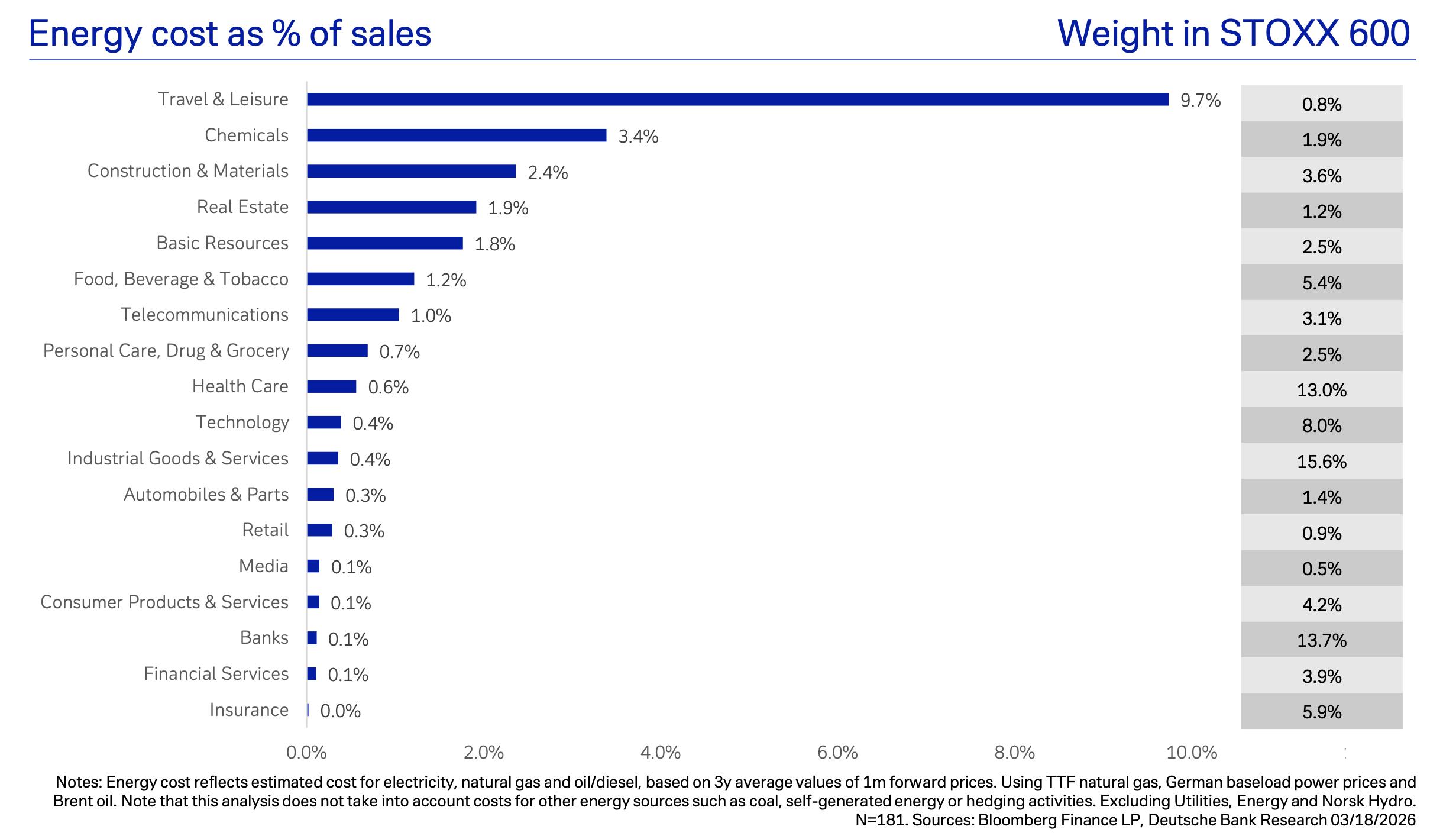
Which Sectors Are Hit Hardest By The Spike In Energy Costs?
Global Corporate Risk: Iran
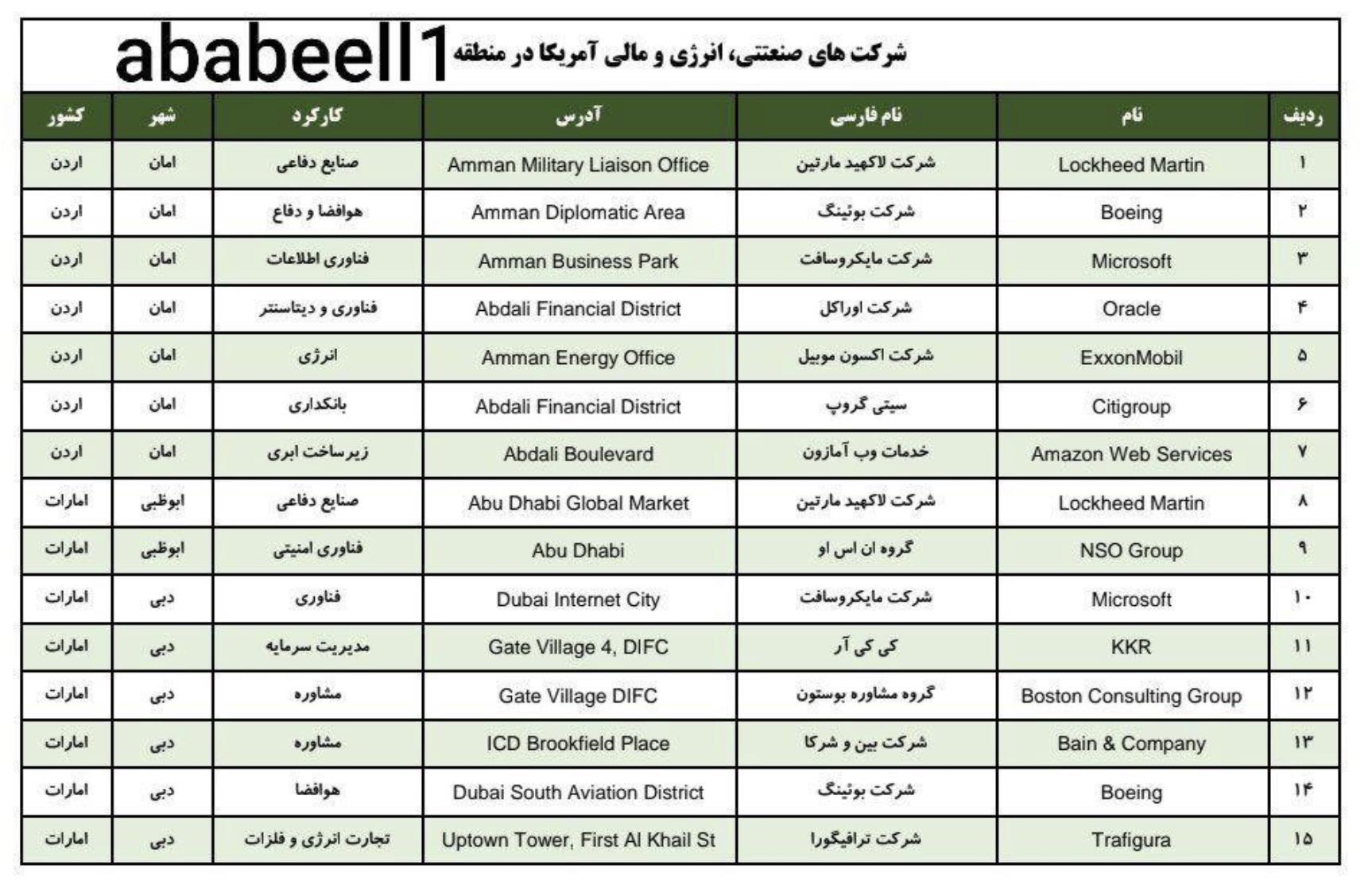
Is Now Directly Targeting U.S. Companies In the Region – And Likely Elsewhere Around The World
• This chart has been circulated by the IRGC warning these U.S. corporations are targets and those who live near their corporate offices are at risk and should leave.
• “Ababeell1” is a reference to a passage in the Qur’an and means “a flock of birds.”
Specifically, it tells the story of how a flock of birds protected the Kaaba in Mecca by dropping clay stones on the Aksumite elephant army of Abraha –a clear modern reference to the use of missiles and drone strikes.
It Takes Three To Tango: A Look At Israel’s Strategy
• Israel has coordinated – not always closely – with U.S. military efforts against Iran since the start of hostilities on February 28th . The Israelis, however, are also engaged in other military actions closer to home.
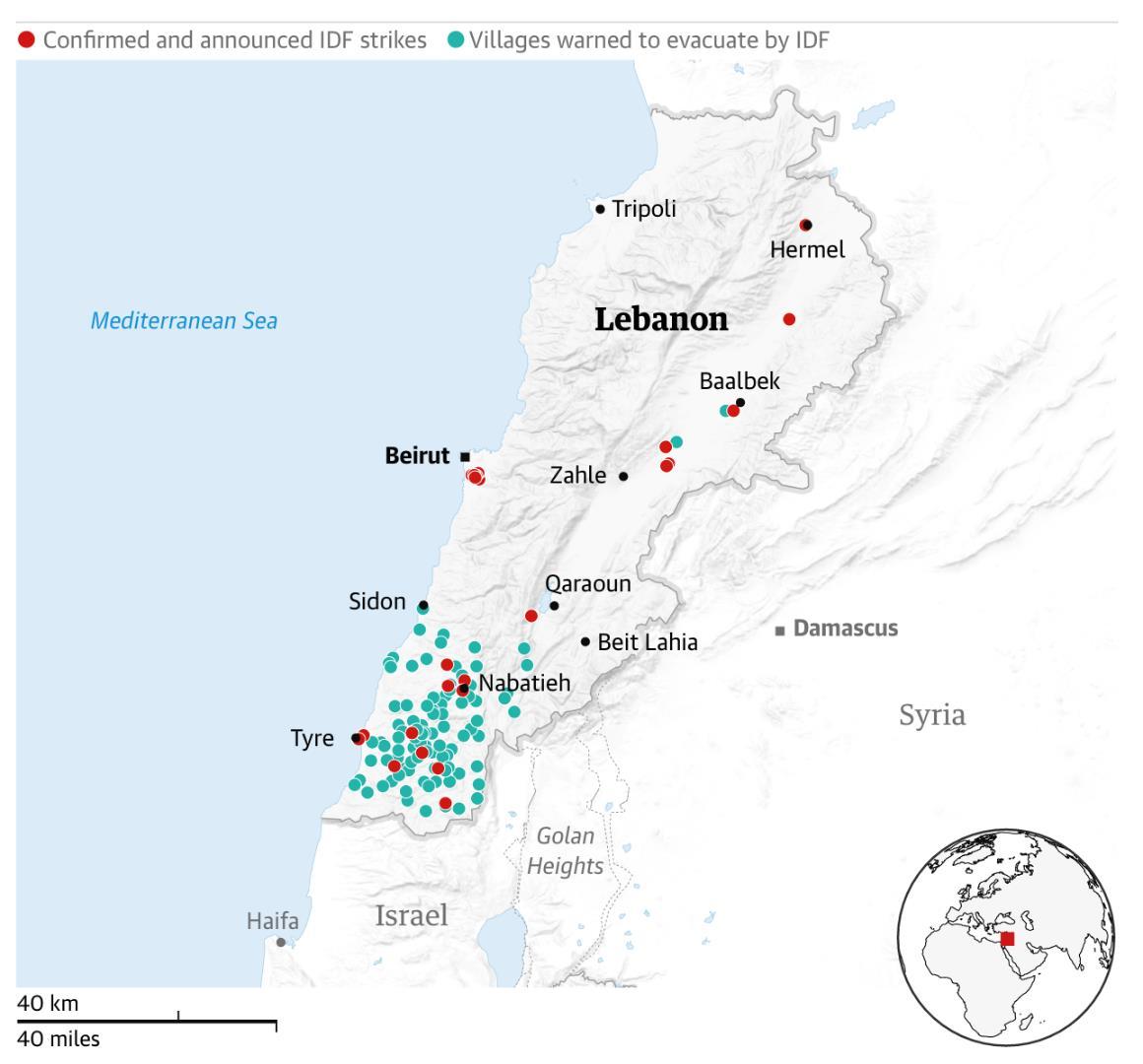
• But closer to home, the situation with Hezbollah in southern Lebanon has escalated in recent weeks. Following a rocket attack by Hezbollah on Israel on March 2nd, Israel struck numerous Hezbollah positions in Lebanon, including large air strikes in Beirut and the surrounding suburbs.
• This was followed by the launch of a large Israeli ground operation on March 23rd aimed at demolishing houses and bridges in border villages to remove “threats” from Hezbollah. More than 1 million Lebanese residents have been told to evacuate. And Israeli Finance Minister Bezalei Smotrich yesterday was the most senior official to call for the annexation of a portion of southern Lebanon.
• It appears the U.S. and Israel have yet to come to some form of mutual agreement on how and when victory is achieved over Iran.
Russia And China’s Involvement And Expectations
• Russia and China are sharing satellite imagery and improved drone technology with Iran.
• Both Russia and China have modified (and much improved) the Iranian Shaheed drone and are supplying Iran with them.
• But US officials and external experts note what China and Russia want out of the war are very different.
• For China, Iran is a business interest. Yes, Beijing appreciates the military action keeps the US occupied and focused on Iran and away from the greater Indo-Pacific region. It also allows China to closely study US military. But China also is wary of the radicalized element in Iran and worries about any clandestine involvement in China’s heavily Muslim western provinces. And at some point, China’s 2 -billion-gallon oil reserve will start to become depleted (6+ months) and Beijing will want access to Middle Eastern oil again. Additionally, President Xi is hoping to use his relationship with Iran as leverage with President Trump in their upcoming summit.
• For Russia, they hoped it would help weaken Ukraine forces (it has not) and allow them re-entry into the global oil markets. President Putin also offered a “if we cut off arms to Iran, you cut off arms to Ukraine” trade. That proposal was rejected.
Iran’s Shaheed drone
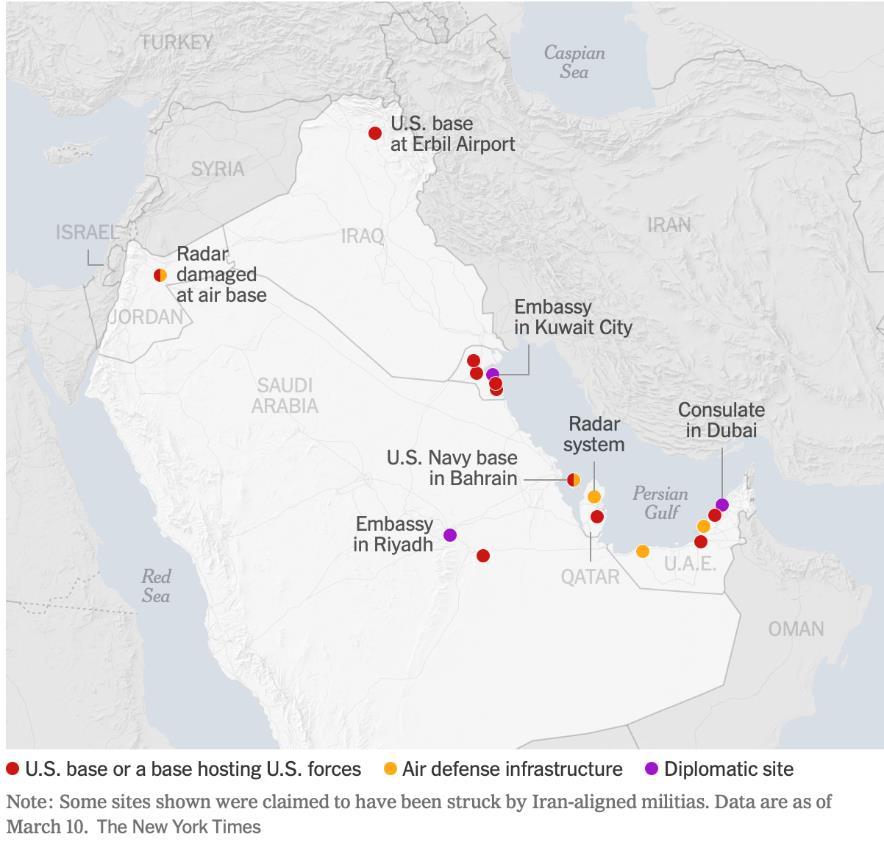
US Bases Struck By Iranian Missiles and Drones
“Tell Me How This Ends” - Unconditional
Surrender? Negotiations?
• Markets are asking the basic question of timing and outcomes. Our view is on a sliding scale between the Venezuela action on one end and Ukraine situation on the other end, we believe this situation sits squarely between the two: A war measured in quarters and not weeks.
➢ The Iranian regime has, so far, proven to be resilient and durable despite the killing of most senior leaders and no cracks showing among the existing leadership.
➢ While the Iran’s Air Force and Navy have been destroyed, Iran’s ground forces are largely intact. And Iran seems to have a considerable reserve (estimated as high as 30,000) of cheaply made drones along with an unknown number of ballistic missiles.
➢ President Trump’s and Prime Minister Netanyahu’s hopes for another civilian uprising has yet to materialize. We believe it is unlikely to happen as long as IRGC and other security forces remain intact.
➢ No simple, quick solution to opening the Strait of Hormuz has emerged.
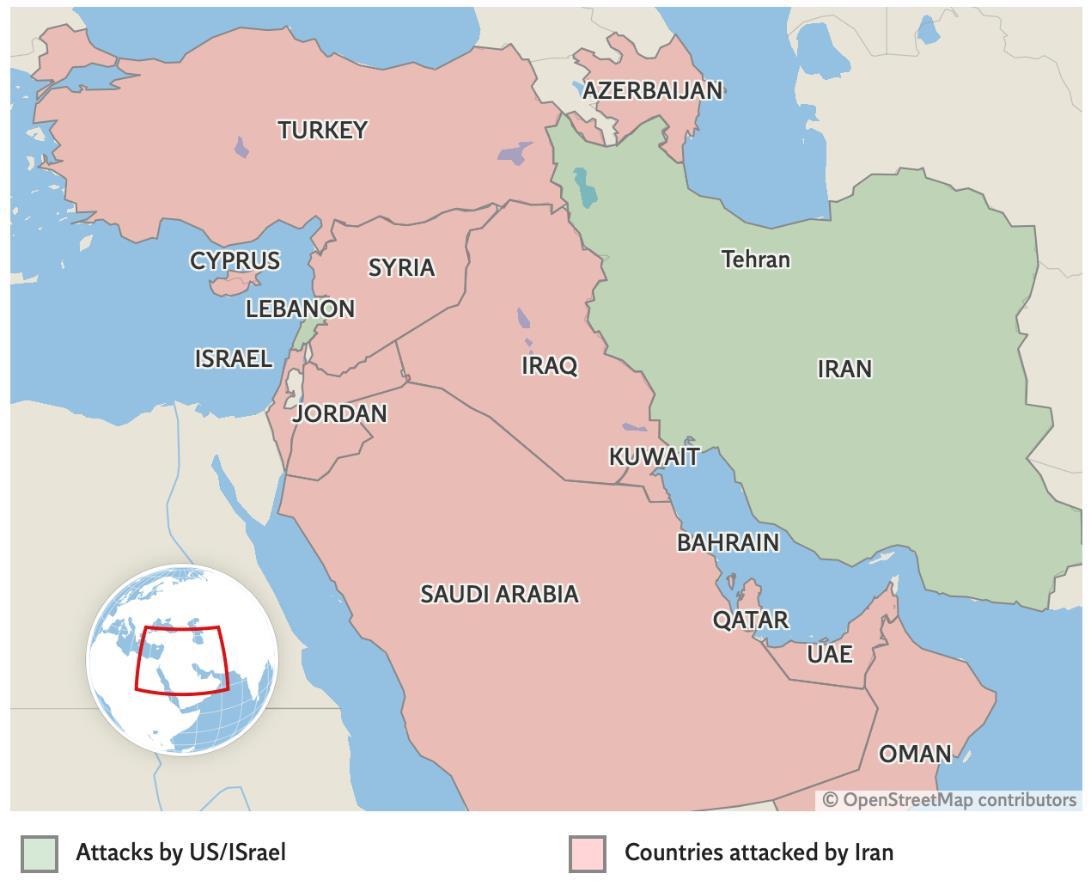
• The Wild Cards: What if Gulf States, Turkey, Jordan, and other regional players begin to assist the US and Israel militarily? And what about the Houthis?
The Larger View: The Tectonic Shifts Radically Transforming Our World
Sticking With The Fundamentals: The World Continues To Undergo Historic
Structural Political/Social/Economic Shifts
1. The ”Old” Globalization is Dead. A “New” Globalization is Being Built. The post-WWII commercial order is gone; global tensions now center on tech and the race for technological dominance.
2. Many of Today’s Global Superpowers are Demographic Disasters.
The world is undergoing major demographic shifts: India now leads in population; China, Russia, South Korea, and Japan are shrinking; Africa is booming; Latin America and the U.S. continue to grow.
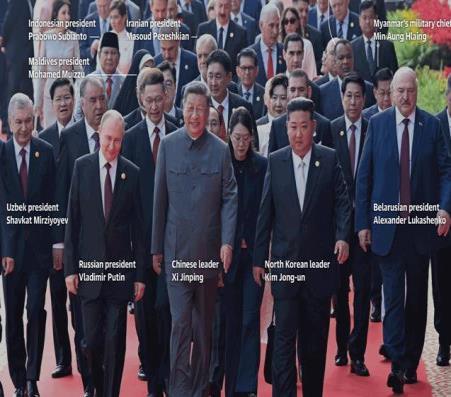
3. The New Axis of Evil – Facing True Existential Risks –are compelled to Challenge the US.
Russia’s invasion of Ukraine triggered a new alignment: Iran, North Korea, Venezuela, Cuba, and China are now (or in Venezuela’s case, had been) coordinating militarily and economically. The key question: How will Trump respond?
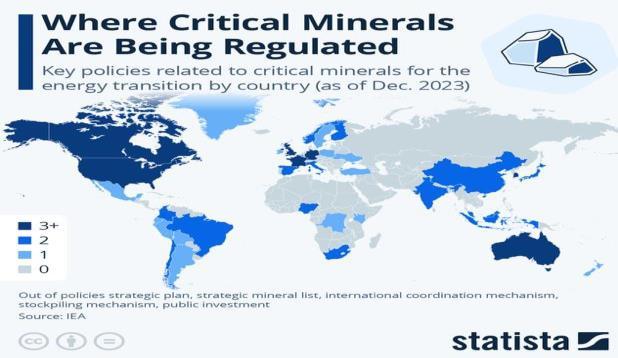
4. Commodities are a Driving Force in Geopolitical Shifts.
Technological dominance requires critical minerals. Control over these resources, along with water and agriculture, is driving new geopolitical tensions and opportunities.
AShrinking World: What Will The US,China, Russia, India, and The European Union Populations Look Like In 2050 And 2100? Country/Region
Russia and China Have a Serious and Unfixable Population Crisis
We would also note Africa (in
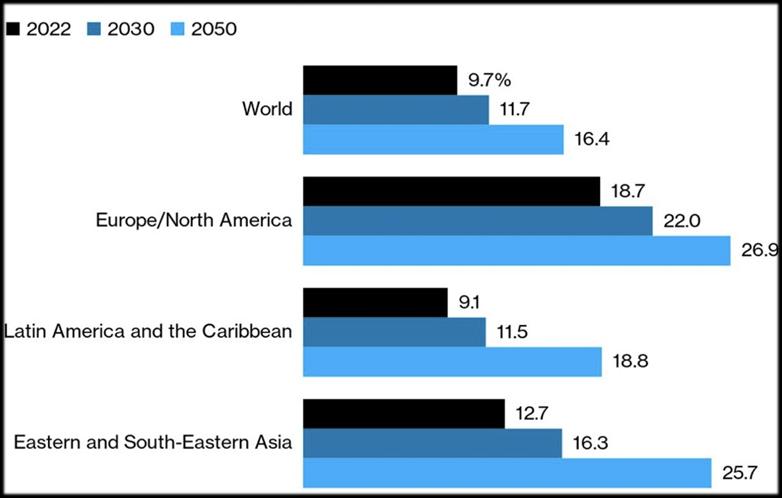
Putting Pressure On Pensions And Healthcare Globally
The Percentage of the Population Aged 65+
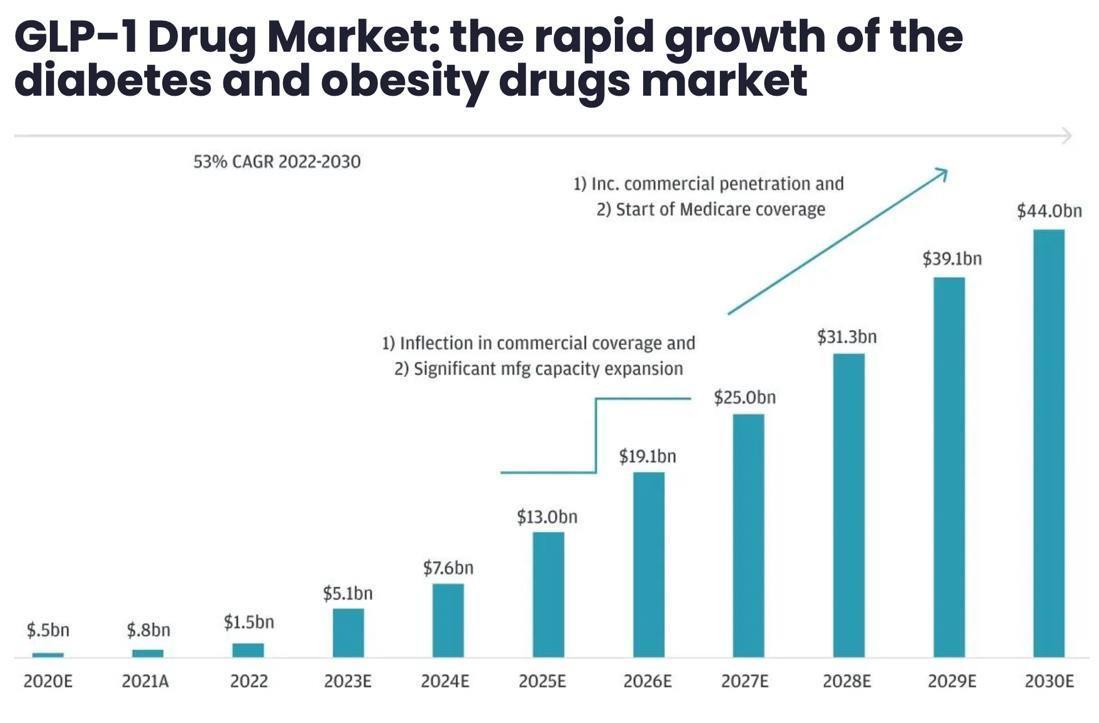
While Getting Older, We Are Getting Healthier: The GLP“Miracle” And AI’s Use In Medical Research
• GLPs originally were used for Type 2 diabetes and are now widely used for obesity. We know them as Ozempic, Wegovy, Mounjaro, and a host of new variations.
• In essence, we have solved the obesity crisis in America - and globally - with GLPs. But the drugs are having further, far-reaching positive impacts: decreased risk of dementia, addictions (alcohol/drugs, heart disease).
o Today, 1 in 8 Americans is currently taking a GLP-1. Overall, 1 in 5 Americans have taken a GLP at some point.
o Ultimately, that suggests a drop in medical costs and an easing of Medicaid and Medicare costs in the years to come.
• The Downside? We are going to live healthier and longer. And Pension funds are struggling to get ready. Is each of us ready with our own personal retirement planning?
Quantum Computing And AI Offers Extraordinary Worldwide Opportunity
And Social and Political Threats
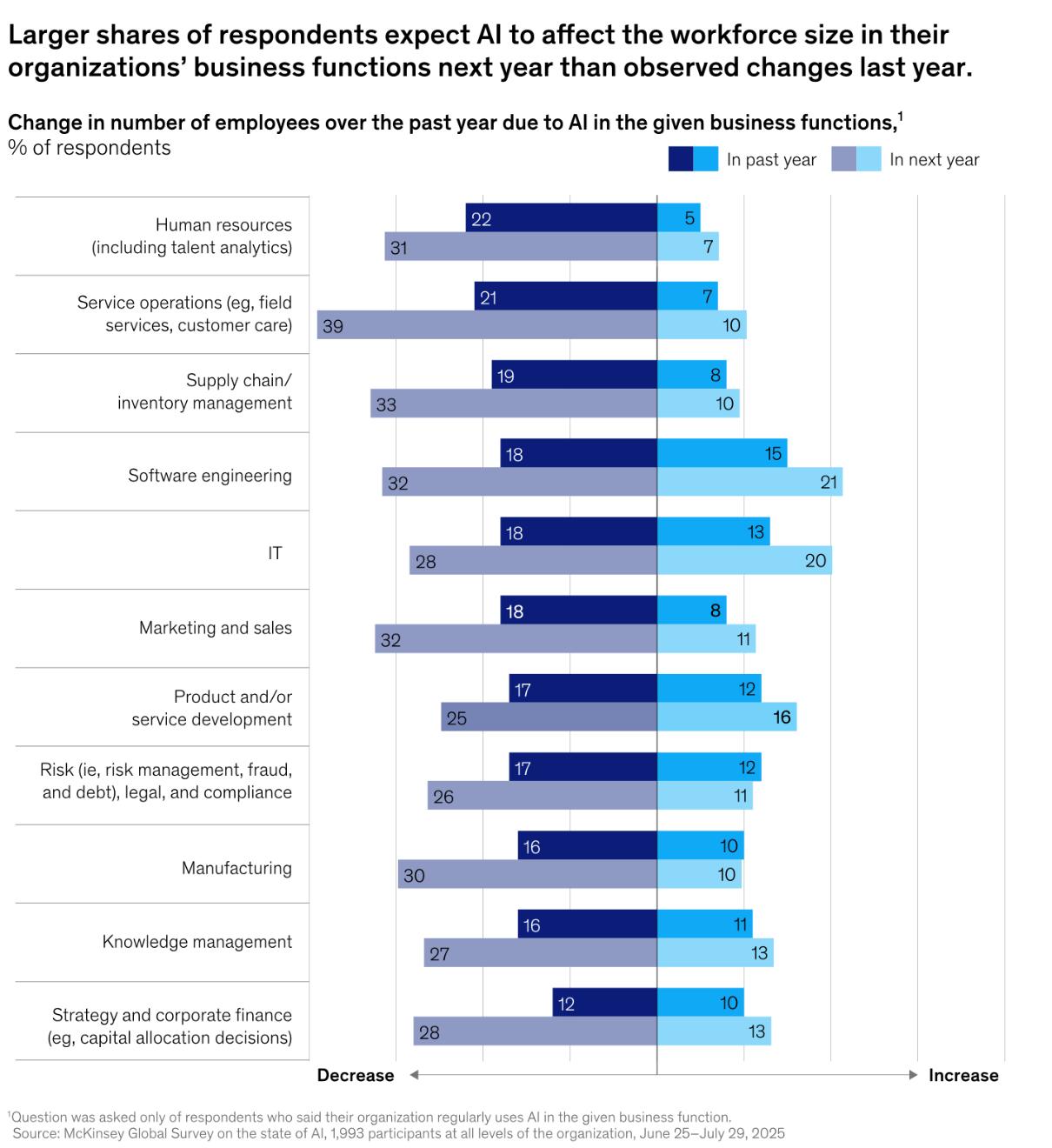
• The adoption rate of AI by corporations and individuals continues to grow at an extraordinary rate, increasingly becoming a normal part of our daily lives. So far, fears of widespread job loss have not materialized. And expectations of AI contributions to advancements in health, education, and economic outlooks are extraordinary.
• However, the impact on jobs is coming. The World Economic Forum has estimated 89 million jobs will be lost in 2027 to AI. Many of those jobs are well-paying white collar administrative positions.
• Meanwhile, quantum computing continues to advance at an extraordinary pace and it, too, brings significant risks. Advancements are already proving capable of breaking some public-key infrastructure (PKI) which secures internet communication, digital signatures, and financial transactions.
• Blockchain integrity is at increasing risk, leaving governments and banks scrambling to figure out how to protect highly confidential data as well as assets.
The Geopolitical Risk Brief: Key Nations and Regions Under Stress and How That Impacts All of Us
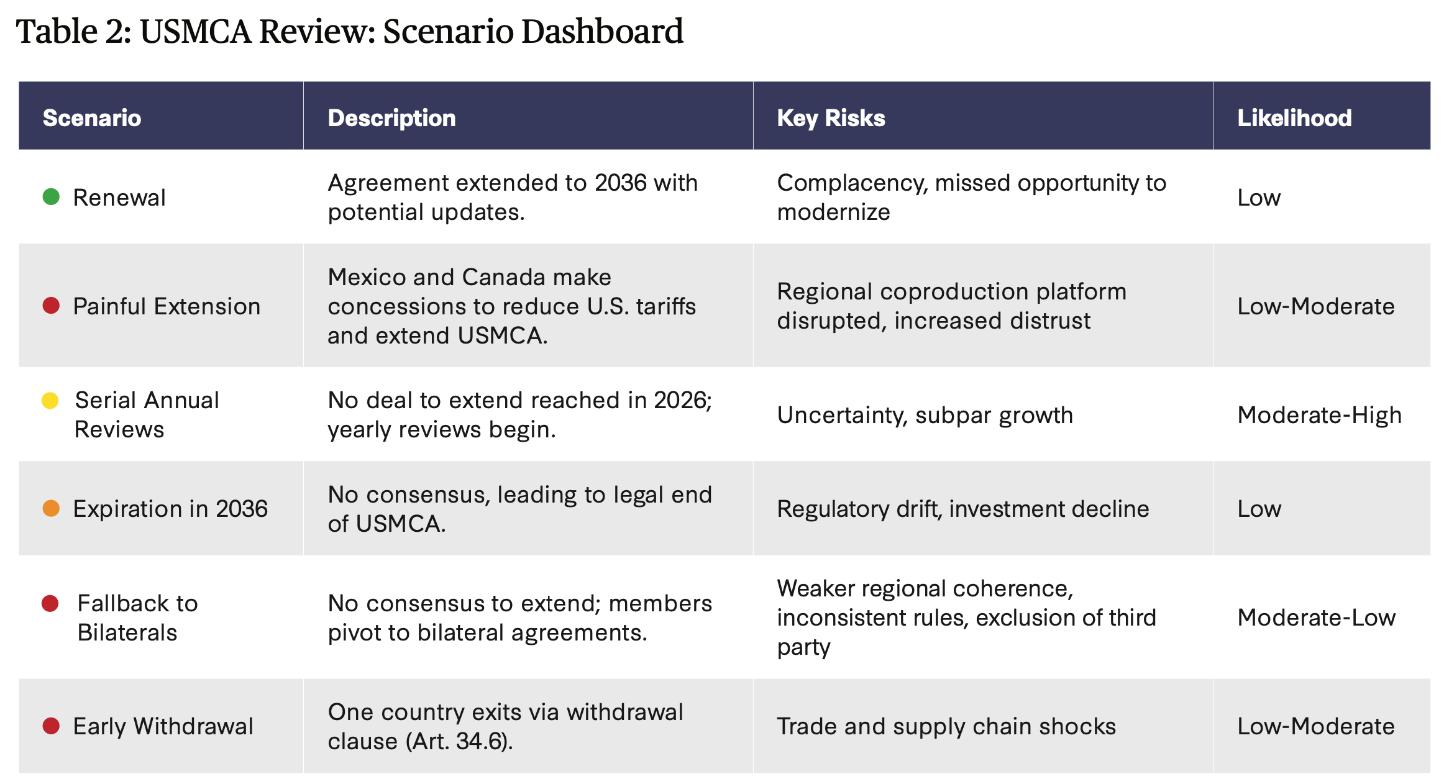
What is Going On with USMCA? Renewal?
• The deadline for extending the agreement is July 1st . If an agreement is reached, it will extend the agreement for 16 years. But failure to get an agreement then triggers a ten-year annual review sunset and wind-down.
• The US is pushing for tighter scrutiny of Chineseowned manufacturing operations in Mexico, higher regional value content thresholds particularly in steel, aluminum, and auto components beyond the current 75% requirements for duty-free vehicle treatment. But how focused is the US?
• President Trump has made terms of a deal much more than trade, demanding new agreements on migration, drug-trafficking, and broader regional and hemispheric defense agreements (e.g., Golden Dome). What is the metric for success in these areas?
• Our assessment: Mexico and Canda make concessions, but they will be painful and likely lead to continued trade tensions and distrust.
China: No Longer Destined To Dominate Economically, Struggling With
Major Economic And Social Risks At Home
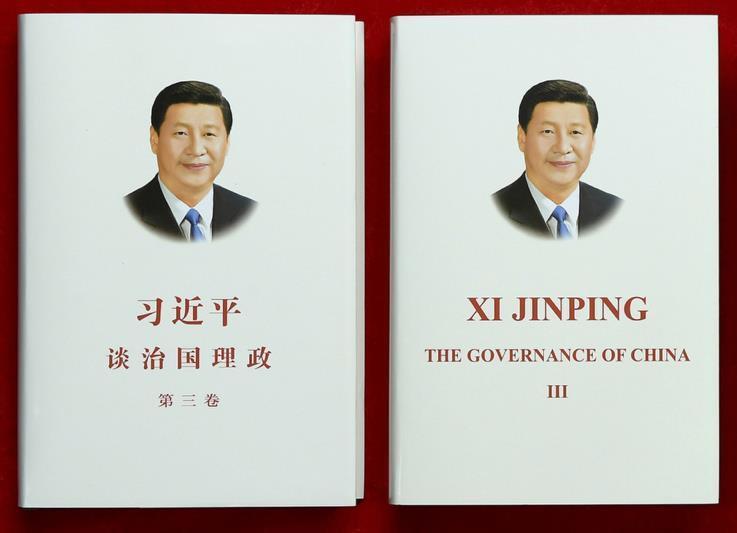
• President Xi Jinping is facing unprecedented domestic challenges, much of it unreported due to censorship. He views much of the “reforms” of the last 30 years as cancerous and a cause of major corruption. Maximum government control is the order of the day. The evolution of “Xi Thought.”
• Xi’s policies have hit investment and markets: Foreign Direct Investment has nose-dived and transparency is down, especially key economic data.
• China’s real economic health is unknowable. Example: youth unemployment was 15.7% officially, then reporting stopped. Estimates suggest it is likely between 30-40%. What’s the true overall rate?
• Residential Property Crisis: As many as 90 million properties that will never be lived in – ever.
• The Taiwan Invasion Risk: Worrisome but unlikely in the next three-tofive years. US assessment: An invasion would be Xi’s “last, worst choice.”
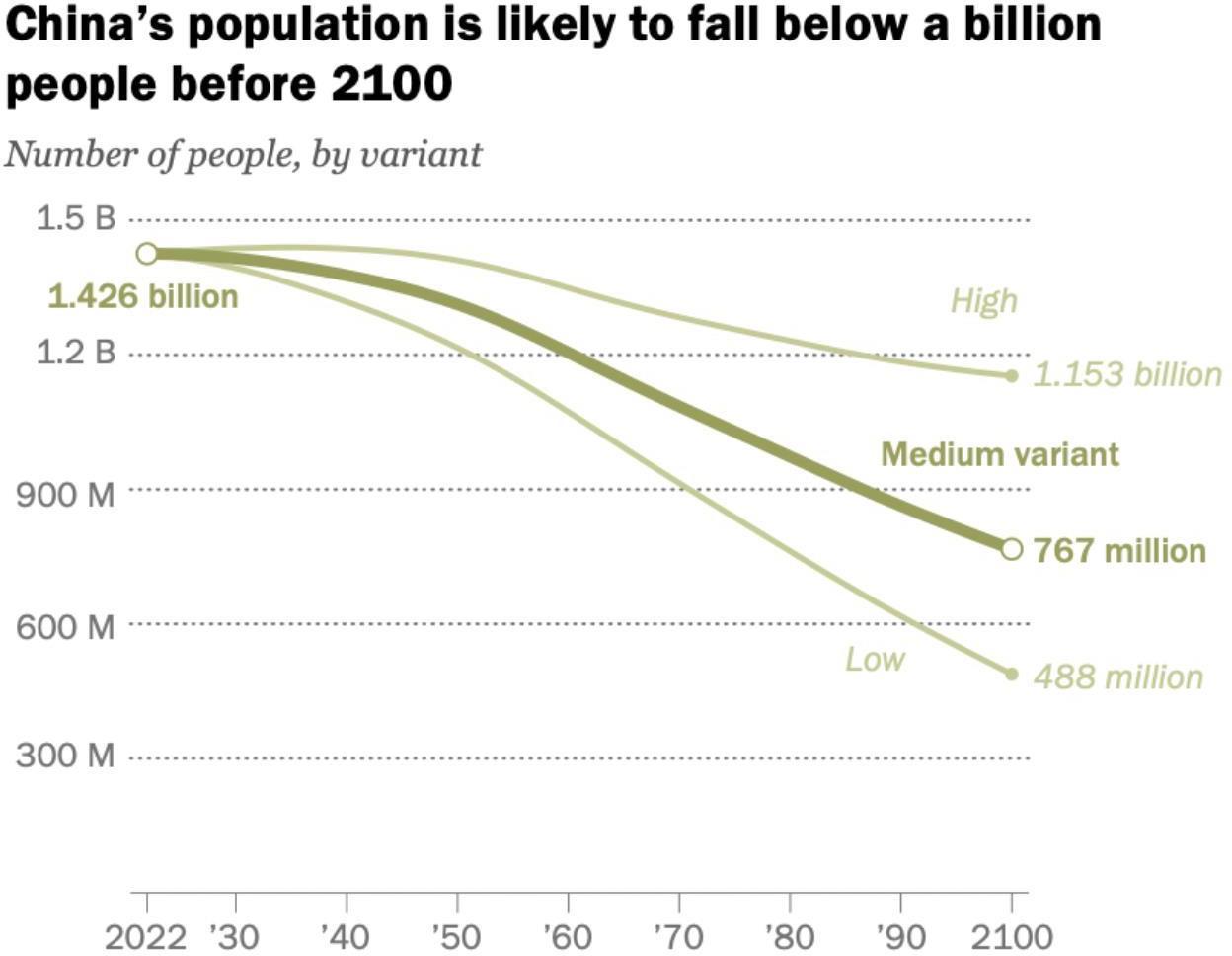
China’s Population Is In Free Fall – An Economic & Societal Challenge
With Likely Long-Term Political & Economic Repercussions
• By 2100, China’s population will likely be less than half of what it is today.
• In comparison, by 2100, India is expected to have a population of 1.5 billion.
o China will be the 3rd largest country, following Nigeria which is expected to have 791 million people.
o The US is expected to have a population of 370 million.
• China’s Standing Committee just raised the retirement age: from 60 to 63 for men and 55 to 58 for women over next 15 years to “expand” the workforce.
• The Standing Committee also recently outlawed the adoption of Chinese orphans by foreigners.
India’s Rise As ANewSuperpower And Their Defining Role In The Ukraine War
• India’s was projected to be 2026’s fastest growing economy (~6.4%).
• Population’s now larger than China’s: average age of 33.
• Manufacturing is steadily shifting out of China, with a significant share moving to India.
• Modi is also building key Indo-Pacific allies (Japan, South Korea, Australia, Philippines) economically and militarily to counter China.
• The Quadrilateral Security Dialogue (Quad) is potentially the groundwork for a future mutual security/trade alliance between India, Australia, Japan, and the U.S.
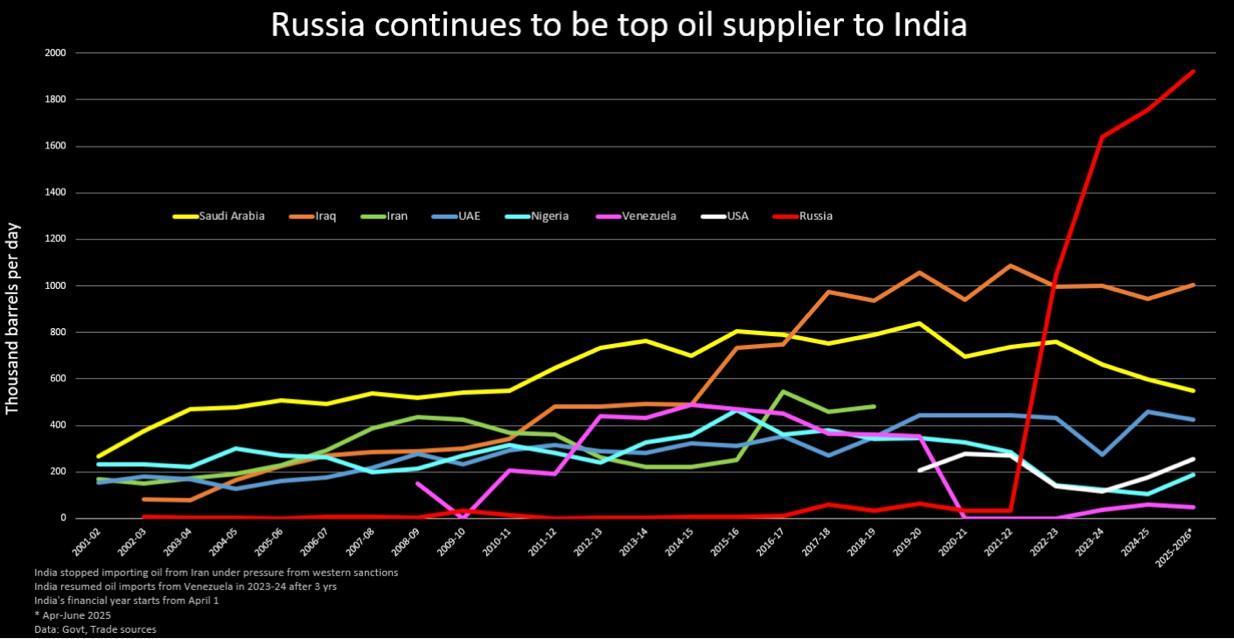
• Major Risk Point: India has profited substantially from purchasing Russia oil at steep discounts, refining it, and re-selling it globally at market prices. This has led to accusations that it is funding Russia’s war; an impediment to securing a U.S.-India trade deal and straining ties with European and Asian allies.
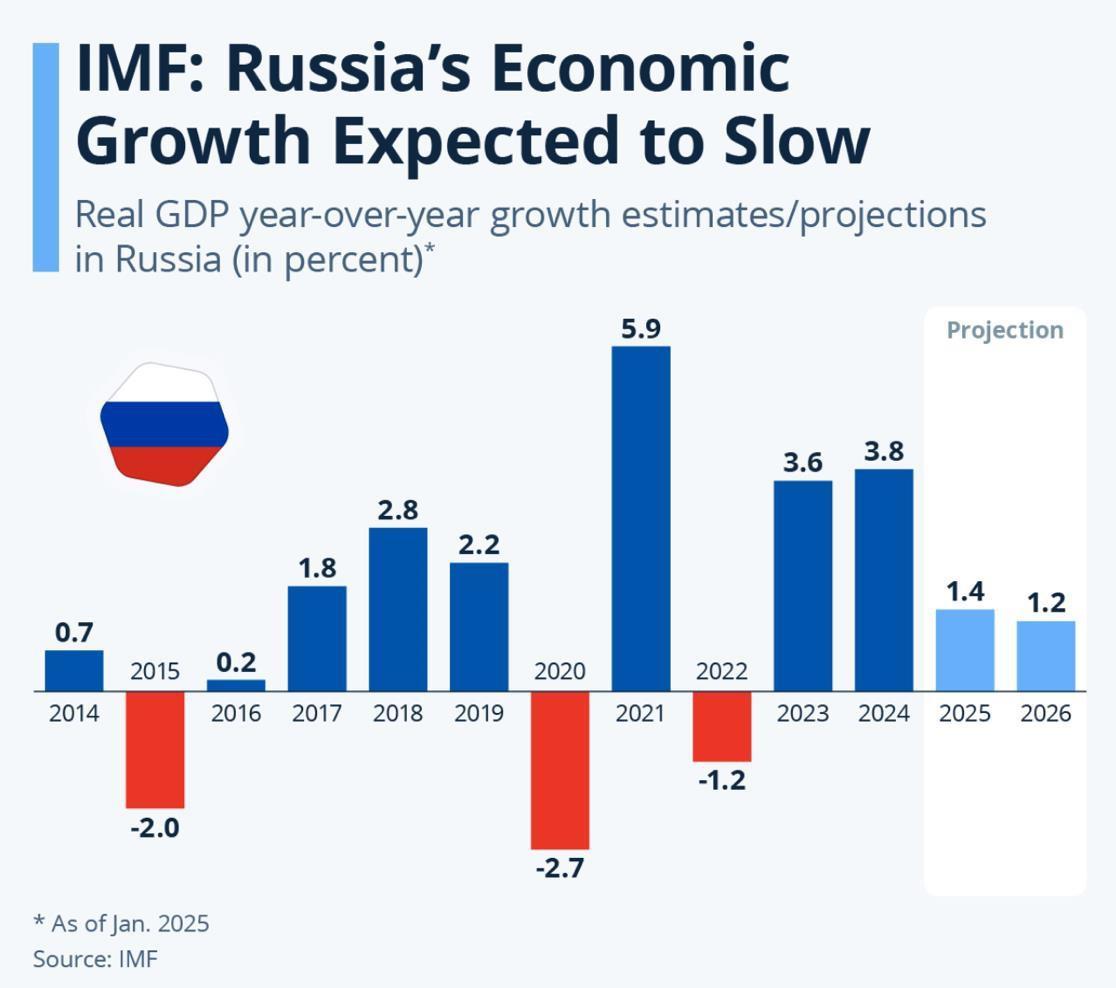
Russia: ABrittle Economy, ASociety In Serious Decline, And the Mortal
Risk To Putin
• After three years waging war on Ukraine, the Russian economy – and Moscow’s ability to fund the war – are running into trouble.
• Sanctions, which continue to be tightened, are having an impact.
• The Ruble is at its weakest vs. the dollar since 2022, driven by new sanctions on Gazprombank, the last major unsanctioned bank Russia uses to pay soldiers and process trade sanctions.
• The lack of spare capacity in the labor market has brought official unemployment to 2.4%, forcing Russian businesses to aggressively recruit teenagers and retirees into the workforce.
• Inflation: 8% officially, but the real figure is believed to be 10%+.
• The Russian Central Bank has been forced to raise interest rates to 18% with aggressive spending cuts as inflation is beginning to ravage the economy.
The Broader Strategy: Challenging Russia’s And China’s “Near Abroad”
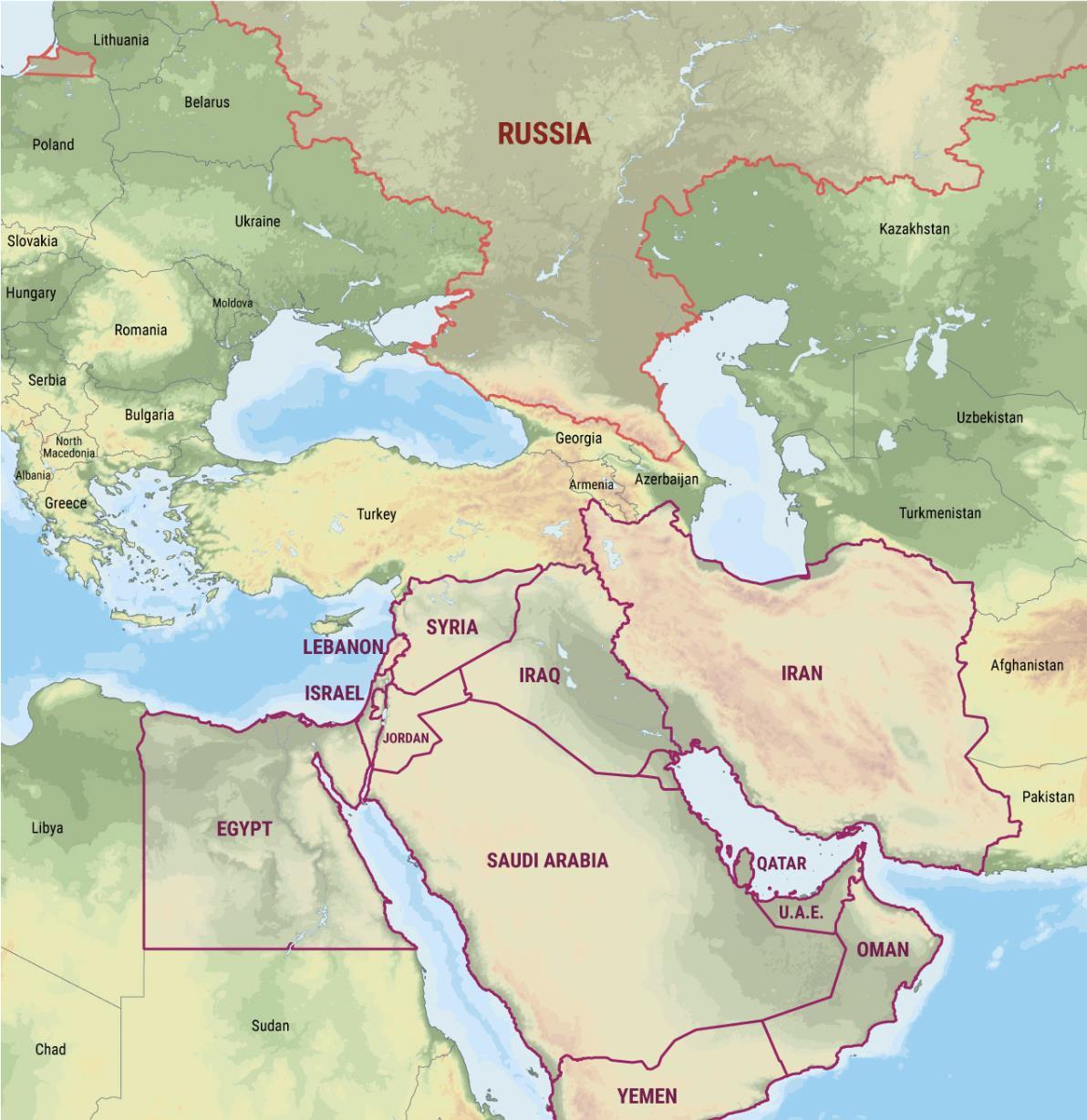
• The calculus is simple: If Putin wants to spend all his blood and treasure on conquering Ukraine, the US is going to take advantage of the situation and strengthen political and trade relations with nations surrounding Russia. Examples of this include:
➢ Trump brokered a peace agreement between Armenia and Azerbaijan. Vice President Vance recently traveled there to strengthen relations. And then President Trump invited the presidents of both nations to join his Board of Peace.
➢ Established diplomatic relations with Syria (which Russia had seen as a critical access point for their navy via a base in Tartus).
➢ Invited Kazakhstan, Uzbekistan, Turkey to join his Board of Peace – they all accepted.
➢ Invited Belarus to join the Board of Peacethey have accepted the ”Observer Status” to Putin’s irritation. (Trump invited Putin, too, but he said no).
China – Iran’s Largest Trading Partner – Is
Not Playing Ball
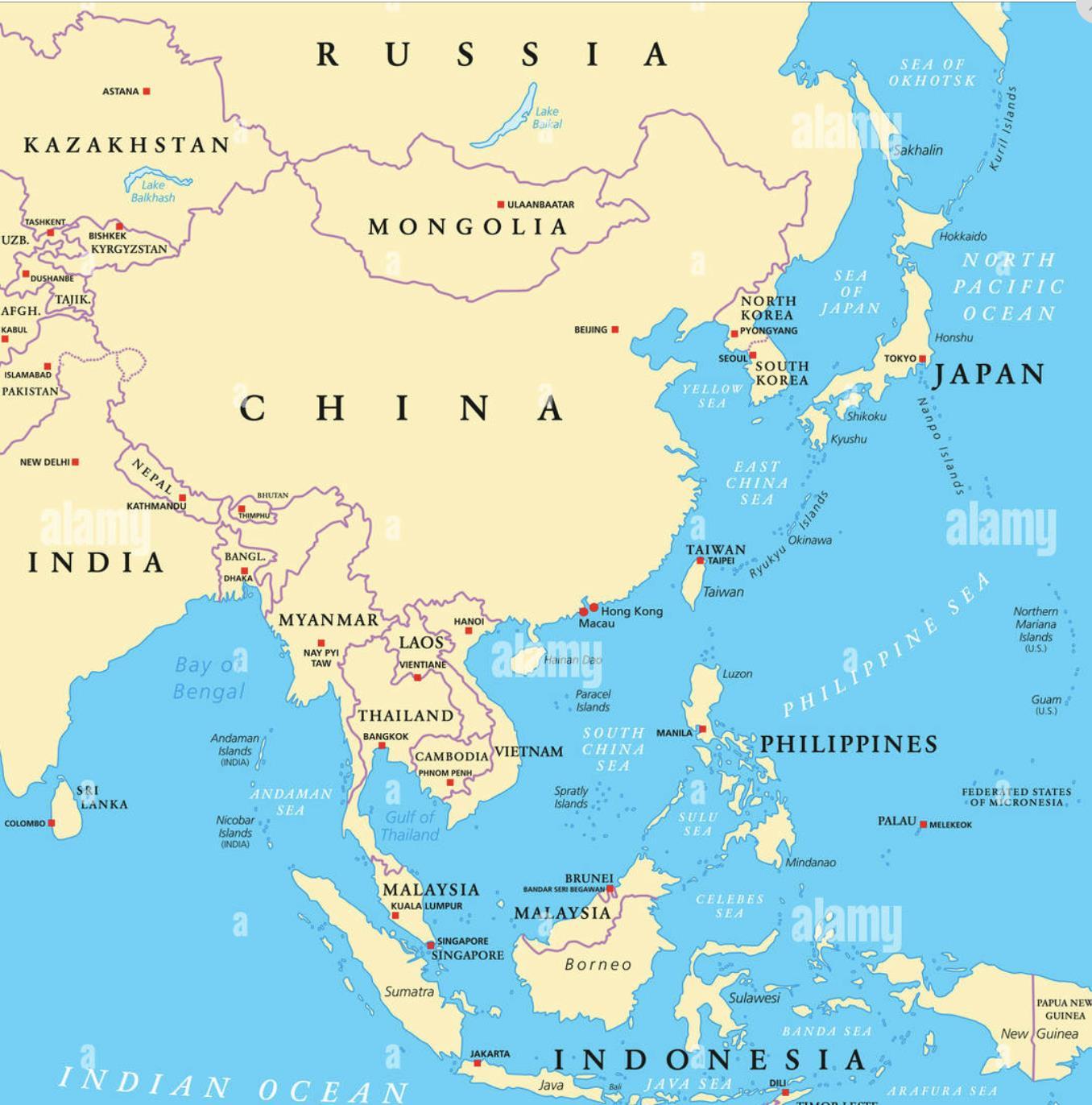
• As for China – who has not only been uncooperative on trade with the U.S. or enforced four signed agreements to prevent the production of Fentanyl and precursor chemicals used to produce it – President Trump has:
➢ Invited Mongolia, Vietnam, India, Cambodia, Pakistan, and Kazakhstan to join his Board of Peace.
➢ Worked through a new trade deal with Japan (forthcoming) in which Japan commits to $550 billion of FDI as well as establish Japanese shipyards as a major new source for production of US Naval ships. Also, working with Japan to expand their overall defense capabilities.
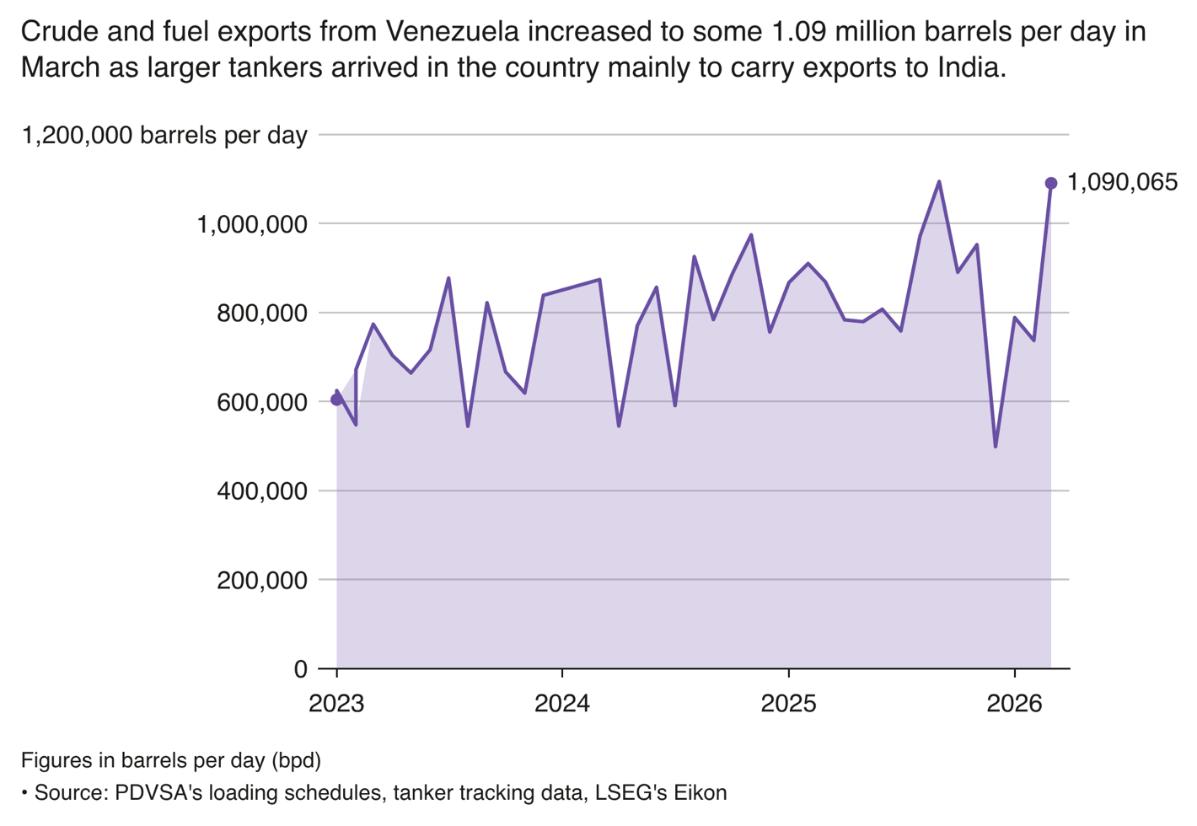
➢ Effectively taken over Venezuela’s oil production, of which China relies on 500,000 barrels per day.
➢ Taken on Iran militarily, effectively freezing 1.5 million barrels of oil shipped to China daily.
Trump’s Laser Focus On Latin America: Commercial Ties and Investment
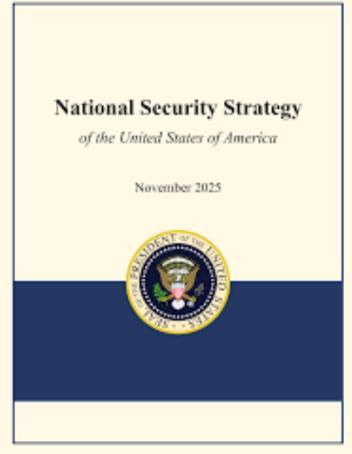
• There are two documents to pay attention to in order to best understand the Trump Administration’s Hemispheric strategy:
➢ The National Security Strategy 2026
➢ The National Defense Strategy 2026
• Reviewing both draft publications, President Trump personally edited/demanded rewrites to raise the focus of the Hemisphere to be the priority, pushing down China/Russia/Iran risk.
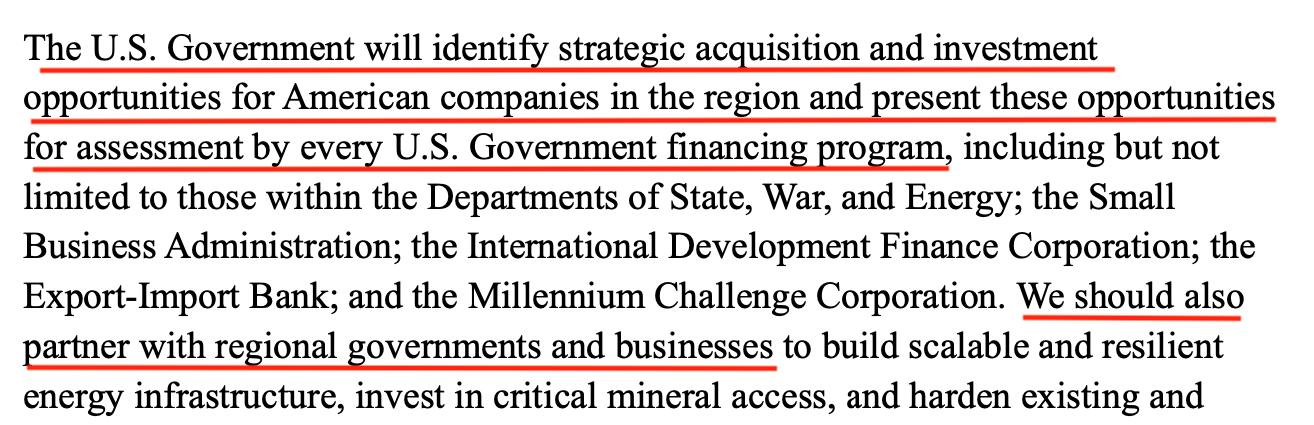
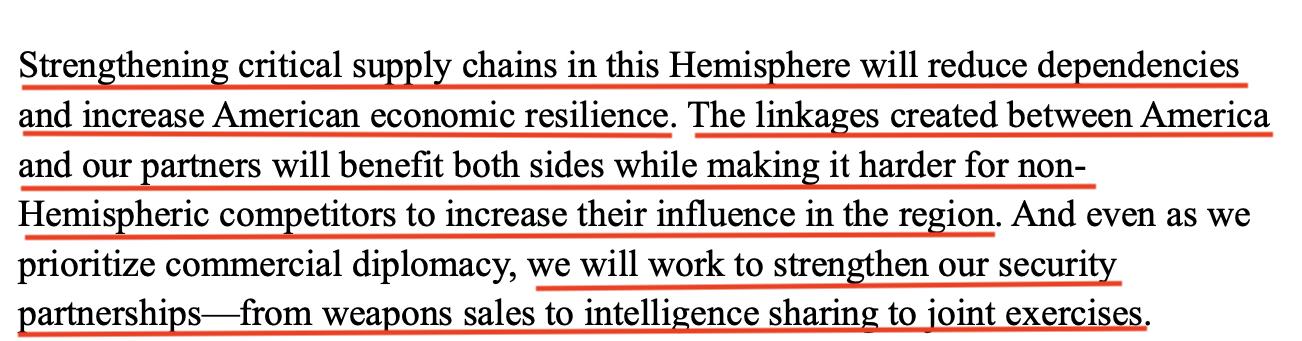
• What Trump wanted to strongly emphasize (especially in the National Security Strategy) is the U.S. determination to massively expand trade and investment in the region in order to build stronger relations throughout the Hemisphere – unsaid is the policy of challenging China everywhere in the region.
• The focus on commercial investments goes to another major issue for Trump: Immigration.
Key Excerpts from the National Security Strategy 2026:
Cuba:
“How To Land A Burning Plane Without Crashing It?”
• Cuba is now at the point of economic collapse. Requiring 100,000 barrels per day to function normally, it is living on 40,000 barrels per day – or even less.
• Tourism has collapsed (4.7 million annually in 2018 to 1.8 million in 2025). Sugar production has also collapsed, producing less than 200,000 metric tons in 2025 – the lowest level in over 200 years. And the exchange rate has ballooned to 450 pesos to the dollar.
• But the Trump Administration is nervous about what happens next, mostly worried about a humanitarian disaster impacting the US and Mexico.
• As one Trump official told us: “How do you land a burning plane without crashing it?”
• Likely outcome: A US agreement with Havana to allow unrestricted investment in Cuba exclusively for US interest. Also, look for relaxed travel between the US and Cuba.
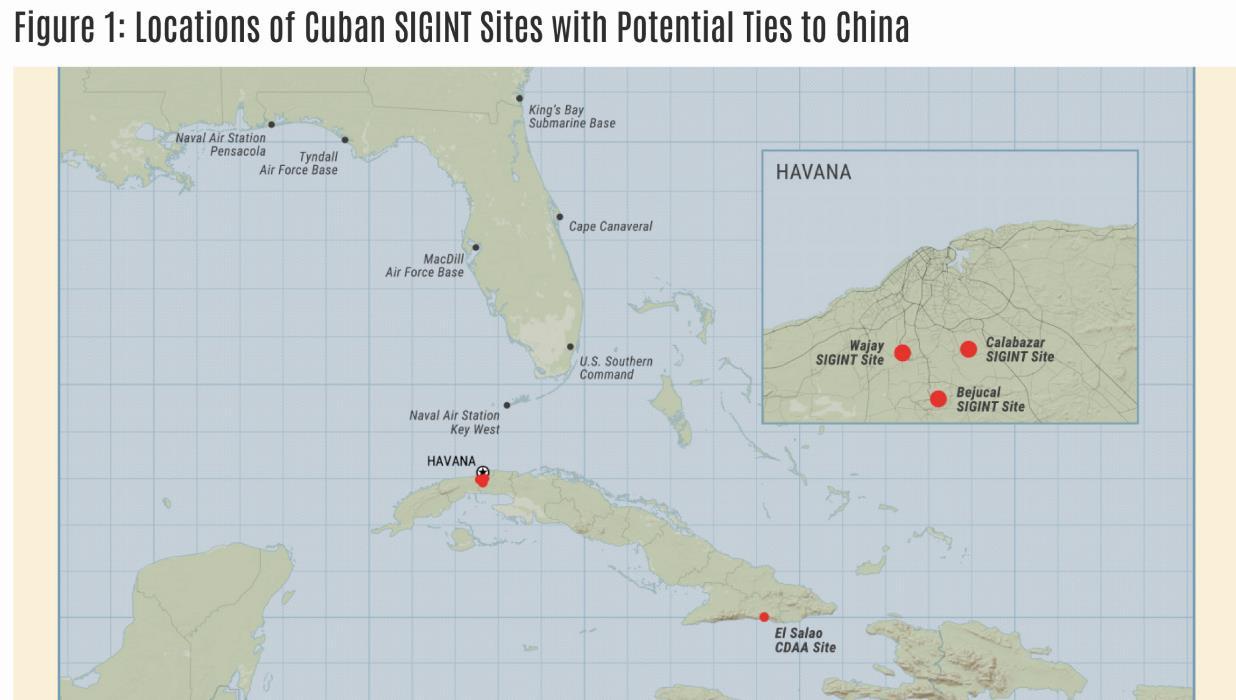
• Plus, look for the US to demand the immediate cessation of Chinese and Russian intelligence operations.
Venezuela: What is Washington’s Longer-Term Strategy?
• The Trump Administration is looking/pushing for massive US direct investment beyond the oil/gas sector. Bottom line: This is a transactional, resources-first strategy now with longer term issues/contradictions to be worked out later.
• In terms of elections and general reform, the Administration is not pushing much. Why? Concerns over perceived splintering among the opposition that would lead to a 30% effective majority of the current Chavista team.
• A big question which is emerging in Washington is restructuring Venezuelan sovereign debt: Does it need to be done now? If so, how should it be done? What role should Washington have? And how can capital markets play a constructive role?
• Adding to the complexity of this issue is China’s role in any restructuring and other debt obligations (Example: The White House has raised the issue of an estimated $14 billion debt to Exxon and ConocoPhillips).
• For the immediate future, ”slow and steady” seems to be the strategy. However, White House sources tell us they expect to see a tripling of GDP in the next three to five years.
Why Putin Does Not Want to
• Putin has framed the Ukraine War as a sacred patriotic duty, almost mystical. He wrote in 2021, a year before Russia’s invasion of Ukraine, that: “Russians, Ukrainians, and Belarusians are all descendants of Ancient Rus… The Throne of which held a dominant position in Ancient Rus.” Putin claims Rus was founded in ”Kievan Rus”, making Ukraine, Belarus, and Russia “one people.” That is false.
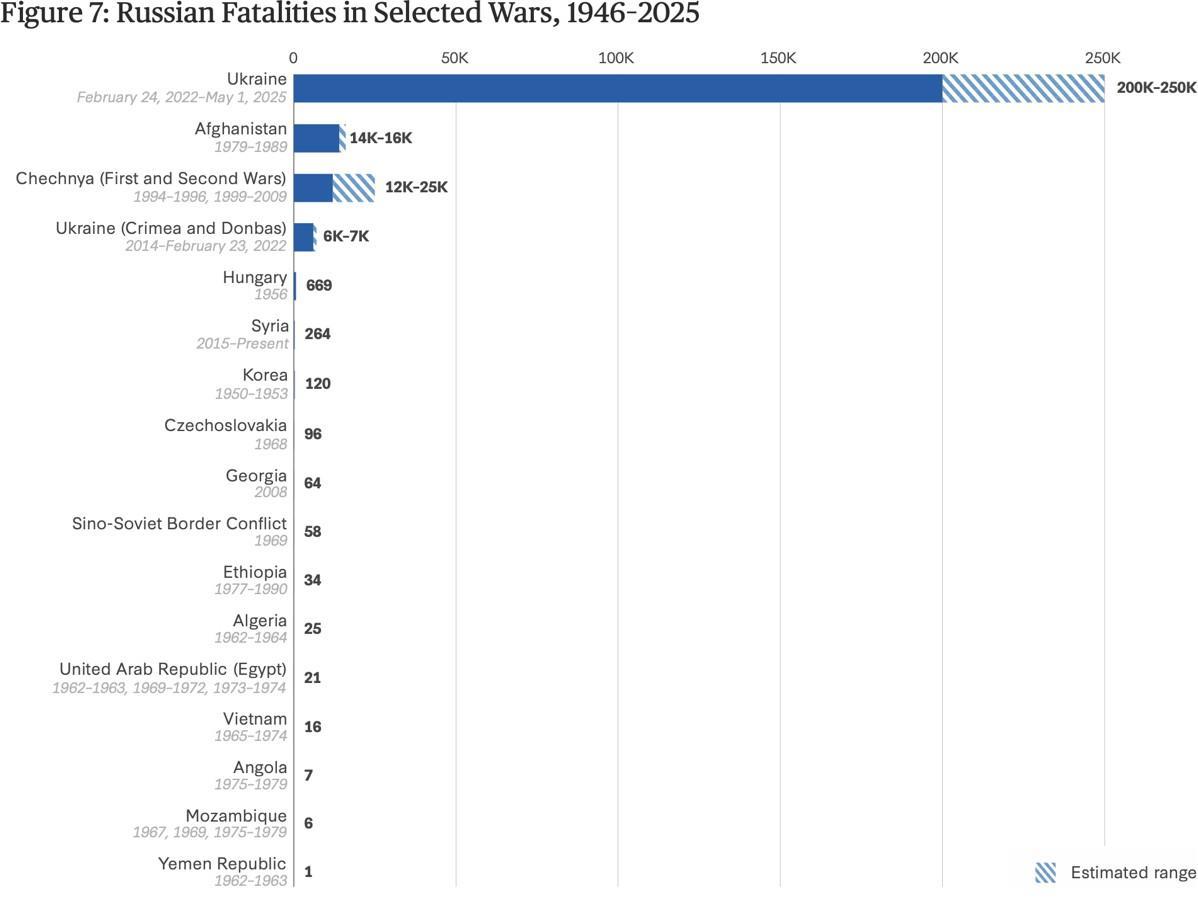
• Young Russians have paid heavily. Since the war began in February 2022, 1.4 million Russian soldiers have been killed (54% of battlefield causalities caused by drones, 5x Ukraine fatalities). Russia is losing ~1,000 soldiers a day.
• Political bind: After casting the war as sacred, and accepting massive losses, how can Putin justify a cease-fire or peace deal to soldiers and civilians without undermining the narrative?
• Ending the war would bring home hundreds of thousands of those battle-scarred and angry soldiers. Where do they find jobs? History shows the danger of having large numbers of angry, scarred ex-soldiers with no hope or future (post-WWI Germany, Czarist Russia).
The US Economic and Political Outlook: Taxes, Budget, Deficit, Tariffs and Foreign Policy –All Together, All At Once
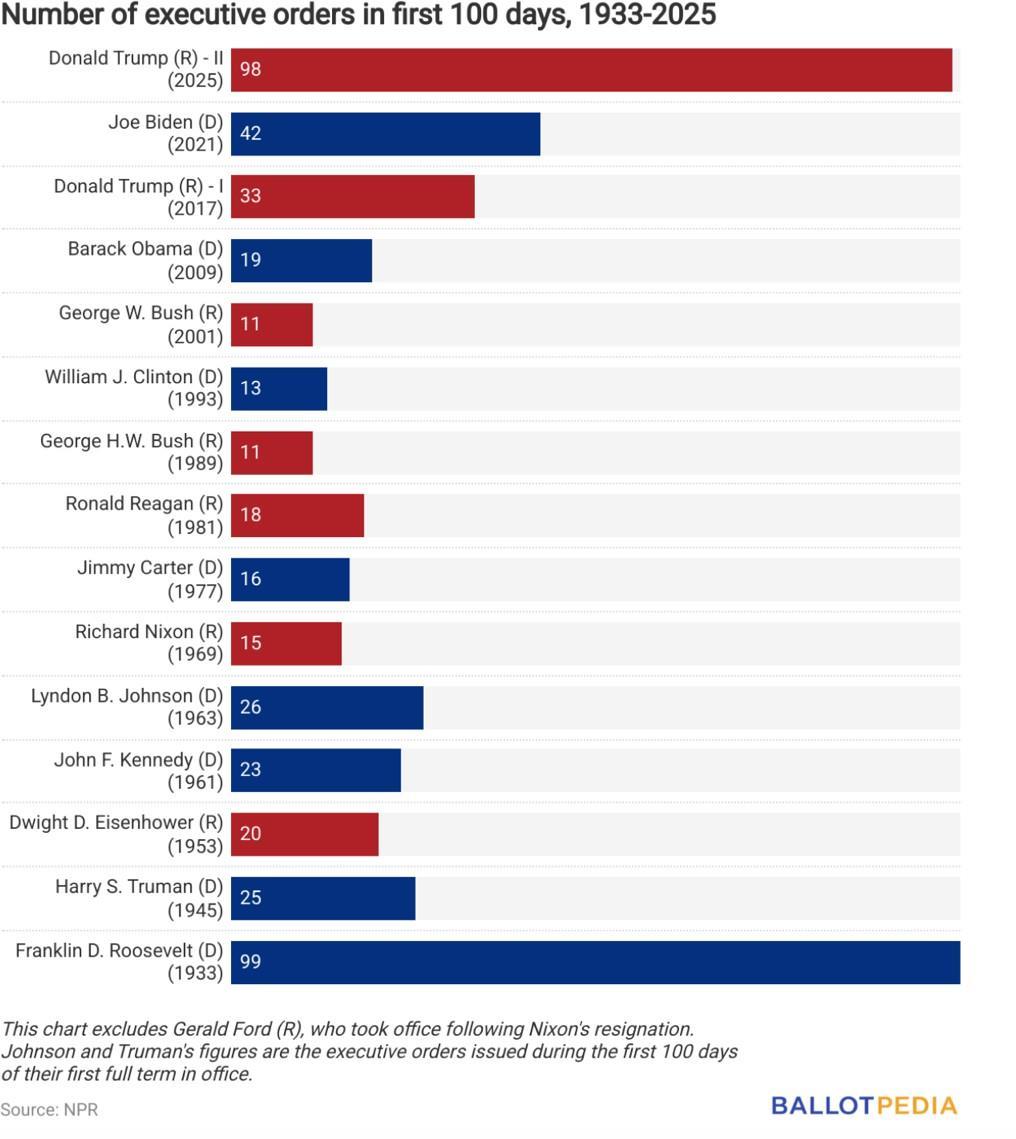
President Trump 4.0 Moved At Warp Speed On Domestic Policy in 2025. But Now It Seems Stalled –
Why? And What Comes Next?
• President Trump had the benefit of four years out of office to reflect on what worked and what did not in his first term.
• In his first year, President proved to be a very different political leader than the one we saw in his first term: Seasoned, focused, and smarter on the ways of Washington. Hence, we have argued it has been - until recently - more “Trump 4.0” than “Trump 2.0.”
• The President remains focused on the fact that he really has only 18 months to be a change agent, not four years. Why? In 2026, three events happen, changing the political dynamic considerably:
• The 2026 Midterm Elections – The White House has to calculate the risk of Republicans losing control of the House where they have one of the slimmest majorities in US history.
• 2026 is the 250th Birthday of the United States and the World Cup – The White House is planning major celebratory events.
• The 2028 Presidential Elections – With Trump being a lameduck, American voters (and especially Congress) naturally will begin looking at the 2028 elections.
Trump’s“One Big Beautiful Bill” Was A HugeVictory. Are We Moving Toward Another OBBA #2 and OBBA #3?
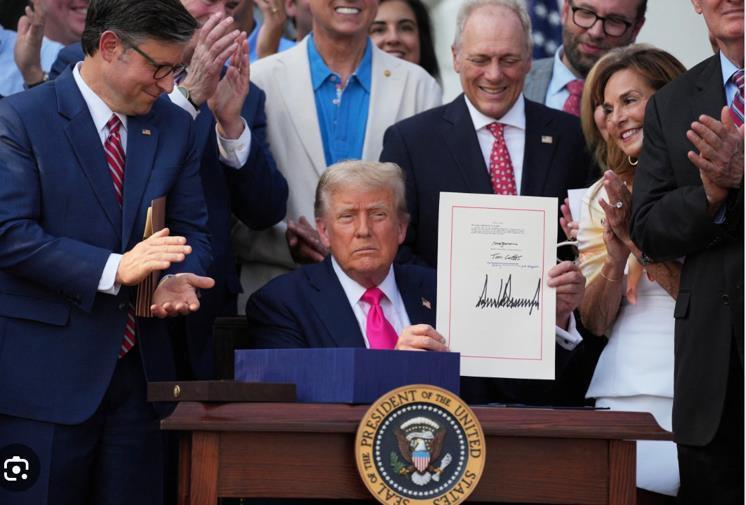
• In a little more than six months, House and Senate Republican leaders successfully delivered to President Trump for his signature the “One Big Beautiful Bill Act” (OBBA) signed into law on July 4th . Its passage secured victory for the President on five of the six pillar issues he ran for president on:
1. Making Permanent the 2017 Tax Bill
2. Growing the Defense Budget
3. Securing the Border with massive new spending on border security
4. And – to some degree – it began the process of cutting federal government spending. But it also added $4 trillion to the federal deficit.
• Now, Congressional Republicans are racing to do another mega-bill by July 1st, modeled on the OBBA. What will be in it? And they are also scoping out doing a 3rd Reconciliation bill this fall.
• But time is short – being an election year, Congress is scheduled to be out about half the time between now and the November elections.
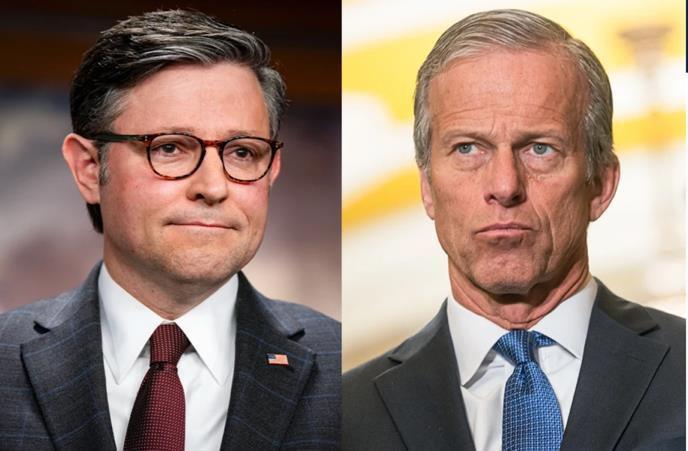
House Speaker Michael Johnson (R-LA) & Senate Majority Leader John Thune (R-ND)
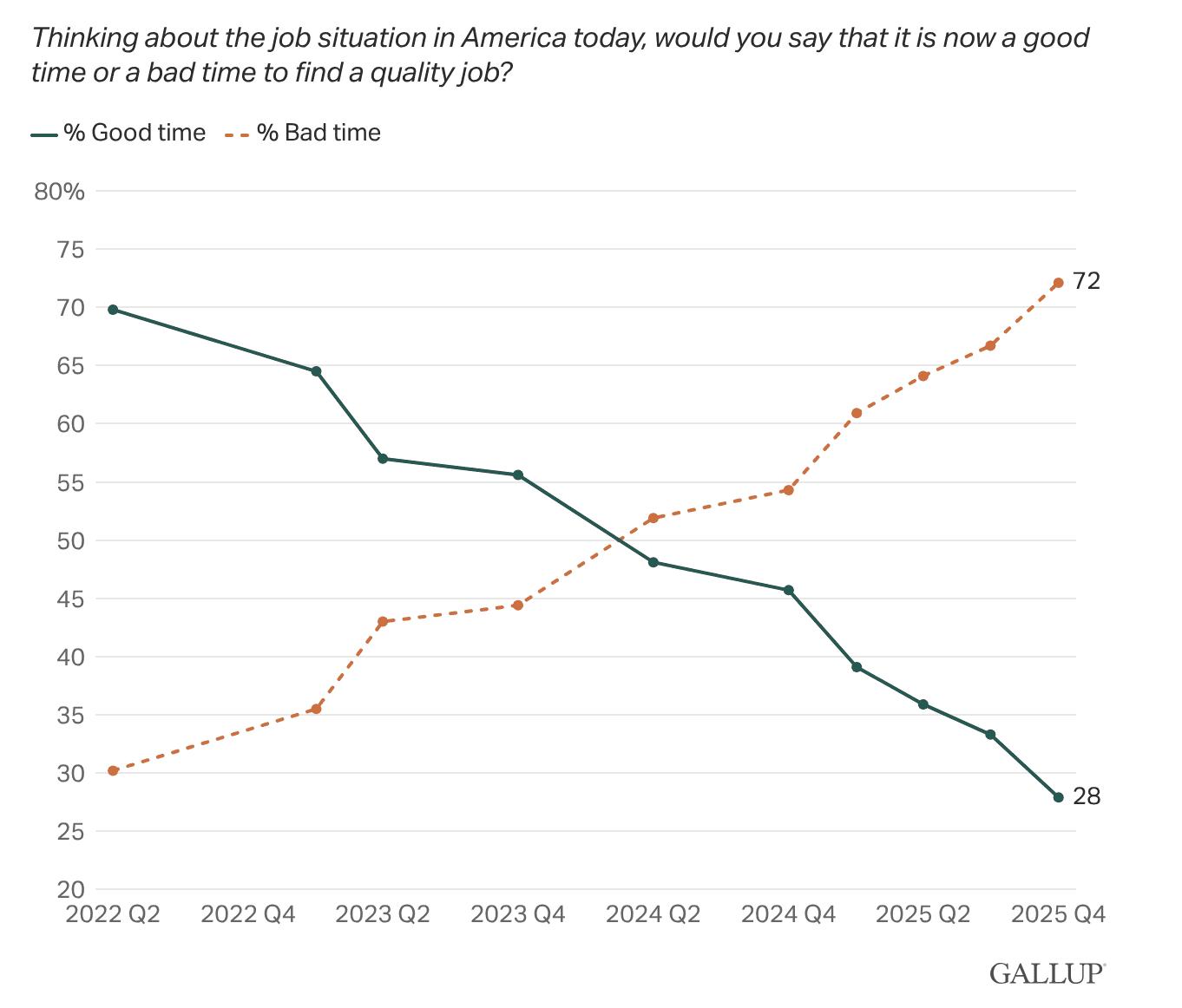
But There Is A Quiet But Growing Sense of Economic Anxiety
Is President Trump Out of Synch With Voters
And His Political Base?
What is not there? Foreign policy issues.
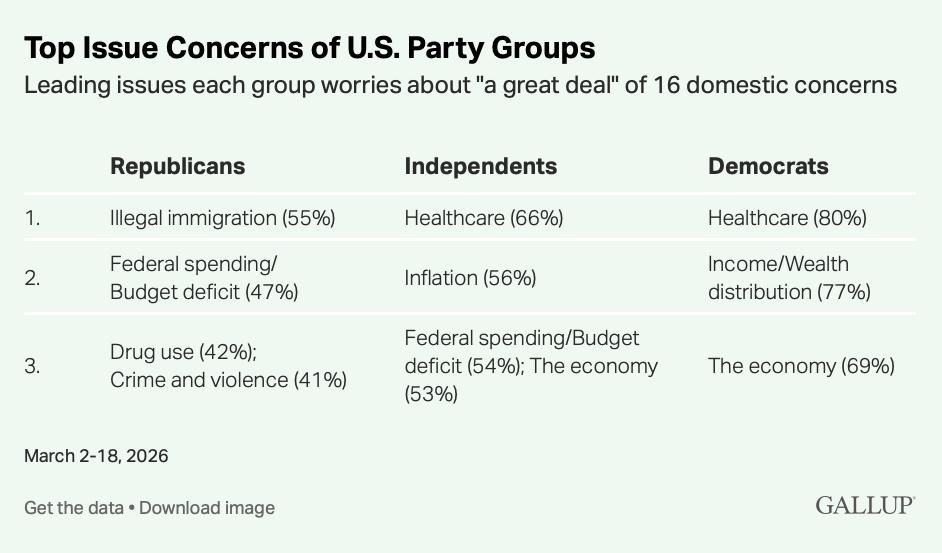
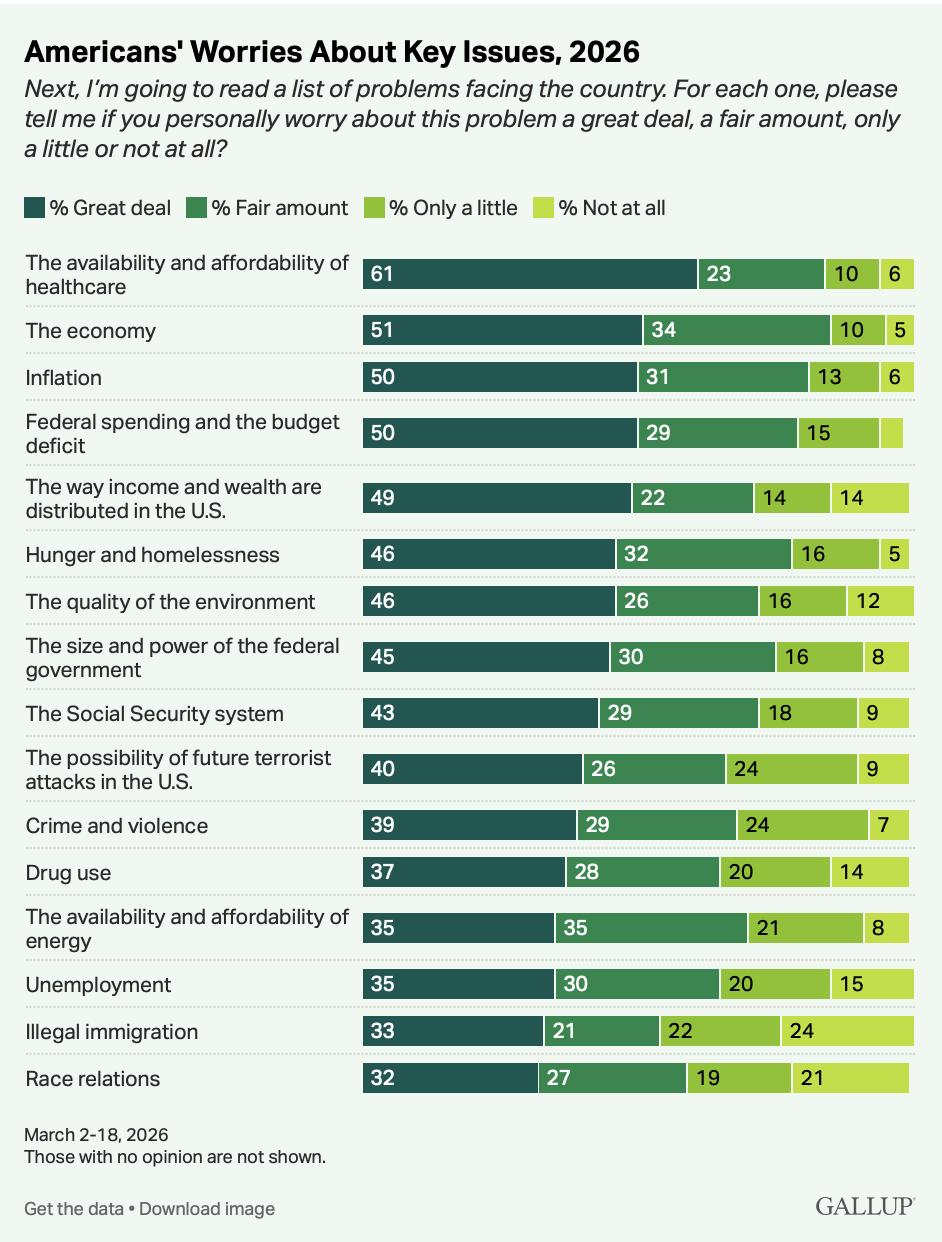
A Breakdown Of Where Voters Are On
All the Major Issues – Iran Will Be A Major Driver On All Pocketbook Issues
• For U.S. voters, the top nine of ten issues are all domestic issues ranging from healthcare to inflation to hunger/homelessness to the federal deficit.
• And out of 16 issues, only one touches on foreign policy/defense policy: Fear of future terrorist attacks in the U.S.
• The state of the economy, inflation size of the federal government (deficit), and affordability of energy (gasoline/diesel fuel costs) all are directly impacted/driven by the length and spread of the Iran War.
• So why is President Trump so focused on foreign policy?
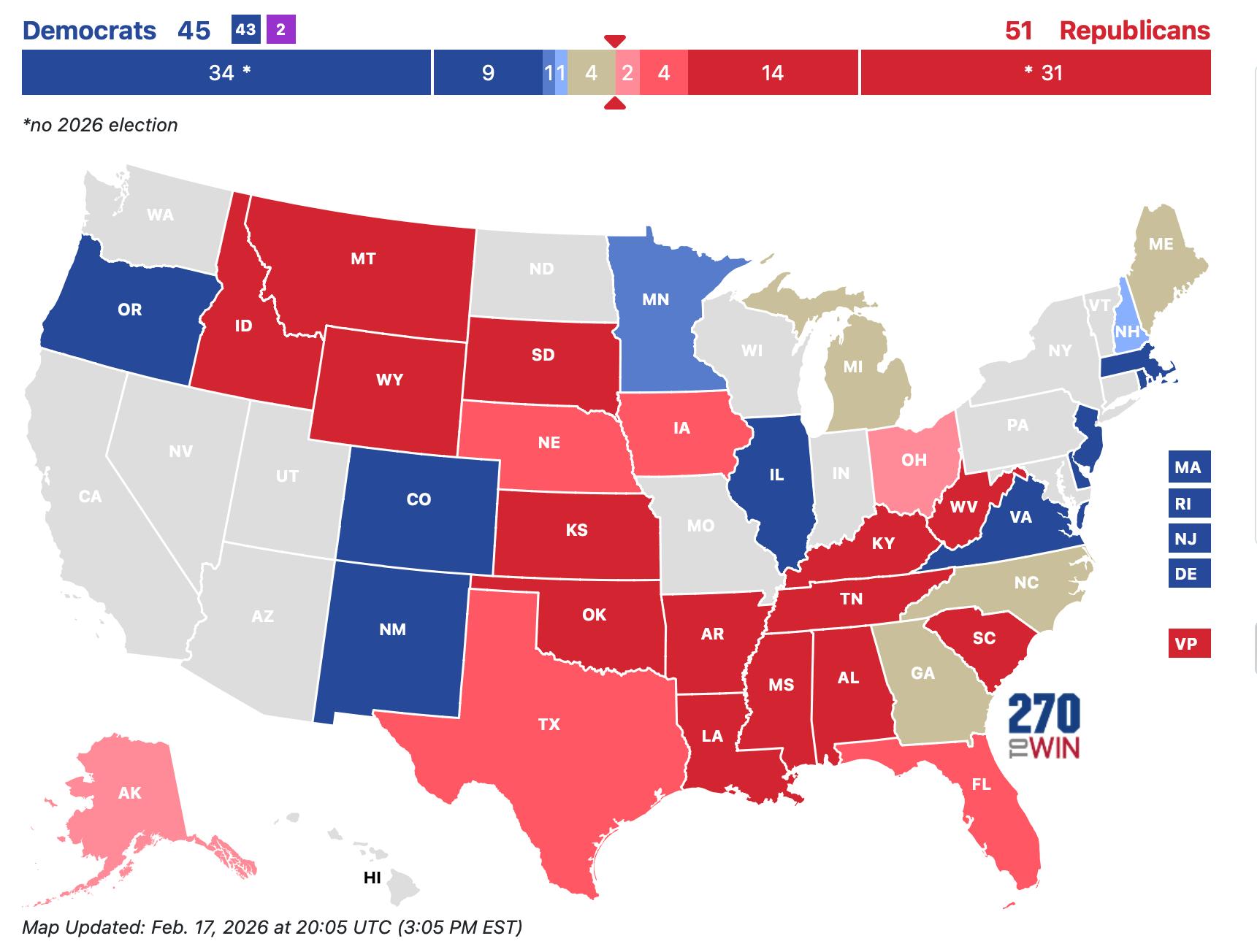
Control of the U.S. Senate: 60%+ Odds Republicans Hold Control
Keep your eye on polling in these states:
• Maine
• Ohio
• North Carolina
• Georgia
• Alaska
• Texas
• Nebraska
• Iowa
What Does the House of Representative’s Mid-Term Elections Look Like?
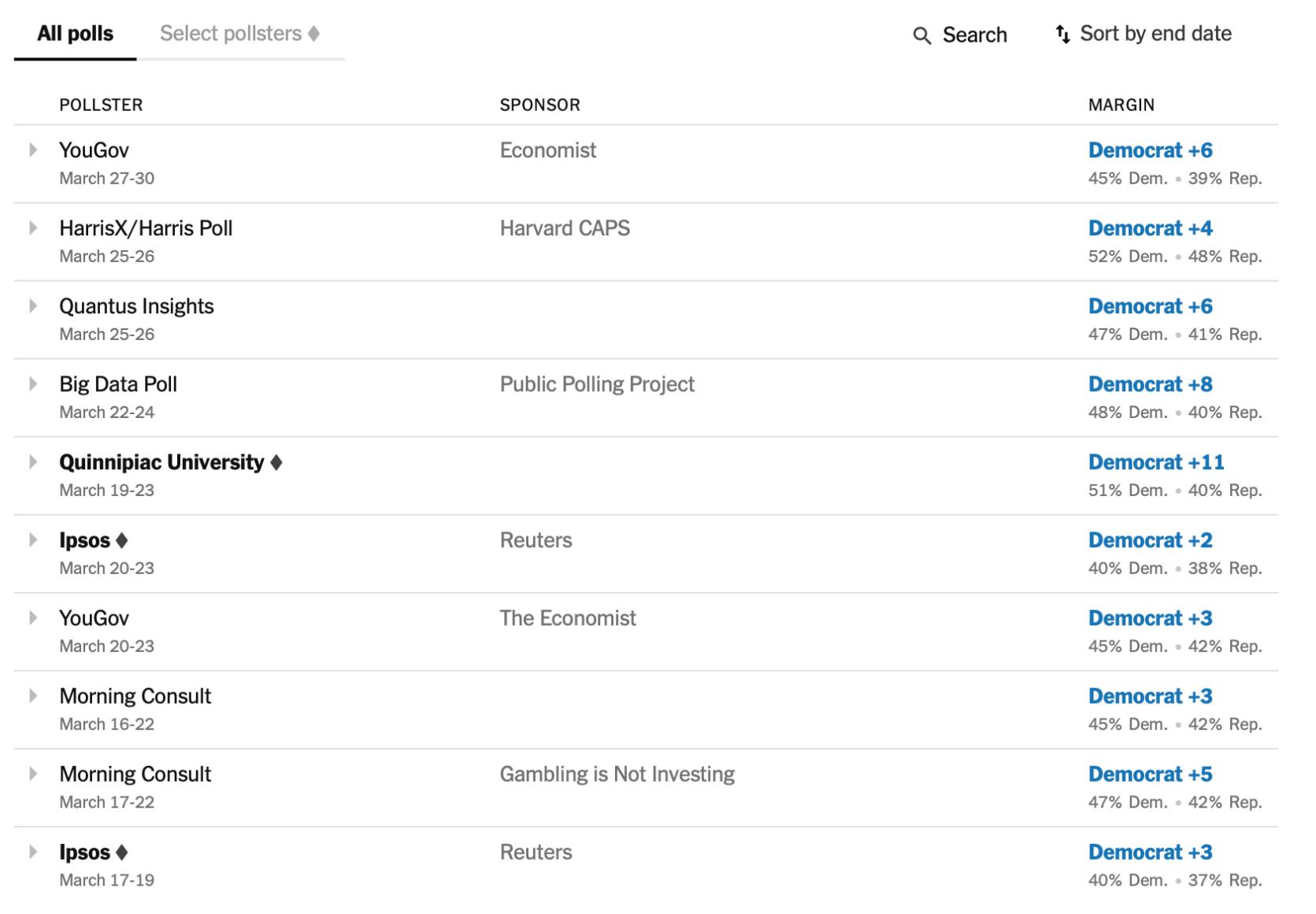
At this point in time, we assess a 60% chance Democrats win control of the House of Representatives in November. But by how big a margin? We believe there is on “Blue Wave” building but more likely a slim 7 – 12 seat majority.
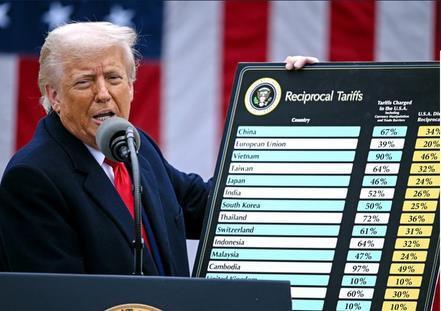
Tariffs: The Supreme Court Has Spoken – Now What?
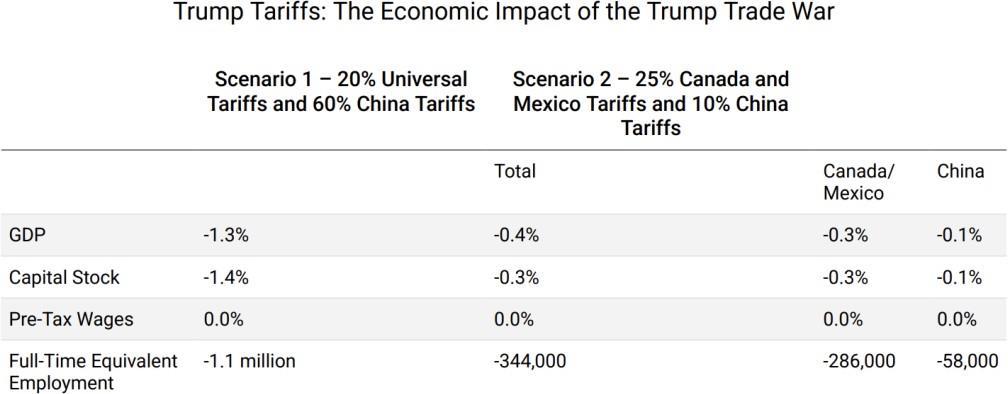
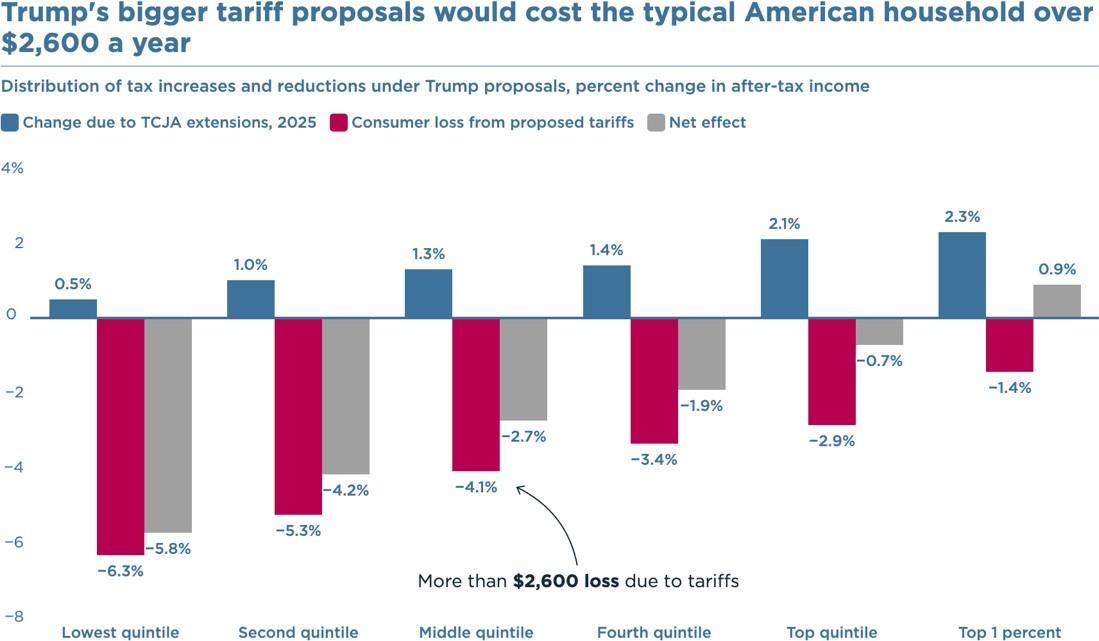
• President Trump sees tariffs as the ultimate foreign policy negotiating tool, as we have seen with his recent threat to Canada, Mexico, and China over illegal immigration and fentanyl smuggling – a homeland security issue and a health issue, not the traditional economic/trade issues for which tariffs are used.
o But he has had that tool seriously reduced with the recent Supreme Court case - and the coming legal challenges to his latest tariff efforts (using Section 122 and 301).
• What to Watch For: President Trump continues to want a “Grand Bargain” with China. The President offered Xi a generous deal on tariffs to China in return for Beijing buying more US agriculture, helping find a deal on Ukraine, helping bring peace with Iran, and help contain North Korea’s threats to the region.
• Additionally, Trump sees the expansion of U.S. oil and gas production as an incentive – look for Trump to urge China to buy US oil/gas as part of the deal.
• China is not very enthusiastic about the deal… so far…but we have to wait to see what happens at the re-scheduled Trump – Xi
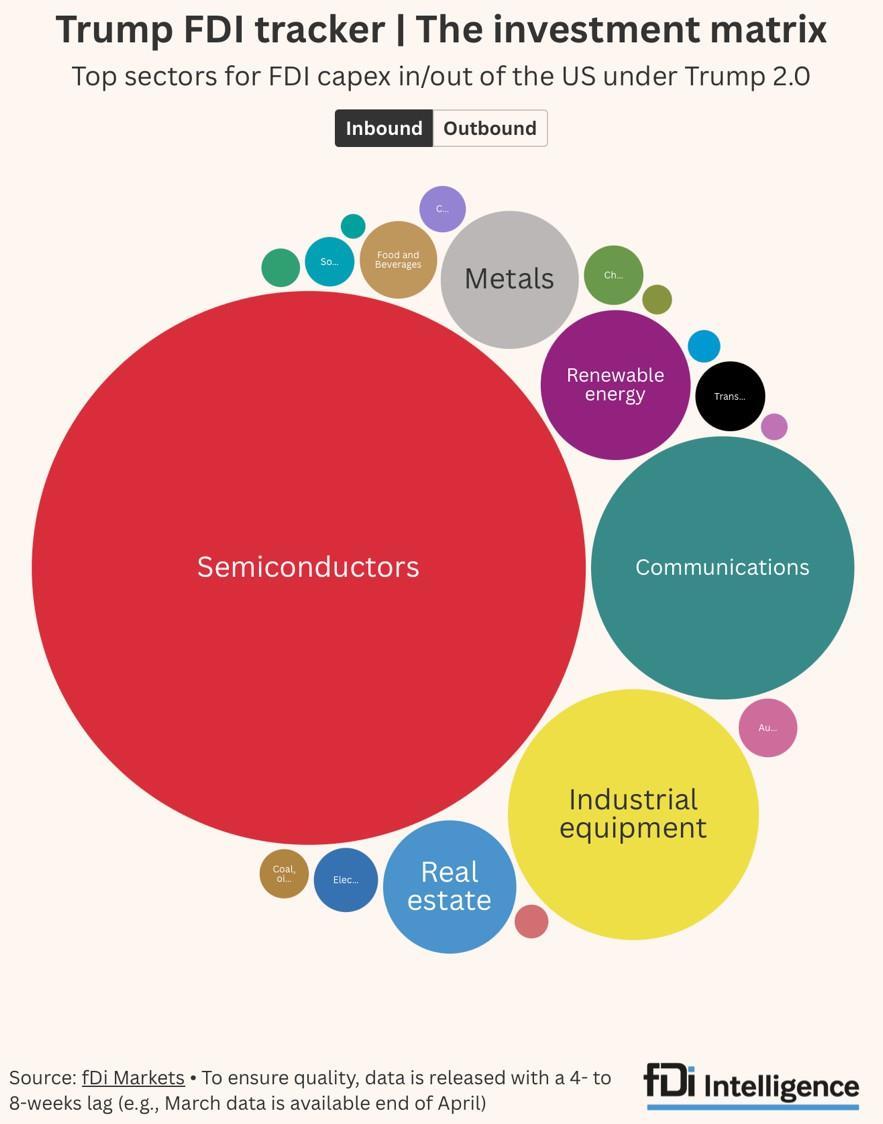
The Coming Flood Of Foreign Investment Into The United States
• One way President Trump is seeking to balance trade with other countries is to get massive commitments for direct investment in the US.
• So far, the White House is pointing to more than $20 trillion in investment commitments since taking office in January. This includes:
• Japan: $500 billion in purchases of U.S. goods (oil/gas dominating) plus $550 billion in direct cash to the US ”to be used at the President’s discretion” (which will go to infrastructure, critical technology development, etc.)
• Qatar: $1.2 trillion
• UAE: $1.4 trillion
• Saudi Arabia: $600 billion
• Taiwan: $65 billion (more expected shortly)
• India: $24 billion (mostly in defense contracts)
• Talking to White House and Treasury sources, we believe this number is likely to triple in the coming two-to-three months as countries find it easier to commit to investing in the US than going through a protracted and cumbersome trade negotiation (which often takes 24+ months to complete).
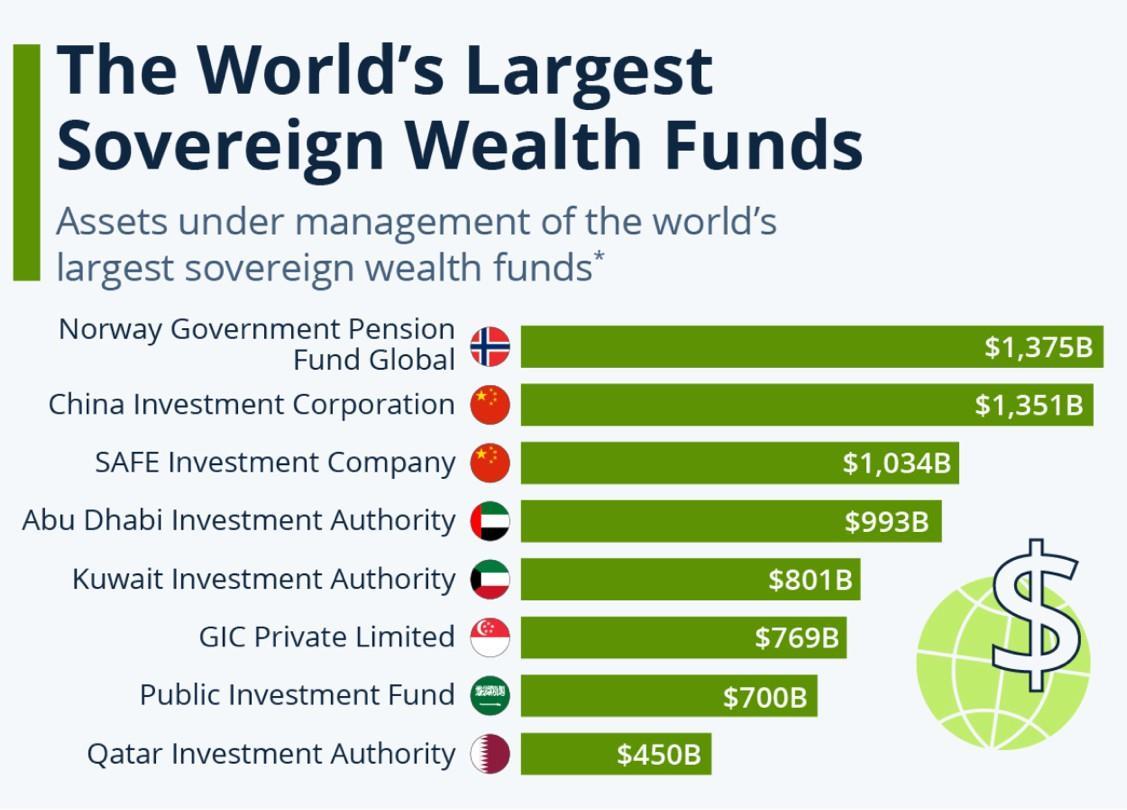
• President Trump has said several times in recent months he intends to launch a sovereign wealth fund (SWF). The comments have met – at best – with loud skepticism because most national SWFs are funded with large budgetary surpluses –something the US most definitely does not have today.
• This is not a pipe dream: Treasury Secretary Scott Bessent has hired a team to draft out the architecture of a SWF and identify where assets could be found to put in the fund. This could include – subject to Congressional approval – these assets:
• Moving the gold and other precious metals in Fort Knox into the fund (unknown value)
• Moving an estimated $400B of confiscated crypto held by Treasury (seized by the Justice Department in criminal probes)
• Moving the $210B Exchange Stabilization Fund
• Privatizing Freddie Mac & Fannie Mae and hold 10%-20% of the equity
• Selling off federal lands
• It is envisioned all revenue generated by the Fund would be used to pay down the deficit.
Industrial Policy In America: The Drive For US Chip Supremacy
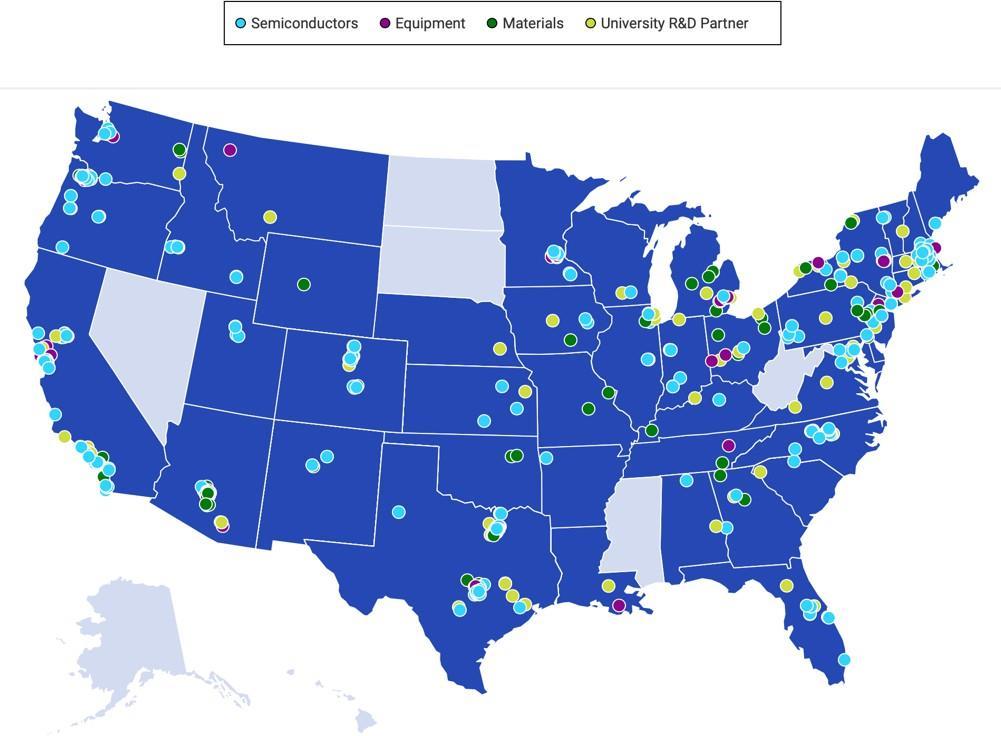
• US Semiconductor production is the one area where bipartisanship presides in D.C. all in the name of “national economic security.”
• Congress took up this challenge in 2022 by passing the CHIPS Act which grants close to $100 billion in federal funding on building up the chip industry. Three examples:
• Intel broke ground on a new $20 billion facility in Columbus, Ohio and $20 billion plant in Arizona.
• Micron broke ground on a $15 billion expansion in Boise, Idaho and announced a new $100 billion build-out over 20 years in New York – the largest in the world.
• Samsung was just awarded more than $6 billion to build new semiconductor facilities in Austin, Texas.
• Combine this with the $550 billion funding from the Infrastructure bill also passed in 2022, it is a potential boom for numerous sectors, particularly for commercial real estate, residential real estate, etc.
• Secretary of Commerce Designate Howard Lutnick: The CHIPS Act was an “Excellent down payment.”
The U.S. Semiconductor Ecosystem
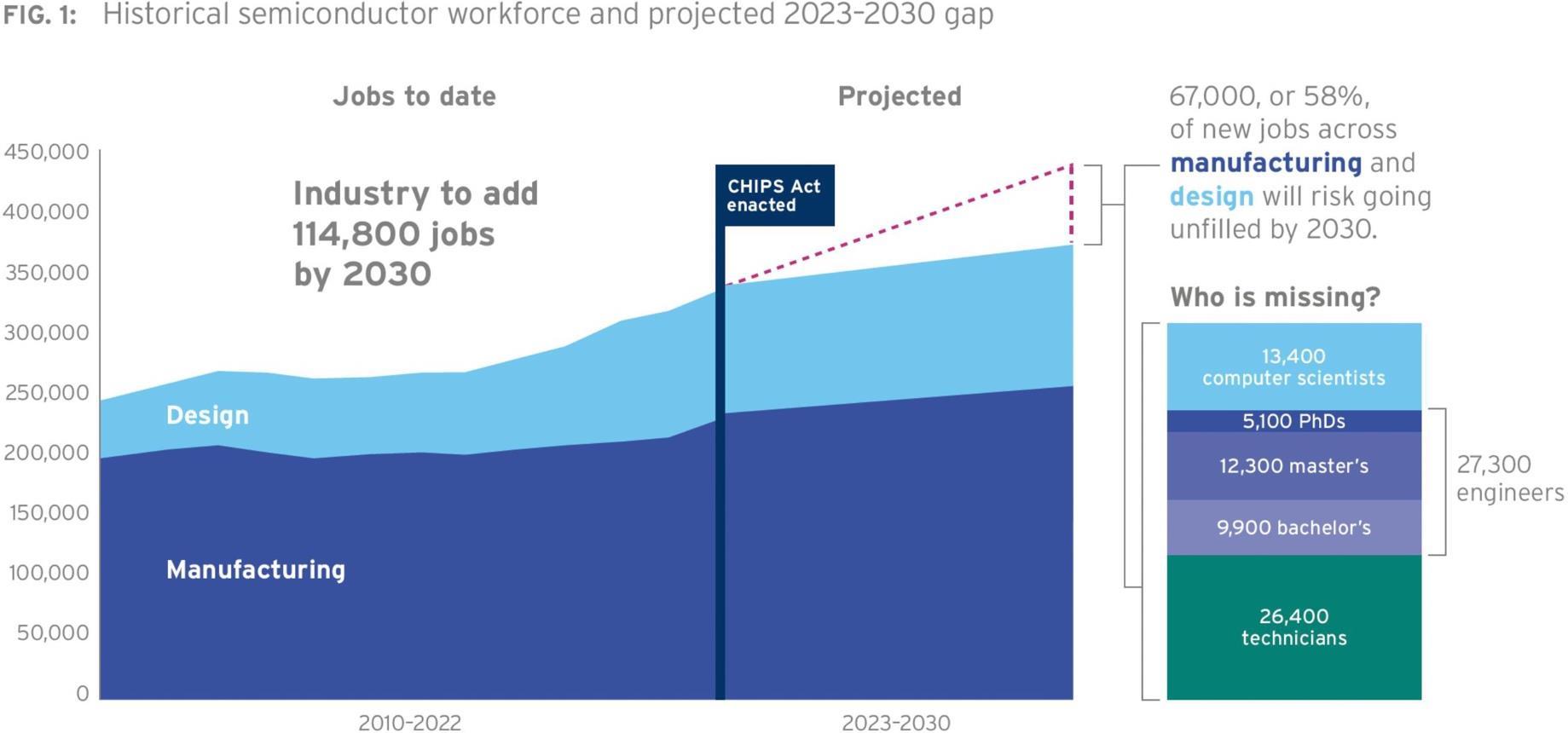
The Real Challenge To US Semiconductor Dominance: The Workforce
• The US semiconductor industry is projected to need an estimated 115,000 highly skilled workers by 2030 –growing from 345,000 now to 460,000.
• However, there are estimates as high as 67,000 of those positions will go unfilled because the workers cannot be found.
How and where do we find those workers?
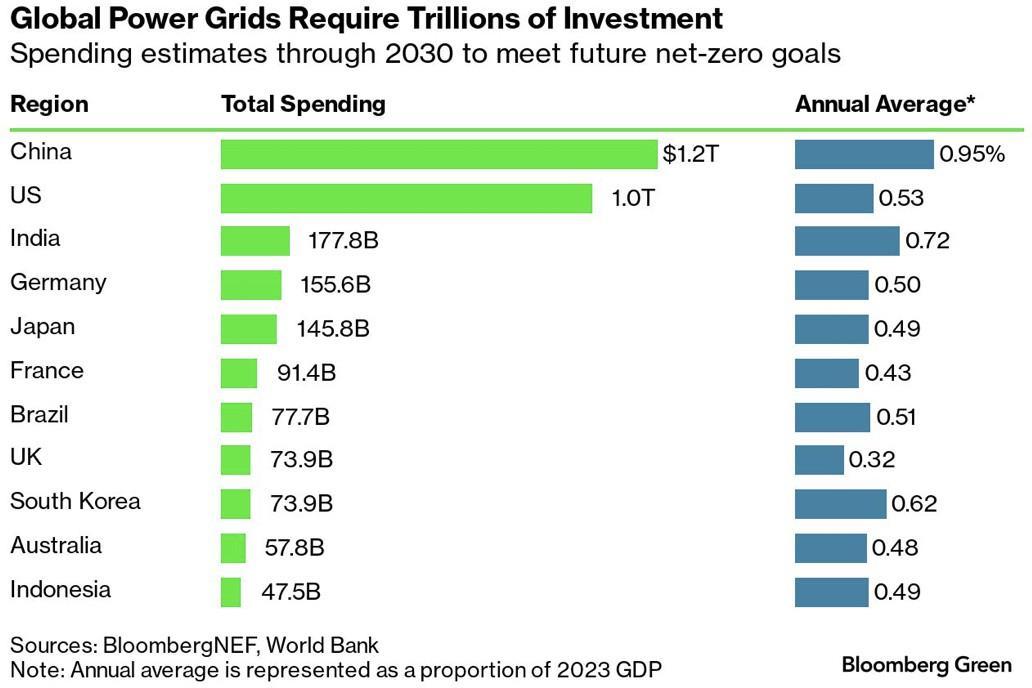
Stargate Faces the US Grid Challenge: The $1 Trillion Investment Requirement
• President Trump announced the launch of Stargate, an enormous AI effort to make America dominant and counter China’s DeepSeek challenge.
• But the US is facing a serious electrical grid challenge already with the exponential growth of AI, Data Centers, and Crypto. There is not enough energy to power the projected growth in these sectors, but the transmission capabilities are antiquated and need to be replaced.
• But the grid is fragmented and has created “the interconnection queue”: a long line of projects waiting to get connected. How much? 1,5000 gigawatts, roughly 1/3 of all power currently produced in the US.
• Replacing existing copper wiring with carbon fiber wrapped in aluminum would allow a doubling of the amount of power to be pushed through the system.
• How will President Trump deal with this challenge?
• Will Congress have to step up?
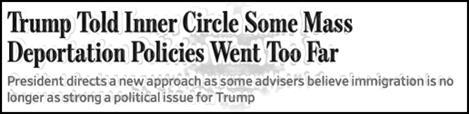
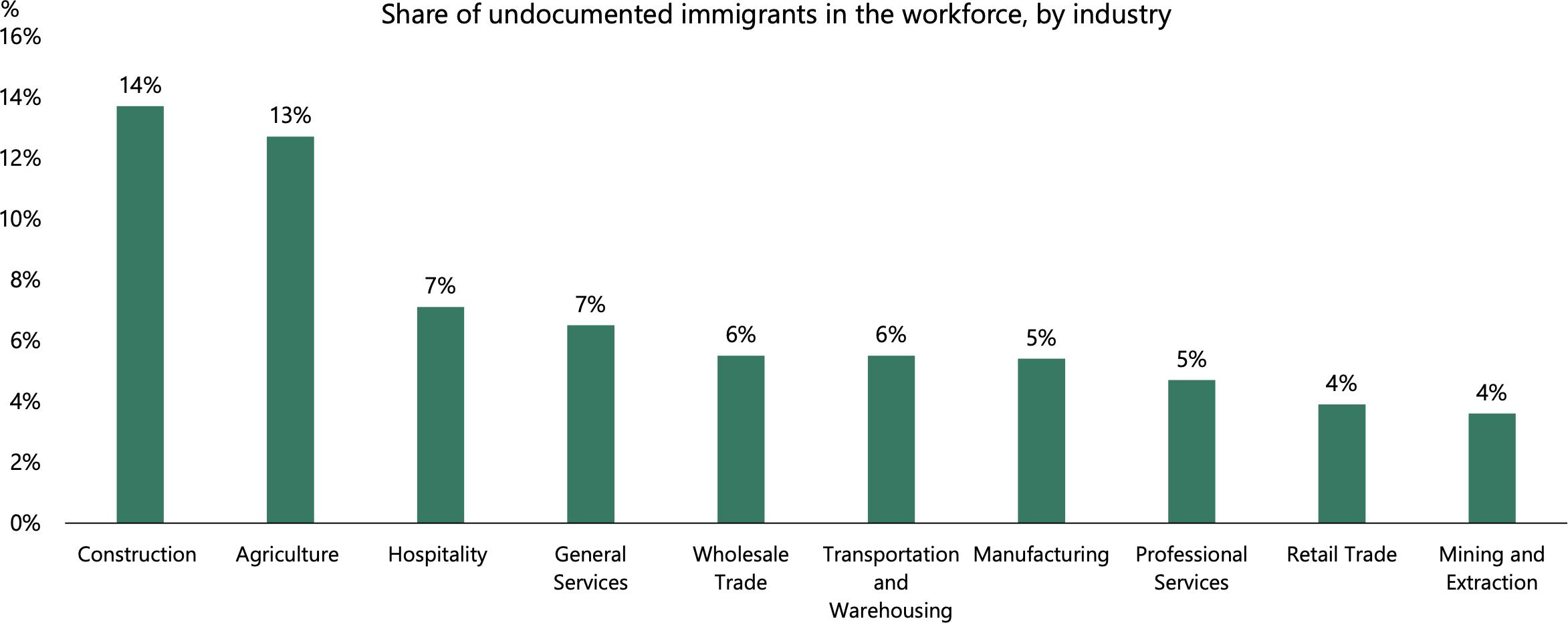
Trump’s Deportation Policy: Sectors Most At Risk. But Deportation Policy Has
Quietly Shifted
The Growing Move To Tax Billionaires: Will This Really Work?
• California has a proposed ballot initiative for this coming November elections – the “2026 California Billionaire Tax Act” -- which would impose a one-time 5% tax on the net worth of individuals with over $1 billion in assets. The proposed measure would target 200 California residents.
➢ The proposed ballot initiative needs 870,000 valid signatures by June 24th in order to qualify to be on the November ballot.
• In Congress, new legislation was introduced recently which would place a 5% wealth tax on 1,000 billionaires. The goal is to raise $4.4 trillion over 10 years and the money would be sent to lower earning taxpayers and roll back cuts to the health care cuts from last year’s One Big Beautiful Bill Act (OBBA). It would also boost affordable housing.
• The entire concept of a wealth tax is sure to face Constitutional questions.
• But it is an idea that is gaining significant traction with the Progressive Wing of the Democratic Party and does not look to be going away anytime soon.
The Trump Administration’s Big Financial Deregulatory Plans:
The Fed Is Leading The Charge And Is Coordinating Cross Agency
• Over the past five months, there have been ongoing planning meetings convened by Treasury Secretary Bessent and now being led by Federal Reserve Vice Chair Michelle Bowman that will likely end up looking like this:
• Roll back bank capital standards put in place by the Biden Administration and rescind the OCC and FDIC bank merger guidance.
• Create a regulatory structure for cryptocurrencies.
• Big Question: Do we see an effort to merge the SEC and CFTC in 2026?
• There have been serious discussions of merging the Office of the Comptroller of the Currency (OCC) and the Federal Deposit Insurance Corporation (FDIC). The Consumer Financial Protection Bureau (CFPB) may be folded into the combined entity (NOTE: The CFPB has been shrunk from more than 2,000 employees to approximately 80 employees. The Director of the Office Management and Budget (OMB), Russ Voight, is the acting director. He is also running DOGE).
• Also, watch for a coming flood of trade association lawsuits to roll back a host of other regulations.
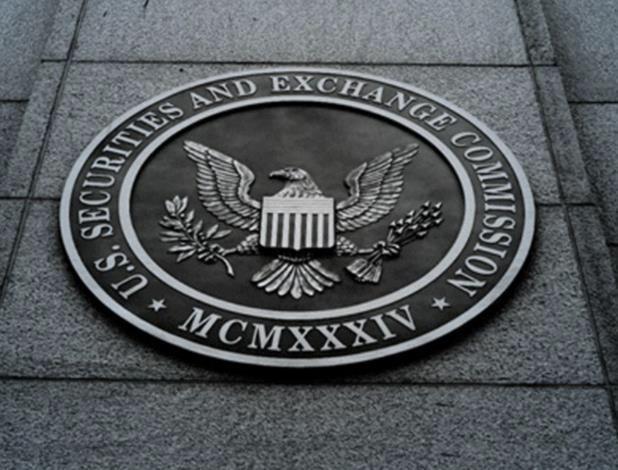
Federal Reserve Vice ChairMichelle Bowman and SECChair Paul Atkins
FDICChair Travis Hill(L) and Comptrollerof theCurrencyJonathan Gould (R)
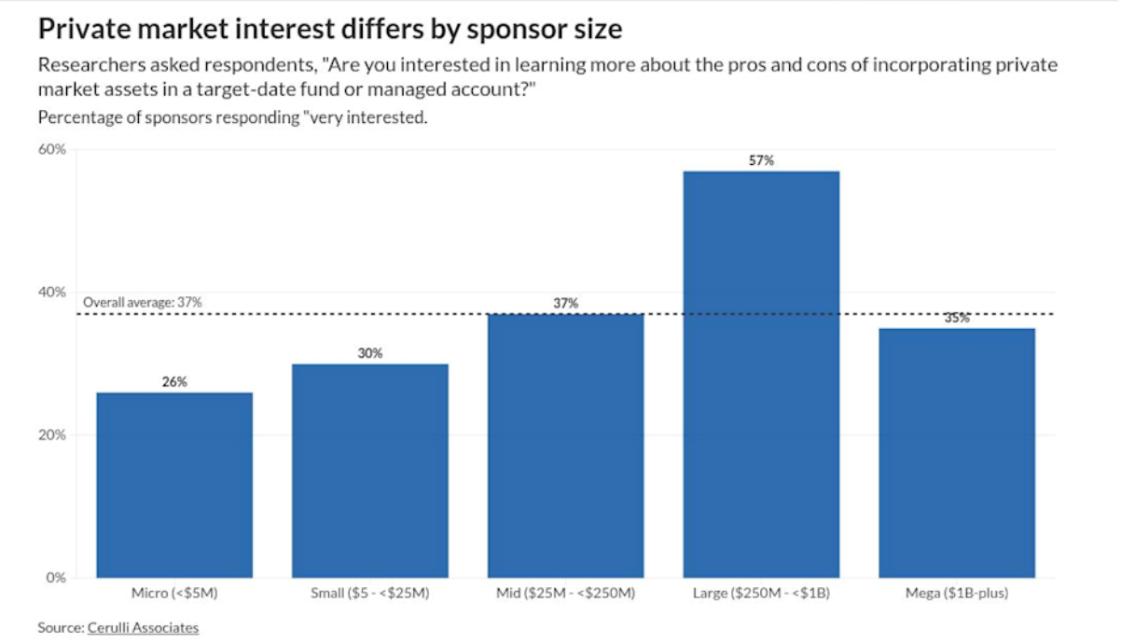
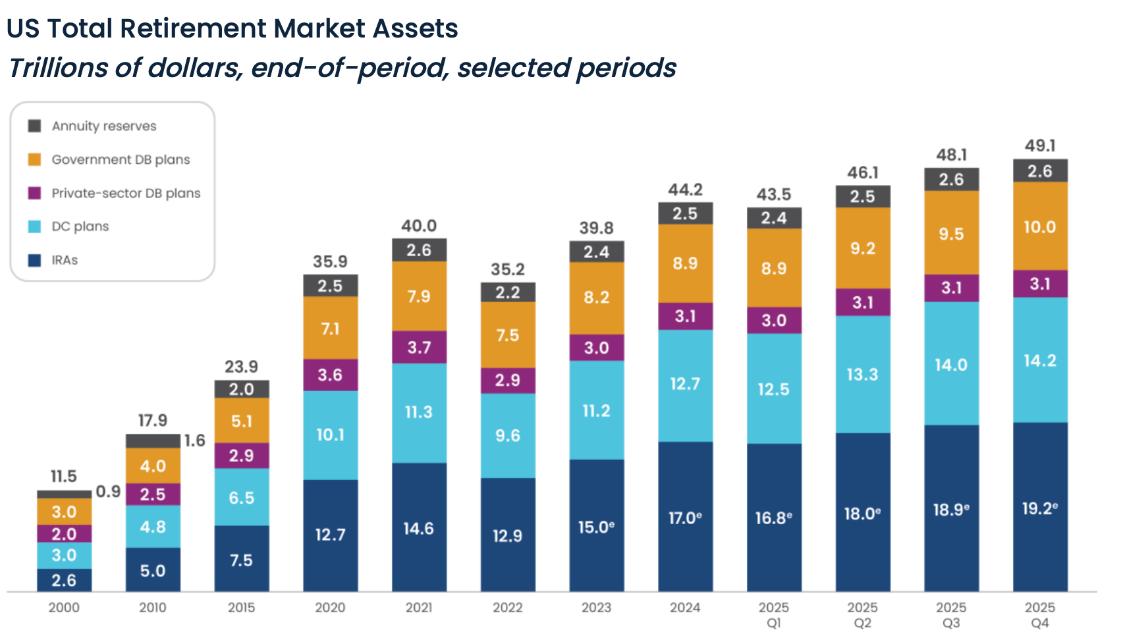
Changes Comes For Retirement Plans: The Department of Labor Has Proposed New Rules Allowing
401(k)’s Access To Alternative Investments
• President Trump issued an Executive Order in August 2025 “Democratizing Access to Alternative Assets for 401(k) Investors, giving the Department of Labor (DoL) 180 days to issue a new rulemaking - a move widely cheered by some market sectors but increasingly being criticized by other segments and a number of members of Congress.
• After considerable delay, the DoL issued new proposals on March 30th to broaden 401(k) investment options, creating a safe harbor for fiduciaries to include alternative investments such as real estate, private equity, and digital assets.
o To receive the safe harbor designation, fiduciaries must follow the following process in evaluating such assets in plans: 1) Performance, 2) Fees, 3) Liquidity, 4) Valuation, 5) Benchmarking, and 6) Complexity.
• While a number of consumer groups have been critical of opening the markets up to alternative investments, a number of other skeptics have applauded the thoughtfulness of the 166 page proposal.
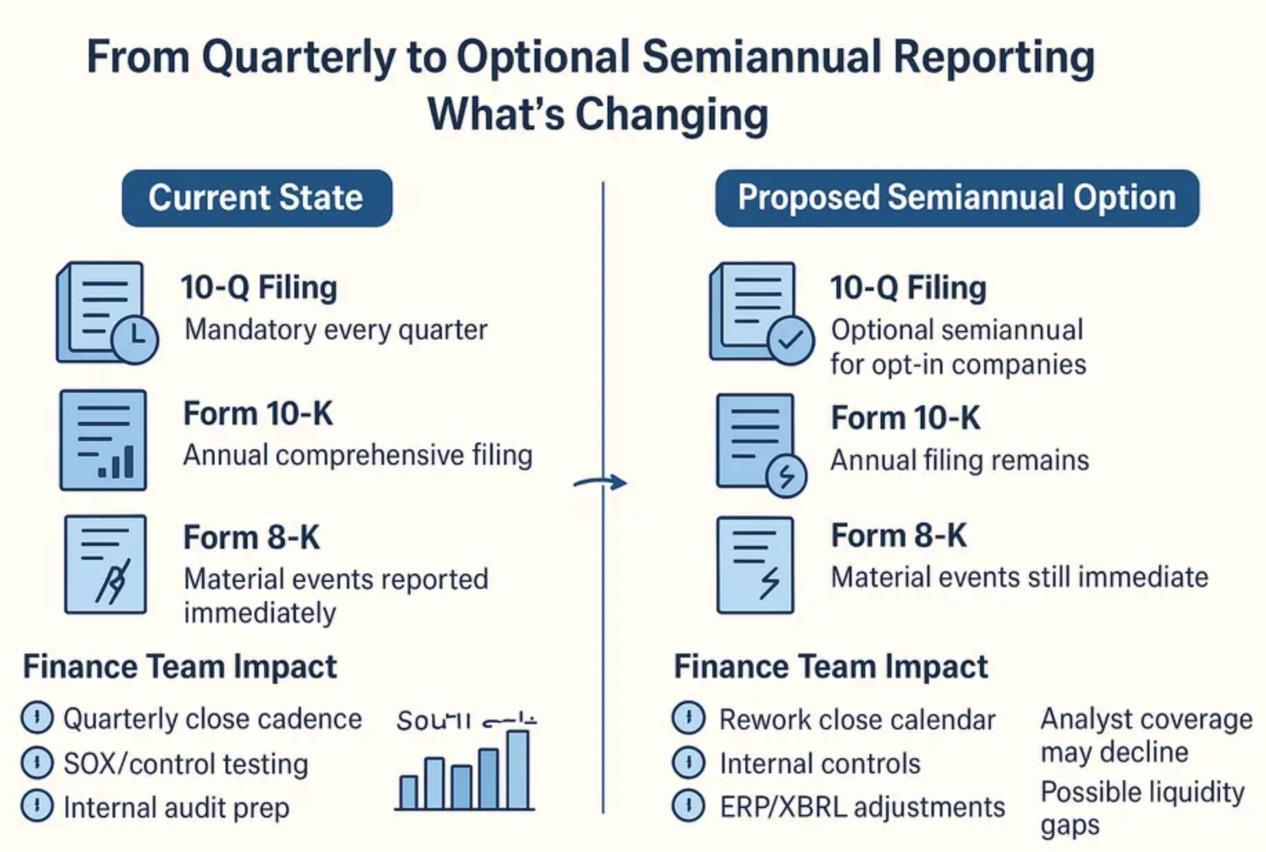
The SEC Moves To End Quarterly Reporting
• SEC Chairman Paul Atkins has followed up on an issue President Trump has pushed (and Atkins has long championed) of eliminating quarterly reporting.
• A formal proposal is expected in April allowing companies to move to twice-a-year reporting. This would match European reporting requirements which were changed in 2013.
• Atkins believes less-frequent reporting would help reverse the trend of companies either not going public or switching to private status.
• The proposal will not impact other important SEC filings such as 10-Ks, 8-Ks, or 10-Qs. And it will allow companies to continue to continue making forecasts.
• Some I the SEC believe larger-cap companies are likely to continue quarterly reporting while the bulk of companies switching to semi-annual reporting will be small and medium cap companies who have long complained about the cost and pressure to shift strategies by quarterly reporting. It is also expected to help companies mitigate insider trading risk and respond more quickly to unexpected events.
Trump’s Deregulatory Agenda Will Get Significant Help From The Chevron Decision – And
What About Trump Firing Democratic Regulators?
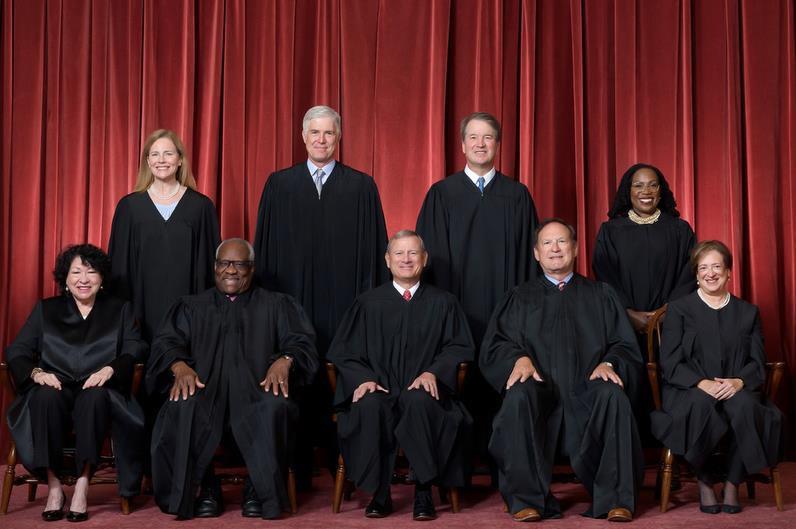
• In 2024, the Supreme Court passed down the highly-contentious Chevron Decision. The ruling will likely have a sizeable impact on existing federal regulations of all sorts going forward and likely lead to the repealing of a number of federal regulations.
• The FTC, FERC, FDA, The Federal Reserve, the SEC, CFTC, OCC, CFTC, NCUA,and other regulators (are bracing for a slew of federal lawsuits challenging existing regulations.
• Trump’s regulators will have a challenge figuring out what to leave for the courts and what they should pursue via de-regulatory efforts – all while trying to anticipate what Congress might or might do legislatively via the Congressional Review Act and new legislation.
• Big new question that could radically reshape the regulatory outlook: How to factor in President Trump’s firing of Democrat regulators at the FTC, FCC, NCUA,and elsewhere?
What Will The Warsh Federal Reserve Look Like?
And What Can He Do?
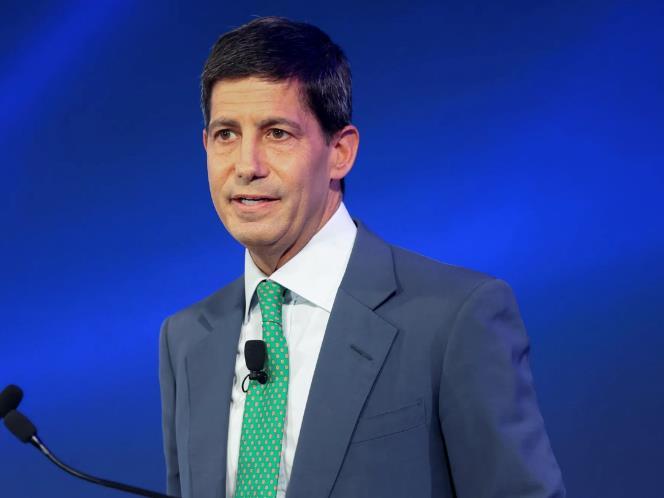
• Kevin Warsh won out over a highly competitive but small field of candidates to replace Federal Reserve Board Chair Jay Powell.
• As we have heard in numerous speeches he has given in the last three years, Warsh has strong views on the current balance sheet of the Federal Reserve, the metrics used by the Fed to measure the economy, the regulatory positions held by the Fed, etc. In short, Warsh has presented some very strong views on a number of issues.
➢ The reality is, Warsh has bruised a lot of feelings among the Fed Board members and Fed staff – not to mention regional Fed Presidents. Warsh will get no “honeymoon” when he starts the job.
• Additionally, we believe with the ongoing tensions between the Federal Reserve and President Trump (e.g., the Lisa Cook firing, the criminal investigation of Jay Powell), there are additional hard feelings about Warsh’s nomination to be chair.
• The result? There is a high likelihood both Powell and Cook end up staying for their full term (January 2028).
Federal Reserve Board Chair- Nominee Kevin Warsh
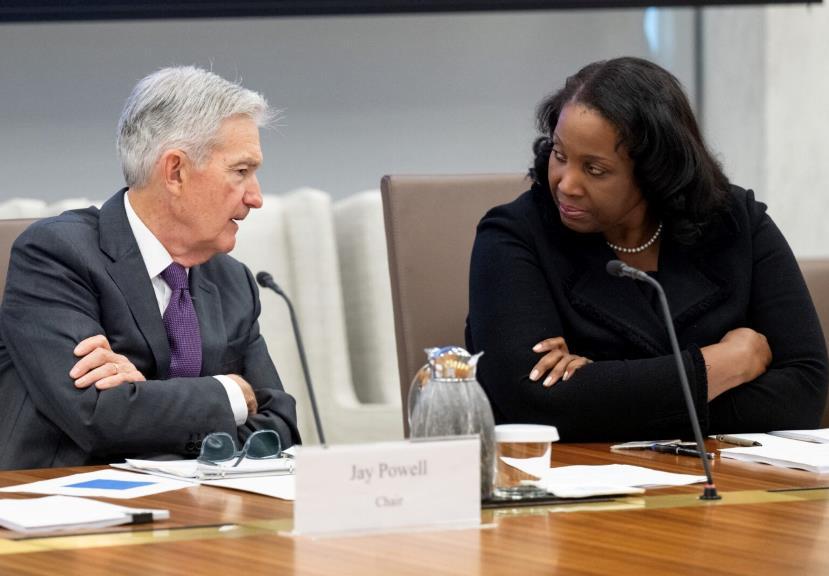
Federal Reserve Board Chair Jay Powell and Governor Lisa Cook
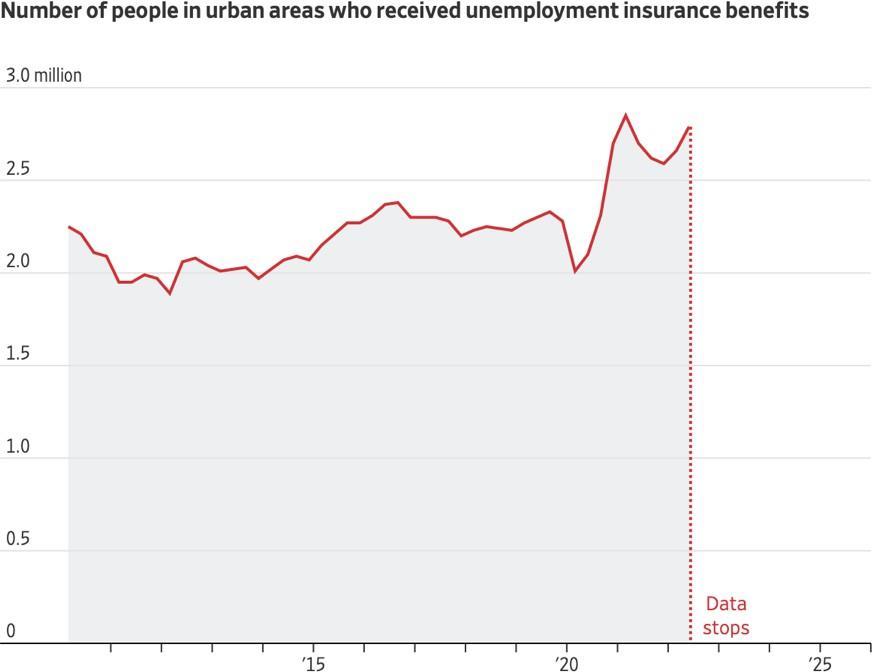
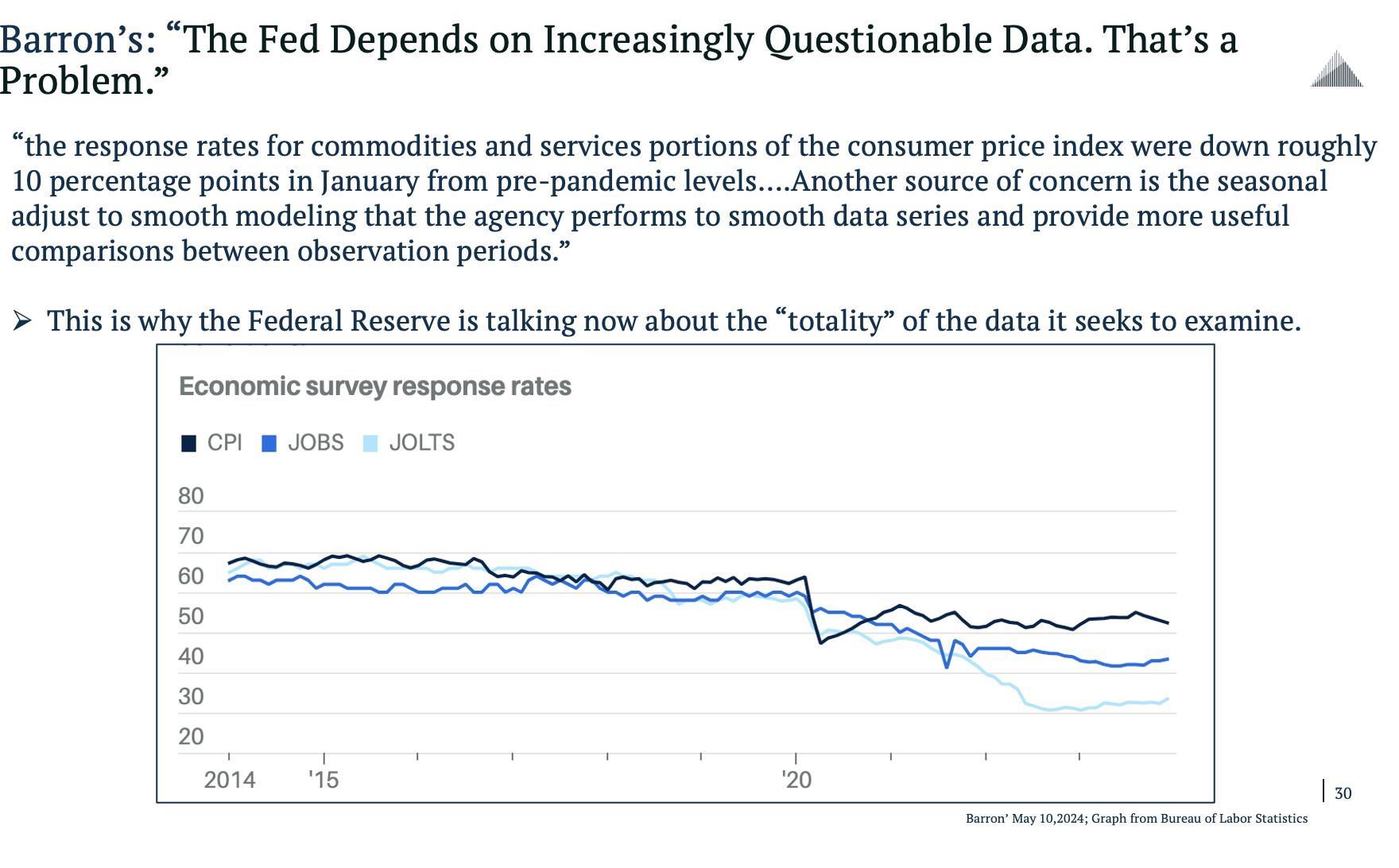
The BLS Data And Other Federal Data Problem: An Anomaly Or Being Played With?
• This has been a problem for years, but Washington ignored it.
• This is a screenshot from a presentation I gave almost two years ago. Two of many reasons for what is happening: Phishing and immigration. Source: Barrons Magazine
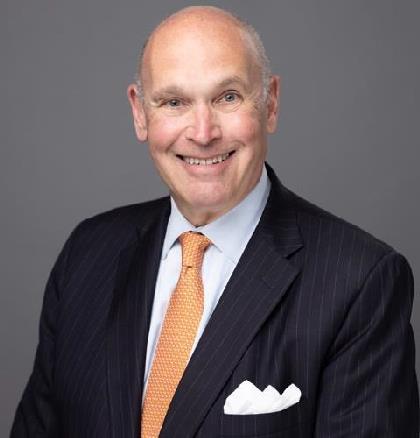
Frank is the Founder and Managing Partner of Fulcrum Macro Advisors. He has worked as a senior executive on Wall Street for over 30 years, most recently at Deutsche Bank. Prior to this, he held senior positions at Charles Schwab & Co., and Merrill Lynch where he was Chief of Staff and Global Head of Marketing.
At Deutsche Bank, Frank served as Global Coordinator for Government and Public Affairs. He was also the Bank’s first Chief Political Strategist, advising clients on geopolitical and domestic policy issues.
Prior to joining the financial services sector, Frank was Chief Spokesman and Senior Policy Advisor to the Chairman of the US Securities and Exchange Commission. Previous to this, Frank served at the US Department of Justice in the Office of Policy Development where he focused on international and national security issues. He began his career as a Writer for President Ronald Reagan,going on to serve as the Deputy Associate Director of the Office of Political Affairs. He remained at the White House to serve as a Writer for President G. H.Bush.
He is also a Senior Advisor to The Scowcroft Group, a Washington DC global business advisoryfirm with an emphasis on emerging markets. He is also a Senior Associate in the Americas Program at the Center for Strategic and International Studies (CSIS). Frank additionally is a Lecturer at The Catholic Universityof America’s Busch School of Business where he teaches on Business Intelligence.
Frank is a member of the Council on Foreign Relations, the International Institute for Strategic Studies, the American Council on Germany and American Institute for Contemporary German Studies. He also serves on the Board of Directors of Codespa America and as Vice Chair of the Board of Directors of the Jerome Lejeune Foundation of America.
He resides outside Washington DC in Great Falls, Virginia,with his wife, Maura,on their working farm, Open Door Farm.
Website: www.fulcrummacro.com (be sure to sign up for updates)