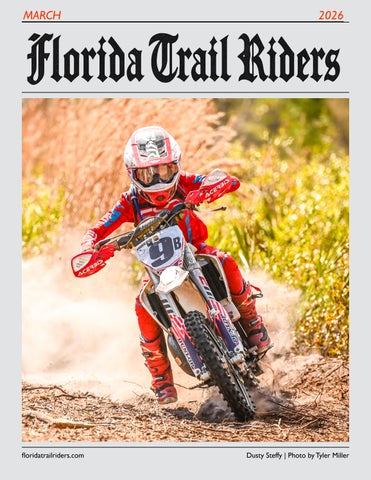
Dusty Steffy |
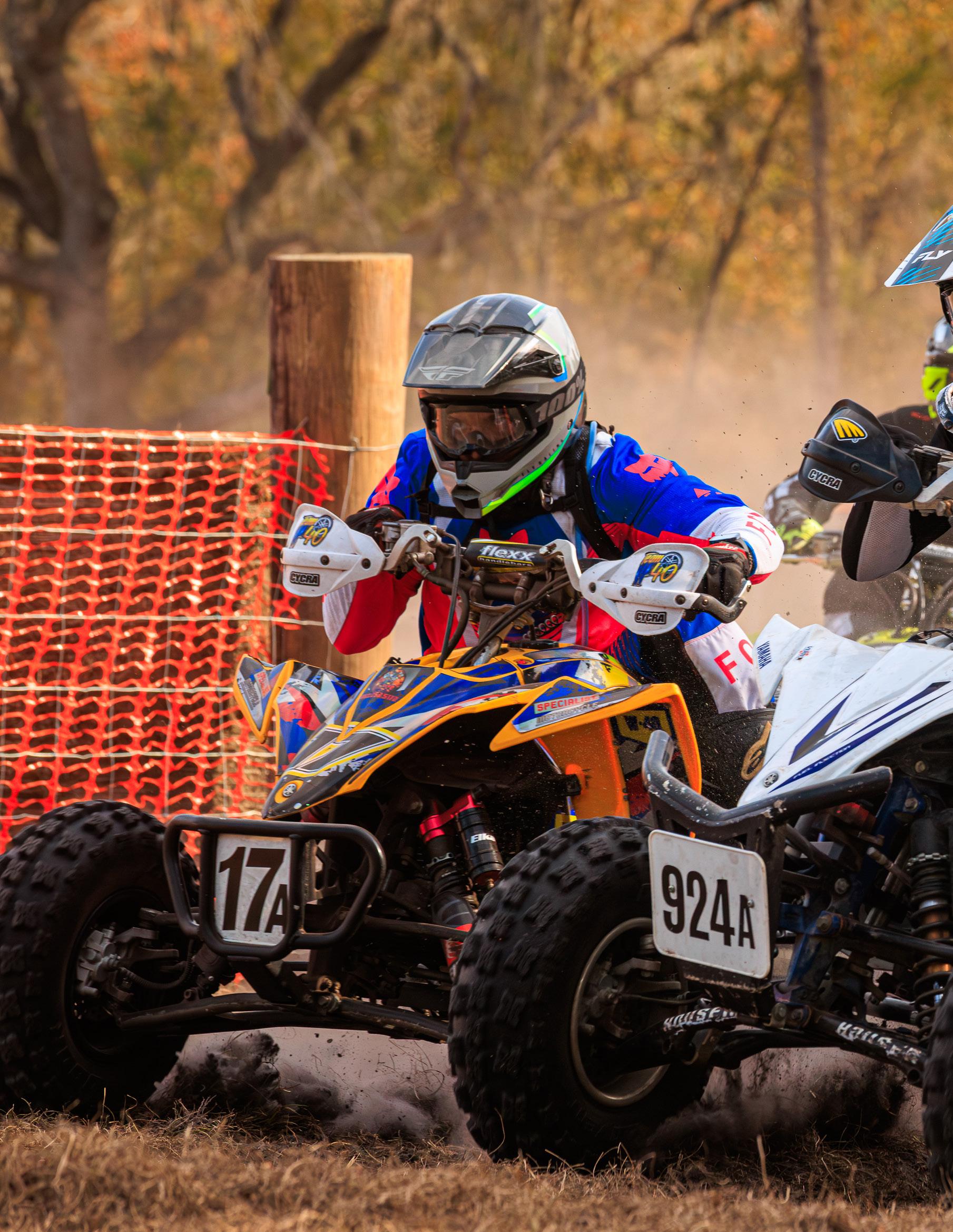
Photo by Tyler Miller
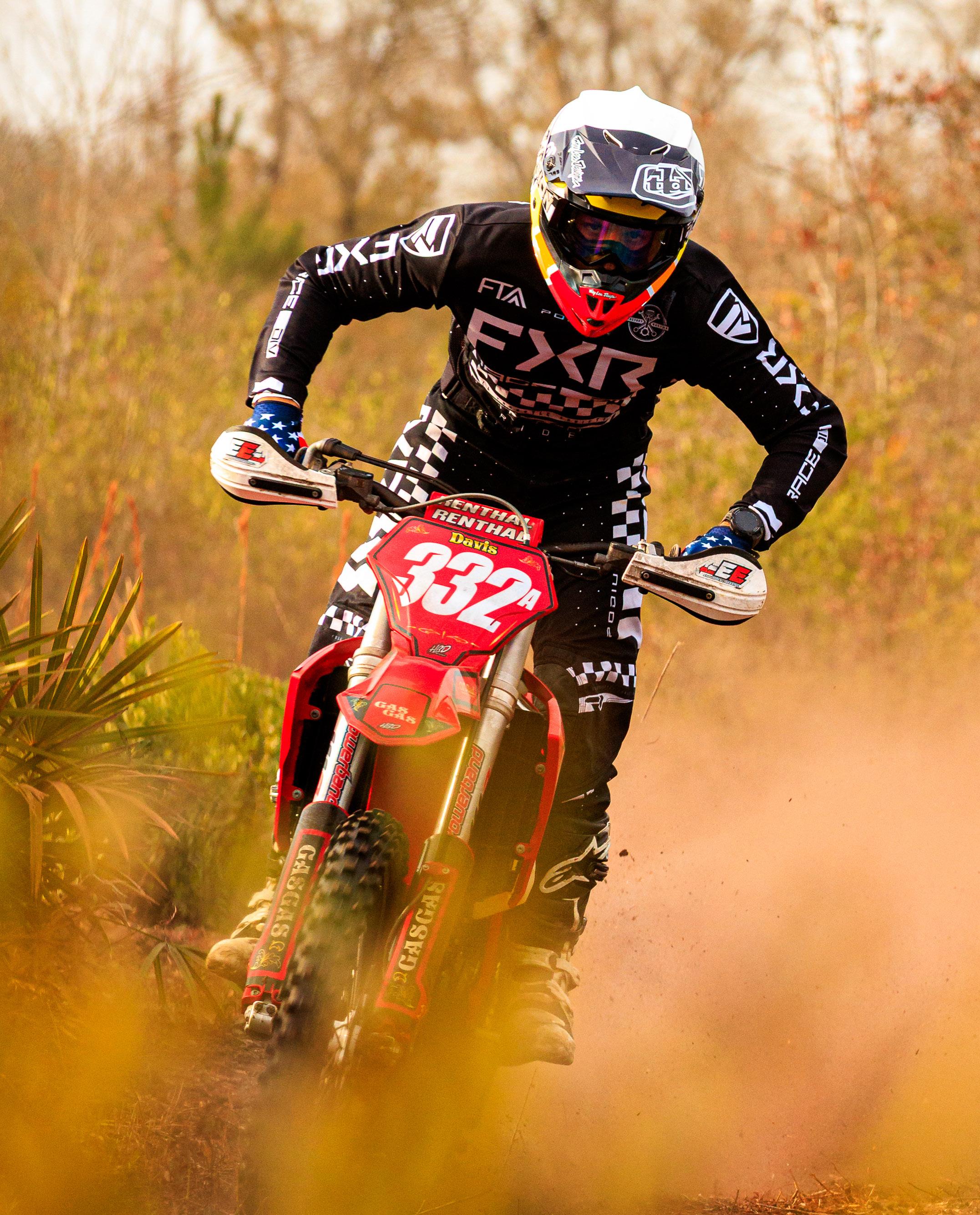
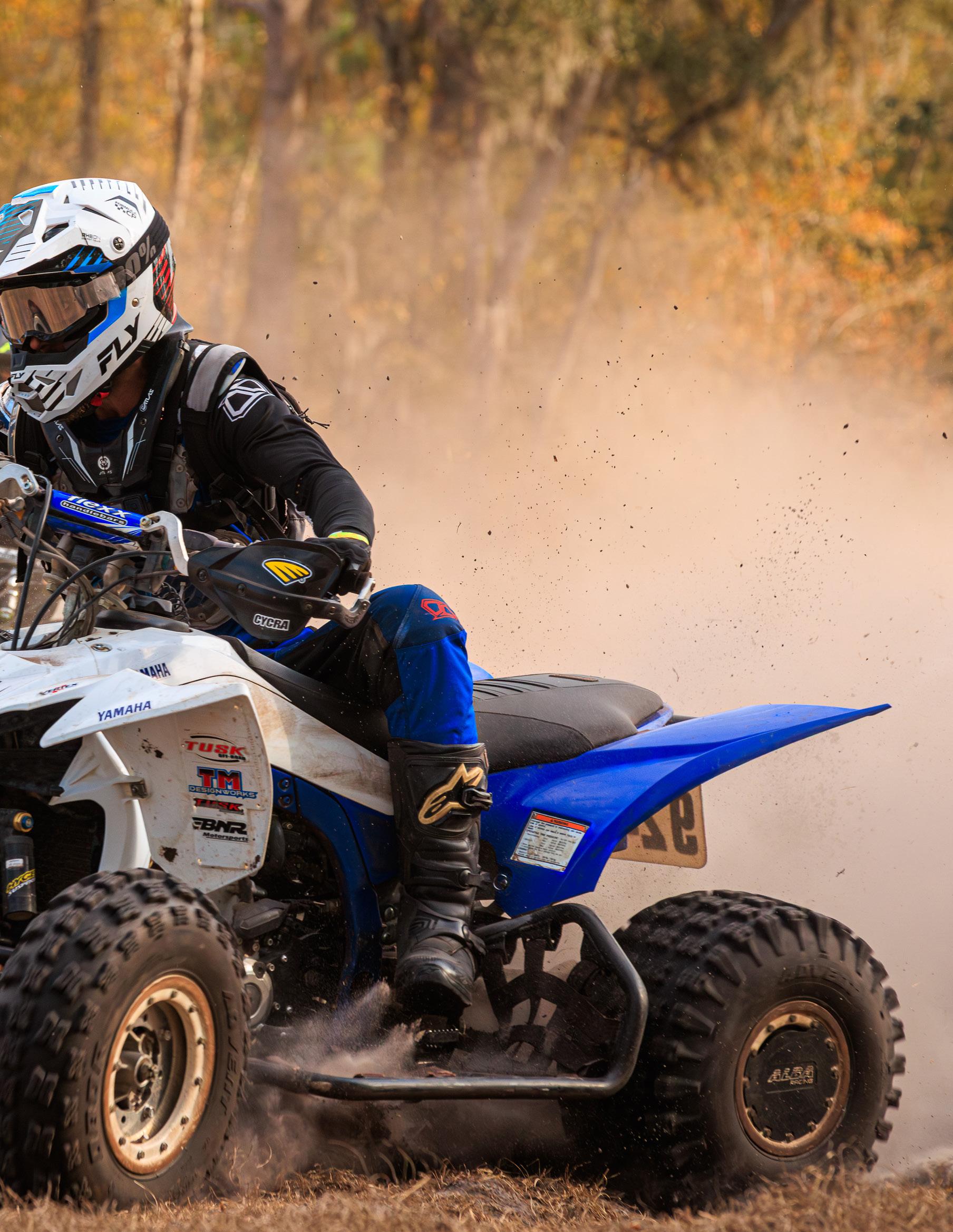
AJ Davis | Photo by Garren Wright
AREA #7 - Seminola, Osceola, Orange
AREA #1 - Out-of-State, Panhandle
AREA #2 - Hamilton, Suwannee, Columbia, Baker, Union, Bradford, Nassau, Duval, Clay, Putnam, St. Johns
James Benton (904) 589-0093 bentonracing116@yahoo. com
AREA #3 - Gilchrist, Alachua, Levy, Marion, Citrus, Sumter, Lake
Brandon Underhill (352) 339-1169 brandsonsunderhill@gmail. com
(AREA #4 - Flagler, Volusia
Corey Pierce (386) 453-9056 corey23pierce@gmail.com
AREA #5 - Hernando, Pasco, Pinellas
Tyler Miller (813) 210-1710 yamahatyler@yahoo.com
AREA #6 - Hillsborough, Polk
Shawn Clark (812) 617-0272 sclark@mosaicfingroup.com
Will Busick (317) 507-6636 willb763@gmail.com
AREA #8 - Brevard, Indian River
John Happel (321) 759-1474 ftrforester@gmail.com
AREA #9 - Manatee, Sarasota, Hardee, DeSoto, Highlands
Brian Dugre (941) 893-7898 brian@mycentec.com
AREA #10 - Okeechobee, St. Lucie, Martin
Ken Harris (772) 370-4434 khei9862@gmail.com
AREA #11 - Charlotte, Lee, Glades, Hendry, Collier
Chuck Schomann (717) 324-9606 schomanninc@yahoo.com
AREA #12 - Palm Beach
Todd Hallman (561) 346-6663 bushwagon@aol.com
AREA #13 - Borward, Dade, Monroe
Max Rash (954) 609-1812 maxr@rivaracing.com
Big O Trail Riders
Tommy Clay (863) 532-1952 tommy_clay@yahoo. com
Big Scrub Trail Riders
Curtis Bell (386) 679-8201 curtbell@rocketmail. com
Central Florida Trail Riders
AJ Stagg ajstagg@gmail.com (407) 929-2114
Daytona Dirt Riders
Robert Pierce (386) 615-0722 secretary4ddr@gmail. com
Greenville Enduro Riders
Chris Poole (864) 617-4342 info@greenvilleenduroriders.com
Nature Coast Trail Blazers
Rob Swann (813) 731-5552 naturecoasttrailriders@ gmail.com
Old School Dirt Riders
Ben Kelly (941) 650-1473 ftr90racer@yahoo.com
Palm Beach Track & Trail
Randy Rash (954) 931-5709 motodadfla19@aol.com
Perry Mountain M/C
Brad Belcher (205) 340-4298
perrymountainmotorcycleclub@gmail.com
River City Dirt Riders
James Benton (904) 589-0093
bentonracing116@yahoo.com
Sarasota Area Dirt Riders
Randy Faul (863) 244-3709 randt817@gmail.com
Suncoast Trail Blazers
Mark Scalzi (352) 601-6917
suncoastbiz1@gmail. com
Sunrunners Dirt Riders
West Anderson (863) 604-1868 jetster220@gmail.com
Treasure Coast Trail Riders
Ken Harris (772) 370-4434 khei9862@gmail.com
AA/A ENDURO
Mark Mannschreck (813) 310-2067 hondamm61@aol.com
B/C ENDURO
Sam Boydstun (407) 467-3951 woodsracercfl@rr.com
SPECIALTY A/B ENDURO
Ronnie Hames (386) 547-2397 ronnie@hbdmotografx.com
SPECIALTY C/WOMEN ENDURO
Elesa Berard (407) 376-7115
AA/A HARE SCRAMBLE
Troy Gardner (561) 329-7866 troyracing41@gmail.com
B/C HARE SCRAMBLE VACANT
SPECIALTY A/B HARE SCRAMBLE
Paul Lucas (305) 244-7531 happytimesamuse@msn.com
SPECIALTY C/WOMEN HARE SCRAMBLE
Holly Langford (954) 504-2659 hollylangford10@gmail.com
SATURDAY CLASSES HARE SCRAMBLE
Derek Tremain (863) 634-8183 derektremain@gmail.com
QUADS
Pete Rose (941) 270-1189 pwrracingktm@gmail.com
PRESIDENT
Randy Faul (863) 244-3709 president@floridatrailriders.org
VICE PRESIDENT
Landon Lynn (772) 494-3305 vicepresident@floridatrailriders.org
SECRETARY
Bill Toreki (352) 372-1135 secretary@floridatrailriders.org
TREASURER
Brandon Bloomquist (503) 707-1744 treasurer@foridatrailriders.org
HARE SCRAMBLE CHAIRMAN
Randy Rash (954) 931-5709 hschair@floridatrailriders.org
ENDURO CHAIRMAN
George Tolson (863) 698-3837 gjtolson63@gotmail.com
HARE SCRAMBLE REFEREE
Jeff Hazeltine 941-468-7204 hsref@floridatrailriders.org
ENDURO REFEREE
Peter Magee (352) 262-4974 cr250m@bellsouth.net
BUSINESS MANAGER
Darlene Riggs (352) 538-6291 businessmanager@floridatrailriders.org


As we move past the halfway point of our extended season, we’ve faced some challenges along the way with dust and extremely dry conditions. Nearly every event so far has dealt with this to some degree, although a couple of events were fortunate enough to receive some rain before or during the race, which really helped improve conditions.
I was both surprised and relieved to see how our riders acknowledged the racing conditions and adjusted accordingly. It also seemed like we had fewer injuries, as everyone stayed sharp and rode with a different mindset.
Along with the dust, the dry pastures and camping areas have become a real concern, especially when it comes to grills and above-ground fires. Even though we have a great fire suppression team—Ronnie and Brianna—who can be mobile and bring 100 gallons of water within minutes, being aware of what we’re doing and how we’re doing it could prevent a major catastrophe at one of our events.
We all need to be vigilant with our campsites and surroundings to make sure we’re doing everything possible to minimize the risk of fire. I know
some clubs are asking for no fires at all, even above-ground ones, given the current conditions.
If you’re cooking outside, having a fire extinguisher near your grill should be a consideration. Positioning generators in areas where they won’t come into contact with tall grass is another important precaution. Keeping a fire extinguisher on your SxS or golf cart while you’re out and about wouldn’t hurt either.
Most of these things don’t cross our minds until something happens—and then we wish we had thought of them sooner. Be aware, be proactive, and let’s all look out for each other.
Speaking of looking out for each other, a big shout-out to all of you who stop to check on a downed rider, whether during competition or practice. I’ve heard so many stories of riders stopping mid-race to help someone who has crashed, without a second thought. It just goes to show how strong the FTR family is and how we take care of one another no matter what.
Keep up the excellent work and that positive mindset—it will always come back to you.
Thanks for listening, Randy Faul
Happy March FTR fam! Rev. Rod here, and what a blessing it has been all season to see and talk with each and every one of you. It has truly been a privilege to share the gospel and have genuine conversations with so many of you. Thank you all for welcoming me with open arms.
This month I’d like to share one of my favorite stories from the Bible: the story of Jonah. But not for the reason most people remember it—the wild moment when he was swallowed by a massive fish.
Jonah was a reluctant prophet who was called by God to share a message of repentance with the city of Nineveh. Like many of us, Jonah had seen the “bad” in the world and thought to himself that those people didn’t deserve it. Instead of doing what God called him to do, he chose to run and
¡Feliz marzo, familia de FTR! Aquí el Rev. Rod. ¡Qué bendición ha sido durante toda la temporada poder verlos y hablar con cada uno de ustedes! Ha sido un verdadero privilegio compartir el evangelio y tener conversaciones genuinas con tantos de ustedes. Gracias por recibirme con los brazos abiertos.
Este mes me gustaría compartir una de mis historias favoritas de la Biblia: la historia de Jonás. Pero no por la razón que la mayoría recordamos este increíble relato, cuando fue tragado por un gran pez.
Jonás, un profeta renuente, fue llamado por Dios para llevar un mensaje de arrepentimiento a la ciudad de Nínive. Pero, al igual que muchas veces nos pasa a nosotros, él había visto todo lo “malo” y pensó que esas per-
hide.
Sounds crazy, right? How could anyone hide from God?
Jonah tried anyway. He boarded a ship headed in the opposite direction to a distant city called Tarshish. But God knew exactly where he was and what was in his heart. While Jonah was on the ship, a massive storm came upon the sea— so violent that it threatened to break the ship apart.
Jonah knew exactly why the storm had come. He told the sailors that if they threw him overboard, the storm would stop. After praying to their own gods and getting no answer, the crew finally agreed to Jonah’s request.
So Jonah was thrown into the sea—and immediately swallowed by a massive sea creature. Just as he said, the storm stopped.
sonas no lo merecían. En lugar de hacer lo que Dios le había pedido, decidió huir y esconderse de Él.Suena una locura, ¿verdad? ¿Cómo podríamos escondernos de Dios?
Jonás lo intentó de todas formas. Se subió a un barco que iba rumbo a una ciudad lejana llamada Tarsis. Pero Dios sabía exactamente dónde estaba y lo que había en su corazón. Mientras el barco estaba en el mar, una enorme tormenta se levantó, tan fuerte que amenazaba con destruir la embarcación.
Jonás sabía por qué estaba sucediendo todo aquello. Les dijo a los marineros que lo arrojaran al mar y que entonces la tormenta se calmaría. Después de orar a sus propios dioses sin obtener respuesta, finalmente decidieron hacer lo que Jonás había dicho.
The crew witnessed this and believed that the God Jonah served must truly be the one true God.
For three days Jonah remained inside the belly of the fish, coming close to death. During that time he repented for running from the purpose God had called him to fulfill. Then, just like that, the fish spit Jonah out on the shore—right in front of the very city he was supposed to go to all along.
When Jonah finally delivered God’s message of repentance to the people of Nineveh, something incredible happened. The people listened. They turned away from their evil ways, glorified God, and found peace.
One of the biggest lessons I take from this story is that even when we don’t fully understand a situation or a calling, the worst thing we
Cuando lo lanzaron al agua, ocurrió algo increíble: una gran criatura marina se lo tragó. Y tal como Jonás había dicho, la tormenta se detuvo. Al ver esto, toda la tripulación llegó a creer que el Dios al que Jonás servía debía ser el único Dios verdadero.
Durante tres días Jonás permaneció en el vientre del pez, cerca de la muerte. Allí se arrepintió por haber huido del propósito al que Dios lo había llamado. Entonces, de repente, el pez lo expulsó en la orilla, justo frente a la ciudad a la que debía haber ido desde el principio.
Cuando finalmente llevó el mensaje de arrepentimiento a Nínive, algo extraordinario ocurrió. La gente escuchó, se apartó de sus malos caminos, glorificó a Dios y
can do is run from it. And even when we do run—as many of us will—God can still use that situation to strengthen our faith and bless others through the storm.
Just think: if Jonah had never run away, those sailors on the ship may have never encountered God and given their lives to Him.
God is patient, loving, and always working for our good—even through the highs and lows of life.
encontró paz.
De esta historia, una de las lecciones más grandes que podemos aprender es que, aunque no entendamos completamente una situación o un llamado, lo último que debemos hacer es huir. Y aun cuando lo hagamos —porque muchas veces lo hacemos— Dios puede usar esa situación para fortalecer nuestra fe y también para bendecir a otros en medio de la tormenta.Piénsenlo por un momento: si Jonás nunca hubiera huido, aquellos hombres en el barco quizá nunca habrían conocido a Dios ni le habrían entregado sus vidas.
Dios es un Dios paciente y amoroso que quiere lo mejor para nosotros, incluso en medio de los altibajos de la vida.










CLAY LYONS


by

Words: Kyle McAfee
Every other weekend a strange thing happens across Florida.
Hundreds of otherwise normal people pack motorcycles, gear bags, gas cans, and coolers into trucks and trailers and drive out to some cow pasture or patch of woods. We sleep in campers, vans, toy haulers, and the occasional questionable air mattress. Then the next morning we line up on a starting line and convince ourselves we’re about to perform like professional athletes.
For anywhere from an hour to two and a half hours.
Most of us, if we’re being honest, spent the week sitting at a desk, working with our hands, chasing kids around, or doing whatever it is that pays for this hobby. Yet Saturday morning rolls around and suddenly we expect our bodies to perform at a very high level.
I was reminded of that reality very clearly this past weekend at the Richloam Enduro.
My personal race preparation this time around was… not
exactly textbook.
I had just gotten back from a work trip to Las Vegas for ConExpo. Our flight landed a little after 10 o’clock Saturday night. Our daughter Chelsea picked us up at the airport, we got back to the house, and I didn’t even go inside. I threw my gear in the moto van, pointed it north, and headed toward the Richloam property.
Four hours later I rolled in, grabbed a couple hours of sleep, and lined up on row 20 Sunday morning.
Now I’ve been doing this long enough to know that the “airport coffee and two hours of sleep” training program probably isn’t what the pros are doing.
And sure enough, it showed.
Off-road racing isn’t just about riding a motorcycle fast through the woods. It’s about doing it while your heart rate is somewhere north of 160 beats per minute for long stretches of time—sometimes for a couple hours.
If your body isn’t ready for that, things start going sideways pretty quickly.
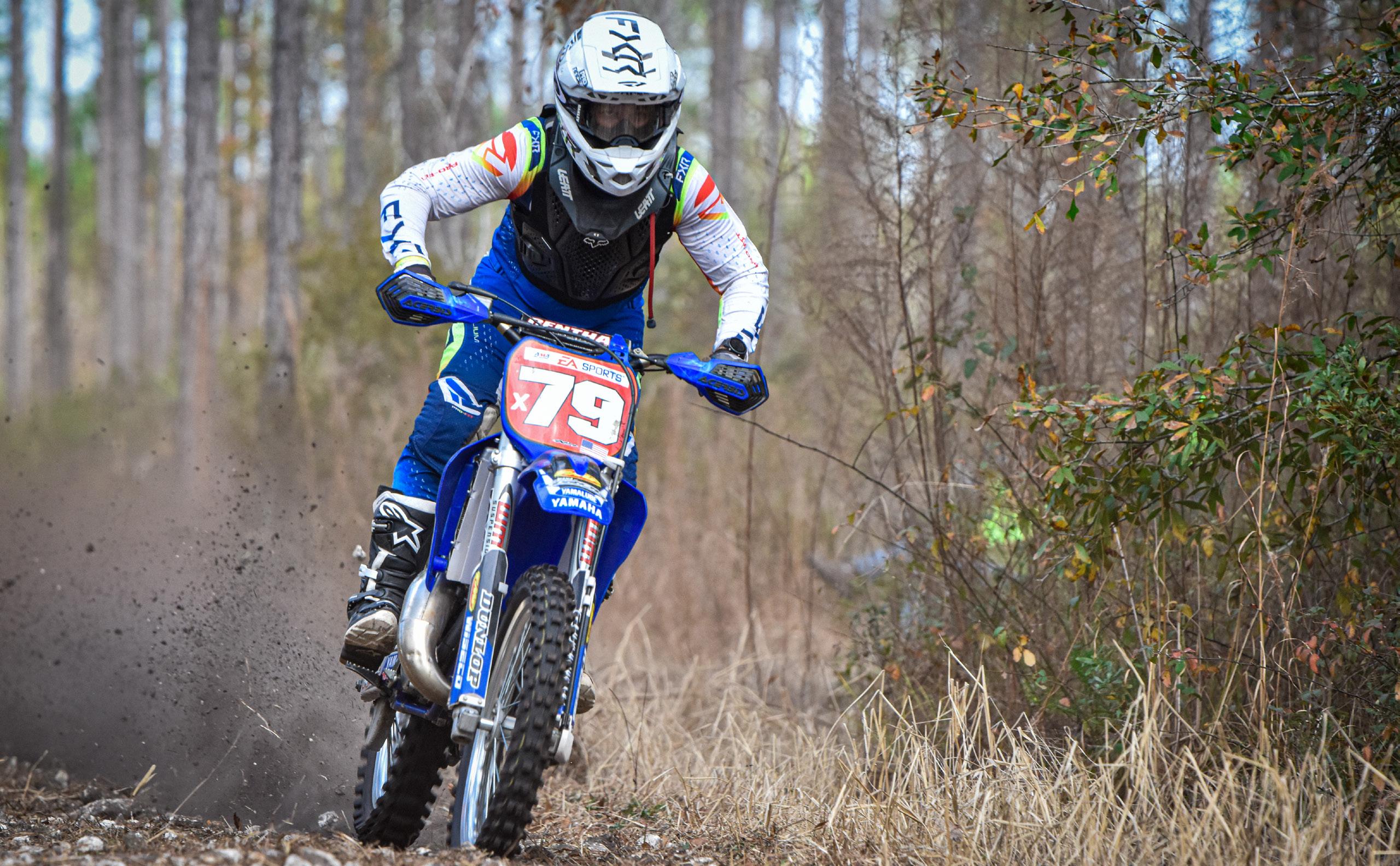
Your arms pump up sooner. Your breathing gets heavier. Your legs get tired from standing. The bike starts feeling heavier. Corners start showing up faster than expected. Lines that normally seem obvious suddenly disappear.
But the part that really stood out to me yesterday was the mental side of it.
When you’re rested and physically prepared, your brain stays calm. You see lines earlier. You react quicker. You ride smoother.
When you’re exhausted, your brain basically switches to survival mode. Instead of flowing with the trail, you’re constantly catching up to it. You miss little details. You make small mistakes. And those small mistakes start adding up over the course of a long race.
It’s amazing how much mental clarity comes from simply being physically prepared.
That’s why the boring stuff during the week actually matters.
A little running. Some time on a bicycle. Anything that pushes your heart rate up and
teaches your body how to function when it’s under stress. The more familiar that feeling becomes, the less shocking it is when the horn goes off.
Hydration is another big one. And no, hydration doesn’t start Saturday morning with whatever beverage happens to be in the cooler. It starts several days before the race. Showing up dehydrated is basically like starting the race with the tank half empty.
Strength matters too. Strong legs and core muscles let you control the bike with your lower body instead of hanging on with your arms. Once riders get tired, body position usually disappears first. They start sitting more, gripping the bars
tighter, and letting the bike do whatever it wants.
That’s when the mistakes start multiplying.
Now let’s be honest. Most of us aren’t training like professional athletes. We’ve got jobs, families, and a lot of other responsibilities competing for our time during the week.
But even a little preparation goes a long way.
Because the truth is, the better shape you’re in, the more fun racing becomes.
Instead of hanging on and counting miles until the finish, you’re still pushing late in the race. You’re still able to focus
on lines, momentum, and racing the people around you instead of just trying to survive the next section of trail.
And after my little experiment at the Richloam Enduro this weekend, I can confidently report that showing up rested and hydrated works a lot better than showing up on two hours of sleep and airport coffee.
Lesson learned.
Until the next race weekend, when we all convince ourselves we’ll be better prepared next time.
WORDS: DR. MATT DAUGHERTY
Orthopedic Physical
Therapist and Racer
Picture this: you’ve been dealing with a nagging shoulder ache for a few months. Maybe it’s from absorbing whoops all weekend, wrestling your bike through tight singletrack, or simply the accumulated strain of gripping the bars for hours. Your doctor orders an MRI. The report comes back with phrases like “partial-thickness tear” or “tendinopathy.” Suddenly the conversation shifts toward injections or surgery — before anyone even asks when the pain started or whether you recently had a crash.
Here’s what the latest research suggests: that MRI finding may mean very little. Understanding why is one of the most important things you can know about your body as a dirt rider.
In February 2026, researchers from the Finnish Centre for Evidence-Based Orthopaedics published a landmark study in JAMA Internal Medicine. The study, called the FIMAGE Study (Finnish Imaging of Shoulder Study), examined 602 randomly selected adults between the ages of 41 and 76. These participants weren’t patients seeking treatment for shoulder pain; they were everyday people randomly selected from a national health database. Some had shoulder pain, but most did not.
Every participant received high-resolution 3-Tesla MRIs of both shoulders, interpreted by blinded musculoskeletal radiologists. Researchers
then compared the imaging findings with who actually had shoulder pain. The results were striking.
98.7% of participants had at least one rotator cuff abnormality on MRI, and only 7 out of 602 had completely normal tendons. Breaking it down further, 62% had partial-thickness tears, 11% had full-thickness tears, and 25% showed tendinopathy. These findings increased with age, but there was no meaningful difference between men and women.
The most important takeaway: 96% of symptom-free shoulders still had rotator cuff abnormalities on MRI. Even more surprising, 78% of all full-thickness tears occurred in shoulders with zero pain. The researchers concluded that for atraumatic shoulder pain — pain that did not follow a clear injury event — MRI rarely helps identify the actual cause of symptoms.
In the world of dirt riding, shoulder complaints are extremely common. Vibration, awkward riding positions, repeated braking forces, long periods in an attack stance, and constant upper-body stabilization all place sustained stress on the shoulder complex. Add years of riding and the normal aging process, and it would actually be surprising if an MRI came back completely clean.
The danger comes when imaging findings are mistak-
en for the cause of pain. When a scan shows a partial tear or tendinopathy, it’s easy for both clinicians and patients to assume that finding must be the problem. From there, the path toward injections or surgery can become very short.
Meanwhile, research shows rotator cuff surgeries have increased two- to seven-fold in developed countries over recent decades, and shoulder injections have risen dramatically as well — much of it driven by imaging findings that may simply be incidental.
Think of it like tearing down a used race engine. When you open it up, you’ll probably see some scoring on the cylinder walls. Does that mean the motor is about to fail? Or is it simply normal wear that has been there for years without affecting performance? Without context, that finding tells you very little. The same logic applies to MRI findings in your shoulder.
Matter: The Trauma Rule
None of this means MRI is useless. Imaging becomes extremely valuable after a clear traumatic event. If you go over the bars, land on an outstretched arm, get pinned under the bike, or take a direct impact to the shoulder that causes immediate pain and loss of function, imaging plays an important role in diagnosis.
In those situations, MRI
can identify injuries such as acute full-thickness rotator cuff tears, fractures, dislocations, and other structural damage, and it can directly guide treatment decisions.
The problem arises when imaging becomes the first step for chronic shoulder aches that slowly develop over months of riding, training, or even desk work. In those cases, the scan is almost guaranteed to show something, and that something will almost certainly look alarming — even if it isn’t the real cause of pain.
For atraumatic shoulder pain, the most important tool isn’t imaging — it’s a thorough clinical evaluation. An experienced physical therapist will evaluate shoulder mobility, strength, rotator cuff activation patterns, scapular mechanics, and how the entire upper chain works together. This evaluation reveals capacity deficits, meaning where the body is struggling to tolerate the loads being placed on it.
For riders, these deficits might include limited posterior shoulder mobility from years of riding in a hunched position, weak lower trapezius and serratus anterior muscles forcing the rotator cuff to compensate, or strength imbalances between sides from old injuries. These are common drivers of shoulder pain, and they don’t appear on MRI scans.
Treatment then focus-
es on restoring capacity through targeted manual therapy, dry needling to address hyperirritable muscle tissue, progressive loading to improve tendon health and rotator cuff endurance, and scapular stability work. Over time, rehab progresses toward riding-specific demands, preparing the shoulder for the positions, forces, and duration required on the bike.
The goal is not to make your MRI look better — it won’t, and that’s okay. The goal is to build a shoulder capable of tolerating everything dirt riding throws at it, hour after hour, race after race, year after year. Structure does not determine function. Load tolerance does.
Think of your rotator cuff tendons like the frame of your bike. After years of hard riding, that frame may have small stress marks, reinforced welds, or signs of past repairs. None of that means the bike is broken — it means the bike has history. What matters is whether the frame still holds up under load.
Your tendons are no different.
Unless your shoulder pain followed a clear crash or traumatic injury, chasing MRI findings rarely provides the answer. A proper clinical evaluation, combined with progressive strength and movement training, is usually the path back to riding strong.
Before acting on any information in this article, consult a physician or physical therapist for a complete evaluation and activity readiness screening. If you are experiencing pain while riding, it is always beneficial to have a thorough assessment from a qualified professional.
For questions or comments, contact:
MotoPT contact@motopt.com
904-395-5379
Dr. Matthew Daugherty PT, DPT, OTR/L, MOT, DBA Associate Professor and Director of Residency Programs Board Certified Orthopaedic Clinical Specialist Fellow, American Academy of Orthopaedic Manual Physical Therapists Manual Therapy Certified Intramuscular Dry Needling Certified
Reference Ibounig, T., Järvinen, T. L. N., et al. (2026). Incidental rotator cuff abnormalities on magnetic resonance imaging. JAMA Internal Medicine. Published online February 16, 2026. https:// doi.org/10.1001/jamainternmed.2025.7903
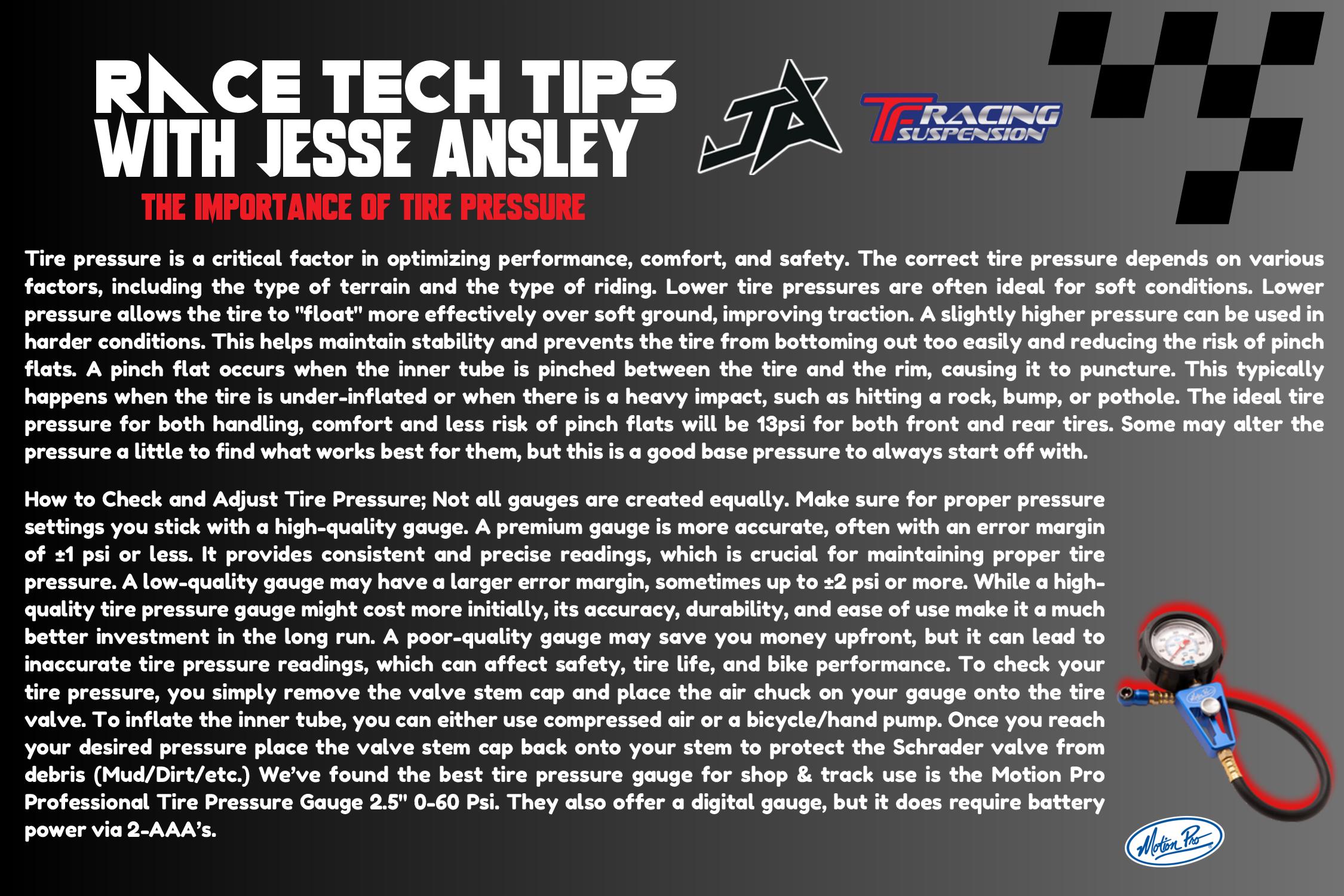
For over 50 years, TF Racing has been elevating the off-road riding and racing experience for countless enthusiast while building champions on and off the track. Contact us today for a custom quote




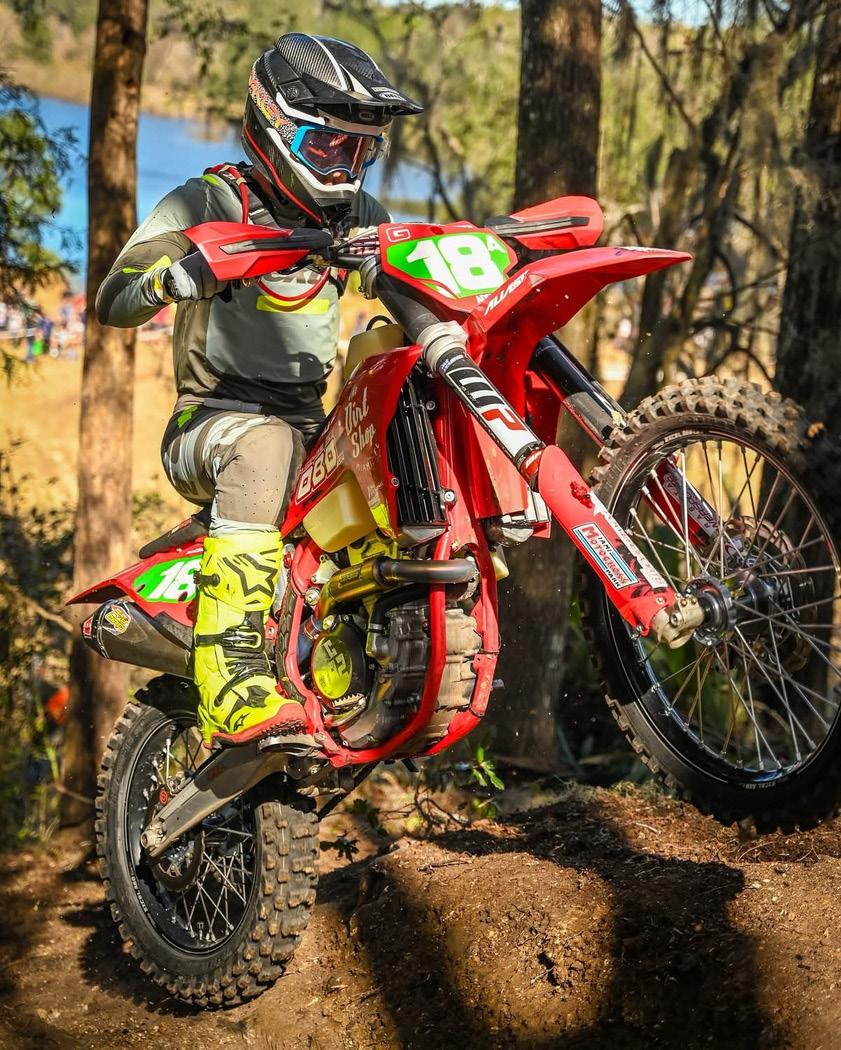


Just got home from one of the best dirt bike experiences of my life. My son Kai was chosen to race the KTM Jr Supercross Challenge at the Indianapolis Supercross. I had no idea what to expect but we were blown away at how they treated these kids like superstars. They practiced with the pros, signed autographs, met their heroes, and then raced their main event in front of thousands of fans. It was a once in a lifetime opportunity and we are still on cloud nine.
Similarly, most people retire only one time. It's a once in a lifetime opportunity. How do you know if you are missing something? How do you know if you have saved enough? How do you know if you are paying too much in taxes? When you only do something once in your life, it is hard to be an expert. Give me a call and we will make sure you are asking the right questions as you prepare for retirement.
Investment Advisory Services offered through Continuum Advisory, LLC, a Registered Investment Advisor, located at 873 E. State Street, Eagle, ID 83616. Mosaic Financial Group is not an affiliate of Continuum Advisory, LLC but is a DBA (doing business as) of Continuum Advisory.
I want to talk about how to approach high-speed sections and how to become more confident when the pace picks up. Whether you’re charging across an open field, hitting a fast transfer section, or flowing through quicker trail, speed isn’t just about twisting the throttle—it’s about technique and efficiency.
When most riders think about going fast in a straightaway, they imagine simply holding it wide open. But there’s more to it than that. Think about drag racing or motocross starts. When riders accelerate hard, they sit down. That’s because sitting allows you to deliver smoother throttle and maintain better control while using less energy. Standing takes more effort and control to achieve the same speeds.
From the ground up, it starts with proper body positioning. Drive your weight into the pegs through your feet to maximize traction to the rear wheel and keep the bike planted. Keep your spine neutral so your core and back muscles can work efficiently. Your arms shouldn’t be in a death grip—tight arms waste energy and often lead to arm pump. Finally, keep your head forward with your chin over the handlebars to keep your weight moving in the right direction.
Of course, sometimes you’re forced to stand—wheth-
er due to rough terrain or upcoming obstacles. When standing, the same fundamentals apply: head forward, feet planted, and your body in a neutral position. Lean too far forward and the rear of the bike can kick; lean too far back and you risk looping out. The key is staying balanced and always looking ahead so you know when it’s time to sit or stand.
That brings us to what I like to call “free time.” Free time is lap time that can be gained with almost no extra effort. Anyone can go fast in a straightaway, yet many riders cruise through these sections during a race. Whether it’s a short straight between turns in the woods or a long field section, there’s usually time left on the table simply because riders aren’t maximizing those easy opportunities. Carrying speed through every straight section is one of the simplest ways to cut lap times.
Corners are another place where riders lose time. Instead of diving straight down the middle of the track, think like an F1 driver or road racer—open the corner up. Enter wide, aim toward the apex, and give yourself options. Riding the inside immediately often creates a tighter angle, rougher terrain, and slower exits. A wider entry lets you carry more speed, avoid bumps, and choose your exit line.
As speeds increase, vision becomes even more import-
ant. The faster you go, the further ahead you need to look. Surprises—like roots, bumps, or stumps—come up much faster in highspeed sections, and at those speeds mistakes are harder to save. Always respect the track and stay focused, even when the trail feels easy.
Another big part of riding efficiently can be seen by watching the pros, especially riders like Jett Lawrence. Jett makes riding look effortless, not because he isn’t pushing hard, but because his technique is incredibly efficient. One thing commentators often mention is how “light” he rides the bike. What they mean is that he keeps the suspension high in the stroke, allowing the bike to stay compliant and absorb bumps instead of smashing into them.
The first inch or two of suspension travel is the plushest part of the stroke. When you stay high in that range, the bike absorbs roots, rocks, and small bumps much more smoothly. Once you drive deep into the suspension—or bottom out— you lose that advantage and the bike becomes harder to control.
This is where loading and unloading the bike comes into play. Riders can load the suspension by putting weight into the pegs, sitting down, or using throttle to drive the rear wheel. When the suspension rebounds, it unloads—allowing the bike to lift or skip over obstacles. Riders like Jett use this
constantly, dropping into bumps to load the bike and then popping over rough sections that others ride straight through.
Timing is everything. If you load the suspension at the wrong moment, you may rebound too hard or hit bumps you were trying to avoid. The best place to start practicing is on smoother or larger bumps where the motion is more predictable.
This technique translates perfectly to off-road riding as well. Roots and rocks can be sketchy, but by lightening the bike and keeping the suspension high in the stroke, you can almost “float” over them instead of smashing through. When done correctly, it saves energy, smooths out rough sections, and keeps the bike more stable.
Next time you watch the pros, pay attention to the small details—how they approach bumps, how they time their movements, and how smooth everything looks. There’s a lot more happening than meets the eye.
And when you’re out riding, experiment with it yourself. Practice carrying speed through straight sections, opening up corners, and working on loading and unloading the suspension through rough terrain. Once it clicks, it becomes second nature—and you’ll not only ride faster, but with far less effort.


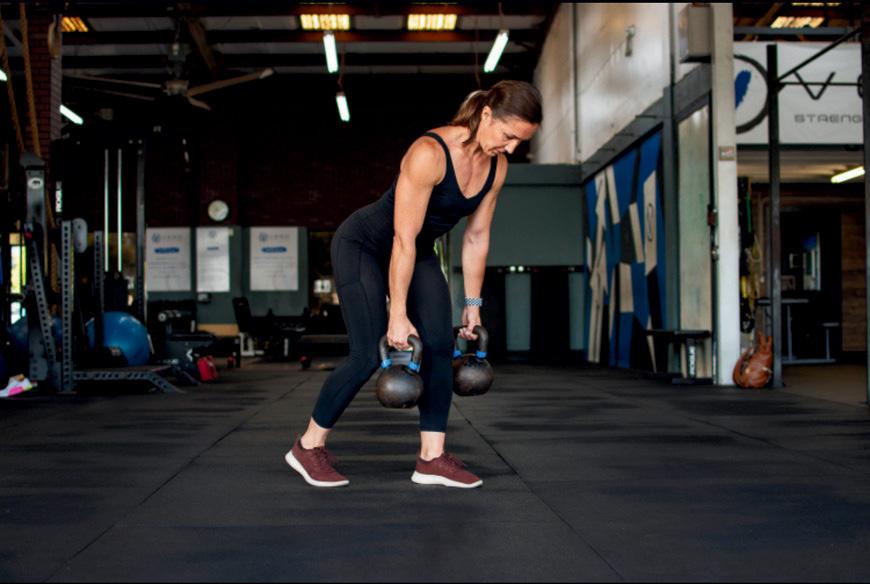

@strong_roots_fitness_llc @strong_roots_fitness_llc

trainwithstrongroots@gmail.com trainwithstrongroots@gmail.com

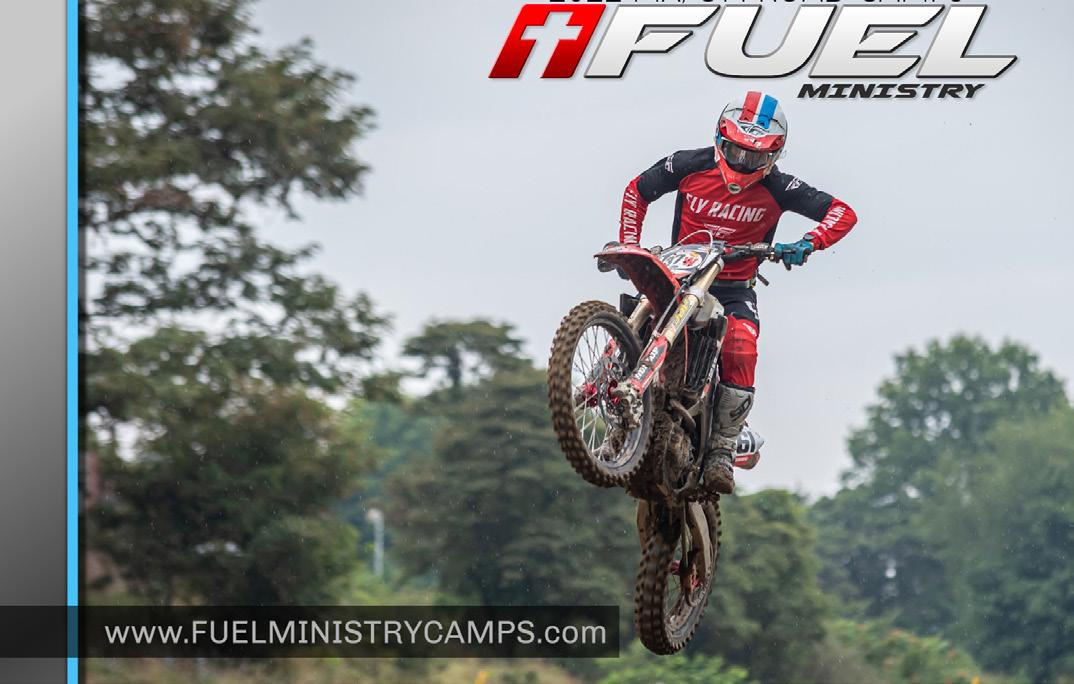

FTR’s BOD has voted to transition to a Calendar-Year (January to December) Season. So, for the 2025-2026 season, we will have a ONE-TIME 18-month schedule. After that, we will run from January through December. This was done to comply with AMA promotion rules. The approved preliminary schedule of 15 Hare Scrambles and 13 Enduros.
August 31, 2025
September 28, 2025
October 10-11, 2025
October 25-26, 2025
November 2, 2025
November 8-9, 2025
December, 6-7, 2025
January 3-4, 2026
January 17-18, 2026
Jan/Feb 31-1 2026
February 8, 2026
February 14-15, 2026
February 22, 2026
March 8, 2026
March 14-15, 2026
April 11-12, 2026
April 19, 2026
May 31, 2026
September 6, 2026
September 12-13, 2026
September 20, 2026
September 27, 2026
October 10-11, 2026
October 24-15, 2026
November 1, 2026
November 7-8, 2026
November 15, 2026
November 21-22, 2026
Enduro #1
Litlle Brown Jug Clinton, SC
Enduro #2 Orange State Croom, FL
HS #1
CFTR Bartow, FL
HS #2 SADRA Bartow, FL
Enduro #3
Gobbler Getter Maplesville, AL
HS #3 Sunrunners Bartow, FL
HS #4 OSDR Punta Gorda, FL
HS #5 SCTB Brooksville, FL
HS #6 PBTTR Okeechobee, FL
HS #7
Enduro #4
TCTR Indiantown, FL
Sumter National Wedgefield, SC
HS #8 BSTR Lake Butler, FL
Enduro #5
Enduro #6
HS #9
St. Mary’s Shoals Macclenny, FL
Straight Arrow Richloam, FL
NCTB Dade City, FL
HS #10 OSDR Punta Gorda, FL
Enduro #7 Armadillo Lake Butler, FL
Enduro #8 Cherokee Greensboro, GA
Enduro #9
Little Brown Jug Clinton, SC
HS #11 DDR Palatka, FL
Enduro #10 Diamondback New Augusta, MS
Enduro #11 Orange State Croom, FL
HS #12 CFTR Bartow, FL
HS #13 SADRA Bartow, FL
Enduro #12 Gobbler Getter Maplesville, AL
HS #14 Sunrunners Bartow, FL
Enduro #13 St. Mary’s Shoals Macclenny, FL
HS #15 OSDR Punta Gorda, FL