

how everything you know about Asian Americans is wrong.
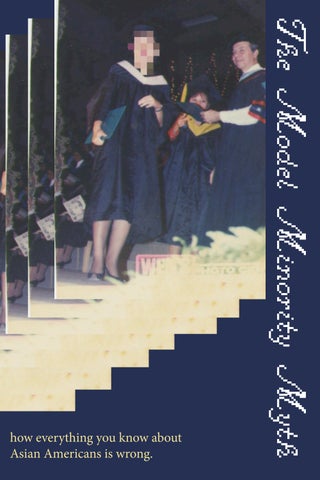
how everything you know about Asian Americans is wrong.
the“The model minority myth is a sociological phenomenon that refers to the stereotype that Asian Americans are more successful, intelligent, and better integrated into White society—though never quite equal to White people. This myth falsely implies that minority groups don’t need social or economic support, suggesting that success is easily attainable without external aid. This harmful narrative not only undermines other communities of color but, also places unrealistic expectations on Asian Americans themselves. It perpetuates the idea that success is achievable without societal assistance, ignoring the systemic barriers that Black and Brown people, in particular, encounter from the start.”


More than just a monolith.
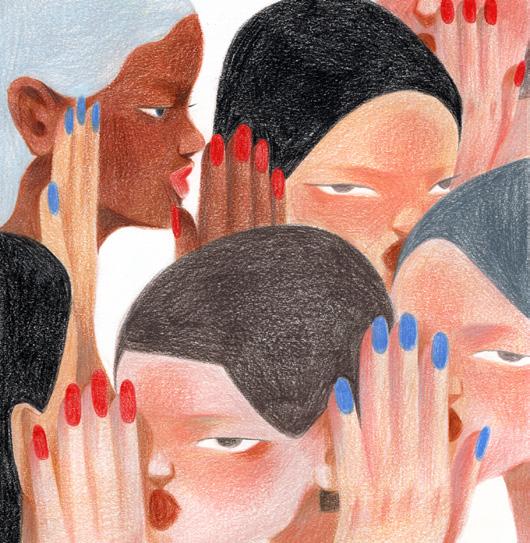
The Asian American and Pacific Islander (AAPI) diaspora is a complex and multifaceted story that spans generations, cultures, and experiences. It encompasses individuals from over 50 countries, each with unique histories, languages, and traditions. Yet, despite the diversity within the AAPI umbrella, the community often finds itself generalized, especially within the Western imagination.
The term “diaspora” reflects not only the geographic dispersal of AAPI individuals across the globe but also the emotional and cultural journey of navigating multiple identities. For many, this journey begins with immigration—voluntary or
forced. Historical contexts like labor migration during the 19th century, the aftermath of wars in Southeast Asia, and economic opportunities drew waves of immigrants to places like the United States, Australia, Canada, and Europe.
While the contributions of AAPIs are substantial, the diaspora also faces significant challenges. The model minority myth, for instance, creates harmful stereotypes that homogenize the diverse experiences of AAPI communities, perpetuating unrealistic expectations while erasing the real struggles they face. These myths and stereotypes fuel invisibility, especially regarding issues such as mental health, economic disparities, and racial discrimination.
At the same time, the diaspora is marked by resilience and the forging of new identities in the face of marginalization. Many AAPI individuals engage in a process of cultural reclamation, striving to maintain their ancestral roots while adapting to the cultures in which they now live. This hybrid identity— neither fully rooted in one place nor the other—can foster a sense of belonging and alienation.
Art, activism, and storytelling have
become vital tools in navigating and preserving AAPI identity. From filmmakers to writers, activists to community leaders, the diaspora continues to redefine what it means to be both “Asian” and “American” (or any other nationality). It’s a story of adaptation, resilience, and redefinition, as AAPIs grapple with the intersections of race, culture, history, and belonging.
Despite the challenges, the AAPI diaspora stands as a testament to the strength of communities who are carving out spaces where their stories and experiences are not only heard but celebrated. It is through this journey that the diaspora continues to evolve, finding solidarity in shared experiences while honoring the richness of its diverse roots.

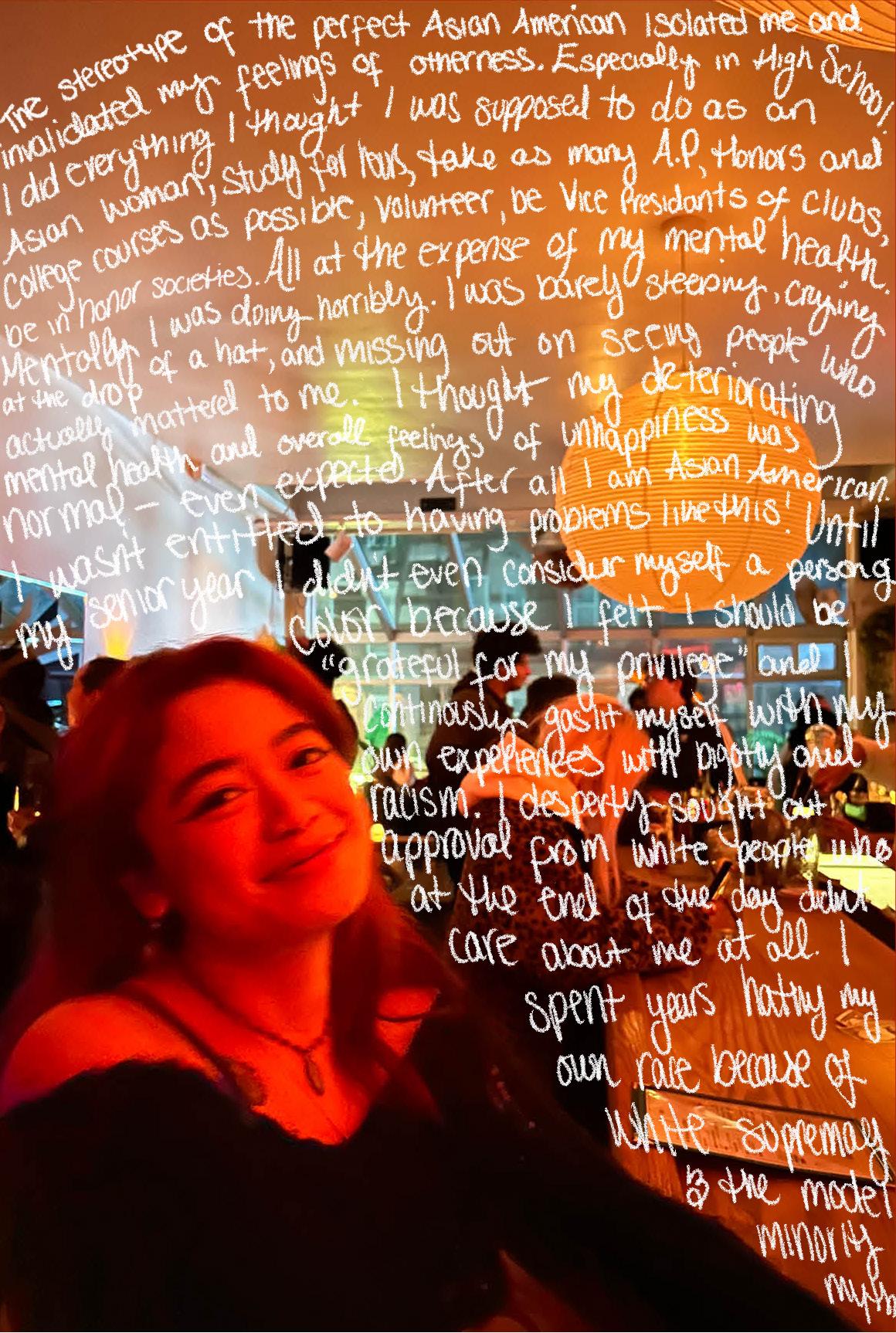
The stereotype of Asian Americans as the “model minority” in academia is a deeply ingrained narrative, perpetuated by the media but seldom explored through empirical studies. A recent study “Asian Americans Beyond the Model Minority Stereotype: The Nerdy and the Left Out”, by Qin Zhang applied cultivation theory to examine how these media representations shape public perceptions and interactions with Asian Americans, revealing how media-driven stereotypes impact real-life behaviors.
Four key findings emerged. Asians are widely perceived as the racial-ethnic group most likely to achieve academic success. This aligns with the “model minority” myth, which frames Asian Americans as highly intelligent and academically gifted. However, this portrayal oversimplifies the diverse experiences within the Asian American community and obscures the structural barriers many still face.
Asians are most likely to be labeled as “nerds.” While this stereotype may seem harmless, it reinforces a one-dimensional image of Asian Americans as socially awkward and overly focused on academics. This perception feeds into the third finding: Asians are most likely to be left out. The media’s portrayal of Asians as outsiders creates a social isolation that alienates them from broader peer groups and reinforces a sense of exclusion in academic settings.
Finally, the study found that people are least likely to initiate friendships with Asians and Hispanics. This hesitation to build relationships with Asian Americans, driven by stereotypes, exacerbates their social exclusion, further entrenching the sense of being “othered” in academic and social environments.
Though Asian Americans are often seen as academically successful, these stereotypes create harmful barriers, reinforcing the idea that they are intellectually superior but socially disconnected. Breaking free from these narratives requires challenging media portrayals that pigeonhole Asian Americans into narrow, dehumanizing roles.
No like, where are you really from?


I’ve never been with an Asian girl!

You look like Lucy Lu! Are you Japanese?
Can you say something in Filipino?

A cultural exploration of Asian American celebrities and the experience of being never an object of admiration and always of being second best.
In Western society, the pinnacle of beauty has long been idealized as a thin, white, blonde woman—an image perpetuated by media, fashion, and pop culture. For decades, this standard has dominated the cultural landscape, leaving little room for the celebration of non-white beauty. Asian American celebrities, in particular, have often faced a unique and painful experience of being overshadowed, undervalued, and categorized as “second best,” no matter their achievements, talents, or beauty.
Although I have never watched The Bachelorette, I did know the most recent Bachelorette was the first Asian American Bachelorette in the history of the show, mind you, this show has been airing for over twenty years. The Bachelorette’s name is Jenn Tran. She is a first-generation Vietnamese American. Her season recently ended and it wasn’t a happily ever after like the show promises. Her top pick, who was a fan favorite Devin went from sweet and caring to absent and noncommittal. He ultimately broke up with her over a fifteen-minute phone call where he told her he never loved her and wouldn’t reveal more details. And yes, they still had to do the proposal. After they broke
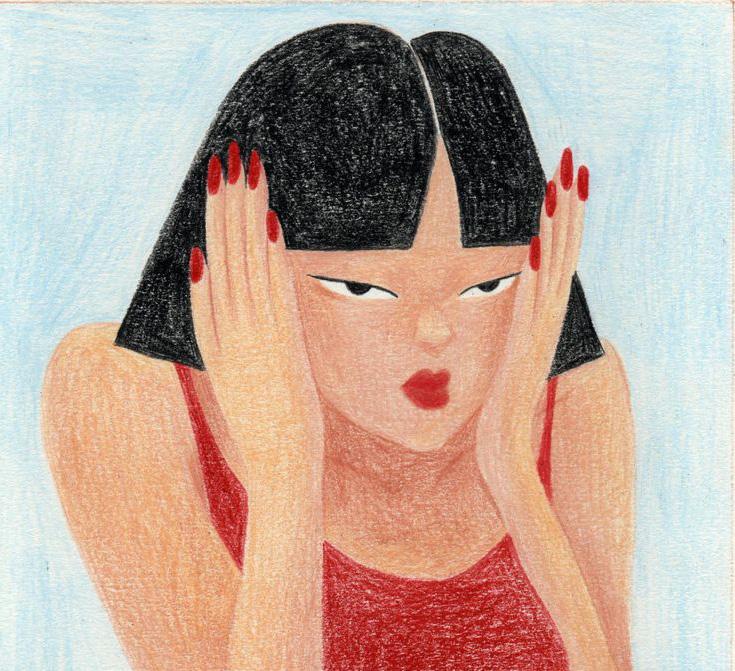
up, Devin followed the previous season’s contestant, Maria, who was widely rumored to be the next Bachelorette before Jenn was announced.
This may seem inconsequential because it’s a reality television show however I’d like to push back on the rhetoric. Jenn is Asian American and her season being disastrous because the men wanted her white counterpart adds to the narrative that Asian women aren’t desirable, unlike White women who set the beauty standard. Jenn deserved a season where all the men were pinning after her like every other Bachelorette season that had primarily white women as the leads.

Jenn was pushed aside and used as a constellation prize by so many of the men on the show.
This feeling of inadequacy and never being enough is further explored in Olivia Rodrigo’s song Lacy, where she expresses the pain of being second best as a half-Filipino American. Rodrigo sings about how her white counterparts receive everything she desires, and how deeply it hurts because she knows she will never be the standard of beauty. Starting the song with “Lacy, oh, Lacy, skin like puff pastry” Rodrigo depicts the pale features of her white counterpart comparing her skin to pale puff pastry. In the lyrics, “Smart sexy Lacy, I’m losing it lately…Dazzling starlet, Bardot reincarnate. Well, aren’t you the greatest thing to ever exist?” Rodrigo’s jealousy over her white counterpart is palpable, depicting the white woman as intelligent
Lacy, oh, Lacy, it’s like you’re out to get me
and beautiful, like Brigitte Bardot—a French actress, singer, and model long held up as a symbol of Eurocentric beauty. “My stomach’s all in knots. You got the one thing that I want” reflects Rodrigo’s obsession with this white woman, a symbol of everything society praises, and the pain of knowing she’ll never fit into that same mold.
This internalized struggle for validation reflects the broader experience of many Asian Americans who constantly find themselves navigating a world that praises whiteness while sidelining their identities. The societal pressure to conform to Eurocentric beauty and success standards creates a sense of being perpetually “second best,” leaving lasting emotional scars. However, voices like Olivia Rodrigo’s bring these feelings to light, offering a sense of solidarity and understanding. By acknowledging and challenging these harmful narratives, Asian Americans can begin to redefine their own standards of beauty and success, fostering a culture where their identities are celebrated rather than marginalized.
“The
I’m not a first-generation immigrant—I came to America when I was almost three years old, in what many would call the “right” way. Most of my family are also immigrants, and we moved to the U.S. in search of a better life. And if I’m honest, we’ve found it. I’m an upper-middle-class Asian American with two parents in the medical field. But that’s not typical for everyone. My family got lucky—though I don’t want to diminish the blood, sweat, and tears my parents invested, part of it came down to chance. There’s another hurtful myth tied to the model minority stereotype, one that suggests all AAPI (Asian Americans and Pacific Islanders) immigrate the “right” way and go on to achieve financial success. But for many, that couldn’t be further from the truth.
While Asian Americans have a median household income of around $78,000, higher than the national median of $66,000, that statistic masks significant disparities across various Asian-origin groups. Economic differences within the community often reflect disparities in education. The highest-earning groups—such as Indian and Taiwanese Americans—tend to have the highest levels of education. Meanwhile, lower-earning groups often have less educational attainment. For example, Indian American households boast a median income of $127,000 annually, while Burmese American households have a median income of just $46,000.
A 2018 Pew Research Center study found that Asian Americans are the most economically divided racial or ethnic group in the U.S., with those in the top 10% earning 10.7 times more than those in the bottom 10%. This disparity highlights the complexity and diversity within the AAPI community, shattering the idea that one story fits all. More than half of Asian Americans and at least 17% of Pacific Islanders were born outside the U.S., according to the U.S. Census Bureau. Asian Americans also represent the highest proportion of immigrants among any racial or ethnic group in the U.S., yet they’re often overlooked in immigration reform debates.

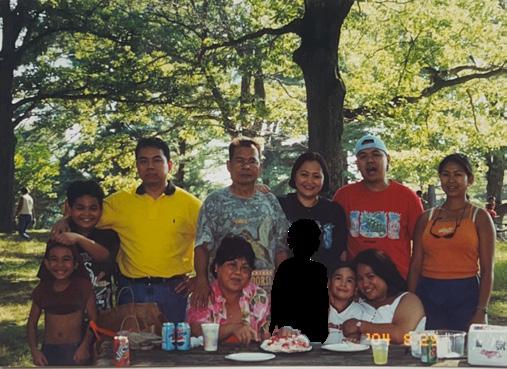
The reasons for immigrating to the U.S. vary widely, from an economic opportunity like my family to escaping persecution, with many arriving as refugees or asylum-seekers. Of the nearly 11 million undocumented immigrants in the U.S., around 1.5 million (14%) are from Asia, according to the Migration Policy Institute. Southeast Asian immigrants are also disproportionately impacted by deportation—between 2017 and 2020, they were three to four times more likely to be deported for old criminal convictions than other immigrant groups. Of the roughly 16,000 Southeast Asians with final removal orders during this time, more than 13,000 had orders based on past criminal convictions.