QUARTERLY BULLETIN

By making a recurring gift to FNU, you are investing in the lives of Frontier students year-round. Giving monthly represents an ongoing commitment to Frontier Nursing University and student achievement. When you commit to even $5 per month, your gift will help with student scholarships, hands-on training materials, and so much more.
$5 12
$10 12
$15 12
Visit frontier.edu/give-to-fnu/, use the enclosed remittance envelope, or scan the QR code above to make your first monthly gift today!



Glossary of Credential Abbreviations
In the Quarterly Bulletin, we often list the abbreviated credentials of the healthcare professionals featured in these stories. While space does not permit a comprehensive list of all these credentials, here are a few of the more common ones used in the Quarterly Bulletin and their meanings:
CNEP: Community Based Nurse-Midwifery Education Program
CNM: Certified Nurse-Midwife
DNP: Doctor of Nursing Practice
FNP: Family Nurse Practitioner
MSN: Master of Science in Nursing
PMHNP: Psychiatric-Mental Health Nurse Practitioner
WHNP: Women’s Health Nurse Practitioner
Frontier Nursing University Quarterly Bulletin, ISSN 0016-2116, Copyright © 2026 by Frontier Nursing University, is published quarterly by Frontier Nursing University, 2050 Lexington Road, Versailles, KY 40383. Business and Editorial Offices: 2050 Lexington Road, Versailles, KY 43083. Accounting and Circulation Offices: Frontier Nursing University, 2050 Lexington Road, Versailles, KY 43083. Periodicals postage is paid at Versailles, KY, and additional mailing offices (if applicable).
Brooke A. Flinders, DNP, RN, APRN-CNM, FACNM
President
Shelley Aldridge, BA Chief Operations Officer
Paula Alexander-Delpech, Ph.D., PMHNP-BC, APRN Dean of Student Success
Kristin Ashford PhD, WHNP-BC, FAAN Dean of Nursing
Marc Blevins, MS, CISA Chief Information and Digital Officer
Bobbi Silver Chief Advancement Officer
Kylie Waters, CPA, MBA Chief Financial Officer
Jeffery Dobbins, DNP, PMHNP Regional Clinic Faculty (faculty representative)
David Fritz Facilities Manager (staff representative)
Academic Administration
Audra Cave, DNP, FNP-BC Chair, Department of Family Nursing
Khara’ Jefferson, DNP, APRN, FNP-C Chair, Doctor of Nursing Practice Program
Laura Manns-James, Ph.D., CNM, WHNP-BC, CNE, FACNM Chair, Department of Women's Health
Rachel Risner, Ph.D., DNP, APRN, C-FNP, CNE
Associate Dean of Academic Affairs
Kevin Scalf, DNP, APRN, PMHNP-BC, CNEcl, Chair, Department of PsychiatricMental Health
Eileen Thrower, Ph.D., APRN, CNM, CNE, FACNM Chair, Department of NurseMidwifery

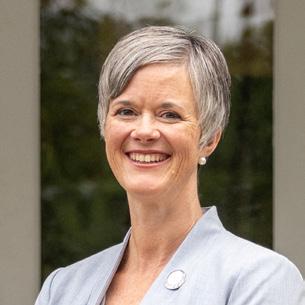
Dear Friends,
I am very excited to share this issue of the Quarterly Bulletin with you. As with any new year, we began 2026 with a lengthy list of aspirations and goals we wanted to achieve. Much of this work began more than a year ago when we started the process of developing our new strategic plan.
In the following pages, you will read more about our 2030 Strategic Plan and the steps involved in bringing these goals to fruition. We are also thrilled to share some exciting news about the expansion of our DNP program, information about a new “Frontier First” scholarship opportunity, and details on the appointment of our inaugural Department Chair of Women’s Health.
None of these initiatives would be possible without the incredible leadership and support of our Board of Directors, led by Board Chair Marcus Osborne. Every member of this amazing group embodies our commitment to our mission, vision, and students. While much of their work is done behind the scenes, I hope you will enjoy reading more about these dedicated leaders and their roles in the present and future of Frontier.
Every initiative that is launched and every goal that is achieved is a testament to the passion we all share for the mission of Frontier Nursing University. Thank you for taking the time to read this issue of the Quarterly Bulletin and for your persistent support of Frontier Nursing University.
With gratitude,

Dr. Brooke A. Flinders DNP, RN, APRN-CNM, FACNM
In October 2024, Frontier Nursing University launched an initiative to develop the 2030 strategic plan. The comprehensive process lasted more than a year and incorporated representation and contributions from the entire FNU community, including the Board of Directors, students, faculty, and staff.
In Phase I, the Board of Directors initiated the process with a strategic planning retreat. A strategic planning outline, including mission, vision, pillars, and university-level goals was submitted by President Flinders for approval at the January 2025 Board of Directors meeting.
“I am honored to represent the entire Board of Directors and to reconfirm our collective commitment to this university, its mission, and most importantly its students,” said Marcus Osborne, Chair of the FNU Board of Directors, of the Board’s role in the strategic planning process. “We need to transform healthcare and improve care for people and improve outcomes.”
Phase II of the process included surveying the university’s faculty and staff to identify strengths, weaknesses, opportunities, threats,
ACADEMIC AND CLINICAL
PRIORITY 1 Academic Programming
PRIORITY 2 Curriculum
4
“This is where we define what it means to be an FNU graduate,” said Dr. Kristin Ashford, Dean of Nursing. “We prepare graduates for not only clinical competence, but also to be adaptive, policy-informed, and equipped to lead in complex healthcare environments.”
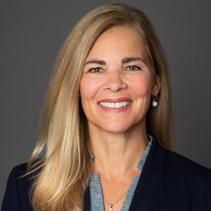
“We are intentionally building relationships with healthcare systems, rural and underserved clinics, and academic partners to expand clinical training, strengthen workforce pipelines, and improve access to care.”
— Dr. Kristin Ashford Dean of Nursing
and common themes. In Phase III, faculty and staff co-leaders were appointed to focus on each of the three pillars:
Pillar 1: Academic and Clinical Excellence
Pillar 2: Student Success
Pillar 3: Innovation, Operational Excellence, and Strategic Positioning
Phases IV and V included committee and subcommittee recommendations for shared definitions, goals, and priorities within each established pillar. The President’s Academic Fellows reviewed and synthesized several external environmental scans to share with the steering committee. Finally, the steering committee analyzed the proposed goals for each pillar and completed a gap analysis to refine and solidify the university-level goals.
In October and November 2025, the unit leaders from each program, track, and staffing team developed Year One Outcomes and metrics for 2026. On January 28, 2026, the Frontier 2030 Strategic Plan was accepted by the Board of Directors.
“The Student Engagement, Access and Success team provides an internal view into the student’s journey,” said Dr. Paula Alexander-Delpech, Dean of Student Success. “We are behind the scenes, tracking, supporting, and ensuring that every student has what they need to succeed at every stage of their pathway.”
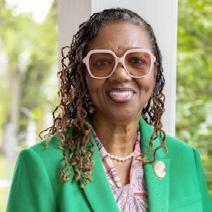
“Once enrolled, students need more than admissions; they need connections, support and clarity about their journey ahead. This is where student engagement becomes critical.”
— Dr. Paula Alexander-Delpech Dean of Student Success
The Year One strategic plan goals and initiatives will be implemented and evaluated on a quarterly basis. Additionally, the outcomes of these goals and status updates on key performance indicators will be shared on an annual basis.
PRIORITY 1 Innovation PRIORITY 2 Operational Excellence PRIORITY 3 Strategic Positioning
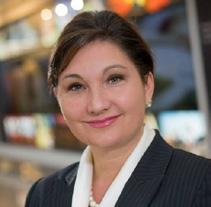
“We are blessed with a tradition of stability and long-term strength, as well as making an impact on healthcare outcomes.”
— Kylie Waters Chief Financial Officer
“Our goal is to give you software that works for you, fostering better communication and efficiency across the university.”
— Marc Blevins Chief Information and Digital Officer
“We envision a campus that is welcoming and secure for all, supporting both employees and students. Together these efforts move us forward on all three of our core commitments: supporting our employees, campus services and safety, and operational excellence. This work positions us to meet today’s needs while building a stronger, more responsive university.”
— Shelley Aldridge Chief Operations Officer
“We are beginning a full market analysis because we need strong, evidence-based information to guide our decisions. It will inform program development, pricing, recruitment strategies, and our national position. We need everyone to be a fundraiser, a marketer, a recruiter, and a champion for Frontier.”
— Bobbi Silver Chief Advancement Officer
Learn more about FNU's strategic plan and Frontier 2030 here:

Dr. Laura Manns-James has been named FNU’s inaugural Department Chair of Women’s Health. For more than five months, Dr. Manns-James served in the interim Department Chair role of FNU’s new stand-alone Women’s Health program and has demonstrated innovative and collaborative leadership.
“I am excited not only for Dr. Manns-James, but also for the entire Frontier community as we will all benefit from her expert guidance and diligent work in this vital leadership position,” said Dr. Kristin Ashford, FNU Dean of Nursing.
Dr. Laura Manns-James’s career is built on dedication to education, mentorship, and the advancement of women’s health. This announcement honors not only her professional excellence but also her enduring commitment to service, scholarship, and the values that define the FNU community.
“I’m thrilled to lead the development of an independent department devoted to women’s and gender-related health education,” Dr. Manns-James said. “I believe we already have a very solid program for WHNPs, yet this is only the beginning of what we can accomplish together. My goal is to increase our reach and reputation even further, so that every community benefits from FNU-educated WHNP care.”
Dr. Manns-James is a two-time FNU graduate. She first earned her nurse-midwifery degree, then completed the post-master’s women’s health nurse practitioner program. She has been a faculty member at Frontier since 2004. Dr. Manns-James holds a Bachelor of Arts
from the University of Toronto in women’s studies and cultural anthropology, and a Bachelor of Nursing from St Louis University’s. In 2014, Dr. Manns-James was awarded the American College of Nurse Midwives’ Foundation’s Fellowship for Graduate Education to support her doctoral work. In 2015, she received the March of Dimes graduate scholarship. She completed a PhD in nursing research in 2017.
Before becoming a nurse-midwife, Dr. Manns-James worked in maternity nursing and in child and adolescent mental health. Upon graduating from FNU, she worked as a certified nurse-midwife (CNM) in a full-scope role in southwestern New Mexico and later in Appalachian Kentucky at the Frontier Nursing Service.
Dr. Manns-James is an Associate Editor for the Clinical Practice Guidelines for Midwifery and Women’s Health (6th edition) text, published in January 2021, and a managing editor for the 7th edition, in press and scheduled for release in early 2026.
She is a Fellow of the American College of Nurse-Midwives and was honored with Frontier’s Dr. Susan Stone Faculty Award for Excellence in Diversity, Equity and Inclusion and Belonging in 2024. She received an APEX Award for Publication Excellence. Additionally, she has been a two-time recipient of the Frontier Student Choice Award for Teaching Excellence (2015 and 2022) and was selected to participate in the inaugural President’s Academic Fellowship Program at Frontier in 2025.
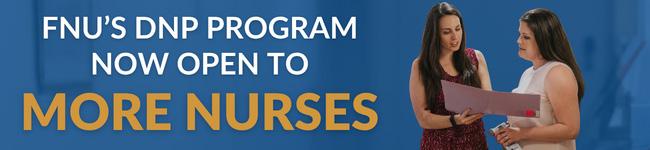
On April 2, FNU announced expanded opportunities for the DNP program. By welcoming more master’s-prepared RNs than ever — including Clinical Nurse Specialists, Nurse Educators, and other APRNs — FNU opens the door for more nurses to advance their impact and leadership in healthcare.
“This update reflects our continued commitment to advancing nursing leadership and expanding access to doctoral education. By broadening eligibility, we are creating additional pathways for experienced nurses to further develop their expertise, lead meaningful change, and improve health outcomes in the communities they serve,” said Dr. Kristin Ashford, FNU’s Dean of Nursing. “As we move forward with this change, our focus remains firmly on maintaining the rigor, quality, and excellence that defines Frontier’s DNP
program. These updates strengthen our ability to fulfill our mission while upholding the high standards our students and graduates expect.”
To be considered for admission, applicants must:
• Hold a master’s degree in nursing or related field from a regionally accredited institution
• Hold a current, active, unencumbered RN license in the United States
• Have a minimum graduate GPA of 3.0 from the master’s program
You are our biggest referral sources for new students. Please share this news about the DNP with your friends and coworkers. Thank you!
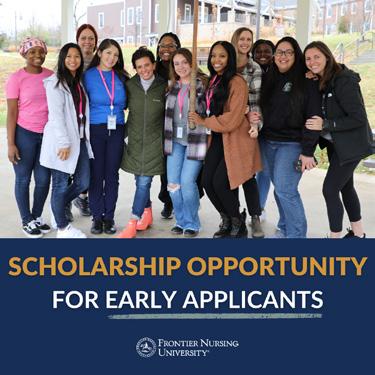
Beginning this Spring, FNU is now offering a new opportunity for incoming students, the Frontier First Scholarship. This scholarship was established by FNU’s Board of Directors, and is open to applicants who submit their FNU application and FAFSA within the first six weeks of the admissions cycle. This new scholarship further bolsters FNU’s commitment to ease the financial burden on students. In 2025, FNU awarded nearly $1.7 million in scholarships and stipends.
Marcus Osborne, MBA Board of
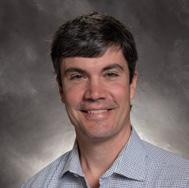
In May 2025, Frontier Nursing University announced that Marcus Osborne had been selected to serve as the Chair of FNU’s Board of Directors. A member of the Board since 2017, Osborne brings unique experience and perspective that makes him an ideal leader to help guide Frontier in the years ahead.
"We are incredibly fortunate to have someone as innovative and collaborative as Marcus in this role," said FNU President Dr. Brooke A. Flinders. "His profound professional experience and unique expertise have made him a valuable member of the Board. He is uniquely equipped to lead Frontier into the next chapter."
Born in Ashland, Kentucky, Osborne graduated from Transylvania University in 1997 with a degree in political science. He then took an internship role in the White House, participating in a study forecasting the impact of the internet and digital economy.
After working a number of years as a management consultant in Boston, Massachusetts, he served as the Chief Financial Officer for the Clinton Foundation’s Health Access Initiative. During his time with the Health Access Initiative, the focus was specifically on how to address the HIV crisis globally, particularly the massive gap in treatment and care faced by underserved populations around the world.
“The work wasn’t pushing a specific care delivery model, but helping people get fundamental access,” Osborne said. “As an example, at that time, in South Africa they had millions of people who were HIV positive and less than 10,000 were under treatment. We were focused on what needed to happen strategically to lower the cost of these drugs, and not just by a little. The meds were being produced very inefficiently, which massively drove up the cost. What we found was partnering directly with manufacturers, providing help around supply chain and purchasing, enabled us to access much lower prices which supported the expansion of treatment globally.”
Osborne left the Clinton Foundation and earned his master's in business administration degree with honors from the Harvard Business School. For 15 years, Osborne worked at Walmart in various roles, including the Senior Vice President of Health Transformation. He then served as CEO of RightMove, a digital musculoskeletal care solution created with the Hospital for Special Surgery. Currently Osborne is Vice President of Consumer Journey Management at Kaiser Permanente.
Osborne initially joined the FNU Board of Directors after being contacted by then-President Dr. Susan Stone and former Board Chair Dr. Michael Carter.
“I think they were looking for someone who could represent a different perspective, particularly around the labor market for healthcare workers,” Osborne said. “I didn’t come from the world of hospitals and traditional health systems. The world I understood is what we now call ASCs – alternative sites of care. Retail healthcare. Virtual healthcare.”
One of Osborne’s first tasks as Board chair was to work with the Board and FNU leadership to gather opinions and insights from all angles and develop the 2030 strategic plan. In doing so, they evaluated many aspects of the current and future state of healthcare in the United States. What changes, if any, did FNU need to make?
“I tend to think of the world and the problems we face through a supply chain mentality,” Osborne said. “The supply chain in healthcare is healthcare providers. We need to have an understanding of how healthcare providers get created and understanding of the trends and where everything is moving. What are the innovative and creative ways we can come up with to try to create more providers of care? FNU is producing care providers who are trained and equipped to deliver advanced care to other humans.”
“We need to transform healthcare and improve care for people and improve outcomes. We talk about provider and healthcare professional burnout, the aging population of some of those professionals, and we think about the undersupply of providers and health professionals.”
While the 2030 Strategic Plan is focused on the next few years, it is just the tip of the iceberg as the university focuses on its long-term future. Osborne points to the impact that AI and big data will have on how healthcare is delivered.
“There are really interesting forces that are going to profoundly change healthcare over the next 10 to 20 years,” Osborne said. “Machine learning and big data enable enriched personalization at the individual level -- to know sooner what is going on with someone’s health. There is also a massive revolution occurring in innovation in diagnostics, testing and assessments, imaging and labs, and our ability to better understand health issues sooner.
“The obvious result is it changes fundamentally the role of providers and health professionals. It has profound potential to massively improve human health. What it also means is you must rethink the role and training of healthcare providers. If you don’t stay ahead, you’re behind.”
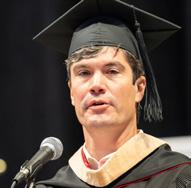
While the ever-changing landscape can be daunting, Osborne credits FNU’s leadership for keeping the university prepared to adjust as needed. He became the Board Chair when Dr. Carter stepped down in the Spring of 2025 after serving as Chair for 23 years.
“The singular word I would use is extraordinary,” Osborne said about Dr. Carter’s leadership. “You think about the leadership he brought during times of tremendous change — the COVID pandemic,
VICE CHAIR
Kerri Schuiling
PhD, CNM, NP-BC, FACNM, FAAN
Board of Directors Member Since 2016
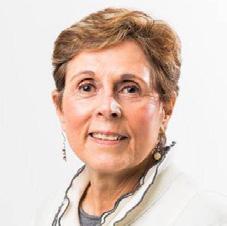
Dr. Schuiling, who was a member of the first Community Based NurseMidwifery Education Program (CNEP) graduating class at Frontier, was inducted into Frontier’s first Alumni Hall of Fame class in 2025.
Dr. Schuiling holds a BSN from Northern Michigan University, an MSN from Wayne State University, and a PhD from the University of Michigan. She was the third nurse practitioner to practice in western MI and was the first credentialed nurse-midwife at Spectrum Health (now known as Corewell Health) in Grand Rapids, MI. She served as Northern Michigan University’s provost and vice president for academic affairs for eight years before taking on the role of President of the University; a position from which she semi-retired from in 2024.
Dr. Schuiling was inducted as a fellow in the American College of Nurse-Midwives in 2003 and inducted as a fellow in the American Academy of Nursing in 2011. She is a recipient of the Kitty Ernst Award (2001) from the American College of Nurse-Midwives (ACNM) and the Dorthea M. Lang Pioneer Award (2024) from the ACNM Foundation.

Peter Schwartz, MD
Board of Directors Member Since 2014
Dr. Schwartz graduated from the Roxbury Latin School, received his bachelor’s degree from Harvard College, and his MD from Boston University. After an internship at the University of Utah and two years in the United States Peace Corps in Western Samoa, he did his Residency in Obstetrics and Gynecology at Yale University.
political shifts that touched both education and healthcare. The debt of gratitude that is owed to him is immense.”
Osborne also credits FNU’s other visionary leaders for positioning the university as a leader in nurse-midwifery and nurse practitioner education.
“Dr. Susan Stone did such an unbelievable job to get FNU to where it is today. I also think about Michael Steinmetz, who is now on the Board, but the role he played for many years as CFO, just amazing work,” Osborne aid. “There has been a lot of change and that excites me. It’s a great time to be at FNU.”
He was a member of the Council of the Massachusetts Section of the American College of Obstetricians and Gynecologists (ACOG) and was on the Executive Committee of the Massachusetts Medical Society. He was the Chair of the Department of Ob Gyn at Reading Health System and was a Senior Medical Consultant at Stevens & Lee, a law firm dedicated to improving quality of obstetrical care.
Dr. Schwartz served on the Council of the Obstetrical Society of Philadelphia (OSP), eventually becoming its President; on the Council of the Pennsylvania Section of the ACOG, eventually becoming its Chair; on the Ethics Committee of ACOG, eventually becoming its Chair; and on the Ethics Committees of the American Society of Reproductive Medicine and the American Academy of Pediatrics. He received the J. Robert Willson Award from OSP for long and meritorious service to the Society and the profession, and ACOG’s Distinguished Service Award from District III.
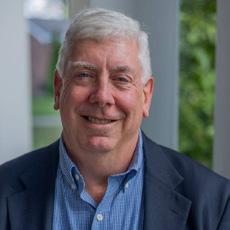
Michael Steinmetz CPA, CMA, CSCA Board of Directors Member Since 2024
Michael Steinmetz retired from a 37year career as a financial professional in 2022. He graduated from the University of Kentucky with a Bachelor of Science in Accounting in 1984 and a Master of Business Administration in 1985. Early in his career, he earned certifications as a Certified Public Accountant and a Certified Management Accountant. In 2017, he added a newly released certification with the Certified in Strategy and Competitive Analysis credential.
After a brief stint in public accounting with one of the “Big Eight” firms, Steinmetz achieved positions at the director or Controller level in the manufacturing, and hospitality industries until 2009 when he joined Frontier Nursing University. Approximately 15 years of his experience was with large multinational companies which provided a rich background of international experience. He also has been involved in mergers and acquisitions. At Frontier, Steinmetz took the lead role in the acquisition and development of the new campus in Versailles as well as the divestiture of operations in Leslie County, KY.
Steinmetz currently lives in the Seattle, WA metropolitan area and serves as a volunteer for the Service Corps of Retired Executives (SCORE) as a mentor for small businesses v as Chapter Treasurer.
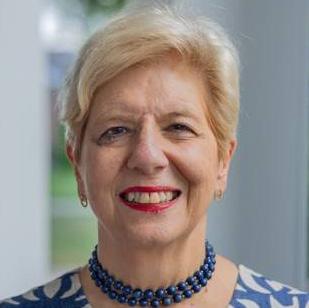
Board of Directors Member Since 2024
Elaine Bolle earned BA and MBA degrees at the University of Michigan. Shas served as CEO, board director, and advisor, leading domestic and global organizations from start-ups to $750M+ enterprises. This includes senior management roles in strategic marketing and brand management, business development, sales, fundraising, mergers, and acquisitions.
Bolle’s industry expertise includes financial services, consumer goods, and services. Ms. Bolle was the SVP and GM for Western Union, leading the consumer payments businesses worldwide. She was also VP and Sr. Director of Citicorp Global Payments. At Quaker Oats, she conceived, built and managed a new wholesome snack business, “Quaker Chewy Granola Bars”.
She is actively involved in the non-profit world. She and her husband have been supporters of Frontier Nursing for many years, including funding a scholarship. In addition, she is the Past Chair of the Board of Directors for Dress for Success Triangle NC, serving on the board for many years, and now the liaison for the Dress for Success Triangle Advisory Council. Bolle is also an active angel investor, currently focusing on early-stage entrepreneurial ventures.
Bolle lives in Chapel Hill, North Carolina with her husband and her Aussie doodle.
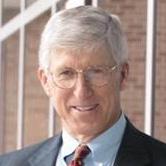
MHA
Board of Directors Member Since 2021
Bill Corley is a Consultant with Integrity Health Strategies. Before joining Integrity Health Strategies, he served as President and Chief Executive Officer at Community Health Network in Indianapolis for 25 years from 1984 to 2009. Before joining Community, Corley served as the President and CEO of Akron General Medical Center in Ohio.
Originally from Pittsburg, PA, Corley received his Business Administration degree from the college of William and Mary. He then furthered his education at Duke University where he received his master’s degree in healthcare management. Corley began his career as the administrative director at Walter Reed Army Medical Center in Washington, DC, from 1966 to 1967. He then served as the director of plans and operations for the 3rd Field Hospital for the US Army in Saigon, Vietnam. He returned to the United States in 1968 to work as a healthcare consultant with Booz Allen Hamilton in Chicago. He then served as the Associate Hospital
Director at the Albert B Chandler Medical Center at the University of Kentucky from 1971 to 1975. In 1975, he was named hospital director of Milton S Hershey Medical Center in Hershey, Pennsylvania.
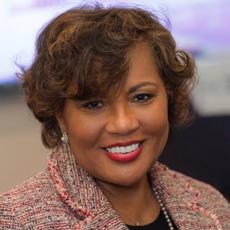
PhD, MBA, RN, FAAN
Board of Directors Member Since 2023
Dr. DeWitty earned her doctorate from George Mason University, MBA from Howard University, MSN from The Catholic University of America, and BSN from Dillard University. She has been recognized with numerous awards, including the American Nurses Association 2014 Mary Mahoney Award and the MEMY award from DNPs of Color (DOC).
Dr. DeWitty was the inaugural Chief Diversity, Equity, and Inclusion Officer at the American Association of Colleges of Nursing (AACN). She has also served as an Equity, Diversity & Inclusion senior advisor for the Future of Nursing, Campaign for Action, senior consultant for Diversity, Equity, and Inclusion for AACN, and CEO of Pourquois Diversity Consulting, LLC.
She spearheaded the Robert Wood Johnson New Careers in Nursing Scholarship Program, a nine-year $44 million national collaboration between the Robert Wood Johnson Foundation and AACN that aimed to diversify the nursing workforce.
Dr. DeWitty is a Fellow of the American Academy of Nursing, and the American College of Healthcare Executives. She is a graduate of the Maryland Equity and Inclusion Leadership Program at the University of Maryland Shafer Policy Center, and of the Unconscious Bias Learning Lab by Cook Ross. She was awarded a Healthcare Executive in Diversity and Inclusion certificate from the Association of American Medical Colleges.
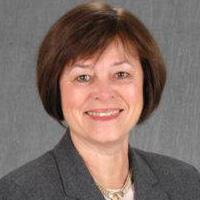
Jean Johnson, PhD, RN, FAAN
Board of Directors Member Since 2015
Dr. Jean Johnson is dean emerita, professor of nursing, and a professional executive coach at the George Washington (GW) University School of Nursing. As founding dean of the School of Nursing, she developed multiple programs including one of the university's first online programs. She also served as the interim executive director of the Center for Health Policy and Media Engagement.
A longtime geriatric nurse practitioner, Dr. Johnson focused her research and policy work on patient safety, quality improvement and online education. She was a Fulbright scholar teaching in the graduate clinical pediatric program at the University of Cape Town South Africa and Red Cross Children's Hospital.
Dr. Johnson served as president of the National Organization of Nurse Practitioner Faculties (NONPF), president of the American
College of Nurse Practitioners and member of the National Academy of Medicine Committee on the Future of Primary Care. She was a senior advisor to the development of the Nursing Alliance for Quality of Care and member of the Quality and Safety Education for Nurses funded by the Robert Wood Johnson Foundation.
She is a fellow in the American Academy of Nursing and recipient of NONPF's Lifetime Achievement Award. She was awarded GW's Jane Lingo Alumni Outstanding Service Award for consistently advancing the mission of the university through dedicated volunteer efforts in support of its programs.
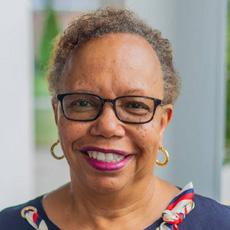
RN, MSN, CPHQ
Board of Directors Member Since 2018
Emma Metcalf is a successful healthcare executive and retired federal leader with more than two decades of distinguished service at the United States Department of Veterans Affairs. Throughout her career, she demonstrated a strong commitment to operational excellence, strategic leadership, and advancing quality healthcare for veterans nationwide.
As Director and Chief Executive Officer of Veterans Administration Medical Services, she oversaw complex healthcare operations, guided multidisciplinary teams, and implemented initiatives designed to improve patient outcomes and organizational performance.
Metcalf serves on the Government Employee Health Association, and Louisville Urban League Guild, where she provides governance, oversight and strategic guidance. She services as the board of Treasurer FNU and serves as a member of the Finance and Audit, Infrastructure, Facilities and Technology and Executive Committee. Her board service reflects her dedication to ethical leadership, accountability, and organizational effectiveness.
She earned a Bachelor of Science degree from the University of Kentucky, Associate Nursing degree from Jefferson Community College and a Master of Science Nursing degree from Bellarmine College.
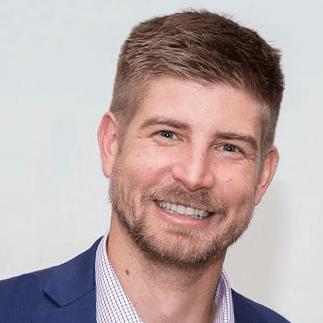
DNP, RN, FAAN
Board of Directors Member Since 2023
Dr. Tim Raderstorf is the Cofounder and Chief Clinical Officer of Steadywell, where he is building an AI-powered system designed to make serious illness care proactive. A nurse through and through, Tim began his career in pediatric hematology and oncology, where he witnessed both the triumphs of treatment and the heartbreak when curative care was no longer possible. Those experiences shaped his belief that healthcare should anticipate needs and better support patients, families, and clinicians.
Before Steadywell, his fourth startup, Dr. Raderstorf spent six years as Chief Innovation Officer at The Ohio State University College of Nursing and became the first nurse in academia to hold that title. He is the author of the award-winning textbook Evidence-Based Leadership, Innovation, and Entrepreneurship in Nursing and Healthcare.
Dr. Raderstorf’s work has been recognized internationally, including being named one of the TIPS Healthcare Innovations of the Year, and he has received honors such as Early Career Innovator of the Year at Ohio State and induction as a Fellow of the American Academy of Nursing.
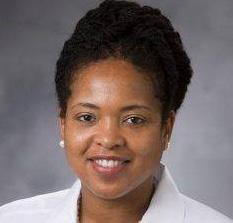
Board of Directors Member Since 2020
Born in Durham, N.C., Dr. Small earned her bachelor’s degree from Brown University, then completed medical school at East Carolina University’s Brody School of Medicine. She completed an internal medicine residency at Yale University’s New Haven Medical Center and an OB-GYN residency at Temple University Hospital. She went on to perform a fellowship in maternal-fetal medicine at Yale University and has a master’s degree in public health from Yale.
Dr. Small, who joined Duke University Medical School in 2007, is currently an Associate Professor of Obstetrics and Gynecology. Prior to returning to Durham, Dr. Small served in a variety of instructional positions, including assistant professor in the Department of Obstetrics and Gynecology at Yale University’s School of Medicine and adjunct faculty and associate head of the Departments of Obstetrics and Gynecology at the University of Rwanda.
In addition to her professorial endeavors, Dr. Small also sees patients at Duke Birthing Center in Durham, N.C. She is board certified by both the American Board of Obstetrics/Gynecology, Maternal & Fetal Medicine, and the American Board of Obstetrics/Gynecology, Obstetrics & Gynecology. Dr. Small, who speaks Portuguese and Spanish in addition to English, has a special interest in high-risk maternal medical conditions such as hypertension, diabetes, and preeclampsia.
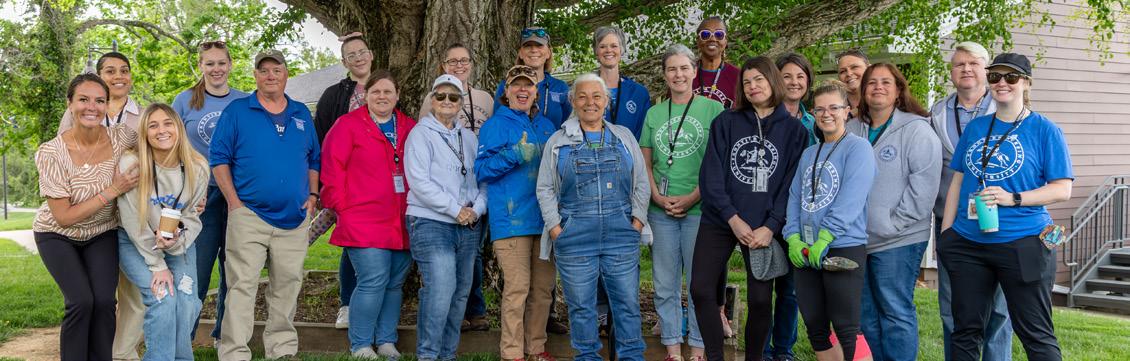
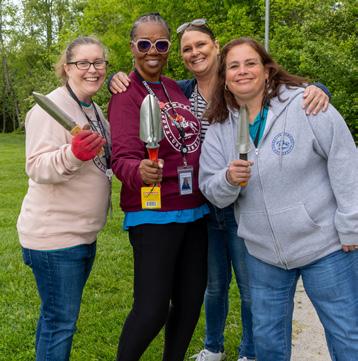
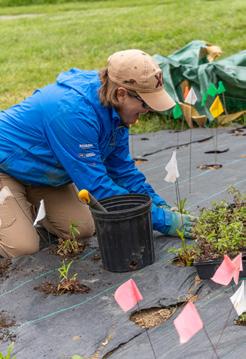
An annual tradition at Frontier is the celebration of Earth Day, and this year’s event was highlighted by the addition of an on-campus greenhouse, funded by FNU donors and friends, Susan Graham and Jon Kucera. During the day-long event, faculty and staff took part in planting, gardening, and overall campus maintenance and beautification. The initiative to construct and maintain a greenhouse
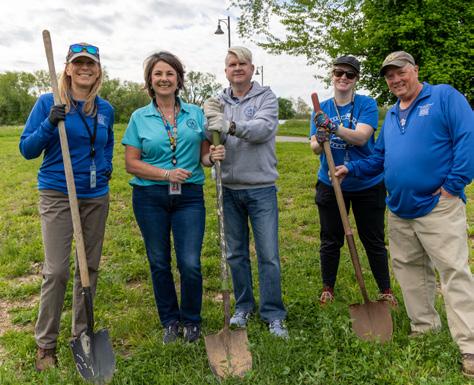
on campus was led by the university’s Facilities and Security team, including facilities and security manager David Fritz, maintenance technician Andrew Ballard, lead groundskeeper Susan Capley, maintenance technician lead Wes Farmer, groundskeeper Manny Pinales-Villarreal, and co-op student Declan Cosby.


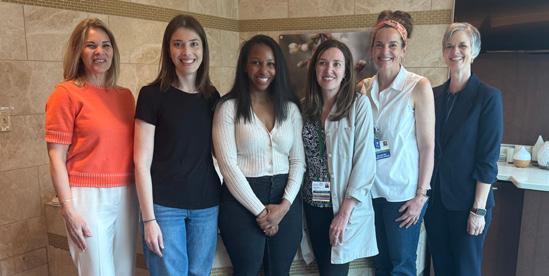
Frontier Nursing University hosted an evening of connection and celebration in Chicago on April 16, bringing together alumni from across the region at Park and Field Chicago.
During our time in Chicago, we visited with several alumni in their clinical settings. Among them was Lisa Hurley, FNP, of Fulcrum Aesthetics, who is doing work to advance care in menopause management, hormone replacement therapy, and the use of GLP-1 medications. Her innovative, patient-centered approach reflects the very best of Frontier’s mission in action.
We visited the midwifery team at Rush Copley Medical Center, including FNU graduates Jenny Baxter, Rebekah Hernandez, Stephanie Miller and Monika McCarthy. We celebrated McCarthy, who recently graduated from FNU and was hired to join the Rush Copley team. We are proud of these FNU midwives as they continue to expand access to compassionate, high-quality midwifery care in the greater Chicago area.
We connected with Dr. Karen DeCocker of Stella Mental Health, whose groundbreaking work with stellate ganglion block, Transcranial Magnetic Stimulation , and esketamine is helping to redefine treatment options for patients with complex mental health needs. We also visited Dr. Mary Brown-Walker of Greenbax Health Solutions, who delivers vital community-based primary care and mental health services with compassion.
Our visits continued with Rachel Strietzel at PCC Community Wellness Center, where she is providing midwifery care to underserved populations, and Kelly Regan of SHFT Behavioral
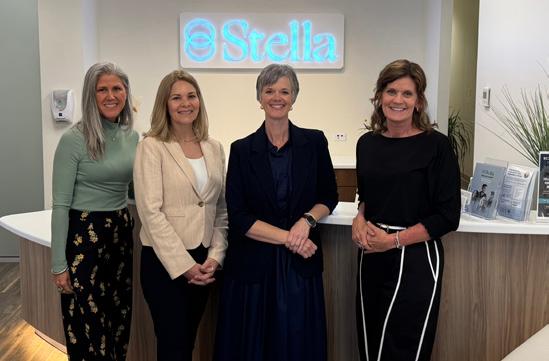
By Caitlin Rivard, Director of Alumni Engagement
UPCOMING ALUMNI & FRIENDS RECEPTIONS
June 10 / Charlotte, NC
Mint Museum Uptown / 6:00–9:00 p.m.
June 26 / Las Vegas, NV
Close Company Bar in the Venetian Hotel / 6:00–8:00 p.m.
WATCH FOR MORE DETAILS FOR OUR PLANNED VISITS TO THE FOLLOWING CITIES
August / Denver, CO
September / Richmond, VA
October / Kansas City, MO
October / Phoenix, AZ
We look forward to seeing you soon!
Health, who is leading innovative approaches to urgent mental health care.
From clinical innovation to community-centered care, each of these alumni exemplifies the Frontier mission in powerful and inspiring ways. The Chicago visit was not only a celebration of their work, but also a meaningful opportunity to strengthen connections across our alumni network.
We left Chicago energized, inspired, and deeply grateful —for the work being done, the communities being served, and the enduring spirit of Frontier that continues to bring us together.
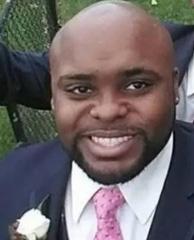
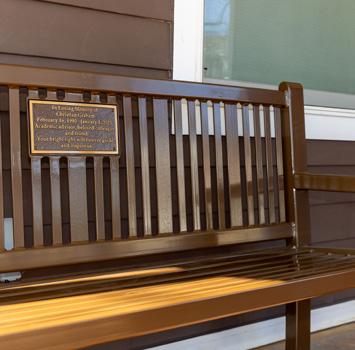
FNU Academic Advisor Christian Graham passed away suddenly on January 1, 2025. A member of the Frontier staff since March of 2024, Christian served his students and coworkers with renowned kindness and dedication. On February 13, FNU honored Christian’s life and memory with the dedication of a memorial bench, an effort supported through donations from many in the Frontier community. In recognition of Christian’s devotion and service to his students, the bench sits outside of the Library and Student Services Building. The plaque reads, “Your bright light will forever guide and inspire us.”
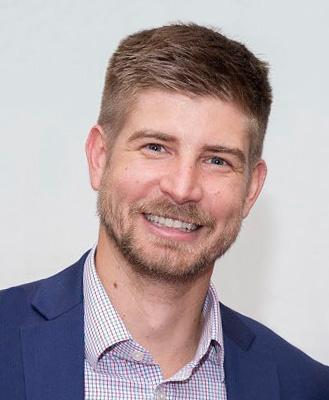
Tim Raderstorf, DNP, RN, a member of the FNU Board of Directors, was recently published in the Journal of Professional Nursing. The comprehensively researched article, “A summative content analysis of innovation in the AACN essentials informed by Pillay's innovation competencies,” found that “more explicit integration of innovation competencies across nursing curricula may strengthen nurses' preparation to respond to complex and evolving healthcare challenges.” Among the other contributing authors of the paper is Bernadette Mazurek Melnyk, PhD, APRN-CNP, who was the keynote speaker at Frontier’s 2025 commencement ceremony.
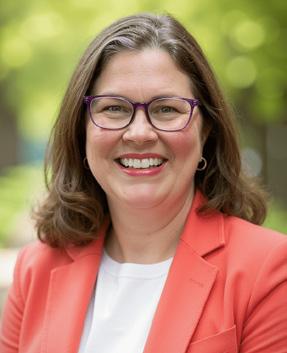
FNU faculty member Megan Arbour, PhD, CNM, CNE, FACNM, was published in the March/April 2026 issue of Nurse Educator. Dr. Arbour, who is a professor of nursing and course coordinator in FNU’s Doctor of Nursing Practice program, is one of four authors of the paper, Competency-Based Education as a Catalyst for Inclusion: Practical Pathways for Supporting Nursing Students. The study found that, “by embedding inclusive practices into nursing education, faculty can foster equity, dismantle systemic ableism, and build a workforce that respects the full spectrum of human ability.”
The President’s Academic Fellowship Program at Frontier Nursing University is a prestigious initiative established to recognize and support outstanding faculty members who have demonstrated exceptional dedication to their field and made meaningful contributions to our academic community. This selective program offers fellows the opportunity to engage in focused leadership development alongside a small cohort of esteemed colleagues.
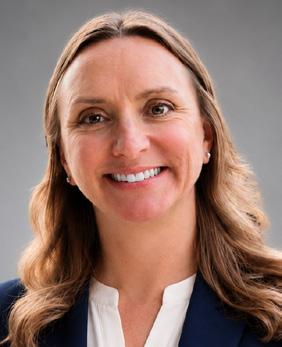
DNP, MSN, FNP, PMHNP
Dr. Beki Asti is an Air Force veteran and a Frontier graduate who started working at Frontier as a Regional Clinical Faculty and Course Faculty in 2011. In 2018, she worked as a Course Coordinator and is currently an Assistant Professor in the Family Nurse Practitioner (FNP) program.
Dr. Asti graduated from Carroll University with her BSN, then earned her FNP degree at Frontier, and went on to attend Concordia University of Wisconsin, obtaining her Doctor of Nursing Practice. Most recently, she earned her PsychiatricMental Health Nurse Practitioner degree at Frontier.
She has held several leadership positions, including serving as the Michigan Council of Nurse Practitioners’ Upper Peninsula Chapter Secretary, Chi Pi Chapter President, Chi Pi Chapter Vice President, and Chi Pi Chapter Counselor.
At Frontier, she served on the Curriculum Committee for several years as the Co-Chair and Secretary. She is also currently a faculty mentor for new faculty at Frontier.
Dr. Asti is a published scholar with research interests including APRN student preparedness and transition to practice, community mental health and access to telepsychiatry, and substance use disorders in primary care settings.
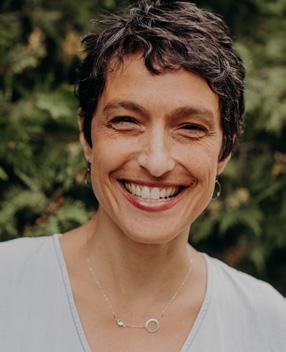
DNP, CNM, WHNP, CNE, FACNM
Dr. Eva Fried is the Clinical Director for Midwifery and Women’s Health at FNU. She was previously the Nurse-Midwifery Program Director at the University of Cincinnati and has more than 20 years of experience in patient care as a nurse practitioner and nurse-midwife.
Dr. Fried has made significant contributions to the professions of midwifery and advanced practice nursing through writing, advocacy work, and community building. In her work as a faculty member and administrator, she demonstrates commitment to excellence and fosters belongingness and community in distance education.
Dr. Fried’s education and training includes a Post Graduate Certificate in nurse-
midwifery from FNU, and a Doctor of Nursing Practice from Wright State University. She earned bachelor’s and master’s degrees at Ohio State University, where she also completed her women’s health nurse practitioner education.
A highly respected leader, educator, and practitioner, Dr. Fried is a two-time recipient of the American College of NurseMidwives (ACNM) Excellence in Teaching Award (2020, 2021). In 2024, she became an ACNM Fellow.
Dr. Fried is a contributing author in several books and publications. She is also a frequent presenter at local, national, and international conferences, speaking on topics such as antiracist approaches to midwifery education, collaboration between graduate and faculty library sciences, and campuswide sexual health initiatives.
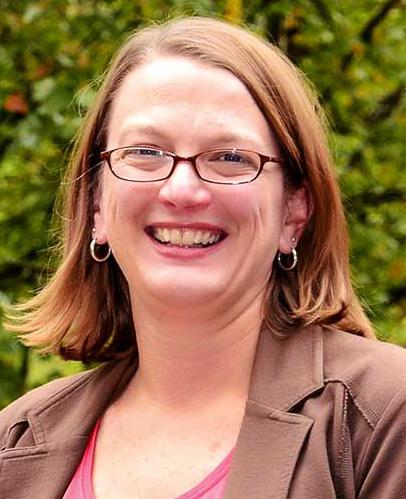
Billie Anne Gebb serves as Director of Library Services and Senior Instructor at Frontier. Now in her 20th year at FNU, she began working in academic libraries in 2002. When she joined FNU in 2006, she did
so as the University’s sole librarian. Under her direction, the library staff has grown to include five full-time staff.
Gebb earned a bachelor's degree in international studies at Rhodes College in Memphis, Tennessee, and a master's degree in library science (MSLS) at the University of Kentucky. She previously served as a reference librarian at Midway College (now Midway University) and as a law librarian at the firm of Greenebaum, Doll & McDonald PLLC in Covington, Kentucky.
Her primary research areas include information literacy throughout the curriculum and mobile technology. She co-authored a chapter with other Frontier faculty in Best Practices in Midwifery: Using the Evidence to Implement Change, which was selected as the American Journal of Nursing Book of the Year for 2013. She has also published articles in Journal of Library & Information Services in Distance Learning and Journal of Electronic Resources in Medical Libraries
She is an active member on several FNU committees, including serving as the Chair of the Library Committee.
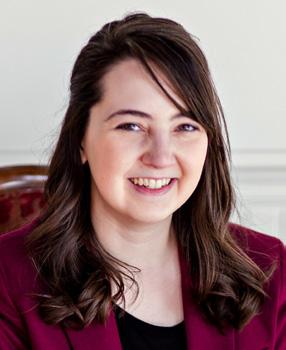
PhD, PMHNP-BC, CNE
Dr. Kelsey Kent, PhD, PMHNP-BC, CNE, is a psychiatric-mental health nurse practitioner (PMHNP) with 14 years of experience in Veterans’ and community mental health care, specializing in the treatment of co-occurring PTSD, anxiety, and gastrointestinal disease. Her research and clinical interest focus on the brain-gut
connection and the relationship between trauma and GI symptoms.
Dr. Kent earned a PhD in nursing research from the University of Texas Medical Branch, an MSN from Vanderbilt University, and a BS in psychology from Lipscomb University. She is an active member of the American Psychiatric Nurses Association and the National Organization for Nurse Practitioner Faculty and spent five years serving on the Board of Trust for the Tennessee Nurses Foundation.
At Frontier, Dr. Kent has been faculty since 2017 and serves as the course coordinator for MH708 Principles of Psychotherapy Across the Lifespan in the PMHNP program. She is currently working on research and implementation of an AI simulation tool to develop psychotherapy skills in PMHNP students. Dr. Kent also serves as chair of the FNU Research & Scholarly Works Committee, where she strives to promote research and scholarship among FNU faculty.
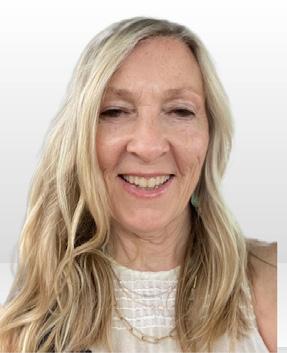
PhD, CNM, CAFCI, FACNM
Dr. Katie Moriarty is course faculty in the Nurse-Midwifery program at Frontier. Born and raised in Windsor, Ontario, Canada, she earned her BScN at the University of Windsor, and MS degrees in Perinatal Nursing and Nurse-Midwifery at the University of Illinois Chicago. She also holds a PhD from the University of Illinois Chicago.
Her area of expertise is integrative healthcare and complementary therapies in pregnancy
and women’s reproductive healthcare along with stress reduction/ resiliency. Her doctoral work specifically focused on acupressure and acupuncture. She is the first midwife to be certified in acupuncture from the Acupuncture Foundation of Canada Institute.
Dr. Moriarty was a faculty scholar in Integrative Healthcare while a Clinical Assistant Professor and the Co-Director of the Nurse-Midwifery Education Program at the University of Michigan. She completed postdoctoral training at the National Center for Integrative Primary Healthcare through the University of Arizona/ Arizona Center for Integrative Medicine and a Health Leader Fellowship at the Ecology Center in Detroit, Michigan.
As a Certified Nurse-Midwife, Dr. Moriarty has worked both as a clinician in all birth settings, along with holding leadership and administrative roles. She writes the Modern Midwives Blog for the PBS show, “Call the Midwife”.
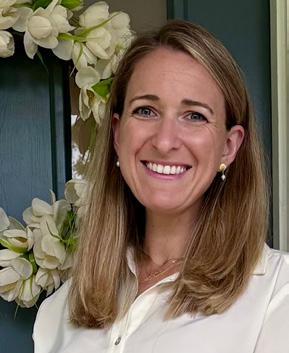
DNP, APRN, FNP-C
A graduate of Frontier Nursing University’s Doctor of Nursing Practice program, Dr. Alexandra Peters serves as a Course Coordinator for Advanced Pharmacology Across the Lifespan within the Primary Care courses. She is actively involved in leadership and service at FNU through her work on the Scholarship Committee, Bylaws Committee, AI Workgroup, and as a former Co-Lead of the Pillar 3 subgroup of the President’s Steering Committee.
Dr. Peters earned her BSN from the University of Maine and her MSN from Simmons University.
As a Family Nurse Practitioner, Dr. Peters has served Vermont communities for more than a decade, with a strong focus on pediatric primary care and underserved rural populations. Her professional interests include quality improvement, health equity, and innovative approaches to enhancing patient care and nursing education.
Dr. Peters was named the 2023 Preceptor of the Year by the Vermont Nurse Practitioner Association in recognition of her commitment to clinical teaching and mentorship. She also co-authored “Improving Effective Hypertension Management in Rural Primary Care,” which was published in the Journal of Practical Nurse Education in 2025.
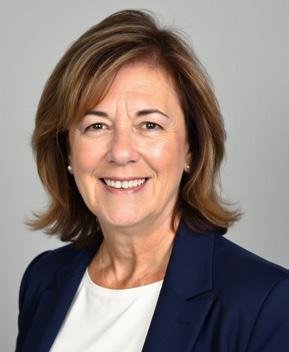
DNP, APRN, FNP-BC, FAANP, FNAP
Dr. Vicky Stone-Gale has been a faculty member at Frontier since 2014. She currently is a Course Coordinator and Associate Professor in the Family Nurse Practitioner program.
She received her diploma in nursing from Massillon Community Hospital School of Nursing in Massillon, Ohio, and completed her BSN and MSN in the Family Nurse Practitioner track from Barry University. She received her DNP from the University of Alabama at Birmingham and completed courses in their PhD in Nursing program.
Dr. Stone-Gale has practiced in primary care for 32 years as a Family Nurse Practitioner
and recently started a primary care telehealth practice. She is board certified in Family Practice by the American Nurses Credentialing Center and the American Academy of Nurse Practitioners. She is a Fellow of the American Association of Nurse Practitioners (AANP) and a Fellow of the National Academies of Practice.
Dr. Stone-Gale completed the prestigious National League for Nursing LEAD program in 2023. She was also awarded the Daisy Award for Extraordinary Faculty from FNU, and the AANP State Advocate Award for Excellence. Dr. Stone-Gale is Chair of Probable Cause for Florida Board of Nursing and is involved with NP legislation on the state and national level and lobbies for nursing issues in Tallahassee, Florida.
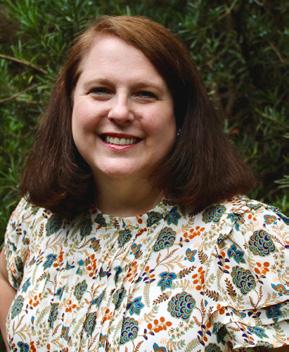
DNP, MPH, MSN
Dr. Charlotte Swint has served on the FNU faculty since October 2017. She is currently a course coordinator in the DNP program. At FNU, Dr. Swint has served as the co-chair of the Faculty/Staff Council, the Research and Scholarly Works committee, and the Mission and Philosophy committee.
She has been involved with the National Organization of Nurse Practitioner Faculties (NONPF) in many ways. She is the co-founder of the Health Policy Education Special Interest Group and served as the chair. She co-edited A Toolkit for the Integration of Health Policy Education Throughout the DNP Nurse Practitioner Curriculum for NONPF and was a co-author of a background paper,
Benefits of Faculty Practice Partnerships. She is a member of the Sigma Theta Tau International Governance Committee and has served as the president of the Chi Pi and Xi Rho Sigma Theta Tau chapters.
Dr. Swint received her Doctor of Nursing Practice degree at the University of Alabama Capstone College of Nursing in Tuscaloosa, Alabama. She received her Master of Public Health degree from Western Kentucky University in Bowling Green, Kentucky, and her Master of Science in Nursing degree from Vanderbilt University.
She has collaborated on articles published in Workplace Health and Safety, Nurse Educator, and Epilepsy and Behavior.

Saturday, Sept. 19, 11:00 a.m. Rupp Arena, Lexington, KY
The annual commencement ceremony is a celebration of our nurse-midwife and nurse practitioner graduates from the past year who have completed their Master of Science in Nursing degree, Doctor of Nursing Practice degree, or Post-Graduate Certificate.
FNU graduates and their guests are invited to join us for an open house on the FNU campus following the commencement ceremony, 3:00 – 5:00 p.m. EST.
Frontier Nursing University students across all programs consistently perform at or above the national averages for board pass rates.
American Nursing Credentialing Center Pass Rates (2020-25) First-Time Test Taker Pass Rates (MSN & PGC)

NURSE-MIDWIFERY BOARD PASS RATES
PSYCHIATRIC-MENTAL
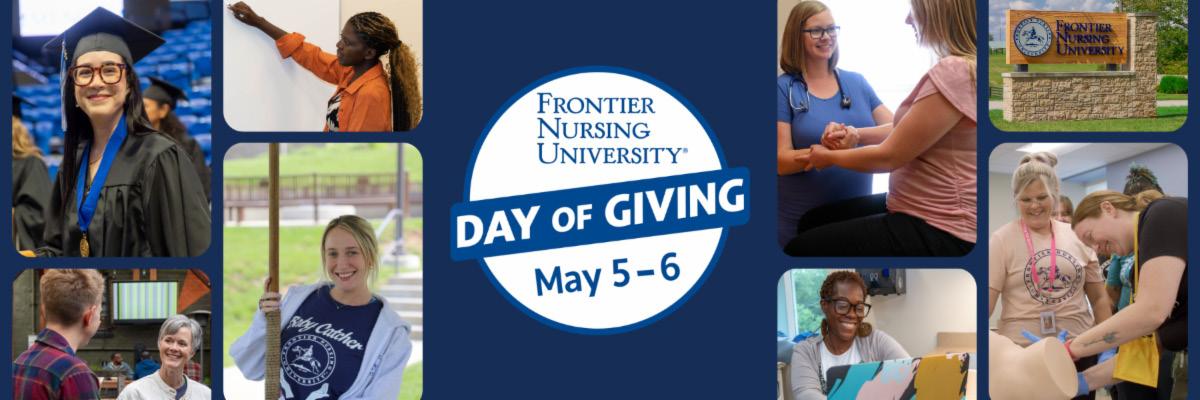
The 2026 FNU Day of Giving reached far beyond our campus, with support totaling $64, 446.74 coming in from 184 donors from 36 states and Washington, D.C. We are grateful for all you do for FNU, and you made it clear that Frontier’s mission resonates across the country.
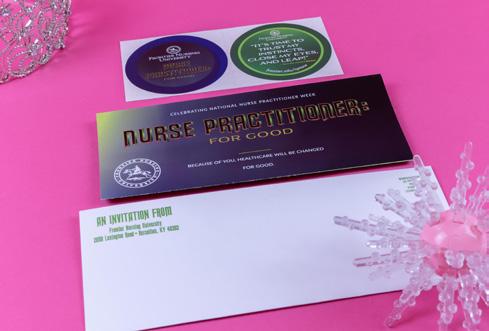

The Frontier Nursing University Marketing team has been honored with two Collegiate Advertising Awards (CAA) for their outstanding work in 2025. The (CAA) is a prestigious competition that honors excellence in higher education communications, marketing, advertising, and promotional efforts across the United States and Canada.
Frontier’s “On the Trail” video series received the Gold Award (top 5% in the nation) and the “Nurse Practitioner: For Good” Wicked-themed student recruitment campaign earned a Silver Award (top 12% in the nation) for direct mail.
The “On the Trail” videos can be found on FNU’s YouTube site youtube.com/@frontiernursinguniversity.
Editors Note: In 2025, we celebrated the 100th anniversary of the forming of the Frontier Nursing Service. We shared many of the stories of the people and events that framed Frontier’s history and led the university to where it is today. Among the many lessons we learned from these stories was that we have many more to tell. Three FNU faculty members suggested the idea of a standing history column in the Quarterly Bulletin and graciously agreed to share their knowledge and expertise in writing these informative and engaging stories that are forever part of the fabric of FNU.
Janet L. Engstrom, PhD, APRN, CNM, WHNP-BC, CNE
Joanne M. Keefe, DNP, MPH, APRN, FNP-c, CNE
Anne Z. Cockerham, PhD, APRN, CNM, WHNP-BC, CNE
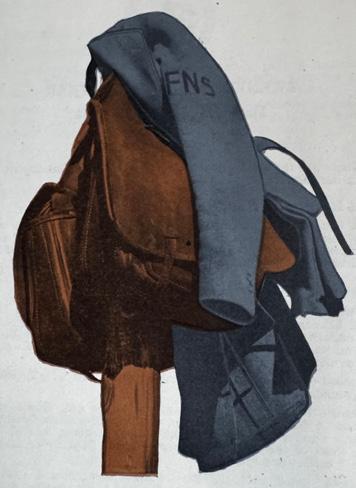
The Frontier Nursing Service (FNS), whose nurses were known as the “nurses on horseback”, is an important part of the history of nursing and nurse-midwifery, and the history of the Southern Mountaineers. The nurses traveled alone by horseback to provide care to families often located miles away in some of the most remote and rugged areas of the Appalachian Mountains in southeastern Kentucky. The nurses provided care for illnesses, injuries, births, and routine health visits relying solely on the limited medications and equipment in her saddlebags, their clinical expertise and creativity, and the assistance of the families they visited.
The nurses’ leather saddlebags became an enduring symbol of the FNS. The saddlebags were adapted from the public health nurse's black leather, hard-sided, rectangular bag, which was used to carry supplies, medications, and equipment to visit people in homes primarily in urban areas that could be reached by foot, streetcar, or automobile. In the FNS service area, there were almost no roads and travel was by horse, so a standard public health nurse’s bag would
have been impractical. Instead, a saddlebag was used to carry their supplies. The saddlebags weighed approximately 42 pounds and had to be carefully balanced so that the weight of the bags would not harm the horse or the nurses who often had to carry the saddlebags over their shoulders for part of the journey.
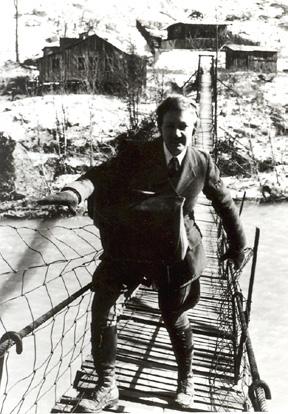
FNS nurse Sally Ann Tyler Dryez crossing a swinging bridge with her saddlebags over her shoulder.
Initially, the FNS attempted to use Army surplus saddlebags, but the bags were too small, so the FNS found a local craftsman who made saddlebags by hand. He used the softest leather available to protect the horses and nurses and created roomy bags that could hold all the nurses’ supplies. The saddlebags were shaped so that the supplies would stay upright and not break or get wet and had metal buttons inside that were used to fasten the linings for the bags. The bags cost $13 a pair.
In addition to medications, supplies, and equipment, at the bottom of the saddlebags was a portable stove and a can of Sterno that could be used to boil water, sterilize instruments, or warm supplies. The saddlebags also contained emergency supplies for the horses such as horseshoe nails, rawhide strips, and rope. The saddlebags always contained a copy of the FNS ‘Medical Routines’, which dictated the treatment for all illnesses, injuries, and pregnancy, birth, postpartum, and infant care. In the pocket of the saddlebags was a detailed map of the FNS service area that had been printed on linen so that it could be easily folded and retrieved.
The nurses practiced strict medical asepsis to prevent contamination of their supplies when removing or putting anything into the saddlebags. The saddlebags were organized so that everything needed for a particular type of visit was located together, thereby minimizing the number of times the nurse had to reach into the bag. After visiting a patient or attending a birth, the nurses sanitized their supplies before returning them to their saddlebags. When the nurses returned to the nursing center, they restocked their bags so they were ready to go at any time, and there were many times when a nurse was called to a birth more than once during a night.
Each nurse had two sets of saddlebags: one for general nursing and one for midwifery. The general nursing bag was carried on their daily rounds and contained the equipment and medications needed to see people with illnesses and injuries as well as visiting healthy people such as infants, children, prenatal, and postnatal cases. The nurses also carried a small midwifery kit of emergency supplies to attend a birth if one occurred when they were out on their general rounds. The midwifery bags were specifically organized to contain everything needed to attend a birth. The midwifery bags were separate from the general nursing bags because the bags had to be kept as clean as possible and away from people with illnesses and infections.
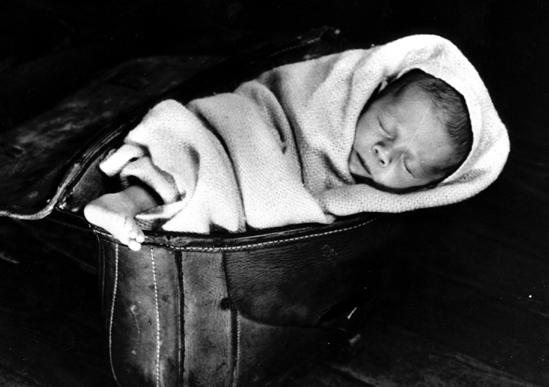
A charming anecdote illustrates the cultural impact of the saddlebags. When the mountain children asked where babies came from, they were told that the nurse brought the baby in her saddlebags. The story made sense to the children, who saw the nurse arrive with her saddlebags and then there was a new brother or sister in the home.
The nurses continued to use their saddlebags when jeeps were introduced to the FNS in 1945. The change from using saddlebags to medical bags to carry equipment was slow. The FNS never wasted anything, and the saddlebags had been perfectly designed for the
equipment needed for general nursing care and home births. The jeeps often left the nurse further from the home than a horse would, and the nurses still had to carry their supplies part of the way, so they continued to use their saddlebags for years after motorized vehicles were available. Eventually, however, most visits were made by jeep and when the saddlebags wore out, they were replaced with medical bags
The blue uniforms and black boots of the FNS created an iconic image of the “nurses on horseback”. Uniforms are an important part of a profession’s image and represent the high standards of the profession and the organization that employs the person who wears their uniform. Thus, the FNS was fastidious about their nurses’ appearance. Tidiness, cleanliness, and a carefully worn uniform were essential. In addition to a neat and clean uniform, the nurses were not allowed to smoke cigarettes while in uniform, even though tobacco was grown in the area and was bartered for nursing services.
The FNS uniforms were also an important part of the nurses’ identity and credibility. Uniforms identify the wearer as someone committed to serving others, a characteristic that requires respect. The uniform also served to identify the nurse to the community as a trustworthy, licensed health professional employed by the Frontier Nursing Service. The uniform also protected the nurses, making them recognizable to community members far and wide. If a nurse ever had trouble on the trail, people knew that she was a Frontier nurse and would help the nurse as needed, and no FNS nurse was ever harmed by a community member. Indeed, the uniforms allowed nurses to travel anywhere in the mountains, day or night without fear of harm. Uniforms can also unify a professional group, making its members recognizable to each other and conveying a sense of belonging, which was important for the FNS nurses since they worked in such remote areas and were separated from their own families and friends.
Mary Breckinridge, the founder of the FNS, understood the importance of uniforms, first having worn a uniform as a student nurse and later when working with the American Committee for Devastated France whose work involved the rebuilding of one of the most war-damaged sections of northern France after World War I. The uniforms identified committee members as people who could be trusted to help community members, and Breckinridge adopted the color, fabric, and styling of their blue-gray wool uniforms for the FNS winter uniform. Breckinridge also had the opportunity to observe the appearance, wearability, and utility of the uniforms of the British District nurses and the district nurse-midwives in the Scottish Highlands and Islands.
The FNS uniforms were designed for riding by horseback to make visits to patients in their homes or at community centers. The FNS uniforms were unique in that the nurses wore riding breeches at a time when dresses and skirts were the standard apparel for women. However, during World War I, nurses stationed in cold climates began wearing Army breeches under their skirts, and public health nurses soon reported doing the same in the early 1920s. At the same time, the practicality and safety of allowing women to ride astride horses was recognized and riding breeches for women became available.
The FNS uniforms also provided comfortable and sturdy clothing needed to ride by horseback on ungroomed trails over mountains, through forests, and across rivers to reach their patients. The bluegray wool winter uniform and cap kept the nurses warm when traveling in ice and snow, and the lighter blue cotton summer uniform kept them cooler in the summer heat and humidity. The uniforms protected the nurses from weather and the environment. The uniforms also protected the patients. When a nurse entered a home, she removed her jacket, rolled up the sleeves of her white shirt, and carefully scrubbed her hands and arms with soap and clean water. Then, the nurse covered her clothing with a clean white apron.
Boots were an essential part of the nurses’ uniform. Traveling by horseback or on foot meant the nurses had to ride or walk through water, mud, rocks, and brush to reach their patients. The knee-high boots kept the nurses’ feet and legs warm and dry, and protected them from injury and snake bites. The boots also protected the nurses’ legs from the saddle and stirrup straps. Once on, the boots were worn throughout the workday at the nursing center, during home visits, births, and field work until the nurse returned home.
Although the uniforms and boots of the Frontier Nursing Service have been replaced by scrubs, lab coats, and athletic footwear, the
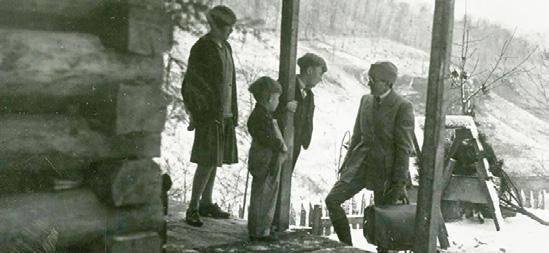
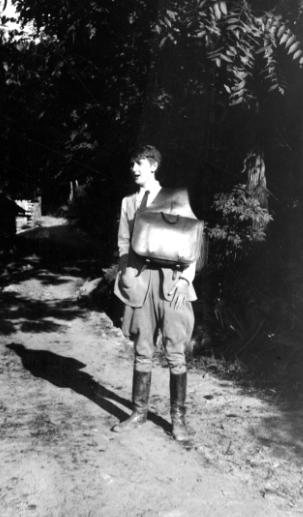
image of the saddlebags lingers. The nurse and her saddlebags saved countless lives and improved the health of families throughout southeastern Kentucky. It behooves us to reimagine those saddlebags and what current students, alumni, and faculty might carry in them; not equipment, not supplies, and not medications; those are readily available elsewhere. Instead, our modern community fills their personal saddlebags with a culture of caring, the evidence for practice, commitment to health equity, and access to healthcare in rural and underserved areas. Most importantly, we carry the image of the nurses on horseback who were fearless in their desire to provide healthcare regardless of the circumstances, that challenges us all to think about how we can provide healthcare in the most difficult of circumstances.

Our modern community fills their personal saddlebags with a culture of caring, the evidence for practice, commitment to health equity, and access to healthcare in rural and underserved areas.
As the saying goes, “Find a job you enjoy doing, and you will never have to work a day in your life.” Assuming that is true, then Carol Greenlee, CNM, has never had to work, though the 2,315 babies she has helped deliver might think differently.
“I wanted to be a nurse ever since I could talk,” said Greenlee, who grew up in Papillion, Nebraska, a suburb of Omaha. “When some of my friends played, they wanted to play teacher, but I wanted to play nurse.”
She has been “playing nurse” ever since she got her associate degree in nursing (ADN) in 1973 at the University of Nebraska Medical Center (UNMC). She went on to earn her bachelor’s degree at UNMC in 1987.
“I tell people I'm a very slow learner,” Greenlee joked about the time span between her ADN and Bachelor of Science in Nursing degrees. “We moved to Lincoln, and I worked at St. Elizabeth. I wanted to get my bachelor's degree, and the hospital would pay for 1 class every semester. So, I took one class every semester.”
After her son was born in 1974, she returned from maternity leave. There was an opening in labor and delivery. The rest is history.
“Once I got into labor and delivery, I was hooked,” Greenlee said.
She and her husband, who was a teacher, moved to Grand Island, Nebraska, where Greenlee worked as a nurse for 15 years and also taught at the community college. She began pursuing a master’s degree from UNMC, but the three-hour drive took too much time away from her family, and she dropped out. Instead, her desire to learn led her to consider midwifery.
“Working in labor and delivery, I knew about midwives, but I had never met a midwife. I had only read about them,” Greenlee said. “I met a doctor from Lincoln and he said, ‘why don't you work in our office in Lincoln, and you can go to midwifery school at Frontier’. So we went back to Lincoln, and I worked in their office part time, while I went to midwifery school at Frontier.”
Fellow Nebraska resident Nancy Peterson was in the same class as Greenlee (CNEP, Class 13). They were the first FNU students to do their clinicals in Nebraska. Greenlee also attended Case Western Reserve University, where she acquired her MSN in 1998.
Greenlee went on to work in an OBGYN office in Lincoln from 1998-2014. When her youngest child, Emily, graduated from college and moved away, Greenlee realized it was time to make a change.
“I decided I couldn't work 70- or 80-hour weeks and be the kind of grandma I wanted to be. My oldest daughter said, ‘why don’t you move out here (to Salt Lake City)?’,” Greenlee said. “So, we moved to Salt Lake City, and I practiced out there in a birth center until 2019.”
Greenlee retired in 2019, but her retirement was short-lived. She returned to Nebraska in 2021and soon was back at work.
“I came home to Nebraska, and the governor was advertising for nurses to come out of retirement,” she said. “I didn't want to work hard enough to be a midwife anymore, so I got a job as a nurse in a midwife's office for a while. Then I taught nursing students at Wesleyan University in Lincoln.”
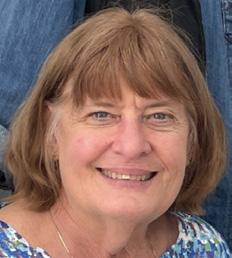
In her work with the Lincoln Lancaster Health Department, she makes home visits to new mothers and babies.
“I think I have a good background for making home visits to new mothers and babies,” Greenlee said, noting that she works three or four days a month. “I'm 73 and I'm still working and I love it.”
One of the main messages Greenlee passes along to her expectant mothers is that they have all the strength they need, and she is just there to assist them.
“One of the things that has driven me in my career is that I want everybody to feel strong and capable about birth,” she said. “I want moms to feel strong and capable because when their baby acts up and they don't know what to do, they can rely on the fact that they are strong and capable instead of thinking, ‘now I need somebody to rescue me again’.
I tell the mothers, ‘You already showed us that you can handle this because you already grew another human being.’”
In addition to advocating her patients, Greenlee is an avid advocate for change in Nebraska, where certified nurse-midwives are not allowed to perform home births and cannot be licensed without a practice agreement with a physician. Greenlee testified before the state legislator committee last spring.
“I thought I had some perspective because I've practiced in a state that had legal home birth,” Greenlee said of her time in Utah. “I felt like I was in a unique position to address that issue to Nebraska, but the American Medical Association and the American Hospital Association have big lobbies that always testify against us. But I think we're getting very close to getting it passed. We've been working on it for longer than I've been a midwife.”
Greenlee reflects fondly on her career and on her time at Frontier.
“Frontier is doing an incredible thing. The huge majority of midwives in Nebraska are from Frontier. I loved it there,” said Greenlee, who has caught three of her grandchildren. “I have loved every minute of my career in nursing and midwifery. Sometimes there got to be too many minutes, but I loved every minute.”
When Sandra Tebben Buffington retired in 2014, she did so having lived a life of service as a nurse, midwife, missionary, educator, and researcher for over 50 years.
She grew up in a rural farming community in Pekin, Illinois. Inspired by her mother, Buffington knew at an early age that she wanted to be a nurse.
“My mother wanted to be a nurse, but her mother became ill, and my mother had to leave school in 6th grade and help her father care for her mother and cook for the family,” she said. “I just remember her telling me how much she wanted to be a nurse and the seed was planted that I was going to be a nurse. In church at age 8, I heard a missionary family talk about helping others in Papua New Guinea and again seeds planted. I decided in high school that I would be a nurse and help others in another country.”
She graduated from the St. Francis School of Nursing in Peoria, Illinois, and in 1964 she made good on her goal to help people in other countries. She worked in a 120-bed hospital in Nigeria, where the need was great and the training was sparse due to lack of time and resources. Inspired, she made it her goal to develop and conduct many types of training.
In Nigeria, she began going with a team to schools for immunizations, tuberculosis diagnosis, and teaching about hygiene. Her missionary work overlapped with a civil war in Nigeria. She was evacuated in 1966 and
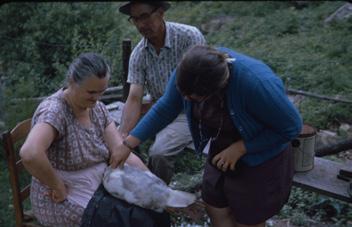
the Lutheran Church that employed her in Nigeria requested she go to Frontier. Several of Buffington’s fellow mission nurses had attended Frontier prior to being assigned internationally. Buffington enrolled at Frontier and passed the Kentucky boards in 1968 as a certified nurse-midwife.
“My experience at Frontier Nursing Service (FNS) offered me so many learning experiences thanks to the staff, including Dr. Mary Wiss and Dr. Mary Fox,” she said, noting that she learned how to do lab work, and take and read x-rays while at Frontier. “All of this was extremely useful when I returned to Nigeria as the level of equipment was similar. The doctors were the most amazing doctors. (They were) so willing to teach me everything and I was thankful to build on my experience in Nigeria.”
“The caregivers, cooks, cleaners, and security guards were helpful, lovely and so much a part of the entire service in those days,” she said. “The quality of training and experiences stayed with me as I continued to develop training programs throughout my life. I was not privileged to meet Mary Breckinridge, but Anna Mae January, Molly Lee, and Betty Lester were my treasured guides.”
“My entire career turned towards midwifery following the FNS days. First returning to Nigeria with the International Red Cross during the civil war, I found myself in many situations where I was grateful for the additional training at FNS and my midwifery education.”
After the war, Buffington helped build a maternity ward and three care villages in Nigeria to reduce travel time for patients. She and her colleagues also educated the village women about caring for illnesses, administering medications, and providing pregnancy care.
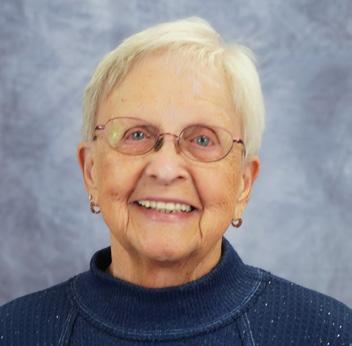
“Thanks to all the clinical experience and extra teaching by the doctors at FNS, I found myself more confident and capable of guiding/teaching others. We had many challenges with malnutrition, tropical illnesses, injuries, infections, anemia, obstructed labor, and low birth weight babies.”
“We started offering pregnancy care including delivery. We built an inpatient ward and delivery room and trained staff to conduct deliveries. We offered family planning services and in some places the communities built small huts to use for counseling, providing birth control items, and insertion of IUDs. We started a well-baby clinic offering immunizations and evaluation of children under five. The attendance was overwhelming, and we ran out of supplies to provide care. The need was great.”
In 1978, Buffington left Nigeria to upgrade her training skills with a Master of Public Health. Resuming her missionary work, she lived for over 20 years in Africa and Asia. Additionally, she made more than 30 trips as a consultant and technical advisor for stints ranging from one to three months.
am thankful for these opportunities and would do it all over again,” Buffington said.
She retired in 2014 when her husband could no longer travel with her. She continued to volunteer, however, as a long-distance resource for trainers in some countries where she worked. She now enjoys her time with eight grandchildren, and 10 great grandchildren.
Yasmin Bennie, FNP (Class 209), MSN, recently joined Ochsner Health Center –
O'Neal in Baton Rouge, Louisiana. Bennie specializes in hepatology and provides comprehensive care for patients with liver disease. She also has experience in gastroenterology and hospice care.
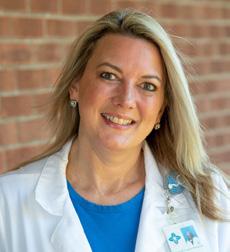
Hospitalist and current FNU faculty member
Carla Bray, DNP (Class 32), FNP, was hailed for her remarkable service during a January ice storm in rural Mississippi. On Sunday, January 25, a local woman went into labor, but the ambulance could not get to her due to road conditions and downed power lines. Instead, she and her husband managed to reach a Blue Mountain Fire Department truck via ATV.
The fire department took them to the emergency room at Tippah County Hospital, where they arrived at virtually the same time as a heart attack patient. While the attending emergency nurse practitioner assisted the cardiac patient, Dr. Bray assisted with the successful delivery of the baby and care of the mother.
The grateful family returned a few days later to express their gratitude to Dr. Bray and the other emergency personnel, stating “The staff was so amazing, and we are so extremely thankful for them. They made a very stressful situation a lot easier to handle and our little family could not be more thankful for all the amazing work the staff did that day.”
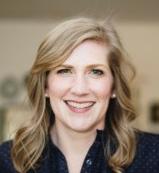
Emma Virginia Clark, PhD, CNM (Class 93), FACNM served as the lead author for a national scoping review that synthesized 66 U.S. studies published since 2012 on the outcomes of care provided by certified nurse-midwives and certified midwives. The study, titled A Scoping Review of Certified Nurse-Midwife and Certified Midwife Care in the United States, was published in the March 2026 issue of The Milbank Quarterly. The study found that midwifery care was associated with lower rates of cesarean birth and other interventions. The study found midwifery care also improved neonatal outcomes, increased patient satisfaction, and reduced health care costs.
LeAnn Gordon, FNP-C, CNM (Class 210), recently joined the Southern Tennessee Regional Health System’s Lawrenceburg campus in Lawrenceburg, Tennessee. Gordon has more than 30 years of nursing experience as a family nurse practitioner and a women’s health nurse practitioner.
Monika Gulyas, MSN, CNM (Class 84), has joined MaineHealth Obstetrics and Gynecology in Rockport, Maine. She previously spent six years as a certified nurse-midwife at MaineHealth Obstetrics and Gynecology in Damariscotta, Maine, and three years at Connecticut Childbirth and Women’s Center in Dansbury, Connecticut.
Rebecca Knopik
Rebecca Knopik, FNP-BC (Class 201), MSN, has joined Riverwood Healthcare Center’s family medicine clinics in Aitkin and Garrison, Minnesota. Knopik has extensive experience in emergency medicine, obstetrics/gynecology, and home health care.
Mikayla LaPointe, FNP (Class 208), MSN, joined the Family and Occupational Medicine Clinics of Sweetwater Memorial in her hometown of Rock Springs, Wyoming. ““I look forward to being able to give back to a community that has given so much to me throughout my life.”
Sarah Lamere
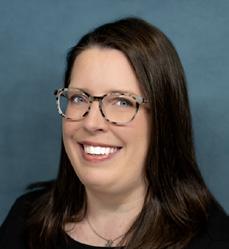
Health Team at Aspirus Health. She provides care at the Aspirus Stevens Point OB/GYN Clinic in Stevens Point, Wisconsin. She specializes in in midwifery care, including pregnancy, labor and birth, postpartum care, and overall reproductive health.
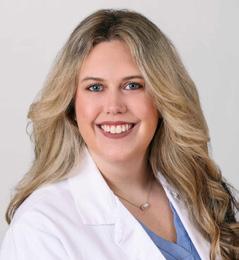
Emily Miller recently joined FryeCare Women’s Services in Hickory, North Carolina,
where she provides care for adolescent, adult, and geriatric patients. Her experience includes women’s health, labor, and delivery. She was a 2024 DAISY Award recipient, recognizing compassionate care and kindness.
Mitchell and Tabitha Young Introduce Midwifery Services to Ozarks Healthcare
offering midwifery care, led by Shelley Mitchell, CNM (Class 82), MSN, and Tabitha Young, CNM (Class 206), MSN. Young’s experience includes neonatal intensive care, labor and delivery, and lactation services. Mitchell also has extensive experience in women’s health, and labor and delivery care.
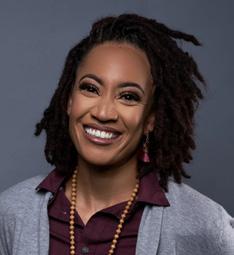
Dr. Stephanie Mitchell, DNP (Class 5), CNM, CPM, was named a 2026 Black History Maker of Alabama. Dr. Mitchell is the founder of Birth Sanctuary Gainesville, Alabama’s first midwifery-owned, led, and operated freestanding birth center. The Birth Sanctuary serves a small, rural community. Gainesville has a population of approximately 200 people, and the nearest hospital is approximately 45 minutes away.
Sarah Lamere, MSN, CNM (Class 209), has joined the Women’s
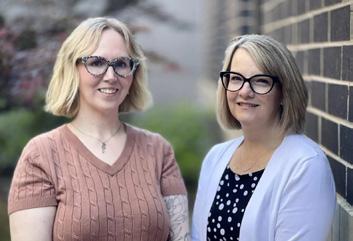
Tabitha Young (left) and Shelley Mitchell
Ozarks Healthcare Women’s Health Clinic in West Plains, Missouri, recently began
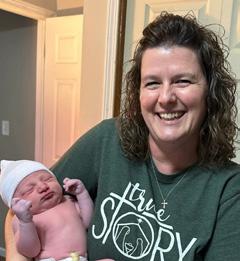
Kari Ney, CNM, MSN (Bridge 153) is set to open Morning Glory Wellness & Birth in Hull, Iowa, in May. Morning Glory Wellness & Birth will be the second birth center in Iowa, following on the heels of the
state’s first birth center opening in January. Ney has provided prenatal care and home birth services at Promise Community Health Center in Sioux Center. The birth center fills a long-standing need in Iowa, where approximately one-third of the state’s counties are considered maternity care deserts. Morning Glory Wellness & Birth will function as a prenatal clinic and women’s health clinic.
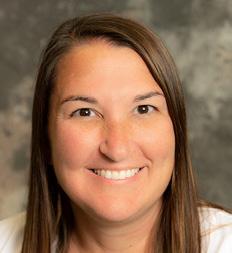
Meri Orinko, CNM (Class 163), MSN, attended birth for her 1,000th baby at the Maternal and Child Center at Penn Highlands Dubois (Pennsylvania). Orinko also shares her expertise with others as a preceptor. In combination with her fellow midwife at Penn Highlands, Dubois has provided more than 12,000 training hours and has precepted 11 Frontier students since 2021.
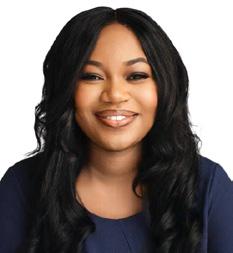
Braden Counseling Center in Sycamore, Illinois, added Chimdiya (Diya) Osisioma, PMHNP (Class 203), MSN, to their practice. Osisioma asses, diagnoses, and treats mental illnesses via therapy and prescription medication.
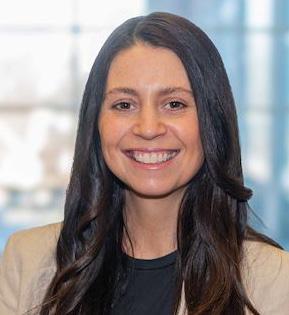
Scotlan Peterson, CNM (Class 202), ARNP, MSN, recently joined Mahaska Health’s
Women’s Health Team in Oskaloosa, Iowa. Caring for patients at the Mahaska Health Birthing Center, Peterson provides comprehensive obstetric and women’s health care, supporting women through pregnancy, birth, postpartum care, and ongoing wellness.
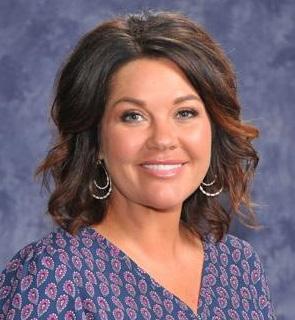
Sabrina Stout, MSN, FNP (Class 60) has been named the recipient of Southeastern Illinois
College’s (SIC) 2026 Loren P. and Velma Dallas Outstanding Teacher of the Year Award. Stout is a nursing instructor at SIC and has more than 20 years of healthcare experience. The award honors individuals who exemplify excellence in teaching and dedication to their field while making a lasting difference in the lives of students.
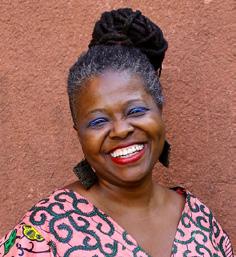
The Chicago South Side Birth Center,
146,)
MSN, held a groundbreaking ceremony on April 7. The birth center is expected to open in 2027 and begin fulfilling its vision to “help address inequities in birth outcomes by providing culturally centered, midwifery care alongside families and within the community to promote wellness and abundance in whole health.”
Grider
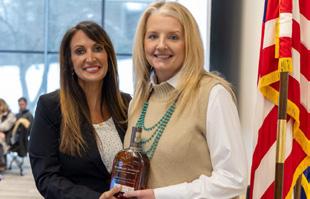
Dr. Kristi Grider, FNP, DNP (Class 46), was presented with the Healthcare Impact Award at the Woodford Chamber Awards, held by the Woodford County (Ky.) Chamber of Commerce and Visit Woodford. Dr. Grider was recognized for her invaluable work in the community as a nurse practitioner and her dedication to improving patient care.
Adding to the special occasion, Dr. Grider was presented the award by Cassie Prather, who was awarded the Healthcare Hero Award, sponsored by FNU. Prather is the Public Health Director of the Woodford County Health Department.
Help shape the future of alumni engagement at Frontier Nursing University. This survey will help us better understand your experiences, interests, and ideas so we can create meaningful opportunities for connection, professional growth, and lifelong engagement within the FNU alumni community. This survey should take around 10 minutes to complete.

The Frontier Nursing University Office of Alumni Relations is here to support YOU! Our purpose is to offer helpful programs and services that support our graduates. Alumni are an integral part of FNU’s development because you demonstrate the excellence of FNU in everyday practice. You are also our primary recruiters and most loyal donors. We deeply appreciate your commitment to FNU.
The Alumni Association is open to all graduates of FNU. We currently have more than 8,000 alumni in all 50 states and many countries around the world. We encourage you to explore the services, programs, and activities offered and become involved. There are several ways to stay in touch with friends and connect to FNU, including conference receptions, case days, e-newsletters, and the FNU Alumni Facebook Group. Please ensure we have your most recent contact information to take advantage of all member services.

Take the Survey Here:


Earn Your DNP Where Your Journey Began
Have you considered returning to Frontier for a Doctor of Nursing Practice? Now is the time to take the next step in your journey. As a trusted leader in your community, you're already making an impact – why not elevate that impact even further? The DNP will help prepare you to lead change, improve patient outcomes, and shape the future of healthcare. Connect with FNUadmissions@frontier.edu to speak with an admissions counselor, get your DNP questions answered, and find out if you are eligible for the companion DNP program.
CHAIR
Marcus Osborne, MBA, Atascadero, CA
VICE CHAIR
Kerri Schuiling, PhD, CNM, FACNM, FAAN Weston, WI
SECRETARY
Peter Schwartz, MD, Port St. Lucie, FL
TREASURER
Michael Steinmetz, CPA, CMA, CSCA, Bellevue, WA
Board Members
Elaine Bolle, BA, MBA, Chapel Hill, NC
William (Bill) Corley, MHA, Carmel, IN
Vernell DeWitty, PhD, MBA, RN, FAAN, Silver Spring, MD
Jean Johnson, PhD, RN, FAAN, Cabin John, MD
Emma Metcalf, RN, MSN, CPHQ, Louisville, KY
Tim Raderstorf, DNP, RN, FAAN, Columbus, OH
Maria Small, MD, MPH, Durham, NC
Foundation Board Members
Peter Coffin, Chair, BA, Chestnut Hill, MA
Derek Bonifer, MBA, BA, Louisville, KY
Constance Brotherton, MA, BA, Lexington, KY
Brooke A. Flinders, DNP, RN, APRN-CNM, FACNM, Lexington, KY
Peter Schwartz, MD, Port St. Lucie, FL
The following people gave contributions to Frontier in memory of their friends or loved ones. The names in bold are the deceased.
In Memory of Michael Carter
Elaine Bolle and Lester Levine
Wallace Campbell
Elizabeth Carter
Sarah Carter
William Corley
Vernell DeWitty
John Grandin
Nancy Hines
Patricia Lawrence
Emma Metcalf
Robert Montague
Marcus Osborne
Tim Raderstorf
Kerri Schuiling
Peter Schwartz
Michael Steinmetz
Susan Stone
In Memory of Judith Kee
Diana Gay
To make sure you don’t miss communications such as the Quarterly Bulletin or our monthly e-newsletters, please take a moment to make sure we have your updated contact information. Please send your updated contact information, including your preferred email address, phone number, and mailing address, to alumni.services@frontier.edu. Thank you!