FutureofBody
AUGUST
WWW.FRESHSQUEEZEDIDEAS.COM
2022
References
1. The Fragility of Body Positivity
2. The past, present, and future of body image in America
3. What Is Body Positivity?
4. Lizzo: Body Positivity Has Been ‘Co-Opted’ And It’s Not Helping Fat People
5. Racism Needs to Be Part of the Conversation About Dismantling Diet Culture
6. Body Neutrality Is A Body Image Movement That Doesn’t Focus On Your Appearance
7. Concept: Body Neutrality
8. How Will Smith’s body positive photo highlights sexist beauty standards
9. Goodbye Double Chin: Amy Schumer Shares a Video of Her Latest Fat-Freezing Treatment
10. Lizzo Explains Detox Juice Cleanse After Backlash
11. Six pillars: futures thinking for transforming
Future of Body Contributors
Ireena Haque Author | Trish MacMillan, Editor | Joanne Keane, Designer
CONTENTS
08 A Brief History of Body Positivity
10 Body Positivity Today
14 The Changing Landscape of Body Image
18 A Current-State Analysis of Body Image
20
The Desired, Transformative Future of Body Image
22 Taking Steps Towards The Desired Future
FUTURE OF BODY FUTURE OF BODY
A Constant State of Flux
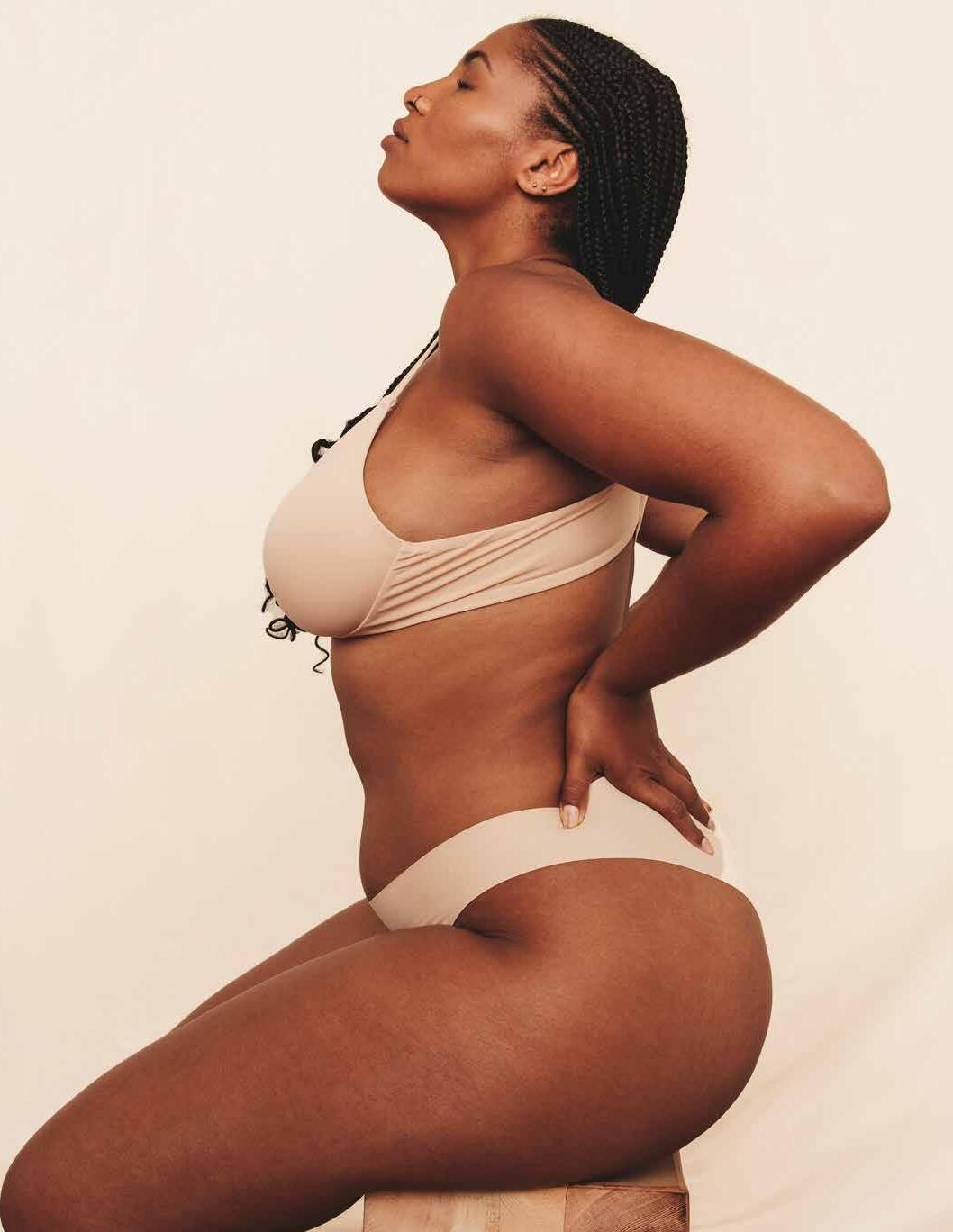
“As human beings, it is natural for us to always push to be the best version of ourselves, and when it comes to bodies, that best is still the thin and toned body.” Future of Body
If the last two years have taught us anything - as humans, as a company, as beings on this planet - it is that our society has been shifting at warp speed in ways that we may never have imagined. The power of looking at the breadth of human experience with deep empathy, looking both backwards and forwards with curiosity and imagination, is what we do as practitioners. It is with that lens that our team of Strategic Foresight practitioners has built a point of view on the Future of Body.
The human preoccupation with the body - its physical manifestation, our perception of how it reflects our sense of self, and all of the struggles inherent in that - are nothing new. What is new and significant are the rapid shifts we are seeing in the social context. As our futurists articulate it, we are at a time where “self definition around gender culture and identity are gaining momentum.” Surely this can also be a time where we aspire towards self-definition and agency around our bodies.
This piece explores how we can create a path towards a different future around body image and acceptance. It illuminates the way we think at FSI and how we utilize practices like design thinking and strategic foresight to achieve deep, empathetic consumer insight.
We invite you to read, ruminate, share and discuss. We welcome your thoughts and reflections.
 Karen McCauley Founder and CEO
FUTURE OF BODY 04 05 FUTURE OF BODY
INTRODUCTION
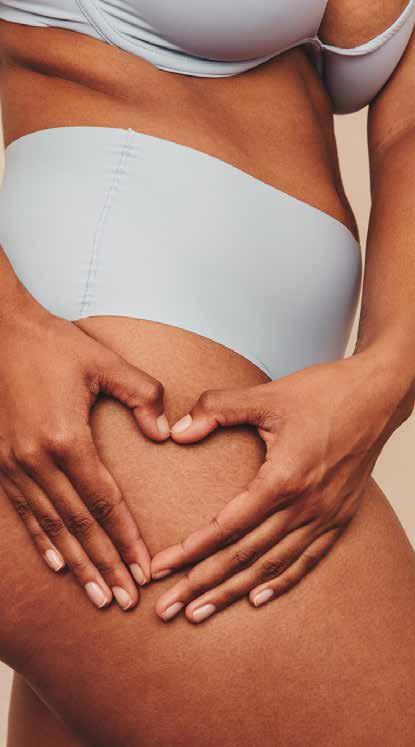
Struggles with body image are nothing new. But in 2022, we are witnessing massive shifts in our social context. As self definition around gender culture and identity gains momentum, surely this can also be a time where we aspire towards self definition around our bodies. This piece will explore how we can create a path towards a different future around body image and acceptance. Given the evolutionary necessity to crave acceptance, humans cannot just toss away societal standards. Therefore, to achieve this ideal future, we must work to alter the norms themselves. Would it be possible to make this change?
Could we embrace a future where the societal norms for body image are transformed? Could we leave behind the pursuit of a singular ideal body?
To begin creating the path towards this future, first we must examine the current state of body image and the social movements surrounding it. Then we will need to look at analyzing the current state through various levels, in an attempt to discover the root cause. To identify and craft the future state, our analytical lens could then be flipped to decipher an alternative state of the current struggles. This process must be approached through an empathetic lens and with an open mind to embrace a staggering change in thinking. Only then can we start to work towards a future state of body image that is desirable, attainable and plausible.
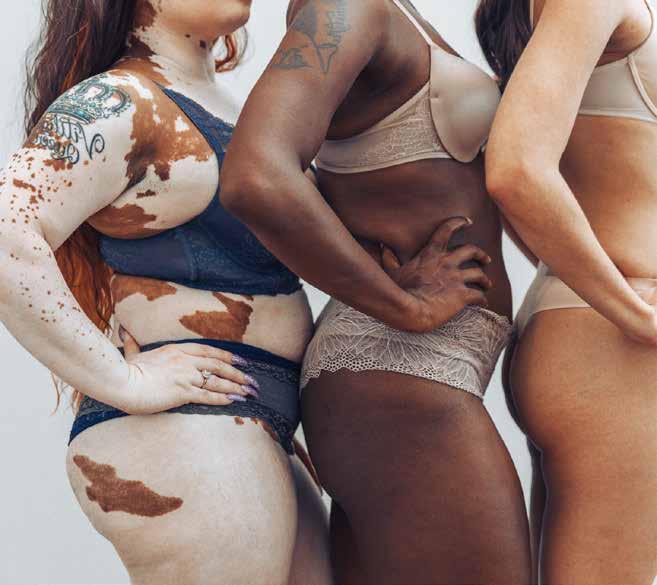

“We can create a path towards a different future around body image and acceptance”
FUTURE OF BODY 06 07 FUTURE OF BODY
A BRIEF HISTORY OF BODY POSITIVITY
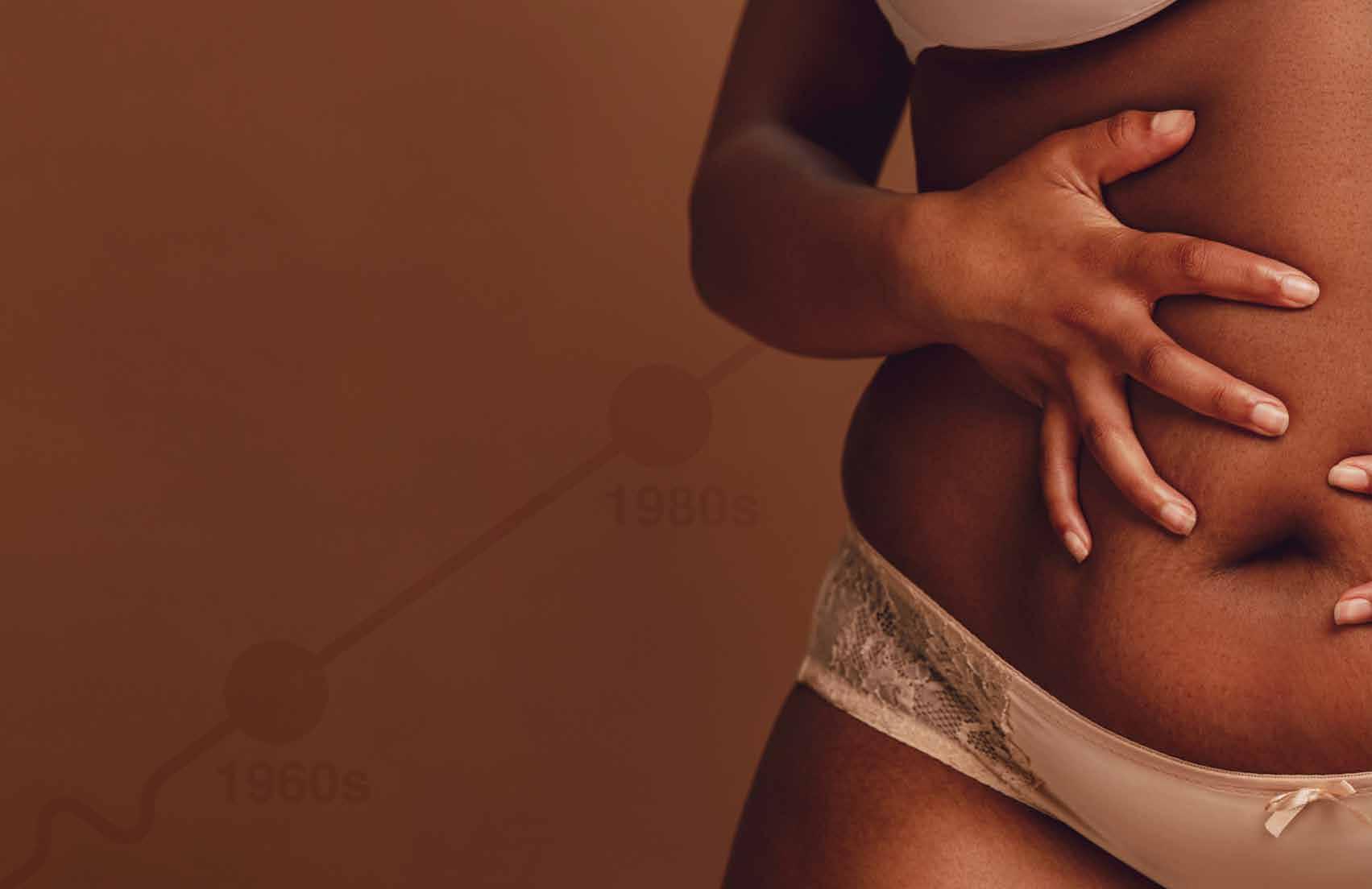
Although the body positivity movement seems like a recent development, its roots can be traced back to the fat acceptance movement of the late 1960s and 1970s, a movement started to battle antifat discrimination, break down systemic fat oppression and celebrate bigger bodies. Rooted in social justice, the movement was created for and by marginalized bigger bodies, especially those who were Black, queer and disabled. There were rallies to challenge and publicly denounce systemic fatphobia.1 Organizations such as the National Association to Advance Fat Acceptance (NAAFA) were assembled. And inspired by feminist and queer activism, underground movements were introduced.2 A lot of conversation and insights were being put out by Black writers and activists explaining the connection between weight discrimination and racism. This era of fat activism was a truly spectacular pushback against size discrimination. As time passed, that momentum struggled to persist with the same vigor as the movement continued on and evolved into the body positive movement.
The 1980s and 1990s saw the rise of the diet industry and ‘skinny culture’. It was the age of intricate weight loss programs, pills and supplements, and models such as Naomi Campbell and Cindy Crawford. The spark of fat acceptance that was ignited in the 60s, slowly started to get overshadowed by new standards
and the countless ways to get there. In 1996, the term ‘body positive’ was coined.3
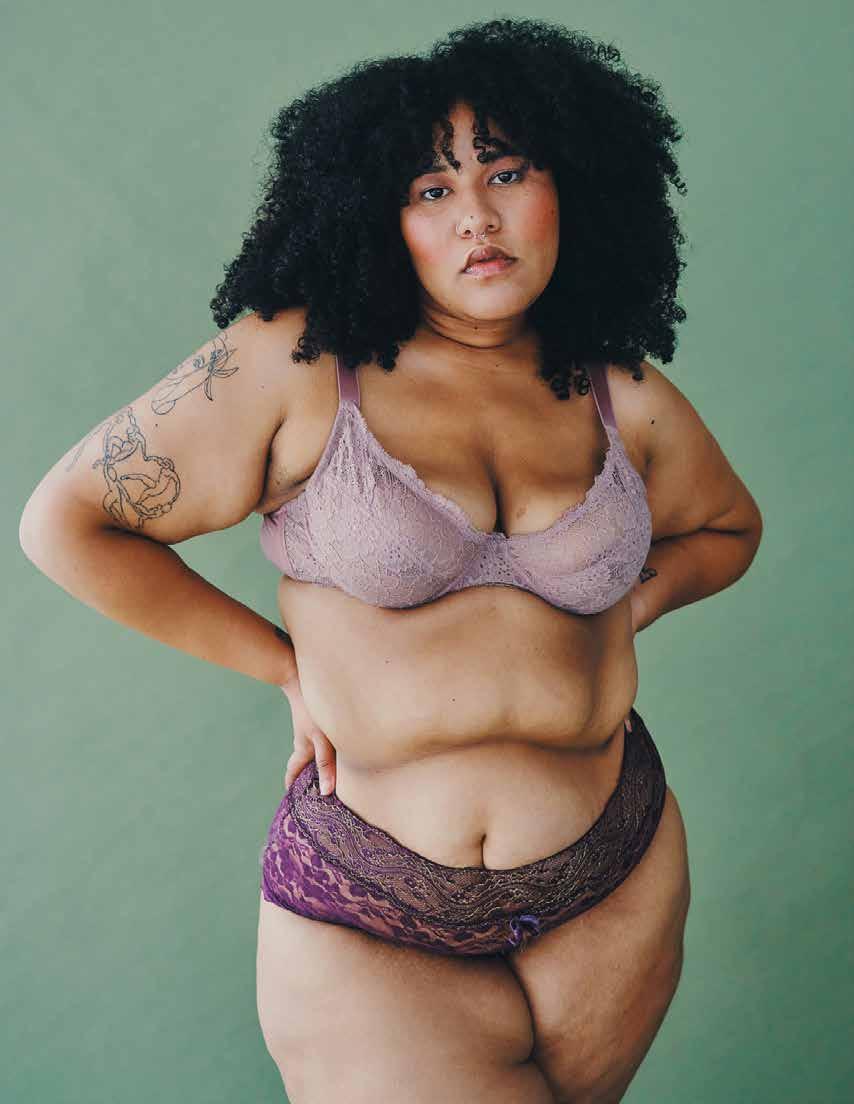
However, it wasn’t until the 2000s when the mainstream body positive movement, as it is known and understood today, emerged alongside the start of the social media storm. Many activists were writing content and posting photos on Facebook and Tumblr to showcase that one can be happy in a larger body and that all bodies deserve respect and equal opportunity. The movement was adopted into mass consumer culture. Brand involvement started to take center-stage and the narrative started to change from fat acceptance, into “all bodies are beautiful.”
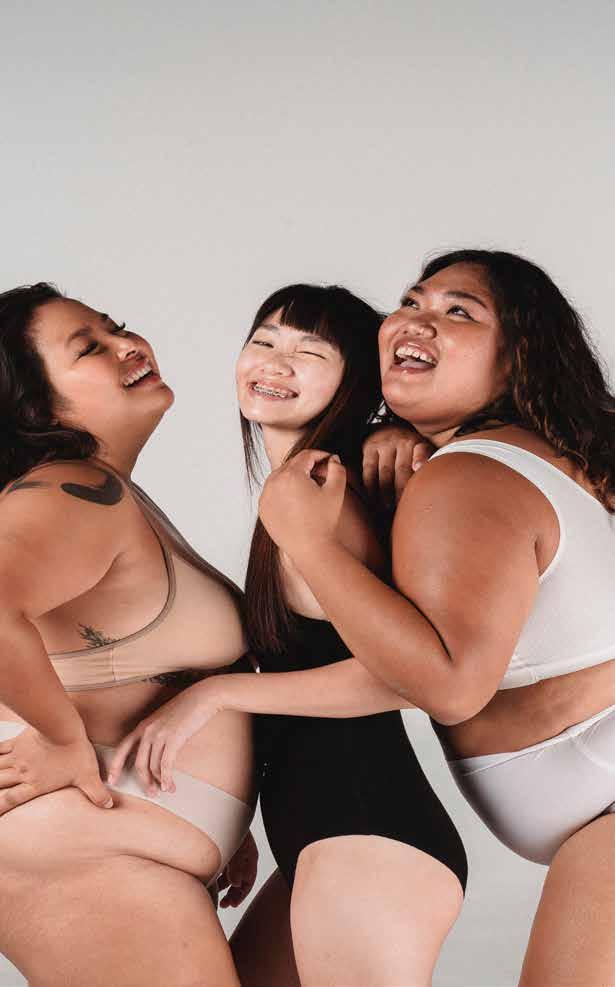
In the last few years, many influencers, celebrities and users have started blowing up on Instagram and Tiktok, speaking out about their body ‘flaws’ and the importance of loving ourselves as we are. More brands have started catering to bigger bodies and there is increased exposure of diverse bodies in the mainstream music and movie industry.
A lot has changed in the last 60 years when it comes to body positivity, but have we answered all of the key systemic issues that activists of the 1960s were rallying about? As a society, have we really started to embrace different types of bodies yet?
08
09 @ISTOCK/NAME OF PHOTOGRAPHER FUTURE OF BODY FUTURE OF BODY
BODY POSITIVITY TODAY
Despite a powerful, change-making start, the body positive movement as it stands today has become a subject of scrutiny, facing a barrage of opinions from all sides. For some it is doing just enough, for others it is lacking, for many it has been a life-changing movement. For a large number, however, it has been steered in the wrong direction.
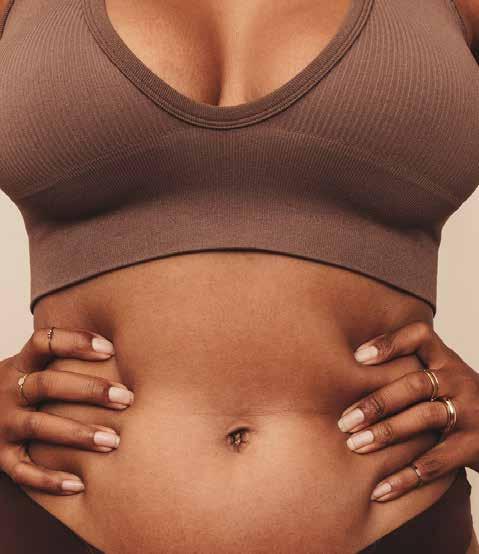
Today, mainstream body positivity wears many hats –a well-established concept in society, a social media trend for millions of users, and a strategic marketing opportunity for companies who are part of the body economy (clothing, fitness, aesthetics, etc.).This opportunistic appropriation of the movement has, not surprisingly, attracted much criticism. The first point of critique is that the movement has been coopted from its roots of fat acceptance to a general self-love notion. What was conceived as revolt against discrimination towards fat people, has now been commodified to serve self-love for everyone. And while loving oneself is also a highly important matter in a world where there is so much judgment towards everyone’s bodies, the problem is that the movement is failing to hold space for the very people it was started by. The poster-child for body positivity is now just a curvy model with slightly bigger thighs, flat stomach and a few rolls in their back. Fat people who don’t conform to this new idealized ‘fat norm’ still face unpleasant remarks and get lectured by the internet on their health when they put out positive
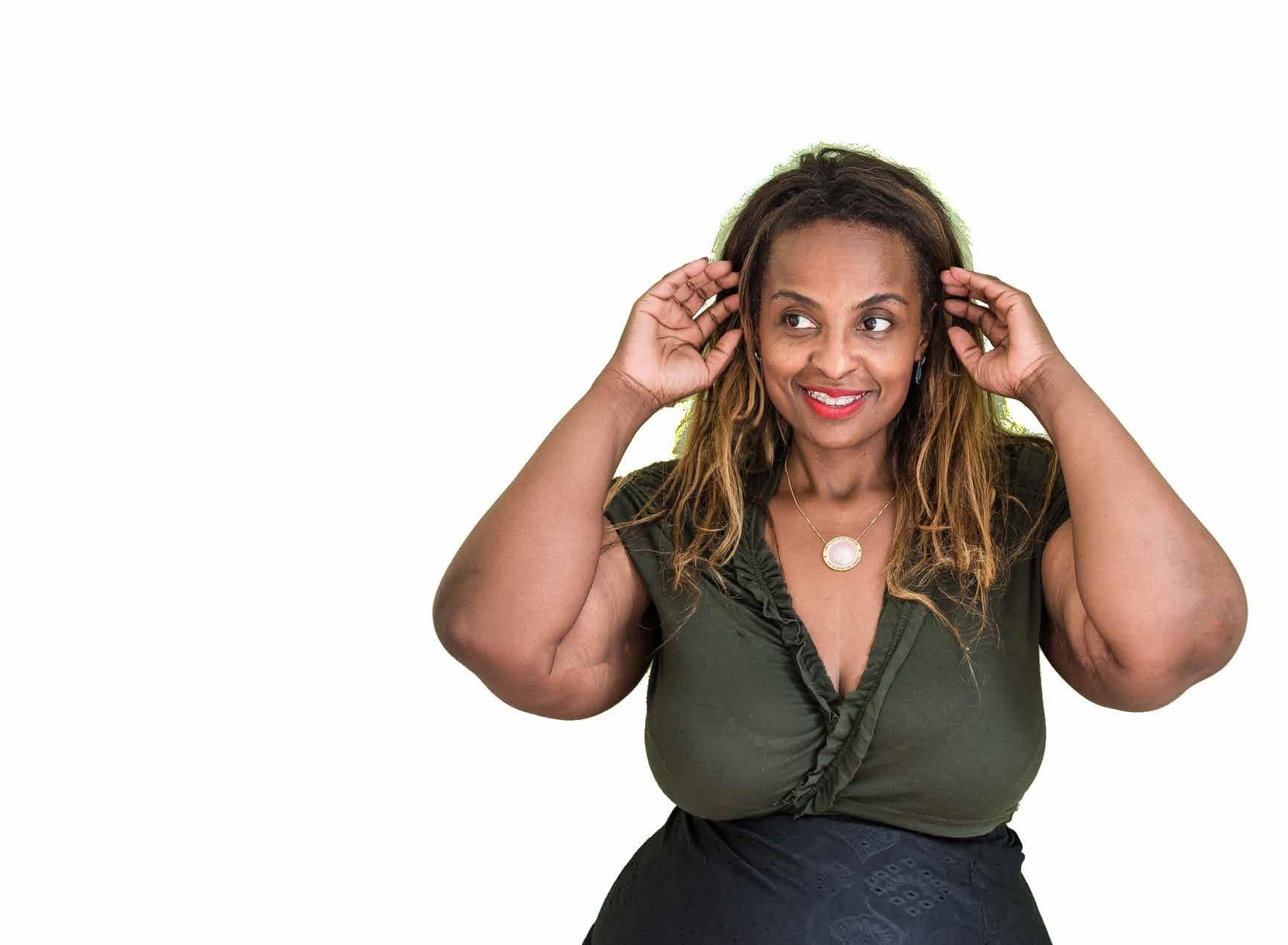
content about their bodies. Popular plus size artist and singer Lizzo recently spoke out about this, saying “Now that body positivity has been co-opted by all bodies, and people are finally celebrating medium and small girls and people who occasionally get rolls, fat people are still getting the short end of this movement. We’re still getting talked about, memed, shamed and no one cares anymore.” 4
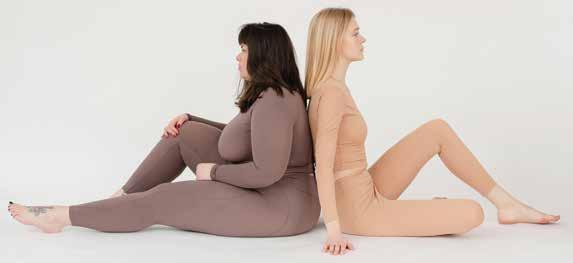
Another point that the movement has been taken to task over is its failure to address the societal aspiration of a thin body. While the movement has definitely made everyone more accepting of bigger bodies, the labeling of thin bodies as being more successful, more fit and more beautiful remains unchallenged. No matter how much the body positive movement pushes the narrative of loving oneself, the pressure to shrink body size wins over. As human beings, it is natural for us to always push to be the best version of ourselves, and when it comes to bodies, that best is still the thin and toned body. From a communal perspective, we are happy for others to be proud of their bigger size, but when it comes to our own personal inner desires, it still is about achieving that societal ideal of thinness.
FUTURE OF BODY 10 11 FUTURE OF BODY
One of the most notable missteps in the evolution of the body positive movement has been its emphasis on thin White bodies and its decentralization of BIPOC bodies.
With heightened conversations around racism after the summer of 2020, critics of the body positive movement have started identifying the absence of BIPOC bodies in mainstream body positivity. Searching up the body positivity hashtag on social media will usually produce an array of self-love posts by thin, White bodies. Although there is inherently nothing wrong with that, and self-love is critical, critics are pointing out that fat, BIPOC and queer bodies are having to compete for space in the
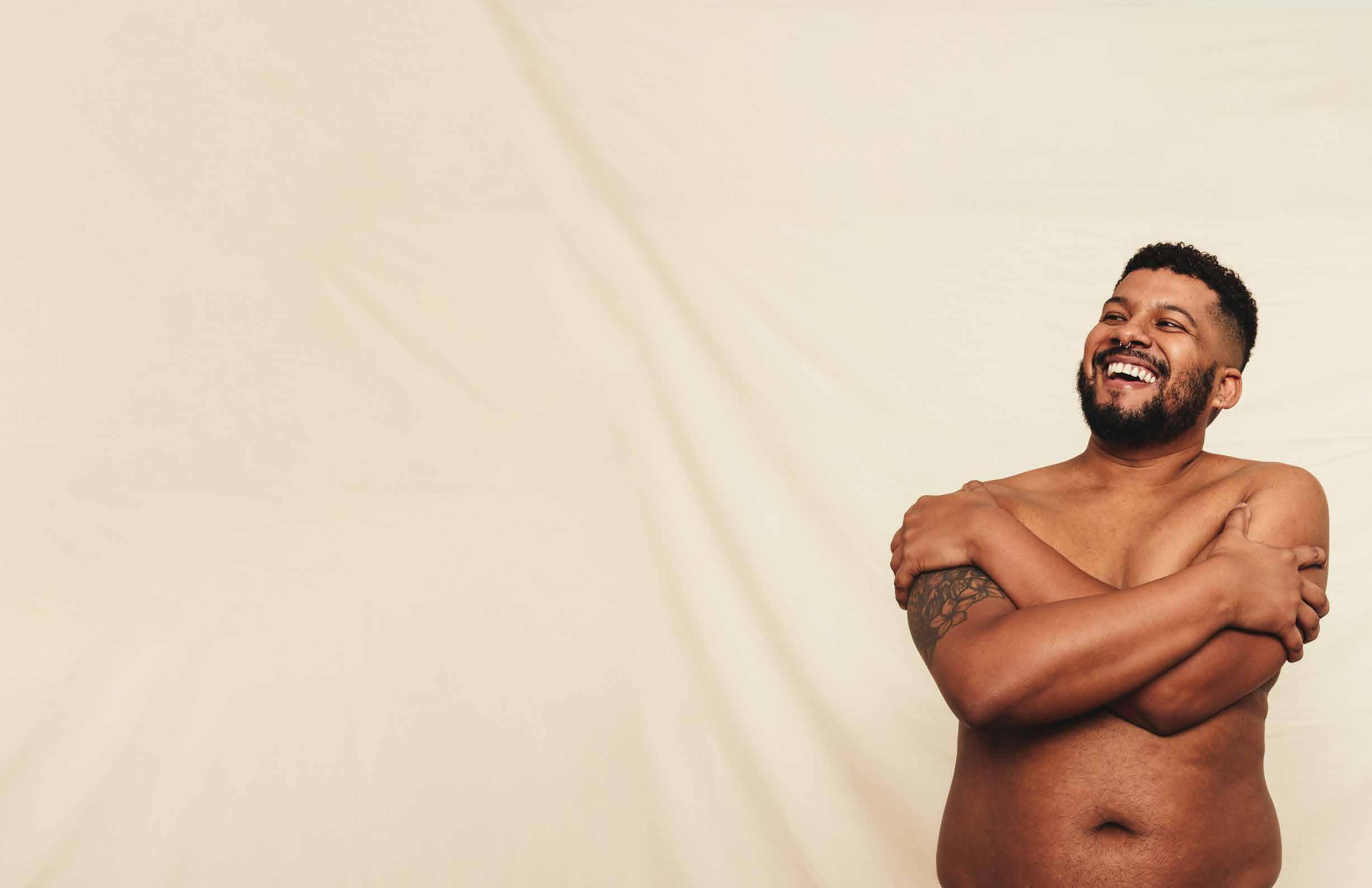
The body positive movement have started identifying the absence of BIPOC bodies in mainstream body positivity.
movement. These conversations emphasize that this shift is particularly problematic due to the racist roots of fatshaming and colonized views of Black, indigenous and POC bodies in our society. In her book “Fearing the Black Body: The Racial Origins of Fat Phobia,” author Sabring Strings, Ph.D discusses that Black people have historically been linked to fatness dating as far back as the 19tth century. Black people were seen as gluttonous, as loving food and thus were labelled as being obese and having no self-control, further pushing the White superiority agenda.5 This portrayal has been ingrained societally throughout the last two centuries and is heavily intertwined with racism. Therefore, the steady decentering of BIPOC bodies in the body positive movement has been met with plethora of criticism.
Aside from race, another equity-based criticism towards the body positive movement has been the absence of male and non-binary bodies in the movement. Women have been at the forefront of the movement given their bodies face the most scrutiny, however, more and more men and nonbinary people have been speaking out about body acceptance in the last few years. Progress has been made to include larger women in media and advertisements, but the appearance of men is still the ‘chiseled, active body’, and as for non-binary bodies, they barely exist in the space. With body expectations of these gender identities remaining narrow and unrealistic, the need for body positivity for these segments is increasing, resulting in active voices criticizing the movement’s dominant focus on women.
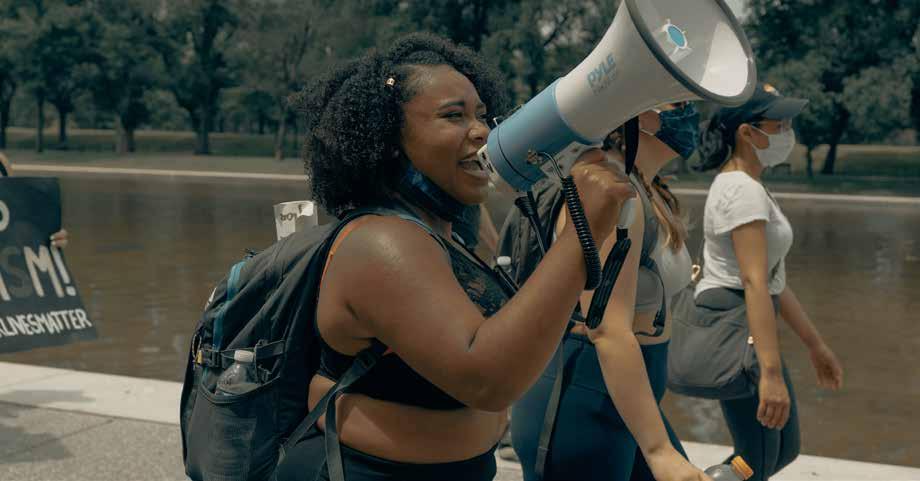
Appearance of men is still the ‘chiseled, active body’, and as for nonbinary bodies, they barely exist in the space.
12
13
FUTURE OF BODY FUTURE OF BODY
THE CHANGING LANDSCAPE OF BODY IMAGE
The current state of body image and the body positive movement shows us contradicting views, tensions between people on different sides of the movement, criticism against what the movement has turned out to be and internal conflicts individuals are facing regarding their body image. This has resulted in the emergence of new directions and sub-movements, as people continue to live with their body image and the unrealistic aspirations of society.
A number of activists and followers of the body positive movement have switched their gears to a new approach to be at peace with their body image – body neutrality. Body neutrality is rooted in acknowledging what your body does, not how it appears. Your body allows you to exercise, travel the world and experience new cultures. Your body gives you the ability to hold hands or hug someone you love. Your body gets you from point A to point B.6 Body neutrality tries to find a sweet spot between self-criticism and self-love – acceptance of our bodies as they are. This concept focuses on the idea that our self-worth is not dependent on our body image, rather, our body image is just one aspect of our identity.7 This alternative movement has alleviated the pressure of self-love some felt from the body positive movement, a path not easy for many, especially considering body image’s inextricable link to mental health. For many, no matter how much they attempt to love their body as they are, it is extremely tough to do so as they battle with disorders such depression and anxiety, which are often either a cause, a consequence or an additional component of poor body image. Body neutrality is often viewed as an easier and softer intervention to take on, hence its increasing popularity as we move forward.
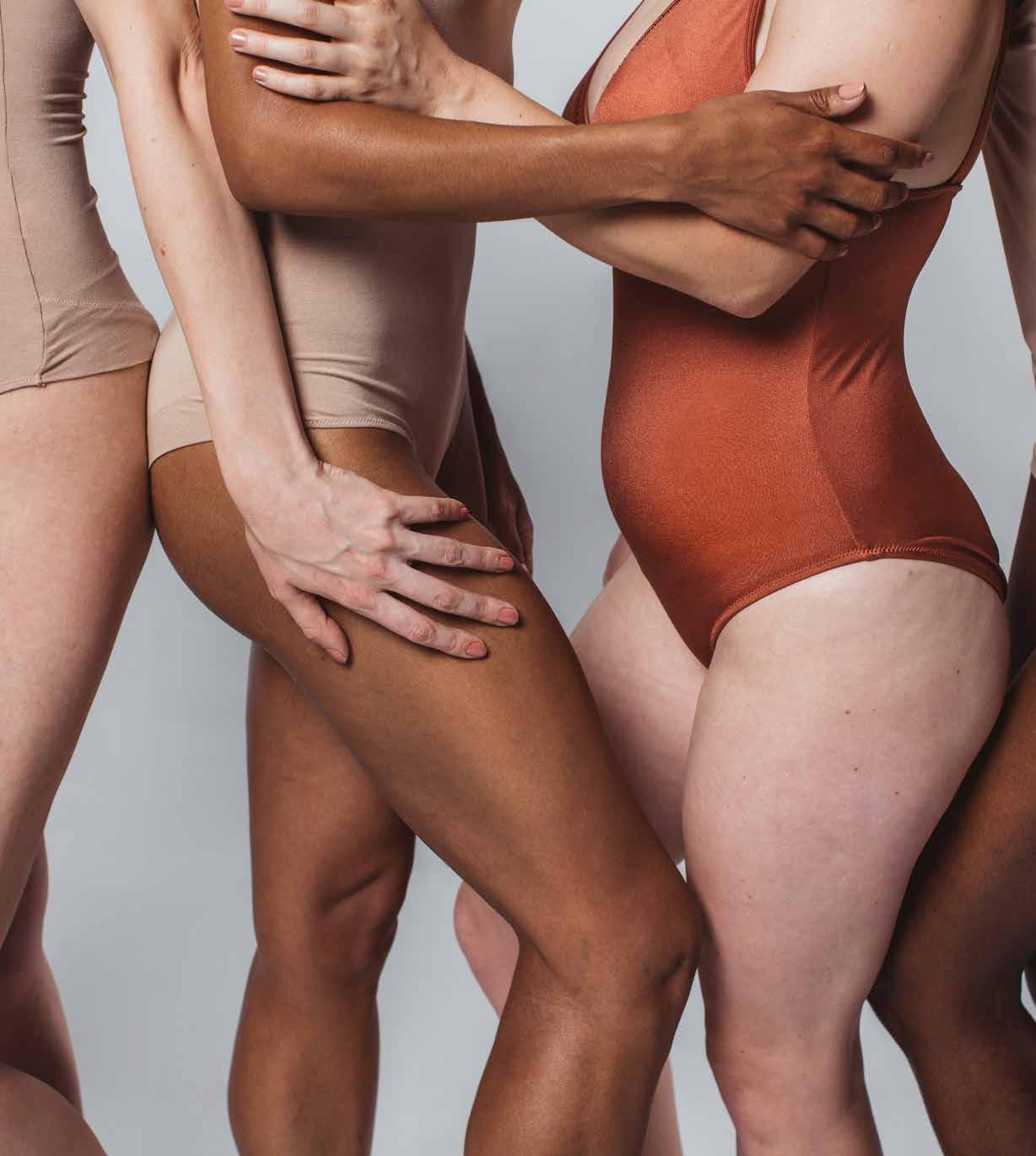
Body neutrality is rooted in acknowledging what your body does, not how it appears.
14
15
FUTURE OF BODY FUTURE OF BODY
Another popular approach many people have embraced when it comes to their body image is the concept of body autonomy. While body positivity encourages the idea of loving one’s flaws and body as they are, body autonomy takes it further with a more powerful and adamant stance that whether one loves or hates their body, or even modifies their body, it is no one else’s business. If individuals want, they can pursue weight loss, if they want, they can stay as they are. If they want to modify their body, it is their choice to do so and no one else gets to have an opinion on it. The transformative characteristic of this way of thinking is that these choices and feelings about one’s body are no longer coming from a source of insecurity but from a source of autonomy. Body autonomy is a concept being adopted by many celebrities and influencers to justify their body modifications, particularly celebrities who don’t conform to the thin, athletic image. These celebrities are changing their appearances or trying diets, and being public about it, referring to it as having
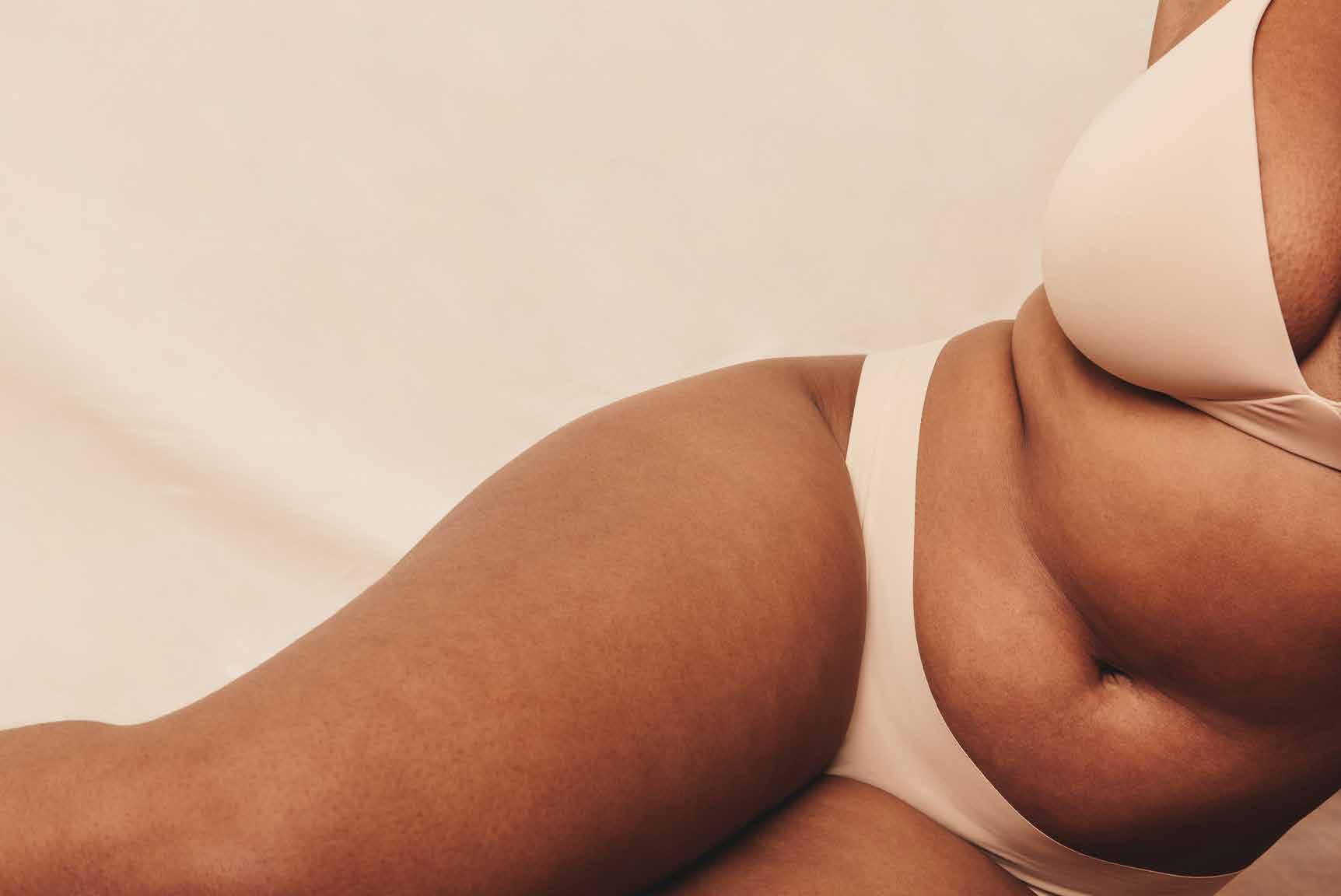
autonomy over their bodies. From Will Smith going on a public weight loss journey 8, to Amy Schumer receiving body contouring treatment 9 and Lizzo trying out a juice cleanse diet 10, celebrities are strong flag bearers of body autonomy, doing what they want rather than what they are expected to do.
Whether it be neutrality or autonomy, the short-term future has started shaping up in multiple paths of moving forward. Overall, we are in a crucial moment of change and the future of body image is wellpositioned for transformation.
Overall, we are in a crucial moment of change and the future of body image is wellpositioned for transformation.
16
17
FUTURE OF BODY FUTURE OF BODY
A CURRENT-STATE ANALYSIS OF BODY IMAGE
To construct the ideal future of body image, we must first analyze and comprehend its depth in the present state. The complex nature of body image makes it the perfect topic to analyze using the Causal Layered Analysis (CLA) tool, a foresight tool that seeks to unpack the deeper future.11 It has four levels:
The day-to-day occurrence, the most commonly accepted headlines of the way things should be.11
Deeper systemic causes of the issue that can be social, economic or political.11
The paradigm that defines the problem and informs how we understand it.11
The deepest level of causes that are driving the issue. These are firmly rooted and often unconscious.11
When viewing body image through these four dimensions, in the Litany level, the most common headlines to be found are:
1. various criticism of body positivity as described previously,
2. the emergence of different movements such body neutrality and body autonomy creating a confusing space for those trying to navigate their way through their body image and,
3. the undisputable connection between poor body image and worsening mental health disorders.
Going down a level into analysis, through the lens of an underlying social cause, it boils down to the fact that there is an ideal body standard. This standard may evolve through time depending on the cultural influences, but there is always a standard that the people must try to accomplish. Body positivity exists to help us cope with the hardship of ideal body standards. But it has not been successful. The pursuit of the ideal body has evolved into a mental health issue.
Certain worldviews that are ingrained in our minds influence this ideal body standard. These worldviews are universally followed and reflect the most popular perspectives of the body. As a society, we all see thinness as beautiful, we link toned bodies to being healthy, and specifically for women, we view curves as attractive. There is an automatic association of these body characteristics to those positive values, and when there is a body that does not have that attribute, the value in our mind switches to the other end of the spectrum as well.
At the root of these complex issues and narrow worldviews lies a very simple myth that is subconsciously adopted by most people in society. This myth is the existence of ‘the perfect body.’ Everyone in society is striving to reach, achieve and gain this perfect body and in the process they are facing internal battles, contradicting views and being bombarded with different movements trying to help them. When they are unable to achieve it, they are struggling, they are depreciating their worth and they are falling into a vicious cycle of determination, disappointment and desperation. But what is the perfect body? Where did it come from? Why are we all in a rush to achieve it? Perfect according to who? With no definite answer, this is the myth driving this perplexing system of body image.
This Causal Layered Analysis of body image and relationship reveals an undeniable insight. The way we view our bodies, the state of our body image and the type of relationship individuals have with their bodies are all very reliant on and informed by society. We follow a collectivist path, letting our social groups, media, pop culture and other external factors decide what our body should be like. We follow this social norm to figure out how our bodies should exist in this world.
18
Litany Cause
Worldview Myth/Metaphor
19
FUTURE OF BODY FUTURE OF BODY
THE DESIRED, TRANSFORMATIVE FUTURE OF BODY IMAGE
We have a very deeply ingrained social norm to shift in order to craft our alternative future state of body image. What if we were to completely flip the current-state Causal Layered Analysis to discover where the four levels of analysis would stand in our ideal future? This could give us a preview of what a ‘better future’ could be.
Let’s start by taking the myth/metaphor that has been identified in the current analysis – The Perfect Body –and proposing an alternative version. The substitute of ‘the perfect body’ can be – ‘there is no such thing as one perfect body’. Now, the underlying worldview that can enable this new condition would be that health and beauty has no size or look (a flipped version of the previous worldview: thin = beautiful, toned = health, etc.). This is because if positive values of health and beauty were not directly linked to the physical appearance of one’s body, the notion of a perfect body would not hold such importance. For this worldview to exist, the structure in society would need to be the opposite of an ideal body standard. Therefore, an alternate norm can be that an ideal body is highly subjective, the standard varying from person to person.
Ultimately, the flipped myth, worldview and systemic cause levels would all surface up to an alternative litany level. In this future state, the litany level consists of headlines such as the body positive movement embracing opposing views and combining them to create a movement appropriate for everyone. In this alternative movement, aspects of both body neutrality and autonomy come together to allow for individualistic experiences with one’s body. The absence of pressure in achieving something ideal decreases the mental burden leading to improved mental health when it comes to body image. The alternate future state creates space for all types of body relationships – whether the desire is to modify or change, to love as it is or to not give it any importance at all.
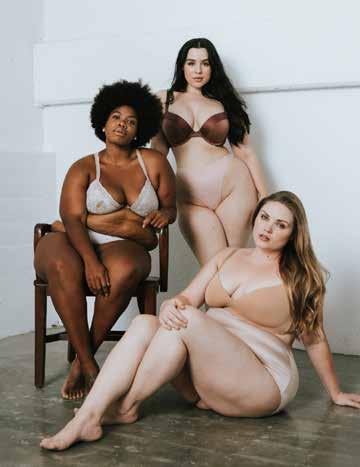
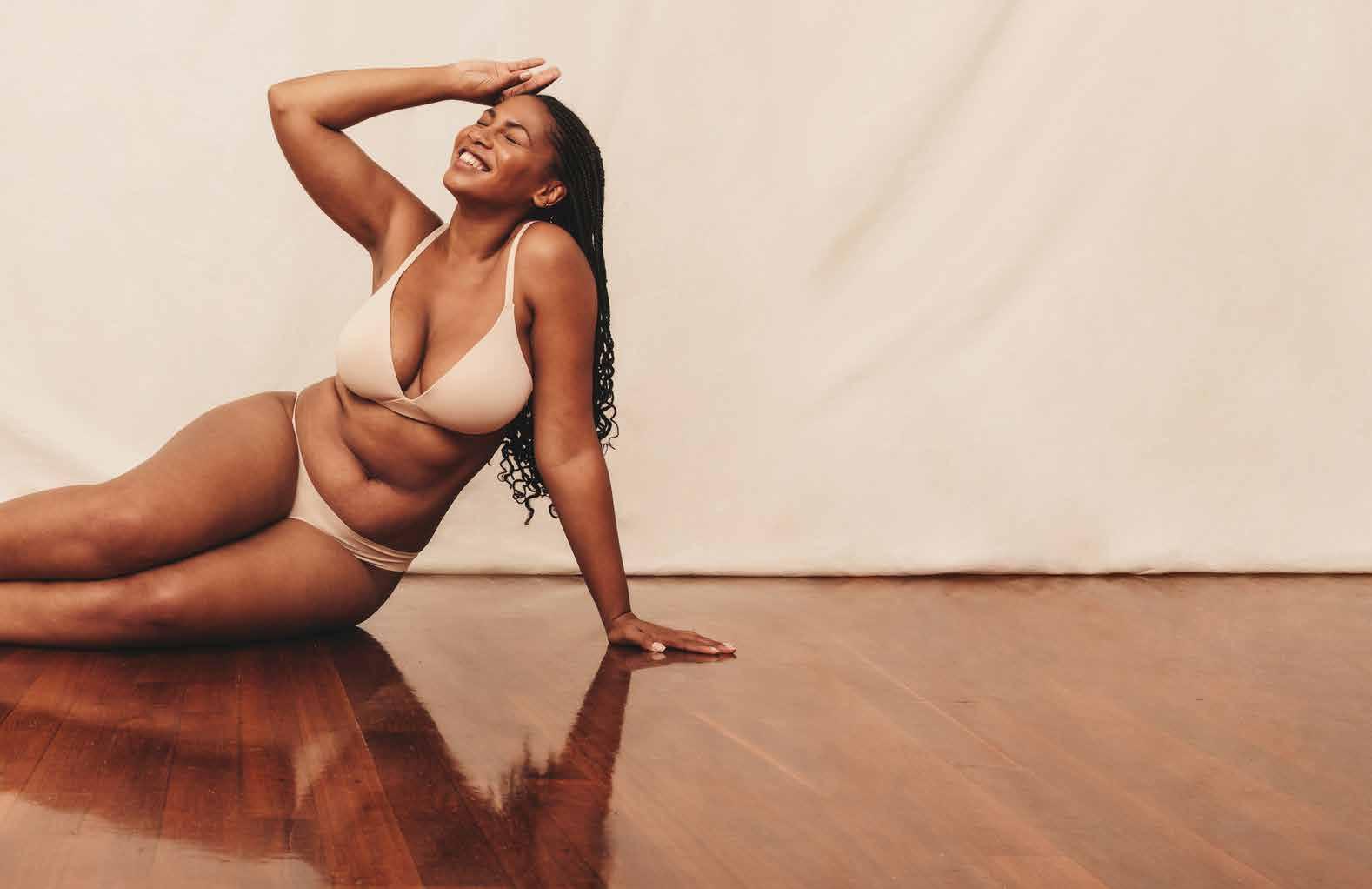
A flipped Causal Layered Analysis of body image and relationships reveals a transformative, future scenario in which the social norm of viewing our bodies, the state of our body image and the type of relationship we have with our bodies are all reliant on oneself. We follow an individualistic path, create our own standards, and take in influences from our daily experiences. While external factors may still play a role in defining the relationship with one’s body, decisions about it are not made based on societal standards. This is because the societal standard itself shifts from a society’s ideal to an individual’s ideal. This future may seem provocative and hard to digest, however traces of it can already be found in rebellious body image activists, making this frame of mind entirely plausible.
FUTURE OF BODY 20
21
FUTURE OF BODY FUTURE OF BODY
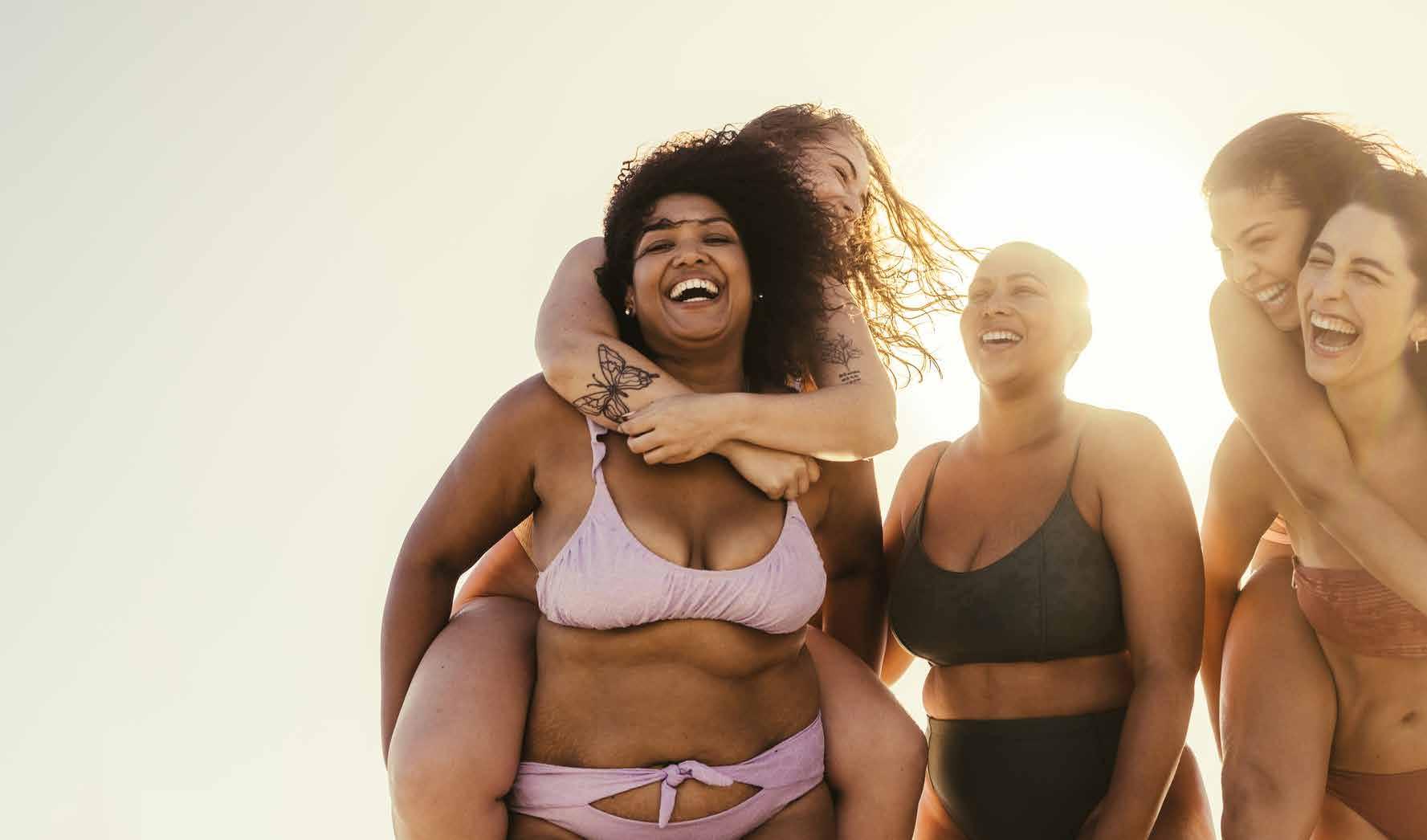
TAKING STEPS TOWARDS THE DESIRED
FUTURE
The shift to achieve a better future for body image will have to come from a macro level, altering the viewpoint that there is one ideal body, towards the perspective that ideal bodies vary from person to person and what they want to do with it is their choice. Furthermore, whatever they do, is the right choice for them. Achieving this worldview would be a long and steady process. It starts with the players of our society shifting their approach to body image which includes: more neutral and inclusive portrayal of bodies in media, kinder approach from companies in the body economy to support each of their consumers’ unique journeys, and making space again for more diverse thoughts and people in the body positive movement. Unattainable standards and expectations may never completely go away, but even a small shift in changing the worldviews about our body on a large scale could be game-changing for many individuals who struggle deeply on a daily basis. The question remains: are we ready to consider this change? Are we able to debunk the myth of “the perfect body”?
22
23 FUTURE OF BODY FUTURE OF BODY
FUTURE OF BODY Fresh Squeezed Ideas • Toronto | Chicago | St. Louis • 416.235.0909 • freshsqueezedideas.com Silvia Xoyon, President | silvia.xoyon@freshsqueezedideas.com | (416) 230-2359
