Levi Slawson
Photo Hannah Anderson / WSL

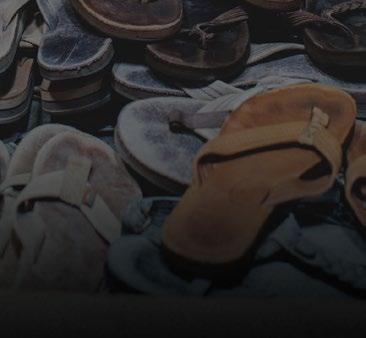
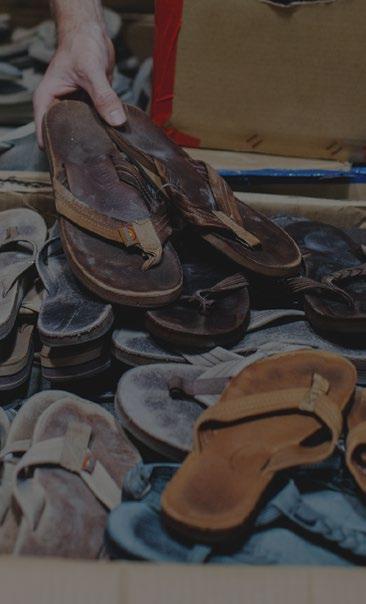

In 1974, after finding yet another broken sandal on the sand, I decided to create something better—comfortable, durable, and built to last. Rainbow® Sandals was born with a mission to make quality products that don’t end up in landfills. Our commitment extends beyond the sale: if your sandals are beyond warranty but still wearable, please return them. We’ll repair and donate them to those in need, from the unhoused to disaster victims. Our philosophy is simple: Repair • Reuse • Recycle and we hope you’ll join us in it.”
Founder / CEO

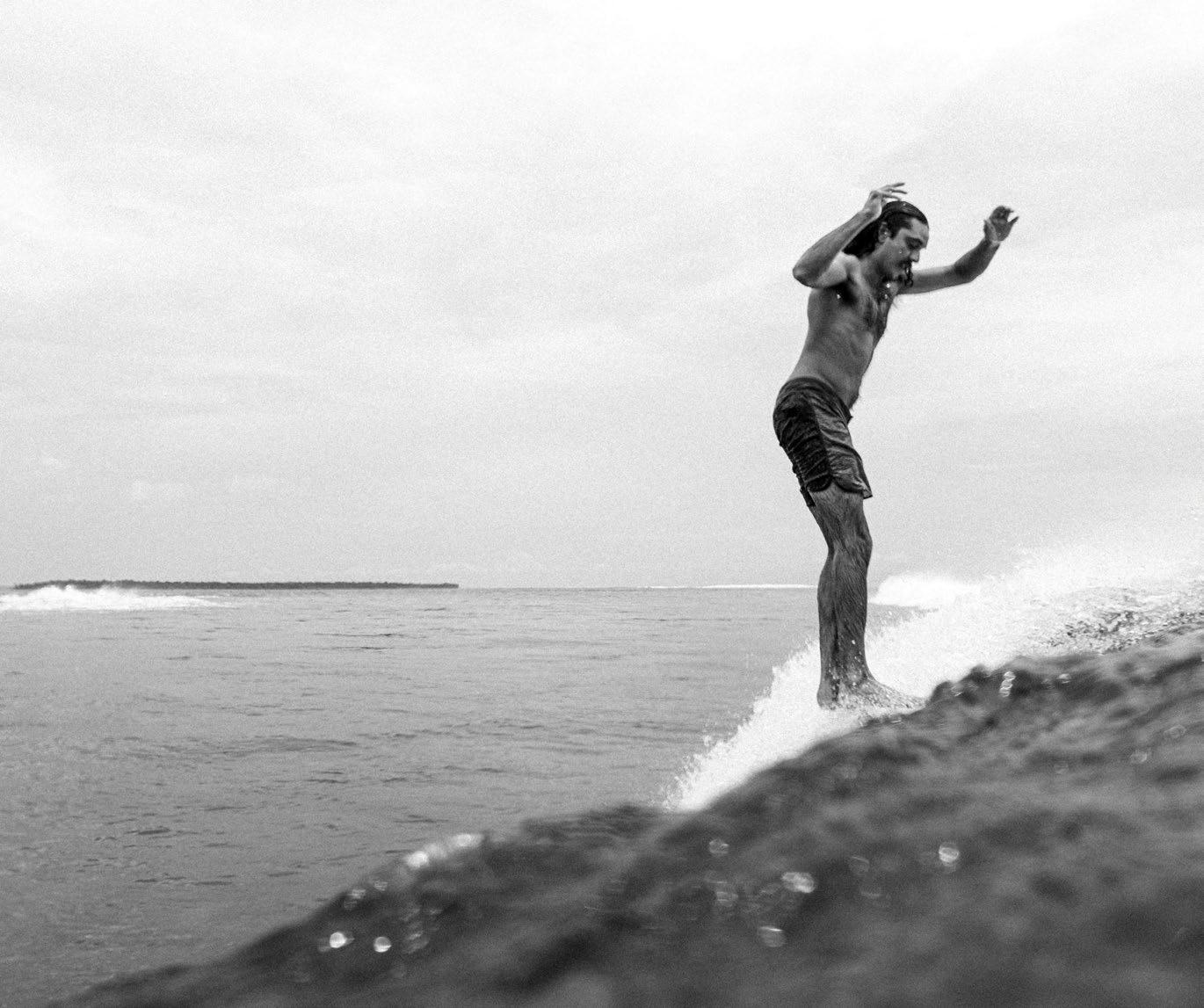
EZEQUIEL
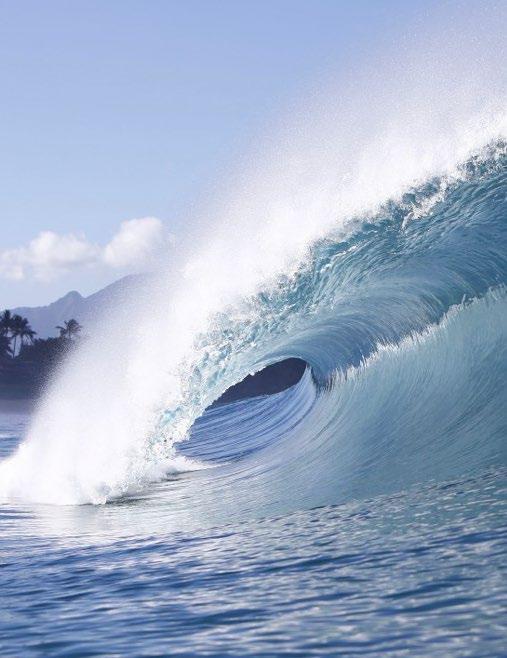
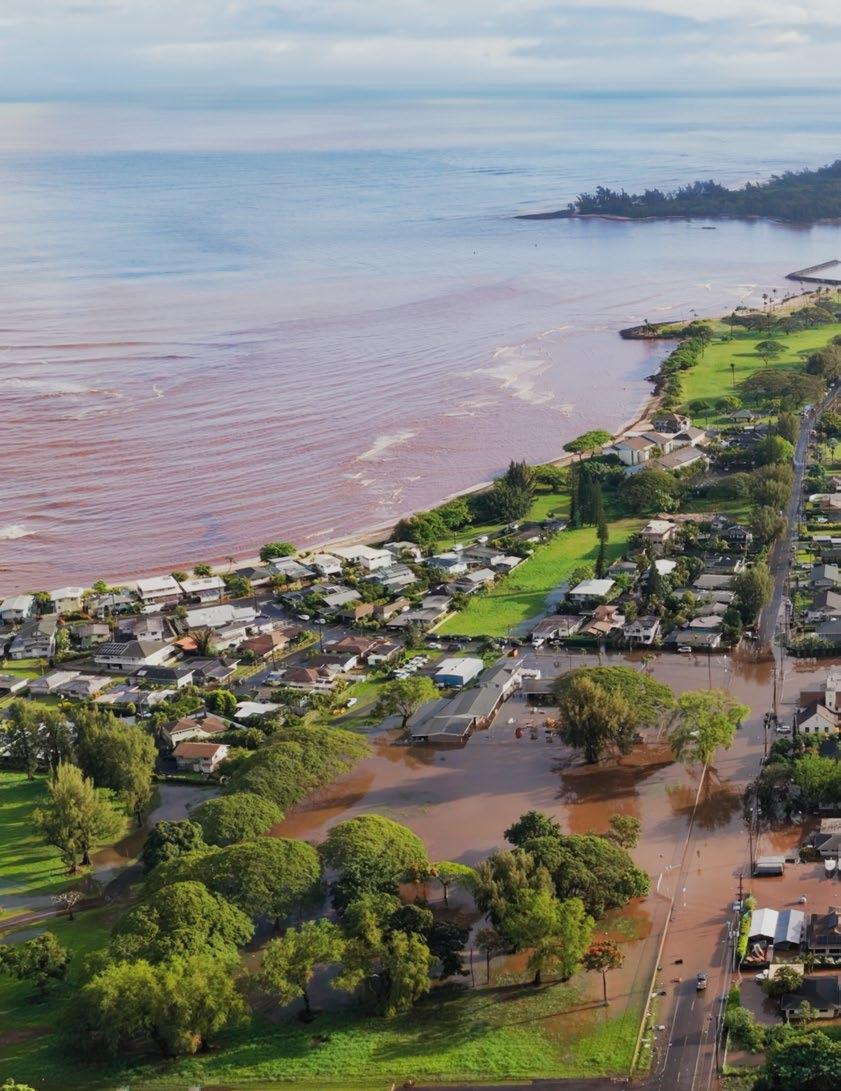
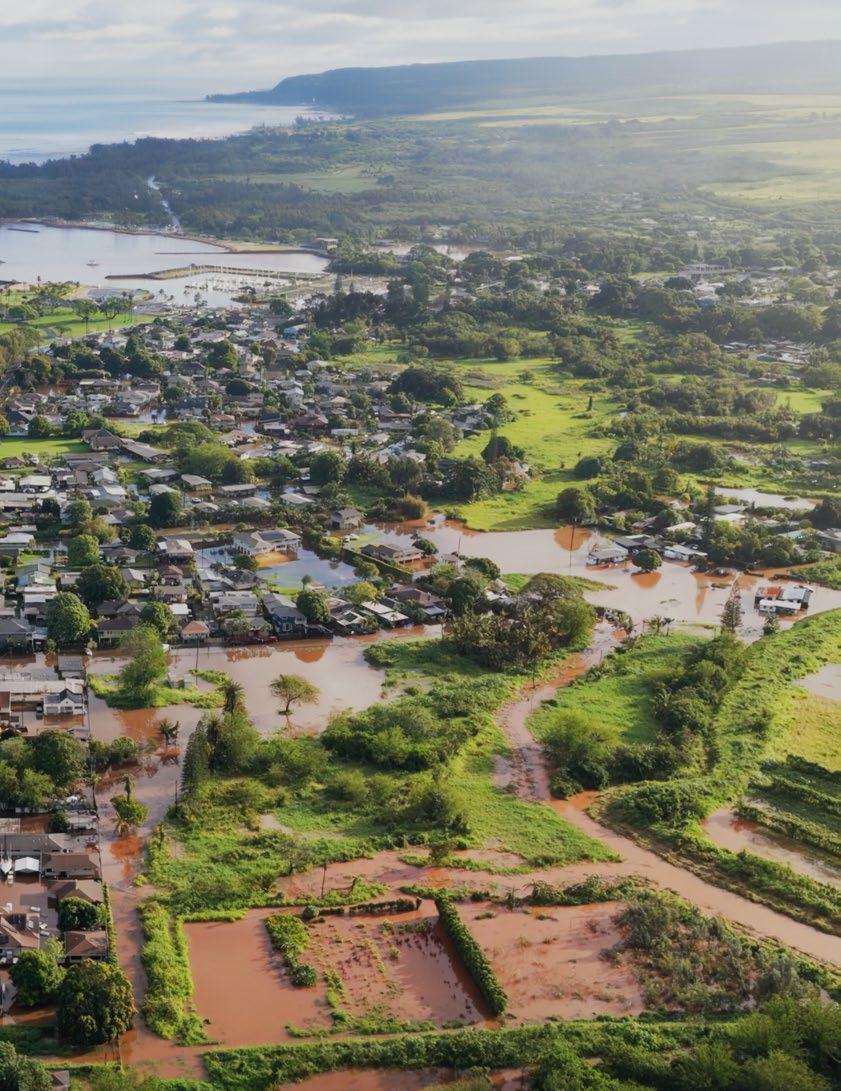
From March 19–23, 2026, a double Kona Low inflicted over $1 billion in statewide damage, the most severe flooding since 2004. Emergency declarations spanned every island as Maui faced catastrophic landslides and schools and hospitals were inundated. On Oahu’s North Shore, a partial release and failure at the 120-year-old Wahiawa Dam forced 5,500 evacuations. Residents utilized surfboards and personal watercraft for over 230 rescues as floodwaters reached chest height along the coast.
Much of the ecological impact is visible; red volcanic sediment currently chokes our surf breaks, while farmers report $2.7 million in crop losses and displaced livestock. Despite the devastation, grassroots mobilization has outpaced official response. Local contractors deployed heavy machinery to clear roads, and volunteer "mud-out" crews salvaging homes door-to-door. While utility repairs continue, the recovery is powered by immediate mutual aid, defining the North Shore’s resilient path forward.

Editor / Publisher
Mike Latronic
Photo Director
Brian Bielmann
Art Director
John Weaver
Staff Shooters
Brent Bielmann, Mike Latronic, Keale Lemos, John Weaver
Staff Writer
Kaea Latronic
Contributing Writers
Tor Johnson, Alexandra Kahn, Daniel Ikaika Ito, Nicole Nason, Amanda Blackwell
Contributing Photographers
Christa Funk, Ryan “Chachi” Craig, Dooma Photos, Dayanidhi Das, Erik Aeder, Mark Rodrigues, Aaron Lynton, Kurt Steinmetz, Mike Ito, Tommy Pierucki, Sean Evans, Stu Soley, Tai Vandyke, Mitch McEwen, Sivar Films, Humanocine, Feistan Rivera, Samuel Rivera
Distribution & Advertising Inquiries
Mike Latronic mlatronic808@gmail.com
Sales & Marketing
Randall Paulson
Business Administration
Cora Sanchez corabooks@freesurfmagazine.com
Hawai'i Distribution & Sales
Keola Latronic keolalatronic808@gmail.com
West Coast Distribution & Sales
Chuck Hendsch (619) 227-9128
FREESURF MAGAZINE is distributed at most fine surf shops and select specialty stores throughout Hawai‘i and Southern California.
We do not accept unsolicited editorial submissions without first establishing contact with the editor. FreeSurf, Manulele Inc. and its associates are not responsible for lost, stolen or damaged submissions or their return.
One-way correspondence can be sent to P.O. Box 1161, Hale‘iwa, HI 96712 E-mail editorial inquiries to info@freesurfmagazine.com A product of Manulele, Inc. 2026





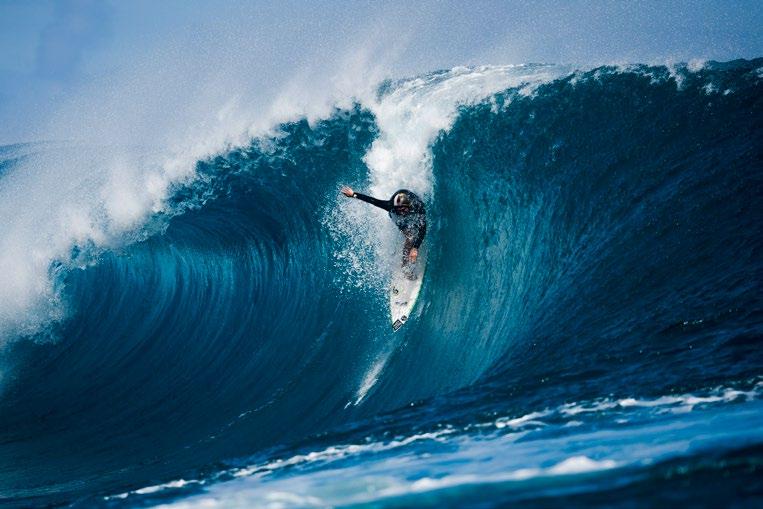
WHEN THE SURF IS PUMPING and THE FISH ARE BITING & NOTHING ELSE MATTERS...
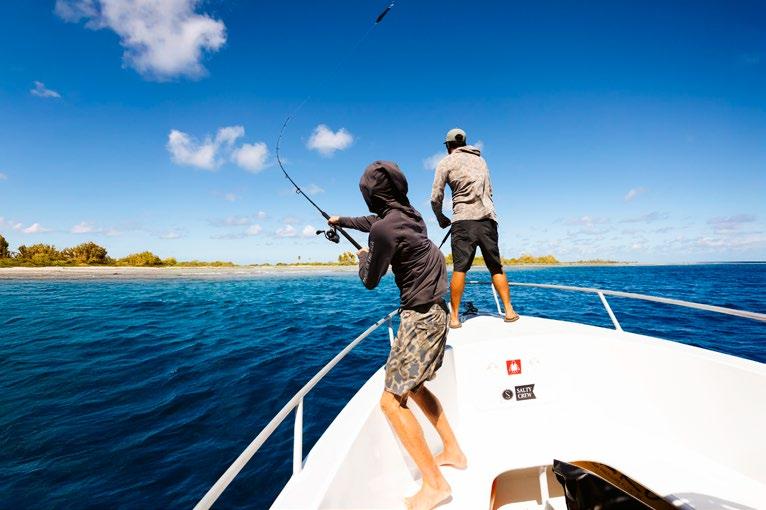
FLAGSHIP BOATSHORT
By Mike Latronic
It seems like every time you look at a screen these days, the world is spinning a little faster. Between politics, the financial markets, war, weather events and the endless churn of the daily news cycle, it’s a heavy load we are all expected to carry. But there’s a firm boundary line for us to all that so-called civilization, and it’s drawn right there in the sand.
When we leave the trappings of the modern world on the beach, and paddle out, everything shifts. We step into a wild, untamed arena. Interacting with the raw, natural energy of the sea is a reset that words rarely do justice to. It strips away the noise, cleanses the slate, and gives us that vital recharge our souls desperately need. It’s out there, amidst those natural forces, that we feel the most deeply alive.
In this issue of Freesurf Magazine, we’re exploring that exact feeling, but with an interesting juxtaposition. We are looking at the ultimate, unscripted spirit of freesurfing up against the rigid structure of the competitive world. We’ve put together a rollcall of the best surfers on the planet—the ones who qualified for the WSL tour, alongside a few incredibly dangerous contenders who came agonizingly close. What’s fascinating about these athletes is that to win in a jersey, boxed in by a ticking clock and strict judging criteria, they still have to find that elusive gear. They have to tap right back into the freesurfing mindset. To truly best their opponents at that elite level, they have to let go and surf like they are absolutely possessed.
Beyond the tour, we have a stacked lineup for you this month. We’re shining a spotlight on the Hawaii Junior surf team and catching up with standout performer Tiger Abubo. We also track down a man who lives his life salty indeed—East Coast surfing legend Jason Motes and his ESA All Stars crew.
Because we have a responsibility to the ocean that gives us so much, we're taking a hard look at the environmental reality of microplastics in our waters. And on the home front, we’re incredibly stoked to share some massive news: surfing is officially recognized as a high school sport in Hawaii. It’s a monumental step for the next generation.
Unplug for a bit, enjoy the issue, and then go get some saltwater on your face.
See you in the lineup,
MAHALO MARGARITA is a give-back cocktail program where on premise accounts donate a portion of sales from their MAHALO MARGARITA, made with Tradicional 100% agave tequila, to AccesSurf. Jose Cuervo® will match the proceeds up to $25k. Together, this joint donation of $50k would go to support surf experiences and more for a full year.
OAHU
Kuhio Avenue Food Hall / Waikiki
Kelly O’Neil's / Waikiki
Jorge's / Haleiwa
El Ranchero / Kapolei
El Ranchero / Wahiawa
Mekiko Cantina / Ko’olina
Restaurant 604 / Arizona Memorial
The Beachouse by 604 / Waianae
60 Fore Bar & Grill / Barber’s Point
604 Clubhouse / Leilehua
604 Ale House / Schofield
Mangiamo’s / Navy Marine Golf
OAHU HOTELS
Sheraton Waikiki Hotel
Royal Hawaiian Hotel
Moana Surfrider Hotel
Princess Kaiulani Hotel
Marriott Waikiki Hotel
BIG ISLAND
Huggo's
Lava Lava
Kai Eats
MAUI
Sergio's Cantina
Sheraton Maui
KAUA'I HOTELS
Friendly Waves
Lava Lava Beach Club
By Mike Latronic
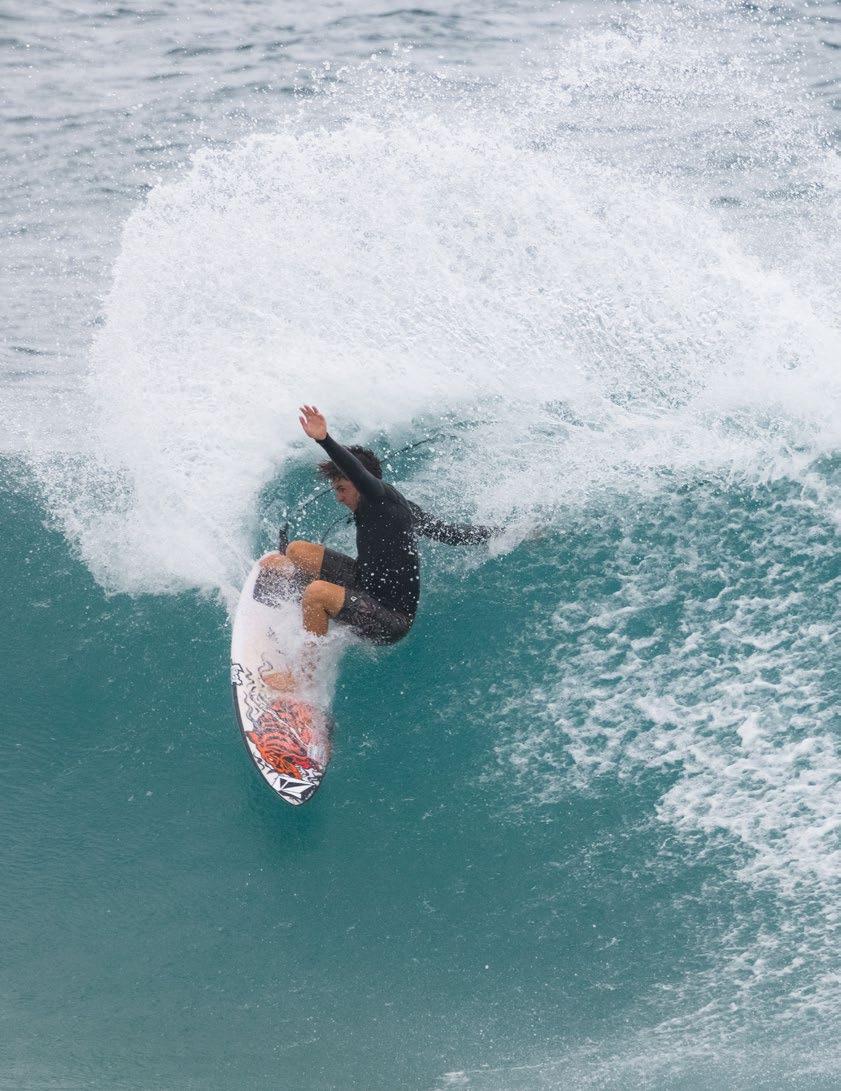
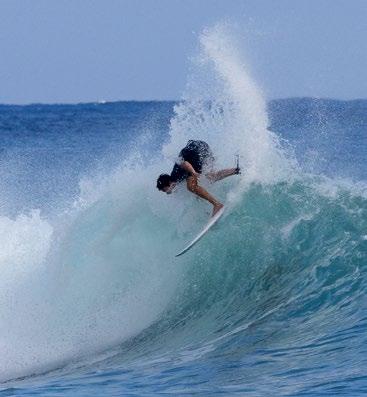
Tiger Abubo from the island of Kauaʻi is by far one of the most powerful junior surfers in the Hawaiʻi region. Quiet, calm, cool and collected on land, this young man hits the seawater and transforms into a titan, driving powerful speed carves, laying into solid rail work, and unleashing progression whenever the moment calls for it. His surfing carries that rare combination of strength and flow, with the kind of explosive turns that command respect.
Abubo’s consistency and explosiveness in the amateur ranks have placed him near the top of the pile for years. Raised on Kauaʻi’s powerful waves and sharpened by Hawaiʻi’s highly competitive junior circuit, Tiger has steadily built a reputation as one of the islands’ most dangerous competitors whenever a jersey goes on. He possesses a backhand off-the-lip that is arguably the best in his age bracket—and then some.
Internationally, he has already proven his ability. Competing for Team Hawaiʻi at the 2025 ISA World Junior Surfing Championship, Abubo battled through a stacked international field to earn a bronze medal in the U-18 Boys division, posting strong scores including an excellent 8.50 ride and a 14.90 heat total in a high pressure scenario.
Those results added to a resume that already includes multiple national titles and state championships, along with strong performances in previous ISA junior events.
Now the lean, mean surfing machine from Kauaʻi approaches a major milestone. The upcoming ISA World Junior Championship in El Salvador this September will mark his final shot at a junior world title under the
How did the Hawaii Surf Team tryouts go for you? I didn’t have to do the Hawaii Surf Team tryouts because at the last ISA (last year) I placed 3rd in the U18 Boys Final in Peru, which was enough to secure a spot.
Are you looking forward to the trip? I’m really looking forward to the trip. I competed in El Salvador at the ISA World Junior Championships two years ago, and it was an amazing experience. The waves are really good, and the culture and atmosphere there are super cool. I’m excited to go back, compete again, and represent Hawaii.
What do you recall of your earliest surfing experiences? My earliest surfing experiences were at my home break, Pine Trees. That’s really where everything
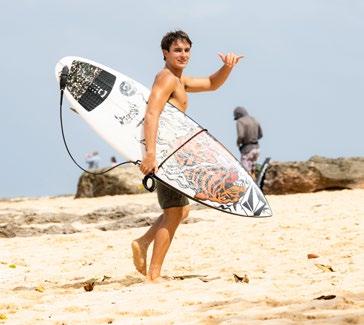
ISA banner. With years of experience, a powerful approach in the water, and the confidence that comes from standing on international podiums, Tiger Abubo enters this last junior campaign as one of Hawaiʻi’s most formidable young competitors.
And if his past performances are any indication, when Tiger paddles into position and the horn sounds, the calm Kauaʻi kid on the beach disappears—replaced by a surfer who attacks waves with authority.
Like many of Kauaʻi’s standout surfers before him, Abubo’s approach reflects the island’s rugged surf heritage—power, commitment, and respect for waves of consequence. It’s a style shaped by powerful reef breaks and a tight-knit surf community that has long produced surfers capable of standing tall on the world stage.
started for me. I was riding a soft-top. I loved riding waves so much that I never wanted to get out of the water. I would stay out there for hours, and my mom usually had to call me in because I’d spend so long in the ocean.
Can you recall why you started surfing in the first place? Is surfing fun? Why? I started surfing at a very young age because of my parents—they’re both surfers, and their dads were surfers too. But that’s not the reason I kept going. I’ve loved surfing from the very beginning. There’s truly no other feeling in the world like the one you get from surfing. It's what keeps me excited and coming back every time.
Talk about your equipment? What do you ride and why? I just started riding Sharpeye Surfboards, and they’re unlike anything I’ve ever surfed before. They feel faster, more responsive, and more connected to the water than any other boards I’ve ridden. I’m excited to keep pushing and see what I can do.
What are some of your hobbies besides surfing? Besides surfing, I enjoy doing some jiu-jitsu, fishing when the waves are small, and hanging out with friends.


What about school? I’m a straight-A student, and I’m most interested in math. I love that every problem has a solution.
Favorite surfers and why? My favorite surfer is Andy Irons because of the raw power he brought to every wave and the unique lines he would take. I also love that he came from the same place I’m from, showing that it’s possible to make it from here and reach the top.
So you made the HST junior tryouts again! All the years I've represented Hawaii it feels very special. Hawaii has such a rich surfing history, and being able to compete on the world stage wearing the Hawaiian colors is an honor. This will be my fourth time representing Hawaii at the ISA World Junior Championships. My first year was in Rio de Janeiro, where I finished tied for 6th. My second year was in El Salvador, which was my toughest event—I got eliminated in Round 5. My third year was in Peru, where I had my best result so far, making the podium and taking home a bronze medal. In my 4th year I am hoping to bring home the gold medal!

By Mike Latronic
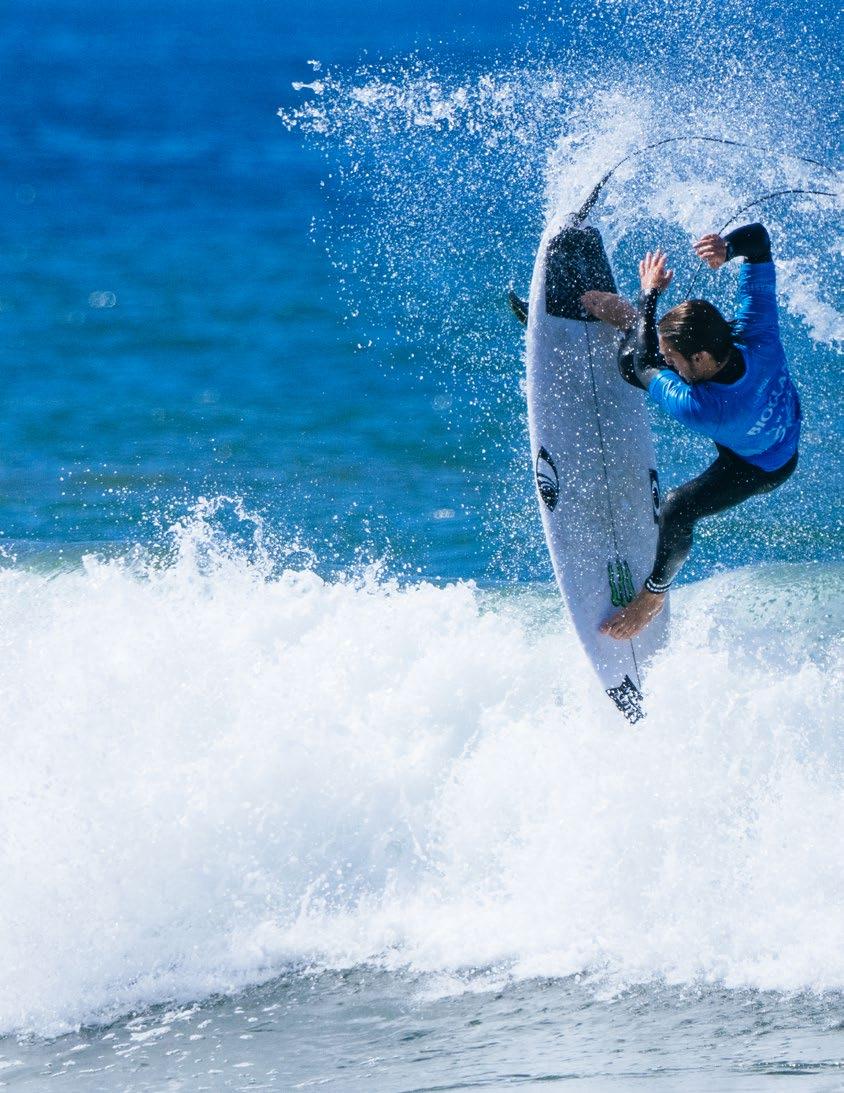
Professional sports pushes performance, driving athletes to the absolute peak of their physical and mental capabilities. Competition breeds progress and from what I see in the world of professional surfing, there is a strange and beautiful dichotomy between the contest arena and the pure freedom of freesurfing.
When you watch a heat with a ticking clock, the pressure is immense. Yet, the surfers who are redefining the state of progressive performance today share a secret: they perform best when they aren't overthinking. To survive and thrive in the upper echelons of the World Surf League competitors have to intentionally slip in and out of "freesurf mode." During a heat, in parts, they must throw
out the mental constraints of the time limit, quiet their minds, and get as radical and creative as they can. Whether they are stepping onto the 2026 Championship Tour or grinding it out on the Challenger Series, the surfers featured here are proving that the only way to match the best is to surf with pure and instinctual energy. The line between making the CT cut and falling just short is razor-thin. In many instances, the athletes battling on the Challenger Series could easily be wearing a CT jersey. They ride with a no-limits approach, treating massive, highpressure sections like an afternoon session at their home break. They may have just missed the final cut, but their surfing is as world-class as it gets.
Here’s a salute to the athletes who successfully translated their raw, progressive freesurf energy into CT or Challenger qualification.
When the horn blows, it isn't just about who wants it more—it's about who can let go, find their flow, and surf like the jersey isn't even there. The state of progressive performance has never been higher, and whether they are on the Dream Tour or grinding the Challenger Series, these athletes are putting on a clinic.
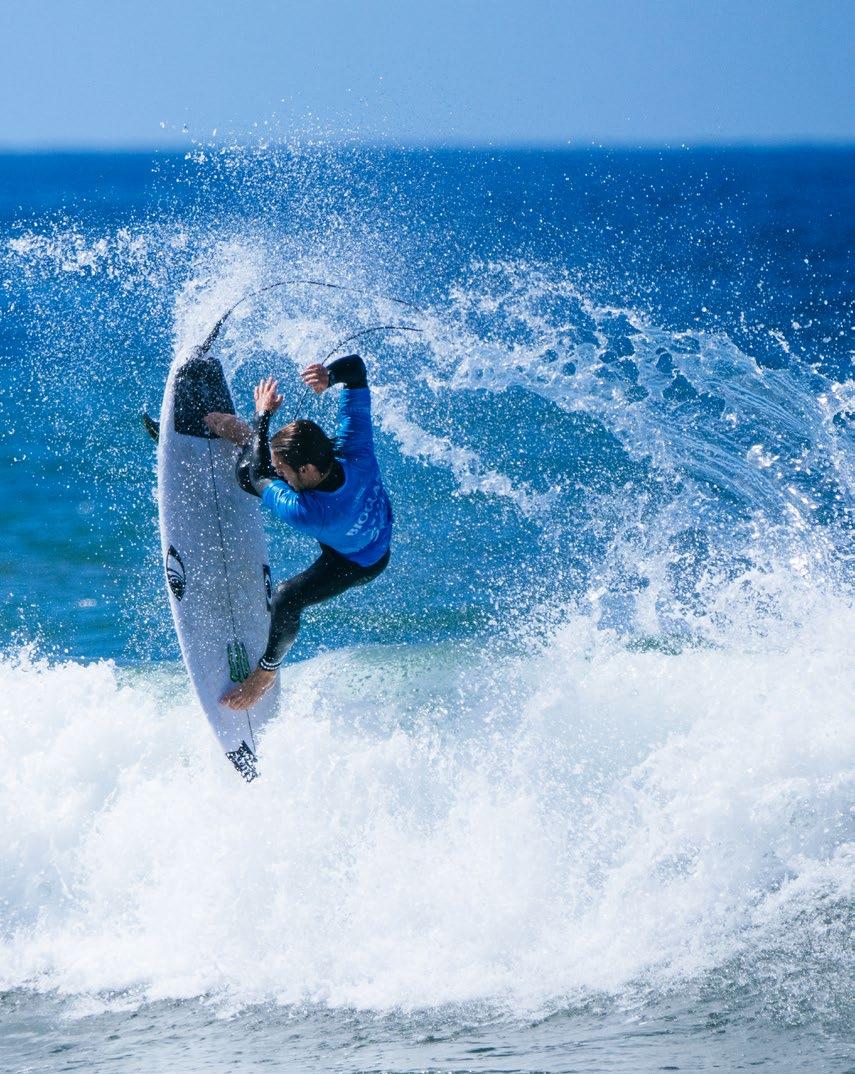
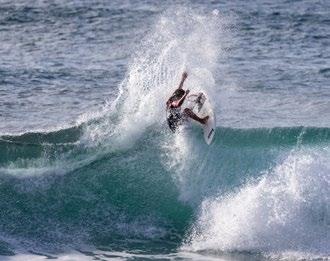
Small in stature but massive in his maneuvers. Slawson possesses an electric rail game and approaches highpressure sections with jaw-dropping aerial antics, proven by his recent breakthrough victory at the US Open.
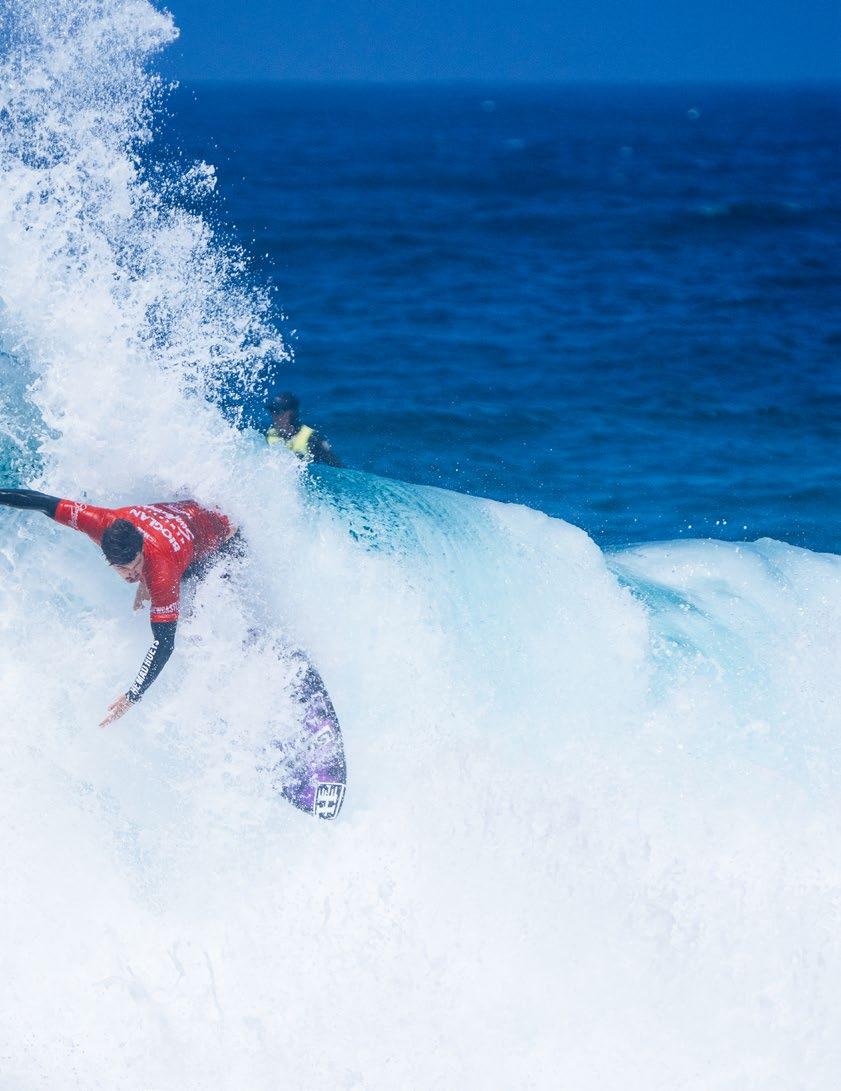
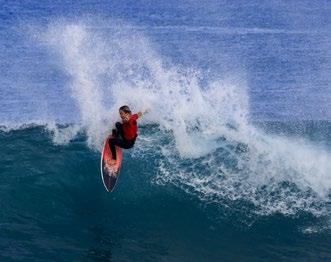
A rookie sensation who attacks the lip with an effortless, rhythmic flow, Aussie Oscar Berry is equally comfortable in the air.
Vaulting above the lip with a buttery style and lethal confidence. He blends elite heavywater barrel riding with next-level progression, keeping him constantly knocking at the CT door.
Photo Hannah Anderson /WSL
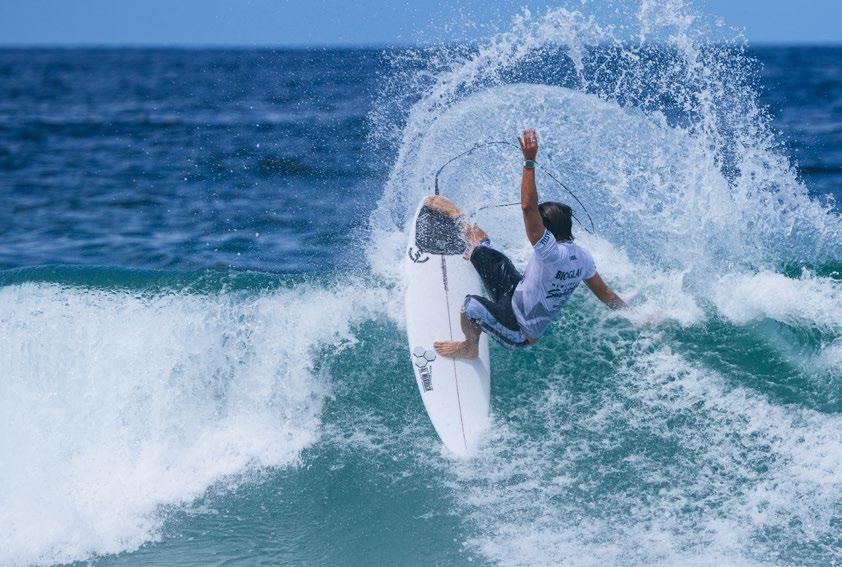
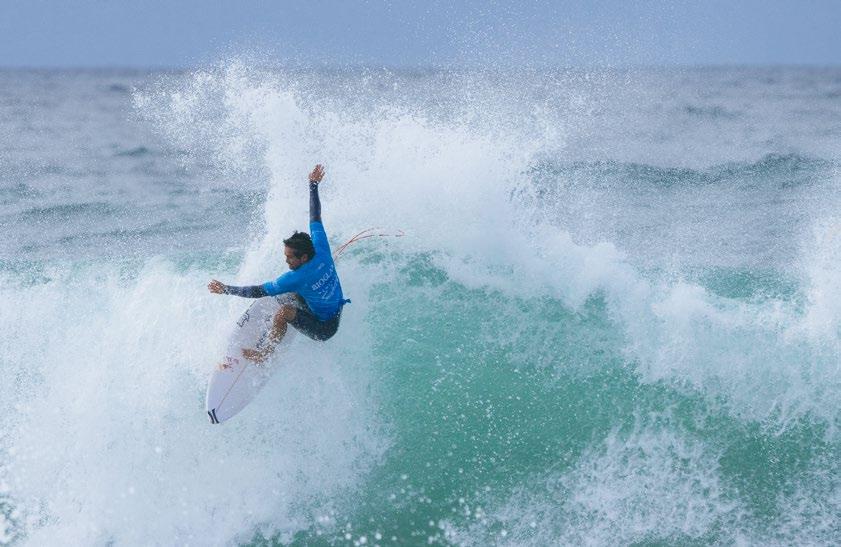
With lightning-fast progression and a technically peerless air game; Eli Hanneman returns to the tour inspired as ever and with refined power.
"Morgs" thrives when waves get hollow and scary, proving he is versatile and dangerous in any conditions.
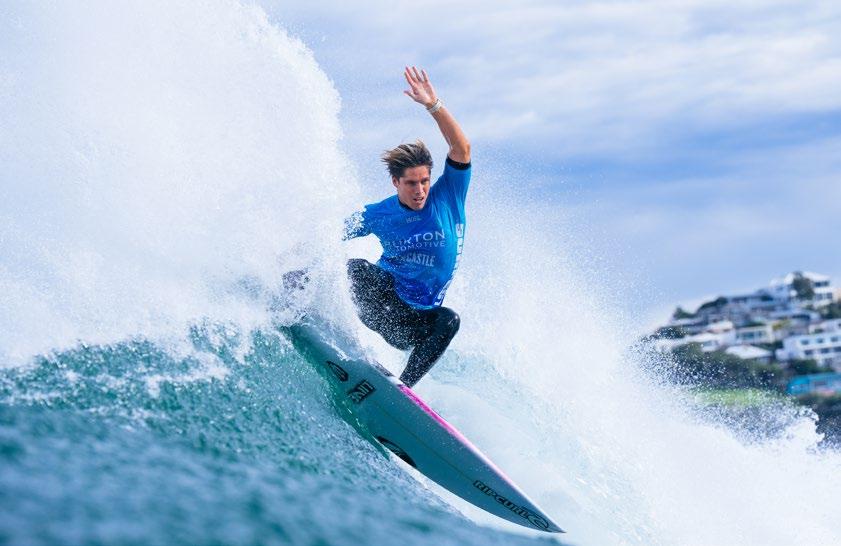
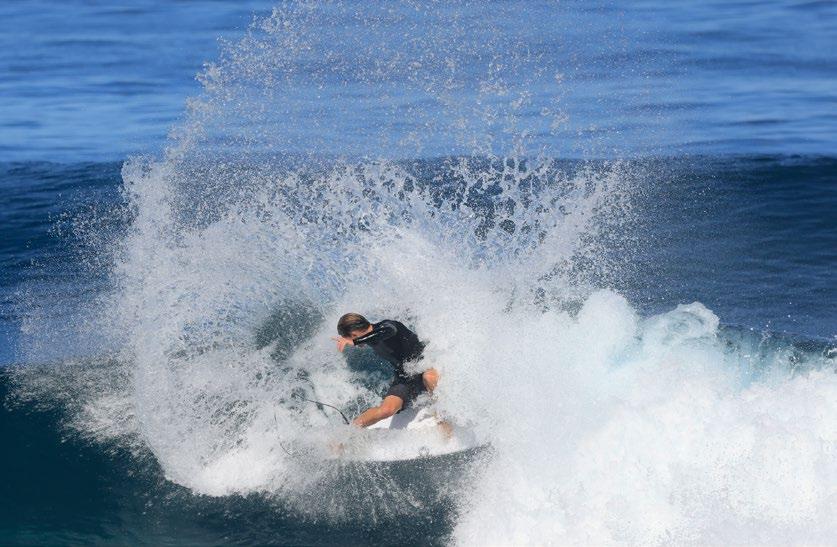
Blending classic Australian power with a remarkably high completion rate on the most critical sections, George Pittar does it with style.
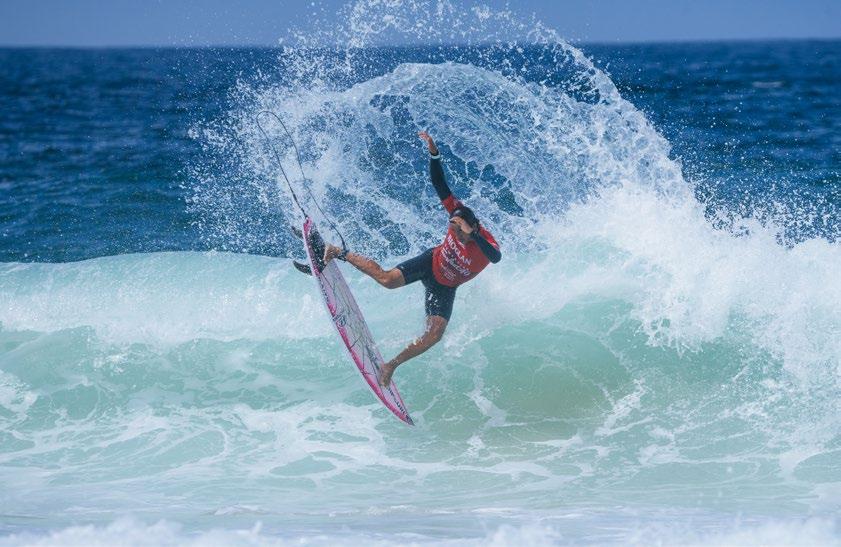
Samuel Pupo is the modern day Brazilian surf technician. He’s a low-error tactician with a deadly air-reverse and arguably the cleanest rail-to-rail transitions in the game.
Hannah Anderson /WSL
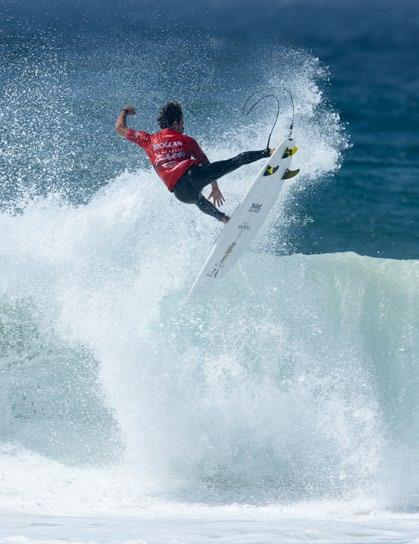
The 2018 World Junior Champ finally arrives; Matteus Herdy is famously creative, known for massive "no-grab" rotations and pure style. Photo Darren Anderson /WSL
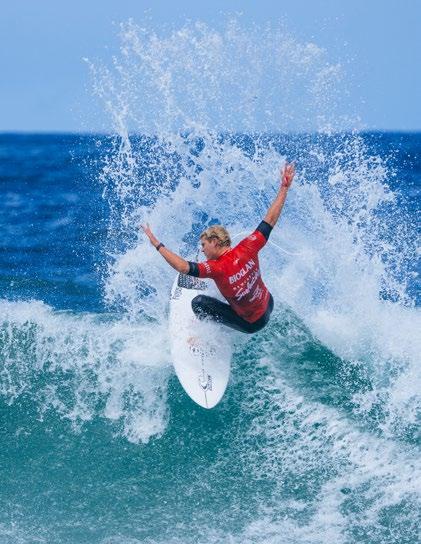
Luke Thompson is a 21-year-old physical specimen defined by high-velocity turns and a relentless, "neverback-down" attitude. Photo Hannah Anderson /WSL

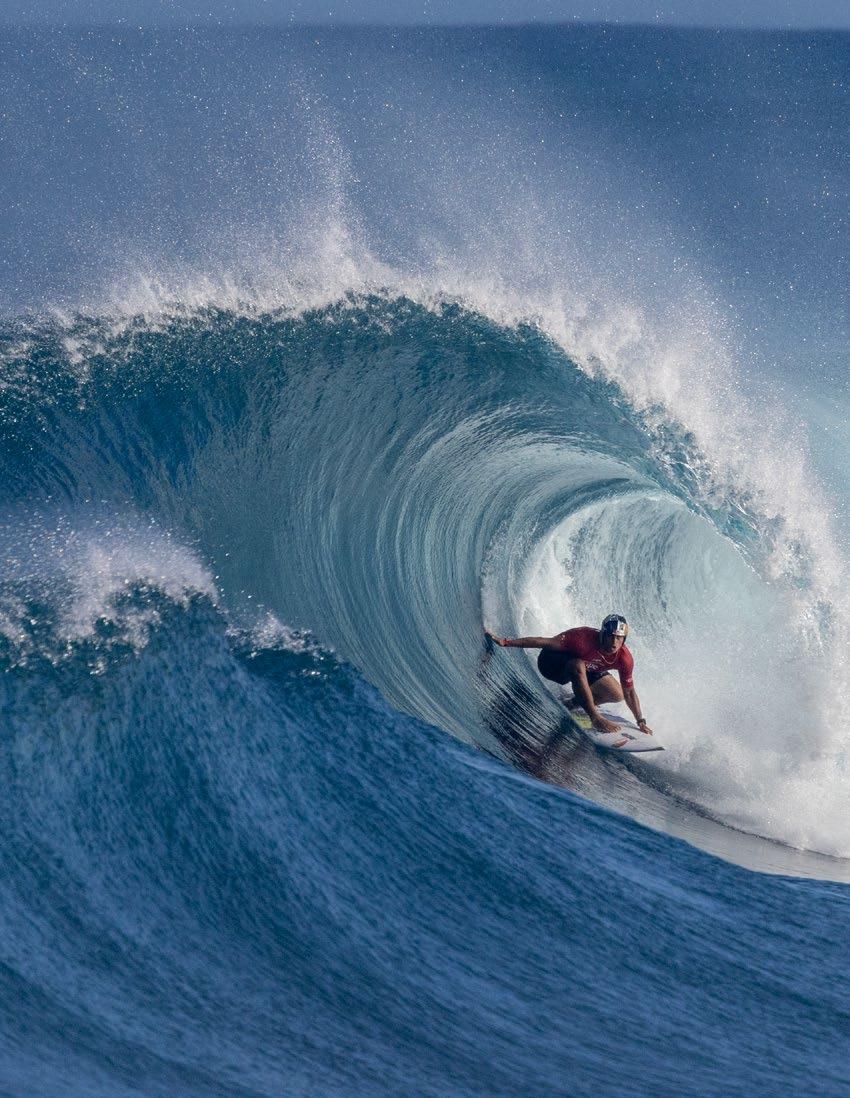
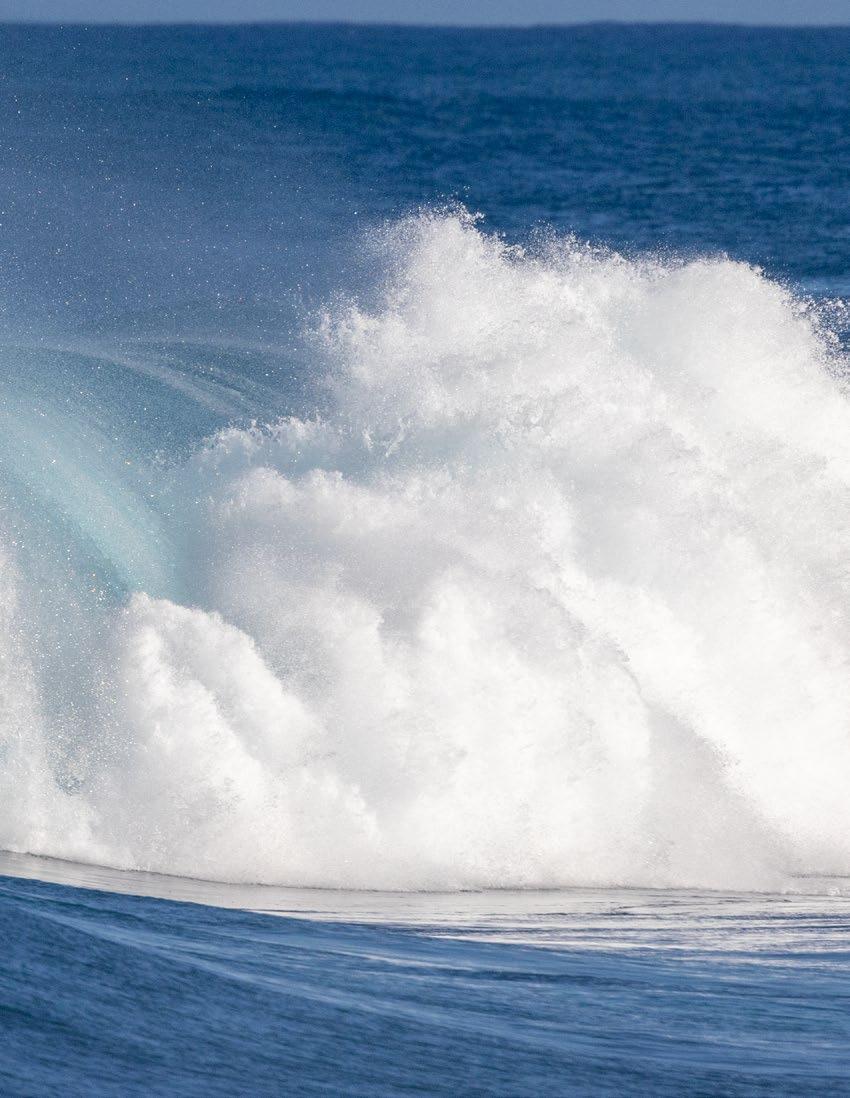
Kauli Vaast, the reigning Olympic Gold Medalist is a goofy-footed powerhouse who thrives in the heaviest tubes on the planet. Photo Brian Bielmann
Liam O'Brien is as fast and snappy as they come. He’s a high-IQ, high-velocity competitor whose clinical approach makes him a lethal spoiler for top seeds.
Photo Hannah Anderson /WSL
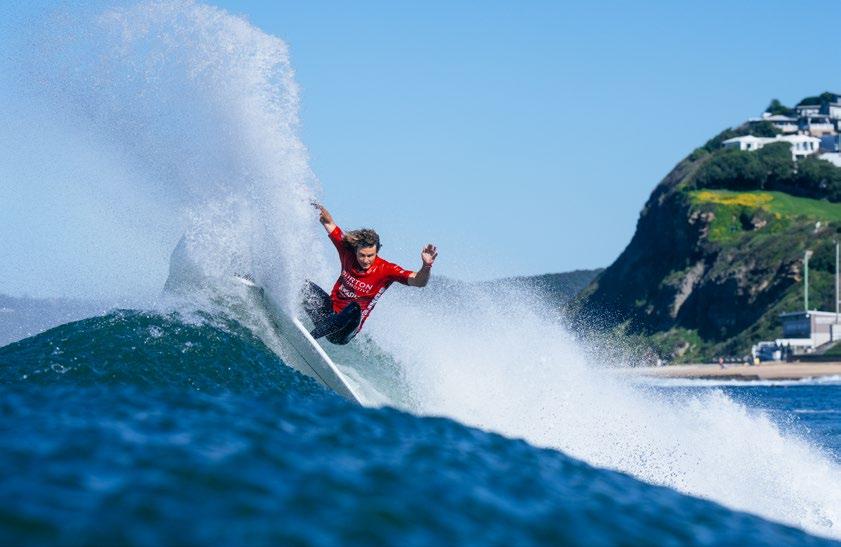
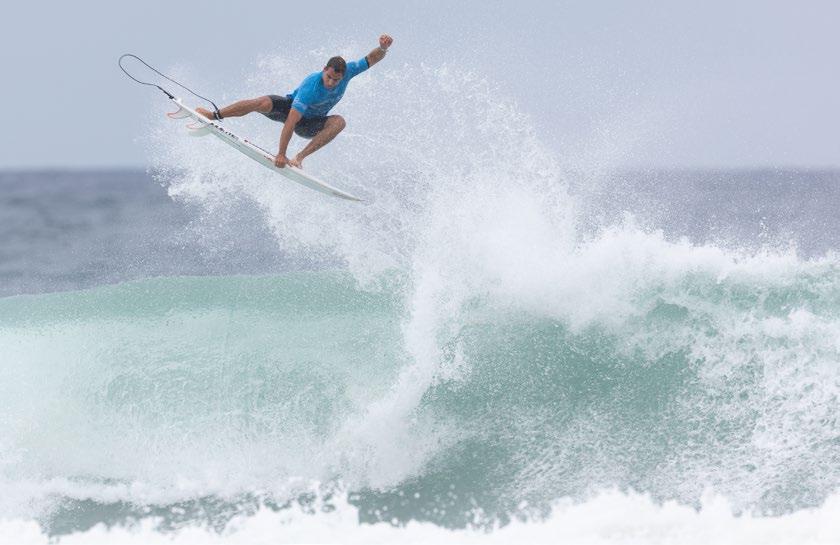
Callum Robson applies pure power surfing on every wave. More recently he seems to have supercharged his technique with a frisky, progressive edge to clinch massive heats.
Photo Darren Anderson /WSL

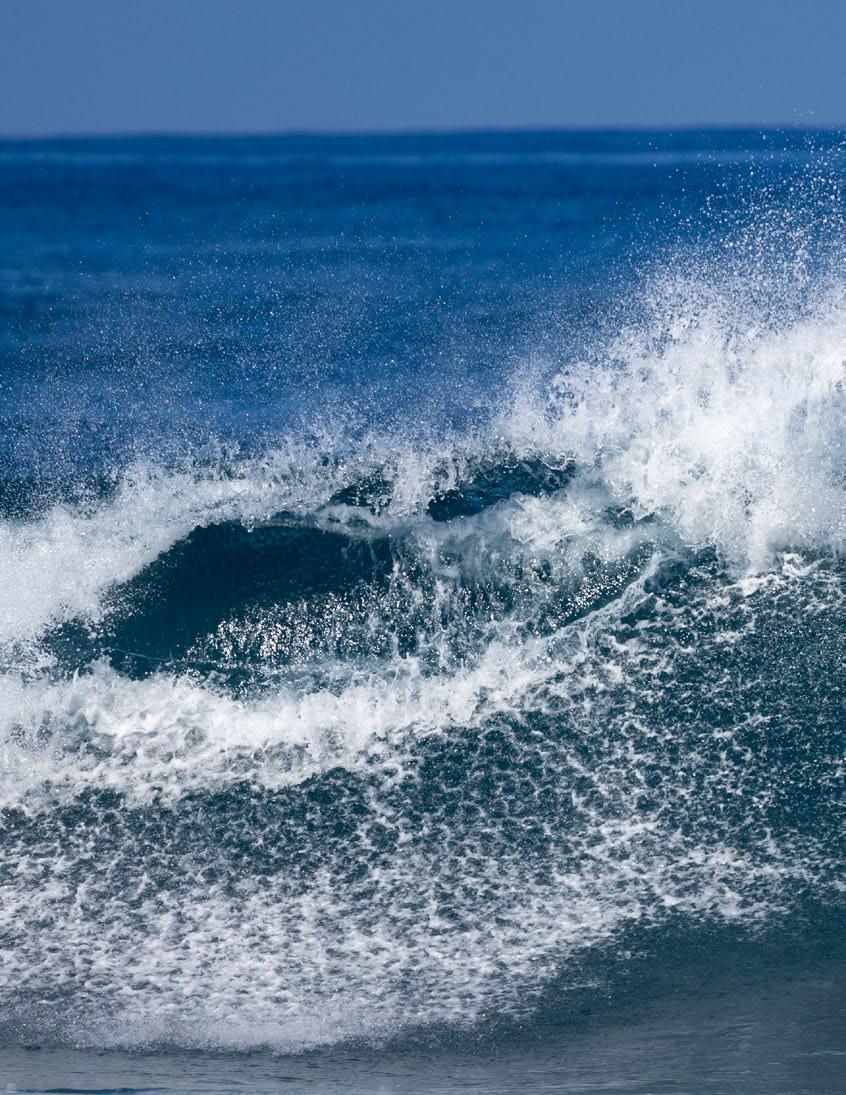
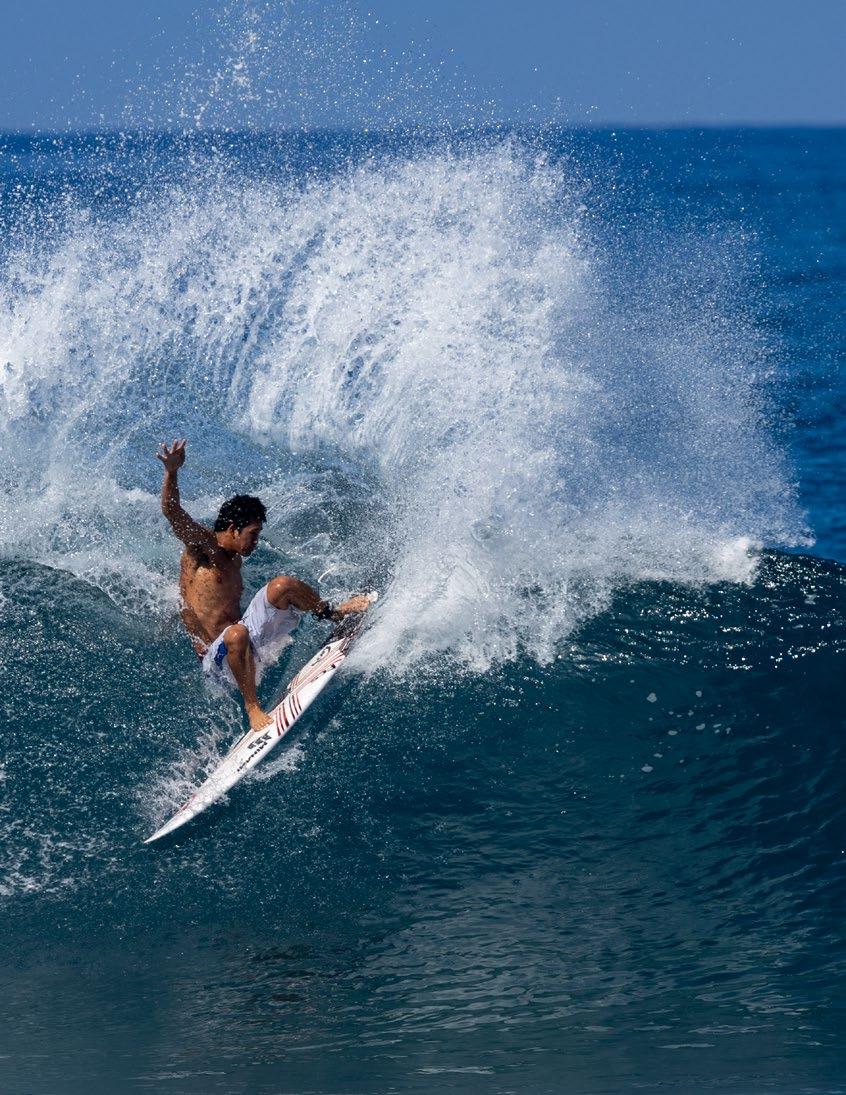
Immensely fun to watch, Bunch relies on elite body positioning, mastering everything from heavy barrels to double-rotations. He is hungry to reclaim the CT spot he cut his teeth on. Photo Brian Bielmann
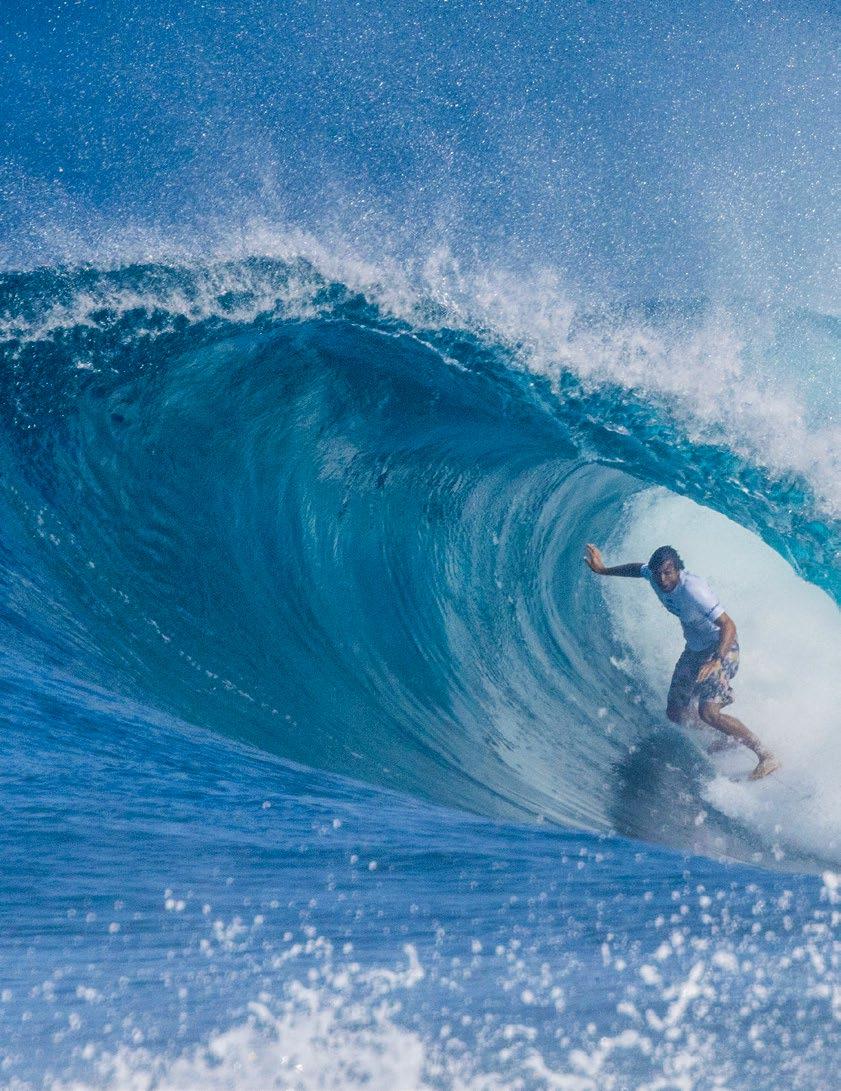
A true prodigy defined by pure elegance. Gentil's solid power surfing and clean rail-to-air game make his ability to read the ocean a masterclass in style. Photo Brian Bielmann
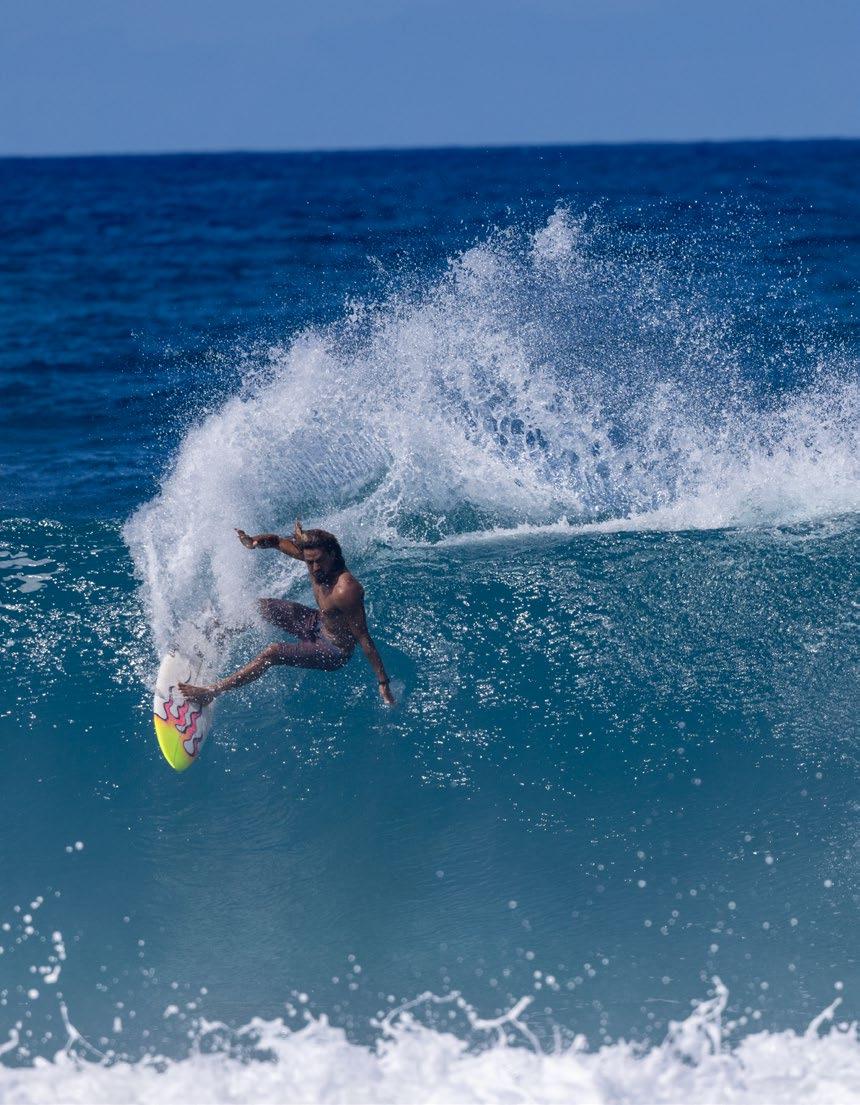
CARLOS MUNOZ
The Costa Rican trailblazer and Olympic alternate remains as fiercely motivated and radical as ever, returning from a severe Pipeline injury with a relentless drive and his signature bright smile. Photo Keale Lemos
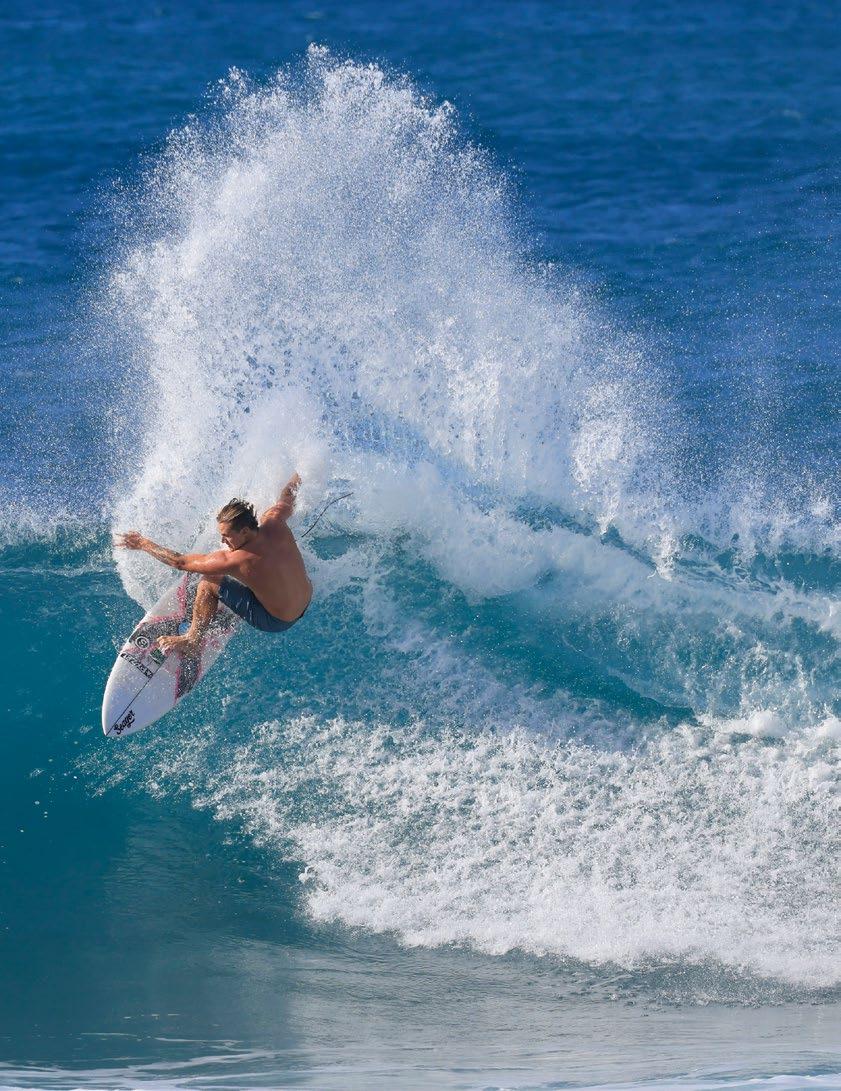
The dominator of the 2025 Hawaii regional season. McGill connects with his board and the water with a "controlled abandon," plowing through tough matchups and crushing scores.
A rhythmic, methodical board-banger from Oahu. Crawford slices beautiful turns and dices through progressive antics; you can never count him out until the horn blows.
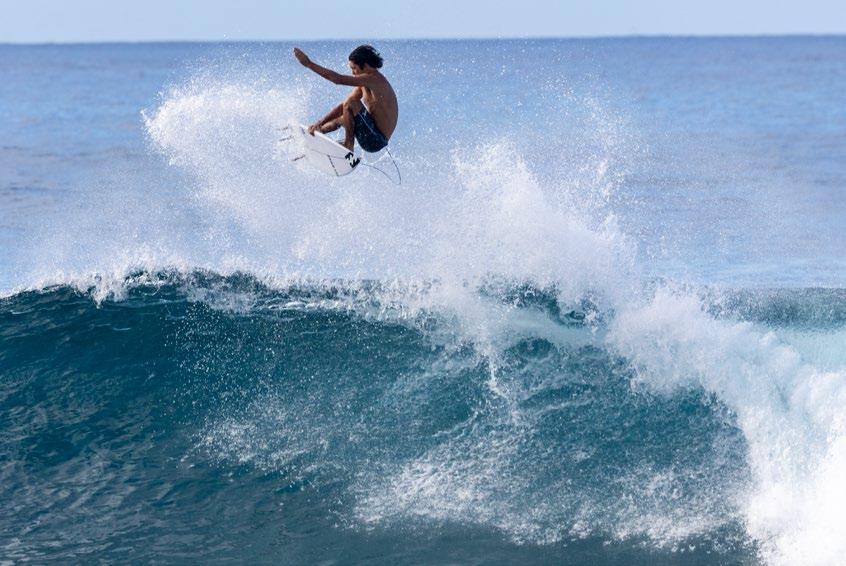
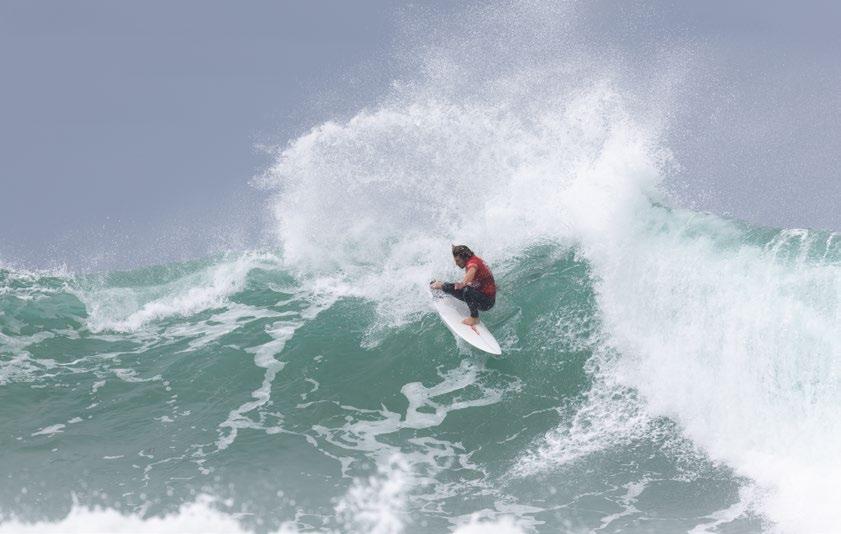
Boasting back-to-back victories at the Rincon Classic and SLO CAL Open, Poulos translates calculated, uniquely tuned point-break surfing into powerful, rail-heavy competitive success.
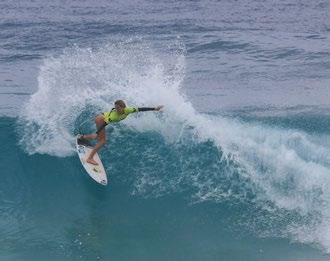
At just 14,Tya Zebrowski is the youngest ever to qualify. Fearless in the tube with technique decades ahead of her age.
Photo Mike Latronic
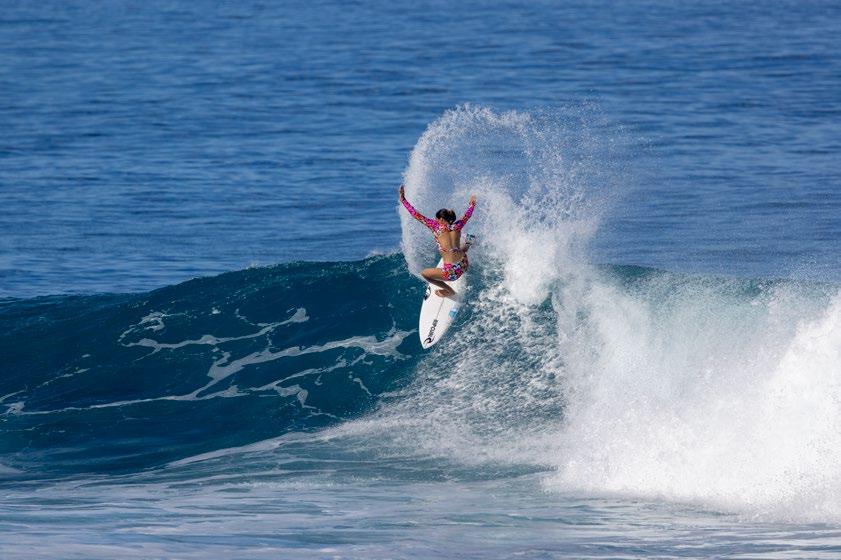
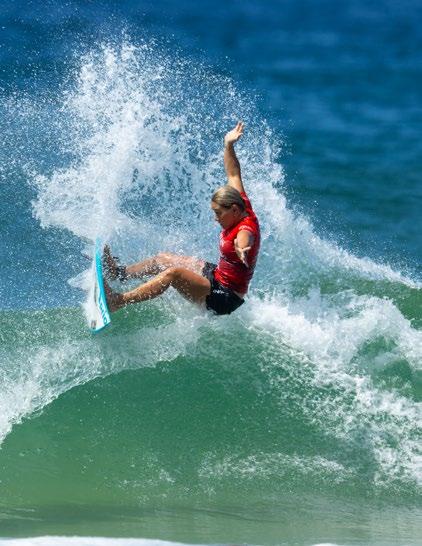
Yolanda Hopkins brings an intense, athletic style, attacking the lip with a physicality that makes her a major threat in heavy water.
Hannah Anderson /WSL
The first Basque woman to secure a full CT season, Nadia Erostarbe utilizes a stylish flow with power.
Sean Evans / ISA
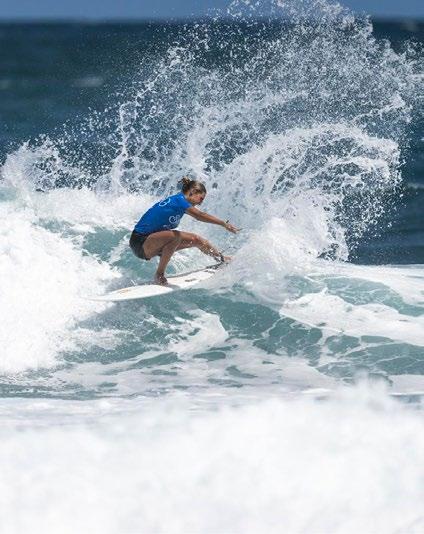
Evolving and maturing her rail game. Linking her turns with newfound precision, Gabriel Medina's younger sister is stepping out of the shadows and hungry to make a lasting impression. Photo Hannah Anderson /WSL
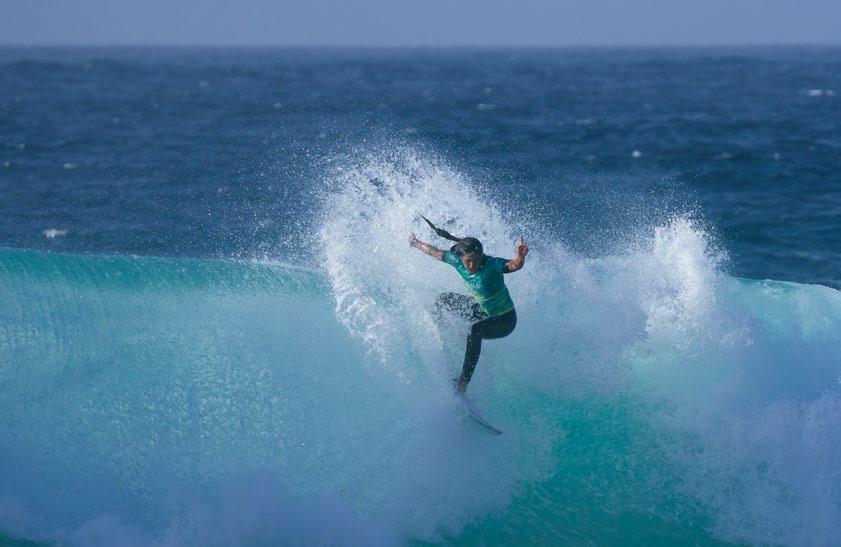
The reigning Hawaii/Tahiti Nui Regional QS Champ. She rides with a calm, focused intensity—perfect for Hawaii’s most demanding breaks, recently locking in absolute gems at Backdoor. Phot Brian Bielmann
SOPHIE MCCULLOCH
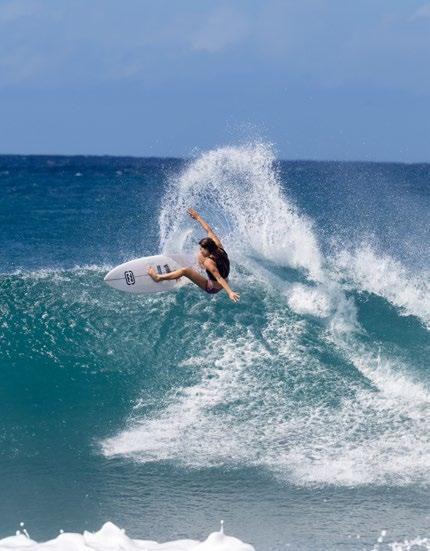
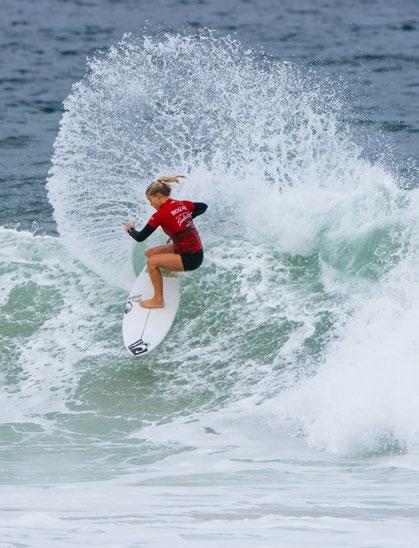
Sophie McCulloch is a power-and-precision surfer who famously pulls out all the stops and thrives when the pressure is highest. Photo Hannah Anderson /WSL
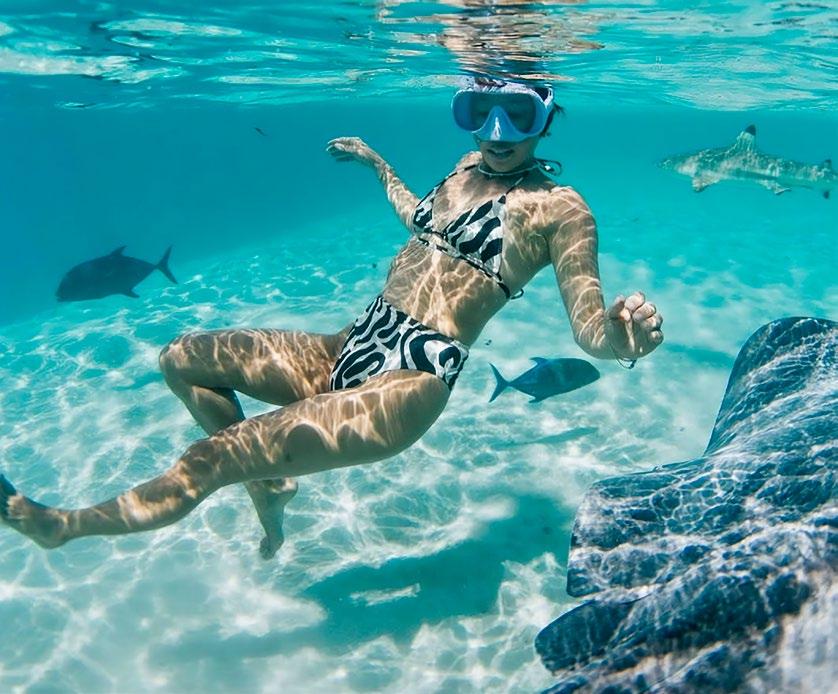

Sally Fitzgibbons is a returning 13-year veteran; bringing a masterclass in resilience with a competitive drive that keeps her a constant podium threat.
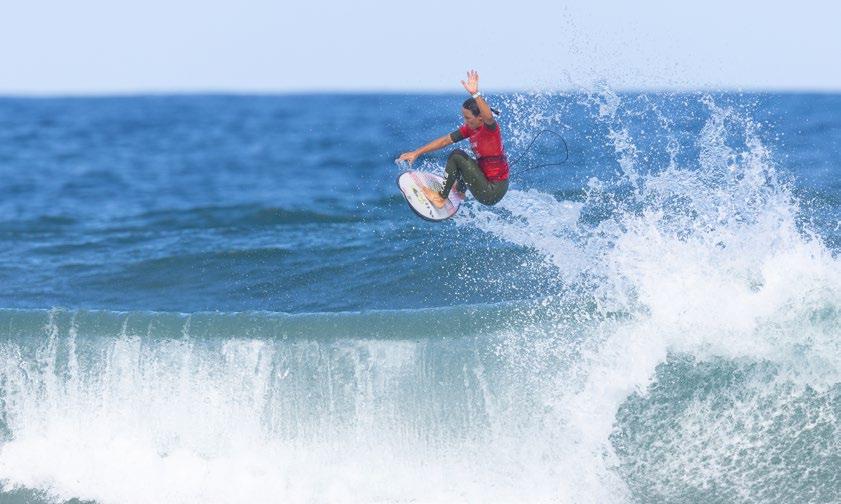
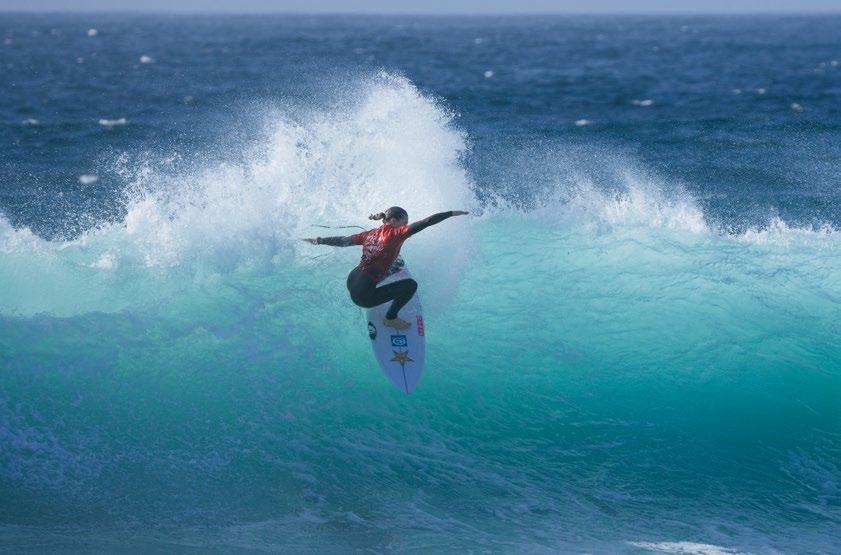
Alyssa Spencer is a tactical genius with clean, textbook technique who found an extra, undeniable spark to guarantee her return to the championship tour.




The Hawaii Surf Team (HST) Junior program remains the definitive proving ground for the islands’ most elite young talent. Under a legacy that spans decades, the program continues to identify and shape the next generation of top surfers, emphasizing not just technical prowess, but the core values of community, sportsmanship, and the "Ambassador of Aloha" spirit.
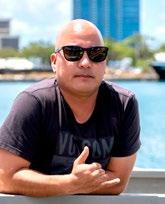
There’s hardly a moment that Jason Shibata is not wearing a smile on his face. Voted as the “Ambassador of Aloha,” in Freesurf Magazines Manulele Awards his huge competitive knowledge and adherence to the aloha spirit makes him a great teacher and mentor for Hawaii’s kids. A former Hawaii Surf Team standout and 1998 alumnus, Jason Shibata returned to lead the program in 2022, bringing with him decades of experience as a professional surfer and industry leader. During his competitive career, Jason was a mainstay for iconic brands like T&C Surf Designs and later transitioned into a pivotal role as a team manager and director for Vertra and Volcom.
As a coach, Jason is renowned for his holistic approach. While he demands high-performance results, he is equally focused on the character of his athletes. He believes that personality and sportsmanship are what truly distinguish a surfer on the world stage. Under his leadership, the team has reclaimed its position as a global powerhouse, securing multiple gold medals with individual riders over the past few years and a silver-medal team finish in 2023 and 2024.
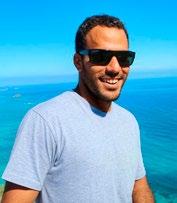
Supporting the team’s strategic development is Assistant Coach Barak Maor. With ample competitive experience and local knowledge, Maor is deeply integrated into the Hawaii surf scene, which is vital for the Hawaii Junior Team's mission of "spreading aloha" and maintaining the legacy of Hawaiian watermen.
Under the guidance of Shibata and Maor, this 12-person squad heads to El Salvador with one objective: Team Gold. Combining the wisdom of veteran medalists with the raw energy of the next generation, the 2026 Hawaii Surf Team is ready to show the world the depth of Hawaiian talent.
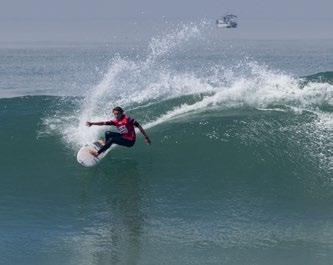
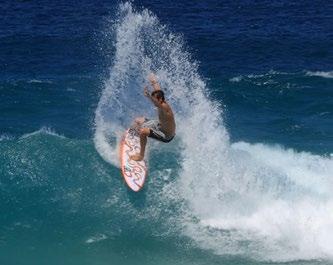
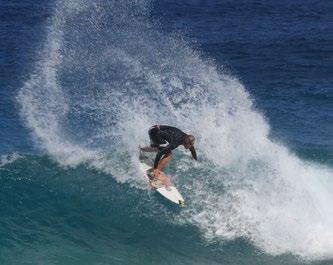
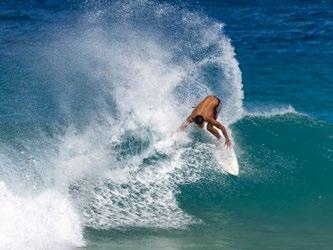
Home Break: Pine Trees, Kauai
Background: A seasoned veteran of the HST Junior program, Tiger is making his fourth team appearance. After winning bronze in Peru last year, he bypassed tryouts with an automatic seed. Known for a devastating backhand and refined rail work, Abubo is as consistent as he is powerful, capable of busting out progressive moves on command.
Home Break: Ho’okipa, Maui / North Shore, Oahu
Background: A tactical asset who can handle the raw power of solid waves and though he is the tallest athlete on the squad he is cunning, quick and progressive in smaller surf as well. His ability to open heats with high scores makes him a major threat in all conditions.
Home Break: Kepuhi Point / Haena, Kauai
Background: The son of professional surfers, Given made the team this year after three years of persistent effort. This year Goodwin showed Top form, strong moves and great strategy to make the roster. He brings a mature rail game to the squad.
Home Break: Ewa Beach, Oahu
Background: A first-time team member, Naʻo Clifton is a solid Hawaiʻi junior competitor with strong local results, consistently ranking near the top of his age divisions.
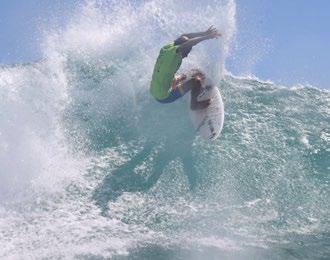
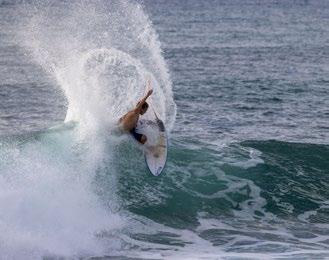
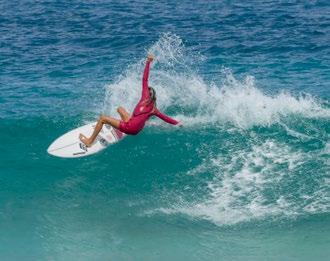
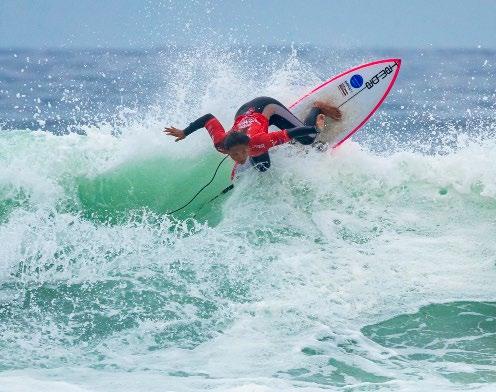
HAYDEN FLORES (U16 Boys)
Home Break: Pine Trees, Kauai
Background: A 14-year-old National Champion is known for incredible speed and adaptability. His resilient work ethic in combination with his fast explosive style makes him a threat in any heat. This is his first time representing Hawaii on the world stage and don't be surprised if this young man creates a few upsets en route to the finals.
Boys)
Home Break: North Shore, Oahu
Background: Merrik Mochkatel is a young North Shore–based junior surfer from Hawaiʻi who’s been steadily coming up through the island and U.S. junior contest ranks. With a strong contest background and a solid all-around shortboard game. He's one of the younger Hawaiʻi kids making noise in the junior ranks and already showing he can mix it up with older competitors in heavier waves.
NAKAO (U16 Girls)
Home Break: Kealia, Kauai
Background: A multi-sport athlete who brings a smooth and active style to the lineup. A straight-A student who views making the HST as the fulfillment of a primary career goal.
In His Words: "I’m proud to be representing Hawai’i. This is one of my dreams, and it’s coming true! I just can’t wait to travel with the team and surf with the world."
CAZIMERO (U16 Girls)
Home Break: Hanalei Bay, Kauai
Background: Only 12 years old and already a back-to-back State Champion. "Mana" gained massive confidence last year competing in the U18 division in Peru and is known for her stylistic power.
In Her Words: "I just really wanted to earn my spot on the team. Last year... I gained confidence in myself that I can compete with the best juniors in the world."
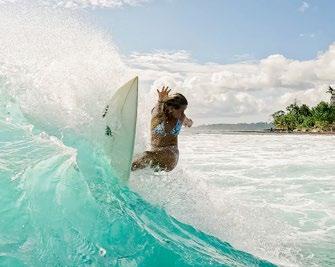
Home Break: North Shore, Oahu
Background: One of the most decorated juniors in the program. A copper medalist from the 2025 ISA World Juniors and a WSL Pro Junior winner. Zoey is a highly strategic and explosive competitor who thrives under pressure.
Home Break: Sunset Beach, Oahu
Background: A North Shore standout who recently claimed the Stab High Ladybirds title in Australia. Skai balances artistry with athleticism. Small in stature yet fierce in her approach Suitt has a knack for solid moves with good style. While plenty able to be consistent and put forward great scores, she is a weapon when she successfully pushes the boundaries of women’s aerial performance. The Character: A "determined smolder of ambition," Skai surfs because the ocean feels like home.
Home Break: Kauai
Background: A consistent podium threat with a strong vertical attack. Leah represents the immense depth of the Hawaiian girls' program. This will be her second time making the team roster.
Home Break: Princeville, Kauai
Background: The "silent assassin" of the group. Quiet on the beach but fierce in the water, she is known for technical skill and total commitment in the lineup. Elliamna also traveled with the team last year.
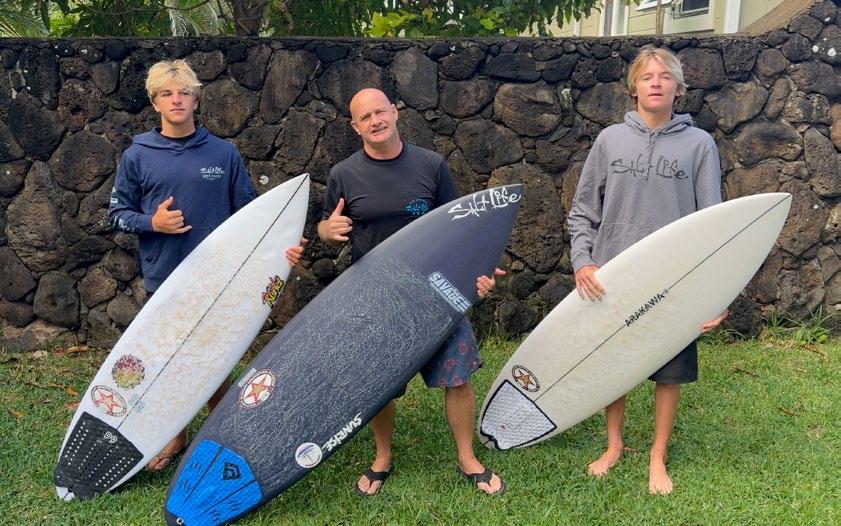
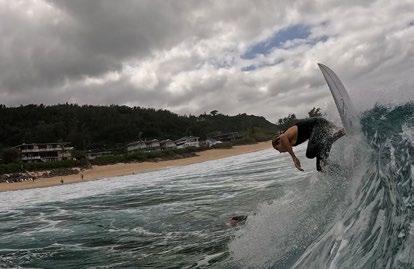
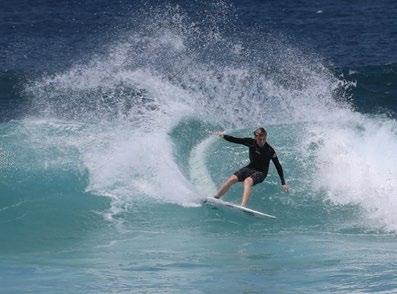
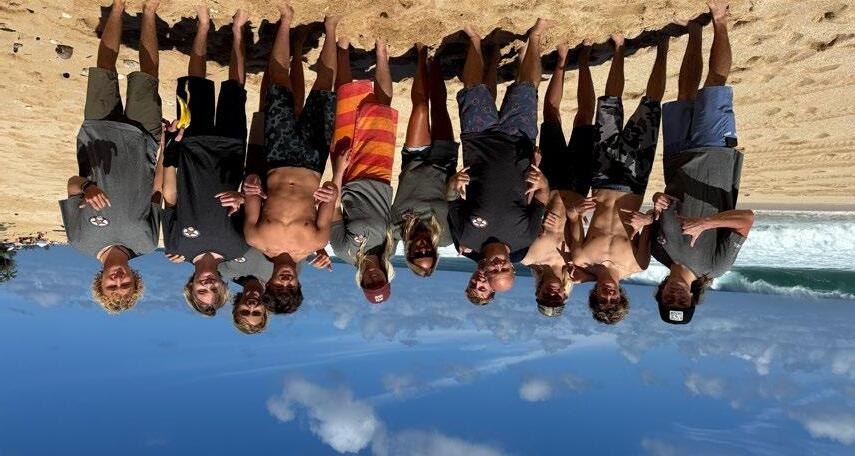
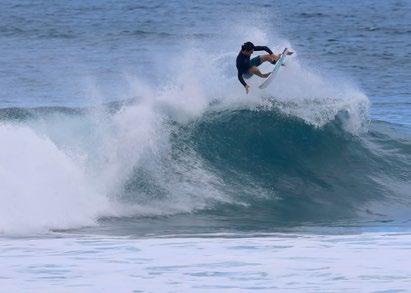
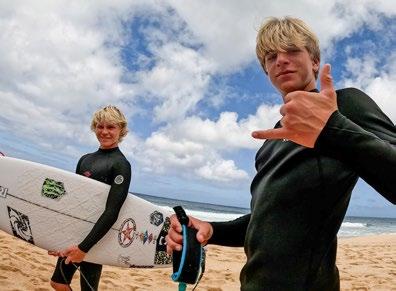
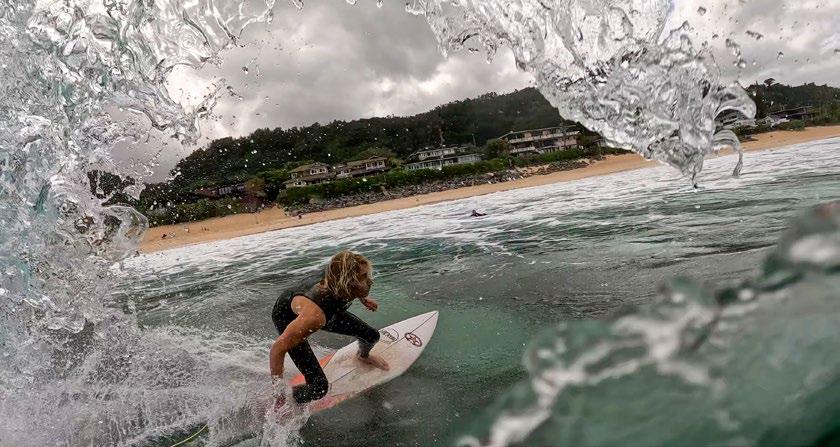
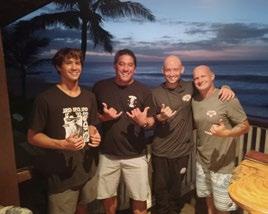
Every winter, a dedicated group of young surfers swaps the chilly Atlantic currents for the saltwater proving grounds of Oahu’s North Shore. These frothing athletes aren’t just here for a vacation; they are on a well guided mission and annual pilgrimage now spanning decades. ESA Head Coach Jason Motes invites well seasoned, high level coaches to help a selection of East Coast kids understand all aspects of wave riding, competitive strategies, etiquette, ocean awareness and more.
For Jason Motes, the ESA All-Star Team Coach and a man with upwards of 30 East Coast titles to his name, the trip is about bridging the gap between East Coast sandbars and much more consequential Northshore power.
"On the East Coast, it’s all sand... it’s nowhere near the power of the Pacific Ocean. If these kids want to be professional surfers, they have to learn the art of riding big, powerful waves and reef breaks in Hawaii," says Motes.
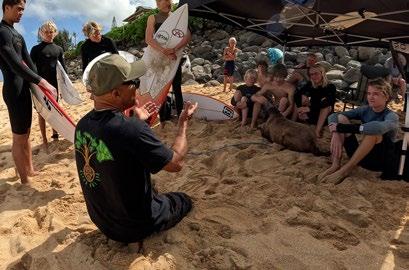
To do this, the program enlists some of the best coaches in the business. Pipeline icon and beloved Northshore Lifeguard Tamayo Perry was a treat for these kids to work with for many years. While the loss of Tamayo is felt deeply, the program continues with the sage and high level guidance of Rainos Hayes. Tips are focused on:
• Reading the Reef: Understanding lineups and wave intervals that don't exist in the Atlantic.
• Equipment: Dialing in the specific boards needed to handle North Shore energy.
• Strategic Approach: Learning where to sit and how to move in a crowded, world-class lineup.
THE GOLDEN RULE: RESPECT FIRST
A critical lesson taught on the ESA trip isn't a turn or a tuberide, it’s Etiquette.
Local Respect: The kids are taught to wait their turn and respect the local hierarchy.
Land Stewardship: The mission extends beyond the water. The athletes learn to care for the land and the culture of the people who call Hawaii home.
"Hawaii is so special because the people care so much about their land and their waves. It’s very important to understand not only the surfing etiquette, but also how to take care of where you're staying." — Jason Motes
LEGACY
Michele Summers, the ESA Executive Director since 2012, has watched this program evolve into the elite training trip it is today. This isn't just an open invite; it’s earned through performance and community service.
Eligibility: Invitations go to team members aged 15–18 who have proven themselves in local, regional, and Eastern championships.
The Volunteer Spirit: Because the ESA is a volunteer organization, kids are selected based on how they give back to their local districts.
Alumni Excellence: The program’s "Wall of Fame" includes names like Kelly Slater, Rob Kelly, Ben Bourgeois, and Jesse Hines.
"This training trip is actually one of a kind. No other organization is doing this. We’ve got them in a house at Off the Wall with the best breaks right up front and the best coaches in the world. It’s an experience of a lifetime." — Michele Sommers
In a world of high-stakes heat scores and social media highlights, the "Life Beyond the Jersey" philosophy is the secret sauce of the ESA All-Star program. It’s the idea that while a trophy might sit on a shelf for a few years, the character built—and the connections made—during a twoweek "mission" on the North Shore will last a lifetime.

- Lucas Godfrey
H. Mesiwala, MD,



1. The "Volunteer First" Filter
Unlike many elite sports programs that select solely on talent, the ESA All-Stars have a unique barrier to entry: Service. To be invited, these surfers must be active volunteers in their local districts. Whether they are helping run regional contests, judging grom events, or participating in beach cleanups, they are taught early on that they are part of a larger ecosystem.
The Result: They don’t just see themselves as "surfers"; they see themselves as stewards of the sport.
3. Etiquette as a Global Business Language
Learning to "wait until a local says 'go ahead buddy'" is a lesson in emotional intelligence (EQ). The program drills the idea that you are a guest in someone else's home.
The Impact: This teaches a specific kind of humility and situational awareness that is rare in youth sports. These kids learn that "dropping in" (metaphorically and literally) is the quickest way to lose respect. Instead, they learn the power of earning their place through patience and respect—a trait that defines great leaders in any field.
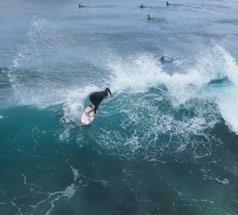
At ages 15 to 18, these athletes travel to the most intimidating surf destination on Earth without their parents. Living in a shared house at Off the Wall, they have to manage their own schedules, equipment, and house dynamics.
The Leadership Lesson: This is a "coming-of-age" masterclass in accountability. They are learning to navigate high-pressure environments—both in the heavy surf conditions and in the shared living space—which translates directly to the business world or high-level professional athletics.
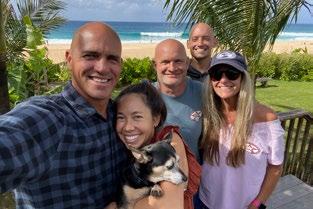
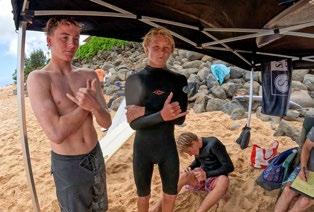
Ultimately, the goal is to produce "well-traveled" individuals. By the time these surfers return to the East Coast, they haven't just improved their rail game; they've gained a global perspective. They understand the "Art of the Travel"—how to navigate different cultures, respect local hierarchies, and represent their home coast with dignity.
"We are getting them out in some of the most incredible surf spots in the world, and hopefully, they bond and become friends... building those bonds outside of the competitive scene." — Jason Motes
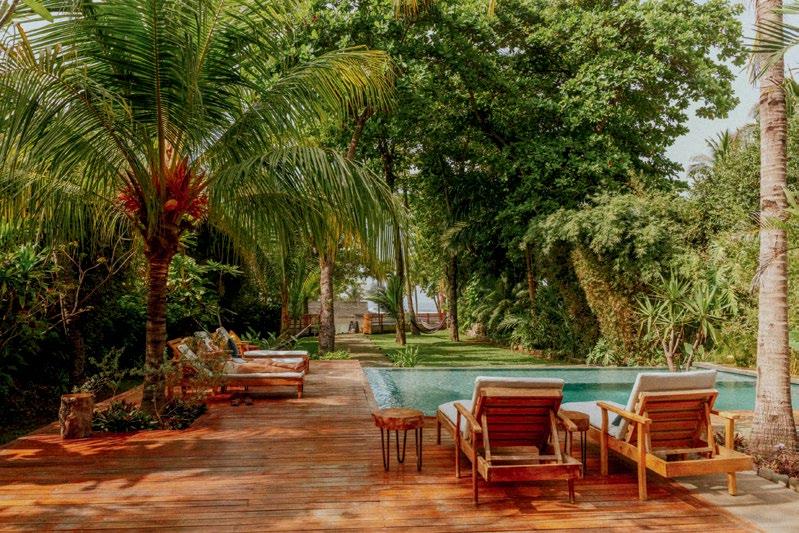





by Kaea Latronic
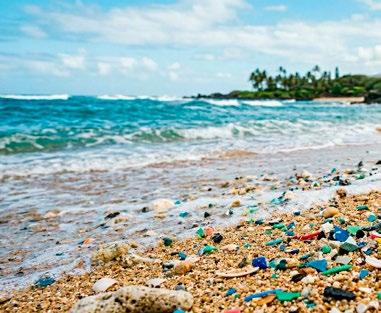
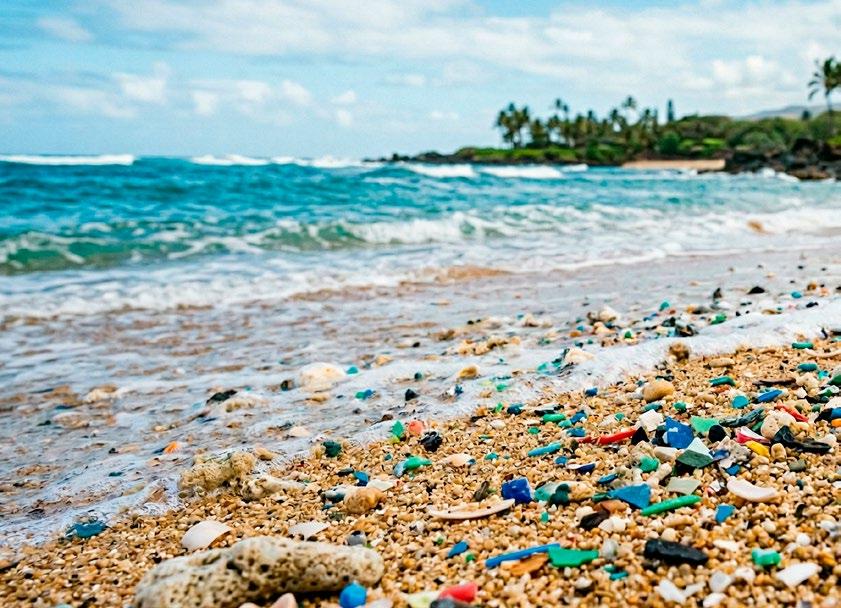
Plastic is no longer just opala washing up on the sand; it has become enmeshed in all of Earth’s environmental cycles, moving much like carbon or water. Plastics, although only created 119 years ago, are now a part of Earth. While plastic has many applications and has solved many problems, it has also been one of the most destructive modern materials to enter our oceans, air, and our bodies. To understand how our meals, lineups, and organs have become infiltrated, we have to look back at how this material was born.
When synthetic plastics were first produced in 1906, they were hailed as a modern miracle: cheap, seemingly durable, and highly pliable. But that supposed durability is exactly the problem: plastic never degrades into nothing. Instead of disappearing, it undergoes a violent breakdown, fractalizing into microscopic and nanoscopic particles known as microplastics. Today, these fill our waterways, agricultural soil, and air globally.
Microplastics enter our ecosystem through two distinct pathways, fundamentally altering the chemistry of the world.
The first path consists of primary microplastics—plastics intentionally manufactured to be tiny. The most important of these for the sake of our discussion today, are "nurdles," lentil-sized, raw building blocks of the entire plastic industry. Long before plastic is molded into a beach toy or a water bottle, trillions of these pellets are shipped globally. Massive cargo hubs like Honolulu Harbor and the Port of Long Beach act as highways for these raw materials. Because nurdles are so small, lightweight and buoyant, industrial spills are inevitable— shipping containers are lost at sea or spill during loading. Once adrift, their surface area allows them to act as sponges for pollutants already present in the seawater. These tiny beads concentrate the
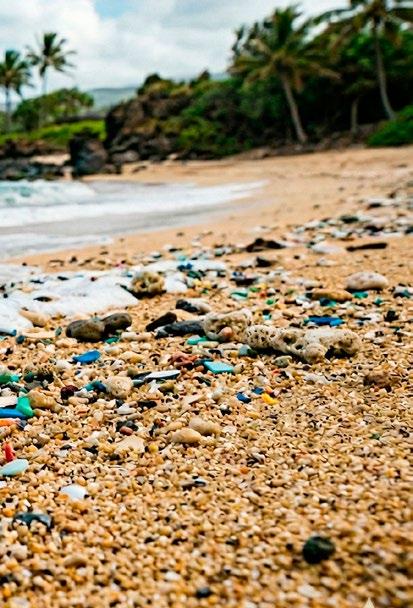
noxious substances before the plastic ever enters the food chain, essentially pre-loading the environment with timerelease toxic capsules. Then, there’s paint. Once it dries, it is essentially a layer of plastic. Particularly, specialized paints for ships, road markings, and bridges use plastic to be durable and weather-resistant. As the weight of cars pass over it, and the Pacific sun beats down and the wind blows, these coatings flake, fragment and slough off as
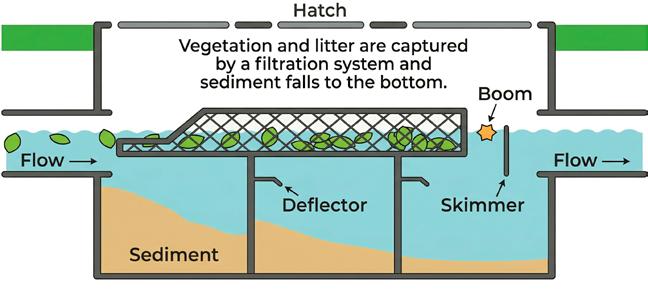
microscopic plastic dust. During rain, this heavy and toxic sediment is washed off the asphalt and into the gutters. Storm drain baffle boxes are the primary urban defense. These are multi-chambered underground structures that use gravity to slow the flow of stormwater. As water velocity drops, heavy tire dust and plastic-laden sediment settle into the bottom of the chambers, trapping the debris before it is flushed into local rivers and coastal ecosystems. Another major source is found in agriculture through coatings on fertilizer, pesticides, and seeds. Designed to control the release of nutrients over time, these empty plastic shells remain in the soil once the chemicals are gone or the seed has sprouted. In industrial spaces, a process called blasting is used to clean large metal surfaces like ship hulls or engine parts. Small plastic beads made of polyester are shot at high pressure to strip paint or rust. This creates a fine dust cloud of shattered plastic and heavy metals that is nearly impossible to contain and immediately enters the air and local waterways.
The second path is secondary microplastics—more visible, more ubiquitous. It is the inevitable result of erosion of this modern world. A process where physical and chemical breakdown turns large-scale objects into microscopic shards. This erosion of larger, discarded products poses the secondary threat. Cigarette butts, single use packaging, discarded vapes, plastic bags, fishing net and line are some examples of origins of this debris. Discarded nets and fishing lines drag against rocks and break apart while retaining their synthetic strength. When these reach the open ocean they become part of the North Pacific Gyre (or Garbage Patch). For those who don't know, that is a gigantic accumulation zone that has formed in the middle of the Pacific ocean currents and measures about 600,000 square miles. This high density area of floating debrisessentially plastic soup -weighs about 80,000 metric tons and consists of 99.9% plastic. Salt in ocean water further fuels oxidation, where the UV-B rays in sunlight hits the objects and causes degradation that strips plastics of its engineered pliability making it brittle. From there, forces of the ecosystem like waves crashing against a shoreline or other natural objects will shatter those weakened flakes down into even smaller nanoplastics.
For a long time, we assumed plastic only moved through water, but recent science reveals a massive atmospheric and biological and health crisis. Microplastics that degrade into nanoplastics are light enough to be swept up by winds, and fall as rain over remote Amazonian forests and Arctic ice.
While the Great Pacific Garbage Patch is a highly visible sink, many plastic particles eventually pick up bacteria and algae, become heavy, and literally sink to the deep ocean floor. Studies show nanomicroplastics are present in human blood, lungs, and breast milk. These particles can carry endocrine-disrupting chemicals (like BPA and phthalates) that interfere with human hormones, potentially impacting reproduction, metabolism, and immune systems. The manmade problem feels massive. However, equipping ourselves to manage this starts at home.
It doesn't require a complete overhaul; it means identifying tangible opportunities in our daily routines:
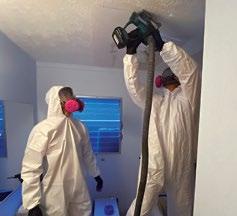
When sanding or painted surfaces, utilize drop cloths and vacuums to ensure toxic plastic dust is contained rather than washed into street gutters.
Synthetic garments like polyester, nylon, and acrylic are essentially woven plastic. A single load of laundry can release
700,000 of these fibers into the municipal wastewater system via residential greywater. Greywater is from our sinks, showers and laundry machines, and directed to water treatment facilities. Because the microfibers are too tiny for treatment plants to fully capture, they flow directly into the ocean.
Choosing natural fibers like cotton, hemp, or wool directly reduces the demand for synthetics. Avoiding products with "scent pearls" or encapsulated fragrances limits the use of intentionally added microplastics.
Installing a washing machine filter provides a critical point of source control. These units act as a mechanical sieve, catching the synthetic lint at the exit point of the machine and preventing the fibers from ever entering the greywater stream, stopping your contribution to cycle before the greywater leaves your house.
Another note about wastewater treatment plants: a large portion of microplastics that are successfully captured in the treatment plant’s filters settle into a nutrient-rich byproduct known as biosolids. To recycle these nutrients, this sludge has been processed and sold or given away to industrial farms as fertilizer for decades. Today, knowing the presence of plastics is a part of this, we’re unintentionally continuing a loop where microplastics are spread into the soil we grow food in.
On the coast, supporting the use of sifting technologies like the Hōʻola One vacuum allows us to remove fragments from the sand before they fragment further.
Ride the Wave to

6 DAYS A WEEK!
Or anytime on SPECTRUM TV® APP
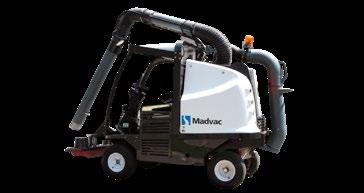
Mechanical interventions placed within the ecosystem:
Hō‘ola ONE (Hawaii)
Placement: Coastal collection points like Kamilo Beach, where decades of plastic have merged with the sand. In areas where the plastic is already too small to be picked up by hand, the Hō‘ola ONE is a portable unit that uses density-based separation. By feeding the plasticheavy sand into a water tank, the machine separates materials by weight. The heavy, organic sand sinks to the bottom and is returned to the beach, while the buoyant microplastics—even those as small as a grain of salt—are skimmed off the top and removed from the ecosystem permanently.
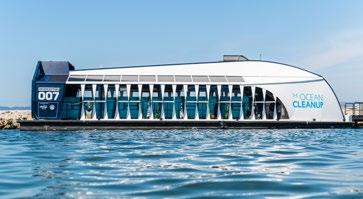
These units are positioned at the mouths of major urban rivers where plastic debris concentration is at its peak. Automated, solar-powered barriers that are designed to catch plastic while it is still moving through a confined channel. Capturing bottles, packaging, and debris while they are still whole and buoyant, the interceptor prevents them from reaching the open ocean. Doing so halts the fragmentation process at the last possible bottleneck before the material is lost to the wider environment.
Placement: Urban canals and the open ocean. A bubble barrier is a non-intrusive intervention. A perforated tube on a riverbed pumps air into the water to create a rising curtain of bubbles. This screen blocks plastic from moving downstream, redirecting it to a collection point at the surface. It remains entirely permeable, allowing fish to pass through - while also oxygenating the water. Farther out, in the North Pacific, System 03 operates as a massive floating barrier. It moves with the natural currents to concentrate and extract plastic from the open sea before it can break down further —or sink to the deep ocean floor to become a part of a new geological layer of sediment.



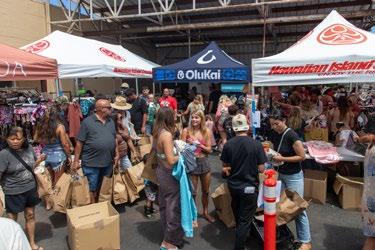
On Saturday, April 4, the Kōkua North Shore event took place at the HIC Billabong store in Haleʻiwa to support the community following devastating flash flooding caused by a severe Kona Low storm. Presented by the Surf Brand Alliance, the event served as both a relief effort and a community gathering to revitalize North Shore businesses.
Mahalo to the volunteers, sponsors, and all of those who
Local Motion officially opened registration for its 41st annual "Surf Into Summer" event on April 1. Traditionally the largest amateur surfing event in Hawaii, the contest is slated for Memorial Day weekend at Ala Moana Bowls. The 30-day lead-up has seen a frenzy of sign-ups, with divisions ranging from "Menehune" to "Legends." For many Honolulu residents, this event signals the unofficial start of the south-shore season and remains a cornerstone of the local community.
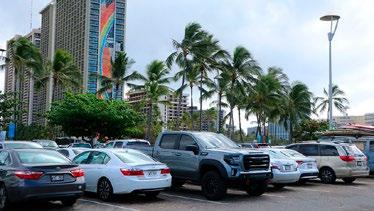
The local surf community celebrated a hard-won victory in late March as the Surfrider Foundation Oahu Chapter successfully blocked Senate Bill 364. The proposed legislation would have introduced paid parking and potential commercial development at the Ala Wai Boat Harbor, the primary access point for the world-famous "Bowls." Local surfers rallied to protect free public access, arguing that the harbor is a vital community hub. The bill's deferral ensures that "Town" surfers can continue to access the water without a financial barrier.
Lorem ipsum dolor sit amet, consectetur adipiscing elit. Donec faucibus lacinia dolor, quis consectetur felis bibendum vitae. Curabitur nec nunc commodo, porttitor libero vel, pharetra lectus. In convallis sem erat, vitae suscipit felis volutpat eu. Vivamus vestibulum posuere sapien in porta. Pellentesque quis mauris bibendum lorem scelerisque lobortis. Quisque elit enim, ornare sit amet tincidunt eu, tempor eu lectus. Nullam ullamcorper nisl a magna tempor semper. Pellentesque habitant morbi tristique .




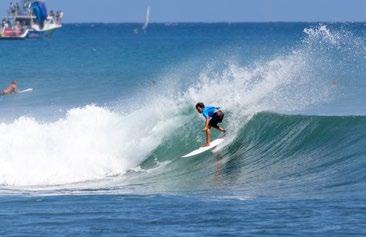
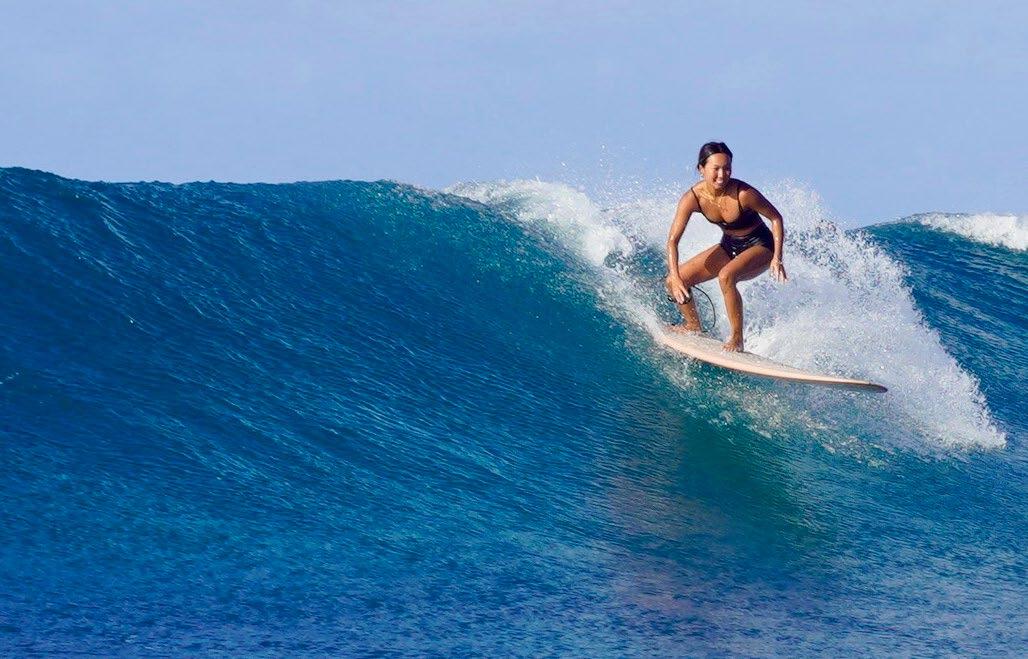
This is a landmark season for high school surfing in Hawaii, as the sport makes its historic debut as a fully sanctioned varsity interscholastic sport. After years of club-level competition, student-athletes from across the islands are preparing for a month of high-stakes events.
The Inaugural HHSAA State Championships

The crowning jewel of the season is the first-ever HHSAA Surfing State Championships, scheduled for May 1–2, 2026, at Ho‘okipa Beach, Maui (with Kahului Harbor as a backup). This inaugural event will feature 174 surfers—87 boys and 87 girls—representing all five leagues: OIA, ILH, BIIF, MIL, and KIF. Competition will span three disciplines: Shortboard, Longboard, and Bodyboard.
Key Preliminary and Amateur Events
Leading up to the state finals, several critical amateur events provide vital heat practice:
HSA Haleiwa Contest: Rescheduled for April 11–12, 2026, at Ali‘i Beach Park. This acts as the HIC Prime #5 event and is a major proving ground for Oahu’s top high school talent.
NSSA Hawaii Series: A double-header event is slated for May 2–3, 2026, on the South Shore, coinciding with the shift toward summer swell energy.
This season represents a cultural milestone, officially integrating the "Sport of Kings" into the Hawaii high school athletic curriculum.




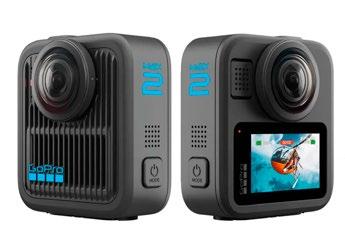
Experience ultimate creative freedom with the GoPro MAX2. Featuring stunning 8K resolution, this 360° powerhouse captures every detail of your surroundings simultaneously. Effortlessly reframe shots into highquality 4K clips using the Quik app. Built for adventure, it’s waterproof to 16ft and includes replaceable lenses. With Max HyperSmooth stabilization and invisible mounting for drone-like perspectives, the MAX2 turns every moment into a cinematic masterpiece. Capture your world without limits.
gopro.com
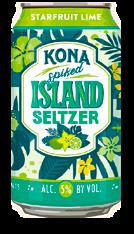
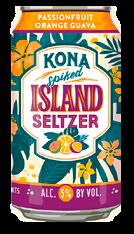
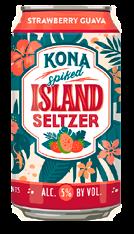
Back and made just for Hawaiʻi ! Kona Brewing Hawaiʻi Hard Seltzers have made their return, crafted exclusively for Hawaiʻi and inspired by the flavors we love most.
Lychee Lemonade: Juicy lychee meets sun-bright lemonade with a crisp island snap.
Strawberry Shave Ice: Sweet, nostalgic strawberry with a smooth, sparkling finish.
Passionfruit, Orange, Guava: A vibrant tropical trio bursting with pure island sunshine.
Get it today at your local retailers Safeway, Foodland, KTA, with more retailers coming soon
konabrewinghawaii.com
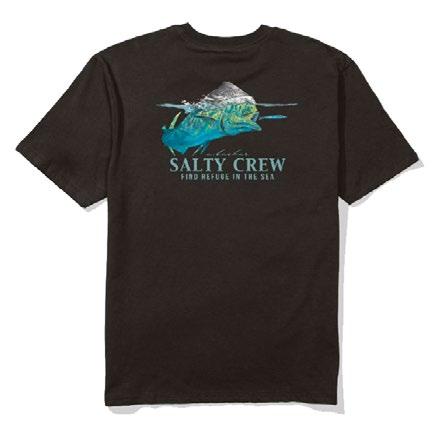
The Salty Crew Mahi Surface Classic Tee in Black is an essential for any waterman. Crafted from premium 22 singles soft-spun 100% cotton, it offers a slightly heavier feel with a comfortable, roomier classic fit. This durable tee features bold, screen-printed mahi-mahi graphics on both the front and back, capturing the adventurous spirit of the ocean. Perfect for daily wear, it combines high-quality construction with laid-back coastal style.
salty-crew.com



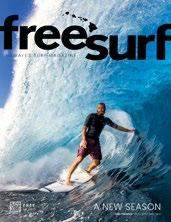
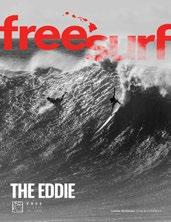
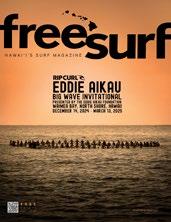
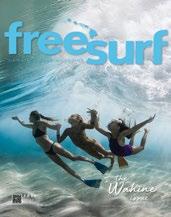
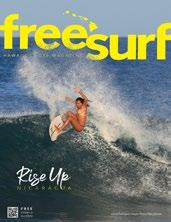
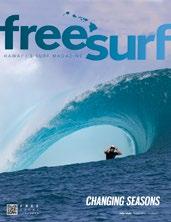
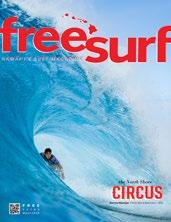
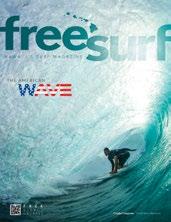

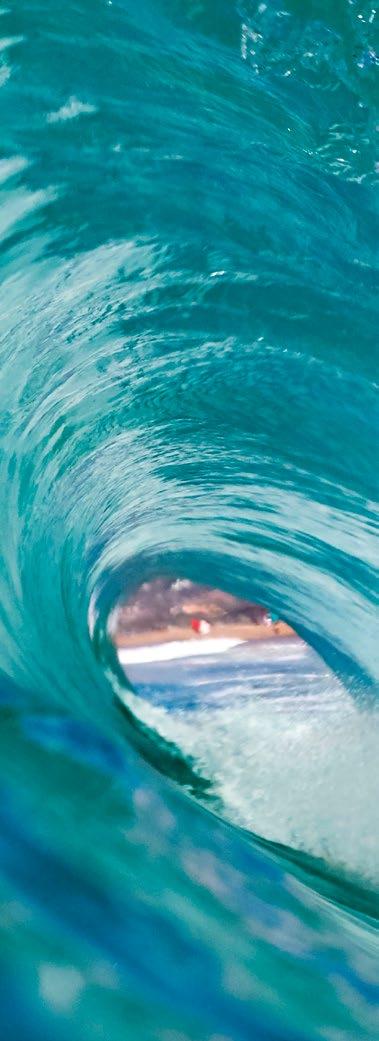
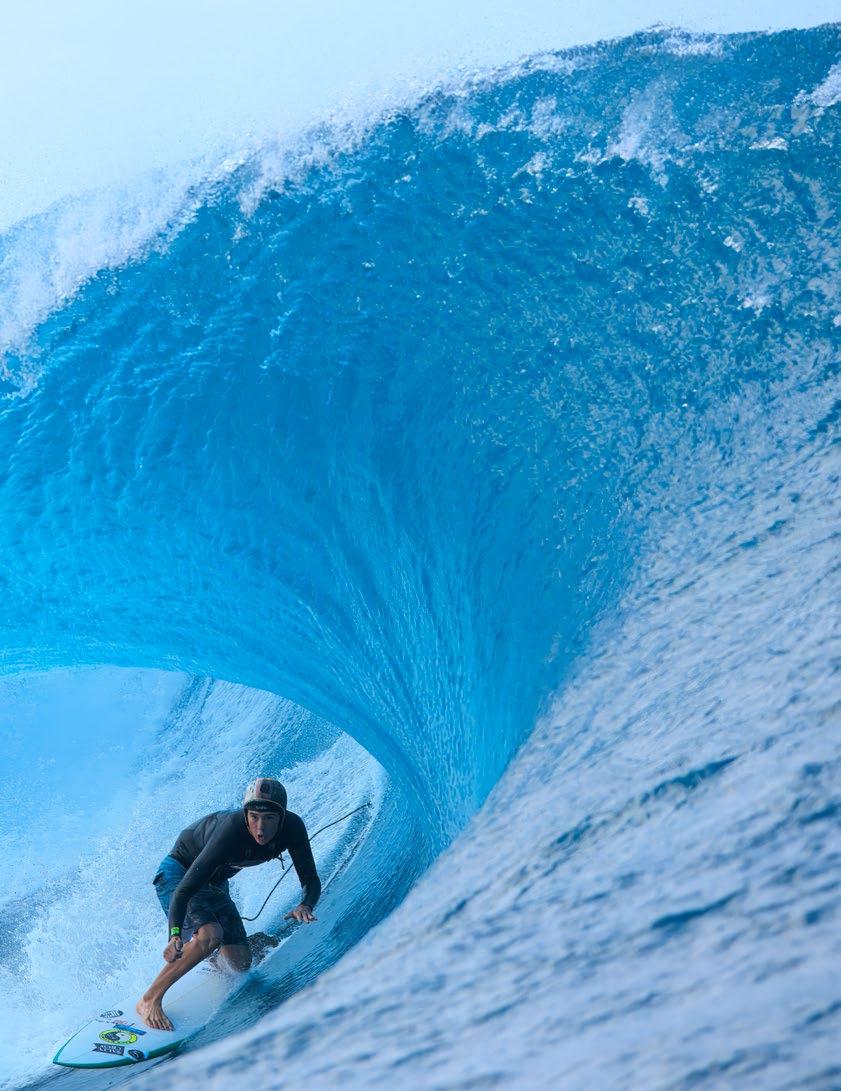
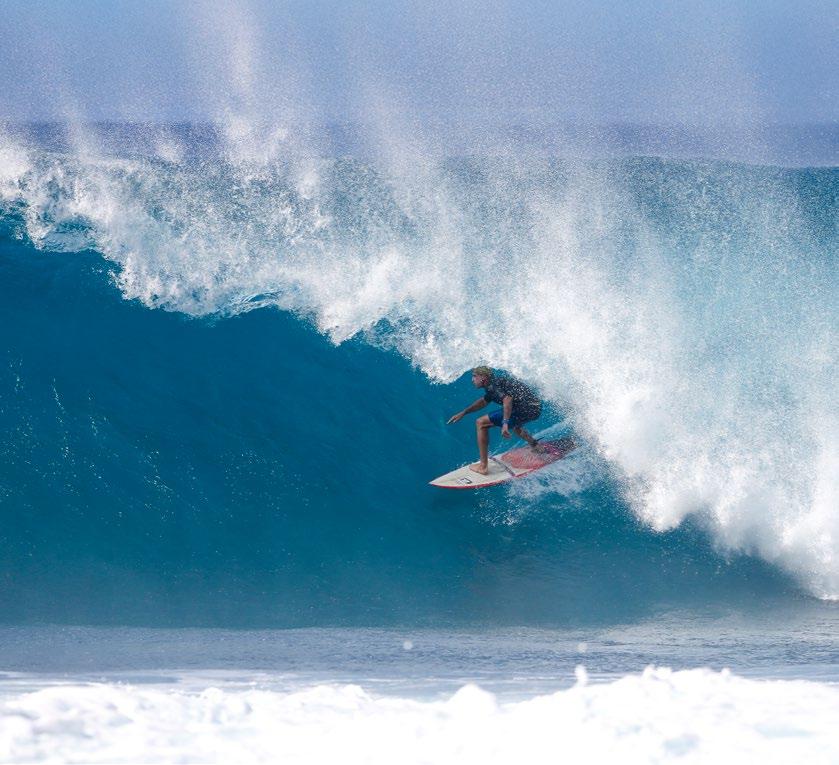
Coming next issue, some of the best unseen photos from deep in the freesurf files. Jacob Turner in a timeless tube at Teahupoo
Photo Brian Bielmann