fs
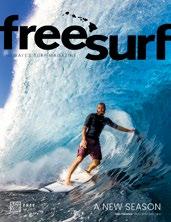
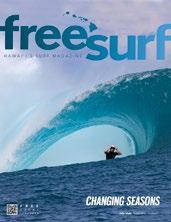
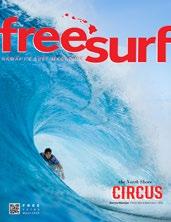
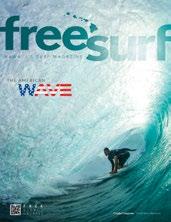
freesurf magazine
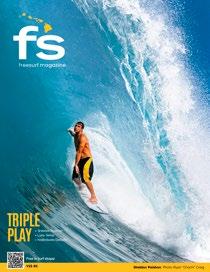
TRIPLE PLAY
+
+
Sheldon Paishon
Photo: Ryan "Chachi" Craig
Free in surf shops!
+ Sheldon Paishon
Luke Tema
Kalānōweo DeSoto
or The fish are biting.
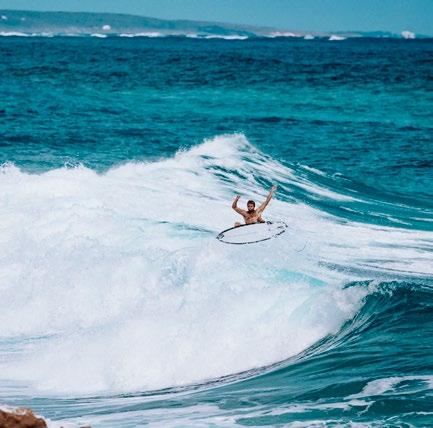
WHEN the surf is pumping.
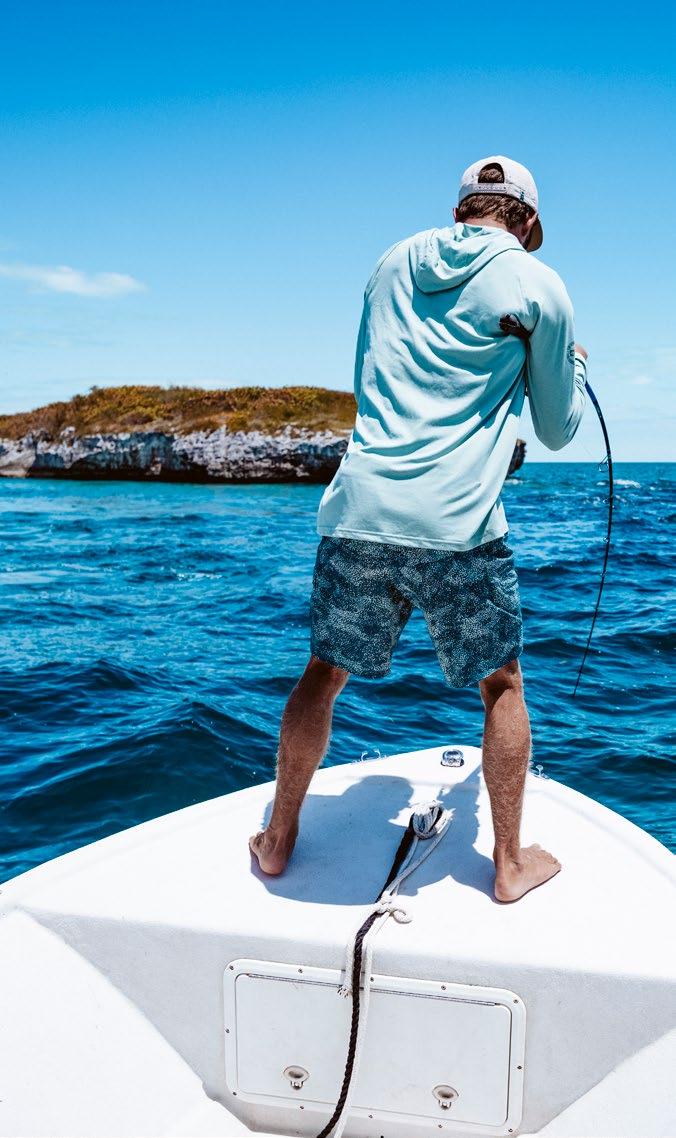
and nothing else matters...

freesurf magazine
+
+
or The fish are biting.
WHEN the surf is pumping.
and nothing else matters...
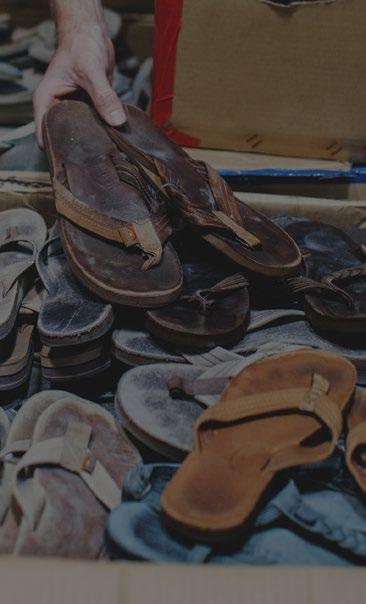

In 1974, after finding yet another broken sandal on the sand, I decided to create something better—comfortable, durable, and built to last. Rainbow® Sandals was born with a mission to make quality products that don’t end up in landfills. Our commitment extends beyond the sale: if your sandals are beyond warranty but still wearable, please return them. We’ll repair and donate them to those in need, from the unhoused to disaster victims. Our philosophy is simple: Repair • Reuse • Recycle and we hope you’ll join us in it.”
Founder / CEO

EZEQUIEL
Editor / Publisher
Mike Latronic
Photo Director
Brian Bielmann
Art Director
John Weaver
Staff Shooters
Brent Bielmann, Mike Latronic, Keale Lemos, John Weaver
Staff Writer
Kaea Latronic
Contributing Writers
Tor Johnson, Alexandra Kahn, Daniel Ikaika Ito, Nicole Nason, Amanda Blackwell
Contributing Photographers
Christa Funk, Ryan “Chachi” Craig, Dooma Photos, Dayanidhi Das, Erik Aeder, Mark Rodrigues, Aaron Lynton, Kurt Steinmetz, Mike Ito, Tommy Pierucki, Sean Evans, Stu Soley, Tai Vandyke, Mitch McEwen, Sivar Films, Humanocine, Feistan Rivera, Samuel Rivera
Distribution & Advertising Inquiries
Mike Latronic mlatronic808@gmail.com
Sales & Marketing
Randall Paulson
Business Administration
Cora Sanchez corabooks@freesurfmagazine.com
Hawai'i Distribution & Sales
Keola Latronic keolalatronic808@gmail.com
West Coast Distribution & Sales
Chuck Hendsch (619) 227-9128
FREESURF MAGAZINE is distributed at most fine surf shops and select specialty stores throughout Hawai‘i and Southern California.
We do not accept unsolicited editorial submissions without first establishing contact with the editor. FreeSurf, Manulele Inc. and its associates are not responsible for lost, stolen or damaged submissions or their return.
One-way correspondence can be sent to P.O. Box 1161, Hale‘iwa, HI 96712 E-mail editorial inquiries to info@freesurfmagazine.com A product of Manulele, Inc. 2026
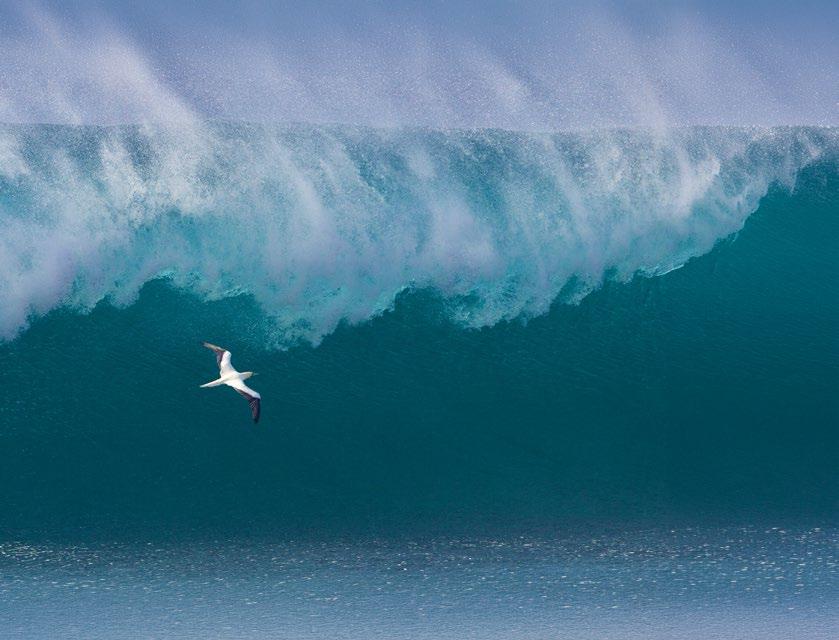
-Ralph Waldo Emerson




By Mike Latronic
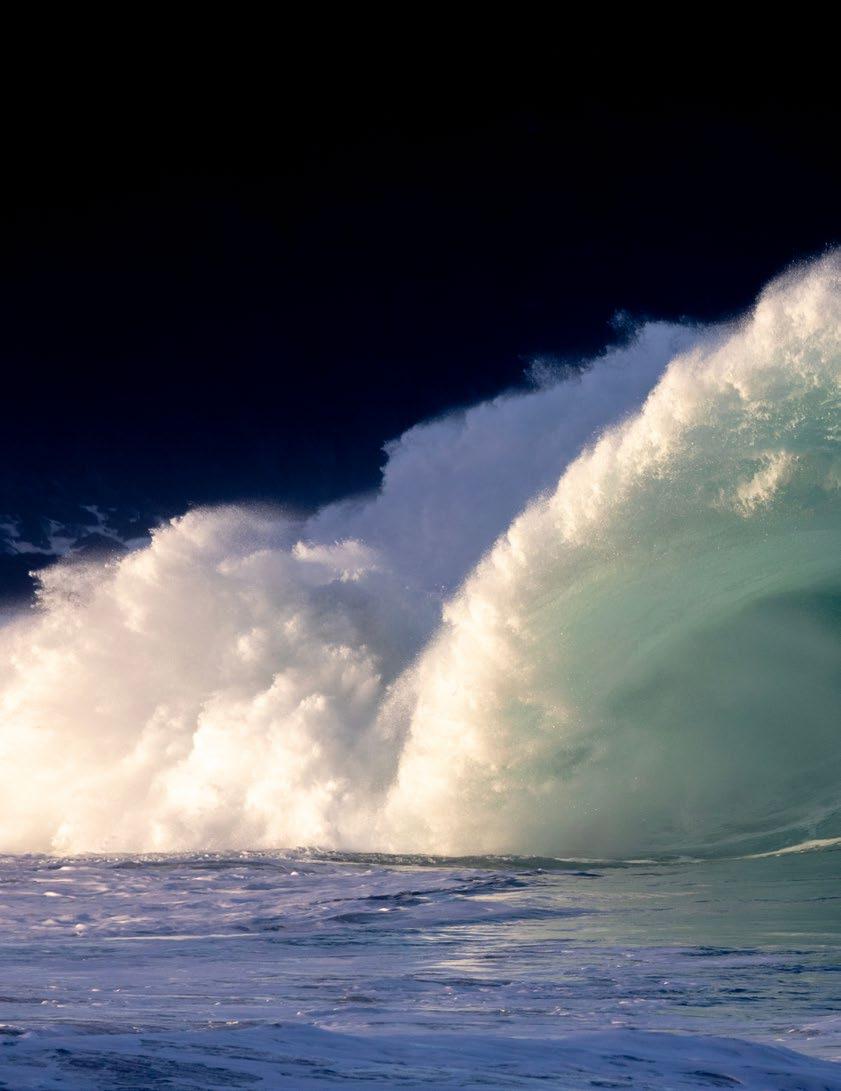
The past few months in Hawaii have been dominated by north swells and northern sideshore winds—more than usual, and certainly less than ideal. Of course, with the sheer volume of swells and setups on offer in the islands, there have been plenty of highlight moments, but overall, it’s been a spotty season for high-quality conditions. If my job as publisher is ultimately to provide you readers with a fun, visual summary through a “rose- and saltwater-tinted” lens, then we once again have an ample supply for the demand. In between the Aleutian storms comes more than enough blue-green goodness to keep you stoked.
In this installment, we double up on our feature interviews to bring you up close with three distinct Hawaiian talents. First, Luke Tema represents a new breed; he’s been a standout on the amateur scene for over a decade and has recently gained serious credibility in heavy situations across the North Shore.
Then, we have the Westside duo of Kala Desoto and Sheldon Paishon. Both athletes possess a wealth of raw talent, bringing that signature Westside energy to the electric North. The Desoto family is rife with talent, soul, and heart, and Kala’s recent win at Da Hui’s Backdoor Shootout is yet another highlight for that amazing strand of DNA.
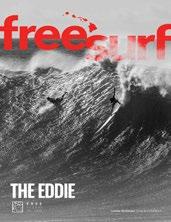
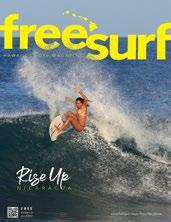
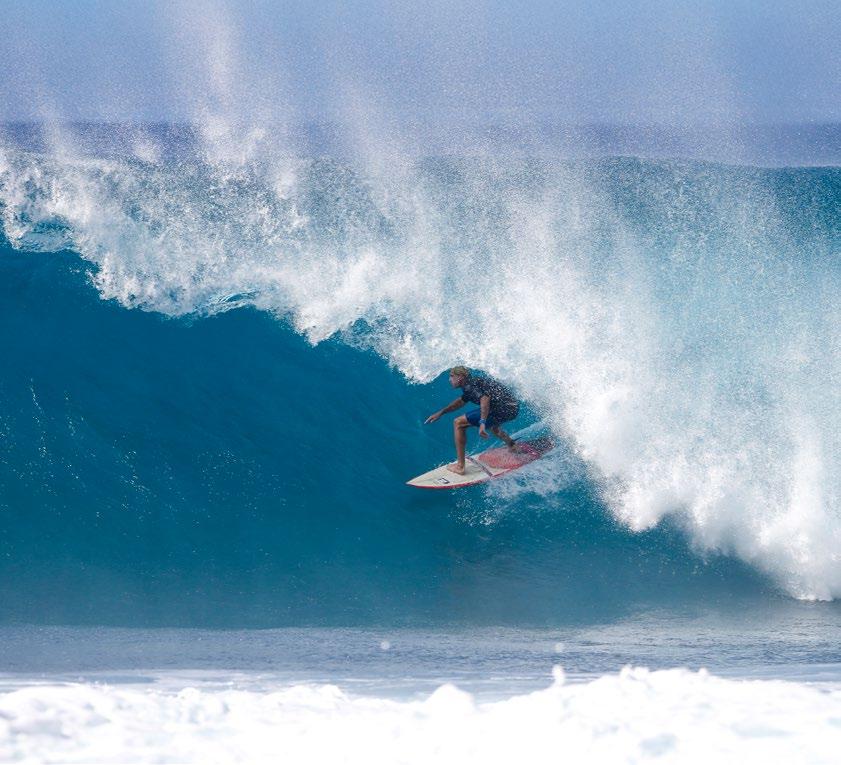
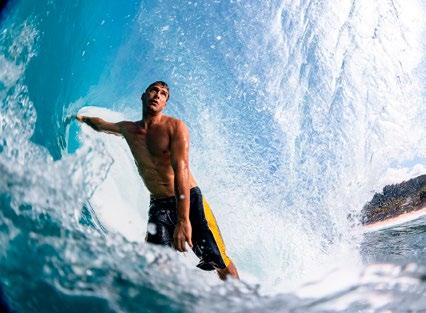
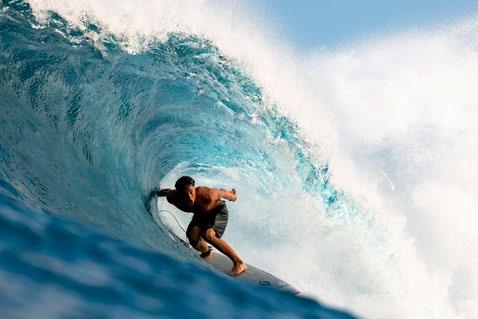
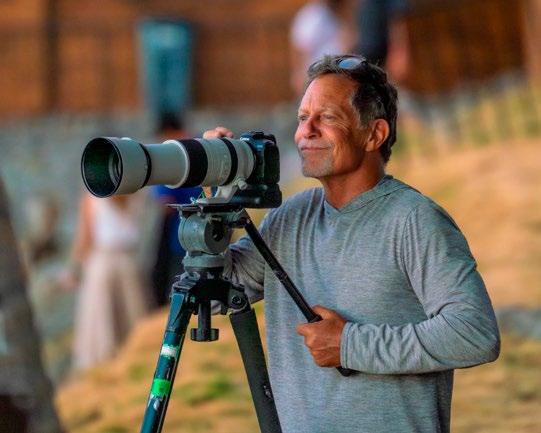
The Sheldon piece, featured on our cover, has been a long time coming. Nearly a decade ago, when Sheldon first started appearing regularly on the North Shore with his good friend Mason Ho, we were in the water at Pipeline together. I was shooting with my trusty 70-200mm lens, paddling out on a Storm Blade to stay "high and dry" above the field of wide-angle shooters and GoPro warriors floating closer to the pit.
It was one of those sizable northwest swells, and inevitably, several other photographers and I got swamped and rag-dolled by a massive set that shifted further over on us. Besides getting imploded and rolled, I lost my board, but I decided to keep shooting from the water using just my swim fins. I realized it would be fruitless to swim straight in to recover my board—it would have taken at least 20 or 30 minutes to get back out—so I figured I’d snag a few more shots before calling it a day.
Sheldon noticed I was without my board and, in a super-good-natured act of kindness, whipped around on a smaller sandbar bowl and yelled, “No worries, Uncle, I got you!” Within 10 minutes, Sheldon had paddled back out to the lineup with my board in tow. I remember thinking, Man, that kid is cool. For the record—now it’s my turn, Doggy: “I got you!”
MAHALO MARGARITA is a give-back cocktail program where on premise accounts donate a portion of sales from their MAHALO MARGARITA, made with Tradicional 100% agave tequila, to AccesSurf. Jose Cuervo® will match the proceeds up to $25k. Together, this joint donation of $50k would go to support surf experiences and more for a full year.
OAHU
Kuhio Avenue Food Hall / Waikiki
Kelly O’Neil's / Waikiki
Jorge's / Haleiwa
El Ranchero / Kapolei
El Ranchero / Wahiawa
Mekiko Cantina / Ko’olina
Restaurant 604 / Arizona Memorial
The Beachouse by 604 / Waianae
60 Fore Bar & Grill / Barber’s Point
604 Clubhouse / Leilehua
604 Ale House / Schofield
Mangiamo’s / Navy Marine Golf
OAHU HOTELS
Sheraton Waikiki Hotel
Royal Hawaiian Hotel
Moana Surfrider Hotel
Princess Kaiulani Hotel
Marriott Waikiki Hotel
BIG ISLAND
Huggo's
Lava Lava
Kai Eats
MAUI
Sergio's Cantina
Sheraton Maui
KAUA'I HOTELS
Friendly Waves
Lava Lava Beach Club
By Mike Latronic
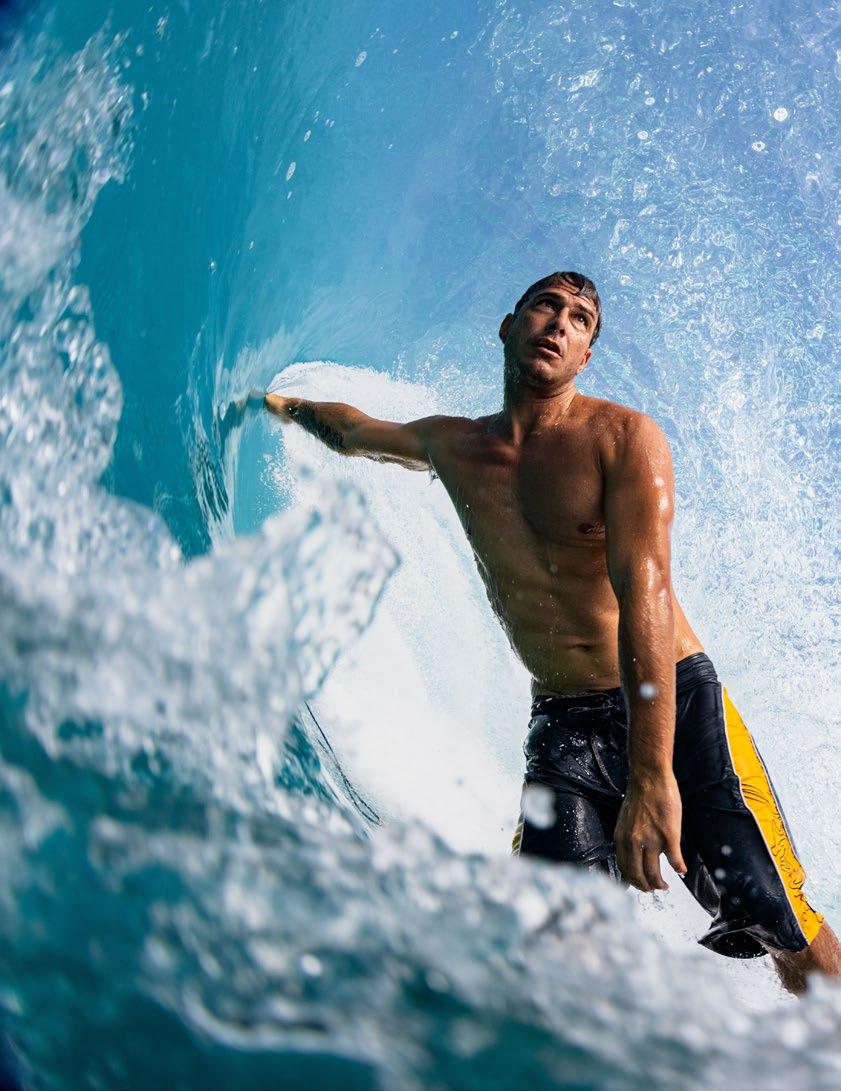
In the wet and wild world of professional surfing, there are few stories as raw and real as that of Sheldon Paishon. Hailing from the Westside of Oahu—a place of immense natural beauty but also deep-seated economic hardship—Sheldon’s path to the podium as runner-up to Kala Desoto last month at the Da Hui Backdoor Shootout was an inspiring coming-of-age story. Sheldon’s existence was never framed with silver spoons. Instead, it was forged in the sands and soul of Makaha, where he spent the better part of his childhood living in a tent with his parents. For Sheldon, the ocean wasn't just a playground; it was a sanctuary that offered a life beyond the challenge of homelessness and the pull of the streets.
His journey reached a global audience through the award-winning documentary Through the Doggie Door. Directed by Joe Alani and produced in partnership with his best friend, surfing royalty Mason Ho, the film is a raw exploration of Sheldon’s "poverty to the pros" arc. It captures the pivotal moment when Mason— who recognized Sheldon’s radical, "rambunctious" talent early on—helped him secure his first major sponsorship with Rip Curl. The scene of Sheldon signing that contract and finally getting the "sticker on the nose" famously moved industry legends like Mick Fanning to tears, serving as a reminder of what the sport represents at its core: hope.
Despite his world-class talent, Sheldon remained a somewhat hidden gem, often "stuck" on the Westside due to a lack of reliable transportation. However, the recent acquisition of a car changed the game, allowing him to put in the necessary time at the North Shore's "Proving Grounds." That dedication culminated in a career-defining performance just last month at the 2026 Da Hui Backdoor Shootout. In a specialty event known for its heavy conditions and prestige, Sheldon performed exceptionally well to clinch a second-place finish, sparring along the way with some of the best in the world.
One week after his historic run at Pipeline, we sat down with Sheldon to discuss his roots, his unique bond with the Ho family, and the magic carpet ride that continues to save his life every single day.
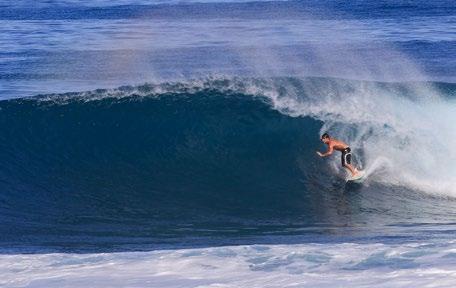
"Giving people a chance means everything."
Mike: Do you remember the first time you rode a wave?
Sheldon: Yeah, maybe when I was really young, surfing Makaha Beach. I kind of remember going left and then going right on one wave, and then going left again. That’s a memory I have in mind that made me hooked to surfing instantly. I think I was like eight years old... once I turned it, I was like, "Whoa, it’s a whole new world."
Mike: How does surfing make you feel?
Sheldon: The feeling you get when you're riding that wave is like no other feeling in the world. It's almost like you're flying. You know Aladdin, how he has the magic carpet? I feel like sometimes it's like a magic
carpet. You don't have to worry about nothing else. I grew up surfing my whole life. The ocean has saved my life in so many ways. So yeah, just love the ocean—water baby.
Mike: What do you think hooked you so deeply when you were young?
Sheldon: The feeling. Riding a wave feels like nothing else in the world. It’s almost like flying. Sometimes it feels like a magic carpet. You’re not really controlling the wave; the wave does what it wants, but if you can control your board, it feels like you’re in sync with it. And every wave is different. That’s why it never gets old. The joy I get from surfing is hard to explain. It just keeps pulling me back every time.
Mike: Back in the day—your teenage years—what role did surfing play in your life?
Sheldon: Surfing was kind of the only thing I had. Everyone has struggles, you know? Surfing kept me out of trouble and kept my mind in a good place. It plays a huge part in my life.
Mike: Want to tell us a little bit about the documentary you made a few years back?
Sheldon: Yeah, so the documentary is called Through the Doggie Door. It’s a documentary of my life and how I grew up on the beach. It’s about how surfing saved me. I met a lot of good people along the way who put me in the right places at the right times. I’m truly blessed. Surfing is the biggest blessing in my life. It's a human story. It's about me and the struggles I went through to get where I am. You never give up, you know?
"The west side is gnarly—we’ve got heavy, shallow spots—but the North Shore is the proving ground... One good wave out here can change your whole life."
Mike: Support matters.
Sheldon: Yeah, things could’ve gone a lot different for me. Support goes a long way. We’re a community—it’s important to acknowledge each other. Especially the kids. Doesn’t matter what they do—surfing or anything else. There’s so much talent in Hawaii. Giving people a chance means everything.
Mike: You didn't give up, and just last week you got second place at Da Hui’s Backdoor Shootout. That’s a prestigious event!
Sheldon: Yeah, that was awesome. Kala Desoto got first; we're both from the Westside, so it was super cool to see my brother, you know? Me and him from the Westside making a name for ourselves. The waves weren’t that good, but it was still
awesome. Makaha had a lot of great surfers back in the day, so it feels good to carry that flag.
Mike: Why is the Shootout such a big deal?
Sheldon: You get to surf Pipeline with only four other guys—almost impossible on a normal day. My cousin Johnny Boy Gomes did it back in the day. All the legends did it. Who wouldn’t want that?
Mike: The last couple years, you’ve been coming to the North Shore more often and getting some incredible waves.
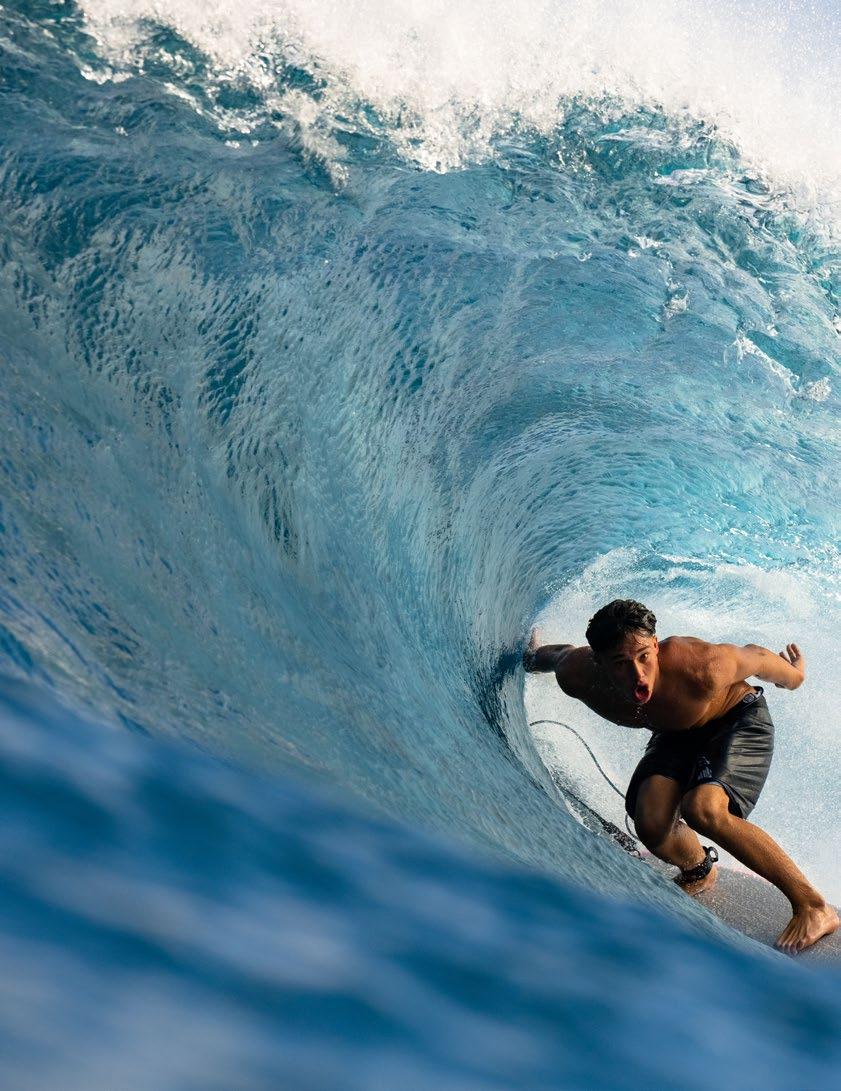
Sheldon: Yeah, I finally got a car, and that changed everything. I used to be stuck on the Westside while it was firing up here. Now there’s no excuse. When it breaks, I’m in the barrel.
Mike: What’s it like stepping into the North Shore arena?
Sheldon: The Westside is gnarly—we’ve got heavy, shallow spots—but the North Shore is the proving ground. The cameras are here, the sponsors are here, the contests are here. One good wave out here can change your whole life. Pipeline is where it’s at.
Mike: People get fired up when you and your good friend Mason paddle out together—not just for the waves, but for the energy you guys bring. Talk about your friendship.
Sheldon: Mason is one of the most interesting surfers in the world. He’s like a wizard—shows up, blows up, disappears. He’s got it down to a science. I’m always taking notes. He’s like my big brother. I was surfing on my own, but he was always there for me—giving me boards, looking out for me. He helped me with the documentary and helped get me on Rip Curl. I’m super thankful for him. Love you, my brother.
Mike: What’s going on in your life right now, and what's next?
Sheldon: I’m focused on bettering myself in the ocean— getting deeper barrels, stoking out the sponsors, staying out of trouble, and just living a good life. Next is probably just going on a lot of trips with Mason and keep getting barreled. Hopefully, I'll get in the Eddie one day. Catch a big one out there. But that's a lot of work to get to, you know? So I'm just taking it one day at a time. Riding that momentum.
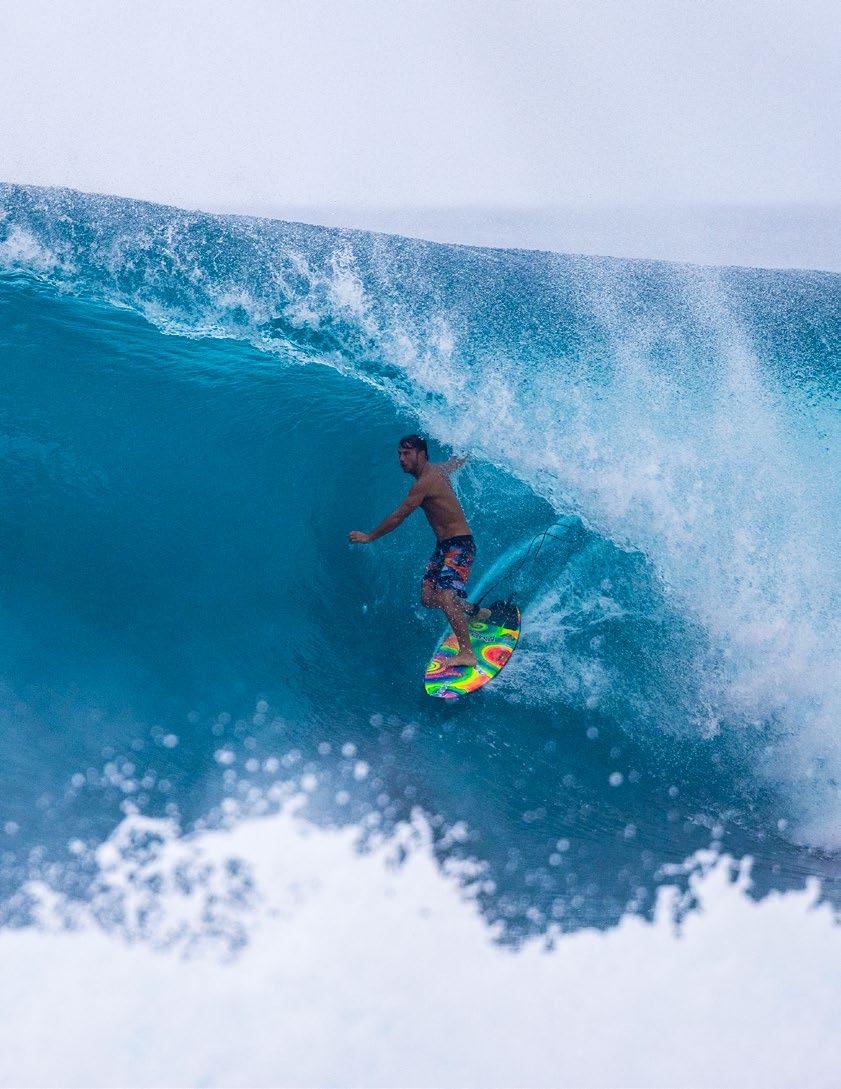
"I used to be stuck on the west side while it was firing up here. Now there’s no excuse. When it breaks, I’m in the barrel."
By Mike Latronic
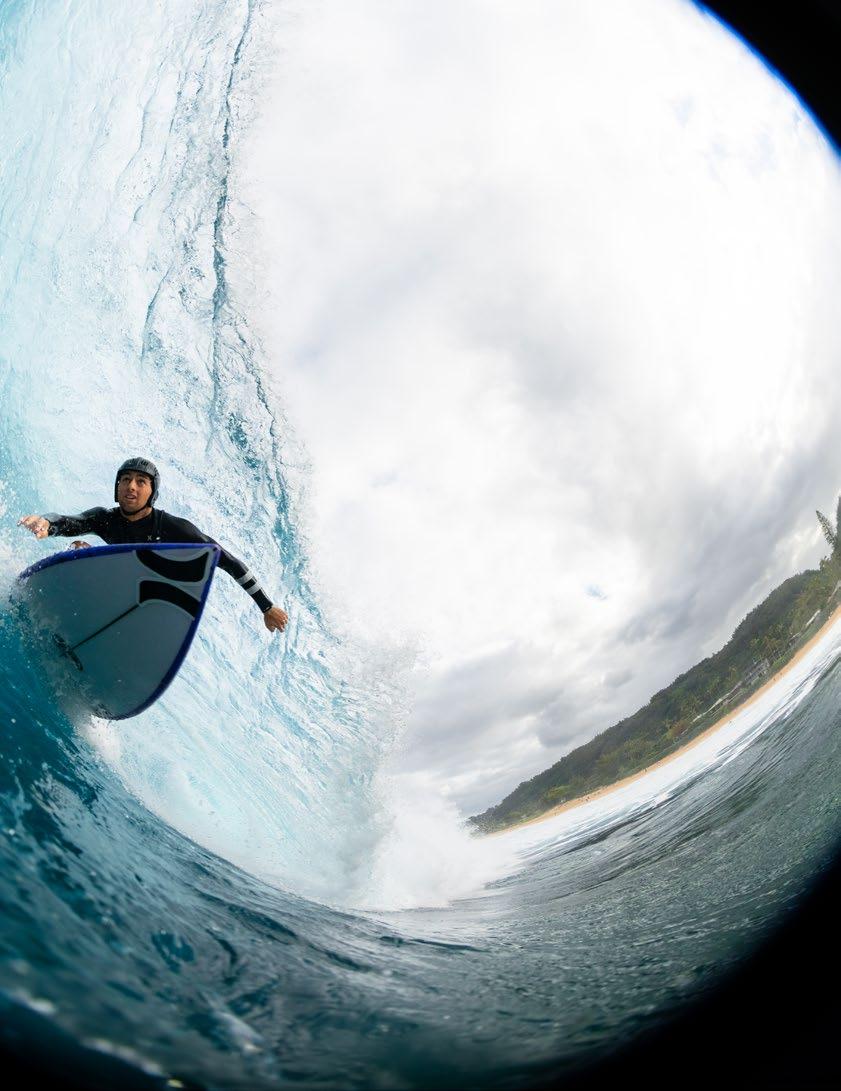
Freesurf Magazine is always looking to spotlight colorful personalities, extreme athletes, and champions who live for the chase. One young man who has transitioned from a frothing amateur to one of the most respected new faces in the lineup at Pipe and other waves of consequence is Luke Tema.
I first became familiar with Luke on the amateur circuits around Oahu. Back then, he was your typical "surf rat"—skinny, stoked, and a standout at every main break he surfed. Fast forward seven or eight years, and the physique has caught up to the talent. Standing at 6-foot-1 and 170 pounds, Luke has matured into a powerhouse athlete.
Born at Kapiʻolani Hospital and raised in Honolulu, Luke’s love affair with surfing started at Diamond Head. "I learned to surf on a little inside reform by Turtle Bay," Luke recalls. "But the first real memory was a barrel in Town when I was six. I felt the lip go over me and just thought, this is cool."
That "cool" feeling became an addiction. In 2020, his family moved to the North Shore, and Luke’s trajectory shifted into warp speed.
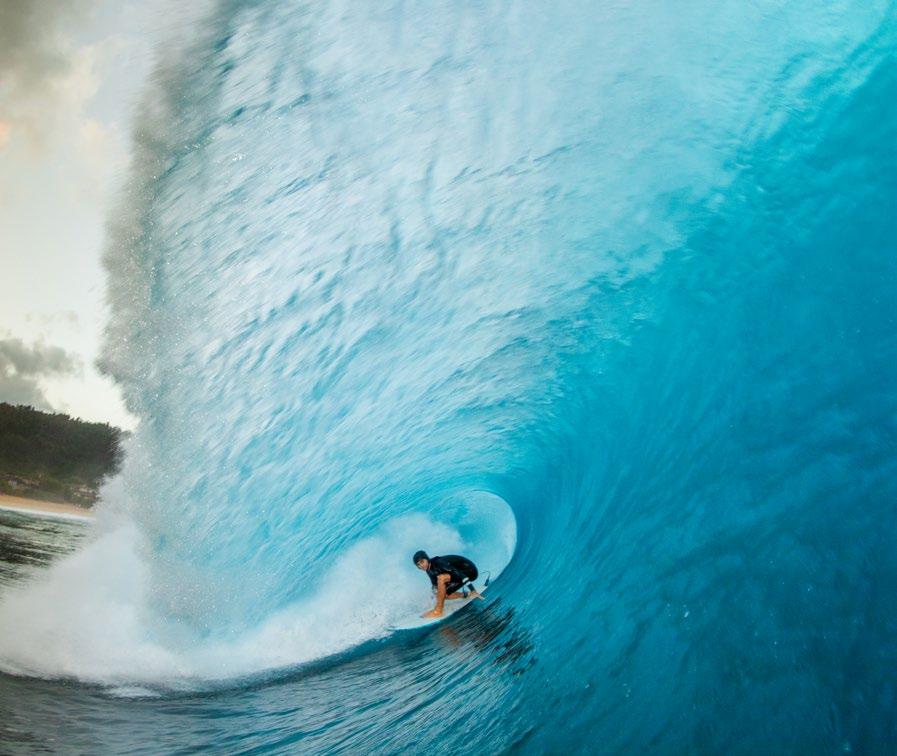
Behind every great young athlete is a support system, and Luke’s is as "frothed" as they come. His father, Eric, is an avid surfer, and his mother, Jen, is the ultimate "vid mom." If Luke is in the water, Jen is likely on the beach with a camera, rarely missing a session.
"My parents are the best," Luke says. "They support me through everything. Having them by my side makes the journey that much better."
Luke is at the top tier of a solid group of young performers in Hawaii. Historically, there’s always been a competitive group of teenagers coming out of this region, but what truly separates Luke is that he is at the forefront of the "New Guard" at Banzai Pipeline. While most kids his age are relegated to the middle or inside sections,
his performance at the Da Hui Backdoor Shootout last year—as a wildcard alternate for the New Earth Projects team—was a statement. Falling out of the sky into massive barrels, he looked as comfortable as a 20-year veteran.
Luke’s performance is backed by a long-standing relationship with shaper Kerry Tokoro at HIC. For nearly eight years, Luke has trusted Tokoro’s shapes, specifically naming the Hyper model for shortboards and the M7 model for when the North Shore starts "macking."
"I don't know much about the technical side of the boards," Luke admits. "I’m like a race car driver; I just know how to get around the turn. Kerry knows what I need based on how I’m surfing."

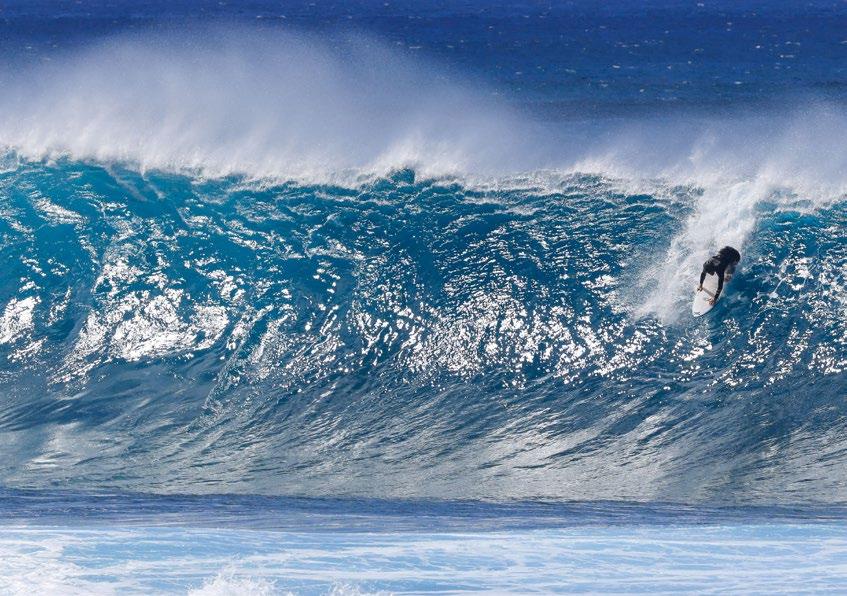
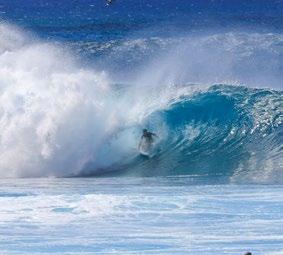
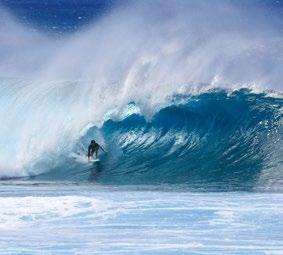
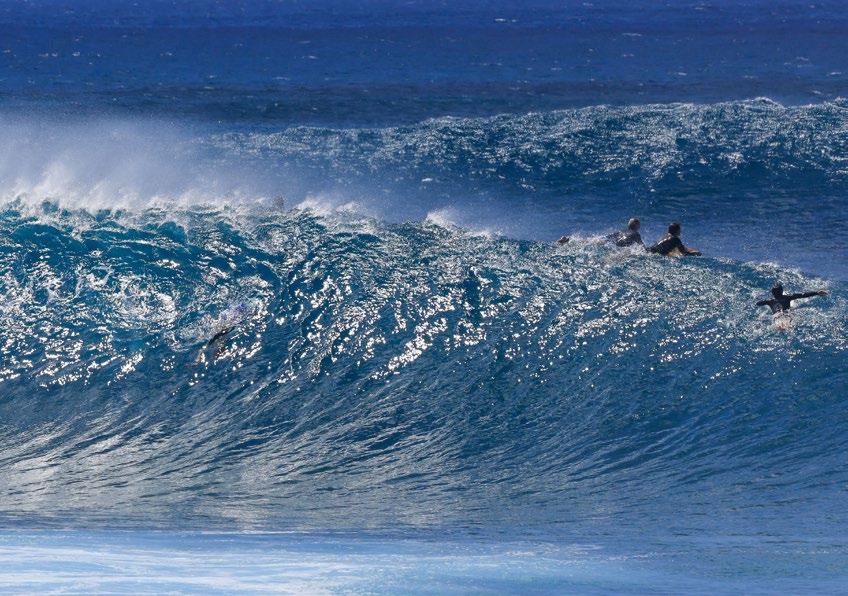
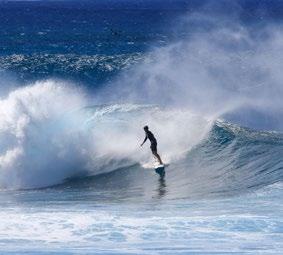
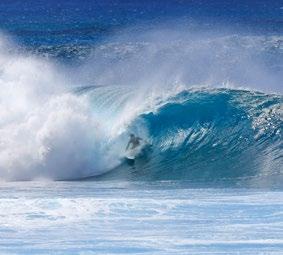
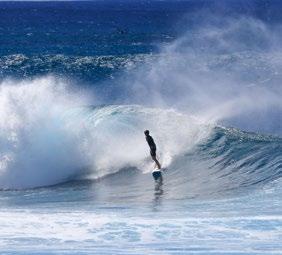
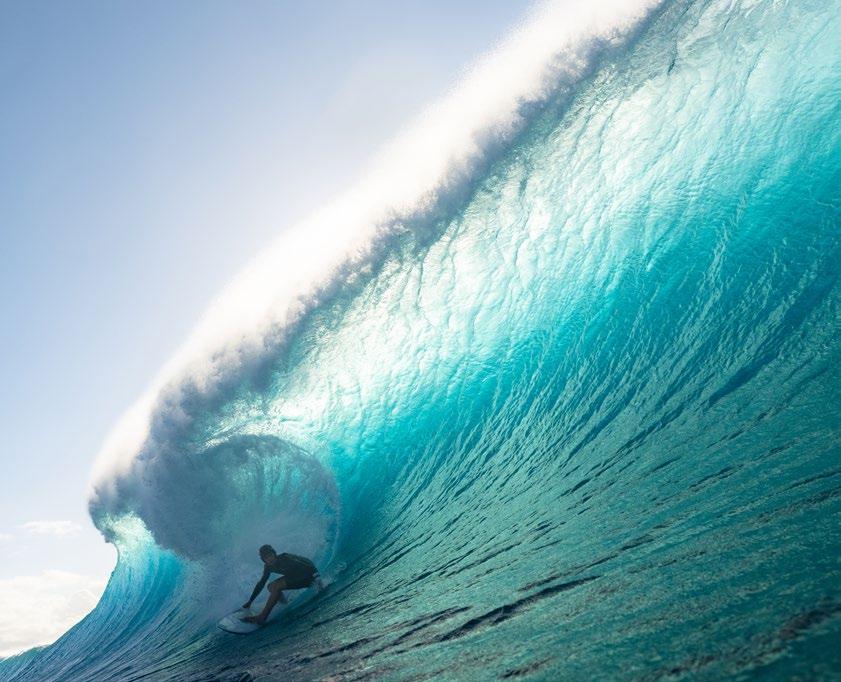
When the waves go flat, you’ll find Luke on the golf course—a hobby he shares with his father and, occasionally, a guy named Kelly Slater. "I’ve played with Kelly a couple of times. He beats me for sure, but I’ve had him for a couple of holes!"
Luke isn’t just surfing for the cameras. His competitive resume is stacking up fast. In November 2024, he claimed a massive victory at the WSL Hawaiian Islands Sunset Pro, beating out a field of seasoned veterans and proven chargers. He’s also notched wins at the Haleiwa International Open and the Ballito Pro Junior.
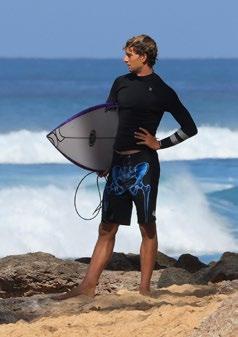
His goal is singular: The Championship Tour.
"That’s been my dream since I was a little kid," says Luke. "I want to be the most well-rounded surfer I can be— airs, turns, barrels, everything."
With his blend of humility, aggression, and a "clear mind" focus when he paddles into a heavy peak, the rest of the world is about to see what the North Shore already knows: Luke Tema is no longer the "surf rat" from Town. He’s the future.

By Mike Latronic
When Kala DeSoto claimed victory at last month’s Da Hui Backdoor Shootout, it felt like more than a breakthrough performance at one of the North Shore’s most respected invitation-only events. It felt like a continuation—another chapter in a family story deeply rooted in Hawaiʻi’s surf culture, community, and values.
Surfing may be an individual pursuit, but Kala’s path has never been walked alone. He comes from a lineage where the ocean is more than a playground—it’s a classroom, a gathering place, and a responsibility. At the center of that lineage is his father, Duane DeSoto, a former world champion longboarder whose influence extends well beyond competition. Together with his wife and family, Duane has spent decades giving back to Hawaiʻi’s surf and cultural communities.
That commitment is most visible through the family’s work with Nā Kama Kai, a nonprofit dedicated to reconnecting Hawaiʻi’s youth with the ocean through Hawaiian values, mentorship, and education. For the DeSotos, surfing isn’t separate from service—it’s an expression of kuleana.
Growing up in this environment shaped Kala well beyond contest results. Respect for the ocean was non-negotiable. Cultural awareness mattered. And success in the water came with an expectation of humility outside of it.
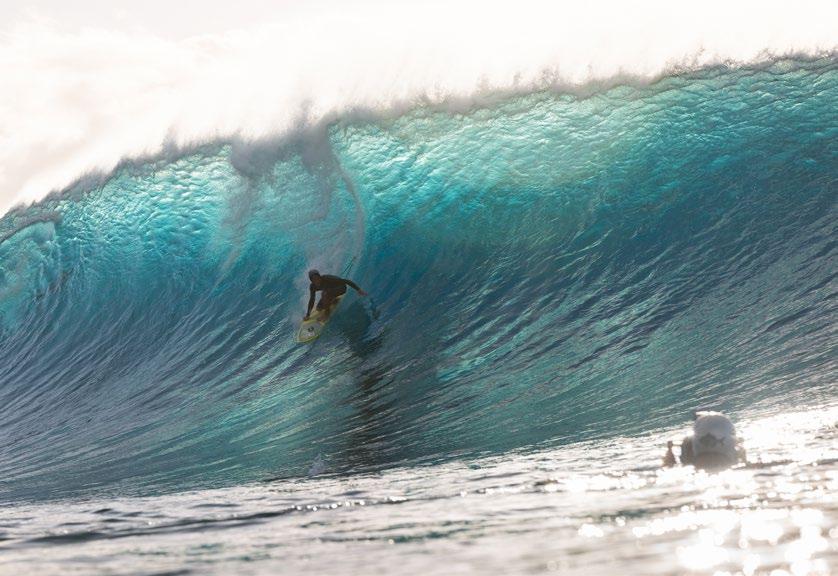
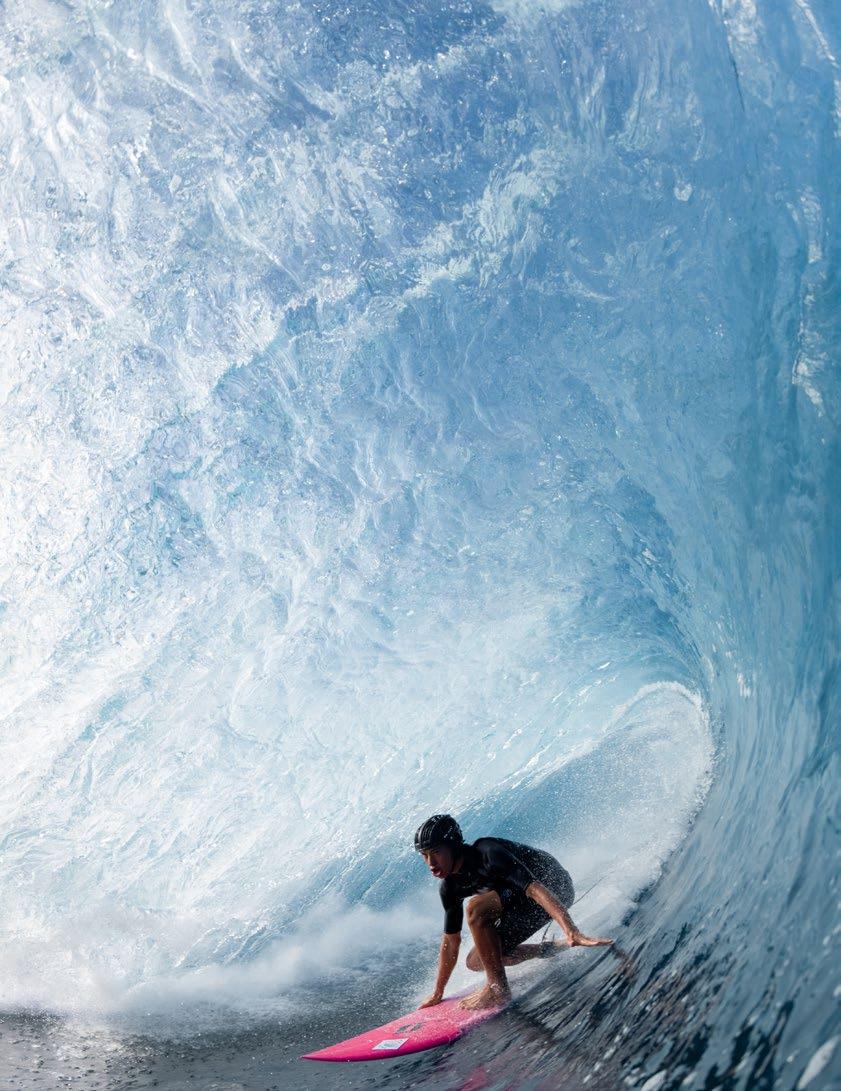
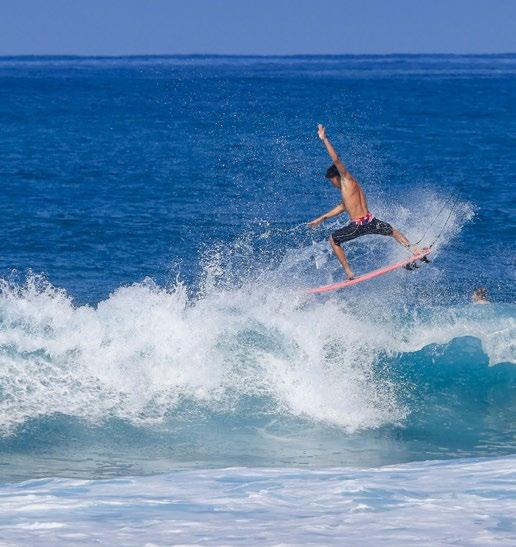
At the Shootout, Kala had one goal: get barreled. Pipeline and Backdoor demand more than skill—they require patience, positioning, and an understanding of waves of consequence. Kala surfed with a calm confidence that spoke to years of commitment inside one of the world’s most consequential lineups.
What stands out just as much as the win is how he carries it. There’s no sense of arrival—only gratitude, perspective, and acknowledgment of the people and places that shaped him. This conversation begins not with a trophy, but with legacy—one built on ocean knowledge, service, and aloha, now carried confidently into the future.
Because it’s fun.
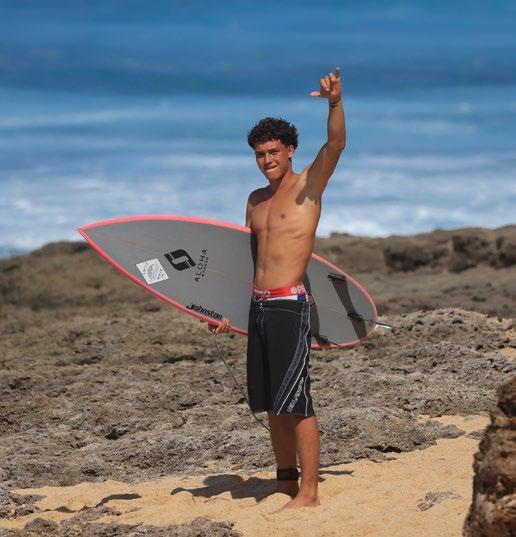
You come from a strong surfing family. Do you remember what first inspired you to start surfing? I’ve been surfing since before I can remember—baby times with my dad. The first time I really wanted to take it seriously was when my sister Pua started taking it seriously. She was competing and doing really well, and that motivated me.
What are your earliest memories of actually riding waves?
Probably long days at Waikīkī. My dad would take us down, and I’d be on his board with him when I was around four. I was doing it before that, but age four is what I remember most clearly.
Your sister Pua had a big influence on you. Why is that?
I look up to her a lot. She’s amazing—not just at surfing, but in everything she does. She’s a great businesswoman, super smart, did really well in school, and she won a lot of contests. She has around 11 national titles, and that was really inspiring for me.
You have a big family—five siblings? Was there sibling rivalry growing up? A little bit, but mostly we’re all really supportive of each other.
Your family is deeply connected to surfing culturally. What does that mean to you?
How would you describe your family to someone who doesn’t know the DeSotos?
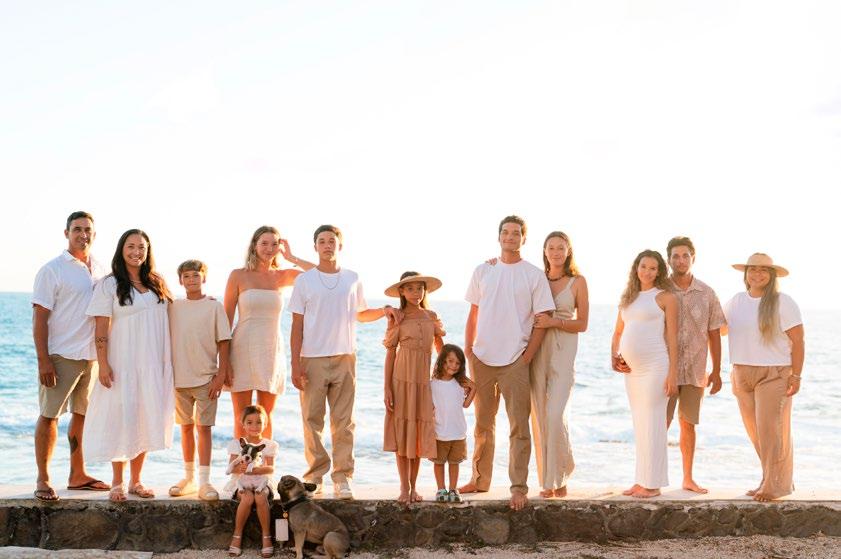
We’re a big family from Mākaha. My dad is a worldchampion longboarder who traveled the world. My uncle is a world-champion motocross rider. We’re a family that loves the ocean.
It’s more than just a sport for us—it’s our cultural practice. Our kūpuna have been doing this for hundreds of years. That’s the main reason for me. I feel a responsibility to continue that and represent Hawaiʻi the right way.
You grew up around Nā Kama Kai. What role did that play in your life? It taught me how to be safe in the ocean, how to respect the ocean, and how to respect people. Growing up helping teach other kids really helped shape who I am.
How important is ocean stewardship to you now?
It’s super important. If we don’t respect nature, it won’t be here for future generations. We have to take care of the ocean and the reefs so the next generation can experience the same beauty we did.
Let’s talk about Pipeline and Backdoor. How did your progression out there happen?
I started surfing it consistently about four years ago, staying on the North Shore with the Chandlers at the Ohana house at Pipeline. The first few years I was mostly on the inside, just getting what I could. This year I started realizing I could get the better waves.
Was spending time on the inside section important for you?
For sure. It takes time to learn that lineup. Even from the inside, you learn a lot just by watching—how guys position themselves, where they take off. You really have to start at the bottom and work your way up.
Was Pipeline intimidating at first?
Yeah, super intimidating. But I was around people who charged out there, and that really motivated me.
Was surfing Pipe something you wanted personally, or something you felt you needed to do?
It was definitely something I needed in my arsenal. Watching my dad’s old clips motivated me too. And honestly, I just love surfing it.
Tell me about your experience at the Da Hui Backdoor Shootout.
It was a roller coaster. I was driving in from the West Side every day, waiting for the call. The first day was really good—I got one of the best waves of the day. After that, conditions were tricky, and they ran an expression session instead of full heats, which was a little frustrating, but that’s just how it goes.
How did it feel to win at just 18 years old against such a heavy field?
It felt really good. It was a big confidence boost. It made me realize that I belong out there and that I deserve to surf with those guys. I’m just going to keep surfing Pipe and keep pushing myself.
What’s next for you?
Just keep surfing, keep learning, and keep moving forward.


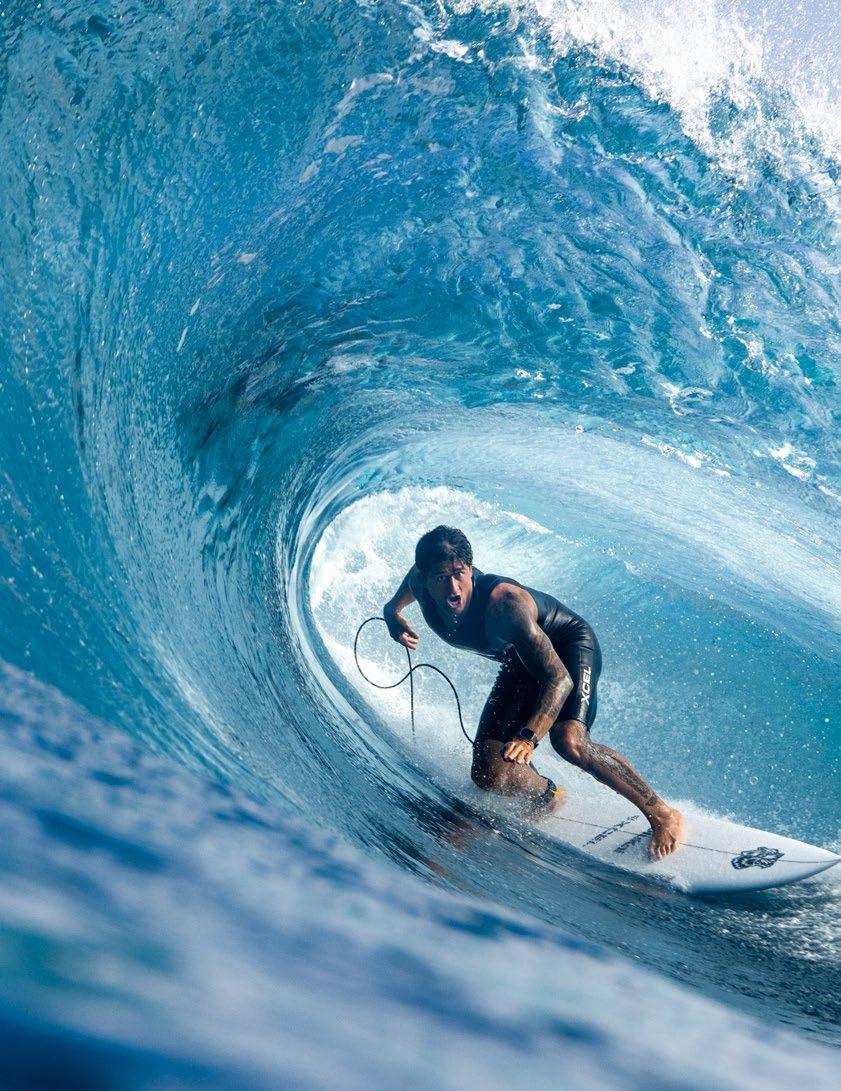
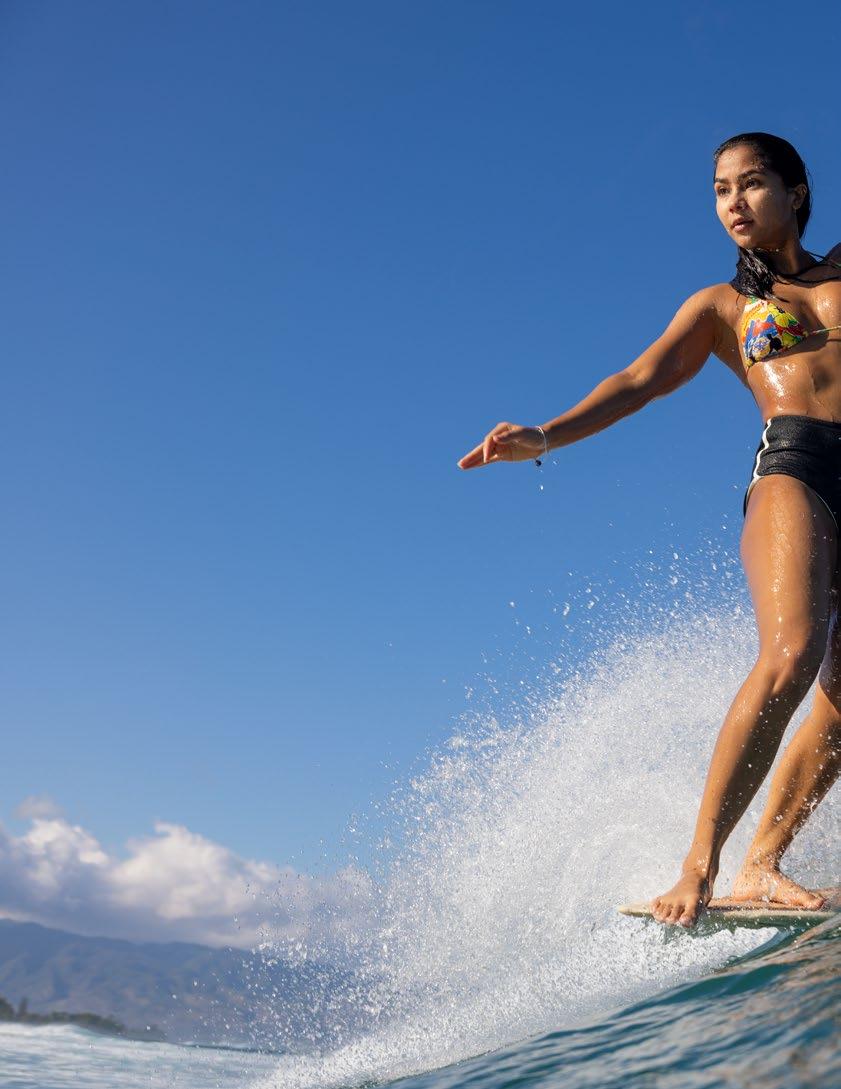
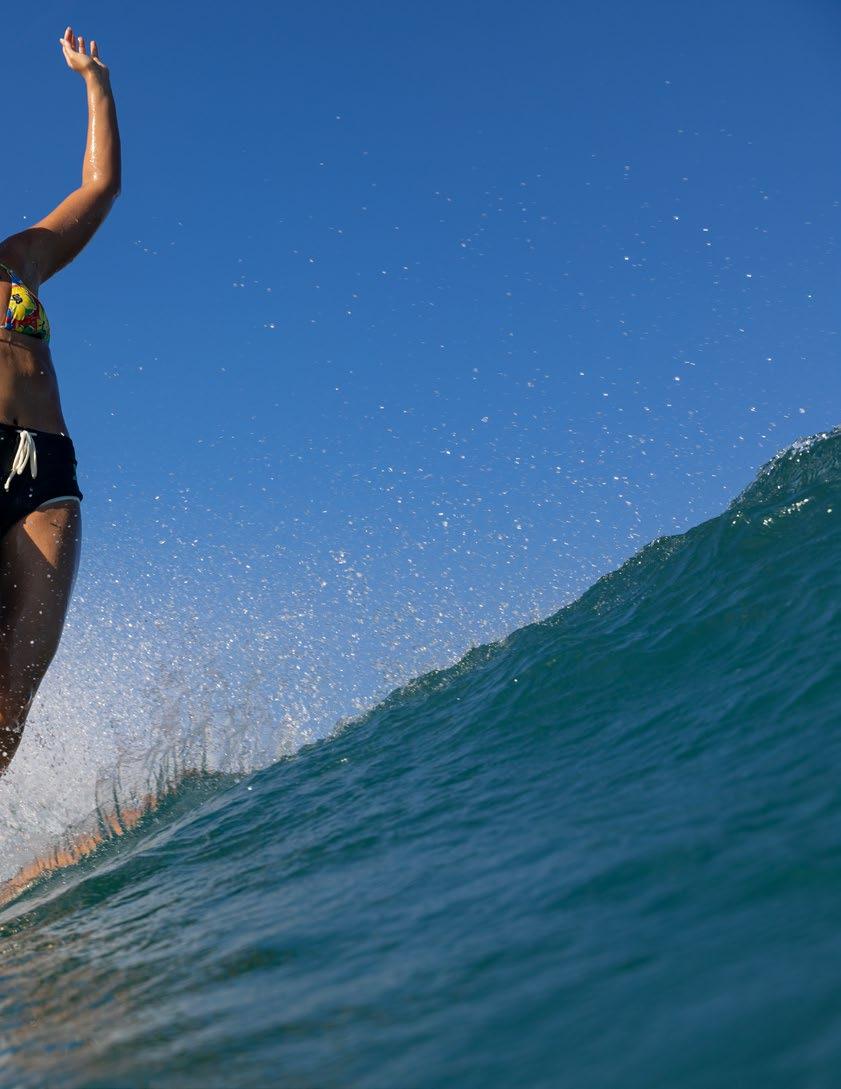
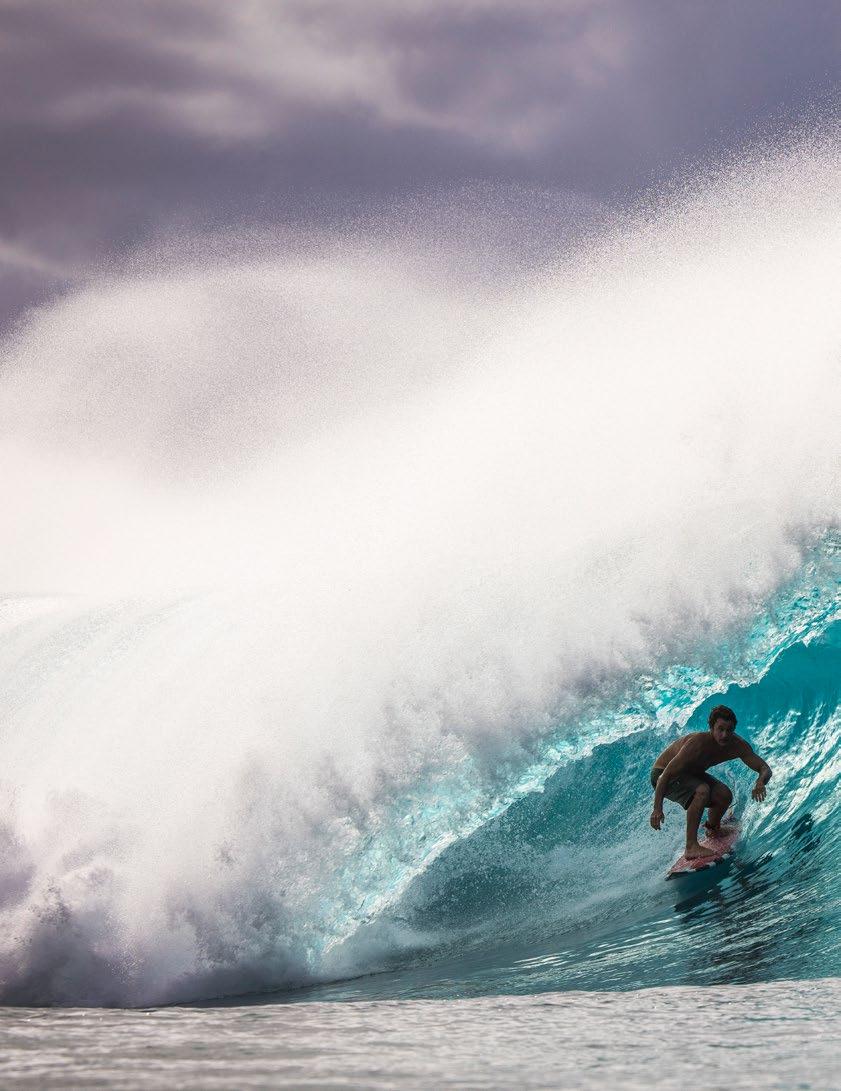
Brent Bielmann
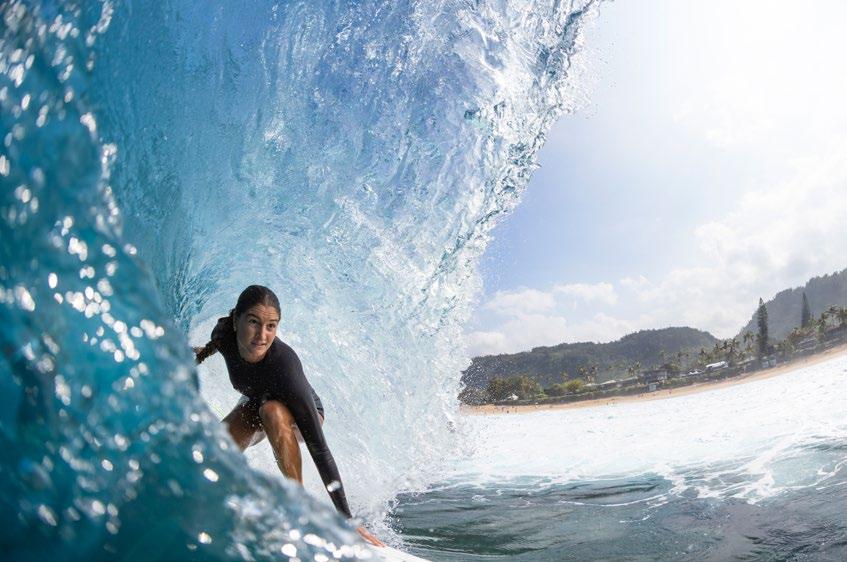
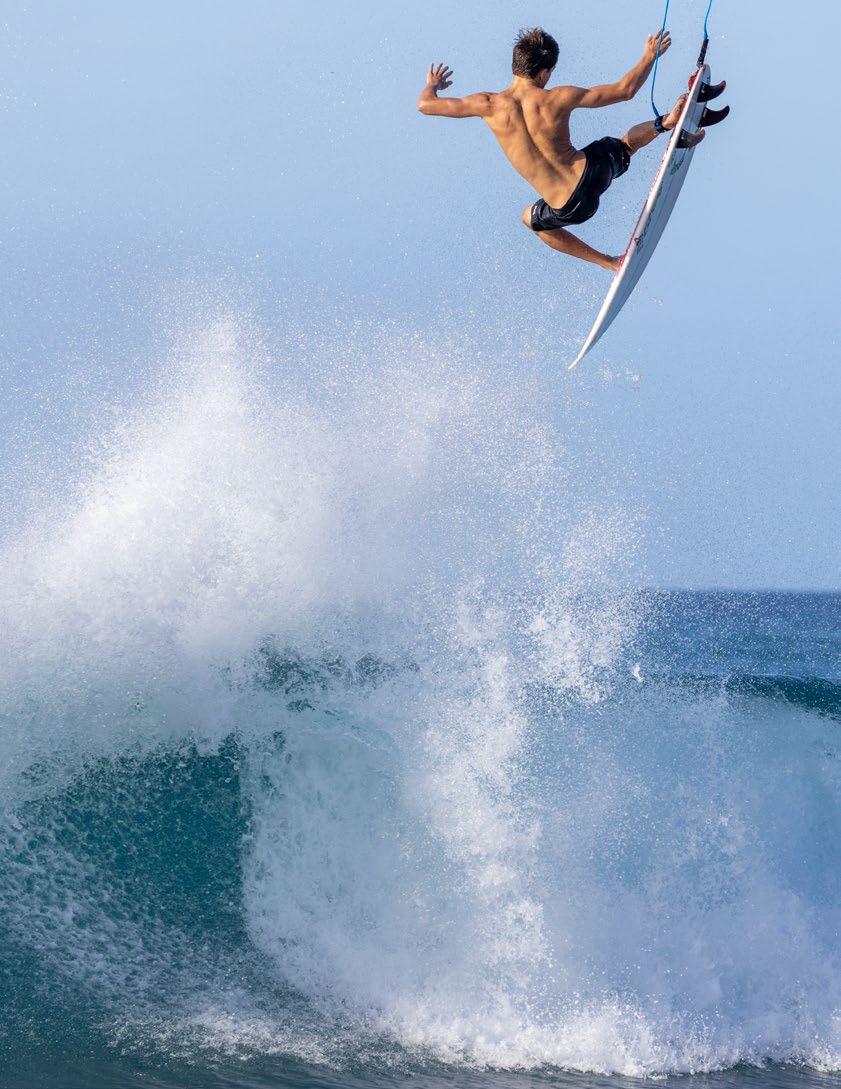
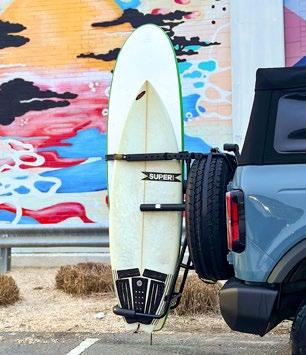
The world’s first over-the-tire, rear-mounted surfboard rack
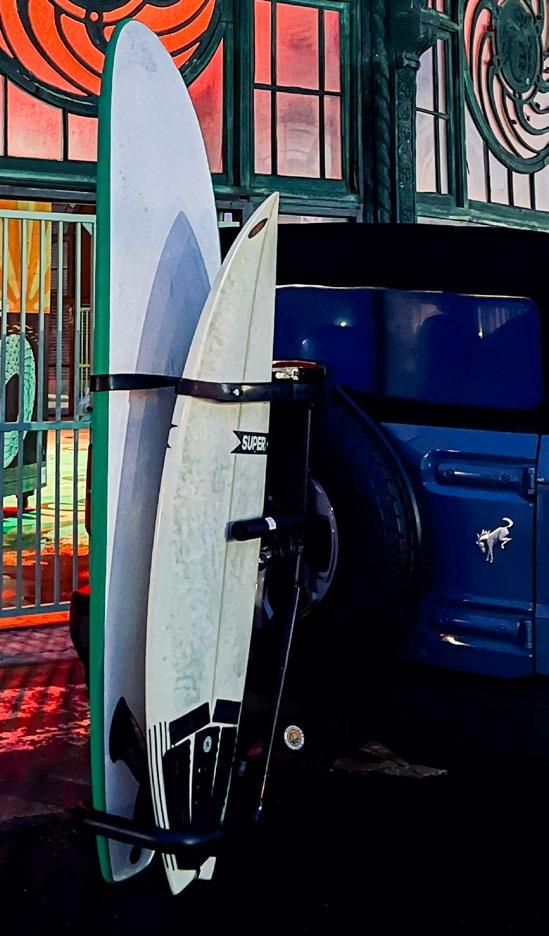
Surf culture is family. RadRack lets you bring the people you love with you without compromising comfort. Ride with us…there’s more to come .

By Mike Latronic
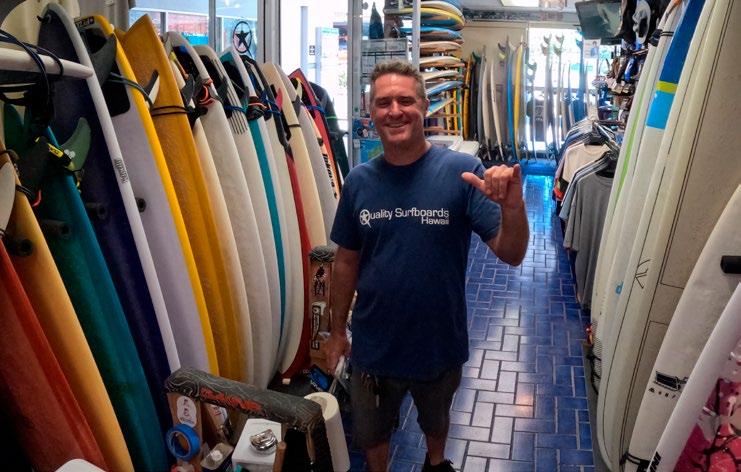
Jason Gantz is as true a surfer for life as anyone I know. Born and raised in Hawaii, he grew up near the water with a board under his feet as long as he can remember. From playing at the beach with his family and friends to testing himself in surf contests, Jason’s early years were defined by beach days with his family and a competitive drive that pushed him to chase better waves and surf alongside his peers.
Jason was deeply involved in the surf scene as an amateur — a place where he forged lifelong friendships and established his reputation among Hawaii’s surf community. Gantz also picked up his fair share of trophies and final finishes as well as a few victories as state champ and US champ. He would evolve to a regular face at the Hawaii Pro Am circuit and pro surfing scene.
After years travelling abroad and competing regionally, Jason shifted focus back to Hawaii, where his passion for the sport and connection to fellow surfers naturally led him into the surf business. For more than 17 years, he has been the owner of Quality Surfboards Hawaii in Waikiki — a hub for locals and visitors alike seeking quality gear, trusted advice, and genuine aloha. Through his shop, Jason continues to support the surf lifestyle he’s lived since childhood.
Tell me a little about your history and how you first discovered surfing.
Sure. I was born and raised in Hawaii. I don’t really remember a time I wasn’t in the water. My sister and I started out on a rubber mat in the shorebreak, then bodyboarded for a long time before my parents bought me my first surfboard. It was a single-fin on Christmas Day. I think I was about 8 or 9. From then on, I surfed as much as I could, sometimes three times a day.
Do you recall the first moment you felt comfortable or excited about surfing?
I think the joy came even before surfing itself. My dad loved the beach and he’d take us there after school and on weekends, so the ocean was just part of our lives. Surfing wasn’t a sudden click. It was just what we did. My first goal as a kid was to land a 360, and I never quite got it down, but I just kept getting better and loving it more.
Who did you compete with growing up? What drove you as a surfer?
Amateur competitions were everywhere when I was young — almost every weekend. That competitiveness pushed me to improve and also built friendships. Some of my closest surf friends came from that era, and that community was
RENTALS - NEW BOARDS - SKATE - USED BOARDS

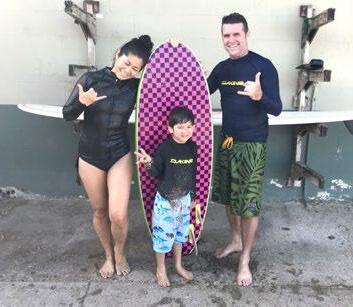
more meaningful than the contests themselves. Later I traveled to places like California and Tahiti and met surfers from all over. If you surf, you’ve got something in common no matter where you’re from.
Did your family surf?
Actually, my dad never surfed and my sister didn’t either. But we were always at the beach — Dad scuba-dived, brought neighborhood kids down to the water, and we just spent our days there. Barber’s Point was like our babysitter — he’d drop us off and pick us up at the end of the day.
Did you ever imagine back then that you’d become a “surf” businessman with a surf shop?
Not at all. I was totally focused on surfing, traveling, and trying to make it as a pro. I never thought about running a shop or being in the industry. But as I got older, traveling got expensive, and I scaled back, stayed in Hawaii, did some Triple Crown events here and there, and eventually worked as a lifeguard, waiter, and bartender. I knew I needed to do something with my life, and a friend of mine had a one-hour photo shop that was dying out. He let me take half the space, and that’s how Quality Surfboards started — really humble beginnings. It was slow at first and I was the only worker, but I bootstrapped it and kept it going.
What kind of experience do you want customers to have in your shop?
When people walk into a surf shop, they should feel welcome — not too fancy, but not cold either. We want folks to feel the aloha, get dialed in, and have a good experience — whether they’re locals talking story or visitors looking for the right gear.
What went into the decision to start the surf shop?
Honestly, it wasn’t a lifelong dream. It came out of necessity — I needed to do something, and the opportunity came up. From those humble first days, it grew. There were many days without seeing sunrise or sunset because I was working so much. But I love surfing and everything about it, so it made sense to make this thing happen.
How long has it been?
Seventeen years now. These days I do see sunrise and sunset — I’ve got workers now, especially after lockdown. Do you feel your authentic connection to surfing comes through in your business?
Yeah — when we started, we didn’t even focus on clothing because the space was so small. We stuck to the core of what surfing is — boards, leashes, fins, wax, traction — the essentials you need to get in the water and keep surfing. It’s not about social-media trends — it’s about life and connection.
How has the business evolved? What do you have now?
Our original shop became mostly rentals — boards people can actually rip on, which is great for travelers who don’t want to hassle with hauling gear. We have email reservations and visitors can pick a board that fits their style. Then, four years ago we opened the surfboard showroom with a wide range of the best shapers and brands under one roof. That way people can try a board in our rental fleet and then find something similar to buy. We also expanded with a skateboard shop called Big Skate Waikiki — small space but packed with boards — and just recently opened a used surfboard area called the Surfboard Marketplace for consignment and resale.
Anything else you want people to know?
Just that surfing is life…




by Kaea Latronic
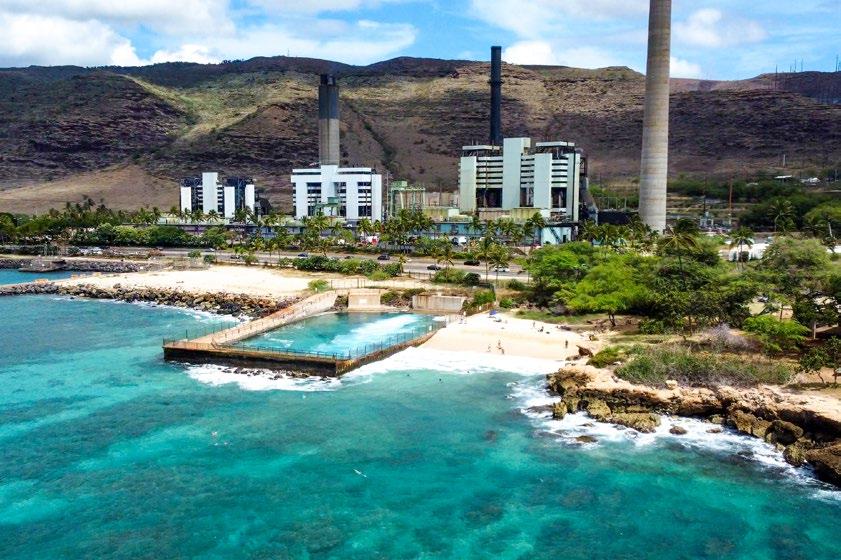
If you think that the conversation surrounding the production of energy is pure garbage, well… you’re not entirely wrong.
Before renewables, Hawai’i was the most petroleumdependent state in the nation. Every island operated its own isolated grid, using thermal power plants that ran 24/7 to meet residents’ needs. These plants could not be easily turned up or down to meet changing demands. Nearly every lightbulb, every tv was powered by burning low-sulfur fuel oil or diesel. This made electricity prices not only high, they were volatile. If oil prices spiked, or a tanker was delayed, the cost hit us immediately. Hawai’i was essentially exporting billions of dollars every year to keep the lights on with imported oil. Not only that, our utility company had to predict exactly how much power the island would need 24 hours in advance and keep the fires burning at that level regardless of actual use. There was no "free" energy from the sun or wind, so the smokestacks never stopped. In the middle of a sunny, breezy day, generators still had to run at full steam. If you weren't burning something at that exact second, you didn't have power. It was a reactive, expensive system that left
our islands, our homes, our livelihoods, and our wallets vulnerable. There was no concept of “storing” energy for later use.
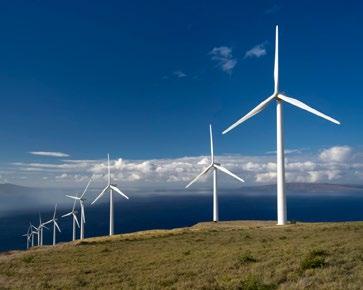
Now, with solar farms, home panels, batteries, and smarter waste sorting on the residential and state level, this marks the first time in Hawai’i's history that we’ve broken that complete and total dependency on the next oil tanker. Over the last two years, our state has been taking steps toward a more efficient, flexible and ecofriendly stage - a major shift in utilizing power for our modern day energy demands. While the bones of the infrastructure remain, the way we manage resources has evolved.
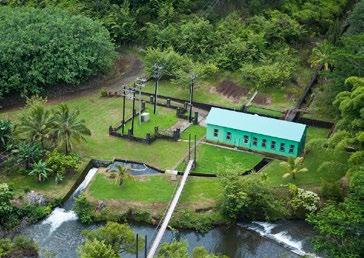
The most critical physical changes to the grid were born out of a need for safety: a multi-faceted strategy called “grid hardening,” where the old lines made with bare copper or aluminum wires were replaced. Now lines are covered with specialized insulation that prevents sparking if they were to come into contact with a tree or debris during high winds. Older, wooden utility poles were replaced with ones made from stronger materials such as fire-resistant wood, steel, or composites. Utility workers

sink the poles deeper into the ground, or use tensioned cables to secure them so they don't topple during storms or high winds. These lines are part of a broader wildfire mitigation strategy that became fully operational by late 2025. The grid hardening strategy also includes a network of AI-assisted high-definition cameras and weather stations that provide real-time data to utility operators. In a strategy called the Public Safety Power Shutoff program, lines will be de-energized during high winds and storm conditions. This technology is especially vital for our safety awareness following the defunding of many government weather programs. Despite the inconvenience, it is a proactive, preventative measure designed to prevent the kind of disasters we’ve seen in the past.
Oʻahu is currently the only island with a massive "wasteto-energy" plant like H-POWER, which processes roughly 2,000 tons of municipal waste daily. There are mutterings that we stopped burning trash, but that’s a misunderstanding of a much better reality. What actually changed is how we treat our organic waste. Before the 2024 changes on Oʻahu, everything we threw in the trash went into the H-POWER incinerator, including wet grass and food scraps. Unsurprisingly, wet matter didn’t burn well, forcing the plant to work harder to produce less power. Since then, the City and Hawaiian Electric have prioritized the Green Recycling Organic Waste program. This allows H-POWER to burn drier material more effectively. On Maui, Kauaʻi, and the Island of Hawai’i, where incineration facilities do not exist, municipal waste is sent to landfills, making composting the only method for reducing landfill volume.
Importantly, this move toward composting directly feeds and fuels our agricultural future. Instead of sending nutrients up in smoke, we keep them on-island. The resulting high-grade compost helps restore soil health for local farmers and backyard growers. Crucially, Hawai’i imports nearly 90% of our food, and turning our trash into rich soil that grows the next harvest is a massive win for food security. This is gently pushing residents towards a circular system where the land provides for us, and we, in turn, feed the land— the respect Native Hawai’ians practiced for generations.
Finally, Hawai’i has addressed the "sunset gap." While Kauaʻi led the way years ago with their own battery systems—sometimes running their entire island on 100% renewables during the day—the rest of the state is playing catch-up. The Island of Hawai’i utilizes a unique mix of solar, wind, and geothermal, while Maui has broken ground on new battery projects to move away from their old oilburning plants like Kahului.
On Oʻahu, the dynamic changed with the completion of the Kapolei Energy Storage facility and the Hoʻohana Solar project. These massive battery systems act as a bridge: soaking up excess solar power during the day in order to discharge it during the evening peak use hours. We are storing the day’s sunlight to power our evenings, reducing our reliance on Big Oil and Coal and creating a much more stable, self-reliant system.
The changes underway define a new era for Hawaiʻi. We are sorting our waste more intelligently, insulating our infrastructure against disaster, and capturing the sun for use after dark. These changes represent a grid that is becoming as resilient as the people it serves.


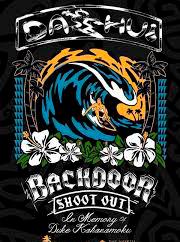
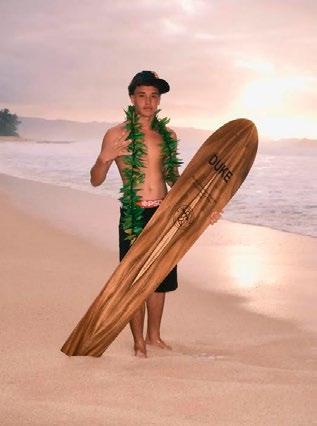
The 2026 Da Hui Backdoor Shootout celebrated its 30th anniversary at Pipeline, honoring Duke Kahanamoku’s legacy. 18-year-old Kalānōweo "Kala" DeSoto made history, claiming the shortboard title just a year after winning the longboard division. This rare "double" cements the West Side native’s status as a premier Hawaiian waterman.
The intense individual final saw Shayden Pacarro, Benji Brand, and Sheldon Paishon share a three-way tie for second. Other victors included Max Torres (SUP) and Pomai Hoapili (Longboard). More than a contest, the event remains a cultural pillar, proving the future of Hawaiian surfing is in capable hands.
The drama between the International Surfing Association (ISA) and World Surf League (WSL) athletes has hit a boiling point following the announcement of the LA 2028 qualification system.
The new rules slash Championship Tour (CT) slots from ten to five per gender, shifting the path toward the ISA World Surfing Games. Elite surfers like Filipe Toledo and Yago Dora have slammed the move as "disrespectful," arguing the CT— not the ISA—is the true measure of excellence. Meanwhile, the ISA defends the shift as a win for "universality."

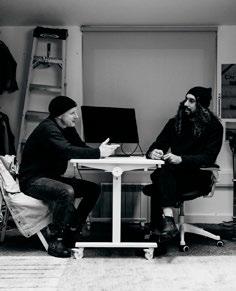
Finisterre has officially welcomed Hawaiian surfer, scientist, and filmmaker Cliff Kapono as a global ambassador. This partnership formalizes a decade-long friendship that began when Kapono connected with founder Tom Kay while studying at Exeter University.
As a "cultural practitioner" and professional surfer, Kapono leads The MEGA Lab, bridging indigenous wisdom with modern coral reef research. For Finisterre, this collaboration unites distant coastlines through a shared commitment to ocean stewardship and scientific discovery, reinforcing the brand's core values of respect for the sea and meaningful environmental storytelling.


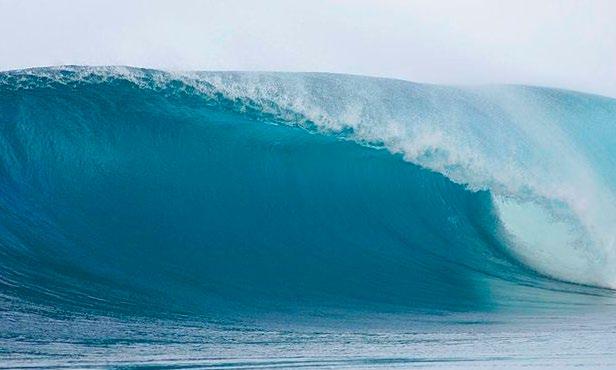
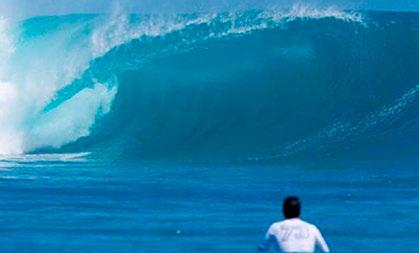
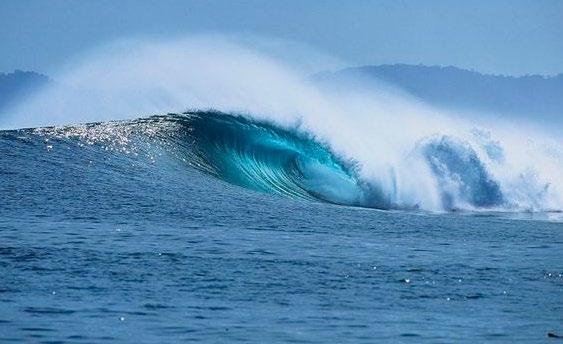
The 2026 Hawaii Surf Team represents the pinnacle of amateur talent from the birthplace of surfing, operating as a dedicated 501(c)(3) nonprofit under the banner of the "Ambassadors of Aloha." Tasked with defending Hawaii’s prestige on the global stage, this elite squad is selected to compete in the ISA World Junior Surfing Championships, an Olympic-sanctioned event featuring over 45 nations.
1. Tiger Abubo - Kauai
2. Given Goodwin - Kauai
3. Kingston Panebianco - Maui
Boys
1. Merrik Mochkatel - Oahu
2. Hayden Flores - Kauai
3. Na’o Clifton - Oahu
1. Skai Suitt - Oahu
2. Leah Turner - Kauai
3. Uilani Nakao - Kauai
Girls U16
1. Zoey Kaina
2. Elliamna Grubbs
3. Manalani Cazimero
Following in the legendary footsteps of alumni like Andy Irons and Carissa Moore, the 2026 roster consists of Hawaii’s top-ranked Under-18 and Under-16 surfers. These athletes do more than compete for gold medals; they serve as cultural emissaries, carrying the spirit of the islands to international waters. Supported by community donations and sponsors, the team focuses on providing Hawaii's youth with the resources necessary to transition into professional careers and future Olympic hopefuls.
As they head into the 2026 competitive season, the team remains a vital pipeline for excellence, ensuring Hawaii’s dominance in the world’s most elite amateur arenas.
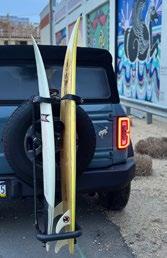
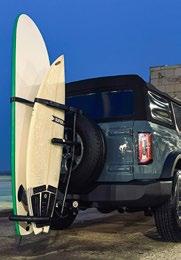
The World's First Over-The-Tire Surfboard Rack
RadRack is the first over-the-tire surfboard rack designed for vehicles with rear-mounted spare tires.
It offers a simple, accessible way to carry surfboards— without roof racks, drilling, or compromises. Built for families, surfers, and everyday drivers, RadRack lets you use your vehicle the way it was meant to be used.
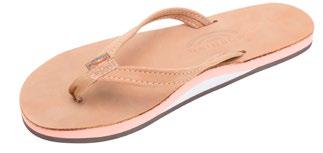
Effortless Style Meets Coastal Durability
Elevate your everyday summer look with the sandal that defined a generation of surfers. This specialized version of the legendary Rainbow® "Flag Ship" sandal combines the brand's iconic durability with a feminine, 1/2" narrow strap and a vibrant pop of color. rainbowsandals.com
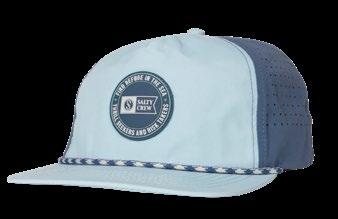
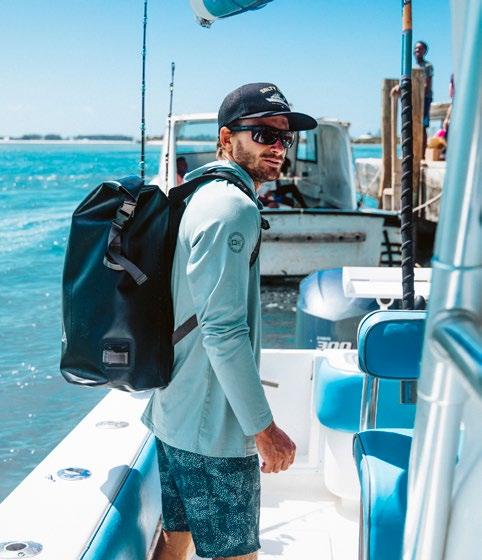
The Salty Crew Topshot Snapback in Seaside/Cast Blue is a performance-driven hat designed for life on the water. Combining technical functionality with a classic marine aesthetic, it features a water-resistant construction and breathable design to keep you comfortable during long days at sea or on the coast.
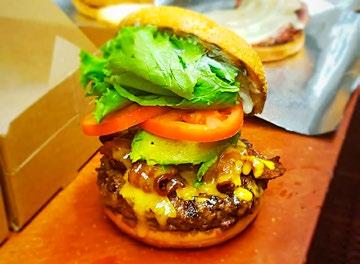
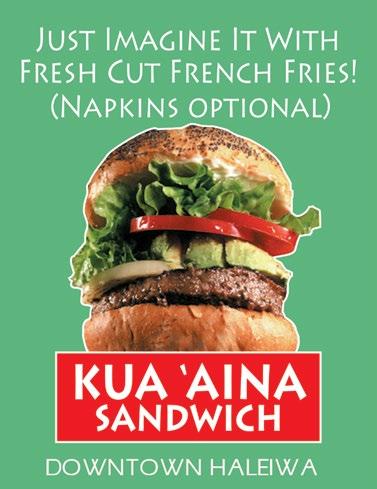
For over 50 years, Kua ‘Aina has been a North Shore staple, perfectly capturing the laid-back essence of Haleiwa. Since 1975, they’ve mastered the art of the burger, serving up thick, juicy patties grilled to perfection and topped with their signature ripe avocado. Every bite feels like a tribute to surf culture. It’s more than just a meal; it’s a legendary taste of Oahu’s history that remains delicious decades later. kua-ainahawaii.com