
“To move, to breathe, to fly, to float, To gain all while you give, To roam the roads of lands remote, To travel is to live.”
– Hans Christian Andersen, The Fairy Tale of My Life: An Autobiography

“To move, to breathe, to fly, to float, To gain all while you give, To roam the roads of lands remote, To travel is to live.”
– Hans Christian Andersen, The Fairy Tale of My Life: An Autobiography
We are guardians of beautiful locations and the effortless feelings they inspire. Our philosophy is simple: to bring you closer to the very best of each destination. After all, to travel is to live — and we believe in enjoying life, fully. Tucked away in some of Europe’s most coveted corners, our collection of singular hotels reward those who venture beyond the wellworn route. Whether your view is of the sun-dappled Mediterranean, a towering mountainside, or the shimmering coastline, we celebrate the beauty of simplicity and the art of living well, however that translates to you. Every stay is a tonic for the soul.
From the tranquility of a private terrace, to the unexpected details in a room and the energy of our team. We believe the true luxury is the joie de vivre you find when everything just feels right, from the first morning coffee to the last glass of rosé under the stars.
Full of character, each of our destinations invites you to settle in and explore.
We offer a connection — to the land, to the local rhythm, and to the pleasure of life’s unfiltered moments. Places that awaken emotions and shape lifelong memories.
From all of us at Beaumier, we look forward to sharing the journey with you.
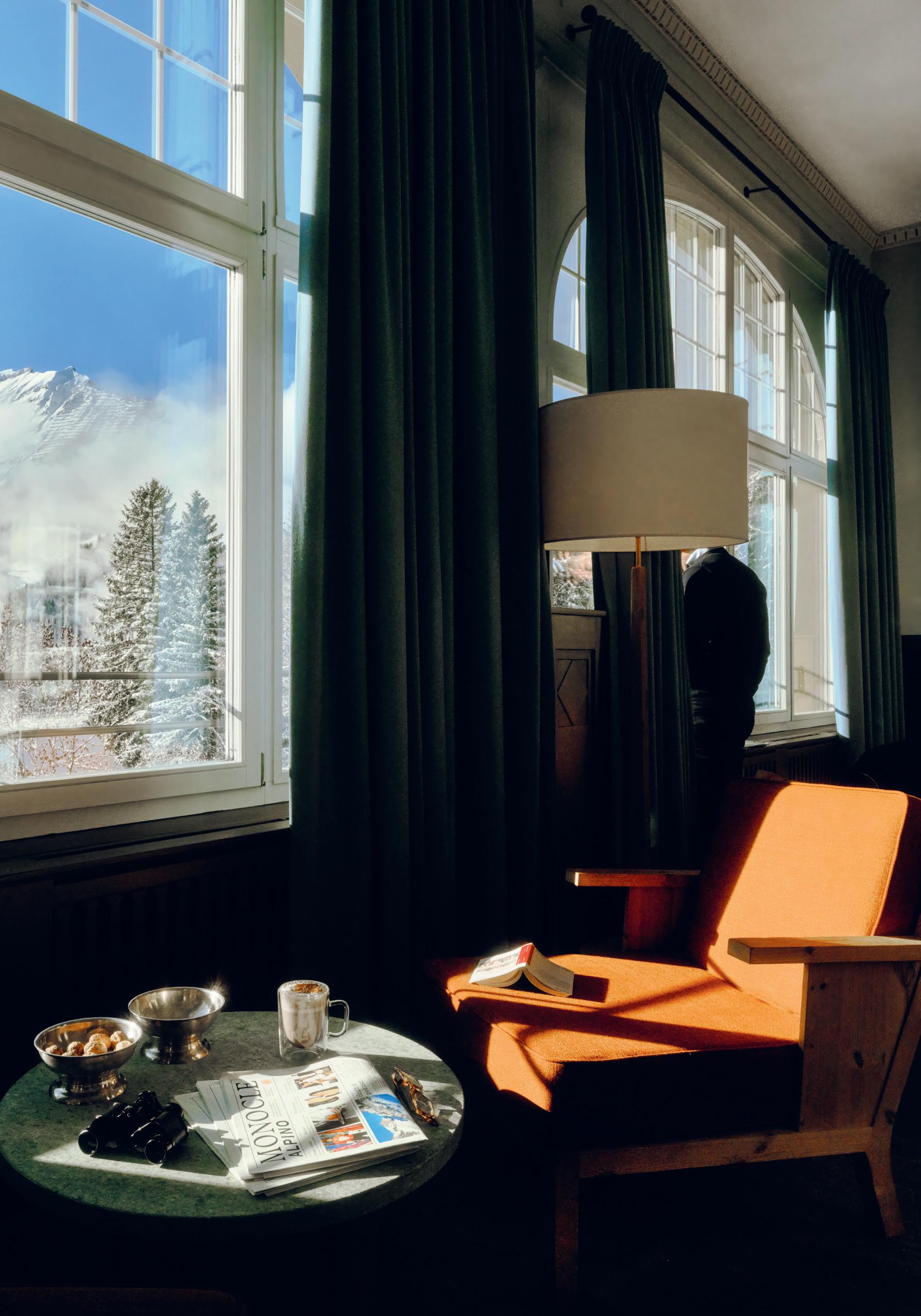

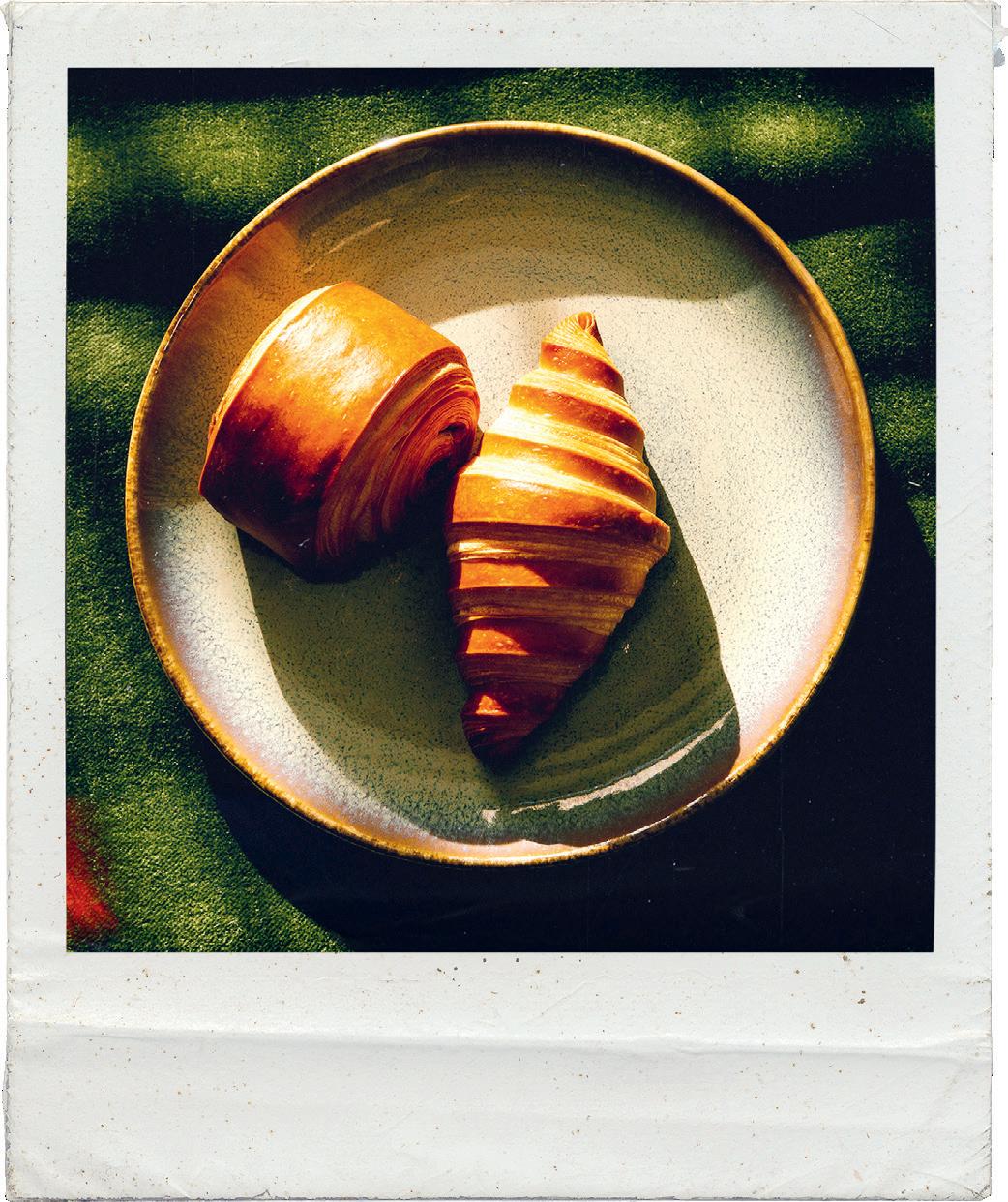

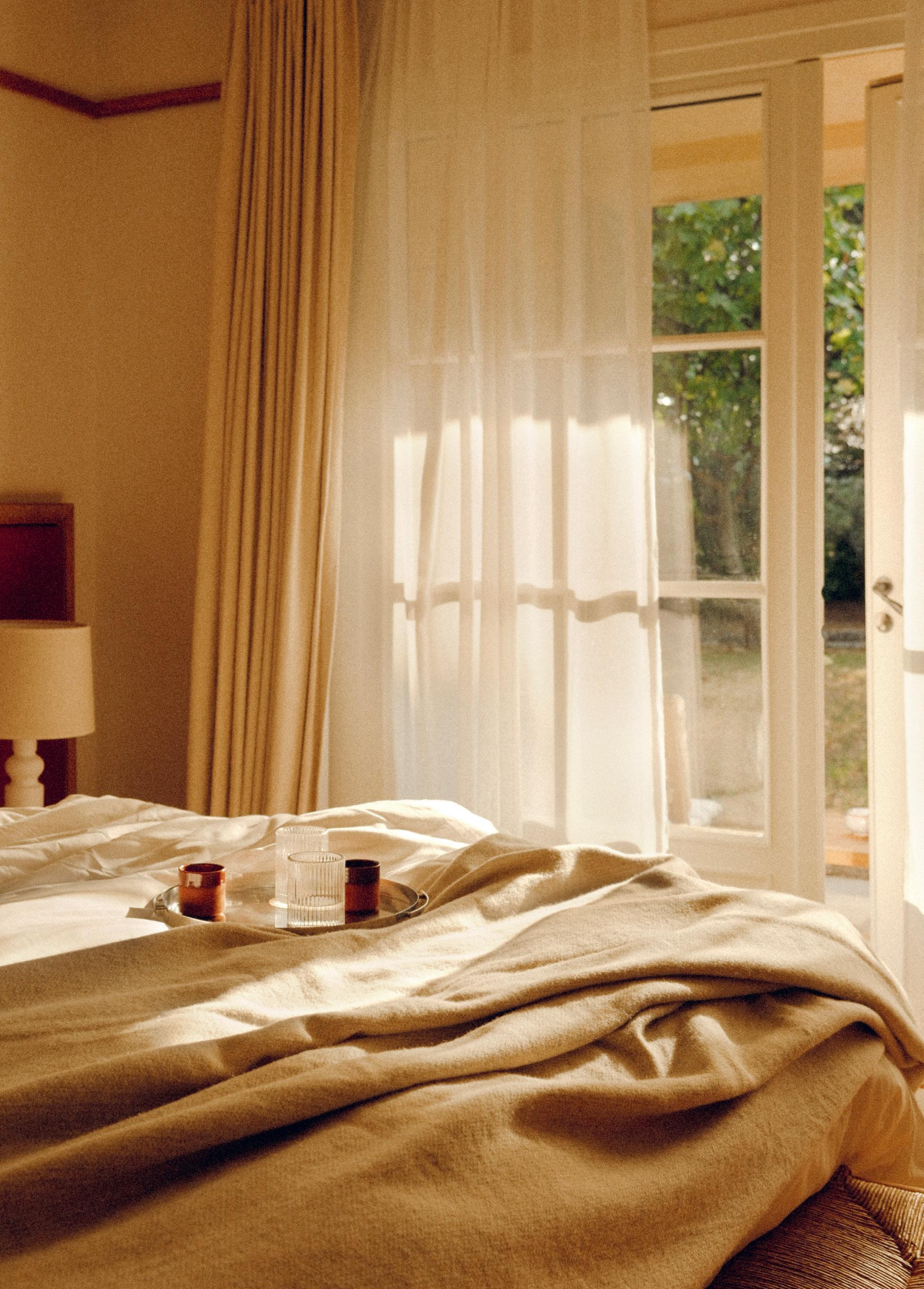
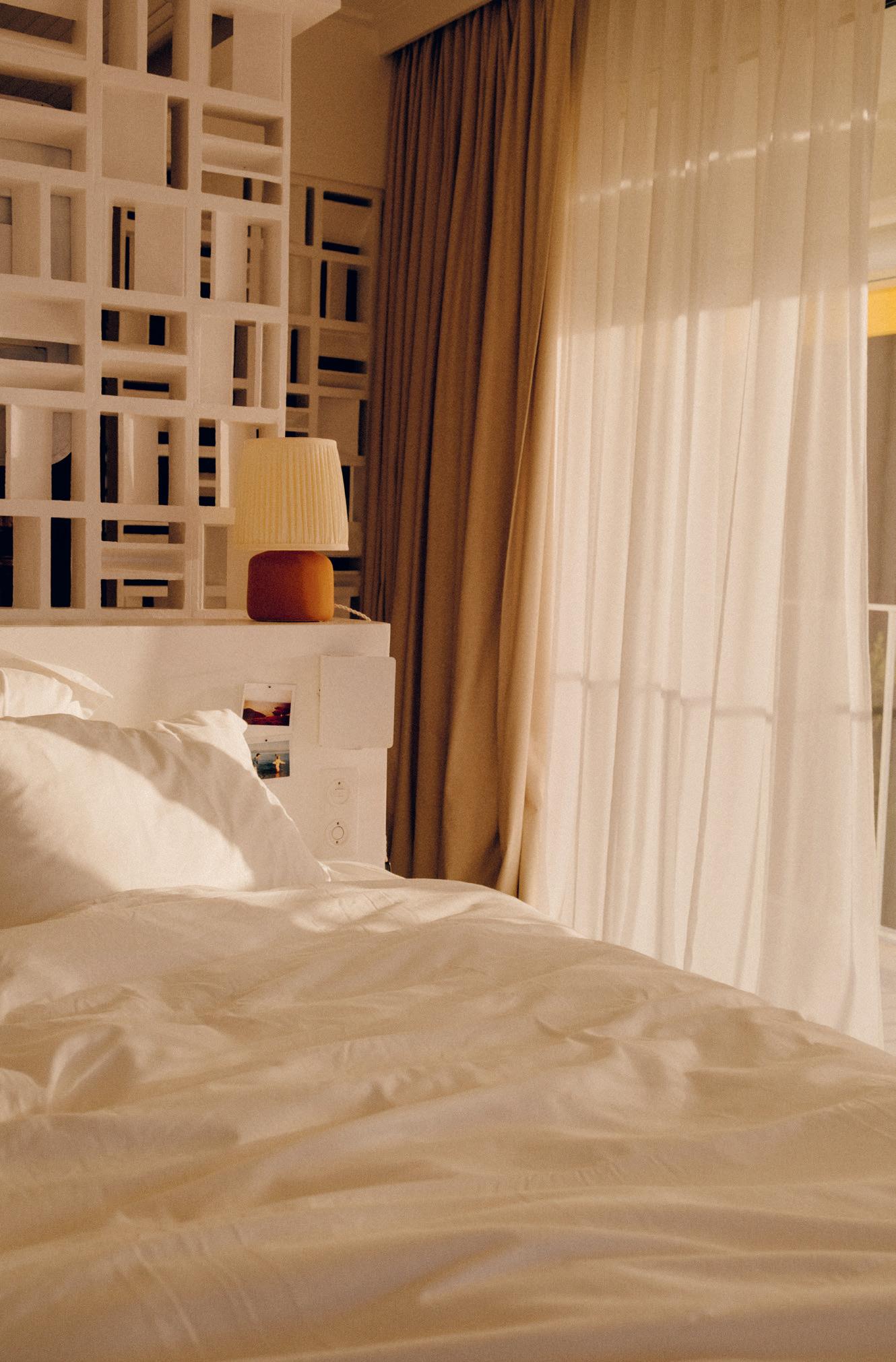
The first few hours of the day are sacred for many. Whether that means familiar routines — a morning run, a coffee in bed — or deciding your plans only once the day has begun. This is your time to start slowly, softly, or spontaneously. As the sun rises on our hotels in the South of France, there’s plenty to tempt you from warm sheets. Breakfast is laid out on the terrace, where a café au lait, a basket of pastries, and the sweetest fruits from the local market are waiting. Or perhaps you’ll roll out your mat and flow through the morning with one of our yoga or Pilates classes. The early hours are also
filled with craft workshops led by local artisans, while little ones can enjoy donkey rides around the estate on Sundays. Up in the Alps, things feel rather less sleepy when there’s a fresh blanket of powder waiting outside. Routes are planned around the breakfast table, though the best days always seem to leave room for something unscripted. During the summer months, the view from timber-framed windows is just as striking. Peaks are still dusted with snow, overlooking the vivid green of mountain pastures. As the first light stretches across the valley, you may find yourself called
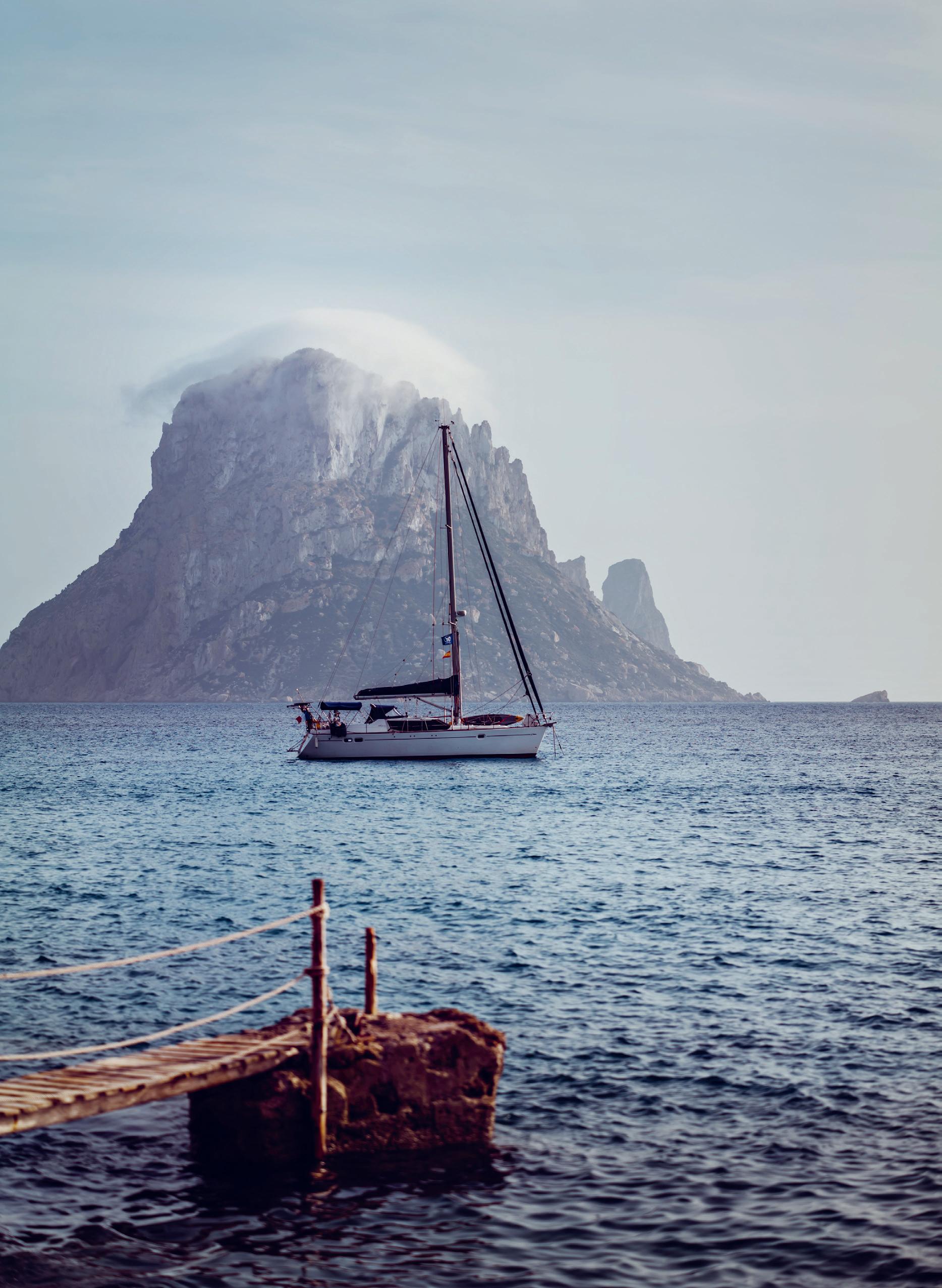
outside to explore — hiking through alpine trails on foot or taking to the skies on a sunrise paraglide above the mountains. Along Ibiza’s southwest coast, it starts with the softest of calls, as rays of sun and the sounds of the sea stir you from a deep slumber. Maybe you slip on a linen robe and head onto your balcony for a fresh-pressed juice, or add some gentle movement to your routine with a yoga and breathwork session overlooking Es Vedrà. During the height of summer, early guided hikes lead to Ibiza’s most secluded spots, while the rest of the island is still waking up.
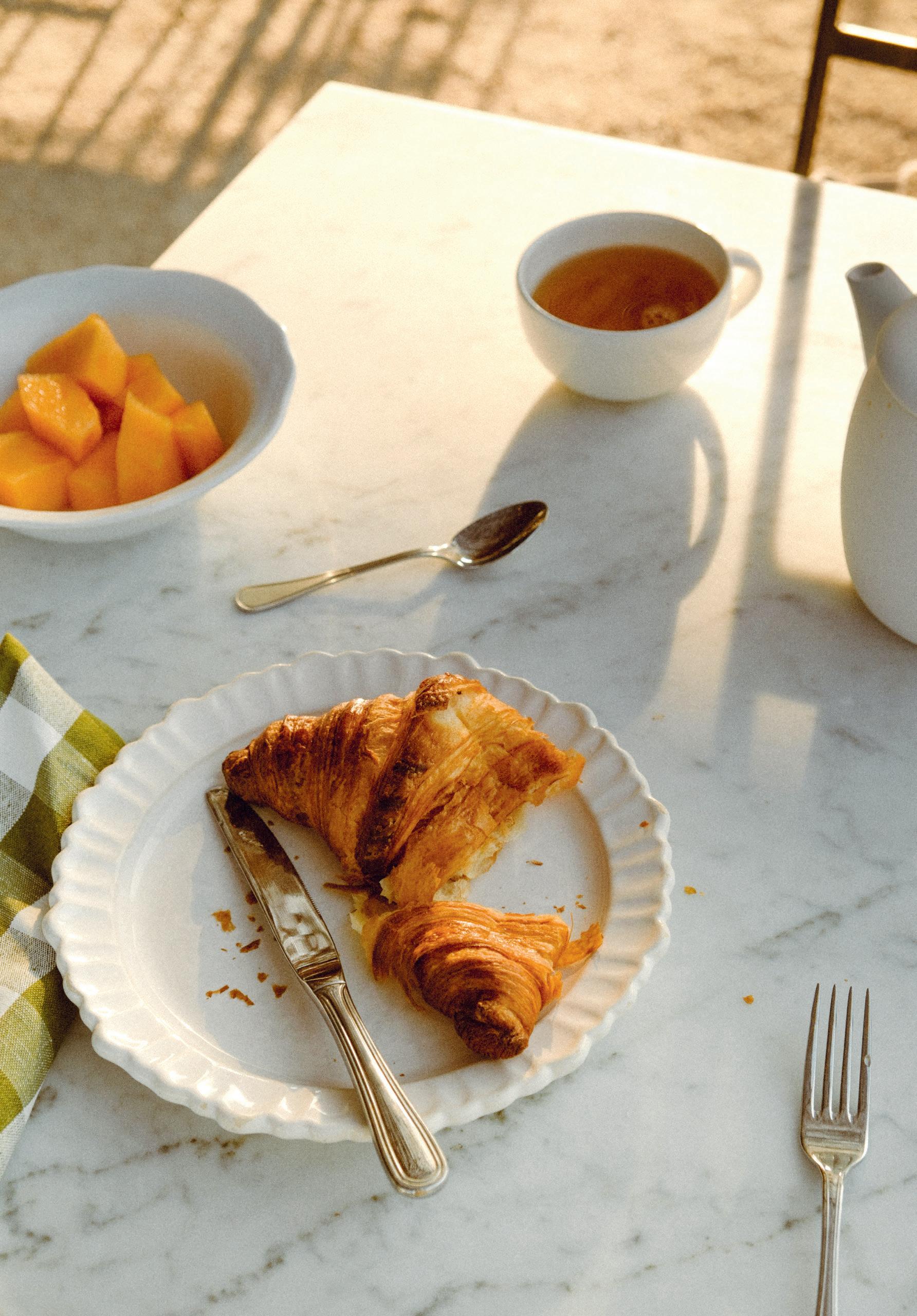
shares Thomas Chenal,
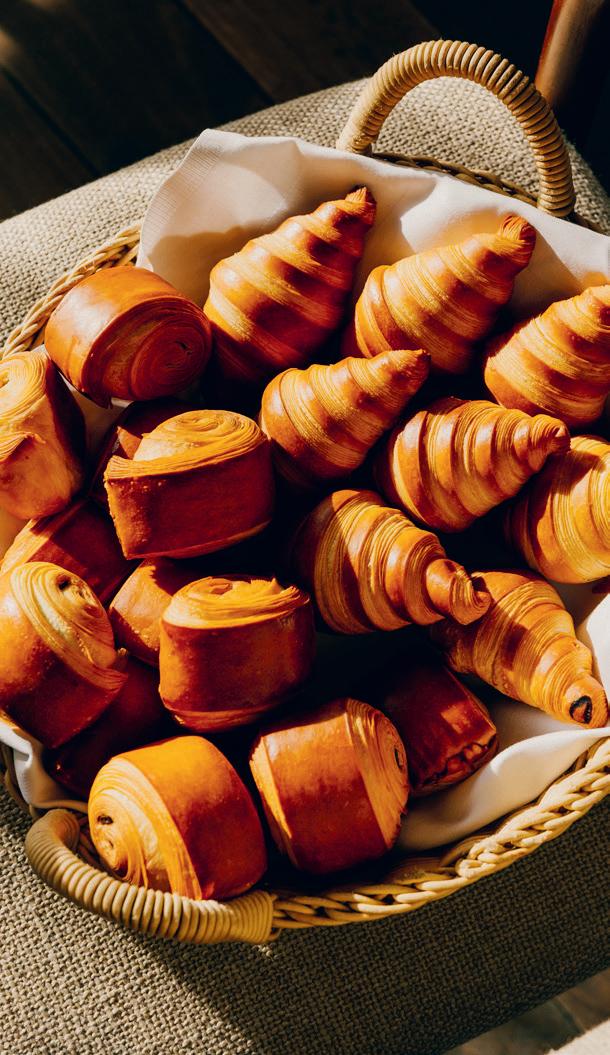
At Capelongue, the day begins long before breakfast is served. In the pastry kitchen, hands move with purpose: folding, rolling, shaping. The ovens warm. Outside, Provence is still half-asleep. By the time guests sit down with their first coffee, the familiar scent of buttery croissants fills the air. What feels effortless at the table is in fact the result of a carefully choreographed morning behind the scenes. “Firstly, I’ll take a tour of our kitchen to greet the team, before preparing the sourdough starters to make the day’s bread for our restaurant, La Bastide,” Thomas says. Mise en place follows: perhaps a breakfast basket for a room, or preparations for a pastry class in La Bastide’s kitchen overlooking Bonnieux. As the light changes, the work shifts towards testing recipes and refining ideas for the menus ahead. There is comfort in this repetition. The movements are precise, but never rushed, and shaped by experience. Each morning follows a familiar pattern, yet no two days are ever quite the same. Temperature,
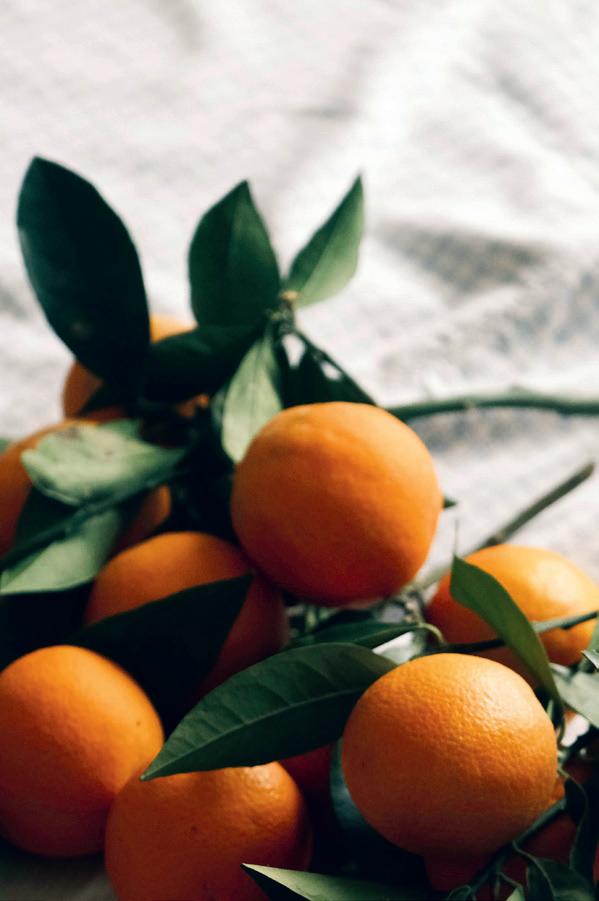
humidity, the character of the dough — small variables that require close attention to detail. Here, the region sets the tone. Provençal cuisine is light, generous, and determined by what grows nearby. Always in sync with the seasons, his cooking shifts naturally throughout the year. Summer calls for sweet Cavaillon melon and Carpentras strawberries gathered from nearby markets, alongside Périgord walnuts from Thomas’s home region. Meanwhile, winter leans into citrus and pears, offering comfort without heaviness. “It’s food that brings people together,” Thomas reflects. “So much of it is meant to be shared. ” That same approach carries through the generous dessert buffet at La Bergerie, where guests return for another silken slice of tarte aux abricots or tarte tropézienne — familiar favourites that never lose their ability to delight.
These early hours inform everything that follows, in ways that often go unnoticed. A slower breakfast, a second cup of coffee, a sense that there is no need to hurry. The morning sets its own pace, inviting guests to take their time, to savour what’s in front of them. In the background, music plays. Joe Dassin’s L’été indien. A gentle rhythm to start the day.
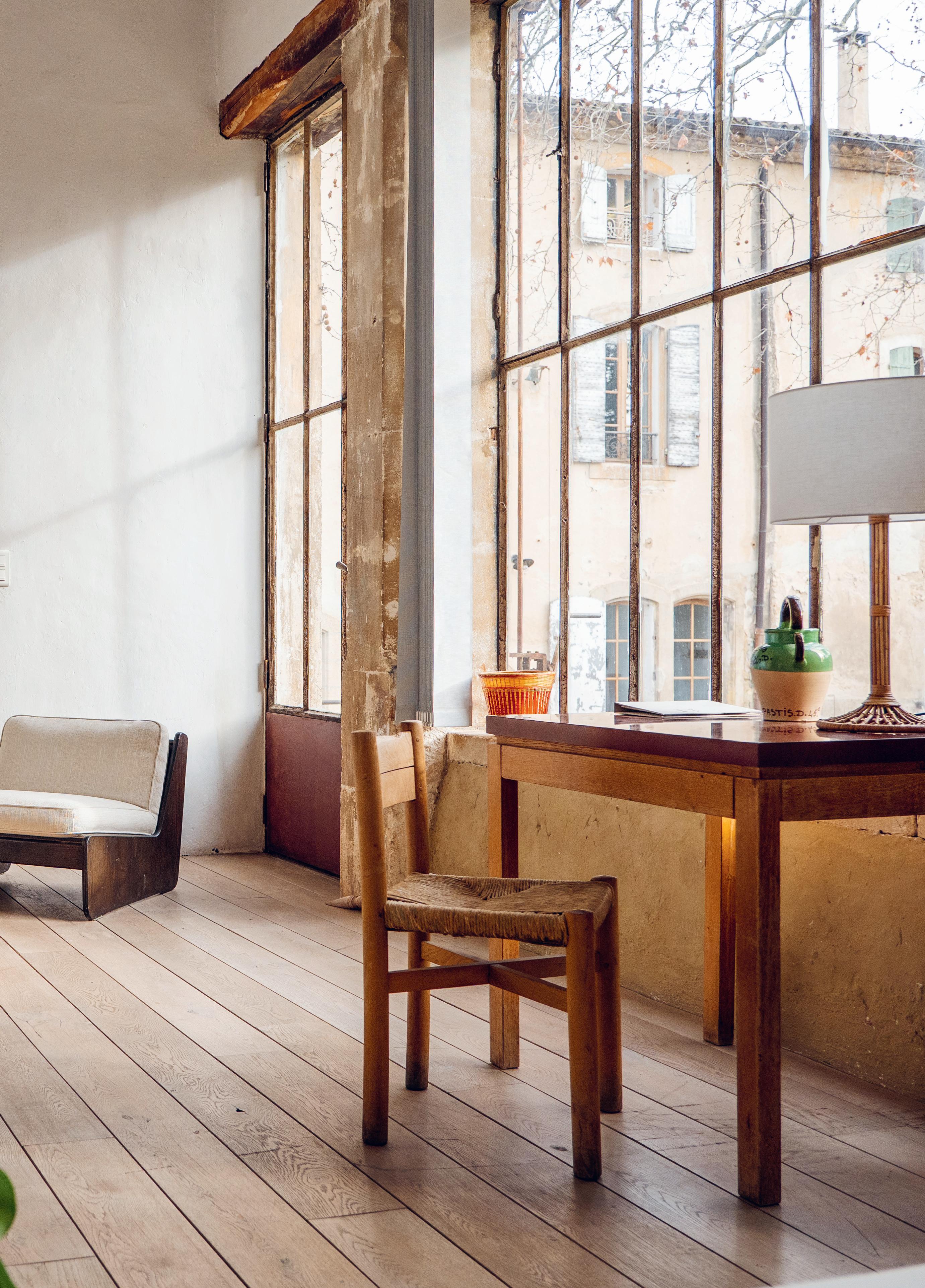
Summer mornings in the village of Lourmarin feel almost dreamlike, as if pulled from the pages of classic Provençal novel or memoir. There’s the trickle of water from a nearby fountain, cafés opening their shutters and setting out tables, the soft chime of a church bell marking the hour. And then there’s the scent that fills the air which is sweet, Mediterranean, and entirely transportative.
Just ask Isabelle Avon, a fourth-generation fruit and vegetable producer, who works alongside her husband and son at their family farm, Domaine La Corrée.
“If I could, I would bottle the scent of strawberry plants in the early morning,” she says, “blended with the freshness of
warm note of Provençal earth awakening under the soft light of the Luberon.” From
their fields, produce travels only a short distance — to the weekly farmers’ market in Lourmarin, and onto the tables at Le Moulin— carrying with it the character of the place it comes from.
That character begins with the terroir itself. “Our terroir
Mistral wind, and the dry, stony soil,” Isabelle explains. “Here, the land is the opposite of the great fertile plains: it is harsher, less vigorous, and the growing conditions are more demanding for the plants.”
It is precisely this constraint, she says, that creates flavours that are direct, intense and unmistakably Provençal. The seasons shape everything. Isabelle has her favourites, each for different reasons. Strawberries arrive in spring, delicate and brightly coloured, bringing a sense of joy to the first markets of the year. As the months warm, generous, fragrant melons
ripen and are gathered at their peak, followed by figs in late August. Alongside them, courgettes, courgette flowers, aubergines and new potatoes complete the garden’s summer cycle.
And while each season has its place, this time of year holds a particular warmth. “It’s when the farm radiates with colours, sweet scents and warm encounters with produce.”
For those dreaming of growing their own fruits and vegetables, Isabelle’s advice is grounded and patient. “Tend to the soil above all else — enrich it with compost, water regularly but not excessively, and choose varieties suited to the climate.” Above all, she adds, observe and take your time. “With fruits like strawberries or melons, you have to be patient… and accept that every season is a new lesson.” ©
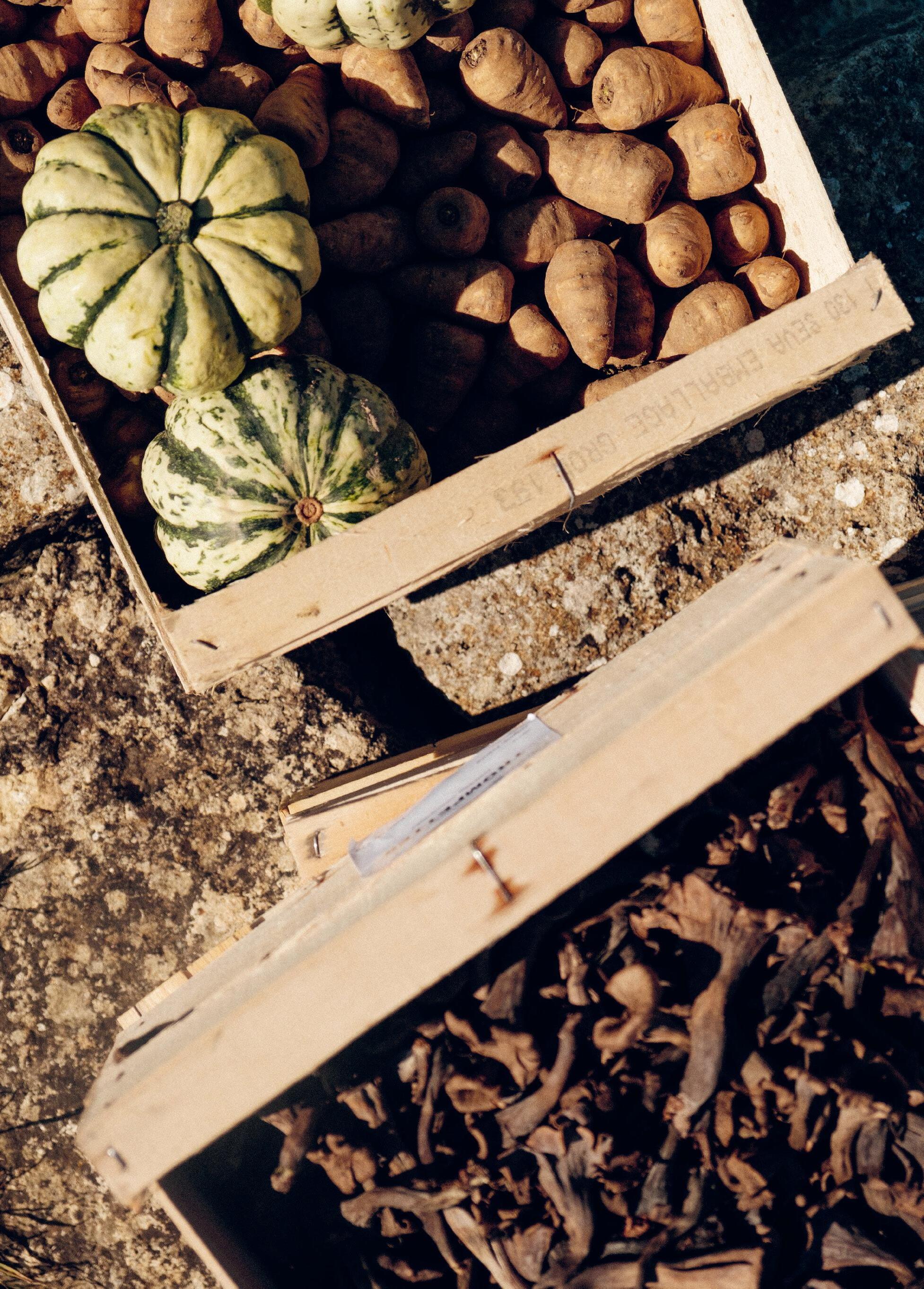
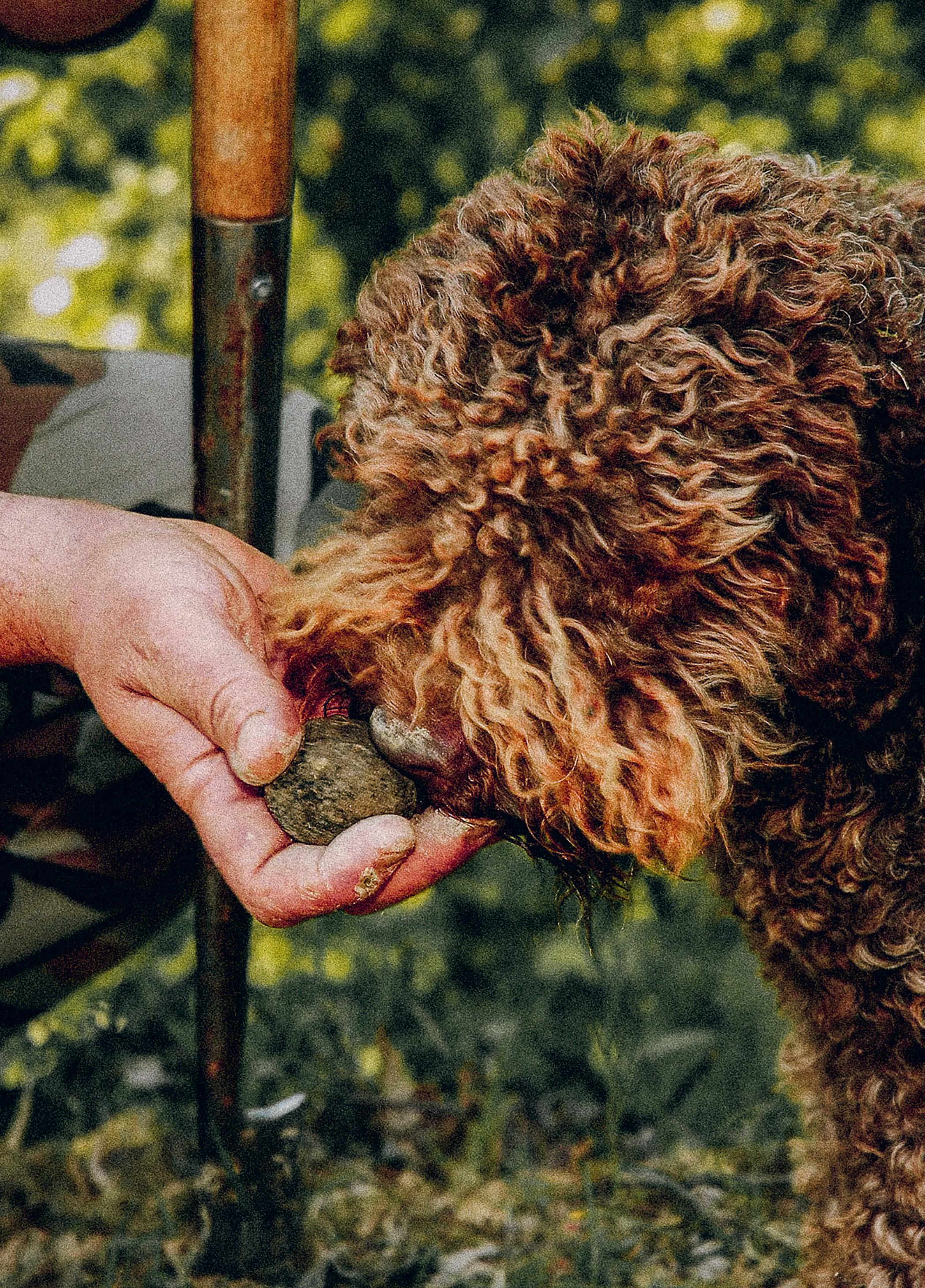
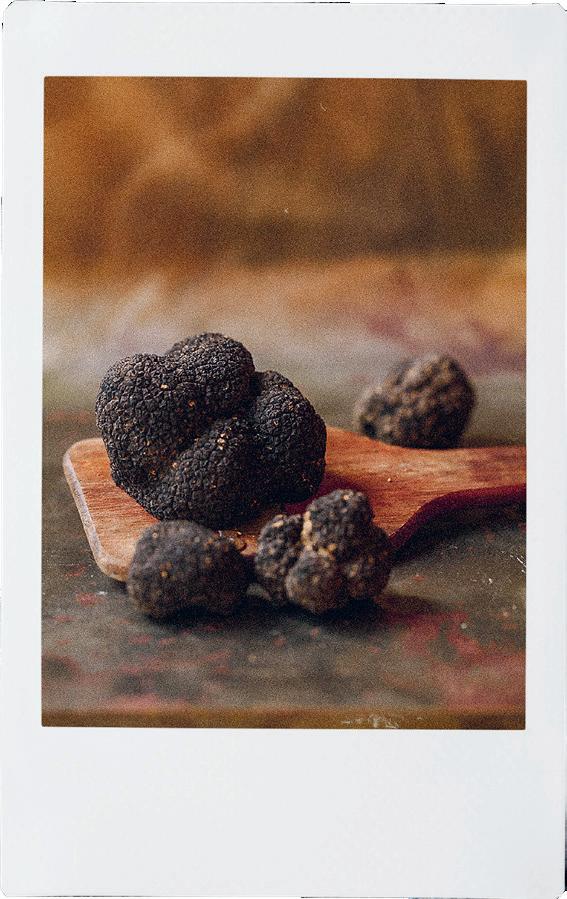
If there’s one thing to know about truffles, it’s that they resist certainty. They cannot be rushed, coaxed or commanded. decides. In the end, it’s written in the soil,” says Kevin Jacques, Capelongue’s trusted truffle supplier. He runs Provence Truffes in the small hilltop village of Méthamis, overlooking the Vaucluse plateau, a terrain shaped by centuries of life lived close to the land. Since childhood, Kevin has learned to read the landscape by watching his grandfather, absorbing both knowledge and instinct. Today, that intuitive understanding matters as much as the harvest itself.
During truffle season, typically from November through to March, early morning is the ideal time to search. Kevin rises before dawn, heading out into the dark with his dog at his heels, forging familiar paths across the land. Before the day warms, when the scent of truffle is at its strongest, he walks the ground slowly, returning to the same places week after week — sometimes the search leads into woodland, sometimes into planted groves. The dog signals what the human eye cannot see. A pause, a bark, a spot marked. Then, with care, the earth is opened and a dark, knotted
treasure emerges. Yet for all the knowledge involved, truffle growing remains unpredictable. Truffles form in symbiosis with the roots of certain host trees like oak, hazelnut, and beech, drawing what they need from the soil around them. One hundred planted trees might yield five productive ones — or fifty. Rain must fall at precisely the right moment. Too much heat, too little water, an unexpected frost, and the balance shifts. “It’s random,” he says. “It’s a lottery. You can prepare everything and still be surprised.” That sense of uncertainty is becoming more pronounced. Climate change is felt immediately in his work, each season bringing new variables and reinforcing the fragile balance beneath the ground.
But for Kevin, a good day is one where the truffles find their way onto a plate and bring pleasure, including at Capelongue’s restaurants. As for how he prefers to eat them, the answer is disarmingly simple. “Toasted bread. No butter. Just something uncomplicated.” It’s a way of tasting the truffle as it is — unadorned and unhampered — allowing the freshness of the ingredient to speak for itself. In a world often drawn to excess, his work remains defined by restraint. Guided by patience, shaped by the land, and in part, left to chance.
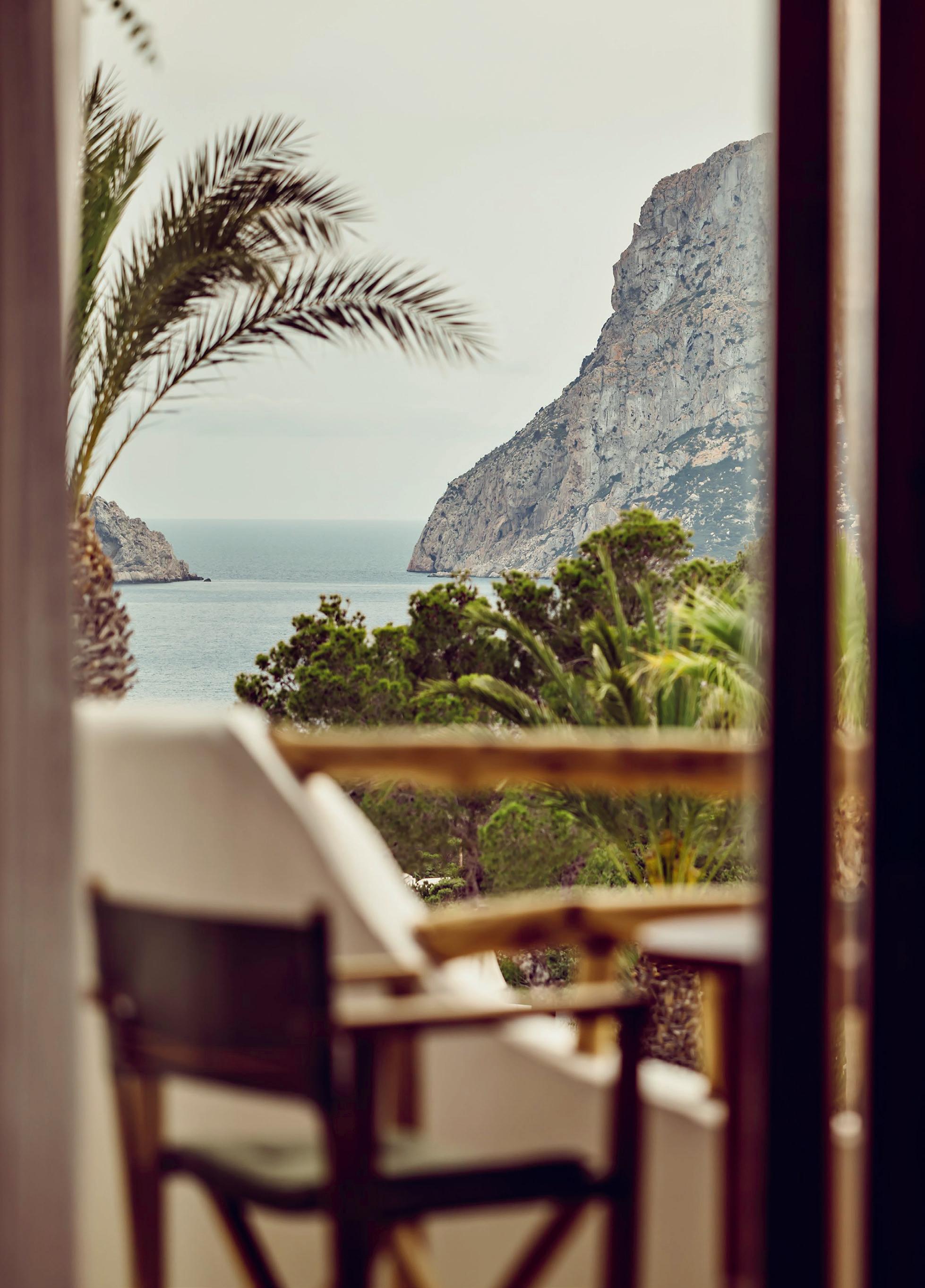
Ibiza has always been a place of rhythm, of music and the island’s natural beat. Petunia stands before Es Vedrà, the magnetic rock steeped in legend. Its commanding presence has an almost magnetic draw to it. And yet it also encourages a moment to pause and reflect. A simple, welcome return to self.
Our holistic practice taps into the rock’s powerful energy: grounding you, purifying the spirit, and sparking your awakening. Wellbeing is a feeling that flows organically through our spaces, both indoors and outdoors. Our philosophy is guided by presence, connection, and clarity, inviting guests to align with the true essence of Ibiza: a deep, inherent cadence channelled through the magnetic energy of Es Vedrà, which grounds the spirit and invites a pure awakening through the fundamental forces of Earth, Water, Air, and Fire.
Your journey with us is guided by these fundamental elements, creating space for genuine alignment and a visceral return to the joys of breathing and belonging in this magnificent place.
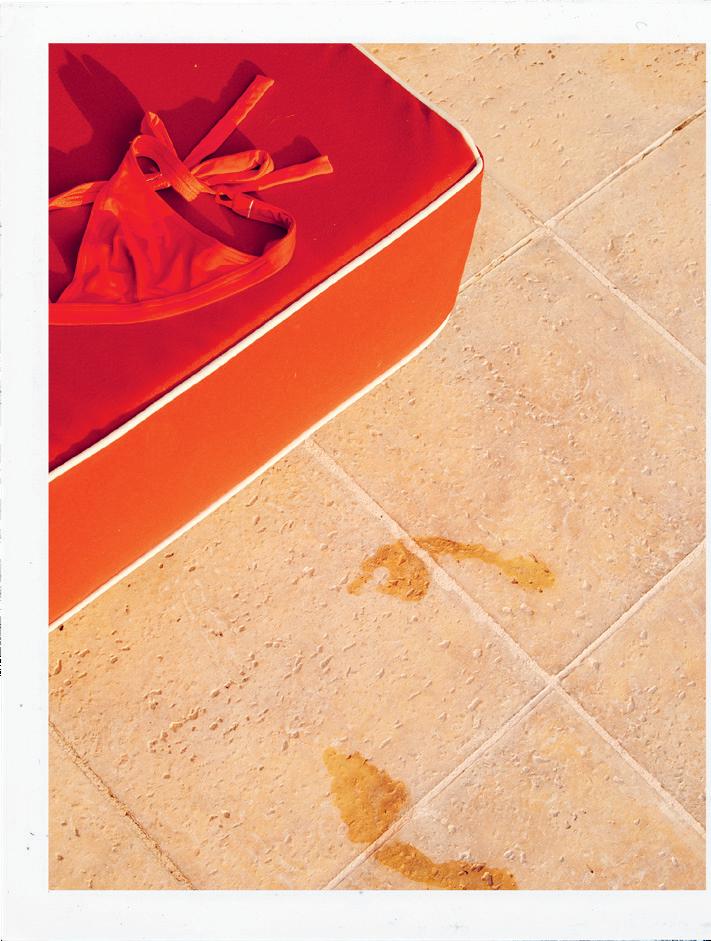
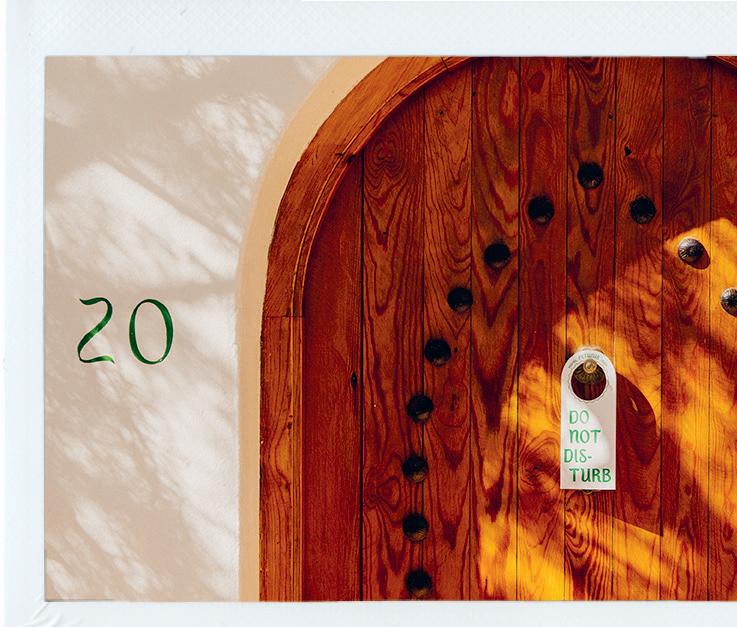


In the quiet of our gardens, you are invited to return to the Earth. Here, grounding practices take place on the cool, fragrant soil beneath the dappled shade of the ancient olive and palm trees. Discover yoga, mindful movement, and restorative rituals that connect you directly to the world around you.

The shimmering pool and the endless sea vistas embody a soothing flow, of gentle surrender, where the body and spirit find a cleansing and an easy, emotional release. It is the place to feel weightless in every sense.
Our perspective of the island puts you directly in touch with the power of Air. The pure, clean island breeze infuses our breathwork and meditative practices. Allow the current to move through you — a freeing sensation to clear the mind.

The sunsets over Es Vedrà. These embody pure, transformative energy and inner light. As the sky ignites, the La Mirada rooftop draws you upward to meet it: Bold cocktails, good company, and the colours of the sun coming to rest on the horizon. A moment of collective awe that stokes something deep within.
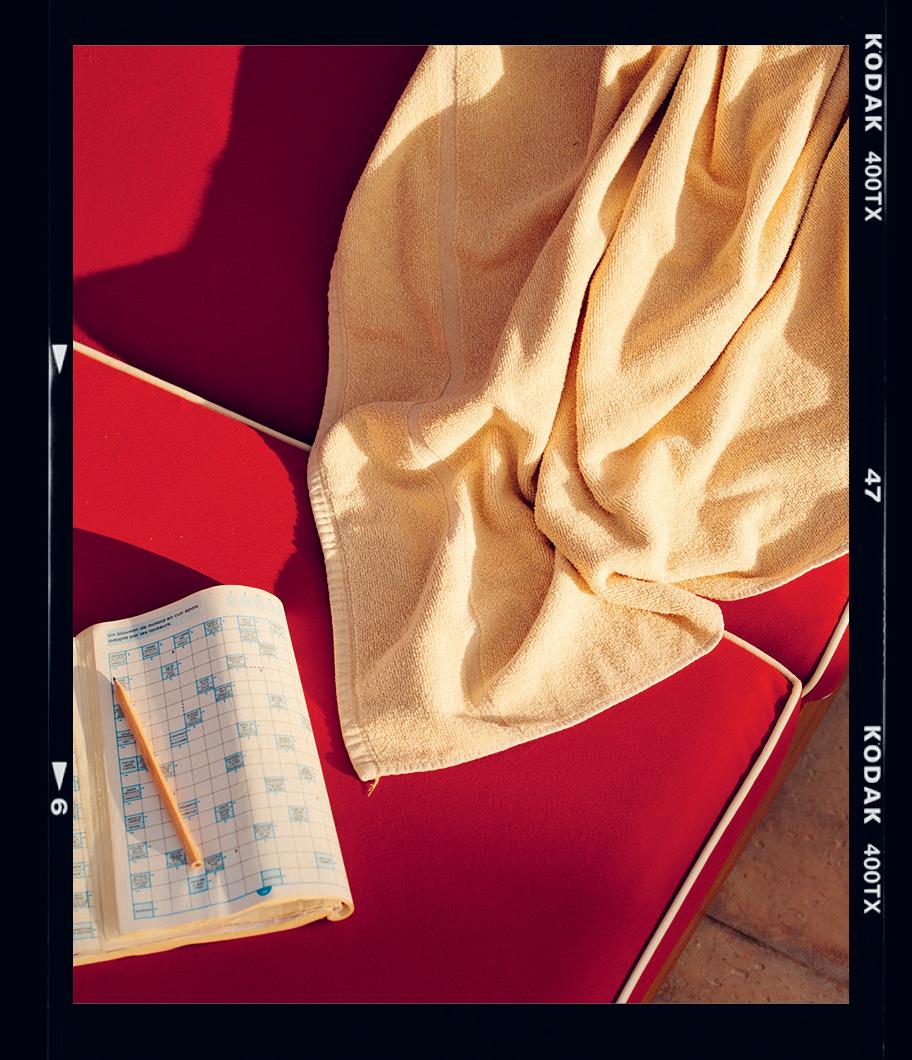
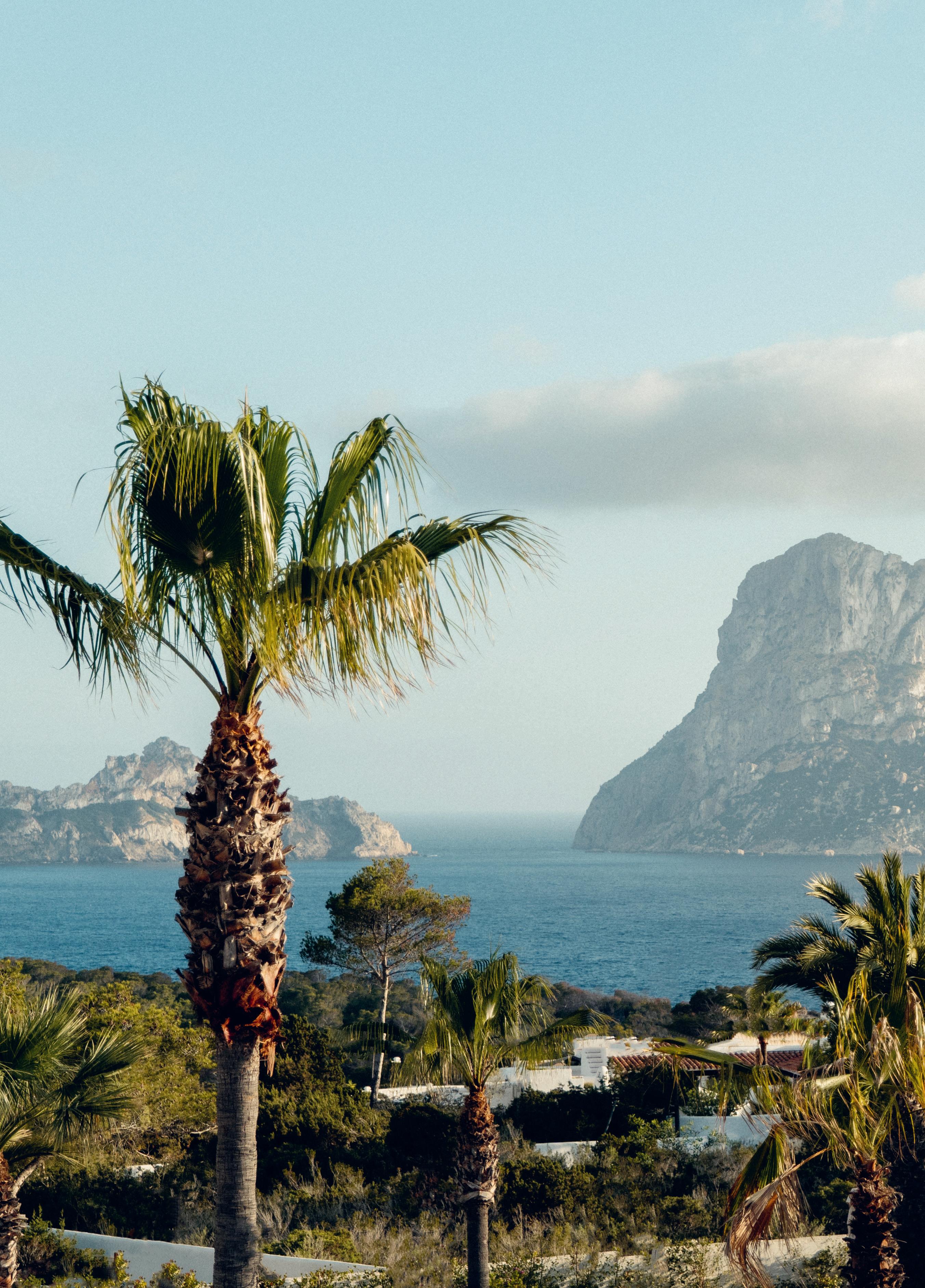
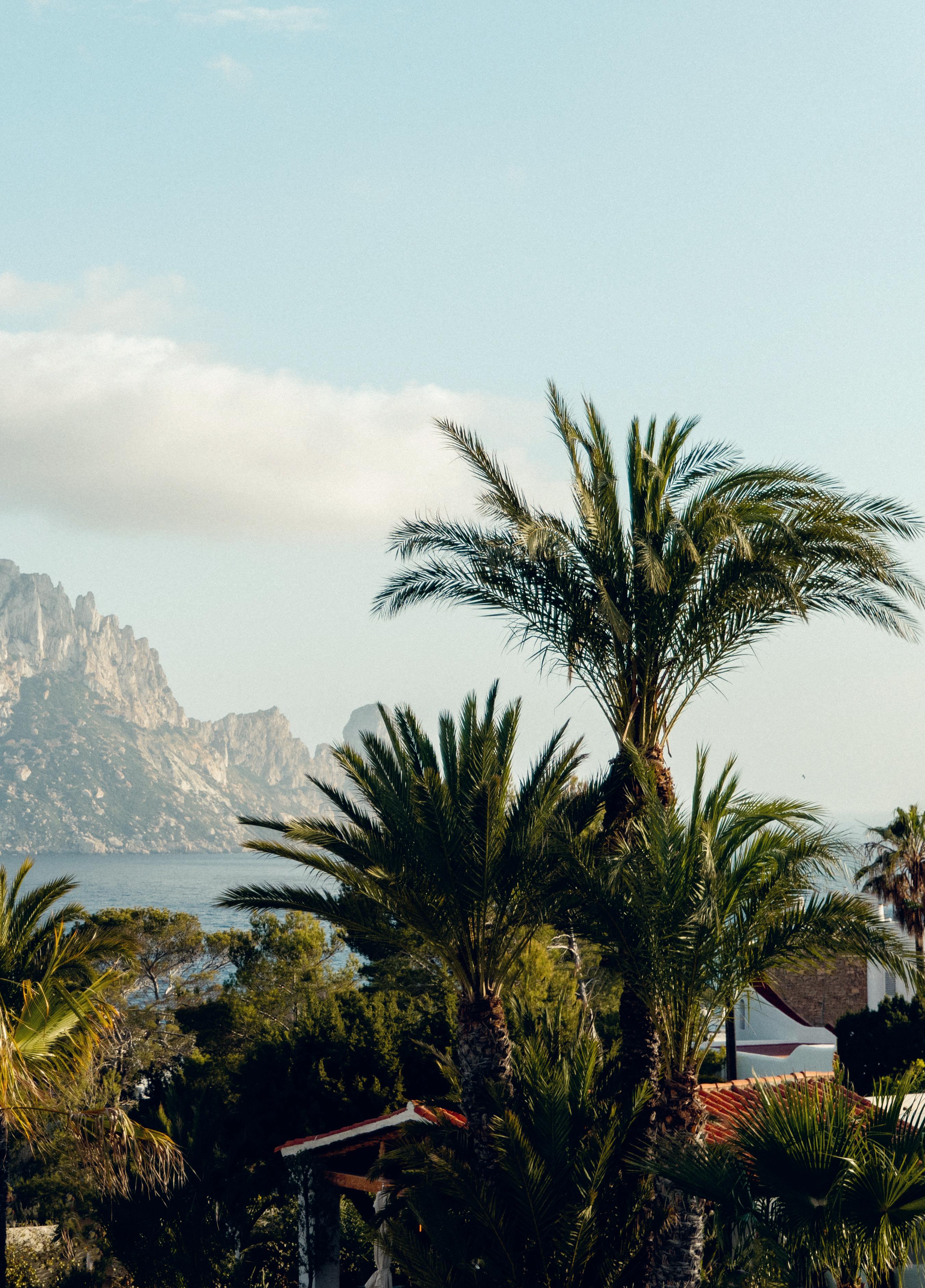
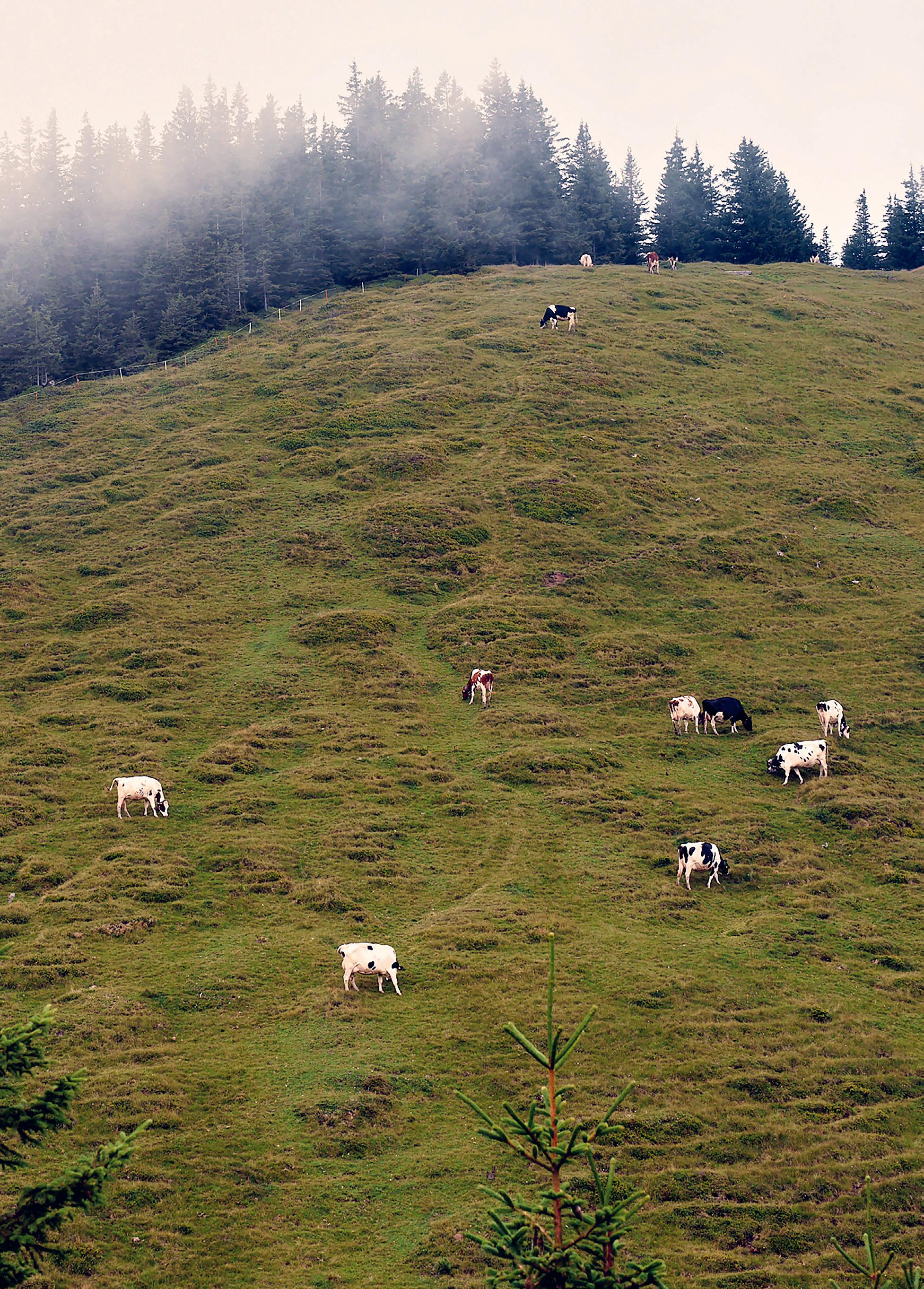
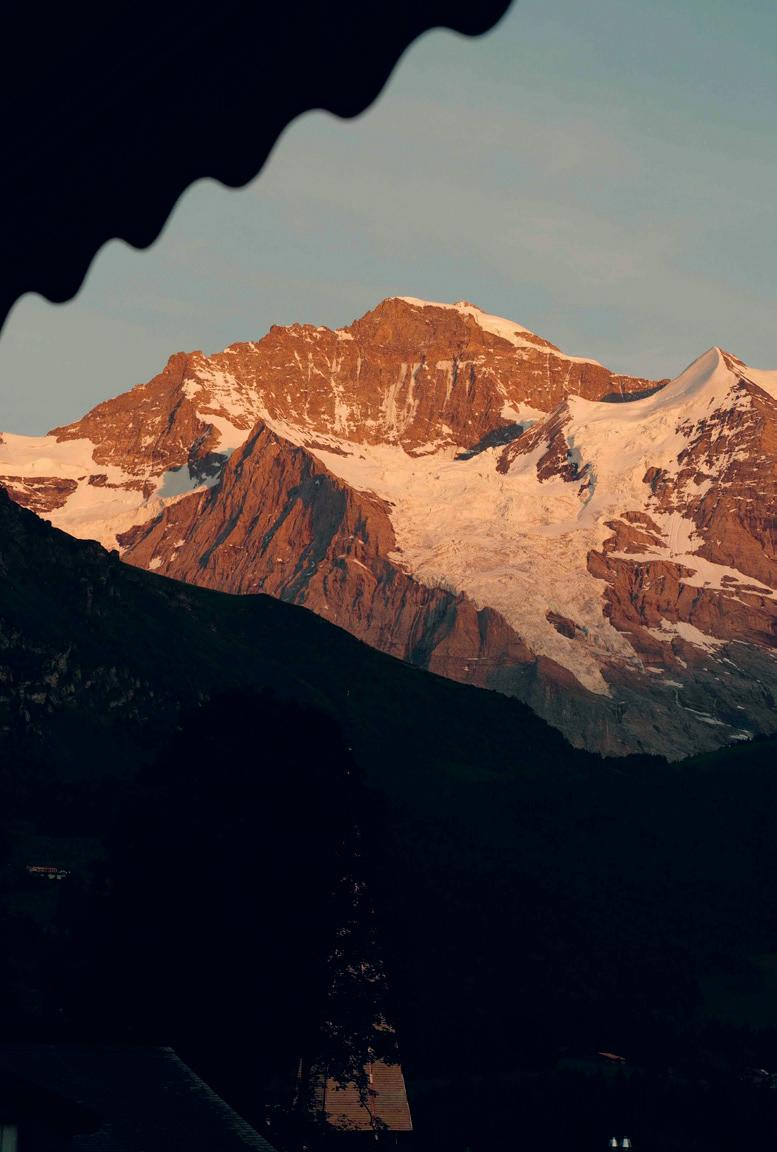
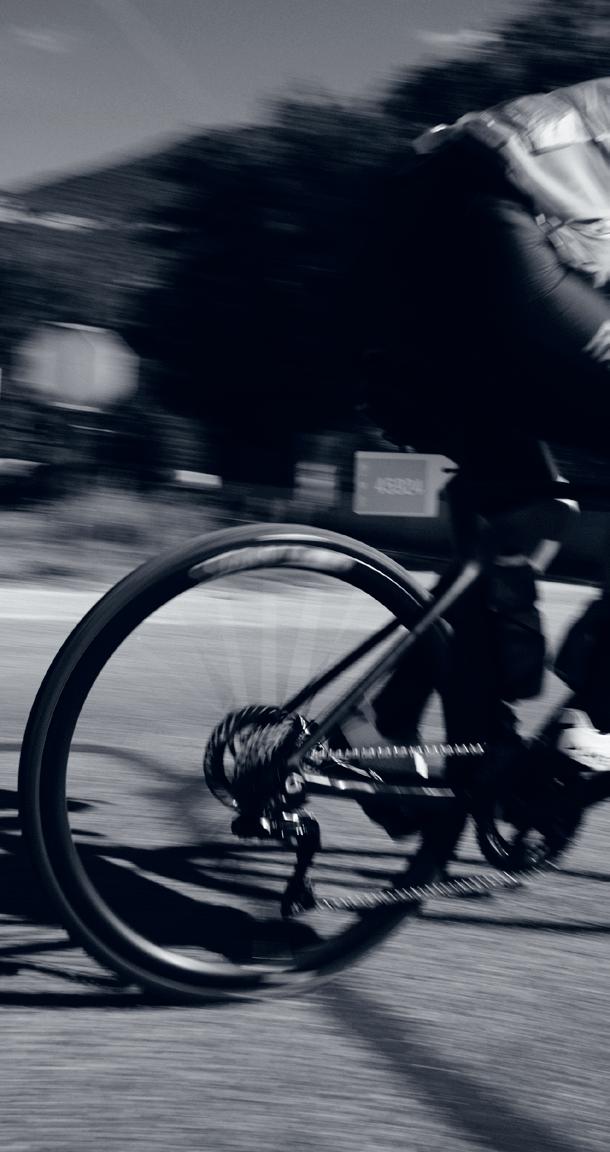
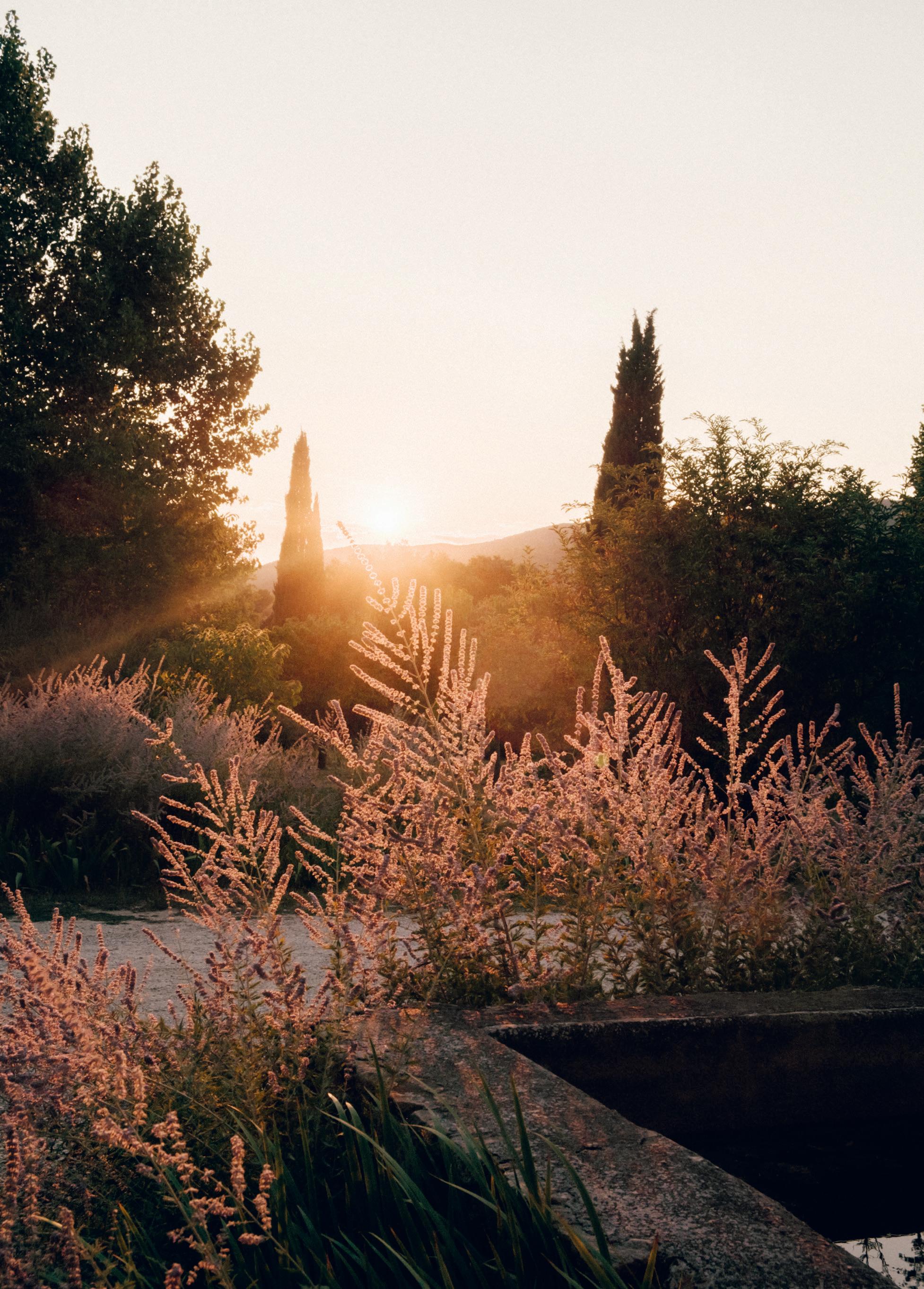
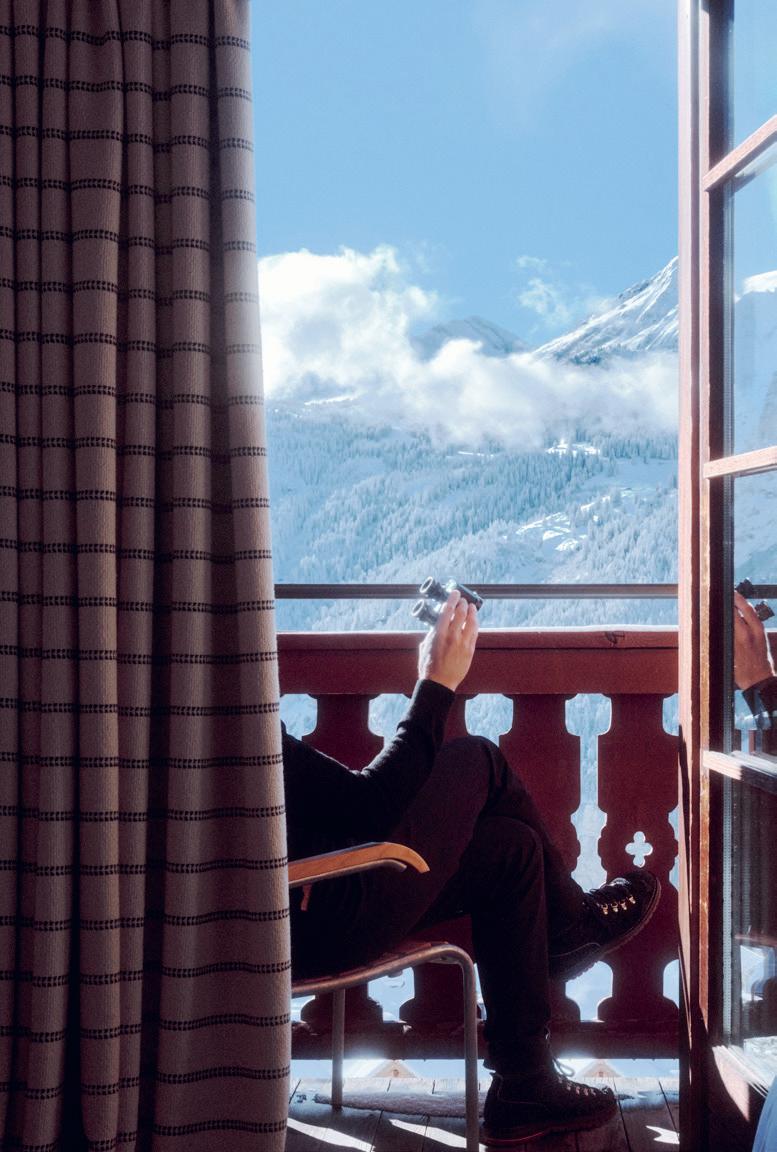
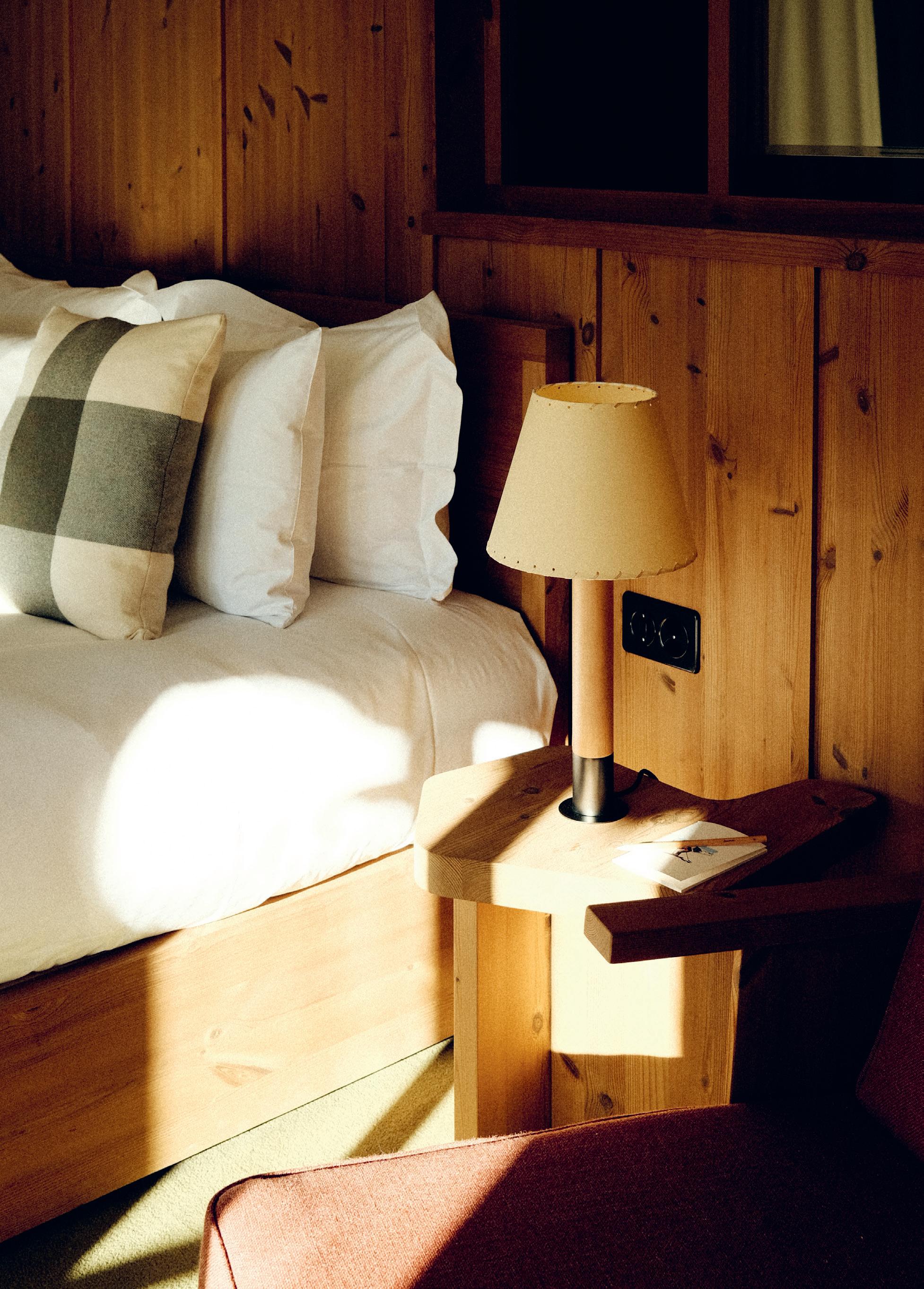
The pursuit of the new day often begins with the subtle intention of a morning ritual. These moments, carved out before the day takes hold, can profoundly shift one's perspective, transforming a routine into a practice of mindfulness and restoration. Whether it’s connecting with a spectacular view or finding solace in a bracing cycle ride, the morning is yours to define.
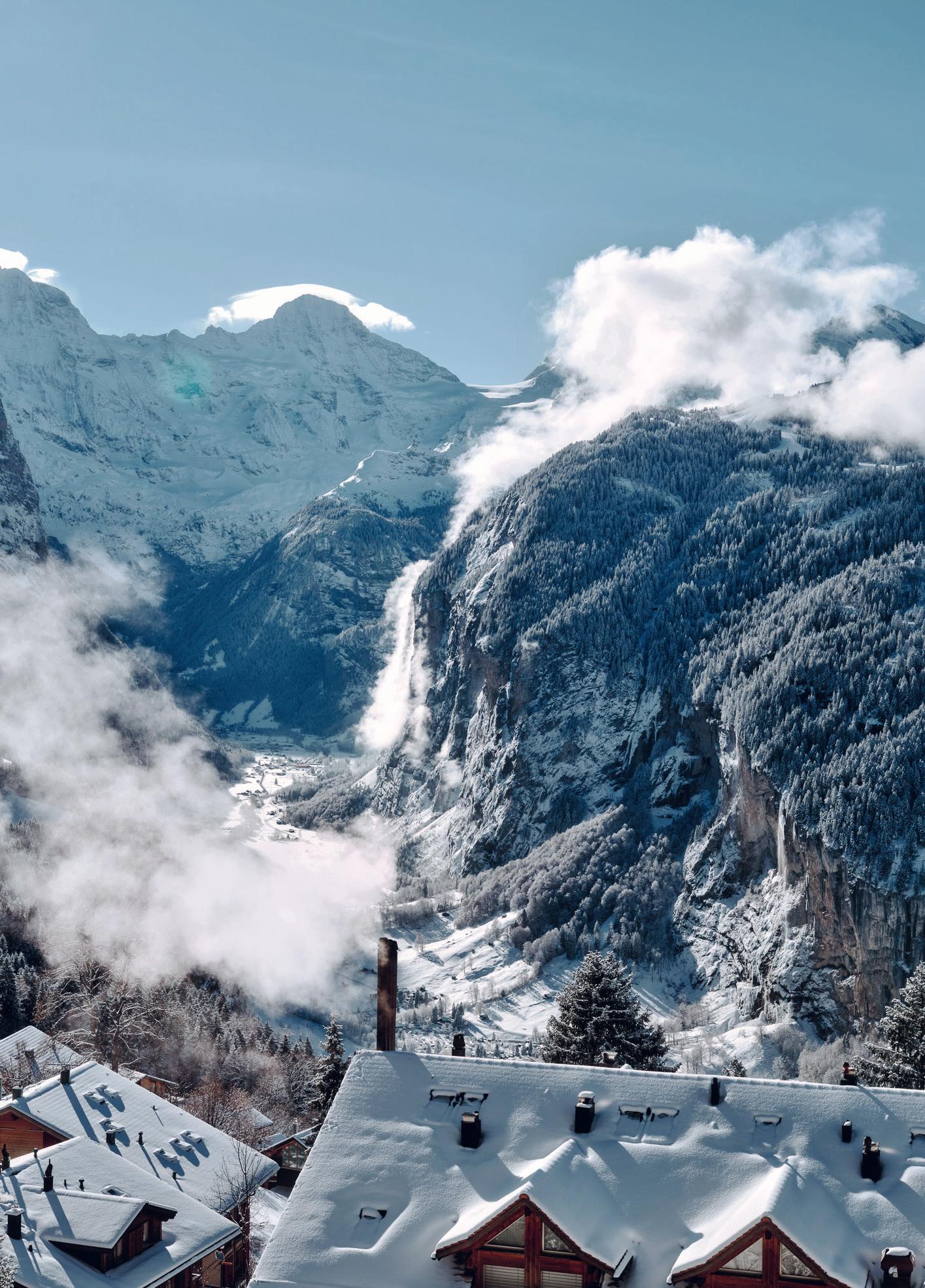
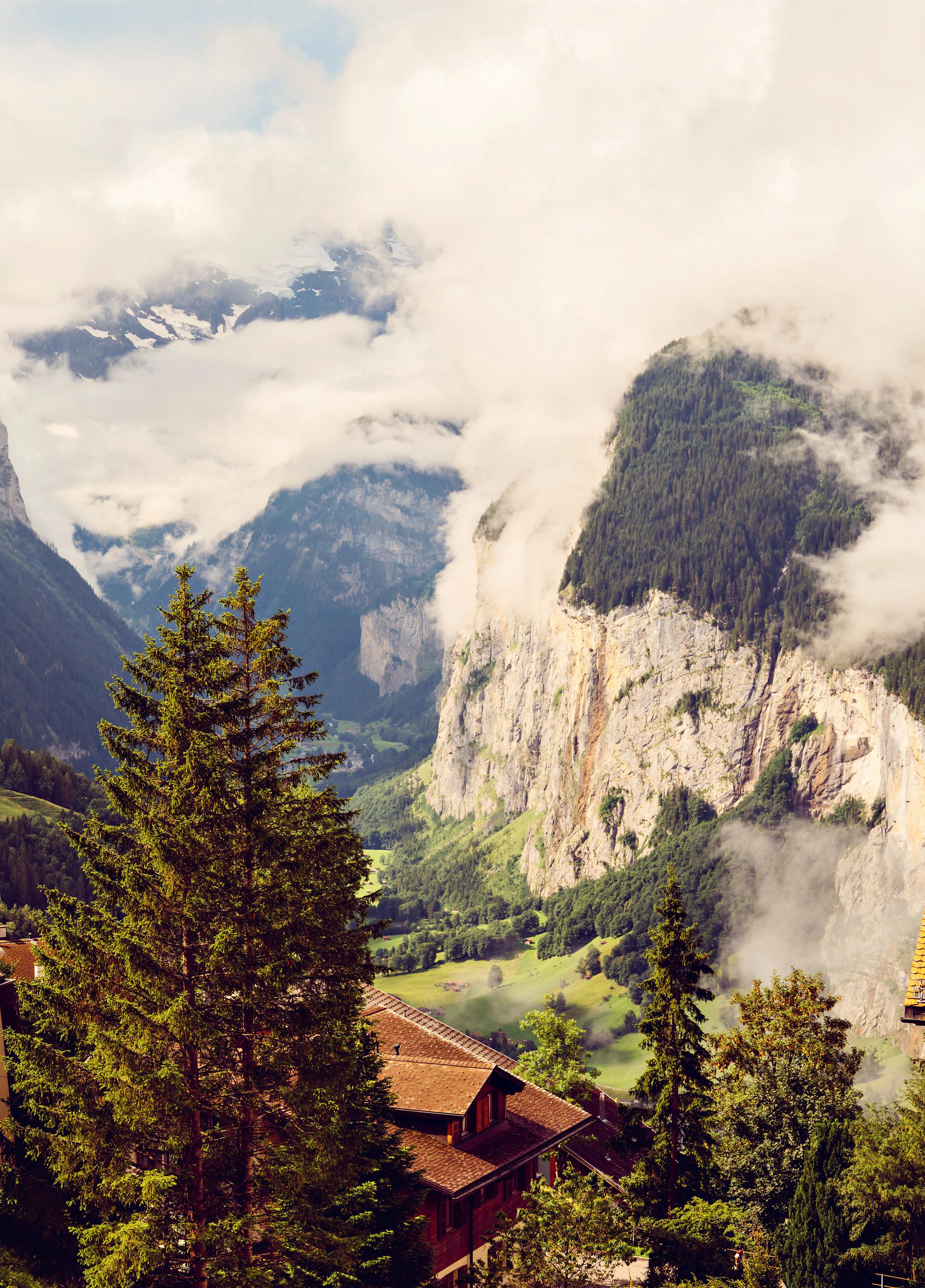
In Wengen, the sun rises over the rugged mountainscape with a mesmerising presence. In the Swiss Alps, the slow emergence of light over the Eiger, Mönch, and Jungfrau mountains is a breathtaking spectacle. It encourages us to welcome a moment of stillness and gratitude for the crisp mountain air, the golden transition of light, and the silence before the world awakens. By starting the day with this sense of awe and connection to something much greater than ourselves, the rush and complexity of modern life fall away like soft petals, allowing a fundamental sense of self to surface.
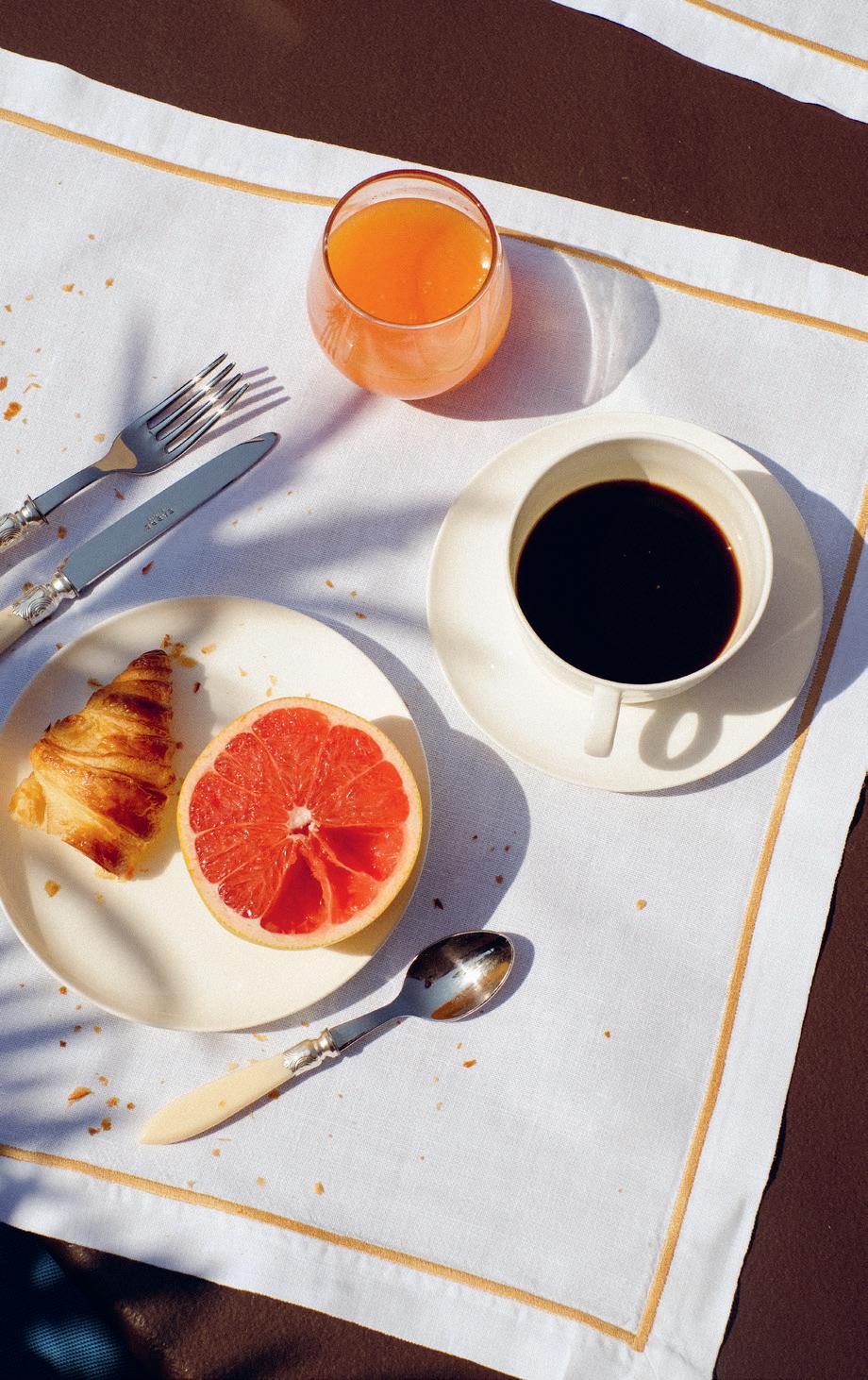
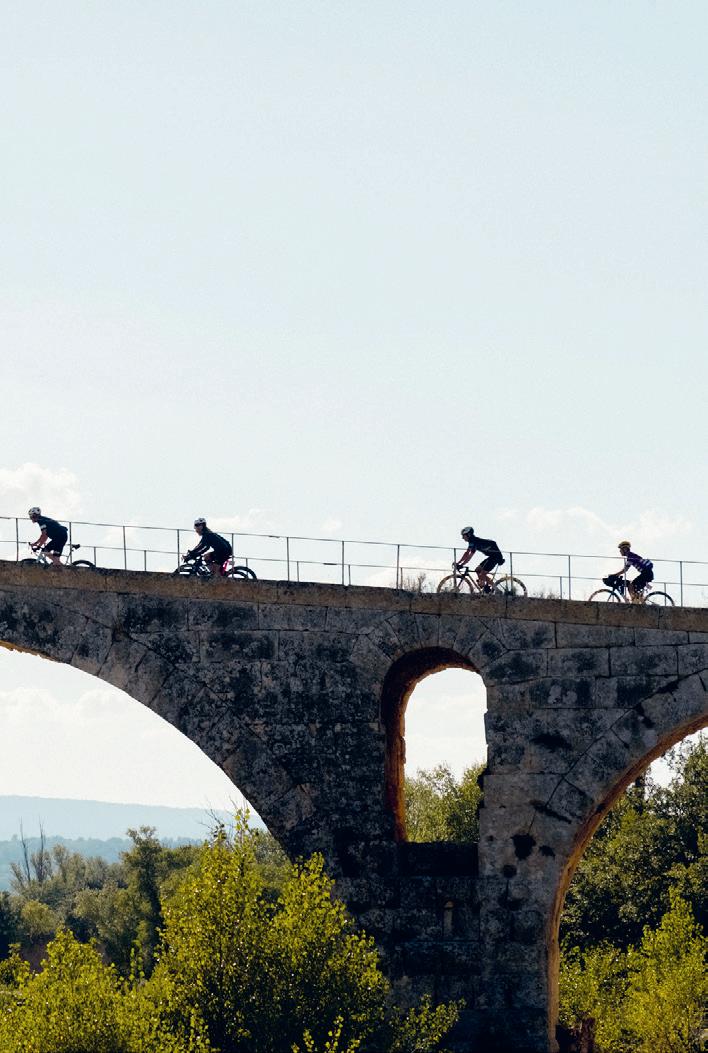
Alternatively, renewal can be found in rewarding effort, such as unwinding after cycling through the sun-drenched landscapes of Provence at Capelongue. The ritual here is one of earned rest. After the rigour of a morning ride, the scent of lavender and thyme in the air soothes the physical challenge of rolling hills. The act of settling down to a slow breakfast is equally rewarding, perhaps feasting on pastries, warm slices of freshly baked cakes and an assortment of local spreads, or with a cool drink and the view of the Luberon valley. These acts of renewal ground the mind in the body's capability and the reward of immediate comfort. It teaches that the greatest moments of peace often follow a period of exertion, offering a deeply satisfying and invigorating start to the day.







©
©
©
©
©



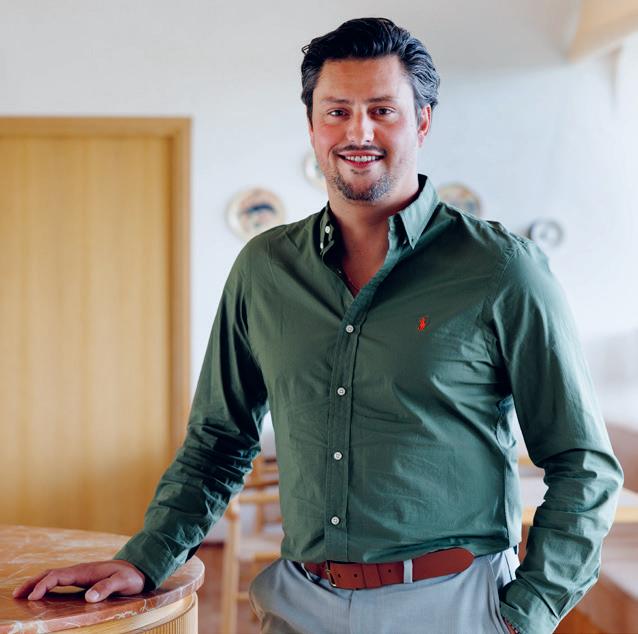
Few understand Beaumier, the character of its hotels and the thread that connects them as instinctively as Loïs Verset.
Nearly a decade with the brand has taken him from Food & Beverage Manager to General Manager, from the peaks of Val Thorens to the sunny climates of Provence and the Côte d’Azur. His journey has evolved alongside Beaumier’s own, guided by what he describes as an innate love of hospitality.vered this world through a family member who showed me what a remarkable profession it can be,” he says. “But it’s my curiosity, the desire to see, to experience, to understand people and places, that has kept me here.”
Today, as General Manager of both Le Val Thorens and Le Moulin, Loïs speaks less about operations and more about atmosphere. For him, hospitality should feel effortless. That sense of ease, he insists, begins with a distinct connection to each place. “It’s about being truly embedded in the local environment. Working with nearby producers, understanding regional customs, adapting to the rhythm of each destination.”
gestures are considered through this lens. “It requires sensitivity,” he adds. “Knowing when to preserve the common thread, and when to let individuality shine.”
In France, hospitality is often defined by attention to detail. For Loïs, nowhere is this more notable than in the early hours of the day. “There is something almost magical about the calm before the hotel fully awakens,” he says. “The soft light, the scent of pastries just out of the oven, the quiet music in the lobby. It’s a moment of anticipation.” In those small, sensory cues — a chair adjusted, a table set just so — he sees the essence of French hospitality: subtle yet meticulous.
Meanwhile, balancing character with consistency across the hotels is also a priority, “There is a shared identity across our hotels, something guests recognise and trust,” Loïs reflects. “But every destination has its own the local terroir, culture and atmosphere.” Design, gastronomy and even the smallest
If given the choice of where to spend an unhurried morning, he would return to Le Moulin in Lourmarin, “For me, it’s a hotel with real soul,” he says, drawn to its heritage and history as a former mill. He imagines a coffee on the terrace overlooking the village as it stirs to life: shopkeepers raising shutters, deliveries arriving, locals exchanging greetings. Afterwards, a walk or cycle through the Luberon’s winding paths, breathing in the cool air before the day gathers pace.
In the end, Loïs returns to three ideas: connection to surroundings, sensory experience, and personality, both of place and of people. Together, they form what he sees as the art of French hospitality: not a performance, but rather a way of living.

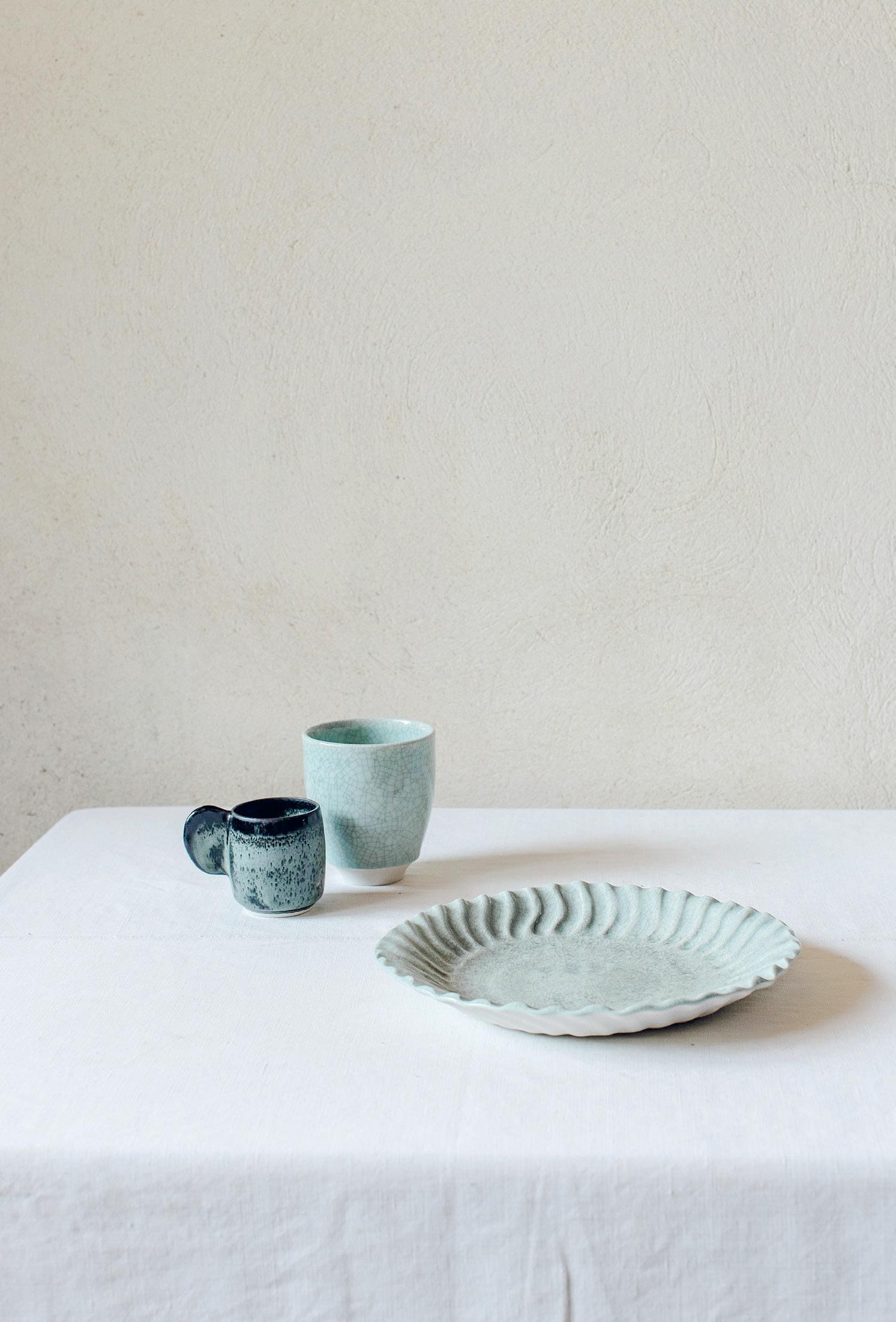
Jars - Manufacture française de céramique depuis 1857 www.jarsceramistes.com - @jars.ceramistes ©Marta Puglia


In many ways, the middle of the day feels the most free. A generous stretch of time that can be filled with whatever calls to you. What begins as a blank canvas is soon coloured with beautiful moments and discoveries, whether close to our hotels or further afield. There’s a particular sense of fulfilment amongst the mountains. In winter, immersive experiences invite you beyond the slopes, from guided ice climbing through frozen waterfalls and dog sledding, to flying high above the pistes on a zipline. There’s always
adventure waiting, whether you’re looking for it or not. During the summer months, the pace relaxes slightly: picnics amongst wildflower meadows, mountain biking through alpine trails, or cooking classes using local produce. Something for every mood. In Ibiza, sultry afternoons during the high season encourage hours of deep, restorative rest. Find yourself on the beach or beside the pool, the pages of a wellchosen book turning slowly in the heat, or setting sail across turquoise waters on a private boat trip to explore some of the
island’s more secluded coves. Meanwhile, in the South of France, it captures everything one imagines of a Provençal summer. Carefree cycle rides wind through villages and past rolling vineyards, followed by slow afternoons beside the pool or wine tastings guided by the sommelier. Along the coast, lunches on the terrace overlooking sparkling water have a habit of stretching happily towards aperitivo. Unless, of course, the day is devoted entirely to rest and rejuvenation at the spa. Both are equally tempting.

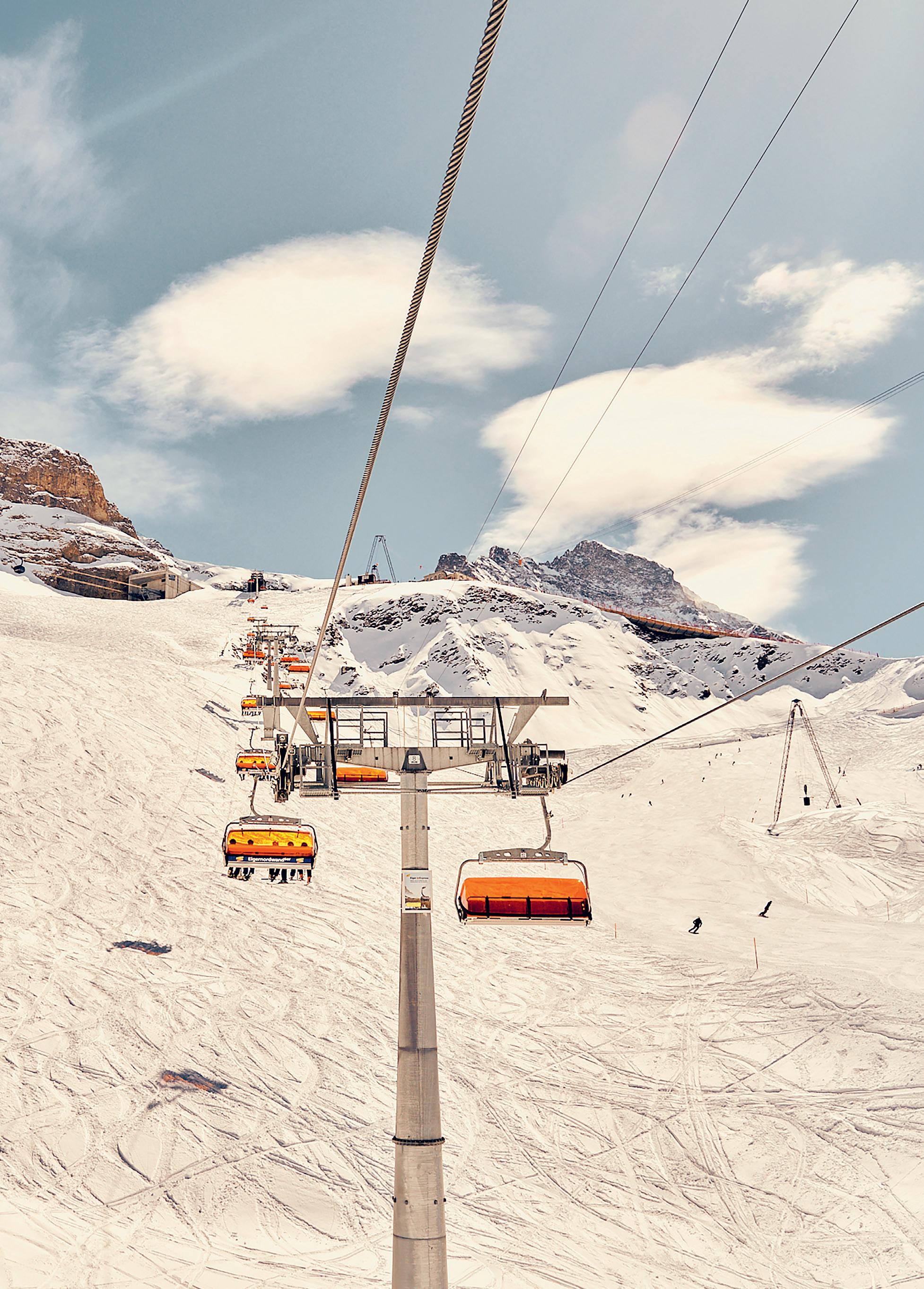
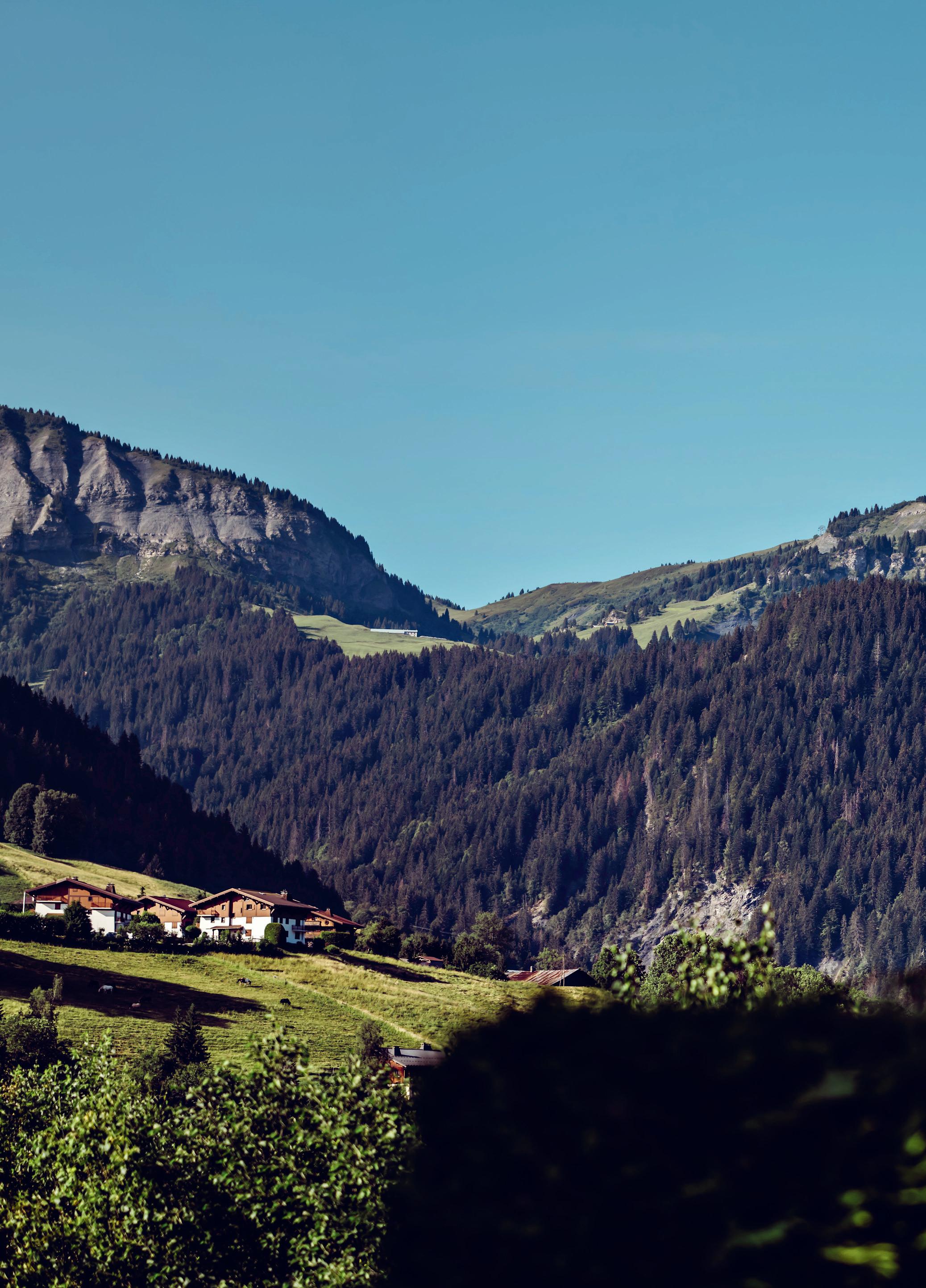
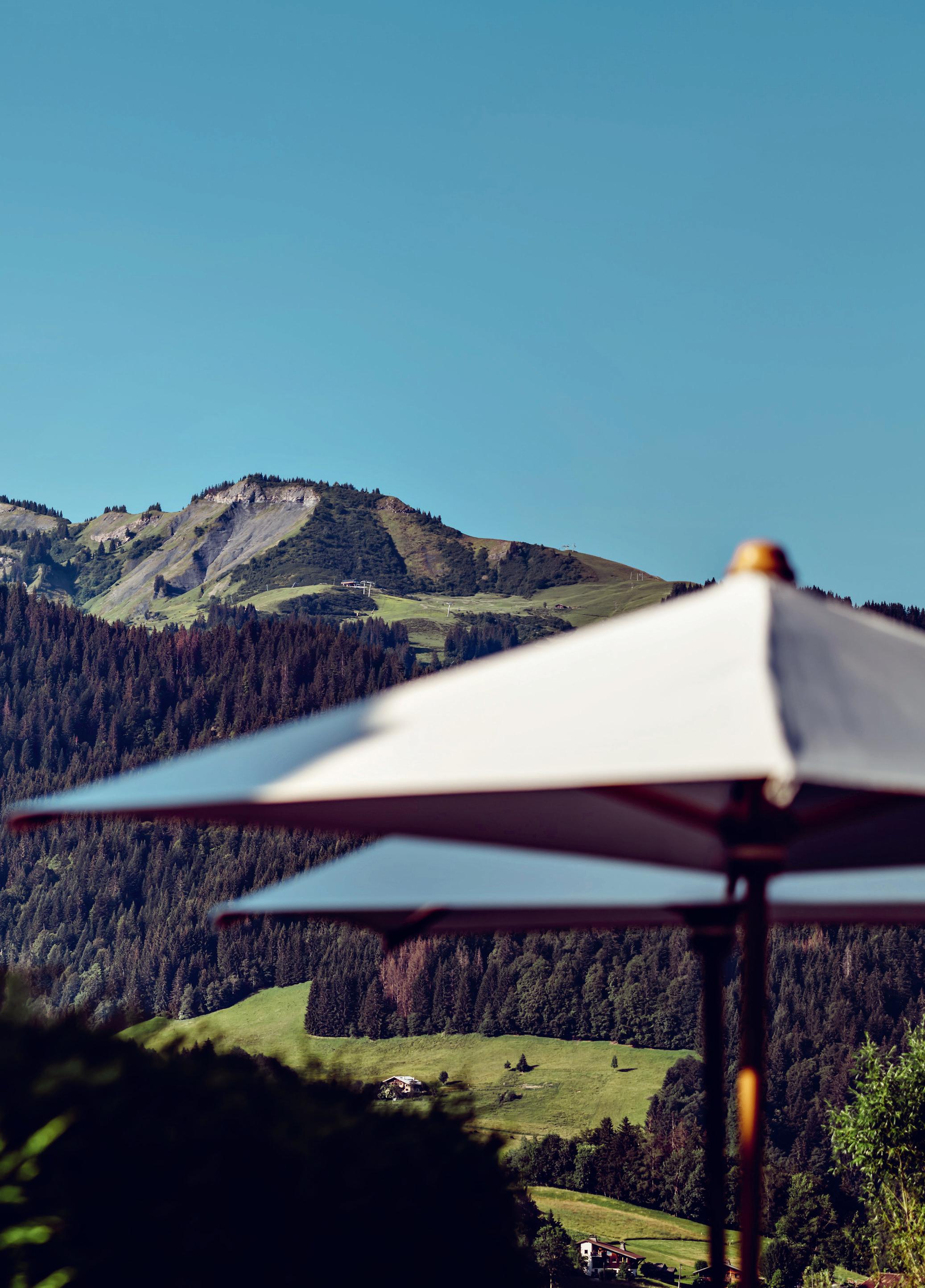
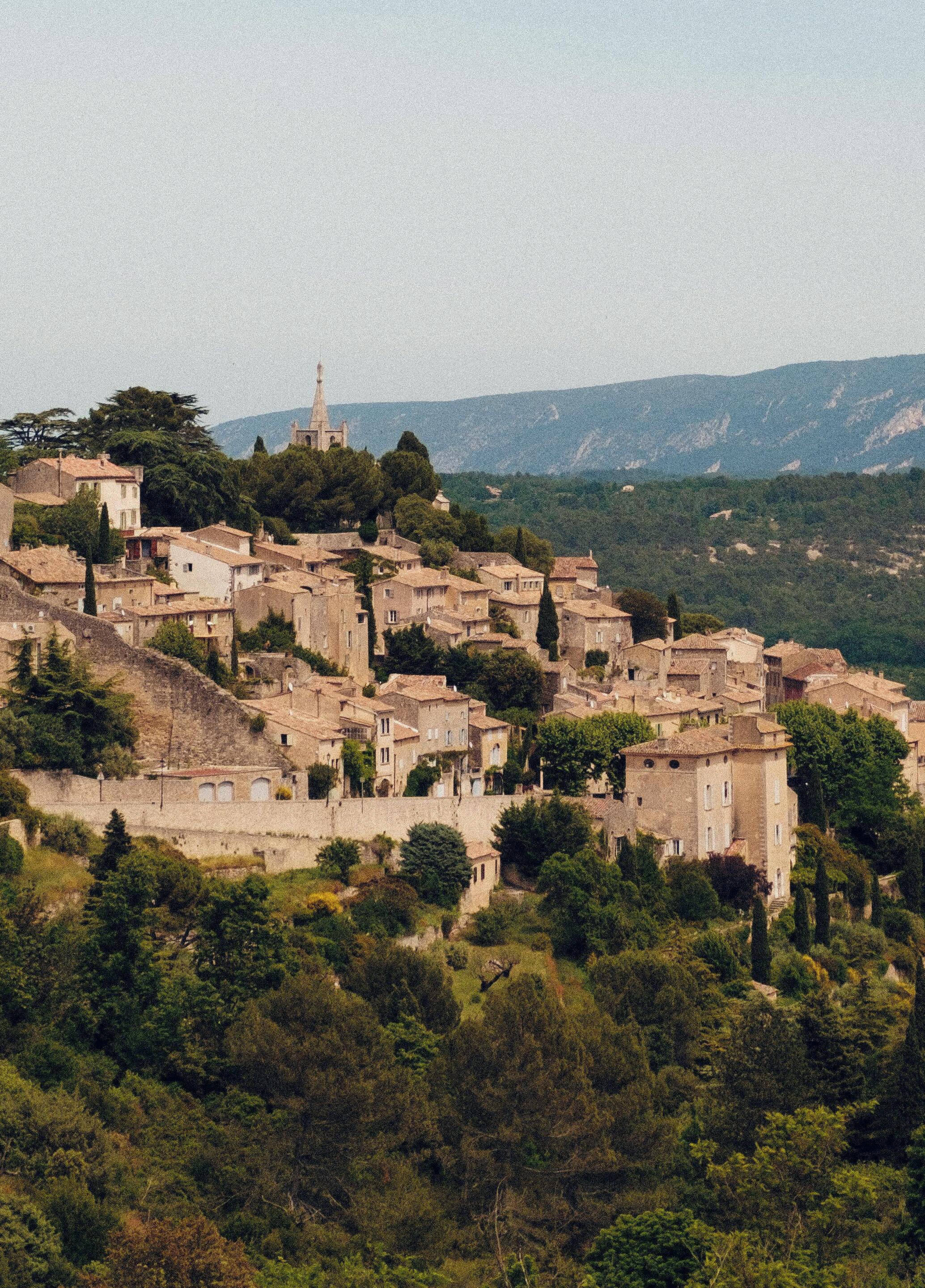
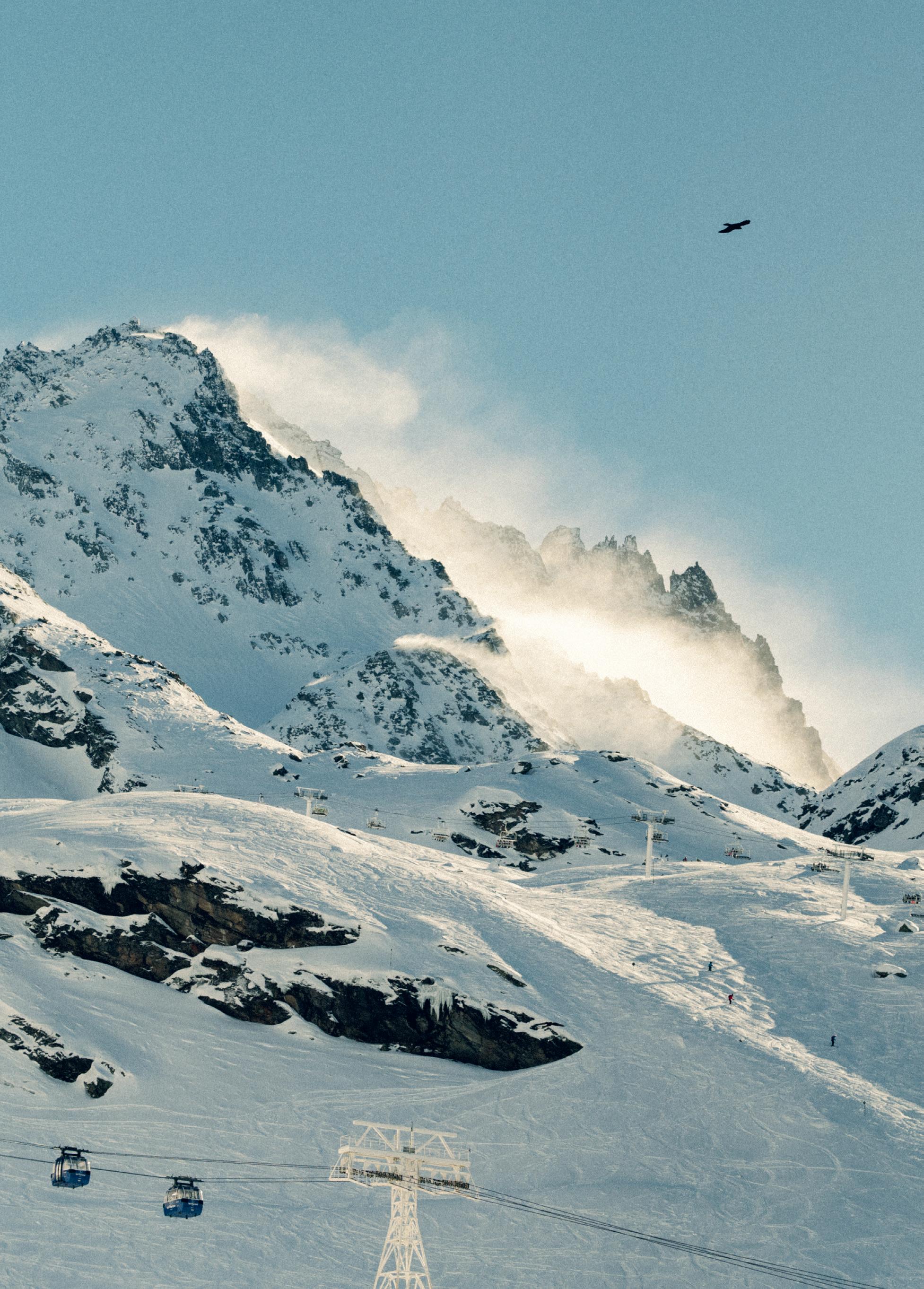
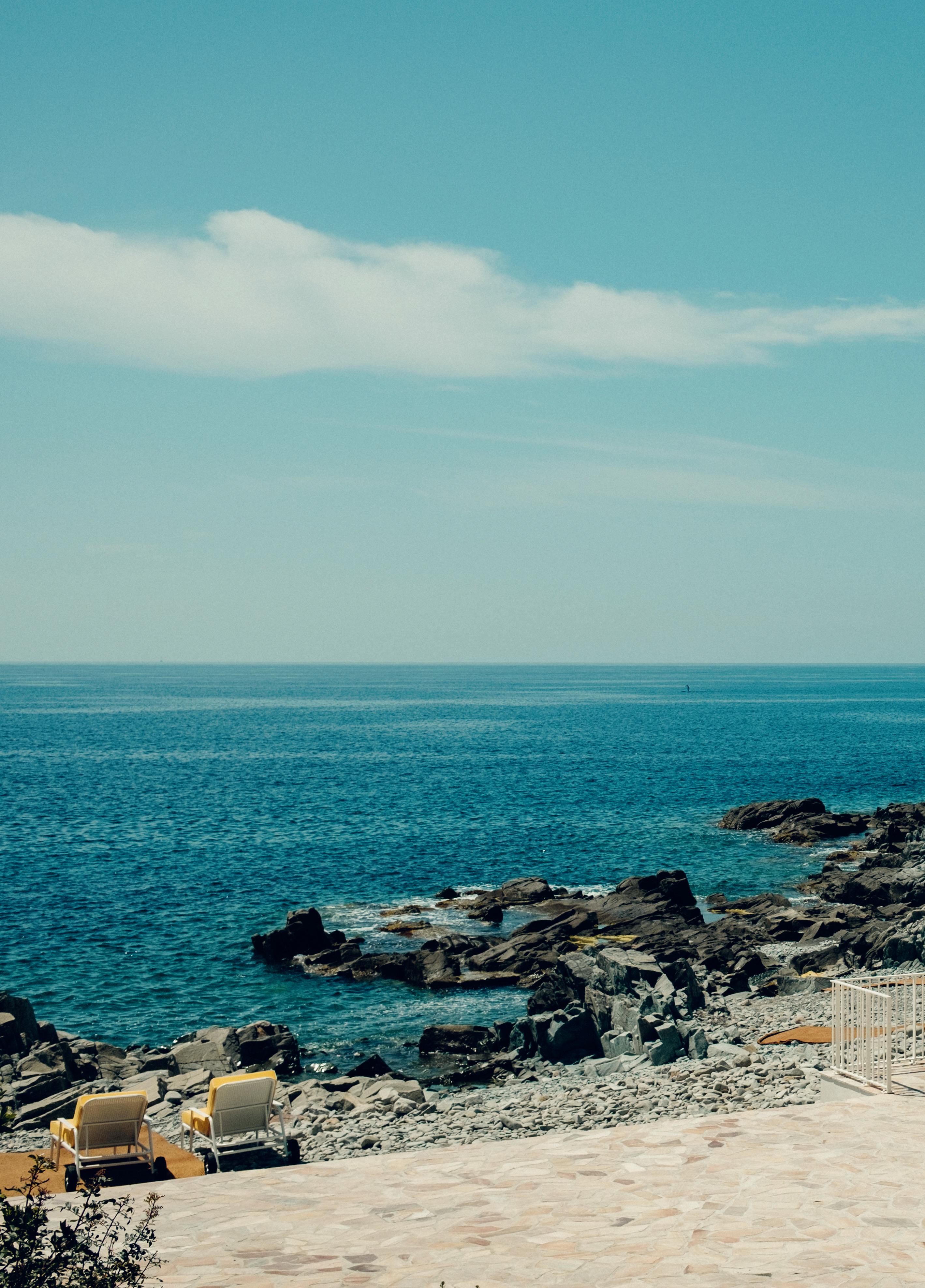
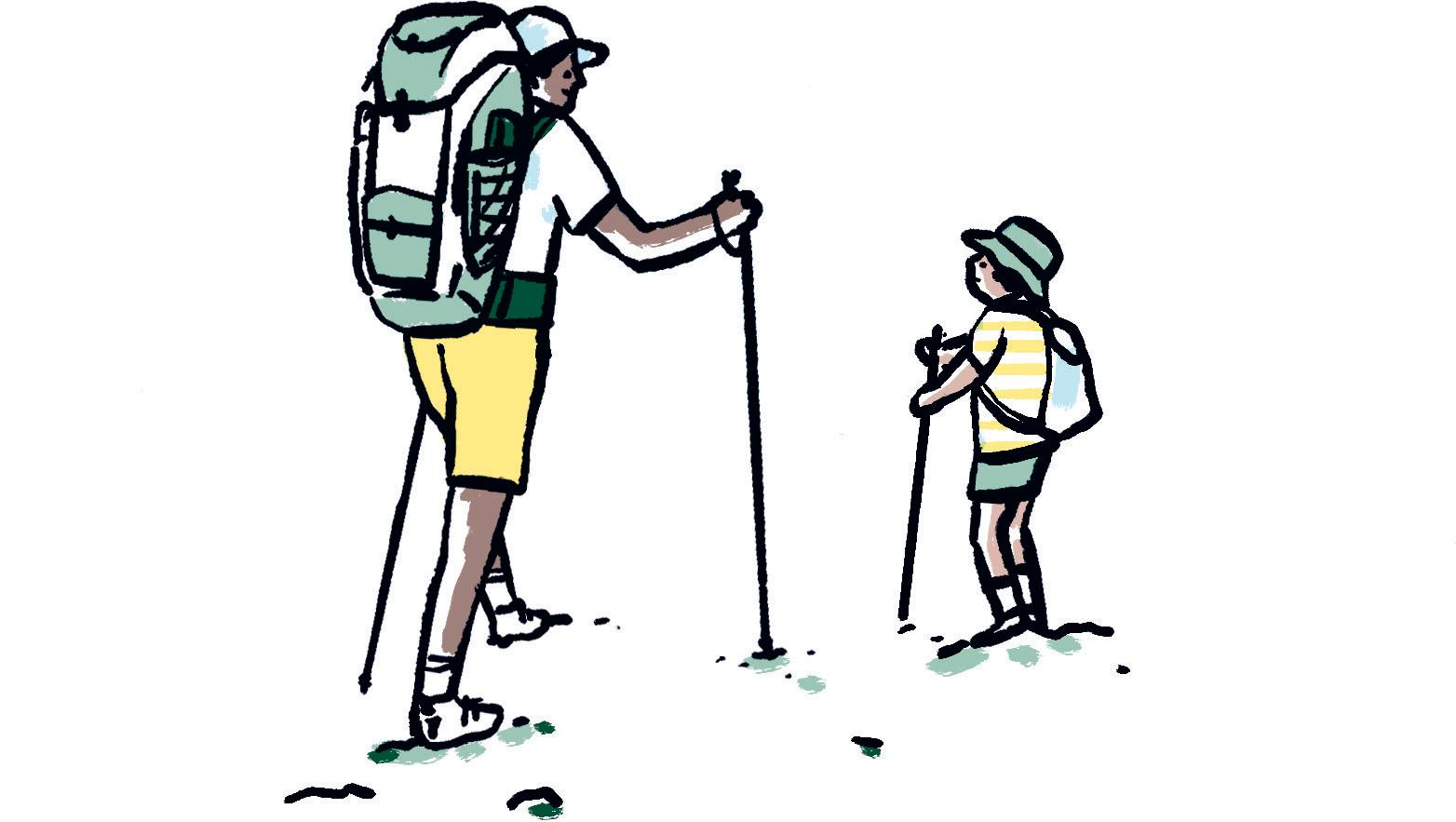
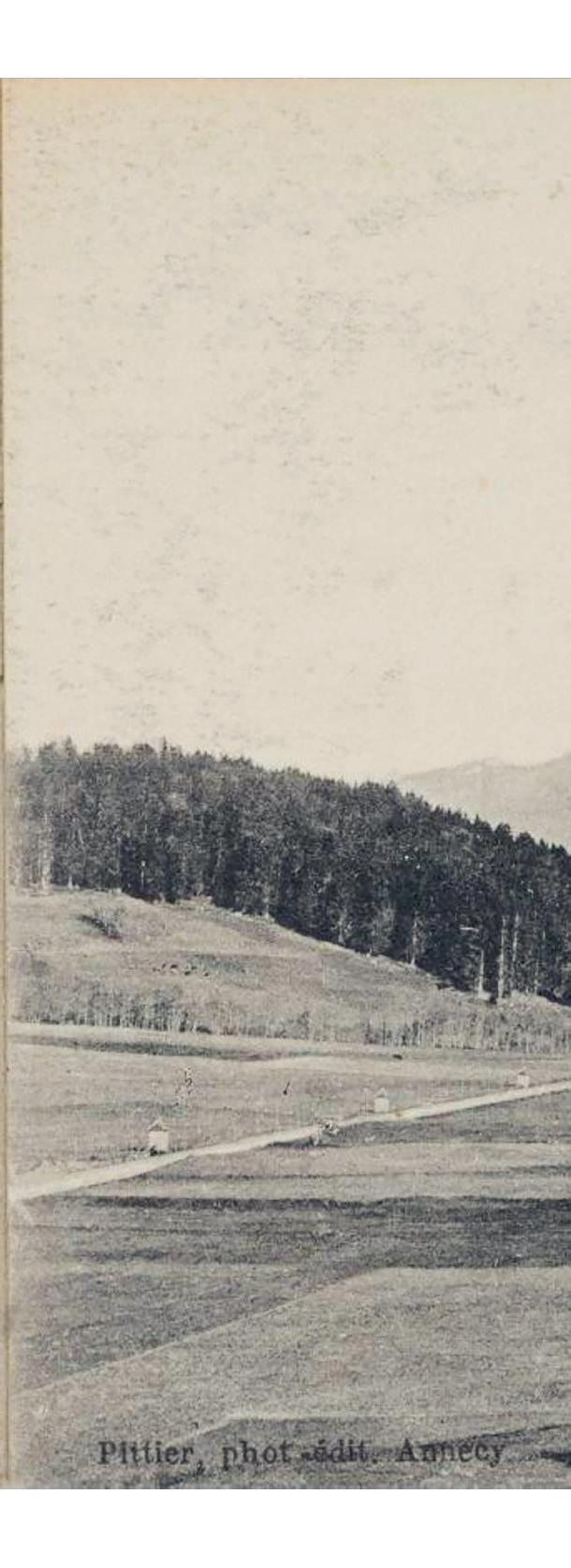
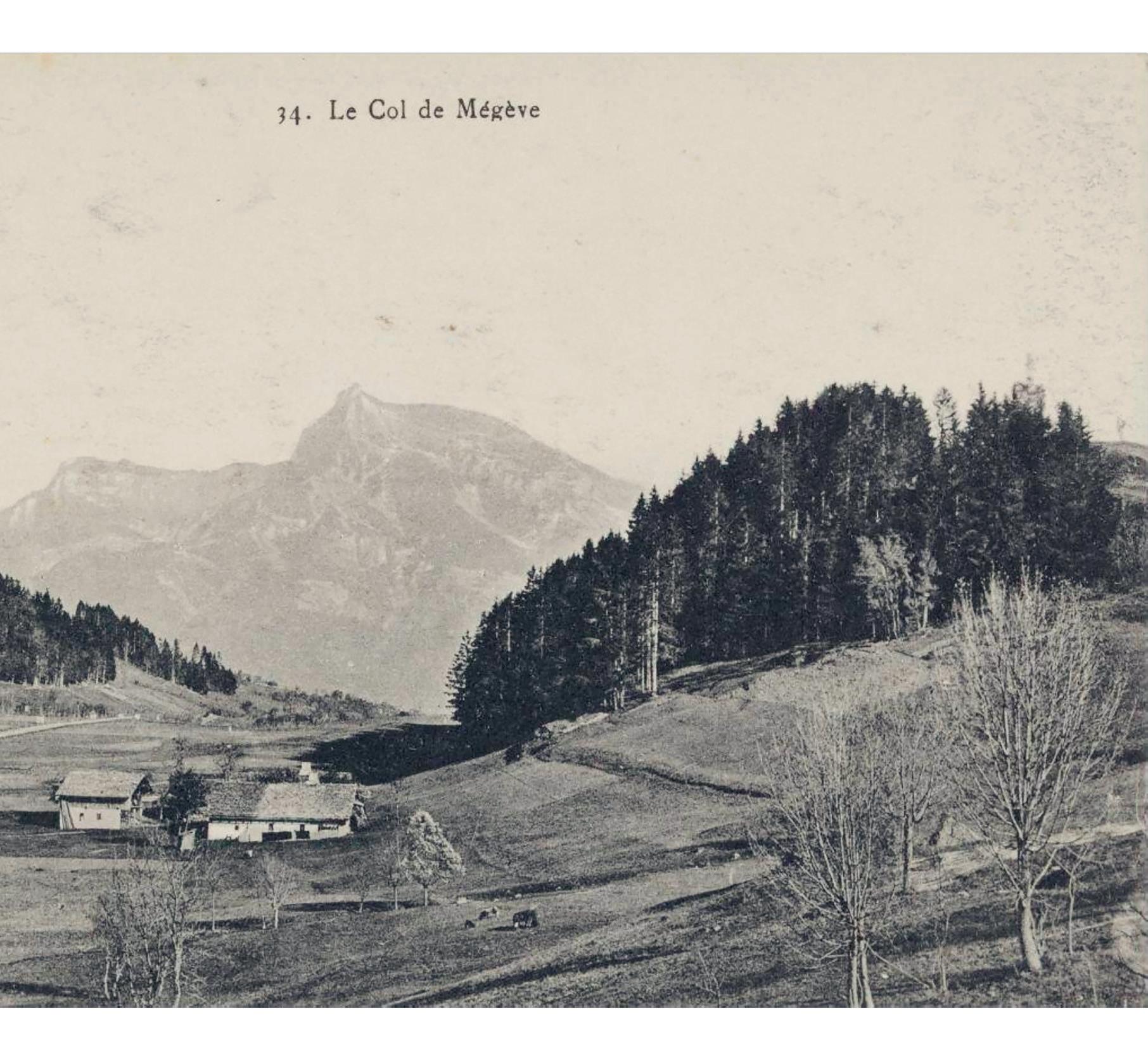
MOVING THROUGH THE MOUNTAINS ON SKIS AND ON FOOT
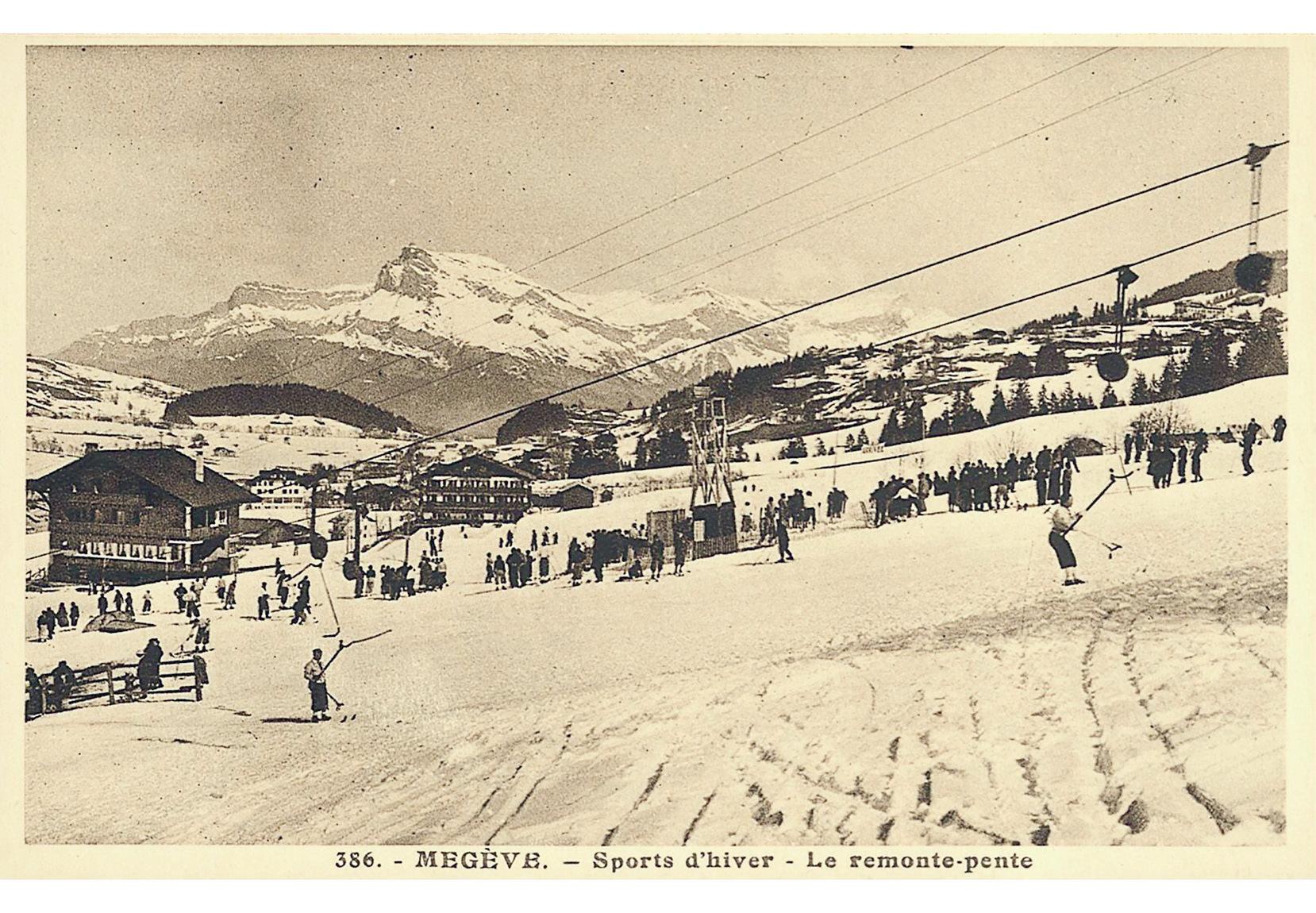
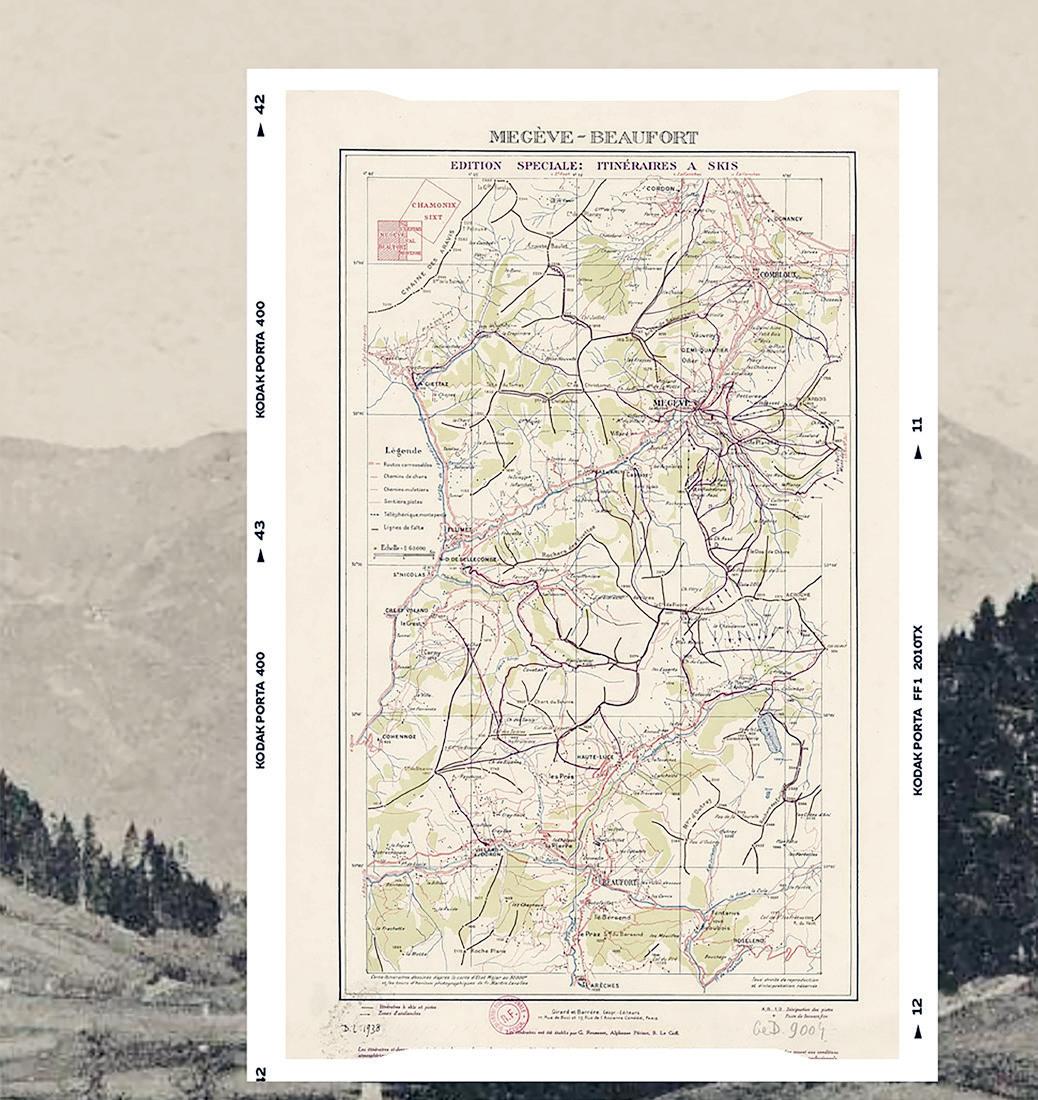
MONT D’ARBOIS WIDE (Blues & Reds)


A long, scenic cruiser with tree-lined views, ideal for warming up in the morning and great for intermediates of all levels.

LA PRINCESSE (Blue & Red)

One of the classic longer runs flowing from near the summit areas toward Mont d’Arbois, promising a spectacular descent with Mont Blanc panoramas.

(Reds)

A fun, rolling red run where you can really build rhythm and clock up some vert without being too steep, looping toward nice mountain restaurants
(Black)

For strong skiers seeking a challenge, this iconic black piste in Rochebrune offers steeper terrain and a more technical descent.
GRAND CHAMOIS (Black)

A steeper, thrilling run off the Mont Joly sector — especially rewarding on fresh snow days.
LE JAILLET (Blues & reds)
Quieter sector with great intermediate terrain and beautiful forested runs, perfect for relaxed all-day skiing.
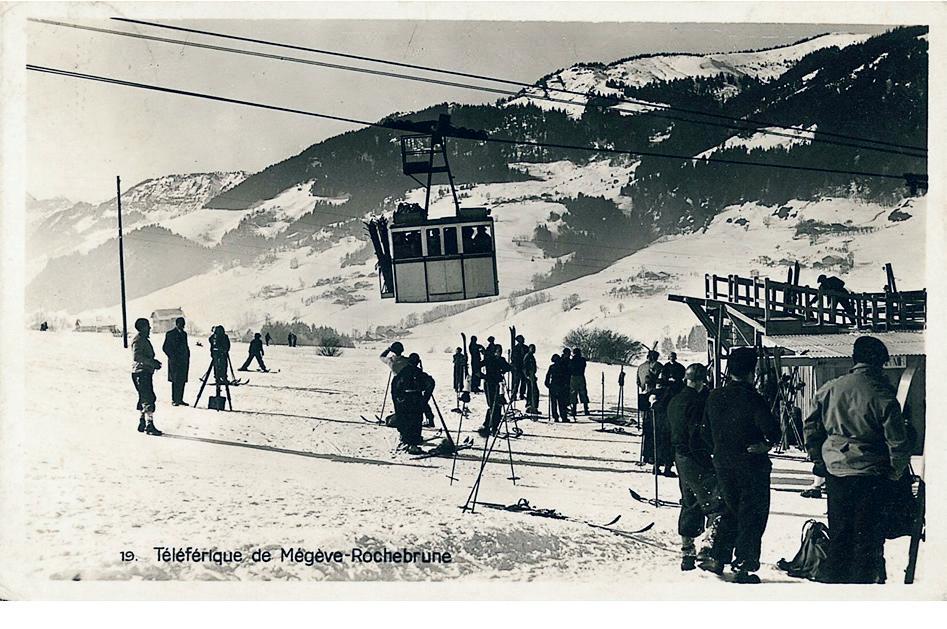
Gentle, family-friendly loop climbing past historic chapels, leading to sweeping views over the village and surrounding massifs.
Expect steady climbs through forest and pasture along this scenic ridge walk, looking out across Mont Blanc, the Aravis and the Fiz.
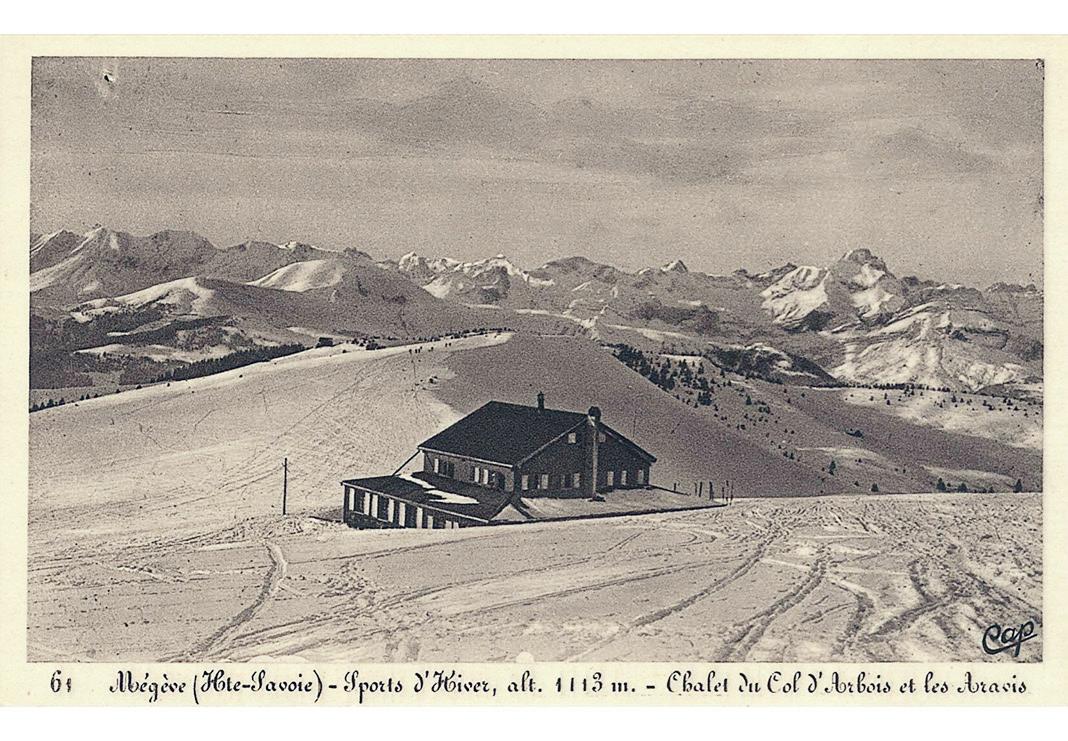
From the village centre, follow the river to a hidden cascade on this short but satisfying forest trail. Shaded, refreshing and ideal for a pleasant afternoon walk.

A steady climb toward this peaceful alpine lake, framed by wide mountain views. A little steep at first, but worth it for a well-earned picnic by the water.
Follow this more demanding ascent through alpine pastures to an exposed ridge and summit cross for uninterrupted views of Mont Blanc.
A full-day trek across open pastures and quiet cols, offering expansive views over Mont Blanc and the Aravis — remote, but deeply invigorating.
AS
BY ONE STAR MICHELIN CHEF NOËL BÉRARD
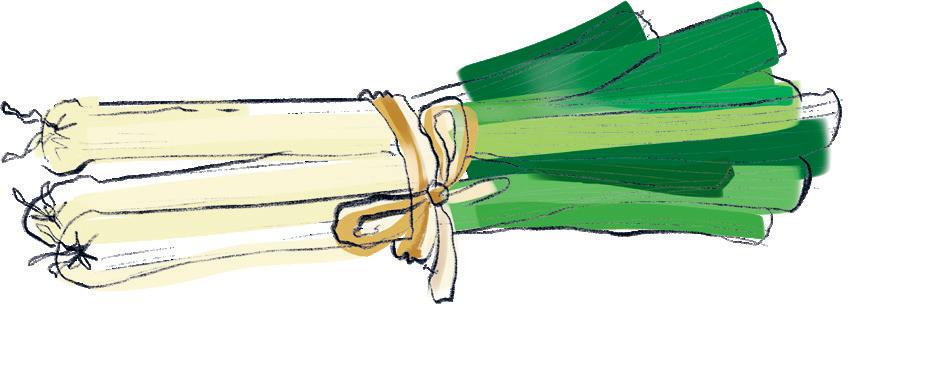
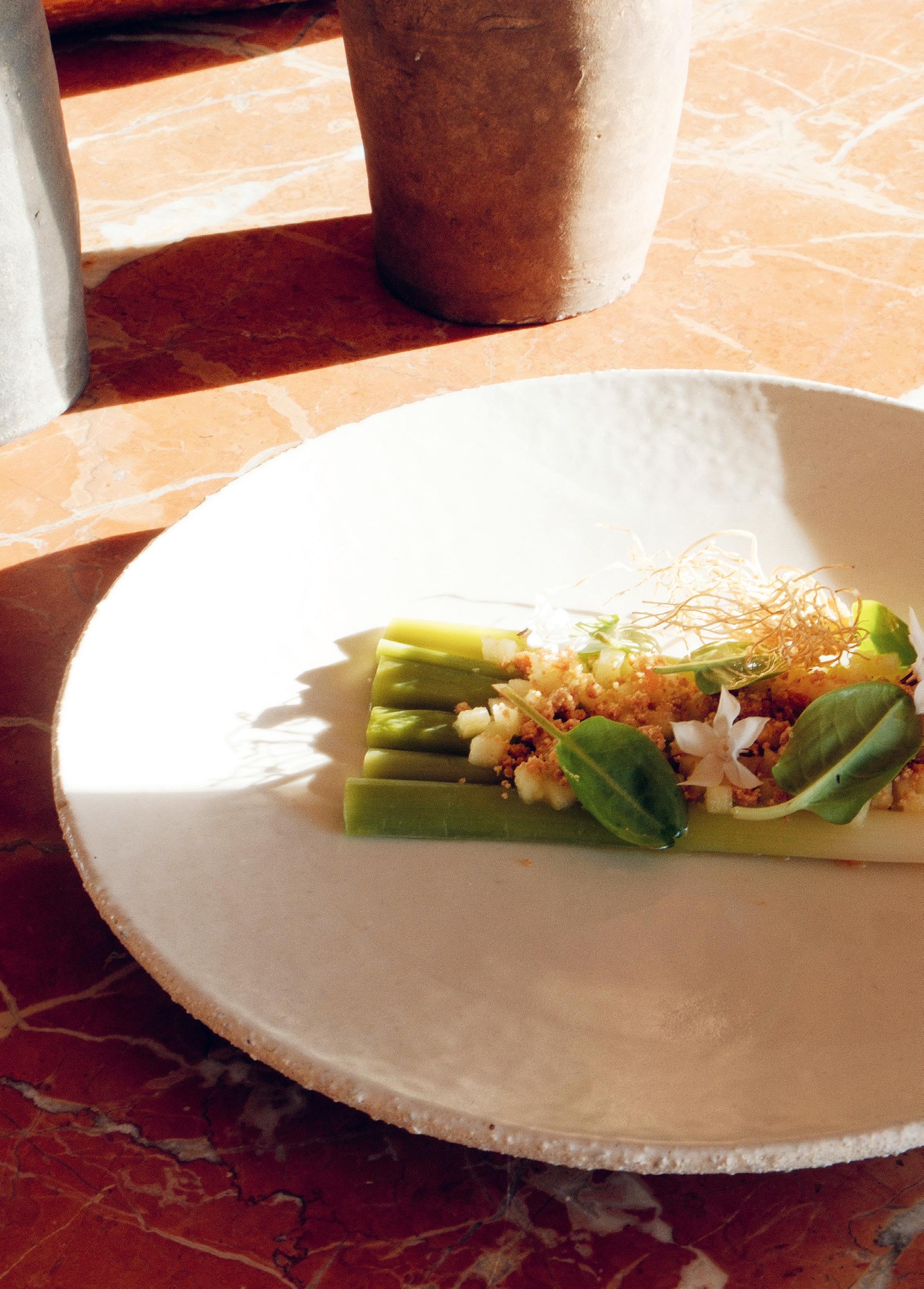
A staple of French kitchens, poireaux vinaigrette is served without fuss in traditional bistros and cafés, enjoyed as a light starter or alongside a leisurely lunch. Tender leeks, gently cooked and dressed with a simple vinaigrette, are at their best from autumn through to spring, showing how little needs to be added when the timing is right. It’s an approach that mirrors the philosophy of one star Chef Noël Bérard, Chef de Cuisine at La Bastide, Capelongue. His interpretation, finished with a fresh sorrel and buckwheat crumb, is light, textural, and perfectly suited to a midday table in Provence.
3 leeks
150g olive oil
70g honey
Juice of 1 lemon
1 apple
1 shallot
150g buckwheat flour
100g softened butter (room temperature)
20g caster sugar
5g sea salt (fleur de sel)
A few sorrel leaves
Salt and freshly ground black pepper

Prepare the leeks:
Trim, wash and cut into 10cm batons, removing tough outer leaves. Boil in salted water or steam for 10 minutes until fondant. Refresh in cold water, then drain.
Make the crumble:
Rub together softened butter, buckwheat flour, sugar and sea salt until the mixture resembles breadcrumbs. Spread on a baking tray and bake at 180°C for 30 minutes until golden and crisp.
Make the vinaigrette:
Whisk lemon juice and honey, then gradually emulsify with olive oil. Stir in finely diced shallot and apple brunoise.
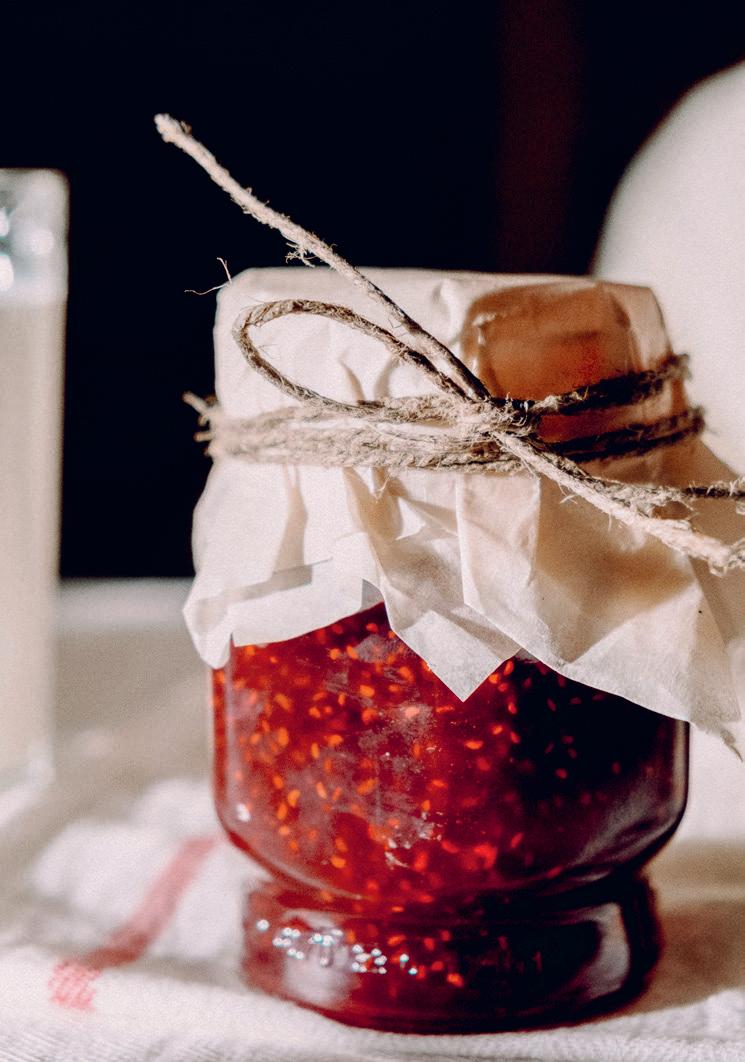
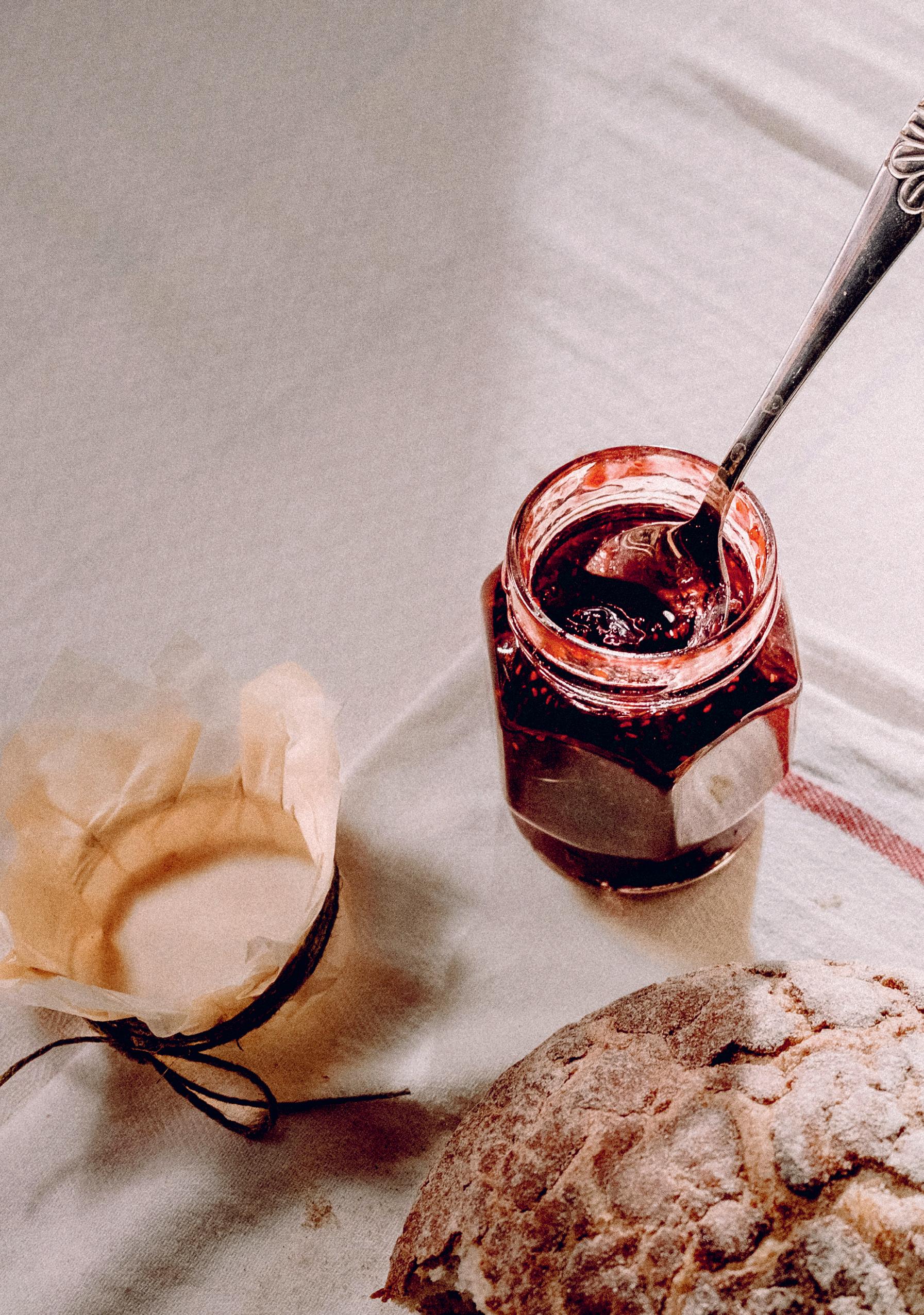
For Alain Berlengue, jam-making began as a practical response to the region’s abundance; a way of holding onto what is ripe, of giving fruit a second life once the market day has passed. In Provence, where jam-making has roots stretching back centuries, this practice is simply part of the fabric of daily life — a familiar ritual that has long enriched the table and extended the season’s harvest.
About ten years ago, no longer physically able to continue ground-level farming, Alain planted a few rows of raspberries. They quickly became popular fixtures at the local markets in Lourmarin and Saint-Martin-de-la-Brasque. “From that point, growing raspberries became the obvious choice for me,” he explains. Encouraged by his success,
he gradually diversified, planting blackberries and rhubarb, sold fresh when possible, preserved when not.
His method is resolutely pared back. “Fruit and sugar, with no additions of any kind.” Depending on the variety, the fruit is cooked slowly, sometimes in several stages. There are no tricks, no embellishments. “I rarely mix fruits of he adds, preferring to let each one speak for itself. The recipes are inspired by those of his parents, also farmers, and guided by what he calls “the taste of yesteryear.”
During harvest season, his days are determined by the heat. Picking happens in the morning, before the sun climbs too high; jam-making fills the afternoons. “Depending on the tempe-
rature, I might go back into my garden later in the day,” he says, keeping an eye on what has ripened in the warmth, tending to the plants as evening approaches. It’s a way of working shaped by the land rather than the clock.
Since 2019, Alain’s jams have been part of the guest experience at Le Moulin and Le Galinier, served at the breakfast table and sold at Les Commissions, the hotel’s café-épicerie, after his jars caught the attention of the chef at the Lourmarin market. That they are now enjoyed and carried home far beyond the village is a source of genuine pride. For Alain, though, it never quite feels like work. “The passion is always there,” he says. “Making products with respect for tradition and the land — I hope to keep going on and on.”
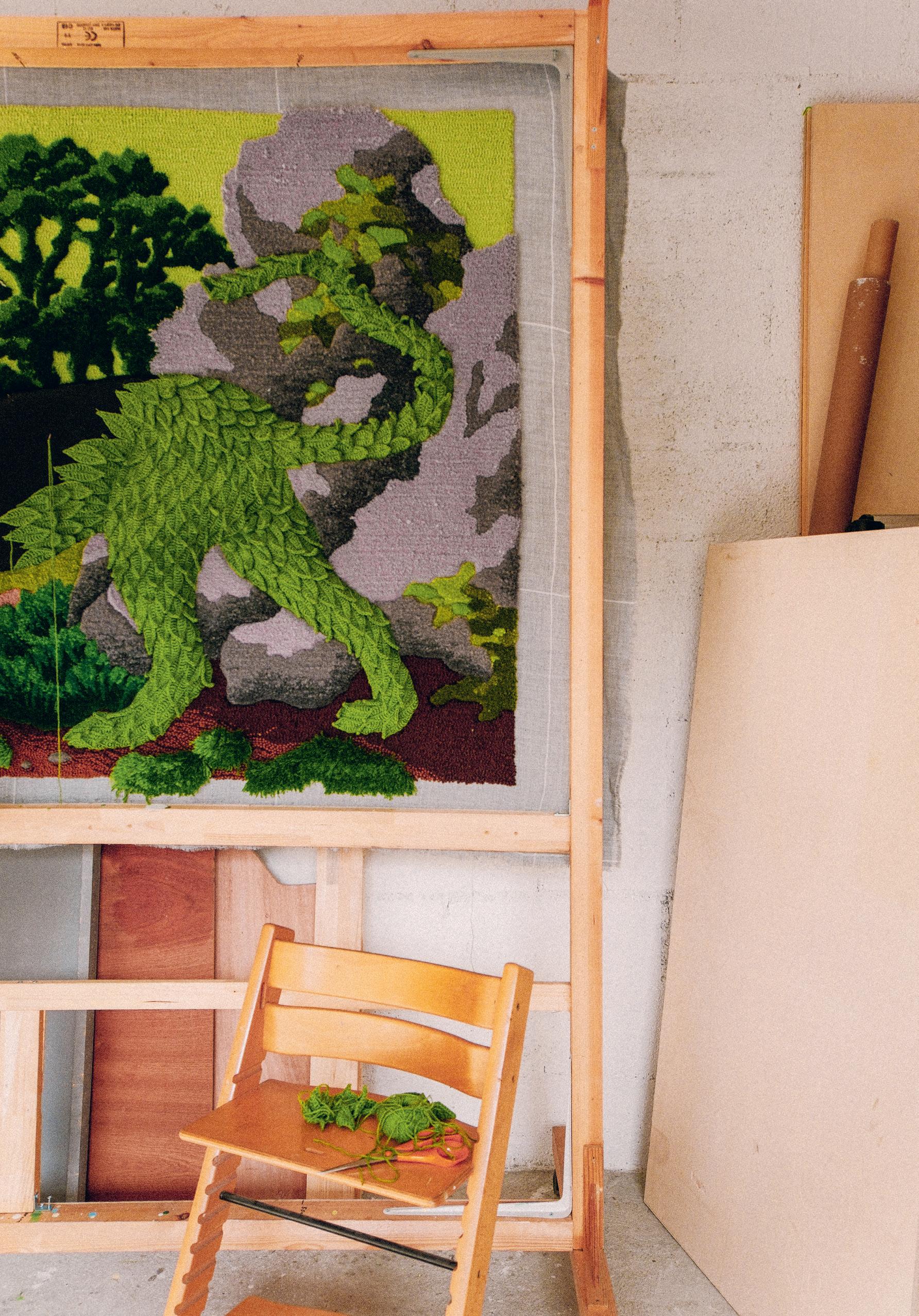
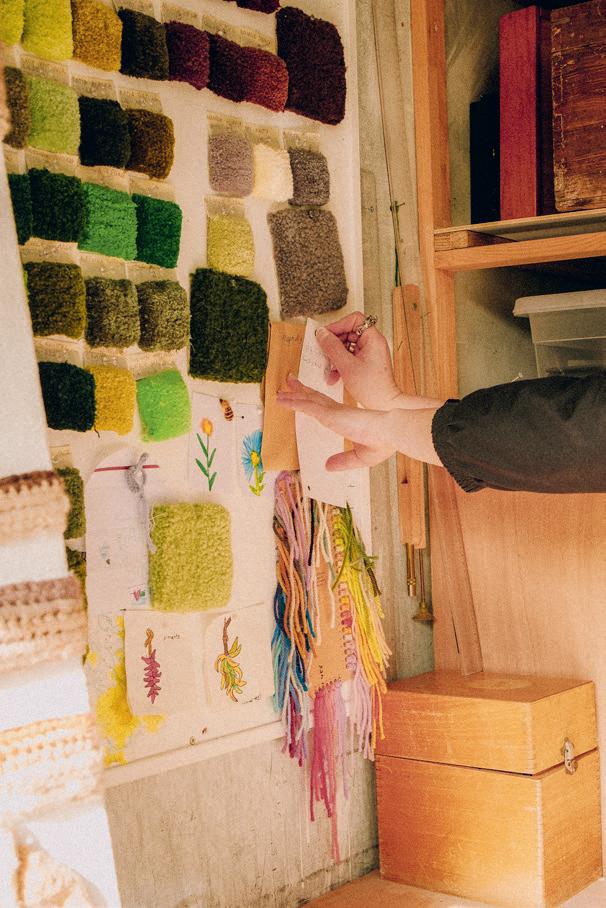
AN AFTERNOON WITH TEXTILE ARTIST MANON DAVIET
By mid-afternoon, Manon Daviet is often busy in her studio in the leafy Paris suburb of Fontenay-sous-Bois. The doors are open to the outside and air flows freely. Having grown up near Annecy in Haute-Savoie, hiking and drawing inspiration from its mountains, maintaining that connection to the outdoors remains integral to her work.
“Switzerland has always been part of my visual world,” she says. There is a cultural closeness between Haute-Savoie and the Bernese Oberland, a shared language of alpine pastures, timbered huts and traditional art. It made her collaboration with the Grand Hotel Belvedere feel instinctive.
The brief was simple: evoke Switzerland as it exists in the collective imagination, without shying away from its familiar symbols. Rather than overturning clichés, Manon chose to gather them — chalets, mountain peaks, wheels of cheese, wildflowers and grazing herds — assembling fragments into a repertoire of forms that appear at once playful and rooted.
Her inspiration reaches back to the pastoral tradition of poyas: painted panels historically created by farmers to depict their cattle ascending to alpine pastures. These works, often found in mountain huts, guided the exclusive series created for the hotel.
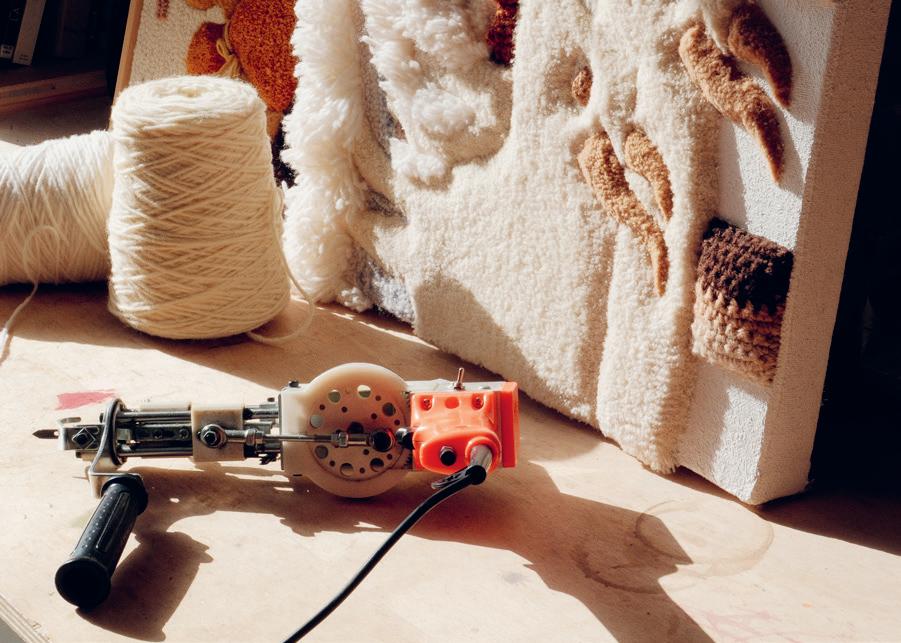
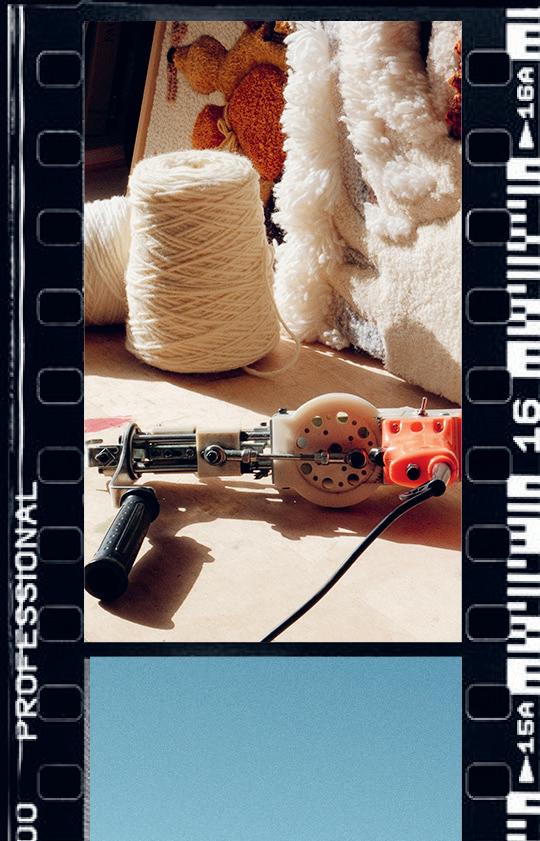
Within the walls of Grand Hotel Belvedere’s 90 rooms and suites, her compositions offer an almost ideal countryside. The weather is fair. The animals appear content. The atmosphere is serene. Memories rendered in wool, whether tufted, knitted, crocheted, or embroidered, bring a sense of warmth. “The material itself already carries comfort,” she says. “I hope guests feel calm when they encounter these works.”
For Manon, a typical afternoon is soundtracked by podcasts and music, and after years of prac tice her work needs no instruction. “My hands work almost automatically, ” she explains. “My mind wanders freely.” Her process balances instinct and structure.
“I can spend years reworking a sketch that
make a quick drawing and immediately know: this is it.” Once a composition is decided, however, the choreography is precise. Tufting first. Then knitting, crochet, or embroidery layered carefully on top.
Outside of her studio, she feeds her imagination through sketching, watching nature documentaries, and visiting museums and galleries. Whenever she can, she returns to Haute-Savoie to hike. Walking, she says, is essential. As the afternoon shifts towards evening, there is no fixed moment to stop. Some days she struggles to find her rhythm. Others stretch long past what was planned. When progress is tangible, particularly with slower techniques like crochet or embroidery, she described an immense satisfaction – “It’s one of the greatest joys, to know that a project is advancing.” In Wengen, her patience finds its place, now hanging against timbered walls. A contemporary poya, offering guests a distilled vision of the alpine world just beyond their windows.
ITSELF ALREADY
I HOPE THE GUESTS FEEL CALM WHEN THEY ENCOUNTER THESE WORKS
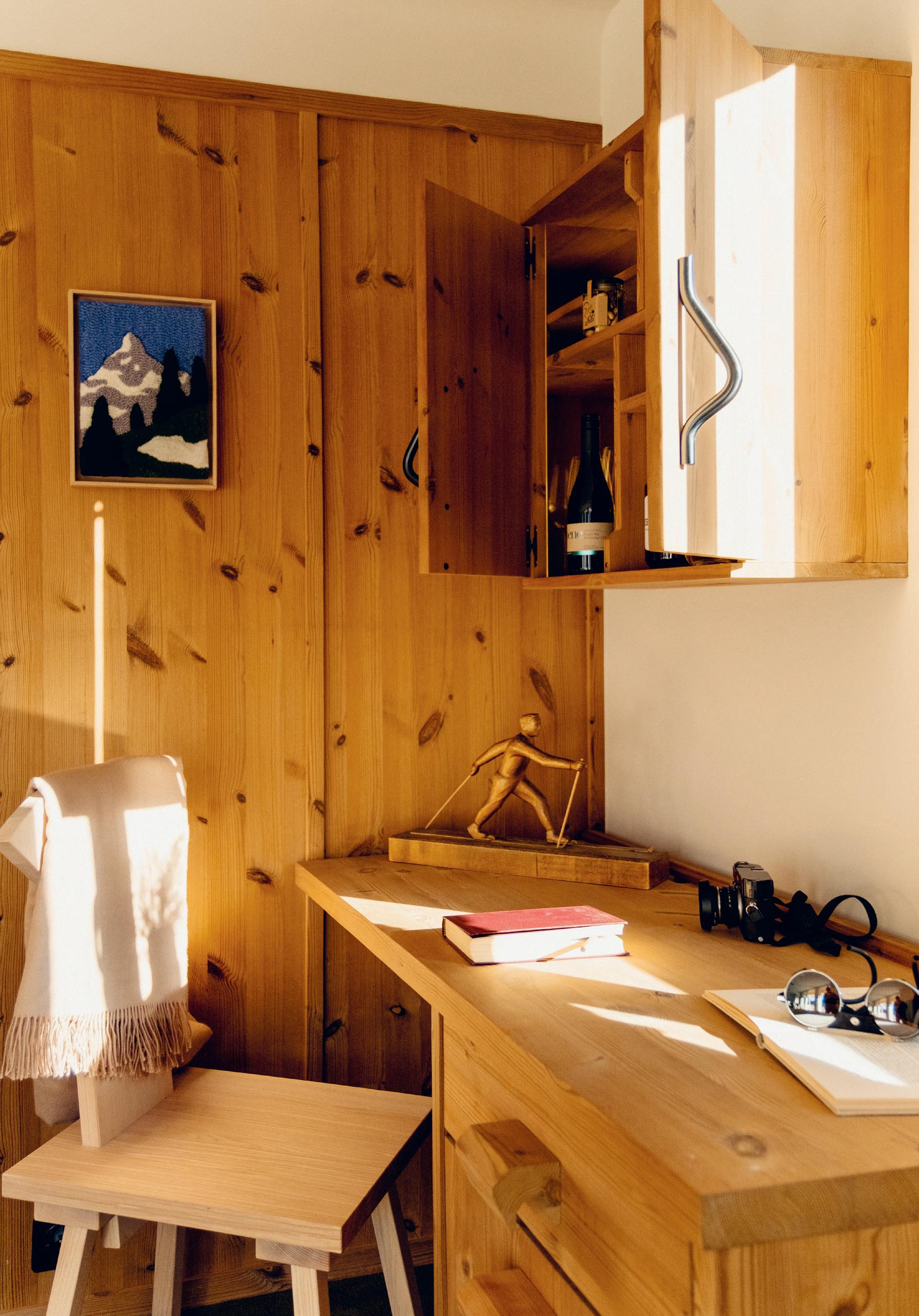
When you find yourself face to face with the mountains, it’s easy to let them command your attention . The dramatic landscape surrounding Grand Hotel Belvedere — the Lauterbrunnen Valley unfolding below, the Jungfrau rising in the distance — more than deserves it. But it’s also worth letting your gaze drift closer. To notice the little details, the character and craft that reveal themselves in every corner of the hotel: handwoven rugs underfoot, thick wool blankets folded at the end of a chair, antiques and well-chosen accessories that bring warmth and personality to each space. Among them are pieces made by the residents of the Bad Heustrich Foundation.
Located in Aeschi in the canton of Bern, less than thirty kilometres from Wengen and at the foot of the Niesen mountain, the Bad Heustrich Foundation is rooted in a long local history. A sulfur spring here was first used for healing treatments in the late eighteenth century, giving rise to a spa that would go on to welcome guests from across Europe. Though the spa’s heyday eventually faded, and a fire in the early twentieth century brought that chapter to a close, the site found new cause in the decades that followed.
Today, the Bad Heustrich Foundation offers people with cognitive disabilities the opportunity to complete vocational training, work,
and move towards the greatest possible level of independence. It is a place shaped by routine and care, where work provides both structure and a sense of purpose.
Across eight workshops, from landscaping and horticulture to pottery and carpentry, the Foundation produces bespoke commissions for its customers, including our very own Grand Hotel Belvedere. The objects created for the hotel are functional, tactile and made to be used every day. Serving trolleys roll between its dining spaces, wooden trays are lifted and set down, spoons and tongs pass from hand to hand, and high chairs take their place at the table. While these may not be decorative statements, they're the pieces that become part of daily life.
Meanwhile, participation, joy and self-determination sit at the heart of everything at the Foundation. Friendships form through shared work and shared time, in the workshops, on group walks through the surrounding gardens, or in the pauses between tasks: a cup of coffee, a few exchanged words in the hallway, a mutual feeling of pride at the end of the day.
And perhaps this is what gives these objects their particular presence in our hotel. Details that might easily be overlooked at first, yet once noticed, deepen the experience of the place.
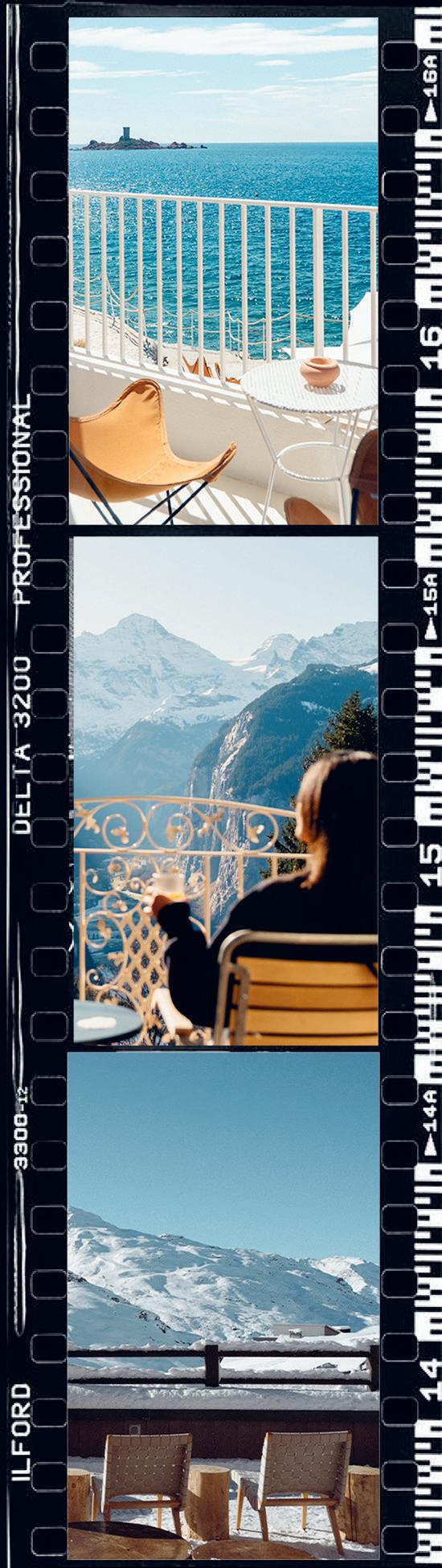
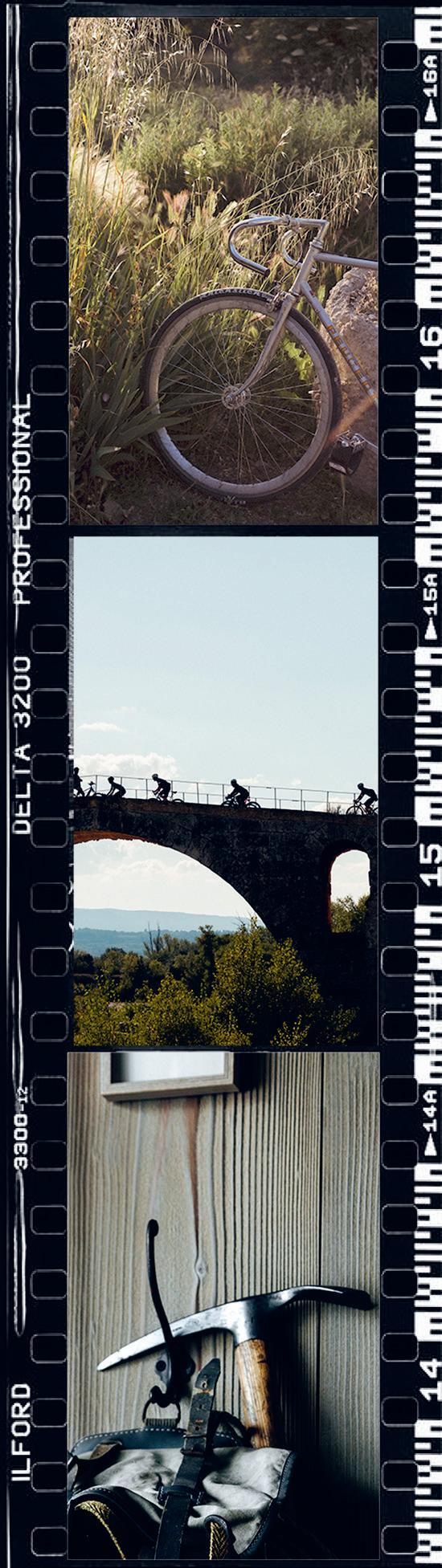






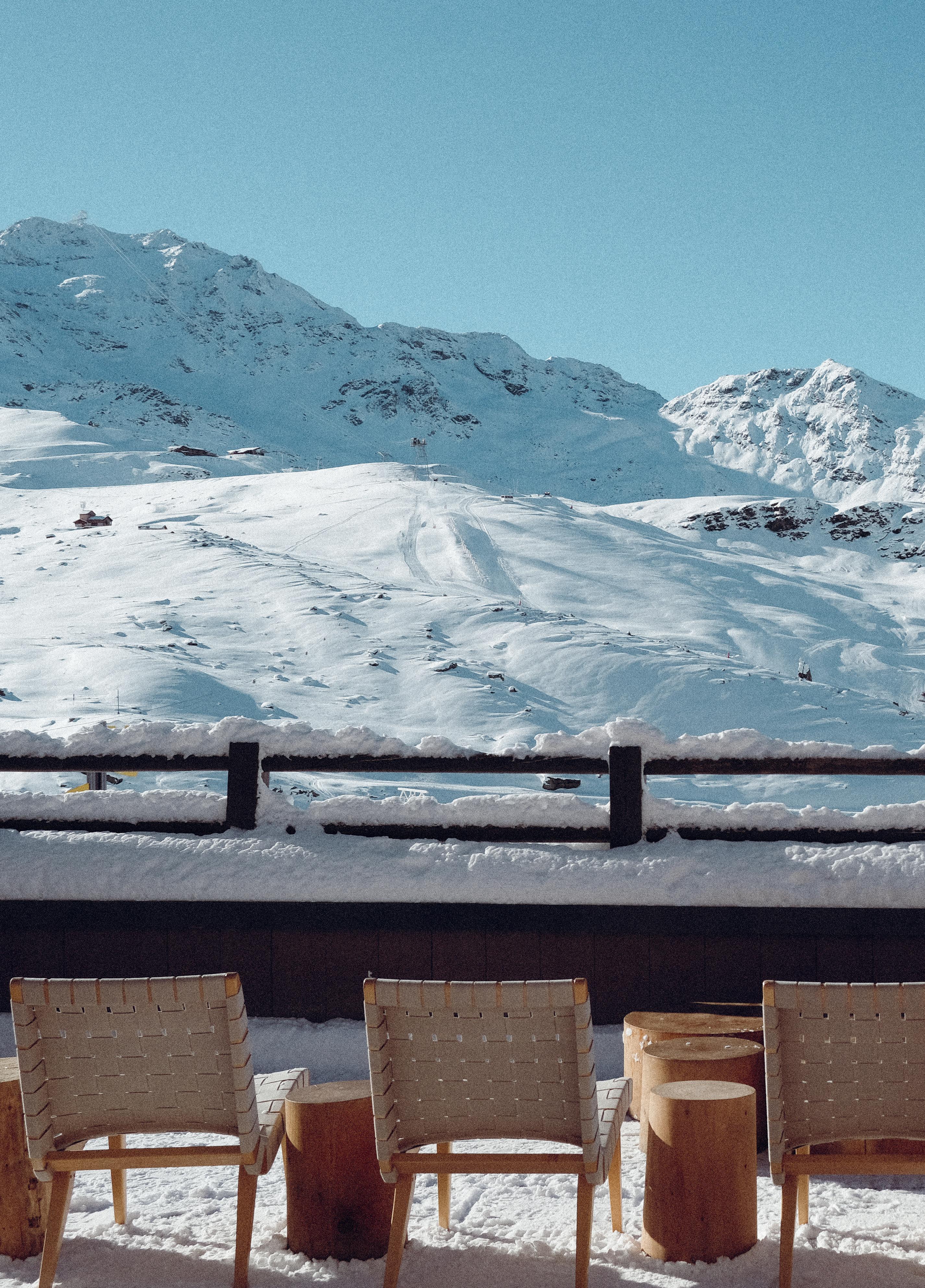
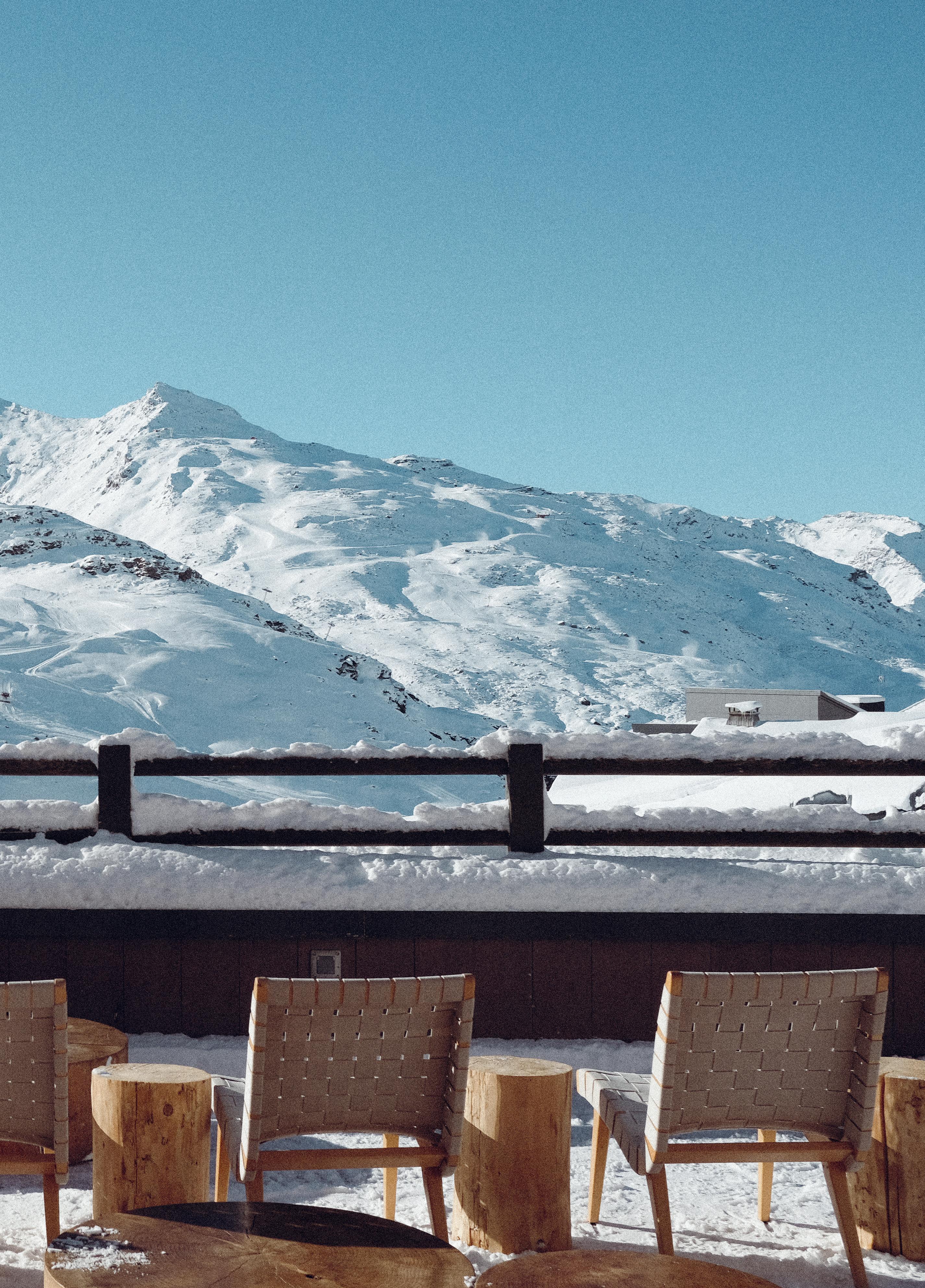
© Gaëlle Rapp Tronquit

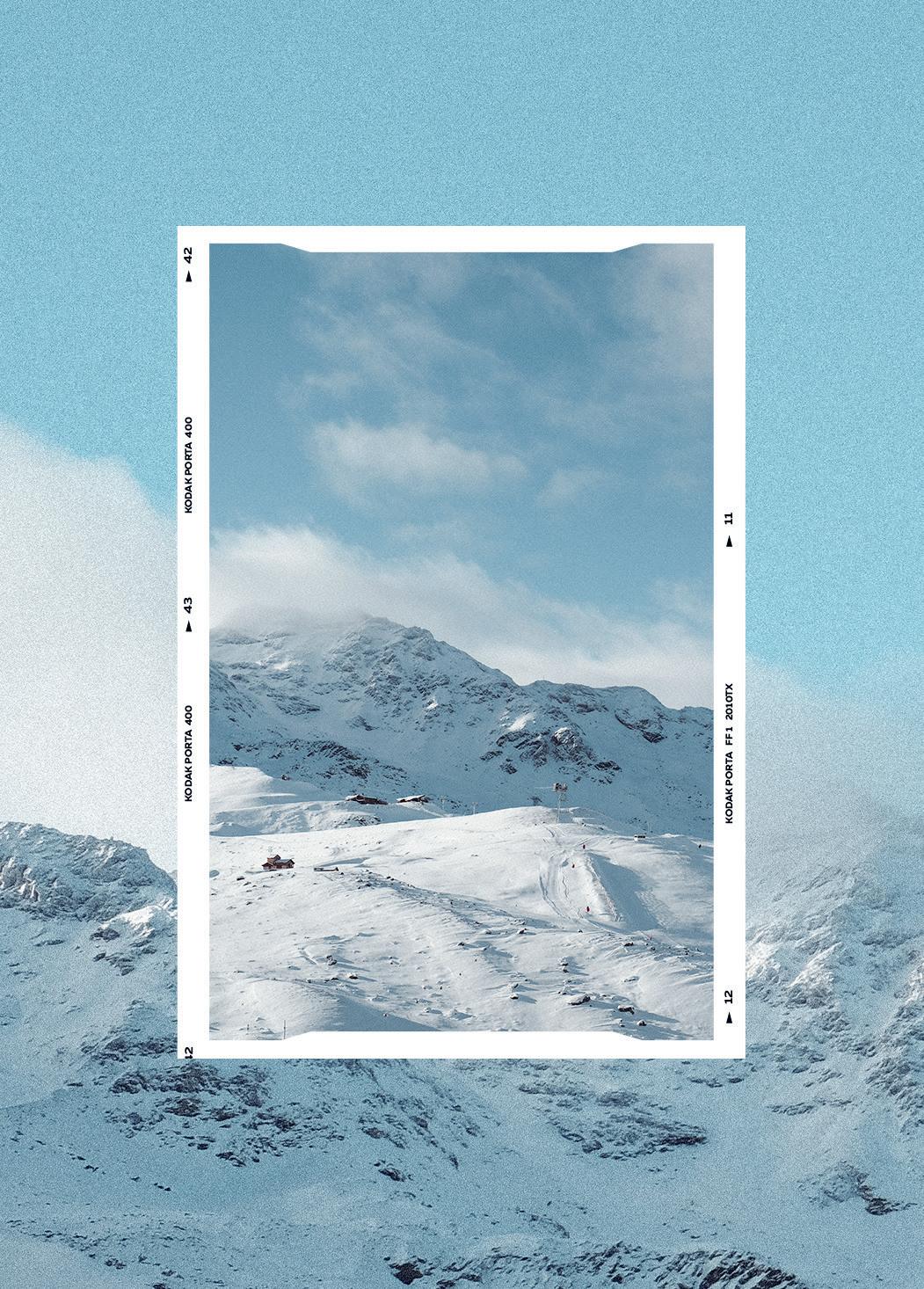

Adventure defines life in Val Thorens — ice climbing on frozen waterfalls, off-piste descents, high-altitude exploration. Yet snowshoeing offers another perspective. Setting out on foot, the scale of the mountains reveals itself gradually. Light shifts across the slopes; the only sound is snow compressing beneath your boots.
A reminder that effort and ease can coexist in the same afternoon.
In Megève, the atmosphere is just as breathtaking, yet perhaps marked by a deeper stillness. Here, snowshoeing leads away from the pistes and into the quiet folds of HauteSavoie. Fir trees frame wide panoramas; the air feels sharper, cleaner. Routes vary in elevation, allowing each guest to move at their own pace, with the option of a local guide to share knowledge of the terrain.
Restoration does not always come from structured rituals. Often it emerges in simple hours outdoors, where our mood softens and our thoughts come clear. In Wengen, snowshoeing becomes almost meditative: walking among frosted pines, aligning breath with movement, falling into the natural cadence of each step.
Trails wind through forests and across open plateaus, revealing uninterrupted views of the Jungfrau peaks. There is space here — physical and mental. It speaks to the contemporary notion of wintering: not escaping the season, but living fully within it. You may walk for an hour without encountering another soul, save for the faint tracks of wildlife crossing your path.
A truly fulfilling winter in the mountains is not defined by speed, but sensation. In the hush of fresh snow, with the thrill of wandering where few have stepped before, snowshoeing is a slower ritual, inviting you to explore intimate trails with presence. Long before ski lifts and alpine resorts reshaped the landscape, snowshoeing was a means of survival. Developed thousands of years ago by Indigenous communities in North America, snowshoes allowed people to hunt, travel and endure long winters. Today, it is a pleasant pastime. No longer driven by necessity, but still defined by the same essential quality, presence. Often overlooked by skiing and snowboarding, it resists urgency and performance, encouraging you to take a more nourishing route.
The mountains are expansive and energetic, yet snowshoeing offers a gentler way to share them. Marked trails open onto wide ridgelines and snow-laden forests, accessible to different levels and abilities. Unlike more technical sports, it draws people into step with one another. Conversation flows naturally when there is no rush to descend.
There is a lightness in travelling this way, a sense of moving through nature without disturbing it. At times, you glimpse Alpine wildlife or catch the distant echo of wind across the valley. Mostly, there is silence.
Snowshoeing may be one of the oldest forms of winter travel, but it feels remarkably current. A reminder that adventure does not always require speed. Sometimes the most meaningful way to experience the mountains is simply to walk through them, unhurried, and let the landscape set the pace.






























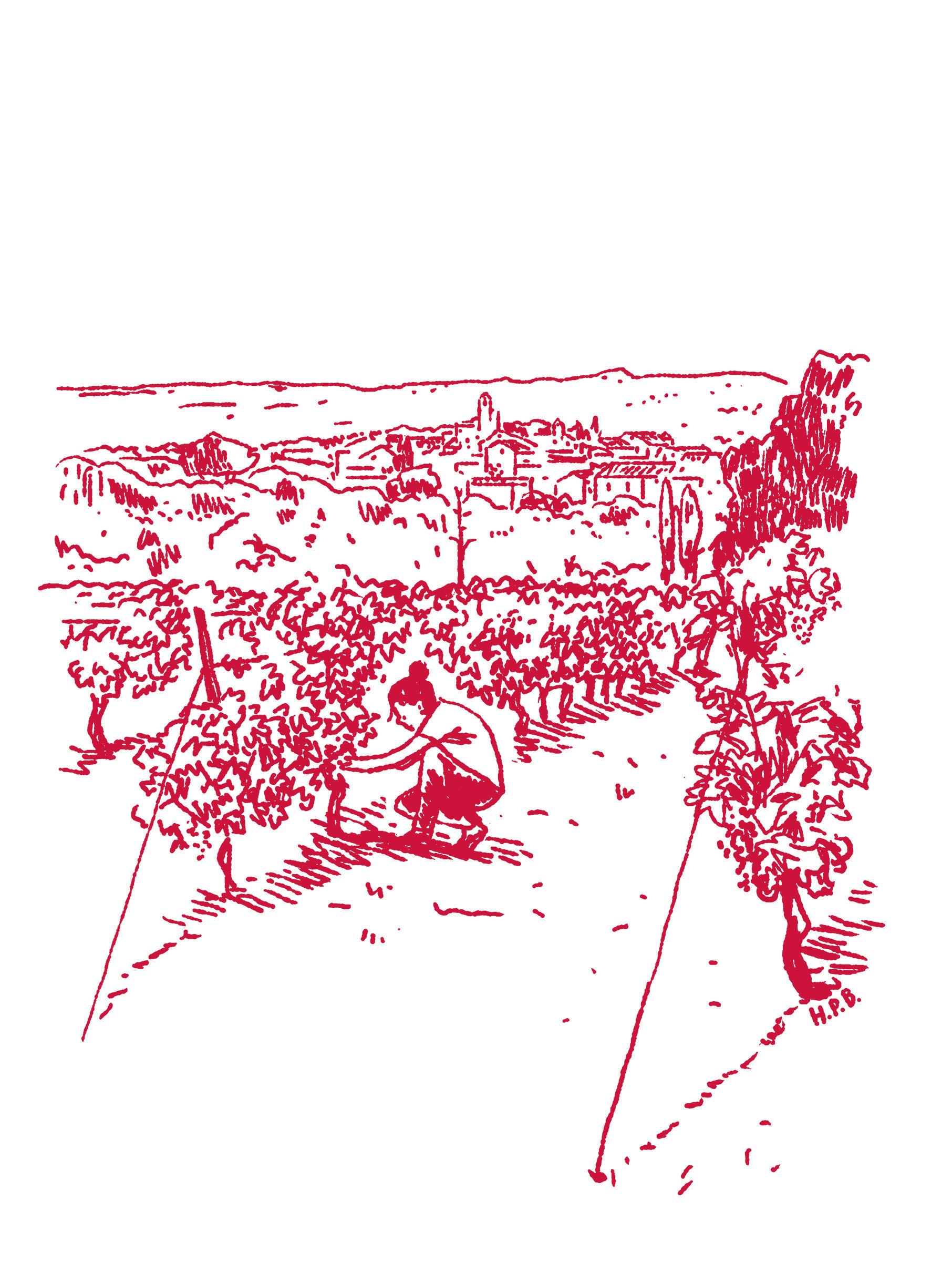
OUR FAVOURITE LOCAL VINEYARDS AND WINERIES TO VISIT ACROSS PROVENCE
— PUGET —
CHÂTEAU LA VERRERIE
An organic pioneer set among vines and olive groves, known for precise, elegant cuvées. The drive alone is worth it — as is a tasting of Grand Deffand.
— LOURMARIN —
CHÂTEAU FONTVERT,
Just beyond the village, this biodynamic vineyard produces refined whites and rosés that express the freshness and finesse of the Luberon.
— BONNIEUX —
CAVE DE BONNIEUX
In the heart of the village, a relaxed introduction to local producers and appellations — ideal for discovering the region in one stop.
— BONNIEUX —
CHÂTEAU LA CANORGUE
A family-run estate of stone terraces and gardens, producing exceptional organic wines. A quietly cinematic setting that captures the poetry of Provence.
— CUCURON — LA CAVALE
Architectural and contemporary, with a striking tasting room and vinothèque, this estate offers a modern perspective on Luberon wines.
— APT — CHÂTEAU DE MILLE
One of the Luberon’s most historic estates, where medieval foundations meet displays of contemporary art. Old vines and high-altitude terroir shape fresh, precise wines.
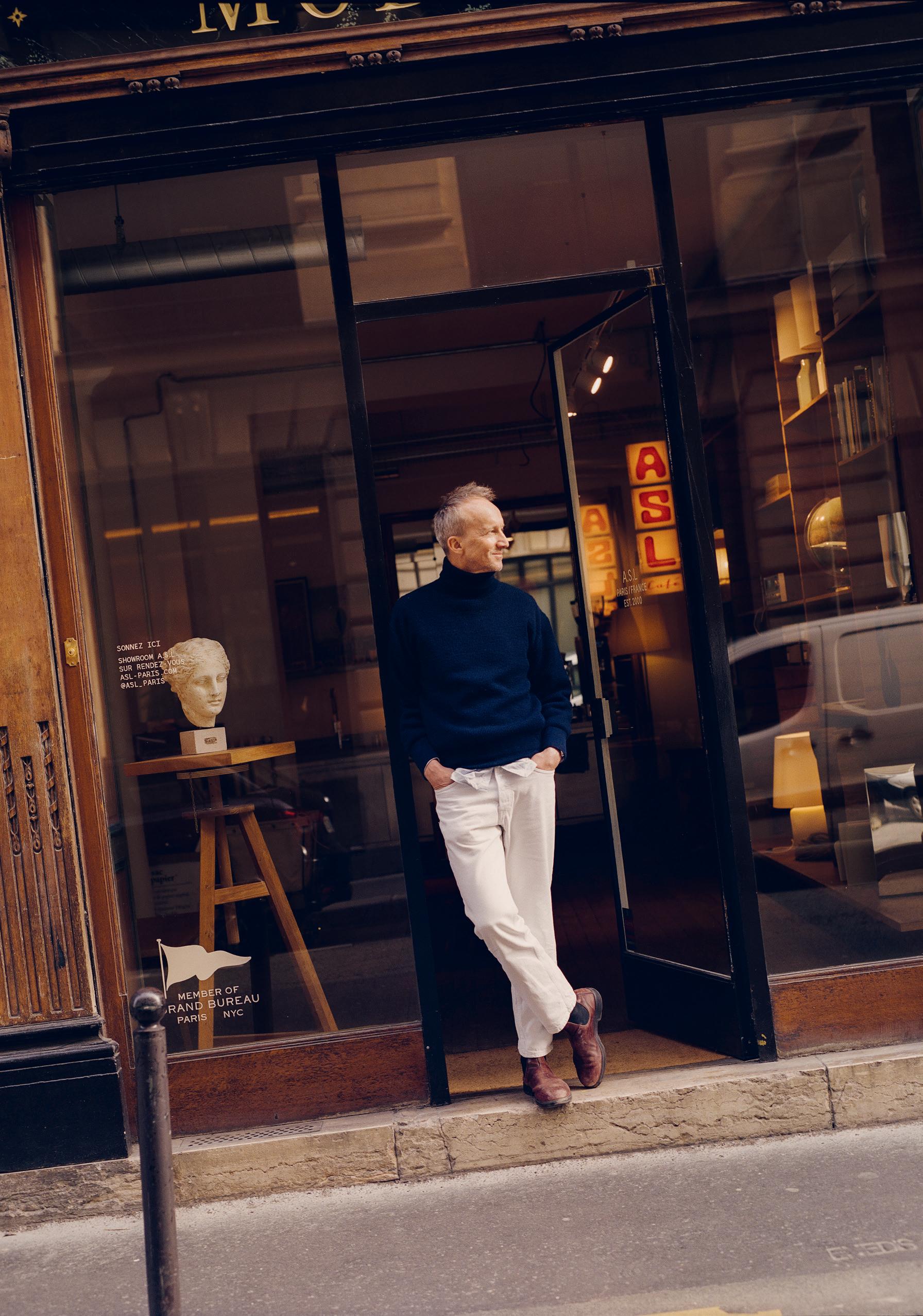
Since the opening of our very first hotels, before they even carried the Beaumier name, Antoine Ricardou and his creative studio, Atelier Saint-Lazare, have been a part of the story. From Le Fitz Roy in the French Alps to Petunia on the coast of Ibiza, it remains a collaboration driven by the desire to instil meaning into every space, creating places that are genuinely sensitive to their surroundings, and less concerned with the appearance of perfection.
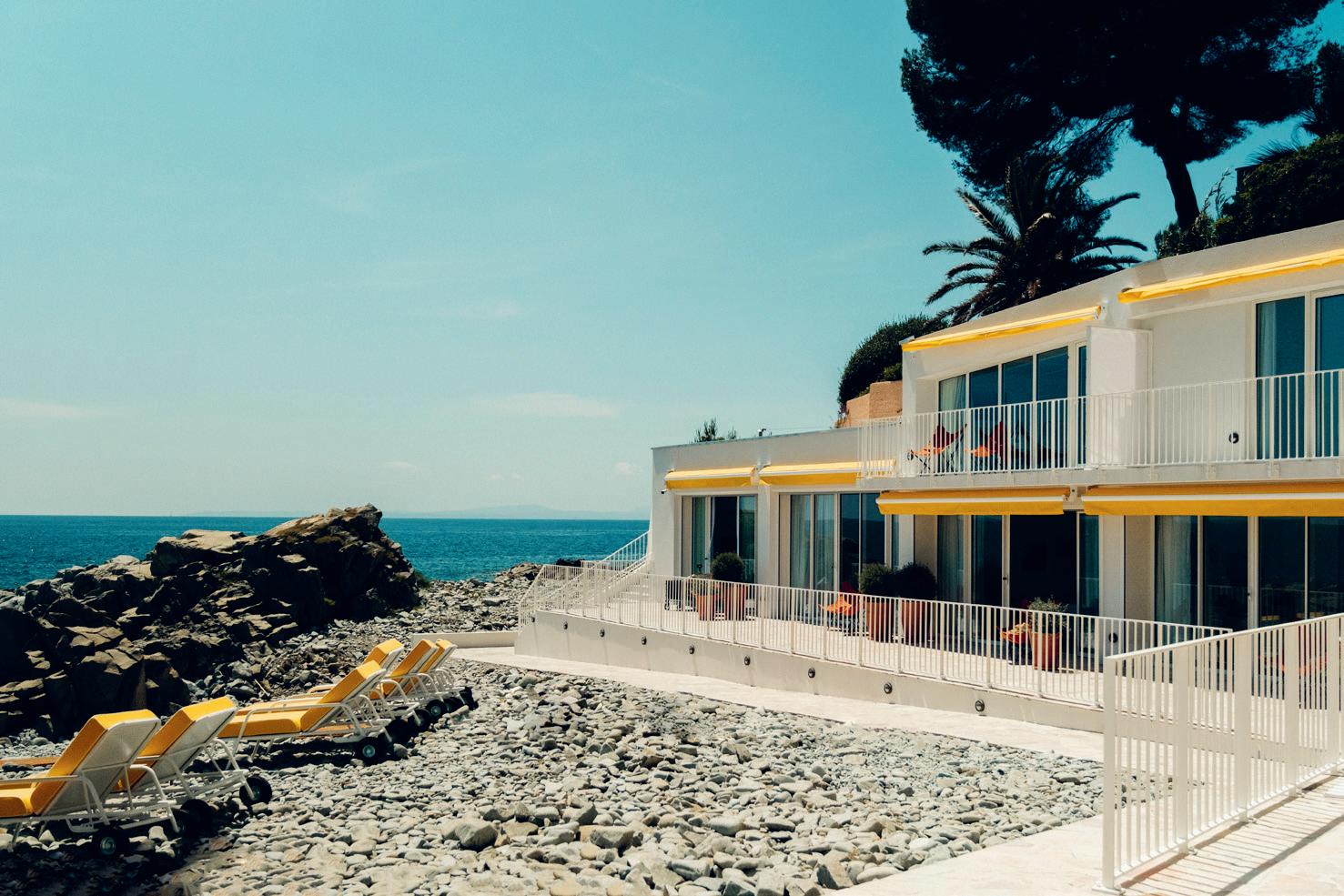
Alongside his work as an Artistic Director, Antoine is also a practising architect, with his own studio, A.S.L., based in Paris. In 2025, he took the reins on one of our most ambitious projects to date, unveiling the next era at Les Roches Rouges — a beacon of modernist architecture along the French Riviera. With every project, Antoine returns to the same, essential question: what does this place truly want to be? It is a question that requires patience and a willingness to resist the obvious. «The common thread is that of Les Roches Rouges: an honest shell wit-
hout ostentation. The building is intentionally simple, almost stripped bare, to magnify the artworks, furniture, and exceptional pieces integrated within ». Expansive in scope, the work included the extension of outdoor spaces, the renovation of a neighbouring building to house 25 new bedrooms, dining under a new chef, and improved access to the sea. But for Antoine, the ambition was led, above all, by restraint.
More than a decade into our collaboration, his convictions and our own have become difficult to separate. try to make things very ‘right,’» he explains. «Sometimes that means removing what doesn’t belong.» While much of his work could be described as minimal in spirit, it is never without intention. «I always want to bring the level down,» he says. «To let the place speak.» The original building was restored as simply as possible, its functional structure left in its raw concrete state, so that it might settle more honestly into the Mediterranean landscape around it. The gardens were extended along
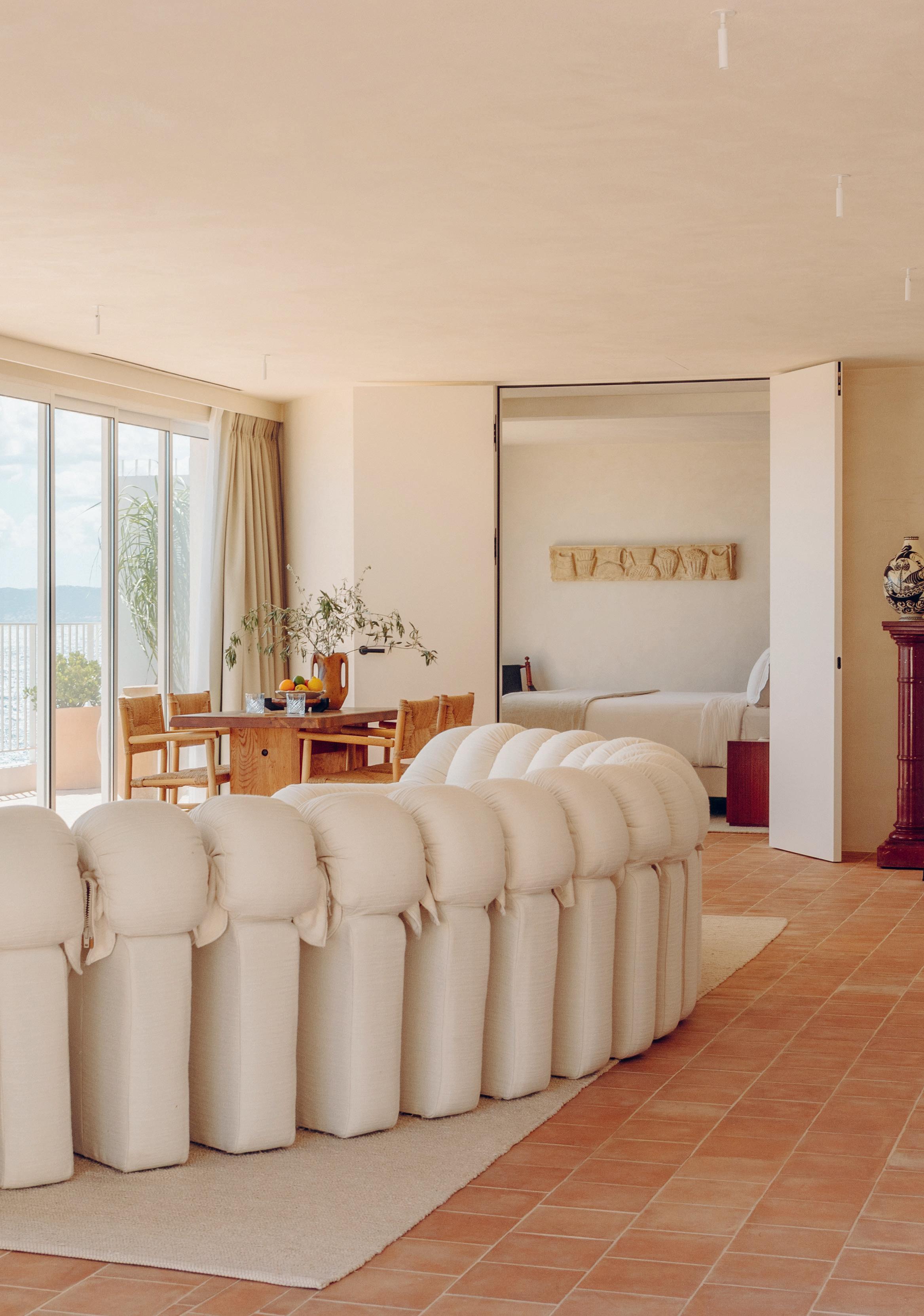
the natural contours of the Estérel massif. Spaces around the pools were opened up. Private terraces were carved among the rocks. Everywhere, the architecture steps back — making way for the sea, the light, and the landscape that has always been the true protagonist of Les Roches Rouges. The bedrooms, housed in a previously unoccupied neighbouring building, have been conceived with the same spirit. Bathed in light, opening directly onto the horizon, they feel like an extension of the original project rather than a departure from it. A fresh chapter, but the same abiding philosophy: to enjoy life the Côte d’Azur way. More recently, Antoine has returned to the hotel, transforming its former Michelin star restaurant into the Riviera Suite. Together, he and his team have created a space that resembles a private residence by the sea.
location,» he reflects. «Where art, nature, and architecture take precedence.» The references are carefully considered: Eileen Gray’s Villa E-1027 — a radically conceived icon of modernist design perched on the cliffs of Cap Martin — the panoramic terrace culture
WE ALWAYS TRY TO MAKE THINGS VERY RIGHT. SOMETIMES THAT MEANS REMOVING WHAT DOESN’T BELONG.
of the 1930s Riviera, and the idea of a space in which you live outdoors as naturally as you live within. A sweeping curved concrete veil — drawn from the sculptural vocabulary of the American artist Richard Serra, celebrated for his monumental abstract works — serves simultaneously as headboard, partition, and work of art. Throughout, the details reward closer attention. A coffee table by Ramon Bigas from the 1970s. A hand-painted exhibition poster by J.P. Rémon. An oil on canvas by André Le Glatin, dated 1965. Glazed ceramics, antique marble, found objects from regional flea markets. Items that may appear modest in isolation, but together give the suite its soul.
For Antoine, the ultimate goal will always be the moment a guest stops noticing the room and begins, instead, to feel the place in its purest form: the sea, the rock, the warmth of the sun as it drops toward the water. Time, suspended. Across a decade of collaboration, and through projects as expansive as a hotel extension and as intimate as a single suite, that sensation is what Antoine Ricardou is always designing towards.
AN AFTERNOON WITH SIGN PAINTER, STONE ENGRAVER AND CALLIGRAPHER VICTOR BERT AN AFTERNOON WITH VICTOR BERT
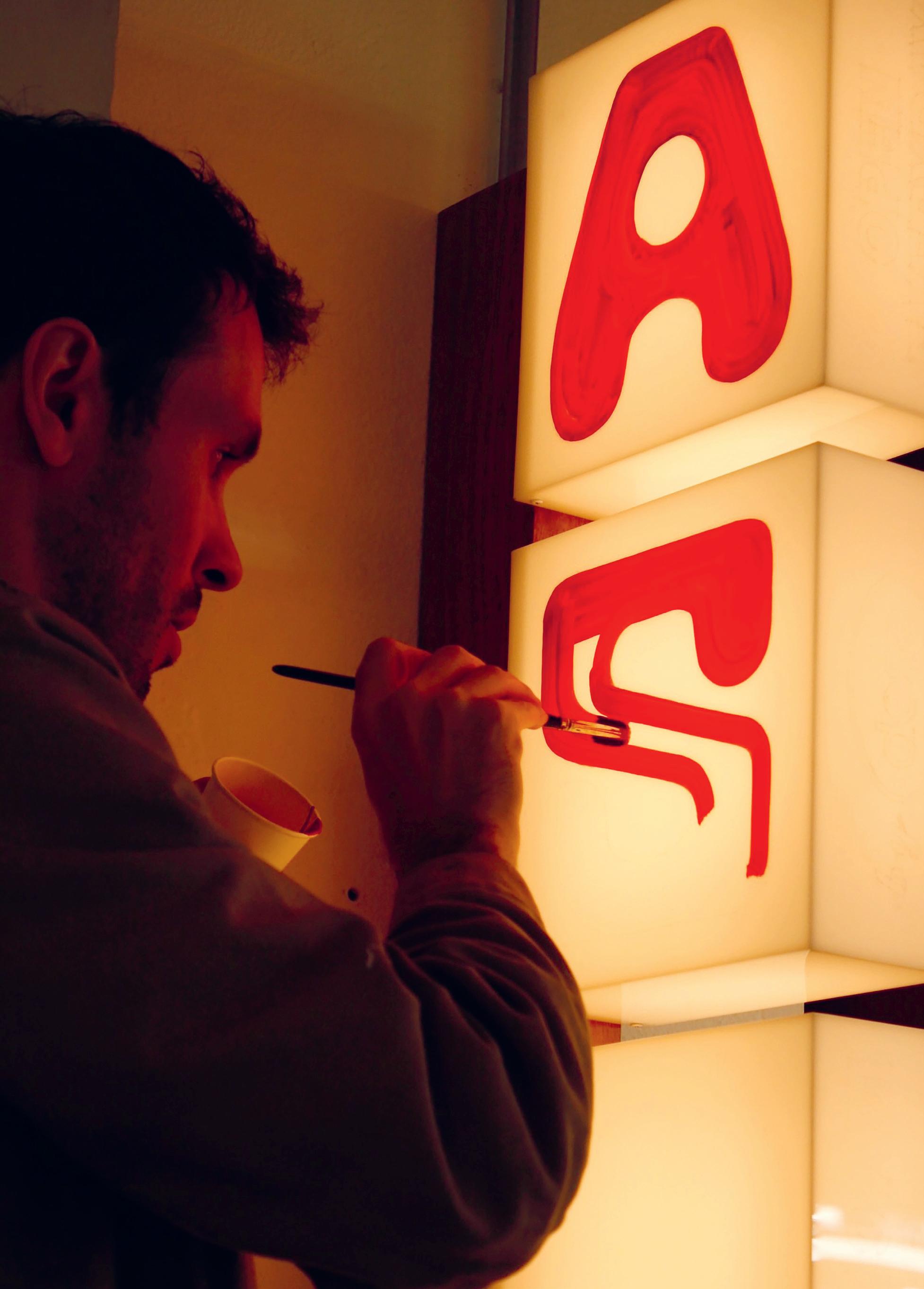
like a good first date… there is a connection says Victor Bert. Designing a sign, he explains, is always a careful balance between function and expression. Often, it is the very first detail we encounter, a few carefully drawn letters that introduce the spirit and personality of a place.
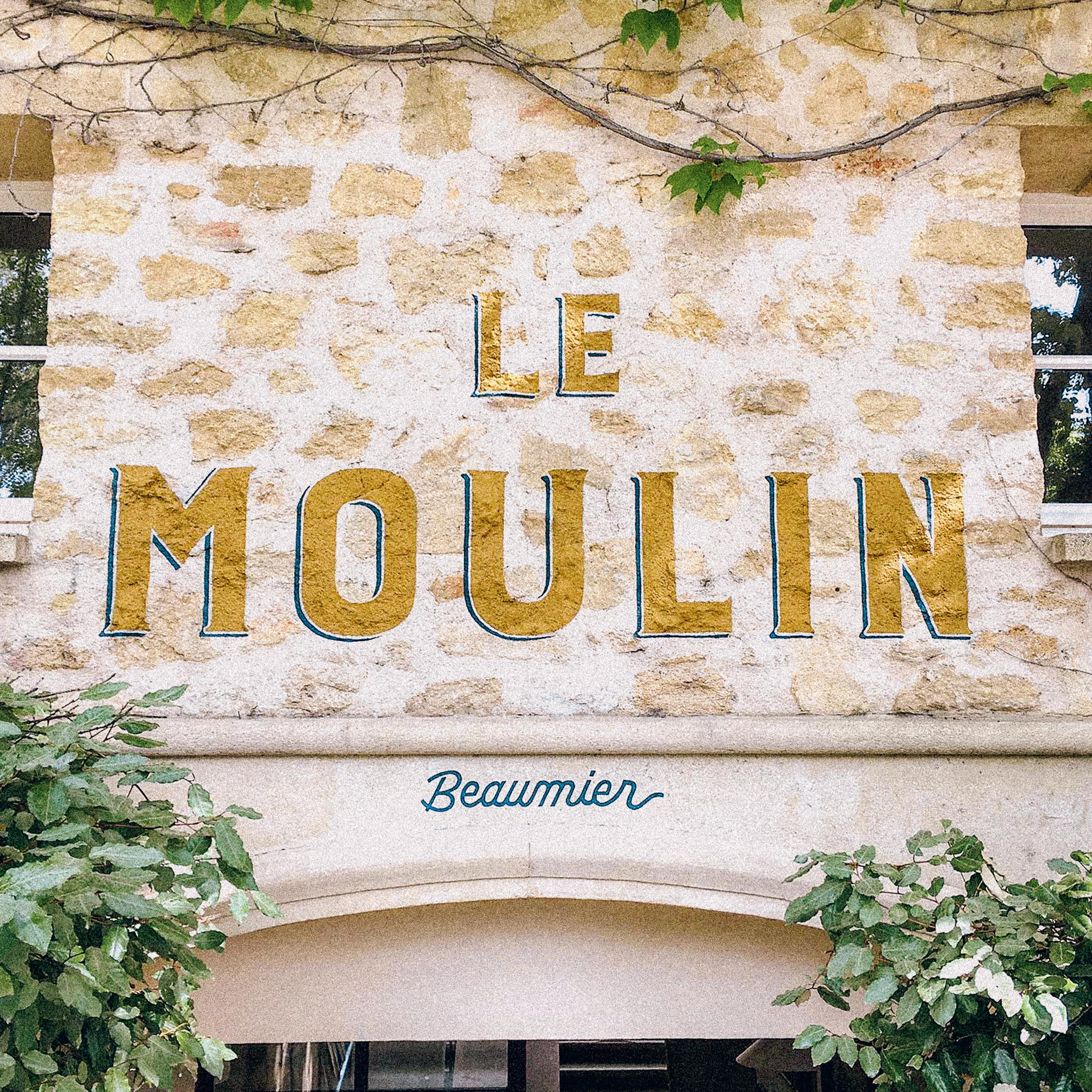
It may seem a romantic comparison for something as practical as signage. Yet romance is rarely far away when speaking with the artisans who shape many of the details across our hotels. Whether working with stone, wood, or fabric, they share the same instinct: a belief that every element deserves attention. Victor has lent his skills to several of our properties, including two projects he’s particularly proud of, “The Grand Hotel Belvedere he reflects.
a very distinctive personality. These buildings already carry a strong sense of soul. Being able to contribute to that architecture through lettering, signage and inscriptions is a real
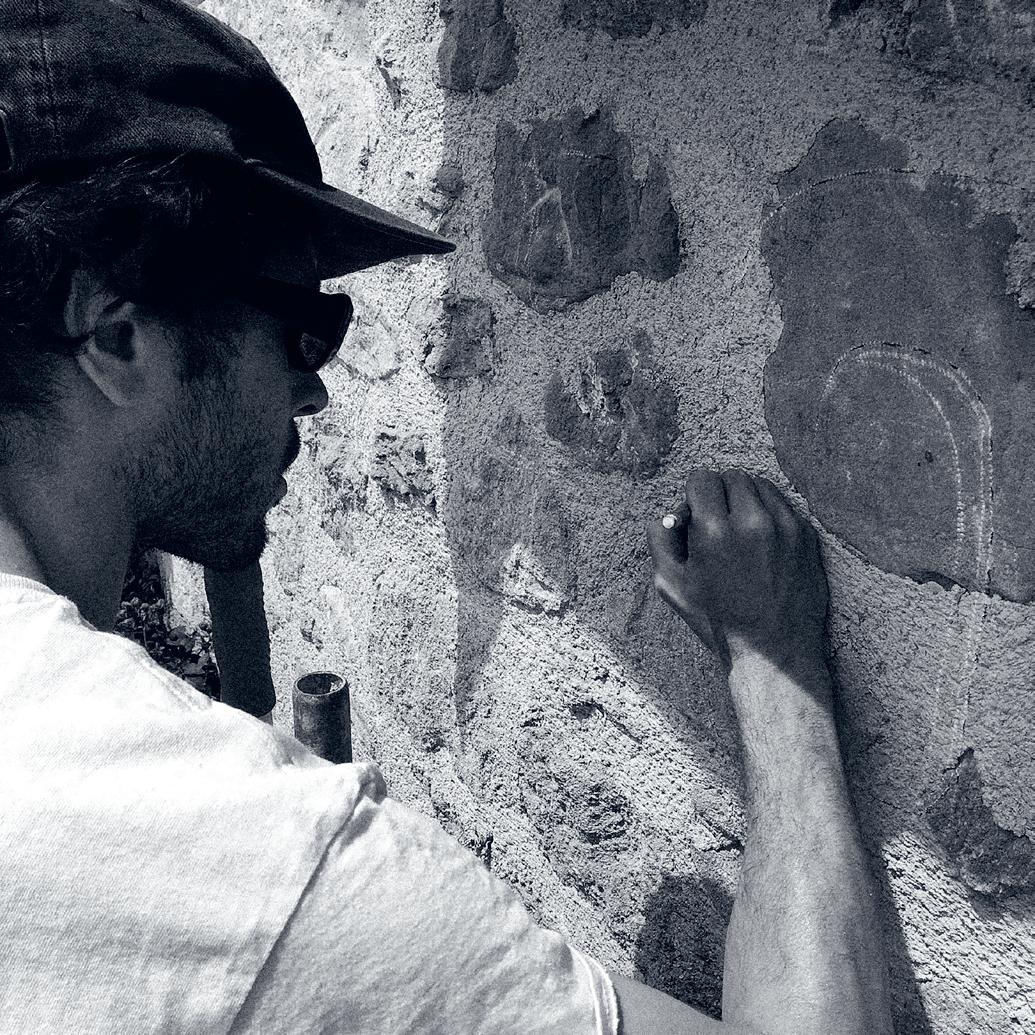
pleasure.” His craft stretches back centuries, even as far as ancient Rome, when inscriptions were carved into stone by hand. Victor first discovered lettering while training as a stone sculptor and engraver. The relationship between material and form immediately captivated him. “There was something very powerful in the drawing of the letter, but also in working with the material itself. The connection between the stone and the letter immediately resonated with me.”
But before the first line is drawn, he looks to the light.
observe is the light and the orientation of the façade. I look at whether the sun will strike the surface directly and consider how shadows will fall across the letters. For an engraving, I do the same to see if the stone needs to be carved more deeply to keep the inscription legible.”
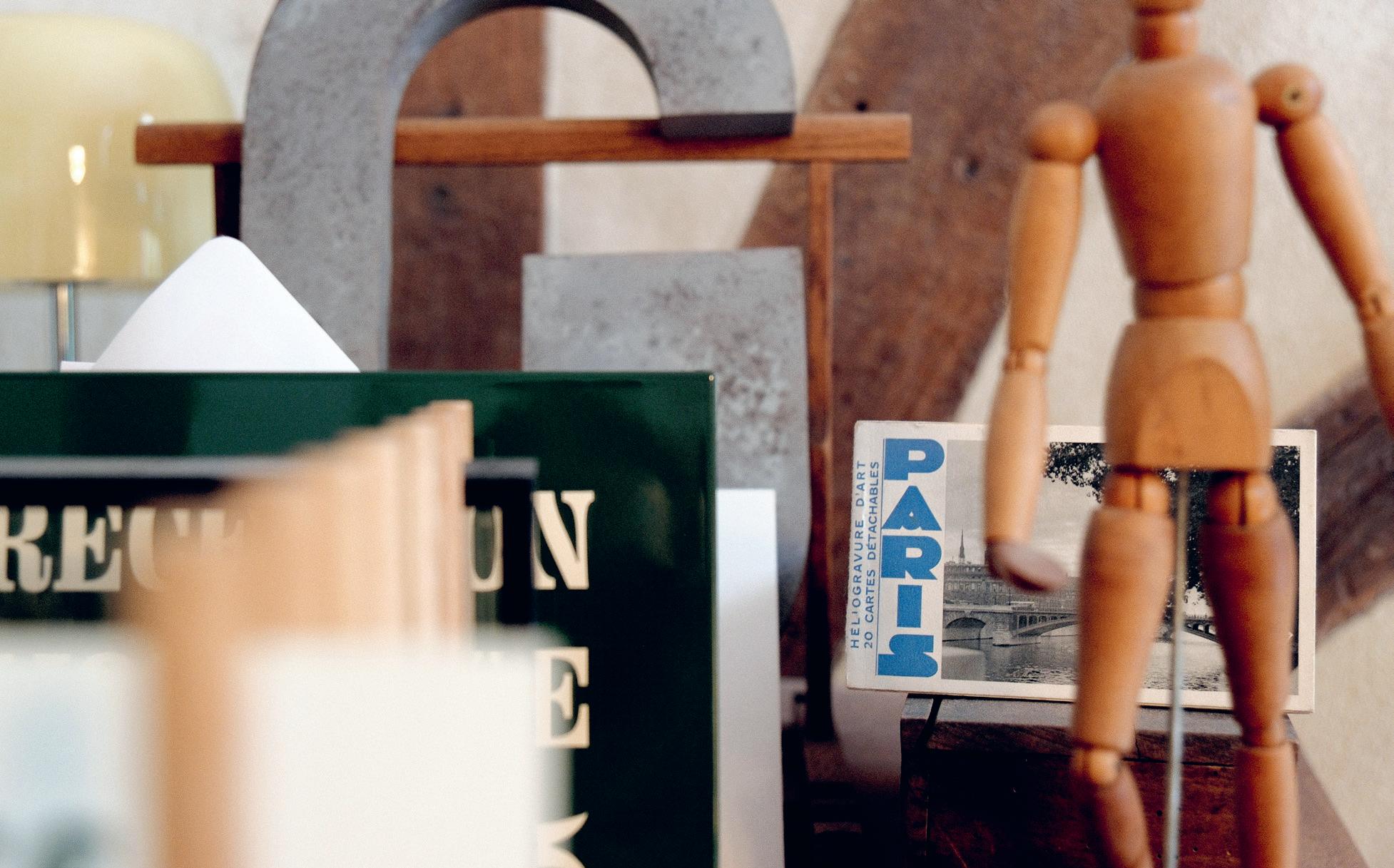
Meanwhile from his Paris studio — two adjoining spaces, one dedicated to engraving and the other to painting — Victor works surrounded by natural light. “I chose the studios so that they natural light as possible. The space with the
higher ceilings is used for painting, because colour management is essential.”
Alongside his training in engraving, Victor pursued calligraphy and lettering courses in France and abroad. Just as important were the lessons learned alongside experienced craftsmen, the “old-timers,” as he fondly calls them, who were eager to pass on techniques that were slowly disappearing.
“There was a real gap between the late 1980s and the early 2010s when signage became extremely standardised — plastic materials, adhesive letters, PVC — and the widespread use of generic fonts rather than letters
drawing lettering for a building, a brand or a sign had largely disappeared.”
Today, there is a renewed appreciation for the handmade, along with a recognition that certain qualities cannot be replicated by machines. “There is always a degree of imperfection, and that is precisely where the beauty of craftsmanship lies. Of course, we aim to be as precise and as clean as possible, but there is a human trace that gives the work
its subtle character.”
It may seem like a small detail to some, yet it is often the smallest touches that shape a place. A modest contribution, perhaps, but one with a lasting legacy. And thanks to craftspeople like Victor, what once felt like a disappearing art is now very much alive.
WHEN I ARRIVE ON SITE THE FIRST THING I OBSERVE IS THE LIGHT AND THE ORIENTATION OF THE FAÇADE.
IN CONVERSATION WITH COMPLETE WORKS AND CLAVIEN & ASSOCIÉS
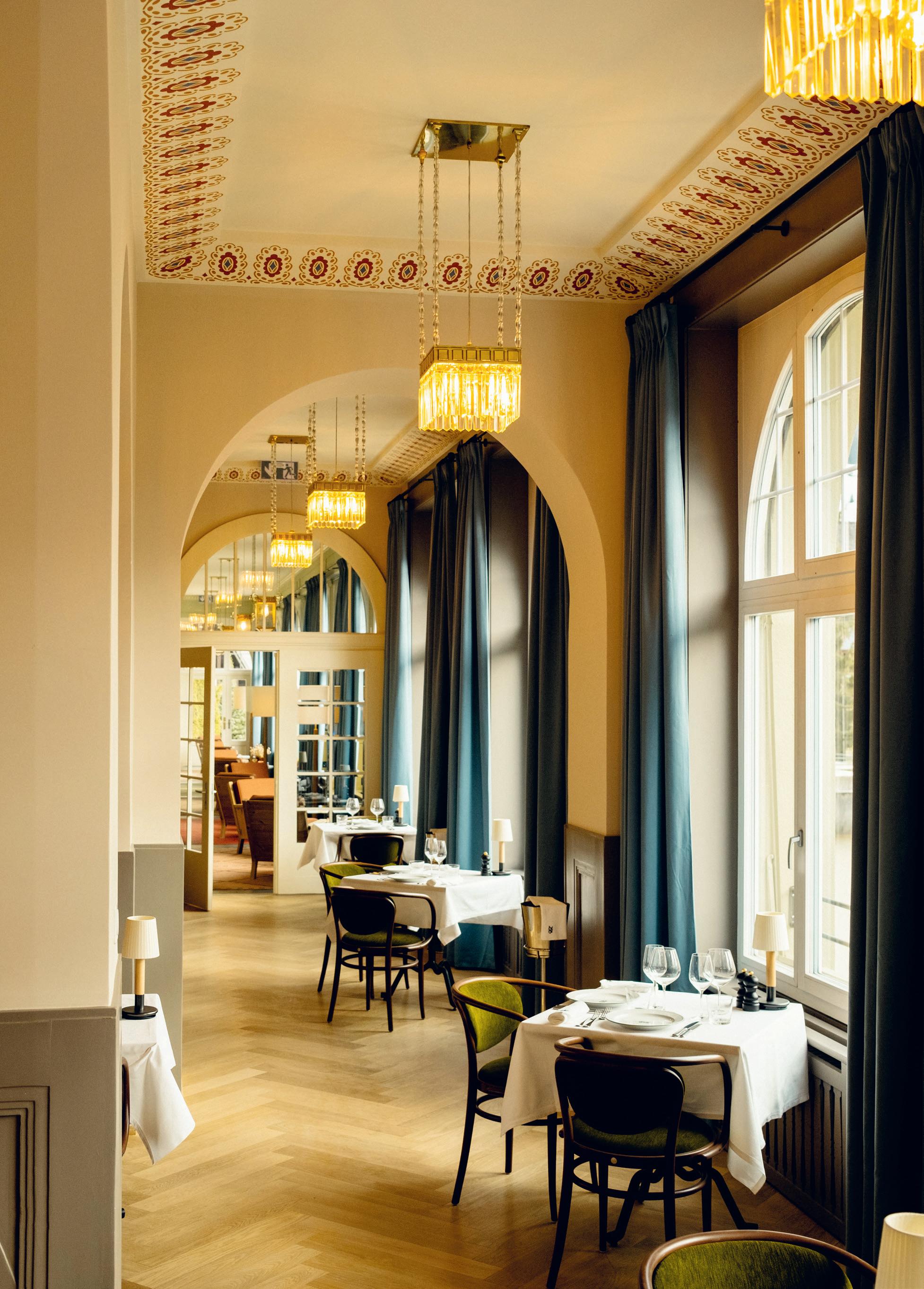
When Grand Hotel Belvedere reopened its doors at the end of 2024, it felt as though it had simply been waiting for the right moment. Built in 1912, during the golden age of the Belle Époque, the hotel rose at a time when the small alpine village became increasingly popular among European society. The Belvédère welcomed guests from across the continent who arrived in search of clear air and commanding views. Yet the splendour of those early decades gradually faded amid the political, social and economic upheavals of the 20th century. The hotel oscillated between seasons of life and long pauses of vacancy, its grandeur almost frozen in time.
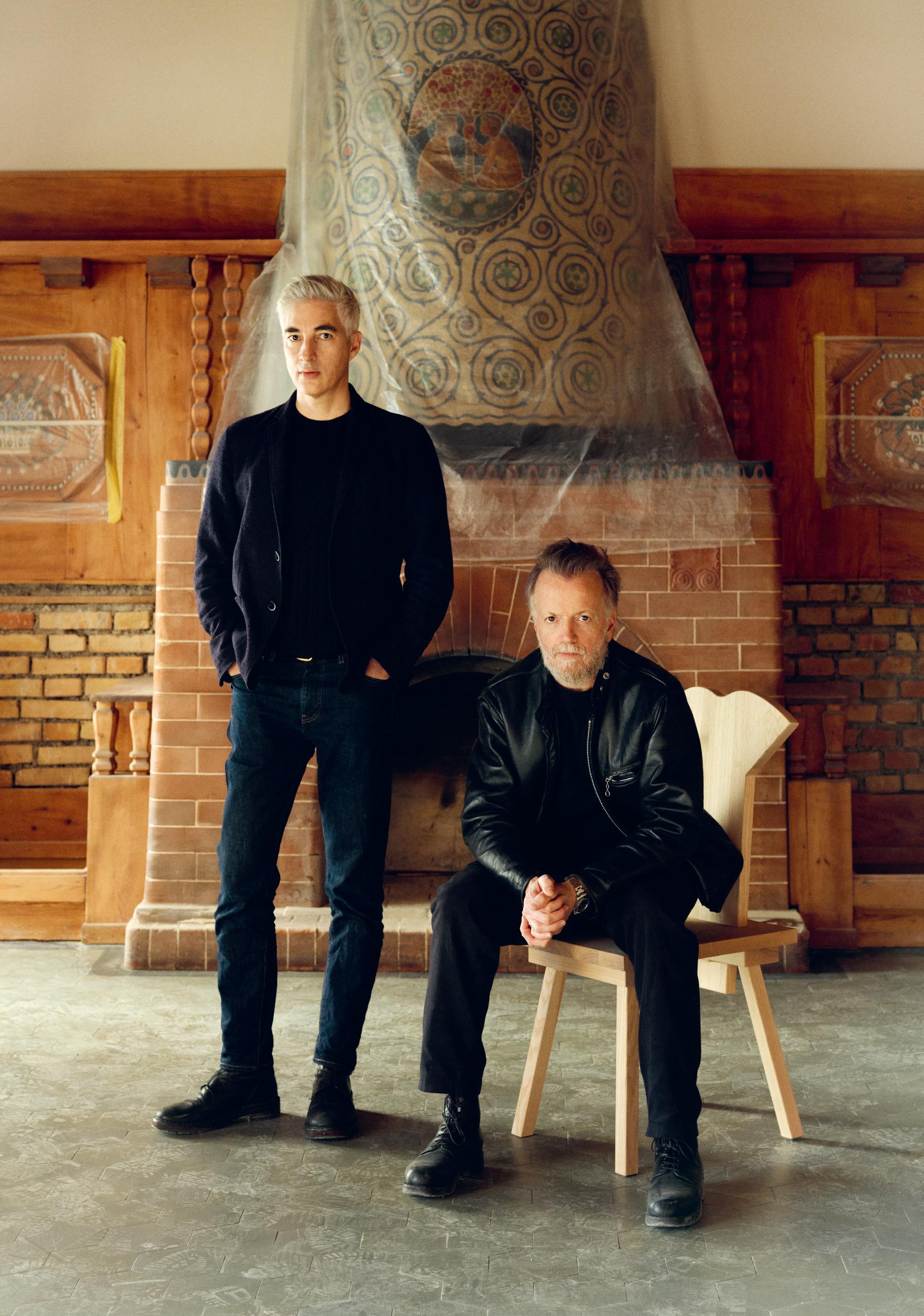
Following an extensive renovation and restoration, new life has now been breathed into the building by two complementary creative forces: Swiss architecture practice Clavien & Associés, led by Valéry Clavie (left)n, and interior architecture studio Complete Works, under the direction of Arnaud Christin (right). Together, they undertook the careful revival of this grande dame and her neighbouring sibling, the Waldrand (first built in 1898), shaping a contemporary chapter that honours the hotel’s rich heritage. Here, they reflect on a project guided by restraint, by continuity, and by the desire to create a building that feels lived in from the very beginning.
THIS SENSE OF CALM AND SOLITUDE, COMBINED WITH A QUEST FOR
With no roads leading to it, only a cogwheel train climbing to the high plateau, Grand Hotel Belvedere asks for a little patience, but rewards it in full. For Valéry, that first ascent guided the entire project. Wengen, he reflects, is “a , suspended above the Lauterbrunnen Valley and framed by the triptych of the Eiger, Mönch and Jungfrau. “The nature is sublime,” he says. “This sense of calm and solitude, combined with a quest for restraint, became our compass.” As Complete Works joined that direction became even clearer. The task, as Valéry describes it, was to “seek out the original spirit — which was still very much present — revive it, and bring it into harmony with the present day.”
Rather than stripping the building back to a blank slate, the team chose to work within its grain. Authenticity “is more naturally achieved through continuity,” Valéry explains — especially in a place steeped in such Alpine heritage. That continuity begins with materials. Solid, unvarnished pine for the joinery. Larch underfoot. Lime-washed walls. Alpine stone cool to the touch.
Cast-glass light fixtures crafted in Fribourg. The palette is deliberately limited — wood, stone, mineral tones — with colour introduced sparingly. For Arnaud, simplicity is not aesthetic minimalism for its own sake; it is a way of allowing the building to breathe again. The Waldrand, the hotel’s neighbouring building, required a firmer hand. After decades of piecemeal renovations, little of its original character remained. Here, the interventions are more pronounced, the lines slightly more pared back. And yet, through a series of “connecting threads”, as Arnaud describes them, both buildings speak the same language. You pass from one to the other without sensing a shift in tone.
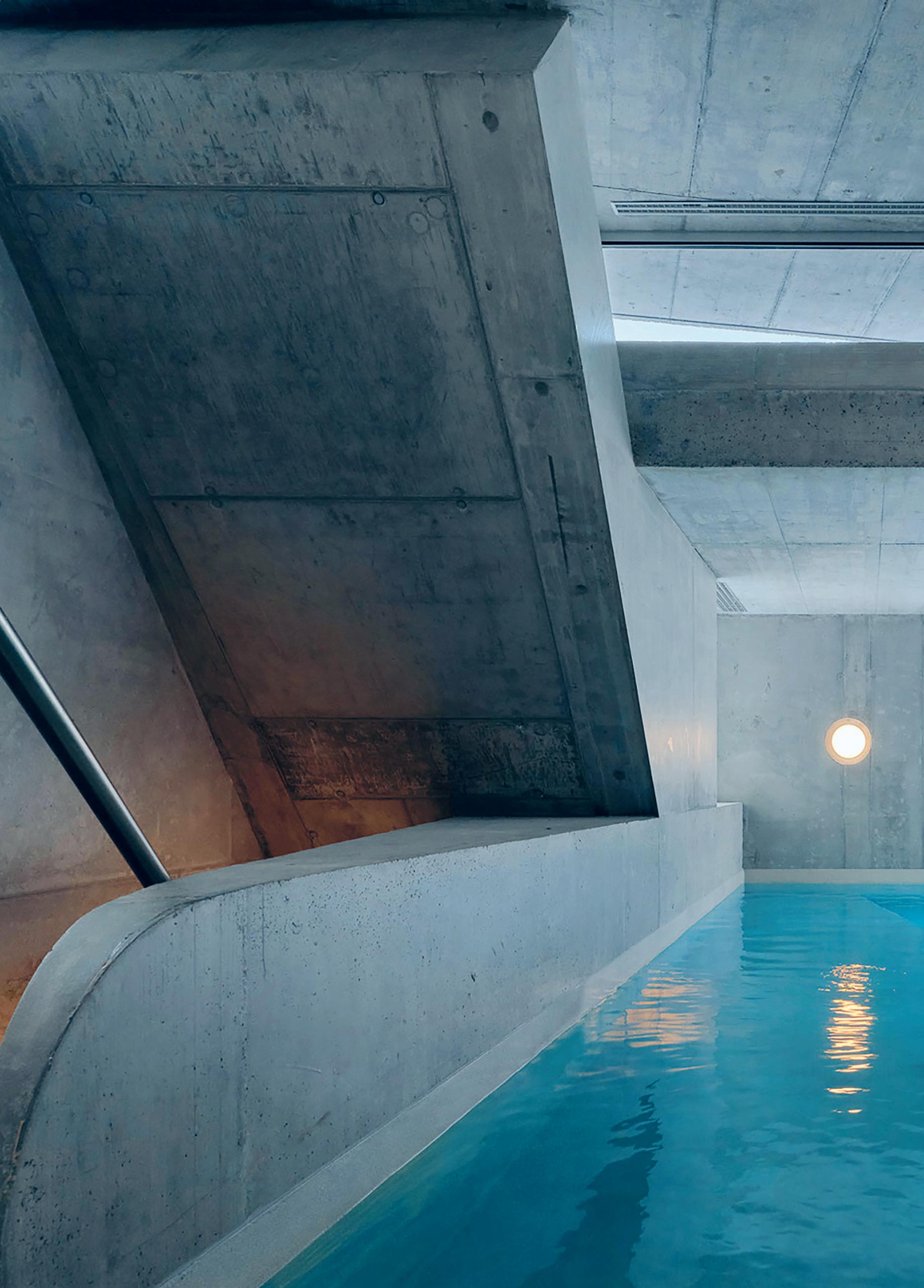
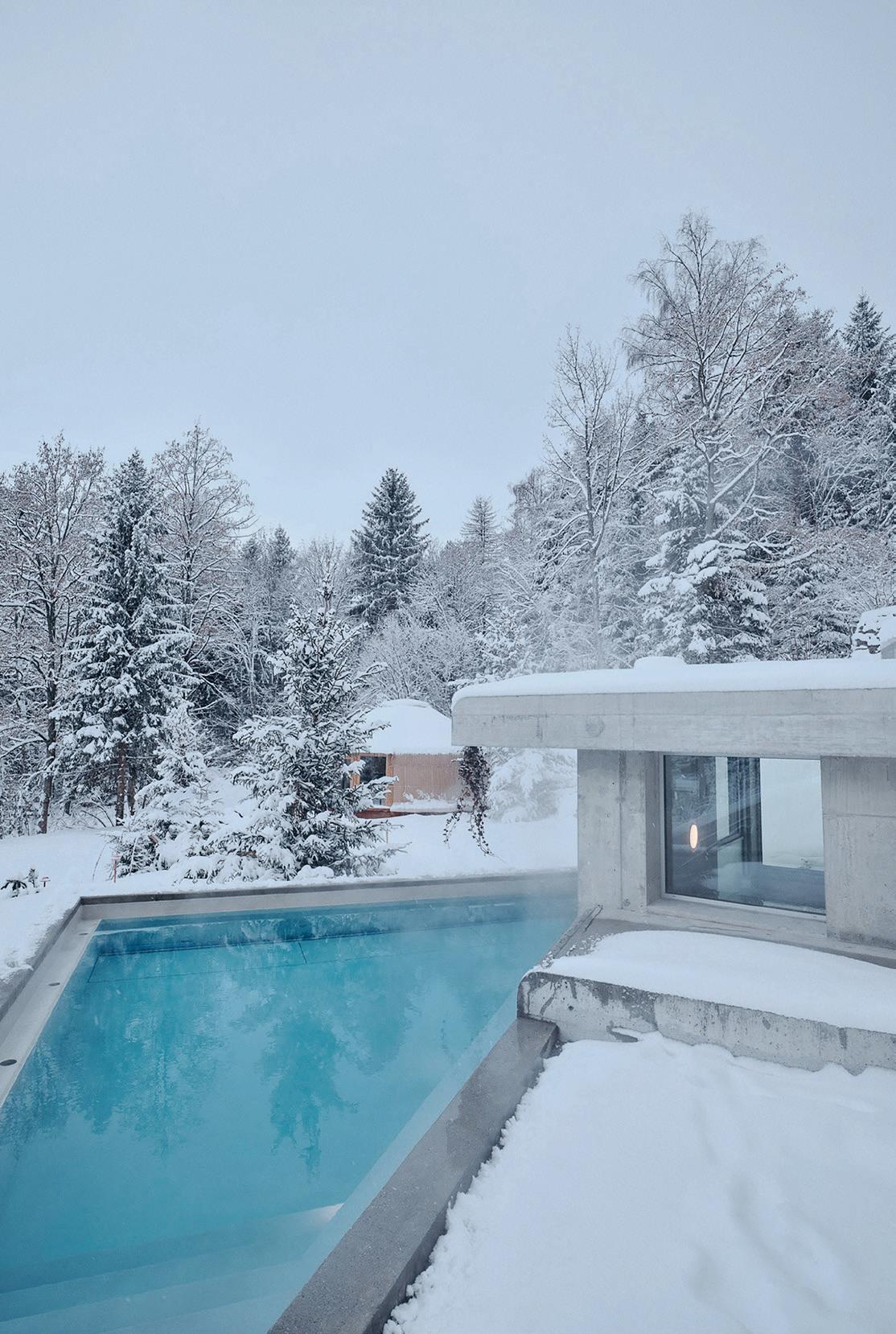
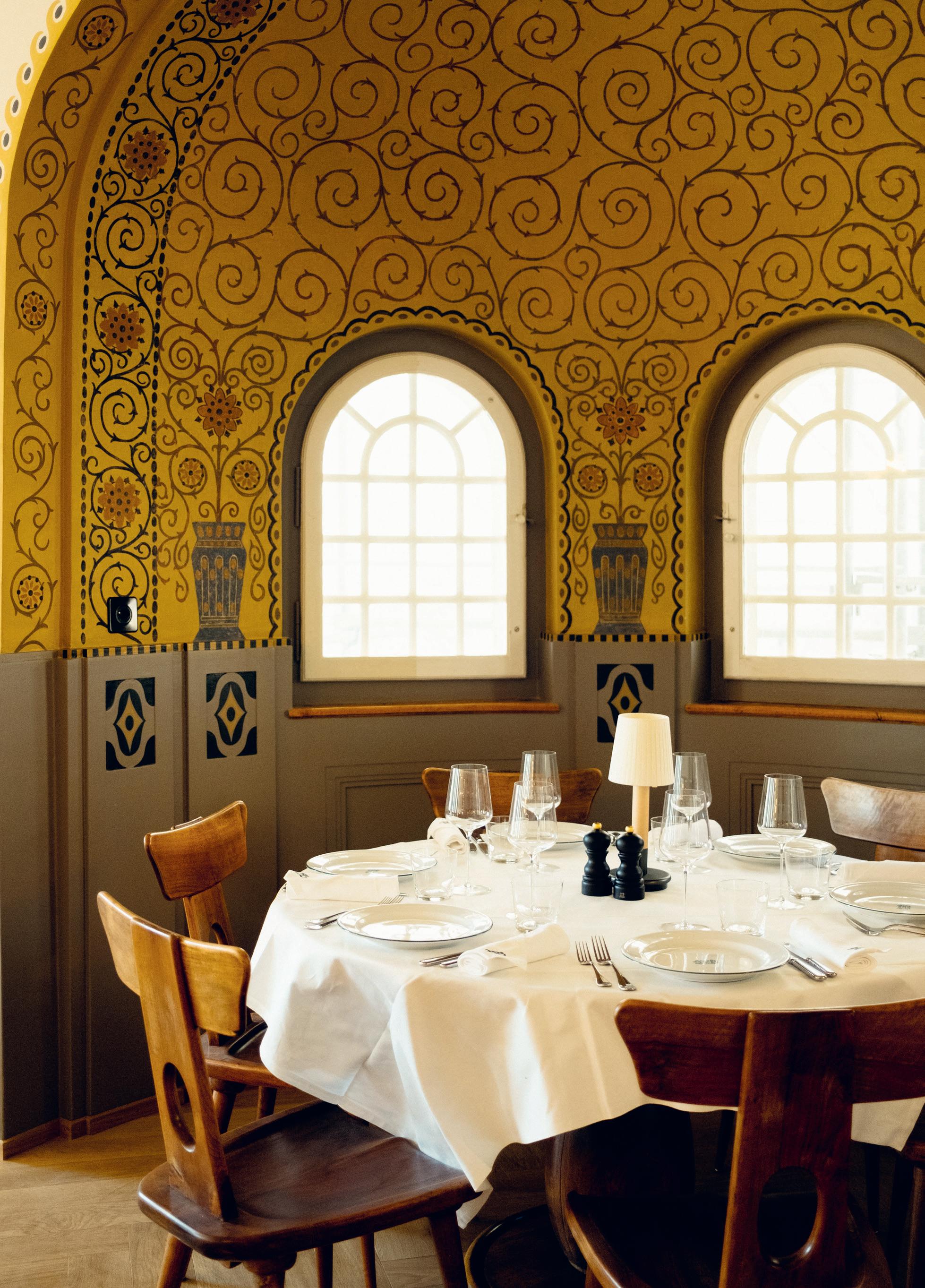
Heimatstil architecture carries a sense of belonging, of home as both structure and sentiment. Interpreting that idea within a contemporary hotel could easily have tipped into pastiche. Instead, the approach feels composed and assured. Out of respect for Alpine savoir-faire, the team prioritised local craftsmanship and timeless forms. There is, Valéry notes, “a simplicity and sensuality to the materials we have used” that aligns with how we experience the mountains today, seeking calm rather than spectacle. The guest rooms embody this most clearly. Their restraint is deliberate. “By respecting the design of mountain inns and refuges,” Arnaud explains, each room offers functionality without compromising on comfort. He recalls a line by the British designer Gerald Summers from 1929: interiors, he suggested, should allow you to “rest your eyes.” Here, the landscape becomes the focal point; the Jungfrau framed by timber, cloud and light shifting hour by hour.
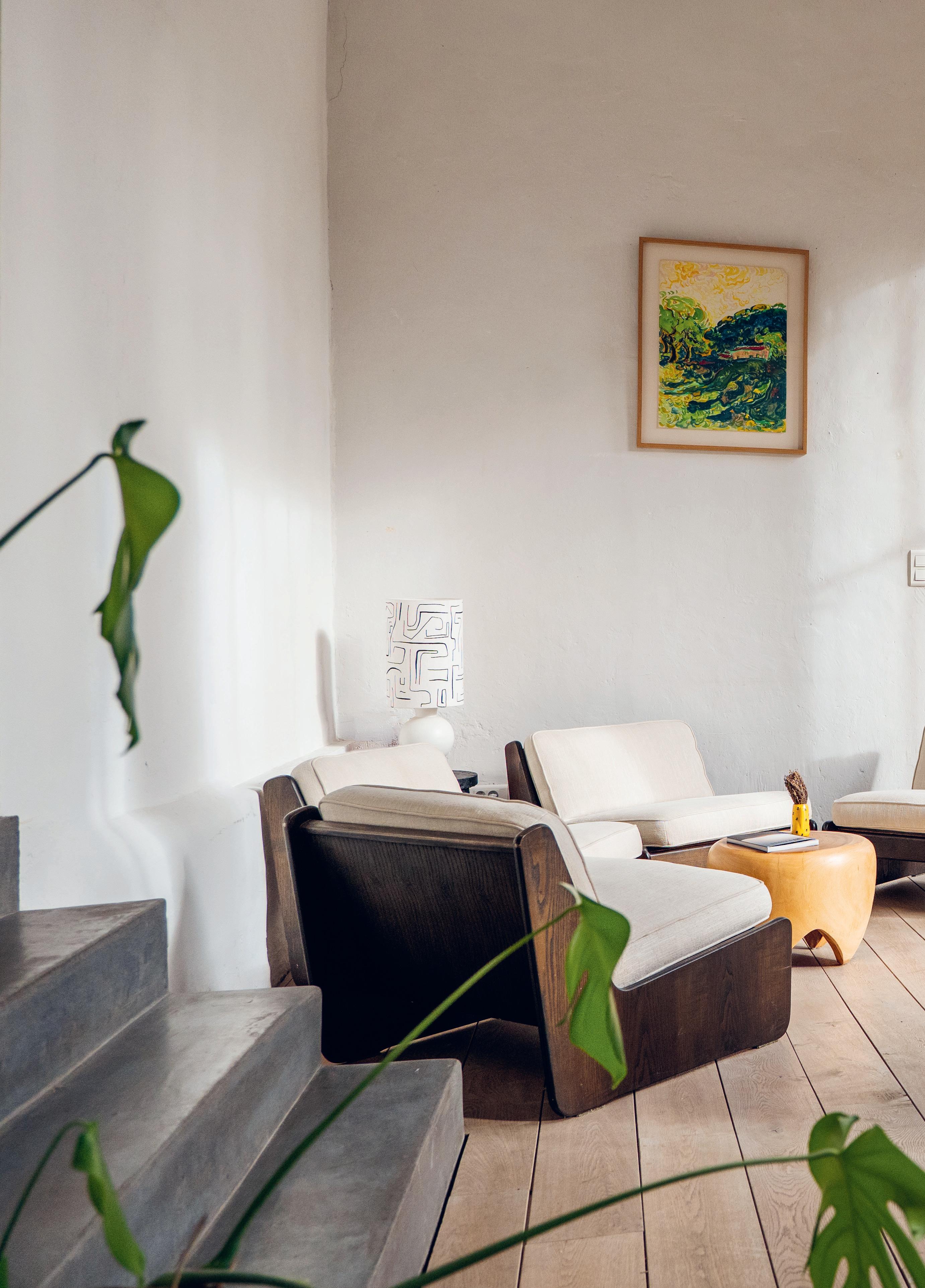
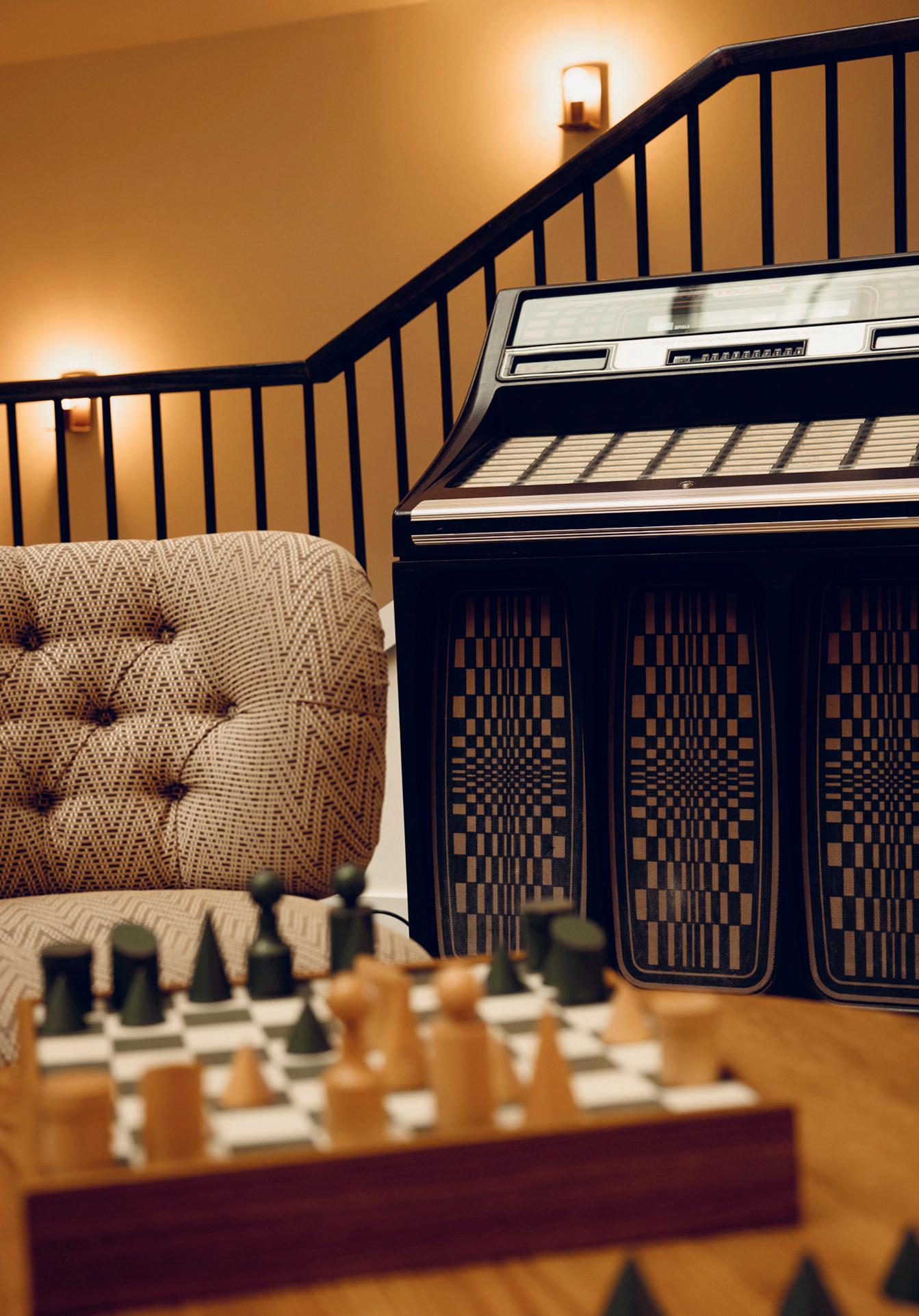
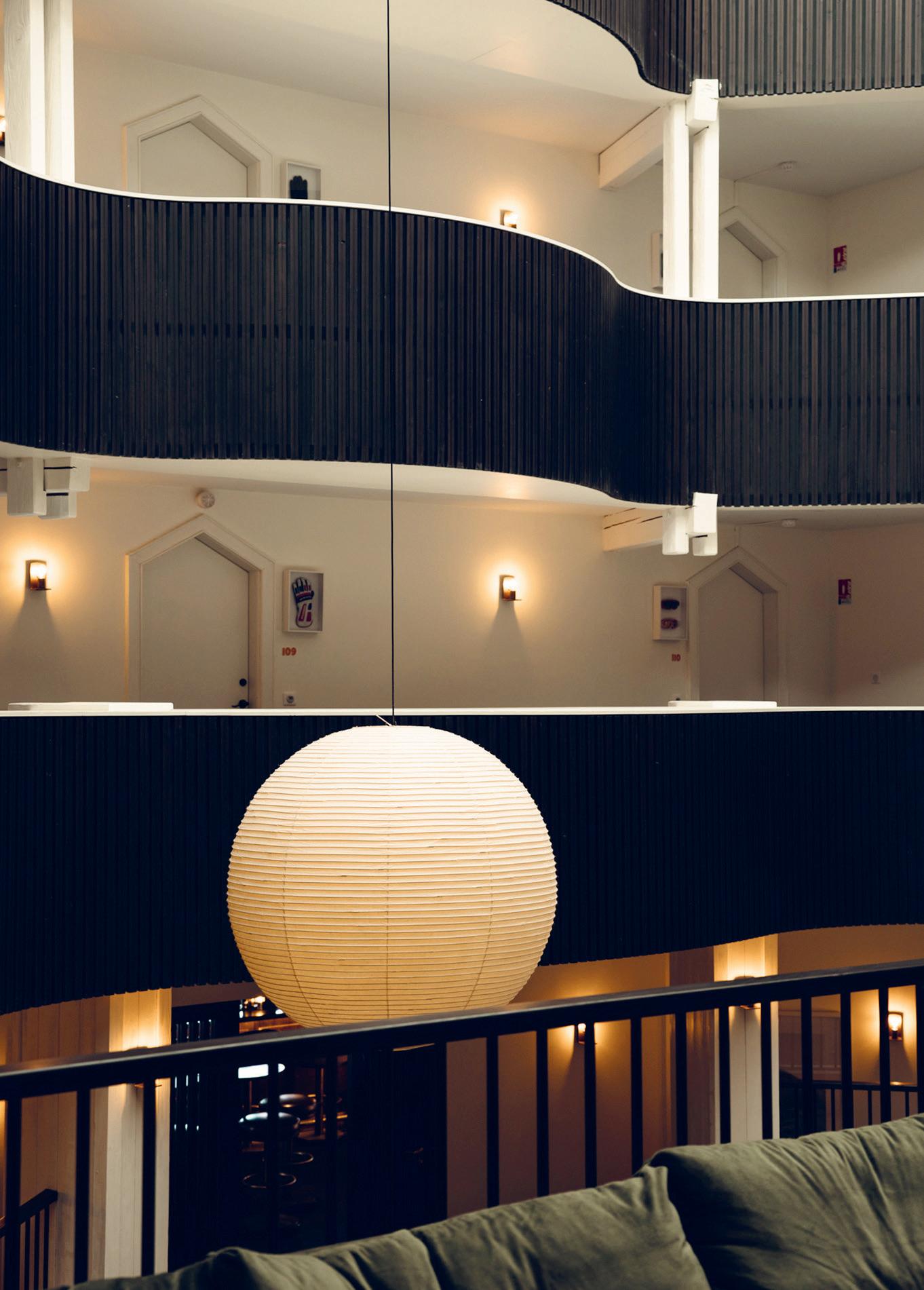
There is something striking about how settled the hotel feels, as though the armchairs have always occupied their corners; as though the bar has long been a meeting point for returning guests. “That lived-in quality,” Arnaud suggests, “is a form of staging in itself.” Almost all of the furniture was designed specifically for the project, rooted in the Alpine tradition of joinery and simple forms. The intention was never to impress at first glance, but to endure. Materials were chosen for their capacity to age slowly, to gather a patina. Even the insertion of a new bar — created where a games room once stood — follows this logic. It reinterprets the codes of a mountain hotel lounge: warm timber, ambient light, seating that invites you to stay for one more drink. By late afternoon, as boots are removed and daylight begins to fade, it is here that the architecture seems most animated.
A restoration of this scale depends on collaboration as much as concept. The relationship between Clavien & Associés and Complete Works, Arnaud notes, brought . Architecture and interiors evolved together, each discipline sharpening the other.
When asked to imagine the hotel in 10 or 20 years’ time, the answer comes without hesitation: timeless. It is a modest ambition on the surface, yet perhaps the most demanding of all. Timelessness cannot be hurried. It requires proportion, patience, and materials that grow more beautiful with wear. Today, as guests step off the train and into the clear alpine air, Grand Hotel Belvedere feels neither newly unveiled nor self-consciously restored. It feels effortless. Timber warming in the afternoon light. A book open by the window, as if it had always been this way.
SEEK OUT THE ORIGINAL SPIRIT, REVIVE IT, AND BRING IT INTO HARMONY WITH THE PRESENT DAY. INTERVIEW:
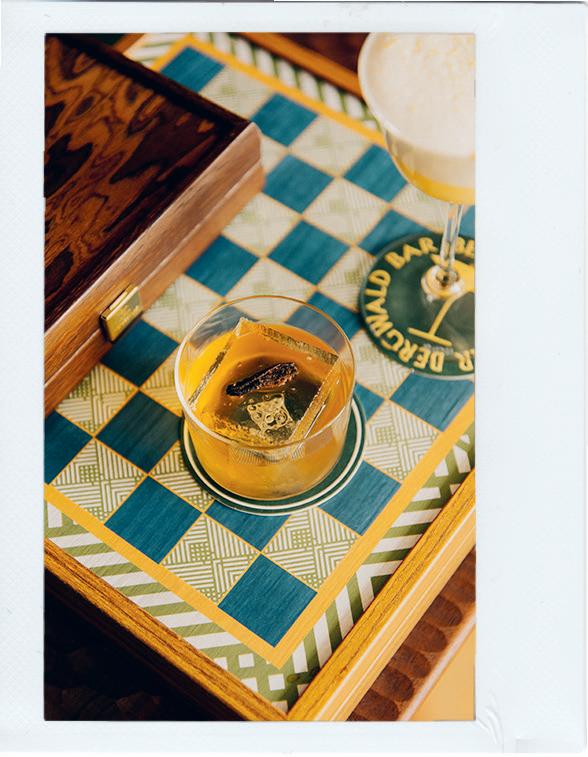


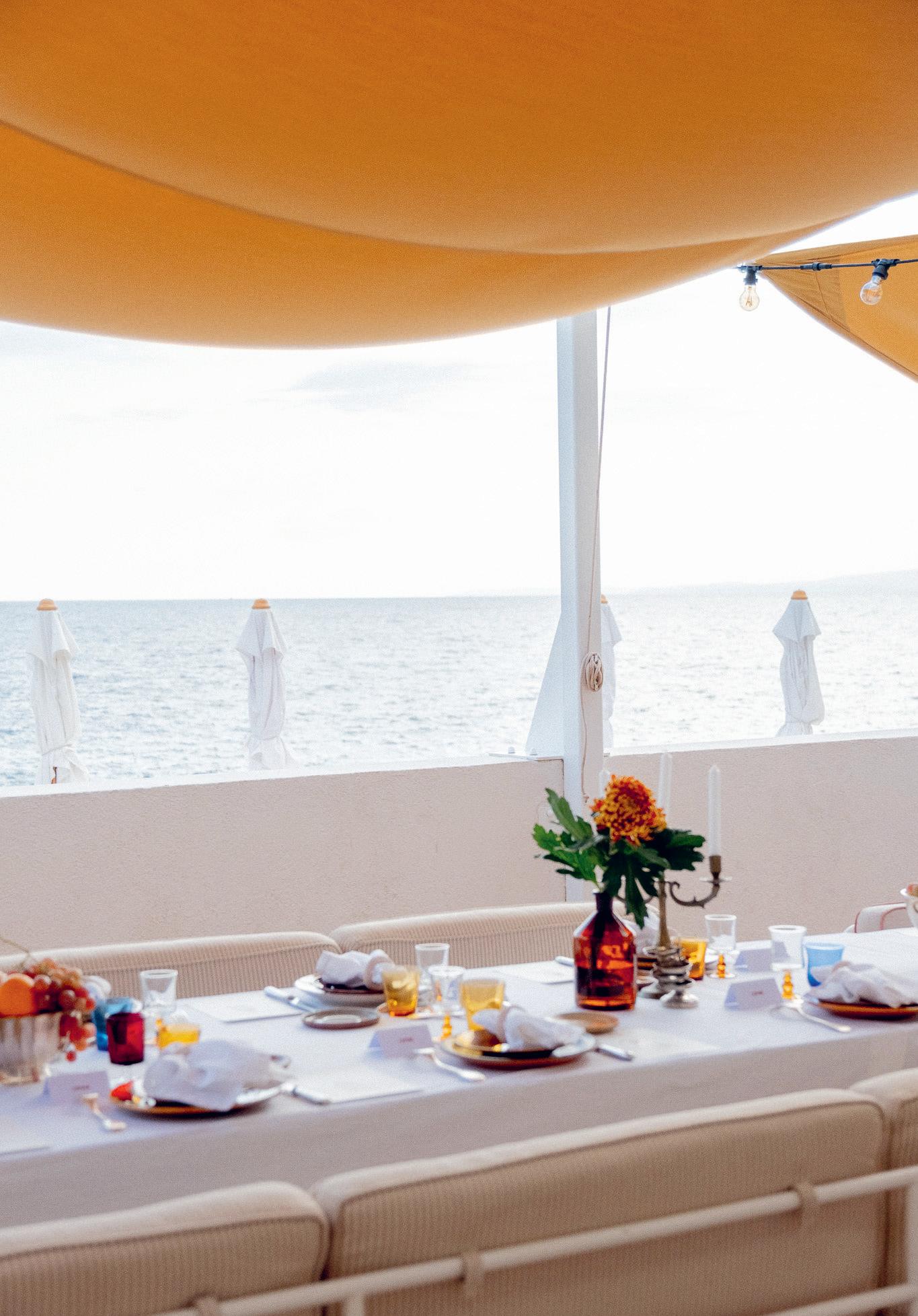
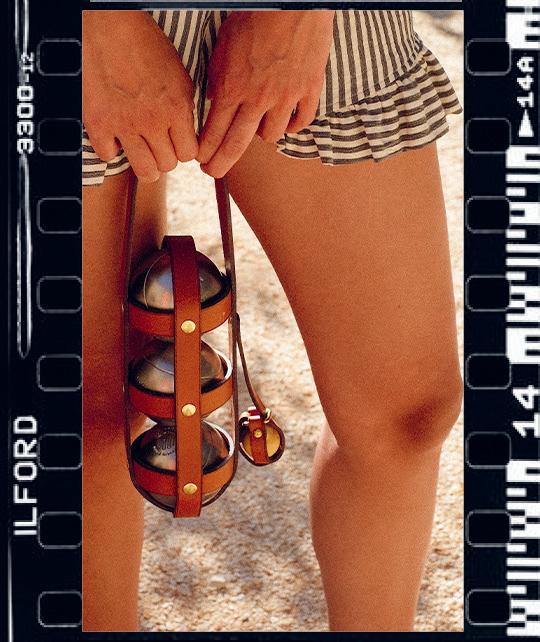
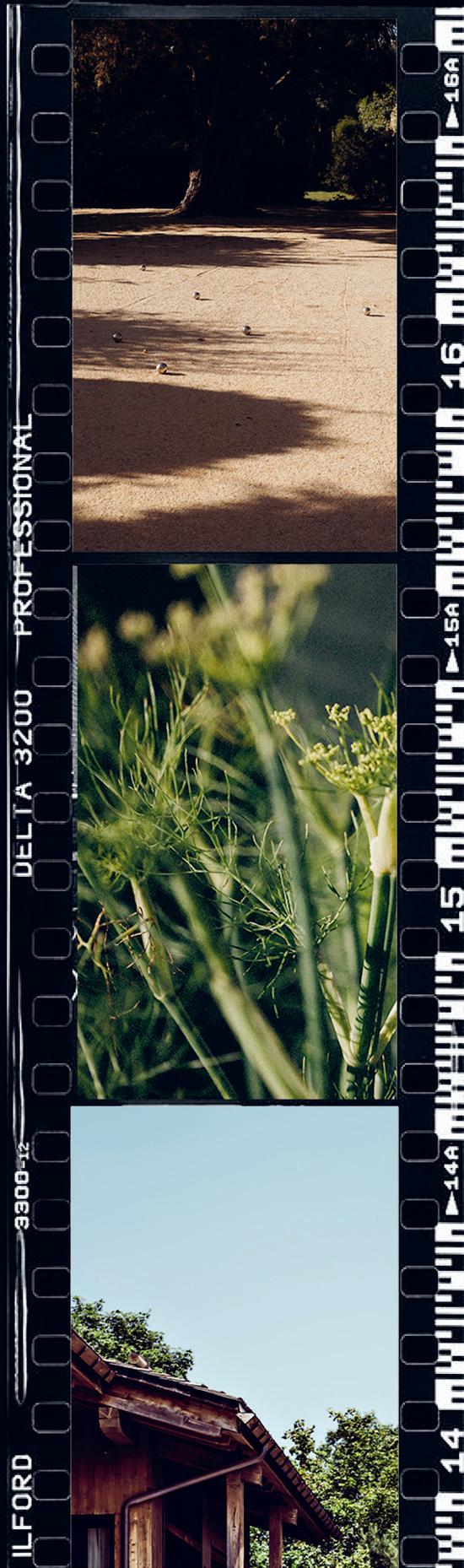
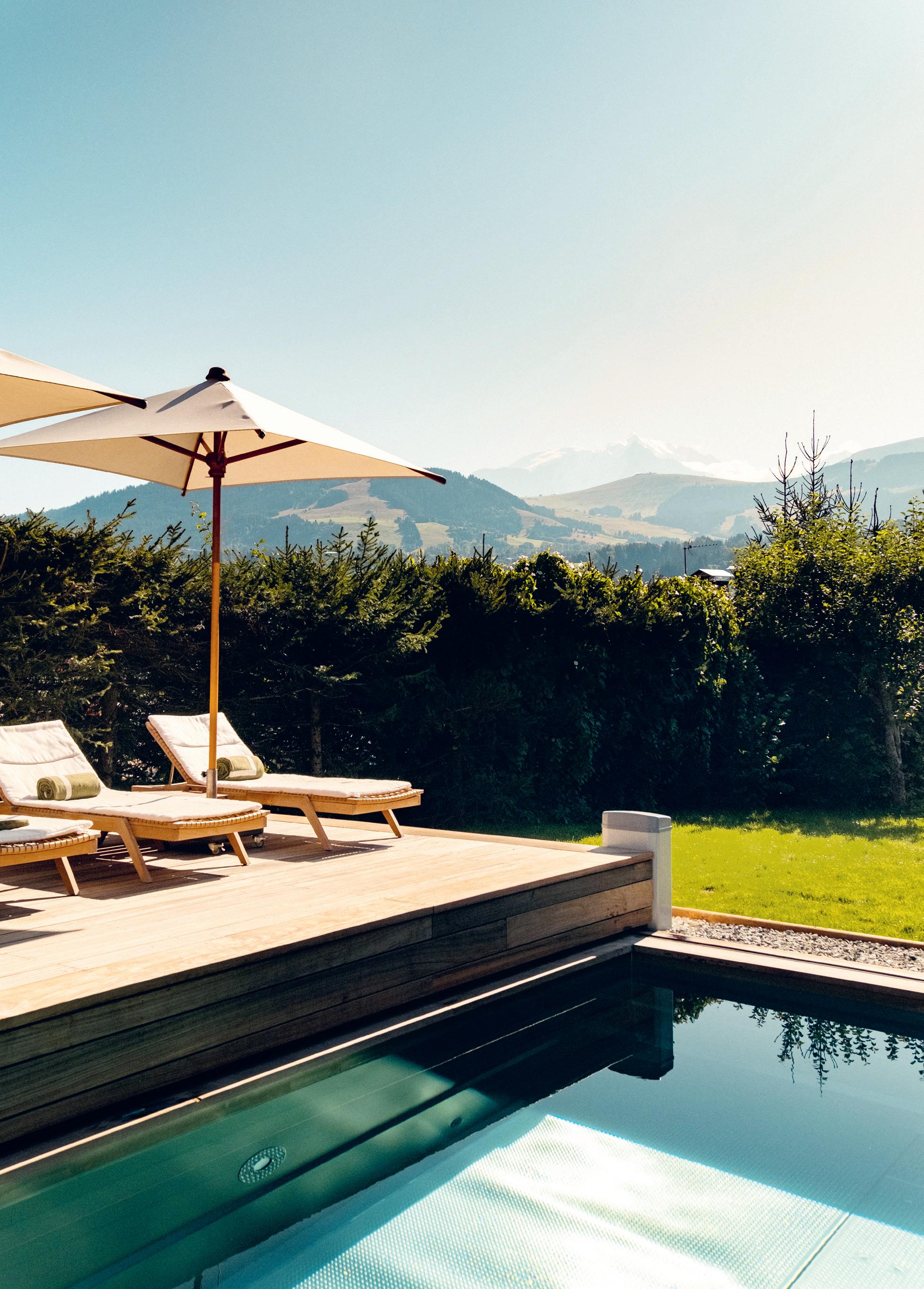
“There is nothing more musical than a sunset,” wrote Claude Debussy, inspired by the way evening light composes its own changing symphony of colour across the sky. It’s a sentiment that we have always held close across our destinations, where every setting is designed to make the most of these magical hours. In the South of France, it starts with the first sip of an apéritif. A game of pétanque is a familiar pre-dinner ritual, the gentle clack of boules carrying through the air as live music plays and tables gradually fill for the evening ahead. This is perhaps the spirit of the south
at its most effortless. Evenings in Ibiza lean into both sides of the island’s character. For something more grounding, every full moon brings mindful rituals, yoga, and intimate sound circles designed to restore and release. Gather beneath the stars for open-air cinema, while at the rooftop bar cocktails arrive just as the sky turns soft violet and deep blue. Afterwards, a table awaits at La Mesa de Es Vedrà, where traditional dishes are enjoyed with the island’s legendary rock never far from view. After a day in the mountains, there is no agenda as evening
arrives. Maybe you choose to unwind with après-ski, or perhaps a trip to the spa and sauna to soothe tired muscles.
For dinner, fondue remains a nostalgic favourite for good reason, closely followed by toasted marshmallows around the fire. During the summer months, the extra daylight invites evenings spent differently too — perhaps a hot air balloon flight at dusk to take in the alpine landscape from above. By bedtime, the highlights of the day are already beginning to blur into dreams of tomorrow’s adventures.
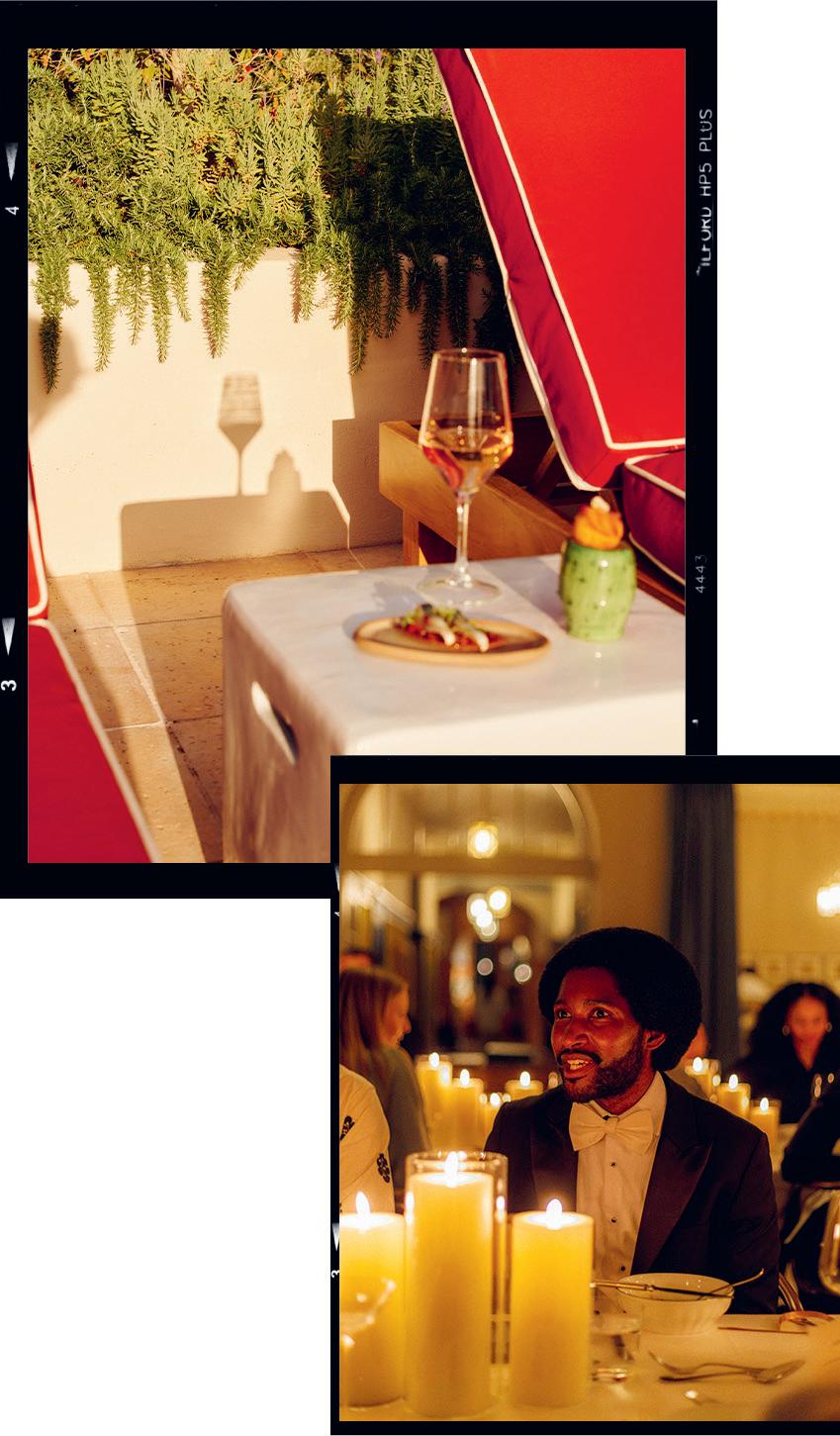
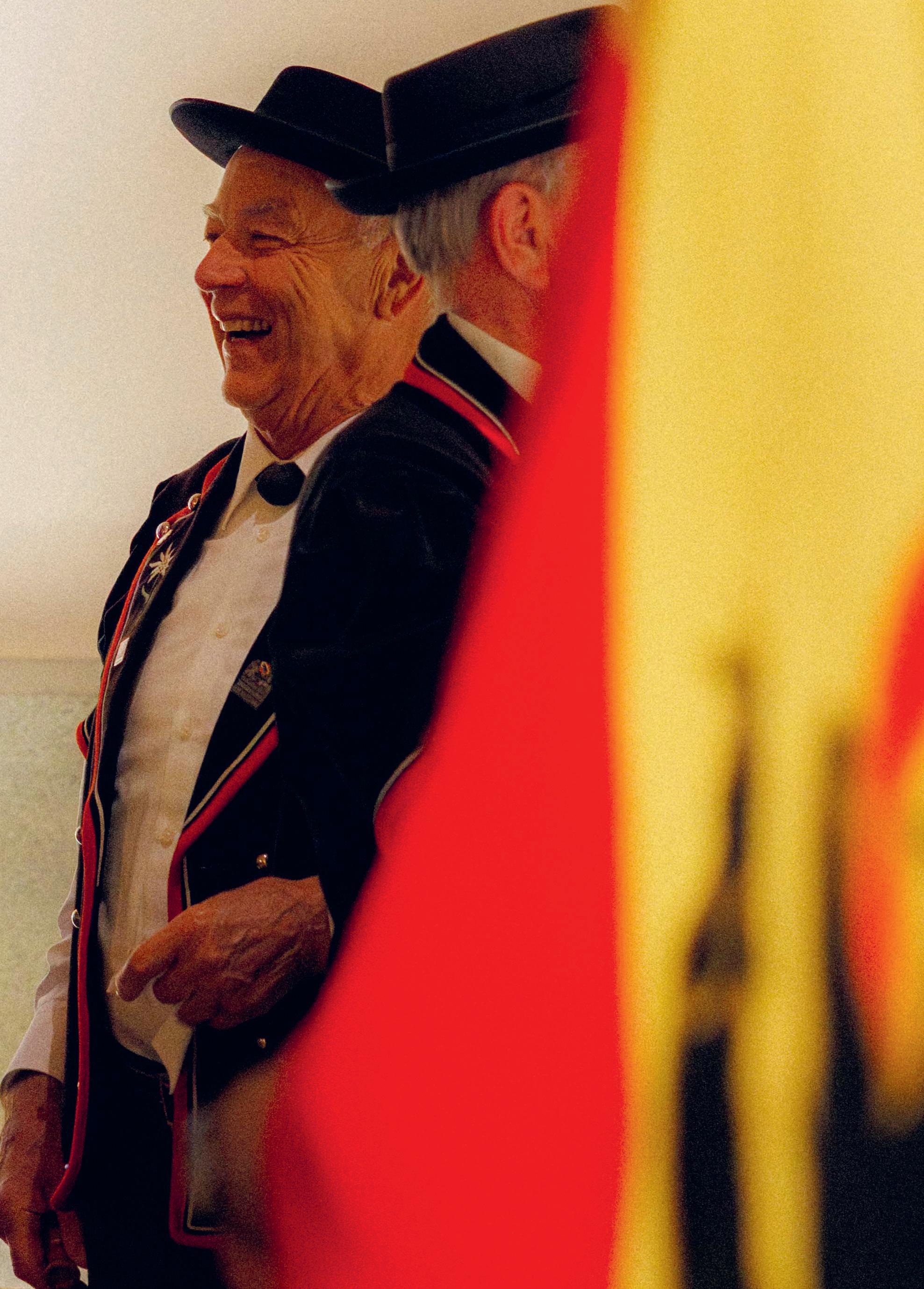
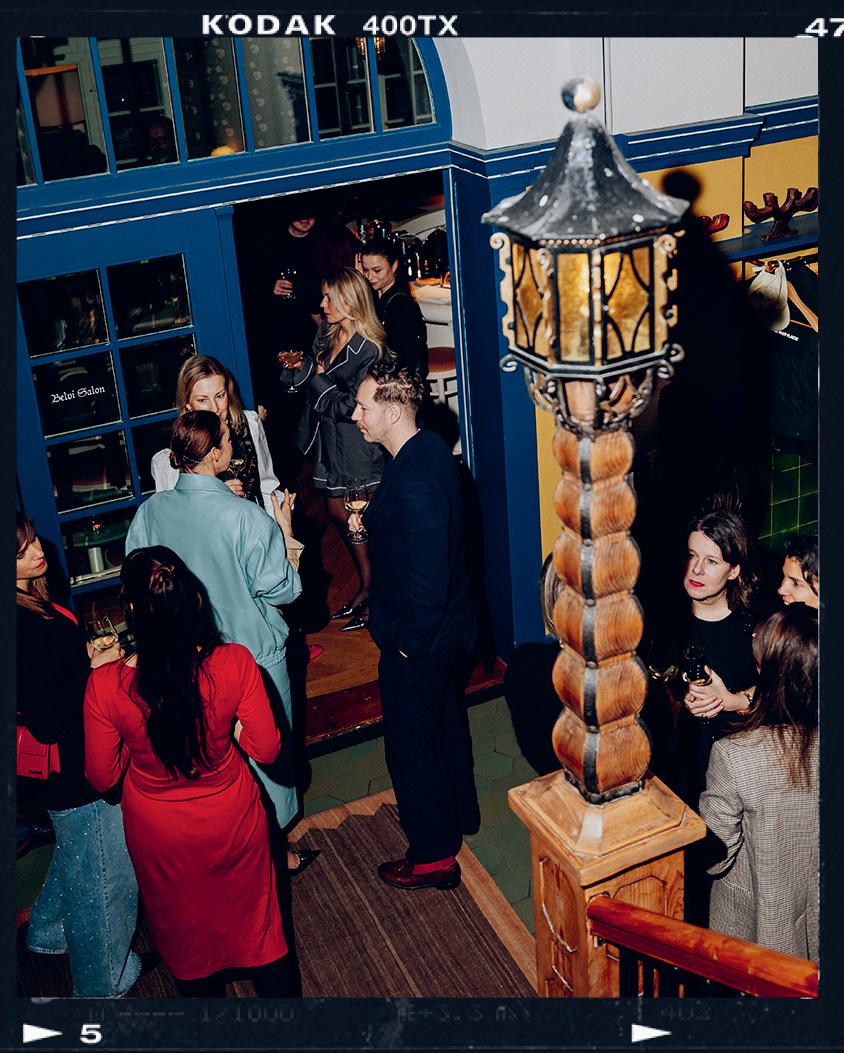
A SHARED TABLE, SET FOR THE EVENING
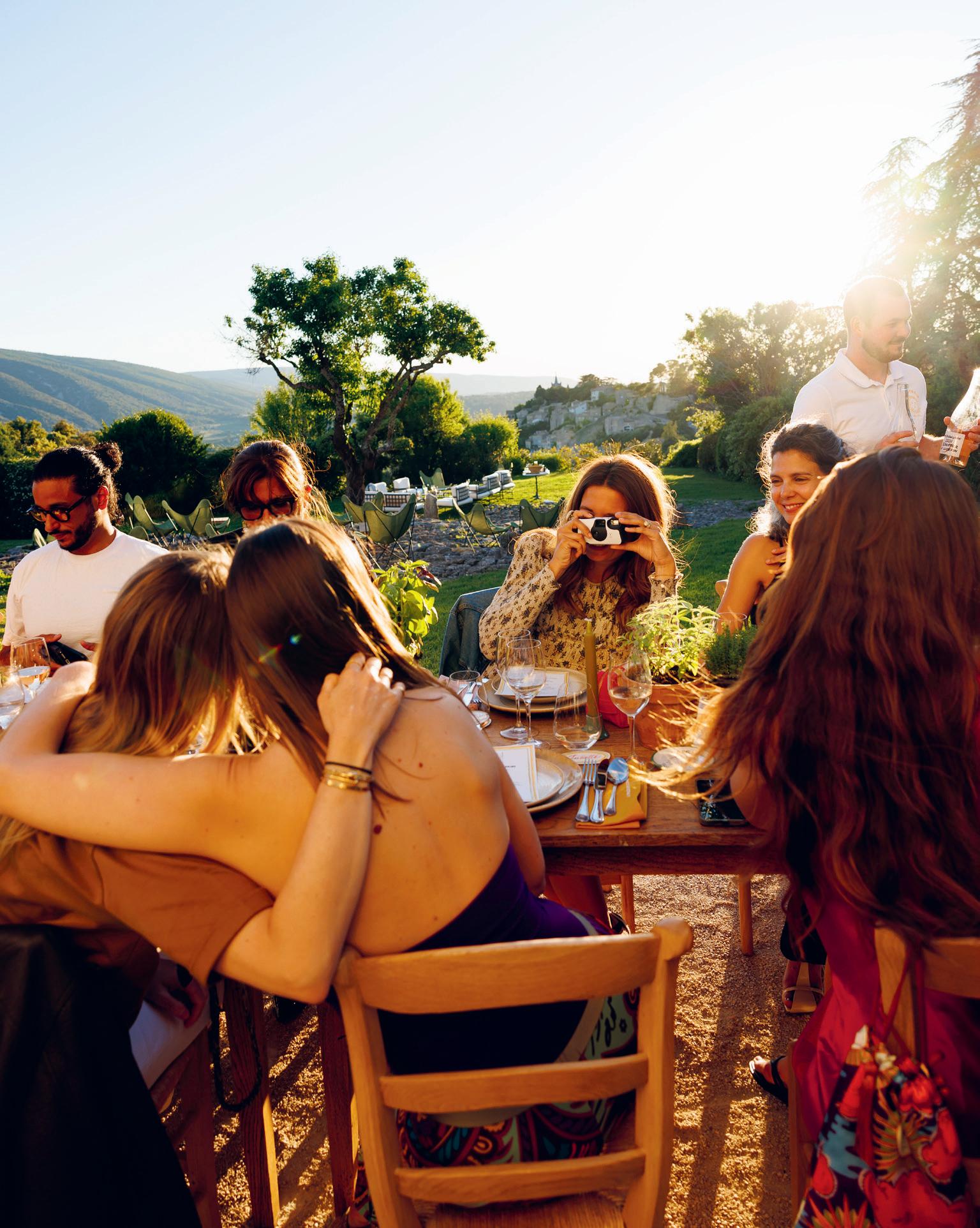
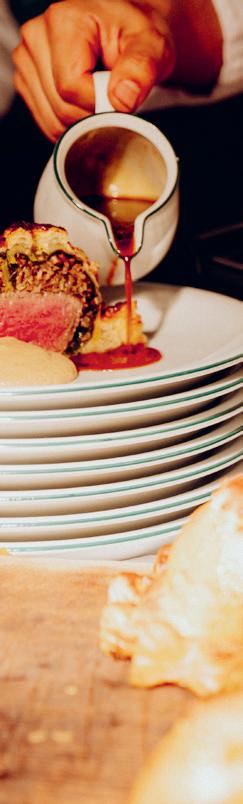



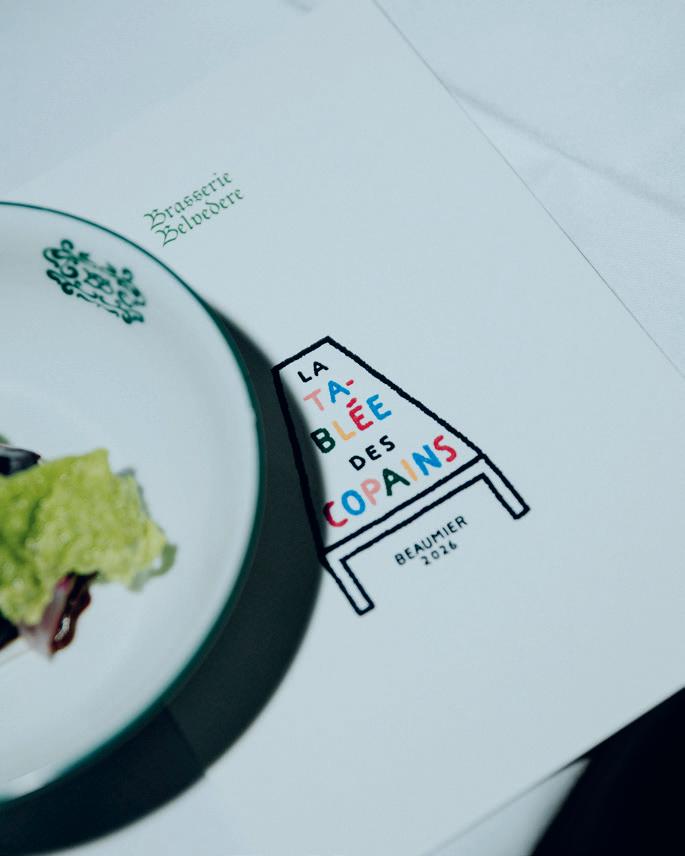
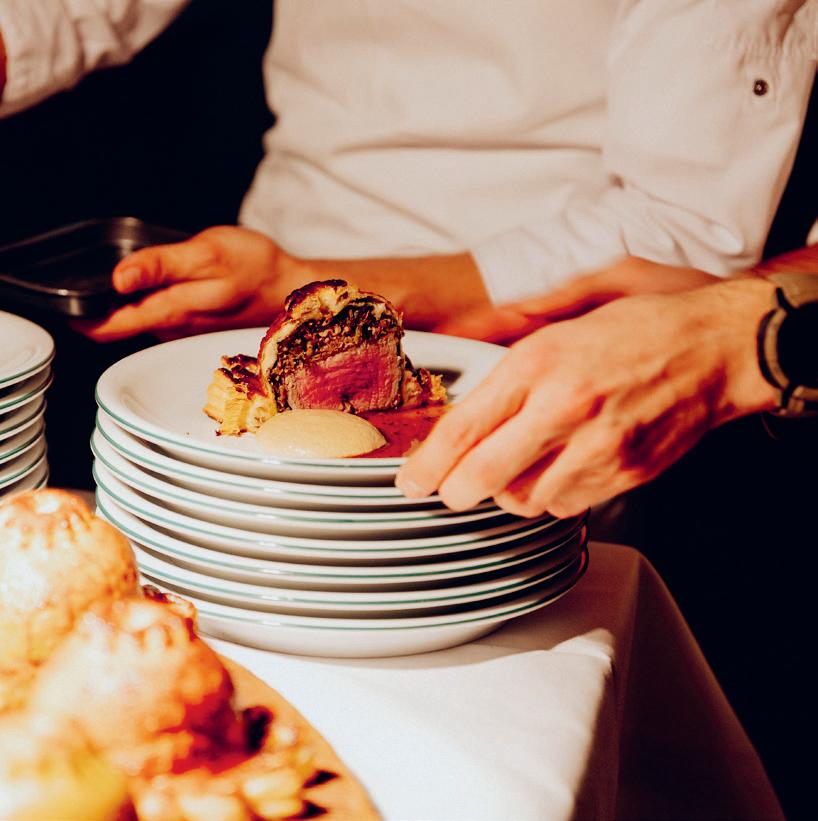
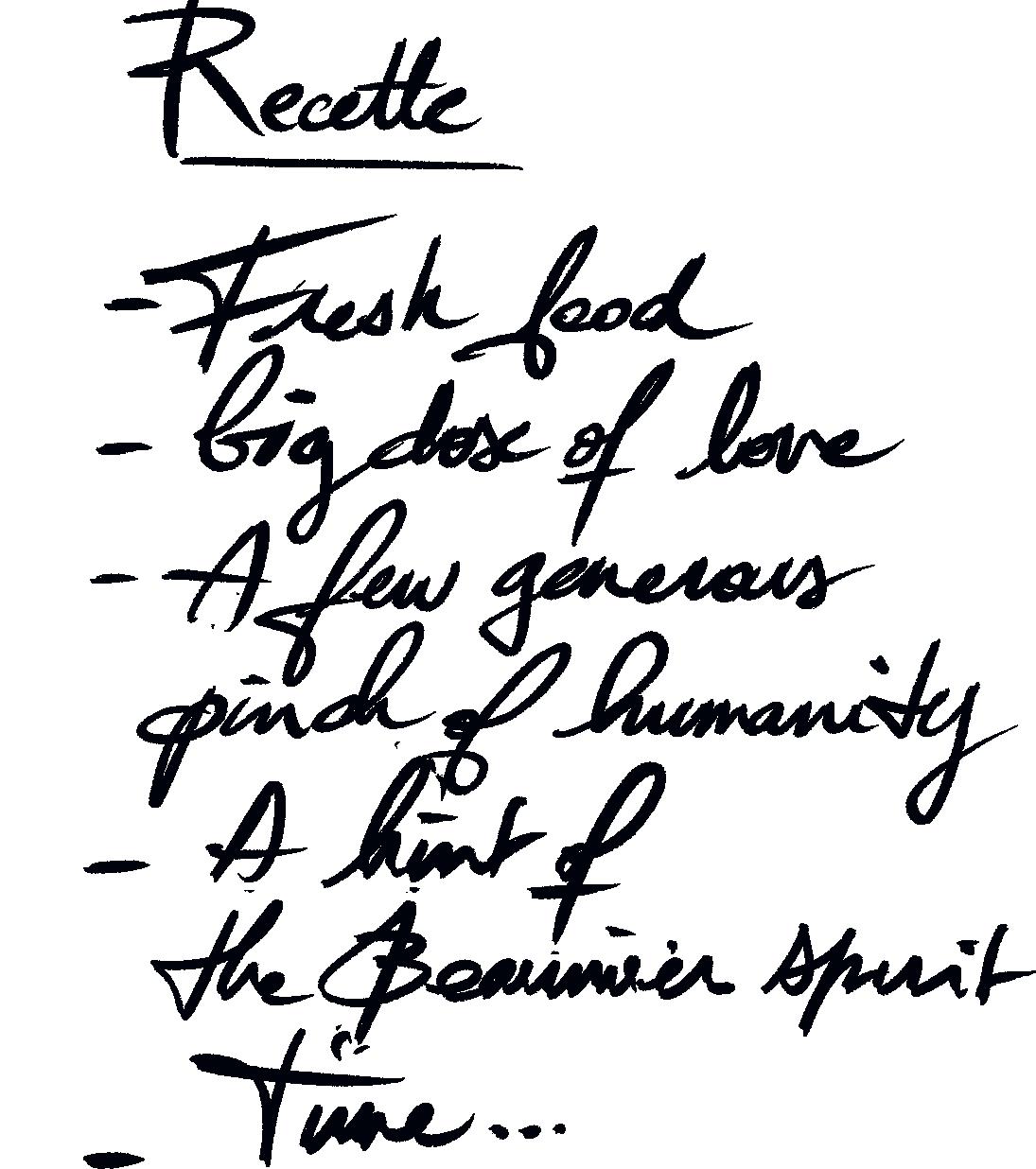
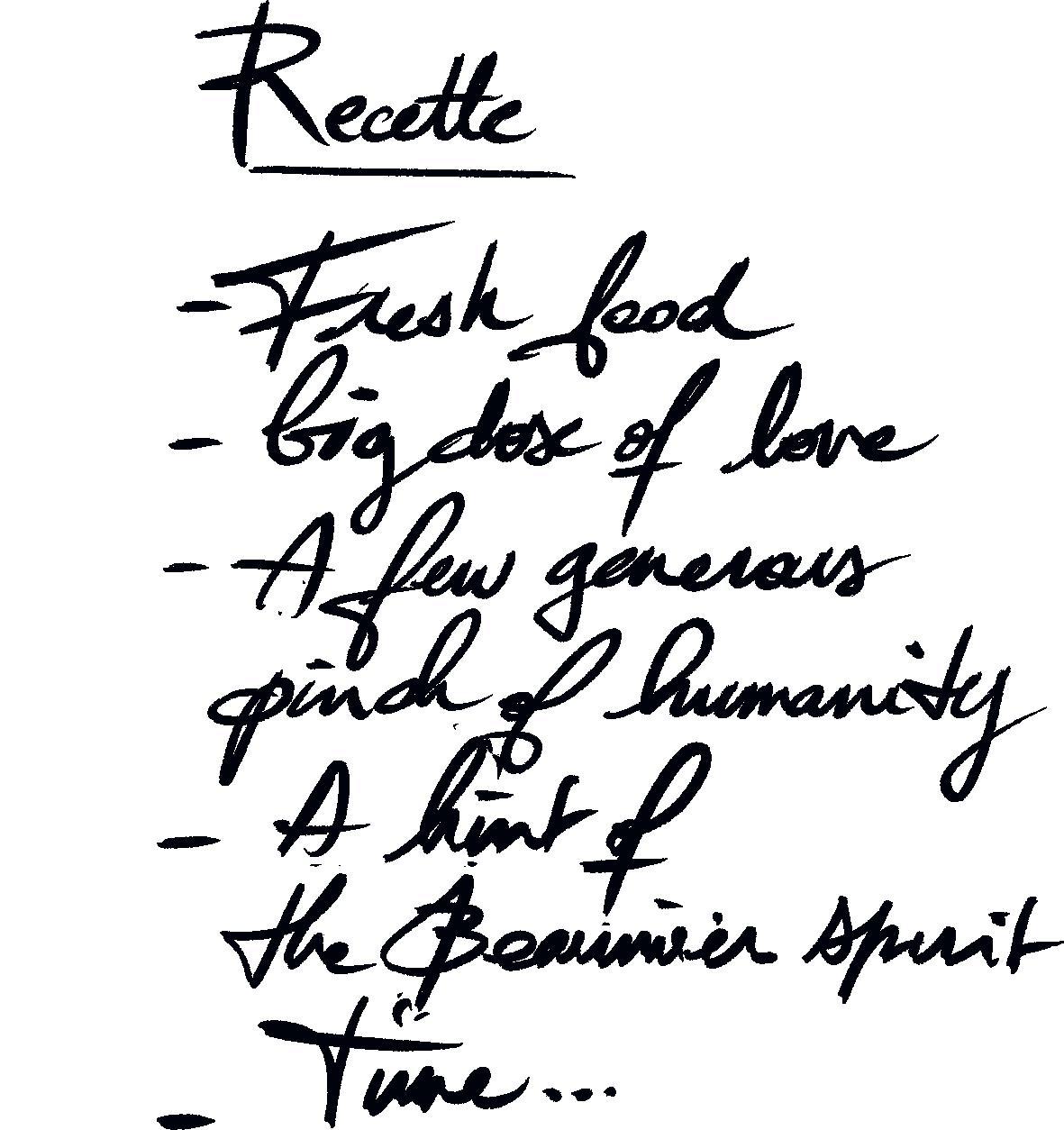
A muse. A seasonal menu. A single evening to celebrate what connects us. Gathered around a shared table, our chosen host welcomes friends, fellow creators, and kindred spirits for an intimate and generous feast.
La Tablée des Copains is the magnet that pulls together those who embody the Beaumier ethos — born from the desire to make friends, find inspiration, and raise a toast to the moment. To the simple joy of being somewhere wonderful, together.
An opportunity to discover a little more about each other, the places that shape us, and the pleasures of life. There is a thoughtfulness in how it all comes together, but always space for spontaneity to take over.
From the mountains to the Mediterranean, wherever we are — a table that becomes a small community for the night, as plates are passed, bottles are poured and stories shared. Where we arrive as strangers, and leave as copains.
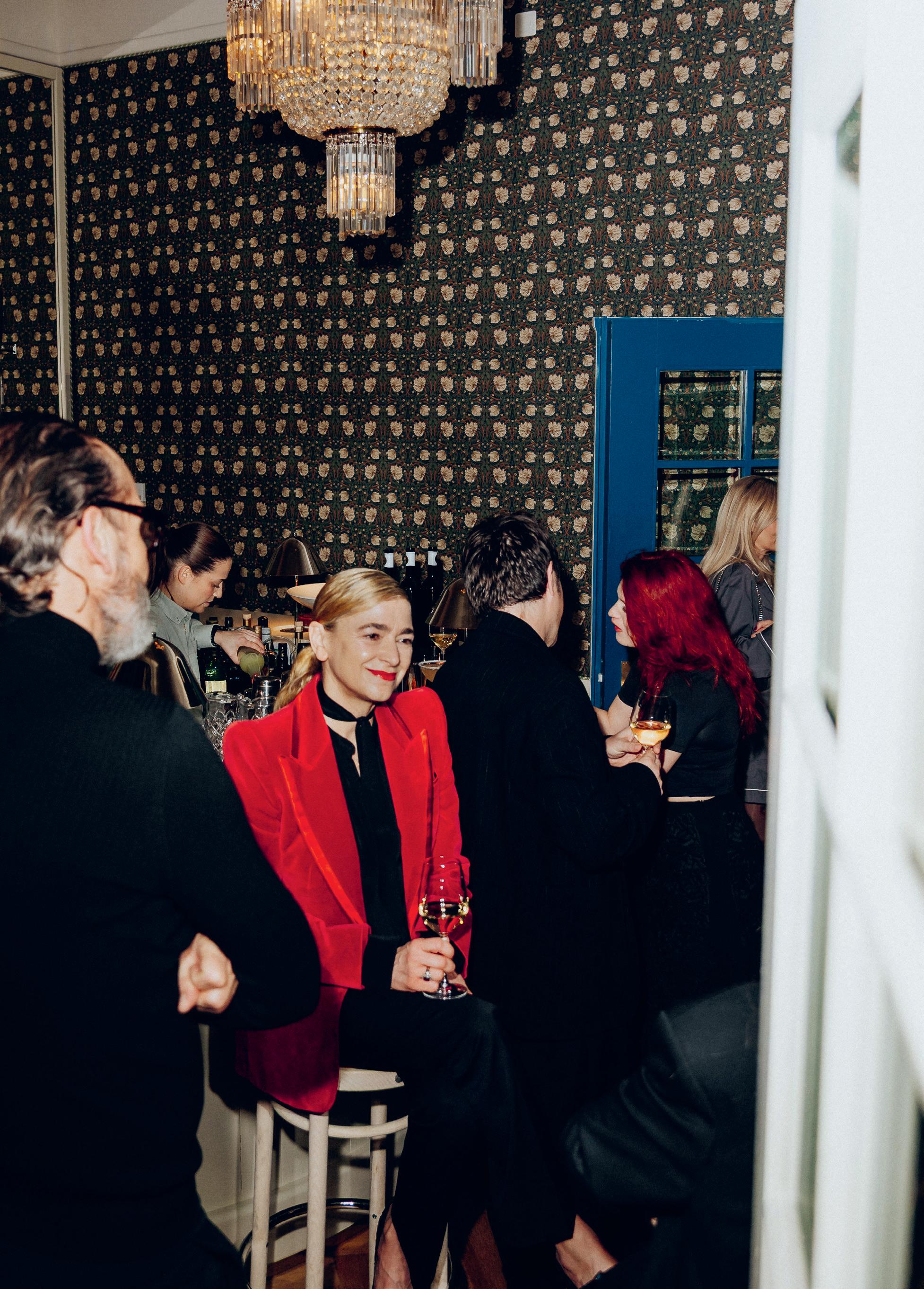
AN EVENING IN WENGEN WITH SUSANNE KAUFMANN
SLOW EVENINGS MADE FOR BUILDING LASTING RITUALS
As the sun slips behind the peaks and the fire is lit in the lounge at Grand Hotel Belvedere, skis are stored away and boots left to dry. It is the hour for slowing down, for resting, for taking stock of the day.
Susanne Kaufmann, founder of the Austrian skincare brand that bears her name, settles into one of the deep sofas, a herbal tea in hand. The personalised treatments at the hotel’s spa are built around her alpine formulations, and for Susanne, après often follows a softer rhythm. “During winter in the mountains, the cold air can be incredibly demanding on the skin, so hydration, nourishment and gentle repair are key.” In Wengen, her evening routine is simple but consistent: a thorough cleanse, a rich oil or mask to replenish what the cold has taken, and, if time allows, a facial or massage at the spa to ease muscular tension after a day on the slopes. “Restoring comfort is part ski experience,” she says. “When the body relaxes, the mind follows.”
She also speaks about the rituals that travel easily from hotel to home. “I love a foot bath. Warm water, a few drops of natural oil. It calms both body and mind very quickly.” Last night, dinner was at the brasserie: a plant-based fondue, followed by a drink at the bar. “It’s about balance. You look after your skin, you move your body, and you enjoy good, seasonal food. That is the essence of wellbeing.”
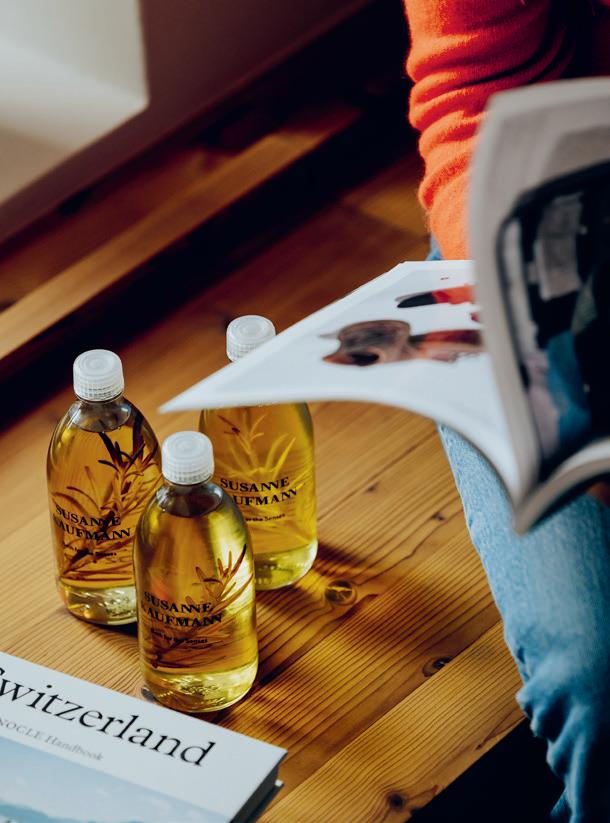
knowledge passed down through generations with contemporary, science-backed expertise.” As a child, she collected plants with her grandmother, learning and appreciating their properties from a young age. “It shaped my belief that nature gives us everything we need, and that we have a responsibility to respect and protect it.” Her family’s long history in hospitality also left its mark. Skincare, in her world, is about how someone feels when they walk into a space, how they are cared for, how every detail contributes to a sense of ease. At the hotel’s spa, her treatments are designed with that in mind. Scent, texture, touch, atmosphere — each element working together. “When everything is aligned, you she says.ting, guests are already more open. They’ve given themselves permission to slow down.” Building a sustainable brand has required persistence. “You often hear that something can’t be done. I’ve learned to question that, to look further and see whether it is truly impossible.” It is a resilience shaped, perhaps, by a life lived among the mountains.
Having grown up in the Bregenzerwald, an unspoilt valley where most days were spent outdoors, the collaboration with Grand Hotel Belvedere felt instinctive for Susanne. “The hotel has found a thoughtful balance between tradition and modern comfort, which resonates with our own philosophy — combining herbal
As the fire burns low and the valley outside grows still, conversation returns to something elemental. The mountains ask something of you, and the rituals Susanne speaks of are, in essence, a way of answering. A foot bath. A rich oil worked slowly into the skin. A moment of quiet before sleep. Small, repeatable acts that reconnect the body to itself. The aim, she says, is not only to offer an effective treatment during a stay, but to leave guests with something lasting — a routine, perhaps, or simply a different way of moving through the day. «For me, that is the most valuable thing

Piano Symphony No. 1

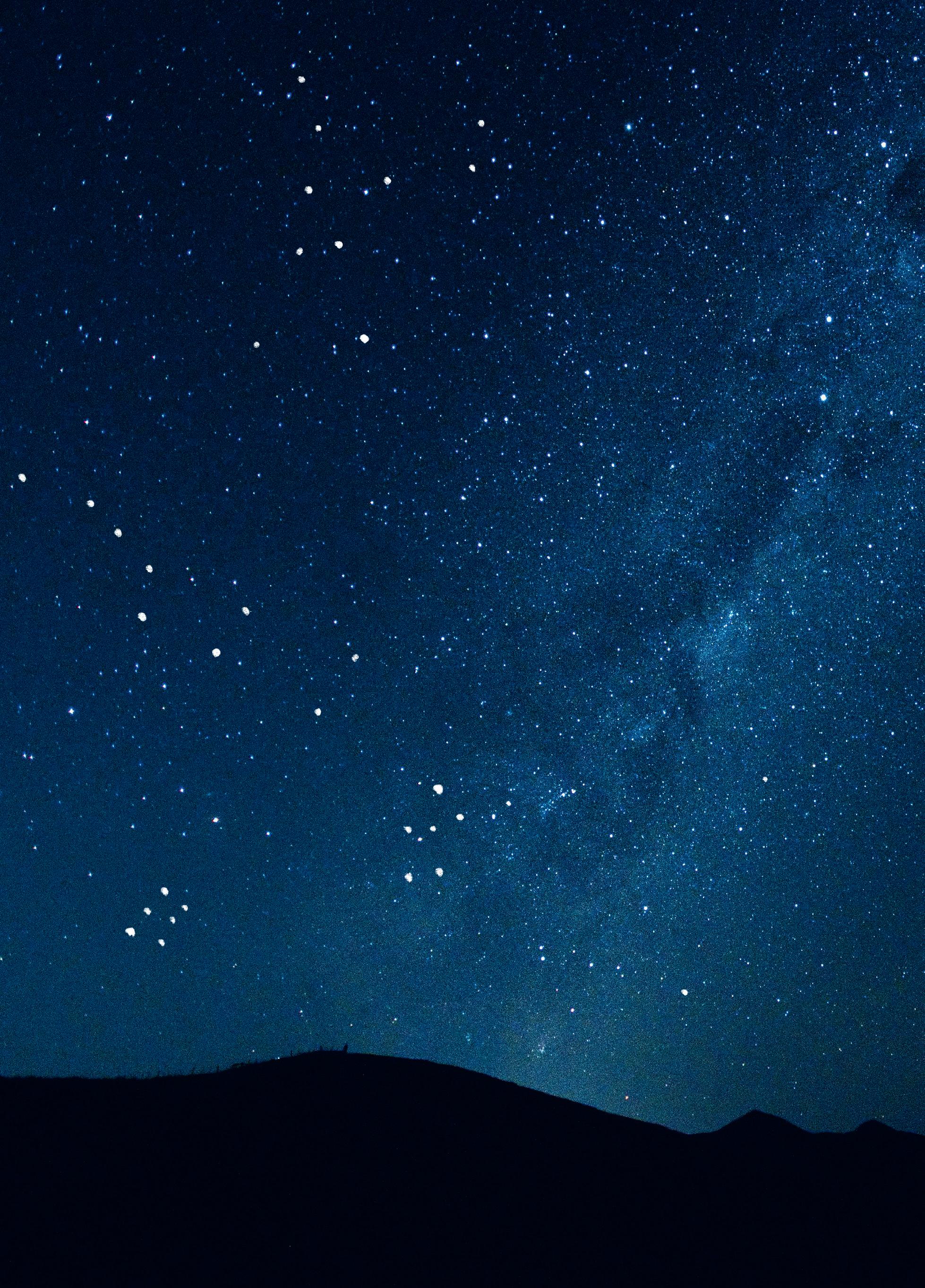
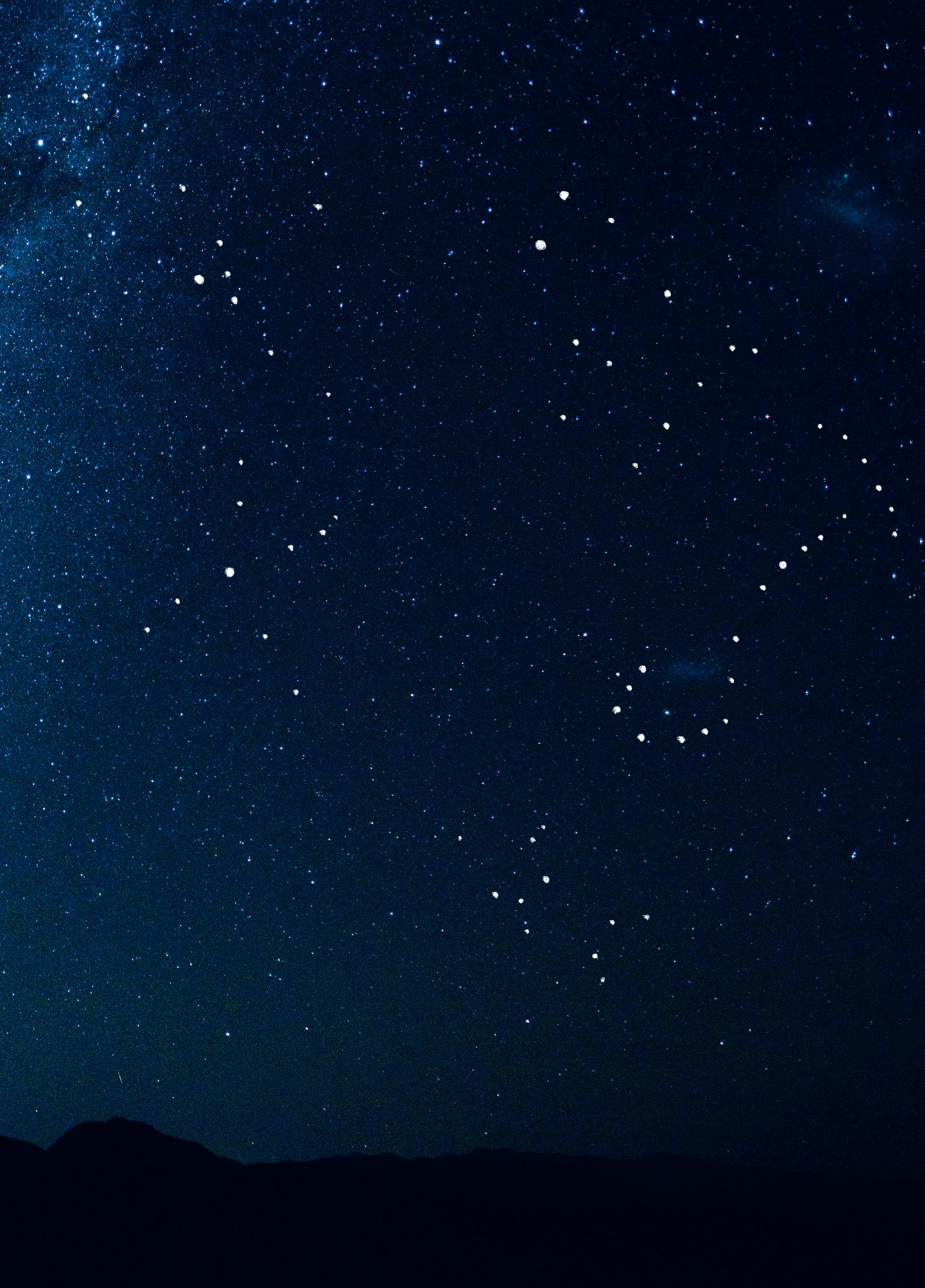
On clear nights the Luberon sky reveals remarkable depth, a vast velvet backdrop scattered with stars. In summer, the Milky Way stretches overhead, while August brings the Perseids, shooting stars dancing like cosmic fireflies above the village.
Megève offers a shifting celestial landscape. In winter, Orion, Taurus and Gemini trace the alpine darkness. By summer the arc of the Summer Triangle rises high above the peaks. On clear nights, far from urban light, the constellations appear etched against the mountain sky.
At the foot of the Esterel Massif, summer nights are often clear, with Scorpius low over the sea and the Milky Way visible from darker coastal paths. From the shore, or further out on the water, the stars gather with greater clarity.
With little surrounding light, the island sky opens wide. During high season, the Milky Way often appears as a ribbon of light stretching above the sea. Scorpius, Lyra, Cygnus and Sagittarius drift into view. From our terrace, the horizon dissolves into starlight.
WENGEN
Above the Lauterbrunnen Valley, from December to March, familiar constellations of the northern sky, Orion and the Pleiades cluster, glimmer brightly. By summer, Cygnus glides along the Milky Way overhead. At this altitude, the air lends remarkable clarity, as though the mountains lift you closer to the stars.
At 2,300 metres, Val Thorens is well placed for studying the night sky. High-altitude air sharpens constellations such as Orion, Taurus and Gemini, while Ursa Major remains visible for much of the year. On clear, moonless nights, the darkness feels almost infinite.

In life, it is often the smallest moments that bring us the most joy. Over the years, we have grown fond of these beautiful events that occur throughout the day. Our teams often jot them down in our journals.
We embrace the circadian rhythm of the hours, curating opportunities for exquisite joy from the first rays of light to the romance of evening.
There are certain hours of the day where we lose ourselves in the moment, capturing everything from the Riviera's radiant morning glow to the spirited magic of a Balearic sunset and the vastness of an Alpine night. Venez découvrir.
07:30 AM – First Light
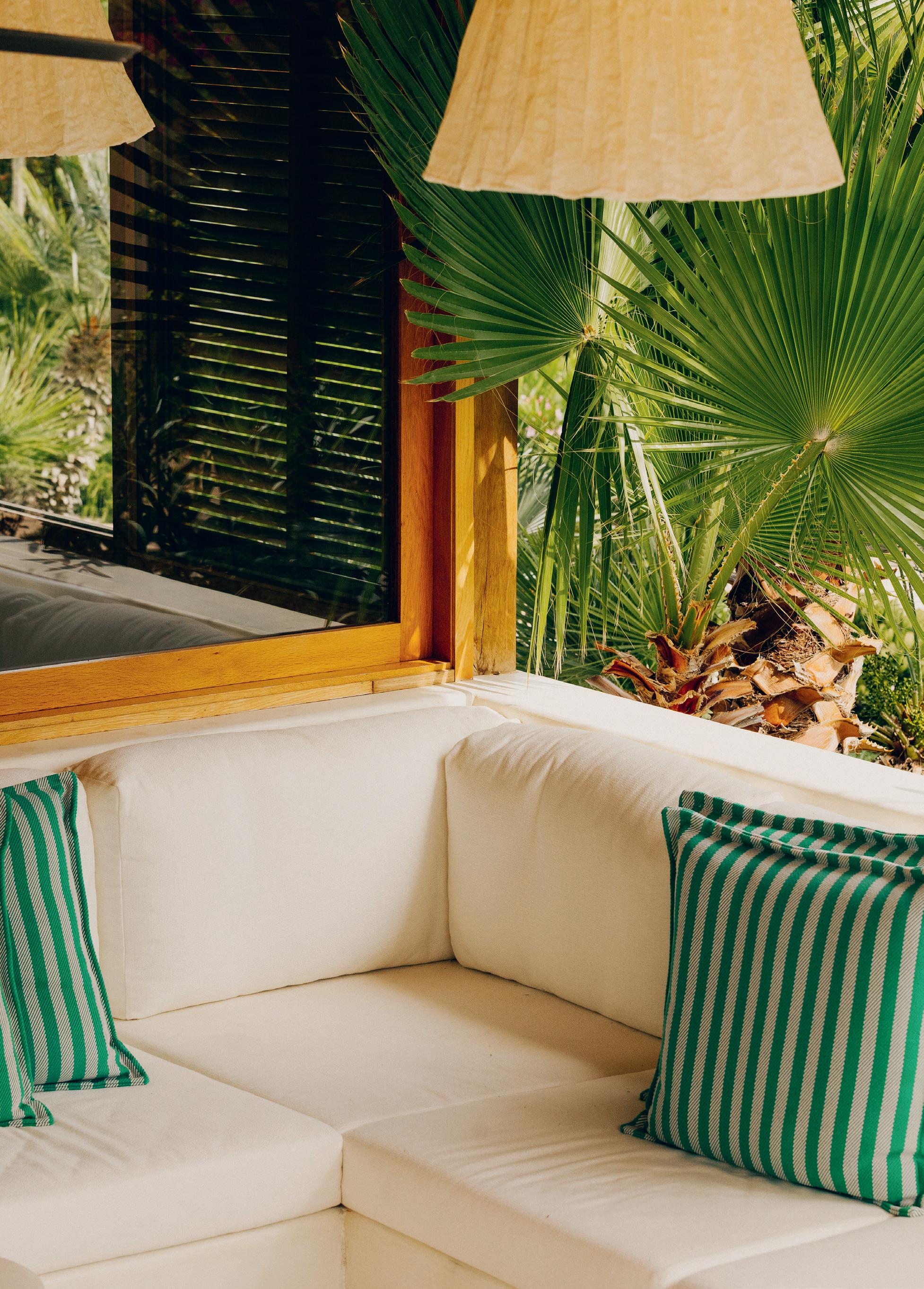
On our serene side of the island, early risers are always rewarded. Es Vedrà slowly emerges from the mist as the sun’s restorative light brushes the palms. The gardens are still, scented with rosemary and sea air. The day’s first cups of coffee are poured, bread warms in the oven. Another beautiful day is about to begin.
07:30 PM – Golden Hour
As the sun starts its descent, Petunia glows in shades of amber and rose. At La Mirada, guests gather with a glass of something chilled in hand, watching Es Vedrà against the horizon. Voices soften, music drifts in, and the island exhales. It is that suspended moment between day and night — warm, magnetic, celebratory.
09:30 PM – Under a Starry Sky
Night has settled in. The silhouette of Es Vedrà is still visible as stars begin to fill the sky, while our terraces fill with the sounds of relaxed conversations and clinking glasses. At La Mesa d´Es Vedrà, the kitchen honours island recipes with a lighter touch; at La Mirada, plates are made for sharing. There is no need to hurry.
DESTINATION
Carrer de Sa Pala Marina Sant Josep de Sa Talaia, Cala Carbó 07830 Ibiza — Spain
RESERVATIONS
www.beaumier.com
petunia@beaumier.com
+33 4 89 81 40 74 6
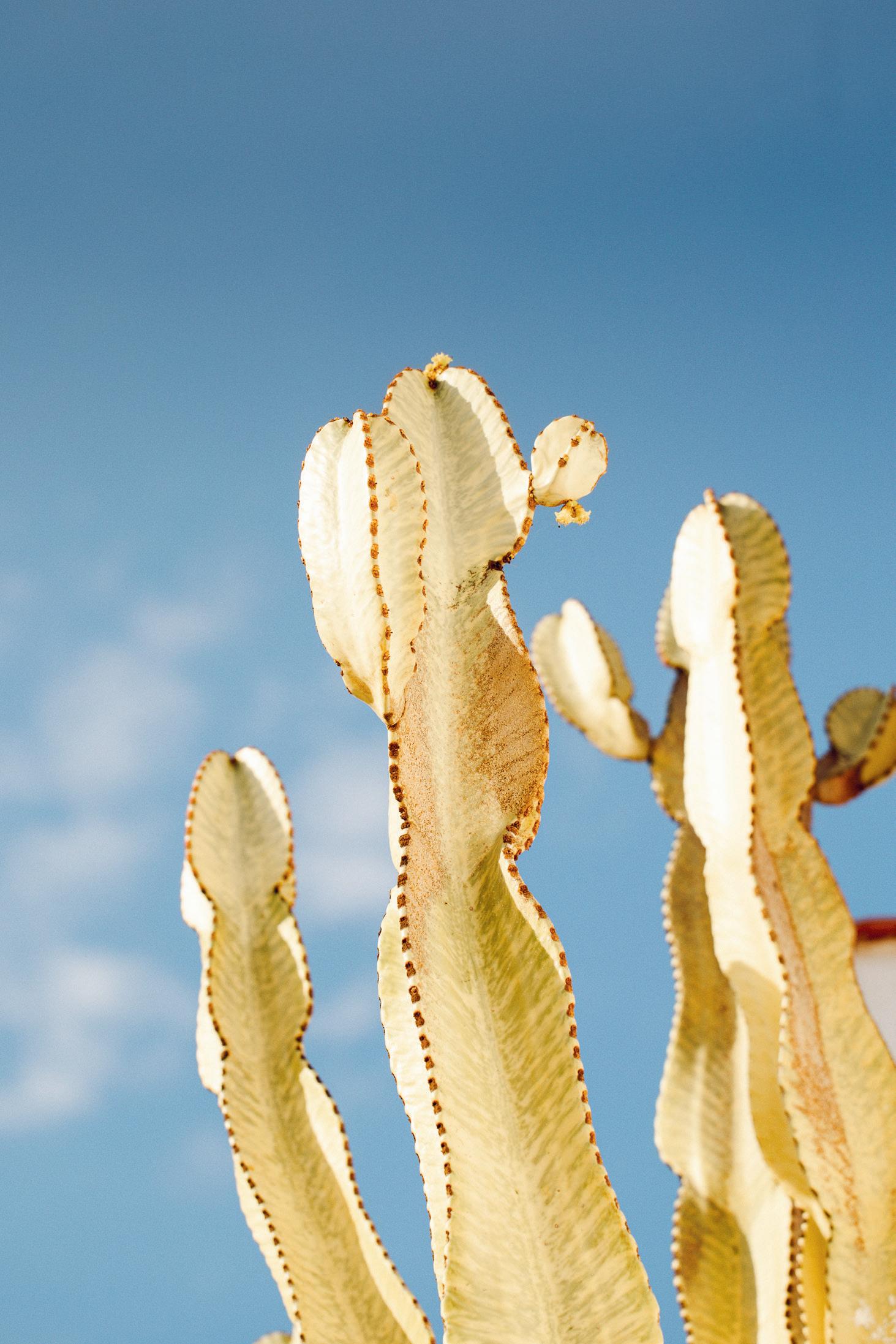
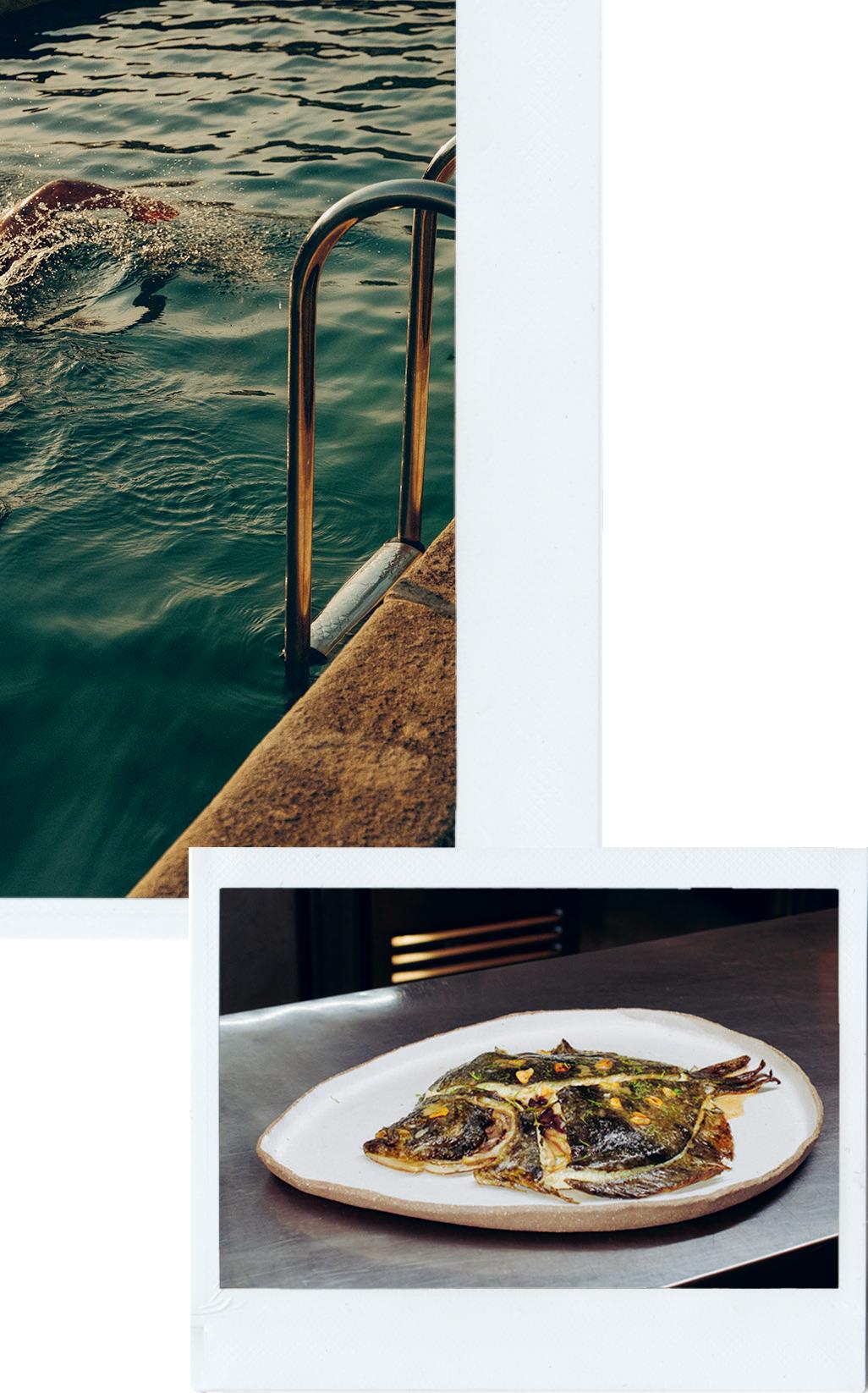
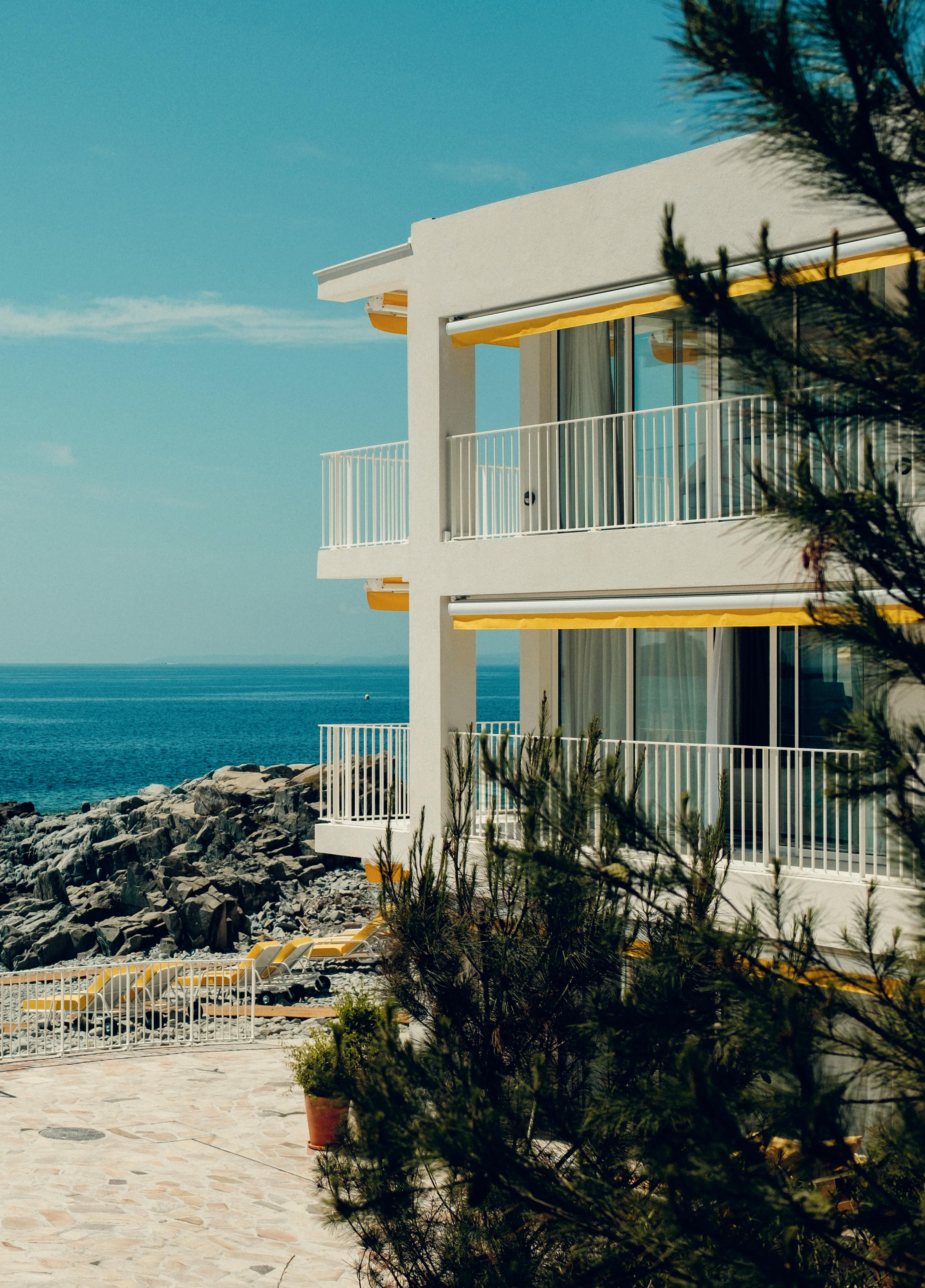
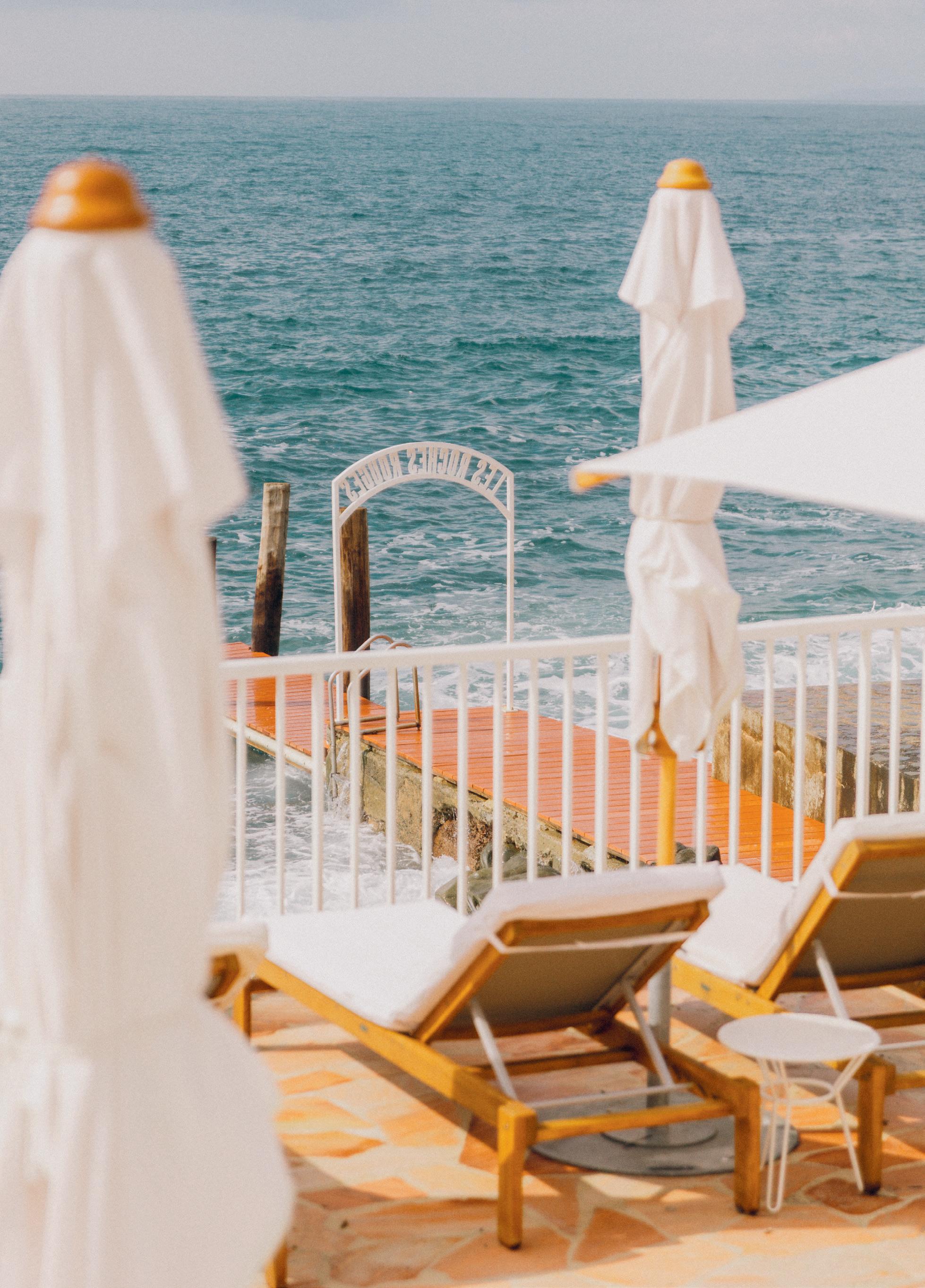
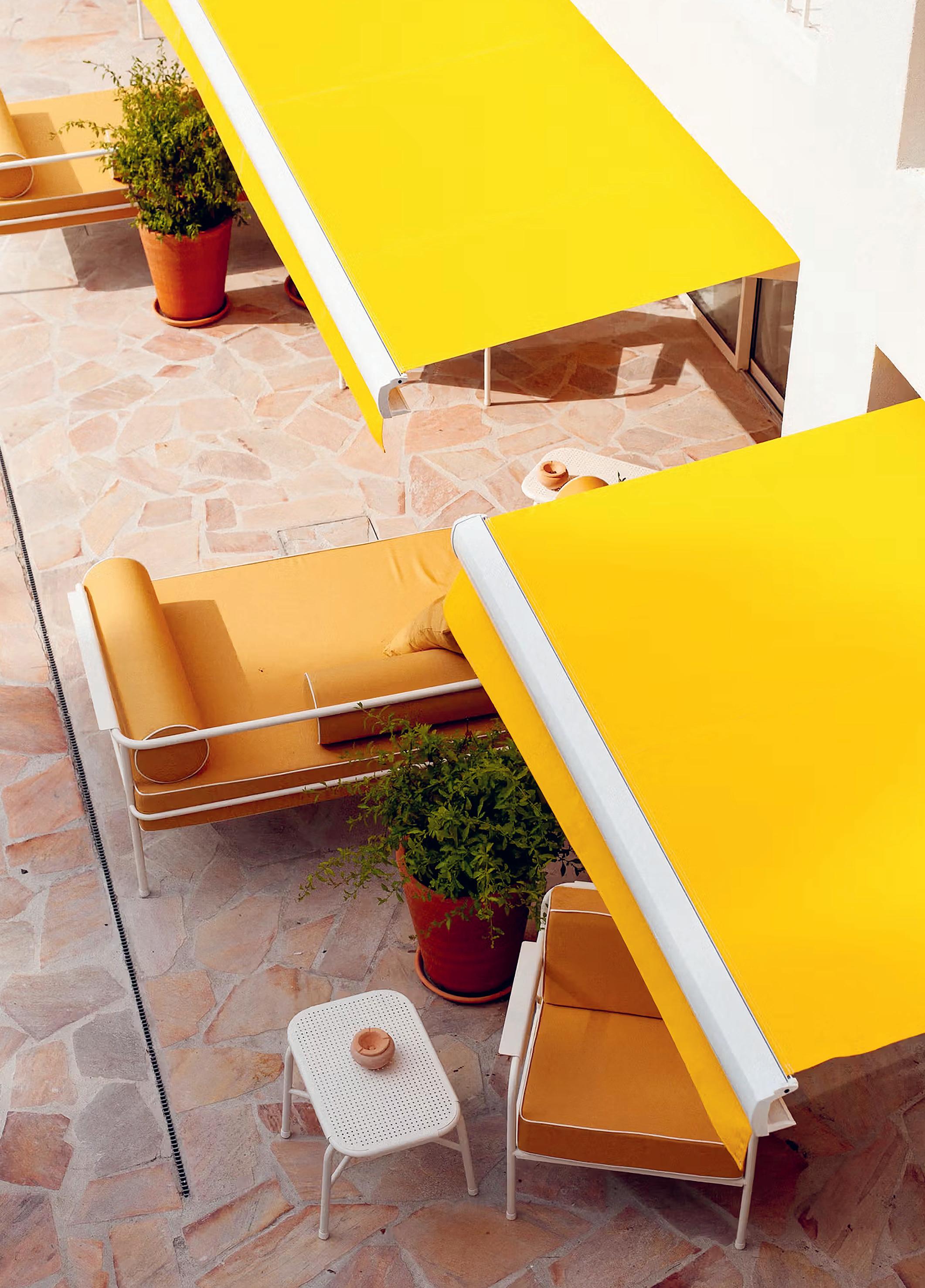
10:00 AM — Le Grand Plongeon Poolside tranquillité. The terraces have warmed, and the swimming pool mirrors the clear Riviera sky. This is the moment the day truly begins — a dive into cool water before the sun gathers strength. It’s hard to tell where the sea ends and the pool begins. Just blue in every direction. Pure magic.
04:00 PM — The Art of Doing Nothing
By late afternoon, the concept of time all but disappears. The sun has curled the pages of the book lying open on the deck chair, as the steady rhythm of waves against the rocks forms a gentle lullaby. Beneath the shade of the parasol, there is no reason to move. Stay just a little longer before drifting inside to dress for evening.
07:30 PM — Perfect Apéritif
At La Chicoula, beneath the pines, the terrace slowly fills as the sun slips beyond the horizon. Out at sea, the light dissolves into terracotta and pale rose. A chilled sangria arrives, olives are passed between friends, and one drink becomes two. Live music, good company — there is nowhere else we’d rather be.
90, blvd de la 36e division du Texas 83530 Saint-Raphaël — France
RESERVATIONS
www.beaumier.com
lesrochesrouges@beaumier.com
+33 (0)4 89 81 40 78
43°49’17,779’’N / 5°19’1,377’’E
07:15 AM – Dawn Among the Olive Trees
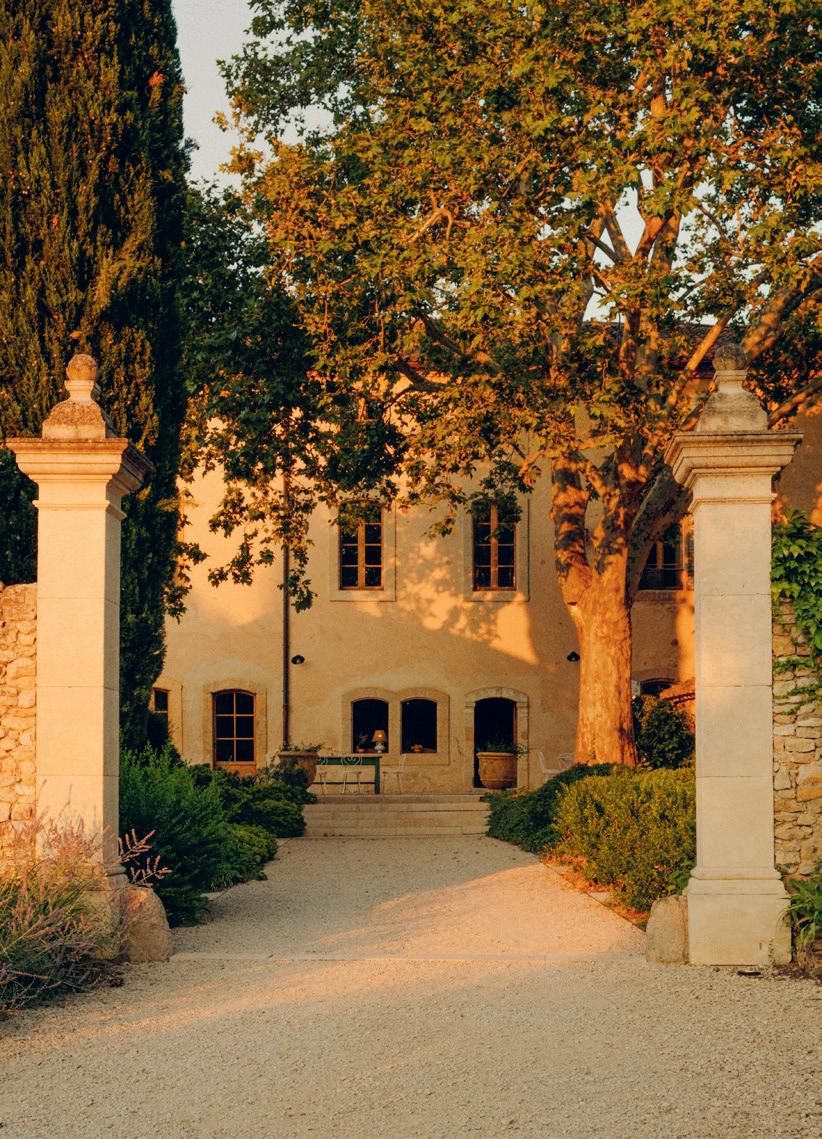
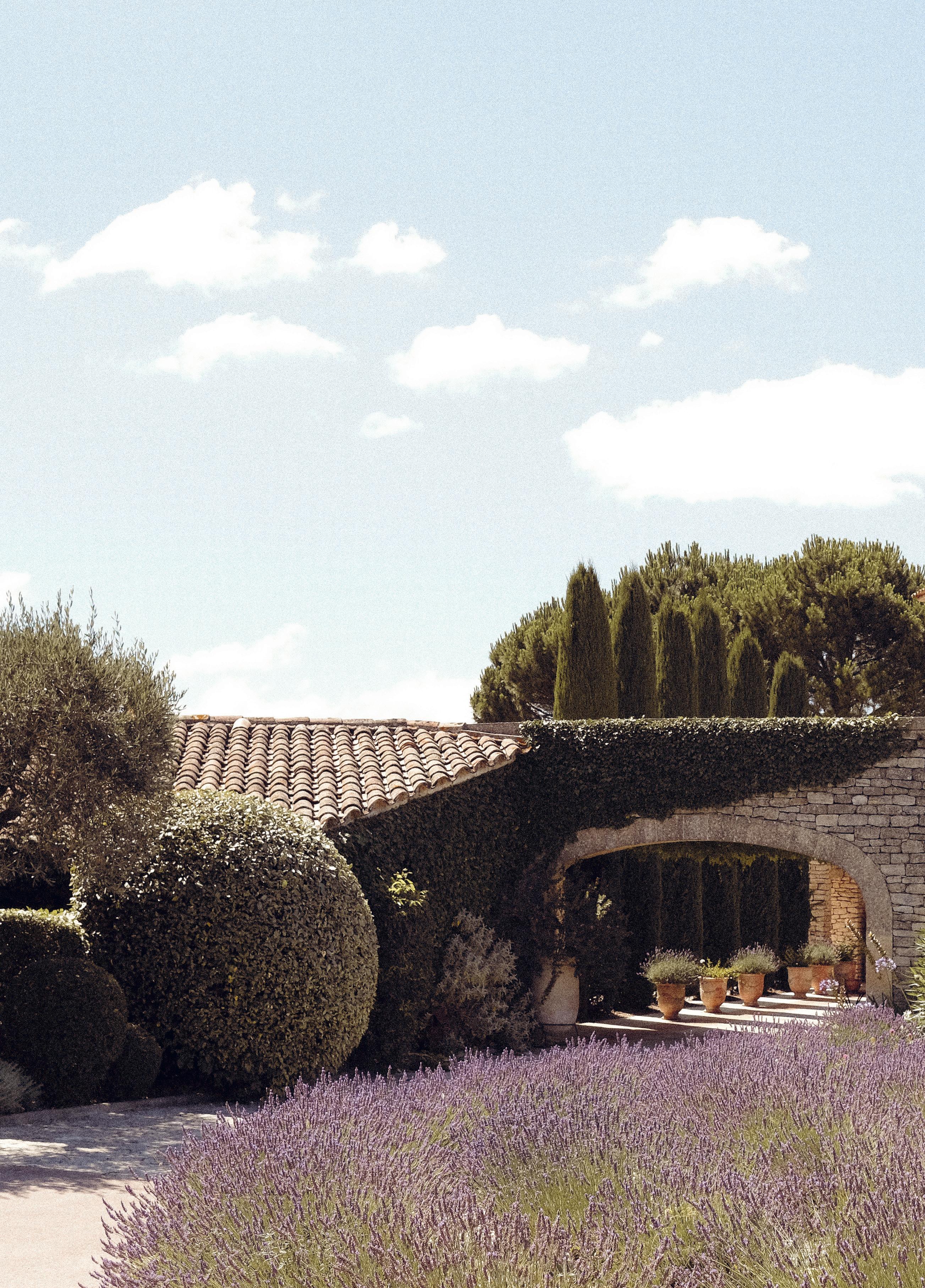
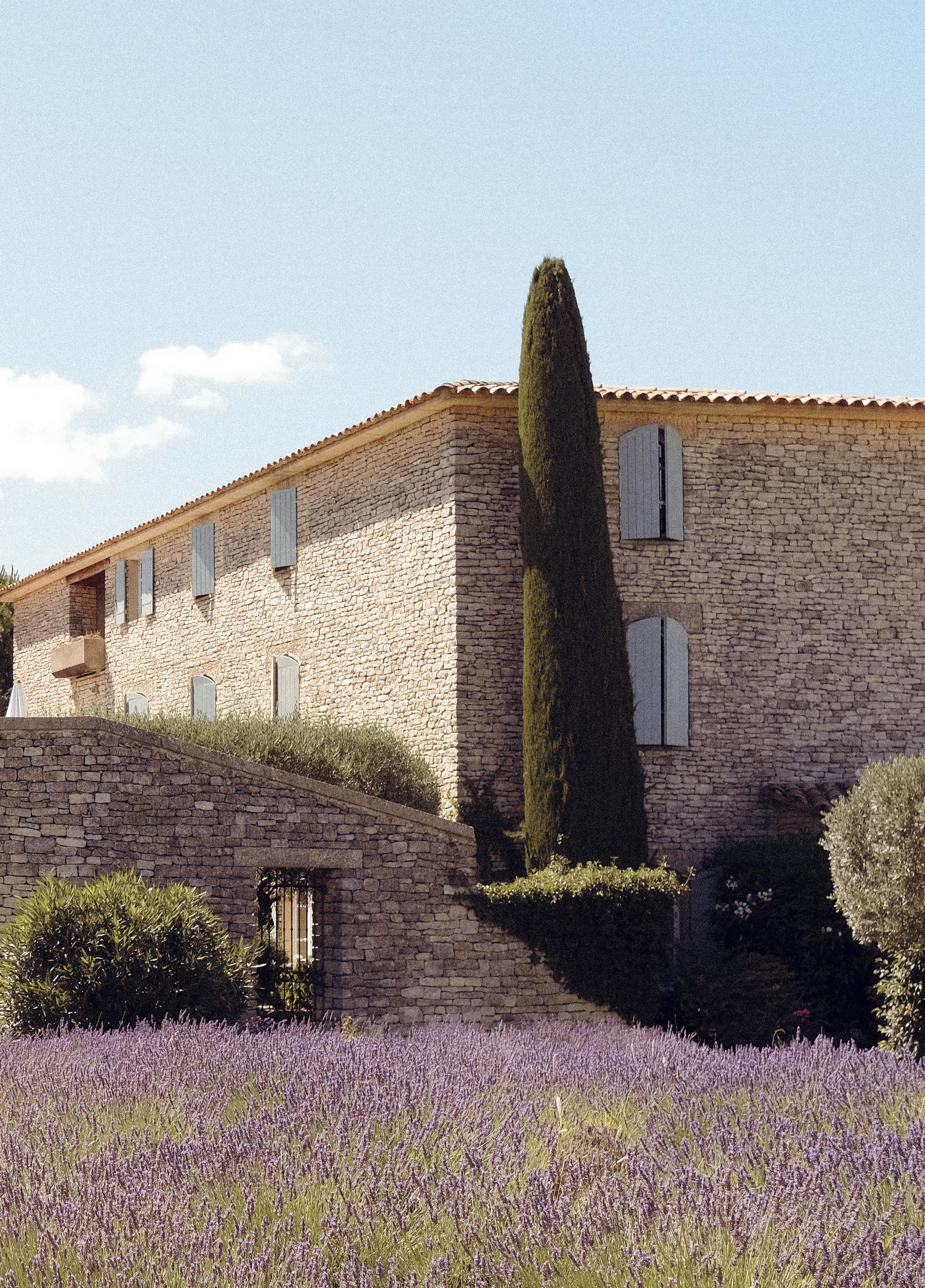
First light moves across the Luberon hills, painting the valley in delicate shades of pink and gold. Mist rises from the surrounding vineyards and olive groves, carrying the scent of dew and wild thyme. Birds sing their familiar chorus from the gardens as the bastide stirs quietly. A gentle awakening, high above Bonnieux.
12:30 PM – Lunch on the Terrace
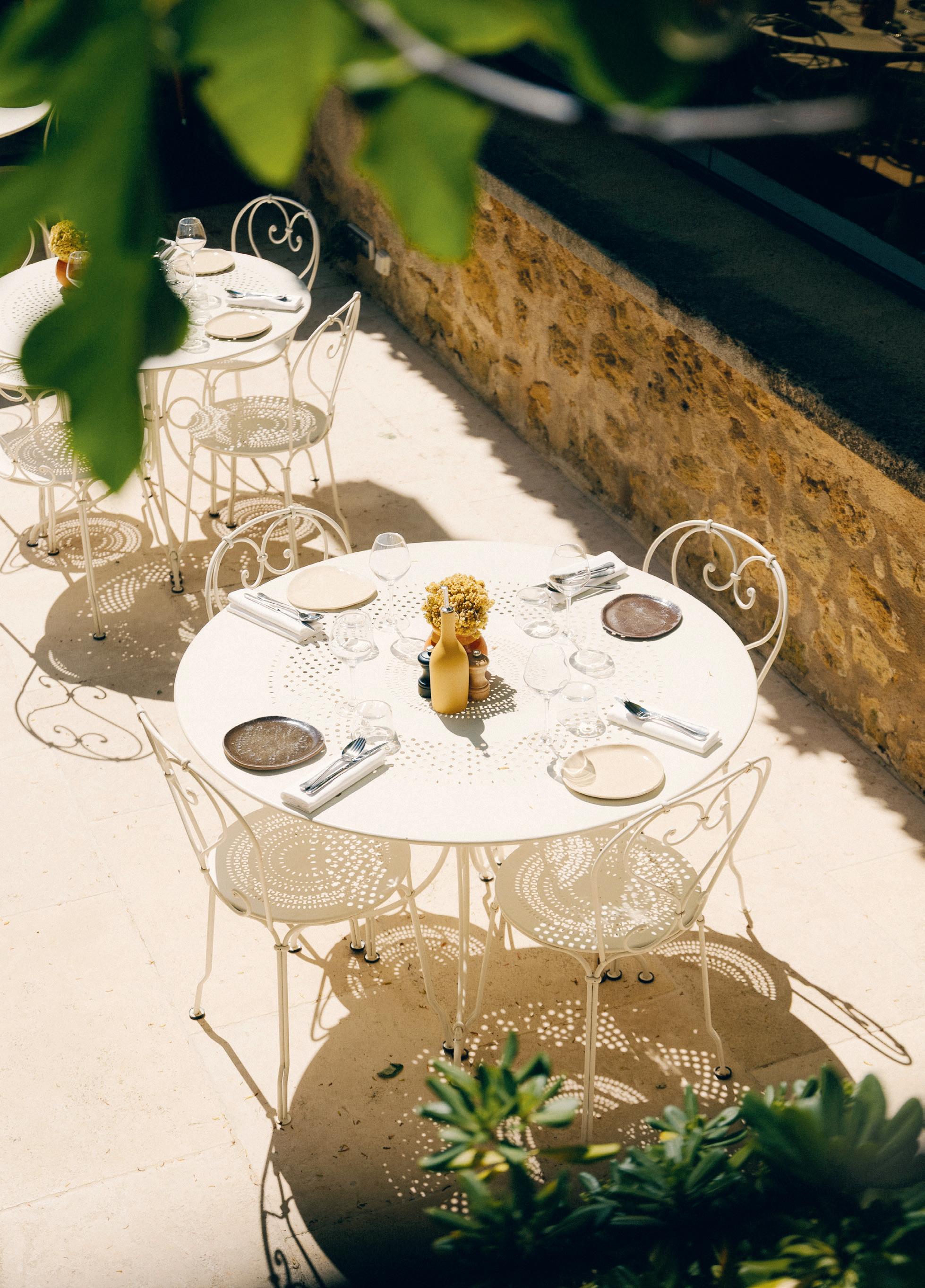
Sunlight pours onto the terrace, warming the stone as tables fill in the dappled shade of the plane trees. Plates of sun-ripened tomatoes, fresh cheeses and locally baked bread are passed between friends as lunch stretches lazily into the afternoon. Sounds of cicadas and church bells carry on the breeze. Simple Provençal pleasures.
08:00 PM – Twilight in the Gardens
As the sun dips behind the hills, Capelongue is bathed in a soft amber light. Lanterns flicker along the paths as the air cools. From the terrace, the warmth of the day lingers on sun-baked earth, conversation softening as night gathers over the plateau.
DESTINATION
550, Chemin des Cabanes
84480 Bonnieux — France
RESERVATIONS www.beaumier.com capelongue@beaumier.com
43°45’51,553’’N / 5°21’43,874’’E
07:30 AM – Before the Village Wakes
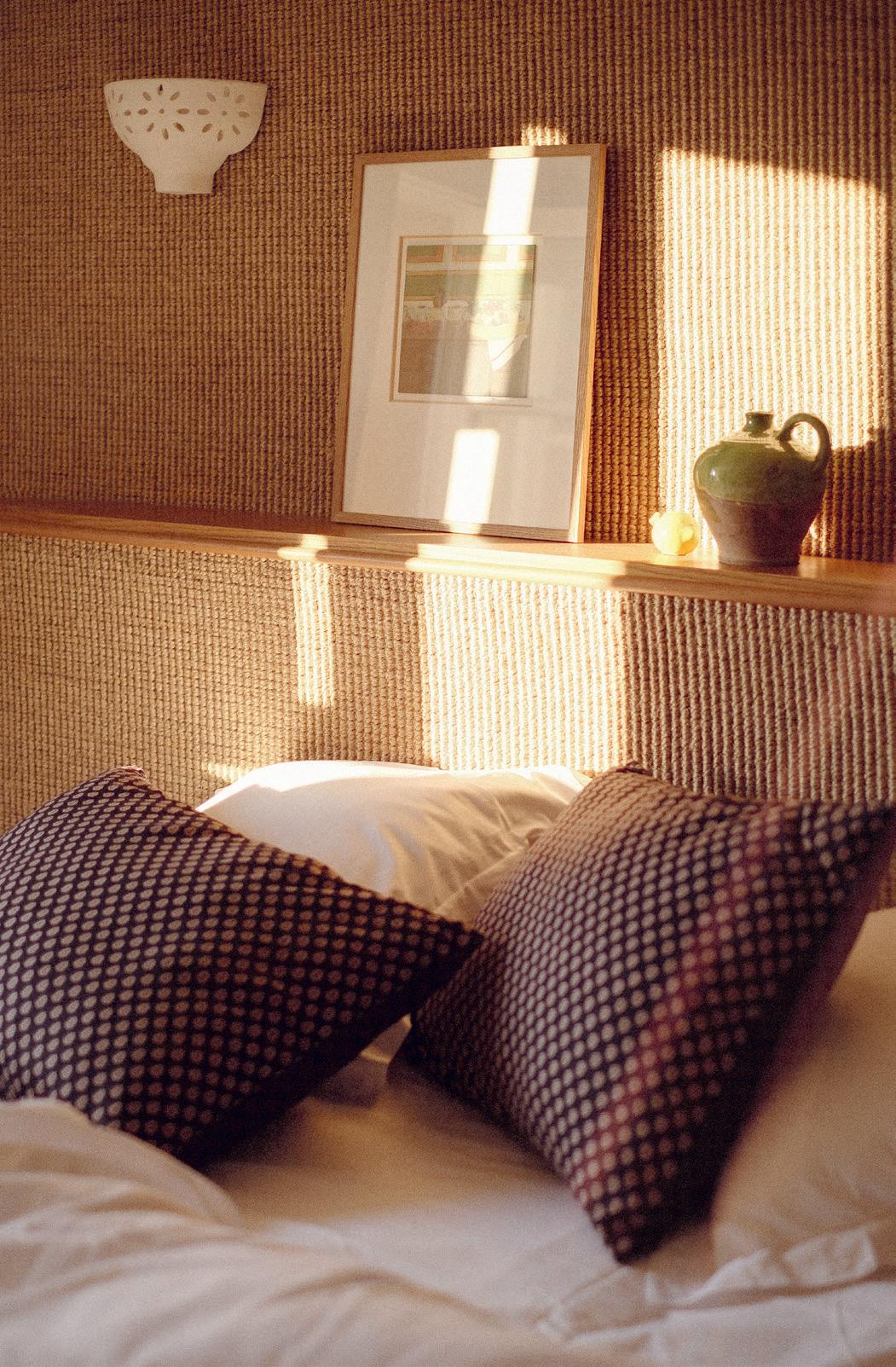
There is a fleeting, singular magic when the sun rises over the Luberon hills, filtering through the shutters in golden stripes. In the courtyard, the air is fragrant with the scent of blooming jasmine. As coffee is served on the terrace, the only sound is the distant chime of the village church.
03:00 PM – Ochre and Shade
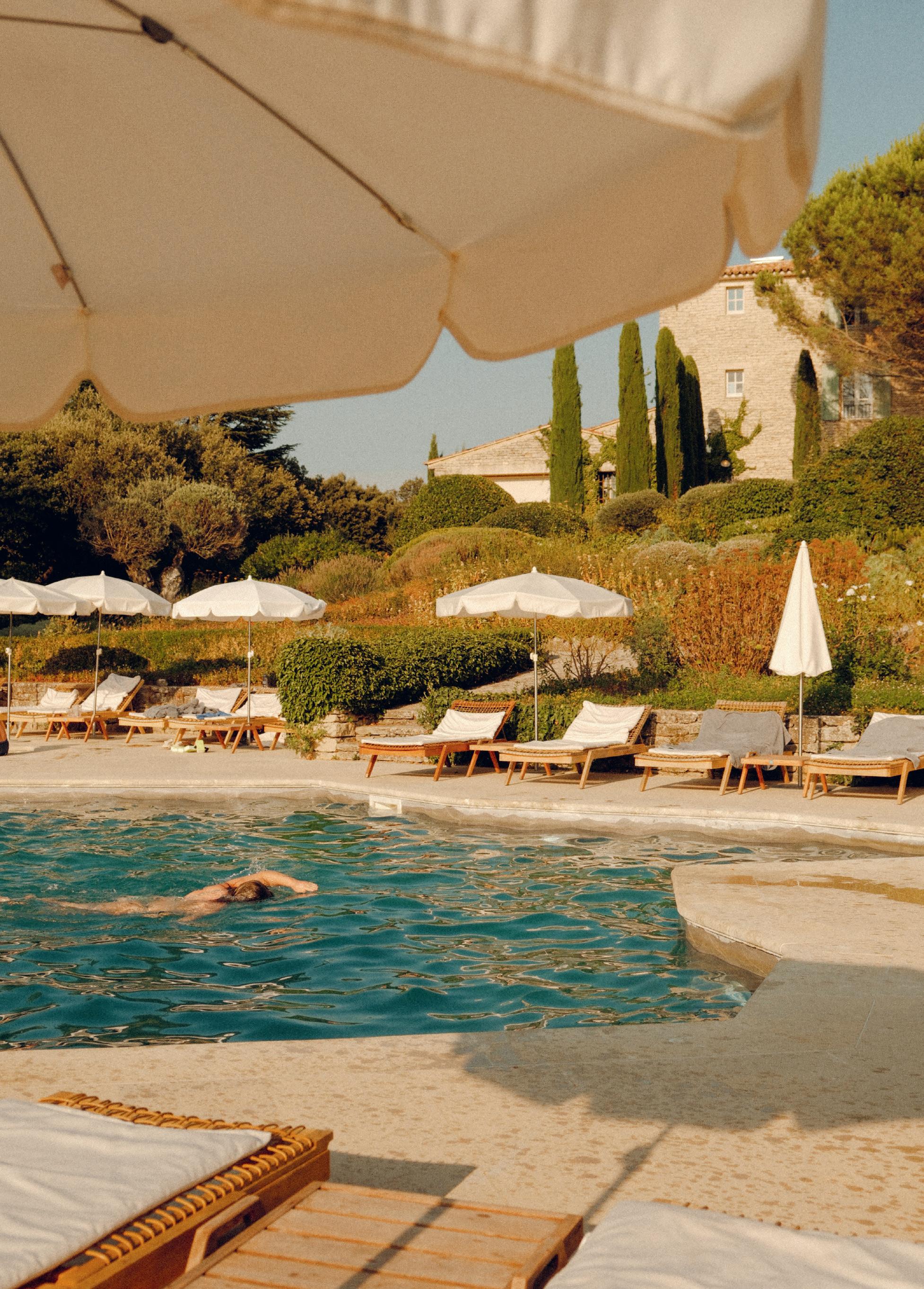
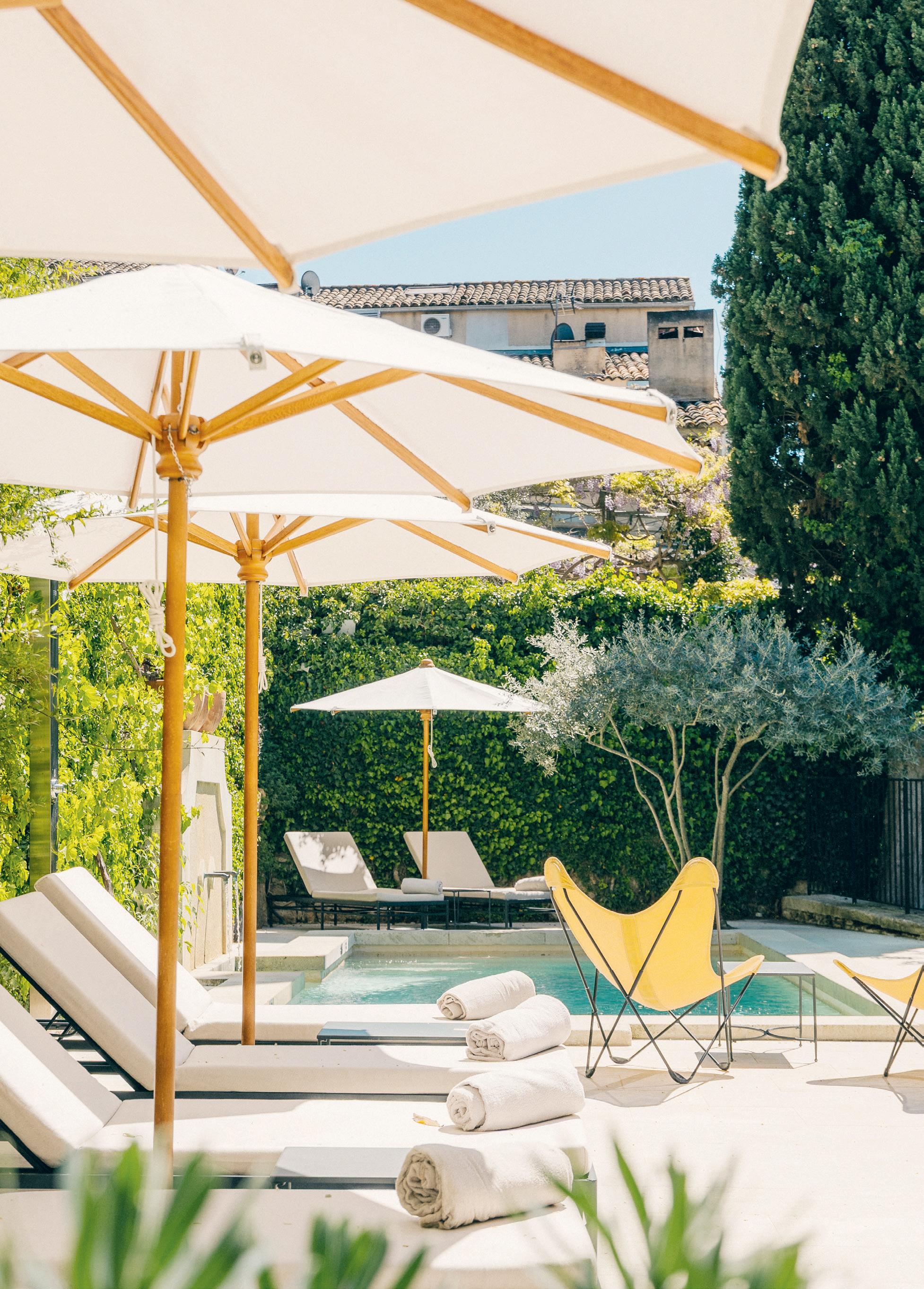
As the afternoon heat reaches its peak, the hotel becomes a cool, shaded sanctuary. This is the perfect time for a short stroll. The swimming pool mirrors the sky and the world feels suspended; the cicadas drum a steady, hypnotic beat from the nearby plane trees.
08:00 PM – Music and Rosé
As the sky melts into shades of plum and rose, live music drifts across the burnished landscape, the soulful notes of a guitar spilling across ancient masonry. The terrace is bathed in the flickering light of candles as the last rays of light fade from the castle towers in the distance. With a glass of crisp, local Rosé in hand, the day’s heat gives way.
DESTINATION
Avenue Raoul Dautry 84160 Lourmarin — France
RESERVATIONS
www.beaumier.com
lemoulin@beaumier.com
+33 (0)4 89 81 40 77
09:00 AM — A Gentle Start
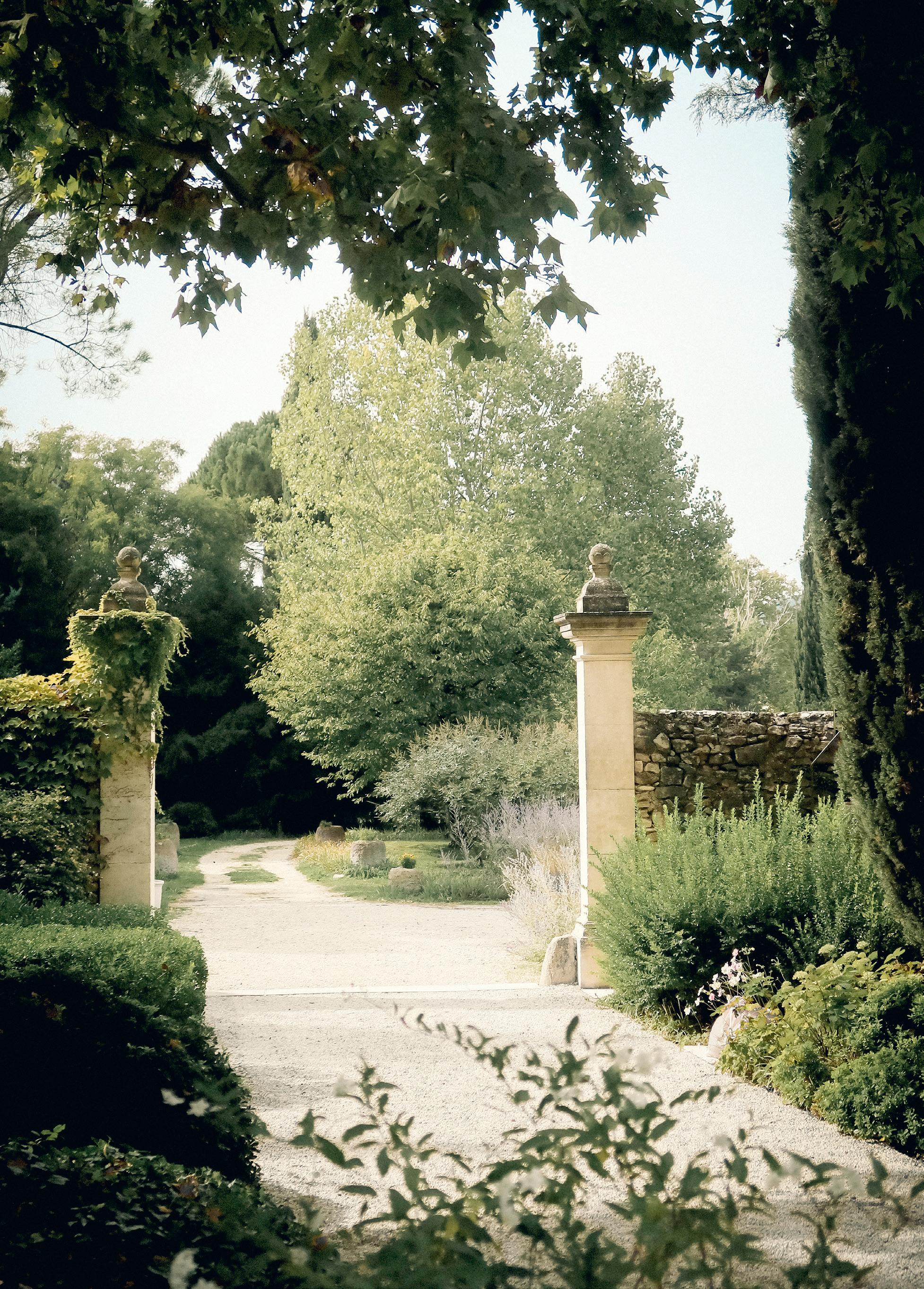
A walk through the garden begins the day, or perhaps a gentle yoga session. Dew clings to the grass beneath the yew trees and the air carries notes of boxwood, mint and warm earth. Beyond the walls, the village begins to stir, but here, the world remains quiet.
03:00 PM — Within the Walls
The grounds settle into shade. Olive leaves flicker in the heat, and the pool lies still. A book rests open on a linen chair as the hours slip by. There is nothing the afternoon demands.
07:00 PM — Apéritif on the Lawn
Wine is poured beneath the trees — perhaps from a neighbouring vineyard — while long shadows trace the grass.
Conversation drifts, easy and unforced. As evening settles in, the atmosphere is warm and convivial, like a family home at the end of a long summer day.
DESTINATION
Avenue du 8 mai 1945
84160 Lourmarin — France
RESERVATIONS www.beaumier.com legalinier@beaumier.com
+33 (0)4 89 81 40 75
43°45’52,65’’N / 5°21’58,416’’E
45°51’10,406’’N / 6°36’1,38’’E
07:30 AM – Catching the First Lift
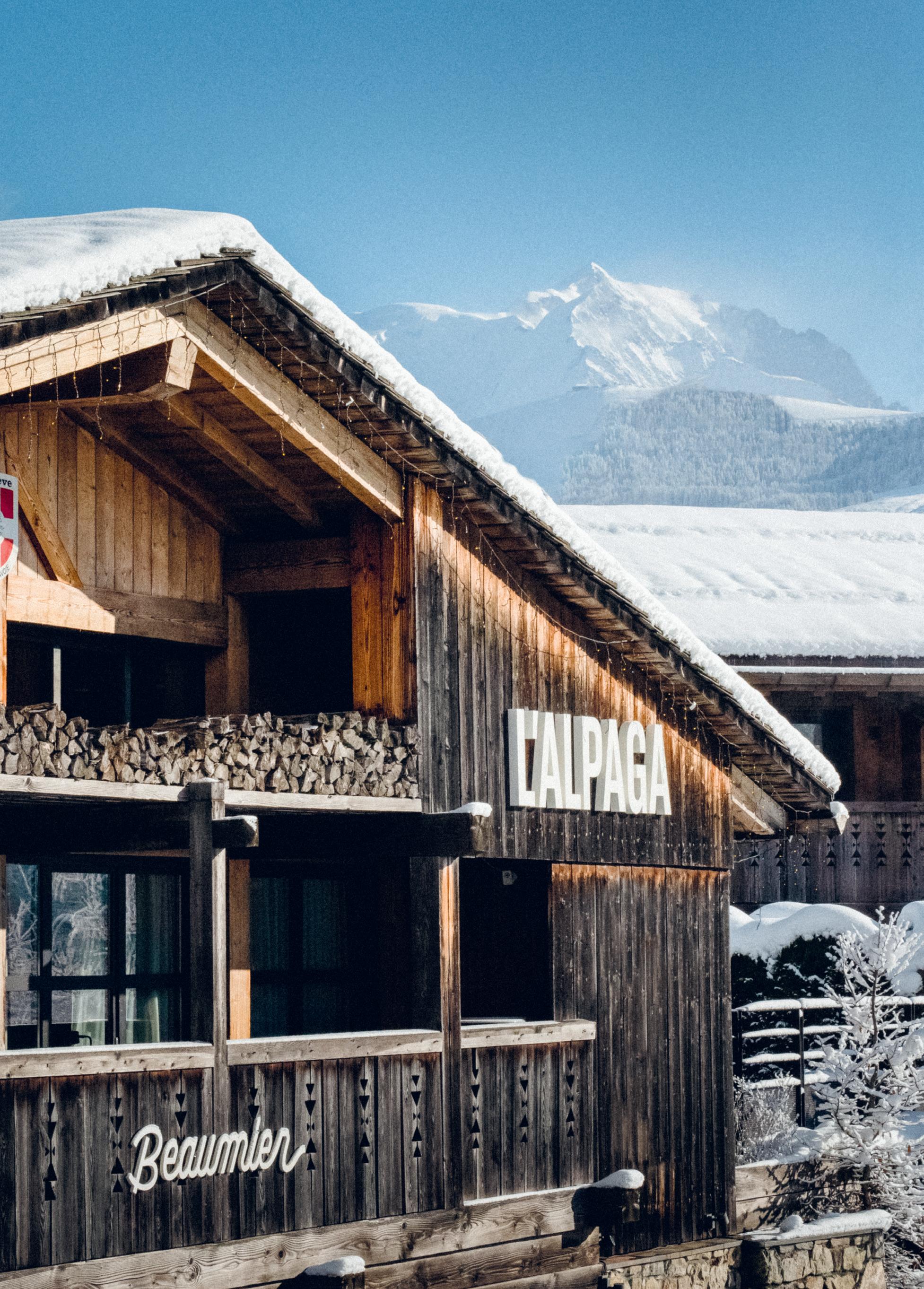
In Megève, the promise of fresh powder is reason enough to rise early. The village is only just beginning to stir as boots are buckled and skis are lifted from the rack. Breakfast is local, generous, made for fuelling the day’s adventures. Soon, it’s out onto the slopes for the first run of the day. The mountains are waiting.
04:30 PM – After the Slopes
At last, skis are set aside and boots loosened as the warmth of the hotel replaces the altitude. Spirits are revived by crêpes, folded and dusted with sugar, while hot chocolate is poured into mugs. Thoughts turn to a hearty dinner, or perhaps the spa. Small moments of stillness to restore the balance.
08:50 PM – Time for Rest
In summer, Megève is transformed. The mountains open in new ways, with hiking trails stretching wide, the thrill of paragliding, or long cycle rides along winding paths. By evening, the same satisfaction settles in: lungs full of fresh air, energy well spent. From the bedroom window, the range softens in the fading light — and sleep, when it comes, is deep and well-earned.
DESTINATION
66, allée des Marmousets
Route de Prariand 74120 Megève — France
RESERVATIONS
www.beaumier.com
alpaga@beaumier.com
+33 (0)4 50 91 48 70
08:00 AM — First Tracks
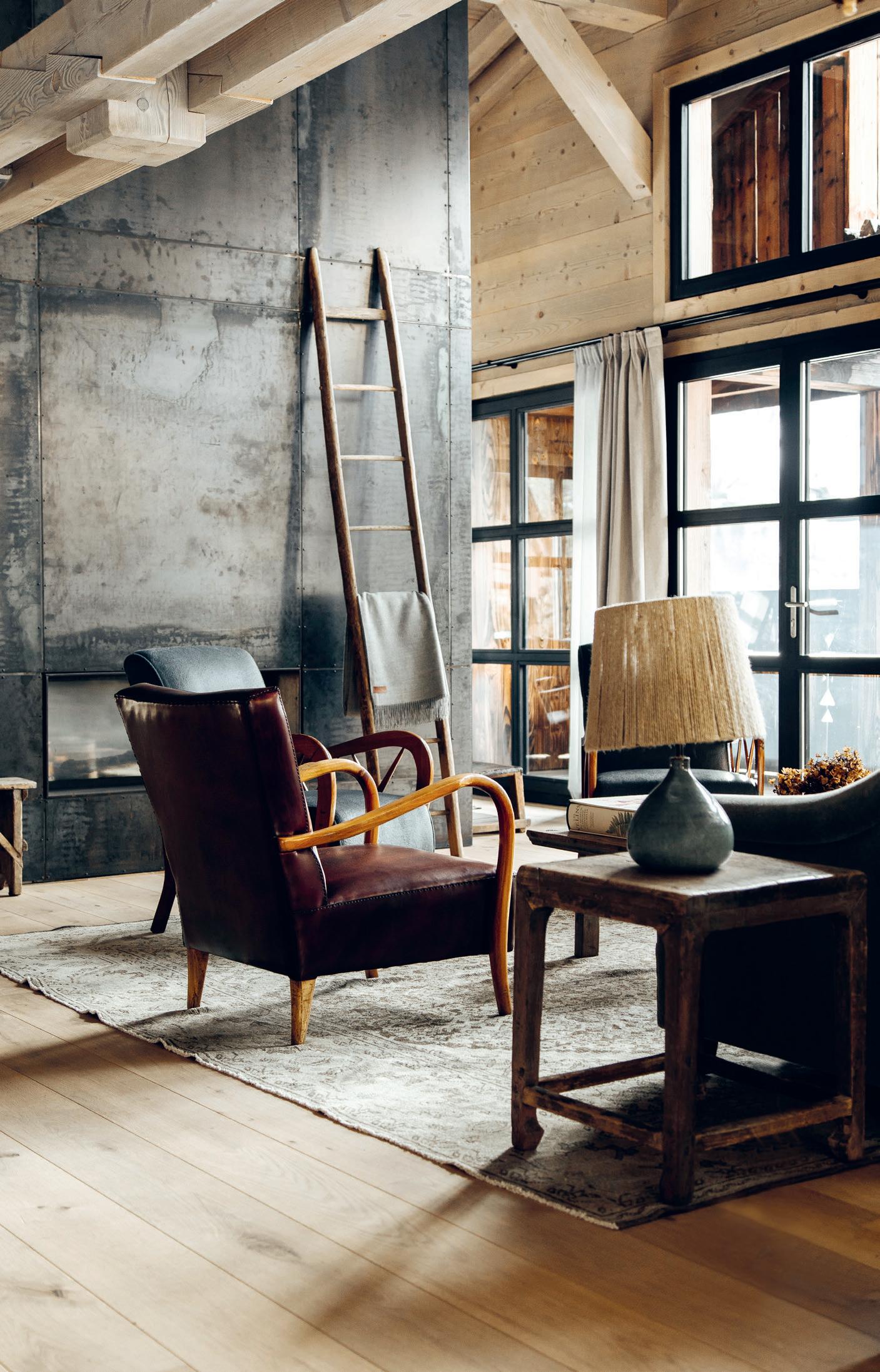
In Val Thorens, morning arrives with the mountain already waiting. From Le Fitz Roy, the slopes begin at the door, unfolding into hundreds of kilometres of alpine runs. Skis clip in, the village falls away, and the day begins in motion.
01:00 PM — On the Terrace
Light floods the terrace as skis are stacked neatly in the snow. Jackets are shrugged off, sunglasses on, cheeks still flushed from the air and adrenaline. From the fire pit, smoke drifts into the clear mountain air while plates are set down. Glasses meet mid-story as the morning’s runs are relived.
07:00 PM — Bon Appétit
In Beca’s softly lit dining room, celebrate Alpine produce through traditional, homemade dishes made for sharing. Desserts follow — blueberry tarts, Savoy cakes and other mountain favourites. Outside, the mountains rest as night settles over Val Thorens, quiet and star-filled.
Place de l’Église
73440 Val Thorens — France
RESERVATIONS
www.beaumier.com
lefitzroy@beaumier.com
+33 (0)4 69 66 54 84
45°17’53,882’’N / 6°34’59,938’’E
11:00 AM — Quick Pit Stop
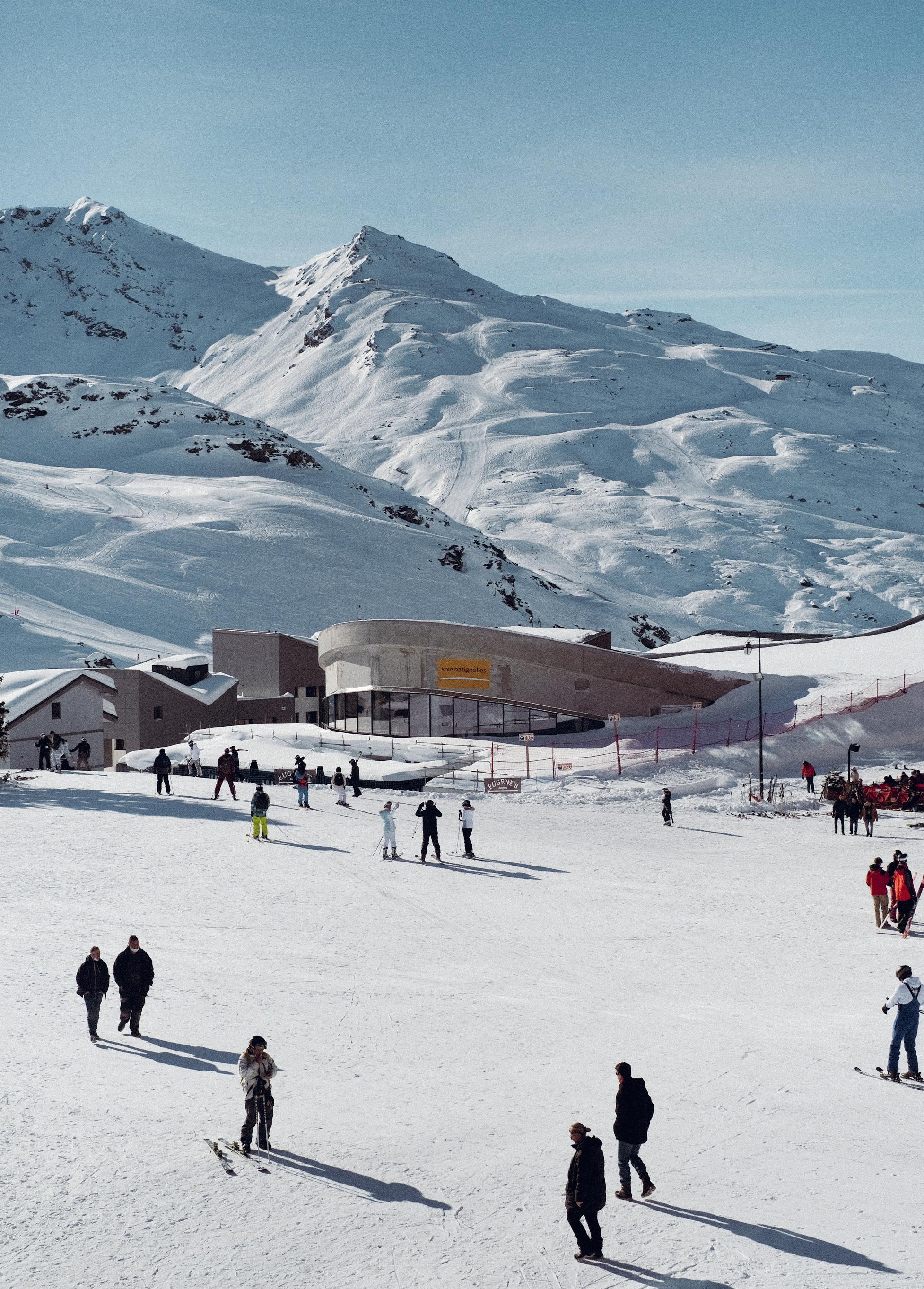
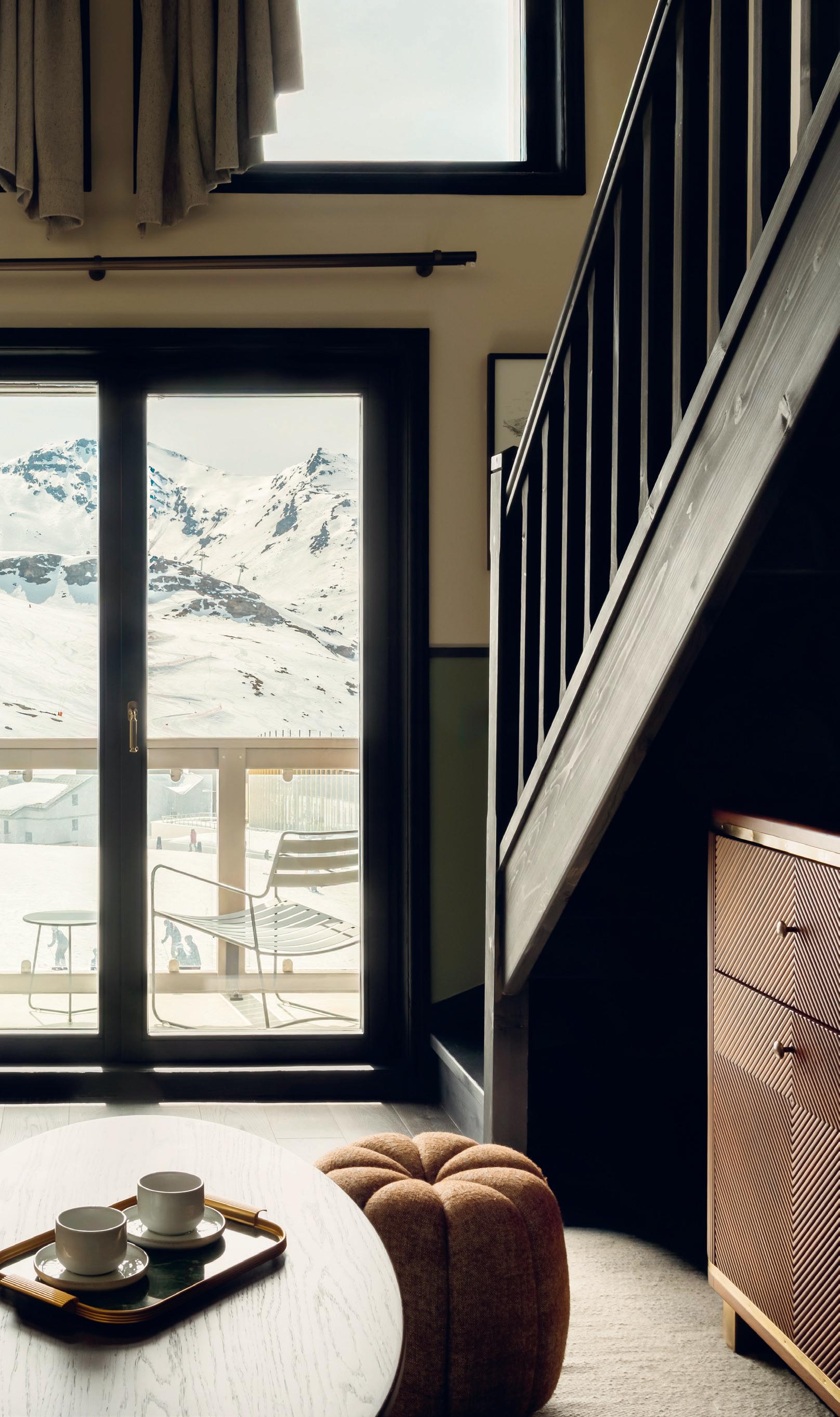
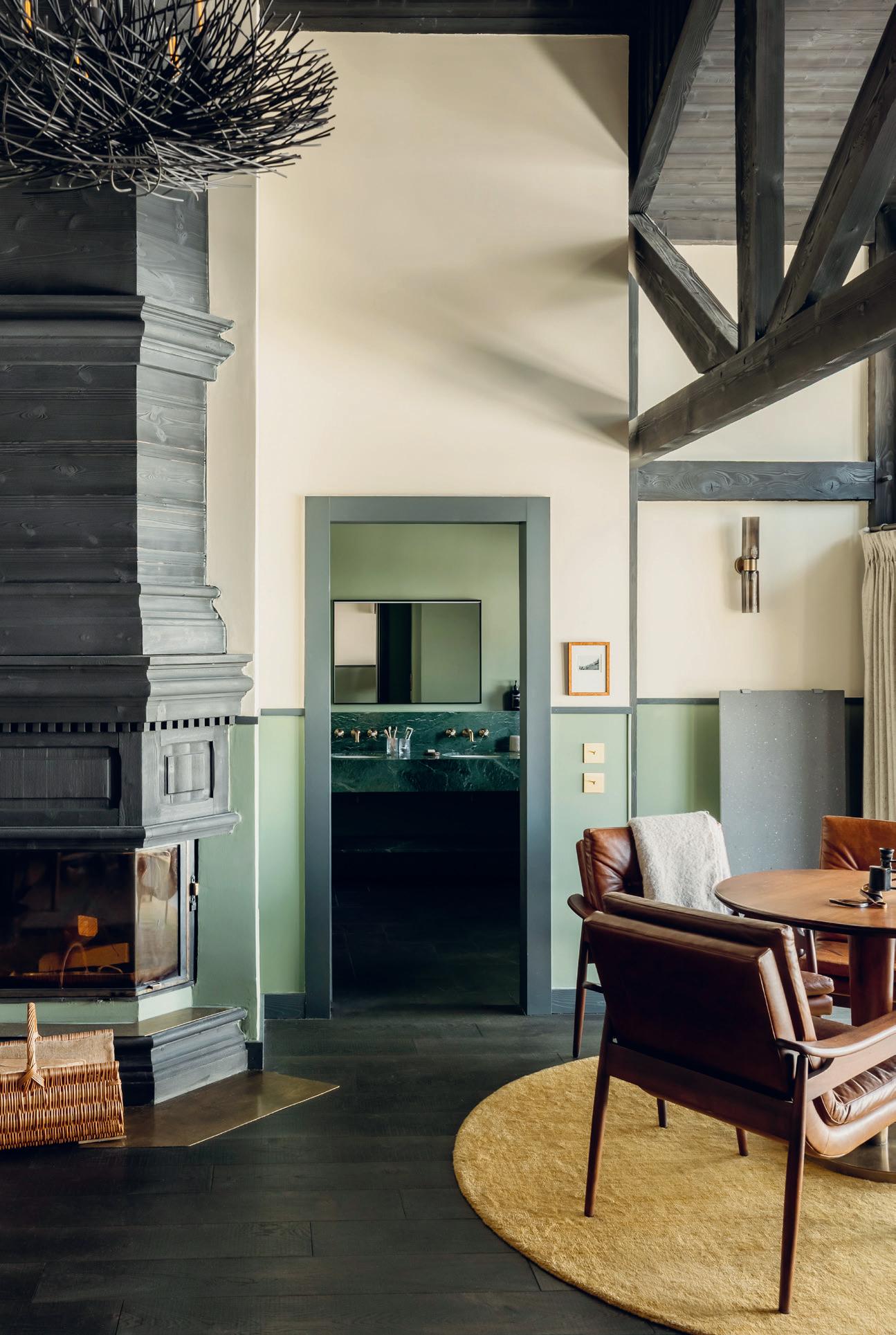
The mountains have a way of commanding attention. After a few hours on the slopes, it’s time to pause. Coffee, hot chocolate, waffles and crêpes are served alongside vast panoramas. Eyes move between sky and peaks as skiers carve clean lines across the snow below. A moment that feels like a postcard.
05:00 PM — Après in Motion
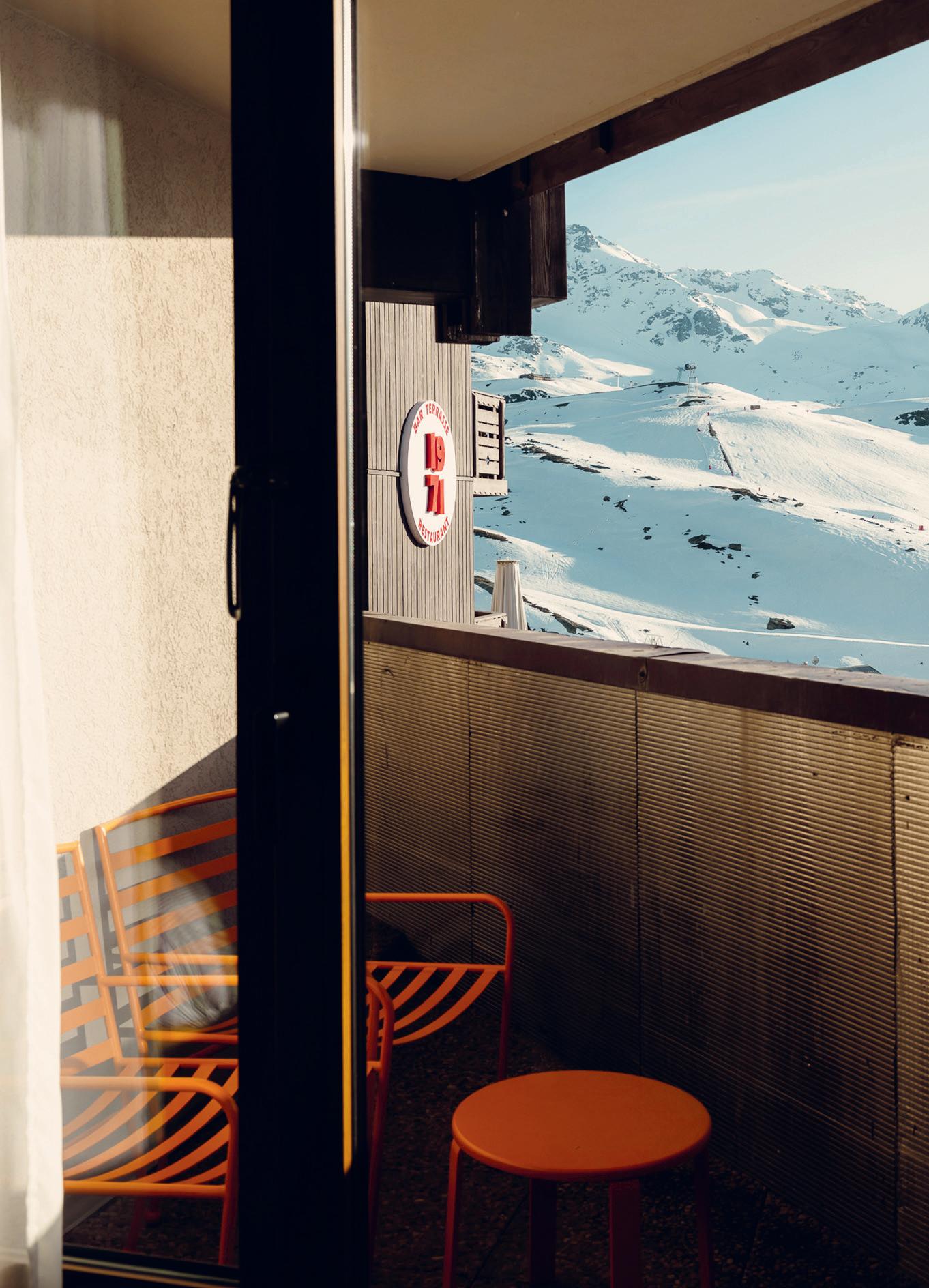
Life at Le Val Thorens revolves around the terrace. At Le 1971, retro spirit sets the tone. Tired legs find renewed energy as the resident DJ spins nostalgia on the decks. Cocktails appear, pizzas are shared, and the light begins to fade. Seventies flair, a playful nod to our heritage, and no hurry to call it a night.
08:00 PM — A Savoyard Supper
Evening brings everyone back to the table. At La Fondue, a steaming pot arrives — molten cheese, rustic bread, and glasses waiting to be raised. Fondue may have been the icon of the seventies, but here it feels timeless. A true mountain comfort.
DESTINATION
Place de l’Église
73440 Val Thorens — France
RESERVATIONS
www.beaumier.com
levalthorens@beaumier.com
+33 (0)4 79 00 04 33
45°17’52,15’’N / 6°35’0,481’’E
08:00 AM – The Valley Awakens
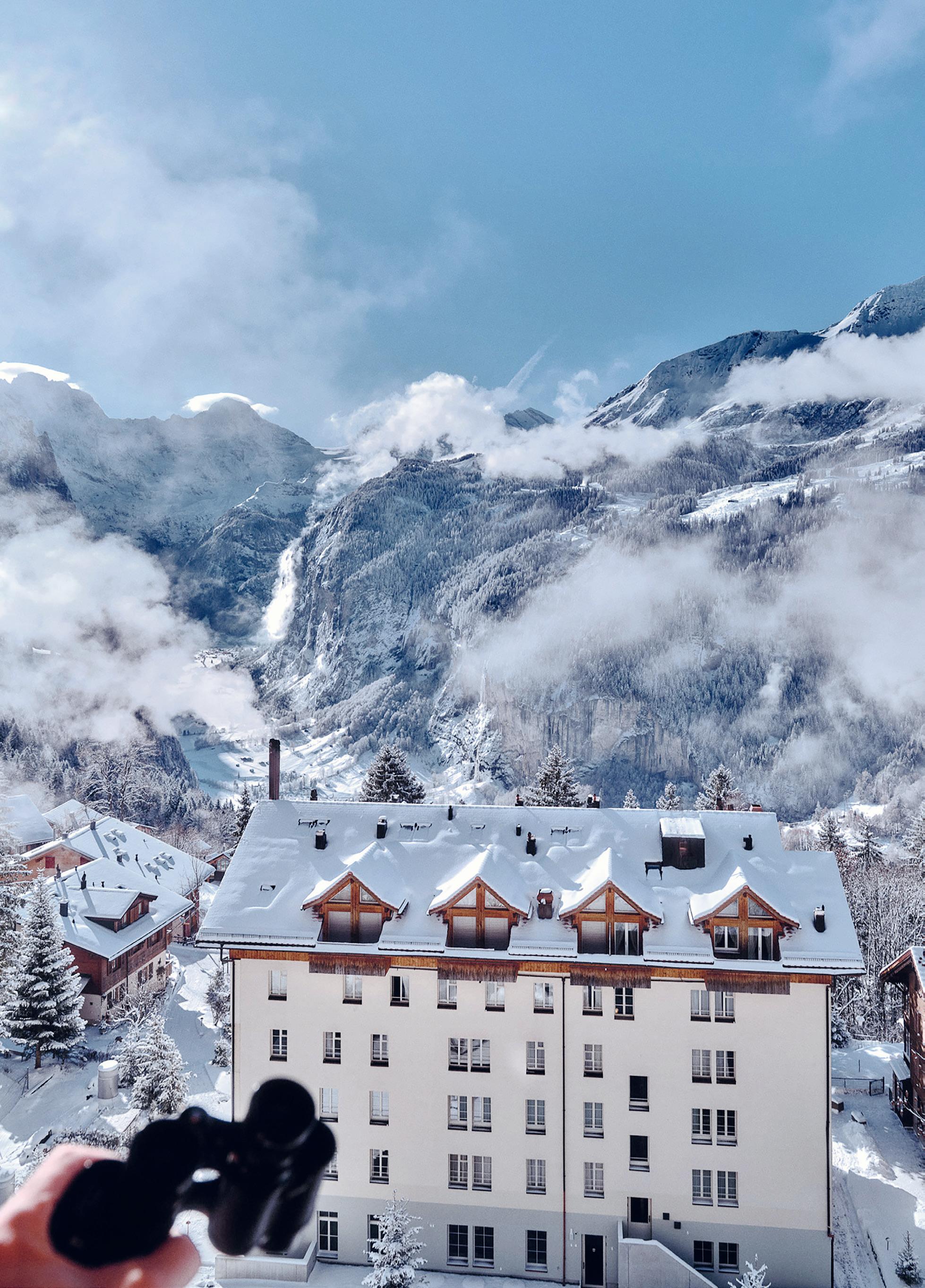
During the winter, there is such beauty in untouched snow, just before the pistes open and everything feels completely still. From here, the light moves slowly across the Jungfrau before reaching the valley below. Windows open to cool, clear air; coffee is poured as the first trails begin to reappear through the snow.
01:00 PM – A Little Pause
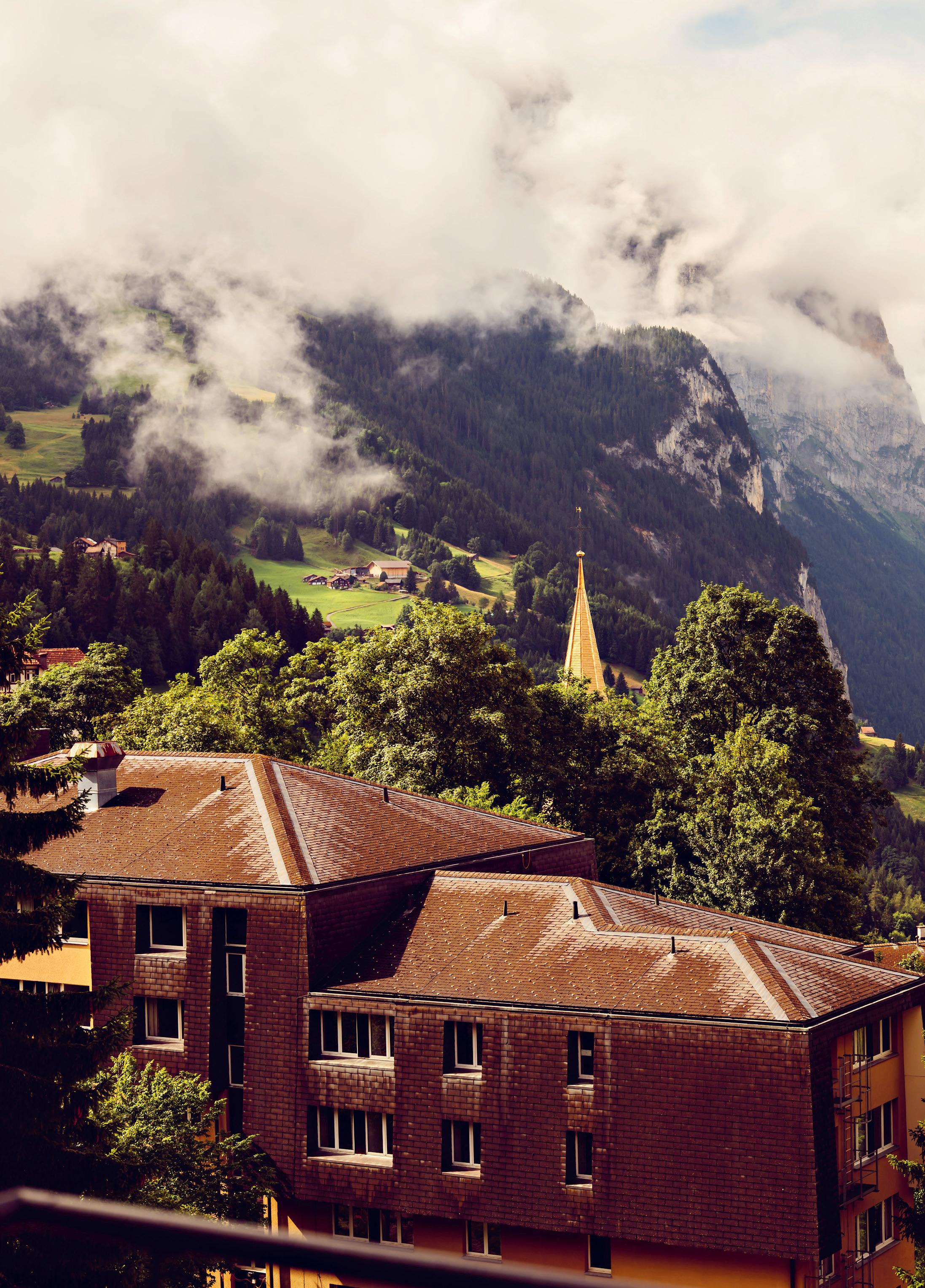
The mountains feel very different in summer. Afternoons are spent hiking through wildflower meadows, pausing for a simple picnic of local charcuterie. Perhaps a stop at a nearby farm for fresh ice cream, before the trail leads gently back to the hotel for a well-earned dip in the pool.
07:30 PM – Alpine Feast
In every season, dining is a central part of mountain life at Grand Hotel Belvedere. The culinary philosophy is guided by wild harvests, local ingredients, and the turning year. In winter, raclette melts and fondue bubbles; in warmer months, dishes are lighter, yet still full of flavour. Evenings are convivial, generous, and full of character.
DESTINATION
Galliweidli 1440E, 3823 Wengen — Switzerland
RESERVATIONS
www.beaumier.com grandhotelbelvedere@beaumier.com +41 33 856 67 00
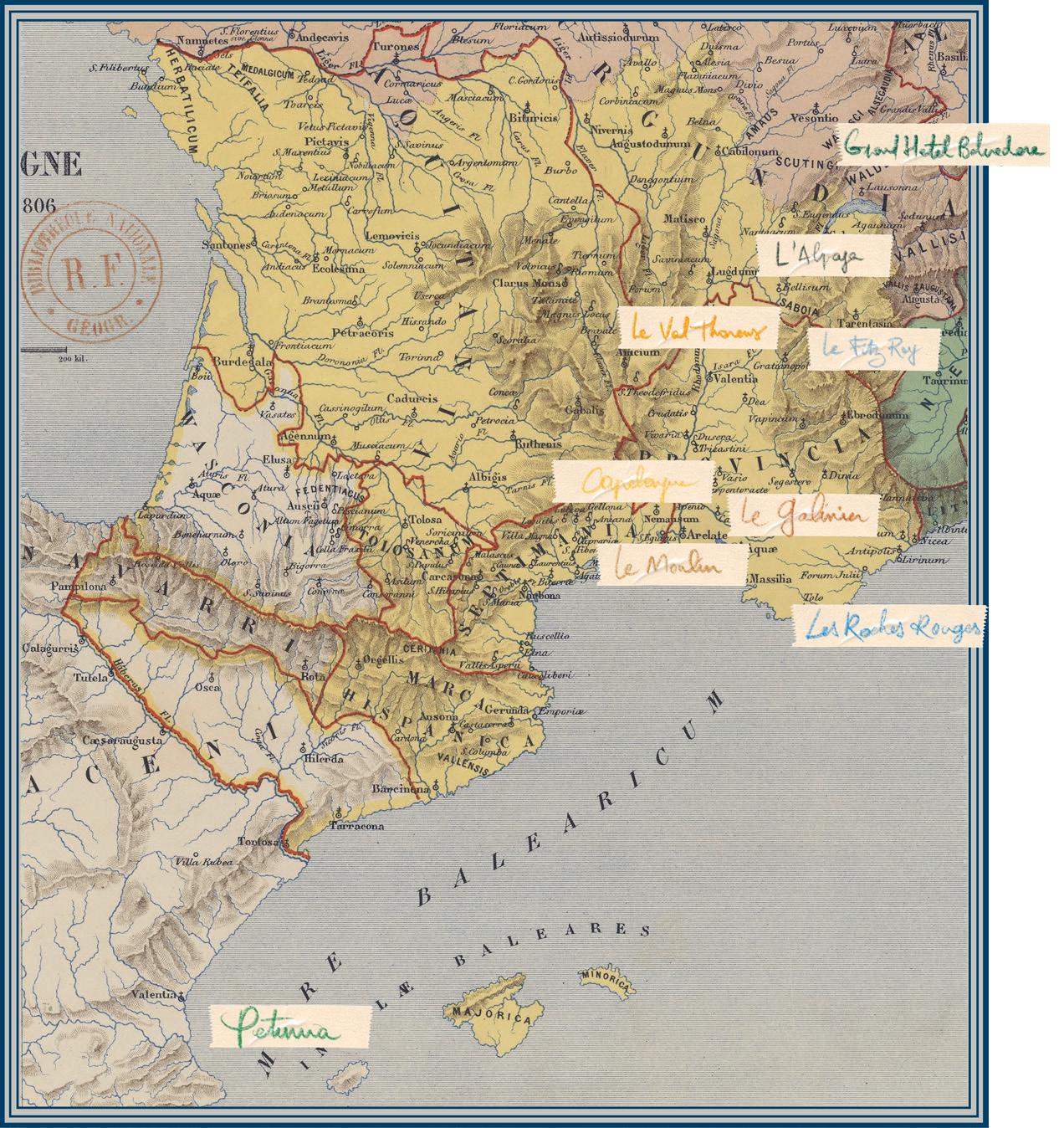

Publisher BEAUMIER
Contributors ANTOINE LEJEUNE, VICTORIA ENOUX, OPHÉLIE JOUSSAIN, ANNA FEDOU, BILLY SKILLY-COHEN
Directed by ÉDITIONS COSY
Art Direction STUDIO SPACE HOMIES
Copywriting and editing HG2
Any complete or partial reproduction or representation, by any means whatsoever, of the pages published in this magazine without the publisher’s prior consent is unlawful and constitutes copyright infringement. Only reproductions strictly reserved for the private use of the person making the copy and not intended for collective use, as well as short quotations justified by the scientific or informational nature of the work in which they are incorporated, are permitted. (Articles L.122-4, L.122-5 and L.335-2 of the French Intellectual Property Code).
We like to think of the final page as the beginning of a new journey.
Within these chapters are glimpses of days spent across our hotels, from morning to night, celebrating our suppliers, muses and collaborators. The details and experiences that make every stay special, however you choose to spend it. We hope these pages leave you feeling inspired to travel, to roam, and to follow your curiosity wherever it leads.
We would like to take this opportunity to express our heartfelt thanks to the very soul of Beaumier — our people. To our dedicated teams and contributors, and to the guests we are fortunate enough to welcome, both new and returning, thank you for being part of the story.
From all of us at Beaumier, bon voyage.