LOUDOUN HOMES














Photo
Outdoor design trend
Wellness spaces and connecting with nature
BY KAREN GRAHAM kgraham@loudountimes.com
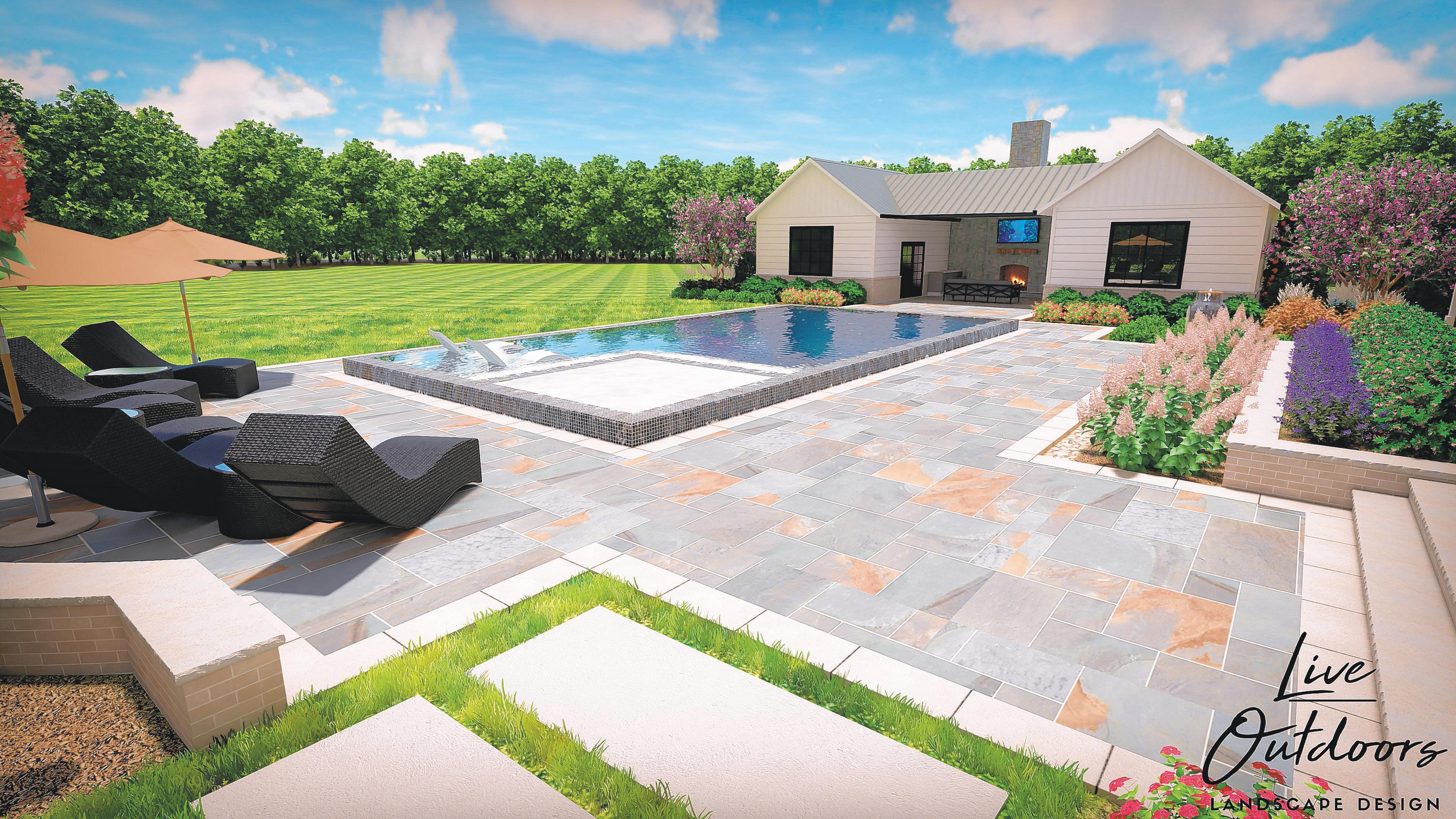
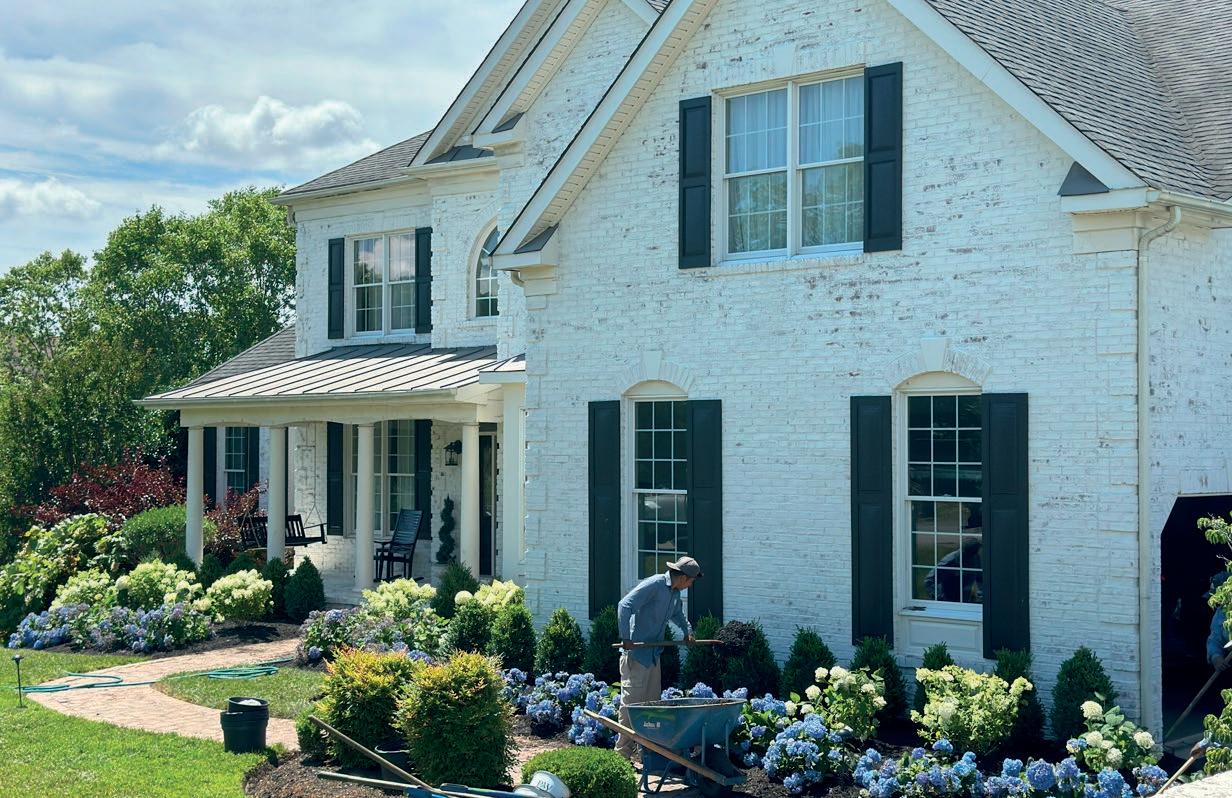
Lovettsville resident Joey Hafner is the owner of Live Outdoors Landscapes. He sat down with the Times-Mirror to highlight some of the current outdoor living design trends he is seeing in the area.
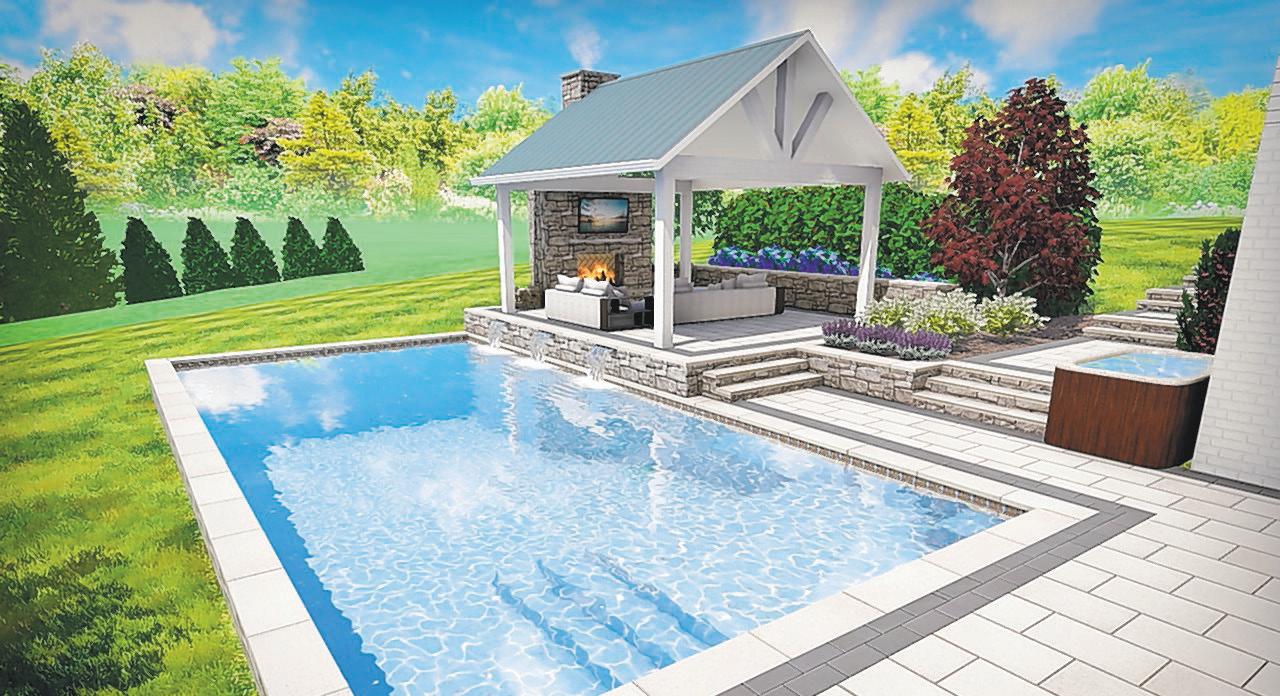
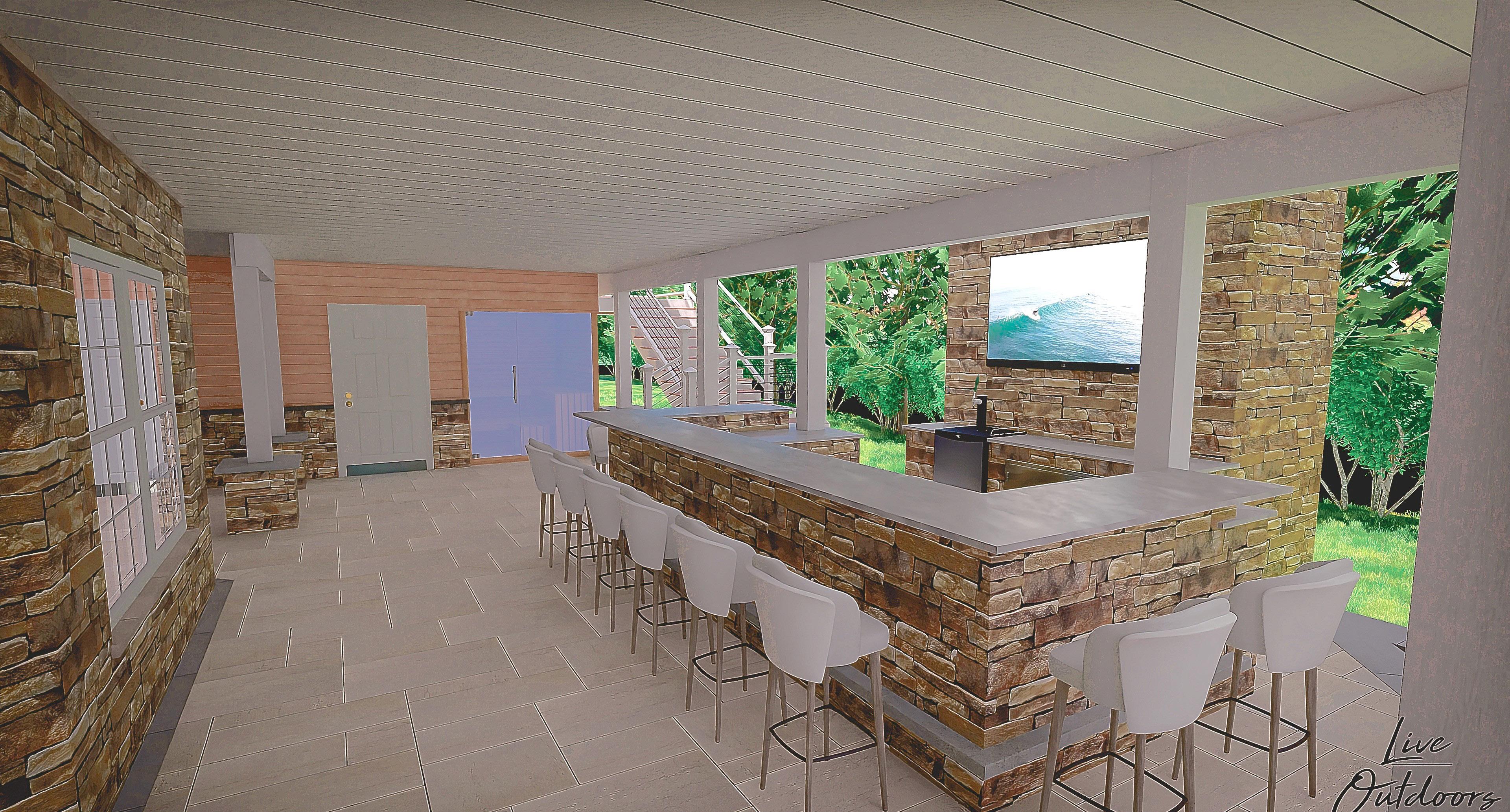
Hafner creates custom spaces of varying sizes and budgets using 3D modeling and workable plans, he said, which can include swimming pools, pavilions, outdoor kitchens and planting.
What are the popular design trends for outdoor landscaping this year?
We are seeing a shift to outdoor wellness spaces as a part of outdoor living, and incorporating biophilic design principles — which are features, design shapes and patterns that connect to nature and enhance well-being.
Homeowners and even commercial spaces are trending toward a desire to connect with nature through incorporation of natural materials, textures, colors; as well as natural elements like water features and rock gardens. Outdoor saunas, cold plunges, yoga and pilates spaces, spas and swimming pools for exercise are being incorporated into our designs more and more at the request of our clients.
How do you incorporate native plants and ecofriendly, sustainable practices into your designs?
The industry as a whole has begun to adopt the use of more natives. Plant growers and nurseries rose up to the challenge, and in particular have developed many of what we have titled “nativars,” which are cultivars of the native species. This has allowed the expansion of the use of these plant materials by taking the best attributes and fine-tuning them. There is an increasing demand for natives as well as edible plants. Sustainable practices such as storm water management and water efficiency have increased through the use
of rain gardens, water harvesting systems, designs with minimal maintenance, xeriscaping techniques ({span}focused on water conservation){/span}, and even incorporation of recycled materials or materials with recycled content.
What
is the most unique request you have received for a landscape
design?
I think we receive a lot more unique requests than you’d think, and we love a challenge! We honestly try to approach every design as unique due to site conditions such as topography and sunlight patterns. But probably the most unique request we have received recently was the incorporation of a meditation labyrinth in
a private garden space for a project we did in collaboration with Black Pearl Management. We were very fortunate to be invited to a dedication ceremony at the labyrinth after it was completed, which was very special.
Which areas of outdoor landscaping offer the best return on investment?
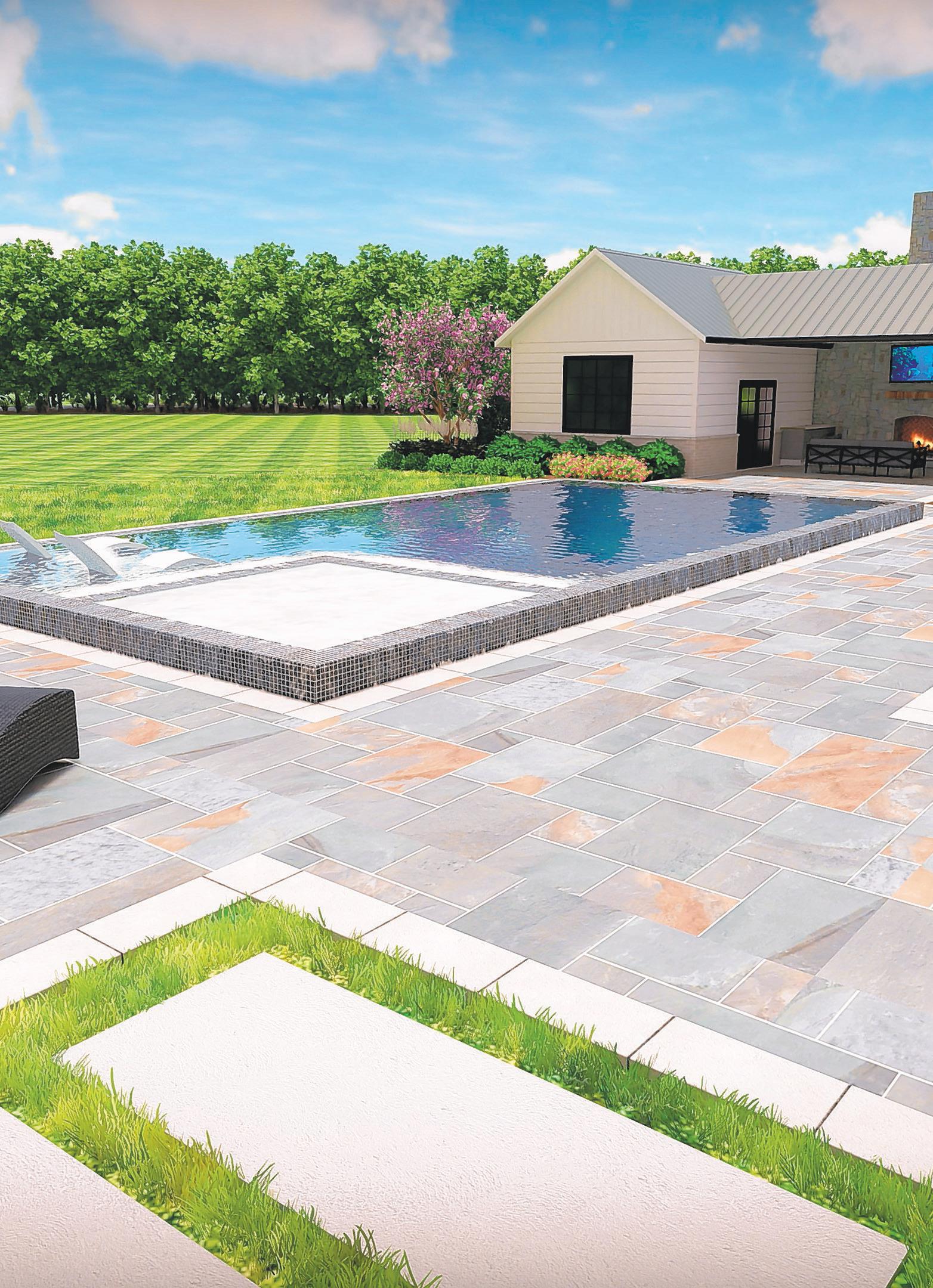
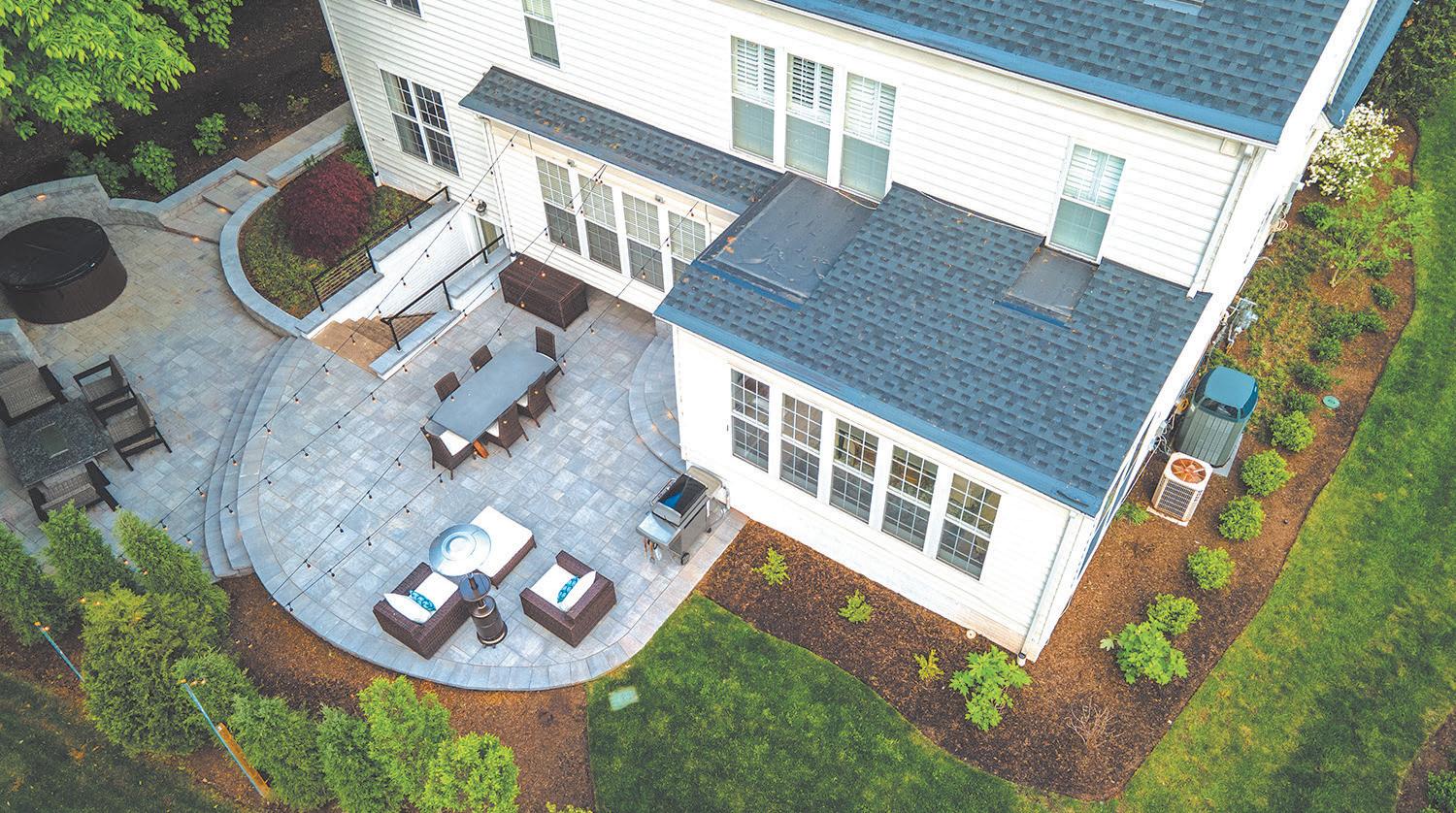
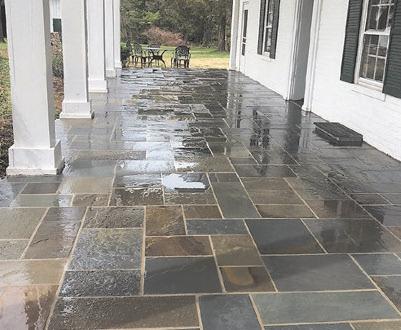
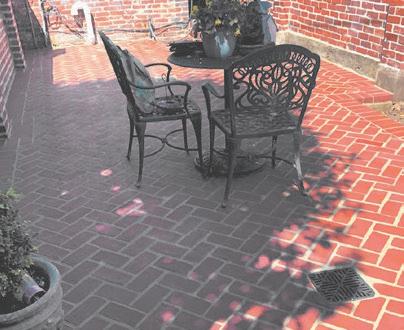
This can vary depending on the timeline. But for the most part, hardscaping elements such as patios, decks, and outdoor living spaces create the best (return on investment). Decks, for instance, are included on home appraisals. But a patio will typically cost half of what a deck costs and offer a completely different aesthetic and experience. There is no substitute for great curb appeal for a first impression when listing a home for sale.
For smaller budgets, what upgrades can make the most impact?
A clean, tidy, and well-maintained landscape makes the most impact and can be achieved with a little “sweat equity.” Definition of bed edges, addition of colorful containers and incorporation of simple vertical elements like wood or metal trellises make a huge impact.
Courtesy
What are common mistakes homeowners make when planning their own outdoor spaces?
The No. 1 mistake is not hiring or at a minimum consulting with a designer. The most common mistakes we see are:
Traffic patterns: A great outdoor living space typically begins with thre main areas or “rooms.” And the connection of these rooms is extremely important to the way traffic will flow as well as congregate in the spaces:
1. Cooking — Where should your kitchen be located? If you smoke meats, which direction does the wind usually carry the smoke? If you are the primary cook, perhaps you want to consider the grill closer to the door, so you don’t have to carry trays of raw protein long distances or you grill year-round even in the snow (like me!). If you entertain a lot and hire out catering, a kitchen farther out from the house might make more sense.
2. Dining — This seems like an easier area to design, however often spaces aren’t designed to accommodate a table large enough to sit a family of four and their guests, especially when you factor in backing up chairs and walking around the table. Consider the sun pattern in the area and, if needed, some type of shade structure or ornamental trees with a canopy.
3. Lounging — Sectional, individual chairs, loveseat and couch combo? Fireplace under a pavilion or pergola? Maybe a chaise lounge or Adirondack chairs around a fire pit? There is so much opportunity here to customize the design to suit your lifestyle and needs. And the lounge area should be an area of respite that does not have to be connected to the spaces above.
Sightlines need to be considered as well
as any obstacles. One of the most common obstacles overlooked by designers we see is a swimming pool power-cover box. It extends out beyond the perimeter of the pool and must be factored into the design, especially if steps or a raised beam is incorporated. Other obstacles to consider are mature trees, existing rock outcroppings, electric transformer boxes, other utilities, and many more.
Scale: The No. 1 thing I used to hear from people after using their outdoor spaces is “I wish we’d built it bigger.” The outdoor space should be a reflection of the house and used in a similar fashion as other rooms are used. Budgets often steer homeowners to scaling the size of a project down, but if that is necessary, be certain to plan for future additions. Which leads us to the next one.
Unplanned future phases: More often than not, an outdoor living space will exceed an anticipated budget. However, landscaping has one of the highest returns on investment of all improvements you can do on your home! It is best to design out the entire space, including any future features and phases. Get the conduits in the ground for a kitchen or electrical runs in the current phase so you aren’t tearing up hardscape when the time comes. One of the most tedious things to add at a later phase is hardscape lighting. Best to get that installed with the first phase, oversize the transformer, and you can always add uplights, downlights and path lighting moving forward.
Unsuitable plants: Unfortunately, this is one we see the most. In the older days of my career, there was an industry joke that if you couldn’t grow a juniper, you shouldn’t try to grow anything! But plants can be finicky and site specific. When used correctly in their desired habitat and con-
ditions, they are a wonderful addition to the outdoor experience. And make sure wildlife is taken into consideration, such as deer, rabbits and other foraging visitors.
What is the one piece of advice you would give to someone planning a landscaping renovation?
Consult with or hire a professional designer or landscape architect. Design consideration should always come first. You would never build a house without a set of plans. But most people skip design and go straight to a contractor or a company that calls themselves “design-build”.
Any
suggestions for questions to ask when hiring a landscape designer?
Don’t shy away from asking the hard questions! Ask about design philosophy, total services offered, and most importantly, what kind of investment your project might require. A great designer should be able to answer these questions as well as listen to your ideas, ask you questions about you and your family’s lifestyle, and offer ways to adjust the budget if needed. I would always recommend beginning with a referral if possible, so you have an idea of the quality and communication skills of the designer.

Q&A with realtor Teanna Harrigan of Dwellus Group
BY KAREN GRAHAM kgraham@loudountimes.com
Tell us a little bit about yourself — how long have you lived in Loudoun? Family? How long have you been in real estate?
I’ve called Loudoun County home for over a decade, and it’s been a beautiful place to grow both personally and professionally. I live here with my blended family of seven, and we truly enjoy the community feel and quality of life that Loudoun offers. From travel sports to date nights out, Loudoun offers it all. I’ve been in real estate for more than eight years, between running a short-term rental management company and being a licensed agent. In that time, I’ve had the privilege of helping hundreds of clients navigate the market, find their dream homes and make sound investments. It’s a career built on relationships and trust, and that’s what I value most.
What has the market been like for your business this year? What are the market trends in Loudoun?
This year has been dynamic. While interest rates have posed some challenges, demand in Loudoun remains strong, especially for well-maintained, move-in ready homes close to commuter routes. Inventory is growing, but in comparison to other markets it is still tight, which has kept prices steady. We are seeing buyers be more strategic and intentional. Loudoun real estate thrives on relocations from out-of-state buyers who are drawn to Loudoun’s blend of suburban charm, modern amenities, top-tier schools and career opportunities.
What is the most important thing for homeowners to think about doing to their home before selling? What is the biggest mistake they make? Where should sellers invest their money to get the best resale value?
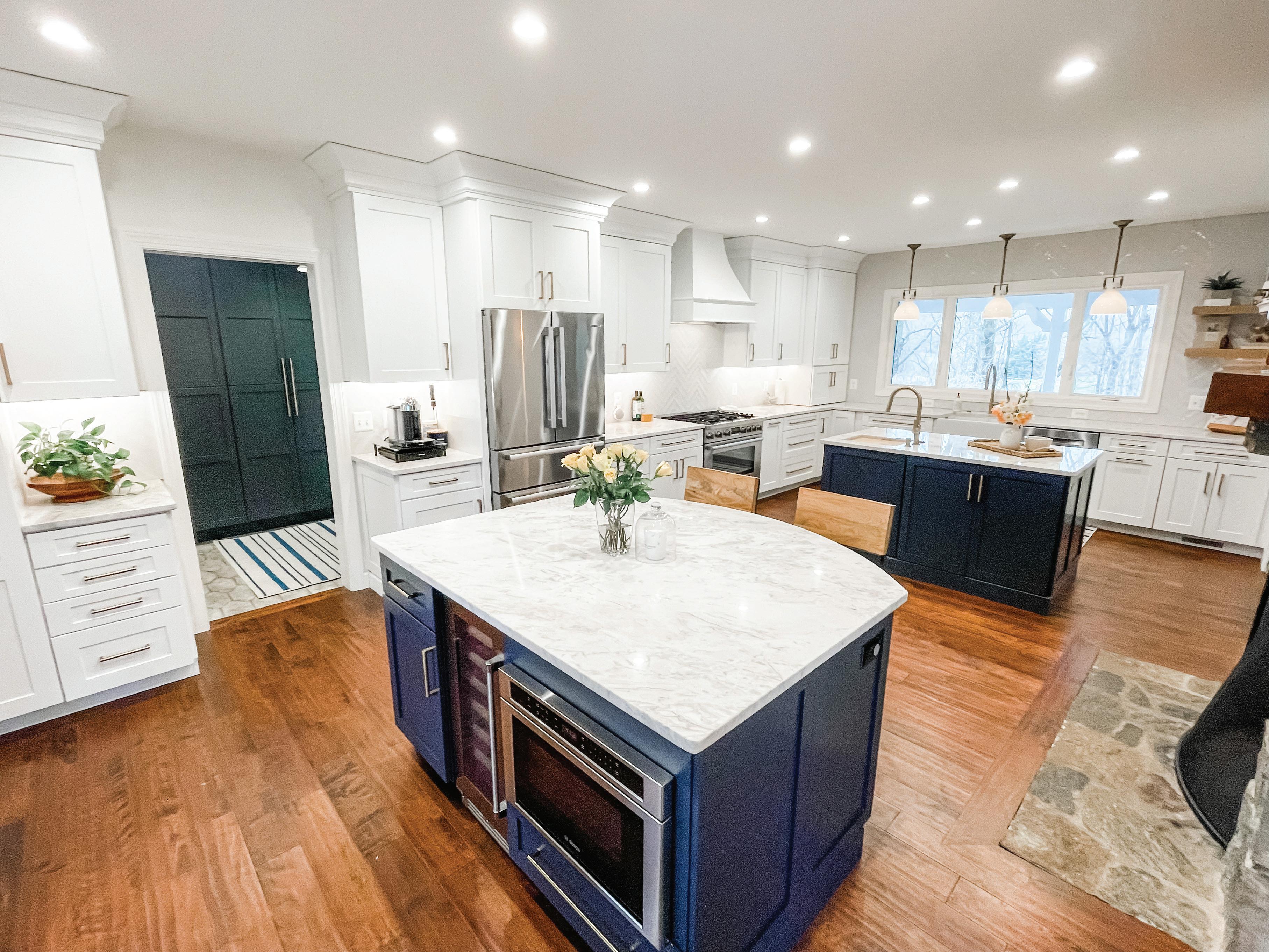
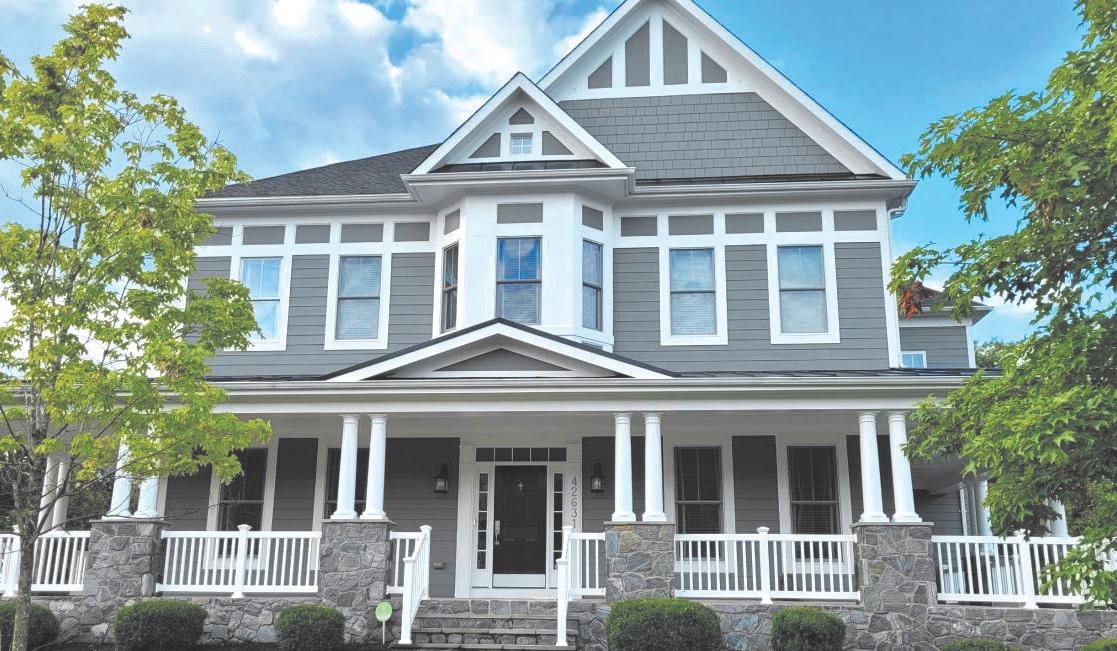
The most important thing is presentation; first impressions matter. Decluttering, fresh paint and professional staging go a long way. When it comes to smart investments, kitchens and bathrooms still remain at the top of the list, but updates don’t have to break the bank. Think new hardware, updated lighting and a deep clean. Curb appeal is also key; a tidy yard and a welcoming entryway draw more interest.
What are some of your favorite home design trends currently?
I love the shift towards warm, earthy tones and textures, organic wood accents, soft neutrals and layered textiles. The statement lighting and mixed metals adds personality without overwhelming a space. Multifunctional spaces, like home offices with built-in storage or bonus rooms that double as guest suites, are not only functional but also very marketable.
What is the best advice you give to buyers?
Be clear on your non-negotiables but stay flexible. No home is perfect, but with the right strategy, and the right agent, you can find a home that fits your lifestyle and goals. I also remind buyers to think long-term: Look beyond surface-level aesthetics and

focus on location, layout and future resale potential.
Anything else you want to add?
Real estate is more than just buying and selling; it’s about helping people move through life transitions, and that’s something I love and feel a deep responsibility for. Whether it’s a first home, a growing family or downsizing into a new chapter, I’m here to make the process smooth and empowering. Loudoun is a special place, and I’m grateful every day to be part of this community and help others call it home.
Describe a perfect weekend in Loudoun. What are some of your favorite things to do?
A perfect weekend starts with a coffee at one of our great local caf{span data-teams=”true”}é{/span} s, followed by a morning hike on one of the beautiful trails; Red Rock or Balls Bluff are two of my favorites. In the afternoon, I love visiting a winery or brewery with my family (we’re spoiled for choice here!) and wrapping up the day with dinner in downtown Leesburg or One Loudoun. Loudoun is the perfect blend of nature, culture, city and community.
How to keep indoor air clean during allergy season
Seasonal allergies can turn a warm and welcoming spring or summer day into something else entirely. Congestion, runny nose, sneezing, and itchy eyes are just some of the unpleasant symptoms of seasonal allergies, which are most often triggered by high pollen counts during spring and summer.
The Mayo Clinic advises seasonal allergy sufferers to stay indoors when pollen counts are high. But what about indoor air quality? The Asthma and Allergy Foundation of America reports that eight out of 10 people are exposed to dust mites and six out of 10 are exposed to cat or dog dander. Dust mites and pet dander can each trigger allergic reactions. Pair those two triggers with higher pollen counts common in spring and summer and it’s no wonder that many seasonal allergy sufferers are ambivalent about the warm weather seasons. Fortunately, steps can be taken to keep indoor air clean during allergy season.
•Close windows and doors. Many people embrace
opportunities to open their windows and doors on warm days, but doing so allows outdoor allergens like pollen to get inside. Pollen can attach to furniture and clothing, and that can make time indoors unpleasant for allergy sufferers. Maintain indoor air quality by closing windows and doors on windy days and/or days when pollen counts are high.
•Employ air cleaning devices. The AAFA notes that air cleaners with Certified Asthma & Allergy Friendly( filters can filter nearly 98 percent of allergen particles in the air. The AAFA maintains a list of certified air cleaners at asthmaandallergyfriendly.com.
•Keep a clean home. The Mayo Clinic notes that, in most homes, items such as bedding, upholstered furniture and carpeting provide an ideal environment for dust mites, which are microscopic bugs that trigger allergic reactions in many people. The AAFA recommends keeping surfaces in a home clean and uncluttered to control dust mites. Washing bedding and uncovered
pillows in hot water each week also can help to corral dust mites and improve indoor air quality.
•Vacuum frequently. Frequent vacuuming is another way to improve indoor air quality. The AAFA maintains a list of Certified Asthma & Allergy Friendly( vacuums that have been tested and found to prevent allergens from reentering the air.
•Prevent mold and treat areas where infestations have occurred. Mold also contributes to poor indoor air quality. Dehumidifiers can be used to reduce mold and dust mites, making these beneficial additions to allergy sufferers’ homes. Minimizing house plants around the house and addressing leaky fixtures immediately are some additional measures to prevent mold infestations. It may not be enough to simply stay indoors to avoid allergic reactions on spring and summer days. Embracing measures to improve indoor air quality can be vital for allergy sufferers as well.
Courtesy Photo
Realtor Teanna Harrigan with Dwellus.

























































8 ways to increase your home’s value
BY DAVID MCMILLIN Bankrate.com
The value of your home can increase or decrease due to any number of factors. Some variables are out of your control — like how hot your local housing market is or isn’t. But others may be — namely, strategic upgrades to the premises.
Many home improvements can add a significant amount to the value of your home, enhancing your equity stake. While they won’t all recoup their full cost, they definitely will make the home more marketable — and of course, improve your quality of life while you still occupy it.
8 ways to increase the value of your home
There are a variety of ways to add value to your home. Some are simple and fast DIY jobs. Others require an upfront investment and the use of professionals.
1. Clean and declutter
To increase the value of your home, begin by decreasing the amount of stuff that’s inside it. Cleaning and decluttering are relatively inexpensive tasks, even in bigger homes. Professionally cleaning a four-bedroom home averages between $200 and $225, according to HomeAdvisor, but of course it varies greatly by metro.
Of course, you could save money by doing the work yourself. Start by going through cabinets and closets and making donation piles. Then clean out drawers and other storage areas, making sure you’re not keeping anything you don’t need or want.
2. Add usable square footage
Homes are valued and priced by the livable square feet they contain, and the more livable square feet, the better, says Benjamin Ross, a Realtor and real estate investor based in Corpus Christi, Texas. Adding a bathroom, a great room or another needed space to a home can increase function and add value. A separate in-law suite can also be a smart idea. “Most homes do not have this feature,” says Ross, “so adding one sets you apart from the competition when it is time to sell.”
3. Make your home more energy-efficient
Projects that lower utility bills can increase the value of your home. And they don’t have to be complicated. Improve your home’s efficiency and value by replacing old, leaky windows, installing energy-efficient home appliances and insulating walls. Swap out old incandescent bulbs for energy-efficient LED’s, which last longer and use less electricity. If you have some extra cash, you can invest in solar panels. While there might be high upfront costs, they can reduce your electricity bill and reliance on the grid by

providing free energy from the sun. Solar panels can also increase the value of your home in areas where energy costs are elevated and sell faster than those without the upgrades.
4. Spruce up with fresh paint
A fresh coat of paint can make even dated exteriors and interiors look fresh and new.
Your painting budget will depend on a number of factors, including the materials, labor fees, room type and room size. HomeAdvisor pegs painting a bathroom — usually the smallest room in the house — somewhere between $140 and $420, while a 330-square-foot living room might cost as much as $2,000. An exterior paint job, on the other hand, will cost much more, with prices ranging from $1,000 to $6,000.
If you just want to repaint a door or a single room, doing it yourself could cost you between $200 and $300. For bigger jobs, though — especially exterior ones — hiring a painter might be worth it, given that professionals can buy paint at wholesale prices, know what sort of finishes to use and are more adept at scaling ladders.
5. Work on curb appeal
From power washing your driveway to mowing the lawn, improving curb appeal can make a big difference in your home’s value.
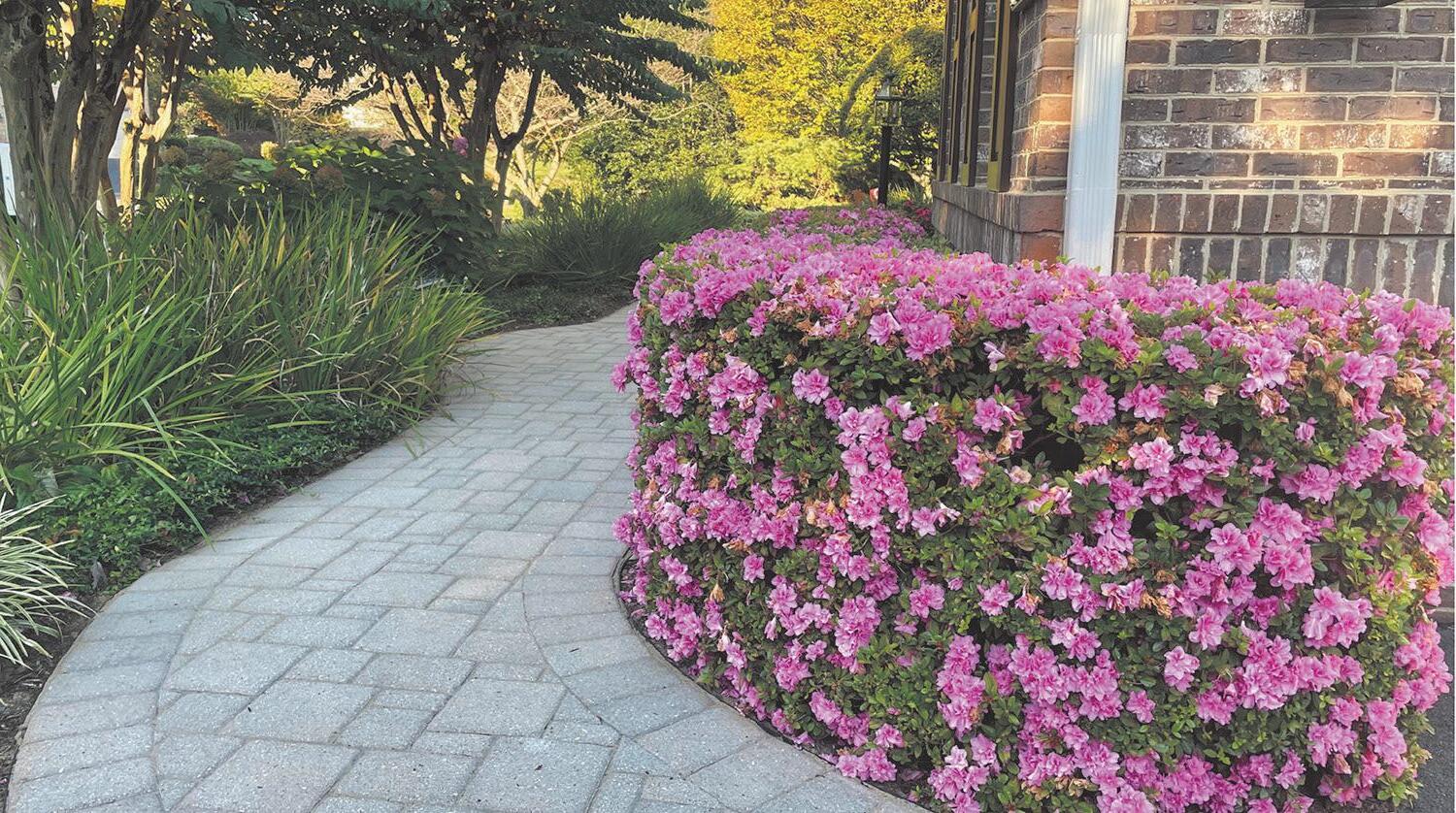
Upgrading your landscape can go an especially long way, says Joe Raboine, vice president of Design at Oldcastle APG, a manufacturer of exterior building products. Some ideas: a fresh walkway, shrubs, planters, mulching or even a new patio or outdoor kitchen. Small details like a new mailbox, light fixtures, solar-powered path lights or a new house number sign can also make a world of difference.
6. Upgrade exterior doors
Continuing the theme of curb appeal, replacing an old front door can give your home a sense of freshness. “The front of the home is the first thing you, your neighbors and prospective buyers will see,” says Randy Oliver, president of Hollywood-Crawford Door Company.
Don’t forget the garage doors, he adds. “Garage doors often take up the most amount of space on the front of your home, so installing a modern glass panel door or a rustic wood door will dramatically improve your home’s appearance.”
These jobs offer one of the highest returns on investment among home renovations: nearly 200 percent for garage doors, and 188 percent for steel front doors, according to Remodeling’s “2024 Cost vs. Value Report.”
7. Update your kitchen
Many buyers zero in on the kitchen as the central feature of a home, so if yours is outdated, it can ultimately affect how much you garner from a sale. Likewise, if you aren’t able to utilize your kitchen fully due to layout, space or other concerns, you won’t be maximizing the space.
This project, though, will require a lot of money, and you likely won’t get back every dollar you invest. Mid-range or modest upgrades come close, though, and actually offer a better ROI than the most elaborate ones: A minor kitchen remodel with midrange appliances costs around $27,500, and adds about $26,400 of value when it’s time to sell, according to Remodeling.
If updating your entire kitchen is too big of an undertaking, even small changes could still have an impact — think coordinating appliances and installing modern hardware on your cabinets.
8. Install smart technology
Smart appliances, systems and devices – which can “read” conditions in your home and make automatic adjustments – are state-of-the-art technology that enhances your home’s value, by saving energy consumption – and money.
By installing a smart thermostat, for example, you can adjust the temperature in your home based on your schedule. It can cost between $200 and $1,000 to make this quick upgrade, according to HomeAdvisor, or an average of about $350. However, you could make that money back fairly quickly. According to Energy Star, a smart thermostat can save families an average of 8 percent on their energy bills, or about $50 a year. Based on your heating and cooling equipment, personal comfort preferences and other factors, the savings could be even more than that.
Then there are smart window treatments, shades and blinds that automatically change position with the weather. By gearing your blinds to the amount of sun (and hence heat) pouring through a window at a given time, you can considerably affect the temperature of a room, alleviating the need to crank up the AC or the heating.
Reasons to increase your home value
Your home is likely one of your largest assets, so increasing its value contributes to your overall net worth. Raising your home’s value has other benefits, as well, such as:
•More profit when you sell: A higher home value translates to higher asking price when you put the place on the market.
•More tappable home equity: If you need cash, you can borrow against your home’s equity — more so the more your home is worth.
•Some protection from market swings: If your home has a higher value, you might be able to guard against major dips in the housing market.
•No more mortgage insurance: If your home appraises for a higher value, it increases your equity stake — to a level that leads to the elimination of private mortgage insurance premiums.
•Aesthetics and function: Upgrades increase your enjoyment and use of your home.
Key takeaways
•While your home’s value is determined by many factors, some home improvements could help increase its worth.
•There are multiple ways to pay for upgrades, including cash-out refinancing, a home equity loan or home improvement loan.
•If you plan to sell your home, it’s important to determine not just how much improvements will cost, but also how much of that cost you’ll recoup.
Photo by Kostiantyn Li /Unsplash






























4 tips for improving your home’s soundproofing
Is your home too noisy? Whether it’s music from a bass heavy sound system or dropped objects and heavy footfalls upstairs, excess noise can be stressful and frustrating. Do you want to minimize the auditory disruptions without doing extensive renovations that cost a fortune? Here are a few tips to make your home more soundproof.
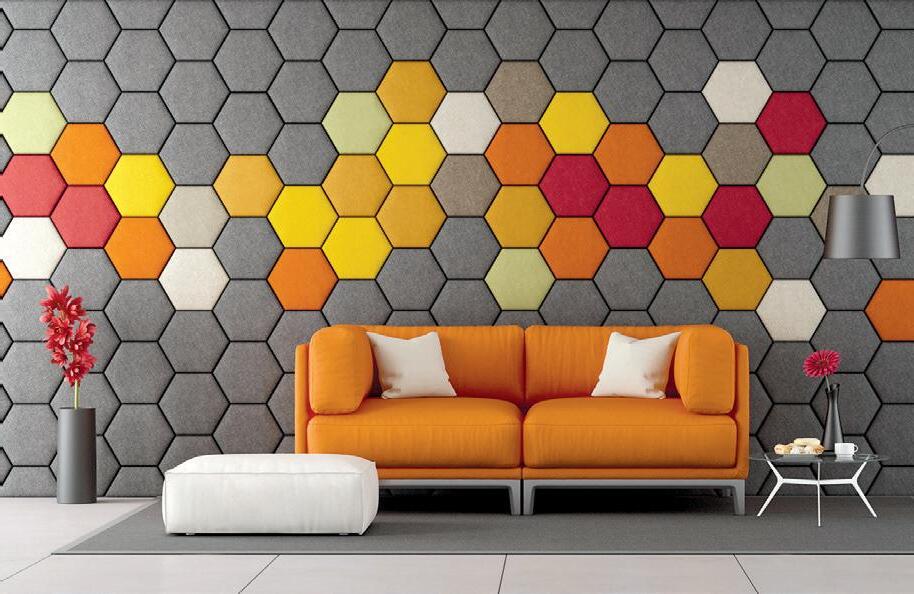
1. Decorate with heavy textiles. The thicker the fabrics you choose to decorate a room, the more
sounds can be absorbed and muted. Opt for a dense, soft rug, textured curtains or large cushions.
2. Apply caulking. You can make your home quieter by filling gaps with silicone sealant. Apply it around door frames and light switches, as well as any other cracks. Sealing up the walls and ceilings will help reduce noise resonance.
3. Move large items away from the walls. Pull your bed, sofa, washer, dryer and refrigerator away from the walls to minimize the transmission of vibrations. This is an effective way to minimize sleep disturbances caused by heavy walkers and loud appliances.
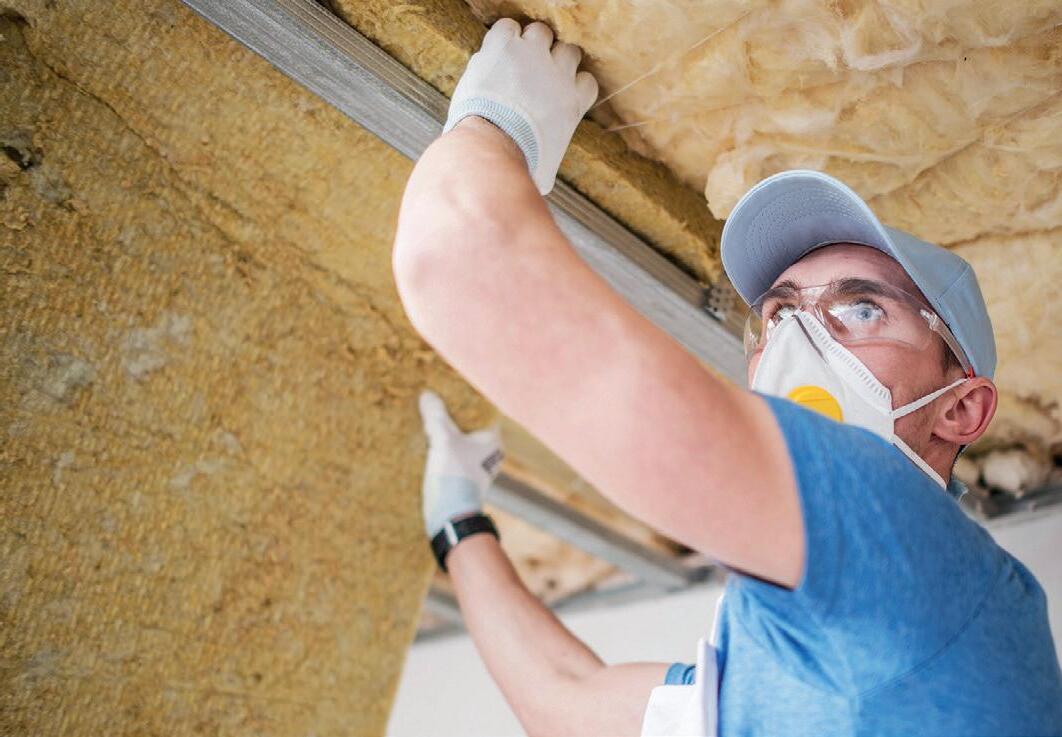
4. Call a professional. If your situation doesn’t improve after making these changes, consider hiring a professional to soundproof your home. They may be able to install acoustic
Should you sell or renovate your home? Here’s how to make the right choice
For most homeowners, there comes a time when their property no longer serves their needs. Does your house seem too big now that your children have flown the nest? Are you dealing with a loss of mobility and finding your bathroom difficult to navigate? Should you renovate your existing property, or is it better to sell it and find something more suitable? Time to decide!
SELLING
Selling your home offers several advantages. If you buy a new property, you can choose a place with all the features you need or want, like an additional bathroom or a larger bedroom, without having to undertake major renovations. Sometimes, the condition of your home makes a remodel not worth the expense and time.
On the other hand, moving to a new home can be extremely stressful, as it means adjusting to a different location, new routines and unfamiliar neighbours. When it comes to finances, don’t forget to factor in additional costs related to your property sale and new purchase, such as taxes and notary and inspection fees.
RENOVATING
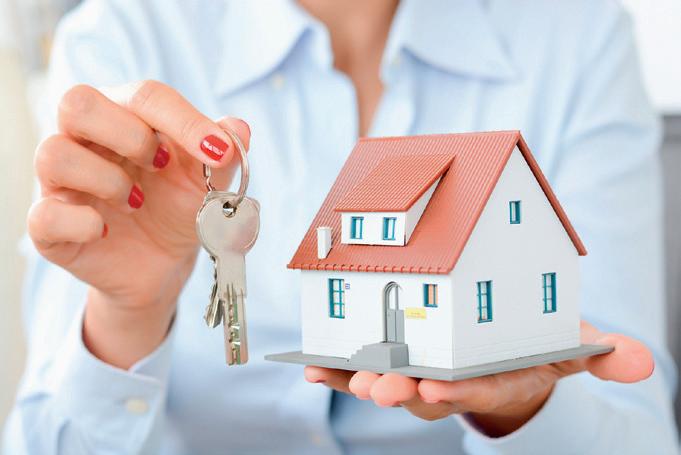

Do you love your neighbourhood but want to make your home more comfortable? If so, a reno may be your best option. Renovating your existing property can help you make the most of your space and, at the same time, increase your property value.
However, remember to make a budget. As often happens during a renovation, an unexpected event or discovery can quickly drive expenses well beyond the estimated cost. Also, be prepared for noise and debris to disrupt your routine for the duration of the work.
Do you need help deciding whether to move into a new house or renovate your existing property? Talk to a real estate professional for advice.
panels or place wool insulation in the walls or ceiling.
If you’re renting, don’t forget to consult your landlord before doing any structural work. Do you need help? Ask the professionals at your local home renovation or hardware store for advice.
Discover the lasting charm of slow decor
When it comes to redesigning your living space, you may consider the pure esthetic value of your decor, as well as its sustainability. The “slow decorating” trend brings these two criteria together beautifully. Here’s an overview of this growing movement.
PRINCIPLE
Simplicity, consideration and moderation are what slow decorating is all about. This thoughtful approach aims to create warm and inviting spaces without contributing to the throwaway culture of fast fashion. In contrast to the frenetic pace of modern life, slow decor seeks to create a soothing sense of calm by decluttering the home.
APPLICATIONS
Do you want to incorporate slow decor into your space? Try these ideas:
• Sort through your furnishings and other belongings, keeping only the essentials.
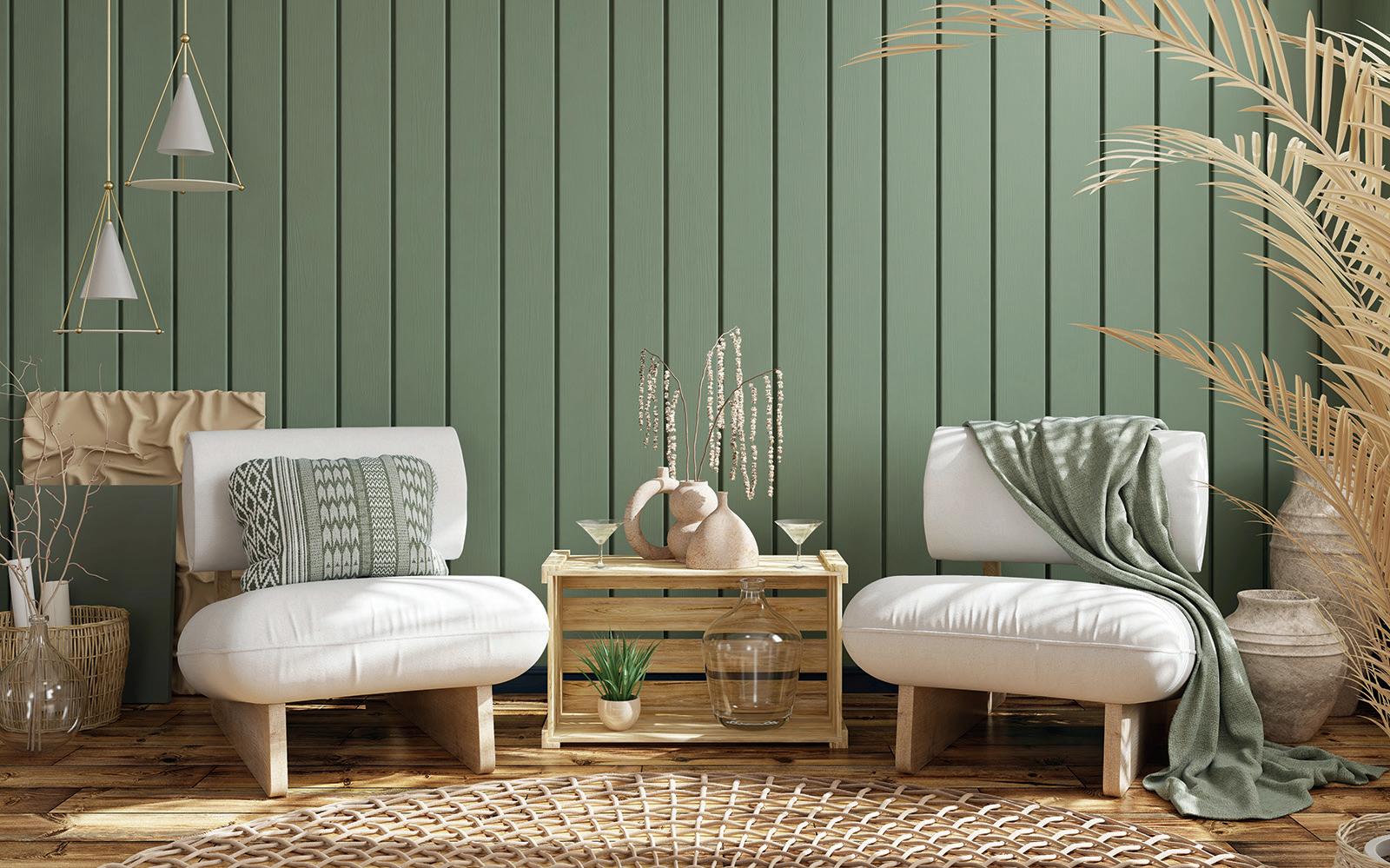
• Visit flea markets and look for small decorative treasures in materials like rattan, wood, terra cotta or porcelain.
• Incorporate natural textiles. Fabrics like wool and cotton will enhance the serene look of your living room or bedroom.
• Add character to your space by choosing primarily handmade and locally sourced objects.
• Place potted or hanging plants everywhere to brighten up your home and purify the air.
Visit the home decor stores in your area to redecorate your space.
If you’re good with your hands, you can give life to an old piece of wooden furniture. Using a little paint stripper and some paint or stain, you can help reduce your consumption of new goods. The charm of slow decorating also comes from repurposing old objects.




LOUDOUN HOMES

Investing in real estate: where to start
If your goal is to grow your wealth and strengthen your financial stability, investing in real estate is an excellent strategy. Here are a few tips for getting started.
ANALYZE MARKET TRENDS
Check out expert opinions and industry databases to gain a better sense of current market conditions, the types of buildings with the greatest profit margins and the most desirable locations. You may want to take a real estate course to gain a better understanding of these resources and tools.
CHOOSE A TYPE OF INVESTMENT
Let your research guide what type of building you buy. You may be able to turn a quick profit by flipping the property, but it can be a stressful process.
Americanized versions of our articles are included in the online page folder when necessary.Documents are identified as follows: TITLE_US.doc.
When it comes to truly original home decor, nothing beats a cohesive blend of styles. The Western Gothic trend is perfect proof. Here’s how you can integrate it into your home.
CREATE CONTRASTS
At first glance, you may not believe that western and gothic could go together. However, the contrast created by blending their signature elements achieves an effect that is both rustic and enchanting.
• Western elements. Look for wooden furniture and faux animal skin or animal print rugs. Decorative features like a cow skull, equestrianthemed fabrics or a cactus will really play up the cowboy esthetic.


• Gothic elements. Choose a darker colour palette and heavy velvet draperies. Stainedglass windows like those you’d find in a church will ramp up the drama for a striking impact.


PUSH THE LIMITS
Do you want to go all in on Western Gothic? Here are a few more ideas to help you achieve a truly striking decor:
• A vintage daybed with faux fur cushions Cabinets with lightcoloured wood and copperfinish faucets
• Faux marble busts placed on shelves made of recovered barn wood Black ceramic bathroom tiles accented with small artisanal objects
Western Gothic lets you have fun creating a decor to reflect your dynamic personality. Visit your local home decorating stores to find what you need.
An apartment building could provide a stable income, but you’ll need to find and manage tenants.
DETERMINE YOUR BUDGET
How much money can you invest? What is your borrowing capacity? Planning is essential! In addition to the purchase price of the property, be prepared for renovation costs and taxes. Depending on your financial situation, you may want to prioritize a certain type of investment, such as residential or commercial.
Real estate investment can be an exciting adventure, but starting out can be stressful. Talk with a real estate expert or financial advisor for personalized advice. 3
From meal prep to cooking implements and space hogging appliances, is your kitchen looking cluttered and messy? One excellent way to regain control of your space is to give your counters a clean sweep. Try these three practical spacesaving tips:
1. INSTALL SHELVES AND HOOKS
If you’re in the habit of keeping a bowl of fruit, cooking oils or frequently used utensils on the kitchen counter, try moving them to an attractive wall shelf. For a touch of sophistication, why not install a row of hooks or a kitchen rack to hang your pots and pans? These touches will instantly give your kitchen a more upscale appearance and give your countertop more breathing room.

2. SWITCH TO MAGNETIC WALL SURFACES
A magnetic wall or wellplaced backsplash —over the stove, for example—is an excellent storage option for your kitchen. Knives and other metal utensils will stick
to it like magic, as will metal spice jars. This simple solution will clear up your counter space in a flash.
3. ADD NEW FURNITURE PIECES
Many home furnishing stores offer a wide selection of rolling serving carts or moveable kitchen islands. These furniture pieces provide additional workspace, as well as builtin shelving or bins to enhance your storage capacity. Why not take advantage of that versatility?
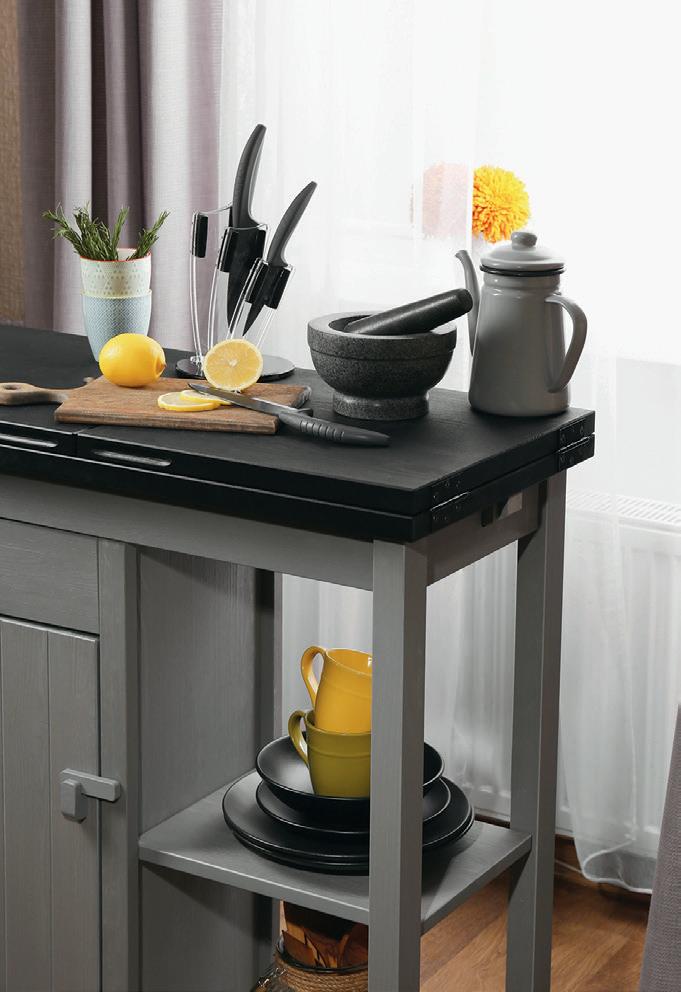
Follow these tips to gain extra counter space and enjoy a less stressful cooking experience. Talk to an interior designer in your area to find the right solutions for your kitchen.




LOUDOUN HOMES






A DIY guide for firsttime homeowners
BY STATEPOINT
Becoming a first-time homeowner is a remarkable achievement, but the journey doesn’t end at closing. With today’s market challenges, making your new house feel like home can seem daunting. The good news: with thoughtful planning and proven DIY tips, you can create a space that’s beautiful, functional and uniquely yours, without stretching your budget.
Budgeting and Planning
One of the biggest reasons to DIY? You can save serious dollars. In fact, a 2024 report by NerdWallet showed that on average, DIY projects cost less than half of professional projects.
Before beginning any DIY endeavor, establish your budget and assess what your house needs, prioritizing the most cost-effective yet impactful updates. Take a trip to a local home improvement retailer or do an online search to gauge costs.
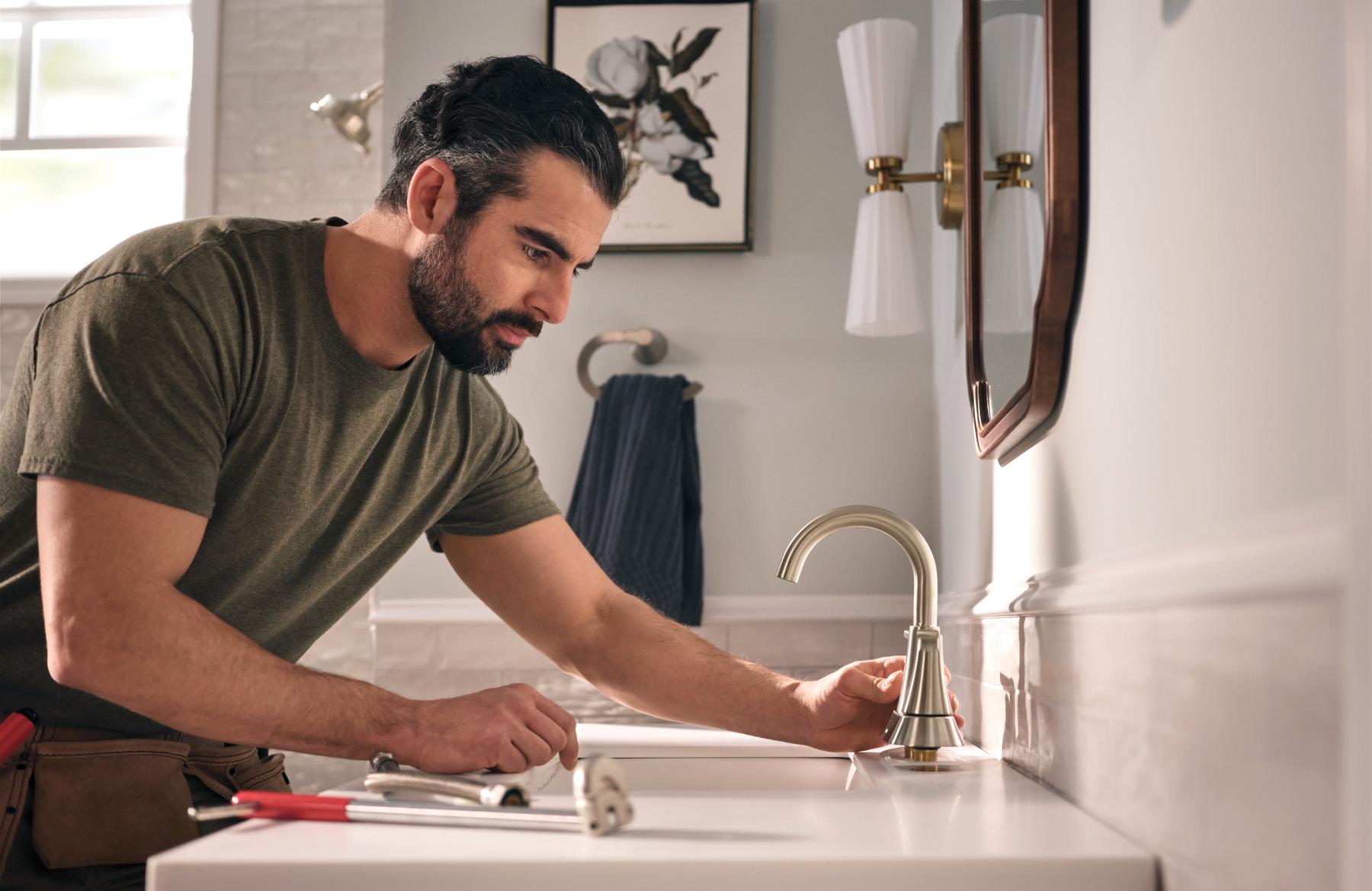
“While it’s tempting to cut corners on costs, investing in high-quality products up-front can save you significantly in the long run. Quality materials offer durability and better performance, minimizing the need for frequent replacements or repairs. Think of it as buying peace of mind – a well-chosen faucet, sturdy cabinetry or durable flooring can elevate your home for years to come,” said Danielle DeBoe Harper, senior creative style manager, Moen.
Once you have a map of projects in place, plot when you want to tackle each one on the calendar.
Defining Your Home’s Aesthetic
Before diving in, ensure you’re investing in an aesthetic that resonates with you versus what is trending online.
“As you embark on the exciting process of styling your first home, it is essential to determine your personal taste so that it truly reflects who you are,” said DeBoe Harper. “Whether your style leans modern, traditional, industrial, farmhouse, glam, or a combination of a few, understanding
your preferences will help you establish the overall atmosphere of your home.”
Luckily, there are many places to find inspiration. Try browsing the aisles of a home décor store—what lamps or pillows are you just dying to put in your cart? When visiting a friend’s home, mentally note what you love and what you’d leave. At the grocery store? Pick up a few home décor magazines on your way out. And, of course, your phone or computer holds a treasure trove of style inspiration, from renovation tutorials on social media to style and décor trends on your favorite brand’s website.
Before getting to work, ensure you have versatile supplies for various projects. The essentials include: a hammer, flathead, Phillips screwdrivers, painter’s tape, and a power drill.
Now it’s time to DIY. Not sure how to approach a project? Lean on inspiration from friends and family, use YouTube tutorials to walk you through it, or get instructions from an expert at your local hardware store. Of course, make sure whatever you choose is something that’s safe to DIY.
“One of the first projects I recommend is painting, since it’s a relatively affordable update that can completely transform the way a room comes together—and even how it makes you feel,” said DeBoe Harper. “You can paint an entire room or update a piece of furniture or cabinetry with a new color. Other high-impact projects that can be done at a lower cost include swapping hardware, like cabinet knobs or pulls, installing a new showerhead, building bookcases, changing the kitchen faucet or hanging peel-and-stick wallpaper, all of which can enhance your look almost instantly while boosting DIY confidence.”
For even more DIY renovation tips and inspiration, visit Moen.com.
And remember, successful DIY renovation is built on planning, preparation and a willingness to learn. With these tips for first-time homeowners, you can shape a stylish, comfortable space tailored to your needs.