





















history that shape our community.


















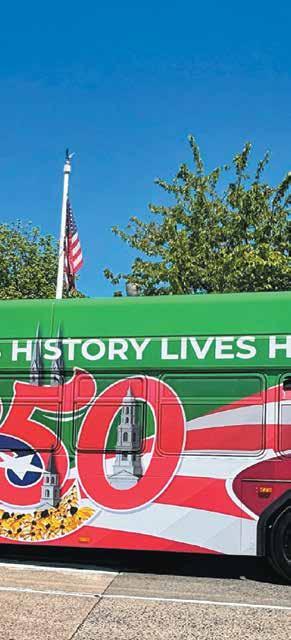
A moving tribute to the people, stories, and























we’ve been, and where we’re heading next.
















By SHUAN BUTCHER Special to The News-Post
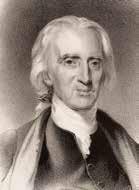
Few consequential figures in American history have slipped so quietly from public memory as John Hanson.

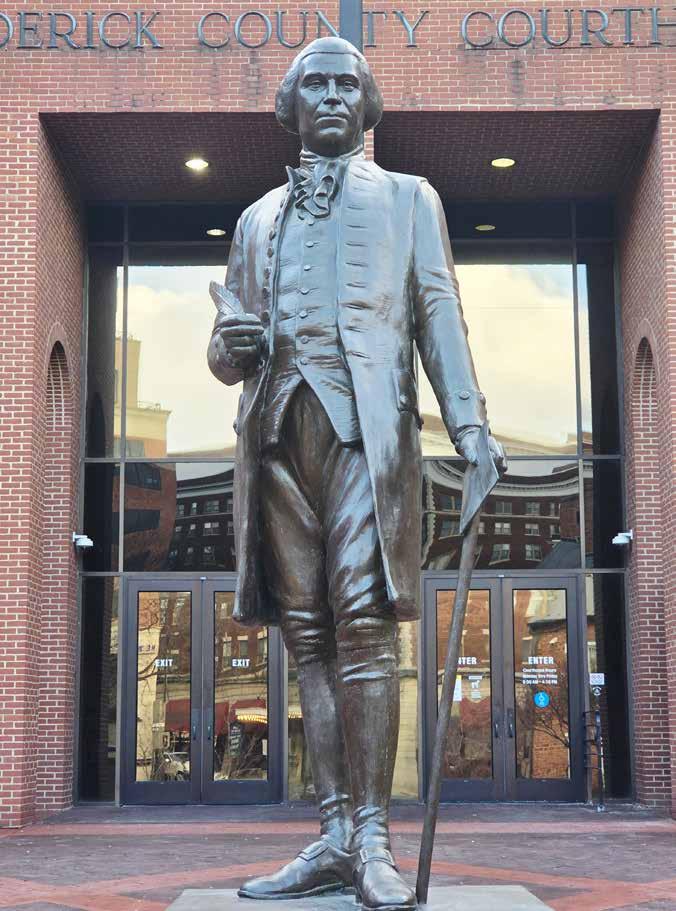
A son of Maryland’s tobacco country, Hanson was a tireless Patriot who served across five decades and was one of the country’s “early presidents,” according to Peter Michael, a Frederick County resident who is a first cousin of Hanson, seven generations removed.
“He was one of the most prominent patriots of his time,” Michael said.
Hanson was born in Charles County, into a family whose descendants had risen to colonial prominence. According to Michael’s research, he was born at Mulberry Grove in 1715, in a house that dated to 1700.
He began his political career as sheriff of Charles County in 1750 and was soon elected to the Maryland General Assembly in 1757, a position he held for 12 years.
In 1769, at age 54, Hanson moved to Frederick County.
“The Stamp Act defiance that took place here caught his attention,” Michael said. “He chose Frederick County.”
According to Michael, Hanson arrived to the area around the same time as two other figures who would shape Maryland’s founding generation: Thomas Johnson and Thomas Sim Lee.
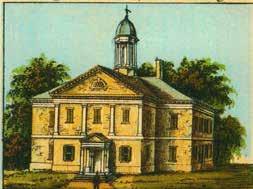
His house on West Patrick Street in downtown Frederick was completed in the early 1770’s. It stood until 1981, when the current courthouse was constructed. “It was later rebuilt using some of the original bricks,” Michael said.
Once settled in Frederick, he also held a variety of offices, including deputy surveyor, sheriff, and county treasurer.
“He got elected to every office he ran for and even some offices he didn’t,” Michael said.
When relations between Great Britain and the colonies became a crisis in 1774, Hanson became one of Frederick County’s leading Patriots, chairing a town meeting that passed a resolution opposing the Boston Port Act.
When actual fighting broke out, Hanson shifted from protest to mobilization.
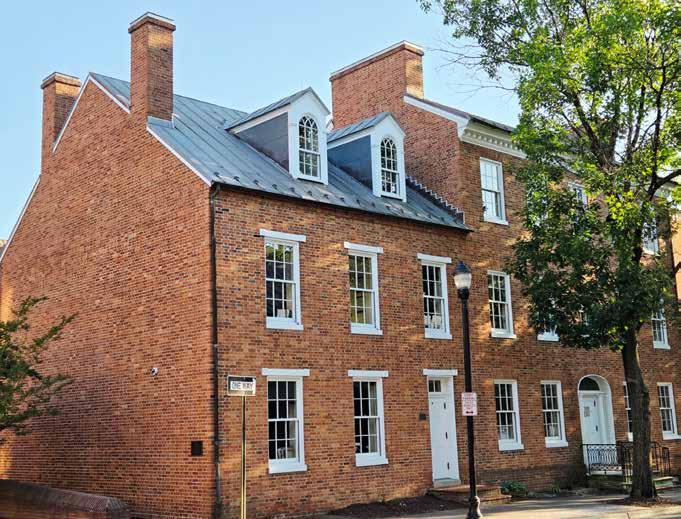
The site on West Patrick Street where John Hanson’s home was.
With hostilities underway, Hanson chaired the Frederick County Committee of Observation, part of the Patriot organization that assumed control of local governance.
Responsible for recruiting and arming soldiers, Hanson proved to be an excellent organizer, and Frederick County sent the first southern troops to join George Washington’s army. Because funds were scarce, Hanson frequently paid soldiers and others with his own money.
In June 1776, Hanson chaired the Frederick County meeting that urged provincial leaders in Annapolis to instruct Maryland’s delegates in the Continental Congress to declare independence from Great Britain.
After Maryland formed its new government in 1777, Hanson was elected a delegate from Frederick County and would serve there for five terms. A few years later, the House of Delegates sent Hanson to serve in the Second Continental Congress. He arrived in Philadelphia for that duty in June 1780.
By that time, the Articles of Confederation had been adopted, but not signed. Maryland was the last holdout preventing the document’s ratification.
The state, which did not have any claims on western land, refused to ratify the Articles until the other states had ceded their western land claims.
Michael said this was one of two
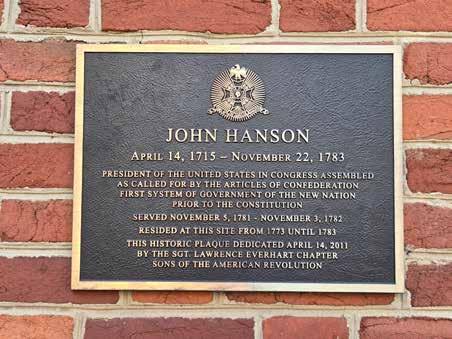
times when Hanson saved the nation. When the other states finally ceded their claims, the Maryland legislature decided in January 1781 to ratify the Articles, and Hanson joined Daniel Carroll in signing the Articles of Confederation Maryland on March 1, 1781.
With Maryland’s endorsement, the
In this role as president, George Washington essentially reported to Hanson. “Hanson wrote to Washington more than anyone else,” Michael said.
Less than one month before Hanson assumed this new role, the British would surrender at Yorktown, essentially bringing the American Revolution to its end.
“Hanson had thought he was going to be a war president,” Michael said. “Instead, he did not inherit a functioning government.”
To understand what that office was, context matters. As Michael puts it, the founders had been deliberate about the shape of the new nation’s power: “Power flowed from the bottom up; not monarch down.” There was no executive or judicial branch under the Articles, and the president of the legislature was mostly ceremonial and official.
As John Adams observed of the period, and as Michael quotes in his book: “John Adams referred to the 1780s as the most critical decade of our nation.”
Michael elaborates: “We launched not one, but two governments. Two governments successfully created in that decade.”
The first, under the Articles of Confederation, proved insufficient for dealing with world affairs — the founders realized quickly that to engage diplomatically, you needed a head of state with real authority.
But that first government was not a failure. It was a proving ground. “They realized it wasn’t working.”
Hanson retired from public service when his one-year term ended and returned to Maryland, where he died on Nov. 15, 1783. He was 62.
“He has been buried three times,” Michael said. “He is the only president whose grave has been lost.”
But Michael, along with fellow researchers, may have recently located the final resting place of Hanson.
Michael has spent years researching his ancestor’s life, ultimately writing “Remembering John Hanson,” which was published in 2012.
“We know the 47 presidents of the second government,” Michael said. “But most people don’t know the ‘early presidents.’ There were nine of them in seven years under the first government.”
In 2009, Michael created the John Hanson Memorial Association to commission a national memorial to Hanson.
Articles officially went into effect. Later that year, on Nov. 5, 1781, Hanson would be elected President of the United States in Congress Assembled.
George Washington congratulated his friend for being elected to “the most important seat in the United States.”
“There was only one public monument dedicated to him,” Michael said, which was in Statuary Hall in the U.S. Capitol, as one of two Maryland statues. They commissioned Maryland artist and sculptor Toby Mendez to bring Hanson’s likeness back to the county he chose.
Hanson came to Frederick deliberately, into a place that was restless and ready, and he spent the rest of his life in service to this nation.
By JILL GARTZ Special to The News-Post
Mount Olivet Cemetery is the eternal resting place of past politicians, preachers, noted business people, lawyers, educators, inventors, and soldiers, too. It’s often referred to as “Frederick’s Other City.” A new book focusing on the patriots of the Revolutionary War is being added to the amazing history of this cemetery, which opened in 1852 and had its first burial in 1854.
The book covers Revolutionary War patriots from 1775 to 1783. There are 41 of them buried at the cemetery.
Dorothy “Dottie” Olson is the author of a book, which has a working title of “Frederick’s Other City — Revolutionary Patriots of Mount Olivet Cemetery.”
Chris Haugh, the cemetery historian, asked her a couple of years ago to help research the patriots there.
“I clean stones at the cemetery, and it just sparked my curiosity about people who are buried there,” Olson said. “As a DAR member, this project, when Chris came to me with it, seemed to hit all the marks.”
The DAR, or Daughters of the American Revolution, was founded in 1890 with the simple mission of promoting historic preservation, education, and patriotism.
“There are interesting headstones out there,” Olson said. “When you’re cleaning the headstones, you get introduced to a name.”
That will spark a question. “Who was this person, what did they do, and what was their life like,” Olson said. “Researching that answered some of those questions.”
Olson said the book helps preserve history. “These men sacrificed a lot to support the cause of independence. By knowing the history of the individuals in an area, it helps you keep a connection to their values and the foundation that Frederick was built on.”
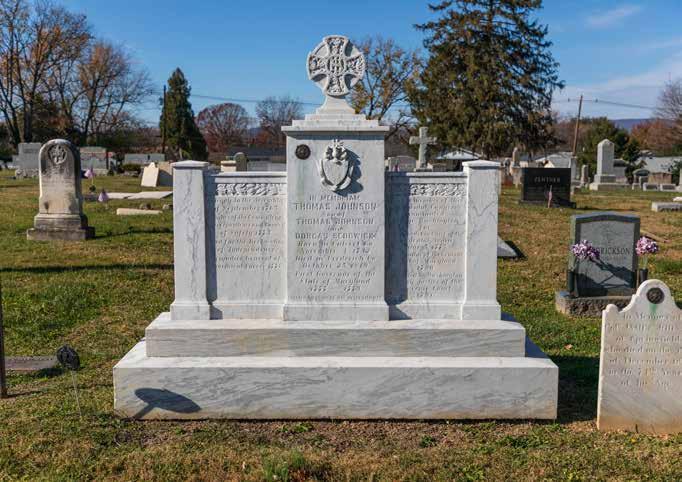
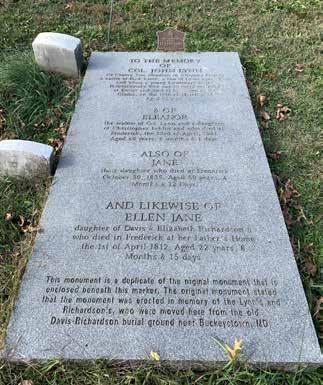
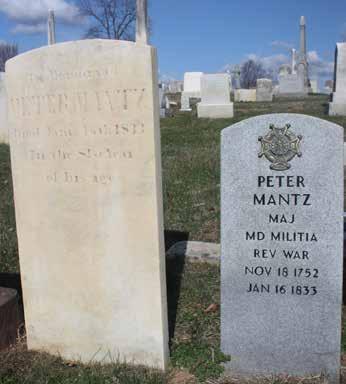
Patriots featured in the book include Henry McCleery, who built wooden coffins for Maryland soldiers who died at the Battle of Long Island; Thomas Johnson, who served as Maryland’s first elected governor, an early and active supporter of the independence movement; Officer Captain Peter Mantz, who served with the Maryland Flying Camp and
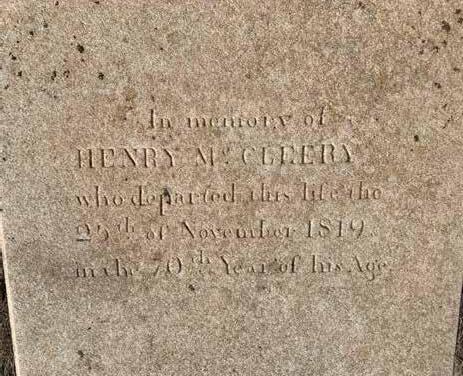
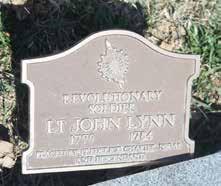
later the Maryland Line; and Colonel John Lynn, who sustained a severe and disabling wound in active combat.
Olson said some patriots signed an “Oath of Fidelity,” pledging their loyalty to this new independence. The DAR defines a patriot as any person who supported the cause of independence during the Revolutionary era.
The headstones of the Revolutionary War soldiers are some of the oldest at Mount Olivet. Olson said they are made of marble, but the headstones have degraded over time, and some families have replaced them.
Upon entering the cemetery, you’ll start seeing marble headstones from the 1700s, then marble and granite mixed, and then just granite, which was used in the 1800s.
Next, you’ll see the mausoleum, and finally a green burial section.
“You see the progression of time as you drive through the cemetery,” Olson said.
The cemetery also has tombstones from the early 1800s. Olson said these bodies were moved from other cemeteries that closed, most notably the All Saints Cemetery.
Provided by Dorothy Olson
Henry McCleery is remembered as an architect and prolific builder associated with a number of early structures in Frederick and in Washington, D.C.
In Frederick, his work included the Frederick County Courthouse, the second All Saints’ Episcopal Church and the Presbyterian Church, as well as numerous taverns and dwellings.
Captain Peter Mantz served with the Maryland Flying Camp and later the Maryland Line during the Revolutionary War. He commanded a company that took part in the New York campaign, including engagements at Long Island, Harlem Heights, and White Plains.
The book is expected to be around 140 pages. It includes a bio on each of the Revolutionary War patriots.
Olson said the most important piece she included was the source references. “A lot of them are primary documents that prove their service. These documents will help people in their genealogy quest,” she said.
“There are people buried there that we know about, but there are also other names that are not as well known,” she said. “All (the patriots) deserve to receive some type of credit for what they did for us and for what we have today.”
Olson said that when she took on the project, she thought to herself, “If I could get the names together, it would be a way for anybody who wanted to know about the people who were buried there, who were in the Revolution,” to find the information in one place.
She added: “They wouldn’t have to go and do all the research. It would already be done.”
Olson said the book is expected to be available at Mount Olivet Cemetery, Visit Frederick, Heritage Frederick, and local libraries, among other places. There’s no word yet on the cost, or how many copies will be made.
The Mount Olivet website says nearly 40,000 graves are now occupied at the historic cemetery, rivaling the living population in the state capital of Annapolis. If you want to look up a name, Mount Olivet has over 99% of its burials already listed on https:// www.findagrave.com.
The cemetery has eight miles of paved roadway that crisscross the spacious cemetery grounds. Many hikers, runners, and bicyclists enjoy the property. More information about the cemetery can be found at www. mountolivetcemeteryinc.com.
The Perry Beall McCleery House on East Patrick Street still bears his name, while the former Potts residence at West Church and North Court streets stands as part of his portfolio. His work, visible in brick, timber, and steeple, helped shape Frederick as a growing American town.
During the Revolutionary period, McCleery provided wooden coffins for Maryland soldiers who died at the Battle of Long Island. While not a combat role, this act represents an important form of patriotic service, supporting those who gave their lives in the cause of independence.
His story serves as a reminder that contributions to the Revolution extended well beyond the battlefield.
Thomas Johnson is one of the most recognizable figures connected to Frederick and the Revolutionary era. He served as Maryland’s first elected governor and was an early and active supporter of the independence movement.
Although associated with the Continental Congress, he did not sign the Declaration of Independence, as he was called back to Maryland to take on leadership responsibilities within the state.
Johnson played a key role in organizing Maryland’s government during the Revolutionary period and later served as an associate justice of the Supreme Court under President George Washington. His career reflects the importance of leadership at both the state and national levels during the nation’s founding.
Mantz’s service represents the experience of many Maryland soldiers who served in the field during the early and difficult campaigns of the war.
While not widely known today, his role as a company commander placed him directly in the actions that helped sustain the Continental Army during critical moments of the conflict.
Colonel John Lynn served with the Maryland Line during the Revolutionary War, taking part in major southern campaigns, including Camden, Guilford Courthouse, and Eutaw Springs. At Eutaw Springs, he sustained a severe and disabling wound, making him one of the few patriots in this group known to have been injured in active combat.
Following the war, he returned to Maryland and established his life on the western frontier.
Though his Continental rank was captain, he was long remembered locally as “Colonel,” a title preserved on his grave. His remains were later reinterred at Mount Olivet Cemetery, where a DAR marker honors his service. His story reflects both the personal sacrifice endured by those who fought in the Revolution and the lasting legacy carried forward by those who survived it.
Jill Gartz is a freelance journalist, radio news anchor and blog writer. She has a lengthy background in radio news and now owns her own business, Write4U!MtAiry. Gartz also enjoys hiking and reading. She can be reached through write4umtairy. com.
By JAMES RADA JR. Special to The News-Post
As the tide of the Revolutionary War started to flow in favor of the American colonists, they began capturing enemy soldiers. Those prisoners needed to be kept somewhere.
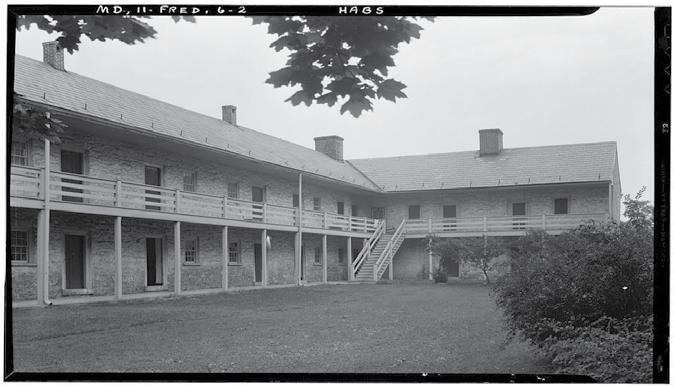
Maryland had approved the construction of barracks for the local militia in Frederick. Abraham Faw was hired for 1,500 pounds on June 27, 1777 to build the two L-shaped buildings. Two months later, it was decided that the barracks would be used to house prisoners of war. Hessian soldiers (1,104 from the Anspach Battalion and 807 from the Crown Prince & Von Bose Regiments) were the first prisoners sent there.
In anticipation of the prisoners, around 100 huts were constructed to provide additional housing.
Frederick had a significant German population at the time. The decision to send German prisoners to the town wasn’t just because of the barracks; it was also strategic.
“The strategy of locating the captives near German speaking communities was meant to create their greater involvement in those communities and to covertly encourage desertions; the more desertions, the fewer prisoners to manage. The more men that could be hired out into the community, the less rations needed to be supplied,” Marie Rasnick Fetzer wrote in her paper “The Hessian Barracks at Winchester, Virginia and Frederick, Maryland.”
Not only did that happen in Frederick, but the prisoners became a boon to the local economy. According to The (Frederick) News, many of the prisoners were hired to work on farms and use their craftsmen skills.
The Hessians became a welcome part of the community, so much so that the barracks where they stayed eventually became inextricably linked with them.
British prisoners also joined the Hessians at Frederick, and the cordial relations continued.
“The absence of eligible young bachelors from the area away at the war made the British officers sought after additions to local balls,” The News reported.
However, when news of a popular local man being killed in the war reached Frederick, things changed.
“His loss, as well as the loss of many men who fought with him, embittered the local populace against the British and the British returned the ill-will after being
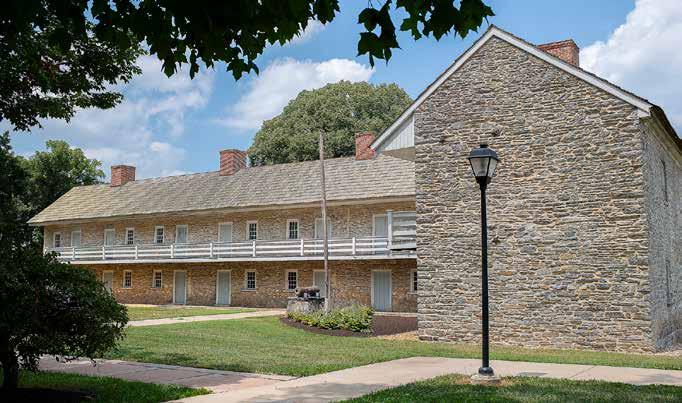
Built in 1777, the historic Hessian Barracks held captured Hessian soldiers during the Revolutionary War, then it housed a state armory, the county fair, a Civil War hospital, and the Maryland School for the Deaf. Now it’s a National Historic Site on the school’s Frederick campus.
From Library of Congress
Fairgrounds from 1853 to 1860.
During the Civil War, the Hessian Barracks were used as a hospital where both Confederate and Union soldiers were cared for at various times.
When the Civil War ended, the Hessian Barracks were used for their original purpose, which was to house the Maryland militia. This soon changed, though, and the barracks soon became storage rooms.
In 1871, one of the aging barracks was demolished to make room for the main building of the Maryland School for the Deaf, which was established in 1868. Some of the materials from the barracks were used in the construction of the School for the Deaf buildings.
Over the next few years, the remaining barrack was used as classrooms and teacher housing.
rudely rebuffed several times by the local people,” according to The News. Restrictions on the soldiers tightened, as they were treated more like prisoners than residents.
This lasted until the end of the war and the signing of the Treaty of Paris.
The last of the prisoners left Frederick at noon on May 13, 1783.
Following the American victory in the Revolutionary War, the Hessian Barracks continued to be used as a military prison.
During the undeclared Quasi-War with France on the seas, captured sailors were imprisoned at the barracks in 1799. British prisoners were there during the War of 1812.
No one seemed sure how to use barracks long-term, though.
At different times during the 1800s, the barracks were used as an armory and for silkworm production. The parade grounds between the two buildings served as the county Agricultural
In 1931, the barrack was turned into a museum focused on local history. It was listed on the National Register of Historic Places in 1971.
In preparation for America’s Bicentennial in 1976, the barrack was renovated and rededicated on June 27, 1976 — 199 years after the original contract had been awarded.
Today, the remaining barrack is still on the grounds of the Maryland School for the Deaf.



















By SHUAN BUTCHER Special to The News-Post
On July 4, 1826, John Adams and Thomas Jefferson both serendipitously died, exactly 50 years after they both approved the Declaration of Independence.
Upon their deaths, only one of the 56 founders who pledged their “lives, fortunes, and sacred honor” to this new nation was still around — Charles Carroll of Carrollton, a property owner in Frederick County.
When Carroll pressed his pen to the Declaration of Independence in August 1776, he did something none of his fellow signers had to do: He added his address.
Supposedly, after the signing, a bystander remarked that since there were many Charles Carrolls in Maryland, the British would have difficulty knowing which one to hang. Carroll allegedly replied that he had given them no difficulty at all — and wrote “of Carrollton” beside his name.
Whether the exchange happened precisely that way, the gesture was a statement that Carroll was deliberate and unafraid.
“He was the only one who wrote his address on the document to distinguish himself,” said John George, a longtime educator with Frederick County Public Schools and Hood College. George’s interest in Carroll began in 1982, when George was the principal at Carroll Manor Elementary School.
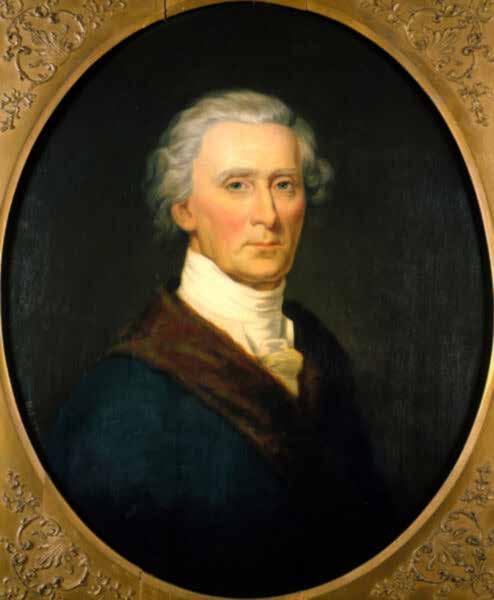
Carroll was born in Annapolis on September 19, 1737, into one of the most prominent Catholic families in colonial America. His father, Charles Carroll of Annapolis, had accumulated an extraordinary fortune in Maryland’s tobacco economy. “The family owned property in Maryland, as well as Pennsylvania and New York,” George said.
Young Charles was sent abroad at age 10 for an education. “He went to Europe for 16 years to study,” George said.
Carroll would study at the Jesuit College of St. Omer in France, then at Rheims, Paris, and finally read law at the Inner Temple in London.
He returned to Maryland in 1765 — a broadly educated, intellectually formidable man of 27 — and stepped into a colony on the verge of revolution.
“Early on, Maryland was a welcoming home for different religions,” George said.
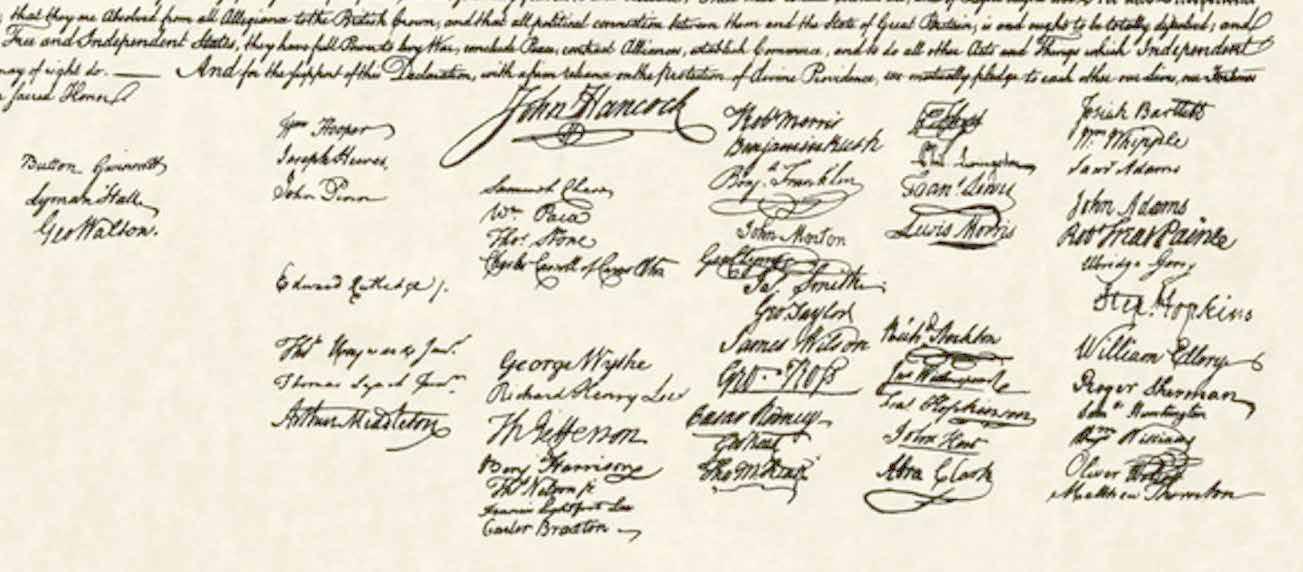
A depiction of signatures to the Declaration of Independence. Under John Hancock’s signatures are the four signatories from Maryland, including Charles Carroll of Carrollton.
But that changed. When Carroll wanted to enter public life, Maryland law barred Catholics from voting, holding office, or practicing law. It was a peculiar position for a man who owned tens of thousands of acres and stood among the richest colonists in North America.
On the eve of the Revolution, his fortune would be equivalent to millions of dollars today. Even that amount of wealth did not shield him from civic exclusion, which sharpened his frustration with arbitrary authority.
Writing under the pen name “First Citizen,” Carroll entered public debate through the press arguing with such precision and force that he effectively would win the debate in the court of public opinion. He was a colonial celebrity.
Among Carroll’s vast landholdings was Carrollton Manor, a working plantation situated in Frederick County.
“His father gave him 12,000 acres,” George said. “He actually had success by planting wheat.”
The manor was actively farmed, with tenant families working the land under lease arrangements managed by Carroll’s agents. It was from this property that he took his distinguishing surname — “of Carrollton” — making Frederick County soil, in a real sense, the ground on which his identity stood.
The manor gave Carroll a direct economic and personal stake in the western Maryland interior at a time when that region was developing rapidly.
According to George, Carroll also had approximately 250 enslaved laborers.
John George spent 47 years in education — 33 years with Frederick County Public Schools as a teacher and administrator and 14 years at Hood College.
He received a doctorate degree in Educational Leadership from American University and was in charge of the social studies curriculum at FCPS.
A member of the Sgt. Lawrence Everhart Chapter of the Sons of the American Revolution, George has been interested in history for decades.
In 2014, George started writing a paper on Charles Carroll of Carrolton and presented it to the local Torch Club. He has given talks on the signer at Hood College, the DAR, and recently to the SAR.
He will be presenting it again on Oct. 8, 2026, at a Heritage Frederick event that is free and open to the public.
On Oct. 24, St. Joseph’s on Carrollton Manor will also host special programming and tours of the property to commemorate the 250th birthday of America. Learn more about both events at frederickhistory.org.
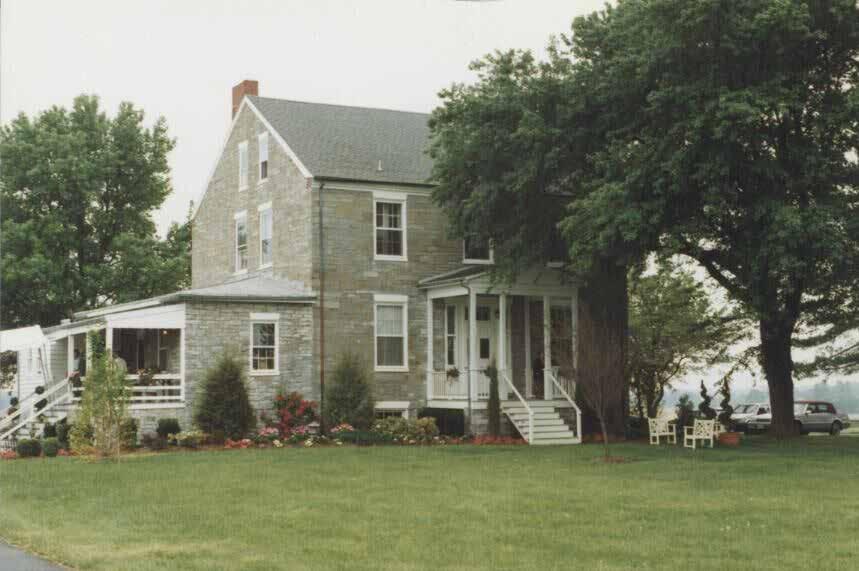
On the property, the stone manor house owned by Carroll was known as Tuscarora. “You could see the manor house from the school when leaves
were off the trees,” George said. Land owned by Carroll would also be donated for what is now St. Joseph’s on Carrollton Manor,
according to George. Mass was held in the old stone church by November 1822.
Frederick County also figured into Carroll’s Revolutionary-era travels.
In early 1776, the Continental Congress sent Carroll as part of a commission to Canada — alongside Benjamin Franklin, Samuel Chase, and a Jesuit priest, Father John Carroll, his cousin — in an effort to bring the Canadian colonies into the rebellion.
The party traveled through Maryland on their way north, passing through country that Carroll knew well.
The mission ultimately failed; Quebec’s French Catholic population was not persuaded to join an the colonists’ rebellion.
But the journey demonstrated Congress’s trust in Carroll and his willingness to serve in demanding, uncertain conditions.
In July 1776, Carroll was elected to the Continental Congress, arriving just in time to vote for independence.
He signed the Declaration on Aug. 2, 1776, alongside the majority of delegates.
His signature — bold, clear, and annotated with his home — stood as a statement that the wealthiest man in the colonies was prepared to stake everything on the outcome. The British, had they won, would have seized his estates without hesitation. Carroll understood this. He had calculated the risk and made his choice. ”He even pledged to finance the revolution,” George said. His contributions to the
(CARROLL from 11)
Revolutionary cause extended beyond the symbolic.
In Maryland, he served on the state’s Committee of Safety, helping to organize the colony’s military and logistical preparations. He worked on the drafting of Maryland’s state constitution in 1776, helping to shape the governmental framework the new state would carry forward.
He was a voice for moderation and order within the patriot coalition — deeply committed to independence, but equally committed to ensuring the revolution produced stable republican governance rather than mob rule.
Carroll would go on to serve in the United States Senate as one of Maryland’s original senators from 1789 to 1792, though he resigned when Maryland passed a law prohibiting simultaneous state and federal office-holding.
He remained active in commerce and agriculture through his later decades. In 1828, at 90 years old, he laid the ceremonial first stone for
the Baltimore and Ohio Railroad — another transit through his beloved Maryland terrain.
On Nov. 14, 1832, Carroll died at 95 years old. He was the last surviving signer of the Declaration of Independence. “Carroll was also the only signer of the Declaration of Independence who was Roman Catholic,” George said.
In Frederick County, the memory of Carrollton Manor endures in place names and local history, a reminder that the man whose signature closed the list of signers was not a distant Philadelphia figure, but a Maryland landowner with acres of Frederick County ground beneath his feet.
He had risked all of it — the manor, the fortune, the family name — on a document that declared, in plain language, that men were not born to be governed without their consent.
“He was our signer,” George said. “His name should be among the likes of Francis Scott Key and Barbara Fritchie.”
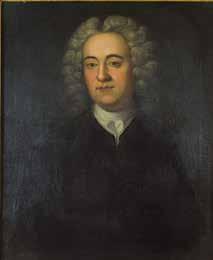
A portrait of Daniel Dulany the Elder, who laid out FrederickTown in 1745.
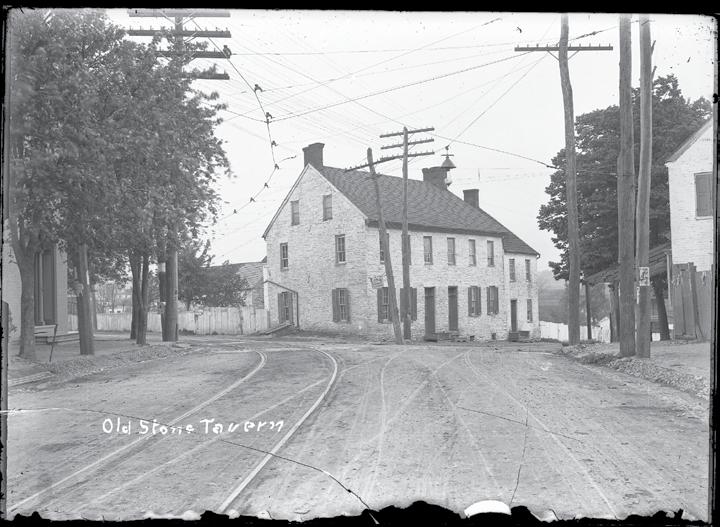
The historic Old Stone Tavern stood at the corner of West Patrick and Court streets. It hosted prominent figures lsuch as General Braddock in 1755 and George Washington in 1791.
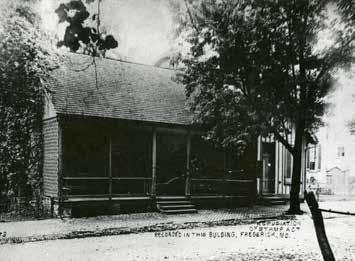
Record Street Building. (Inscription reads: “Repudiation of Stamp Act recorded in this building, Frederick, Md.”)
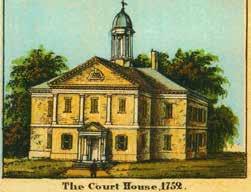
A drawing o f the Frederick County Courthouse, circa 1785.
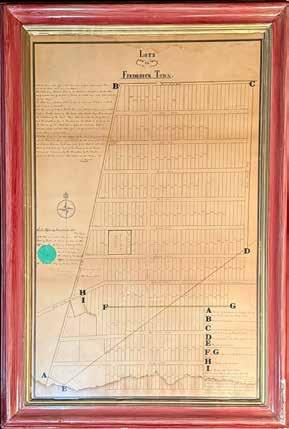
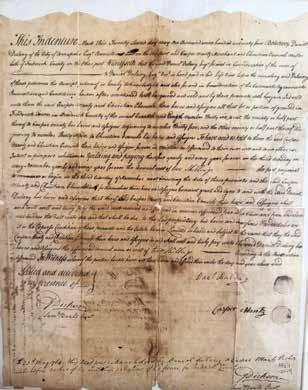
A deed from Caspar Mantz. Mantz (1776–1839) was a prominent and exceptionally wealthy landowner and businessman in Frederick. He was also a key figure in one of the area’s most affluent early families.
B y JAMES RADA JR.
A young soldier from Middletown helped keep the dream of an independent country alive during the American Revolution.
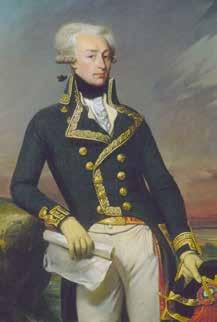
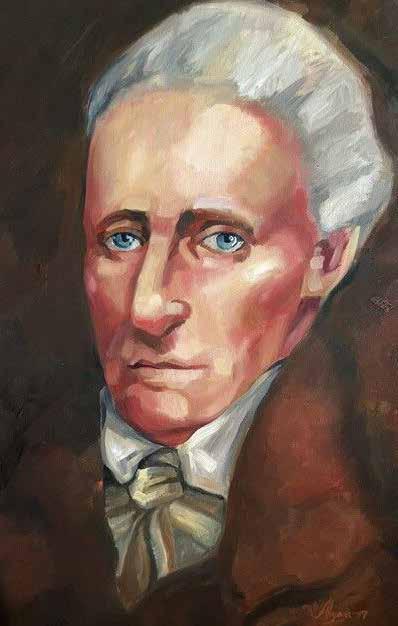
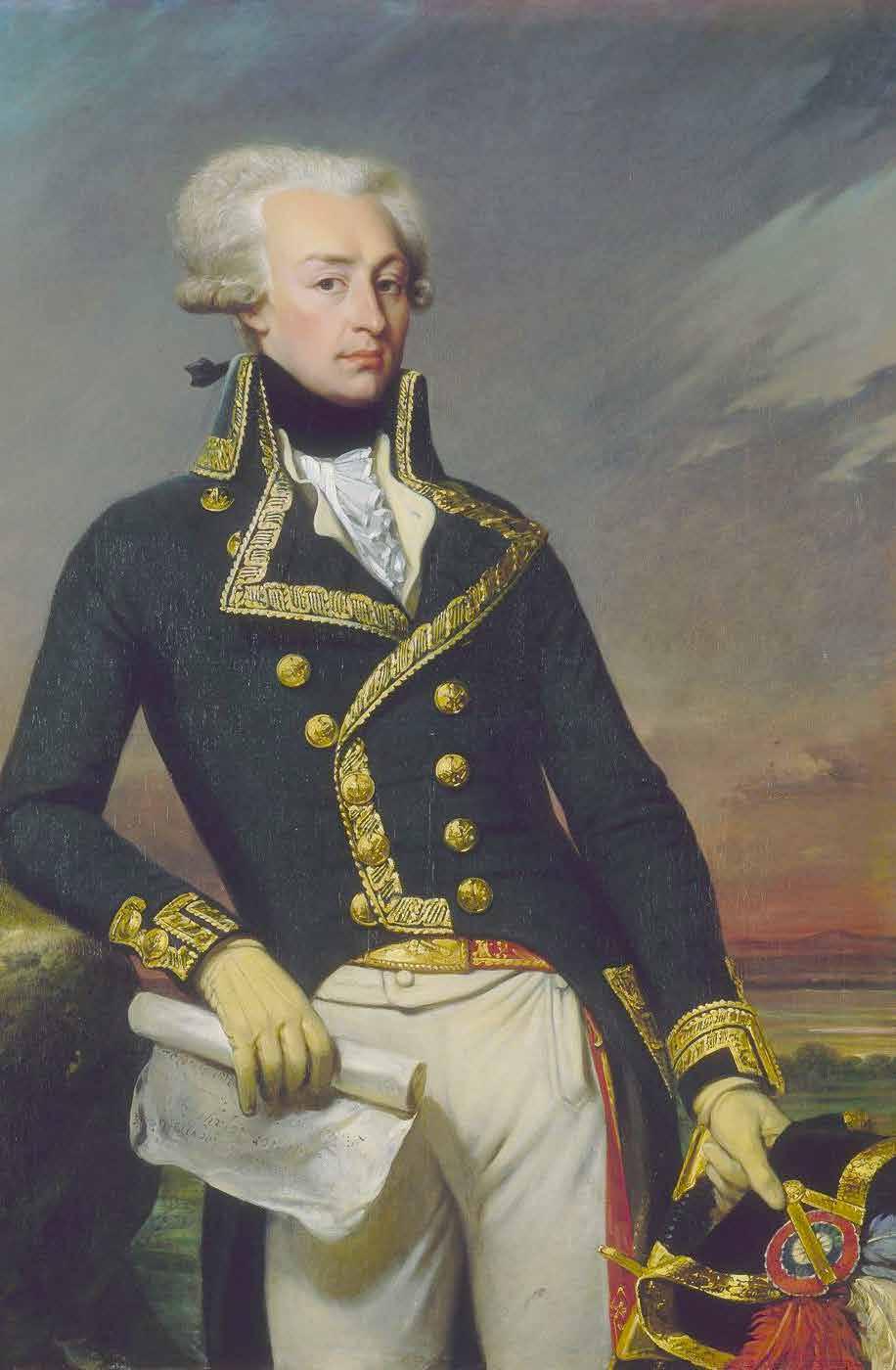
The Marquis de Lafayette was a French aristocrat who fought with the colonists during the war. He proved to have a keen military mind that helped the colonists avoid defeat against the bettertrained and larger British Army.
During the decisive Battle of Yorktown, Lafayette’s small force harassed and contained Lord Cornwallis’s larger British Army, preventing it from escaping or getting reinforcements. The delaying action allowed time for colonial reinforcements to reach de Lafayette. The British were forced to surrender, and the colonists won the war and their independence.
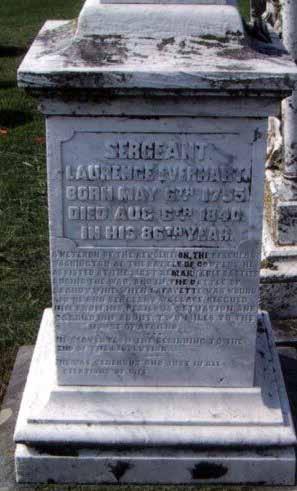
This may not have happened if not for Sgt. Lawrence (sometimes written as Laurence) Everhart.
Born in Middletown on May 6, 1755, the tall and muscular Everhart looked like a soldier, and when he enlisted with “The Flying Camp,” headed by Capt. Jacob Goode as a private on August 1, 1776, in Taneytown, he became one.
According to an article about Everhart by David Buie, numerous accounts attest to his bravery and skill. “According to colleagues, he was offered promotions but refused them due to his lack of formal education and military training,” Buie wrote.
Everhart’s first battle was at White Plains, N.Y., in October 1776.
British Gen. William Howe landed troops in Westchester County, N.Y., intending to block Gen. George Washington’s retreat from New York City and capture the Continental Army between two British armies. Washington learned of this and pushed his men even further north, but Everhart was wounded during the fighting and captured.
Luckily, he and several others were able to escape later and rejoin the Continental Army.
Lafayette’s first combat wasn’t until the following year at the Battle of Brandywine on September 11, 1777.
Washington’s and Howe’s troops clashed once again in the largest
battle of the Revolutionary War. It was another loss for the Continental Army that led to the British capturing Philadelphia.
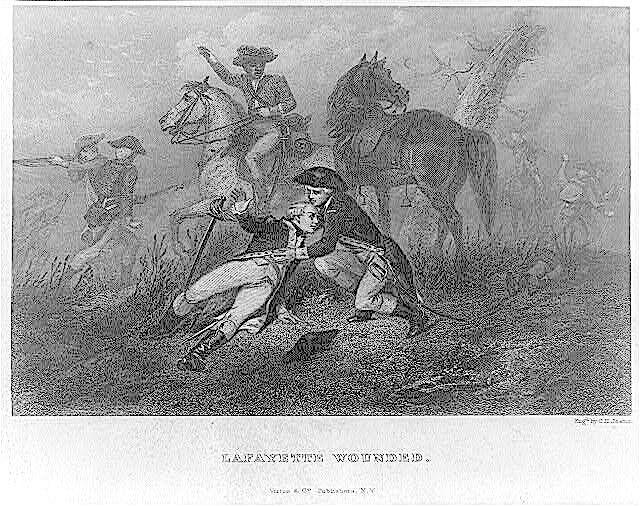
During the Continental Army’s retreat, Lafayette was shot in the thigh. His capture or death could have broken the French support for the colonists during the war.
However, Everhart, along with Sgt. Andrew Wallace, saw Lafayette’s predicament. They made their way
to Lafayette, picked him up, and carried him two miles to safety, where he could be treated for his wound, according to the epitaph on his gravestone.
Although Lafayette later downplayed the wound, it took him two months to recover and return to the field. It is likely that had Everhart and Wallace not saved him, Lafayette would have died from blood loss or infection.
From Wikimedia Commons
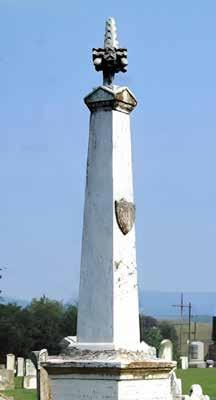
ABOVE: Although this scene did not take place, it is a painting by Don Troiani of Marquis de Lafayette being comforted by Gen. George Washington after he was wounded at the Battle of Brandywine. RIGHT: Part of a monument to Sgt. Lawrence Everhart at Zion Lutheran Cemetery, where he is buried
The rescue also created a friendship between Everhart and Lafayette. When Lafayette visited Frederick in 1824 during his American farewell tour, Everhart led the parade in his honor and received a prominent seat at a banquet in Lafayette’s honor.
Everhart’s heroics did not end at Brandywine.
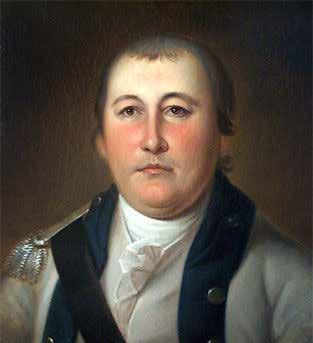
When his enlistment ended, he re-enlisted in a cavalry regiment that Lt. Col. William Washington (George Washington’s cousin) formed in Fredericktown in Cecil County.
Everhart received the rank of sergeant and served as an aide to
Washington.
The regiment fought in skirmishes throughout the South, usually going up against Lt. Col. Banastre Tarleton’s men. This back and forth culminated in the Battle of Cowpens in South Carolina in 1781, during which the British wounded and captured Everhart, according to Lucy Bittinger in The Germans in Colonial Times.
While a captive, he told an officer that he “hoped to God that it would be another Tarleton defeat.”
(See EVERHART 16)
(EVERHART from 15)
The British officer replied, “I am Colonel Tarleton, sir!”
Everhart shot back, “And I am Sgt. Everhart!”
He escaped and made his way back to his unit and the battle, but then he was wounded once again. “Hurt a second time, Everhart disabled a British soldier who was in the act of striking Washington and was wounded a yet third time before the encounter concluded,” Buie wrote.
The colonists won this battle decisively and gave the British their worst defeat to that point in the war.
Everhart was also in Yorktown to see the war conclude in 1781 and to reunite with Lafayette.
Despite Everhart’s military aptitude, he left the military at the end of the war. He returned home to Middletown, married Mary Ann Beckenbaugh, and moved forward in life.
Having fought for peace and independence for his country, Everhart now sought to maintain it within himself. He was ordained a minister in the Methodist Episcopal Church in 1808.
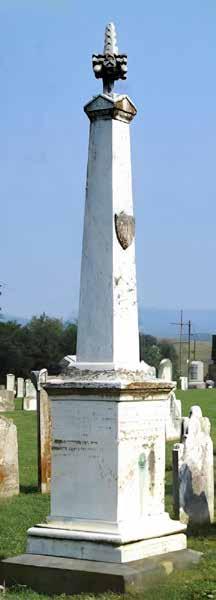
From that point on, he faithfully served God until his death in 1855 at the age of 85, living up to one of the lines of his epitaph on a large memorial in Zion Lutheran Cemetery in Middletown. The line reads: “He was generous and just in all his relations of life.”
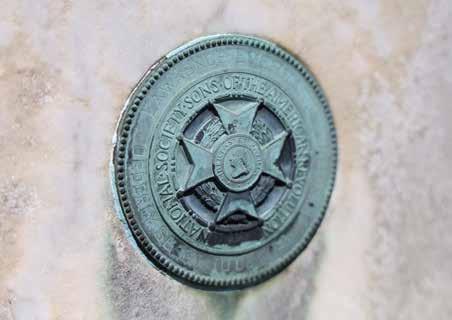
He is still remembered today, not just because of the memorial. The Sons of the American Revolution chartered a Frederick County chapter in 1920 that is named after Everhart.







By JAMES RADA JR. Special to The News-Post
Most people wouldn’t think of Frederick County as a place where revolution was fomented. It is often forgotten amid other places like Boston and Philadelphia.
However, when the British Parliament passed the Stamp Act in 1765, the American colonists were not happy when the news reached them. The Stamp Act revenue was supposed to finance the costs of keeping British troops in North America. It was the first internal tax levied directly on American colonies. It required all official documents in the colonies be printed on a specially stamped paper.
The news of this tax reached Maryland in May 1765, when the text of the act was printed in the Maryland Gazette. Newspapers like the Gazette opposed the act because they also would have to be printed on the taxed paper, increasing their costs.
The stamped paper arrived in Maryland in October 1764, shortly before the act was to take effect Nov. 1.
Mike Maharrey wrote in a Tenth Amendment Center article that between May and October, the citizens’ anger over the Stamp Act had “reached the point that Gov. Horatio Sharpe was afraid the colonists would destroy the paper if it was offloaded. He requested that the stamped paper remain onboard the ship until the situation cooled off. As a result, when Nov. 1, the effective date of the Stamp Act rolled around, there was no stamped paper available in the Maryland colony.”
In mid-November 1764, 12 magistrates of the Frederick County court ordered a man to be released on bail and directed court clerk John Darnall to draw up the paperwork for the court. With no official stamped paper available, Darnall said that his office couldn’t conduct any official business until it received the paper, essentially bringing legal and commercial business to a halt in the county.
The magistrates ordered him to continue without the stamped paper. When Darnall refused, he was found in contempt of court and jailed. After a night in jail, he said he would comply, paid a fine, and was released.
On Nov. 23, the magistrates unanimously ruled that the Stamp Act would be ignored. The stated two reasons for this decision: 1) There
pudiation was actually a bit of theatrics. Ryan Bass and Pat Barron wrote in their article “Repudiation of the Stamp Act”:
“Darnall had served in that capacity as court clerk since the founding of the county in 1748. One of the sitting magistrates for the November 1765 Court Term was James Dickson, who was Darnall’s son-in-law. As Millard M. Rice points out in his book This Was the Life, a careful reading of the court proceedings prior to Nov. 18, 1765 shows no evidence of anyone at the Frederick County Court having a concern about conducting legal business without the Stamp Act paper.
“The justices selected one seemingly insignificant case on which to make their ruling. The justices refer to ‘this Province,’ implying an expansion beyond the boundaries of Frederick County, and an indication there may have been others, at a higher level of government, involved in formulating the decision. One can speculate the justices, besides seeking an opportunity to snub the Stamp Act, also were providing Darnall some political cover by ‘forcing’ him to accept the court’s ruling.”
The 12 magistrates who defied the law have become known as “The Twelve Immortals.” They are: Thomas Beatty, Peter Bainbridge, Josiah Beall, Samuel Beall, William Blair, James Dickson, Andrew Heugh, Charles Jones, William Luckett, David Lynn, Thomas Price and Joseph Smith.
had been no formal notice of the act’s passage and implementation and 2) It was impractical to halt all business in the county because no stamped paper was available.
Their ruling read, in part: “It is the unanimous resolution and opinion of this Court that all business thereof shall and ought to be transacted in the usual and accustom manner without any inconvenience or delay to be occasioned from the want of stamped paper, parchment of vellum and that all proceedings shall be valid and effectual without the use of stamps, and they enjoin and order all sheriffs, clerks, counsellors, attorneys
and all officers of the court to proceed in their several avocations as usual which resolution and opinion are grounded on the following reasons.”
This was the first act of revolt against the Stamp Act, and it was done by simply ignoring it.
Some historians believe this act of re-
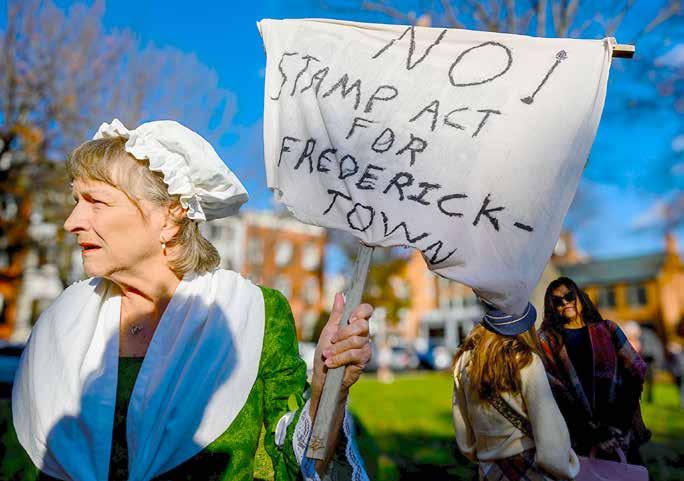
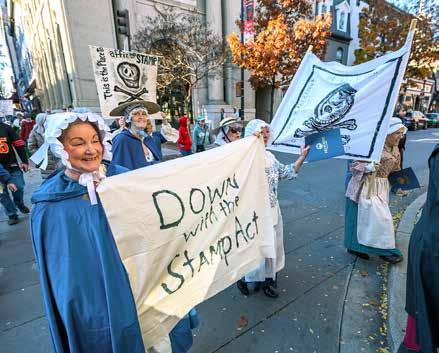
A week after they took their stand against unfair taxation, the people of Frederick Town showed their support. They held a mock funeral, in which they buried a copy of the Stamp Act with an effigy of a royal tax collector on the grounds of the county courthouse, which is now where Frederick City Hall is located.
The “Colours of the Towns Company” and drummers led the procession, followed by the townspeople, who car-
(See REPUDIATION 20)
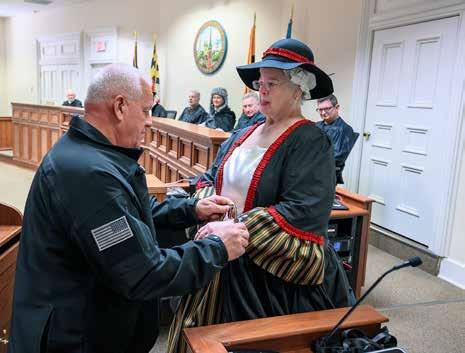
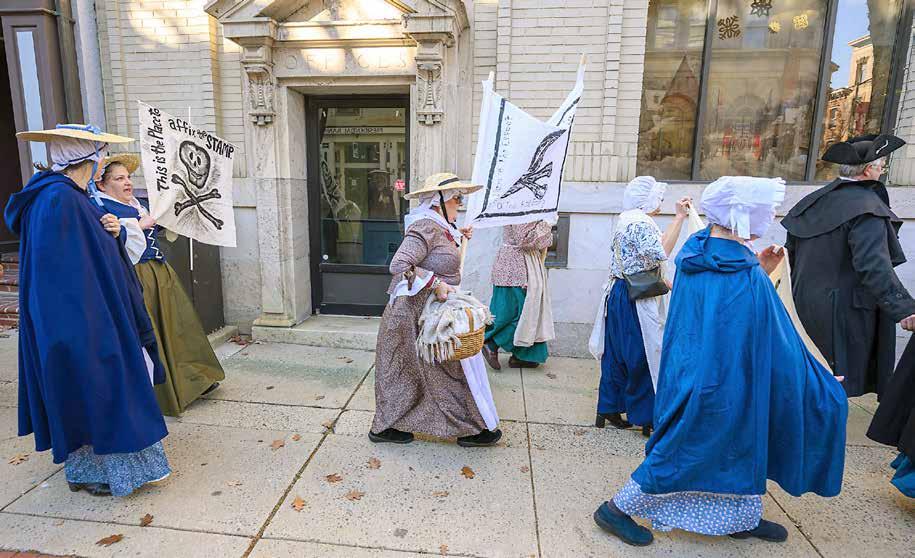
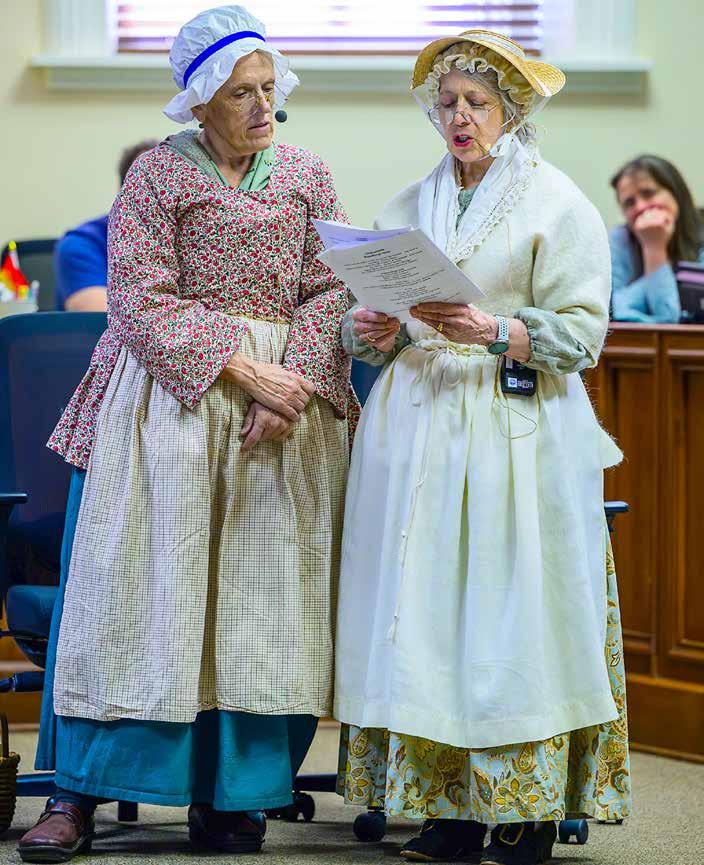
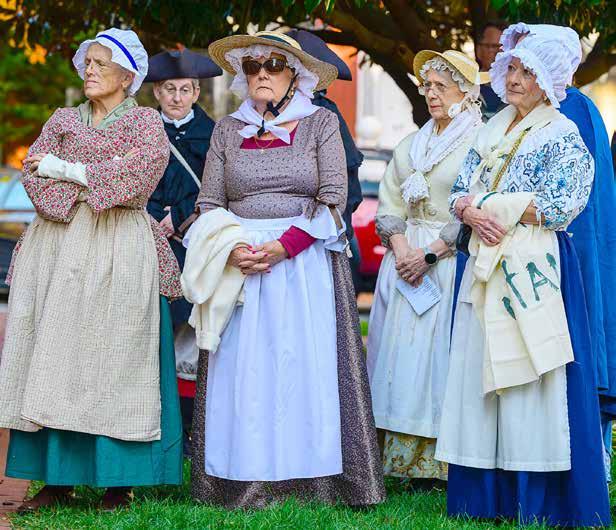
Staff file photos by Ric Dugan A reenactment to commemorate the 260th anniversary of Repudiation Day was held at Frederick City Hall in 2025. The event was in recognition of Frederick County’s stand against the British Stamp Act of 1765.
(REPUDIATION from 19)
ried a large banner followed by a coffin covered in anti-Stamp Act slogans. This was followed by an effigy of the tax collector, who was the sole mourner and the Sons of Liberty “two and two.”
“The STAMP-ACT having received a mortal wound by the Hands of Justice, on Saturday last gave up the Ghost, to the great joy of the Inhabitants of Frederick County. The lifeless body lay exposed to public Ignominy ‘til Yesterday, when it was thought proper, for preventing infection-from its stench to bury it in the following manner,” according to the Maryland Gazette.
This defiance inspired other places to do similar things by capturing or destroying the stamped paper and forcing officials to have to make decisions to ignore the Stamp Act. This led to colonial assemblies passing resolutions that spoke of the natural rights of colonists and stated that the Stamp Act was unlawful and void.
The British Parliament repealed the act on March 18, 1766, without it ever having been effectively enforced.
In 1894, the Maryland General Assembly made Nov. 23 a bank half-holiday in Frederick County to celebrate Repudiation Day, the day when the Twelve Immortals repudiated the Stamp Act.
In 1904, the Frederick Chapter of the Daughters of the American Revolution placed a plaque listing the names of the 12 magistrates in the Frederick County Courthouse.
1777
The Continental Army endured Valley Forge and American forces won at Saratoga, a turning point that helped persuade France to back the Revolution.
1778
The Treaty of Alliance with France brought the United States its most important foreign partner in the Revolutionary War.
1779
John Paul Jones won fame aboard the Bonhomme Richard, answering surrender demands with defiance during a dramatic naval battle.
1780
The treason of Benedict Arnold shocked the Patriot cause and made his name a lasting synonym for betrayal.
1781
British General Cornwallis surrendered at Yorktown, effectively ending major fighting in the American Revolution.
1782
Preliminary peace articles between the United States and Great Britain recognized American independence in principle.
1783
The Treaty of Paris formally ended the Revolutionary War and recognized the United States as an independent nation.
1784
The Confederation Congress ratified the Treaty of Paris, completing the legal end of the war for independence.
1785
Congress adopted the Land Ordinance of 1785, establishing a system for surveying and selling western lands.
1786
Shays’ Rebellion exposed weaknesses in the Articles of Confederation and helped build momentum for a stronger national government.
1787
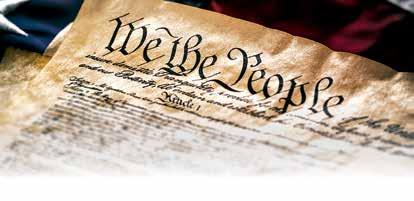
Delegates met in Philadelphia and wrote the United States Constitution, creating the framework still used today.
1788
New Hampshire became the ninth state to ratify the Constitution, putting the new federal government into effect.
1789
George Washington took the oath of office as the first president of the United States in New York City.
1801
1801
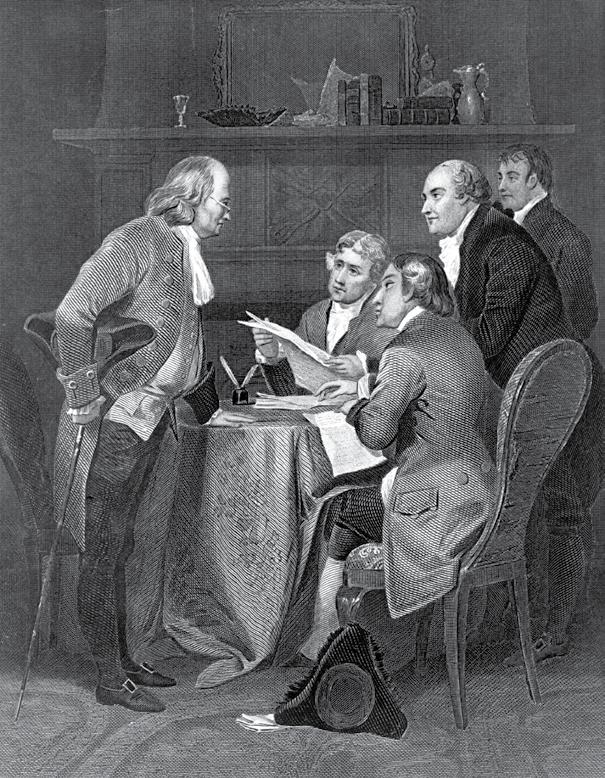
This image provided by the National Archives shows the 19th-century engraving “Drafting the Declaration of Independence” by Alonzo Chappel which depicts of the the committee chosen to draft a declaration of independence. The five members are, from left, Benjamin Franklin, Thomas Jefferson, John Adams, Philip Livingston and Roger Sherman. One of the nation’s founding fathers - but never president -- Franklin was born to a soapmaker and earned his wealth as printer, publisher and inventor.
This image provided by the National Archives shows the 19th-century engraving “Drafting the Declaration of Independence” by Alonzo Chappel which depicts of the the committee chosen to draft a declaration of independence. The five members are, from left, Benjamin Franklin, Thomas Jefferson, John Adams, Philip Livingston and Roger Sherman. One of the nation’s founding fathers — but never president — Franklin was born to a soapmaker and earned his wealth as printer, publisher and inventor.
1790
The first federal census counted nearly 4 million people in the young United States.
1791
The Bill of Rights was ratified, adding the first 10 amendments to the Constitution.
1792
The Coinage Act created the U.S. Mint and established the dollar as the nation’s standard unit of money.
1793
Eli Whitney’s cotton gin was introduced, transforming agriculture and deepening the nation’s dependence on enslaved labor.
1794
The Whiskey Rebellion tested federal authority under President Washington and ended when militia forces marched into western Pennsylvania.
1795
The Treaty of Greenville opened much of present-day Ohio to American settlement after conflict in the Northwest Territory.
1796
George Washington’s Farewell Address warned against permanent foreign alliances and bitter partisan division.
1797
John Adams became the second president, marking the first peaceful transfer of executive power under the Constitution.
1798
The Alien and Sedition Acts ignited a national debate over civil liberties, immigration and federal power.
George Washington died at Mount Vernon, prompting nationwide mourning for the Revolutionary War leader and first president.
1800
The election of 1800 produced the first peaceful transfer of power between rival political parties in American history.
1801
Thomas Jefferson was inaugurated and called for unity after one of the nation’s most divisive early elections.
1802
Congress passed the Enabling Act of 1802, beginning the process that led to Ohio becoming the first state formed from the Northwest Territory.
1803
The Louisiana Purchase doubled the size of the United States and opened vast western lands to American expansion.
1804
The Lewis and Clark Expedition set out to explore the newly acquired Louisiana Territory and the route to the Pacific.
1805
Lewis and Clark reached the Pacific Ocean, completing one of the most famous exploratory journeys in U.S. history.
1806
Zebulon Pike began an expedition that helped map parts of the West and later gave his name to Pikes Peak.
1807
Congress passed a law ending the legal impor-
1812
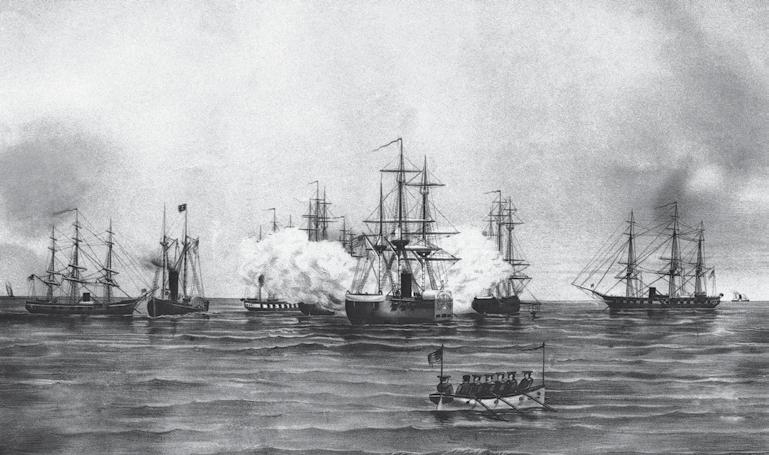
Ships battle during the War of 1812. The war was primarily caused by British maritime blockades, the forced impressment of American sailors into the Royal Navy, and British military support for Native American tribes resisting U.S. expansion.
tation of enslaved people into the United States effective in 1808.
1808
The federal ban on importing enslaved people took effect, though slavery itself continued in much of the country.
1809
James Madison became president as tensions with Great Britain continued to rise.
1810
The United States continued expanding into the Mississippi Valley as tensions grew over Spanish control of nearby territories.
1811
William Henry Harrison’s forces fought Tecumseh’s confederacy at the Battle of Tippecanoe in Indiana Territory.
1812
The United States declared war on Great Britain, beginning the War of 1812.
1813
Oliver Hazard Perry won the Battle of Lake Erie, giving the United States control of the lake during the War of 1812.
1814
British troops burned public buildings in Washington, D.C., while defenders at Fort McHenry inspired the future national anthem.
1815
Andrew Jackson’s victory at the Battle of New Orleans became a legendary American triumph, though the peace treaty had already been signed.
































1816
Indiana entered the Union as the 19th state.
1817
Construction began on the Erie Canal, a project that would transform transportation and commerce in the young republic.
1818
Illinois became the 21st state, expanding the Union deeper into the Old Northwest.
1819
The Supreme Court’s McCulloch v. Maryland decision strengthened federal power and protected the national bank from state interference.
1820
The Missouri Compromise admitted Missouri as a slave state and Maine as a free state, temporarily balancing sectional tensions.
1821
Missouri entered the Union as the 24th state.
1822
Authorities in Charleston claimed to uncover a slave revolt plot allegedly led by Denmark Vesey, intensifying Southern fears of rebellion.
1823
President James Monroe announced the Monroe Doctrine, warning European powers against new colonization in the Americas.
1824
The presidential election ended without an Electoral College majority and was decided by the House of Representatives.
1825
The Erie Canal opened, linking the Great Lakes with the Hudson River and helping make New York a commercial powerhouse.
1826
John Adams and Thomas Jefferson both died on July 4, the 50th anniversary of the Declaration of Independence.
1827
New York abolished slavery within the state, a major step in Northern emancipation before the Civil War.
1828
Andrew Jackson won the presidency in an election that signaled the rise of mass democracy and modern campaigning.
1829
David Walker published his Appeal, one of the era’s most forceful antislavery writings.
1830
Congress passed the Indian Removal Act, leading to forced removals of Native peoples from their homelands.
Nat Turner’s rebellion in Virginia became one of the most significant uprisings by enslaved people in American history.
South Carolina’s nullification crisis challenged federal authority over tariffs and foreshadowed later sectional conflict.
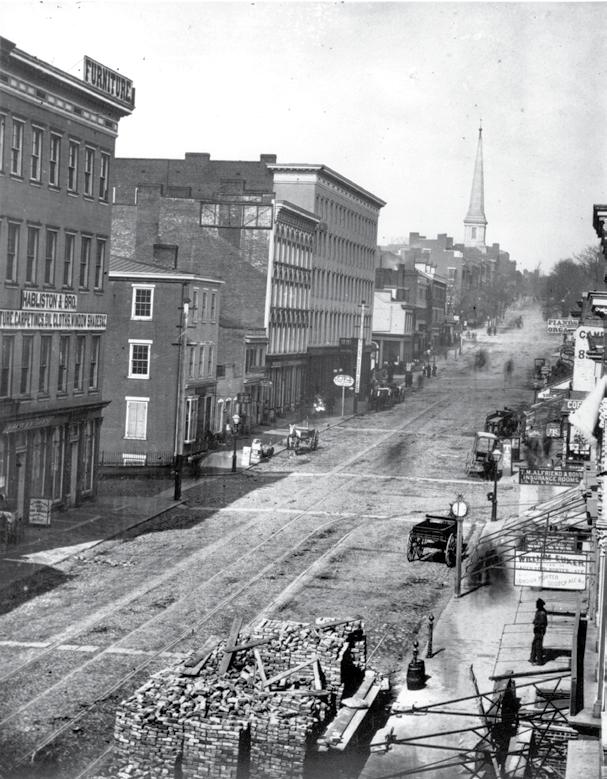
1865 Main Street in Richmond, Va., in 1865. The city is undergoing reconstruction from the fires set in April 1865 during the city’s evacuation just before the Confederate surrender at the end of the American Civil War. The spire of Second Baptist Church can be seen in the background.
1833
The Compromise Tariff of 1833 helped defuse the nullification crisis between South Carolina and the federal government.
1834
The Whig Party began to emerge as a national opposition movement to Andrew Jackson’s Democrats.
1835
The Second Seminole War began in Florida, becoming one of the longest and costliest Indian wars in U.S. history.
1836
Texas won independence from Mexico after the battles of the Alamo and San Jacinto.
1837
Michigan became the 26th state, and the Panic of 1837 triggered a severe economic depression.
1838
The forced removal of the Cherokee on the Trail of Tears became one of the darkest episodes in American history.
1839
The Amistad case began after Africans aboard a Spanish schooner seized control of the ship, leading to a landmark freedom case.
1840
William Henry Harrison’s log-cabin campaign helped usher in a new age of popular presidential politics.
1841
William Henry Harrison died after only a month in office, making John Tyler the first vice president to become president by succession.
1842
The Webster-Ashburton Treaty settled boundary disputes between the United States and British North America.
1843
The Oregon Trail carried thousands of settlers westward in what became known as the Great Migration of 1843.
1844
Samuel Morse sent the famous telegraph message ‘What hath God wrought’ from Washington to Baltimore.
1845
Texas was annexed by the United States, intensifying tensions with Mexico and the debate over slavery.
1846
The United States went to war with Mexico, and Iowa entered the Union as the 29th state.
1847
American forces captured Mexico City during
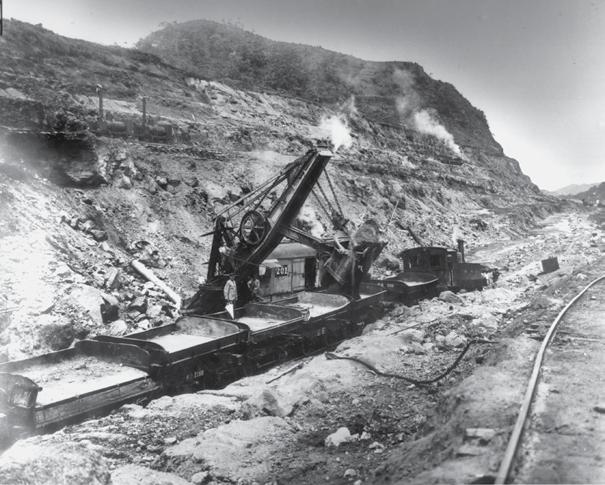
1904 A steam shovel used for excavating and loading French dirt cars is shown in Culebra Cut, Culebra, in the Panama Canal Zone in 1904.
the Mexican-American War.
1848
The Treaty of Guadalupe Hidalgo ended the Mexican-American War and added vast western territories to the United States.
1849
The California Gold Rush drew thousands of fortune seekers west and accelerated California’s path to statehood.
1850
The Compromise of 1850 admitted California as a free state and toughened the fugitive slave law.
1851
Abolitionist Sojourner Truth delivered her famous “Ain’t I a Woman?” speech in Ohio, becoming one of the most influential voices for both racial equality and women’s rights.
1852
Harriet Beecher Stowe’s “Uncle Tom’s Cabin” became a publishing sensation and sharpened national debate over slavery.
1853
The Gadsden Purchase added land in present-day Arizona and New Mexico for a southern railroad route.
1854
The Kansas-Nebraska Act reopened the slavery question in the territories and helped lead to the
creation of the Republican Party.
1855
Bleeding Kansas violence escalated as proslavery and antislavery settlers fought over the territory’s future.
1856
Preston Brooks caned Senator Charles Sumner on the Senate floor, symbolizing the collapse of civility over slavery.
1857
The Supreme Court’s Dred Scott decision denied citizenship to Black Americans and inflamed sectional tensions.
1858
The Lincoln-Douglas debates made Abraham Lincoln a national figure in the struggle over slavery’s expansion.
1859
John Brown’s raid on Harpers Ferry intensified fears and hopes surrounding the coming conflict over slavery.
1860
Abraham Lincoln was elected president, prompting the first Southern states to move toward secession.
1861
The Civil War began with the firing on Fort Sumter in Charleston Harbor.
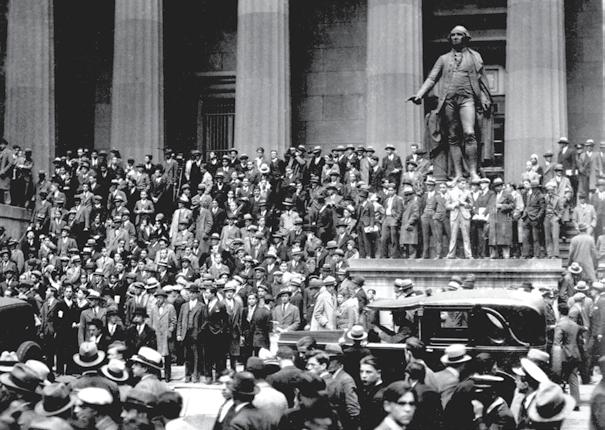
BELOW RIGHT: People gather on the sub-treasury building steps across from the New York Stock Exchange in New York on Thursday,” 24, investors savings in stock market crash in history after a five-day frenzy of heavy trading. Too much speculation with borrowed money had inflated market values unrealistically. Huge buying hastily by financial finally frantic Great Depression
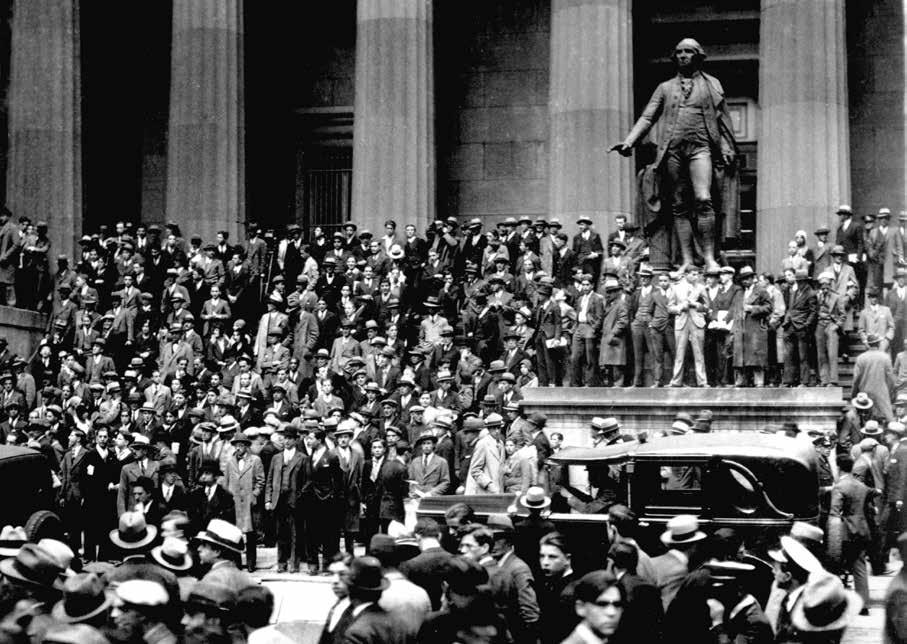
BELOW RIGHT: People gather on the sub-treasury building steps across from the New York Stock Exchange in New York on “Black Thursday,” Oct. 24, 1929. Thousands of investors lost their savings in the worst stock market crash in Wall Street history after a five-day frenzy of heavy trading. Too much speculation with borrowed money had inflated market values unrealistically. Huge buying orders, hastily erected by powerful financial interest, finally checked a frantic sell-off. The Great Depression followed thereafter.
1862
1862
The Homestead Act opened western land to settlers, while the Battle of Antietam led to the preliminary Emancipation Proclamation.
The Homestead Act opened western land to settlers, while the Battle of Antietam led to the preliminary Emancipation Proclamation.
1863
1863
Lincoln issued the Emancipation Proclamation, West Virginia became a state, and the Battle of Gettysburg marked a turning point.
Lincoln issued the Emancipation Proclamation, West Virginia became a state, and the Battle of Gettysburg marked a turning point.
1864
1864
Lincoln won re-election as Union armies pressed toward victory in the Civil War.
Lincoln won re-election as Union armies pressed toward victory in the Civil War.
1865
1865
The Civil War ended, the Thirteenth Amendment abolished slavery, and Abraham Lincoln was assassinated.
The Civil War ended, the Thirteenth Amendment abolished slavery, and Abraham Lincoln was assassinated.
1866
1866
Congress passed the Civil Rights Act of 1866, asserting citizenship rights for formerly enslaved people.
Congress passed the Civil Rights Act of 1866, asserting citizenship rights for formerly enslaved people.
1867
1867
The United States purchased Alaska from Russia for $7.2 million.
The United States purchased Alaska from Russia for $7.2 million.
1868
1868
The Fourteenth Amendment guaranteed birthright citizenship and equal protection under the law.
The Fourteenth Amendment guaranteed birthright citizenship and equal protection under the law.
1869
1869
The first transcontinental railroad was completed at Promontory Summit, Utah.
The first transcontinental railroad was completed at Promontory Summit, Utah.
1870
1870
The Fifteenth Amendment prohibited denying voting rights based on race, color or previous condition of servitude.
The Fifteenth Amendment prohibited denying voting rights based on race, color or previous condition of servitude.
1871
1871
The Ku Klux Klan Act strengthened federal efforts to combat racial violence during Reconstruction.
The Ku Klux Klan Act strengthened federal efforts to combat racial violence during Reconstruction.
1872
1872
Yellowstone National Park was established, beginning America’s national park idea.
Yellowstone National Park was established, beginning America’s national park idea.
1873
1873
The Panic of 1873 triggered a long economic depression and deepened political unrest during Reconstruction.
The Panic of 1873 triggered a long economic depression and deepened political unrest during Reconstruction.
1874
1874
The Woman’s Christian Temperance Union was founded, becoming a powerful force in social reform and Prohibition politics.
1875
The Woman’s Christian Temperance Union was founded, becoming a powerful force in social reform and Prohibition politics.
1875
The Civil Rights Act of 1875 sought to protect equal access to public accommodations, though it was later struck down.
1876
The Civil Rights Act of 1875 sought to protect equal access to public accommodations, though it was later struck down.
1876
The United States celebrated its Centennial while the disputed Hayes-Tilden election exposed deep postwar divisions.
The United States celebrated its Centennial while the disputed Hayes-Tilden election exposed deep postwar divisions.
1877
1877
Federal troops withdrew from the South, effectively ending Reconstruction.
The Pendleton Civil Service Act began replacing patronage with merit-based federal employment.
The Pendleton Civil Service Act began replacing patronage with merit-based federal employment.
1884
Grover Cleveland was elected president, becoming the first Democrat to win the White House after the Civil War.
1878
Federal troops withdrew from the South, effectively ending Reconstruction.
1878
The Bland-Allison Act revived limited silver coinage amid national debate over money and debt.
The Bland-Allison Act revived limited silver coinage amid national debate over money and debt.
1879
1879
Thomas Edison demonstrated a practical incandescent electric light, helping launch the electric age.
1880
Thomas Edison demonstrated a practical incandescent electric light, helping launch the electric age.
1880
James A. Garfield won the presidency in an election that reflected the power of post-Civil War party loyalties.
1881
James A. Garfield won the presidency in an election that reflected the power of post-Civil War party loyalties.
1881
President Garfield was assassinated, and Chester A. Arthur became president.
1882
President Garfield was assassinated, and Chester A. Arthur became president.
1882
The Chinese Exclusion Act became the first major federal law to bar immigration based on nationality.
The Chinese Exclusion Act became the first major federal law to bar immigration based on nationality. 1883
1885
Grover Cleveland was elected president, becoming the first Democrat to win the White House after the Civil War.
1885
The Statue of Liberty arrived in New York Harbor in pieces from France.
1886
The Statue of Liberty arrived in New York Harbor in pieces from France.
1886
The Statue of Liberty was dedicated. The Haymarket affair shook the American labor movement.
The Statue of Liberty was dedicated. The Haymarket affair shook the American labor movement.
1887
1887
The Dawes Act divided Native American tribal lands into individual allotments, with devastating effects on tribal sovereignty.
1888
The Dawes Act divided Native American tribal lands into individual allotments, with devastating effects on tribal sovereignty.
1888
Benjamin Harrison won the presidency despite losing the popular vote to Grover Cleveland.
Benjamin Harrison won the presidency despite losing the popular vote to Grover Cleveland.
1889
1889
North Dakota, South Dakota, Montana and Washington all entered the Union.
North Dakota, South Dakota, Montana and Washington all entered the Union.
1890
1890
The Sherman Antitrust Act gave the federal government a tool to challenge monopolies and
The Sherman Antitrust Act gave the federal government a tool to challenge monopolies and restrain corporate power.








1941
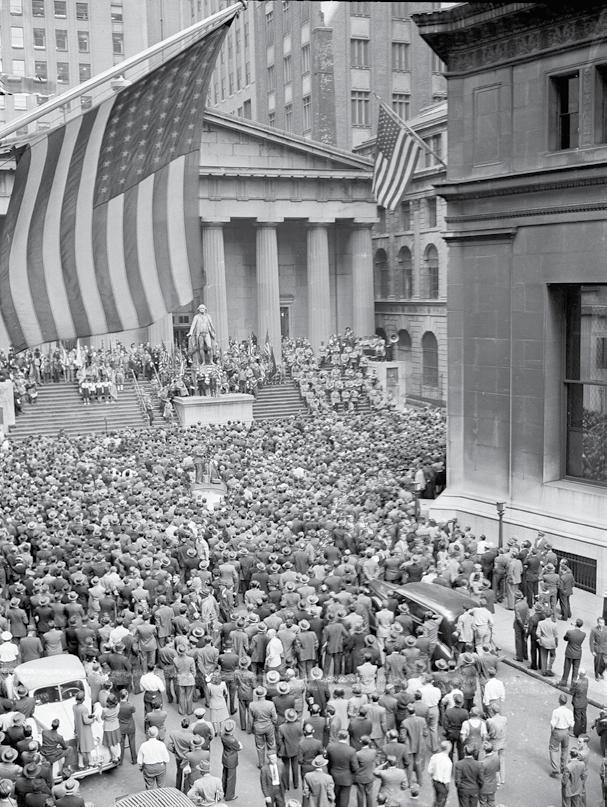
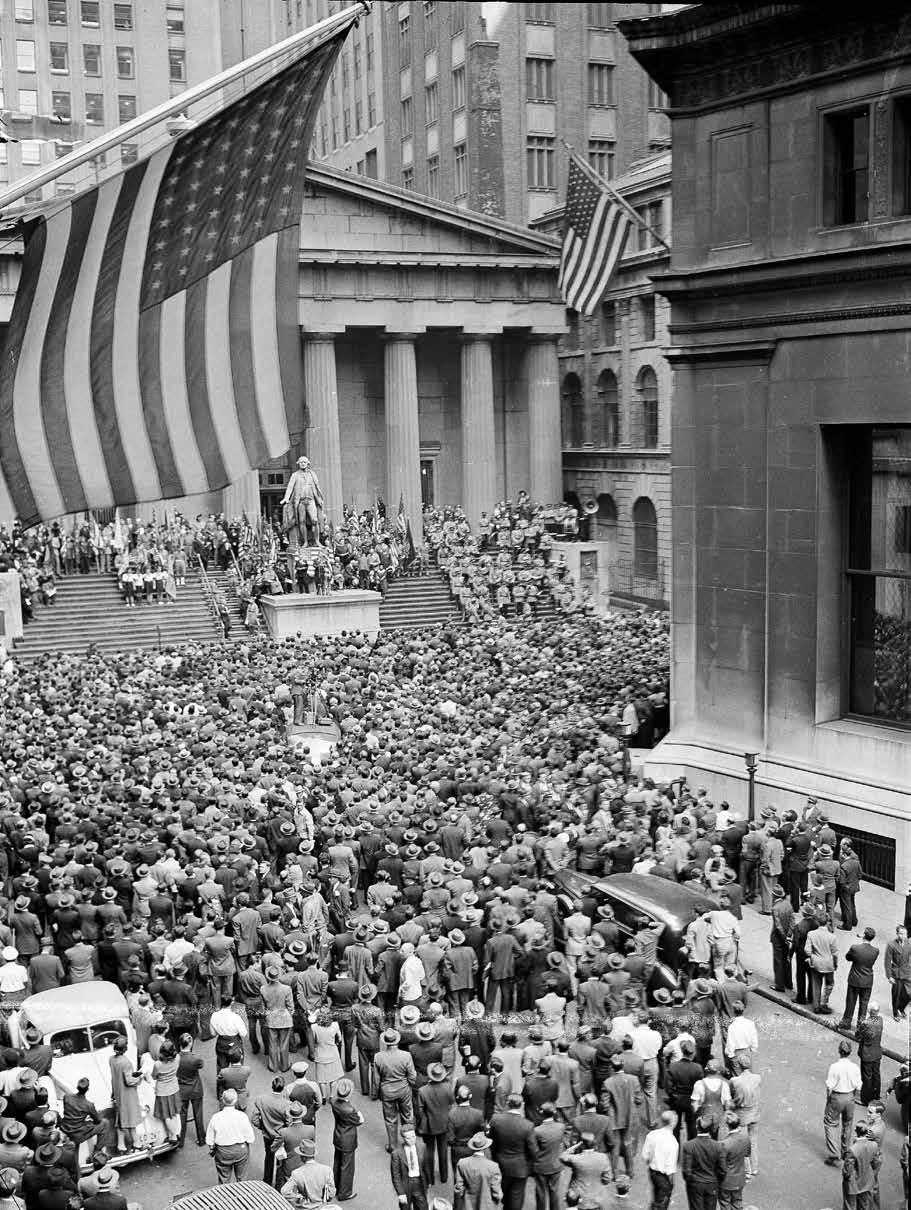
This is the scene as about 6,000 persons gathered before the SubTreasury building in New York City, Sept. 25, 1941, for the opening of the three-month celebration marking the 150th anniversary of the ratification of the Bill of Rights.
1941 This is the scene as about 6,000 persons gathered before the SubTreasury building in New York City, Sept. 25, 1941, for the opening of the three-month celebration marking the 150th anniversary of the ratification of the Bill of Rights.
restrain corporate power.
1891
Congress created the
Congress created the forest reserve system, an early milestone in federal conservation policy.
1892
Ellis Island opened as the nation’s
Ellis Island opened as the nation’s main immigration station in New York Harbor.
1893
The World’s Columbian Exposition opened in Chicago, showcasing American industry, architecture and ambition.
The World’s Columbian Exposition opened in Chicago, showcasing American industry, architecture and ambition.
1894
1894
The Pullman Strike became a national labor crisis and brought federal troops into a conflict
The Pullman Strike became a national labor crisis and brought federal troops into a conflict between workers and railroads.
1895
between workers and railroads.
1895
Booker T. Washington delivered the Atlanta Exposition address, shaping debate over Black advancement after Reconstruction.
1896
Booker T. Washington delivered the Atlanta Exposition address, shaping debate over Black advancement after Reconstruction.
1896
The Supreme Court’s Plessy v. Ferguson decision upheld racial segregation under the doctrine of ‘separate but equal.’
The Supreme Court’s Plessy v. Ferguson decision upheld racial segregation under the doctrine of ‘separate but equal.’
1897
The Klondike Gold Rush drew thousands of Americans and Canadians toward Alaska and the Yukon.
The Klondike Gold Rush drew thousands of Americans and Canadians toward Alaska and the Yukon.
1898
The Spanish-American War made the United States a global power with new overseas possessions.
The Spanish-American War made the United States a global power with new overseas possessions.
1899
The Philippine-American War began, raising fierce debate over empire and self-determination.
The Philippine-American War began, raising fierce debate over empire and self-determination.
1900
1900
The Galveston hurricane became the deadliest natural disaster in U.S. history.
The Galveston hurricane became the deadliest natural disaster in U.S. history.
1901
1901
Theodore Roosevelt became president after William McKinley was assassinated in Buffalo.
Theodore Roosevelt became president after William McKinley was assassinated in Buffalo.
1902
1902
The Newlands Reclamation Act promoted irrigation projects that transformed parts of the American West.
The Newlands Reclamation Act promoted irrigation projects that transformed parts of the American West.
1903
The Wright brothers achieved powered flight at Kitty Hawk, North Carolina.
The Wright brothers achieved powered flight at Kitty Hawk, North Carolina.
1904
1904
The United States began work on the Panama Canal after backing Panama’s separation from Colombia.
The United States began work on the Panama Canal after backing Panama’s separation from Colombia.
1905
1905
The Industrial Workers of the World was founded in Chicago as a radical labor union.
The Industrial Workers of the World was founded in Chicago as a radical labor union.
1906
1906
The Pure Food and Drug Act and Meat Inspection Act marked major victories for Progressive Era reform.
The Pure Food and Drug Act and Meat Inspection Act marked major victories for Progressive Era reform.
1907
1907
Oklahoma entered the Union as the 46th state.
Oklahoma entered the as 46th state.
1908
Ford introduced the putting automobile ownership within reach of millions of Americans.
Ford introduced the Model T, putting automobile ownership within reach of millions of Americans.
1909
1909
The NAACP was founded to fight racial discrimination and defend civil rights.
The NAACP was founded to fight racial discrimination and defend civil rights.
1910
1910
Angel Island immigration station opened in San Francisco Bay, processing many immigrants from Asia.
1911
Angel Island immigration station opened in San Francisco Bay, processing many immigrants from Asia.
1911
The Triangle Shirtwaist Factory fire in New York killed 146 workers and spurred workplace safety reforms.
1912
The Triangle Shirtwaist Factory fire in New York killed 146 workers and spurred workplace safety reforms.
1912
Arizona and New Mexico entered the Union, completing the 48 contiguous states.
1913
Arizona and New Mexico entered the Union, completing the 48 contiguous states.
1913
The Sixteenth Amendment authorized a federal income tax, and the Seventeenth Amendment provided for direct election of senators.
1914
The Sixteenth Amendment authorized a federal income tax, and the Seventeenth Amendment provided for direct election of senators.
1914
The Panama Canal opened, dramatically shortening ocean travel between the Atlantic and Pacific.
1915
The Panama Canal opened, dramatically shortening ocean travel between the Atlantic and Pacific.
1915
The first long-distance telephone call connected New York and San Francisco.
1916
The first long-distance telephone call connected New York and San Francisco.
Congress created the National Park Service to manage and protect the nation’s growing park system.
1917
1916 Congress created the National Park Service to manage and protect the nation’s growing park system.
1917
The United States entered World War I after years of neutrality.
1918
The United States entered World War I after years of neutrality.
1918
American troops helped turn the tide on the Western Front, and the war ended with the armistice of November 11.
1919
American troops helped turn the tide on the Western Front, and the war ended with the armistice of November 11.
1919
The Eighteenth Amendment was ratified, paving the way for national Prohibition, and the Nineteenth Amendment was sent to the states for ratification.
1920
The Eighteenth Amendment was ratified, paving the way for national Prohibition, and the Nineteenth Amendment was sent to the states for ratification.
1920
The Nineteenth Amendment was ratified, guaranteeing women the right to vote nationwide.
The Nineteenth Amendment was ratified, guaranteeing women the right to vote nationwide.
1921
1921
The Tomb of the Unknown Soldier was dedicated at Arlington National Cemetery.
The Tomb of the Unknown Soldier was dedicated at Arlington National Cemetery.
1922
1922
The Lincoln Memorial was dedicated in Washington, D.C.
The Lincoln Memorial was dedicated in Washington, D.C.
1923
1923
President Warren G. Harding died in office, and Calvin Coolidge was sworn in by his father in Vermont.
President Warren G. Harding died in office, and Calvin Coolidge was sworn in by his father in Vermont.
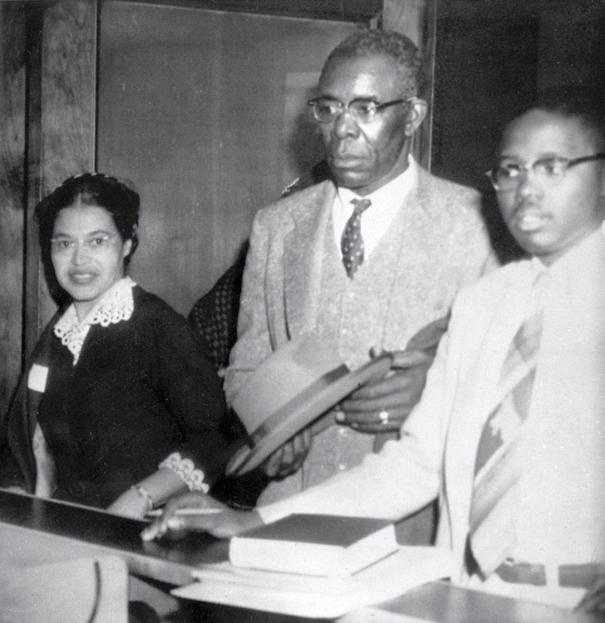
1955
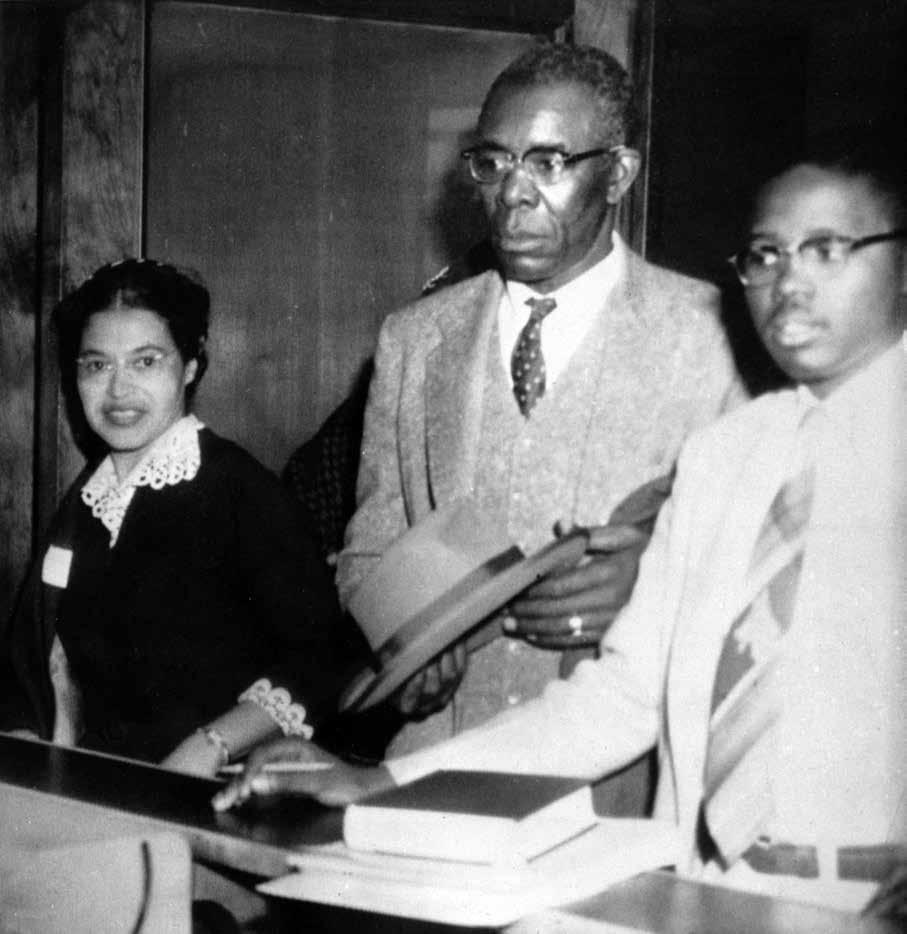
Rosa Parks, left, who was fined $10 and court costs for violating Montgomery’s segregation ordinance for city buses, makes bond for appeal to Circuit Court on Dec. 5, 1955. Signing the bond were E.D. Nixon, center, former state president of the NAACP, and attorney Fred Gray. Gray hinted that the ordinance requiring segregation will be attacked as unconstitutional.
Rosa Parks, left, who was fined $10 and court costs for violating Montgomery’s segregation ordinance for city buses, makes bond for appeal to Circuit Court on Dec. 5, 1955. Signing the bond were E.D. Nixon, center, former state president of the NAACP, and attorney Fred Gray. Gray hinted that the ordinance requiring segregation will be attacked as unconstitutional.
1925
The Scopes Trial in Tennessee put evolution, religion and public education at the center of national debate.
The Scopes Trial in Tennessee put evolution, religion and public education at the center of national debate.
The Smoot-Hawley Tariff raised import duties and worsened international trade tensions during the Depression.
The Smoot-Hawley Tariff raised import duties and worsened international trade tensions during the Depression.
1926
1931
Route 66 was established, eventually becoming one of America’s most famous highways.
1927
Route was established, eventually becoming one of America’s most famous highways.
1927
Charles Lindbergh completed the first solo nonstop flight from New York to Paris.
The Star-Spangled Banner officially became the national anthem of the United States.
The Star-Spangled Banner officially became the national anthem of the United States.
1932
1932
Charles Lindbergh completed the first solo nonstop flight from New York to Paris.
1928
1928
Herbert Hoover was elected president just before the nation entered the Great Depression.
Franklin D. Roosevelt was elected president after promising a New Deal for the American people.
Franklin D. Roosevelt was elected president after promising a New Deal for the American people.
1933
1933
1929
1924
Herbert Hoover was elected president just before the nation entered the Great Depression.
1924
The Indian Citizenship Act granted U.S. citizenship to Native Americans born in the United States.
The Indian Citizenship Act granted U.S. citizenship to Native Americans born in the United States.
1929
The stock market crash of 1929 marked the beginning of the Great Depression.
1930
The stock market crash of 1929 marked the beginning of the Great Depression.
The New Deal began, and the Twenty-first Amendment repealed Prohibition.
The New Deal began, and the Twenty-first Amendment repealed Prohibition.
1934
1934
The Securities and Exchange Commission was created to regulate Wall Street after the market crash.
The Securities and Exchange Commission was created to regulate Wall Street after the market crash.
1935
Social Security was enacted, creating a lasting federal safety net for older Americans.
1936
Jesse Owens won four gold medals at the Berlin Olympics, challenging Nazi racial ideology before the world.
1937
The Golden Gate Bridge opened, becoming an engineering landmark and an American icon.
1938
The Fair Labor Standards Act established a federal minimum wage and restrictions on child labor.
1939
The New York World’s Fair opened as war began in Europe, showcasing visions of America’s future.
1940
Franklin Roosevelt won an unprecedented third term as the world crisis deepened.
1941
Japan attacked Pearl Harbor, bringing the United States into World War II.
1942
Japanese Americans were forced into internment camps under Executive Order 9066.
1943
Allied victories in North Africa and Italy marked a turning point in World War II.
1944
Allied forces landed at Normandy on D-Day, beginning the liberation of Western Europe.
1945
World War II ended, and the United Nations was founded with the United States as a central member.
1946
Winston Churchill delivered his ‘Iron Curtain’ speech in Missouri, helping define the emerging Cold War.
1947
The Truman Doctrine signaled a new American policy of containing communism as the Cold War emerged.
1948
President Truman ordered the desegregation of the U.S. armed forces.
1949
NATO was founded, binding the United States to a peacetime military alliance with Western Europe.
1950
The Korean War began, drawing U.S. forces
into a major Cold War conflict.
1951
The Twenty-second Amendment limited presidents to two elected terms.
1952
Dwight D. Eisenhower was elected president after commanding Allied forces in World War II.
1953
The Korean War armistice ended active fighting on the peninsula, though no formal peace treaty followed.
1954
The Supreme Court’s Brown v. Board of Education decision declared public school segregation unconstitutional.
1955
The Montgomery Bus Boycott began after Rosa Parks refused to give up her seat.
1956
The Federal-Aid Highway Act launched the Interstate Highway System.
1957
Federal troops escorted the Little Rock Nine into Central High School, enforcing school desegregation.
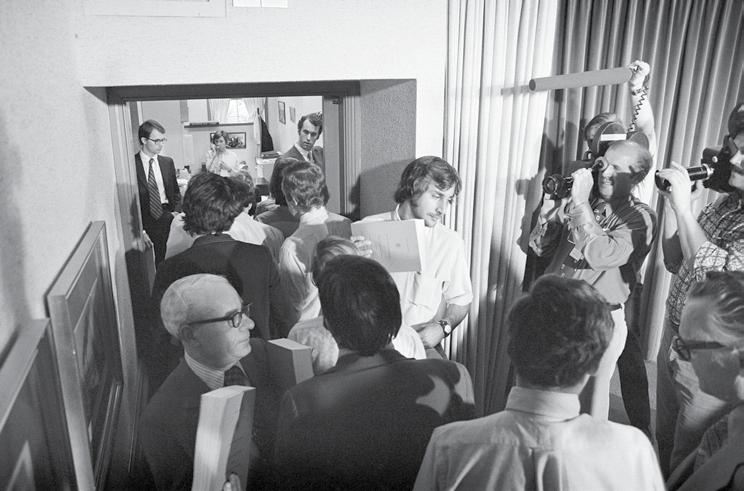
1971
Newsmen wait in line outside the White House press office for their copies of the transcript of White House tapes related to the Watergate break-in.
1958
NASA was created in response to the space race with the Soviet Union.
1959
Alaska and Hawaii became the 49th and 50th states.
1960
John F. Kennedy won the presidency after the first televised presidential debates helped reshape modern campaigns.
1961
Alan Shepard became the first American in space, and the Freedom Rides challenged segregation in interstate travel.
1962
John Glenn became the first American to orbit Earth during the Mercury-Atlas 6 mission.
1963
Martin Luther King Jr. delivered his ‘I Have a Dream’ speech, and President Kennedy was assassinated in Dallas.
1964
The Civil Rights Act of 1964 outlawed segregation in public accommodations and banned employment discrimination.
1965
The Voting Rights Act became law after the Selma campaign exposed violent resistance to Black voting rights.
1966
The National Historic Preservation Act strengthened protection for historic places across the United States.
1967
Thurgood Marshall became the first Black justice on the U.S. Supreme Court.
1968
Martin Luther King Jr. and Robert F. Kennedy were assassinated during one of the nation’s
most turbulent years.
1969
Apollo 11 landed on the Moon, and Neil Armstrong became the first person to walk on its surface.
1970
The first Earth Day was held, and the Environmental Protection Agency was created later that year.
1971
The Twenty-sixth Amendment lowered the voting age to 18.
1972
The Watergate break-in began the scandal that would bring down a president.
1973
The Paris Peace Accords ended direct U.S. military involvement in the Vietnam War.

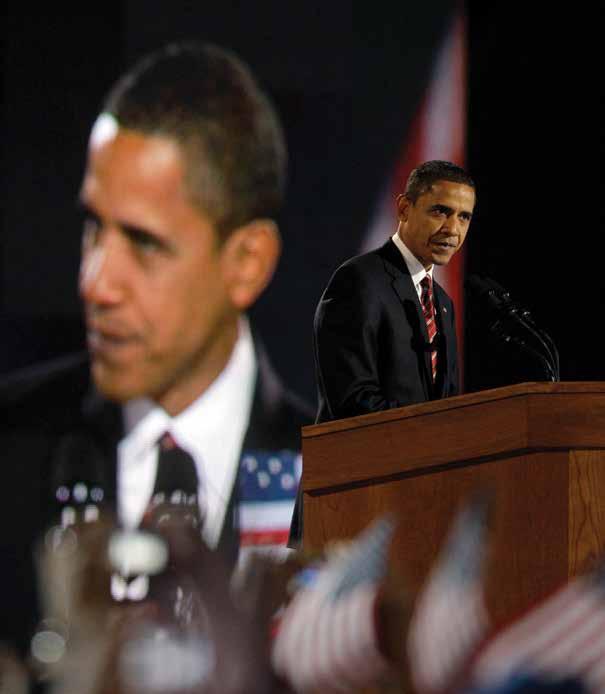
2008 President-elect Barack Obama delivers his victory speech at his election night party at Grant Park in Chicago on Nov. 4, 2008.
1974
Richard Nixon resigned the presidency, and Gerald Ford became president.
1975
The Vietnam War ended with the fall of Saigon.
1976
The United States celebrated its Bicentennial with national commemorations of 200 years of independence.
1977
Jimmy Carter became president and emphasized human rights as a theme of American foreign policy.
1978
The Camp David Accords were negotiated with U.S. mediation, leading to peace between Egypt and Israel.
1979
The Iran hostage crisis began when Americans were seized at the U.S. Embassy in Tehran.
1980
The U.S. Olympic hockey team defeated the Soviet Union in the ‘Miracle on Ice.’
1981
Ronald Reagan became president and survived an assassination attempt in Washington, D.C.
1982
The Vietnam Veterans Memorial was dedicated in Washington, D.C.
1983
Sally Ride became the first American woman in space.
1984
Geraldine Ferraro became the first woman nominated for vice president by a major U.S. political party.
The first version of Microsoft Windows was released, foreshadowing a transformation in personal computing.
The space shuttle Challenger exploded after launch, killing all seven crew members.
1987
President Reagan challenged Mikhail Gorbachev to ‘tear down this wall’ during a speech in Berlin.
1988
George H. W. Bush was elected president after serving eight years as vice president.
1989
The Berlin Wall fell, symbolizing the approaching end of the Cold War.
1990
The Americans with Disabilities Act became law, expanding civil rights protections for people with disabilities.
1991
A U.S.-led coalition liberated Kuwait in the Gulf War.
1992
The Twenty-seventh Amendment, first proposed in 1789, was finally ratified.
1993
The North American Free Trade Agreement was signed into law, reshaping trade among the United States, Canada and Mexico.
1994
The Violence Against Women Act became law as part of a major federal crime bill.
The Oklahoma City bombing killed 168 people and became the deadliest act of domestic terrorism in U.S. history.
1996
Atlanta hosted the Summer Olympics, bringing the Games back to the United States.
1997
Madeleine Albright became the first woman to serve as U.S. secretary of state.
1998
John Glenn returned to space aboard the shuttle Discovery at age 77.
1999
The Senate acquitted President Bill Clinton after his impeachment trial.



19409 Shepherdstown Pike, Keedysville, MD



Homecooking Served

7 Days a Week, 8AM-8PM
Just Minutes from Antietam Battlefield
Serving Battlefield Visitors since 1960
Catering Available • Buses Welcome Boxed Lunches Available
Homemade Crab Cakes
Homemade Pork BBQ • Fresh Fried Chicken
Fresh Baked Pies • Red Byrd Cake









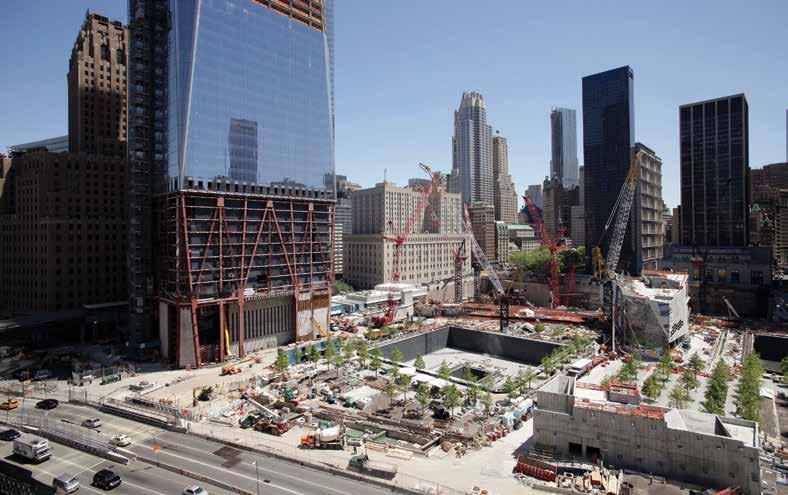
The disputed presidential election was ultimately resolved by Bush v. Gore, leading to George W. Bush’s election as the 43rd president of the United States.
2001
The Sept. 11 terrorist attacks killed nearly 3,000 people and reshaped American security and foreign policy.
2002
The Department of Homeland Security was created in response to the Sept. 11 attacks.
2003
The United States invaded Iraq, beginning a long and controversial war.
2004
The National World War II Memorial was dedicated in Washington, D.C.
2005
Hurricane Katrina devastated New Orleans and the Gulf Coast, exposing major failures in disaster preparedness.
2006
Twitter was launched, becoming part of a new era of social media and public communication.
2007
The iPhone was introduced, accelerating the smartphone revolution in American life.
2008
Barack Obama was elected the first Black president of the United States.
Sonia Sotomayor became the first Latina justice on the U.S. Supreme Court.
The Affordable Care Act was signed into law, reshaping health insurance and health policy.
U.S. forces killed Osama bin Laden in Pakistan nearly 10 years after the September 11 attacks.
Hurricane Sandy struck the East Coast, causing severe damage from the Caribbean to New York and New Jersey.
The Boston Marathon bombing killed three people and injured hundreds at one of America’s most famous races.
The National Sept. 11 Memorial Museum opened in New York City.
The Supreme Court’s Obergefell v. Hodges decision recognized same-sex marriage nationwide.
Donald J. Trump was elected the 45th president of the United States.
A total solar eclipse crossed the United States from Oregon to South Carolina, drawing millions of viewers.
2011
2011
Construction continues on the National September 11 Memorial at the World Trade Center site, Tuesday, May 10, 2011,z in New York.
Construction continues on the National September 11 Memorial at the World Trade Center site, Tuesday, May 10, 2011, in New York.
On the left is 1 World Trade Center, also known as the Freedom Tower.
On the left is 1 World Trade Center, also known as the Freedom Tower.
by The Associated Press
by The Associated Press
The First Step Act became law, one of the most significant federal criminal justice reforms in decades.
The U.S. women’s national soccer team won its fourth World Cup title.
The COVID-19 pandemic disrupted American life, and a presidential election produced record turnout.
Juneteenth became a federal holiday, recognizing the end of slavery in the United States.
Ketanji Brown Jackson became the first Black woman to serve on the U.S. Supreme Court.
2023
The United States marked 247 years of independence while preparing for the coming semiquincentennial.
A total solar eclipse crossed parts of the United States, drawing national attention to science and skywatching.
President Donald J. Trump began his second term in office.
The United States celebrates its semiquincentennial, marking 250 years since the Declaration of Independence.
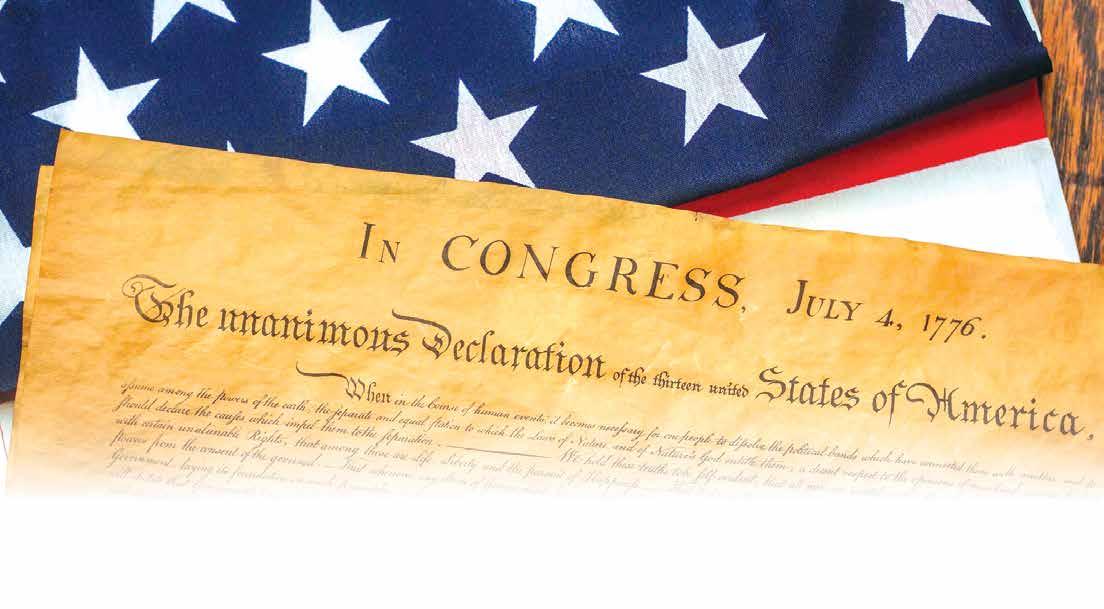
IN CONGRESS, JULY 4, 1776.
TThe unanimous Declaration of the thirteen united States of America, When in the Course of human events, it becomes necessary for one people to dissolve the political bands which have connected them with another, and to assume among the powers of the earth, the separate and equal station to which the Laws of Nature and of Nature’s God entitle them, a decent respect to the opinions of mankind requires that they should declare the causes which impel them to the separation.
he unanimous Declaration of the thirteen united States of America, When in the Course of human events, it becomes necessary for one people to dissolve the political bands which have connected them with another, and to assume among the powers of the earth, the separate and equal station to which the Laws of Nature and of Nature’s God entitle them, a decent respect to the opinions of mankind requires that they should declare the causes which impel them to the separation.
commit on the Inhabitants of these States:
We hold these truths to be self-evident, that all men are created equal, that they are endowed by their Creator with certain unalienable Rights, that among these are Life, Liberty and the pursuit of Happiness.–That to secure these rights, Governments are instituted among Men, deriving their just powers from the consent of the governed, –That whenever any Form of Government becomes destructive of these ends, it is the Right of the People to alter or to abolish it, and to institute new Government, laying its foundation on such principles and organizing its powers in such form, as to them shall seem most likely to effect their Safety and Happiness. Prudence, indeed, will dictate that Governments long established should not be changed for light and transient causes; and accordingly all experience hath shewn, that mankind are more disposed to
We hold these truths to be self-evident, that all men are created equal, that they are endowed by their Creator with certain unalienable Rights, that among these are Life, Liberty and the pursuit of Happiness.--That to secure these rights, Governments are instituted among Men, deriving their just powers from the consent of the governed, --That whenever any Form of Government becomes destructive of these ends, it is the Right of the People to alter or to abolish it, and to institute new Government, laying its foundation on such principles and organizing its powers in such form, as to them shall seem most likely to effect their Safety and Happiness. Prudence, indeed, will dictate that Governments long established should not be changed for light and transient causes; and accordingly all experience hath shewn, that mankind are more disposed to suffer, while evils are sufferable, than to right themselves by abolishing the forms to which they

For cutting off our Trade with all parts of the world: For imposing Taxes on us without our Consent:
are accustomed. But when a long train of abuses and usurpations, pursuing invariably the same Object evinces a design to reduce them under absolute Despotism, it is their right, it is their duty, to throw off such Government, and to provide new Guards for their future security.--Such has been the patient sufferance of these Colonies; and such is now the necessity which constrains them to alter their former Systems of Government. The history of the present King of Great Britain is a history of repeated injuries and usurpations, all having in direct object the establishment of an absolute Tyranny over these States. To prove this, let Facts be submitted to a candid
For depriving us in many cases, of the benefits of Trial by Jury:
For transporting us beyond Seas to be tried for pretended offenses
For abolishing the free System of English Laws in a neighboring Province, establishing therein an Arbitrary government, and enlarging its Boundaries so as to render it at once an example and fit instrument for introducing the same absolute rule into these Colonies:
For taking away our Charters, abolishing our most valuable Laws, and altering fundamentally the Forms of our Governments:
John Adams
Samuel Adams
Josiah Bartlett
Carter Braxton
Charles Carroll
We, therefore, the Representatives of the united States of America, in General Congress, Assembled, appealing to the Supreme Judge of the world for the rectitude of our intentions, do, in the Name, and by Authority of the good People of these Colonies, solemnly publish and declare, That these United Colonies are, and of Right ought to be Free and Independent States; that they are Absolved from all Allegiance to the British Crown, and that all political connection between them and the State of Great Britain, is and ought to be totally dissolved; and that as Free and Independent States, they have full Power to levy War, conclude Peace, contract Alliances, establish Commerce, and to do all other Acts and Things which Independent States may of right do. And for the support of this Declaration, with a firm reliance on the protection of divine Providence, we mutually pledge to each other our Lives, our Fortunes and our sacred Honor.
Thomas Lynch Jr.
Thomas McKean
Arthur Middleton
Lewis Morris
Robert Morris
For suspending our own Legislatures, and declaring themselves invested with power to legislate for us in all cases whatsoever.
He has abdicated Government here, by declaring us out of his Protection and waging War against us.
He has plundered our seas, ravaged our Coasts, burnt our towns, and destroyed the lives of our people.
He is at this time transporting large Armies of foreign Mercenaries to complete the works of death, desolation and tyranny, already begun with circumstances of Cruelty & perfidy scarcely
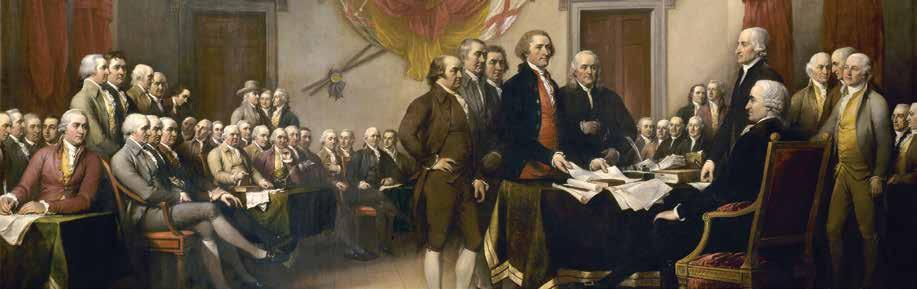
be obtained; and when so suspended, he has utterly neglected to attend to them.
He has refused to pass other Laws for the accommodation of large districts of people, unless those people would relinquish the right of Representation in the Legislature, a right inestimable to them and formidable to tyrants only.
He has called together legislative bodies at places unusual, uncomfortable, and distant from
Francis Hopkinson
Samuel Huntington
Thomas Jefferson
Francis Lightfoot Lee
Richard Henry Lee
Francis Lewis
Philip Livingston
George Walton
William Whipple
William Williams
James Wilson
John Witherspoon
Oliver Wolcott
George Wythe
We have reminded them of the circumstances of our emigration and settlement here. We have appealed to their native justice and magnanimity, and we have conjured them by the ties of our common kindred to disavow these usurpations, which, would inevitably interrupt our connections and correspondence. They too have been deaf to the voice of justice and of consanguinity. We must, therefore, acquiesce in the necessity, which
“Declaration of Independence,” John Trumbull, 1819
“We will not, under any threat, or in the face of any danger, surrender the guarantees of liberty our forefathers framed for us in our Bill of Rights.”
— Franklin D. Roosevelt, 1941
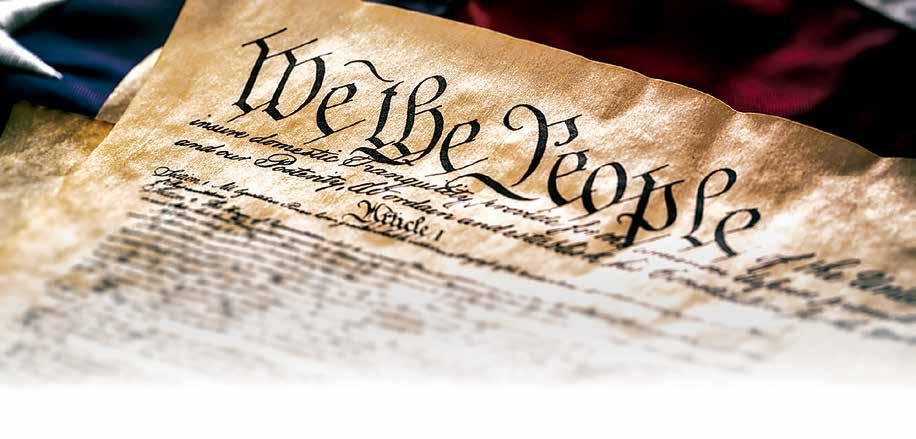
AMENDMENT I
Congress shall make no law respecting an establishment of religion, or prohibiting the free exercise thereof; or abridging the freedom of speech, or of the press; or the right of the people peaceably to assemble, and to petition the Government for a redress of grievances.
AMENDMENT II
A well regulated Militia, being necessary to the security of a free State, the right of the people to keep and bear Arms, shall not be infringed.
AMENDMENT III
No Soldier shall, in time of peace be quartered in any house, without the consent of the Owner, nor in time of war, but in a manner to be prescribed by law.
AMENDMENT IV
The right of the people to be secure in their persons, houses, papers, and effects, against unreasonable searches and seizures, shall not be violated, and no Warrants shall issue, but upon probable cause, supported by Oath or affirmation, and particularly describing the place to be searched, and the persons or things to be seized.
AMENDMENT V
No person shall be held to answer for a capital, or otherwise infamous crime, unless on a presentment or indictment of a Grand Jury,

except in cases arising in the land or naval forces, or in the Militia, when in actual service in time of War or public danger; nor shall any person be subject for the same offence to be twice put in jeopardy of life or limb; nor shall be compelled in any criminal case to be a witness against himself, nor be deprived of life, liberty, or property, without due process of law; nor shall private property be taken for public use, without just compensation.
AMENDMENT VI
In all criminal prosecutions, the accused shall enjoy the right to a speedy and public trial, by an impartial jury of the State and
district wherein the crime shall have been committed, which district shall have been previously ascertained by law, and to be informed of the nature and cause of the accusation; to be confronted with the witnesses against him; to have compulsory process for obtaining witnesses in his favor, and to have the Assistance of Counsel for his defence.
AMENDMENT VII
In Suits at common law, where the value in controversy shall exceed twenty dollars, the right of trial by jury shall be preserved, and no fact tried by a jury, shall be otherwise re-examined in any Court of the United States, than according to the rules of the common law.
AMENDMENT VIII
Excessive bail shall not be required, nor excessive fines imposed, nor cruel and unusual punishments inflicted.
AMENDMENT IX
The enumeration in the Constitution, of certain rights, shall not be construed to deny or disparage others retained by the people.
AMENDMENT X
The powers not delegated to the United States by the Constitution, nor prohibited by it to the States, are reserved to the States respectively, or to the people.




SMOKY MOUNTAIN ADVENTURE
Pigeon Forge and Gatlinburg Sunday –Thursday September 13-17 $1179 per person (double occupancy). Includes: 8 Meals, 4 Shows: Hatfield & McCoy Dinner Feud, Comedy Barn, Country Tonight, and Dolly Parton’s Pirates Voyage dinner show. Tour of Smoky Mountains, Titanic, Dollywood.
SAN ANTONIO AND DALLAS
Texas Tour featuring Dallas and San Antonio: Sunday, September 20- Friday, September 25. 6 days/ 5 nights, including 3 nights on the Riverwalk and 2 nights in Dallas. $2599 per person (double occupancy includes: round-trip airfare from BWI, round-trip airport transportation, five nights lodging, including three on the Riverwalk, nine meals. Tours






















SHAKESPEAREINSYMPHONY TCHAIKOVSKY•WALTON• MENDELSSOHN•PROKOFIEV November14&15
HOMEFORTHEHOLIDAYS December19&20





















TIMELESSSTRINGS MONTGOMERY•MOZART• BACH•WALKER•TCHAIKOVSKY February13&14 BEETHOVEN: MASTERYINMOTION March13&14
April10&11
THEARTOFSOUND PIERNÉ•CHAUSSON•RAVEL•MUSSORGSKY May1&2






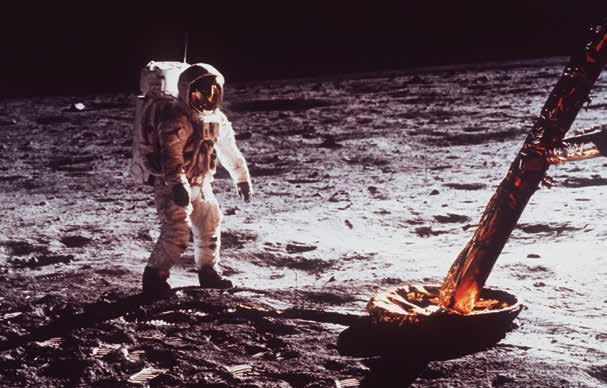
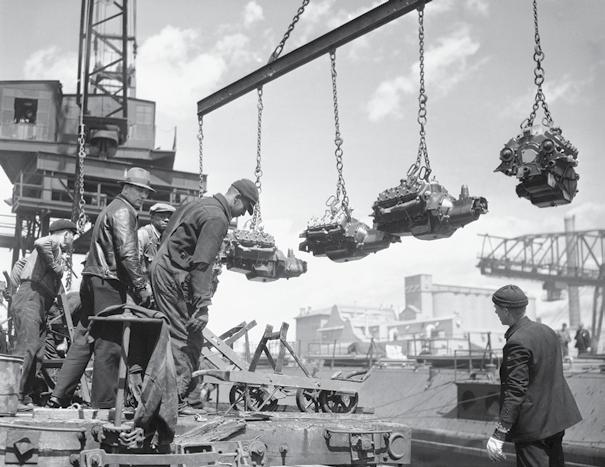
Apollo 11
In 1969, Apollo 11 carried Americans to the Moon, fulfilling President John F. Kennedy’s challenge and marking one of humanity’s greatest achievements.
Bald Eagle
Adopted as the national emblem in 1782, the bald eagle symbolizes strength, freedom and the independence of the United States.
Constitution
The United States Constitution established the framework of American government and remains the oldest written national constitution still in use.
Declaration of Independence
Adopted on July 4, 1776, the Declaration announced America’s separation from Britain and proclaimed that all men are created equal.
Ellis Island
More than 12 million immigrants entered the United States through Ellis Island between 1892 and 1954.
Ford’s Assembly Line
In 1913, Henry Ford revolutionized manufacturing with the moving assembly line, making automobiles affordable for millions.
Gettysburg
The Battle of Gettysburg in 1863 marked a turning point in the Civil War and inspired the Gettysburg Address.
Homestead Act
Signed in 1862, the Homestead Act encouraged westward expansion by granting settlers land in the American frontier.
Interstate Highway System
Authorized in 1956, the Interstate Highway System became the largest public works project in American history.
Jazz
Born in New Orleans, jazz became America’s original art form and influenced music around the world.
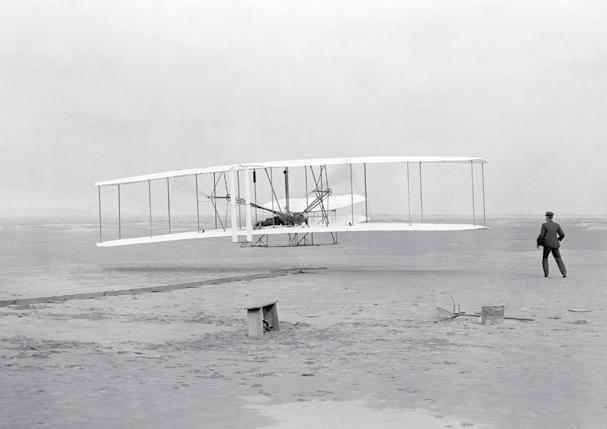
Library of Congress
Orville Wright, lying at the controls on the lower wing, pilots the Wright Flyer on the first powered flight by a heavier-than-air aircraft on Dec. 17, 1903, at Kitty Hawk, N.C. In the moments before going airborne, his brother, Wilbur Wright, watching right, guided and steadied the plane as it accelerated along the starting rail at left.
Kitty Hawk
At Kitty Hawk in 1903, Orville Wright and Wilbur Wright achieved the first powered flight.
Liberty Bell
The Liberty Bell became an enduring symbol of American independence and freedom.
Mount Rushmore
This iconic monument honors Presidents George Washington, Thomas Jefferson, Theodore Roosevelt and Abraham Lincoln.
National Parks
America created the world’s first national park, Yellowstone National Park, in 1872.
Oregon Trail
Hundreds of thousands of pioneers traveled the Oregon Trail during the 19th century in search of opportunity in the West.
Plymouth Colony
Established in 1620, Plymouth Colony became one of the earliest permanent English settlements in New England.
Quakers
Members of the Religious Society of Friends helped shape the American character through their commitment to religious freedom, equality, abolition of slavery and social justice. Their influence can be seen from colonial Pennsylvania to the reform movements that helped define the nation.
Revolutionary War
The American Revolution secured independence from Great Britain and created the United States.
Statue of Liberty
Gifted by France in 1886, the Statue of Liberty welcomed generations of immigrants to America.
Transcontinental Railroad
Completed in 1869, the railroad connected the East and West coasts and transformed commerce and travel.
ncle Sam
Uncle Sam emerged during the War of 1812 and became the personification of the United States.
Valley Forge
At Valley Forge, George Washington and the Continental Army endured a difficult winter that strengthened the Revolutionary cause.
W
The nation’s capital serves as the seat of the federal government and a symbol of American democracy.
X-15
The North American X-15 helped pave the way for the American space program by setting speed and altitude records.
Yosemite
Yosemite National Park showcases some of the most spectacular landscapes in the United States and helped inspire the conservation movement.
Zimmerman Telegram
The Zimmerman Telegram helped draw the United States into World War I after Germany sought an alliance with Mexico against America.
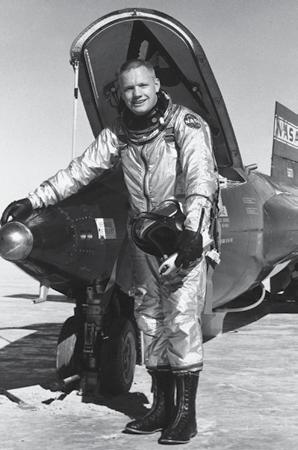
X-15 pilot Neil A. Armstrong is pictured in front of his experimental high-speed rocket-powered research aircraft at Edwards Air Force Base, Calif., in July 1962.
“With malice toward none, with charity for all... let us strive on to finish the work we are in.”
— Abraham Lincoln
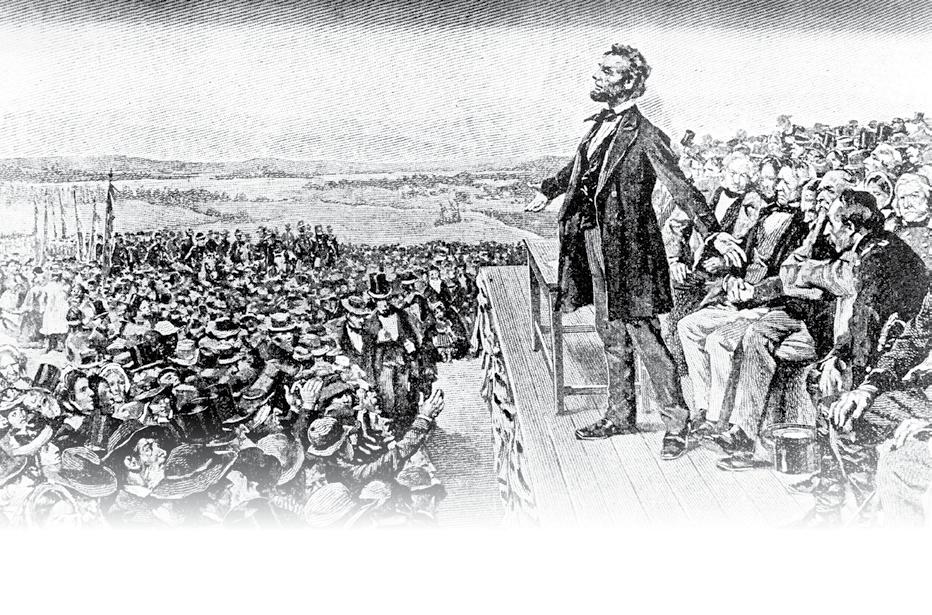
PRESIDENT ABRAHAM LINCOLN at Gettysburg, Pennsylvania
Nov. 19, 1862
Four score and seven years ago our fathers brought forth, on this continent, a new nation, conceived in Liberty, and dedicated to the proposition that all men are created equal.
Now we are engaged in a great civil war, testing whether that nation, or any nation so conceived and so dedicated, can long endure. We are met on a great battle-field of that war. We have come to dedicate a portion of that field, as a final resting place for those who here gave their lives that that nation might live. It is altogether fitting and proper that we should do this.
But, in a larger sense, we can not dedicate— we can not consecrate—we can not hallow—this
ground. The brave men, living and dead, who struggled here, have consecrated it, far above our poor power to add or detract. The world will little note, nor long remember what we say here, but it can never forget what they did here. It is for us the living, rather, to be dedicated here to the unfinished work which they who fought here have thus far so nobly advanced. It is rather for us to be here dedicated to the great task remaining before us— that from these honored dead we take increased devotion to that cause for which they gave the last full measure of devotion—that we here highly resolve that these dead shall not have died in vain—that this nation, under God, shall have a new birth of freedom—and that government of the people, by the people, for the people, shall not perish from the earth.




The American flag is perhaps the nation’s most recognizable symbol, representing unity, sacrifice and freedom. Its 13 stripes honor the original colonies that declared independence from Great Britain, while its 50 stars symbolize the states that now make up the Union. From battlefields to classrooms, from the moon landing to moments of national mourning, the flag has served as a powerful reminder of both the country’s ideals and the sacrifices made to defend them.
The American flag is perhaps the nation’s most recognizable symbol, representing unity, sacrifice and freedom. Its 13 stripes honor the original colonies that declared independence from Great Britain, while its 50 stars symbolize the states that now make up the Union. From battlefields to classrooms, from the moon landing to moments of national mourning, the flag has served as a powerful reminder of both the country’s ideals and the sacrifices made to defend them.
Chosen as the national emblem in 1782, the bald eagle symbolizes strength, courage and freedom. Found only in North America, the eagle’s soaring flight and commanding presence made it a fitting image for a young nation determined to chart its own course. Though once endangered, the bald eagle’s recovery through conservation efforts also reflects America’s growing commitment to protecting its natural heritage.
Chosen as the national emblem in 1782, the bald eagle symbolizes strength, courage and freedom. Found only in North America, the eagle’s soaring flight and commanding presence made it a fitting image for a young nation determined to chart its own course. Though once endangered, the bald eagle’s recovery through conservation efforts also reflects America’s growing commitment to protecting its natural heritage.
The American bison became the national mammal in 2016, recognizing its deep connection to the nation’s history, ecology and Native American cultures. Once numbering in the tens of millions across the Great Plains, the bison helped sustain Indigenous peoples and shaped the landscape of the American West. Its near extinction in the 19th century and later recovery symbolize both the consequences of unchecked expansion and the power of conservation.
The American bison became the national mammal in 2016, recognizing its deep connection to the nation’s history, ecology and Native American cultures. Once numbering in the tens of millions across the Great Plains, the bison helped sustain Indigenous peoples and shaped the landscape of the American West. Its near extinction in the 19th century and later recovery symbolize both the consequences of unchecked expansion and the power of conservation.
The Great Seal appears on official government documents, passports and the one-dollar bill, representing the sovereignty and ideals of the nation. The bald eagle clutching arrows and an olive branch symbolizes America’s desire for peace while remaining prepared to defend itself. The shield represents the unity of the states, while the motto “E Pluribus Unum” reflects the idea that many states and peoples form one nation.
The Great Seal appears on official government documents, passports and the one-dollar bill, representing the sovereignty and ideals of the nation. The bald eagle clutching arrows and an olive branch symbolizes America’s desire for peace while remaining prepared to defend itself. The shield represents the unity of the states, while the motto “E Pluribus Unum” reflects the idea that many states and peoples form one nation.
Adopted as the national motto in 1956, “In God We Trust” reflects the role faith has played in the nation’s history and culture. The phrase appears on U.S. currency and in many public institutions. Though interpretations vary among Americans of different beliefs, the motto represents the idea that moral principles and spiritual values have long influenced public life in the United States.
Adopted as the national motto in 1956, “In God We Trust” reflects the role faith has played in the nation’s history and culture. The phrase appears on U.S. currency and in many public institutions. Though interpretations vary among Americans of different beliefs, the motto represents the idea that moral principles and spiritual values have long influenced public life in the United States.
“E Pluribus Unum”
“E Pluribus
Latin for “Out of many, one,” “E Pluribus Unum” has symbolized American unity since the nation’s founding. Originally referring to the joining of the 13 colonies into one nation, the phrase has come to represent the blending of diverse peoples, cultures and backgrounds into a shared national identity. It reflects the ongoing American experiment of unity
Latin for “Out of many, one,” “E Pluribus Unum” has symbolized American unity since the nation’s founding. Originally referring to the joining of the 13 colonies into one nation, the phrase has come to represent the blending of diverse peoples, cultures and backgrounds into a shared national identity. It reflects the ongoing American experiment of unity
Gifted to the United States by France in 1886, the Statue of Liberty stands as a global symbol of freedom and democracy. For millions of immigrants arriving through New York Harbor, “Lady Liberty” represented hope and opportunity in a new land. Her torch, held high above the harbor, continues to symbolize the promise of liberty and the enduring belief that America is a place where people can pursue a better future.
Gifted to the United States by France in 1886, the Statue of Liberty stands as a global symbol of freedom and democracy. For millions of immigrants arriving through New York Harbor, “Lady Liberty” represented hope and opportunity in a new land. Her torch, held high above the harbor, continues to symbolize the promise of liberty and the enduring belief that America is a place where people can pursue a better future.
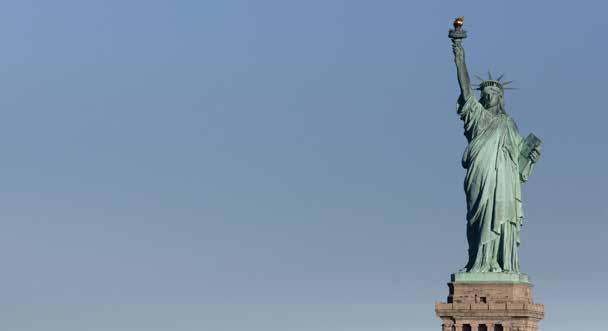
amid diversity.
amid diversity.
Written by Francis Scott Key during the War of 1812, “The Star-Spangled Banner” became the national anthem in 1931. Inspired by the sight of the American flag still flying after the bombardment of Fort McHenry, the song captures themes of resilience and patriotism. It is performed at sporting events, ceremonies and national observances, uniting Americans in moments of celebration and remembrance.
Written by Francis Scott Key during the War of 1812, “The Star-Spangled Banner” became the national anthem in 1931. Inspired by the sight of the American flag still flying after the bombardment of Fort McHenry, the song captures themes of resilience and patriotism. It is performed at sporting events, ceremonies and national observances, uniting Americans in moments of celebration and remembrance.
The rose was designated the national flower in 1986 and symbolizes beauty, love and resilience. Roses have appeared in American gardens, ceremonies and traditions for generations. Their wide variety of colors and meanings reflects the diversity and spirit of the American people.
The rose was designated the national flower in 1986 and symbolizes beauty, love and resilience. Roses have appeared in American gardens, ceremonies and traditions for generations. Their wide variety of colors and meanings reflects the diversity and spirit of the American people.
to commemorate the 50th anniversary of William Penn’s Charter of Privileges, it became associated with the ideals of the American Revolution. Its famous crack only added to its legend, and abolitionists later embraced the bell as a symbol of the fight against slavery and for civil rights.
to commemorate the 50th anniversary of William Penn’s Charter of Privileges, it became associated with the ideals of the American Revolution. Its famous crack only added to its legend, and abolitionists later embraced the bell as a symbol of the fight against slavery and for civil rights.
Uncle Sam emerged during the War of 1812 and evolved into the personification of the United States government and the American people. Often depicted in a star-spangled top hat pointing directly at the viewer, Uncle Sam became especially famous through military recruitment posters during World Wars I and II. The image represents patriotism, national duty and the idea that citizens themselves are part of the nation’s strength.
Uncle Sam emerged during the War of 1812 and evolved into the personification of the United States government and the American people. Often depicted in a star-spangled top hat pointing directly at the viewer, Uncle Sam became especially famous through military recruitment posters during World Wars I and II. The image represents patriotism, national duty and the idea that citizens themselves are part of the nation’s strength.
The Liberty Bell
Named the national tree in 2004, the oak represents strength, endurance and stability. Oaks have long played an important role in American history, from providing timber for ships and homes to serving as landmarks in communities across the nation. Their deep roots and long lifespan make them fitting symbols for a country that values perseverance and growth.
Named the national tree in 2004, the oak represents strength, endurance and stability. Oaks have long played an important role in American history, from providing timber for ships and homes to serving as landmarks in communities across the nation. Their deep roots and long lifespan make them fitting symbols for a country that values perseverance and growth.
The Liberty Bell, housed in Philadelphia, has become one of the nation’s enduring symbols of independence and equality. Though originally cast
The Liberty Bell, housed in Philadelphia, has become one of the nation’s enduring symbols of independence and equality. Though originally cast
The Minutemen were colonial militia members prepared to fight at a moment’s notice during the American Revolution. Their actions at Lexington and Concord marked the beginning of the Revolutionary War. As symbols, the Minutemen represent ordinary citizens stepping forward to defend liberty and selfgovernment.
The Minutemen were colonial militia members prepared to fight at a moment’s notice during the American Revolution. Their actions at Lexington and Concord marked the beginning of the Revolutionary War. As symbols, the Minutemen represent ordinary citizens stepping forward to defend liberty and selfgovernment.
The White House has served as the residence and workplace of every U.S. president except George Washington. More than simply a home, it symbolizes the executive branch of government and the continuity of American democracy. Through wars, economic crises and celebrations, the White House has remained a visible reminder
The White House has served as the residence and workplace of every U.S. president except George Washington. More than simply a home, it symbolizes the executive branch of government and the continuity of American democracy. Through wars, economic crises and celebrations, the White House has remained a visible reminder
of stable leadership and the peaceful transfer of power.
The U.S. Capitol stands at the heart of the nation’s legislative branch and symbolizes representative democracy. It is where Congress debates laws, declares war, certifies elections and addresses issues facing the nation. Its iconic dome has become one of the most recognizable images in America, representing the idea that government derives its authority from the people.
Ratified in 1788, the Constitution created the framework for the American system of government and remains the oldest written national constitution still in use. It established checks and balances among branches of government while protecting the rights of citizens. The Constitution’s ability to adapt through amendments has helped the nation navigate enormous changes while preserving democratic principles.
Adopted on July 4, 1776, the Declaration of Independence announced America’s separation from Great Britain and articulated the ideals upon which the nation was founded. Its assertion that “all men are created equal” and possess unalienable rights has inspired democratic movements around the world. Though the nation has struggled to fully live up to those ideals, the document remains a moral compass for generations of Americans.
The Bill of Rights, ratified in 1791, guarantees many of the freedoms Americans cherish most deeply, including freedom of speech, religion, press and assembly. These first 10 amendments limit government power and protect individual liberties. They remain central to debates about civil rights, privacy and justice, reflecting the nation’s enduring commitment to personal freedom.
Built to honor George Washington,
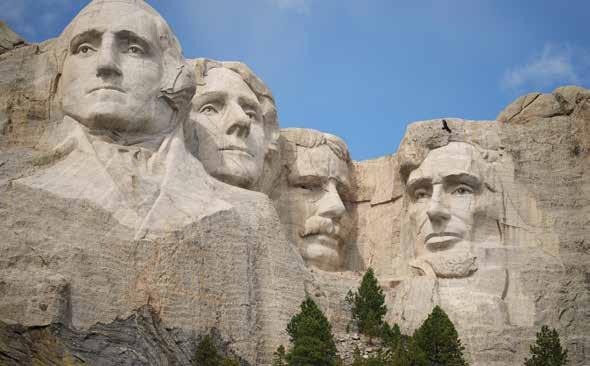
Mount Rushmore
Mount Rushmore features the carved faces of Presidents George Washington, Thomas Jefferson, Theodore Roosevelt and Abraham Lincoln, each chosen to represent different chapters of American history. The monument symbolizes the nation’s founding, expansion, conservation and preservation of the Union. Though admired by millions, it also prompts discussion about Native American history and the complexities of national memory.
commander of the Continental Army and the nation’s first president, the Washington Monument symbolizes leadership, sacrifice and the founding of the republic. Rising prominently above the National Mall, the obelisk serves as a reminder of Washington’s role in guiding the young nation through its earliest and most uncertain years.
The Lincoln Memorial honors President Abraham Lincoln and his leadership during the Civil War, one of the nation’s greatest crises. It also became a symbol of civil rights, most famously serving as the site of Martin Luther King Jr.’s “I Have a Dream” speech in 1963. The memorial represents unity, equality and the ongoing pursuit of freedom.
The Mayflower carried Pilgrims from England to the New World in 1620, becoming a symbol of early settlement and religious freedom. The Mayflower Compact, signed aboard the ship, established principles of self-government that influenced later democratic ideas in America. The voyage remains central to the story of colonial America and the nation’s origins.
The cowboy symbolizes the frontier spirit, independence and rugged individualism often associated with the American West. Though romanticized in books, films and television, cowboys played a real role in cattle drives and western expansion during the 19th century. The image of the cowboy remains tied to ideals of hard work, self-reliance and adventure.
Known as the “Mother Road,” Route 66 connected Chicago to Los Angeles and became a symbol of mobility, freedom and opportunity. During the Dust Bowl and Great Depression, families traveled the highway seeking better lives in the West. Later, it embodied the spirit of road trips, adventure and the open road that became deeply woven into American culture.
Completed in 1937, the Golden Gate Bridge symbolizes American engineering, innovation and ambition. Spanning the entrance to San Francisco Bay, it became an icon of the American West and the possibilities of modern construction. Its graceful design and towering presence continue to represent progress and imagination.
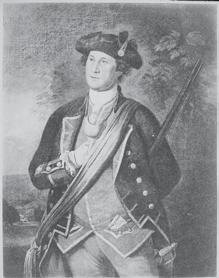
George Washington is considered the “Father of His Country,” and for good reason. As commander of the Continental Army, he led an undertrained and underfunded force to victory over Great Britain in the Revolutionary War. He then became the first president of the United States, setting enduring precedents such as a peaceful transfer of power and a voluntary two-term limit. His leadership established the tone and legitimacy of the new republic.
Thomas Jefferson
John Adams
Benjamin Franklin
Alexander Hamilton
James Madison
John Jay
Samuel Adams
Patrick Henry
Thomas Paine
John Hancock
Abigail Adams
Mercy Otis Warren
Gouverneur Morris
George Mason
Richard Henry Lee
Roger Sherman
Robert Morris
Crispus Attucks
Paul Revere became an American legend for his midnight ride in April 1775, warning colonial militias that British troops were advancing toward Lexington and Concord. A skilled silversmith and engraver, he was also an active member of revolutionary organizations such as the Sons of Liberty. His ride symbolized the courage and urgency that helped ignite the American Revolution.
Nathanael Greene
Henry Knox
Marquis de Lafayette
Baron von Steuben
Dolley Madison
Betsy Ross
Phillis Wheatley
Judith Sargent Murray
James Monroe
John Marshall
John Marshall transformed the Supreme Court into a coequal branch of government. Serving as chief justice from 1801 to 1835, he authored landmark decisions that established judicial review and strengthened federal authority. His influence on constitutional law was so profound that many historians consider him the most important jurist in American history.
Tecumseh was one of the greatest Native American leaders in U.S. history. He sought to unite tribes across the Midwest and South to resist American expansion and protect Indigenous lands. Though he was killed during the War of 1812, his vision of intertribal cooperation and defense of sovereignty made him a lasting symbol of Native resistance.
Sacagawea
Sequoyah
Red Jacket
Black Hawk
Pontiac
Ethan Allen
Charles Carroll
Elbridge Gerry
Haym Salomon
Andrew Jackson
Abraham Lincoln guided the nation through the Civil War and preserved the Union during its gravest crisis. His Emancipation Proclamation transformed the conflict into a fight against slavery, and his leadership paved the way for the 13th Amendment. Lincoln’s words and moral clarity continue to define America’s highest ideals.
Ulysses S. Grant
Theodore Roosevelt
Franklin D. Roosevelt
Woodrow Wilson
James K. Polk
Harry S. Truman
Dwight D. Eisenhower
John F. Kennedy
Lyndon B. Johnson used his extraordinary political skills to enact the Civil Rights Act of 1964, the Voting Rights Act of 1965 and the Great Society programs. Few presidents have had a more direct impact on modern American life, even
as the Vietnam War overshadowed his achievements.
Richard Nixon
Gerald Ford
Jimmy Carter
Ronald Reagan
George H. W. Bush
Bill Clinton
George W. Bush
Barack Obama
Donald Trump
Joe Biden
Henry Clay
Daniel Webster
John C. Calhoun
Thurgood Marshall
Earl Warren
Sandra Day O’Connor
Ruth Bader Ginsburg
Antonin Scalia
Martin Luther King Jr.
Martin Luther King Jr. became the moral voice of the civil rights movement, advocating nonviolent resistance to segregation and injustice. His leadership helped
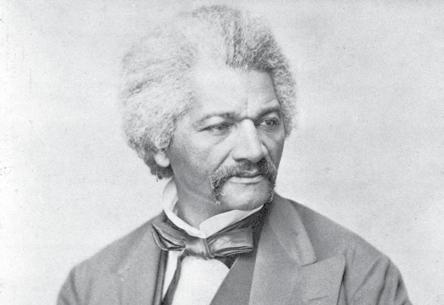
Born into slavery, Frederick Douglass escaped and became one of America’s most powerful advocates for abolition and equal rights. His speeches and autobiographies exposed the brutality of slavery and challenged the nation to live up to its ideals.


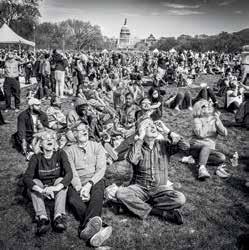
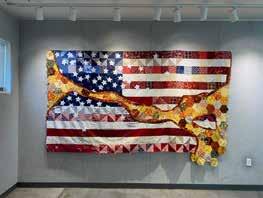


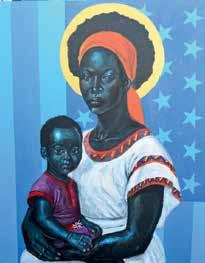














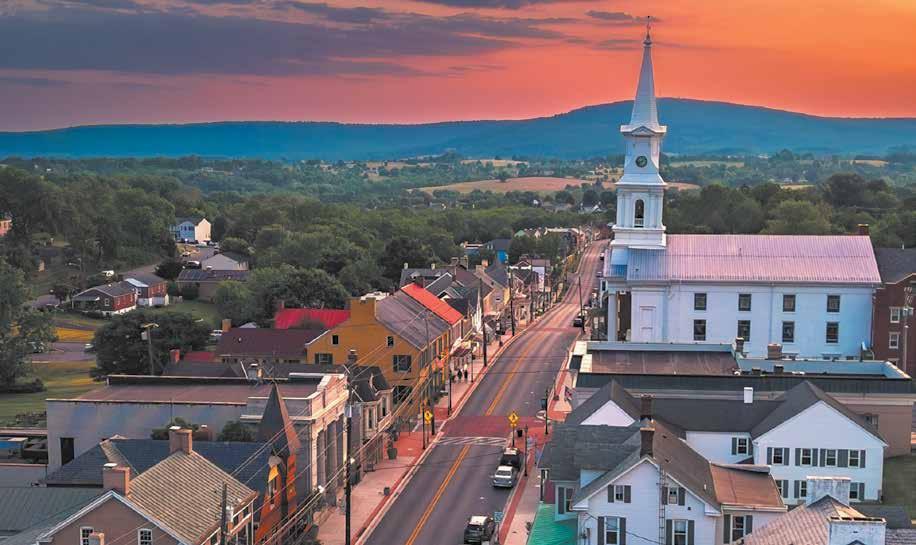


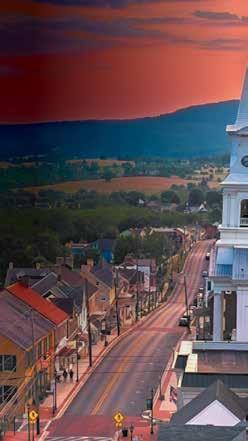
secure landmark civil rights legislation and inspired generations to pursue equality through peaceful protest.
Harriet Tubman
Rosa Parks
Malcolm X
W.E.B. Du Bois
Booker T. Washington
Ida B. Wells
A. Philip Randolph
Bayard Rustin
Cesar Chavez
Dolores Huerta
Walter Reuther
Walter Reuther transformed the United Auto Workers into one of the nation’s most influential unions. He helped secure better wages, pensions and health benefits while also supporting civil rights and environmental causes, linking labor progress to broader social justice.
Ella Baker
Fannie Lou Hamer
Medgar Evers
John Lewis
Coretta Scott King
Bryan Stevenson
Frances Perkins
Clara Barton
Margaret Sanger
Dorothea Dix
Carter G. Woodson
Wilma Mankiller
Russell Means
Vine Deloria Jr.
Harvey Milk
Marsha P. Johnson
Shirley Chisholm
Benjamin Banneker
Colin Powell
Colin Powell rose from humble beginnings in the Bronx to become one of the most respected military and diplomatic leaders in modern American history. A decorated Vietnam veteran, he later served as chairman of the Joint Chiefs of Staff during the Gulf War, helping oversee a swift coalition victory. In 2001, Powell became the first African American Secretary of State, representing the United States on the world stage during a pivotal period after the September 11 attacks. Known for his leadership, discipline and emphasis on public service, Powell remained a widely admired figure
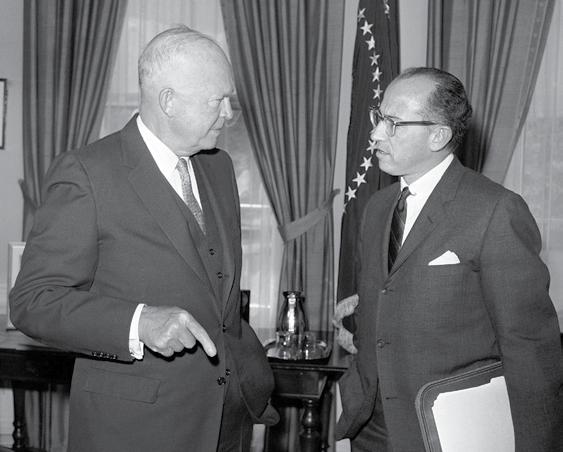
Jonas Salk developed the first successful vaccine against polio, a disease that once paralyzed or killed thousands of children each year. Introduced in 1955, the vaccine became one of the greatest public health breakthroughs in history. Salk refused to patent it, saying, “Could you patent the sun?”
across political lines.
Henry Kissinger
Madeleine Albright
Hillary Clinton
George C. Marshall
George S. Patton
Douglas MacArthur
Omar Bradley
Chester Nimitz
William Tecumseh Sherman’s campaigns in the Civil War, particularly his March to the Sea, helped break the Confederacy’s capacity to continue fighting. His use of total war tactics changed military strategy and hastened Union victory.
Robert E. Lee
Stonewall Jackson
Winfield Scott
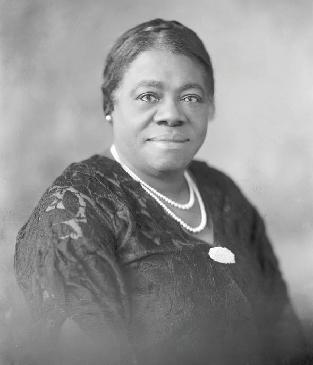
Mary McLeod
Bethune founded Bethune-Cookman University and advised President Franklin Roosevelt. She championed education as the pathway to advancement and became one of the most influential Black women leaders of the 20th century.
John J. Pershing
Hyman Rickover
Curtis LeMay
Norman Schwarzkopf
David Petraeus
Thomas Edison
Alexander Graham Bell
Alexander Graham Bell revolutionized human communication by inventing the telephone. His work laid the foundation for modern telecommunications and transformed business, journalism and personal life.
Nikola Tesla
Henry Ford
Andrew Carnegie
John D. Rockefeller
Cornelius Vanderbilt
J. P. Morgan
Eli Whitney
Samuel Morse
Orville Wright
Wilbur Wright
Wilbur Wright, working alongside his brother Orville, helped achieve the first controlled, powered airplane flight in 1903. Though both brothers were essential, Wilbur was often regarded as the chief theoretician and strategist behind their efforts. Their success launched the

States Listed in Order of Admission to the Union:
Date of Statehood: December 7, 1787
Capital: Dover
Largest City: Wilmington
State Motto: Liberty and Independence
Nickname: The First State
State Bird: Blue Hen Chicken
Name Origin: Named for Thomas West, 3rd Baron De La Warr.
Historic Distinction: First state to ratify the U.S. Constitution.
Famous Resident: Joe Biden (longtime Delaware senator and resident)
Key Contribution: Set the constitutional ratification process in motion.
Fun Fact: Delaware has fewer counties than any other state—just three.
Date of Statehood: December 12, 1787
Capital: Harrisburg
Largest City: Philadelphia
State Motto: Virtue, Liberty and Independence
Nickname: The Keystone State
State Bird: Ruffed Grouse
Name Origin: “Penn’s Woods,” honoring William Penn.
Historic Distinction: Home to Independence Hall, where both the Declaration and Constitution were debated.
Famous Native: James Buchanan
Key Contribution: Cradle of American independence.
Fun Fact: Philadelphia served as the nation’s capital twice.
Date of Statehood: December 18, 1787
Capital: Trenton
Largest City: Newark State Motto: Liberty and Prosperity
Nickname: The Garden State State Bird: Eastern Goldfinch
Historic Distinction: Site of more than 100 Revolutionary War battles.
Famous Native: Frank Sinatra
Key Contribution: Strategic crossroads during the Revolution.
Fun Fact: New Jersey has the highest population density of any state.
Date of Statehood: January 2, 1788
Capital and Largest City: Atlanta
State Motto: Wisdom, Justice, Moderation
Nickname: The Peach State
State Bird: Brown Thrasher
Historic Distinction: Last of the original 13 colonies to be founded.
Famous Native: Martin Luther King Jr.
Key Contribution: Birthplace of one of America’s most influential civil rights leaders.
Fun Fact: Atlanta hosted the 1996 Summer Olympics.
Date of Statehood: January 9, 1788
Capital: Hartford
Largest City: Bridgeport
State Motto: Qui Transtulit Sustinet (“He Who Transplanted Still Sustains”)
Nickname: The Constitution State
State Bird: American Robin
Historic Distinction: Home of the Fundamental Orders of 1639, often called America’s first written constitution.
Famous Native: Noah Webster
Key Contribution: Influenced constitutional government and American language.
Fun Fact: Hartford was once known as the insurance capital of the world.

Date of Statehood: February 6, 1788
Capital and Largest City: Boston
State Motto: Ense Petit Placidam Sub Libertate Quietem (“By the Sword We Seek Peace, but Peace Only Under Liberty”)
Nickname: The Bay State
State Bird: Black-capped Chickadee
Historic Distinction: Site of the Boston Tea Party and the Battles of Lexington and Concord.
Famous Native: John Adams
Key Contribution: Sparked the American Revolution.
Fun Fact: The first American public school opened in Boston in 1635.
Date of Statehood: April 28, 1788
Capital: Annapolis
Largest City: Baltimore
State Motto: Fatti maschii, parole femine (“Strong deeds, gentle words”)
Nickname: The Old Line State
State Bird: Baltimore Oriole
Historic Distinction: Francis Scott Key wrote “The Star-Spangled Banner” after witnessing the defense of Fort McHenry.
Famous Native: Thurgood Marshall
Key Contribution: Birthplace of the national anthem.
Fun Fact: Annapolis served briefly as the nation’s capital.

Date of Statehood: May 23, 1788
Capital: Columbia
Largest City: Charleston
State Motto: Two — Dum Spiro Spero (“While I Breathe, I Hope”); Animis Opibusque Parati — (“Prepared in Mind and Resources.”)
Nickname: The Palmetto State
State Bird: Carolina Wren
Historic Distinction: The Civil War began with the bombardment of Fort Sumter in Charleston
Harbor.
Famous Native: Dizzy Gillespie
Key Contribution: Played a central role in both the Revolution and Civil War.
Fun Fact: The palmetto tree on the state flag honors a Revolutionary War fort built from palmetto logs.
State Bird: Purple Finch
Date of Statehood: June 21, 1788
Capital: Concord
Largest City: Manchester
State Motto: Live Free or Die
Nickname: The Granite State
Historic Distinction: Ninth state to ratify the Constitution, making it the required state to put the Constitution into effect.
Famous Native: Daniel Webster
Key Contribution: Secured the Constitution’s adoption. Fun Fact: Its presidential primary is the nation’s first.
Date of Statehood: June 25, 1788
Capital: Richmond
Largest City: Virginia Beach
State Motto: Sic Semper Tyrannis (“Thus Always to Tyrants”)
Nickname: The Old Dominion
State Bird: Northern Cardinal
Historic Distinction: Birthplace of eight U.S. presidents, more than any other state.
Famous Native: George Washington
Key Contribution: Produced many of the nation’s founders and early leaders.
Fun Fact: Jamestown was the first permanent English settlement in North America.
Date of Statehood: July 26, 1788
Capital: Albany
Largest City: New York City
State Motto: Excelsior (“Ever Upward”)
Nickname: The Empire State
State Bird: Eastern Bluebird
Historic Distinction: Home to Statue of Liberty and Ellis Island, the symbolic gateway for millions of immigrants.
Famous Native: Theodore Roosevelt
Key Contribution: America’s financial, media and immigration capital.
Fun Fact: New York City has been the nation’s largest city since the first federal census in 1790.
Date of Statehood: November 21, 1789
Capital: Raleigh
Largest City: Charlotte
State Motto: Esse Quam Videri (“To Be Rather Than to Seem”)
Nickname: The Tar Heel State
State Bird: Northern Cardinal
Historic Distinction: Site of the Wright brothers’ first flight at Kitty Hawk.
Famous Native: Michael Jordan
Key Contribution: Birthplace of powered flight.

States Listed in Order of Admission to the Union:
Fun Fact: North Carolina supplied naval stores such as tar, pitch and turpentine, giving rise to the “Tar Heel” nickname.

Date of Statehood: December 7, 1787
Date of Statehood: May 29, 1790
Capital: Dover
Capital and Largest City: Providence
State Motto: Hope
Largest City: Wilmington State Motto: Liberty and Independence
Nickname: The Ocean State State Bird: Rhode Island Red
Nickname: The First State State Bird: Blue Hen Chicken
Name Origin: Named for Thomas West, 3rd Baron De La Warr.
Historic Distinction: Last of the original 13 states to ratify the Constitution.
Famous Native: H.P. Lovecraft
Historic Distinction: First state to ratify the U.S. Constitution.
Key Contribution: Pioneer of religious liberty and separation of church and state.
Fun Fact: Rhode Island is the smallest state by area.
Famous Resident: Joe Biden (longtime Delaware senator and resident)
Key Contribution: Set the constitutional ratification process in motion.
Date of Statehood: March 4, 1791
Fun Fact: Delaware has fewer counties than any other state—just three.
Capital: Montpelier
Largest City: Burlington State Motto: Freedom and Unity
Date of Statehood: December 12, 1787
Nickname: The Green Mountain State State Bird: Hermit Thrush
Capital: Harrisburg
Historic Distinction: Existed as an independent republic before joining the Union.
Famous Native: Calvin Coolidge
Largest City: Philadelphia State Motto: Virtue, Liberty and Independence
Nickname: The Keystone State State Bird: Ruffed Grouse
Key Contribution: Early abolitionist leadership and a tradition of local democracy.
Fun Fact: Montpelier is the least populous state capital in the United States.
Name Origin: “Penn’s Woods,” honoring William Penn.
Historic Distinction: Home to Independence Hall, where both the Declaration and Constitution were debated.
Famous Native: James Buchanan
Date of Statehood: June 1, 1792
Capital: Frankfort
Key Contribution: Cradle of American independence. Fun Fact: Philadelphia served as the nation’s capital twice.
Largest City: Louisville
State Motto: United We Stand, Divided We Fall
Nickname: The Bluegrass State
State Bird: Northern Cardinal
Historic Distinction: Birthplace of both Abraham Lincoln and Jefferson Davis.
Date of Statehood: December 18, 1787
Capital: Trenton
Famous Native: Abraham Lincoln
Largest City: Newark
Key Contribution: Border-state influence during the Civil War.
State Motto: Liberty and Prosperity
Nickname: The Garden State State Bird: Eastern Goldfinch
Fun Fact: The Kentucky Derby has been run since 1875.
Historic Distinction: Site of more than 100 Revolutionary War battles.
Famous Native: Frank Sinatra
Date of Statehood: June 1, 1796
Key Contribution: Strategic crossroads during the Revolution.
Capital: Nashville
Largest City: Nashville
Fun Fact: New Jersey has the highest population density of any state.
State Motto: Agriculture and Commerce
Nickname: The Volunteer State
State Bird: Northern Mockingbird
Date of Statehood: January 2, 1788
Capital and Largest City: Atlanta
Historic Distinction: Home in part to Great Smoky Mountains National Park, consistently the most visited national park in the country.
Famous Native: Dolly Parton
State Motto: Wisdom, Justice, Moderation
Nickname: The Peach State
Key Contribution: A major force in American music, from country to rock ’n’ roll.
State Bird: Brown Thrasher
Fun Fact: Bristol is known as the “Birthplace of Country Music.”
Historic Distinction: Last of the original 13 colonies to be founded.
Famous Native: Martin Luther King Jr.
Key Contribution: Birthplace of one of America’s most influential civil rights leaders.
Harbor.
Date of Statehood: March 1, 1803
Famous Native: Dizzy Gillespie
Fun Fact: Atlanta hosted the 1996 Summer Olympics.
Date of Statehood: December 3, 1818
Key Contribution: Played a central role in both the Revolution and Civil War.
Capital: Springfield
Capital and Largest City: Columbus
Largest City: Chicago
State Motto: With God, All Things Are Possible
Date of Statehood: January 9, 1788
Nickname: The Buckeye State
Capital: Hartford
State Bird: Northern Cardinal
Largest City: Bridgeport
State Motto: Qui Transtulit
Sustinet (“He Who Transplanted Still Sustains”)
Fun Fact: The palmetto tree on the state flag honors a Revolutionary War fort built from palmetto logs.
State Motto: State Sovereignty, National Union
Nickname: The Prairie State
State Bird: Northern Cardinal
Date of Statehood: June 21, 1788
Historic Distinction: Home of Abraham Lincoln during his rise to national prominence.
Capital: Concord
Famous Native: Ronald Reagan
Largest City: Manchester
Nickname: The Constitution State
Historic Distinction: Birthplace of seven U.S. presidents and aviation pioneer Orville Wright; the Wright brothers later made Dayton, Ohio, central to their work.
Famous Native: Neil Armstrong
State Bird: American Robin
Key Contribution: Leadership in industry, aviation and politics.
Historic Distinction: Home of the Fundamental Orders of 1639, often called America’s first written constitution.
Famous Native: Noah Webster
Fun Fact: Cleveland is home to the Rock and Roll Hall of Fame.
Key Contribution: Influenced constitutional government and American language.
State Bird: Purple Finch
State Motto: Live Free or Die
Nickname: The Granite State
Key Contribution: A center of transportation, architecture, agriculture and political leadership.
Fun Fact: Chicago is the birthplace of the modern skyscraper.
Historic Distinction: Ninth state to ratify the Constitution, making it the required state to put the Constitution into effect.
Famous Native: Daniel Webster
Date of Statehood: April 30, 1812
Fun Fact: Hartford was once known as the insurance capital of the world.
Capital: Baton Rouge
Largest City: New Orleans
Date of Statehood: February 6, 1788
State Motto: Union, Justice and Confidence
Nickname: The Pelican State
State Bird: Brown Pelican
Capital and Largest City: Boston
Historic Distinction: The Louisiana Purchase doubled the size of the United States.
Famous Native: Louis Armstrong
State Motto: Ense Petit Placidam Sub Libertate Quietem (“By the Sword We Seek Peace, but Peace Only Under Liberty”)
Nickname: The Bay State
Key Contribution: Birthplace of jazz and a unique blend of French, Spanish and Creole culture.
State Bird: Black-capped Chickadee
Fun Fact: New Orleans hosts the world-famous Mardi Gras celebration.
Historic Distinction: Site of the Boston Tea Party and the Battles of Lexington and Concord.
Famous Native: John Adams
Key Contribution: Secured the Constitution’s adoption.
Date of Statehood: December 14, 1819
Capital: Montgomery
Fun Fact: Its presidential primary is the nation’s first.
Largest City: Huntsville
Date of Statehood: June 25, 1788
State Motto: Audemus Jura Nostra Defendere (“We Dare Defend Our Rights”)
Nickname: The Yellowhammer State
Capital: Richmond
State Bird: Yellowhammer
Largest City: Virginia Beach
State Motto: Sic Semper Tyrannis (“Thus Always to Tyrants”)
Historic Distinction: A central battleground of the Civil Rights Movement, including the Montgomery Bus Boycott and Selma marches.
Nickname: The Old Dominion
State Bird: Northern Cardinal
Famous Native: Rosa Parks (whose pivotal stand occurred in Montgomery)
Historic Distinction: Birthplace of eight U.S. presidents, more than any other state.
Key Contribution: Crucial chapters in both the space race and the struggle for civil rights.
Famous Native: George Washington
Fun Fact: Huntsville is known as “Rocket City” because of NASA and the U.S. space program.
Key Contribution: Produced many of the nation’s founders and early leaders.
Key Contribution: Sparked the American Revolution.
Date of Statehood: December 11, 1816
Fun Fact: The first American public school opened in Boston in 1635.
Capital and Largest City: Indianapolis
State Motto: The Crossroads of America
Nickname: The Hoosier State
Date of Statehood: April 28, 1788
State Bird: Northern Cardinal
Capital: Annapolis
Largest City: Baltimore
Historic Distinction: A manufacturing and transportation powerhouse in the Midwest.
Famous Native: Cole Porter
State Motto: Fatti maschii, parole femine (“Strong deeds, gentle words”)
Fun Fact: Jamestown was the first permanent English settlement in North America.
Date of Statehood: March 15, 1820
Capital: Augusta
Largest City: Portland
Date of Statehood: July 26, 1788
Capital: Albany
State Motto: Dirigo (“I Lead”) Nickname: The Pine Tree State
Largest City: New York City
State Bird: Black-capped Chickadee
State Motto: Excelsior (“Ever Upward”)
Nickname: The Empire State
Historic Distinction: Admitted as part of the Missouri Compromise.
Nickname: The Old Line State
Key Contribution: Leadership in agriculture, industry and motorsports.
State Bird: Baltimore Oriole
Fun Fact: The Indianapolis 500 is the world’s most famous auto race.
Historic Distinction: Francis Scott Key wrote “The Star-Spangled Banner” after witnessing the defense of Fort McHenry.
Famous Native: Thurgood Marshall
State Bird: Eastern Bluebird
Famous Native: Stephen King
Key Contribution: Maritime tradition, shipbuilding and lobster fisheries.
Historic Distinction: Home to Statue of Liberty and Ellis Island, the symbolic gateway for millions of immigrants.
Famous Native: Theodore Roosevelt
Fun Fact: Maine is the only state that borders exactly one other state.
Key Contribution: America’s financial, media and immigration capital.
Key Contribution: Birthplace of the national anthem.
Date of Statehood: December 10, 1817
Capital and Largest City: Jackson
Fun Fact: Annapolis served briefly as the nation’s capital.
State Motto: Virtute et Armis (“By Valor and Arms”)
Nickname: The Magnolia State
State Bird: Northern Mockingbird
Date of Statehood: May 23, 1788
Capital: Columbia
Historic Distinction: The Mississippi Delta helped give birth to the blues.
Largest City: Charleston
Famous Native: B.B. King
Key Contribution: Profound influence on American music and civil rights history.
State Motto: Two — Dum Spiro Spero (“While I Breathe, I Hope”); Animis Opibusque Parati — (“Prepared in Mind and Resources.”)
Nickname: The Palmetto State
Fun Fact: The Mississippi River forms much of the state’s western boundary.
State Bird: Carolina Wren
Historic Distinction: The Civil War began with the bombardment of Fort Sumter in Charleston
Fun Fact: New York City has been the nation’s largest city since the first federal census in 1790.
Date of Statehood: August 10, 1821
Capital: Jefferson City
Largest City: Kansas City
Date of Statehood: November 21, 1789
State Motto: Salus Populi Suprema Lex Esto (“The Welfare of the People Shall Be the Supreme Law”)
Capital: Raleigh
Nickname: The Show-Me State
Largest City: Charlotte
State Bird: Eastern Bluebird
Historic Distinction: Gateway to westward expansion through St. Louis.
State Motto: Esse Quam Videri (“To Be Rather Than to Seem”)
Nickname: The Tar Heel State
Famous Native: Harry S. Truman
State Bird: Northern Cardinal
Key Contribution: Starting point for the Oregon, Santa Fe and California trails.
Historic Distinction: Site of the Wright brothers’ first flight at Kitty Hawk.
Famous Native: Michael Jordan
Fun Fact: The Gateway Arch is the tallest monument in the United States.
Key Contribution: Birthplace of powered flight.
Date of Statehood: June 15, 1836
Capital and Largest City: Little Rock
State Motto: Regnat Populus (“The People Rule”)
Nickname: The Natural State State Bird: Northern Mockingbird
Historic Distinction: Site of the 1957 Little Rock school integration crisis.
Famous Native: Bill Clinton
Key Contribution: A pivotal state in the modern civil rights movement.
Fun Fact: Arkansas contains the world’s only public diamond mine, Crater of Diamonds State Park.
Date of Statehood: January 26, 1837
Capital: Lansing
Largest City: Detroit
State Motto: Si Quaeris Peninsulam Amoenam Circumspice (“If You Seek a Pleasant Peninsula, Look About You”)
Nickname: The Great Lakes State State Bird: American Robin
Historic Distinction: Birthplace of the modern automobile industry.
Famous Native: Henry Ford
Key Contribution: Revolutionized manufacturing and transportation.
Fun Fact: Michigan consists of two peninsulas and touches four of the five Great Lakes.
Date of Statehood: March 3, 1845
Capital: Tallahassee
Largest City: Jacksonville
State Motto: In God We Trust
Nickname: The Sunshine State State Bird: Northern Mockingbird
Historic Distinction: Gateway to Latin America and home to America’s space coast.
Famous Native: Faye Dunaway
Key Contribution: Tourism, aerospace and agriculture. Fun Fact: Most U.S. crewed spaceflights have launched from Kennedy Space Center.
Date of Statehood: December 29, 1845
Capital: Austin
Largest City: Houston State Motto: Friendship
Nickname: The Lone Star State State Bird: Northern Mockingbird
Historic Distinction: Former independent republic before joining the United States.
Famous Native: Lyndon B. Johnson
Key Contribution: Energy production, cattle culture and aerospace.
Fun Fact: Texas is larger than any European country except Russia.
Date of Statehood: December 28, 1846
Capital and Largest City: Des Moines
State Motto: Our Liberties We Prize and Our Rights We Will Maintain
Nickname: The Hawkeye State State Bird: Eastern Goldfinch
Historic Distinction: The Iowa caucuses long played an outsized role in presidential politics.
Famous Native: Herbert Hoover
Key Contribution: Agricultural leadership, especially corn and soybeans.
Fun Fact: Herbert Hoover was born in West Branch.
Date of Statehood: May 29, 1848
Capital: Madison
Largest City: Milwaukee
State Motto: Forward
Nickname: The Badger State
State Bird: American Robin
Historic Distinction: A national leader in progressive reform and labor innovation.
Famous Native: Frank Lloyd Wright
Key Contribution: Dairy production and political reform.
Fun Fact: Wisconsin is known as “America’s Dairyland.”
Date of Statehood: September 9, 1850
Capital: Sacramento
Largest City: Los Angeles
State Motto: Eureka (“I Have Found It”)
Nickname: The Golden State
State Bird: California Quail
Historic Distinction: Admitted during the Gold Rush, which transformed the American West.
Famous Native: Richard Nixon
Key Contribution: Global leadership in technology, entertainment, agriculture and innovation.
Fun Fact: If California were a country, it would rank among the world’s largest economies.

Date of Statehood: May 11, 1858
Capital: Saint Paul
Largest City: Minneapolis
State Motto: L’Étoile du Nord (“The Star of the North”)
Nickname: The North Star State
State Bird: Common Loon
Historic Distinction: Headwaters of the Mississippi River begin at Lake Itasca.
Famous Native: Prince
Key Contribution: Leadership in healthcare, retail and outdoor conservation.
Fun Fact: Minnesota is known as the “Land of 10,000 Lakes,” though it has more than 11,000.
Date of Statehood: February 14, 1859
Capital: Salem
Largest City: Portland
State Motto: Alis Volat Propriis (“She Flies With Her Own Wings”)
Nickname: The Beaver State
State Bird: Western Meadowlark
Historic Distinction: Destination of the Oregon Trail.
Famous Native: Linus Pauling
Key Contribution: Environmental stewardship, forestry and athletic innovation.
Fun Fact: Nike is headquartered near Portland.
Date of Statehood: January 29, 1861
Capital: Topeka
Largest City: Wichita
State Motto: Ad Astra per Aspera (“To the Stars Through Difficulties”)
Nickname: The Sunflower State
State Bird: Western Meadowlark
Historic Distinction: “Bleeding Kansas” foreshadowed the Civil War.
Famous Native: Amelia Earhart
Key Contribution: Wheat production and aviation manufacturing.
Fun Fact: The state motto later inspired NASA’s spirit of exploration.
Date of Statehood: June 20, 1863
Capital and Largest City: Charleston
State Motto: Montani Semper Liberi (“Mountaineers Are Always Free”)
Nickname: The Mountain State
State Bird: Northern Cardinal
Historic Distinction: The only state formed by separating from a Confederate state during the Civil War.
Famous Native: Jerry West
Key Contribution: Coal, natural gas, labor activism and world-class outdoor recreation.
Fun Fact: New River Gorge National Park and Preserve is home to the iconic New River Gorge Bridge.
Date of Statehood: October 31, 1864
Capital: Carson City
Largest City: Las Vegas
State Motto: All for Our Country Nickname: The Silver State State Bird: Mountain Bluebird
Historic Distinction: Admitted during the Civil War to support the Union and Abraham Lincoln.
Famous Native: Andre Agassi
Key Contribution: Mining, tourism and entertainment. Fun Fact: Las Vegas is one of the world’s most visited tourist destinations.
Date of Statehood: March 1, 1867
Capital: Lincoln
Largest City: Omaha
State Motto: Equality Before the Law
Nickname: The Cornhusker State
State Bird: Western Meadowlark
Historic Distinction: The only state with a unicameral legislature.
Famous Native: Marlon Brando
Key Contribution: Agriculture and transportation across the Great Plains.
Fun Fact: Berkshire Hathaway is headquartered in Omaha.
Date of Statehood: August 1, 1876
Capital and Largest City: Denver
State Motto: Nil Sine Numine (“Nothing Without Providence”)
Nickname: The Centennial State State Bird: Lark Bunting
Historic Distinction: Admitted exactly 100 years after the Declaration of Independence.
Famous Native: Byron White
Key Contribution: Mining, skiing, outdoor recreation and aerospace.
Fun Fact: Colorado’s state flag includes a red “C” for both Colorado and “centennial.”
Date of Statehood: November 2, 1889
Capital: Bismarck
Largest City: Fargo State Motto: Liberty and Union, Now and Forever, One and Inseparable
Nickname: The Peace Garden State State Bird: Western Meadowlark
Historic Distinction: Admitted the same day as South Dakota; the exact order remains intentionally uncertain.
Famous Native: Lawrence Welk
Key Contribution: Agriculture and energy production.
Fun Fact: Theodore Roosevelt National Park honors the conservation-minded president.
Date of Statehood: November 2, 1889
Capital: Pierre
Largest City: Sioux Falls State Motto: Under God the People Rule
Nickname: The Mount Rushmore State
State Bird: Ring-necked Pheasant
Historic Distinction: Home to Mount Rushmore National Memorial.
Famous Native: Tom Brokaw
Key Contribution: Tourism, agriculture and Native American history.
Fun Fact: Badlands National Park preserves one of America’s most dramatic landscapes.
Date of Statehood: November 8, 1889
Capital: Helena
Largest City: Billings
State Motto: Oro y Plata (“Gold and Silver”)
Nickname: Big Sky Country
State Bird: Western Meadowlark
Historic Distinction: Home to Little Bighorn Battlefield National Monument, site of one of the most famous battles of the American West.
Famous Native: Jeannette Rankin
Key Contribution: Mining, ranching and public lands conservation.
Fun Fact: Montana has the largest grizzly bear population in the lower 48 states.
Date of Statehood: November 11, 1889
Capital: Olympia
Largest City: Seattle
State Motto: Washington has no official state motto; ‘Al-ki’/‘Alki,’ meaning ‘by and by,’ is an unofficial territorial motto.
Nickname: The Evergreen State State Bird: American Goldfinch
Historic Distinction: Home to Boeing and Microsoft, two companies that transformed aviation and computing.
Famous Native: Bing Crosby
Key Contribution: Aerospace, software and global trade.
Fun Fact: Mount Rainier rises 14,411 feet above sea level.
Date of Statehood: July 3, 1890
Capital and Largest City: Boise
State Motto: Esto Perpetua (“Let It Be Perpetual”)
Nickname: The Gem State
State Bird: Mountain Bluebird
Historic Distinction: Known for rich mineral deposits and fertile agricultural land.
Famous Native: Sacagawea
Key Contribution: Potatoes, mining and technological innovation.
Fun Fact: Idaho produces roughly one-third of the potatoes grown in the United States.
Date of Statehood: July 10, 1890
Capital and Largest City: Cheyenne
State Motto: Equal Rights
Nickname: The Equality State
State Bird: Western Meadowlark
Historic Distinction: First territory to grant women the right to vote in 1869.
Famous Native: Jackson Pollock
Key Contribution: Set the national standard for women’s political equality.
Fun Fact: Most of Yellowstone National Park lies within Wyoming.
Date of Statehood: January 4, 1896
Capital and Largest City: Salt Lake City
State Motto: Industry
Nickname: The Beehive State
State Bird: California Gull
Historic Distinction: Settled by Mormon pioneers led by Brigham Young.
Famous Resident: Mitt Romney
Key Contribution: Religious settlement, mining and outdoor recreation.
Fun Fact: Utah has five national parks, known collectively as the “Mighty Five.”
Date of Statehood: November 16, 1907
Capital and Largest City: Oklahoma City
State Motto: Labor Omnia Vincit (“Labor Conquers All Things”)
Nickname: The Sooner State
State Bird: Scissor-tailed Flycatcher
Historic Distinction: The 1889 Land Run remains one of the most dramatic settlement events in American history.
Famous Native: Woody Guthrie
Key Contribution: Native American heritage, energy production and popular music.
Fun Fact: Oklahoma has more man-made lakes than any other state.
Date of Statehood: January 6, 1912
Capital: Santa Fe
Largest City: Albuquerque
State Motto: Crescit Eundo (“It Grows as It Goes”)
Nickname: The Land of Enchantment
State Bird: Greater Roadrunner
Historic Distinction: Site of the Trinity test in 1945.
Famous Native: Neil Patrick Harris
Key Contribution: Native American, Hispanic and scientific heritage.
Fun Fact: Santa Fe is the oldest state capital in the United States.
Date of Statehood: February 14, 1912
Capital and Largest City: Phoenix
State Motto: Ditat Deus (“God Enriches”)
Nickname: The Grand Canyon State
State Bird: Cactus Wren
Historic Distinction: Home to Grand Canyon National Park, one of the natural wonders of the world.
Famous Native: Barry Goldwater
Key Contribution: Mining, aerospace and tourism.
Fun Fact: Arizona was the last of the contiguous 48 states to join the Union.

Date of Statehood: January 3, 1959
Capital: Juneau
Largest City: Anchorage
State Motto: North to the Future
Nickname: The Last Frontier
State Bird: Willow Ptarmigan
Historic Distinction: Purchased from Russia in 1867 for $7.2 million.
Famous Native: Elizabeth Peratrovich
Key Contribution: Strategic defense, oil and natural resources.
Fun Fact: Alaska is larger than Texas, California and Montana combined.
Date of Statehood: August 21, 1959
Capital and Largest City: Honolulu
State Motto: Ua Mau ke Ea o ka Aina i ka Pono (“The Life of the Land Is Perpetuated in Righteousness”)
Nickname: The Aloha State
State Bird: Nene (Hawaiian Goose)
Historic Distinction: America’s only island state and the only state once governed as an internationally recognized kingdom.
Famous Native: Barack Obama (born in Honolulu)
Key Contribution: Strategic Pacific location and rich Polynesian heritage.
Fun Fact: Attack on Pearl Harbor drew the United States into World War II.



Anyone can spout off on social media. Anyone can post their personal hot take on the issue of the day, free of facts, free of anything but their own opinion and bias.
Real news is different. Real news comes from experienced journalists who put aside their assumptions and talk to people on all sides of an issue.
Real news is hard. When you work for an organization devoted to real journalism, you are challenged daily by your editors. Hot takes don’t cut it –you have to do the work. That means talking to experts, mastering the issues, confirming every fact.
Real news rocks the boat. Sometimes, people don’t want you looking into what’s going on. They hide information. They clam up, they refuse to release documents. They even sue you. Real news organizations fight back.
Real news is not free. If we are going to work together to move our community forward, we need facts – and we need professional journalists to cover the news. That’s what we do – and we need your support, now more than ever. Join us as a subscribing member today.













We preserve the legacy of our founders….

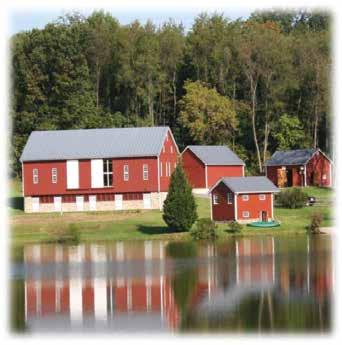
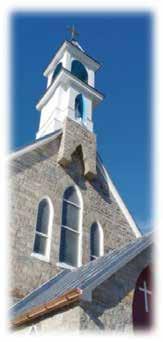
… we build the legacy future generations will thank you for.
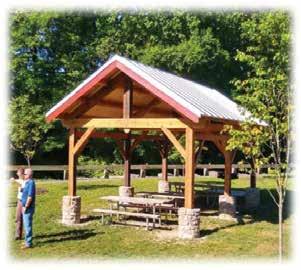
“Happy
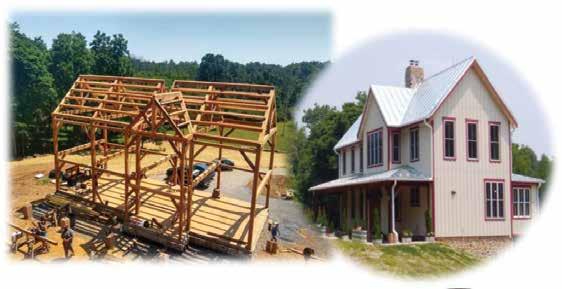
250th Birthday U.S.A.”
HaveusEngineer, Design andBuild yourlegacy :