And it all goes into the laundry But it never comes out in the wash ‘Ow we’re sugared about by the old men (‘Eavy sterned amateur old men!) That ‘amper an’ ‘inder an’ scold men For fear o’ Stellenbosch!!
-Rudyard Kipling
Nobody thinks of concentration camps when they visit the Winelands. The South African War (or Anglo-Boer War) of 1899-1902 inevitably goes along with stories of the awful camps in the north of the country. But what few people know is that “Stellenbosched” became a verb that sent shivers down the spines of British troops.
Military historians believe the South African War was in essence a dress rehearsal for the World Wars, as it was the first time forces from across the world faced off in battle. Soldiers from the British Isles, Canada, India and Australia joined to fight against the Boers, who were supported by Germans, Russians, French, and even Americans. Though this war was somewhat smaller in scale, the horrors inflicted would be a terrible omen of all that was to come in the following decades.
In an age before planes, drones, tanks and trucks the main mode of transport was horses. And the British needed as many as they could get. Horses and mules came to Southern Africa from across the empire, and were also imported from other countries and continents. After a lengthy sea voyage, the animals were not in good condition at all. And then they needed to be brought up to snuff for their journey to the battlefields of the North. Around 206 000 horses and 91 000 mules arrived over the three years of the war. Horse rerouting camps were put up near all the major ports.
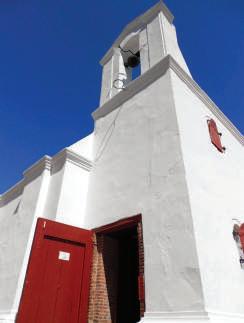
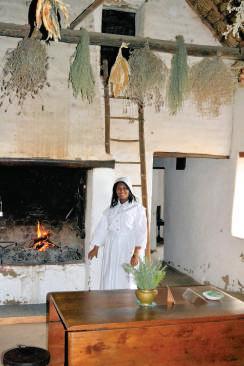
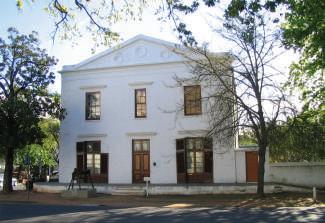
At the time, Cecil John Rhodes owned a set of farms near Stellenbosch. He put Nooitgedacht, Koelenhof and Simonsig at the disposal of the empire’s military. Nooitgedacht became a massive horse camp. It was by far the busiest one of the war, receiving at its height an average of 1 400 horses a day. The work was mainly done by Indians, who were shipped in from their colonial homeland. The forest around Nooitgedacht soon became known locally as ‘Calcutta Wood’, no less for the slum-like conditions in the camp.
But this rerouting camp also became something of a detention barracks, any soldiers offending their masters for whatever reason were packed off to the south. Those who survived could tell the story of what it was like to be “Stellenbosched”.
Due to a series of illnesses and pests that came with the horses and mules from around the world, the general conditions in this camp were horrid. The work was not just physically gruelling, but also mentally taxing. Suicides and disease added to the misery and smell of death, besides other issues that came with the squalor. Eventually the camp was so notorious that the British Parliament started discussing the mental health of soldiers, years before concepts like shell-shock and battle-fatigue (later medically termed as Post Traumatic Stress Disorder) were coined.
The sad tales reaching Britian even moved Rudyard Kipling’s poetry pen to protest. It reflects the disgust and resentment ordinary soldiers felt toward their generals and senior officers who could subject man and beast to such inhumane treatment. “Stellenbosched” was to the British troops the official stamp for being sentenced to hell, much like concentration camps to the north were to the Boer women, children and elderly.
So when you drive past Nooitgedacht on the R44, spare a thought for all the poor men and innocent animals that suffered and perished in this area for an imperialist dream that wasn’t theirs. And for an empire that would fall apart within a half century.
With their roots in the same blood- and tear drenched soil, the vines remember.
Text: Eduan A.J. Naudé | Images: Litnet, Simon, SHF Lees die Afrikaanse weergawe van die berig op ons webwerf
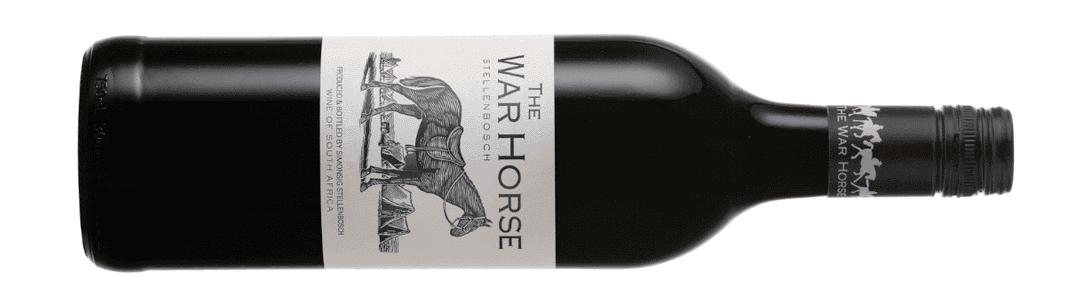
Simonsig captured its horse history in a wine label.
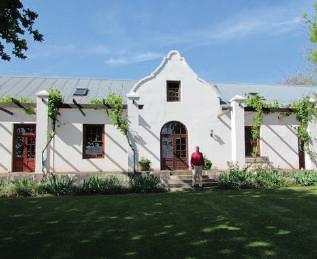
The restored remount stables on Simonsig now serve as offices.
Die emosionele voordele van die besit van 'n troeteldier is onmiskenbaar, maar die finansiële realiteit word dikwels onderskat. Jonger verbruikers, veral Millennials en Gen Z-huishoudings wat DINKWAD (‘double income, no kids, with a dog’) leefstyle omhels, ken toenemend besteebare inkomste aan hul troeteldiere toe. Terwyl besteding aan premium kos, versorging en bykomstighede styg, word risikobeskerming dikwels oor die hoof gesien.
“Om 'n nuwe troeteldier huis toe te bring, of om na een om te sien, verg deeglike oorweging,” sê Kavisha Parbhoo, Hoof van Strategie en Produk by Miway . “Van roetine-gesondheidsorg en voeding tot noodbehandeling en spesialissorg, die koste van verantwoordelike troeteldierbesit het die afgelope paar jaar bestendig gestyg.”
Suid-Afrika se troeteldierversorgingsmark word op ongeveer R8 miljard geraam, wat sterk verbruikersvraag weerspieël ten spyte van voortdurende ekonomiese druk.
Vandag besit 45% van Suid-Afrikaanse volwassenes 'n troeteldier, maar met slegs 'n fraksie verseker, kan baie huishoudings finansieel blootgestel word. Neem byvoorbeeld as jou troeteldier deur ‘n motor getref word en 'n noodkonsultasie met 'n veearts, x-strale en chirurgiese herstel van 'n gebreekte been benodig. Dit kan in die omgewing van R12 500 kos, wat onverwags finansieel uitdagend vir jou begroting kan wees. Dit is waar troeteldierversekering 'n sterk rol speel, aangesien dekking kan help om finansiële ondersteuning te bied sodat die volle uitgawe nie uit jou sak hoef te kom nie. Besoek die veearts
Die Suid-Afrikaanse Veeartsenykundige Raad (SAVC) merk op dat die koste van die praktyk van veeartsenykunde steeds styg, met uitgawes wat onvermydelik aan verbruikers deurgegee word. Gedurende 2025 het standaard konsultasiefooie gewissel van R350 tot R550, terwyl roetine-ondersoeke met inentings tipies tussen R660 en R770 kos.
“Meer komplekse diagnostiek, spesialisprosedures en hospitalisasie kan aansienlik verder eskaleer. Selfs 'n 'eenvoudige' oorinfeksie kan ongeveer R1 200 kos om te behandel. Dit kan vir troeteldiereienaars verbasend wees aan hoeveel kwale en beserings troeteldiere blootgestel kan word,” voeg Parbhoo by.
Inentings, sterilisasie en roetine gesondheidsorg kan ook vinnig optel, met baie eienaars wat jaarliks duisende rande spandeer . Noodprosedures of onverwagte behandelings kan tot R25 000 of meer per voorval kos.
Wanneer die onbeplande onbekostigbaar word “Wanneer 'n troeteldier siek word, beseer word of gespesialiseerde behandeling benodig, wil die meeste eienaars alles moontlik doen om te help. Ongelukkig kom daardie vlak van sorg dikwels met aansienlike veeartsenykundige kostes.”
In sommige gevalle lei hierdie spanning tot wat veeartse "ekonomiese genadedood" noem, die hartverskeurende werklikheid om 'n behandelbare dier van kant te maak omdat die koste van sorg eenvoudig onbekostigbaar is.
Behalwe vir die verwoestende gevolge wat die onderskatting van die koste van sorg kan meebring, is daar ook die deurlopende koste om te onderhou, en versekering behoort ideaal gesproke deel hiervan te wees. Van kos tot gespesialiseerde diëte en voorkomende sorg soos vlooi-, bosluis- en ontwurmingsbehandelings, tot jaarlikse veeartsenykundige ondersoeke, is deurlopende begroting nodig, benewens die dekking van versekeringspremies. Hou kostes onder beheer
Versorging, speelgoed, opleiding, gedragsondersteuning en bykomstighede kan verder bydra tot die langtermynkoste van troeteldiereienaarskap. Alhoewel dit soms lekker is om te hê, moet dit nie regtig bo basiese sorg en 'n finansiële veiligheidsnet geprioritiseer word nie.
Parbhoo sluit af deur voornemende en bestaande troeteldiereienaars aan te moedig om verder as die aanvanklike aanneming of aankoop van hul troeteldier te beplan, en om die langtermynverbintenis wat betrokke is, te besef.
“Troeteldierversekering is nie ’n luukse nie; dit gaan oor gemoedsrus. As jy beplan en beskerming in plek stel, kan dit beteken dat liefde, nie bekostigbaarheid nie, die sorg wat jou troeteldier benodig, kan lei.”
Teks: Verskaf | Beeld: Bruno Cervera op Unsplash Read the English version of this report on our website
Die kostes kan optel
Five Minutes from Forever
Where the vines climb slow and the light falls wide, Just five short minutes from Stellenbosch’s pride— A farm that wears its luxury well, In every gable and secret dell.
The suites are hushed, where cream meets chrome, Each window framing a perfect home— Not of brick, but of mountain and sky, Where silver mists and sunsets sigh.
You’ll dine on art on a porcelain moon, While the last of the day leaves the lagoon. The fork knows grace, the glass knows deep, The flavors a promise the vine leaves to keep.
And yet—the town’s warm heart beats near, A five-minute laugh, a twist, a cheer. But here, elegance stays. The quiet is vast. Weberburg: the future held in the past.
Luxury. Landscape. Five minutes from life. Come stay at the farm that sharpens the knife— Not to cut, but to carve you a moment so fine, It tastes like Stellenbosch, but sleeps like a shrine.
Gedagtes uit My Kombuis
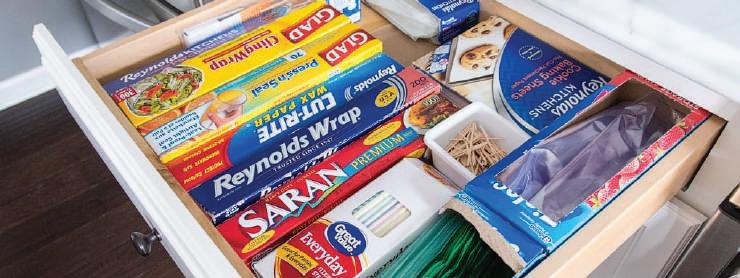
Kleefplastiek Chaos
Ek het eers onlangs ontdek waarvoor daardie klein gaatjies aan die kant van die kleefplastiekboks is. Ek weet. Ek het 'n vol lewe geleef, kookboeke geskryf, mense onthaal, menigtes gevoed – en tog, daar was ek in my kombuis en kry 'n volwaardige openbaring oor 'n kartondoos.
Daardie gate? Jy druk hulle in en hulle hou die rol in plek. Dis dit. Dis die twiet. Jare — jare — van die rol wat na my uitspring soos 'n Jack Russell na 'n 60/60-bestuurder, en die oplossing was heeltyd twee beleefde geperforeerde gaatjies wat hulself stilweg hul eie sake bemoei het aan die kant van die boks. Ek het beide verlig en persoonlik aangeval gevoel.
Wat my by kleefplastiek self bring. Daar is twee kampe: geperforeerd en ongeperforeerd. Geperforeerde kleefplastiek is die toppresteerder. Dis netjies, beredeneerd en lyk asof dit na 'n goeie skool gegaan het. Jy trek, dit skeur presies waar dit moet, en jy voel soos die soort persoon wie se Tupperware-houers pasmaat deksels het.
Ongeperforeerde kleefplastiek? Dis die wilde kind. Dis chaos in 'n kartondoos. Jy trek, dit rek. Jy pluk, dit klou vas – aan homself, aan jou elmboog, aan 'n verbygaande familielid. Jy probeer dit skeur, en skielik hou jy 'n gekreukelde, statiese lint vas wat soos moderne kuns lyk. Iewers langs die pad vou dit oor homself en op 'n stadium gee jy net moed op en sit 'n bord oor die bak soos jou ma gemaak het.
Dan is daar bakpapier. Die vraag wat tuisbakkers jare lank stilweg ontstel het: is daar 'n regte kant? Hier is die ding – die meeste van die bakpapier wat ons hier kry, gee nie om nie. Dis dubbelsydig. Beide kante werk.
En net wanneer jy dink jy het bakpapier uitgepluis, kom die deftige weergawe. Die een met lyne, afmetings, sirkels ... selfs buitelyne van gemmerbroodmannetjies. Ek bedoel – wat is dit? Bak ek of is dit 'n inkleurkompetisie? Die lyne is bedoel om jou te help om dinge eweredig te spasieer, deeg tot grootte te rol, en jou beskuitjies te laat lyk asof hulle in 'n Woolworths-advertensie hoort. Die gemmerbroodmannetjies se buitelyne, neem ek aan, is daar vir wanneer jy heeltemal vertroue verloor het in jou eie vermoë om die vorm van 'n mens te herken.
Waspapier is die geheimsinnige neef in die laai. Dit lyk soos bakpapier, voel soos bakpapier, maar dit kan absoluut nie die hitte hanteer nie. Sit dit in die oond en jy sal gou besef jy het 'n verskriklike, wasagtige fout gemaak. Waspapier word die beste gebruik om toebroodjies toe te draai, toonbanke voor morsige take te bedek, of lae gebak te skei. Dis die ondersteunende aktrise, nie die hoofrol nie. En toe, tinfoelie. Die groot blink debat. Blink kant bo of onder? Mense het opinies. Sterk opinies. Die waarheid? Dit maak amper geen verskil nie. Die enigste ding wat saak maak, is dat dit nie aan jou kos vassit en al jou harde werk ongedaan maak nie. 'n Bietjie olie, 'n bietjie gesonde verstand, en ons kan almal aangaan.
So daar het jy dit. ’n Laai vol rolletjies, geheime en stille verraad. En as jy niks anders hieruit kan leer nie – kyk gerus na jou kleefplastiekboks. Daardie gaatjies kan dalk jou lewe verander.
Teks: Chantal Lascaris I Fotos: Chantal Lascaris
Read the English version of this report on our website
The May Pour
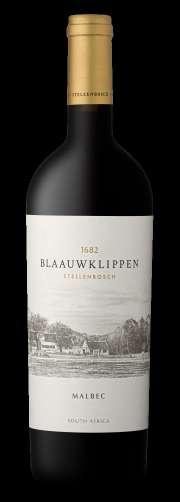
May in Stellenbosch is a time of quiet confidence in the vineyards, when the last whispers of harvest give way to deeper, more contemplative flavours in the glass. This month’s selection reflects that seasonal shift, showcasing the region’s remarkable range—from the structured elegance of Waterford Estate’s Cabernet Sauvignon and finely poised Chardonnay, to the refined restraint of Peter Falke’s cool-climate expressions, and the bold, generous character of Blaauwklippen’s reds. Rounded off with a richly matured potstill brandy, these wines capture both the diversity and the enduring craftsmanship of Stellenbosch at its autumnal best.
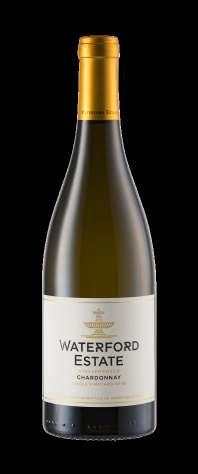
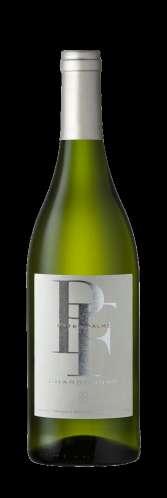
The Waterford Estate Single Vineyard Chardonnay is a precise expression of the Helderberg’s cooler slopes, where a single block planted in 1988 thrives in red clay and granite soils. Crafted through multiple selective pickings and matured in French oak, the wine balances restraint and depth, layering flinty minerality with white peach, nectarine, and subtle citrus blossom. A focused palate, textured by gentle oak and bright acidity, carries through to a long finish, reflecting both site and meticulous cellar work.
Cellar price per bottle: R395
Beautifully refined in its aromas with subtle citrus notes of white peach, soft sundried apricot, and delicate baked quince. On the palate layers of warm butterscotch, gentle vanilla and roasted almonds unfold, whilst the natural freshness follows through to a clean creamy and elegant finish.
Cellar price per bottle: R330
Blaauwklippen 10-Year
Potstill Brandy
The Brandy was matured in selected 225l French oak barrels for 10 years at Blaauwklippen. It’s a rare complex brandy with whiffs of vanilla, cloves and rich fruit flavours. Serve neat or on the rocks after a meal. Also pairs well with chocolate and cheese.
Cellar price per bottle: R890
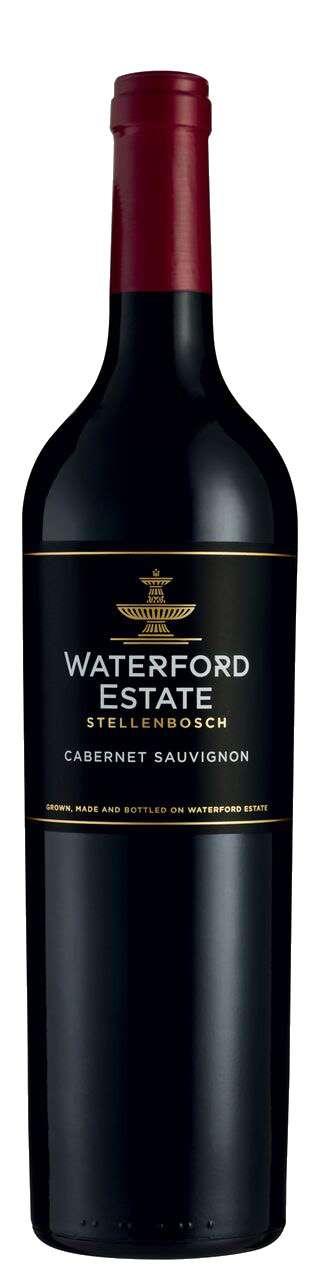
The Waterford Estate Cabernet Sauvignon is a structured yet refined expression of the Helderberg’s warmer, north-facing slopes, where ocean-cooled vineyards rooted in gravelly, loamy soils produce wines of complexity and clarity. A blend of multiple clones, it reveals layered aromas of black currant and fynbos, underpinned by a distinct granite-driven minerality. The palate is rich and composed, with vibrant acidity and classical, finely integrated tannins that carry through to a firm, lingering finish, capturing both the power and elegance of the estate.
Cellar price per bottle: R0
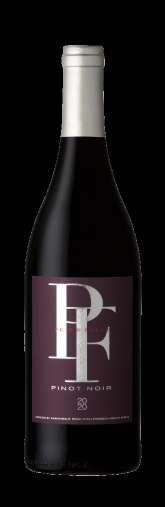
Beautiful ruby colour with delicate aromas of pomegranate and rhubarb with hints of spice. On the palate, strawberry with a round smooth finish of cherry. An elegant wine, well balanced with subtle oak wood and red fruits on the aftertaste.
Cellar price per bottle: R330
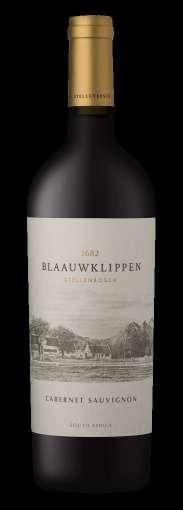
Blaauwklippen Cabernet Sauvignon 2022
Handpicked grapes were whole berry fermented. Malolactic fermentation and 17 month’s maturation in French oak barrels. Plush cassis, intense blueberry and mulberry notes combine the lush dark chocolate, cedarwood and Christmas spice on the nose. Mineral textured tannin. Rack of lamb or beef bourguignon or venison
Cellar price per bottle: R295
Blaauwklippen Malbec 2022
Dark chocolate, mineral and tobacco nuances support the abundant notes of mulberry, cassis, blueberry, black berry and plums. Plush chalky tannins with vibrant texture on the palate. A fine aromatic finish with lingering length and creamy flinty texture. Savour with beef fillet, Coq au Vin or on its own in front of the fire or slightly chilled (18°C) as a great summer red wine.
Cellar price per bottle: R295
Waterford Estate Single Vineyard Chardonnay 2022
Peter Falke Pinot Noir 2020
Peter Falke Chardonnay 2023
Waterford Estate Cabernet Sauvignon 2019
Beyond The Flames
What the Cape wine industry is really learning about fire, climate and resilience
When the helicopters stop circling and the smoke lifts over the Franschhoek Valley, the headlines fade. On the ground, the real work begins.
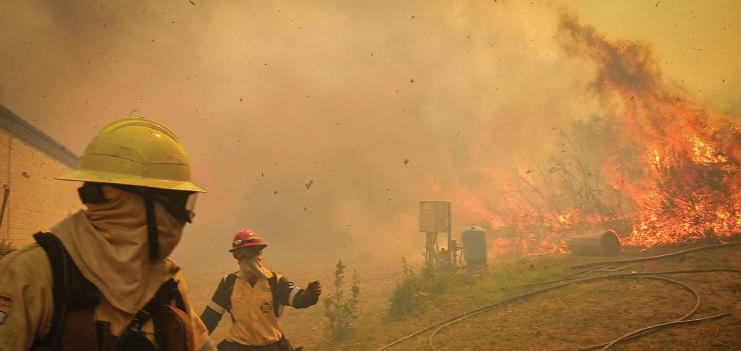
Wildfires in the Cape Winelands are no longer anomalies. They form part of a broader climate reality the industry must prepare for with discipline. This season’s fires were geographically specific. Many vineyards were untouched; others faced disruption. Across firefighting services, wine estates and technical suppliers, the narrative is not one of crisis, but of coordination, science and shared responsibility.
Three themes stand out: preparedness, community and practical intervention.
On the ground in Franschhoek, proximity and planning shaped outcomes. At La Bri, General Manager and Winemaker Irene de Fleuriot recalls how close the fires came without causing direct damage.
“We were fortunate. The closest the fire came was about two kilometres away.”
Precautionary measures were immediate. Equipment was positioned, communication channels activated and neighbours alerted. Franschhoek’s farming community operates an active WhatsApp network, allowing rapid, informal mobilisation.
“If someone has a bakkie with a water tank, off they go,” she says. “Everyone helps everyone.”
While La Bri escaped damage, others were less fortunate. For many, this was the first time fires moved across entire mountain ranges, rather than remaining contained. The scale was unusual in recent memory.
The Western Cape’s Mediterranean climate makes it ideal for wine production, but inherently fire-prone. Hot, dry summers, berg winds and fynbos vegetation all contribute. What is changing is intensity. Climate variability is increasing extreme heat, prolonged dry periods and erratic wind, accelerating fire spread. Wildfire is therefore not just an agricultural issue. It is a landscape-level challenge, intersecting with biodiversity, invasive species and l and management.
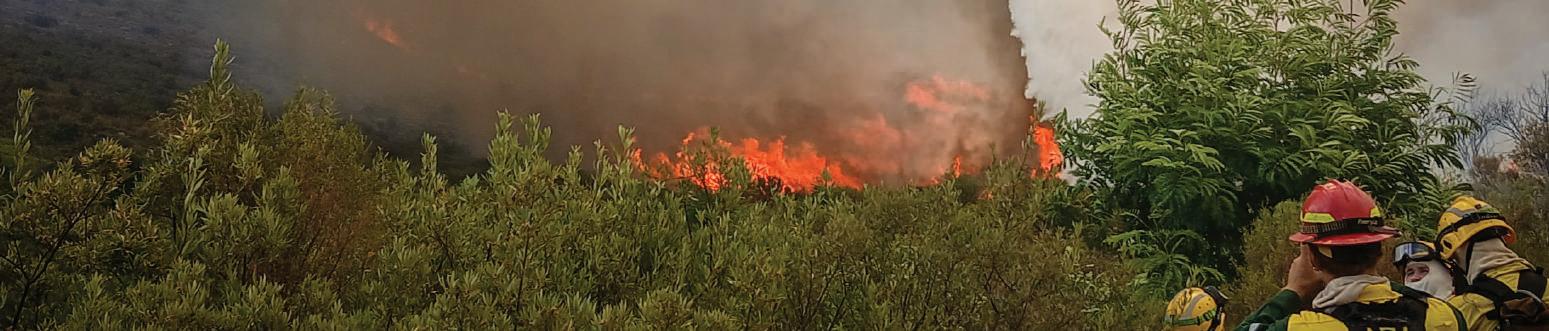
On the front line, strategy precedes action. Jeremy Rose of Volunteer Wildfire Services explains that firefighting begins long before flames are confronted. Teams assess terrain, fuel loads, wind and escape routes. Containment lines are established, backburning used where necessary and aerial support targets the fire’s head.
“Our priority is always life and property,” he notes.
Preparedness determines outcomes. Training offered by Volunteer Wildfire Services equips agricultural workers with an understanding of fire behaviour and suppression protocols. In complex terrain, knowledge becomes infrastructure.
Volunteer capacity remains critical. With hundreds of active members, support roles – from logistics to maintenance – are as important as frontline firefighting.
A major factor influencing fire intensity is invasive alien vegetation. Unmanaged pine, in particular, dramatically increases fuel loads. In areas where vegetation has not been cleared for decades, suppression becomes significantly more difficult.
Clearing invasive species is therefore essential risk mitigation. At estate level, this translates into practical measures such as removing potential fuel sources and maintaining firebreaks.
“You have to make sure there’s nothing that can catch,” de Fleuriot explains. Preventative work, often undertaken collaboratively by conservancies and estates, is among the most effective ways to reduce fire risk before summer. Even where flames do not reach vineyards, smoke remains a threat. For many producers, smoke taint has become a greater concern than direct fire damage.
“Because we are lower on the valley floor, the smoke largely passed over us,” de Fleuriot says. “But others were right in the middle of it.”
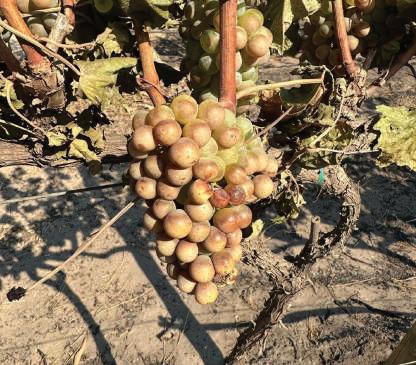
Early detection is critical. Discolouration at pressing can signal potential exposure, prompting careful handling in the cellar. Once smoke compounds bind to grape skins, they cannot be removed by rain. Instead, winemaking techniques must adapt.
“You press gently, keep temperatures low and adjust your approach,” she explains.
Scientific advances have transformed the industry’s response. Laboratory testing for volatile phenols, micro-ferments and targeted interventions now guide decision-making. A decade ago, smoke exposure often meant total loss. Today, outcomes are more nuanced.
Research, particularly following severe Australian wildfires, has improved understanding of smoke taint chemistry. Targeted treatments using yeast-derived compounds can reduce undesirable elements while preserving flavour.
“It’s about understanding the chemistry and acting early,” says Clayton Reabow of FermTech Solutions.
Not every batch can be salvaged, but the availability of remediation tools marks a significant shift. Innovation is increasingly embedded in standard winemaking practice.
If there is one defining feature of this season, it is collective action.
Producers shared water, equipment and labour, crossing property boundaries to assist one another.
“The community has been phenomenal,” de Fleuriot says.
At peak intensity, hundreds of firefighters were deployed, supported by aerial resources. The financial implications are considerable. Replanting vineyards can exceed one million rand per hectare, with vines taking years to return to production.
Most producers insure buildings, but few insure vineyards. Losses therefore extend beyond a single season, affecting future income.
Communication has improved markedly. As Dr Etienne Terblanche of Vinpro notes, digital platforms have transformed coordination.
“The speed of communication today is extraordinary compared to 10 or 20 years ago.”
In agriculture, connectivity reduces vulnerability.
Sustainability is increasingly viewed as risk management. At Creation Wines, firebreak maintenance, alien clearing and water management form part of routine operations.
“Landscape management is shared,” says sustainability manager Salomé Geldenhuys. “If one area is neglected, everyone is exposed.”
Resilience extends beyond individual farms to entire ecosystems. Training staff, supporting volunteer services and investing in ecological restoration are now strategic priorities.
Across the industry, key actions are emerging: expanded wildfire training, coordinated clearing of invasive vegetation, early smoke testing, strengthened communication networks and sustained support for volunteer firefighting organisations.
Volunteer capacity must be secured before each fire season. Donations fund equipment, training and operations. Supporting these services is widely regarded as essential to protecting agricultural landscapes.
The 2025 wildfire season has tested the Western Cape wine industry, but also highlighted its capacity for coordination and adaptation. The dominant narrative is not panic, but preparedness.
In a more volatile climate, the industry is learning to respond through planning, science and collaboration. From landscape management to fermentation techniques, resilience is being built into every level of production.
Beyond the flames lies a quieter truth: fire may be inevitable in this landscape, but vulnerability is not.
Text: Editorial Desk | Images: Supplied Lees die Afrikaanse weergawe van die berig op ons webwerf
luxury meets independence. Designed to complement your home, its compact and elegant form fits beautifully into any space, while quiet luxury, with smooth and whisper-quiet travel between floors. Engineered with precision and safe by design
Bewakers van die Spookkat
Hoe Delheim Wynlandgoed Kaapse Luiperds Help Beskerm
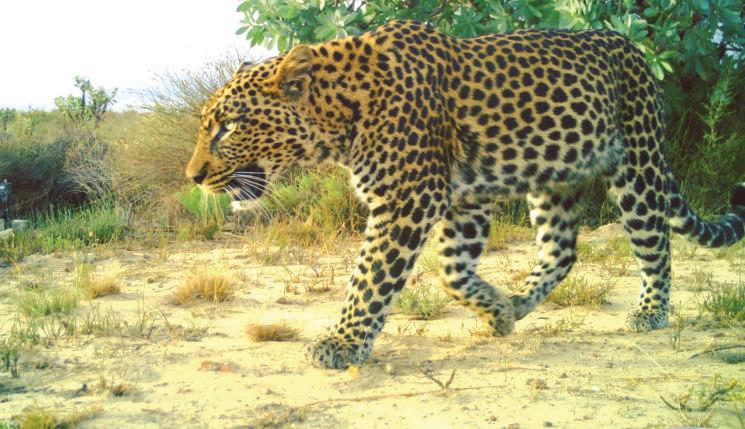
Hoog op die graniethellings van Simonsberg, bo rye wingerdstokke wat al geslagte lank versorg word, beweeg iets buitengewoons snags deur die fynbos. Die luiperd – geheimsinnig, alleen en perfek aangepas by hierdie ruwe berge – is een van Suid-Afrika se mees ontwykende roofdiere. In die Kaapse Wynlande is wynmakers en private grondeienaars van die mees toegewyde kampvegters vir sy oorlewing en ondersteun hulle die pogings van toegewyde bewaringsorganisasies.
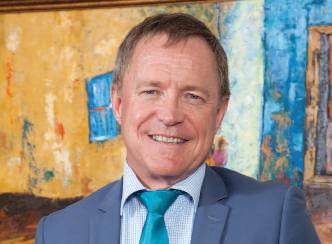
Onder hulle is Nora Thiel, Uitvoerende Direkteur van Delheim Wynlandgoed in Stellenbosch en voorsitter van die Greater Simonsberg Conservancy (GSC). Vir Nora en Delheim is bewaring nie 'n nagedagte nie – dit is verweef in die weefsel van hoe die plaas bedryf word. “Om deel te wees van die Greater Simonsberg Conservancy stel ons in staat om tot bewaring buite ons plaasgrense by te dra,” sê sy. “Ons is trots om pogings te ondersteun wat hierdie unieke natuurlike erfenis beskerm, en die sorg en waardering vir die omgewing te toon soos vorige geslagte gedoen het. Ons is maar net bewaarders vir die streek se toekomstige boere.”
'n Berg Vol Geheime
Luiperds kom oral voor langs die bergagtige streke van die Kaapse Plooiberge in die Wes-, Oos- en Noord-Kaap.
Hierdie Kaapse luiperds is fisies kleiner en weeg minder as hul savanne-neefs, en is hoogs aangepas by die rotsagtige terrein en digte fynbos van reekse soos die Boland-bergkompleks, waarvan Simonsberg deel vorm. Hulle is ook onder druk – deur habitatverlies, konflik tussen mens en wild en onwettige strikke – en hul presiese getalle bly onseker.
Daardie onsekerheid is presies wat die Cape Leopard Trust (CLT) wou aanspreek.
Tussen 2010 en 2012 het die CLT die eerste intensiewe grootskaalse opname van luiperds in die Boland-bergkompleks uitgevoer, wat 'n kritieke bevolkingsbasislyn oor sowat 2 500 vierkante kilometer berglandskap, insluitend beskermde gebiede en privaat eiendomme, vasgestel het.
Meer as 'n dekade later het die CLT teruggekeer om 'n omvattende heropname uit te voer, en die resultate was beide gerusstellend en ontnugterend: die luiperds is steeds daar, hul gebiede oorvleuel met plaasgrense, staproetes en wynlandgoedere. Maar hul oorlewing hang af van wat volgende gebeur.
Waar Wynland Wildernis Ontmoet
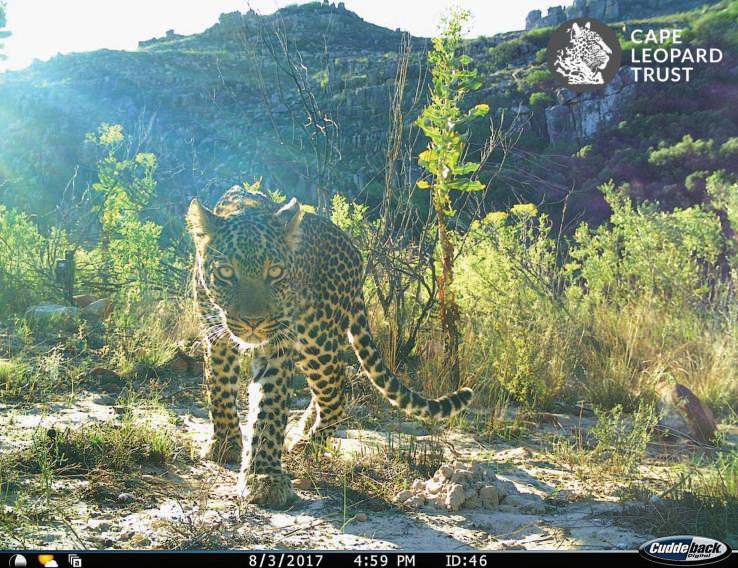
Die Greater Simonsberg Conservancy (GSC), wat Delheim onder sy lidmate insluit, het 'n belangrike deel uitgemaak van die CLT se heropname. Kameralokvalle is op verskeie landgoedere, insluitend Boschendal, Plaisir en Delheim, ontplooi, wat fotografiese bewyse van luiperdteenwoordigheid langs die Simonsberg-hellings vasgelê het. Hierdie data bevestig wat bewaringsbewustes lank gehoop het: die berge bo die wingerde dien steeds as belangrike ekologiese korridors, wat beskermde gebiede verbind en luiperds toelaat om deur die landskap te beweeg.
Oor die afgelope vyftien jaar het die CLT verskeie luiperds gemonitor wie se gebiede oorvleuel met die bewaringsgebied. Die voortdurende teenwoordigheid en beweging van volwasse luiperds deur hierdie privaat eiendomme beklemtoon 'n waarheid wat Nora duidelik verwoord: "Die Greater Simonsberg Conservancy is gebou op die oortuiging dat betekenisvolle bewaring plaasvind wanneer grondeienaars op 'n landskapvlak saamwerk. Die teenwoordigheid van luiperds in die breër Simonsberg-gebied is 'n kragtige herinnering aan waarom volhoubare grondbestuur saak maak."
In 2025 het die GSC daardie verbintenis in konkrete terme gedemonstreer deur R50 000 aan die CLT te skenk – fondse wat tydens die Absa Cape Epic MTB-resies ingesamel is – om navorsings-, bewarings- en opvoedkundige inisiatiewe te ondersteun. Dit is die soort samewerking wat bewaring lewensvatbaar maak in 'n streek waar wilde en bewerkte grond in noue nabyheid saambestaan. Beskerming van Luiperds in die Wynlande
Die beskerming van luiperds in die Wynlande gaan nie net oor kameralokvalle en koridors nie. Een van die dringendste bedreigings in die streek is onwettige strikke, wat roofdiere en prooi ondiskriminerd vang. In 2023 het die CLT sy Snare Free Helpline bekendgestel en begin om bewustheidswerkswinkels vir GSC-lede te fasiliteer - 'n praktiese intervensie wat daarop gemik is om gedrag op die grond te verander, een plaas op 'n slag.
Die CLT se onderwysspan was ook aktief binne die bewaringsgebied, en het ekoklublesse, skoolaanbiedings en opvoedkundige uitstappies aangebied wat jongmense by die gesprek oor naasbestaan betrek. Bewaring is immers generasionele werk.
Miskien die mees innoverende inisiatief wat die afgelope paar jaar op die gebied van luiperdbewaring na vore gekom het, is die Mobi-kraal-projek — 'n program om bekostigbare, mobiele roofdiervaste veehokke te ontwikkel wat die aansporing vir vergelding teen luiperds verminder. In 2025 het Boschendal, nog 'n GSC-lid, die eerste toetsterrein geword wat 'n prototipe ontvang het. Die boodskap is duidelik: met die regte gereedskap en vennootskappe hoef landbou en bewaring nie in konflik te wees nie. 'n Model vir die Toekoms
Wat Delheim en die GSC verteenwoordig, is 'n model wat die moeite werd is om aandag aan te skenk. In 'n land waar bewaringsbegrotings en wilde habitat onder voortdurende druk is, kan die betrokkenheid van private grondeienaars van die kragtigste beskikbare instrumente wees. Kameralokvalle op wynplase.
Fondsinsameling by fietsrygeleenthede. Staproetes wat geld insamel vir luiperdnavorsing. Dit is nie klein gebare nie; dit is deel van 'n samehangende, landskapvlak-benadering om 'n wonderlike roofdier aan die lewe te hou in een van die wêreld se mees gevierde wynstreke.
Die Kaapse luiperd weet nie dat hy bo van die wêreld se beste Chenin Blanc- en Cabernet Sauvignon-wingerde woon nie. Maar vir diegene wat daardie wingerde versorg – en wat na die Simonsberg opkyk met 'n gevoel van verantwoordelikheid vir wat daardeur beweeg – voel daardie nabyheid soos beide 'n voorreg en 'n verpligting. Nora Thiel en Delheim maak seker dat daardie verpligting nagekom word.
Walk for the Wild | 9 Mei 2026 | Delheim-staproete, Stellenbosch | 10 km | R450 p.p.
Op 9 Mei 2026 sal Delheim Wynlandgoed sy bergroetes oopmaak vir stappers en veldlopers vir die eerste Walk for the Wild — 'n fondsinsamelingsgeleentheid ter ondersteuning van die Cape Leopard Trust en die Greater Simonsberg Conservancy. Deelnemers kan 'n 10-kilometer roete deur matige, goed onderhoue terrein verwag, met gedeeltes wat asemrowende uitsigte oor die Stellenboschvallei bied. Veldlopers moet stiptelik om 08:00 begin, terwyl stappers 'n rollende wegspring tussen 08:00 en 10:00 geniet.
Kaartjies kos R450 per persoon en kan bespreek word via Quicket . Die geleentheid belowe meer as net 'n oggend op die berg: dit is 'n kans om doelgerig deur luiperdgebied te stap, die landskap waarin hierdie diere navigeer te verstaan, en direk tot hul beskerming by te dra. Deelnemers sal leer oor luiperds en die bewaringswerk wat in hul naam gedoen word, en buitelugavontuur kombineer met iets wat al hoe skaarser word – 'n egte verbintenis met die wilde natuur.
Bespreek via Quicket https://www.quicket.co.za/events/166878-walk-for-the-wild-delheim -wine-estate/
Teks: Redaksie | Foto’s: CLT / Delheim
Read the English version of this report on our website
Last year, I climbed Kilimanjaro with my son, supported by a small team along the way. The ascent was demanding. With every step, the air grew thinner, the pace slower, and the margin for error smaller.
What stayed with me, however, was not the mountain itself. It was the fact that we did not carry the load alone. Pace was managed carefully. Weight was shared. Decisions were made together when conditions became more challenging.
The mountain did not become easier. But the burden became lighter because it was shared.
That experience lingered with me, not as a personal achievement, but as an economic observation. Periods of strain are inevitable. What matters is whether that strain becomes destabilising.
Pressure is part of the system
Economic pressure is not an anomaly; it is a feature of the system. South African households are currently navigating a difficult environment: muted growth, a still-fragile labour market, and persistent cost pressures. Globally, uncertainty remains elevated, with geopolitical tensions, volatile energy prices, and shifting monetary policy continuing to influence local outcomes. These forces reach individuals in very practical ways; through inflation, interest rates, job security, and the cost of everyday goods and services. When pressure intensifies, behaviour changes. Time horizons shorten. Spending becomes reactive. Savings are drawn down. Long term planning gives way to short term survival.
This response is human. But it is also where financial vulnerability begins to deepen. Even well-structured financial positions can erode when decisions are made under sustained pressure. That is why financial well-being cannot be assessed solely through income levels or balance sheets. It reflects something more fundamental: the ability to remain stable and make consistent decisions as conditions change.
Stability as an advantage
From an economic perspective, stability has value. Households that can absorb shocks—whether from rising fuel prices, interest rate adjustments, or income disruption—are less likely to make forced decisions. They are better positioned to maintain long term investments, limit unnecessary debt, and participate productively in the economy.
At a broader level, this resilience supports systemic stability. When households remain intact under pressure, consumption patterns are less volatile, financial stress is reduced, and recovery becomes more sustainable.
In this sense, financial well-being is not merely a personal outcome. It has economic importance.
Support and structure
One of the most underappreciated contributors to financial stability is structure. As uncertainty increases, so does complexity. Behavioural economics reminds us that under pressure, individuals tend to prioritise immediate relief over long-term optimisation. Decision quality deteriorates when stress persists. Structured decision-making does not eliminate uncertainty. But it contains it. Discipline is introduced precisely where human behaviour is most vulnerable. The objective is not perfect foresight.It is coherence when outcomes are unclear. Not speed. Consistency.
Economic progress is rarely the result of isolated decisions. It is built through consistency over time.
Maintaining savings behaviour, managing risk exposure, adjusting gradually rather than reactively; these actions lack drama, but they sustain progress across cycles. In volatile environments, consistency becomes the defining advantage. The ability to continue, rather than restart, determines long-term outcomes. Responsibility remains individual. But outcomes improve when decisions are supported by structure, perspective, and discipline.
The quiet advantage
No economic environment is ever fully stable. Cycles turn. Shocks occur. Uncertainty persists. Yet households that are structured and supported tend to remain resilient. They respond less impulsively, act more deliberately, and navigate change without losing direction.
Dawie Roodt, Chief Economist,
Efficient Group
Much like a long ascent, progress is not determined by a single difficult stretch. It is determined by the ability to keep moving without exhaustion. That is the quiet advantage.
Financial well-being is not about avoiding pressure. It is about remaining functional, consistent, and resilient despite it. In an uncertain world, that may be one of the most valuable positions to hold.
Sex, money, revenge…the age-old motives for murder. And nobody believes Epstein committed suicide, least of all his lawyer who visited him the day before in the notorious New York jail. And definitely not his brother, Mark, who swears Jeffrey’s as dead as Jimmy Hoffa, only he got to identify the body and knows where it’s buried: the Star of David Cemetery in Palm Beach.
If you believe the international media – even the latest Netlix documentary –sleaze, sex, under-aged teenage girls and romps in his many fabulous, but wired, estates around the world were his raison d’être and the essential path to his empire. That happened, allegedly, with full knowledge of various intelligence agencies he is said to have served on the side. But, if you really follow the money, the picture starts to take on a different shape.
Among the few that ventured to dig deeper is the New York Times. It published a lengthy investigation, tracing his brief stint in the 70s as a maths teacher at the prestigious Dalton School in New York (without the appropriate qualifications and appointed by Donald Barr, the father of once US Attorney General Bill Barr…go figure!), from where he was recommended to Bear Sterns Investment Bank executive Ace Greenberg. That’s where he got to meet the seriously wealthy - many of whom he fleeced handsomely - among them British Defence contractor Douglas Leese and US video game company boss Michael Stroll. Epstein left Bear Sterns under a cloud, which didn’t break his speed. He started focussing on generational wealth, including the Johnson & Johnson clan, the Rockefellers and Sir James Goldsmith (father of Imran Khan’s first wife, Jemima). He also got to the nouveau riche, like Bill Gates and private equity investor Leon Black. But his personal cash cow par excellence was Victoria Secret boss Les Wexner, from whom he acquired the now notorious New York townhouse. The daughter of media tycoon Robert Maxwell, Ghislaine, became Epstein’s ticket to the palaces and castles of British Royalty. At around the same time, he became a political donor, which ingratiated him to the likes of prominent DC attorney Alan Dershowitz and President Bill Clinton. The rest, as they say, is history.
Ultimately, NYT sketched a flow-chart of the rich and powerful who provided Epstein with a steep social ladder and helped make him a centi-millionaire, as well as divulging the extent of his dishonesty in dealings with them: “A relentless scammer, he abused expense accounts, engineered inside deals and demonstrated a remarkable knack for separating seemingly sophisticated investors and businessmen from their money.” In other words, he was your usual Wall Street dealer, just somewhat more underhanded and opportunistic, a lot less discreet about – but generously sharing - his sordid extra-curricular indulgences, and not shy to apply blackmail.
But a booklet released by the German Schiller Institute, The Empire has no Clothes! - relying heavily on investigations by the news magazine Executive Intelligence Review - drilled down to something much more sinister. Although one needs an editorial pen to navigate the political bias and at times anti-Semitic sentiments, it provides enough factual material to conclude convincingly that “the truth about him was hidden by a sophisticated strategy to cover up who and what he was, to protect those who used him to carry out their efforts to sustain and advance their global empire.” That is, a global criminal empire of syndicates dealing in drugs, arms smuggling, financial crimes, people trafficking and more. They all need their money washed and moved. And some of it serves to either slide around or downright control governments.
As far back as 2007, Florida Assistant US Attorney Maria Villafana had drafted a 53-page indictment and an 82-page prosecution memo to charge Epstein with money laundering and illegal money transmittals, based on every transaction in his six businesses. But when a lightweight plea deal was suddenly reached by another US Attorney, Alexander Acosta, on sex crimes, the financial charges mysteriously vanished. It was Villafana who investigated Epstein’s lucrative ties to Les Wexner and his connection, in turn, to the Meyer Lansky organized crime network, which again invested (read laundered) heavily in ‘junk bonds’, whose creator Michael Milken would spend almost a decade in prison. But this pales against Epstein’s dealings with arms traffickers. In the latter 80s, Epstein’s British arms dealer friend Doug Leese introduced him to one Adnan Khashoggi (of the Iran Contra fame, among others) who called Epstein his “money bundler”, according to CIA sources. Investigations by JP Morgan, tracing 5000 transactions by Epstein adding up to more than a billion dollars, allegedly questioned whether these were related to sex trafficking. And it now appears that the Ghislaine Maxwell connection came when Epstein was hired to help hide £460 million pounds her father had stolen from his newspaper employees’ pension funds, and another 300 million embezzled from the firm. Thanks to Epstein, authorities could only ever find 100 million. And these stories are just the very tip of the iceberg.
Although the focus on Epstein’s sexual crimes has successfully deflected from his deep underground operations, the two did not necessarily exist in silo’s. He and his degenerate business acquaintances’ systematic abuse of young girls and boys “confirms that those engaging in such practices are capable of crimes against humanity on a global scale…” And: “It would seem that participation in such depravity was a prerequisite for entry into the elite club.”
The full picture is probably hidden in the roughly 3-million pages of the Epstein files that have not been released. But it is already reasonable to suspect that the deepest and best hidden layer of his dealings was criminal wealth and dark money. He assisted in funnelling, laundering, hiding and distributing vast amounts of money at the behest of various known and hitherto unknown individuals and entities, involved in a veritable global network of crimes against humanity. It made Jeffrey a spectacularly valuable asset, until he became a seriously dangerous loose end. And loose ends classically meet the same fate. They’re suicided.
Just Saying Macroeconomics for Dummies
The world stage right now is basically a never-ending soap opera — the Northern Hemisphere under its lead actor is busy preparing its next episode but the Southern Hemisphere seems not to be a part of the script. Australia, Africa, and Latin America, now that Venezuela’s future (read oil) has been “secured”, seem mercifully off the Trumpian radar— for this week…
But let’s stop rubbernecking at the global mess and look at our own backyard. Spoiler: it’s not too pretty.
For the economically challenged and that’s plenty of us – what are we measured on, what does that mean, and how badly are we performing - or not, and the big question what can be done?
GDP – The Size of the Pie
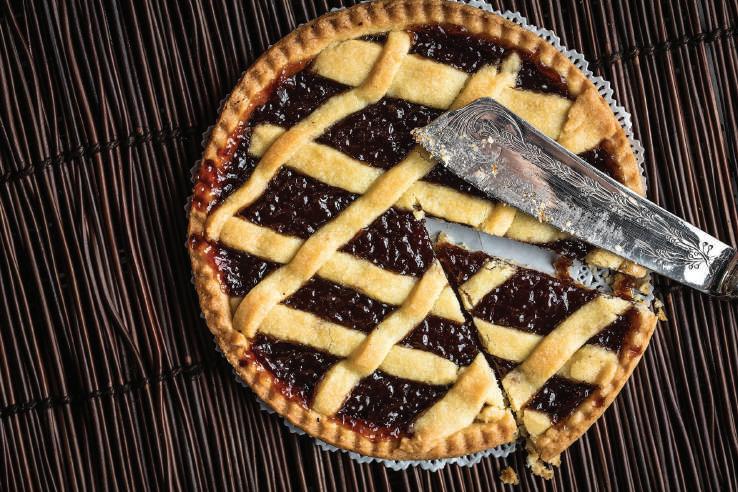
Gross Domestic Product is simplistically, all about growth. Think of it as a bakery: GDP tells us how many pies we baked this year. South Africa’s GDP growth is around 1.4% — translation: we added a couple of stale pies to the shelf while India and Brazil are running 24/7 bakeries with queues around the block. Our ovens are on, but they’re set to lukewarm.
Inflation – The Price of the Pie
Inflation is how much the bakery jacks up prices. At 3–3.5%, South Africa is in a good space; not too hot, not too cold. Contrary to what many of us think, we’re not charging triple for a hoender pastei or giving them away like day-old bread. Congratulations bakers – at least so far! But remember, the petrol price will challenge the cost of delivering your pastry and distributing the pies.
Unemployment – Who Gets a Slice
Here’s where the bakery metaphor turns tragic. With unemployment at 31% (and youth unemployment at a jaw-dropping 46%), we’ve basically got a line of starving customers stretching around the block, but only a handful get served. Other countries have unemployment below 10%, which makes our bakery look like it’s run by someone who forgot to or can’t hire staff. There are lots of reasons I know, but GDP growth is key. Bake and sell more pies, hire more staff – easy. Except it isn’t.
Debt-to-GDP – The Bakery’s Credit Card Bill
South Africa’s debt is 79% of GDP. That’s like maxing out your credit card to buy a shiny new oven, except you’re not baking enough pies to pay it off. Our suppliers are already wondering if we’ll ever cough up the cash and so they want to increase interest on our bills and are looking for the baseball bat and other creative debt collection methods. If we look at (and we really shouldn’t) so-called developed economies, like the US and Europe, our debt to GDP ratio really isn’t too bad as it’s under 100% . Trouble is we aren’t a particularly trusted creditor…
Budget Deficit – Spending More Than You Earn
At 4.5% of GDP, the deficit means we’re spending a little more on pastry and bakers’ wages than we’re making from pie sales. Manageable for now but keep it up and we’ll be living on payday loans and IOUs scrawled on napkins.
Current Account Balance – Trading Pies Abroad
South Africa runs a slight deficit (~0.5%). Translation: we’re importing slightly more pies than we’re exporting. Not catastrophic, but it does make us look like the bakery that brags about its “unique recipes” while secretly buying frozen pies from overseas.
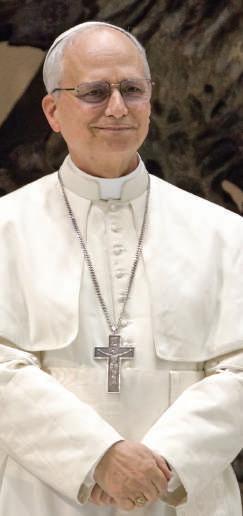
A stand-off between the Vatican and the White House over the Iran War was further complicated by a lengthy meeting between Pope Leo and former President Barack Obama’s long-time chief strategist David Axelrod. Rumours soon circulated that a meeting with Obama, a staunch adversary of Trump, was on the cards. The Pope also criticised an AI generated picture the President posted of himself in a white garment with a red sash, praying for an injured soldier. The Pope, like many others, interpreted it as Trump presenting himself as Jesus, while the President said there were no religious symbols in the picture and it looked to him like a doctor of the Red Cross, an organisation to which he’s a personal donor. The friction with the Vatican also comes amid a breakaway group of MAGA media personalities turning profoundly anti-Trump and anti-Israel, all of whom are Catholics. President Trump has thus far been warmly disposed toward the Church, since his wife Melania is a devoted Catholic.
Close to 4 500 white South Africans have been granted refugee status in the United States since the State Department began to approve applications in October 2025. The original offer was made to mainly farming communities, due to the high incidents of farm attacks and murders. The offer has since been expanded to others who faced illegal and unjust discrimination. It is expected that almost all of the 7 500 legal refugees the administration will allow in 2026, will be from South Africa.
The Punchline
South Africa’s bakery has mastered one thing: keeping pie prices stable. But it’s failing spectacularly at baking enough pies (low growth), hiring bakers (high unemployment), and paying off its credit card (debt).
Unless we fire up the ovens with job creation, reforms, and fiscal discipline, we’ll keep running a bakery where most customers leave hungry and angry. Read voters for employees and customers and be very, very scared of angry and hungry voters, Mr. President
So, in incredibly simple terms it’s all about deciding whether to Bake more pies – in government terms to stimulate growth.
Control pie prices – Mr. Reserve Bank Governor, over to you to manage inflation
• Hire more bakers – reduce unemployment.
Cut back on borrowing – manage debt
Balance books – reduce deficits
Compete in the global pie market – improve trade balance
So, macroeconomics doesn’t have to be intimidating. It’s just the story of how a country manages its bakery, how many pies it bakes, how much they cost, who gets to eat them, and whether it can pay its bills. Get these ratios right, and the bakery thrives. Get them wrong, and you’ve got a lot of those hungry, angry customers.
But do remember – we aren’t being bombed or displaced. Our people are hungry, but the bakeries haven’t been blown up. We seem not to have any commodities attracting interest, and we haven’t lost our belief in the rules-based world and local order. The rule of law still counts – doesn’t it Mr. Malema?!
Text: Mark Wainright
Meanwhile, Errol Musk, the father of Elon Musk, visited the Kremlin to lobby for white South African farming families to enter that agriculturally rich country. Russian President Vladimir Putin has introduced a policy to achieve complete food independence, and he has expressed admiration for the track record of South African farmers in the past. Russia is particularly interested in immigrants who could fit into Russia’s Christian culture, and who have a reputation for their honesty and work ethic.
The African economy well surpassed the 3,1% average of global growth in 2025, clocking 4,2%. The African Development Bank says 32 of the 54 countries recorded stronger growth than the year before, with 22 exceeding 5%. South Africa only managed 1,1% growth. Foreign investment is also on the rise, but growth is still well below the desired 7% needed to meaningfully reduce poverty. Debt vulnerability is still a problem, with 25 countries spending more on debt repayment than public health. The IMF cautioned that a protracted Middle East conflict will pose a risk to the hard-won progress. Nigeria has already dropped its import duties on various products in order to reduce the cost of living and support businesses.
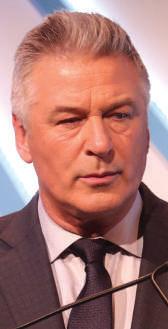
And, in a surprise court order, actor and director Alec Baldwin will face a civil trial for the fatal shooting accident on the set of his movie “Rust” in October of 2021. In one scene Baldwin was handling a prop gun, but it discharged a live round that killed a female cinematographer, Halyna Hutchins. His legal team have been trying for years to get the case dismissed. The movie’s armourer has already spent a year in prison for involuntary manslaughter. Several accidental shooting deaths have occurred on Hollywood sets over the years, the most well-known being the tragic killing of 28-year-old actor Brandon Lee, son of the martial arts legend Bruce Lee. He was fatally shot in the abdomen with a .44-caliber Magnum on March 31, 1993, while filming the cult classic “Crow”.
VOLVO EX90 IF ONLY WE LIVED IN NORWAY!
Perfect far, far away — but does this electric flagship fit into life in Franschhoek?
Norway is a land of contrasts. In more ways than one. If you like EVs, there’s probably no better place on earth to own one — certainly not compared to where we live down here in darkest Africa. But before we get into the EV specifics, it’s worth understanding the irony at the heart of it all.
Norway is Europe’s largest oil producer, pumping around 2 million barrels of crude per day to keep the continent moving. And yet, at the very same time, it is leading the global charge toward electrification. In fact, it is on the verge of achieving its goal of effectively zero-emission passenger car sales.
A remarkable 97% of all new cars sold in Norway in 2025 were electric. That’s no accident. EVs there are exempt from import duties and the full 25% VAT, while also benefiting from a raft of incentives: reduced tolls, discounted parking and ferry charges, and significantly cheaper electricity. Around 80% of owners charge at home, but even so, the country supports this with an extensive network of some 30,000 public fast chargers.
Norway looks after its EV owners exceptionally well.
Combustion car owners, on the other hand, are hit hard — full taxes, hefty carbon levies, and fuel prices nudging R60 a litre. Yet what’s often glossed over is that many Norwegians still keep a petrol or diesel car as a backup. Still, you’d swear the country had never produced a drop of oil.
Globally, Norway leads the way, but it’s not alone. Nepal, Hong Kong, Denmark, Sweden and even Ethiopia have made significant strides in EV adoption. China remains the largest EV market by volume, with over half of new cars sold being electric, while much of Europe hovers between a quarter and a third. Then there’s South Africa.
EVs simply do not figure here. In 2025, just 0.2% of new cars sold in Mzansi were fully electric. That’s two cars in every thousand. And despite the global momentum, there’s little reason to believe that will change anytime soon.
There are plenty of reasons. For starters, a near-total lack of meaningful government support. Add to that a charging network of roughly 500 stations nationwide, with fewer than 20 capable of proper fast charging at 150 kW or more. That’s to service a population of over 60 million people across a vast country.
Put that into perspective against Norway’s dense infrastructure, and the gap becomes almost comical.
Which brings us to the Volvo EX90 — a striking, R2.6-million electric SUV that, on paper, represents the future. It prefers a 250 kW DC fast charger. Unfortunately, there are effectively none of those in South Africa.
In Franschhoek, we found a single, modest 20 kW charger tucked away under some trees near a vineyard estate. We left the EX90 plugged in for an entire 14-hour day. When we returned, it had added a princely 150 km of range.
For context, a petrol Volvo XC90 would require roughly 12 litres of fuel to achieve the same range — dispensed in seconds at any forecourt in the country.
Of course, EV advocates will point to home charging solutions powered by solar. But those systems cost a small fortune to install, are far less effective in winter, and — crucially — don’t solve the problem of load shedding.
Sadly, for the otherwise impressive EX90, South Africa’s charging limitations are only part of the story.
The car itself presents its own challenges. Most notably, the complete absence of physical buttons or knobs. Even basic functions require navigating multiple layers of touchscreen menus. Want to adjust a mirror? Open the cubby? Change the fan speed? Prepare to dive into digital submenus.
It’s not just inconvenient — it’s distracting. On a smooth Scandinavian road, perhaps manageable. On a typical South African road, riddled with bumps and hazards, it becomes borderline dangerous. Trying to operate the system while avoiding potholes, pedestrians, or wandering livestock demands more attention than any driver should have to give.
Then there’s the connectivity issue. For reasons not entirely clear, many Volvo systems in South Africa struggle to maintain a stable internet connection. Our test car relied on an aftermarket dongle hanging off the dashboard. Over the course of a week, it froze multiple times, requiring a manual reset.
In a vehicle costing north of R2.5 million, that’s simply not acceptable.
And yet, beyond these frustrations, there is a genuinely excellent car underneath it all. The EX90 is powerful, refined and beautifully built. It delivers immense performance, impressive range — at least in theory — and all the hallmarks of a premium Volvo.
Which makes its shortcomings all the more disappointing.
Because when you combine the realities of South Africa’s EV infrastructure with the car’s own usability issues, the result is something that simply doesn’t fit into the local lifestyle.
It’s a brilliant machine in the wrong place.
If you’re determined to own a large Volvo SUV, you’d be far better off saving the million rand and opting for a petrol-powered XC90. Or, alternatively, relocate to Norway — where the EX90 would finally make perfect sense.
Franschhoek-based Michele Lupini is an internationally recognised motoring writer, artist, publisher and author with a broad car, motorsport and aeronautical background. Catch all Michele (and his son Giordano’s) motoring adventures on https://theauto.page
ROAD TESTED: Volvo EX90 Twin Motor Performance Ultra
Total output: 380 kW / 910 Nm
Front Motor: 180 kW / 420 Nm
Rear Motor: 200 kW / 490 Nm
Drive: Direct AWD
Battery: 111 kWh lithium-ion
TESTED:
0-60 km/h: 2.22 sec
0-100 km/h: 4.37 sec
0-160 km/h: 10.54 sec
400m: 12.7 sec @ 173 km/h
CLAIMED: VMax: 180 km/h
Text: Michle Lupini | Photos & Testing: Giordano Lupin Lees die Afrikaanse weergawe van die berig op ons webwerf
Not a Sh_t Story
As the Cape Winelands prepare for, hopefully, the first heavy autumn rains, it’s tempting to breathe a sigh of relief after the fresh memories of relentless heat, smoke-filled days from barely controlled wildfires on the surrounding slopes, and dam levels slipping lower than anyone wants to admit.
With Stellenbosch already under Level 2 water restrictions, those long, dry burning months are a reminder that our water security isn’t a once-off crisis, it’s a recurring and growing reality for all of us and in particular estate and home owners.
Just as security systems and rooftop solar have become standard, the next frontier is water recycling – building in your own backup so your lifestyle doesn’t get interrupted by water restrictions or supply interruptions, a common day occurrence in many parts of the country.
Imagine turning your own wastewater into a steady flow of ‘free’ irrigation water for your garden, greenbelts or driveway.
Many South Africans still cringe at the idea, picturing old systems, bad smells and worse – poor service.
But just as solar panels and smart security have evolved, modern package-plant technology has evolved.
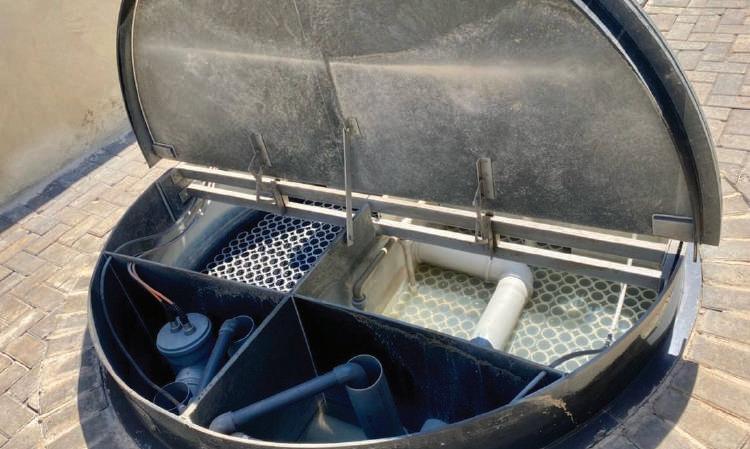
Brought to South Africa half a decade ago, KaacKai’s Danish-based modular, wastewater reuse Pods, treat wastewater to strict Scandinavian standards while adapting the tech for African conditions through an evolving partnership with Stellenbosch University.
Today, KaacKai Pods are running across southern Africa at private homes, precincts, such as the V&A Waterfront, lodges and shopping centres – quietly turning yesterday’s wastewater into tomorrow’s water.
The KaacKai Pod’s compact design, combined with high performance, reliability and advanced monitoring now make it an easy part of everyday life or rather a life style, rather than an experiment in the backyard.
KaacKai Pods are operated in line with local regulatory requirements and have been accepted by municipal authorities and other regulators across Southern Africa, giving businesses, estates and homeowners confidence that onsite reuse can be both compliant and future-proof.
KaacKai’s first commercial system in Cape Town was showcased several years ago as a case study with Wesgro - the tourism, trade and investment promotion agency for Cape Town – and its flagship installation at the V& A Waterfront now acts as a living platform for ongoing innovation in urban design and R&D.
Instead of sending domestic wastewater straight down the drain, it’s collected, treated onsite and then sent back out to keep landscapes lush, and, helping protect our dwindling groundwater in a fundamentally water-scarce country. Of course, it also reduces ever-increasing water bills.
For high-end estates and households freely pumping water from boreholes, is not the easy fix that many imagine.
Across the country, boreholes are rapidly depleting, and in many places the water quality from boreholes is also rapidly deteriorating.
In parts of the Winelands, groundwater levels are dropping year on year at an alarming rate. All this in the context of an exponential increase in demand because of a building boom and growing population.
Borehole water is not a long-term strategy as it rapidly drains tomorrow’s reserves.
Our wastewater is no longer someone else’s problem, but is becoming an asset – just like solar.
For estate managers and trustees, the brief is clear – protect property values, keep common areas beautiful, and stay ahead of tariffs, regulations and resident expectations around responsible resource use.
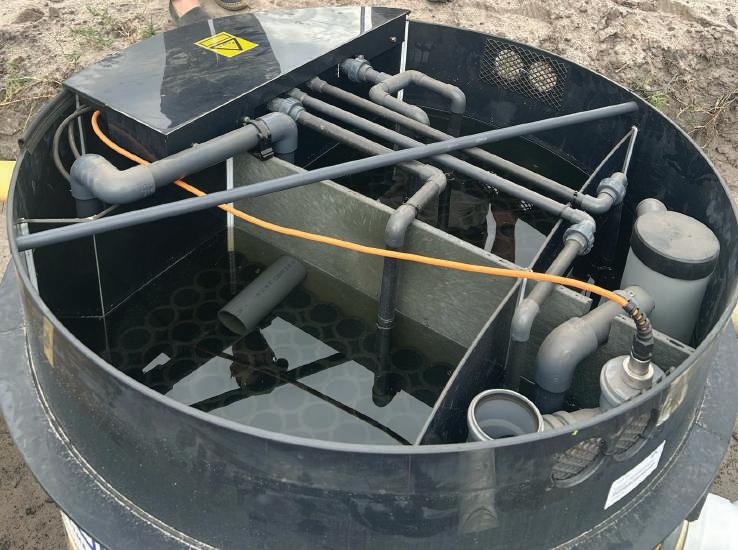
KaacKai’s next-generation, proven, plug-and-play wastewater recycling systems generate clean odourless non-potable water for reuse.
Think of it as a fully packaged mini plant discretely parked on your estate, not in some distant municipal yard. Everyday wastewater from homes is routed to the Pod, where it moves through a series of treatment stages inside a compact unit. The process is automated, low maintenance, with minimal energy use and remote monitoring – and importantly backed by customer-focussed service plans.
The end result is a reliable flow of clean treated water that can feed existing irrigation, sports fields, or can be used for re-flushing and other non-potable applications in new builds – dramatically reducing the cost of ever more expensive municipal potable water.
For individual homes, bodies corporate and HOAs, the conversation quickly focusses on significant cost savings: a well-sized system can offset a big chunk of irrigation demand, cut exposure to rising tariffs, and make budgeting for utilities far more predictable.
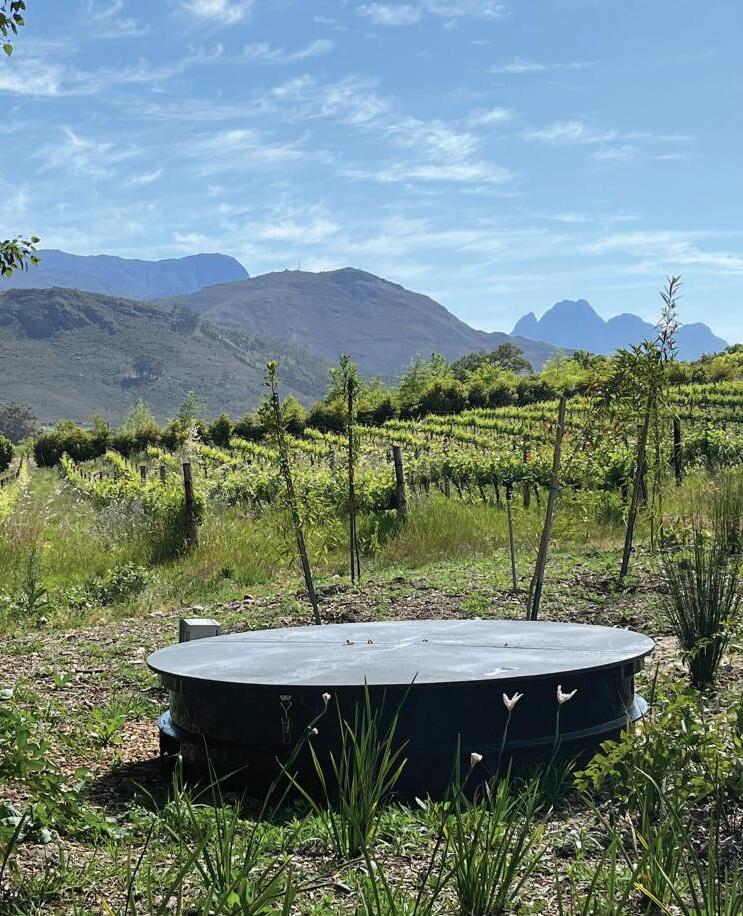
KaacKai Pods are typically installed below ground or tucked away in dedicated service areas, with access covers that blend into paving, parking courts or planted verges.
Installation teams work alongside landscape architects and estate designers to provide a discrete, practical and money saving solution.
Safe, beautiful, sustainable living’ is no longer just a sales phrase; it’s what property owners expect, and also very cost effective over time.
Whether you are designing a new development, upgrading ageing infrastructure or looking to differentiate an established estate, an on-site reuse solution that is reliable, and comes with the essential customer service not only keeps your gardens and greenbelts green, but is also saving money.
Want to see a Pod at work? Contact us at hi@kaackai.com for a Pod visit.
Text: Editorial Desk | Images: Supplied Lees die Afrikaanse weergawe van die berig op ons webwerf
Newinbosch Named Best Sustainable Development in the World at International Property Awards
World’s Best, From Africa.
From the soils of Stellenbosch to the global stage in London, Newinbosch Neighbourhood Estate has taken its place among the world’s leading property developments.
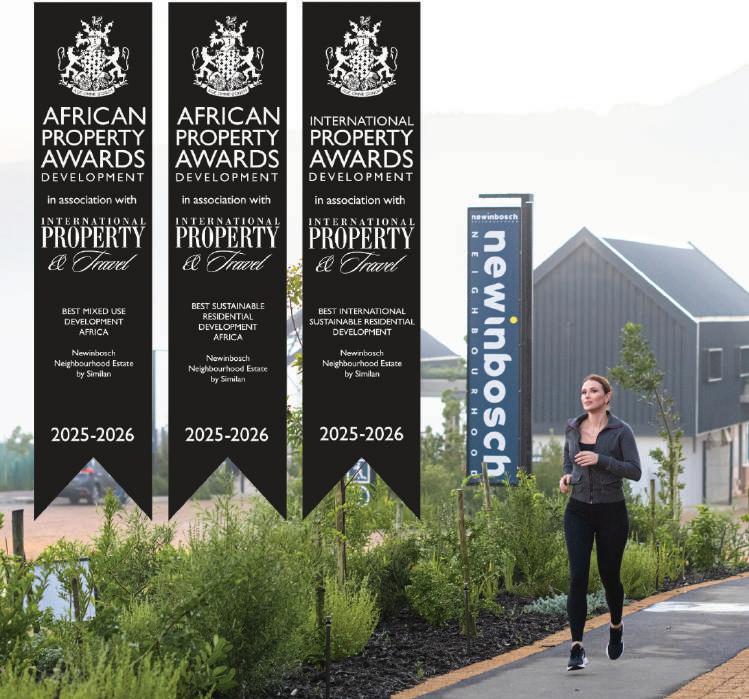
At the International Property Awards gala held in London in January 2026, Harold Spies, CEO of Similan, accepted multiple honours on behalf of Newinbosch: Best Sustainable Development in the World, Best Sustainable Development in Africa, and Best Mixed Use Development in Africa.
These accolades build on last year’s double 5 Star South African success at the IPA Awards and reaffirm Newinbosch’s position as one of Africa’s leading sustainable neighbourhoods, where innovation, quality and community are deliberately woven together to create lasting impact.
Spies notes that sustainability at Newinbosch is not treated as an added feature, but is embedded at every level of planning, design, and delivery.
“From housing diversity and car-lite walkability to climate responsive architecture, waterwise landscaping, renewable energy systems and integrated food production, the development responds not only to the South African context, but also to global calls for more equitable and adaptable neighbourhoods,” he says.
In an era where terms like “eco,” “green,” and “bioclimatic” are often used more as branding than practice, Newinbosch has deliberately chosen a different path: one rooted in measurable impact, transparent processes, and internationally recognised benchmarks.
Working closely with the Green Building Council South Africa (GBCSA) and long standing sustainability consultants Ecolution Consulting, the Newinbosch team has invested years in designing, documenting, and independently verifying every aspect of the neighbourhood. The result is a development where sustainability claims are underpinned by rigorous, third party certification.
Each achievement represents far more than a badge. As Africa’s first 6 Star Green Star Sustainable Precincts v1.1 certified development, Newinbosch is not measured against a once-off milestone; its performance is continually reviewed, with new criteria required at every phase of development.
Beyond precinct-level certification, Newinbosch’s sustainability strategy is supported by systems already delivered and operational. These include EDGE Advanced certification across all residential buildings, confirming significantly improved energy, water, and material efficiency, alongside tangible cost benefits for residents through lower running costs and access to green finance options.
The neighbourhood is also powered by Newinbosch Energy, a fully operational renewable energy microgrid combining solar generation, battery storage, and grid supply. This approach is believed to be among the first of its kind in South Africa, providing load shedding resilience and reliable power continuity while supporting both daily living and long term energy security. Solar energy currently supplies around 45 percent of the development’s total energy demand, with a target of more than 60 percent once the neighbourhood is fully built out.
A neighbourhood-wide waste reduction and management strategy is being rolled out in parallel, with on-site composting set to come online by the end of the year as part of a broader move toward reduced landfill reliance and more circular resource use, with a targeted goal of achieving zero landfill by 2028.
Alongside these established achievements, Newinbosch is setting its sights on the next phase of performance led sustainability. Public landscaping across the neighbourhood is being submitted for Net Zero Ecology certification, which will be awarded on completion of the development and independently verify meaningful ecological restoration at precinct scale.
Work is also underway toward Net Zero Carbon outcomes for The Ilex apartments at Newinbosch. These initiatives focus on reducing operational carbon through energy efficiency, renewable energy integration, and improved waste and resource management.
“Years ago, we asked a simple question: what would it take to become the most sustainable development in South Africa?” says Spies. “Our focus was never on recognition. It was on building a neighbourhood that delivers real, everyday benefits including lower running costs, resilient infrastructure, and a healthier, more connected way of living, while creating long term value for future generations. That commitment, grounded in a local ambition, has since carried the project onto a global stage. At Newinbosch, sustainability isn’t a gesture; it’s a system, a standard, and a way of building that continues to shape how this place grows.”
With this level of global recognition achieved, attention now turns to what lies ahead. For residents, these awards provide assurance that they are part of a development that meets and exceeds international standards of excellence. For the broader industry and community, they signal that South Africa can lead the way in delivering sustainable, liveable neighbourhoods built for the future.
“We extend our heartfelt thanks to everyone who made this possible: our partners, consultants, residents and teams,” concludes Spies. “With many proud moments behind us, the Newinbosch journey continues with momentum, purpose and promise.”
https://newinbosch.co.za/
Text: Editorial Desk | Images: Supplied Lees die Afrikaanse weergawe van die berig op ons webwerf
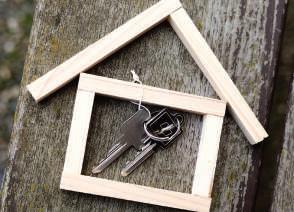
More Freedom, Less Commitment Why Renting Can Be a Smart Financial Move
Owning property is still a deeply held goal for many South Africans. But the path to ownership doesn’t need to be direct, and in some cases, it may not be the destination at all.
Renting is increasingly seen as a strategic financial decision. Whether you’re working towards a deposit or exploring more flexible ways to grow your wealth, renting can offer the space, stability and financial control needed to build your future on your own terms.
Control and predictability
Buying a home comes with major upfront expenses. Beyond the deposit, buyers must also cover legal fees, transfer duty, bond registration and bank charges. And once the sale is final, the bills continue: rates, levies, insurance, maintenance and security, all of which must be factored into your monthly budget.
Renters, by contrast, generally pay a single, predictable monthly amount (in some cases, electricity, refuse and/or water and sewerage are separately for the tenant’s account). They are also protected from the volatility of rising bond repayments and are better able to plan ahead with fairly consistent monthly costs, and in most cases, major repairs and maintenance are the landlord’s responsibility.
In South Africa, renting can also allow people to invest in education, launch businesses and live in areas closer to work, schools or public transport, which they may not be able to afford to buy in just yet. It also gives you time to improve your credit score, reduce debt, research neighbourhoods and refine your understanding of what you really want before you buy.
Renting offers far greater flexibility than ownership: if your job changes, your needs shift, or your circumstances evolve, moving on from a rental is far less complicated than selling a property.
Stay focused on your long-term goal
The 2025 Emerging Trends in Real Estate report from PwC noted that affordability and lifestyle flexibility are key drivers for younger households choosing to rent. With interest rates still elevated, many South Africans are waiting before entering the property market. Renting can help make this possible by freeing up income to put towards a deposit and other costs.
Renting can allow you to invest instead of buy
While many tenants intend to buy their dream home one day, others believe that renting offers the opportunity to grow wealth through diversified investments, particularly in shares, ETFs or unit trusts.
A home loan is one of the biggest debts most of us will ever take on. Although it may be productive debt tied to a physical asset, it still represents a major concentration of your wealth in one place. That carries risk.
Some investors argue that your money may be better put to work elsewhere. The long-term growth potential of equities, especially when held over the average term of a home loan, can be significant. Investing early, even modestly, creates the opportunity to benefit from compounding returns.
This doesn’t mean buying property is the wrong decision but it reinforces the idea that renting, when combined with smart financial planning, can be a strategic phase in wealth creation.
Whether your goal is a home or a stronger investment portfolio, what matters is how intentionally you use this time. Either way, renting gives you options. It offers more freedom and less commitment, more liquidity and less risk, more financial control and less pressure.
Text: Editorial Desk | Image: congerdesign from Pixabay Lees die Afrikaanse weergawe van die berig op ons webwerf
More than just a place to live, it’s a lifestyle destination OAKHILLS STELLENBOSCH
Set against the beauty of the Cape Winelands, Oakhills Estate presents a refined lifestyle within a secure, pet-friendly precinct. Designed for effortless living, the estate offers seamless lift access, sweeping views, advanced biometric entry, and integrated CCTV security. Residents are complemented by a curated deli and café, a gym and wellness centre, sophisticated co-working spaces, discreet emergency-alert system, landscaped communal environments, and thoughtfully planned parking — all contributing to a connected, elevated living experience in Stellenbosch.