NEWS & VIEWS FOOD & WINE
PEOPLE & PL ACES


Vergenoegd Löw – Sean Gibson

Stellenbosch has launched Art of Origin Stellenbosch, a town-wide art competition and exhibition uniting generations and creative communities across the region. Organised by Visit Stellenbosch in partnership with the Art Association Stellenbosch, the initiative is open to all: school learners, students, emerging and established artists, township collectives, community groups, and senior living communities. Submissions are accepted across all mediums and three age divisions: 7–18, 19–65, and 66+.
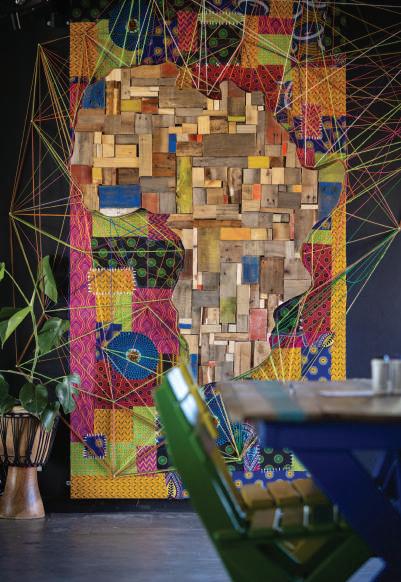

Winning artworks will be featured in the 2027 Visit Stellenbosch Visitors Guide, distributed to over one million prospective visitors worldwide, offering rare international exposure. Five thematic winners will each receive R10,000, with one artwork selected for the front cover. Works will be exhibited at the PJ Olivier Art Centre, with the opening and awards on 4 June 2026, followed by a public exhibition from 5 to 11 June 2026.
In what is being described as a “natural evolution of the wine lifestyle”, a leading Stellenbosch wine estate has announced a joint venture with a global FMCG company to launch the world’s first wine-infused toothpaste.
The product, developed over “several years of research”, is said to combine oral-care science with the sensory complexity of fine wine. According to the announcement, the toothpaste is alcohol-free but retains “authentic vinous character”, achieved through the extraction of flavour compounds from grape skins, pips and barrel-aged lees.
Early details suggest the range will debut with three variants: Heritage White, offering crisp acidity and subtle citrus notes for “a fresh, palate-cleansing start to the day”; Barrel Reserve, described as richer and more textured, with hints of oak, vanilla and spice; and Rosé Morning, positioned as a lighter, fruit-forward option with a “soft, rounded mouthfeel”.

A spokesperson for the venture said the idea was born out of a desire to “extend the wine experience beyond the glass and into everyday rituals.” “For many consumers, wine is already part of their identity and wellness routine,” the spokesperson explained. “This allows them to begin and end their day with familiar flavours, without compromising dental health.”
While some dental professionals have urged caution, the company insists the product meets international oral-care standards and contains no fermentable sugars. In fact, they claim certain naturally occurring grape compounds may offer antioxidant benefits — a statement carefully framed as “under ongoing investigation”.
The toothpaste is expected to launch initially through select farm shops, luxury hotels and wine estates, with international distribution to follow. Pricing has not yet been confirmed, but insiders suggest it will sit firmly in the premium bracket.
When asked whether a wine-infused mouthwash or floss might be next, the spokesperson smiled and said only: “We see this as the beginning of a broader lifestyle category.”

Text: Editorial Desk | Image: Supplied
Lees die Afrikaanse weergawe van die berig op ons webwerf
“Stellenbosch has always been creative, but Art of Origin is a first—an open invitation to every artist, school, and community to tell its story. More than a competition, this is a cultural movement,” said Annemie Liebenberg, CEO of Visit Stellenbosch.
“This moment belongs to every artist, not just the established ones,” said Coert Venter, Chairman of the Art Association Stellenbosch. “We’re bringing together a school child, a township artist, and a senior painter in one exhibition—that is the Stellenbosch we want the world to see.”
A Creative First for Stellenbosch
Art of Origin Stellenbosch reflects Visit Stellenbosch’s brand positioning, Unexpected Firsts. Unforgettable Moments, forming part of a broader initiative celebrates innovation across the town. While aligned with this vision, it stands as a distinctive cultural project designed to create a lasting creative and tourism legacy.
Artists are invited to submit original works across five themes reflecting Stellenbosch:
Taste: Culinary culture, food artisans, markets, local produce
Wine: Vineyards, harvest, cellars, heritage estates
Stay: Hospitality, architecture, boutique accommodation
Experience: Festivals, cycling, hiking, university life, the arts
Community: People, diversity, heritage, shared stories
Artists may enter multiple themes, with each submission judged independently. All mediums are welcome, including painting, drawing, mixed media, digital art, and collage.
Important Dates
Submission Deadline: 25 May 2026 at 17h00
Judging Date: 3 June 2026
Opening & Awards: 4 June 2026
Exhibition: 5–11 June 2026
For submission guidelines and entry forms, contact: admin@stellenboschkuns.co.za or 079 084 6183





'n Langdurige debat oor die evolusionêre oorsprong van die wêreld se mees gekweekte "magic mushroon" - Psilocybe cubensis – is moontlik nou deur wetenskaplikes van Suider-Afrika en die Verenigde State beëindig.
In 'n artikel wat in die tydskrif ‘Proceedings B of the Royal Society’ gepubliseer is, beskryf hulle die ontdekking van 'n nuwe spesie psigedeliese sampioen –Psilocybe. ochraceocentrata – in die grasvelde van Suid-Afrika en Zimbabwe. So genoem vanweë die okergeel kleur in die middel van die sampioenhoed, het P. ochraceocentrata ongeveer 1,5 miljoen jaar gelede laas 'n gemeenskaplike voorouer met P. cubensis gedeel.
Dit is teenstrydig met die heersende siening dat P. cubensis onbedoeld in die Amerikas ingevoer is toe beeste in die 1500's vanuit Afrika en Europa na die kontinente ingevoer is. P. cubensis is die eerste keer in 1906 in Kuba beskryf. Breyten van der Merwe, 'n mikoloog en PhD-student in chemiese ingenieurswese aan die Universiteit Stellenbosch, sê alhoewel die twee spesies soortgelyk lyk, het hulle verskillende genetiese, ekologiese en chemiese eienskappe. Hy is een van die mede-outeurs van die artikel. Hy sê die bevindinge werp nuwe lig op die natuurlike oorsprong van makgemaakte P. cubensis en verskaf nuwe genetiese hulpbronne vir navorsing oor psigedeliese sampioene.
P. ochraceocentrata word al jare lank wêreldwyd gekweek onder die naam "NSS" (wat staan vir "Natal super strength") of "Transkei": "Dit is een van die gewildste soorte psigedeliese sampioene, want dit is redelik kragtig en maklik om te kweek. Maar tot hierdie studie het niemand besef dat dit 'n heeltemal aparte spesie van die klassieke psigedeliese sampioen is nie," verduidelik hy.
In samewerking met dr. Alexander Bradshaw van Clark Universiteit, prof. Bryn Dentinger van die Universiteit van Utah Gesondheid in die VSA, dr. Keaton Tremble van die Duke Universiteit, en dr. Cathy Sharp van die Natuurhistoriese Museum van Zimbabwe, het hulle DNS wat uit versamelings regoor Suider-Afrika en historiese tipe-monsters onttrek is, gebruik om multi-lokus filogenetiese ontledings, molekulêre klokdatering en ekologiese nismodellering uit te voer.
Dr. Sharp het in 2013 van die eerste eksemplare van P. ochraceocentrata in Zimbabwe gevind. Tot op hede bly Afrika egter steeds erg onder ondersoek vir swamdiversiteit.
In die artikel, getiteld “Ontdekking van die naaste vrylewende familielid van die makgemaakte psigedeliese sampioen Psilocybe cubensis in Afrika”, stel die span verskeie moontlike scenario's voor vir wanneer en hoe die spesies soveel miljoene jare gelede uiteengeloop het. Rondom hierdie tyd het grasvelde in Suid-Amerika gediversifiseer, en weidende herbivore, wat voedsel vir hierdie sampioene verskaf om op te groei, het uit Afrika en na Eurasië versprei. Daar word gespekuleer dat hierdie ekologiese veranderinge nisse oopgemaak het vir die afsonderlike spesiasie van P. cubensis en P. ochraceocentrata.
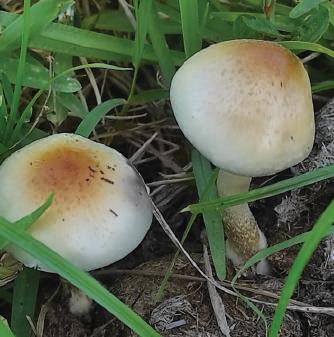
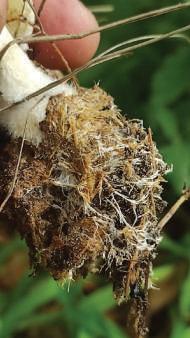

'n Nuut beskrewe Afrika-spesie in die psigedeliese sampioenfamilie bevestig sy evolusionêre oorsprong. Psilocybe ochraceocentrata word aangetref op beesmis in die grasvelde van Suider-Afrika.
Intussen doen Van der Merwe verdere navorsing oor Psilocybe- sampioene en plaaslike psigoaktiewe plante: “Ons beplan om die verskillende verbindings wat hierdie plante en sampioene produseer, te karakteriseer en te isoleer, en dit dan te toets teen modelle vir posttraumatiese stresversteuring, angs en depressie.”

Teks: Redaksie | Foto’s: Talan Moult
Read the English version of this report on our website
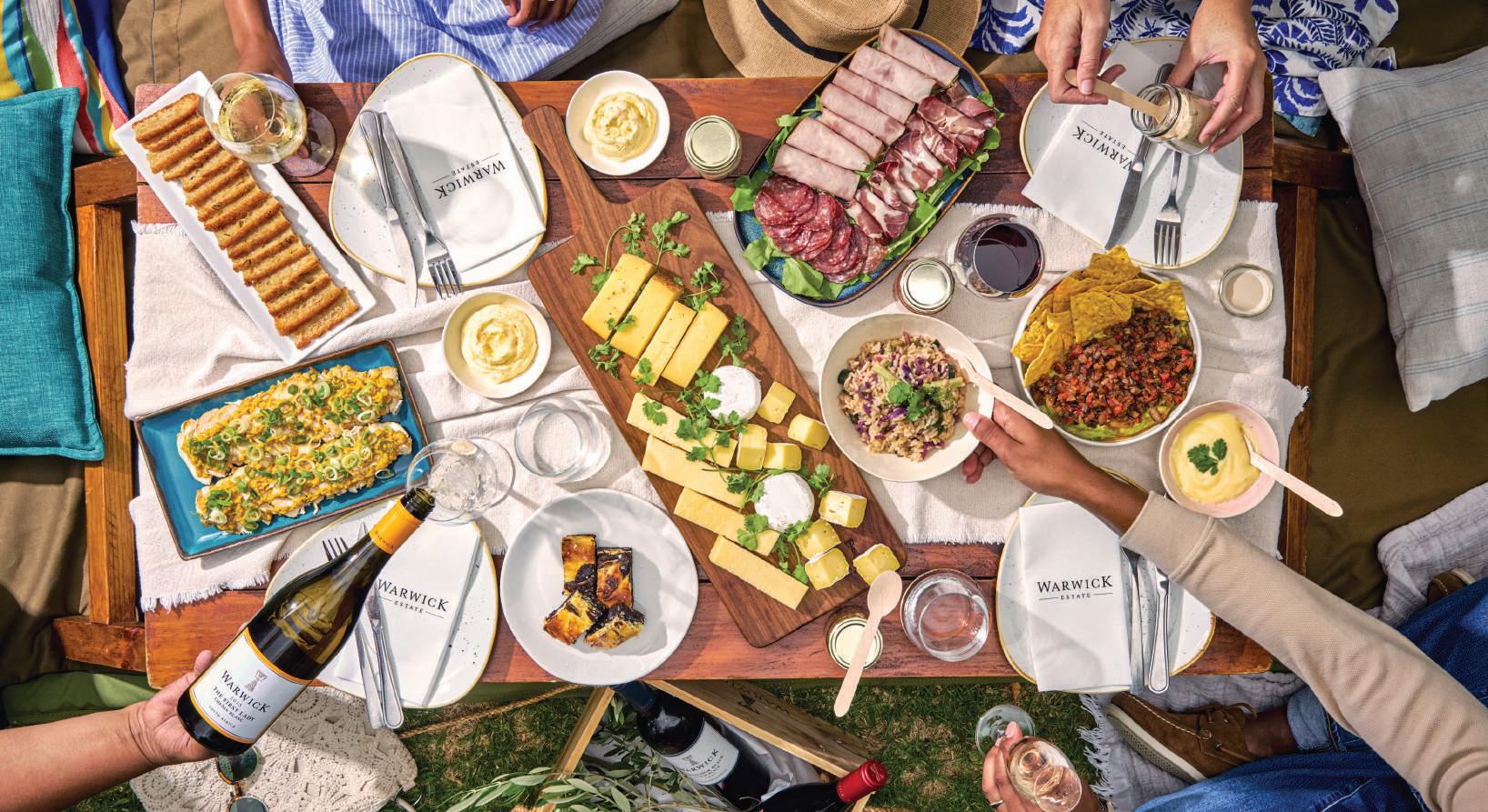

Webersburg Wine Estate enters a new era of intimate luxury — where a private villa, dedicated butler, personal chef and in-suite spa redefine the Winelands retreat.
There is a particular quality of light that falls across the Helderberg foothills in the late afternoon — warm, amber-edged and unhurried — that seems to exist nowhere else on earth. It has guided winemakers and homesteaders on this soil since the farm was first established as Groenerivier in 1693. Today it bathes a Webersburg Wine Estate reborn: a destination that has quietly, and magnificently, reinvented itself for guests of discerning taste and uncompromising standards.
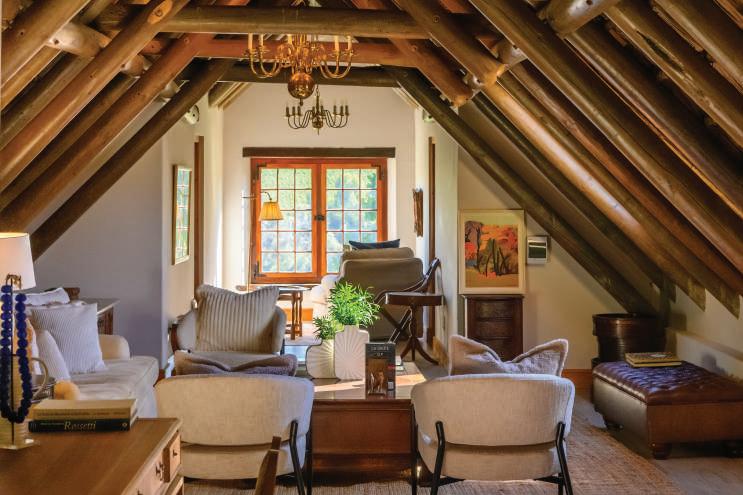
The Villa: Your Private Estate
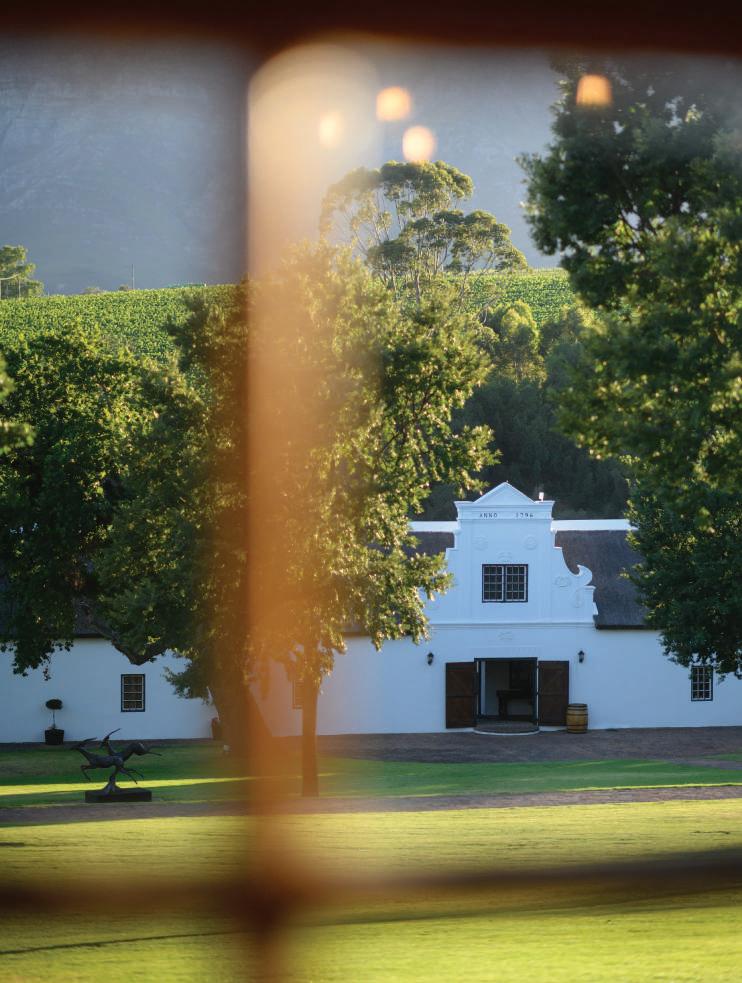
The jewel of the renovation is the refurbished Villa — originally the historic estate's traditional staff quarters, thoughtfully reimagined to preserve its authentic Cape Dutch character while introducing every comfort the modern luxury traveller demands. This is not a hotel room. It is a private home, staffed and curated entirely for you.
A dedicated personal butler attends to your every requirement — from pre-arrival preparations to arranging a private cellar tour at dusk. The Villa's private chef composes meals around your preferences, the estate's seasonal produce and Webersburg's celebrated cellar: imagine breakfast on the terrace as mist lifts from the Helderberg, or a candlelit dinner served in absolute, beautiful privacy.
In-suite massage services complete the picture. Treatments are available indoors within the Villa's dedicated spa room, or — most memorably — outdoors in the private garden, beneath open skies with the mountain as your backdrop. For couples, it becomes a stage for unhurried, shared indulgence that no hotel spa can replicate.
“This is not a hotel room. It is a private home — staffed, curated and entirely devoted to you.”
The Estate: A Winelands World Unto Itself
The Villa may be the headline, but Webersburg's broader estate — its elegant Cape Dutch homestead and cellar dating to 1786 — has always been a destination in its own right. Situated on Annandale Road a mere ten minutes from the Stellenbosch CBD, it achieves the Winelands' most enviable paradox: absolute serenity within easy reach of town.
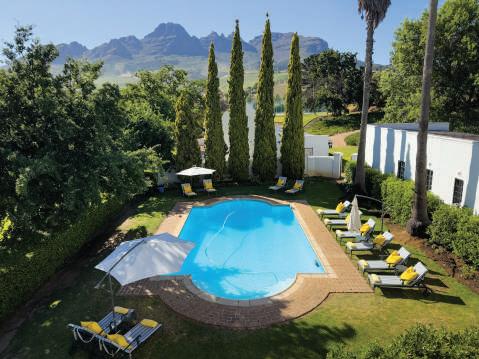
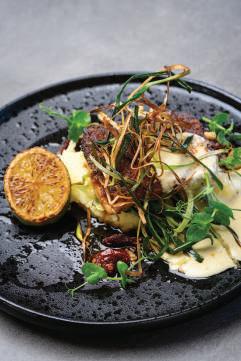
The estate restaurant remains one of the most atmospheric in the region, its terrace commanding sweeping views across the dam and vine rows to the mountain. Seasonally inspired menus, warm knowledgeable service and a cellar stocked with Webersburg's premium Cabernet Sauvignon and Bordeaux blends make lunch here a genuinely unhurried affair. Cellar experiences and MCC tastings — guided, focused and illuminating — reveal the character of granite-soil terroir that has shaped these wines across more than two centuries. Webersburg's vineyard picnics have earned a devoted following for good reason: gourmet baskets served on manicured lawns before the Manor House, where the Helderberg frames every view and the only sounds are birdsong and the hum of bees. As afternoon turns golden, sunset wine and MCC tastings on the lawns offer one of those quintessential Winelands moments — glass in hand, light performing its nightly theatre — that make this corner of the Western Cape so enduringly irresistible.
In a Winelands landscape rich with excellent options, Webersburg has staked its claim in a register few others occupy: intimate, unshowy, deeply personal luxury grounded in 330 years of living history. The renovated Villa is a statement of intent — and an invitation to guests who know that the finest escape is not about activity or novelty, but about being entirely, gloriously here, with a glass of exceptional wine and not a single thing that needs doing.
WEBERSBURG WINE ESTATE
Annandale Road, Stellenbosch | 10 minutes from the Stellenbosch CBD webersburg.co.za

Text: Editorial Desk | Images: Webersburg
Lees die Afrikaanse weergawe van die berig op ons webwerf
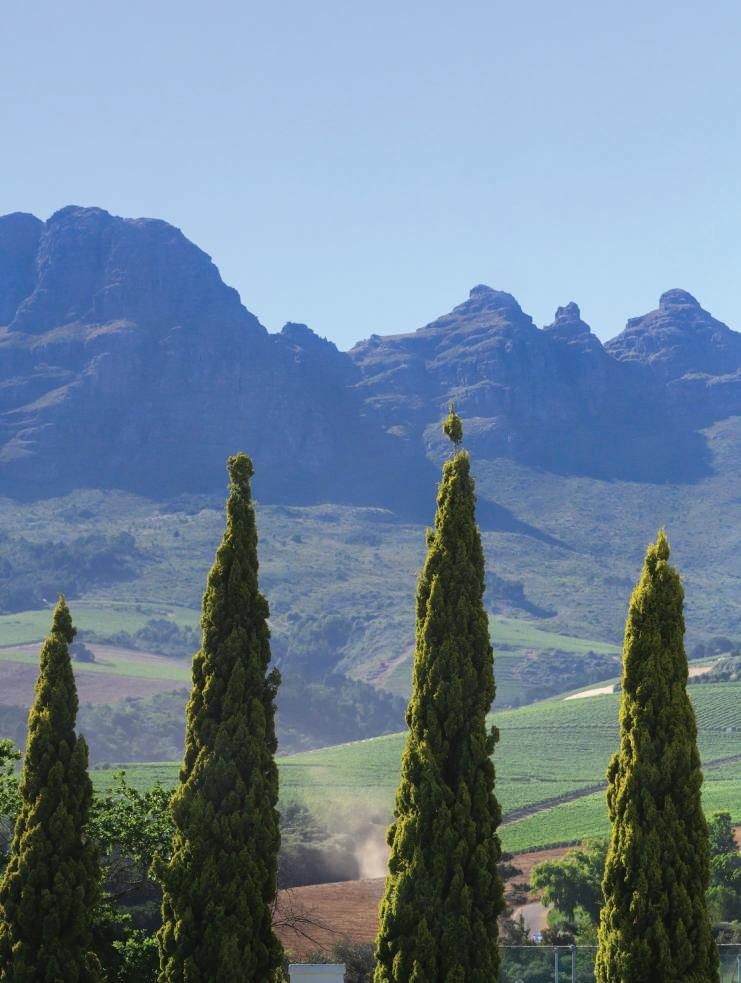
Rain-fed resilience. Water stewardship. Preservation of nature. Distinctive wines.
These are the defining pillars of the newly established Dry-Farmed Collective, an industry-led initiative that formally launched on the global stage at ProWein Düsseldorf during March 2026.
Initiated by Perdeberg Wines the Dry-Farmed Collective brings together growers, producers, researchers, and advocates committed to protecting and promoting South Africa’s rain-fed vineyards.
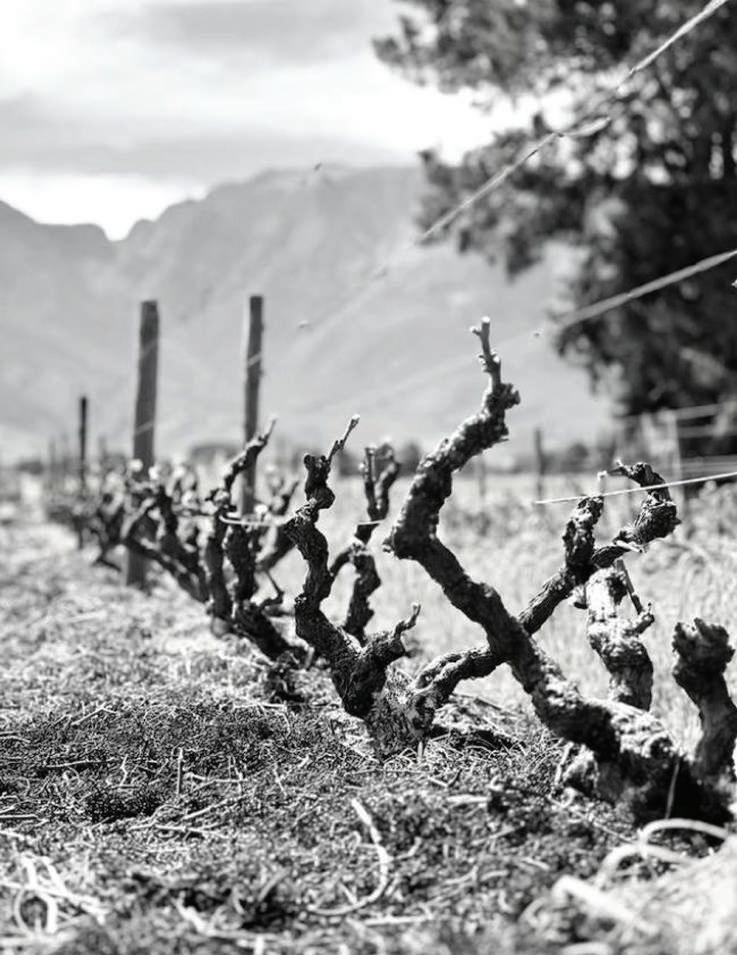
As water scarcity intensifies and climate volatility reshapes agricultural realities in the Western Cape, dry-farming (cultivating vines without irrigation and relying solely on natural seasonal rainfall) has emerged as both a heritage practice and a climatesmart solution.
According to the SA Wine Industry Information and Systems (SAWIS), South Africa currently has 10 760 hectares of dry-farmed vineyards, representing 12% of the national vineyard area. These vineyards are recognised for producing wines of concentration, structure, and authenticity, with smaller berries and lower yields contributing to depth of flavour and a pronounced sense of place.

“We have 80 years of winemaking experience in dry-farmed viticulture,” says Gerhard van der Watt, CEO of Perdeberg Wines. “Over decades we have consistently seen the exceptional quality that comes from low-yielding vineyards with smaller berries and concentrated fruit. There is no substitute for the raw material that dry-farmed vineyards produce.
“However, preserving these environmentally responsible vineyards in a highly competitive commercial environment remains a challenge. The Dry-Farmed Collective was established to ensure we marry environmental good practice with commercial viability. The support from industry bodies and early adopters across the spectrum confirms that this is an initiative the broader industry can and should embrace.”
Early supporters include Perdeberg Wines, Diemersdal, Piekenierskloof Wine, David & Nadia Wines, De Kleine Wijn Koöp and Leeuwenkuil Family Vineyards, a reflection of strong cross-industry commitment to protecting and strengthening South Africa’s dry-farmed vineyard footprint.
With vineyard area under pressure, collaboration has become essential. By uniting under one banner, members aim to safeguard agricultural heritage while ensuring long-term environmental and economic sustainability.
Many dry-farmed vineyards in South Africa are more than 20 years old, representing invaluable agricultural heritage. As these vineyards mature, producers may qualify for Certified Heritage Vineyard status under the Old Vine Project, further recognising and protecting their legacy.
At its core, the Dry-Farmed Collective seeks to position rain-fed viticulture as a defining signature of South African wine, a model of resilience sustained by skilled growers and vineyard teams working in harmony with nature.
Beyond preservation, the initiative aims to translate stewardship into measurable action: protecting scarce water resources, championing distinctive wine styles, and strengthening the long-term viability of dry-farmed production.
Growers, producers, trade partners and advocates are invited to become part of this collaborative platform dedicated to protecting South Africa’s water future and advancing distinctive, rain-fed wines.
Email: info@dryfarmedcollective.com | Social Media: @dryfarmedcollective

Text & Photos: Dry-Farmed Collective Lees die Afrikaanse weergawe van die berig op ons webwerf
There is a particular morning in the Winelands when summer doesn’t fade gracefully—it simply taps you on the shoulder and says, “We’re done here.” For me, it always begins with the tiles.
One unsuspecting step into the kitchen, barefoot and optimistic, and suddenly the floor feels like it belongs in a refrigerated wine cellar. It’s a sharp, unmistakable chill that travels straight up your spine and delivers the news more effectively than any weather app ever could. Autumn has arrived. Whether you’re ready or not. This is what I’ve come to think of as The Great Slipper Transition – that slightly chaotic, mildly dramatic shift from long, lazy rosé afternoons to something altogether more comforting.
Naturally, the first task is locating the slippers. These are never where you left them at the end of last winter. Instead, they’ve migrated. Under beds, behind doors, occasionally in places so illogical you question your own memory. The search becomes a seasonal ritual – part treasure hunt, part acceptance. Once found and firmly on your feet, something else begins to shift – and this is where the kitchen comes in.
Because as much as we may resist packing away the linen dresses and outdoor lunches, our appetites have already made the decision for us.
Where once there were platters of tomatoes, peaches and burrata, suddenly the idea of a steaming bowl of something – anything – becomes irresistible. It’s as if the body instinctively leans toward warmth, toward comfort, toward dishes that ask you to slow down.
It begins innocently enough. A butternut that’s been sitting patiently on the counter. A few carrots, a slightly tired leek, perhaps a handful of herbs that have seen better days. And before you know it, you’re chopping with purpose. Soup, at this time of year, feels less like a recipe and more like a reflex.
Everything goes into the pot – olive oil, onions softening gently, garlic releasing its warmth. The vegetables follow, then stock, then time. The kitchen fills with that unmistakable aroma: earthy, sweet, deeply reassuring.
There’s something deeply satisfying about transforming a collection of odds and ends into something silky and cohesive. A swirl of cream, a drizzle of good olive oil, maybe a scattering of toasted seeds or croutons. Suddenly, you have a meal that feels like a small act of care.
What I love most about this seasonal shift is that it doesn’t ask for perfection. Autumn cooking is forgiving. It welcomes the slightly bruised, the overlooked, the last of what remains in the fridge. It invites improvisation.
And yes, there may still be the occasional glass of chilled rosé on the stoep, stubbornly clinging to summer. But more often now, it’s replaced by a mug of tea held between both hands or a bowl cradled just as carefully.
And just like that, the kitchen has gently, deliciously ushered us into a new season.
There is something oddly comforting about that.
So until sleep returns properly, I suspect the fridge and I will continue our late-night meetings. Quiet, respectful, slightly suspicious of one another.
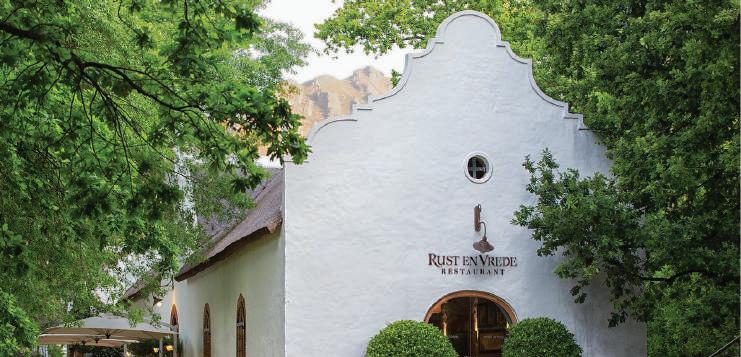
Sjef Fabio Daniel en die span van Rust en Vrede Restaurant is vereer met die Fynproewersrestaurant van die Jaar-toekenning by die Luxe-toekennings 2026, wat tydens 'n elegante geleentheid by Mira aangebied is.
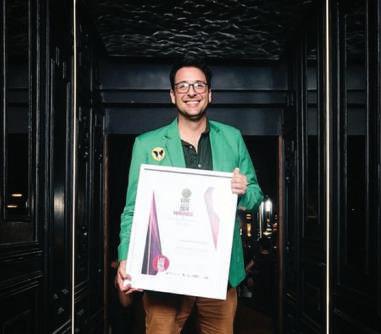
Die aand het leidende figure in die Suid-Afrikaanse gasvryheidsbedryf bymekaargebring, wat dit 'n gepaste geleentheid gemaak het om 'n restaurant te erken wat sy reputasie bestendig opgebou het deur toewyding, konsekwentheid en 'n verbintenis tot uitnemendheid.
Onder sjef Fabio se leierskap, word die Rust en Vrede Restaurant deurgaans erken vir sy deurdagte, sorgvuldig geskepde kookkuns, gepaard met voortreflike wyn en 'n eetervaring wat die landgoed se erfenis en karakter weerspieël.
Geleë op een van Stellenbosch se mees historiese wynlandgoedere, bied die restaurant gaste 'n verfynde, maar verwelkomende ervaring waar sorgvuldig deurdagte spyskaarte aangevul word deur die unieke wyne van Rust en Vrede, sowel as ander juwele van regoor die wêreld.
Die toekenning is nie net 'n trotse erkenning van die passie, dissipline en aandag aan detail wat in elke diens ingaan nie, maar ook 'n maatstaf vir die voortgesette strewe na uitnemendheid. “Ons is geweldig trots op sjef Fabio en sy span vir hierdie welverdiende erkenning.”
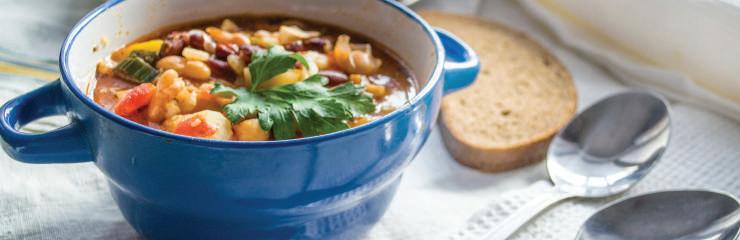
Basic soup base:
• 3 Tbsp butter
1 large onion chopped
1 large potato chopped
750ml chicken or vegetable stock
Vegetables of your choice
10ml cornflour
250ml milk
125ml yoghurt
Salt and pepper
Melt the butter in a pot. Add the onion and fry until the onion has softened. Add the potato and stock and cook until the potato has softened. Add the vegetables you’ll be using.
Simmer until the vegetables are cooked. Blend or puree the mixture, mix the cornflour with a touch of milk to create a slurry and add to the mixture. Pour in the balance of the milk, stir well and continue to cook for a few minutes.

Just before serving, add the yoghurt and garnish with herbs.
Lascaris is the author of the highly successful ‘All Sorts of’ series of cook books. She’s also written another best seller called ‘The Ultimate Salad Book’. She maintains that she’s not a chef but rather a home cook with an interest in health and nutrition. She lives in Franschhoek with her husband and cat Loxie. For recipes, lifestyle and healthy living ideas, follow her on @ChantalAllSorts on Facebook, @chantal_lascaris on Instagram and ChantalLascaris on Twitter/X as well as her website chantallascaris.co.za
Aangesien die restaurant steeds beide plaaslike en internasionale gaste lok, word tafels dikwels lank vooruit bespreek. Diegene wat die bekroonde eetaanbod by Rust en Vrede Restaurant wil beleef word aangemoedig om vroegtydig te bespreek om teleurstelling te voorkom.
E-pos: dining@rustenvrede.com |Tel: 021 881 3757

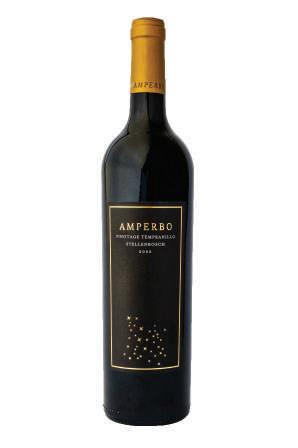
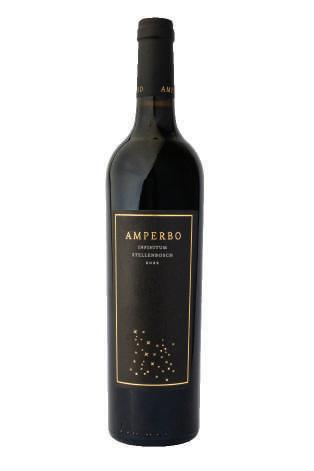
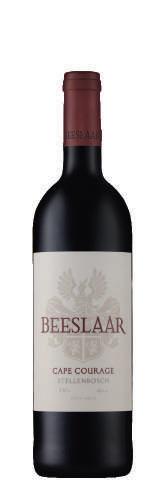
As the cool breath of autumn settles over Stellenbosch, the season invites a shift in both pace and palate. The bright, breezy summer sippers are giving way to wines with greater depth, texture and quiet complexity. This month’s selection reflects that transition beautifully – from a characterful Chenin Blanc with crisp acidity and layered fruit, to expressive blends and bold reds that echo the richness of the harvest. Whether you’re lingering over a long lunch or easing into cooler evenings, these wines capture the essence of the season in every glass.
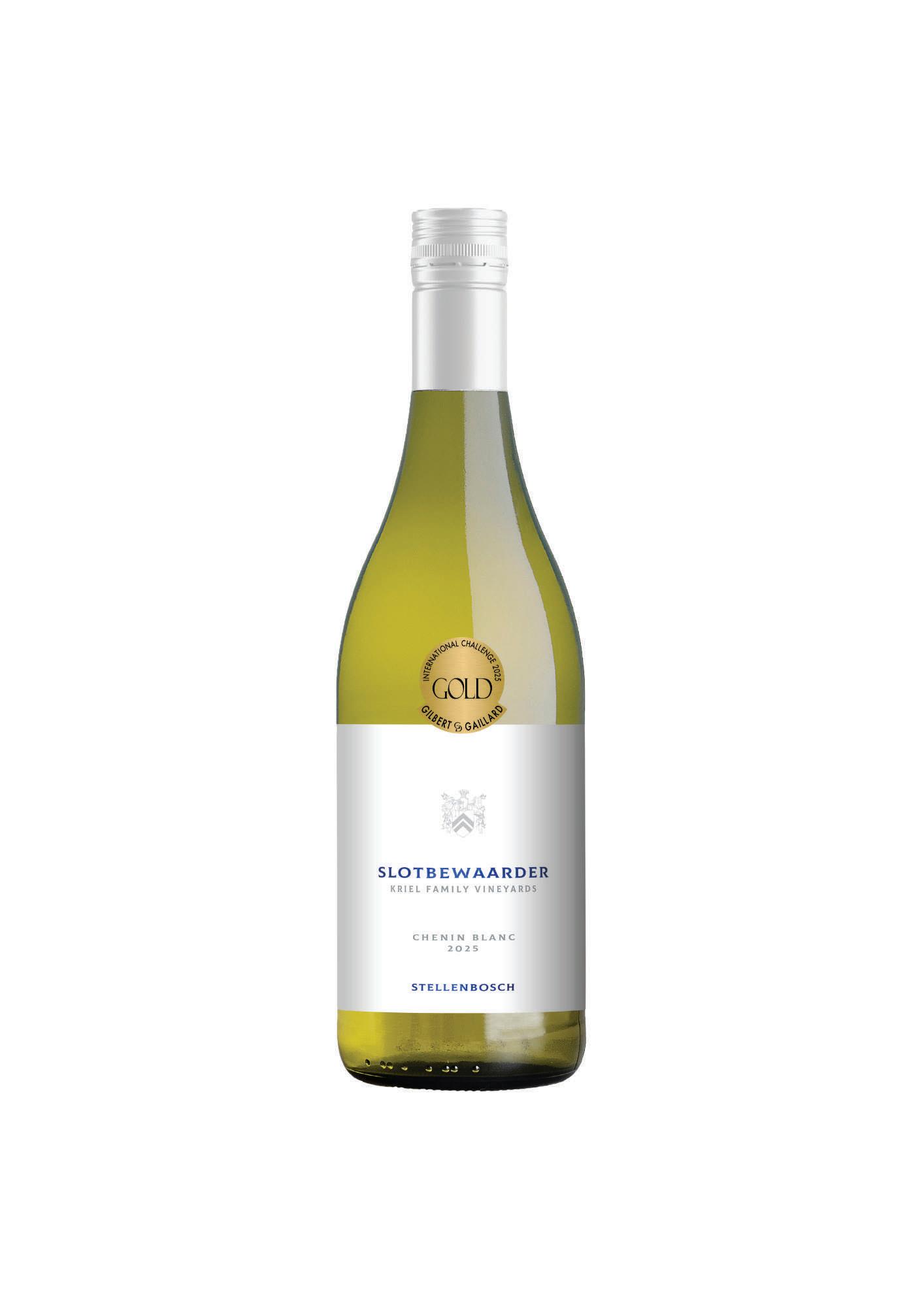
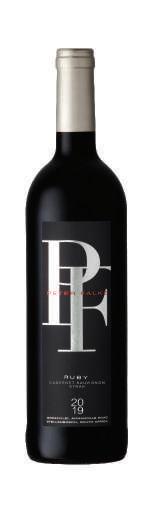
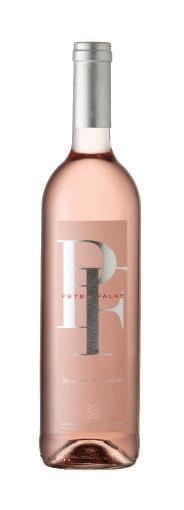
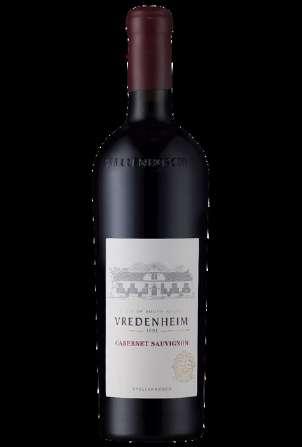
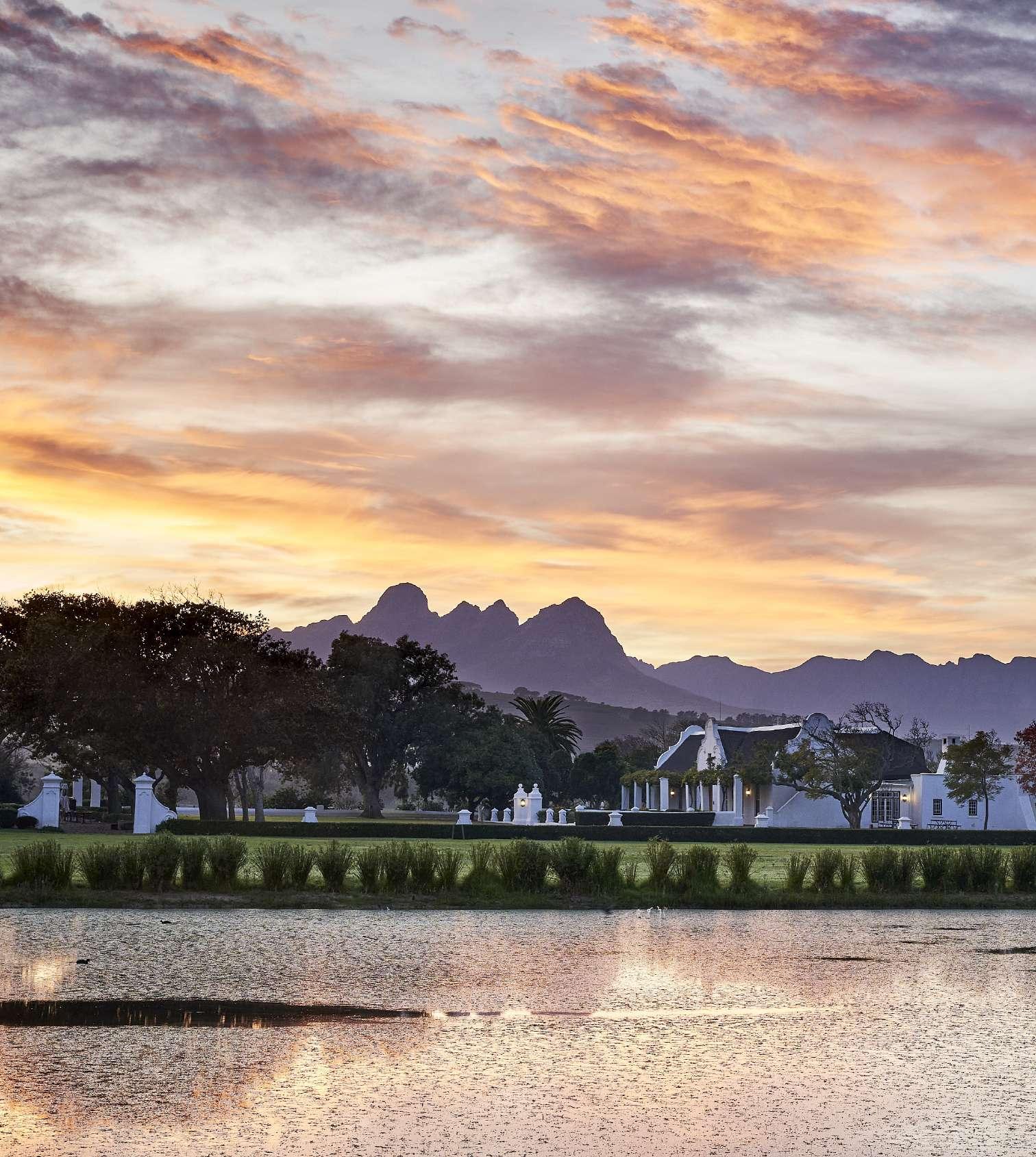
If you’ve ever dreamed of an authentic South African adventure but find the idea of dodging potholes the size of splash pools on the way to the Kruger National Park a bit too interactive, then allow me to introduce you to Vredenheim — Stellenbosch’s answer to the call of the wild, without the followup call to your insurance company.

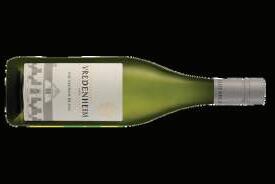
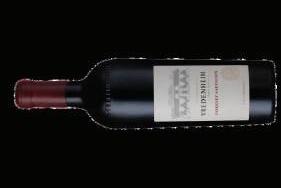


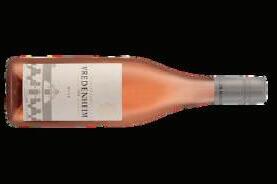


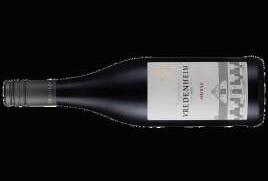
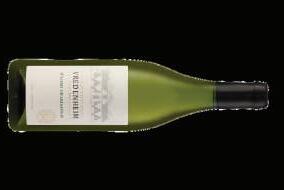

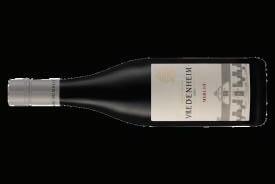
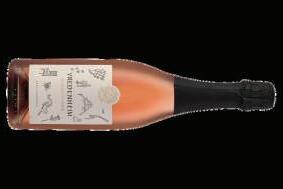
Just five minutes from the genteel streets of Stellenbosch, Vredenheim is the kind of place that makes you wonder why anyone would risk a 12-hour road trip when they could be sipping superb, affordable wine while surrounded by wild life. It’s a working wine farm, wildlife home, function venue, coffee shop, restaurant, and even home to a private school — in other words, practically its own little country, and a very civilised one at that.
Let’s start with the wine, because this is Stellenbosch, after all. Vredenheim’s range is beautifully drinkable, perfectly priced, and dangerously moreish. Whether you prefer a crisp Sauvignon Blanc for your picnic beneath the oaks or a robust Cabernet Sauvignon to pair with your sunset selfies, the cellar delivers the kind of quality that makes you nod approvingly and say, “Ah yes, terroir,” even if you aren’t entirely sure what that means.
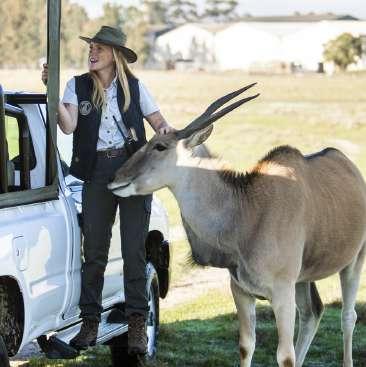
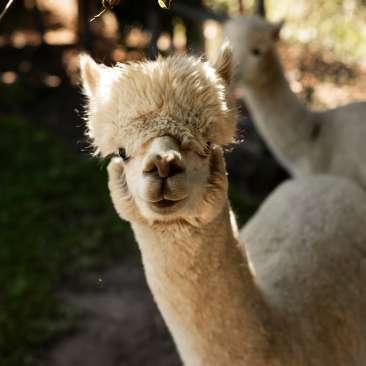
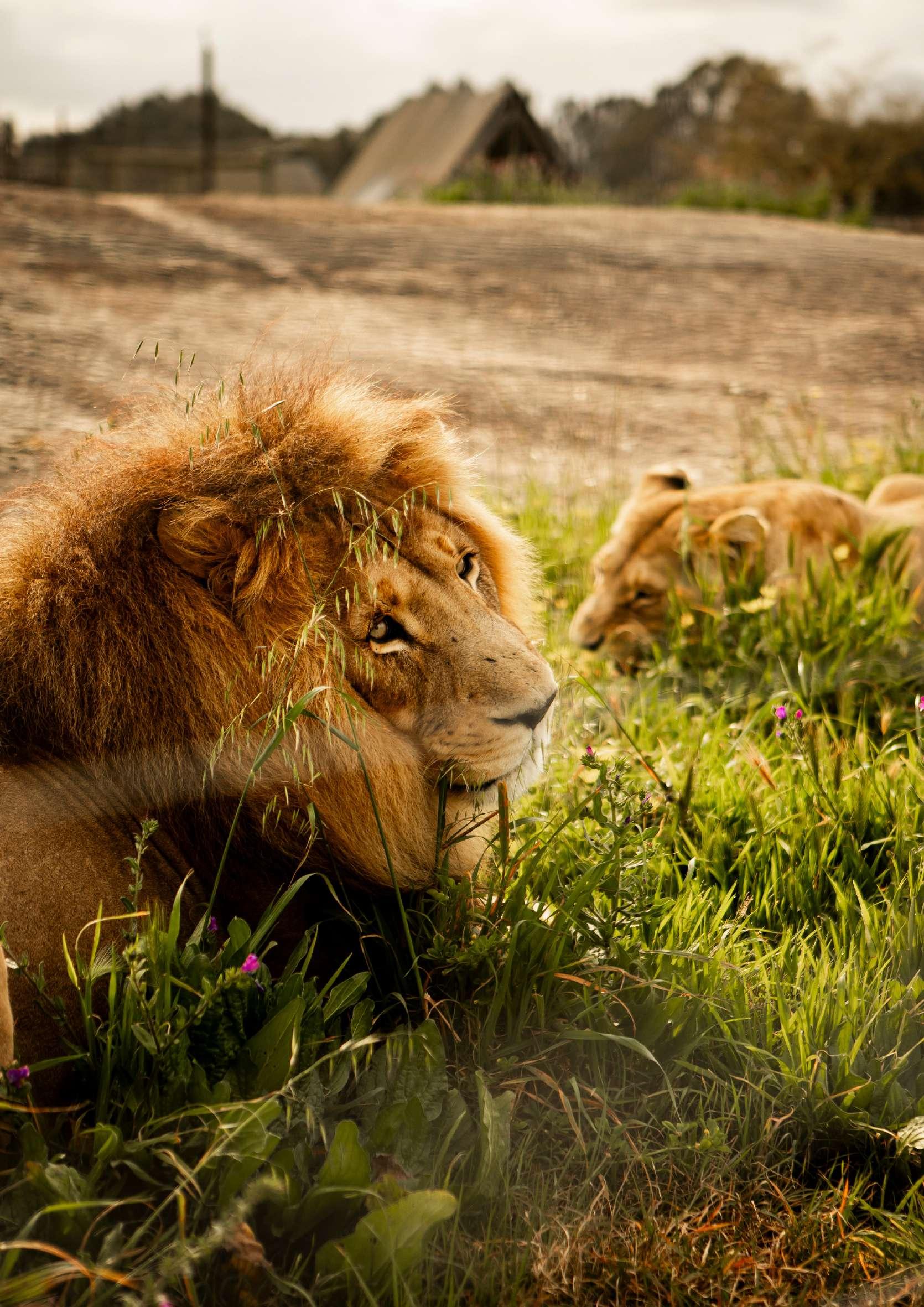
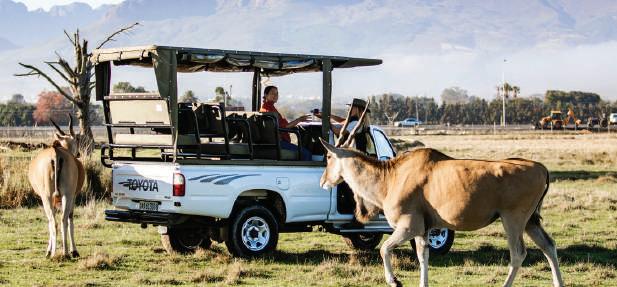
But Vredenheim isn’t only about what’s in your glass — it’s also about what’s roaming just beyond it. On any given day, you might spot lions basking in the sun, antelope grazing lazily, or even a few farm animals strutting around like they own the place. It’s a safari experience that doesn’t require malaria tablets or a bumpy ride through the bush — just a leisurely stroll with a camera or a cappuccino from the coffee shop.
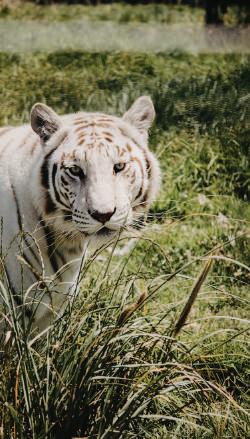
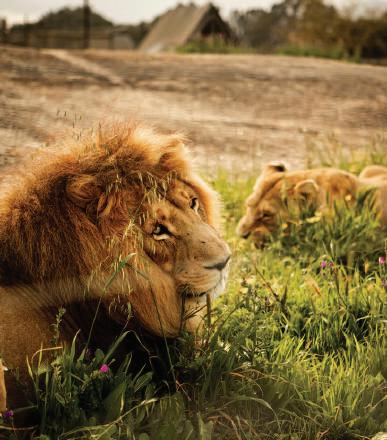
Speaking of food, the Plaaslik Restaurant at Vredenheim serves hearty, comforting meals that will make you forget every diet you’ve ever attempted. Think country-style breakfasts, generous lunches and indulgent desserts — all served with a side of panoramic vineyard views and that unmistakable Stellenbosch hospitality.
For those who believe in multitasking their merriment, Vredenheim also doubles as one of the most versatile function venues in the Winelands.
Weddings here are the stuff of Instagram dreams: white marquees, golden light, and the occasional photobomb by a grazing eland. Corporate events, birthday parties and wine festivals all find a happy home on these grounds, where “team building” can just as easily mean a wine tasting as a wildlife tour.
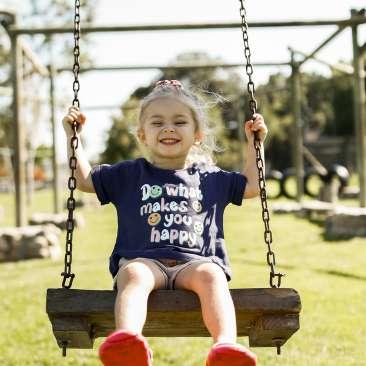
And yes, there’s even a private school on the property — because clearly, the kids shouldn’t have to miss out on the charm of learning their ABCs surrounded by vineyards and lions.

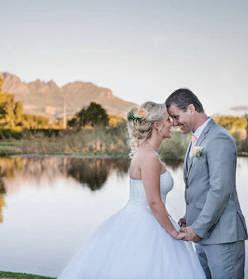

So, if you’re visiting South Africa and want to experience the beauty, the flavour, and the wilderness of the country without losing a tyre or your patience, make your way to Vredenheim. It’s the only place where you could have been on safari, enjoyed world-class wine, indulged in a gourmet meal, and attended a school open day — all before lunch.
Why risk potholes when paradise is paved, poured, and poured again … into your glass?
Get in Touch NOW!
Address: R310 Baden Powell Dr, Vlottenburg/Lynedoch, Stellenbosch, 7600
Telephone: +27 21 881 3878
Email: wine@vredenheim.co.za


The Moorings, sustermaatskappy van Sunsail, brei sy Mediterreense portefeulje uit met 'n nuwe basis in Fethiye, Turkye. Turkye is 'n splinternuwe bestemming vir beide Sunsail en The Moorings, wat dui op 'n opwindende geleenthede vir Suid-Afrikaanse reisigers. Besprekings vir die somer van 2026 maak nou oop vir hierdie versteekte en beskermde hoekie van die Egeïese See. 'n Strook gevorm deur mite en geanker in stories wat wag om ontdek te word.
Vir Suid-Afrikaanse reisigers bied Turkye uitsonderlike waarde en toeganklikheid, wat dit 'n waardige alternatief maak vir tradisionele Mediterreense gunstelinge soos Griekeland. Met mededingende pryse, wêreldklas-vaartgronde en ryk kulturele ervarings, bied dit 'n bekostigbare maar premium huuropsie. Boonop is daar direkte vlugte vanaf beide Kaapstad en Johannesburg na Istanbul met Turkish Airlines, wat toegang naatloos en gerieflik maak vir Suid-Afrikaners wat hul eie geur van ‘Turkish delight’ beplan. Seiljagvaarders kan nou hierdie minder bekende kuslyn verken aan boord van The Moorings se bekroonde vloot, en kies uit drie uitsonderlike katamarans: die TM 4600-5 en TM 5200-6 seilkatamarans, of die TM 464PC-kragkatamaran. Elke seiljag bied uitstekende gemak, ruim ruimte en die deurdagte ontwerp waarvoor The Moorings wêreldwyd bekend is.
Hier kom ontdekkings maklik. Kort, siglyn- passasies verbind denne-omringde baaie, weggesteekte ankerplekke en eiland-omraamde horisonne. Dit is een van die mees vergewensgesinde en lonende plekke om in die Middellandse See te huur. Van die glasagtige Golf van Fethiye tot die krans-omsoomde kus naby Gemiler-eiland en die Blou Lagune by Ölüdeniz , sal gaste 'n kant van die Egeïese See ontdek wat beide onaangeraak en uniek Turks voel.
Fethiye self is gebou vir beide land en see. Die dorp kombineer moderne marina-fasiliteite met antieke Lyciese ruïnes en 'n lewendige plaaslike kultuur, wat 'n balans bied tussen geskiedenis, gasvryheid en hawegerief. Ideaal vir voorsiening, verkenning en terugkeer na die stilte van jou seiljag.
“Ons gaste kom na ons toe vir gemak, diens en die gevoel van volkome gemak op die water,” sê The Moorings. “Fethiye lewer dit natuurlik. Dis ’n bestemming wat deur stories gevorm word, en ons seiljagte is ontwerp om jou toe te laat om jou eie te skryf.”

Besprekings vir Turkye is tans oop, met beskikbaarheid vanaf die Mediterreense somer van 2026.
Vir meer inligting of om u belangstelling te registreer om Turkye se geheime Egeïese Kus te ontdek, besoek asseblief Sunsail se webwerf.

Teks: Redaksie | Foto’s: Verskaf
Read the English version of this report on our website


THE EXPERIENCE THAT SHOWS. GONOW!
Fast and friendly, we offer a complete and comprehensive personal electric mobility service. We stand behind our work, putting your satisfaction as our #1 priority. What really makes us stand out is our dedication, our unique and sustainable price structure and our attention to detail. Contact us to learn more.
“2026 is going to be the most tumultuous and geo-strategically significant year since the fall of the Berlin War and the Soviet System.” – Dr Victor Davis Hanson
Invading two key oil producing countries – one holding the largest reserves in the world and the other an ancient, ruthless power – shortly before the mid-term elections and months before America’s 250th anniversary sounds like the most insane action any US President could come up with. Venezuela was a risk, but Iran is a gamble of stunning proportions.
It’s been a long time in the making, though.
That was not the end of it. Iran became the imperial arm of a terrorist octopus, targeting American forces and civilians for the next four decades. The list is impressive:
April 1983: 63 people died at the US Beirut Embassy in a car bombing, October 1983: 241 US service personnel are killed in the Marine Barracks bombing in Beirut, the deadliest since the Second World War, June 1996: a truck bomb targeting US Air Force housing in Saudi Arabia killed 19 airmen and injured 500, 11 September 2001: 2 977 people died in the 9/11 attacks, forensics uncovered Iran’s involvement in the transit of Al Qaeda members before and after the event, 2003-2011 Iraq War: The US Defence Department reported 608 troop deaths resulting from Iran-produced advanced weapons, January 2020: 100 servicemen suffered traumatic brain injuries when Iran launched a dozen ballistic missiles at the Ain al-Asad Air base in western Iraq.
Every American President since the Shah was ousted knew he had an Iran dilemma, each one kicked the live grenade to his successor. In the dying days of the Biden administration, 43 more Americans died at the hands of Hamas. The 7 October attacks turned out to be funded and co-planned by Iran. It set in motion a series of events, including the B-52 bunker buster bombing of Iran’s underground nuclear facility.
Months of diplomatic talks, offering Iran an honourable way out, took an ominous turn when it threatened to produce a dozen nuclear bombs from the remaining enriched uranium. The 47th President believed the time had come to face the Nemesis and, if so, the first salvo had to come from the US. On 28 February, the Supreme Leader Ayatollah Khamenei was killed in a morning strike. The US was finally at war with Iran.
But it’s turning out to be much more than just another regional conflict. What is crystalizing is a gamble designed to have a long term geo-strategic impact that transcends Iran. And with a US Commander-in-Chief that’s also a global businessman, this war is unlike any other. The complexity of the game unfolding is fascinating.
In the 3rd week of March, a UN Resolution served before the UN Security Council condemning Iran’s retaliation against neighbouring countries. SC resolutions often don’t live long, any member can kill it. But this one survived, with Russia (a close ally of Iran) and China (the largest buyer of Iranian oil) opting to abstain. Presidents Trump and Xi will meet in Beijing soon. And America agreed for the Russian shadow fleet – carrying oil and liquid gas since the Ukraine sanctions –to deliver where necessary.
The roots of most challenges in the Middle East go back to the colonial era… of which America was not a part, but inherited the fruits. The British role in slicing up the sub-continent, setting up rulers, over-throwing the Shah, creating the Muslim Brotherhood and London harbouring a fortune in Middle East wealth are not lost on discerning analysts. The old colonials are the loudest opposition to the war, increasingly flashing their imperial fangs… leaving them open to be pulled.
The UK government refused America access to its Indo-Pacific military base in Diego Garcia. President Trump’s reaction was something like: “We’re using it, let me see you stop us.” Lloyds of London – manipulating sea trade with its financial muscle for over three centuries – served insurance notices to ships in the Persian Gulf, repricing coverage ten-fold and more. 150 ships carrying

Caspian News
150 million barrels of oil had to throw anchor. The US government development bank (DFC) immediately stepped in to provide specialized risk insurance and financial guarantees to maritime trade, keeping crucial shipping lanes active “for China and the rest of the world.” Within 24 hours, Britiannia no longer ruled the waves.
The Security Strategy Document released by the White House in November last year specifically stated that the US wants the Middle East to start taking responsibility for its own back yard. The Peace Board established by President Trump is part of that vision. If the decades old Iran problem could be resolved and the country stabilized, America might be able to finally take its leave. Even Prime Minister Benjamin Netanyahu announced a plan for Israel to be self-sufficient and weaned from US aid within the next few years.
Whether one likes Trump or hates his guts, whatever side is taken, we’re all watching the kaleidoscope turn and a new strategic geometry unfold. The old order imploded at Davos in January, now the restructuring of the geo-political architecture is underway. And in the ruthless world of neo-realpolitik, those without hard power have no seat at the drawing board.
Not long ago, I sat on a stoep in Franschhoek, watching the afternoon light settle over the vineyards. At the next table, a conversation drifted across — measured, but uneasy. A successful entrepreneur, having just sold his second company, leaned in and asked the question that often follows both success and uncertainty: “Should we be doing something?”
It is a familiar moment. Wealth has been created, yet the next step feels unclear. Markets move, headlines shout, and the instinct is to act. But as I looked out over the vines, I was reminded that wealth is far less like a trading screen than we tend to think.
It is more like a vineyard.
You do not rush a vineyard or react to every shift in the wind. You plant carefully, nurture patiently, and accept that seasons will change. What matters is not the noise of the moment, but the structure built over years.
In my previous commentary, I argued that prosperity is more than GDP. The same applies to personal finance: the goal is not constant activity, but durability — remaining steady through shifting conditions.
This is the essence of financial well-being. It is not about reacting faster or chasing higher returns. It is about control, resilience, and the confidence to move forward even when the environment is uncertain.
Quiet progress, persistent uncertainty
Recently, there have been modest reasons for optimism in South Africa. Eskom has managed longer stretches without load-shedding. Inflation has eased, giving households and businesses some breathing room. These are not dramatic shifts, but they matter — like early growth in a vineyard: easy to overlook, yet foundational for what follows.
Yet, global condition show how quickly things can change. Geopolitical tensions influence markets. Risk sentiment shifts, currencies move, and energy prices follow. When oil rises and the rand weakens, South Africa feels it quickly — especially through higher transport and input costs feeding into everyday goods.
Practically, fuel becomes more expensive, which pressures food and logistics. Inflation expectations may rise, and the interest rate outlook can become less predictable. None of this is unusual. It is simply the environment in which we operate. Uncertainty is not the exception; it is the constant backdrop.
The quietest edge
This is where financial well-being shows its quiet power. It is built not through certainty, but through preparation for uncertainty. It does not rely on predicting outcomes, but on being positioned to withstand them. Like a vineyard, it requires consistent, deliberate care:
A long-term view instead of reacting to daily movements
Buffers to absorb unexpected shocks
A clear understanding of risk and opportunity
• A broad base of security — in assets, income, skills, and choices
These ideas are simple, yet often overshadowed by the urge to act, adjust, and respond. But constant activity rarely builds lasting wealth. Structure does.
What endures
Back on that stoep, the question lingered: “Should we be doing something?” It is reasonable — but not always the right question. A better one is whether the right structure is already in place. Whether the vineyard is planted well, and whether it is being tended with patience and discipline.
Because durable wealth is not built through reaction. It is built through alignment — between goals, resources, and behaviour over time. Markets will stay noisy. Headlines will shift. There will
always be another reason to act. But those who build quietly, with structure and resilience, are less exposed to the noise and less dependent on perfect timing.
In the end, it is not a single moment that shapes financial outcomes, but the discipline that follows. Wealth is a vineyard, not a roulette wheel. You plant steadily. You nurture patiently. You accept the seasons and ignore the gusts. Over time, that quiet discipline becomes the edge. And in a noisy world, it is often the quietest edge that lasts.
Text: Dawie Roodt | Image: Supplied e: askdawie@efgroup.co.za | www.efgroup.co.za
The Montreux Jazz Festival Franschhoek (MJFF) set tongues wagging with their headline act Wet Wet Wet. In addition to their advancing years and their seemingly silly name, why is a group most famous for that powder puff pop song in Four Weddings and a Funeral showing up at a profoundly serious jazz festival?
Well, do not judge a book by its cover.
Two of the Wetters are resolute "jazzers" and have released albums heavily steeped in the genre. Their early sound was heavily influenced by soul and R&B artists, which shares lineage with jazz. And the MJF claims to have expanded far beyond traditional jazz to include acts that demonstrate "artistic depth" and "improvisational heart".
Nevertheless there is a delicious irony in a veteran pop band named for abundance of water performing in a region where water restrictions are in place. You can’t make it up!
A much more serious and deeply troubling matter is what’s happening and will result in Iran? To answer this, a quick trip through Iran’s history from empire to nation state is appropriate:
Persian Empire (c. 550 BCE): Iran’s identity begins with the Achaemenid Empire, a vast power stretching from Greece to India. Its legacy of centralized rule and cultural pride is hugely evident today. Islamic Conquest (7th century): Persia, as it was named then, became part of the Islamic world, shaping its religious and cultural foundations forever. Safavid Dynasty (16th–18th centuries): Cemented Shi’a Islam as the state religion, a defining feature of Iran’s identity today. Much of the responses we hear about today – proxy wars i.e., backing anti-Western neighbours – result from Shi’a dogma opposing the majority Sunni Islam in Saudi Arabia. Oil and Intervention: The 1953 coup against the then prime minister orchestrated by the CIA and MI6 after he nationalized oil left a lasting scar. It entrenched distrust of Western powers and shaped Iran’s suspicion of foreign motives.
• 1979 Revolution: The overthrow of the Shah was as much about rejecting authoritarianism as it was about rejecting Western influence. The Islamic Republic emerged with a strong anti-Western stance, embedding resistance into its political DNA.
• 2000s–2010s: The nuclear programme remains a flashpoint. The 2015 nuclear deal briefly eased tensions, but after the U.S. withdrawal in 2018, Iran pursued nuclear technology, claiming peaceful intent. The West feared weaponisation.
Today’s Conflict
Proxy Wars & Regional Rivalries: Western military presence in the Middle East, coupled with alliances with Saudi Arabia and Israel, intensifies Iran’s sense of encirclement. In response, Iran invests in proxy groups across Lebanon, Syria, Iraq and Yemen; challenging U.S., Israeli, and allied influence.
• Sanctions & Strikes: Economic sanctions cripple Iran’s economy fueling inflation and unemployment. While intended to pressure the regime, they deepen public suffering and strengthen hardliners. Recent U.S. and Israeli military strikes and counter measures mark a dangerous escalation
Domestic Strains: Protests over economic hardship and political repression show internal cracks. The regime often frames dissent as foreign backed, reinforcing paranoia and tightening control. Weakened, the country may have undergone internal regime change, but at a cost the West and others found unpalatable.
Iran’s conflict today is thus the product of two intertwined forces: A regime shaped by revolution, religious identity and authoritarian control versus a century of Western intervention, sanctions, and Middle Eastern geopolitical rivalry.
The Israelis seem to have bet the house on utter destruction, a la Gaza. The US has a much more complex problem. What comes after the hostilities? Maduro 2.0 is ensconced in Caracas and Khamenei junior has been chosen – so what will change? The US surely can’t and won’t bomb Iran out of existence or even put troops on the ground, much as Israeli extremists may wish for it.
But there’s always a deal to be done… especially when there is oil at stake.
To understand today’s one has to recognise how history continues to shape the present and recognize that domination – whether by clerics or by foreign powers – only deepens mistrust.
The path forward may lie in accountability at home in Tehran, but recent events aren’t encouraging.
Allowing space for free expression and genuine participation would strengthen legitimacy, not weaken it. But son of Khamenei isn’t having any of that.
Corruption and mismanagement have hollowed out the economy. Redirecting resources from proxy wars to citizens would ease unrest. Are we too far down that path? Khamenei seems to think so.
Shi’a identity is central, but wielding it as a political weapon has deepened sectarian divides. A more inclusive approach could soften regional tensions.
A glimmer of hope there but without giving up American and allied bases in the Gulf, will that softening take place?
Coups, sanctions, and military pressure have hardened Iran’s defiance rather than softened it. Note to Blair and Bush.
The collapse of the 2015 nuclear deal proved that trust cannot survive inconsistency. Diplomacy must be sustained, not abandoned.
Aligning exclusively with Saudi Arabia and Israel has entrenched hostility. A more balanced approach could reduce proxy wars and open space
The West must recognize that intervention has often backfired, but right now it does not. for dialogue.
Without both, the cycle of confrontation will continue, and the world will keep mistaking headlines for history.
Back to MJFF and Wet Wet Wet’s mantra of “Love Is All Around”. It seems a little empty out East, but here’s a thought… Let’s go to the festival anyway and to hell with the rest of the world.
Over to you!
Text: Mark Wainright
One of the world’s worst famines ever is brewing in East Africa. The most serious drought in decades is causing a food supply crisis threatening 36 million people with severe hunger or starvation. Consecutive failed rainy seasons in Kenya, Ethiopia and Somalia have left large areas without water and food. Aid programmes are struggling to assist, following recent funding cuts by richer countries, with the UK alone having reduced its international aid budget by more than £6 billion. Children are disproportionately affected. Five million children in the Horn of Africa are already suffering from severe malnutrition.

In the Cuban capital of Havana, residents armed with all sorts of containers line up daily for the water trucks to arrive. Fuel shortages and power instability have caused the taps to run dry in many places. The problems started in 2021, but were exacerbated by the arrest of Venezuela’s President Nicolas Maduro in January by the Americans, which impacted on oil shipments. Much of the island’s fragile water supply system runs on electricity generated by fuel, and the constant power interruptions mean the pumps cannot provide a consistent supply of water.
by decree, by-passing parliamentary approval and raising the ire of opposition parties and citizens alike.
Meanwhile, the richest province in Germany elected the son of Turkish Muslim immigrants as its federal state leader. Cem Özdemir, who identifies as an “Anatolian Swabian”, became Baden-Württemberg’s Minister-President after his Green Party won the turbulent March elections. This follows a year in which Christian churches lost 1,2 million members. The official resignation from the various denominations is suspected to help them dodge the 8% taxes being raised to fund churches.
The recently elected first female Prime Minister of Japan, Sanae Takaichi, paid a triumphant visit to the White House. Nato, trade and tariffs dominated meetings. But the sea of Japanese journalists at the joint press conference, seemed to be more interested in the Iran War. One of them put President Trump on the spot: “Why did you not alert your allies, and your friend Japan. We are confused, why didn’t you tell us?” Trump replied: “Because it was supposed to be a surprise! The Japanese understand surprise, don’t they? You never told us that you were going to attack Pearl Harbour!”
The 98th Academy Awards ceremony in Los Angeles took another slump in the ratings this year. Broadcast live by ABC, viewership was down nearly 10% on last year, while the key demographic of 14–39 year-olds shrunk almost 15%. The past decades saw Hollywood sinking to one low after another, with content being the obvious indicator of success. In 1998, following the release of the uber popular Titanic, the Oscars viewership peaked at 57 million. In the following decades, live streaming visibly dented Hollywood’s power, but it collapsed under the ever-increasing devotion to politically correct scripts. By 2006, viewership was down to a mid-30 million rating, from where the slide was unstoppable. This year, thanks to a slew of cringe-worthy productions, Oscar could barely drag himself across the 17 million mark, 70% down from its glory days in the 1990s.
Teks: Redaksie | Foto’s: Verskaf
Every day in Stellenbosch, the same pattern repeats itself: longer queues at intersections, more cars competing for limited space, and growing frustration as travel times steadily increase. What was once a manageable town has, over the years, developed into a congestion hotspot and the problem is not slowing down.
Traffic in Stellenbosch is no longer a future concern; it is an ongoing and escalating reality. As the town continues to grow, so too does the pressure on its roads. Without intervention, congestion will only worsen, affecting not only commute times but also delayed emergency vehicle response time, air quality and overall quality of life.

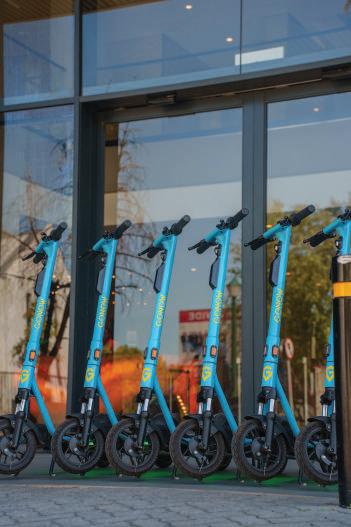
In this context, micromobility is not a luxury or a trend; it is a practical solution to an ever-present and growing problem.
When GONOW launched in Stellenbosch in 2023 with just 50 scooters, the goal was simple: provide an efficient, accessible and greener alternative to short car trips. Over time, the service has expanded to approximately 500 scooters across the town, with demand continuing to grow. Today, it records more than 40,000 trips per month, demonstrating clear and consistent usage by students, residents and school-goers.
This is not unique to Stellenbosch. Across Europe, the United States and the United Kingdom, shared micromobility has been expanding for nearly a decade. In many cities, it has played a measurable role in reducing congestion by replacing short-distance car trips. Research indicates that between 34% and 42% of shared scooter journeys replace trips that would otherwise have been taken by car, taxi or ride-hailing services. In cities where micromobility has been restricted, the effects have been immediate. When Atlanta banned e-scooters in 2019, commute times increased by approximately 10% as residents reverted to cars.
The conclusion is clear: fewer cars on the road leads to less congestion, and scooters are already contributing to that shift in Stellenbosch.
The impact extends beyond traffic flow. Several schools in the area have approached GONOW to request designated parking facilities due to the growing number of learners using scooters for daily transport. Schools have reported improved punctuality for after-school sports and activities, as students are no longer delayed by traffic. Learners have also indicated that scooters often feel like a safer alternative to walking, particularly after dark, with female students highlighting this as an important benefit.
As the service has grown, so too have questions around order, safety and public space. It is important to address these concerns with clarity.
GONOW’s scooters are equipped with advanced geofencing technology, which enables structured and controlled operation across the town. This includes: Designated parking zones, ensuring scooters are returned to specific mandatory areas rather than left randomly. Restricted zones, where riding or parking is not permitted.
Auto Speed-controlled zones, where scooters automatically reduce speed in high-risk or high-foot-traffic areas.
This system allows scooters to remain organised, predictable and integrated into the urban environment. While some residents believe scooters are left indiscriminately, the reality is that the system is designed to cluster and manage them effectively. In instances where a scooter is incorrectly parked or causing obstruction, the company can respond and reposition or remove it, typically within 30 minutes of being notified.
GONOW has actively collaborated with local coffee shops, sports grounds, gyms and schools to roll out designated scooter parking areas on their premises. These parking zones are fully funded and installed by GONOW, with partners providing the space to host them. This model has allowed micromobility to integrate more naturally into Stellenbosch’s transport ecosystem. With more than 10 dedicated parking zones already established across town, the service is becoming a structured and reliable part of everyday movement.
To further improve safety and compliance, a Persona ID verification system is being implemented to reduce underage usage and ensure greater rider accountability.
Beyond mobility, the service has also contributed to the local economy, having created more than 20 jobs. A dedicated security team operates on the ground 24/7, not only monitoring scooters but also contributing to public safety. Their presence has assisted in preventing incidents, recovering stolen items and, in some cases, escorting individuals home safely after dark. This reflects a broader commitment to the community, beyond transport alone.
Despite these contributions and the clear demand for the service, significant regulatory challenges remain. The business has faced threats of scooter impoundment and closure on extremely short notice, highlighting a lack of formal policy or by-law governing micromobility in the town.
This is the central issue: the absence of clear legislation is not stopping the demand; it is only limiting the ability to manage and expand the solution effectively.
For micromobility to reach its full potential in Stellenbosch, structured collaboration with local authorities is essential. Properly defined by-laws would enable:
Clearly designated parking infrastructure in the most effective locations
Better control of operating zones and speeds
Stronger safety and compliance measures
Scalable, structured growth aligned with the town’s needs

Without this framework, operators are left navigating uncertainty while trying to deliver a service that is already widely used and relied upon.
Stellenbosch has a unique opportunity. As the largest micromobility service of its kind in the country, it can serve as a practical case study for how South Africa approaches this “new” mode of transport. Rather than resisting change, there is an opportunity to shape it, to create a balanced, well-regulated system that benefits everyone.
At its core, this is also about the future. The environmental impact of transport decisions made today will not be felt equally. Cleaner, more efficient mobility solutions like electric scooters directly affect the long-term environment that younger generations will inherit.
As the twenty-two year old founder of the service reflects:
“The transport decisions being made today will shape the environment my generation lives in. The long-term impact of those choices will affect us far more than those making them and that needs to be taken seriously.”
Micromobility is not a temporary solution. It is a proven, scalable response to congestion, sustainability and urban movement challenges. The question is not whether Stellenbosch needs alternatives; it is whether it is willing to enable them.
Stellenbosch has the chance to lead South Africa in shaping the future of urban mobility. The town can either allow red tape to slow progress, or it can innovatively build a cleaner, safer and more efficient future for everyone.


Text: Editorial Desk | Images: GoNow Lees die Afrikaanse weergawe van die berig op ons webwerf


When we tested the new Toyota Land Cruiser Prado-based flagship Lexus GX 550 a few months back, we were thrilled by its a powerful and torquey 260 kW 650 Nm biturbo 3.5-litre V6. Mated to a 10-speed Direct Shift automatic transmission, the GX accelerates fast and smooth and the robust towing performance that top end SUV owners expect. And then some.
Packed with pretty well unstoppable off-road tech from its advanced four-wheel drive to optimized suspension geometry and electric power steering for precise handling and responsive, be it in the most rugged conditions or billiard table smooth freeways, the GX is also ready for it all, at home no matter where you drive. The only drawback was the street-oriented SE was, well, just another wannabe SUV that’s forgotten what it is.
Which is where this Overtrail version comes in. More of that anon. Based on Toyota’s robust GA-F platform, new Lexus GX retains a traditional body-on-frame chassis. Bold, sculpted Tonka Toy looks make a powerful statement to deliver a commanding presence rounded off by this one’s purposeful off-roar wheel and tyre. A thick bonnet, Lexus spindle grille and sleek LED headlamps bring a sophisticated, dynamic look. Step aboard to refined and versatile driver centric Lexus luxury and craftsmanship.

Overtrail makes Lexus GX into a real SUV
The advanced, fully digital instrument cluster and 14-inch central multimedia touchscreen dominate the dash. GX has lost many of its former buttons for a smarter solution with the main controls still run by the necessary knobs and the rest where it should be on screen. All finished in sublime, high-quality materials.
Luxurious semi-aniline leather, massaging front seats and Mark Levinson 21-speaker premium sound set the tone as GX also delivers an open, comfortable and calming space. A panoramic view monitor, kick sensor power tailgate, auto-retractable side-steps and a solid roof rail add versatility and convenience. Rest assured, safety, while pleasantly inobtrusive, is next Lexus level too. New GX gets an intelligent suite with everything from pre-collision to lane departure and adaptive cruise control.
On the road, the GX is powerful and versatile as expected. Performance is beyond impressive with zero to hundred in the low six seconds and a quarter mile to scare most sporty hatches and sedans. That’s however compromised by the sort of thirst we’d expect from a powerful engine and a surprisingly short tank range for a so-called adventure SUV. We’d expect closer to 800 kilometres of range from an adventure car. We managed half of that. A bigger, or a twin-tank option, perhaps, Lexus?
We couldn’t wait to get our hands on Overtrail
We concluded out test of the otherwise identical SA saying that we could not wait to get our hands on an Overland. Well, it certainly was worth that wait! Reading up on the Overtrail, it’s clear that Lexus is pretty proud of the car. “This is the essence of Lexus off-roading,” Chief Engineer Koji Tsukasaki explains.
“We engineered it to deliver epic off-road performance in the refined Lexus comfort.” Off-Road guru Kazuyuki Ueno adds. On-Road engineer Shuichi Ozaki concludes, “GX’s refining dynamics excel both on trail and street to deliver luxury and capability.”
Built to deliver ultimate off-road performance, the GX550 Overtrail throws away those city slicker low profiles for a proper set of 18-inch off-road wheels in wrapped in no nonsense high performance all-terrain tyres. Add a 20mm wider track and under protector, and its ready for the trail. Unique interior tweaks include durable yet refined materials, distinctive trim accents and state-of-the-art tech. But wait, that’s not all.
Electronic-Kinetic Suspension unlocks the incredible GX’s Advanced E-KDSS Electronic-Kinetic Dynamic Suspension System automatically unlocks its front and rear anti-roll bars to release extreme wheel articulation. This also allows the independent movement of the stabilizer bars, to releases ultimate on-road performance. Aided by six-mode auto, dirt, sand, mud, deep snow, and rock MTS Multi-Terrain Select, and those proper off road wheels and tyres, GX Overtrail is pretty well ready for anything you throw it at.

We were not quite prepared for what followed and had to go back twice to fully exploit it. Simply put, we did not want to hurt the car in our first two runs over our rough and rutted section of eroded test track. The kind of stuff Dakar Hiluxes are subjected to. The third run was pretty well flat out. Overtrail loved it! There’s only one other series production car in this market that can do that. The Ford Ranger Raptor.
That’s a car we won’t hesitate to rave about when it comes to crossing the roughest terrain as fast as possible. It’s also the closest thing we’ve driven to a Dakar race truck. Until now, that is. This Lexus GX550 Overtrail is Raptor-level off-road. Yet its sweet as candy on the road. Subtly compromised by a little extra road noise, those fatter, higher profile off road wheels make it even plusher and more pliant on the road.
Overtrail shares a Dakar Hilux heart
Moving on, GX550 Overland just happens to be propelled by the same turbo V6 engine that motivates the Dakar Hilux. And with Raptor level off road performance, that makes this car the closest thing money can buy to a real live Dakar Hilux. Only difference is that its wrapped in a wonderful Lexus luxury suit packing everything you’d ever need to pamper yourself on, or off the road.
Another most salient point is that the Overland is what a SUV is supposed to be. A stunningly capable 4x4 wrapped in a svelte and luxurious suit. This one’s not pretending to be a car, either. It still does what it does best, first and foremost as a true life 4x4. Best of all, this Lexus is, somewhat surprisingly, a bargain, too. We still rate the Raptor as the best vehicle R1.3 million can buy. One step up, we now have this. Pretty much the best darn vehicle R1.8 million will buy…
Franschhoek-based Michele Lupini is an internationally recognised motoring writer, artist, publisher and author with a broad car, motorsport and aeronautical background. Catch all Michele (and his son Giordano’s) motoring adventures on https://theauto.page
Engine: Drive:
ROAD TESTED: Lexus GX 550 Overtrail 3.5T 260 kW 650 Nm biturbo petrol 3.5-litre V6 10-speed automatic 4x4 2.83 sec .21 sec 8.46 sec 14.71 sec 14.3 sec @ 158 km/h 4.13 sec 6.26 sec 12.3 l/100km 175 km/h 279 g/km
ROAD TESTED: 0-60 km/h: 0-100 km/h: 0-120 km/h: 0-160 km/h: 400m: 80-120 km/h: 120-160 km/h: CLAIMED: VMax: Fuel: CO2:



Leading Edge Aviation's firefighting helicopters deliver more than 150 times the daily water suppression capacity of ground equipment — and keeping that capability anchored in Stellenbosch may be the single most important fire-safety decision the Winelands makes.
Every November, the Stellenbosch mountains become a tinderbox. Fynbos-clad slopes parched by the summer sun, berg winds gusting to gale force, and a growing patchwork of vineyards, estates and residential properties pressed against the foothills: it is a combination that has cost this valley dearly. The Cape Winelands District Municipality recorded 1,435 fires in a single twelve-month cycle — nearly 70 per cent of them within Stellenbosch and Drakenstein — burning more than 52,000 hectares. The losses in property, biodiversity and livelihoods have been immense.
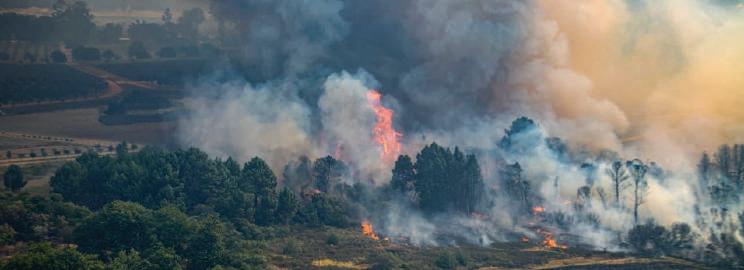
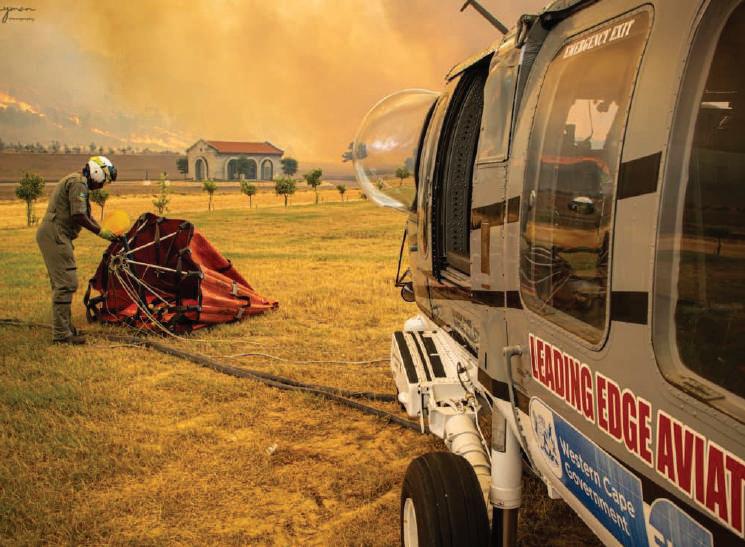
Into this landscape, Leading Edge Aviation brings a capability that simply cannot be replicated from the ground. Founded in 1996 by Mark and Charmaine Jackson and now a family operation joined by sons Peter and Stephen. The company deploys its entire fleet to Stellenbosch Airfield each fire season: a Sikorsky UH-60A Black Hawk — the only Black Hawk on the South African civil register — and three Bell UH-1H Hueys. Together, this fleet of four dedicated firefighting helicopters forms the most formidable aerial firefighting force the Winelands has ever known, capable of delivering a staggering 90,000 litres of water per hour from the air.
The numbers make the case with startling clarity. A large municipal fire tanker carries approximately 35,000 litres of water. It must navigate mountain roads, farm tracks and fire perimeters to reach a refill point, and in difficult terrain a single resupply run can consume 30 minutes or more. In a full operational day, one tanker might realistically deliver 200,000 to 250,000 litres to the fire line — an admirable effort, but bounded by tarmac, gradient and time. Leading Edge Aviation’s fleet of four helicopters, cycling continuously between nearby dams and rivers and the active fire front, is capable of delivering 90,000 litres every single hour. What’s more is that it is deployed with precision to exactly where the fire is most dangerous, regardless of what lies beneath.
"More than 4 times the daily water capacity of ground equipment — dropped exactly where the fire is fiercest."
The terrain argument alone should settle the matter. The slopes above Stellenbosch — the Jonkershoek Valley, the Helderberg Nature Reserve, the kloofs of the Franschhoek Mountains — are in many places entirely impassable to wheeled vehicles. When fire races uphill through dry fynbos, as it so reliably does, a tanker at the mountain's foot cannot help. The Black Hawk, with its 45-knot wind start limitation and twin General Electric engines producing over 3,200 horsepower, continues working in conditions that ground lighter aircraft. The southeaster that fans a fire into an inferno is precisely the wind in which this machine keeps flying.
Yet it would be a mistake to frame this as aerial versus ground. The two capabilities are not rivals — they are partners, each filling the gaps the other cannot. A helicopter cannot drive to a fire. It cannot operate after dark, when night flying restrictions ground the fleet and the fire burns on. It cannot push a firebreak through dense bush, lay foam against a burning structure wall, or position a crew to hold a defensive line through the small hours.
A fire truck cannot fly. It cannot reach a blaze racing up a cliff face, drop water on a flame front crowning through treetops, or respond in minutes to an ignition on the far side of a mountain ridge. What emerges when both are deployed together is something greater than either alone: the helicopter suppresses the fire’s advance and cools its most dangerous edges from above; the ground crews close in, work the perimeter, and extinguish what remains. The aircraft creates the opportunity; the firefighters on the ground seize it. In Stellenbosch’s mountain terrain, this partnership is not a tactical preference. It is the only approach that works.
The results are felt across the valley. During the severe January–February 2024 fire period — when multiple simultaneous fires threatened estates across the Cape Winelands — aerial resources based at Stellenbosch were deployed to protect structures at properties including Mont Rochelle and Chamonix Wine Estate, holding the line while ground crews worked the perimeter. Homesteads, cellars, vineyards and worker accommodation that might otherwise have been destroyed were saved. The Western Cape Government has taken note: the provincial aerial firefighting budget was set at R17 million for the 2023–24 season, with resources based at Stellenbosch, George, Bredasdorp and Porterville collectively attending 23 incidents — a cost that represents a fraction of the value protected.
Which brings us to the argument that matters most for Stellenbosch specifically: this capability must stay here.
The Black Hawk and its three sister Hueys are not simply useful assets that could operate equally well from Cape Town or George. They are based at Stellenbosch Airfield precisely because proximity to the Winelands fire zone is what makes the difference between a fire suppressed and a fire catastrophe. Response time in aerial firefighting is everything — a ten-minute transit delay in the first critical hour of a fire can mean the difference between a contained blaze and a runaway front. Stellenbosch's topography, its concentration of high-value agricultural and residential property, and its documented fire frequency make it uniquely deserving of a permanent, dedicated aerial presence.
As climate change intensifies fire seasons across the Western Cape — with Stellenbosch University researchers warning of heavier fuel loads, more frequent extreme wind events and an expanding urban-wildland boundary — the case for world-class aerial firefighting has never been stronger. Leading Edge Aviation has demonstrated, season after season, that four million litres of water falling from the sky is not a luxury. It is the insurance policy that protects this valley's vines, its heritage and its people. Keeping those wings based at Stellenbosch is not merely beneficial. It is essential.
In the five-month period between November 2025 and 1 April 2026, Leading Edge Aviation dropped 6,074 loads of water over the Stellenbosch fire zone, delivering a total of 7.8 million litres from the air.
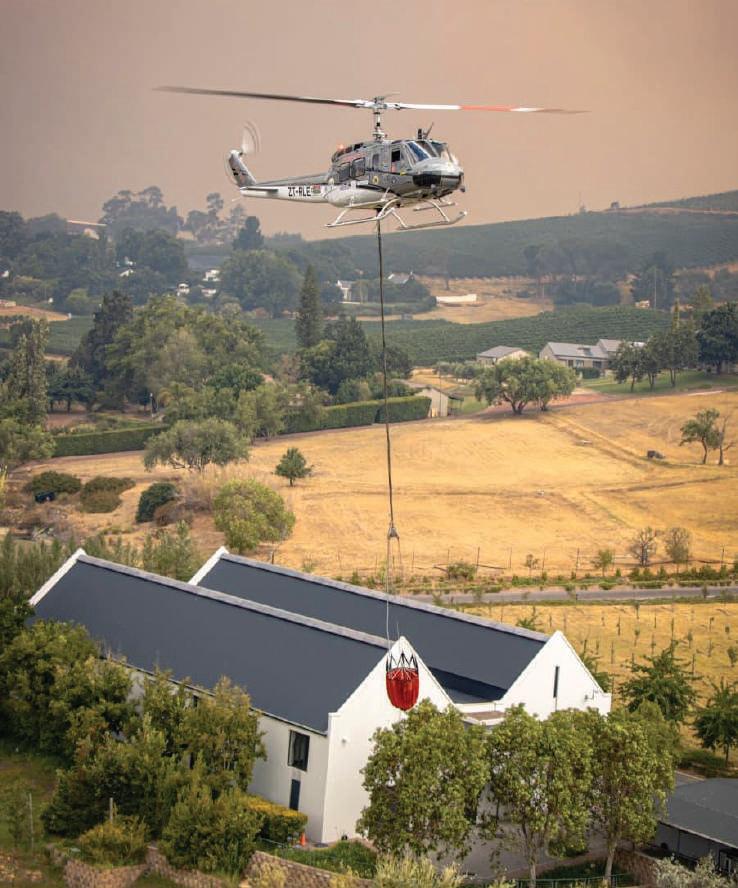
Leading Edge Aviation operates from Stellenbosch Airfield from November through to the end of May each year. Their fleet of four aircraft — a Sikorsky UH-60A Black Hawk and three Bell UH-1H Hueys — supports provincial and municipal fire response across the Cape Winelands, with a combined water delivery capability of 90,000 litres per hour. www.leadingedgeaviation.co.za