MarylouWhitney,Saratoga,andaLifeWovenIntoRacingHistory
FewfigureshaveshapedtheculturalidentityofSaratogaquitelikeMarylouWhitney.More thanapatronofthesport,shebecameitsambassador HerpresenceatSaratogaRace Courseisasiconicasthehorsesthemselves.
TounderstandtheWhitneyLegacyCollectionistounderstandMarylou.Notonlyherrolein preservingafamilylegacy,buthowsheelevateditintosomethingenduring,personal,and distinctlyherown.
A Life at the Center of Saratoga
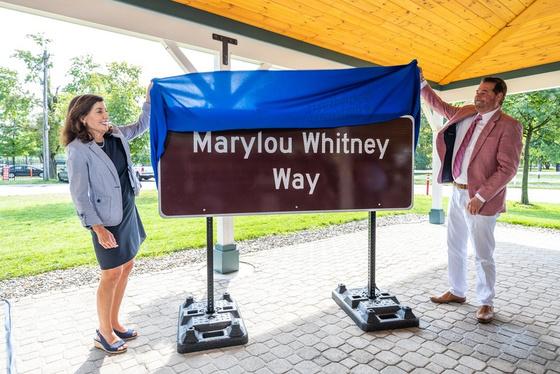
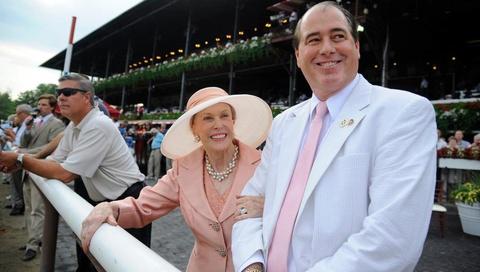
Long before her name was formally honored along UnionAvenue, Marylou Whitney had already become Saratoga’s most recognizable figure, its social anchor, its champion, and, in many ways, its heartbeat. Her influence was so profound that in 2022, Gov. Kathy Hochul officially designated a portion of the storied avenue leading to the Saratoga Race Course as Marylou Whitney Way, ensuring her presence remains woven into Saratoga’s daily rhythm.
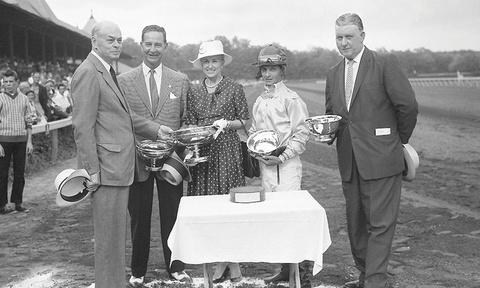
Her title as the “Queen of Saratoga” was not symbolic, it was earned. She helped sustain and elevate the racing culture during pivotal decades, ensuring Saratoga remained not just relevant, but aspirational.Alongside Cornelius Vanderbilt Whitney, she carried forward one of the most influential legacies inAmerican thoroughbred racing.After his passing, she continued that legacy in her own right. She established her own stables and achieved major victories,
including wins at the Kentucky Oaks and Belmont Stakes.
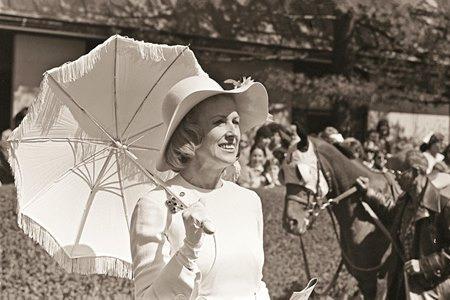
Yet what distinguished Marylou was not just her success, it was her presence She had a rare ability to make Saratoga feel both elevated and welcoming Whether hosting dignitaries, racing insiders, or first-time visitors, she blurred the line between high society and genuine hospitality. Saratoga wasn’t just where she lived - it was where she created atmosphere.
Beyond the racetrack, Marylou Whitney was celebrated as a consummate hostess. She was effortlessly blending elegance with genuine hospitality. But what set her apart was not just scale, it was detail.
She cooked She curated She remembered what guests loved She made people feel seen Her cookbooks reflected that same spirit personal, thoughtful, and at times playful. One even centered on potato chips, a nod to the Vanderbilt lore tied to their invention.These moments, small, human, intimate, are what defined her gatherings. Not just elegant, but joyful.
And it is that same sensibility that lives on within her homes.
A Notable Chapter: The Saratoga Robbery
Even the most storied estates carry moments of intrigue.
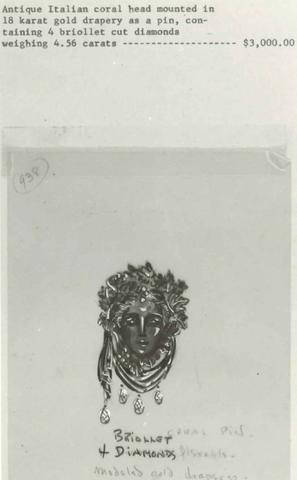
In 1967, Cady Hill became the subject of national headlines when it was the site of a signicant jewelry theft. While the couple was away, thieves entered the home and stole an extraordinary collection of jewels, valued at the time at $780,000, a staggering figure for the era
The event, widely covered followingThe NewYorkTimes report, added an unexpected layer to the property’s history, one that underscores both its prominence and the level of attention the Whitneys commanded.
Today, that moment remains a fascinating footnote in the narrative of this Saratoga Springs abode

The Estates: Living Extensions of Legacy
Whitney Park was not simply owned - it was experienced.
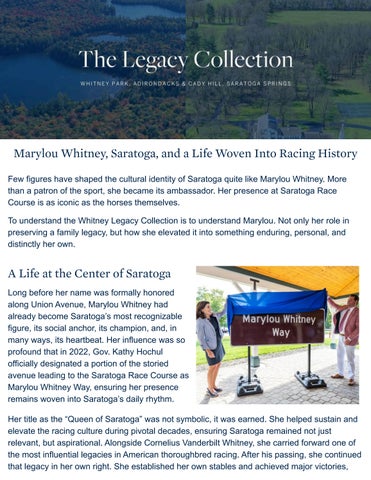
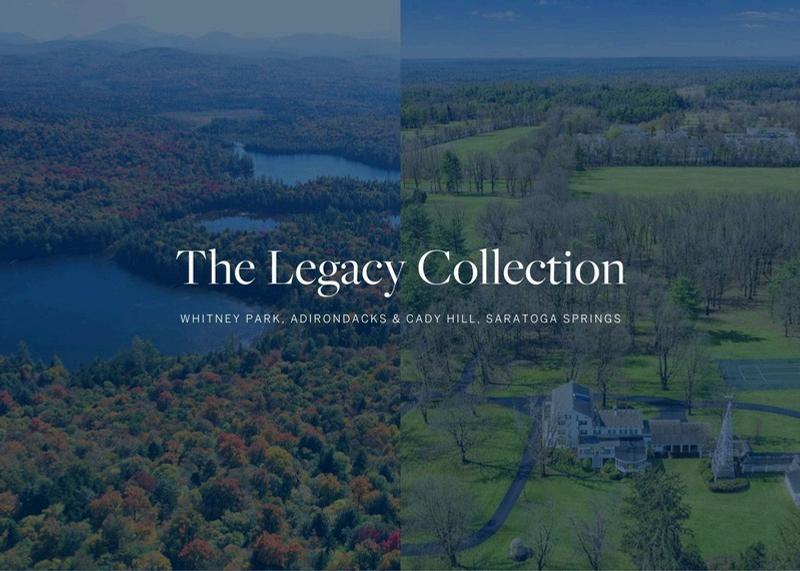
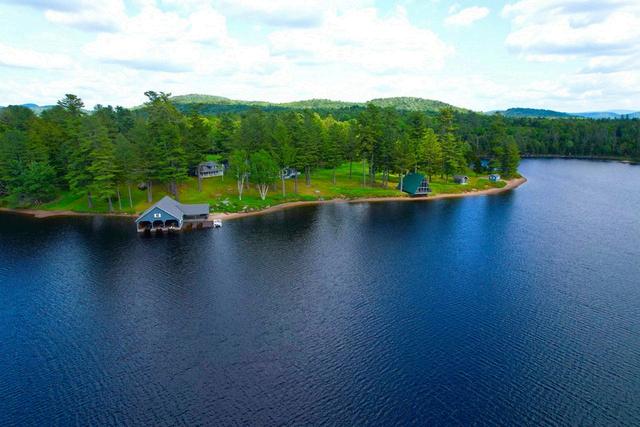
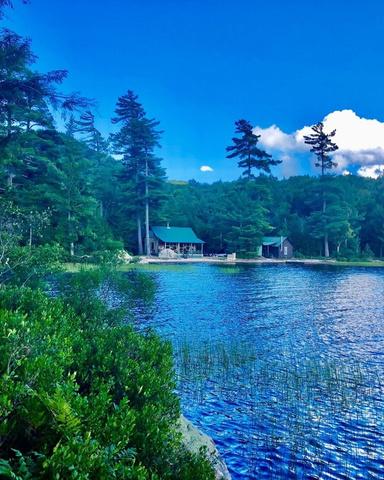
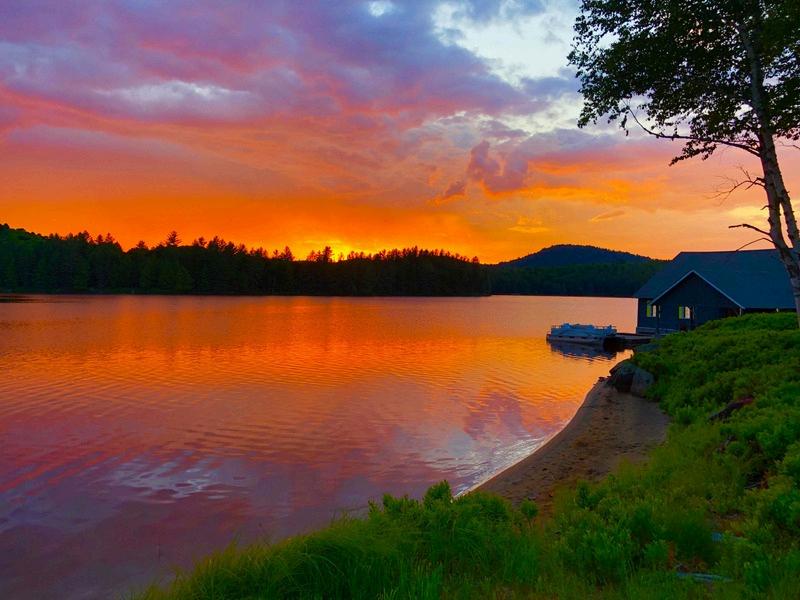
Spanning more than 36,000 acres, over two and a half times the size of Manhattan, the estate represents a scale of land stewardship that is no longer attainable. Lakes, forests, and miles of private trails create a world unto itself, originally envisioned by William Collins Whitney as a retreat from the pace of urban life.
For Marylou Whitney, Whitney Park became something more personal.
It was where the formality of Saratoga softened, where guests could gather lakeside, where mornings began quietly, and where the rhythms of nature replaced the cadence of the social calendar.Yet even here, her signature touch remained: thoughtful hosting, effortless comfort, and an innate understanding of how to bring people together
Whitney Park was her sanctuary but also her stage.
If Whitney Park was retreat, Cady Hill was expression.
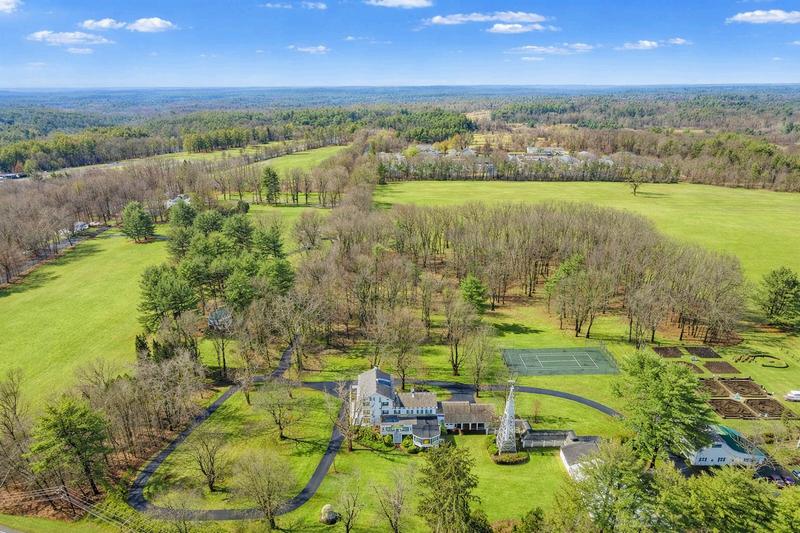
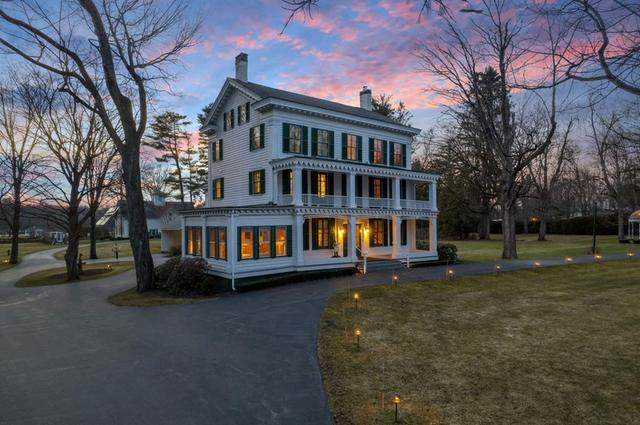
Located just minutes from the Spa State Park, Saratoga PerformingArts Center,Auto Museum, Downtown, the Saratoga Race Course, this historic Saratoga estate served as the epicenter of Marylou Whitney’s social world. Set on expansive private grounds, the home reflects generations of evolution - layered architecture, refined interiors, and spaces designed not just for living, but for gathering.
Here is where her legacy is perhaps most tangible.
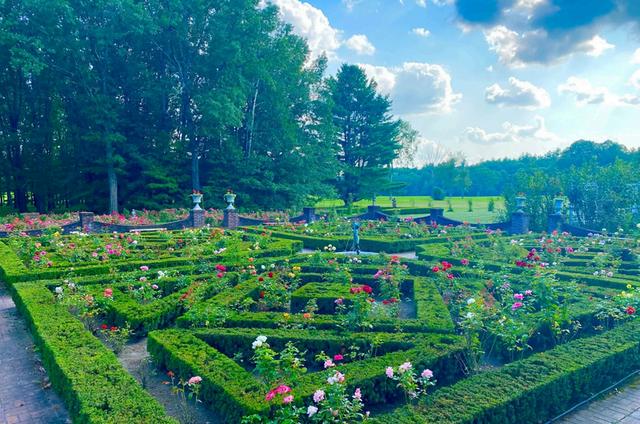
The formal dining rooms, gardens, and pool house were not simply amenities, they were settings for connection. Political figures, racing insiders, cultural icons, and close friends all passed through its doors, welcomed with the same warmth and intention.
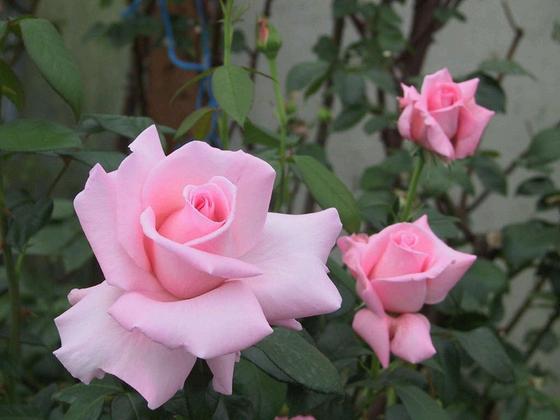
The rose gardens, featuring the Marylou Whitney rose, offer a living reflection of her presence: elegant, enduring, and deeply rooted in place.
And like Marylou herself, Cady Hill strikes a rare balance - grand, yet inviting.