Mirrorball: Reflections on Portraiture
Bea Camacho
Jon Chan
Lavender Chang
Kray Chen
John Clang
Joanne Lim
FOST Gallery, Singapore
Mirrorball: Reflections on Portraiture
Who am I? A perennial question that has preoccupied humanity since time immemorial. Across cultures and religions, people have sought to uncover the fundamental truths of their existence and identity. Portraiture has long stood as an important way for artists to engage with these questions, enduring across millennia as one of the most compelling genres in the visual arts. As the times change, so too do the ways artists interpret the human body. These representations act not only as reflections of the self, but also hold a mirror up to the broader contexts and shifting paradigms within which the artist and the artwork situate themselves.
Naturally, the significance and evolution of portraiture has been a consistent subject of study in institutions and galleries worldwide, with many major museums dedicating entire collections and exhibitions to the art form, including the Smithsonian Institution’s National Portrait Gallery, Washington, USA; and the National Portrait Gallery, London, UK. Some Singaporean exhibitions have also engaged with similar topics, including Proof of Personhood: Identity and Authenticity in the Face of Artificial Intelligence, Singapore Art Museum, Singapore (2024)1. Building upon the critical discussions established by such surveys, Mirrorball: Reflections on Portraiture brings together six contemporary artists who were born in or work in Singapore, placing them firmly in the here and now. These artists work across a wide range of disciplines, exploring the boundaries of contemporary portraiture, paying homage to the traditions of the art form while also asserting it as a fertile ground for experimentation and reinvention. Much like a literal mirrorball that refracts light in countless directions, the exhibition presents a breadth of divergent ways through which the human body and identity are expressed.
1 Proof of Personhood: Identity and Authenticity in the Face of Artificial Intelligence, Singapore Art Museum at Tanjong Pagar Distripark, 22 Sept. 2023–25 Feb. 2024.
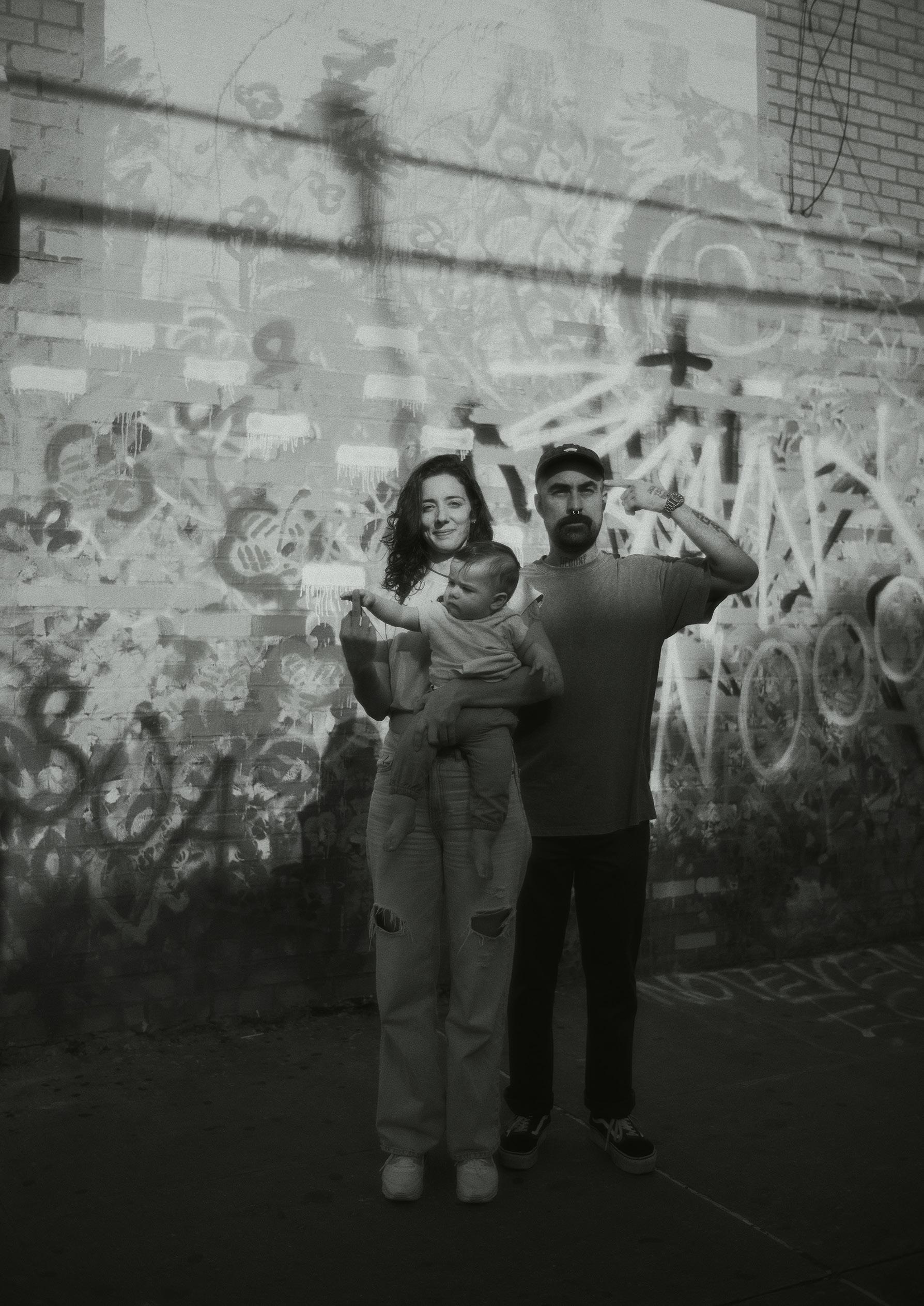
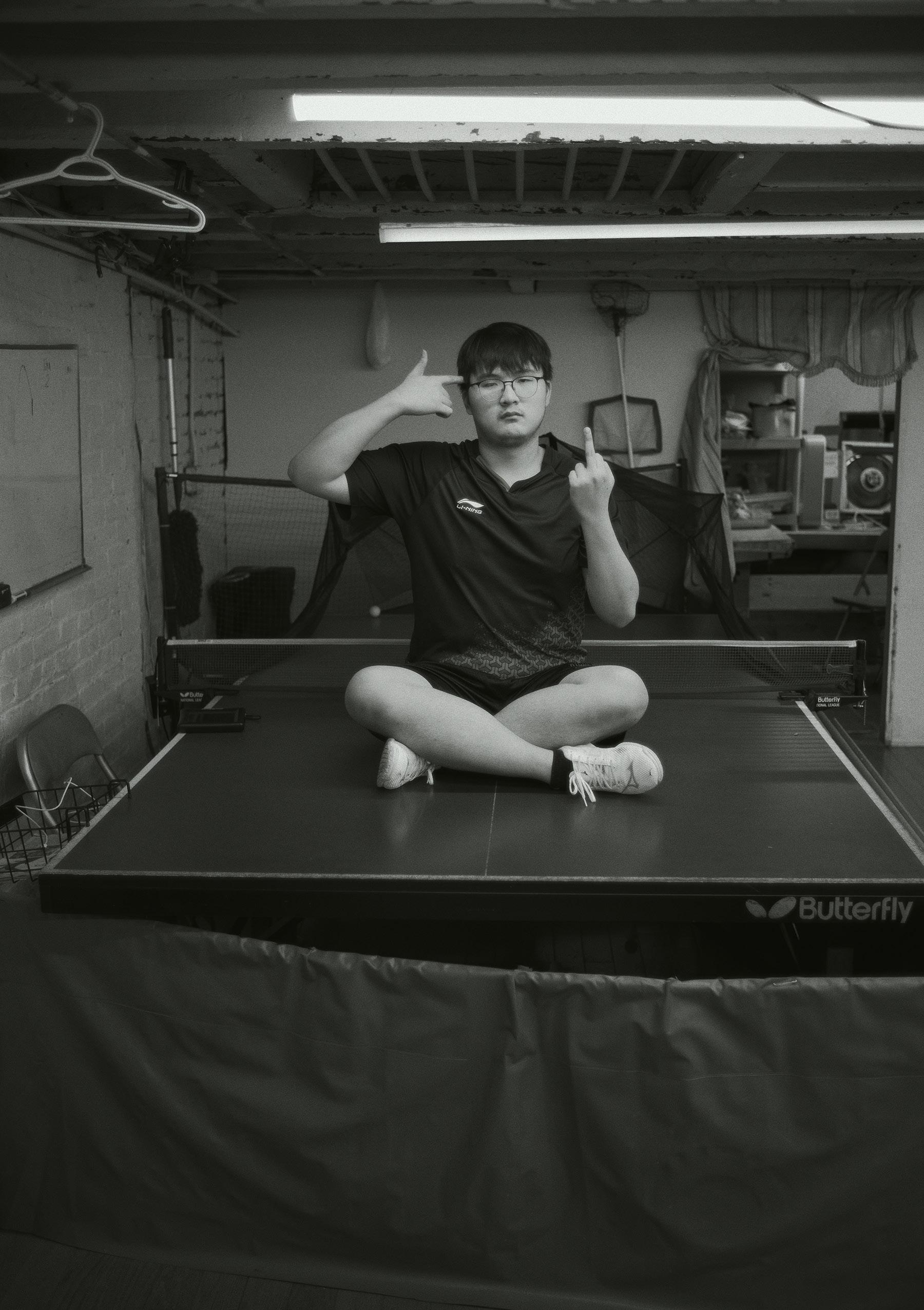
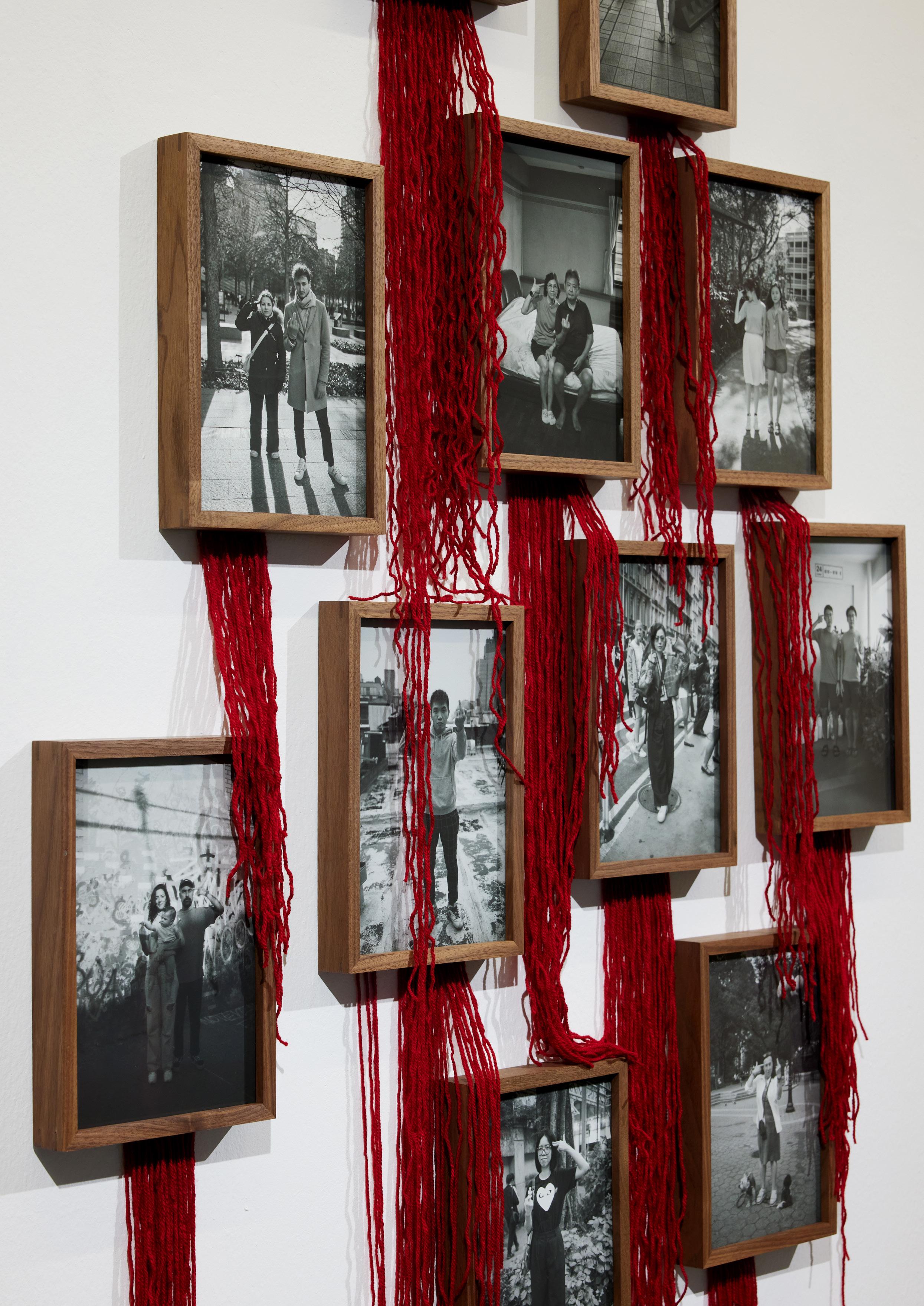
John Clang, F the violence (2025 – ongoing), detail
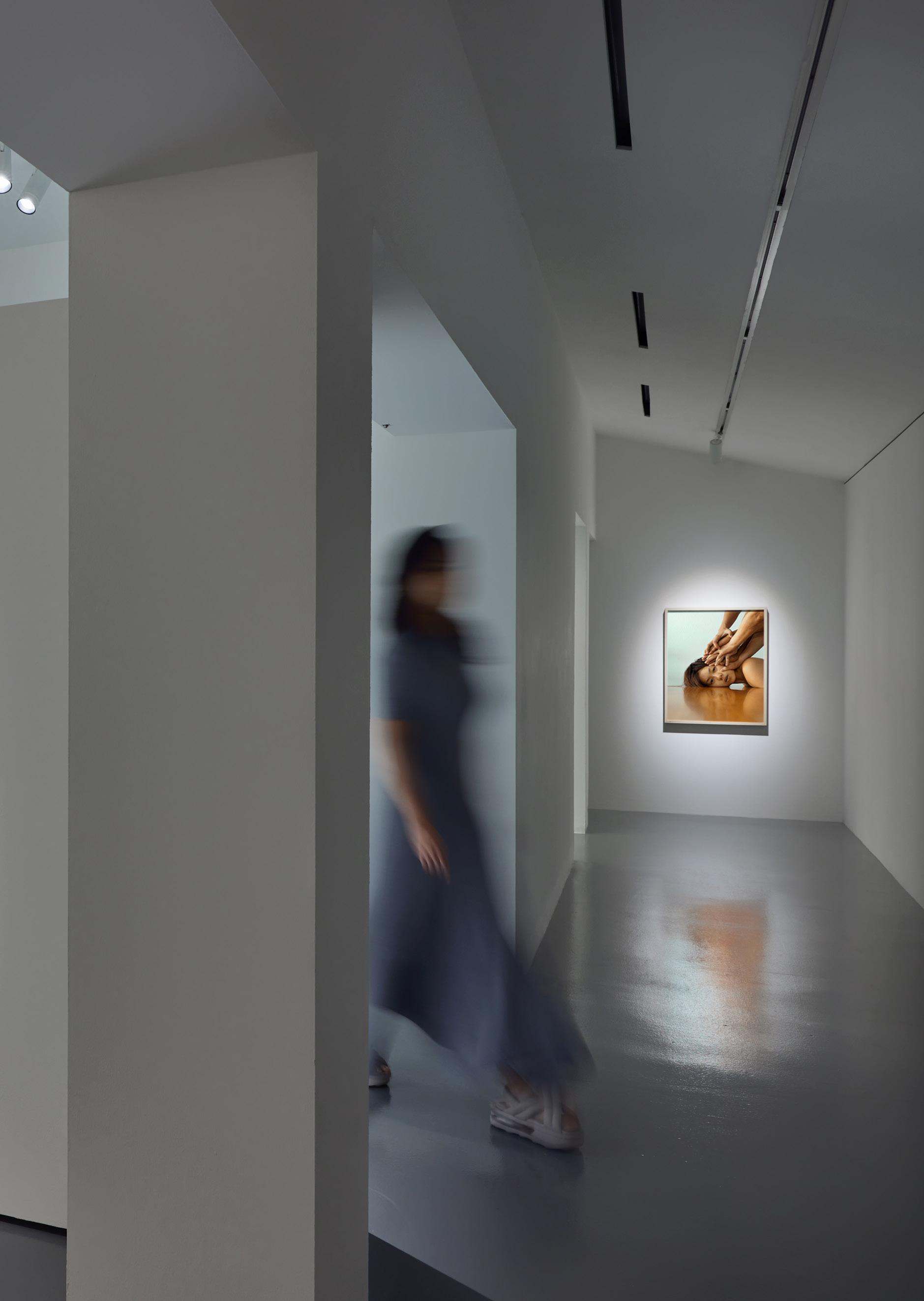
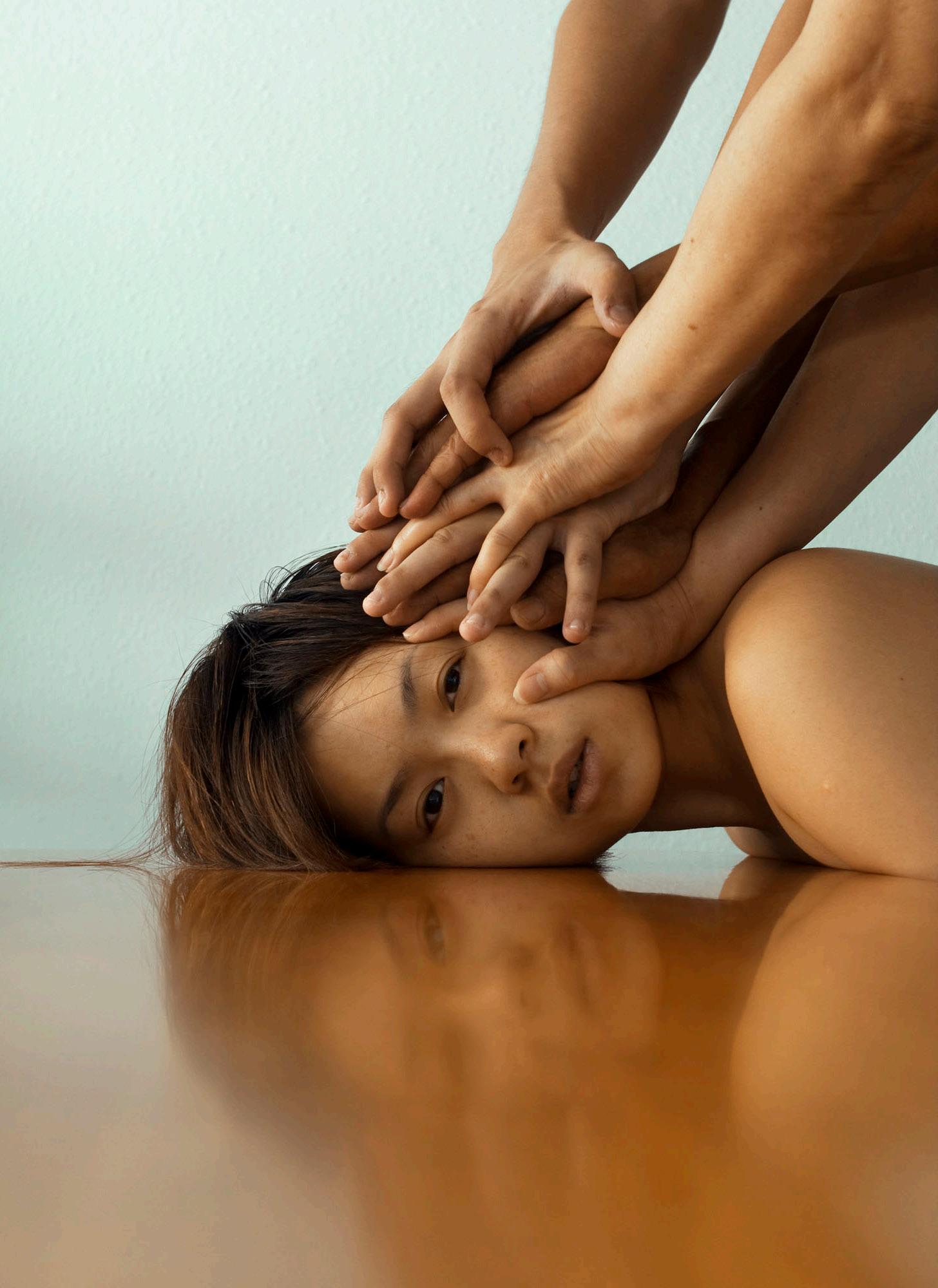
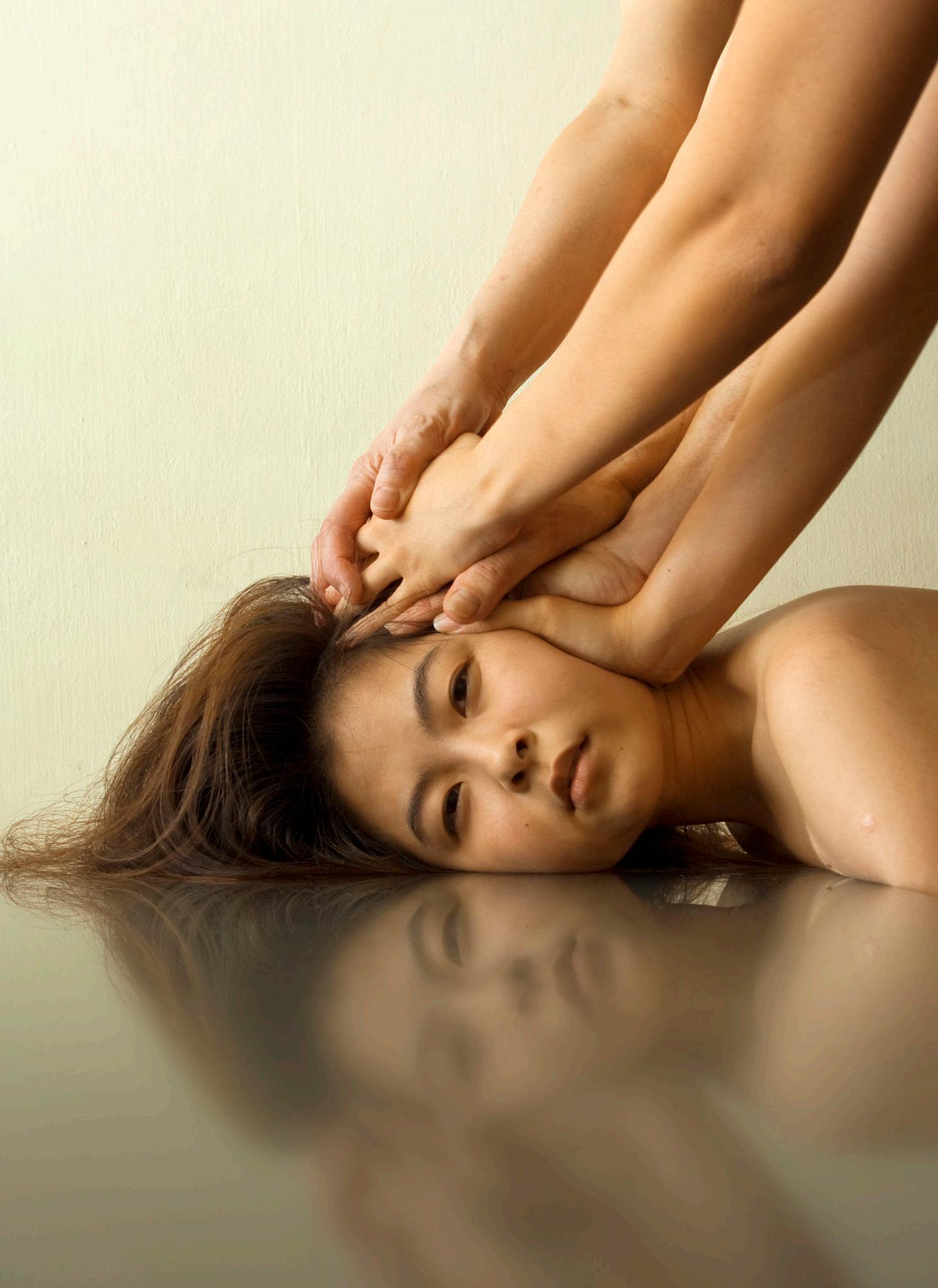
Representing photography in the exhibition, Lavender Chang and John Clang take full advantage of the medium’s indexicality — its supposed ability to directly record reality. This photorealistic quality is particularly effective in capturing subtle expressions and carefully situated environments, offering insight not only into the sitters themselves but also into the artists’ own positionality. As the eldest sibling, Chang’s autotheoretical Eldest Daughter series (2011) exemplifies this. The portraits of eldest daughters in Chinese families, shown with their heads held down by the hands of family members. A dramatic tableaux, the project marries the observational quality of the medium with symbolic representation: to press, to pressure. These works infer the myriad of expectations that eldest daughters in Chinese families face in today’s context — to financially support their parents and siblings while also enduring the responsibilities of domestic duties. In all the photographs, only the hands and arms of the subjects’ family members are photographed. While the daughters’ faces are in full view, the faces of her parents and siblings are deliberately cropped from the frame, causing each image to function almost as an anti-family portrait. This wholly recalls Rey Chow’s sentiment that the visibility a Chinese woman does not necessarily equate to a form of empowerment2, questioning the subjecthood and agency of the depicted eldest daughters in the context of Chang’s series.
Most interestingly though, the subjects’ expressions were not directed by the artist. Instead, they all naturally emoted similar appearances of fatigue and resignation when posing for their portraits. Herein lies the power of Chang’s portraiture photography. The postures and compositions of Eldest Daughter were all staged, but their expressions were not. Only capturable with the mechanical nature of the camera are raw emotions in real time, what Roland Barthes identifies as the “punctum”3 of the artwork: the unintentional touch that pricks the viewer and (though rooted in Chang’s personal context) resonate across cultural boundaries with people who shoulder responsibility and navigate the pressures of contemporary familial life.
Within the same field of portrait photography, Clang’s F the violence (2025 – ongoing) adopts a thematically and tonally distinct approach
2 Chow, Rey. Woman and Chinese Modernity: The Politics of Reading Between West and East. Columbia University Press, 1991, p. 45.
3 Roland Barthes, Camera Lucida: Reflections on Photography, translated by Richard Howard, Hill and Wang, 1981, pp. 26‑27.
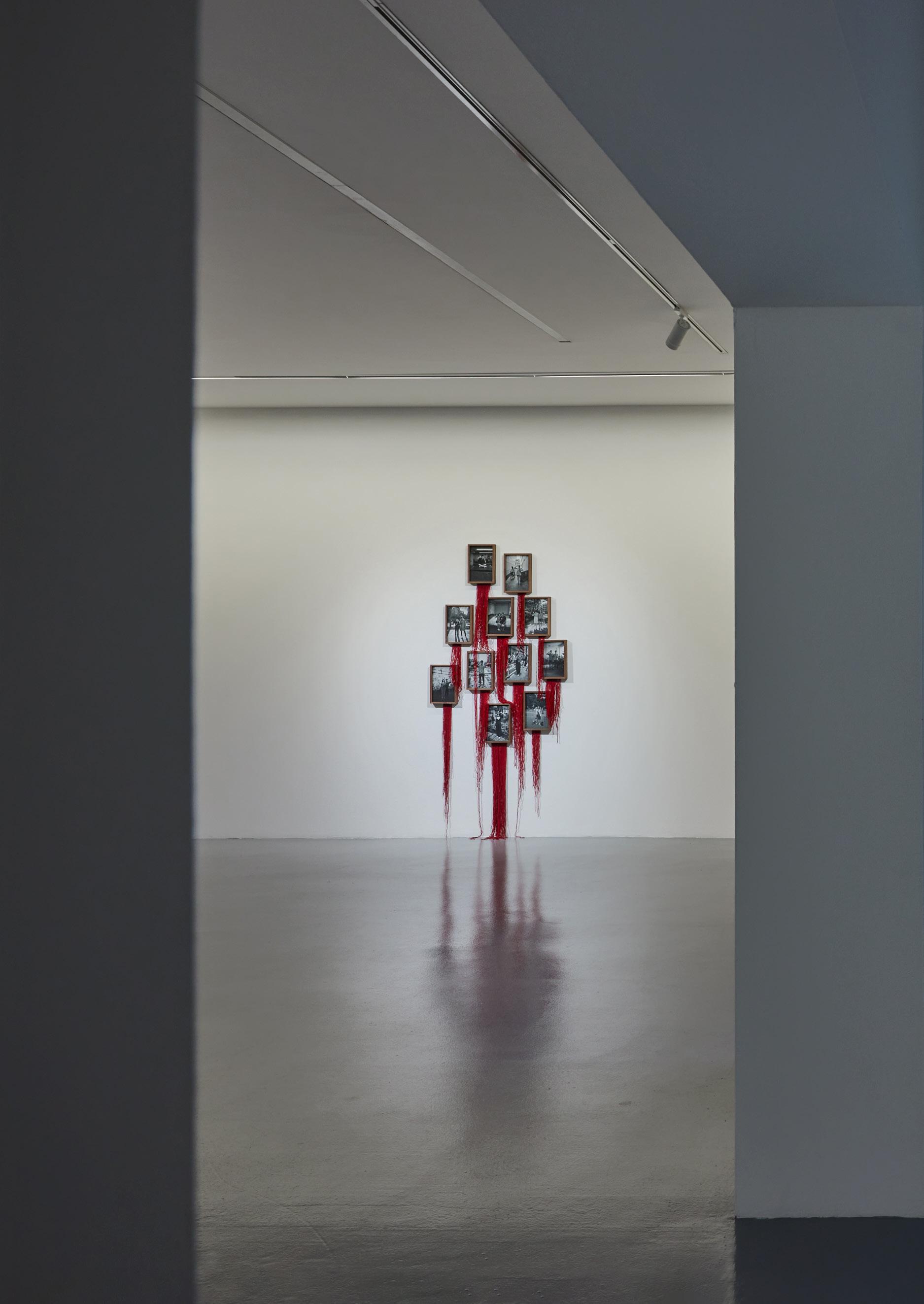
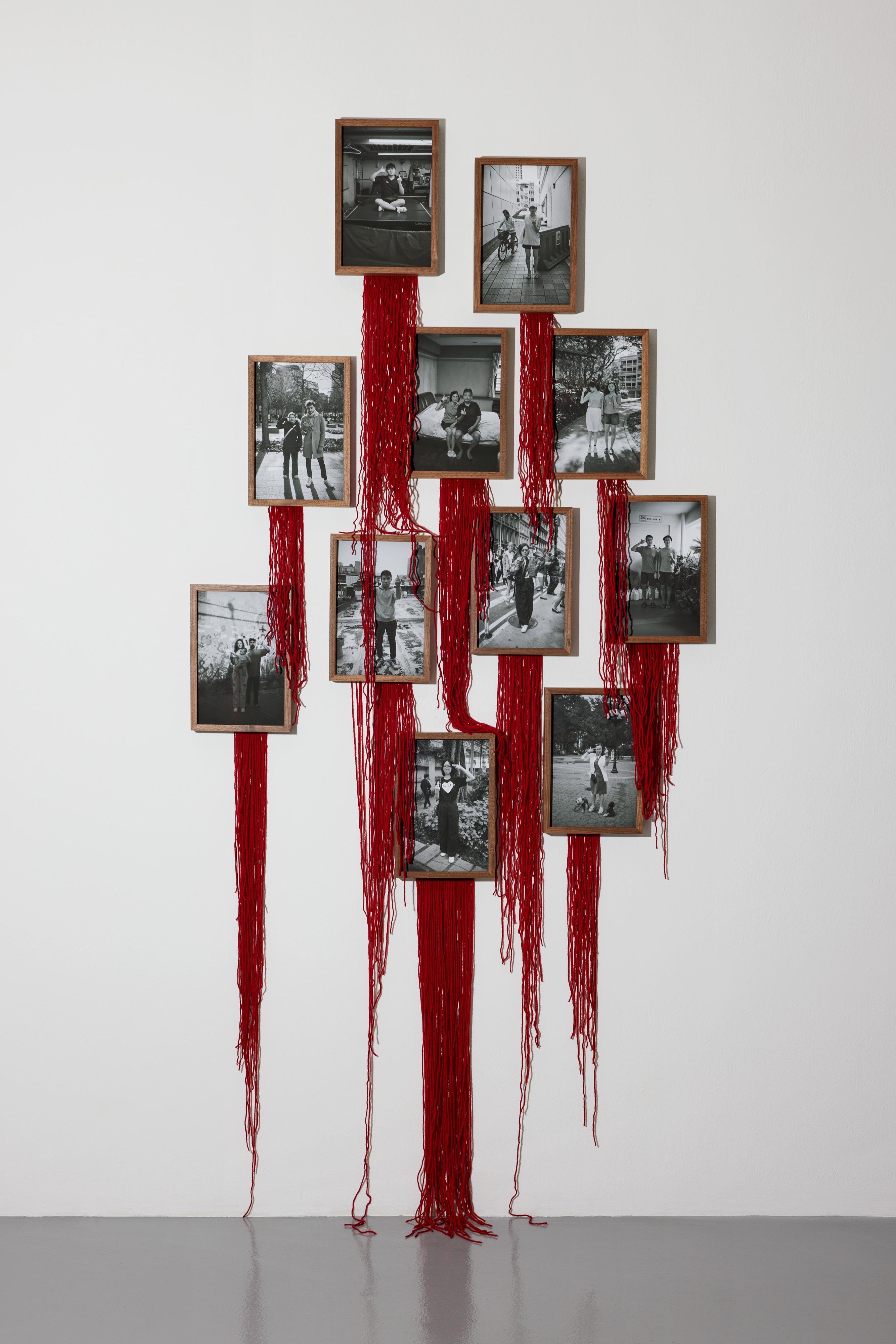
to the medium, bringing together subjects from different backgrounds. Each subject performs gestures that are widely understood in contemporary culture: one hand raises a middle finger, while the other is shaped into a gun and pointed back at the self. The photographs are printed in black and white, a visual language calling back to representations of social injustice and political resistance dominant during the Golden Age of Photojournalism (1930s – 1970s) and the Civil Rights movement (1950s – 1960s) in America. In contrast to the austerity of the monochrome images, dark scarlet threads stream from the base of each photograph’s frame — draping over each other and the frames, some pooling on the floor. These threads can be read to represent blood and symbols of violence, and disrupt the allusions to journalistic objectivity and the solemnity of the intentionally posed portraits. This assemblage succeeds in creating a tension of opposites: the studium intentionality of Clang’s process which entails the recruiting, directing and posing of his subjects, versus the emotional intensity and chaotic expressiveness of the threads’ colour, texture and arrangement. Read together, the photos and threads emerge the complex and often dichotomous responses people have toward violence. Simultaneously intellectual and emotional, rational and visceral, legalisation and prohibition.
The image-based installation exhibits a collective repulsion in response to the normalisation of violence in media across the world, while the clarity of the subjects’ expressions and gestures symbolise a sense of adamant defiance. Through the visual and historical references to earlier movements in photography, F the violence echoes similar calls to action that stage the portrait as a critical space through which the artist, subject and viewer are called to take a political stand4. Accordingly, the eleven portraits in Mirrorball: Reflections on Portraiture function only as the starting point of a larger ongoing project. Eventually expanding to ninety-nine portraits, Clang’s work operates as a rallying cry that seeks to unite people through shared opposition to violence and collective ethical engagement. Evidently far from simply “snapping a photograph,” Chang and Clang demonstrate the power of portrait photography in its capacity to capture both the nuances of cultural intersectionality and the broader currents of global and socio-cultural change.
4 Azoulay, Ariella.
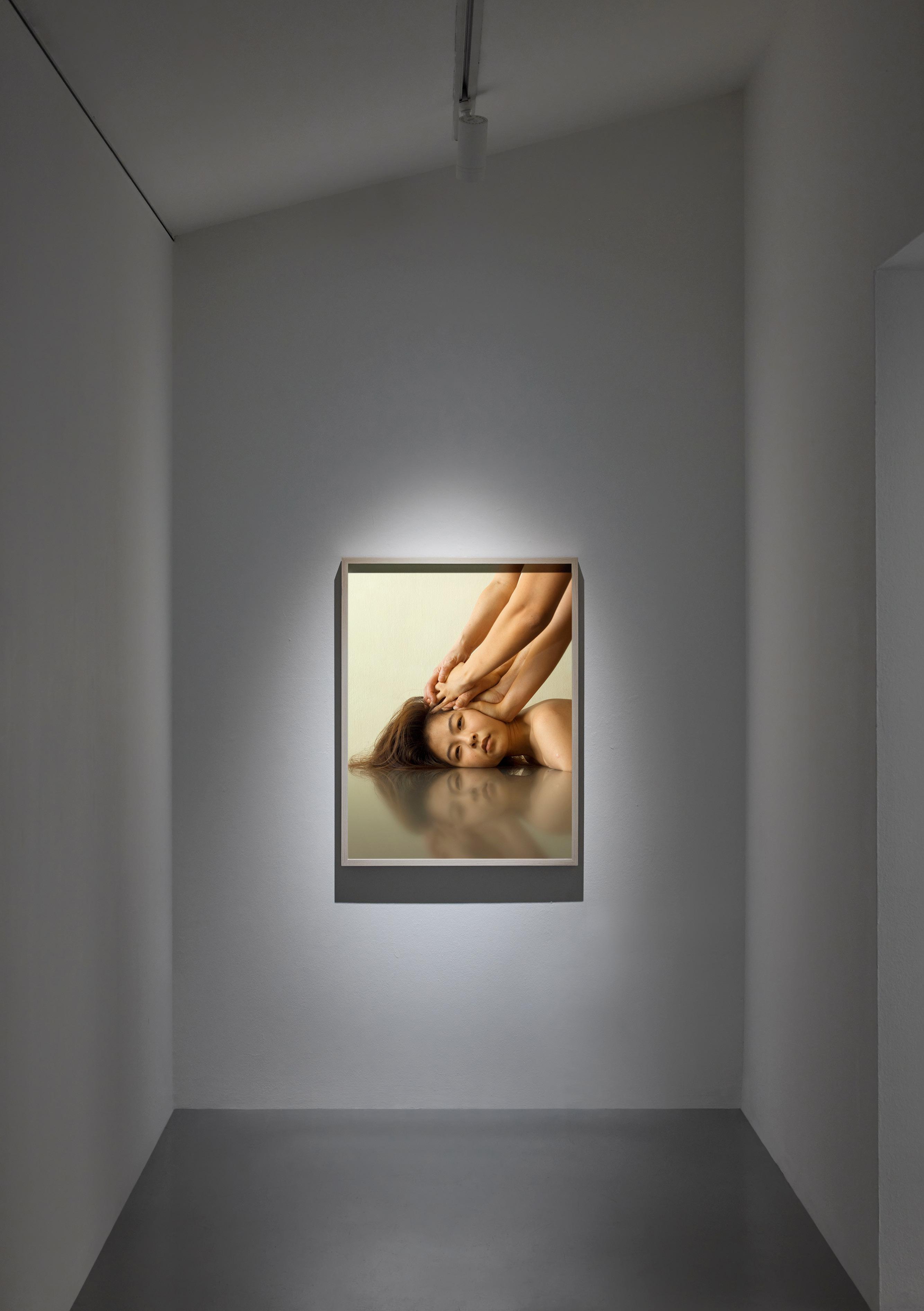
Lavender Chang, Eldest Daughter #7 (2011), installation view
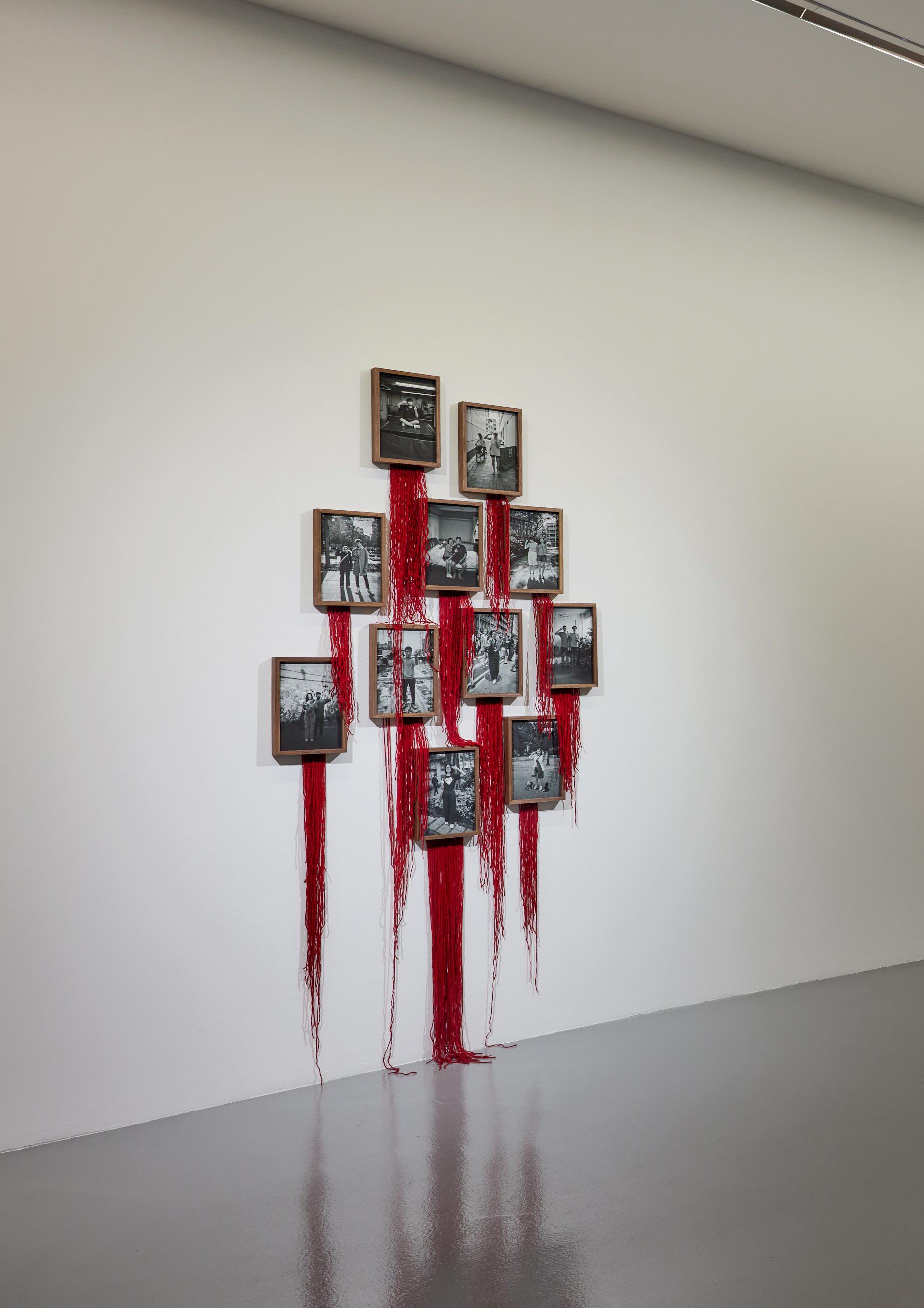
John Clang, F the violence (2025 – ongoing), installation view
While photography is now used with ease and immediacy, painting has historically occupied a more longstanding position within portraiture, particularly within the Western canon. However, this saw a turn in the 19th century with the rising accessibility of photographic processes. Upon seeing the daguerreotype for the first time, French painter Paul Delaroche famously declared, “From today, painting is dead!”5. This sentiment captured an anxiety within the art world that a mechanical and eventually cheaper method of creating realistic images would render traditional painting obsolete. In fact, as time has told, photography did not displace painting but has altered the conditions under which images are produced and understood.
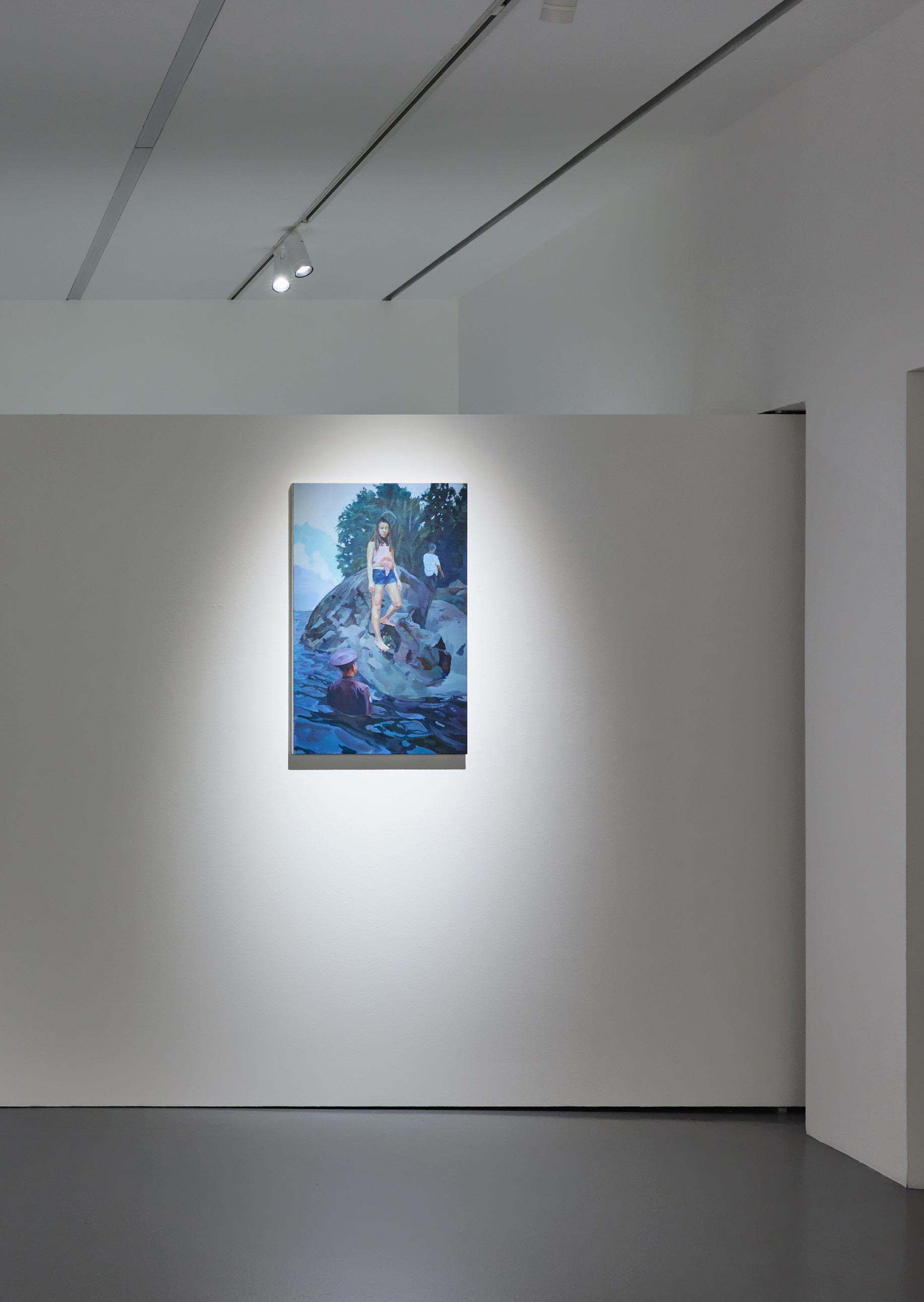
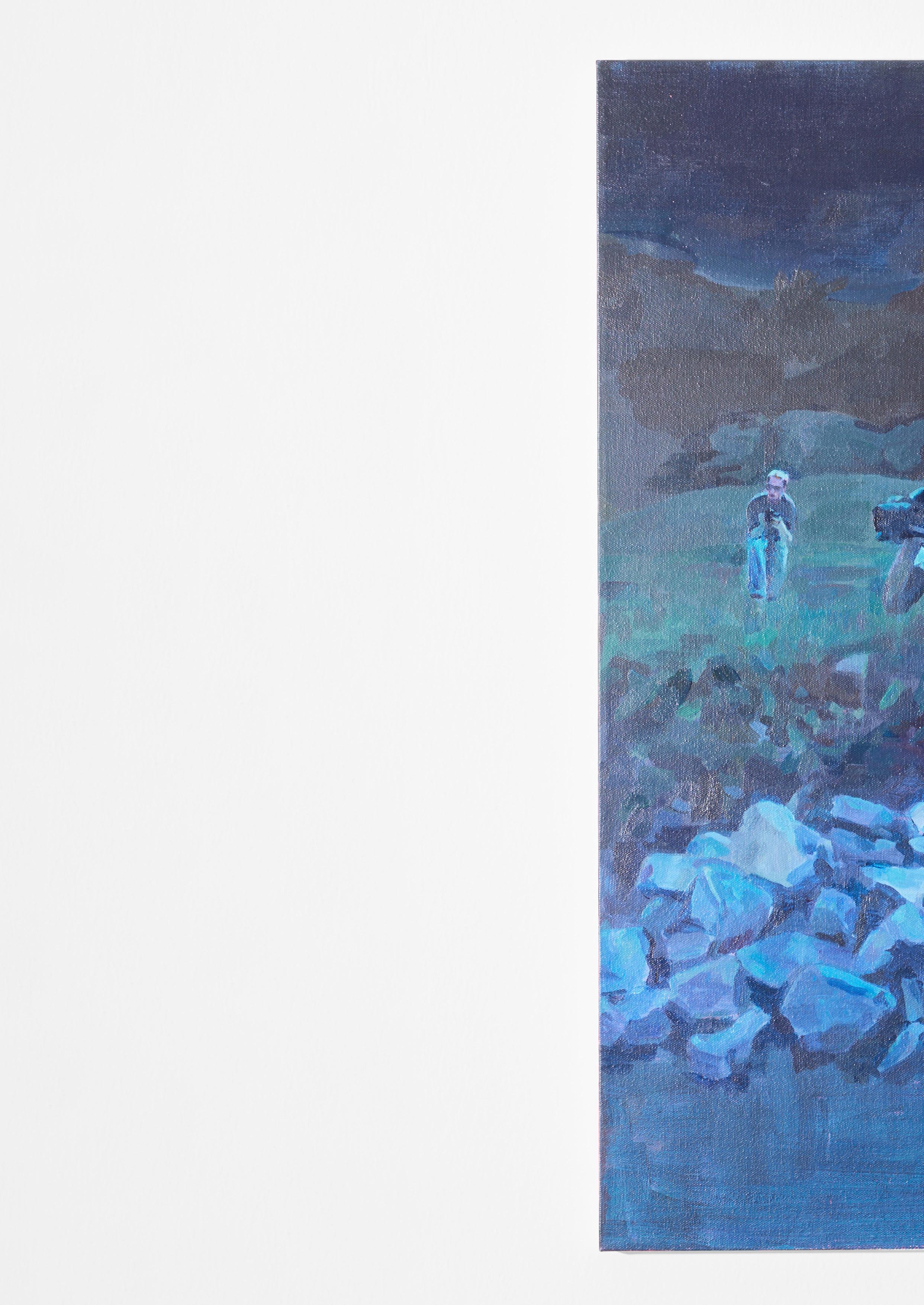
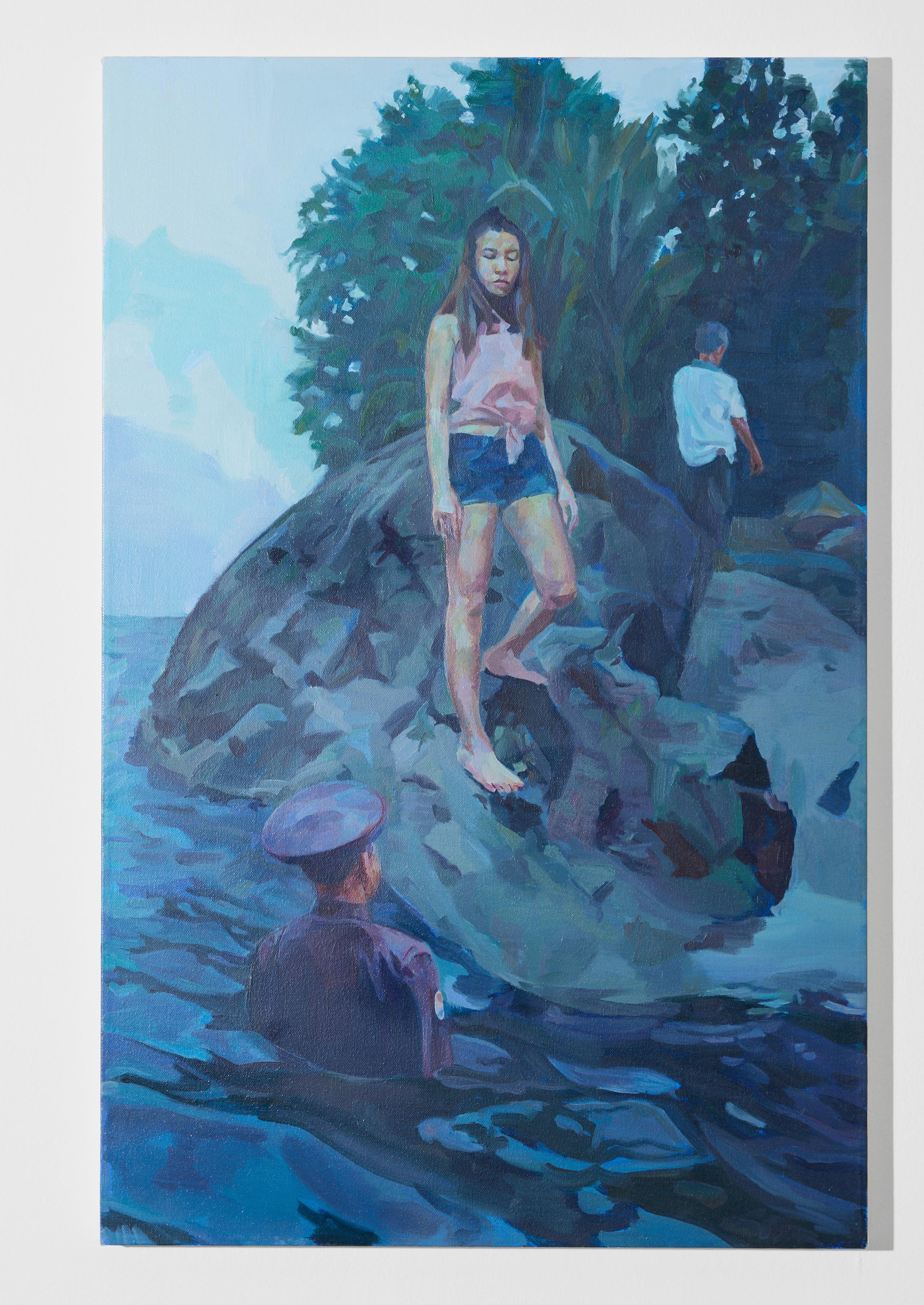
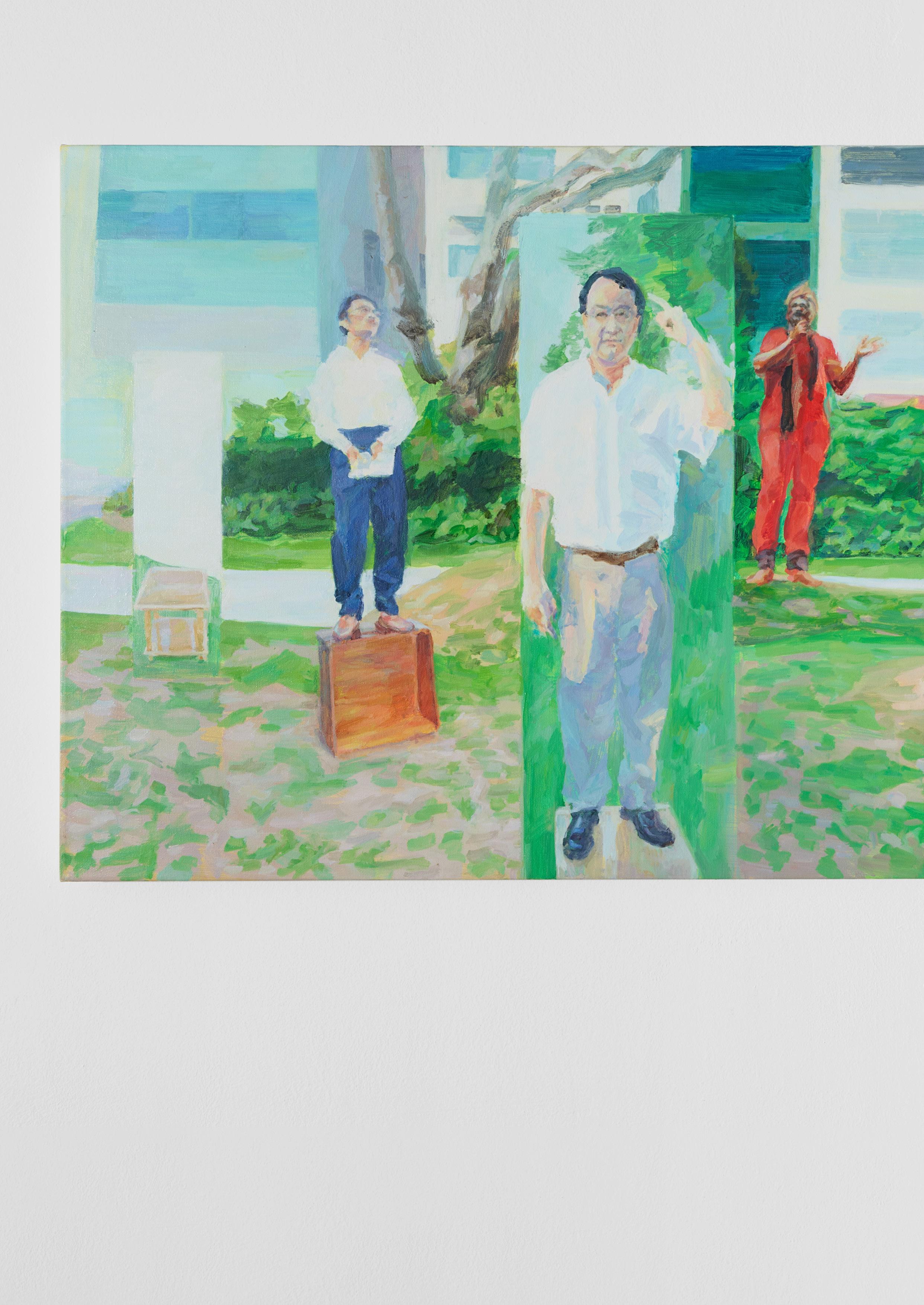
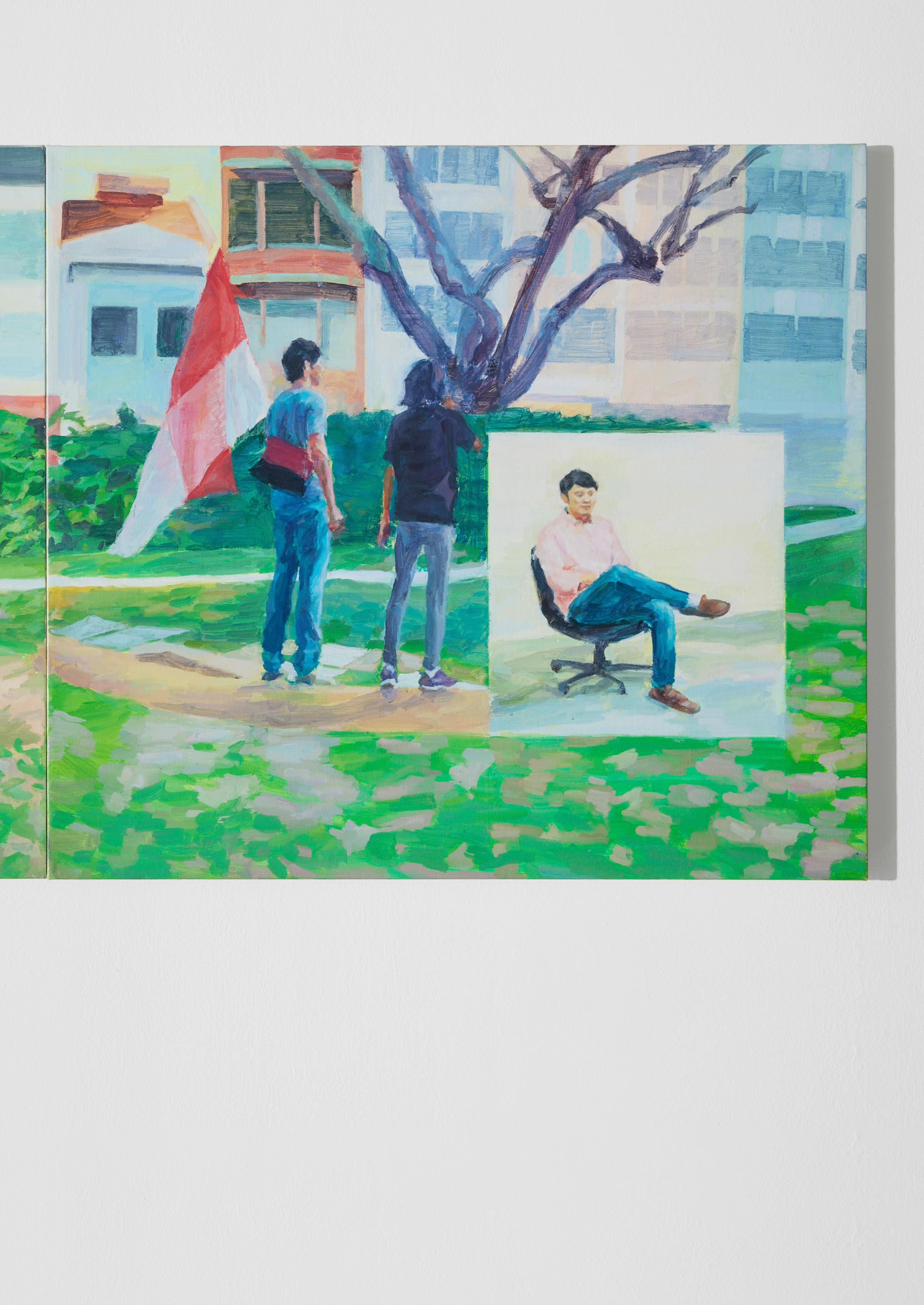
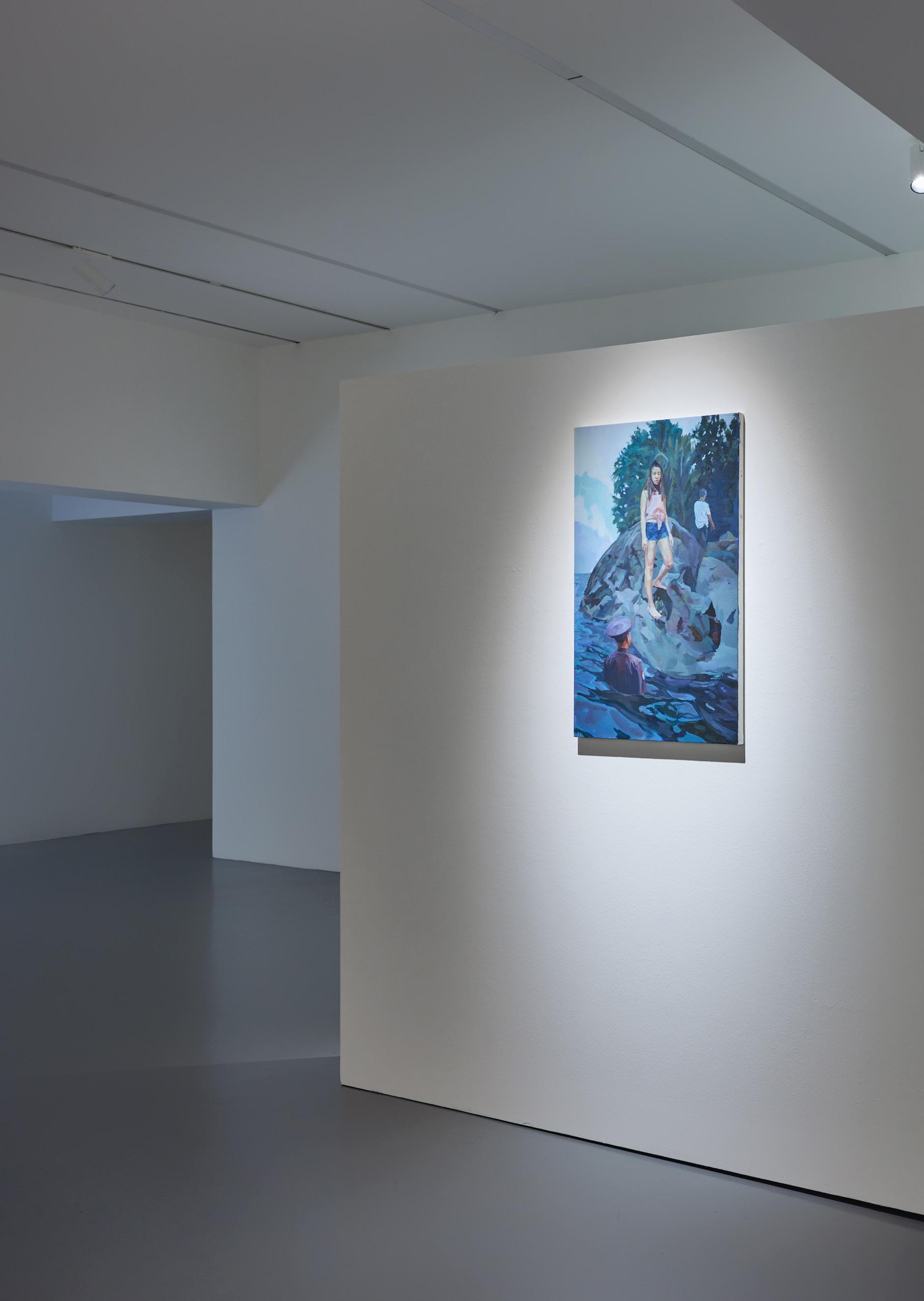
Although not directly addressing photography as a subject of interrogation, Jon Chan’s suite of three paintings, Bedok Reservoir (2016), Debris (2016) and Platforms and Archetypes (2021), appropriates found and personally taken images as practical tools within his compositional process. Paradoxically, the inclusion of photographic elements does not default to photorealistic rendition, as Chan’s torrential brush strokes manifest his impressions of and reactions to the painted subjects. At the same time, the artworks’ painterly interventions insist on keeping the viewer at an enigmatic distance away, preventing people from immediately recognising depicted subjects and environments. Furthermore, the assembling of subjects and backgrounds from different sources results in a sense of disjointedness and unease that pervades many of Chan’s paintings, a quality he deliberately pursues. In Debris, for instance, three figures occupy the composition: a North Korean soldier in full military regalia positioned in the foreground; a teenage girl in the midground; and, furthest back, an older man gazing into a field of deep blues and browns. Each figure is sourced from a different image and deliberately misaligned within the pictorial space, sharply segmented by the sea, rocks, and trees. While a photograph is typically grounded in the specific space and time of its capture, Chan’s painting process produces a spatial structure of disconnection that nonetheless coheres within a single canvas. The portrait is fractured but refuses to collapse entirely.
While the central figure in Debris is front-facing, the other two figures turn their backs to the viewer. This decision to render rear-facing subjects constitutes a recurring engagement with portraiture across Chan’s other works, including Platforms and Archetypes. For Chan,
5 Scharf, Aaron. Art and Photography. Penguin Books, 1968, pp. 12–14.
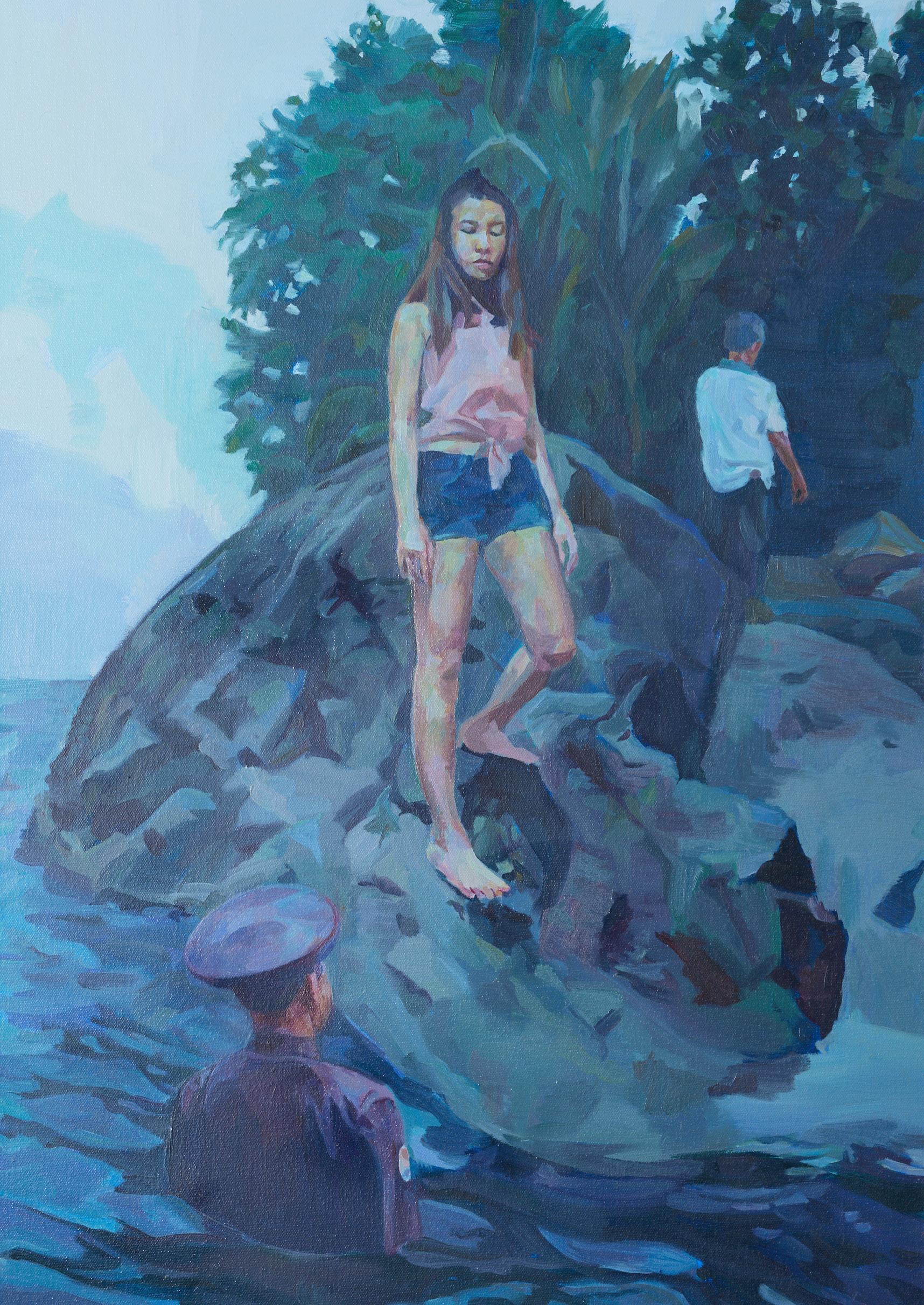
Jon Chan, Debris (2016), detail
these figures function as extensions of the painting’s own position in the world: they are vulnerable, existing at the mercy of attention. Yet, they also retain the agency to turn away, signalling indifference, absorption, or distraction. In Platforms and Archetypes, this strategy is exemplified through the depiction of Roy Ngerng and Han Hui Hui, who have spoken at Hong Lim Park’s Speakers’ Corner. Their rear-facing portrayals may be interpreted by some as a form of disempowerment. However, Chan proposes that it could instead operate as an empathetic gesture, reframing these public activist figures as vulnerable individuals rather than purely symbolic subjects. By contrast, the background figure in Debris originates from a photograph of an elderly man gazing at a green banner tied to a railing near a drainage canal. Although his back is turned, his posture signals little interest from what the banner advertises. In both cases, Chan’s approach to portraiture, acts of withholding, extend as means for painting to simultaneously assert its autonomy and vulnerability.
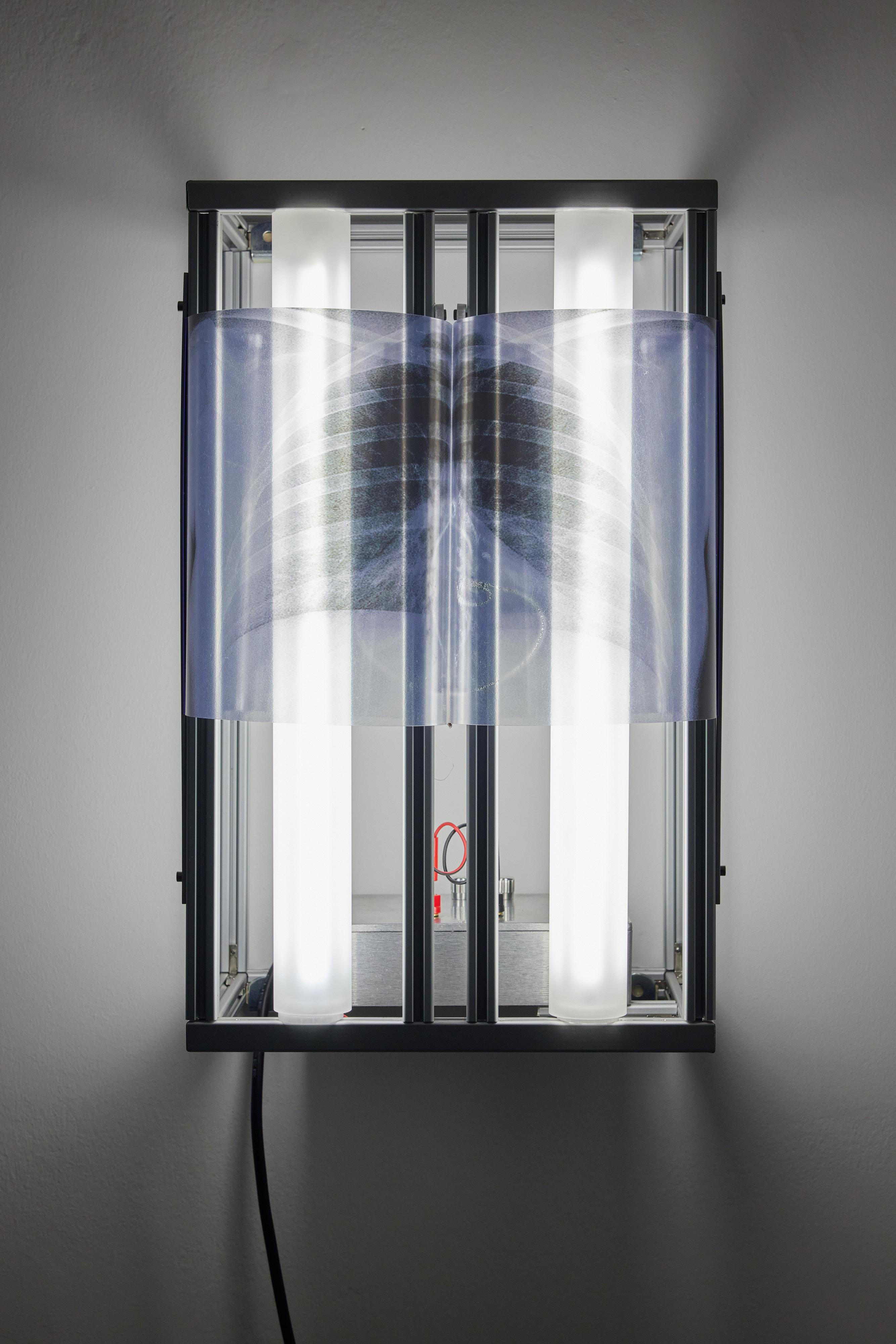
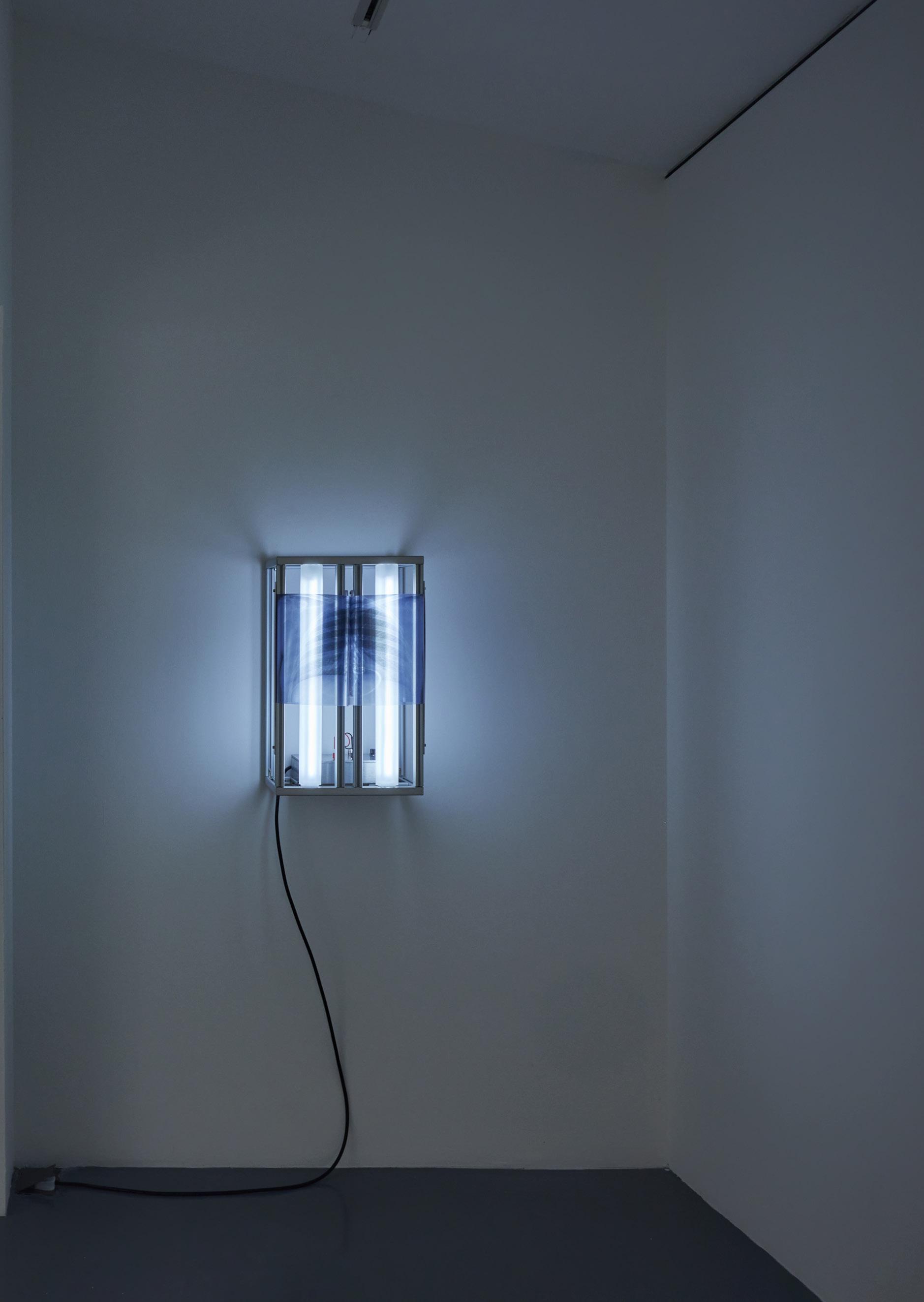
Alongside these developments in painting, the advancement of imaging processes have also expanded ideas of how identity and its embodiment could be expressed. Expanding beyond facial likeness toward conceptual, psychological, and corporeal approaches to the self, Kray Chen’s Iron Lungs (2025) incorporate processes of translation and fragmentation, locating the “portrait” through depictions of his internal organs obtained only through the mediation of medical technology. These X-ray images are in fact AI-generated from prompts indicating Chen’s own physiology, acting as a second order of translation: the body is first rendered as medical data and then reinterpreted algorithmically. These films are further incorporated into a functioning speaker fixtured with gently pulsating lights: a third translation of the self from two-dimensional imaging to something akin to a four-dimensional torso with a beating heart. The throw of light that envelopes the sculpture form the appearance of a pair of lungs, and the metal bars are akin to the skeletal frame of a ribcage.
This interplay of the material and immaterial, as well as the biological and technological in Iron Lungs are apt reflections of our rapidly changing cultural consciousness. With the proliferation and development of technology (and in particular the rise of AI), people and our representations of people have been re-evaluated to reflect the human body as material-informational entities, integrated with substrates and matter not ordinarily associated with the human body.
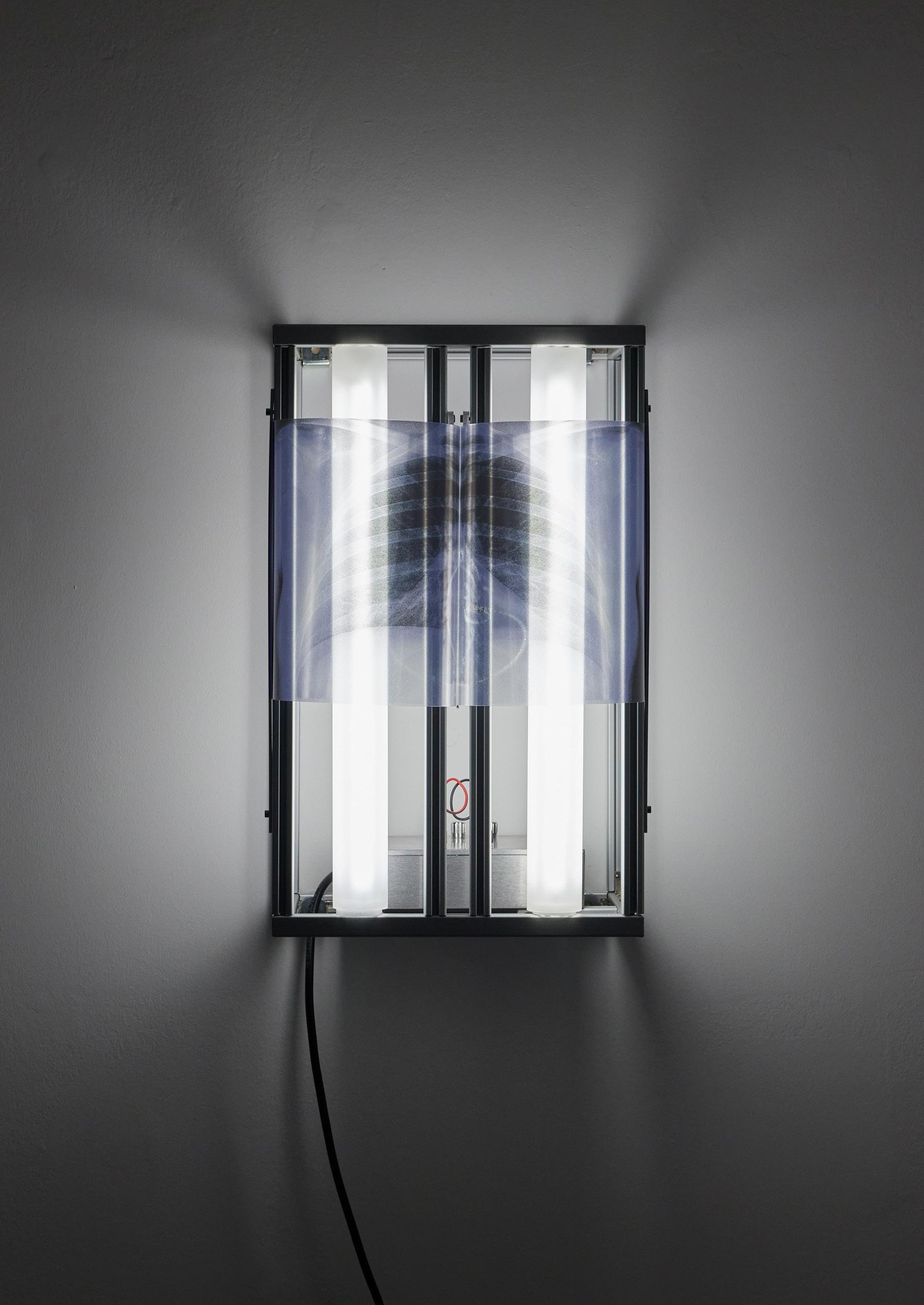
Kray Chen, Iron Lungs (2025)
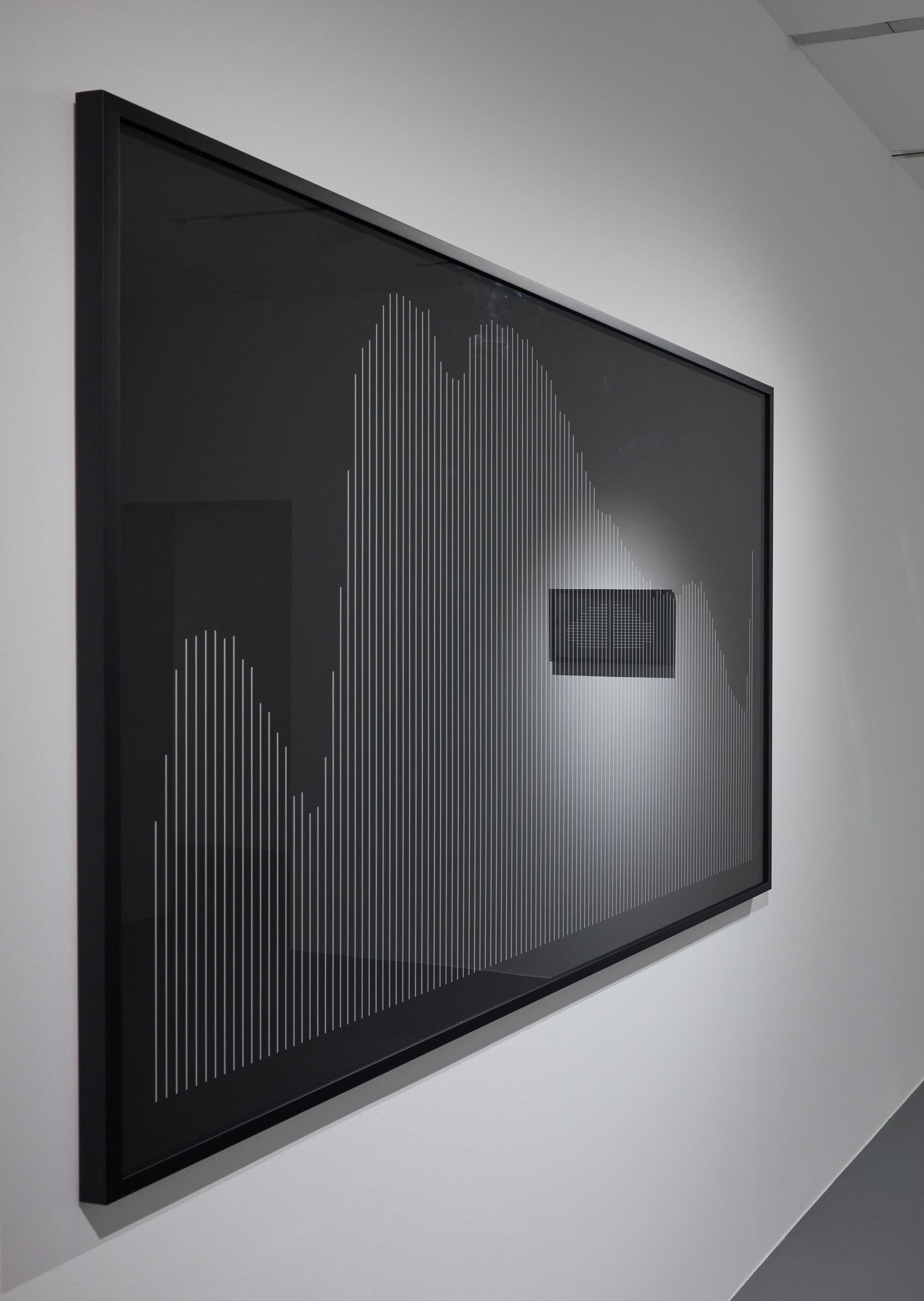
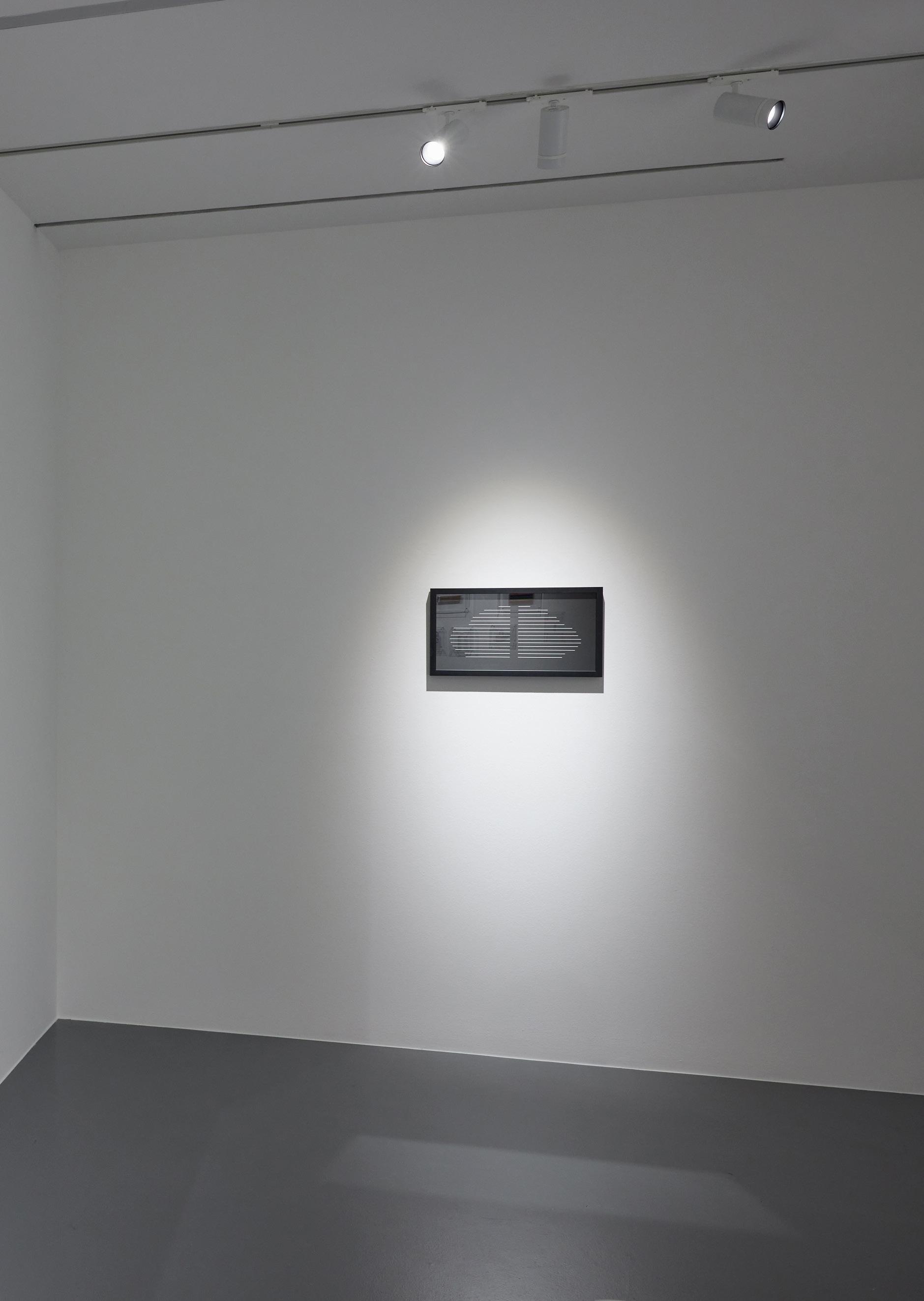
Bea Camacho, Self-Portrait series (2010), installation view
Punctuating these ideas are the way in which the speaker operates, and the sounds that it emits. Modelled as a Rubanoide speaker, the two X-ray films are curved to create cylindrical forms that act as a membrane, also called the diaphragm, coincidentally sharing the same name as the human organ that enables breathing. Electrical currents are used to light the work and vibrate the diaphragm, which in term generate sound and animate the cyborgian torso.
The speaker plays songs from an album developed by Chen with the use of AI software, structured around the belief that the 417 Hz frequency holds restorative properties (popularised by Dr. Joseph Puleo in the mid 1970s6). Here, Chen channels the Frankenstein-like logic in which electricity and the algorithmically produced sound becomes a life-generating force transmitted through the body itself. In approaching personhood, Iron Lungs succeeds in examining the inter-passivity between the mechanical and the corporeal, identity and institutional complexes, and the unstable boundary between forces that sustain life and those that exhaust it.
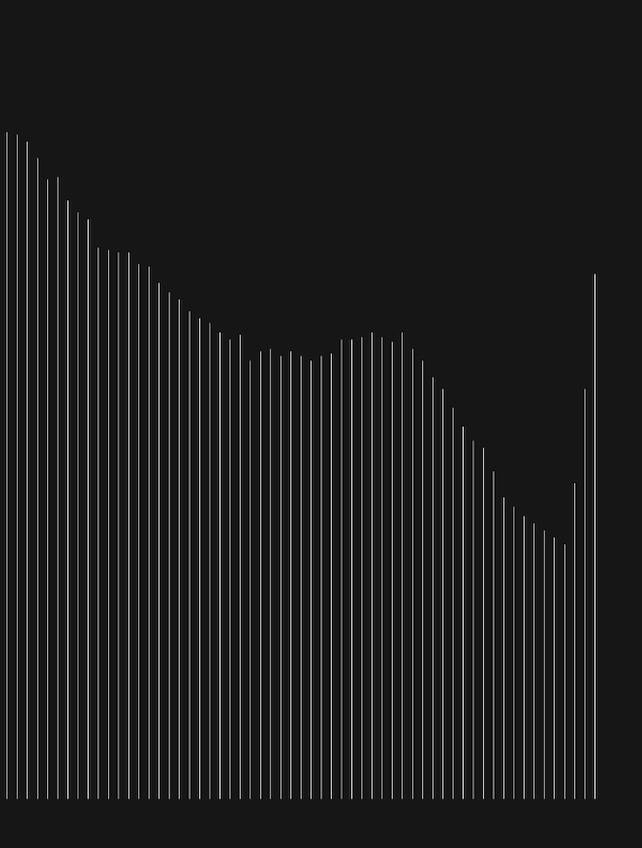
Also abstracting the body into an informational entity, Bea Camacho’s Self-Portrait (Circumference of Body at ½” Intervals) (2010) and Self-Portrait (Circumference of Both Hands at ½” Intervals) (2010) reconfigure the artist’s “portrait” into a system of data points, mapping the circumference of her body at half-inch increments to represent her stature. Her process points to the legacy of the Conceptual Art movement that emerged in the 1960s, wherein the material outcome is often considered “perfunctory”7 in relation to the primacy of ideation and planning. The tools inherent to Camacho’s process: numbers, intervals, and repetition, function as ostensibly neutral modes of representation, devoid of the subjectivity that might “hinder” other forms of artmaking, and invoking a scientific or bureaucratic authority that claims objectivity. In fact, these indices record a real referent (Camacho’s physiology) without attempting to depict it, establishing a physical relationship rather than a mimetic one. In Camacho’s selfportraits, the body is thus present only through such traces, displaced into abstraction and legibility.
Even though the works’ visual language bear these lineages to
6 Puleo, Joseph, as cited in Leonard G. Horowitz. Healing Codes for the Biological Apocalypse Meditational Press, 1999 , pp. 101–103.
7 LeWitt, Sol. “Paragraphs on Conceptual Art.” Artforum, vol. 5, no. 10, Summer 1967, p. 79.
Conceptualism, Camacho ultimately casts doubt on the integrity of understanding the human body through numbers and indices. Intentionally framed as self-portraits, the artworks tap on the genre’s propensity toward embodiment and expression. The absence of these properties, suggested by the gaps between each measured line, becomes as significant as what is visibly present. Here, Camacho’s self-portraits evoke Michel Foucault’s examination of biopolitics8. In the context of the Quantified Self movement and society’s fixation on data, there has been a growing desire to measure and quantify life in service optimisation, a desire that Camacho’s line works echo in the ways contemporary subjects have come to perceive and conceive of the self. At the same time, she problematises this desire by highlighting the way people value what can be counted over that which resists calculation, indicating that the empirical measurements underpinning her artworks only offer partial forms of knowledge. The articulation of the self into discrete encoding strips away the complexity and opacity of true, lived experience, and subjectivity is an intrinsic part of what it means to be human.
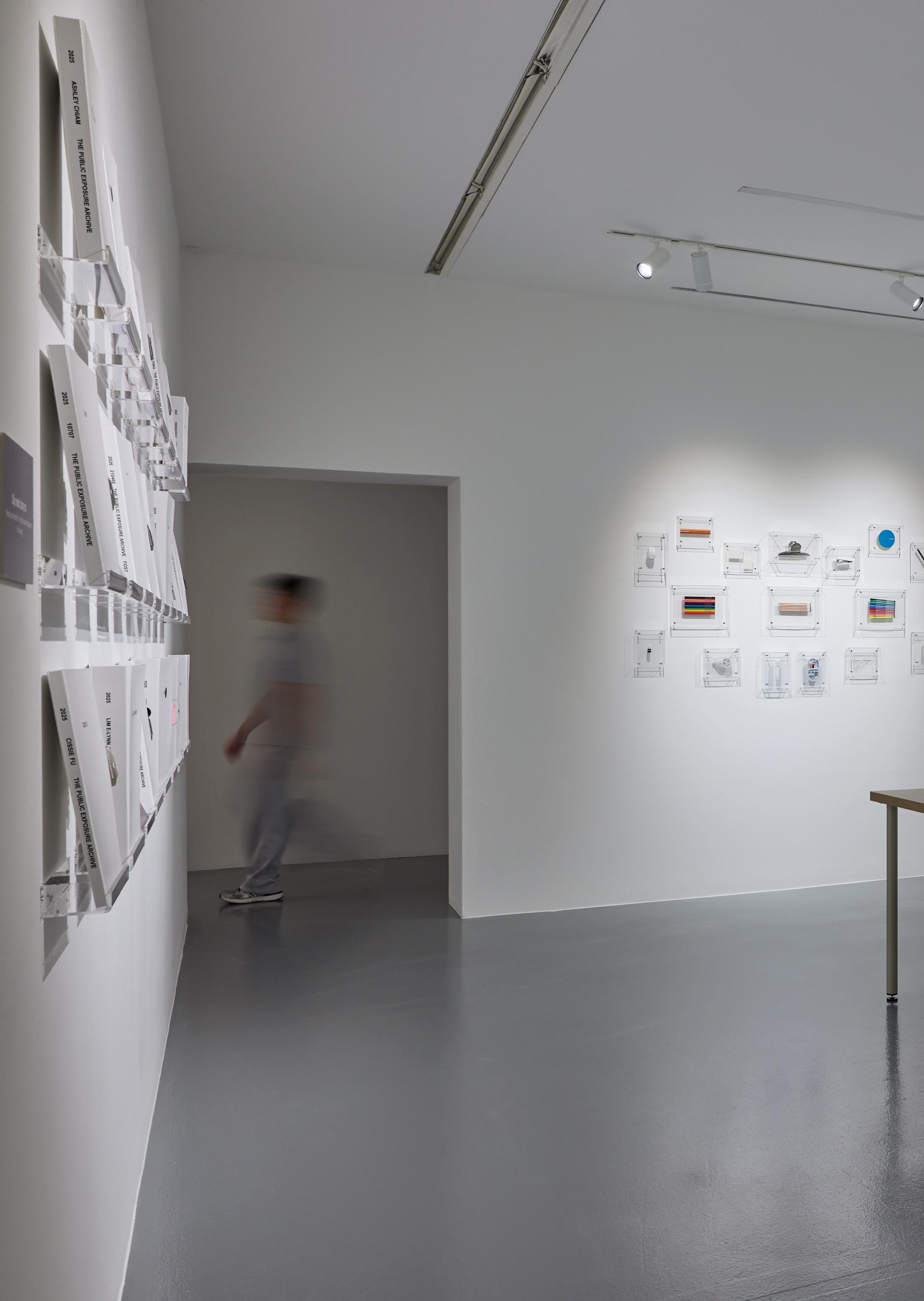
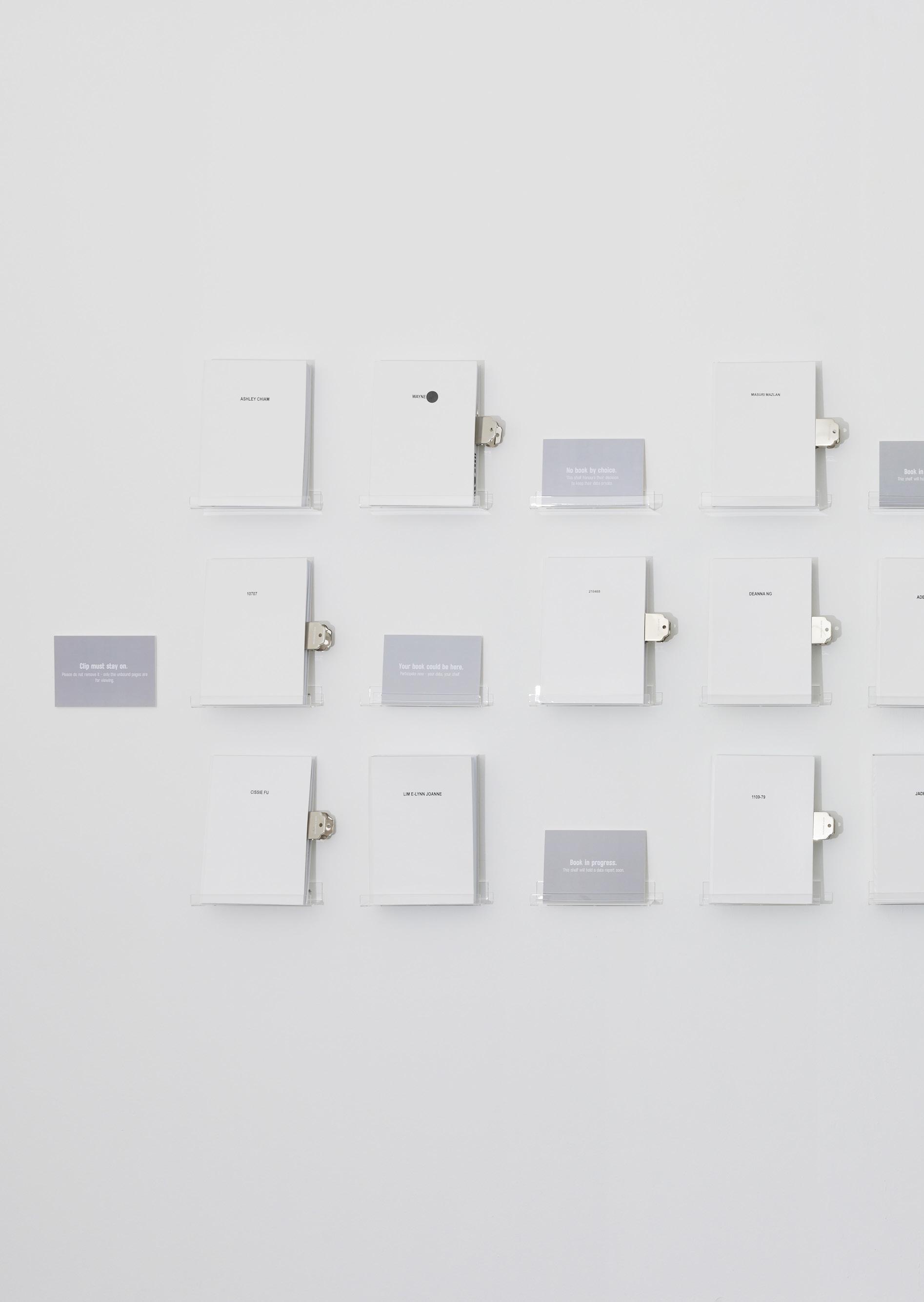
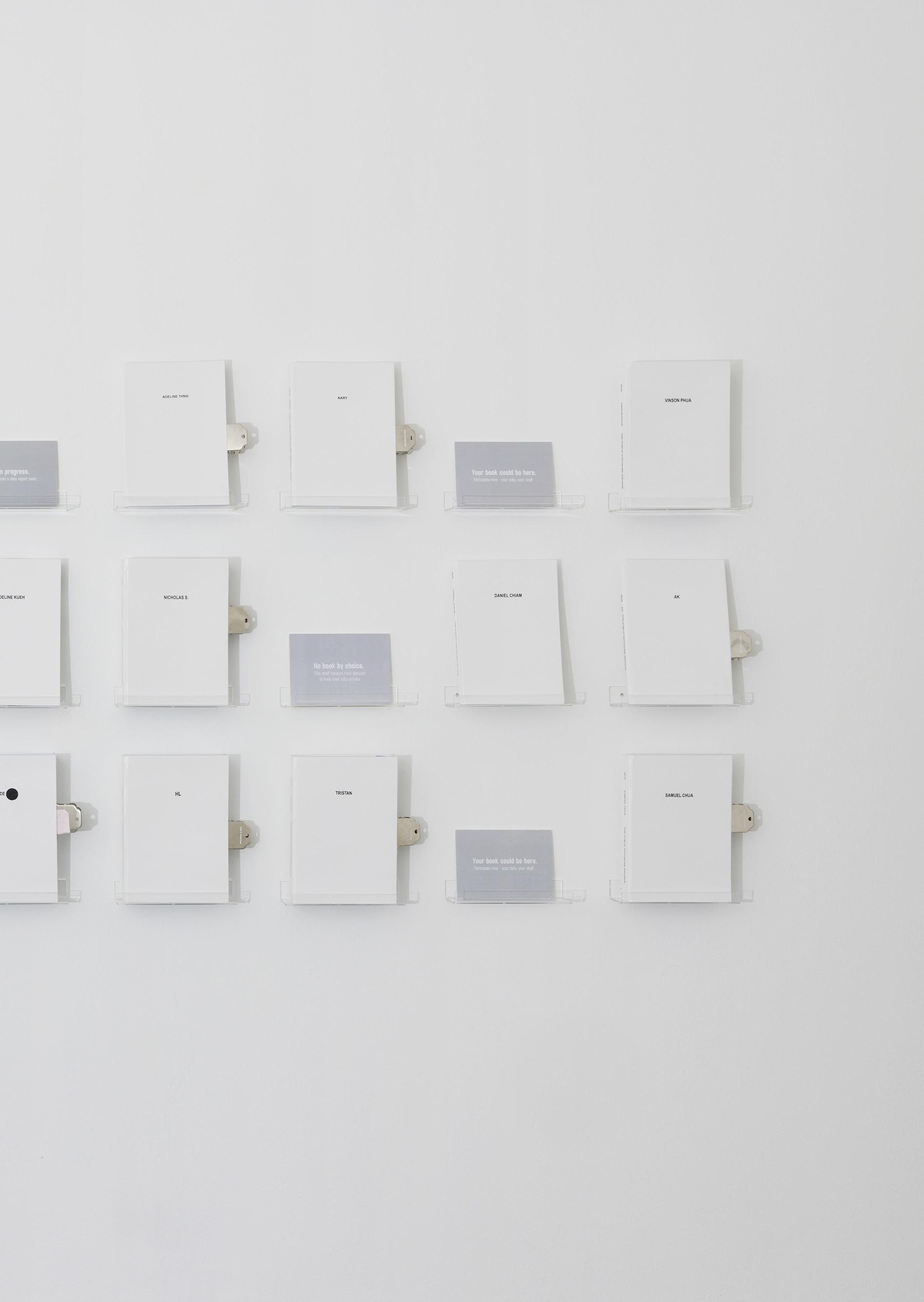
On the topic of data, Joanne Lim’s body of work The Public Exposure Archive specifically directs our attention to how such indices and personal information are collected and utilised by governments, institutions and corporations. As a participatory project, Two Copies for the Record (2025 – ongoing) involves Lim transforming participants’ personal data into printed reports that are compiled and bound into books. Often extending to hundreds of pages, these volumes operate as metonymic stand-ins for an individual’s virtual self, their digital portrait. Crucially, the work does not rely on any expertise in hacking or surveillance. Instead, Lim positions herself as a cyber layperson, emphasising that the information compiled in each book is largely open-source and gathered through time, patience, and labour from participants’ social media activity, browser histories, and reverse image search engines. This role is important to the artist not just in the legality of the work, but also in its capacity to materialise the sheer volume of personal data that is readily accessible by anyone, from anywhere. This is information many individuals callously relinquish through routine and unguarded interaction with digital platforms. Were she operating as an expert, the amount of data she could retrieve would be many
8 Foucault, Michel. Discipline and Punish: The Birth of the Prison. Translated by Alan Sheridan, Vintage, 1995, pp. 135–137.
folds greater. As such, the work recalls Cardinal Richelieu’s often cited assertion: “If you give me six lines written by the hand of the most honest of men, I will find something in them which will hang him.”9 Today, those six lines have multiplied into thousands — messages, clicks, searches, preferences. Read by algorithms, these fragments aggregate into profiles that can be interpreted or misinterpreted, rewarded or punished.
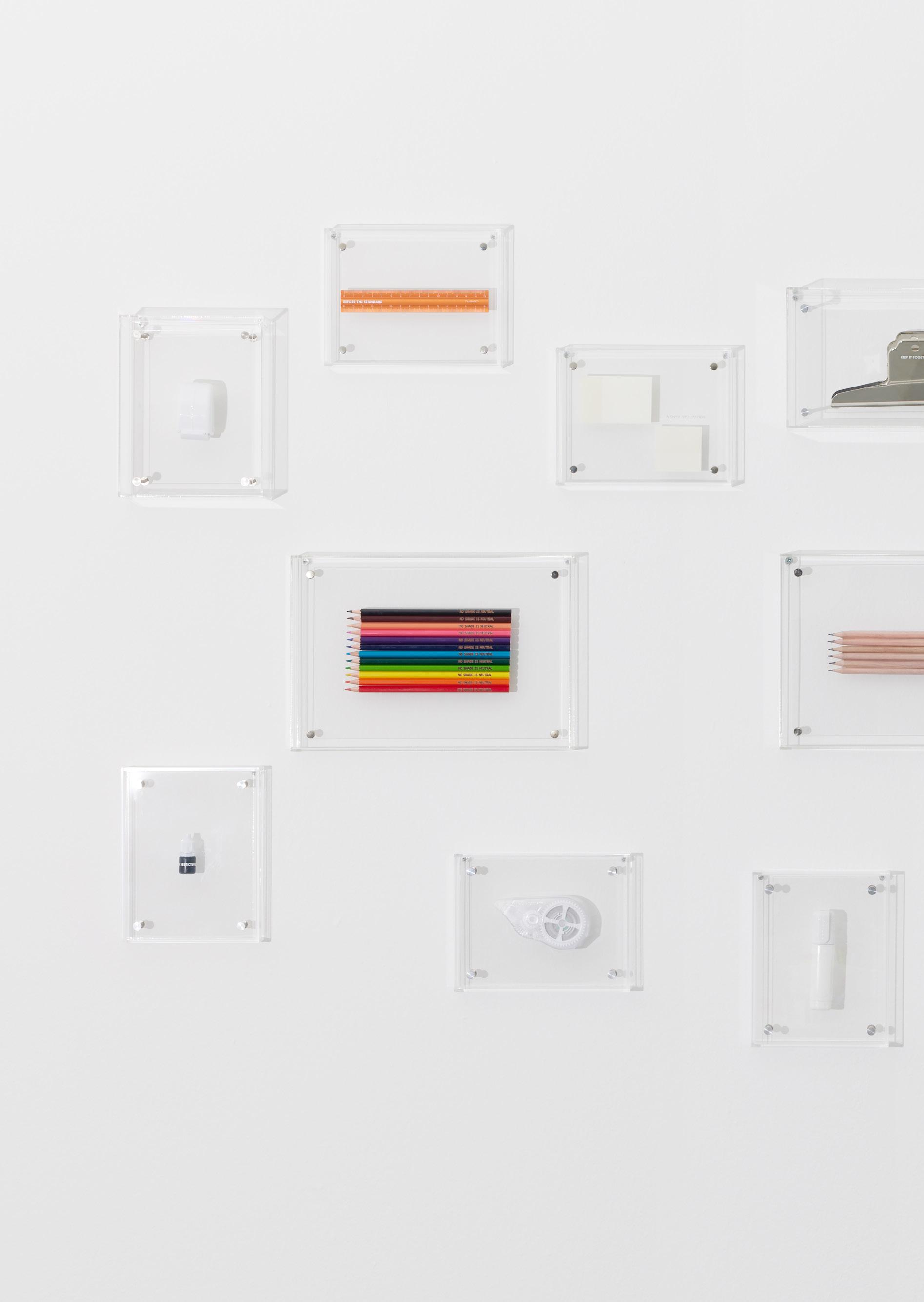
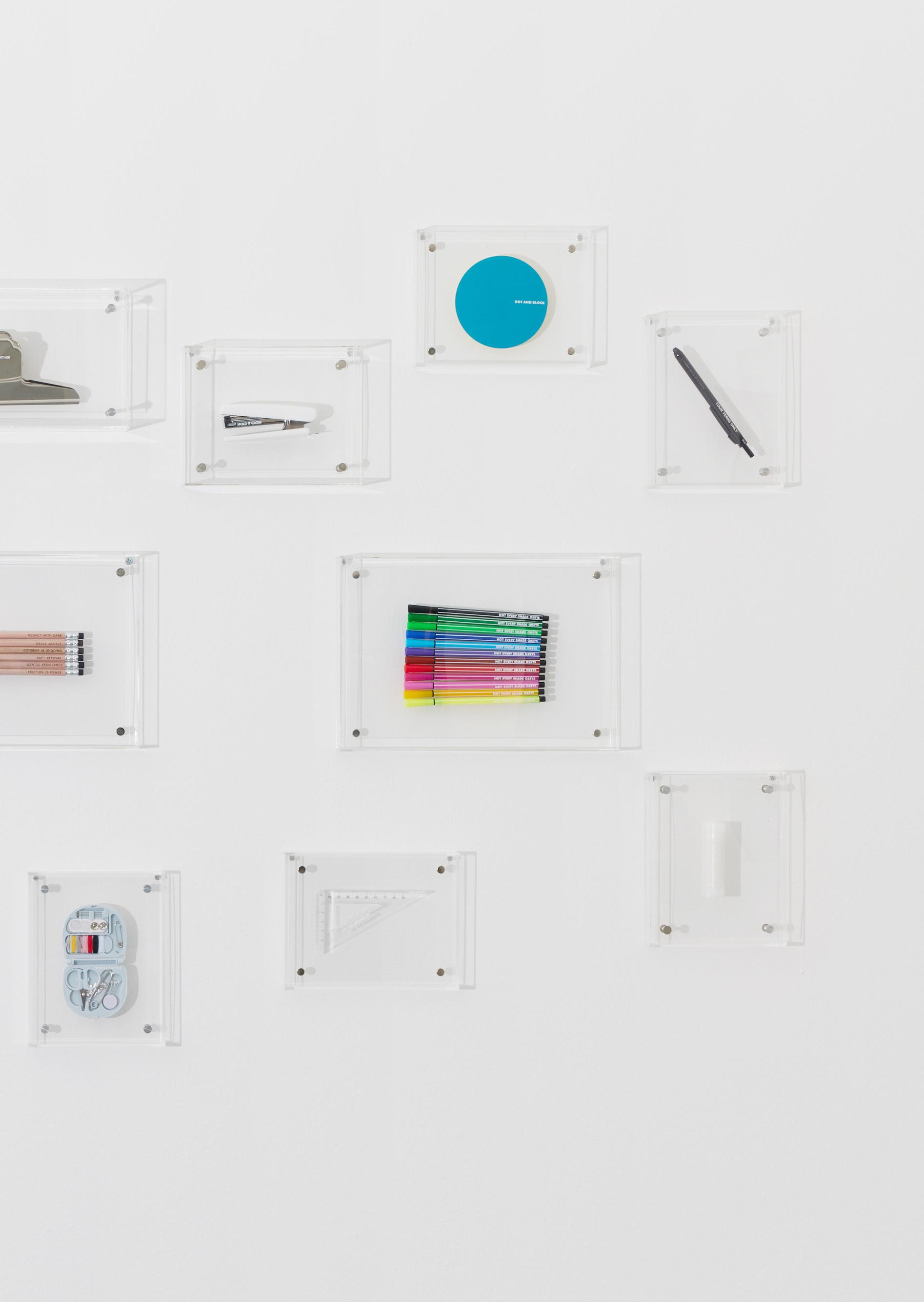
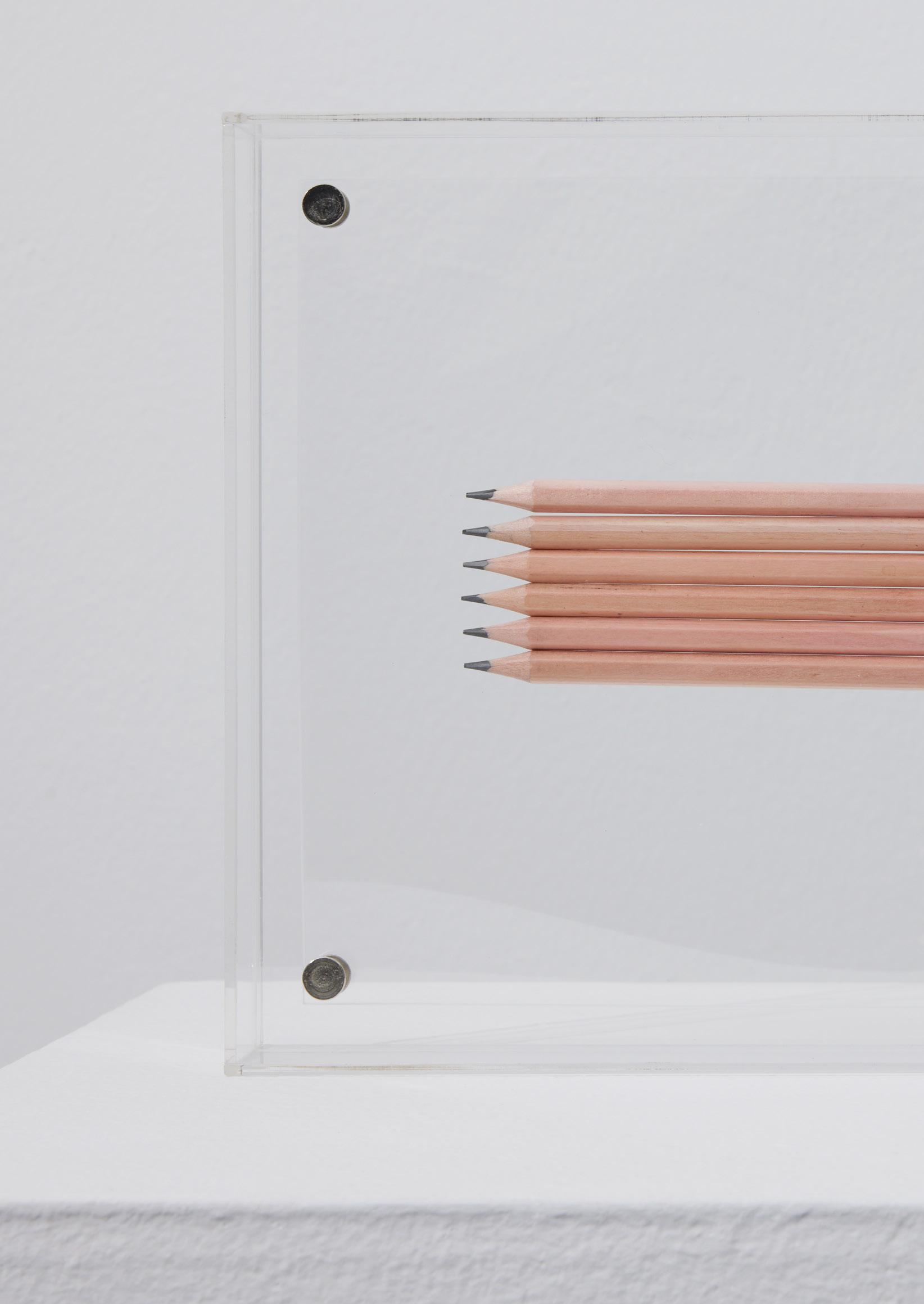
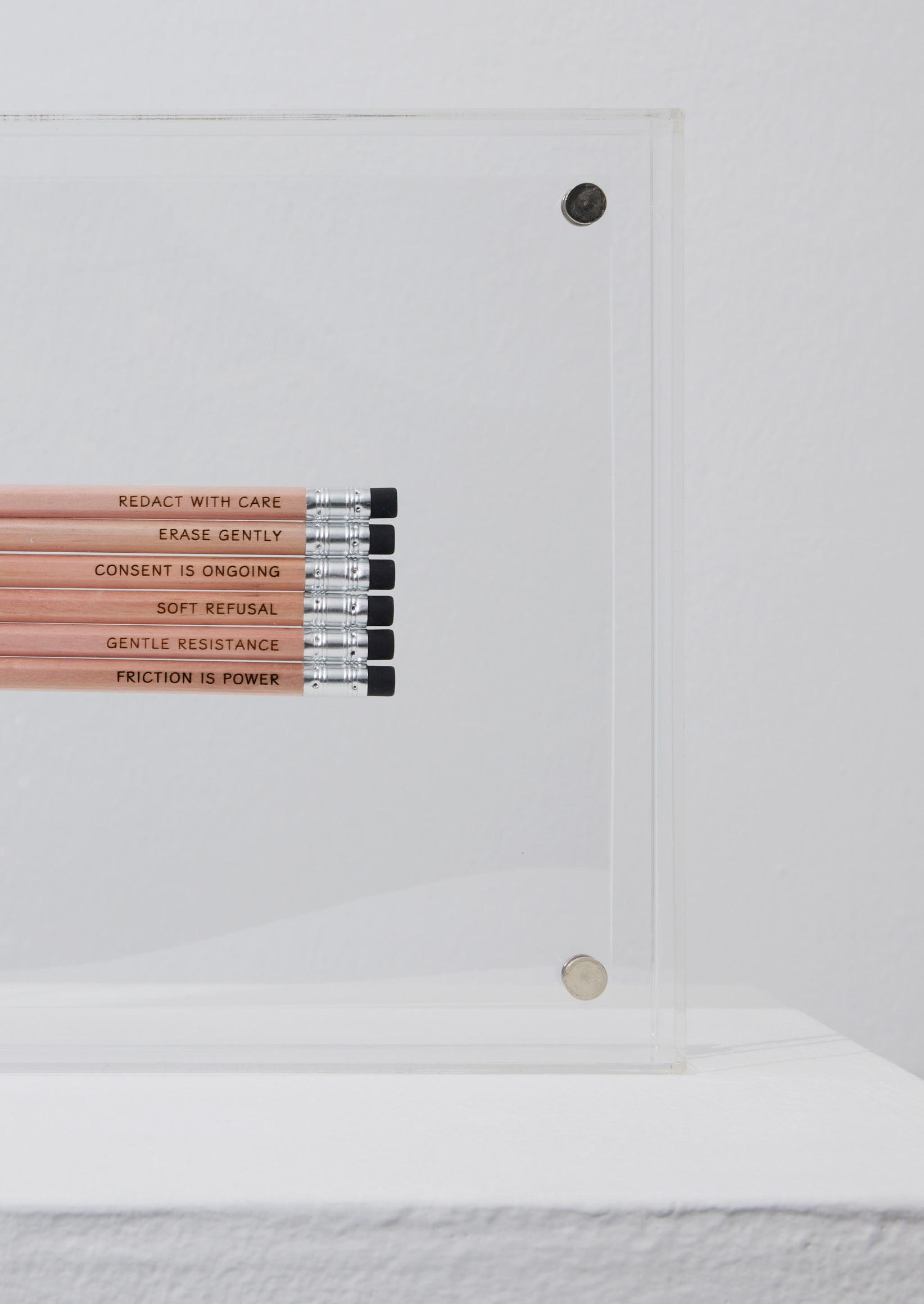
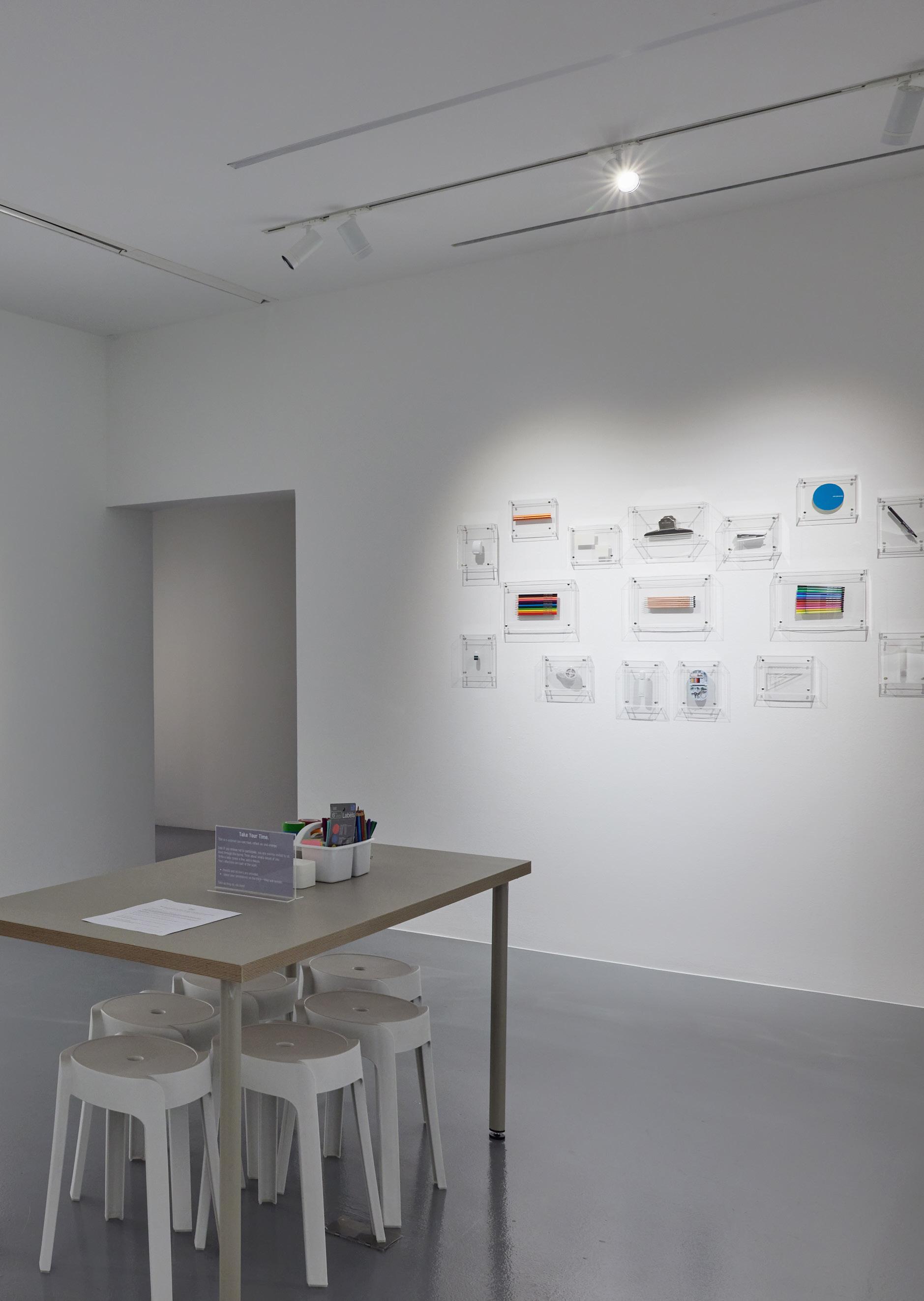
Though the volume of data compiled may initially seem overwhelming, Lim’s Tools of Resistance (2025), another component of The Public Exposure Archive, attempts to give participants a means to exercise a resistance against the legibility of their personal information. The series is presented as a set of everyday materials such as sewing kits, markers, pencils, correction tape, washi tape, stickers, and stamps. In participating in Two Copies for the Record, people are able to utilise these objects to redact, alter and withhold the contents of their personal books. Lim deliberately avoids instruments of subtraction such as scissors, blades, or fire, instead limiting participants to only performing additive gestures: writing over, taping pages shut, or stitching through. These actions acknowledge the presence of data while refusing its readability. Rather than erasing the self, they symbolise layers of protection and care. In a digital environment where deletion is rarely possible, these tools propose distortion, deflection, and disruption as acts that offer participants an alternate way to assert agency and control over how they are seen even under constant surveillance.
Together, both Camacho and Lim may appear to depart from traditional portraiture, employing symbols, data, and procedural systems to explore how a rapidly changing, technologically mediated world shapes our understanding of personhood. While their practices push the boundaries of what it means to depict the body, they remain connected to the lineage of portraiture and its revelatory function, revealing how the body is increasingly encoded, measured, and interpreted in an era defined by data, surveillance, and algorithmic systems.
While the text thus far has detailed an analysis of the exhibition loosely structured around mediums and approaches, it would be remiss not to acknowledge the artists’ varied relationships to their subjects. Kray Chen and Bea Camacho’s works are self-portraits that portray the body through medical imaging, algorithmic translation, and systems
9 Doyle, William. Richelieu and Reason of State. Routledge, 1990, p. 112.
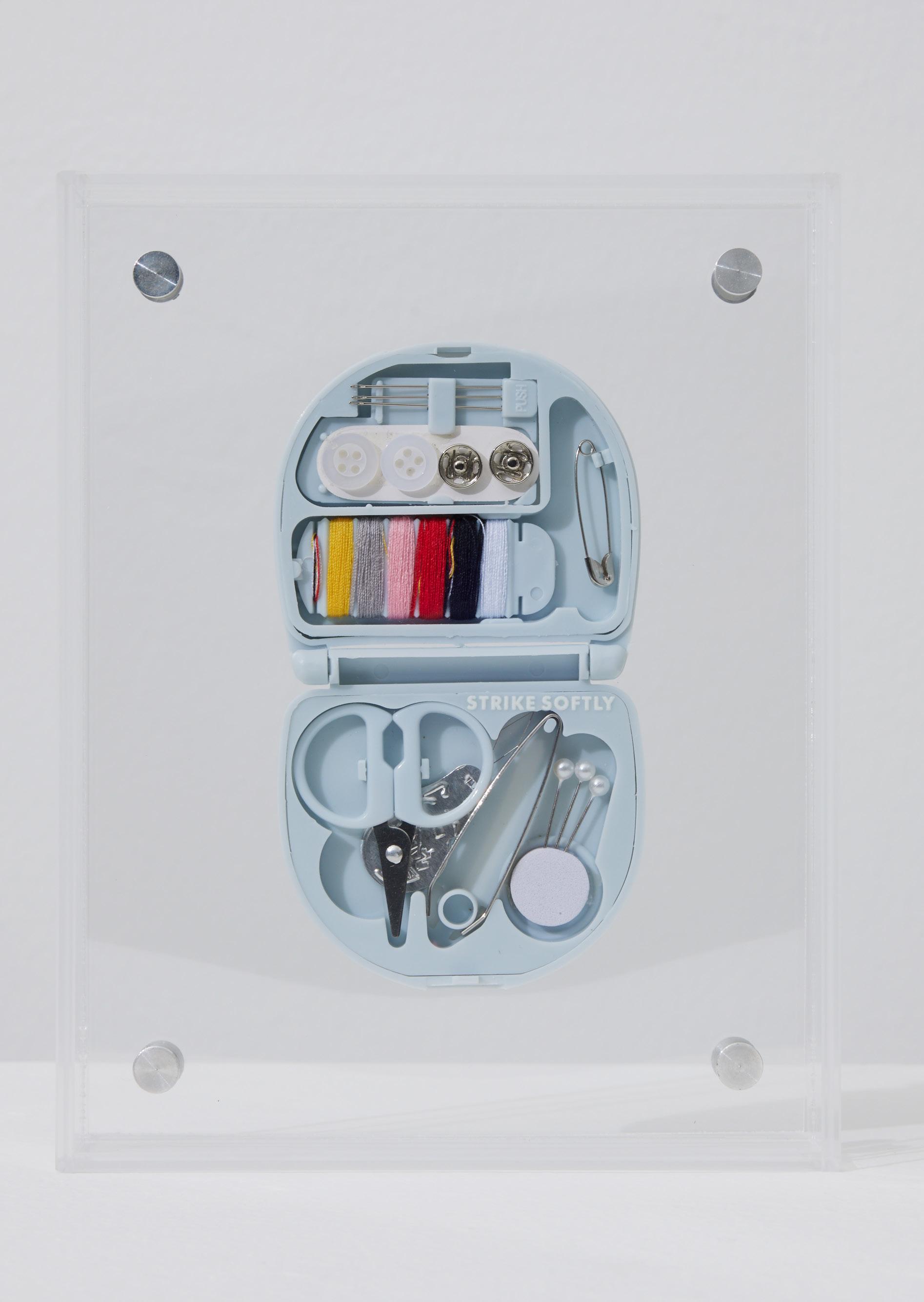
Joanne Lim, Tools of Resistance: STRIKE SOFTLY (2025)
of measurement. In contrast, John Clang and Jon Chan direct their attention to other people. Occupying an intermediary position in this respect are Lavender Chang and Joanne Lim. Though she photographs other women, Chang’s Eldest Daughter echo her own experiences as the eldest daughter of her own family. At the same time, Lim collates and presents a book containing her own data, alongside the books containing the data of other participants for Two Copies for the Record. In a way, the works of both artists can reveal a current that implicitly runs through all the works in the show: portraiture rarely depicts only the sitter or only the artist. Rather, portraiture is often relational; and can inscribe the artist’s subjectivity into the representation of the other as easily as it can elucidate wider cultural, institutional and technological conditions in representations of the self.
Taken together, the works presented reaffirm the currency of the ageold portraiture genre. Across the exhibition, portraits do not emerge as singular or definitive images of a person, but instead function as sites where materials, methods, subjectivity, and context intersect. Though some approaches may register as more historically entrenched than others, and some materials as more technologically recent, none are positioned as inherently more relevant or truthful. With all six artists working as contemporaries, each practice angles the portraiture format to reveal different facets of personhood in today’s unique context, affirming that identity is constituted through layers of lived experience, mediation, and interpretation. Mirrorball: Reflections on Portraiture thus reinforces portraiture’s importance as a reflective and critical practice that reveals how the self is continuously formed, fractured, and refracted within an increasingly complex world.
Siew Guang Hong
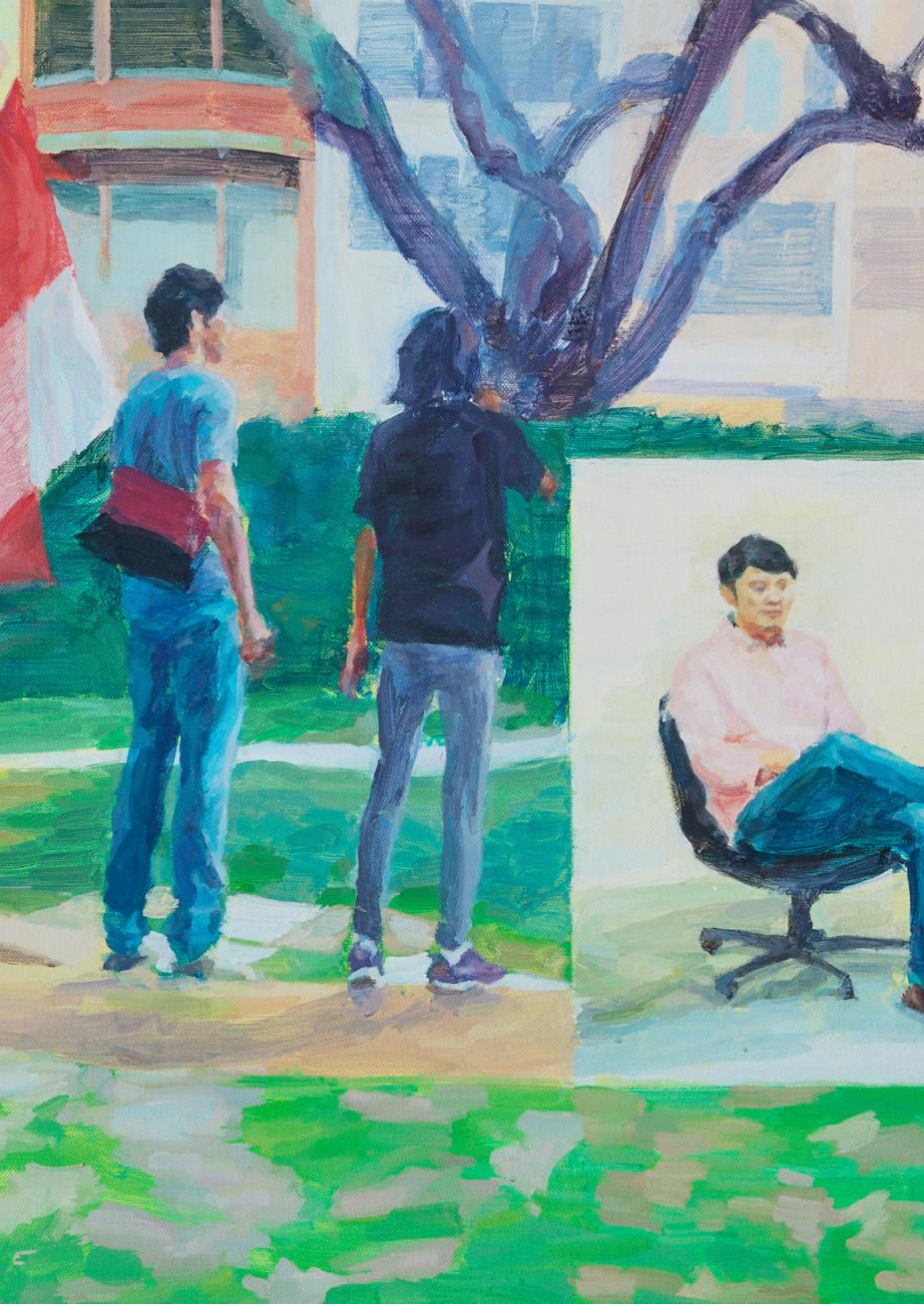
Jon Chan, Platforms and Archetypes (2021), detail
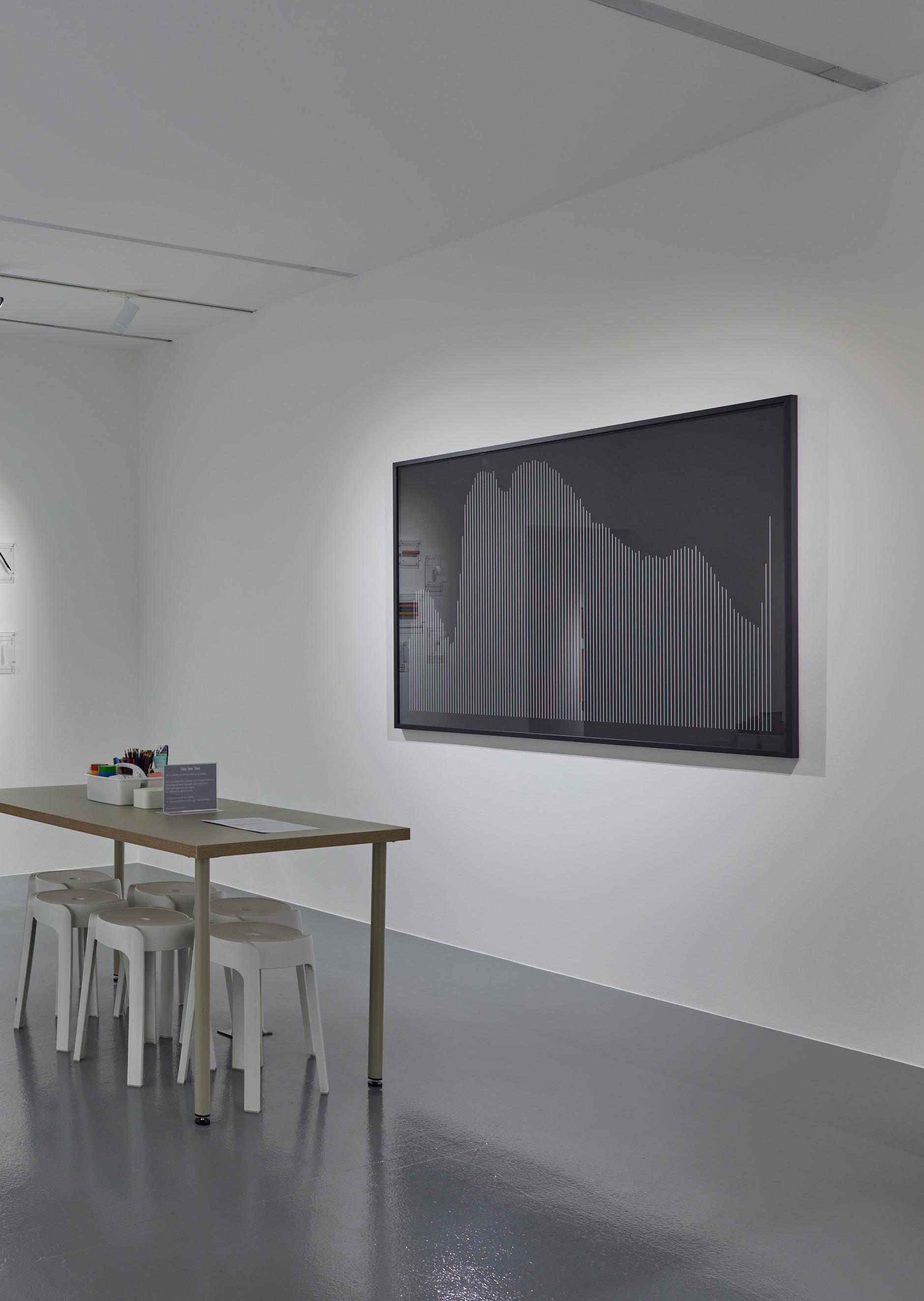
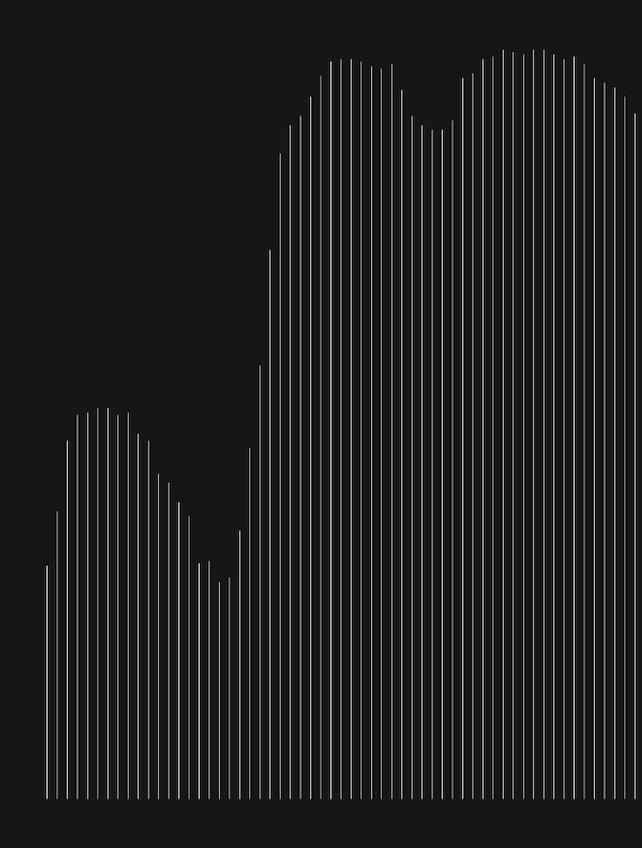
Self-Portrait (Circumference of Body at ½” Intervals)
2010
Archival print on 100% cotton paper
Edition of 5 + 1 Artist’s Proof
H114.3 x W172.7 cm (image)
Bea Camacho

Bea Camacho
Self-Portrait (Circumference of Both Hands at ½” Intervals) 2010
Archival print on 100% cotton paper
Edition of 5 + 1 Artist’s Proof
H28 x W53 cm (image)

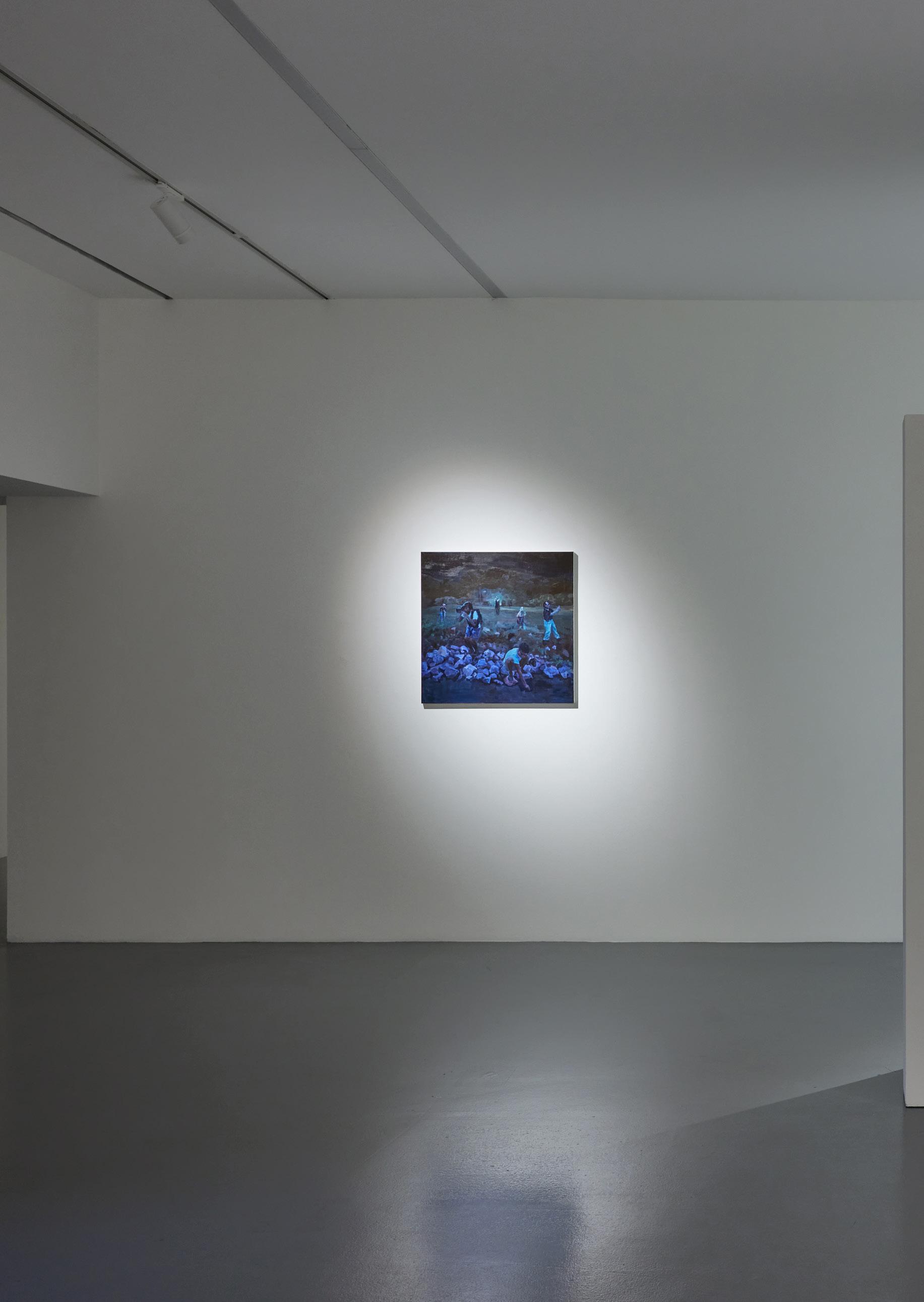
Bedok Reservoir
2016
Jon Chan
Acrylic on canvas
H70 x W70 x D2.3 cm
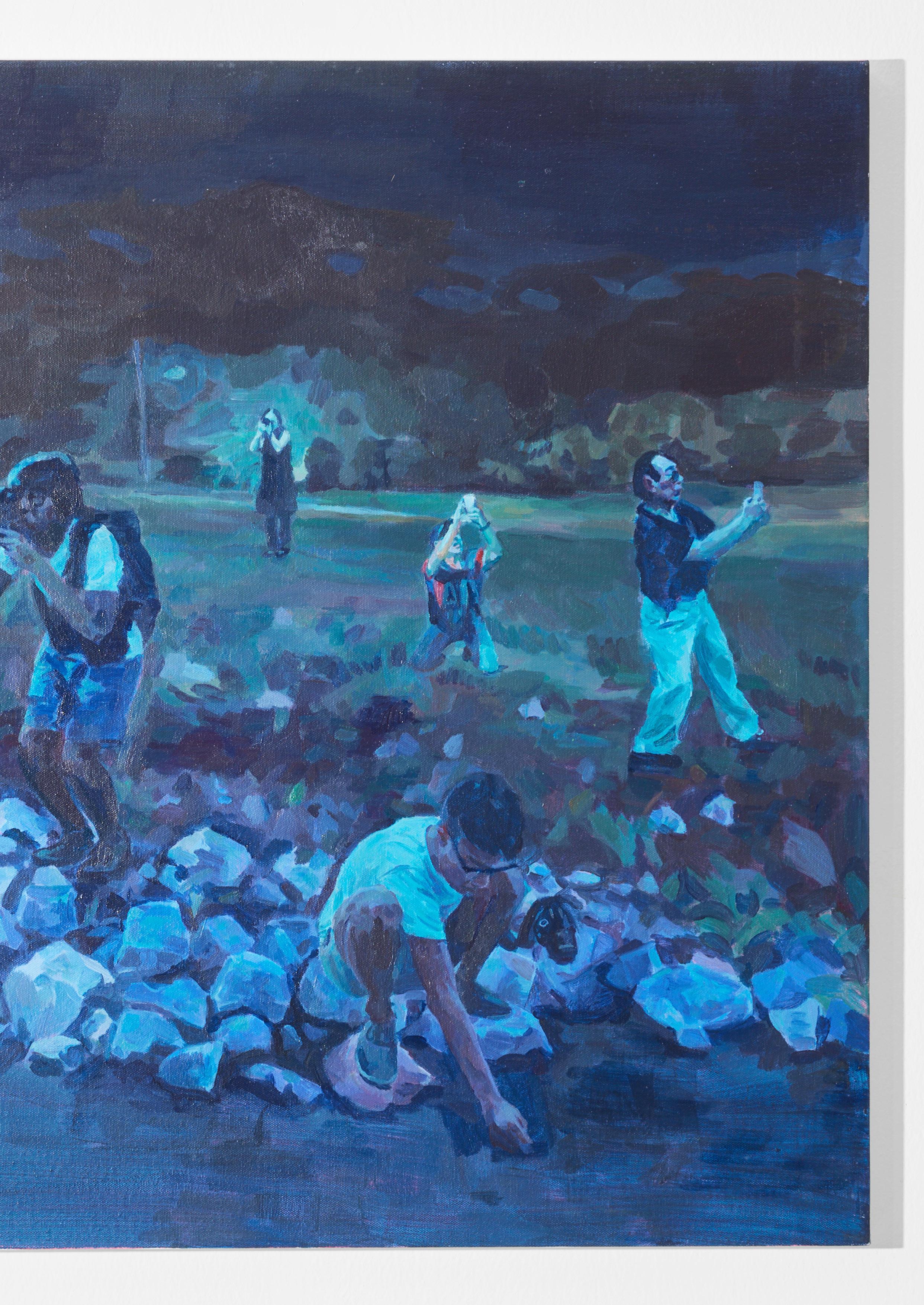
Debris 2016

Jon Chan
Oil on canvas
H80 x W51.4 x D2.1 cm
Jon Chan
Platforms and Archetypes
2021 Oil on linen
H56.5 x W132 x D2.1 cm (diptych)
Eldest Daughter #1
2011
Fine art archival print
Edition of 5 + 2 Artist’s Proofs
H81.3 x W60 cm (image)
Lavender Chang
Eldest Daughter #7
2011
Fine art archival print
Edition of 5 + 2 Artist’s Proofs
H81.3 x W60 cm (image)
Lavender Chang
Iron Lungs 2025
Mixed media and sound (00:25:48)
H55 x W33.5 x D22.5 cm
Kray Chen
John Clang
F the violence
2025 – ongoing
Fine art archival print and red thread
Edition of 5 + 1 Artist’s Proof
H25.4 x W16.9 cm (each image; set of 11)
John Clang, F the violence (2025 – ongoing), details
Two Copies for the Record
2025 – ongoing
book
x W21 x DVariable cm (each; installation)
Joanne Lim
White faux leather bound
H29.7
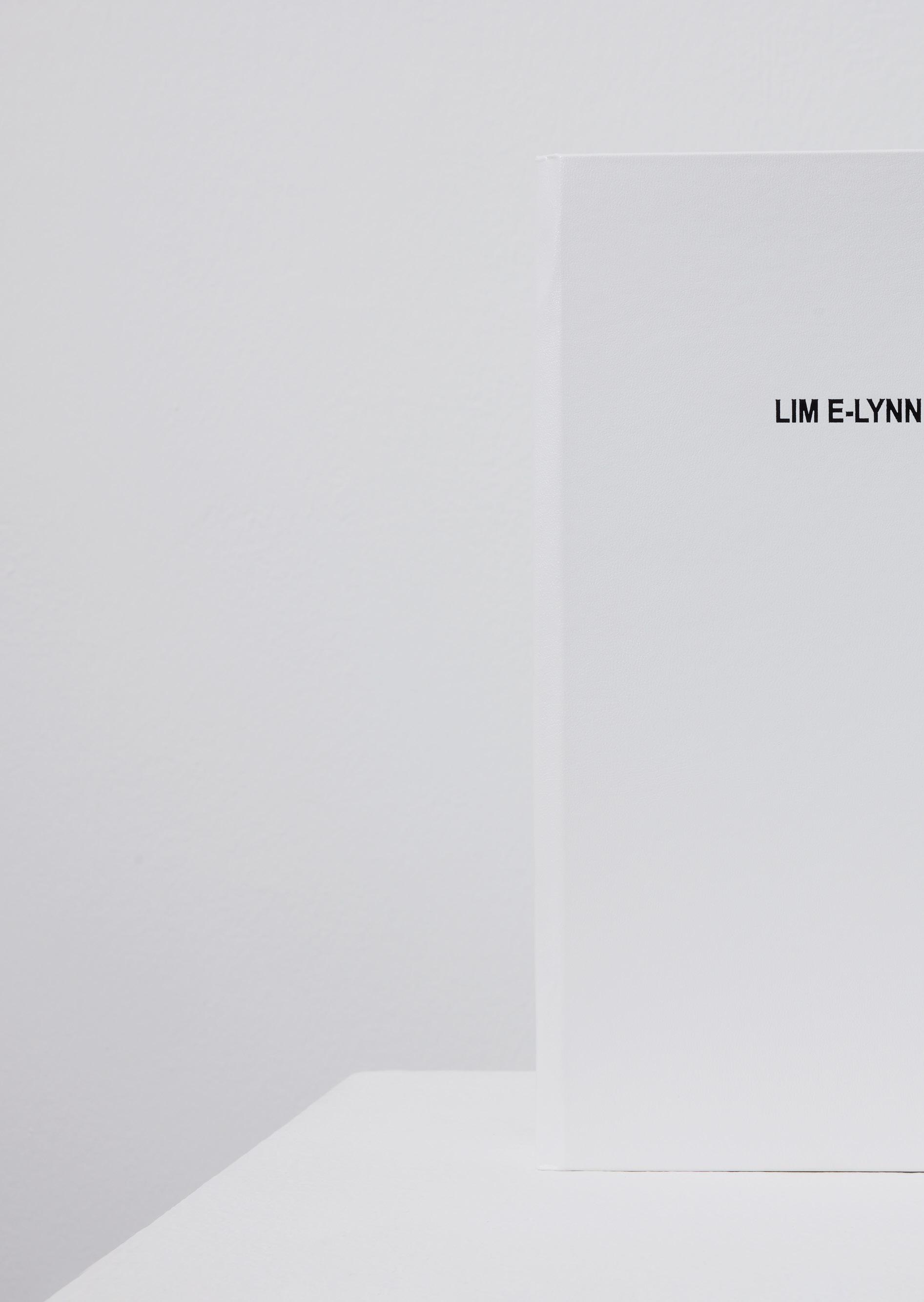
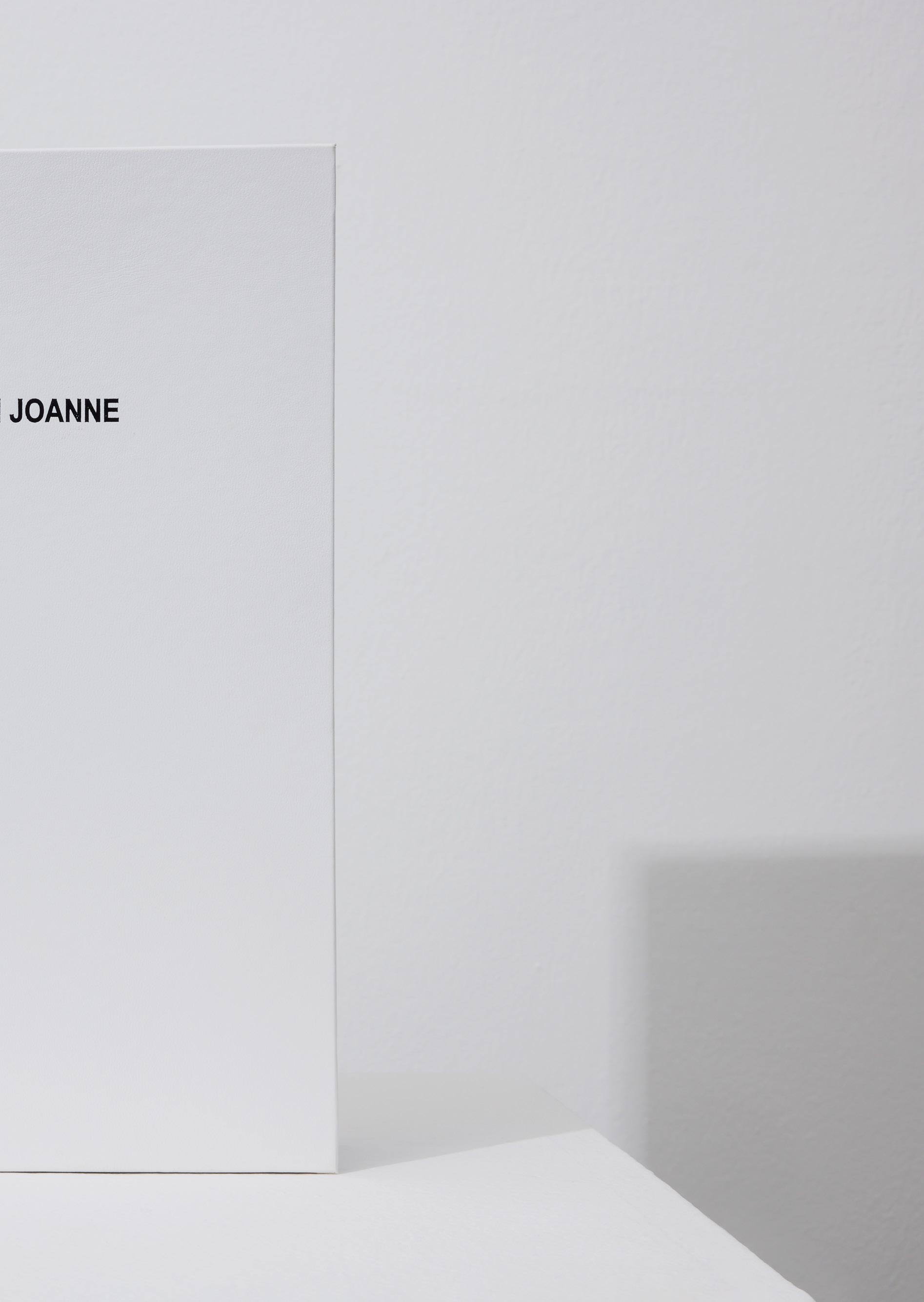
Joanne Lim
Tools of Resistance series
2025
Medium variable
Edition of 10 + 1 Artist’s Proof
Dimensions variable (installation of 16)
Lim
Tools of Resistance: FRICTION IS POWER 2025
Acrylic, screws, decals, tape and wooden pencil
Edition of 10 + 1 Artist’s Proof
H21.2 x W30.3 x D3.7 cm
Joanne
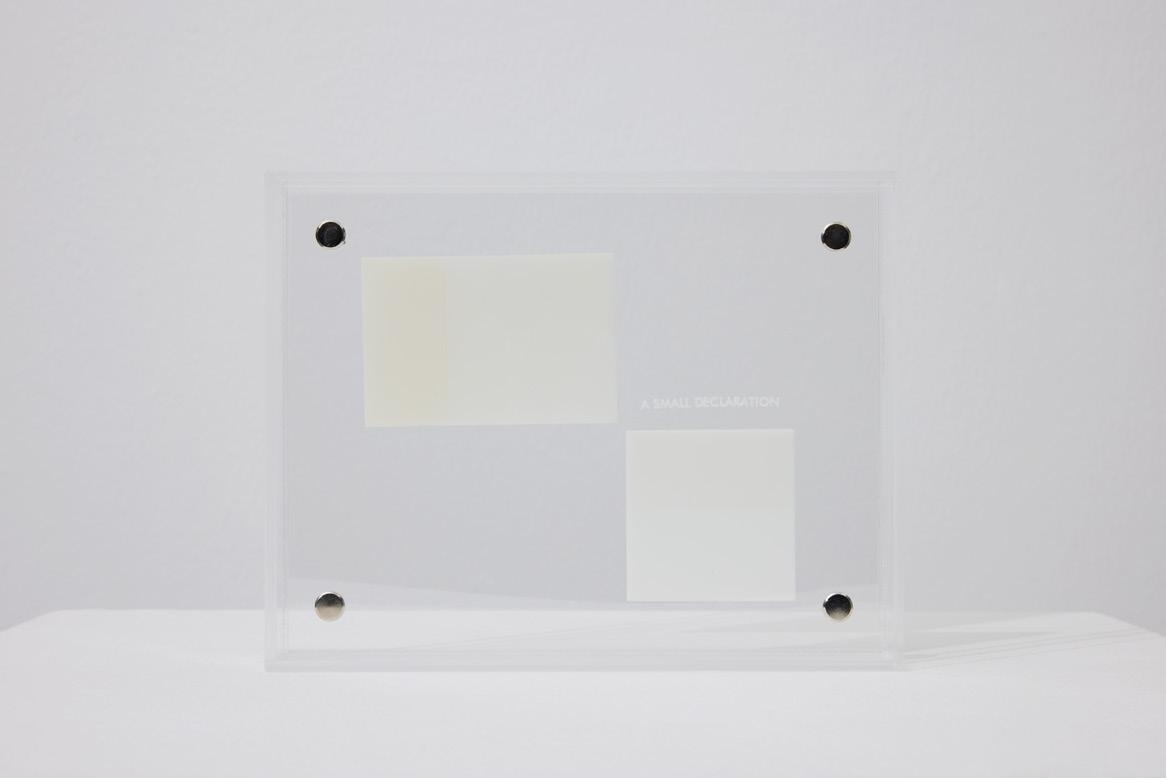
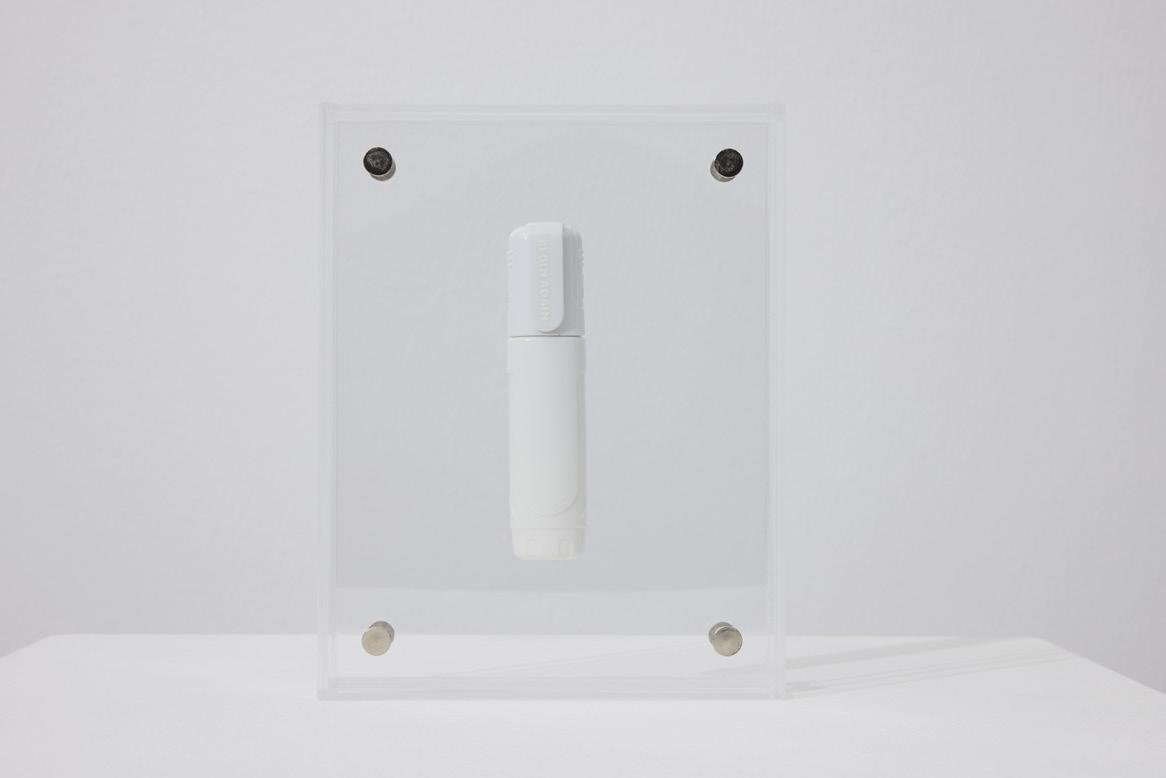
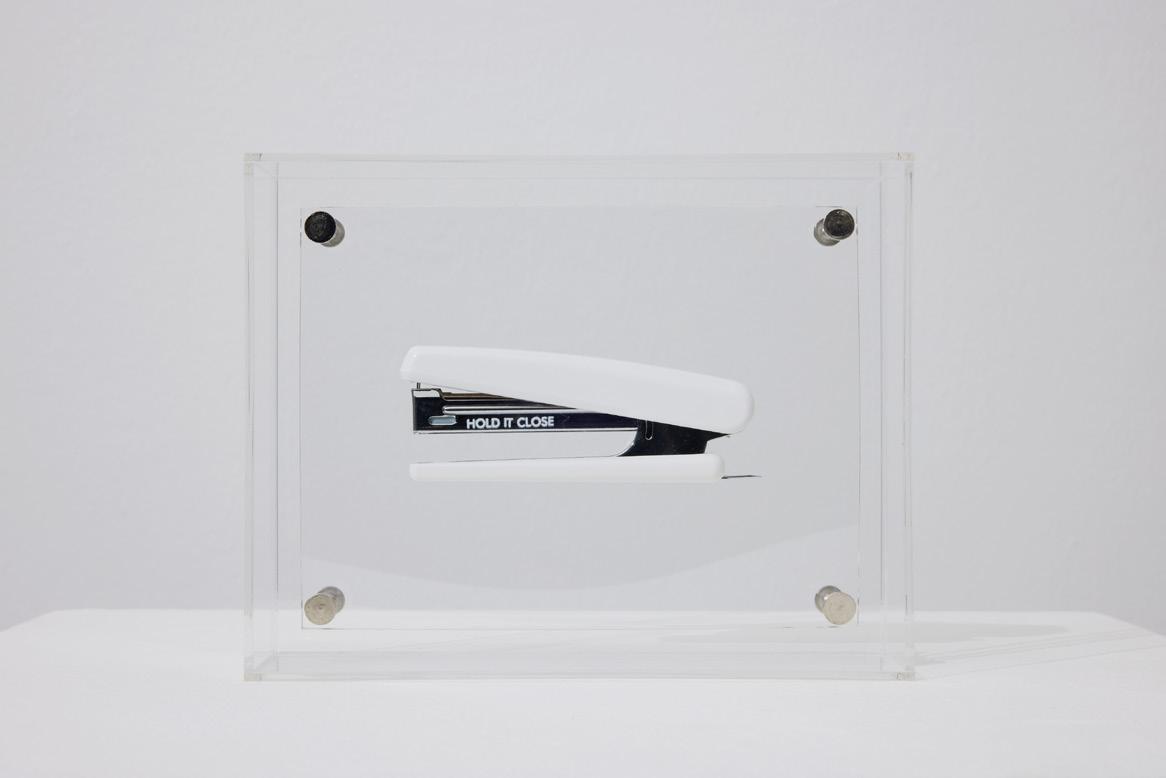
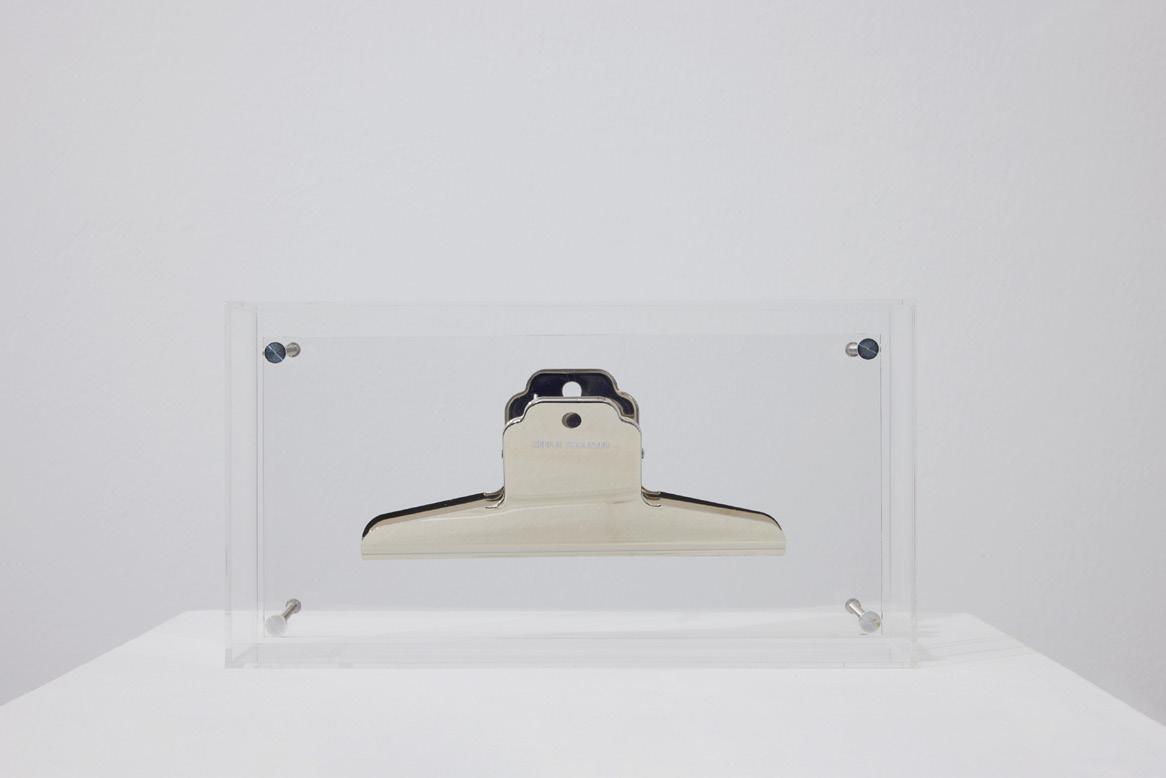
Tools of Resistance: A SMALL DECLARATION, Tools of Resistance: BEGIN AGAIN, Tools of Resistance: HOLD IT CLOSE, Tools of Resistance: KEEP IT TOGETHER, Tools of
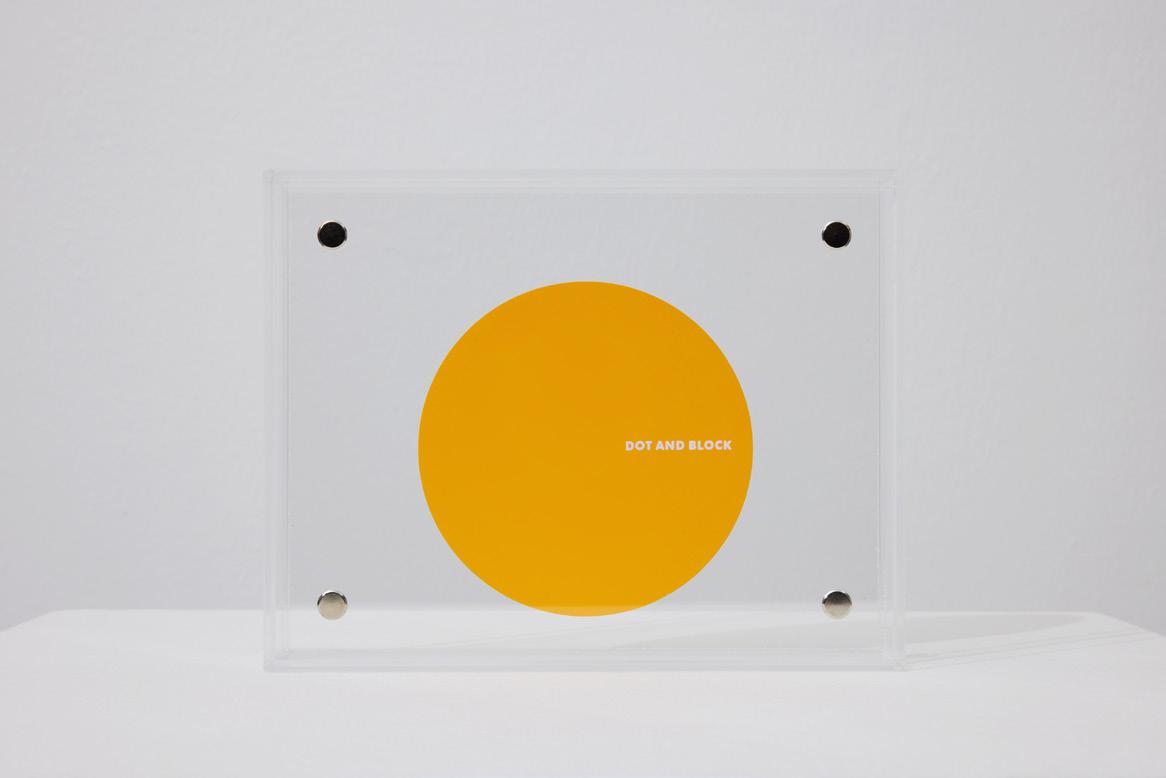
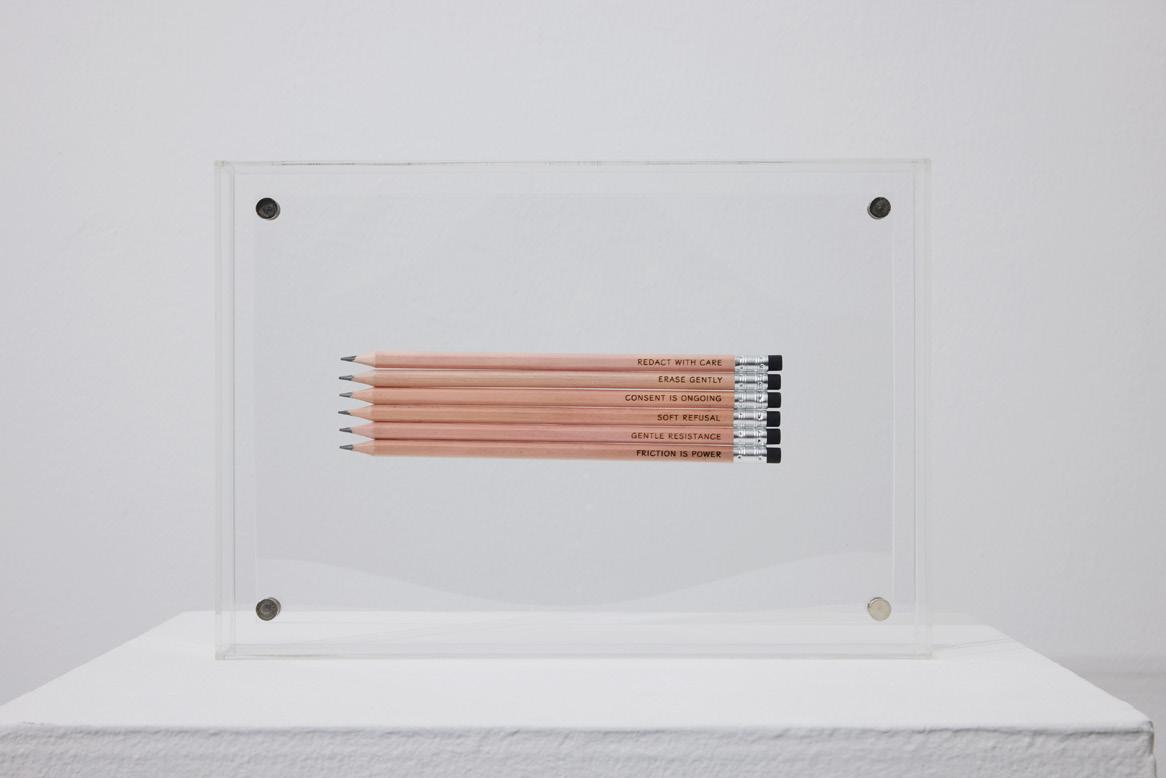
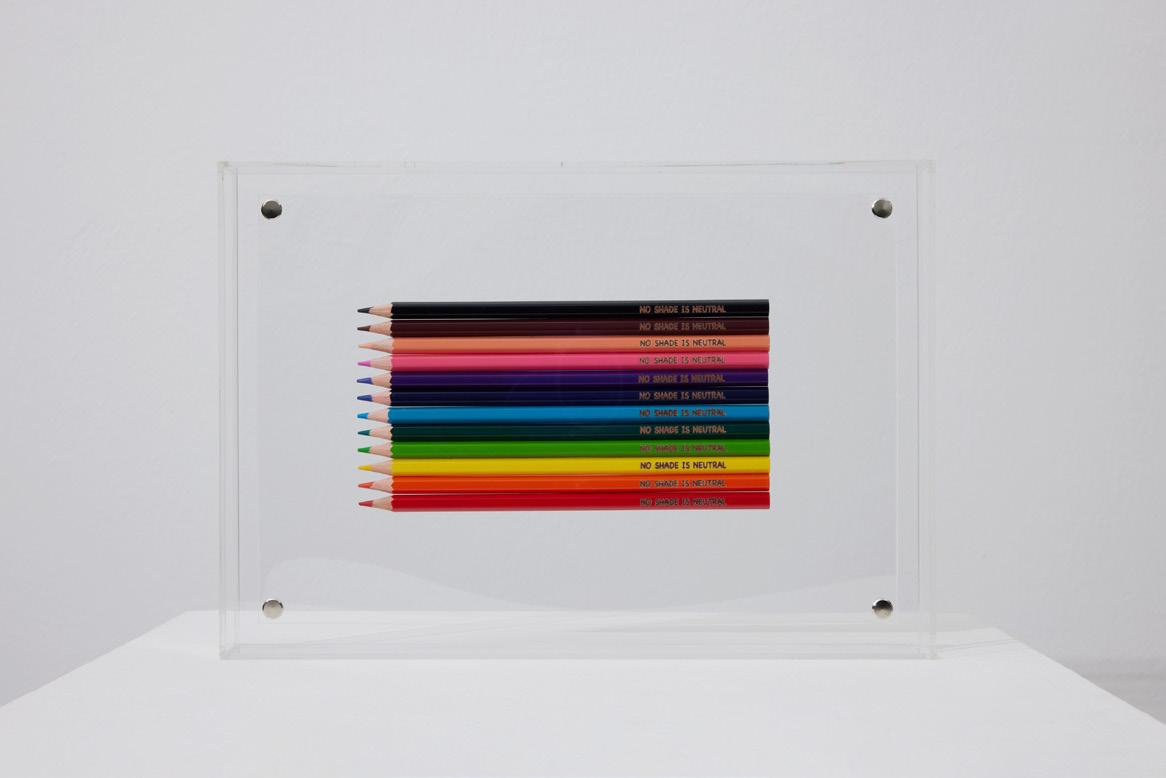
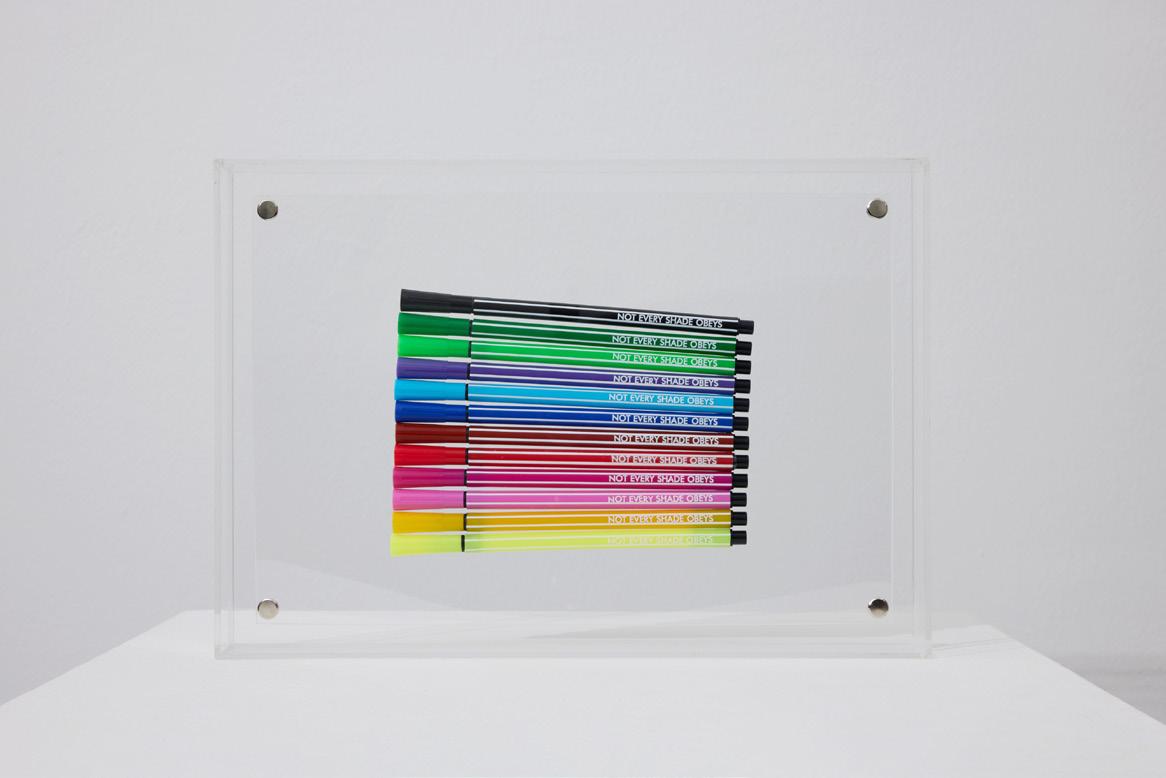
Tools of Resistance: DOT AND BLOCK, Tools of Resistance: FRICTION IS POWER, of Resistance: NO SHADE IS NEUTRAL, Tools of Resistance: NOT EVERY SHADE OBEYS
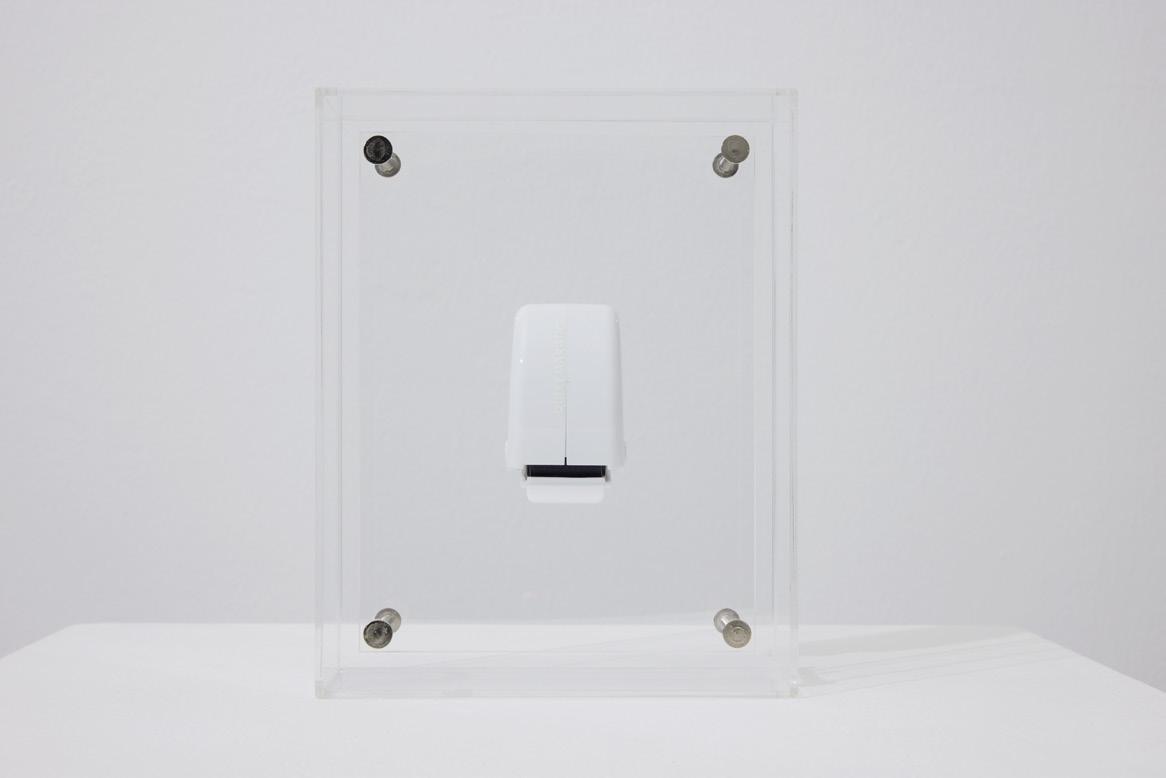
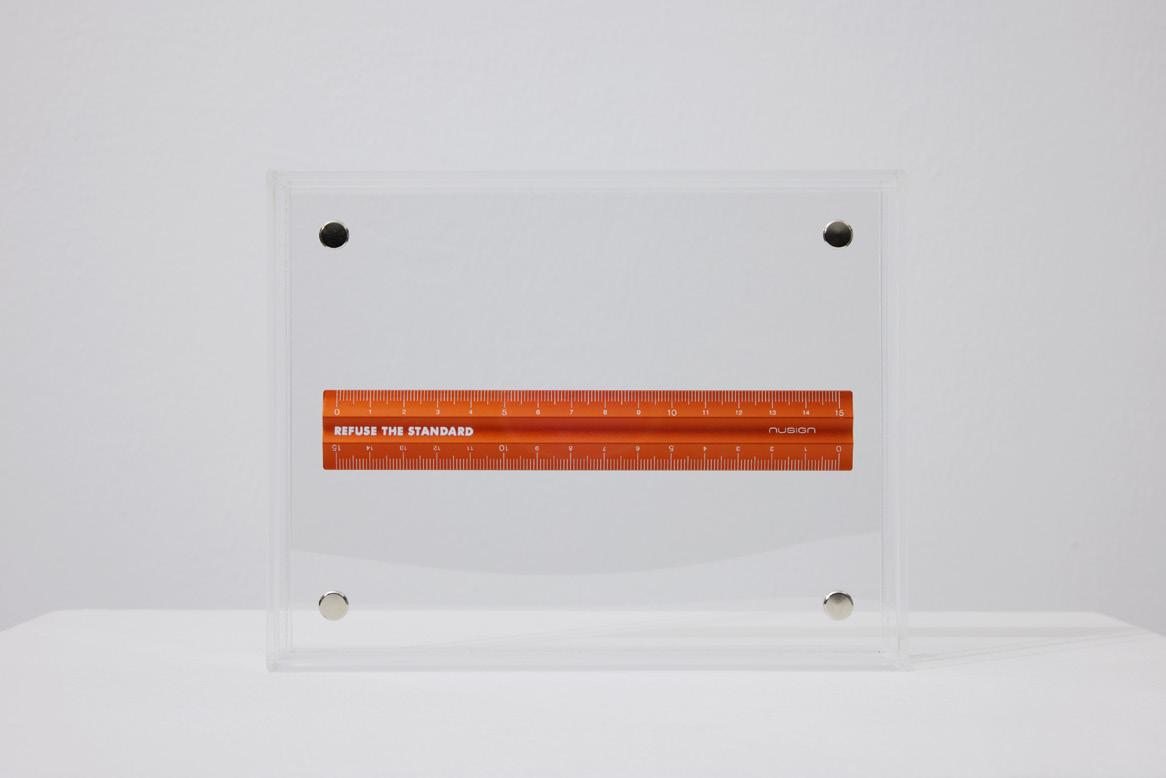
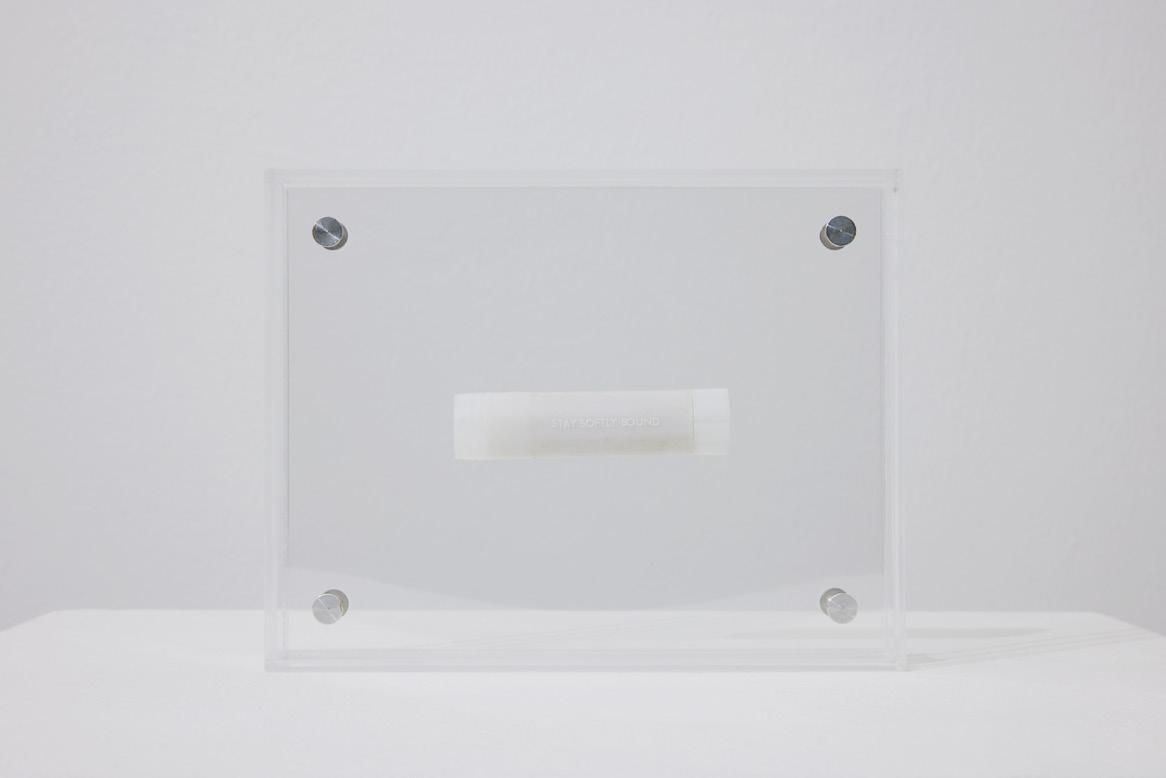
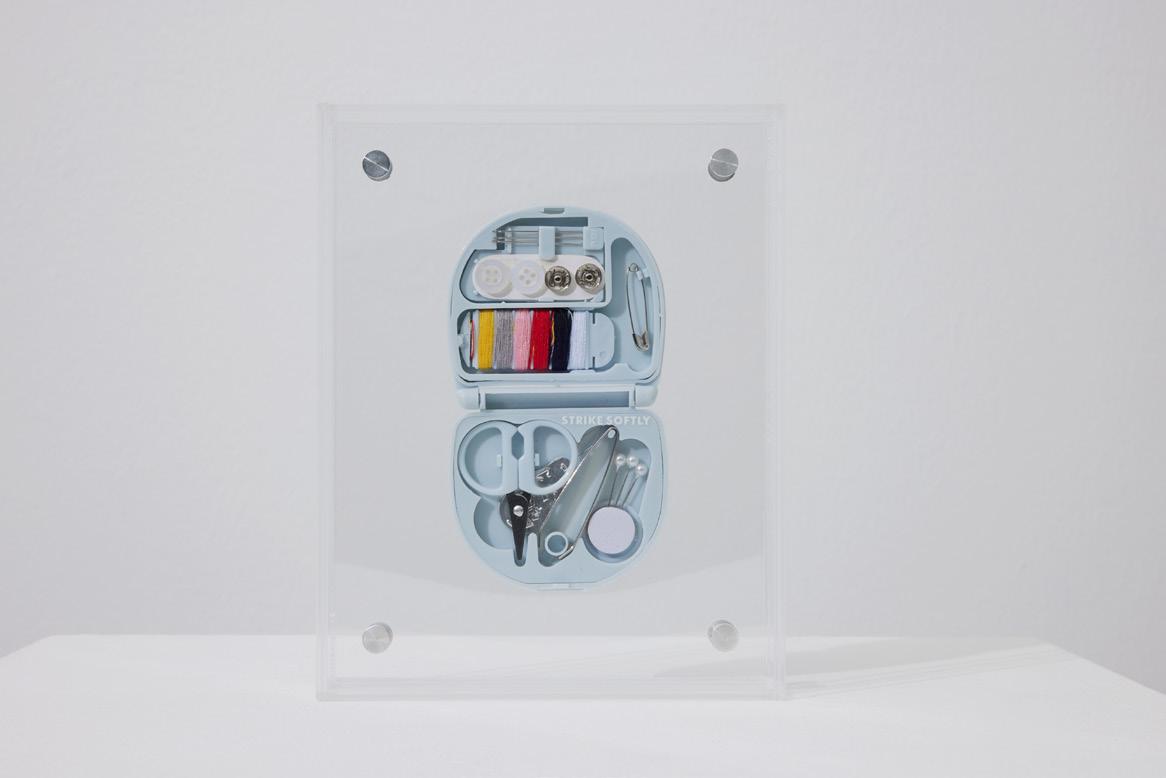
Tools of Resistance: QUIET MARGINS, Tools of Resistance: REFUSE THE STANDARD, Tools of Resistance: STAY SOFTLY BOUND, Tools of Resistance: STRIKE SOFTLY, Tools
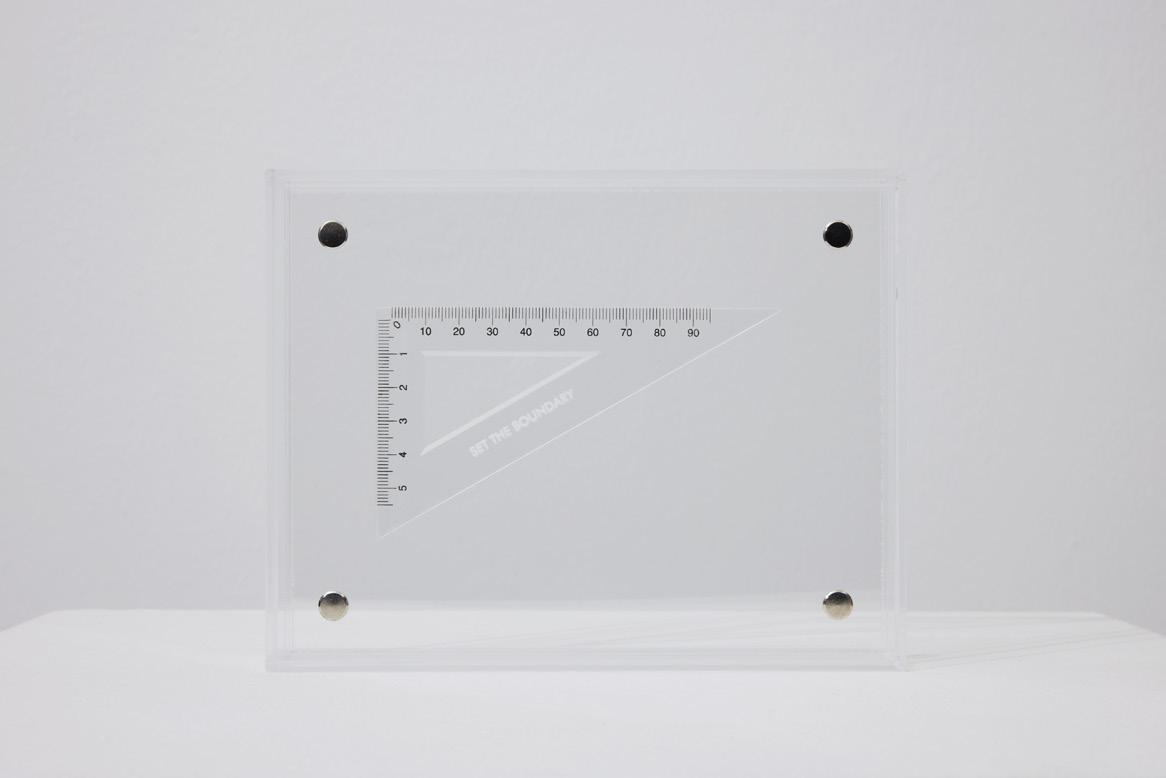
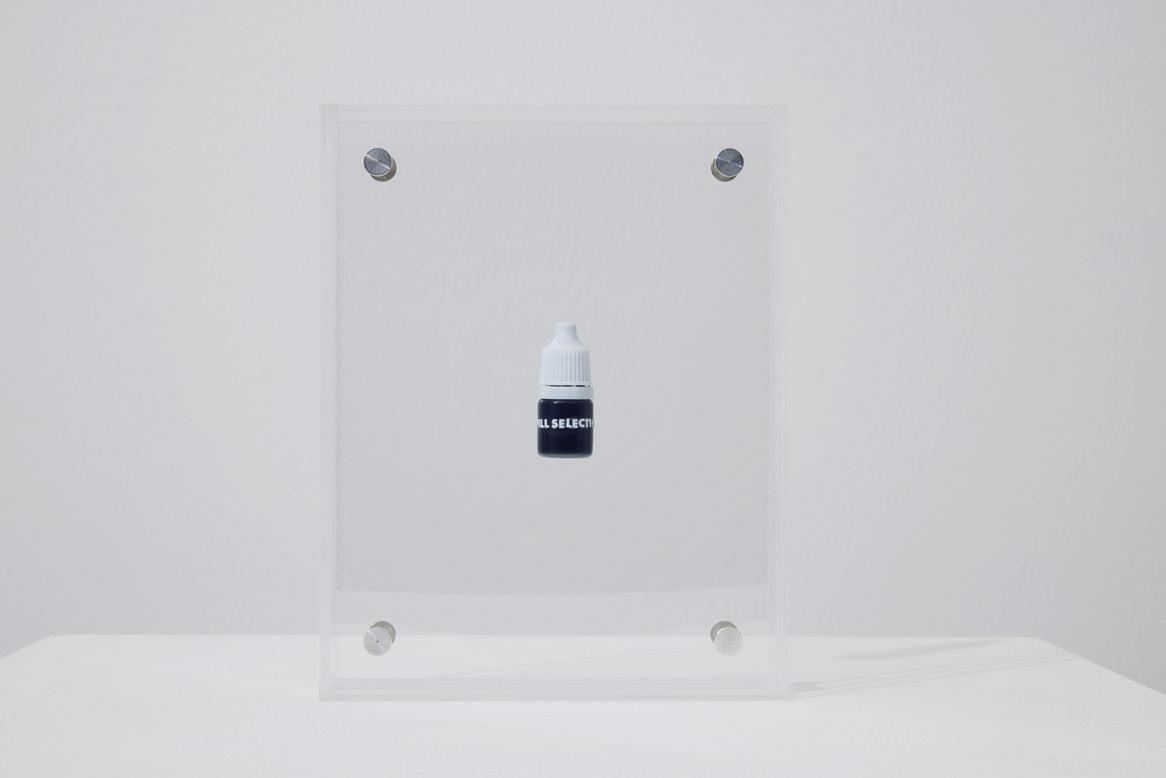
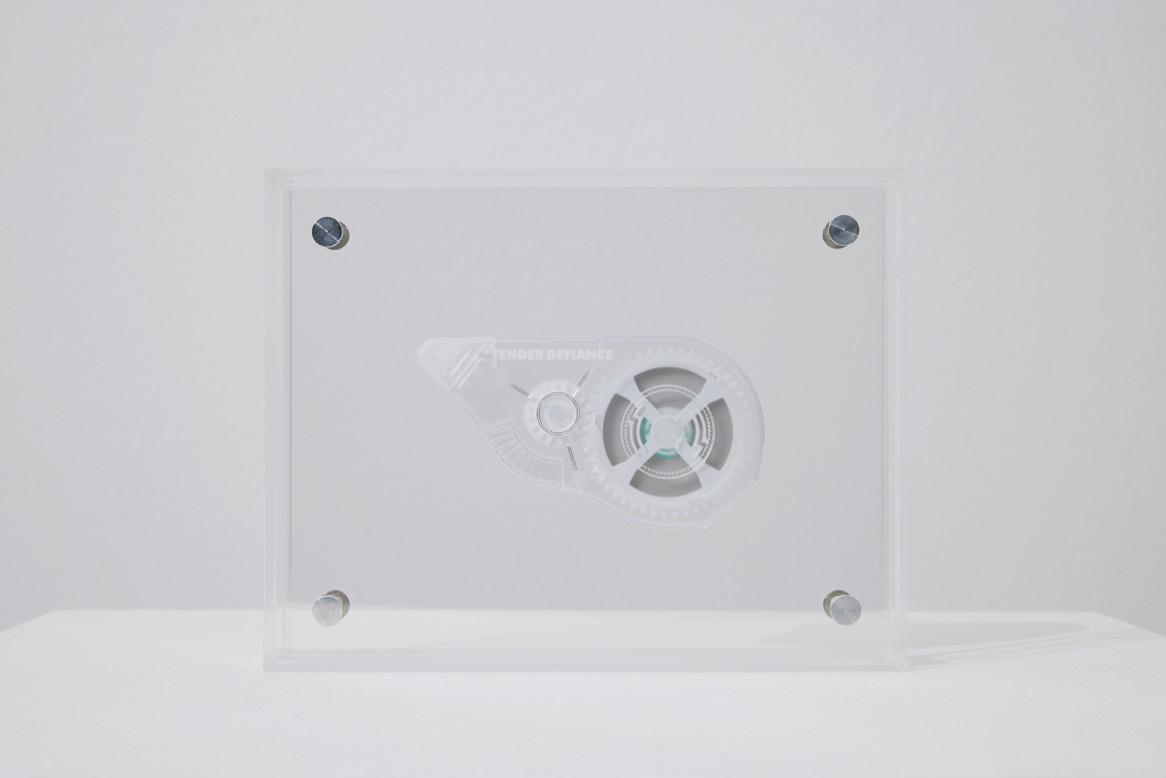
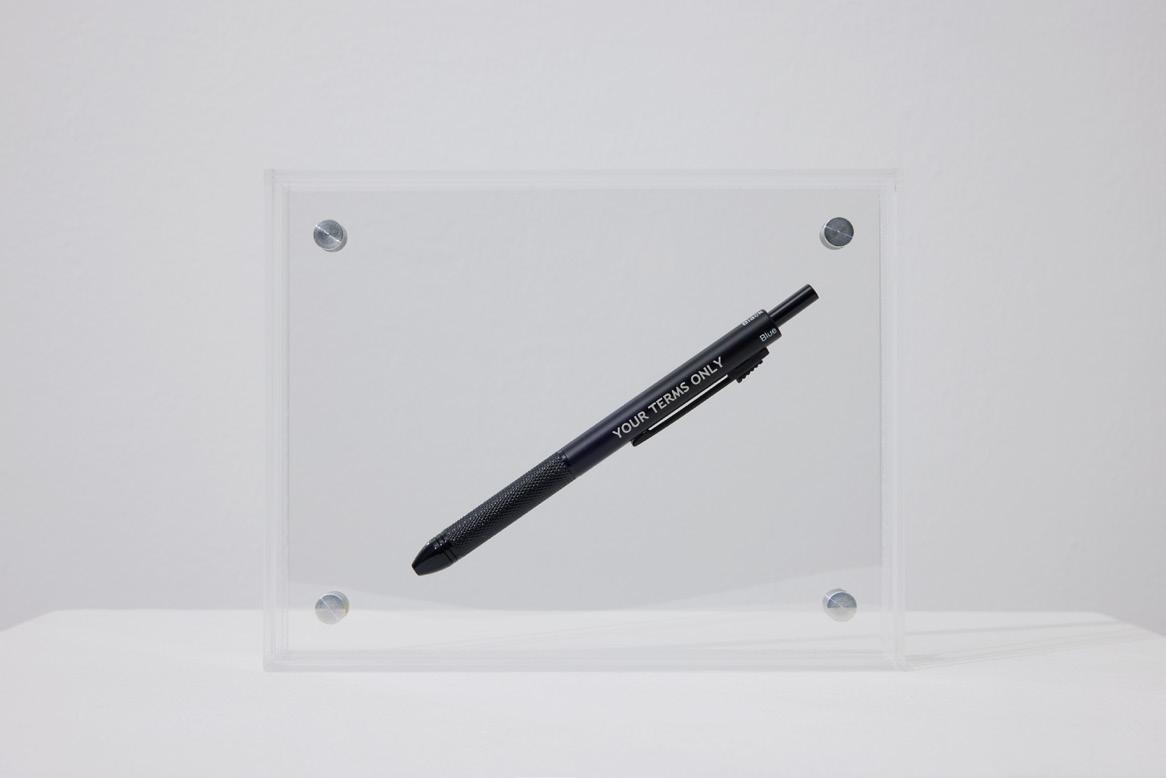
Tools of Resistance: SET THE BOUNDARY, Tools of Resistance: SPILL SELECTIVELY,
Tools of Resistance: TENDER DEFIANCE, Tools of Resistance: YOUR TERMS ONLY
Joanne Lim
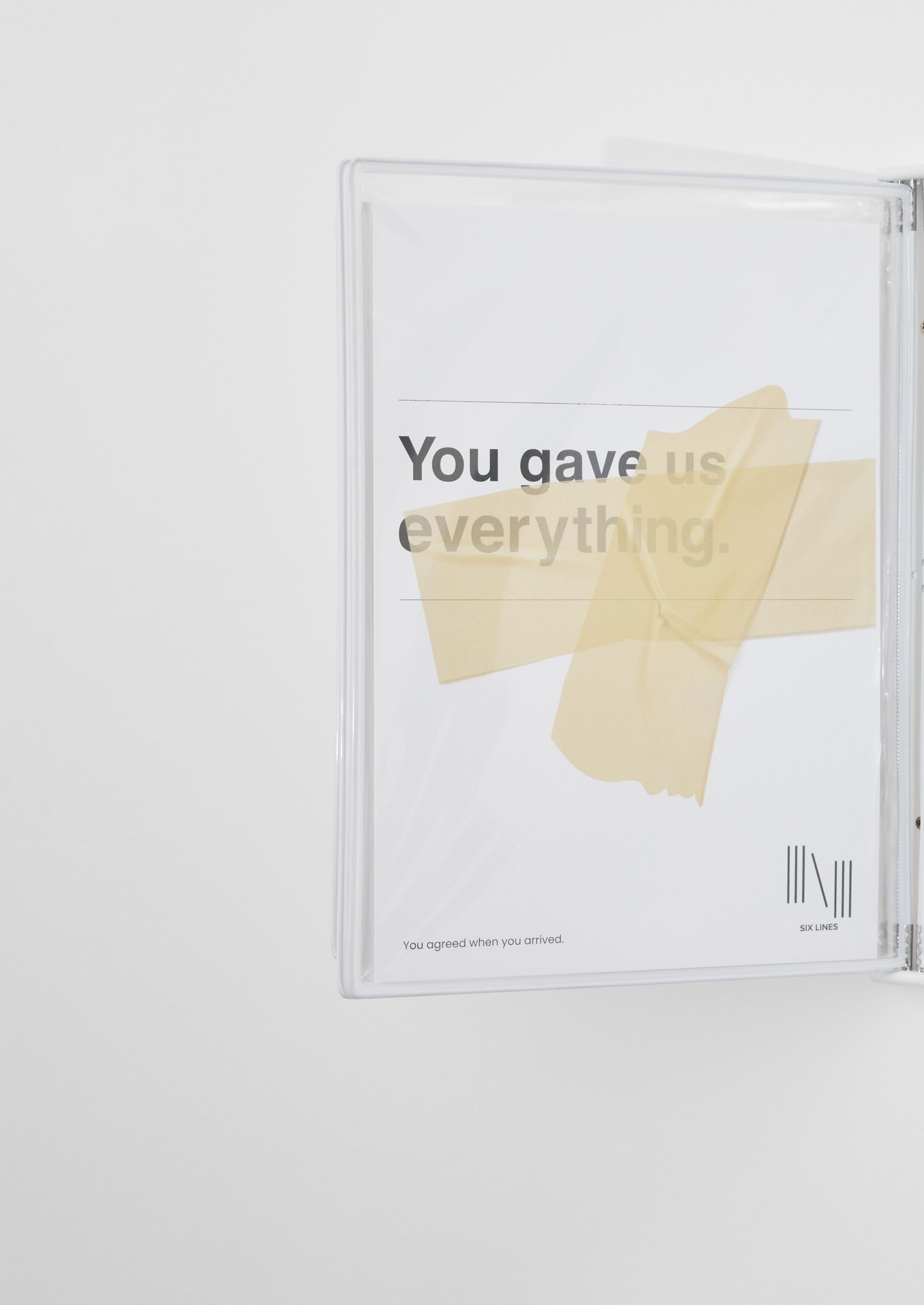
You gave us everything series 2025
Laser print on 200 gsm paper
Edition of 10 + 1 Artist’s Proof
H41 x W29.7 cm
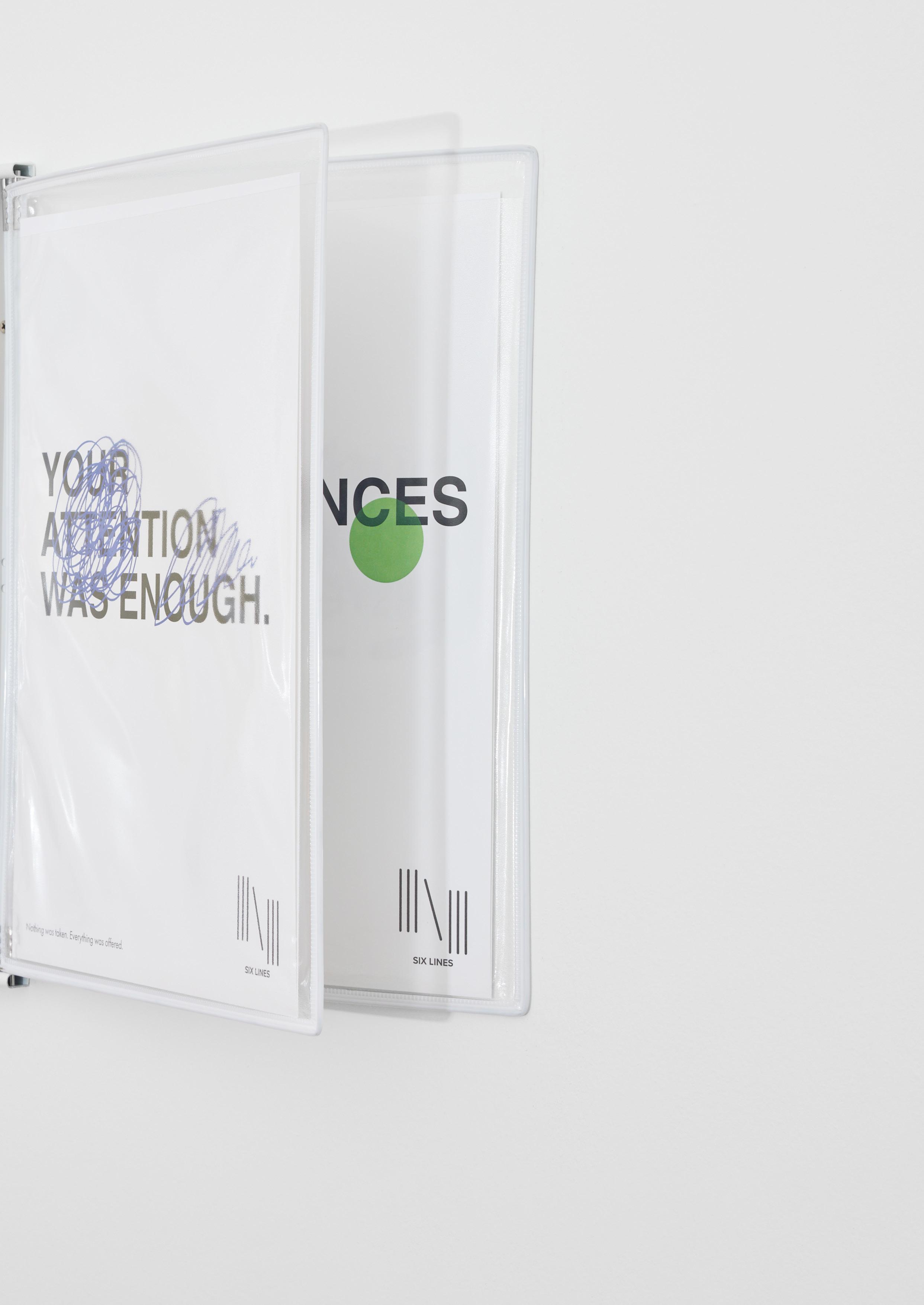
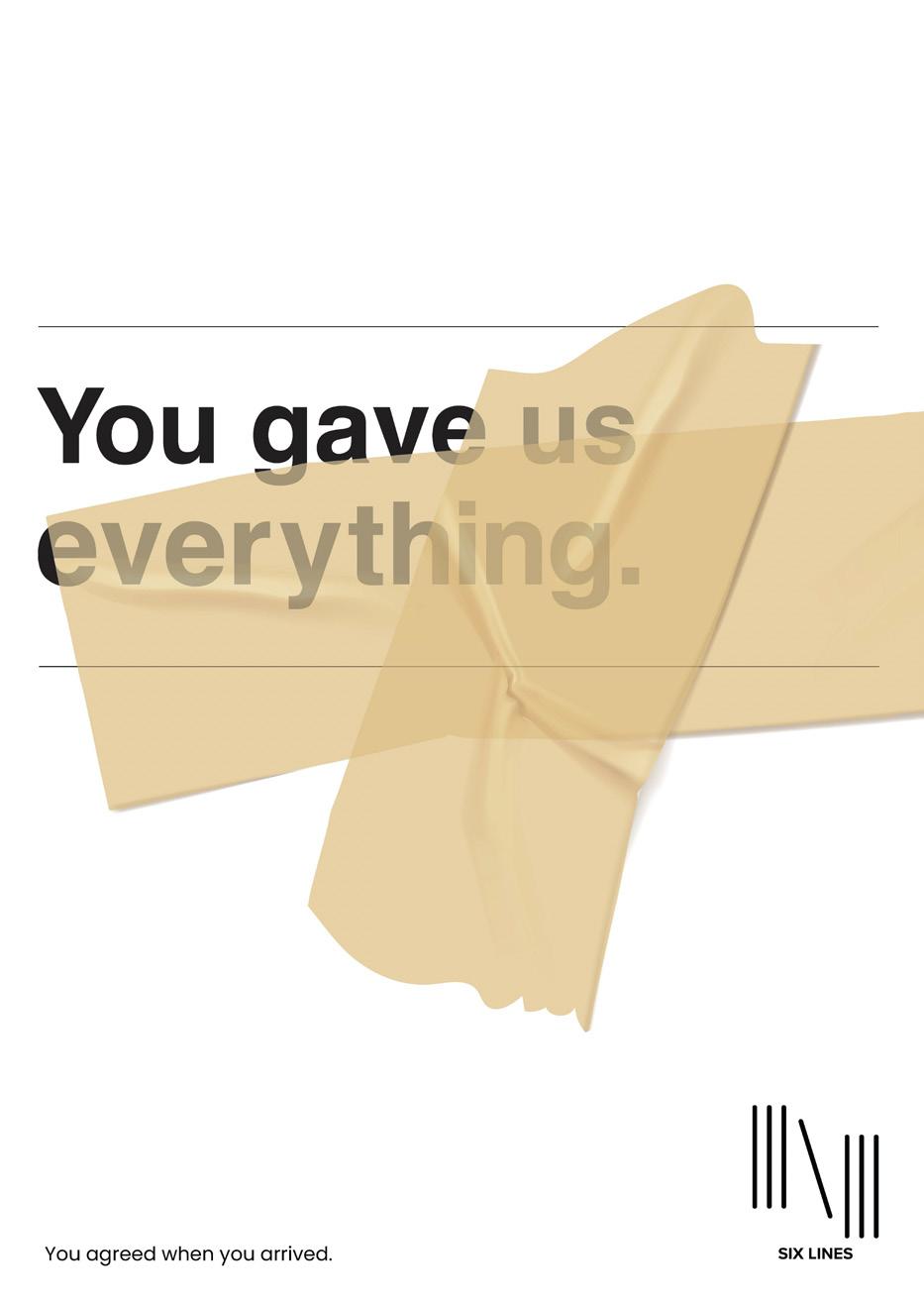
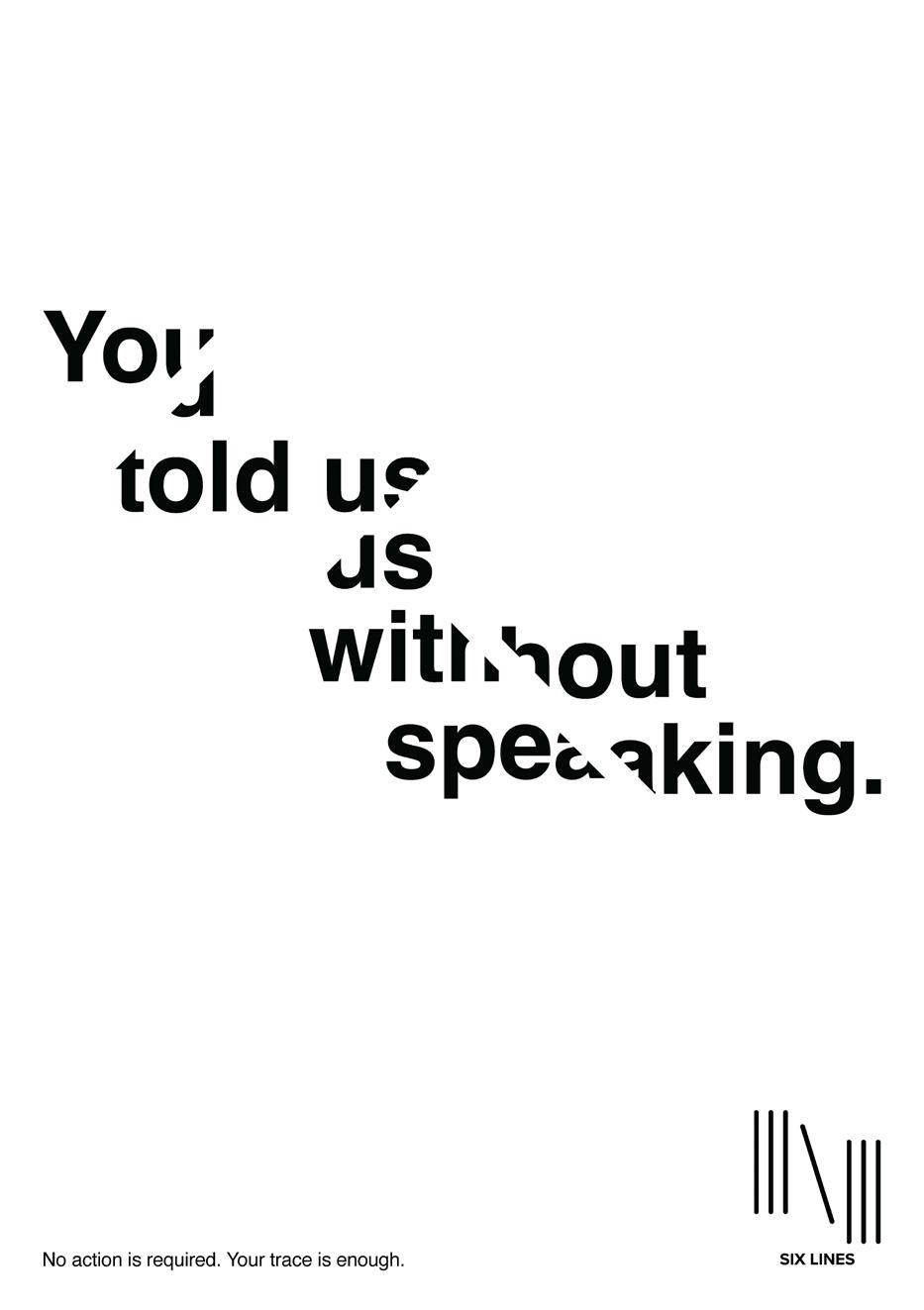

You gave us everything: You gave us everything, You gave us everything: You told You gave us everything: Your attention wasn’t enough, You
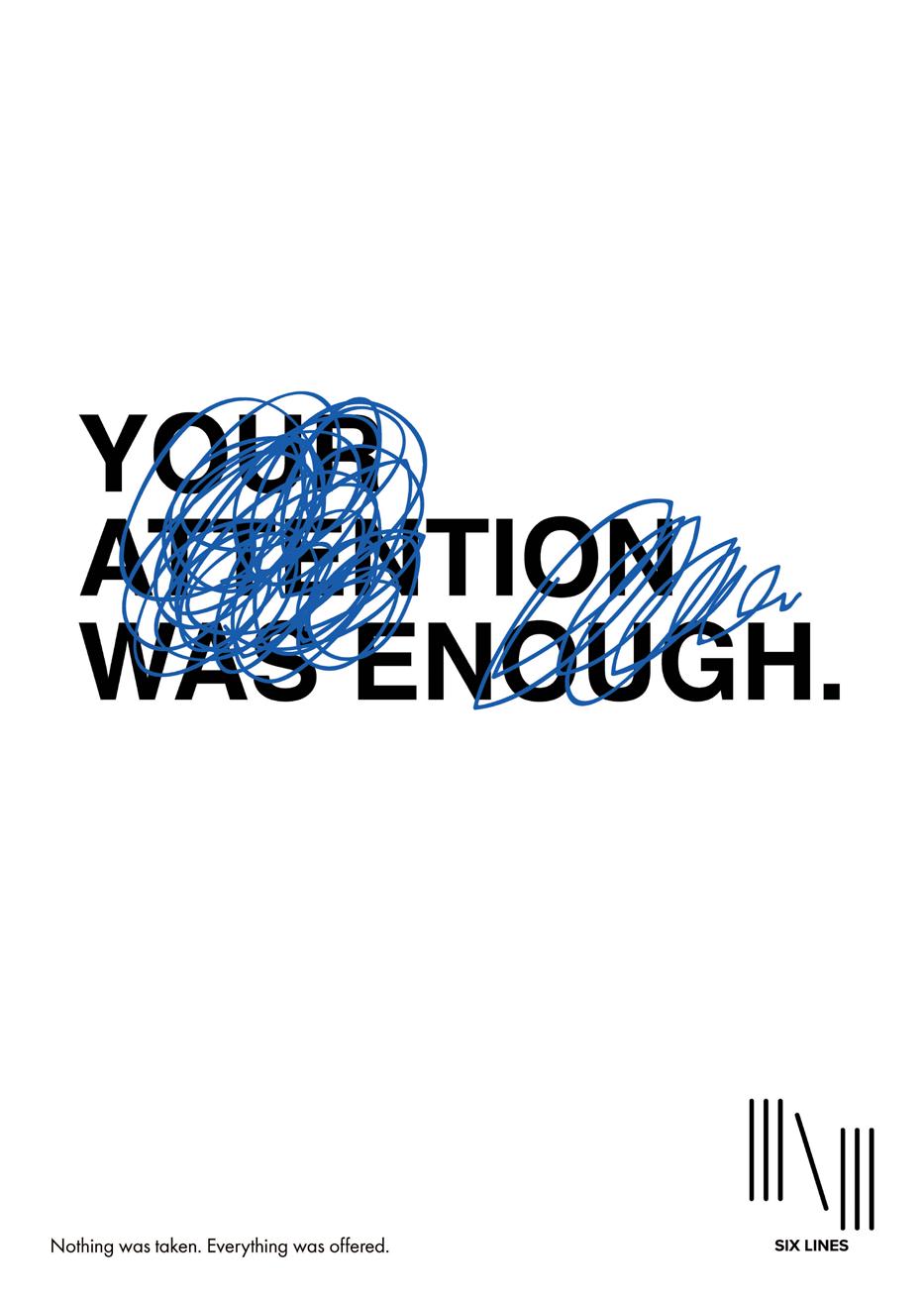
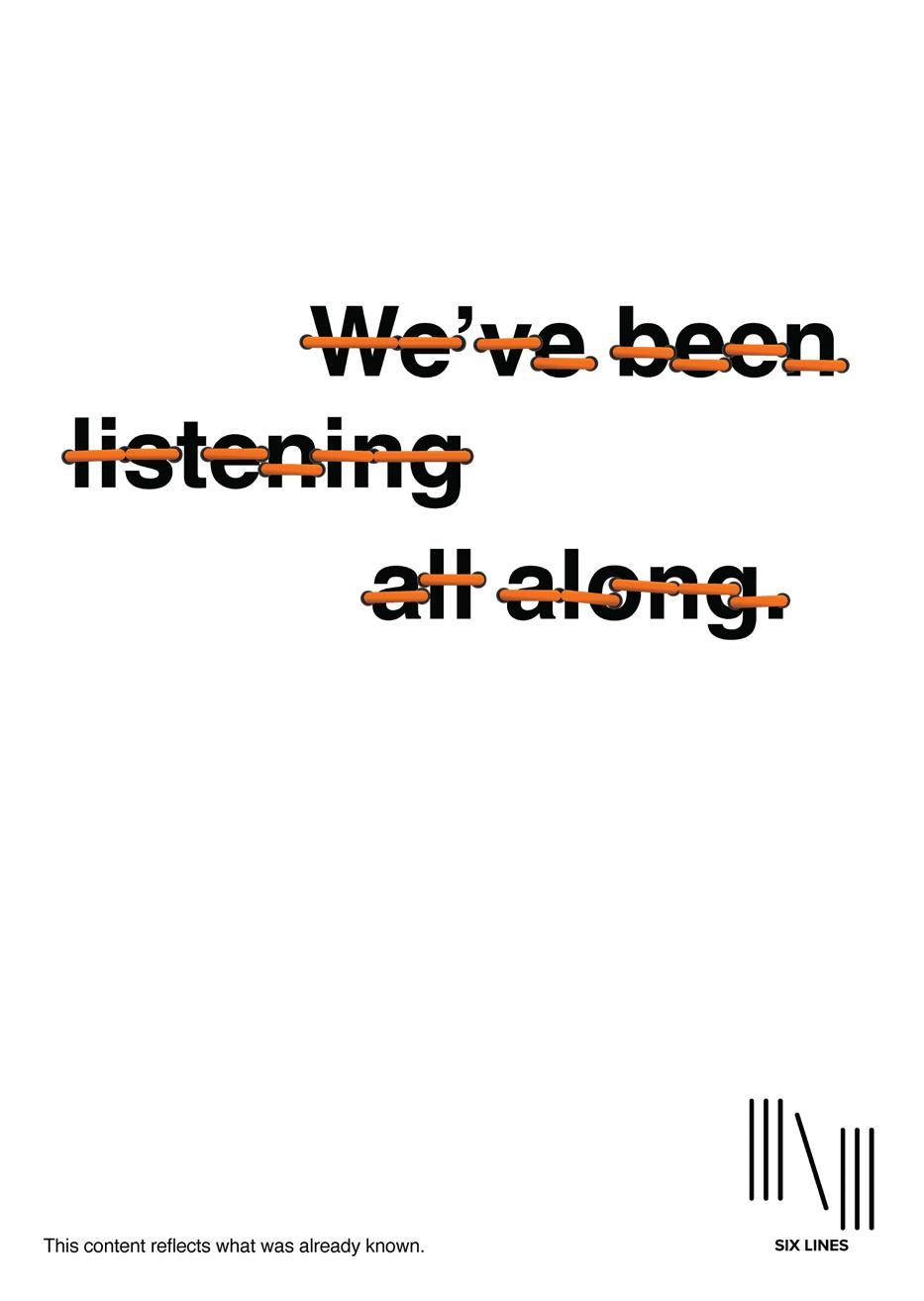
told us without speaking, You gave us everything: Your preferences were clear, You gave us everything: We have been listening all along
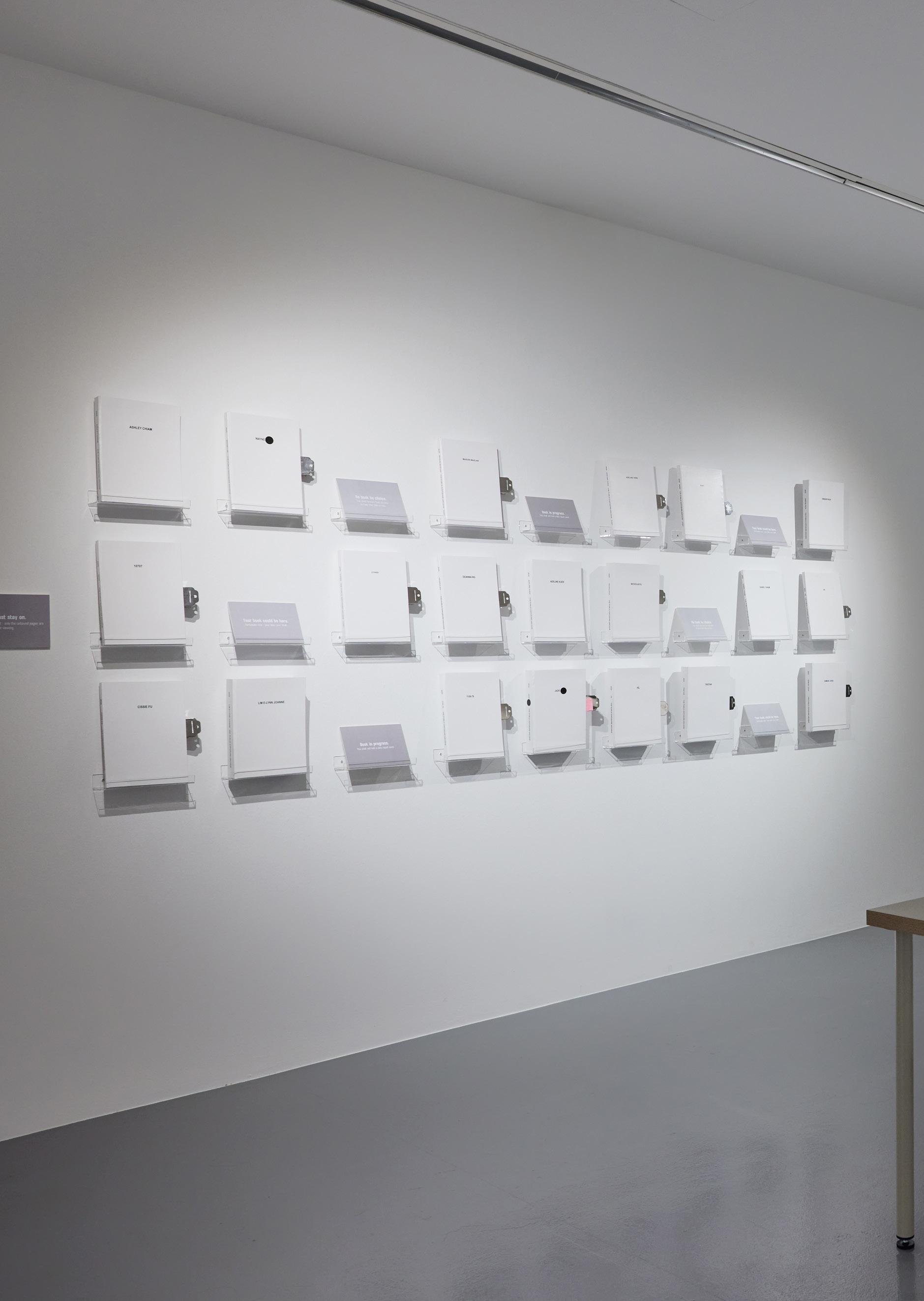
Joanne Lim, Two Copies for the Record (2025 – ongoing) and Tools of Resistance series (2025), installation view
About
Established in 2006, the eponymous FOST Gallery takes its name from its founder, Stephanie Fong, made it her mission to show progressive contemporary artists from around the world with a special Singapore. The gallery showcases artists at different stages in their careers but all with a predilection contemporary art.
FOST Gallery was first located in a refurbished shophouse designed by respected architectural the historic warehouse district near the Singapore River. In 2012, the gallery expanded and moved Singapore’s premier contemporary art precinct. The new gallery space was designed by another Ministry of Design.
There has been a strong emphasis on education and facilitating dialogue since its inception, and talks led by artists and curators in conjunction with every exhibition and regular hosts student scholarly publications written by respected art historians and writers.
FOST Gallery has been acknowledged internationally for its rigorous curatorial outlook and critically and is recognised as one of the pre-eminent galleries in Southeast Asia.
Contact
Stephanie Fong stephanie@fostgallery.com
Marsha Tan marsha@fostgallery.com
Siew Guang Hong guanghong@fostgallery.com
Fong, who from the outset special focus on artists based in predilection for being at the fore of
architectural firm ipli Architects in moved to Gillman Barracks, another award-winning firm, and the gallery has organised groups. It has published
critically acclaimed exhibitions