
Jason Lim
Dr. Adrian Tan
Lim reminds us that resonance does not belong solely to objects. It belongs also to the spaces between them, and to the listeners who remain attentive long enough to hear what continues after the final vibration has passed. In this lingering interval between sound and silence, clay speaks not only of form, but of time itself.
Decay carries multiple meanings, shaped by the context in which it is encountered. In nature, it describes a gradual return, as the fallen tree softens and darkens, it settles back into the earth. In architecture, it appears as weathering and dilapidation, surfaces cracking, paint peeling, and edges softening as time inscribes itself onto matter. In chemistry and biology, decay anchors to notions of decomposition, the breaking down of materials into simpler elements over time as matter shifts states. Yet in acoustics and music, decay takes on a more poetic register, describing how a vibration lingers after it is struck, the fading tail of sound that continues to resonate after the initial impact.
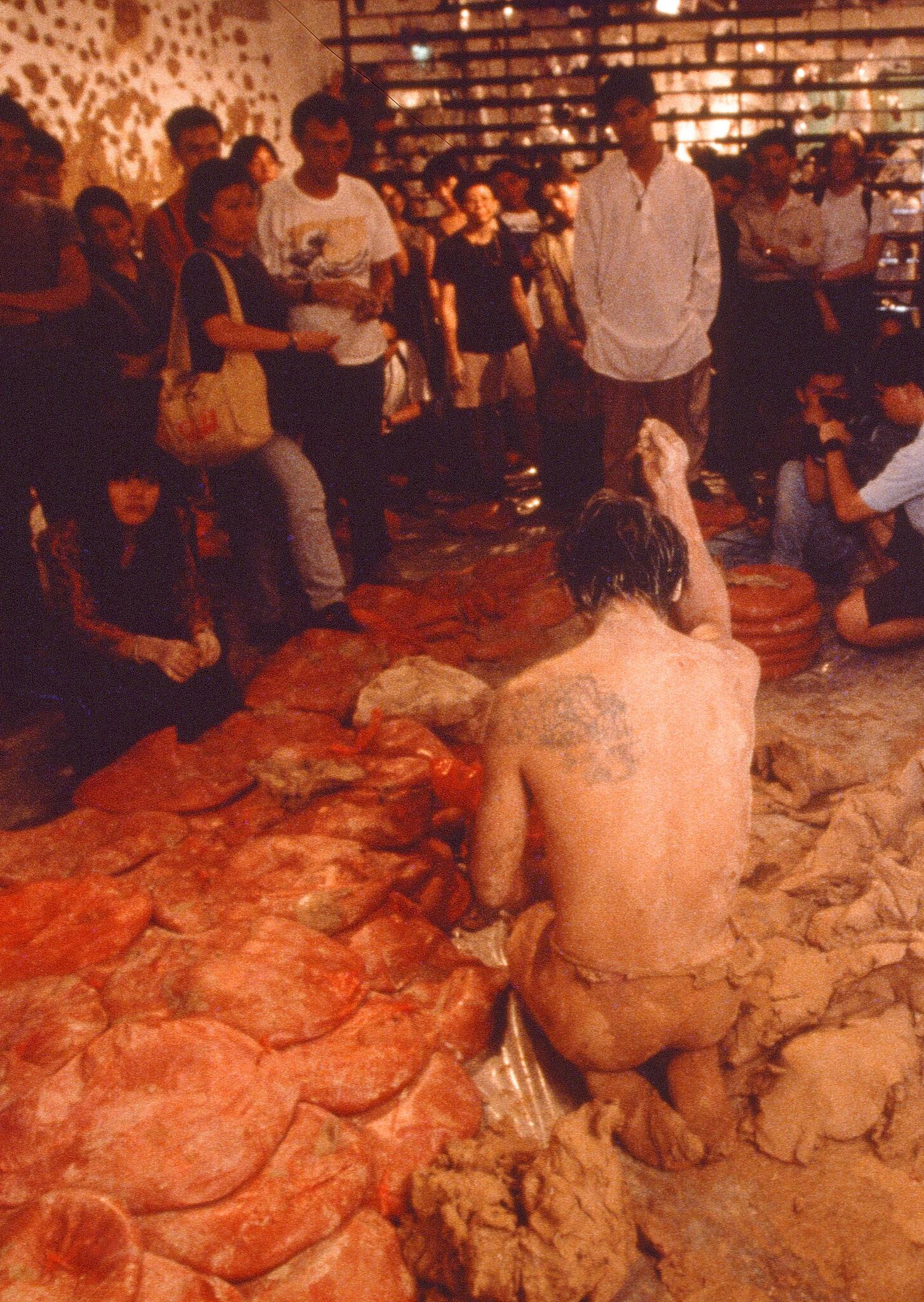
This sense of circularity is something we encounter in the works of Jason Lim, where ceramics emerges not simply as a medium but as a material condition defined by transformation. As one of the most elemental of art materials, clay places the artist in direct relation to matter that is constantly shifting state. An earlier work, Three Tonnes of Clay (1995), presented at The Substation as part of New Criteria III, offers a formative example of Lim’s sustained interest in returning clay to its most immediate and elemental state, while extending its possibilities beyond conventional object-based practice. In this activation of an otherwise inert space, an installation and concurrent performance realised with artist Ng Siew Kuan transformed the gallery into a site of material encounter. The space was filled with three tonnes of unfired
Three Tonnes of Clay (1995), performance documentation, Image Courtesy of the Artist
clay, pressed and smeared onto the walls and surfaces of the gallery, where its wetness became integral to the work’s unfolding. Over time, as the clay slowly dried, the material cracked, hardened, and fell away, while the smell of earth lingered and the walls came to bear temporal imprints of touch and bodily gesture. This process was punctuated by Lim’s presence in the space, as visitors encountered him pressing his body against the clay, embedding a durational, embodied gesture within its transformation. What began as a dense mass gradually and intermittently dispersed, as both the material and the space shifted through states of moisture, solidity, and fragmentation, guided by and at times disrupted by both artist and audience. In this way, clay is no longer treated as a stable medium for the production of form but as an extended practice, one that unfolds across time, space, and bodily interaction, where making, unmaking, and transformation become inseparable from the work itself.
Across registers of image, sound, objecthood, and performativity, Long Decay unfolds as a sustained meditation on clay’s potential within an expanded artistic field, where the material is approached less as a sculptural medium than as a temporal substrate through which resonance, duration, and embodied memory may be explored. In earlier engagements, this attention to clay’s instability and performativity is evident, as the material, never fixed at the outset, remains responsive to touch, shifting between states of form and formlessness. Clay begins as earth softened by water, pliable and receptive, before being transformed through fire into a hardened state, yet even this stability remains contingent, shaped by cycles of moisture, pressure, and heat. Lim repeatedly returns to this mutable condition, allowing the material to determine the unfolding of the work, presenting its transformations as performance and installation rather than fixed objects.
There is much to glean from these early investigations. The works in Long Decay extend this inquiry into temporal and acoustic conditions through which objects may sound, persist, and fade, positioning clay as a medium through which time is registered. Its surfaces carry the memory of pressure and touch, while its hollow forms hold the potential for resonance, situating the practice between matter and duration. As Lim reflects, memory does not function as a static archive but emerges through the act of making itself, “less like something stored and more like something activated,” a form of tacit knowledge embodied through
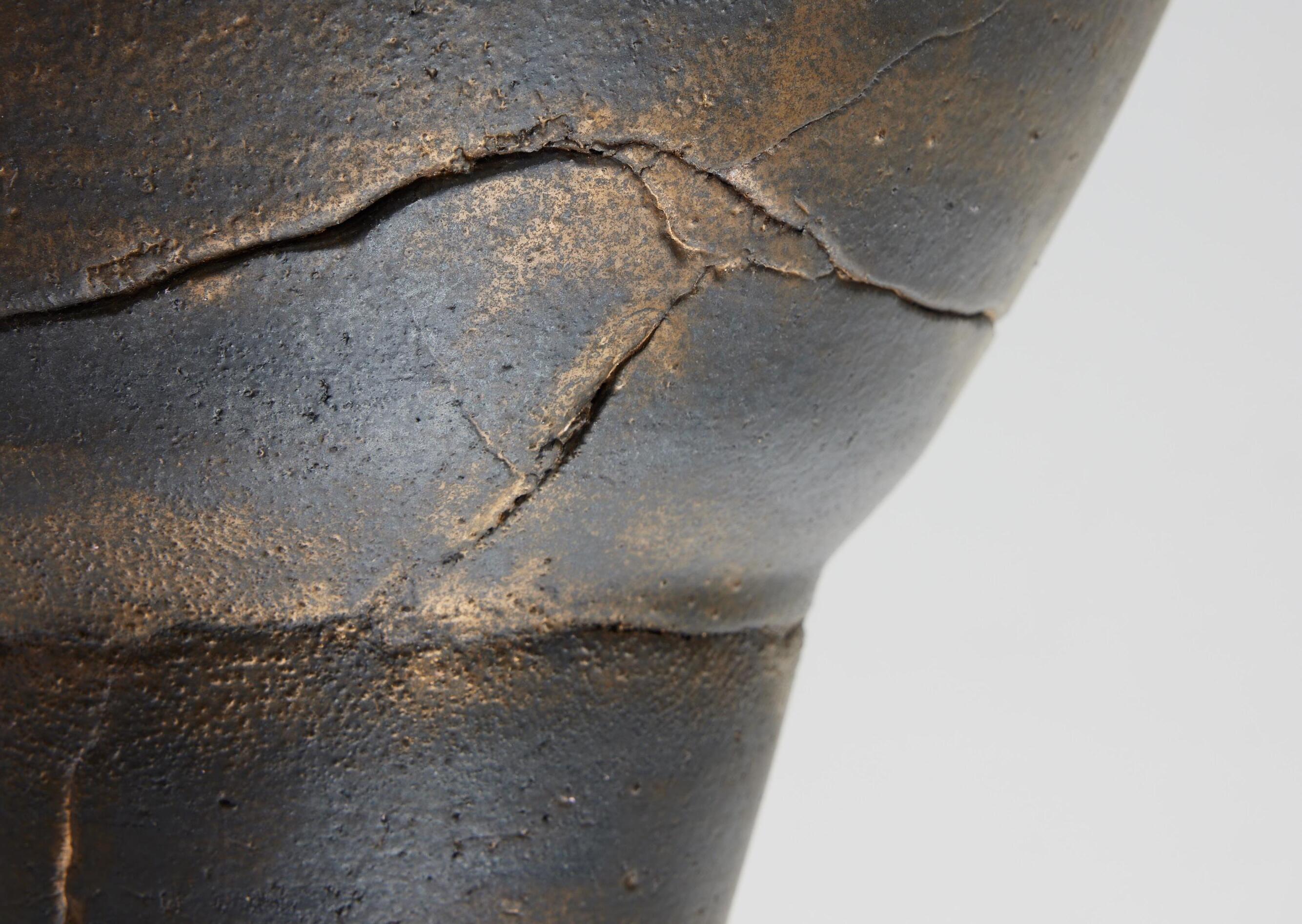
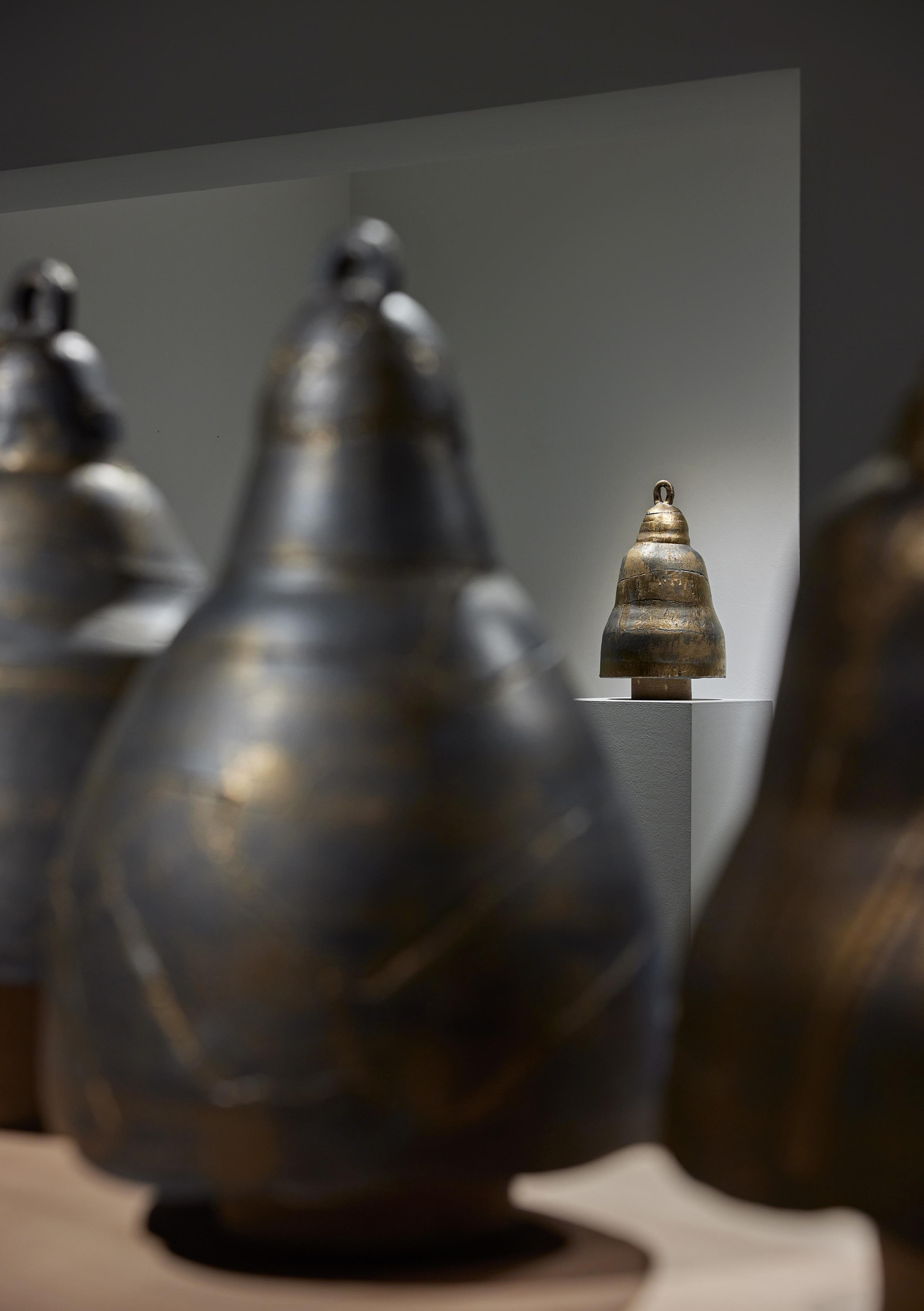
Yingge (2024), Bell 3, detail
repeated gestures rather than fully articulated in language. Within the exhibition, this becomes perceptible as clay appears both as substance and presence, anchoring the works even as they invite an attentiveness beyond objecthood.
From this position, the exhibition unfolds outward. Ceramic bells, drawings, moving images, and performative gestures form a constellation of works through which clay continues to resonate beyond its material boundaries, holding not only form but time, vibration, and the lingering traces of gesture. At the centre of Long Decay lies the ongoing body of work that Lim calls Tintinnabulation, a series of ceramic bells and sound performances that explore resonance as both a material and emotional condition. The word evokes the lingering vibration of bells, a sound that persists after impact. Here, resonance is understood less as a purely sonic phenomenon than as a temporal one, marking the interval through which matter, gesture, and listening unfold. The series took on a distinct form during a residency in Yingge, a historic ceramics district often referred to as Taiwan’s “ceramics town”. Shaped over more than two centuries by kiln production and evolving craft industries, Yingge is both a site of material production and a living repository of ceramic knowledge. At the same time, the name “Yingge” (鶯歌), meaning “oriole song”, introduces a second register, evoking the call of the oriole, fleeting yet resonant. This double meaning of place and sonic imagination is integral to Tintinnabulation, where the material conditions of clay intersect with the poetics of vibration and its afterlife in space.
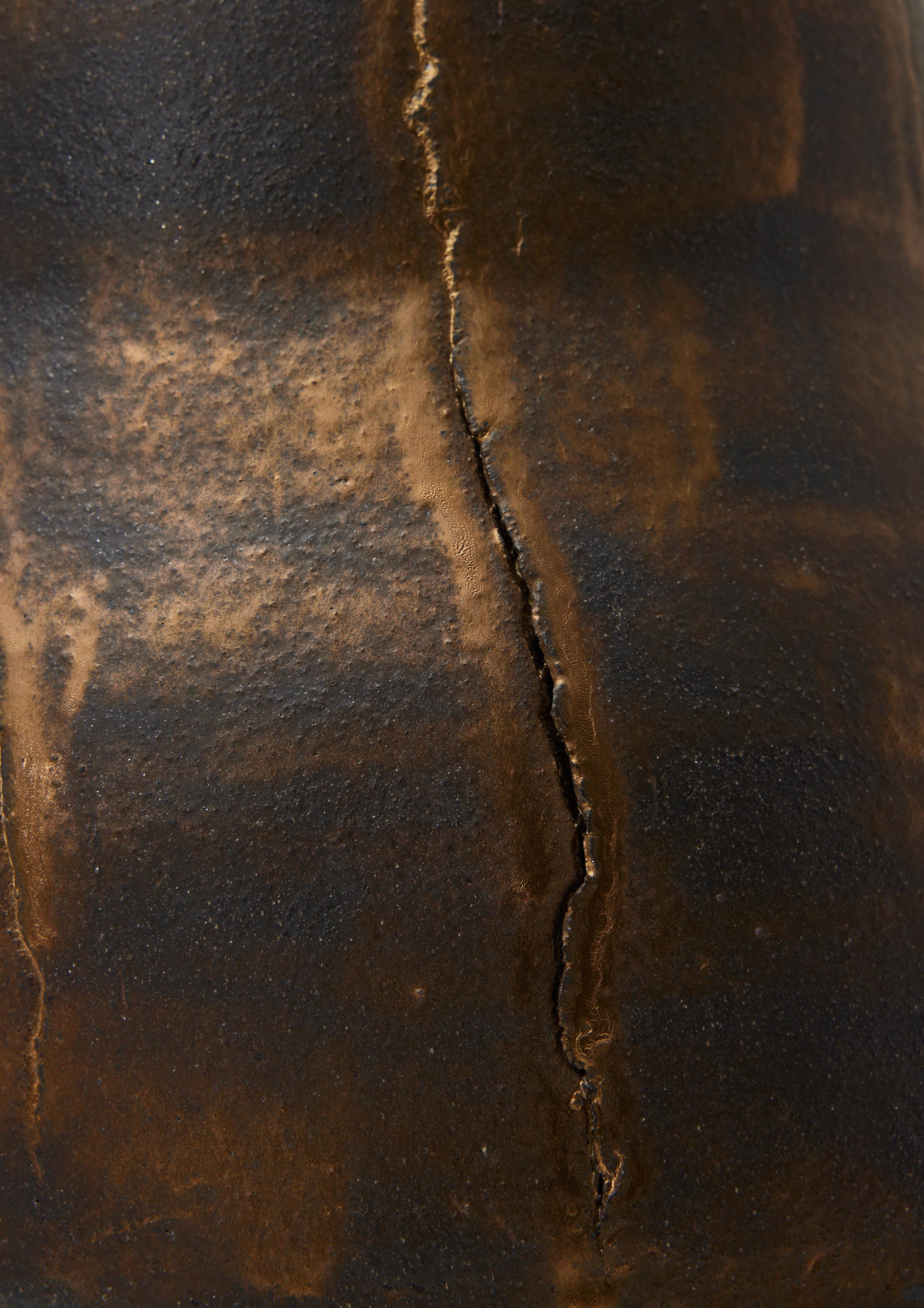
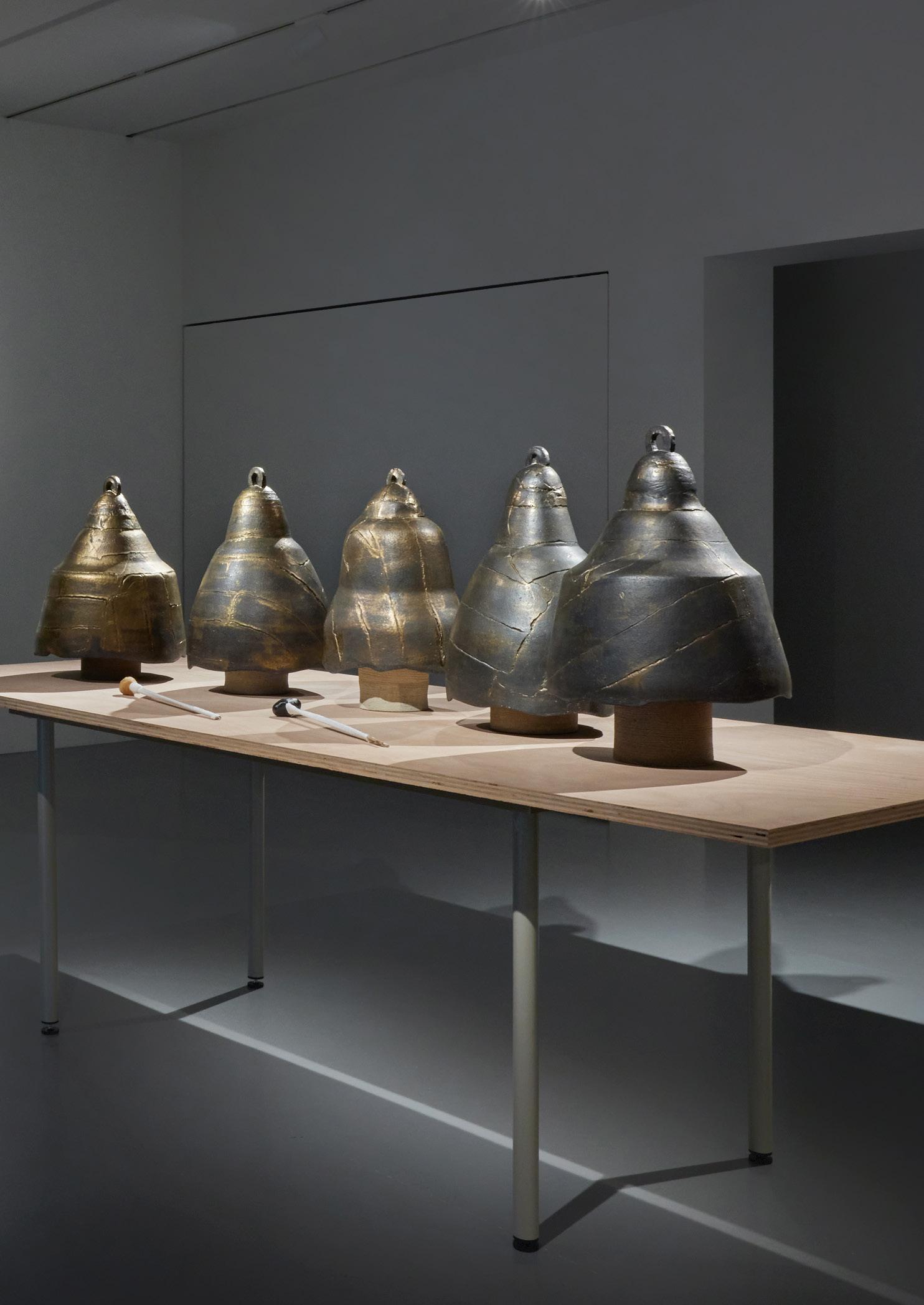
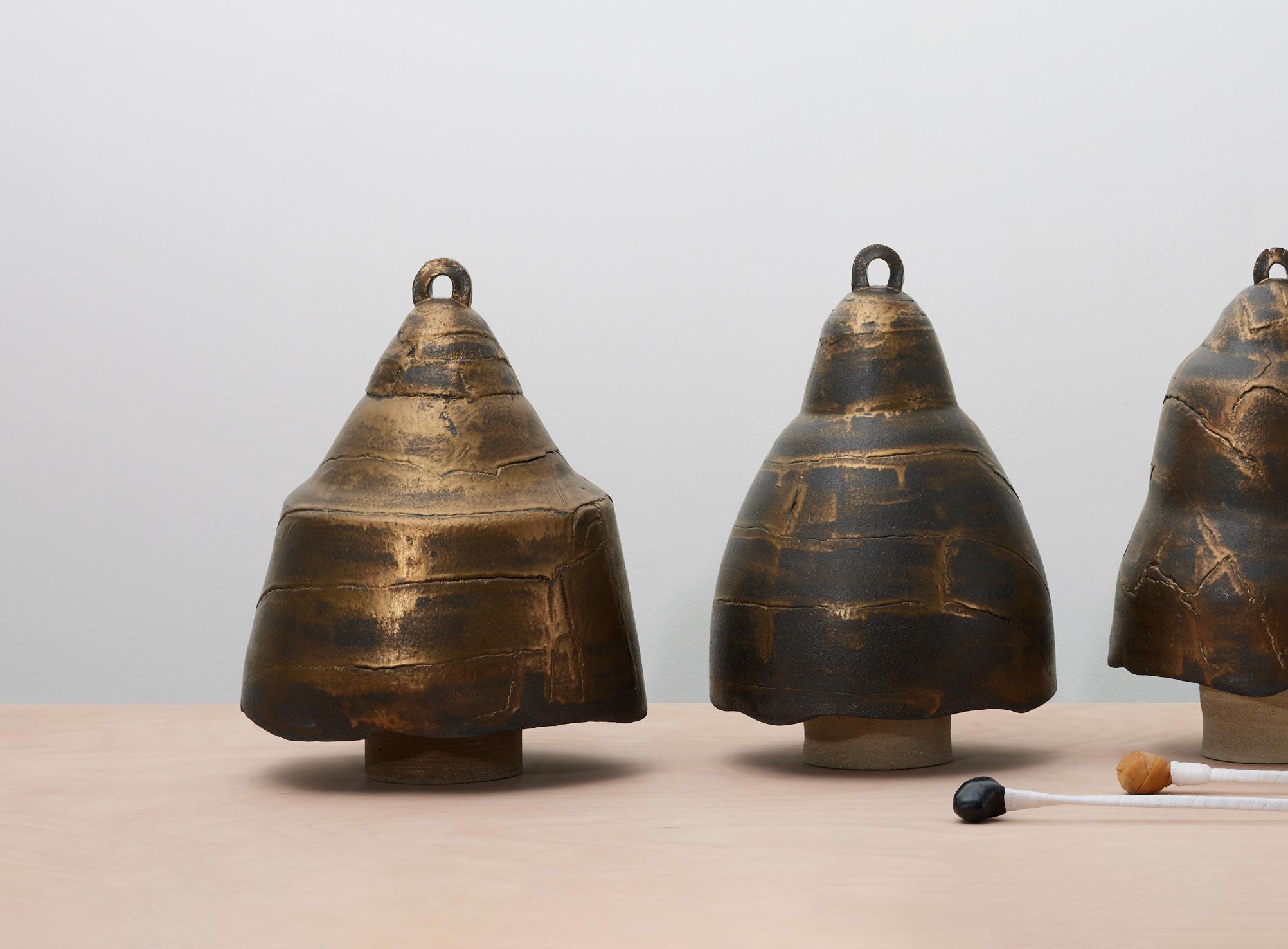
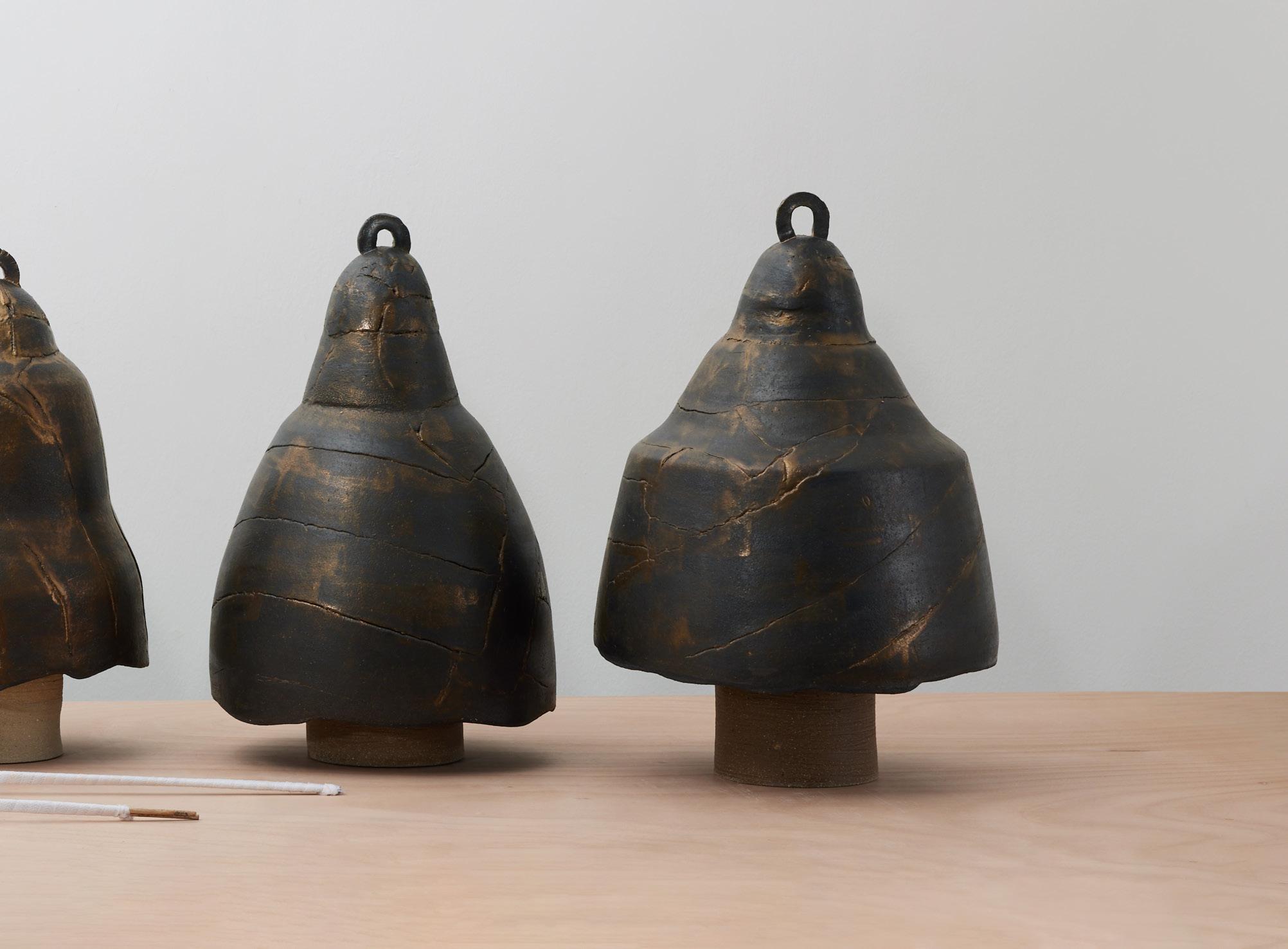
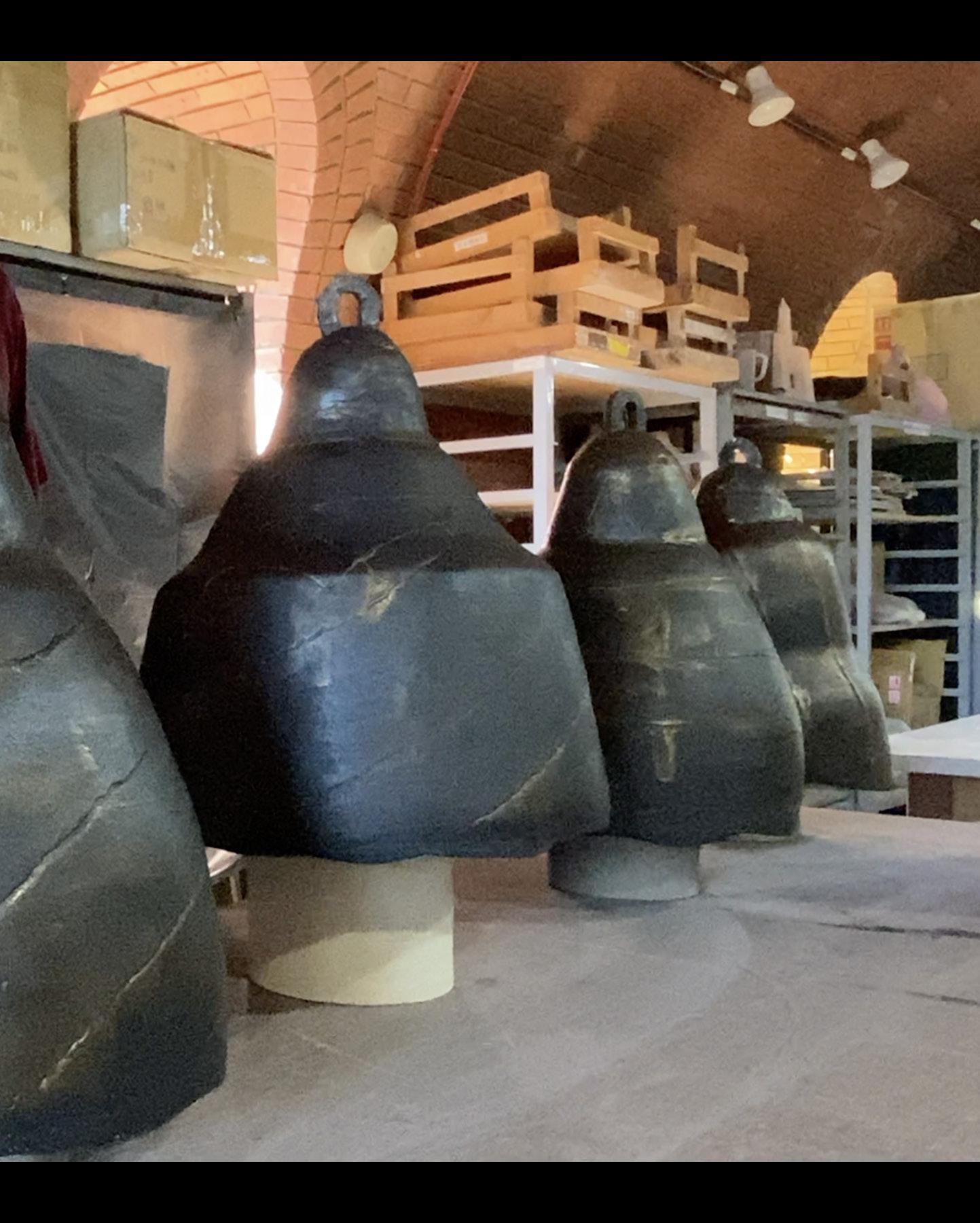
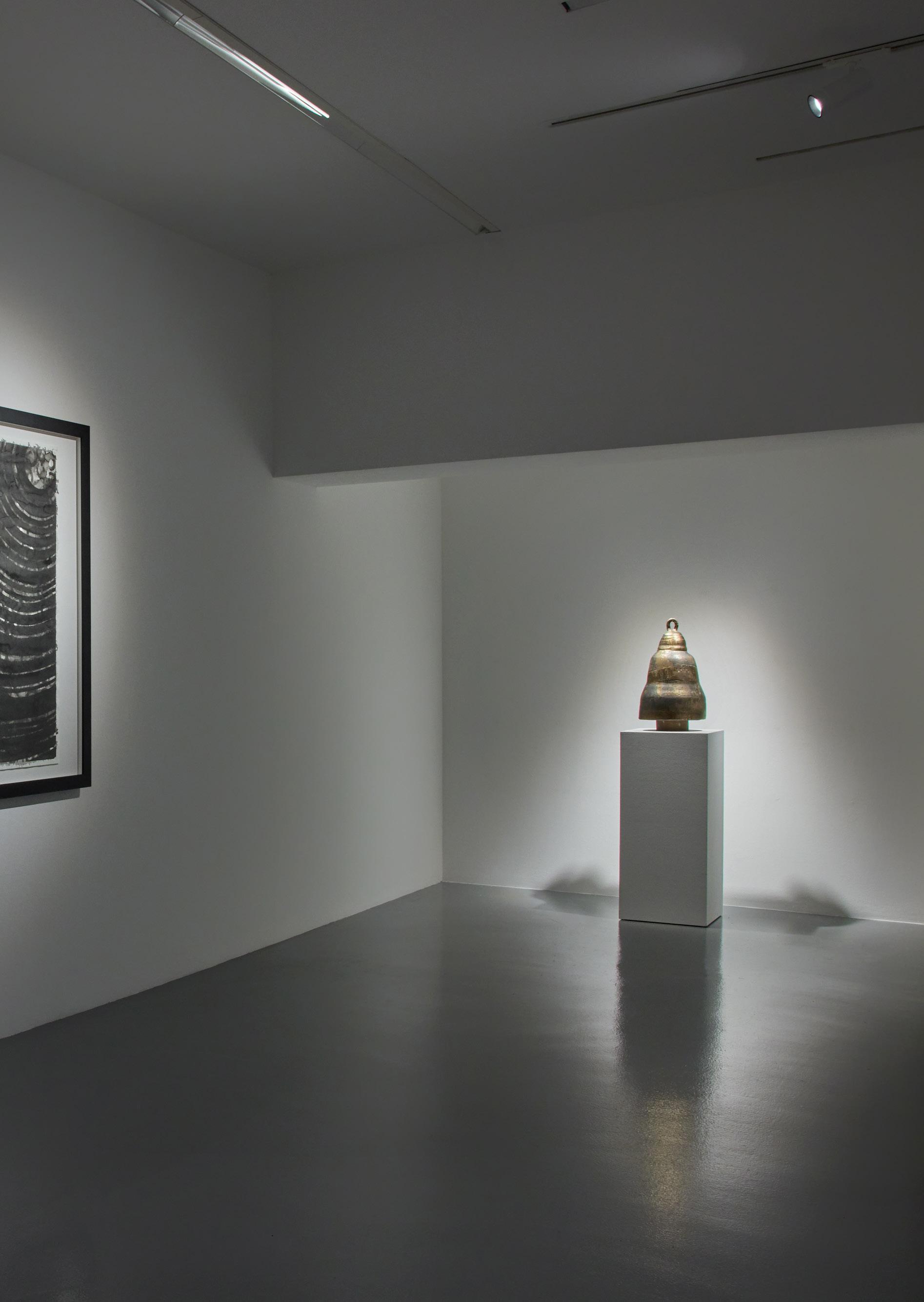
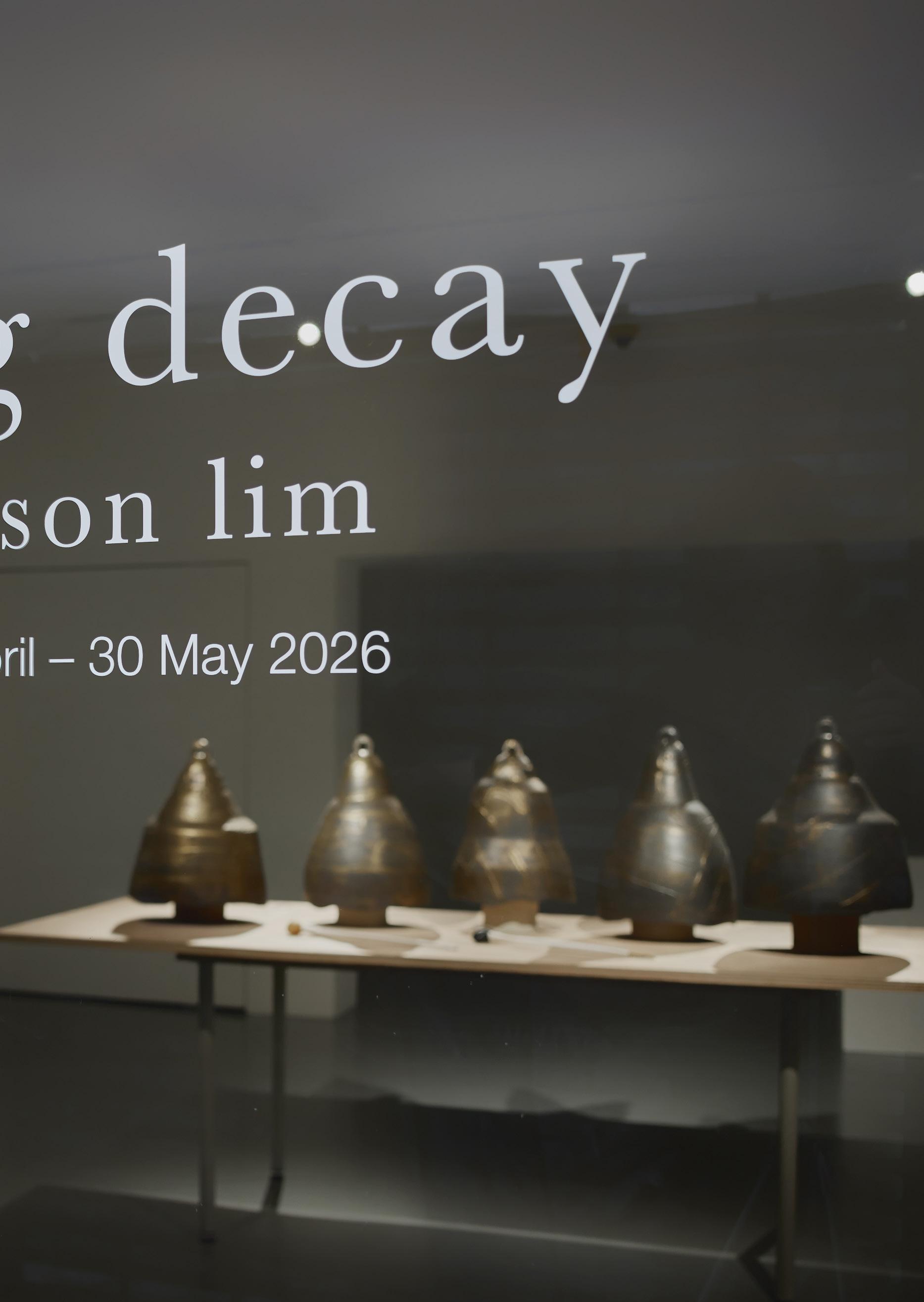
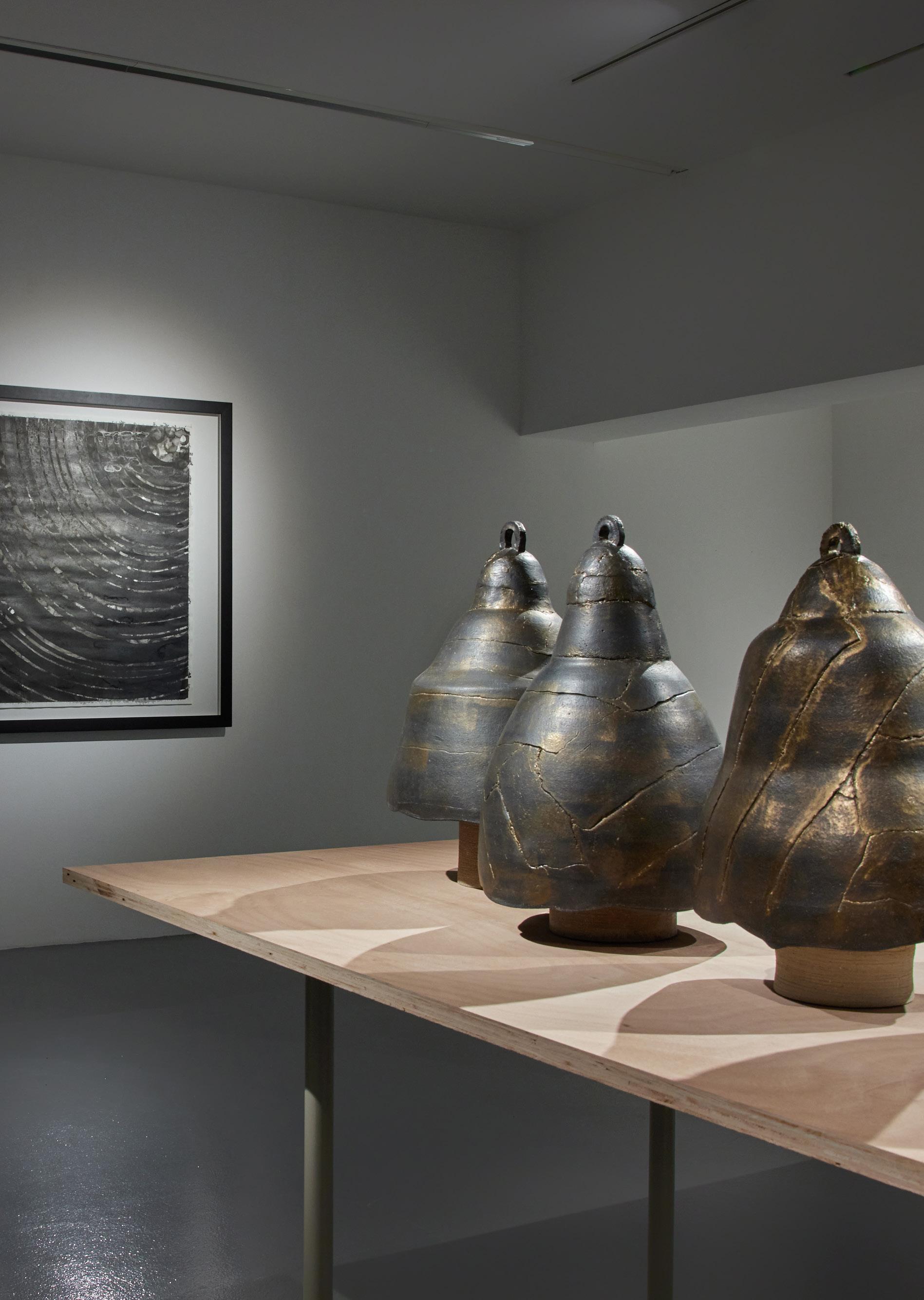
In this body of work, hand-built ceramic bells rest lightly on conical supports, appearing to hover just above the surface. They function as vessels of air shaped by earth, fired by flame, and activated through touch. When struck, each bell releases a tone that emerges from the density of clay itself, through processes of forming, drying, and firing. Rooted in techniques such as coiling, slab-building, and paddling, Lim extends inherited ceramic methods toward sound, treating clay not only as mass and surface but as an acoustic chamber. The bell becomes at once sculpture and instrument, while remaining grounded in ceramic practice.
The development of Tintinnabulation is inseparable from the broader network of ceramic centres in which it has unfolded, including the
Yingge (2024), video still
Chinese cities of Jingdezhen and Yixing. These sites operate not merely as contexts of production but as historically layered environments in which knowledge of clay has accumulated across generations. Together, they articulate a broader ceramic ecology in which clay moves between utility, industry, and artistic expression, situating Lim’s practice within overlapping systems of labour, knowledge, and technological change.
The bell, the vessel, the drawing, and the video each emerge from clay’s material logic, yet extend its presence beyond the limits of the fired object. Clay becomes not only matter but method, a medium through which resonance, duration, and memory can circulate.
Encounters with place shape the development of the Tintinnabulation series in significant ways, as the bells that emerged bear the imprint of their environments. Variations in clay composition, firing conditions, and studio techniques subtly affect the tonal registers of each form, so that no two bells sound alike, just as no two bells appear identical. What emerges is not simply a set of objects, but a rethinking of what ceramics might become within a contemporary artistic context. Rather than approaching clay solely as a medium for producing vessels or sculptural forms, the practice extends it as a generative material capable of moving into sound, performance, drawing, and moving image.
Within the Tintinnabulation series is Yingge (a set of five sculptures and one video), the bell is reworked as an acoustic structure through which clay, air, and time converge. Among the earliest objects designed to extend vibration into space, its hollow body shapes and releases sound, allowing resonance to travel outward before fading. These forms echo distant historical precedents, particularly the ritual bronze bells associated with the Shang dynasty (c. 1600–1046 BCE), which once functioned within ceremonial and communicative systems, marking time, authority, and cosmological order. The works in the series, however, depart significantly from such monumental metal forms. Constructed through hand-building techniques such as coiling and slab construction, they remain fragile, human-scaled bodies of clay whose surfaces retain the quiet tactility of the hand, where subtle irregularities reveal processes of shaping and compression.
Rather than asserting dominance outward, they cultivate proximity,
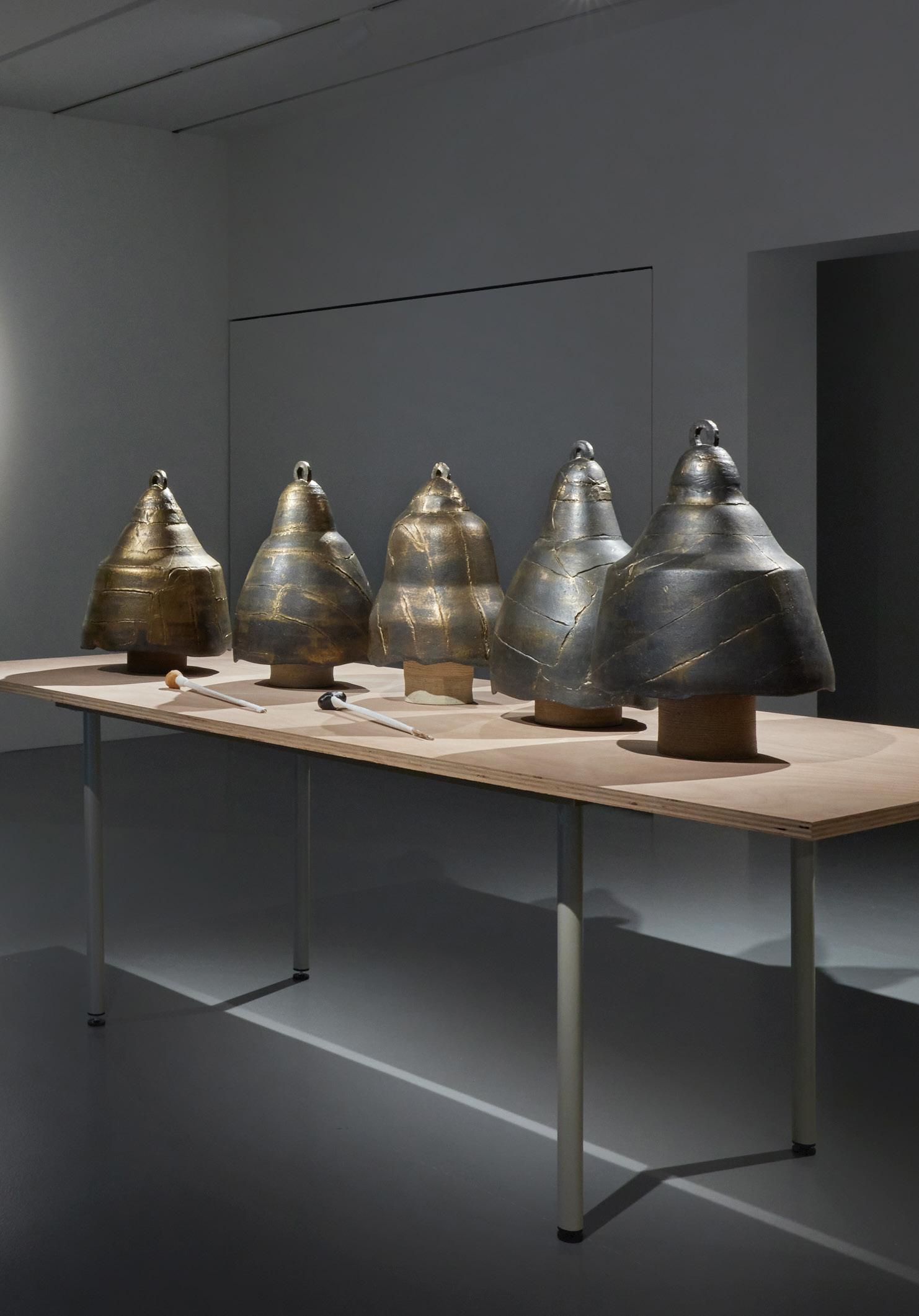
inviting attentive listening. This shift towards intimacy is crucial: where bronze bells once historically projected authority outward, these ceramic forms generate a quieter field of attention. Their tonal registers emerge only after firing, when heat reveals its acoustic potential, with thickness, density, and surface tension subtly determining how vibration travels through the form. The bell becomes both object and experiment, its interior architecture only becoming audible when struck. What follows the strike is the condition that anchors the exhibition’s title: sound expands outward, lingers briefly, and slowly fades, marking the interval between impact and silence that acoustics describes as decay.
Installed in the gallery, the five bells comprised within Yingge operate relationally, occupying the space as a constellation of resonant forms, each carrying a distinct tonal register. When activated in sequence, their vibrations overlap and disperse, producing a layered acoustic field in which sounds circulate not only outward but also between the works. A sixth bell, Before Silence, stands apart, encouraging a quieter mode of encounter. It appears to hold sound even in its stillness, suggesting that resonance exists not only in the moment of activation but also within the potential of the form itself. Seen in this light, the bell becomes more than an object within the exhibition; it becomes an artefact to which time can be perceived, as a lingering aftertone that settles within the body of the listener.
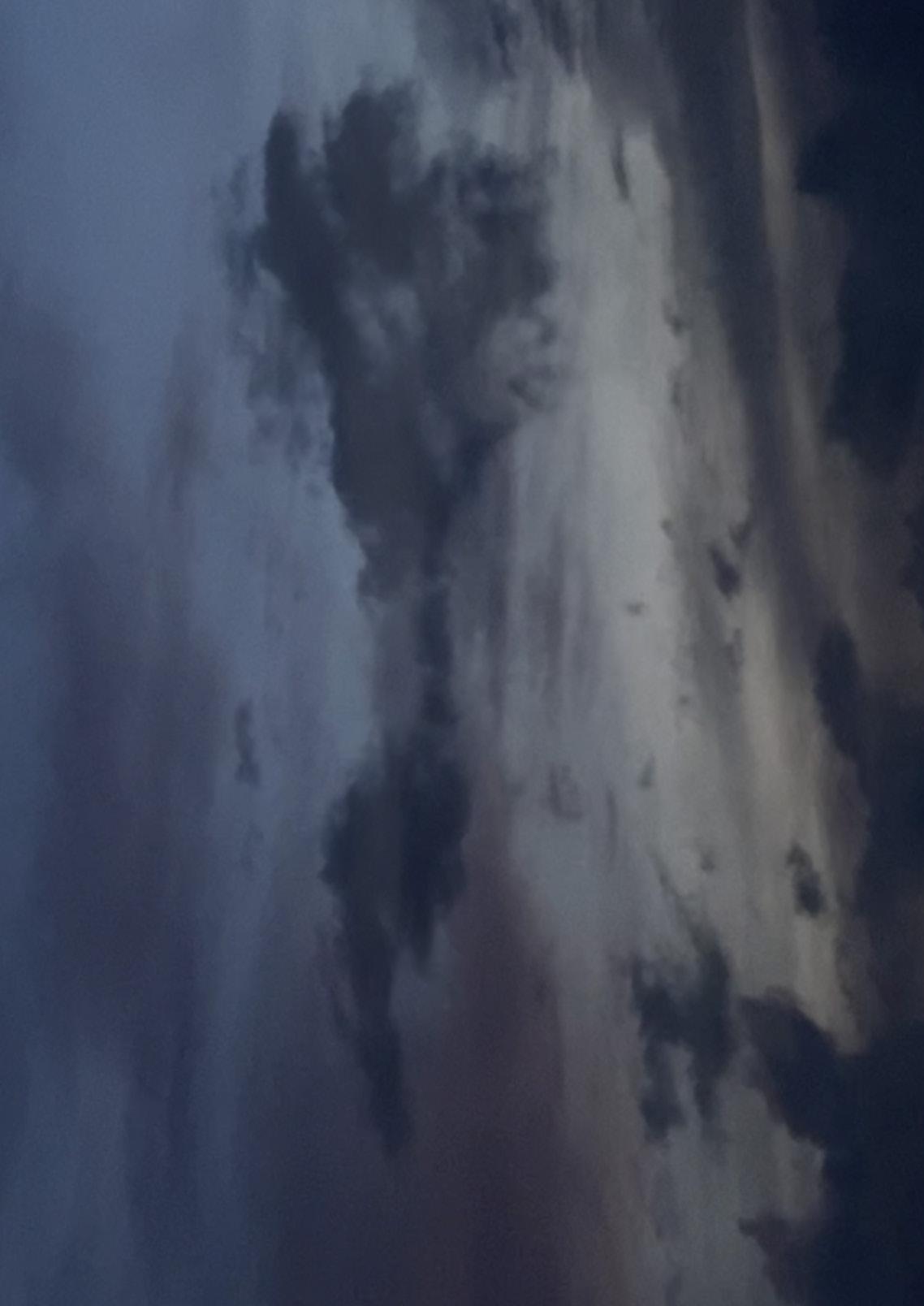
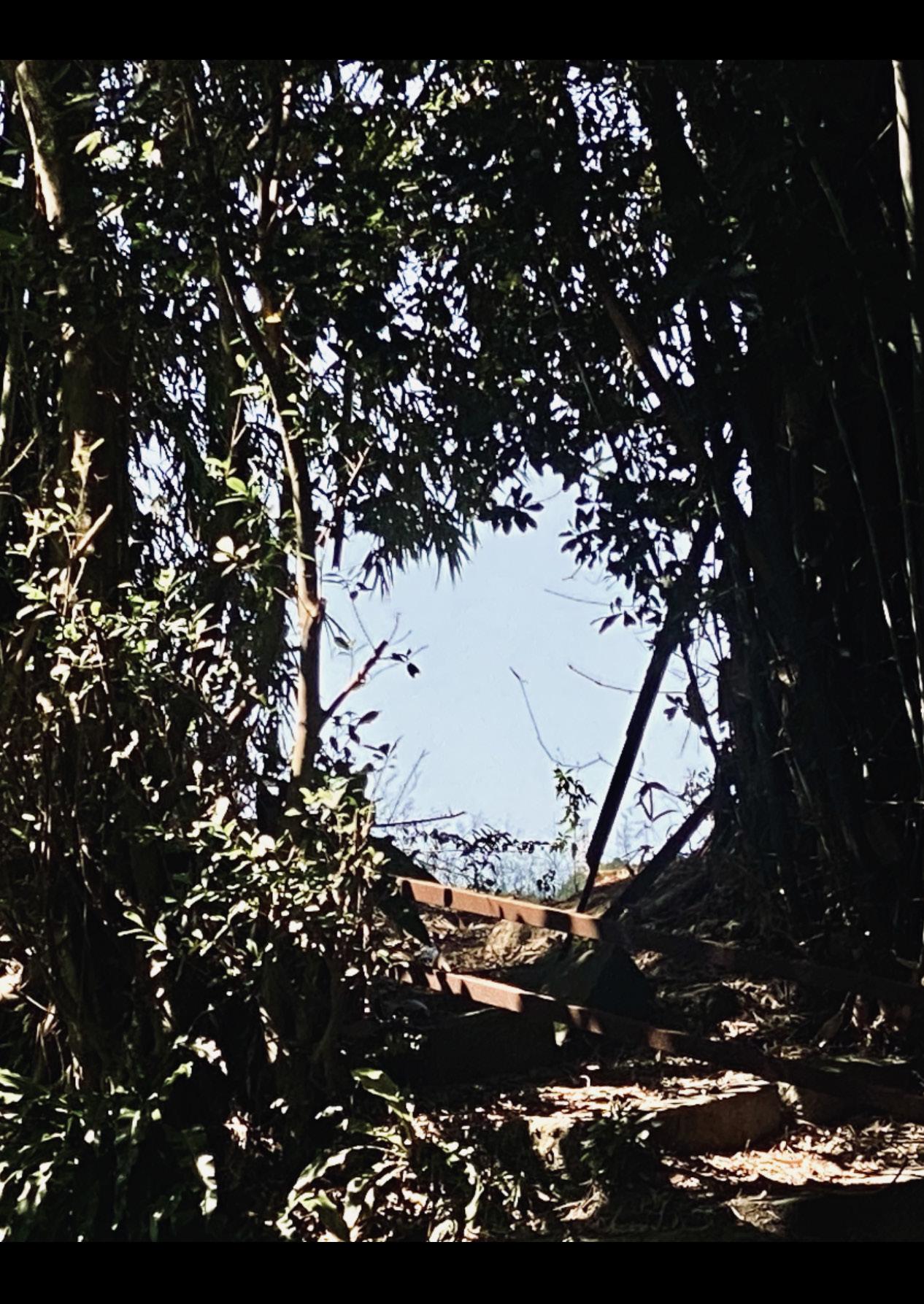
The video component of Yingge forms part of the broader Tintinnabulation series, extending the artist’s inquiry into resonance into the register of the moving image. If the ceramic bells shape sound through vibration, the video becomes another vessel through which resonance unfolds. Here, sound, memory, and landscape circulate together. The work does not simply document the bells; it listens through the spaces in which they were made. In this sense, the video operates less as representation than as a chamber of mediation, where sound, image, and duration are allowed to linger. The term “tintinnabulation”, popularised by Edgar Allan Poe in The Bells (1849), evokes the ringing and reverberation of bells as both a sonic and existential condition. Here, it names not simply sound, but the atmosphere of ringing itself - the lingering aura of vibration that persists after the source has fallen silent.
Within the video, resonance extends beyond the bells as the
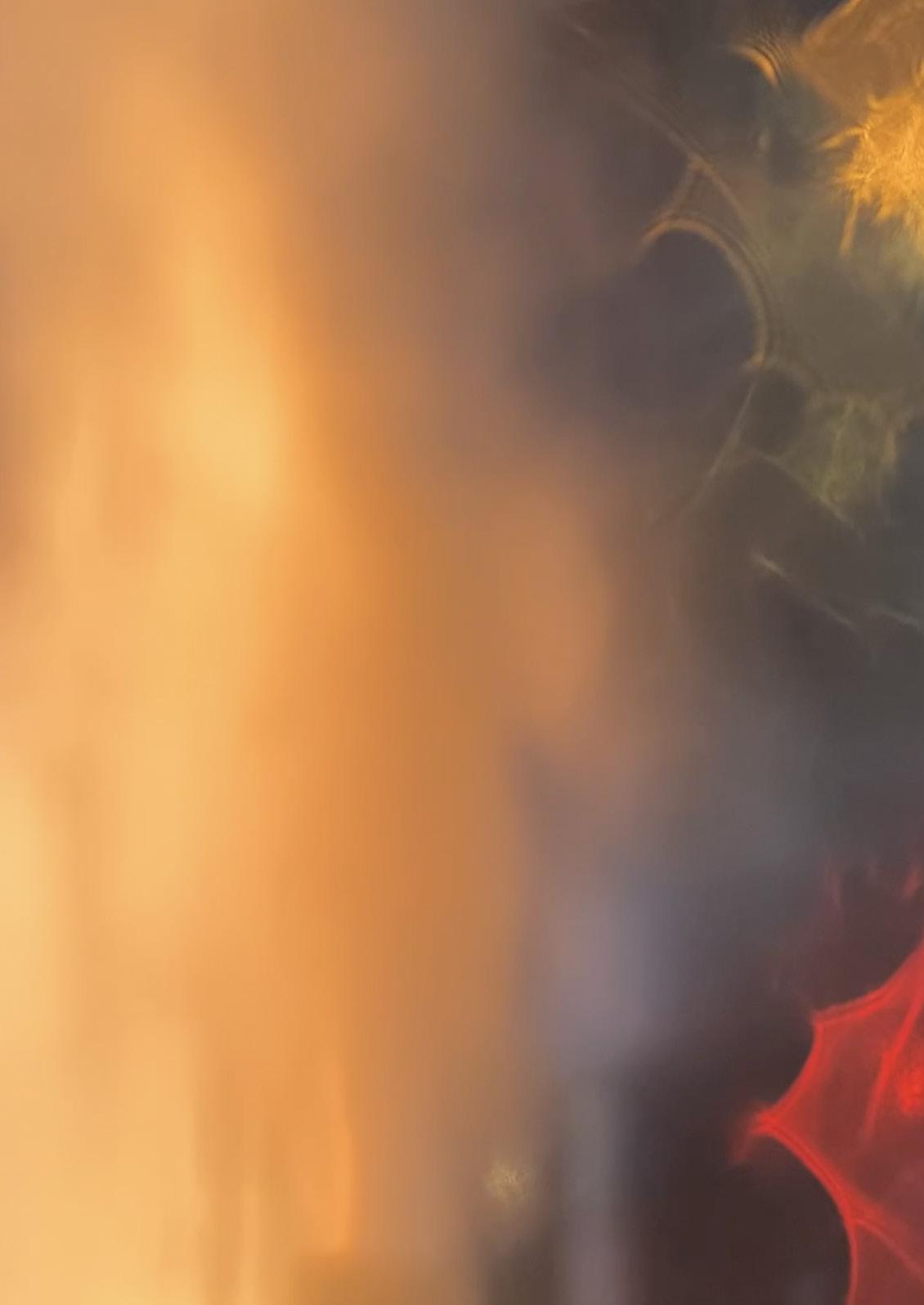
Yingge (2024), video still
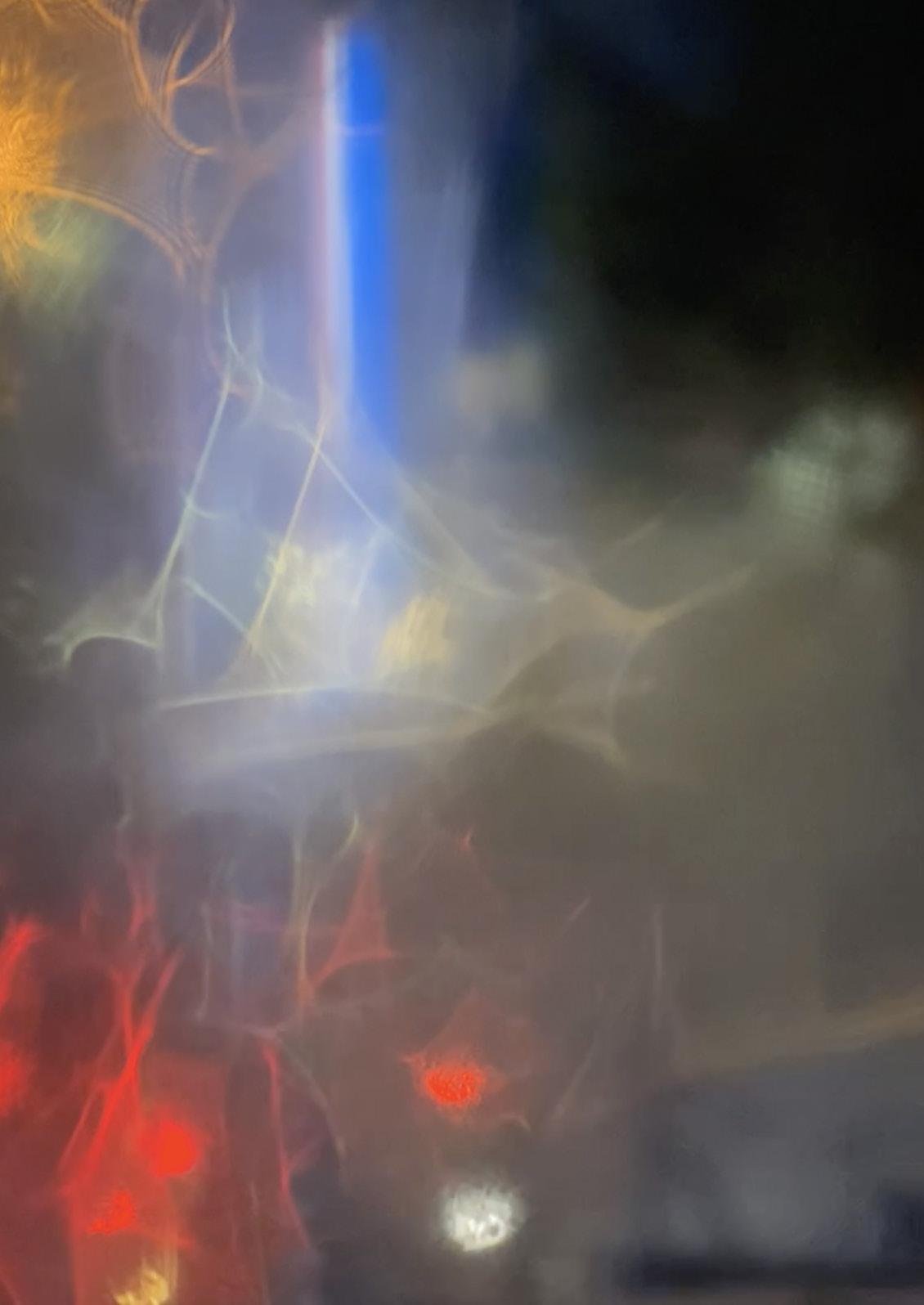
surrounding environment enters the work. Birds pass across the frame, water gathers light, while transformation is registered in derelict structures and peeling plywood, as clouds drift and disperse. Each image appears briefly before giving way to another, forming a constellation of temporal fragments. These images behave much like sound: they emerge, linger briefly, and dissolve. Through this structure, Lim allows the viewer to encounter time not as a linear progression but as a series of resonant intervals. Cycles of the natural world unfold alongside quieter human gestures, where fleeting presences register within a larger continuum.
The bells in these moving images do not dominate. Their tones move through the video like breath, appearing and fading in measured intervals. What becomes perceptible is not the sound itself but the atmosphere it leaves behind. In this way, the video work becomes less a documentation of place than an act of listening, where the gallery becomes a site of attunement to the environment surrounding the making of the bell. The video listens to the slow passage of time across a landscape shaped by clay, weather, and the slightest human presence.
Across these works, the viewer moves between two modes of attention. The bell becomes an instrument that calls into space, while the vessel becomes an instrument that listens back. Together, they form two movements within a single inquiry into resonance: one extending vibration outward, the other gathering it inward. What emerges from this dialogue is a quiet proposition. Clay becomes capable of breathing again through the sound it can make; as the sound fades, its vibration remains. What endures is this subtle after tone of presence - a resonance that lingers between object, space, and the attentive listener.
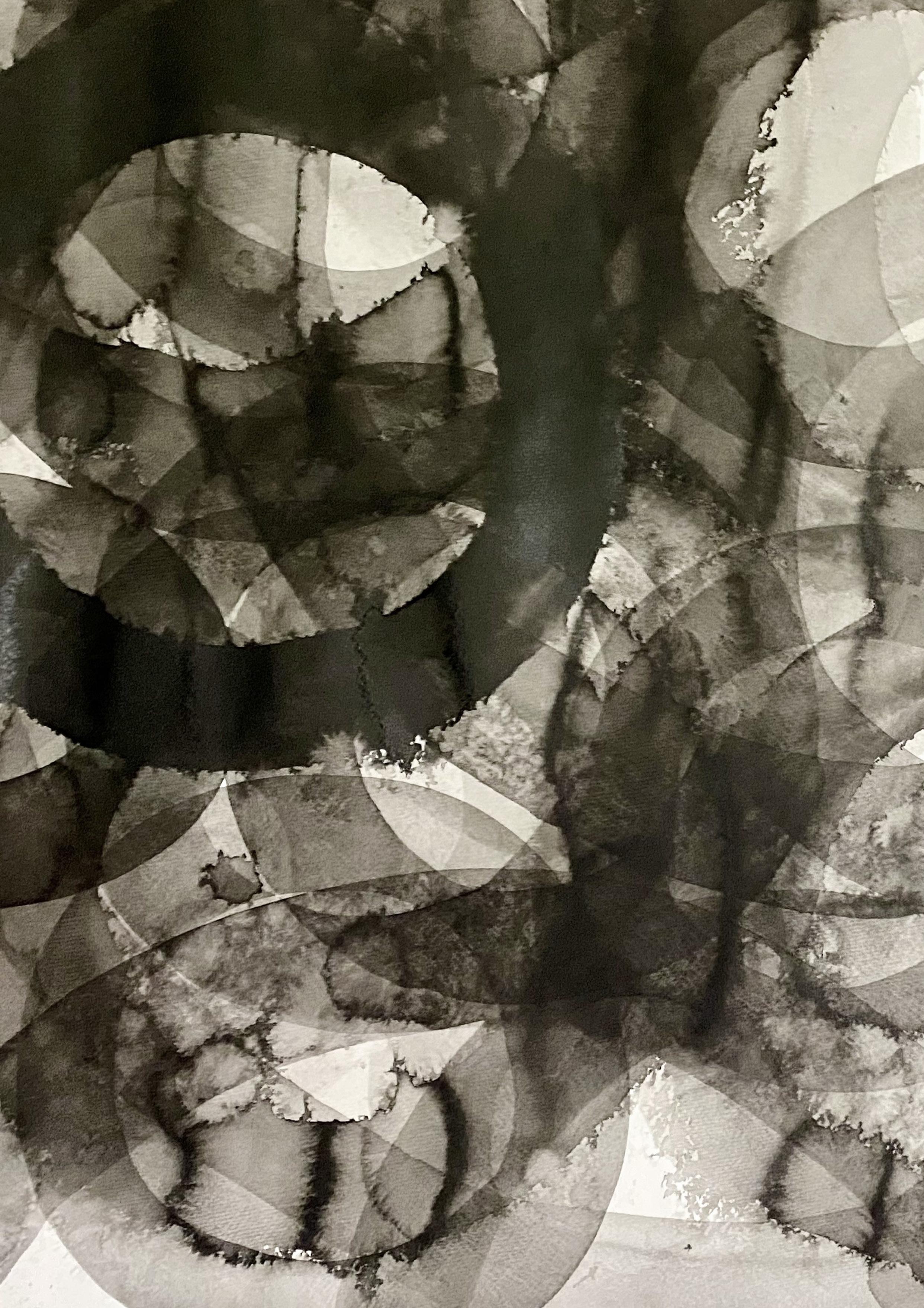
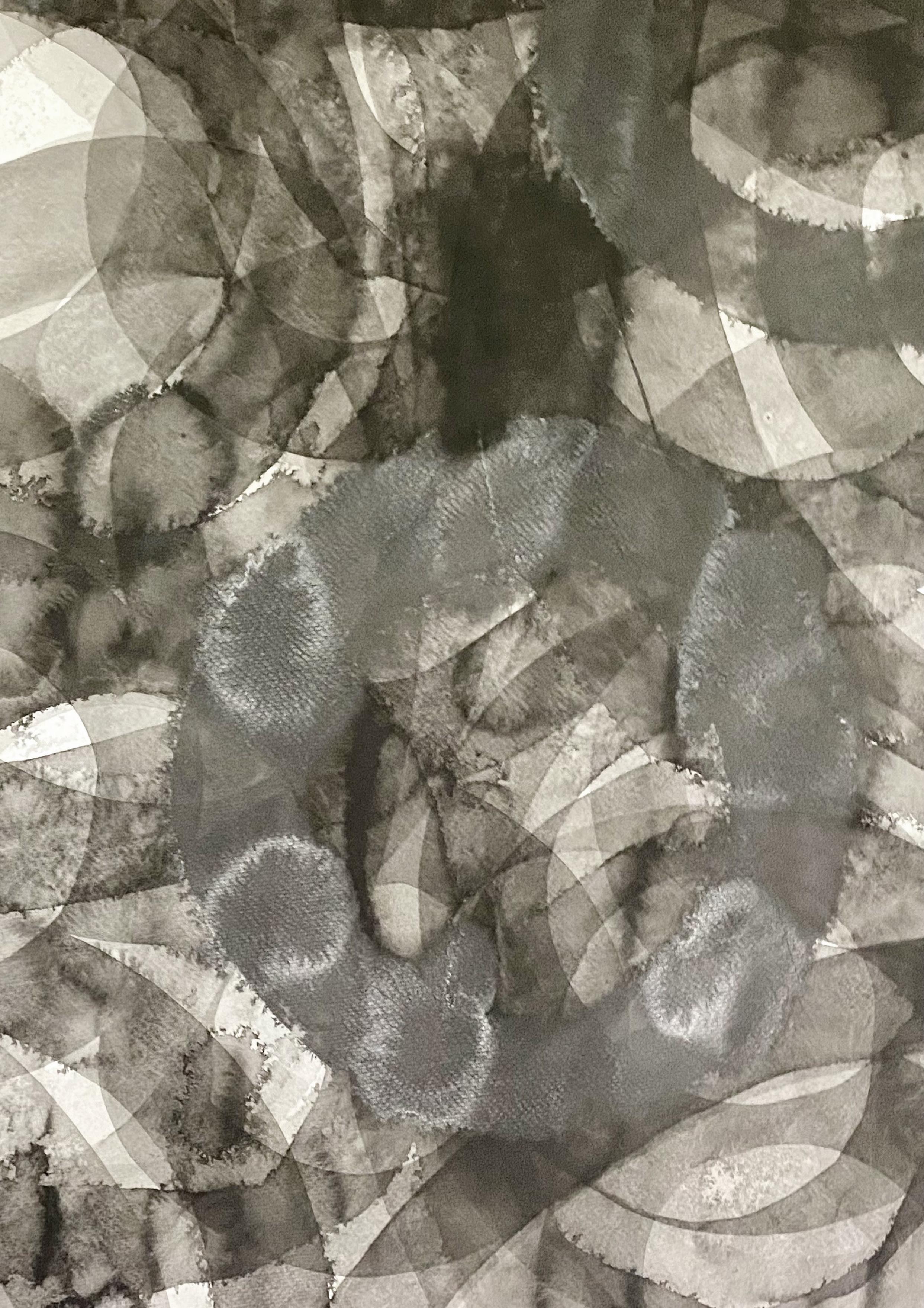
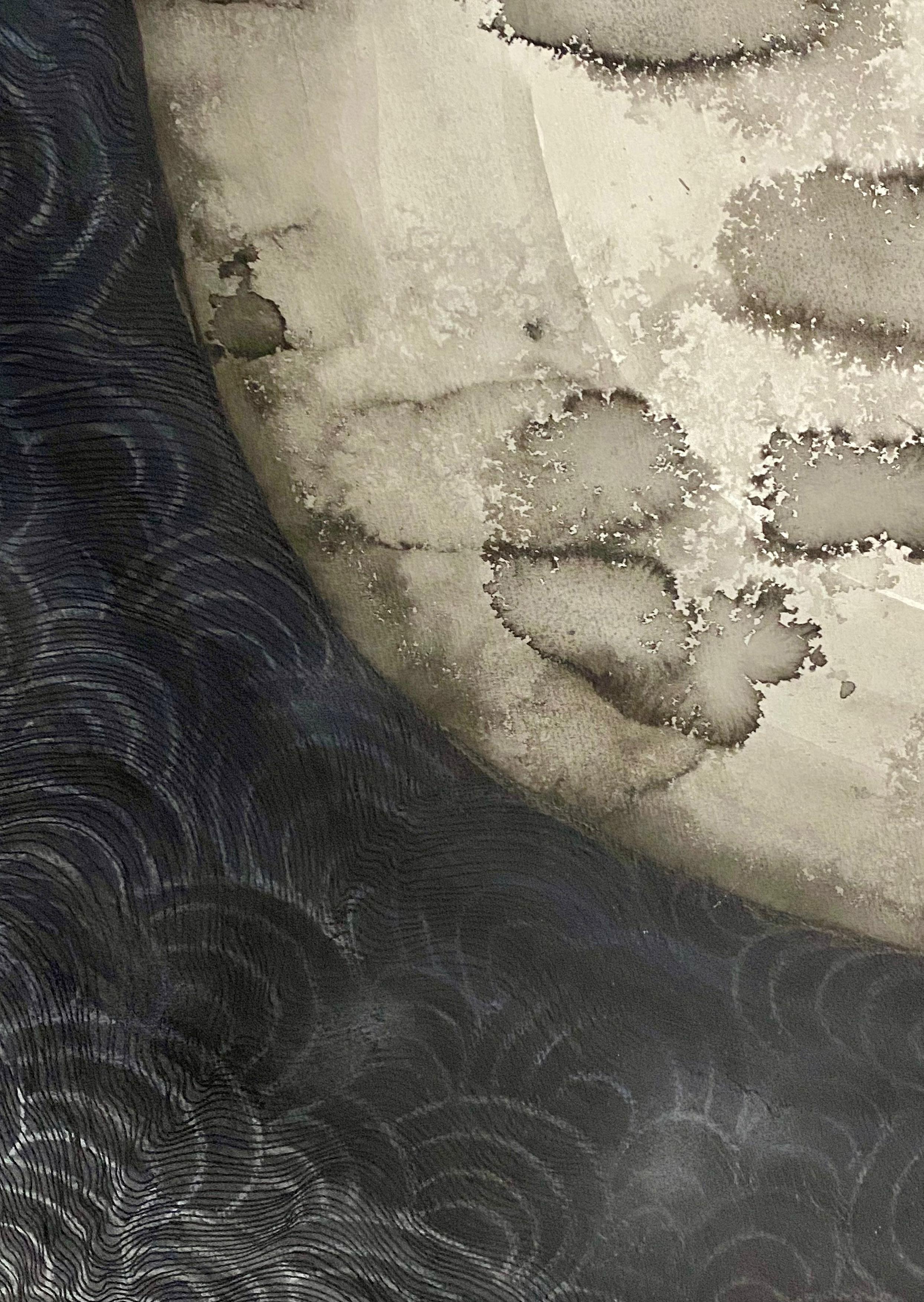
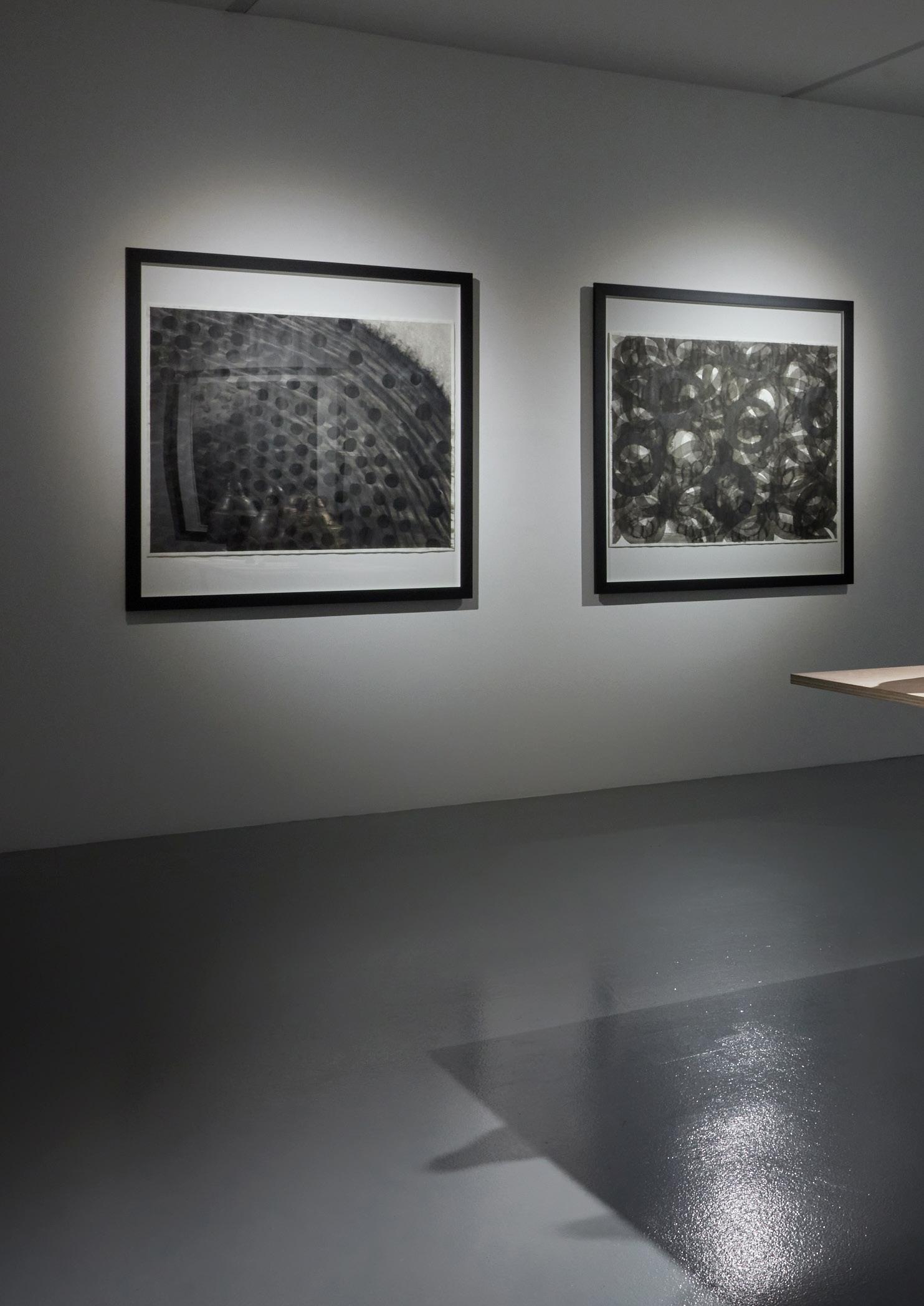
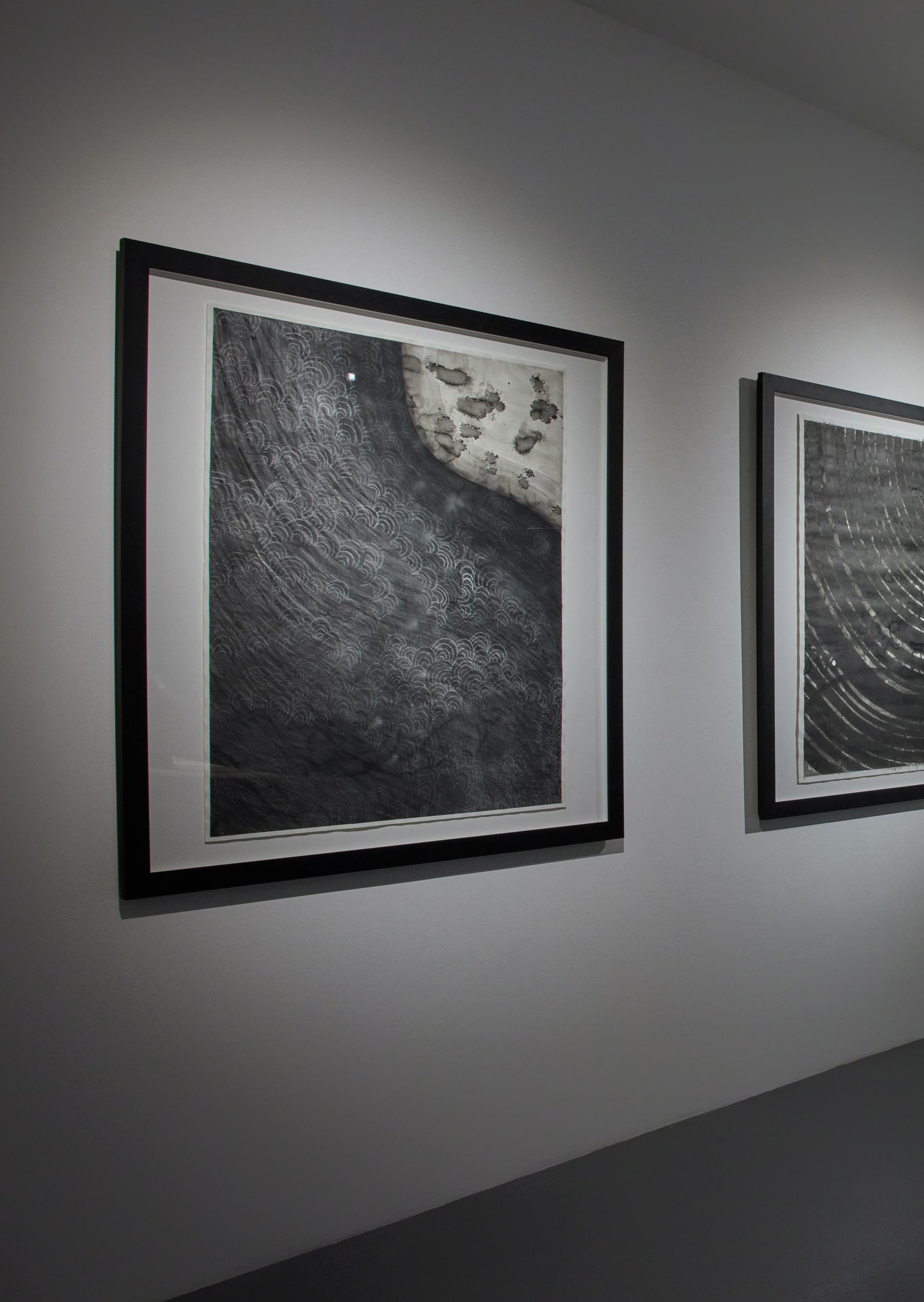
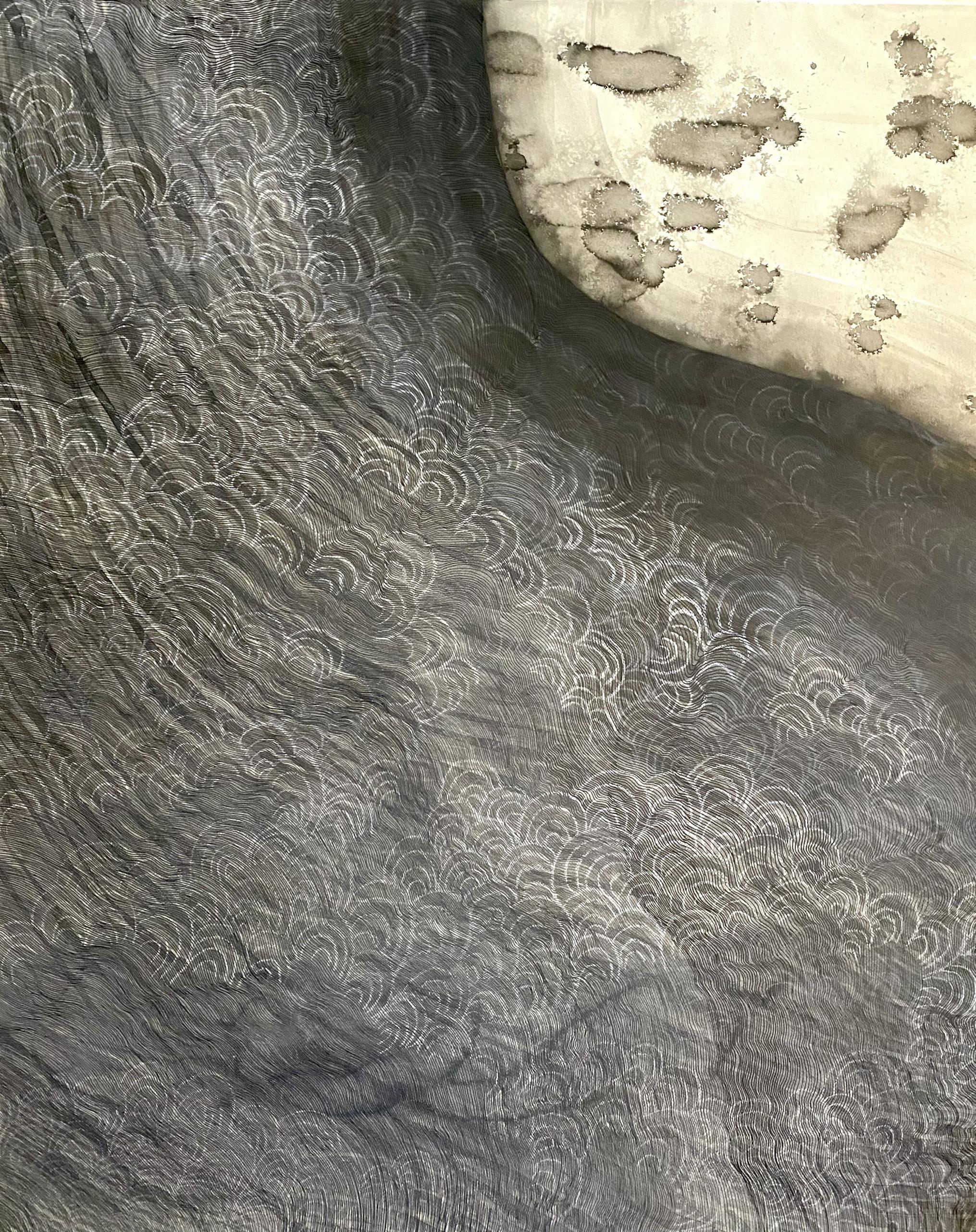
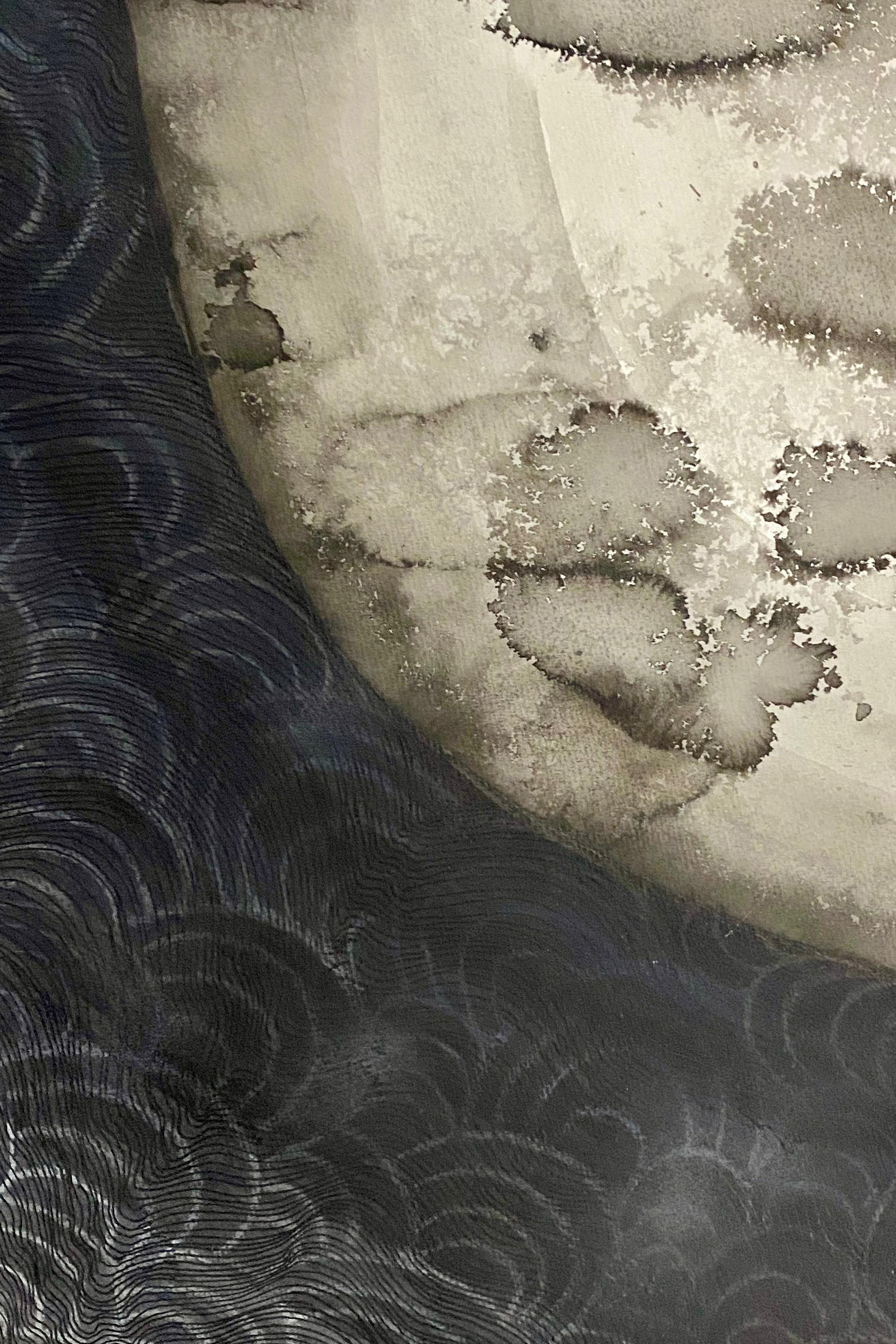
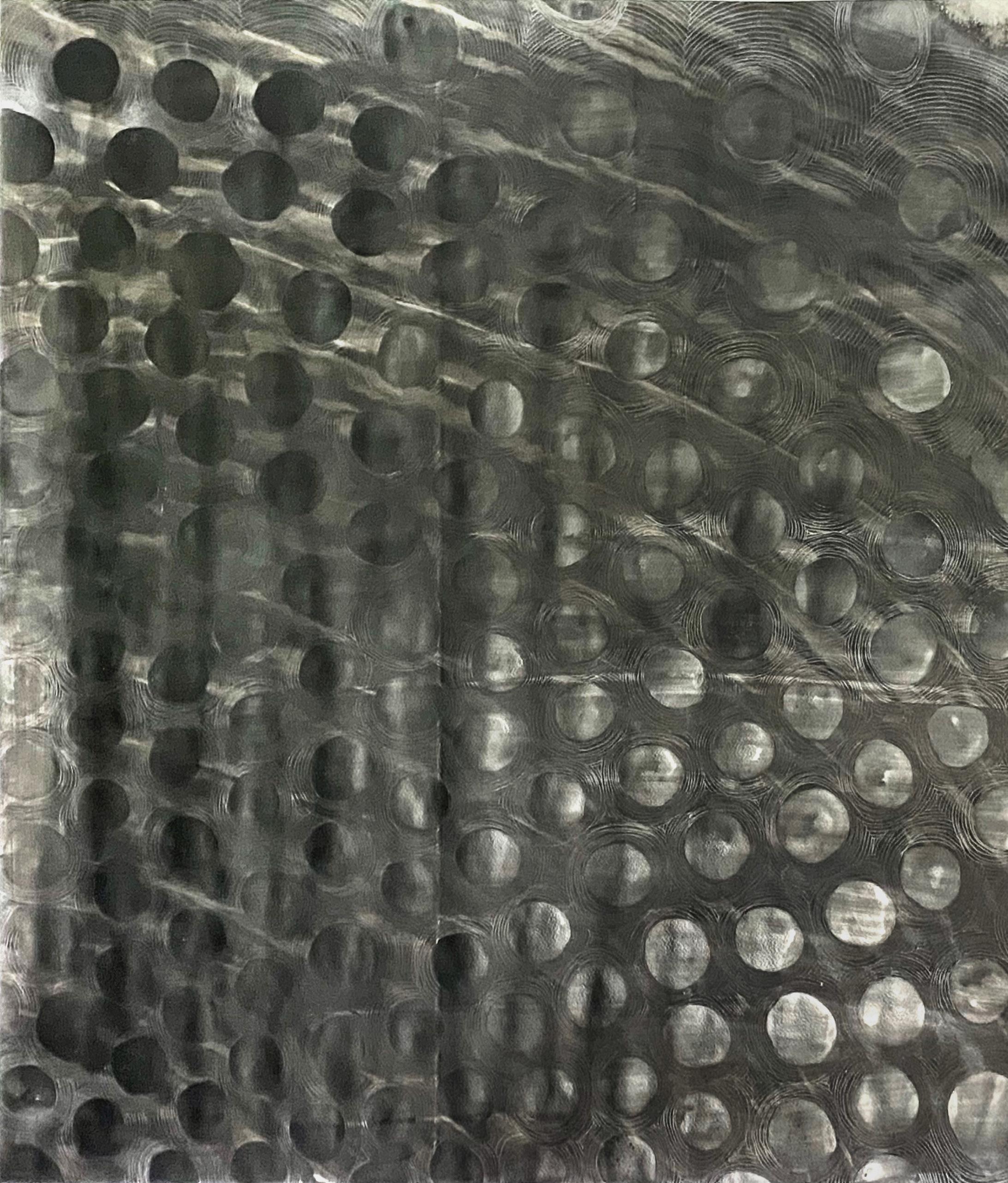
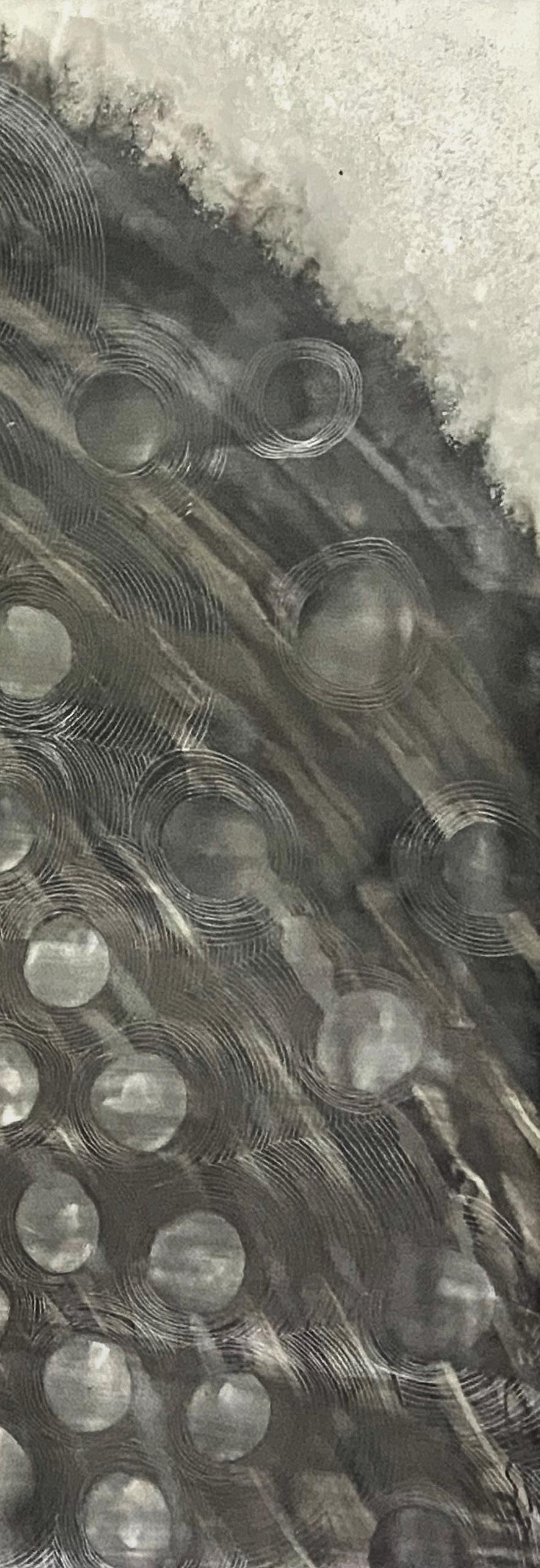
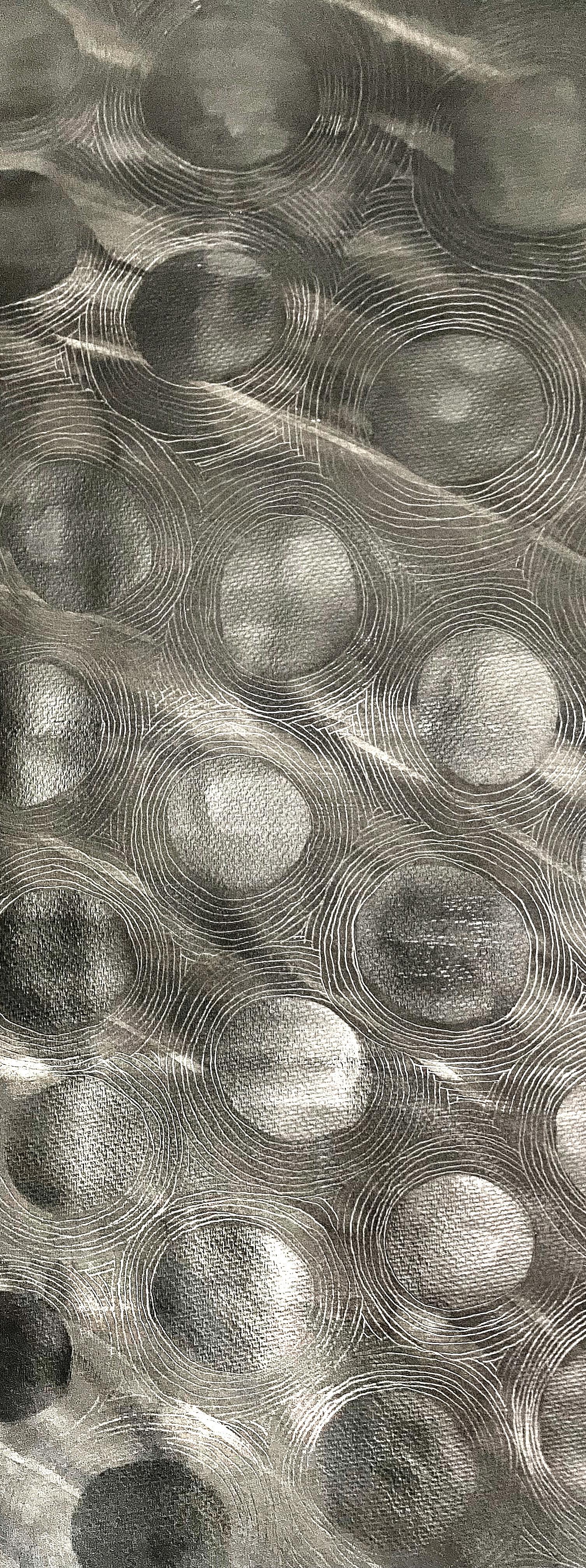
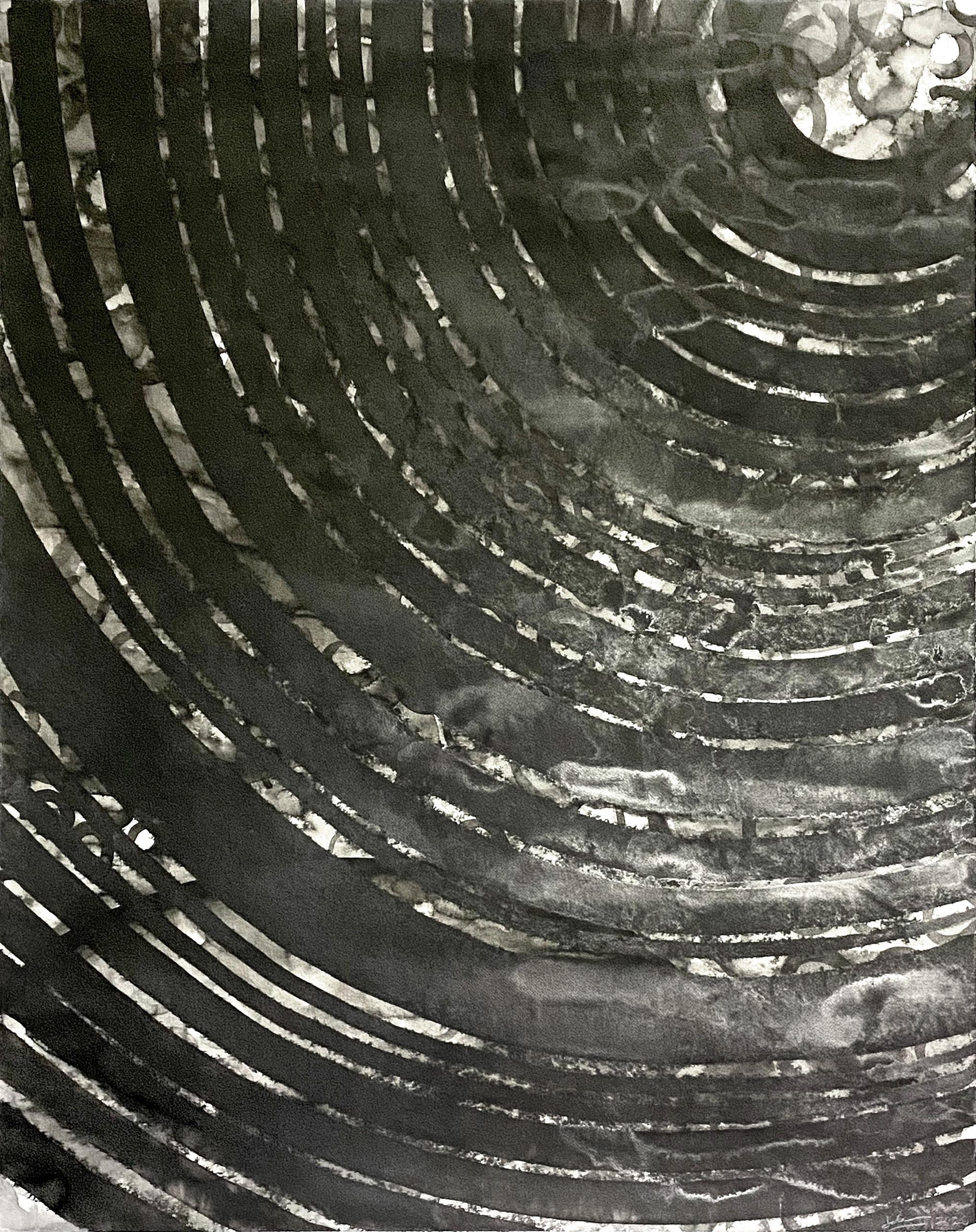
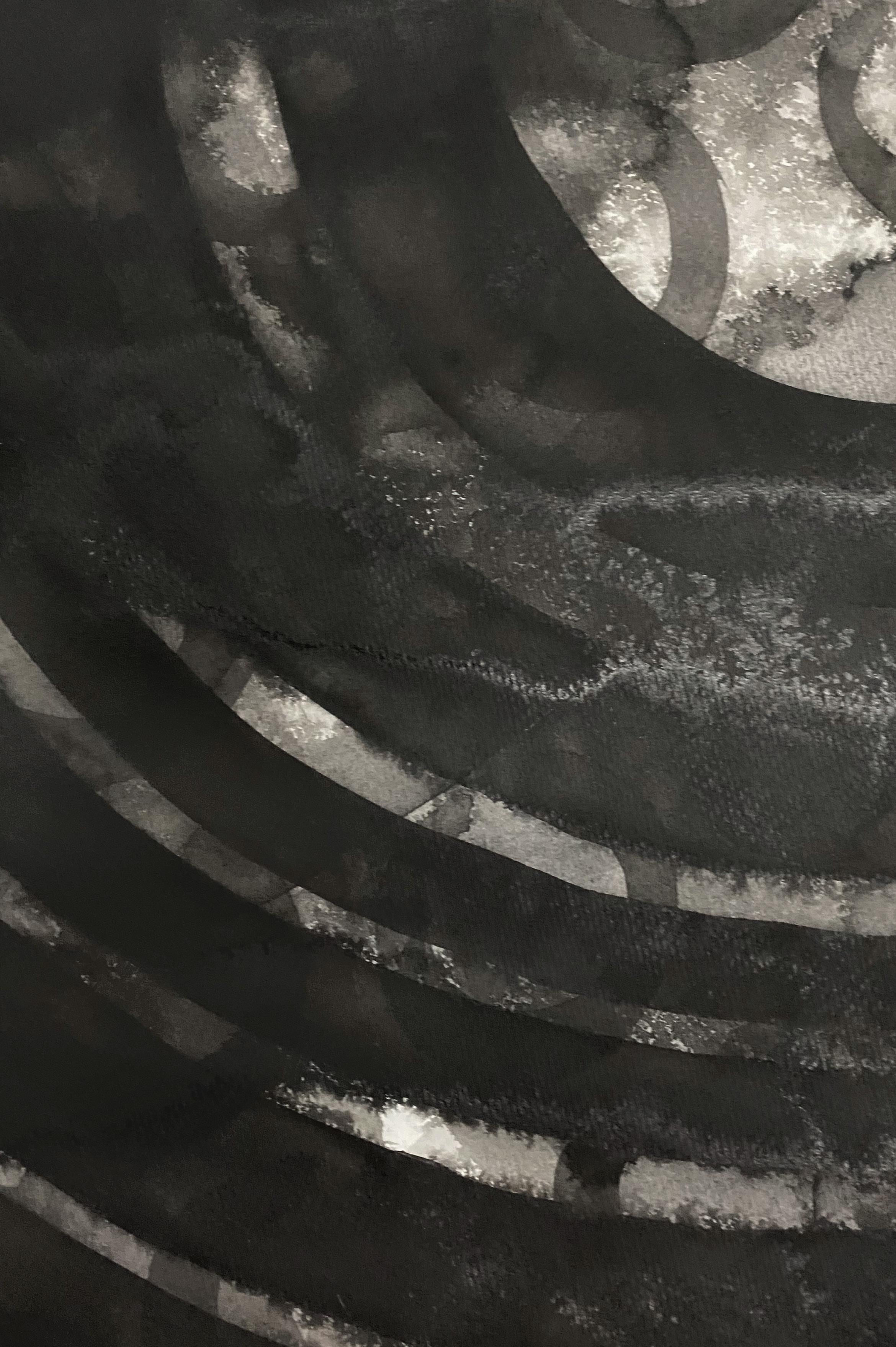
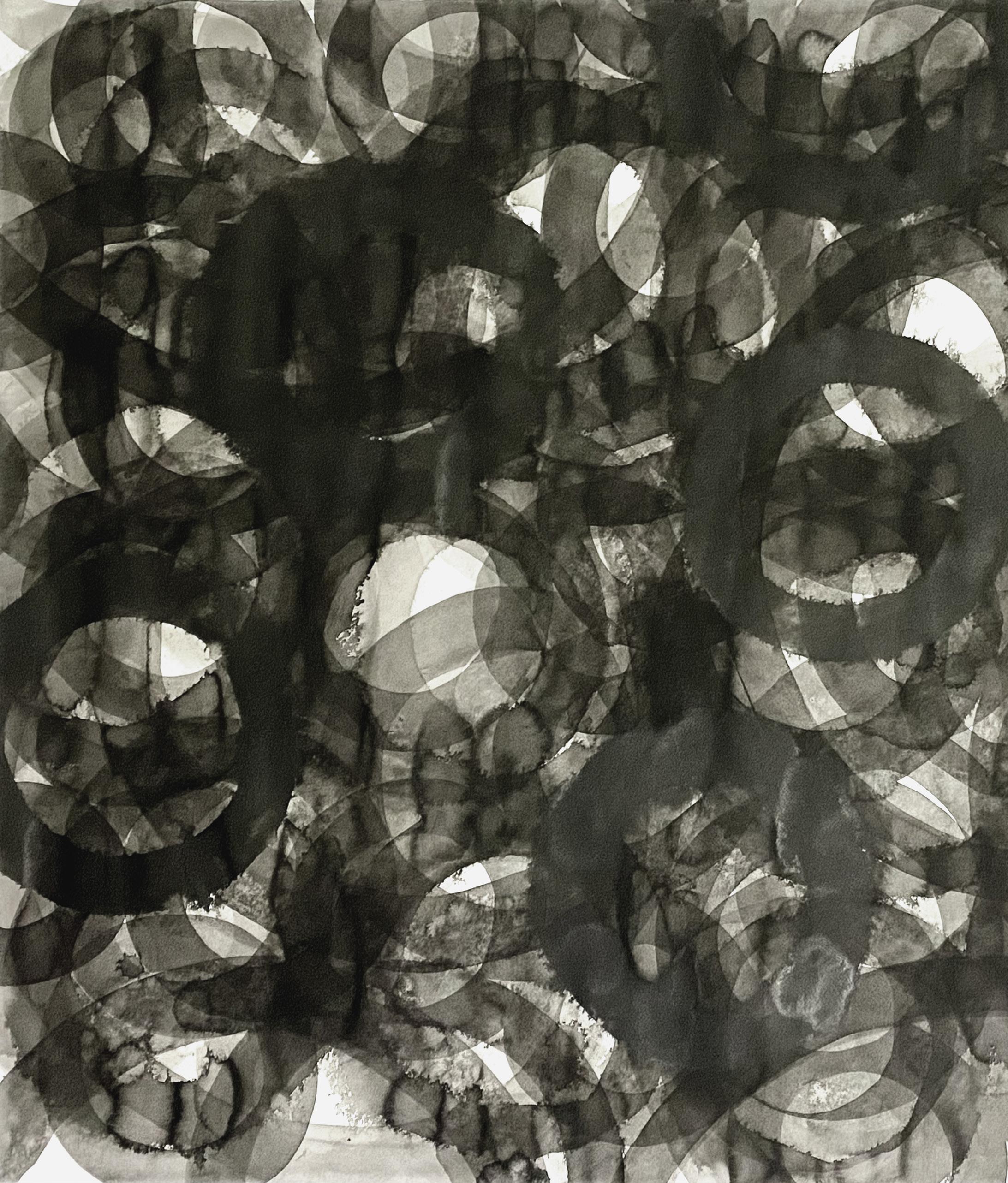
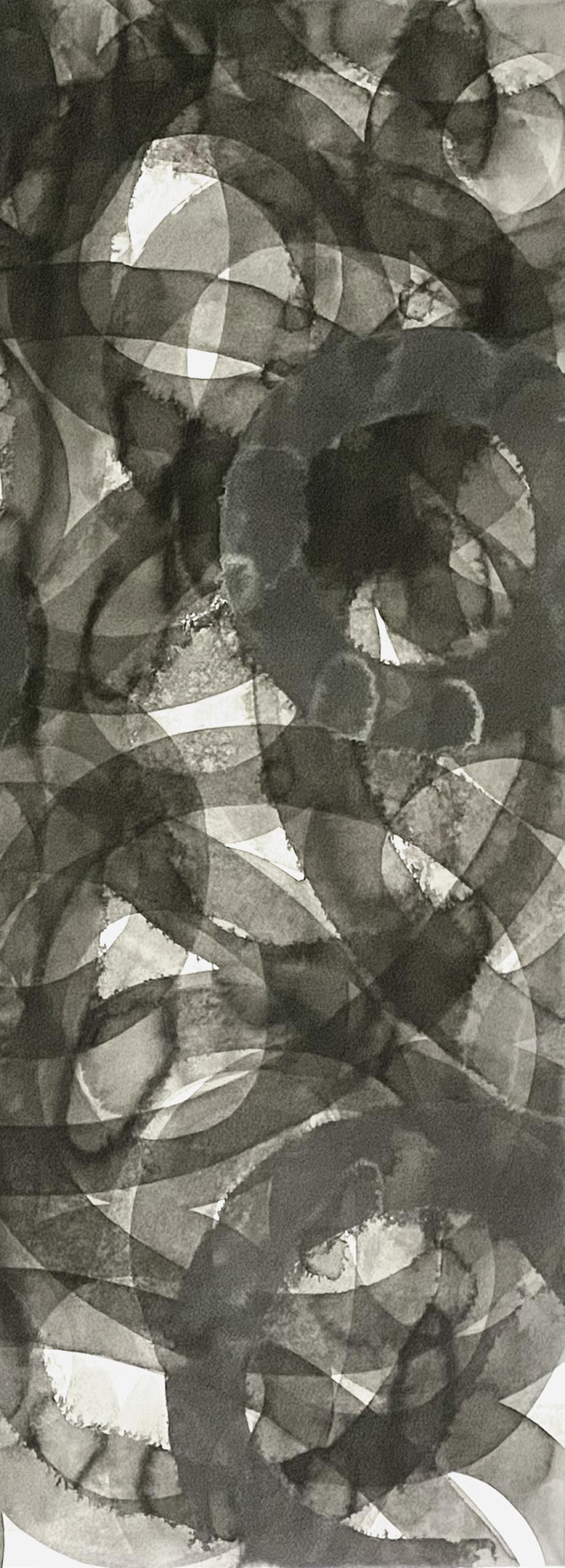
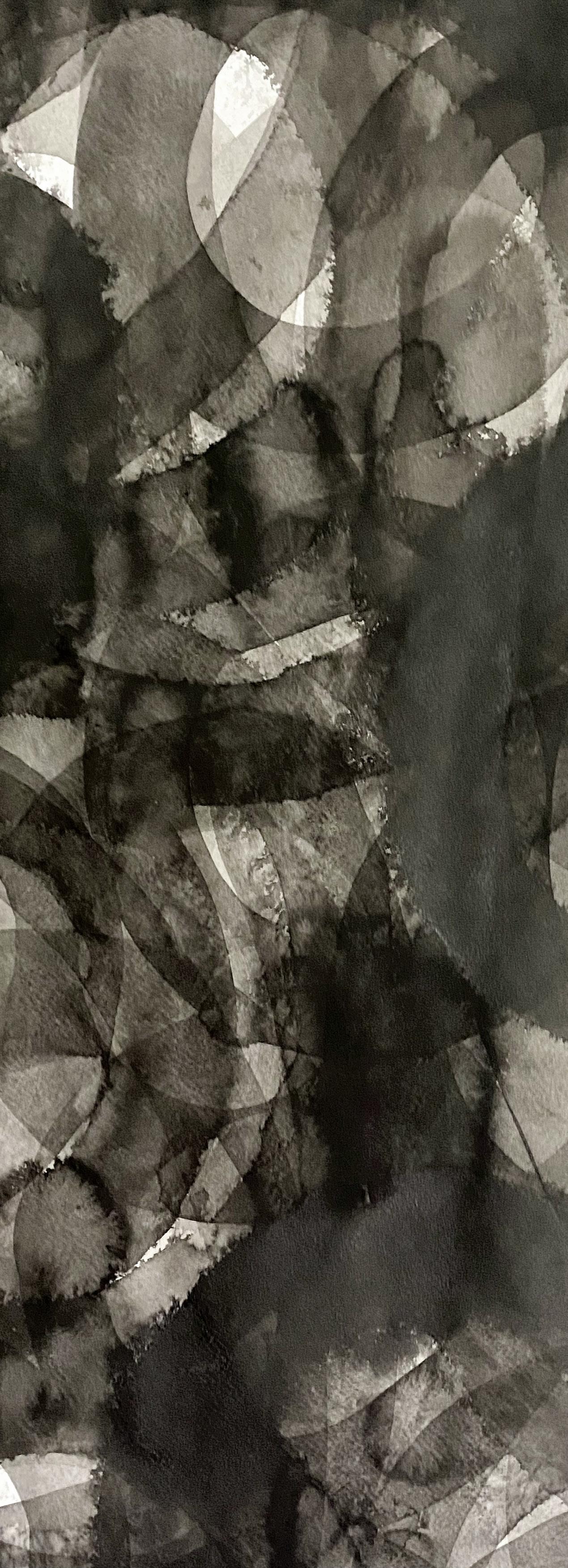
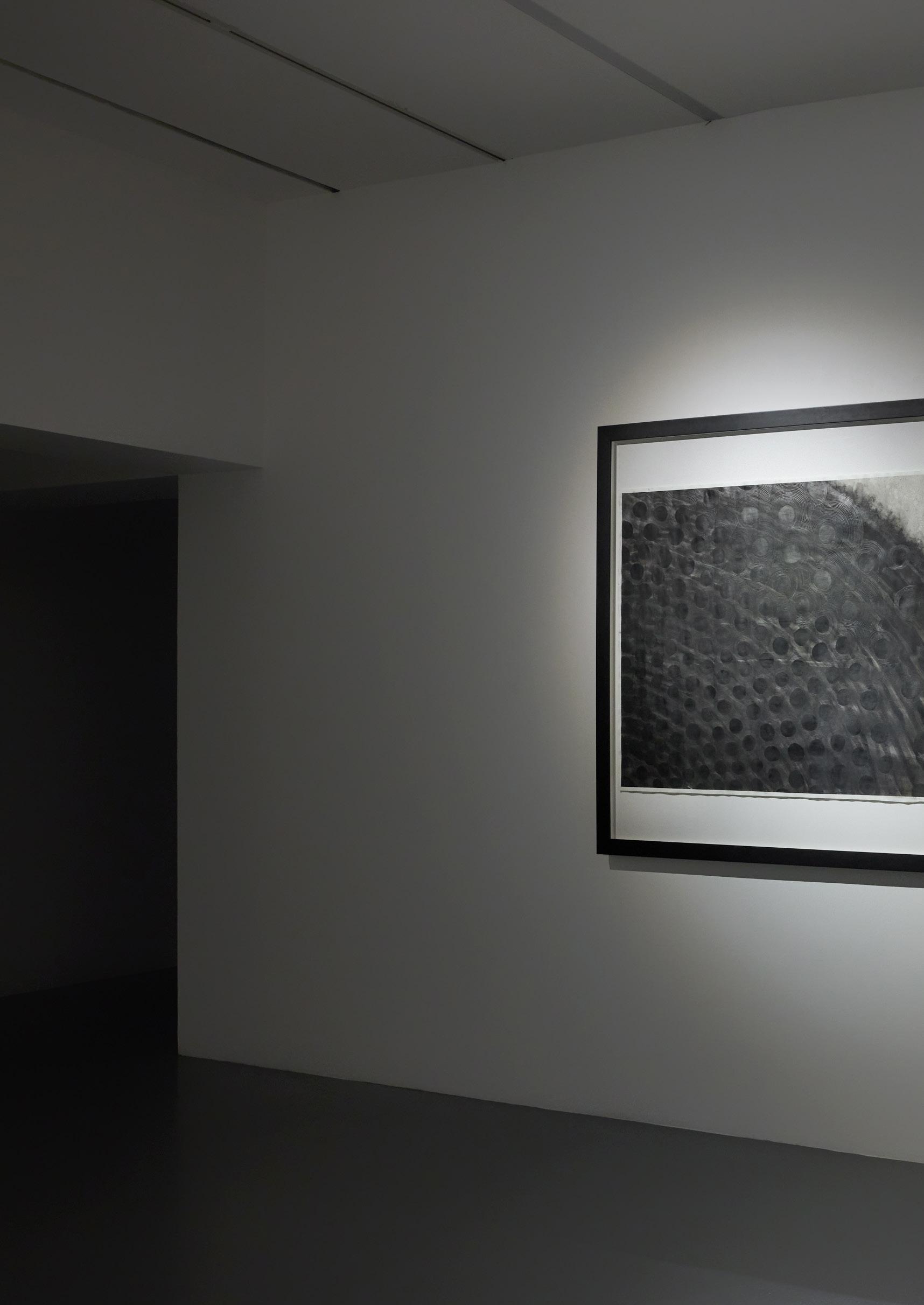
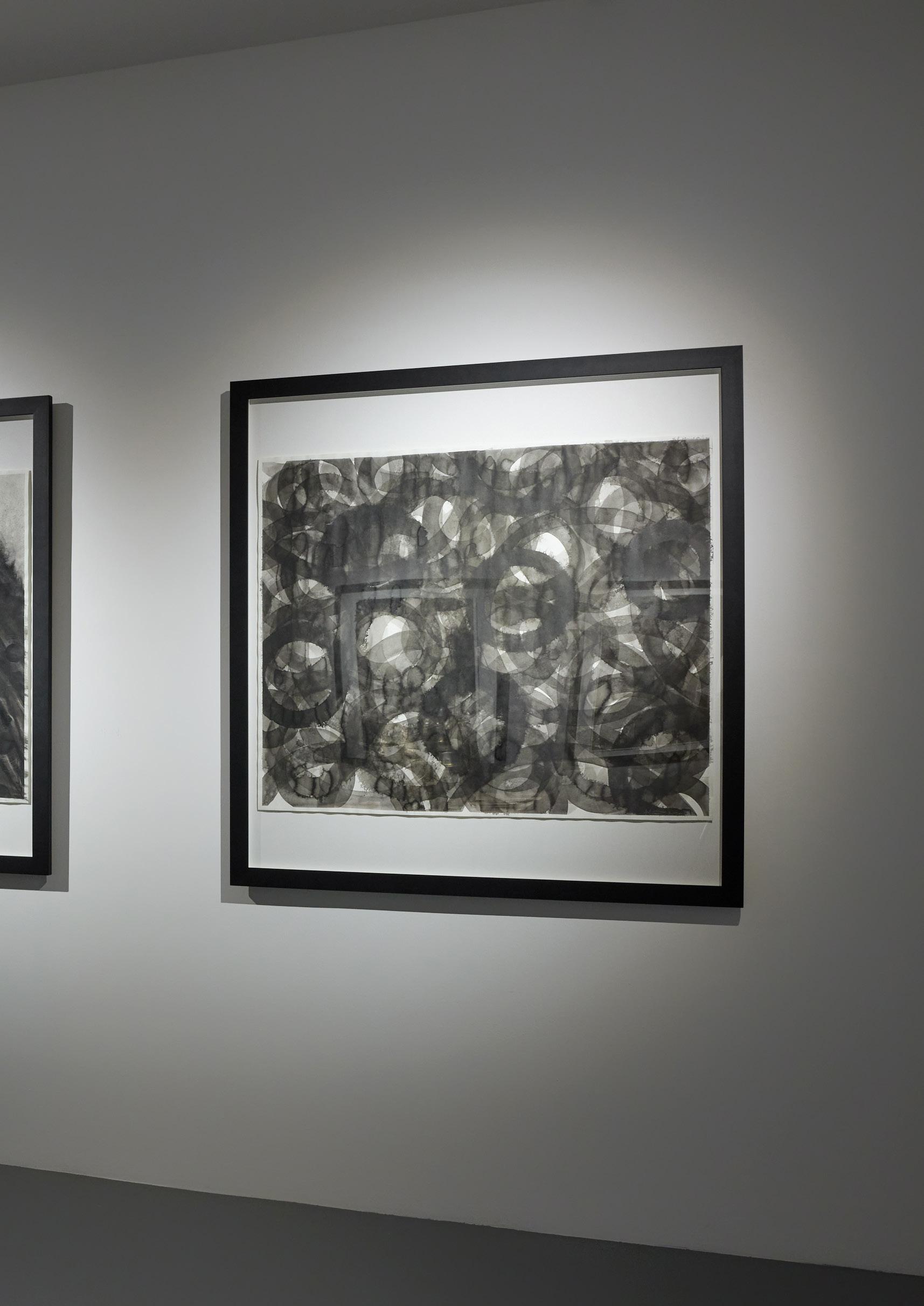
Lim’s Resonance series of Chinese ink drawings extends this inquiry into pictorial form. Through concentric forms, they suggest the visual trace of vibration, as though sound has been translated and held upon paper. Executed through accumulations of ink, graphite, and gesture, the drawings unfold through a process of sustained repetition, as concentric forms ripple outward across the surface. Each mark registers duration, embedding time into the paper. Yet unlike the instantaneous spread of sound, these visual resonances slowly emerge through the pressure of the hand, so that each line carries a measured passage of time.
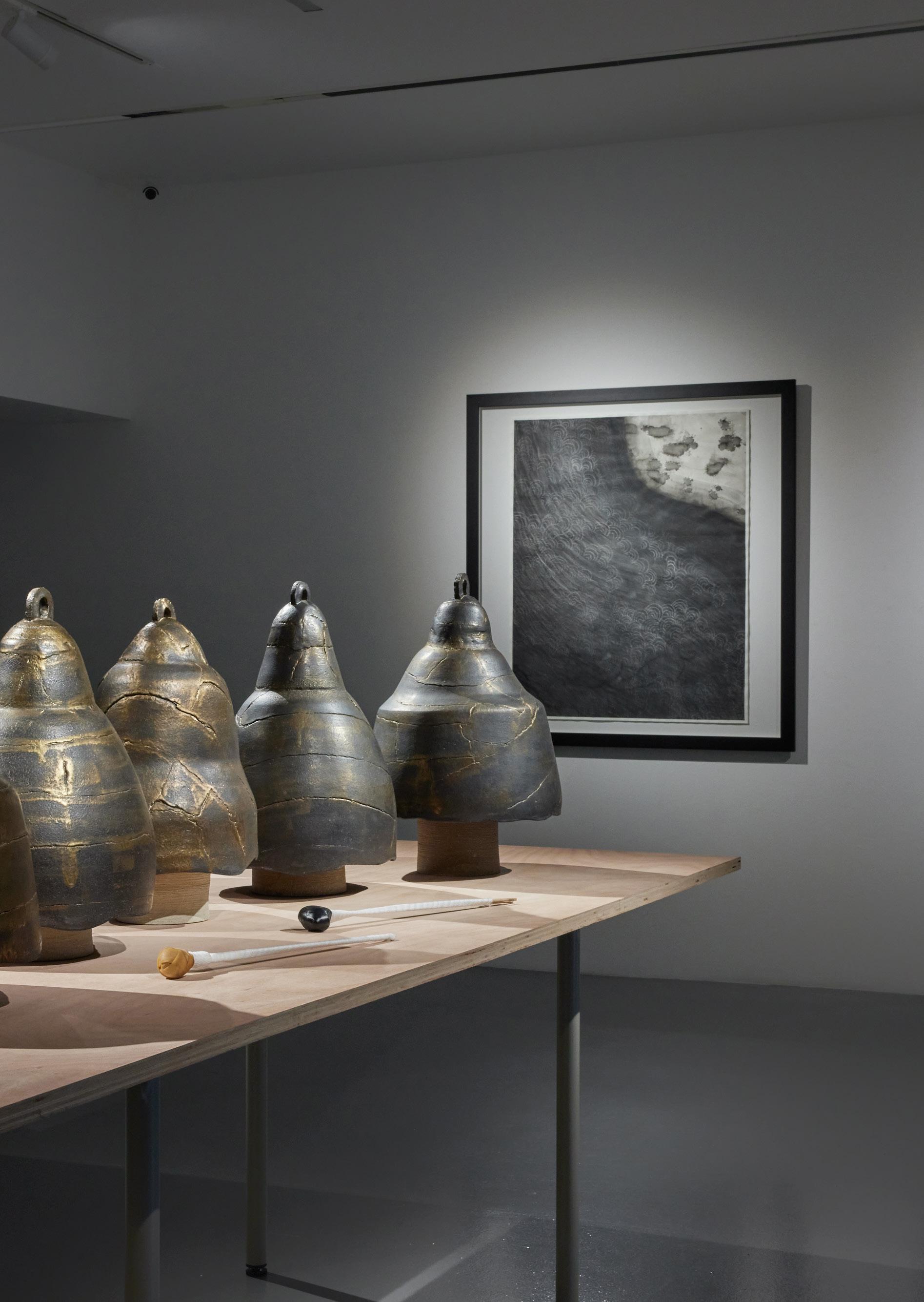
At first glance, the images resemble close-ups of undulating wave patterns, where concentric ink marks sit alongside gestural washes to create fields that seem to ripple outward from an unseen centre. The cropped compositions heighten this sensation, as if the viewer encounters only a fragment of a larger vibrational field, producing surfaces that feel at once expansive and intimate, hovering between abstraction and material memory. What becomes visible here is not a representation of sound but its persistence in another form. The drawings do not depict resonance directly but hold its vibration after it has dissipated, functioning as visual aftertones that preserve the lingering structure of vibration within the stillness of ink and paper.
This translation from sound to image echoes the tactile surfaces of ceramics, where layered marks resemble patterns inscribed into clay, recalling the subtle textures that emerge through pressure, drying, and firing. Ink presses into paper much as gesture presses into clay, so that the drawings operate not simply as images but as material records of touch.
What emerges across these works is a quiet yet persistent dynamism, as the drawings, while meditative, remain alive with subtle movement. Lines expand and thin as they travel outward, echoing the dispersal of acoustic decay, allowing the viewer to encounter a surface upon which lyrical forms diminish. Within Long Decay, the Resonance drawings occupy a crucial position, translating the invisible phenomenon of vibration into a visual field that can be contemplated over time- where sound becomes line, duration becomes density, and what was once ephemeral becomes trace.
In Long Decay, resonance is never treated as spectacle or mere performativity but unfolds instead as a condition that reveals itself slowly through time, meditatively and with quiet insistence. The ceramic bells, Resonance drawings, and video fragments each attend to the interval between action and disappearance, registering the moment when vibration begins to fade yet has not fully vanished, when presence lingers at the edge of dissolution.
Within this expanded field, the bell gives the material a voice while the vessel gives it the capacity to listen, forming a quiet dialogue between sound and silence that unfolds across the exhibition. Lim returns
Resonance 1 (2025), detail
repeatedly to the threshold at which presence dissolves, as the strike of a bell disperses into air, an image gives way to another, and a gesture presses into clay before the material hardens and remembers. These moments accumulate into a meditation on duration, where what appears stable is revealed as only a state within a longer cycle of transformation. What remains after sound fades is not emptiness but resonance, as the body continues to register vibration beyond hearing, and memory persists as subtle impressions that return unexpectedly, like the lingering echo of a bell.
As forms disperse, circulate, and re-enter larger ecological systems, Lim’s works trace these shifts into silence and recollection. Each becomes a subtle archive of its site of production, where matter loosens its form and lingers instead as resonance, held in the attentive space of listening.
Dr. Adrian Tan is an artist-curator whose work investigates public engagement with contemporary art through performance, archives, and exhibition-making in Southeast Asia. He was a Research Fellow at National Archives Singapore and is currently Senior Lecturer in Nanyang Academy of Fine Arts, University of the Arts Singapore.
Yingge (2025), video still
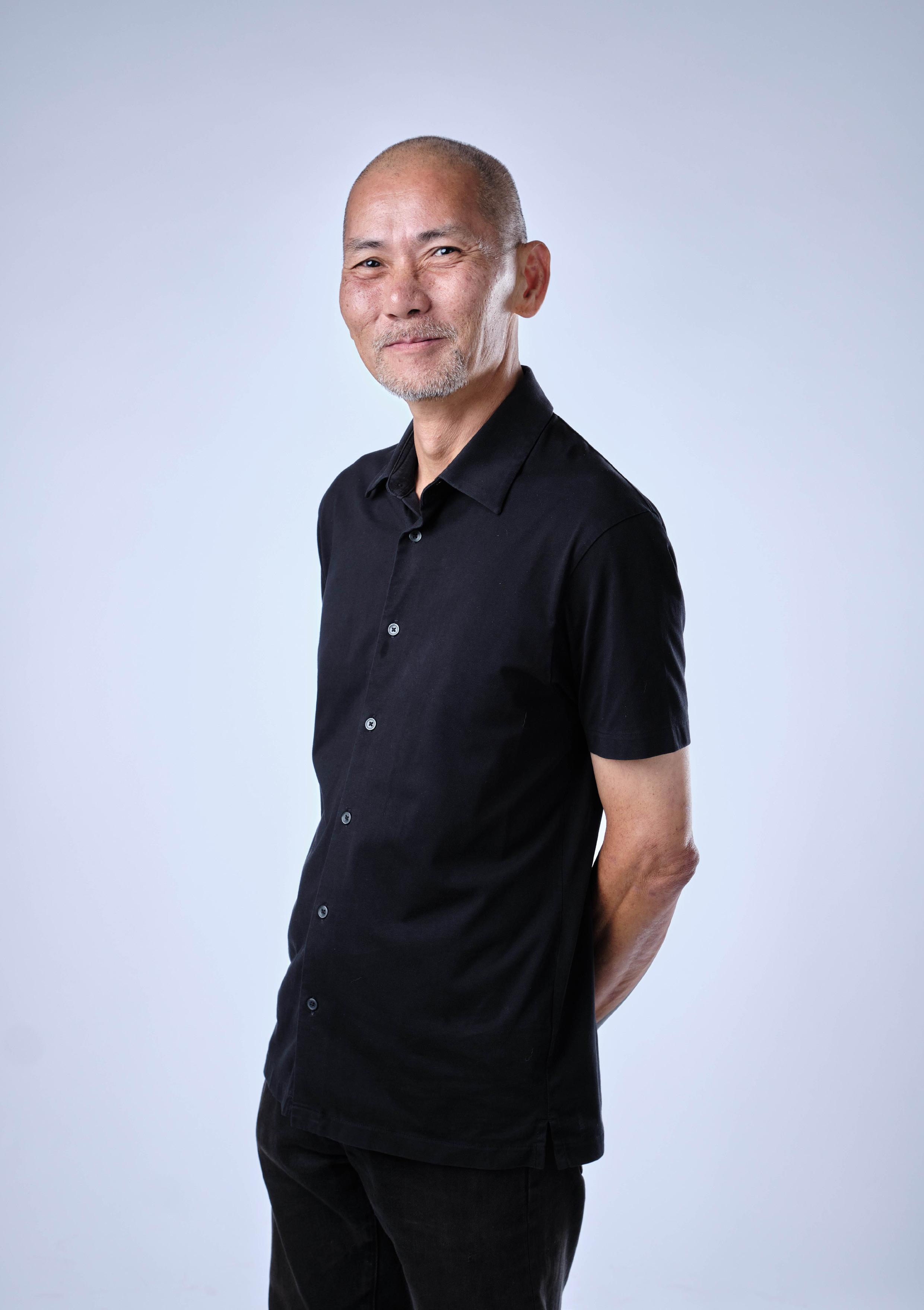
Jason Lim (1966; Singapore) is a contemporary artist whose work centres around the fundamental elements of nature: earth, water, air, fire, and space. His artistic endeavours aim to unveil the intricate relationships between nature and the world we inhabit. Lim explores the convergence of the body, matter, and spirit through ceramics, sculpture, photography, film, and performance art. His creative process involves meditative practices and repetitive actions, producing thoughtprovoking and visually captivating works.
Since 1994, Lim has showcased his art in prestigious international festivals and exhibitions. Some notable highlights include his participation in the 52nd Venice Biennale, Venice, Italy (2007); Wolves in Winter, South London Gallery, UK (2006); and Toowoomba Relics, Craft Queensland Gallery, Brisbane, Australia (2003). Lim’s work has also been featured in the Indian Ocean Craft Triennale, Western Australian Museum Boola Bardip, Perth, Australia (2022); Kjerringøy Land Art Biennale, Kjerringøy, Norway (2018); the Là-bas – Performance Art Biennale, Museum of Contemporary Art Kiasma, Helsinki, Finland (2010); the 1st Jakarta Ceramics Biennale, Jakarta, Indonesia (2009); the Taiwan Ceramics Biennale, Yingge Ceramics Museum, Taipei, Taiwan (2008); and the 4th World Ceramics Biennale, World Ceramics and Exhibition Foundation, Incheon, South Korea (2007). Furthermore, his participation in the JIWA: Jakarta Biennale in Indonesia (2017), Roving Eyes – Contemporary Art from South East Asia at Arter, Turkey (2014) and the 1st Venice International Performance Art Week in Italy (2012), further solidified his international reputation.
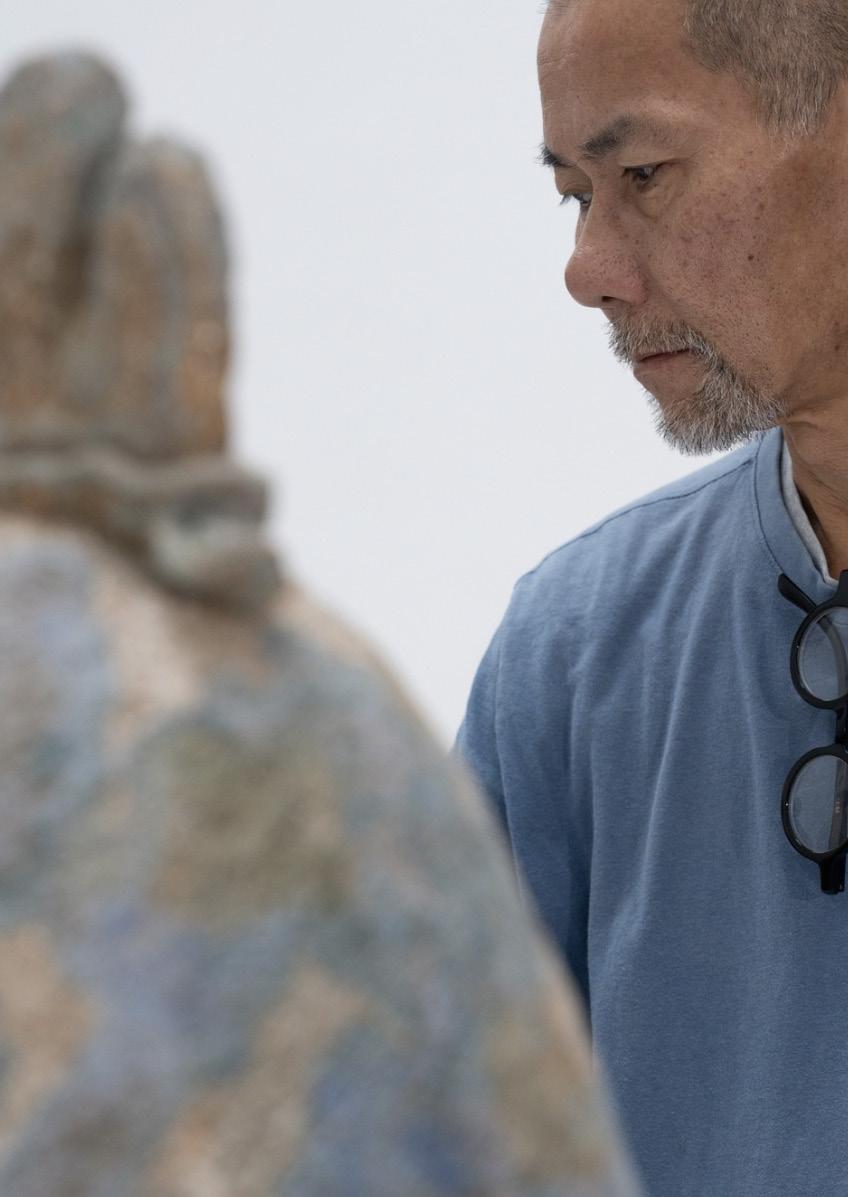
Beyond his artistic practice, Lim has been actively involved in organizing and directing art events. From 2004 to 2016, he was the organizer, coArtistic Director, and Artistic Director of Future of Imagination (FOI), an esteemed international performance art event held in Singapore. Additionally, Lim spearheaded the organization, direction, and cocuration of Singapore Ceramics Now in 2021, which provided a platform for showcasing contemporary ceramics and surveying the current ceramics practices in Singapore. In collaboration with Art Patronage & Development Center, Hanoi, Vietnam, he co-curated and co-organized the Ping Pong - Vietnam and Singapore Site Specific Performance Art Project in 2024. Recognizing his artistic achievements and his deep exploration of nature, spirituality, and the human experience, Lim has received numerous invitations for Artist-In Residency programs. Lim’s work continues to resonates with viewers on a profound level, inviting them to reflect on their place in the world and fostering a deeper appreciation for the intricate beauty of the natural world.
Ceramics, wood, stone, rubber, waterproofing tape and medical gauze, performance documentation and single-channel video (00:06:44)
Edition 1 of 2 + 1 Artist’s Proof (video)
Dimensions variable (installation)
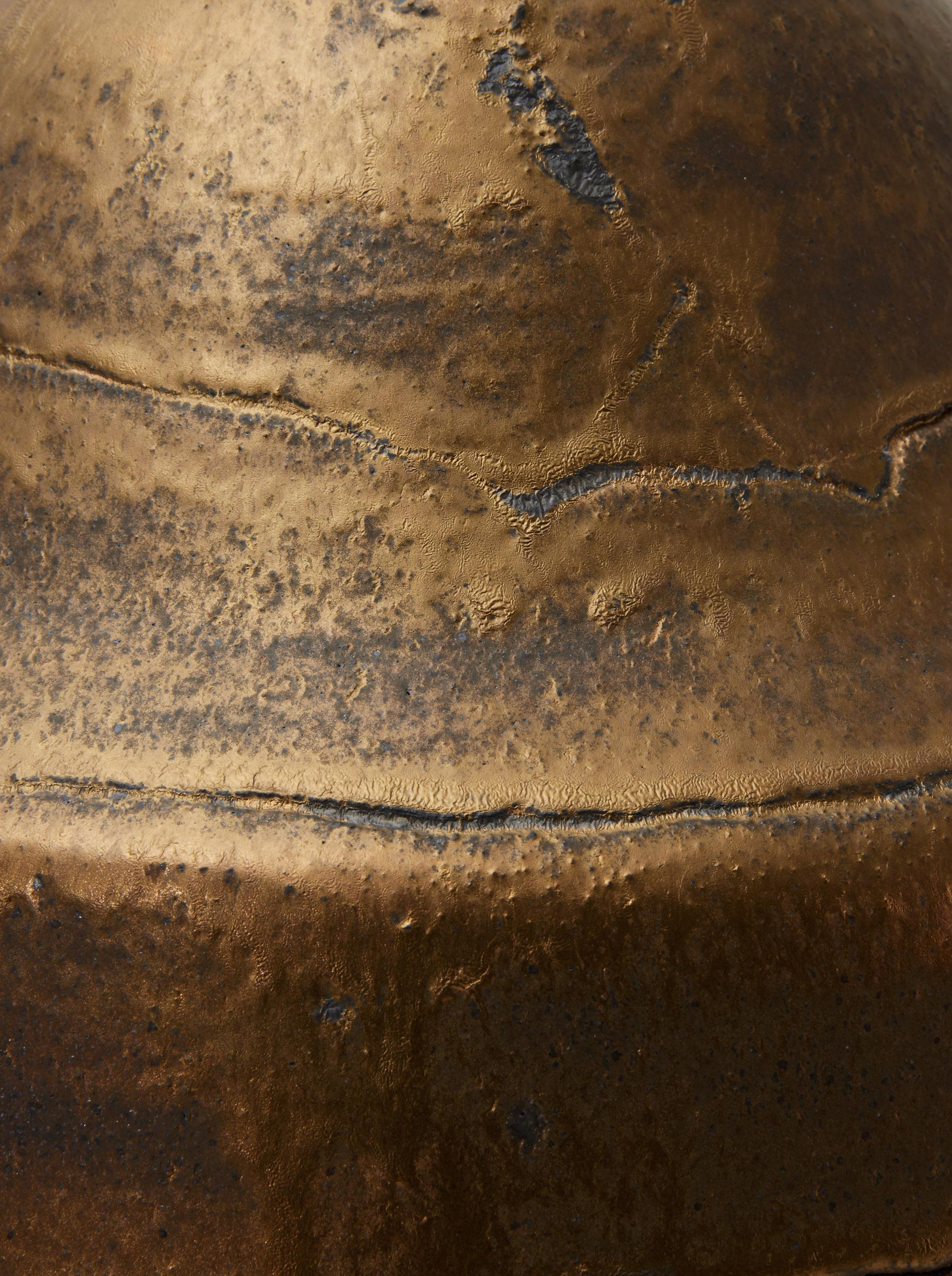
Yingge (2024), Bell 1, detail
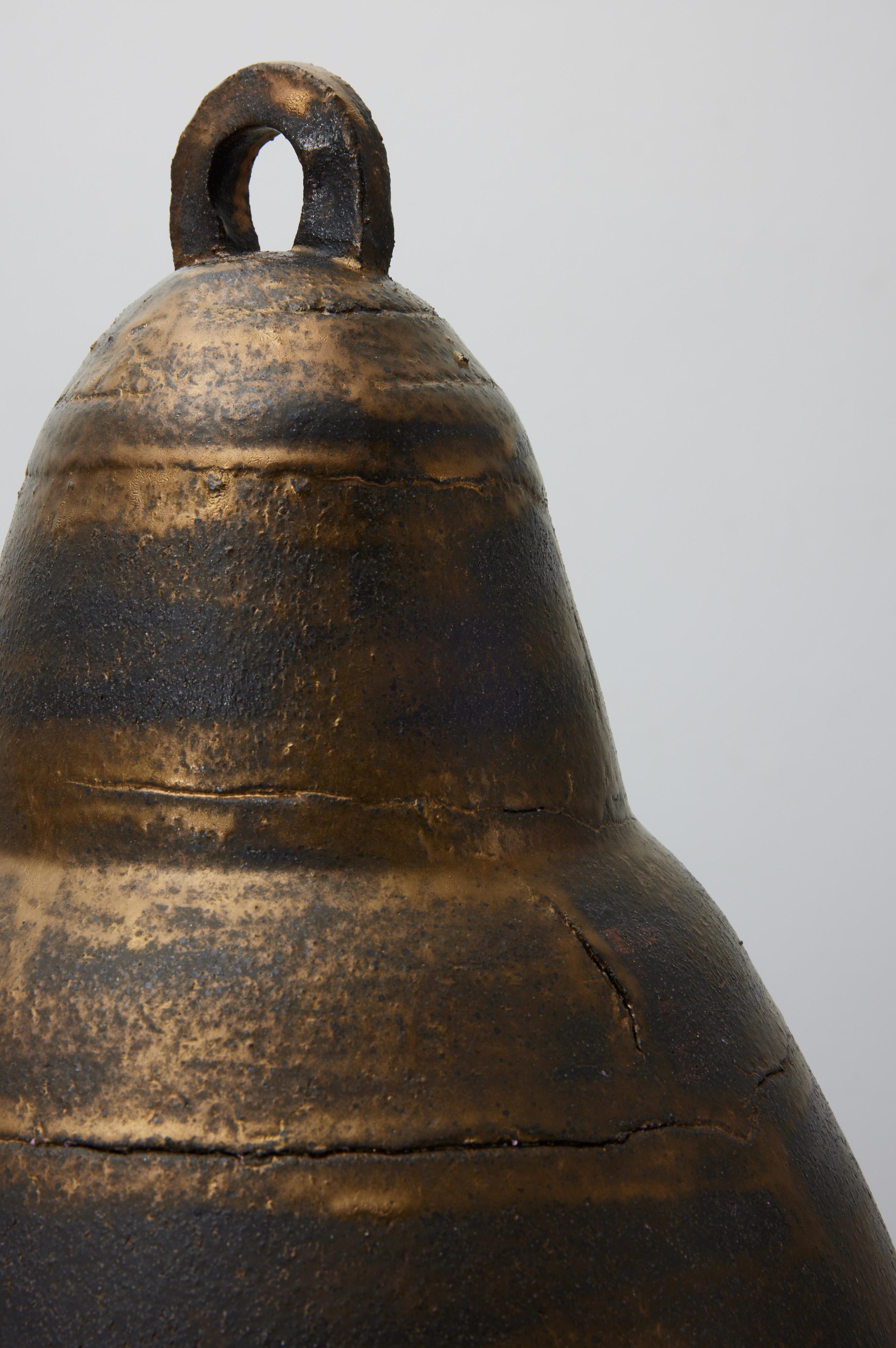
Yingge (2024), Bell 2, detail
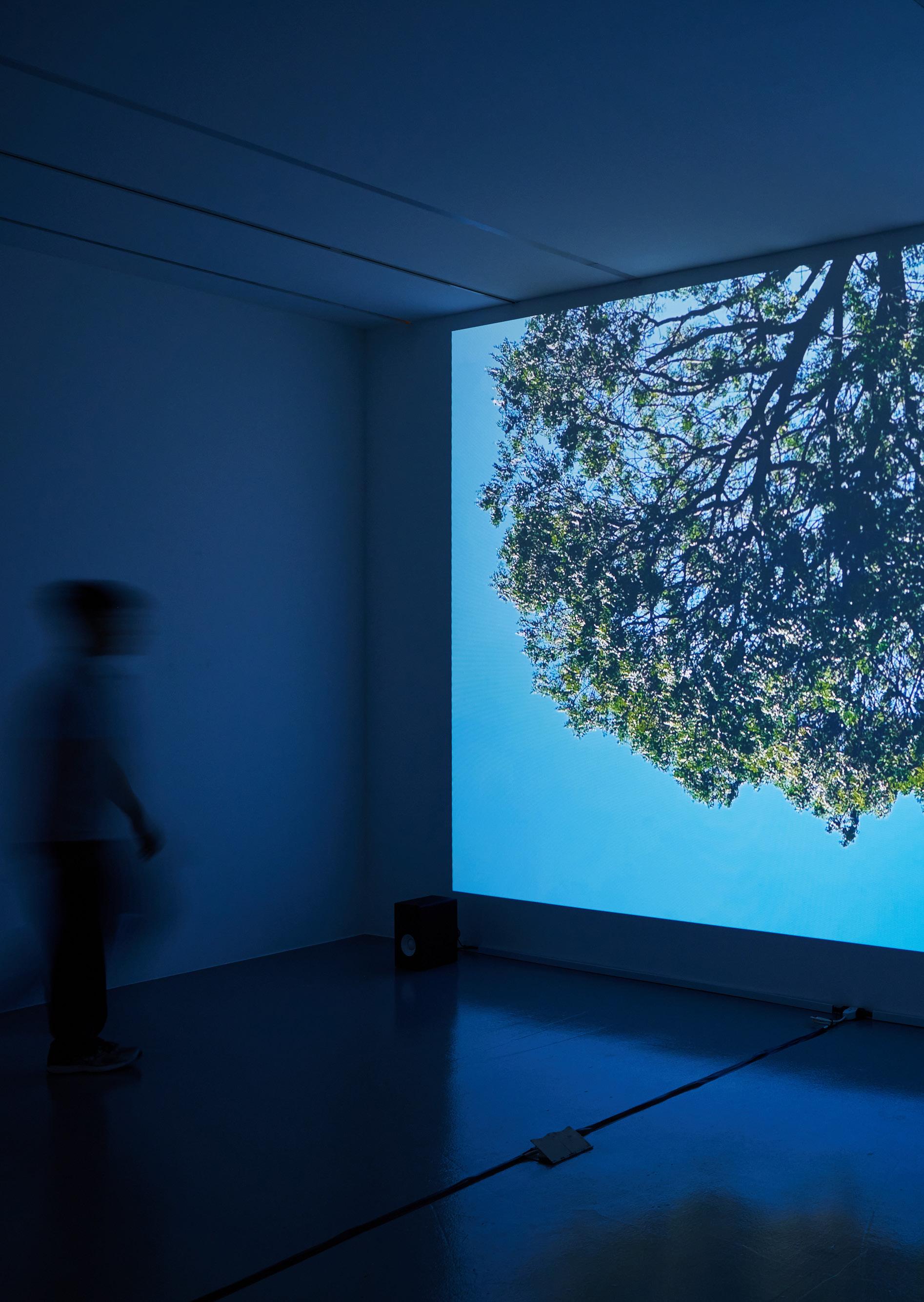
Yingge 2024
Single-channel video (00:06:44)
Edition 2 of 2 + 1 Artist’s Proof
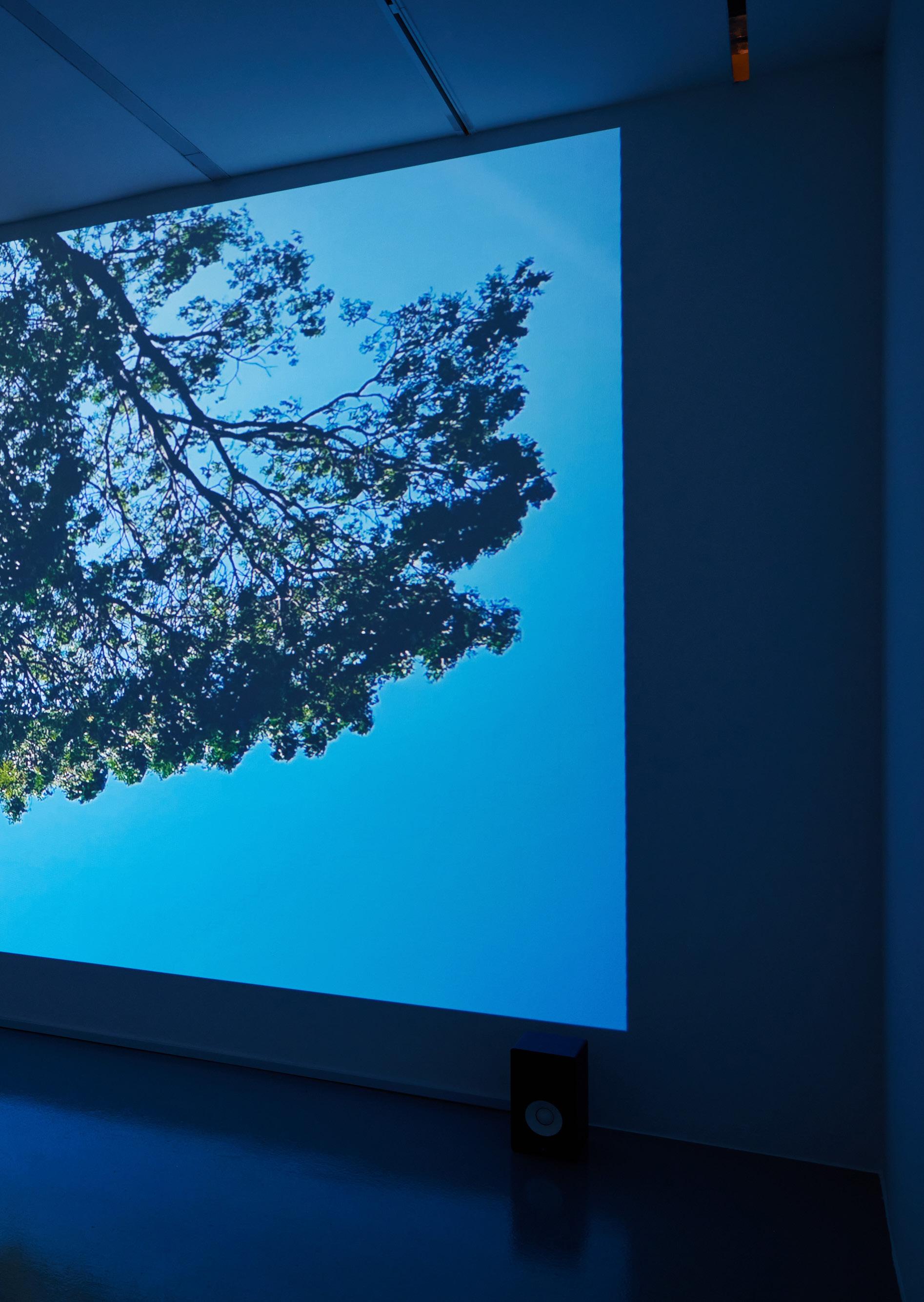
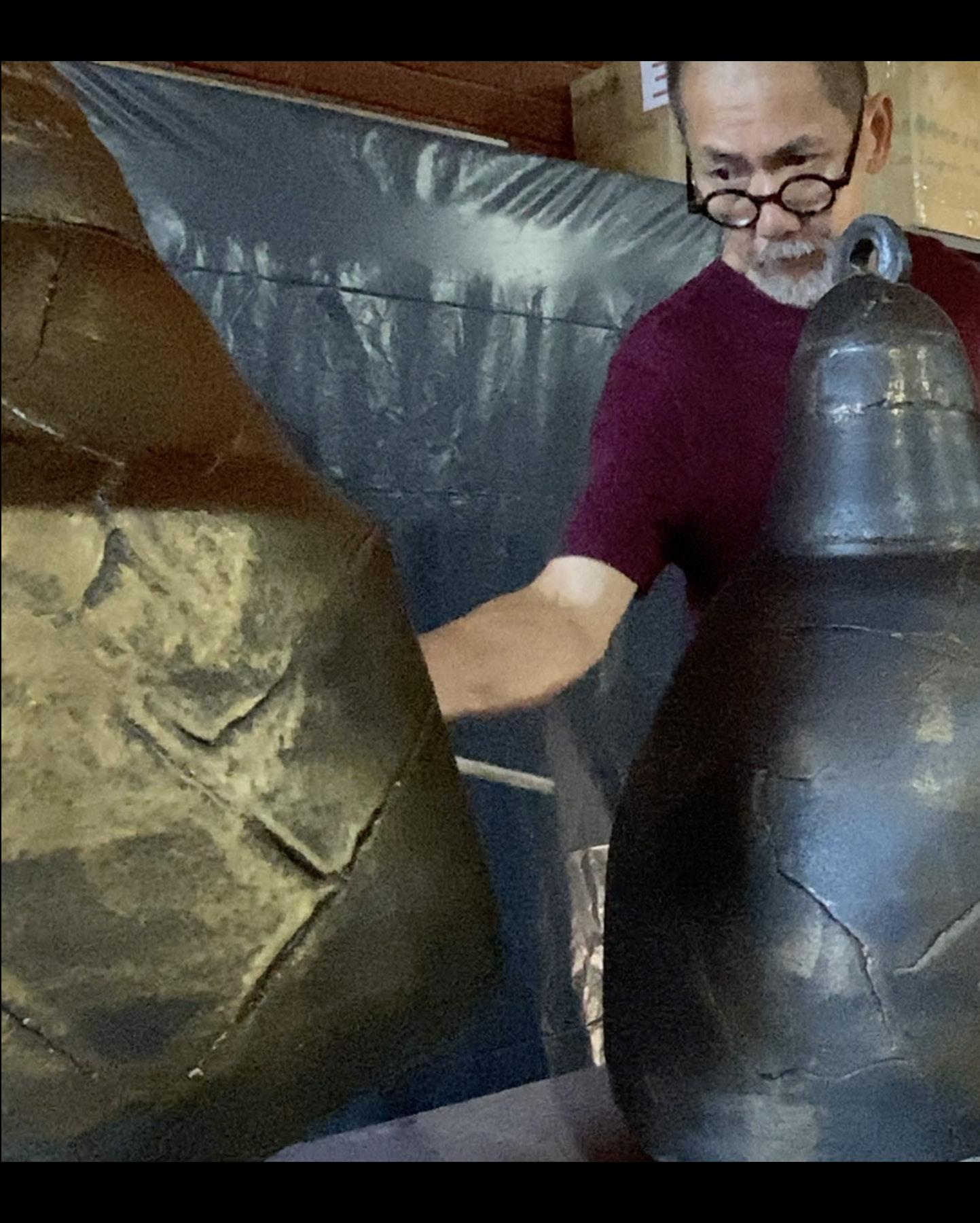
Yingge (2024), video still
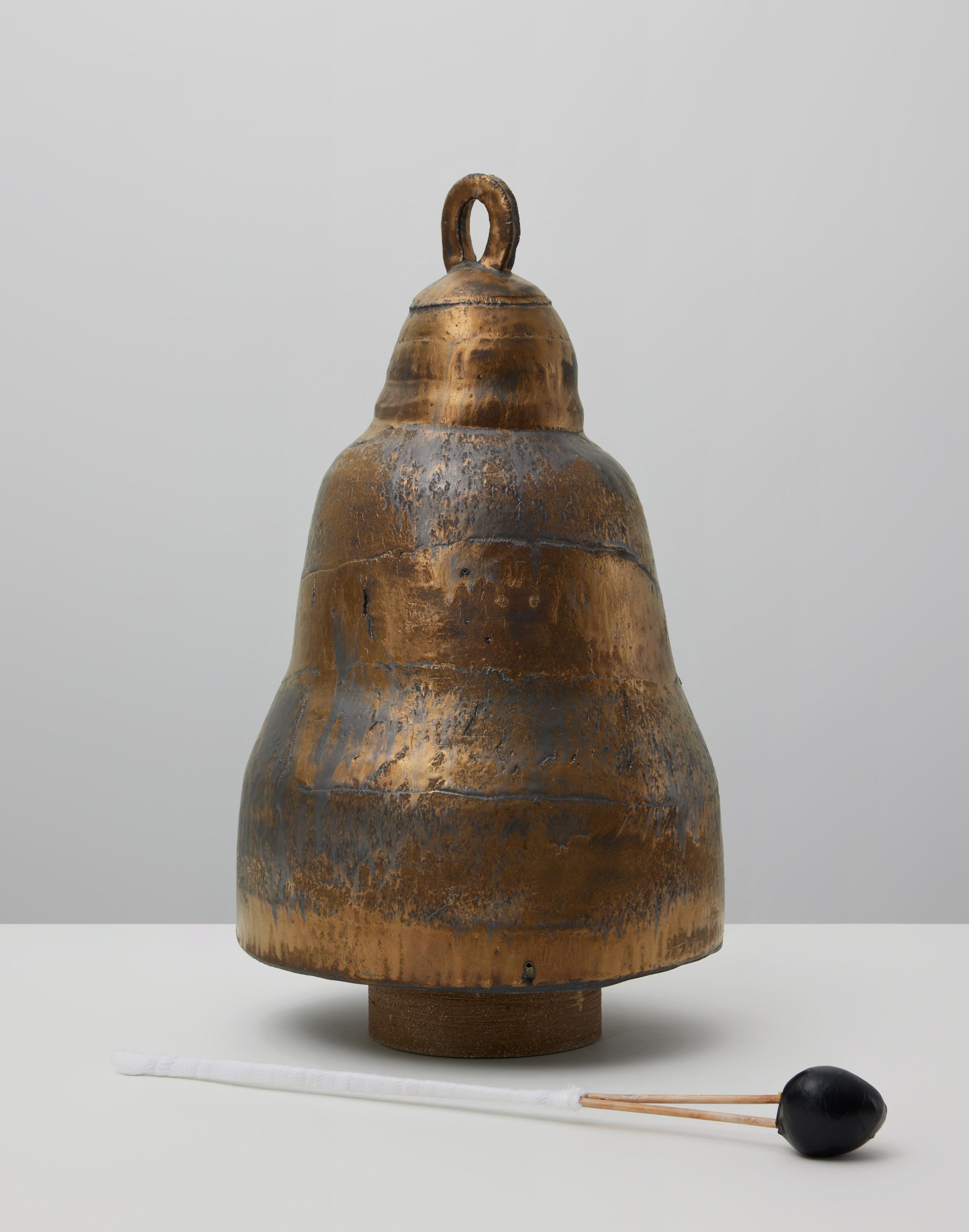
Before Silence 2025
Ceramics, wood, stone, sponge, waterproofing tape and medical gauze
H54 x Ø31 cm (bell)
H47 x W4 x D6 cm (mallet)
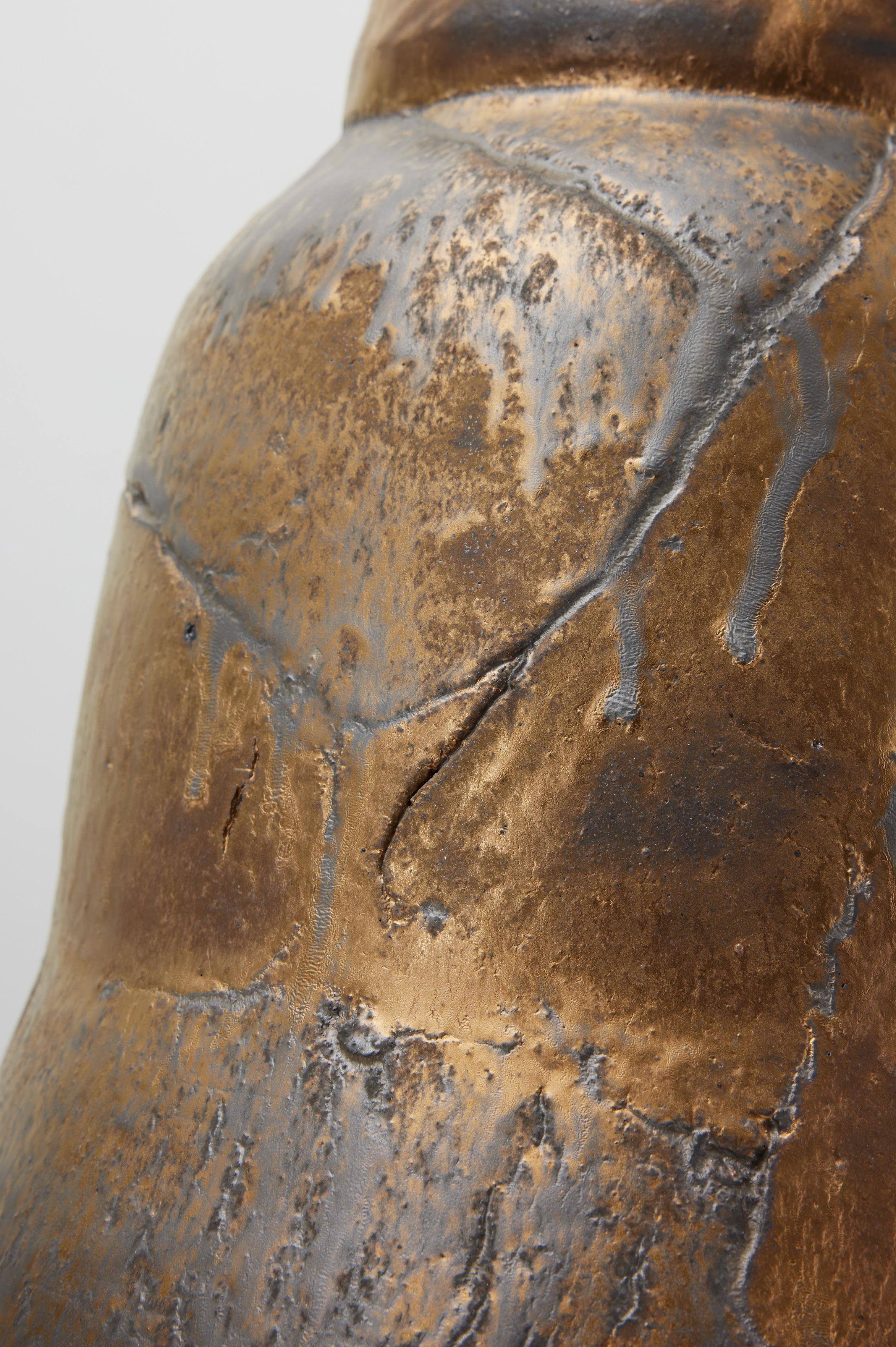
Resonance 1 2025
Chinese ink, pastel and graphite on watercolour paper
H109.2 x W89.5 cm
Resonance 3 2025
Chinese ink, pastel and graphite on watercolour paper
H90 x W109.2 cm
Resonance 4 2026
Chinese ink on watercolour paper
H109.2 x W89.8 cm
Resonance 5 2026
Chinese ink on watercolour paper
H89.9 x W109.2 cm

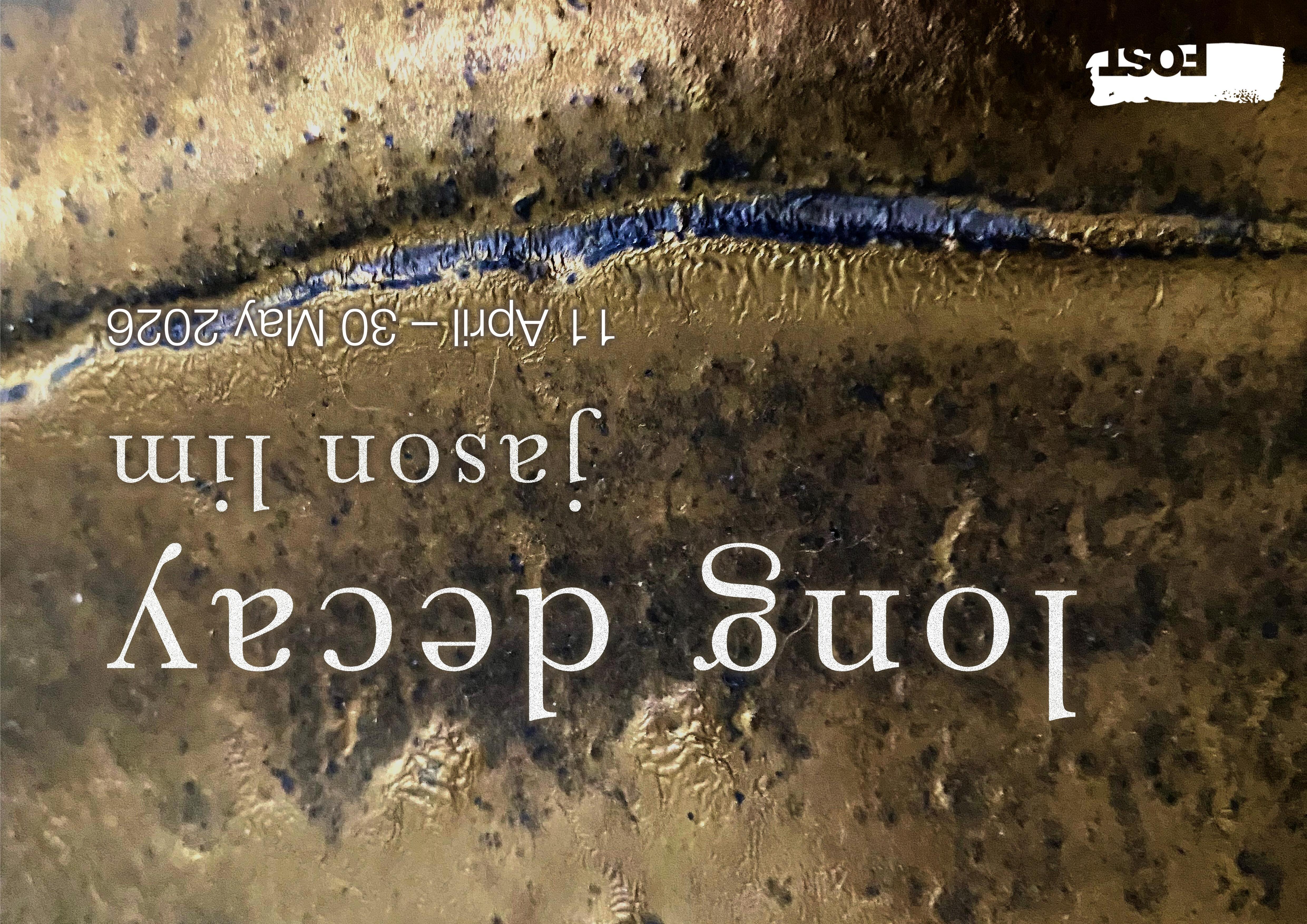
11 April – 30 May 2026
FOST Gallery, Singapore
Essay Dr. Adrian Tan
Photographer Lavender Chang
FOST Gallery
E-mail Telephone Website
1 Lock Road #01-02, Gillman Barracks Singapore 108932 65 6694 3080 info@fostgallery.com www.fostgallery.com
© FOST Private Limited
© All artwork images copyright Jason Lim
© All installation views copyright FOST Gallery
This catalogue is copyright. Apart from any fair dealing for the purposes of private study, research, criticism or review as permitted under the Copyright Act, no part may be reproduced by any process without written permission.
Cover: Yingge (2024), Bell 1, detail
Inside Front Cover: Resonance 5 (2026), detail
Back Cover: Yingge (2024), Bell 4, detail