
SPECIAL EDITION

THE MAGAZINE FOR THE GREEK MARKET
Griechische Logistikbranche
Discover Greek Logistics Entdecken Sie Die
Analysing the Greek Market - Exclusive Ernst & Young’s Market Report
Presenting Greek 3PL & Transport Companies
Step by Step Directory to Start Up into the Greek Market
Greek Business Success Stories








EDITORIAL

Theodoros Dimitriadis
CEO o.mind Creatives
Publisher “SC&L” –Special Edition
Theodoros Dimitriadis
CEO o.mind Creatives
Herausgeber “SC&L” –Spezialausgabe
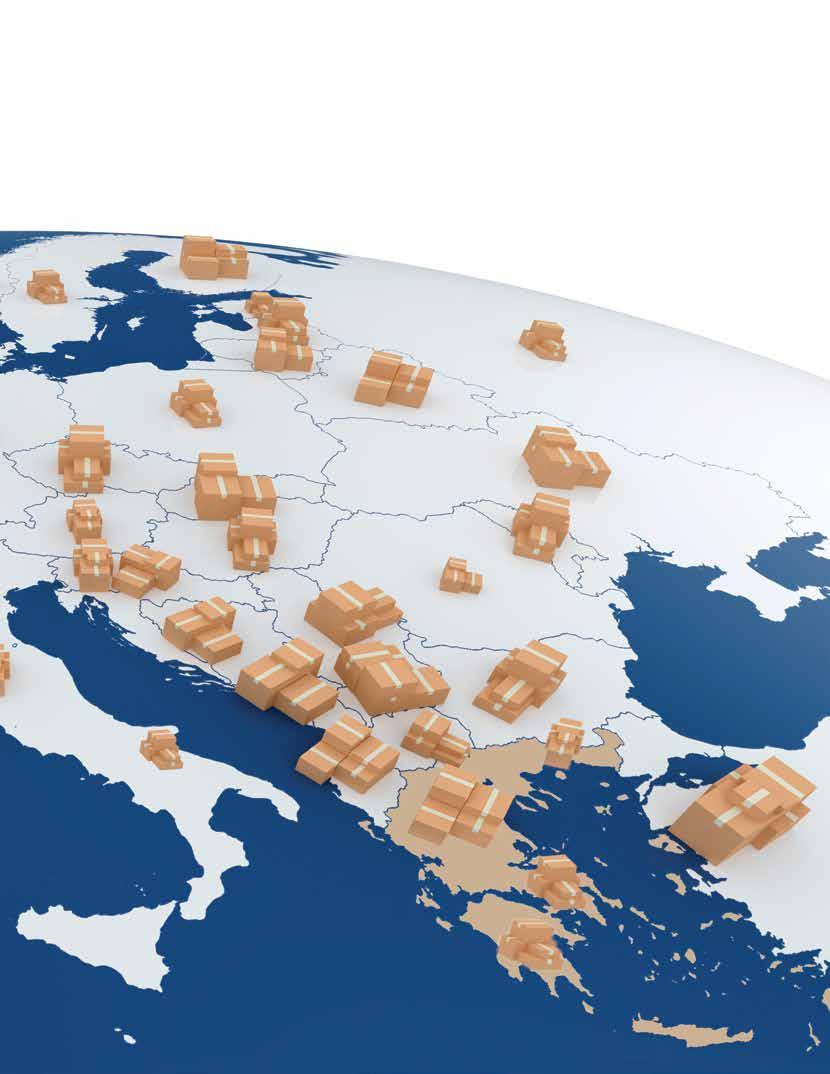
Let us present you the Greek Logistics
Industry
In an effort to internationalize the Greek Logistics Industry, o.mind Creatives, publisher of Supply Chain & Logistics is participating in the first organized attempt to promote Greek companies in major exhibitions abroad.
The Greek Pavilion in the largest European exhibition for Logistics, the «Transport-Logistic 2017» in Germany Munich in May 2017, will host 15 Greek companies under the title «DISCOVER GREEK LOGISTICS».
This is also the general title of the innovative Special Edition of SC & L that you hold in your hands. SC&L’s Special Edition will be distributed in hard copies and also sent via e-mail selectively, to large industrial firms in Europe and selective countries in Asia & Africa. It is released both in English and German languages, and aims to advertise and promote the Greek Supply Chain industry.
The publication you are holding in your hands, invites you to Discover Greek Logistics, with an exclusive study by Ernst & Young, many articles for Tax - Legal - Insurance framework for freight transport and logistics in Greece, but also with a business directory in which a number of the major players operating in the industry, are presenting themselves.
O.mind Creatives (find us in the Greek Pavilion, Hall A4 STAND 223/326) invites you to participate as exhibitors and/or as visitors in the unique Greek Exhibition “Supply Chain & Logistics” 2017 organized by o.mind Creatives and supported by the sectoral magazine “Supply Chain & Logistics” magazine. The greek exhibition will take place, on 4-5-6 November 2017 in the Metropolitan Expo exhibition center in Athens. We hope to see you there!

Antonis Moschonidis
Partner o.mind Creatives
Dürfen wir Ihnen die griechische Logistikbranche vorstellen?
Im Rahmen unseres Engagements zur Internationalisierung der griechischen Logistikbranche nimmt o.mind Creatives, Herausgeber der Fachzeitschrift “Supply Chain & Logistics”, an der ersten organisierten Initiative teil, die griechische Unternehmen auf großen Messen im Ausland präsentieren möchte. Im griechischen Pavillon auf der größten europäischen Logistikfachmesse, der “TransportLogistic 2017” in München, die im Mai 2017 stattfindet, werden 15 griechische Unternehmen zu sehen sein, die ihr Leistungsangebot unter dem Titel “DISCOVER GREEK LOGISTICS” vorstellen werden. Unter dieser Hauptüberschrift steht auch die innovative Spezialausgabe der SC & L, die Sie gerade in Händen halten. Die Spezialausgabe der SC&L wird nicht nur in gedruckter Form veröffentlicht, sondern auch per E-Mail an ausgewählte große Industriefirmen in Europa und in manchen Ländern Asiens und Afrikas versendet. Sie erscheint sowohl in englischer als auch in deutscher Sprache und informiert über die Vorzüge und das Leistungsspektrum der griechischen Supply-Chain-Branche.
Mit der vorliegenden Publikation möchten wir Sie dazu einladen, die griechische Logistikbranche näher kennenzulernen, u. a. mit einer exklusiven Studie von Ernst & Young, zahlreichen Artikeln über steuerliche und rechtliche Rahmenbedingungen für den Frachtverkehr und den logistischen Betrieb in Griechenland, aber auch mit einem Unternehmensverzeichnis, in dem sich die wichtigsten Marktteilnehmer der Branche selbst vorstellen.
O.mind Creatives (Besuchen Sie uns im griechischen Pavillon, Halle A4, STAND 223/326) lädt Sie herzlich dazu ein, als Teilnehmer und/oder Besucher an der einzigartigen griechischen Fachmesse “Supply Chain & Logistics” 2017 teilzunehmen, die von o.mind Creatives organisiert und von der Fachzeitschrift “Supply Chain & Logistics” unterstützt wird. Die griechische Fachmesse findet am 4., 5. und 6. November 2017 im Metropolitan Expo Exhibition Center in Athen statt. Wir freuen uns darauf, Sie dort zu begrüßen!



THE GREEK LOGISTICS & SUPPLY CHAIN EXHIBITION
– International Footprint
– Latest Technology in Material Handling and Warehouse Equipment
– Commercial Vehicles & Fleet Management Solutions
– Expert Conferences (LOGI.C 2017)
– Electronically supported B2B meetings
Under the Auspices Under the Auspices








INTRO INDEX

This is a very special occasion for us! The “Supply Chain & Logistics” magazine’s team works together for more than 10 years now. It is now one of those times when we feel proud of our work and the services we provide in an industry that we honor and love.
This Special Edition that you hold in your hands is a comprehensive guide of Greek Logistics Market. It is the market’s Mirror. Despite the difficult environment in which they are obliged to operate, Greek logistics companies, focus their philosophy on three pillars: Vision, Responsibility, Reliability.
Serving this industry as a journalist for eighteen consecutive years, I strongly share -along with the rest of o.mind Creatives’s groupthis vision.
I hope that this Special Edition’s journey around the world, will help you discover the hidden potential of the Greek Logistics Market.
Mary Efthymiatou Chief Editor editor@supply-chain.gr
04 Editorial 14
INTRO & Index 16
Ernst & Young’s MARKET REPORT
“Join the Greek Logistics Hub” 64
Business Directory – The most powerful Greek Logistics Companies present themselves 106
The Greek Market’s Picture_ Interviews, Articles, Trends, Success Business Stories 128
Invest in Greece- Step By Step 140
Logistics Associations & Chambers talks about the financial perspective of Greece 154
Presentation of the HELLENIC PAVILION in “Tranport-Logistic 2017” Hall A4 – Stand 223/326 158
Meet you in Athens 4-5-6 November 2017!
Supply Chain & Logistics magazine SPECIAL EDITION • May 2017 www.supply-chain.gr • info@supply-chain.gr ISSN 2529-217X
by
Dimitriadis Th. & Co PC
187, A. Syngrou Avenue 17121
Nea Smyrni Athens Greece Τ. +30 210-9010040
F. +30 210-9010041 www.omind.gr • info@omind.gr
PUBLICHER - CEO
Theodoros Dimitriadis
CHIEF EDITOR
Mary Efthymiatou editor@supply-chain.gr
COM M ERCIAL DIRECTOR
Antonis Moschonidis
INTERNATIONAL BUSINESS DEVELOPMENT
Fotis Daousis
ADVERTISING
Manos Georgoulakis
Sofia Katsardi
George Glynos
CREATIVE & ART DIRECTORS
Maria Yiannouzi
Ioannis Ntrigios
PRODUCTION EXECUTIVE OFFICER
Aggelos Anastasopoulos
MEDIA & MARKETING ASSISTANT
Irene Mitsi
EVENTS CLIENT SERVICE
Anastasia Kolovou
ACCOUNT OFFICE
Katerina Kosiva
SECRETARY
Maria Michalochrista
TRANSLATIONS
• Executive English Courses
Antonis Giannenas
• K&K Translation Services (German) K. Kanistra - Μ. Kremastioti
Title: “DISCOVER GREEK LOGISTICS”


follow us on facebook www.facebook.com/supplychain.gr
Owned






JOIN THE GREEK LOGISTICS HUB
The Transport & Logistics Industry is one of the most important sectors of the national economy and a major source of income, wealth & prestige for Greece as it reaches 10,85% of GDP and 19,8bl euros. In a challenging global environment, the Greek Transport & Logistics community is heavily investing & expending its footprint. In this report we examine the role of Greece as a competitive intermodal corridor for the European seaborne trade with Asia. In addition, we present all recent developments in:
• Greek shipping & maritime logistics industry
• Greek hinterland logistics industry
• Road freight transport
• Air freight transport
• Public sector support & trade facilitation in Greece
At EY, we are proud that we have over the years succeeded in standing t the forefront of the Global, Regional and Greek Transport & Logistics Industry. This report is part of our contribution to exploring ways to address the challenges facing the industry in a continuously changing global environment.

Thanos Mavros Partner Supply Chain & Operations Leader
EY Central & Southeast Europe
George
Panagiotopoulos Director
Supply Chain & Operations
EY Greece
The Greek shipping and maritime logistics industry
GREECE’S CENTRAL LOCATION IN THE EASTERN MEDITERRANEAN PROVIDES A COMPETITIVE INTERMODAL CORRIDOR FOR THE EUROPEAN SEABORNE TRADE WITH ASIA
Greece as the southeastern logistics gateway to Europe
Maritime transport plays a key role both in international trade and the development of the global economy, with more than 80 percent of the global trade by volume to be carried by sea1. In 2015, the value of EU trade in goods with non-EU countries carried by sea accounted for about 51% of total EU trade2. Being located in the southernmost point of Europe and standing on the crossroad of three continents, that is Europe, Asia and Africa, Greece holds a unique geographical position in the international maritime routes. It is of no surprise thereof that Greece has traditionally been an important maritime nation.
The Greek-owned merchant fleet is the largest in the world, accounting for more than 16%
of the world total tonnage capacity. Shipping is the country’s most important industry and Greek ports are vital hubs for the East-West international trade.
As maritime transport remains the backbone of globalization and trade flows between Asia and Europe are growing year after year, traffic through the Mediterranean ports is increasing and Greece’s role as a major maritime interface for Europe is becoming more apparent.
In this respect, the Greek ports and other major transportation infrastructure facilities and logistics operations in Greece are widely considered as attractive investment opportunities for some of the most important international organizations.
Indeed, the significance of the country’s main port, that is the port of Piraeus, as a major maritime gateway in the East-West maritime route was recognized by COSCO approximately 8 years ago. In 2009, this international shipping liner and port operator
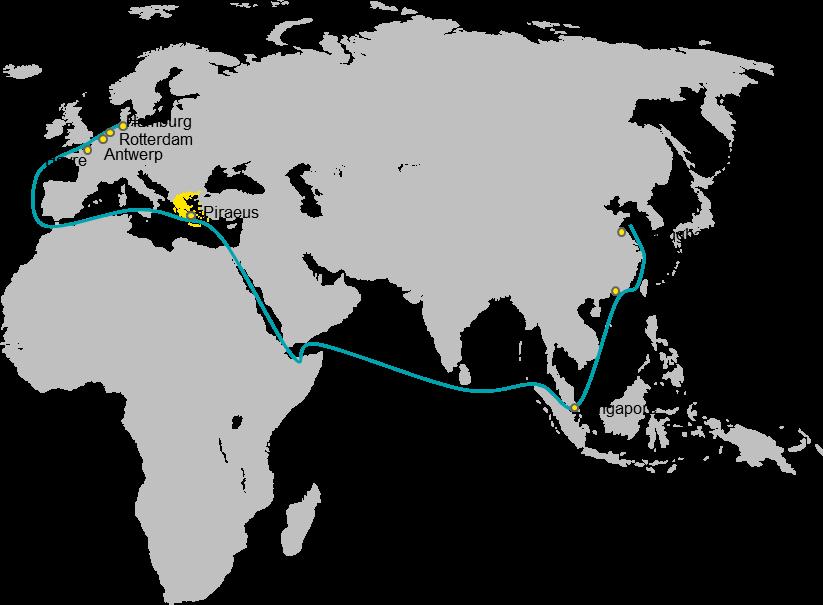
The transit time of a containership from China to Piraeus is estimated to be 8-12 days shorter when compared to the North European ports
was awarded the concession agreement to operate Pier II of the Piraeus port container terminal and began investing considerably on developing Piraeus as a major European transhipment port.
Consequently, between 2008 and 2016 Piraeus became the most developing port in the Mediterranean; the port increased its annual container throughput more than 7.5 times, it became the 8th largest port in Europe and reached the 3rd place among the major Mediterranean ports.
In addition, the port operator has invested on transforming the port into an important inland gateway to Europe as well, by expanding the port’s hinterland towards central Europe and improving its railway and road connections.
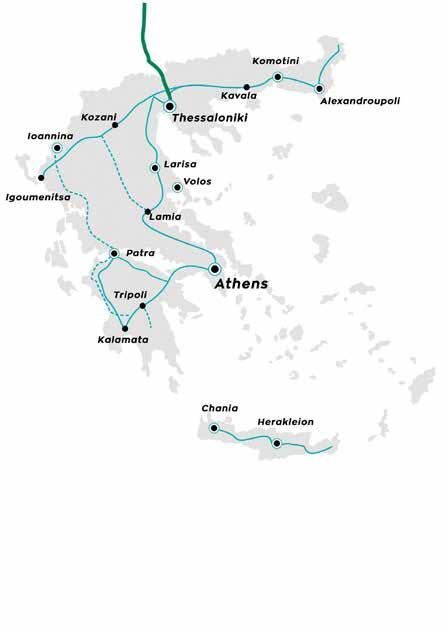
In 2013, Piraeus Port was connected with the main national railway network via a new high-speed electrified line. Additionally, COSCO cooperated with the national railway undertaking (TRAINOSE) in developing reliable and competitive freight railway services towards the major logistics centres in Central Europe.
As a result, Piraeus offers a highly competitive end-to-end alternative connection to Far East ports, if compared with the North-European Ports in terms of transport duration, frequency of service and price.
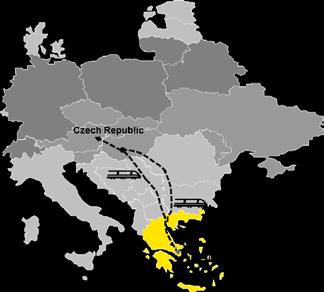
In this respect, Piraeus links Asia to the major central-European logistics centres in significantly less time when compared to the large North European Ports. It is estimated that a trip to Czech Republic is 8-10 days shorter if compared with the same trip to Rotterdam or Hamburg.
The opportunities for logistics operators and traders are enormous. In particular, freight rail transportation services to the major logistics centres in central Europe (e.g Czech Republic) are performed in approximately 4 days by dedicated block trains, whereas the maritime trip from China to Piraeus is shorter by 8-12 days when compared to the North-European However, the Southeast-European intermodal
corridor via Piraeus port is not only a faster and a more financially advantageous alternative supply chain route for shippers and traders, but also a more reliable one.
In current global and demanding supply chains, logistics services’ reliability is a major concern among traders and logistics providers and in most cases much more important than speed. As shippers require quality deliveries and certainty on when their delivery takes place, the Greek South Gate to Europe has been highly modernized in the provision of reliable railway and road freight services.
Real-world cases, like these of HP, Sony and Huawei, which use dedicated block trains departing form Piraeus port to transport their products to Central European markets, have proved that the Greek hinterland can become a strategic alternative for the major multinational manufacturers, shipping liners and international logistics providers. Moreover, the recent privatizations and concession agreements are shaping a more competitive and reliable hinterland for Piraeus and the other important Greek ports.
The privatization of the National Greek Railway Operator (TRAINOSE), which was acquired by Ferrovie Dello Stato Italiane S.p.A early in the year of 2017, is estimated to strengthen and further improve the provision of international railway logistics services in Greece. Moreover, the construction of the new intermodal freight and logistics park in “Thriassio Pedio”, near Piraeus, is the cornerstone that will significantly enhance Piraeus port hinterland and facilitate the development of new operations and addedvalue logistics services.
The expected privatization of the Port of Thessaloniki will improve the international competitiveness of Greece’s second largest port. Additionally, the development of Gonou Logistics Centre in a plot of 672,000 m2 near Thessaloniki port will also support the Greek hinterland through the Balkan Countries in the country’s northern borders.
The most commonly used railway corridor from Piraeus Port to the Central European economic and logistics centres is the Pan-European Corridor X which passes from FYROM, Servia, Hungary, Slovakia, Czech Republic, etc.
Being the largest ship-owning nation in the world with more than 16% of the global fleet tonnage capacity to be owned by Greek nationals, the shipping industry is by far the most dynamic, extrovert and largest sector of the Greek economy. The inflows from shipping activities account for approximately 6.5% of Greek GDP and also have a substantial indirect
multiplier effect on the Greek economy through cross-industry organizations gathering all or part of the maritime subsectors.
Greece has always been considered as one of the 5 most important traditional shipping centres in the world with its main advantage being its large ship-owning community. The country’s geographic location and its human capital are also important factors in the success of Greece as a global shipping centre.
Despite the negative impact of the recent global economy downturn as well as the severe competition by countries and cities in the developing world - primarily in Asia - Greece has managed to maintain its high position among the top countries.
The Greek shipping industry has weathered the storm and strengthened its position as the largest ship-owning nation, in terms of tonnage capacity and value, with over 5,266 vessels and a value approaching USD 90 bn.
Despite the domestic and global challenges that the Hellenic ship-owning community has to face, Greece continues to lead the table of shipowning nations with 200m GT, accounting for ca. 16,3% of the global market share, followed by Japan (13%), China (11%) and Germany (7%).
The majority of the Greek-owned fleet consists of oil tankers and dry bulk carriers followed by gas carriers and containerships. In fact, Greek owners lead the table of the world’s largest merchant fleet in both the tankers and bulkcarriers categories. Lastly, it is worth noticing that the Greek merchant fleet is expanding to rapidly growing markets such as LNG (Liquefied Natural Gas) carriers and containerships.
THE WORLD-FAMOUS
The majority of the Greek shipping community operates from Greece
The strong presence of shipping companies, and the leading positioning of Greek-owned fleet in the global maritime world have been the major drivers that have led to the development of the Greek shipping cluster as one of the most significant and competitive maritime centres in the world. Although a significant part of Greek-owned vessels does not fly the national flag, Greek ship owners are more than keen on having a ship-management office and operating their business in Greece.
In a recent survey, EY interviewed leading members of the Greek shipping community in order to shed light on the industry’s perceptions of the comparative advantages and disadvantages of Greece as a shipping cluster. Based on the results of the survey, 97% of the respondents reported that they perform at least some of their ship management functions in Greece, whereas 56% perform all such functions in Greece. While almost one in four respondents found no competitive advantage in flying the Greek flag, the 73% of them agreed or strongly agreed that having a ship-management office in Greece provides them with significant competitive advantages. Even though there is growing competition, mainly from the emerging maritime centres in Asia, the majority of the survey participants still consider Greece as the single most attractive and complete maritime environment for locating their ship-management offices.
The Greek flag registry
The Greek registry continues to be one of the strongest fleet registries in the world based on the total number of registered vessels as well as on the fleet capacity. The total number of vessels registered under the Greek flag were more than 1,270 in 2016 with a total capacity of more than 76.3 million tonnes (dwt). In terms of DWT capacity the Greek registered fleet ranked 9th on a global scale in 2016, while it ranked in the 20th place based on its total numbers of vessels.
The Greek fleet is dominated by tankers of all types making up 36% of Greek vessel flags and 62% of the total DWT, followed by bulgers which amount to 17% and 33%, respectively. It should be noted, however, that the percentage of dry bulk ships registered under the Greek flag account merely for around 11% of the total bulker fleet owned by Greek ship owners. The oil tankers category performs significantly better with the 35% of the Greek-owned vessels flying the Greek flag as well. Based on the results of the EY survey with leading members of the Greek shipping community, a large proportion of the Greek owners have a relatively positive (38%) or positive (42%) perception of the quality of the Greek flag. However, they do not attribute great value to the advantages of the Greek flag since only 13% believes that it provides them with significant competitive advantages.
Among the most important perceived advantages of the Greek flag the survey revealed the high standards of compliance with the Paris MOU (38%), as well as the existence of marine engineers (33%) and offshore personnel (27%).
The 10 most important national fleet registries in terms of total DWT capacity
An outline of the Greek shipping cluster
Owning to the fact that the clear advantages of Greece as a maritime cluster are recognized by the majority of the Greek shipping community, they have opted to establish the centre of their fleet management activities in Greece. Athens, and Piraeus Port in particular, constitutes the core of the Greek cluster. Besides being the traditional home-city of the Greek shipping industry, Piraeus Port is also a major international transhipment hub and the eighth most popular Mediterranean cruise port. Only in 2015, the port of Piraeus handled more than 3.3 million TEUs at the port’s container
terminals, more than 16.8 million passengers used the coastal terminal of the port, and more than 1.0 million cruise passengers movements were recorded at the port’s cruise terminals. Piraeus and the broader Attica county, have attracted the most important shipping activities including among others shipmanagement companies, shipyards and shipyard subcontractors, port operators, freight forwarders and 3rd party logistics providers. The most globally well–known and strongest ship-management and operators of Greek interests hold their premises in Piraeus. This fact, along with the high number of participants contribute to the cluster’s strength.
A total of 3,391 maritime and shipping-related companies, grouped in 28 main categories of
economic activities, were identified as being part of one of the two afore-mentioned shipping clusters. Ship-managers & Operators which count 998 companies, followed by the Spare Parts & Marine Equipment with 624 companies constitute the most important activities. Technical functions, accounting, commercial and crewing and chartering are the most frequent activities performed by the shipping companies that participated in the EY survey in Piraeus.
By leveraging on its current strength and its afore-mentioned core advantages, the Greek shipping cluster has the potential to maintain its leading position for the years to come. However, as a response to the global competition, several initiatives have already been implemented or planned by the Greek shipping community, aiming to attract more shipping companies in the Piraeus cluster and more vessels and ship owners in the Greek registry.
The establishment of a more attractive and business-friendly regulatory environment, supported by a more favourable national tax framework have been promoted as the two most important areas on which the public sector interventions should focus in the upcoming years. The further enrichment of the Greek shipping cluster with new services and capabilities is the second focus area concerning the improvement of the competitiveness of the Greek maritime cluster. To this end, efforts should concentrate on the two aspects that the Greek maritime cluster mainly lags from its competitors; that is, ship financing and research and technology aspects. Therefore, short and medium-term measures should concentrate both on securing more adequate access to funding for shippingrelated facilities, and on improving maritime education and training. The existence of several shipping associations, organizations as well as of education institutes in Greece provide a good mixed foundation which can enhance the cluster’s role as a knowledge (R&D) hub too.
Source: Clarksons Global Shipping, September 2016, analysis by EY
BEING THE NATURAL MARITIME INTERFACES OF EUROPE WITH ASIA, THE GREEK SEAPORTS ARE KEY DRIVERS FOR GROWTH FOR THE GREEK AND EUROPEAN ECONOMY
Greece, having the longest coastline in Europe with an approximate length of 13,676 km and an advantageous geographical position in the centre of the Eastern Mediterranean, is Europe’s natural maritime interface with Far East via the Suez Canal.
Seaports are also the lifeblood of the EU economy, since the Union is highly dependent on its Member States seaports for trade with the rest of the world and within its Internal Market. According to Eurostat data, 75% of the EU external trade and 33% of the intra-EU trade is going by ship.
More than 25 important commercial seaports are currently operating in Greece, four (4)
other Member States and the European Union as a whole. 75% of vessels calling at Greek ports are carrying out intra-EU trip.
Of equal importance for the national and European economy is the short-sea shipping of goods to several non-EU countries in the Black and Mediterranean Seas.
Having an annual utilization rate which ranges between 70 and 85%, Greek OEM ports do not experience major capacity bottlenecks.
All Greek OEM ports have in place appropriate transhipment facilities and related equipment facilitating their connection with the national road network.
In addition, the two largest and busiest ports of
Greece is the natural maritime hub in Eastern Mediterranean
major economic centres in Central Europe. Due to the fact, however, that the Greek ports have recorded significant growth in cargo throughput within the last 5 years, important investments have been planned in order to further adapt port infrastructure and facilities to meet new transport and logistics requirements and absorb the expected growth of cargo for the next decade.
In a time of scarce public funding, funds from EU, like the Common European Facility and the Cohesion Fund, as well as the support of the Private sector through Public Private Partnerships (PPPs) and Concession Agreements are critical. More then 580 million euros have been allocated only by the Common European Facility – Cohesion Fund to support studies or works which contribute to the development of the necessary infrastructures in the Greek transportation network. A significant part of these funds will be allocated to studies
and works in relation to the expansion and upgrading of the Greek ports as well as the improvement of their integration with the OEM rail/road corridor.
Additionally, €350 million will be invested by COSCO within the next 10 years in Piraeus Port, under the terms of the ports’ privatization agreement that was signed in 2016. Moreover, 180 million euros will be invested on development and expansion works in Thessaloniki port by the winning bidder of the relevant privatisation tendering process which is currently in the final stage of completion. Last but not least, the Hellenic Republic holds a portfolio of 10 additional ports which are also candidates for privatization. Currently, the Greek State is in the process of evaluating the most appropriate approach for the reform and development of these ports. most appropriate approach for their reform and development of these ports.
All Greek ports have achieved radical growth, with container goods presenting the largest growth in terms of total tonnage
Greek ports are vital for the development of the EU Motorways of the Sea
• With 75% of the EU external trade and 33% of the intra-EU trade going by ship, EU ports are the lifeblood of the EU economy.
• Maritime intermodal transportation solutions are highly favoured by the EU transport policies, via the initiatives to establish a transEuropean network of “Motorways of the Sea” (MoS).
• The Greek ports of Piraeus, Thessaloniki, Patras and Igoumenitsa have been established as critical interfaces of the south-east Europe since they link Greece with Cyprus in the east (Limassol), with Italy in the Adriatic Sea and with other non-European countries in East Mediterranean and in Black Sea.
• Port activity in Greek ports increased by 34% between 2009 and 2015, mainly due to the outstanding growth of containerized traffic which increased by more than 4.5 times in terms of total tonnes of goods handled
• Liquid bulk goods continue to have the largest share in total throughput accounting for 40% of the total tonnage handled in the main Greek ports in 2015. From 2011 onwards, containerized cargo outperformed dry bulk goods reaching a share of 25% of the total tonnage, whereas dry bulk goods correspond to a share of 21%, followed by goods transported on Ro-Ro mobile units with 12%.
Gross weight of goods handed in Greek ports per type of cargo (2015)
The core Greek Ports are key maritime interfaces of the Trans-European Orient / East Mediterranean Corridor
Piraeus Port
► Piraeus is the largest Greek seaport and the country’s main international commercial port
► Piraeus is the natural gateway to Europe in the Eastern Mediterranean region and has emerged as a major maritime hub for Europe, linking Greece and EU with the Far East and Middle East markets
► Piraeus Port is specialized in container traffic; having an annual handling capacity of more 3.6 million TEUs, the Port of Piraeus is ranked in the 8th place among all European ports in terms of total container throughput, and is the 3rd largest container port in the Mediterranean Sea
► With port’s current capacity utilisation exceeding 80%, and following the ports’ privatization in 2016, new investments in infrastructure are in place which are expected to increase port capacity to more than 7 million TEUs
Igoumenitsa Port
► The port of Igoumenitsa is one of the largest Ro-Ro ports of international transport both in Greece and in the Eastern Mediterranean
► Million tons of goods are transported annually through the port by trucks of international transport, serving Northern Greece, Southern Balkans (mostly Bulgaria and Turkey), as well as some Middle East countries
► It is located in an important road junction, where “Egnatia Odos” and “Ionia Odos” motorways converge
Patras Port
► The Port of Patras plays an allimportant role in the economic life of Patras and Western Greece in general.
► It is mainly a Passengers Port which handles an important part of the total passengers’ sea traffic between Greece and other countries
► As a Commercial Port, it links Greece with the Italian ports in the Adriatic Sea via RO-RO services, which then continue up to Central Europe
► The port of Thessaloniki is the second largest Greek port, specialized mainly in dry and liquid bulk cargo
► Thessaloniki constitutes the primary entry port for Northern Greece and acts as an international logistics hub for all the Balkan States
► The port’s annual handling container traffic is in the range of 0.35 million TEUs with a port utilisation rate of 70-75%
► A recently updated master plan, which has also been approved by the European Commission, sets clear short and medium-term priorities for the development and upgrade of the port as a middle category European port; the main development actions aim at raising the capacity of cargo terminals as well as upgrading sea cruise facilities and transit services capable of handling 150,000 passengers annually.
Irakleio Port
Piraeus Port
Thessaloniki Port
Patras Port
Igoumenitsa Port
Thessaloniki Port
Containerized traffic in Greek ports increased by more than 4.5 times in terms of total tonnes of goods handled between 2009 and 2015. This growth is attributed to the outstanding growth of containers throughput in Piraeus port following the beginning of the concession agreement with COSCO in 2009.
In fact, the port of Piraeus dominates the Greek container market serving a share of 90% of the total containers throughput in Greek ports, followed by the port of Thessaloniki. Three other Greek ports also handled a small number of containers.
The Port of Piraeus is the largest Greek seaport and in the last 5 years it has emerged as the 4th largest port in the Mediterranean Sea, in terms of container throughput following only Valencia, Algeciras and Port Said.
With close to 3.4 million twenty-foot equivalent units (TEUs) handled in 2015, Piraeus was Europe’s 8th largest port in terms of container throughput - from the 9th place in 2014 and 10th in 2013.
Piraeus growth in container throughput has been outstanding in the last 10 years. After COSCO having started operating and managing Pier II in 2008 - and later constructing and operating Pier III - of the Piraeus container terminal, the port has achieved radical growth. Between 2008, when port marked its history lowest performance record, and 2015, Piraeus increased its container traffic more than 7.5 times. When compared with 2006, Piraeus Port more than doubled its container throughput in 2015 showing an impressive 10% CAGR increase.
In 2015 the rail connection of the Port to Thriassio Pedio freight centre & the TEN-T European Orient East Mediterranean corridor was completed, increasing the port’s intermodal capacity. COSCO took advantage of this opportunity by developing competitive and reliable end-to-end intermodal transportation solutions for Central Europe. In cooperation with the Greek railway undertaking (TRAINOSE), HP, SONY and Huawei are currently using approximately 15-20 block trains per month in direct connection with Piraeus port to transport their products to Central Europe.
Evolution of container throughput in Piraeus Port (1 000 TEUs, 2006-2015)
New growth potential after the recent privatization of Piraeus port
Piraeus performance is expected to further improve in the immediate future as a result of the privatization of the port that took place in 2016. COSCO, which is the new owner of the Port, will put in place more than €350 million investments within the next 10 years targeting to increase port capacity to more than 7 million TEUs per year.
In addition, COSCO is investing in new logistics facilities within the port and in better integration with railway and road network, aiming to remove any existing bottlenecks and transform the port of Piraeus to a state-of-the art logistics hub connecting Asian and European trade.
The new owner of Piraeus port promotes new synergies with railway undertakings, major shipping lines and leading logistics providers in Greece and abroad in order to improve the Greek hinterland and develop new and reliable intermodal logistics solutions towards Central Europe. To this end, COSCO is in close cooperation with the Greek State and the relevant stakeholders in order to support the alleviation of intermodal bottlenecks across the entire national railway network and aiming, in particular, at enhancing interoperability among the different modes of transport, improving cross-border railway links, and increasing the reliability of the railway system.
• Piraeus lost half of its traffic in the period 20082010 mainly due to purely operating conditions and business management inefficiencies.
• The consensus agreement with COSCO for the operation of Pier II has changed the picture; from 2011 onwards Piraeus throughput has doubled compared to its historical average levels.
• In 2008, COSCO was awarded the concession agreement to manage and operate Pier II and Pier III of Piraeus Container Terminal for 35 years. On the other hand, Pier I remained under the management of Piraeus Port Authority.
COSCO’S VISION TO TURN PIRAEUS INTO THE SOUTH GATE OF EUROPE IS TRANSFORMING GREECE INTO A LEADING INTERNATIONAL TRANSIT HUB FOR PRODUCTS AND SERVICES IN THE EAST-WEST TRADE
ROUTE.
Less than 10 years ago COSCO - China’s shipping giant, which is currently the fourthlargest container shipping line and the secondlargest port operator in the world – realized the benefits of Greece as a maritime and logistics centre by investing in Piraeus Port.
In 2008 COSCO was awarded the concession agreement to start managing and operating Piers II and III of the Piraeus container terminal. From this year onwards, port growth in container traffic has been impressive, being the most rapid growing port in Europe within the entire period between 2008 and 2015, and becoming the 4th largest port in the Mediterranean and the 8th among all European ports.
This growth has been mainly the result of COSCO’s investments in either developing new infrastructure, machinery and equipment or upgrading existing ones, as well as in improving port operations and securing maritime freight in the East-West trade corridor.
The provision of port terminal services was reorganized in line with new standards and significant investments have been implemented in upgrading Pier II terminal and constructing a new Pier III at Piraeus container terminal.
The 21st Maritime Silk Road project brings new investment plans and growth opportunities for Piraeus
Maritime Silk Road initiative, which is part of the larger “China’s One Belt, One Road” plan will highly influence the global containerized trade market.
More than $250 billion have been allocated to “China’s One Belt, One Road” project, out of which €40 billion are for development and securing of maritime hubs, inter-oceanic canals and trading links for the 21st Maritime Silk Road initiative.
Although the impact of the new silk road project cannot be realized thoroughly, the scale of the initiative and the economic figures involved are expected to reshape the AsiaEurope trade, creating new opportunities for Greece and Piraeus port
Greece – and more specifically the Port of Piraeus – has been recognized early in the process as a major maritime link in the EastWest inter-oceanic corridor and COSCO has already invested heavily in developing Piraeus as a major European transhipment port.
Since Piraeus constitutes a key maritime interface in the 21st Maritime Silk Corridor, COSCO is increasing its investments in the port aiming to secure the port’s role as the South Gate to Europe by enhancing port capacity, optimizing performance, and improving the ports physical links with railways, highways, Athens International Airport and other regional ports.
However, this has only been the first step in port development. There are in place new planned and on-going investment projects in Piraeus that will further boost the ports role as the major seaport-hub in the Mediterranean. The recently resolution of China’s 21st
Important investments for port expansion and development of new facilities have been planned by COSCO and are to be initiated within 2017 in order to increase port capacity and improve performance. A €350-million-investment project for the next 10 years has been agreed with the Greek Government following the privatization of the Port of Piraeus.
The expansion works in Pier III are in progress in order to expand port capacity to 6.2 million TEUs per year by 2020, making Piraeus the largest port in terminal capacity in the Mediterranean.
MAJOR PRIVATIZATION
PROJECTS AND PPPS ARE KEY DRIVERS
IN IMPROVING
THE COMPETITIVENESS OF GREECE AS THE SOUTH LOGISTICS GATEWAY FOR EUROPE
The Greek ports industry has undergone important structural changes within the last 10 years as a result of a continuous port privatization reform process that was initiated by the Greek State in the early 2000s. The role of the Greek State in the operation and management of the ports is gradually being reduced as a means to attract private investments, improve port competitiveness and optimize their commercial activities. This reform process has highly transformed the organization structure and operational model of the major Greek port of Piraeus and significantly affected the second-largest port of Thessaloniki.
An important milestone was reached in 2009 when the concession agreement for the operations of Pier II at Piraeus port was awarded to COSCO.
As a consequence of the structural adjustment programmes for the Greek economy that were agreed with Troika (European Commission, International Monetary Fund and European Central Bank), the Hellenic Republic Asset Development Fund (HRADF), which owns the share of the Greek ports, proceeded in 2014 with the tendering process for the sale of 67% of the shares of Piraeus Port Authority (PPA) SA.
Moreover, a similar tendering process for the
“Thriassio Pedio” when developed, will become one of the largest dry-ports in Southeast Europe
sale of 67% of the shares of the Thessaloniki Port Authority is currently in progress. Additionally, the Hellenic Republic holds a portfolio of 10 additional ports with the Greek State being in the process of evaluating the most appropriate approach for the reform and development of these ports. It should be noted, however, that the privatization programmes are not limited to the ports themselves.. Several state-owned assets concerning rail, road transport and logistics have attracted global investment interest through the public assets privatisation and development programme run by the Hellenic Republic Asset Development Fund (HRADF).
The most important privatizations and PPPs in the logistics sector in Greece are as follows
• The 50-year concession agreement for the development of the Thriassio Pedio Freight Centre, in a plot of 58,8 ha near the Port of Piraeus was awarded in 2016 to the winning venture of “ETVA VIPE” and “GOLDAIR”
• The process for the international call for tenders concerning the development of Gonou Logistics Centre in an area of 672,000 m2 near Thessaloniki pot has been initiated
• The Greek Railway Undertaking (TRAINOSE SA) has recently been privatized after the sale of the company’s 100% stake to Ferrovie Dello Stato for a total consideration of € 45 million
• The binding process for the sale of 100% of the EESSTY (ROSCO) SA – the Greek entity that provides rolling stock maintenance and availability services to train operating companies is in progress
• The concession agreement of the right to operate, maintain and commercially exploit the fully constructed Egnatia Motorway and its three vertical axes has been initiated and it is in the stage of submitting expression of interest
Privatization of the two Greek largest ports reinforces their international status
The privatisation process for the sale of a 67% shareholding in Piraeus Port Authority (PPA) was completed in January 2017 with COSCO Group Ltd as the preferred investor
• Cosco Group (Hong Kong) Limited is nominated in January 2016 as the preferred investor with the total value of the agreement estimated at €6,5 billion, including €368.5 million for the 67% majority stake in the port and a mandatory investment amounting to €350 million over the next decade.
• The privatization concerned the sale of 67% of the share capital of Piraeus Port Authority S.A., whereas 51% of the stake is settled at closing and additional 16% is settled within 5 years following closing date.
• Chinese investors will pay 280.5 million euros ($319.79 million) to the Greek State for the initial acquisition of t he 51% stake, while they will pay another 88 million euros within five years for the remaining 16%, subject to the implementation by COSCO of the agreed mandatory investments in the port
• HRADF (Hellenic Republic Asset Development Fund) and COSCO signed the agreement on 8/4/2016 and the Concession Agreement was ratified by the Greek Parliament in July 2016. in August 2016 the acquisition of the 51% share capital in PPA was formally completed.
Privatization of Thessaloniki Port, Greece’s second-largest port, is in the final stage of completion
The international competitive tender process for the sale of 67% of the shares of the Thessaloniki Port Authority, which was launched in 2014, is underway and it is expected to be completed within 2017. Eight interested investors were qualified for participation in the final phase of the tender process and 3 of them finally submitted their binding financial and technical offers at the end of March,2017. Currently, the financial offers are being evaluated and the procedure is expected to be finalized within 2017 with the awarding of the preferred investor.
The awarded bidder will be granted the exclusive right of use and exploitation of land, buildings and infrastructure of the port land zone of the port of Thessaloniki for the next 40 years, as well as the right to grant sub-concessions in respect of the operation of parts thereof to third parties.
The preferred bidder will be obliged to invest 180 million euros for port development and expansion works by 2021.
Eight bidders had been qualified to participate in the final stage of the tender process
• APM Terminals, B.V.
• Deutsche Invest Equity Partners, GmbH
• Duferco Participations Holding S.A.
• International Container Terminal Services, Inc
• Mitsui & Co., Ltd.
• P&O Steam Navigation Company (DP World)
• Russian Railways JSC / GEK TERNA S.A.
• Yilport Holding, Inc
3 Companies or Consoritums submitted their binding bids in March 24, 2017
• Deutsche Invest Equity Partners GmbH, Belterra Investments LTD and Terminal Link SAS.
• International Container Terminal Services, Inc
• Peninsular and Oriental Steam Navigation Company (DP World)
Economic performance of the Greek logistics market
3PL MARKET IN GREECE MANAGED TO WITHSTAND THE DOMESTIC ECONOMIC RECESSION AND THE SLOW GROWTH IN INTERNATIONAL TRADE THROUGH THE PROVISION OF WAREHOUSING AND OTHER ADDED-VALUE SERVICES
The performance of the logistics sector is inextricably linked with the external environment that shapes the needs and patterns for production and consumption of goods. Therefore, it is of no surprise that the logistics providers in Greece have been facing significant challenges as a direct result of the global financial crisis of 2008 and the severe downturn of the Greek economy from 2010 onwards.
Despite the distressed external environment, several studies within the last 5 years havr presented a growing Greek logistics market
with third-party logistics providers performing better than they used to perform before 2009. Based on the turnover results of the Greek 3PL providers, the logistics industry has not only managed to sustain the pressure and the reduced trade volumes, but, after a negative peak in 2009, the total revenues have also exceeded the pre-crisis levels, with an impressive CAGR of 4.5% from 2009 onwards. This possitive trend can partly be explained by the indirect effects of this specific external environment. The severe reduction of domestic consumption and industrial production, along
Recent industry studies emphasize the steady growth of the 3PL market, despite the country’s ongoing sovereign debt crisis
In 2014, the turnover of the 163 largest 3PL companies* in Greece reached €840 million, recording a significant increase of 3,1% compared to the results of 2013, when total revenues were €814.63m.
In addition, the sector EBITDA has increased by 16% and reached €53,54m as a result of operational cost cuttings of more than 5.8%.
Source: “Transport & Logistics Industry Outlook”, Infobank Hellastat S.A., 2016
Total 3PL providers market size in Greece (million Euros)






70% of the 3PLPs were profitable in 2014
In an environment of economic turmoil and relentless reduction of domestic trade volumes, 7 out of 10 logistics providers managed to be profitable in 2014 and half of them improved their profit margins compared to their 2013 performance.
Note for the study:
Figures depicted above are derived from the 2016 study of the Infobank Hellastat S.A, in which the economic performance of the Greek logistics industry is analyzed, based on survey data from a sample of 163 3PL companies in Greece
with the slow growth patterns in international trade have put a lot of pressure on Greek manufacturers, producers and traders to lower their costs without reducing performance and service levels. To this end, they have become more positive towards outsourcing their basic logistics operations to reliable third-party
logistics providers, by focusing on their core business. As a result, the logistics companies in Greece have taken advantage of this opportunity to expand their market share and improve their performance; at least, those third-party logistics providers who have invested on service quality and innovation.
Warehousing-related logistics services supported 3PLPs in sustaining or even improving their turnover
By analysing available statistical data concerning the added value of different logistics activities, it becomes clear that the 3PL providers who improved their non-transportation service offerings, like warehousing, invoicing and information sharing, managed not only to resist the rapid decline in transported goods volumes, but even to increase their income and expand their market share.
Warehousing and other non-transportation activities mitigated the adverse effects of the national economic recession and the rapid decline in transported goods. Contrary to freight transport activities, the added value of which reduced by 54% between 2009 and 2014, warehousing and other warehousing-related logistics services (e.g. packaging, labelling, invoicing, order management) expanded by 6%
In particular, within the period of the Greek economic recession between 2008 and 2014, the added value of non-transportation logistics activities grew by more than 14%, marking a record high of 23% in 2010 and a record low of -11.5% in 2011.
Similar results can be observed by analysing the sector turnover, for whish Eurostat data are available until 2015. It is clearly depicted that the growth of warehousing and other transportation-supporting services (NACE 52) continued in 2015, further extending the share of warehouse-related activities in market turnover.
In total, within the period 2008-2015, the turnover from the transportation services reduced by 32%, while the turnover from warehouse-related activities increased by 8%.
5 out of the 163 largest 3PLPs share 26% of market revenues while at the same time share 29% of market profits
This concentration, when compared to other sectors of the Greek economy, should be considered as medium to low. However, if compared with studies from previous years, there is a clear trend towards increasing market concentration, which is expected to further increase as the economic recession continues in Greece.
Another study estimates a significant decline in turnover from the core logistics services
According to ICAP’s economic analysis of the Greek logistics industry, when only the basic logistics activities are taken into account*, then the market of 3rd party logistics services in 2014 declined by 1.5% and reached €325m, when compared to the corresponding €330 million in 2013. The study also estimates a further downturn of 2.2% in 2015, for which the total logistics services revenues are calculated in the range of € 318 million. However, the rate of market downturn has been reduced within the last 3 years and in 2017 and market size seems to have been stabilized on 2015 levels. The aforementioned revenues from the core 3PL services are calculated at approximately 38% of total turnover. Taking also into account the non-logistics services, the total turnover of the 3PLP’s that were surveyed in the study reached €777,9 million in 2014.
Estimation of 3PL services market size in Greece (million euros)



Source: 3rd Partly Logistics Industry Outlook, 2015, ICAP Group
Note for the study:
The study analyzes third-party logistics market economic performance based on the 3PLP’s revenues that derived explicitly from the provision of logistics services, excluding other sources of income. Revenues that were excluded from the calculations concern services like freight forwarding, ship brokerage, customs clearances and other non-logistics commercial activities.
Overview of third-party logistics industry
The Greek 3PL companies have strong presence in Greece providing a full range of supply chain services, The most significant part of their income originates from warehousing and distribution activities, as well as from the organization and management of road transportation. Depending on their target market many providers specialize in the international movement of goods while others only in domestic transportation and warehousing.
A significant percentage of 3PL providers offer more specialised added value services like packaging, repackaging and labelling, whereas leading companies offer innovative solutions by expanding their portfolio of services in the fields of reverse logistics, procurement, supplier management and ICT.
The industry comprises a large number of medium and small-sized companies that operate in a highly competitive environment. However, in recent years we have witnessed the rise in size and importance of the largest national and multinational 3rd Party Logistics Providers (3PLPs) in Greece.
Business relationships between 3PL providers and their clients are generally based on medium to long-term contracts, which helps the logistics providers in designing their logistics network, operations and investment plans more efficiently.
Specialized freight forwarding companies operate in organizing and managing the international transport of LTL, FTL and containers for multinational shippers, traders and manufacturers. These companies may own smaller or larger warehouses as well as outdoor storage facilities and, therefore, their distinction from 3PL providers is not always clear.
With regard to the physical distribution and transportation of goods, the majority of the 3PL providers rely heavily on subcontracting work to smaller entities and owner-drivers who provide low margin road traction only services. A smaller minority of 3PLPs operate their own fleet, consisting merely of small vans for the distribution of goods in large cities, as well as of few medium or larger trucks that support the trans-regional movement of goods from their clients to their distribution centres and warehouses.
The majority of transportation companies that carry out the physical transportation and distribution of goods are small enterprises of 2-5 employees or owner-drivers with an average fleet of 1.5 heavy goods vehicles per company. Road operators that operate in similar geographical regions tend to collaborate by forming special purpose alliances, while by joining their forces and assets they are also able to collectively organize and provide road traction to regional shippers as well as to 3PLPs. Additionally, around 1500 haulers established in Greece are currently operating in cross-border international road haulage operations between Greece and other EU and non-EU countries.
With regard to the physical distribution and transportation of goods, the majority of the 3PL providers rely heavily on subcontracting work to smaller entities and owner-drivers who provide low margin road traction only services. A smaller minority of 3PLPs operate their own fleet, consisting merely of small vans for the distribution of goods in large cities, as well as of few medium or larger trucks that support the trans-regional movement of goods from their clients to their distribution centres and warehouses.
The majority of transportation companies that carry out the physical transportation and distribution of goods are small enterprises of 2-5 employees or owner-drivers with an average fleet of 1.5 heavy goods vehicles per company. Road operators that operate in similar geographical regions tend to collaborate by forming special purpose alliances, while by joining their forces and assets they are also able to collectively organize and provide road traction to regional shippers as well as to 3PLPs. Additionally, around 1500 haulers established in Greece are currently operating in cross-border international road haulage operations between Greece and other EU and non-EU countries.
Warehousing
and distribution
are estimated to correspond to about 92% of the total value of 3PL services in 2014.
%
Source: 3rd Partly Logistics Industry Outlook, 2015, ICAP Group
Source: 3rd Partly Logistics Industry Outlook, 2015, ICAP Group
Warehousing and distribution are estimated to correspond to about 92% of the total value of 3PL services in 2014.
• Warehousing services are responsible for 55% of 3PLPs turnover; refrigerated goods warehousing services are estimated at 15% of total 3PL income whereas nonrefrigerated warehousing services at 40%.
§ Warehousing services are responsible for 55% of 3PLPs turnover; refrigerated goods warehousing services are estimated at 15% of total 3PL income whereas non-refrigerated warehousing services at 40%.
§ 37% of revenues correspond to the provision of distribution services.
• 37% of revenues correspond to the provision of distribution services.
• 8% correspond to other services including mainly packaging, labelling and repackaging.
§ 8% correspond to other services including mainly packaging, labeling and repackaging.
The logistics market spans across different product categories, with food and beverages holding the leading position with 42% of the revenues, …
…followed by electronics which have a share of 10%, …
…with the remaining sectors holding single-digit rates below 8%.
Source: 3rd Party Logistics Industry Outlook, 2015, ICAP Group
LOGISTICS FACILITIES IN GREECE WERE MODERNIZED AND CONCENTRATED WITHIN REGIONAL LOGISTICS MARKETS WITH IMPROVED ACCESS TO THE COUNTRY’S ENGINES OF GROWTH, I.E. THE COUNTRY’S PORTS
Warehousing facilities and distribution centres were modernized and became bigger, …
The quality of storage areas and distribution infrastructure facilities in Greece has considerably improved within the last 10 years due mainly to the fact that the major 3PL providers have invested in bigger, automated and better technologically equipped warehouses and distribution centres.
The available storage size of the logistics facilities in Greece more than doubled in the period 2003-2009 preceding the economic crisis. Additionally, this expansion was framed by investments in new or upgraded building materials, warehouse equipment,& machinery, management systems, safety and automation. Despite these developments, the average area
size of the warehouses that have been built or upgraded has not increased.
The existing logistics infrastructure still consists primarily of small-sized warehouses and crossdocking facilities, which are located somehow dispersed and fragmented across the country.
Based on a recent study of the University of Aegean* only 14% of the warehouses have an indoor storage area that is larger than 45.000 m2, whereas more than 62% are smaller than 10.000 m2.
If we take into account only the medium-sized companies, the average size of a warehouse facility would be less than 7.000 m2
However, the market concentration that took place in Greece as an indirect effect of the global economy crisis and the continuous national sovereign debt crisis has been reshaping the Greek logistics infrastructure footprint towards larger and more efficient warehouses.
..., and are being gathered in distinct regional logistics clusters
Besides its negative effect on the domestic market and the volume of goods imported and exported, the Greek economic crisis has led to the significant concentration of the logistics market and the empowerment of the largest 3PL providers. In order to accommodate their growth in market share, these leading 3PL companies have invested in new and larger warehouses as well as in innovative
technologies and systems.
Concurrently, the development of the Port of Piraeus as a major Mediterranean container port, the expansion and integration of the national road network, and the modernization of the railway system, which also took place in the last 5 years, are reshaping the country’s logistics infrastructure footprint. Logistics operations have been gathered in 3 distinct but interconnected logistics centers in the broader regions of Athens and Thessaloniki, which are in close proximity to the major Greek ports and have direct access to the country’s core international road and railway network.
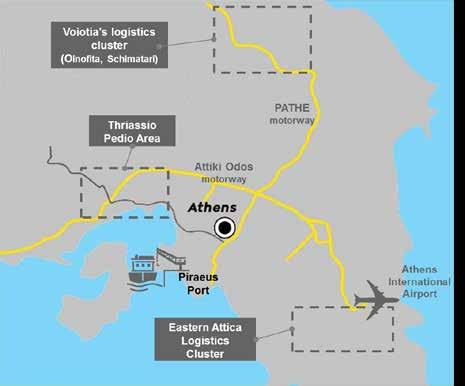
Main concentrations of logistics facilities in Greece
Altogether, the logistics network in Greece has been developed around 7 regional logistics clusters as depicted in the map on the right, with each center covering the supply chain requirements of a specific geographical area. The most important logistics markets have been developed around Athens and Thessaloniki, that is the Country’s 2 largest cities. At the same time they are closely linked with the Port of Piraeus and the Port of Thessaloniki, which are the Country’s two main international maritime interfaces.
In Athens, the major logistics facilities are concentrated in either the “Thriassio Pedio” region at western Attica or in “Oinofita” in the Voiotia county at Attica’s northern borders.
• As a common practice, 3PL providers have developed and currently operate their warehouses and distribution centers primarily in the aforementioned major logistics centres of Attica/Voiotia and Thessaloniki. Similarly, big retailers and manufacturers mainly operate their logistics facilities and warehouses in the same regions.
• Besides Attica and Thessaloniki, 3PLPs usually opt not to develop and operate their own facilities in other geographical regions preferring to develop the rest of their network through collaborations with agencies or by subcontracting smaller logistics providers who already operate in the corresponding regions.
• In order to serve the remote areas or/and the Greek islands the majority of the 3PL providers subcontract their transportation and distribution activities to regional agencies or/ and transportation companies.
Attica & Voiotia
Thrace
Thessaloniki
Thessalian
Crete
West Greece
Epirus
Peloponnesus
Thriassio Pedio logistics market
Undeniably, the most important concentration of logistics facilities have been developed around the metropolitan area of Athens: the first, in west Attica and the second, in Attica’s northern borders in the industrial zone of Oinofita in Voiotia. These two regions surround the capital city of Athens and serve as the city’s main supply centres for all types of goods. It is estimated that the existing logistics facilities, only in these two regional areas,
have an indoor storage capacity of more than 2 million square meters.
The first one is the so-called Thriassio Pedio Area (TPA) that is located in west Attica, 10 km northwest from the centre of the city of Athens, and expands across the cities of Aspropyrgos, Magoula, Mandra and Elefsina.
All the major 3PL providers have developed and operate their warehouses and distribution centers in this region in order to be in close proximity to the greater area of Athens and its suburbs, to be connected with the Piraeus port container terminal, and to have full access to the core cross-national road and railway network.
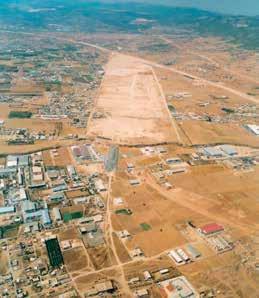
A Freight Village on a land of 58.8 ha is under construction in Thriassio Pedio
Currently, the whole logistics area in Thriassio Pedio consists of a total indoor storage capacity that exceeds 80 ha. In addition to these privately-owned logistics properties, an area of 58.8 hectares, which is presently owned by
GAIAOSE, is to be constructed and operated for the next 50 years by the winning venture of “ETVA VIPE” and “GOLDAIR”, as a result of the recently completed concession agreement Under the terms of the concession agreement, 235.000 sqm of new logistics buildings will be constructed in the aforementioned area within the next 10 years rendering the whole region as one of the most important and most modern intermodal freight and logistics parks in southeast Europe.
Thriassio Logistics Park
Besides having been established as the Country’s major logistics market, Thriassio Pedio will soon accommodate the largest multi-modal logistics park and most developed intermodal freight centre in the Southeast Europe.
Having a direct railway connection with Piraeus port (Ikonio), Thriassio Logistics Park will become a physical expansion of Piraeus container terminal.
Thriassio logistics park is also connected with the Greek core and comprehensive TEN_T road network via the modern 3-lane highway of Attiki Odos and it has direct access to the city of Athens and the Athens International Airport.
Moreover, the operation of these logistics facilities is supported by the nearby intermodal terminal station of 145 ha, which is owned by the national railway infrastructure manager (OSE). It is expected that the relevant call for the concession agreement with regard to the operation of the already-constructed terminal station, railway yard and cross docking facilities, is expected to take place in the immediate future..
Voiotia’s logistics facilities
concentration
The second largest concentration of logistics facilities can be traced in the northern borders of Attica, in the county of Voiotia and more specifically around the city of Oinofιta, which is located 50 km north of Athens. The area also accommodates some of the largest and most important industrial installations of the country and is crossed through by the main national motorway (PATHE) and railway line which both connect Athens with Thessaloniki and the Greek northern European borders. This concentration of logistics facilities in Voiotia expands to the north and along the national motorway in two sub-regions, with the first one having been developed around the city
of Shimatari and the second on the outskirts of Theves.
Besides serving the city of Athens, the above mentioned logistics centers have turned out to become all-important supply chain nodes for the national manufacturing industry due to the fact that they connect the industrial zone in the northern borders of Athens at Voiotia with the port of Piraeus as well as with the rest of the country’s main cross-border links and maritime multimodal interfaces via the core national road and railway network.
Eastern Attica Logistics Cluster
Last but not least, another recently developed centre of logistics facilities in the suburbs of Athens has been established in eastern Attica, adjacent to Attiki Odos motorway in the cities of Paiania, Koropi and Markopoulo.
The aforementioned logistics facilities are at a short distance from the main retail centres of the greater Athens area as well as in close proximity to the Athens International Airport of Eleftherios Venizelos. Therefore, the concentration of 3PL providers in this area is limited and the majority of the established warehouses belong to wholesalers and retail companies.
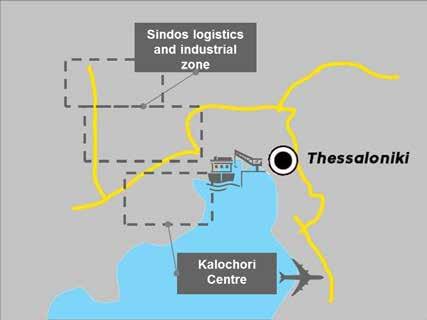
In addition to the logistics centres located in the wider region of Athens, a large majority of the Greek 3PL companies, particularly those with strong presence in international freight forwarding activities, also operate warehouse facilities in two main regions on the outskirts of Thessaloniki, namely Sindos and Kalochori.
Sindos logistics and industrial zone
The strongest concentration of warehouses and distribution centres may be traced in Sindos which is located in the west part of Thessaloniki. Sindos has been developed as an organized industrial zone that actually covers an area of 1.000 ha, and it can be stated that it is primarily for this reason that it originally attracted the most important logistics facilities in the northern part of Greece. Having two adjacent railway connections
in its northern and southern borders, direct and immediate access to the core national road network and being within a 15-km distance from the port of Thessaloniki, Sindos constitutes an advantageous area and has, therefore, been the favourable location of the major 3PL companies, which in the last 5 years have invested on modern warehouses, each of which exceeded 18.000 sq.m. in indoor storage capacity.
Located at this unique and advantageous geographical position in the northern part of Greece, Sindos is widely regarded as an important logistics gateway for the Balkan countries. Once the planned privatization of the port of Thessaloniki takes place within 2017, the area is expected not only to strengthen and boost its international role but also to further extend its catchment area towards the southeast and central regions of Europe and Turkey.
On the other hand, Kalochori, constitutes the second largest concentration of logistics facilities in the wider area of Thessaloniki. Due to the fact that it is in very close proximity to the port, it functions mainly as the regional logistics centre for several companies in the retail sector.
Finally, the domestic market is also supported and served via a third smaller concentration of logistics facilities in eastern Thessaloniki near the city’s international airport.
Kalochori Centre
The process for the international call for tenders concerning the development of Gonou Logistics Centre in Thessaloniki
has been initiated
• Following the completion of the concession agreement for the Thriassio Logistics Centre in Athens, a similar freight centre has been planned to be developed in Thessaloniki in a plot which is also owned by GAIAOSE.
• The freight centre is to be constructed on an area of 672,000 m2, at the former Gonou military camp which is located near both the port of Thessaloniki as well as Sindos logistics and industrial area.
• Taking into account the expected privatization of the Port of Thessaloniki within 2017 as well as the port’s potential to become a significant maritime interface, the significance of a logistics centre in Gonou becomes even more apparent.
• At present, the majority of cargo handled in Thessaloniki’s port are bulk goods, raw materials or general cargo that is designated for the Balkan countries. A large area like Gonou plot, which has a direct rail link with the port, will provide additional capacity to the port terminal for the temporary storage or/and processing of these goods.
• It is reported that there has been significant interest from several domestic and international investors, given the strategic location of Thessaloniki on the Balkan Peninsula and the close proximity of Gonou camp with the Port of Thessaloniki.
Competitive warehouse rents facilitate industry growth
Warehouse rents in Greece are among the most competitive ones in the region since they have been reduced significantly during the last 8 years as a result of the financial crisis.
The average rental cost for storage facilities in Thriassio Pedio in west Attica, which has not stopped being the most attractive logistics market in Greece for more than 15 years now, ranges between €3-€3.5 per m2, depending on the type and size of the facility.
Prior to the Greek sovereign debt crisis and in close alignment with the continuous growth of the Greek economy, warehouse rents in Thriassio Pedio reached in 2008 their peak values that even exceeded the value of 5.5 euros per m2. Rents of more than 6 euros were also reported in some cases. However, as a result of the Greek recession, prices have rapidly declined within the last 5 years and from 2015 onwards they remain relative stable in the range of €3per m2. In other regions, where availability of construction land is greater or the distance from the city of Athens or/and Piraeus port is
longer, like for example in Voiotia region, rent values are even more competitive since they are 40% lower that the ones in Thriassio Pedio.
Concerning Thessaloniki’s renting prices of logistics facilities, they currently fall in the range of €3 per sq.m. in Sindos and around €2- €2.5 per sq.m. in Kalochori.
Construction of new warehouse facilities, especially in the Thriassio Pedio region, has been reduced in recent years since the supply of storage space exceeds the demand.
Responding to the Greek economy downturn manufacturers and traders opt to outsource their logistics operations more often than in the past leaving some of their warehouse facilities empty. Meanwhile, some smaller 3PL companies have exited the market emptying more storage space.
These available logistics facilities have been a great opportunity for the larger 3PL providers to acquire or rent highly-needed storage space in extremely competitive rent costs in order to improve their network and reduce their operating costs through economics of scale.
Road freight transport
STATE OF PLAY WITH REGARD TO ROAD FREIGHT
SECTOR IN GREECE
Reduced volumes in goods transported in Greece puts pressure on road freight transportation
There was a dramatic reduction in total road transport performance between 2009 and 2015, which originated from the outburst of the Greek financial crisis in 2009 as well as the subsequent continuous recession of the Greek economy. Within the period 2009 – 2015 the road freight sector experienced a sharp fall in both tonnes transported (-35% with a -6.89% CAGR) and tonne-km (-31% with a -5.97% CAGR).
The first signs of this dramatic downturn in the performance of the road freight market had been observed in 2010, when for the first time the market recorded a significant reduction of 10% in total volumes transported. However, the impact of the economic crisis was more apparent in the next year of 2011, when the total tonne-km recorded a sharp drop of 31% in just one year and the total volumes in tonnes were reduced by 12% for a second year in succession.
National transport, as the major component, which has a share of 99% in total road freight volumes and 77% in total road freight tonne-km, suffered the most severe consequences of the global financial crisis and Greek economic recession. Within the period 2009-2015 the domestic road freight market performance reduced by more than 38% in terms of tonne-km (-8,3% CAGR), in comparison to the total road freight reduction of 31%.
Focusing,specifically, on the most recent years, road freight volumes seem to have stabilised from 2012 onwards even though
some noticeable fluctuations can be observed as a result of the political and economic uncertainties in Greece. These year-on-year performance fluctuations are more noticeable in tonnes-transported-related figures since the volumes of goods transported are more prone to the uncertainties of the domestic market.
International road freight has recovered as international trade through Greek ports is expanding rapidly
However, signs of slow recovery in the sector can also be noticed from 2012 onwards: Road freight transport, in terms of tonne-km, increased by 3% in 2015 following a slight increase of 1% in 2014. This slight yoy yearon-year increase in road freight performance is mainly the result of the slow sector recovery with regard to international road freight activities.
In spite of the fact that there have been some ups and downs, international road freight transport reached its record low in 2011 and from that year onwards it recorded a significant increase of 25% by 2015. Therefore, the international freight component of the road freight market in Greece addressed the decrease of the first years of the Greek recession by exceeding its pre-crisis performance levels and reaching in 2015 a new record high at 230 million tonne-km.
The recovery is largely due to the increase of international trade volumes transshipped via Greece, with the port of Piraeus being
at the heart of this activity. Between 2011 and 2015, Piraeus Port emerged as a major European port by increasing its container traffic more than 7.5 times.
Such a large-scale expansion supported the recovery of almost all the relevant industries, transforming Piraeus to a real engine of growth for the Greek economy. Since new investments for the expansion of Piraeus have already been planned for the next years, the opportunities for the Greek road freight have never appeared more promising.
Moreover, as the domestic logistics market is expected to grow in the immediate future, in line with the recovery of the national economy, the sector can expect a significant increase in freight volumes and tonne-km for the national transport sector as well, rendering the sector attractive for new investments.
Split of road freight performance in 2015 per type of activity
Freight transport by road continued to dominate in 2015, accounting for more than 98.5% of the total inland tonne-kilometres performed in Greece
Evolution of road share in total inland freight transport performance In terms of tonne-km performed
Source: Eurostat data,2017, analysis by EY
National and International road freight transport (million tonne-km)
Source: Eurostat data,2017, analysis by EY
National transport is the predominant component of the road freight transportation market, especially in terms of tonnes loaded; in 2015, its share in total road freight volumes reached 99% and in total
Evolution of total road freight transport performance in Greece
Source: Eurostat data, 2017, analysis by EY
Road freight transport has suffered a severe downturn as a result of the continuous recession of the Greek economy and although it is still under pressure, there are some signs of recovery from 2012 onwards
• The growth of freight volumes (in tonnes) transported via road reached its limit in 2009 when more than 644 million tonnes were transported.
• After a strong recovery of 20% in 2013 the road freight performance worsened in 2014 with a fall of -16% in total tonnes transported and then partly recovered in 2015 by 4% to reach 420m tonnes.
Evolution of international road freight performance within the Greek recession Values in million tonne-km
Source: Eurostat data,2017, analysis by EY
International road freight has recovered its pre-crisis levels as international trade through Greek ports is expanding rapidly
Structural analysis of the Greek road freight sector
TThe Greek road transportation industry primarily consists of small companies and owner-driver hauliers who provide low margin traction services to medium or large national and pan-European logistics providers. Therefore, a large part of the Greek hauliers rely heavily on providing outsourced traction to 3PLPs whilst others are able to win their own work directly from shippers and carry out the work with their own vehicles and drivers. The hire and reward transportation sector in Greece performed the 66% of the total road freight transportation activities in 2014 (in terms of tonnes-km) which is significantly below the EU average. If the share of outsourced transportation activities is calculated based on the tonnes of goods transported, then the provision of hire and reward services has a very small share in the range of 21%.
The fragmentation of the transport market in small providers (1.5 truck on average) explains the existing low margins in the transportation sector. On the main line-hauls, where the supply of transportation services usually exceeds the demand, the pricing of transportation services is in the range of 1,0 euro per km on average. Whilst extensive road haulage subcontracting practices provide a responsive resource to the Greek logistics industry, this level of fragmentation in the road transportation market can lead to an imbalance in the ability of the small operators to fully recover their costs. Any increase in costs (such as fuel or driver wage increases) affects directly the profits and many hauliers simply struggle to pass on these cost increases to the client. Fuel and tolls surcharge agreements are levied on some contracts but sometimes they can be difficult to put into action. Moreover, payment terms, where the buyer takes longer to pay the carrier, has been a main feature of the industry in the last decade, and this situation has been
exacerbated by the economic recession. There is a steady increase in the development of strategic alliances and synergies among the Greek road haulers. Traditionally, these synergies are mainly achieved through the formation of the so-called “transportation agencies” as a result of the collaboration of several ownerdrivers or/and small road transport companies in regional networks.
These agencies provide road transportation services within the regional boundaries of one or more counties by consolidating goods (groupage) that either originate from or are designated to the county’s shippers or consignees, respectively.
This type of cooperation allows the small transport operators to increase their vehicle’s load factor and reduce empty running, especially in backloads and, therefore, to improve vehicle productivity and optimize operational costs. Despite this organization, however, 3PLs, freight integrators and forwarding ‘agents’ continue to play the most important role in the organisation of the domestic as well as the international road freight movements.
While driver shortage in the road haulage sector is a fundamental challenge for the majority of EU countries, the relentless economic recession in Greece has developed a surplus of qualified and experienced truck drivers or truck owners that are currently either unemployed or struggling to win onthe-spot work contracts. As more and more international cargo is arriving in Greek ports and as the economy is showing promising signs of recovery, such a surplus of qualified professionals is an important asset for the logistics industry in Greece.
A large percentage of these drivers have compulsory driver qualifications as a result of taking tests which allow them to drive different classes of vehicles. Apart from holding an EU professional driver license, they have also been certified and hold the European Certificate of Professional Competence (Driver CPC) in compliance with the EU Directive 2003/59/EC
Subcontracting of road freight transport in Greece
Subcontracting levels in road freight transport in Greece are significantly lower than those achieved in other European Member States. In 2015 approximately 66% of road freight tonnes-km were outsourced, which corresponds to 21% of total volumes of goods transported via road.
Subcontracting in transport is due to different reasons including: cost saving; covering a peak in demand; addressing a particular service not suited to the main operation; involving/meeting specialised cargo requirements and, last but not least, serving a particular destination or
Brief structural and economic profile of the Road freight transportation sector in Greece
There were more than 19.000 enterprises in the Greek road freight transportation sector in 2013, equivalent to 30% of the entire transportation and storage services sector enterprise population. These enterprises employed 35.192 persons and recorded value added of €665.7 million, which represented 20% of those working in the transportation and storage services sector and 13% of the wealth generated in the transportation and storage services sector.
The relatively high share of road freight in the transportation and storage services sector’s enterprise population, combined with the corresponding lower share in value added, indicate that the average size of enterprises (in value added or employment terms) was below average. Indeed, the road freight transportation sub-sector is dominated by very small enterprises if compared to those that operate in other sub-sectors, especially the very large enterprises at postal services as well as air, water and rail transport ones.
Source: Eurostat data, 2017, analysis by EY
region, especially where there is little prospect of a backload.
The majority of the 3PL providers rely considerably on subcontracting work to smaller entities and owner-drivers who provide low margin road traction only services. There are several types of relationships and dependencies among 3PL and these road hauliers, including a. small hauliers that work exclusively for large 3PL companies, b. those that do a significant amount and c. those that do an occasional load on the ‘spot’ market.
Table. Key economy indicators in the road freight transportation sector
Analysis performed in accordance with NACE Rev. 2 classification of Economic activities. NACE provides the framework for collecting and presenting a large range of statistical data according to economic activity in the fields of economic statistics (e.g. production, employment) and in other statistical domains.
* Transportation & Storage Services economic activity NACE 2 category H: “Transportation and Storage Services” includes the following economic activities, in addition to road freight transportation sector, passenger transport, rail transport, water transport, air transport, transport via pipelines, warehousing and support activities for transportation, postal and courier activities
The Orient/East
Med
Corridor
interconnecting Greek ports with Central Europe
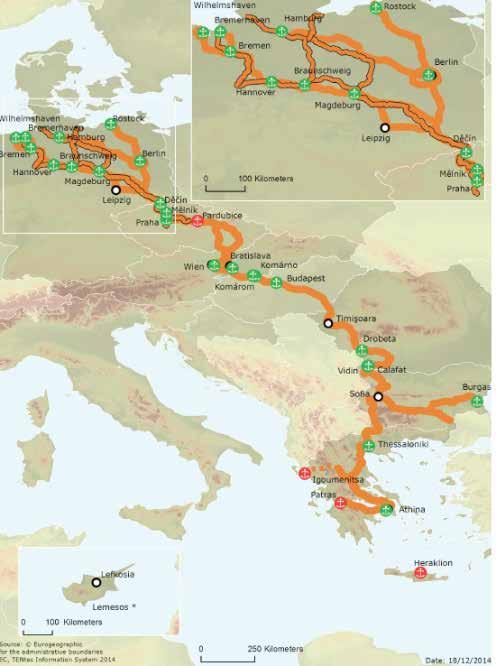
Source: map is extracted by: “Core Network Corridor Study”, Final Report, 2014, European Commission
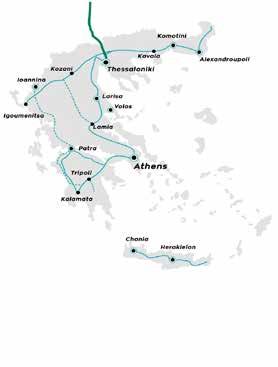
• Orient/East-Med Corridor is one of the most important EU corridors since it connects critical European maritime interfaces in the North and mainly in the Southeast Europe to the major Central European industrial centres and logistics markets.
Orient/East-Med Corridor is part of the “Core network corridors“ of the European Union.
As depicted on the above map the Corridor connects the German ports Bremen, Hamburg and Rostock via Czech Republic and Slovakia, with a branch through Austria, further via Hungary to the Romanian port of Constanta, the Bulgarian port of Burgas, with a link to Turkey, to the Greek ports of Thessaloniki and Piraeus and a “Motorway of the Sea” link to Cyprus. It comprises rail, road, airports, ports, RRT’s and the Elbe river inland waterway.
• The biggest part of the corridor’s road infrastructure is allotted to Greece (1245 km or 26%). The country’s two largest ports of Piraeus and Thessaloniki are the two main maritime interfaces of the OEM corridor connecting Asia and Middle East ports to the economic and logistics centres in Central Europe.
• The corridor also extends across the Ionian-Adriatic sea to the Italian ports via the 2 Greek Ports of Patras and Igoumenitsa in western Greece. This motorway of the sea interconnects Orient/East-Med Corridor with the “Scandinavian - Mediterranean EU Corridor” which links Italy with central European countries.
• Another EU “Motorway of the Sea” interconnects Cyprus with Greece and consequently with the European core network.
• Some important projects are currently funded by EU under the CEF (Common Europe Facility) program in order to either upgrade critical multimodal links and cross-border connections.
The Greek TEN-T road network
FOLLOWING THE RECENT DEVELOPMENTS,
GREECE HAS ONE OF THE MOST DEVELOPED ROAD NETWORKS IN ITS REGION.
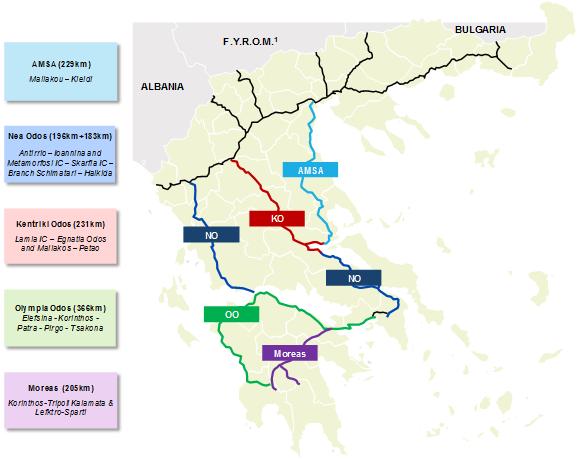
Several development programmes have been implemented over the last decade in Greece that resulted in the significant expansion and modernisation of the national motorway network. Unsurprisingly, the most important networks are located around the key economic logistics hubs of Athens and Thessaloniki, interconnecting these two large cities with the country’s main seaports in Piraeus, Thessaloniki, Patras and Igoumenitsa as well as with Greece’s northern borders. The core Greek network consists of more than 1.700 km of motorways, the majority of which were recently expanded or upgraded in conformity to the strictest European motorway standards. Furthermore, additional 370 km are under construction, where as approximately 100 km of existing road infrastructure are currently being upgraded to the latest motorway standards and are expected to enter into operation within 2017.
Notes:
1. PATHE consists of two interconnected motorways: Nea Odos & Aegean Motorway
2. Attiki Odos is not depicted in the map, since it is the urban motorway of the greater metropolitan area of Athens
Aegean
Nea Odos
Moreas
Kentriki Odos
Ionia Odos
Olympia Odos
Egnatia Odos
Thessaloniki
Igoumentisa
Alexandroupoli Kavala
PATHE Motorway
• The main and oldest motorway of the country, PATTHE (E75) motorway, is the main road corridor of the Greek network interconnecting vertically the two largest cities of Athens in the south and Thessaloniki in Northern Greece
• PATHE motorway also constitutes the backbone of the Greek part of the TransEuropean Transport (TEN-T) Network. This north-south road axis runs along the east coast of the Greek mainland and also links the two main Greek ports of Piraeus and Thessaloniki and the national borders in northern Greece, especially with FYROM at the city of Evzoni
• Several parts of the Motorway have been largely upgraded to the most modern highway standards and new sections have been constructed within the last 10 years totalling in 553 of high-end motorway sections
Ionia Odos
• “Ionia Odos” motorway, having an approximate length of 196 km, runs across the west part of Greece form north to south interconnecting the ports of Patras, Astakos and Igoumenitsa
• Passing through all the major urban and rural centres of Western Greece such as Ioanina, Arta, Agrinio and Patras, the motorway contributes to the wider development of the area by improving the access to major tourist and archaeological sites
Egnatia Odos
• Motorway “Egnatia Odos” crosses northern Greece linking Greek eastern borders in Turkey with the country’s western borders in the Adriatic sea. The motorway constitutes a vital road freight intermodal corridor that interconnects Greece and Turkey with Europe via the sea leg to Italy
• Egnatia motorway also interconnects Thessaloniki and Igoumenitsa port with the regional ports of Kavala and Alexandroupoli, which are located near the eastern borders of Greece with Turkey
• Constructions began in 1994 and the motorway was completed in 2014. The whole project, is regarded as one of the largest and most demanding infrastructure developments in Greece. The motorway has a length of 670 km which fully complies with the latest European quality and safety standards
• Several high-quality auxiliary routes connect “Egnatia Odos” with important logistics locations and ports in Northern Greece as well as with Albanian and Bulgarian borders
• The concession tender for the operation, maintenance and utilization of Egnatia is expected to be officially launched in the upcoming weeks at the beginning of 2017
Kentriki Odos
• Kentriki Odos (e.g. Central Greece Motorway) is a modern 2-lane motorway in each direction, which upon completion will have a total length of 174 km and will connect the Eastern and Western part of Greece which are currently separated by Pindos mountain
• By connecting the two main Greek corridors of PATHE and Egnatia Odos via central Greece, the new road will reduce the current travel time from Athens and Piraeus Port to Igoumenitsa Port by more than 40%, providing a new and modern trans-regional and international road freight corridor
Olympia Odos
• Olympia Odos is a strategic motorway with a total length of 201.5 km which connects Athens and Piraeus port with western Greece and most importantly with the Port of Patras at the Ionian Sea. The motorway accommodates the majority of the international road freight movements towards central European countries via the Ro-Ro services that take place between the port of Patras in Greece and the Italian ports (e.g. Brindisi, Bari, Ancona, Ravenna and Venice)
• Within the last 5 years several new motorways sections and upgrades of the existing ones were constructed while the motorway is in operation, in order to modernize the network, reduce travel time and improve comfort and safety
Air freight transport
THE EVER-INCREASING PASSENGERS’ TRAFFIC DRIVES THE AIR FREIGHT VOLUMES’ RECOVERY IN GREEK AIRPORTS

Greece has 45 airports, 15 of which are international, 26 domestic and 4 municipal ones.
Athens International Airport (AIA) “Eleftherios Venizelos” is by far the most predominant Greek airport in terms of both freight volumes and passenger traffic. AIA serves not only the Greek capital but also the whole Attica region. Moreover, Eleftherios Venizelos is emerging as an important passenger and logistics hub for Southeastern Europe being the central transfer point for connecting Europe with Middle and Far East.
Besides AIA, a number of Greece’s airports are undergoing significant infrastructure upgrades while, at the same time, based
on the national transportation master plan there are provisions for the construction of new ones.
Currently, investment plans of €330 million are in place for the upgrade of 14 Greek Regional Airports, following the completion of their privatization process in December 2015, when the Fraport AG – Slentel Ltd consortium was awarded the 40-year concession agreement for the airports maintenance, management and operation.
The planned investments provide “tremendous” potential for both the facilities’ growth as well as the Greek tourism and the local development of the respective islands and cities throughout Greece.
Greece as a logistics hub in Southeast Europe for air freight transportation
It is a well-known fact that the role of air transport in freight transport is less pronounced, if compared with the other modes of transport since it constitutes an expensive transport mode in terms of tonnekilometres. For this reason, air freight is considered to be highly competitive for the long-distance transport of relatively lightweight, valuable goods or for the immediate and fast transport of delicate/ fragile goods.As a result, air freight transport in Greece has a share of ca. 35% of international trade in terms of value but only 1% in terms of weight. However, air cargo transportation is rapidly expanding, especially in Europe.
Based on Eurostat data, growths of 7.2% and 1.3% were recorded in 2015 compared to 2014 for international intra-EU and extra-EU,

As the importance of international air transport is growing, there are significant opportunities for Greece to serve as Europe’s Southeast gateway for air cargo traffic and provide a real alternative to congested hubs worldwide. Initiatives like the recent cooperation between Athens International Airport and Port of Piraeus
– which is owned, operated and managed by COSCO – the so-called seanairgy project –contribute to the development of Greece as a major regional logistics hub that interconnects Europe with Middle East, Africa and East Mediterranean.
The rapid growth of passenger traffic through Greek airports and the establishment of new international air connections via Athens International Airport “Eleftherios Venizelos” create promising opportunities for air cargo
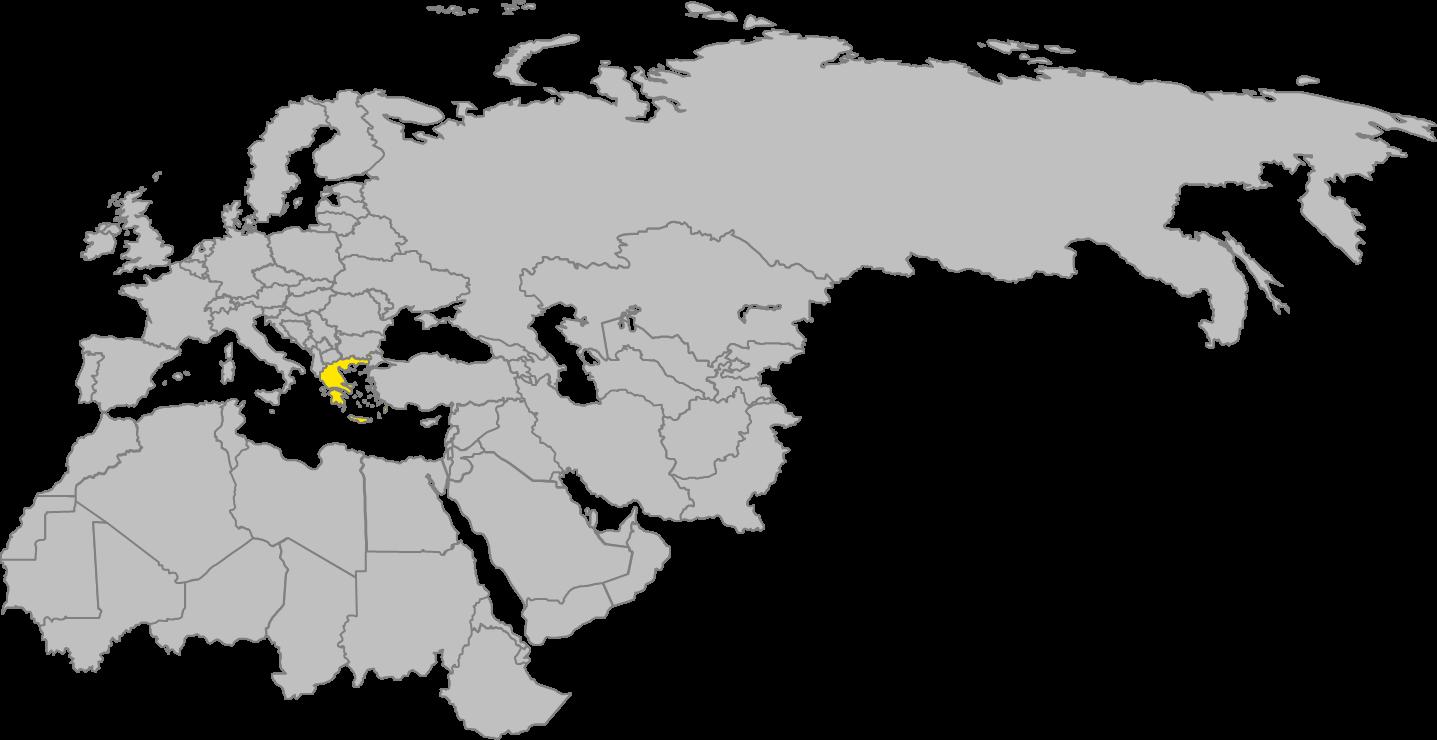
Development of air freight transportation in Greece
About 62.000 tonnes of air freight were carried through Greek airports in 2015, marking a slight increase of 3% when compared to 2014. 2015 was the first year that an increase in freight volumes was observed, following the onset of the financial crisis in 2008. In fact, between 2008 and 2015 the quantity of goods transported via air in Greece (both nationally and internationally) reduced dramatically by 44% as a result of the Greek sovereign debt crisis.
There is still a long way to go before air freight transport in Greece recovers its pre-crisis levels; however, based on the preliminary results of 2016, it seems that the slow recovery of 2015 could be permanent.
Concerning the type of air freight traffic, international air freight transport has by far the largest share in total quantities of goods transported through the Greek airports, in

the range of 90%. Intra–EU air traffic is the most important component of air freight transportation in Greece.
The proportion of air freight that was transported to or from other EU airports within the reference period of 2008-2015 was in the range of 62%-70%.
The split between national and international air freight transport did not vary considerably within the period of the Greek recession.
Nevertheless, a slow year-on-year increase in the share of international air cargo can be clearly observed; from 87% in 2008, when the Greek financial crisis began, international air freight reached 91% of the total air freight traffic in 2015.
On the other hand, within the same reference period 2008-2015 there was a remarkable shift in the split of air freight that arrives in the Greek airports compared to the freight that departs from them. From only 47% in 2008, the share of air freight that departs from the Greek airports - in international or national flights - reached the value of 55% in 2015, recording a significant increase of 21%.
Development of air freight transport in Greece (tonnes)
Source: Eurostat data, 2017, analysis by EY
Source: Eurostat data, 2017, analysis by EY
Athens International Airport is the largest air freight transporter among all Greek airports
Athens International Airport (AIA) is the international airport for Greece’s capital and the wider Attica region. The airport, which was officially opened in March 2001, is a modern facility with state-of the art cargo infrastructure and quality services and has earned numerous international awards and distinctions in recognition of the high quality of services offered.
Also known as “Eleftherios Venizelos”, after the distinguished Greek statesman, Athens International has two terminals and is a growing hub for travel to Asia and the Middle East. AIA serves not only the Greek capital but also the whole Attica region, which is the most densely populated and economically strongest region in Greece. Having immediate access to railway and to the core national road network via a modern three-lane motorway (Attiki Odos motorway) the airport functions as an important hub for Southeastern Europe and is the central transfer point for people travelling to Europe from the Middle East.
Eleftherios Venizelos registered the highest
growth among the largest airports in 2015, with an impressive increase of 19 % in passenger transportation, followed by London/Luton and Dublin with increases of 17% and 15 % respectively.
With more than 20 million passengers per year, AIA ranked in the 23rd position (2015) of the top 30 airports in Europe, demonstrating significant year-on-year growth.
In 2016, AIA achieved a new record high in passenger traffic, reaching 20.02 million passengers*. Compared to the previous year of 2015, 1.9 million more passengers used the airport which marked a growth of 10.7%.
The role of the airport as an air-cargo logistics hub is also emerging in recent years. Located at the crossroads of three continents in the southeast entry to Europe, AIA aims to establish itself as a major European air-cargo hub, by providing connection and feeder traffic from the East Mediterranean, Middle East, Africa and Greece to Europe and overseas destinations. More than 80% of the total air freight in 2015 passed through Athens International Airport “Eleftherios Venizelos”.
The airport recorded an increase of 10% in 2016 in the total national and international air cargo transport reaching a total tonnage of 88.6 thousand tonnes.
Before the beginning of the economic crisis “Eleftherios Venizelos” reached its peak in
Intra-EU vs Extra-EU air freight transport in Greek airports (in terms of tonnes)
Main types of air-cargo handled at Athens International Airport
• Ship spares
• Pharmaceuticals
• Fresh fish
• Foodstuff
• Perishables
• Electricals / Electronics / Machinery / Parts
• Jewellery
• High tech products
• Aluminum
• Special cargo (live animals, dangerous goods, radioactive materials, etc.)
• New premium products such as bio products
Split of air freight volumes per direction of shipment
total air freight transport in 2008 with 122.000 tonnes. A severe and sharp drop of -38.7% in freight volumes occurred within the first years of the Greek economic recession, between 2009 and 2013. However, air freight volumes in Athens International Airport are recovering strongly year after year. In 2014, the air freight transport in AIA increased by 3.3% and a further recovery of 4.1% was recorded in 2015. If we also take into account the 10% increase of 2016, the total growth in air freight traffic between 2014 and 2016 amounts to the impressive 29%. Several initiatives and incentives have already been implemented towards this end. Firstly, from 2016, AIA joined forces with Piraeus Port (Piraeus Container Terminal) to provide integrated intermodal services for international cargo transit via Athens; the so-called ‘seanairgy’ project signifies
Athens International Airport
the joint undertaking and the dual mode of transport, i.e. the sea and the air.
AIA also aims to bring all stakeholders under one roof by establishing a local cargo community through an efficient communication platform, the Airport Cargo Community Committee (ACCC). The ACCC was established in 2003 and aims at strengthening and enhancing the communication among all members of the cargo community, promoting the synergies inside and outside the airport fence and reaching joint decisions on new projects and developments. Moreover, new international flights have reestablished previously lost routes like the daily, all-year round flight Dubai - Athens – New York of Emirates Airlines that was established in March 2017 or the 4-week flight to Singapore of Scoot – the low cost airline of the Singapore Airlines group- that is to begin in June 2017.
Athens International Airport, having a total operational floor area of 30.000 m2, can handle annually 275.000 tonnes of general and special cargo
More specifically, the existing cargo infrastructure consists of
• 3 independent ‘front-line’ cargo terminals and 1 distribution centre with a total operational area of 30.000 m2 and a total mezzanine office area of approximately 7.000 m2
• 1 ‘front-line’ air mail centre
• 1 ‘front-line’ station for veterinary and phyto-sanitary inspections
• 1 ‘second-line’ cargo community administration building
* Source: Athens International Airport preliminary data
Top 10 export destinations (51% of the market)
Fraport AG – Slentel Ltd. Consortium was awarded the concession agreement for 14 Greek regional airports in 2015
The 14 Greek regional airports are divided in two Clusters
The 14 Greek regional airports are divided in two Clusters
Cluster A is comprised of the airports of Thessaloniki, Kerkira, Kefalonia, Aktio, Zakinthos, Kavala and Chania
Cluster B is comprised of the airports of Rhodes, Samos, Skiathos, Mytilene, Mykonos, Santorini and Kos.
Cluster A is comprised of the airports of Thessaloniki, Kerkira, Kefalonia, Aktio, Zakinthos, Kavala and Chania
Cluster B is comprised of the airports of Rhodes, Samos, Skiathos, Mytilene, Mykonos, Santorini and Kos.
• On December 14th, 2015 the Fraport AG – Slentel Ltd Consortium signed the concession agreement concerning the upgrade, maintenance, management and operation of 14 Greek Regional Airports.
• The consortium offer consists of an upfront payment of €1.234 billion and an annual payment of €22.9 million for the life of the Concession, annually adjusted according to CPI. The predominant objective of the transaction is the upgrade of the airports in need of significant investments, a development which is followed by particularly important benefits for the Greek tourism and the local development of the respective islands and cities throughout Greece.
• The Fraport-led consortium has committed itself to investing at least €330 million euros during the first four years of the concession, on top of the up-front payment of 1.2 billion euros to the Greek state. These planned investments aim to upgrade the 14 regional airports in conformance to the most recent IATA standards (Level C), as well as to maintain them for the 40-year duration of the concession.
GREECE’S MARKED THE LARGEST GROWTH IN AIR PASSENGER TRANSPORTATION AMONG ALL EUROPEAN COUNTRIES IN 2015 AND IN 2016, SHOWING A SIGNIFICANT POTENTIAL FOR ALL TYPES OF AIR-TRANSPORTATION SERVICES
There has been a clear and significant upward trend in the numbers of passengers that travel by air in the Greek airports within the last 5 years. In 2015, the air traffic in Greek airports increased by 8%, compared to 2014, following an even more significant 15% growth that was recorded between 2013 and 2014. Greek airports not only managed to withstand the consequences of the global and national financial crisis but they substantially improved their performance with an impressive growth of 26% within the entire period of the Greek economic recession between 2009 and 2015. In 2016, Athens International Airport recorded the highest passenger traffic in its history, reaching 20.02 million passengers marking an
Air passengers
increase of +1.9 million passengers compared to 2015.
Intra-EU is the major component in total air traffic in Greece representing more than 66% of passengers travelling to/from Greece, without large fluctuations throughout the years. Intra-EU is followed by National and extra-EU transport which present similar shares ranging between 15-18% in the period 2009-2015.
Although national transport declined sharply by 26% in the period 2009-2013, it recovered with an impressive growth of 44% between 2013 and 2015 exceeding its pre-crisis levels with more than 7,4 million passengers travelling from/to Greece.
Overview of air passenger transport in Greece in 2015

Public sector support
AN INVESTMENTFRIENDLY AND SIMPLIFIED ADMINISTRATIVE FRAMEWORK FOR THE DEVELOPMENT OF INTERMODAL LOGISTICS HUBS IN GREECE
A comprehensive national framework as a result of the ongoing dialogue between Public and Private sector
In recent years the Public Sector in Greece has been in close collaboration with the industry in developing a long-lasting transformational plan that supports the sustainable development of the logistics market and international trade. The final outcome is highly promising since it combines investment planning and incentives for operators with a comprehensive legislation reform and long-term commitments by policy makers, industry associations and private stakeholders..
The Law 4302/2014 (“setting logistics issues and other provisions”) which was published in the official journal of the Government of Greece in 2014, constitutes the most important outcome of this approach. It has been the result of the coordinated efforts and
is one of the nine Pillars supporting the new national development model in Greece
lobbying of the Greek logistics industry as well as of technical support of the World Bank. Law 4302/2014 provides a holistic regulatory framework that explicitly defines the logistics sector and its operational aspects as a distinct and independent economic activity, different from the industrial or commercial ones. Since there is still limited international experience in this specific field of regulatory interventions, the complexity and importance of the task has been highly acknowledged by all the national stakeholders and international organizations
Reducing red-tape in logistics installations permits
The Law 4302/2014 constitutes the main national instrument regulating the logistics operations in Greece in an integrating approach (transport, warehouses, urban logistics and intermodal freight centres).
The major advantage of the new law is the removal of a series of red-tape requirements
and administrative barriers concerning the establishment and operation of logistics installations, and in particular with regard to freight centres and intermodal villages. Provided that the land use is appropriate and that the logistics installation is constructed and operated in conformity with the applicable national legislation, there is no need for a specific permit to be granted by the competent authority.
Previously, the licensing of logistics installations used to be a very time-consuming and costly administrative process, as well as a source of uncertainty in planning and developing large logistics projects. These administrative barriers and risks have reportedly led to the withdrawal of foreign or national investors from important development plans in the area of logistics.
After the entry into force of the new law, the owner or the operator of a logistics installation is only required to submit to the competent authority a notification in which it is verified that the installation conforms with the applicable national legislation.
Moreover, the provisions of the new law explicitly regulate the facilitation of
investments concerning the development and operation of the 2 major intermodal logistics parks of national importance, that is
• Thriassio Pedio
• Former Gonou military camp
Taking into consideration the aforementioned legislative innovations, the new framework is considered by the Greek logistics community to be a breakthrough that has transformed entirely the administrative procedures and established a transparent, efficient and modern framework for interested investors and logistics operators.
Law 4302/2014 establishes a modern and integrated legislation framework for the logistics industry in Greece. To this end, the law integrates, amends, repeals or/and replaces a series of relevant acts like:
• Law 3333/2005 with regard to the terms and conditions for the establishment of freight villages
• Law 3892/2011 with regard to the licensing of manufacturing activities including business parks and warehouses
• Law 4014/2011 and Ministerial Decision 1958/2012 with regard to the environmental licensing of works and activities
The Logistics Performance Index and its Indicators, The World Bank, 2016
According to World Bank’s LPI 2016, Greece is in the 47th among 160 countries, while it was in the 69th place in 2012 and 44th in 2014.
LPI is an interactive benchmarking tool created to help countries identify the challenges and opportunities they face in their performance on trade logistics and what they can do to improve their performance.
The LPI survey is based on expert assessments of logistics professionals and are perceptionbased and contain a subjective / voluntary role.
SEVERAL ADMINISTRATIVE BURDENS AND MARKET INEFFICIENCIES ARE BEING CONSTANTLY REMOVED IN ORDER TO FACILITATE EXTERNAL TRADE AND INTERNATIONAL LOGISTICS OPERATIONS IN GREECE.
Being able to trade easily across Greek borders via streamlined, efficient and digital procedures is of major importance for companies that are willing either to use Greece as their strategic logistics hub in Europe or get involved in trade with Greek organizations.
Facilitating trade and customs operations at the borders, and in particular at Greek Ports, can considerably improve customer service for both export or import activities. Efficient precustoms and customs clearance procedures can have a great impact on eliminating delays, reducing administrative costs and improving supply chain predictability.
Following the economic crisis as well as the consequent downturn of the Greek economy, Greek authorities have committed themselves to facilitating trade both for exporters and importers in order to encourage exports and facilitate trade across borders for companies in Greece.
UNECE and various EU member states with the support of the EC have provided valuable technical assistance in supporting Greek authorities to develop and implement a simple but comprehensive National Trade Facilitation Strategy.
In a very short time, Greece has made
Focus indicator set: Customs
important progress in the implementation of trade facilitation strategy, especially towards the simplification of customs and pre-customs procedures. By 2014 a significant percentage of the regulatory requirements were analysed and simplified and concrete steps were implemented towards the integration of information flows within a paperless customs system.
This progress has been recognized by all stakeholders and it has been evidenced by several international studies (see World Bank 2015 reports regarding “Doing Business in Greece” and “Logistics performance index”). Trade facilitation is a continuous improvement process. Taking into consideration the new developments in the international trade and the steady growth of goods transhipped to and from other EU countries through Greece, the Greek Customs Administration has updated the Trade Facilitation Roadmap for the period 2016-2020 aiming to improve performance and further support and facilitate the international trade processes.
To this end, the big next step in trade simplification and modernization is the development and implementation of a National Single Window that will support the integration of information from all
Within the last 5 years Greece has significantly improved its international ranking in trade facilitation and trade competitiveness.
The tables below represent the selected rankings of the “Doing Business” and the “Logistics Performance Index (LPI)” of the World Bank where the positive and enhanced results over the past years are clearly depicted:
Bank, Logistics Performance Index
From 2012 to 2014 Greece’s competitive position in the Logistics Performance Index has improved by 25 positions. Moreover, the robust results for Customs were overwhelming with an improvement of 52 positions (from 94 to 42) evidencing the extensive improvement in customs operations.
Source: “The Logistics Performance Index and its Indicators”, The World Bank, 2016
stakeholders into one system.
The National Single Window is envisaged to become the integrated platform that will allow all parties involved in trade and transport to be able to lodge standardized information and documents with a single entry point fulfilling in this respect all import, export, and transitrelated regulatory requirements.
Trading across borders emerges as a major competitive advantage for Greece
In fact, several trade facilitation initiatives have been implemented in Greece within the last 5 years with great emphasis placed on the simplification of customs operations, coordination among government control agencies, as well as on the digitization and automation of information exchange.
One major breakthrough was the implementation in 2013 of the new Integrated Customs Information System (ICiSnet) which has largely facilitated the electronic submission of customs declarations as well
as the integration of relevant stakeholders. Other similarly important initiatives are as follows:
• Incentives for the establishment of AEOs (Authorized Economic Operators); from 6 AEOs in 2010 and 37 in 2013, 114 AEOs had been certified until the end of 2016
• Development of suitable processes and capabilities to effectively implement the VAT relaxation regime according to customs procedure of Article 42
• Integration of ISISnet with other sources of information
• Implementation of the UCC (Union Customs Code) until 2020
• Design and implementation of the Single Window
Greek Trade Facilitation Strategy and Roadmap
The “Greek Trade Facilitation Strategy and Roadmap* was completed in November 2012, through the collaborative efforts of a multi- disciplinary team from four ministries with support from UNECE, the TFGR (Task Force for Greece) and select EU countries.
The ‘Greek Trade Facilitation Roadmap’ lists 25 actions under five headings, namely:
• simplification of export procedures,
• re-organization of customs,
• automation of procedures & implementation of paperless trade,
• steering of the reform/operational project management, and
• communication and training.
The Roadmap for the period 2016-2020 has recently been updated by the Greek Customs Administration. The updated strategy focuses on the development and implementation of the Single Window for trade facilitation.
* Joint document of the Ministry of Finance; Ministry of Foreign Affairs; Ministry of Development, Competitiveness, Infrastructure, Transport and Networks; Ministry of Rural Development and Food; in cooperation from several other Ministries
Focus indicator set: Trading Across Borders World Bank, Doing Business in Greece:
Since 2012, Greece has improved its ranking in the World Bank Doing Business study by 39 positions from position100 to 61. Indeed, the improvement in the specific indicator set “Trading Across Borders” is very impressive.
In 2016 the organization substantially revised the methodology for the indicator set “Trading Across Borders”, and therefore it is not feasible to have a direct comparison with the previous years’ rankings. However, it is clearly portrayed that the position of Greece has stabilised in the top performers.
Source: “Doing Business 2017”, The World Bank, http://www.doingbusiness.org/
5 FREE TRADE ZONES (FTZ) AND SEVERAL CUSTOM WAREHOUSES HAVE BEEN ESTABLISHED IN GREECE WHERE FOREIGN-ORIGIN GOODS ARE FREE OF IMPORT DUTIES, VAT AND OTHER IMPORT CHARGES
5 Free Trade Zones provide clear benefits to importers and shippers
Four trade zones have been organized in the major Greek ports of Piraeus (1) , Thessaloniki (2) , Heraklio (4) in Crete and Astakos (5) in western Greece, while the 5th one is located in central Greece in the industrial and logistics centre of Voiotia (3).
Non-community goods may be brought into these free zones without payment of import duties, VAT or other import charges. Noncommunity goods stored in the free zone are considered as not yet imported to the Customs territory of the Community until they are released for free circulation and therefore no import declaration has to be lodged as long as the goods are stored in the FTZ.
Import and export declarations need to be lodged only when the goods are released into free circulation, used or consumed within the free zone. In addition, if the foreign merchandise is exported or transhipped from the free zone no Customs duty is ever due.
In addition to FTZs, customs warehousing services are provided by the majority of the Greek logistics providers
In addition to free trade zones a large percentage of the 3PL providers and freight forwarders have been authorized to operate customs warehouses.
These customs warehouses have been organized either adjacent to the major international Greek ports or in the main logistics centres of Thriassio Pedio (1) and Oinofyta (3) around Athens as well as at Sindos & Kalochori (2) in Thessaloniki.
These types of warehouses can also support traders in case when for example
• goods imported from outside the EU are liable to customs duties or import VAT
• goods are moved from another EU country in duty suspension
• the final destination of the goods when they arrive in Greece is not known in advance
• import licenses or paperwork have been delayed, or a duty-relief quota to become available is being expected (for example, for agricultural goods)
• another customs procedure is more favourable
1 • Piraeus Port
• Thriasio Pedio
2 • Thessaloniki Port
• Sindos and Kalochori
3 • Voiotia Logistics Region
4 • Heraklio Port
5 • Astakos Port
Free trade zone’s advantages
There are many advantages and incentives to companies on free trade zones, which can be summarized as follows:
• Improved cash-flow since no duty payment is required on merchandise brought into the Free Trade Zone (FTZ) unless and until the goods are entered into Greek territory or removed.
• Ability to re-export the goods from the FTZ without paying customs duties.
• Transit goods may be held in the FTZ free of bond.
• Ability to track and monitor inventory more closely also leading to the improvement of compliance and quality control.
• If goods are defective or damaged, no duty payment is owed while they are being tested, repaired, or stored in the FTZ.
• Repackaging, sorting, and re-labeling operations may be carried out while the goods are in the FTZ.
• Documents related to the storage or transfer of goods within the zones are also free from
stamp taxes.
• Complete VAT-free importation of foreignorigin goods which are designated for another EU Member State.
Customs Warehouse
A customs warehouse allows traders to store goods with duty or import VAT payments suspended. Goods that are moved from another EU country in duty suspension can also be stored in this type of warehouse.
Once goods leave the warehouse, duty must be paid, unless they are re-exported or moved to another customs procedure.
The amount of working or processing allowed on goods held in warehouses is limited essentially to keeping them preserved with a view to subsequent distribution. However, it is possible to process goods under inward processing or processing under customs control on the premises of a customs warehouse.
The reformed national legislation ensures the harmonized implementation of VAT exemption provisions under the Customs procedure 42
The legislative framework that regulates the application and control of the customs procedure 42 concerning the VAT relaxation regime has recently been adapted. The new framework has put in place clear rules and procedures for the efficient and harmonized application of the VAT relaxation regime by Customs Offices and relevant stakeholders across the country. The recently updated legislation framework is also supported by a set of documented guidelines and detailed description of the VAT relaxation process including, bud not limited to analysis of the new legislation provisions, control activities and procedures, documentation requirements infringements, etc. Customs procedure 42 is the regime an importer uses in order to obtain a VAT exemption when the imported goods will be transported to another Member State. The VAT is not paid anywhere in Greece, but is due in the Member State of destination.
The same applies to non-community goods that are imported from outside the EU, and which will be processed before they are re-exported outside the EU.
INTERNATIONAL TRADE AND CUSTOMS OPERATION ARE LARGELY SIMPLIFIED WITH THE APPOINTMENT OF RELIABLE AND EXPERIENCED AUTHORIZED ECONOMIC OPERATORS
3PL providers and freight forwarders take advantage of AEOs privileges in customs facilitation
In recent years, a significant percentage of 3PLs, airlines and shipping companies are certified as Authorized Economic Operators (AEOs) in Greece. Authorised Economic Operators benefit both from simplifications provided by the customs rules and/or facilitation with regard to customs controls related to security and safety, according to the type of certificate they obtain.
A critical mass of more than 115 AEOs operate actively in Greece (Jan 2017), the majority of which are 3PL companies or freight forwarders that were certified more than 3 years ago. These economic operators have proved that they implement satisfactory management systems and that they follow appropriate safety and security standards in relation to customs controls.
Therefore, more than 6 years after the certification of the first AEO in Greece, the
Greek 3PL providers and freight forwarders have established themselves as reliable logistics and trade-facilitation partners for the major international shippers, manufacturers, exporters and freight forwarders. This trend constitutes a major improvement in the simplification of international trade in Greece, and in particular in the port of Piraeus, since it has helped companies to considerably reduce the required paperwork and the number of actual inspections in their customs clearance procedures. Apart from this, the role of AEOs is a core element in enhancing the security of the supply chain and in minimizing customs penalties and risk exposure.
However, the current number of existing AEOs can be considered insufficient if we take into account both the estimated growth of container throughput in Piraeus and Thessaloniki as well as the anticipated increase in transit flows towards Eastern and Central Europe. Therefore, several initiatives have been designed by the Greek Public Government for the next 2- 3 years (funds, simplification of audit procedures etc) in order to encourage more 3PL and trade companies to become AEO certified.
The ‘Authorized Economic Operator’ (AE0) concept is one of the main elements of the security amendment of the Community Customs Code. An AEO can be defined as an economic operator who is deemed reliable in the context of his customs related operations, and, therefore, is entitled to enjoy benefits throughout the EU. Economic operators can apply for an AEO status in order to either have easier access to customs simplifications or/and to be in a more favourable position to comply with the new security requirements.
Source: Customs Service – General Directorate of Customs and Excise Duty, ICIS NET portal, January 2017
Status of AEO certificates in Greece (JAN 2017)
Advantages of AEO Certificate
• Easier admittance to customs simplifications
• Fewer physical and document-based controls, leading to reduced time and lower inspection costs
• Prior notification in case of selection for physical or customs control
• Priority treatment at customs clearance
• Fewer delayed shipments , improved planning and reduced theft and losses
In January 2017, 115 economic operators were certified as AEOs.
• The majority of them (66 AEO-C) opted to be authorized only for various customs simplifications
• Two other AEO-S opted to benefit from particular facilitations related only to security and safety
• Whereas 47 AEO-F benefited from the various simplifications specifically provided for under the customs legislation and from particular facilitations related to customs controls on security and safety
• Improved relations with Customs and other government authorities
• Possibility to request a specific place for customs controls; most of the transactions may be implemented in house by the AEO and not “in-customs”
• Possibility to “Fast track” shipments through special safety and security procedures
• An AEO grants firms the opportunity to combine the import declaration with the declaration summary.
• Less and privileged document control or examination.
• Possibility of making declarations with incomplete documents.
BUSINESS DIRECTORY

COOPERATIONS
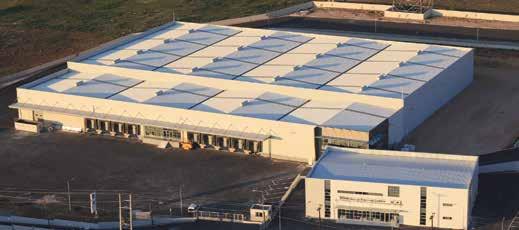
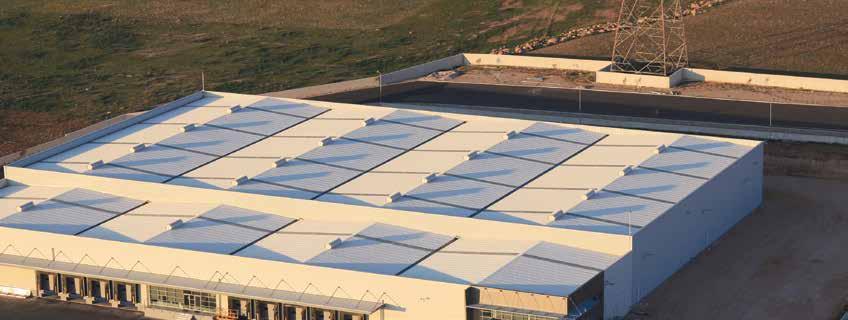
COMPANY SERVICES
Research
Construction
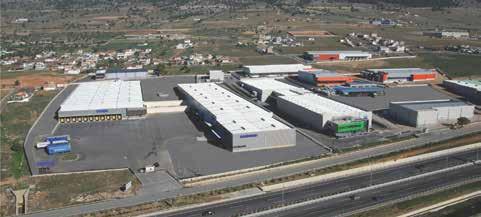
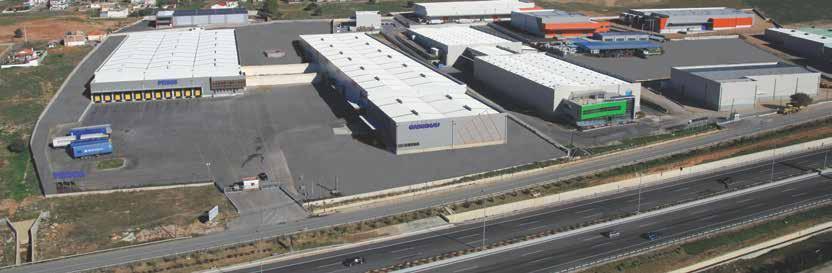
Michalis Papas
Thesi Skliri
Magoula Post code 19018
Athens
Greece
T. +302105551801
F. +302105551804
E. info@apmtransport.com
W. www.apmtransport.com www.speditionpapas.com
APM Transport Logistics S.A.
YOUR LOAD …OUR JOB
APM Transport S.A. was established in 1995 by Michail Papas and is located at Magoula, Attika Greece. APM in partnership with the largest forwarding companies in Greece and abroad, turned out to be the leading Transport Company, providing top level services, using her own fleet (euro5euro6).
Since 2000 the company is specialized in Central and North European markets.
In year 2005 APM established a modern "cross docking HUB" in Athens Magoula, at an area of 15.000sqm, fully equipped with all the modern tools for efficient management of any type of dry cargo.
APM Transport AE is a vertically integrated transport and logistics operator with its own fleet, providing services to small, mediumsized and big companies.
Our mission is to provide complete customer satisfaction by offering best value for money transport and logistics services. Operating in an innovative, vertical modern and simple organizational system, allow us to achieve and provide balance cost services, always with respect to the values of business ethics, its employees, suppliers, partners society and environment.
Services offered:
• National and International Road Transports with Box - Frigotrailer and Tautliner all over Europe, with emphasis in:
- Temperature controlled Transports (FTL and part loads) from and to Holland, Belgium, UK, Italy, Austria Germany, France, Swiss and Greece.
• Transport of foods (FTL and part loads) within Germany in the temperature range of -25 Grad C - +30 Grad C.


In year 2009 the company changed its corporate form into S.A and few years later grew more with 2 more companies in Germany SPEDITION PAPAS & APM TRANSPORT GMBH. During the last years APM invest in qualified and experienced staff and develops a dense network of reliable partners to cover international and national markets. APM continues to invest in new software and other optimization platform’s, and introduces new services in order to provide integrated and quality products to its clients.
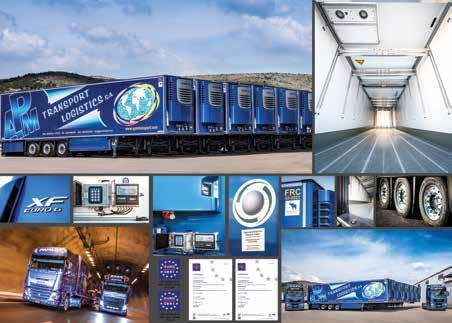
• Provision of Frigo trailers with partition wall for transports with different temperature requirements.
• Single Deck - Dual Temp Trailer, Double Deck Trailer, Double Deck - Dual Temp Frigotrailers
- We provide the appropriate certificates ATP FRC & HACCP & Pharma serve
Full control and monitoring in all stages of transport trough telematics system 24 hours
¬ To manage effectively to customer costs
¬ To dynamically plan the best route, depending on conditions
¬ Trucking all time of the location of our vehicles
¬ To analyze the driving behavior of our drivers, ensuring the safety of the cargo
¬ To communicate directly with our drivers
¬ To minimize the security risks of our fleet and our drivers
¬ To continuously monitor the temperature of the shipments
Our fleet consists of 50 tractors mostly EURO 5&6, most of them ADR licensed, all of them equipped with GPS and internet telematics, and 50 trailers of various types (tilt and frigo,13,6 ldms,100m3).
we are expert in Transports of sensitive goods & H.V.T.T according to GDP requirements (safety locks electronical Safety Lock ELB 2-90, healthy rules) such as:
• Entertainment electronics
• Pharmaceutical products /food stuff
• Flowers
Our company has been certificated with ISO 9001/2008, ISO 39001/2012.
We also provide Customs Clearance and distribution in Greece and Europe.
Following the vision of the founder Michalis Papas we are always ready to assist you and to provide high standard services in road transport with responsibility and reliability.
We make sure that your cargo will be delivered within the agreed time schedule and in perfect conditions.
You can also visit our website for further information http://www.apmtransport.com and www.speditionpapas.com
APM Transport S.A.
APM Transport S.A. wurde im Jahr 1995 als Transportunternehmen von Hr. Michail Papas gegründet mit heutigem Standort in Magoula Attika Griechenland. Apm hat Ihre eigene Flotte und hat mit den größten Speditonen in Griechenland und im Ausland zusammen gearbeitet.
Seit Jahr 2000 hat sich das Unternehmen auf Zentral und Nord Europa konzentriert. Apm verfügt über ein Lager 15.000sqm Fläche in Magoula.
Seit 2009 ist die Firma eine Aktiengesellschaft und in den letzten Jahren sind wir eine Gruppe von Unternehmen mit noch 2 Firmen in Deutschland. Die Spedition Papas und die APM Transport Gmbh mit Sitz in Backnang.
Unsere Leistungen im Überblick:
Nationale und internationale Transporte in Koffer -, Kühl- und Planenfahrzeugen mit folgenden Schwerpunkten:
• Temperaturgeführte Transporte (Komplettladungen und Stückgut) nach und von Deutschland, Holland, Belgien, Griechenland, England, Frankreich, Oesterreich, Schweiz, Italien
• Innerdeutsche Komplett und Stückguttransporte im Kühlbereich (-25 Grad C bis +30 Grad C)
• Bereitstellung von Trennwandfahrzeugen für den gleichzeitigen Transport von Waren mit unterschiedlichen Temperaturanforderungen.
• Doppelstockfahrzeuge,
• Unsere Lkw’s sind alle mit GPS und Internet Telematics ausgestattet für durchgehende Temperaturueberwachung während des Transportes und Lokalisierung der Fahrzeuge.
• Unser Fuhrpark besteht aus 50 Fahrzeugen hauptsächlich Euro 5 & 6 und in der Hauptzahl mit ADR-Lizenz.
• Zertifikate ATP – FRC, HCCP, PHARMASERVE
Transport von sensiblen Gütern & H.V.T.T gemäß GDP Anforderungen (SAFETY LOCKS electronical Safety Lock ELB 2-90) wie:
- Unterhaltungstechnik
- Pharmazeutische Produkte
- Blumen
Wir übernehmen Nationale und Europaweit Internationale Teil- und Komplettladungen und sorgen dafür dass Ihre Ware pünktlich und in einwandfreiem Zustand bei Ihrem Kunden eintrifft.
Wir sind ISO 9001:2008 & ISO 39001:2012 zertifikiert von EUROCERT.
Für weitere Informationen können Sie auch unsere website www.apmtransport.com und www.speditionpapas.com besuchen.
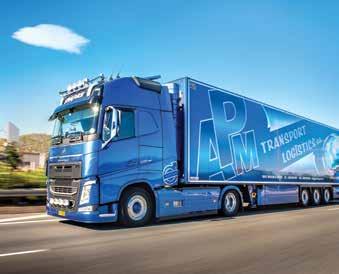
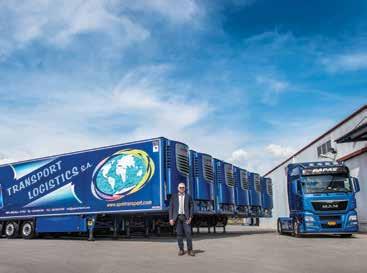

Cargo Development team cargo@aia.gr
Alexis Sioris
Ground Handling & Cargo Development Manager siorisa@aia.gr
Lina Palli
Senior Account Supervisor Cargo Development pallia@aia.gr
Panagiotis Zagkas Cargo Specialist zagasp@aia.gr
Athens cargo in a nutshell
WE MAKE THINGS FIT AS WE FIT TOGETHER
ATHENS International Airport S.A. (AIA) and its cargo partners invite airlines, forwarders and other customers to further develop their business through Athens by taking advantage of its strategic location, functional environment, multimodal services and one-stop-shop potential provided on 24-hr basis.
There are also several other good reasons for flying your cargo through Athens:
The strategic position
• Southeastern gateway to Europe
• Proximity to major seaport (Port of Piraeus)
• Fast access to the Balkans
• Multimodal transport potential
The functional environment
• 24-hour airport operation, no slot & night constraints
• Two independent runways
• New flexible infrastructure, modern technology & equipment
• Extended Customs working hours
• High standards of safety & security
• EU Border Inspection Post for Veterinary and Phytosanitary Control
Company’s history
The collaborative community approach
• Airport Cargo Community Committee (ACCC) as a communication & development platform
• AIA acting as communicator, integrator and facilitator of new cargo-relevant projects
• Close cooperation with Hellenic Customs for seamless and fast cargo flows
The extroversion
• Joint participation at international events
• Synergies with off-airport partners to boost exports and multimodal traffic
The attractive incentives for airlines
• Competitive handling fees
• Incentive scheme for new or additional cargo flights
• Multiple incentive programs for airlines operating passenger aircraft
“Come join us at Athens International Airport to make things fit as we all fit together”

Athens International Airport S.A. (“AIA”), a joint venture between the Greek State and a consortium of private shareholders, was established in 1996, its aim being to construct, operate and further develop the new Athens Airport. Having outsourced cargo handling to expert handling companies, AIA acts as the communicator, facilitator and integrator of the local cargo community, aiming at continuous synergies among its members, including Customs, and furthermore off-Airport business partners such as Piraeus seaport and various exporting agencies.

HEAD OFFICE
1-7 Lysikratous & Evripidou str.
Kallithea, GR – 17674, Athens, Greece
Cargo Dpt. SUPERFAST FERRIES
Tel. +30 210 8919710, Fax:+30 210 8919719, e-mail: adriatic.cargo.capacity @anek-superfast.com
Cargo Dpt. BLUE STAR FERRIES
Tel. +30 210 8919900
Fax: +30 210 8919909
e-mail: cargo.domestic @attica-group.com
Cargo Dpt. AFRICA MOROCCO LINK
TANGER MED (MOROCCO)31, Avenue de la Resistance, 90 000 Tanger
Tel. 00212/ 539 32 22 53, Fax:00212/539 94 38 63 e-mail: fret@agecomar.ma
ALGECIRAS - (SPAIN)
Estacion Maritima, Local F-12 - 2a Planta. Puerto de Algeciras, 11201 Algeciras Tel. 00 34 956 63 15 15 Cargo office: carga@portferryservices.es
ATTICA GROUP
THE LEADING FERRY OPERATOR
ATTICA GROUP leader in the provision of ferry services for passengers and cargo in the Eastern Mediterranean Sea, is engaged in passenger shipping via its subsidiaries SUPERFAST FERRIES and BLUE STAR FERRIES with a total of 15 ships providing modern, high quality transportation services, reaching more than 40 destinations in the Greek domestic market and the Adriatic Sea.
On board Attica Group’s fleet you will find not only luxurious accommodation and fine wining & dining but, most importantly, a level of service and attention to detail that make us the first choice of our clients. The Group is well established in the European maritime transport industry as the synonym of high quality ferry services.
Our Cargo team works with the cargo owners and together we identify their transport needs. Departure and arrival schedules of our vessels are carefully selected to maximize the benefits of road travel increasing the productivity of
ATTICA GROUP
the truck fleet. In addition to the latter the consistency of our sailing times year-round facilitates transportation companies to deliver sensitive goods on time. Furthermore, on board overnight accommodation allows professional drivers to relax and be prepared for a full day drive upon the ship’s arrival at the port. It is important to be mentioned that most of Attica’s vessels are certified to transport hazardous materials and livestock.
Since June 2016 Attica Group and BMCE Bank of Africa Group signed an agreement to operate scheduled ferry services from Morocco to Europe, through the newly-established Moroccan company AFRICA MOROCCO LINK (“AML”). AML offers up to 8 sailings per day from the port of Tanger Med in Morocco to the port of Algeciras in Spain, providing high quality and reliable transportation services for passengers, trucks and private vehicles, combining comfort and luxury with speed and functionality.
Superfast Ferries und Blue Star Ferries bieten Ihnen die perfekte Anreisemöglichkeit zu mehr als 40 Zielen sowohl in Griechenland als auch auf der Adria. Die Attica Group ist führend bei der Bereitstellung von hochwertigen Fährdienstleistungen im östlichen Mittelmeerraum. Im Juni 2016 haben die Attica Group und die BMCE Bank Of Africa Group eine Vereinbarung geschlossen, um mit der neu gegründeten marokkanischen Gesellschaft AFRICA MOROCCO LINK (”AML“) regelmäßige Fährverbindungen von Marokko nach Europa anzubieten. AML bietet bis zu 8 Abfahrten pro Tag vom Hafen Tanger-Med in Marokko zum Hafen Algeciras in Spanien.
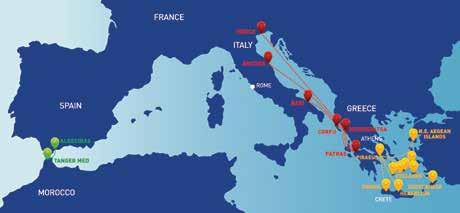
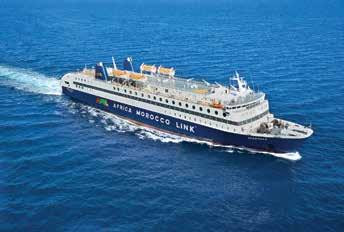
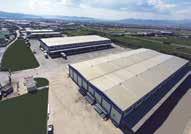
Headquarters
5-7 Filellinon str. 185 36, Piraeus, Greece
Tel. (0030) 210 4285518
Customs Warehouse
Agias Sofias, Area “Dio Pefka” 193 00, Aspropirgos, Greece
GLN: 5208035000001
Tel. (0030) 210 5598070
North Greece Branch
45 Politehniou str. , Main Harbor 546 25, Thessaloniki, Greece
Tel. (0030) 2310 566553
For further information you can visit our website www.cargogroup.gr or send e-mail to marketing@cargogroup.gr
YOUR GATEWAY TO EUROPE
CARGO GROUP REPRESENTS THE FIRST OF PRIVATE INTERESTS TRANSSHIPMENT HUB IN GREECE
FOCUSED on the Chinese development strategy “One Belt, One Road”, CARGO GROUP Transshipment Hub is located in the proper position to provide optimal routes for multimodal transportation for imported containers from Far East and final destination EMEA region (Europe, Middle East and Africa). CARGO GROUP strategic position, as well as customs facilities, offers nothing but advantages:
• Certified by Authorized Economic Operator (AEO) with AEOF certification regarding Simplified Customs Clearance Procedures/ Security & Safety
• Customs Warehouse totaling 59.000 m2 located in Aspropyrgos; 19.000m2 roofed surface area & 40.000m2 open space
• Optimum Geographical Location; Boost in Sales all over EMEA region by providing direct access from Far East to wider European & Mediterranean market through Greece
Company’s history
• Last Mile Problem Solving; door to door delivery and integrated cargo services under one umbrella
• Cost Effectiveness; Reduce Forwarding and Transshipment Costs for imported cargos via sea, truck and air to European and nonEuropean countries due to an extensive distribution network all over EMEA region
• Bonded Warehouse Facilities; no customs procedures needed nor tax & duties required
• Optimization of different Customs Regimes Applications
• Competitive Costs
• Top Level of Technical Expertise
• Promptness – Efficacy – Reliability
“Our competitive edge in CARGO GROUP lies in our keen awareness of the Logistics, Customs Regimes, Multimodal Transportation and Transshipment Procedures; Therefore we ensure the high quality of our services, the effectiveness and the immediate response tο our customers’ needs”
Cargo Group consists of the companies Cargo Group Services, Cargo Group Customs Clearance and Cargo Group Logistics. Our Group applies Integrated Cargo Management at an international, national and urban level, providing a full range of services, from the collection and international transport of goods from their origin to door-todoor distribution to the final destination. It is the only company in Greece that uses its own means and resources, as well as an integrated cargo system and is wellpositioned to offer:
• International Transport Services; Freight Forwarding
• Customs Clearance Services and Simplified Customs Formalities
• Container Management Services, through its Container Freight Station, the first private customs station of its kind in Greece (all other such stations being port facilities)
• 3rd Party Logistics Services
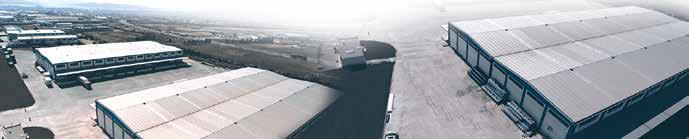
ECONOMOU TRANSPORT LTD
ECONOMOU TRANSPORT LTD
offers flexible, complete, reliable and high quality services in the area of Logistics Services, International Transports & Freight Forwarding. The company is certified with ISO 9001 & ISO 22000 (Food Safety Management) and its competitive advantage is the impeccable customers’ service, which is a result of many years of knowledge and experience, proper organization and state-of-the-art equipment.
Logistics
Providing complete supply chain services, Economou Transport covers Transportation, Storage, Cross-docking, Stock management, Distribution and Reverse Logistics. Distribution by Economou guarantees consistency and profit, as they have built a wide distribution network all over Greece. The company has owned warehouse facilities, 10.000 pallet spaces in Thiva (322 00 post code) and 6.000 pallet spaces in Mandra (196 00 postcode). Economou also provide bonded warehouse facilities, and Customs clearance services.
Economou have invested in Logistics solutions with potential, with Advanced Warehouse Management System (WMS), Enterprise Resource Planning (ERP) and Transport Management System (TMS), with features such as:
• Route Scheduling • Wireless Function of Portable Terminals (RF) • import/export management • Invoicing Analysis based on
Mission & Vision
the client’s needs • Οn Line Stock monitoring • KPI Reporting
Repackaging
Repackaging in Economou saves time and money! The company covers all of its customers’ needs having invested on high technology equipment and providing a wide variety of services in the area of repackaging, including shrinking, labelling, airtight packaging etc.
Freight forwarding & International Transports
The company offers a wide variety of transportation solutions for full or part loads all over Europe with guaranteed transit time. The company has been active in cargo forwarding, serving international Transports by road, air, or sea depending on each consignment’s requirements, supported by its wide European distribution network, which ensures door to door deliveries. The company undertakes both ambient and temperature controlled (chilled and frozen) shipments including pharmaceuticals, since it is GDP certified. Its fleet consists of curtain sider trailers, as well as fridge trailers, equipped with FRC certified cooling systems and calibrated thermographs, providing the possibility of bi- temperature transportations. The vehicles are equipped with state-of-theart telematics system, offering immediate information to the forwarding department as well as to the customer.
Economou transport is always aiming for business development, constantly investing in human resources, equipment, strategic cooperations and long term partnerships. A properly qualified sales team is dedicated to business development, with company moto being “Reliable yet Affordable”.
Dimitris Economou
CEO
Elias Economou
Managing Director
T. + 30 210 5555000
F. +30 22620 22819
E. info@economoutransport.gr
W. www.economoutransport.gr
NOT

Loukas Papacharalampous
CEO-Managing Director
T. +30 22610-27031
F. +30 22610-81511
E. info@elikontransport.gr
Elikon Transport & Logistics
ONE STOP SHOP IN SUPPLY CHAIN
OUR COMPANY was founded in October 1996. Although, it’s essential operation was launched in January 1997, aiming to provide cargo services from and to abroad, and more generally the optimum transportation of goods and means of transport. Especially, during the last years, we provide total solutions in logistics, such as contract logistics. Our own offices are located in Livadeia, in the Central Greece, and we provide our services to areas, such as Athens, Patra, Volos, Larissa and the recent years throughout Greece. The company continues to invest in hardware and software equipment, and thus it raises its technological capabilities, in order to deal with the growing amount of work and to increase the speed of response.
Central Greece in Livadeia.
Since 2002, we strategically expanded our activities abroad by providing export services and running on contracts systematically and weekly in Italy, France, Germany, Netherlands, Belgium etc. In addition, as customers as suppliers can be benefited by our comprehensive services in the supply chain area [transport – storage – cross docking –distribution – loadings within the Eurozone – dry and cool cargo shipping].

Elikon Transport – Logistics manages a fleet of trucks including trailers Jumbo, Mega, Normal Taut liners and refrigerators and thereby it covers all the needs in international transport. Moreover, the company has a sufficient number of premises for rent in an area nearby Athens, and specifically in Aspropyrgos, for the delivery and distribution of imported goods from their origin country (Europe).
Nowadays, the company is evolved into a modern Freight Logistics platform, based in
Specifically, our company has a European network of dedicated partners [transporters, correspondents, warehouses of various sizes] and provides management solutions to international-level logistics, from a package to full loads [dry and temperature controlled], such as distributions abroad, insurances and other value-added services.
Our success is based on the technological skills of the skilled staff, in matters of organization and administration, and furthermore, on the investment in cutting-edge technology. Nowadays, the company, responding to major technological changes and in accordance with its vision and values, still successfully maintains and delivers whatever it promises, and continues in the digital age.
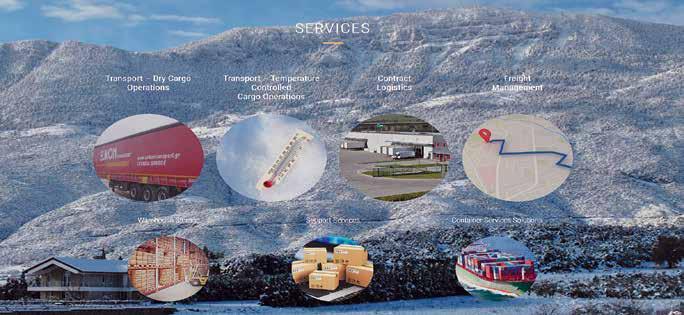
FDL Group
THE FASTEST GROWING LOGISTICS GROUP IN GREECE
FDL GROUP offers fully integrated logistics services providing end to end Supply Chain solutions. Marked by years of experience and technical know-how of the logistics industry, it provides tailor-made solutions combining people, systems, procedures and services. The parent company of the Group, FOODLINK S.A, currently the sole company trading on the Athens Stock Exchange Market, was founded in 1997 with a vision of becoming one of the leading companies in Contract Logistics. The company’s relentless drive to form a highly skilled managerial team, has yielded to successful partnerships with key multinational companies. FDL Group serves its customers in Greece through 13 distribution centers, mainly located in Attica. The Group also operates in Cyprus through 4 distribution centers and in Bulgaria (Sofia). FDL Group’s reputation is driven by its stable and dynamic presence in the Greek and global market, with dependable correspondents worldwide and experienced personnel. We have an especially strong network in France, Spain, UK, Portugal, Netherlands, Poland and Italy. Truck loads under ambient, temperature control and with ADR requirements can be dealt with.
FDL Group
Services:
• Warehousing (all temperature ranges)
• RF, Voice directed picking • Co-packing
• Crossdocking • Distribution • Transportation/ International Forwarding • IT/IS services (LMS, TMS, RTMTO) • Fully Integrated Logistics Management System • Transportation Fleet Management • Real Time Monitoring On Time (Android OS)/Order Delivery Status
Added Value Services:
• End to end Logistics Consulting (minimizing logistics costs - maximizing quality, traceability, visibility) • Change Management • Logistics Engineering. Through specialized processes and customer-centric approach methods, expanded quickly and the number of its clients rose sharply.
FDL Group Portfolio
Indicative partnerships from all sectors of the market with companies such as: Mondelez, Unilever, Phillip Morris, Arla, Danone, Mars, The Mart, Public, Wind, CSM, Rolco, GAP, GSK, PepsiCo-Ivi, Athenian Brewery, General Mills, Tasty, Orchestra, Pharmaten, Xerox, JDE, Lanitis Bros (Coca-Cola Hellenic Group)
FDL Group gewährt vollends Logistikdienste und bietet durch und durch Lösungen für Supply Chain an. Mit langlebiger Erfahrung und technischem Know-how in der Logistikindustrie bietet Einzellösungen mit der Kombination der Arbeitskräfte, der Systeme, des Verfahren und der Dienste. Die Konzernmutter des "FOODLINK SA " Vereins, die die einzige börsennotierte Gesellschaft in Athen Stock Exchange Market ist, gründete in 1977 und hatte die Vision, eine führende Gesellschaft in Contract Logistics zu werden. Die beharrliche Bemühung der Gesellschaft, eine spezialisierte Verwaltungsgruppe zu bilden, brachte Kooperationen mit großen multinationalen Gesellschaften mit Erfolg ein.


HEAD OFFICE
Nassos Stoubis
Velostrans (Member of FDL Group of companies) CEO
Contact info: E. nstoubis@fdlgroup.gr T. +30 2118807924
YOUR LINK TO LOGISTICS INNOVATION


Sales manager:
Zissi Angeliki
E. a.zissi@gevatrans.gr
Executive director:
Zissi Maria
E. m.zissi@gevatrans.gr
T. 2102712500
F. 2102724606
W. www.gevatrans.gr
GEVA TRANS LTD
WHEN TRANSPORT BECOMES ART
In 1990 Maria and Vassilis Zisis, decided to use their extensive experience and knowledge acquired as executives of large forwarding companies, founding the company GEVA TRANS Ltd.
Initially, GEVA TRANS was active in the Balkans, specialized on road transport between Greece-Turkey, providing integrated transport services and customs procedures. The fact that was one of the key players in the development of this line, led to today having a leading position in this line.
The accountability, professionalism and friendly service of this family company, contributed to the continuous upward trend, leading in 1992 to create new scheduled services to the Mediterranean countries, such as Italy, Spain, Portugal and Central and Northern Europe in countries such as France, England, Germany, Holland, etc. During year 2000, has expanded service to and from Asia, Africa and the Americas.
In the context of globalization, our company is meeting the demands of the times, accepted and participated in a cycle of networks which include several transport companies from all around the world. We are members of FFSI network, the PANGEA network and recently completed our integration in WWPC network.
GEVA TRANS LTD
Offers
• Forwarding
• Logistics
• Customs brokerage procedures
• Special transportations
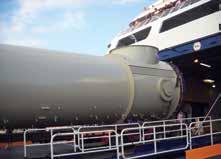
Our company succeeded in a difficult economic environment to remain a reliable partner, expanding its collaborations with both foreign companies and large Greek groups. It is characteristic that in recent years multinational giants trust us for special transports, of overweight and oversized goods combined transports, from worldwide to various destinations, including Greek Islands, too. Additionally, the long experience and solid partnerships, have contributed to our company to carry out missions under any conditions. One of the largest energy groups worldwide, commissioned us to transport multiple cargoes to Syria during the war, which were completed successfully.
At this point, we consider it’s our duty to mention that our company meets the high standards, by having ISO 9001: 2008, as well as the use ERP program.
In conclusion, GEVA TRANS, after a successful course of years, is an established, effective and wholly reliable company in the field of international forwarding. Without being complacent, we continue to explore new ways and roads, adhering to the objectives and principles that led to the foundation, and is none other than high quality services, execution speed and reasonable cost.
Is famous for
• Liability
• Experience
• Delivery time
• Global network partners
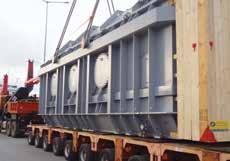


GOLDAIR CARGO S.A.
George Stamnos
Roadfreight Network
Development Manager
Thesi Rikia ,GR 19300 Aspropirgos T. +30 211 1804218
E. gstamnos@goldair.gr
Goldair Cargo
ALWAYS AHEAD OF ITS TIME
Goldair Cargo member of Goldair Group, founded in 1987, always ahead of its time in innovative solutions, succeeded through steady and considered steps, to become a strong group, synonym of high quality services in the field of international forwarding and logistics. Nowadays, the company maintains more than 75.000 sq.m of privately owned covered warehouses, offering full range logistics services and handles over 35.000.000 pickings annually, distributing them throughout Greece and all neighbor countries, including Cyprus. In addition, the company provides complete adding value services, like package design, blistering, repackaging, heat shrinking, flow pack and labeling, all supported by an in house computerized system, specialized in handling multiple barcodes and different clients, with great expertize in cosmetics, clothing, footwear, food products and spare parts.
The company also provides fully integrated solutions for the storage and management of documents, archives and records in any form
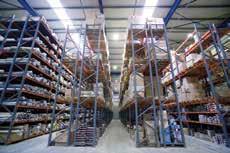
like physical, electronic, magnetic, microfilms etc. offering unlimited and direct access to all information anytime. Goldair Cargo, pioneer in the field of international forwarding, carries a pan European freight distribution network for 48 cities with daily and weekly departures, for dry as well as controlled temperature cargo, through a fleet of approximately 320 International trailers. The company has also developed exclusive co operations with companies that carry worldwide transport networks, covering through air and sea lines, intermodal container transports, consolidated airfreight consignments as well as any transport need, from and to all around the world, emphasizing in the countries of Asia, Africa and Latin America.
Goldair Cargo continues its dynamic development based in its highly experienced personnel of 360 people, achieving continuous and healthy growth over the past decade, maintaining steady profitability, always following its founder’s principles: “Progressive Thinking, Innovative Action, Hard Work”.
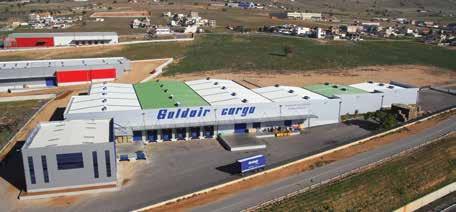

Christina Nassi CEO & Managing Director
Yiannis Fritzelas Vice President
Dimitris
Methenitis Sales Manager
Zaklin Sianou Public
Relations

HARLAS
YOUR DESIRES… OUR PRIORITY!!!
For over forty seven years, the name “HARLAS” enjoys the reputation of being one of the most distinguished companies in the field of international transportations, among which it holds a prominent place. Through our ever expanding international network of correspondents, with more than 400 cooperatives globally, we have achieved the creation of a promptly responding network, which has received complimentary remarks by our clients, as far as our promptness, our flexibility and our effectiveness in handling their freights are concerned.
Air Transportation
One of the first members of IATA we offer to/from anywhere in the globe our services, proposing the most suitable solutions, always according to our clients needs, including airport-to-airport forwarding.
Sea Transportation
Our Sea Freight Department offers high quality services: LCL, FCL, Break Bulk, and Hazardous Goods. Thanks to our excellent cooperation with the largest shipping companies, we provide our customers with direct lines to the USA, Canada, China, Japan, Australia, India, Africa, South America, and UAE, all European ports (England, Spain, Holland, Russia and Turkey).
Land Transportation
Our company offers land transportations services (standard consolidation/combi and trailer services) to/from all European Union countries plus Switzerland, Norway, Croatia, Serbia, Slovenia, Ukraine, Turkey, Albania, Bosnia, Kosovo, Montenegro, PGM, Malta, St. Marino, Liechtenstein, Monaco, Andorra, Kazakhstan, Belarus, Moldova, Azerbaijan, Armenia, Georgia, Estonia, Latvia, Lithuania, Russia, Iceland.
Logistics Services
Our high level of expertise enables the possibility to provide specialized storage solutions for dry and special loads. With dedication to customer service, our services include: Unloading, storage, palletizing, quality and quantity, sorting, managing orders, repackaging, security, inventory control, cyclical and periodical inventories, and distribution (3PL)
Fairs, Exhibitions & Conferences
Our company assumes the full organization of any exhibition and conference worldwide. Around the world, our people ensure the smooth handling of customer exhibits, based on their local knowledge and the ability of our company for providing world-class services, which contributes to the excellent organization of all fairs. In major international exhibitions, our people are assisted by expert professionals of the local country for even better results.
Company’s history
Our company became active in the transportation field in 1969. We are one of the first members of IATA in Greece since 1973, member of the IASA Group, member of the INTERNATIONAL ASSOCIATION OF GREECE Freight Forwarders, member of the global group ROCKIT AIR CARGO specializing in the transportation of musical bands, fine arts and exhibitions, and member of International Exhibition Logistics Association (IELA). We accept the invitation of five more powerful forwarding networks opening the way to 400 agents worldwide. Our company is awarded by the Business Excellence model EFQM 2 stars.








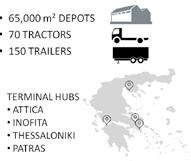
HARTSAS SA
Agiou Georgiou Side-Road, Sintrivani Area, GR-19300
Aspropyrgos Attica, Greece,
T. +30 210 4314 112, +30 210 4321 390
F. +30 210 4310 733
E. transports@hartsas.gr
W. www.hartsas.gr
HARTSAS SA
MORE THAN 60 YEARS LEADER IN GREEK TRANSPORT & LOGISTICS SERVICES
HARTSAS SA was founded by Nikolaos Hartsas in 1955 and has since become one of the leading companies in Greece in the field of transport and logistics for sectors such as:
• Chemicals • Pharmaceuticals • Healthcare • High-quality goods • Food and • General cargo
(PTI) • Tank Containers Heating/Cleaning/ Repairing • Temperature-controlled transport
• Port-to-door (inbound) and door-to-port (outbound) logistics • Supervision through GPS management system and Cargo Insurance
WE OFFER OPTIMUM SOLUTIONS FOR ALL OUR CUSTOMER’S TRANSPORT REQUIREMENTS, FROM A TO Z
We provide personalized and integrated transport and logistics solutions across Greece and Balkans area. Our strength lies in our assetbased strategy as we own our transport fleet, warehouses and IT systems. This allows us to maintain optimum control over all strategic processes. The familiar character of HARTSAS ensures that the lines of decision-making are kept short. This enables us to respond quickly to the changing demands of our clients and shifts in the international market. Our philosophy is to consider clients as partners and always strive for a long-term, solid relationship. That’s why we are perceived as reliable and honorable partners for all logistics activities.
Best and most flexible services
• Forwarding & Customs in Piraeus port:
Sea freight, customs clearance, domestic distribution and combinations of special services
• Dry Bulk Food in containers for sugar, flour, coffee unloading by rotary valve • Containers Modifications & Containers Stuffing • Liquid cargo in flexi-tanks (Flexi-Tank installation)
• Overweight / Oversized Containers & General cargo • Reefer Containers Pre-Trip Inspection
• Modern tractor units which are equipped with the most recent environmentally-friendly technology such as EURO 5/6. • The most upto-date communication systems such as satellite communication, mobile phones, and scanners.
High added value
• Containers Transport - Integrated Container handling solutions • High-security transport
• ADR/ Explosives / Waste Inland Transport/ Isopa Licences • Groupage, LTL and FTL shipments • Warehousing - Our storage capacities are tailored to suit a wide range of goods from foodstuffs, raw materials and consumer goods.
Sustainability
• We continuously strive to reduce our carbon footprint through the deployment of new cleaner technologies, energy and fuel consumption management and intermodal transport. • We regularly review our own policies and set clear objectives to achieve specific targets through environmental improvement programmes: company’s environmental care system- complies with ISO 14001 standards & EU regulations for CO2 emissions and noise reduction (LS).
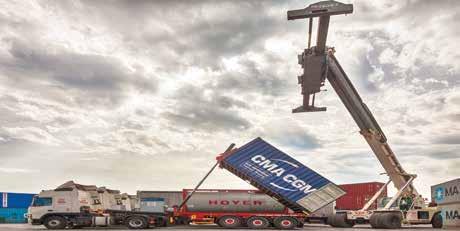
> SPEED > COMMITMENT

More than years 60 LEADER in transport
HIGH ADDED VALUE
> Certified national transport for high value products & Intermodal transport GREECE/ CYPRUS/TURKEY/RUMANIA/BULGARIA/HUNGARY
> Containers depot - Integrated Container handling solutions
> Warehousing - Our storage capacities are tailored to suit a wide range of goods from foodstuffs, raw materials and consumer goods
QUALITY ASSURANCE
> Modern fleet with state of the art systems that contribute to the safe transport of products
> Compliance with EU regulations for CO2 emissions and noise reduction (LS)
> Supervision through GPS management system and cargo insurance
SPECIALIZED SERVICES
> Specialized transport for dry and packaged food products
> Advanced transport of fresh fruits, vegetables and vulnerable products under refrigerated and controlled temperatures, as well as reefer container handling
> Pioneer in special bulk transport in containers for sugar, flour, coffee
> ADR / Waste Inland Transport
SUSTAINABILITY
> Our modern fleet consists of around 70 tractor units which are equipped with the most recent environmentally-friendly technology such as EURO 5/6. The most up-to-date communication systems such as GPS and mobile phones constitute part of our high service standard
> The potential of our fleet is almost unlimited and we are able to find optimum solutions for all our customer’s transport requirements


ILT Logistics SA
GR 19300 - Aspropirgos
T. +30/2105597550
F. +30/2105597552
E. ggrigoriadis@italylines.gr
W. www.italylines.gr
ILT Logistics SA
SMART, SIMPLE, SPECIAL
Since 1991 we have been developing an effective supply chain management model which made us today a leading transport and logistics service provider in Italy, with a reliable local network.
Using the business model that was successfully implemented in Italy, we now operate all over Europe, expanding our network and gradually increasing freight flows to Europe’s largest terminals.
We are able to ensure quality with attention to measurable results through cost-time-reliability optimization. Thereby we strongly contribute to the progress of our customers in each market sector, and manage to meet any specialized transportation need.
Moreover, we support our customers on a daily basis through a combination of highly qualified, experienced personnel and cutting edge technologies, promoting effective and flexible communication, and giving easy access
Company’s history
to value-added services that enhance business performance.
Furthermore, we are always improving our cooperation with our customers; by adopting new, eco-friendly technologies, being continuously informed of new trends, educating ourselves and evolving, going beyond the familiar to expand our network, building a culture of innovation in order to meet requirements.
Maria Bozoglou, Managing Director at ILT Logistics SA, says: “Not only we never rest, but also constantly invest in our development. We strive to stay informed about new trends in the logistics industry, train our people, and grow successfully, but always with respect to the environment and the promotion of sustainable development.
Our culture is about doing simple things in a unique way to differentiate ourselves from our competitors”.
ILT Logistics SA was founded in 1991 developing freight forwarding and logistics services primarily in Italy. Today it has expanded its network offering a wide range of services all over Europe, including Great Britain, Italy, Spain, Portugal, France, Holland, Belgium, Austria, Germany and Poland. The company offers integrated transport and logistics solutions both in Athens and Thessaloniki with a modern truck fleet, arranging shipments across air, land and sea.
ILT Logistics SA is a customer-oriented company focusing on new technologies, innovation, education, flexible communication, sustainability, environment and human welfare.
Committed to achieving its customers’ objectives, it successfully covers the needs of a global business network in the logistics industry. Moreover, it operates in accordance with the EU environmental policy and the international standards on quality.

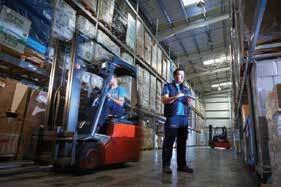

INTERDROMON LTD
THRASIVOULOU STREET
THESI ANO FOUSA
193 00 ASPROPIRGOS
T. 0030 210 4225 873-5 ext.130
F. 0030 210 4115 527
E. logistics@interdromon.gr W. www.interdromon.gr
Interdromon Cargo SA
Contact Person:
Mr. Kriton Basakaropoulos cargo@interdromon.gr
Vitesse Sa
Contact Person: Mrs. Katia Nikolaidis vitesse@vitesse.gr
Giannetakis Ltd
Contact Person: Mr. Michael Giannetakis, cargo@giannetakis.eu
BMR
Contact Person:
Mr. Theodore Matzouranis, bmr@bmr.gr
INTERDROMON
FOR ALL THE NEEDS OF MODERN SUPPLY CHAIN
As member of Interdromon Group; Interdromon Logistics Ltd fully covers the needs of the modern Supply chain by providing various services. With an expertise of over 30 years Interdromon Group has become an integral part of the Greek Logistics market. Our portfolio consists of some of the biggest Greek companies as well as foreign companies who have chosen the port of Piraeus as the entrance of their nonEuropean products to Europe. Through our two main hubs Interdromon Logistics Ltd offers vertical services and fulfill annually deliveries to both European and non European countries. What makes Interdromon Logistics Ltd unique is the constant investment in developing software and applications which meet all the needs of the most demanding clients. Herewith a list of some of our services:
• Inland deliveries
• Cargo handling services
• Logistics Service:
1) Bonded logistics
Fulfilling picking per item with specialization in garments & shoes, accessories, electronic equipment, linens household items, home appliances, decoration goods and spare parts.
2) Logistics under 42 Custom regime
3) E-commerce Logistics services with worldwide deliveries
Fulfillment of ecommerce logistics for various goods. With established co operations with the world’s largest courier providers (DHL, UPS, TNT) 4) Repackaging
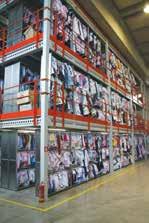
Information Technology (IT Dept.)
Our internal IT Dept deals constantly with the development of in-house tailor made IT software and applications based on each client’s needs.
As we strongly believe that technology has a major role in the Logistics market our goal is to create the Logistics of tomorrow with automated frictionless procedures that beside the cost effective result they produce various KPIs which help our clients to have better understanding of their markets’ needs.
Authorized Economic Operators (AEO-F)
• Forwarding to all European & Middle East countries:
1) INTERDROMON CARGO SA fully covers with its own lines the Central and Western European countries with weekly departures to/from Greece. Countries serviced by Interdromon Cargo SA are Italy, Germany, Benelux and The UK.
2) VITESSE SA fully covers with its own lines France, Spain and Portugal with weekly departures to/from Greece.
3) GIANNETAKIS Ltd fully covers with its own lines the East European and Balkan countries as well as Russia and Central Asian countries like Kazakhstan with weekly departures to/ from Greece.
• Custom Brokering
BMR With our own Custom Agency in the heart of Piraeus we will meet al of our clients’.

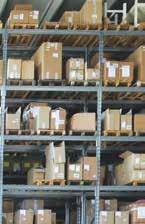
INTERDROMON GROUP OF COMPANIES
The frictionless combination of our Engineering IT, Marketing and Customer Service Departments enables us to design and apply Taylor Made solutions for our customers' needs.

• Bonded Logistics
• Customs Storage & Customs Clearance
• Micro Logistics-Sorting-Repackaking
• E-Commerce Logistics Services
• Fashion Logistics
• Reverce Fashion Logistics
• International Transport

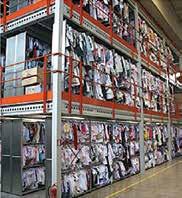
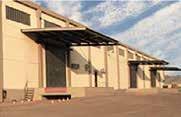

Contact info:
11th km Thessaloniki- Athens (Motorway A1)
574 00 Sindos, Thessaloniki Greece
T. +30 2310569600, F. +302310795550
E. export@interklark.gr
W. www.interklark.com
Interklark
VALUE FOR MONEY FORKLIFT SPARES
Interklark was founded 20 years ago and over the years grow into the leading company of forklift spare parts in the Balkans and Southeastern Mediterranean. We can supply a wide range and types of spares and replacement parts for engine, brakes, cooling, drivetrain, electrical, tyres and wheels, filters, transmission etc for all makes and models of forklifts.
Our Commitment
Our main concern and commitment is the satisfaction of our customers and the continuous improvement of the quality/cost ratio of our products. To achieve this we rely on:
• The cost-effective solutions we can offer
• The thousands of parts we keep in stock
• The continuous development of our inventory with new products
• The strong working relationships with some of the world’s leading suppliers and the very competitive prices that we can get
• The continuous search for further international product sources
• The in-depth knowledge of the forklift structure
• The specialized and experienced personnel
• The customer oriented culture that we maintain
• The flexible shipment policy we follow, for best and cost-effective transport according to the needs of our customers
Facts about Interklark
The company was founded in 1997 and specializing in spare parts for internal combustion engine forklifts for brands like Toyota, Mitsubishi, Komatsu, Isuzu, Linde. Over the years, Interklark entered the field of spare parts of electric forklifts for brands like BT, Jungheinrich, Still, Cesab et al
Our facilities extend to over 12.000m2 and our warehouse incorporates 2680m2 picking shelves and 312 pallet positions. We use ERP and WMS for fast and effective quotation and order process and inventory control. Since the very beginning we committed ourselves to providing the optimal solutions that guarantee maximum operability, cost-effectiveness and safety to our customers. And the achievement of these objectives is made possible because they are fully shared and supported by the Interklark employees. Our performance and effectiveness are continually monitored and conform with the high standards that we have set for the benefit of our clientele. Finally, Interklark has developed a corporate culture that reflects the desire to function responsibly in all the sectors that contribute to sustainable growth, including the market, workers, the community and the environment. Interklark is a member of the Thessaloniki Chamber of Commerce and Industry, the Greek International Business Association of Northern Greece, the Federation of Indutries of Northern Greece, the Hellenic Maintenance Society HMS.


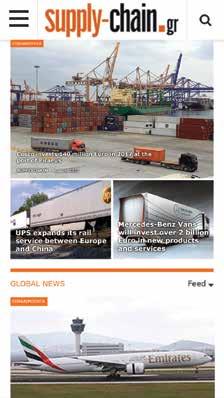
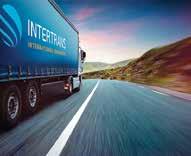
INTERTRANS S.A.
Agiou Dimitriou 41
18546 Piraeus
T. +30-210-422 77 50
F. +30-210-422 7756
E. info@intertrans.gr
W. www.intertrans.gr
Intertrans S.A.
WE KNOW THE WAY
Intertrans S.A., which specializes in European road transportation, has been active in the area of imports and exports since 1981, providing services which stand out for their certified qualified, reliability and speed.
From its offices in Piraeus and Thessaloniki, the two largest commercial hubs in Greece, our company responds immediately and methodically to the customer’s every needs. Indeed we have been certified since 2005 with the Quality Management System standard EN ISO 9001:2008 from TUV NORD.
It ensures excellent communication and promptly covers the requirements of its customers with:
• On line interconnection between the Company’s operational units (headquarter, branches, loading terminals, etc.) • ‘Cargo Track & Trace’: online monitoring of cargoes.
• Advanced Electronic Data Interchange IT system ( EDI ) with the European partners and the Company's terminals in Athens and Thessaloniki
• E-signature during delivery of freight and dispatch of electronic Proof of Delivery (e-POD) to our network’s Correspondents. • Electronic dispatch of cargo tracking data to our network’s Correspondents. • Capability of monitoring high-value goods via satellite, using advanced equipment.
In cooperation with its agents throughout Europe and via the exclusive collaborations it has formed over its many years of operation, Intertrans with its permanent fleet of vehicles comprising 50 round-trip vehicles, all equipped with GPS, and 10 of which hold the ADR transportation license, aims to become an integral part of the supply chain of every professional.
Groupage and complete cargo road transportation
• Daily departures from: Germany, The Netherlands, Belgium, Italy
• Weekly departures from: France, Spain, Austria, England & Bulgaria
• Weekly departures to: Germany, The Netherlands, Belgium, Austria, Italy, France & Bulgaria
Special transportations – oversized & overweight cargos
The transportation of oversize and overweight goods is undertaken under the surveillance and arrangement of our especially trained personnel. We strictly maintain the safety regulations based on the particular nature of the project. Distribution and collection of goods
This is carried out by small trucks with tail lifts and according to arrangements with the final recipients or dispatchers.
Insurance cover
The undertaking of transportation is insured by our company against civil liability for material damage or loss relating to the goods being transported, as well as during the time they remain in a state of transit at our premises, in accordance with the terms and conditions of the Geneva Convention on the Contract for the International Carriage of Goods by Road, the ‘CMR’. Intertrans takes every opportunity for its growth and expansion. Even during the current economic crisis, the company managed to expand and improved to all sections, enriches its history.
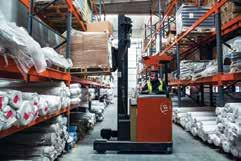


D. Kavalarakis
Managing Director
139A Orfeos Str., Athens - Votanikos
T. +30 210 34 74 535
+30 210 34 75 080
E. business@kavalarakis.gr
W. www.kavalarakis.gr
Kavalarakis
ALL ABOUT FREIGHT TRANSPORT
THE KAVALARAKIS name has been closely associated with Transportation Sector since 1977, when Iosif Kavalarakis founded the Kavalarakis Transportation Company. Successive generations of the family have worked to refine and develop our services both in refrigerated and dry transport.
Today we are proud to be one of the major Transportation companies in Greece. Our Company are increasingly appreciated, both nationally and internationally. Our ambition is to continue to grow and develop, but never to forget the principles of quality, trust and service on which we built our success. The fundamental values of this family business since its establishment continue to guide the Company in the ever-changing world of business. Our range of Services the support of our people, and our reputation for quality and innovation help us respond to the demands of the Transportation sector. With a confidence arising from our solid financial performance, and many years of experience, Kavalarakis looks forward to an even more successful future.

Company’s history
Our Customers
We have 1600 active customers in national and International Transportation Services. We have long-term partnerships with the largest industries in country.
Also they have chosen us the largest Super -market chains for the distribution of their goods, within the Greece and especially in refrigerated products.
Our Services
• International freight transport From/to European and Balkan Countries.
• International frigo services.
• National Frigo and Dry Transport FTL-LTL
• Distribution within Greece.
Auto Park
Our auto park is made up of 42 Trucks, 23 of them are frigo- trucks (double deck and double temperature) and 9 of them, are frigo-trucks for distribution within the city.
Our company operates 40 years with consistency and professionalism in National Transportation and Logistics services sector. We manage 42 private trucks and trailers (frigo and tarpaulins) which operating daily shipments, within Greek territory and European Countries. Also we have 9 trucks for distribution within the city. All frigo -trucks equipped with monitoring and recording temperatures, as well as with full GPS monitoring system. Company’s headquarters located in Orpheus 139 Athens, with branches to Thessaloniki, Rhodes island, Heraklion Crete and cover a total area of 15.000 m2
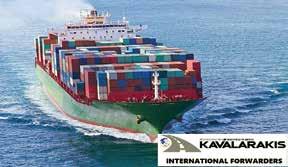

MED FRIGO
Diodorou 148, Charadros Patras, 25500
T. + 30 2610-461600
E. info@medfrigo.gr
MED FRIGO
THE DEVELOPMENT OF YOUR COMMERCIAL NETWORK IS OUR CONCERN
MED FRIGO started operating in the early 1990’s and was founded by customs clearance professional George Poulias and Sotiris Brakatselos. The company has grown to become the largest provider of transportation and logistics in the seafood industry in Greece.
CARGOMED, a company of the MED FRIGO group, transports controlled temperature products to the markets of Europe and has became leader in providing groupage distribution services from Europe to Greece and vice-versa. Specializing in groupage loads and equipped with the certification IFS Logistics, ISO 39000 CARGOMED transports food, cold cuts, meats, fruit and vegetables, dairy products, ice-cream, chocolate, raw materials for confectionery purposes, frozen products and pharmaceutical products to and from Europe every day. With a philosophy focused on customers’ needs and adopted to the modern conditions of a dynamic market the company fully covers any demand in the logistic sector. Our dedicated and experienced professionals always provide customers with tailor-made logistics and transportation solutions customized to their particular needs. The group focuses on serving customers with flexibility and most important delivering ‘’ALWAYS ON TIME’’ and
always exceeding our customers expectations. We are also leaders in providing sophisticated transportation, warehousing and distribution services from Greece to Europe and vice-versa offering professional and efficient 3PL solutions. We are a company with European orientation based in Greece exceptionally positioned to customized solutions and not in ‘’one size fits all’’ to serve both domestic and international customers.
SUCCESS THROUGH CHANGE SINCE 1991
• Standardization - Standard departures and deliveries
• Internationalization
• Group project - “ALWAYS ON TIME” TODAY
• Expansion of groupage distribution service
• Certifications - Meet the most stringent requirements
• Fleet - 170 multi temperature controlled trailers
• Modern owned facilities - 3 operational integrated distribution centers and another one under construction. All strategically positioned in export ports of Greece.
Challenges in progressive logistics
Assortment
Fresh fish
Fruits and vegetables
Customer requirements
Fast & timely distribution
Permanently fresh and available
Frozen Distribution with speed
Chilled specialty products
Added value services
Pharmaceuticals
Providing services to secure excellent freshness and quality
Every day fresh and ready to eat
Compliance to distribution requirements
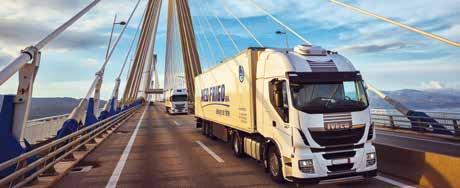
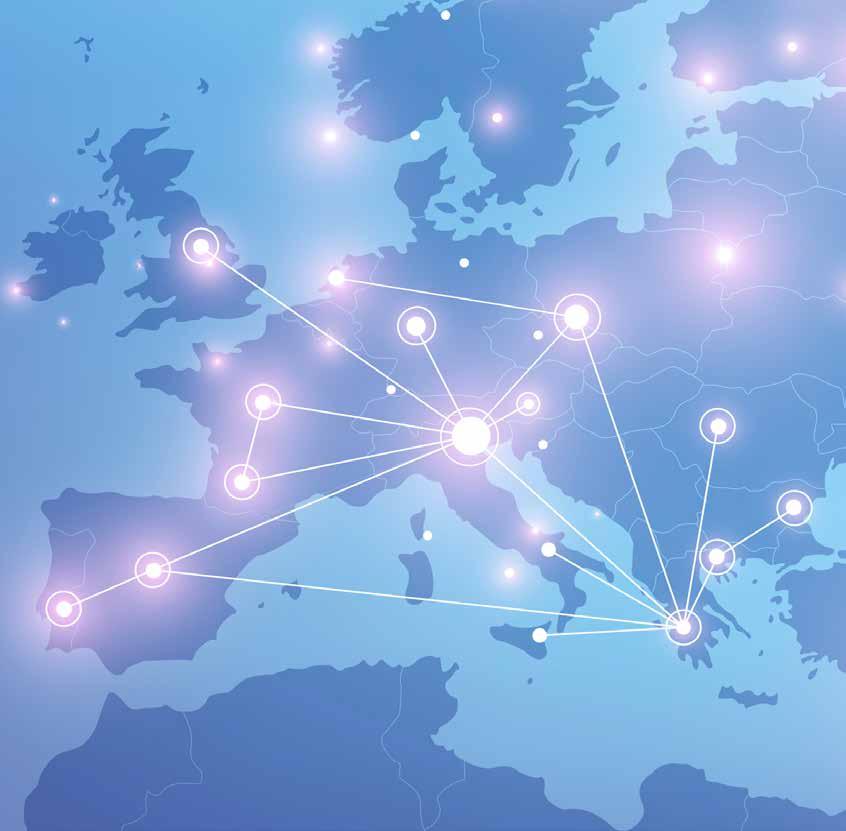



365
600
o.mind Creatives
187, A. Syngrou Avenue 17121
Nea Smyrni Athens Greece
Τ. +30 210-9010040
F. +30 210-9010041
W. www.omind.gr
E. info@omind.gr
PUBLICHER - CEO
Theodoros Dimitriadis dimitriadis@omind.gr
COMMERCIAL DIRECTOR
Antonis Moschonidis moschonidis@omind.gr
CHIEF EDITOR
Mary Efthymiatou editor@supply-chain.gr
o.mind Creatives
YOUR MEDIA PARTNER IN GREECE!
o.mind Creatives, a company with an open minded approach to media productions, has in its portfolio the editions of four trade magazines: SUPPLY CHAIN & LOGISTICS, read by 20,000+ professionals each month at the supply chain sector, and MEAT PLACE, DAIRY NEWS & THE GRILL MAGAZINE, 3 "titles" for the food service sector.
“Supply Chain & Logistics Magazine” is a bimonthly edition specialized in supply management, logistics (warehousing & transports) as well as customer service. It provides more than 9.000 professionals of Greek industry and commerce, as well as 3rd Party Logistics and Freight Transport sectors, with useful information, since 2007.
Apart from CEO’s and general directors, the magazine addresses also to managers charged with supply chain scheduling, logistics, warehouse operations, IT, procurement, exports/ imports, packaging, marketing & sales etc.
“Supply Chain & Logistics” magazine is produced by an experienced team of journalists as well as supply chain and logistics scientists, who present new trends in the field of supply chain planning, logistics operations, warehouse construction, equipment & automations, freight transports, IT technologies, transport packaging, fleet



management, safety & security, procurement, customer service, international supply chains etc.
“Supply Chain & Logistics” magazine circulates to industrial and commercial companies all over Greece and Cyprus, to the ministries of Transport, Maritime Policy, National Economy, Foreign Affairs, Agriculture and Health, all institutions related to the subject as well as to universities.
o.mind Creatives can be your expertise media partner in Greece.
Our artistic team can serve your Advertisements, your company newsletters, or/and marketing campaigns (leaflets, posters, advertorials etc.).
o.mind Creatives, also organizes five professional exhibitions: INTERNATIONAL SUPPLY CHAIN & LOGISTICS EXPO which is organized every two years in Athens since 2007, CARGO TRUCK & VAN, MEAT DAYS, FROZEN FOOD EXPO, and DAIRY EXPO.
o.mind Creatives along with Supply Chain & Logistics’ magazine team, organizes yearly the Expert Logistics Conferences “LOGI.C” Having more than 15 years of experience and with an expert team of executives and business partners, o.mind Creatives guarantees the exhibitions’ successful outcome and future prospects.




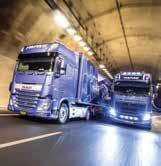






OMONIA TRANS
CrossStreet Agias Irinis
GR-14123 Athens
T. +30 210 2882600
F. +30 2102882628-629
E. info@omoniatrans.gr
W. www.omoniatrans.gr
WE HANDLE, WE CARE!
At OMONIA TRANS since 1979, we have been offering our customers international transport and logistics services of the highest level. Our philosophy has remained unchanged in the last four decades and is based on two huge pillars: We handle all our clients’ needs, in full compliance with European laws and implement strategies which result in added value services for them. But, most importantly, we care about our clients and their products. We are constantly by their side in order to provide them with the right solutions for any challenges they may face and we do the extra mile in every step of the supply chain, respecting their brand quality, image and values.
Our core values
As a second generation family business, we believe in team spirit. This is exactly what we share with all our employees who we consider our extended family. At OMONIA TRANS, we operate on a single promise: the absolute willingness to serve our clients under any
Company’s Services

For almost 40 years, at OMONIA TRANS, we have been offering services of the highest level, including:
• Guaranteed International Transportations.
• Lines with trusted correspondents in more than 20 European countries.
• Modern Logistics Services.
• Bonded warehouse operations.
• Specialized Storage.
• Fashion Logistics handling.
circumstances! Furthermore, we are committed to a sustainable and environmentally friendly supply chain through every action of ours (being, for example, the one and only Greek company to use battery powered hybrid trucks for distribution in the center of Athens).
Benefits for your company
With OMONIA TRANS, you always enjoy excellent service and professional care of your transportation. We guarantee a 100% on time delivery of whole or partial shipments, resulting in a smooth flow for your business. Furthermore, with us, you are never in the dark.
Continuous updates from the OMONIA TRANS customer service regarding the progress of your transfer are always available.
Add to the above the absence of bank dependency (zero debt) and the unique locations of our privately owned warehouse facilities in Athens and Thessaloniki and you can see how, you too, can benefit from collaboration with OMONIA TRANS!
• Transfer of hanging garments, cosmetics and products of special care.
• Special projects: constructions, renovations, etc.
• Transfer of returned products (reverse logistics).
• Recycling of packaging materials and garments.
• Specialized Parcel / Piece Services.
• Air and Maritime Transport to and from Cyprus.
• Efficient Consulting Supply Chain Solutions.
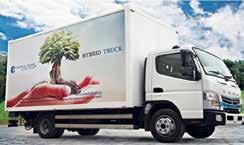


OPTILOG Advisory Services
46, Prifti Iatrou Street GR-19016, GREECE
T. +30-22940-88009
M. +30-6972584801
E. info@optilog.gr
W. www.optilog.gr
OPTILOG Advisory Services
TOGETHER WE REACH THE GOAL
OPTILOG Advisory Services is established in Greece and provides consulting services in the area of supply chain management and logistics. OPTILOG is a leader in the advisory sector and works closely with International and European clients supporting them to improve their competitiveness, productivity and performance. OPTILOG’s aim is to help its clients make lasting improvements to their performance and realize their most important goals. Over nearly a decade, we’ve built a firm uniquely equipped to this task.
What we do
OPTILOG serves clients at every level of their organization, in whatever capacity it can be most useful. For every project, we formulate a team with the most appropriate experience and expertise. We focus on delivering practical and enduring results, and equipping our clients to grow and lead. We partner with clients to put recommendations into practice. Our team works directly with clients to help develop workforce skills, drive operational improvement, and apply new techniques and methods. This is the best advantage for our clients. We deliver value and we enjoy our clients’ success stories.
Our team
OPTILOG’s team combines theory and practice equally, balancing the deep academic and industrial knowledge that has been acquired during the successful completion of a significant number of industrial and research projects. We are also active in academic activities such as lecturing in various Universities as well as publishing in prestigious academic journals and conferences.
Social impact
Every organization has an impact on society and the way that people live their lives, from the products and services they deliver to the way they operate. As advisors to leading companies, governments, associations, and nonprofits organisations, our principal contribution to society is through our work with them.
The core of our mission is to help our clients succeed.
When we support them to make lasting improvements to their performance, we also help them to scale their contribution to society—including the goods and services they deliver, the jobs they create and the economic growth they drive.
OPTILOG Advisory Services provides value-added advisory services in supply chain and logistics sector. Our competences in logistics operations, as well as the optimization techniques we use to tackle complex problems, are the main reasons for attracting global clients. Company’s history
Our services
• Warehouse and Transport cost control and measurement (Activity-Based Costing)
• Warehouse design, re-engineering and performance measurement
• Implementation of EU-funded projects (e.g. H2020, MED, ENPI, CEF, INTERREG)
• Logistics investments assessment (e.g. cost benefit analysis, feasibility studies)
• Transport sourcing and logistics tenders
• Corporate sustainability plans and CSR reporting
• Carbon footprint calculation in organizational, product and process level
Why choosing us
• We form partnerships where we become a seamless part of your team
• We have extensive consulting and training experience
• We are flexible and able to accomplish complex large-scale projects
• We deliver long lasting and measurable results
• We ensure a drive to understand your business and create customized solutions

• Warehouse design, re-engineering and performance measurement
• Warehouse and Transport cost control and measurement
• Transport sourcing and logistics tenders
• Carbon footprint calculation in organizational, product and process level
• Corporate sustainability plans and CSR reporting
• Logistics investments assessment (e.g. cost benefit analysis, feasibility studies)
• Executive seminars
www.optilog.gr
facebook.com/optilog linked.com/company/ optilog-advisory-services
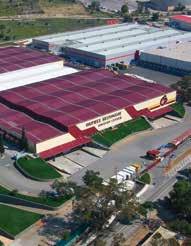
ORPHEE BEINOGLOU INTERNATIONAL FORWARDERS S.A.
Athens, Greece
Direct +30 210 9466100
F. +30 210 5541035
E. orphee@beinoglou.gr
W. www.beinoglou.gr
Orphee Beinoglou - ORBIT Group of Companies
SOUTHEAST EUROPEAN TRANSPORT AND LOGISTICS SOLUTIONS
GREECE BULGARIA CYPRUS LEBANON ROMANIA SKOPJE
Orphee Beinoglou-ORBIT Group of Companies (OB), is the leader in freight forwarding and 3rd party logistics in Greece, with subsidiaries in South East Europe. Through our 95 years of experience we provide 360° range solutions in Supply Chain Management & Freight Forwarding, (offering multimodal services on Road, Sea, Air & Rail transportation), including but not limited to; Transit cargo, 3PL, Supply chain optimization, Last mile and e-commerce services with full commitment to customers’ needs. We design tailor made processes and procedures, using the most advanced logistics techniques and tools for our multinational clientele. Our internal sophisticated IT department, using integrated EDI processes, guarantees 100% compatibility with our customers’ ERP interfaces globally. We operate in 100.000 sq. meters state-of-theart owned warehouses that are strategically located and easily accessible.
Covering all storage types (e.g. b2b, live storage, mezzanine) we provide flexible Storage solutions for 3PL services, Temperature-Humidity control, Bonded Warehouses, Art facilities and Tailor made build storage.
OB’s business development team delivers advanced logistics solutions, supported by innovative applications and tools (2d/3d scanning, pick to light, pick to cart), Value added services, Reverse Logistics, Customer Invoicing, SLAs, KPIs and reporting. We support complex Last Mile and Cross Docking processes, using fully or semi-automated techniques achieving cost optimization, next day deliveries and ensuring high throughput volumes (Auto sorter flexible for various carton size & products
for unloading and sorting). OB‘s distribution network throughout Europe serves B2B and B2C consignments (fully monitored and traceable) covering specialties on site such as Cash On Delivery, packing/unpacking, labor, special machinery etc. We adopt the most advanced and up-to-date safety & security systemsoperations control center, 24/7/52 manned security, CCTV, burglar alarm, 24h On fire exits, access control, proximity badges, secured areas for high value products (Certified TAPA Member). Greece stands at the crossroad of three continents – Europe, Asia & Africa – connecting people, products and culture, holding a strategic position for freight forwarding and logistics services. The OB Group having branches in GREECE, BULGARIA, ROMANIA, SKOPJE, CYPRUS & LEBANON, is your reliable partner in the southern gateway of Europe. Our experience to manage a great variety of products, provides us the ability to adapt to industries. Through AEOF (Authorised Economic Operator) certification OB is able to provide, Simplified Customs Clearance Procedures and high level of security and safety standards. Certifications as: System Alliance, TAPA FSR, ISO 9001:2008, ISO 14001:2004, ISO 22000:2005, OHSAS 18001:2007, MD DY8d/1348 (Elefsina),FIDIFAIM, IATA, GEHC, AXA Art-protect. Trading since 1923, we consistently perform to the highest standards of quality services, with full commitment to our customers’ needs. Based on a 3 generation tradition of professional moves and transportation throughout the world, we offer best service and know-how available today in all aspects of forwarding and logistics.

Projectyou ltd
PROJECTS YOU AND YOUR COMPANY TO YOUR GOALS
Projectyou has as vision to support Individuals, startups and Enterprises to develop and achieve their visions and goals. This is a promise implementable with services developed and offered to the interested parties.
The owners and partners have long careers in multinational companies, especially Germany originated, and proven experience in supporting foreign Companies to enter and establish in the Greek Market, with focus in Construction, Energy and Logistics sectors.
Our team speaks English and German languages fluently.
The main Offices established in Athens with ability to deliver services allover Greece. Services to enterprises aiming to enter in Greek Market are:
- Market research, demand, competition, products, customers surveys
- Business cases and Business plans
- Office and facilities evaluation and selection
- Establishment, legal and tax support
-Personnel recruitment, training and development
- Networking with suppliers, clients and State Officers
- Marketing plans
- Social media and communication plans
- Project management and implementation of company plans
- Company representation and agency services
Our clients are leading companies in Energy, Fuels, Food & beverages, 3PL and Transport Companies. Also Universities and Technical Faculties trust us to train their graduates to initiate in Entrepreneurship.
Projectyou has been awarded on 2015 the first award for “supporting the entrepreneurship in Greece” by the Hellenic Federation of Advertised Companies- sde.gr
Among various training programs Projectyou trains individuals for professional certification. Projectyou is accredited Education Organization for the European Logistics Certification –ELA and International Project Management Association - IPMA

Projectyou ltd
Training-Consultancy-Representation
Prigiponnison 11, 15124, Maroussi
ATHENS – GREECE
T. +302114025485, +306977999254
E. info@projectyou.gr
W. www.projectyou.gr
• Unterstützung ausländischer Firmen bei Geschäftsentwicklung- und aufbau in Griechenland
• Marktuntersuchung und Geschäftspläne
• Representation und Agentur auf dem griechischen Markt
• Training und Beratung Projectyou ltd

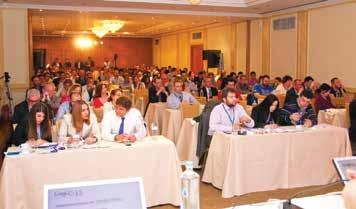

Yiannis
Sarantitis Managing Partner
25th km old National Rd.
Athens - Thiva
196 00 Mandra, Greece
T. +30 211 600 3000
F. +30 211 600 3030
E. contact@sarmed.gr
W. www.sarmed.gr
SARMED
PERSISTENCE IN EXCELLENCE FOR INTEGRATED 3PL SERVICES
SARMED group is active for more than 25 years in four main categories: general cargo integrated logistics services (3rd party contract logistics, approx. 5,5% market share), integrated logistics services of finished and after market vehicles (fleet management, almost 50% of the market share), customs clearance services (the oldest and largest firm in Greece) and development of warehouse buildings.
The product categories in which it specializes is food (dry cargo and all kinds of refrigerated up to deep freeze products), beverages (soft drinks and spirits in tax & customs bonded warehouses), consumer goods (FMCG), retail chains, black & white appliances, industrial products, medical devices, pharmaceuticals & cosmetics and vehicles (two-wheeled and fourwheeled). It should be noted that SARMED was the first company to launch private customs bonded warehouses in Greece.
Infrastructure, consisting of approximately 160,000 m2 of roofed warehouse facilities and more than 500,000 m2 of open space in total, ranks SARMED 1st in its sector in SE Europe region in terms of private facilities (Thriasio, Thebes, Sindos/Thessaloniki Industrial Area & regional hubs in Heraklion, Patra, Larissa, Ioannina, Alexandroupoli).
The transportation fleet network consists of more than 330 trucks of every size, temperature and specification.
Cutting edge technology and security is the environment in which SARMED invests & operates. Robust financials (combined with zero debt), hands on experience of a dedicated and ambitious management, flexibility, customer oriented culture and excellence in services are its competitive advantages. Furthermore, it emphasizes in CSR activities, focusing on people, society and environment. SARMED has also been awarded as one of the 10 best enterprises in Europe under 21 m. € annual turnover (regardless of sector) in the European Business Awards 2014. It has also the honor to be a member in the National Supply Chain & Logistics Committee.
Long lasting partnerships with mainly multinational as well as robust Greek companies shape its clientele profile. It’s worth mentioning that during the last years of recession in Greece, SARMED has almost doubled its turnover (23,3 million € in 2016) and has more than doubled its manpower (250 people today). It has also started its international expansion in Saudi Arabia and Bulgaria is next to follow.
SARMED’s vision is to be the first choice for integrated supply chain & logistics services in Greece and the wider region, while at the same time claiming international recognition for the reliability, quality, flexibility, technological superiority and the range of vertical servicing offered to its dedicated customers.
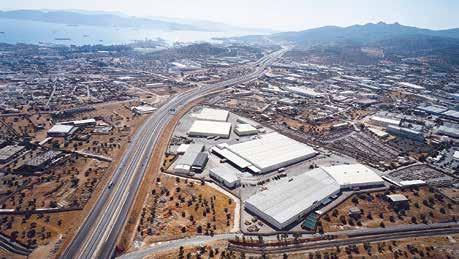

The GREEK MARKETs PULSE

Nicolaos Mavraganis, Deputy Minister of Infrastructure and Transport
THE SUPPLY CHAIN CAN CREATE A COMPREHENSIVE GREEK BRAND NAME
inter view
A few days into the new year, we met Mr. Nicolaos Mavraganis, the new Deputy Minister of Infrastructure and Transport, at his office at the ministry, on a particularly productive day during which we discussed both the general plan for the ministry’s development in the areas of his competence and special issues concerning the development of the Supply Chain in Greece.
INTERVIEW TO Ms MARY EYTHIMIATOU • PHOTO: SC&L

During our discussion we were impressed by the importance he attached to the Supply Chain in the overall business field, stating that he was convinced that logistics could directly increase Greek GDP.
SC&L_ Minister, for quite a few years the ones involved in the Supply Chain market have talked about transforming the country into a transit hub in southeastern Europe. At the moment we are meeting, the until recently stagnating issue of the Thriasian Plain transit centre is already under way and there is an elaborated National Policy on Logistics. Given the above, how do you perceive the future?
N.M._ For us, Greece is a geographical but also geo-strategic crossroads and we perceive it as a real Gateway to the European family. Therefore, if we really wish Greece to claim in practice that it constitutes a cornerstone of the European economy and the broader economic prosperity of the European continent, whose eastern end it occupies, the logistics field must have a prominent position.
It is not just the Thriasian Plain transit centre: in this case, after 40 years of the competition being in a state of limbo, the present government is in the process of finalizing the concessionaire and thus the work will materialize, which will unblock a lot of details in the functioning of the Supply Chain market and will help in the shaping of a broader plan.
It is also the shaping of a specific and comprehensive national plan for Logistics, which ought also to include agrologistics. A national plan which has for the most part been described but remains to be finalized. And in the laying of the plan which we are elaborating we could not but include partial - smaller logistics hubs (regional Logistics Centers) which will be located at such geographical positions in the country that they will promote synergies among neighbouring prefectures which up to this point have had no reference point.
We wish these inland hubs to constitute reference points both for domestic and foreign trade: to be centers of certification, standardization, organization of transport, product promotion, linking up with auction rooms , centers of a proper and integrated
product reception area. If we achieve that we will retain a significant part of GDP which was until today lost since large production units did not find a reference point and thus sought other distribution channels.
SC&L_ Do you believe that the fragmentation of competences and responsibilities related to the SC among several ministries is an inhibitive factor? Would the existence of a new Unified Structure help?
N.M._ Look, all the planning we mentioned earlier could constitute the work of completely separate ministry. Besides, I am aware that there is a request on the part of the Greek Company of Logistics for the creation of a distinct structure in the field. A special Secretariat could indeed be functioning. However, this could be implemented at a later stage. In the current phase what is of paramount importance is for the idea of the necessity of the logistics to be solidified in the trade, in the market and in the society. Once this idea has matured on an institutional level as well, then we could see whether it could be ‘embraced’ by a Special Secretariat. The first step was taken through the Law which was passed the year before, but there remain various problems concerning its applicability, since different ministries intervene in the functioning of logistics. This, in the medium term, creates malfunctions. Nevertheless, if there is central planning such hurdles can be overcome. We, at the ministry, have every intention to try as hard as we can to overcome the problems. Our main tool will be to activate
companies and institutions of the field, which for various reasons remain inactive. One of them is Hellenic Post (ELTA), which can act as great lever to promote logistics in Greece and help in the field of synergies, taking advantage of its international network.
SC&L_ Earlier you spoke about the significance of SC for the whole economy. What, do you think, is the message that businessmen should get in the current economic environment?
N.M._ The message of this era is the joining of powers. The combined economy. CLUSTERING. Only through this cooperative approach to production can we prevail over the international competition which exists in all sectors of the economy. And we, as the state, must make it clear that since we demarcate Logistics as the link of various activities, we must treat it as such.
There is northern Africa, the Middle East and the Far East and central Europe on the other side. If we perceive it as a triangle, it is the basic triangle where we can play a role. Geographically, we are set in the middle. We wish to play a geostrategic role as well. But unless we perceive these centers of storage, promotion, distribution, systemization, standardization and certification of products, the Logistics Centers which we wish to function in a unified manner, not only as National ( i.e. serving transit cargo) but also being interconnected with national hubs thus creating a really integrated and interlinked national network of central and auxiliary hubs at strategic points – and be linked to seaports and airports – unless we do that, we will never turn Greece into the international Hub that the marked has envisioned for years, into what Greece can in fact be turned into through a national plan.
SC&L_ So you are saying that we do not need an isolated National Action Plan for Logistics but a broader National Plan for Transport?
N.M._ We also need a broad plan for transport. We are talking about synergies. We cannot just plan Logistics hubs in the absence of an organized seaport, an organized airport which
will constitute the cargo Port of Entry, to be then utilized by the inland hubs. Is it ever possible to have integrated combinatorial transportation when there is lack of interconnection with a railway station or a seaport, even if the intermediary logistics station is inland? Shouldn’t there have been provision as to how the Logistics hubs will be linked to the basic infrastructure?
These are issues which the relevant Committee at the ministry is analyzing and dealing with.
SC&L_ You mentioned the field of road transport which is really ailing in recent years. How does the Ministry plan to boost the Greek road freight transport in order to change long-established distortions which exist?
N.M._ Indeed, since we are on the subject of road transport, let me stress that at the Ministry we are intensively dealing with the need for modernization of the sector and the energy efficiency of trucks. Everyone in the market knows that we, as a country, have gained successive extensions of time to achieve harmonization with EU directives but by the end of 2017 all fleets will need to have been harmonized with the standards of environmental pollution specified by the EU. As a Ministry and as a Government, we are interested in boosting the road transport sector with such funding tools which could help in its modernization, since we consider the latter crucial , regardless of the fact that we will also support the railway with the corresponding tools because we have to meet the European average. The road carriers had for years been forced to confront problems in a distorted market through their business flexibility. If, at this very moment, we do not all get mobilized, we as the state and they through their bodies and as businesses, in order to support the sector, we will , in a few years, have the sad privilege of having Logistics Centers, modern seaports and at least one ultramodern airport, without having Public Service trucks to support this activity. But we can forestall this possible development now. That is why we are promoting ‘tools’ which will help both individual motorists and 3PLs to modernize their fleet.
SC&L_You referred to the new impetus in the Greek economy. How can the SC reinforce this effort? Can Logistics constitute a lever for the revitalization of the Greek economy as a whole?
N.M._ If all the network of transport, storing, distribution etc. functions as we described earlier, other productive forces will be encouraged and emerge. For decades now the productive forces have languished. We have had an economy of services and brokering. Only through the encouragement of the productive forces and the Logistics –which, as a sector, partake in the productive model of the country – can this change. Only if we persuade the so far disorganized and separate Greek businesspeople that they are not ‘go-it-alone cells’ but can function in the field of broader clusters – as we mentioned earlier – will we boost what we wish to call export trade. If individual productive forces find an outlet in ‘business cradles’ where they will be able to collaborate with standardisers, intermediaries, advertising, promotion or logistics, then domestic production will emerge and we will stop being just a freight transit country.
The Supply Chain ought to have a dominant role in the model of growth and productive course of the country. Provided that we realize that, we will be able to help in the recovery of our domestic economy as well.
The target here at the Ministry, and mine personally, is to make full use of the Supply Chain strategically in order for the country’s productive potential to develop and the GDP to increase. Even if we formally include the SC in the field of services, it is such a vital part that if ‘enlightens’ all the production. If we handle the SC properly we will be able to create a comprehensive brand name for all our services.
And in this brand name we, the state, wish to include not only feta cheese, olive oil and tourism but also the properly organized economy, intelligent manufacturing systems, the supply chain, the scientific potential of Greek professionals. We want all these to be part of the single Greek Brand Name. This is also what we wish to communicate on an international level.
Nikolaos Mavraganis,
stellvertretender Minister für Verkehr
und Infrastruktur
DIE VERSORGUNGSKETTE KANN EINE UMFASSENDE GRIECHISCHE MARKE SCHAFFEN
Erst kürzlich haben wir uns an einem äußerst betriebsamen Tag mit dem neuen stellvertretenden Minister für Verkehr und Infrastruktur, Nikolaos Mavraganis, in seinem Büro im Ministerium getroffen, wo wir sowohl über das Hauptkonzept der Entwicklungen in den Bereichen, die in den Zuständigkeitsbereich des Ministeriums fallen, und besondere Aspekte im Rahmen der Entwicklung der Versorgungskette in Griechenland sprachen.
INTERVIEW GEFÜHRT VON
MARIA EVTHYMIATOU • BILDMATERIAL: SC&L

DBei unserem Gespräch beeindruckte uns vor allem, welch hohe Bedeutung er der Versorgungskette im gesamten Geschäftsumfeld beimaß, während er gleichzeitig seine Überzeugung zum Ausdruck brachte, dass die Logistikbranche direkt zur Steigerung des BIP beitragen könne. SC&L_ Herr Minister, seit einigen Jahren bereits sprechen die an der Versorgungskette beteiligten Akteure von dem Vorhaben, das Land in einen Verkehrsknotenpunkt für Südosteuropa umzuwandeln. Während wir gerade sprechen, wird das Transit-Center von Thriasio Pedio, das bis vor kurzem auf Eis gelegt worden war, wieder auf den Weg gebracht und gleichzeitig eine nationale
Politik zum Logistikbereich ausgearbeitet. Wie sieht vor diesem Hintergrund Ihrer Meinung nach die Zukunft aus?
N.M_ Für uns ist Griechenland nicht nur ein geografischer, sondern auch ein geostrategischer Knotenpunkt. Wir betrachten das Land quasi als Pforte zur Europäischen Familie. Wenn wir wirklich behaupten möchten, dass Griechenland einen Pfeiler der europäischen Wirtschaft, und des weiteren wirtschaftlichen Wohlstands, auf dem europäischen Kontinent darstellt, an dessen östlichem Rand das Land liegt, muss der Logistikbereich eine wichtige Position einnehmen. Es geht hier nicht nur um das Transit-Center von Thriasio Pedio. In diesem Fall befindet sich die derzeitige Regierung in der Phase, den Konzessionär zu bestimmen, so dass die Arbeit eine konkrete Gestalt annehmen wird und viele Einzelheiten, die die Funktion des Marktes der Versorgungskette betreffen, geregelt werden und dazu beitragen werden, einen umfassenderen Plan auszuarbeiten.
Weiterhin geht es darum, einen konkreten und umfassenden nationalen Plan für den Logistikbereich auszuarbeiten, der auch den Bereich der Agrologistik umfassen sollte. Ein nationaler Plan, der größtenteils schon beschrieben worden ist, aber noch abgeschlossen werden muss. In den Plan, den wir gerade ausarbeiten, sollten wir unbedingt kleinere logistische Knotenpunkte (regionale Logistikzentren) miteinbeziehen, die an derartigen geografischen Positionen im Land anzusiedeln sind, dass sie auch Synergien mit benachbarten Regionen erlauben, die es bislang noch nicht gegeben hat. Wir würden uns wünschen, dass diese €Inselknotenpunkte“ sowohl für den nationalen als auch für den internationalen
Handel als Referenzpunkte fungieren würden, und zwar als Zentren für Zertifizierung, Standardisierung, Transportorganisation, Produktförderung, Anbindung zu Auktionszentren und Zentren für eine angemessene und integrierte Produktannahme. Wenn uns das gelingt, werden wir wieder einen wichtigen Teil unseres BIP zurückgewinnen, der bis heute aufgrund der Tatsache, dass große Produktionseinheiten nicht auf einen derartigen Referenzprunkt zurückgreifen konnten und somit auf andere Distributionskanäle ausweichen mussten, verloren gegangen ist.
SC&L_ Glauben Sie, dass die Fragmentierung von Kompetenzen und Zuständigkeiten in Zusammenhang mit der Versorgungskette unter einigen Ministerien ein Hindernis darstellt? Würde eine einheitliche Struktur hier vielleicht helfen?
N.M_ Sehen Sie, die gesamte Planung, über die wir vorher gesprochen haben, könnte allein in die Zuständigkeit eines eigenen Ministeriums fallen. Zudem bin ich mir darüber bewusst, dass die Griechische Gesellschaft für Logistik bereits die Schaffung einer einheitlichen Struktur in diesem Bereich gefordert hat. Ein Sondersekretariat könnte durchaus funktionieren. Dies sollte allerdings eher in einem späteren Stadium erfolgen. Gegenwärtig ist es von viel größerer Bedeutung, den Bereich der Logistik im Handel, auf dem Markt und in der Gesellschaft zu stärken. Sobald dieser Gedanke, auf institutioneller Ebene entsprechend gereift ist, könnte man die Einrichtung eines Sondersekretariats in Betracht ziehen. Der erste Schritt in diese Richtung wurde bereits mit dem Gesetz gemacht, das im vergangenen Jahr verabschiedet wurde. Es bestehen jedoch immer noch Schwierigkeiten in Bezug auf die
Anwendbarkeit, da verschiedene Ministerien intervenieren und die Funktion des LogistikSektors beeinträchtigen. Dies führt mittelfristig zu Störungen. Solche Hindernisse können bei einer zentralen Planung behoben werden. Das Ministerium wird alles dafür tun, um diese Probleme zu lösen. Unser wichtigstes Instrument wird es sein, Unternehmen und Institutionen des Sektors einzuschalten“, die aus verschiedenen Gründen nicht aktiv gewesen sind. Als Beispiel möchte ich hier die Griechische Post nennen, die den Logistik-Bereich in Griechenland als wichtiger Hebel fördern und durch ihr internationales Netzwerk auch zu Synergien beitragen kann.
SC&L_ Sie haben vorhin über die Bedeutung der Versorgungskette für die gesamte Wirtschaft gesprochen. Wie lautet Ihrer Meinung nach die Botschaft für Geschäftsleute vor dem Hintergrund der aktuellen Wirtschaftslage?
N.M_ Die Botschaft der heutigen Zeit ist die Bündelung von Kräften - kombinierte Wirtschaft.
CLUSTERING. Nur über diesen kooperativen Ansatz in der Herstellung können wir uns im internationalen Wettbewerb, der in allen Bereichen der Wirtschaft besteht, behaupten. Und wir als Staat müssen klarstellen, dass wir, weil wir den Bereich der Logistik als Verbindung zu verschiedenen Aktivitäten betrachten, diesen auch als solchen behandeln müssen.
Da sind Nordafrika, der Mittlere Osten und Fernost auf der einen Seite und Zentraleuropa auf der anderen Seite. Betrachten wir das als Dreieck, dann ist dies die Grundlage des Dreiecks, in dessen Rahmen wir eine Rolle spielen können. Geografisch gesehen, liegen wir in der Mitte. Wir möchten auch eine geostrategische Rolle spielen. Wenn wir diese Zentren zur Lagerung, Verkaufsförderung, Distribution, Systematisierung, Standardisierung und Produktzertifizierung, die Zentren, die wir einheitlich betreiben wollen, nicht als nationale (beispielsweise für Transit-Fracht) Zentren, sondern als Knotenpunkte betrachten, die mit anderen nationalen Knotenpunkten verbunden sind, so dass ein wirklich integriertes und untereinander verbundenes nationales Netzwerks aus zentralen und unterstützenden
Knotenpunkten an strategischen Positionen geschaffen werden kann - das an Flughäfen und Häfen angebunden ist -, werden wir Griechenland nie in einen internationalen Verkehrsknoten umwandeln können, was der Markt seit Jahren
anvisiert und was in Griechenland über einen nationalen Plan tatsächlich möglich ist:
SC&L_ Meinen Sie damit, dass wir eigentlich nicht einen separaten Maßnahmenplan für den LogistikBereich, sondern vielmehr einen umfassenderen Nationalen Plan für den Transport benötigen?
N.M_Wir brauchen auch einen umfassenden Plan für den Transport. Wir reden hier von Synergien. Wir können nicht nur logistische Verkehrsknoten planen, wenn wir keine organisierten Häfen und Flughäfen haben, die für die Fracht die Einfuhrhäfen darstellen, um dann von den Knotenpunkten im Inland genutzt zu werden. Ist es denn möglich, auf einen integrierten kombinatorischen Transport zurückzugreifen, wenn es an Verbindungen zu einem Bahnhof oder zu einem Hafen mangelt, obwohl das dazwischenliegende Logistik-Zentrum im Inland liegt? Sollte es da keine Vorschriften geben, wie die logistischen Verkehrsknotenpunkte an die Hauptinfrastruktur angebunden sein sollten?
SC&L_ Sie haben den Bereich des Straßentransports angesprochen, der seit einigen Jahren angeschlagen ist. Wie beabsichtigt das Ministerium den Sektor des griechischen Straßentransports anzukurbeln, um die bereits lange bestehenden Störungen aufzuheben?
N.M_ In der Tat. Wenn wir schon beim Straßentransport sind, möchte ich hier unterstreichen, dass wir uns beim Ministerium intensiv mit der notwendigen Modernisierung des Sektors und der Energieeffizienz von Lastkraftwagen auseinandersetzen. Jeder auf dem Markt weiß, dass man uns als Land aufeinanderfolgende Verlängerungen eingeräumt hat, um eine Harmonisierung mit den EU-Richtlinien zu erreichen. Bis Ende 2017 müssen alle Flotten den EU- Umweltbestimmungen entsprechen. Als Ministerium und Regierung ist es uns ein Anliegen, den Straßentransportsektor durch Finanzierungsinstrumente zu unterstützen, die zu dessen Modernisierung beitragen könnten, da wir Letztere als besonders wichtig erachten, unabhängig von der Tatsache, dass wir auch den Bahnsektor mit den entsprechenden Mitteln fördern werden, um den europäischen Durchschnitt zu erreichen. Die Spediteure waren über Jahre gezwungen, den Problemen einer verzerrten Marktsituation durch geschäftliche Flexibilität zu begegnen.
Wenn wir, d.h. der Staat und sie über ihre Einrichtungen und Unternehmen, jetzt nicht aktiv werden, um den Sektor zu stützen, werden wir in einigen Jahren mit dem traurigen Privileg konfrontiert sein, über logistische Zentren, moderne Häfen und mindestens einen hochmodernen Flughafen zu verfügen, ohne jedoch mit öffentlichen Nutzfahrzeugen zur Unterstützung dieser Tätigkeiten ausgestattet sein. Eine solche Entwicklung können wir jetzt verhindern. Deshalb unterstützen wir auch Instrumente, die sowohl einzelnen Spediteuren als auch firmenexternen Logistikdienstleistern (3PLs) bei der Modernisierung ihrer Flotten helfen.
SC&L_ Sie haben von einem neuen Schub für die griechische Wirtschaft gesprochen. Wie kann die Versorgungskette diese Bemühung stärken?
Kann der Logistikbereich einen Hebel darstellen, um die griechische Wirtschaft insgesamt wieder neu zu beleben?
N.M_ Wenn das gesamte Netzwerk für Transport, Lagerung, Distribution etc. - wie wir es vorher beschrieben haben - funktioniert, werden auch andere Produktionskräfte ermutigt und wachsen. Seit Jahrzehnten sind die produktiven Kräfte immer schwächer geworden. Wir hatten eine Wirtschaft der Dienst- und Vermittlungsleistungen. Dies kann sich nur durch die Schaffung von Anreizen für die produktiven Kräfte und den Logistikbereich – der als Sektor einen Teil des Produktionsmodells des Landes darstellt – ändern.
Nur wenn wir die bisher unorganisierten und einzeln handelnden griechischen Geschäftsakteure davon überzeugen können, dass sie keine Einzelkämpfer sind, aber auch in der Form von umfassenderen Cluster-Modellen – wie vorher erwähnt – handeln können, können wir den Außenhandel ankurbeln. Wenn einzelne produktive Kräfte Zugangsmöglichkeiten zu Cradle-Geschäftsmodellen haben, über die sie mit Normungsfachleuten, Vermittlern, der Werbung und dem Vertrieb oder dem LogistikBereich zusammenarbeiten können, dann wird auch die inländische Produktion zunehmen und Griechenland nicht mehr nur ein Transitland sein. Die Versorgungskette sollte eine dominierende Rolle im Modell des Wachstums und des Produktionsverlaufs des Landes innehaben. Wenn wir das begreifen, werden wir auch in der Lage sein, unserer Wirtschaft wieder auf die Beine zu helfen.
Logistics uplift: Cutting new ground with added value services
Dr George Xirogiannis Director, Sectoral Policies & International Relations SEV Hellenic Federation of Enterprises
Like most industries, transportation and logistics (T&L) in Greece is currently confronting immense change; and like all change, this brings both risk and opportunity. New investments, new technology, new market entrants, new customer expectations, and new business models emerge in Greece. There are many ways the T&L sector could develop to meet these challenges, some evolutionary (like market consolidation), others more revolutionary (e.g. trade gates, logistics parks, etc). But, when it comes to assessing the prospects of the T&L sector, the trick to seeing the future of logistics... is knowing where to look for it.
Contribution to the economy
Recent analysis by the Greek Logistics Association (EEL), identifies a sector with 30,000 active companies employing more than 50,000 skilled employees. The sector contributes 10,5% to GDP (including a 3.6% from freight ship transport), as compared to the EU average of 14%.
Logistics remain prominent to the Greek economy despite the recent severe fiscal consolidation.
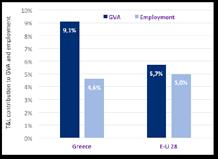
According to national accounts (see Figure 1), logistics and warehousing alone (excluding ship transport) produces 9% of total gross value added (compared to 6% on average in the EU)
and offers approx. 4% of total employment (similar to the EU average).
Resilience during crisis
In terms of competitive advantage, the sector has proved extremely resilient during the ongoing fiscal turbulence in Greece. The uplift of added value services has balanced the significant reduction of local freight transport.
The increased throughput of the port of Piraeus coupled with the setup of 4PL networks contribute to the resilience of the sector. A recent analysis by NBG validates the following sectoral characteristics.
• Added value services (e.g. warehousing, packaging, pricing, ordering, sourcing & procurement, information management, etc) have increased their contribution to GVA by +63% since 2008, while freight transport contribution dropped by -34% (see Figure 2).
• In terms of volume, added value services grew the last 8 years by +59%. At the same time the -34% drop in local freight transport was partly offset by the increased international transports (+16% during 2008-2016).
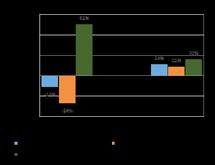
ana ly sis
• The sectoral competitiveness converges to EU standards, as measured by the logistics performance index (LPI). Greece may rank
47th (see Figure 3), but the LPI gap from EU average is only 11% at 2016 in comparison to 19% at 2012.
• The fragmentation and limited economies of scale are expected to reverse with investments planned by all key players.
• The financial status of the sector also converges with EU practices in terms of EBITDA, ROA, Debt/Ebitda, etc.
• Technology gives momentum to SMEs and increases their efficiency in service provision, cross-border trade, new jobs, etc.
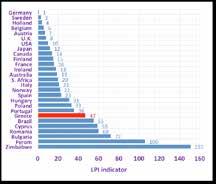
Market characteristics
Despite the positive figures, disparities like corporate size and diversification of business activities can delay a fast convergence to EU standards and financial return. Small and medium-sized enterprises stand out compared to larger 3PL providers. Smaller 3PL may add flexibility to the sector but size is evident in key business figures like sales, volume, investments, ROA, etc.
This fragmentation has led manufacturing and traders to insource logistics (see Figure 4) in a ratio of 80-20, while in many EU countries this ratio is often reversed. Insourced logistics are still dominant, which mainly links to red tape and regulatory barriers in 3PL and truck operations.
Figure 1: Contribution of logistics and warehousing (Eurostat, EU-factors 28)
Figure 3: Classification according to LPI, World Bank, 2016
Figure 2: Added value evolution, Eurostat, NBG, 2016 (nace 49 & nace 52)
Outsourcing is a major opportunity both for 3PL providers and for shippers, if proper consolidation and economies of scale emerge.
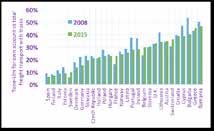
Apart from the falling demand, road freight transport is also further burdened by the Greek landscape as well as the transport regulations. In addition, road haulage fleet consists of old vehicles (see Figure 5), relatively small and mainly own account (see Figure 6).
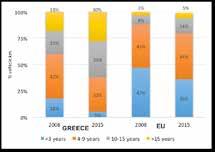
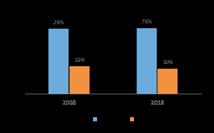
Freight market consolidation coupled with long term contracts can reverse fragmentation and offer opportunities with immediate financial returns.
SEV believes that horizontal M&A incentives and allocation of EU funds to truck upgrades may expedite market consolidation and fleet renewal at the same time. Also, long lasting restrictions in private truck
use and operations have led to an even lower efficiency (ie, many unloaded routes of “aged” truck, Figure 7) and lower competitiveness (in terms of high stock sales ratio) even before the crisis.
While under-utilization may be perceived as a market inefficiency, it is an opportunity to optimize bidirectional freight transport with a lower cost.
The dominance of truck transport can also be attributed to the low quality of rail services (2% market share). However, rail transport remains competitive for shipments to central Europe.
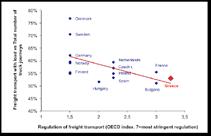
Legal framework
The recent law 4302/14 forms a contemporary basis for logistics in Greece. It views supply chain as an interconnected set of operations spanning across planning, warehousing, transport, forwarding, added value services, flow management and information management. While the provisions are fully supported by SEV and the private sector, public administration delays the implementation of simplified investment licensing and the elimination of legislation that burden operations with no apparent reason.
Game changers
Customer expectations have already emerged as a game changer in Greek T&L. Manufacturing is becoming more and more customized. A recent report by PwC indicates that both individuals and businesses expect to get goods faster, more flexibly, and – in the case of consumers – at low or no delivery cost.
Customer expectations are increasing greatly, despite the apparent need for low prices. The export champions (e.g. metal industry, F&B, etc) still offer enough volume to sustain local and cross border logistics but ask for competitive
pricing. This is good for customers but puts T&L under acute and growing pressure to deliver a better service at an ever lower price. Technology as a game changer, is essentially the only hope for genuine breakthroughs in the way the sector works. The sector can only hope to attract international trade flows by making maximum use of technology, from data analytics to warehouse automation. This promises lower costs, improved efficiency, and the opportunity to attract new shippers. The fully automated warehousing services for “IKEA” and “Intersport” at Schimatari prove the case. Digital fitness and data sharing remains a challenge. Attracting the right skills is one issue, but developing the right strategy is even more crucial.
A recent study by SEV, powered by Google, backs the argument that digitalization of all supply chain activities in Greece can impact significantly on the sector’s financial performance as well as on fiscal revenue. For example
• e-tracing may offer up to 45% time reduction in warehouse management and 25% increased labor efficiency
• up to €200m may increase in tax revenue by reducing smuggling
• up to €1,4b annual savings in transaction costs, assuming that Greece meets the average EU use of e-procurement.
• 20% - 50% cost reduction due to improved controls on containers and documents
• up to €1,4b savings from universal use of e-invoicing at the private sector
• up to 80% reduction of fake / bogus tax documents with a significant increase of tax revenue
But much of this is hampered by inconsistencies in EDI, shipment sizes, customs documents, proof of delivery, e-signature validation, etc.
An increasingly competitive environment is another big factor in the mix. Many of the sector’s own customers still insource logistics by 80%, while 3PL players are finding ways to carve out the more lucrative elements of the value chain.
Greek 3PLs are moving to added value services expanding traditional warehousing to comprehensive supply chain management. Sharing is yet another big game changer
Figure 6: Own account trucks, Eurostat, NBG, 2016
Figure 5: Truck fleet by age, Eurostat, NBG, 2016
Figure 4: Own-account freight transport with trucks, Eurostat, 2015
Figure 7: Effectiveness vs regulation of freight transport, Eurostat, OECD, 2013
for Greek logistics now – from Uber-style approaches to last-mile delivery, urban consolidation centres, JVs and partnerships, the whole sector is trying to redefine collaboration. Scale-up, shake up: Market synergies can have a big impact
This can address the complex competition currently in Greece where large industrial or retail customers and suppliers become players in the logistics market themselves.
Investment stories
Logistics thrive with scale and contemporary infrastructure. The on-going investments at the port of Piraeus has resulted in 5 times increased throughput in less than 5 years (Figure 8). The port capitalizes its 18m depth to serve motherships easily (Figure 9), as well as its proximity to Suez Canal and central Europe. It take two days from Suez to reach Piraeus but 9 days to reach Rotterdam, on average. The port of Piraeus now ranks among the European champions
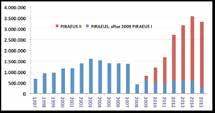
A comprehensive growth strategy SEV together with sector leaders have formulated a concrete vision for Greek logistics which underlines the growth potential.
Vision: “Develop competitive T&L that establishes Greece as a world class logistics hub”
The long term objective for Greece has to be the provision of effective, reliable, fully integrated and sustainable services, which best meet the needs of local and international customers.
Even though the current policy mix trickles new investments, efficient supply chain can increase non-wage competitiveness drastically. Public administration should initiate reforms that support this vision as well.
SEV together with sector leaders have also setup a comprehensive Logistics Committee to promote growth recommendations to the public administration. The Committee currently identifies three key priorities / opportunities for growth.
Priority 1: “Evolve Greece into a leading trade gate and an international logistics hub with emphasis to high quality added value services” This priority identifies international trade flows as the top growth opportunity. Trade gates centered on the ports of Piraeus and Thessaloniki should not be limited to transshipment alone, but give emphasis on added value services on transit freight while maintaining a competitive cost structure.
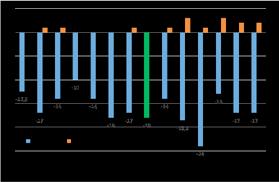
Similarly, the cargo operations of the Athens International Airport offer alternatives, especially in fast moving and/or sensitive products. The new initiative of the airport to offer tailored-made cargo services to the pharma sector adds to the list of quality logistics. Last but not least, the recent PPP of 14 regional airports is expected to elevate passenger and freight flows to key tourist sites around the country.
Priority 2: “Local logistics and infrastructure become efficient and cost-effective in order to contain delivery costs across all industrial and trade activities in Greece.
The second priority refers to local operations aiming to maintain cost-efficient distribution from production sites to consumers and trade gates. Additionally, the rapid improvement of business environment and infrastructure (physical and digital) will resolve long standing problems of 3PL providers which traditionally serve local business and shippers.
The public sector can also benefit from contemporary supply chain management.
Priority 3: “Improve the efficiency of public sector supply chain”
A recent analysis by SEV, also powered by Google, indicates vast cost-reduction opportunities without compromising the quality of public services. For example e-procurement
may achieve up to €400m reduction in administrative costs, up to €200m savings in health purchases, up to €135m savings in regional government purchases. Also, customs operations can become faster and more efficient. Electronic document clearance can reduce time by up to 50%, cost per exported container by $38 and cost per imported container by $130.
Investment opportunities
A major investment will be underway at Thriasio Logistics Park soon, provisionally led by Goldair and ETVA. It is expected to create a state of the art hub, connected with the port as well as with railway corridors to central Europe. Additional investment opportunities include the following sample cases:
• A logistics cluster centered on Piraeus trade gate, coupled with international marketplaces and showrooms. The trade gate can also benefit from a new business / financial hub which will raise interest in real estate.
• Although Piraeus port has yet to take full advantage of its investments, the setup of a trade gate around Thessaloniki port combined with an agro-hub at Sindos and/ or Gonos sites, can provide a significant investment opportunity which may boost regional economy by €2b (10% of regional GDP) approx. The privatization of Thessaloniki port will support further this trade gate
• Dry ports in areas like Volos, Alexandroupolis, Kavala, etc. Such hubs may supplement the operation of Piraeus and Thessaloniki ports.
• Small-to-medium size agro-hubs to capitalize regional production
• Digital applications throughout the supply chain (from customs to consumers) which will increase efficiency and transparency of all logistics transactions.
• Operational re-engineering towards synergies, market consolidation, load optimization and outsourcing, as outlined in previous sections.
• PPPs for seaplane transport, railway line to Lavrio port, etc.
Dr George Xirogiannis is the Director for Sectoral Policies & International Relations at SEV Hellenic Federation of Enterprises. The portfolio includes investments, access to finance, growth strategy, sectoral policy, as well as international trade and market access.
Figure 8: TEUs, Piraeus port, 2016
Figure 9: Port depth vs Tide
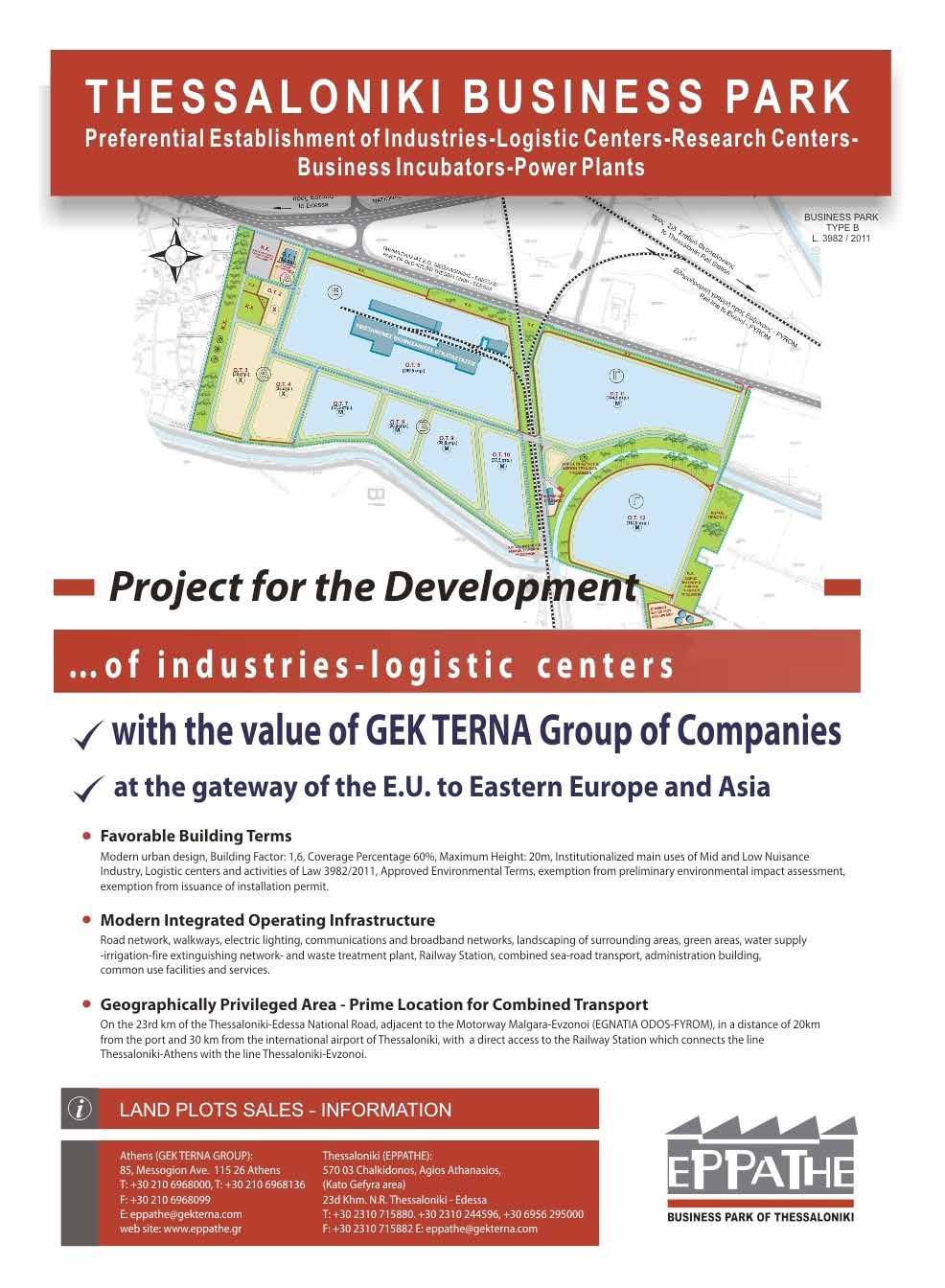
The priorities set by 40 Greek Logisticians for the years to come
By Stamatios Andrianopoulos EXECUTIVE CONSULTANT PLANNING S.A.
Prioritäten, die von 40 griechischen Logistikern für die kommenden Jahre gesetzt werden Vor kurzem fanden im Rahmen des Projekts "Überarbeitung der Nationalen Strategie und deren praktische Umsetzung" zwei THINK TANK-Zyklen statt, an denen 40 griechische Top- Logistiker (14 Geschäftsführer von 3PL-Unternehmen, 14 Supply-Chain-Geschäftsführer von großen Handelsunternehmen, 12 institutionelle Akteure aus Gewerkschaftsbereichen und Vertreter von Ministerien) teilnahmen und sich zu den Marktprioritäten und den damit verbundenen notwendigen Maßnahmen in den kommenden Jahren äußerten.
Im Rahmen des THINK TANKs fanden 16 TeleAbstimmungen statt, durch die die Ansichten der Teilnehmer in Größenmengen ausgedrückt wurden. Als Beispiel werden sechs von ihnen in der Folge angeführt. (WEITERLESEN AUF ENGLISCH)
operational barriers in the handling of the Logistics work in Greece?
Recently, within the framework of the project entitled ‘A Revision of the National Strategy and its transformation into Actions’, two THINK TANK cycles took place in Planning, where 40 top Greek Logisticians (14 3PL company CEOs, 14 Supply Chain Directors of large Commercial firms and 12 institutional actors from sectorial unions and Ministries’ officials) expressed their views on market priorities and thus the necessary action for the future years. As part of the THINK TANK, 16 tele-votes took place through which participants’ views were quantified. Indicatively, 6 of them are presented below:
1. What are the biggest organizational and
1. A large amount of bureaucracy in the licencing processes of logistics infrustructure and 3PL companies
2. Low level of computerization of logistics processes (both among businesses and in transactions with the state)
3. The shortage of liquidity in the market which hampers 3PLs’ cash flow and the funding of their growth
4. Inadequate infrustructure in the road and rail network
5. Shortage of the adequate manpower to staff logistics positions
6. The Public Administration does not comprehend the significance of logistics in order to support its growth
7. Poor exploitation of technology in the field of logistics
8. Cumbersome customs processes at the gates of entrance of the country
9. Insuffficient funding of logistics from growth programs (National Strategic Reference Framework, etc.)
10. The existence of ‘regulated’ professions which complicates day-to-day running of business
2. Which in your view are the major problem areas which must be dealt with during the action planning of the National Strategy for the Supply Chain in Greece?
1. Completion of the institutional framework
for Logistics
2. Licensing of Logistics infrastructure
3. Development of commercial parks so that logistics infrastructure may be concentrated there
4. Development of networks and transport infrastructure (roads, ports, etc.)
5. Renewal of transport fleets
6. Development of human resources in Logistics
7. Synergies in the carrying out of the tranportation work
8. Extroversion of Greek Logistics
9. Establishment of an organisation for the promotion of Greek Logistics
10. Digitalisation
3. Which, do you believe, are the major areas of growth for Greek Logistics which should be focused on in the following years?
1. Increase in the share of outsourcing logistics services through persuading commercial and industrial companies to outsource the logistics work to 3PL providers
2. Expansion of the 3PL market into the Greek countryside, thus boosting outsourcing customer base by including companies outside the Attica region
3. Increase in transit freight through the development of hubs in Piraeus, Thessaloniki, El. Venizelos International airport
4. Development of Agrologistics
5. Beginning of operation or expansion of 3PL and transport companies in neighbouring countries
6. E-logistics the cover the needs of e-commerce
7. Transformationm of 3PL companies into 4PL in order to be able to cover a broader range of services and market needs (end2end)
8. Cooperation with large foreign 3PL / transport companies aiming at synergies, economy of scale and geographical expansion
9. Assembly
4. Which priorities would you set concerning the interventions in the institutional framework which regulates the operation of Logistics?
10. Codification of the existing legislation as well as its simplification and centralisation
5. Which of the following Strategic Actions of the National Strategy for the Supply chain in Greece ought to be a priority, in your view?
6. Which of the following sectors, in order of priority, do you believe that the funding actions of the new National Strategic Reference Framework should focus on?
1. Funding for the building of new modern warehouses
1. Immediate putting into force of Law 4302/2014 regarding the supply chain
2. Improvement of legislation on land use to include pure logistics as well
3. Improvement of legislation on operation licensing for logistics
4. Improvement of costruction specifications for logistics facilities
5. Improvement of legislation on fire safety of logistics facilities
6. Greater flexibility of labour legislation
7. Computerization of transactions, abolition of the consignment note, etc.
8. Intensification and enforcement of legal provisions concerning the monitoring of the transportation work (enforcement)
9. Consistent enforcement of legislation concerning logistics in all the county’s administrative regions
1. Institutional framework (modernisation of licensing processes, simplification of customs processes, modification of land use, organisational framework for the public administration, etc.)
2. Hunam resources (professional certification, lifelong learning, university departments, logistics, etc.)
3. Logistics facilities and their equipment (commercial parks, district parks in available areas such as in the Thriasian Plain, Oinofyta, Sindos, etc.)
4. Transport networks and infastructure (completion of major highways such as the Patras-Athens-Thessaloniki-Evzonoi highway, Egnatia Motorway, the electrification of the railways, development of ports, combined transport)
5. Means of tramsport ( modernisation of vehicle fleets, strengthening of enforcement, etc.)
6. Sustainability (promotion of green logistics, city logistics, corporate social responsibility, etc.)
7. Synergies (promotion of boosting actions, synergies)
8. Information and Communications Technologies (ICT) (reinforcement of electronic information flows in logistics, boosting ICT in logistics functioning)
9. Know-how (reinforcement of research programs, innovations, labour flexibility, standardisation etc. in logistics)
10. Promotion and development of the Logistics market (extroversion, Agrologistics, development of Pireus port and El.Venizelos airport into a hub of intenational scope. Information provision / Logistics Watchdog, creation of an organisation for the promotion of logistics services, etc.
2. Funding for the development of commercial parks on the Greek territory
3. Funding for the upgrading of transport fleets
4. Funding for transport networks and infrastructure (completion of major highways railway lines, ports, etc.)
5. Funding for clusters in order to achieve synergies among businesses in the sector
6. Funding for space sustainability (city logistics, green logistics)
7. Funding for actions to develop the market (extroversion of Greek logistics, development of transit freight hubs, Agrologistics, establishment of an organisation for the promotion of Greek Logistics
8. Funding for education , hunam resources certification in the fields of logistics –transport, lifelong learning
9. Funding for the transmission of expertise, research programs, innovation
10. Funding for Information and Communications Technology (ICT) in the area of logistics (Warehouse Management System (WMS), telematics, machine to machine, etc.)
The overall picture which has emerged is that the market is in need of development. It is this area which mainly requires support. But let us look at them more analytically:
Concerning Question 1, the market considers that the greatest organizational and operational barriers to the carrying out of the logistics work in Greece is the shortage of liquidity (68%). One could claim that this is a problem which all the market faces but in the 3PL market the problem is far more intense because the main costs (salaries, fuel, rent, etc.) of 3PL companies

are not covered on credit while the market pays on 80 - 180 days credit. And bad debts in the field are a lot.
The second barrier is considered to be the inadequate infrastructure in road and rail networks (61%). This obvious obstacle will often be met further down. And it isn’t that Greece needs large networks: it is T-shaped and only requires the Patras-Athens-ThessalonikiEvzonoi highway and Egnatia Motorway. The 40 managers also place weight on the bureaucracy involved in the licensing processes of logistics infrastructure (50%), the low degree of computerization of transactions (41%) and of course ask for the support from the Public Administration (41%). It is impressive that the lowest prioritized is the managerial staff (11%) because, in fact, in the market there is a plethora of competent and highly trained staff. We, university professors, have contributed to it. In the last but one position we find the customs processes at the gates of entrance of the country (16%), in other words the market acknowledges that a lot of work has been done at the customs offices and congratulations are due to the officials responsible.
In Question 2 on the major problem areas, the market deems of first priority and asks for commercial parks (67%) and the cleaning up of non-formal logistics concentrations. It does not wish for warehouse subsidies where appropriate but, at long last, logistics infrastructures which will allow for synergies. It also asks for infrastructures, roads and ports
(60%). It is interesting to note the next two choices (at 55%) which are ‘Synergies in the carrying out of the transportation work’ and ‘Completion of the institutional framework for Logistics’, followed closely by the ‘Extroversion of Greek Logistics’ (48%). The market needs development; it seeks ‘living space’ where its dynamism may find an outlet. Once again ‘Human resources’ comes last (7%). The market considers that it does not ‘suffer’ in this area. Speaking of growth, in the 3rd Question respondents were asked to prioritize the areas of growth for Greek Logistics. Neck to neck are in the first place (at 63%) the increase in the share of outsourcing vs. insourcing , which as is well-known is one of the lowest in Europe, and Increase in transit freight through the development of hubs in Piraeus, Thessaloniki, El. Venizelos International airport. The market recognizes that the Greek pie is small and the crisis has made it even smaller. Therefore, there must be a campaign on the benefits of outsourcing, which will also reduce the final cost for the consumer. Why shouldn’t relevant actions be supported through the new National Strategic Reference Framework since they will deliver a direct benefit to the end customer? And we shouldn’t just consider the FMCG products or the large multinational companies. The interesting part would be to make SMEs (where due to synergies the benefits are expected to be grater), industrial and e-commerce companies join ‘outsourcing’.
As far as the other first position is concerned,
the larger the amount of transit freight, the more the peripheral jobs will develop and the benefit for all the economy will grow. Fortunately, after the privatization of the Piraeus Port Authority we expect a significant boost in this area.
In the area of growth, the second choice (standing at 40%) concerns the expansion of 3PL and transport companies in neighbouring countries and the cooperation with large foreign 3PLs. Once again the overarching principle is extroversion.
The creation of an organization for the promotion of Greek logistics services appears imperative. In the previous committee there was a similar attempt but it did not bear fruit. The then political leadership decided against an independent body and in favour of establishing a Department in ‘Invest in Greece’, where (as was the case with the former HEPO, Hellenic Foreign Trade Board) they have an obsolete idea that Greece is a country which exports olives, raisins, tobacco, olive oil, wine and other agricultural produce. The concept of exporting services is unknown to them.
We would like a mixed-type body, not one purely run by the state but in collaboration with the Private Sector (as is the case of HITC and Ariloge in the Netherlands), a body which will locate and persuade companies to make Greece a logistics hub in the broader region. Of considerable weight was the ‘Transformation of 3PL into 4PL (37%) and E-logistics to cover the needs of e-commerce (35%). The Greek authorities should pay particular attention to the entrance of Alibaba.
The 4th question deals with the priorities concerning the interventions in the institutional framework which regulates the operation of Logistics. Here the choice which came up first (at 60%) was the ‘improvement of legislation on land use to include pure logistics’. The market asks for the proper accommodation for its facilities. It is high time the bureaucratic office-holders understood that logistics is not wholesale (where they categorize us). Logistics facilities require great height, large space and large fire compartments. The logistics spaces are many times multiple compared to industrial and wholesale spaces. Logistics require their own land-use to cover their own specific needs.
It is noteworthy that the computerization of transactions takes up the second position (51%). According to the definition of Supply Chain in the 4302/15 Law, the supply chain is the flow of goods and information. Enough has been done about the flow of goods so now let us do something about the flow of information. The abolition of accompanying documents and the information exchange through EDI, etc. are of imperative importance for the market.
In the third position (with 47%) we find the codification of the existing legislation. With the colleagues from Planning, we made a research in the licensing legislation and we came up with more than 30 entries. It is quite difficult for one to understand when one is legal or the contrary.
For the 5th question we collected the actions of the existing National Strategy and consolidated them into ten like groups and asked for prioritisation. Once again, first (with 67%) came up the institutional framework (licensing processes, land use, etc.) Some of them are already underway and are progressing with the aid from SRSS.
Second (with 60%) came up the promotion and development of the Logistics market, which we have mentioned earlier as a high priority target, (extroversion, , development of Piraeus port and El. Venizelos airport into a hub of international scope, Agrologistics, creation of an organization for the promotion of logistics services).
The third position (with 58%) is held by the aforementioned transport networks while 4th (with 56%) was the Logistics facilities and their equipment (commercial parks, Thriasian Plain, Oinofyta, Sindos, etc.)
Thus functioning as a cross check, question No. 5 demonstrated that the market has firm and resolute views and does not waver.
It is also indicative that the last three positions are held by human resources (12%), sustainability (green logistics, city logistics) (again at 12%) and know-how (research programs, innovations) (at 7%). Once again we observe steady opinions on the part of the market.
In the last question (question 6) concerning the sectors which should be funded through the new National Strategic Reference Framework and other funding tools, once again the first
PLANNING MANAGEMENT CONSULTANTS S.A.
Brief Company Profile

PLANNING S.A. is one of the biggest supply chain management consulting companies in Greece. Since its establishment in 1989 the majority of the biggest Greek and multinational companies have trusted us to improve the efficiency of their operations in Greece, Cyprus, Turkey, Romania, Bulgaria, Poland and France. Our company owns deep knowledge of international logistics and transit freight. We have partnered with organizations responsible to manage international flows, big scale logistics parks, intermodal hubs, ports and airports.
PLANNING S.A. also served as consultant to the Greek state in issuing and implementing the national legislation for logistics, as well as in establishing and updating the national strategy for logistics.
We are proud that we have designed the operational layout for over 1,9 million square meters of warehouse facilities and distribution centers, redesigned over 80 logistics networks, trained over 5.000 warehouse employees in more than 500 clients that have trusted us to “achieve excellence together”, as our logo indicates.
Planning S.A., Ag. Konstantinou 40 (AITHRIO CENTER), 15124 Marousi, Athens, Greece, Tel: +302106183800, Fax: +302106183999, email: info@planning.gr, www.planning.gr
choice by far (72%) is the funding for actions to develop the market. Second choice are the commercial parks (62%),third (56%) comes the upgrading of transport fleets, followed closely by the funding for transport networks and infrastructure (44%) and the funding of clusters to achieve synergies (41%). The latter is very important since it shows a shift in direction and maturity on the part of the market and thus particular attention should be paid to it. Once again in the last positions we find the funding for space sustainability (18%), funding for the transmission of expertise (13%), funding for human resources (education etc.) (10%), and, quite important, the funding for the building of new warehouses (13%). The market wants warehouses but within parks and structured spaces. On the part of the researchers, this will be recorded in the National Strategy for the Supply chain and we are sure that the political leadership - which has embraced logistics, heeds their needs and attends the relevant events in order to feel the pulse of the market – will move on with the due implementation.
PIRAEUS
Port with COSCO Shipping credibility,
creates the Safest
& Fastest Path
from/towards EU, from/towards ASIA and MENA
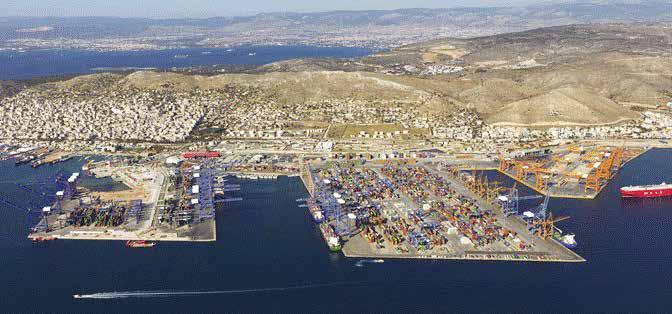
Greece and its main Port, Piraeus has the ideal geostrategic positioning as hub for several types of cargoes, being the closest Western deep sea EU port to the Suez Canal, bridging all available transport modes (sea, rail, road, air).
The above in combination with COSCO Shipping presence in Greece, that has invested more than 600 million euro upgrading port infrastructure, reaching a terminal capacity of more than 6.2 million TEUs, makes Piraeus the ideal location to be hub supplying the EMEA region. The growth in TEUs handling from June 2010 that COSCO takes over, highlights Piraeus worldwide, between the ports with the highest growth rates. Specifying figures, terminal handling for 2015, exceeded 3.000.000 TEUs whereas for 2016 the port handled 3.700.000 TEUs. Piraeus port is equipped with the most modern container gantry cranes, maximum depth is 19m, capable to serve the largest vessels in the world of more than 20.000 twentyfoot equivalent units (TEU) while and it can serve 3 x 19.000 TEUs vessel concurrently. It operates 365/7/24, without congestion and strikes for last 7 years since COSCO took over the container port management. The terminal is expanding and continues to invest in order to handle more than 10 million twenty-foot equivalent units (TEU).
As a result, Piraeus has moved from 93rd spot in the “Containerization International Top
100 Ports” list in 2010 to 39th in 2014 and 43rd in 2015. Piraeus port gained significant ground, growing into one of the world’s most competitive ports and moving up to more than 50 spots. This places Piraeus among Europe’s Top 10 ports, holding the eighth spot, and fourth among the ports of the Mediterranean. Upon investments completion, the aim is for Piraeus to be among the world’s top 30 ports by 2018 and Europe's fifth-busiest container port. Many shipping lines have calls to Piraeus, giving multiply choices for weekly services to most destinations so as always find the best matching date of dispatch and arrival of cargoes. In addition, as all modes of transport are available at Piraeus port, the best matching mode, by sea-air-road-rail are possible options. Concerning air services, there is a direct connection with Eleftherios Venizelos Airport, through regular shuttle services, allowing SEA/AIR or AIR/SEA multimodal transport to be benefitted by Free Zone special Regimes. Especially for rail services, the port terminal features its own container rail station and relevant equipment capable of handling block trains efficiently. Piraeus port is linked to the existing European rail network that reaches up to central Europe, with short transit times (Sofia/Skopje in 1 day, Romania in 2-3 days, Hungary, Austria, Czech Republic, Slovakia in 3-5 days, Poland, Germany in 6-7 days), producing the least carbon footprint (80 times less than truck). COSCO Shipping is also
success story infra structure
operating weekly shuttle services towards/from Balkans (Skopje, Belgrade, Sofia, Bucharest, etc).
Piraeus Car terminal is one of the largest car transshipment center in the East Mediterranean and with its ongoing investment plan within the next five years, is to be established as the most important HUB, Distribution and Logistics Center in the East Mediterranean. The onharbor railway station and its connection with the national and European network enables the transit of cars to and from Central Europe and Balkan countries, making Piraeus one of the biggest automotive logistic centers in the Mediterranean. Having 2 berths with a total area of 190.000sq.m, a draft of 11m, 24/7 operations, value added services and customer oriented strategy, the operating capability of the Car Terminal is to be drastically increased. All the automotive producers have needs of warehousing for the distribution of after sales spare parts, of the Ro-Ro Terminal for the handling and distribution of finished cars and of the Container Terminal for the handling and distribution of CKD and SKD. Piraeus port is a facility able to provide to the automotive producers all three main items. Thus, an example of this is for Piraeus to be the distribution center for the after sales spare parts for automotive producers in Far East, by rail to distribute finished cars to the Balkan area and Central Europe area and through the Container Terminal to supply factories in Central Europe with CKD and SKD. Several Warehouse Facilities are located within the Free Zone of Piraeus Port, fully harmonized to port’s schedule, operating in extended opening hours whenever needed. Logistics services provided at Piraeus facilities are of big range such as export, import and domestic distribution, cross-docking / flow distribution,
order processing, pick and pack, inbound and outbound, storage, inventory management and control, bar-coding, re-packaging, labeling, quality inspection, kitting and other value added services, reverse logistics, static and dynamic replenishment, load building, etc
COSCO Shipping is providing Control Tower Services (one single point of contact, close monitoring, End-to-End visibility and decision making, Strategic Network design, Tactical Planning, Transportation management, Carriers’ management, Performance management and Reporting, Documentation management, Customs Brokerage Performance management, Reverse logistics, etc). Consulting in fields of specialized topics (tax, customs, innovation, legal, etc) to its strategic customers is part of received services or autonomous service depending the customer interest.
The Port of Piraeus is a Free Zone port, so it is a part of the customs territory within Greece and as a result of the European Union, separated from the other customs territory, with utmost security measures.
The imported goods from third-party countries for the imposition of import duties, taxes and trade policy measures, are regarded not to be in European customs territory for as long as they remain in the Free Zone. Those goods can be subject to light manufacturing and repackaging, even to be included in special European regimes of processing with V.A.T. exemption, with a related license by the Customs Authority, for the purpose of their re- exportation. Goods of third countries that are destined to be forwarded
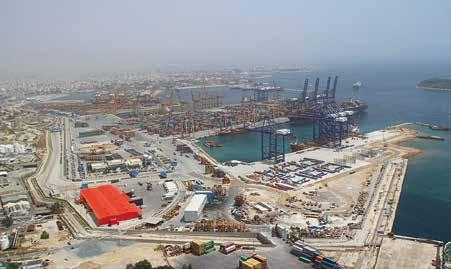
in other E.U. countries (B2B) can make use of the optimal European provisions of V.A.T. payment deferral that Greece implements, which combined with the Free Zone constitute a unique tool for minimizing costs and improving the cash flow.
Many multinational groups and SME’s are using the Piraeus Free Zone combined with the VAT deferment scheme and the reverse charge system that Greece has (meaning only payment of duties to the Customs and no V.A.T. during importation), but also the EU Customs Regime 42.00 which again defers the VAT payment during goods’ importation, in the event of their immediate supply to other E.U. countries.
Ship-building companies and ships’ repairing companies, which will be soon defined in Greece as Free Customs Groups, are to benefit by
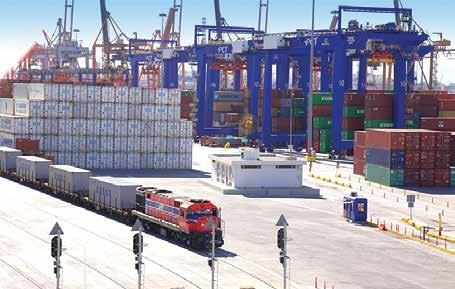
being active in the Free Zone for the supply of goods from the market abroad, exempted from VAT and without long lasting bureaucratic procedures. In addition, domestic or community goods may be collected in the Free Zone without the entanglements of customs warehouse procedure with a full exemption of V.A.T for the purpose of their export or their distribution for ships’ supplying.
Any kind of goods (agricultural, consumable, etc.) can be transported from inner of Greece and be stored into the Free Zone without V.A.T, following simple and fast procedures.
The Port of Piraeus is a universal port capable of handling all kinds of goods. It offers a range of services for handling cargo, customs clearance, quality control, storage, light manufacturing, packing, distribution. Port and all existing facilities inside the port are certified with the “International Ship and Port Facility Security Code (ISPS Code)” securing that a comprehensive and appropriate set of measures to enhance the security of port facilities have been developed. The Free Zone of Piraeus, ensures the best tax and customs advantages of the E.U. always according to the European provisions, in combination with high level tax and customs services directed to companies or groups. It ensures as well simplified procedures of import and export, combines the national and community legislation, operates with certified AEOF and can safely handle goods subject to excise duties with the lowest possible cost, without unnecessary customs duties, direct and indirect taxes.
DER HAFEN VON PIRÄUS UND DIE ZUVERLÄSSIGKEIT VON COSCO
SHIPPING, SCHAFFEN DEN SICHERSTEN UND SCHNELLSTEN WEG, VON UND IN DIE EU, VON UND NACH ASIEN, DEN MITTLEREN OSTEN UND NORD-AFRIKA (MENA).
Griechenland und sein HauptHafen Piräus, haben die ideale geostrategische Lage um als Hub für etliche Arten von Transportgütern zu dienen, nachdem er der dem Sueskanal am naheliegensten Tiefsee-Hafen der EU ist und alle verfügbaren Transportarten mit sich bringt (Meer, Gleise, Straßen, Luft).
Die Präsenz von COSCO Shipping und ihre relevanten Investitionen in Griechenland hat, durch die Belieferung der Regionen Europas, des Mittleren Osten und Afrikas (MENA), aus Piräus den idealen Standort geschaffen um als Hub zu dienen. Der Aufstieg der Umschlagdaten in TEU seit Juni 2010, als COSCO übernahm, heben Piräus global hervor unter den Häfen mit den größten Entwicklungs-Raten (TerminalUmschlagkapazität von 2016: 3.700.000 TEUs). Der Hafen von Piräus, ISPS bescheinigt, ist ausgestattet mit hochmodernen Containerbrücken und sein maximaler Tiefgang liegt bei 19 m. Der Hafen ist fähig sowohl die größten Schiffe der Welt, mit mehr als 20.000 TEUs, als auch 3 mal 19.000 TEUs Schiffe gleichzeitig aufzunehmen. Er ist in Betrieb 365/7/24 ohne Verkehrtsstau und ohne Streiks während der letzten 7 Jahren. Ziel ist, durch weitere Investitionen mehr als 10 Mio TEUs zu erreichen.
Viele Schifffahrtslinien wählen Piräus als Anlaufhafen und bieten somit eine Vielfallt an Angeboten bezüglich der wöchentlichen Dienste von und zu jedem wichtigen Hafen. Bezüglich der Dienste des Luftverkehrs, gibt es einen direkten Anschluss zum Flughafen Eleftherios Venizelos, über regelmäßige ShuttleDienste, und erlaubt somit MEER/LUFT oder LUFT/MEER multimodale Transporte, welche von Special Tax & Custom Regimes der Free Zones profitieren.
Bezüglich der Dienste des Bahnverkehrs, ist der Hafen Piräus, mit seinen eigenen Bahngleisen, mit dem bestehenden europäischem Eisenbahnnetz verbunden, das bis Mitteleuropa reicht. Kurze
Weg-Zeiten erzeugen eine geringe Kohlestoffbilanz und erlauben Verkehr sowohl von Blockzügen als auch von wöchntlichen Shuttlezügen.
Piraeus Car Terminal ist einer der größten AutoUmschlagplätze des östlichen Mittelmeerraumes mit dem Plan sich als der wichtigste Hub, Distributionsund Logistikzentrum der Region durchzusetzen.
Etliche Lagereinrichtungen befinden sich innerhalb der Free Zone von Piräus, komplett den Fahrplänen des Hafens angepasst, und sind in Betrieb mit verlängerten Öffnungszeiten. Maßstabgerechte und hohem Niveau entsprechende Dienste stehen für die Bedürfnisse jedes Kunden zur Verfügung.
COSCO Shipping stellt Kontroll-Tower-Dienste zur Verfügung, indem es einen einmaligen Kommunkationskanal bietet und somit den Bedürfnissen jedes Kunden gerecht wird, durch die Minimierung der Kosten und einer genauen Überwachung sowie End-to-End Monitoring während der gesamten Prozedur.
Der Hafen von Piräus ist ein Free Zone Hafen, welcher die besten Steuer- und Zollvorteile der E.U garantiert, immer konform mit den europäischen Regelungen. Er ist geeignet für Unternehmen und Konzerne. Er bietet vereinfachte Vorgehensweisen sowohl für Import als auch für Export, solange die Betreiber AEOF zertifiziert sind, und bietet die Möglichkeit verbrauchssteuerpflichtige Güter (excise duties) sicher umzuschlagen, zu möglichst geringen Kosten, ohne unnötige Zollgebühren, direkten und indirekten Steuern.




Dixons Kotsovolos SA Logistics as a differentiating factor to compete in retail
Kotsovolos is the leading consumer electronics and services retailer in Greece and is part of Dixons Carphone Group, Europe’s leading specialist electrical and telecommunications retailer and services company, which operates more than 2.200 stores, with 42.000 people in 11 countries.
The company’s business model summarizes in 3 main pillars:
• Multi-channel approach, by providing customers with seamless and personalized experience, where convenience, ease of navigation and simplicity are key in shopping whether it is online, in-store or a combination of both.
• Product range, by making sure we have the right range of products and services in our stores to suit customers’ needs, combining our customer insight with our market strength. Our mission is to provide the best solutions for our customer needs, by showcasing the latest technology, connectivity, products and services in our stores that make their life better.
• After sales services and support, by making sure we keep close to our customers’ needs for
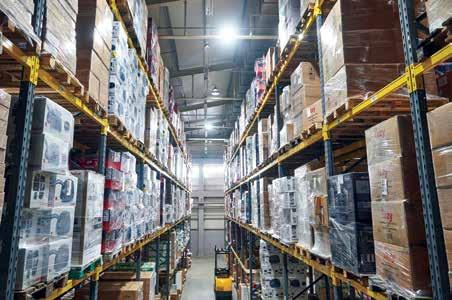
help with their products, whether it be delivery installation and demonstration, help keeping their products up and running or repair should things go wrong.
Supply Chain and Logistics is playing a Key role in the realization of all 3 pillars above and is continuously taking new initiatives not only to support the above business model, but also offer new innovative and pioneer services that
keep customers always surprised and satisfied. There are six strategic areas where Supply Chain focuses:
1. Consolidated single Logistics network: There is no difference whether the customer orders in a store, online or in a combination of both, or whether he has chosen to pick up from a store or having his order delivered at his home. The customer may choose to have
the products of his order partially delivered or all of them in one visit at his home within a 2 hours time slot combined with same day, or next day delivery options. Our 2-man delivery vans are centrally routed by sophisticated software and can combine at any one route, customer home deliveries, store replenishment, broken product pick ups from customers’ home for repair as well as returns to the customers and re-installation of repaired products. Any new operation is simply integrated in the existing network.
2. “Finish in one visit” concept: Dropping products in customer homes is no more acceptable. Home delivery drivers, are continuously been trained to install and demonstrate the products when they deliver in customers’ homes. They will also remove all garbage from the customer home and they will collect for free any old product for recycling. The customer knows from the previous day the 2-hours time slot we will visit him and the whole process of delivery, installation and recycling will last on average 20 - 25 minutes.
In this way we respect the customer’s precious time and we strive to consume as less of it as possible. Our right first time rate reaches 98,5%.
3. Product range and availability: We work close with our suppliers to make sure we have the biggest possible range instantly available at any time for our customers, by keeping the right stock levels.
Through synergies and efficiencies we are continuously increasing the range we keep in our Central Distribution Center and we have achieved over the last 3 years an 80% increase in the product lines we keep in stock, available at any time to all customers regardless if they
are shopping in store or on line.
4. Services Development: Our team is continuously watching new customer needs and makes sure we first develop the right services that offer them piece of mind. Every customer is a member of our family. As such, we do not forget him after delivering his order and taking his money. We are continuously next to him through service and maintenance programs, in a life time relation with him that makes us his single point of contact for whatever he needs for his appliances regardless if they have been bought from us or not. Apart from delivering all new products up and running, we maintain them to ensure their best operation, we repair them whenever they break, we upgrade to meet latest customer expectations and we offer service contracts with specific and tight customer promises. Entering every year more than 400.000 customer homes, we also offer technical support and repair for electrical and plumbing breakdowns.
5. People management: As the entire above are been executed by humans, we invest enough time to keep our people motivated and trained.
Whether these are own people or external contractors we keep a unique image at the eyes of our customers and we have the right programs in place which ensure they are fully engaged, motivated and rewarded.
6. Corporate Social Responsibility: We understand that we operate in an open community where leaders have not only requirements but obligations also. Continuous improvements and efficiency programs make sure that our carbon footprint is the minimum possible one. We also withdraw old appliances from customers’ homes for free and we recycle them, after selecting and repairing the ones which are in a decent situation which are been donated with the co-operation of the local public authorities to sensitive social teams that do not have the potential to buy new ones.
Supply Chain and Logistics, is no more a cost center in our company but a profit center that drives margins and customer satisfaction as well as shapes the company’s public profile. I would say that it is what is said as a “Modern Supply Chain”.
TRADE LOGISTICS
The advantages of lean warehouse management
success story ware house
Trade Logistics S.A. is an affiliate company of FOURLIS Group and was established in 2007. Our company is the logistics provider of the group and through its premises serves:
• all IKEA stores and Pick-Up Points in Greece, Cyprus and Bulgaria
• the e-commerce business of IKEA in Greece
• all Intersport stores in five countries that the group operates (Greece, Romania, Turkey, Bulgaria and Cyprus)
• all The Athlete’s Foot stores in Greece & Turkey and
• the e-commerce business of Intersport in Greece
All of the above mentioned activities are served through a 36,000m² fully automated distribution center, with one automation system for moving and storing pallets and one system for item picking that moves 22,000 totes to pick & pack stations. The installation has a capacity of 45,000 pallets, is connected to the national railway network and has a parking capacity of 50 wagons and a specially designed area that can stack 600 containers. The company also has a 1MW photovoltaic plant installed on the warehouse roof with
an annual production capacity of 1,428MWh. The system is up and running since beginning of March 2013.
The company’s vision is to be established as one of the best Logistics companies in Europe as far as quality of services and consistency with competitive cost is concerned.
Trade Logistics S.A. was the winner of “2009 European Supply Chain Excellence Awards” in Logistics & Fulfillment category, and the
runner-up on 2011 Supply Chain Distinction Awards.
In conditions of increased supply and demand uncertainty the ability to quickly adapt and reorganize the supply chain becomes vital. Structural flexibility shows the will to invest in solutions that amplify responsiveness rather than minimize cost. Although automation systems usually limit flexibility, Trade Logistics during the last couple of years has been
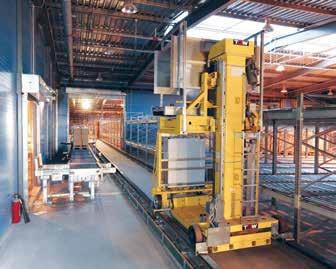
transformed from a fully pallet-automated distribution center designed to manage annually up to eight hundred thousand pallets (Pallet In/ Pallet Out) into a warehouse that picks & packs eight million pieces per year, plus two hundred thousand pallets.
Retail, which is our customers’ business, is influenced by many different things nowadays.
The role of retailer today, is completely different than that from the past. Internet is accelerating everything. Various new channels of trade (e-commerce / Cross Channel / Omni Channel, etc.) have entered sales competition.
Customers are changing their needs faster than ever. New technologies reshape the retail rapidly. Service providers must have the ability to be adapted to the requirements of their customers and to improve their service level continuously. Need for good relationship with final customer is rising, and much more…
Technological innovation is the key element to tackle all the above and this is what our main focus was since the beginning of operation for our company.
Our high level of services had contribution towards the sales increase and stock reduction of our retail clients. Market share of our customers, in the markets that are operating, last three years has been steadily increasing Especially the percentage of turnover of e-commerce business in total turnover of our clients is among the highest worldwide of the industry.
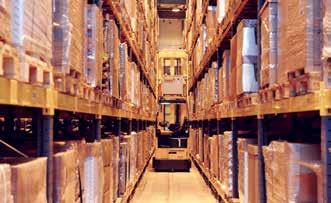
53 Tatoiou & 1 Pierias
P.O. 14451, Metamorfosi Attica
• Tel: +30 210 5235477
• Fax: +30 210 5230967
• www.haikalis.gr
• e-mail: info@haikalis.gr
STEP by STEP Directory to START UP into the GREEK MARKET

KPMG
Planning a logistics business in Greece: Have you factored in taxation?
GREENWOODS INSURANCE BROKERS Ltd.
COVERHOLDER AT LLOYD’S
Insurance & Logistics
MARONIDIS & ASSOCIATES LAW FIRM
Legal Framework for Road Transport & Logistics in Greece
Planning a logistics business in Greece: Have you factored in taxation?
Angela Iliadis, Partner, Tax Services, KPMG
With the European Union (EU) operating as a single market and international trade between Asia’s giants and Europe’s traditional and emerging economies ever expanding plus free trade with North America on the horizon, Greece offers a geostrategic location as an entry port and a hub not only for Europe but also for the Middle East, North Africa and the Balkans. In this context and despite its unsteady financial landscape, Greece already provides incentives, including VAT exemptions on certain large-volume imports, in order to facilitate international trade. Taking also into consideration the escalation of e-commerce activity and the focus on supply chain management, this indirectly results in a significant positive impact on the logistics business. Additional measures are needed, including the introduction of call-off and consignment stock facilitations, so as to foster further growth in international trade which will in turn give further impetus to logistics activities. As it is reasonable to expect business opportunities to grow over the next years, foreign investors contemplating to engage in logistics activities in Greece should be well prepared to meet their tax obligations, taking into consideration not only the global trend towards stricter anti-avoidance rules, but also the ever-changing Greek tax framework, which can become a significant barrier at a later stage, or eventually even a show stopper, if not factored in during the planning stage. What follows is a summary of the main tax issues an investor can expect to face when carrying out a logistics business in Greece, from the initial formalization of a physical
1
presence in Greece, through to the operating stage and even later when deciding to wind down or sell their operations.
Setting up a logistics business
Foreign investors intending to operate in the Greek logistics sector are normally advised to formalize their presence in Greece either by incorporating a local subsidiary or by establishing a Greek branch. No taxes arise on the initial capital contributed to a subsidiary nor on working capital provided to a Greek branch of an EU parent whereas a 1% capital concentration tax applies in the event of certain
subsequent capital injections to its subsidiary and as well as on working capital provided to a Greek branch of a non-EU entity. A formalized presence gives rise to a number of regulatory, administrative and compliance obligations (including bookkeeping and record-issuing requirements). Most importantly however, by formalizing their presence in Greece correctly from the onset, investors can avoid disputes on certain issues in the course of a future tax audit that could otherwise lead to significantly adverse tax implications.
Given that logistics activities often involve the acquisition of warehousing facilities, investors
should be aware that the purchase of new buildings can burden them with 24% VAT; otherwise, the transfer-tax burden plunges to 3.09% on used premises, which is the effective rate of the real estate transfer tax applying to any real-estate property transfers not subject to VAT. Tax benefits are available through the use of financial leasing of premises as described below.
Operating a logistic business
Direct tax implications
Like all businesses in Greece, profits earned from logistics operations are subject to corporate income tax currently set at 29%. Taxable profits are generally derived following deduction from gross income of qualifying expenses, including interest and depreciation (under conditions). Transactions between associated companies should be at arm’s length, i.e. they should be carried out under economic or commercial conditions similar or identical to those applying between non-associated companies. Failure to comply with transfer-pricing rules and documentation obligations can result in the upward adjustment of corporate income tax and the imposition of heavy penalties. Certain payments trigger withholding tax at rates determined by domestic legislation, unless the beneficiary is established in a country with which Greece has signed a treaty for the avoidance of double taxation and such treaty provides for a lower withholding tax rate. The most frequent payments triggering withholding tax obligations include royalty and interest payments, which are currently subject to the domestic rates of 20% and 15%, respectively, although exemptions can apply under conditions. The distribution of dividends is currently subject to the domestic rate of 15%, with exceptions generally applying to dividends distributed by Greek branches to their foreign head offices and by subsidiaries, under conditions. Payments for services can also be subject to 20% withholding tax, but exemptions apply subject to conditions.
Indirect tax implications
From an indirect tax perspective, the most important tax is VAT, whose standard rate is currently set at 24%. Logistics services are normally burdened with 24% VAT, with an
exemption applying for certain cases involving only transportation services. However, when logistics services are rendered to foreign entities Greek VAT may not be due if such services do not primarily involve warehousing activities. It should be appreciated that not assessing Greek VAT should constitute a decision based on solid legal grounds, since it can otherwise trigger adverse implications, involving monetary penalties and even criminal sanctions. Although the importation of goods from outside the EU is generally subject to 24% import VAT as well as customs duties (which vary depending on the nature of the goods imported), such levies should not normally burden logistics businesses, since importations are usually effected in their clients’ name (thus burdening the clients). Finally, investors should bear in mind that certain transactions such as the granting of loans by lenders who are not financial institutions or the assignment of claims, can be subject to stamp duty (normally 1.2%, 2.4% or 3.6%), although exemptions can apply in a number of cases.
Taxation on real estate
Foreign investors intending to carry out logistics business in Greece through a privately owned warehouse will be burdened annually with Unified Real Estate Ownership Tax (UREOT). UREOT is the most prominent real-estate ownership tax in Greece and is assessed on any Greek or foreign company owning Greek immovable property. It consists of a main tax and a supplementary tax, with the main tax ranging from EUR 0.001 to EUR 13 per square meter (and is then multiplied by certain coefficients); the supplementary tax is calculated at the rate of 5.5‰ on the objective tax value of all Greek real-estate holdings. In addition to UREOT, Greek and foreign companies are subject to an annual Special Real Estate Tax (SRET), calculated at the rate of 15% of the objective tax value of all Greek real-estate holdings held on 1 January of each year. Several exemptions can be invoked and the relevant conditions for exemption must be fulfilled as at 1 January of each year and evidenced on the basis of specific, and rather formalistic, documentation.
As an alternative to the ownership of real estate, foreign investors can opt to lease warehousing
facilities either directly, or under sale-andlease-back schemes involving transfer tax exemptions. In this way, investors can benefit from income tax deductions (e.g. leasing expenses/interest and, under conditions, depreciation) and increased cash flows, since funds that would have been applied to the purchase of warehousing facilities and to the respective acquisition and ownership taxes, can now be channelled to productive activities and further investment.
Exit taxes
Where a foreign investor wishes to seize operations in Greece, the shares or the business can be sold or the company liquidated/branch wound down. Profits arising from the transfer of shares are treated as business income and generally taxed at 29%. However, this tax would not apply to foreign investors without any physical presence in Greece, if they sell shares in their Greek subsidiaries. Capital gains arising if the Greek branch or subsidiary sell the logistics business and/or its assets are treated as regular profits and are subject to tax at 29%. If the sale qualifies as a transfer of a business as a going concern for tax purposes, it can trigger stamp duty; otherwise, transfers of assets are subject to VAT. Proceeds of liquidation distributed to shareholders/head office are treated as dividends/profit distributions respectively and taxed as such.
Final Words
Being strategically located in the region of South-East Europe and in view of the evergrowing international trade between East and West, Greece can play an important role in logistics activities.
In this context and in spite of its seemingly complex and continuously changing tax framework, if the investment is planned ahead correctly, taxation in Greece may not be such a significant barrier for foreign investors intending to carry out a logistics business in Greece given currently available incentives as well as facilitations to come.
PLANEN SIE DEN AUFBAU EINES LOGISTIKUNTERNEHMENS IN GRIECHENLAND: HABEN SIE DIE BESTEUERUNG BERÜCKSICHTIGT?
Mit der Europäischen Union (EU), die als einheitlicher Markt und internationaler Handelsknotenpunkt zwischen den asiatischen Riesen und den traditionellen aufstrebenden Volkswirtschaften Europas fungiert und vor dem Hintergrund des zu erwartenden Freihandels mit Nordamerika, stellt Griechenland als Einfuhrhafen nicht nur einen geostrategischen Standort, sondern auch eine Drehscheibe für Europa, den Mittleren Osten, Nordafrika und den Balkan dar. Vor diesem Hintergrund bietet Griechenland - trotz der unruhigen Finanzlandschaft - bereits Anreize, einschließlich der Mehrwertsteuerbefreiungen für bestimmte Großvolumenimporte, um den internationalen Handel zu erleichtern. Der rapide Anstieg des Online-Handels und die Konzentration auf das Supply-Chain-Management haben dabei indirekt auch einen wichtigen positiven Einfluss auf die Logistikbranche. Zusätzliche Maßnahmen, einschließlich der Einführung von Abruf- und Kon signationslagererleichterungen, sind erforderlich, um das Wachstum des internationalen Handels weiter voranzutreiben, was wiederum den Logistikaktivitäten einen weiteren Impuls verleiht. Da davon auszugehen ist, dass die Geschäftsmöglichkeiten in den kommenden Jahren zunehmen werden, sollten ausländische Investoren, die in der Logistikbranche in Griechenland tätig werden möchten, gut darauf vorbereit sein, ihren steuerlichen Verpflichtungen nachzukommen, wobei nicht nur die globale Tendenz zu strengeren Vermeidungsregeln, sondern auch das sich ständig verändernde griechische Steuersystem berücksichtigt werden muss, das zu einem späteren Zeitpunkt zu einem erheblichen Hindernis oder schließlich - bei unzureichender Beachtung während der Planungsphase - sogar zu einem Show-Stopper werden kann. Was folgt, ist eine Zusammenfassung der wichtigsten Steuerfragen, mit denen ein Investor bei der Ausführung logistischer Tätigkeiten
in Griechenland zu rechnen hat - von den anfänglichen Formalien zur physischen Präsenz in Griechenland bis hin zur Stilllegung oder zum Verkauf des Betriebs.
Errichtung eines Logistikbetriebs Ausländische Investoren, die in der griechischen Logistikbranche tätig werden möchten, sollten ihre Präsenz in Griechenland entweder durch die Errichtung einer örtlichen Tochtergesellschaft oder durch die Gründung einer griechischen Niederlassung formal festlegen lassen. Auf das ursprüngliche Kapital einer Tochtergesellschaft oder das Betriebskapital für eine griechische Zweigniederlassung eines EU-Mutterunternehmens fallen keine Steuern an, während bei bestimmten Folgekapitaleinnahmen für eine Tochtergesellschaft oder das Betriebskapital einer griechischen Zweigstelle einer nicht in der EU niedergelassenen Gesellschaft eine Kapitalkonzentrationssteuer von 1% gilt. Eine formalisierte Präsenz führt zu einer Reihe von Regulierungs-, Verwaltungsund Compliance-Verpflichtungen (einschließlich Anforderungen in Bezug auf Buchhaltung, Eintragungen). Durch die formale Festlegung der Präsenz in Griechenland von Anfang an können die Anleger im Laufe einer künftigen Steuerprüfung, die sonst zu erheblichen nachteiligen steuerlichen Auswirkungen führen könnte, vor allem Differenzen zu bestimmten Themen vermeiden. Angesichts der Tatsache, dass die Logistikaktivitäten oft den Erwerb von Lagerstätten beinhalten, sollten sich die Anleger bewusst sein, dass sie beim Kauf von Neubauten mit einer Mehrwertsteuer in Höhe von 24 % belastet werden können. Bei gebrauchten Räumlichkeiten sinkt die Grunderwerbssteuer gerade mal auf 3,09 %, was der effektiven Rate der Immobilienübertragungssteuer entspricht, die für jegliche Eigentumsübertragungen gilt, die nicht der Mehrwertsteuer unterliegen. Steuerliche Vorteile ergeben sich durch Finanz-Leasing von Räumlichkeiten, wie in der Folge beschrieben. WEITERLESEN AUF ENGLISCH
GREENWOODS INSURANCE BROKERS Ltd.
COVERHOLDER AT LLOYD’S
Insurance & Logistics
Konstantinos Kalogerakos, Insurance Broker
Greenwoods Insurance Brokers Ltd. - Coverholder at Lloyd’s
The term insurance is closely linked to the concept of risk and the literature referred to as "the concentration of random and unpredictable risks by transferring them to insurers who agree, for a premium, to indemnify the insured for accidental damage or provide other financial benefits or services related risk ".
In general terms, the risk represents uncertainty of occurrence of a harmful potential and the possibility that there is a possibility it may not be favorable. The risk exists in various situations involving individuals, enterprises and society as a whole. However, the definition of risk may be different when used as an analytical tool for financial analysts, statistical analysts, decision analysts or security analysts. Within the insurance industry, risk represents either a risk insured against an event (e.g. fire) or a property covered by an insurance policy.
Stages of a risk are five: prevention, detention, transfer, loss control and insurance. The way chosen by each person or company or society in general related to the way it manages the risks (risk management). Where the insurance is selected to be used as a method of risk management, should be highlighted, inter alia, the choice of insurance coverage, the option of the insurer, the negotiation of insurance terms, information on insurance coverage and the periodic review of the insurance program chosen.
The private insurance as an idea comes from ancient times with some strong indications appearance in Mesopotamia. During land transport development, traders were making agreements among themselves, in order to face together as a whole any loss or damage of goods carried during the journey. This led historically to adopt unconventional security mechanisms as in ancient Greece, and the Roman era, in Spain, Italy, Portugal, Netherlands, where was established and the
investors guide insurance 2

first insurance company for the shipping insurance while in London (1666) created the first insurance company for fire.
The competition in the Greek insurance market is fierce. Causes of this fierce competition is the large number of companies operating in the industry, the slowdown in market growth and the strong bargaining power of customers, reinsurers and insurance products distribution network.
The potential competition from the risk of entry of new firms in the industry is an important determinant of the industry structure and the insurance companies' profitability level. At the same time, the provision of insurance services from companies that are not established in Greece, but also the existence of 46 specialized insurance companies, which can operate in specific segments of the insurance market creates strong competitive pressures in the industry and help reduce their profitability. Insurance is no longer just an option, but a necessity.
General Background
Hellenic Logistics and Transportation industry
is a very important sector, with a reasonable share in the European market, while Supply Chain sector is another major component of imports-exports which is rapidly and continually growing.
Hellas' imports and exports are rising and are expected to continue to do so as measures to increase competitiveness are implemented. The destination of over one-half of Hellas's exports was the European countries for many years, and Germany remains its largest export customer. The development of Hellenic commerce is notable. Hellenic economy includes a large Logistics and Transport sector. Hellenic Transport industry, shipping, road, air and rail, has ranked among the most important industries in the world for a lot of years. The financial sector is rapidly developing and holds great export potential. This sector displays an obvious tendency towards internationalization.
Transportation and Logistics
An industrialized society cannot exist without an efficient transportation system. We often assume that products will move from where they are produced to where they are consumed
with a minimum of difficulty, in terms of both time and cost. In most industrialized economies transportation is so pervasive that we often fail to comprehend the magnitude of its impact on society. The logistics is a relatively modern service industry that combines transportation to storage and distribution. The provision of logistics services play an important role in international entrepreneurship, and is an important factor for attracting investments. The term “logistics” is defined as the management of all transport-storage functions, including ancillary activities in moving the product from the point of production to the consumption points.
The development of logistics services in Greece time rendering sector is placed at the beginning of the 1990s to EU Directive 92/106 / EEC, which allowed the substitution of public customs warehouses, resulting in forwarding businesses to exploit their temporary dumps Community goods, services or providing storage and distribution. Also, an important step was made with the inclusion of logistics to the provisions of the development law N.3299 / 2004 which held definition of specifications, terms and conditions for qualification of investment supply chain service projects. Failure to develop combined transport in Greece has resulted in the movement of goods, mainly by road, but is strategic importance of logistics in the Greek economy. This is an area that has enormous growth potential, mainly due to the geographical position of the country. According to reports by the agents of the logistics industry in the context of the World Bank research, the Greek logistics shows remarkable performance and characterized as «consistent performer».
The Logistics are applicable in two main fields. The first is the enterprise, which must organize the input, internal movements and outflow so materials and products, in order to ensure maximum customer satisfaction. The second field is the supply chain companies, which are ensuring the transportation of a product from the producers to the final consumers. The essential elements that interweave the Logistics is the management and strategic planning of the operation for production, storage and distribution of goods, from raw materials to
finished products. The mission of logistics is to bring the right goods or services to the right place at the right time and in the desired condition, while contributing greatly to the company. The key characteristics governing the transport environment in Greece is that the country is in Europe's peripheral area and not maintain physical borders with the rest of the EU.
Following the opening of the EU to the East, and precisely because of Greece's position as a hub of maritime transports in the Eastern Mediterranean, Greece has increased its international importance. The importance of Greece today in the European transport system has changed radically. Greece is located at the junction of 4 large geopolitical areas (East of the EU, south of the former Eastern Europe, west of the rapidly growing Turkey and north of the Arab world) with an increasing role and influence, and it could be considered as a host hub for goods in the wider area.
The role of Insurance and Insurance Broker
A successful and effective management of complicated risks involved in the supply chain, requires the participation of specialized Insurance Brokers with experience of the operational peculiarities of Supply Chain activities. They must have the ability to properly manage such specialized risks and have access to the specific insurance market that is writing such perils.
It should be noted that an insurance contract is based on the "Good Faith" by both parties (Utmost Good Faith). Thus, the insurance contract is a mutual property and assigned as follows:
a) The conditions of coverage, which is the interest protection of the insured and in accordance with these conditions will require a compensation in case of occurrence of the insured peril and,
b) The exceptions, which are the terms for the insurer.
Both above cases, should be carefully and consistently analyzed by the Insurer to the Insured, in order to have a clear and comprehensive picture of the extent of the coverage offered.
Risks applicable to the Supply Chain Industry Goods can be insured during international transits, storage and distribution with the following specialized insurance policies:
• “All Risk” or “Named Perils” open and block policies under the terms and conditions of the Institute cargo clauses for cargoes in transit.
• Property & Casualty all risks policies for cargoes in storage.
• “Stock throughput policy” which is a very extended coverage for cargoes in transit and storage.
Additionally, all parties involved in the supply chain (freight forwarders, international carriers, warehousekeepers, logisticians and inland carriers) who are acting under international conventions or international and national civil codes have a specific professional liability which can be covered with the following insurance policies.
• Freight Forwarders and/or Carriers Liability Insurance as defined by international Conventions (CMR, COTIF, Hamburg, Warsaw, etc.) and the Civil Code.
• Warehousekeepers Professional Indemnity Insurance.
Under all the above requirements, the Insurance Broker becomes a “strategic partner” for the Supply Chain Entrepreneurs. Our company Greenwoods Insurance Brokers Ltd Coverholder at LLOYD'S has extensive insurance experience in all aspects of International & Domestic Cargo business, Cargo Liabilities, Marine Hull, Aviation, Commercial and Industrial, classes of business.
With modern conception, consultancy, respect and reliability, we give you the best possible solution for each peril. We create new products special for you and provide you with integrated coverage for your professional business and personal insurance needs.
We strive to improve our products and services year on year and our experienced and dedicated team works closely with the LLOYD'S market to tailor coverage at the highest level on the behalf of our clients.
VERSICHERUNG & LOGISTIK
Der Begriff der Versicherung ist eng mit dem Gedanken des Risikos verbunden und wird in der Literatur wie folgt definiert: zufällige und unvorhersehbare Risiken werden auf einen Versicherer übertragen, der sich gegen die Zahlung einer Prämie dazu bereit erklärt, den Versicherten für entstehende Schäden zu entschädigen oder andere finanzielle Leistungen bzw. risikogebundenen Dienstleistungen zu erbringen“. Im Allgemeinen stellt das Risiko die Unsicherheit des Auftretens eines schädlichen Potenzials dar und die Möglichkeit, dass dies mit Wahrscheinlichkeit nicht günstig sein wird. Das Risiko bezieht sich auf verschiedene Situationen, in denen Einzelpersonen, Unternehmen und die Gesellschaft als Ganzes miteinbezogen sind. Allerdings kann die Definition des Risikos bei der Verwendung als analytisches Instrument
für Finanzanalysten, statistische Analytiker, Entscheidungsanalysten und Sicherheitsanalysten unterschiedlich sein. Innerhalb der Versicherungsbranche stellt das Risiko entweder eine versicherte Gefahr gegen ein Ereignis (z. B. Feuer) oder eine von einer Versicherungspolice abgedeckte Immobilie dar. Die Stufen eines Risikos sind fünf: Prävention, Eindämmung, Übertragung, Loss-Control und Versicherung. Die von einer Person, einem Unternehmen oder einer Gesellschaft im Allgemeinen gewählte Art und Weise bezieht sich auf die Art und Weise, wie mit den Risiken umgeht (Risikomanagement). Wenn die Versicherung als Methode des Risikomanagements verwendet wird, sollten unter anderem die Wahl des Versicherungsschutzes, die Optionen des Versicherers, die Aushandlung von Versicherungsbedingungen, die Informationen über den Versicherungsschutz und die regelmäßige Überprüfung des gewählten
Versicherungsprogramms berücksichtigt werden. Die Idee einer privaten Versicherung als solche stammt bereits aus der frühen Vergangenheit. So gibt es starke Hinweise darauf, dass es derartige Modelle bereits im alten Mesopotamien gab. Im Laufe der Entwicklung des Landverkehrs trafen die Händler untereinander Vereinbarungen, um mit einem etwaigen Verlust oder einer Beschädigung der beförderten Waren während der Reise gemeinsam umzugehen. Dies führte historisch dazu, dass man unkonventionelle Sicherheitsmechanismen wie beispielsweise im antiken Griechenland und im Alten Rom und später in Spanien, Italien, Portugal, und den Niederlanden einführte, wo das erste Versicherungsunternehmen für Frachtsendungen gegründet wurde, während man in London (1666) bereits die erste Versicherungsgesellschaft gegen Feuer gründete.
WEITERLESEN AUF ENGLISCH

MARONIDIS & ASSOCIATES LAW FIRM Legal Framework for Road Transport & Logistics in Greece
George Maronidis, LL.M (Soton) Managing Partner, Maronidis & Associates Law Firm
This article aims to provide a short comprehensive reference as regards the legal framework for Road Transport & Logistics in Greece, namely Road Transport Legislation: Rules concerning the profession of road transport – The company types and transport undertakings allowed to exercise road transport – Legal types of transport undertakings – Licensing the transport operator – Licensing requirements of Trucks For Public Use (TFPU) pursuant to Greek Law 3887/2010 - Logistics Legislation under Greek Law 4302/2014.
Greek Legislation- Rules concerning the profession of road transport With regard to the transportation sector, it has to be mentioned that Greece has adopted the EU provisions concerning the occupation of road haulage operator with the intention to extinct the pre-existing restrictions on freedom of establishment and on freedom of provision of services and has also brought the drivers' working conditions, charges and specifications of vehicles in a common European level. The purpose of liberalization of the transportation sector is achieved with the enactment of laws 3887/2010, 4038/2012 and 4070/2012. The said laws aim to the right direction of liberalizing the transportation market, while integration of EC Regulation 1071/2009 took place with the enactment of Law 3887/2007, which was published into the Greek Government Gazette on 30.09.2010. Nevertheless, the most important changes and innovations brought by Law 3887/2010 are considered the following: 1) Liberalization of the number of licenses for licensed road haulage (LRH), 2) freight limits abolishment, 3) organization of transporters
by establishment of companies in the form of societe anonyme (SA) or limited liability companies (LLC), 4) adaption of the Greek freight transport sector to international trends. LRH liberalization practically means that any person can obtain a LRH under certain conditions, within an an environment of increased competitiveness for advanced services at lower prices, abolishment of freight limits, organization of transporters in company schemes, evaluation of the existing licenses and integration of transport. Besides, the recent legal framework abolishes the separation of international and national transport, establishes a national electronic registry for transporters with new vehicle inventory, compulsory insurance of goods by transporters and resolves environmental issues with the use of modern truck engines following the recommendation of the National Committee on Road Transport (Law 3887/2010). The liberalization of road freight transport actually intends to increase the number of road haulage licenses but the results of this initiative are still to be seen.
Transportation types under Law 3887/2010
The national law recognizes two types of road transport: a) the International and b) the National road transport by license holders of Trucks for Public Use (TFPU).
investors guide Legislative framework 3
As to the company types and transport undertakings allowed to exercise the profession of road transport, Law 3887/2010 (Article 3) illustrates and emphasizes the formation of legal entities, besides partnerships or natural entities, exactly as follows “The establishment of transport companies of transport companies is authorized in a form of Societe Anonyme (SA) or Limited Liability Company (LLC) in order to perform international, national, regional and special transport services for one or more of these categories. Where there is no specific regulation, are applied the provisions of Law 2190/192012 (Law for Societe Anonyme (SA)) and of the Law 3190/1955 (Law for Limited Liability Company (LLC)), accordingly.”
The above companies mentioned in article 3 of Law 3887/2010 should be established in accordance with Presidential Decree 346/2001 and EC Regulation 1071/2009.
Licensing the transport operator – Issuance of TFPU Licenses
Licensing requirements for issuance of TFPU licenses are defined in article 4 of Law 3887/2010, under the amendments of Law 4070/2012, which is setting down the following rules that exist cumulatively for a person or a company:
The person or persons designated as managers of the transport companies which are operating

under the legal form of SA or LLC must provide good repute within the meaning of Article 3 of the Presidential Decree 346/2001, they must be an EU Member State national and also pass examinations to obtain a certificate of professional competence. Moreover, each company or undertaking must have economic transparency within the meaning of Article 3 of Presidential Decree 346/2001.
As we can see, the above requirements are set out within the spirit of the EC Regulation 1071/2009 which designates an access to the occupation of road freight transporter through a high level of professionalism, with certificates and other qualifications facilitating by this manner the realization of the right freedom of establishment in national and international transportation while it lays down minimum conditions on access to the occupation of road transport operator and mutual recognition of documents required for this purpose. Finally, it is really important to be noted that under Article 11 of Law 3387/2010 any limitation of freedom against the transport enterprises or their clients concerning their agreement for transport charges/freights is abolished.
Conclusions - Proposals for Road Transport Legal Framework
The institutional framework for road transport before 2010 was characterized by significant barriers to market access and operation, having a significant negative impact on industry efficiency, competitiveness of the Greek economy and the environment. Distortions associated with the previous institutional regime imposed its revision. At the legislative level, the reform of the institutional framework of the industry began under Law 3887/2010 which triggered a series of further legislative initiatives. The new institutional environment for business road haulage is businessfriendly and in line with international best practice and regulations of EU.
It is also noted that there is scope for further actions in order to reach the maximum benefits of structural reform in road freight transport. In particular, the international experience has shown the importance of strengthening market surveillance to ensure healthy competition to full liberalization of the sector. Finally, what is particularly important is that the Greek State has to reduce bureaucracy and further simplify procedures, in order to make the transport sector more competitive while the sector faces strong competition from transport companies which are seated and operate in neighboring – Balkan countries, where the procedures for setting up and operating their respective companies are simpler and faster.
Logistics Legislation
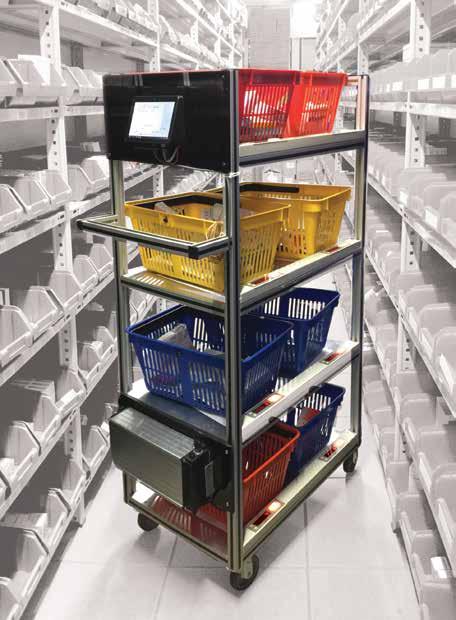
Law 4302/2014 under title “Regulation of Logistics issues and other provisions” constitutes the first attempt of the Greek Legislator towards the harmonization and alignment of the Greek Laws with the trends in international markets of goods and the Logistics Sector. The said Law is not yet practically “active”, but is expected soon to come in force after the issuance of a relevant Presidential Decree and shall constitute the most serious piece of law concerning logistics. Therefore, it is important to highlight the scope and objectives of the said law.
In line with the official explanatory report, the vision and objectives of Law 4302/2014 regarding Greek Logistics is twofold and concerns: Strengthening and modernization of the Freight and Logistics System
in Greece with intent to develop the Logistics Sector and to help support the development of other sectors of national economy.
The objectives of the Law include:
-The limits and boundaries of Logistics business and the relevant operation - company framework;
-The protection of the environment and the promotion of green logistics;
-The improvement of institutional framework concerning the establishment and operation of businesses within the Logistics sector;
-The attraction of freight cargoes – transport loads and the creation of added value services;
-The definition and development of National Range Business Parks;
-The development of administrative structures for the continuous monitoring of Logistics sector and the creation and development of a national strategy.
The said Law consists of an attempt to remove the rigidities and therefore the insecurity of those investing in Greece, insecurity resulted from ambiguities and gaps in the legal framework such as the licensing process. Essentially this policy aims to reduce the supply cost of the businesses, while reducing the cost of consumer goods. Furthermore, the aforementioned Law intends to make Greece attractive as a Logistics hub, in order to attract the passing loads and cargoes from its ports, but also the cargoes transported by road and rail infrastructure in the markets of the Balkans and Central Europe.
Highlights of Law 4302/2014
The first part and articles of the Law define “Logistics” and “Logistics Operations”. Until recently there was no legislation at all concerning the definition of terms “Logistics” and “Logistics Operations” and thus there was confusion and ambiguity. The said Law provides for the first time the definition of Logistics service providers (3PL) and also defines undertakings of active logistics, warehousing, storage & distribution centers, the installation of a storage & distribution center and the methods of its operation and expansion. The licensing will now be performed by the Regions Directorate for Development after
the classification to environmental category of the Logistics installation. As regards a startup business for a Warehouse and Distribution Center classified in A class, a solemn declaration is only required stating that the Center fulfills the legal conditions and criteria. Moreover, as regards a Warehouse and Distribution Center classified in B class, the obligation for an operation license does not exist anymore. Further specialization is made for Centers that fall into subcategory A2, where the installation license is given by submission of the necessary documents and the operation license is given with the submission of a solemn declaration and a Letter of Guarantee. For subcategory A1 the installation license is given exactly as described above in subcategory A2 and operation license is given with the submission of an application accompanied with the required supporting documents. It is also significant that Law 4302/2014 makes no separation between industrial and commercial warehouses in terms of operational licensing process, while terms for building warehouse areas – centers are equated with the terms which apply for industrial buildings. The said Law also provides for the connection of warehouses to road traffic networks and ensures that the engagement in one or more logistics activities will be allowed freely. Nevertheless, Law 4302/2014 defines that the context regarding urban transportation and distribution of goods shall be regulated after the entry in force of a relevant Presidential Decree. The expected P.D. shall define the temporary storage and truck parking within Municipal areas, the method of discharge and delivery of group of cargoes and goods to the businesses and shops located at urban areas and shall regulate the access within and through the city areas. Law 4302/2014 consists of the first piece of Greek legislation that makes a reference in the Green Logistics, through the development of a carbon footprint recording system (database) for business Logistics. This database will be kept in the Ministry of Infrastructure, Transport and Networks, details of which will be communicated to those concerned. Finally, Law 4302/2014 establishes Logistics Business Parks of National Range, with option of coverage rate up to 70%, with a
building coefficient/factor of 1,6 and maximum height of 25 meters. The Business Parks will constitute a new form of the already existing term of Business Parks, in which companies operating in the logistics sector will have the chance to be installed. Additionally, access to combined transport should be ensured in order the interconnectivity between the transport networks to be established, creating a continuous flow of products and raw material, improving transport times and reducing costs.
Conclusions concerning the benefits of Law 4302/2014 as to Logistics
The benefits of Law 4302/2014 can be defined briefly as follows:
-Free access to the Logistics market and extinction of the unfair competition;
-Determining the notion and context of Logistics;
-Increase of outsourcing services;
-Coverage of legal gap for operation licensing of autonomous warehouse facilities and reduction of business risk through the simplification and standardization of the licensing process;
-Alignment of logistics facilities with market requirements;
-Establishment of business logistics parks nationwide, which will obtain the required access to combined transport under a fast track process in order to attract major investors;
-Obligatory connection of the warehouses to the road network;
-Development of Urban and Green Logistics and establishment of an institutionalized framework for innovative practices concerning sustainability;
-Creation of an administrative framework for the promotion of logistics issues (Council of Logistics Development & Competitiveness and Body for Promotion of Greek Logistics);
-Engagement of one or more logistics activities allowed and simplification of 3PL activities;
- Equation of warehouse building terms with building terms for industrial buildings, serving the needs of the market to build higher buildings;
-Simplification of the licensing framework for warehouse centers, that favors new investments and reduces the administrative burden.
RECHTSRAHMEN FÜR DEN
STRASSENVERKEHR & LOGISTIK IN GRIECHENLAND
Dieser Artikel soll eine kurze, aber umfassende Auskunft über den für den Straßenverkehr und die Logistik in Griechenland geltenden Rechtsrahmen geben und über die Rechtsvorschriften für den Straßenverkehr informieren: insbesondere über Vorschriften betreffend den gewerblichen Straßenverkehr - Unternehmensarten und Transportunternehmen, die den Straßenverkehr ausüben dürfen - Rechtsformen von Verkehrsunternehmen - Lizenzierung von Spediteuren - Lizenzanforderungen für öffentliche Nutzfahrzeuge im Sinne des Griechischen Gesetzes 3887/2010 – Gesetzesbestimmungen zur Logistik im Sinne des griechischen Gesetzes 4302/2014. Griechische Rechtsvorschriften – Vorschriften in Bezug auf den gewerblichen Straßenverkehr
Im Hinblick auf den Transportsektor, sollte erwähnt werden, dass Griechenland die EU-Vorschriften zur Tätigkeit von Güterkraftverkehrsunternehmen verabschiedet hat, mit der Absicht, die bestehenden Beschränkungen der Niederlassungsfreiheit und der Freiheit der Erbringung von Dienstleistungen aufzuheben, während außerdem die Arbeitsbedingungen von Fahrern, die Preise und die Fahrzeugspezifikationen an das einheitliche europäische Niveau angepasst wurden. Das Ziel der Liberalisierung des Transportsektors wird durch den Erlass der Gesetze 3887/2010, 4038/2012 und 4070/2012 erreicht. Die vorgenannten Gesetze zielen auf die richtige Richtung der Liberalisierung des Transportmarktes ab, wobei die Aufnahme der EG-Verordnung 1071/2009 durch den Erlass des Gesetzes Nr. 3887/2007 stattfand, der im Regierungsblatt vom 30.09.2010 veröffentlicht wurde.
Bei den wichtigsten Änderungen und Neuerungen des Gesetzes Nr. 3887/2010 handelt es sich um folgende:
1) Liberalisierung der Anzahl der Lizenzen für den lizenzierten Straßentransport (LRH), 2) Abschaffung der Frachtbegrenzung, 3) Organisation von Transportern durch Gründung von Gesellschaften in Form von Aktiengesellschaften (AG) oder Gesellschaften mit beschränkter Haftung (GmbH), 4) Anpassung des griechischen Güterverkehrssektors an internationale Trends.
Die LRH-Liberalisierung bedeutet praktisch, dass jede Person unter bestimmten Bedingungen eine LRH erhalten kann, und zwar in einem Umfeld von erhöhter Wettbewerbsfähigkeit für fortschrittliche Dienstleistungen zu günstigeren Preisen, gepaart mit der Abschaffung von Frachtgrenzen, der Organisation von Spediteuren in Unternehmenssystemen, der Bewertung der vorhandenen Lizenzen und der Integration von Transport.
WEITERLESEN AUF ENGLISCH

HELLENIC LOGISTICS ASSOCIATION (EEL)
The Hellenic Logistics Association (EEL) is the largest Scientific Non-profit Organization of Greece, where since 1994 is representing the Greek Logistician, aiming to promote that the Logistics and Supply Chain Sector is one of the most important sectors of the Greek Entrepreneurship and the Greek Economy. Additionally, EEL’s efforts is focusing in promoting the transformation of our country to an International Regional Hub for the Balkans Area and the Eastern European Region.
Leading Activities
As circumstances are becoming mature in Greece and through a number of activities, Congresses and alignment Meetings with other Organizations and the Greek Government, the Hellenic Logistics Association (EEL) has achieved to assist in the establishment of a new Law No. 4302/2014 related to Logistics. This law was based on the Supply Chain and Logistics Master Plan for Greece, which was originally drafted by our organization in 2009 and later updated in 2012. With this new law, it was institutionalized the formation of a new Supply Chain and Logistics National Council, of which EEL is a permanent member. Another decisive step was the Pan-Hellenic Survey conducted jointly by the Hellenic Logistics Association (EEL) and the Aegean University in 2014, which revealed that the Supply Chain Sector contributes to the GDP of Greece with an extremely high rate of nearly 11% or 19.8 billion EURO. There are approximately 30,000 Enterprises that are engaged in the Logistics & Supply Chain Sector in Greece, employing approximately 200,000 workers (the above figures do not include workers employed in the industries of Manufacturing, Tourism, IT, etc.).
International Profile
The Hellenic Logistics Association (EEL)
represents the following International Associations; the European Logistics Mediterranean (ELMED) and the Council of Supply Chain Management Professionals (CSCMP - USA), which have been repeatedly hosted in our Congresses, where they presented the international trends in Supply Chain and Logistics, as well as other countries’ Good Practices and Case Studies for the promotion and development of their Logistics Market.
As the most active Logistics Association in Greece, with our Scientific profile and expertise, EEL schedules every year a large number of activities such as Road Shows, Workshops, Seminars and promotes our position and proposals in all the Mass and Social Media in Greece, while at the same time holds a number of working sessions with different stakeholders from the Government, been considered and established as their Consultant and Scientific Partner in the area of Logistics and Supply Chain Management. In this context, EEL seeks to broaden their cooperation and partnership with similar Organizations in other countries that are known for the high levels of expertize in Logistics and Supply Chain Management, so that their knowhow is presented at the annually organized Greek Conferences. With the active support of all relevant Greek Ministries and the major International Chambers of Commerce in Greece, as well as with the participation of a large number of Executives and Entrepreneurs from different business sector companies, EEL makes an impact in Greece with their Annual Conference, been considered as the largest Institutional Logistics and Supply Chain Event in our country.
EEL currently hosts more than 500 members, both Enterprises and Executives from a number of different companies and Organizations of the Greek Public and Private Sectors.
HELLENIC CHAMBERS TRANSPORT ASSOCIATION (H.C.T.A.)
The Hellenic Chambers Transport Association (H.C.T.A.) was founded by the Greek Chambers in 1995 as a non-profit organization, and operates within the framework of the Union of Hellenic Chambers of Commerce and Industry. Its current Board consists of Presidents, VicePresidents, Members of Executive Committees and representatives of Greek Chambers of all the country’s regions.
Currently, the Association has thirty-one members, primarily Chambers of Commerce and Industry from all geographical regions of Greece, along with several innovative haulage and forwarding Associations, shipping agents, transport companies and Port Authorities.
The H.C.T.A. Presidency Chair is Mr. Michael Adamantiadis, a representative of the Piraeus Chamber of Commerce and Industry. The H.C.T.A. Honorary Presidency is held by Mr. Constantine Michalos, President of the Athens Chamber of Commerce and Industry.
Mission
The H.C.T.A. aims at:
1. Exchanging of experience and expertise in the field of transport between the Greek Chambers
2. Assisting to the national efforts in developing and modernizing the Greek transport system
3. Studying specific transport issues at regional, national and international level
4. Cooperating with national authorities and those of the European Union and other transport relat-ed European and other international organizations.
Actions and initiatives
The H.C.T.A. has organized several major national and international Conferences, Seminars, Round Tables and Workshops.
These events have been commissioned, supported and hosted in collaboration with
Greek national authorities, the United Nations Economic Commissions for Europe (UNECE), the European Commission, the Black Sea Economic Cooperation Organization (BSEC), Ministries of neighboring countries, as well as several European and international transport-related organizations.
The H.C.T.A. had an active role in the activities of the Association of European Chambers of Commerce and Industry (EUROCHAMBRES) and is a member of the Network of European Freight Villages (EUROPLATFORMS).
The Association was the main initiator of developing a network of Freight Villages (logistic Centers) in Greece and other initiatives that help modernize the Greek transport sector and support the develop-ment of the Greek regions and islands.
Strategic transport issues
Since its foundation, the Association has expressed the following strategic recommendations:
1. Development of a National Transport Strategy for all modes of transport
2. Greece: a Transport Hub of Southeast Europe
3. Development of a national network of Freight Villages
4. Development and implementation of Intermodal Transport systems
5. Improvement of Island and Coastal Transport
6. Review of the Road Transport system modernization, efficiency and sustainability
7. Update of the institutional framework of Road Freight Transport
8. Review of the Freight Transport system in Greek islands
9. Modernization of Peripheral and Island Ports
10. Addressing Road Safety problems in Greece
11. Addressing the negative impacts of Transport on the environment
12. Training a new generation of scientistsprofessionals in the field of Transport

HELLENIC INSTITUTE OF LOGISTICS MANAGEMENT (ILME)
Hellenic Institute of Logistics
Management is a non-profit organization based in Athens, Greece since 1992, and is a full member of the European Logistics Association (ELA).
ILME’s main target is to upgrade the Logisticians in Greece to a top management level within the corporate structure through education, certification and highlighting the significance of their role towards corporate advancement.
Ongoing and under development ILME activities concern these issues while we continue to grow new ideas based on market needs and requirements, since all ILME board members are active professionals in both academia and industry.
We believe that besides the important geostrategic position of Greece the potential investor will rely on Greek experts which constantly excel and rank among the top of the global supply chain industry professionals.
We are proud that in two consecutive years 2015, 2016, Greek managers have been awarded as “Professional of the year” in the ELA competition.
We have established the “ILF - International Logistics Forum” a meeting point for international speakers and audience, held annually in Greece, every September since 2015.
We participate in all ELA events and especially each April on “European Supply Chain Day” and “Eurolog Conference”.
Specifically for 2019, European Logistics Association entrusted ILME to organize the “Eurolog Conference 2019” in Athens Greece, the annual international congress that promotes dialogue between members and provides a forum where highly reputed speakers from important European industrial,
trading and service companies can portray trends and strategies as well as best practice in the European logistics sector.
Our member companies, professionals and students benefit from ILME:
• Professional networking through thematic events as well as local and international events.
Each autumn, the International Logistics Forum becomes a meeting point of local and international logistics investors, professionals and academia, offering unique networking opportunities.
• The chance to become certified on international level through the European Logistics Association (ELA CertificationILME ECL).
• Training opportunities by experienced logisticians for junior professionals through Coaching - Mentoring.
• The chance to be informed regarding the progress and potential of strong corporations of Greek interest or active in Greece, through the presentations organized by ILME, in cooperation with the “Up Greek Logistics” initiative.
• The presentation of new / innovative projects and ideas in the thematic events held and organized by ILME.
• The chance to promote innovative ideas / projects on a European level through participating in the European Award for Logistics Excellence and in the Hellenic Logistics Awards “Alexander the Great”.
ILME believes that Greece has both the capability and the voltage to make the best use of know-how as well as the power of the most experienced professionals in the market, but also fresh ideas and eagerness of junior professionals, the goal being to enhance logistics within Greece, as well as abroad.
HELLENIC ORGANIZATION OF INTELLIGENT TRANSPORT SYSTEMS (ITS HELLAS) ITS HELLAS
In the continuously developing field of Intelligent Transport Systems (ITS) and at a global level, the involved agencies are organized in National Non Profit Groups, in order to contribute to the development and promotion of new technologies and applications. In correspondence to the international trend, the Hellenic stakeholders within the transport industry, information technology and communications have been organized in a Non-Profit Organization, under the name Hellenic Organization of Intelligent Transport Systems - ITS HELLAS.
The existence of a nationwide organization that supports the dissemination and use of Intelligent Transport Systems in the country, and ensures conditions for increasing the competitiveness of Greek technological solutions and services in the field of intelligent transportation is a necessity.
ITS Hellas is a non-profit organization with members from the public sector (ministries, organizations, etc.), the private sector (companies, industries, services, SMEs etc.) and research organizations (research institutes, universities, etc.) that deals with the development, realization and evaluation of Intelligent Transportation System applications. ITS activities cover all transport fields, (road transport, shipping, rail and air transport), but also a wide range of applications (transport infrastructure, vehicle technologies, communications, telematics technologies, hardware / software development, socialeconomic issues, transportation management and traffic management).
Furthermore, in close cooperation with government agencies and public institutions and services, ITS Hellas supports the Greek government on ITS issues, offers expertise and support to all the Greek public agencies and services related to ITS, and provides a forum to Greek companies of all sizes operating in the sector.
Outlook
Today, transport and supply chain industries are key growth sectors for the economies worldwide and contribute decisively to the GDP of each country. In Greece they constitute, undoubtedly, one of the most important growth sectors, creating new opportunities of particular importance to SMEs and the private and public sector of the economy and, under the appropriate management and support, may be one of the strategic pillars for national growth. It is particularly important to understand that ITS are not merely an alternative for better and safer roads and transport systems in general, but rather a necessity for overall market growth and the exploitation of the country’s competitive advantages (geographical advantage, exploitation of freight flows to third parties). Given the global character of transport it is evident that effective operation and development of the sector requires strengthening the competitiveness of the transport industry, at national and European level, through investments in research, technology and infrastructure; modernization of the legal framework; and development of strong international synergies and cooperation. As already stated, ITS constitute a field with significant growth potential and, therefore, we should focus in creating the right environment to attract investment, with emphasis on cultivating collaborative culture and facilitating partnerships between public and private sectors. Finally, it should be noted that the basic conditions for the wide deployment of ITS internationally are both the development of uniform standards, and the integration and interoperability of the individual systems. Conclusively, considering the international interest in ITS systems, the common problems of transport systems, and the need for interoperability of such systems, we believe that ITS is a field of significantly high potential for future international synergies and cooperation.
Intelligent Transport Systems
ASSOCIATION OF INTERNATIONAL FREIGHT FORWARDERS & LOGISTICS ENTERPRISES OF GREECE
Supply chain infrastructure remaining largely affected by continue crisis, Greek companies are still having limited access to banking system and ability to get supplies. Greece is very dependent on their import supply chain, less than 1/3 of GDP comes from exports, so lack of finance and more importantly lack of confidence in their economy will inevitably shift suppliers to other less worrisome areas if the crisis continues. On the other hand Greece has the potential to be one and maybe most cost efficiency Europe’s gateway, as its geographical location in south eastern side of the continent, classifies it, in a very important hub connecting Asia and Europe . In a country where the Logistics industry contributes around 10% to GDP it is important to follow a national strategy and getting proper utilization of the Greek Logistics advantages.
As concerns Infrastructures, It is more than clear that Greece is moving on the right way, developing and evolving rapidly, the existing ones. In figures Greece has 45 airports about 140 ports for passengers and cargo, an already improved road Network and a railway network which is planned till the end of 2017 to operate a double full electrical line between Piraeus port – Thriasio Pedio freight and logistics hub (under construction) , Thessaloniki and the northern border of Greece. As result it will part of the European Rail Freight Corridor 7, with aim to increase transportation volumes from Piraeus port to all central European countries in reliable, cost efficiency and fast way. Back to the airports with flagship Athens International Airport and the privatization of 14 regional airports, Greece will became a major player in the area. Finally, reference should be made at 16 international ports, with backbone
Piraeus port, in which the investments of recent years already contributed significantly to the development of the logistics sector. Greek logistics have enormous prospects and can be one of the supporting pillars of the Greek economy. By synergies, right moves from the public sector like infrastructures, simplified legal framework and with the main objective being to attract freight flows through the provision of reliable services, Greece can be a key player in the global supply chain.
The Association of Freight Forwarders and Logistics Enterprises of Greece as well as each of its member companies separately strive to increase the competitiveness of Greece through suggesting measures that improve the application of sales & operations planning and new innovative processes such as Green Logistics and Corporate Social Sustainability. Logistics are defined as “The part of the supply chain process that plans, implements and controls the efficient, effective flow and storage of goods, services and related information from the point of origin to the point of consumption in order to meet consumers’ requirements”1 hence the role of freight forwarders is major in the supply chain in order to provide reliable and efficient services as part of the global trade facilitation and development.
In conclusion, there is a high dependency between national logistics performance and a country’s competitiveness. According to a research by World Bank, logistics infrastructure and customs are crucial in establishing a highly competitive country, but the logistics adequacy and high quality services consist the backbone that maintains the long-term competitive advantage2. In these terms, Greece is developing in a promising market, which should be further exploited, enhanced and invested.
THE HELLENIC FEDERATION OF ROAD TRANSPORTS (OFAE)
The Hellenic Federation of Road Transports (OFAE) is a second-level professional organization, which represents road goods & passenger transport operators. Since its establishment in 1936, it has been by the side of the Greek road transport operators, safeguarding their professional interests and providing them with information, training, guidance and legal aid, among other things. OFAE has developed a large variety of activities in all sectors involved in and affecting road transport.
As the official representative of all Greek Road Goods & Passenger Transport Operators in international and national organisations, it promotes and supports their positions in all sectors. It participates in national and international initiatives to study problems and plans in order to facilitate national and international transport, and it represents the industry in national or international negotiations to support and promote professional and technical proposals aimed at promoting national and international combined or single transport.
The Hellenic Federation of Road Transports (OFAE)
OFAE is the voice of road passenger and freight transport operators throughout Greece and, as such, it works to facilitate road transport and to represent the rights of Greek hauliers in Greece and abroad.
Road transports are a vital industry for the Greek economy and represent a significant
part of the GDP and jobs in Greece. In Greece, 98% of national freight services are provided by road. The transport of goods by road in Greece is particularly important, since it dominates Greek freight services, and it is a crucial factor in achieving the objective set by Greece to become a logistics hub for the Balkans, Northern Europe, Asia, and the Middle East.
OFAE is involved in the following main activities:
• Active Member of the International Road Transport Union (IRU).
• National Guaranteeing Association for the TIR system, the easiest, safest and most reliable way to move goods across international borders, saving time and money for transport operators and customs authorities.
• Safeguarding and promoting the mutual financial, social and professional interests of road passenger or freight transport operators, while serving the interests of the public.
• Studying and resolving any problem directly or indirectly linked to road passenger or freight transports.
• Contributing to the shaping, supplementation, modification, simplification, unification and improvement of legislation, regulations and practices that pertain to land freight transport, customs procedures, road safety etc.
• Providing education and vocational training to eligible road passenger or freight transport operators by establishing and operating Transport Operator Vocational Training Centre.

5-Dr. Gerd Dϋckelmann-Dublany Head of ADVANTAGE AUSTRIA Athens
Der osterreichische Wirtschaftsdelegierte in Athen
GREECE AS A LOGISTICS HUB THE NEW SILK ROAD LEADS VIA PIRAEUS TO… AUSTRIA
The contribution of “Greek Logistics” to the country’s GDP is estimated to be 10-12%. Despite the economic crisis having cost the sector one third of the total transportation value, we observe strong stabilization tendencies since 2014/15. The main market segments include Road and Sea Transports. Greece has mainly invested in its motorways in the past years and has thus set the high standard for the Balkan region in this respect. In regards to shipping, Greece is an undisputed global leader. Rail and Air Transports are less developed market segments but with huge potential, especially if combined with the more mature Road and Sea Transports. The outsourcing of logistics is still considerably below the European average, which however also implies growth potential for 3PL services in Greece.
“Greek Logistics” are not only important for Greece. As an integral part of the ‘One Belt, One Road’ project, the port of Piraeus is about to position itself as a major logistics hub for the entire region. Primarily thanks to its geographic position – being the first European harbor after passing through the Suez Canal – it is no coincidence that it was chosen by the Chinese giant COSCO as the “Gateway to Europe”. The Chinese have spent tremendous amounts on the modernization of the facilities and processes of the port. Resulting in Piraeus to catapult to one of the top ports in Europe. Piraeus offers some very competitive advantages for importers and exporters from/to China and the Far East region in particular. Transit times for my home country Austria for example are substantially
shorter via Piraeus - on average by seven days compared with Hamburg or Rotterdam. As a free zone, Type One, Piraeus also offers significant tax and customs privileges.
A Greek-Austrian joint venture, which recently became the first private provider of rail-cargo transports in Greece, has already profited from these recent developments in Piraeus. And I am confident that there will soon be others to follow.
Despite a still rather bureaucratic legal framework – shipping exempted – we see things moving forward slowly but steadily. Law Nr. 4302/2014, enabling companies to offer both warehousing and transportation services, is an excellent example in this regard. The privatization/liberalization wave that has finally reached this country should bring large investments in transport infrastructure. With this support, change and ultimately a notable upgrade in Greece’s position in the South East European region is a strong possibility. In relation to the most promising areas for cooperation, I would include 3PL, combined transports, transit and value added services.
ADVANTAGE AUSTRIA ADVANTAGE
AUSTRIA mit einem weltweiten Netzwerk von rund 110 AußenwirtschaftsCentern in über 70 Ländern bietet österreichischen Unternehmen und deren internationalen Geschäftspartnern ein umfangreiches Serviceangebot. Entdecken auch Sie die Vorteile Österreichs als Businesspartner auf www.advantageaustria.org
Our organization was founded in 1946. ADVANTAGE AUSTRIA, part of the Austrian Federal Economic Chamber (WKO) is Austria’s foreign trade promotion agency. Crosscultural management is what we do every day. With a network of 110 offices in more than 70 countries we’re on hand to help you and your Austrian business partners access new markets all over the world. 27.000 Austrian and 200.000 international customers benefit from our services every year.
BULGARIA - GREECE PROSPECTS FOR THE DEVELOPMENT OF BILATERAL ECONOMIC RELATIONS
It is a great honour for me to appear in the pages of this Special Edition, from where I am given the opportunity to present the current situation and the development prospects of the bilateral trade-economic relations between Greece and Bulgaria.
Between Greece and Bulgaria there is a longlasting friendship and cooperation, common traditions and customs, things that have been proven and have survived the challenges of various eras.
For the last 10 years, Bulgaria is a full member of the European Union. This fact confirms the positive evaluation for the development of country in an international context and creates many perspectives and preconditions for the expansion of bilateral relations, as well as the formulation of new initiatives and forms of cooperation.
Over the last years, the country attracted a significant amount of direct foreign investment. Bulgaria has always given great importance to commercial-economic relations with Greece. The geographic and historical closeness of the two countries was and will remain the appropriate growth condition for the development of a constructive dialogue between our countries.
In 2016, the Bulgarian-Greek commercialeconomic relations followed the already existing positive direction following the momentum of the past decade.
Today, Greece is on the fifth place of Bulgaria’s commercial transactions with other countries, covering 7.6% of its total commercial balance, and on the second place in trading with the other Balkan countries.
For the 9 months of 2016 the bilateral trade transactions, based on data of the Bulgarian Statistical Institute were 2.093 billion euros, of which: exports – 1194.6 million euros, corresponding imports – 899.2 million euros. In comparison, in 2015 the total trade transactions amounted to 2.778 billion euros.
For the period in review the bilateral trade transactions rose more than 3%. Here it is necessary to take into account the severe impact of the international economic and financial crisis over the last years, which affected negatively the trade relationships, but we believe that the implications will soon be addressed and trade will return to optimal volumes.
In the investment sector for the period 19962015, Greek investments exceed 3.58 billion euros, which cover approximately 8.2 % of the total volume of the direct foreign investment in our country for this period. Greece holds the third place in investment volume that have been made in Bulgaria among 182 countries in the world. For the 9 months of 2016 the investments made by Greek companies and entrepreneurs amount to 88.7 million euros. In the field of tourism over the last decade, Bulgaria and Greece staged an excellent joint action. Between the agencies of tourism of the two countries there is a well-established traditional cooperation, having naturally significant prospects for further development and collaboration.
For the period between January and September of 2016, Bulgaria was visited by approximately 807 thousand Greek tourists, while the number of citizens of Bulgaria who visited Greece respectively was 948 thousand. Greece ranks first in the list of destinations for Bulgarian citizens and is the leading choice for a pleasant vacation and relaxation. Honestly, we hope that this trend will be sustained in the current year as well.
Concluding, I would like to point out that in the new economic conditions there are series of preconditions for the more active development of bilateral treaties and I am convinced that the activity of large, medium-sized and small enterprises of both countries will help deepen the trade cooperation and the trans-enterprise cooperative.

Georgi Arnautski, PhD Trade and Economic Relations Office
33A Stratigou Kalari Str. 154 52, Paleo Psychico, Athens, Greece
T. +30 2106748106-8
F. +302106773331 E. g.arnautski@mi.government.bg
EMBASSY OF THE REPUBLIC OF CYPRUS
CYPRUS EMBASSY TRADE CENTRE
2A, XENOFONTOS STR. GR – 105 57 ATHENS
T. +302103734822, +302103734800
F. +302103646420
E. ctcath1@otenet.gr
W. www.cyprustradecenter.gr
CYPRUS - GREECE MEDITERANNEAN LOGISTICS HUB
Cyprus’ strategic location has been a major factor in shaping its history throughout centuries and has established it as an attractive hub for inter-regional maritime traffic. A natural transhipment centre for Europe-Far East trade, and located along the coasts of the Levant, North Adriatic and Black Sea, Cyprus is easily accessed with minimum diversion from the main arterial routes. The ports and airports of Cyprus provide international business with efficient sea and air logistics solutions, setting the island to see competitive boost in the years to come.
Multipurpose Ports
The importance of the East Mediterranean in world shipping continues to increase as a result of enhanced trade, regional port expansions and the discovery of significant hydrocarbons deposits in its waters. The widening and deepening of the Suez Canal could also significantly increase traffic in the region and bring more transhipment companies to Cyprus. Over the years, Cyprus has transformed from being a small traditional break bulk handler exclusively serving domestic imports and exports, to a fully-fledged container and cruise port hub for international trade, shipping and passenger services. Both Limassol and Larnaca ports handle passenger and freight cargo. Limassol Port – privatised in 2016 –handles around 2,000 vessels per year and has an annual capacity of 600,000 twentyfoot equivalent units (TEUs). In addition to being one of the major container transhipment centres in the Eastern Mediterranean, Limassol is also a significant cruise liner hub for mini-excursions in the region and has become a key stopover
point for international liners that include Cyprus in their regular schedules. Larnaca Port, with an annual capacity of 250,000 TEUs, has undergone significant improvements in recent years. Plans have also been drawn up to expand the port to accommodate large cruise liners, establishing Larnaca as the island’s main gateway for passenger traffic.
Global Air Links
Air connectivity is crucial for the island’s economy, particularly because it relies heavily on international trade, global business and tourism. The two airports are currently served by 70 airlines, operating to more than 110 destinations in 40 countries. Opportunities from both tourism expansion and geopolitical developments in the area are expected to increase the operations of carriers and attract new ones to enter the market.
An Emerging Hub
Cyprus has a promising future as an international transport and logistics hub due to significant investment in infrastructure, privatisations and a range of qualified service providers meeting the needs of international trade. The country’s pro-business government is committed in its quest to enhance Cyprus’ role as an international shipping centre and further develop naval freight transhipment services. Already one of the most important stopping points for goods travelling between East and West, and with easy access to Egypt’s Suez Canal – the fastest crossing between the Atlantic and Indian Oceans – Cyprus is well placed to act as a central distribution point for markets in Europe, the Middle East, and North Africa.
RUSSIA - GREECE A VERY WELL ORGANIZED BILATERAL BUSINESS MODEL
• science and innovation in transport
The chamber of the GreekRussian Relationships has more than 300 company members from various industries that are exporting their products to countries outside Greece and mainly to Russia. Transport and logistics management is crucial for their operations and can give a competitive advantage to those that evolve this department. Due to the fact that the Russian Federation shows a great importance on the organization and development of the Eurasian Union I would like to highlight how crucial are transport and logistics for the Eurasian Union and the advantages these countries will gain by developing the Transport and logistics department inside the Union.
The Eurasian Economic Union (EAEU) is an international organization for regional economic integration. It has international legal personality and is established by the Treaty on the Eurasian Economic Union.The EAEU provides for free movement of goods, services, capital and labor, pursues coordinated, harmonized and single policy in the sectors determined by the Treaty and international agreements within the Union.
The Member-States of the Eurasian Economic Union are the Republic of Armenia, the Republic of Belarus, the Republic of Kazakhstan, the Kyrgyz Republic and the Russian Federation.
The main objectives of the Eurasian Union are a Common Transport Area and a Common Market of Transportation Services
These will be implemented through
• free movement of goods, passengers and vehicles as well as compatibility of transport systems of the Member States
• equal opportunities for providers of transportation services
• integration of transport systems of the Member States into the global transport system
• improvement of transportation services quality
• transport safety • mitigation of environmental and health impact of transport
• effective management of workforce in the Member States • maximization of transport potential of the Member States
Till now there have been achievements on the fields of:
• permit-based system of international carriage of goods by road between the Member States has been removed • transport (road transport) control has been relocated to the external border of the Union • exchange of information between transport control authorities has been established • tariffs (export, import and domestic) for the carriage of goods by railway have been unified • transit tariff terms and conditions have been determined
• infrastructure access rules in adjacent areas of the neighboring Member States have been determined • road freight cabotage rules have been introduced
These achievements leads to:
• increased cargo turnover and volume of carriage of goods • reduced transportation costs
• optimized carriage of goods • fair transport tariffs • enhanced transit potential • reduced empty running the ways to be more effective
• harmonization of legislation of the Member States • application of equal (nondiscriminatory) transport tariffs • equal (nondiscriminatory) access of companies of the Member States to transport infrastructure
• development of intelligent transport systems
• development of carriage of passengers
• promotion of Eurasian transport corridors and transport infrastructure • enhancement of transit and multimodal carriage of goods and passengers • free transit through the territories of the Member States• simplification of procedures at border checkpoints
This is a very well organized model that gradually is developing and shows how important is a well structured transport & logistics department for countries and businesses.

Theofilos Lakis Ioannidis President of Commerce & Industry Chamber for Greek-Russian Relationships
COMMERCIAL & INDUSTRIAL CHAMBER OF GREEK-RUSSIAN RELATIONS
3, Tsimiski Str. Thessaloniki 54625 - Greece
Τ. +30 2310595090 F. +30 2310595090 E. info@greekrus.org W. http://www.greekrus.org

EMBASSY OF THE REPUBLIC OF SLOVENIA IN ATHENS
Kifissias Avenue 280 & Dimokratias 1
154 51 Neo Psychico, Athens
T. +30 210 67200 90/91
F. +30 210 6775680
W. www.atene.veleposlanistvo.si/
SLOVENIA AND GREECE BILATERAL ECONOMIC COOPERATION

This year Slovenia and Greece are marking 25th anniversary of establishment of diplomatic relations. During this period the two countries have developed good bilateral, multilateral and regional cooperation, sharing similar views and forming alliances on a number of European and global issues. The ties between the two countries nevertheless date back to even earlier years. The family of the first governor of Greece Mr Yannis Kapodistrias, originated from Slovenian town Koper (Capodistria in Italian), and a number of Slovenian nationals joined the Greek liberation movements during the World War II. Last year Slovenia celebrated its 25th anniversary of independence. During this period stability and continuity have been the country’s trademarks. From Tolar to Euro currency (Slovenia was the first country, among the group of countries that entered EU in 2004, that in 2007 adopted euro in 2007), from a non-aligned bloc to full European Union membership, and from a socialist, managed economy to a fully-fledged capitalist economy. Slovenia enjoys economic, social and political stability has excellent infrastructure, a welleducated labour force and a strategic location between the Balkans and Western Europe. Economic relations between Greece and Slovenia in the last years suffered from the economic crisis in Greece, during which Slovenia has shown its full solidarity with Greece in all three financial programmes for Greece. Despite the crisis and after first signs of gradual recovery of Greek economy there are also signs of improvements in bilateral economic relations. In 2015 the total trade amounted to 228 million EUR and in first eleven months in 2016 to 184 million EUR (imports from Greece amounted to 90 million EUR and exports to 94 million EUR). The bilateral trade is still not at the levels before the crises, but there are evident signs of gradual improvements and in 2015 bilateral trade reached its peak ever
since 2010. In comparison with the bilateral trade in 2014, trade in 2015 grew almost 30%. Among Slovenia's main export products to Greece are pharmaceutical products, electrical machinery and equipment, mineral fuels and oil and dairy products. Slovenia imports mineral fuels and oils, chemical products, fruits and nuts and aluminium from Greece.
The areas with strong potential for strengthening the economic cooperation are energy, environmental technologies, information technology and tourism. Slovenia provides numerous possibilities for active holidays in an unspoilt nature, relaxation in spas and wellness centres and on the other hand Greece is an established and popular destination among Slovenian tourists, so there are many possibilities of enhancing the cooperation in this sector of high importance for both countries.
Slovene business is very export oriented which reflects also on its transport and logistics sector. The Port of Koper, Slovenia’s deepwater cargo port, provides the shortest link for transporters from Central Europe to the Mediterranean, and through the Suez Canal to the Middle and the Far East. In addition the completion of the extended motorway network is scheduled for 2020 when the 3rd development axis running from Austria down to Croatia will be completed. Airport of Ljubljana is under further development after its recent privatization, and for the railway service the freight traffic is well developed, and the rail links between the Adriatic Sea and the landlocked Central European countries offer plenty of opportunities.
There are lot of opportunities for cooperation and exploitation of the potential of new transport channels establishing closer logistical connections between both economies. In a nutshell, the bilateral economic relations between Greece and Slovenia are definitely ready to expand and deepen to the benefit of both countries.
GREECE AND TURKEY COMMERCE ALLIES
The Greek-Turkish Chamber of Commerce (GTCC) is recognized and operates in accordance to the Presidential Decree No 288/5/9/2001
It operates as an independent entity, non-profit, under private law status. The purpose of the Chamber is the promotion and development of commercial, economic, business and cultural relations between Greece and Turkey by developing activities related to the above items.
GTCC has already developed excellent relations with Authorities, Ministries, Organizations, Institutes and Chambers in both countries so as to become a credible mechanism to promote bilateral trade and investment by offering to its members and to third-parties trustworthy services.
In 2000, the balance of trade between the two countries barely reached 120 million euros, and the investments were practically nonexistent in Greece and Turkey. The approach and the two Foreign Ministers of that period who agreed to promote the economy between the two countries on issues where the two countries had no differences, gave a very strong growth in the business sector.
In 2015 the total trade between the two countries reached 5 billion euros, where 3.1 billion euros concern Greek product exports towards Turkey and 1.9 billion euros concern imports of Turkish products. Turkey is the first destination of Greek products.
Characteristic of total trade is the fact that 20 imported product categories are identical with the exported product categories. Although our products are competitive rather than complementary, we still have this great development.
The main imported and exported products are:
• mineral oils (engine oil, fuel, etc) • commercial vehicles and spare parts
• industrial products (plastics, artifacts, etc) • agricultural products (cotton, fertilizers, vegetables, etc) • gems-jewellery • live stock, etc
With regard to investments of Greek companies in Turkey, in 2016 they reached 6.4 billion euros from 500 Turkish companies of Greek interests, investing in all three sectors of the economy.
Turkish investments in Greece reached 350 million euros from 10 companies of Turkish interests. Turkish investors focus their investments mainly in tourism by investing in Greek marinas in Attica, in Greek hotels as well as in the banking sector.
The growing interest in regional Logistics gives the opportunity to Greek and Turkish companies to attend the 6th International Fair of Supply Chain & Logistics to be held on 4-5-6-November in Athens at the Metropolitan Expo Center.
During the Fair, domestic and international Logistics companies will exhibit their products and/or services for transportation, industry, retailers, forwarders , airport operations, distribution, car and machinery leasing, etc.
From the food industry, Greek enterprises can promote products excluded from paying duties such as frozen foods, biological, healthy nutrition, grains, vegetables, nuts, etc. The same product categories may be channelled from Turkey in the Greek market.

Panagiotis Koutsikos
27th Kosta Varnali str.
Nea Erithrea
Athens
Postcode 14671
E. info@etee.gr
W. www.etee.gr
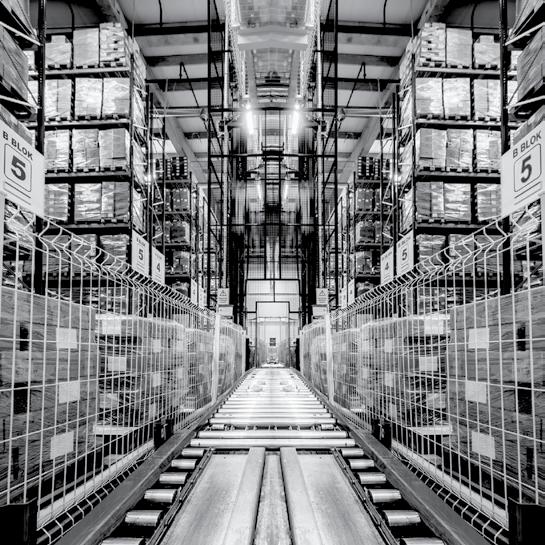


General Manager and Member of the Managing Board
GERMAN-HELLENIC CHAMBER COOPERATION POSSIBILITIES BETWEEN GERMAN AND GREEK ENTERPRISES ON A SUPPLY CHAIN LEVEL
Greece's geographical position and the advancement of major investment plans in the transport sector create significant potential in the area of logistics. Based on estimates, it appears that this sector together with tourism, new technologies, pharmaceuticals and the primary sector represent the key axes along which Greece's new production model should evolve.
In particular, the proximity of the country's points of entry to the sizeable German market and to Central Europe in general, creates fertile ground for important synergies between Greek and German enterprises. The arrival of Cosco, which has established Greece as the European gateway to the new Silk Road, and the development of 14 regional airports by Fraport are opening the way to stimulating the sector with new investments.

It is indicative that a number of German businesses are being swept up by the momentum and are boosting their presence in Greece. Recently, in fact, DB Schenker, a subsidiary of Deutsche Bahn railways, opened a new 6,000 square metre warehouse facility in Aspropyrgos.
Moreover, the German DHL, a Deutsche Post subsidiary, opened its new facility at Athens International Airport to support its courier services.
At the same time, there is evident activity in regard to the Thriasio freight centre, where TRAINOSE owns the right of use of the sizeable warehouse facilities there. Similarly, new infrastructure is being planned for the Piraeus Port Authority (OLP), while private companies in the logistics sector are also preparing to invest where opportunities arise in the transport sector.
In addition, within the next few months, Fraport's taking over of the management of the 14 regional airports, particularly those of Thessaloniki and Kavala which are connected
to Greece's major port facilities, will create new opportunities for both German and Greek enterprises that wish to take advantage of combined modes of transport.
According to studies by the Greek National Bank and the Foundation for Economic and Industrial Research (IOBE), it is clear that the logistics sector could go a long way to rebooting efforts to reverse the course of the Greek economy. It is estimated that it could contribute 0.8% of the GDP annually and a total of €20.7 billion over the period 2016-2025. A study undertaken by the Hellenic Society of Logistics and another by the University of the Aegean found that Greece is in 44th place in the global logistics market, but that it also has a significant margin for further improvement. In fact, it is estimated that logistics contributes up to 10.8% of the Greek GDP (2014 data).
Thus, the country could well take its share of the growing interconnectedness of international economies creating new conditions in global trade by taking advantage of its position on the world map. However, immediate action and initiatives are needed so that both businesses and the State can chart an integrated strategy. Such issues as taxation of road transport, designing urban hubs contiguous to the railway network, developing partnerships, raising awareness of such issues among local authorities and further improving customs procedures and operations are all challenges that require a response so that the sector can get on an investment track.
The role of the German-Hellenic Chamber of Industry and Commerce in this undertaking should be considered a given. As proof, Greece will be showcased for the first time with a "national participation" at the largest trade far in the logistics sector worldwide in May 2017. The 16th Transport Logistic 2017 supply chain trade fair, staged by Messe Munchen, will be held 9-12 May at the city's fairground.
Dr.Eng. Athanassios Kelemis
The German-Hellenic Chamber of Industry and Commerce, as the official representative of Messe Munchen in Greece and Cyprus, decided to not just open the trade fair door to Greek companies, but to set up a Greek stand for the first time in the show's 16-year history to highlight 14 major Greek logistics companies. In fact, this will be a first-class opportunity for Greek companies to gain access to international markets, and even forge significant agreements. To that end, the Chamber will host a special afternoon networking event for a large number of guests on May 11, as part of the trade fair, while at the same time promoting Greek products and cultural highlights. Enhancing the extroversion of Greek businesses is one of the essential prerequisites for placing
Greece on the international map of logistics and supply chain services, as well as for creating new opportunities for joint business activities between the two countries.
Improvements in infrastructure, facilitating the entrepreneurial development of the sector, dynamically expanding synergies with international players, improving the macroeconomic environment, the availability of funding, the overall stimulation of the competitiveness of businesses in the sector and the upgrading of programmes at the Greek universities and technical colleges that train young people in logistics can all help the supply chain flourish, since it is emerging as a true opportunity for those who are quick to appreciate its importance.
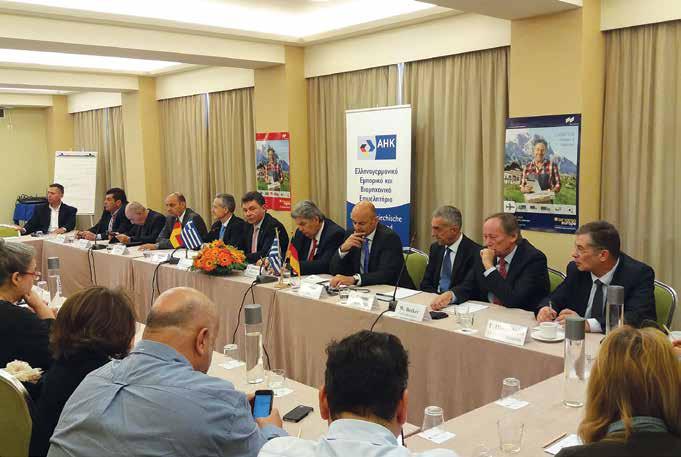
The Greek Pavilion
Visit us at HALL A4 | Stand 223/326
AIA Cargo Community
We communicate, integrate, facilitate!
Athens International Airport S.A. (AIA) and its cargo partners invite airlines, forwarders and other customers to further develop their business through Athens by taking advantage of its strategic location, functional environment, multimodal services and one-stop-shop potential provided on 24-hr basis.

Our unique communication platform, the Airport Cargo Community Committee, formed in 2003, brings together all stakeholders on- and off-airport integrating actions aiming at market sustainability and traffic expansion. This joint approach has led over the years to the cultivation of strong ties and the development of numerous synergies among all cargo community members. AIA’s recent joint initiative includes the launch of IATA’s Center of Excellence for Independent Validators (CEIV) certification process in February 2017. Further development plans focus on the attraction of transit traffic and the promotion of Greek exports through an integrated supply chain and the commitment to partnerships.
CARGO GROUP; Your getaway to Europe
CARGO GROUP represents the first of private interests Transshipment Hub in Greece.
Focused on the Chinese development strategy “One Belt, One Road”, Cargo Group Transshipment Hub is located in the proper position to provide optimal routes for multimodal transportation for imported containers from Far East and final destination EMEA region (Europe, Middle East, Africa).
CARGO GROUP strategic position, as well as customs facilities, offers nothing but advantages:
• Certified by Authorized Economic Operator (AEO) with AEOF certification
• Customs Warehouse totaling 59.000 m2 located in Aspropyrgos
• Optimum Geographical Location; provides direct access from Far East to wider European & Mediterranean market
• Last Mile Problem Solving; door to door delivery and integrated cargo services under one umbrella
• Extensive Distribution Network all over EMEA region
• Bonded Warehouse Facilities; no customs procedures needed nor tax & duties required
• Competitive Costs - Optimization of different Customs Regimes Applications - Cost Effectiveness
• Top Level of Technical Expertise - Promptness – Efficacy – Reliability
“Our competitive edge in CARGO GROUP lies in our keen awareness of the Logistics, Customs Regimes, Multimodal Transportation and Transshipment Procedures; Therefore we ensure the high quality of our services, the effectiveness and the immediate response το our customers’ needs”.
ECONOMOU TRANSPORT LTD
ECONOMOU TRANSPORT LTD offers flexible, complete, reliable and high quality services in the area of International Transports and Logistics, combining many years of knowledge and experience, proper organization and its state of the art equipment. The company provides complete or part load services of Forwarding, Transportation, Warehousing and Distribution of goods. ECONOMOU TRANSPORT is certified with ISO 9001 in the field of Logistics and Transport, and with GDP affirmation. The company has been active in the area of International Transports since 1990, and has invested throughout the last 15 years in the area of Logistics with owned warehouse facilities.
ΙΙ. Services
Forwarding • International road transports (ambient/chilled/frozen) • Air • Sea • European Distribution Network
Warehousing • Stock management with state of the art IT software • Reverse Logistics • Bonded warehouse facilities
Distribution • Wide distribution network all over Greece • Cross Docking Repackaging • Shrinking • Labelling • Airtight packaging etc
ΙΙΙ. Facilities: Owned warehouse facilities, 10,000 pallet spaces in Thiva (322 00 post code),
6,000 pallet spaces in Mandra (196 00 postcode)
ΙV. Fleet Curtain sider trailers • Bi- temperature fridge trailers • Meat –Hung fridge trailers • 7,5 tonner distribution vehicles • Vans
V. Mission & Vision Strategic cooperations • Long Term Partnerships • Reliable yet Affordable • Logistics solutions with potential
ELIKON Transport and Logistics

Our company was founded in October 1996.Although, its essential operation was launched in January 1997, aiming to provide cargo services from and to abroad, and more generally the optimum transportation of goods and means of transport. Especially, during the last years, we provide total solutions in logistics and in the whole Supply Chain levels, such as Contract Logistics. Our offices are located in Levadia, in the Central Greece, and we provide our services throughout Greece and rest of Southeast Europe. Nowadays, Elikon Transport - Logistics has been evolved to a modern Freight Logistics operator and business platform. Since 2002, we expanded our activities and our network to the most parts of European Union, providing export-import services and running on logistics contracts. Specifically, our company has a European network of dedicated partners and provides solutions for international & national-level logistics.
Vision The company’s fundamental pursuit and aim is to provide services in a philosophy of one stop shop in supply chain. In this way, we carry and distribute our customers’ goods, with the optimal combination of cost-time-reliability, delivering what we promised in the certain time and conditions agreed.
Services • Transport-Dry Cargo Operations • Refrigerated Transport • Distribution- Logistics • Contract Logistics • Freight Management-Pan European Traffic • Support and Value Added Services to clients and carriers • Container Services Solutions
FDL Group

FDL Group as a logistic provider and international freight forwarder, constitutes one of the leading and most reliable 3pl company in Greece, providing consistently reliable and personalized logistics services. FDL Group offers comprehensive, high quality services in sea, road, air freight as well as special types of transport and providing all the ranges of warehouse. FDL Group’s reputation is driven by its stable and dynamic presence in the Greek and global market, with dependable correspondents worldwide and experienced personnel. Providing personalized services, FDL Group can handle shipments regardless of size, point of origin or destination. Through comprehensive logistics services division, offers a wide range of services:
• Shipment Booking • Bill of Lading Preparation • Preparation, Consolidation & Forwarding of Export Documents
• Shipment Monitoring & Project Management
Through specialized processes and customer-centric approach methods, expanded quickly and the number of its clients rose sharply. As the high quality of its service consolidated, FDL Group is recognized as the preferred partner for 3PL services & international freight forwarding in Greece.
GOLDAIR CARGO

Goldair cargo operates in the field of international freight forwarding and logistics, offering high-level added value services, thanks to an extensive network of associates who ensure speedy and frequent dispatches, as well as reliable response to our customer needs. The departments of road, air and sea freight cover every type of delivery, thus making the company a strong player in the sector.
The company also maintains more than 75.000 sq.m of privately owned covered warehouses, offering full range logistics services, handling over 35.000.000 pickings annually
One of the strongest advantages of Goldair cargo, which has been typical of its services, throughout the years, is the steady and high quality level of customer services and transit time, even during stressful times.
HARLAS International Forwarders

For over forty seven years, the name of “HARLAS” has been synonymous to reliability, flexibility and effectiveness regarding the solutions offered to meet the transportation needs of our clients providing Air, Sea and Truck freight services worldwide. Truck Freight Groupage services from/to all European Union Countries plus Switzerland, Russia, Serbia, Iceland, Ukraine, Turkey, Albania, Bosnia, Montenegro, Monaco, Kazakhstan, Belarus, Moldova, Azerbaijan, Armenia, Georgia, Estonia.
Sea Freight services (LCL, FCL, Break Bulk, και Hazardous Goods) with direct lines to U.S.A., Canada, China, Japan, Australia, India, Africa, South America, U.A.E. and also to all European ports (England, Spain, Holland, Russia, Turkey).
We dispose a Special Department for Ships Spares Parts transportation (on board delivery), Live Animals transportation, Household Transportation, Music bands Touring, Fine Arts, Fairs & Exhibitions (direct to the client booth) with absolute consistency and safety.
We offer Logistics Services in our warehouse of 7000 m2 (3PL, providing specialized storage solutions for dry and special loads).
Last but not least, we provide Inland Transportation, Cargo Insurance and Customs Clearance services.
Interdromon Logistics Ltd
As member of Interdromon Group΄ Interdromon Logistics Ltd fully covers the needs of the modern Supply chain by providing various services. With an expertise of over 30 years Interdromon Group has become an integral part of the Greek Logistics market. Our portfolio consists of some of the biggest Greek companies as well as foreign companies who have chosen the port of Piraeus as the entrance of their non-European products to Europe. Through our two main hubs Interdromon Logistics Ltd offers vertical services and fulfills annually thousands deliveries to both European and non European countries. What makes Interdromon Logistics Ltd unique is the constant investment in developing software and applications which meet all the needs of the most demanding clients. Herewith a list of some of our services:
• Custom Brokering • Inland Transportation • Cargo handing services
• Logistics Service: 1) Bonded Logistics 2) Logistics under 42 Custom regime 3) E-commerce Logistics services with global deliveries 4) Repackaging
• Forwarding to all European & Middle East countries
INTERTRANS
Intertrans is a transportation company with 35 years of continuous presence in the road transportation sector. From its establishment till today it has remained faithful to its tradition of ongoing creation and recreation.

From its two branches in Athens and Thessaloniki as well as in collaboration with its network of associates in Europe, Intertrans provides reliable services both for groupage and full loads to and from EU countries with certified quality, promptness and speed. Intertrans’ capital is its people with their high professionalism and sense of responsibility, who undergo constant training/ education so as to provide services of the highest quality. The permanent fleet of vehicles managed by Intertrans comprises 50 return-trip vehicles, all equipped with GPS, while 10 of these are licensed to transport ADR goods, thus meeting the requirements of its customers, being a part of the unbroken ties of trust which bind them. Intertrans’ vision is to become an integral part of the commercial activity of every professional in a chain where all the links are joined firmly to one another. Intertrans commits itself in this sector to continuing to develop and use every possible opportunity with the sole aim of catering for your requirements.
Intralink Logistics
Only Intralink Logistics can offer autonomous, 24-hour delivery to 90% of destinations on mainland Greece, rising to 95% through our partner network, while at the same time we serve even the remotest islands within 48 hours. Based in ultra-modern facilities in Aspropyrgos, Athens, we are certified and licensed to store, handle and transport sensitive cargo (Intralink Logistics holds certificates ISO 9001:2008 and TUV NORD CERT for storage and distribution of medical products), specializing in freight of pallets and packages and combining non-negotiable service quality with the door-to-door flexibility of a courier service. As a growing family business, we look for German and international potential partners handling clients especially in the fields of medicine, cosmetics, medical devices and other sensitive cargo, to present key-points of local market know-how and discuss a possible fit for their business needs in any area of transport and logistics in Greece.
KAVALARAKIS GROUP

Our company operates 40 years with consistency and professionalism in National Transportation and Logistics services sector. The basic principles that characterize, the focus on customer needs, experience and staff expertise as well as honesty and open communication which governs our dealings both with our customers and with our suppliers.
FLEET VEHICLES Our company manages 30 private trucks and trailers and 22 associated trucks which operating daily shipments to and from various parts of the Greek territory. These trucks have the necessary Public License from the competent Greek Ministry of Transport.
In particular our fleet consists of: • 12 Tractors • 12 frigo semi-trailers 13.6 m. long (double deck & temperature) • 30 tarpaulin –trailers 13.6 m long • 10 trucks 8m for dry cargo Distribution needs • 2 frigo trucks 8m for distribution needs • 5 platforms 6m. long for 20'' containers transport • 4 platforms 12 m. long for 40'' containers transport FACILITIES Company’s headquarters and central warehouse located in Orpheus 139 Votanikos and branches in Crete island –Heraklion, Rhodes Island and cover a total area of 10.000 m2. Also has a hub in Thessaloniki .Facilities consist of: CUSTOMERS We have almost 1600 active customers. Also, we have requests from several customers which give us the opportunity, to develop international Forwarding. From a small parcel or envelope until a full Truck load or a special Transport.
o.mind Creatives
o.mind creatives, a company with an open minded approach to media productions, has in its portfolio the editions of four trade magazines, MEAT PLACE, DAIRY NEWS, THE GRILL MAGAZINE and SUPPLY CHAIN & LOGISTICS, read by 20,000+ professionals each month. o.mind creatives, also organizes five professional exhibitions: INTERNATIONAL SUPPLY CHAIN & LOGISTICS, CARGO TRUCK & VAN, MEAT DAYS, FROZEN FOOD EXPO, and DAIRY EXPO. Having more than 15 years of experience and with an expert team of executives and business partners, o.mind creatives guarantees the exhibitions’ successful outcome and future prospects. All events are taking place at the Metropolitan Expo, a venue considered to be one of the best exhibition centres of SouthEast Europe.
Orphee Beinoglou Group
Orphee Beinoglou Group, the leading freight forwarder and logistics provider in Greece with subsidiaries under the name ORBIT in the Balkan States and the Eastern Mediterranean. Trading since 1923, we consistently provide the highest standards and quality services, with full commitment to our customer’s needs. Based on a tradition of more than 90 years of professional moves and transportation throughout the world, we offer the very best service and know-how available today in all aspects of moving, forwarding and logistics, focusing on effectiveness, reliability, and certified quality. Our services portfolio includes the following business sectors:
• Logistics (3PL & 4PL, Warehousing & Distribution) • International Freight Forwarding : Road, Air, Sea & Rail Freight Services
• Domestic Distribution Services • IT & Datacenter Transport Services • Household Goods Removals: International & Domestic
• Family & Corporate Relocation Services • Fine Arts Transport Handling & Storage • Fairs & Exhibition Services • Heavy Transport Projects • Express Deliveries / Courier Service
Piraeus Port Authority S.A.
Piraeus Port Authority S.A., established in 1930, has the management and operations of Piraeus Port, one of the largest port in Greece and one of the largest ports in the Mediterranean. The country’s geographical position makes it an ideal logistics hub especially between Asia and Central & Eastern Europe. Piraeus, as the first deep sea EU port after crossing Suez Canal, enables the maritime & business community to use Piraeus as a HUB for combined transport of cargoes with efficient value added services, which can be re-distributed by road, rail and sea.
The Piraeus port with its ongoing investment plan aims within the next five years to be established as the most important HUB, Distribution and Logistics center in the East Mediterranean.
SYNERGY
SYNERGY provides a complete spectrum of supply chain added value services with emphasis in contract logistics projects in Greece and SE Europe.
The high end of Synergy’s services consists of “Tailor Made Solutions” that are designed, implemented in the context of its Strategic Alignment with its customers, offering them end-to-end solutions, account management, process engineering and continuous improvement. Synergy specializes at Logistics Engineering solutions combining high quality standards and affordability. Based in Greece, Synergy provides integrated services throughout the supply chain in all of SEE region via 6 DCs and 9 Hubs. Synergy also has an advanced distribution and micro distribution network operating via 52 strategic partners and 32 national and international transport undertakings, covering a range of industries from FMCG and Pharma to Dangerous Goods.
Meet you in Athens NOVEMBER 2017
We, at o.mind Creatives aim to offer you comprehensive solutions, spanning the full spectrum of developments in the market while facilitating businesses and at the same time filling the gaps existed in the past. We are glad to formally announce the organization of the 2017 "Supply Chain & Logistics" Business Fair to be held at the Metropolitan Expo Centre on 4, 5, and 6 of November 2017, anticipating that you will embrace it and will project onto it the positive messages you wish to communicate to the market.


4-5-6 NOVEMBER 2017 • ATHENS
FAIR SECTORS & EXHIBITS of
LOGISTICS, CARGO & FREIGHT SERVICES
WAREHOUSE EQUIPMENT - MATERIAL HANDLING
PACKAGING FOR TRANSPORTATION AND HANDLING
PROFESSIONAL VEHICLES & FLEET MANAGEMENT SERVICES
300 EXHIBITORS - 20.000 VISITORS

Visitors of the Fair are business leaders and managers from all the sectors of the Industry, and Commerce as well as from the sector of Freight Transportation from Greece and abroad. More specifically, they come from the following business categories:
• Commercial companies from all sectors • Wholesale and retail • Industries from all the manufacturing sectors
• Industry & Food Trade, Super Market chains, Pharmaceutical industries, Clothing and Footwear industries, Building materials & accessories, spare part warehouses, Agricultural produce, Fertilizers • Transportation, logistics, distribution, courier and storage companies • Motorists and forwarding agencies • Warehouse organization and equipment
• Banks, Public sector and Institutional bodies • Professors, Business consultants, university students
The 6th "Supply Chain & Logistics" Fair in 2017 will be held in the state-of-the-art METROPOLITAN EXPO Exhibition Centre at the "El. Venizelos" Athens International Airport (at the end of Attiki Road). The Fair is upgraded and enriched by the facilities offered to exhibitors and visitors by the Exhibition Centre. www.metropolitanexpo.gr
Professional vehicles for road transportation are here! International transportation haulers, distribution trucks, public transportation vans and pickups will impress visitors to the Metropolitan expo and Hall 4. Also, bodywork, superstructure, refrigerated storage rooms, tachographs, telematics and truck parts and supplies will be included in CARGO Truck & Van, the new sector of the Fair.
Fair visiting Days and times
Saturday 4th November 10:00-20:00
Sunday 5th November 10:00-20:00 Monday 6th November 10:00-20:00




Subscriptions: +30 210 9010040
info@supply-chain.gr www.supply-chain.gr
Read on line: www.supply-chain.gr
Publisher:
Advertisment INDEX
APM TRANSPORT LOGISTICS S.A.
ATHENS ECONOMICS REAL ESTATE
ATHENS INTERNATIONAL AIRPORT S.A.
ATTICA GROUP
CARGO GROUP SERVICES
DIAKINISIS S.A.
DIODOS INTERNATIONAL FORWARDERS S.A.
ECONOMOU TRANSPORT
EKOL LOGISTICS
ELIKON TRANSPORT
EPPATHE - THESSALONIKI BUSINESS PARK
FDL GROUP
GEVA TRANS
GOLDAIR CARGO S.A.
GREENWOODS INSURANCE BROKERS
HAIKALIS TRANS S.A.
HARLAS INTERNATIONAL FORWARDERS
HARTSAS S.A.
HOLLAND HELLAS LOGISTICS S.A.
ILT- ITALY LINES
INTERDROMON GROUP OF COMPANIES
INTERKLARK
INTERTRANS
KARPATHIOS N. S.A. -
ORPHEE BEINOGLOU
PARAMETROS LOGISTICS
PROJECT YOU
SARMED
SMARTRANS - ANTHOULAKIS LTD
SUPPLY CHAIN & LOGISTICS MAGAZINE SUPPLY
dIodos

Athens - Piraeus
Androutsou 182&Bouboulinas
Piraeus, 185 35
Tel: +30 210 4223270-2
Fax: +30 210 4223210
E-mail: info@diodos-sa.gr
Kizikou 9
Chalkida, 341 00
Tel: +30 22210 73892-3
Fax: +30 22210 73894
E-mail: vhatziisaia@diodos-sa.gr
Giannitson 31, Pili Ag. Dimitriou
Thessaloniki, 546 27
Tel: +30 2310 552 350
Fax: +30 2310 552 320
E-mail: danastasiadou@diodos-sa.gr