


















Throughout time, the meat sector has consistently and greatly contributed to the GDP of most developed countries. For some of them, indeed, the percentage of its contribution to the GDP is quite large, as for example in the USA, France, Germany, the Netherlands as well as Poland and Argentina. There are certainly great difficulties for meat businesses in a country like Greece, which is emerging from a prolonged economic crisis. But equally powerful are the weapons that the specific sector has at its disposal in order to overcome them. And these are mainly the qualitative elements which give Greek meat and meat products unique characteristics. It is precisely these characteristics which the Greek meat sector is called upon to prove valid, since it ought to lay emphasis on the meat’s identity, its certification, the proper packaging and, by doing so, gradually turn Greek producers into European businessmen and some of these businessmen into exporters.
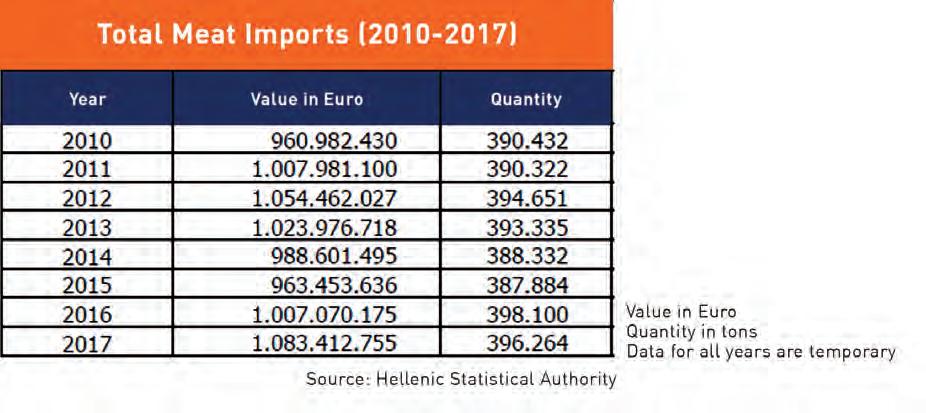
Although some of the individual areas of the meat production in Greece are in a better condition than others, we all know that the meat sector as a whole cannot cover the food needs of the local population, let alone the millions of tourists who visit our country every year. This is also proven by the latest self-sufficiency data for meat: 29.41% for pork, 25.45% for veal/beef, 99.83% for lamb and goat meat and 81.76% for poultry meat. This has resulted in Greece importing meat worth approximately 1 billion Euros from various countries, mainly European ones.
Such data, if anything, reveal the huge growth potential of this sector in Greece.
The situation with sheep and goat farming, according to the data, is evidently better, since we have one of the largest populations of sheep and goats in Europe, which has led to a gradual decrease in imports.
In the pork sector, for example, the local production may cover only 25.45% of the local consumption but we have, as a country, around 600,000 sows at the moment, a figure which shows that there is a strong and sound basis for any future increase in production.
As far as fresh beef is concerned, our country imports it from Poland, Germany and France, given that the local production is very small.
The State and institutional Bodies should, in a coordinated manner, focus their efforts on the creation of quality products of great added value. Such products will be the first choice for consumers both in Greece and abroad, since we are slowly moving from ‘low price’ (which was the aim during the period of economic crisis) to the pursuit of ‘quality’. If we wish the Greek meat production to become competitive it should become export-oriented, given that in today’s globalised economy extroversion is the only way forward.
Contact info of the Meat Place
187 A. Syngrou Avenue 17121 Νea Smyrni, Athens, Greece
Τ. +30 210-9010040
F. +30 210-9010041
info@meatplace.gr www.meatplace.gr on our page and contact us directly www.facebook.com/meatplace.gr


It is also the only way forward for us, so that o.mind Creatives, through the MEAT PLACE magazine and the MEAT & GRILL DAYS fair (7-8-9 November 2020) will be able to promote the ‘Greek meat’ product to a European audience and a market which very often hears a lot about the country but, in fact, knows very little about it.
Theodoros Dimitriadis Publisher









Deputy Minister of Hellenic Ministry of Rural Development and Food 22.

42. NIKOS KASALIAS Veterinary doctor, Food microbiologist at Kasalias Food Industry Consultants
Publisher - CEO:
Theodoros Dimitriadis
Commercial Director: Antonis Moschonidis
Editorial team: Panos Katsachnias Christina Sourra
Production manager: Aggelos Anastasopoulos
Sales Manager: Manos Georgoulakis
Advertising: Sofia Katsardi
Subscriptions: Eleni Vagionaki
Secretariat-Advertising
ICAP: Survey on the Meat sector 28.
IBHS: Study on the Meat, Cold meat and Poultry sector 38.
OPTILOG: 1st survey on the Supply chain in the Meat sector
Greek
118-119
120-127

11/4 – 2/5
FIARA 2019
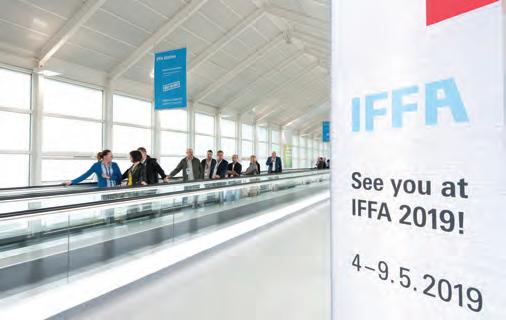
4/5 – 9/5
IFFA / IFFA-DELICAT 2019
Centre international du Commerce extérieur du Sénégal, Dakar, Senegal www.fiarasenegal.org

11/4 – 14/4
AGRARIA ROMANIA 2019
Parcul Industrial Tetarom III, Cluj-Napoca, Romania
• www.agraria-dlg.ro/?lang=en
16/4 – 21/4
SIAM 2019
Διεθνής
Bassin de l’Agdal, Sahrij Souani, Meknes, Morocco
• www.salon-agriculture.ma
23/4 - 26/4
PAMED 2019
Expo Center Médina, Hammamet, Tunisia
• www.pamed-expo.com
24/4 – 28/4
OVIBEJA 2019
Parque de Feiras e Exposiçôes de Beja, Beja, Portugal
• www.ovibeja.pt
Exhibition Centre Frankfurt – Germany
www.iffa.messefrankfurt.com
9/05 – 11/5
INTERNATIONAL FIELD DAYS BULGARIA 2019
Αγροτική
International Fair Plovdiv - Bulgaria
• www.mdp.bg/en
12/5 – 25/5
ANIMAL TECH 2019
Διεθνής
Brno Exhibition Centre - Czech Republic
• www.bvv.cz/en/animal-tech

12/5 – 15/5
ANIMAL VETEX 2019
Brno Exhibition Centre - Czech Republic
•
17/5 – 19/5
KWZH 2019 Έκθεση
Poznan Congress Center - Poland
•

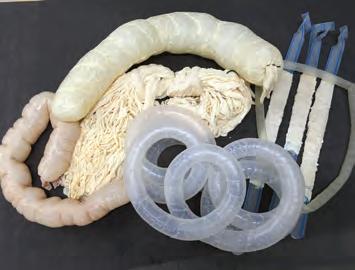
–Ê70ÊYEARSÊOFÊEXPERIENCE
–ÊTOPÊQUALITYÊ
–ÊÊWIDEÊRANGEÊOFÊSHEEPÊHOGÊANDÊ BEEFÊCASINGS
–ÊTUBINGÊ
–ÊISOÊ22000ÊÊANDÊ14001ÊCERTIFIED
INTERVIEWED BY PANOS KATSACHNIAS
pk@meatplace.gr
PHOTOS THANASIS ANTONIOU
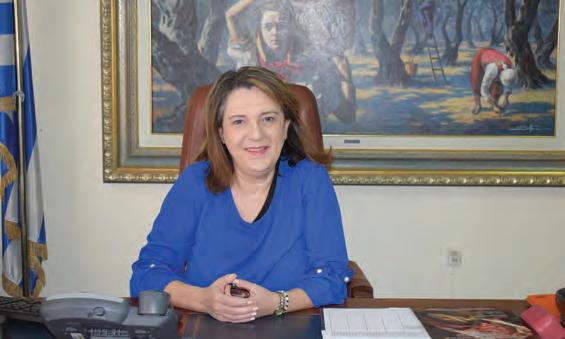
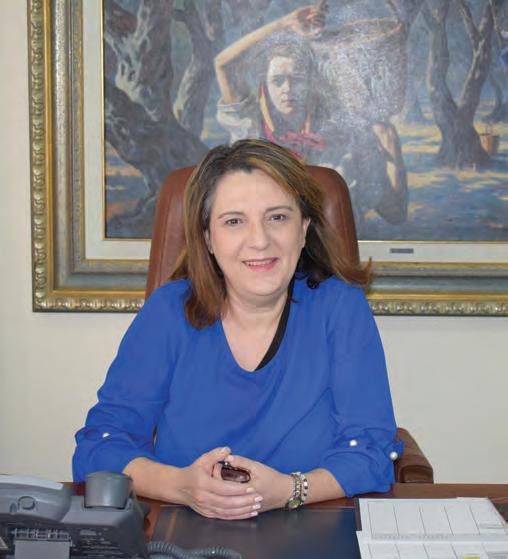
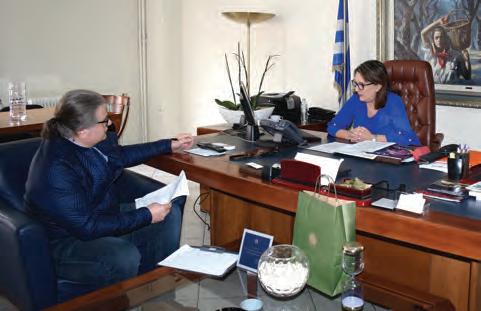
EAT PLACE magazine has visited Ms Olympia Teligioridou, Deputy Minister at the Ministry of Rural Development and Food (MRDF), at her office, in order to accurately chart the status of the local meat sector and its role in the Greek economy in the post-crisis era. The prospects of the sector as well as the actions which will render it a strong export player but also one capable of effectively satisfying the increased local demand (partially due to tourism) in recent years were also discussed.
value which will go to the producer’s pocket.
MEAT PLACE: So, does the prospective increase in local production aim at two targets? The one being the covering of the home market and the other increased exports?
Ιf we wish the Greek meat production to be competitive, then it must also be exportoriented in character
Hopeful that the distortions which (also because of the recent financial crisis) have been aggravated in recent years, Ms Teligioridou talked about the situation today but also about the numerous actions which still remain and need to be taken.
MEAT PLACE: What are the aims of the Greek state regarding the meat sector?
Olympia Teligioridou: Our target is that Greece should attain food self-sufficiency, which means increased production, quality products, safe products, authentic, of high added value and with ‘identity’. In this way, by increasing our exports, we will be able to have a share in covering the ever expanding demand either on a European or an international level. In this direction, we place full weight to the creation (by producer groups as well) of vertically integrated businesses whose finished products will be ‘identified /labelled’ and properly packaged. Our ultimate target is the reduction in imports but also the increase in exports of quality products with high added
Olympia Teligioridou: Obviously. Because if we wish the Greek meat production to be competitive, then it must also be exportoriented in character. Greek meat is of high quality, recognized throughout Europe since there are already exports of fresh meat and standardised meat products.
However, the challenge both for the meat sector and the Ministry of Rural Development and Food is how to increase the Greek production, to improve quality, to promote and publicize the identity of our products so that the increase in exports will be able to balance the country’s balance of trade.
MEAT PLACE: In this effort, is there room for local breeds?
Olympia Teligioridou: At this very moment, we are midway through an endeavour particularly in the goat and sheep farming and cattle farming sectors, where I consider there is a lot of room for growth. Furthermore, special effort is being made to promote local breeds, with their particularly high-quality meat, so that they can gain the position they deserve in the highly competitive European but also – and why not - international market.
Currently, appropriate centres run programs (which are well under way) for their genetic improvement, their certification, as well as
the promotion of their identity and quality. Indicatively, I will mention the ‘Greek Red Breed’ of cattle which is included in the genetic improvement program, in which quite a few breeders participate. And there is a similar program for the ‘Greek Black Pig’. The Ministry of Rural Development and Food, through the Rural Development Program, supports these programs which are at an advanced stage, already delivering significant results. This effort, besides the certification of these breeds and the determination of their identity, has resulted in our obtaining products of high added value due to the improvement of genetic material which brings direct benefits to the livestock farmer.
MEAT PLACE: Does the same apply for organic livestock farming programs?
Olympia Teligioridou: Of course, since a lot of breeders have joined the organic livestock farming program as well. And this is because in this way they are offered the opportunity to produce organic products which are nowadays
in increasing demand internationally. So, through this program, our efforts aim at expanding the share our country is entitled to, regarding either pigs or sheep and goats. The current global demand for organic products shows that in the next 25-30 years it will increase by over 60%.
MEAT PLACE: Is the high cost still an obstacle to the Greek production and if so, to what extent?
Olympia Teligioridou: The cost of organic livestock farming as well as that of livestock farming in general is very high in our country. However, in the case of organic livestock farming in particular, the increased cost of packaging and standardization is recompensive since it offers the opportunity to ask for a much higher price in the market.
At the Ministry we try to contribute to the lowering of the cost through the decrease in the price of animal feed and the completion of the grazing management plans whereby livestock farmers will be able to take
The cost of organic livestock farming as well as that of livestock farming in general is very high in our country
The indication of the country of origin is a necessary precondition in order to combat the huge problem of fake Greek naturalizations of foreign products
advantage of the comparative advantages of their region in order to raise livestock on the basis of its grazing capacity.
MEAT PLACE: An issue which has to do with subsidies...
Olympia Teligioridou: Of course it has to do with subsidies but at some point we will have to abandon the logic of subsidies. Our livestock farming and the primary sector as a whole cannot depend on subsidies for their survival. We need to start making competitive products through sustainable businesses. And I mean products which will attain distinction in the market for their high added value.
MEAT PLACE: Today, do young people with such business orientation enter the field?
Olympia Teligioridou: I think that no longer does one become a livestock farmer simply because one has inherited a farm or one has no other alternative professional course of action. Now, young people with university degrees manage companies with modern facilities, vertically integrated, keeping statistical data for their livestock and production. And this is hopeful because this new mentality in the sector will leave the old models and the distortions of the past behind.
MEAT PLACE: Does the role of the slaughterhouses in Greece, compared to the one in Europe, constitute a distortion which has to change?
Olympia Teligioridou: The role of the slaughterhouses is terribly important and cannot be underestimated. I think that you are right to talk about improving the current situation since, on the one hand, it is in slaughterhouses that meat classification takes place and, on the other hand, it is there that effective control can be carried out concerning the origin of meat, its certification and of course its status in terms of public health. That is why we have held meetings with the Pan-Hellenic Slaughterhouse Union and I believe we are on track for mutual understanding and collaboration. There are
suggestions pertaining to classification as well as the traceability of meat and the electronic recording of the slaughter which the Ministry is seriously considering. So, I think that in the immediate future we, in collaboration and consultation with the Hellenic Agricultural Organization ‘DIMITRA’, will reach an agreement on many significant aspects of this issue.
MEAT PLACE: Turning now to the application of the law concerning the indication of the meat’s origin in cash registers of butcher’s shops as well, what exactly is the practice today?
Olympia Teligioridou: This law was voted in April 2018 and checks are carried out in the market. The truth is that it has not been fully implemented because, as you know, the cash registers issue has been referred to the court of law by the butchers. But regardless of that, the indication of the country of origin is a necessary precondition in order to combat the huge problem of fake Greek naturalizations of foreign products, which harm the Greek production and deceive the Greek consumer. Without wishing to prejudge the ruling of the court of law, I consider that justice will move in this direction, since this is a law in the interests of producers and the national economy and that is why it will be implemented.
MEAT PLACE: One more area of intense confrontation within the sector is the certification of ‘Greek Gyros’.
Olympia Teligioridou: There has been indeed a discussion as to whether ‘Greek Gyros’ should be certified as a ‘Traditional Speciality Guaranteed’ (TSG) product or as a ‘Protected Geographical Indication’ (PGI) product. On the one hand, the industry advocates the certification as TSG, since the Greek pork production fails to cover the current demand but on the other hand, the producers advocate the certification as PGI in order to ensure that there will be increased demand for local pork.
We, together with the Greek Meat Processing Industry Association (SEVEK, in Greek) and the National Interprofessional Meat Organisation (EDOK, in Greek) are very close to reaching an agreement on submitting two dossiers: one certifying Gyros as TSG, in other words certifying the production method and another dossier certifying it as PGI which will concern Gyros made of Greek meat. There is an ongoing discussion and I, personally, think that both could be done, since they concern parts of the meat sector (industry/production) with a dynamic course and prospect.





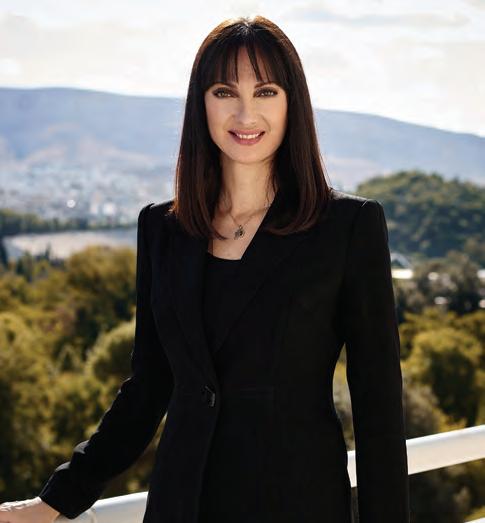
I extend to you all an open invitation to visit Greece, this small piece of paradise on earth
e welcome you to Greece, a world-famous destination, highly preferred for its spectacular sea and sun, and now even more for its outstanding authentic experiences 365 days a year, so diverse in all four seasons.
We promoted new Greek destinations and new thematic tourism products and experiences, based on the unique assets of each Region
Greece is the only polynesian country in the Mediterranean and in Europe, with more than 100 islands and spectacular destinations in the mainland, each with its own natural beauty, rich history and culture, and local atmosphere to explore year-round, but also highly preferred for its unique gastronomy and local products of exceptional high quality and brand.
Our government was the first to recognize tourism’s immense value and its catalytic role, as a major driving force for economic and social prosperity. We places sustainable tourism growth at the core of our strategy and with our national tourism policy implemented since 2015, we repositioned Greece as a 365-day destination, and increased inbound tourism by more than 35 per cent in the last four years, double the global average tourism growth. International arrivals exceeded 33 million in 2018. Tourism revenue reached 18.5 billion euros, almost 28 per cent of total export, while its total contribution to the Greek economy amounts 20 per cent, reaching € 37.5 billion, according to the World Travel and Tourism Council. In its latest report for Greece the WTTC noted that the tourism and travel sector in Greece grew by 6.9% –three and a half times higher than the entire Greek economy, which was 2.0%.
Our success in tourism has been recognized by the UNWTO, the WTTC and all global institutions as an exemplary case of strategy and best practices in sustainable tourism growth.
With our national tourism strategy based on five strategic pillars, and the best practices we implemented, we extended the traditional summer season and increased tourism in the winter. We reached out to new emerging markets and long-haul markets of travelers of higher spending power or of special interests, that travel year-round and enhanced air connectivity, as a key for tourism growth. We promoted new Greek destinations and new thematic tourism products and experiences, based on the unique assets of each Region.
The tourism growth and sharp increase in demand we mobilized, led to a booming of new investments in our tourism sector. More than 400 new investment projects in 4 and 5-star hotels that we supported to initiate, created more than 50.000 new beds in the last four years, and more are expected to be launched in 2019.
We have also supported, small, mediumsize and family-run businesses, which are the backbone of our tourism economy and activity to upgrade and grow, and we have launched programs for the creation of new small enterprises.
We offer enriched experiences linked to our enormous history and culture. Greece is
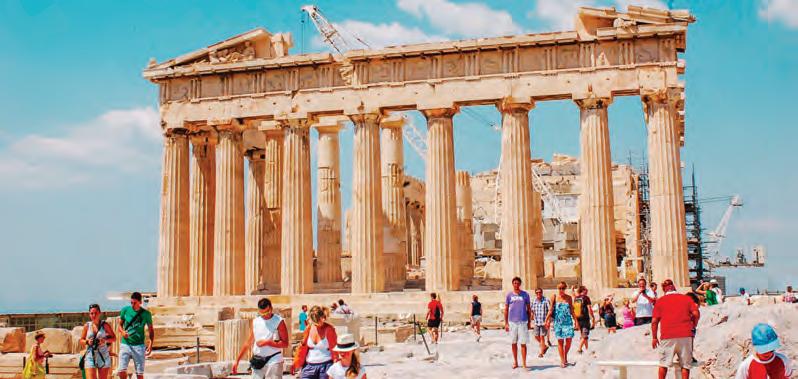
the birthland of Democracy and the Olympic Games, the home of Socrates, Plato, Aristotle, and Hippocrates, the father of modern medicine, of philosophy, arts sciences and so much more. We encouraged the development of tourism experiences linked to unique cultural routes and sites, the rich diverse nature, outdoor activities, cruises, yachting, diving, winter tourism, our gastronomy and the local products, health tourism and wellness, in sports tourism and recreation,
religious and pilgrimage tours. We promoted Athens and Thessaloniki as attractive citybreak and short-trip destinations, for their culture and entertainment, for site seeing and shopping, gastronomy and short getaways to nearby destinations.
Even more, we strengthened Greece’s active role in global decision-making centers for tourism, and in shaping the policies for sustainable tourism growth on a global level. We were elected for the first time member of


Greece is one of the leading European destinations for cruises and yachting, with a choice of more than 100 islands and a coastline of 16 thousand kilometers
With a dynamic long presence in the field of "food ingredients", DPS® is a pioneer and guaranteed soluton for the food industries. Based on experience and know-how, DPS® offers integrated solutons from a wide range of choices covering sufficiently the producton of further processed products and meat preparatons.
• stabilizers
• binding systems
• injecton and tumbling mixtures
• coatng systems
• spice mixtures
The development of innovatve products (for example vegan, vegetarian, gluten free), providing at the same tme full technological support in all the producton procedures, makes DPS the partner you want to cooperate with.
The tourism growth and sharp increase in demand we mobilized, led to a booming of new investments in our tourism sector

the UNWTO’s executive council for 2018-2021, and have a stronger representation in the OECD’s Tourism Committee, by participating in other major institutions sharing the same vision, such as the Mediterranean Tourism Foundation. We also participate in the global fora organized by WTTC and we have established close cooperation. At the same time, we are an active supporter of regional and global projects, such as Tourism on the Silk Road, promoting transnational cooperation and new development opportunities.
With the growth plan we have set for the next day in Greek tourism, our goal is to maintain Greece’s strong momentum in tourism and maximize its benefits for local communities across the country, recognizing
the enormous value of tourism as a major driving force for employment, economic and social well-being.
We focus on
• programs for open businesses 365-days a year in destinations ready to support it,
• new development opportunities in Greek dynamic destinations
• new investments for increasing capacity in 4 and 5-star hotels and integrated resorts,
• special tourism infrastructure, such as wellness centers and spas, thematic parks, convention centers and marinas.
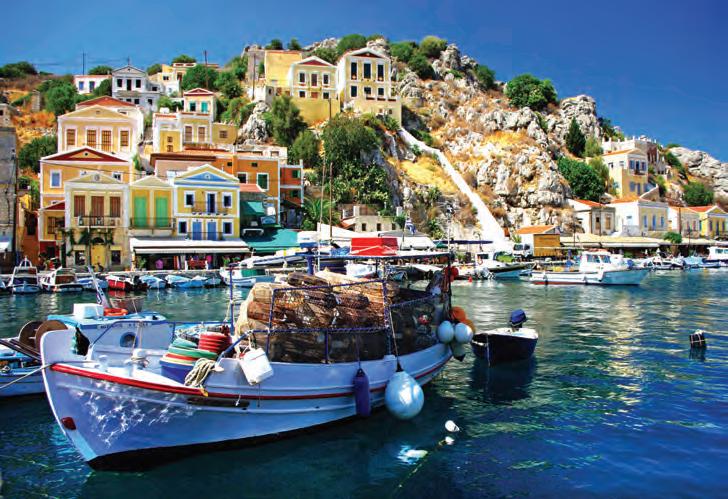
Greece is one of the leading European destinations for cruises and yachting, with a choice of more than 100 islands and a coastline of 16 thousand kilometers. It is a priority in our strategic plan to further develop the cruising sector and of course new infrastructure for marinas to strengthen maritime tourism.
It has also been our strategic priority to link tourism with the primary production as well as with the unique products and brands of Greece that are being produced and manufactured here, and are exported globally. The Ministry of Tourism support initiatives for the “Greek Breakfast” in hotels, and the ”Breakfast Basket” in smaller-size tourism accommodation. Our goal is for more Greek products to be included in the wider
hospitality chain, because they bring high added value to our tourism product and are an inseparable part of each destination’s distinct identity.
We have created the framework for agritourism and new business activity for high quality services, experiences and accommodation, so that travelers can enjoy during their stay the most authentic aspects of Greece.
We encourage connecting productive sectors in our food industry with our tourism brand, and for more of our visitors to become familiar with our high-quality products and the best our country has to offer to them.
Tourism, after all, is all about the people and their well-being.
On this occasion, I extend to you all an open invitation to visit Greece with your family and friends, to taste our Greek flavors and products, to experience first-hand the authentic beauty of our country, this small piece of paradise on earth, and gain unforgettable travel experiences offered along with our genuine warm Greek hospitality. M
Our success in tourism has been recognized by the UNWTO, the WTTC and all global institutions as an exemplary case of strategy and best practices in sustainable tourism growth
The latest changes and development prospects of the Greek meat sector (featured in the following pages) are presented in a study which has been conducted by the Department of Economic Research of ICAP. This is a sector which includes a large number of businesses, whose majority, though, is smallsized.
With the volume of total consumption moving at lower levels than at the beginning of the previous decade, due to the economic crisis that the country has been through, the total local meat production, on the whole, showed a downward trend. However, in recent years there have been signs of recovery, which make our more thorough delving into them worthwhile.
The local Greek meat market has experienced minor fluctuations in recent years, with upward trends in the last years. However, the volume of total consumption lies at lower levels than at the beginning of the previous decade. With the degree of self-sufficiency in the local meat market remaining stable at approximately 52% in the last five years, exports are still limited, accounting for 9-11 % of the total meat production.
The production companies of the sector are distinguished into complex meat production units, pig farms and poultry holdings. The import sector has expanded and concerns mainly beef and pork, while demand for poultry meat is covered through the local production. The sector includes a large number of businesses, the majority of whom is of small size.
However, some large production businesses operate in the field, which have vertically integrated units and deal with all the production stages, from the raising and slaughtering of live animals to meat production, processing/ standardization and production of meat products. Also, the
processing and standardization of meat are by themselves activities undertaken by many businesses which have a significant presence in the market. The businesses in question obtain the meat either from the local market or from abroad and then process and standardize it.
The most recent changes and development outlook of the local meat market are presented in the latest edition of the relevant sectoral study issued by the Department of Economic Research of the ICAP Group S.A.
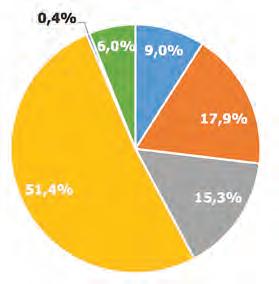
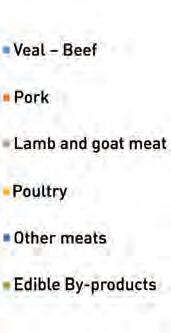
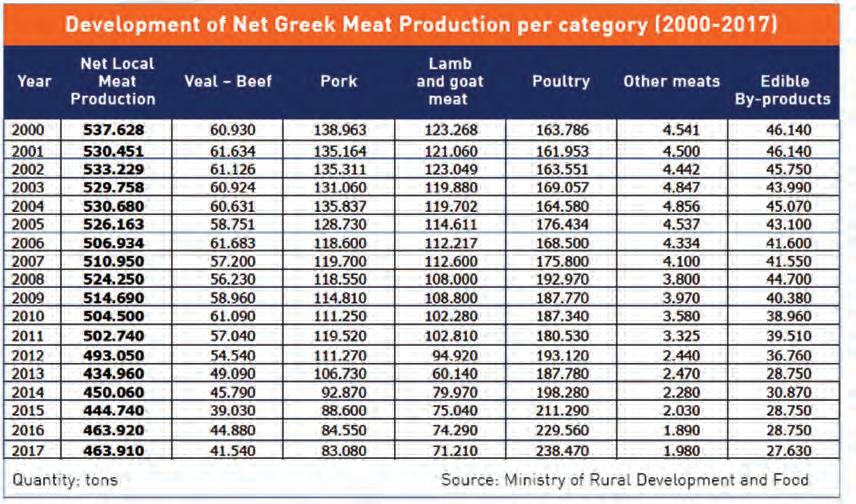
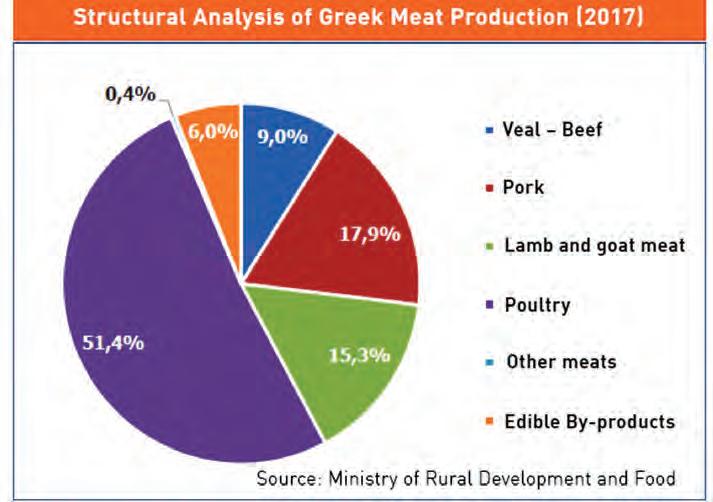
The factors which influence the demand for meat are mainly the available consumer income, dietary habits or even the customs and traditions of a country. Furthermore, a significant factor which influences demand can also be extraordinary or unforeseen events which are connected to the sensitive nature of food products in general (such as various animal diseases, etc). The total local meat production, on the whole, showed a downward trend in the 2000-2017 period. However, in recent years there are signs of recovery (4.6% increase in 2016 and 2017 versus 2015). In 2017, the greatest part of the total net local meat production was covered by poultry, accounting for 51.4%, followed by
Written by Eleni Demertzi, Senior Manager of Economic and Sectoral studies at ICAP
E-mail: edemertzi@icap.gr
The volume of total consumption lies at lower levels than at the beginning of the last decade
Source: Ministry of Rural Development and Food
pork (17.9%), lamb and goat meat (15.3%) and lastly, veal / beef (9%). Of course, the aforementioned market shares, which the different types of meat have within the local production, differ from the corresponding consumption market shares, given that in some of them there is high import penetration.
The import penetration rate in the local meat market was around 53% in the 20132017 period. On the other hand, meat exports
are very limited, accounting for 9%-11% of the total production in the last five years.
The local human consumption of meat shows annual fluctuations. The volume of consumption remained at almost the same levels in the years 2016 and 2017, but moving at lower levels versus the early years of this decade. The degree of self-sufficiency in the local meat market has remained stable at 52%, in the last five years. Pork comes up first in consumer preferences versus the other kinds of meat. Per capita consumption of pork has remained stable at 27.2 Kg per person, in recent years. It is followed by poultry with an annual per capita consumption of 26.9 Kg per person in 2017 , veal/beef (15.4 Kg per person) and lamb and goat meat (6.8 Kg per person).
The concentration ratio in the poultry sector is high and consists of large production companies some of which are fully vertically integrated. The concentration ratio for the top six companies is estimated at 75%78% as opposed to the other meat sectors which consist of a large number of small and medium-sized enterprises (SMEs).
The total imports of all kinds of meat (in quantity) showed a slight increase in the years 2016 and 2017, while in the directly previous years they had shown a decrease. Meat
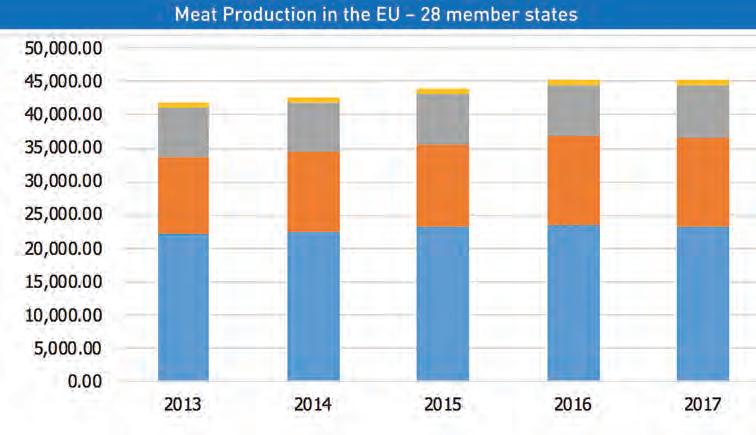
The total meat production in Europe showed a slight increase in the 2013-2017 period, with an average annual rate of 1.5%, reaching 45,152.5 thousand tons in 2017. The largest market share in meat production in the EU (28 member states in the period in question) is held by pork (52%-53% of the total production), followed by poultry (28%-29.5% of the total production), veal/beef (17%-17.5%), while lamb and goat meat account for only a low percentage (1.6%-1.8% of the total production).
Greece occupies a predominant position in the production of lamb and goat meat accounting for 9% of the total production.
exports are still at low levels when compared to the volume of the meat produced but still show an increase in 2016 and 2017. It is to be noted that poultry is the sector with the best export performance (by comparison) in the meat production industry.
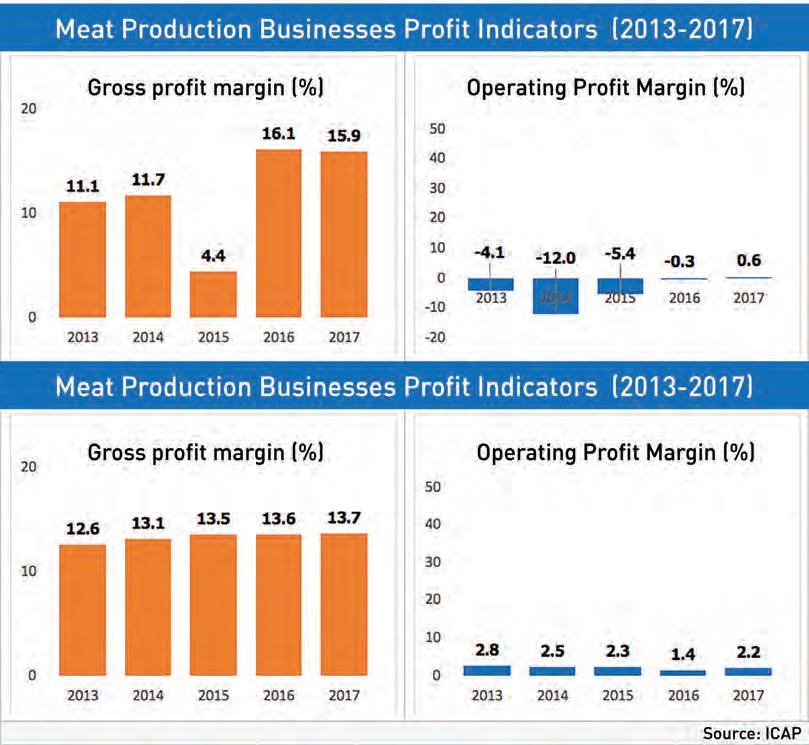
In the framework of this study, an extensive financial analysis of the meet production businesses and meat import companies has been conducted, based on selected indicators for the 2013-2017 period. This analysis shows that the five-year average of the Gross Profit Margin and the Operating Profit Margin for 45 production businesses stood at 11.8% και 4.2% respectively. The average of the Gross Profit Margin and the Operating Profit Margin for 46 import businesses was 13.3% and 2.2% respectively.
Also, a grouped sectoral balance sheet has been compiled on the basis of a sample of 21 representative production businesses. The analysis shows that the total assets of the companies followed an upward trend in the fiveyear period of 2013-2017 (cumulative increase by 12%). Similarly, the turnover showed an increase (by 34.8%) at the same period. Gross profit
followed a similar trend. The final (net) result was positive in the three-year period of 20152017, while in previous years (2013-2014) it was negative.
The grouped sectoral balance sheet of 28 representative import meat companies showed that the total assets of such businesses increased by 8.1% in 2017 versus 2013. Turnover also showed an increase (cumulative increase by 1.6%) in the same period, while gross profit fluctuated in the aforementioned period. The final (net) result was positive throughout the five-year period in question but showed a decrease in the last years. A similar trend appears for EBITDA in the 2013-2017 period.
Global meat production increased by 1.2% in 2017 versus 2016. Pork holds the first position in the global meat production diachronically, followed by poultry (broiler chicken) and beef. The first position in meat consumption is held by pork with 43%, followed by poultry with 34% and beef with 23%.
Meat exports account for 9%11% of the total meat production in the last five years









The following study, conducted by Infobank Hellastat (IBHS) , presents, in three autonomous reports, the latest ranking of businesses involved in the meat, charcuterie and poultry sector, as well as their financial profiles. Although the economic performance of the majority of these businesses is still low, most of them have recently shown a return to profitability, which signifies that they are recovering from the economic crisis of the recent years.
The average change in Earnings Before Taxes (EBT), sales, profitability, short term bank liabilities, leverage, trade cycle, reserves, and liquidity are some of the basic parts of the bigger picture of the Greek reality.
The sectorial study of the sector “Production, processing & wholesale of meat” includes 170 companies that published their financial statements the last three years (2017-2015). More specifically the concerned sectors according NACE are: 01.42
“Raising of other cattle and buffaloes”, 01.45
“Raising of sheep and goats 01.46 “Raising of swine/pigs”, 10.11 “Processing and preserving of meat”, 46.32 “Wholesale of meat and meat products”.
According to the research, in 2017, 55 companies out of 170 had a turnover above
€20 mn. and 58 between €1 mn and €20 mn, the rest 57 companies had a turnover less than €1 mn. It should be noted that the 60.40% showed an increase in Sales in 2017, a percentage very similar to the relative one of the Greek economy (60.1%).
Furthermore, 109 companies out of 170 (64.12%) were profitable in 2017:
• 33 companies had an increase in profits
• 49 had a decrease
• 20 had a loss reversal
On the other hand, 57 companies were nonprofitable, 13 out of them had a profit reversal.
Written by Maria Theodosopoulou, Sectorial Studies, Consultant of IHBS
E-mail: mtheodosopoulou@ibhs.gr
Median change in sales is estimated at the satisfactory level of 3,42%, which is quite improved compared to the positive 17/15 CAGR of 0,65%, whereas median change for the entire economy is slightly higher, at 4,03%.
Furthermore, median change in earnings before taxes is estimated to be quite negative, by -7,27%, which follows the negative 17/15 CAGR of -19,32%. The median change for the entire economy is positive, at 7,86%. The majority of the industry’s companies (60,4%) shows higher sales in 2017 compared to 2016 (48,1% in 2016 against 2015), while the respective ratio for the entire economy is 60.1%.
The companies presenting profits in 2017 (65,7% and 61,3% in 2016), outnumber the loss-making part of the sample. The respective ratio for the entire economy is 67.2%.

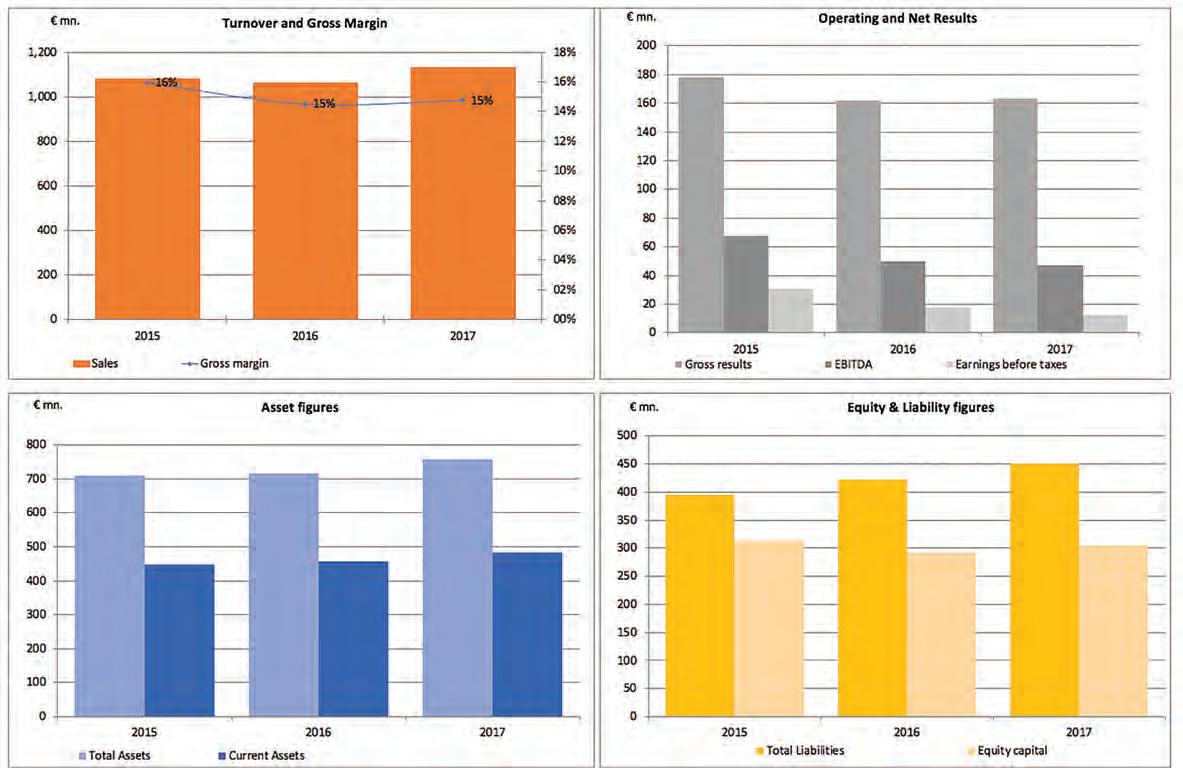
The total amount of sales in 2017 was increased by 6.53%, €1,127.85 mn against €1,058.75 mn in 2016. The first three companies of the sample based on their performance in Sales are:
• Voudouris – Konstas S.A. - €97.66 mn
• Floridis S.A. €82.38 mn
• Nasopoulos Bros S.A. €57.13 mn
Finally, in 2017 total earnings before taxes were decreased by 27.33% (€12.71 mn against €17.49 mn in 2016).
M
Short-term bank debt remain almost unchanged at 17% of total assets (16,8% in 2016), whereas the median ratio for the entire economy is estimated at 11,5%.
The short-term bank debt to sales ratio is low -and further improved compared to 2016- at 8,7%, whereas the median performance in the economy is estimated at 14,3%.
Total debt remain almost unchanged at 59,8% of total assets (59,3% in 2016), while the median ratio for the entire economy is estimated at 58,1%.
The total debt to equity ratio (total leverage) is rather low -but higher compared to 2016- at 1,2 : 1, whereas the median performance in the economy is estimated at 1,08 : 1. Interest expense coverage by EBITDA is sufficient -and higher compared to 2016- at 5,4 times, whereas the median ratio in the economy is estimated at 6,1 times.
Current assets remain almost stable to 63,7% of total assets (63,8% in 2016), whereas the median ratio for the entire economy is estimated at 78,3%.
In the same time, current liabilities as a portion of total assets do not deviate from the average level in the economy (43,6%), driving current ratio to a moderate 1,4 -rather stable compared to 2016- whereas the median performance in the economy is estimated at 1,5.
Inventory remain almost stable to 18,2% of current assets (17,9% in 2016), whereas the median ratio for the entire economy is estimated at 20,7%.
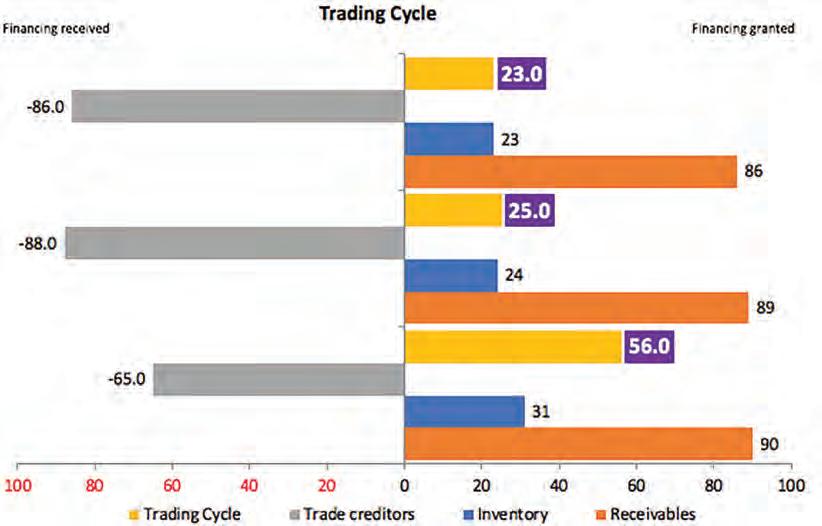
In the same time, acid test ratio is relatevily high (1,13) -rather stable compared to 2016 value of 1,13whereas the median performance in the economy is estimated at 1,2. Trade cycle is estimated at 23 days, a time period very short as compared to the average ratio observed in the entire economy (58 days).
The duration of the trade cycle as compared to 2016 is shorter by 2 days. Total asset turnover is slightly improving to 1,39 times (1,29 in 2016), which is considered very high compared to the median ratio in the entire economy (0,8 times).
Gross profit margin is rather stable at 14,7% (14,5% in 2016), which is considered very low compared to the median ratio in the entire economy (36,6%). EBITDA margin remains practically stable at 3,6% (2,9% in 2016). Return on equity is improving to 5,2% (3,7% in 2016), which is relatively low compared to the median ratio in the entire economy (7,4%).
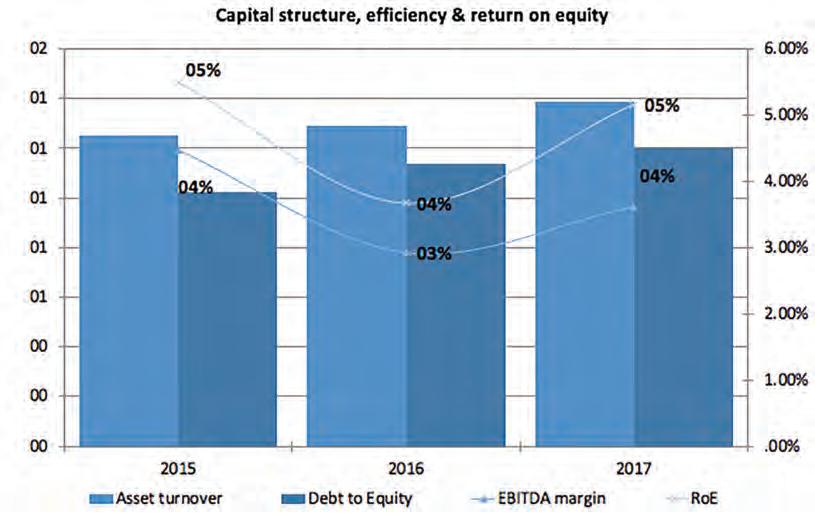
Total dept remain almost unchanged at 59.8% of total assets
The majority of the companies presenting profits (82,4%)
The sectorial study of the “Poultry” sector includes 17 companies that published their financial statements the last three years (2017-2015). More specifically the concerned sectors according NACE are: 01.47 “Raising of poultry” & 10.12 “Processing and preserving of poultry meat. According to the research, in 2017, 6 companies out of 17 had a turnover above €5 mn. and the majority was between €1 mn and €5 mn, only one company showed a turnover less than €1 mn. It should be noted that the
64.7% showed a decrease in Sales in 2017, while the respective percentage of the entire economy is 39.9%.
Furthermore, 14 companies out of 17 (82.4%) were profitable in 2017:
• 8 companies had an increase in profits
• 4 had a decrease
• 2 had a loss reversal
On the other hand, only 3 companies were non-profitable, 2 out of them had a profit reversal.
Median change in sales is estimated to be negative by -1,66%, which exceeds the 17/15 CAGR of -0,69%, whereas median change for the entire economy is quite higher, at 4,03%.
Furthermore, median change in earnings before taxes is estimated at the rather satisfactory level of 48,19%, which is quite improved compared to 17/15 CAGR of -12,4%.
The median change for the entire economy is positive, at 7,86%.
The majority of the industry’s companies (64,7%) shows lower sales in 2017 compared to 2016 (29,4% in 2016 against 2015), while the respective ratio for the entire economy is 39.9%.
The companies presenting profits in 2017 (82,4% and 82,4% in 2016), outnumber the loss-making part of the sample. The respective ratio for the entire economy is 67.2%.
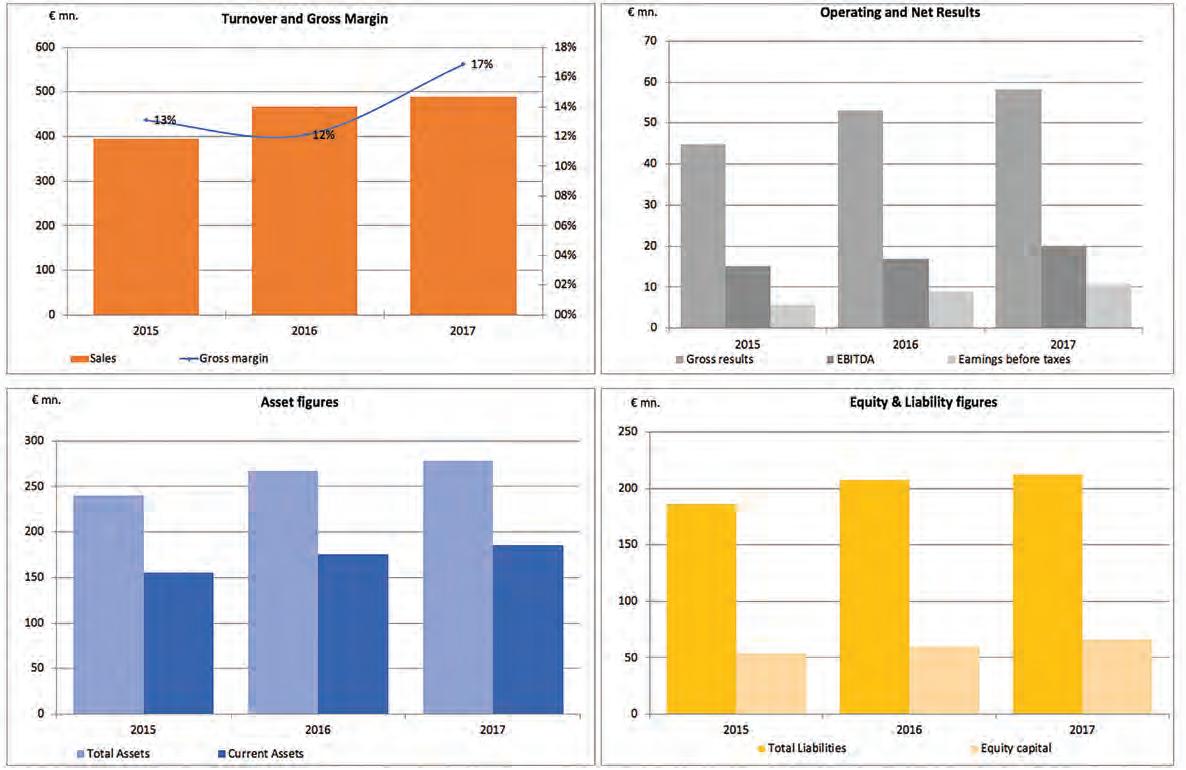
The total amount of sales in 2017 was increased by 4.66%, €488.91 mn against €467.14 mn in 2016.
The first three companies of the sample based on their performance in Sales are:
• Nitsiakos Th. Poultry S.A. - €324.46 mn
• Amvrosiadis S.A. €72.07 mn
• Agrozoi S.A. €23.38 mn
Finally, in 2017 total earnings before taxes were increased by 20.98% (€10.67 mn against €18.82 mn in 2016). M
Short-term bank debt is falling to 18,8% of total assets (21,9% in 2016), whereas the median ratio for the entire economy is estimated at 11,5%. The short-term bank debt to sales ratio is very low -and further improved compared to 2016- at 5,3%, whereas the median performance in the economy is estimated at 14,3%. Total debt remain almost unchanged at 70,1% of total assets (69,6% in 2016), while the median ratio for the entire economy is estimated at 58,1%.
The total debt to equity ratio (total leverage) is very low -and further improved compared to 2016at 0,62 : 1, whereas the median performance in the economy is estimated at 1,08 : 1. Interest expense coverage by EBITDA is sufficiently high -and higher compared to 2016- at 19 times, whereas the median ratio in the economy is estimated at 6,1 times.
Current assets remain almost stable to 66,8% of total assets (65,9% in 2016), whereas the median ratio for the entire economy is estimated at 78,3%. In the same time, current liabilities are relatevily high as a portion of total assets (63,9%), driving current ratio to a low 1,1 -rather stable compared to 2016whereas the median performance in the economy is estimated at 1,5.
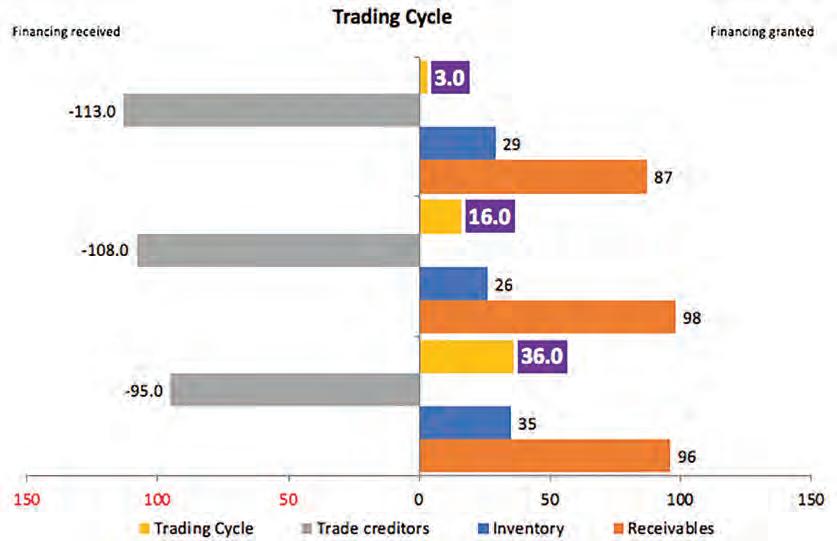
Inventory is growing to 23,5% of current assets (20,3% in 2016), whereas the median ratio for the entire economy is estimated at 20,7%. In the same time, acid test ratio does not deviate from the average ratio in the economy (0,99) -but higher compared to 2016 value of 0,87 - whereas the median performance in the economy is estimated at 1,2. Trade cycle is estimated at 3 days, a time period very
Total debt remain almost unchanged at 70,1% of total assets
short as compared to the average ratio observed in the entire economy (58 days). The duration of the trade cycle as compared to 2016 is shorter by 13 days.
Total asset turnover drops to 0,92 times (1,2 in 2016), which is in line with the median ratio in the entire economy (0,8 times). Gross profit margin is improving to 16,8% (12,1% in 2016), which is considered very low compared to the median ratio in the entire economy (36,6%). EBITDA margin remains practically stable at 3,9% (3,8% in 2016).
Return on equity is improving to 4,5% (3,7% in 2016), which is very low compared to the median ratio in the entire economy (7,4%).
The sectorial study of the “Cold Meat” sector includes 13 companies that published their financial statements the last three years (2017-2015). More specifically the concerned sectors according NACE are: 10.13 “Production of meat and poultry meat products”.
According to the research, in 2017, 7 companies out of 13 had a turnover above €5 mn. 2 between €1 mn and €5 mn and the rest 4 companies had a turnover less than €1 mn. It should be noted that the 53.8% showed an increase in Sales in 2017 while the respective percentage of the entire economy is 39.9%.
Furthermore, 7 companies out of 13 (53.8%) were profitable in 2017:
• 1 company had an increase in profits
• 4 had a decrease
• 2 had a loss reversal
On the other hand, 6 companies were nonprofitable and 2 out of them had a profit reversal.
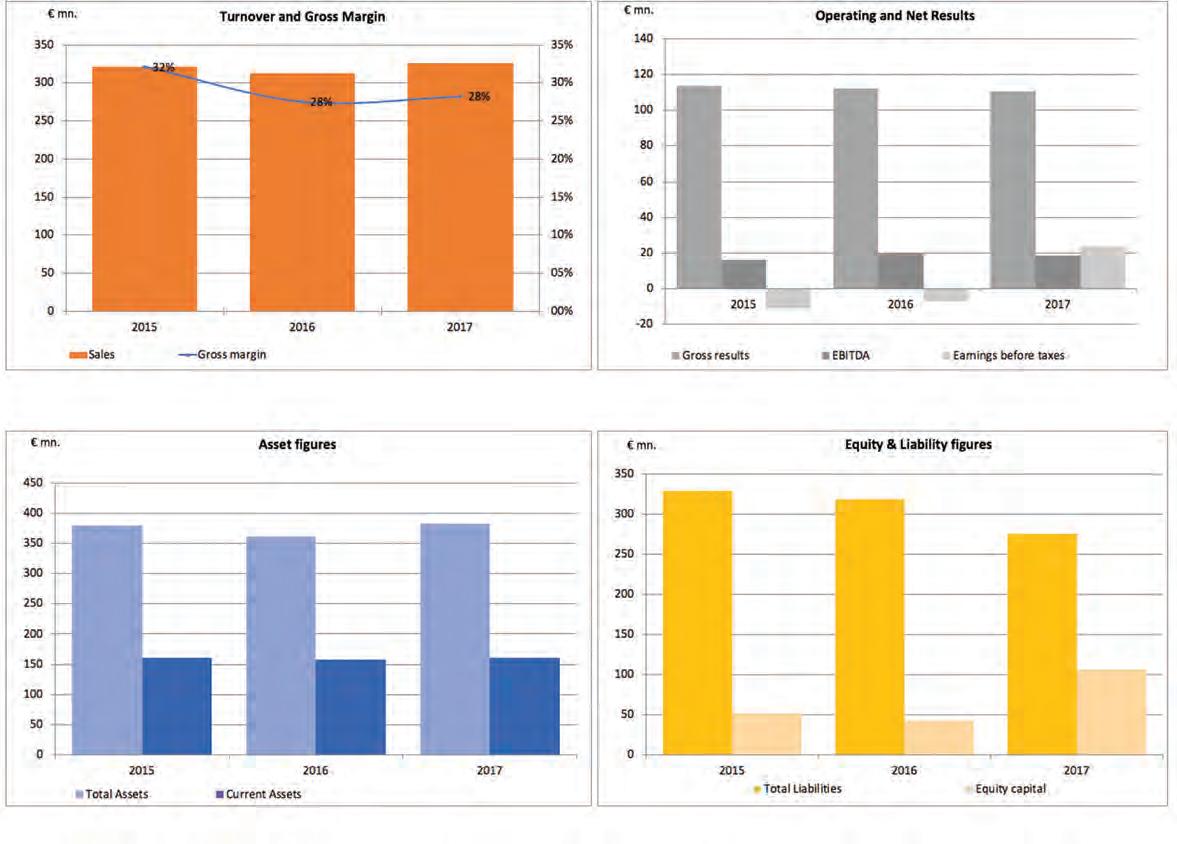
The total amount of sales in 2017 was increased by 4.23%, €326.70 mn against €313.44 mn in 2016. The first three companies of the sample based on their performance in Sales are:
• Creta Farm S.A. - €107.59 mn
• Ifantis a. and Ch. S.A. €83.63 mn
• Nikas G.P. S.A. €44.92 mn
Finally, in 2017 total the sector showed positive results (€23.77 mn) following two loss making years.
Median change in sales is estimated at the marginal level of 1,73%, which is quite improved compared to the positive 17/15 CAGR of 0,32%, whereas median change for the entire economy is quite higher, at 4,03%.
Furthermore, median change in earnings before taxes is estimated to be quite negative, by -27,49%, which follows the negative 17/15 CAGR of -23,06%.
The median change for the entire economy is positive, at 7,86%.The companies sample is practically divided between those achieving higher sales in 2017 (53,8% of the companies, 53,8% in 2016 against
The companies’ sample is practically divided between those achieving higher sales in 2017 and those with negative performance
2015) and those with negative performance, while the respective ratio for the entire economy is 60.1%.
The companies sample is practically divided between profitable and loss-making companies (53,8% and 46,2% respectivelly). The respective ratio (profitable companies) for the entire economy is 67.2%.
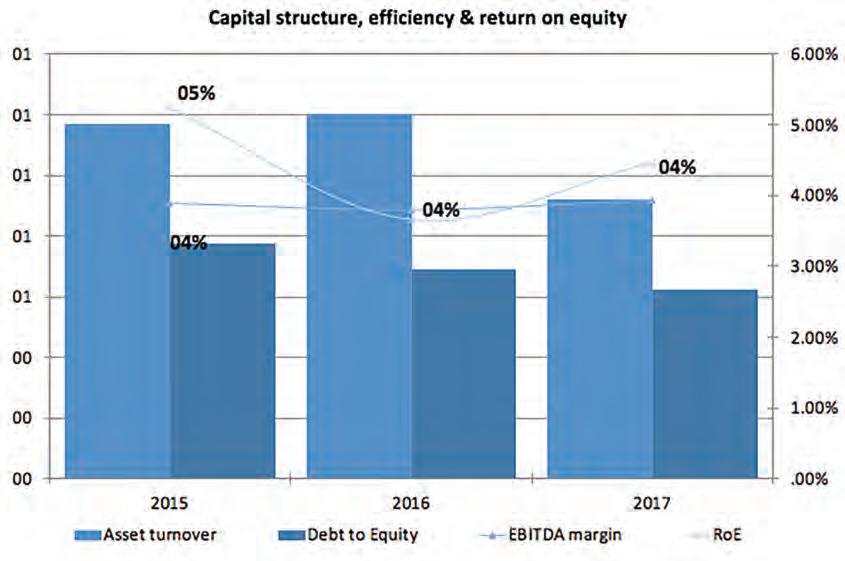
Short-term bank debt is falling to 17% of total assets (34,5% in 2016), whereas the median ratio for the entire economy is estimated at 11,5%.
The short-term bank debt to sales ratio is moderate - and rather stable compared to 2016 - at 12%, whereas the median performance in the economy is estimated at 14,3%.
Total debt is growing to 75,6% of total assets (67,9% in 2016), while the median ratio for the entire economy is estimated at 58,1%.
The total debt to equity ratio (total leverage) is rather high -and higher compared to 2016- at 2,17 : 1, whereas the median performance in the economy is estimated at 1,08 : 1.
Interest expense coverage by EBITDA is low - and rather stable compared to 2016 - at 2 times, whereas the median ratio in the economy is estimated at 6,1 times.
Current assets remain almost stable to 42% of total assets (43,4% in 2016), whereas the median ratio for the entire economy is estimated at 78,3%.
In the same time, current liabilities as a portion of total assets do not deviate from the average level in the economy (40,7%), driving current ratio to a low 1,1 -rather stable compared to 2016- whereas the median performance in the economy is estimated at 1,5. Inventory remain almost stable to 16,8% of current assets (15,7% in 2016), whereas the median ratio for the entire economy is estimated at 20,7%.
In the same time, acid test ratio does not deviate from the average ratio in the economy (1) -rather stable compared to 2016 value of 1,04 - whereas the median performance in the economy is estimated at 1,2.
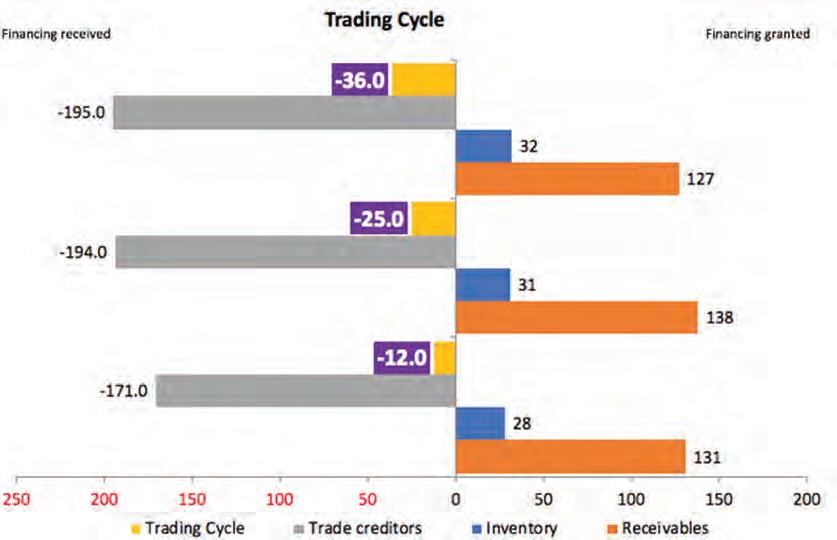
Trade cycle is estimated at -36 days, a time period very short as compared to the average ratio observed in the entire economy (58 days). The duration of the trade cycle as compared to 2016 is extended by 11 days.
Total asset turnover drops slightly to 1,13 times (1,18 in 2016), which is considered sufficiently high compared to the median ratio in the entire economy (0,8 times). Gross profit margin is rather stable at 28,2% (27,5% in 2016), which is considered relatively low compared to the median ratio in the entire economy (36,6%). EBITDA margin remains practically stable at 3,8% (4,3% in 2016).
Return on equity drops to 4,5% (6,4% in 2016), which is very low compared to the median ratio in the entire economy (7,4%).
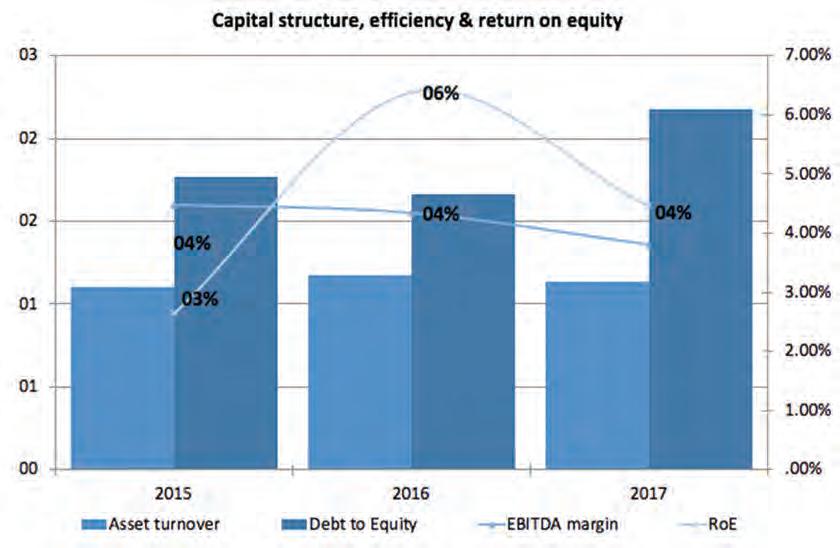
Total debt is growing to 75,6% of total assets
Editing
Panos Katsachnias

FThe majority of the companies in the meat products sector are small (32%) and mediumsized (40%) enterprises
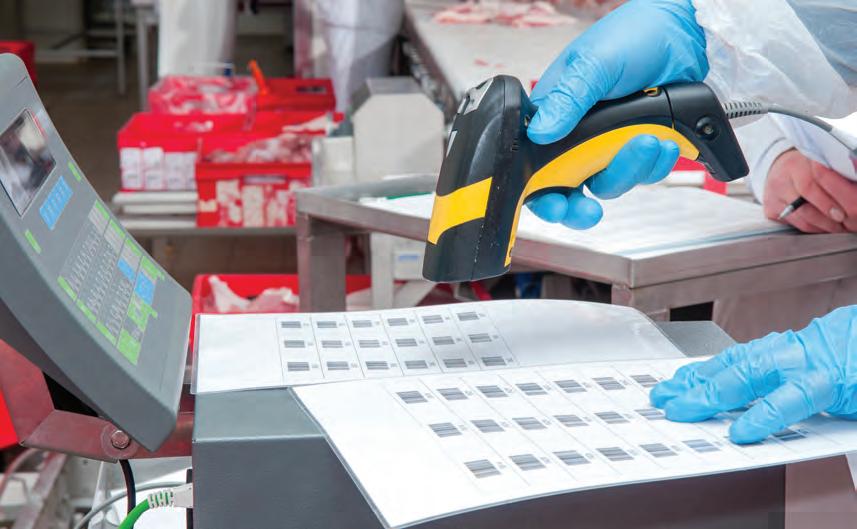
or the first time in the Greek market, o.mind Creatives and the periodicals MEAT PLACE και SC&L magazine, in collaboration with Optilog Advisory Services, have conducted the “1st Survey to chart and record the current situation and future prospects of the Supply Chain in the Meat Production and Marketing sector”.
The conclusions of the survey were presented in the framework of the ‘triple’ MEAT & GRILL DAYS, DAIRY EXPO and FROZEN FOOD fair, which was held at the Metropolitan Expo exhibition centre in Spata, Attica, from 10th to 12th November 2018.
In the special event held on Sunday 11th November 2018, the conclusions of the survey were discussed and analyzed by representatives of the meat production sector, logistics managers from the meat industry, also, with a view to exploring the collaboration prospects which exist (or do not exist) between the two important sectors of the Greek economy in the immediate future: the services (and the opportunities that the logistics sector can offer), on the one hand and the meat processing and marketing industry, on the other.
The numerous and important conclusions which were drawn from this survey , in précis, referred to the following:
1. The need for logistics services on the part of companies in the meat production, processing and marketing field
2. The percentage of logistics costs as part of their current activity
3. The infrastructure and equipment (e.g. vehicle fleet) they possess
4. Businesses’ considering their expansion within Greece or abroad and the role that the logistics services companies may play in it
5. Businesses’ views on logistics outsourcing
6. The services that businesses require of their current collaborators (in the area of logistics)
7. The areas on which businesses will invest in the next three years (logistics being included in their future plans)
The survey was presented to senior executives of large businesses in the market by Dr. Vasilis Zeimpekis, Executive Advisor at Optilog and Vice President Admninistration of the Hellenic Logistics Association.
The methodology of the survey made use of the data review of the meat products sector, creating a questionnaire which was sent to professionals in this sector. The survey lasted 30 days in order for the current situation, as well as the trends in the specific sector to be
The survey sample is representative of the principal activities in the sector, with the majority of the participating companies coming from the production (29%) of meat products
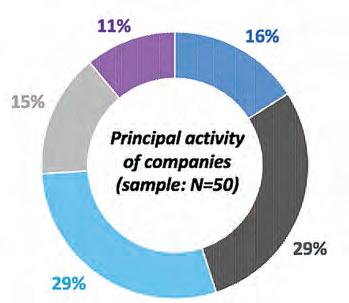
charted and analyzed. The survey sample is representative of the principal activities in the sector, with the majority of the participating companies coming from the production (29%) and wholesale (29%) of meat products.
It is quite important to stress, from the beginning, that we are dealing with a sector whose largest percentage of companies (81%) managed to expand their client base in the last three years, while the client base of 8% of them shrank, mainly due to quality issues.
The majority of the companies in the meat products sector are small (32%) and mediumsized (40%) enterprises. One of the basic characteristics of this sector is that it contains a considerable number of companies (54%) with a turnover of less than € 5 m. However, there is a significant percentage of companies (18%) with a turnover ranging from € 50 m to € 250 m. For 72% of the companies, this turnover increased by 0% to 25%, in the last three years. However, there was a dramatic decline (exceeding 50%) in the turnover of 28% of the surveyed companies.
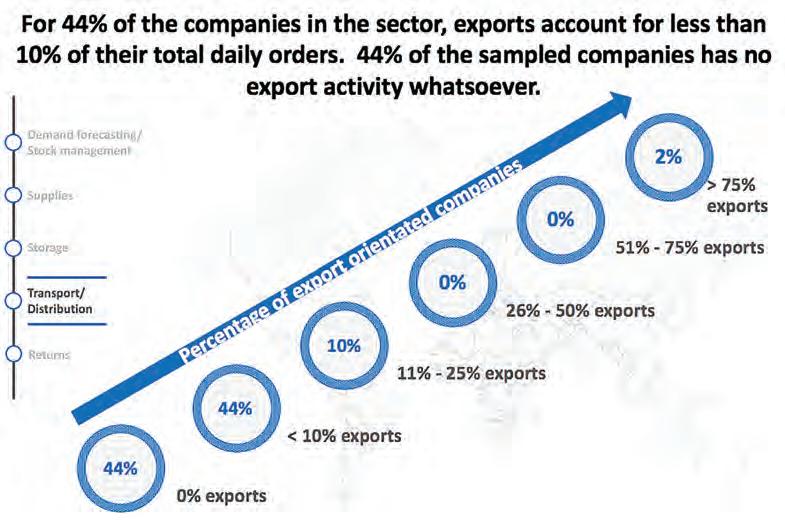
It is noteworthy that the export activity in the sector remains at low levels, while for 51% of the companies, exports represent 1% to 10% of their turnover.
For 44% of the companies in the sector, exports account for less than 10% of their total daily orders. 44% of the sampled companies has no export activity whatsoever.
It is striking, to say the least, that the meat production and marketing companies (with the aforementioned characteristics) which participated in the survey have not moved in the direction of fully assigning all logostics
activities to companies which provide such services.
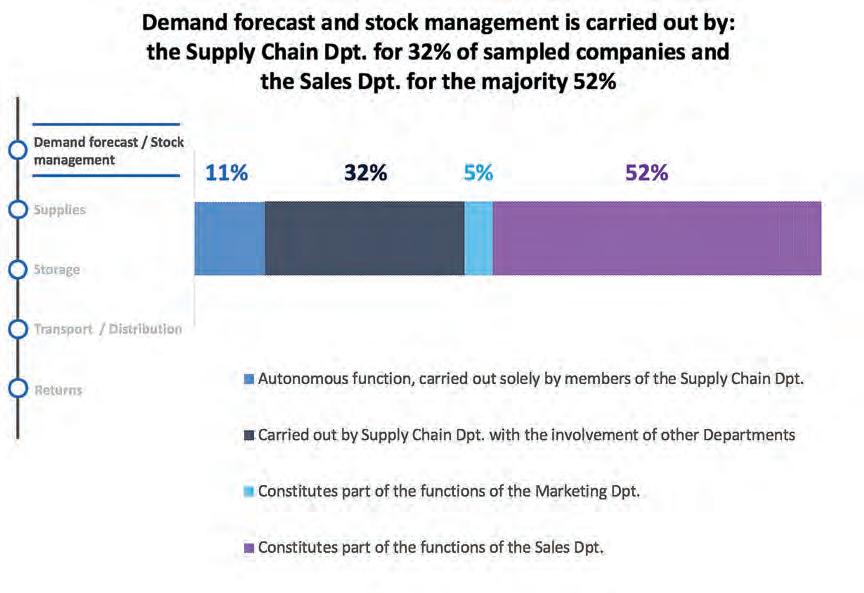
It is to be noted that demand forecasting and stock management are carried out by the Supply Chain Dpt. in 32% of companies, while for the majority 52% of the sampled companies they are carried out by the Sales Dpt. In all cases companies use an empirical way of forecasting without having recourse to a specific model/method.
An element which exacerbates this situation is that for 72% of the meat production/ marketing companies, the annual stock turnover ranges between 1 and 6 times, while a noteworthy 18% of the companies has achieved a turnover >15, and as a result the need for very large storage facilities (from 1,000 m2 to 5,000 m2) no longer exists.
With the majority of the meat production/ marketing companies in the sample having between 1 and 29 suppliers – 82% of whom are located mainly in European Union member states (40% EU + 42% Greece)- supplies shipment is easy and prompt. On the other hand, as far as the part of distribution is concerned, the majority of the companies in the sample manage and handle approximately 150 SKUs, 1/3 of which are Fast-Moving Consumer Goods (FMCGs) (accounting for 70% of turnover), with the majority of the companies (88%) managing up to 250 orders daily. As for requested delivery time, the most prevalent is ‘same day delivery’ (33%), followed by ‘next day delivery’ (30%), with returns ranging from 1% to 5% of the total transported merchandise.
Also, the privately owned vehicle fleet of companies in the meat products sector
For 72% of the meat production/ marketing companies, the annual product stock returns range between 1 and 6 times
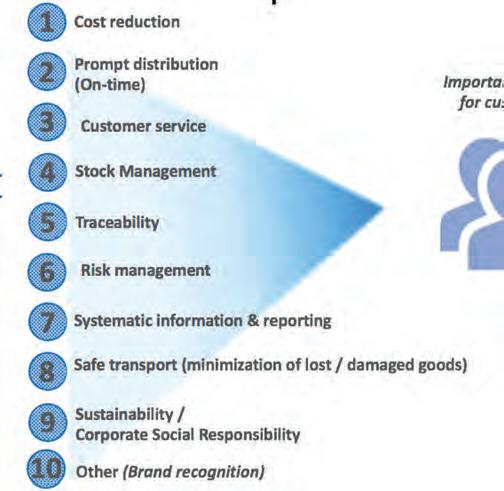
The cost reduction and timely delivery constitute key factors for the customers of most meat production/ marketing companies
consists of vans up to 3.5 tons (49%), and vans from 3.5 tons to 7.5 tons (31%), with 41% of companies using Fleet Management Software systems (FMS) and 28% of them using routing and scheduling systems (VRS) in order to optimize their delivery processes management.
Although cost reduction and timely delivery constitute key factors for the customers of most meat production/marketing companies, there is a trend towards in-house logistics among them,
which makes them appear skeptical about a potential collaboration with Third Party Logistics (3PL) companies.
The most common complaints received by the customer service of sectoral companies are related to:
1. Untimely delivery within time slots
2. Inability to deliver
3. Large number of returns of damaged goods
Finally, the target for most companies is to
be ‘strengthened’ by acquiring specialized technological equipment as well as hiring new qualified personnel since they believe that employee training and the upgrading of storage processes constitute the two basic areas which require improvement.
However, this is rather contradictory when the largest percentage of the same companies considers that there is no (!) internal obstacle to their growth except the limited spectrum of services and products they offer (which they view as the main impediment to their further development). This, in short, means that such companies are not aware of or cannot recognize the obstacles to their own growth. M



Written by Nikos Kasalias, Veterinary doctor, Food microbiologist at Kasalias Food Industry Consultants
E-mail: nick.kasalias@gmail.com

The meat market in Greece is highly deficient. The degree of selfsufficiency in the local meat market has remained stable at approximately 52% in the last five years.
In the area of meat primary production, businesses encounter major structural
problems which concern the Greek livestock farming as a whole (fragmentation of the production, low competitiveness etc.). These conditions have resulted in the high import penetration in most meat categories, the only exception being the area of poultry farming. Concerning vertically integrated meat and meat product industries, there are a few but
large, systematically organized industries with high production. These industries use modern machinery, have developed extensive distribution networks and in many cases have consolidated (through advertising promotion) their trademarks (mainly in the fields of poultry meat, poultry products and charcuterie). In such cases there is clearly very little room for new competitors to enter the specific area.
A major issue in the structure of the market is the fact that in the rest of Europe the principal player and regulator of the market is mainly the abattoir which coordinates the farms, packages and promotes products to the markets, while in Greece the leading part is played by traders, with whatever this may entail. At the same time the primary sector is being modernized at a very slow pace,
processing businesses are of low capacity, non-competitive and with multifarious activities, while the too numerous for the size of the country abattoirs in fact function as service providers for the traders, which results in the majority of them not being viable.
The consequence of all the above is that the primary sector has been shrinking year after year while imports have been increasing. 2017 data have shown that the largest part of the total net local meat production is covered by poultry, accounting for 51.4%, followed by pork (17.9%), lamb and goat meat (15.3%) and veal / beef (9%). Of course, the aforementioned market shares (within the local production) of the different types of meat differ from the corresponding consumption market shares, given that in some of them there is high import penetration.
M
The degree of selfsufficiency in the local meat market has remained stable at approximately 52% in the last five years
Written by Ioannis Ambrosiadis, Professor at the Department of Food Hygiene and Technology of Food, Faculty of Veterinary Medicine of the Aristotle University of Thessaloniki E-mail: ambros@vet.auth.gr
Greece is amongst the countries where the consumption of charcuterie is relatively low and does not exceed 7 Kg per capita annually. Despite the fact that Greece has a rather short tradition in the production of such products, historical sources mention that charcuterie was known already in ancient times. In the Odyssey, Homer mentions a kind of blood charcuterie which was consumed by the Suitors of Penelope at the palace of Odysseus (Odyssey: Book 20, verse 25). Epicharmus (circa 550460 BCE) wrote a comedy entitled ‘The Sausages’ (https://en.wikipedia.org/wiki/ Sausage ), while references to charcuterie are found throughout the era of the Roman and Byzantine empires.
The main reason for their production was the creation of meat reserves. The first traditional techniques for their production were based on developing barriers to microbes which developed during the salt curing, dehydration and fermentation of the meat. In other words, since the antiquity, people have empirically made use of the reduction in the pH value and in the active water (aw value) and managed to make safe products, able to be preserved under ambient conditions.
Recently, in Greece, there has been a shift in preferences as an ever increasing number of people have been turning towards traditional products. This trend is perhaps due to the fact that these products are perceived to be healthier and safer, as well as of enhanced quality, since they are produced with excellent first materials and very few additives. Besides, the traditional ways of production employed ,which make use mainly of salting, dehydration, fermentation and smoking, render them even more attractive, which , in turn, results in their continuously gaining a greater share in the meat products market.
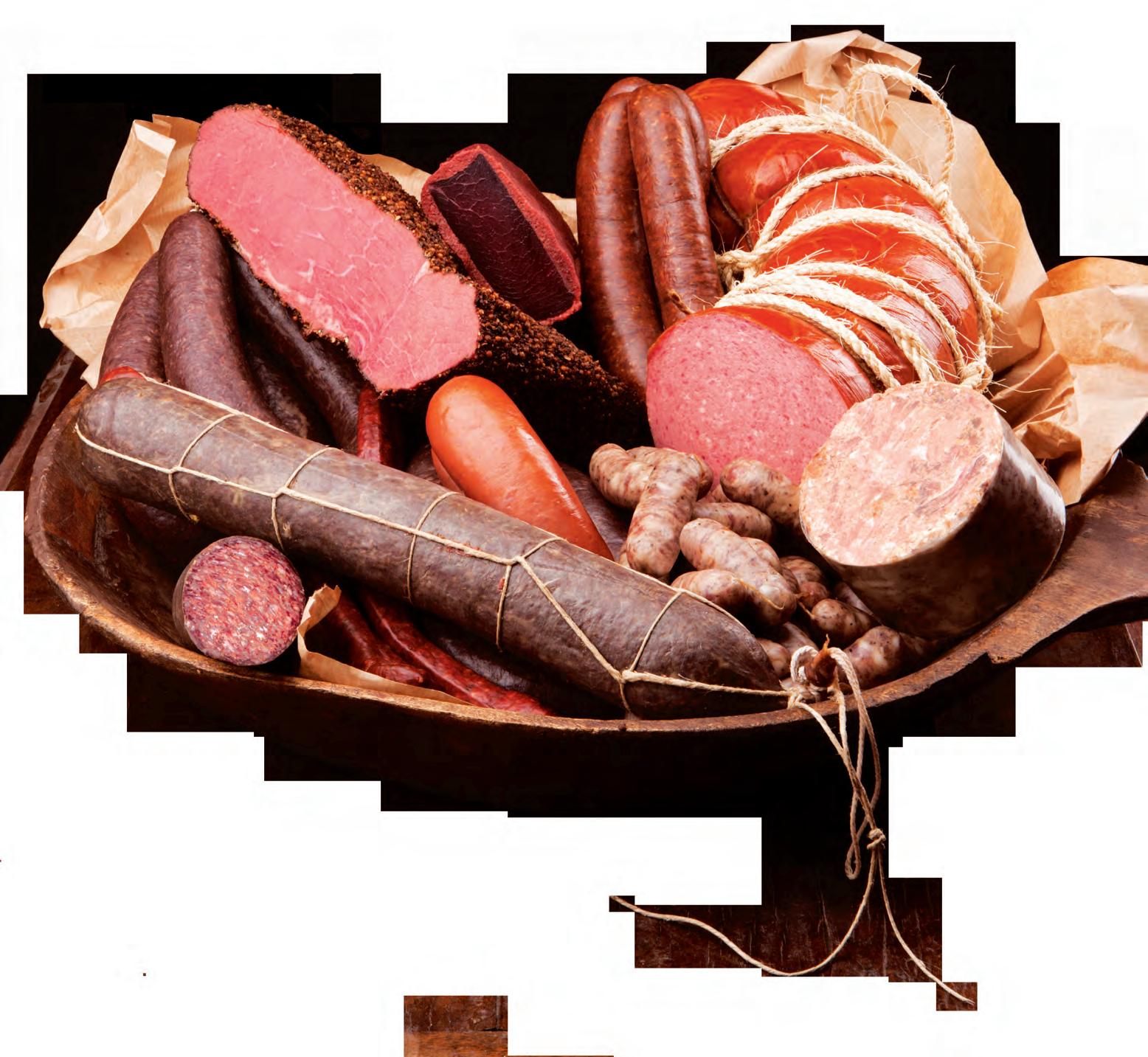
The most renowned Greek traditional charcuterie and meat products are:
Meat-based traditional Greek products (charcuterie)
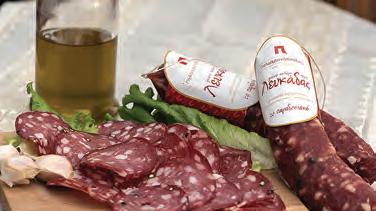
Air-dried salami from Lefkada. This is a cured sausage of fermentation and maturing.
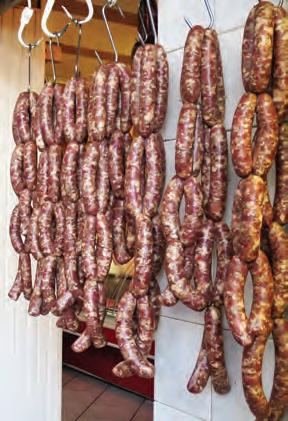
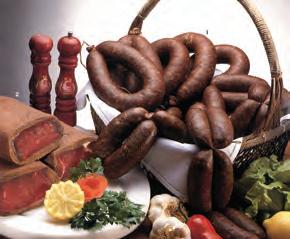
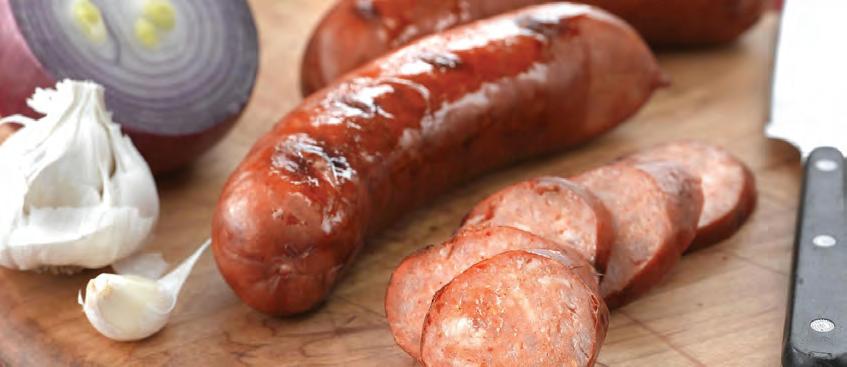
Recently, in Greece, there has been a shift in preferences as an ever increasing number of people have been turning towards traditional products
Its origins can be traced back to the late 19th century on the Ionian islands, predominantly in Lefkada, and is based on Italian knowhow. It was usually produced in winter and it could be consumed up to the summer, hence its traditional name ‘summer salami’. The pork used, the specific climate conditions on the island and the fermentation-maturing technique at low ambient temperatures at the early stages of its production allowed the psychrophile ‘aroma-producing’ bacteria to survive for longer and crate an exquisite aroma with a mild, acidic taste. The lard was cut in cubes by hand and then mixed with coarsely ground lean pork, salt and local herbs and spices. Then followed its ‘casing’ into thin bovine intestine and its natural maturing.
Traditional ‘village’ sausages.
They are among the most popular traditional charcuterie in Greece. In the past, they were made out of the Christmas ‘hoirosfagio’ (pig slaughter) and constituted, together with kavourmas, one of the most basic meat stocks. The meat, along with an adequate quantity of fat, was cut into pieces of varying sizes (depending on the area), mixed with salt, local herbs and spices and was then cased in the cleaned small intestine of the pig. In this meat mixture one could add various other ingredients such as, for example, leek (in Thessaly and central Macedonia), orange peel or even whole oranges (as is the case in the region of Mani in the Peloponnese), wine (in certain areas in the Peloponnese), cumin and red pepper (in Thrace) as well as local herbs (in Crete and other islands). After their being cased, they were hung in well ventilated spaces in order to dry, which resulted in their losing up to 30% of their initial weight. These sausages could then be preserved in the warmer seasons of the year. In order for better
preservation and smaller loss of weight to be achieved, they were placed within earthenware containers and covered in melted lard or olive oil. In all the aforementioned cases they were products not subjected to heat treatment. Today these products are produced and transported fresh, under refrigeration, thus having a limited shelf life.
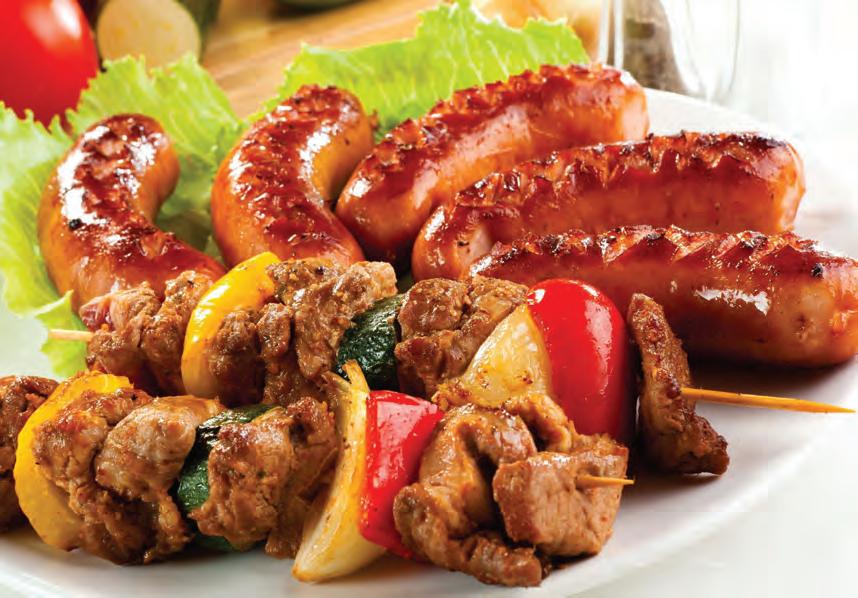
On an industrial level they usually go through smoking and heat treatment. They are ideal for grilling and frying. A variation of the traditional ‘village’ sausages is the Cretan ‘vinegar sausages’ which are mainly produced with pork and lard. The latter is shredded and scalded in hot water until it is ‘glazed’ / ‘blanched’. It is mixed with the lean meat, salt and spices, then cut at the meat grinder with a 12-14cm-hole plate and immediately covered in vinegar. After 24 hours, the mixture is subjected to mild kneading and then placed in drainer containers so that the excess vinegar be removed. It is then cased in thin sheep intestine and hot smoked. This sausage has a particular acidic taste and besides grilled it is ideal for various legumes soups.
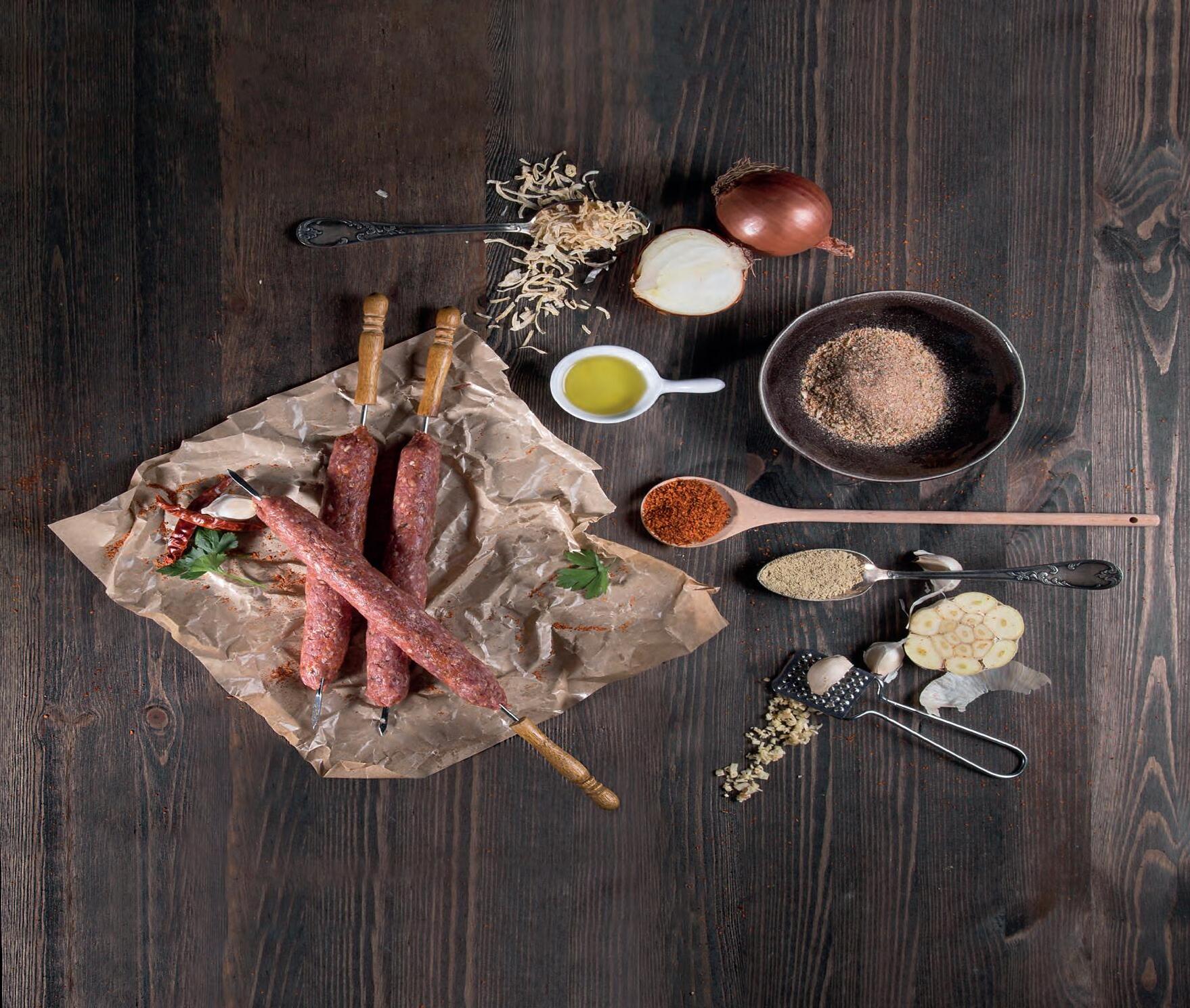
Sujuk. This product is similar to ‘village’ sausages but it is produced exclusively with beef and lamb and is particularly spicy. It is considered to be a product of maturing and its characteristic feature is its dark russet colour and its strong spicy flavor, with paprika, cumin and garlic being the most dominant. Depending on the area of production, pepper, clove, cinnamon, nutmeg, pimiento or çemen (fenugreek) may be added. The meat is finelyground and cased in intestine 26-32mm in diameter. It is then dried and left to mature for at least 14 days. It is consumed as is or fried together with other food, for example, eggs.
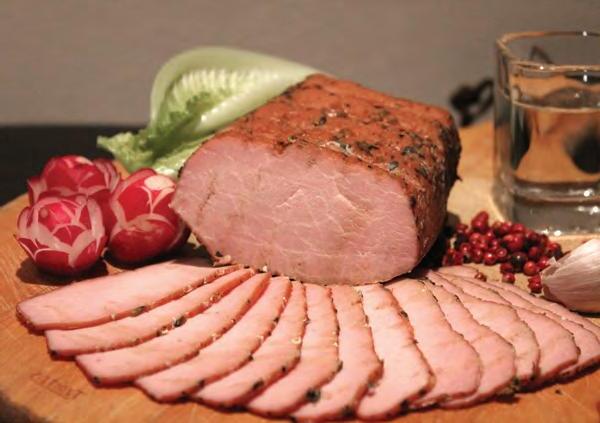
Pastourma. This is an exemplary case of a traditional product which has maintained its
character and production process almost unaltered. It is a product of fermentation and maturing which is rather intensely dehydrated. The dehydration process is accelerated through the application of high pressurization which may reach the point when the meat’s juices are extracted. Today it is mainly made of beef, which is cut in shreds 12-20 cm wide, approximately 5-8 cm thick and 40-50 cm long. Salting is always dry and lasts 7-10 days. After salting, the meat is thoroughly washed with plenty of cold water and then hung in special areas in order to dehydrate. During dehydration it is pressurized so that the loss of moisture is boosted. When the dehydration is perceived to have been completed, the pieces of meat are coated with a malleable paste which consists of garlic, çemen (fenugreek), red pepper and possibly some additional spices. They are then allowed to dry in order for this external paste to solidify. This paste has a distinct, strong spicy taste which does not fully meet the preferences of the modern consumer. That is why, today, pastourma is made without its outer coating, which has been substituted by mild spices and herbs, attached to it by means of gelatin.
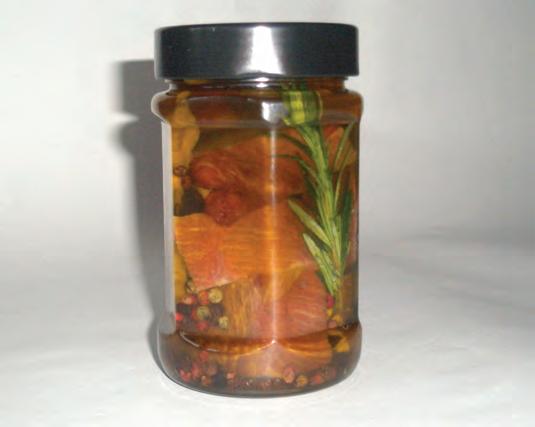
Kavourmas.This is a traditional product from Macedonia and Thrace. It consists of boiled or fried pork pieces, covered in melted pork fat. The meat with the fat, cut into individual portions, is initially boiled in a small quantity of water. Salt and spices are added just before the water evaporates. Heat treatment continues in the melted fat of the meat. After the pieces of meat are fried, they are placed in earthenware containers and are immediately covered in boiling melted fat. In other words, empirically, aseptic packaging of the sterilised meat takes place, resulting in the product
being able to be preserved even without refrigeration. The method of production used today is greatly different from the traditional one as far as the final stages and kinds of meat used are concerned. Today, the pieces of meat, which can be beef, lamb, buffalo or a mixture of them, after the heat treatment, are placed in artificial casings 100-120mm in diameter with little addition of melted fat or broth. In terms of technology used, it is similar to corned beef. It has strong spicy seasoning and is consumed as is but it can also be an ingredient of many traditional recipes.
Santirmas. This is a variation of kavourmas, a kind of brawn. It is produced from heads and blades, which are boiled in plenty of water together with leeks, red peppers and other vegetables. After boiling, the bones are removed, the meat is cut into small pieces, mixed with the vegetables, the broth and vinegar and then is cased in pork stomachs. After refrigeration, the mass solidifies and can then be cut into slices.
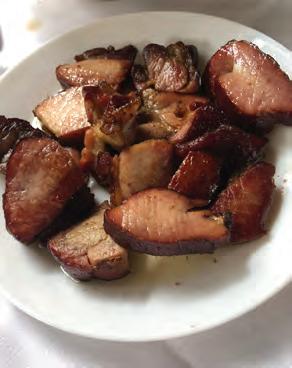
Syglino. Cured, smoked and fried pork meat from the Peloponnese, which is preserved covered in olive oil (nowadays) or in melted pork fat or ‘glina’ (in the past). The sizable pieces of lean meat are salted for 4-6 days, marinated in red wine for 1-2 days and smoked over an open fire for 24 hours. They are then washed in warm water, cut into small pieces and boiled in water and wine, in which juniper seeds, cinnamon, clove and orange peel have been added. The pieces of meat are then placed within earthenware containers and covered in ‘glina’ (the melted pork fat) or in olive oil. This is a particularly tasty product in the category of boiled, smoked pieces of meat, which can be consumed as is or cooked.
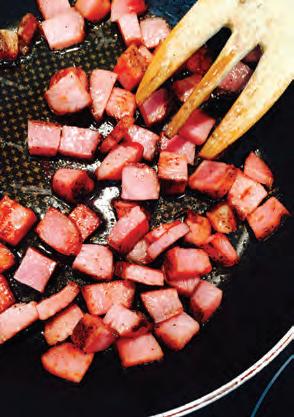
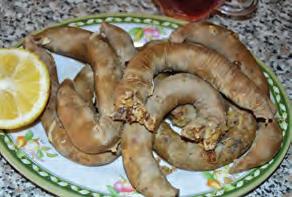
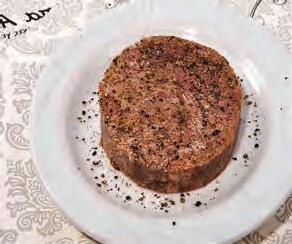
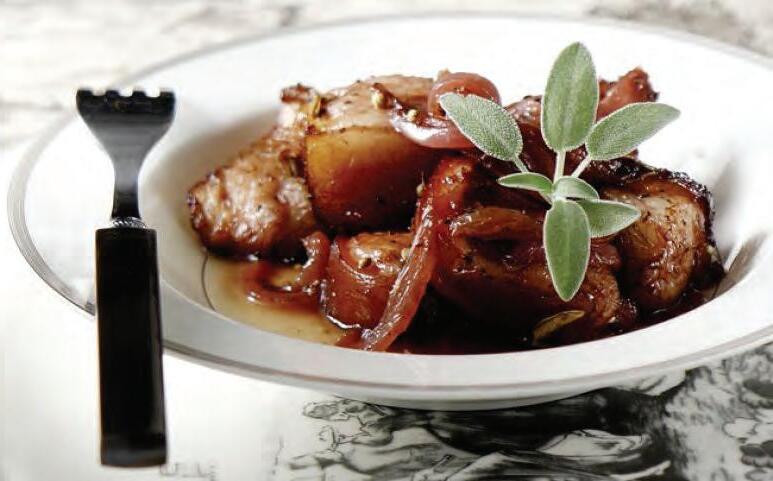
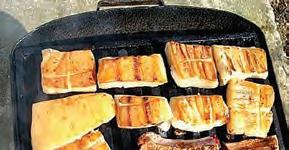
Apaki. This is a traditional product from Crete which has an intense acidic taste. It is produced from pork tenderloin or steak. Its distinctiveness lies in that the meat is ‘marinated’ in vinegar for two to three days. After being washed and dried, it is salted, covered in various herbs and is dehydrated in well-ventilated areas. In some regions they receive hot smoking. This is a product with a characteristic acidic taste which accompanies hot or cold dishes and salads.
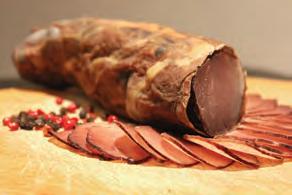
Noumboulo Foumikado from Corfu. Made out of deboned steak, this is a product of fermentation and maturing. In the past it was produced in the cold months of the year, just like the salami from Lefkada. Salting was always dry, followed by maturing in well-ventilated spaces until it developed its characteristic rich flavor and its ‘sweet’ taste. It can be consumed as is or in combination with other dishes.
Louza of Mykonos. This is a product of maturation which is made out of the steak of the renowned ‘hoirosfagio’ of Mykonos and is similar to Noumboulo Foumikado from Corfu. It is mildly salted and then let to dehydrate and mature after it has been cased in cows’ caecum. In this way, the product is protected from undue dehydration thus remaining tender and juicy and acquiring a special characteristic flavor which, in part, comes from the intestine itself.
Omathies or karkavitsa. This is a product whose roots, the Cretans claim, go back to the Minoan era. It is also similar to a food
described in the Odyssey by Homer. The raw materials used are mainly lungs and not so much liver or heart. After being cut into small pieces, the meat, together with rice, salt, spices and in some cases raisins, is cased in a pig’s large intestine. It is cooked firstly, in plenty of water, secondly, in the oven and then left to dry and thus it is preserved mainly in the cooler seasons of the year.
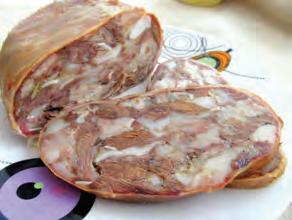
Aspic. This is a well-known product of double heat treatment which is produced from the meat of a pig’s head and a considerable quantity of vinegar. After being boiled, the meat from the head is cut into small pieces, mixed with the stock, salt and vinegar, placed in earthenware pots and cooled in order to solidify. A variation of aspic is the tsiladia, which is made out of pork shoulder and leg, during Easter.
Corned pork lard. This is pig fat from the back, over 2 cm in width. It is salted with plenty of coarse sea salt and placed in layers within wooden containers. It remains in salt until the moment of consumption. Nowadays, it is also produced in a smoked variety and in some cases it is considered Delicatessen.
Tsigarides. This is a residual product which is the result of the melting of pig fat. Small crispy shreds mainly made of fat connective tissue and pieces of muscle tissue attached to it. It has a pleasant crunchy consistency and a distinctive taste. It is used in fresh salads and pasta soups (trahanas).
These are products of fresh meat which does not undergo a disinfection process and thus require cooking (roasting or frying) before they can be consumed. They are divided into products made of minced meat (finelychopped meat) and products made of sizeable pieces of meat.
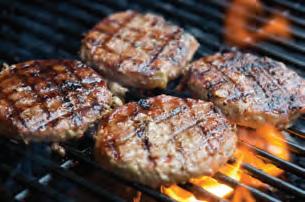
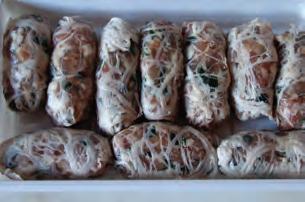
Products from finely-chopped meat (mince). This category includes soutzoukakia, meatballs, burgers, sheftalia (which comes from Cyprus and whose distinctive characteristic is the meat being wrapped in sheep caul fat), etc. They are made of various kinds of lean meat which, after being minced, is mixed with salt, spices and the local herbs of each region. They usually contain a significant quantity of breadcrumbs
or bread. After their being mixed, they are formed into various shapes and are ready for consumption. They are usually transported under refrigeration or deep-freezing. A major particularity of these products is the use of olive oil as a basic ingredient of the recipe. Since the meats used are usually lean, the fatty base used in these products is olive oil, which constitutes the characteristic element of the Greek cuisine and diet. Olive oil, together with the particular Greek herbs, gives the prepared products and exquisite , characteristic taste depending on the area they are produced.
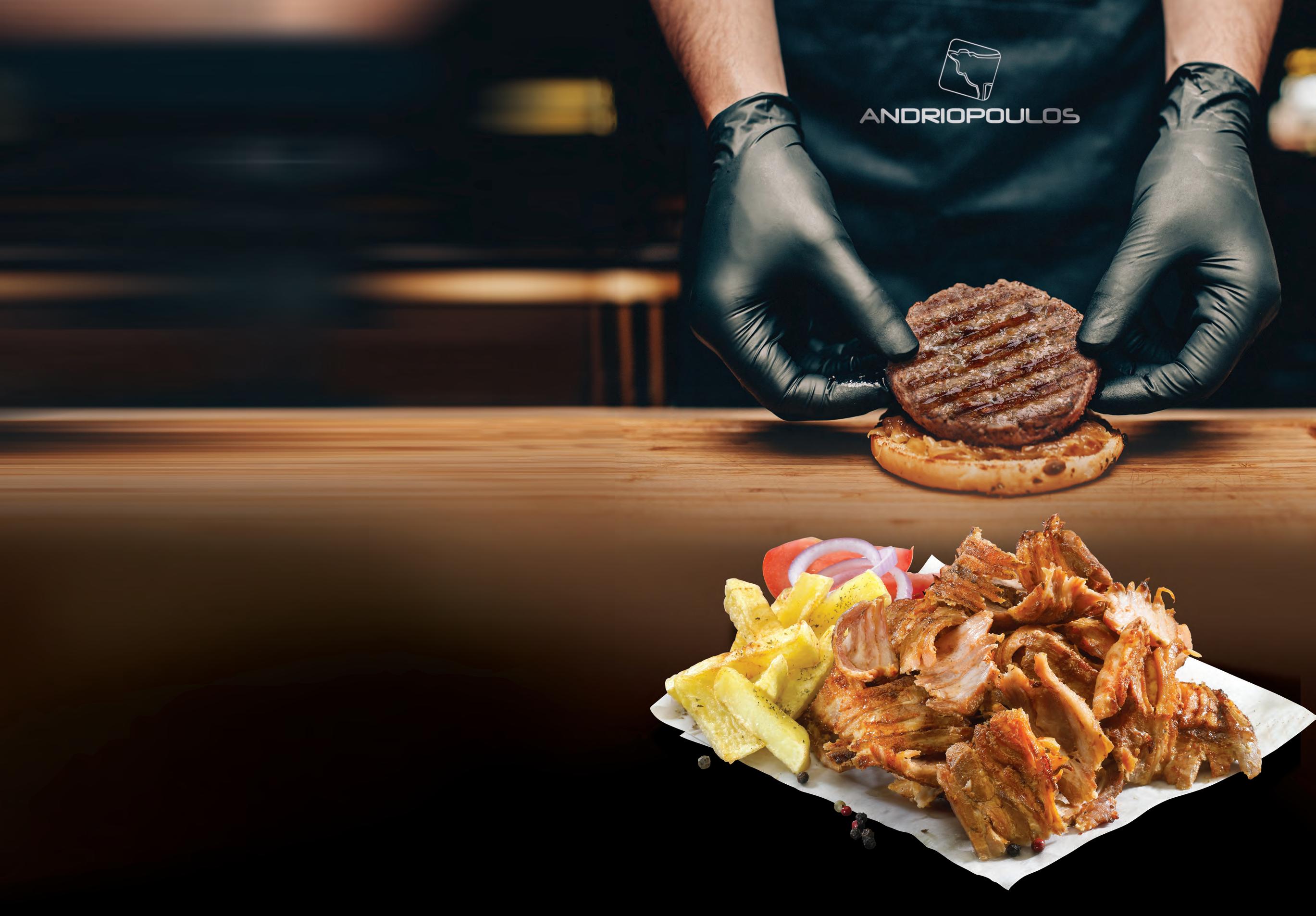
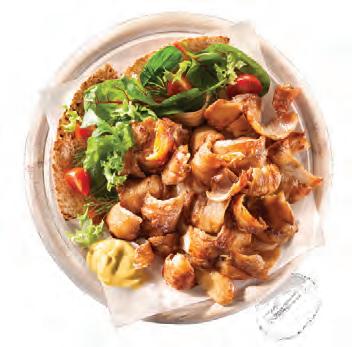
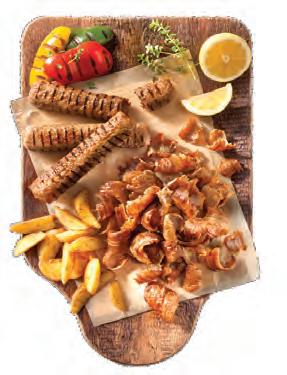
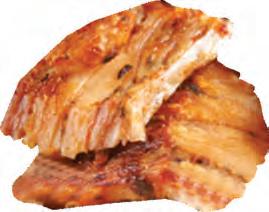
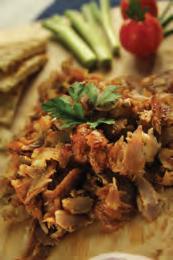
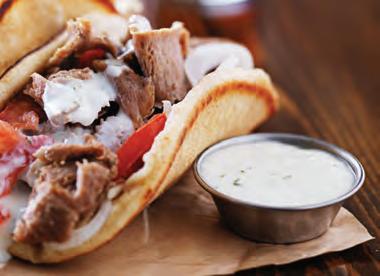
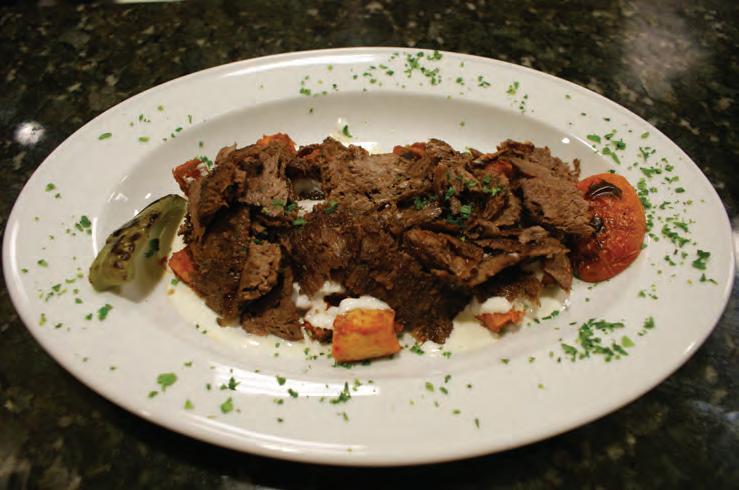
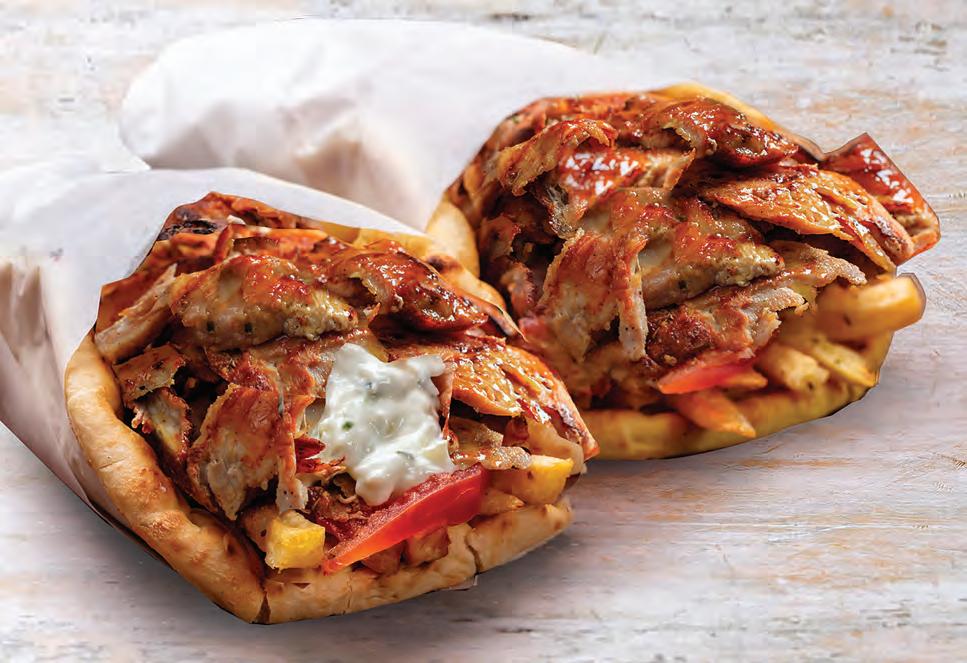
Products made of pieces of meat. To this category belong products which have already made an international ‘career’ and are recognized on a global level. The best-known of these is the Greek gyros, which has been an evolution of the oriental doner kebab. The technical problems involved in the setting up of the doner, as well as the opportunity which the finely-chopped raw material offered for meat of dubious quality to be incorporated, led Greek producers to consider replacing the minced meat with pieces (slices) of meat and in doing so created a new product, similar to the doner in appearance. That is how the Greek gyros was ‘born’, which through its quality, taste and characteristic method of cooking, ‘conquered’ the entire world.
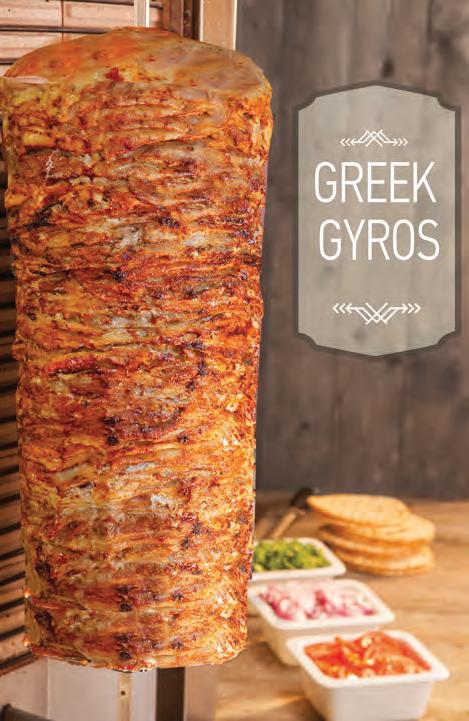
Today, gyros is made of pork shoulder or pancetta, filleted in slices, marinated in a small quantity of water and spices and then stacked on a vertical spit to create an inverted cone. It is usually transported frozen and is cooked on a vertical rotating rotisserie with the heat source parallel to the gyros cone.
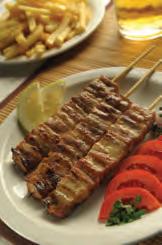
Other traditional products made of pieces of meat are the souvlaki (with pork, beef, lamb or chicken) , kokoretsi and gardouba , frigadelia etc. Souvlaki was already known in ancient times and its characteristic cooking pot has been discovered in archaeological excavations.
• Ambrosiadis, I., Soultos N., Abrachim A. and I. Bloukas (2004): Physicochemical, microbiological and sensory attributes for the characterization of Greek traditional sausages. Meat Science, 66, 279-287.
• Papadima S,N., Arvanitogiannis I., Bloukas J. and Fournitzis G.C. (1999): Chemo-metric model for describing Greek traditional sausages. Meat Science, 51, 271277.
• Papadima S,N. and Bloukas J. (1999): Effect of fat level and storge conditions on quality characteristics of traditional Greek sausages. Meat Science, 51, 103-113.
• Papadima E., Tzanetakis N., LitopoulouTzanetaki E. and Kotzekidou P. (2003): Characterisation of lactic acid bacteria isolated from a Greek dry fermented sausage in respect of their technological and probiotic properties. Meat Science, 65, 859-867.
• Samelis J. and Metaxopoulos I. (1998): The microbiology of traditional Greek country style sausages during manufacture, followed by storage at 3o and 12oC in air. Italian Journal of Food Science 10, 155-163.
• Maria and Nikos Psilakis (2001). Cretan Traditional Cuisine. Editions: TYPOKRETA, ISBN: 960-7448-22-7
• Rousounelos Dimitris (2002).
‘Hoirosfagia’ in Mykonos. Sacrificial tastes. Editions INDIKTOS, Athens 2002.
• The Cycladic diet. www.cycladesbest. org/diet/diet.htm
• Sausage. http//en.wikipedia.org/wiki/ sausage Gyros
Olive oil, together with the particular Greek herbs, gives the prepared products and exquisite, characteristic taste
Written by Christos Vogiannou, President and CEO of Provil S.A.
Street Food is on the rise throughout the world, since it is favoured by consumer trends, dictated by the new social conditions. Gyros, along with doner and shawarma, is becoming a global trend.
The Greek gyros is making an effort to gain a strong position among the famous street foods of the world. It is a product similar to doner made in Turkey, Tunisia and Morocco as well as the Arabian shawarma. The difference is that the doner is made with minced lamb or beef meat, shawarma with chicken or turkey while the Greek gyros is made only with thin, flat slices of pork. Of course, there are gyros variations made from lamb, beef or even chicken.
Doner, not having created a positive image among consumers - especially in Europe –(because although it has been a well-known snack, in large cities it is on sale around disreputable areas) has not managed to attain the international popularity which has
been gained by the burger. This, of course, has happened in combination with the almost exclusive consumption of doner by the European Muslim communities. This does not apply in another part of world, in the Middle East, where shawarma and doner are among the most popular snacks in the region, as is the case with gyros in Greece.
Today, however, the reputation of this delicious snack has spread all around the world and in Asian countries (such as China and Pakistan) it is becoming ever more popular. In South America they produce gyros exclusively with juicy beef. Large restaurants, chain restaurants, hotels and catering companies offer some variation of gyros in their menus. In countries such as Saudi Arabia there are chains of 100 or 120 restaurants which offer shawarma and doner. A similar situation is seen in Russia but also in countries such as the UK and Germany. Shawarma and doner are best known in areas where there are Muslim communities.
In Greece, gyros is a very tasty, complete (nutrient-balanced) and low-cost dish which, today, is growing at the fastest pace ever and constitutes the Greek street food par excellence. A lot of new grill restaurants have been established, of high aesthetics, with quality management systems, in order to provide the consumer with a safe and quality product in premises which serve as a meeting place but also designed for entertainment. At the moment, there are more than 25 thousand grill restaurants in Greece.
The Greek gyros, in the form it is produced in Greece, is not widespread in the rest of the world with the exception of areas where Greek communities exist. Thus, the fame of this delicious snack has not expanded to the extent that it deserves and in this field we need to take action.
However, for many years, large companies in Greece have produced gyros with absolute safety, according to modern specifications but also with age-long expertise, using the herbs and spices of the Greek land.
Ready-made gyros is now exported by many of these companies, the largest of which export to 25 countries around the world, resulting in elevating the reputation of the Greek gyros and boosting the Greek meat industry. In this way, a sound production base has been created which is able to support the greater expansion of the Greek gyros worldwide.
But what makes Greek gyros an amazing and famous street food?
• Firstly, and above all, it’s the tastiness of high-quality pork, cooked on a vertical rotisserie which rotates around the burner
• Secondly, it constitutes a practical solution for a meal which can be found at the centre of small towns or cities, at every corner, all around the world, at a low price
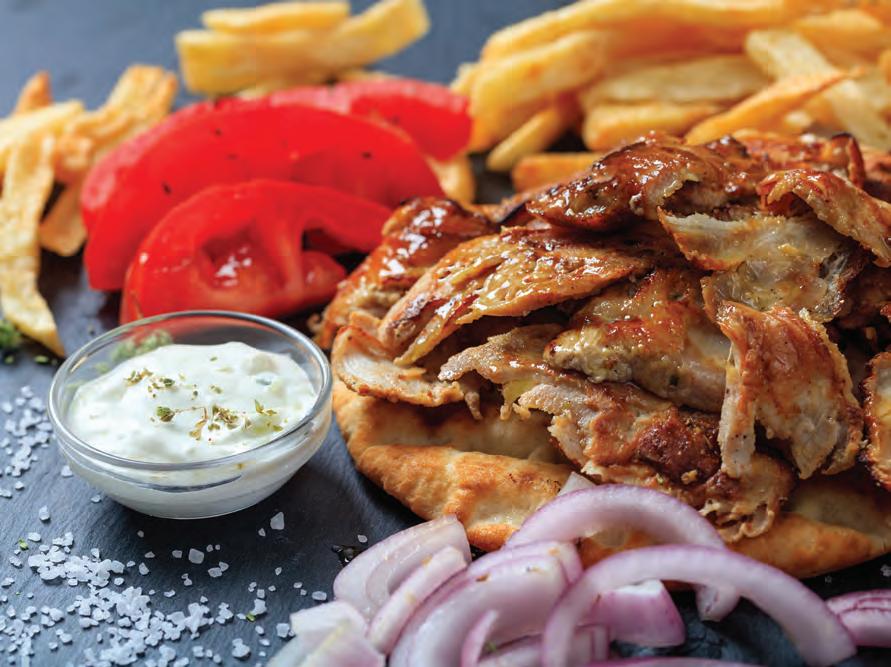
• Thirdly, gyros, which is served with pita (flatbread), French-fried potatoes, and vegetables (mainly tomatoes, onions and a little tzatziki) is a balanced and complete meal. It includes all the necessary nutrient groups i.e. pure proteins and a little animal fat, carbohydrates and vegetable fibre from
the pita and the potatoes, antioxidants from oregano, freshness and vitamins from the vegetables while tzatziki makes it more easily digestible by providing calcium and probiotics. Indeed, it is a low-calorie meal as long as there is no excess of French-fried potatoes and the pita is not grilled with olive oil.
Last year, the first scientific congress on Gyros Management was held in Athens, which aimed at the scientific documentation as to the handling of the product in all its stages of production. The Research Centre for Food and Drink Security at the Faculty of Food Technology and Nutrition of the Athens Technological Educational Institute has already conducted a study on the management of gyros under different conditions. Also the Greek Meat Processing Industry Association (SEVEK, in Greek) is making an effort to certify Gyros as ‘Traditional Speciality Guaranteed’ (EPIP, in Greek). These along with other efforts contribute to gyros being recognized truly as the next successful, tasty and delicious snack in the world, with all that this entails for the financial performance of the sector and, by extension, for the Greek economy.
M
Provil is a leading supplier for the Gyros, Doner and Shawarma production Industries in Greece and 10 countries abroad
Written by Panos Katsachnias, pk@meatplace.gr
Gyros is a product closely connected to the Greek gastronomy. It is massively consumed both by the locals and the tourists who visit Greece, while its fame is beginning to spread abroad.
It is made mainly with pork, always following a specific way of preparation, using particular raw materials, which follow a traditional Greek practice as well as a specific way of grilling.
The name ‘gyros’ refers both to the raw meat and the cooked meat product. It consists of thin, flat slices of meat which revolve around a source of heat. Gyros is distinct from other similar products due to the way it is grilled, since the vertical gyros cone (made from slices of meat) slowly rotates before the heat source (vertical rotisserie). The slices of meat are processed and prepared so that they take the form of ‘sheets’. The product’s name, ‘gyros’, derives from the Greek word ‘γύρος’
SEVEK: The authentic production method of Gyros should be protected
“As a country, we ought to safeguard the authentic production method of gyros”, stated Mr. George Oikonomou, the appointed consultant of the Greek Meat Processing Industry Association (SEVEK), “taking into account the fact that there are large quantities of imported ‘gyros’ produced in neighbouring countries, with different methods, unfortunately with banned food additives and sold at strangely low prices”. At the same time, he notes that “we will, create a protection shield around the Greek gyros against the ‘imported’ unfair competition by using the following ‘tools’: the certification of gyros as TSG, its being produced with the traditional method employed today in our country, its being made with ingredients which are compliant with the strict Greek legislation and, lastly, its low fat-content. In doing so, we will contribute to the further boosting of our exports, which our struggling national economy desperately needs”.
which means turning round, rotation, or perimeter. Today, Greek legislation defines gyros as a product made from thin slices of whole pieces of meat. The meat can be pork, beef, lamb or chicken.
Through the institutionalization of the certification process, the Hellenic Ministry of Rural Development and Food (YPAAT, in Greek) aims at enshrining ‘gyros’ in legislation and (on completion of the process) it will become the first Greek product to be certified as a ‘Traditional Speciality Guaranteed’ (TSG) in the official list of certifications (PDO, PGI, TSG )of the European Union.
The Ministry has accelerated the process, since representatives of the Greek Meat Processing Industry Association (SEVEK, in Greek) have expressed an interest and have drawn up a relevant dossier concerning the certification of ‘Greek Gyros’ as TSG. After the end of the consultation (on 22nd March 2019) and if no objections have been filed, the relevant Ministerial Decision (which is necessary for the recognition process of TSG products according to EU regulations) will be issued. Then the dossier will be sent to the European Commission and it is estimated that after a 12 to 18-month period it will reach the final stage of certification. However, this TSG certification can only be used within the EU.
M
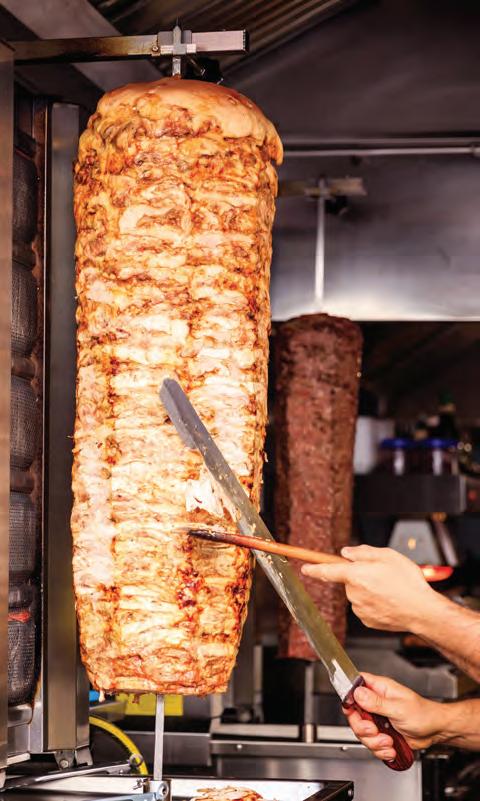


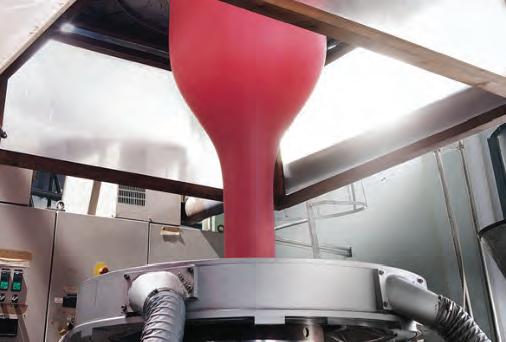
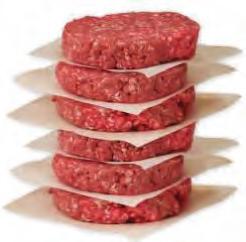
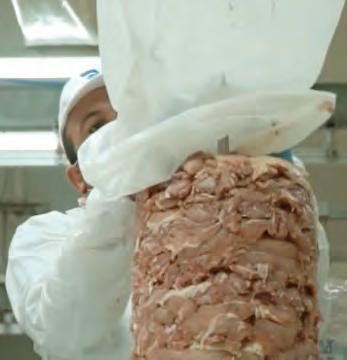

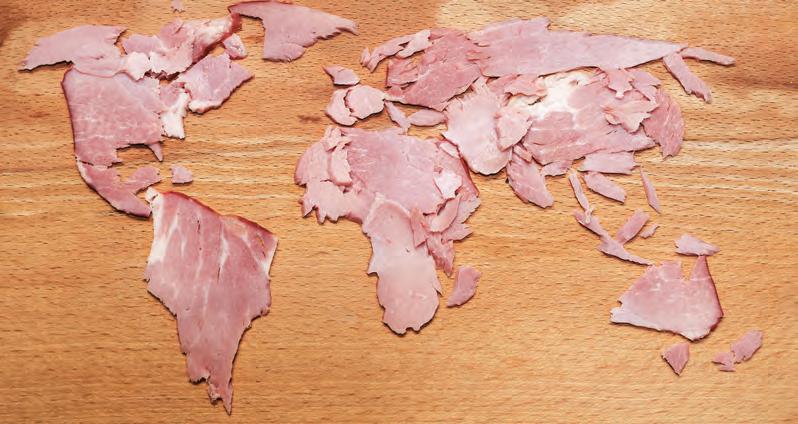
We present you in the following pages an indicative list - in alphabetical order - of companies which have gained a leading position in the Greek meat sector.
Notwithstanding the broader dire economic situation of the Greek economy in recent years, there have been huge investments in the direction of creating state-of-the-art certified meat production and processing facilities, which function according to European specifications, as well as building completely new plants, in the last ten years.
For their better presentation, companies have been divided into three categories: the

ones dealing with meat, with charcuterie and finally with poultry meat.
Thus, there are companies specializing in very popular meat and meat products, such as gyros, souvlaki, burgers and kebab, which select the meat they use as raw material from high quality pork, beef, veal or lamb as well as meat from chicken and turkey. (Table 1)
Charcuterie is also made in compliance with strict quality criteria and constitutes a significant part both of the Greek consumption and exports. (Table 2)
Finally, a characteristic of the majority of companies in the poultry farming sector is their great size. (Table 3)
P.&A. ANDRIOPOULOI Bros, General Partnership
Andriopoulos Market deals in processing, standardization, packaging and trading of meat.
Website: www.andriopoulosmarket.gr
BELLE MEAT, Single-Member Ltd
The main business activities of Belle Meat are the processing and packaging of meat products, at our production facilities in Acharnes, Attica.
Website: www.bellemeat.gr
BIKRE S.A.
Based in Kavala, BIKRE has been engaged in the processing and marketing of meat for 40 years.
Website: www.bikre.gr

• DUPPS/MAVITEC
• DURAM -
• EMKA -
• GHEKIERE
• GIGOLA
• GIORDANO
• ITASYSTEM
• ITASYSTEM -
• MARELEC -
• MEYN -
• NIJHUS
ELVIDA FOODS S.A.
Elvida Foods is a company with long tradition in reliability, safety and high quality products.
Website: www.elvidafoods.gr
MITSOPOULOS FARM, Meat, Livestock farming, Industrial, Commercial S.A.
Mitsopoulos Farm raises swine, standardizes and trades in meat products, sausages and charcuterie.
Website: www.mitsopoulos.farm
FLORIDIS, Meat Processing Company S.A.
FLORIDIS engages in all the areas of the processing and trading of meat and meat products.
Website: www.floridis.com.gr
KASIDIS S.A.
Kasidis meatland is a modern production, processing and trading facility, based in Larissa.
Website: www.kasidissa.gr
MEGAS TRADITIONAL YEEROS, Industrial and Commercial S.A.
Megas Yeeros is the largest gyros production company, with two production plants, in Greece and the USA.
Website: www.megasyeeros.gr
NASOPOULOI BROS S.A.
Nasopoulos is one of the largest and best-recognized meat processing and trading companies in Greece. www.nasopoulos.gr
PAPAGEORGIOU FOOD SERVICE S.A.
Papageorgiou Food Service has processed meat products in its facilities in Larisa, since 1991.
Website:www.pfs-foods.com
I. LEONTZINI, MEAT S.A.
Stohos Foods successfully deals in the meat and meat products sector.
Website: www.stohos-foods.gr
P. KAMARATOU & Co, Limited Partnership
Since 1963, Allanton has provided mass catering and retail outlets with charcuterie and meat products.
Website: www.allanton.gr
CRETA FARMS, Industrial and Commercial S.A.
Creta Farms is one of the largest pork producers in Greece, with 20 branded patents throughout the world.
Website: www.cretafarms.gr
EDESMA, Industrial and Commercial S.A.
Edesma produces a large range of charcuterie of gastronomic quality.
Website: www.edesma.gr
IFANTIS, Industrial and Commercial S.A.
IFANTIS Group has a leading position in the food production market, spearheaded by high-quality charcuterie
Website: www.ifantis.gr
LAKONIKI FOODS, produces charcuterie, in a traditional way, using high quality raw materials for all its products. Website: www.lakoniki.gr
LUNCHEON MEAT EVROU S.A., produces all the kinds of charcuterie: boiled, smoked, sausages, matured charcuterie and ham products.
Website: www.ifantis.gr
P.G. NIKAS, Industrial and Commercial S.A.
Since 1966, Nikas has dealt with the production and distribution of charcuterie in Greece.
Website: www.nikas.gr
PADERIS BROS FINE CHARCUTERIE, was founded in 1970 and since then has produced Constantinople Sujuk and Pastirma, which have made the company stand out, still today.
Website: www.paderis.gr
PASSIAS, with a history of over one century, is one of the most state-of-the-art charcuterie production industries of European specifications. Website: www.passias.gr
All products of the Sary Charcuterie laboratories are made with pure ingredients, authentic Cappadocian passion and age-old tradition.
Website: www.sary.gr
Table 3: Poultry farming and chicken products
Aggelakis S.A., Aggelakis breeds chickens and makes products using only the purest ingredients which nature can offer.
Website: www.aggelakis.gr
AMBROSIADIS,Industrial and Commercial S.A.
AMBROSIADIS countryside chicken and our large variety of products guarantee high quality and unique taste for the consumer.
Website: www.ambrosiadis.gr





See you in Hall GAL0, Stand A17
• EVYL SA
Adress: Leoforo Nato & Megaridos 19300 Aspropyrgos, Greece Hall 9.1 stand B71
• PALAMIDIS SA
Adress: Egidon 9 14564 Kifisia, Greece Hall 11.0 Stand A29
MIMIKOS,Mimikos packaged chicken and chicken products stand out from the hatchery to the supermarket fridge.
Website: www.mimikos.gr
TH. NITSIAKOS, Industrial and Commercial S.A. NITSIAKOS, based in Ioannina, is one of the biggest food industries in Greece, with a continuous presence of over 40 years in the poultry farming sector.
Website: www.nitsiakos.gr
PINDOS, loannina Agricultural Poultry Farming Cooperative PINDOS has been the largest cooperative in Greek poultry farming since 1958.
Website: www.pindos-apsi.gr
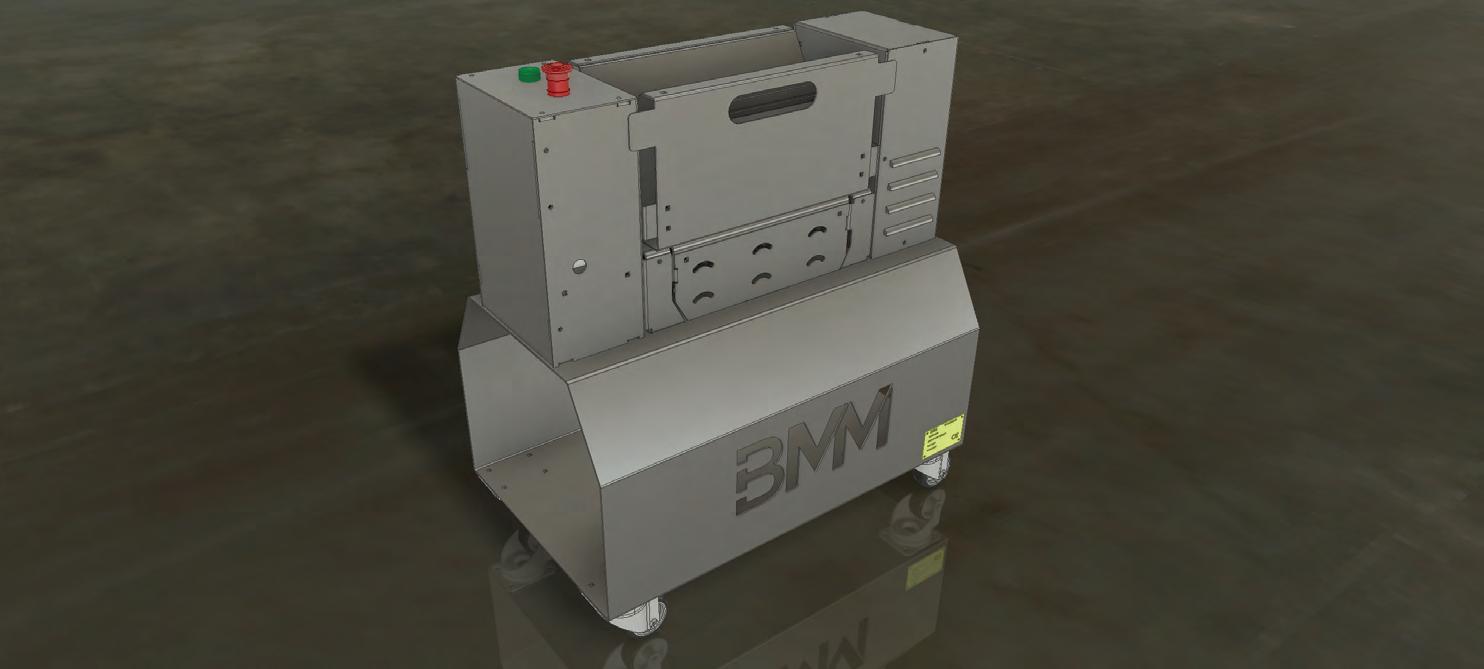
We present the Greek exhibitors participating in IFFA International Exhibition 2019 from 4 to 9 May in Frankfurt… to find them more easily!
• FLEXOPACK SA
Adress: Ifaistou 36 19400 Koropi Attikis, Greece Hall 11.1 stand B20
• PROVIL SA
Adress: A3 Road Ind Area Sindos 57022 Thessaloniki, Greece Hall 12.1 Stand A71
• FOUNTOUKAS THEODOROS
Adress: Myloi 5 56429 Efkarpia -Thessaloniki, Greece Hall 9.1 stand F31

• MEAT & GRILL MAGAZINES
Adress: 187, A. Syngrou Avenue 17121 Athens, Attica, Greece Galleria 0 Stand A17
• PSIHOGIOS PROODOS TEXNIKI
Adress: L. Dimokatias & Aneksartisias 70 19300 Athens, Greece
Hall 9.1 Stand A43
• VIONOVA LTD
Adress: NATO Avenue 100 19300 Aspropyrgos, Greece Hall 12.1 Stand E37

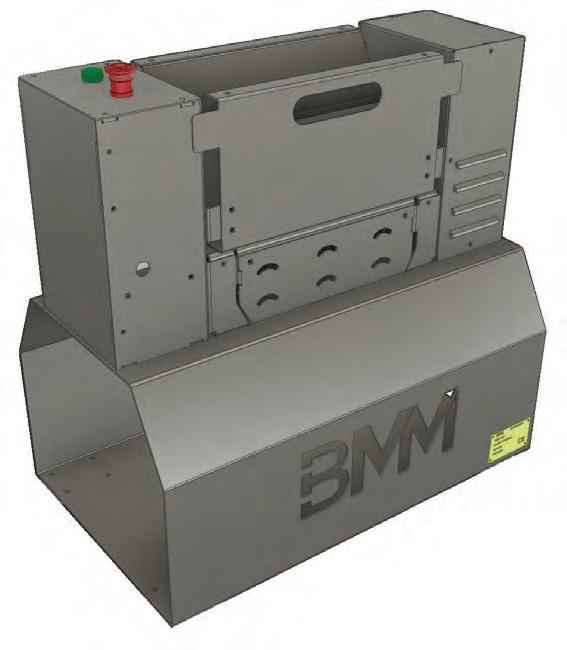

Charcoal Oven
A professional charcoal oven for indoor use that will change the way of cooking
A combination of a charcoal grill and an oven
Great productivity - 35% faster than an open traditional grill
45% lower charcoal consumption than an open grill
Works 100% with charcoal
Cook at the same time meat, fish, chicken, burgers, steaks, appetizers, pizza etc.
Ideal for restaurants, hotels, grill houses, cook houses, burger houses etc.
Made from high quality stainless steel

Our company BMM entirely manufactures tenderizers for food processing with easy to clean removable knives. Our machines meet all safety standards and are completely manufactured from stainless steel particularly for the food industry.
Our big experience in food industry's machine repairs allows us to fix everything accurately with speed and efficiency.
13, Kairi str. Peristeri
Tel./Fax: +30 2111830713 / Mob. +30 6973027870
info@bmm.gr | www.bmm.gr
Works 100% with wood
Traditional wood oven flavor
Great kitchen productivity - Bakes 4
pizzas of 30 cm at the same time
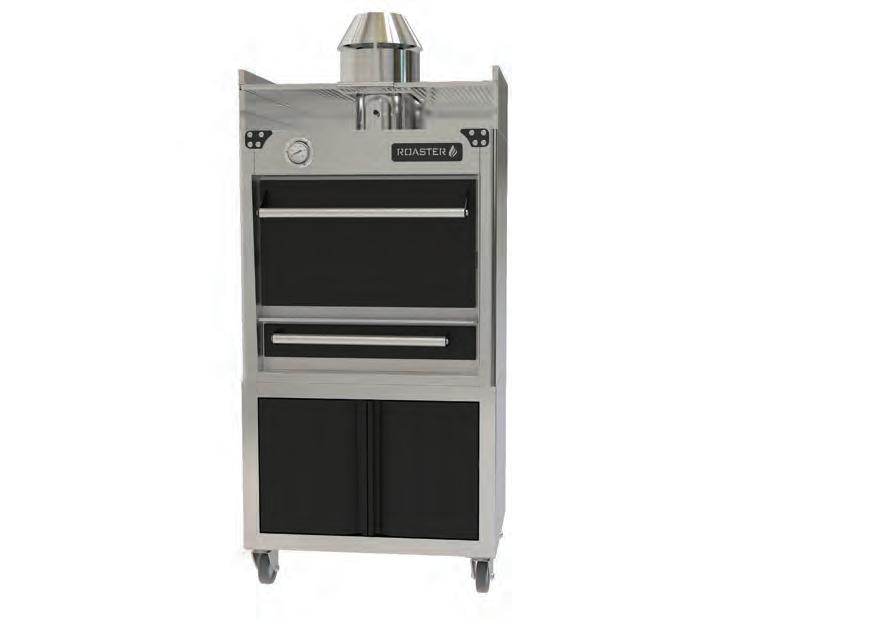
www.biokan.gr | sales@biokan.gr | +30 210 2203458
Sales Office: 312 Syggrou Av, 17673, Kallithea, Athens, Greece
Factory: 2nd km. Kozani – Nea Nikopoli, Kozani, 50100, Greece

Compact appliance of small dimensions
Made from high quality stainless steel

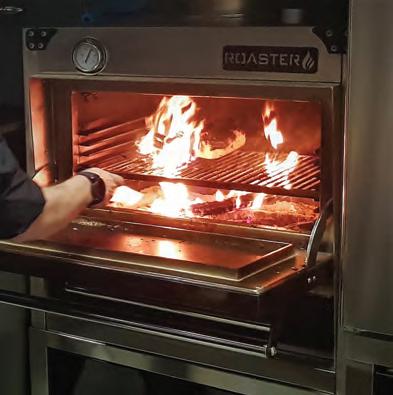
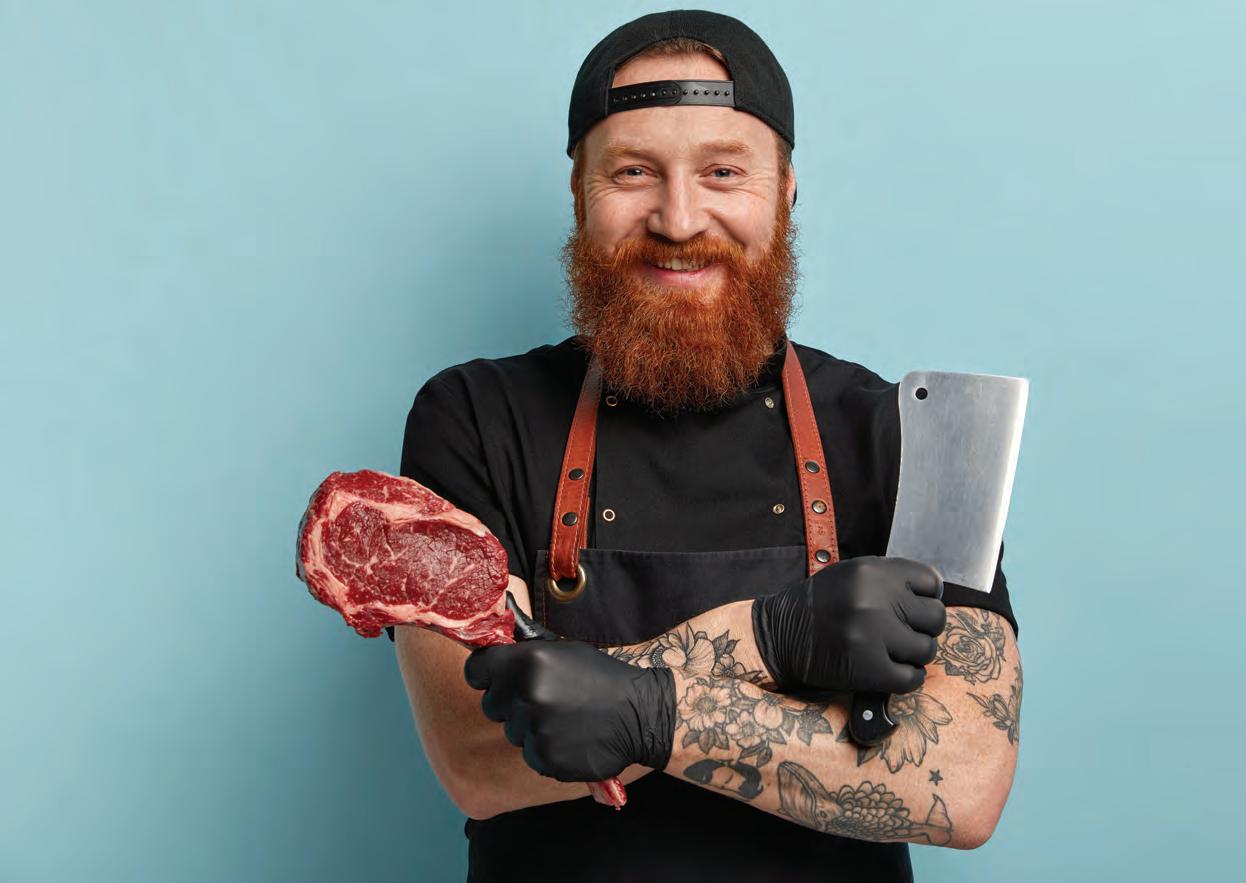
Editing
Panos Katsachnias
The Greek businesses which are involved in the meat sector are undoubtedly the fastest growing and most active part of the national economy. This fact has been corroborated – in a hard way for them, it is true – by the recent debt crisis which has swept through the whole of the Greek economy.
This crisis has – among many other things – proven that the livestock farming /productive sector as a whole must, from now on, become one of the strategic pillars on which economic growth should be based in the immediate future.
The reason behind it is that Greek businesses have both the know-how and the right raw materials to make end products which are capable of worthily gaining a prominent position in the markets abroad. Such high-quality
products, which are increasingly made with traditional Greek recipes, gradually conquer both the local market (versus their conventional competitors) and, at the same time, some of the markets abroad.
Today, in Greece, a new huge business opportunity is emerging, which is as big as the number of tourists from abroad which has steadily been increasing for at least the last 5 years.
This offers two top comparative advantages:
• Firstly, the dramatic increase in internal consumption, especially in the summer months when the 10-million population of Greece more than doubles
• Secondly, the fact that the tourists who taste and consume the Greek meat and its products later become their ambassadors when they return to their countries of origin
On the following pages, an indicative sample of such Greek businesses which play a leading role in the meat and meat products sector is presented in this special edition of MEAT PLACE magazine, which participates as an exhibitor in the International IFFA 2019 Fair.
Presented in alphabetical order, grouped according to their area of activity and having themselves selected the content of the message to be communicated to the European and international markets, the companies which participate in this special feature perfectly capture a representative picture of the Greek business activity in this sector. Thus, the following companies are grouped into 4 categories according to their main area of activity: Meat products, Meat processing, Ingredients and Raw Materials and Services.
M





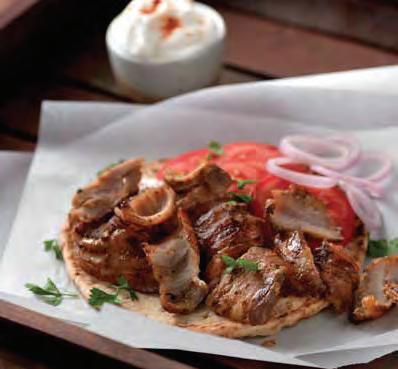
Brand: Hellenic Gyros, Nostimost
Address: 40 Stylianou Gonata
St.,12133, Peristeri, Athens, Greece
Tel: +30 210 5785051
Fax: +30 210 5785052
E-mail: info@elvidafoods.gr Website: www.elvidafoods.gr www.hellenicgyros.gr www.nostimost.gr
ELVIDA FOODS is among the leading companies in Greece in the production of Authentic Gyros, Souvlaki and meatbased products. It is the company that initiated the industrial production of Frozen Gyros and Souvlaki 16 years ago.
• In 2002, “Hellenic Gyros” established one of the first production lines of Gyros in Greece. The production line for us is not only mass production but also standard level of quality, specifications of products, and advanced production methods. With the addition of the excellent choice of ingredients and the personalized customer service, all resulted “Hellenic Gyros” in being the market leader in just a few years.
• In 2006 the shareholders structure changed and new development paths were created. Other product categories were launched to be addressed not only to Grill Houses but also to restaurants, hotels and the retail market. Hellenic Gyros, our historic brand name, remained and we initiated Nostimost as an additional brand name dedicated to retail. At the same time, we changed our corporate name to ELVIDA FOODS to reflect our new product lines and expand our presence to new export markets.
Since the first years of its operation, ELVIDA FOODS remains focused to the high quality and safety of its production lines. They are all certified according to ISO 22000, IFS, BRC standards. Due to automatic traceability and
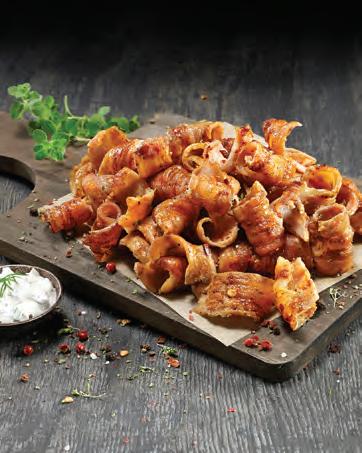
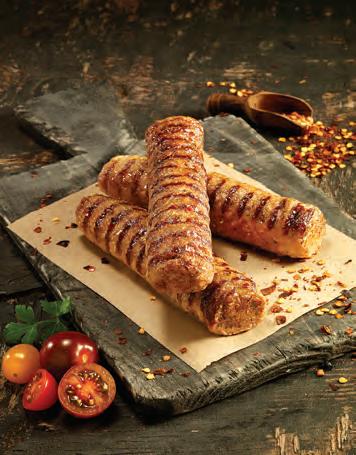
the minimization of human intervention, we can support with real data the constant high quality of all of our products. It is our pride that the ELVIDA FOODS factory has been successfully audited 3 times for best practices by the European Federation of Food Safety Authority (EFSA).
• In recent years, ELVIDA FOODS has participated in all national committees and initiatives in order to establish official norms and specifications for the production methods of several traditional Greek products including Gyros and Souvlaki. Additionally, we have taken several international initiatives to protect the authenticity of Greek Gyros.
From day one, ELVIDA FOODS’ export strategy was directed to the end consumer through retail stores all over the world. Today, ELVIDA FOODS operates in Europe, USA, Canada and the Arabic Peninsula, exporting products to more than 20 countries all over the world.
Recently, ELVIDA FOODS completed 3 different investment programs, investing more than 3 million euros. Our premises now cover 6.000 sqm and we never stop investing in state-of-the art machinery and most of all, people. “The highest level of our 150 employees here at ELVIDA FOODS and our passion for quality and delicious authentic Greek food, will always be the key drivers for our success in the future,”commented CEO Dr. Stelios Skaribas.
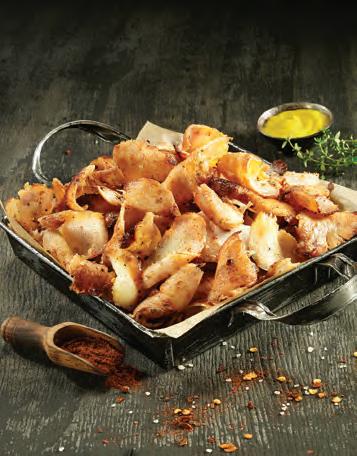

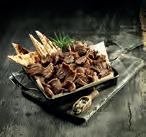
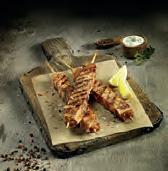
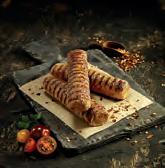
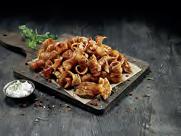
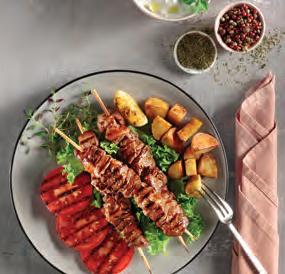
Brand: ELASSONA FARM
Address: 33rd klm O.N.R.
Larisa - Elassona
Tel: +30 4920 91111
Fax: +30 24920 91000
E-mail: info@elassonafarm.gr
Website: www.farmaelassonas.gr
OOur farm is situated at the foot of Mount Olympus at Messohori Elassonas in a purely natural environment. Our daily contact with the breeders, our respect towards animals and our strong environmental awareness are values of utmost significance for our company, contributing to the fulfillment of our goal, which is to offer unique products of high standards. ELASSONA FARM is a meat processing unit on the premises of which the following stages take place:
1. Production
2. Slaughter
3. Processing
4. Cutting
5. Packaging
At the same time, we are currently constructing a modern cutter, unique in Balkans for the standardization of high quality meat.
P.D.O
ELASSONA FARM is the sole certified slaughterhouse infrastructure for the trading and slaughter of lamb and katsikaki P.D.O. Elassonas. The European Union certifications as P.D.O. were the first granted in Greece for fresh meat and its by-products.
These rare breeds are unique in the world and bred following strict safety standards producing meat of high quality, whose sensory characteristics are attributed to the special features of the geographical area.
The meat of these animals is tender, juicy with a characteristic flavor and a pleasant smell. They have a small total percentage of fat, greater analogy of polyunsaturated fatty acids compared to the other lambs/baby goats and more linolenic acid.
These animals are nourished only by their mother’s milk.
Our defined geographical AREA, where grazing of the sheep takes place, is mountainous and semi-mountainous with altitudes ranging from 250 meters to 2.550 meters. 60% of the region consists of grazing grass, herbs and aromatic plants. The land suitable for grazing in the province of Elassona includes natural pastures, agricultural land used to produce feed for livestock and seasonal pastures.
The reasoning underlying our policy is to offer pure, quality products unique of their kind, investing continually in new technologies with a view to combining tradition with innovation harmonically. Our philosophy
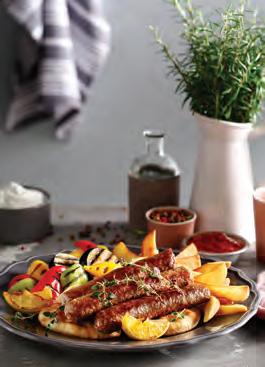
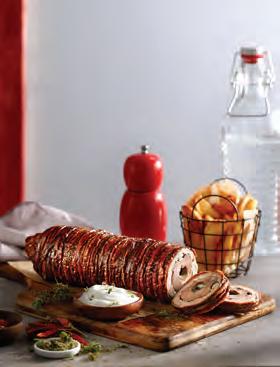
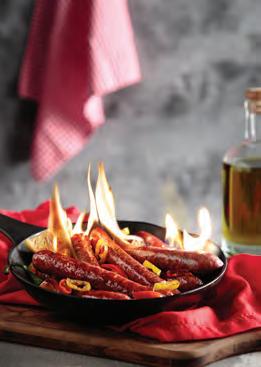
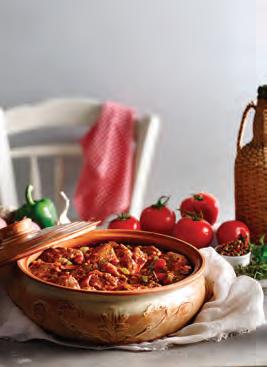
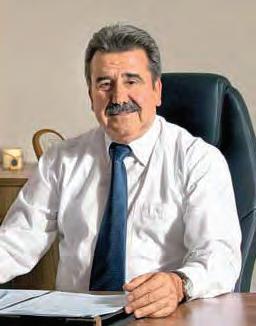
Brand: Faethon S.A.
Address: 6th km Sidirokastro Promahona, P.C. 623 00, Serres, Greece
Tel: +30 2323028160
Fax: +30 2323028169
E-mail: sales@faethon.eu
Website: www.faethon.eu
Faethon S.A. was founded in 1992 in Sidirokastro Serron, of Macedonia, Greece. Since its foundation Faethon S.A. follows a steady course of constant development, aiming to offer its clients meat products of the highest quality, with consistency and credibility.
Our products vary from the traditional Greek Gyros, both pork Gyros and chicken Gyros, to pork and chicken skews, traditional meat mince products and sausages. Being based in Northern Greece, where Gyros is predominately preferred and has its higher per capita consumption, we pride ourselves to be experts in the production of Gyros, combining elite “meaty” flavor and excellent formation. We have been honored to be the biggest selling meat products company in the region. The rest of our product pallet is of superb flavor and quality also and we are taking equal pride for our delicious tender skews, tasty juicy burgers and sausages.
We produce our traditional Greek meat products from top quality meat, using only natural ingredients from raw materials to natural spices and processing materials. This allows
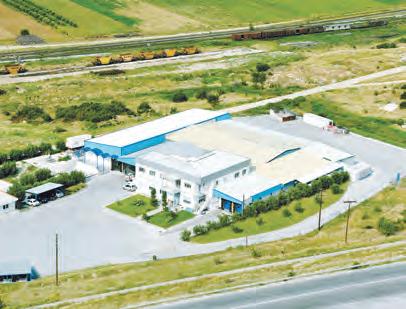
us to be certain for the nutrition value of our products and the standards of food safety, abiding by the relevant regulations across Europe and the World.
At Faethon S.A. we choose to have permanent partnerships with the best meat providers in the world, that share the same dedication to top quality. Our modern production infrastructure extends over 4000 m2. of industrial buildings, constantly upgraded and expanding to meet our increasing needs. Currently we have an investment in buildings, machinery and equipment underway, summing up to 1m €.
Our company is dedicated to the quality of our products and implements quality assurance policies and standard procedures to control workflow and sanitary conditions throughout production, warehousing and delivery of our products. Our procedures are compatible with HACCP and certified by the standard ISO 22000. We are exporting our products to 17 countries and are eager to continue expanding our exports, bringing the iconic Greek meat products to quality convenience food consumers in every corner of Europe.
S.A. is your ideal partner to provide tasty traditional Greek meat products, with guaranteed quality, safety, transparency, consistency and credibility in cooperation, creating value for your business. Contact us to explore the possibilities for a mutually fruitful collaboration.
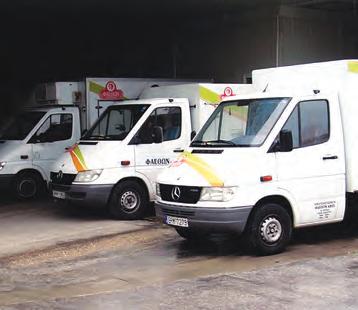
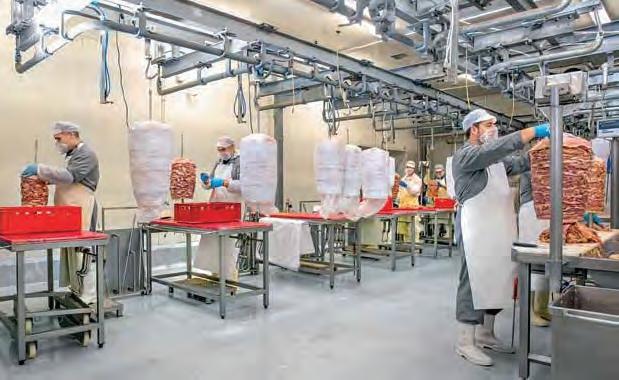
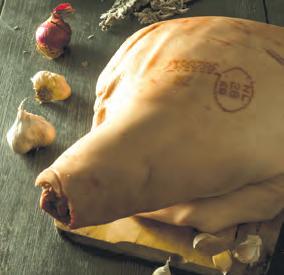
Brand: Fresh Meat
Address: 22 Papadopoulou st. Agios Ioannis Rentis, 18233
Athens, Greece
Tel: +30 210 4837001
Fax: +30 210 4837245
E-mail: info@freshmeat.gr
Website: www.freshmeat.gr
bject of FRESH MEAT is the processing, standardization and marketing of fresh and frozen meat and the production of meat products. Since 2017, FRESH MEAT operates in new, fully equipped facilities of a surface area of 1.000 square meters, close to the central market of Agios Ioannis Rentis in Athens.
Our journey in the meat sector begins in 1971, when our founder Mr. Eleftherios Vittos decided to engage in mass catering. With a lot of passion and love he gains important experience and creates his personal culture around meat and meat products. Pioneer in import trade and meat counter products, FRESH MEAT has a consistent course until 2016, when it decides to make its leap to quality and its turn to meat products. It invests to scientific capital and to a more modern equipment with a strong focus to the raw material supplied with and the opinion of its customers.
We continuously upgrade and modernize our equipment, aiming to the improvement of the quality of a constantly increased production. Always listening to the needs of our customers and the new trends of the market, we create products that can meet the requirements even of the most demanding enterprises. We test our products, we take advice from our customers, we evaluate the
With our personnel as our force and our partners as allies (customers and suppliers), we tirelessly continue to produce consistent products of excellent quality.
FRESH MEAT has an owned network of refrigerated trucks for distribution in the whole Prefecture of Attica and in Crete, as
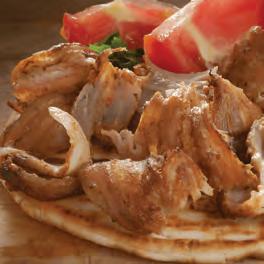
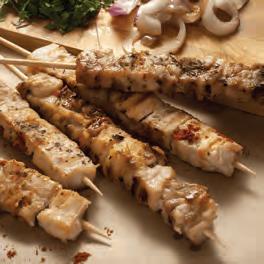
results, we renew our equipment and train our personnel, in order to be able to say iconfidently that FRESH MEAT is a constantly innovating and of high-quality company.
The satisfaction of the expectations of our customers for excellent and consistent quality, in a variety of products which cover their needs, always based on the rules of hygiene and safety of the European Union. Therefore, FRESH MEAT applies a certified food safety management system according to the standard EN ISO 22000:2005 in all stages of the production process. For ensuring the quality of the products, it conducts daily visual and organoleptic audits by specialized scientific personnel and systematic microbiological tests in accredited analysis laboratories.
The selection of excellent raw material FRESH MEAT cooperates with the largest and best slaughtering enterprises of Holland and Denmark for pork meat, of France for our veal and of Greece, of course, for the freshest and with the best quality chickens.
Our production operates under the guidance of experienced Food Technologists and Veterinarians, in order to train and improve our personnel, adapting it to the new trends of the market and to the needs of our general public.
well. Our products reach the whole mainland of Greece through the most reliable agencies. Our exports are conducted in cooperation with the most reliable transport companies of the food industry. The products are made available fresh or frozen, depending on the special needs of the customer, in various types of packaging.
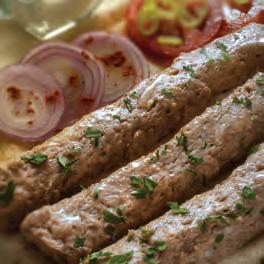

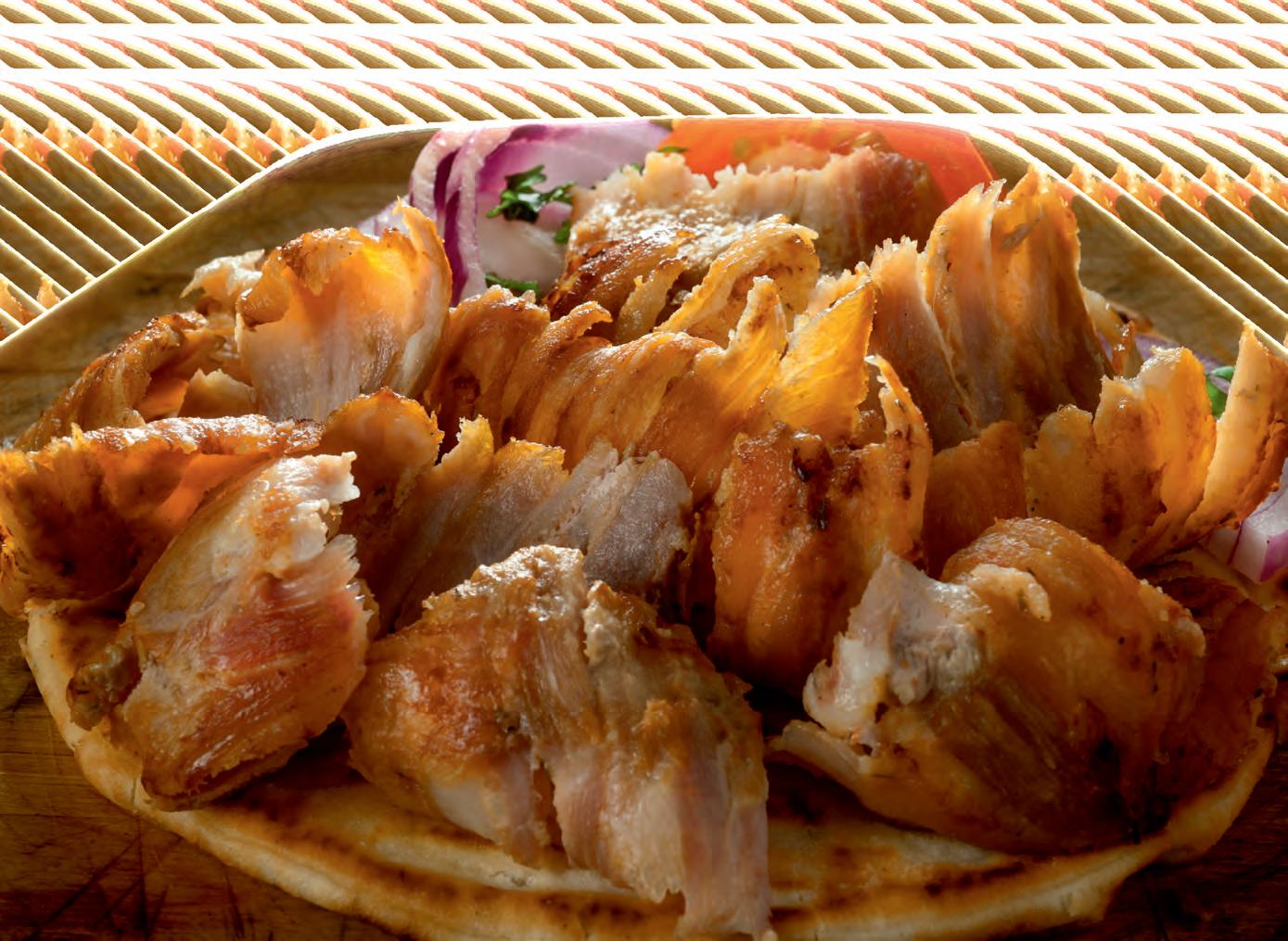
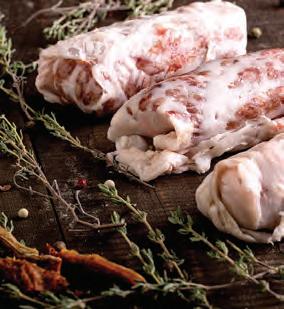
Brand: LaKre SA
Address: BI.PE. Vatonta - Nea Artaki
34600, Evia, Greece
Tel: +30 22210 45101
Fax: +30 22210 45102
E-mail: contact@lakre.com
Website: www.lakre.gr
Ambition, vision, expertise and the production of high-quality products are the fundamental principles of LAKRE SA. It was in the ’90s when LAKRE was founded by the President of LAKRE SA Christophoros Boutros. Following his passion and the fundamental principles of the company, the president built and developed the facilities of the company according to the European Union’s high-quality standards and has not stop developing since then. The prime quality of raw materials from the best breeding farms and slaughter houses of Europe, the innovate experts in the production and R&D section among with the high-tech equipment was the success recipe for LAKRE SA. The core values of the company and the innovative series of processed meat products rapidly made the company one of the leaders in the Greek meat industry and market. The company earned the trust of professionals and end consumers and that was no accident. LAKRE SA is offering all the knowledge, expertise and facilities in order to accommodate the demands of any custom recipe ordered by adjusting the production according to the needs of the most demanding customer.
The flexibility offered in those cases among with the wide range of our products and the conformity of the strictest health and safety
standards always exceed expectations. LAKRE’s premium series of processed meat products are currently the latest innovation of the company. These products were developed with unique recipes of Boutros family and are loved by end consumers. With the respect to the Greek tradition, passion for high quality products and unique flavors LAKRE launched a series of awarded products considering the demands modern food industry. Some of the most loved products of the series are the Greek Seftalia, the 7 spices kebab, the Black Angus burger, the traditional Greek sausages, the handmade skewers, the pre-roasted authentic Greek gyro and the ancient Greek original black swine burger.
LAKRE’s investment in the ancient Greek black swine spices
Boutros family has been constantly investing in Greek breeding farms. Today one of their most successful investments and projects is the breeding of the ancient Greek black swine spices. The series of processed meat products based on ancient Greek black swine contributed to the rise on the demand of that premium quality meat. The consumers loved the new products which are now part of the highest protein meals and diets. LAKRE is offering that series for professionals and soon for retailers.
LAKRE SA was founded by the entrepreneur and acting President Christophoros Boutros. Today the vice president Dimitrios Boutros is leading the R&D department of the company evolving and expanding LAKRE SA based on the fundamental principles that the company has for over 25 years. Over these years LAKRE supplies various sectors of the Greek government, HO.RE.CA companies and retailers with high quality products. Since 2000 LAKRE SA has also been a supplier for various companies around Europe.
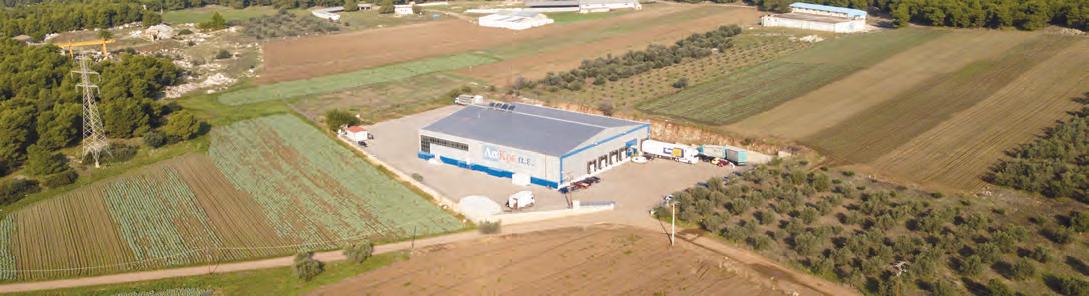
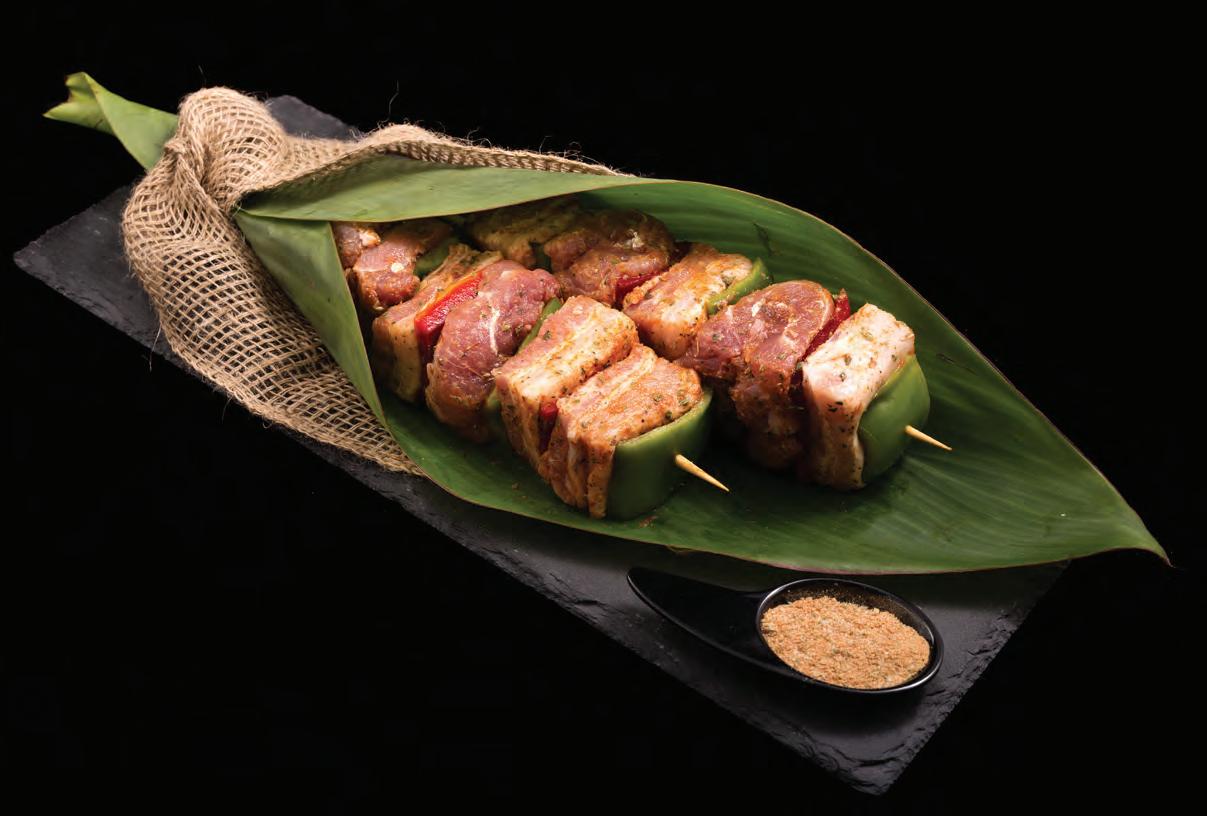

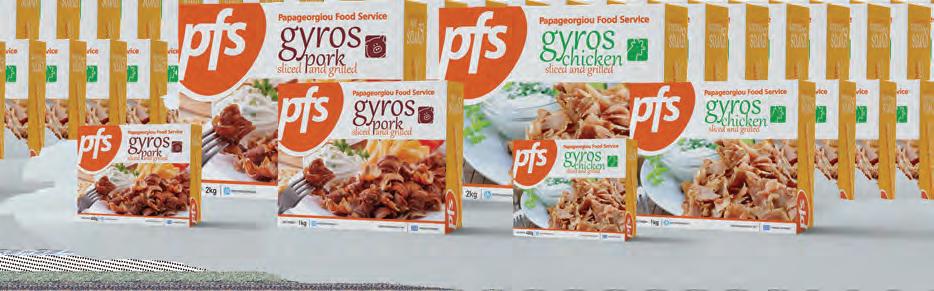
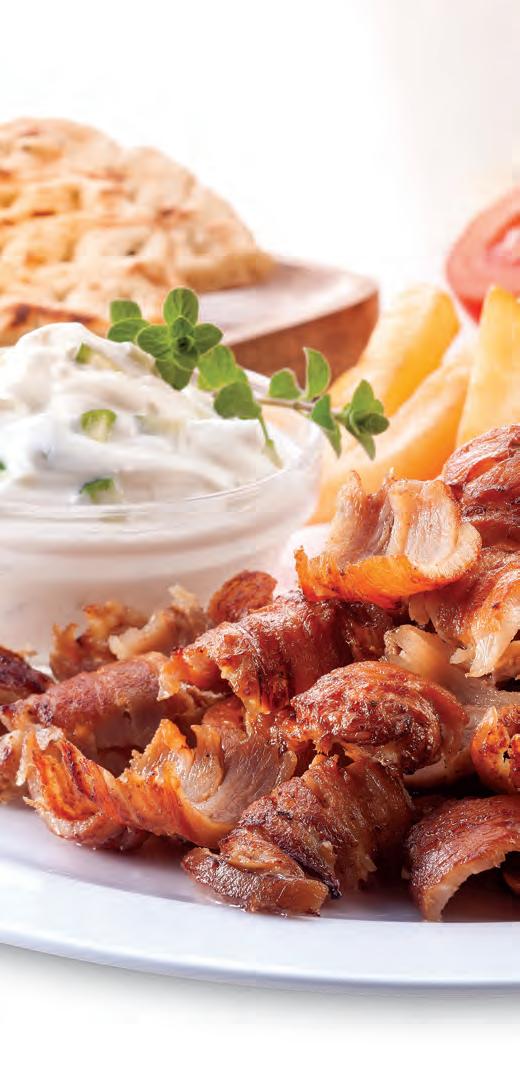
TBrand: Top Meat
Address: 14 Profitou Daniil, 17778
Tavros, Athens, Greece
Tel: +30 210 341 4201
Fax: +30 210 490 2691
E-mail: pataroglou@topmeat.gr
Website: www.topmeat.gr
Contact Person: Pandelis Ataroglou Commercial Director
OP MEAT LTD is activating in the field of meat processing since 1996. The company specialized in production of high-quality meat products such as pork gyros, chicken gyros, beef gyros, pork souvlaki, chicken souvlaki and several other meat products.
Our vision is to grow into a known brand satisfying also our customers and our distributors, producing and offering to them and to our customers excellent meat products and highquality services. Taking into consideration the high potential offered in the region and the trust already developed amongst customers, Top Meat Ltd. has put into place an ambitious growth plan which includes capacity expansion of the existing facility in order to expand its product portfolio. Our company focuses also on research and development in order to produce great meat products using highest technological equipment meeting all required regulations occurred by the Greek authorities paying attention to standards of HACCP and ISO 22000
Apart from exporting products, the company enjoys a long association with key distributors in local market out of Attica region developing as well as private label brands.
The Processing, Debonding, Packing and Dispatch facilities are all provided in-house, which gives us
Our philosophy
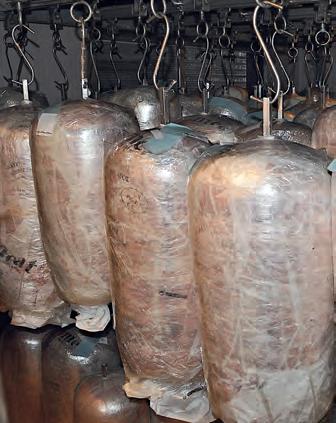
complete control over all stages of production. This means our customers can be assured that the highest standards are maintained throughout. In addition, with a single site operation, we are able to make decisions quickly and implement them straight away. This allows us to respond swiftly to customer requests and to market trends. Here at Top Meat Ltd., we are committed to ensuring that we minimize our impact on the environment as much as possible, so that we may help to protect this precious resource for future generations. We fully understand that the natural environment sustains our business, so we in turn must work to sustain the environment. We constantly strive to conduct our activities in ways that respect the environment and to ensure that our business growth does not come at the expense of future generations. To this end, we have targeted a number of key areas within our operations which we believe can minimize our impact on the environment.
With this in mind, we are constantly looking for ways to improve how we operate. These measures include: ensuring that we recycle as much of our waste as possible; adoption of new, innovative technologies; ensuring that our staff are fully trained and aware of their environmental impacts; and, signing up to climate change agreements.
Our philosophy is to use excellent fresh meat in order to produce and provide healthy and tasty end products to all of our customers. Our large product range are produced under extreme testing conditions, so our high level of quality assurance contributes to our success story in the HO.RE.CA sector.
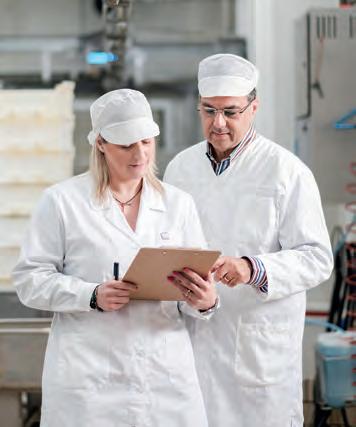
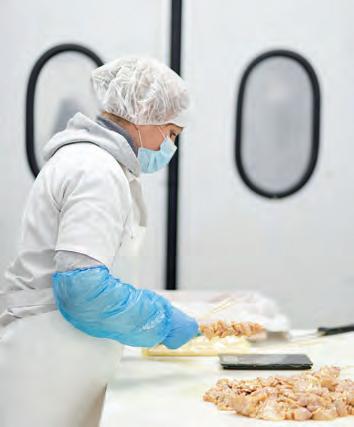
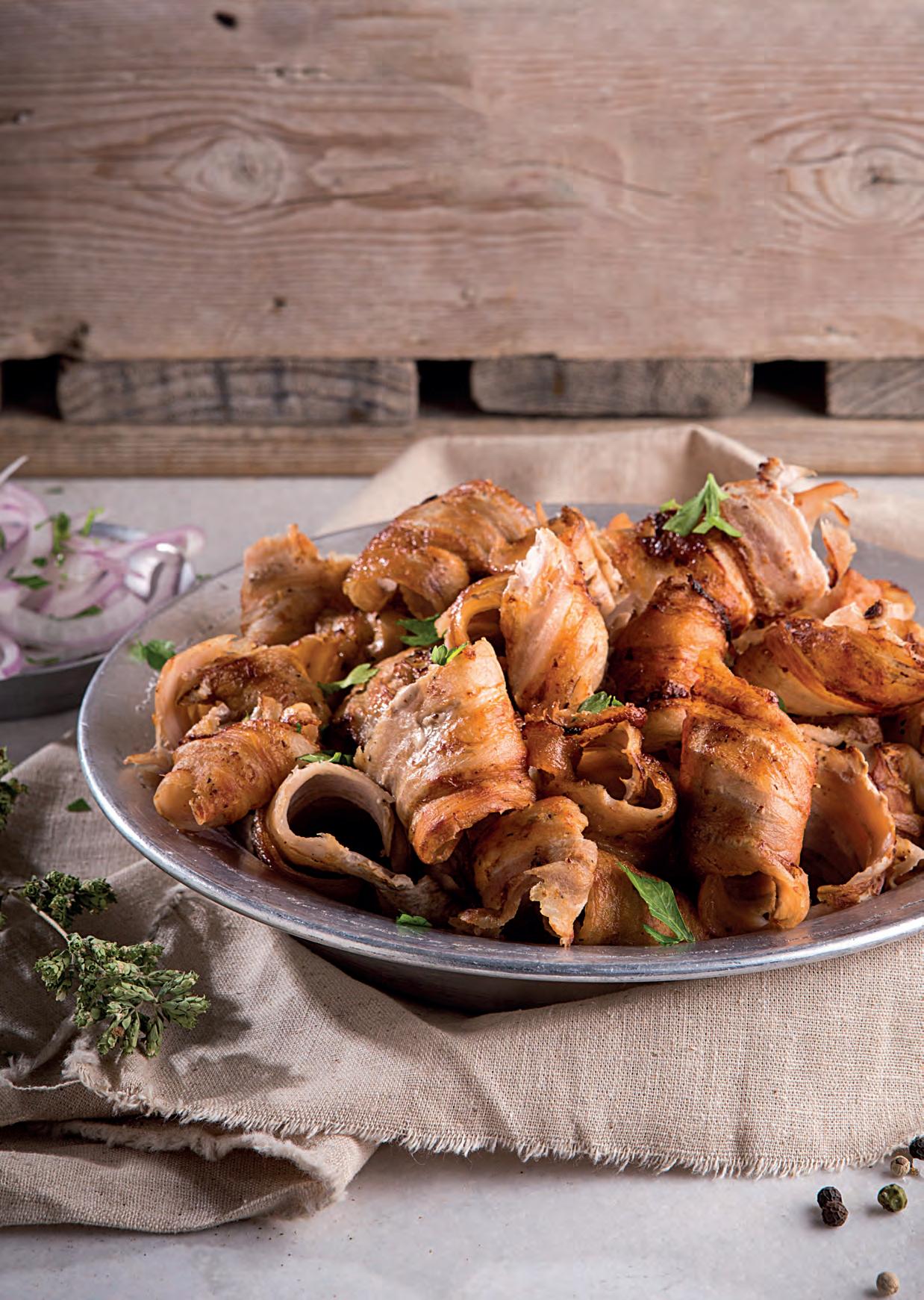
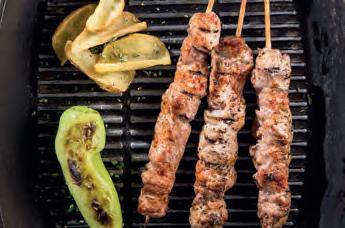
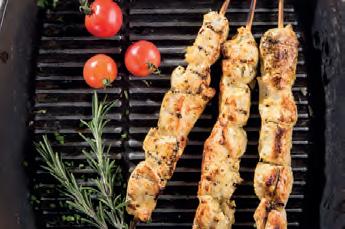

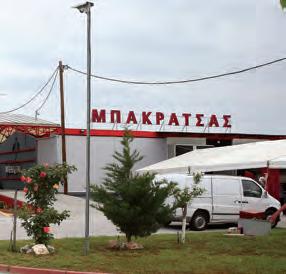
Brand: Bakratsas Meat
Address: 1st km of KarditsaTrikala ring road, Karditsa, 43100 (Karditsa’s Central Meat and Vegetable Market)
Tel: +30 2441075905
Fax: +30 244175045
E-mail: bakap1@otenet.gr
Website: www.bakap-meat.gr
Contact Person: Bakratsas Apostolos
Trying to emphasize on the quality of the greek pork meat combined to its high nutritional value, our company produces Gyros and Handmade Souvlaki based exclusively on domestic pig livestock.
To ensure the excellence of our products, our suppliers are premium greek farms, carefully selected, specialized in responsibly raising pigs. With this provenance, our meat boasts the character and its authentic flavor without additives or extended industrial processes.
In order to fulfill the high quality demands of our customers, our company operates in a modern fully-equipped environment
and is certified in the framework of various quality assurance systems which includes the ISO 22:000 and the International Food Standard (IFS).
In 2005, Apostolos Bakratsas founded the “Apostolos Bakratsas P.C.” in Karditsa. Since then, the main business areas have been the production – processing – packaging of meat products, as well as supplying them to butcheries and delicatessen stores. In 2016, business was expanded by producing gyros and handmade souvlaki, aiming in this way at accommodating food service industry needs. The company’s philosophy is to ensure the high quality standards of its products by using exclusively exceptional greek meat.
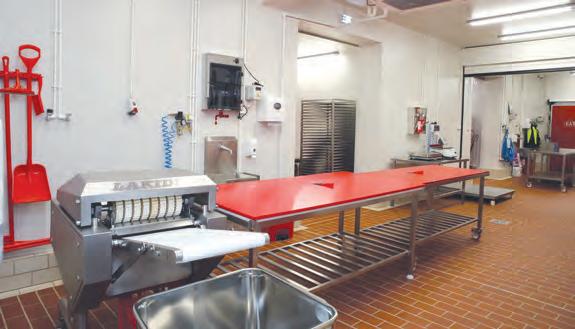
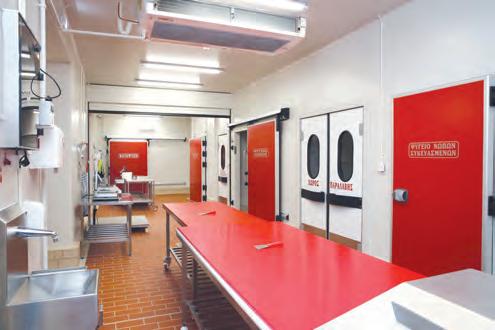

Company: BizTEC
Product: Odysseus ERP
Address: 23 Riga Feraiou
Metamorfosi, 14452, Greece
Tel: +30 210 6771105
Fax: +30 210 6771115
E-mail: info@biztec.gr
Website: www.biztec.gr www.odysseuserp.gr
izTEC is a dynamically growing IT company focusing on the design, development and installation of an integrated information system according to customer needs, through its main product, ODYSSEUS ERP. We offer consulting services, establishing a collaboration with each client, using ODYSSEUS ERP as a key tool and targeting optimal use of the assets for achieving economic success. We collect customer’s needs, inspect the facilities, evaluate the existing infrastructure, analyze the overall business and technological environment and the functional specifications and finally we develop the optimum solution tailored to each company, targeting its modernization and better organization. We ensure that the offered solution is complete, scalable, modern, updated, reliable, high quality and user friendly.
Besides the included classic ERP features such as financial, sales, inventory & warehouse management and logistics, Odysseus ERP focuses on the production & LOT management, and the traceability of your products.
All projects implemented by BizTEC involve
integration & online connection of all peripheral accessories such as weighing scales, scanners, RFID readers, automation systems, labeling systems, transport systems, hardware inventory management and warehouse management, packaging equipment, as well as connection & data exchange with 3rd party accounting systems.
Odysseus ERP is built based on the meat market needs, covering all the procedures and functions throughout the entire meat industry lifecycle. Using it “we cut digitally” and enable our clients to lead the meat market. Today, the meat market in Greece acknowledges Odysseus ERP as a critical piece in their business organization. Odysseus ERP offers an innovative approach to stock based on a hierarchy structure for species, using different price and weighing code for each subspecies, applying automatic LOTs consumptions, thus easily addressing the market needs, such as:
• Quality control and quality certificates
• Monitoring of LOTs - pieces sold
• Performance statistics for each segment of the carcass, statistics of each LOT
BizTEC was founded in 1986 by expert IT professionals in Athens, Greece. The result of BizTEC’s staff expertise is its main product, ODYSSEUS ERP. Leveraging on the 30year experience from major projects throughout Greece and Cyprus, we are able to support any installation. Supporting more than 40% of the meat turnover in Greece, including facilities in several large, medium & smaller industries, our customers’ success is the testimony for our work.
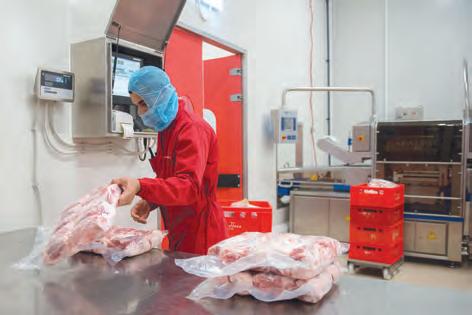
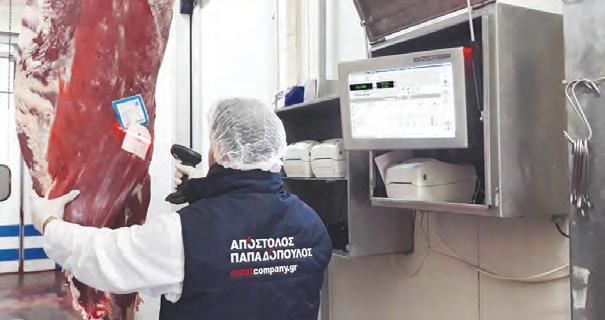
• Costing of imports and production (in case of processing)
• Electronic recording of recipes and costing that guarantees consistent quality and specific taste to all meat product codes
• Connection to POS systems for online data exchange such as values, BarCodes, ingredients and sales
Odysseus Traceability – LOT management
Odysseus ERP collects, records and stores all data comprising the identity of the final product throughout the production flow from the slaughterhouse & receipt of raw materials to the processing, standardization, labeling, packaging and distribution of your products, ensuring 100% traceability, and proving its origin. Some of the advantages offered by Odysseus ERP are:
• Compliance with national and international standards, regulations and laws
• Information usage for product labeling
• Knowledge of stocks per type of meat at any time & per storage space
• In case of product withdrawal, there is data for both the withdrawing LOT and each separate piece
• Increase of your liability
Odysseus Stater (Weighing Stations Software)
We developed a unique solution for receipt, delivery, processing & sales areas. Odysseus Stater is a specialized software installed on industrial computers directly connected with weighing scales, and each weight measurement is automatically recorded in detail and creates transactions within Odysseus ERP. Some of its main features are:
• Automatic updating and order execution directly on weighing systems in the production line and automatic invoice printing with Odysseus ERP
• Automatic lot creation upon receipt, registering all the data
• Prepare receipt for quicker unloading of trucks
• Automatic / manual label printing upon the order / sale execution, containing customer data, custom designed by product code / client
• Weighing according to orders
• Separate customer orders depending on the
products that each sector is responsible for
• Weighing scale settings through user interface, such as: automatic load weighing with stabilization, selection of printing labels, totals, subtotals etc
• Access rights and actions per user or user group
• Real-time photograph of the product at the time of weighing, automatic entry of the snapshot to the DB along with relevant data, such as trader-species-weight-date-time and matching with the analytical weighing module & invoices module at Odysseus ERP, in order to prove your credibility to customers and suppliers, as well as for monitoring and failchecking.
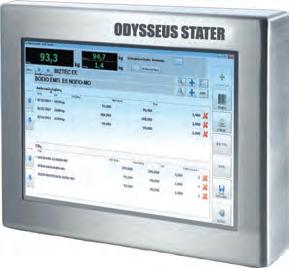
Mobile applications for PDAs, tablets & smartphones for sales, order picking & electronic weighing lists.
• All transactions directly transformed from mobile devices into orders, invoices, stock movements etc.
• Sales credibility
• Reduce costs through elimination of errors and time saving
• Eliminate the use of weighing papers
• Electronic transmission of the species and quantity to the vendor screen and direct issue of invoice

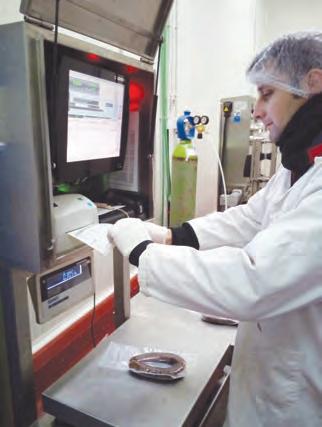
BizTEC, leading the meat market for over thirty years has developed solutions in Odysseus ERP to tackle its specialized business needs and peculiarities. We utilize every piece of information and offer complete traceability, providing an integrated turnkey solution.

Brand: Hatziioakimidis SA
Address: Nea Pella, Giannitsa, 58005, Greece
Tel: +30 23820 32123
Fax: +30 23820 32733
E-mail: info@hatziioakimidis.gr
Website: www.hatziioakimidis.gr
ATZIIOAKIMIDIS company is a producer of slaughter equipment. Since 1983 we have constructed slaughterhouses for cattle, pigs, sheep & goats, in Europe, Asia & Africa, according to European, Halal and Kosher standards.
Our activity is the designing, construction and installation of slaughterhouses for cattle, pigs, sheep & goats, in Europe, Asia & Africa, according to European, Halal and Kosher standards. Our primary goal is to ensure the quality and to create the most appropriate solutions tailored to the needs of our customers.
An important discrimination for HATZIIOAKIMIDIS was in 2014 when we had participated in an international competition of the Food and Agriculture Organization of the United Nations (www.fao.org) with other 84 worldwide companies and was HATZIIOAKIMIDIS selected for the establishment of five new modern slaughterhouses in Armenia.
The main factors which have distinguished us on the world market can be summarized as follows:

• Multi-year experience and knowledge of the slaughter house requirements.
• Design, study and production of slaughterhouses individually for each customer based on his requirements.
The success of HATZIIOAKIMIDIS has been determined by the ability of its specialized engineers combined with high-tech technology. We pay particular attention to the technical details of the manufactured machinery by selecting high quality materials from recognized companies and using the most modern technology. Detailed attention is paid to each process and this ensures a long lasting operation of the machines and the entire slaughter line.
R&D focuses mainly on the search for new technologies and market trends in order to improve existing products and design reliable machines with innovative features. Our technological development is our driving force and every action is directed towards the development of machines that will provide solutions to our customers. Every new machine is tested in real conditions in order to assure the great quality of its construction, before installed in any slaughterhouse.
• Research and development of new products, using new technologies and methods of operation.
• Direct technical support, development of methods for either remote or on-site technical support by highly specialized engineers.
• Proprietary facilities equipped with the appropriate technological equipment.
• ERP system for immediate and correct service.
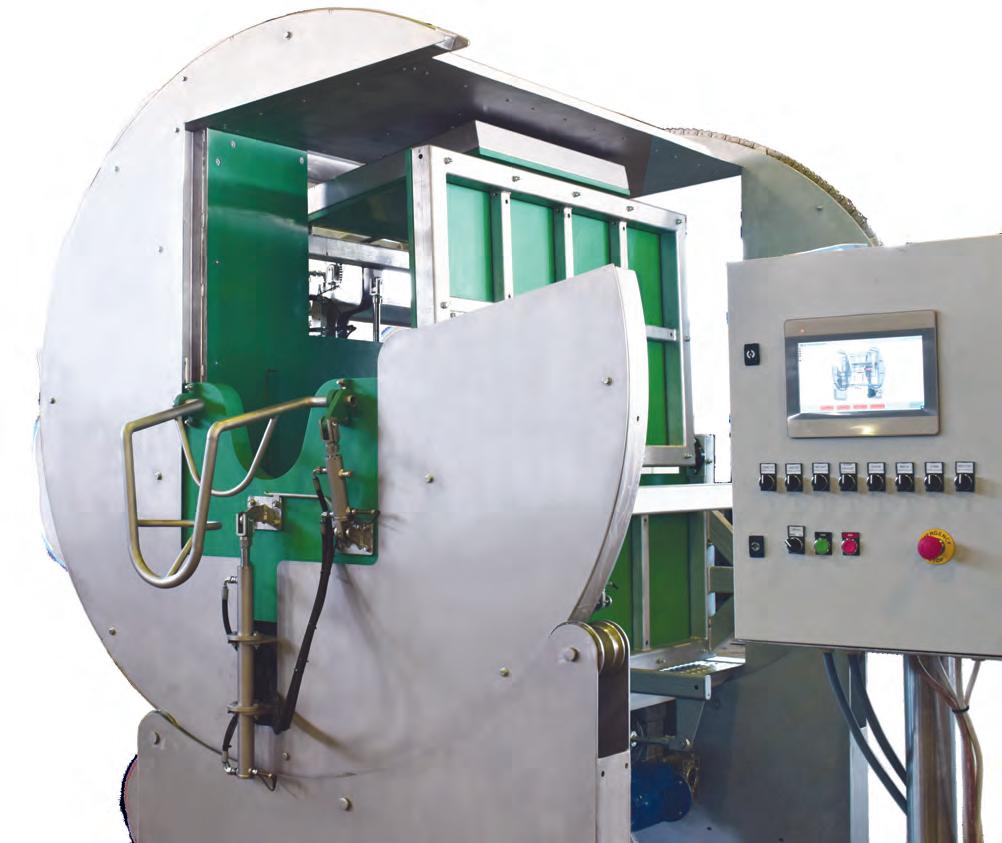


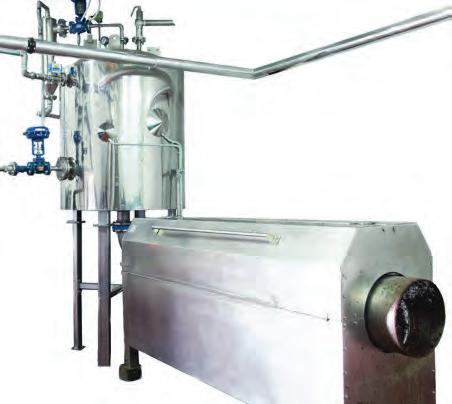
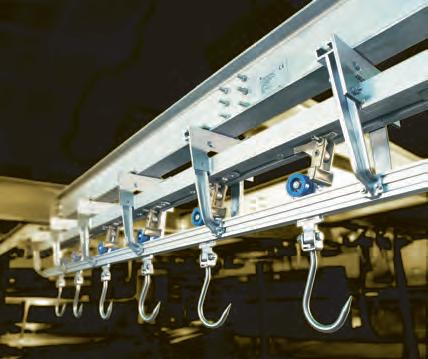


Brand: Inomak Refrigerators
Address: St George Area 19401, Koropi Attikis, Greece
Tel: +30 210 6624 224
Fax: +30 210 6626 436
E-mail: info@inomak.com
Website: www.inomak.com
INOMAK Refrigerators, a manufacturer of commercial catering equipment, started its journey circa 1976 as the dream of four friends to work together in their own business & become Catering Equipment Manufacturers.
Four decades after its inception, this business has transformed into a 100+ employee corporation. Since the beginning of INOMAK Refrigerators’ exporting activity, we have created a network of more than 100 distributors in 34 countries in all 4 corners of the globe. From the severe cold & dry climates of the Northern countries to the extreme heat & humidity of the Arabic peninsula & the Caribbean, our products perform in a safe & efficient way. The worldwide exporting presence and the catering of diverse cultures & needs, as well as, the valuable experience gained, led to the creation of such a bouquet of solutions, which all of the above are integrated in, following the global Catering Equipment trends.
Quality is a core concept in INOMAK’s philosophy and we are highly committed to it. We approach it from a Systemic point of view, focusing not only on Products’ & Operations’ Quality, but also caring about the Quality of the Environment and our impact on it.
Being consistent with our values we have established a unified Quality System embodying EN ISO 9001:2015 & EN ISO 14001:2015. The year 2017 we have effectively implemented
More than 4 decades of consistent & meaningful presence in the sector of Catering Equipment Manufacturing with products which stand the test of time
Our Products are tested under extreme
a series of technological investments aiming at the optimization of the Energy Consumption & Classification of our Refrigerators’ range, creating value for the user paired with a comparatively low price. In addition to the financial benefits for the users, the fact that, INOMAK’s Refrigerators are aligned with the current European Legislation on Energy Consumption, makes them a safe choice for their users.
Our Products offer solutions for Quality & flexible Commercial Refrigerators, Heated & Neutral Products focusing on performance.
Our refrigeration solutions are classified for their energy class and selected models are offered with the Green & High Performance Refrigerant R290, achieving important savings for every application. For the Butcheries and Delicatessen Stores, our solutions focus on heavy duty construction & suitable operating temperature for the display of meat products!
The Prunus Series Chiller Cabinets operate at the range of -2οC +8οC, feature a protected evaporator against corrosive agents commonly found inside the cooling area and they can be fitted a hanging kit for storing & displaying processed meat products. Overall, they are an attractive, alternative displaying solution, offering a clear note of professionalism & safety to the customer.
conditions through these 4 decades and are designed with emphasis on performance & build quality
A Product Range of more than 150 models for generic use, easily adapted for more specialized applications
The company SIVVAS S.A. was founded in the year 1992 and today has the following four main activities:
Supply and installation of production equipment in the meat processing industry, as well as packaging equipment for the meat industry, and the Food processing industry in general.
Today the activities of SIVVAS S.A. consist of the sales of single meat processing machines, as well as of the design, delivery and implementation of complete slaughter lines and meat processing plants. We believe in expertise on the basis of specification and experience.
Trading of packing materials such as: Plastic films, Plastic barrier vacuum bags, shrinkable vacuum bags, Plastic trays, natural casings, artificial casings, plastic cages, box pallets etc.
Address: Side street of outer ring road Thessaloniki - Egnatia Odos 570 08 Diavata, Thessaloniki, Greece
Tel: +30 2310 948.851
Fax: +30 2310 948.852
E-mail: info@sivvas.com
Website: www.sivvas.com.gr
Production and trading of spice blends, sauces, dressings, marinates, coating materials for prefried meat products and auxiliary materials for the Meat industry, the Food industry, the butcher shops and the Food Service.
Preparation of feasibility studies, in combination with five and more years business plans, for investments exclusively in the Meat industry, so that to secure the project finance from the banks, as well as the subsidy from the local and the EU funds. Being Pioneer in Greece, SIVVAS S.A., has organized and established in her premises a fully equipped test kitchen and Demo-Room-pilot plant, for development of new products and new recipes for her customers. We also demonstrate machines before delivery. This helps a lot not only to sell the equipment, but especially helps our customers to make the right decisions. The growth and success of SIVVAS S.A. activities was fast because her activities are in no way restricted only to the supply of machinery, but also to provide solutions to our customers.
It is our policy only to promote equipment, spice blends, and packing materials, made by first class suppliers and manufacturers. In this way we maintain, our own high-quality standards for materials, workmanship and services. Our thorough knowledge of the whole Greek Market, in all sectors of the meat processing, has resulted in gaining the trust from the manufacturers that we exclusively represent in Greece. It remains important for us to understand our customers working environment. But also, the demands of the Legislation and Rules, which affect our work, at the present and for the future. That is the reason why SIVVAS S.A. has always supported its already strong organization with specialized, high leveled skilled personnel.
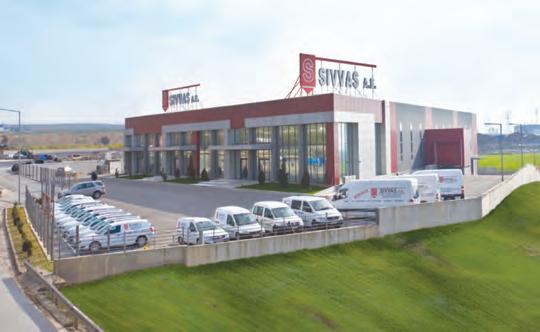
Brand: TEXNIKA-INOX
Address: Leoforos Ionias 77, Axarnes
13673, Athens, Greece
Tel: +30 210 2407510
Fax: +30 210 2407411
E-mail: info@texnika-inox.gr
Website: www.texnika-inox.gr
EXNIKA-INOX is a family business founded by D. Vasivaglis back in 1981. Today we are one of the leading companies in Greece, in the area of high technology equipment for the processing of meat and its products. Our clientele includes both top food industries as well as smaller enterprises which opt for the wide range of products and equipment we manufacture and import. These cater for their needs in the production areas and the processing of foodstuff.
The trust our clients have placed in TEXNIKAINOX has set the basis for our continuous development. Our well-trained staff in the sectors of administration, construction and R&D combined with our know-how and experience in construction, produce distinctive products which satisfy all requirements and meet the needs and continuous development of the food industry.
To meet this ever increasing need of our
clientele, TEXNIKA-INOX represents top construction firms, such as REX TECHNOLOGIENOWICKI NOCK -NADRATOWSKI- MADO- FOOD LOGISTIC -TECNOVAC- VERIPACK and through the imports of equipment from technologically advanced countries, it provides comprehensive, guaranteed and reliable solutions to the areas of production in the meat and the food industry in general.
Due to our long experience, accurate research and incessant effort we turn out products which are particularly functional, durable, as well as aesthetically pleasing, ergonomically designed and very competitive in both quality and price.
Our company can guarantee the proper installation and trouble-free function of the equipment we either construct or import, due to our reliability and ethical philosophy combined with the constant upgrade of our methods.
Our company came to existence by producing chambers for the cooking and smoking of sausages which remains our main production until today. When experience was acquired chambers for the maturing and curing of air dried cold cuts, such as salami-prosciutto etc, followed. At that time the legislation in Greece changed and new laws concerning the hygiene in the food industry changed. As a result TEXNIKA-INOX became one of the first, if not the first, company to provide the food industry with certified hygiene equipment. The reliability of our products made our customers turn to us for the remaining equipment in the processing of meat and its products. As a result we looked carefully and co-operated with firms abroad which are known for their extremely good quality products and the reasonable prices.

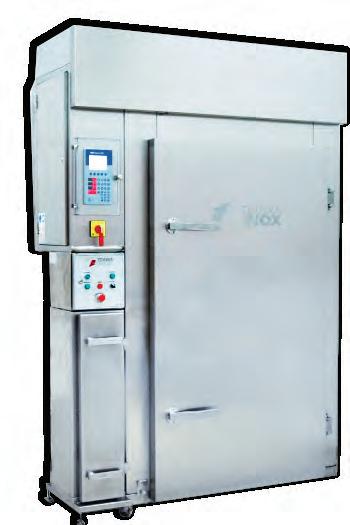












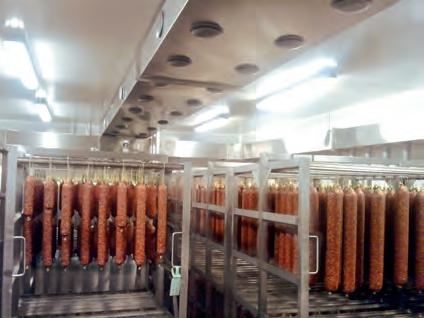
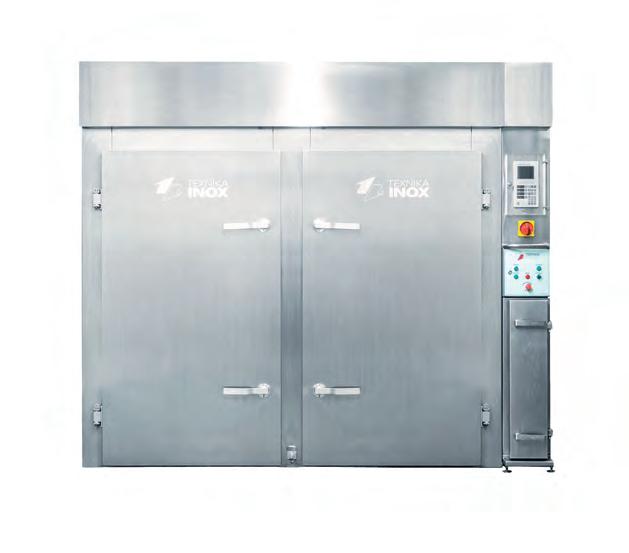
NBrand: Nefeloudis Food Additives
Address: 3, Ι.Ε. Korovagou str, 54627 - Thessaloniki, Greece
Tel: +30 2310533427
Fax: +30 2310529082
E-mail: info@nefeloudis.gr
Website: www.nefeloudis.gr
efeloudis Food Additives company was established, in Thessaloniki, by Thrasyvoulos Nefeloudis in 1965. The initial activity was trading potato starch to the meat industry. In the years that followed, Nefeloudis Company invests to long-term collaborations with specialized worldwide manufactures.
(Avebe U.A, Avo Werke GMBH, Van Hessen, Scanflavour, Interfiber, Sonac, Welding GMBH& CO, NIPPI).The company has been developed rapidly by introducing know-how, enriching its product list and establishing relationships of trust with its customers and suppliers. Its development has been strengthened further, since 1993; Thalis Nefeloudis (second generation) takes over the management of the company.
Today, after half a century of constant presence in the Greek market as well as in the markets of the Balkans and Cyprus, we look forward to the next 50 years of inspiration and creation.
Segments of food industry:
Food Processing Industry:
• Snack & ready meal industry
• Meat processing industry
• Poultry processing industry
• Dairy industry
• Cheese and Cheese analogues
• Sauce industry
• Bakery/Confectionary
Food Service – Catering:
• Large catering companies
• Restaurants
• Food chains
Food Service – Retail:
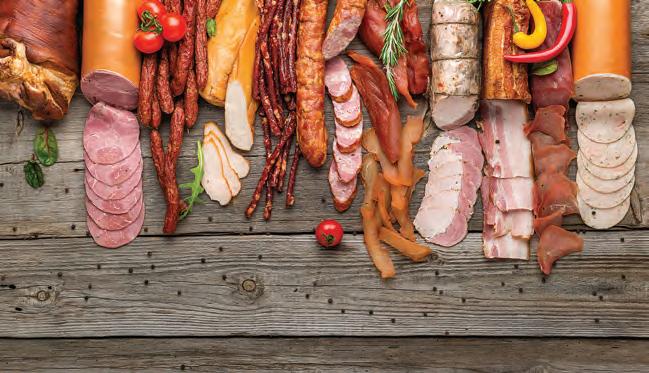
• Butchers
• Spice and herbs retail shops
• Small catering companies
Product categories
Bulk products:
• native and modified starches
• milk powders
Functional ingredients:
• Brine applications
• Bowl-chopper applications
• Texture and stability improvers
• Dry curing products
• Shelf life, preservation
• Food coloring
Taste ingredients and blends:
• Culinary extracts and aromas
• Sauce bases, sauces
• Fillings
• Soups
• Marinades-Bio Marinades
• Seasonings
• Batters, coatings…etc.
• Spices and herbs
Casings:
• Natural hog
• Natural beef
• Natural sheep
• Collagen
Facilities –Territory
Our territory is kept expanding covering today Greece, Balkan countries and Cyprus.
> Two main warehousing areas (Athens and Thessaloniki) strategically placed able to offer efficient logistic services to our customers.
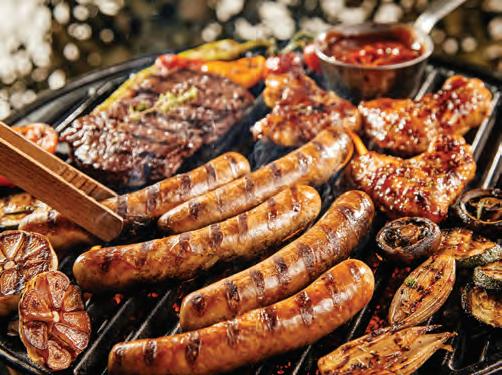
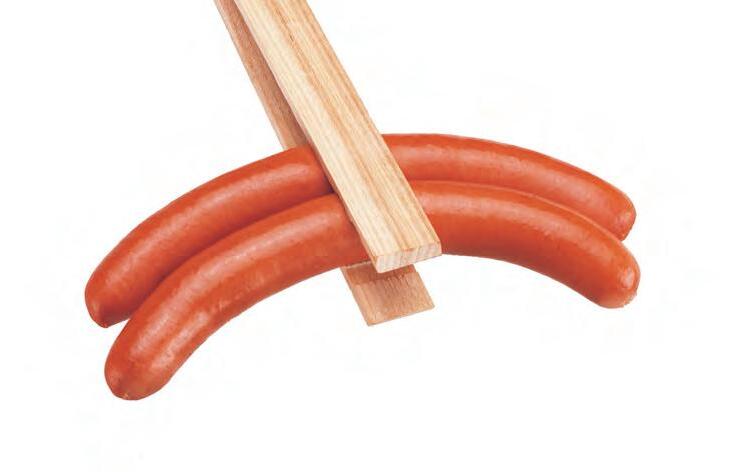
> Blending facilities for dry and liquid ingredients.
> R&D testing laboratory sufficiently manned and equipped for meat, dairy, bakery, snack and confectionary applications.
>Two showrooms with seminar facilities.
Research and Development Department:
On 2000, Thalis Nefeloudis food additives opened the first Research and Development Laboratory in Greece dedicated to food industry. The purpose and the department aim to provide to its customer’s innovative tailor-made products, high in nutritional value, structure and appearance.
Our mentality in food product development process determines the future success of our customers. The aspects which we consider as very important in any project we undertake are innovation, quality, technology and confidentiality.
All we need is your idea, and we will transform it into a new product. Your idea is developed by our food technologists to a final product fitted to your vision ready to win market share.
We, at Nefeloudis Food Additives, are constantly looking globally at new trends, technologies, innovations to contribute significantly to our R&D approach for the food industry. Our solutions and products tell our story. Ask our customers.
We are one step ahead because:
>Our major principles since our establishment are: moral, customer-oriented mentality, quality products, updating and innovation.
> We have almost 55 years of constant, reliable presence in the food industry.
> We invest in close and long-lasting relationship with our customers named as their strategic partner.
> We respect our collaborations with our partnersvendors. We strongly believe that together we built stable, profitable, promising and a standing out in time business in Greece.
> Our know-how, the flexible and specialized team, give us the ability to be timely aware of the market’s needs thus we can be ahead of the competition in all sectors (innovation, price, quality).
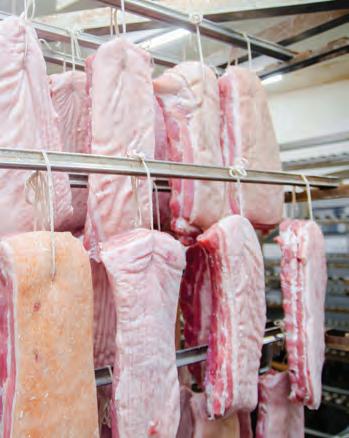
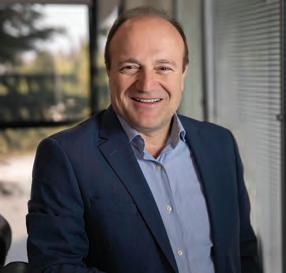
Brand: Provil
Address: Industrial Area of Thessaloniki
Tel: +30 2310 795 730
Fax: +30 2310 795 732
E-mail: sales.expert@provil.gr Website: www.provil.gr
Vogiannou,
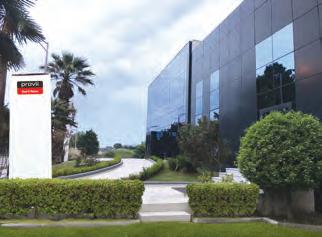
With a 25-year presence in the production of food ingredients, PROVIL has every right to be proud of the leading position it has gained in the Greek market, having established and consolidated strong and long-standing bonds of trust with its customers. It has succeeded in being recognized as a pioneering Greek company, with multinational characteristics, in the food and nutrition sector.
The particularity of the company, which is unique in Greece, is its ability to design and produce unique gustatory proposals for the whole spectrum of food production. PROVIL products can be found in various food sectors since it makes numerous tailor-made products for the food industry thus helping in the creation and refinement of the taste profile of a food. The second food sector which PROVIL is engaged in (perhaps the sole production company in this field) is that of gastronomy. Its products are used by the broadest spectrum of companies: from the smallest to the largest hotels, from the simplest to the most gourmet restaurants, catering businesses but also modern butcher’s shops.
In 2016, having paid heed to the needs of modern times, the company designed and launched the new ‘Cook at Home’ product line which came to overthrow but also add a new dimension to the
current cooking and dietary practices. PROVIL has already established a dynamic presence in more than ten countries abroad. However, its main work aims at supporting the Greek gastronomy through its products. We feel proud that large restaurant chains around the world use our products, such as Greek sauces (egg and lemon, saganaki or oregano sauces). We are also honoured to be one of the first choices in the meat industry and gyros production in the world, providing unique solutions in the production of this tasty street food. The demanding needs of the sector globally were the reason for the research into and development of food production technologies involved in the processing and production of gyros, doner and shawarma.
In its premises in Thessaloniki, PROVIL has established a fully equipped pilot laboratory which aims at developing and producing such products. Supported by expert scientists, technologists, scholars and meat connoisseurs, the company is able to make tailor-made products, adapted to the gustatory habits and rules of each particular region or country.
In the last seven years, PROVIL has participated in large fairs abroad and has provided its products to countries such as Russia, Canada, almost all of the northern European countries, Jordan, Kuwait, Romania etc. promoting various meat products, as well as gyros as one of the tastiest street foods.

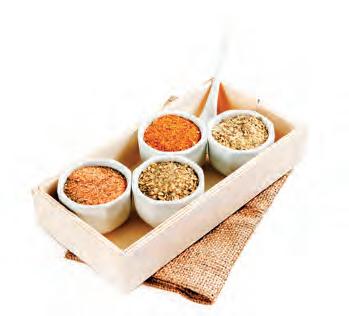

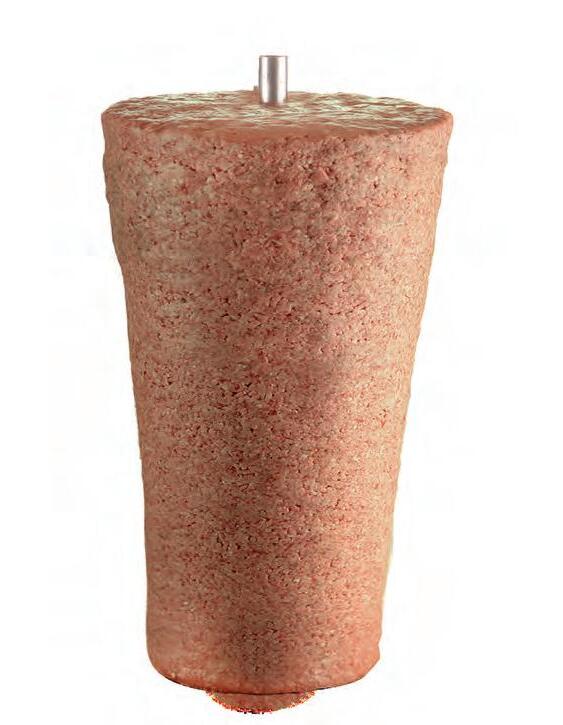
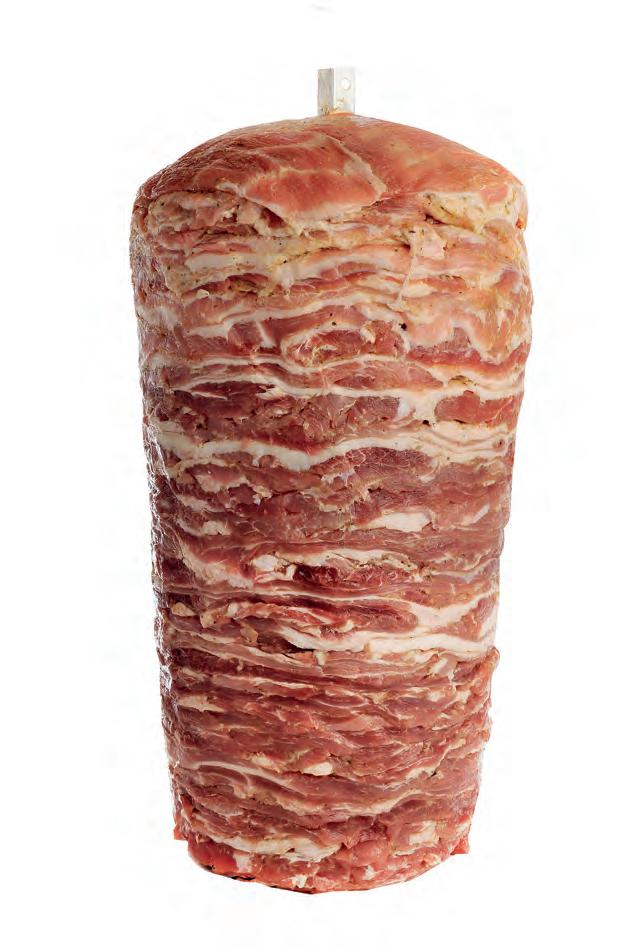
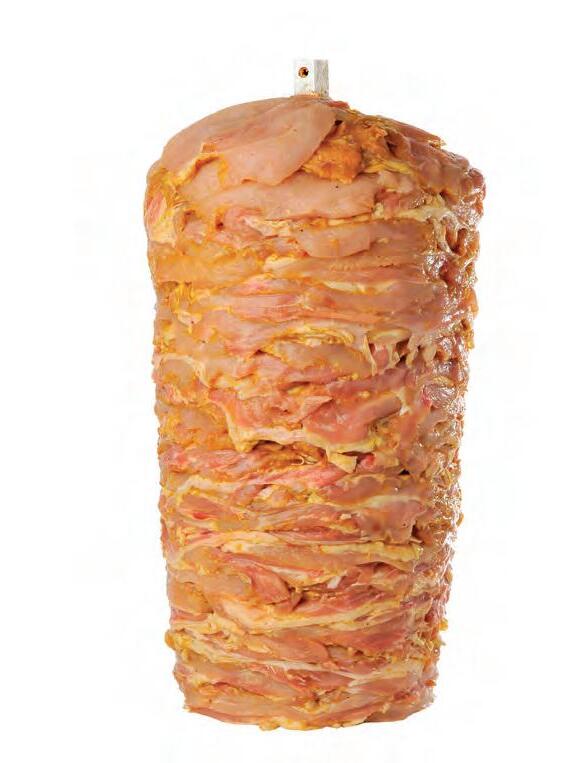
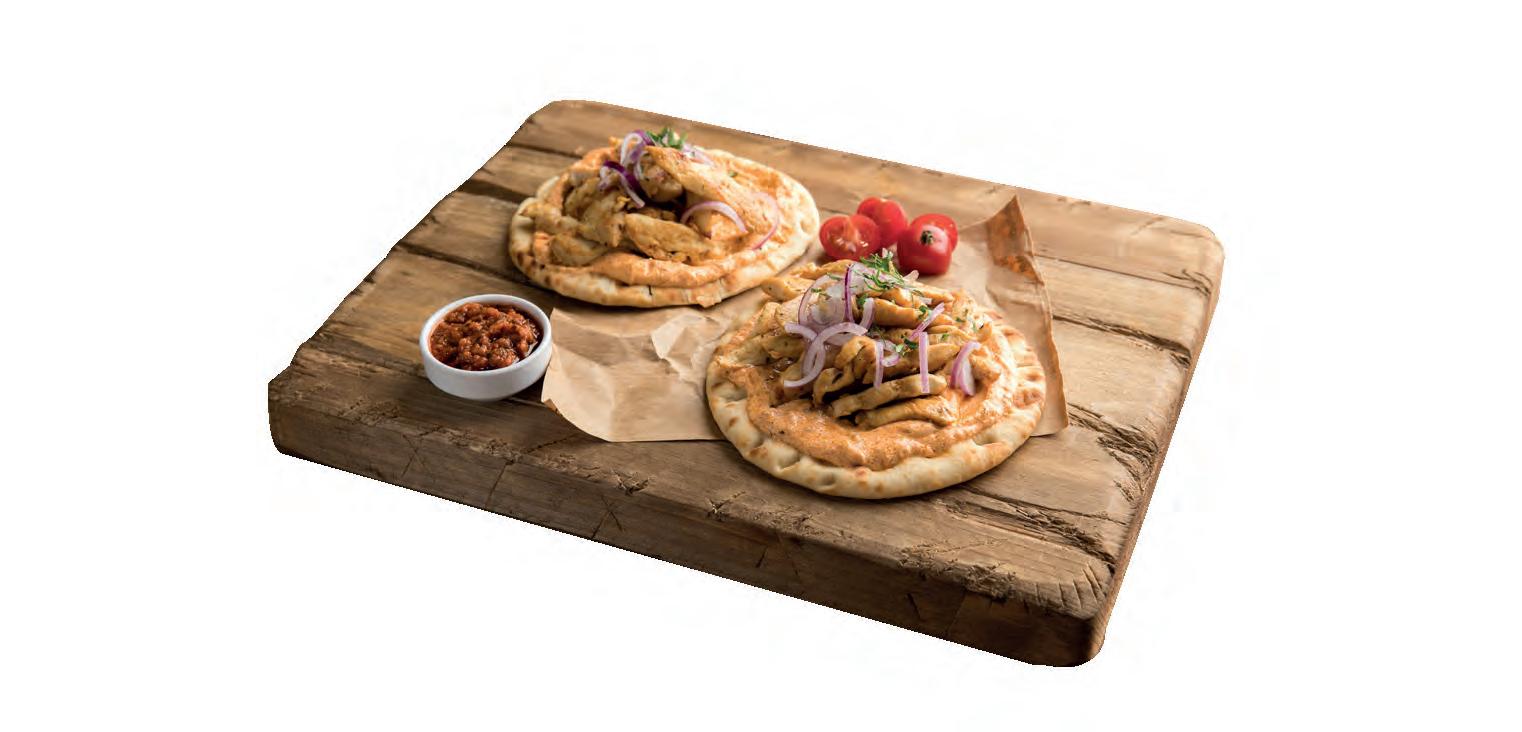





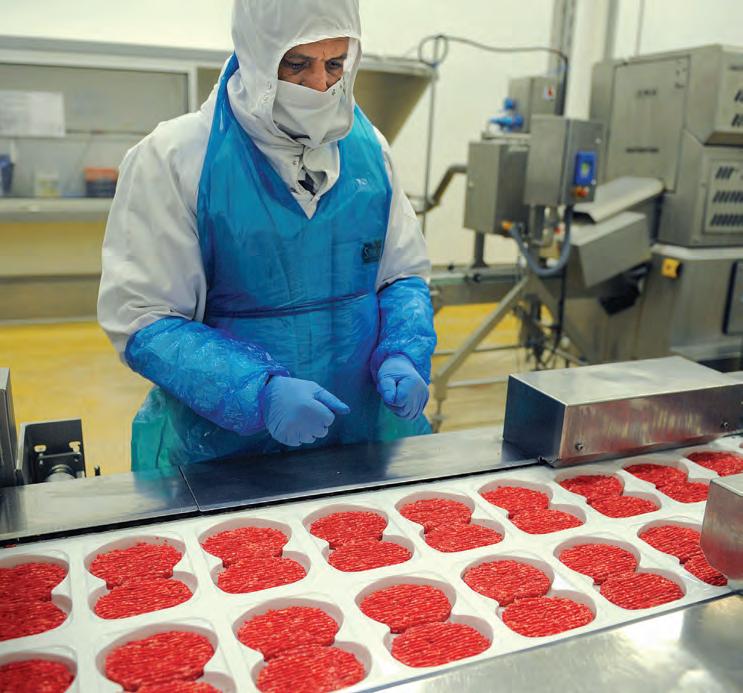
Plan and Design of Meat Processing FacilitiesProduction Organization
Plan, design and support of quality assurance and hygiene systems according to GFSI standards
Staff Training – Food Safety Seminars
Drafting studies and documentation for the certification of Protected Designation of Origin (PDO), Protected Geographical Indication (PGI) and Traditional Specialty Guaranteed (TSG)
Link to certified standards and management systems such as Organic Agriculture, Global Gap etc
Design of private label products
Design - Product design for patent acquisition
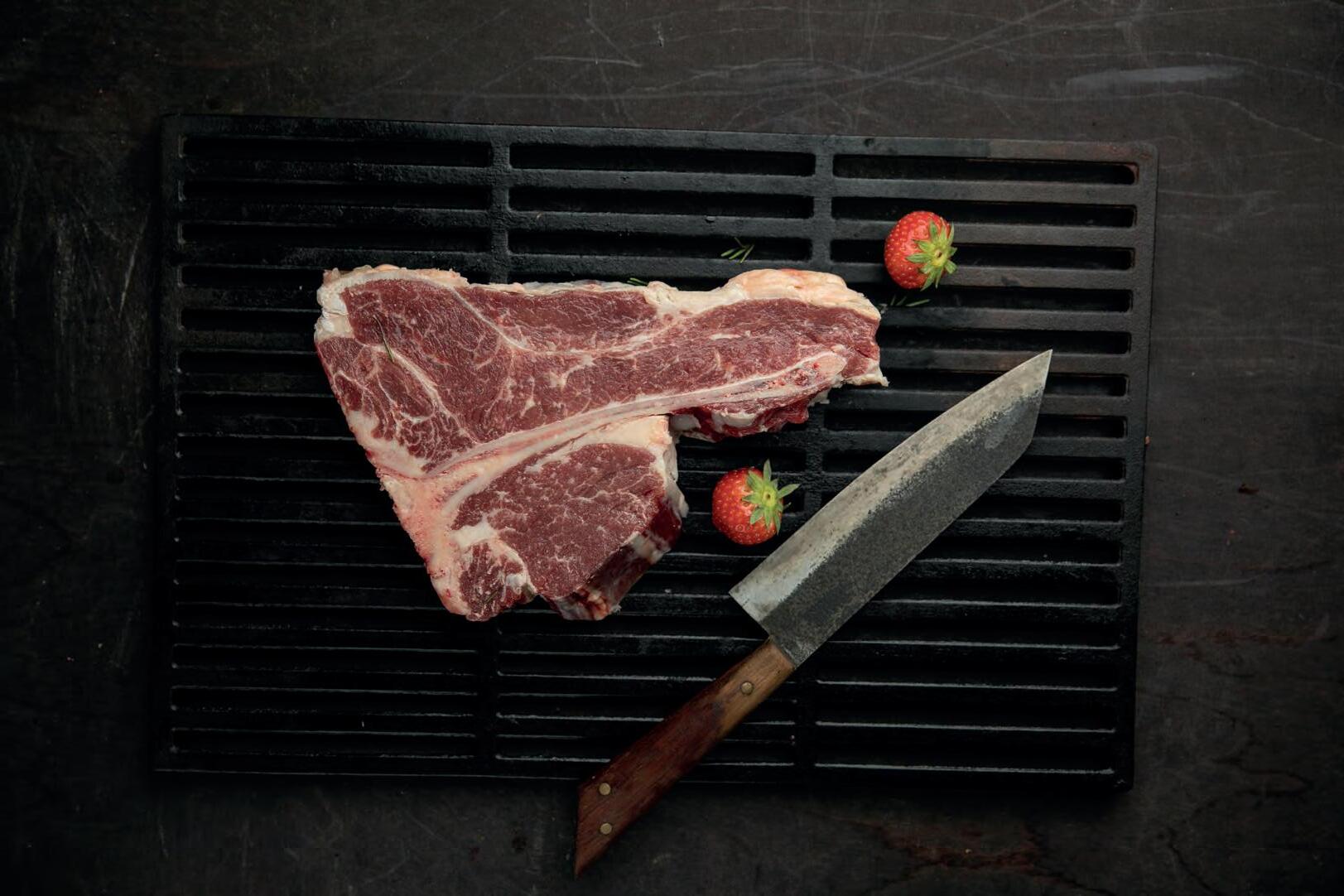
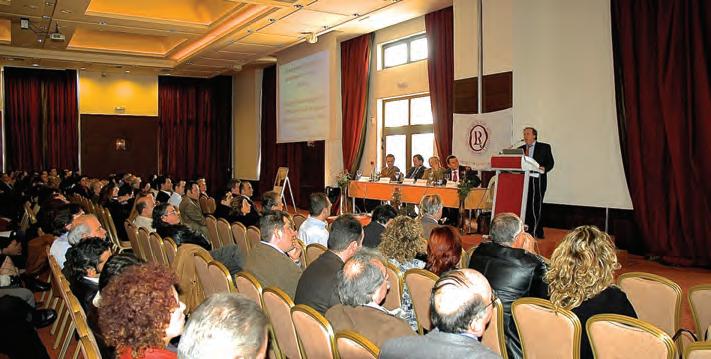
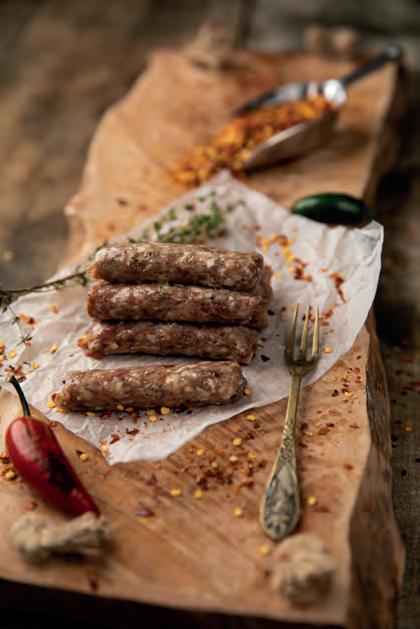
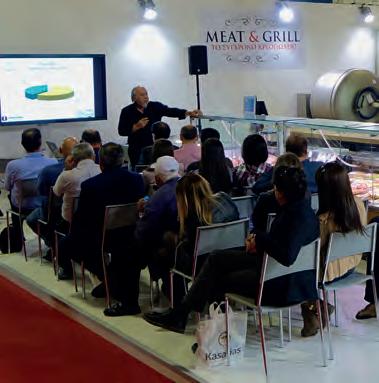
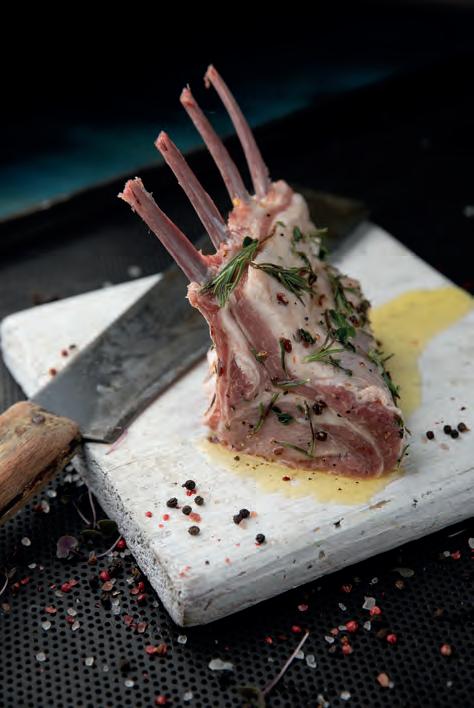
” The most modern technology in Europe” ”
Binding systems for Gyros and Doner for stability and reduction of product losses
Technology for the production of meat preparations
Technology for the production of unique products of convex meat (burgers, kebabs etc.)
Technology for fermented and matured products (prosciutto, pastrami, salami etc)
Technology to extend the shelf-life of your products
The most modern technology in Europe”
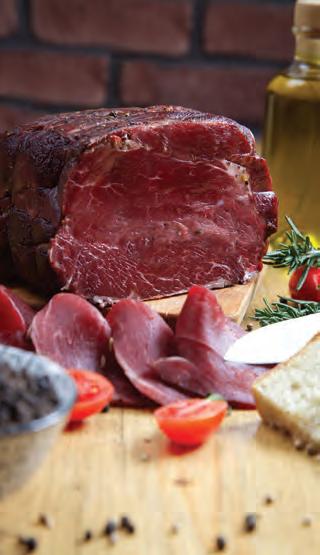
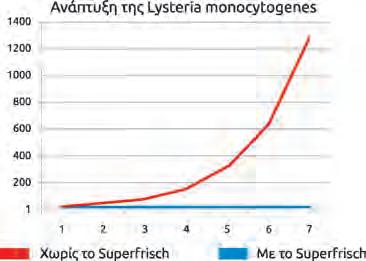
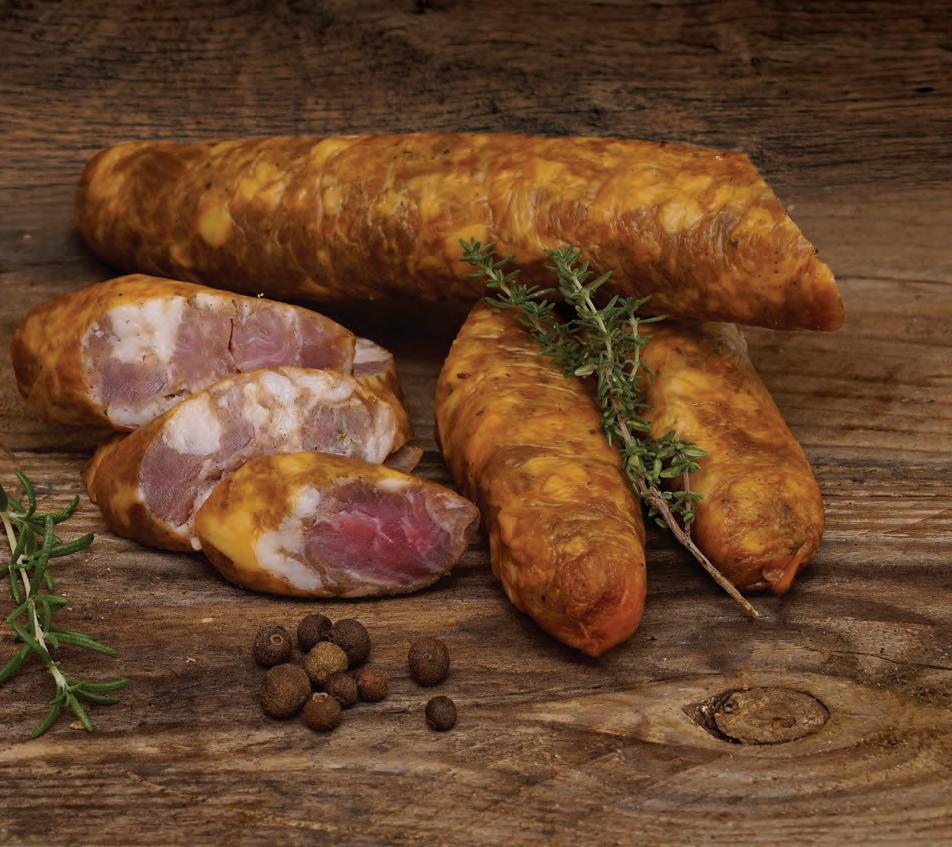
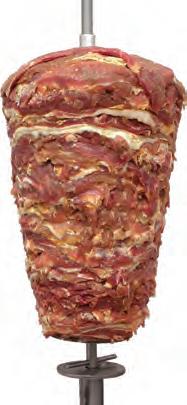
Brand: MARINOS-VASILOPOULOS SA
Address: 37o km N.R.Athens
Korinthos, 19100 Megara Attika
Tel: +30 22960 35606-9
Fax: +30 22960 35532
E-mail: import@marinostrans.gr
Website: www.marinos-vasilopoulos.gr
Contact Person: Charalampos Pantazis
Marinos-Vasilopoulos is for many years the largest meat import company in Greece. Always at the forefront for the convenience of our partners, and constantly upgrading our fleet, we offer reliability, safety and security of supplies.
Our company operates in the field of road transport to and from all over Europe, with own fleet of trucks and a wide network of reliable partners both in Greece and abroad. Specialized in transport of fresh meat, fruits and vegetables, we offer credibility, quality, safety and delivery guarantee having as target the best customer service.
Knowing that the transport of fresh and frozen meat as well as perishable products is a field that wants special attention and care, we have managed through our long experience and great collaborations the absolute assurance of the products and continuous controls both during loading and unloading and during transfer. Focusing on quality and high standard services, we implement a food safety management system in compliance with HACCP and the International Standard ELOT EN ISO 22000:2005
Our highly qualified staff provides the safety of the provides the safety of the goods, on time transfer of the desired country and the proper storage within the company to meet the highest standards.
Something to be proud to Marinos-Vasilopoulos is our constantly renewed fleet. Our company owns trucks-refrigerators for transferring all perishable products (meats, fresh fruits and vegetables) for distribution across Europe safely and consistently.
Our entire fleet is equipped with GPS-Tracking systems and recording systems to control the smooth operation of the refrigeration machines. A partnership with strong and reliable correspondents and vertical integration by geographic destination makes us a reliable partner in road freight transport across Europe. Some of the distribution countries are: Greece, France, Belgium, Germany, England, Spain, Portugal, Italy, Austria, Czech, Republic and Denmark.
Our priority is your satisfaction and to ensure a professional and healthy cooperation.
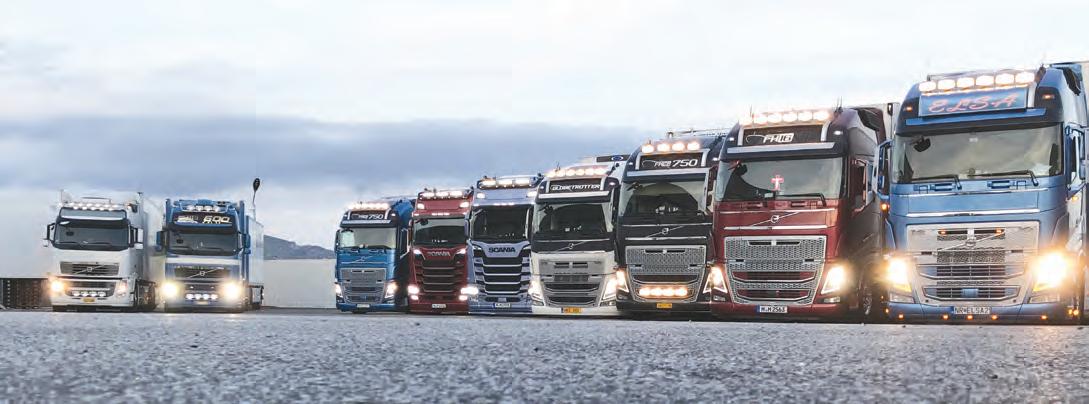
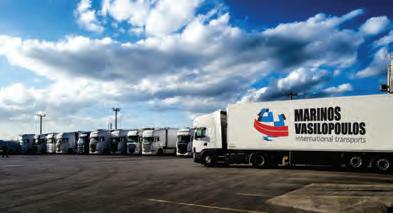
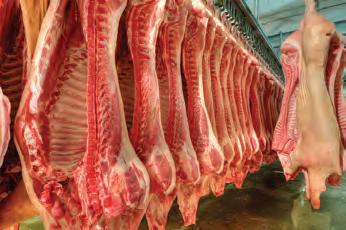
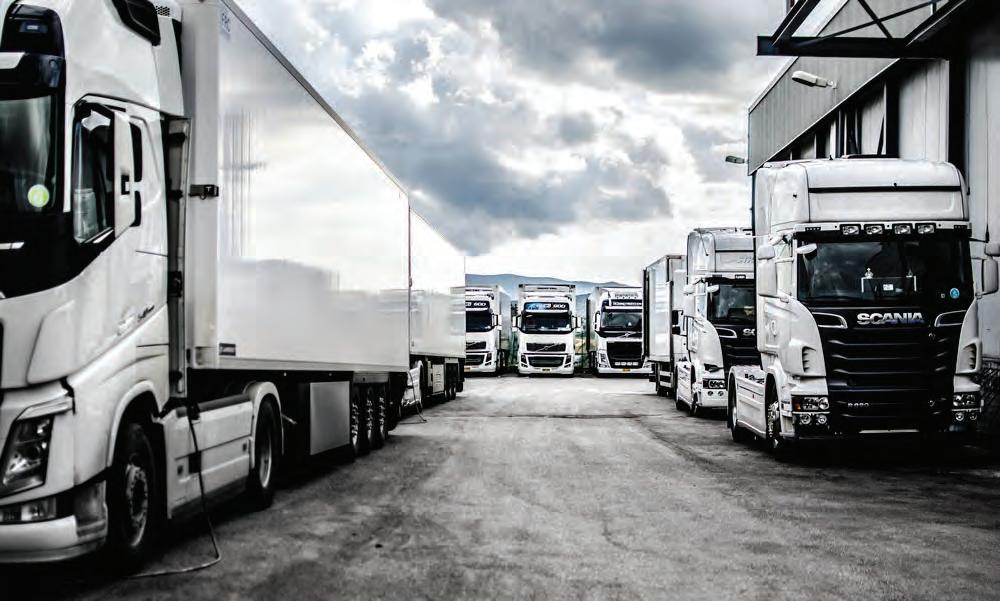
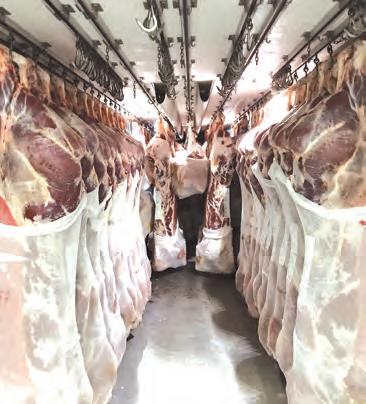
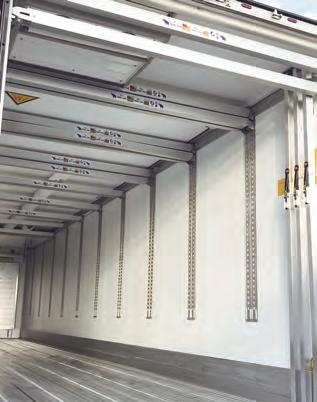
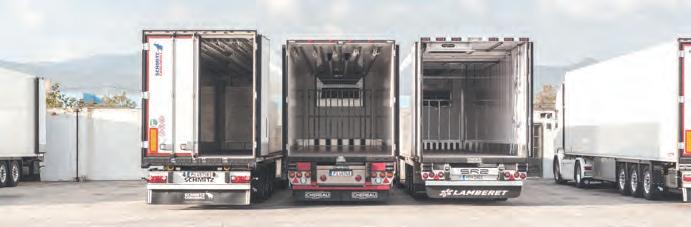
B
Zeppelinstrasse 11, D-85748
Garching b. Munchen
E-mail: BM-Spedition@spednet.
Tel.: +49 89 72019674
Brand: o.mind Creatives
Address: 187 A. Syngrou Avenue, Nea Smyrni, 17121, Athens, Greece
Tel: +30 210 9010040
Fax: +30 210 9010041
E-mail: info@omind.gr
Website: www.omind.gr
Omind Creatives, a company with an open minded approach to media productions, has in its portfolio the editions of four trade magazines, MEAT PLACE, DAIRY NEWS, THE GRILL MAGAZINE and SUPPLY CHAIN & LOGISTICS, read by 20,000+ professionals each month.
Meat Place is the monthly magazine of the meat, cold meat and poultry industry sector, published by o.mind Creatives company since 2010. The magazine is sent to top level executives in the industry sector.
Meat Place is a working tool for all scientists and entrepreneurs who are involved either as producers or as merchants, as importers and agents, as specialists in producing, selling, packaging, testing or as competents for certifications.
Meat Place is the meeting point of all views
developed in our country for everything related to that market. Moreover, it aims to offer to its readers as much information as possible relating to new solutions to existing problems, new experiments, new successes obtained by people of the meat and poultry sector of other countries.
Meat Place magazine is the only reliable source of information for everything related to the people of the meat, cold meat and poultry market.
Meat Place is everywhere where the people of meat market gather. It highlights and sponshors events related to the meat, the cold meat and poultry industry.
O.mind Creatives can be your expertise media partner in Greece.Our artistic team can serve your αdvertisements, your company newsletters, or/and marketing campaigns (leaflets, posters, advertorials etc.).
o.mind Creatives: The organizer of 5 professional exhibitions
1. MEAT & GRILL DAYS which is organized every two years in Athens since 2012
2. INTERNATIONAL SUPPLY CHAIN & LOGISTICS EXPO which is organized every two years in Athens since 2007
3. CARGO TRUCK & VAN which is organized every two years in Athens since 2017
4. FROZEN FOOD EXPO which is organized every two years in Athens since 2013
5. DAIRY EXPO which is organized every two years in Athens since 2013
Having more than 15 years of experience and with an expert team of executives and business partners, o.mind Creatives guarantees the exhibitions’ successful outcome and future prospects. All events are taking place at the Metropolitan Expo, a venue considered to be one of the best exhibition centres of South-East Europe.
o.mind Creatives Magazines:






The sector of meat and its products occupies a significant part of the Greek economy and constitutes an ever developing sector in the food industry
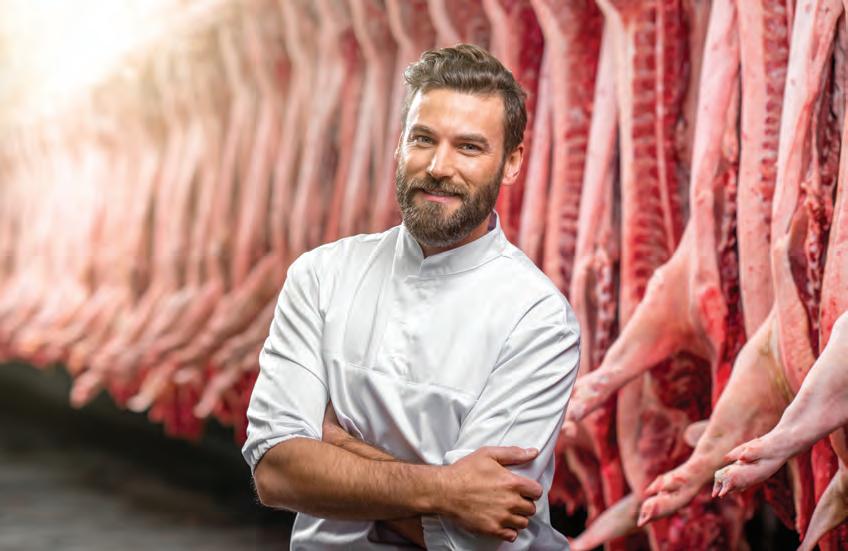
The bodies involved in the meat sector undoubtedly constitute dynamic factors which, through their activities and initiatives, decisively influence the development and further enhancement of the position of the meat sector in the Greek and international market.
The sector of meat and its products occupies a significant part of the Greek economy and constitutes an ever developing sector in the food industry. The demand for quality, safety and competitiveness of the available food products in the truly highly competitive conditions of the globalised economy necessitate the cooperation among professional sectors, Chambers of Commerce, scientific institutions and state bodies. With a view to achieving a very good level of collaboration among all the professional bodies of the sector, and in an effort to consolidate a constant level of coordination for the formulation of proposals during the discussion of legislative regulations in European and international organizations, the particular bodies present their positions and views themselves, so that they communicate crucial information about their actions, initiatives, results, checks, the provision of information aiming at the promotion and consolidation of consumption both in Greece and abroad.
The National Interprofessional Meat Organisation
The National Interprofessional Meat Organisation (EDOK, in Greek) is the first and only Interprofessional Organisation in the meat sector to be officially recognized by the Hellenic Ministry of Rural Development and Food (YPAAT, in Greek). It represents the Greek meat sector in large international organizations, such as the French Interprofessional Meat Organisation (INTERBEV) and the European Livestock and Meat Trades Union (UECBV).
Indeed, in the current year, EDOK will hold the International Congress of UECBV in Greece, an event of international import in the field of meat production and distribution.
After the recent admission of new members, EDOK now comprises the following bodies:
1. The Association of Greek Livestock Farming (SEK, in Greek)
2. The Association of Hellenic Agricultural Cooperative Organizations and Businesses (SASOEE, in Greek).
3. The New Pan-Hellenic Confederation of Agricultural Cooperatives’ Unions (new PASEGES, in Greek)


The PanHellenic Slaughterhouse Union includes approximately 70 members which represent 90% of all slaughters carried out in Greece
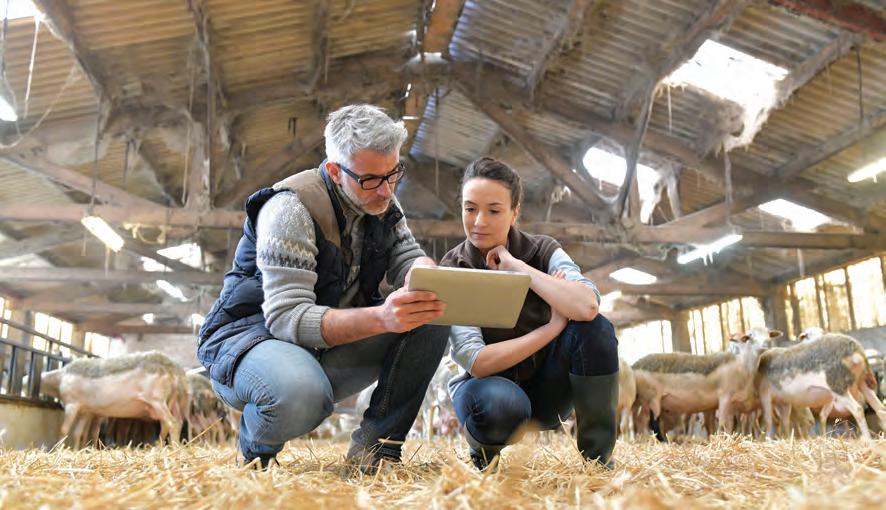
4. The Pan-Hellenic Municipal Slaughterhouse Union (PEDISFA, in Greek)
5. The Pan-Hellenic Charcuterie Manufacturers and Meat Laboratories Union (PEMAEK, in Greek)
6. The Pan-Hellenic Union of Meat and Live Animals Dealers
7. The ‘BRIGADE’ Food Sector Professionals Group
The three new professional bodies which have joined EDOK, together with the existing members, represent the full spectrum of the meat sector, a fact which reinforces the professional standing of EDOK and consolidates its representativeness. In the vitally important production sector, EDOK’s representativeness lies in the vicinity of 72%. With its new composition, EDOK continuously opens up new roads for the meat sector and proceeds with the elaboration of a national plan, which has been an absolute necessity and has happened for the first time in Greece.
This planning includes the creation of breeding standards and certification so that Greek meat will no longer be anonymous and ‘non-identified’. We ought to incorporate it into a framework of absolute traceability, in order to promote its added value as well. We intensify our efforts for the creation of producers’ organizations which will manage the meat produced. At this point , EDOK’s contribution functions as a catalyst because it has undertaken the task of coordinating new collaborations among livestock farmers’ unions, the institutionalized trade, catering,
supermarkets, the processing sector, etc. This planning also includes regularization of genetic material among producers, new productive farming breeds (such as the ‘large lamb’ and the sheep intended for meat production), new cuts and meat preparations, but also continuous training of all professionals in the supply chain. However, the most important of all is the promotion of Greek meat to the Greek and European consumer through programmes such as ‘Meet the Lamb’ and ‘Signed by Nature’, because a large percentage of consumers does not have basic knowledge about meat and its use, which results in their being misinformed and creates a disorderly market which, in turn, leads to decreased meat consumption. Such programmes help the extrovert orientation of the Greek meat sector, since producers are offered the opportunity to export their products.
The Pan-Hellenic Slaughterhouse Union
The Pan-Hellenic Slaughterhouse Union (ESE, in Greek) includes approximately 70 members which represent 90% of all slaughters carried out in Greece. In their last General Assembly it was decided that ESE would change its name so that the Union would now be able to include all slaughterhouses – besides the industrialized ones – which wish to belong to a common professional body. That is to say, municipal, cooperative, private or poultry
slaughterhouses. At the same time, municipal slaughterhouses in the rural areas and the Greek islands in particular will be exempt from paying contributions, while they will be able to have access to any information they will request from ESE. Greek slaughterhouses are the link between the primary sector (livestock farmers) and the traders. The aim, as is the case in the rest of the European countries, is for slaughterhouses to become bodies involved in the meat trade as well. Today, in Greece there are two kinds of slaughterhouses: those which provide just one specific service and those which are ‘mixed’, that is to say, the ones which process and market their own products. This is a model to be adopted by all the slaughterhouses either through acquisitions or through the expansion of their activity, because otherwise they will be forced to close down. The reason behind it is that - due to the ever declining local livestock farming - they will not be able to financially survive if they do not have stable parallel revenue, because maintenance costs alone are very high for slaughterhouses of European specifications and with all the necessary hygiene regulations in place. Otherwise, within the next three years
there will be no more than 30 slaughterhouses left in the market. The overwhelming majority of the Greek slaughterhouses which have been awarded a code number fully meet the necessary specifications and are in compliance with European standards. Nevertheless, the problem lies with the small municipal slaughterhouses which function almost in an uncontrolled fashion and, quite often, without being sufficiently checked by the competent authorities.
This is a problematic picture which is directly connected to the shrinking of livestock farming and of course impacts slaughterhouse businesses. Nevertheless, this situation can be reversed only if significant motives are given to new enthusiastic livestock farmers wishing to enter the sector and new modern livestock farms are subsidized. What is required is sound planning and clear targets on the part of the State by providing motives in this direction, either through bank programmes or ‘new farmer’ programmes.
ESE has recently undertaken a very serious and costly initiative for the establishment of a reliable traceability system, without
The planning and carrying out of controls are implemented with a view to ensuring the continuous improvement of businesses’ ability to make safe products
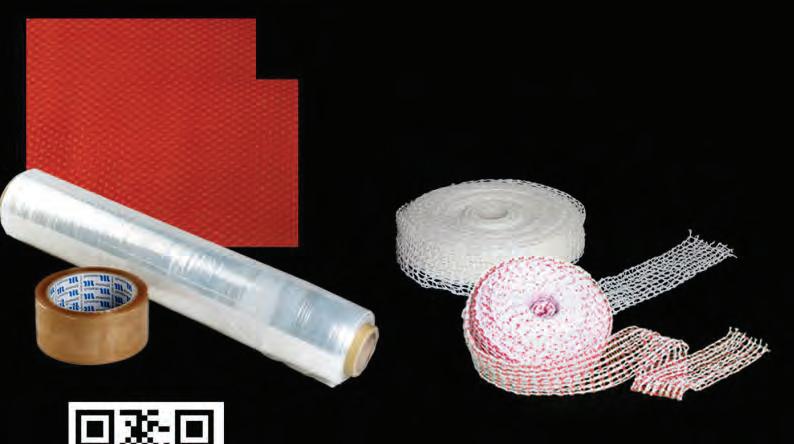

EDOK will hold the International Congress of UECBV in Greece, an event of international import in the field of meat production and distribution
‘gaps’, so that the problem of fake Greek naturalizations of foreign products is resolved. Traceability should start at the beginning of the production chain, by recording the barn, the breeding responsible and the electronic transport permit, then proceeding with the updating of all the electronic systems of the veterinary services at the Hellenic Ministry of Rural Development and Food (YPAAT, in Greek), and finally end at the slaughterhouses where meat will be provided with slaughter certification (tags or electronic chips) which will accompany the meat until it reaches the final consumer.
The Hellenic Food Authority (EFET, in Greek) is a public entity supervised by the Hellenic Ministry of Rural Development and Food (YPAAT, in Greek) which, besides its central coordinating role in organising and conducting official food controls and inspections, aims at ensuring good hygiene practices and food safety as well as preventing consumers being mislead. Taking into account the large number of facilities which produce meat or meat products, the planning and carrying out of controls are implemented with a view to ensuring the continuous improvement of businesses’ ability to make safe products. The planning in question involves yearly inspections in the meat sector. Risk assessment and ranking are among the criteria which decide the conduct of official controls. Such controls are held with a view to supporting the strategic targets of the
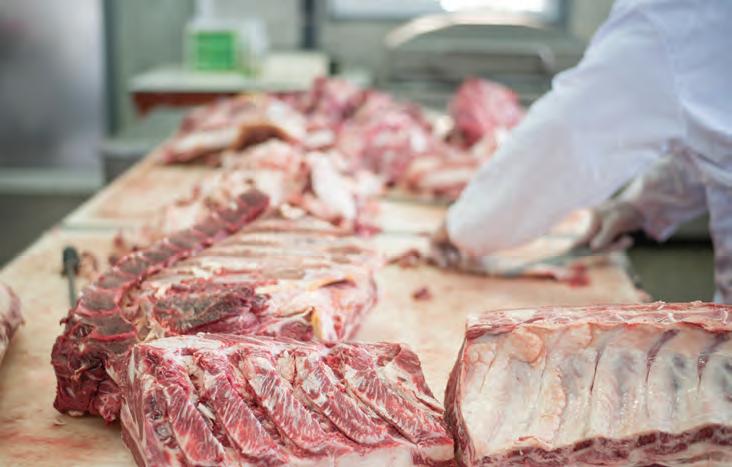
Multiannual Integrated Control Programme (POESE, in Greek), by promoting its priorities. Official controls involve:
A. Verification of businesses’ compliance with the general and specific hygiene requirements of Regulation (EC) 852/2004 and Regulation (EC) 853/2004 regarding the abovementioned products
B. Checking the implementation of and compliance with the prerequisite programmes and the regulations concerning proper hygiene practices used in food premises and facilities
C. Checking finished products as regards:
• the examination of raw materials, intermediate products and the compliance of the finished products with legal requirements
• the examination of materials and objects intended to come into contact with foodstuffs
• the examination of finished products’ labelling, promotion and advertising
• sampling and analysis concerning microbiological criteria, the presence of chemicals, natural risks and radioactivity
D. Checks in order to establish the adoption and implementation of Hazard Analysis and Critical Control Points (HACCP) principles, particularly as regards the observance of Regulation 2073/2005 concerning microbiological criteria, compliance with the requirements about residue limits, impurities and prohibited substances and the prevention of natural risks
E. Checking the proper management of health marks or identification and the compliance with the traceability system
F. Checking written material and other records relative to the assessment of compliance with legislation
By assessing the results of controls in the meat and meat product sector, in the last five years, it is evident that companies’ compliance has reached 95% - without major deviations. Infringements mainly involve matters of general hygiene which have to do with deviations in the operating procedures and issues concerning the implementation of self-regulation systems. More specifically, in the meat sector, by encouraging the development of new products, the use of innovative production methods and the improvement of personnel training on
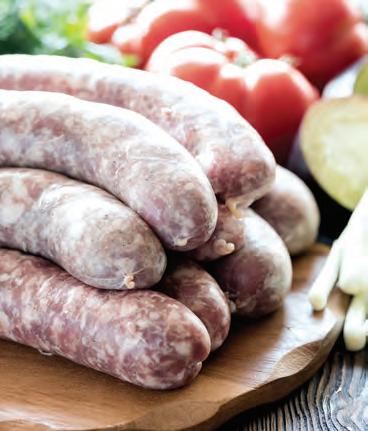
matters of hygiene and safety, EFET will promote the three aforementioned pillars so that the competitiveness of businesses in the sector is enhanced.
The current challenges for the sector necessitate businesses focusing on issues such as traceability, which constitutes a basic factor of compliance with legislation and plays a major role in the safety of the foodstuffs produced while averting incidents of food scandals which ballooned to massive proportions in previous years. Similarly, the continuous improvement of self-regulation systems constitutes a long-standing need for constant upgrading of the operational level of the businesses in the sector.
Finally, particular attention should be paid to the use of additives which occupy a major position of the meat industry, not only due to restrictions in the special legislation concerning additives and flavourings used in food smoking, but primarily in order to produce safe foodstuffs and protect consumer health.
The Nationwide Butchers’ Federation of Greece (P.O.K.K., in Greek), whose registered office is in Athens, was founded in 1964. Its aim is to defend, safeguard, study and promote the common socio-economic and professional interests of its members in the framework of serving society as a whole. Furthermore, its target is to promote and foster a spirit of solidarity and mutual
help among professionals in the retail butcher-shop-owners’ sector, to ensure the necessary conditions for their improved professional training and to enhance their cultural and educational level. It is a member of the International Butchers’ Confederation (IBC), the tertiary sector Hellenic Confederation of Professionals, Craftsmen & Merchants (GSEVEE, in Greek) and represents butchers throughout Greece, as the official interlocutor with competent ministries on issues pertaining to the retail meat trade.
The Greek Meat Processing Industry Association (SEVEK, in Greek) constitutes the sectoral Association of the licensed and recognized businesses which deal with the production of processed meat products and cold meat and function legally in Greece, whatever their legal form or size may be.
Since 1977, when SEVEK began its operation as a Pan-Hellenic professional Organisation, its key concern has been the support of the activities of its membercompanies in their every effort to grow. Through the Association’s participation in Greek and international institutional bodies, it serves its main target in the best possible way and has accomplished significant work in sectoral affairs.
More specifically the Association:
• Participates, as a main body, in the permanent dialogue with the State Authorities, promoting soundly-documented positions and policies for the growth of the sector and the development of professionals involved in the transport and distribution of our products
• Participates, on an institutional level, in Committees and Bodies which formulate decisions and finalise legislative work
• Supports positions and proposals for the viability of sectoral businesses, their economic growth, the expansion of employment, etc.
• Plays a leading role in pursuing claims and actions in order to improve the framework of healthy entrepreneurship and sound competition rules
POKK’s target is to promote and foster a spirit of solidarity and mutual help among professionals in the retail butcher-shopowners’ sector
The dynamics in the positioning of Greece on the global agrifood map can improve by implementing specific measures for decreasing the production cost
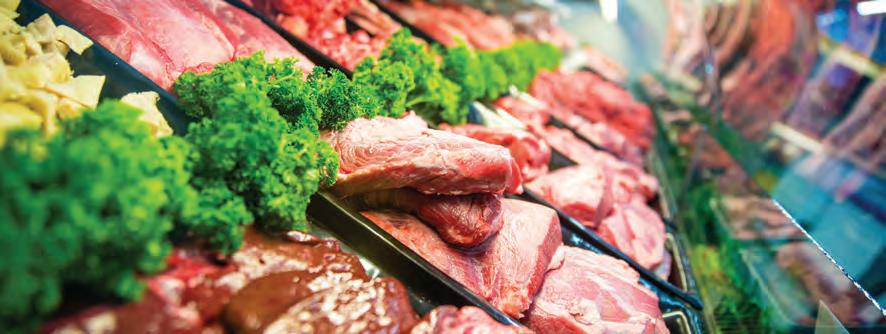
• Provides constant, sound and timely information about every national, EU or international legislation
• Intervenes in and influences the final formulation of regulations
• Monitors and provides opinions and information about technical, quality, export, research, competition , tax and labour matters
• Offers its member-businesses the opportunity to participate in committees and (technical experts) working groups
• Keeps members informed about any developments concerning the products and businesses in the manufacturing and processing meat sector
• Provides information about national and EU programmes for investments, development, promotion etc.
• Facilitates contacts among various sectoral businesses, technical experts, scholars, public opinion leaders etc.
• Ensures the promotion and participation of members in sectoral trade fairs, one-day symposia, congresses, seminars etc.
• Advises member-businesses’ managers and personnel on any special issue which arises
• Creates contact networks with a view to concluding agreements, making investments etc.
• Contributes to the elimination of disincentives and obstacles in the business environment
In 2000, as part of its activities, SEVEK created the Advisory Technical Expert Committee (SETE –SEVEK, in Greek) with the participation of representatives from memberbusinesses. The purpose of the Committee is the scientific study, monitoring, support, expression of ‘reasoned opinions’ and proposals to the Board of Directors and the General Assembly of the Association, concerning general or specific matters relevant to the meat
processing industry. It also aims at providing all the necessary services to the Board of Directors in order to assist the work of the Management on issues of grave importance.
The experience and expertise of the esteemed members of the Committee have, all these years, contributed to its particularly effective work.
Aspiring to cover the gap which existed in the continuous research and provision of information to the State, all the stakeholders and the consumers, about issues related to the manufacturing of meat products, SEVEK has recently established the ‘Meat Products Institute’ which functions as a life-long learning centre but also as a centre for research and technical monitoring of issues relevant to the meat processing industry and the broader meat sector.
Since its establishment, the Association of Greek Livestock Farming (SEK, in Greek), has supported that the livestock farming sector (with its age-long tradition in Greece) plays a major role not only in the agricultural economy but also in the Greek economy as a whole. And that is because:
• Approximately 500.000 people are employed in the thousands of companies (mainly small to medium-sized) which deal in manufacturing and processing, trading and transport of products of animal origin
• Products, unique in their kind, are made which are preferred by consumers and stand out because of their excellent quality and their high biological and nutritional value
• Less-favoured or mountain areas are exploited, which would be impossible to exploit in any other way A very large part of the plant production depends on the existence and functioning of livestock holdings, since Greece breeds almost 10% of EU sheep and 31% of goats (ranked first among EU member-states) while 10- 11% of all lamb and goat meat in the EU is produced here.
Broiler farming constitutes one of the most dynamic areas of livestock production in Greece, with a high degree of self-sufficiency, full vertically integrated production and high participation in the cooperative associations, the pioneering association being that of ‘PINDOS’.
One of the strong points of the Greek pig farming industry is the specific and constant composition of the animal diet (based on a mixture of high-quality cereal, wheat flour and bran) which now constitutes a conscious choice on the part of Greek pig farmers.
The high quality of the beef produced, combined with strong consumer preference, constitutes a driver for further growth in the sector.
Meat constitutes one of the staple foodstuffs in the country and ranks high in consumer preferences and proof of this is its percentage (22.6%) in the total monthly spending for foodstuffs [Hellenic Statistical Authority (ELSTAT), 2017].
Because of the structural problems it faces, the Greek meat (beef and pork in particular) production is less competitive than that of other EU member-states where businesses can produce and transport their products at a reasonable cost.
However, the dynamics in the positioning of our country on the global agri-food map can improve by implementing specific measures for decreasing the production cost, ensuring our products identification, by making full use of cooperatives, by investing on research and innovation and by exploiting the local breeds of livestock.
The high quality of our products and the strong consumer preference for local products – and consequently for Greek meat – are the key strong points for the local meat businesses.
There is a lot of room for growth in livestock farming and the meat sector in particular. The road to success is not easy but absolutely attainable. M
The Sideris Company has been a pioneer in the field of natural solid fuels since 1977, specializing in the importation, distribution and exportation of high quality restaurant and barbeque charcoal, briquettes, fire starters and other related products.
Our fleet and associated transport companies distribute our full range of products throughout Greece, promptly and efficiently. We ship to other countries and can arrange overland transport of smaller quantities from Greece or export directly from the countries of origin in the case of larger orders.
traditionally produced charcoal suitable for professional as well as domestic use, originating from Cuba and Africa. A highly dependable, restaurant

Our sawdust charcoal briquettes are a 100% natural product for professional use, made from sawdust without the addition of any chemicals or additives. Burning time is over 5 hours in a controlled environment. The product does not give off smoke, sparks or unpleasant odours.
Available in 5 kg polypropylene bags for domestic use with an ergonomic handle for ease of transport.
A.& G. Sideris P.C.
Headquarters: Thesi Bariamaga, Nea Artaki, Evia, Greece
Tel.: +30 22210 40131 - 22210 42453 • Cell: +30 697 3075 389
Email: dagsideris@gmail.com
Branch Office: NATO Avenue, Aspropyrgos, Attica
Tel.: +30 210 55 77 496
Representative for northern Greece: Karvouna Thessalonikis Anatolikis Thrakis 18, Kalochori, Thessaloniki
Tel.: +30 2310 755455


Editing
Panos Katsachnias
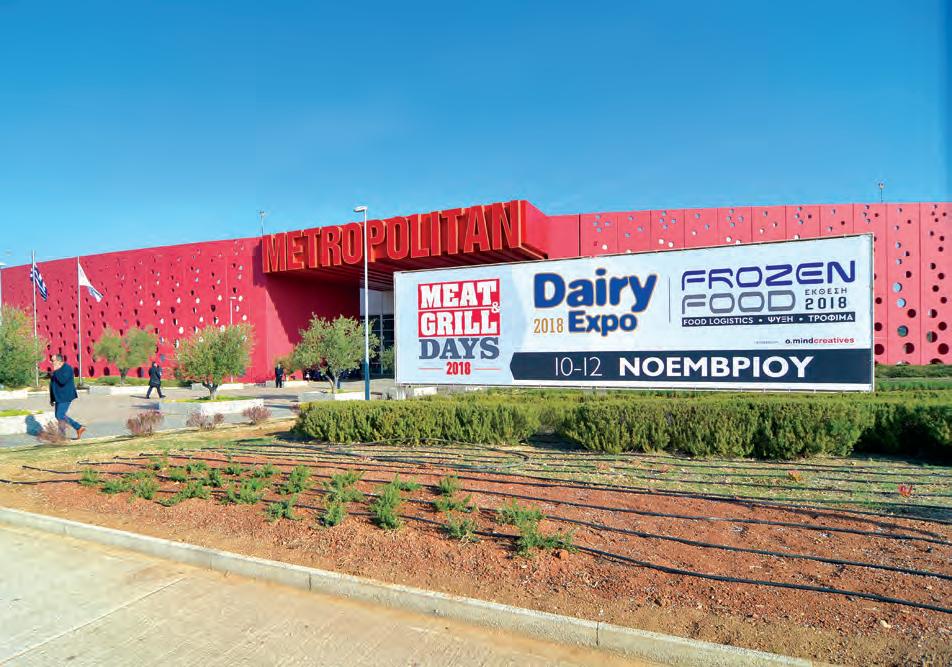
MEAT & GRILL DAYS, the trade fair for the meat and mass catering sector, which is under the aegis of the Hellenic Ministry of Rural Development and Food and the General Secretariat of Commerce of the Ministry of Economy and Development and is supported by all its affiliated bodies, is already preparing the next significant three-day meeting from 7th to 9th November 2020, at the METROPOLITAN EXPO Exhibition Centre, in Athens.
point for all professional stakeholders in this field. It offers participants the opportunity to come in contact with representatives from this demanding market and gain a firsthand insight into the meat sector.
November 7- 8 - 9
There, o.mind Creatives, the organizer of MEAT & GRILL DAYS, will once again present the full spectrum of the meat related business. So, in the 7th MEAT & GRILL DAYS fair we will present the complete chain which constitutes the meat market in Greece, from meat production and processing to its promotion to the final consumer and the food service customer.
In all the years of its presence in the field and having covered all the spectrum of meat and meat products’ production and distribution to the final consumer, MEAT & GRILL DAYS constitutes a unique meeting
The 7th MEAT & GRILL DAYS fair aims at an even broader range of topics and products, with new planning, new sections and a lot of international entries, thus creating the commercial event that has been expected by all the professionals in the meat market and mass catering. At the same time - as was the case in every fair before that - there will be a lot of contests, demonstrations, oneday seminars and conferences about topical issues which concern the meat sector and mass catering. At the fair you will have the opportunity to find:
• Meat producers and traders
• Charcuterie and meat products manufacturers
• Meat and charcuterie processing and packaging machinery
• Raw materials and spices
• Distribution services, Food Logistics and business consultants
6th MEAT & GRILL DAYS: The previous successful event in numbers
For the 6th successive time, o.mind Creatives, the organizing company, successfully held the MEAT & GRILL DAYS fair and the numerous other parallel events which accompanied it, from 10th to 12th November 2018, at the METROPOLITAN EXPO Exhibition Centre.
The complete meat chain, from meat production and processing to its promotion to the final consumer and the food service customer, as well as the relevant equipment, was presented for three days. With 200 exhibitors, 14,000 visitors from Greece and abroad and 500 B2B meetings, the fair once again managed to create conditions conducive to successful trade and business meetings.
Of particular importance is the fact that the participating companies had constructive cooperation and expressed their satisfaction with the fact that visitors to the fair had thorough knowledge of the subject. All the exhibitors stated that they were absolutely satisfied with the excellent organization and the contacts they made, while the most positive comments of the fair’s visitors concerned, for one more year, the many interesting parallel events.
The above were corroborated by a survey conducted by o.mind Creatives for this reason among exhibitors and visitors, verifying, in figures, their satisfaction with the fair. The survey was held electronically, using a questionnaire, the week after the end of the fair.
Regarding exhibitors’ satisfaction from the 6th MEAT & GRILL DAYS, the survey showed that 87.1% declared ‘Satisfied or Exceptionally Satisfied’ from the Fair. Also, concerning their overall satisfaction with the fair, 93.55% declared it to be ‘satisfactory to excellent’. 40% of exhibitors answered that they had made contacts with foreign visitors, while 42.7% made use of the B2B service to make appointments during the 3-day fair. 62.71% of them expected to have a positive outcome from their meetings at the fair ‘immediately’, while 37.29% a little later. Finally, 80.65% of the public rated the pre-Fair advertising (which was run by o.mind Creatives) from ‘satisfactory’ to ‘excellent’. Furthermore, 80% of exhibitors stated that they would participate in the next, 7th MEAT & GRILL DAYS fair, in November 2020.
On the whole, 91.52% of the visitors to the 6th MEAT & GRILL DAYS rated the fair as ‘satisfactory’ to ‘excellent’, while the parallel events and one-day seminars were rated as ‘excellent’, with the average rating grade exceeding ‘4’ (out of 5). It is noteworthy that visitors positively commented on the following:
• The sectoral ‘character’ of the fair
• The fair’s apt targeting and the fact that it didn’t tire visitors with irrelevant participations
• New products from producers
• The large number of machinery and technologies presented
• The very good organization
• The number of parallel events and competitions
• The fair’s upward trend in recent years
On the same dates, at the Metropolitan Expo, o.mind Creatives is holding the Dairy Expo fair, which concerns milk manufacturing and the production and distribution of dairy products.
M
For more information on the particular fairs, please contact o.mind Creatives:
187 A, Syngrou Avenue 17121, Nea Smyrni, Athens, Greece
Τ. +30 210 9010040 F. +30 210 9010041
info@omindcreatives.gr www.omindcreatives.gr
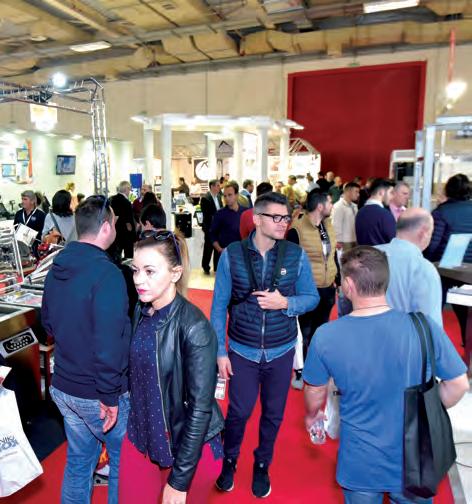
The 7th MEAT & GRILL DAYS fair aims at an even broader range of topics and products, with new planning, new sections and a lot of international entries






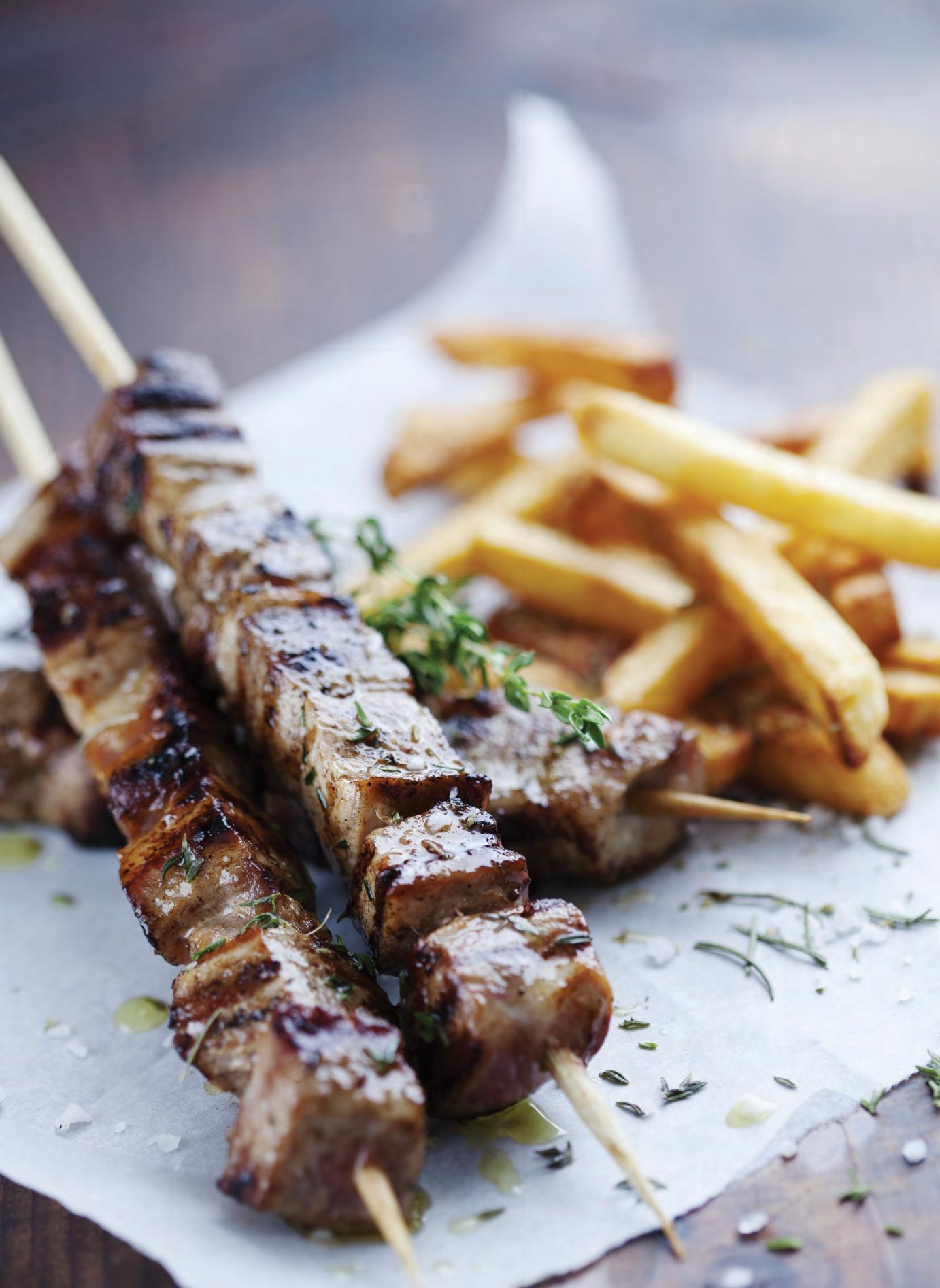





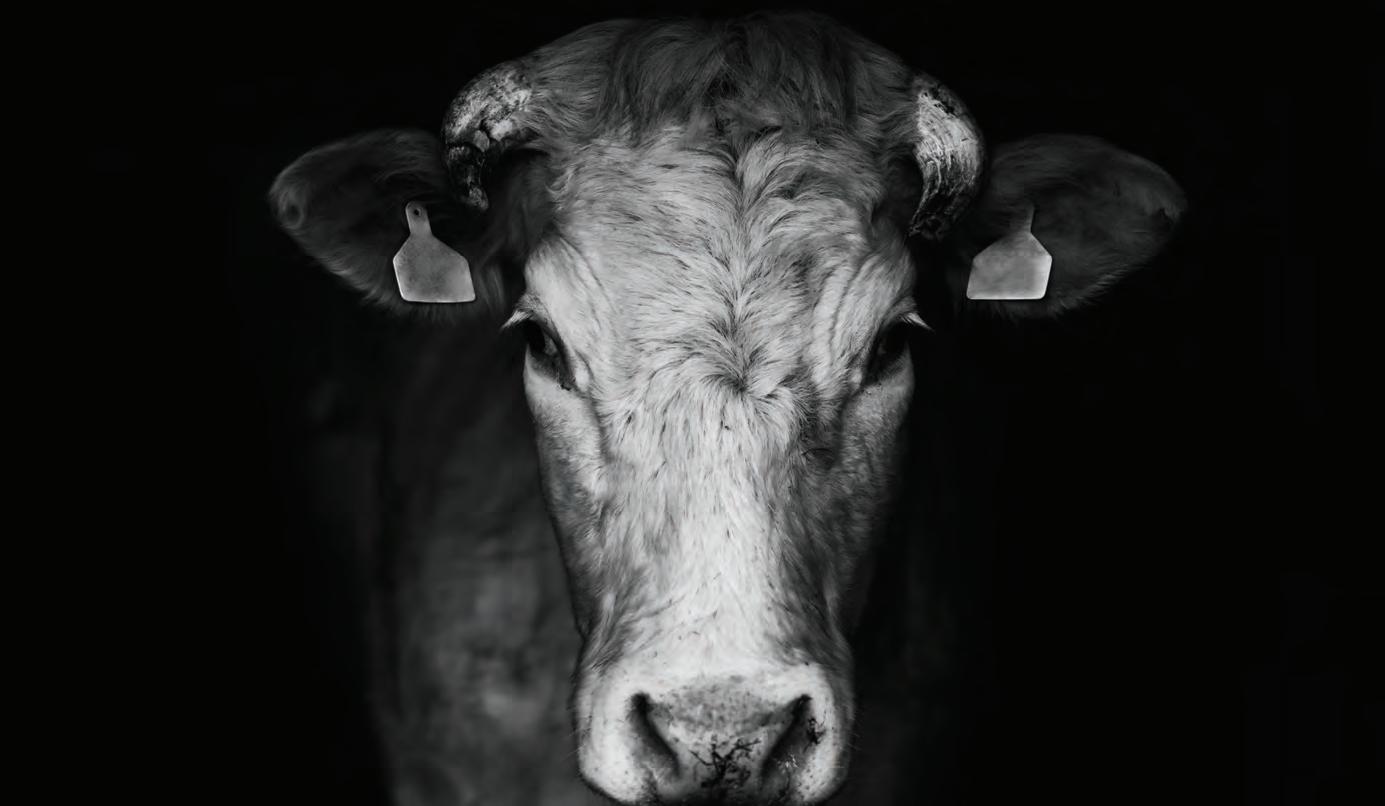


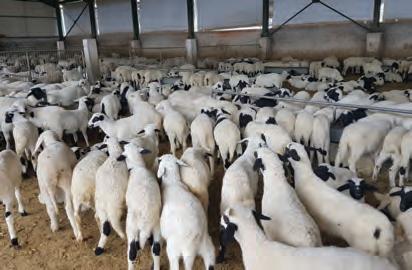
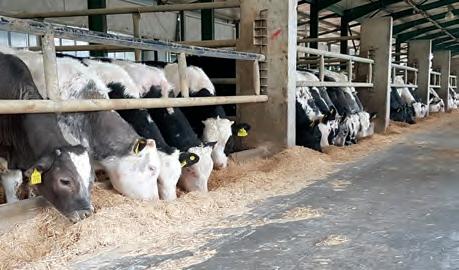








80/26402/8.2.2019 (ΦΕΚ 453, Β’, 15.2.2019), τα εξής: •
Dominique
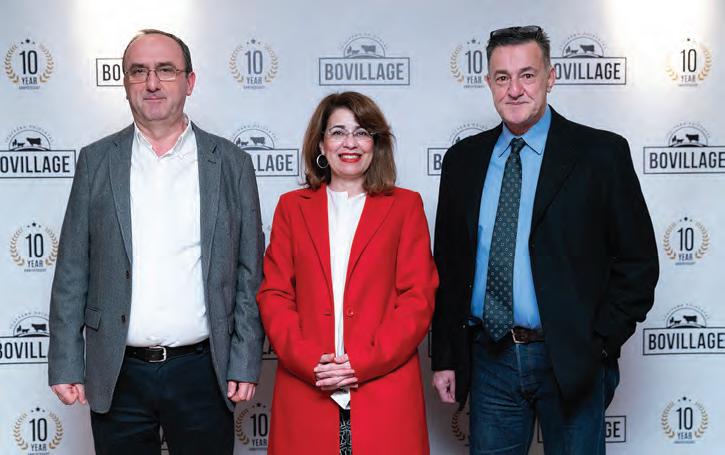
Interbev.
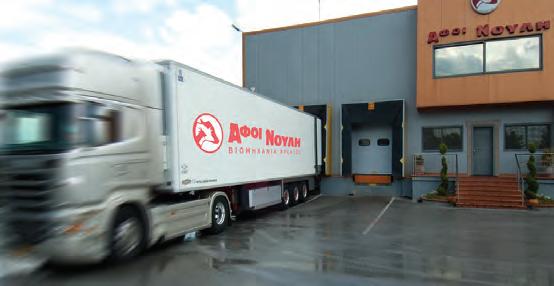
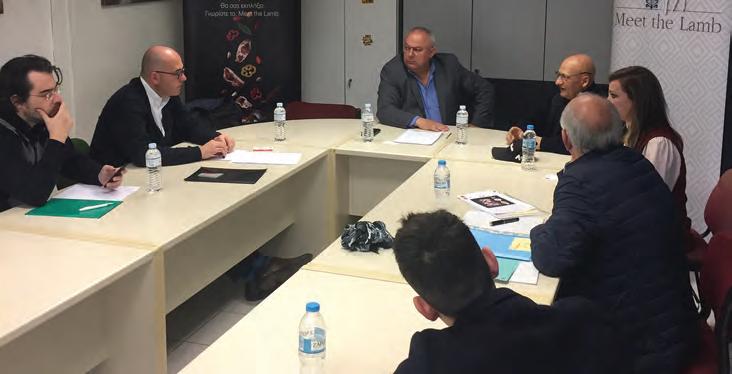
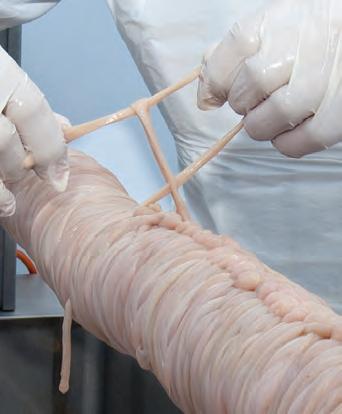
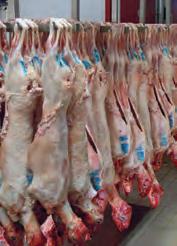
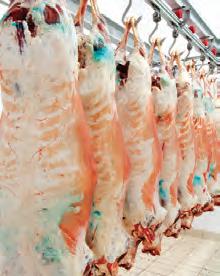
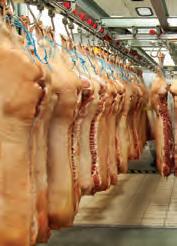
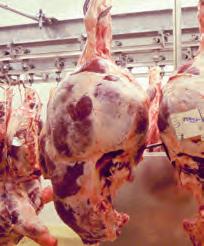
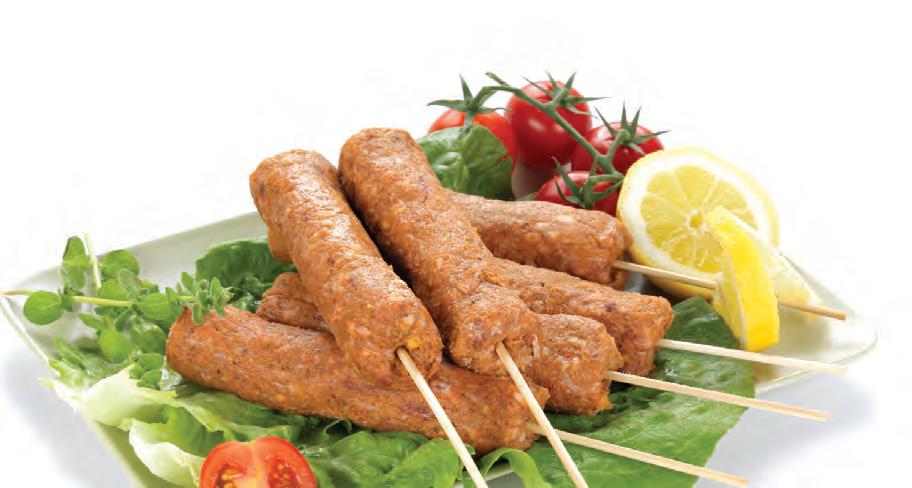
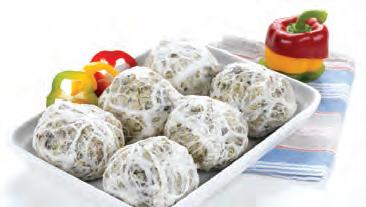
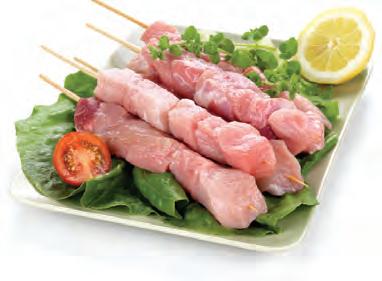


Μέλoς
GREEFOS SA
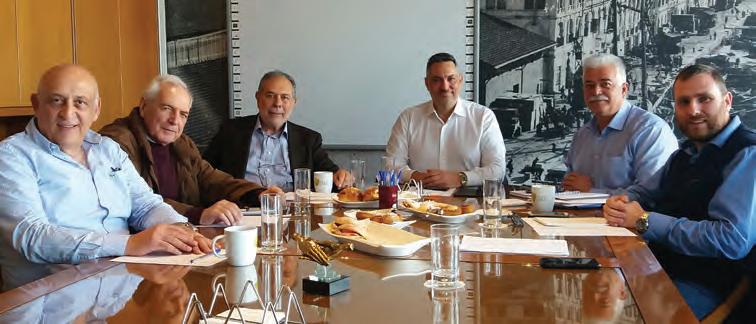
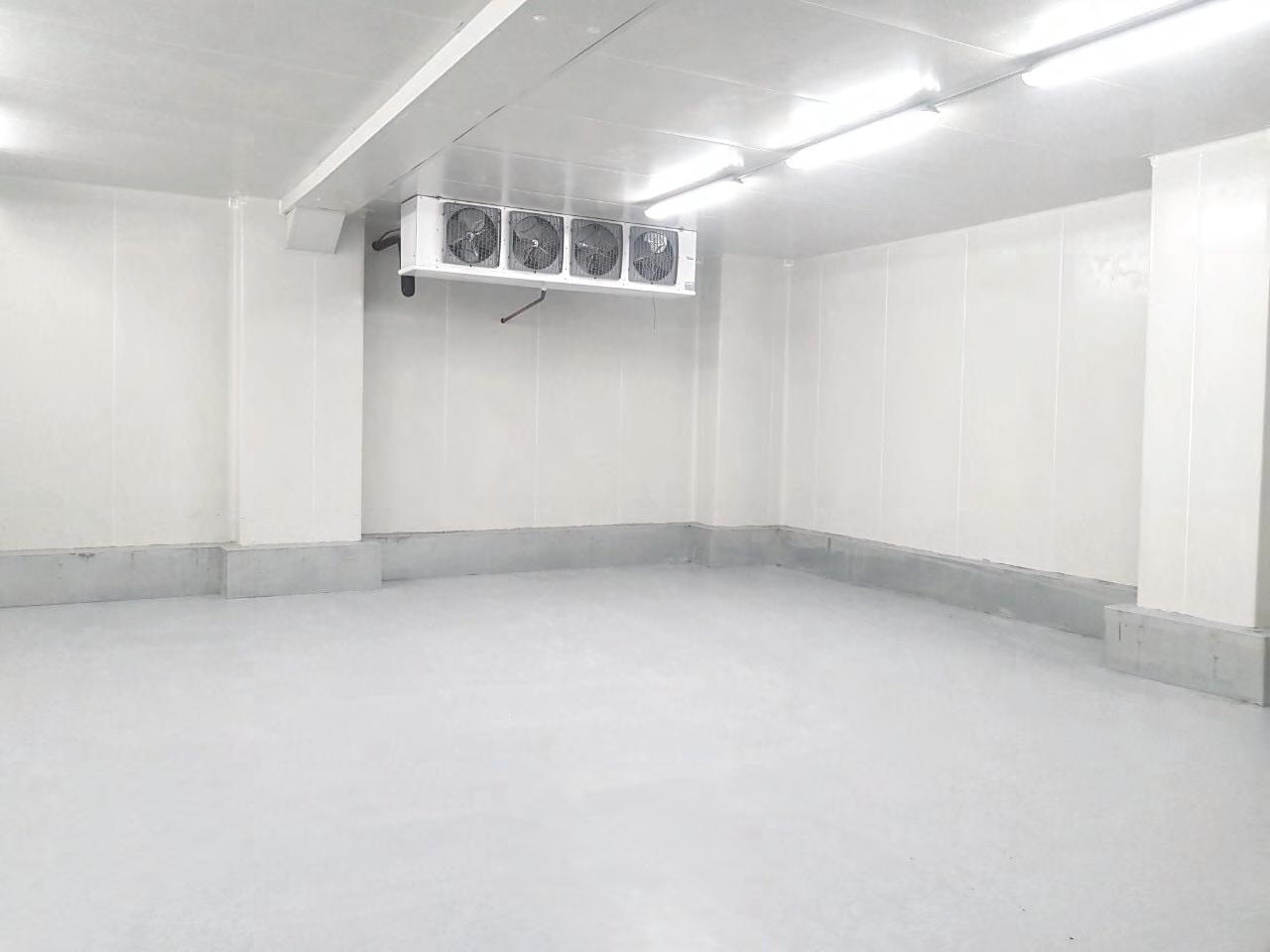
Megasoft AE
T: 210 3416900
M: 6936589563
Ε-mail: info@megasoft.gr
http://www.megasoft.gr

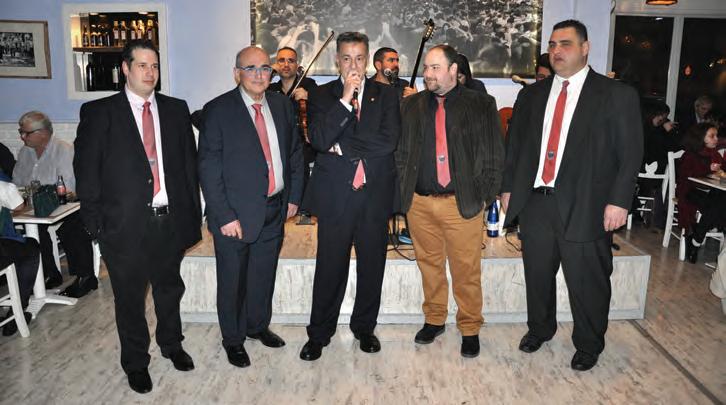
Site:
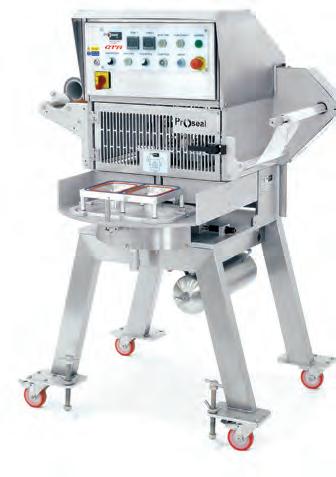
MEATING GREECE 2020
Στη σχετική ανακοίνωσή αναφέρουν τα εξής: «Με υπερηφάνεια σας
μας MEATING GREECE 2020, με επικεφαλής τον Αρχηγό, κύριο Λε ωνίδα Μαθιουλάκη. Οι κ.κ. Κώστας Κλάδος, Aida Bilimani, Αντώνης
Καραμαλέγκος, Sifis Burrja, Αθανασία Καμπούρη και Θανάσης Δια
μελάς, θα
Meating
youtube: https://www.youtube.com/watch?v=vGxRN-uLj-Y&fbclid=IwAR2_rFQUB n6L0ovu6GeytZ2QO9RS4JWhc6Rp3g9QJMGnsyB21znFH-RCchQ
website: