All living things from tiny bacteria to huge blue whales need water to stay alive.
The Earth can’t make new water. Every drop on the planet today is the same water that was here more than 4 billion years ago. Isn’t that incredible! When you take a sip of water, you might be drinking the same water that a moa or a dinosaur once drunk!
Water is way too cool to lose, but a lot of our precious glaciers, rivers, lakes and oceans are threatened by pollution and climate change.
Last Wild Things we met creatures and plants that live on the ground that are Too Cool To Lose. This issue is all about water and the amazing animals that live in our lakes, rivers and oceans.
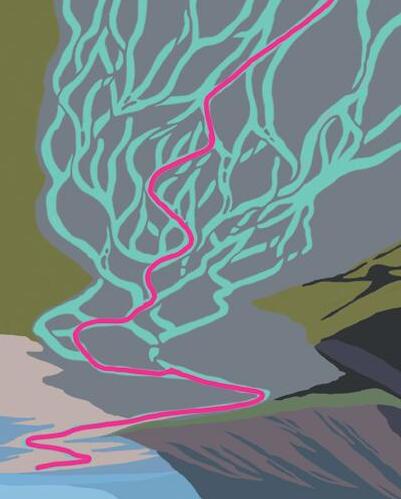
Follow water as it travels all the way from the mighty frozen maunga | mountains to the dazzling blue moana | sea. Along the way, learn how to look after our precious water.
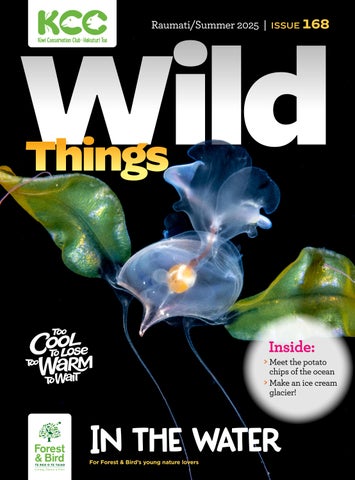
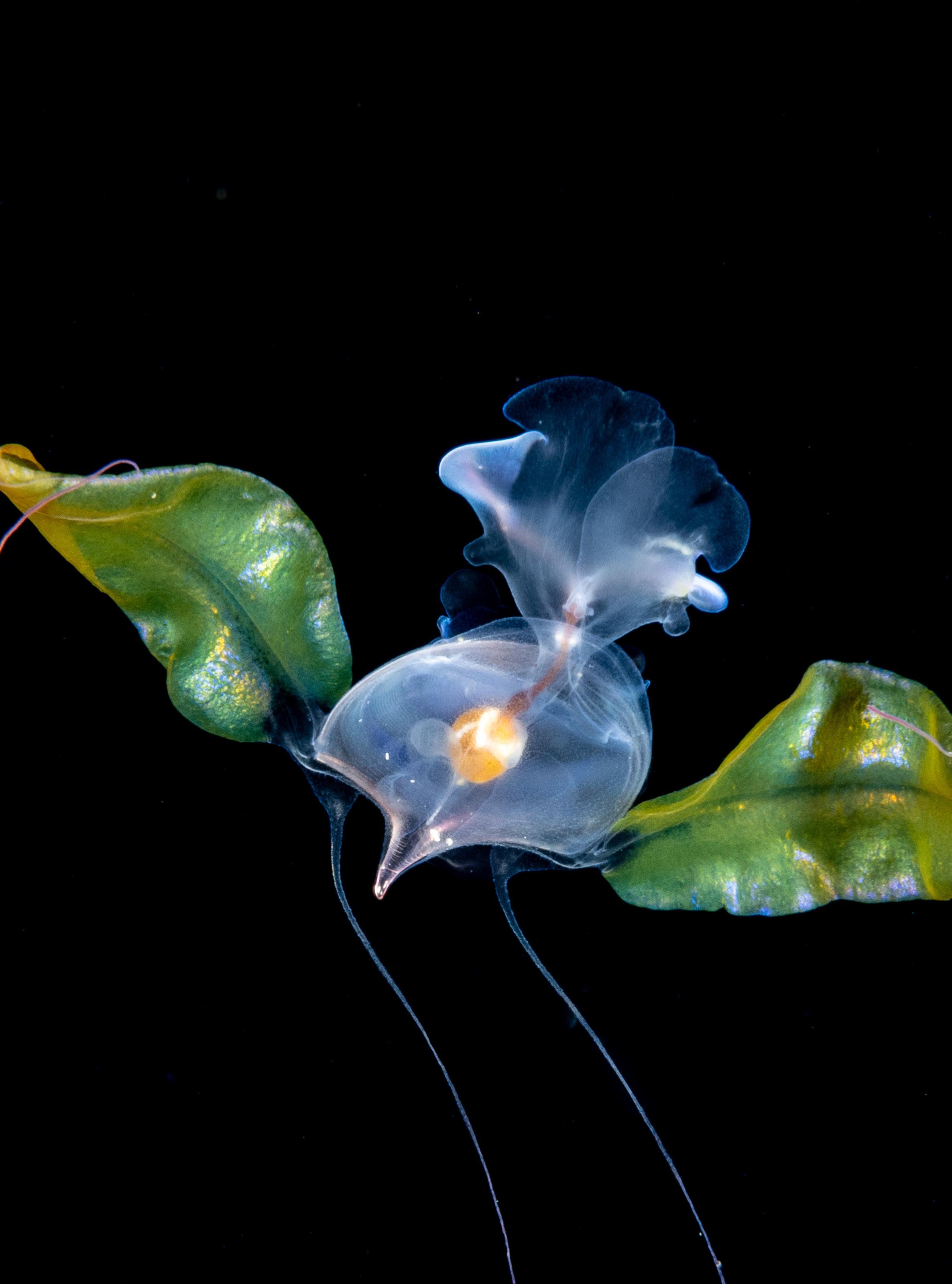
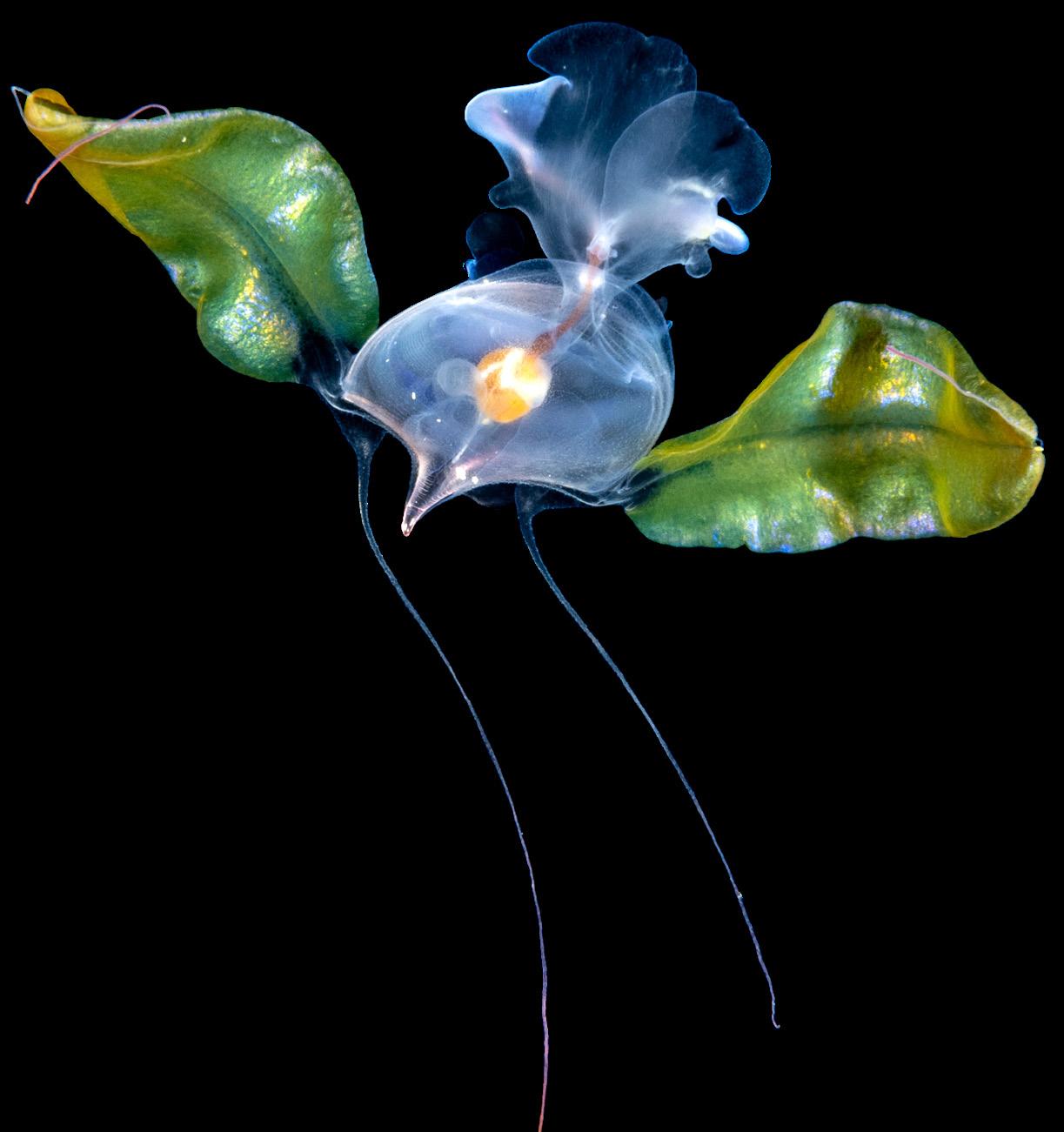
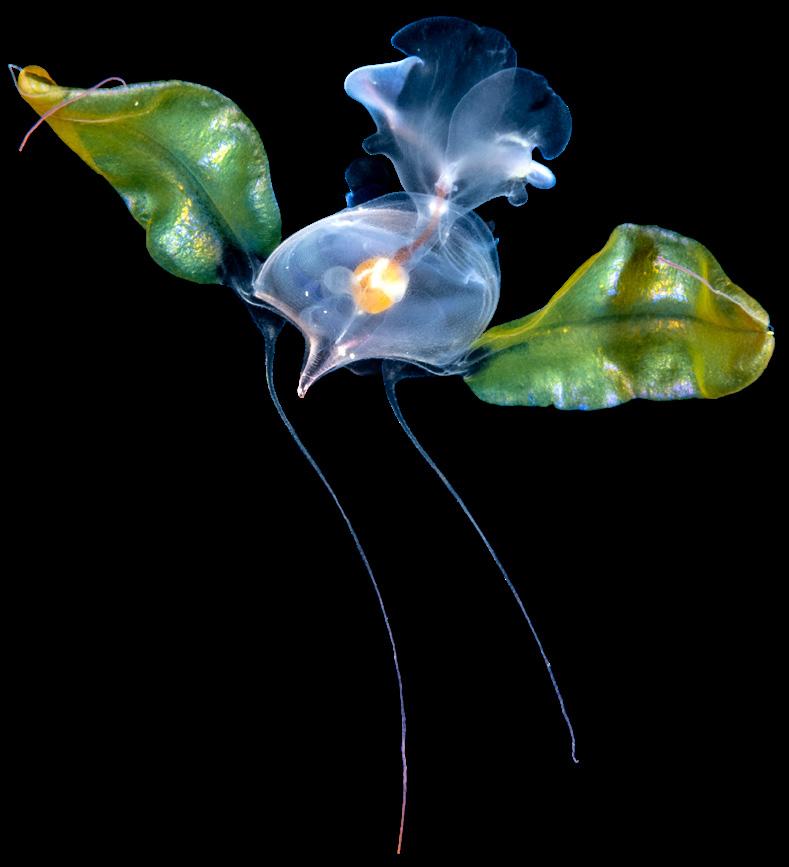
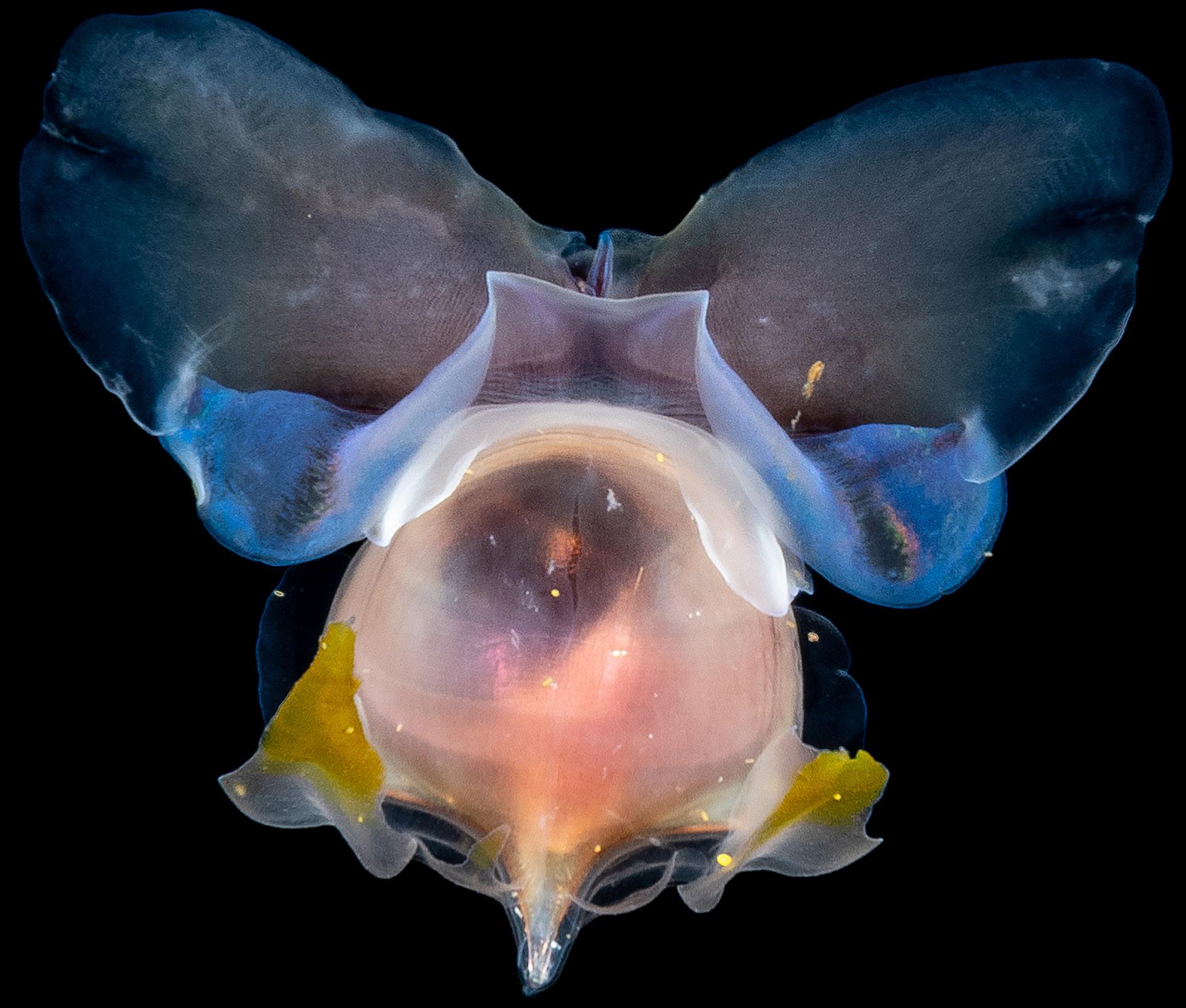
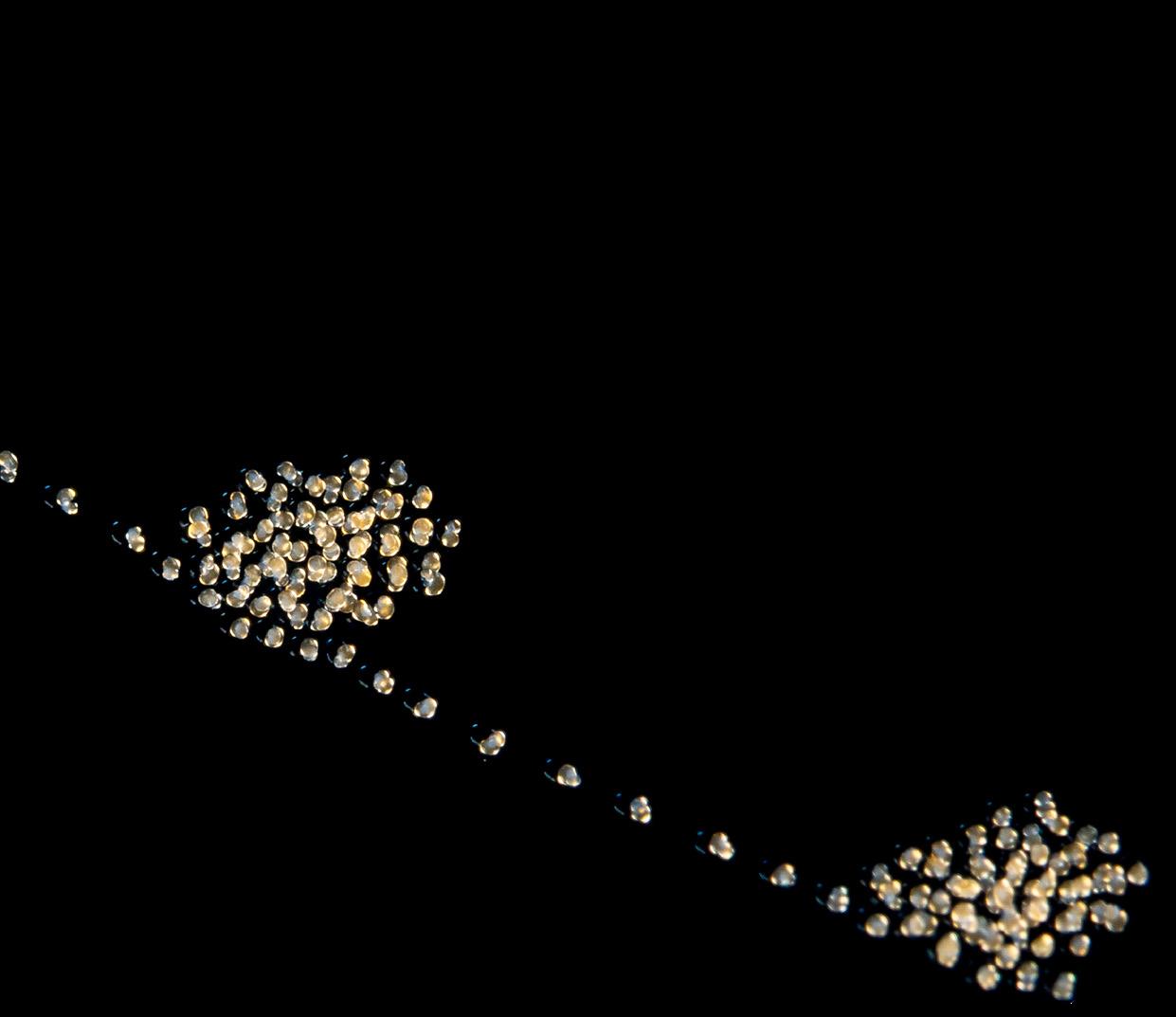
The cover photo is a real animal called a sea butterfly! This photo was taken by Linda Laniello. Learn more about sea butterflies on pages 18−19.
To join KCC and receive Wild Things, or to receive our free E-news, go to www.kcc.org.nz
Forest & Bird.
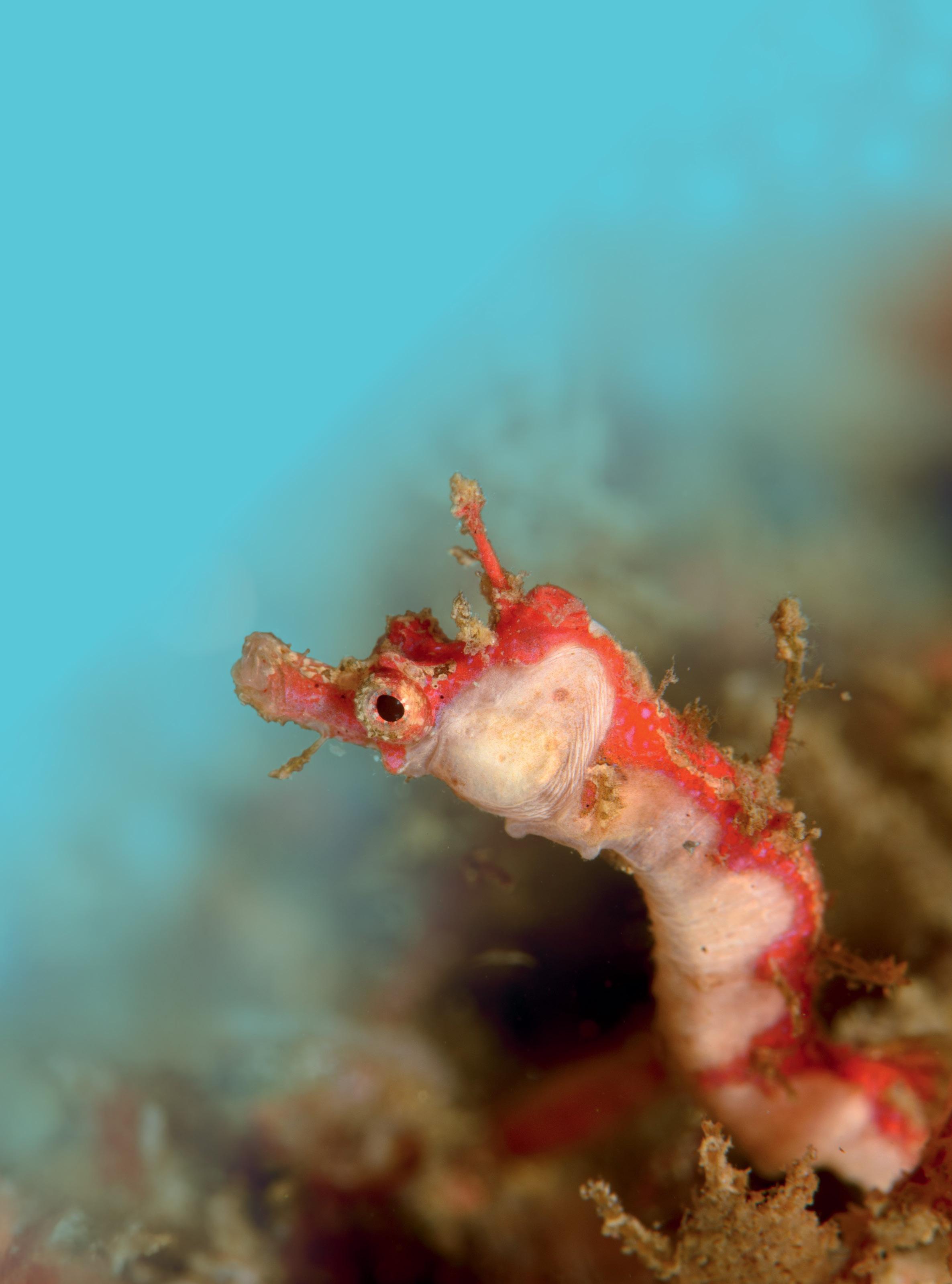
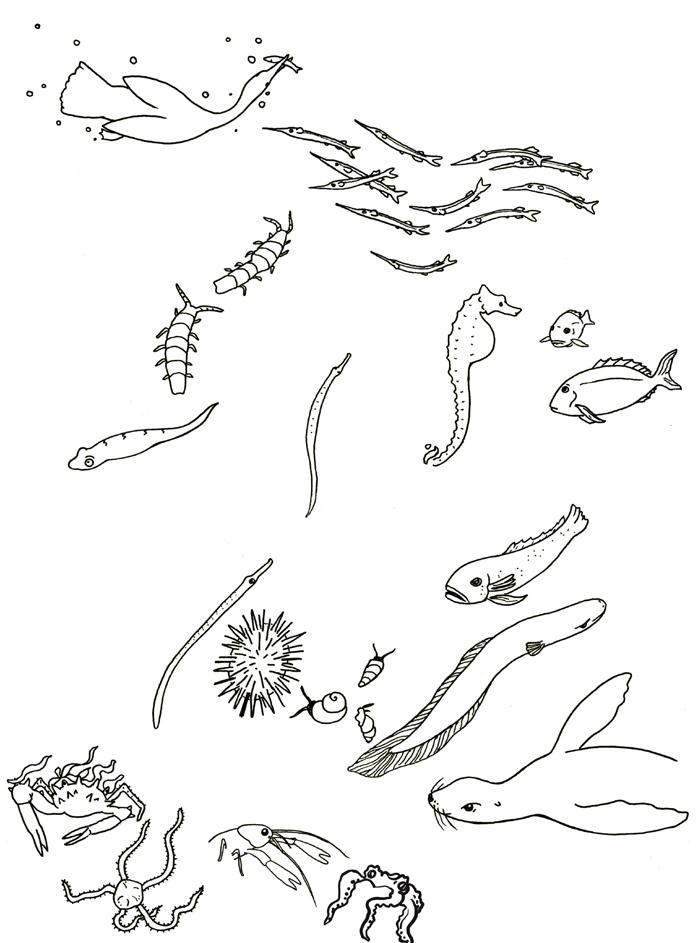
I’m Aotearoa’s cutest seahorse! Learn about me on page 17.
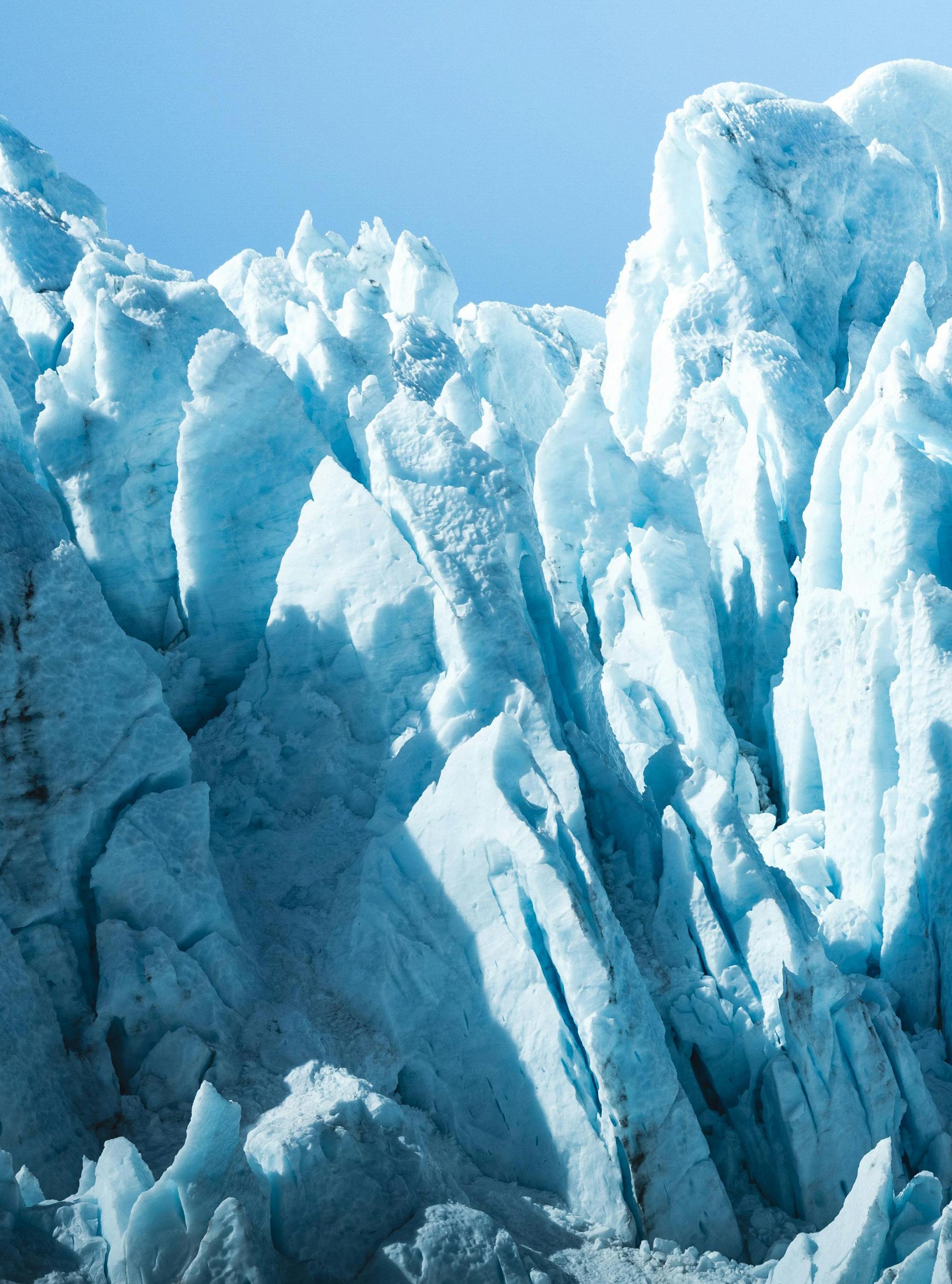
Glaciers are climate warriors but they’re disappearing fast. Find out about these ice giants and how you can help save them on pages 4−5.
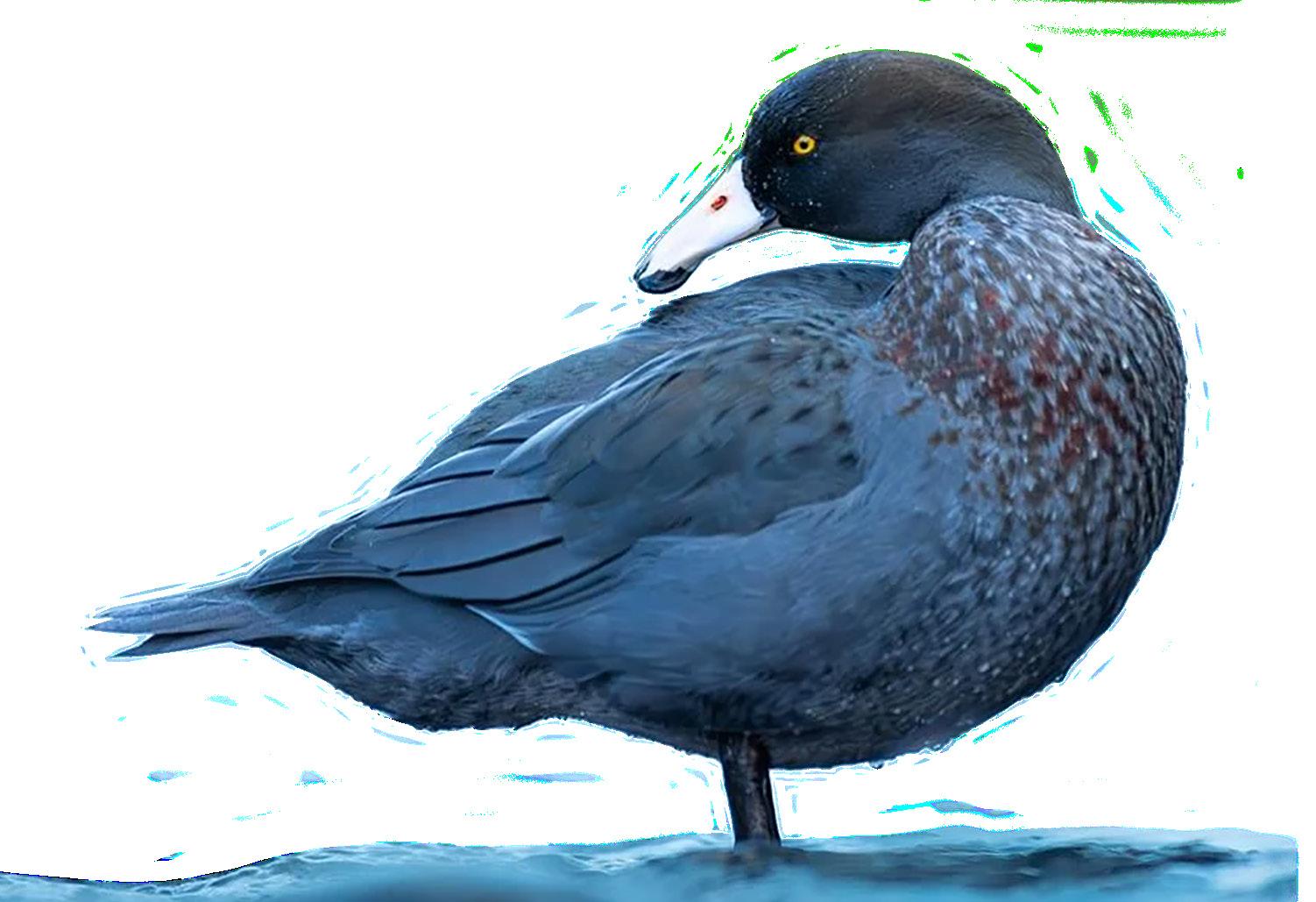
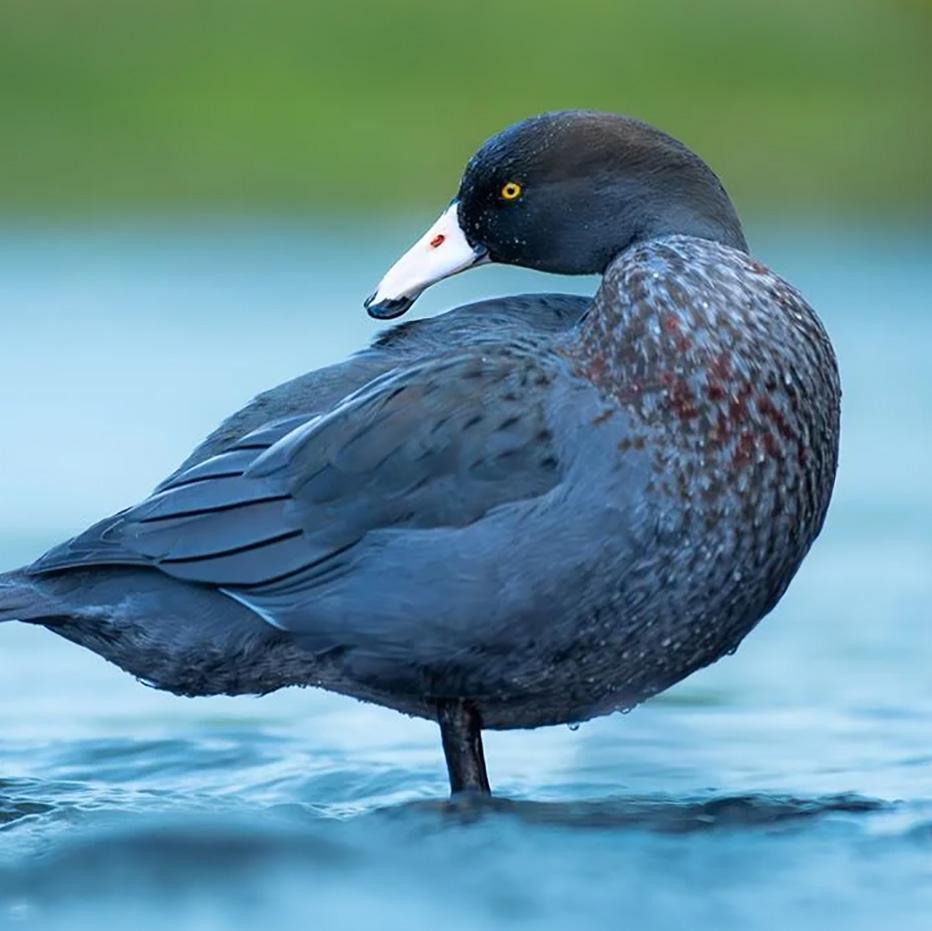
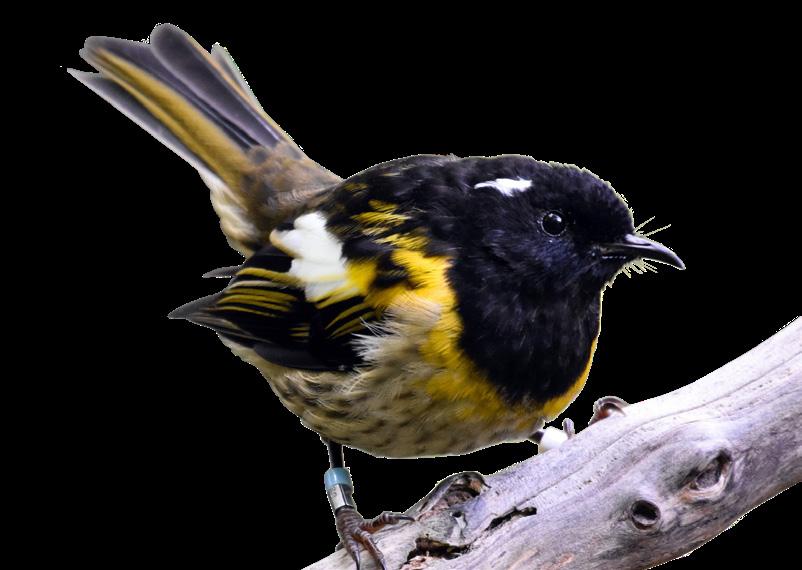
I’m one of only four duck species in the world that love fast-flowing rivers! Find me on page 9.
Irene Middleton
Matai Moorfield
Keeping it cool
Protecting our awa kopaka | glaciers
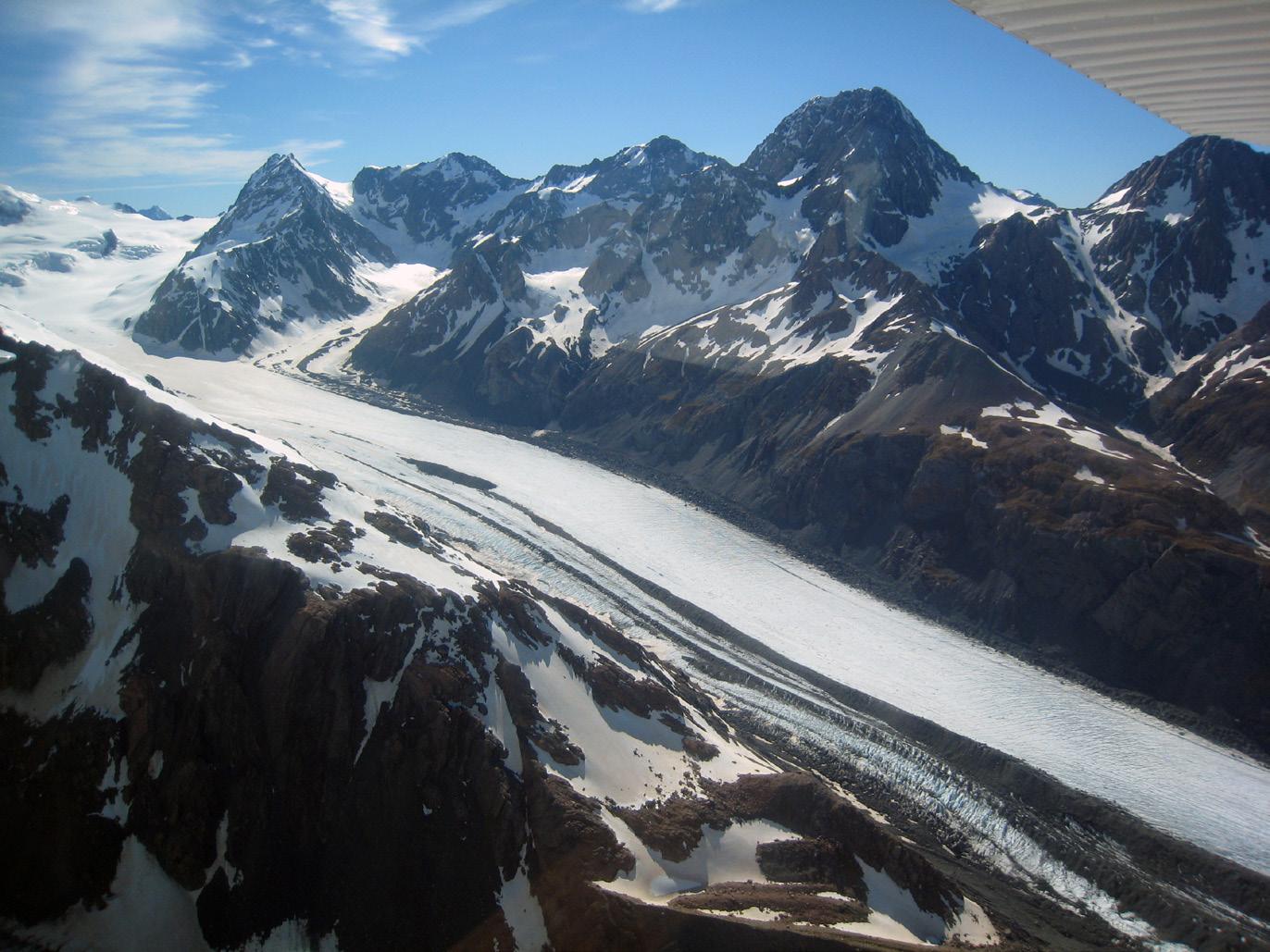
Glaciers are the coolest landmarks on Earth – literally! These frozen giants have shaped our planet for thousands of years.
What are glaciers?
Glaciers are giant, slow-moving rivers of ice that form when a lot of snow falls in one place year after year. Over time, the weight of all that snow squashes the bottom layers, turning them into thick, solid ice.
It takes hundreds of years for a glacier to grow. And a glacier will keep growing as long as more snow falls than melts.
Aotearoa is home to over 3,000 glaciers. There are 18 in the North Island, while the rest are nestled in Ka Tiritiri o te Moana | the Southern Alps.
Glaciers are powerful!
Gravity pulls glaciers down mountains and across the land. But glaciers move VERY slowly, so you wouldn’t notice if you were standing next to one.
As glaciers move, they pick up rocks, dirt and even big boulders! That’s why some glaciers are dirty and noisy. If you lie down on a glacier and put your ear to the ice, you might even hear the glacier creaking and groaning beneath you!
Over time, as the ice and rocks grind against the land, they carve out deep valleys. If you’ve ever explored Fiordland in the South Island, you’ve seen the work of glaciers. The beautiful peaks and fiords were created by ancient glaciers.
The Māori word for glacier is awa kōpaka, which means ‘ice river’.
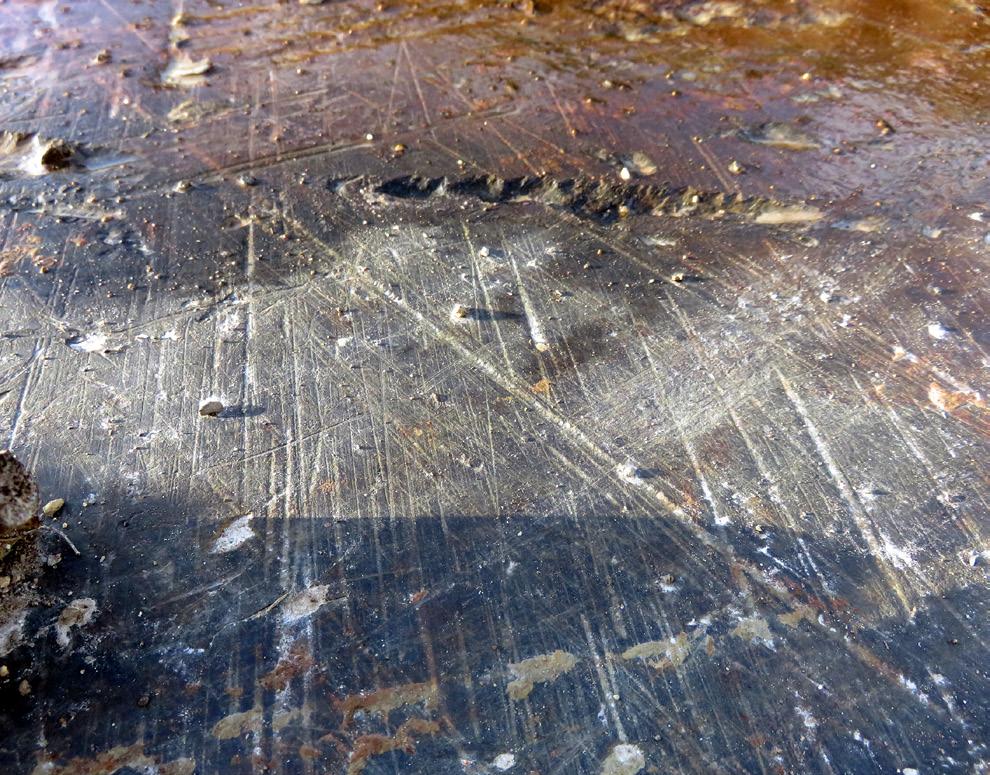
Glaciers leave lots of clues behind. If you visit a glacier, you might spot deep scratches in the rocks nearby – these ‘claw marks’ were made by retreating glaciers!
2025 is the United Nations International Year of Glaciers’ Preservation.
Why are glaciers important?
Did you know that about 60% of your body is water? Fresh, clean water is so important for all life. Seventy-five percent of the world’s freshwater comes from glaciers and ice caps! Glaciers provide drinking water for around 2 billion people worldwide. You might even be drinking glacier water right now!
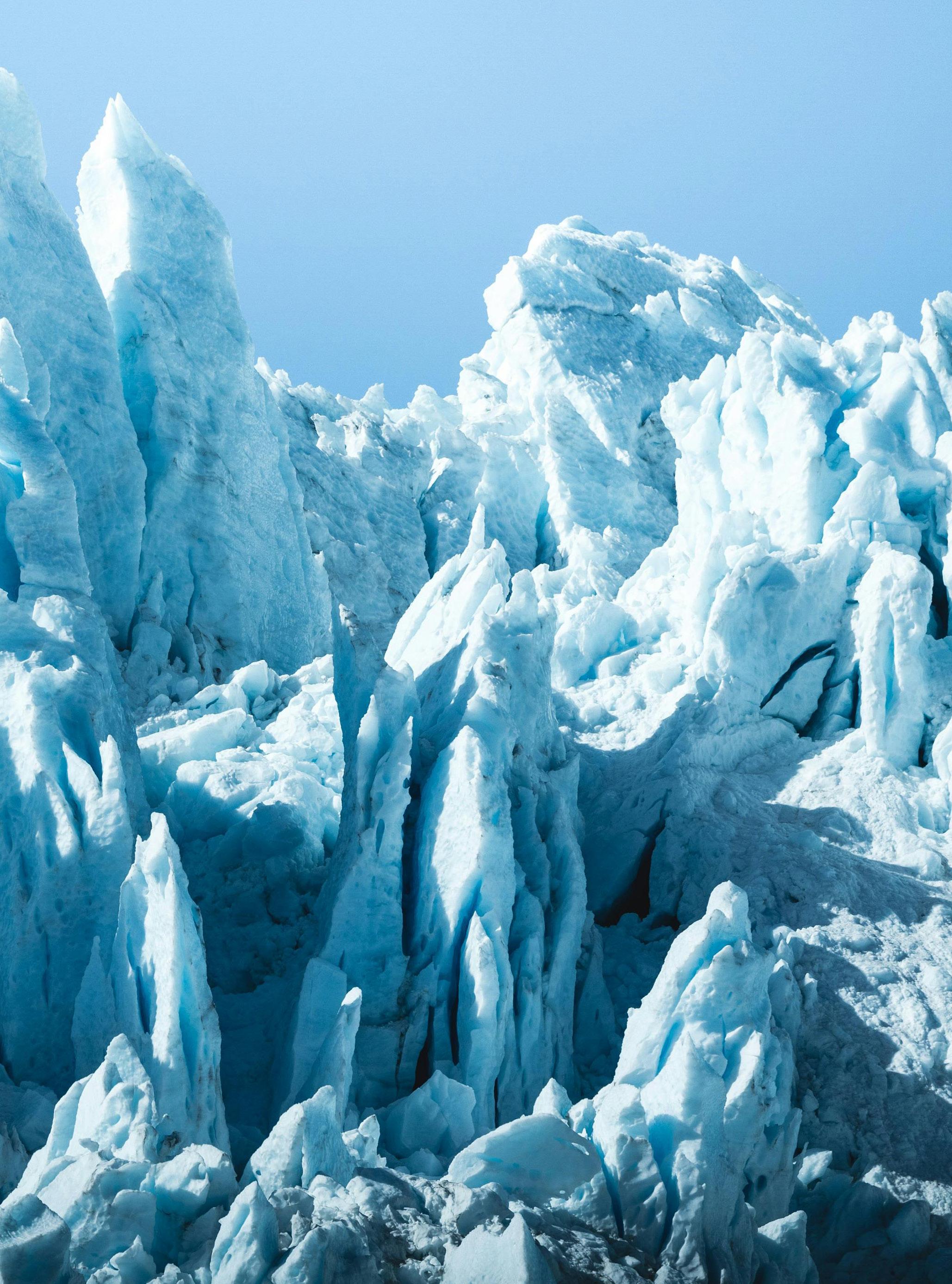
Glaciers are also climate warriors. The white and blue icy giants reflect the sun’s rays away from the planet, helping to keep temperatures down.
CLIMATE CHALLENGE
Glaciers all around the world are melting due to rising temperatures caused by climate change. In Aotearoa, we’ve already lost 300 glaciers, and 30% of our glacier ice has vanished.
You can help save our glaciers!
Here are two easy things you can do to help our glaciers and protect our precious freshwater:
Plant native trees: Planting native trees helps capture carbon dioxide and cool the planet.
Keep waterways clean: Pick up litter near rivers, lakes and streams to protect and respect our fresh water.
About 10% of the land on Earth is covered in glaciers.
The Tasman Glacier is our biggest glacier. It’s 23km long and contains ⅓ of all glacier ice in Aotearoa.
Challenge Patai |
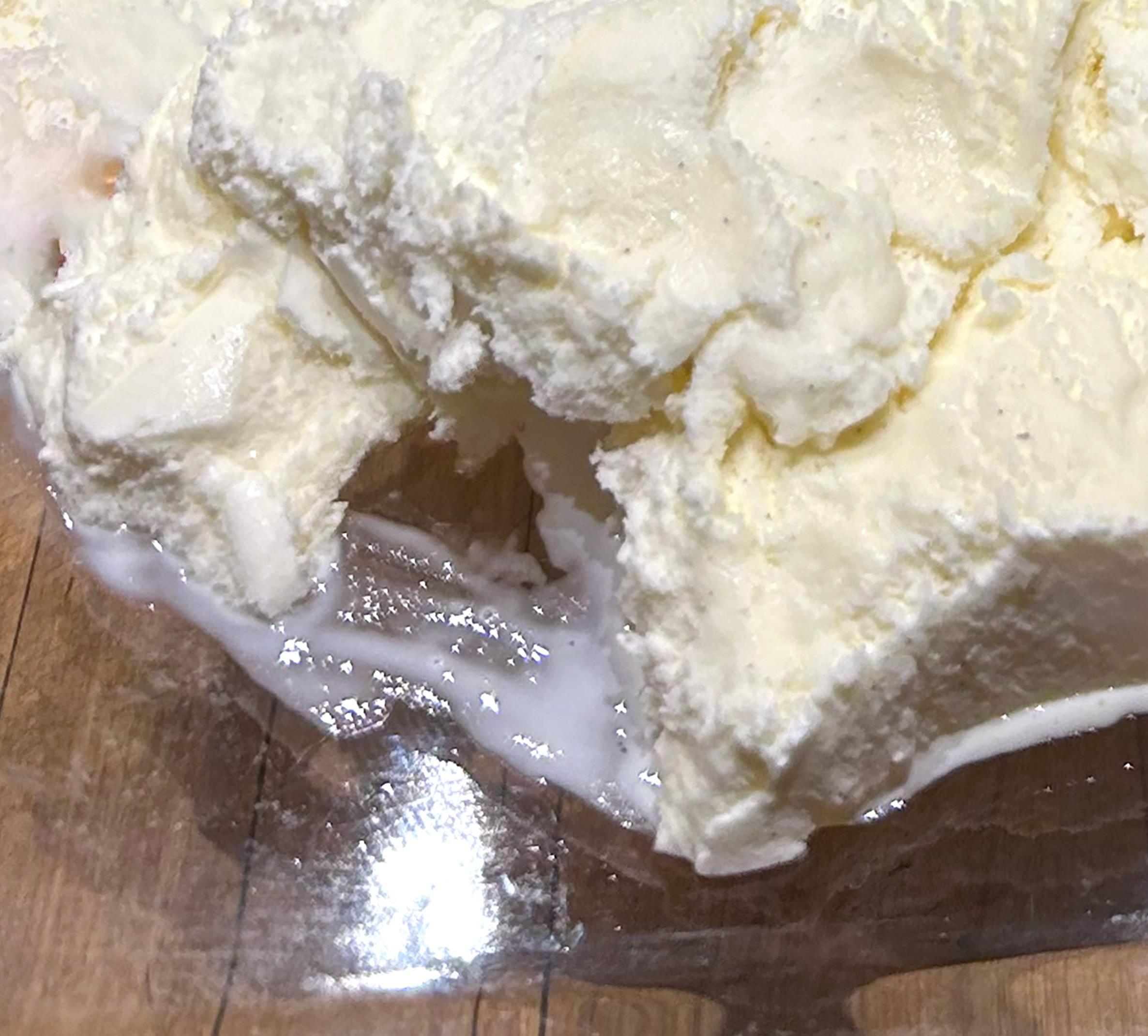
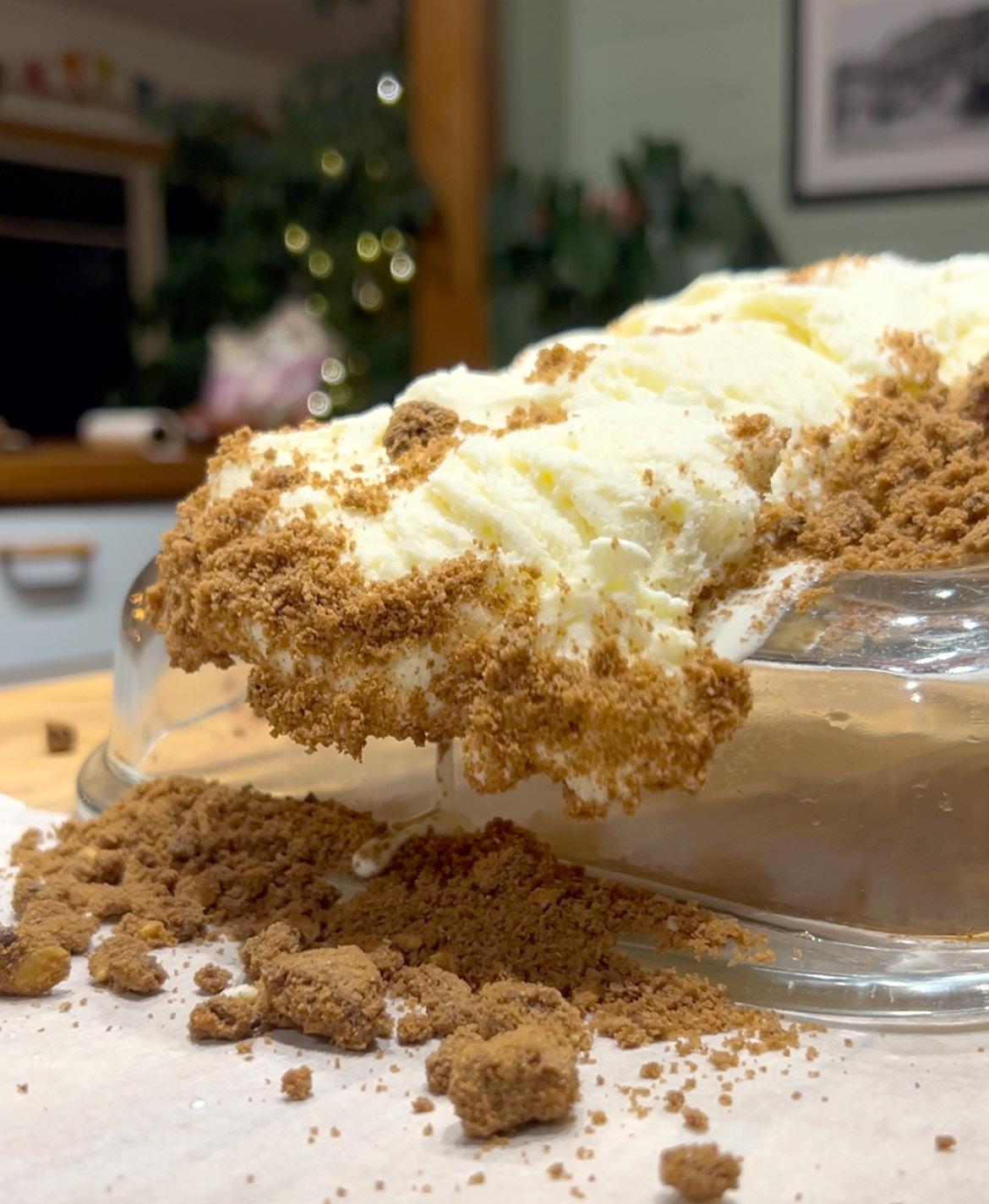
Make an ice cream glacier!
Learn how glaciers move by creating your own ice cream glacier.
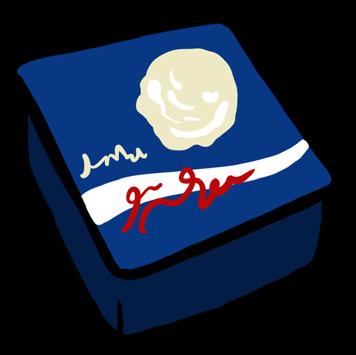
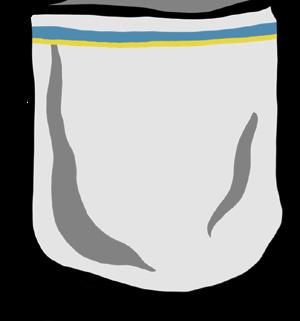
You’ll need:
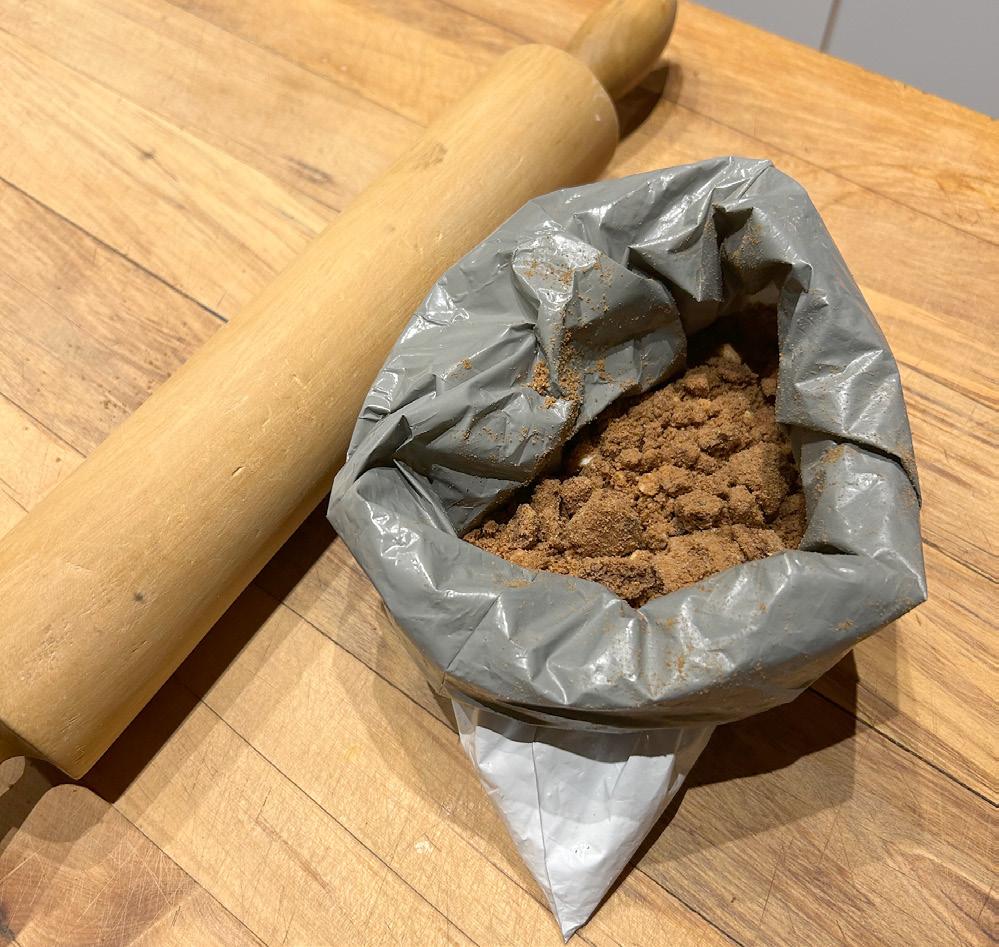
Step ➊ Make your moraine. Place cookies in the bag and whack with the rolling pin until crumbly.
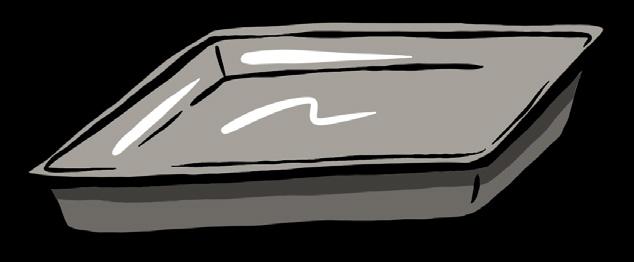
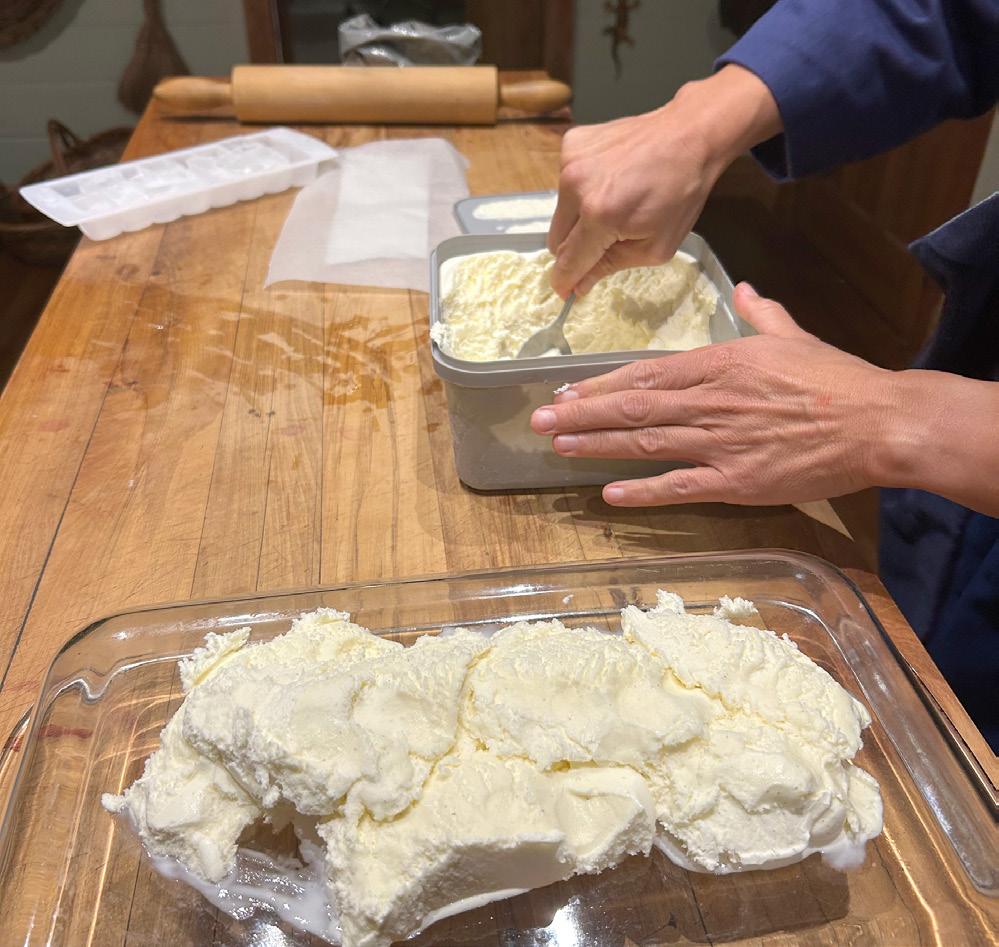
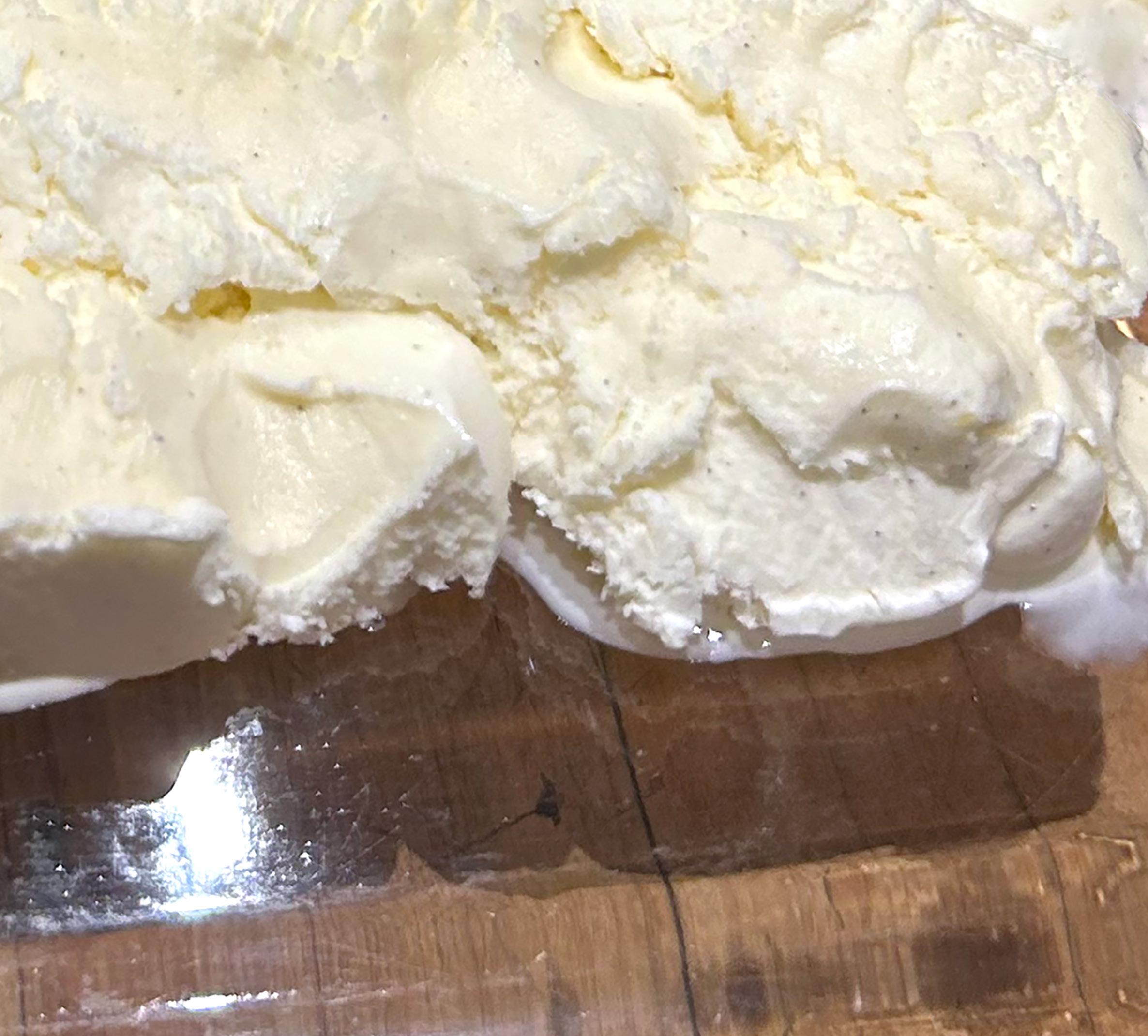
Step ➋ Shape your glacier. Spoon ice cream onto the upturned baking tray. Leave space on the sides and front of the tray.
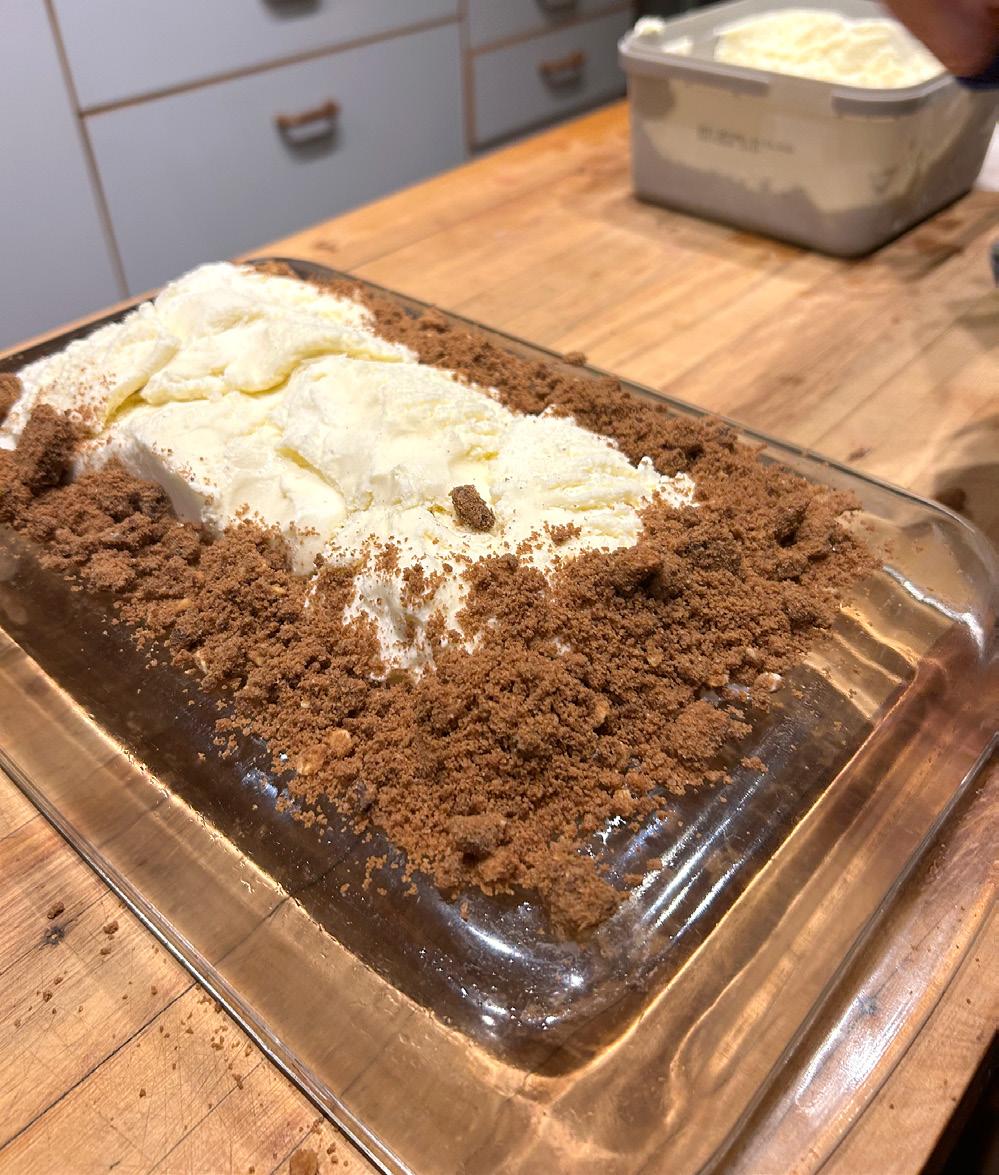
Moraine is the name for rocks and dirt left behind by a moving glacier.
Step ➌ Sprinkle your cookie moraine around the sides and terminus (front) of the glacier.
Step ➎ Did you see crevasses (cracks) open up in your glacier as it moved over the edge of the baking tray? What did you observe as your glacier moved?
Step ➍ Get ready to video your moving glacier. Start recording and gently lift the back of the glacier up to introduce gravity…
Calving is when a big chunk of ice falls off the front of a glacier. What sounds do you think glaciers make when they move, crack and calve? Share your
Watch an example video here:
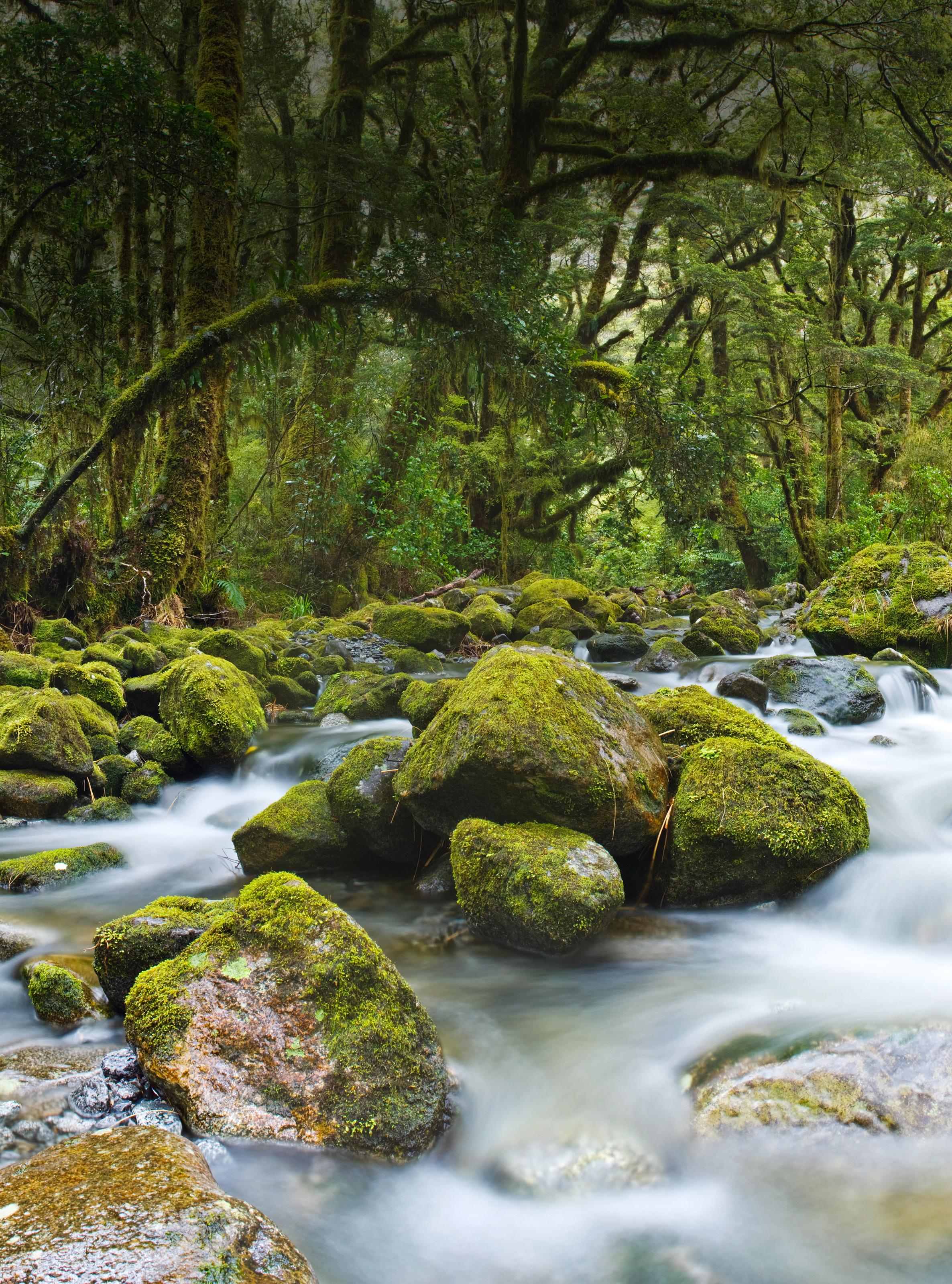
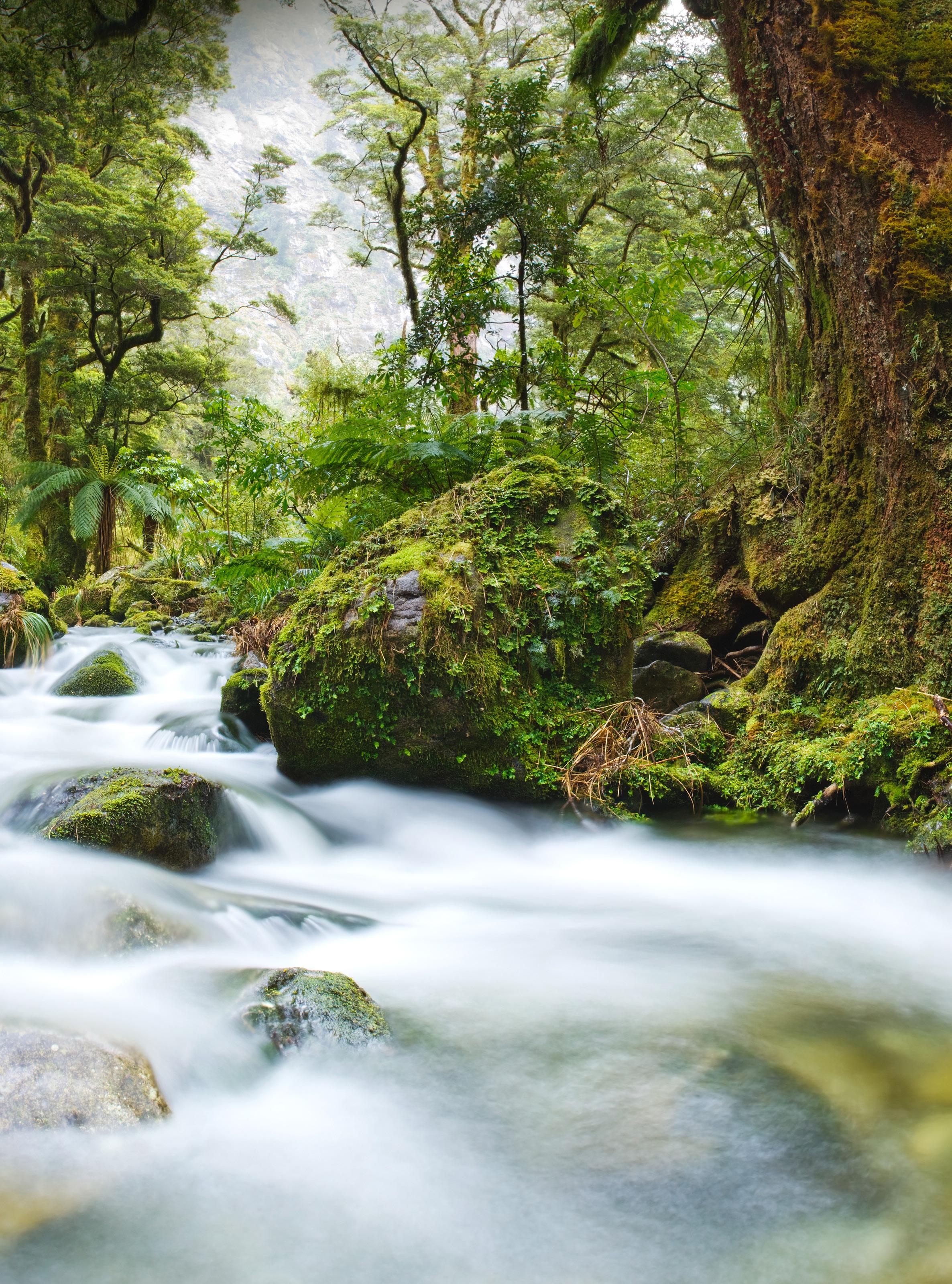
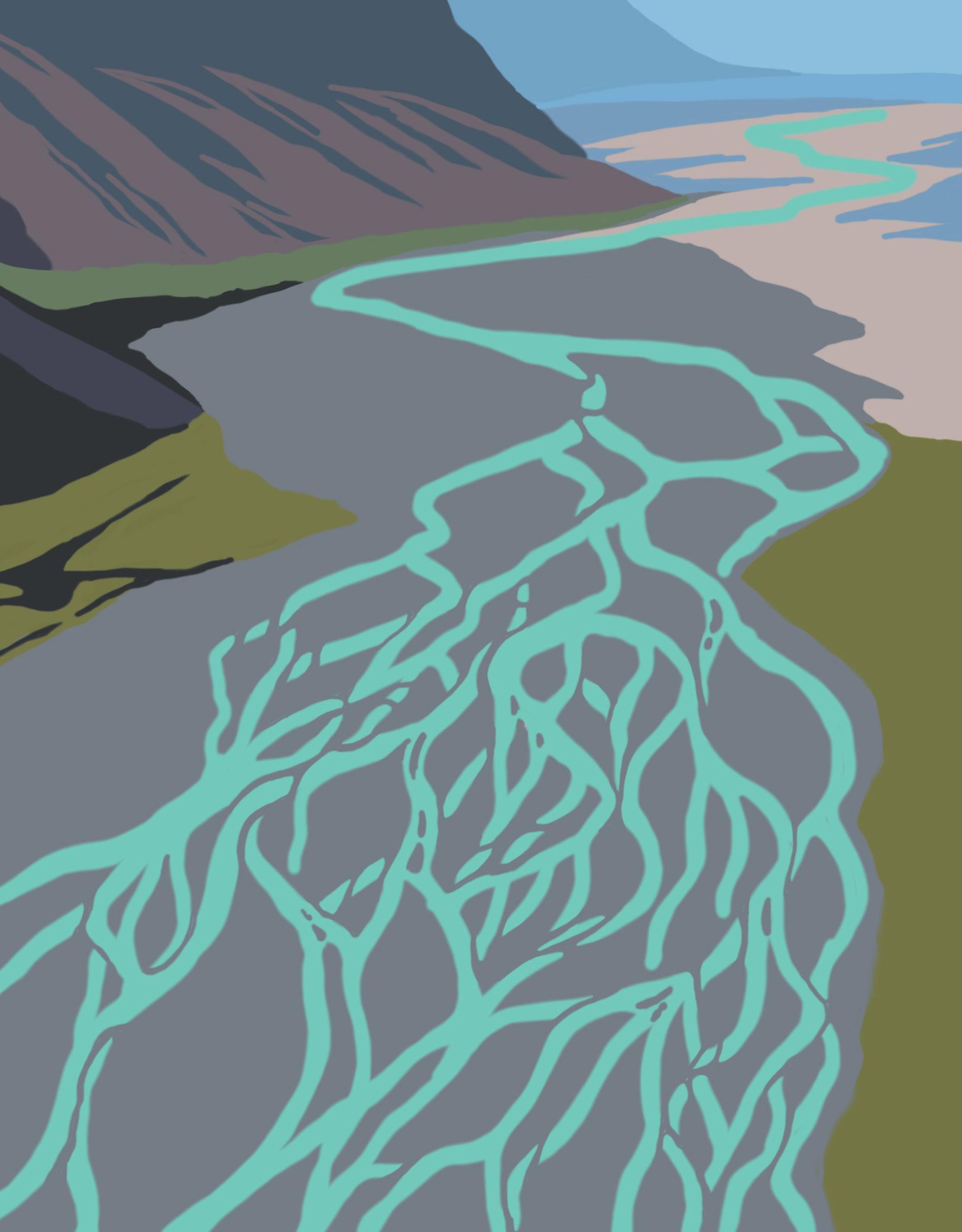
Rivers gather freshwater from melting snow, ice, glaciers and rain.
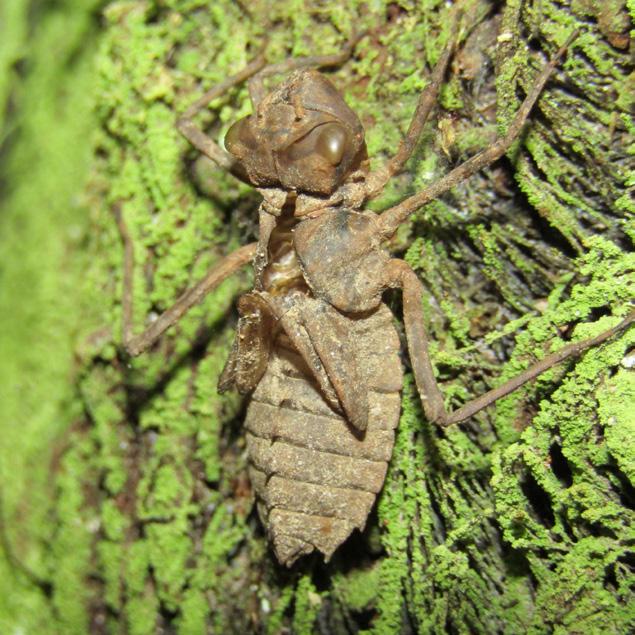
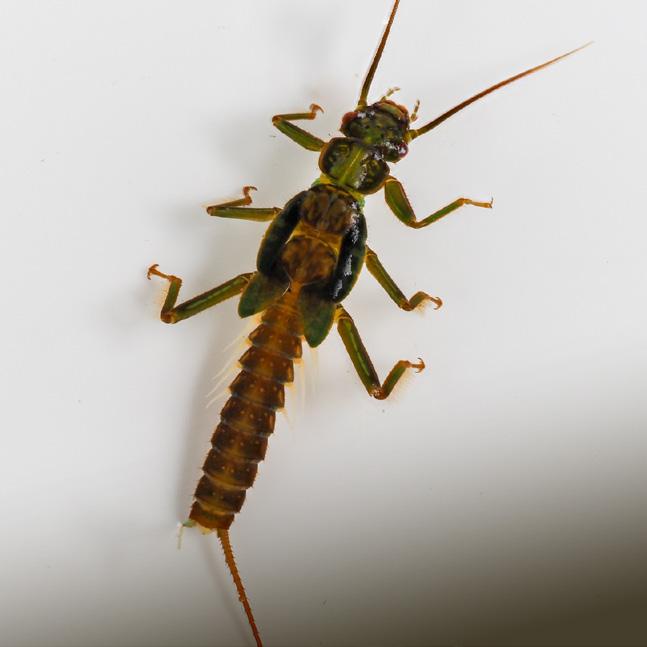
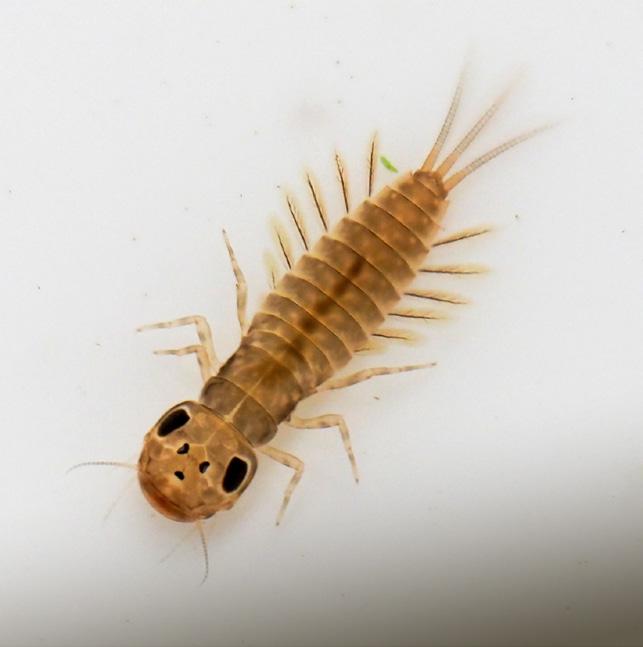
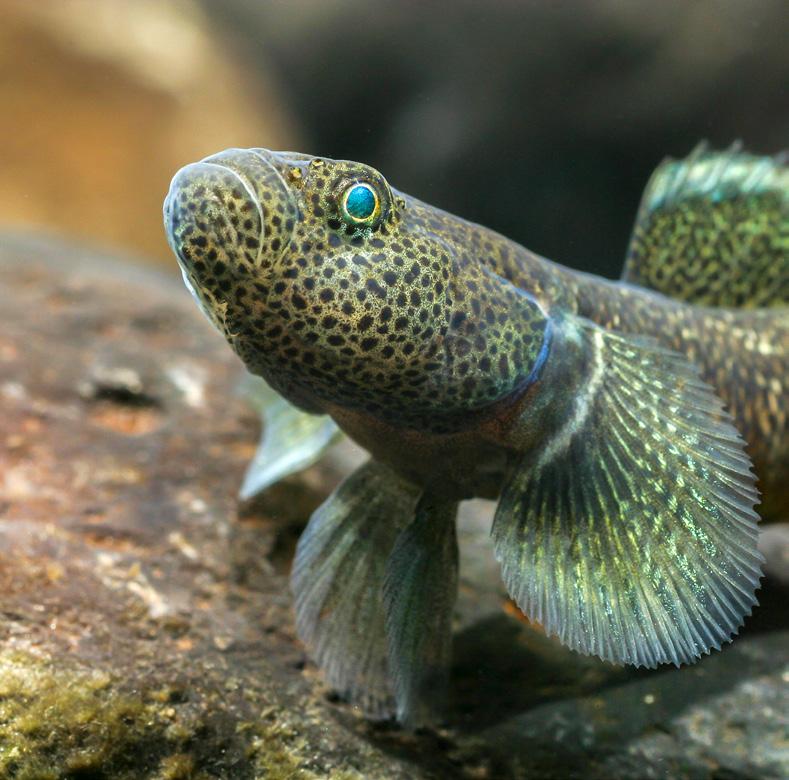
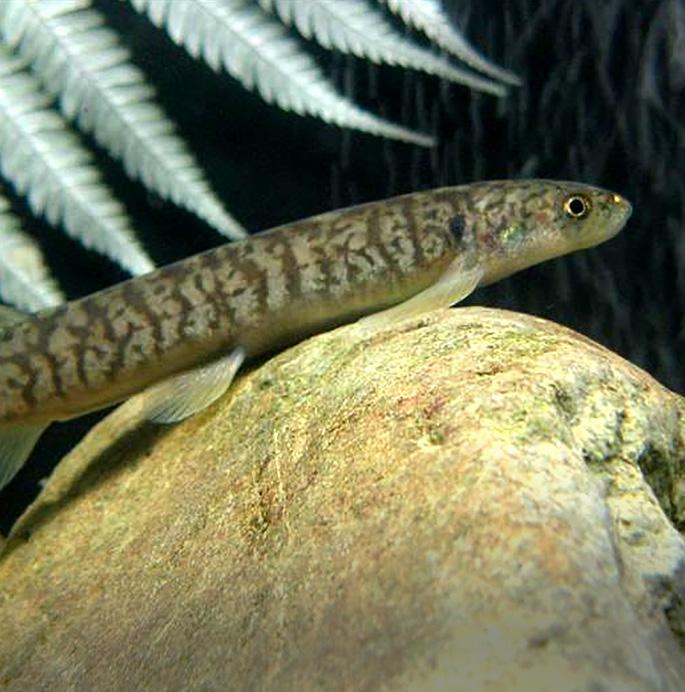
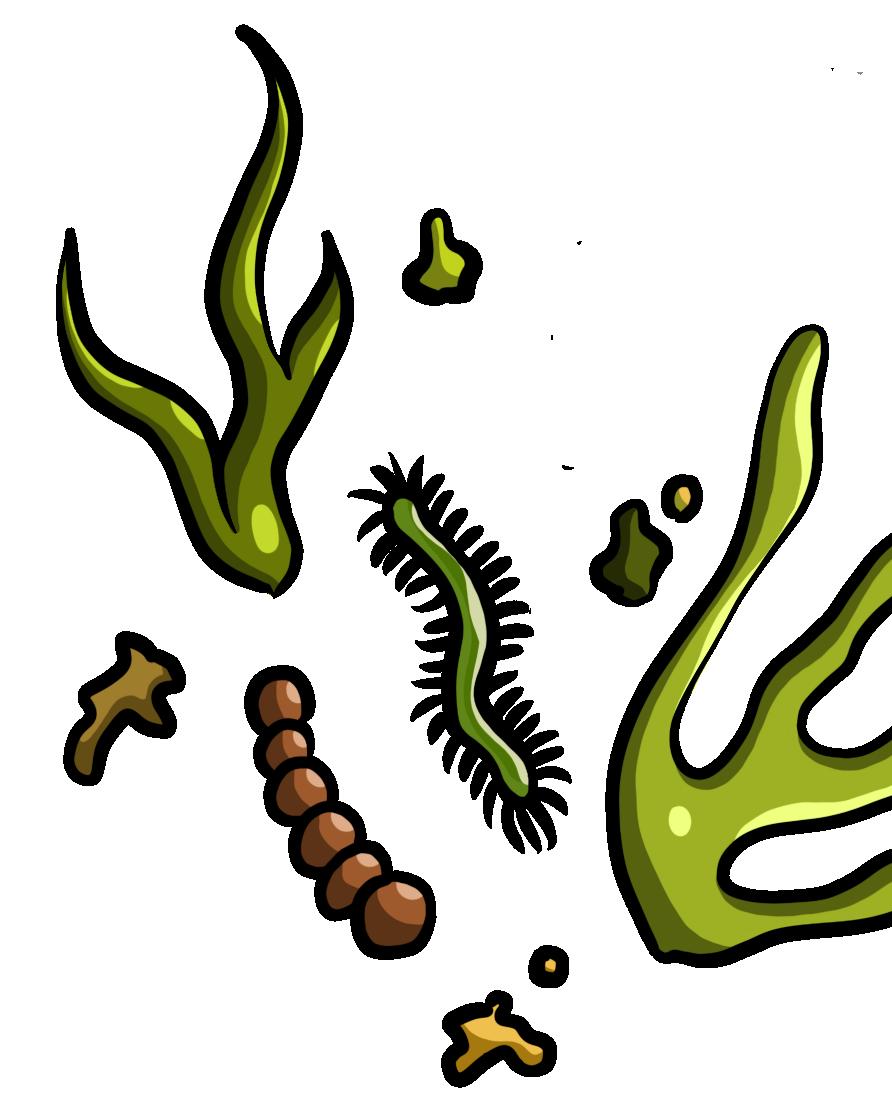
Lots of native animals (like these) need fast-flowing freshwater with healthy native forest and streamside plants to complete their life cycle.
Who am I?
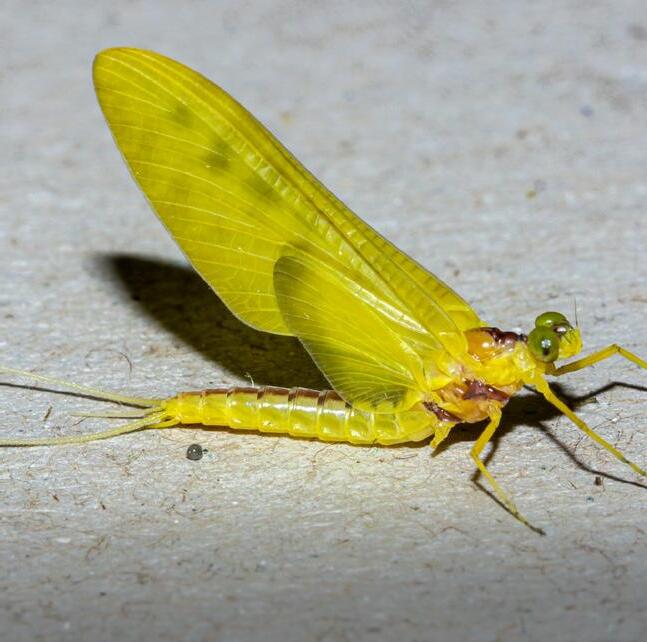
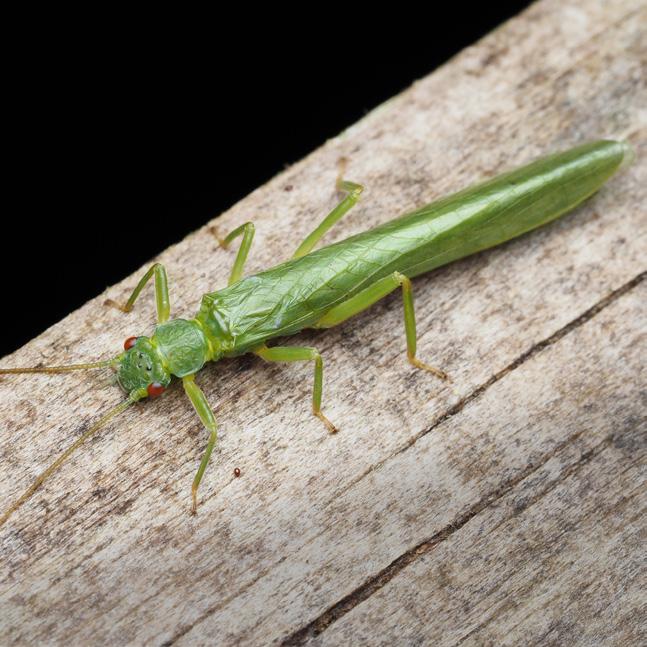
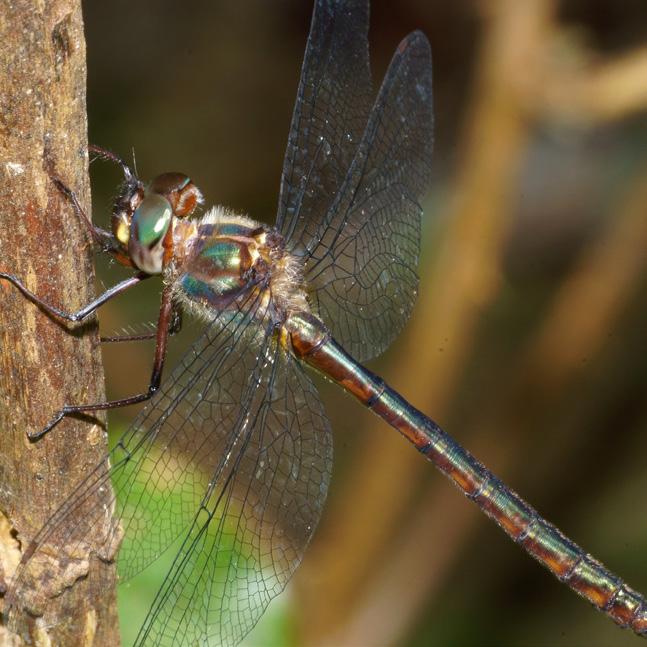
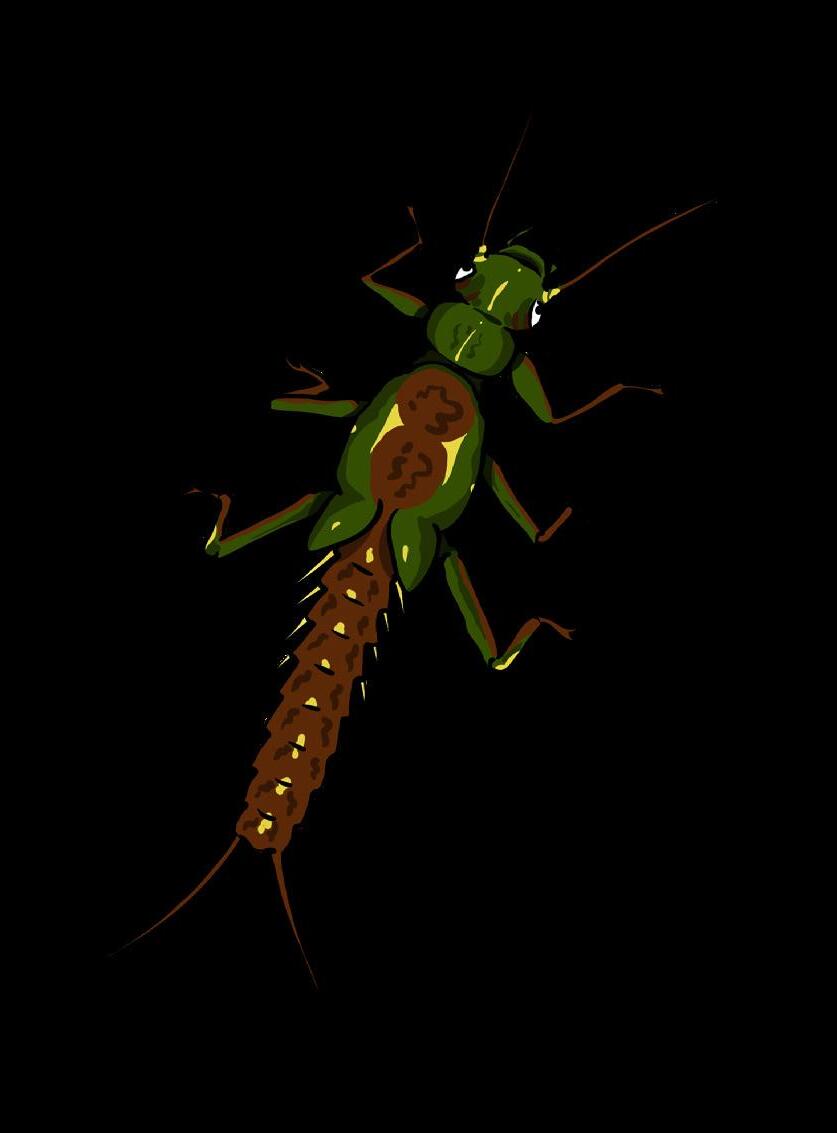
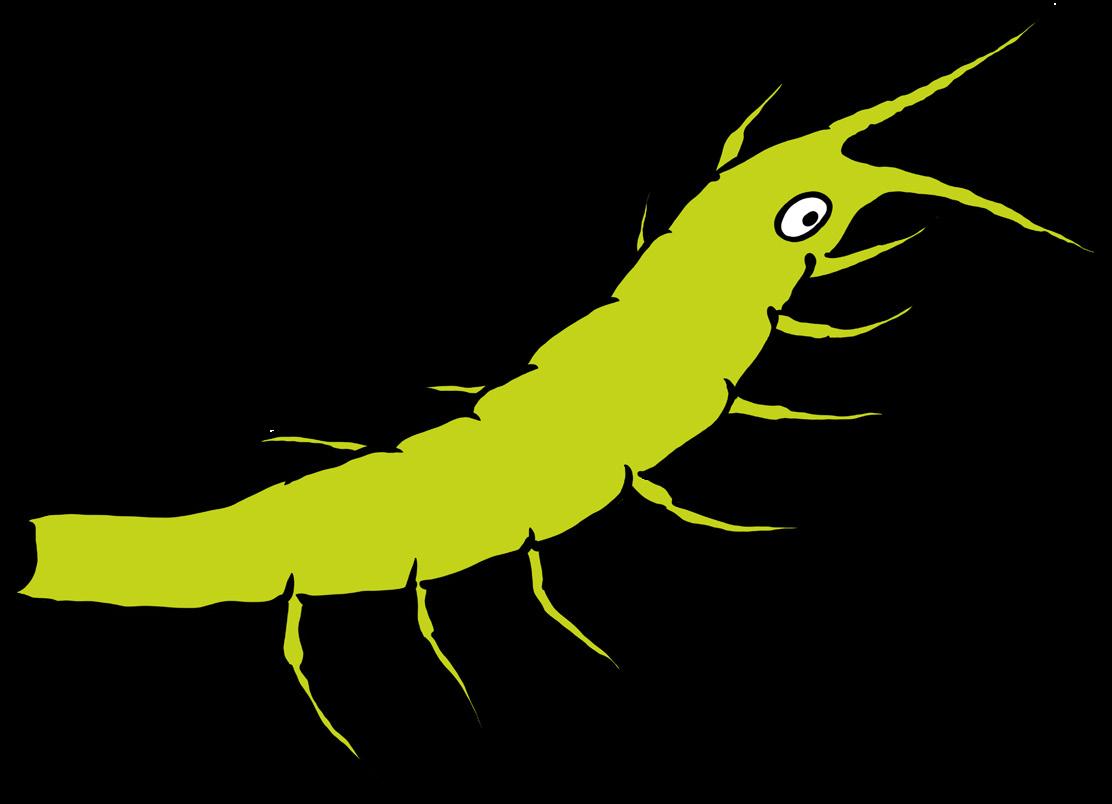
Dragonfly, mayfly and stonefly nymphs (larvae) all live underwater. They look really different when they grow up! Can you match each of these three nymphs to the insects they change into below?
Can you draw two other animals from pages 8 and 9 that like to eat insect larvae?
START HERE:
Create a rain garden
Try this science experiment to see how rain gardens work.
What is a rain garden?
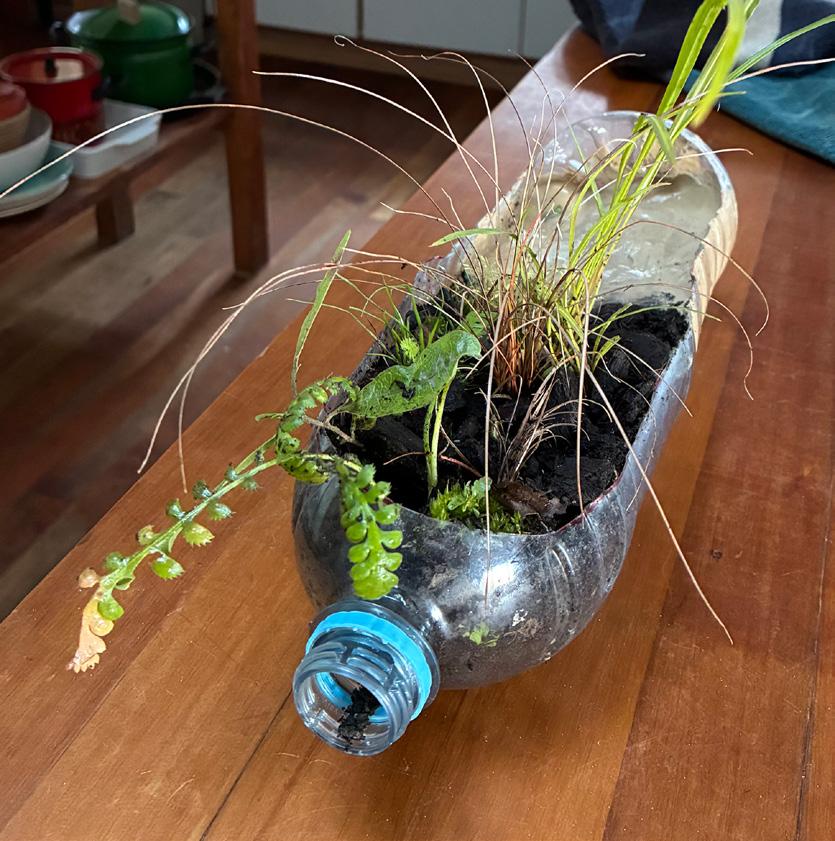
Rain gardens are special gardens full of native plants that grow in low-lying dips in the ground. They catch rainwater and let it soak away slowly, which helps stop flooding. Rain gardens also trap dirt, oil, chemicals, and rubbish so they don’t wash into our rivers and oceans. Rain gardens are a nature-based solution to help us cope with heavy rain. Is there an area in your school or home where water puddles after a storm? Talk to your teacher or parents about making a rain garden to soak up the water. The plants are great habitat for birds, lizards and bugs too!
Rain gardens look pretty, stop flooding and keep our waterways clean. What’s not to love?!
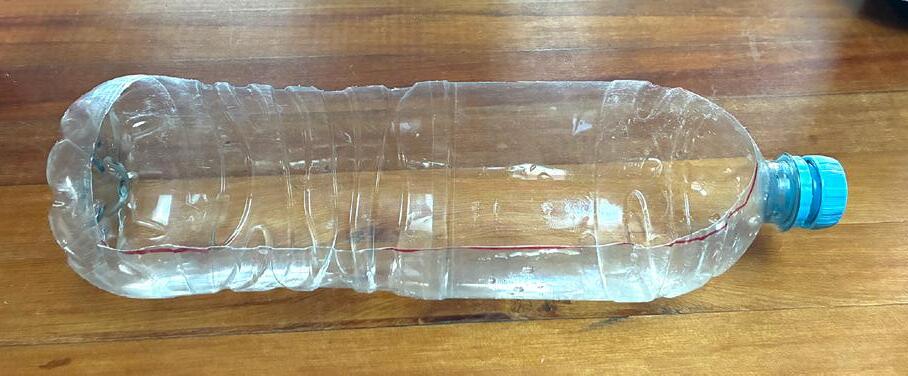
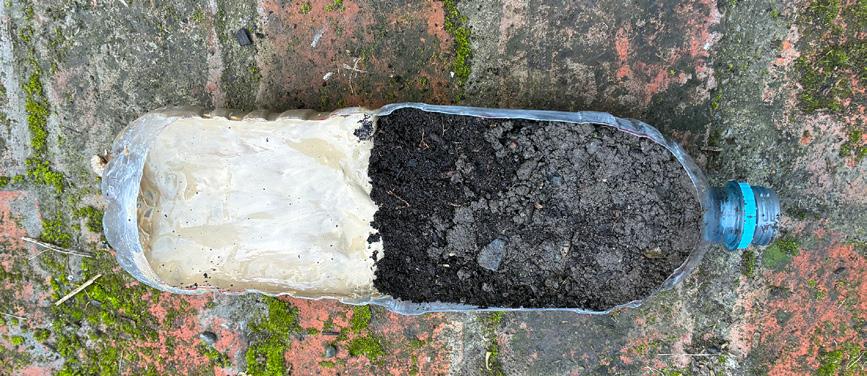
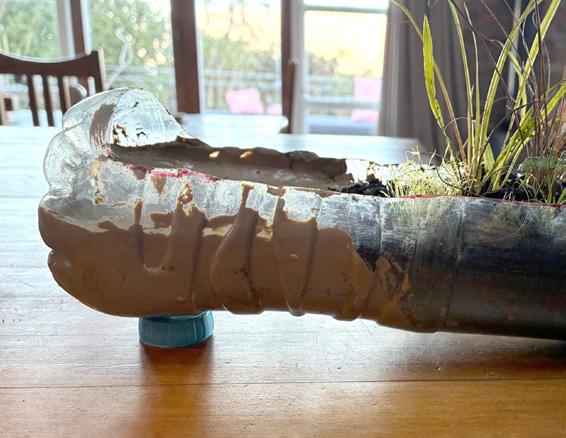
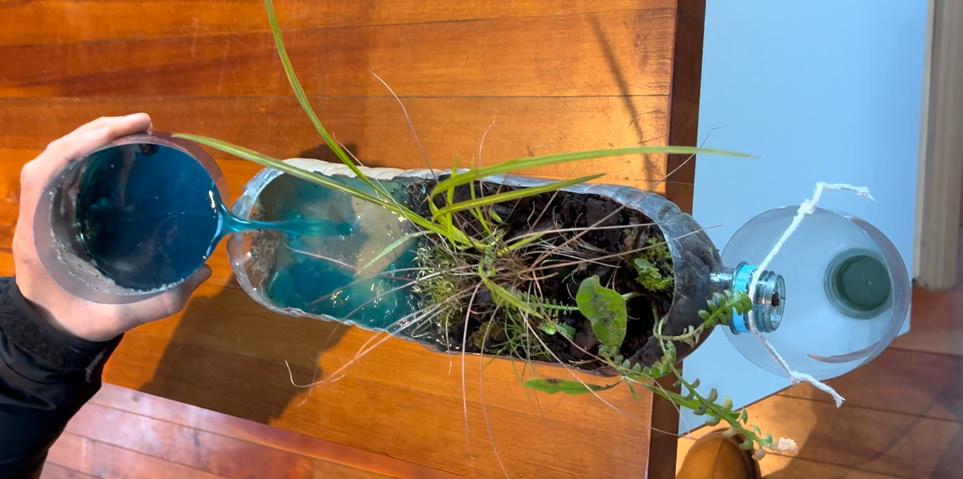
1 Take your 2L bottle and cut a hole out of one side like this.
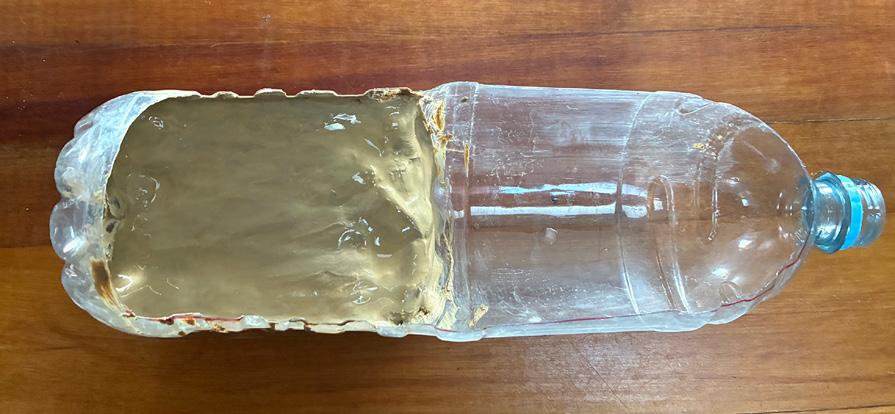
2 Make a clay pad at the bottom end. This is the ‘pavement’ or hard surface for the stormwater to run off.
3
Fill the rest of the bottle with soil. Press it down to make it firm.
4 Add some native seedlings (if you have some) to create the garden.
You’ll need:
n 2L plastic bottle for the garden
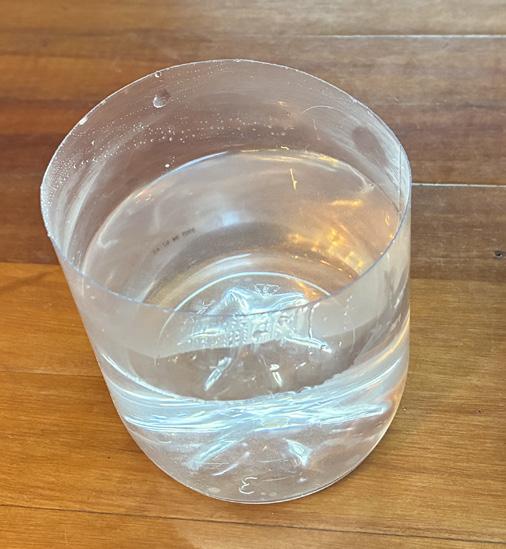
n 1L plastic bottle cut in half; or two clear plastic cups
n 600g clay
n Soil
n String
n Scissors
n Craft knife
n Holepunch
n Native plant seedlings (optional)
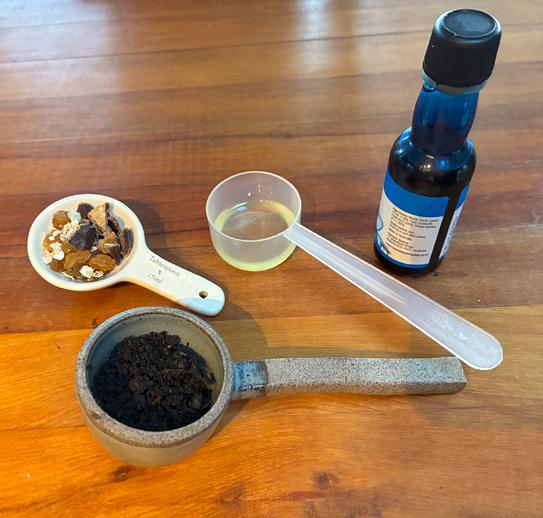
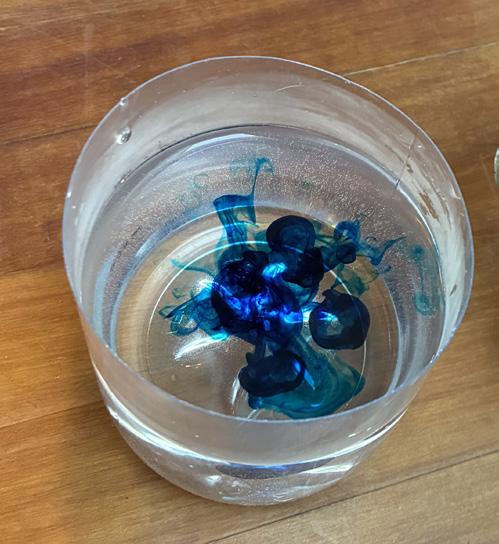
n Blue food colouring (chemical runoff)
n Tbsp dirt (dirt and dust runoff)
n Tsp oil (oil from cars)
n Tbsp cereal (rubbish)
Make it rain! Create your stormwater
5 Take the bottom half of the cut 1L bottle and fill with water.
6 Gather your ‘pollutants’: food colouring, dirt, oil and cereal. These are the things that wash off pavements, roofs and other hard surfaces when it rains.
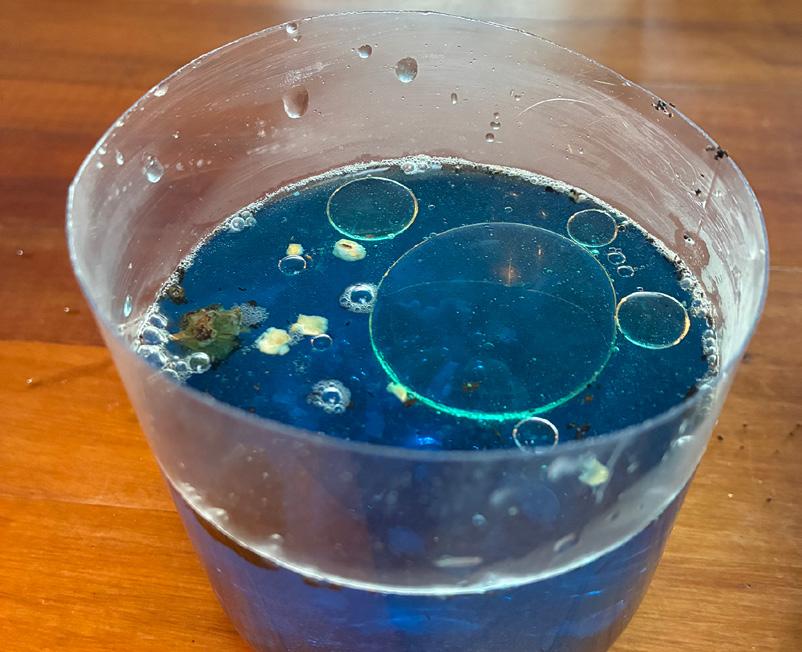
7 Add the pollutants to the water.
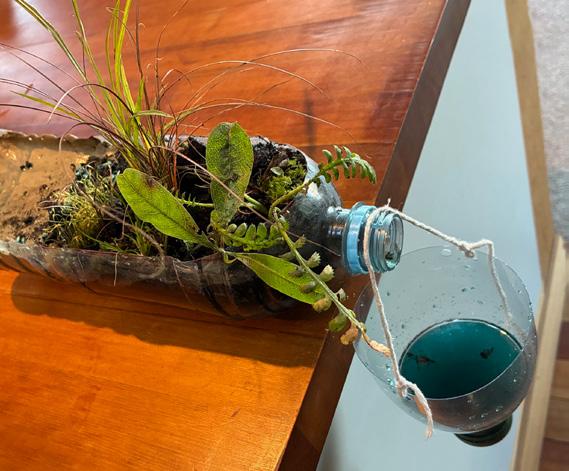
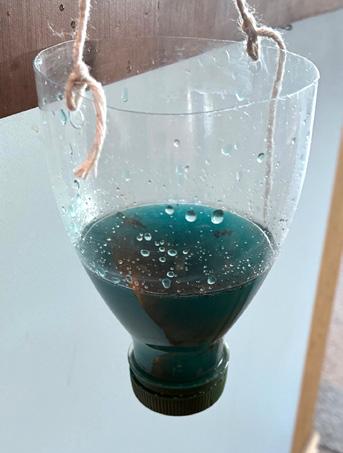
In our experiment, we noticed that only a third of the stormwater made it into the cup. This means that the garden soaked up two thirds of the water! Most of the dirt and cereal was also caught by the garden. We think our rain garden did a great job!
8
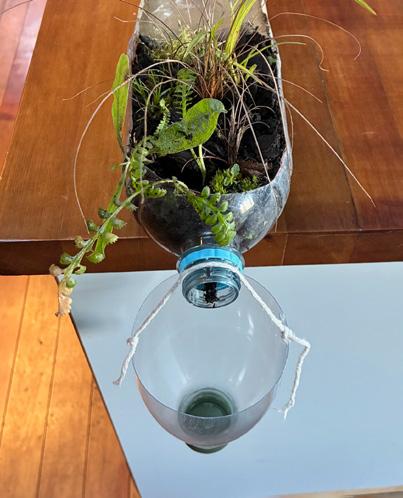
Use a hole punch to create two holes in opposite sides of the top of the 1L bottle. Tie a piece of string to both ends to create a loop. Hang it off the end of the garden.
9 Place the rain garden on a table with the open end pointing off the edge. Put the bottle lid or a rolled up tea towel underneath the clay end to create a slope. You might want to do this outside in case it makes a mess!
10
Pour the ‘polluted’ stormwater onto the clay ‘pavement’ at the back.
11
What do you notice about the water that collected in the cup?
Conservation Heroes Toitoi on the move!
Did you know that our roto and awa used to be full of native ika? Many native ika have now disappeared from their old homes. Fish have slippery scales and live in the water, so how can they make their way over land back to their old homes?
That’s where the rangers at Zealandia Te Māra a Tāne ecosanctuary come in. For the past three years, Zealandia’s kaitiaki rangers have teamed up with local iwi Te Ātiawa Taranaki Whānui to give one special native ika − toitoi − a helping hand.
The team have carefully moved toitoi from Lake Kohungapiripiri, just outside Te Whanganui-a-Tara | Wellington, into the waters inside the ecosanctuary. There are now hundreds of happy toitoi swimming around inside Zealandia.
Toitoi can live in both fresh and salt water!
Whakaweku
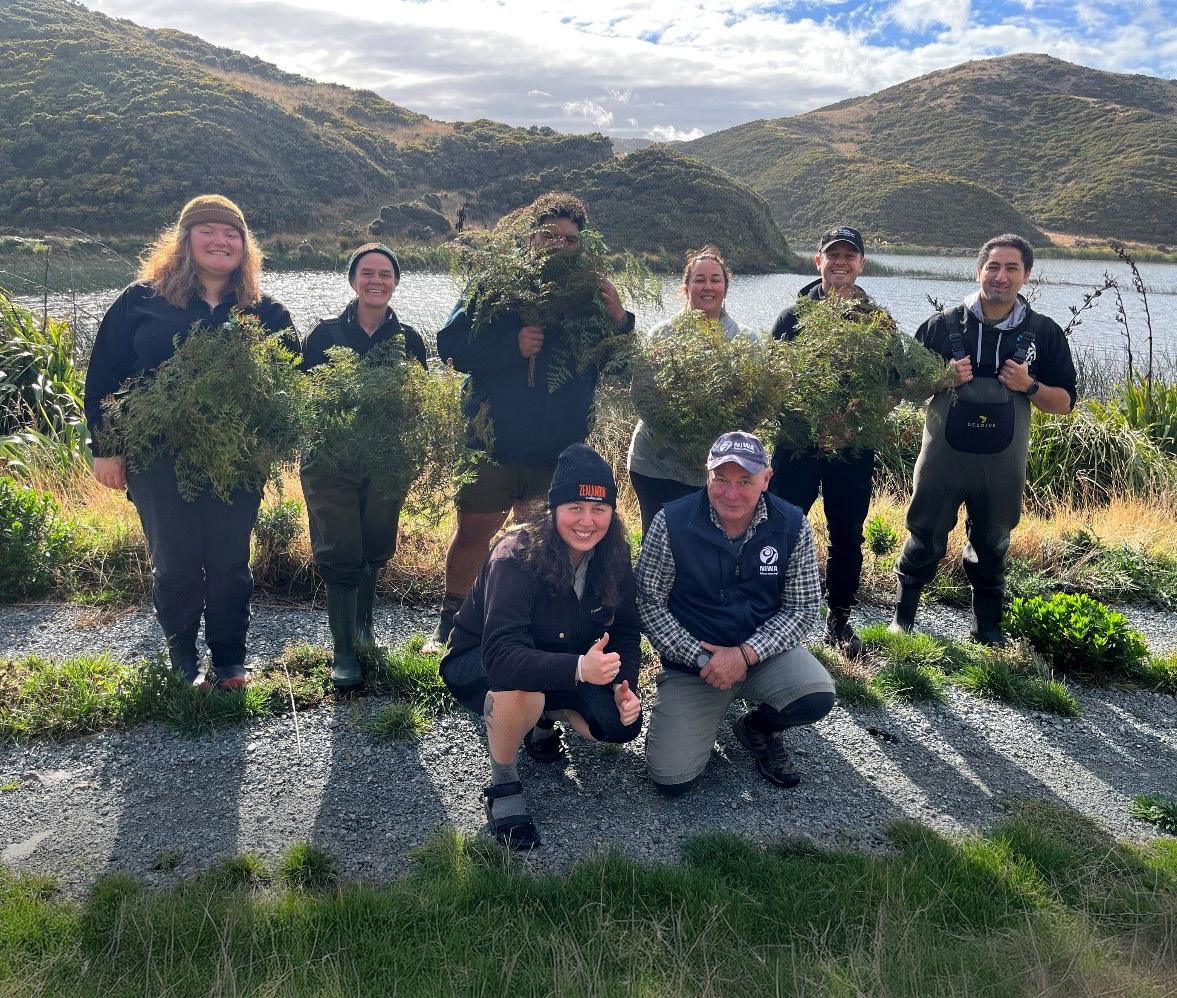
For the last two years, the team have used a traditional Māori fishing method called whakaweku to help move the toitoi.
Whakaweku are tied bundles of rārahu that are sunk into the water and left for a week or more. The bundles create a cosy underwater hideout for fish like toitoi.
When it’s time to check the whakaweku for toitoi, the rangers gently scoop around them with a net to collect the ika.
“It’s a lot less stressful for the ika,” says kaitiaki ranger Pīata. “And it’s really cool to see mātauranga Māori being used to protect nature.”
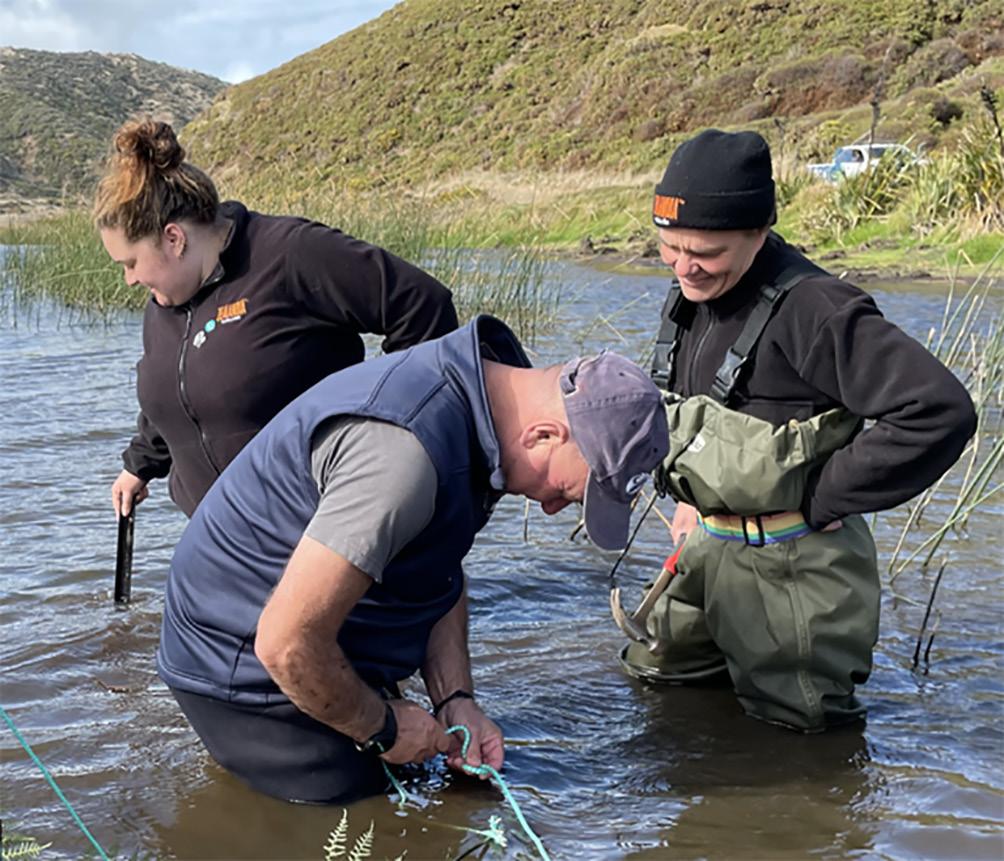
Whakaweku in the water at Zealandia
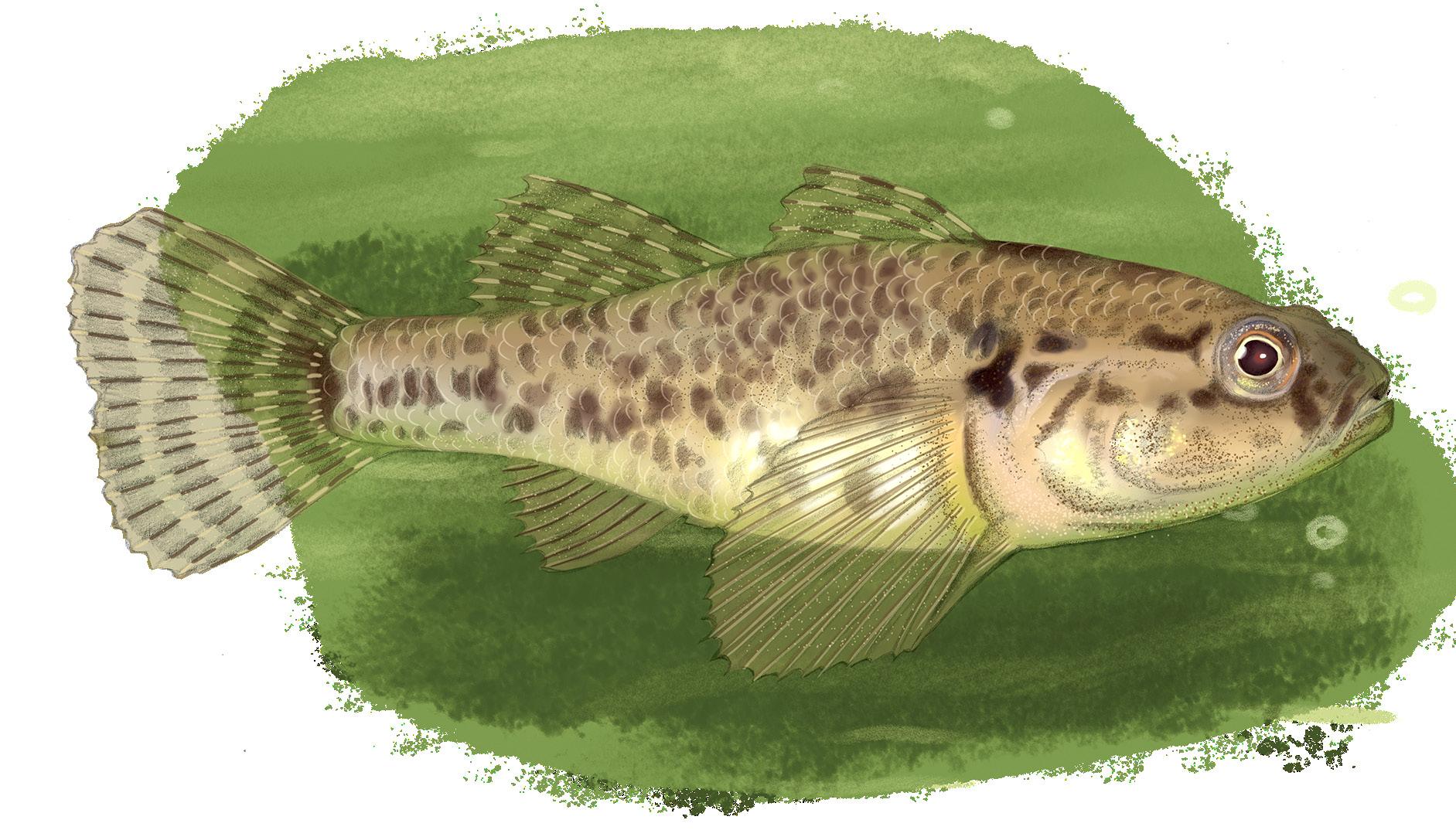
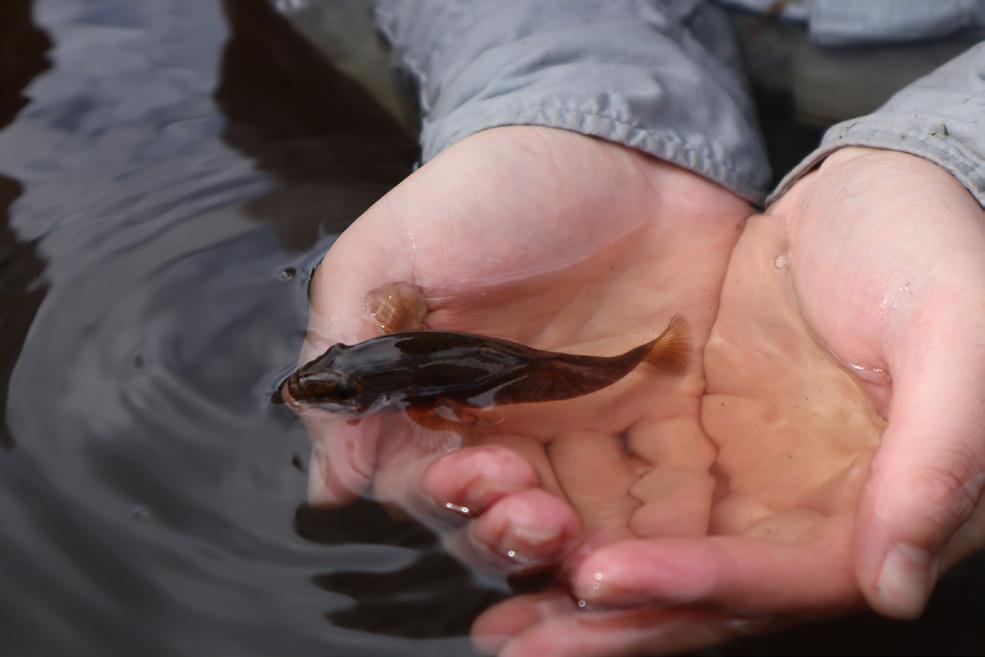
Toitoi
Kupu Māori | Māori
words
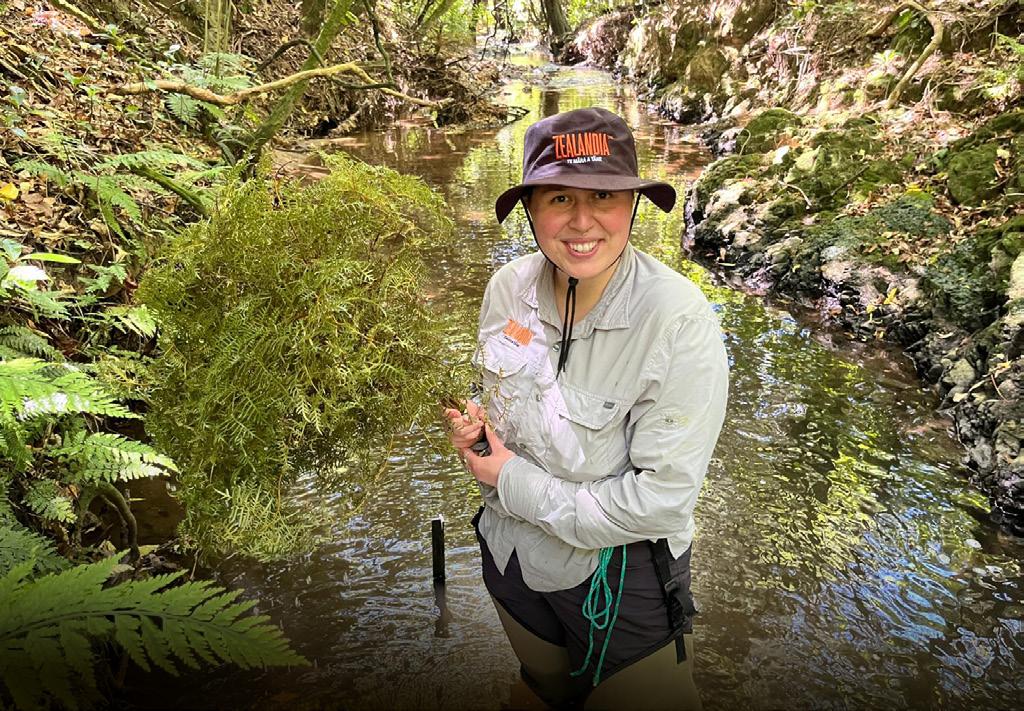
Checking the whakaweku
Why toitoi?
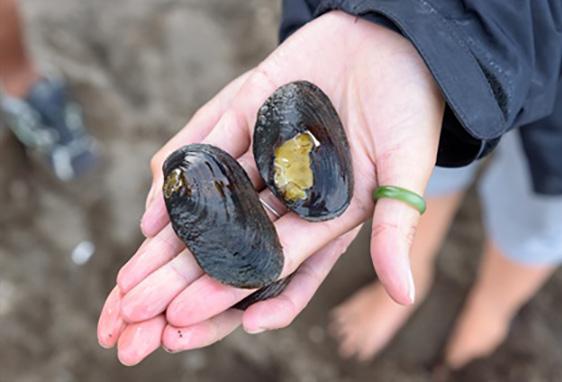
In 2018, the Zealandia team released kākahi into the ecosanctuary in the hopes that the native freshwater mussels would help clean up their waterways. Kākahi are amazing at filtering water – they can clean 1 litre of water every hour!
But the kākahi weren’t happy at Zealandia. It turns out they need native ika like toitoi to complete their life cycle.
Kākahi sneeze their larvae into the water so that the larvae can attach themselves to the fins of a passing fish. There are special chemicals in toitoi fins that help the kākahi larvae grow into adult mussels.
Learn more about the connection between toitoi and kākahi here
n Awa: river
n Ika: fish
n Iwi: large kinship group, tribe or nation
n Kaitiaki: guardian or protector
n Kākahi: freshwater mussel
n Mātauranga Māori: Māori knowledge
n Rārahu: bracken fern
n Roto: lake
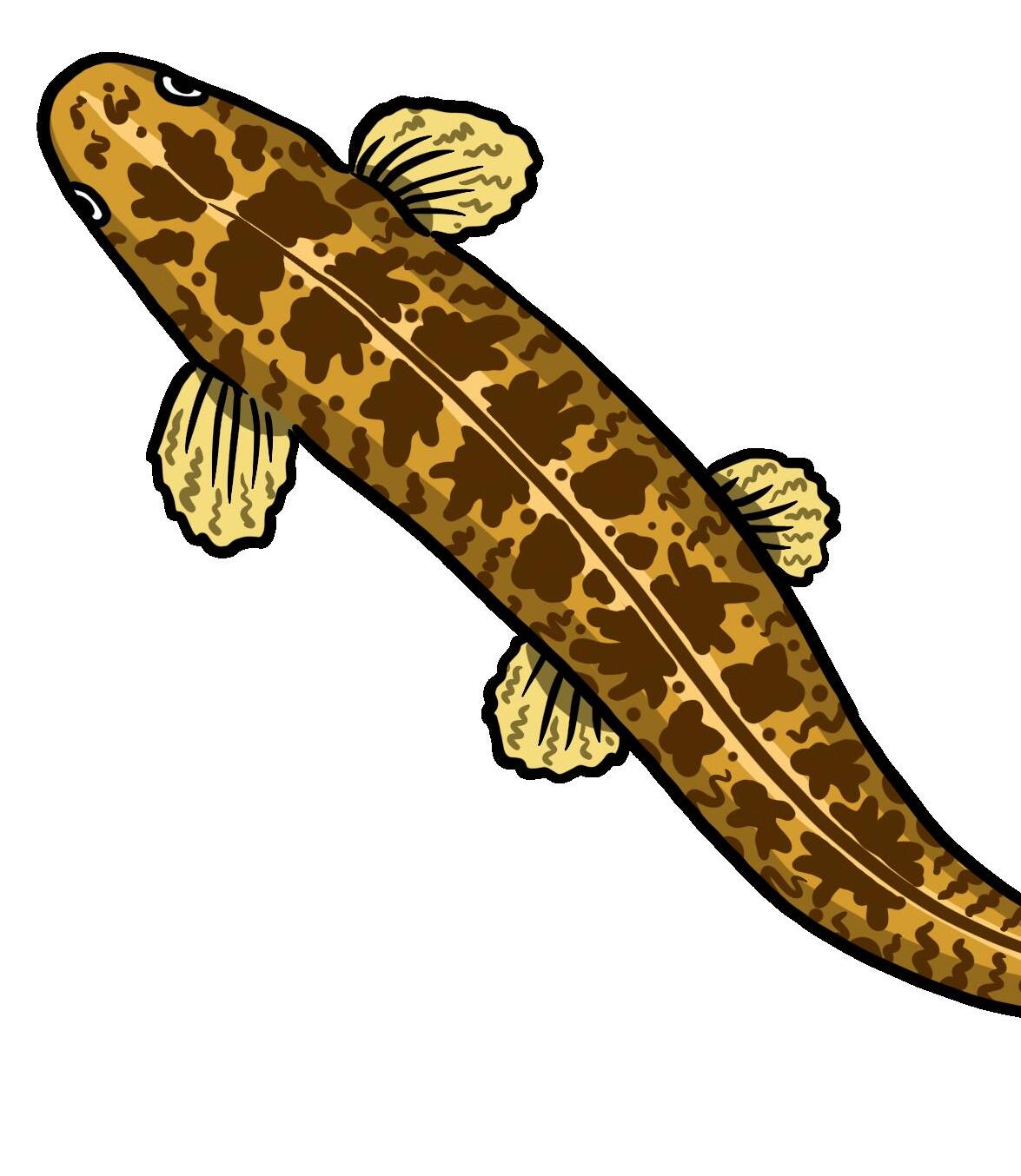
n Toitoi: common bully fish
n Tuna: native freshwater eel
n Whakaweku: traditional Māori fishing method
FACT
Toitoi are an important food for tuna
Zealandia kaitiaki rangers and local iwi helpers
All sorts of watery wildlife love whakaweku.
Do you have a local awa near you? Try making some whakaweku to see who lives in your neighbourhood! Just tie up some rārahu or leafy sticks and leave the bundle in the water. Come back after a week to find out who’s been visiting.
Thanks to kaitiaki ranger Pīata for sharing this story.
All photos and toitoi graphic credited to Zealandia
Kākahi
Sea Creatures That are too cool to lose
All these amazing native sea creatures are threatened by climate change. We need to act now to protect them. They are Too Cool To Lose and it’s Too Warm To Wait.
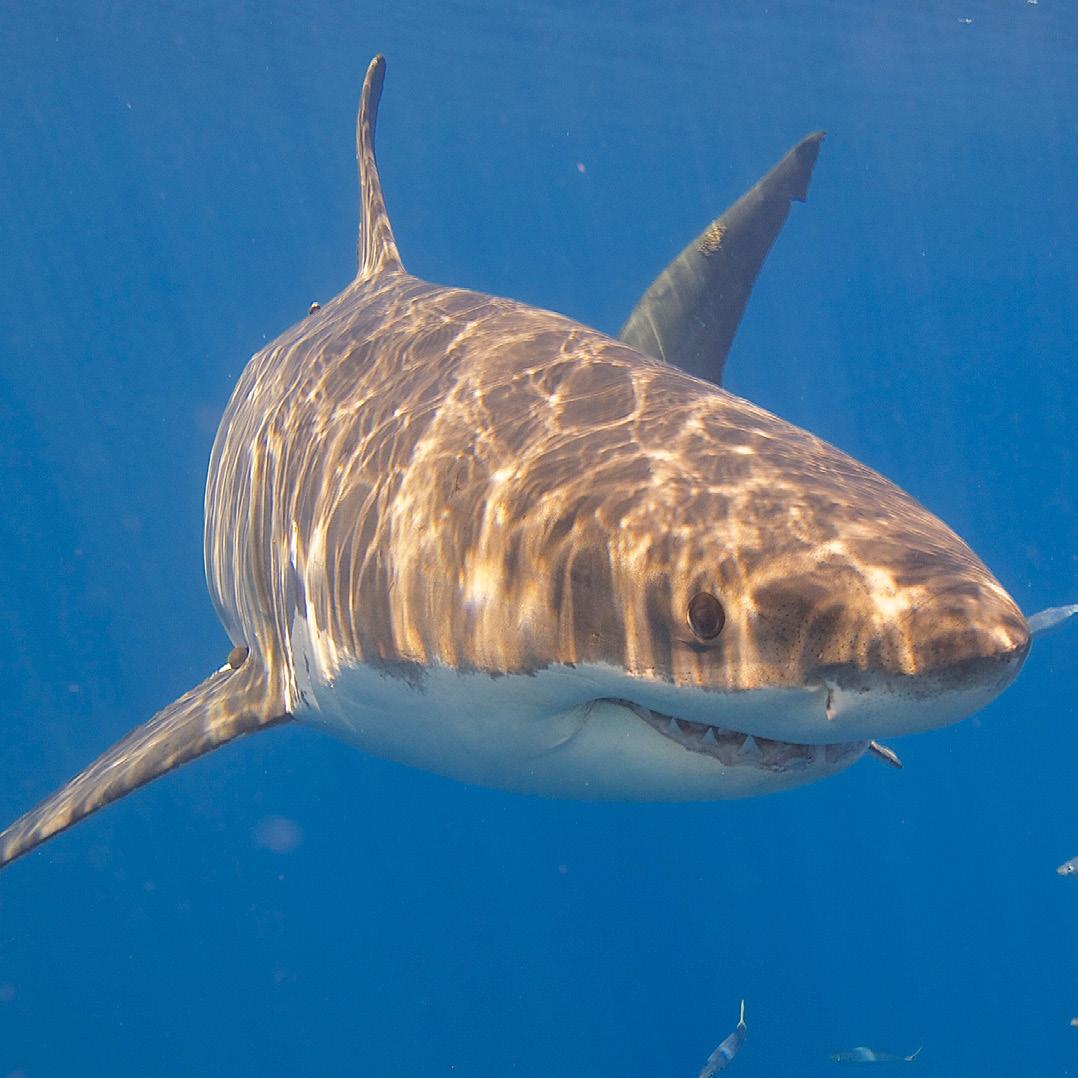
Mangō taniwha | Great white shark
“I’m a great hunter. I have an awesome sense of smell – it’s 10,000 times better than yours! I have special jelly-filled organs that sense the electric fields of other fish to help me hunt. Pretty cool, eh?”
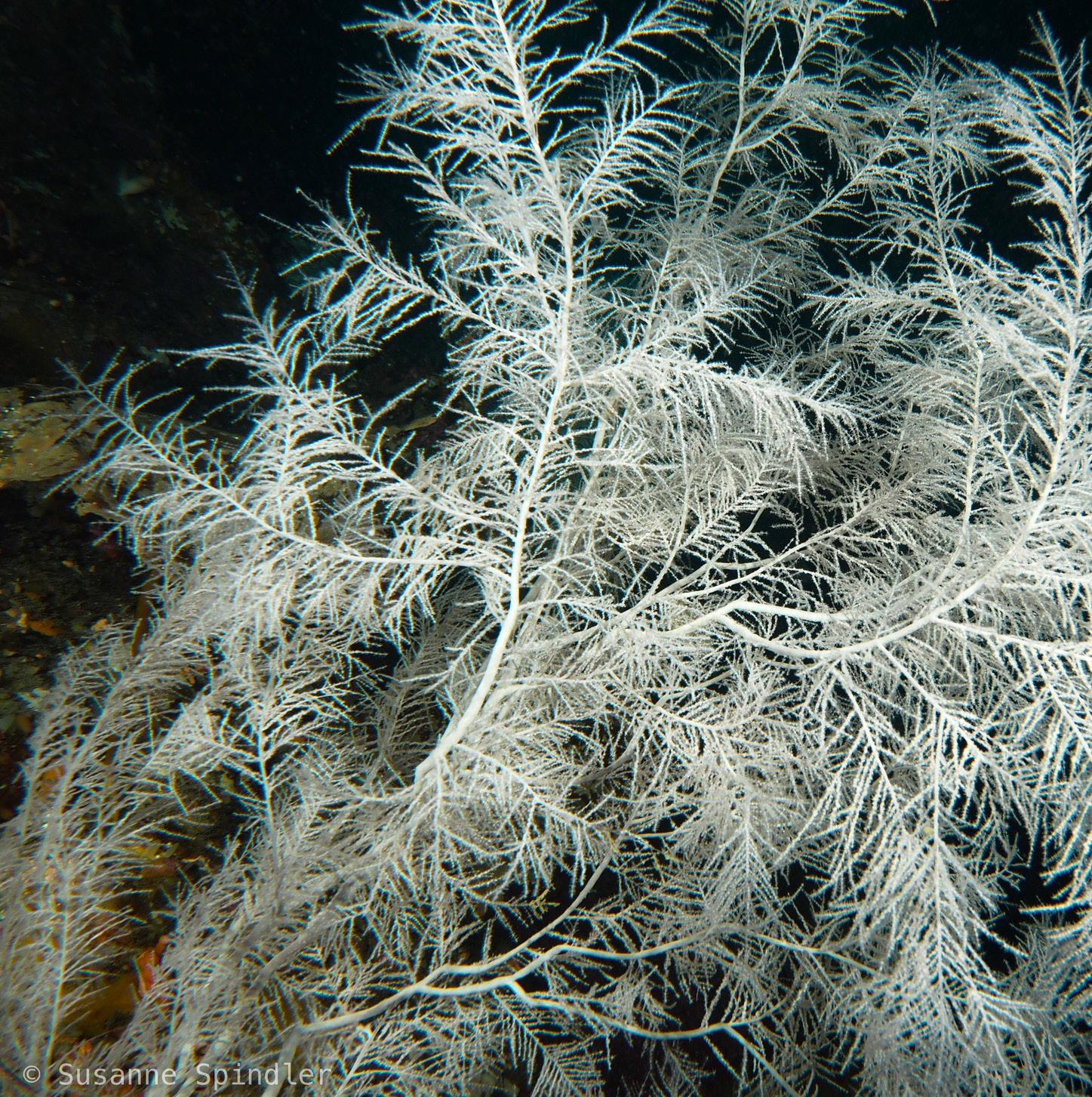
Black Coral
“I live in chilly Fiordland on underwater cliffs. I’m actually a whole colony (group) of invertebrates all living together!”
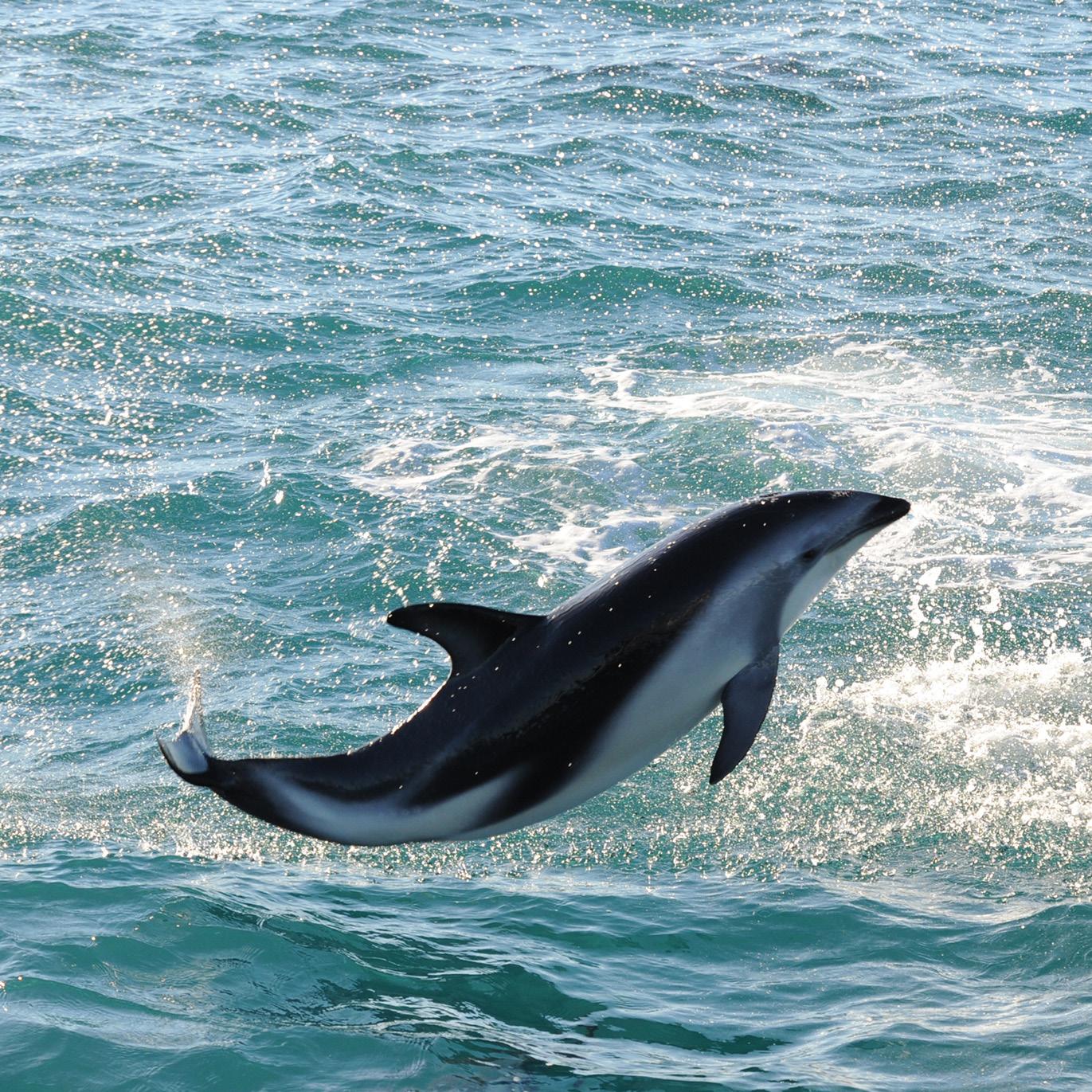
Dusky dolphin
“I love leaping and playing, and hanging out with my friends and whānau! Learn more about me on page 20.”
Elias Levy
Susanne Spindler
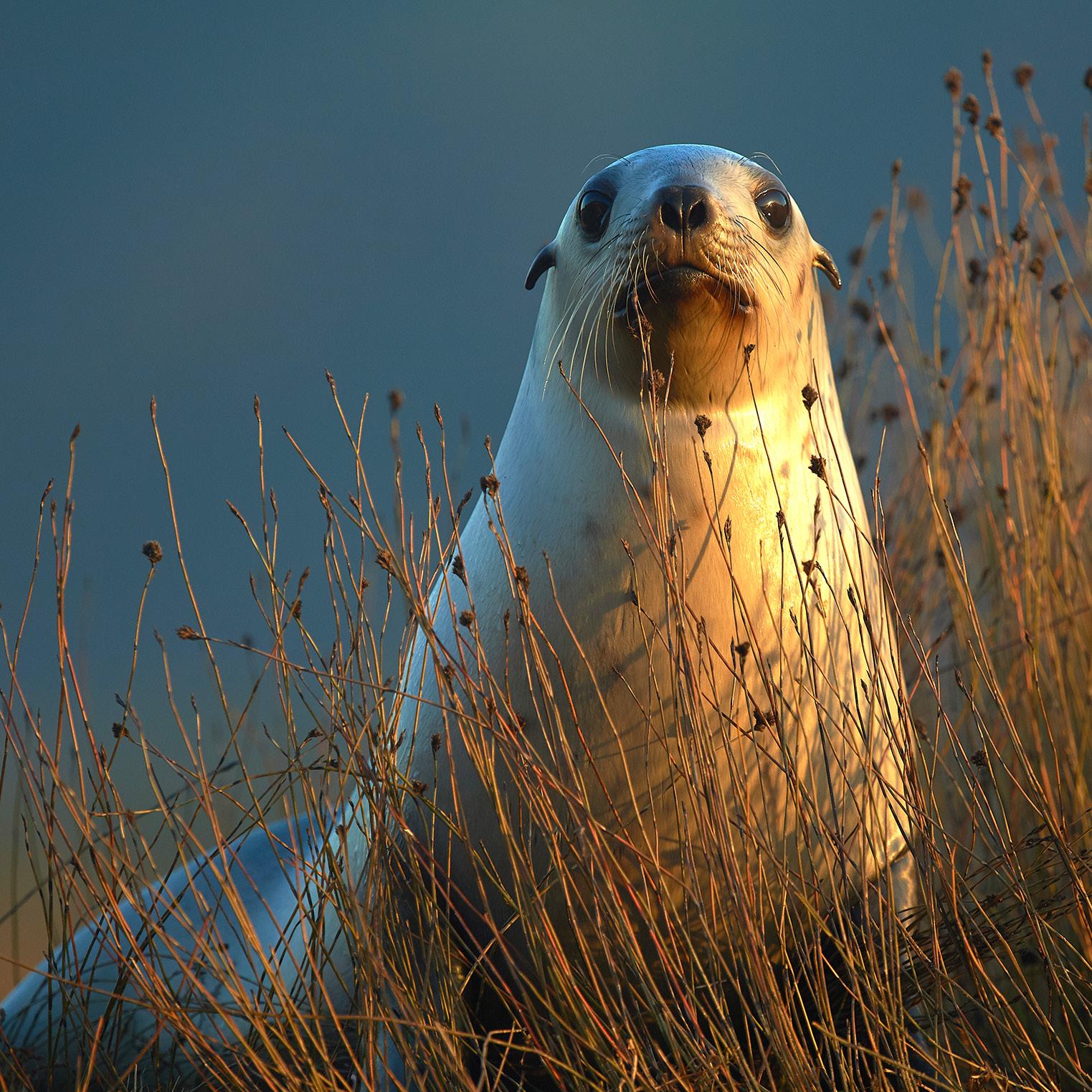
Pakake | NZ sea lion
“I take my pups into native forests near the sea to keep them safe. I like to eat fish, squid, octopus and sometimes penguins.”
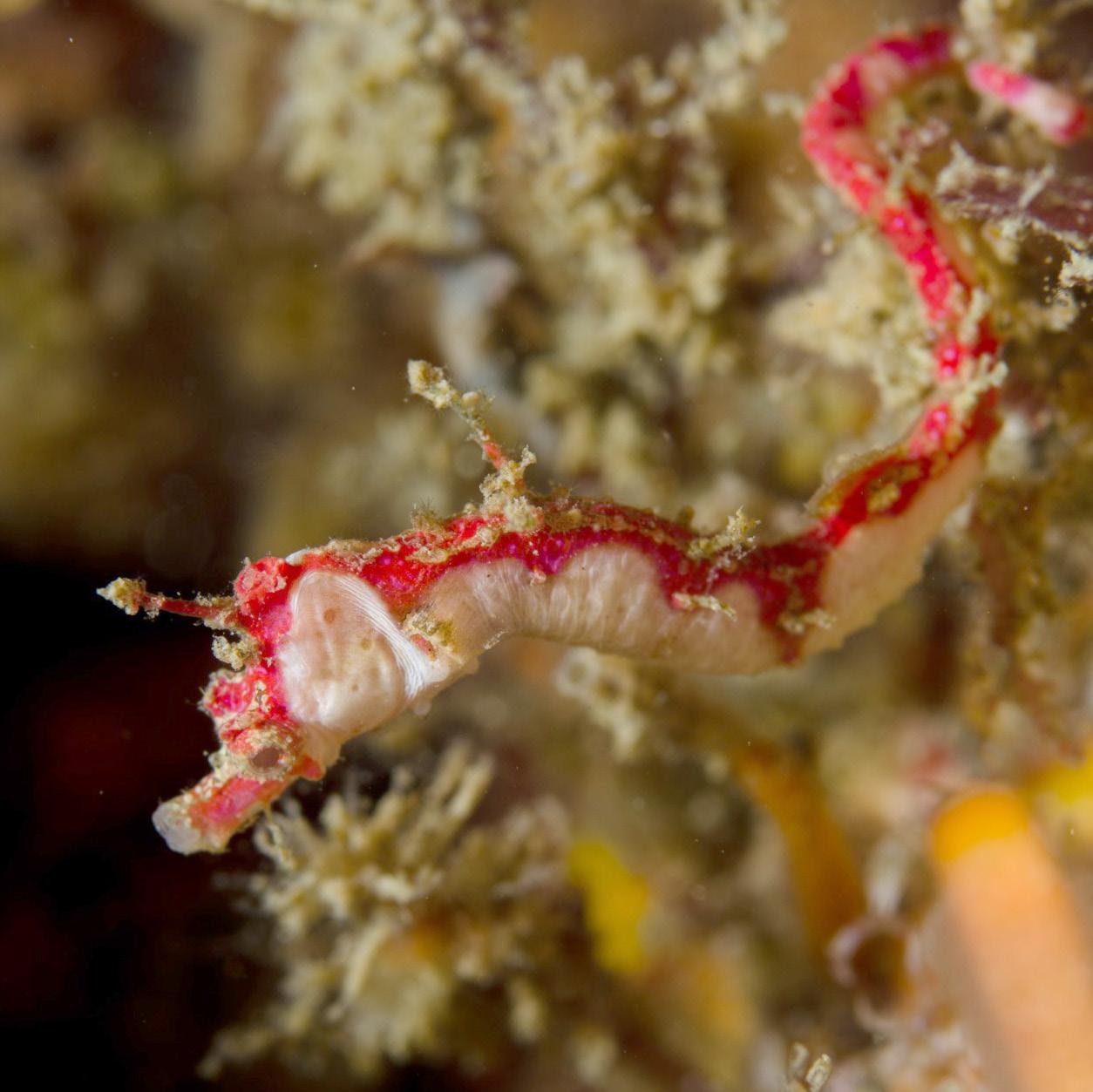
Manaia pygmy pipehorse
“I look like a tiny candy cane with a crown on my head. My Māori name is Tu Pare o Manaia (pare means ‘crown’).
Just like my cousins, the seahorses, only male pygmy pipehorses can have babies. I only live in Te Tai Tokerau | Northland.”
You can help us!
n Join a beach litter clean-up to look after our homes.
n Tell your friends and family about how amazing we are.
Some of us have ‘greenleaf’ body parts that help us move and swim.
We’re tiny – about the size of a pea!
We have LOTS of babies.
We taste good! Whales, seabirds and fish LOVE to eat us.
That’s why we’re called the ‘potato chips of the ocean’.
CLIMATE CHALLENGE: Climate change is making the water more acidic, which is bad news for shell-making creatures like us. We can’t make our shells in acidic water.
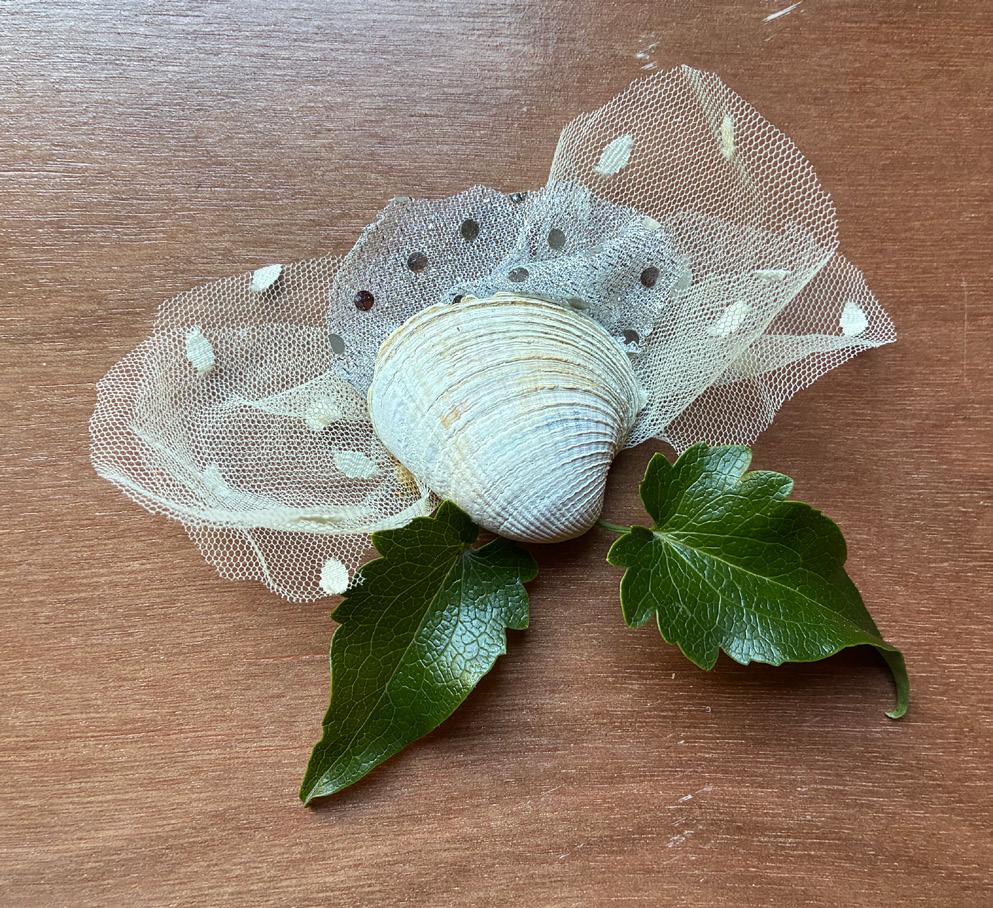
Can you create a sea butterfly out of things you find around the house?
You could use a shell for the body, scraps of fabric for the wings and leaves for the swimming body parts.
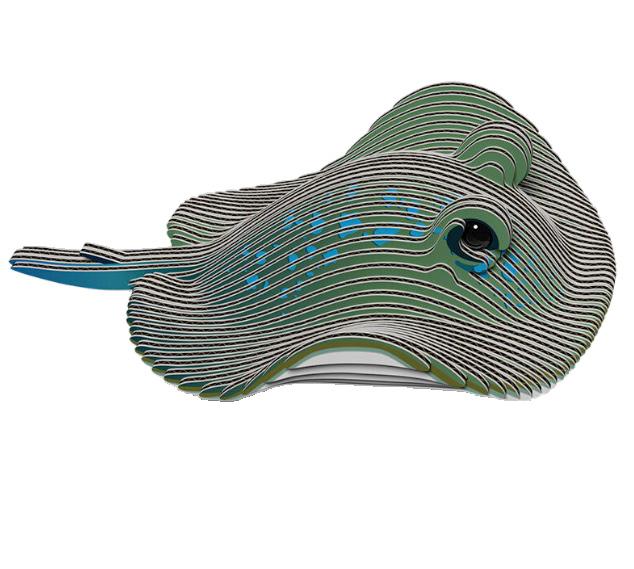
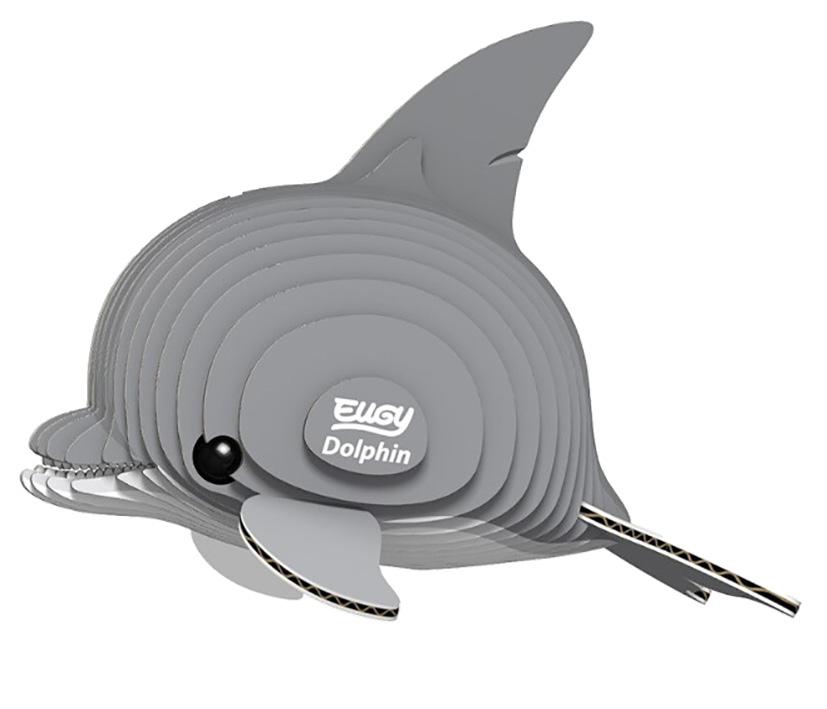
Send a photo of your sea butterfly to kccinbox@forestandbird.org.nz and go in the draw to win a dolphin or stingray EUGY.
See more of Linda’s amazing photos here
Diving into the World of Dusky Dolphins!
Games and story Bianca Woyak
Flipping Fantastic
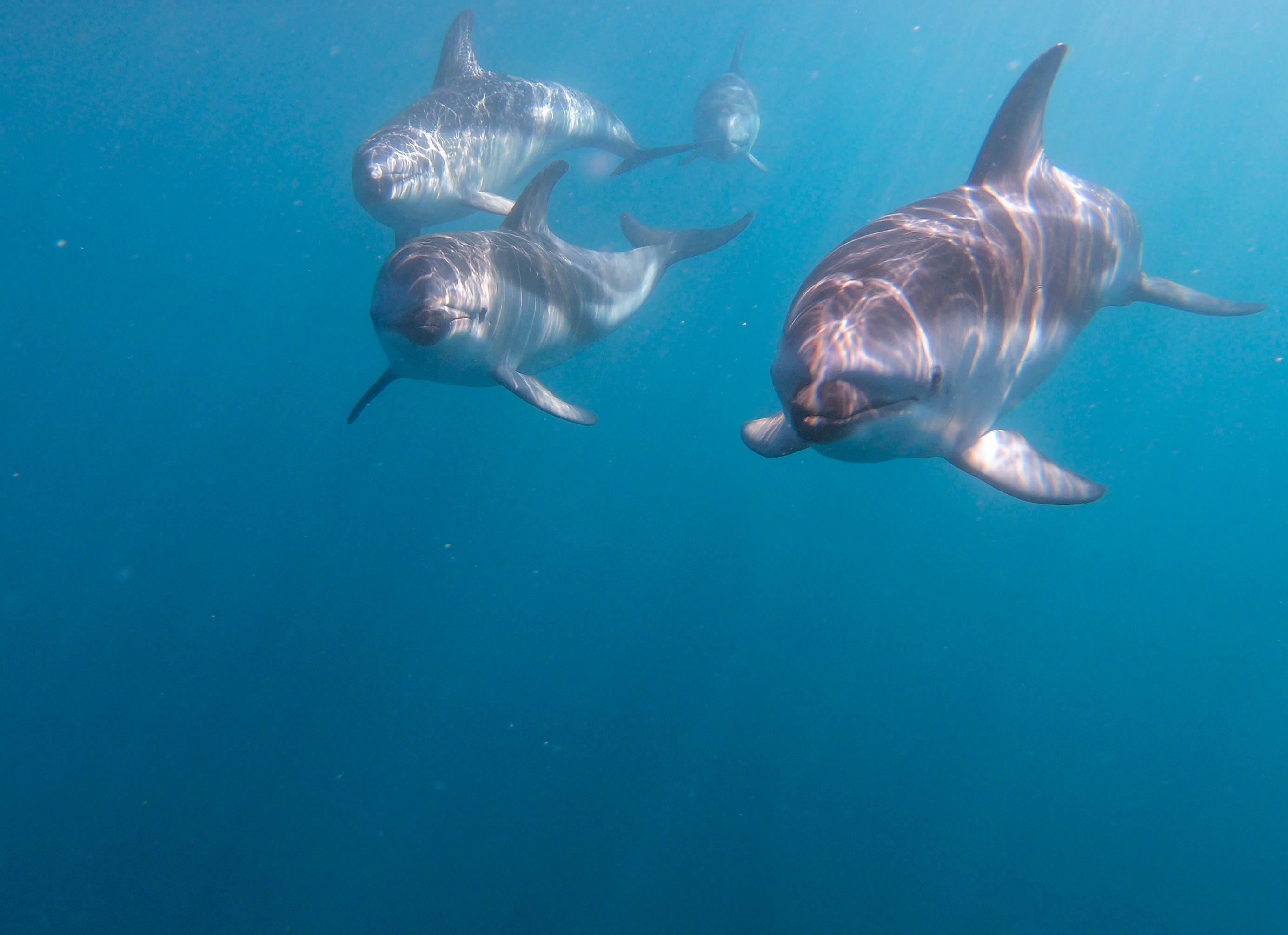
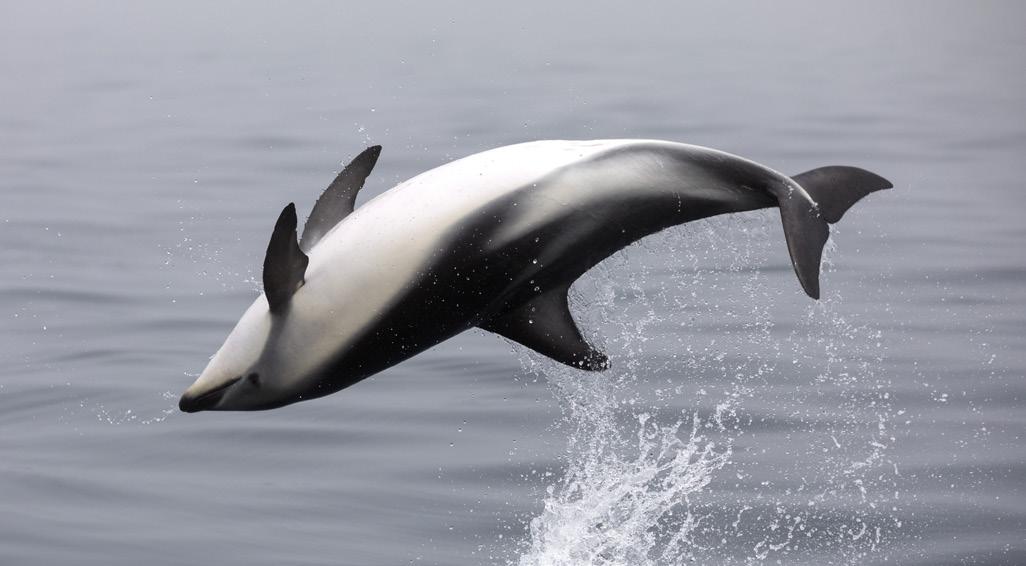
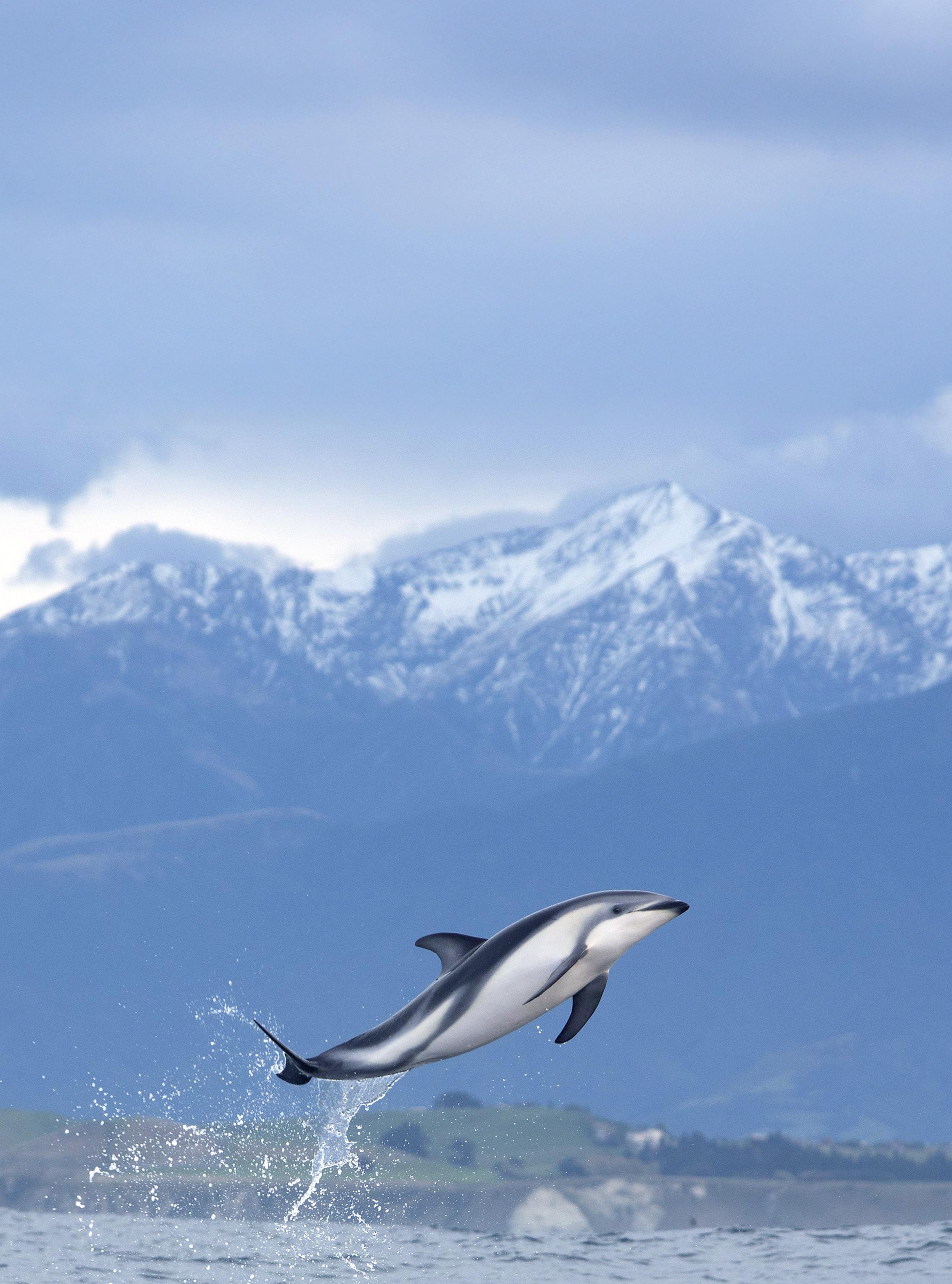
Dusky dolphins are the circus acrobatics of the sea! They flip, tumble and perform high-flying stunts. They are dark grey on top with white underneath. This helps them hide from predators: they blend into deeper water when seen from above, and lighter water when looking up from below. Dusky dolphins have a short beak compared to other dolphins. They live all around Aotearoa, but one of the best places to see them is Kaikōura.
Pod Life
Dusky dolphins live in groups called pods. Pods can have anywhere from 10 to 1,000 dolphins. Living in a pod makes life safer and more fun. Pods can warn each other of predators. They work together to catch food by herding fish into tight groups known as bait balls, which makes feeding easier. Dusky dolphins play with seaweed, ride waves and even surf near boats with their friends!
Do you speak Duskanese?
Like us, dusky dolphins love to chat! They use clicks, whistles and body slaps to communicate. Dolphins don’t need a phone – their speech can be heard from far away. Scientists are still trying to decode their language. Do you speak Duskanese? Maybe you can help! They also have a superpower called echolocation. They make a clicking noise and listen for the echo bouncing back. The echoes help them see with sound: they can find fish, avoid obstacles and know what is in front of them, even in the dark!
Super Smart
Dusky dolphins are smart. The calves (baby dolphins) stay with their mum for up to two years to learn all the dolphin tips and tricks. They can recognise each other, and they form strong bonds. Dolphins can solve problems, learn and adapt to new situations.
Dusky Danger Zones
Sadly, dusky dolphins often get caught in fishing nets. They face risks from overfishing with people catching all their food. Plastic waste and chemical pollution are also bad for our flipping friends. You can help protect them by picking up litter at your local beach.
Dusky dolphins eat small fish and squid. One of their favourite foods is anchovies! I guess we know what their favourite pizza topping is!
Dennis Buurman
Dennis Buurman
Play like a
Dusky Dolphin
Get a group of friends together and try these Dusky Dolphin Games!
Speak Duskanese:
➊ Make up your own dolphin name using clicks, whistles and body slaps.
➋ Practise it a few times until you can remember and repeat it.
➌ Get together with a few friends and take turns saying your dolphin name to each other – try to memorise your friends’ dolphin names.
➍ Have each person say their dolphin name while everyone else in the group closes their eyes. Can you recognise each other?
Dennis Buurman
Echolocation:
➊ Find a large open space to play.
➋ One person is the dusky dolphin and puts on a blindfold or closes their eyes.
➌ The other people are anchovies, the dusky dolphin’s prey. They spread out and stand very still.
➍ When the dusky dolphin says ‘click’ the anchovies have to reply ‘echo’.
➎ The dusky dolphin has to find all the anchovies using ‘echolocation’.
➏ When the dusky dolphin finds and taps an anchovy, the anchovy is out and has to leave the playing area.
➐ Keep going until all anchovies are out and then swap so a new player can be the dusky dolphin.
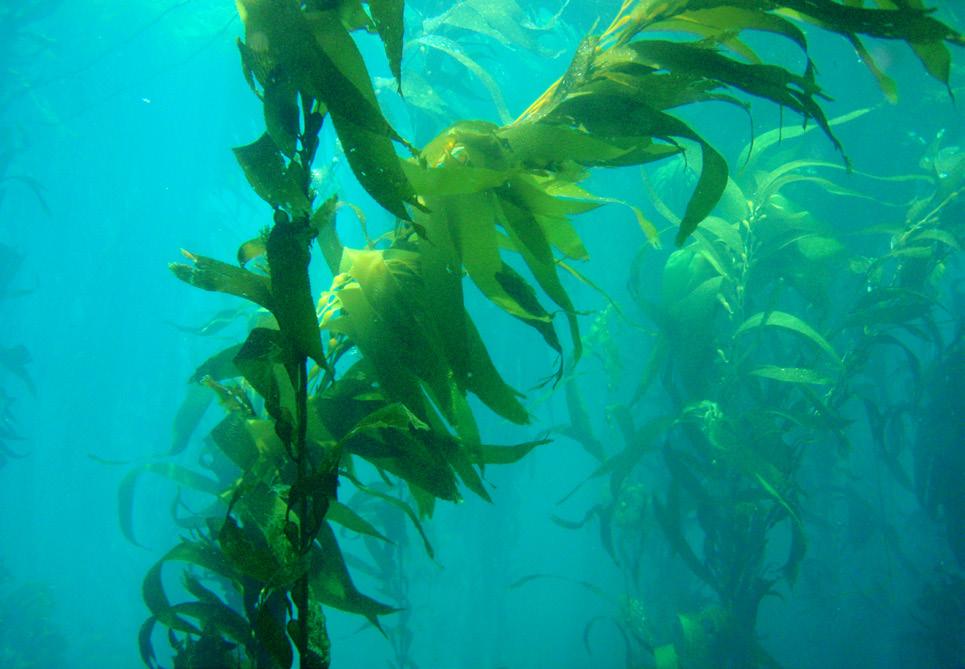
Kelp is cool!
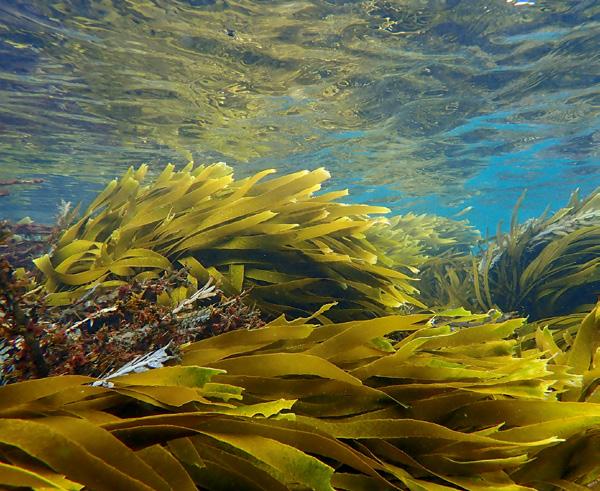
Kelp LOVES cold, clean, clear water. Kelp forests are home to LOTS of animals.
I live my wholelifehere.
FACT:
Kelp is not a plant – it’s a large brown algae (seaweed).
I like to eat kelp. It’s yum!
I start my life here.
Climate Warrior
Kelp is our best ‘frond’ for fighting climate change. Kelp takes in carbon from the atmosphere and stores it in the seabed.
Learn more about carbon:
CLIMATE CHALLENGE:
Warmer waters caused by climate change are stressful for kelp and can cause kelp forests to die.
Luckily, kelp grows fast! Learn about the kids replanting kelp forests in Te Whanganui-a-Tara | Wellington on the next page.
Conservation Heroes
KURA kelpers
Meet the seaweed superheroes saving our kelp forests
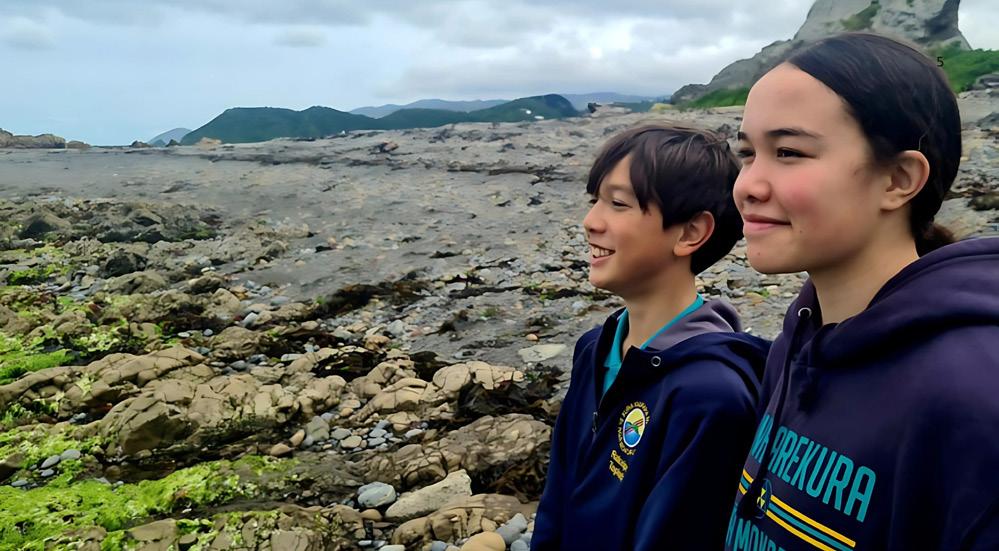
For ākonga at Te Kura Kaupapa Māori o Ngā Mokopuna in Te Whanganui-a-Tara | Wellington, the moana is part of the classroom.
Kura Kelper Hemaima (Year 11) says, “Going to this school means we’re kaitiaki of this area.”
About six years ago, the students noticed that the kelp forests in Kākāriki Hūtia | Worser Bay beside their school weren’t very healthy. They decided to help regrow the kelp forest. They call themselves the Kura Kelpers.
Kura Kelpers from Years 7–13 plant and look after the kelp forest. They plant rimu kakauroa − a giant kelp species which can grow up to 50m tall!
After six years of planting, the kelp forests are beginning to look healthy again. The ākonga often return to look after the kelp.
FACT:
Rimu kakauroa is the fastest growing organism on Earth! It can grow up to 60cm a day.
Some have learned how to freedive and are now qualified divers!
The students work closely with local iwi Te Ātiawa Taranaki Whānui and environmental groups like. Te Aho Tū Roa, Love Rimurimu and the Mountains to Sea Trust.
E kitea ai ngā taonga o te moana, me mākū koe!
If you seek the treasures of the ocean, you have to get wet!
Kura Kelpers Ngawaierua and Rakaipo at Hue te Para | Lyall Bay
Kupu Māori | Māori words
n Ākonga: student
n Kaiako: teacher
n Kaitiaki: guardian or caretaker
n Moana: sea
n Muka: prepared harakeke | New Zealand flax fibre
n Pua atua: spores
n Rimu kakauroa: giant kelp
n Rourou: small harakeke | New Zealand flax basket
Ngā mihi nui to ākonga Ngawaierua, Rakaipo and Hemaima and kaiako Renee for sharing their mahi and photos.
How do you plant kelp?
➊
“First we collect the pua atua from the kelp and plant them in the tank to grow.”
➋
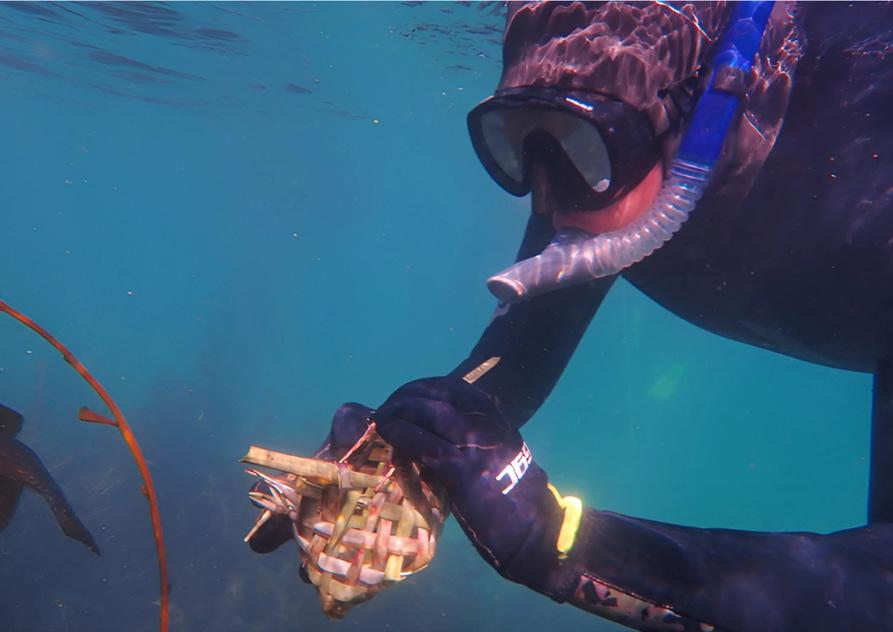
“While we wait for the kelp to grow, we learn to weave rourou and extract muka with Maia from Te Ātiawa Taranaki Whānui.”
➌
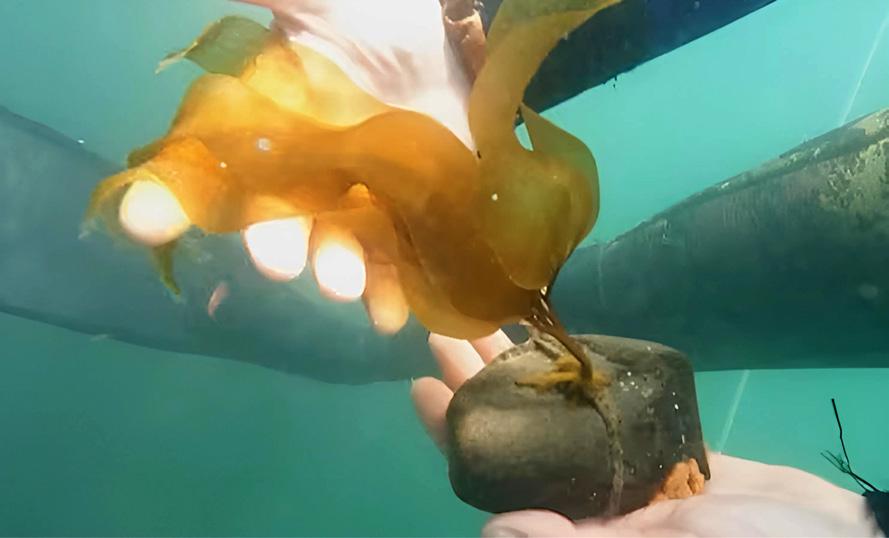
“When the kelp is 1–2 cm long, we tie it to rocks to weigh it down on the sea floor and place it in a rourou ready for planting.”
➍
“We hold onto a weight bar when we dive to weigh us down under the water. An adult passes the rocks, and we set them in place where the current can’t sweep them away.”
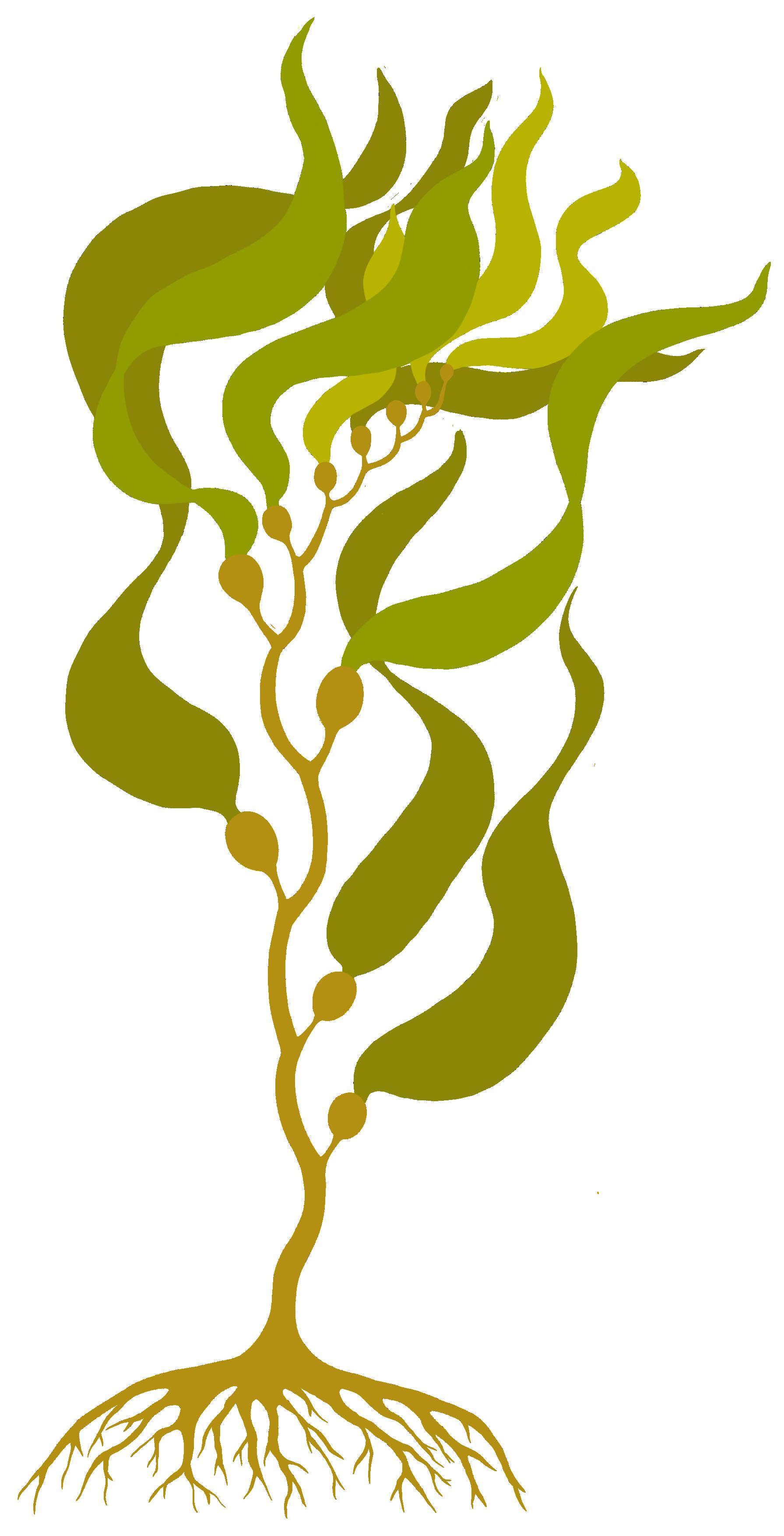
Rimu kakauroa
Giant kelp, Macrocystis pyrifera
Rau | blades
The blades take in sunlight and nutrients to feed the kelp. They also produce the pua atua to grow new kelp.
Pūkoro hau | air bladder
These ‘bubbles’ are called pneumatocysts and are filled with air. They help the kelp float.
Kakau | stipe
The stalk of the kelp.
Pūtake | holdfast
The holdfast helps the kelp ‘hold fast’ to the rocks when the current is strong.
The Kura Kelpers made this awesome guide to our native seaweeds. Have you seen any of these species at your local beach?
Panga | Puzzles
32 Puzzle answers Page
Find the following words in the puzzle. Words are hidden → and ↓.
FISH
FOREST
IKA
KELP
MOANA
Maze Word hunt
Tick them off as you go ● DOLPHIN
PIPEHORSE
SNAIL
Can you help the baby eel (elver) make its way to the sea?
Riddle
What always runs yet doesn’t walk, often murmurs but doesn’t talk, has a bed but doesn’t sleep, and has a mouth but never eats?
Why did the teacher jump into the pool? She wanted to test the water!
Hihi, hihi!
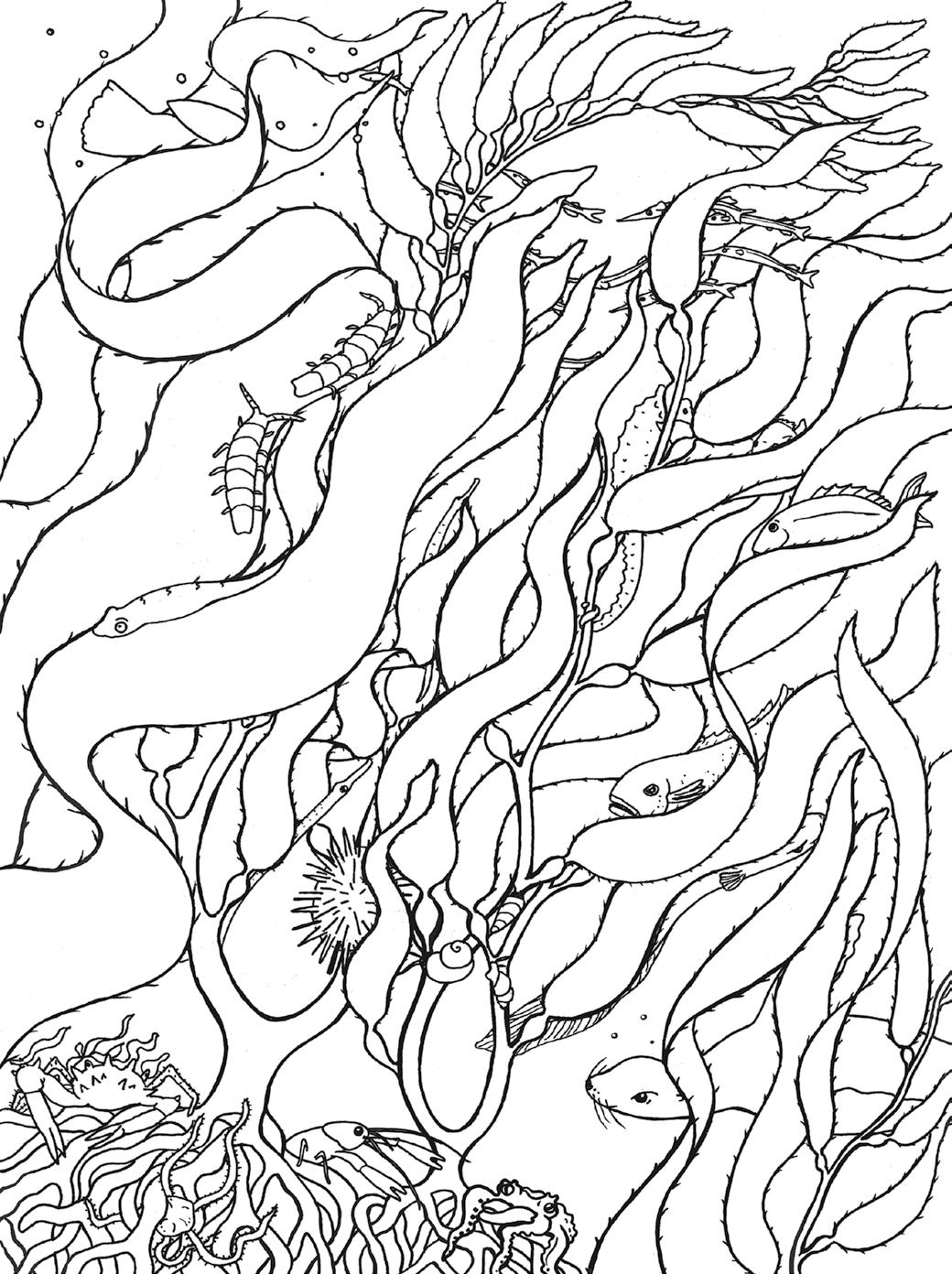
Colour in the kelp forest to find the sea creatures hiding in it. Some of them are also hiding in the word search!
How do you take photos underwater?
By Miro Kennett
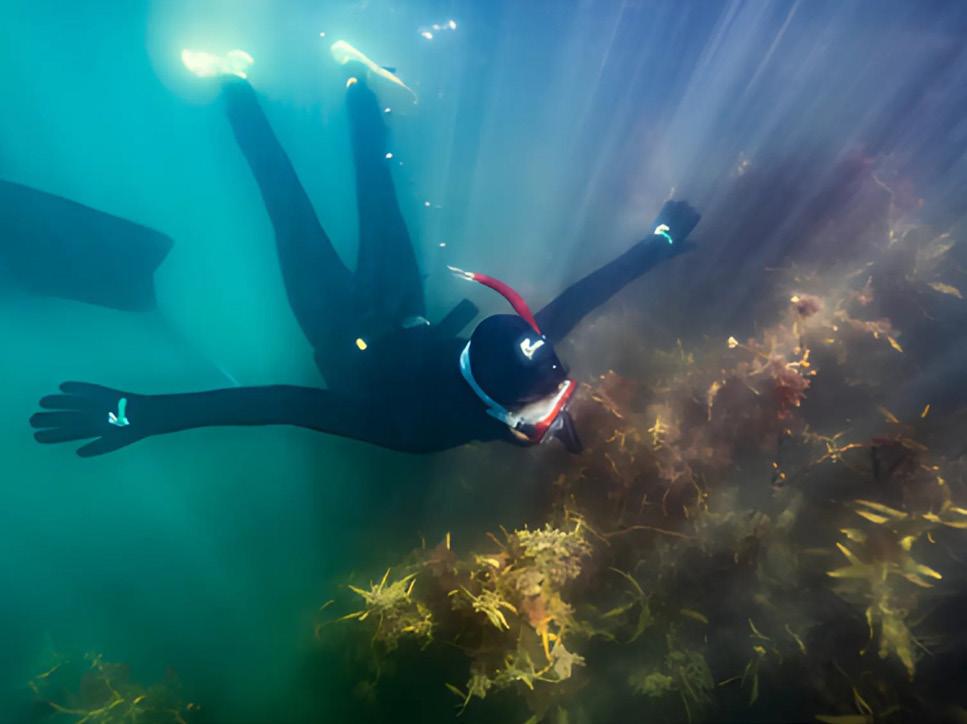
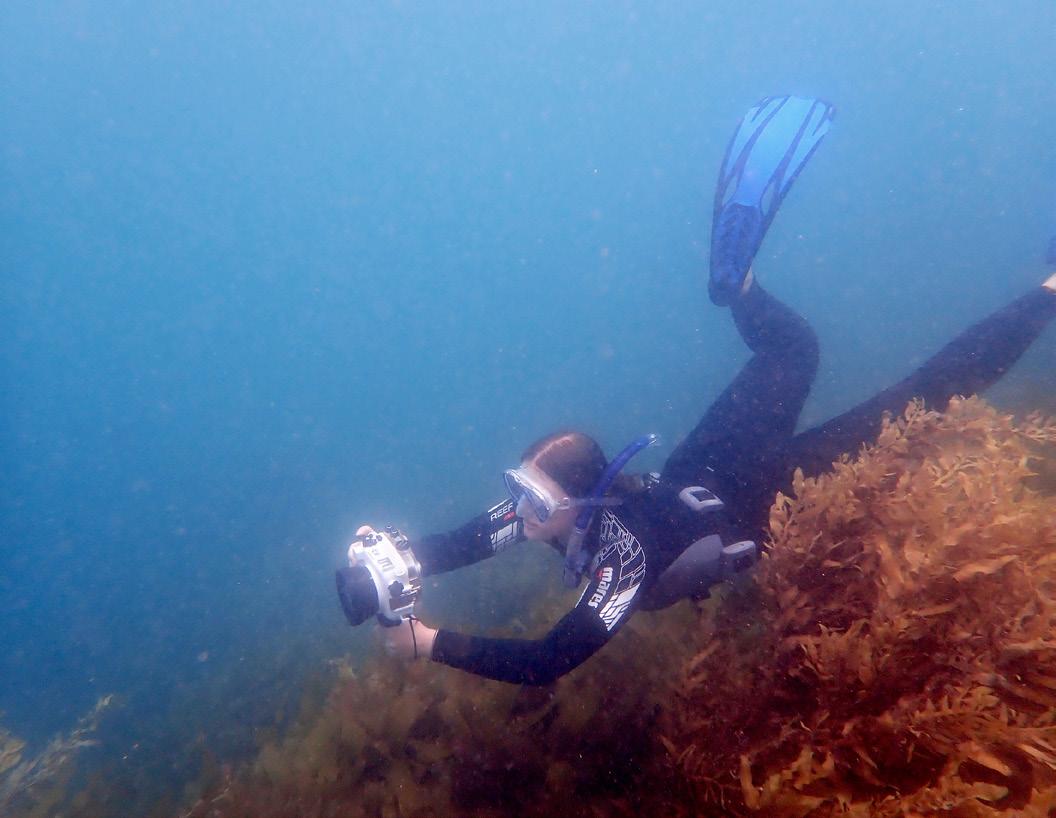
When I was seven, my uncle Jonathan took me snorkelling on his back in Taputeranga Marine Reserve. I was scared and cold. I hated it. Eleven years later, you can often spot me hopping into the water with my underwater camera –even in winter! I love it!
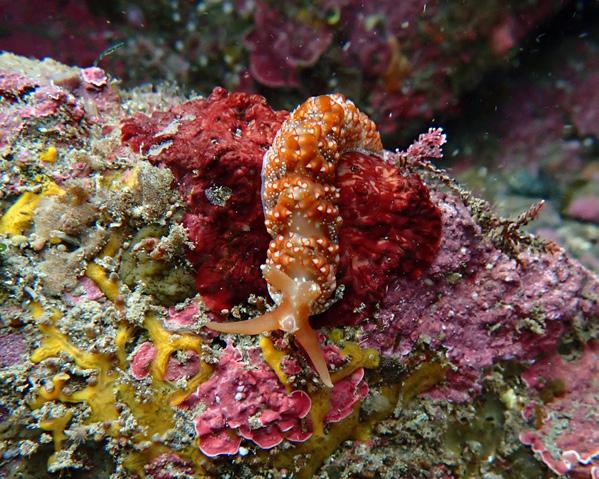
So, how did my love for the ocean, and capturing it with my camera, begin? Five years after my first snorkel, I used an underwater camera for the first time in Fiji. Later that year, I won a prize in a science fair and used the money to buy my first underwater camera! My confidence in snorkelling grew and grew, and so did my love of taking photos underwater. I wanted to photograph all the different species I could see at my local spots.
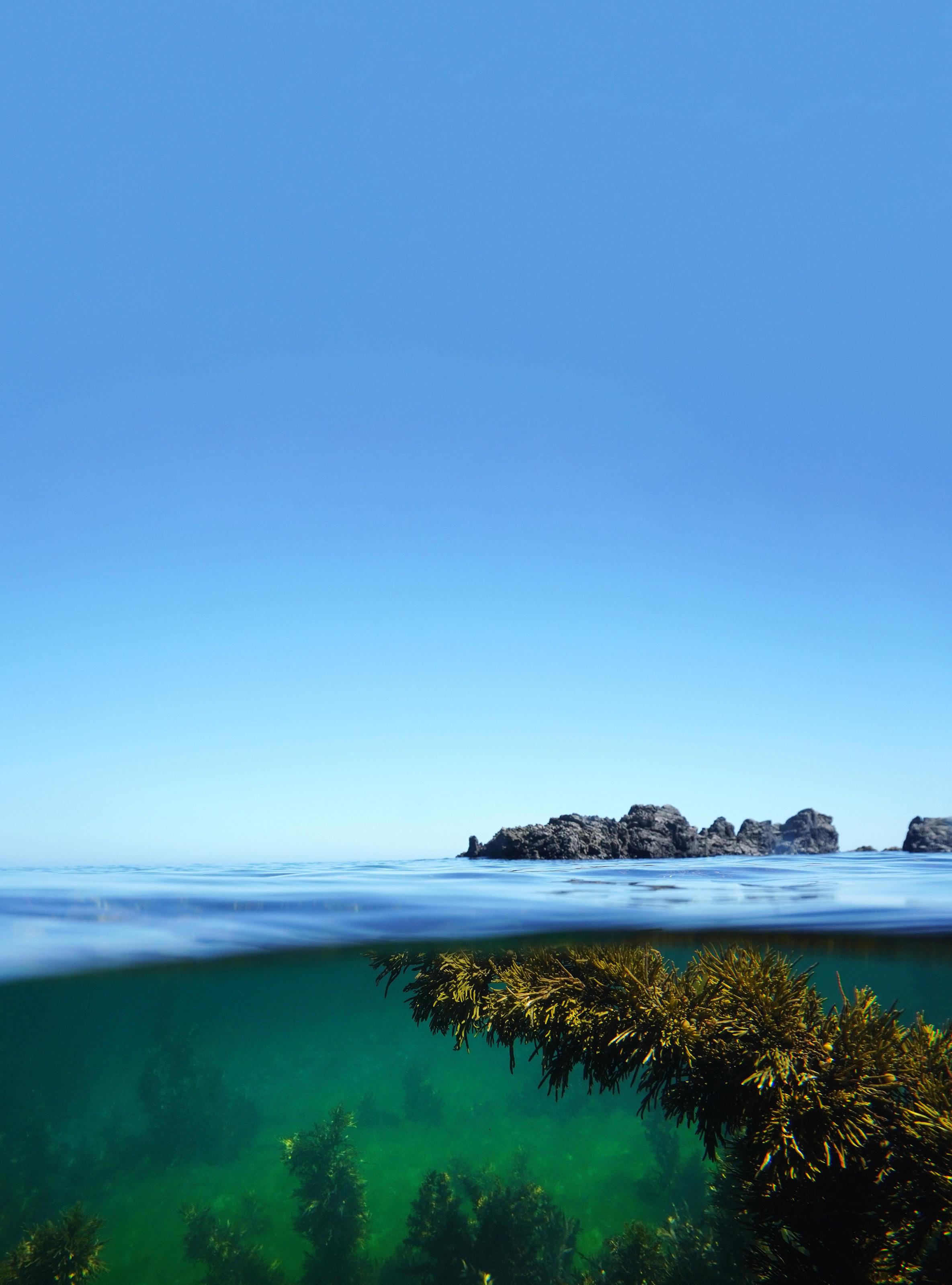
Now, at 18, I love sharing my photos. My aim is to show the stunning underwater world here in Wellington and inspire other people to experience it for themselves. Taputeranga Marine Reserve was established 17 years ago and is full of life. We have hundreds of marine plant and animal species on our back doorstep!
If you want to take photos underwater, the best thing to do is to just get out there! Visit local snorkelling spots with your family and get comfortable in the water. Once you’re confident without a camera, then you can borrow or buy one (or get a waterproof case for a phone). Get as close as you can without disturbing the wildlife (remember, it’s their home!), use the beautiful light we get on sunny days, be patient and practise!
Forest & Bird.
Kelp
Miro taking photos underwater
All photos Miro Kennett
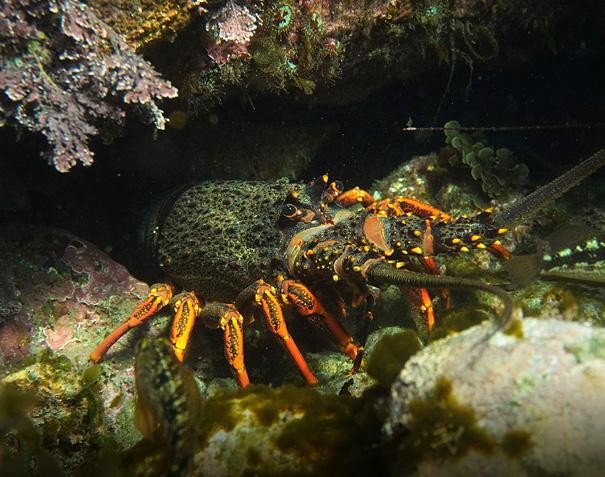
Kōura: salt-water crayfish
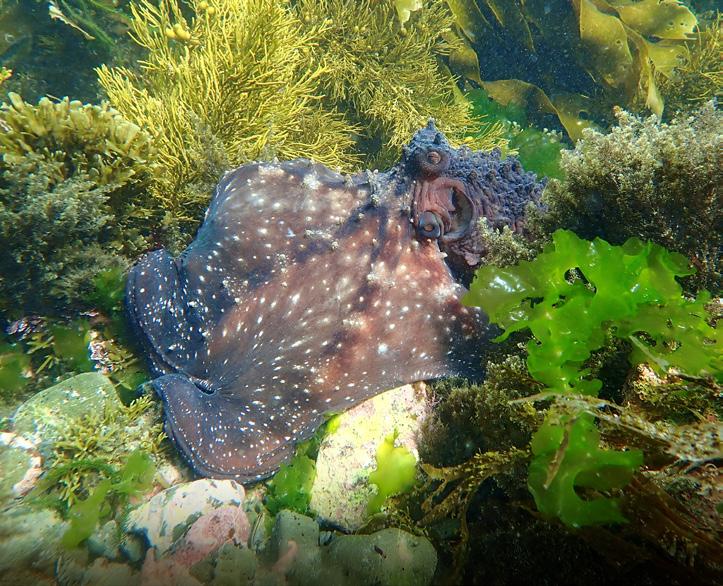
Common Octopus
KCC ADVENTURES
Bug hunters
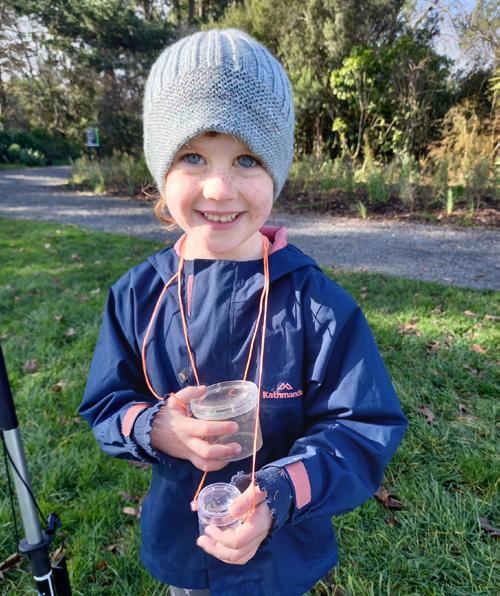
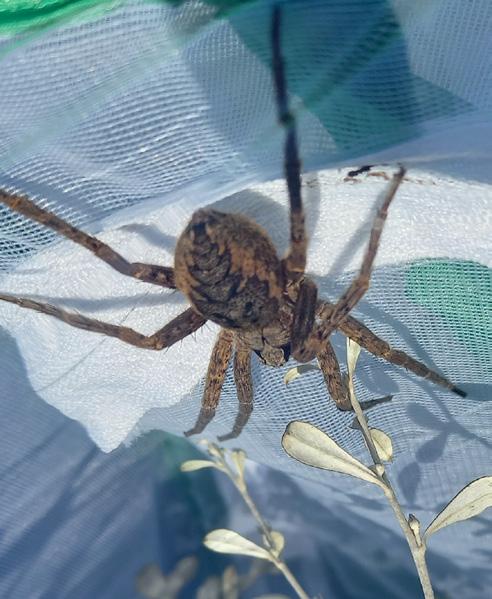
The Waikato KCC branch were delighted to host bug expert Dr Chrissie Painting to explore backyard bugs in Kirikiriroa | Hamilton. We started by looking at some big, beautiful Dolomedes fishing spiders that Chrissie had brought along. We were amazed to learn that they sit at the edge of water bodies to fish for bugs in streams and rivers!
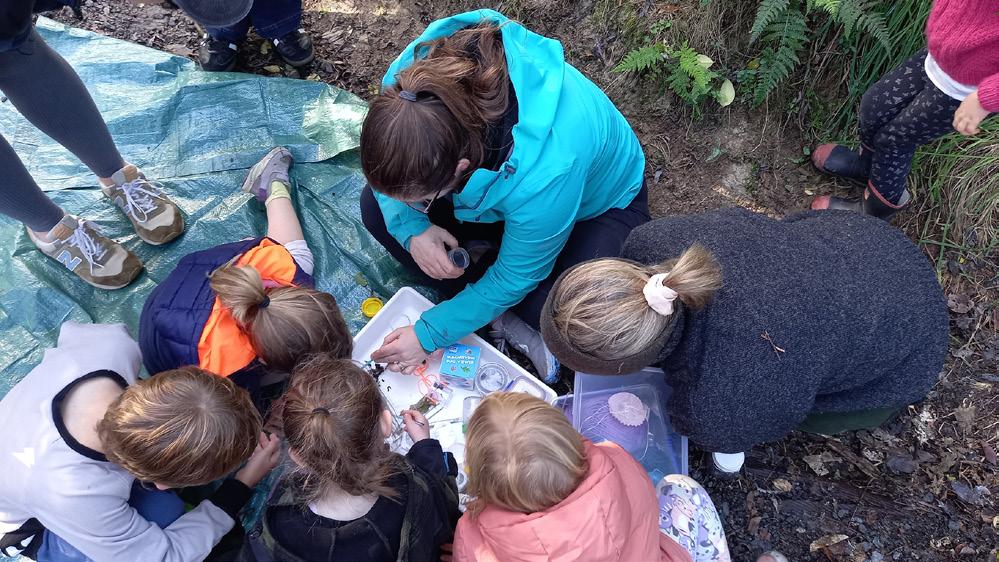
We then compared the bugs from an open grassy park with those from the tree-covered gully nearby. There were lots more bugs in the gully. We had fun watching them in collection trays. Chrissie taught us their names and a bit about where they live and what they eat.
We also dug pitfall traps to see how scientists sample bug populations and created spider parachutes to replicate how baby spiders migrate at this time of year.
It was great fun to investigate our backyard bugs and lots of us were planning to keep exploring when we got home!
Beach explorers
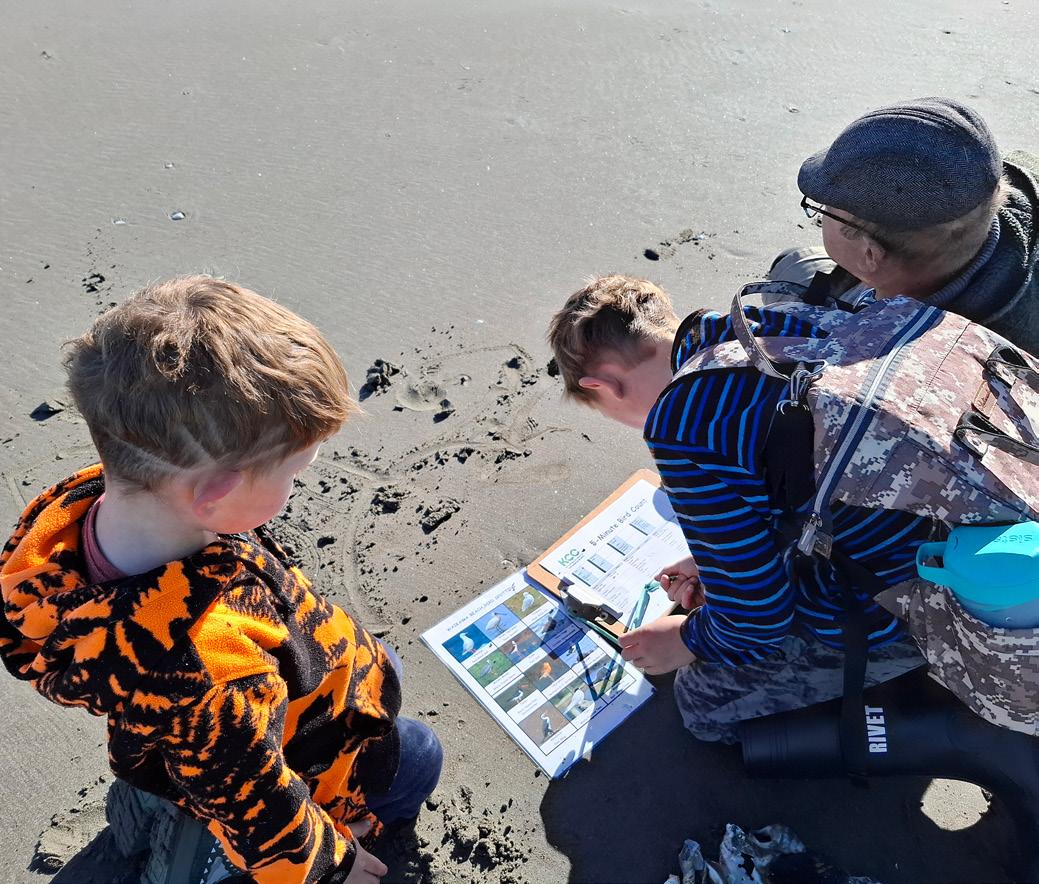
During KCC Horowhenua’s recent trip to Waikawa Beach the kids noticed that the shells dumped by the high tide were undisturbed and the birds were gathered happily in groups. We could see their footprints and markings in the sand.
It didn’t take Blake long to realise that the reason the beach was so calm was because there were no vehicles! Vehicles aren’t allowed on the beach at the moment.
We all hope that this continues because we have some very special birds living in the estuary.
Where is that adventure?
Have you been on a KCC adventure? Tell us about it at kccinbox@ forestandbird.org.nz.
Mailbox In the
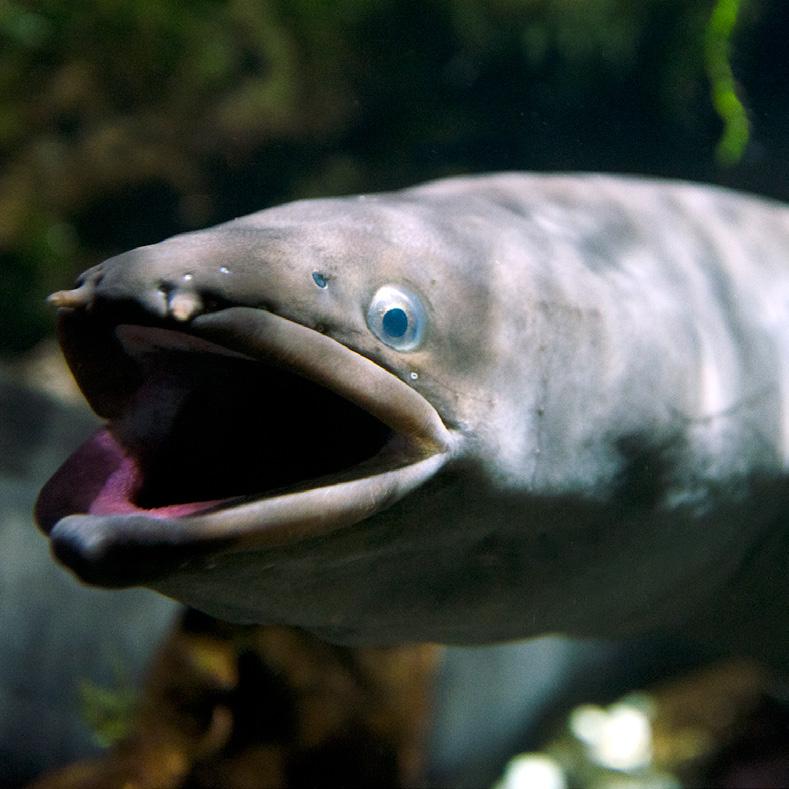
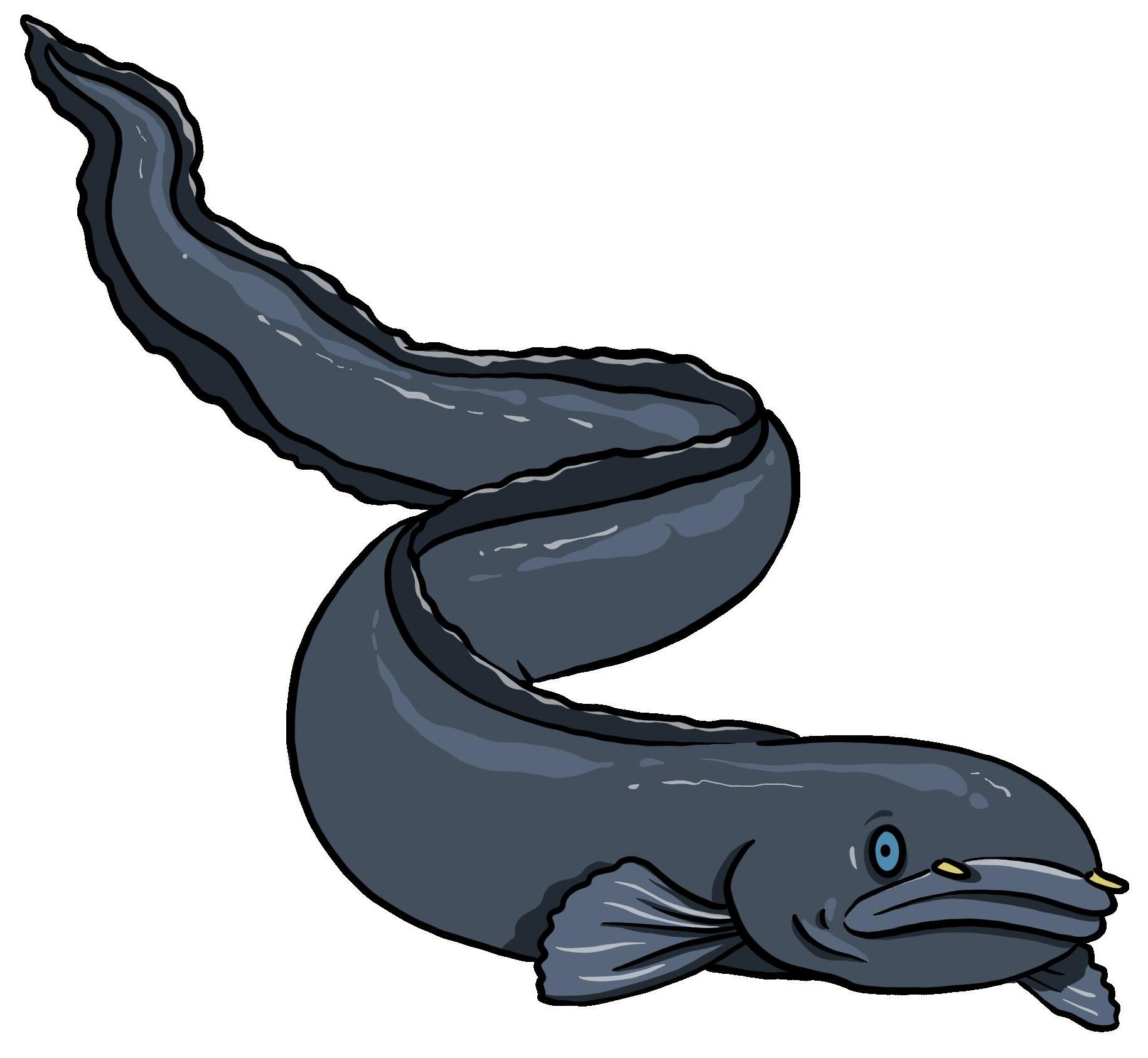
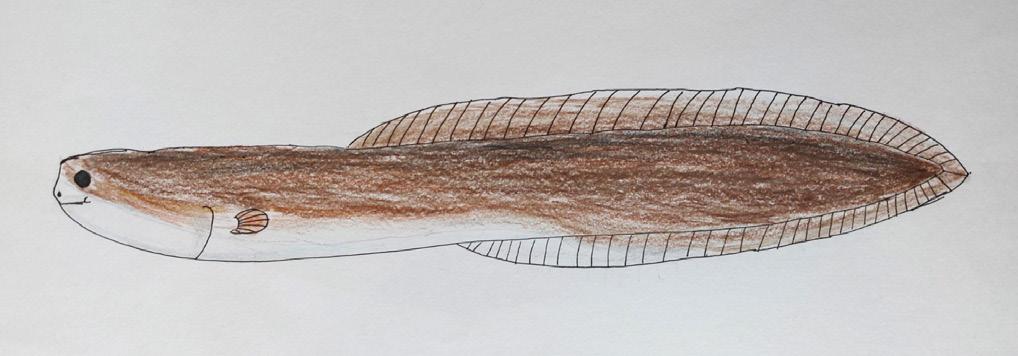
Tuna kūwharuwharu | longfin eels live in the Ōtākaro Avon River near where I live. They are the largest freshwater eel in the world. They are special and we need to protect them. Ōtautahi used to be covered in wetlands, but people drained the land to build houses, so there are now fewer places for the eels to live and get their food. You can help by not throwing rubbish into rivers, and don’t let oil go down the drains.
Kate, age 10
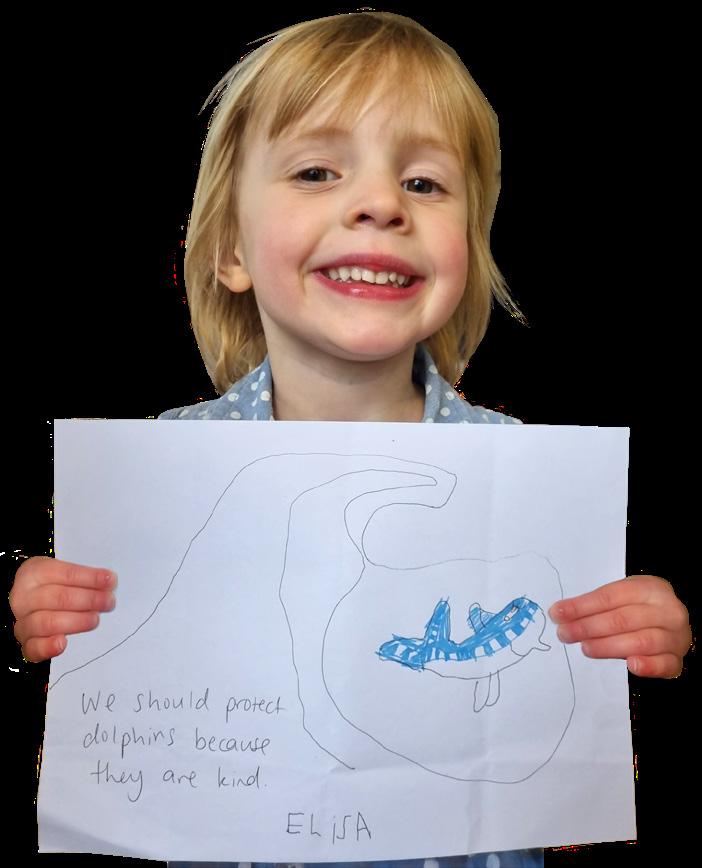
Dusky dolphins are Too Cool To Lose because they are kind.
Eliza, age 4
Whale wonders
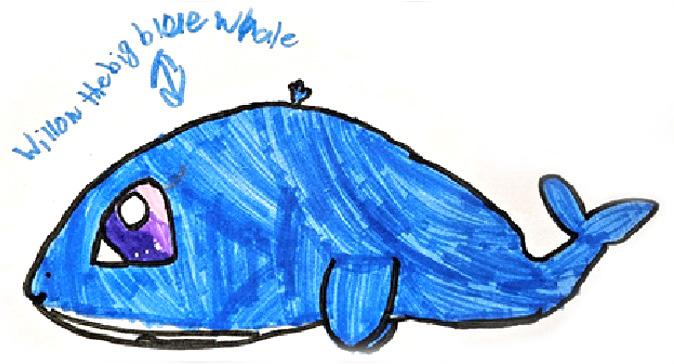
Did you know whales come in all shapes and sizes? Some are HUGE and some are small. The biggest whale in the world is the blue whale! It can grow up to 30 metres long and weigh 150 tonnes – that’s super heavy! Its heart is the size of a car, and its blood vessels are so big you could swim through them!
Thanks for reading my whale facts!
Have a fin-tastic day! Swara, age 8
Octopus family
I love octopuses because they’re one of the most interesting groups of animals in the world. They are all weird and wonderful.
Eden, age 8
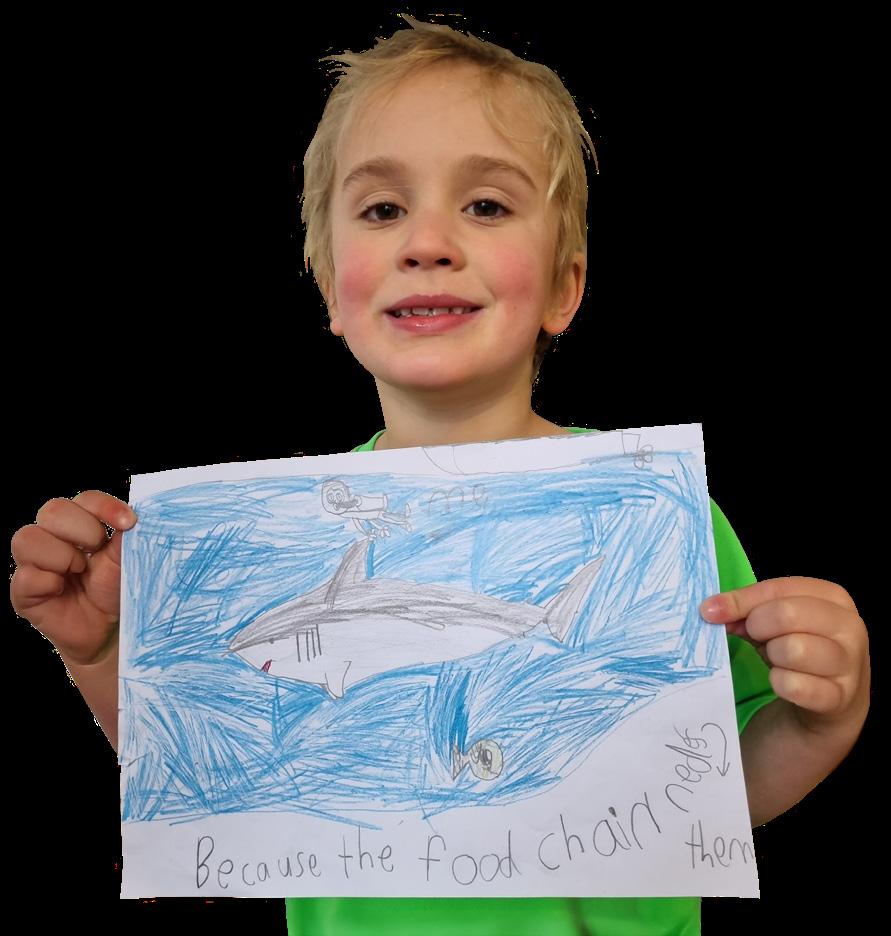
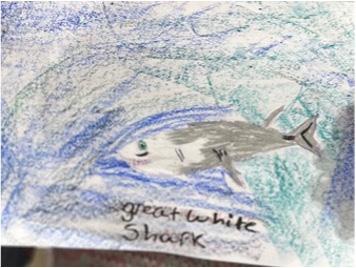
Great white sharks are Too Cool To Lose because the food chain needs them.
Jackson, age 6
Story by Tristan, age 9
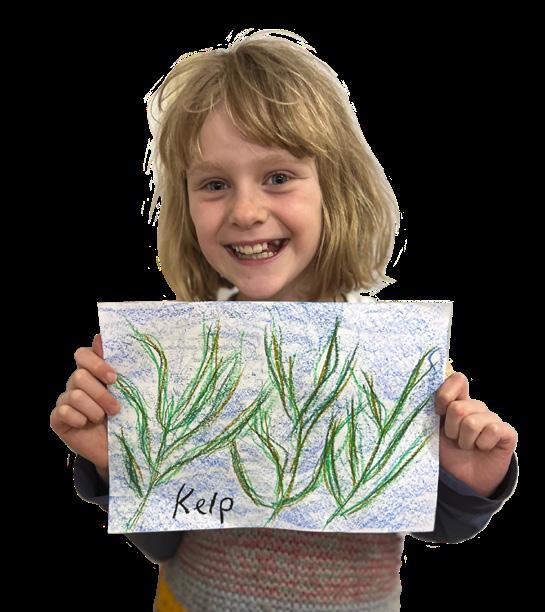
Kelp is Too Cool to Lose because it provides a home for lots of sea creatures. Grace, age 10
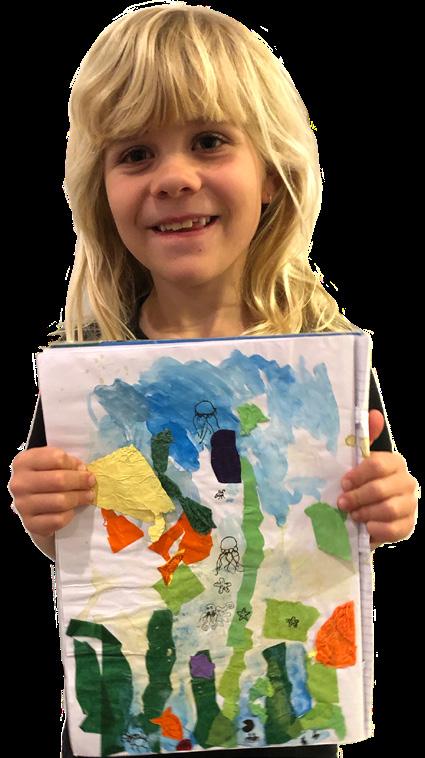
Kelp forest and great white shark. Sora, age 9
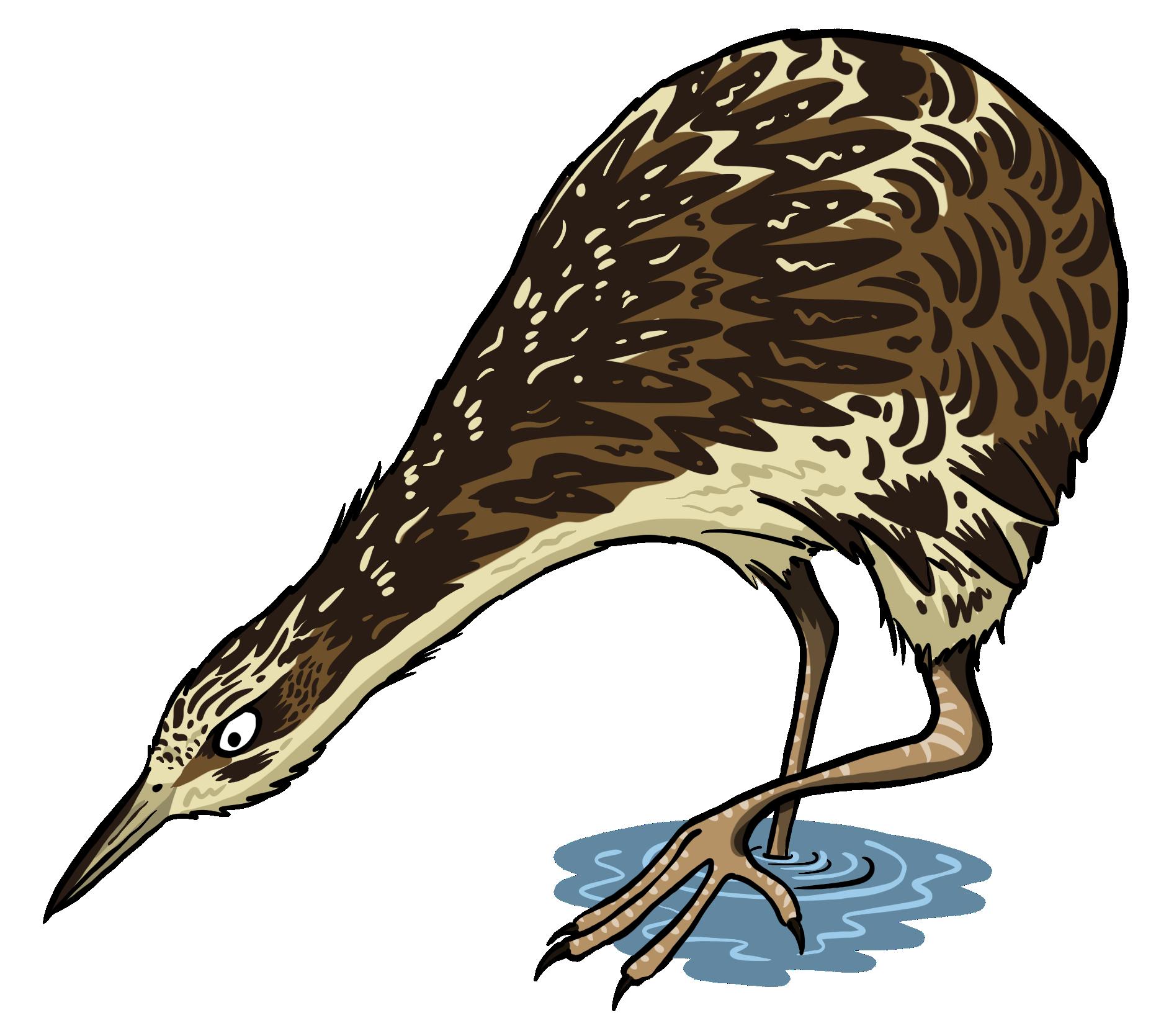
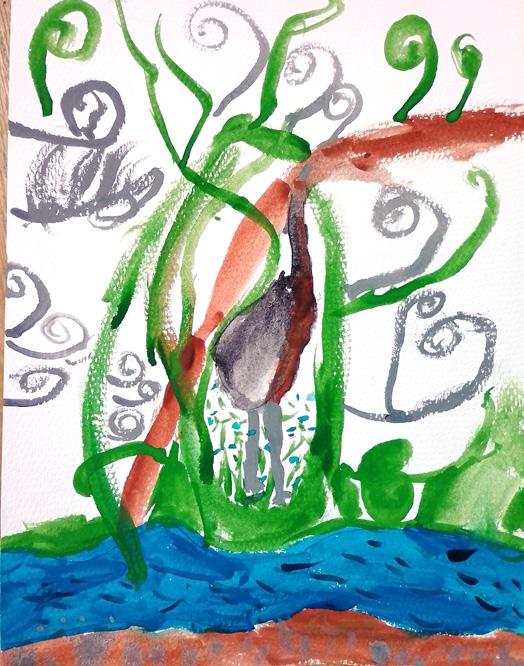
Australasian bittern are Too Cool To Lose because they have an extraordinary freeze posture. Iris, age 7
Octopus and kelp forest.
Emerald, age 7
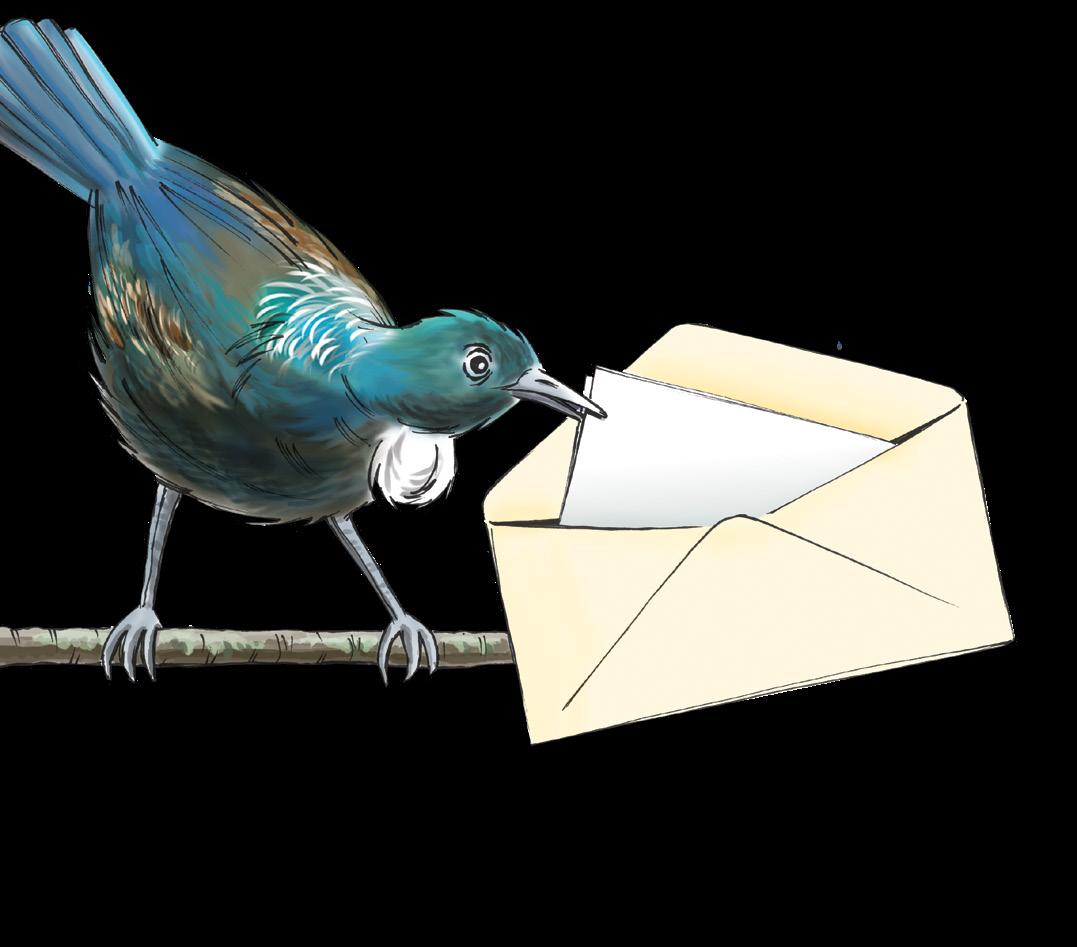
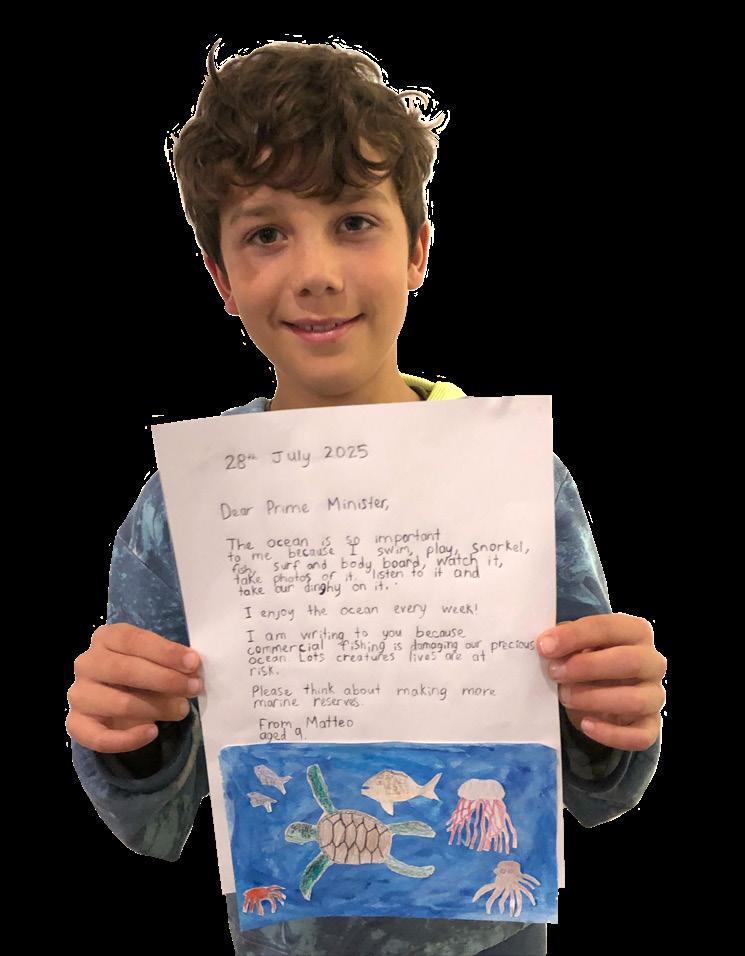
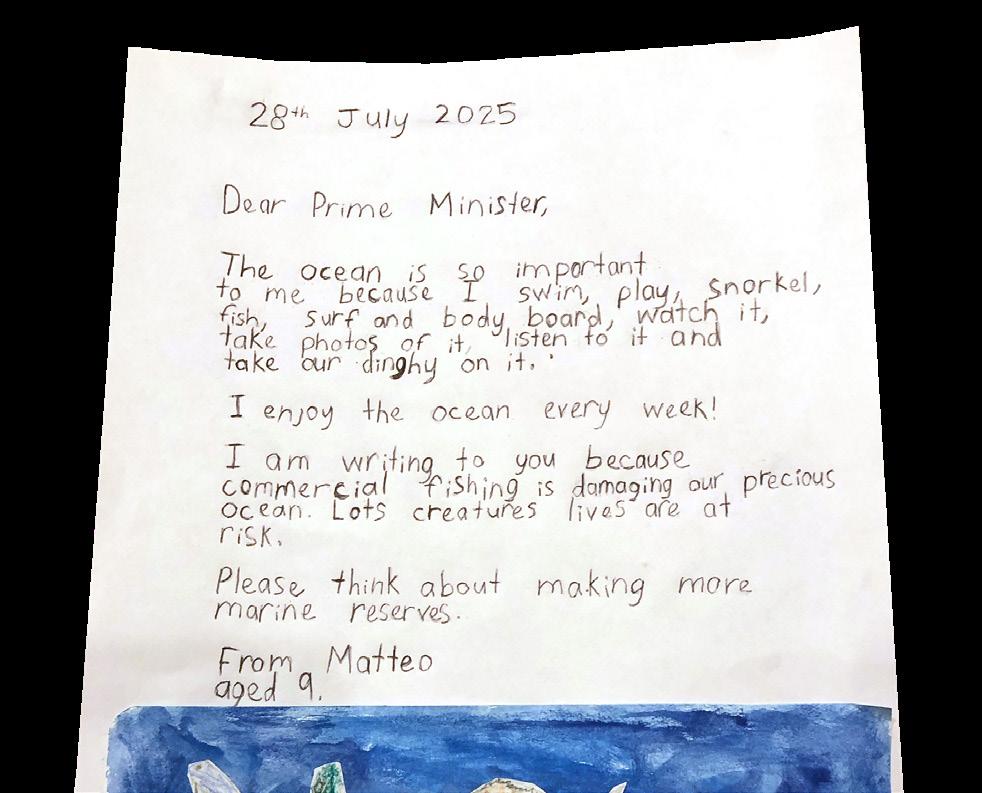
Young Ocean Explorers are collecting letters from all over New Zealand to take to Parliament at the end of the year. Here is the one I wrote. Matteo, age 9
Write your own letter about why the ocean needs our protection. Send the letters to:
KCC, Forest & Bird, PO Box 631, Wellington 6140
We will send your letters on to Young Ocean Explorers.
Book Review
The Incredible Insects of Aotearoa
by Simon Pollard and Phil Sirvid
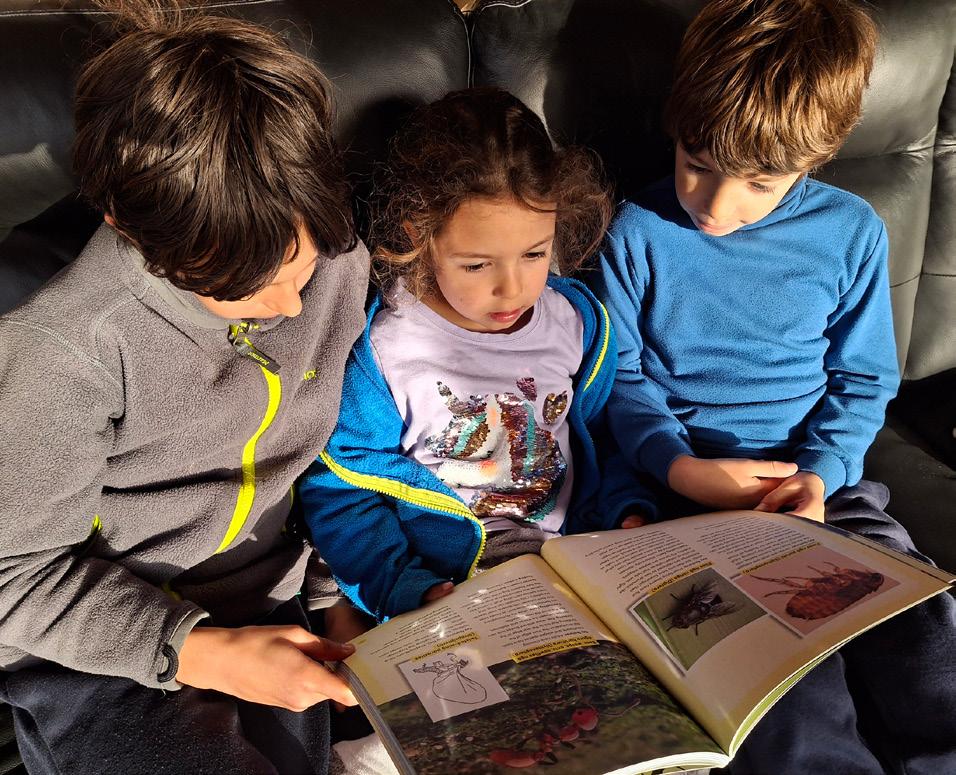
“When I picked up the book, I thought it looked really interesting. I like reading about the creatures of Aotearoa − it seems like there are a lot of bird books but not many about insects. I liked that I could flip to the geographical area that I was curious about − so I started with mountains, and then I did the rivers, streams and lakes chapter. I hadn’t even heard of a bat-winged fly, but now I know lots about it!
There is quite a bit of scientific information, but not too much for kids. I could understand everything very well. The pictures are really good − there is a good mix of close-up photos of insects, and scenery photos of where they live.
I think this book is useful to get an overview of insects in New Zealand in general, as well as more specific information about individual species, where they live and how they are related to each other. I would recommend this for kids aged 10+ who enjoy the natural world.”
Xavier, age 11
“I like this book. It is a bit hard for me to read by myself, but I like when Mum reads it to me and my little sister. I like how the sections are separated, and the pictures are cool.”
Zac, age 7
Published by Forest & Bird.
Pekapeka ADVENTURES
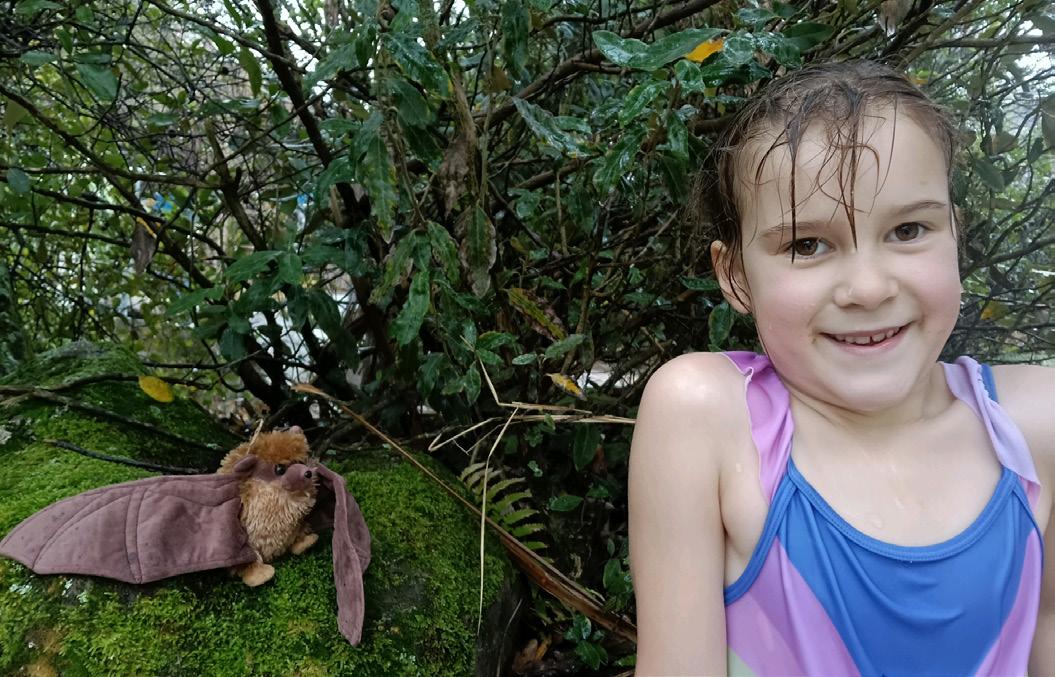
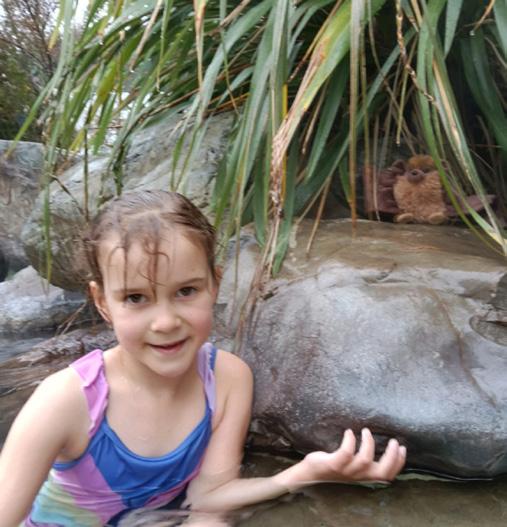
Paora enjoyed a trip to the Hanmer Springs Alpine Winter Festival with Nadia. She went to the hot pools, visited the lights and met the huskies after they had finished sled racing. Our pekapeka travel all around Aotearoa visiting children just like you! Would you like to take Polly, Paora or Peta Pekapeka on an adventure? Apply here: