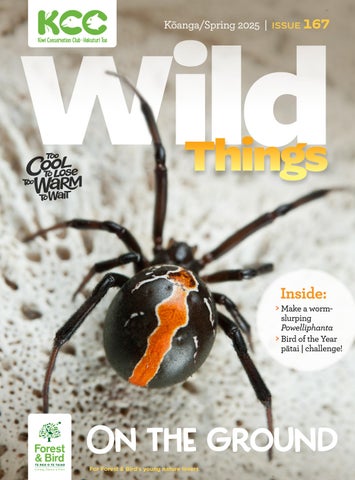
> Make a wormslurping Powelliphanta > Bird of the Year pātai | challenge!
But, right now, one of the biggest problems facing them is climate change, and we need to act. They are too cool to lose, and it’s too warm to wait.
Last time, we discovered species that live, fly, or jump UP IN THE AIR. In this issue, we’re looking at plants and animals that stick to being ON THE GROUND. Discover more about fungi too!
Helping nature help us with climate change will make all the difference…
We can:
n Work with nature and nature’s features (not against them)
n Put nature first in decision-making (what’s good for nature is good for people too)
EDITOR: Rebecca Hatch
…and we can all choose to help!
ART DIRECTOR/DESIGNER: Rob Di Leva, Dileva Design
COVER: Rod Davis Wild Things is published by Forest & Bird, Phone 0800 200 064 Email office@forestandbird.org.nz PO Box 631, Wellington 6140. Aotearoa New Zealand has amazing wildlife and wild places, many of which you can’t find anywhere else on this planet.
PRINTING: Webstar, Auckland • ISSN 2230-2565 Copyright: All rights reserved.
To join KCC and receive Wild Things, or to receive our free E-news, go to www.kcc.org.nz
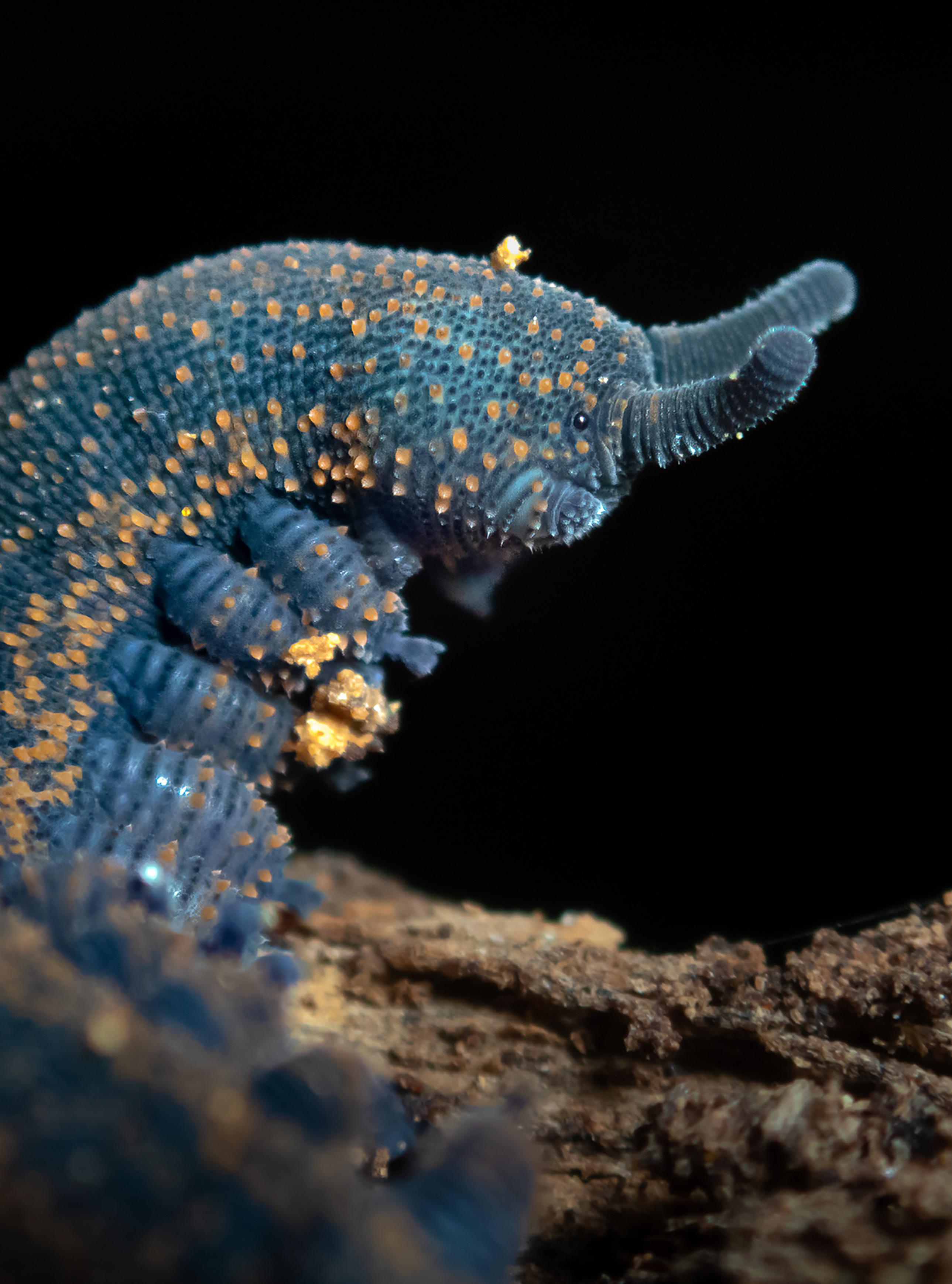
The nocturnal ngāokeoke | NZ velvet worm (also known as peripatus) was the winner of Bug of the Year in 2025! (www.bugoftheyear.ento.org.nz)
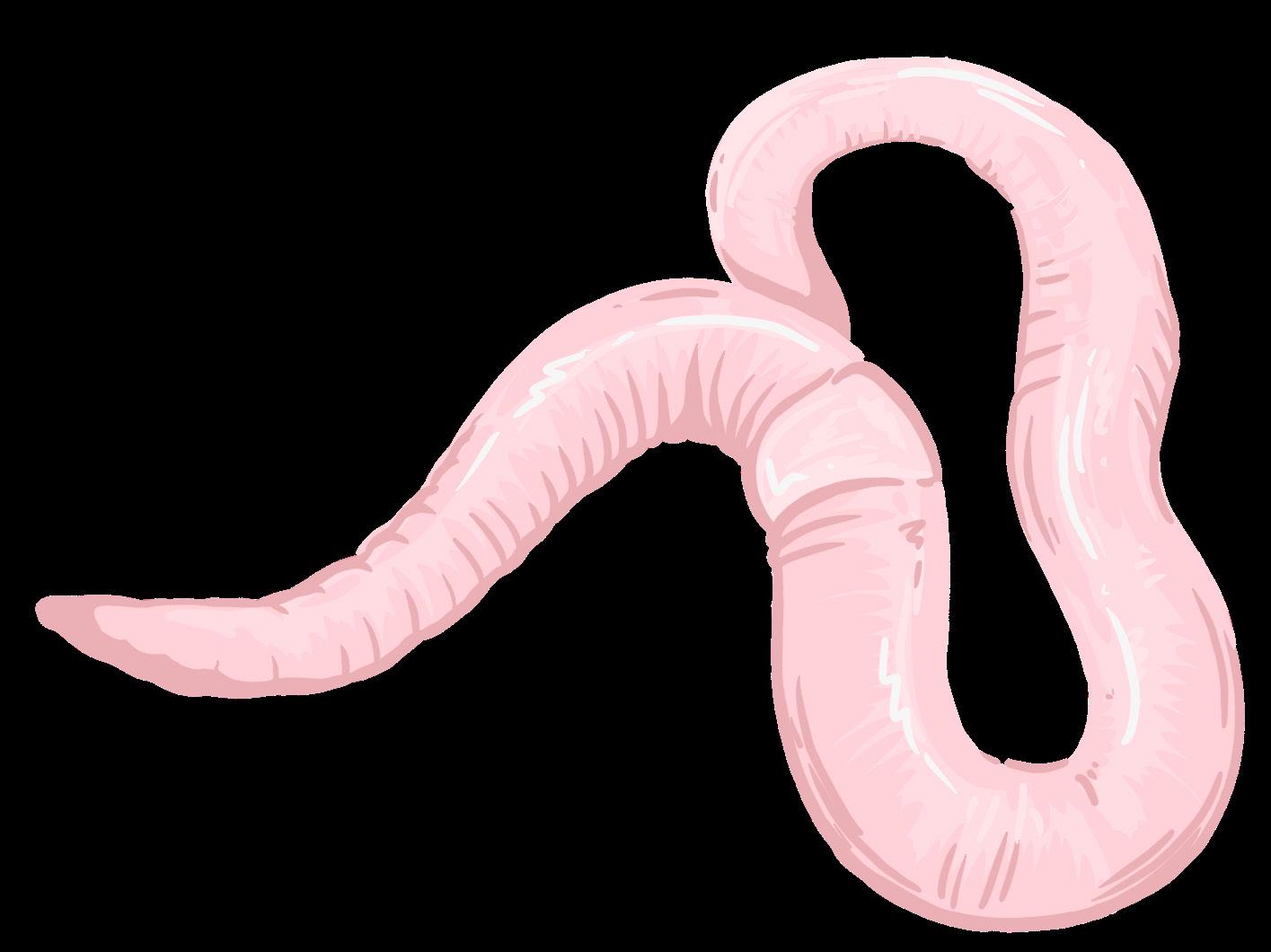
FACT: Velvet worms aren’t actually worms.
What do you call a worm with no teeth? A gummy worm!
But seriously...
Something you might not know about me is that I shoot out a sticky glue-slime to capture my prey, and then dissolve them!
Amaya M
CLIMATE CHALLENGE:
Velvet worms have lots of open pores all over their bodies to help them breathe. They need a reliably damp, humid environment (both within and beneath logs and leaf litter); otherwise, they risk drying out.
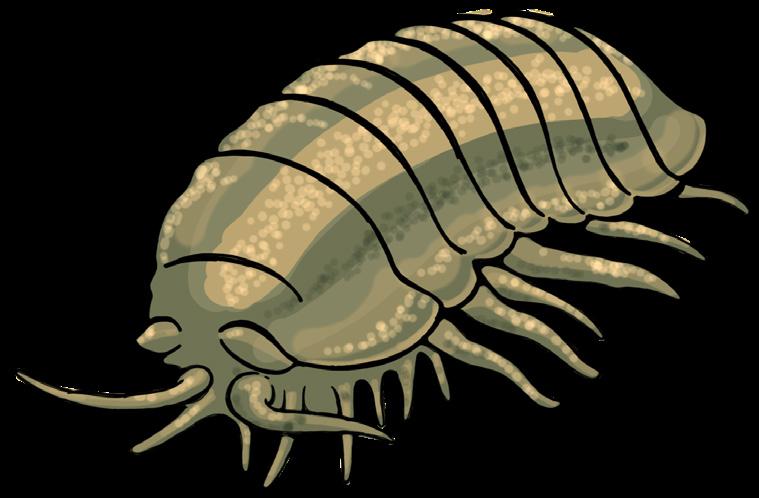
*Nervous swallow* Pāpapa | Slater
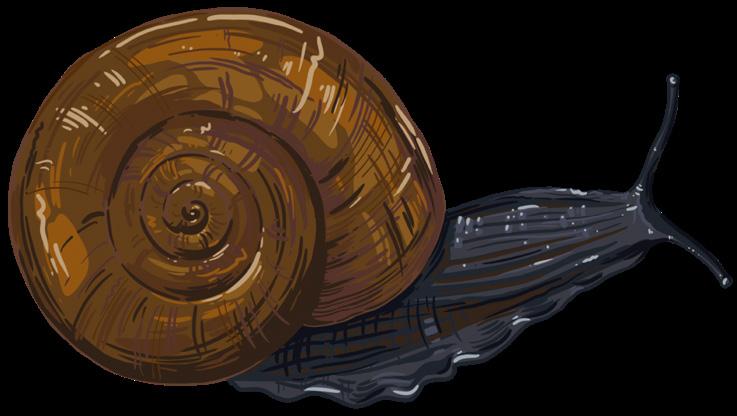
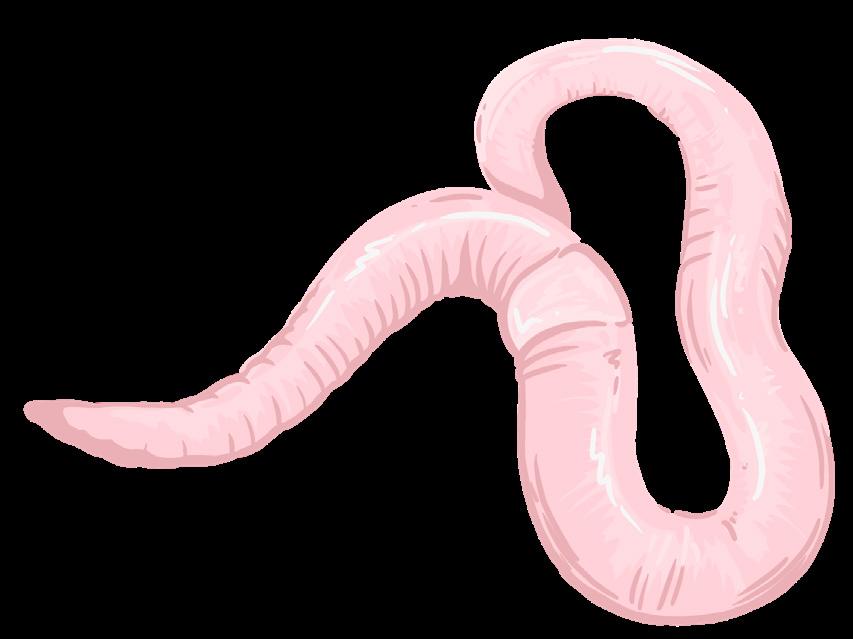
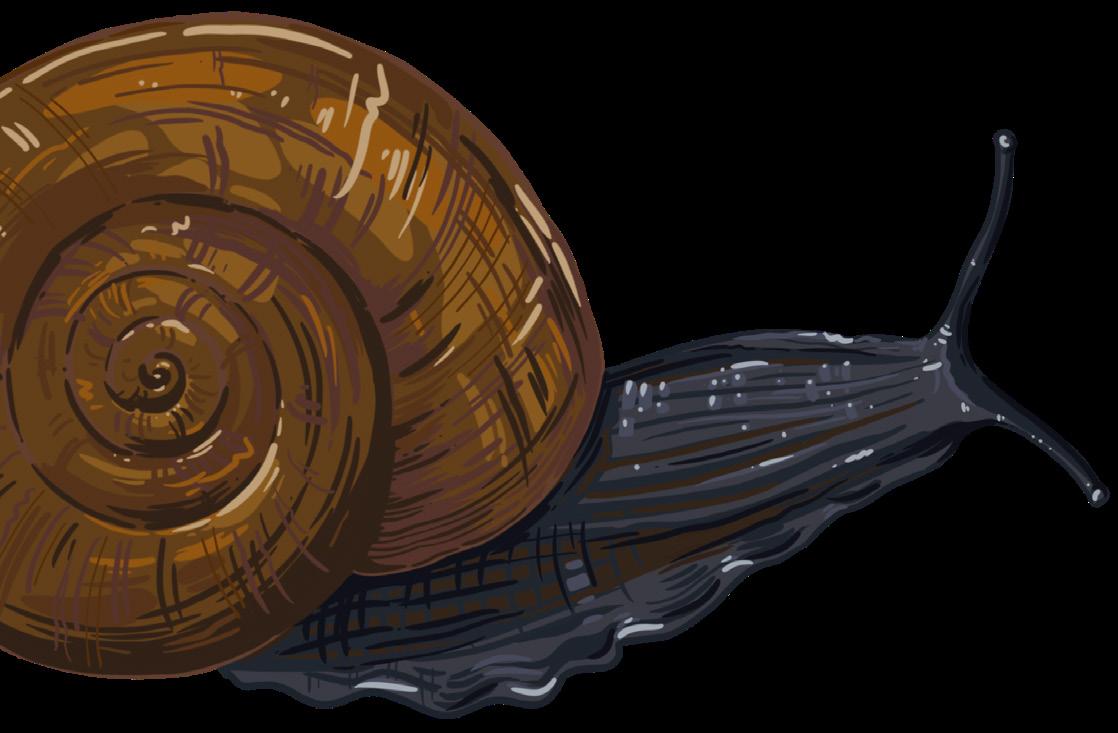
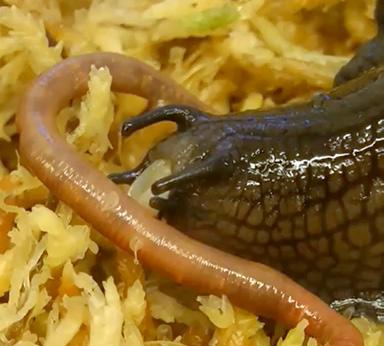
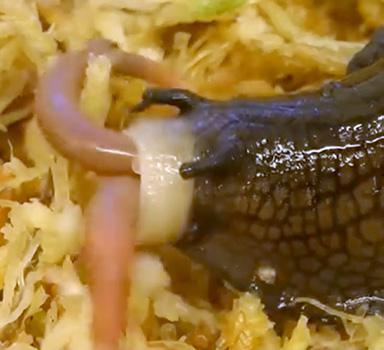
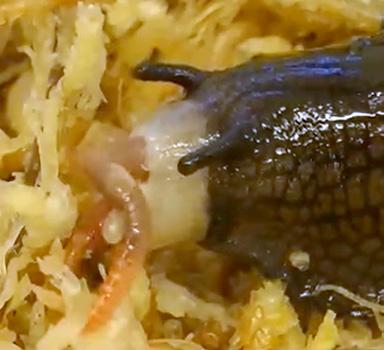
One of the coolest things about this group of native carnivorous snails is the way they eat. Their mouth parts “shoot out” and grab worms with lightning speed! Once a worm is firmly gripped, they suck it up like spaghetti!
Use the instructions below, and then challenge your friends and whānau to slurp up the most worms. May the best predator win!
Make your own earthworm-slurping
By Kelly Body and George (age 7)
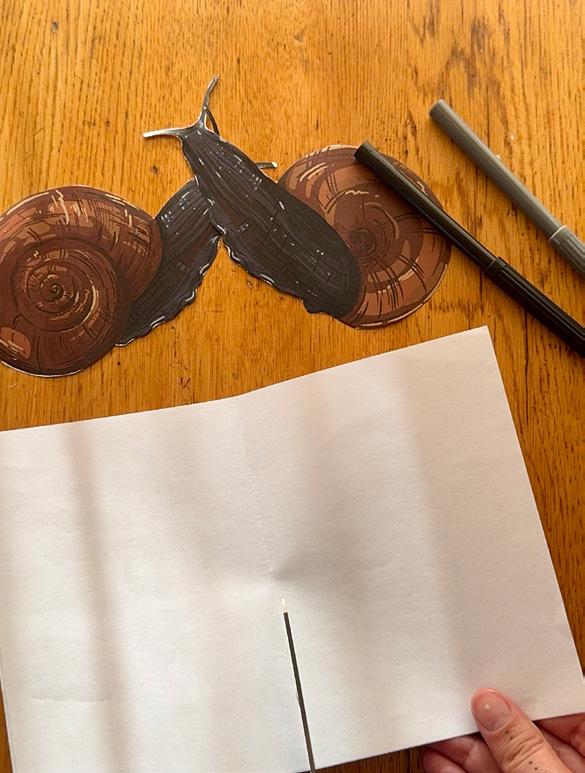
Step ➊
Fold your piece of paper in half like a book. Cut along the fold, so you have two smaller pieces. Name them Piece 1 and Piece 2.
Step ➎
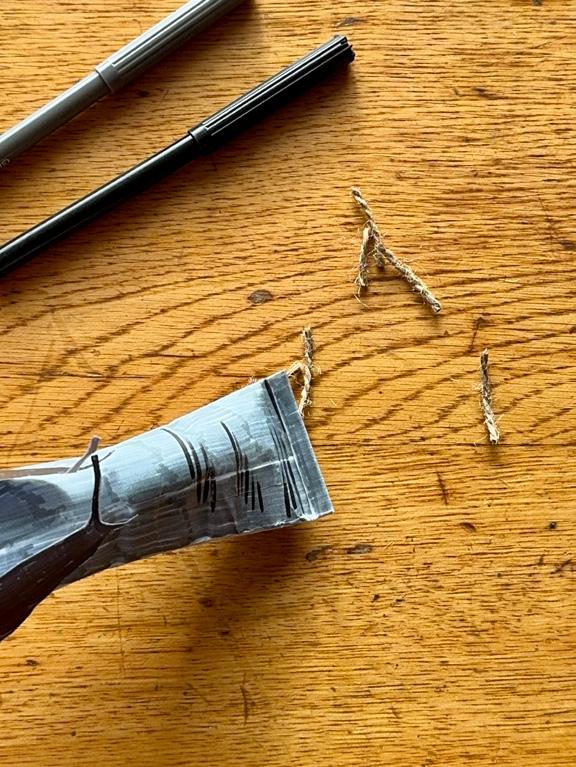
Remove the rubber band from Piece 2 and gently unroll it. Slide the tube/Piece 1 into the unrolled part and tape tightly. Fold over the corners and tape tightly, to stop any air escaping.
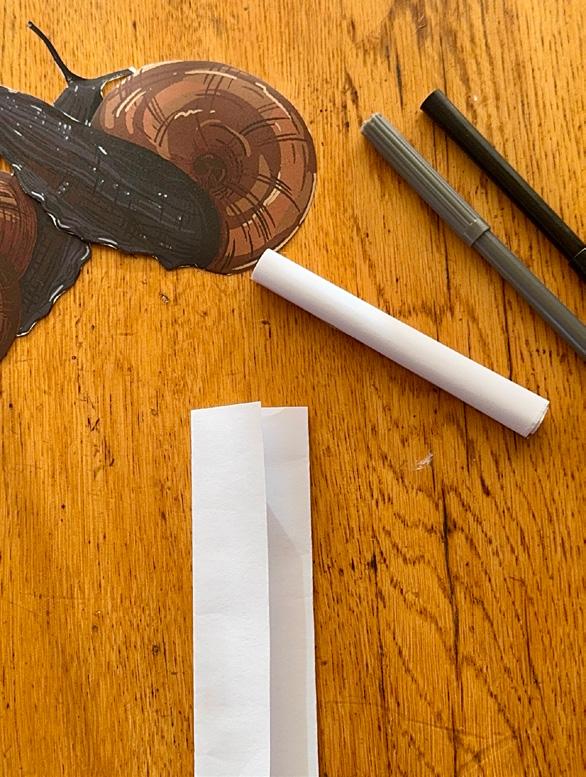
Step ➋
Take Piece 1 and roll it tightly from the short edge to make a tube (like a big straw). Take Piece 2 and fold it into thirds.
Step ➏
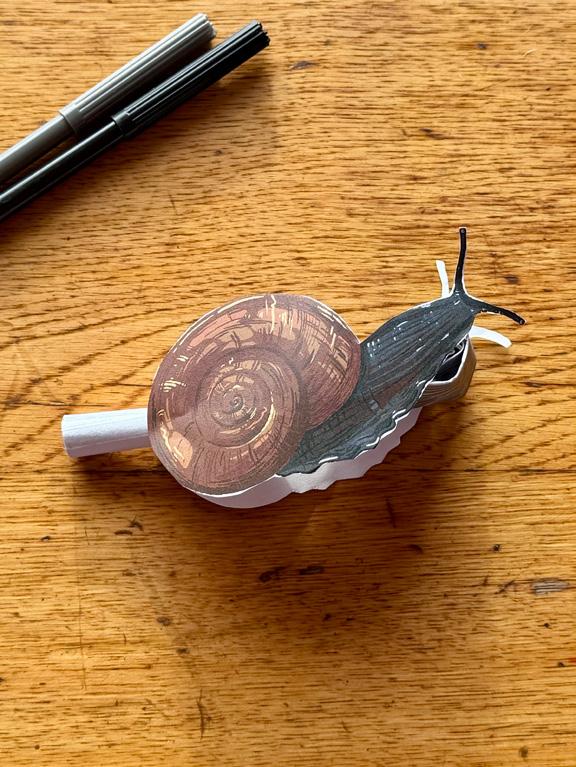
Attach your snail cutouts to each side of the tube.
CLIMATE CHALLENGE: Powelliphanta have some protection from dry weather because of their awesome shells, but shells can shrink or crack if they dry out too much.
Screenshots from a Department of Conservation (DOC) video!
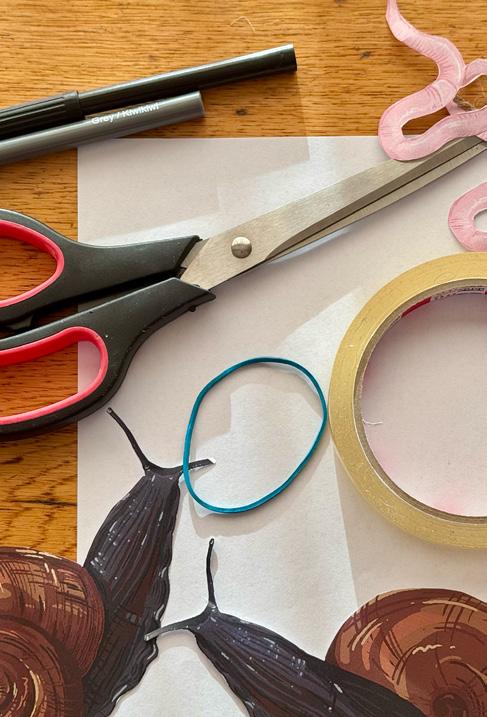
n Half an A4 sheet of paper
n Scissors
n A rubber band or hair tie
n Cellotape
n Scrap paper or string
n Coloured pens or pencils
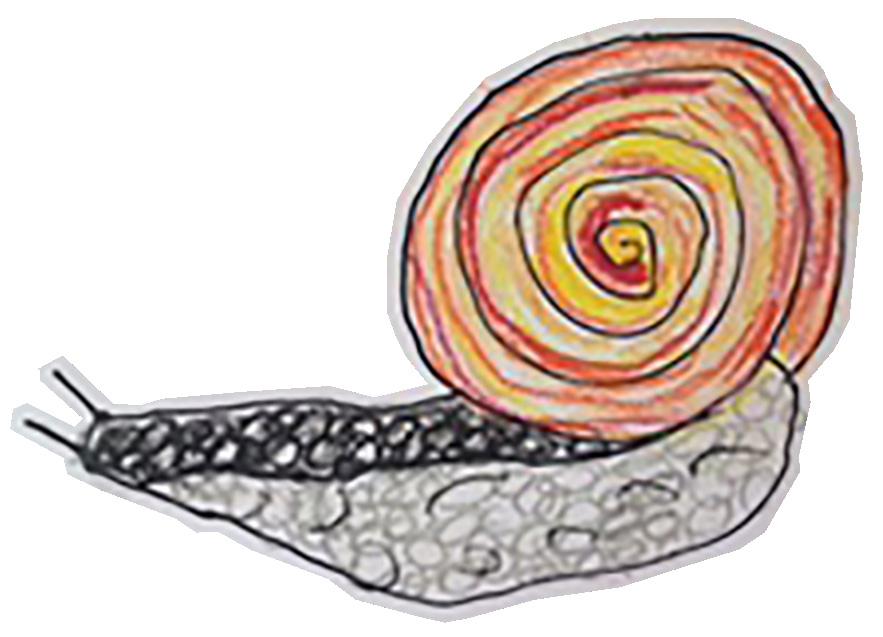
n Two snail pictures (draw your own, or use ours)
earthworm-slurping Powelliphanta
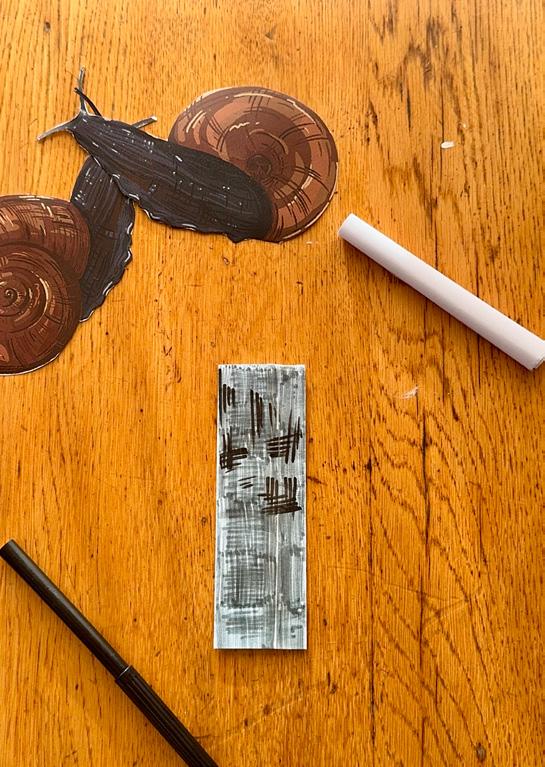
Step ➌
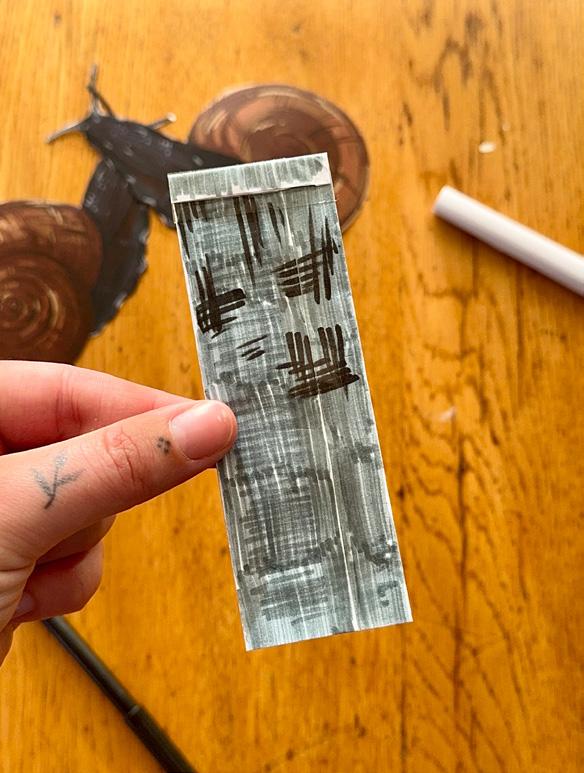
Colour in Piece 2 to look like a Powelliphanta mouth, then tape the strip closed. Fold over one short end about 1cm. Tape it down well so no air can get out. Don’t forget the edges!
Step ➐
Add tape (sticky side out) to the coloured end. Scatter small pieces of scrap paper or string around –these are the worms. Blow in and out of the tube. Try to “slurp up” as many worms as you can by catching them with the sticky tape!
Step ➍
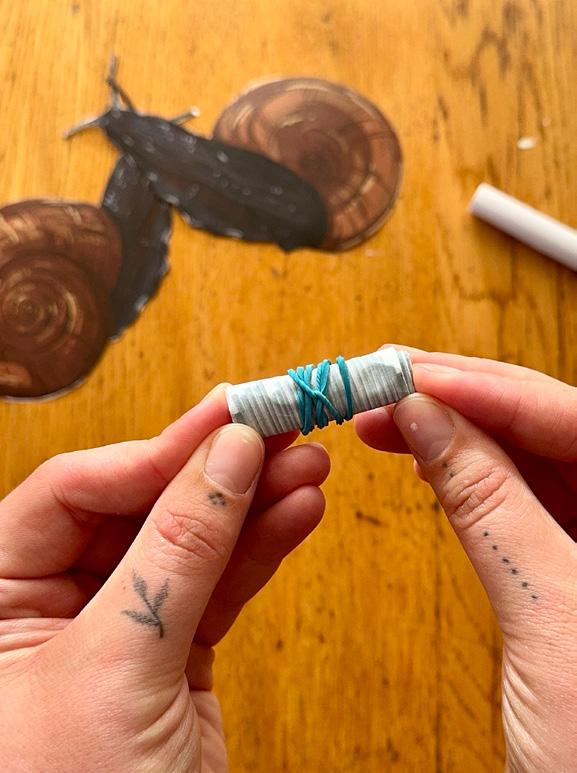
Keep folding that same end over and over, until it’s all rolled up. Secure it tightly with a rubber band and leave for a few hours. The longer the better! This will be the piece that unrolls when you blow into it.
You’ll need: Download
video.
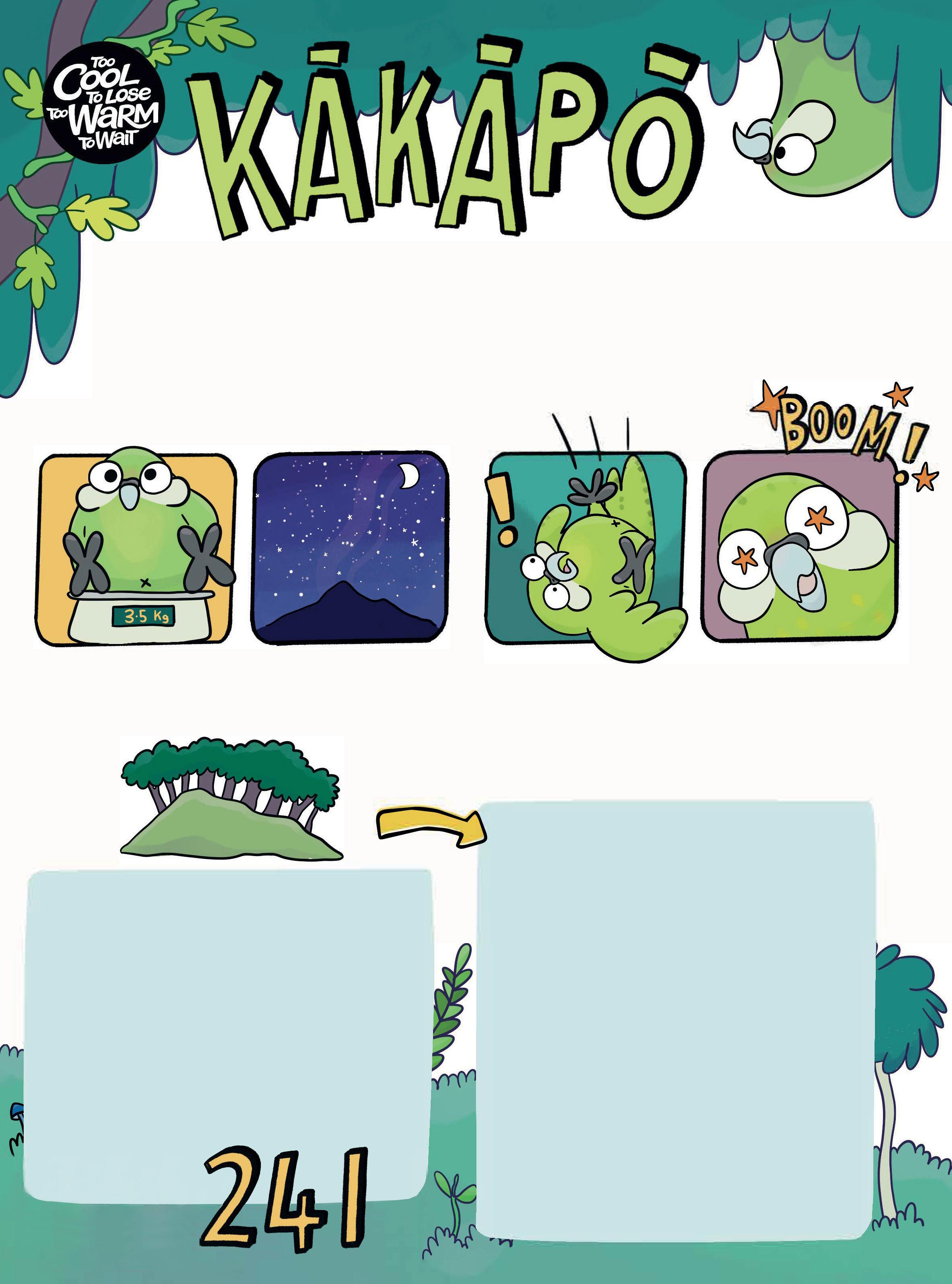
The kākāpō is one of Aotearoa’s most unusual taonga. This magnificent green parrot is unique in its behaviour and evolutionary quirks.
So what makes a kākāpō?
The world’s heaviest parrot species Nocturnal (active at night) Flightless Unstoppable party animal
THE KĀKĀPŌ EVOLVED THESE TRAITS OVER MILLIONS OF YEARS!
WHERE DO THEY LIVE?
HOW MANY ARE THERE?
Once one of the most populous birds in Aotearoa, there are now fewer than 250 kākāpō left.
Their small population and the threats that they face mean they are classified as a “Critically Endangered” species. Without help, they are vulnerable to extinction.
Kākāpō thrive in lush native bush in hilly areas.
Once found on most of mainland of Aotearoa, predation and habitat loss have pushed the kākāpō to the fringes of their once-huge habitat.
Today, they are only found on predator-free islands and sanctuaries.
In 2023, kākāpō were released on the mainland for the first time in a century –at Maungatautari Sanctuary Mountain.
How cool is that?
TASTY RIMU
Kākāpō are herbivorous – they eat plants and lots of them!
They have a special relationship with the rimu tree. Breeding seasons are linked to rimu masts – this is when a large number of rimu trees all fruit at the same time. This behaviour ensures that kākāpō mums will have enough fruit available to feed their chicks.
We are still learning about what other tree species may support kākāpō breeding...
Climate change will have an impact on kākāpō.
Increasing temperatures and erratic weather patterns could have an effect on kākāpō habitat and food sources.
Certain diseases that thrive in warm conditions, like aspergillosis, could become more common.
HOW DO kākāpō BREED?
Kākāpō typically breed every 2–4 years. In breeding seasons, the male gets very fat and grows a boom sac – a fatty chamber in his puku that helps resonate his calls. He builds a structure called a “track and bowl” in a high place on the hill and makes a BOOM BOOM BOOM call to attract a mate. The shape of the bowl amplifies his calls down the hill to the females so that they know where to find him.
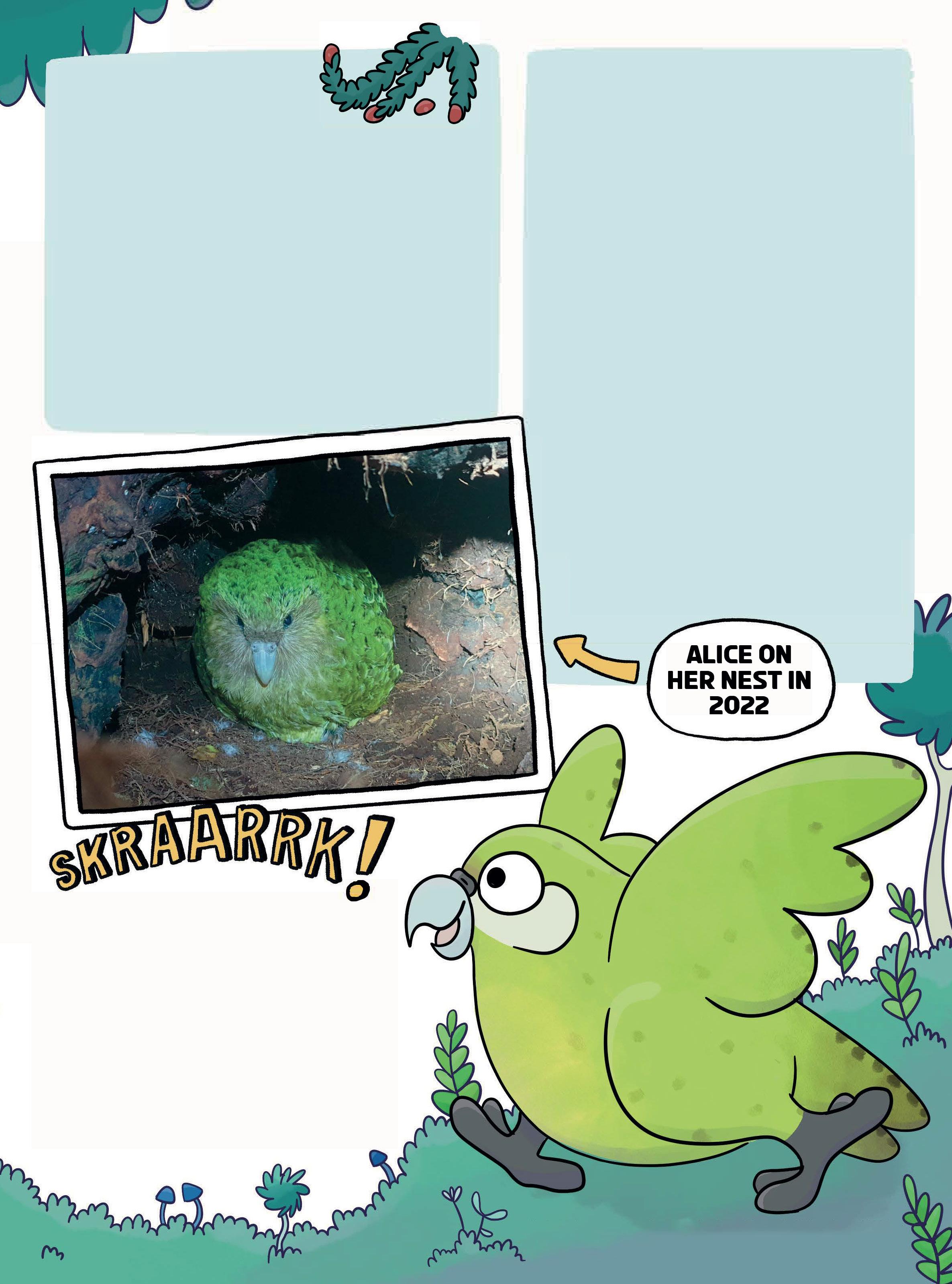
After mating, the female kākāpō lays 2–4 eggs in a nest she makes in a hollow. Mums raise the chicks on their own and it’s hard work!
Mum has to gather a huge amount of food to feed herself and her chicks for months.
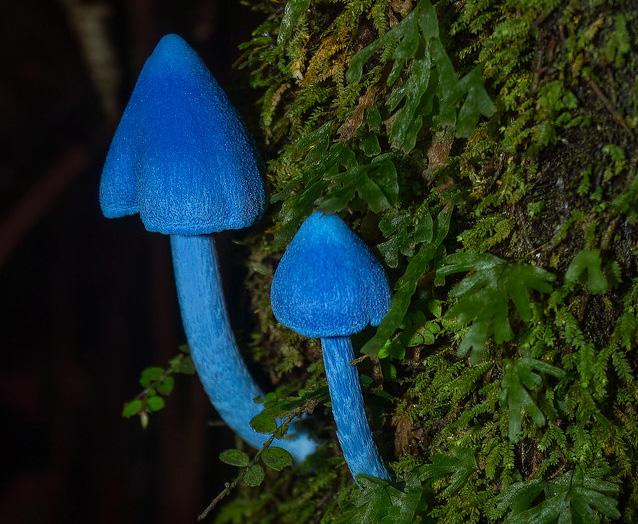
Meet the werewerekōkako!
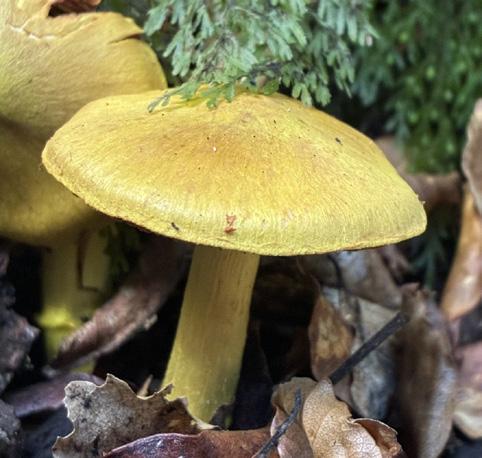
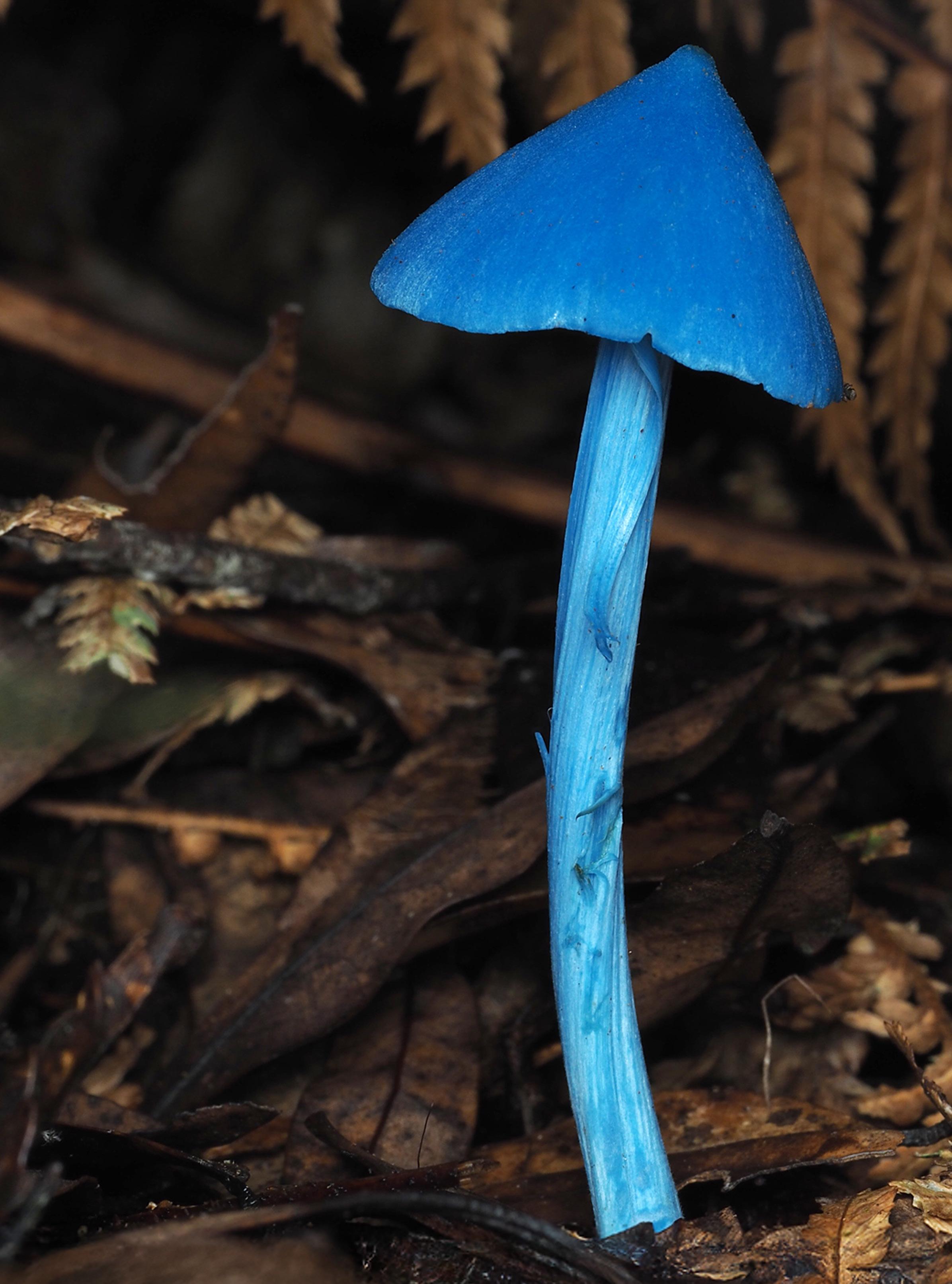
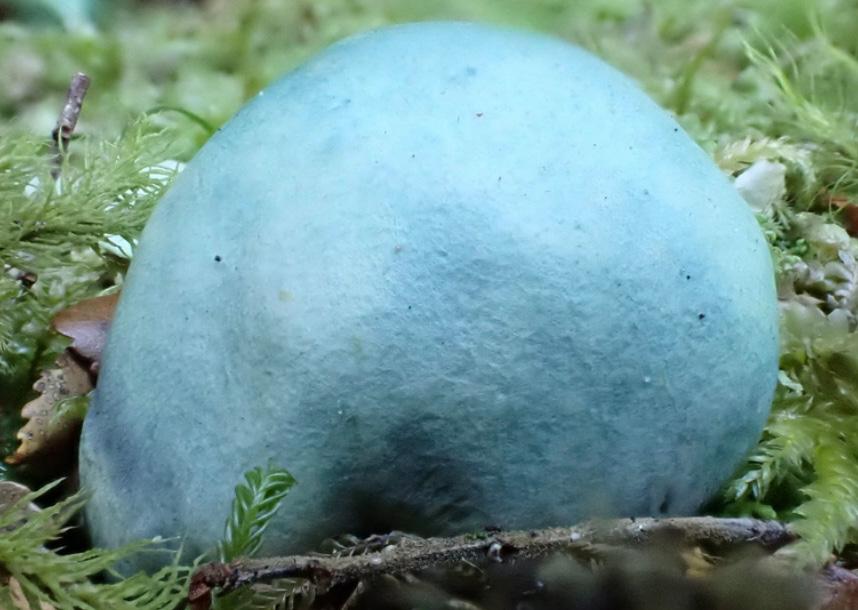
Aotearoa’s famous blue mushroom
Also called the blue pinkgill or sky-blue mushroom
One of the only mushrooms in the world on a bank note! NZ $50 bill
Grows up to 15cm tall! Its spores are pink!
Its scientific name is Entoloma hochstetteri
Grows on the forest floor throughout Aotearoa
NOT edible!
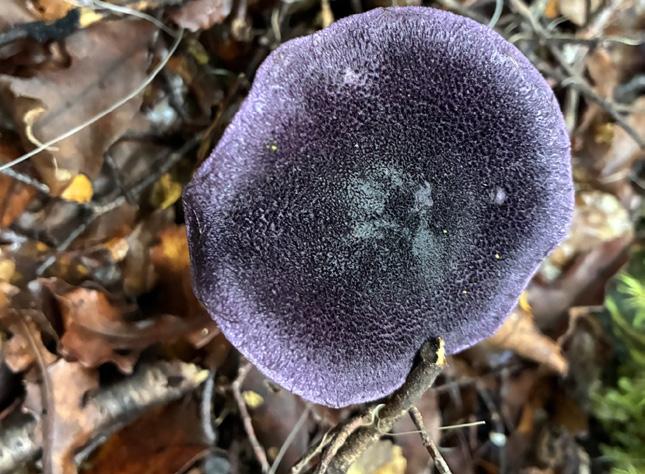
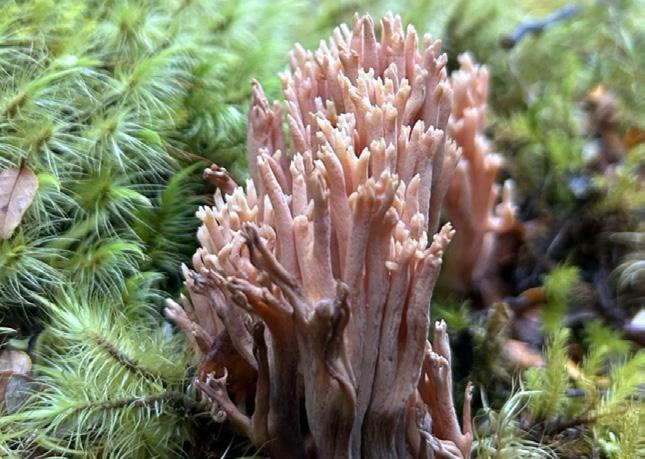
A Rainbow of Fungi
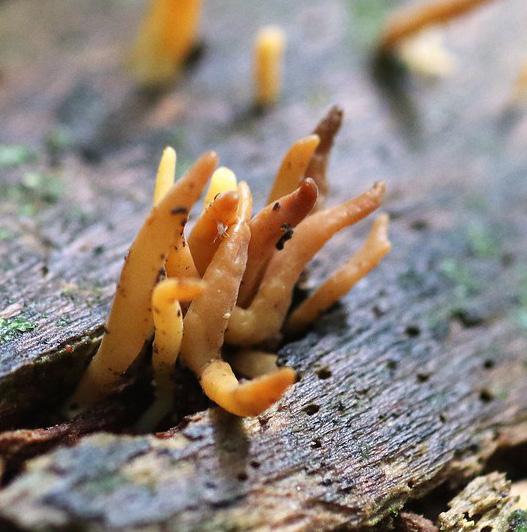
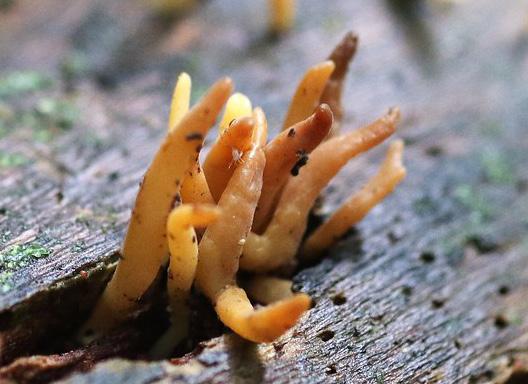
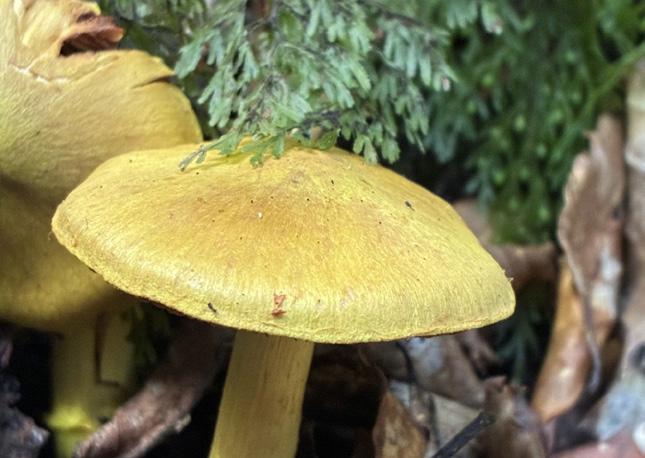
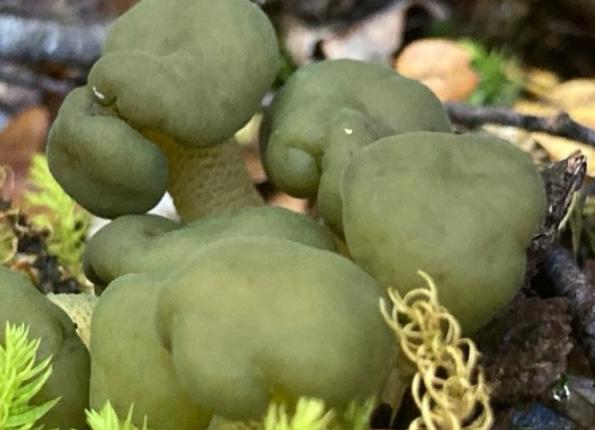
Fungi come in all sorts of amazing shapes, sizes and colours!
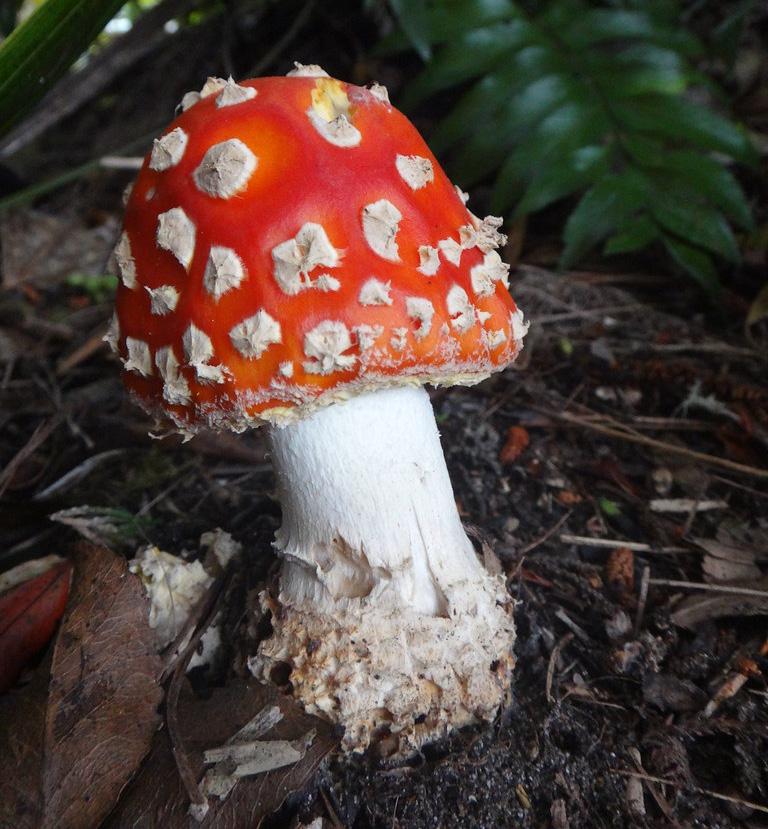
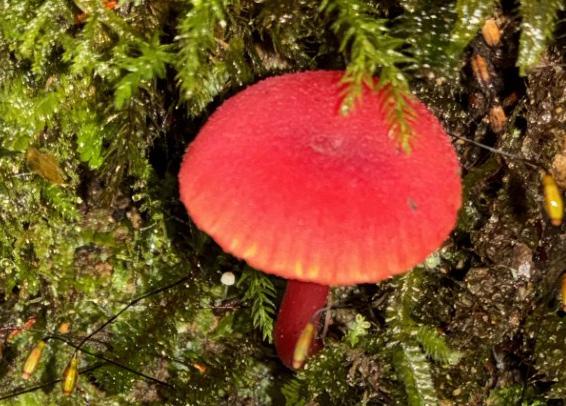
Some fungi are brightly coloured − like the sky-blue werewerekōkako and the bright red fly agaric (Amanita muscaria). Others can be hard to spot with their dull brown, grey or black colouring.
Where does the colour come from?
Colour in fungi comes from natural chemicals called pigments. Pigments absorb and reflect different wavelengths of light, making them look like different colours in our eyes.
The most common mushroom colour is brown to dark brown, which is made by the pigment melanin. The mushroom uses melanin to protect itself from harmful ultraviolet (UV) radiation from the sun. We have melanin in our skin for exactly the same reason!
The bright red fly agaric mushrooms are not native but are now common throughout Aotearoa.
We still don’t know why this mushroom has the blues. According to a pūrākau | story from Tūhoe, one of our native birds got its colour by rubbing its cheek against this mushroom. Can you name the bird? *
Why do fungi have colours?
Mycologists (fungal scientists) are still researching this question, but here are some theories:
n Fungi might use colour to attract the right animals (like insects and birds) to eat them and spread their spores by pooping them out in new locations! New research shows that moa ate colourful native truffle fungi and helped the fungus spread to new areas.
n Some colours might act as a natural sunblock! Because mushrooms don’t have legs, they can’t move into the shade to get away from the sun. Instead, they use dark pigments like melanin to protect themselves.
Fungi in colder climates tend to be darker. The dark colours might help the fungi absorb energy from the sun to use for reproduction (a bit like a solar panel).
While we don’t know exactly why fungi come in all the colours of the rainbow, we love the way they brighten up our ngahere | forests and gardens!
Have you seen some fantastic fungi?
Send us your fungus photo and be in to win Family of Forest and Fungi – He Tukutuku Toiora, by Valetta Sowka, Hana Natalija Park and Isobel Joy Te Aho-White
Duval
Lynn Freeman
Michael Schwab
HAPPY 20TH BIRD-DAY
Forest & Bird’s famous feathery competition Bird of the Year (BOTY) is turning 20 this year!
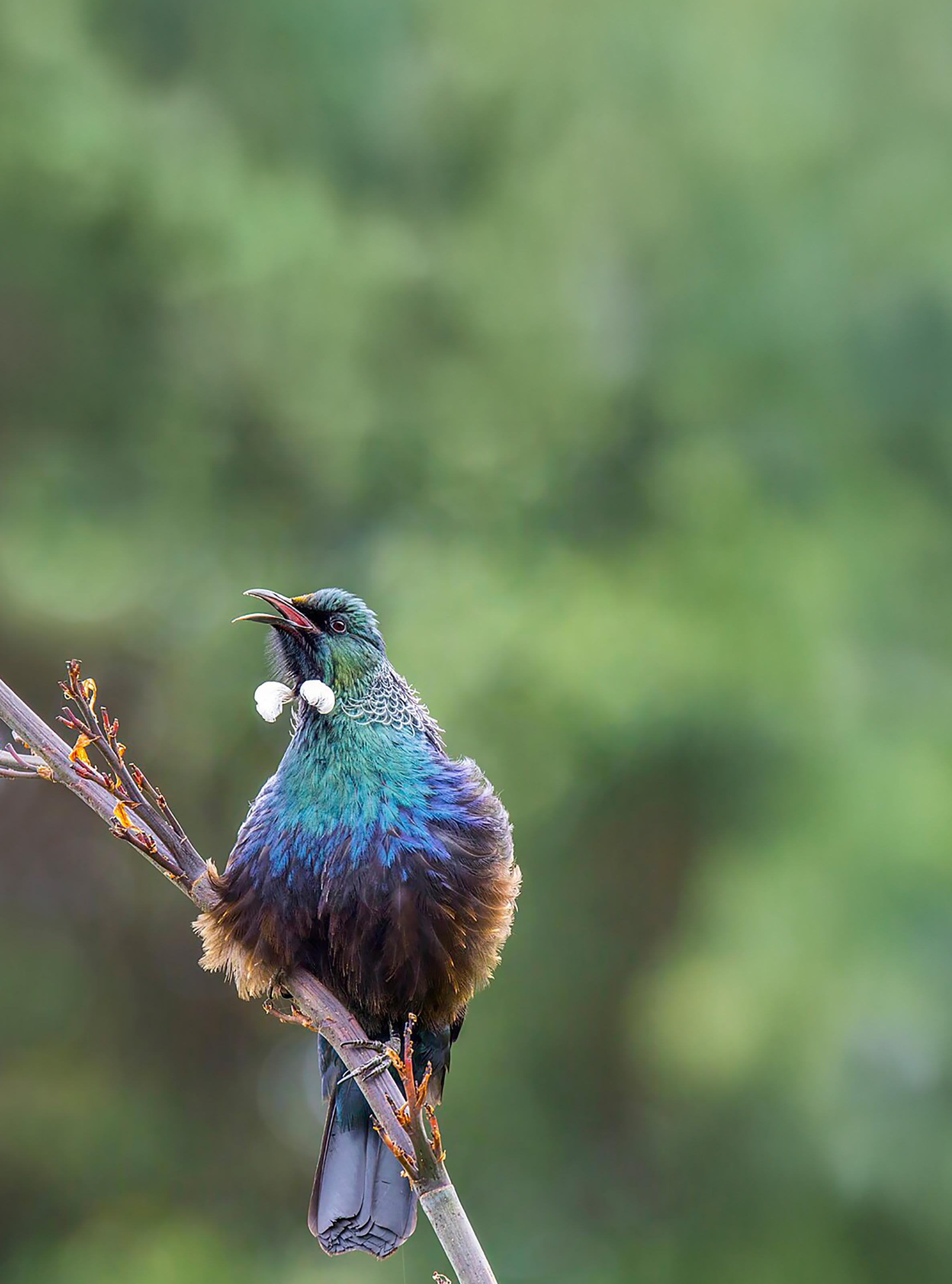
BOTY started in 2005 as a way to spread the love for our native birds. Back then, the only way to collect votes was by email and post! There were 900 votes the first year and the first ever winner was the flashy chatterbox tūī!
Since then, the competition has grown a LOT! Last year, there were more than 60,000 votes!
Test your knowledge of the winning birds – see if you can answer the questions in the bubbles.
Q1: Which two birds have won BOTY twice?
Q2: Which BOTY winner ruffled some feathers by, well, not havingactually any feathers?
Q2: Which winner caused a splash across the globe with its “alarmingly aggressive” celebrity-run campaign?
WHICH BIRDS WILL YOU VOTE FOR?
Scan the QR code to learn more about the candidates for BOTY2025
Charles J. Sharp
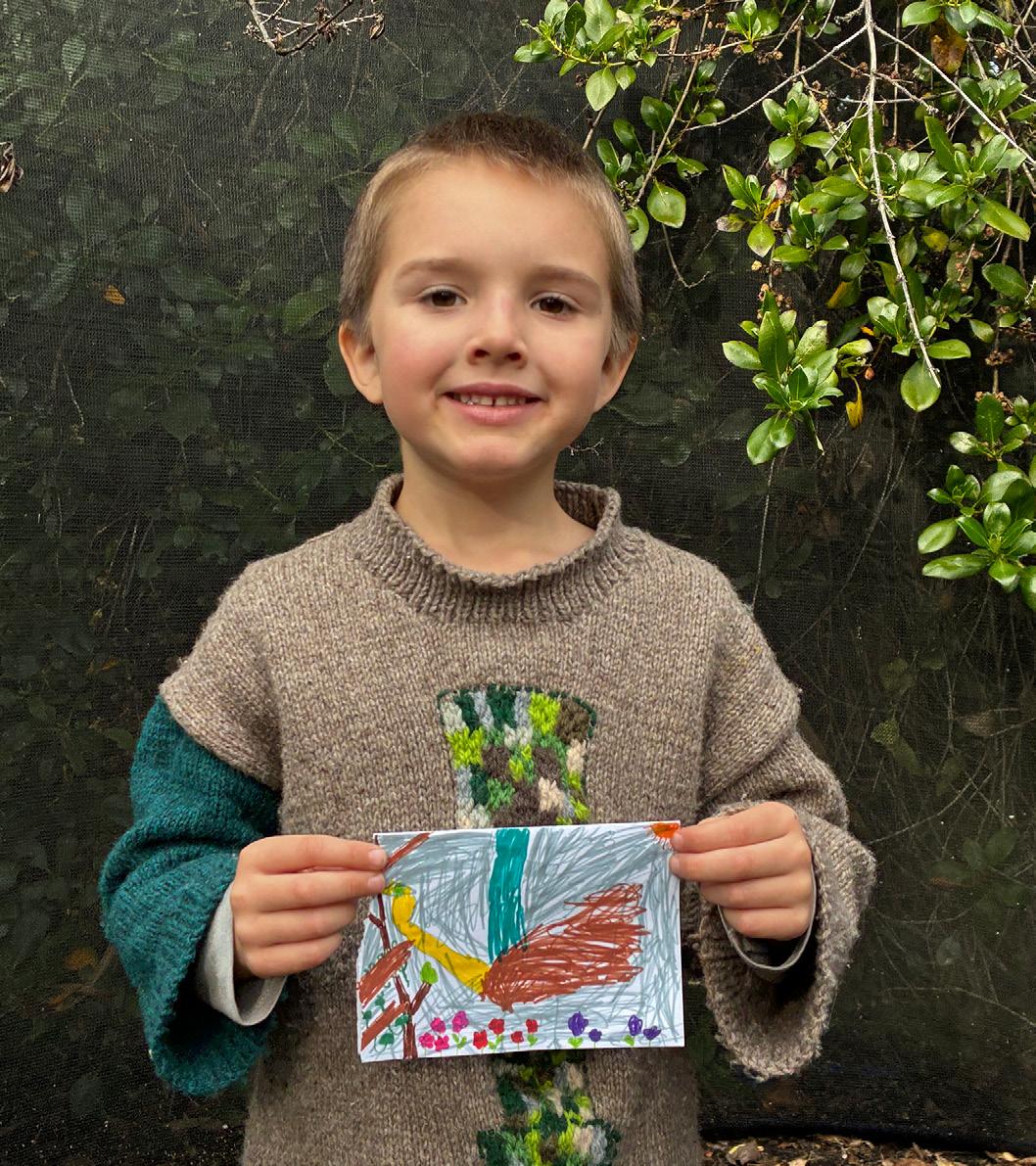
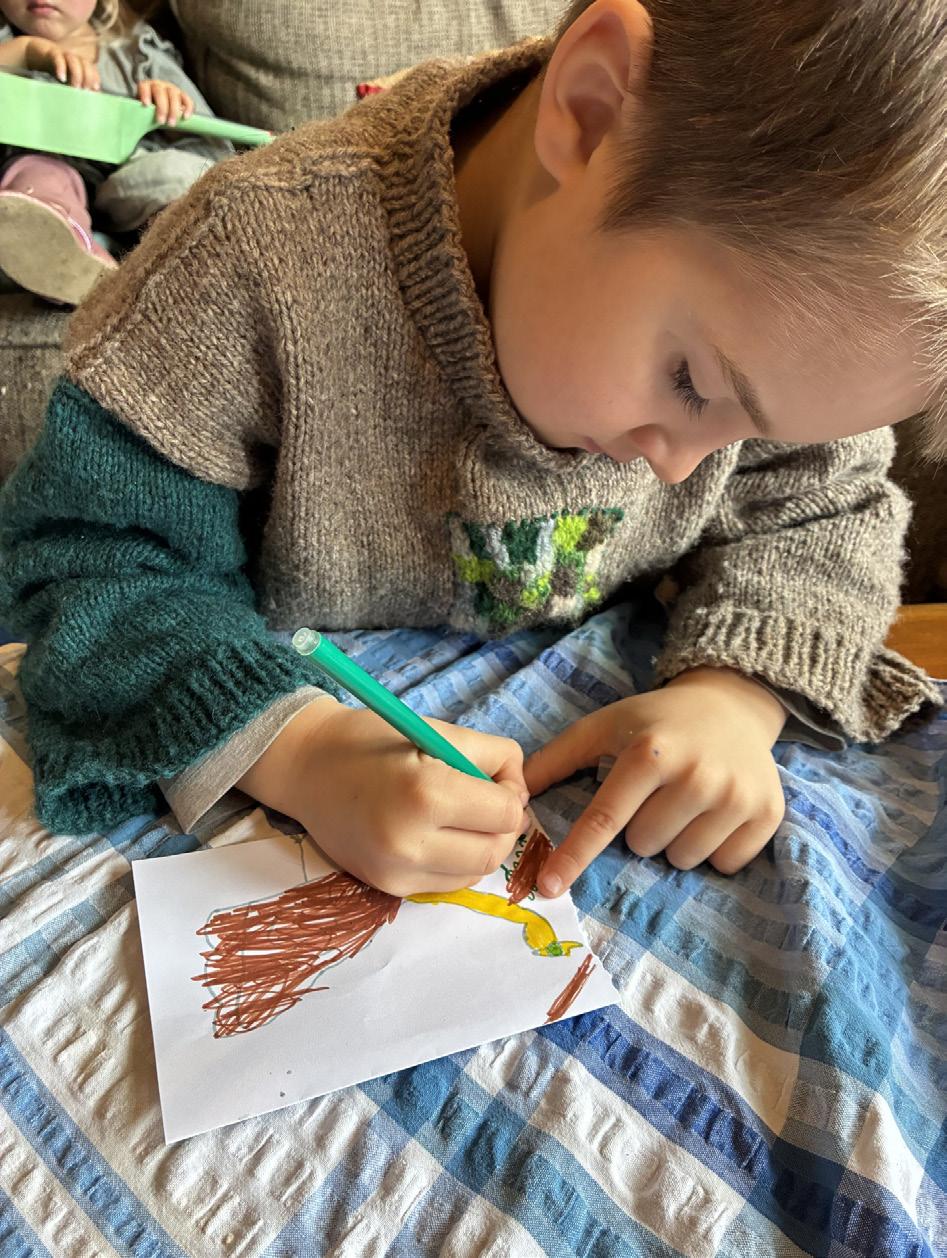
Remy (age 6) with his BOTY birthday card.
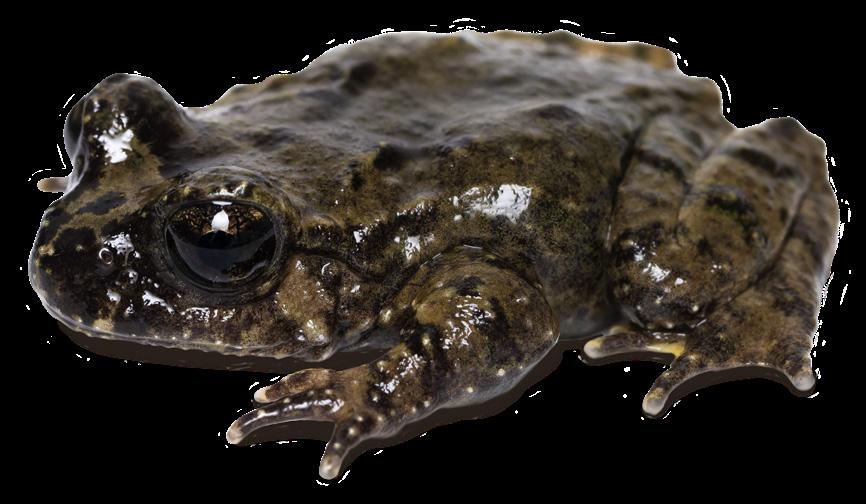
Pepeketua of Aotearoa
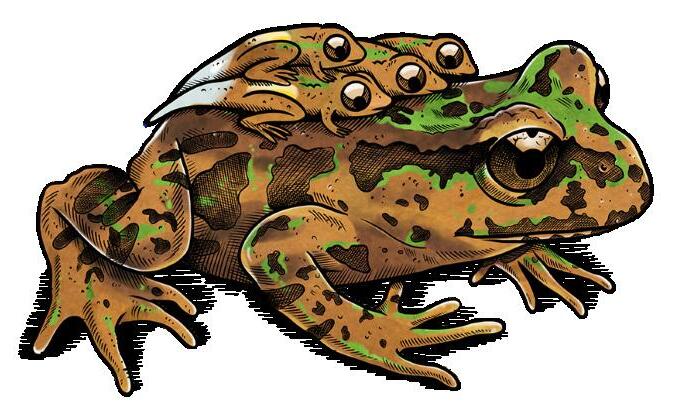
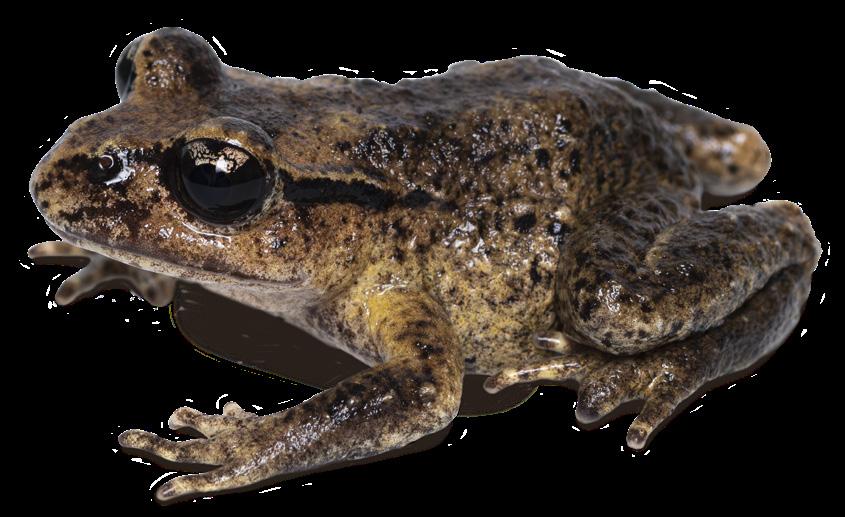
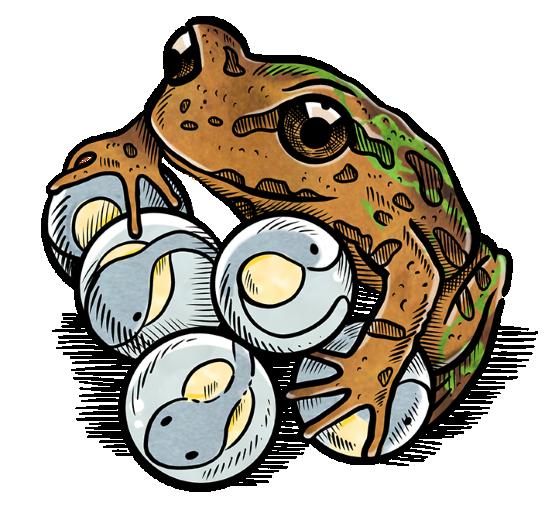
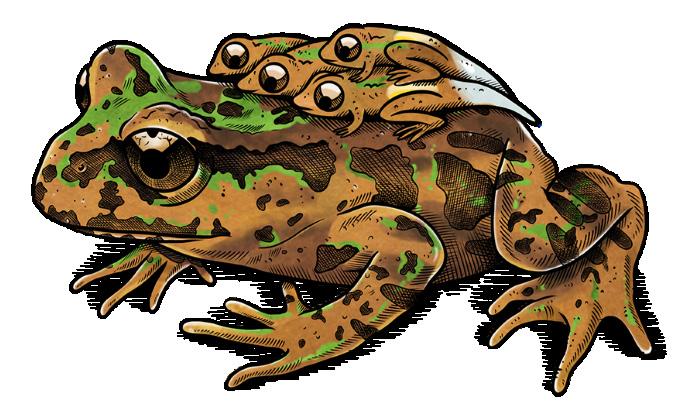
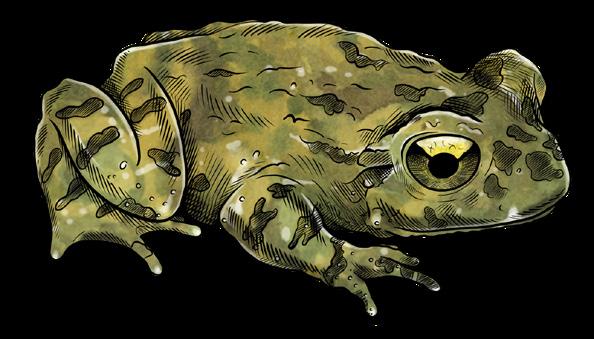
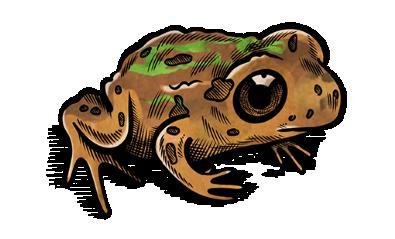
Aotearoa New Zealand is home to three native frogs (all Leiopelma genus).
These frogs have features that make them some of the most special frogs in the world!
What makes them different?
n Large, round pupils, which help them see at night
n No “columella” (a bone in the middle ear), or external eardrum
n No vocal sac – our native frogs cannot croak!
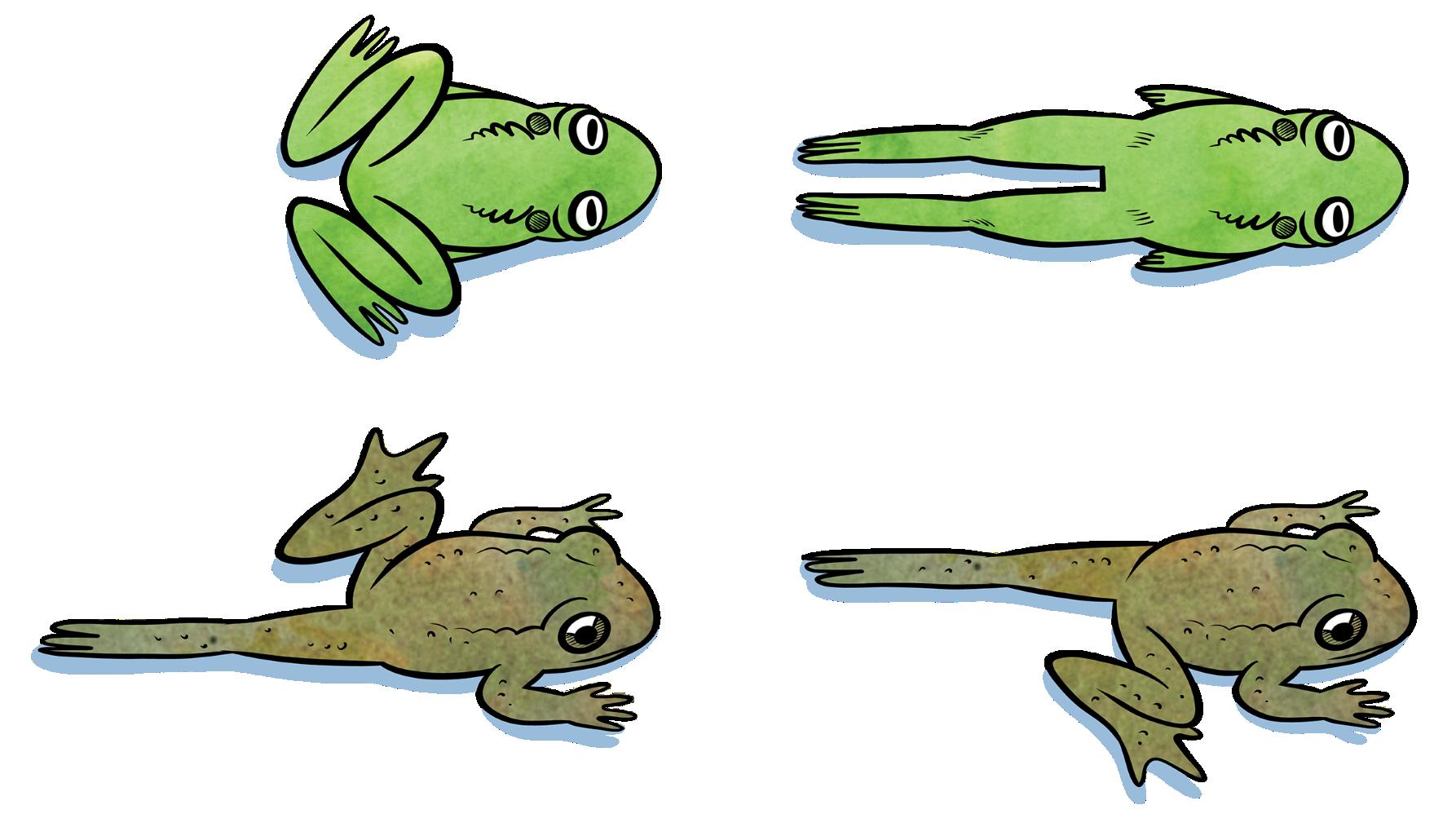
n They keep their tail-wagging muscles after metamorphosis (when they’ve developed into froglet and then adult stages), even though they don’t have tails
n They have “inscriptional ribs” instead of true ribs –that’s cartilage inside their abdominal muscles to protect their organs
n Most frogs have eight vertebrae in their spines, but ours have nine
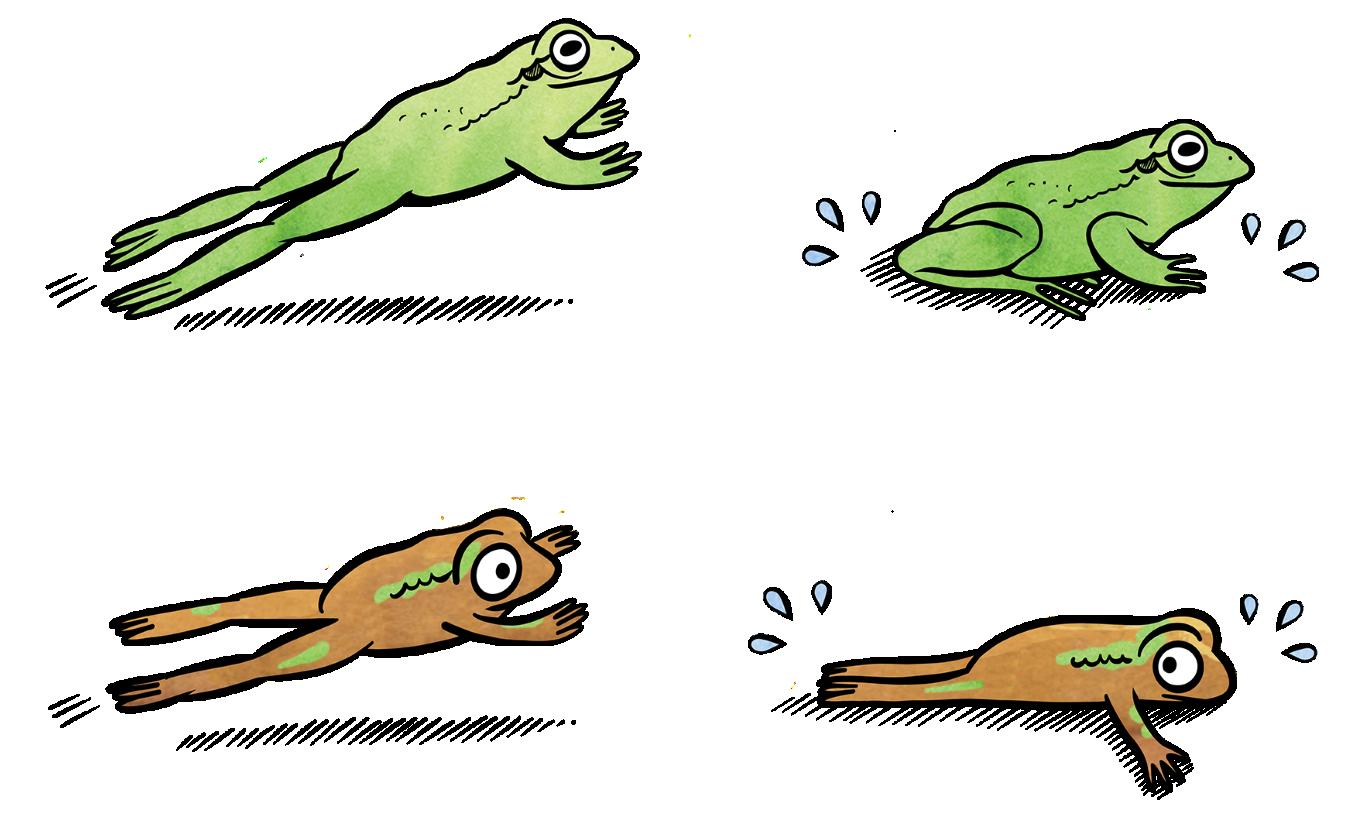
n Our native frogs don’t swim or jump like most other frogs either...
These two species are terrestrial, which means they live on the land only. Both frogs have long toes without toe pads or webbing, which help them hold onto vegetation.
The male frog looks after the eggs while the embryos develop into tadpoles. Once they hatch, they climb onto the male’s back until they metamorphose into froglets.
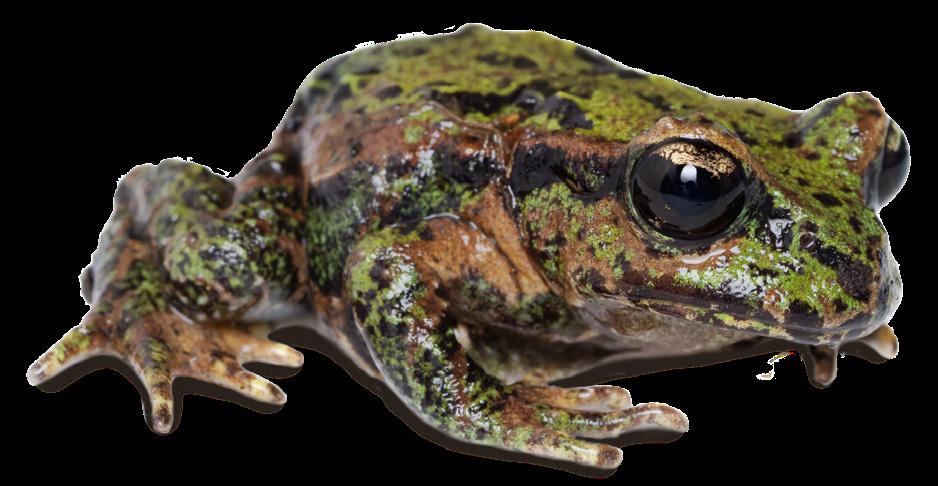
Hochstetter’s frog
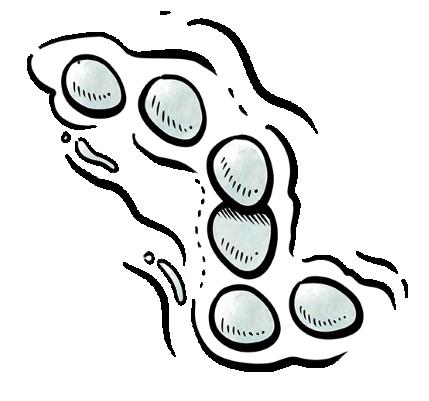
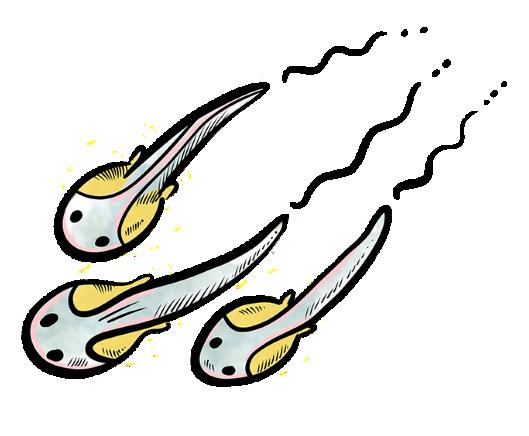
This species is semi-aquatic, living near streams in native forests. They have some different behaviours, adaptations, and features from other native frog species – including that they don’t provide parental care.
Eggs are left alone at the edge of slow-flowing streams, and they hatch into larvae with a yolk sac. Hochstetter’s larvae do not feed at all until they are froglets.
Climate change is a problem for our frogs as they require specific habitat conditions to stay warm and damp. Scientists are actively working to understand where suitable native frog habitat will be in the future.
NZFrogs is an awesome charity raising awareness about our native Leiopelma frogs. They’ve made 4 booklets and 6 posters (in English and te reo Māori) that you can download here for free!
Published by Forest & Bird.
FACT:
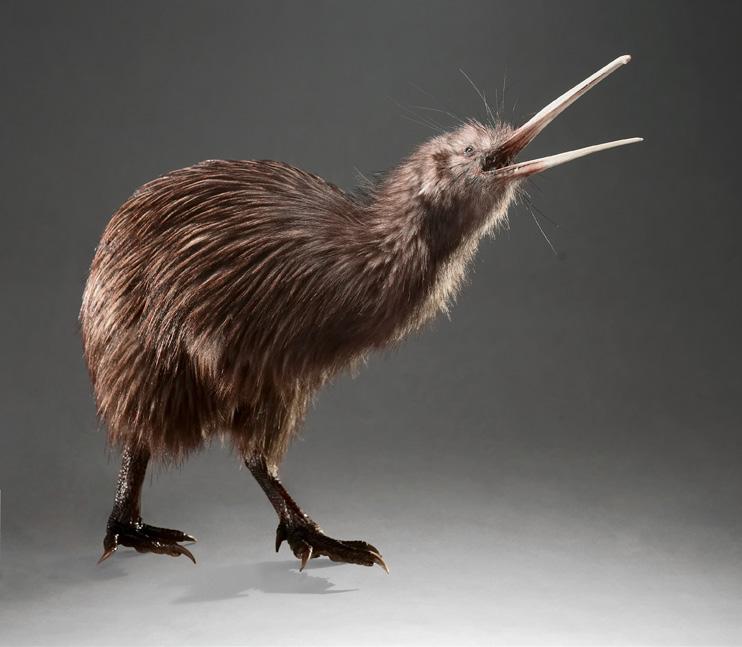
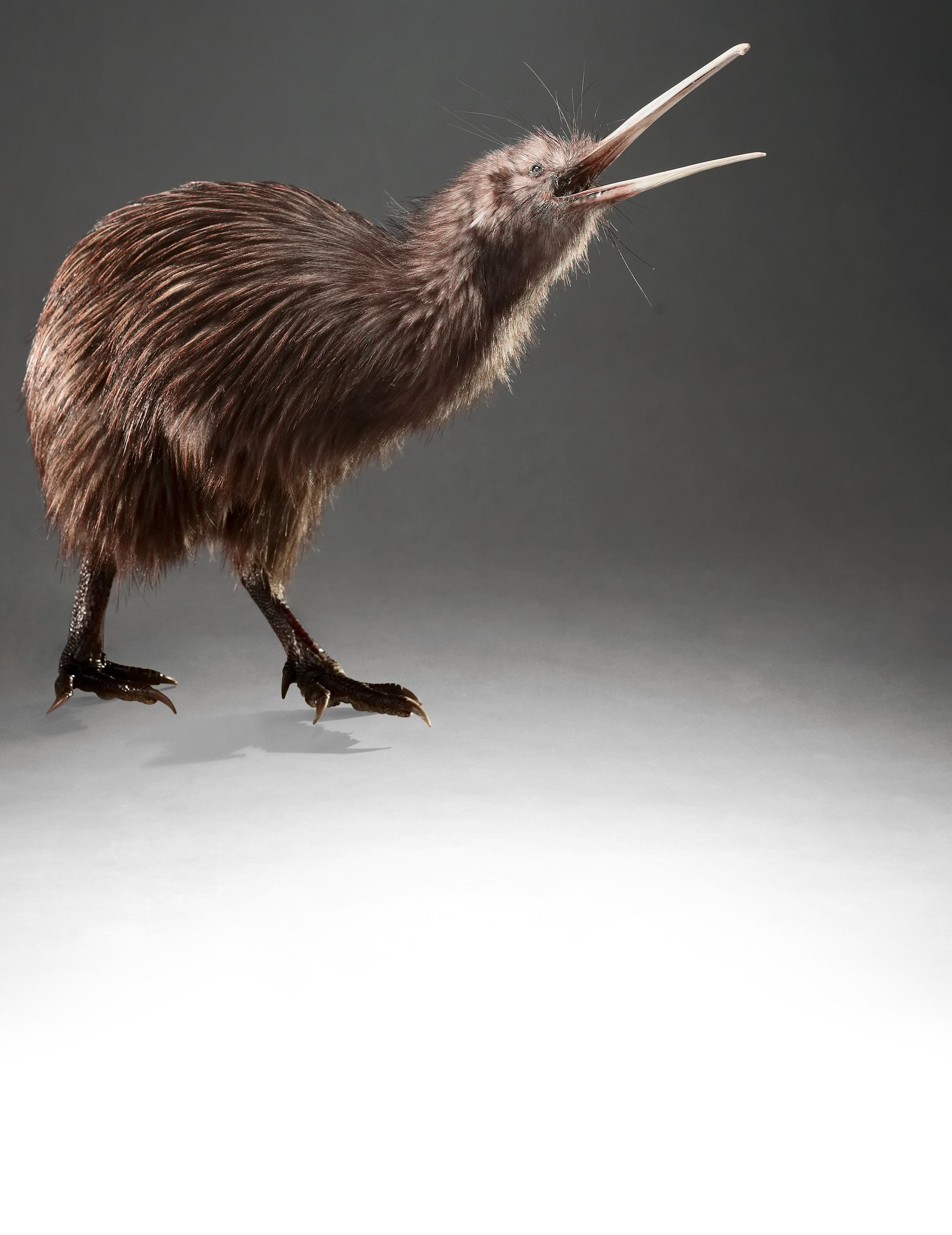
Kiwi bills look very long, but they actually have the shortest beak of any bird in the world. This is because the length of a beak is measured from nostrils to tip!
Thekiwiunique bill
By Emma Scheltema
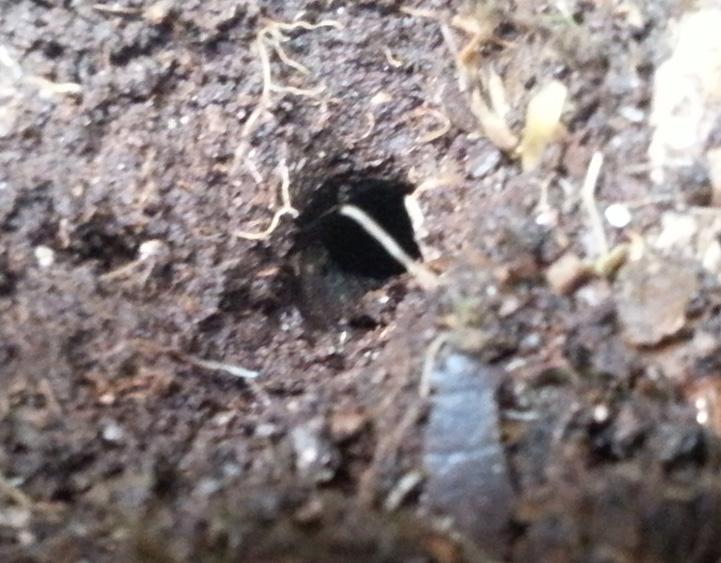
Kiwi probe hole.
James Witham
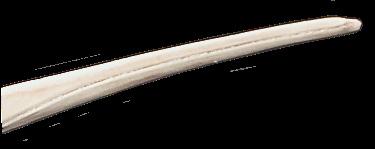
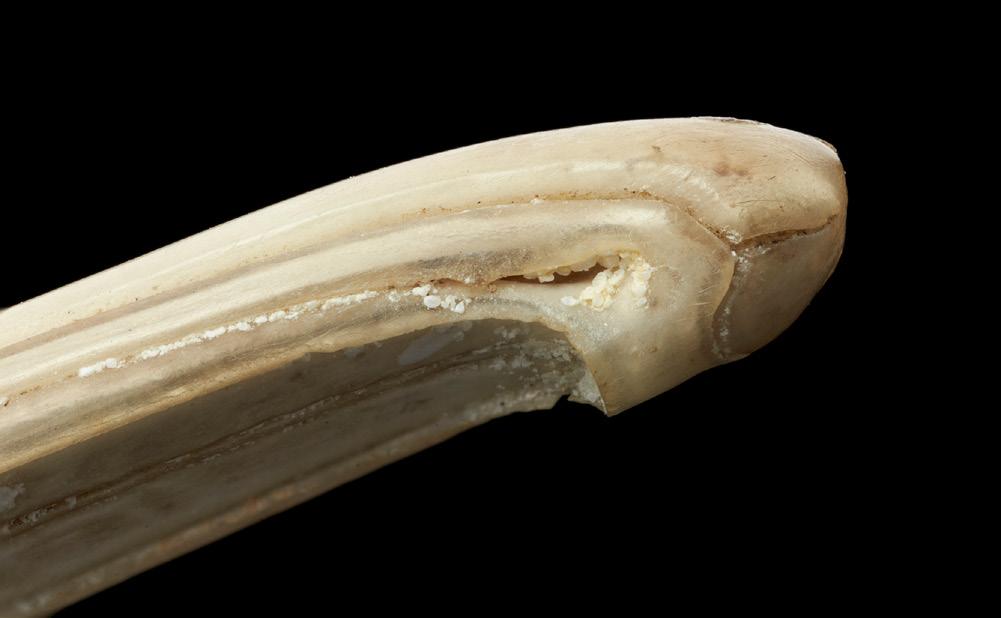
Close up of bill.
Te Papa
Kiwi are mostly insectivorous (eat insects) and search for food at night. Their favourite insects are those living hidden in the soil and leaf litter, like worms. But they also eat beetles, moths, and even cicada larvae.
While kiwi can’t see very well, they have a very good sense of smell. That means that a kiwi’s long bill is used for finding food.
The nostrils at the tip of their bill can sniff out insects in the soil. The tip of their bill can also feel the vibrations made by wriggling insects deep in the soil! Once they find an insect, they push their long bill deep into the soil to catch it.
CLIMATE CHALLENGE: Changing climate means sometimes there are more droughts (long periods without rain). This makes the soil hard and it gets difficult for kiwi to push their bill into it to find insects. Kiwi have to search for longer and further away from their burrow to find food. They have even been seen in the daytime looking for food.
North Island brown kiwi. Te Papa
Distance from nostrils to tip
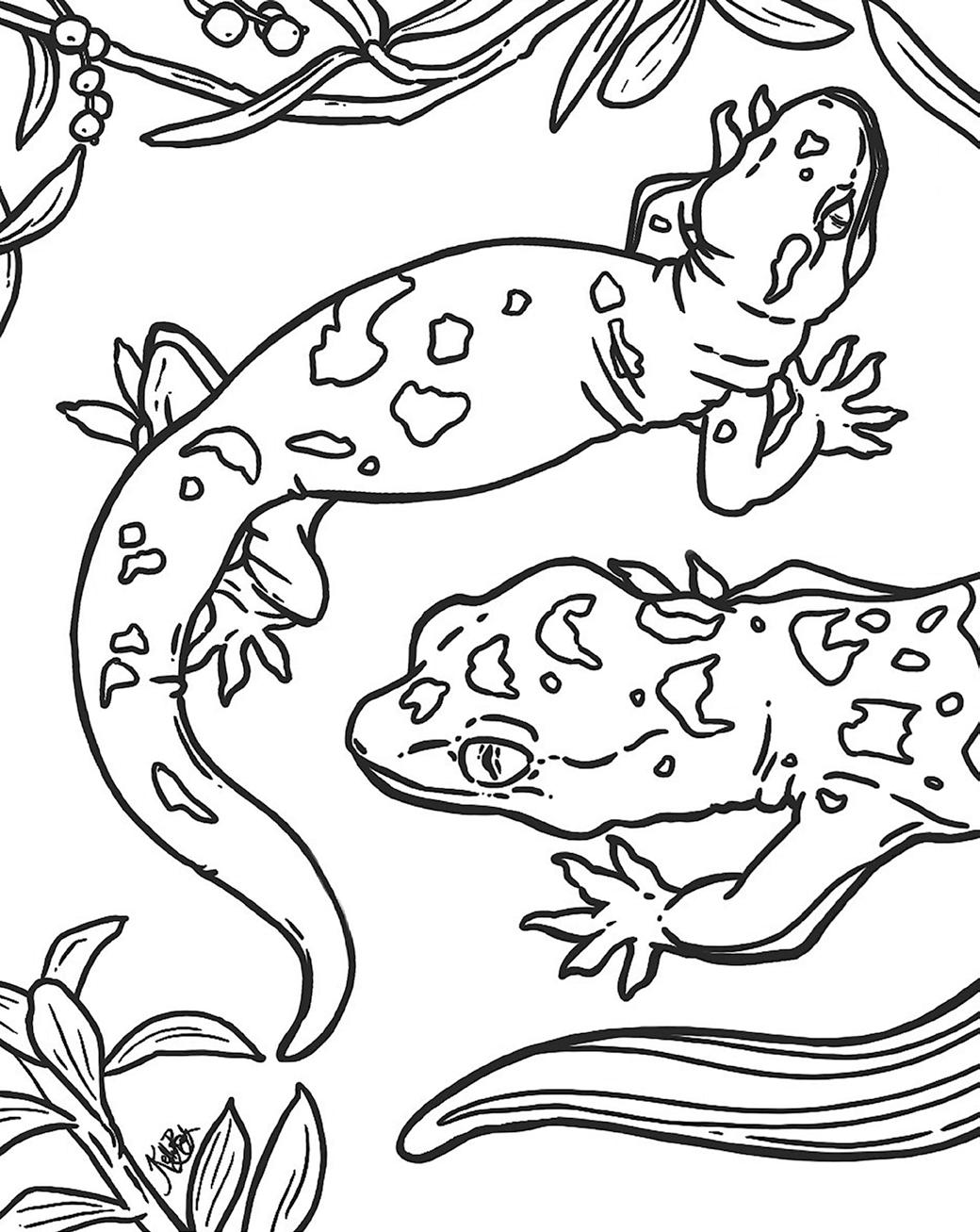
Waitaha geckos from Canterbury are mostly brown with a mixture of black, white, and grey patches.
CLIMATE CHALLENGE: Woodworthia, or rock gecko species, are mostly nocturnal and so rely on rock crevices as daytime hidey-holes and to control their body temperatures. Warming temperatures mean these retreats can become too hot and no longer provide protection.
Check out the comic insert with this issue for more on Sophie’s story.
Growing up in Paekākāriki, Sophie has always been deeply connected to her environment and community. She has many memories of planting trees with whānau and spending time in and around the moana.
Sophie was one of the founders of School Strikes 4 Climate here in Aotearoa (established in 2019) and her efforts in climate resilience weave throughout her life and work.
As a councillor on the Kāpiti Coast District Council, Sophie brought together the voices of her community to make change.
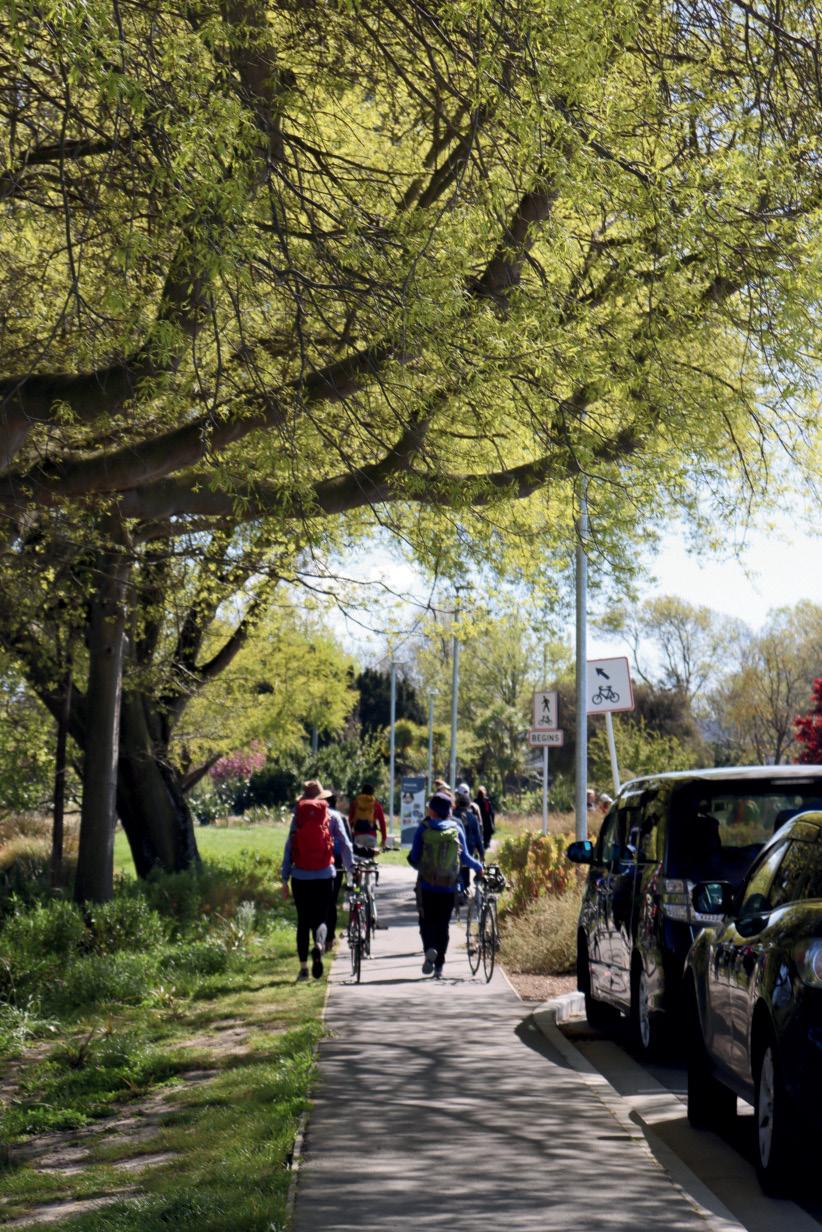
Sophie’s Future Vision for Climate-Resilient Cities:
“A zero-carbon and low-carbon future is the most important thing our community will need to shift to... and what that looks like... practically, it looks like circular waste systems.
It looks like active modes of transport and micro-mobility filling our streets... and our streets being built for that, for people, not cars.
It looks like people being happy, being joyful, being connected to each other, being connected to nature. Being inspired by its resilience...”
Climate-Resilient Landscapes:
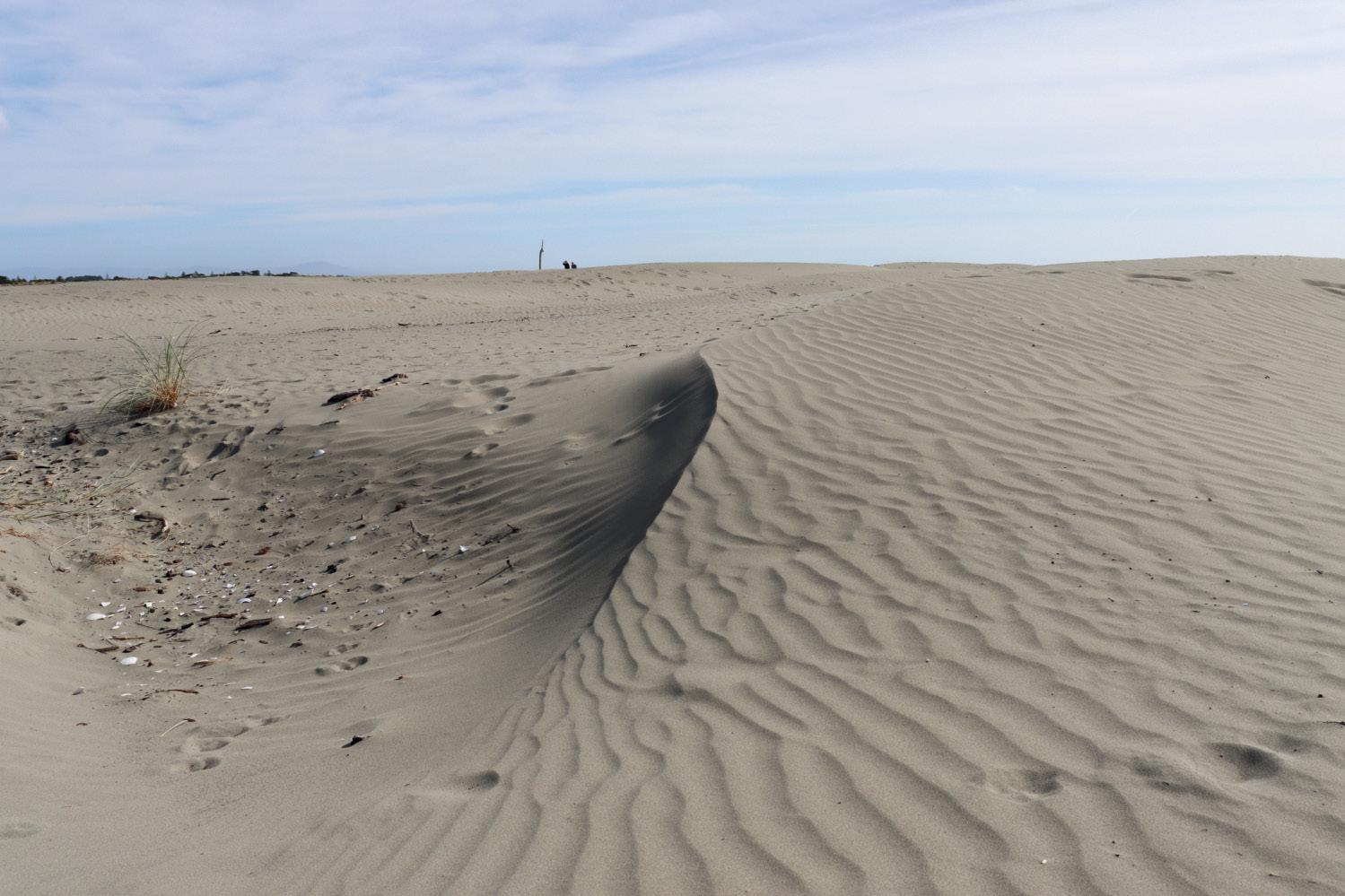
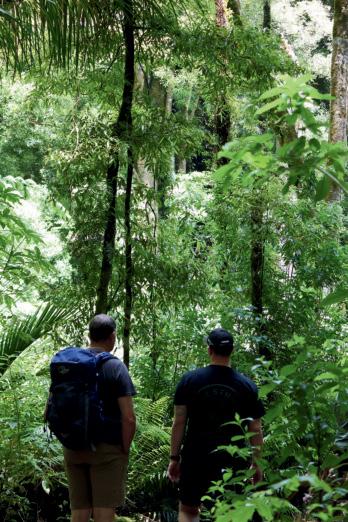
Landscapes naturally have features that are resilient to the impacts of climate change. These features can include forests, meadows and grasslands, rivers with room to move, wetlands, mangroves, and dunes.
We can help nature help us with climate change by working with these features, not against them.
We can also choose to put nature first or learn from nature when designing or re-designing human-made features.
Do some research and see if you can answer the questions over the page!
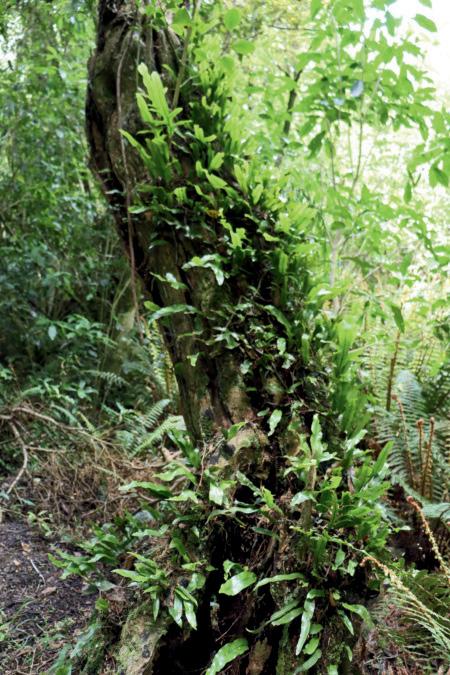
Forests
What are they?
Why are they important for climate resilience?
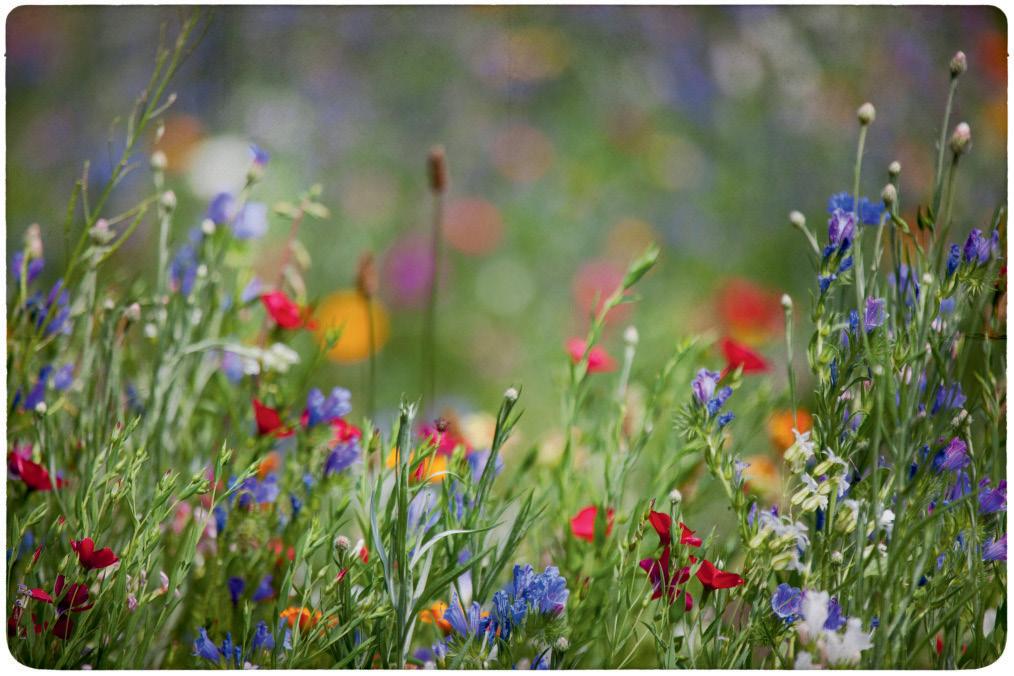
Meadows and Grasslands
Rivers with Room to Move
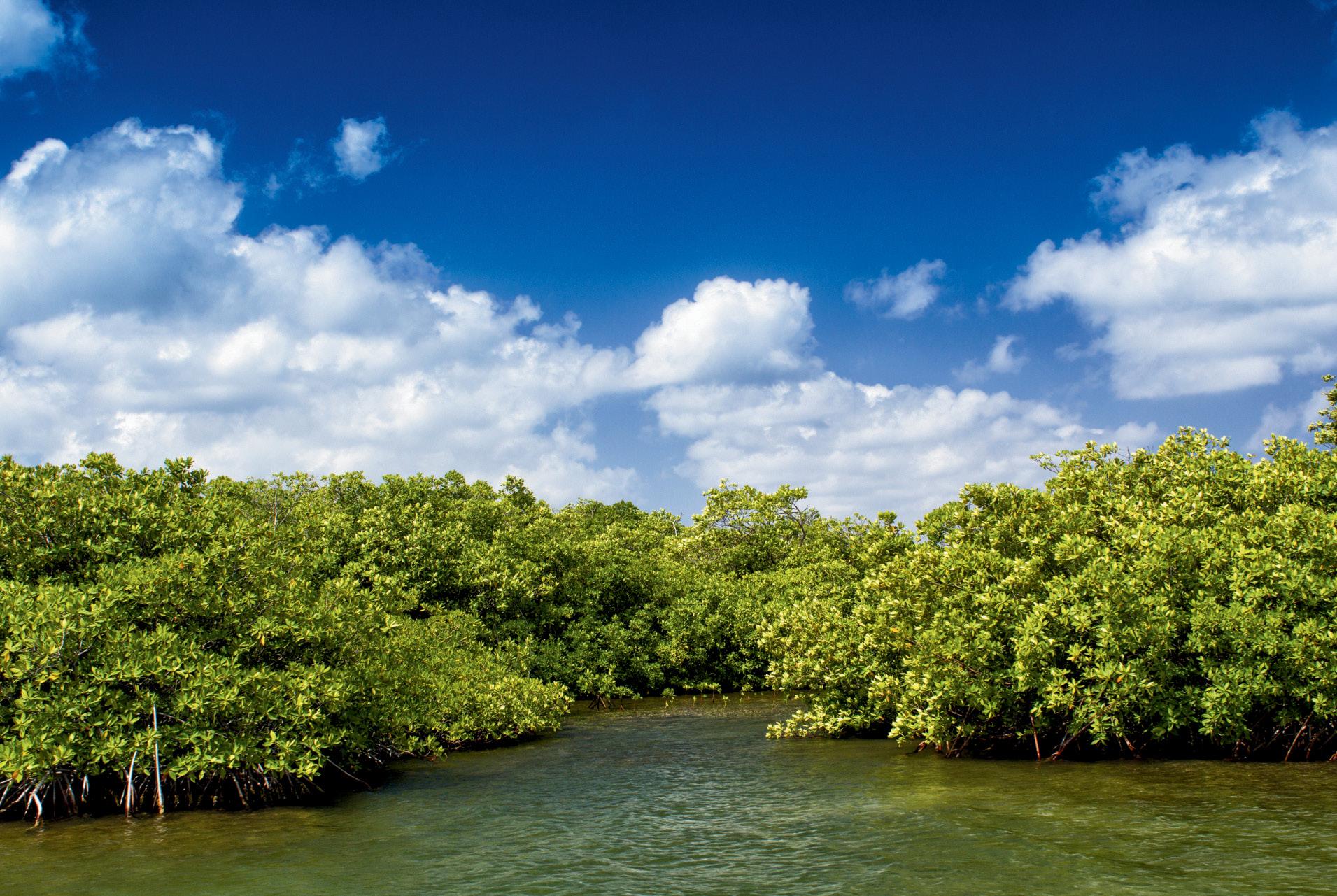
Mangroves
What does this mean?
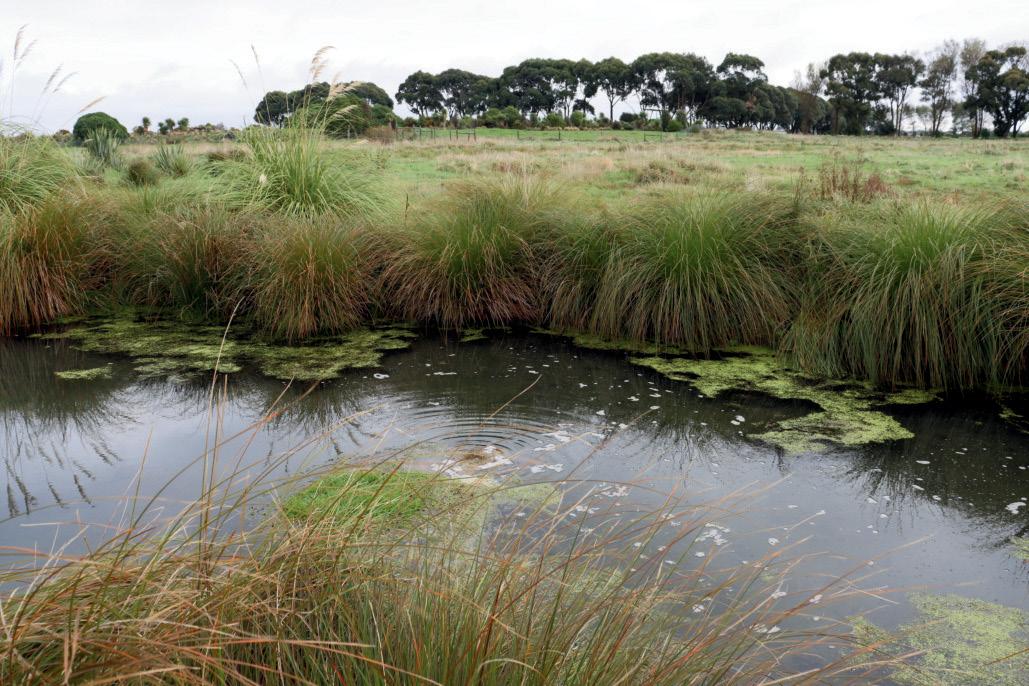
Wetlands
What are they?
Why are they important for climate resilience?
Why is this important for climate resilience?
Dunes
What are they?
Why are they important for climate resilience?
What are they?
Why are they important for climate resilience?
Scan the QR code for the answers.
What are they?
Why are they important for climate resilience?
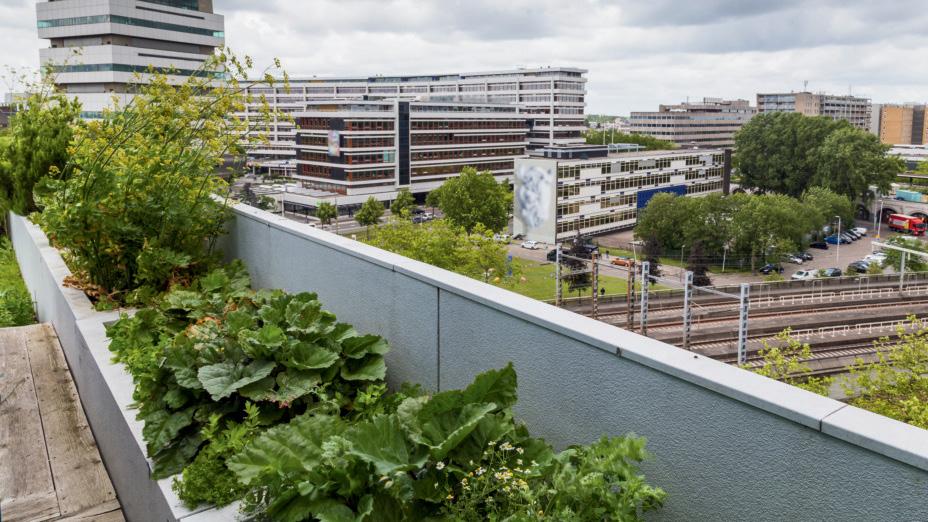
Urban Ngahere | Forests
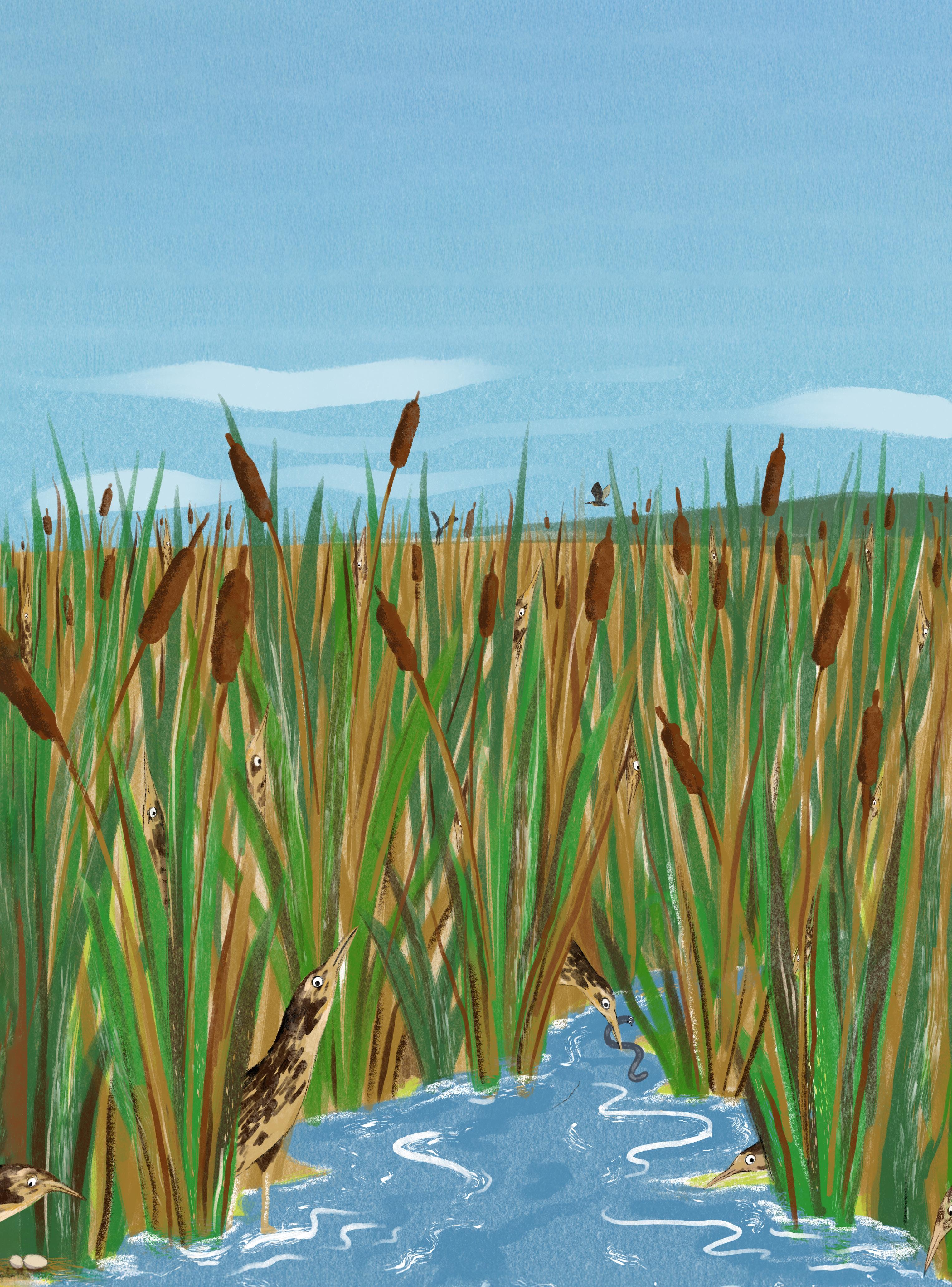
Panga | Puzzles Hidden in the rAupō…
One of the coolest things about matuku-hūrepo | bittern is how good they are at staying hidden from sight. They are masters at camouflage and “freezing” like a statue. Can you find the 20 bittern hiding in this wetland illustration?
Bird.
Conservation Heroes
Volunteering at Matuku Link Wetland Restoration Project
Helping wetlands to help us with climate change is so important. Did you know that healthy wetlands store even more carbon than forests!?
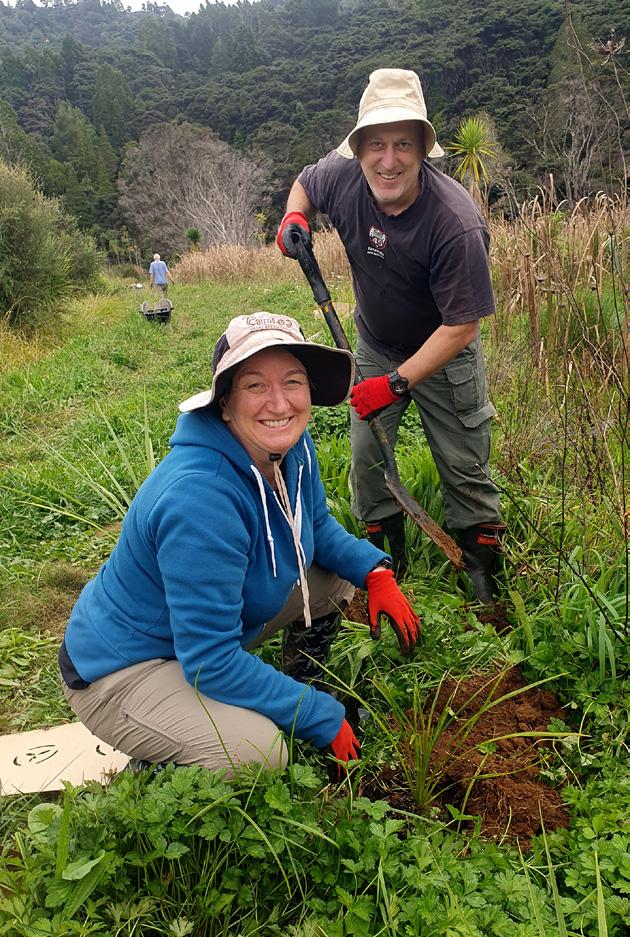
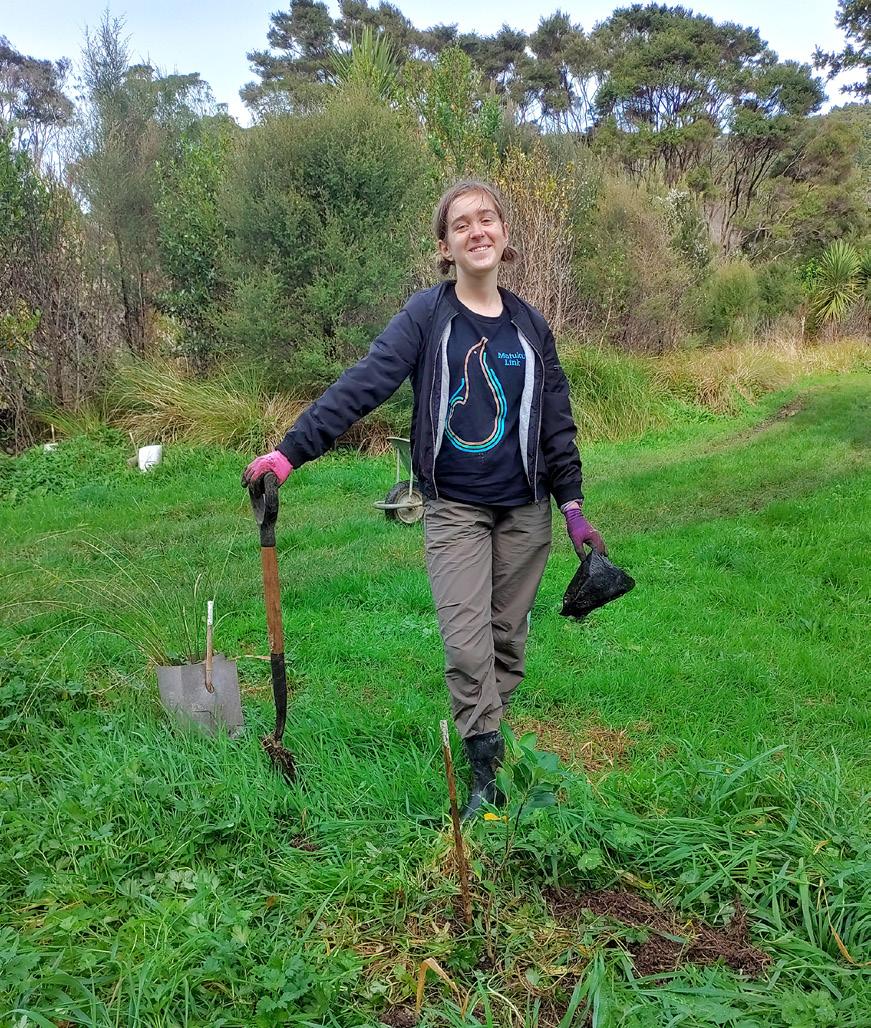
The Dwyer family regularly helps out at Matuku Link wetland in West Auckland, planting trees and weeding. Here’s their story:
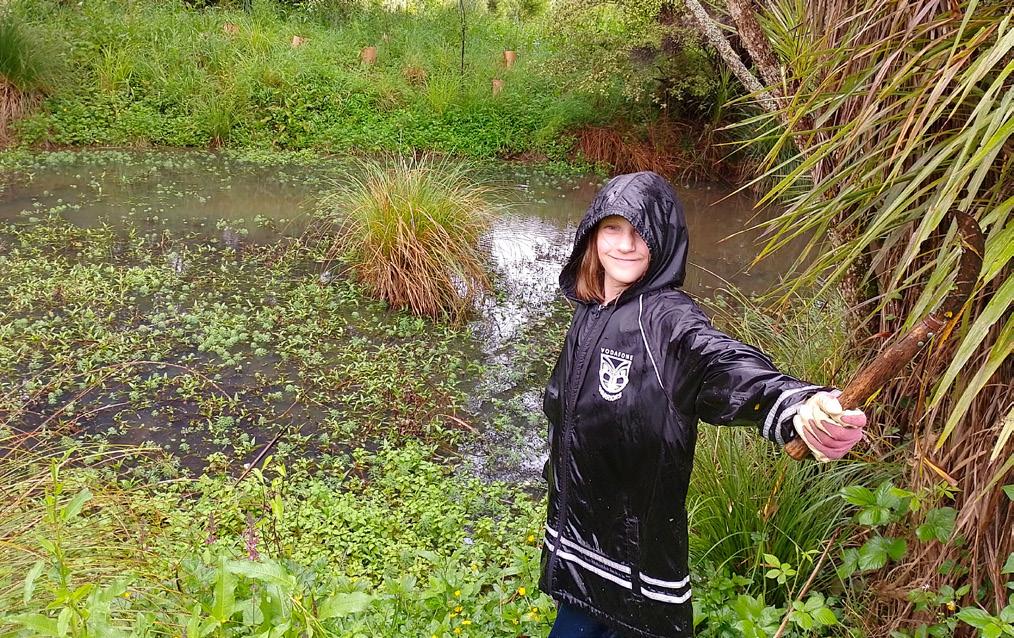
“Weeding is fun, hacking away with the curved ‘shark’ blades. We feel very intrepid when we’re in among the tall flaxes and raupō. You can easily get lost!
Luckily there’s plenty to eat –Samantha (12) really likes munching away on the cucumbery-tasting raupō leaves while we work. Eloise (14) prefers the karamū berries.
One time we were working in a clearing that seemed at first to be nothing but weeds. Every few steps we’d discover a struggling little tree buried beneath them. By the time we were done we could see there were actually about 40 or 50 young trees there!
We love learning about the plants and creatures that live in the wetland. We meet so many kind and inspiring people there, who know lots of interesting facts and stories. And as well as being fun, it feels really satisfying to know our mahi is making a difference.”
“If we’re really lucky, one day we might even spot the elusive matuku itself!”
It’s very important for good water quality to have lots of trees providing shade. Open, sunny areas can get choked with invasive weeds, which makes it hard for everything else in the water to thrive.
To support biodiversity, the wetland needs to have a large variety of plants growing there. They provide food and shelter for many different types of birds and bugs.
Samantha the weed slayer with a “shark” blade! Melanie Woolford
Philip and Melanie planting. Annalily van den Broeke
Eloise planting a tree. Philip Dwyer
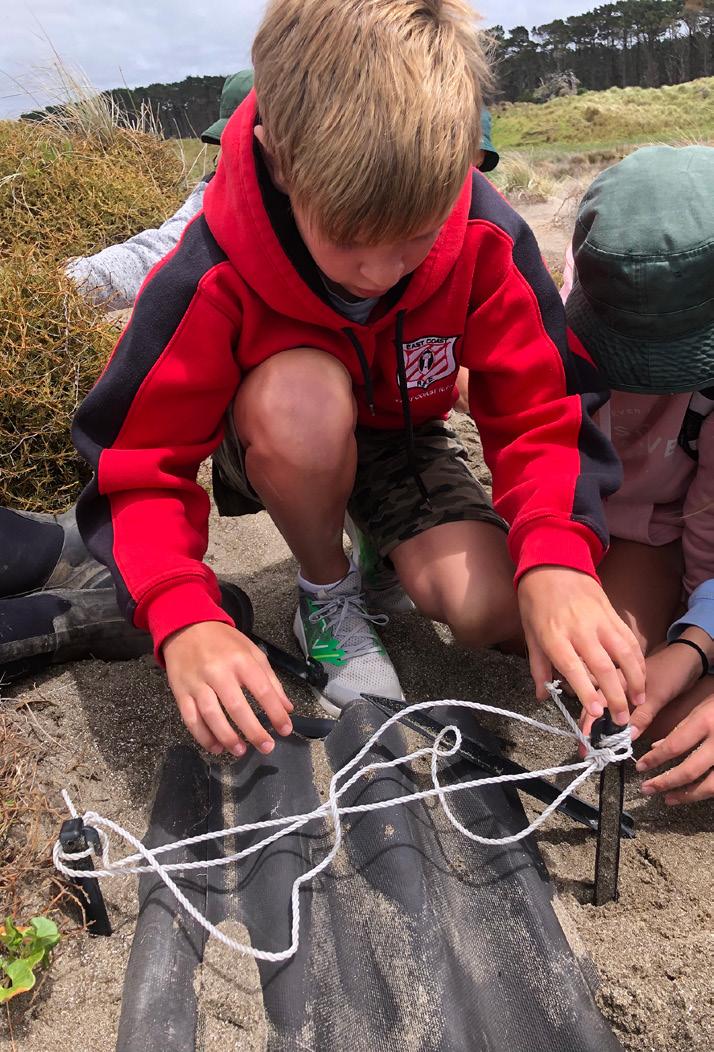
Dune planting with Coast Care Conservation Heroes
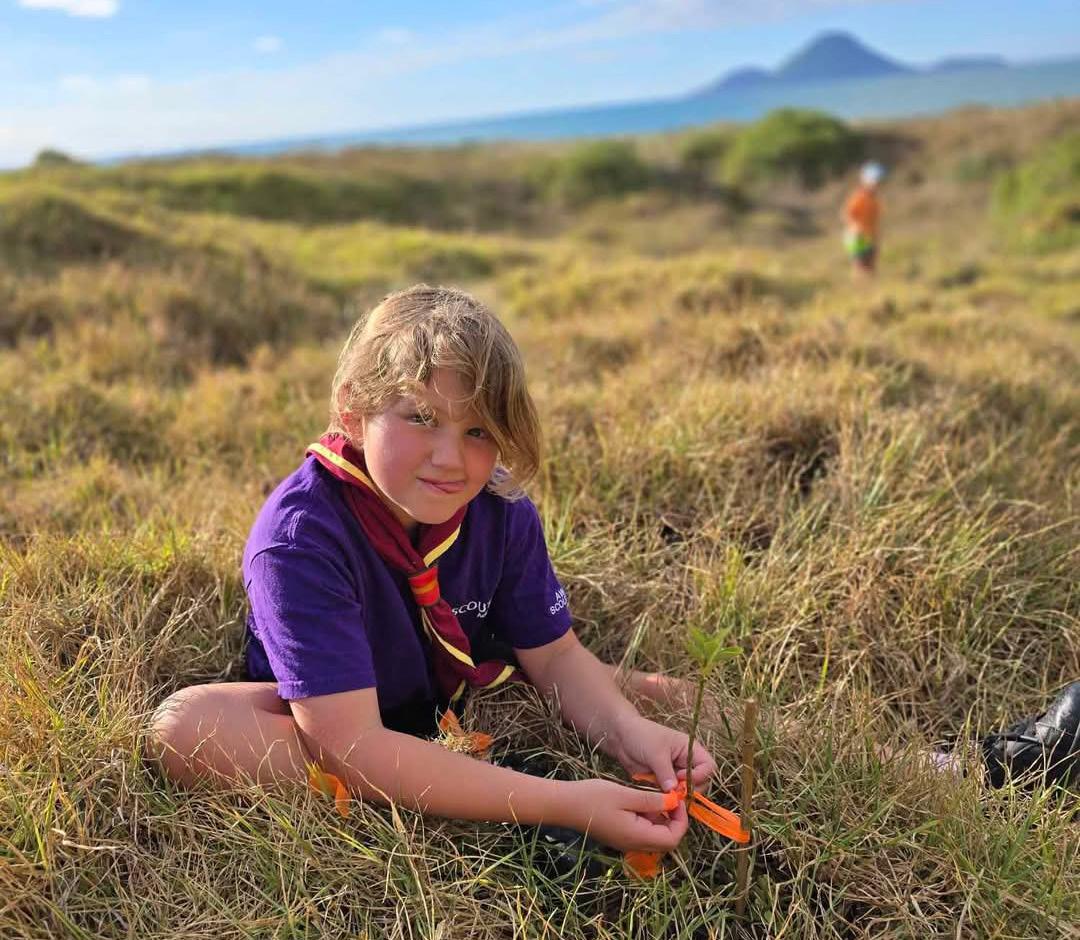
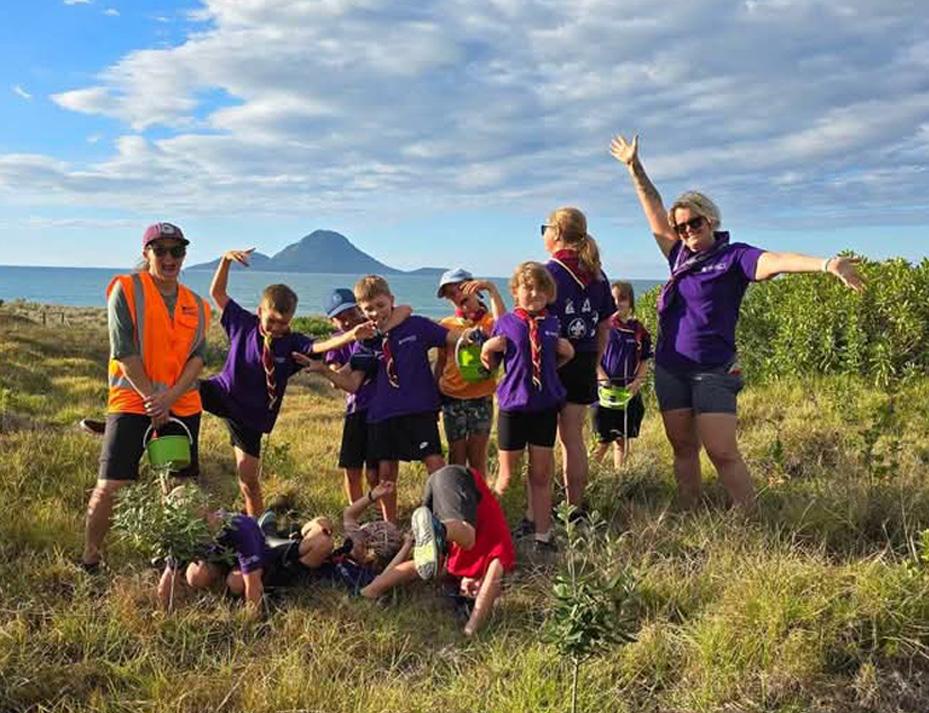
Aurelia and her mum Wheke are part of the Awakeri Scouts in Whakatāne. The Kea and Cub Sections have been helping plant dunes with their community Coast Care group over the last couple of years. Here’s Aurelia’s story:
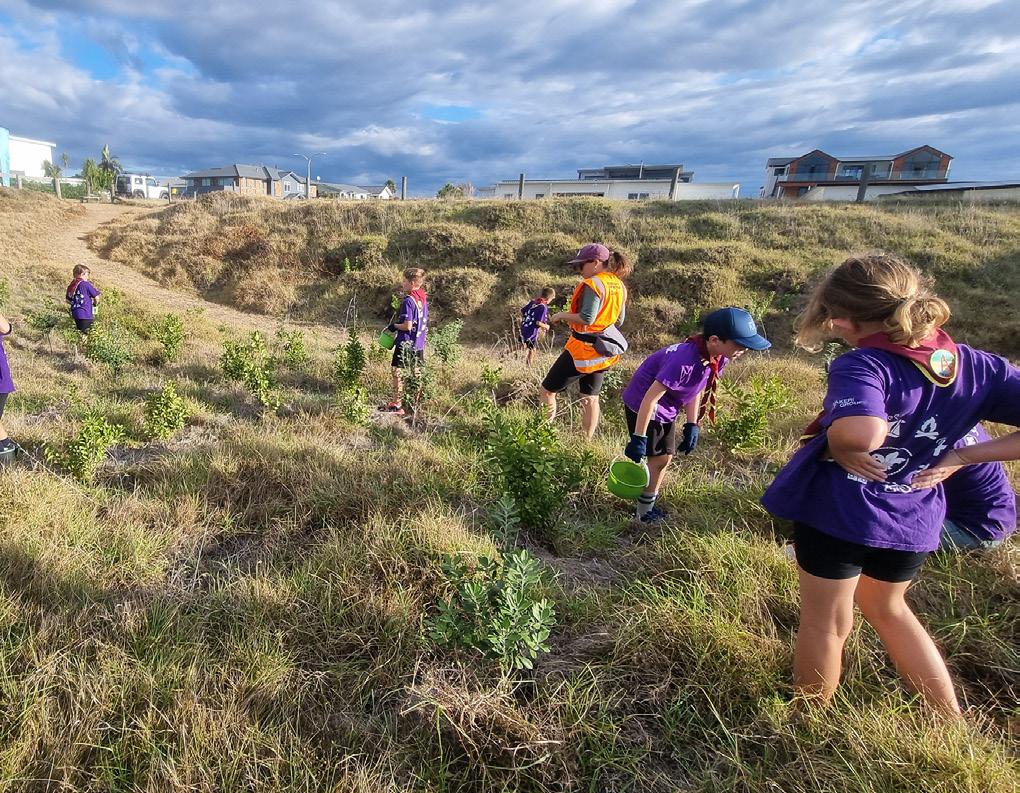
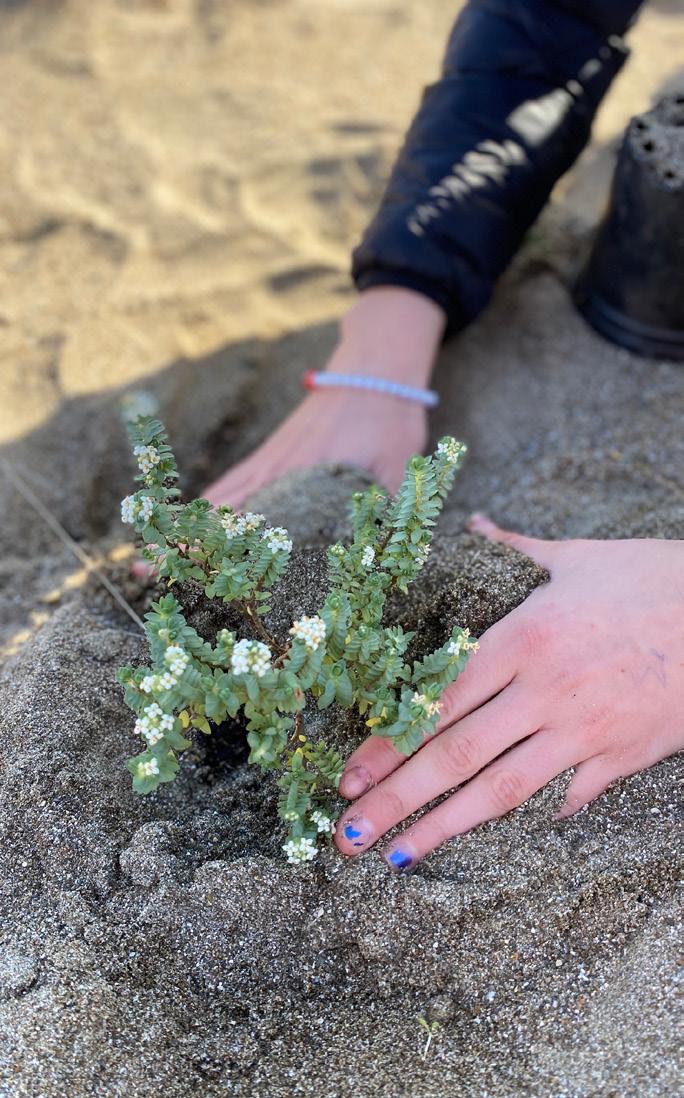
“Our good friend Amy has helped us learn how planting up the back dunes can save them. She provides plants, gloves, fertiliser, and trowels so we can plant them!
The dunes we normally help with are in Coastlands at the end of Ohuirehe Road. You can’t miss it because of the stunning view that looks out to sea and Moutohorā | Whale Island.
Two years ago, we planted the first part of the back dunes using taupata, ngaio and tauhinu seedlings. Last year, Awakeri Scout Group (Cub Section) planted 150 coastal māhoe!
In Term 1 we ‘released’ the mahoe by weeding around them, fertilising, and tying marker ribbons to their stalks.
In a few weeks we’re going to plant pīngao in the front dunes to also stabilise an area closer to the water. These are grown locally at Coastlands Plant Nursery.
Why do we bother planting these dunes? Because we know they protect the houses behind them.
Planting natives also keeps weeds from taking over the dunes.
Why else are the dunes important?
They are a home for native plants and animals.
The other reason we do this is because community service helps us earn our Better World badges. Also, a huge part of Scouts is giving back to the community.
That’s enough from me; we’d better get back to planting!”
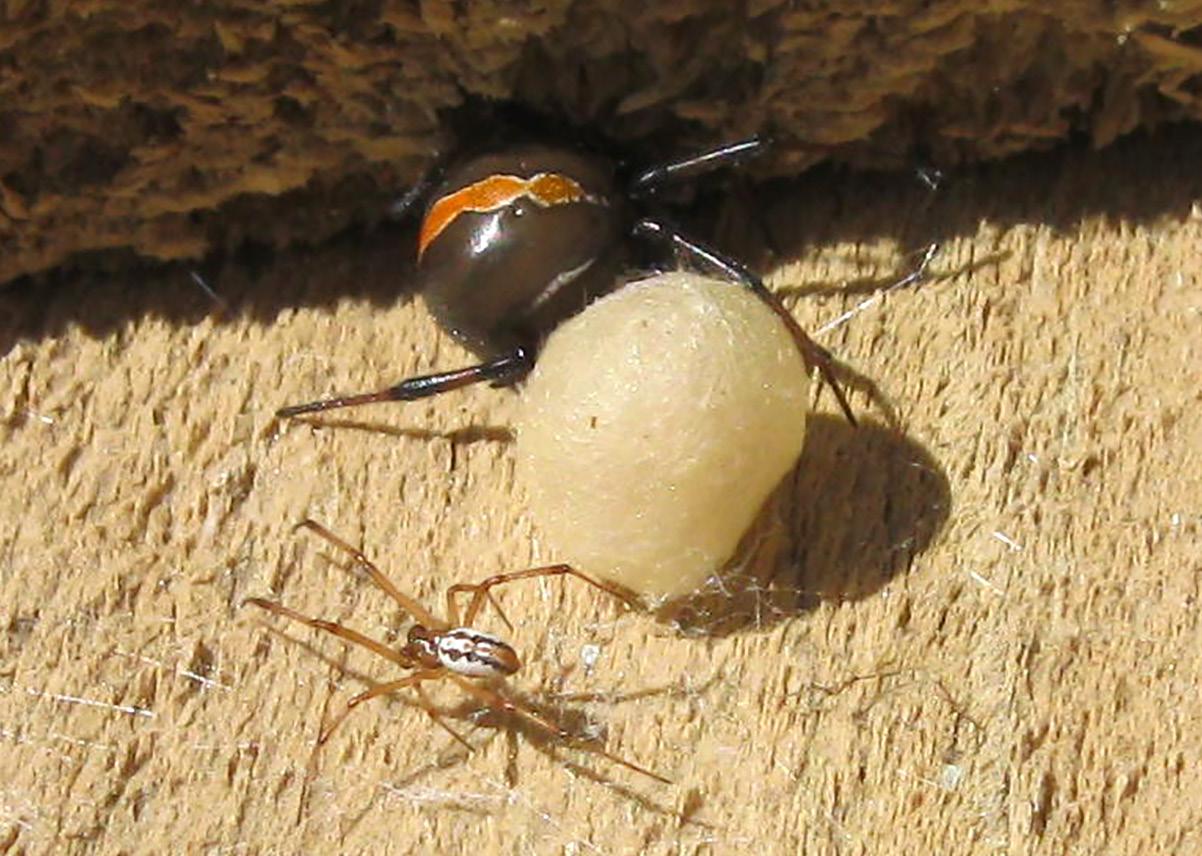
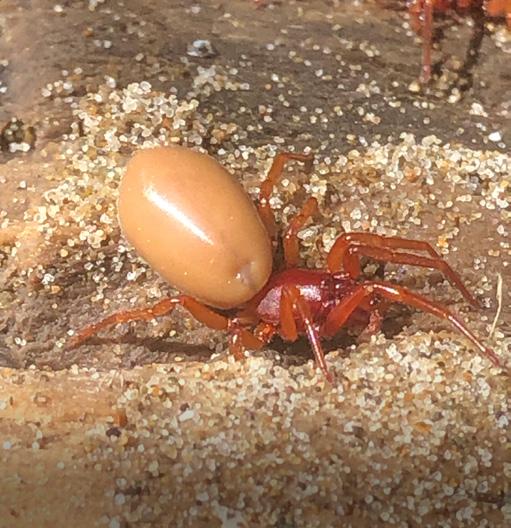
➊ Up to how many egg sacs does a female katipō make?
Psst…there’s a clue on this page
➋ Which spider in this picture is the male, and which is the female: A or B?
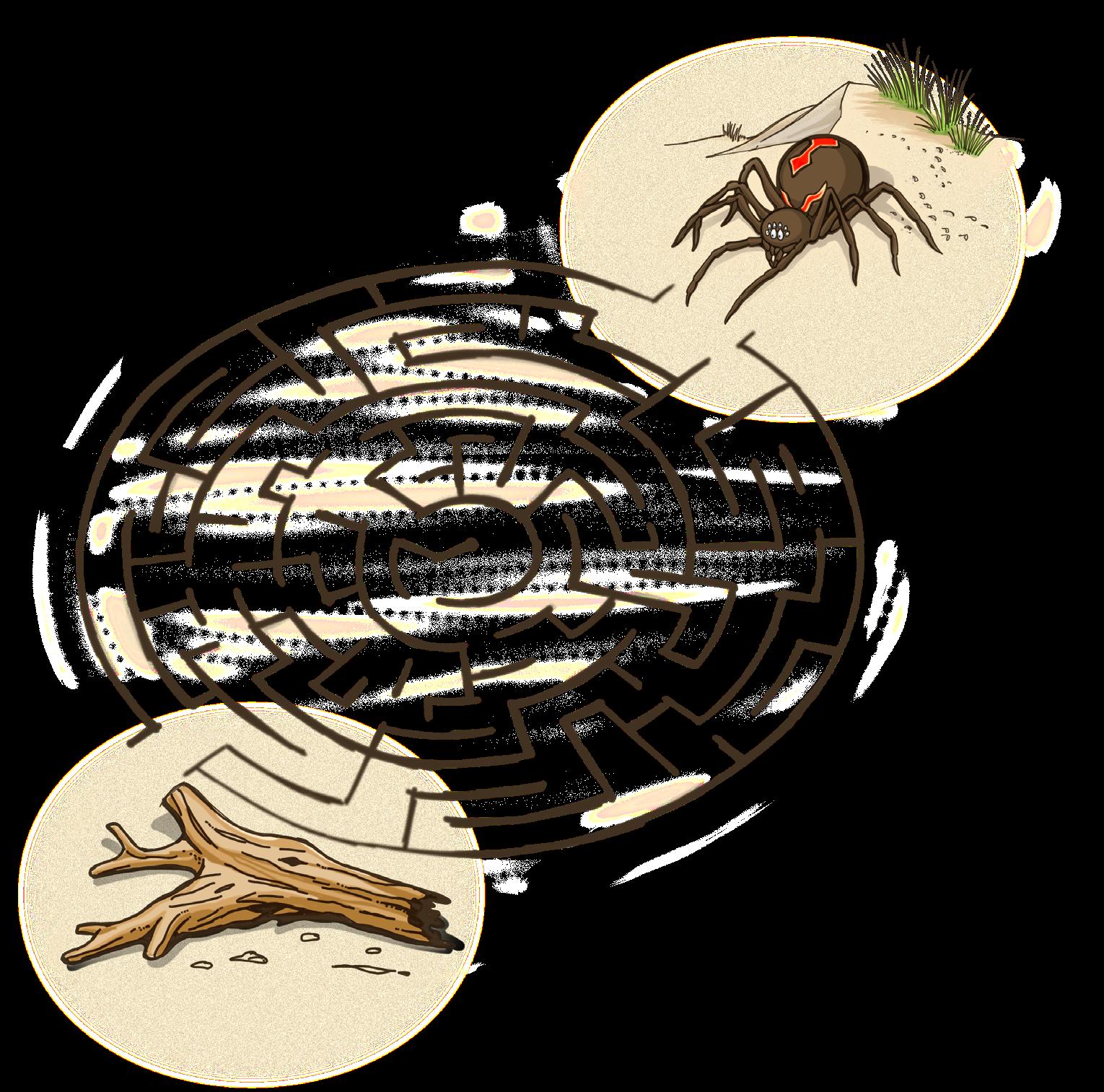
Help this katipō get to its hidden retreat beneath the driftwood.
ANSWERS:
How many words can you make from these letters?
FACT:
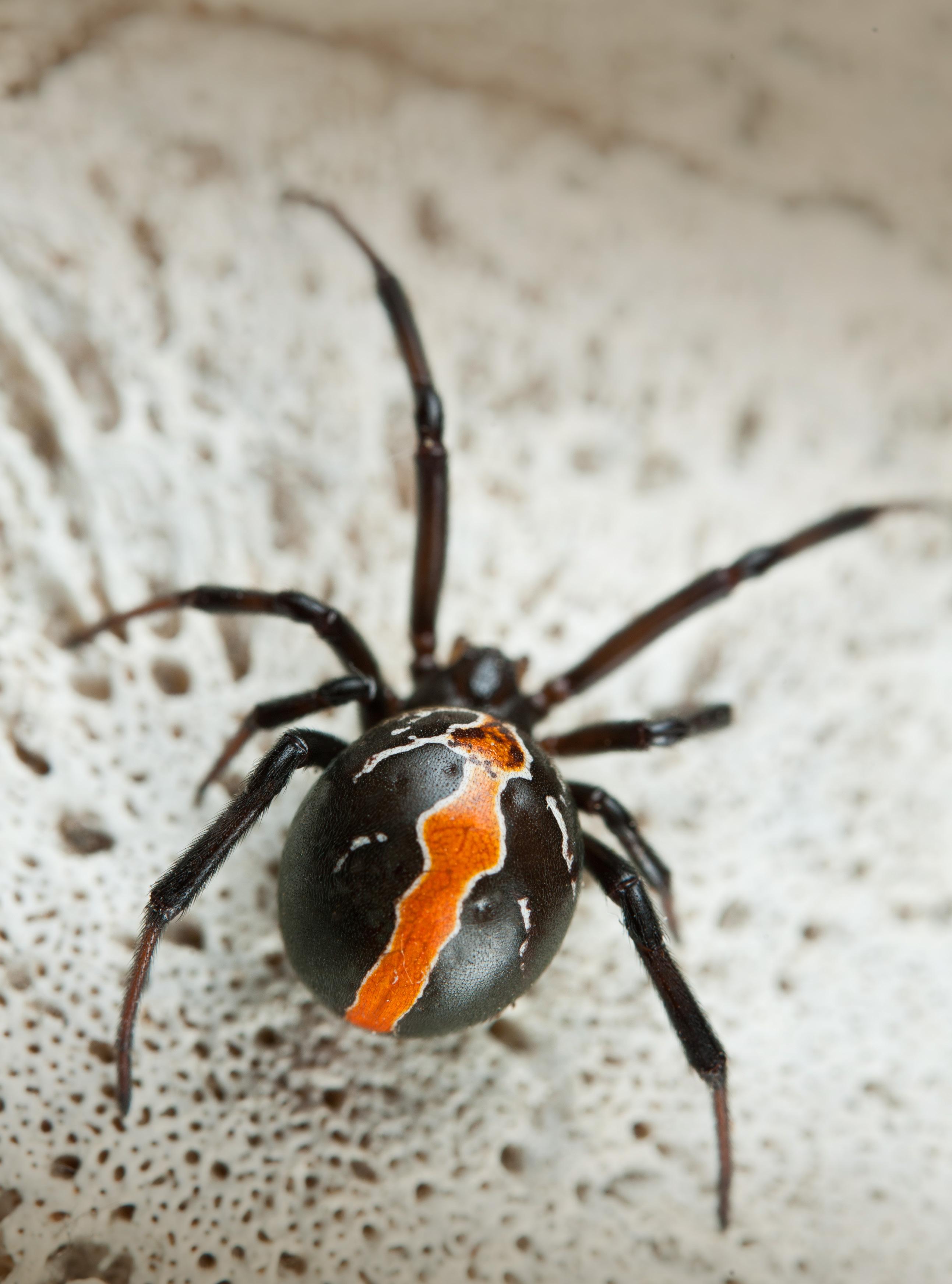
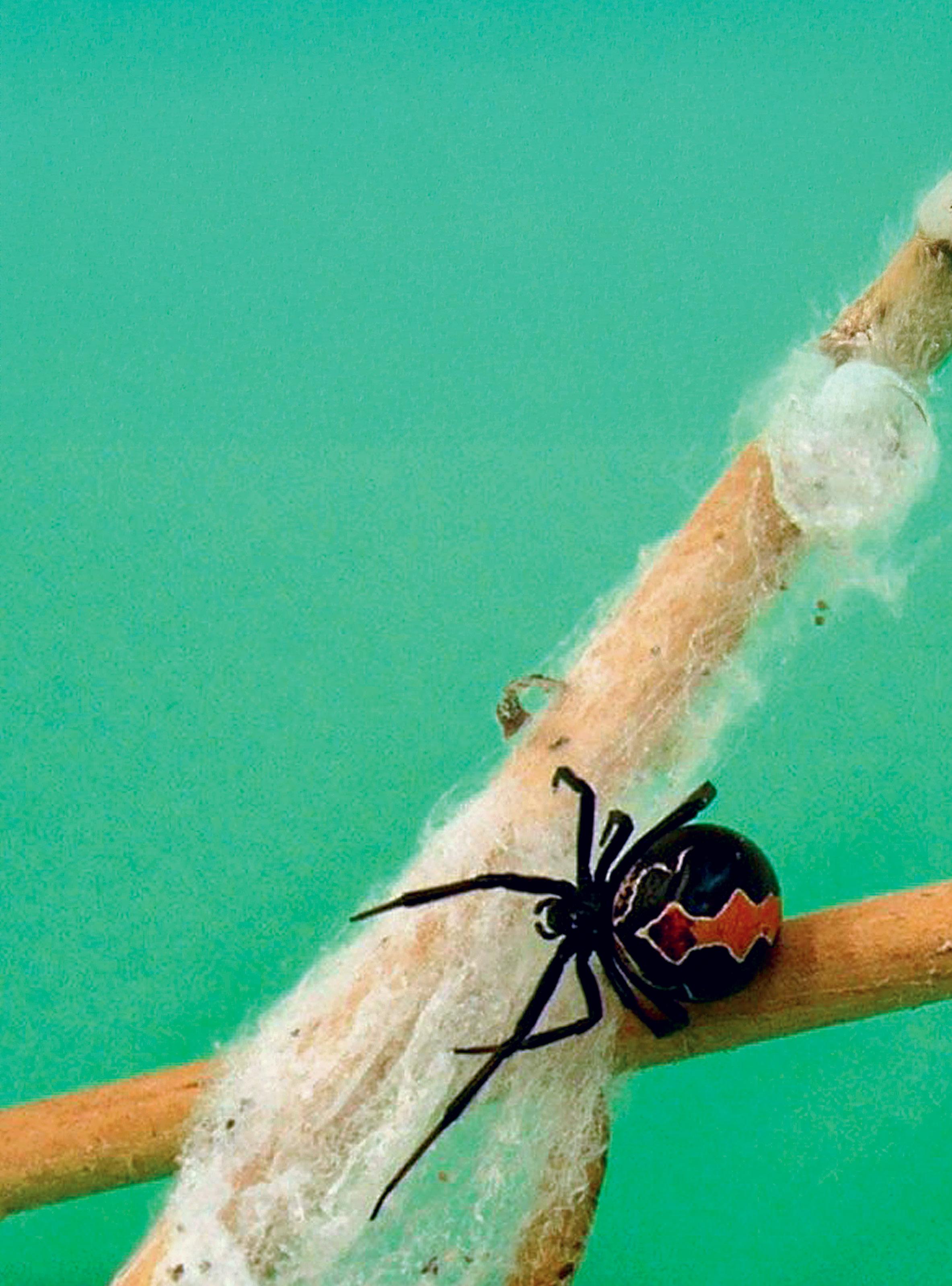
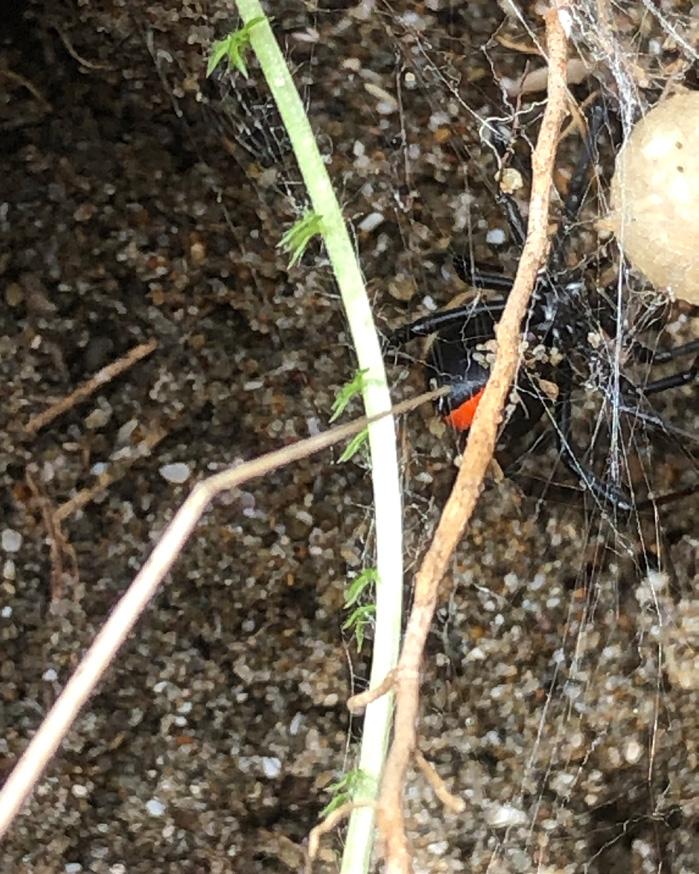
Katipō webs look a bit like a disorganised, sticky tangle! They are built low to the ground and are great for catching crawling insects, like beetles, living in the sand at beaches.
CLIMATE CHALLENGE: Storm surges and big storms wash away their dune habitats.
See over the page how kids are helping katipō.
Jess Costall
Conservation Heroes
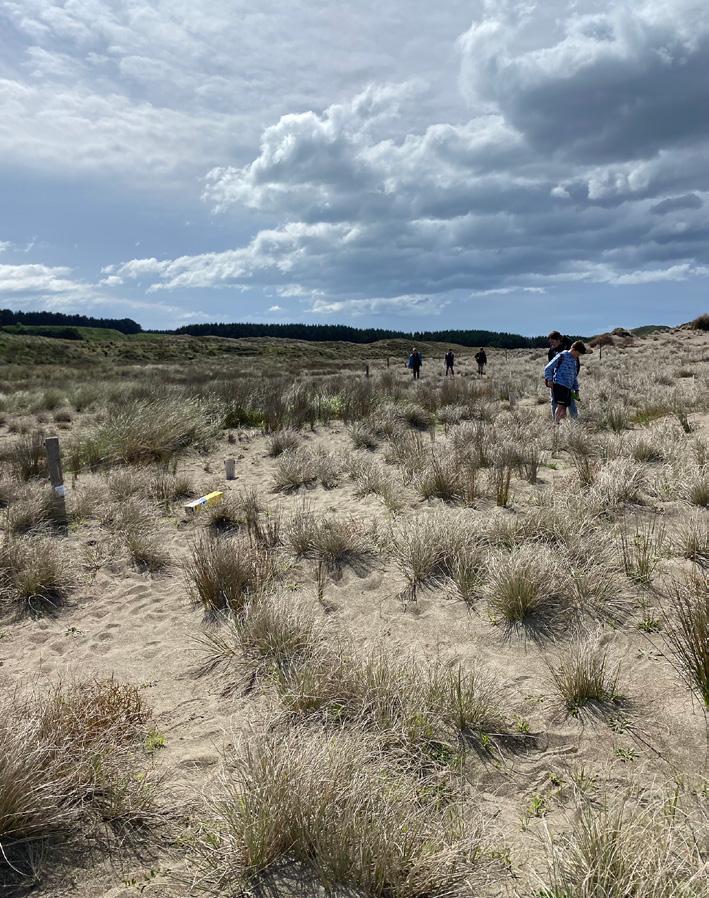
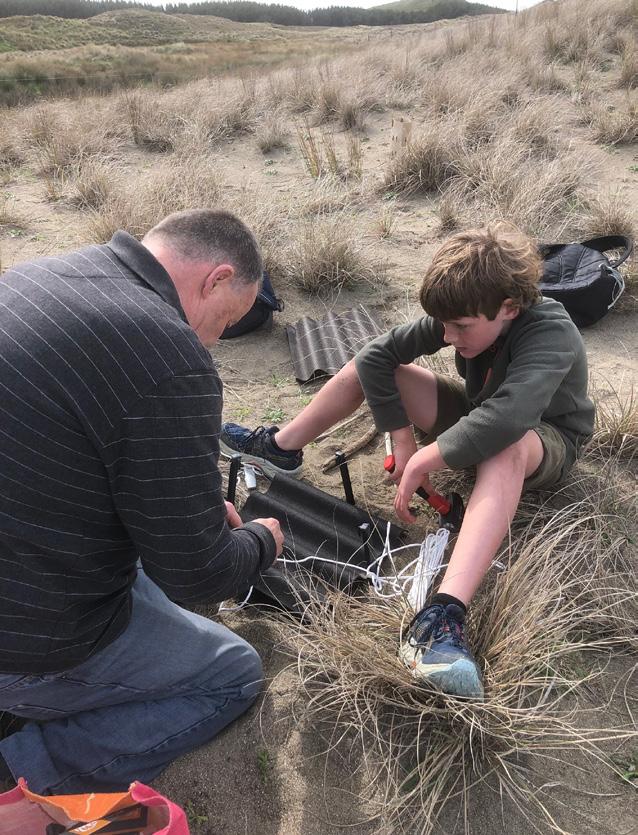
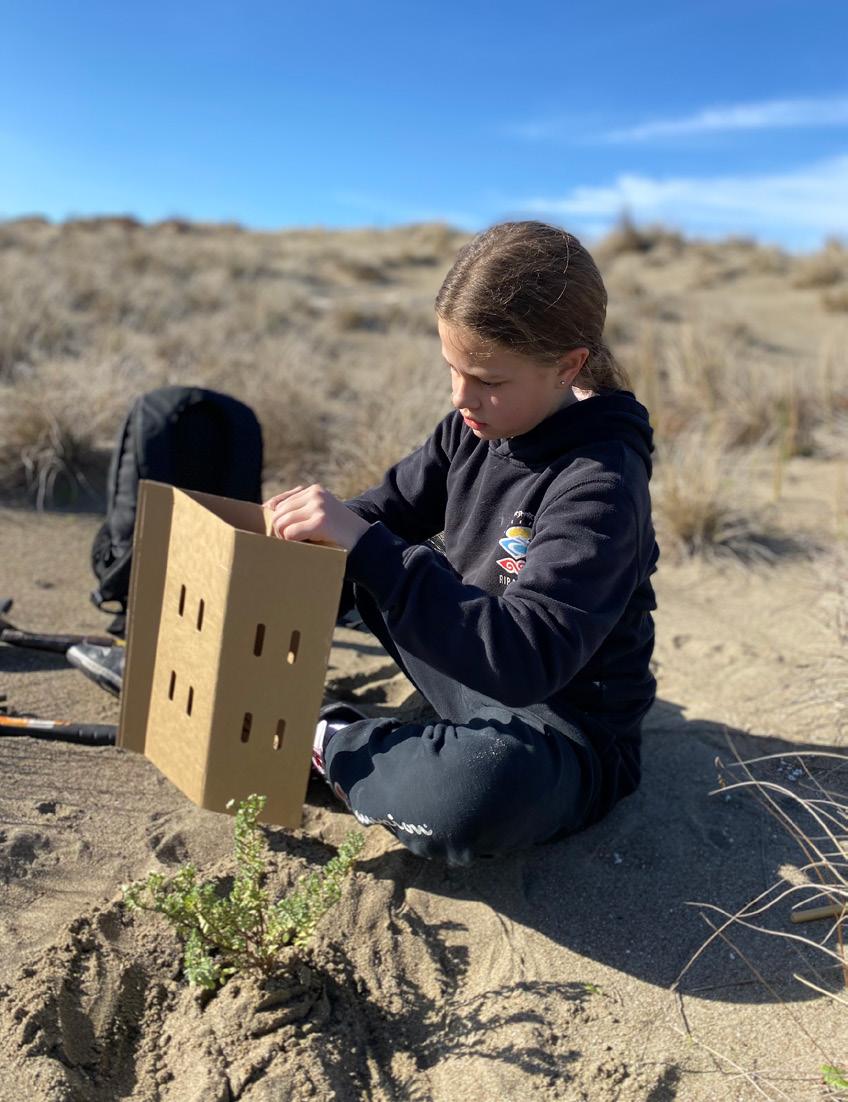
The Senior Class at Whareama School in the Wairarapa monitor endangered katipō spiders and restore their habitat at Urutī Point. Here’s their story:
“Our class is lucky to have katipō spiders at our local beach ten minutes away. A handful of entomologists helped us make a beautiful habitat for the katipō spiders. We check the population of the katipō in these habitats four times a year.
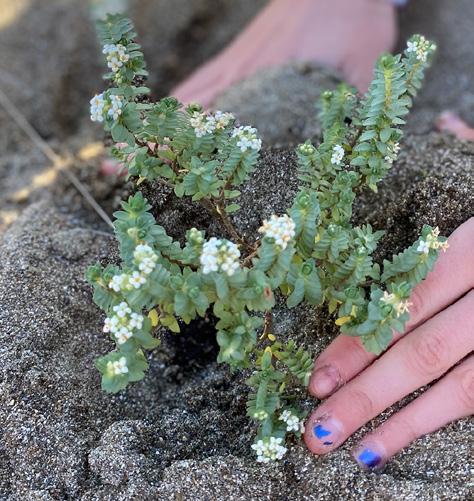
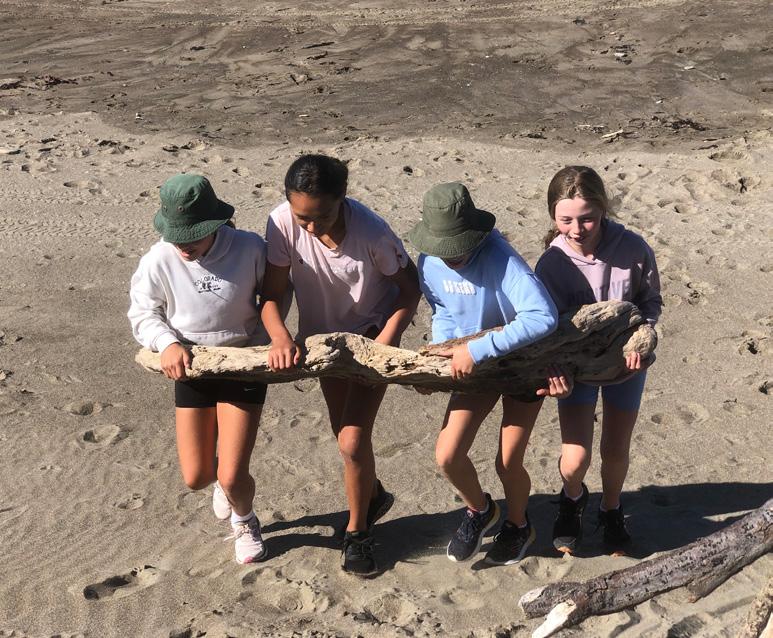
At Urutī, our school has noticed the sand dunes are getting eaten away by the elements, which is causing habitat loss for the katipō. To help regrow the population, as well as complete our regular spider count, Whareama School has been moving driftwood from the beach to the sand dunes and planting autetaranga | sand daphne for the katipō.”
“Katipō spiders mostly live near the beach in the sand dunes because there are more plants in this area. Native plants which are found naturally on NZ coastal dunes are best.”
Star
Pippa and Sasha
“The sand daphne also helps the Castlepoint Notoreas moth, which is a type of day-flying moth. Each visit, we water the plants. The driftwood logs and plants give the spiders a safe place to lay eggs and have babies.”
Eben
Did you know that katipō means “night stinger”?
Whareama School
“When people plant grasses and shrubs in the dunes they put corrugated cardboard out as plant protectors. The spiders often make their habitat in these cardboard tubes too (amongst other things).”
Jamie
“We monitor the spiders with pitfall traps that have Onduline [a type of roofing sheet] on top. The pitfall trap has stones and sticks in it so anything that falls in can get out of it. We have installed Onduline habitats for the spiders too, to make webs under.”
Harvey and Jacob
Slater spider
“Here are some of the threats to katipō and their habitats:
n Motorbikes driving up and down the beach destroying the dunes.
n Livestock grazing on the back grassy dunes area. They stand on the grass, eat the plants, and they wreck katipō homes.
n Predators like false katipō spiders, slater spiders, hedgehogs, mice, and rats. We have found mice in the areas we use for counting the spiders, and our tracking tunnels show mice and hedgehogs to be very common in the sand dunes. There are lots of false katipō spiders!
n Climate change and rising sea levels.”
Keoni and Star
“We lost one complete transect [area used for scientific study] during Cyclone Gabrielle and had to reposition two transect lines. The third transect we lost due to people interfering with the habitats and riding motorbikes in the dunes.
Prior to Gabrielle, we had the highest recorded number of katipō in the Greater Wellington region with 28. Post Gabrielle, we went as low as 8, but our count at the beginning of April was back to 24. False katipō, hedgehogs, and mice are problems at our site. We have not yet developed a trapping plan but are working on it.”
Dianne Christenson (Kaiako)
“Katipō are really taonga to our hapū (Ngāi Tūmapūhia-ā-Rangi) and my whānau from the older generation have told us about growing up with a bigger population of these spiders. We would love to increase the population and are working together to achieve this.”
Jamie
BINGO
How many native manu can you spot this spring?
Play Bird of the Year Bingo to find out who’s flapping about in your neighbourhood!
Sometimes it can be tricky to spot manu | birds outside and some species are not common everywhere in Aotearoa. Don’t worry – you can play Bird of the Year Bingo however you like! Head outside with binoculars, stay by the window where it’s cozy or search online to learn more about these Bird of the Year competitors.
Cut out the Bingo board and turn the page over to learn more about each species.
HOW TO PLAY:
When you spot one of the manu | birds, tick it off. Can you cross off a line, a row or even the whole board?
All bird photos Eric van Essen
Kōtare Pūtangitangi Pūkeko
Tūī Tauhou Kāhu
Korimako
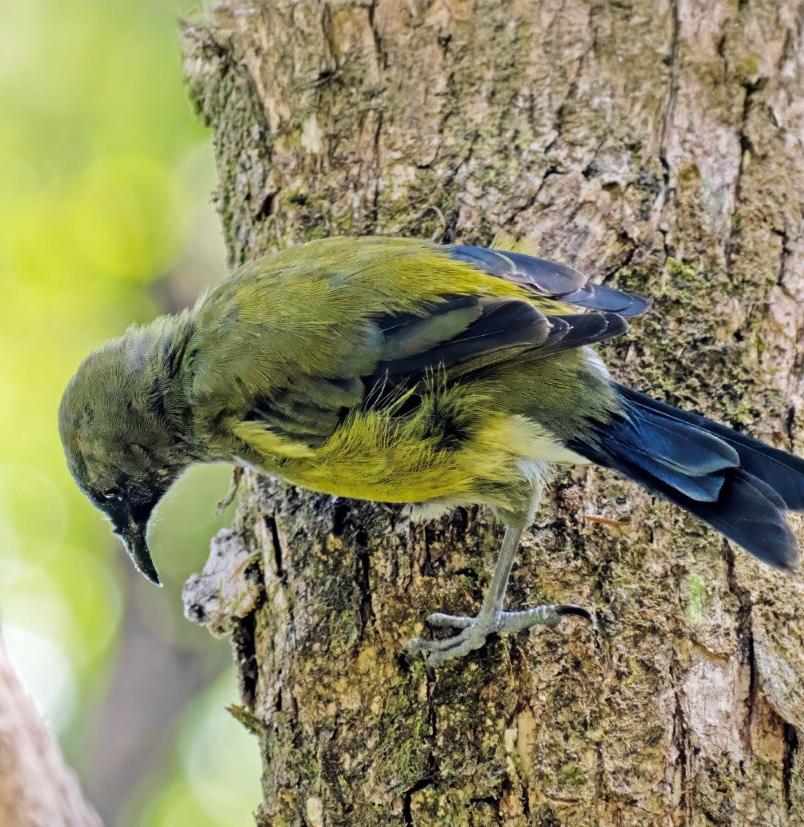
Also known as bellbird and makomako. Korimako are yellowish-green honeyeaters with a beautiful song. Inside their curved beak, korimako have a brush-like tongue which they use to drink nectar. They help pollinate native plants. They also eat bugs.
Like bells ringing
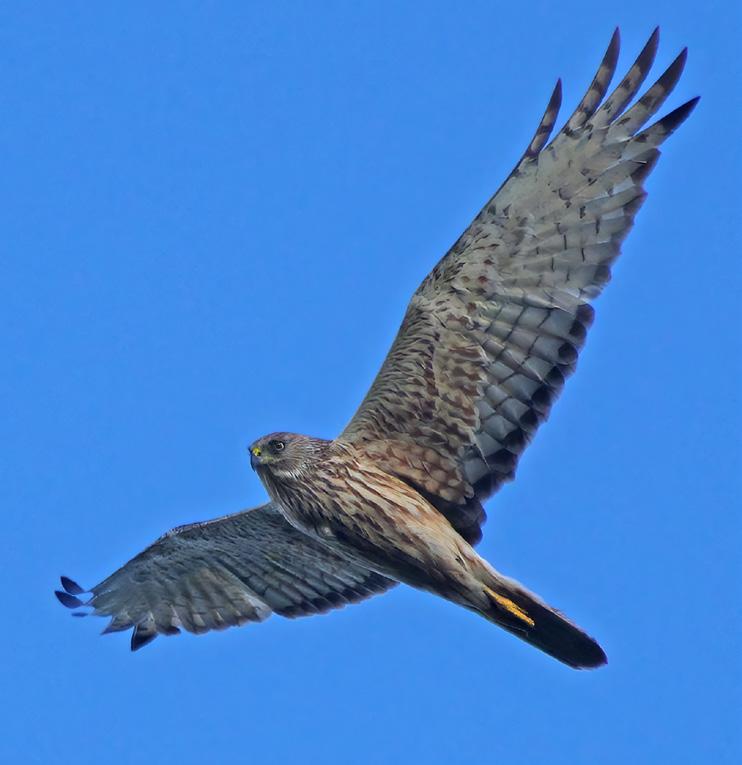
Kāhu
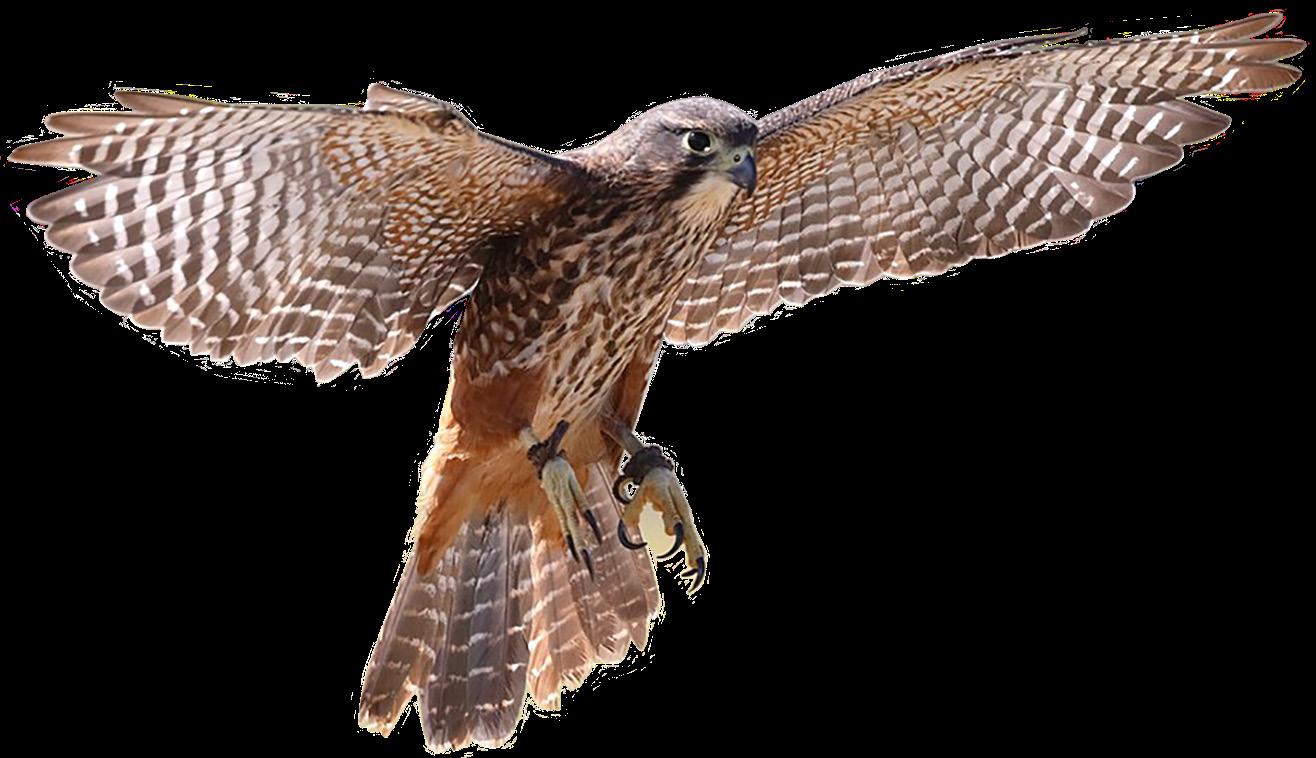
Also known as hawk, harrier hawk and swamp harrier. Kāhu are large, long-legged birds of prey with incredible eyesight. As well as eating dead animals, they hunt live mice, rats, rabbits, small birds and insects by scanning the ground for signs of movement as they fly.
“Kee-o kee-o”
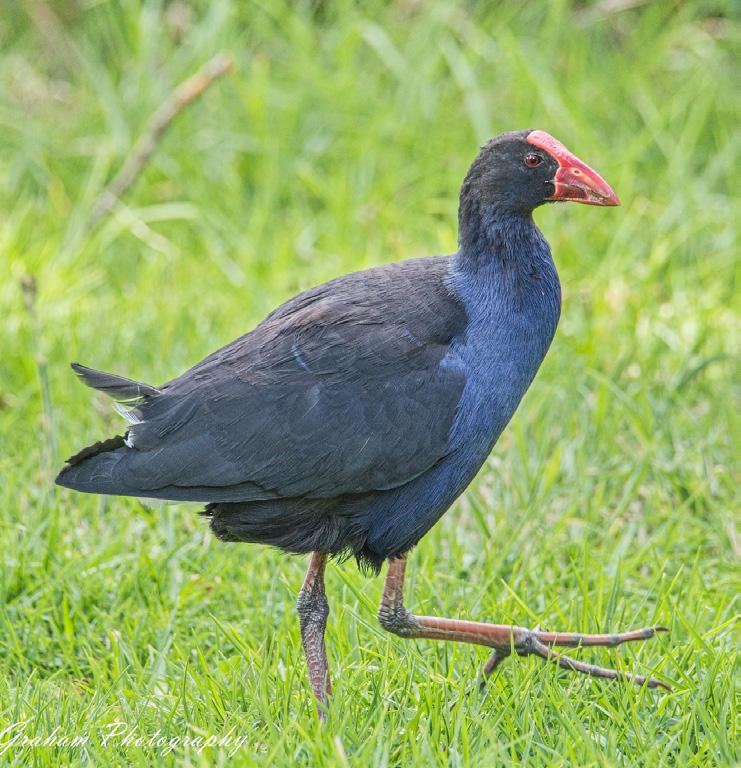
Pūkeko
Also known as swamp hen. Pūkeko have bright red frontal shields and purple-blue feathers. Many populations live together in social groups sharing food and territory with each other. They even lay their eggs in a single nest and all the chicks are raised by the group!
“N’yip” “Hiccup” “Squawk!”
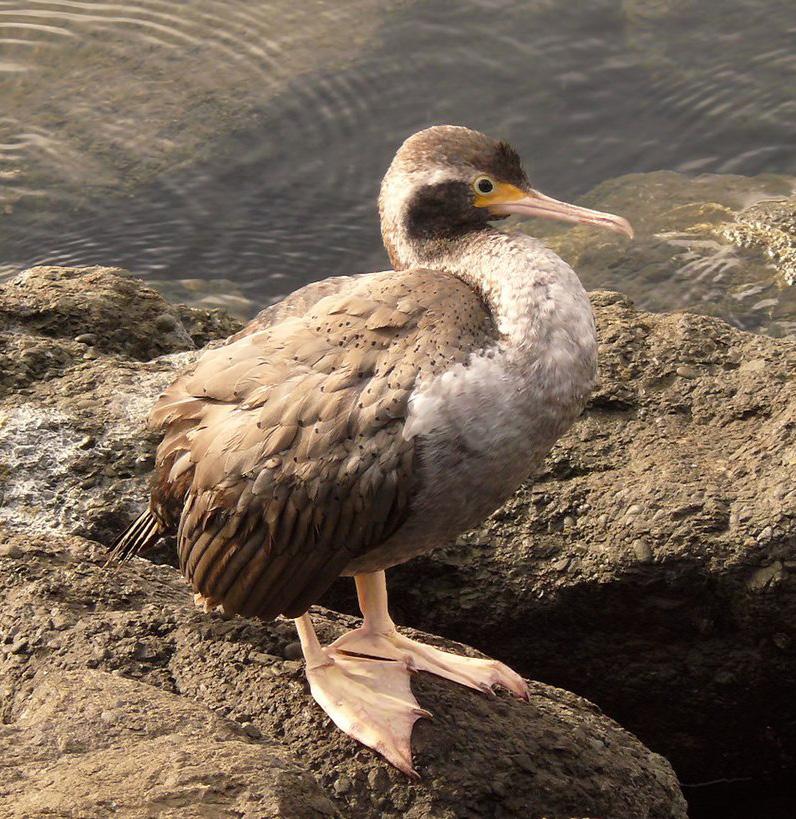
Kawau tikitiki
Also known as spotted shag. Kawau tikitiki dive to catch their kai, using their webbed feet to propel them underwater. They often have small stones (‘rangle’) in their gizzards (special part of their stomachs) which may help grind up food or weigh them down when diving.
Silent; can make loud grunt.
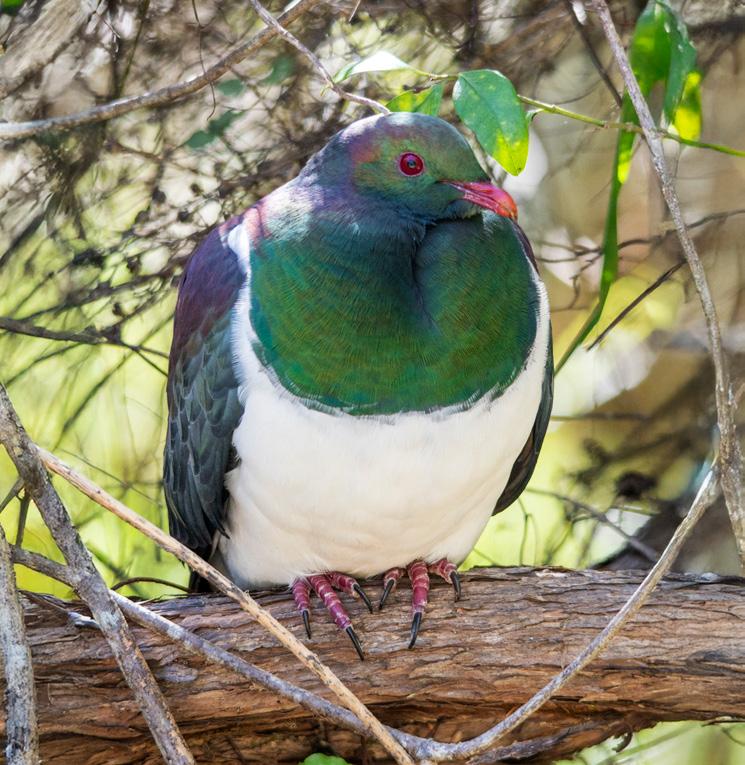
Kererū
Also known as the native wood pigeon, kukupa and kuku. Kererū are large, colourful birds. They can roost on top of trees and even on powerlines! They eat all sorts: berries, buds, leaves, flowers and even some fungi! Listen out for the whooshing of their wings as they dive.
“Oos oos” (very quiet)
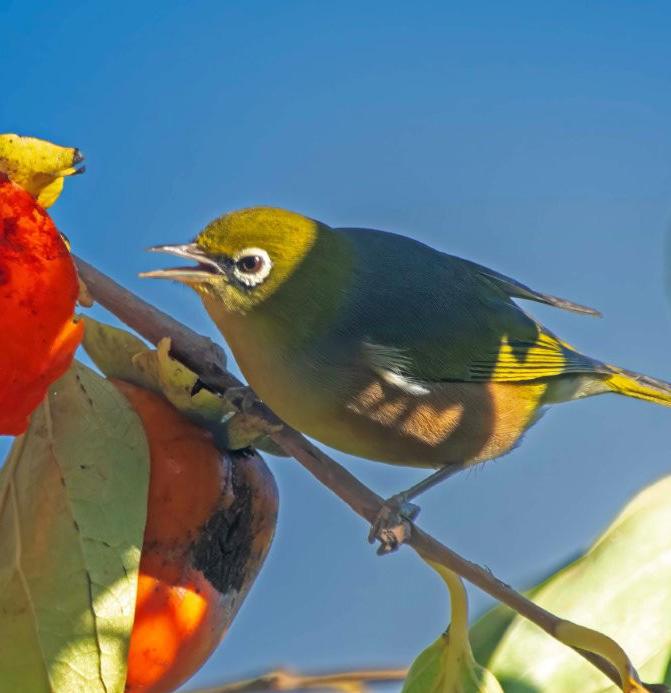
Tauhou
Also known as silvereye and waxeye. Tauhou flew over from Australia in the 1850s and are now one of our most common birds! Tauhou LOVE fruit – you’ll often see them feasting in orchards. They love native fruit too and are helpful in spreading seeds from native trees.
“Creee!” “Cli-cli!”
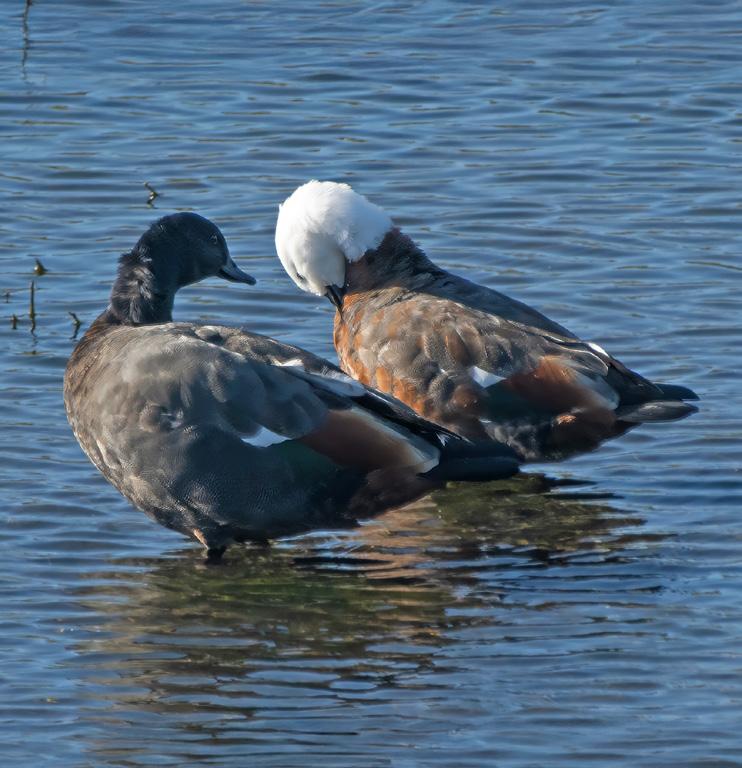
Pūtangitangi
Also known as paradise shelduck. Pūtangitangi are our second most common duck species (after mallards). They are noisy and are usually seen in a mating pair. Look out for the cute, stripey ducklings waddling after their parents in the spring.
“Honk honk!”
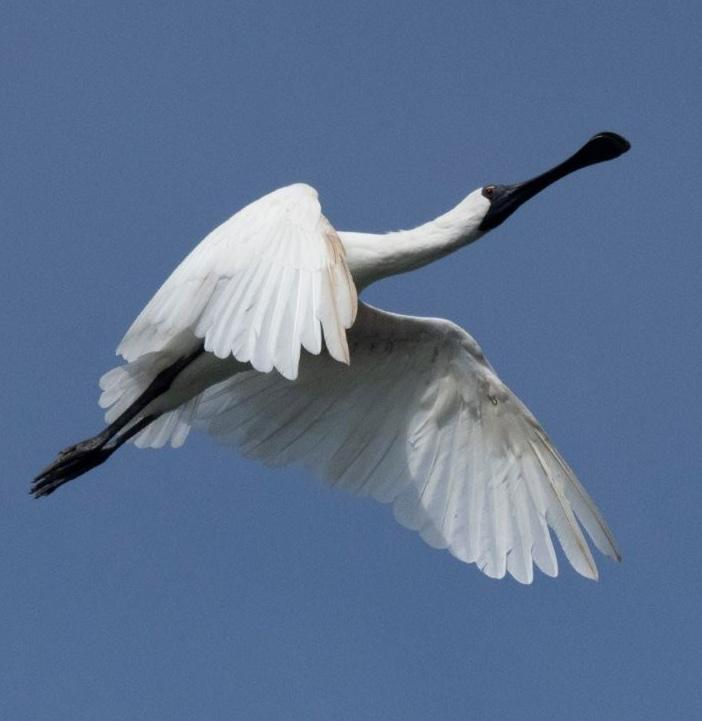
Kōtuku ngutupapa
Also known as the royal spoonbill. These big white birds have large spoon-shaped black bills and look like something out of a Dr Seuss book! They swish their beaks back and forth underwater to catch fish, shrimp and other prey. Look out for their fancy mating dances in spring!
Grunts, groans and hisses
Pīwakawaka
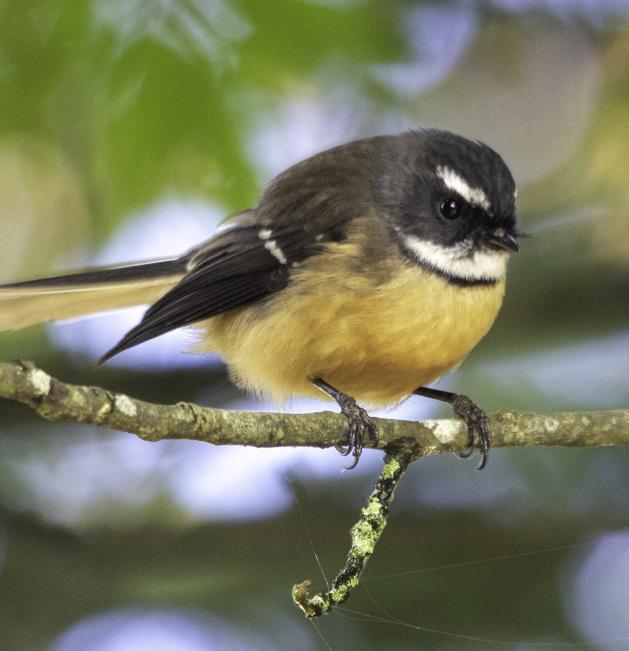
Also known as fantail and tīrairaka. Pīwakawaka live in forests, parks and gardens with lots of trees. They make nests out of fine materials like moss and dried grass, weaving them together with sticky cobwebs! They eat bugs like moths, flies, beetles and spiders.
“Cheep! Cheep!”
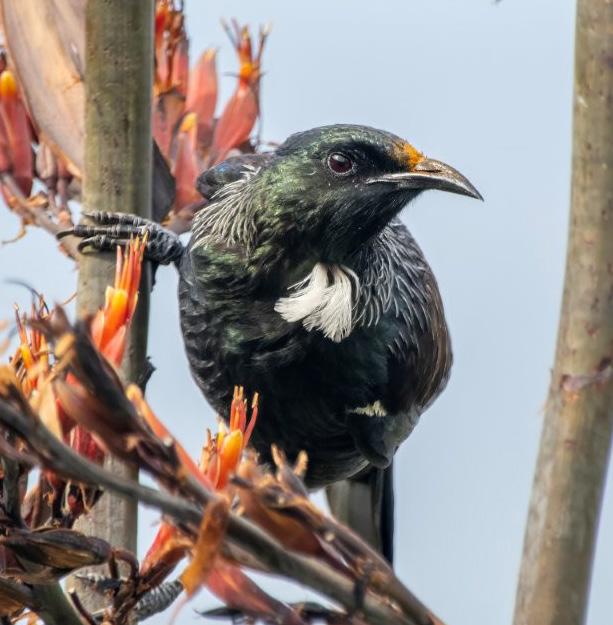
Tūī
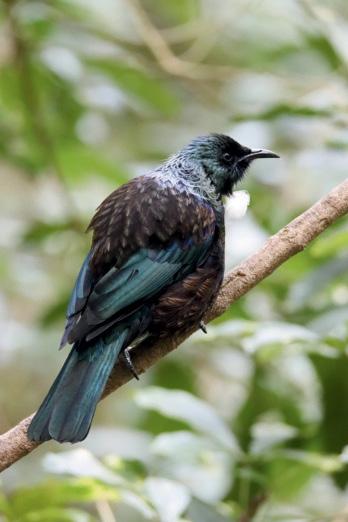
Also known as kōkō. Tūī are bossy, beautiful birds that are common throughout NZ (except Canterbury). They have a fluffy white tuft on their neck and are very chatty. They prefer to slurp flower nectar but will eat juicy bugs like cicadas and stick insects in breeding season.
Coughs, grunts & wheezes!
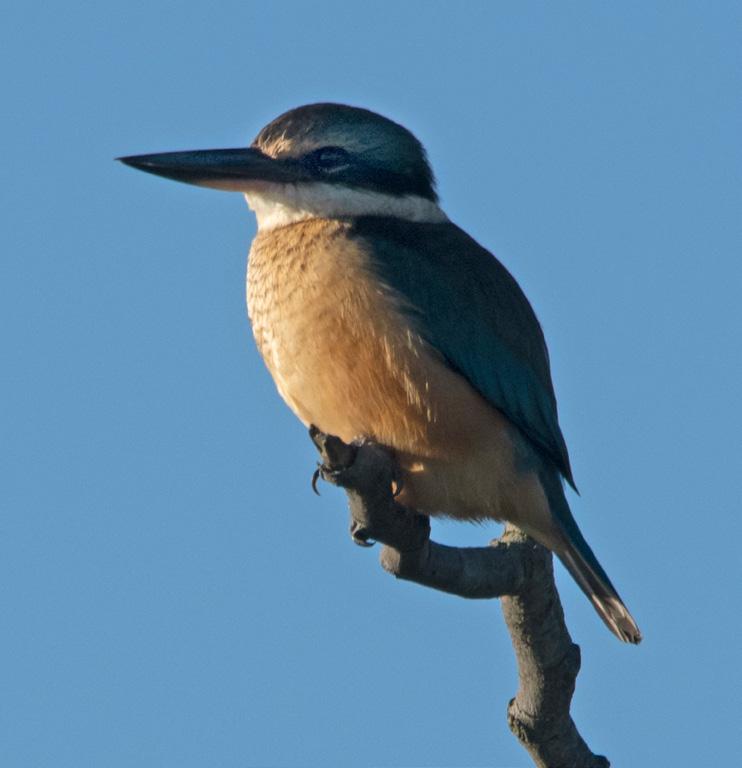
Kōtare
Also known as NZ kingfisher and sacred kingfisher. They have powerful black bills and beautiful greeny-blue feathers. Kōtare are a familiar sight near water where they like to perch up high and watch for prey. When they see something tasty, they dive quick as a flash to grab it.
“Cree-cree!”
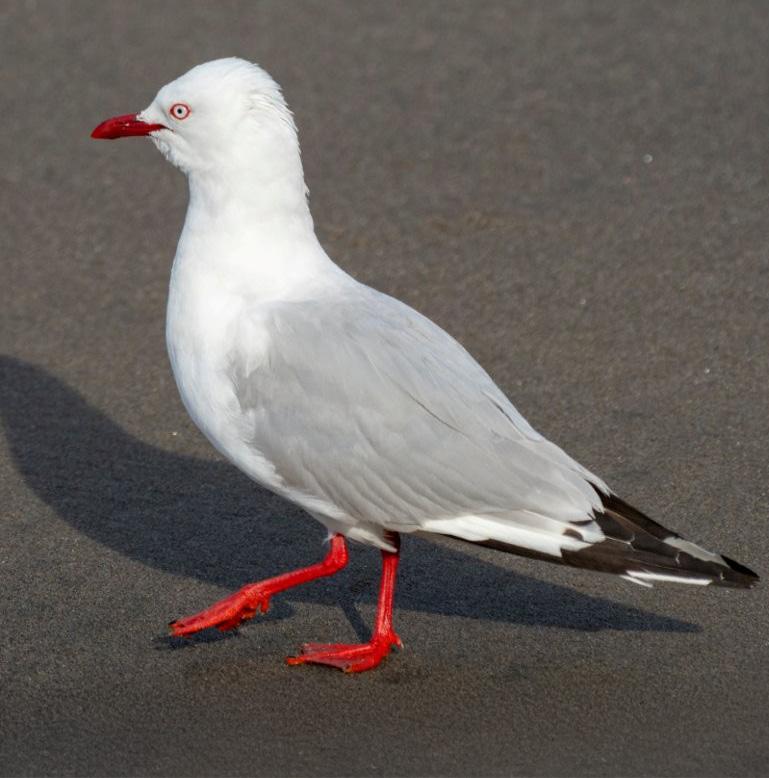
Tarāpunga
Also known as the red-billed gull and akiaki. Tarāpunga are the most common gull in Aotearoa and live in large colonies near the sea. Although they’re famous for stealing chips, they prefer to eat krill. Tarāpunga numbers are dropping due to climate change and predators.
Squabbling, squawking “kee”
Mailbox In the
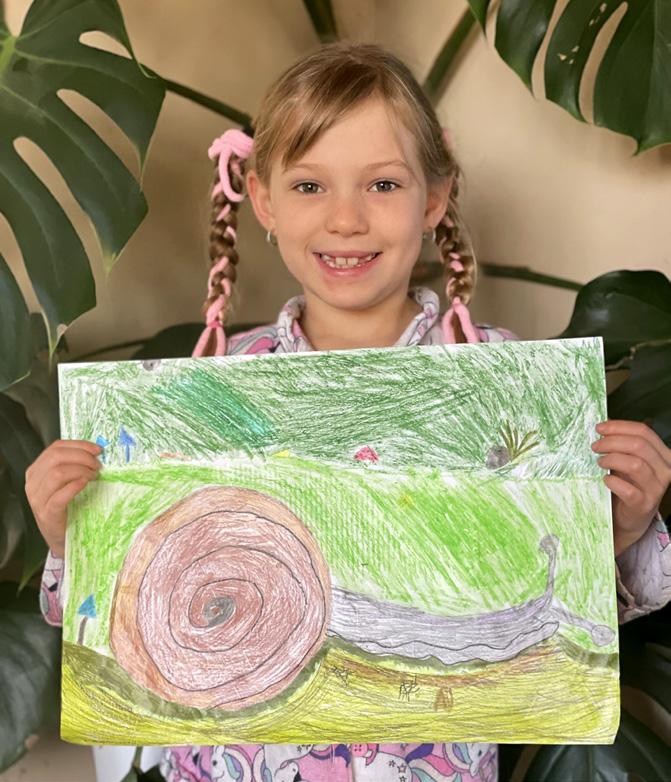
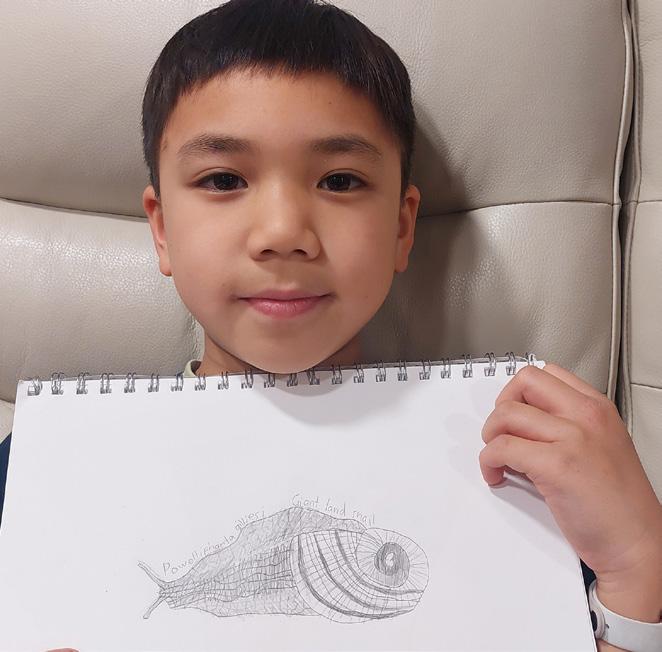
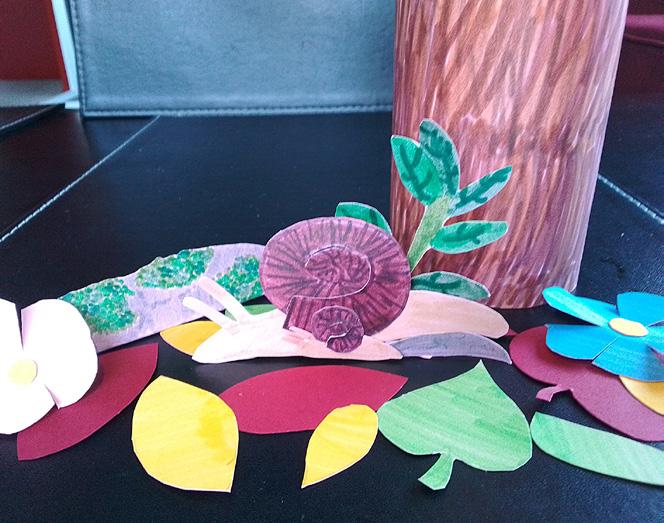
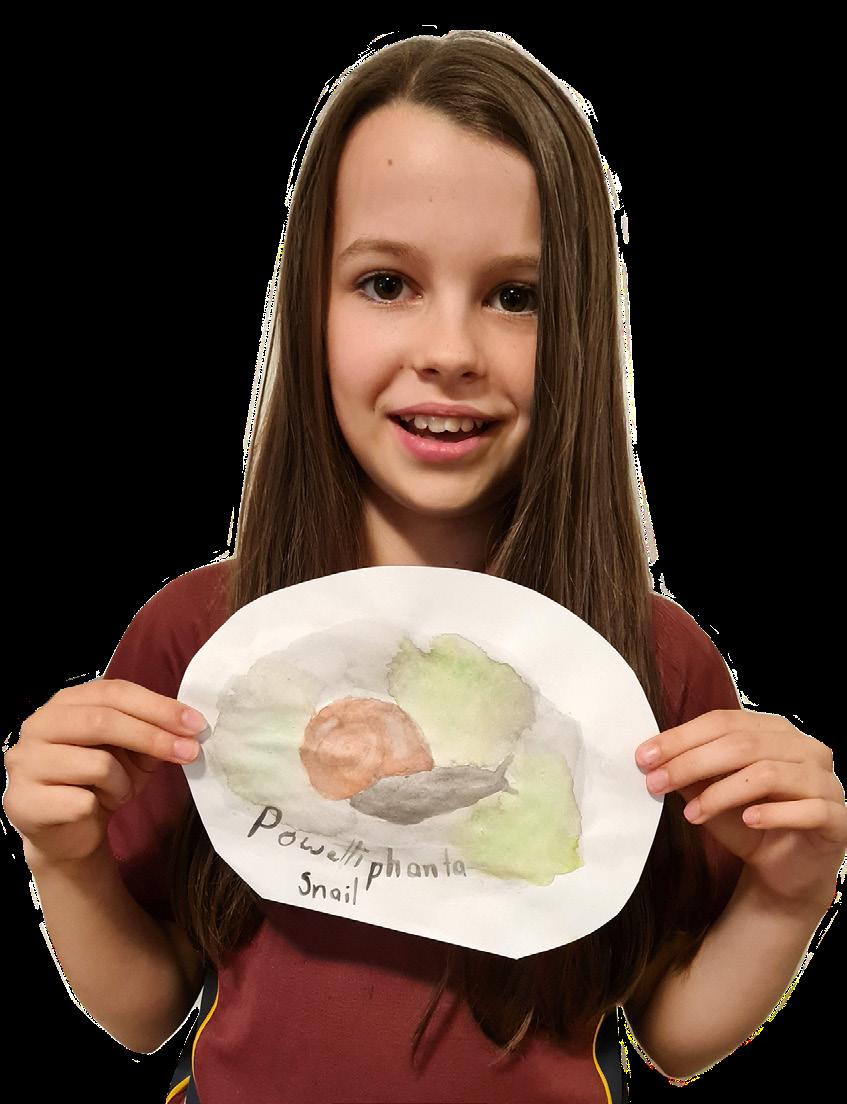
“Powelliphanta are too cool to lose because they are very big and native to NZ.” Phoebe (age 7)
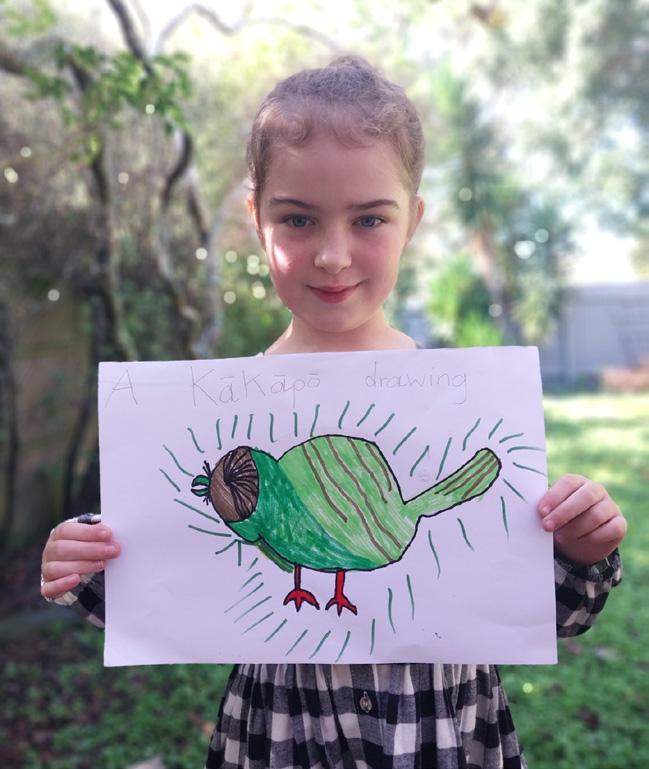
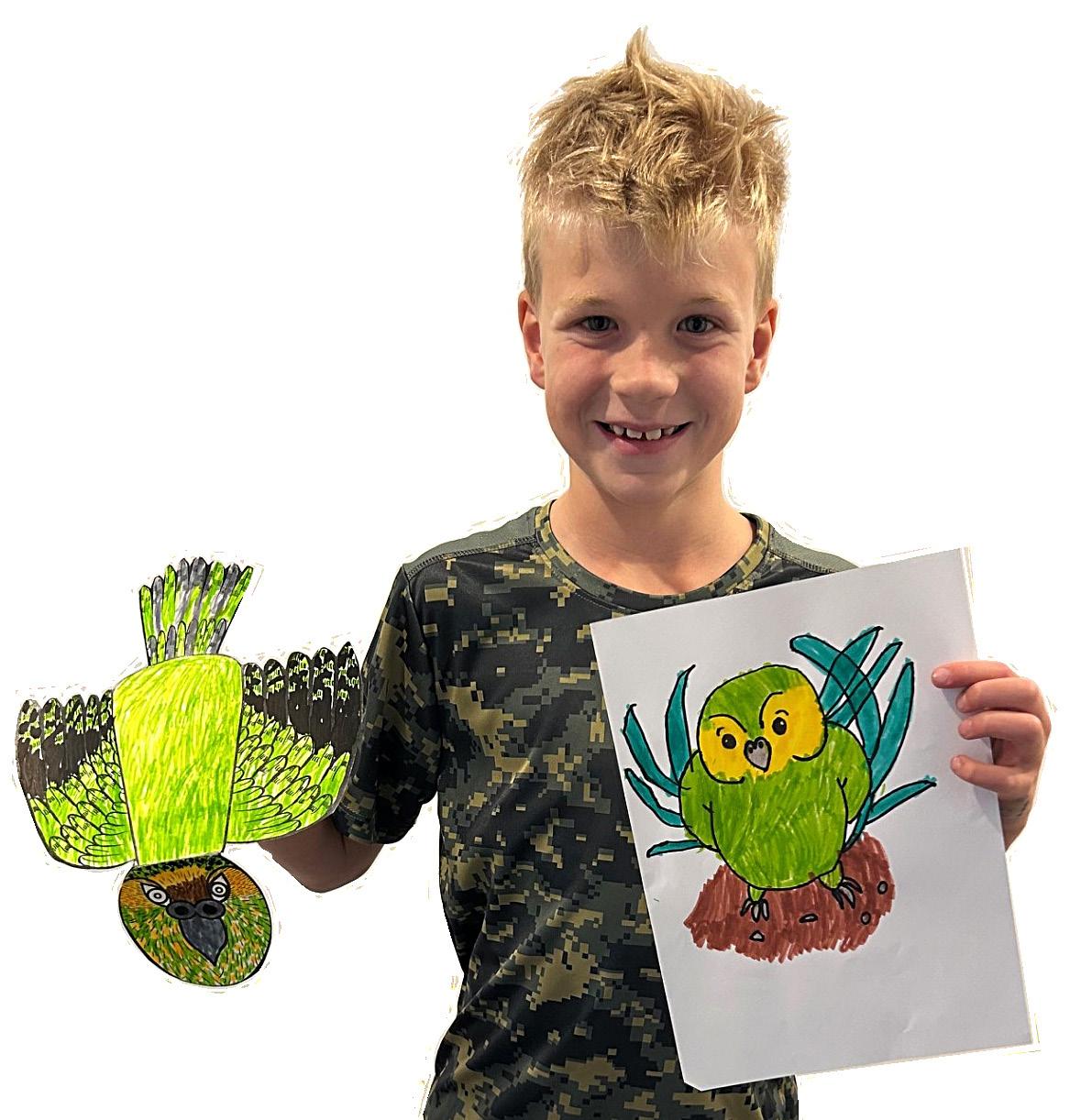
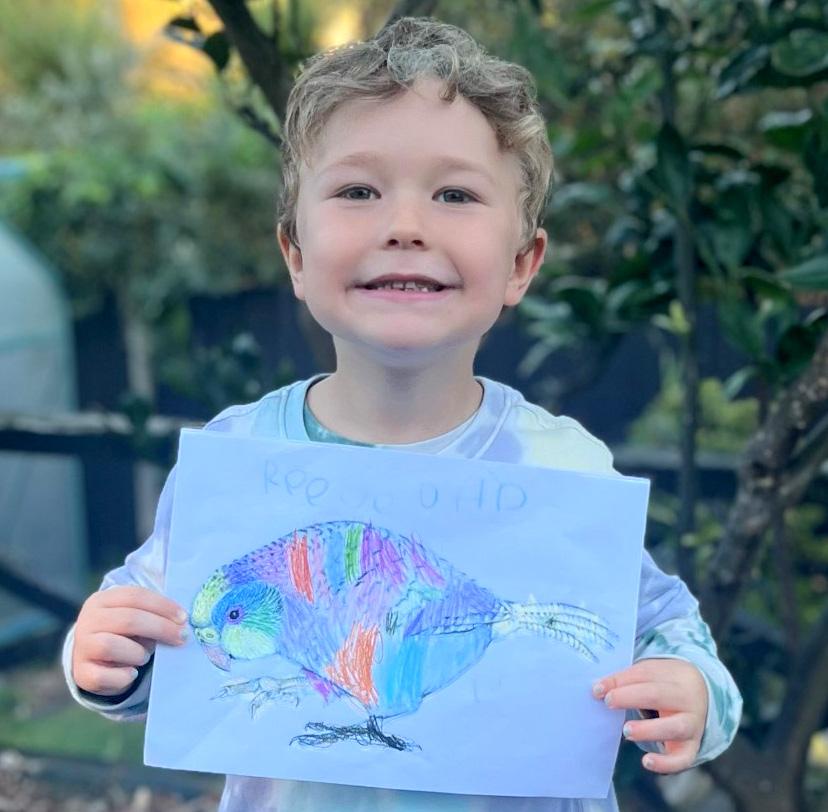
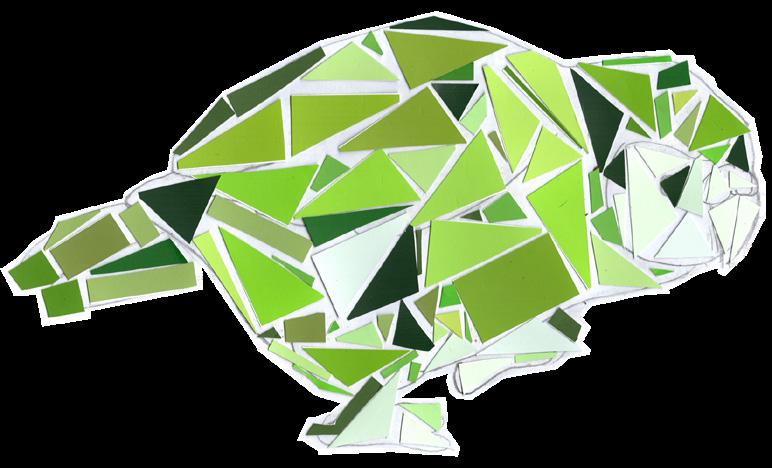
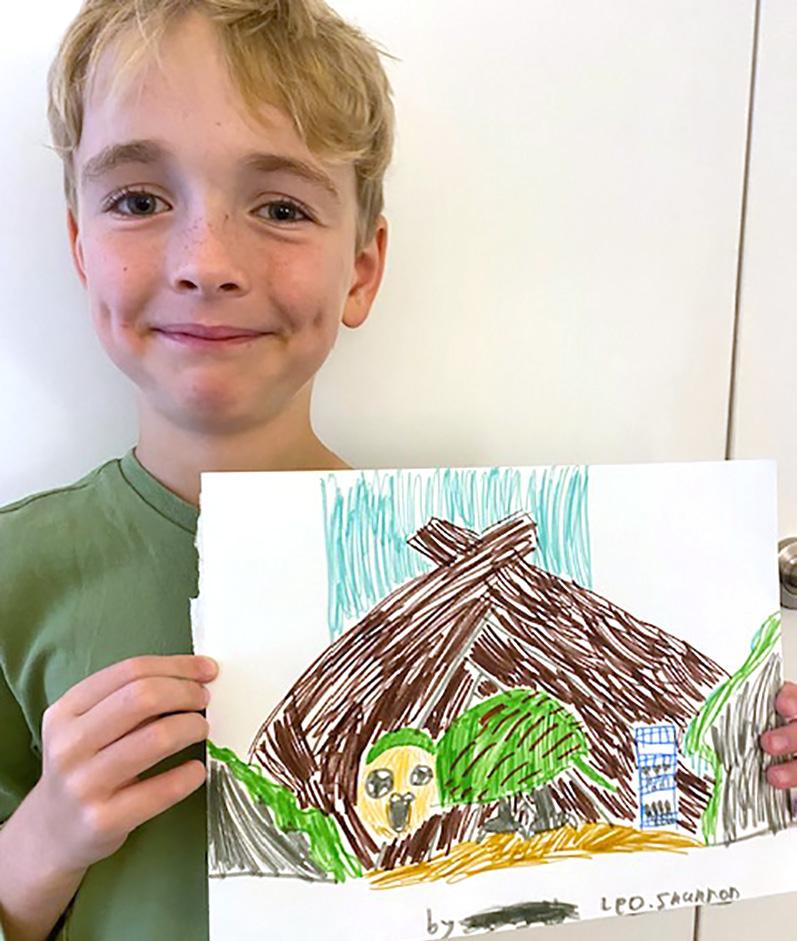
“Kākāpō are too cool to lose because I like their colours and they’re flightless. You can’t see them in zoos,
“Kākāpō are too cool to lose because they’re the only flightless parrot in the world.” Daphnée (age 7)
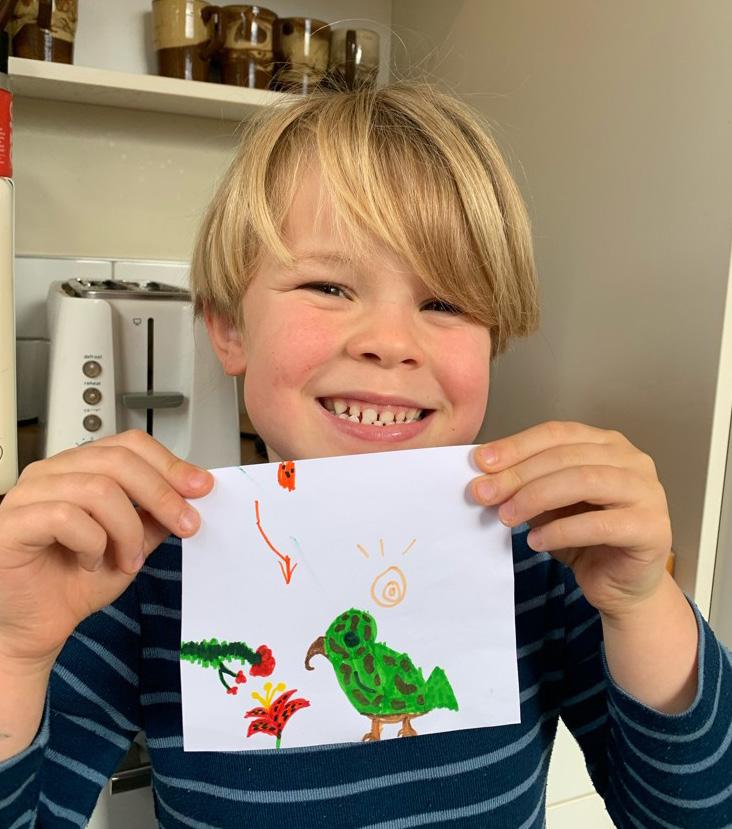
“Kākāpō are too cool to lose because they’re the world’s heaviest parrot.” Raffy (age 6)
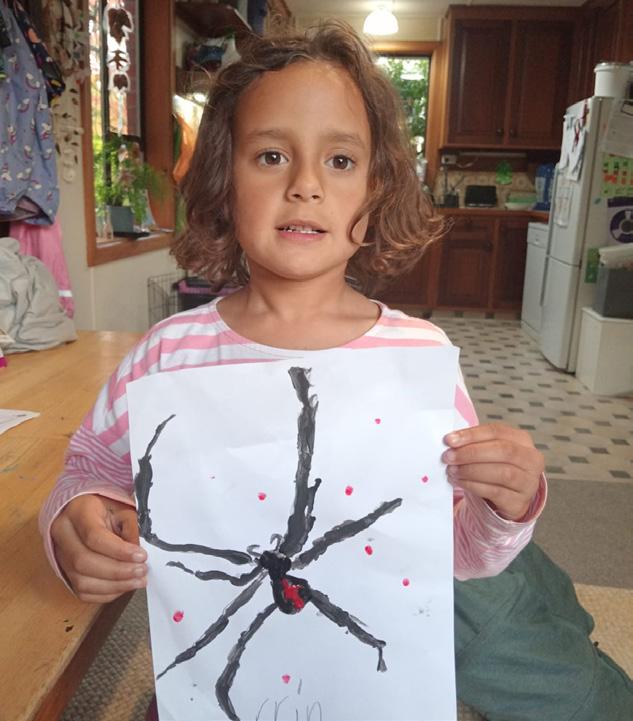
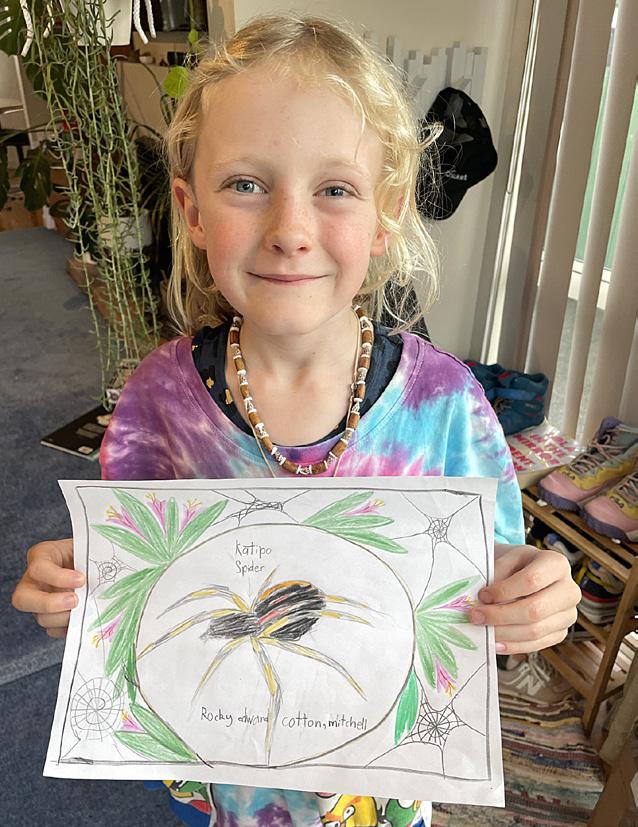
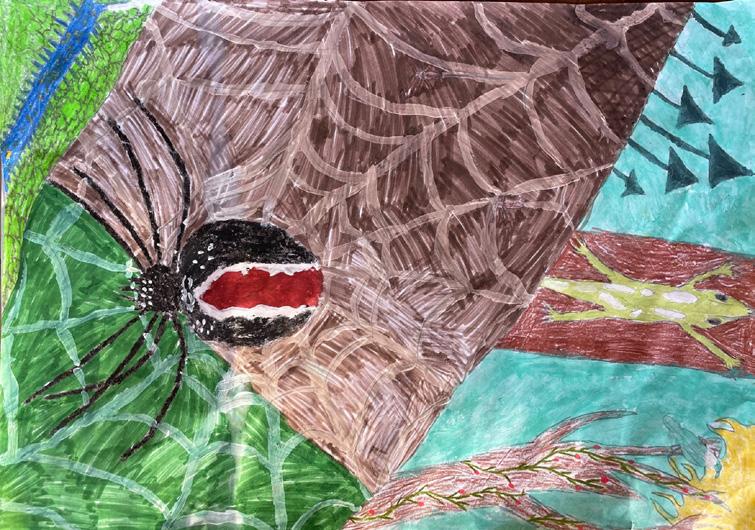
“Katipō are too cool to lose because they have the same colours as spiderman.”
Orrin (age 6)
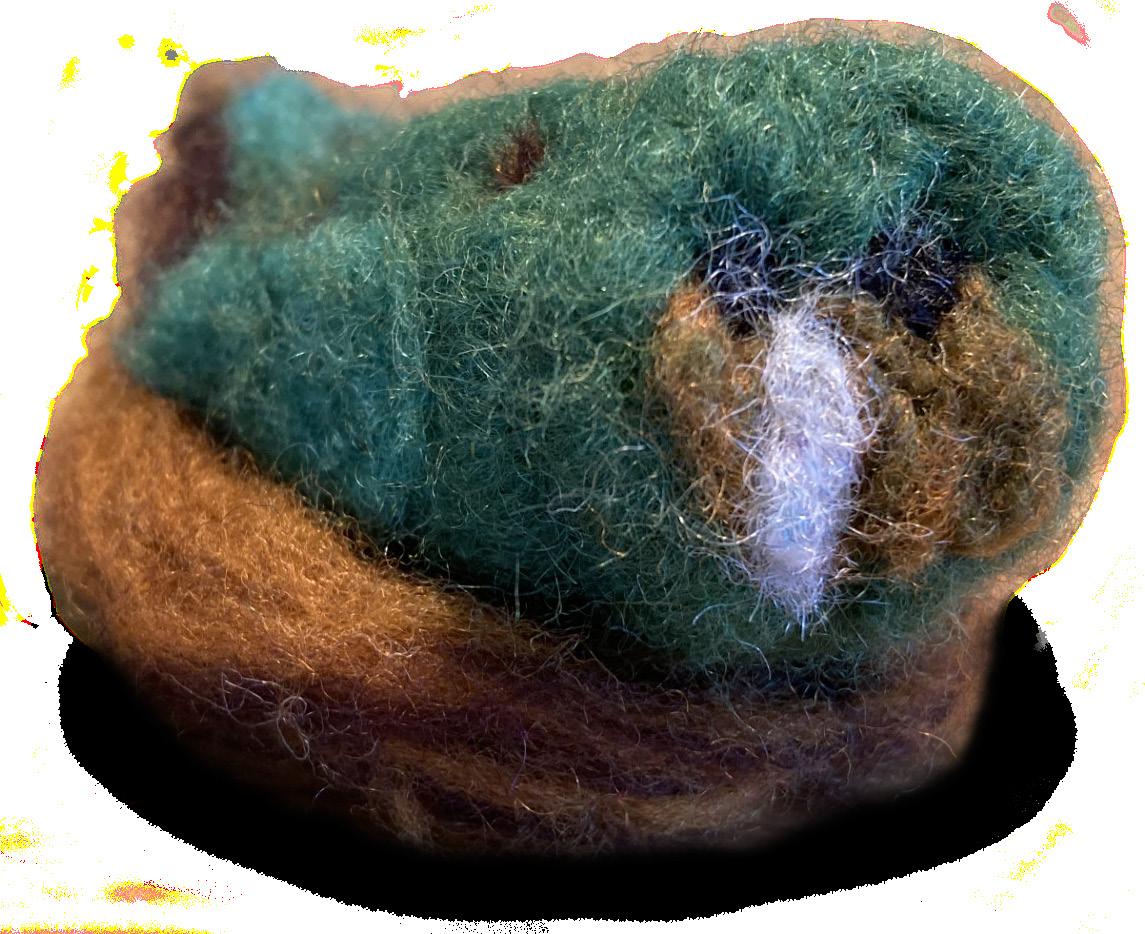
“Kākāpō are too cool to lose because they make a cool sound, they’re so unique, and they’re so cute too!” Kiri (age 11)
“Katipō are too cool to lose because I think they look cool.”
Harvey (age 5)
Mailbox In the
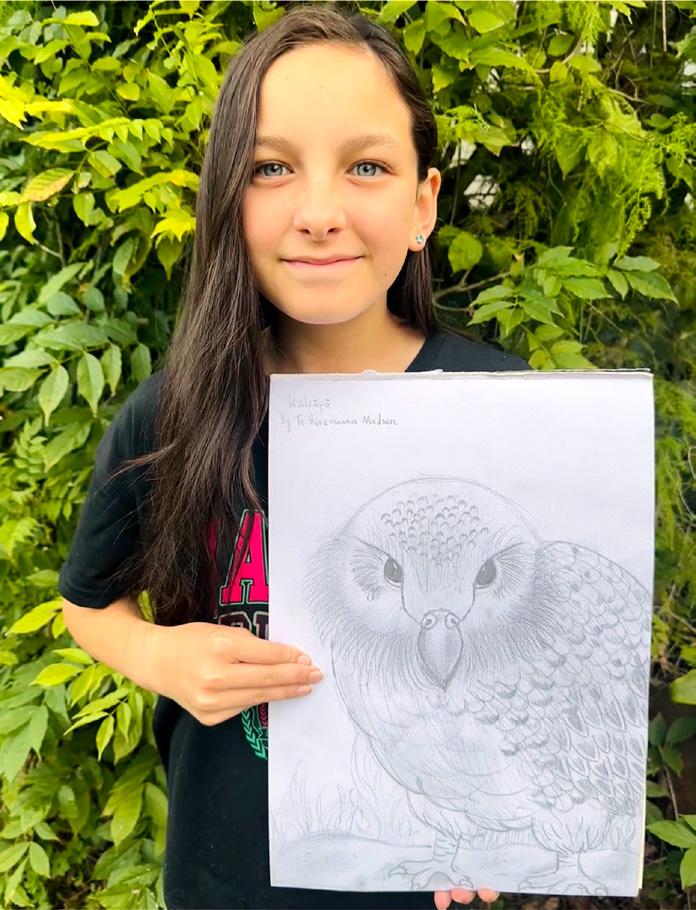
“Kākāpō are too cool to lose because they’re the largest (heaviest) living parrot species.”
Te Reremoana (age 11)
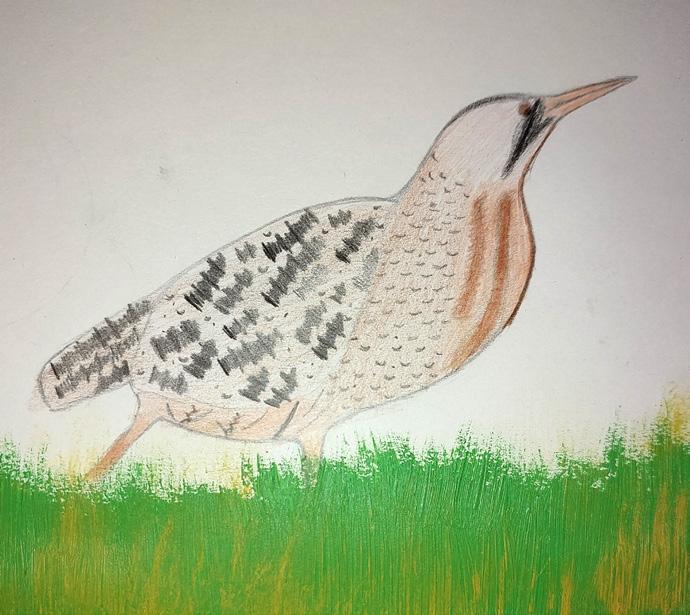
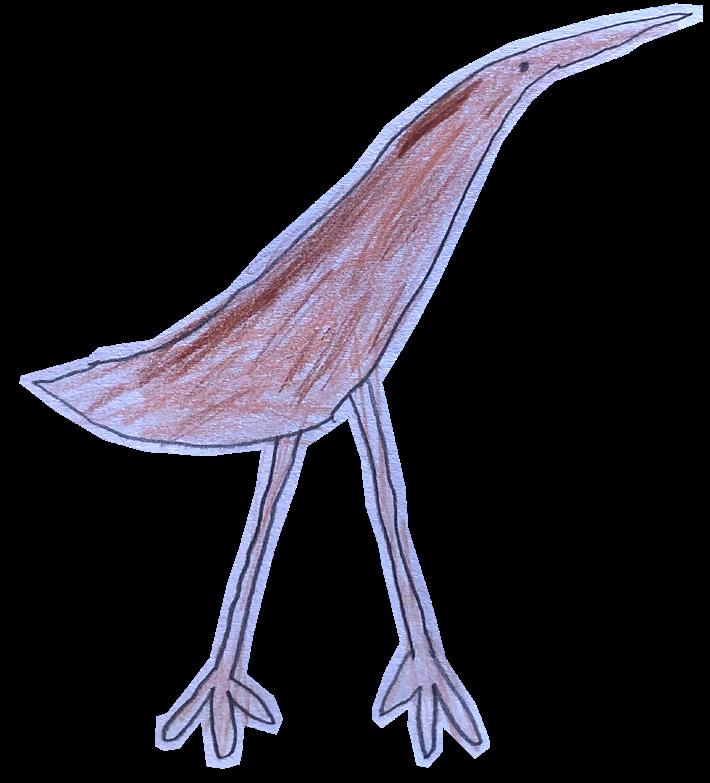
“Bitterns are too cool to lose because they can remain motionless for a long time to avoid detection.” Kaylee (age 11)
“Powelliphanta are too cool to lose because they lay eggs out of their necks – crazy!” Ashby
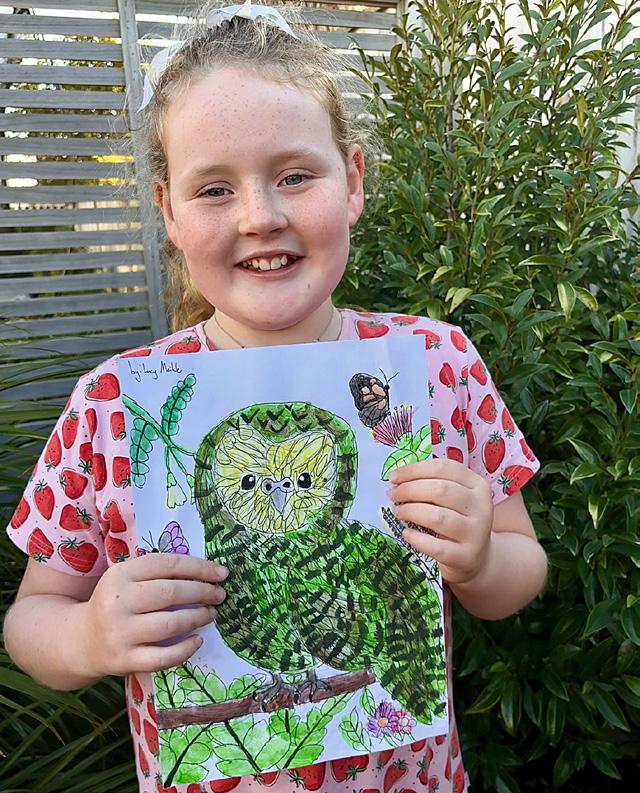
“Kākāpō are too cool to lose because they’re the only flightless parrot in the world.” Lucy (age 9)
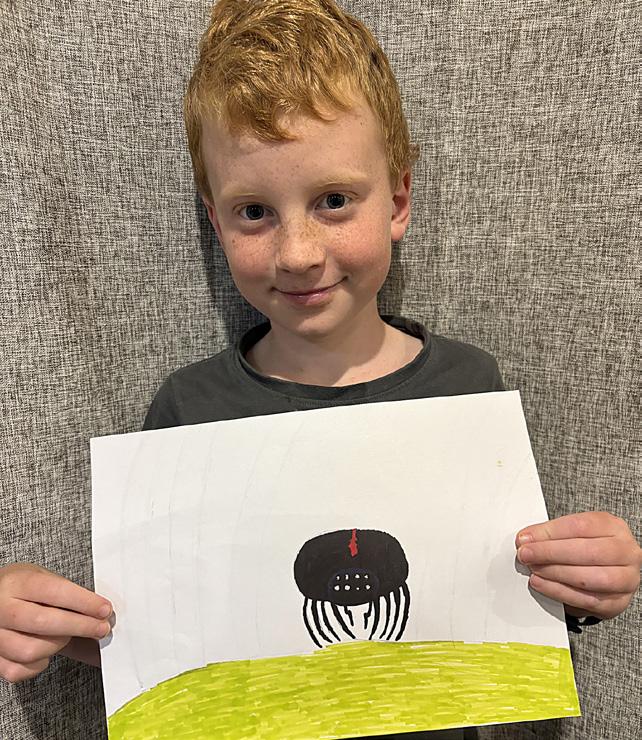
“Katipō are too cool to lose because their vibrant red stripe is so fascinating.” Matthew (age 8)
“Powelliphanta are too cool to lose because they are carnivorous snails.” Nathan (age 10)
“Katipō are too cool to lose because they are native and live by the sea!” Rocky (age 7)
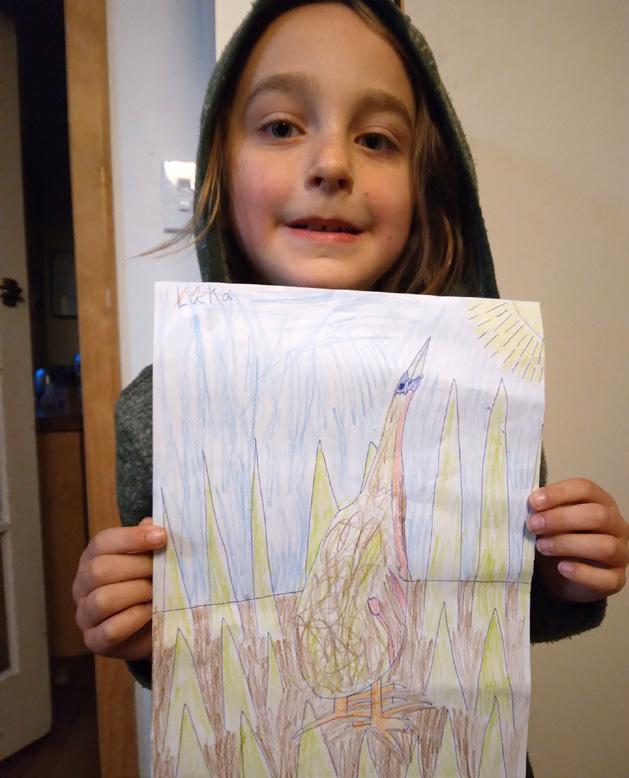
Matuku-hūrepo doing “freeze” pose. Luka (age 7)
“Katipō are too cool to lose because they are part of our native NZ environment and are strikingly beautiful with their red abdomen.” Oscar (age 10)
“Kākāpō are too cool to lose because I like their booming chirps.” Reeve (age 5)
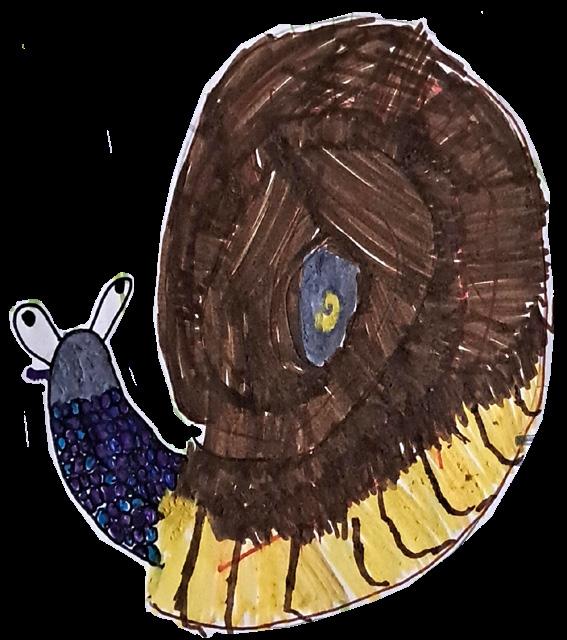
“Powelliphanta are too cool to lose because they’re the sumo wrestlers of the snail world –
“Powelliphanta are too cool to lose because their giant size is very surprising.” Charlotte (age 9)
“Kākāpō are too cool to lose because of their chonky size.”
Bill (age 13)
“Kākāpō are too cool to lose because they’re rare and incredibly cool!” Leonardo (age 8)
“Matuku-hūrepo are too cool to lose because they look like the rushes they hide in, and I would love to hear a bittern boom in the (age 7)
Ambrose (age 4)
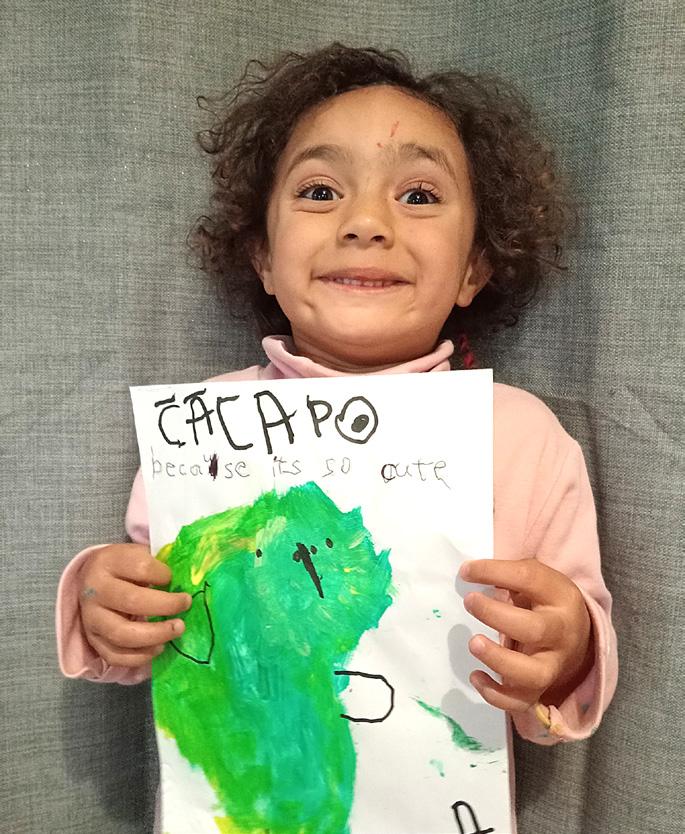
“Kākāpō are too cool to lose because they’re so cute.” Ennoa (age 4)
“Powelliphanta are too cool to lose because they can live up to 25 years and live in the Nelson region like me.”