Things
> Have kiwi always been nocturnal?
> How intelligent is an octopus?
> Have kiwi always been nocturnal?
> How intelligent is an octopus?
Pākiki | Curiosity is having a strong desire to find out or to know something. We need to be interested in our natural world if we are going to love it and take action to protect it!
EDITOR: Rebecca Hatch
ART DIRECTOR/DESIGNER: Rob Di Leva, Dileva Design PRINTING: Webstar, Auckland • ISSN 2230-2565
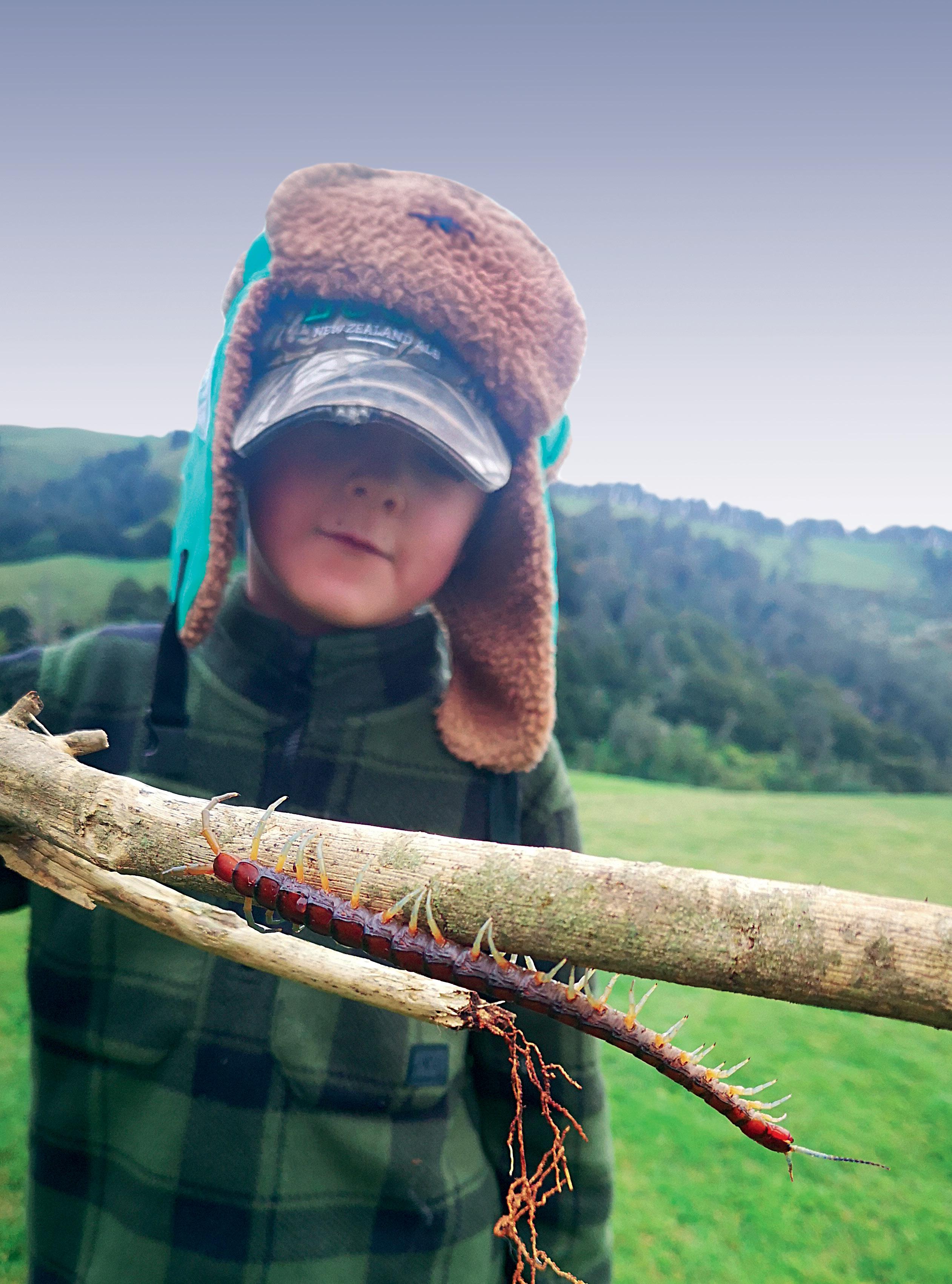
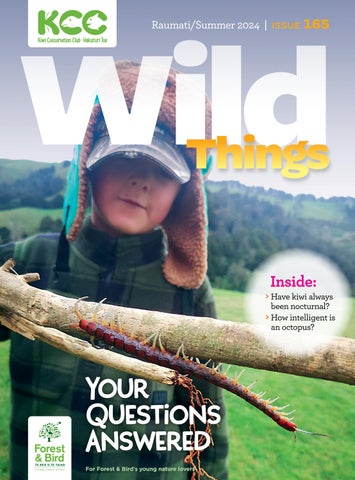
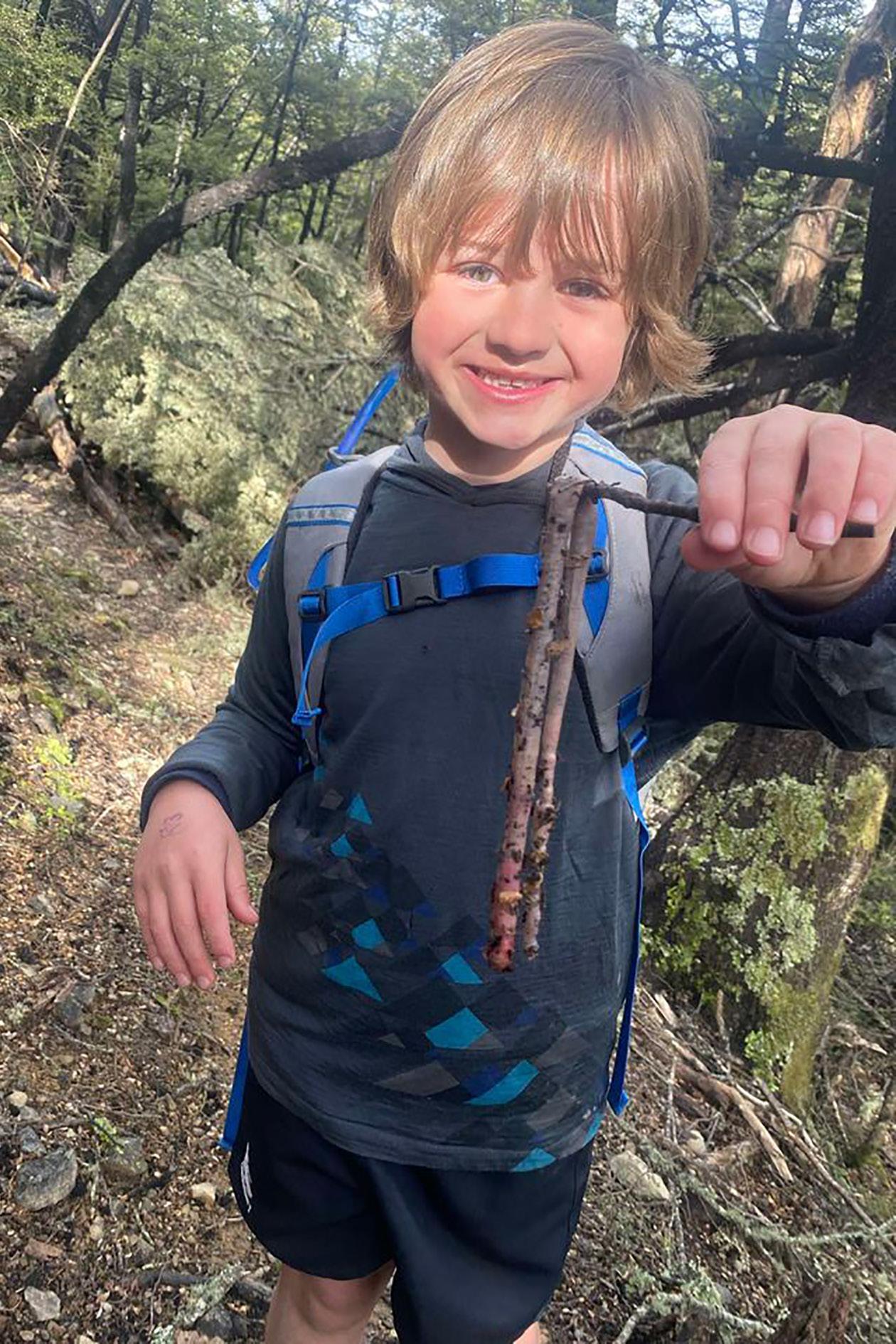
COVER: Ned (age 7) from KCC Tauranga with a hura | giant centipede he found!
To join KCC and receive Wild Things, or to receive our free E-news, go to www.kcc.org.nz

Wild Things is published by Forest & Bird, Phone 0800 200 064 Email office@forestandbird.org.nz PO Box 631, Wellington 6140.
Copyright: All rights reserved. No part of this magazine may be reproduced without the written permission of Forest & Bird.
Gets
us checking what we think we already
know (and leads to new
discoveries)
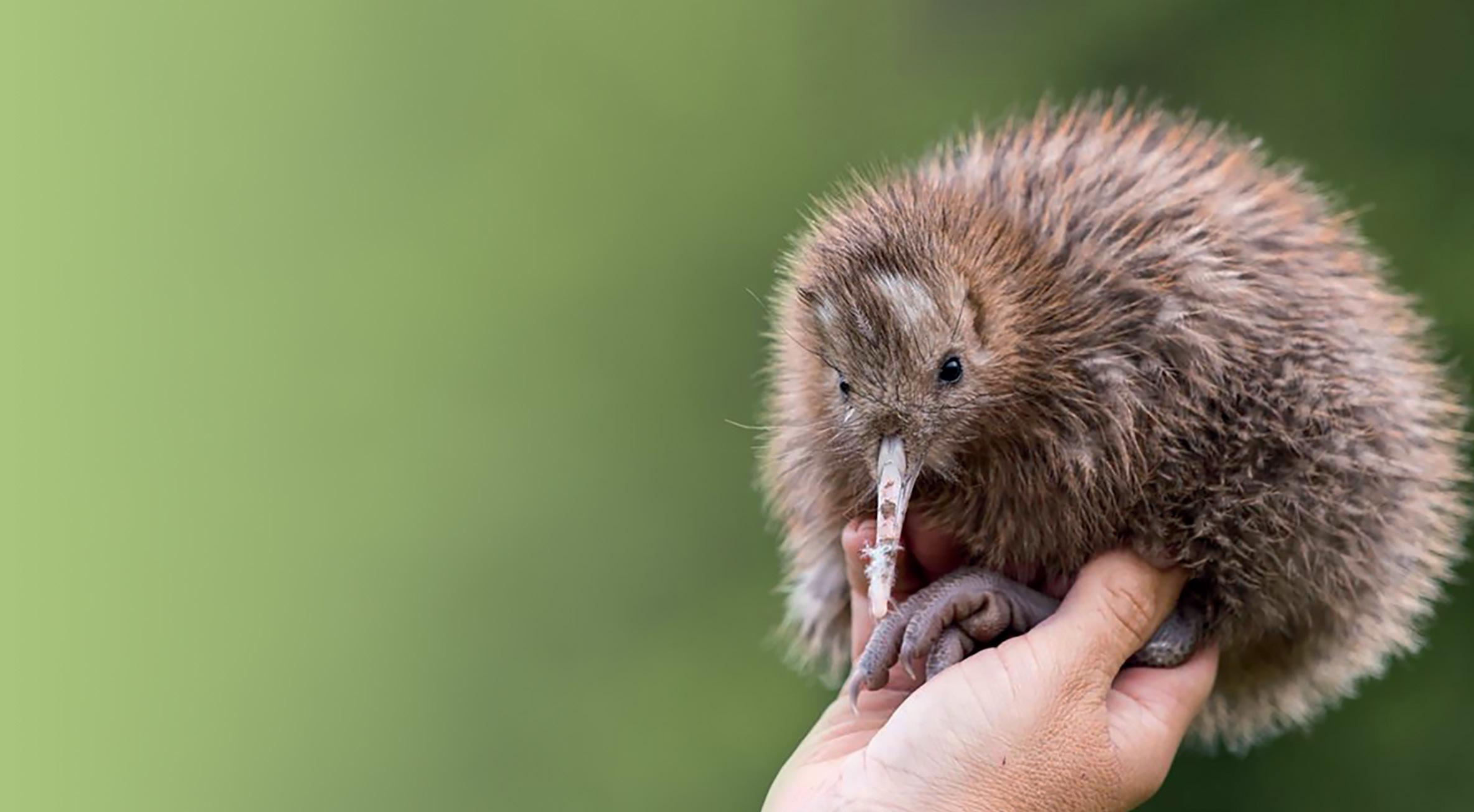
The rowi was only proven to be a new kiwi species because a scientist decided to look again at a feather lice specimen in Te Papa’s collection.
What’s a tūhura | discovery you’ve made recently?

us do a
job
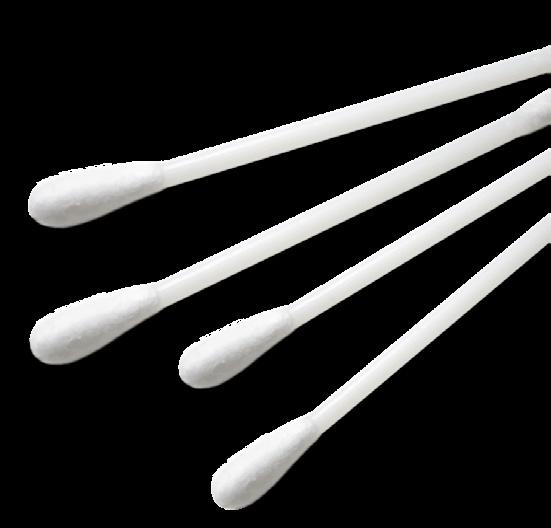
After banning plastic bags, the Government also questioned whether we could do without other plastic products that harm nature. Single-use plastic straws*, cutlery, and cotton buds are now no longer allowed either.
He aha ō whakaaro? What do you think?
Could we do without balloons and glitter?

KCCers have sent in their questions about NZ plants, animals and places especially for this issue of Wild Things! Mīharo | How marvellous!
When mokomoko | lizards drop their tails, it’s because they choose to do it.
The scientific term for tail dropping is “autotomy”. It means self-severing in Greek.
It’s a defensive strategy or behaviour used when some lizards feel really threatened by a predator. It's not something lizards do willy-nilly. Tail dropping comes at a cost to lizards – their tails are so useful to them. They store fat, help attract mates, and help some of them climb.
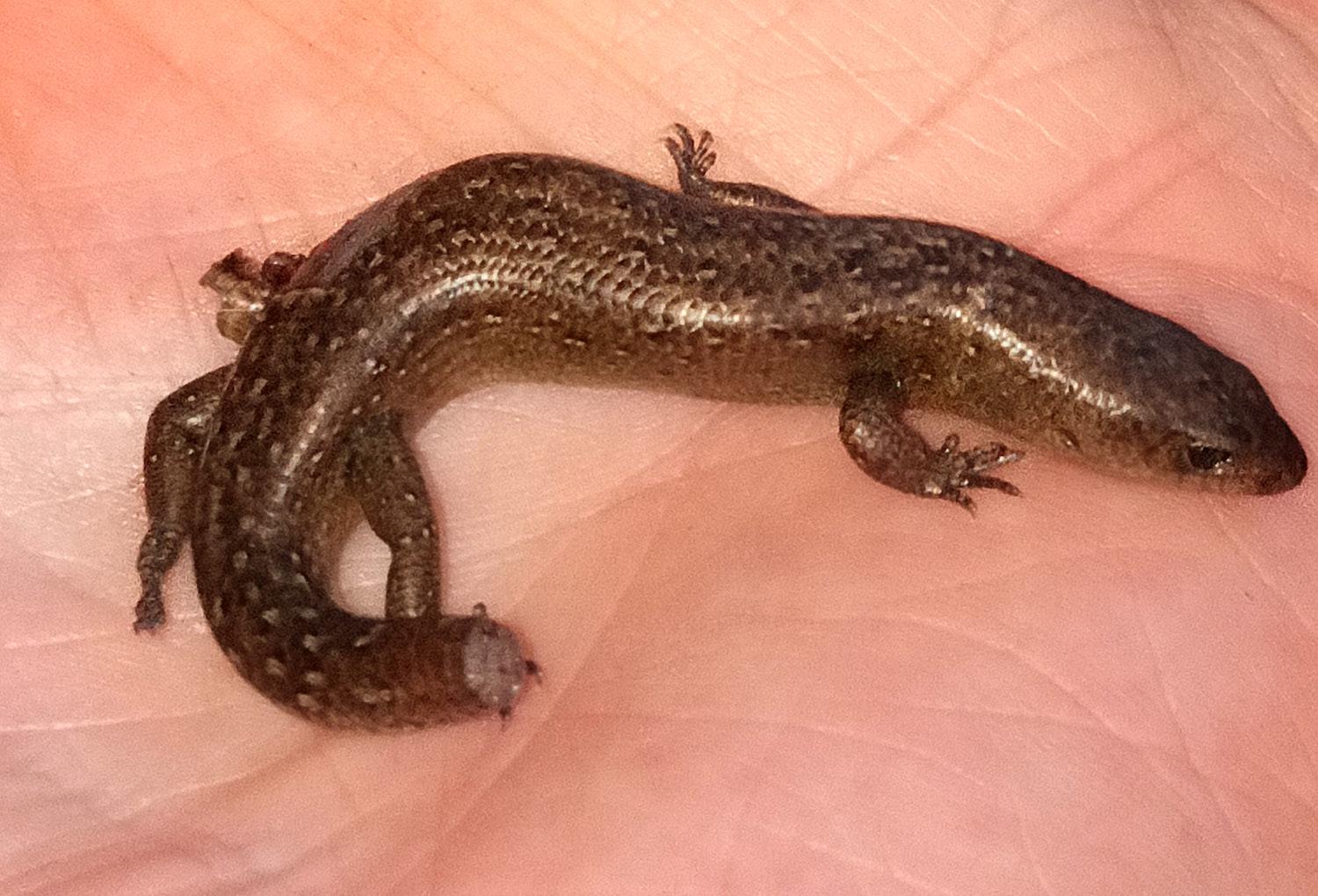
This photo was taken just after this copper skink was saved from a cat. Kyle Bland
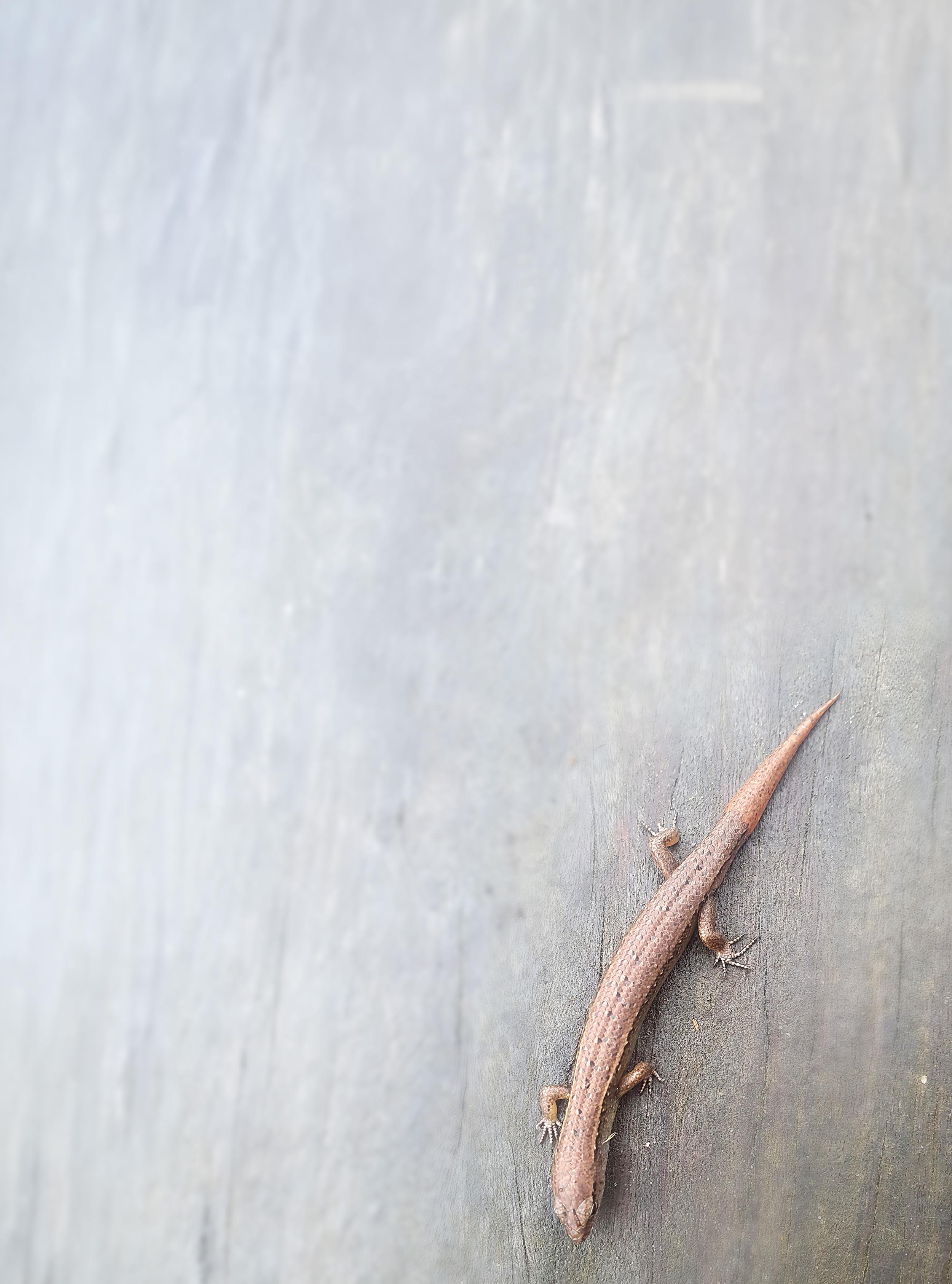
Tail dropping is all about distracting predators. Lizards want predators to go for their tail, rather than their body or head. The dropped tail wriggles – and sometimes makes a squeaking noise – to further fool the predator. The reason the tail can keep wriggling for a bit is because there are nerves in it that mean it can move independently. It’s also because tails have a lot of fat in them, so there’s lots of energy to release (or fuel) for wriggling. Some lizard tails can keep wriggling for five minutes!
To drop their tail, lizards must break their tail between the vertebrae bones. Many lizards have “fracture planes”. These are weak places between the vertebrae and tissue in their tails. They allow the tail to come off easily and minimise bleeding. Other lizards have squeezing muscles in their tails so they can just pop them off. The muscles contracting (tightening) help to stop the bleeding.
Mokomoko can grow their tails back if they drop them. If the tail was lost in another way (like something biting or pulling it off), they can't grow it back.
While some species are more likely to lose their tails – like copper skinks and Pacific geckos –scientists say it doesn’t mean they are better at doing it than others. It’s just more likely that they are facing more predators, or something else is happening in the environments where they live.
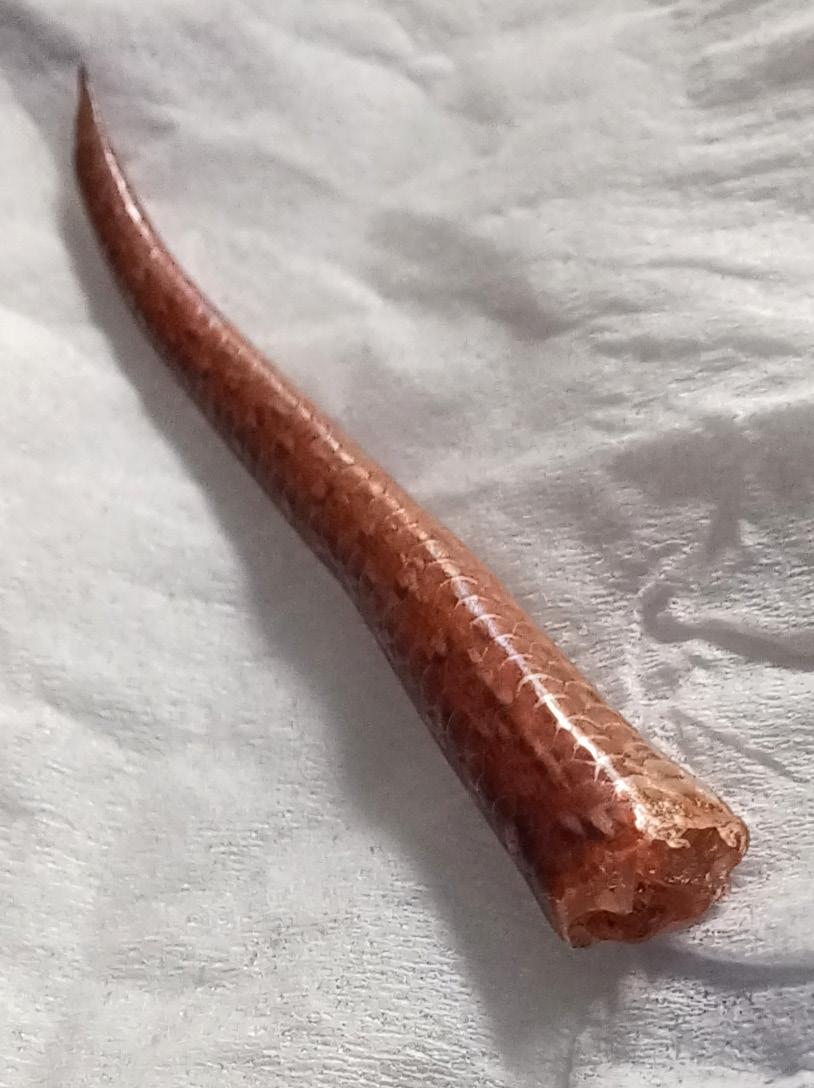
Some predators like the fatty tails so much that it’s actually what they are after all along! Toni Young
Look closely. Can you see where the tail has grown back on this copper skink? Rebecca Maclean
FACT:
All three types of ngārara | reptiles in Aotearoa can drop their tails – that’s tuatara, skinks, and geckos!
why
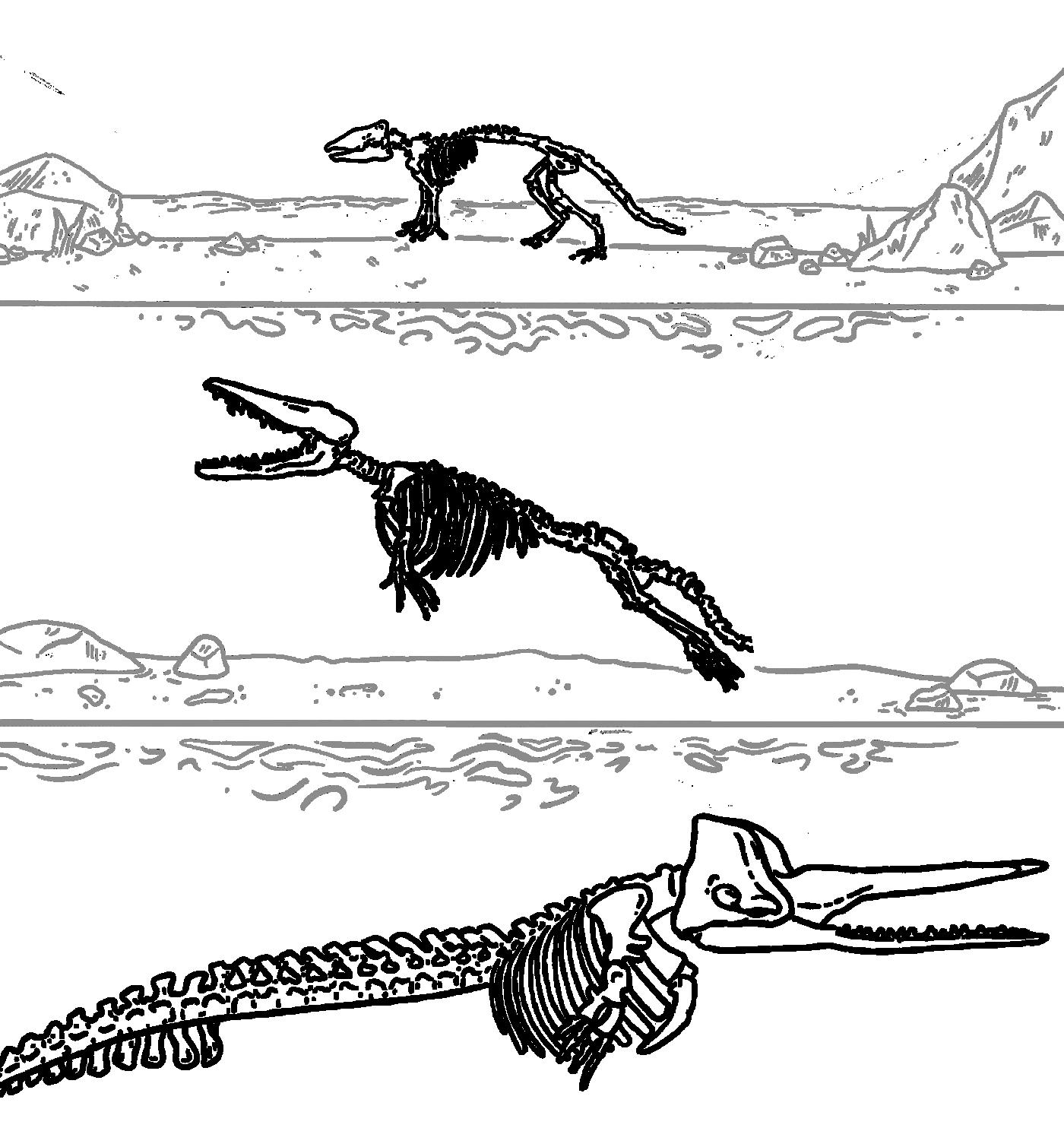
Cetacean is scientific term used for marine mammals who belong to the order Artiodactyla, which includes whales, dolphins, and porpoises.
Artiodactyls are mammals with hooves. How weird is that? Dolphins don’t have hooves! Well, it turns out that the ancient ancestors of cetaceans were “large, eventoed ungulates” – they had four legs, hooves, and could walk on land. Whales, dolphins, and porpoises are closely related to hippopotamuses!
Cetaceans now have fully aquatic (water-based) lifestyles, with streamlined bodies that make it easy to swim. Unlike other hooved mammals, like deer, pigs, giraffes, cows, and camels, they have solely carnivorous (meateating) diets.
Did you know dolphins and porpoises are types of “toothed whales”, like orcas/killer whales? Baleen whales are cetaceans that don’t have teeth.
Almost 50% of the world’s cetaceans live in or visit New Zealand waters. Some are found nowhere else in the world, like popoto and ahoaho | Māui and Hector’s dolphins. Species like giant parāoa | sperm whales are seen regularly and attract thousands of tourists each year. Some species are seen very rarely,
such as the spectacled porpoise, the only porpoise in our waters. Two reasons why New Zealand waters are a hotspot are:
1. They’re highly nutritious – filled with rich food and nutrients that these animals need to survive.
2. They’re part of the migration paths for many different species of whales.

Download a copy of the skeletons so you can try your hand at drawing their bodies!
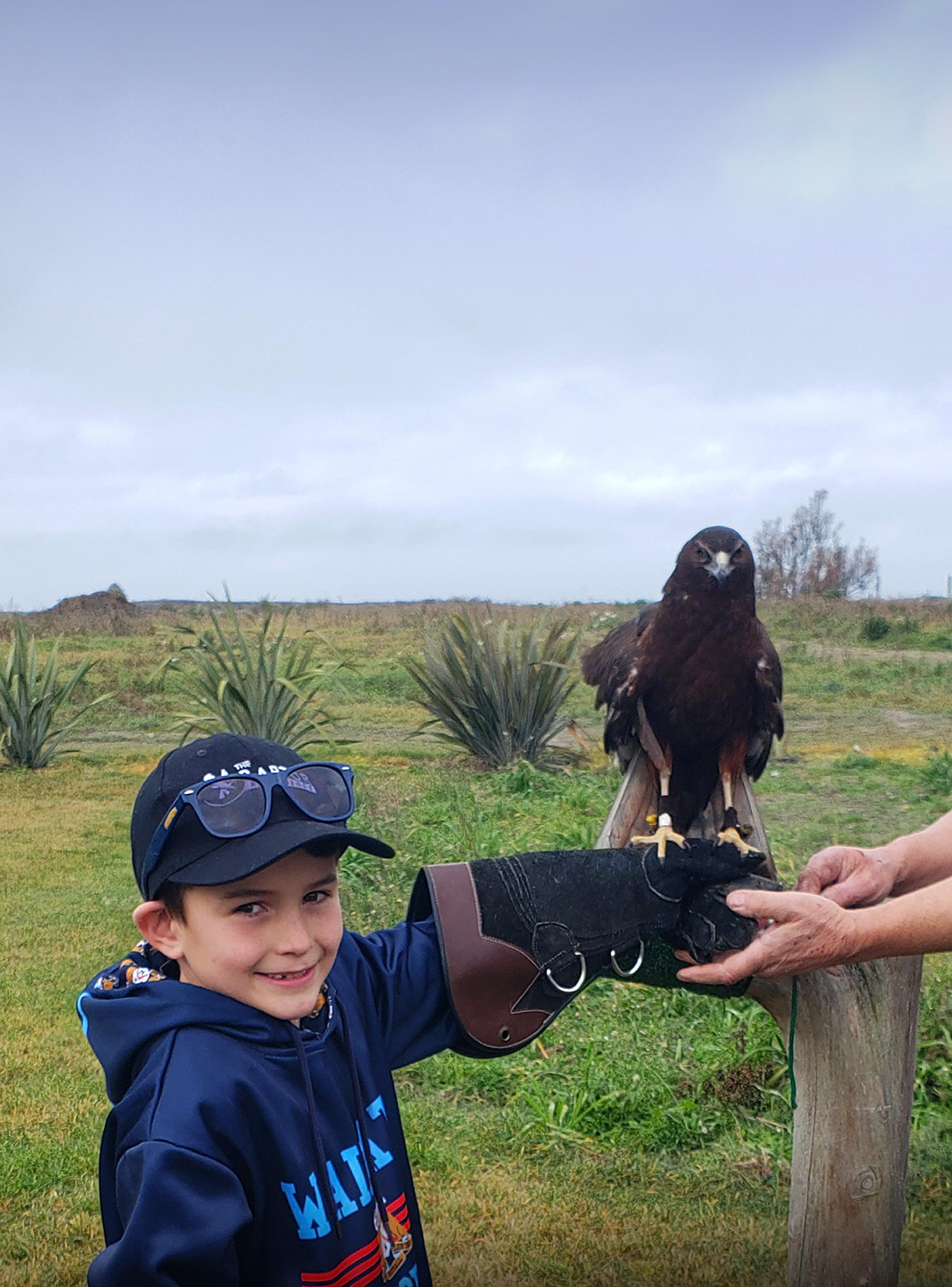
Do kĀhu | harrier hawks eat food they catch, or only things that are already dead?
Last year, we went to The Raptor Experience run by the NZ Raptors Trust in Timaru, and this trip sparked my question. I looked on the internet and found the answer on the Wingspan: National Bird of Prey Centre webpage.
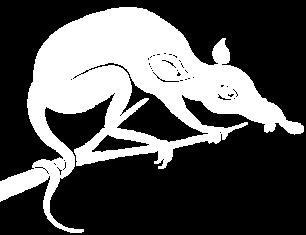
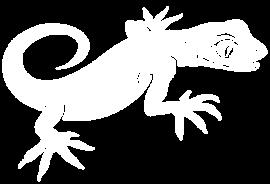
Harrier hawks eat live and dead prey. They eat mostly live prey in spring and summer. They like to hunt and eat rats, mice, and lizards in the long grass. Young birds eat insects from the ground. When it’s cold, they’ll eat dead farm animals and “roadkill” (dead things on the road).
Which of these wouldn’t a kāhu eat? Circle your answer.

Any plant that grows where it wouldn’t be naturally and where it isn’t wanted could be called a “weed”. The weediest weeds, though, are ones that take over, harming native species and their habitats. We call these introduced plants “invasive”.
Weeds come in all shapes and sizes. Some can be quite beautiful; some can have yummy fruit. Wild blackberry (Rubus fruticosus) is very weedy when it prevents regeneration (regrowth) of native bush. It takes over the margins (outside edges) of these natural environments, and young plants get smothered – the weed blocks or reduces the things they need to grow, like light or space.
Here’s a list of some of the weediest weeds in Aotearoa. Look up, down, across, diagonally, and backwards for the names in our wordfind.
Discover other unexpected weeds here.
Q V L L T H R I E T L I O K T P V N E F Q U L M I G J Y D V
F V H L Z U G A S W J I N W B U R O E A G N D P S S L E B 0
V Y A P O S S U B S S P M G N C T R F A W J M A O Q E N L H
E W R N F W W C A X A H C B A P R C J K I L A V G V G O A I
H Q Z T U N O Q W V T P V I I S E T A V A V N I D U Z H C F
P E F L Z O H L F P G Z A N H N P B Z L X L S D T H L E K W
Q Q C A T S D A Y V S H O N K N G A Z C Y Q B H M J F S B G
Q P U R T G N X F E R C N J A D B S R
Russell lupin
Willow
Agapanthus
Barberry
Pampa grass
Banana passionfruit
Wilding conifers
Ivy
Moth plant
Climbing asparagus
Old man’s beard
Wild ginger
Woolly nightshade
Gorse
Japanese honeysuckle
Spartina
Buddleia
Climbing spindleberry
Wild blackberry
Periwinkle
National Aquarium of New Zealand
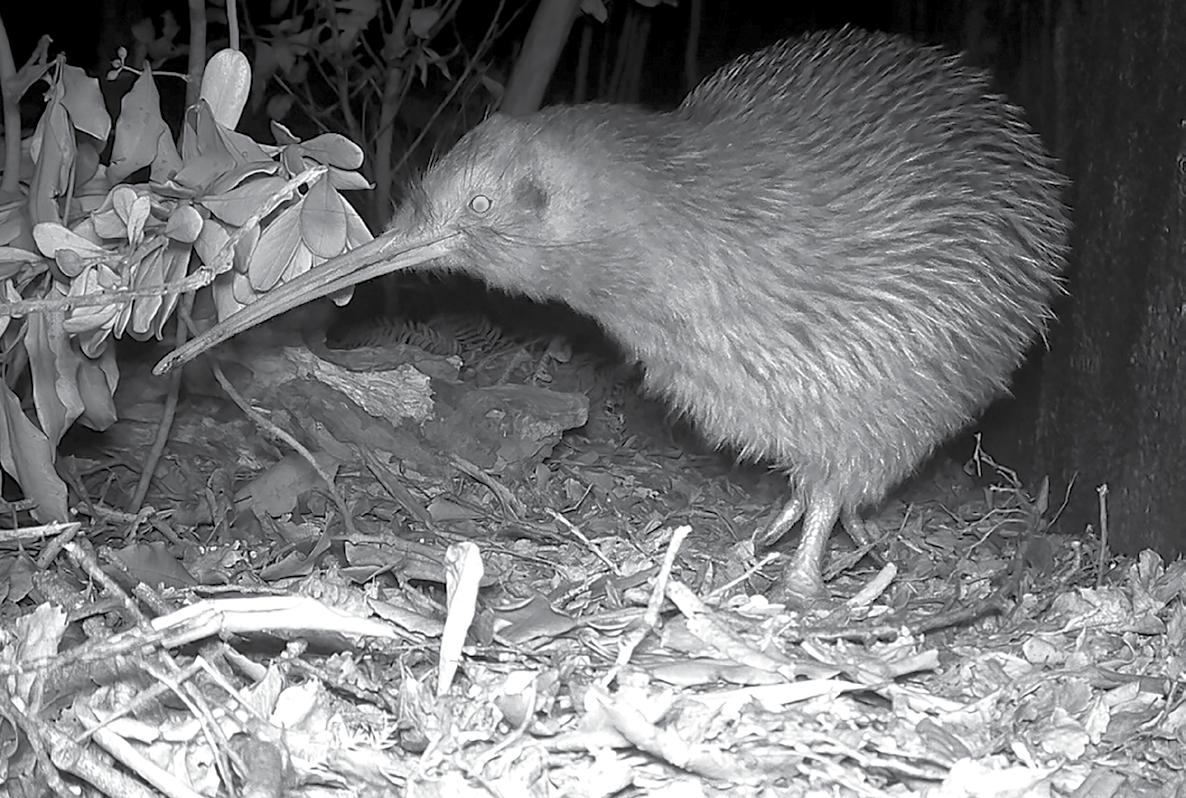
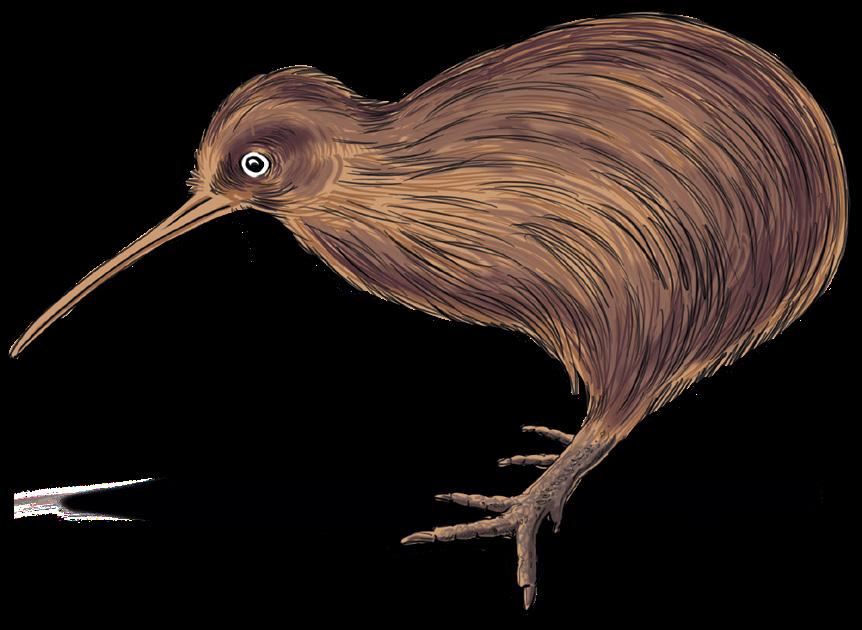
According to scientists, likely no!
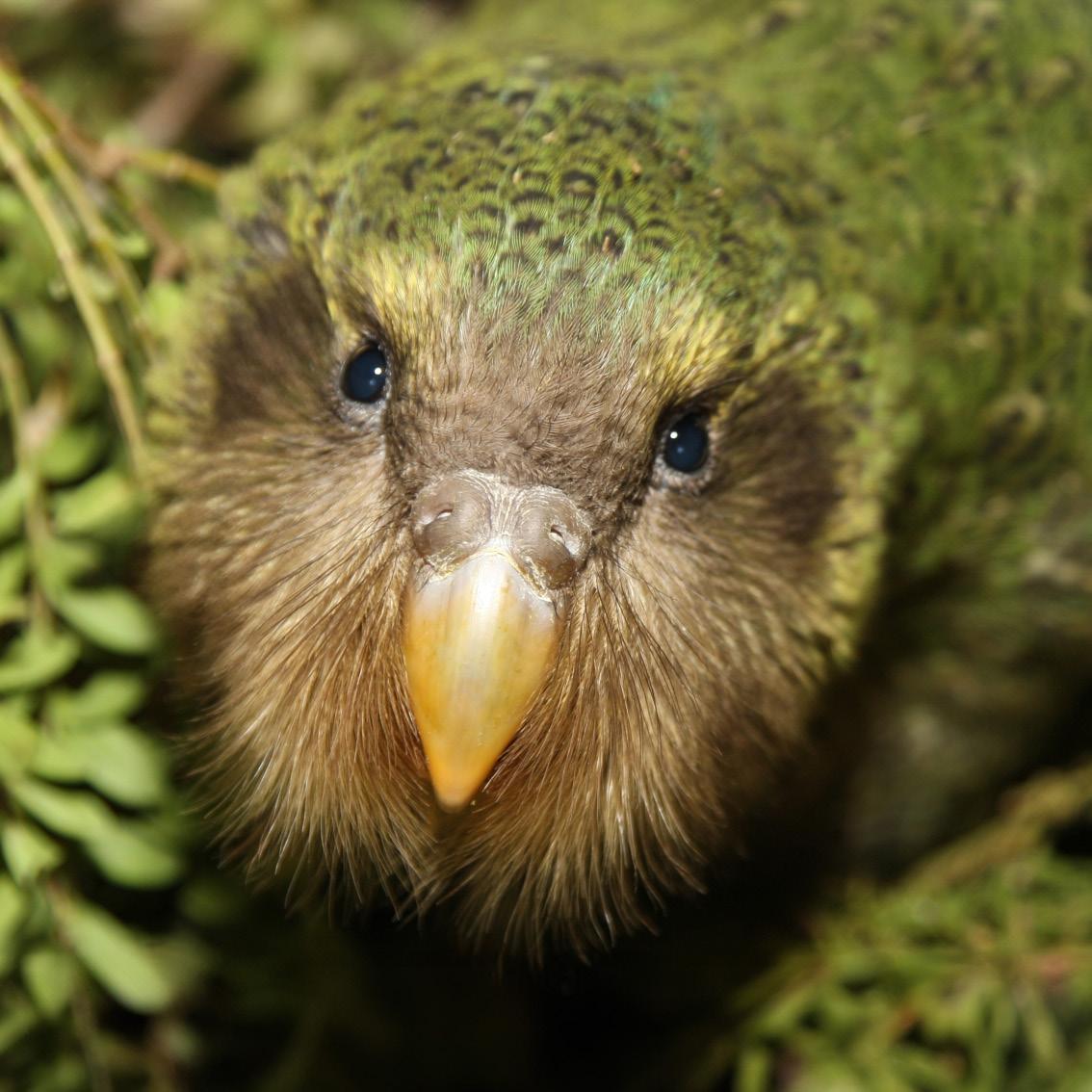
Our five species of kiwi belong to a group of birds called ratites. None of the other living ones are nocturnal – like emu, cassowaries, and ostriches. Extinct moa species, who were another NZ ratite, weren’t nocturnal either.
Scientists studying the evolution of kiwi (how they developed) have also found that there was a definite point, around 30–40 million years ago, when some of their genes for colour vision first became inactive (shut off), and their super sense of smell started to develop.
This all suggests that kiwi were “diurnal” (daytime) birds first.
Interestingly, extinct elephant birds, who once lived in Madagascar, have also just recently been found to have been nocturnal too. These giants are the closest relatives to our kiwi.
Only 3% of birds have adapted to nocturnality, so that makes kiwi even more special!
What are the five species of kiwi?
Ladybirds (or ladybugs) is the common name for the Coccinellidae family of small beetles. Some people think that the number of spots tell you how old the adult beetle is, but that’s just a myth. The reason that different beetles have different numbers of spots is because they are different
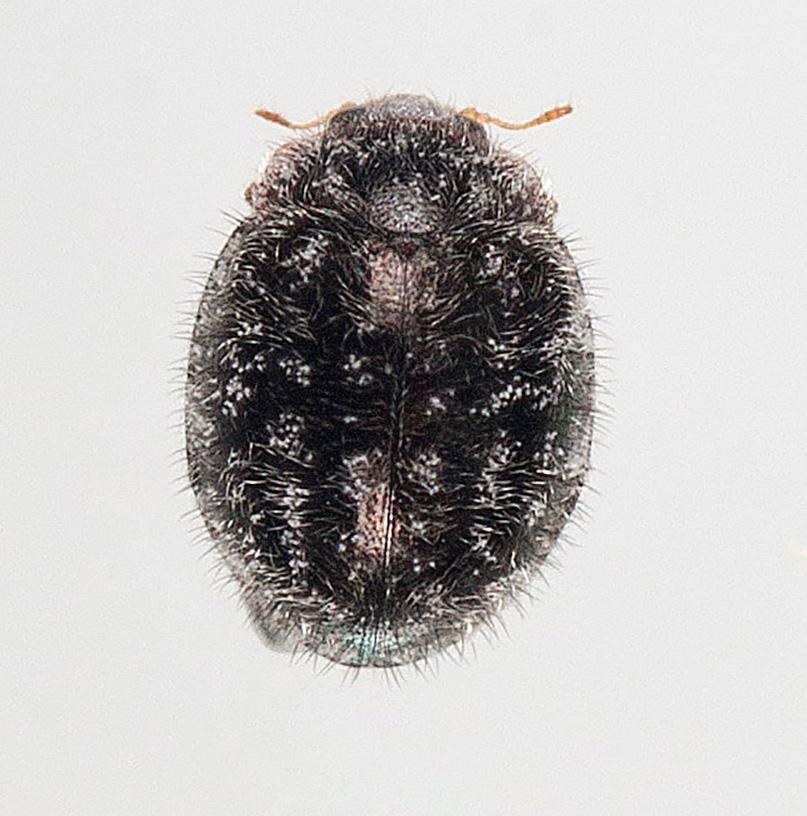
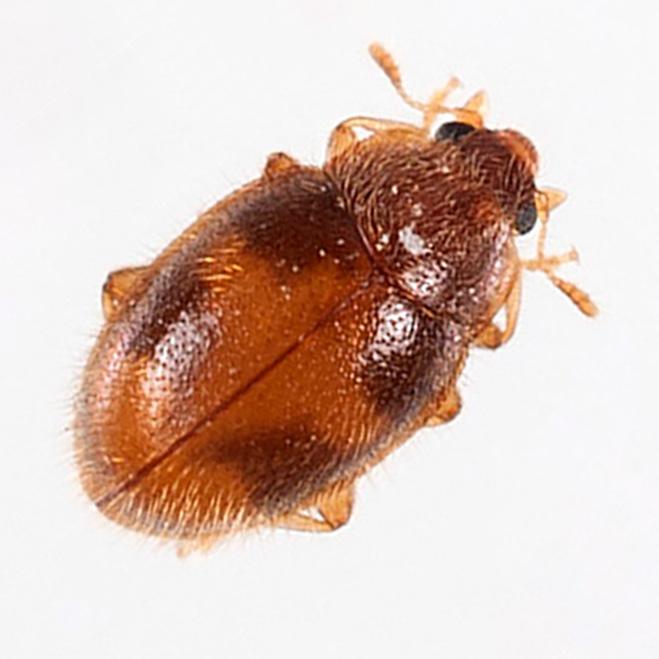
species. Some ladybirds don’t have spots at all! The ones with spots use them to warn predators to stay away, or to help them find mates.
Did you know that in Aotearoa, we have 23 native species of mumutawa, some of which are endemic (living nowhere else in the world)?
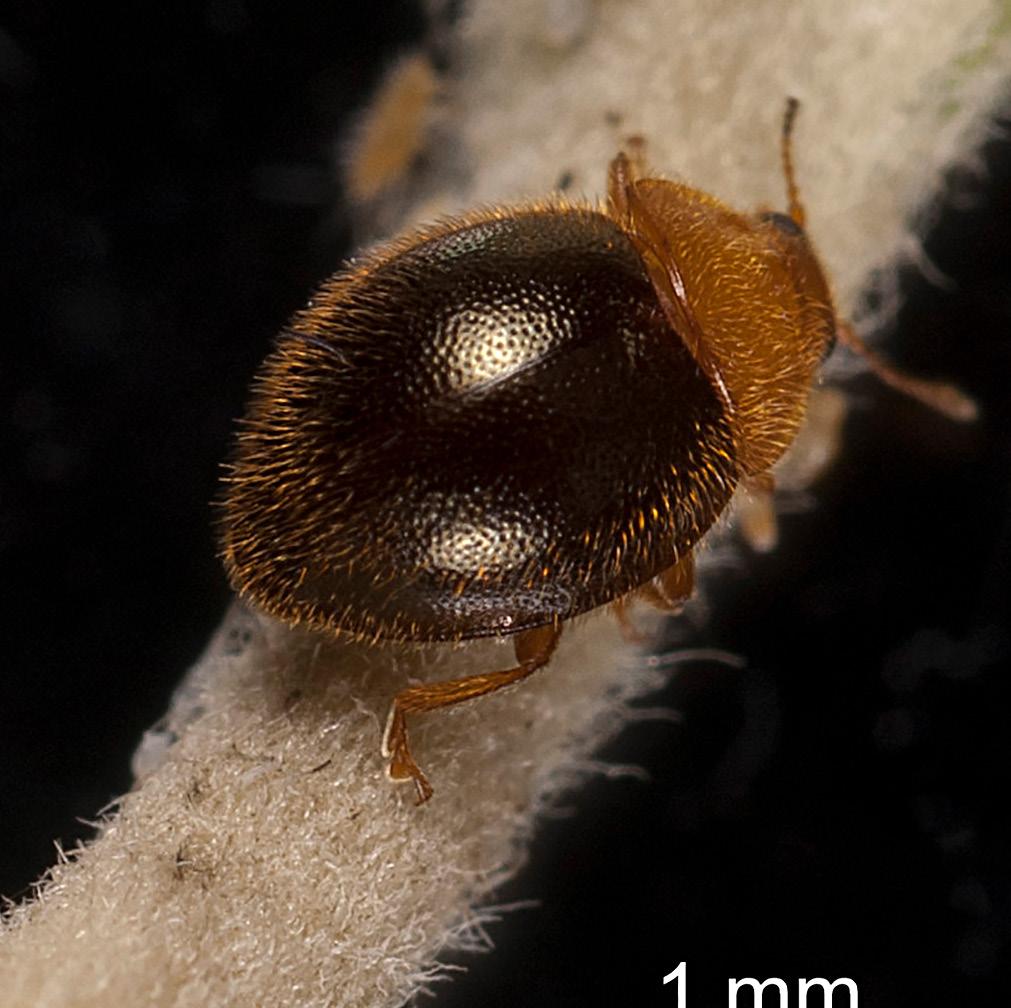
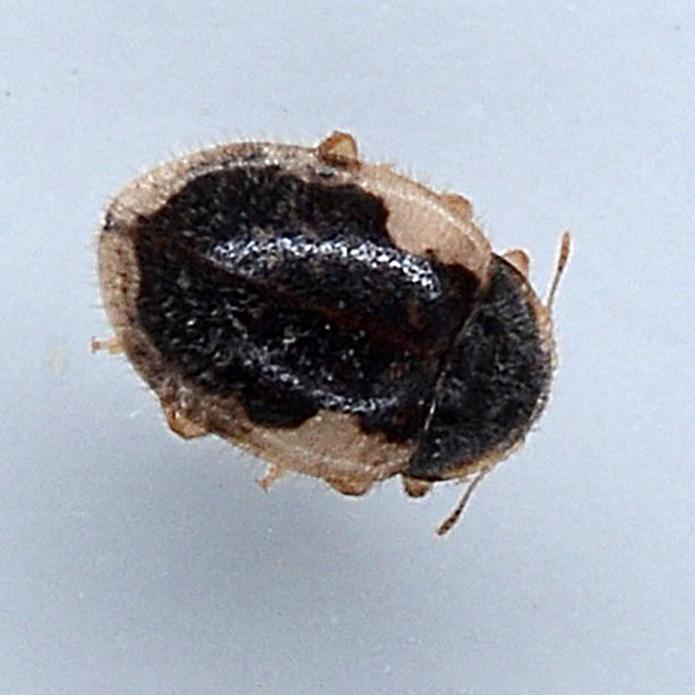
What do you notice about these native ladybirds?
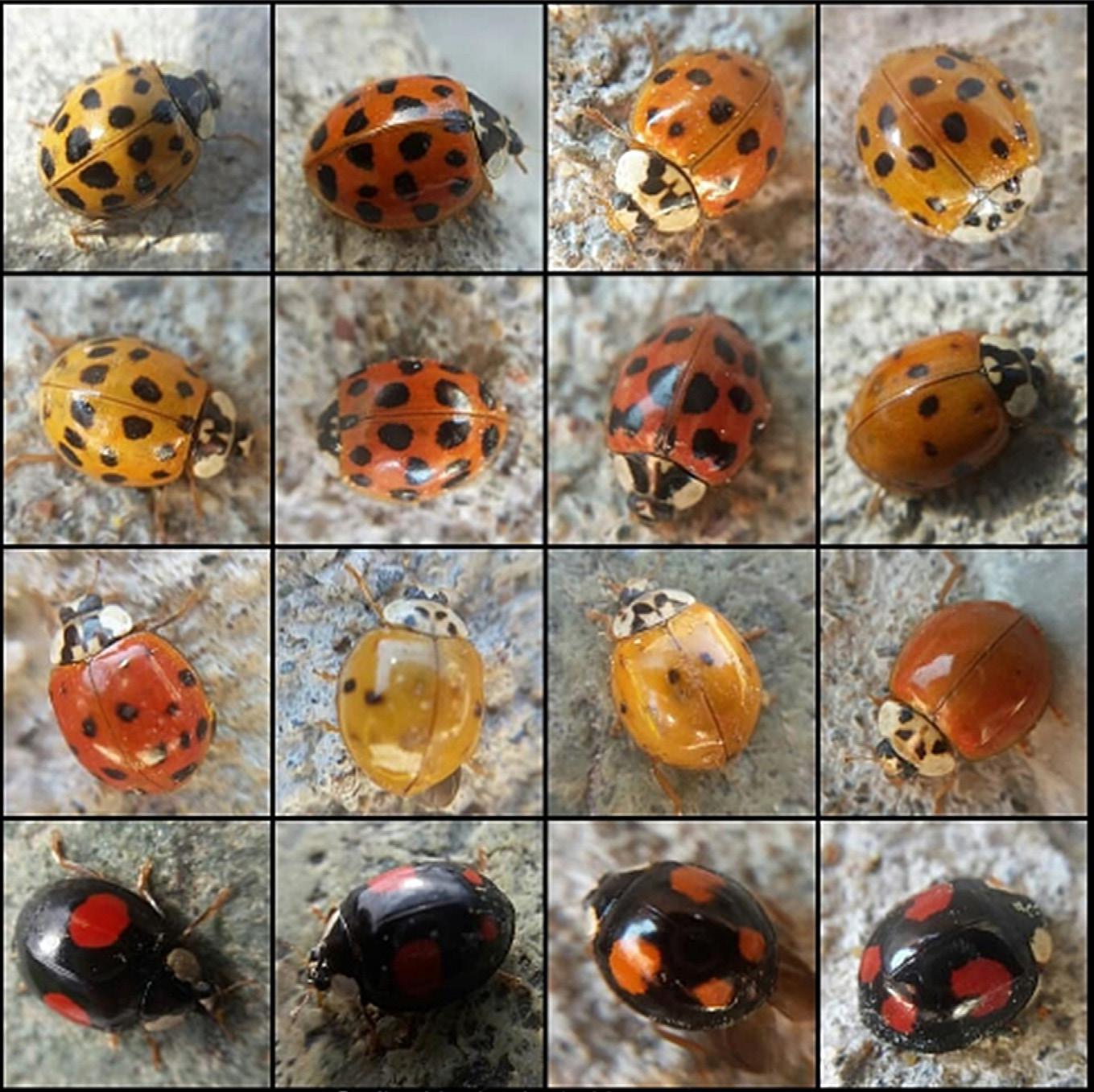
FACT: Sometimes ladybirds of the same species can have variation (differences) in the number of spots they have. The introduced harlequin ladybird has >200 different variations! Here are the pictures of some of the most common colour/spot patterns. Nihad Kudo
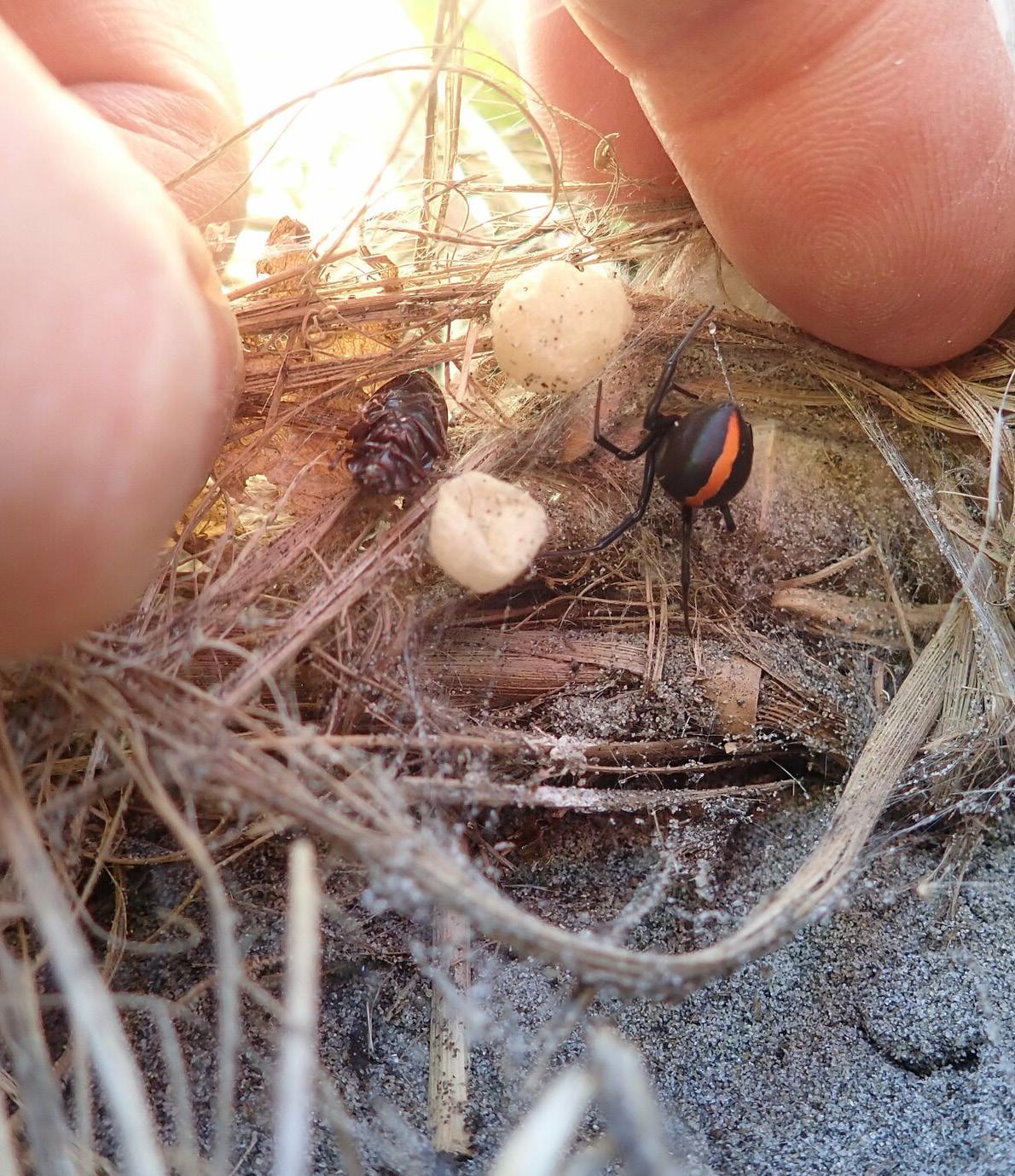
Katipō are only found on the beach because they like sand, and especially sand dunes. Beaches are a great habitat for them!
They make their tangled webs low to the ground amongst dune plants, like pīngao | golden sand sedge, and under driftwood.
The katipō prefers to spin its web amongst pīngao plants as there are patches of sand between each plant. This makes it easier to build the web, and the wind can then blow insects and other prey through these gaps and into the web.
It’s rare to be bitten by a katipō, but still be careful. They are venomous.
Harlequin ladybirds are the world’s most invasive ladybird. They’ve been living in Aotearoa since in the autumn of 2016.
Invasive species harm native species. They just take over, as they don’t have any natural predators to keep them in check.
Help monitor the spread of harlequin ladybirds by adding observations to iNaturalistNZ
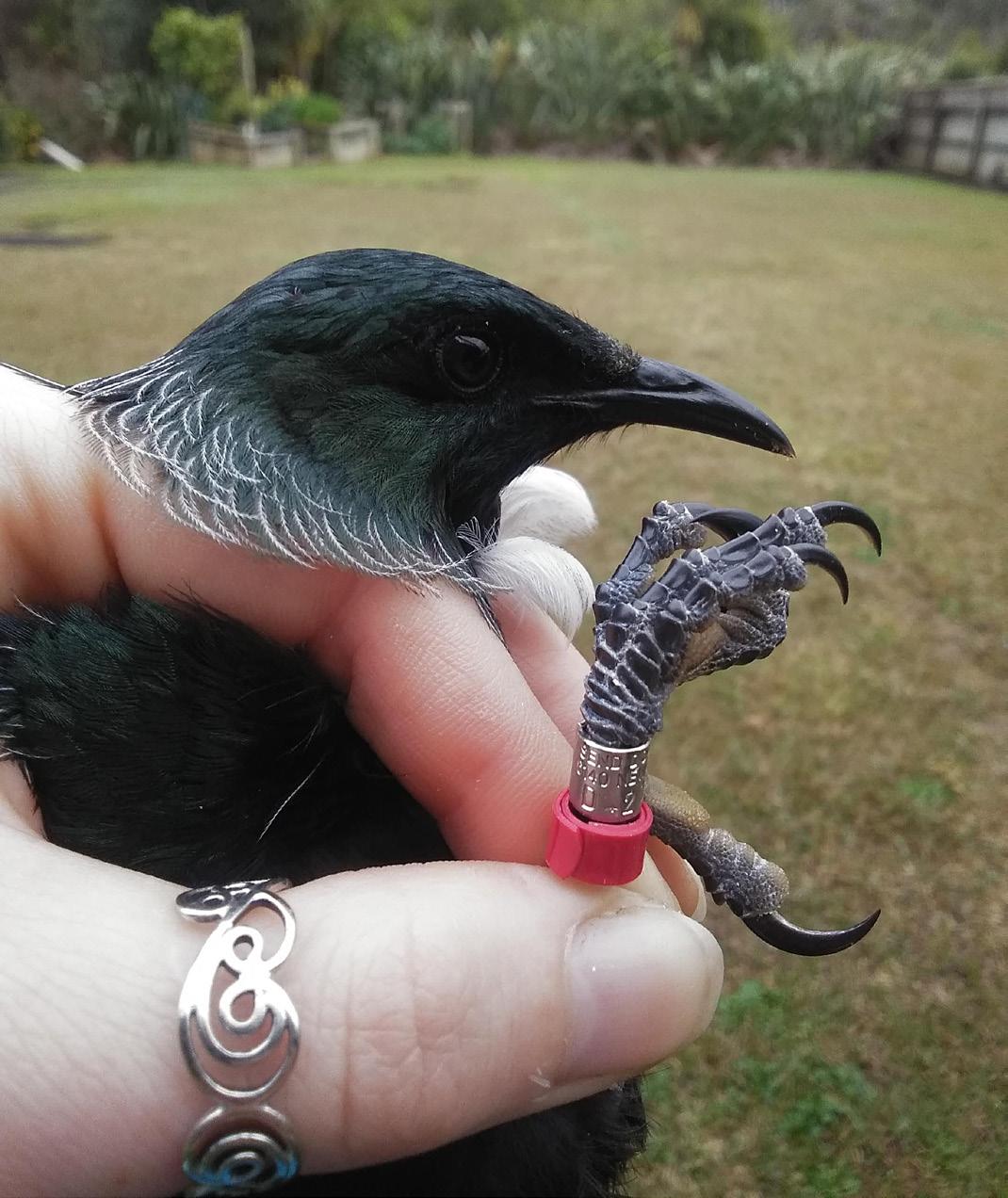
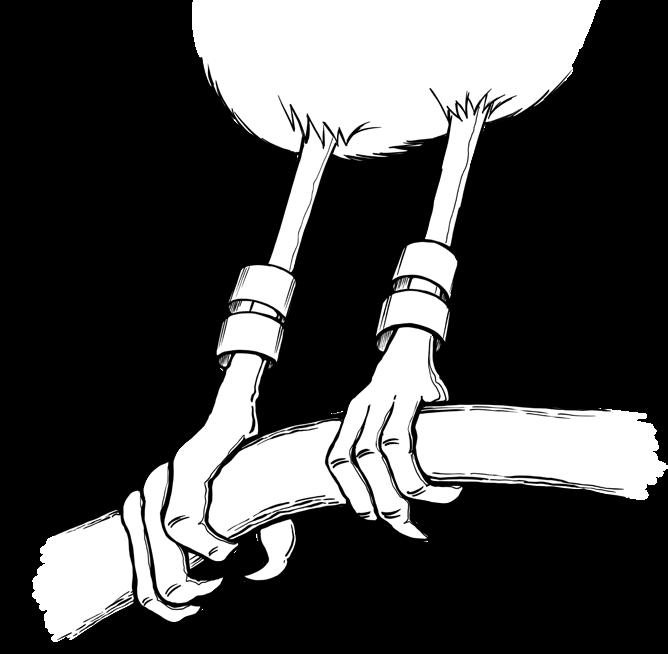
Birds get banded to help identify them – so you can recognise individuals. This is important when trying to better understand a bird species (for example, monitoring populations), caring for critically endangered individuals, or even determining who is related to whom.
Bird bands can be coloured plastic or metal and some have a unique number embossed on them. They’re like a bird passport.
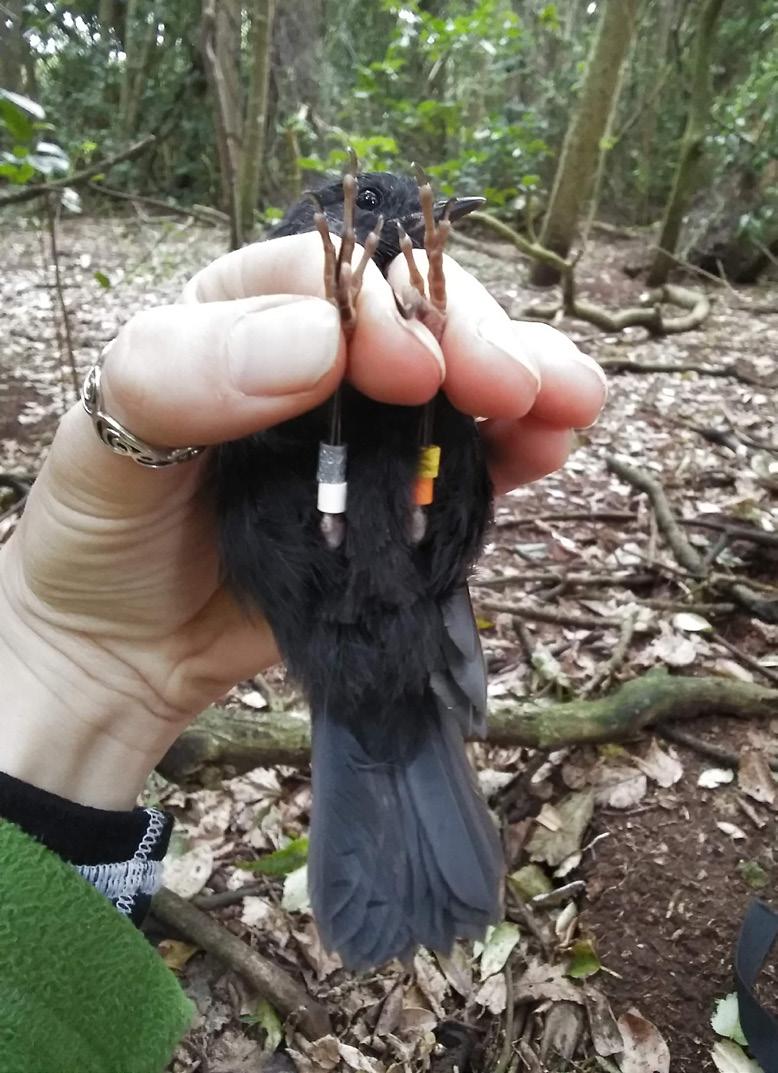
Coloured bands are useful as you can identify the individual without having to be close enough to read the number on the band. When the same coloured band combinations (patterns) are used on many individual birds, they’re telling us population information, like where, and in what year, the birds hatched/fledged. Some birds are given “flags” –these are longer bands, which makes them easier to read.
Did you know that as well as coming in different sizes, bird bands come in different shapes? Tītī| Sooty shearwaters have a squashed down circle band because their legs are flat and more like a human wrist. Banders may need to consider the type of bands they use, and how many it is acceptable to attach, especially with very little birds like titipounamu | riflemen and riroriro | grey warblers,
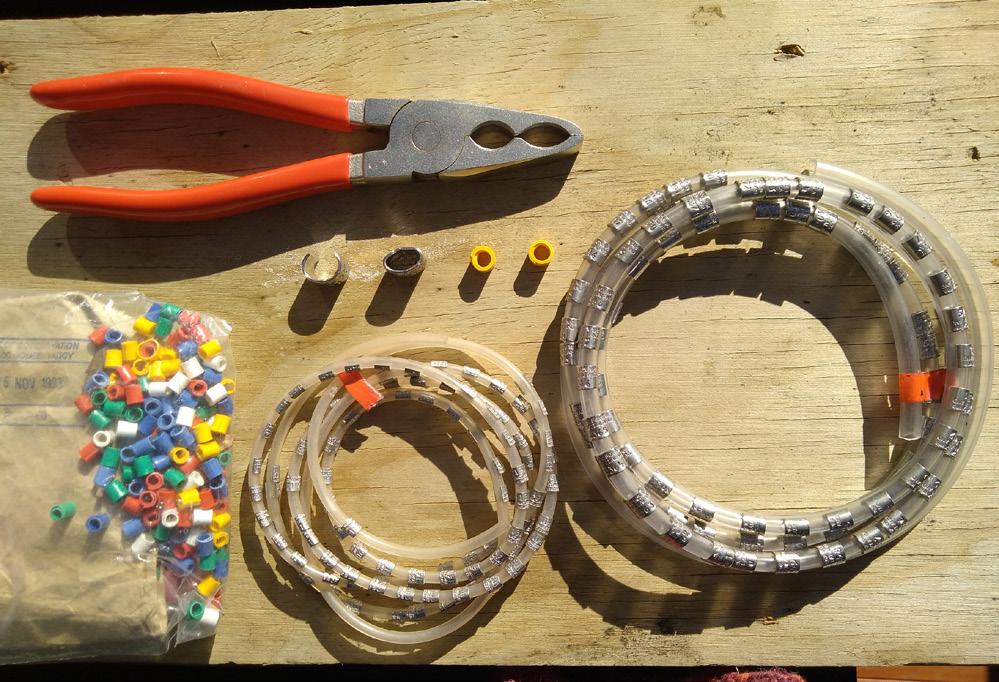
FACT: In NZ, bands are available from 2mm to 22mm internal diameter.
Some birds don’t get banded at all because their legs don’t suit it. Penguins get pit tags instead, which are microchips.
In some situations, it can be a good time to catch birds for banding when they are still in the nest, but you must be extra careful.
Bird bands are always read from top to bottom and bird’s right leg to bird’s left leg.
There are different methods to catch different birds, and sometimes a range of methods (a few different ways), especially if they are more challenging to catch.
n Toutouwai | NZ robins are best caught using a dropbox method – that’s where you bribe them with a line of worms to go under a box.
n Hihi | Stitchbirds are caught using very fine standing nets called mist nets.
n Kuaka | Bar-tailed godwits are caught using cannon nets – that's when a big net explodes out and covers over a big area of beach.
n Kiwi get extracted from their burrows.
Bird banders often hold smaller birds with a “bander grip” when they are attaching the bands. Birds have hollow bones and breathe differently than us. You need to hold them just right to not hurt them. It takes a lot of care (awareness of the bird) and concentration. Banders need to keep themselves safe too. Big feisty birds can bite and scratch. Feathers can flick into your eyes.
To attach the bands, a special plier tool is used.
Toutouwai bearing a colour-code combination. Daria Erastova
Bird banding is an important tool for research and conservation mahi, but it shouldn’t be done without good reason and a good plan to ensure monitoring happens. The things we put on birds (like bands or trackers) and the way we need to put them on can hurt birds.
Banding is a big responsibility! Only people who have been trained and have permits can do it.
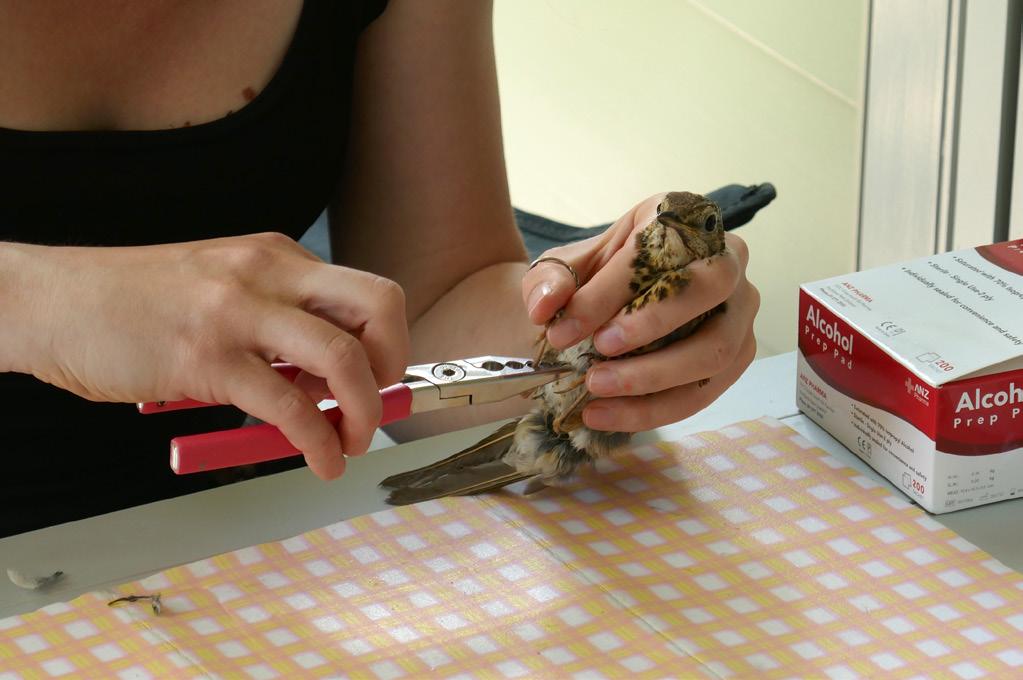
Band pliers fitting a band on a song thrush. Eddie van Uden
Anyone can report a sighting of a banded bird. Go to the DOC website to find out how.
The combination of bands used on each individual bird is recorded on a piece of paper and then uploaded online.
FALCON is the national database for bird banding. Having all the information about bird banding in one place is important because it means that the data can be used by lots of people, and it can help stop data being lost.
Answer by Geraldine Canham-Harvey
Welcoming more insects and other invertebrates is key!
Can you make wildlife gardens a part of your garden?
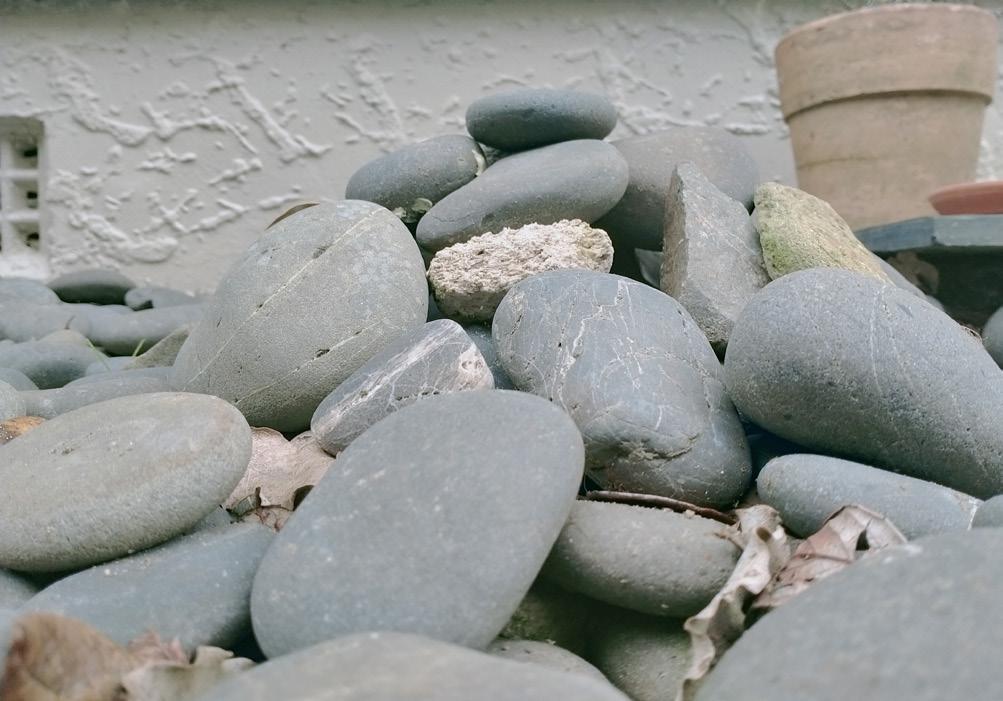
Like all wildlife, insects need food and water, and habitats (places to live). They like hanging out on leaves and branches, and they also like “wildlife gardens”, where there are lots of fallen leaves, rotting logs, and rocks piled on the ground that make habitats, and where they can find food.
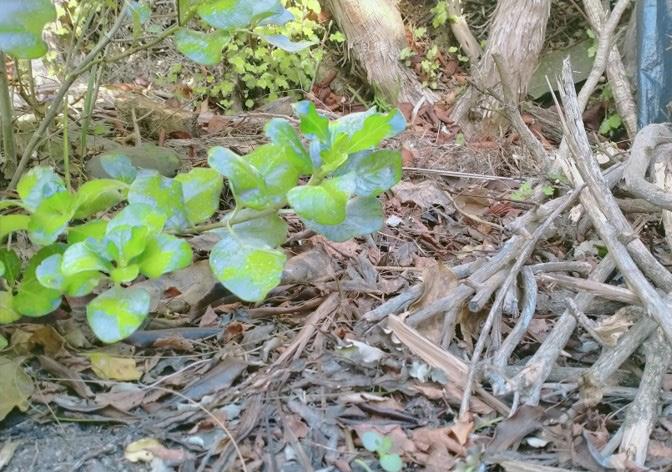
Do you know what native animals and plants live in your garden or outdoor area now?
Get planting!
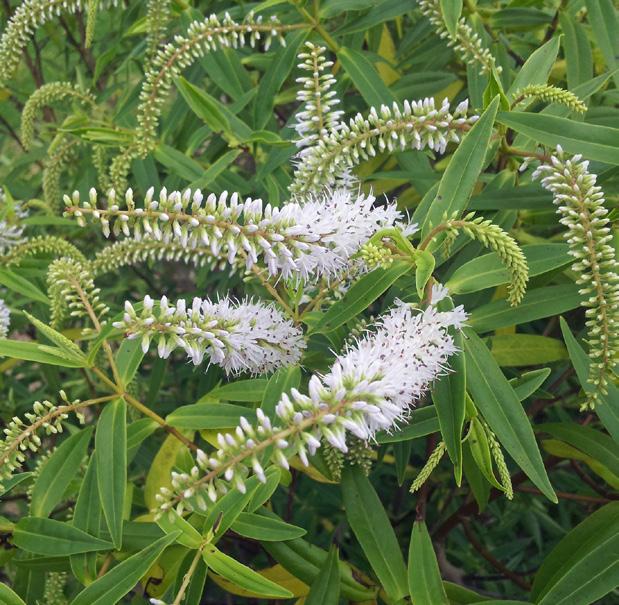
Insects like plants that have flowers with pollen or nectar, or that have berries. Maybe you can grow small plants in pots if you don’t have an space for a garden?
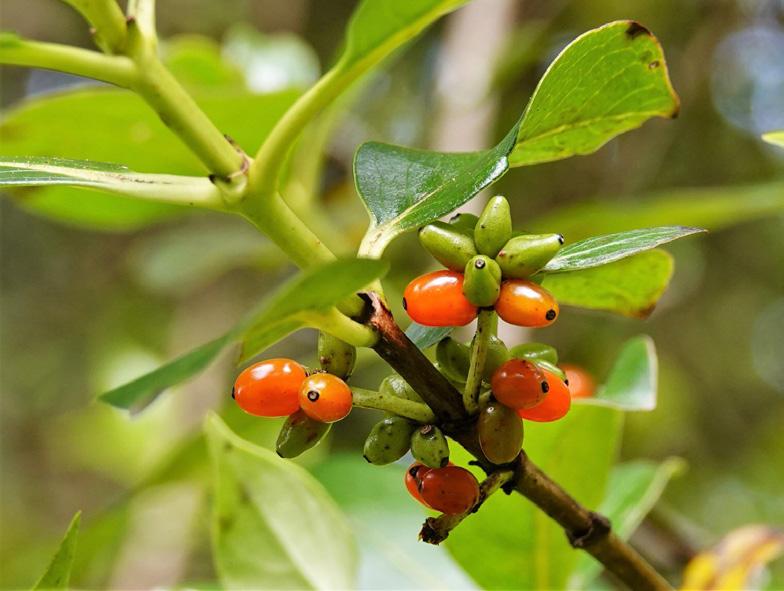
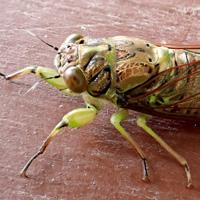
Here’s some native insects you might see or hear:
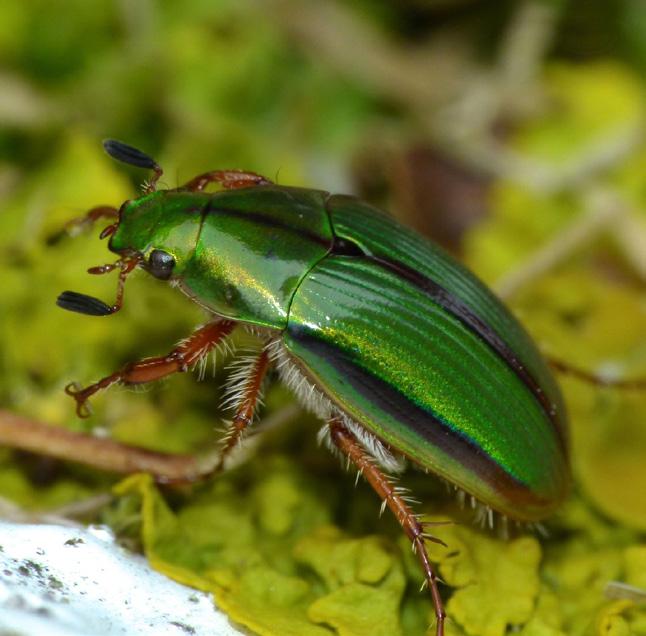
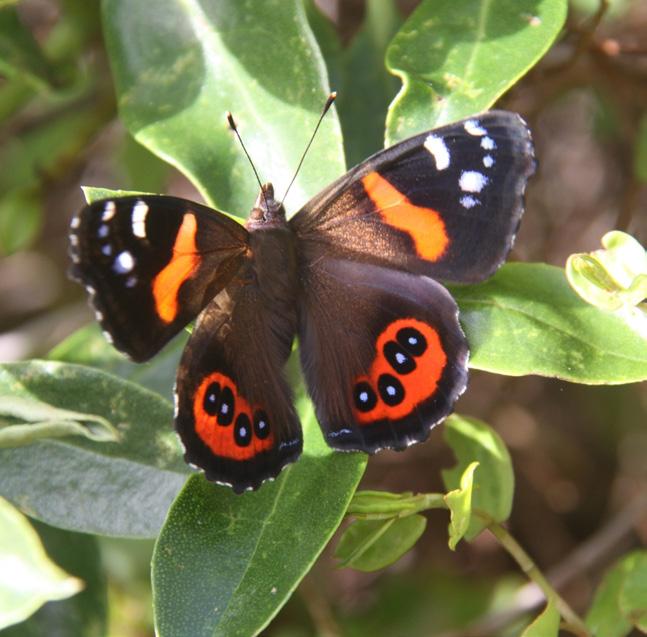
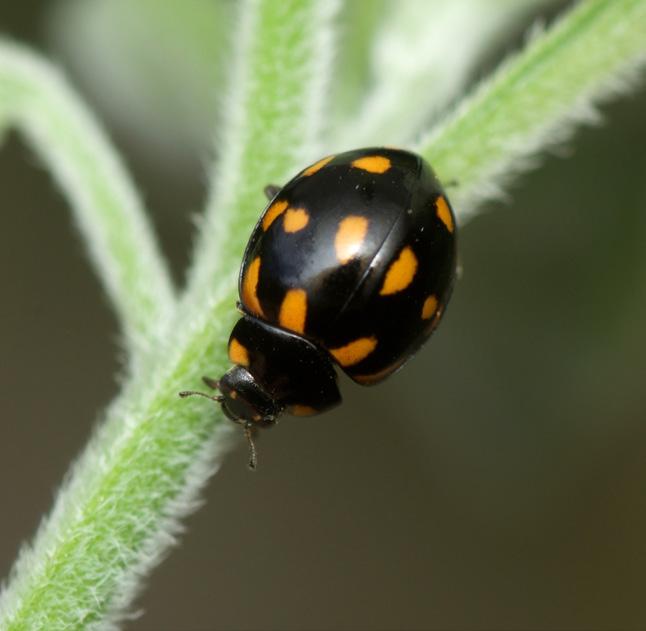
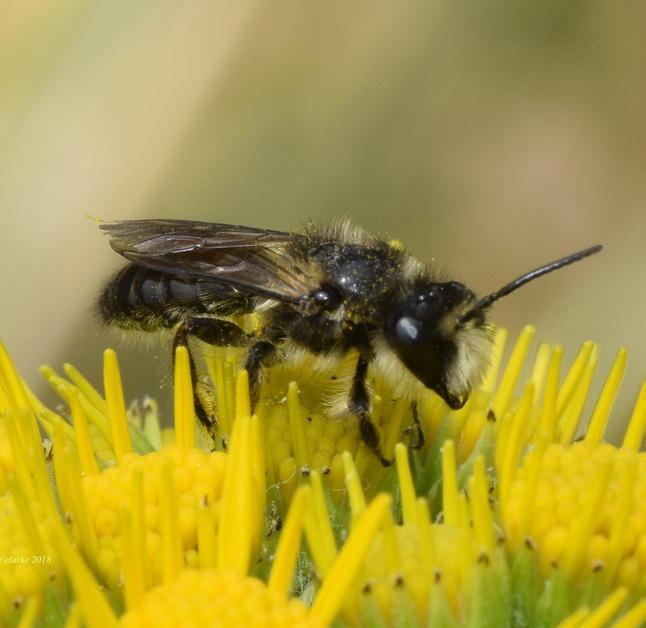
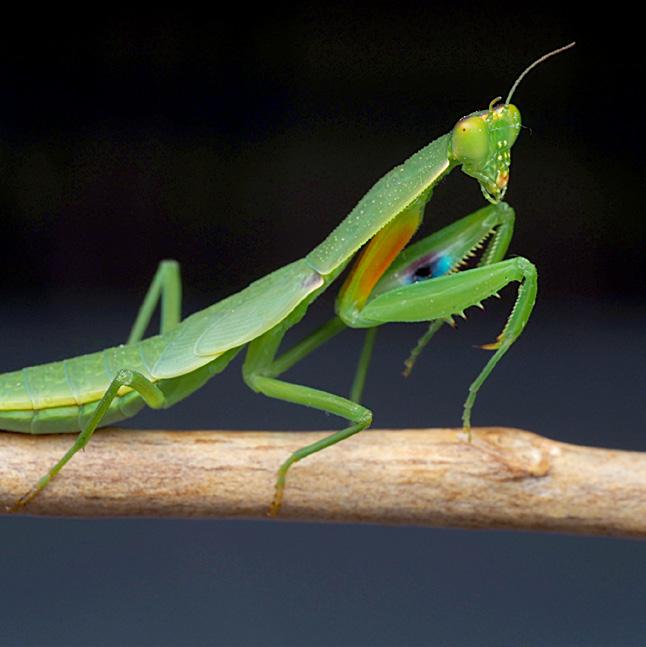
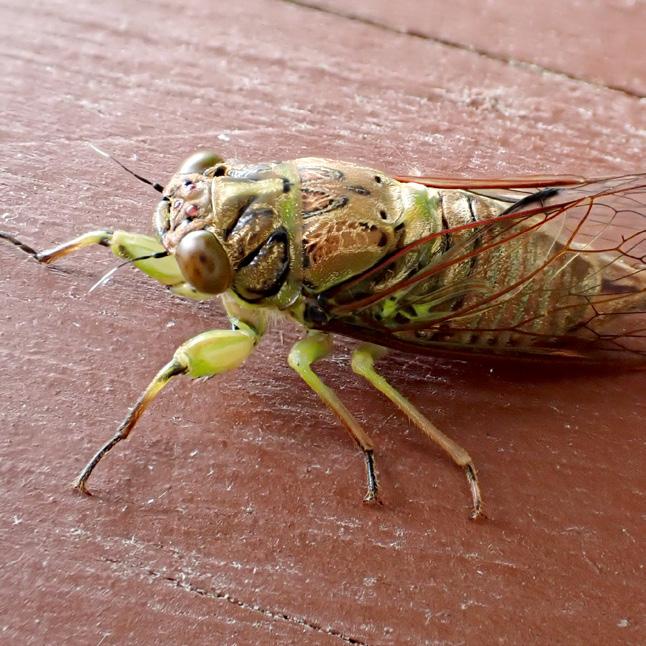
Having more insects in your garden should attract other wildlife who need them for food, like native birds, and our native lizards, the skinks and geckos.
If you have something in your garden for wildlife to eat all year round, they'll learn it’s a good
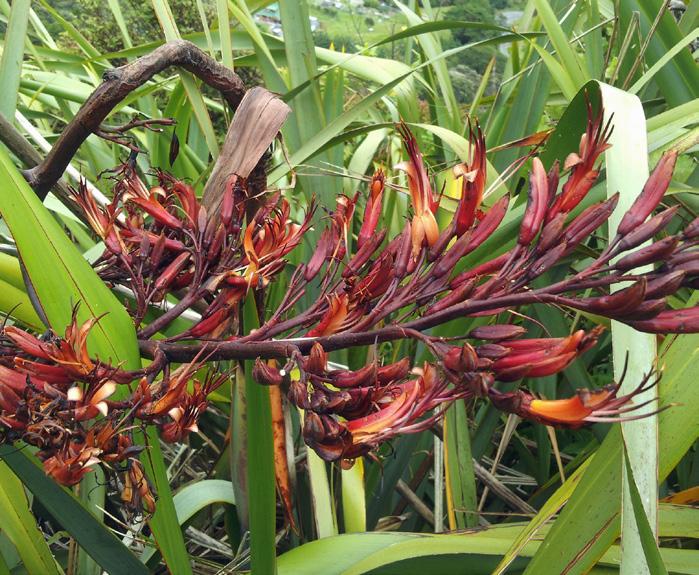
place to stay or come back to.
Animals you don’t want in your wild area are rats, mice, hedgehogs, possums and cats – they all hunt and eat insects, birds and lizards. Keep them out!
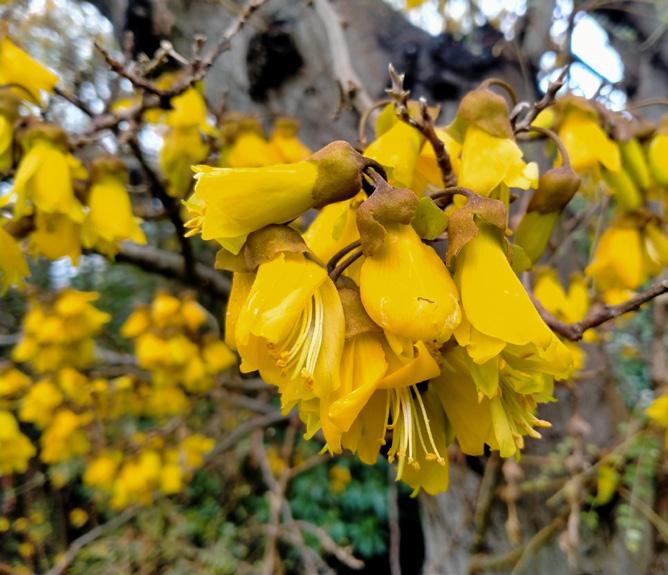
Could you tell a friend or neighbour about wildlife areas you make in your garden? They might like to make them too and then there might be more native wildlife in gardens!
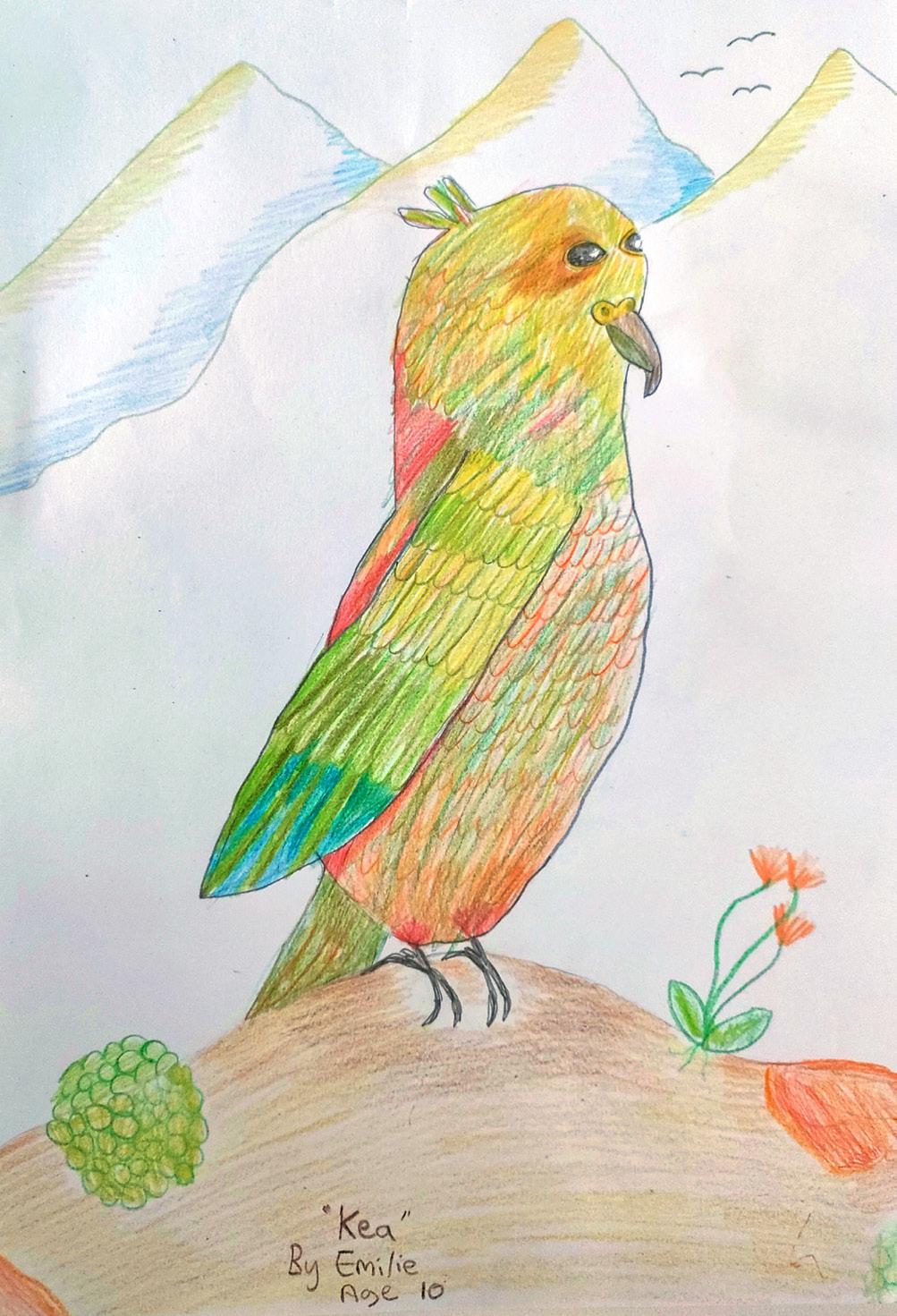
by Emilie (age 10)

My mum and I often see kea, New Zealand’s charismatic, endangered native alpine parrot, on our tramping trips around the Southern Alps of the South Island. One wintery evening we encountered kea high above the bush line, just as we were snuggling up in our sleeping bags. I wondered if kea snuggle up somewhere overnight. Or do they sleep at all?
To answer my question, I did a lot of research using books and the internet. I thought about my own experiences, and I asked the Kea Conservation Trust and people belonging to the Tramping in New Zealand Facebook group.
I found out a lot of cool facts about kea, but I’m still not sure where they sleep at night, or if they sleep at all!
It seems these cheeky, highly intelligent birds enjoy messing around in the early mornings, evenings and into the night, although they’re often seen during the daytime as well.
Kea are a large species of parrot found only in New Zealand, living in the South Island’s alpine
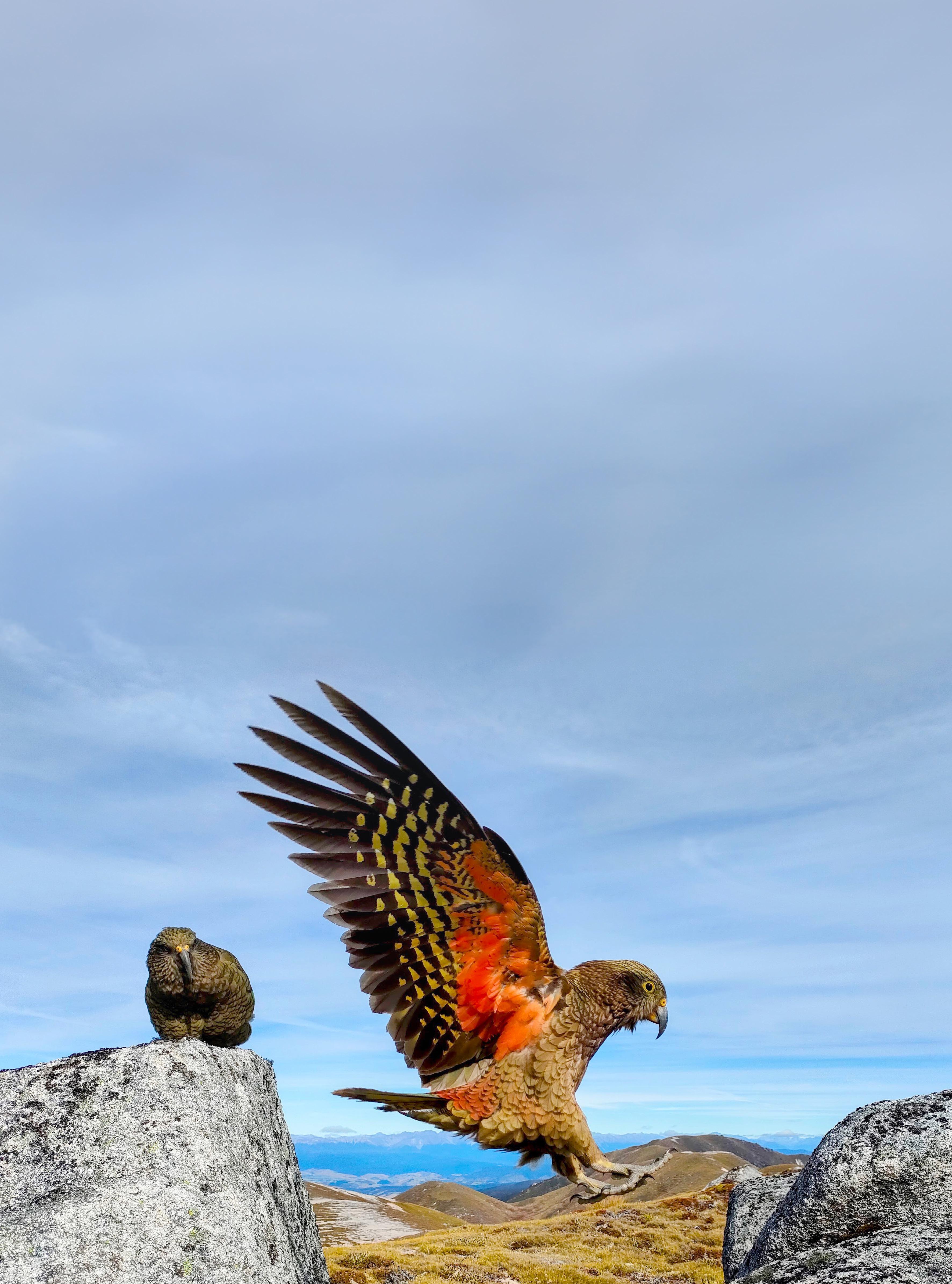
region. Up here, above the treeline, the world is rugged, harsh, partly covered in stunted scrub and tussock, bare rocks and shingle, or obscured by snow and ice. This is where kea like to live. When they do sleep, kea most likely roost in trees or in holes under rocks high on the mountain tops.
These birds are semi-nocturnal, which explains why they’re lively and active at night. They are also very clever, curious and friendly, which is why they often get into trouble with humans.
Trampers reported encounters with kea at all times of the night. One lady camped out on the tops near Haast and a group of kea plucked her tent’s guy ropes all night like guitar strings. She didn’t sleep that night, and neither did the kea! Other trampers reported incidents of nocturnal kea harassment and swore they don’t sleep.
One time we stayed in Frew Saddle Biv* (1285m) near Hokitika, and when I went out for a wee at 11pm, I nearly tripped over some kea playing in the moonlit tussock outside.
Then they climbed onto the roof and slid off it like a slide… what a noise!
*A biv or bivvie is a small hut.
Kea are opportunistic omnivores, meaning they eat whatever they can find amongst edible plants, insects and meat. On a recent trip, I saw five kea playing with and feeding on a dead hare on a frozen ridgeline at 1200m elevation. They followed us all the way to the biv, and it was already getting dark at 6pm. I was tired… but the kea were not!
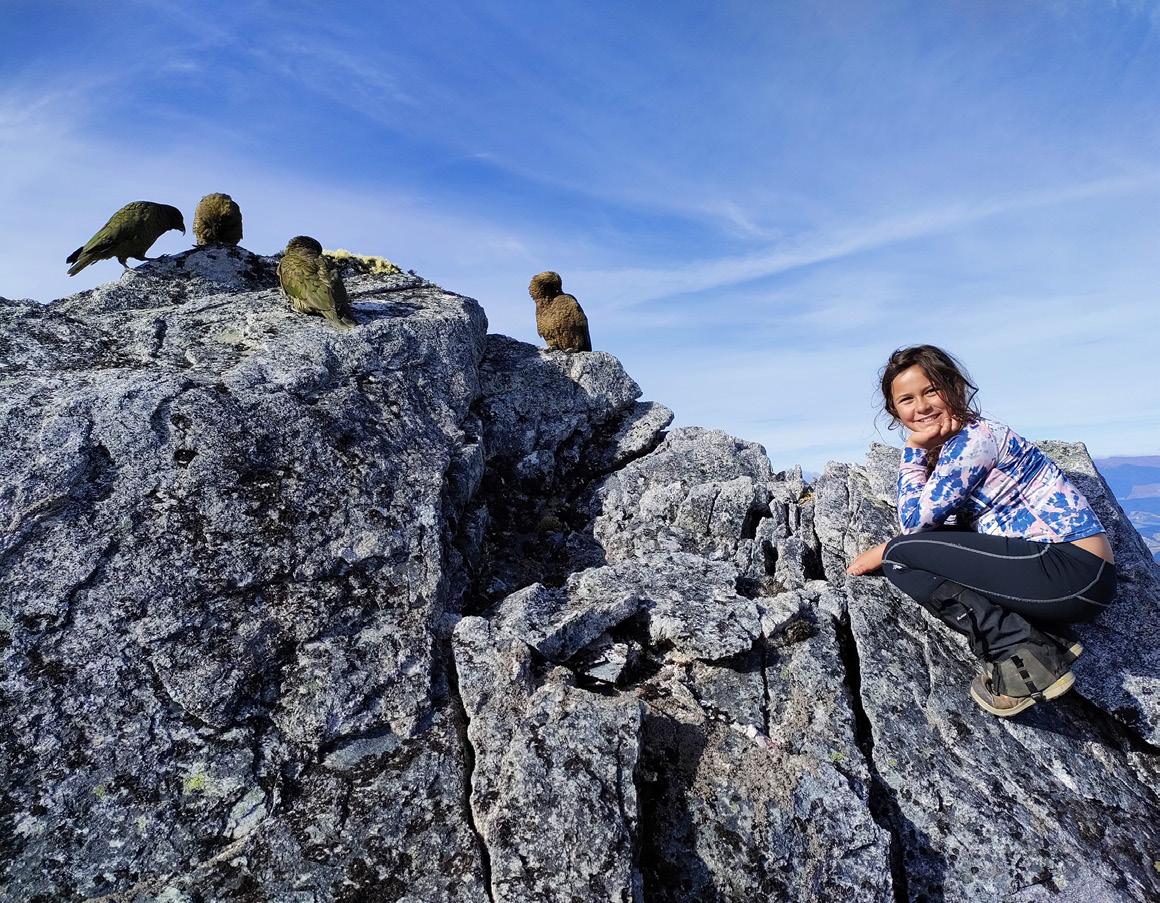
Sadly, kea are endangered, and their numbers are declining in the wild. Kea can be poisoned by human food, or lead, or bait. They also get hurt setting off traps intended for predators or being struck by cars. Many get attacked by predator mammals, especially while on their nests, and their chicks get eaten.
Kea start breeding very early in the year, and I’d love to see some baby kea in the wild on one of my tramping trips, even if they do keep me up at night.
Predator control is so important for kea. Only one in ten kea breeding attempts is successful when there is none.
There’s no reason why they couldn’t biologically – kākā are their cousins, and they live in the North Island. We’d say that kea are committed Mainlanders though!
The Kea Conservation Trust shared that one of their main goals is seeing kea back in South Island spaces where they are supposed to be, like the eastern side of the Southern Alps. They were lost to this area because of human activities (culling kea) and introduced predators.
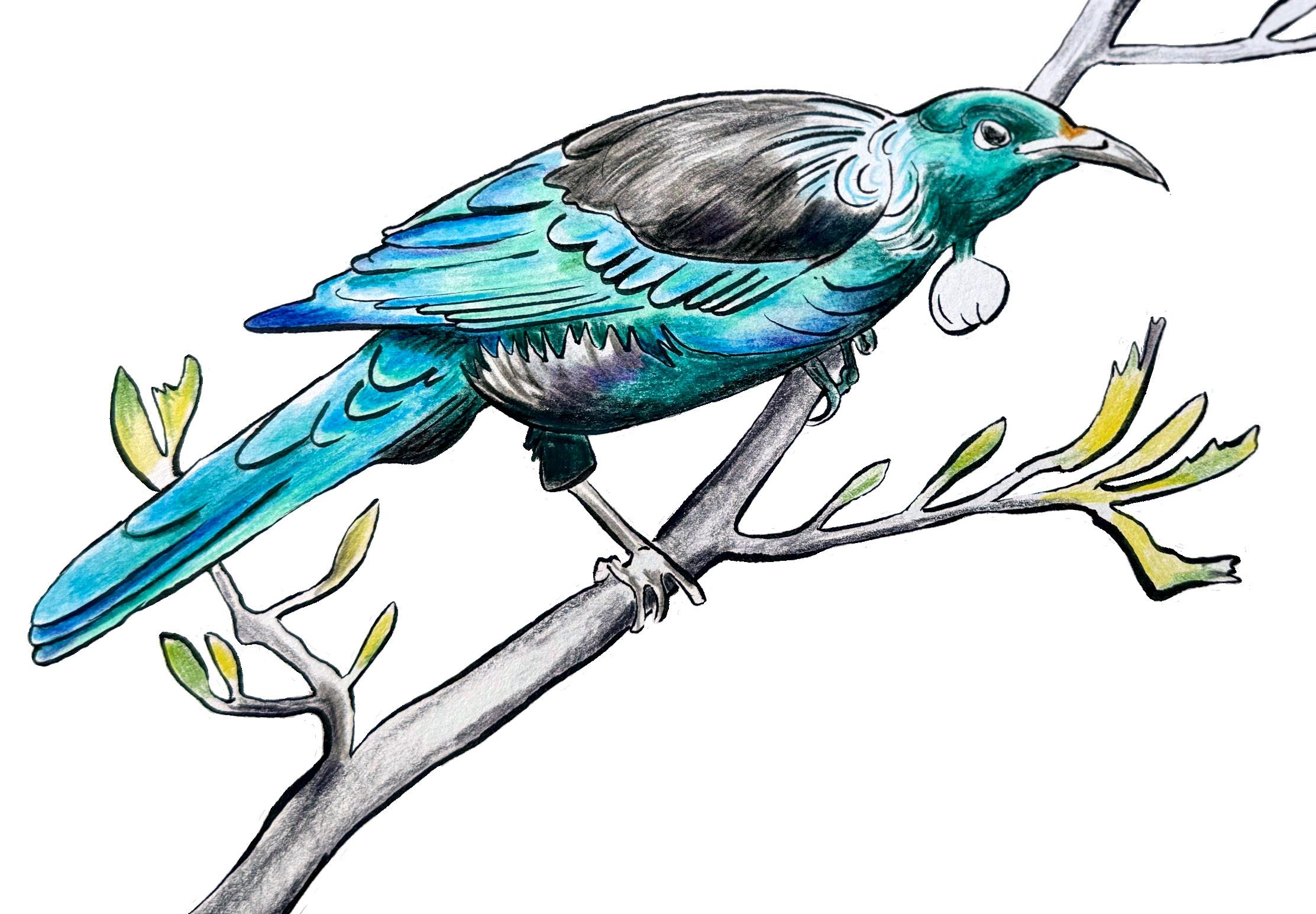
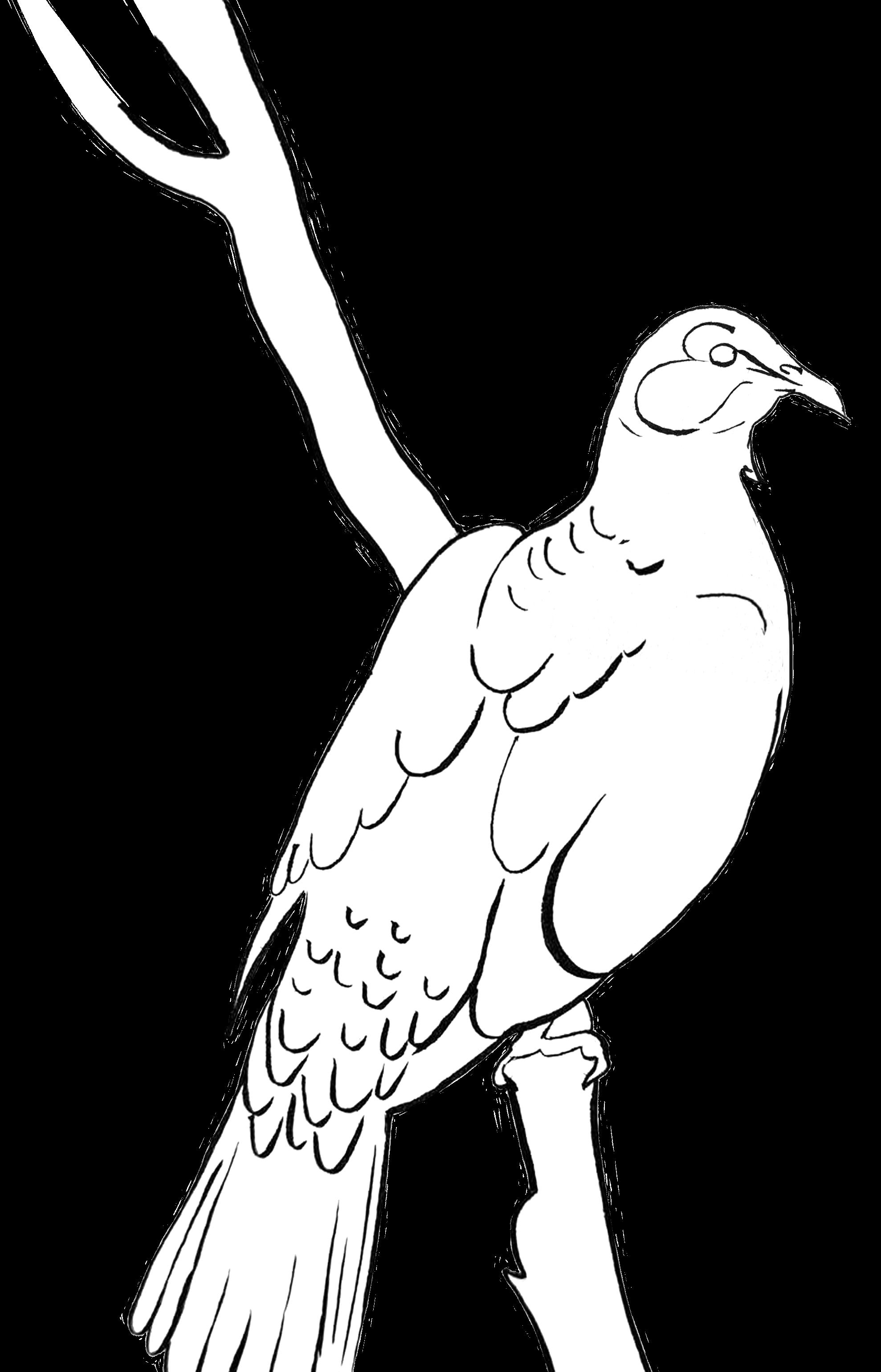
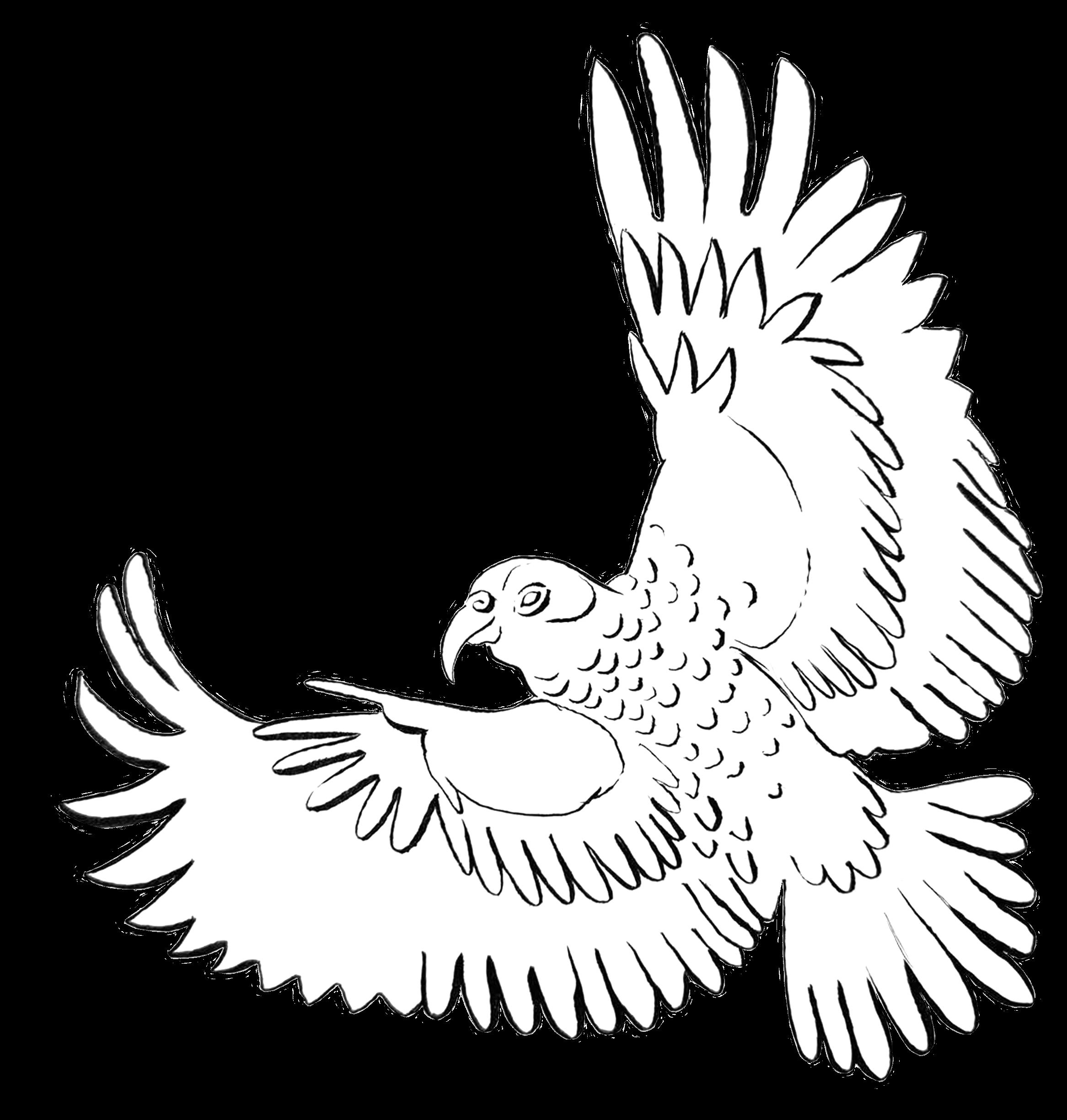
Learn to draw iridescent colour. Check out these stepby-step instructions from Esmé Dawson


Answer by Geraldine Canham-Harvey
This is a hard question to answer, because the way we think humans are intelligent can be quite different for animals like octopuses. For example, humans can write, make things like fake meat, and fly in spaceships. Just because octopuses can’t do these things doesn’t mean they aren’t intelligent.
In their own way, octopuses are smart about how to live well and adapt to their environments.
Also, an octopus’s experience of the world is quite different to ours. For example, it’s like each of its eight tentacles can think on its own. Scientists also think octopuses might be able to ‘see’ the colours and textures around them using special cells in their skin, not just their eyes! An octopus uses the suckers on its tentacles not just to feel objects, but to taste them (it can also taste with its skin!).
Octopuses sound weird, but they are really amazing! They seem to have personalities, and to recognise people they see often. They show curiosity about the world around them, which usually is a sign of high intelligence.
It also seems they can use their brain to work out what will happen if they do one action after another. For example, they can work out how to open jars, how to use LEGO, and how to bounce things across their tank just like a ball. One octopus living in an aquarium overseas used to juggle the crabs living in his tank!

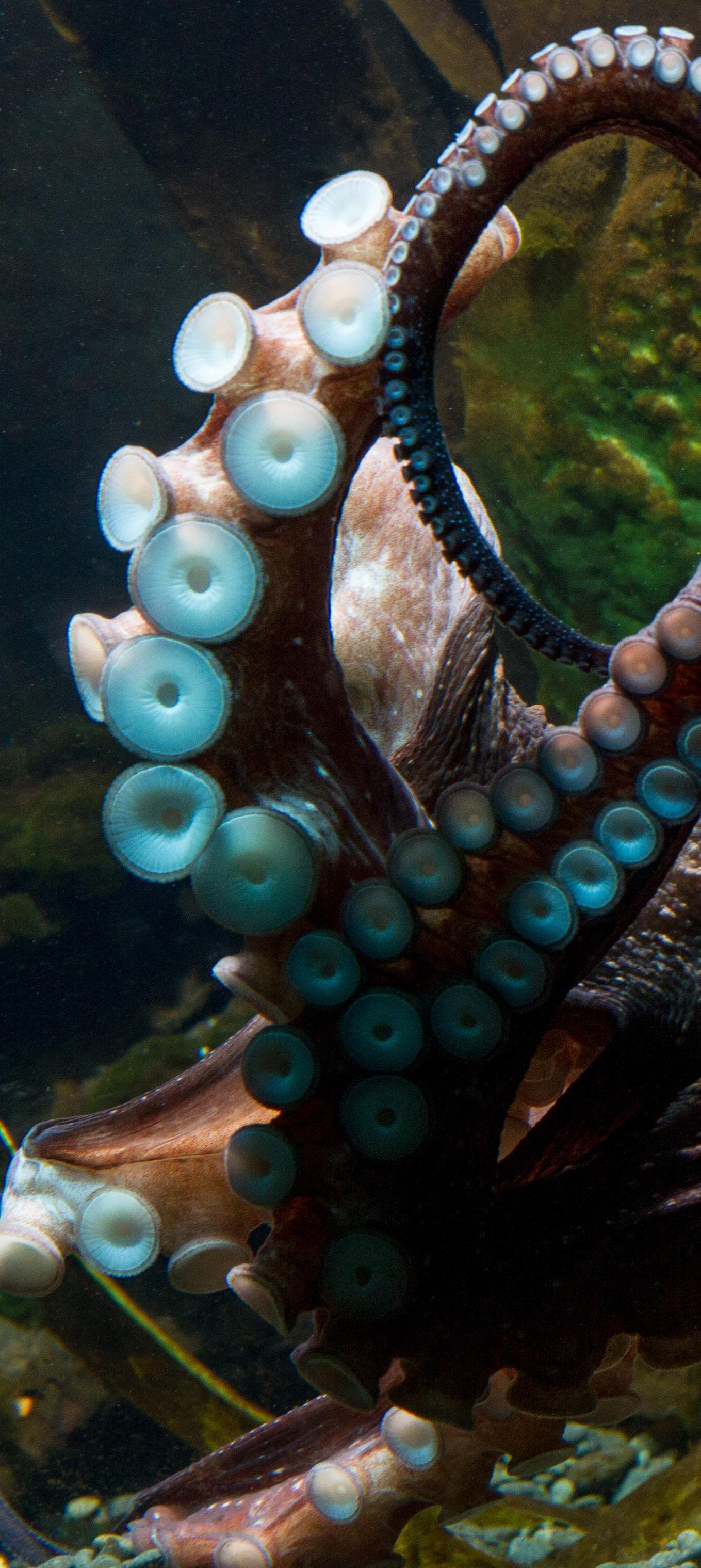

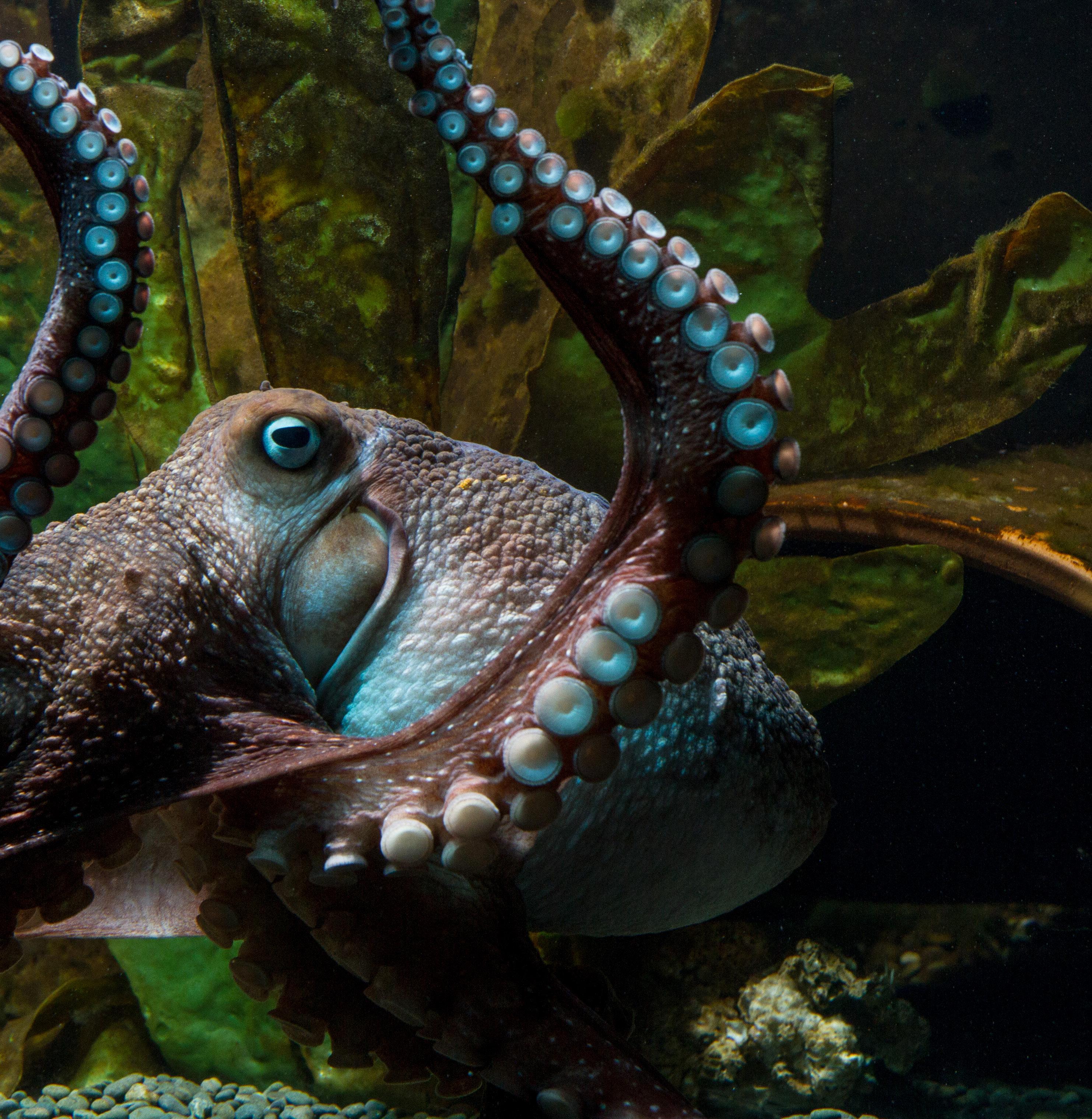
Inky the octopus lived at the National Aquarium of New Zealand, which is right next to the sea in Napier. Inky had been found injured by a fisherman who brought him to the aquarium.
One night Inky disappeared when the lid on his tank was accidentally left ajar, so Inky had a chance to get out. The keepers at the aquarium think Inky was curious to explore outside his tank. It seems he
Thank you to the National Aquarium of New Zealand for their help with this answer, and for the photo of Inky in his tank.
Answer by Bianca Woyak
Metamorphosis is when a creature totally changes from one thing to another during its life cycle. The word “metamorphosis” comes from the Latin language, and means to transform and change shape. You may have heard the word used when talking about the life cycle of insects, amphibians, and crustaceans.
Metamorphosis has four distinct stages. Let’s look at the most famous case of metamorphosis in Lepidoptera: butterflies and moths.
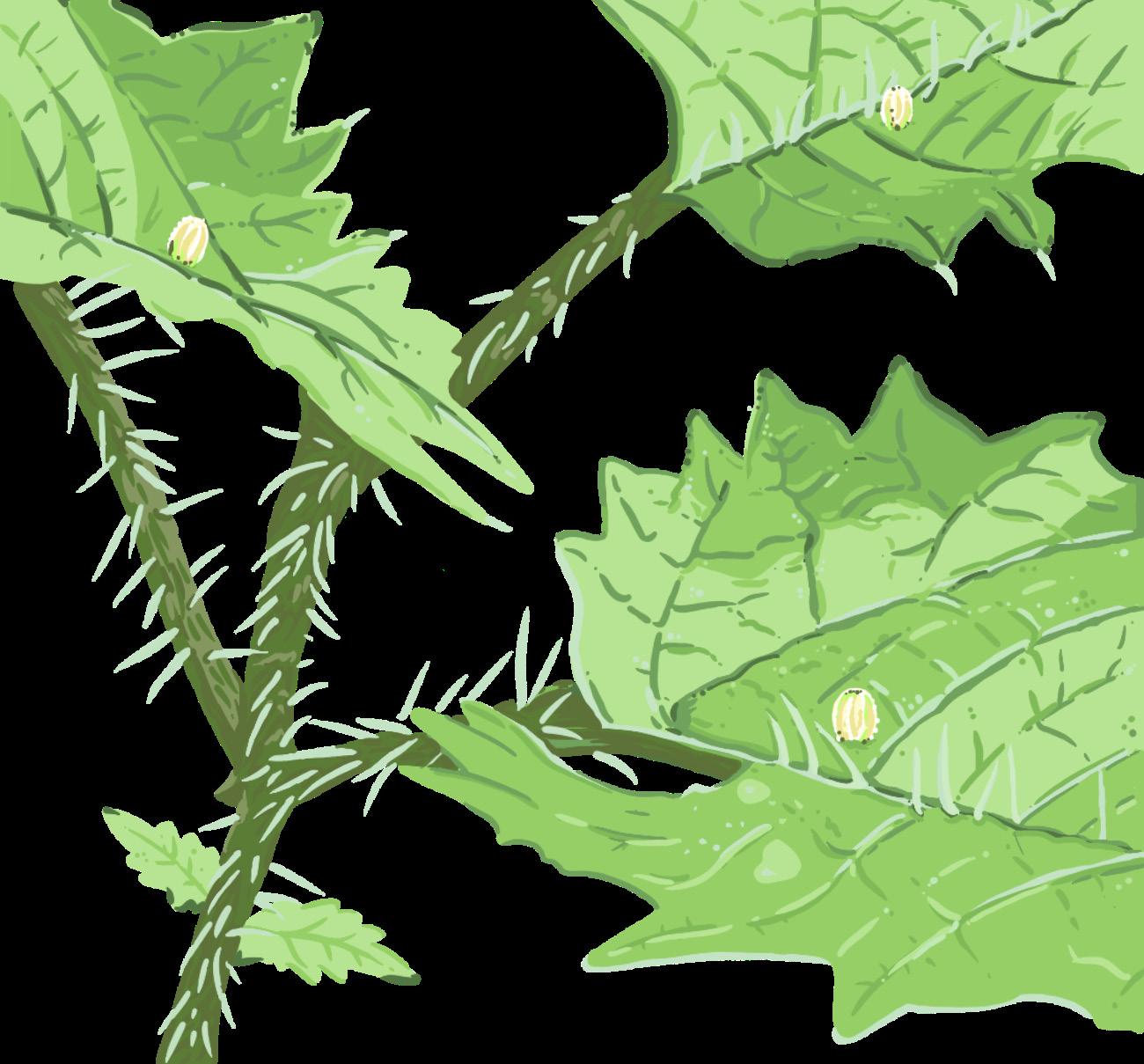
The egg is laid by the adult female butterfly or moth. She usually lays many eggs to make sure at least some of them survive. Eggs are usually laid on or near the caterpillar’s host plant, the plant it needs to feed on. Generally, it takes between 7 and 14 days for the larva (caterpillar) to hatch from the egg.
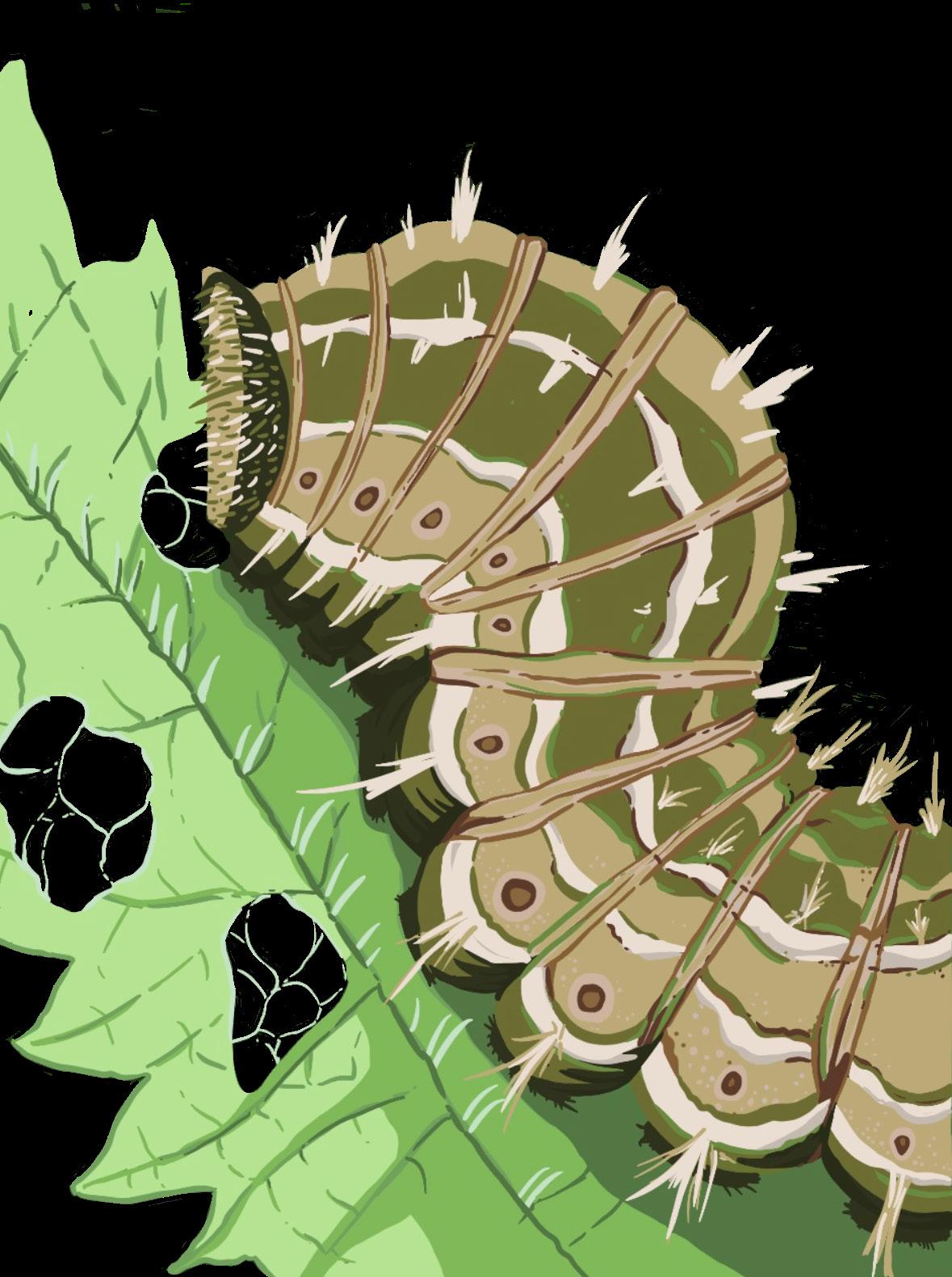
Once the caterpillar hatches from its egg its only job is to eat and get bigger. It often eats its egg case as its first meal, and then starts eating its host plant’s leaves or the parts of the plant it needs to survive. As the caterpillar grows, it sheds its skin several times as it has an exoskeleton (skeleton on the outside rather than inside like we have). This is known as an "instar", and it does this so it can get bigger. A caterpillar can stay in the larva stage anything from 2 weeks to several years. The pūriri moth spends around 5 to 7 years as a caterpillar eating wood from native trees! A caterpillar can grow as much as one thousand times its birth size in a couple of weeks. They are truly eating machines!
Finally, the caterpillar finishes eating and is fully grown. This is the exciting stage when the true metamorphosis or change happens! The caterpillar often hangs itself from a plant, burrows into the ground, or finds a hiding place like in dead leaves.
The larva then sheds its skin one last time to form a chrysalis (a hard covering on the outside) or forms a cocoon, which is when the larva gathers objects around itself like a protective sleeping bag. Just like when our body changes from a child to an adult, this process in an insect is also all driven by hormones.
Inside the cocoon or chrysalis, the soon to be butterfly or moth releases enzymes in its body. These enzymes dissolve its cells and body parts in order to reform them as other new body parts, like wings and a different mouth part – a tube to suck nectar called a proboscis, rather than leaf-munching jaws! It is kind of like recycling! Not all of the caterpillar’s insides are dissolved; the vital parts like the breathing tubes remain.
Once the caterpillar turns into a soup-like state, cells called “imaginal cells” get to work. Imaginal cells are able to form into any body part the moth or butterfly needs to become an adult.
Once this process is complete, the chrysalis sometimes goes transparent (see through) and you can see the compact, yet fully formed adult, like in the monarch butterfly.
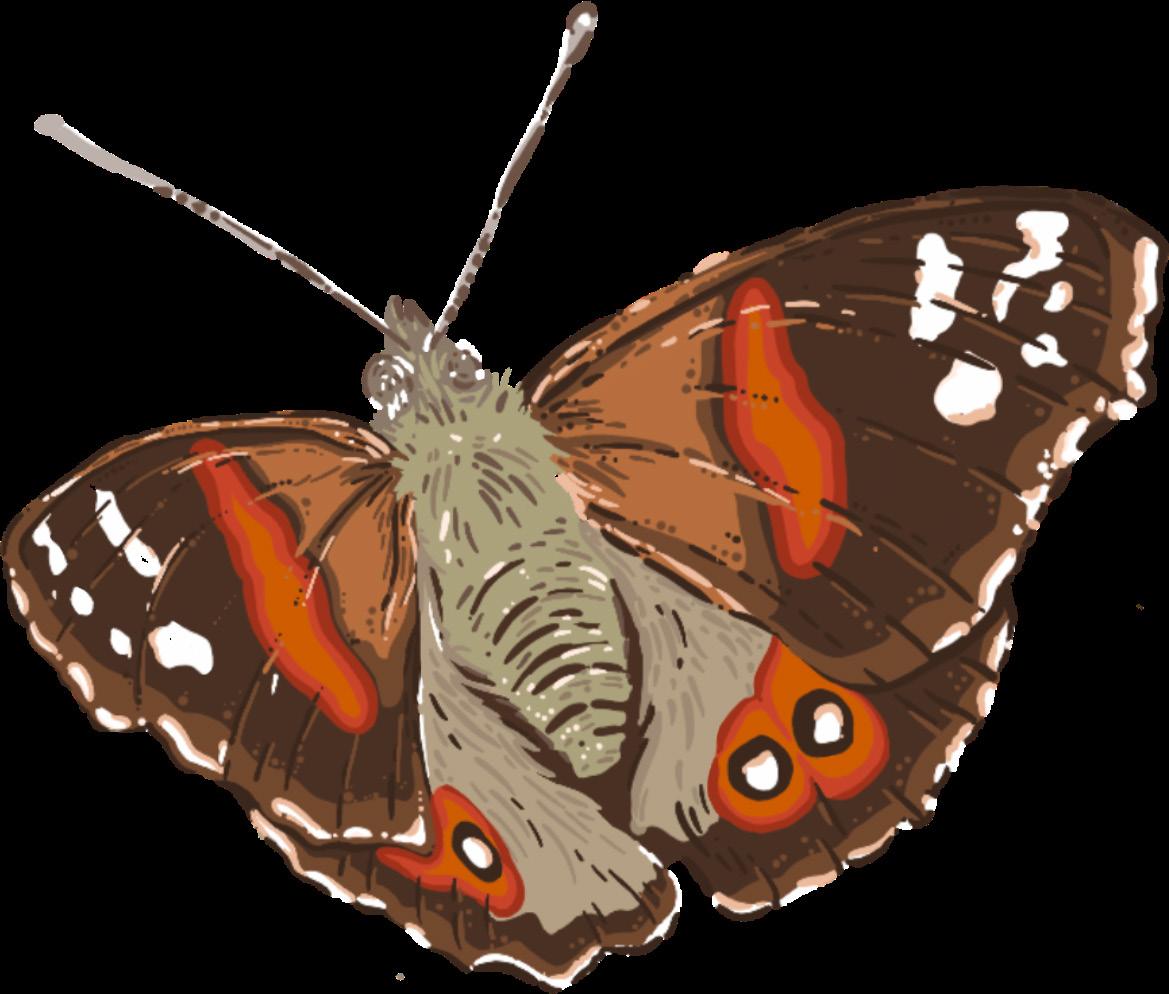
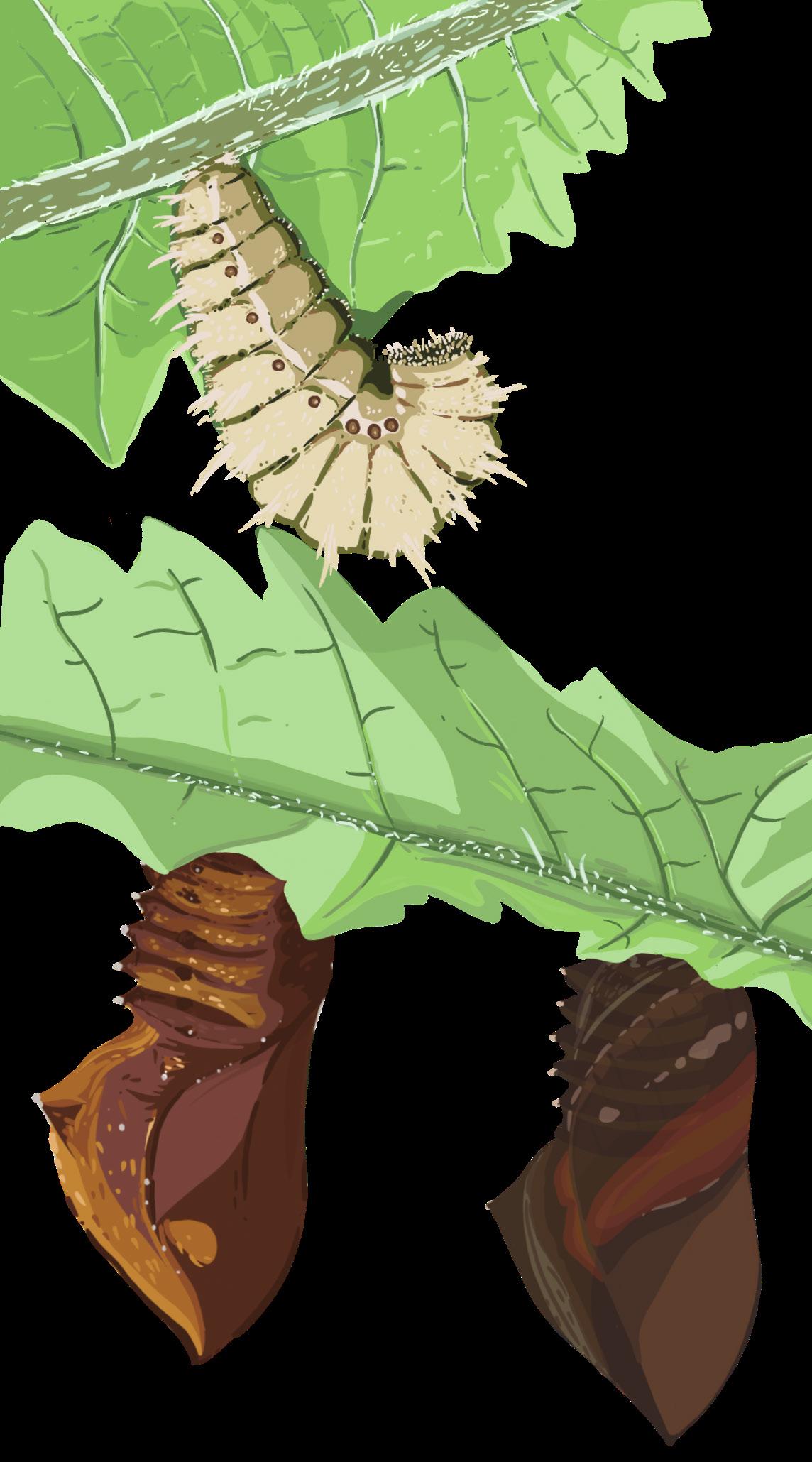
The chrysalis or cocoon starts moving, and the fully formed butterfly or moth appears. Its new wings are small, and it has a big abdomen. The adult then needs to push fluid from its abdomen into its wings, like pumping up a tyre or ball, until its wings are fully opened. It can now fly, and its main task is to find a mate to create eggs, so the process can start again!
Kahukura | Red admiral and ongaonga.
Illustrations by Kelly Body
Answer by Bianca Woyak
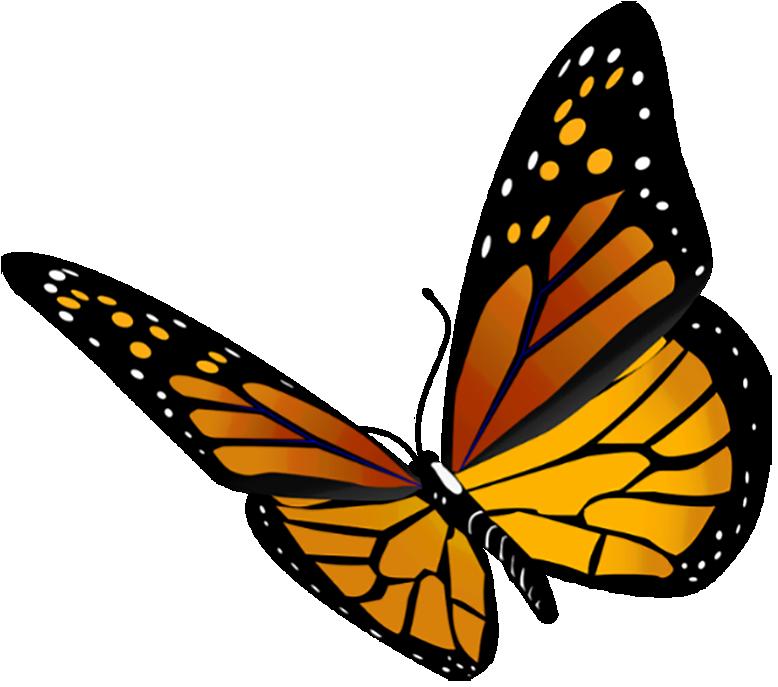
butterflies are originally from Central and North America, but they made their own way here to Aotearoa (blown by the wind, via the Pacific and Australia) in the mid-1800s. It wasn’t until people started growing their host plant milkweed, or “swan plants”, that the butterflies could complete their whole life cycle here. Monarch butterflies used to be a common sight in Aotearoa, but recently their numbers have plummeted. Here’s why:
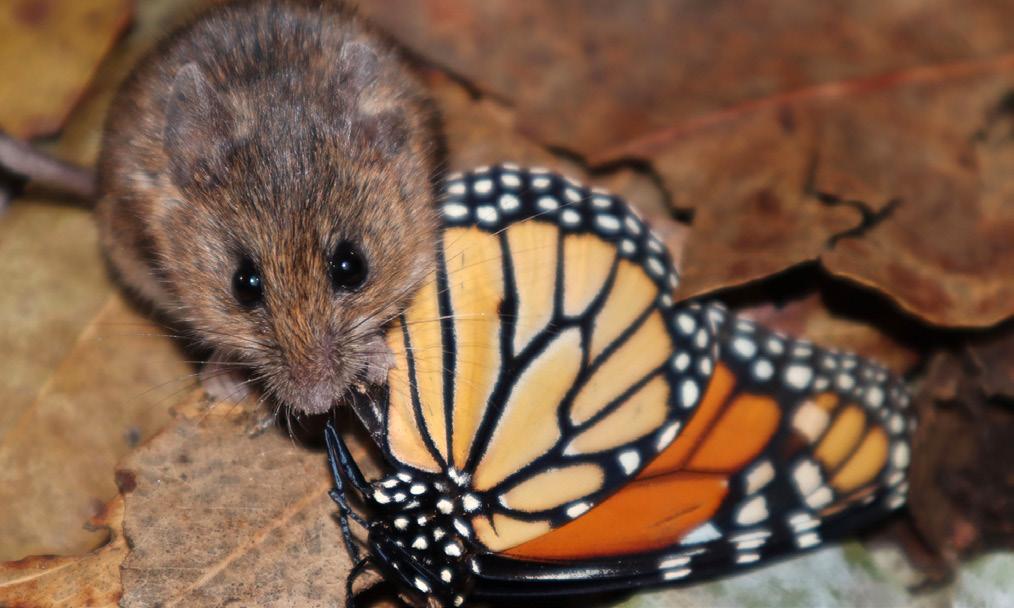

Our monarch butterflies do not migrate like their American cousins. They’ve changed their behaviour to go into “diapause”, a resting state, in the colder winter months. They gather together in huge numbers and hang off trees where they stay still to conserve energy. Recently, in Christchurch, there has been a huge decrease in numbers due to rats crawling up the trees and eating the defenceless resting butterflies. Another predator is introduced wasps, who prey on New Zealand butterflies.
Sprays are used on plants in gardens, and on farms, to get rid of pest species like insects, rats, and weeds. When the adult monarch drinks the nectar from their flowers, they are poisoned. Milkweed plants from a store may have been sprayed with pesticides too. When the caterpillar eats the milkweed with the pesticide on it, it will often die straight away or not be able to form properly inside the chrysalis.
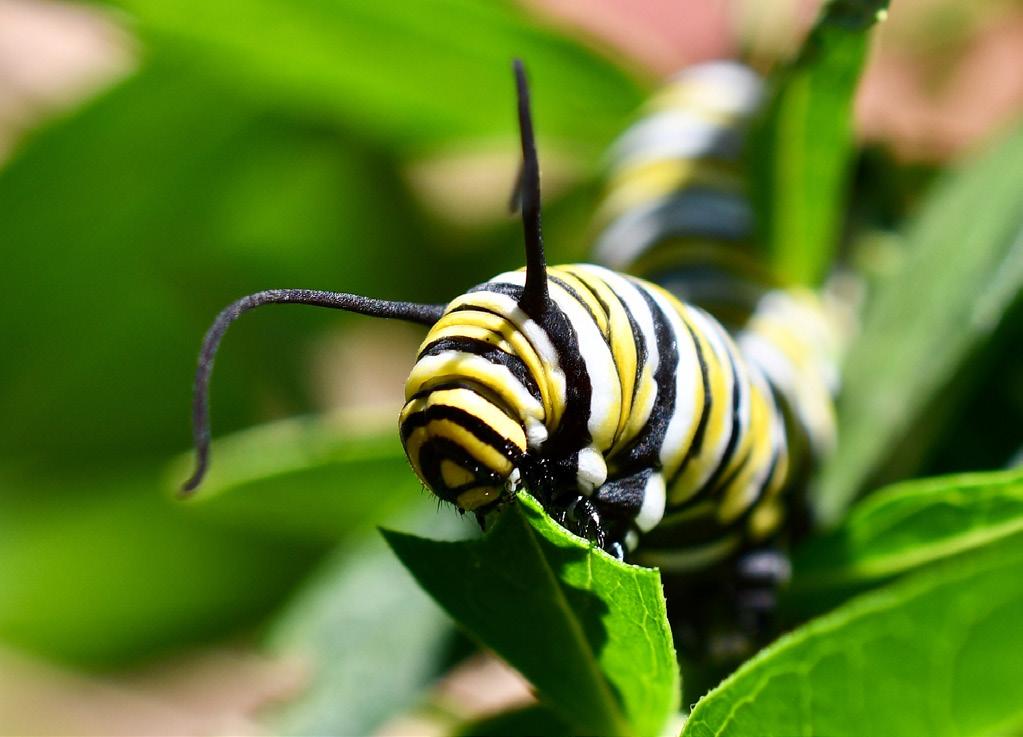
Just like the book The Hungry Caterpillar, monarch caterpillars eat and eat! Many of us have had the stressful experience of our caterpillars not having enough milkweed and then having to find more! As milkweed is not native to Aotearoa, the monarch butterfly relies on us humans to plant its host plant. In Te Ika-a-Māui | the North Island, it is easier to keep milkweed all year round due to it being warmer; however, in Te Wai Pounamu | the South Island it is a lot harder as the plants die in the frost.

n If you’re buying swan plants, look for this sign. It means that no pesticides have been used.
n Have milkweed as well as other flowering plants in your garden yearround. If you’re in the South Island, grow your milkweed in the winter in a tunnel house.
n Don’t spray your garden with pesticides.
n Trap butterfly predators like rats and wasps.
n Find out if there are monarch overwintering sites near you and monitor the butterflies. Make sure these areas are kept free from rats and wasps!
n Get the city council to put a large metal ring around the trunk of the butterflies’ favourite overwintering trees. This way, rats cannot climb the tree trunk to eat the monarchs.
n Be part of The Big Butterfly Count, an annual citizen science project across Aotearoa to track butterfly numbers run by the Moths and Butterflies of New Zealand Trust (nzbutterflies.org.nz).
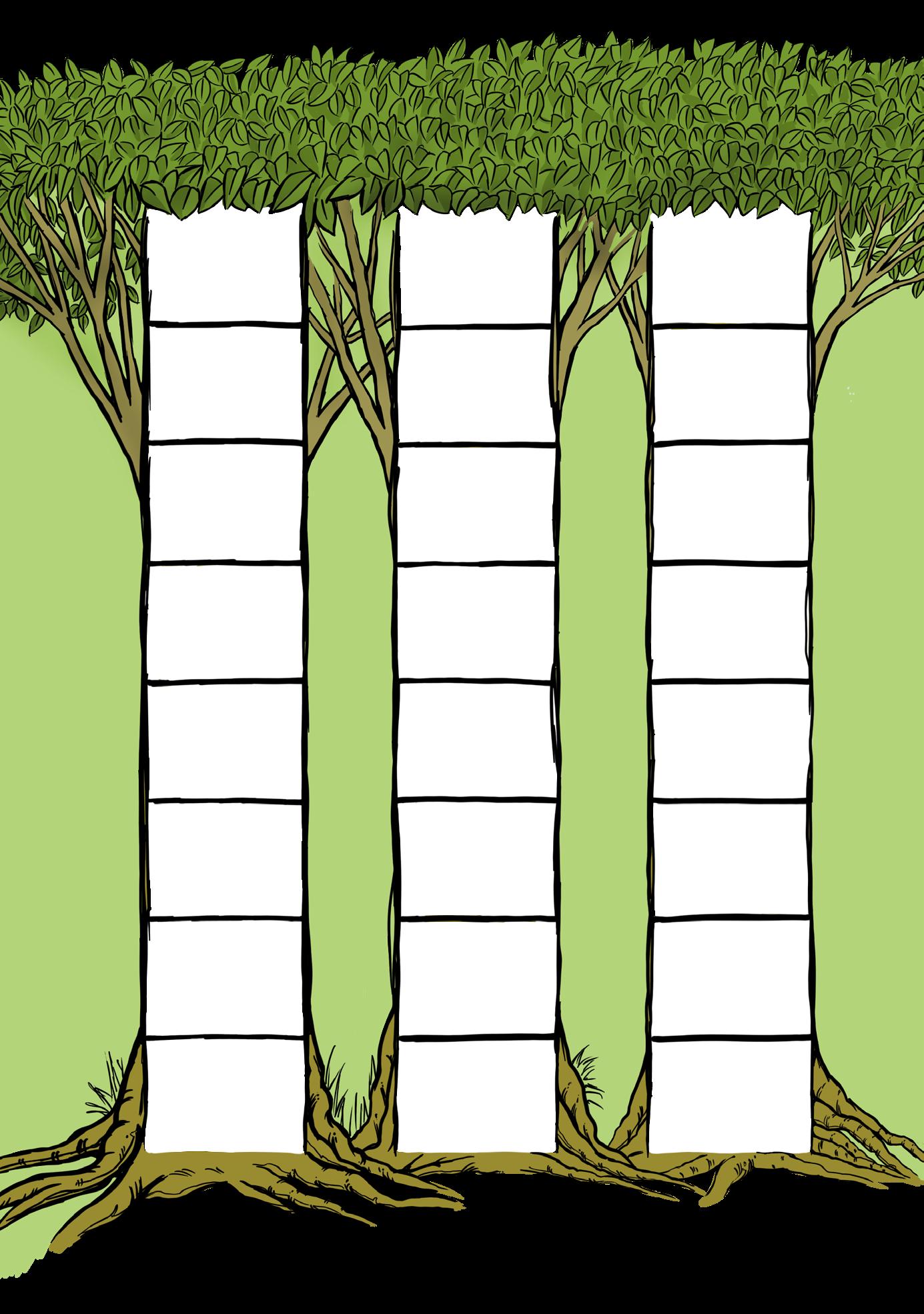
Whau (Entelea arborescens native trees. With good conditions, it can grow a metre or more in a year! But it’s all a bit of a “roll of the dice” out there with possums about having a munch…
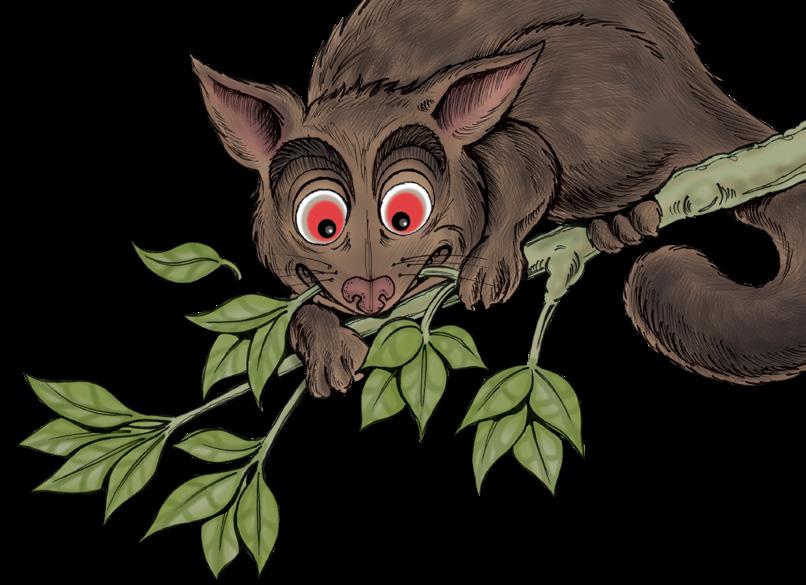
You’ll need a dice and counter/s. GAME:
n Roll even numbers (2, 4, 6) and grow the trunk.
n Roll odd numbers (1, 3, 5) and it’s a possum attack! Move back that number of places (or to the beginning).
n You can grow one tree at a time or you can try growing all
Whau is a small tree that can grow up to 8m tall. It has one of the lightest woods in the world weight-wise.
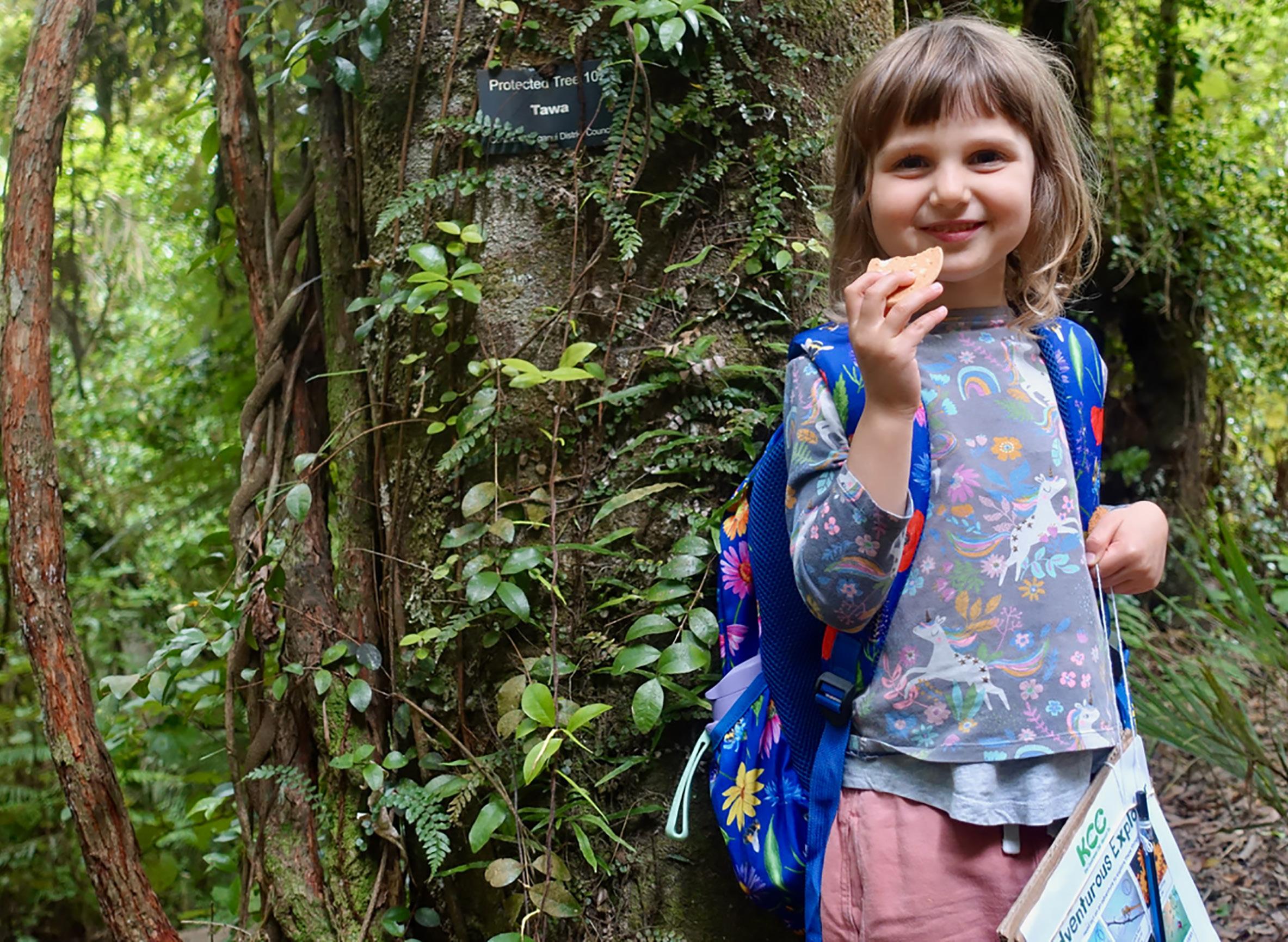
Question and answer by Zoe (age 5)
Ispend time looking after a forest with my family, and one day I noticed that at the bottom of a hill a kahikatea tree had fallen all the way over, over a stream and to the bank on the other side. It still looked alive and green, so I wondered, can a tree keep living even if it falls over?
My Grandpa knows a lot about trees so I asked him, and he said yes, they can. Grandpa said that sometimes trees fall over because they have already died or are sick and weak, but sometimes healthy trees fall over because of things like wind or landslides. If the roots are still okay, the tree can stay
living! If it gets enough light, it might grow sideways, or some trees can make a new stem that grows into a new trunk. That’s so amazing – if us humans hurt ourselves badly, we can’t just grow back another hand or leg, but trees can grow another trunk!
Another interesting thing is that even if a tree does die, it is still important because it returns nutrients to the soil and is lots of food for fungi. My mum and I listened to a wildlife biologist called Maya Khosla and she said that lots of animals live and have nests in dead trees, so dead trees are also important because they give lots of animals a home.
Question and answer by Sawyer (age 9)
Iwas hiking back out from a DOC hut with my Mum early one morning, after a night of heavy rain, when I came across this really large worm on the side of the track in the bush. It was much longer than any worm I had seen before in my garden, so I wanted to know more about what type of worm it was.
When we got home, we shared our photo on some tramping pages and on iNaturalist NZ to see if people could help us identify what type of worm it was. Some people said it might be a type of giant earthworm. I had a look on the internet to find out more.
I found out that when it rains really hard, worms’ burrows can run full of water and the worms don’t want to drown. They don’t have gills like fish and need oxygen, like us humans, to run through their skin. Also, the rain sometimes can crush their tunnels, so they leave them to escape. This is why it may have been on the side of the track and not underground when I found it.
I also found out that some of the earthworms in New Zealand can glow at nighttime. I wish I could have seen this happen!
I saw too that another boy (also in Christchurch) had found a giant earthworm almost 1 metre long in his back garden!
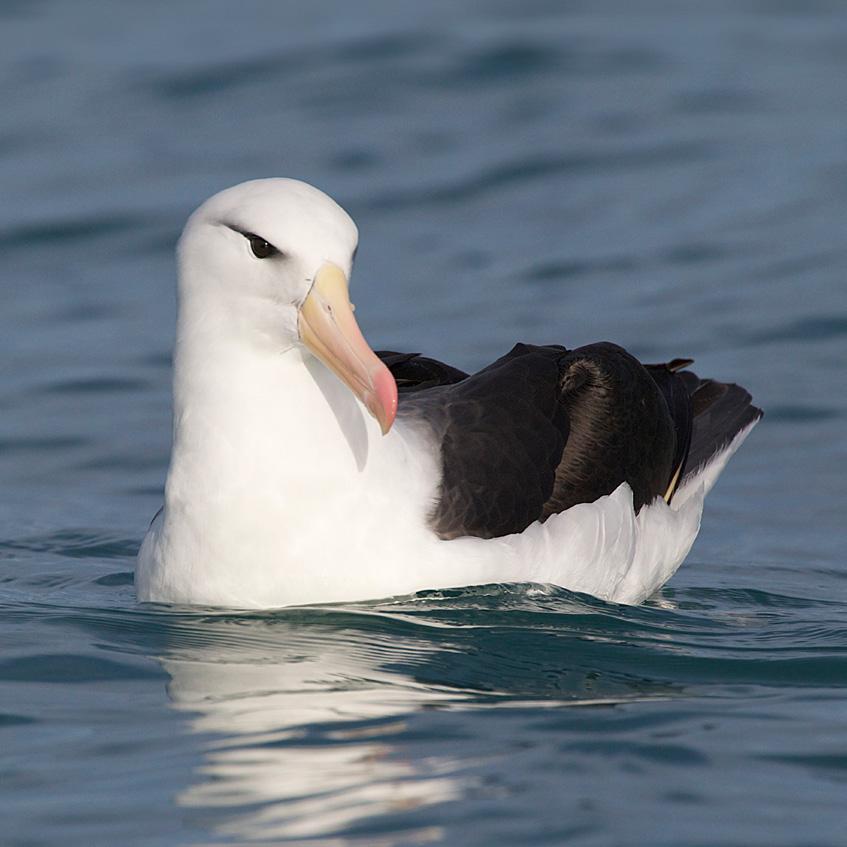
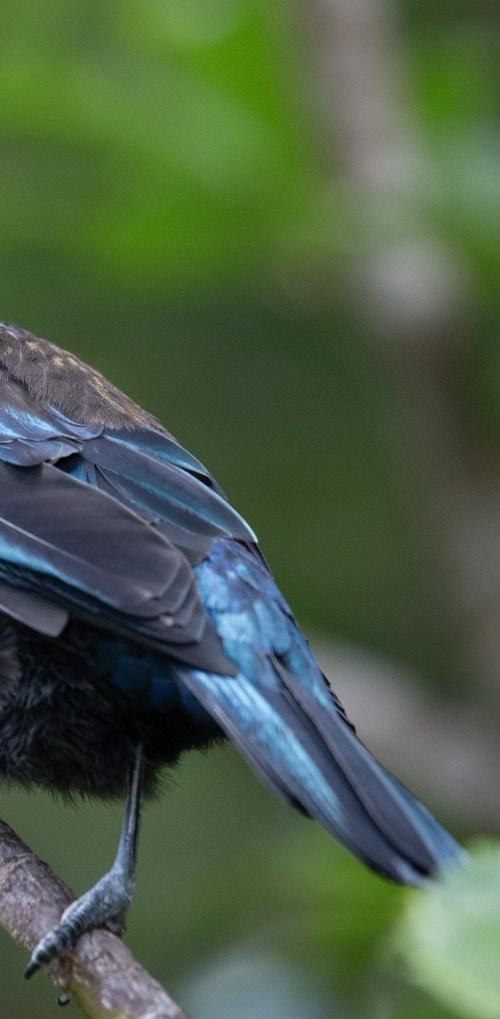
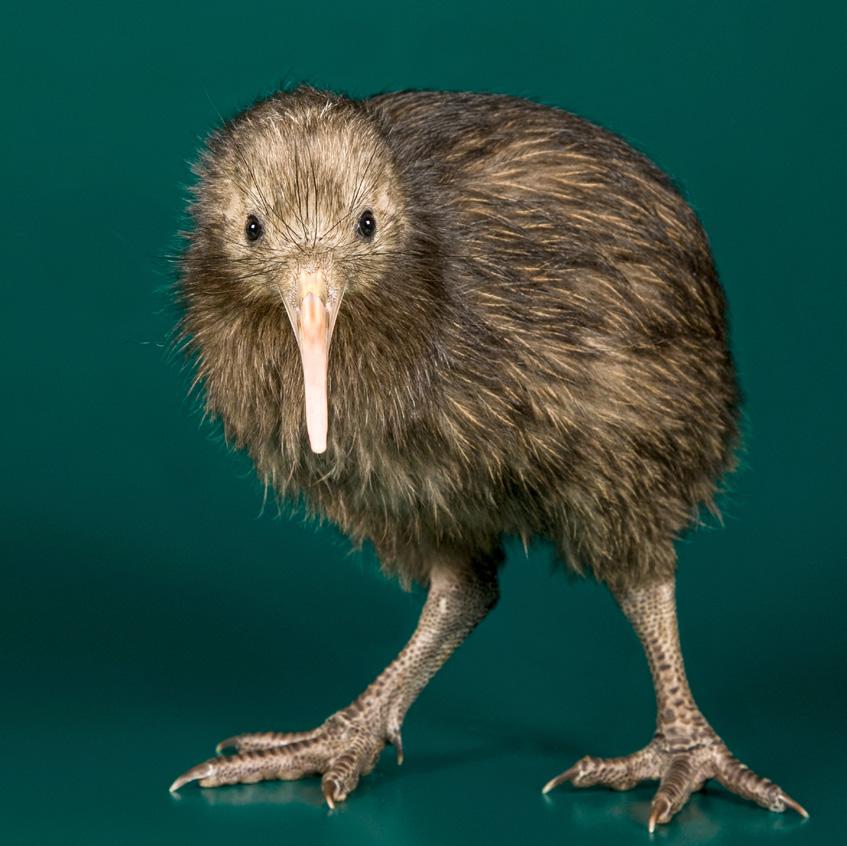
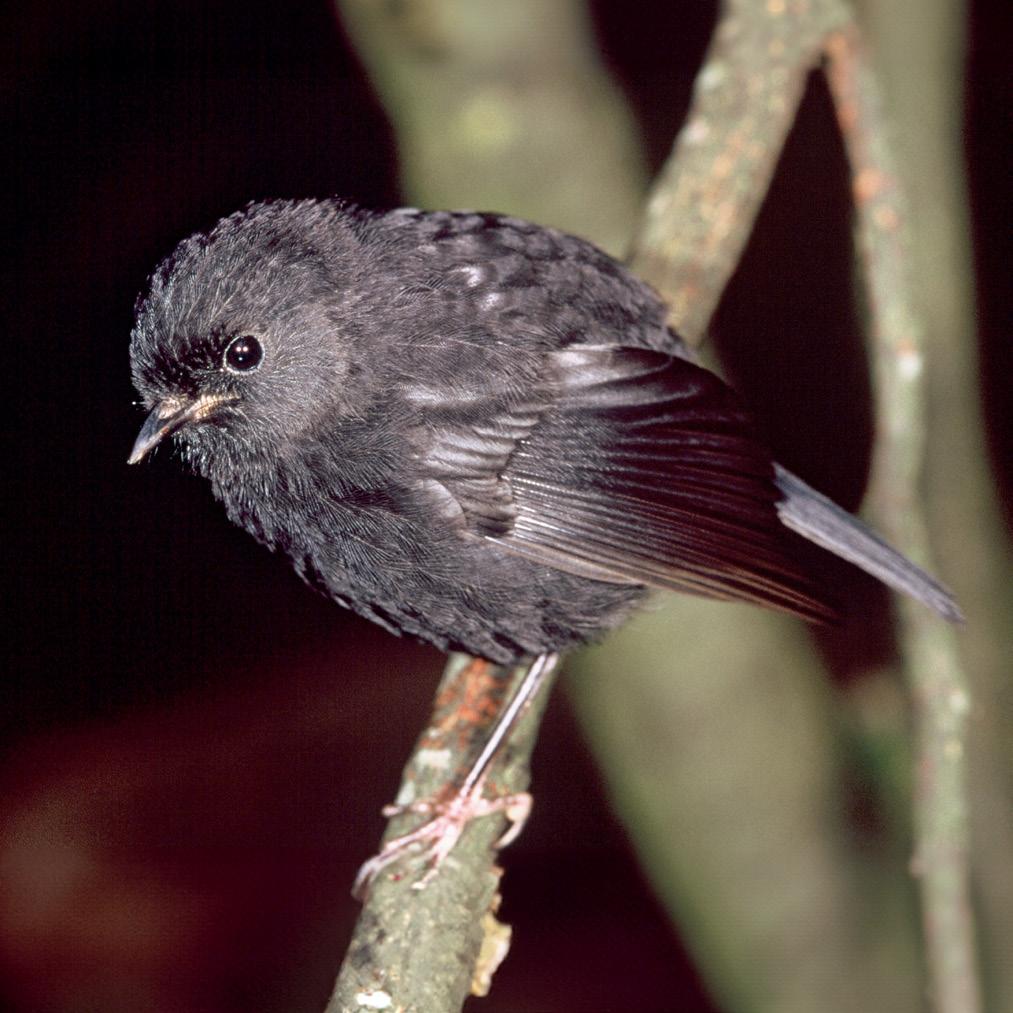
There are about 168 species of native birds in total in Aotearoa. 16 species are completely flightless. The others have varying flying abilities – some can fly well; others can fly but are not very good at it.
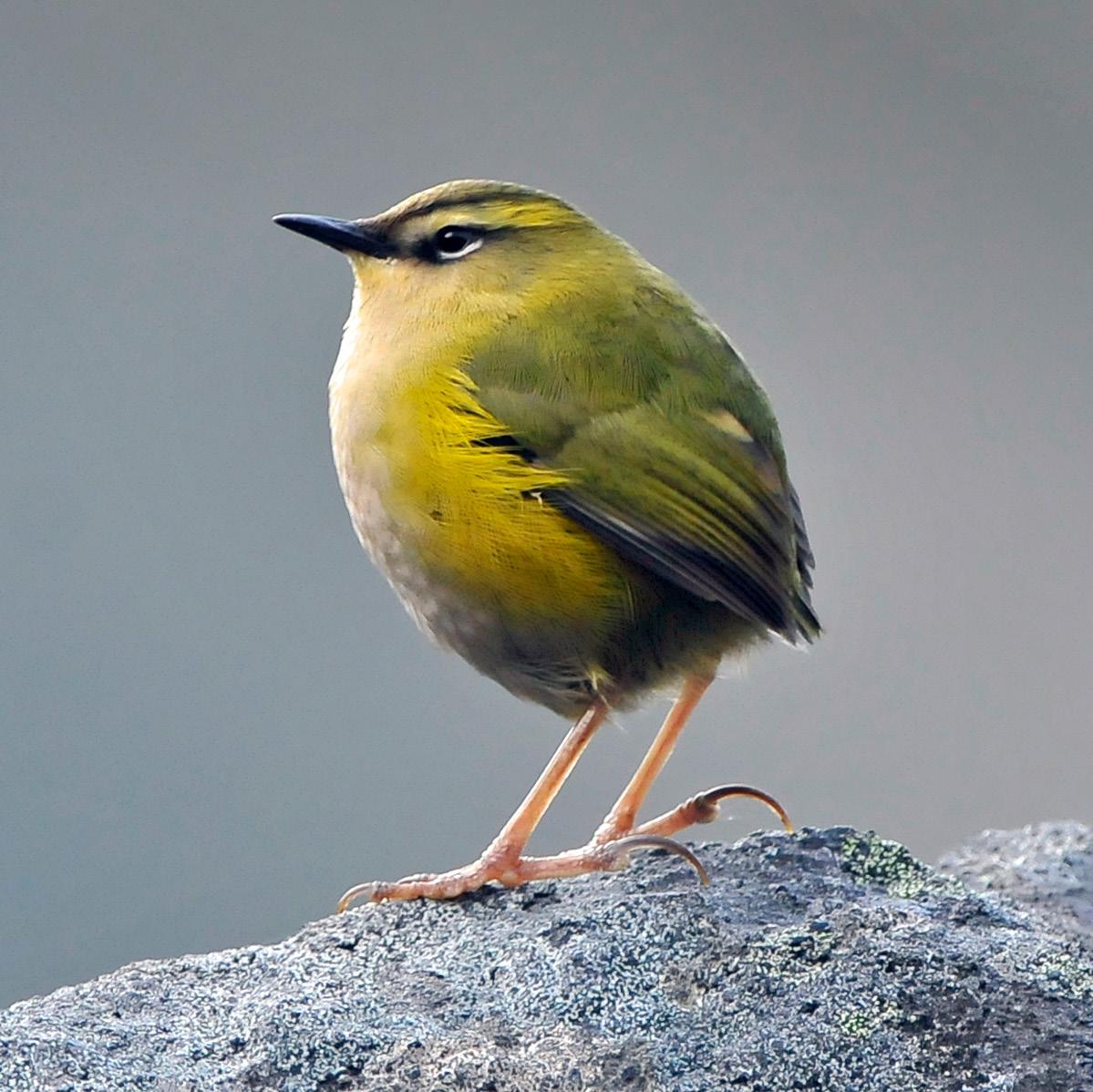
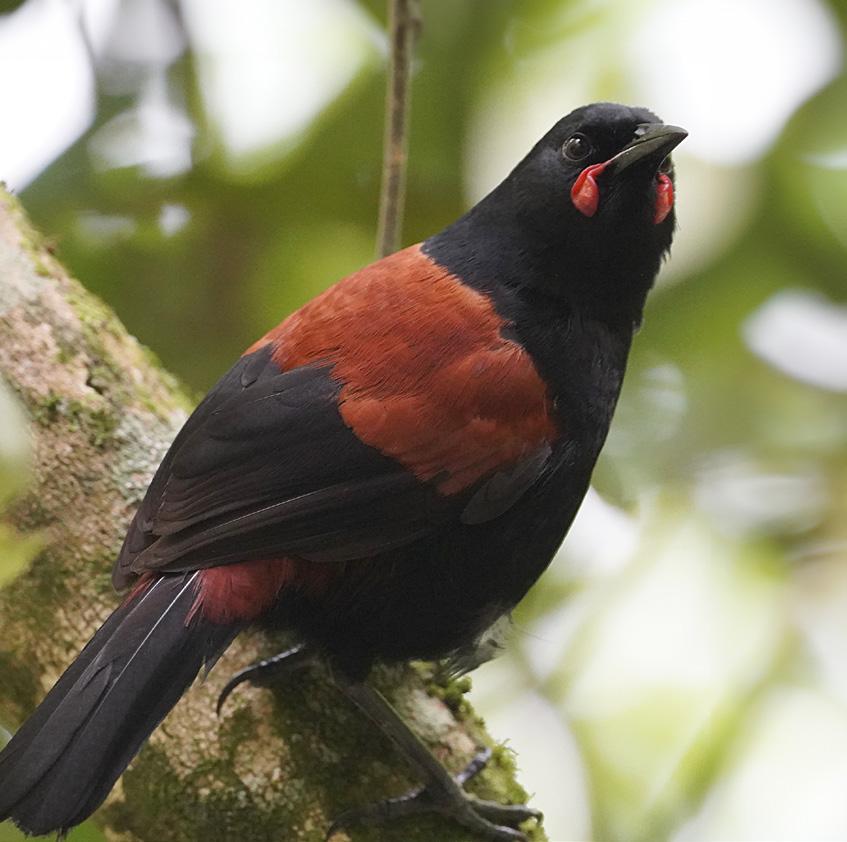
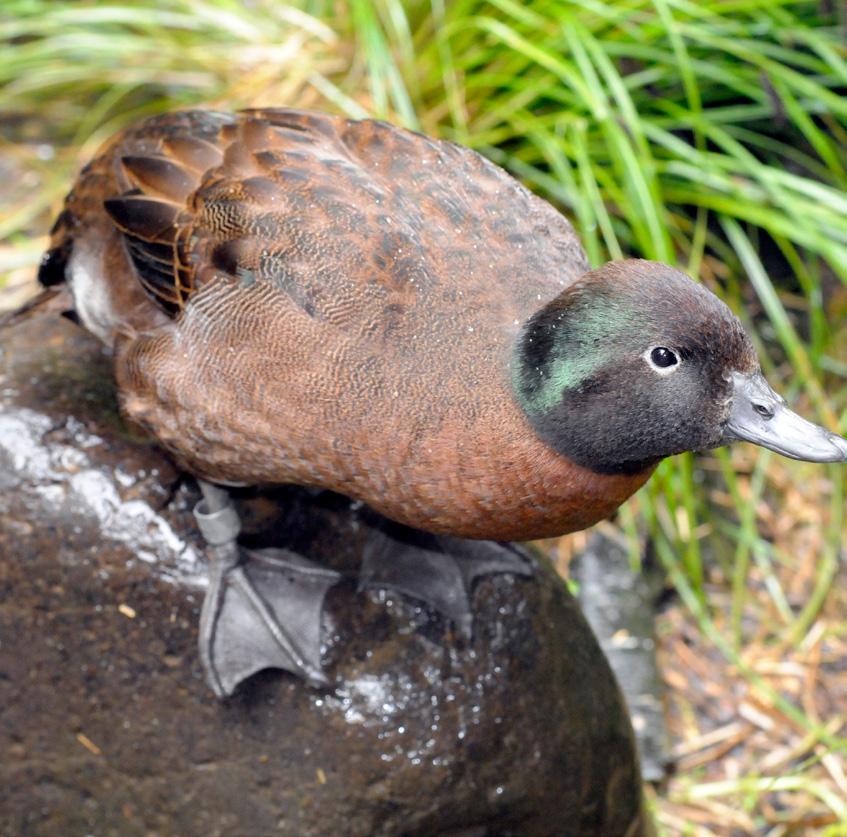
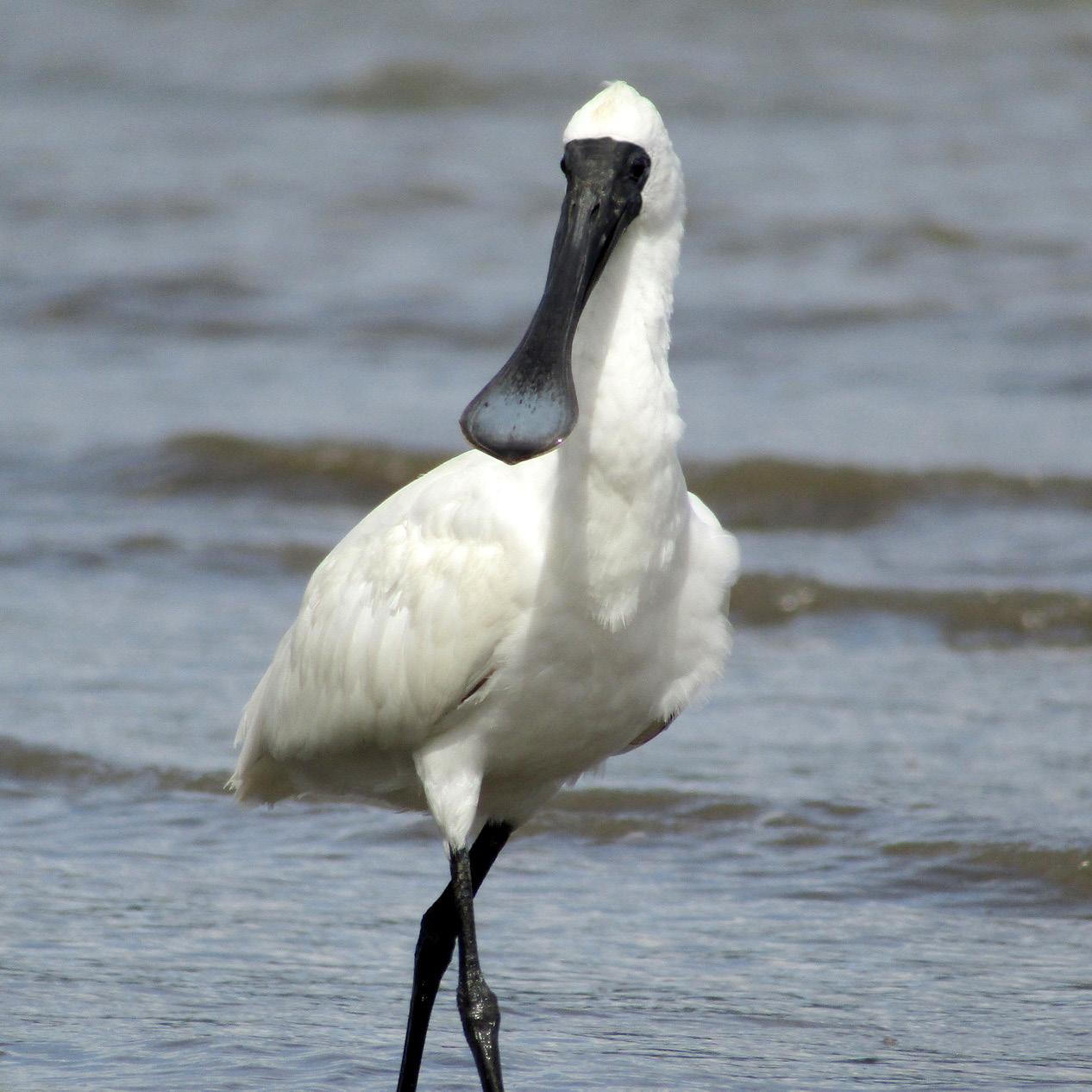
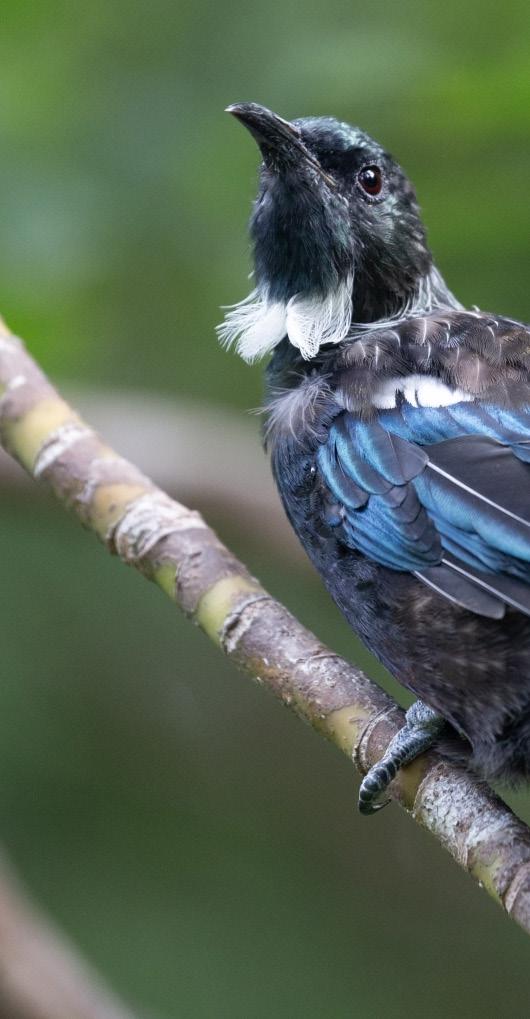
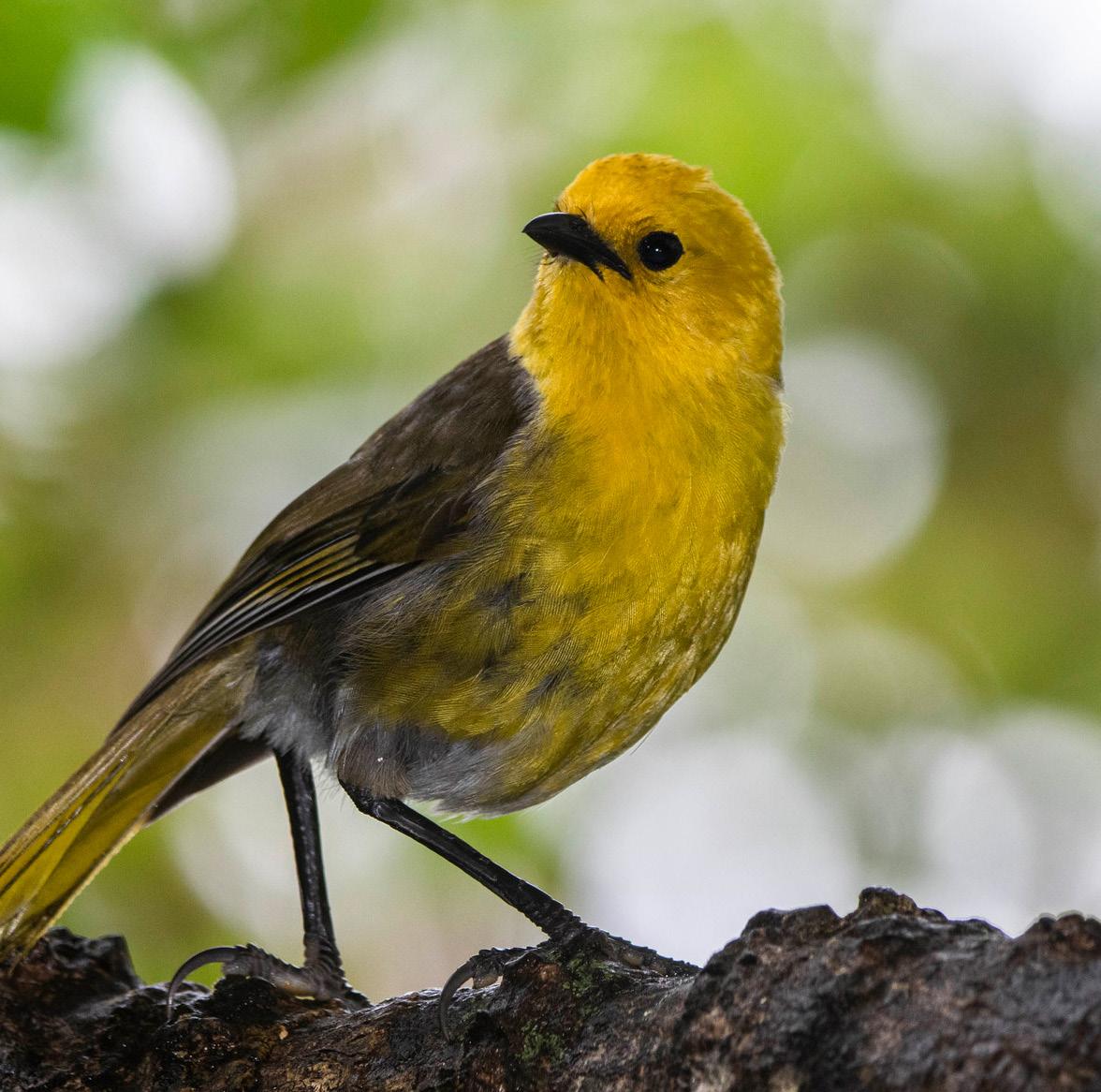
Can you sort these NZ birds based on how well (or not) they can fly?
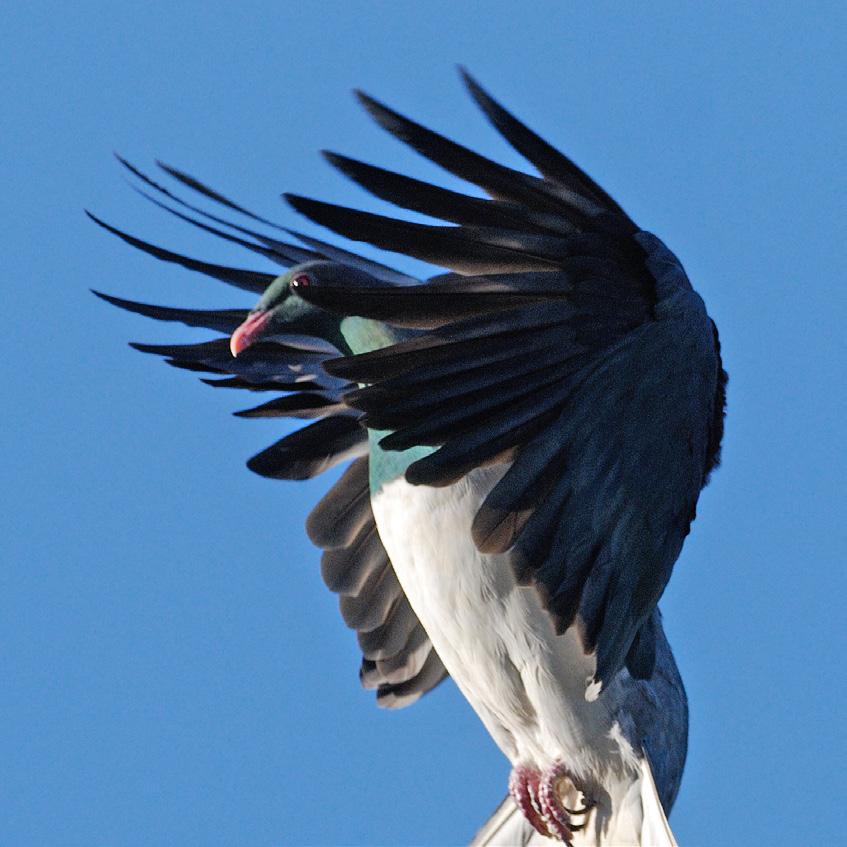
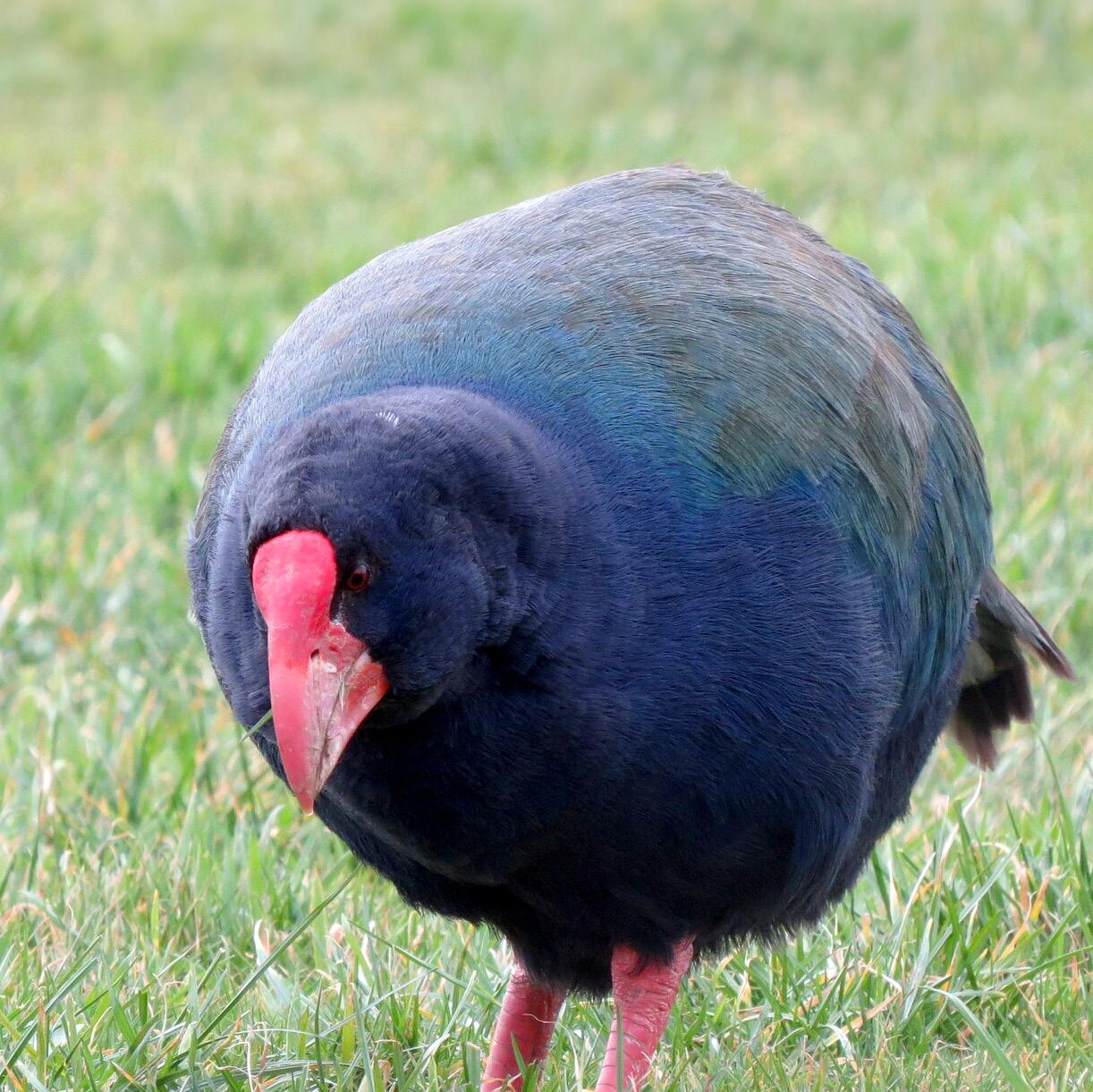
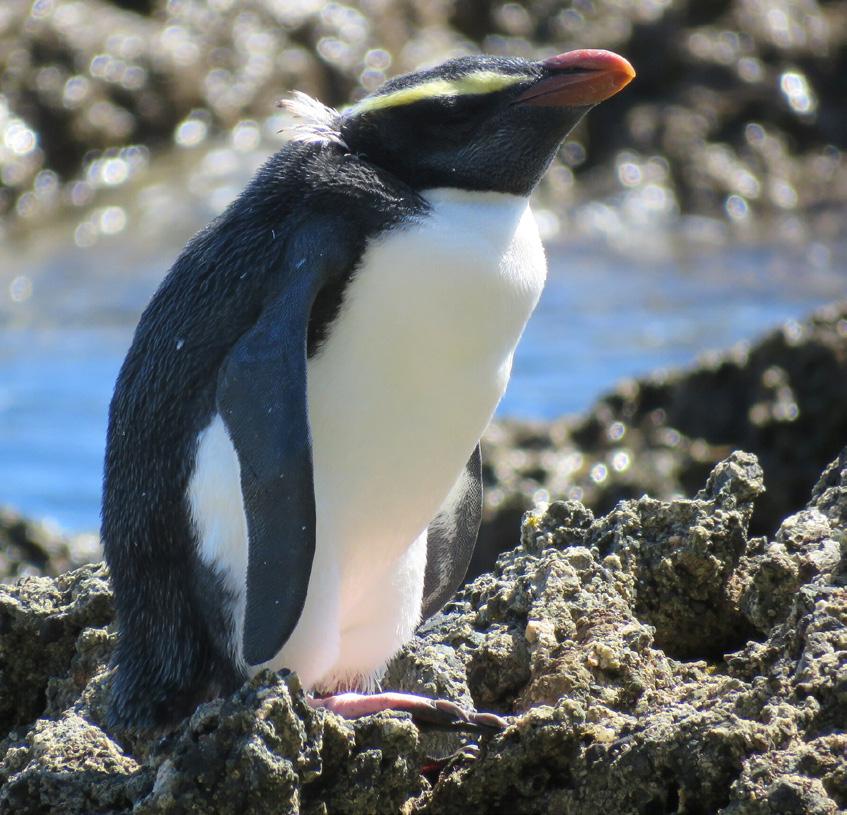
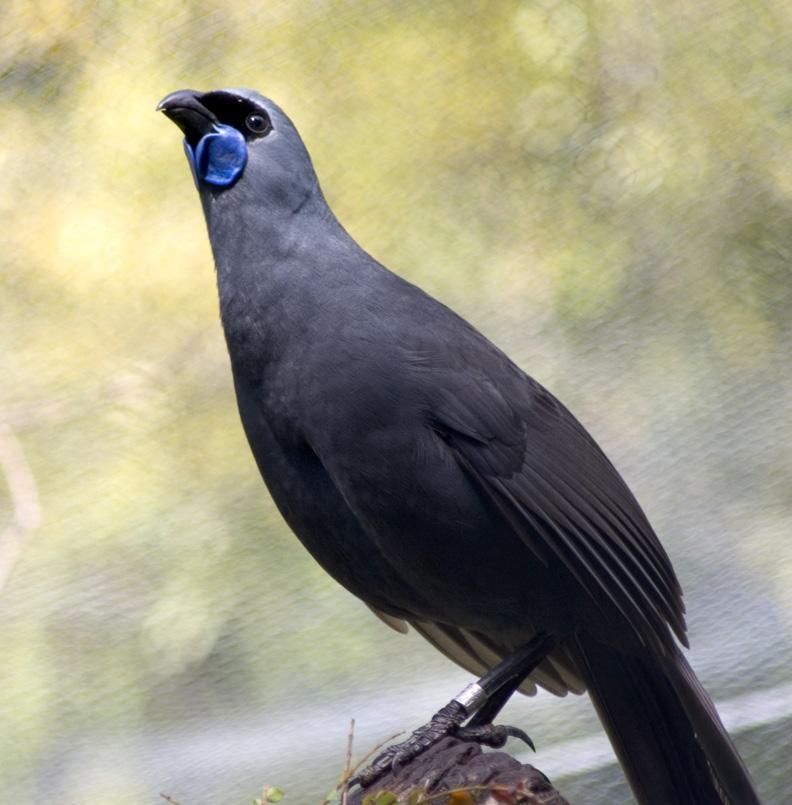
ICraig McKenzie
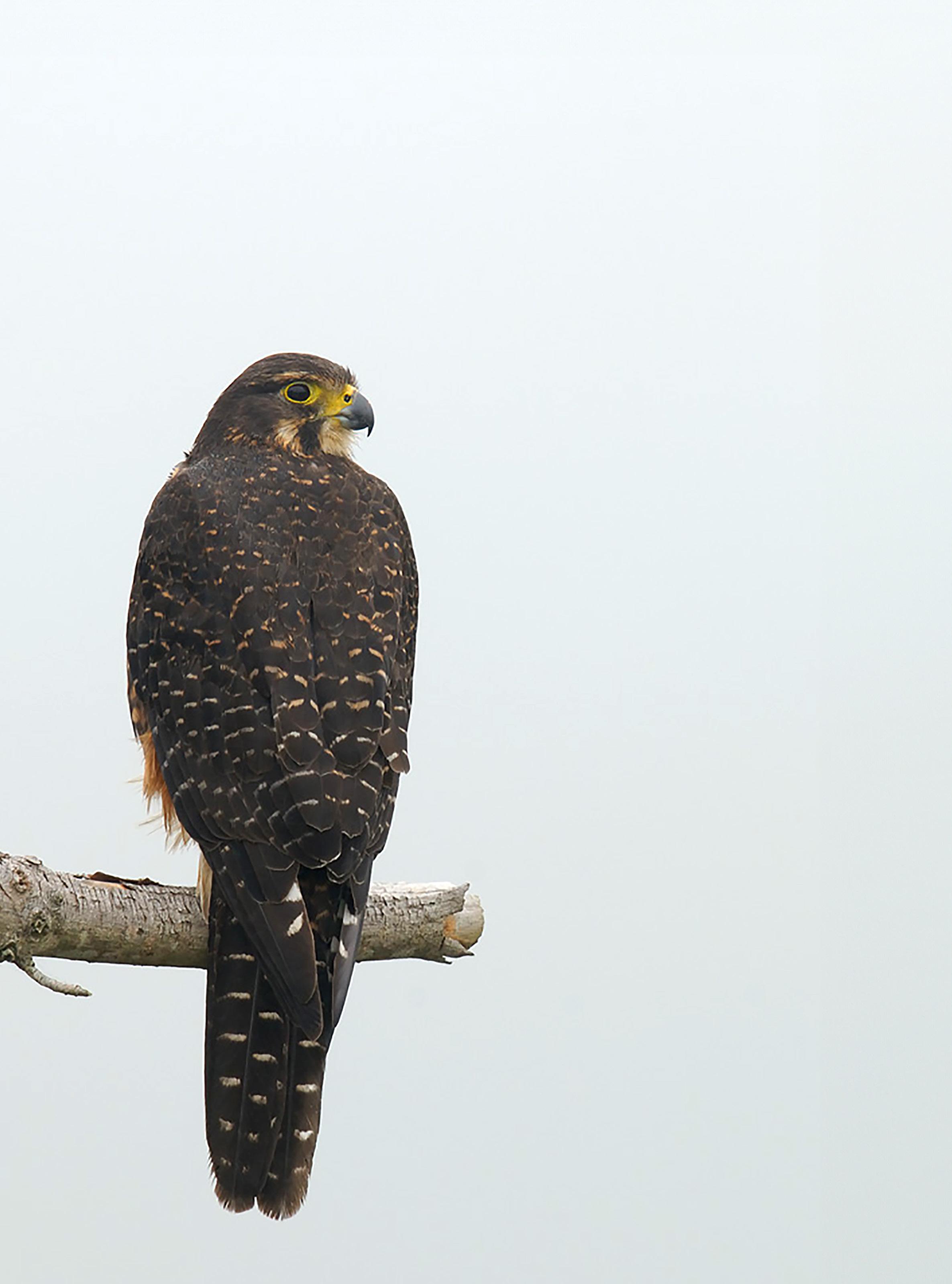
Kārearea can reach speeds of up to 200km/h

was helping at a planting on Mount Tauhara with Kids Greening Taupō when a kārearea swooped on my stick. It was so cool! I wondered, why are kārearea rarer (fewer in numbers) than kiwi?
I emailed Wingspan in Rotorua, a place that helps kārearea. They help hurt kārearea, study them, and raise baby kārearea to let them go in the wild. They said there are about 5,000 to 8,000 kārearea in New Zealand. They taught me that kārearea have always been rarer than kiwi because they are at the top of the food chain and need a big area to hunt. Their habitat has become smaller. Kārearea face dangers though. Kārearea sit on power poles and get zapped, or get hurt by people who don’t know they need to be protected. Even though kārearea are the fastest flying birds in New Zealand, they nest on the ground, like kiwi. This puts them in danger from introduced predators like stoats, rats, and cats.
I talked to Kelsi Thompson, a kiwi keeper from Save the Kiwi. She helps hatch kiwi eggs and takes care of the chicks with Operation Nest Egg. There are five different kinds of kiwi. Some are rarer than others. For example, there are only 1,800 kiwi pukupuku | little spotted kiwi because they never get big enough to defend themselves from stoats. This means kiwi need predator control to survive in the wild. If kiwi are safe from predators, kārearea are too.
Thankfully, there are people like Tāne Lawless who work with Wingspan to protect kārearea. He invited me to see Te Haukerekere, the kārearea that swooped on my stick. Te Haukerekere means “The Determined One”. Tāne let Te Haukerekere go on Mount Tauhara (his now home) and still checks on him.
Tāne said that if you pay attention, you can see many kārearea flying around. I think it’s really cool that people like Tāne are helping keep these birds safe.
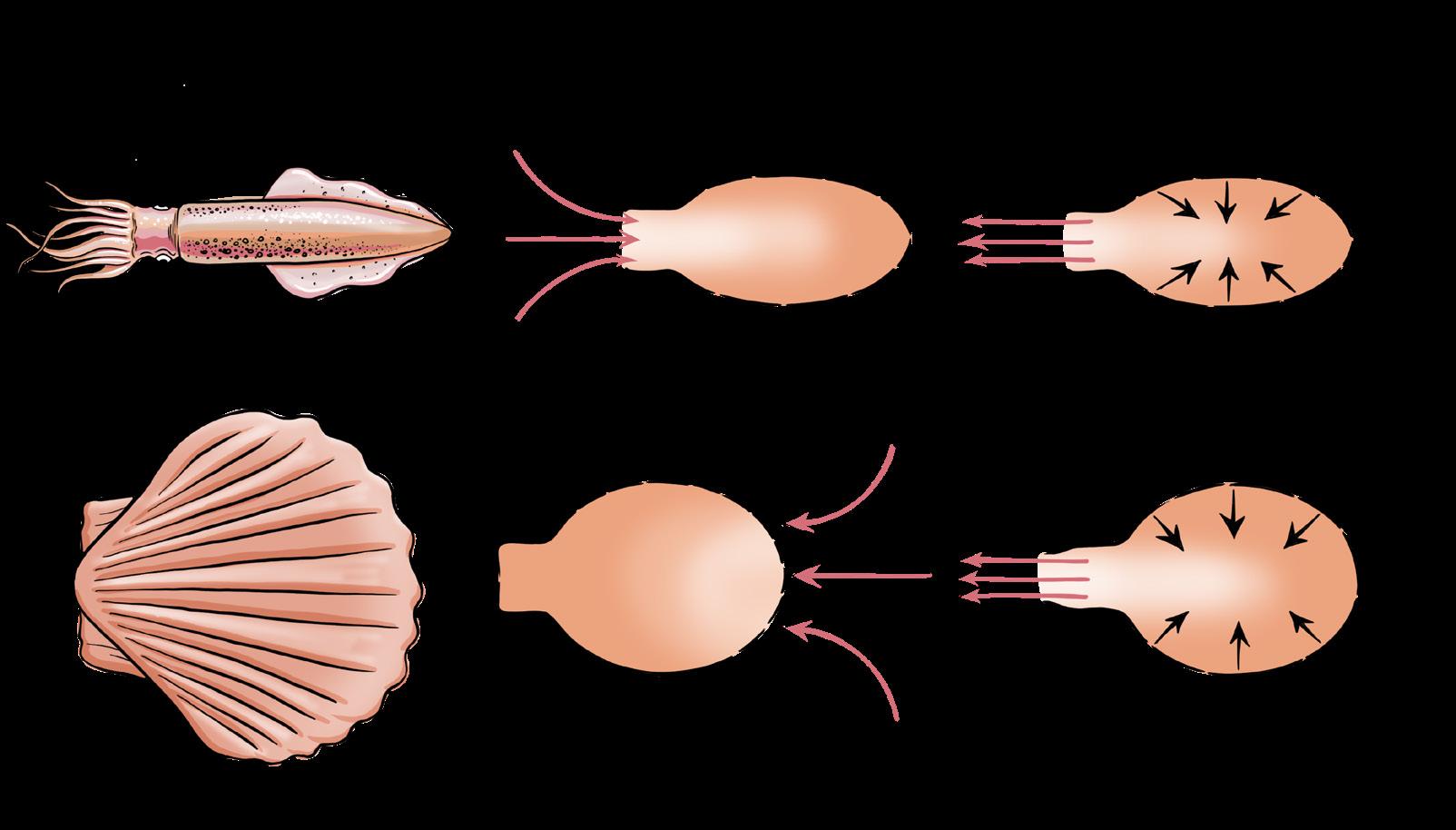
DIRECTION OF SWIMMING
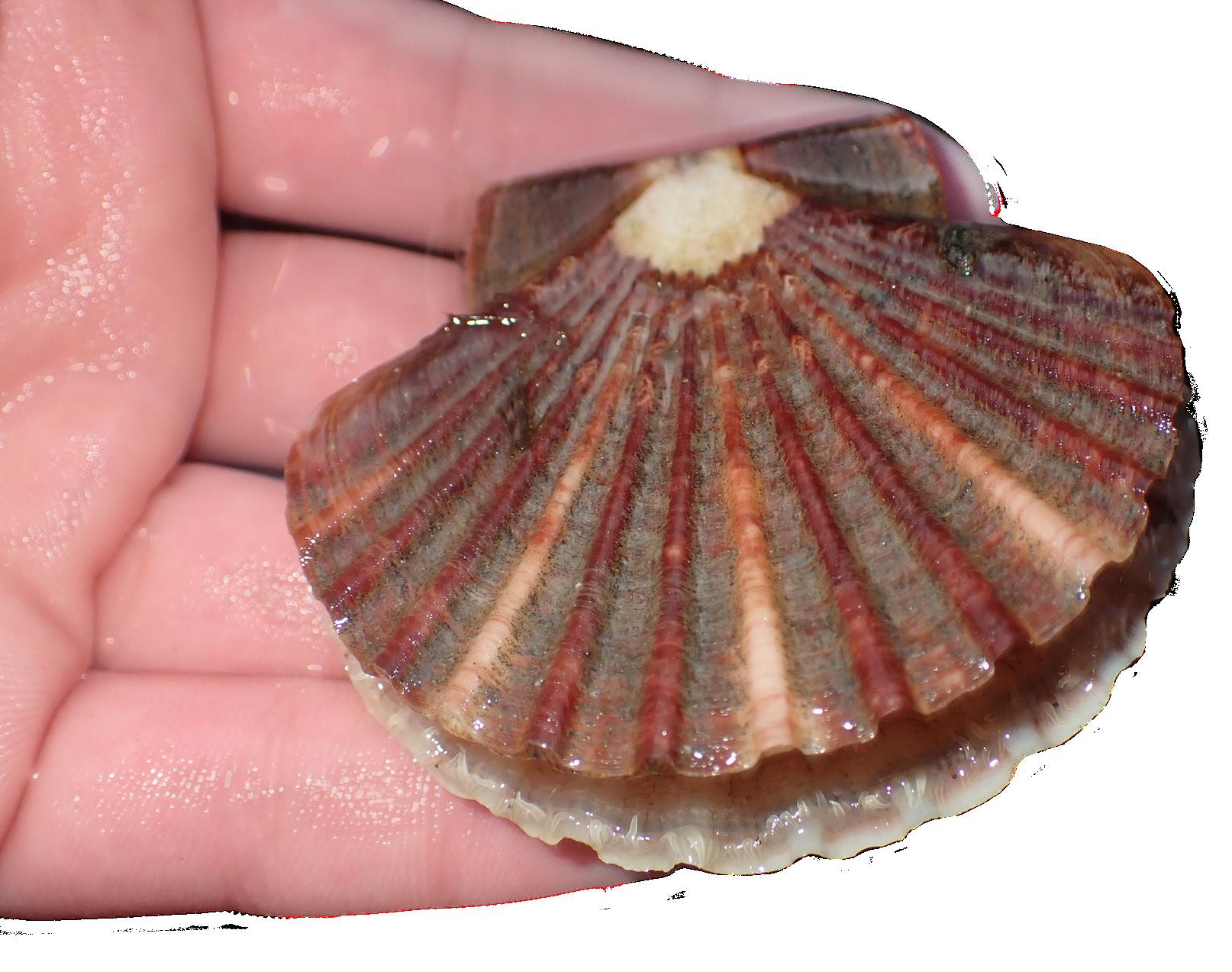
Scallops can be superfast movers over short distances! They swim using jet propulsion, like squid and octopuses, who they are distantly related to. Unlike squid and octopuses though, they use their hinged bivalve shell to help with propulsion.
Tipa part the two parts of their shell with their strong abductor muscles to draw in water. They then snap the shell shut quickly, a bit like they’re clapping. Closing the shell forces the water out of its shell cavity and shoots the scallop forward. They can do a single clap or lots of claps in a row.
We couldn’t find any information on how fast exactly NZ tipa move, but queen scallops from the Northern Hemisphere can swim 37cm/sec – that’s over five-times their body length per second. Woah!
Can you move as fast as a scallop?
See how far you can get in a second!
If you want to really challenge yourself – see how close you can get to five times your body length in a second!
TIP: You don’t have to measure your distance from stationary (still); you can measure when you’re already at your top speed.
Send in a video of your efforts, or a photo showing your distance and the time, to kcc@forestandbird.org.nz and be in to win one of 5 prizes. Entries close 1 February 2025.
Kirihimete |