For Forest & Bird’s young conservationists Things
Inside:
> Make your own wings
> Get a bird's-eye view on feathers

For Forest & Bird’s young conservationists Things
Inside:
> Make your own wings
> Get a bird's-eye view on feathers
See the process captured on video at kcc.org.nz. Search “feathers”.
Not all baby birds hatch without feathers (kiwi for instance), but we hihi | stitchbirds do. We start to grow them quite quickly though.
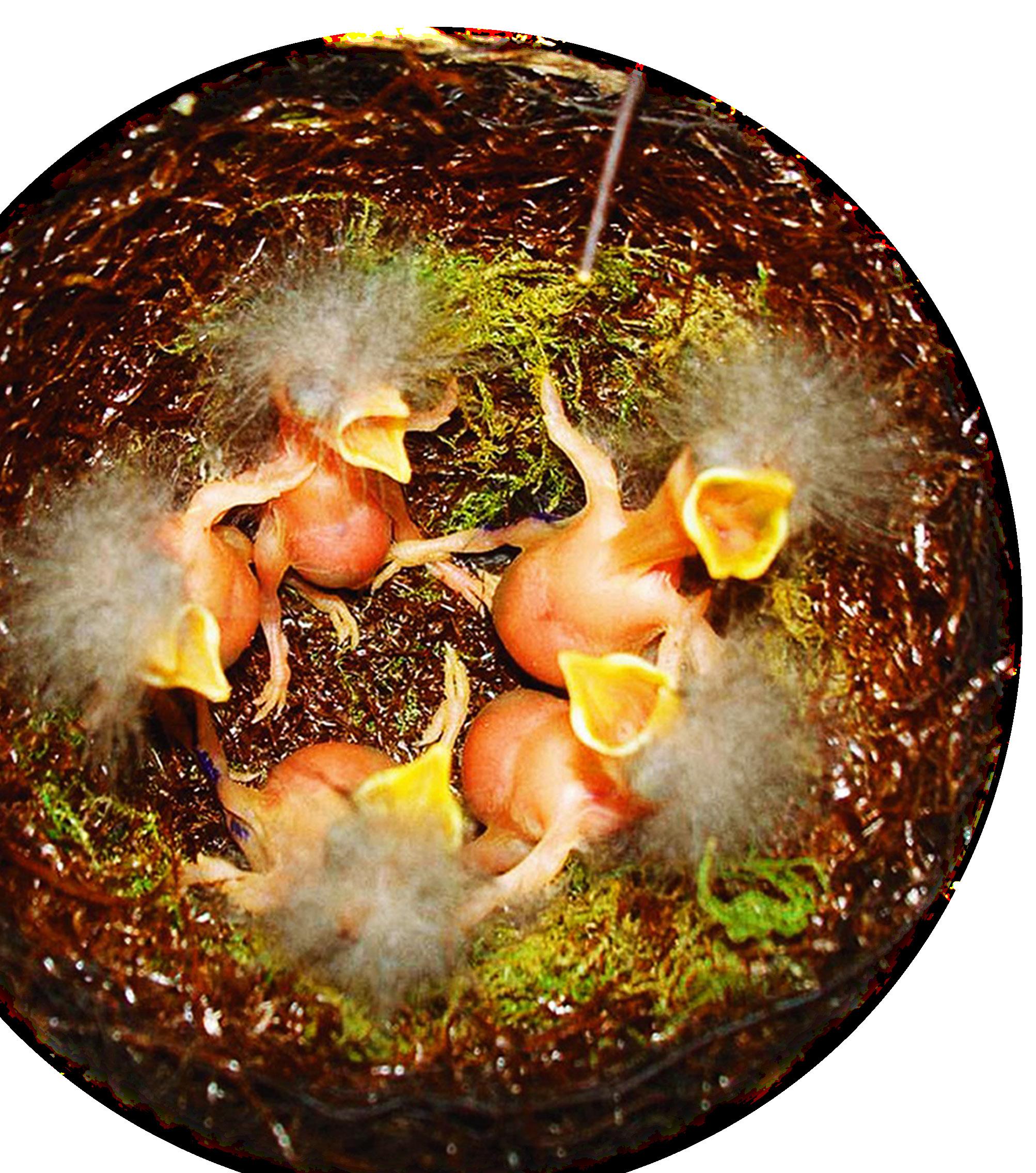
Our feathers grow out of follicles (openings) on our skin. It’s like how your hair grows. Regardless of the type of feather, it’s the same process.
The feathers push out of the skin with a protective waxy cylinder around them to start with, and they look like little white spikes. The feather has room inside here to develop and get feather shaped.
Birds don’t keep the same feathers forever. We shed baby feathers for adult ones. Adults shed worn-out feathers and grow new ones too. It’s called “moulting”.
EDITOR: Rebecca Hatch

Just before a feather is finished growing, it goes through a process to get very strong called “cornification”. After this change, feathers aren’t alive anymore.
ART DIRECTOR/DESIGNER: Rob Di Leva, Dileva Design
PRINTING: Webstar, Auckland • ISSN 2230-2565
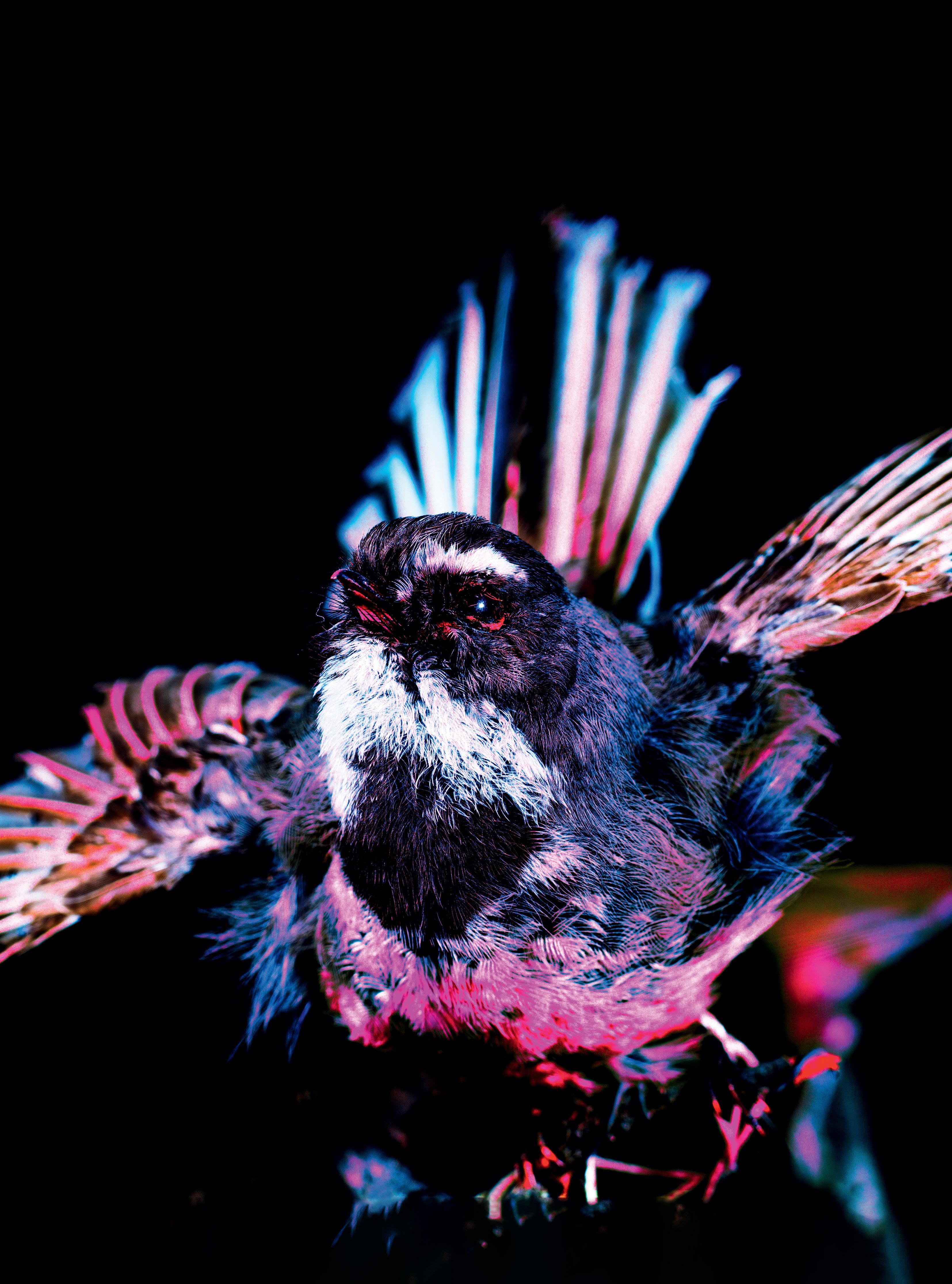
COVER: Bird's-eye view pīwakawaka | fantail.
Richard RobinsonLots of different animals have fur, hair, or scales, but only manu | birds have feathers!
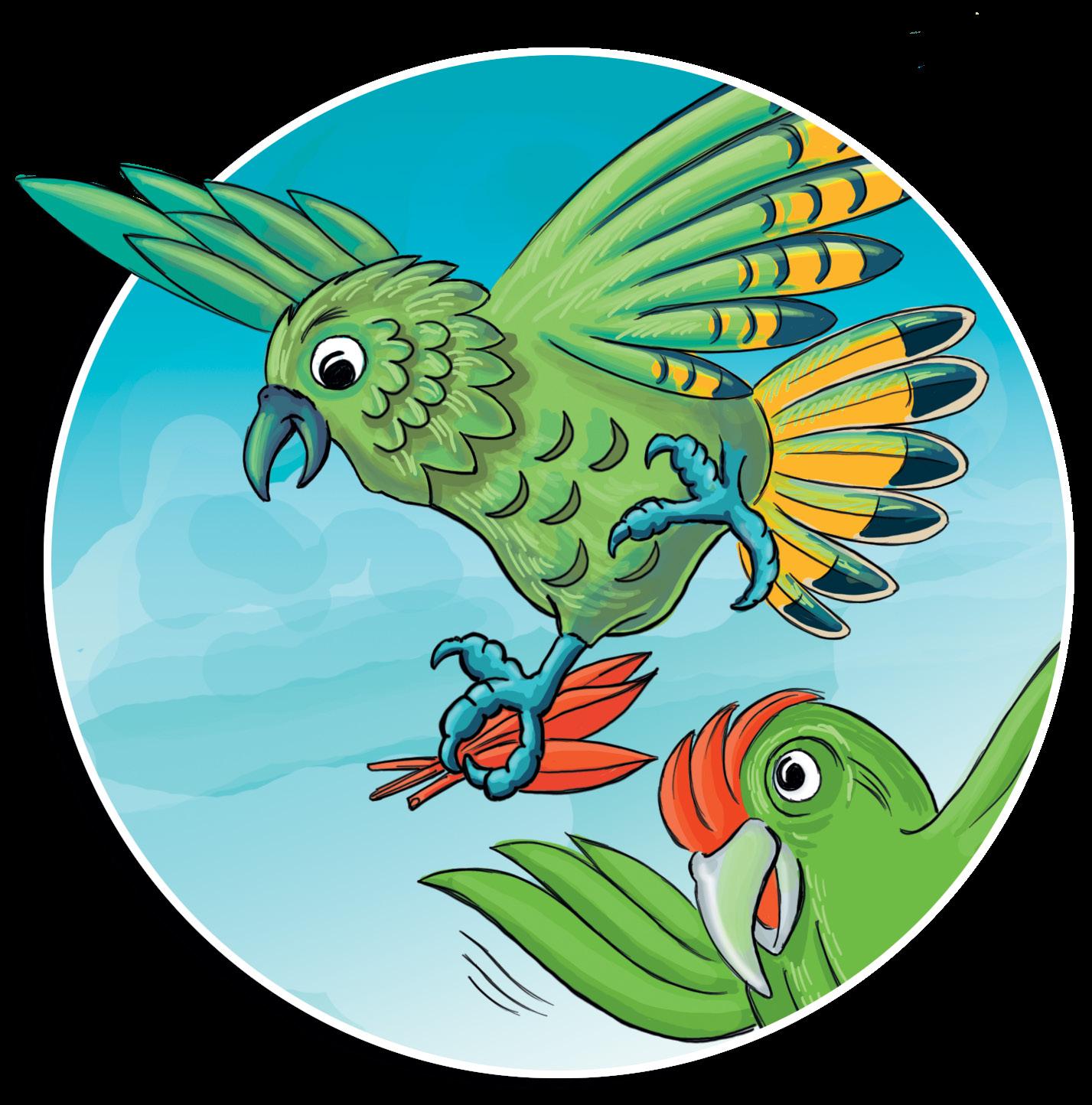
ākā was very jealous of the beautiful red feathers of kākāriki, which were much admired and special as they had come from Te Motutapu-o-Tinirau, a sacred isle. So he sneakily stole eight of them, swapping them with his own duller coloured ones! As he fled away with them, he hid them under his wings, where they’ve stayed.
Long ago, kiwi had large colourful wings and lived right up in the canopy (the roof) of the forest. But one day, Tāne-mahuta, the atua of the forest, called all the birds of the air together.
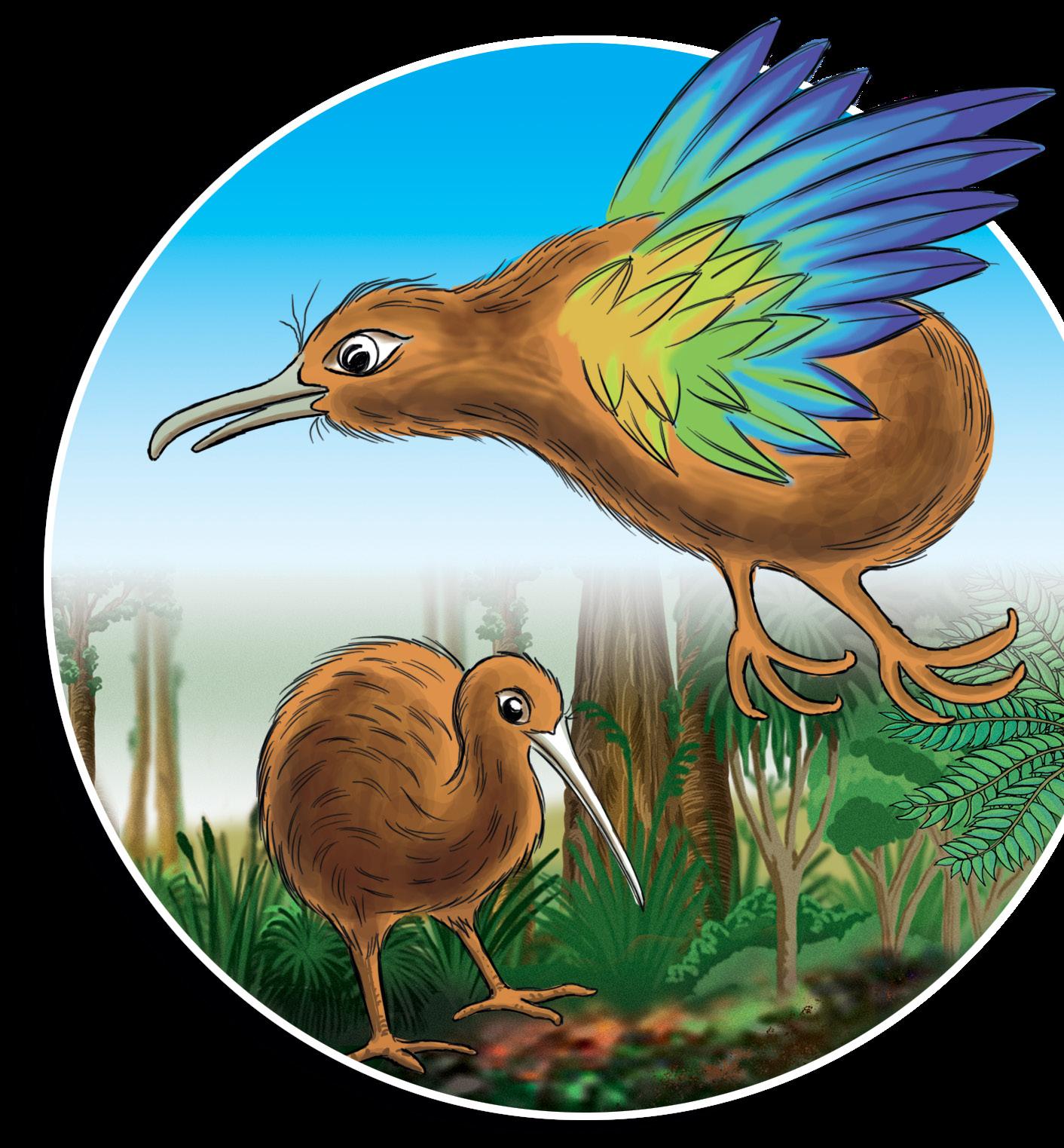
“I need one of you to come to live on the forest floor to eat the bugs, so that the trees and your home may be saved.”
While tūī, pūkeko, and pīpīwharauroa | shining cuckoo all said no for selfish reasons, kiwi stepped up as a kaitiaki | guardian. He did so even though it meant changing his feathers (as well as his legs and beak), and losing his colours and ability to fly.
Feathers have many different functions (jobs). Aotearoa's native birds use them for flying, keeping warm, showing off, staying dry, and more. There are seven different types of feathers. The feathers are named based on what function they perform for the bird and where they are located on the bird’s body. Let’s have a look at the different types of feathers!
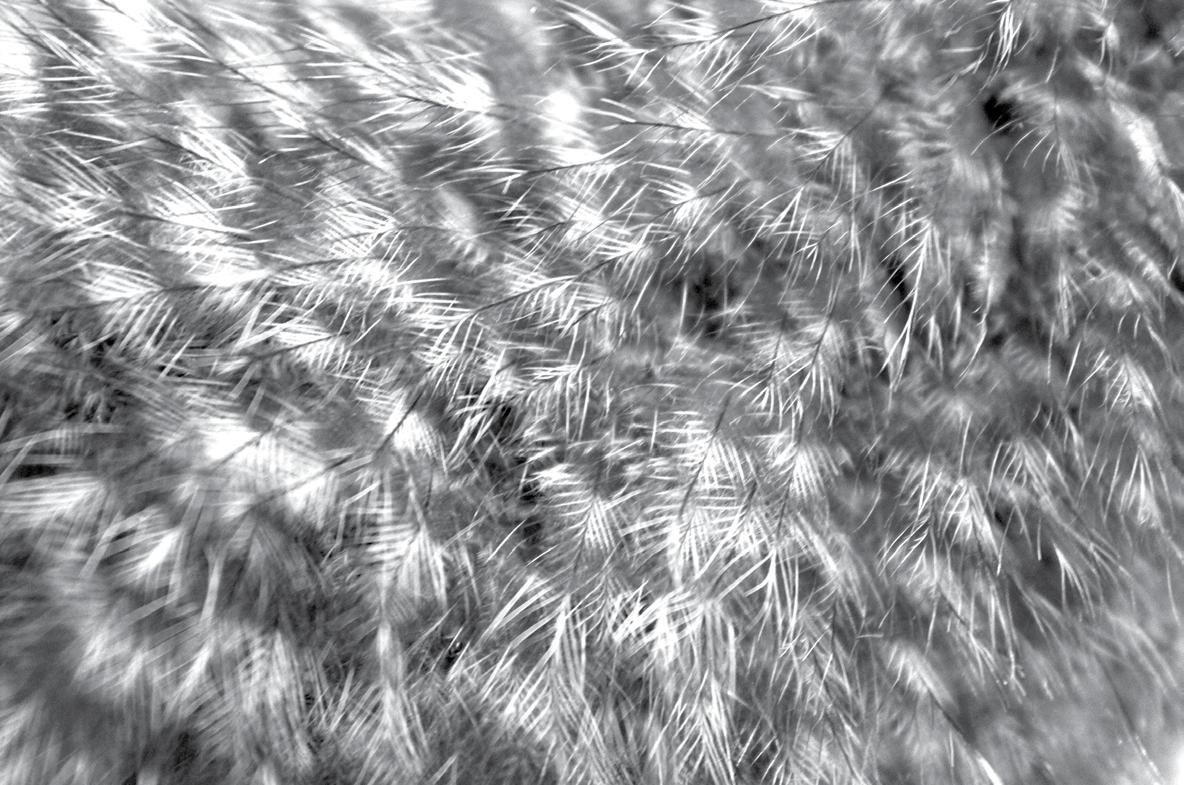
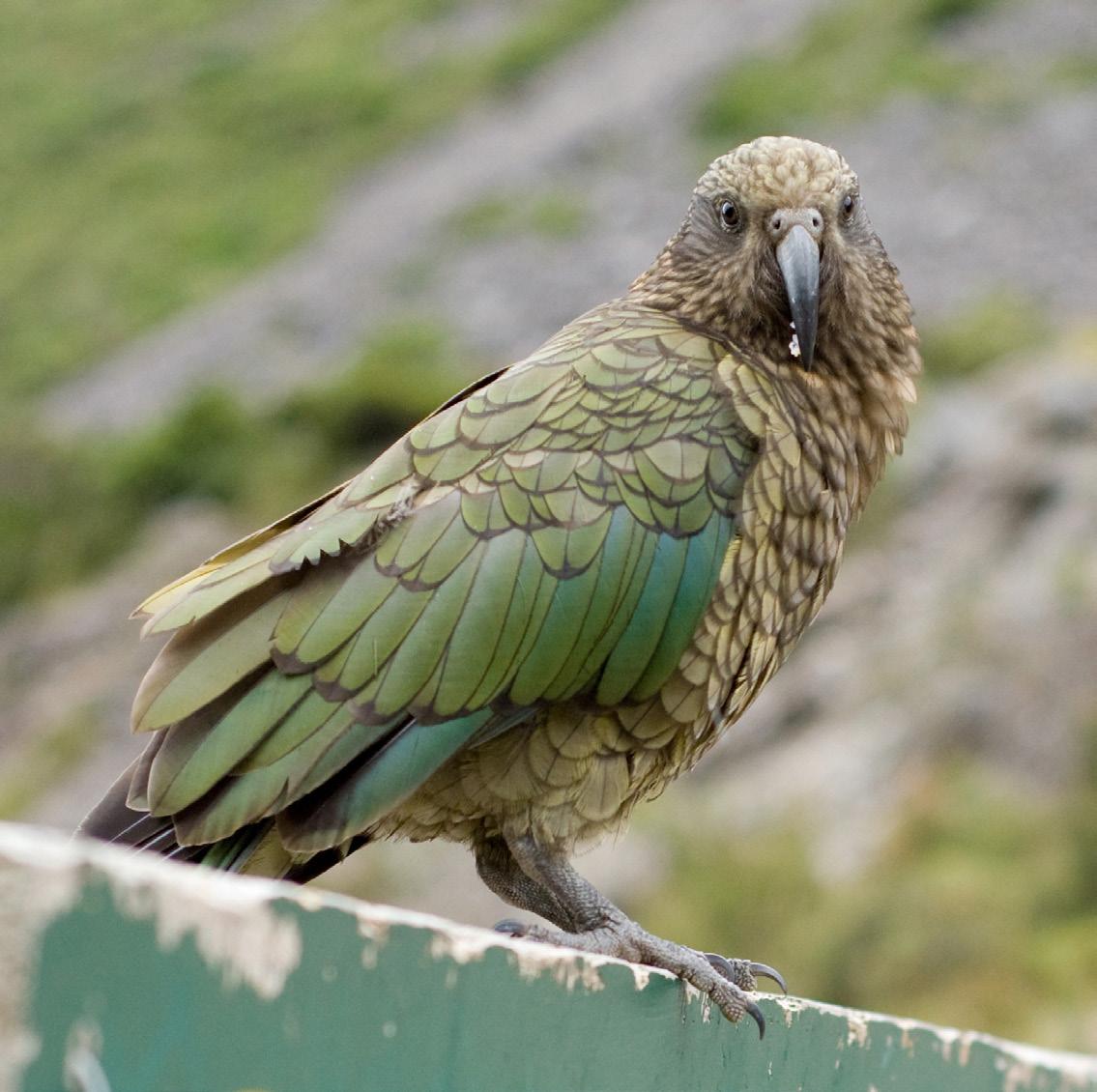
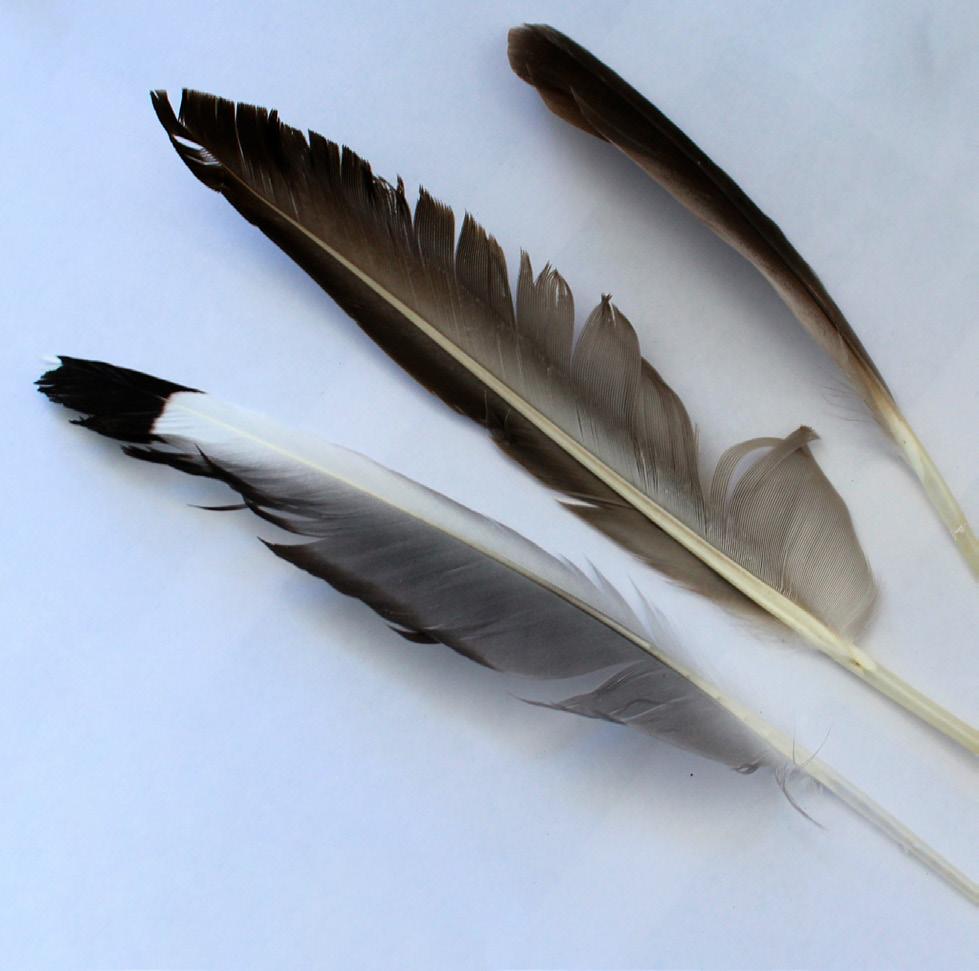
These long feathers are in the wing of the bird and help it to fly. They are stiff and strong, and do not let wind pass through them. This helps the bird to capture air and give it lift so it can fly. Wing feathers are also attached to the bones of the bird, not the skin. This keeps them strong and makes them powerful to help with flight. Scientists call these feathers “remiges”. A kea has long wing feathers that help it to fly between mountains.
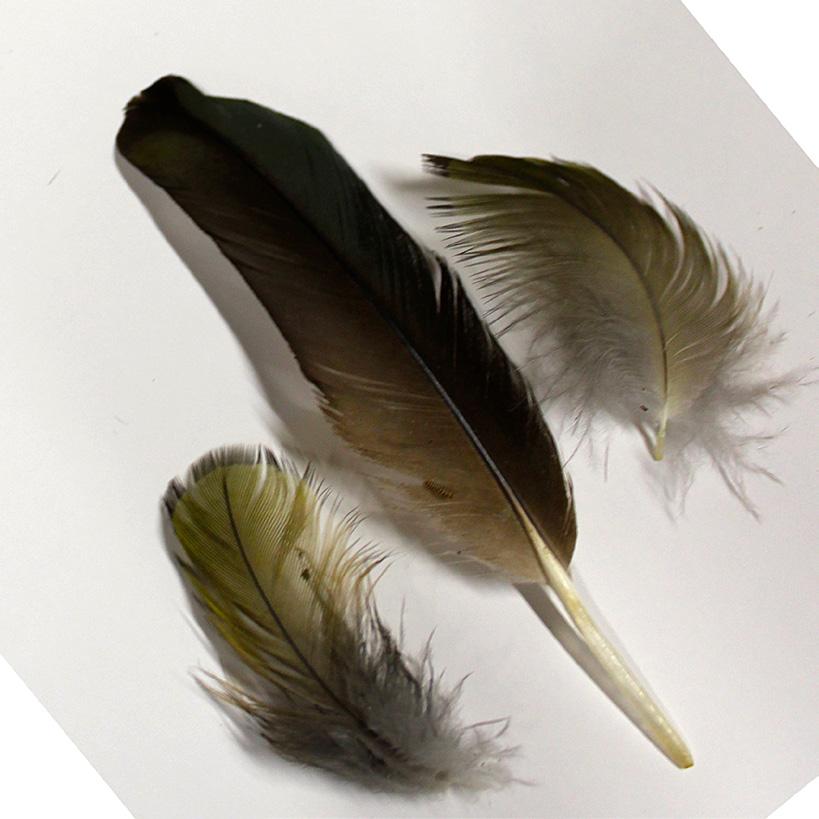
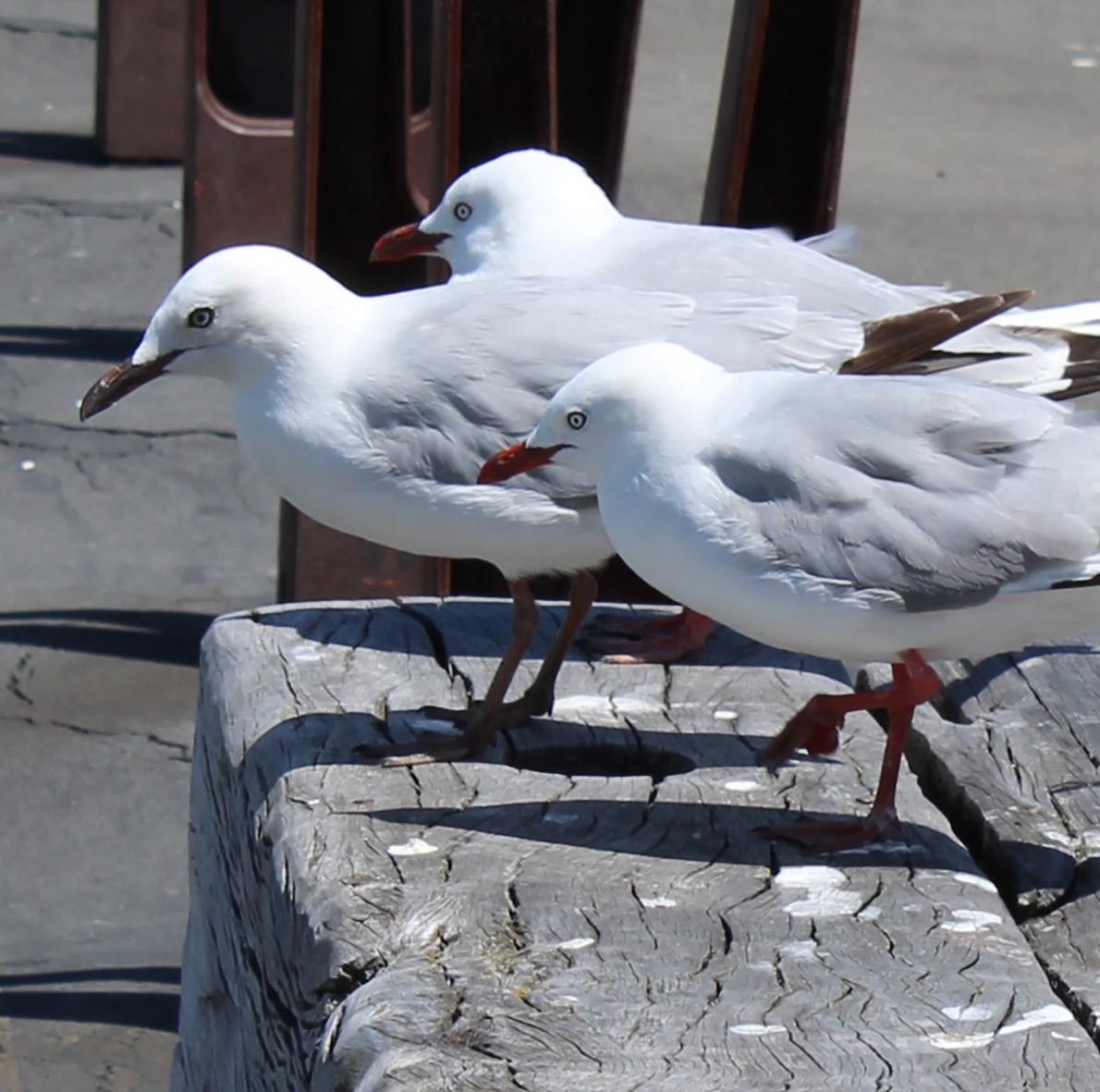
Tail feathers can look similar to the wing feathers. They are located at the back of the bird. When grouped together, they mostly have a fan shape. On penguins, they are stiff and stick out like bristles on a broom. Their job is to help steer the bird in the right direction when it is flying or swimming. They are a bit like the rudder of a ship, which directs where the ship will go. The tarāpunga | red-billed gull uses its tail feathers to help it steer towards your chips when sitting on the beach! Some birds have developed tail feathers that don’t help in flight and are very long. They use these feathers to talk to other birds and show off.
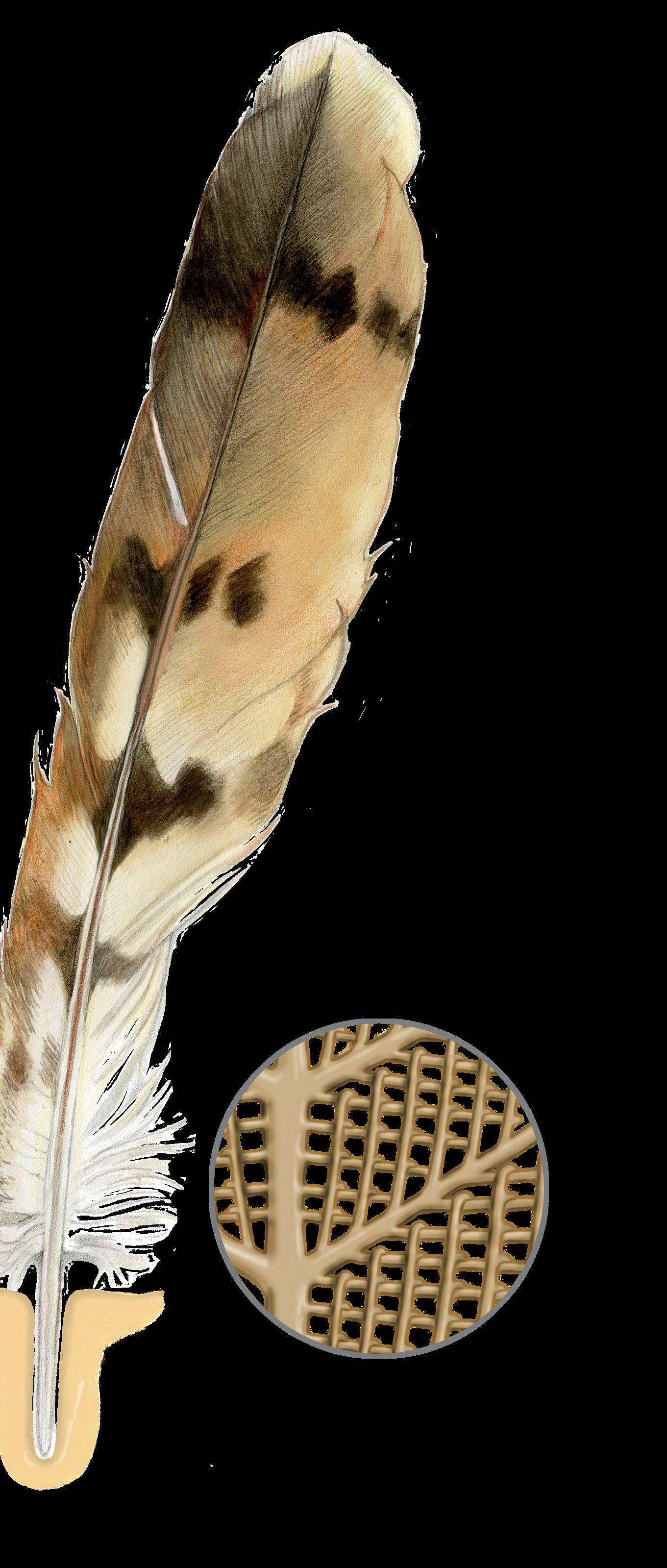
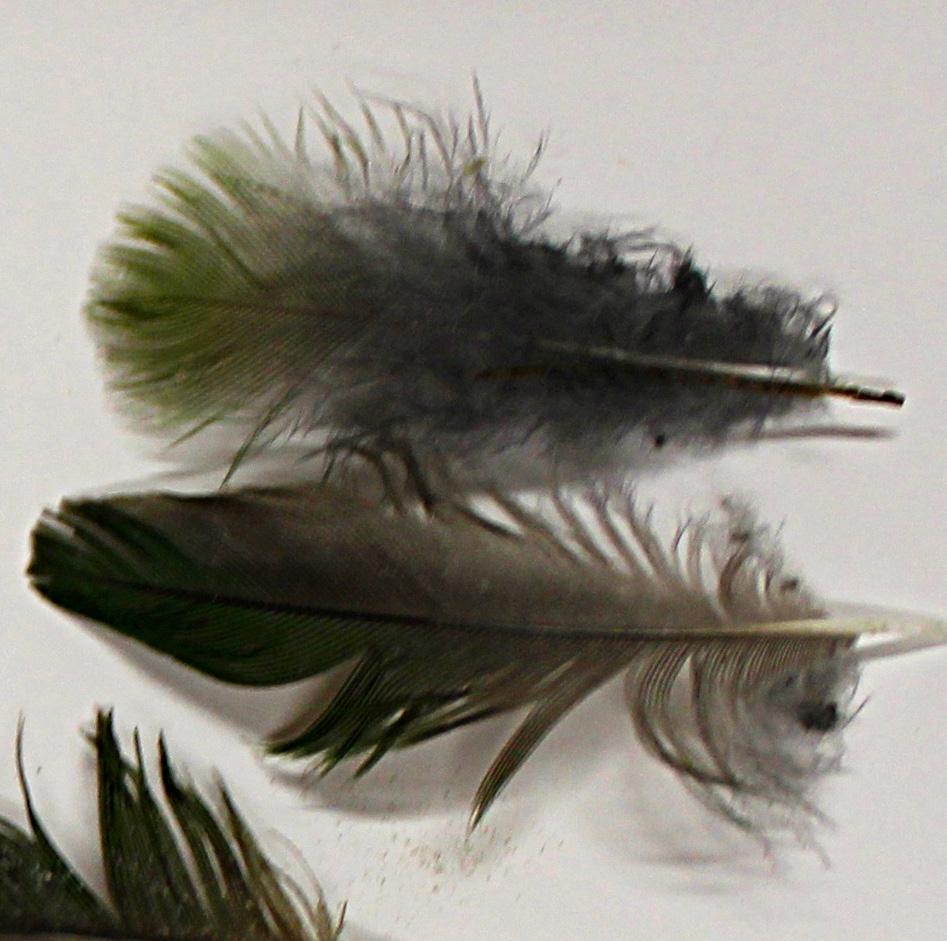
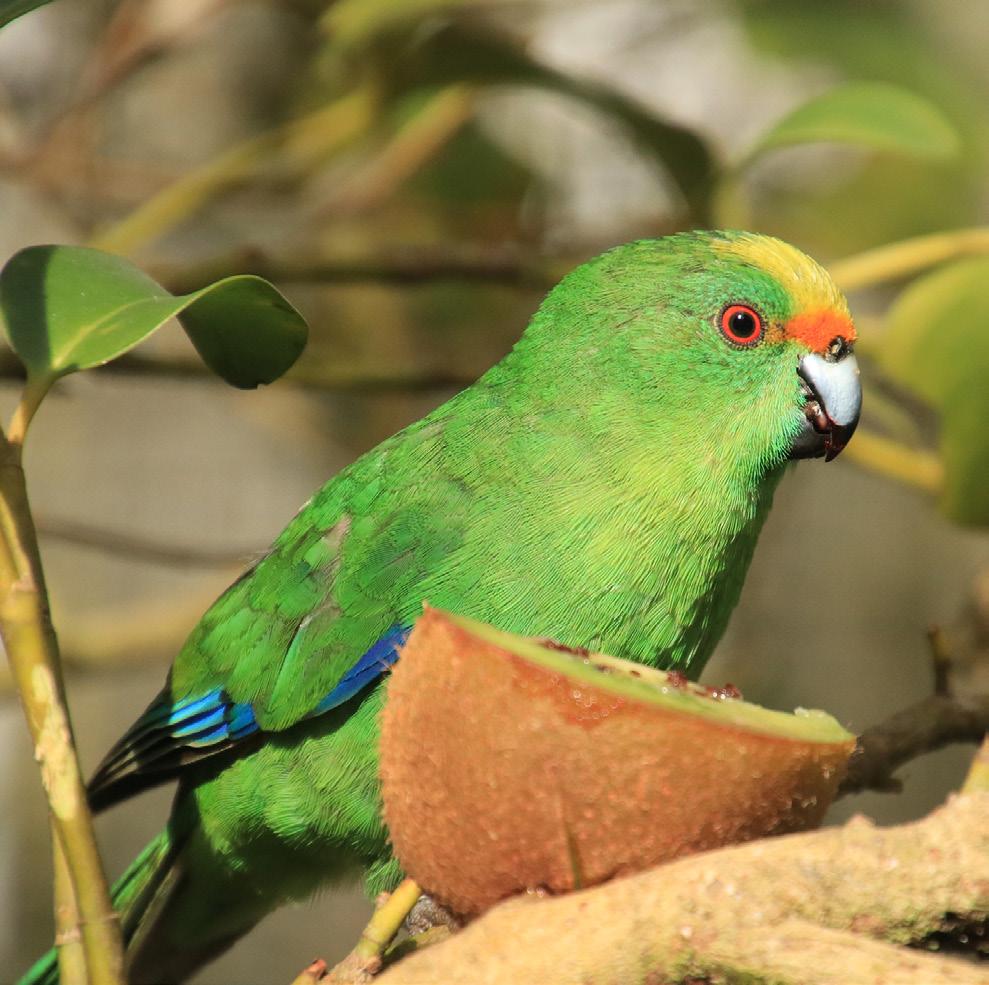
Contour feathers are smaller than the wing and tail feathers and cover the bird’s body. They are arranged in a pattern like the scales on a fish to overlap and protect the bird’s skin. Their purpose is to keep the bird warm and dry. The top of the contour feather is waterproof, and the bottom is fluffy where it is close to the bird’s body. These feathers give birds their colouring. They might be brightly coloured to show off or the same colour as the bird’s environment for camouflage. These feathers also streamline (smooth out) the shape of the bird, which is important for flying or swimming. The kākāriki karaka | orangefronted parakeet has green contour feathers like the green of its forest habitat.
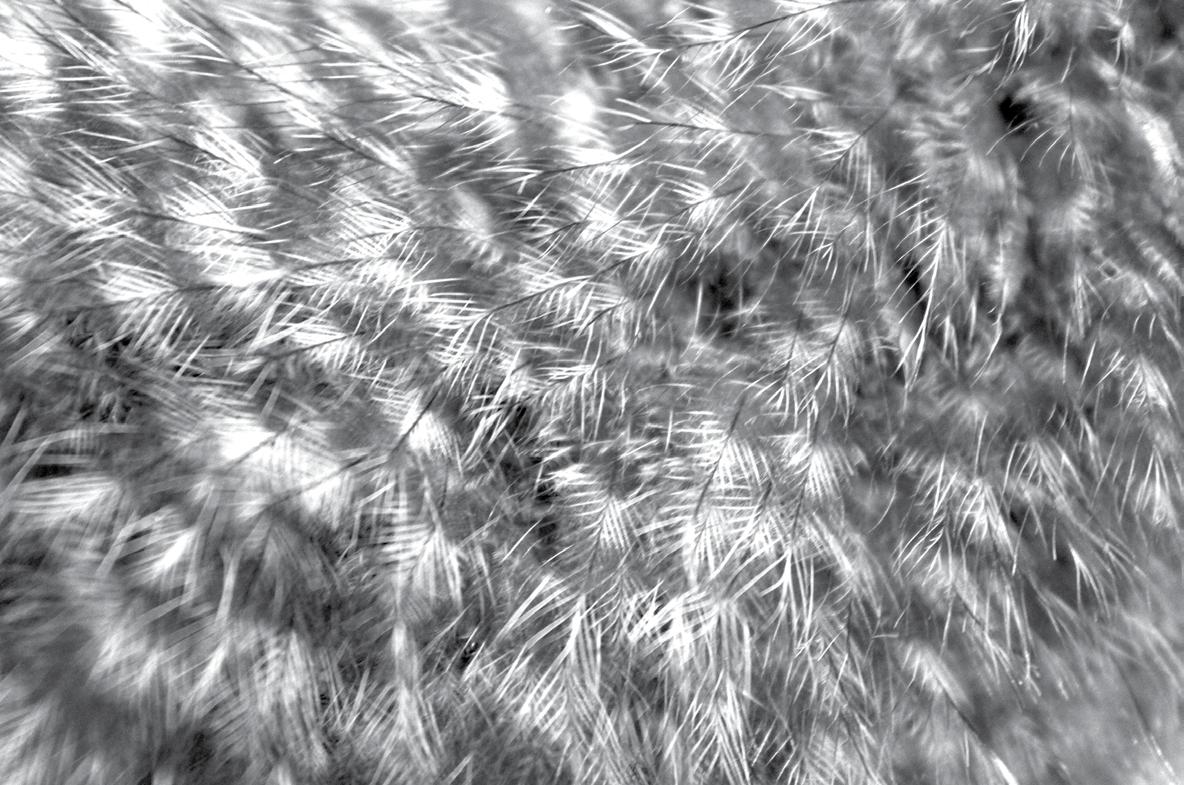
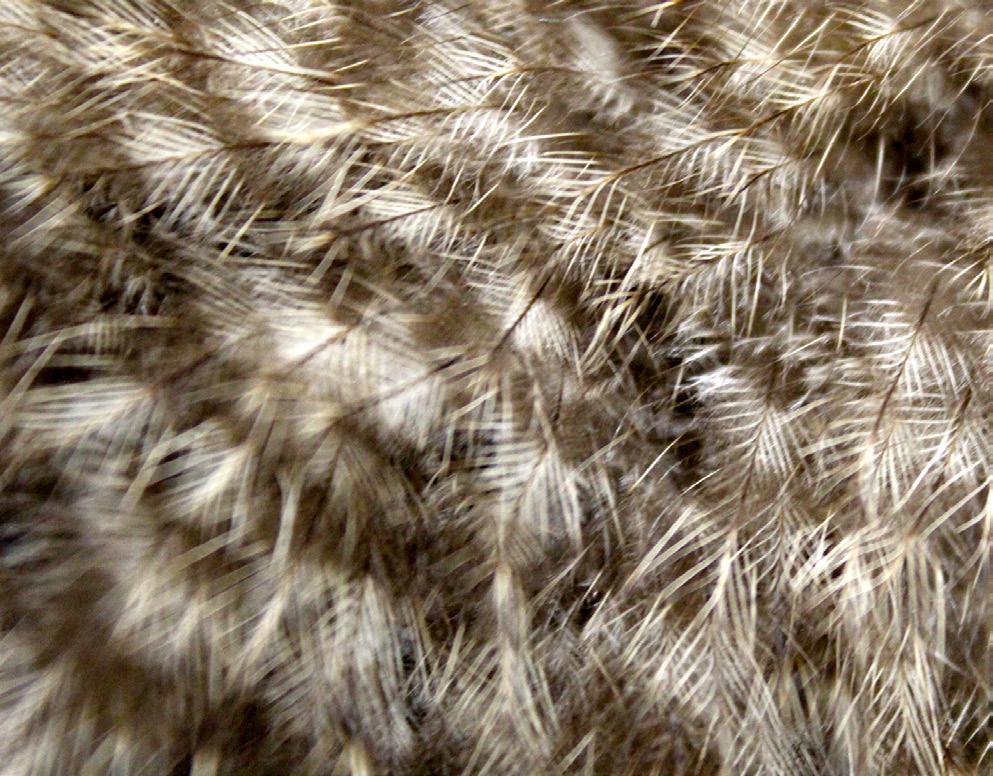
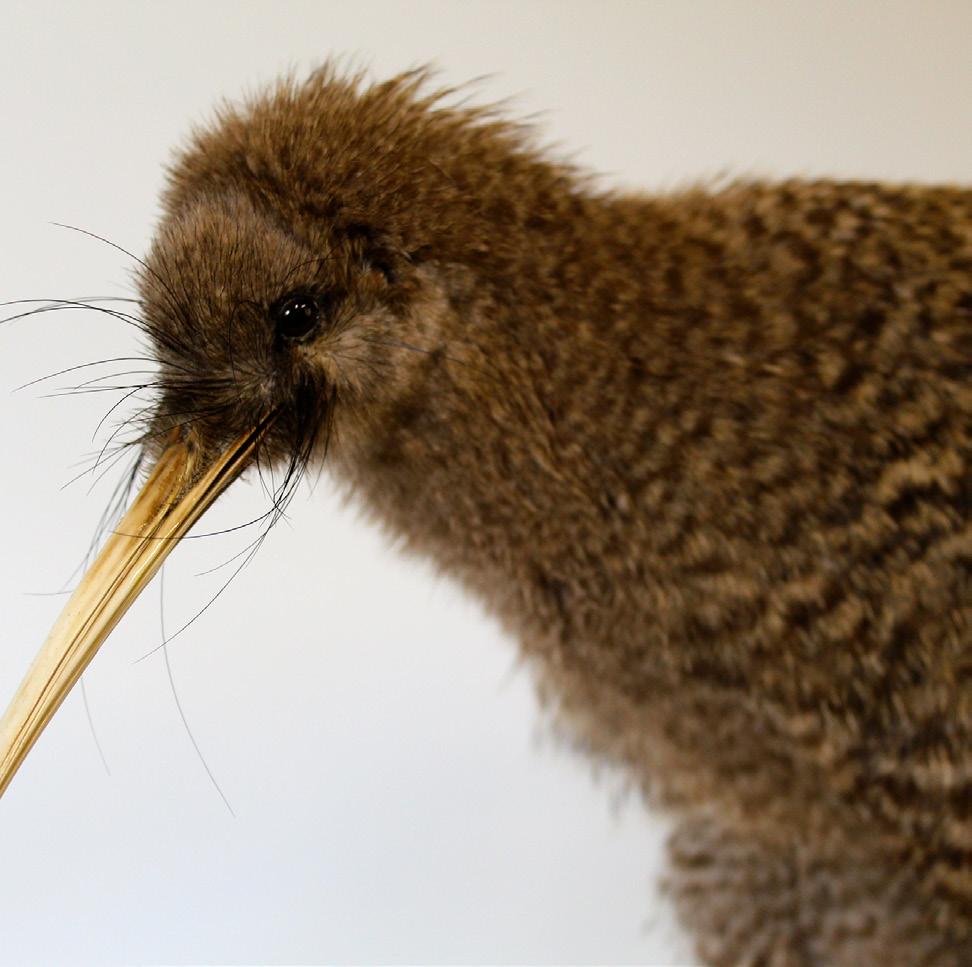
Semiplume feathers are mostly hidden beneath other feathers on the bird’s body. They are fluffy and soft, and their main purpose is to help keep the bird comfortable and warm (they're insulation). They have a central shaft called the “rachis”. The roroa | great spotted kiwi’s body is covered in this style of feathers. Since they do not fly, their feathers are more like fur and used to keep the kiwi warm.
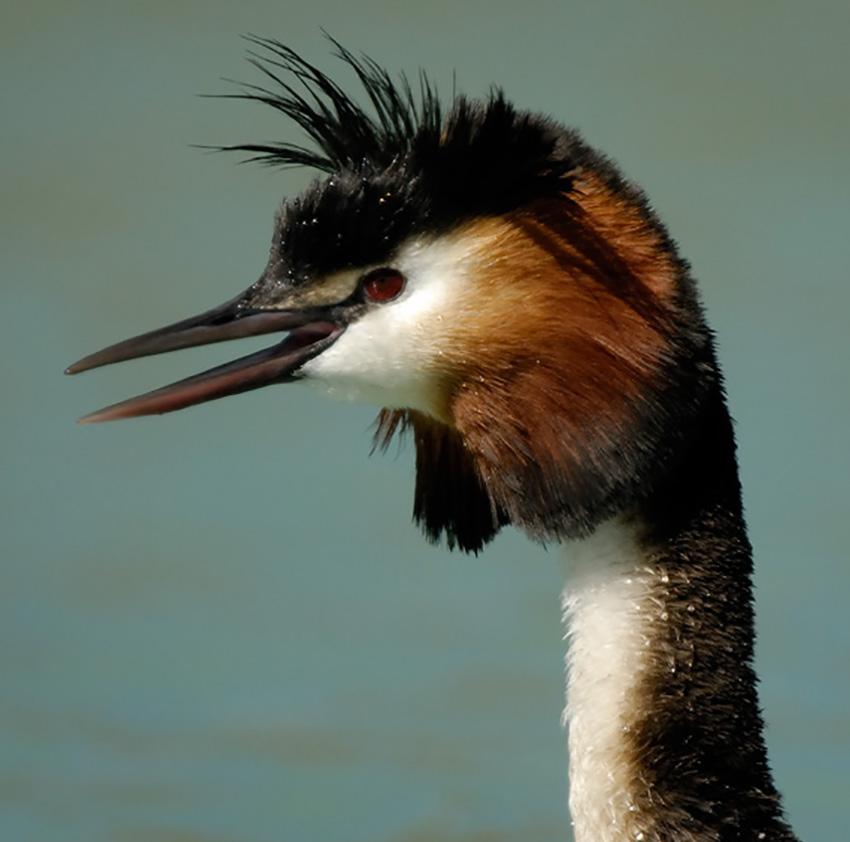
Some birds like the pūteketeke | great crested grebe have crests on their heads. These are also made from semiplume feathers. They are for attracting mates.
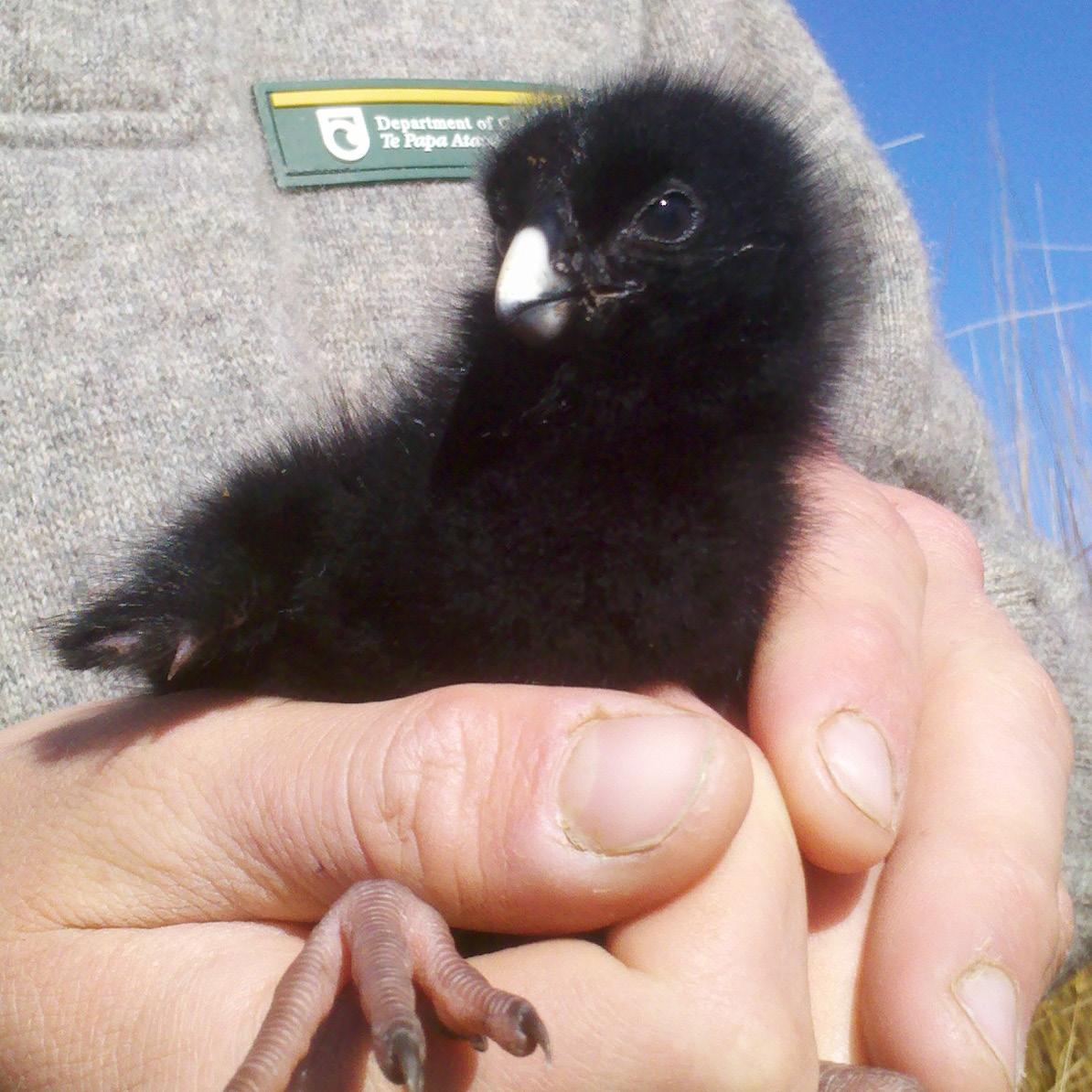
Down feathers are similar to semiplume feathers, but the rachis is missing. They are small and right next to the bird’s body. They keep the bird warm and are the same feathers people use in blankets and jackets. Many chicks, like takahē, are born with down feathers to help them stay warm.
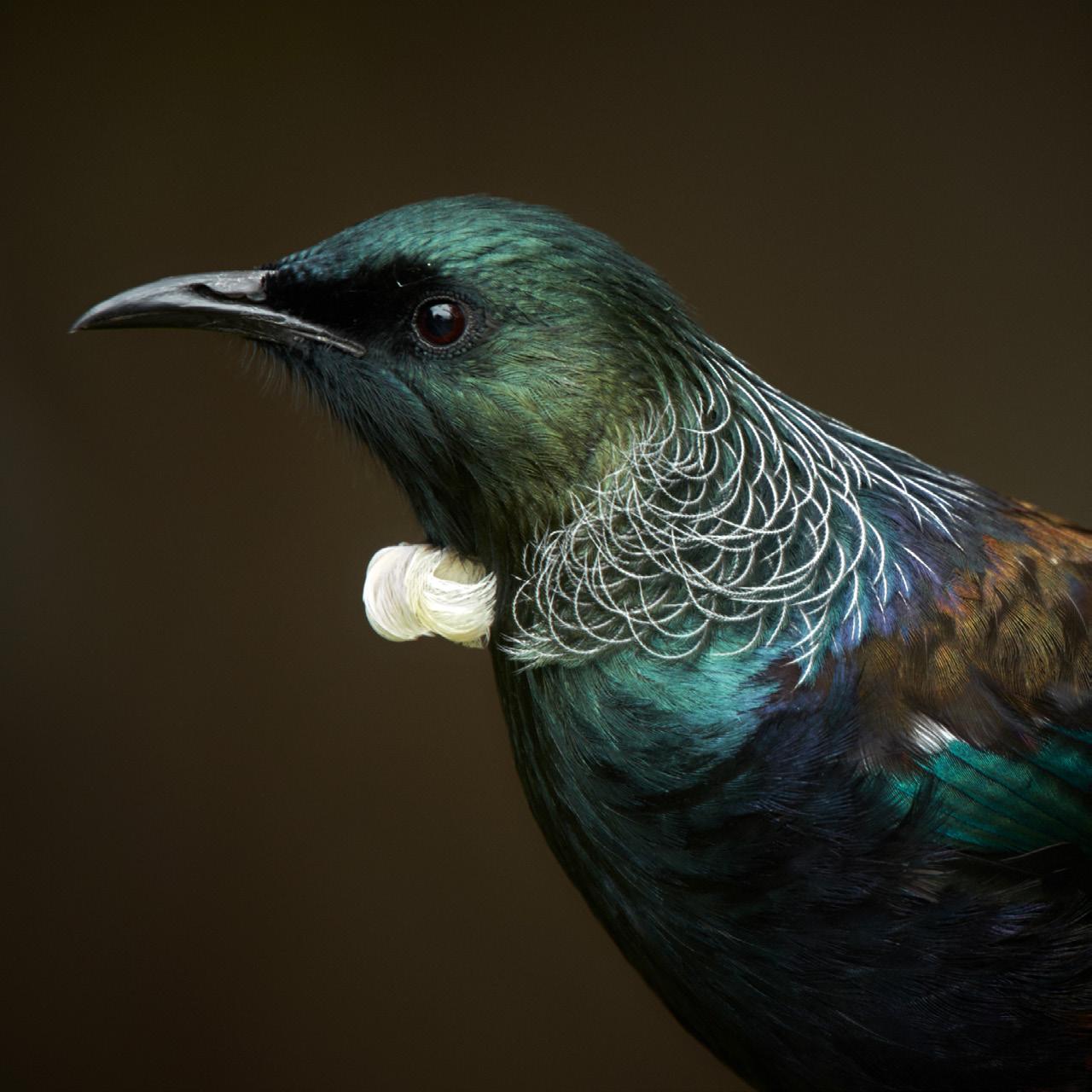
Filoplume feathers are simple looking and located in different areas of the bird’s body. You usually can’t see them because they are very small. Scientists are still trying to figure out exactly what they do. They think the filoplumes are used like the whiskers of mammals, to gain sensory information about their surroundings. Another idea is that they help the bird replace damaged feathers and monitor how the other feathers are working. The tūī has white filoplumes around its neck. They look like lacework.
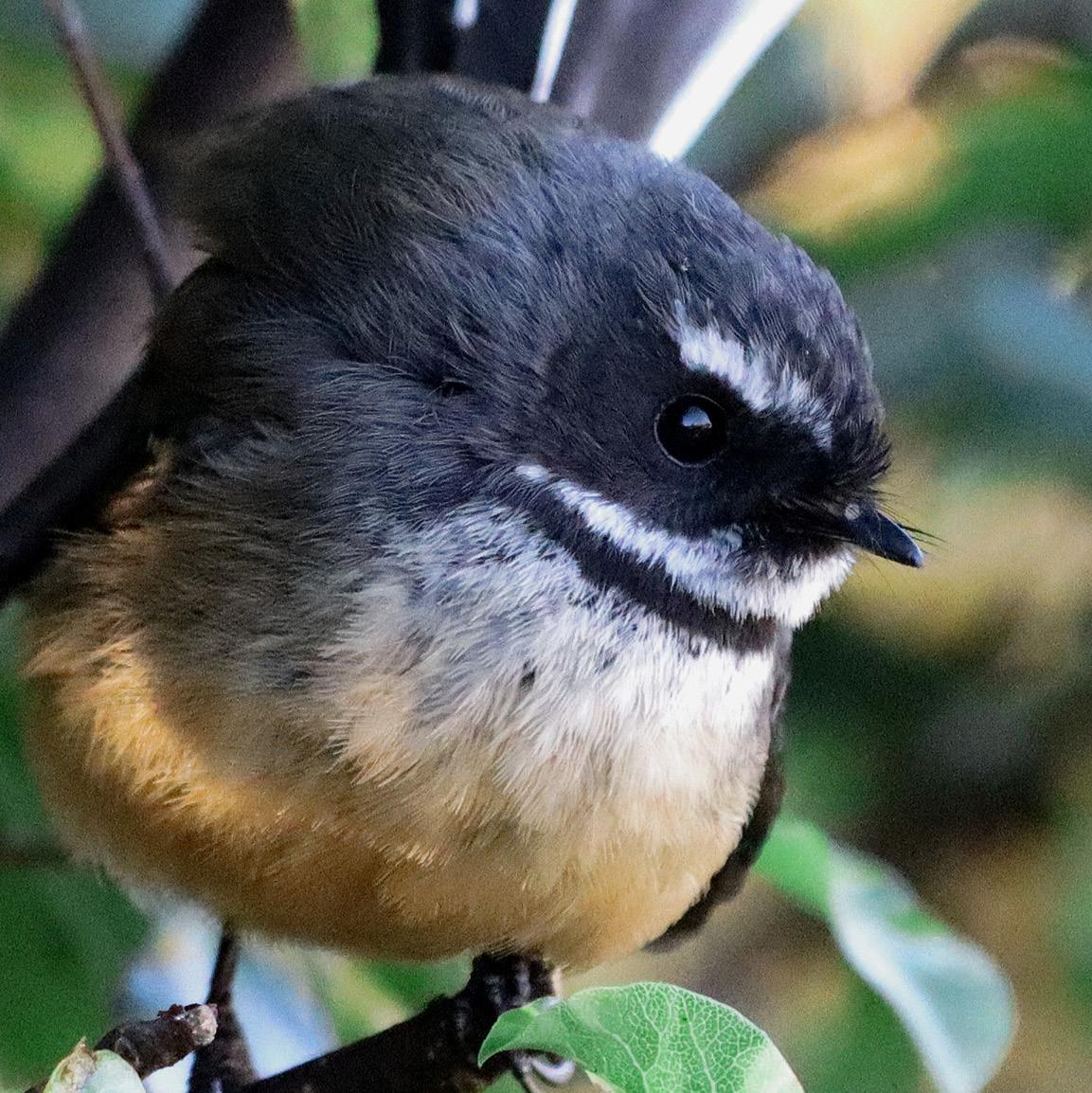
Bristle feathers are located near the head of the bird. They have a stiff central shaft and don’t have the branches of other feathers. It is thought that bristles are used to protect the bird’s eyes and face, kind of like our eye lashes. They can also help insect-eating birds to funnel the prey towards its beak. The pīwakawaka | fantail uses its bristle feathers around its mouth to sense vibrations and the location of its insect prey.
As you can see, birds have many types of feathers that help them to survive and thrive in Aotearoa New Zealand. The next time you are out and about, see how many of these feathers you can find and identify!Craig McKenzie Rosa Stuart
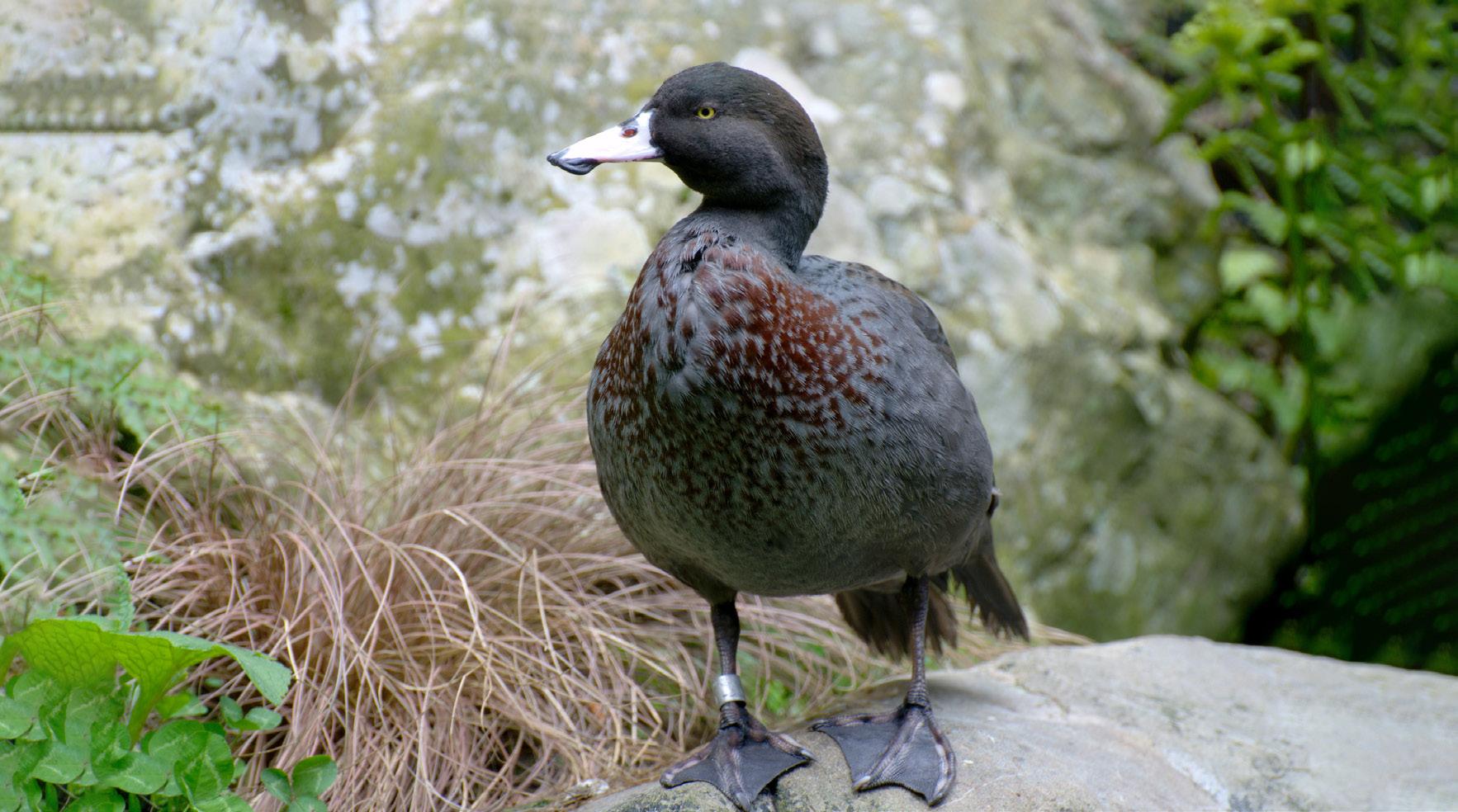
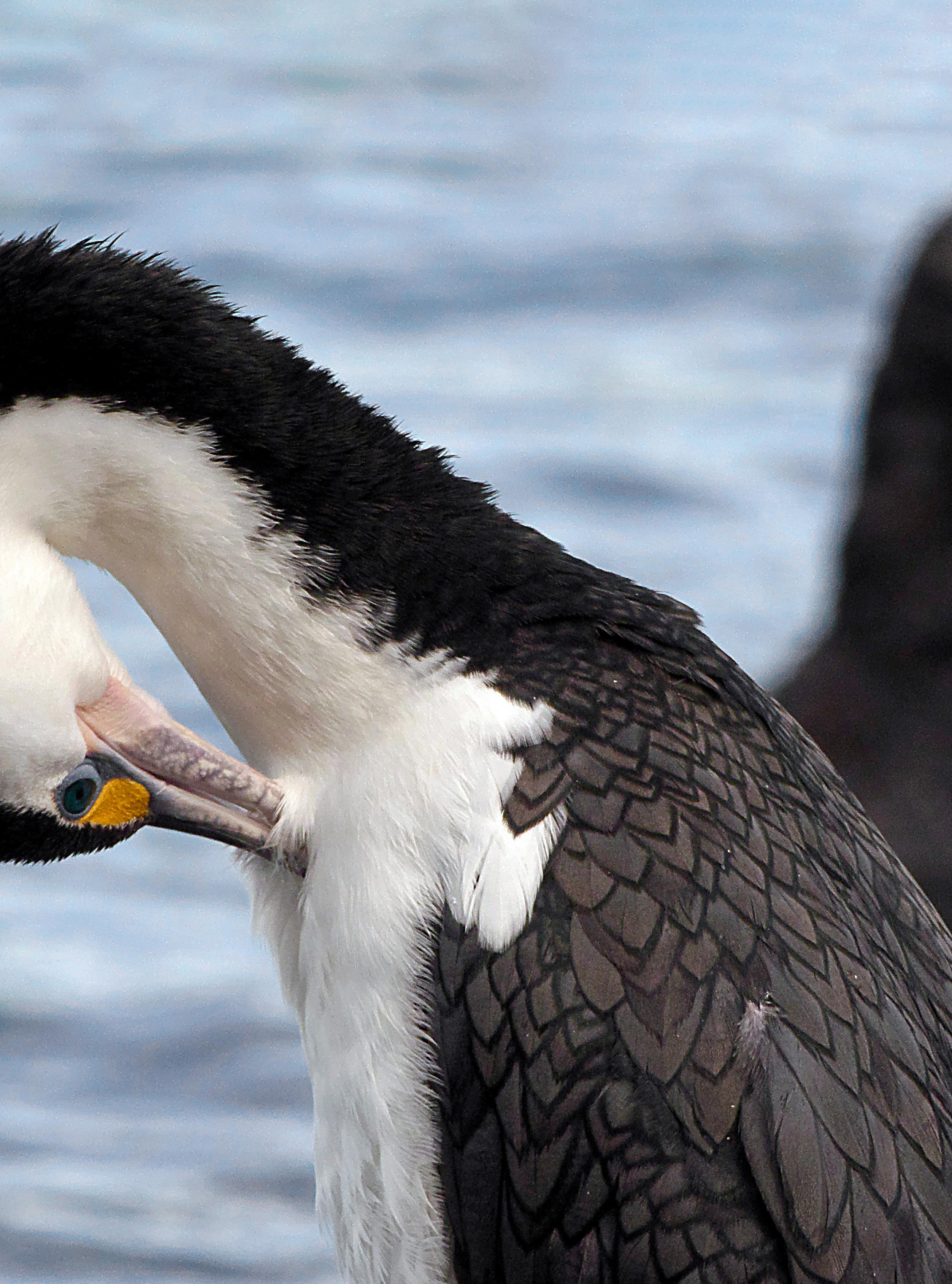
Feathers in good condition "mesh" together a bit like raincoat fabric, with gaps too small for water to get through. To keep them in good condition, we "preen". This is when we clean and straighten up our feathers and rub a special waxy oil over them with our beaks. We get the oil from our uropygial or preen gland near our tails. Waterproof feathers mean I’m able to float and dive for food in our wild rivers.
Do this fun activity to see how the oil helps...
Step
You’ll need
n Paper
n Scissors
n Cooking oil
n Cup of water
n Sponge/eyedropper (or similar)
Step Rub a small amount of cooking oil onto just one of the paper feathers and let it soak in.
Step Use a dropper or sponge to squeeze drops of water onto the paper feathers.
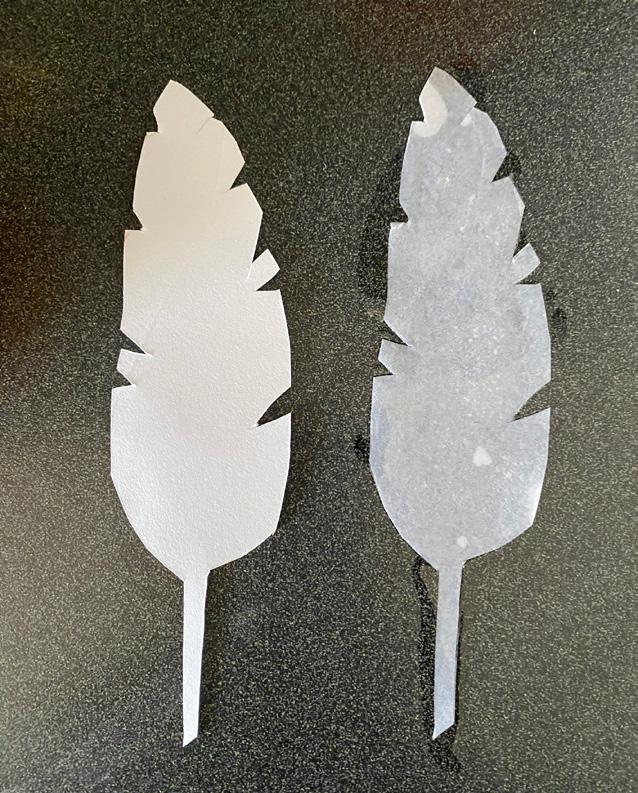
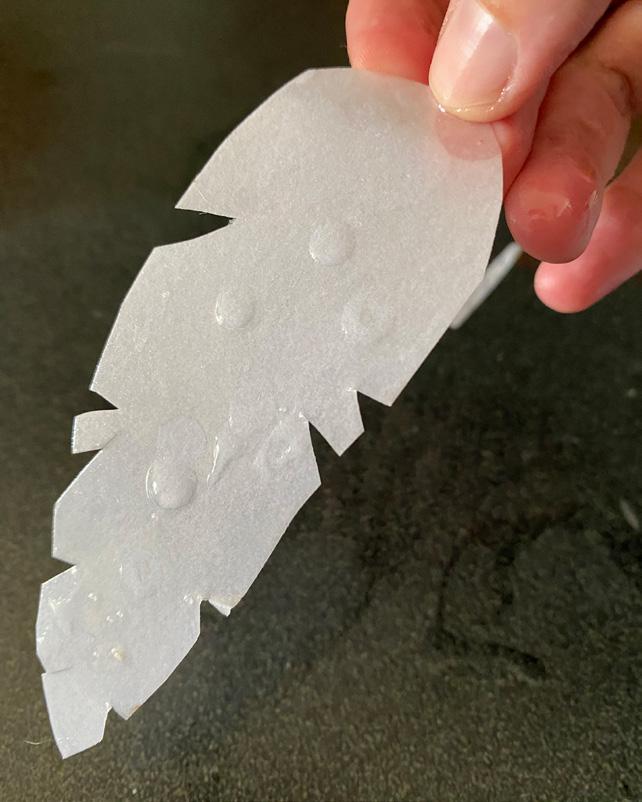
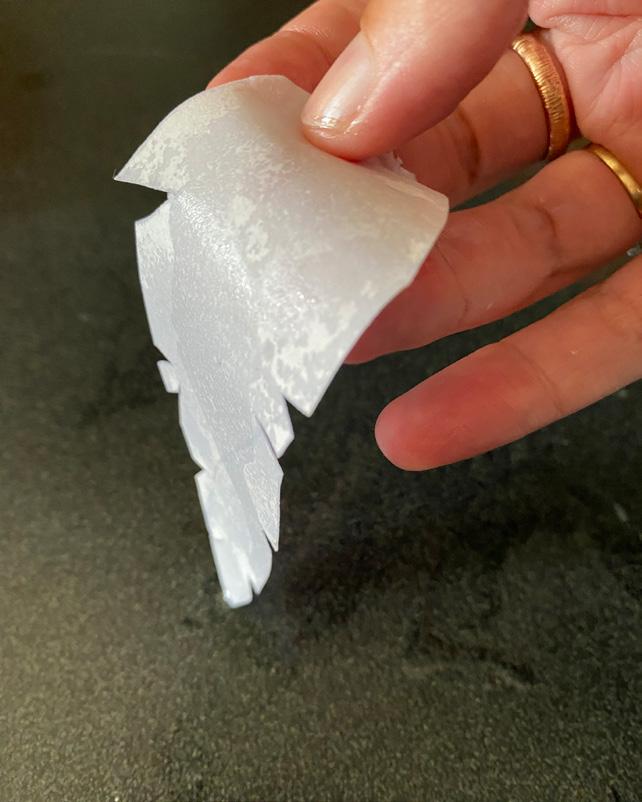
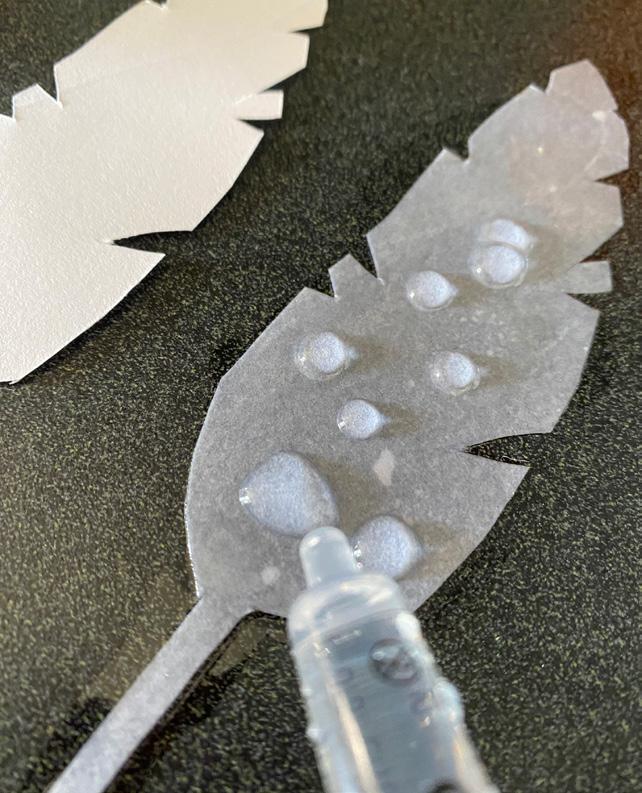
Step Tilt the feathers and watch what happens.
Find out why feathers are perfect for flight from some of our amazing sea and shore birds. They’re experts!
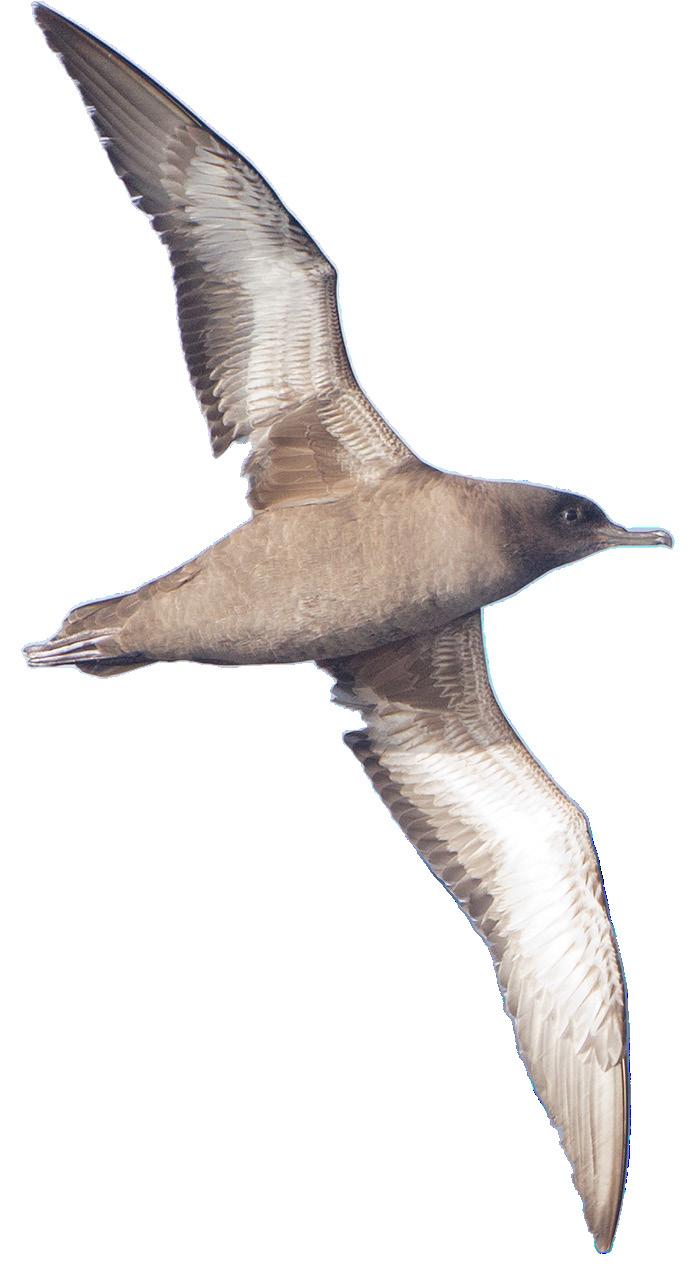
Feathers are strong, flexible, and very tough. They can handle impact, like being out in strong winds all the time or hitting the water at speed. They can also grow in different shapes, especially flight and tail feathers. The shapes are suited to the bird and how, where, and why we are flying. We tītī | sooty shearwater fly in the air and then, literally, fly through the water as we dive down deep. Our feathers are amazing!
Feathers can be moved as needed. We can move our feathers together when we flap down and then move them apart when we move the wing up. We can also rotate our flight feathers individually to control our flight direction. We toroa | royal albatrosses have giant wingspans of more than 3m long! We are masters of soaring – that is hovering or gliding in the air rather than flapping. It takes lots of precision to move our feathers just tiny amounts to best capture the energy in the wind.
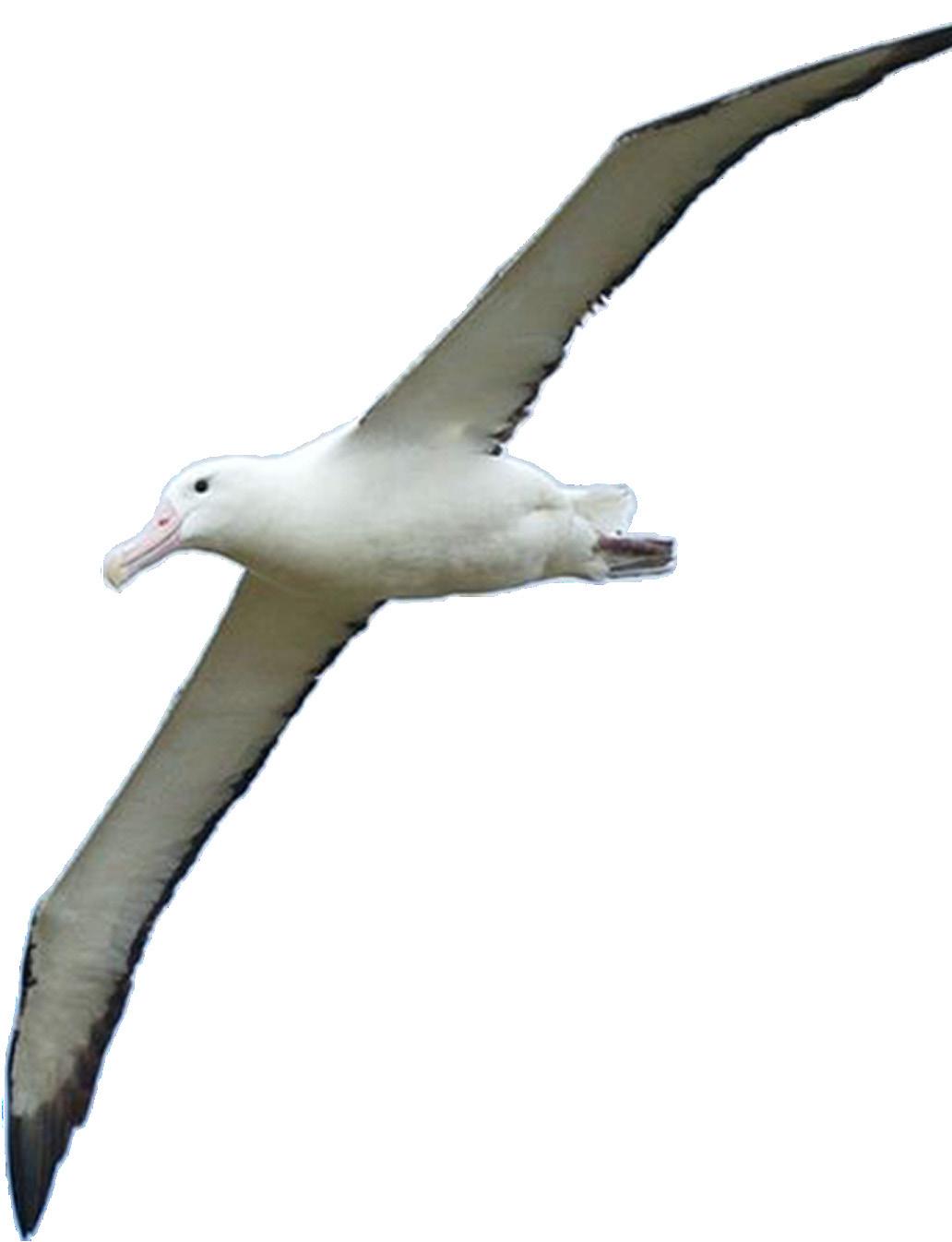
Follow the flight paths with your finger!
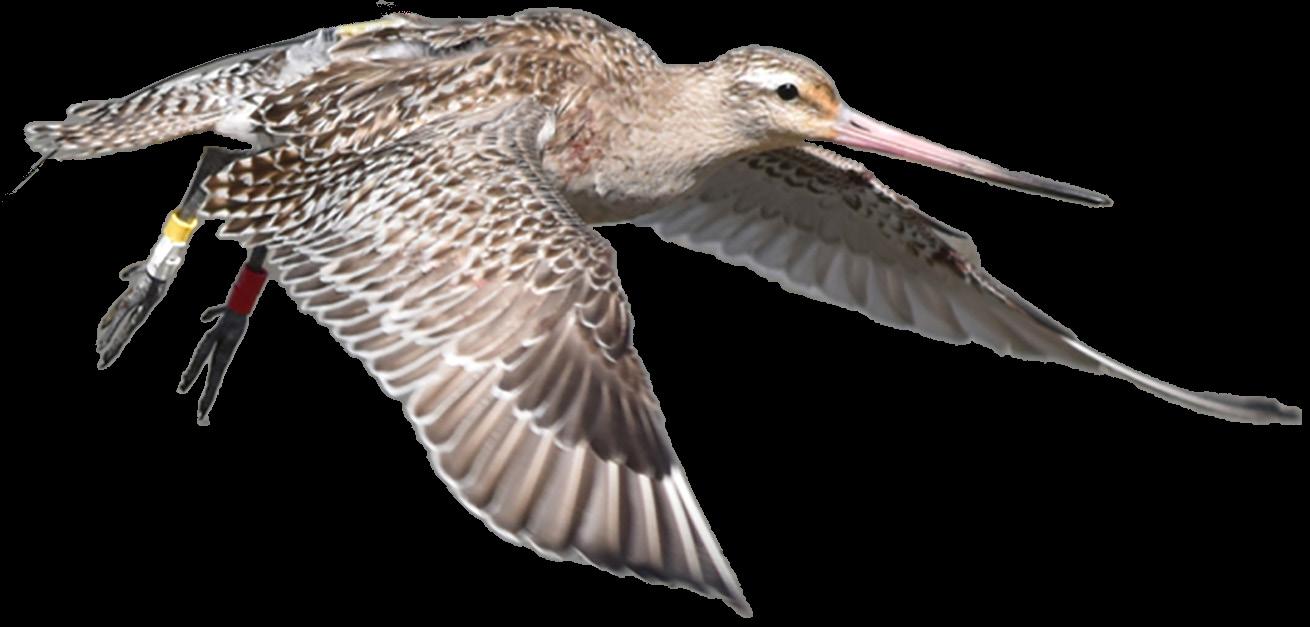
Feathers keep the weight of our wings down so we can push them up and keep them held up. Why? They are made from a material called keratin, which is very lightweight. It’s the same as what your fingernails are made from. The shaft of a feather is hollow, and air flows through the teeny tiny gaps in the feather. Did you know we kuaka | bar-tailed godwits hold the world record for the longest continuous flight?
One of us flew 13560km non-stop last year!
A bird’s wingspan is the distance between the tip of one wing to the tip of the other.
Stand up straight with your arms out to the side, using your body to make the letter “T”. With help, measure the distance from your middle fingertip to the other fingertip – this will be your wingspan!
Cut your cardboard into long strips about 10cm wide. Tape them together to make a rectangle as long as your wingspan. Clearly mark the middle point on your cardboard with a pen. Make arm straps to attach at the ends too.
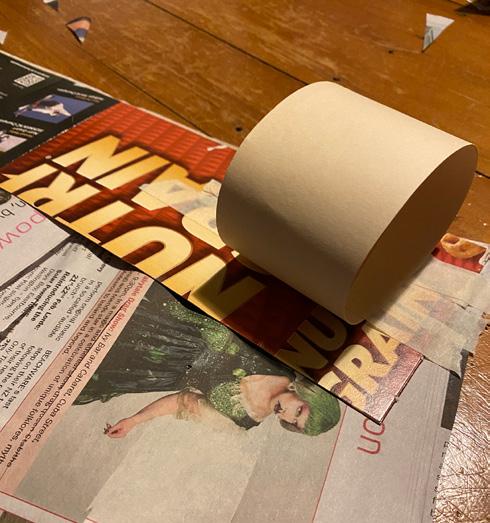
Use a whole page of newspaper for these feathers. Tape them on like in the picture. The converts at the ends should be on a little bit of an angle. Convert feathers are contour feathers that cover over the base of the flight feathers (check out page 5 for more on contour feathers).
= middle point
You’ll need:
n Tape
n Scissors
n Newspaper
n Measuring tape
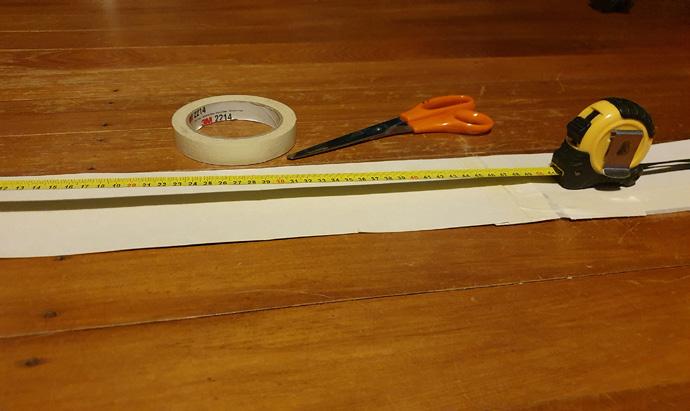
n Thin cardboard (like a cereal box)
n Pen
Use a whole spread of newspaper (two pages joined) for these feathers so they are long. Tape them on as in the picture. The primaries should be on a little bit of an angle.
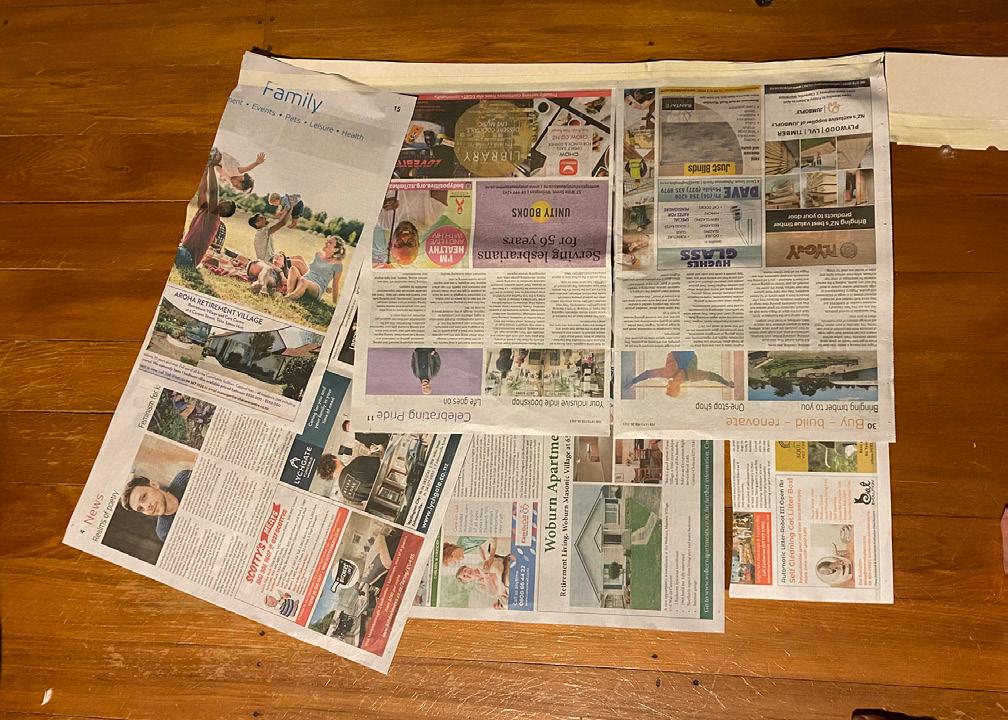
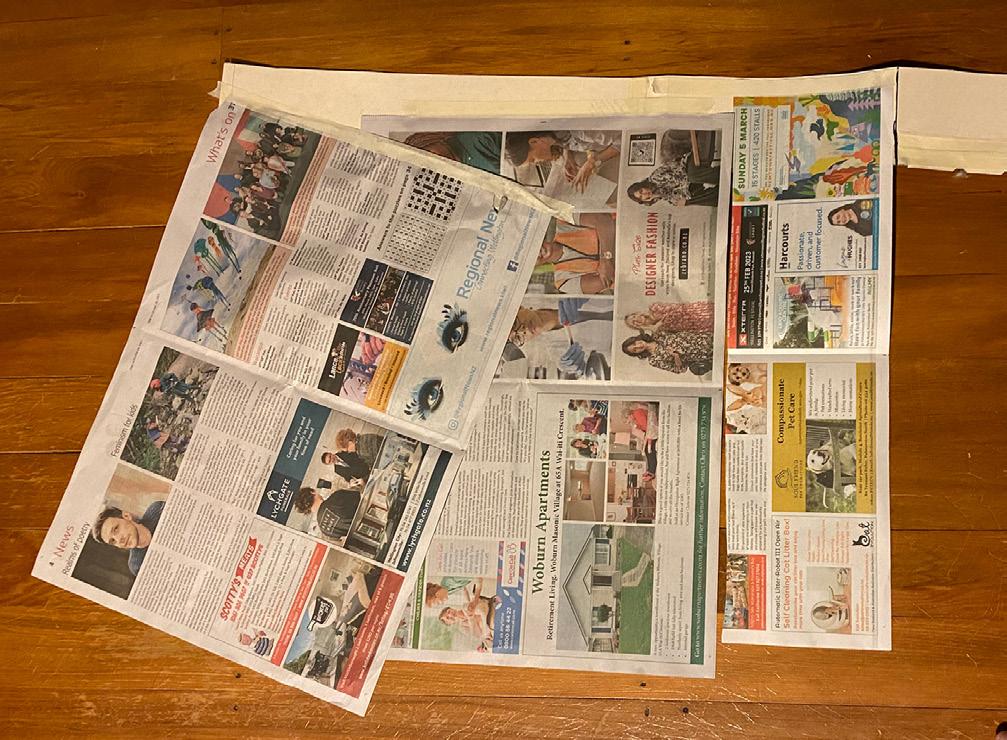
n The primary feathers are the largest flight feathers and help the bird propel (push) through the air. If they are lost or damaged, a bird can’t fly. Most birds have 10 of these feathers. Together, they are a bit like the “hand” of the wing.
n The secondary feathers go along the “arm” of the wing and help birds lift and stay up in the air.
n The tertiary feathers are on the “upper arm” part of the wing. They are much shorter than the others.
Use a whole page of newspaper for the convert feathers turned sideways and a half page kept straight up and down for the alula feathers. Tape them on as in the picture.
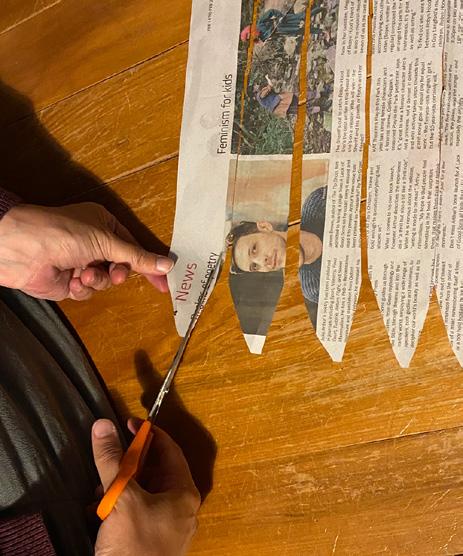
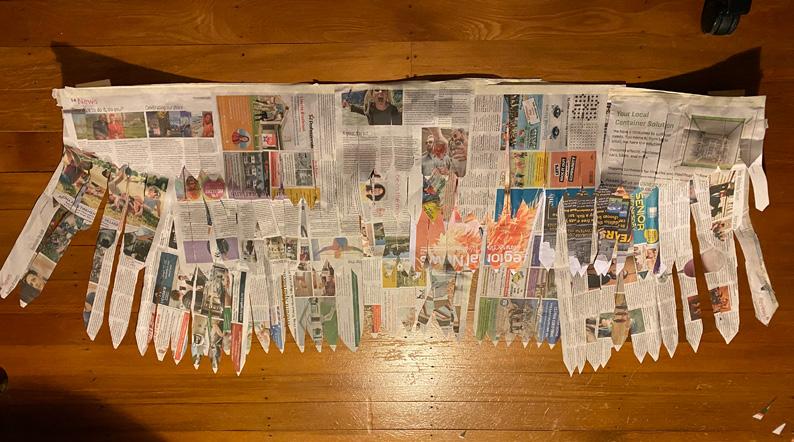
The alula feathers are attached to the “thumb” of the wing. There are usually three to five feathers. They work a bit like slats on the wing of a plane helping to get even more lift.
Fringe cut each layer of newspaper, then cut the ends to make them look like feathers. Extra for experts: Curve the shape of the converts and alula feathers so your wings look more bird-like.
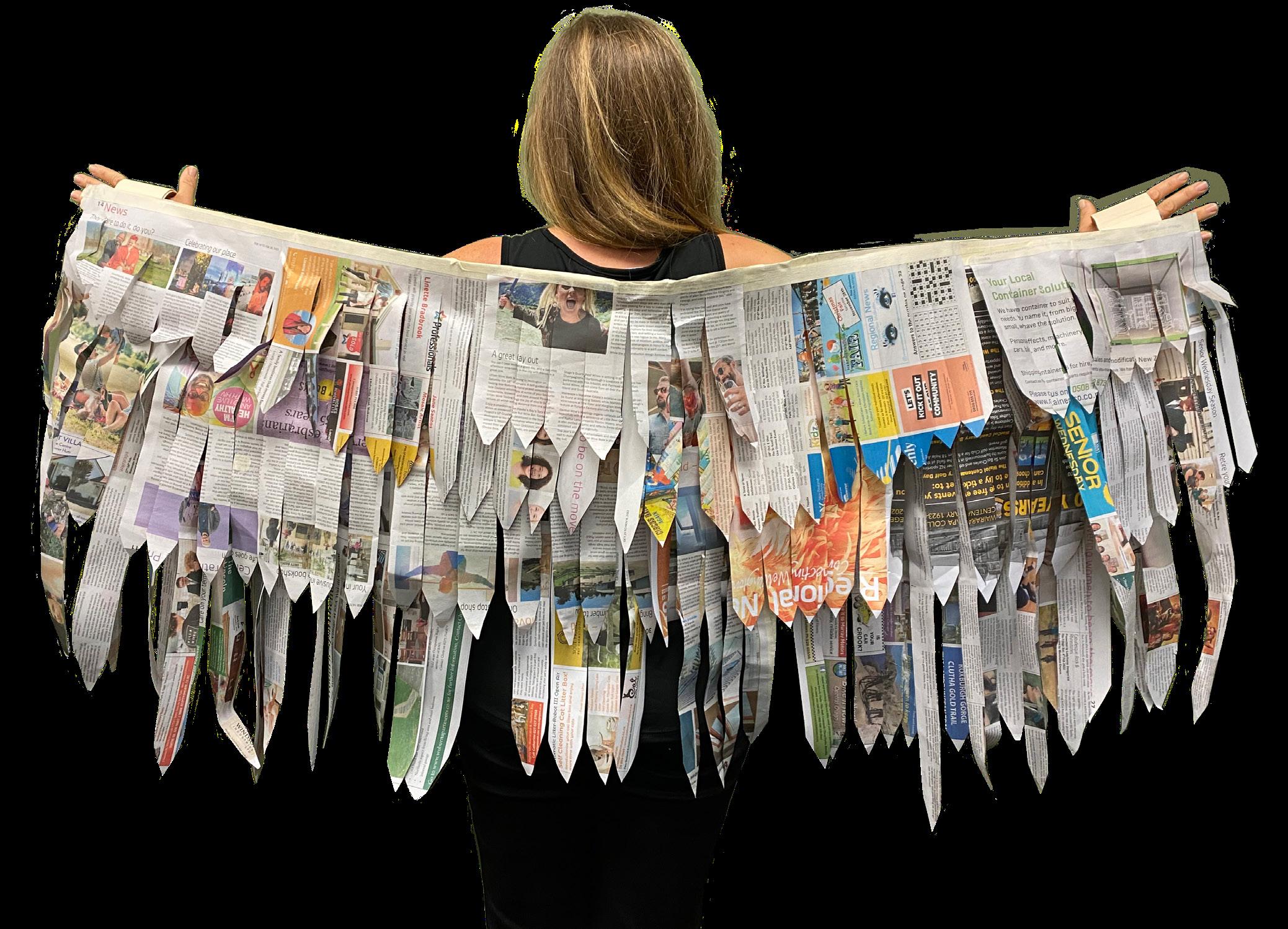
Use a quarter page turned sideways. Tape on in the middle as in picture.
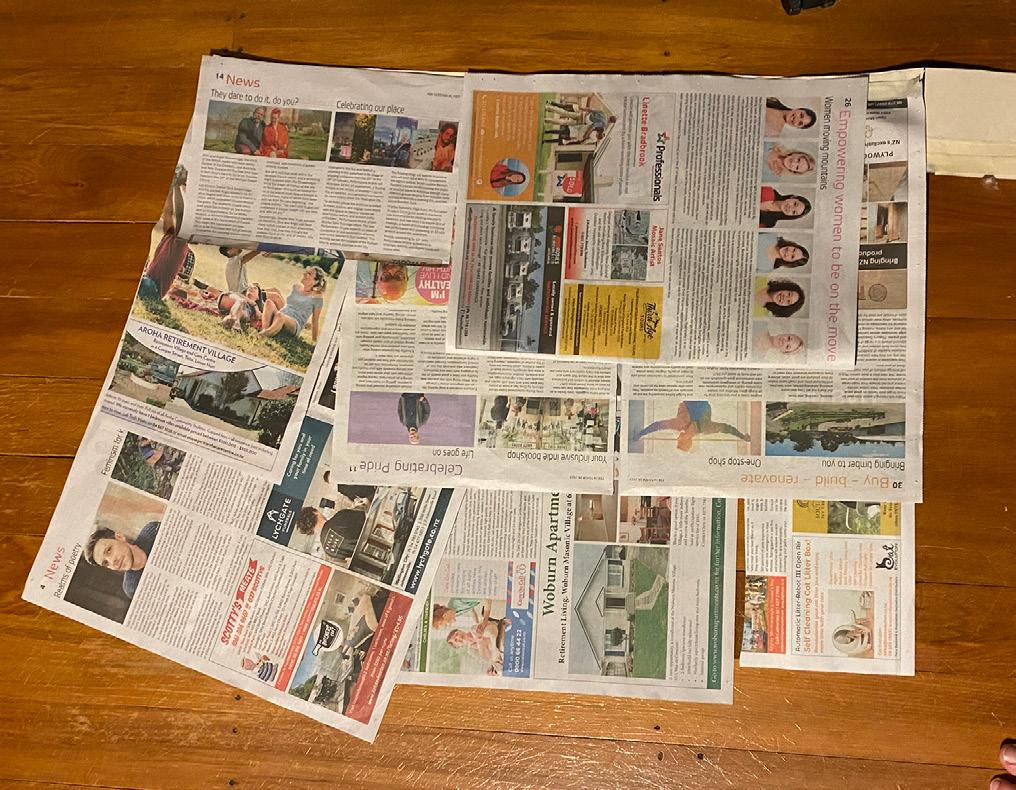
Once you’ve made both sides of your wings, add the scapular feathers. They cover the “shoulders” or the base of the wings.
Make them represent you with colour/s and patterns!
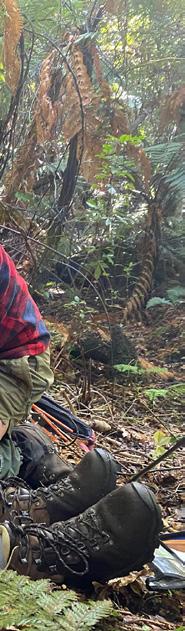
As part of my BLAKE Kākāpō ambassadorship, I accompanied a team of dedicated Department of Conservation (DOC) rangers to Whenua Hou | Codfish Island for two weeks. Here’s what I got up to and learnt!
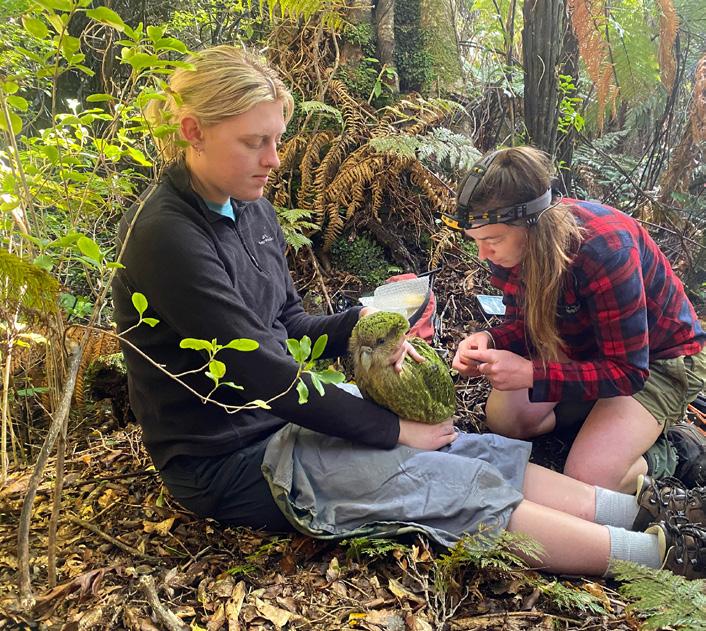
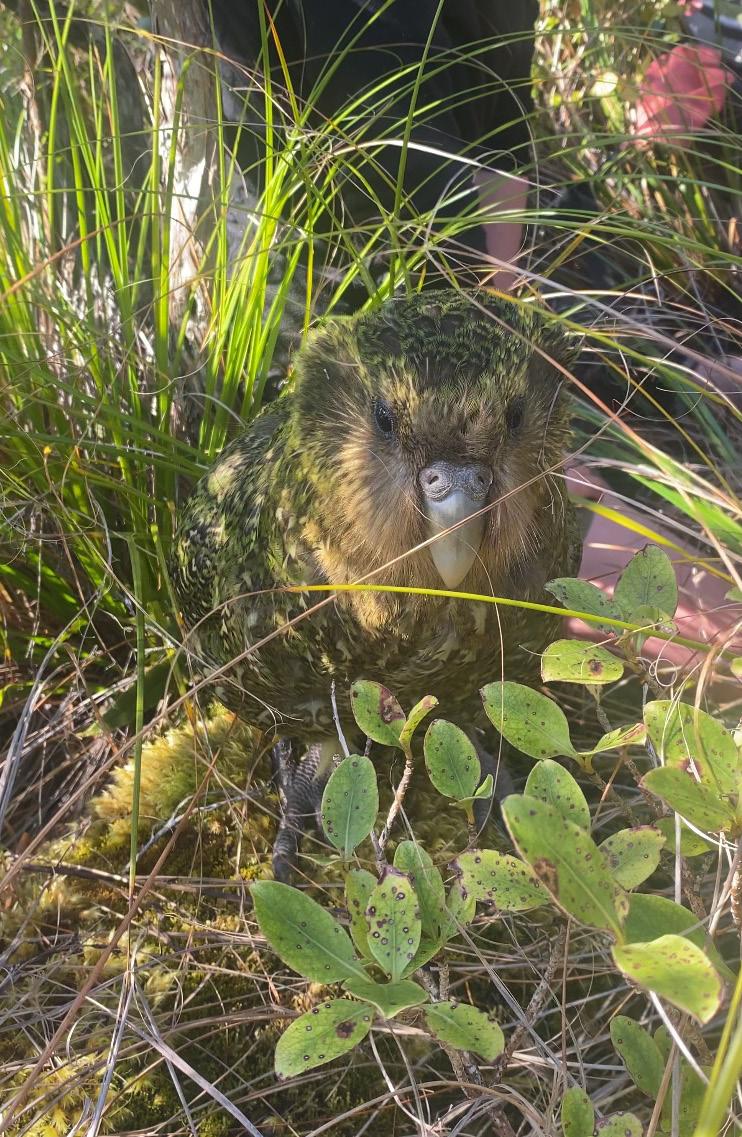
Kākāpō are large flightless parrots with gorgeous green feathers, sharp beaks, and super powerful legs, which makes them excellent climbers – they are often found high up in the tree canopy! They once lived all over New Zealand. However, there are now only 249 kākāpō left living on a few predator-free islands.
So, after thoroughly cleaning and checking my boots and my gear for any pesky seeds, insects, or rodents at the quarantine facility, it was time for the helicopter ride to Whenua Hou.
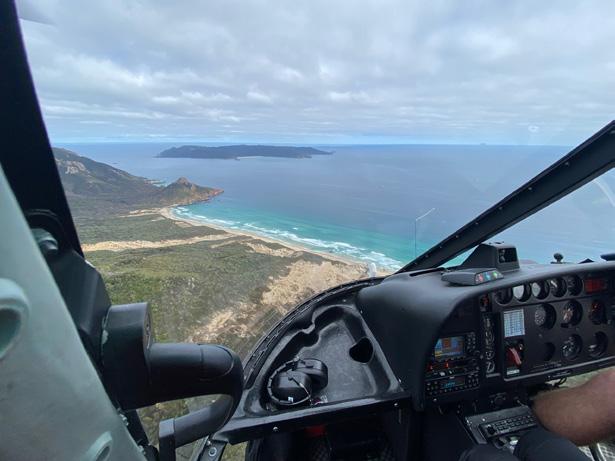
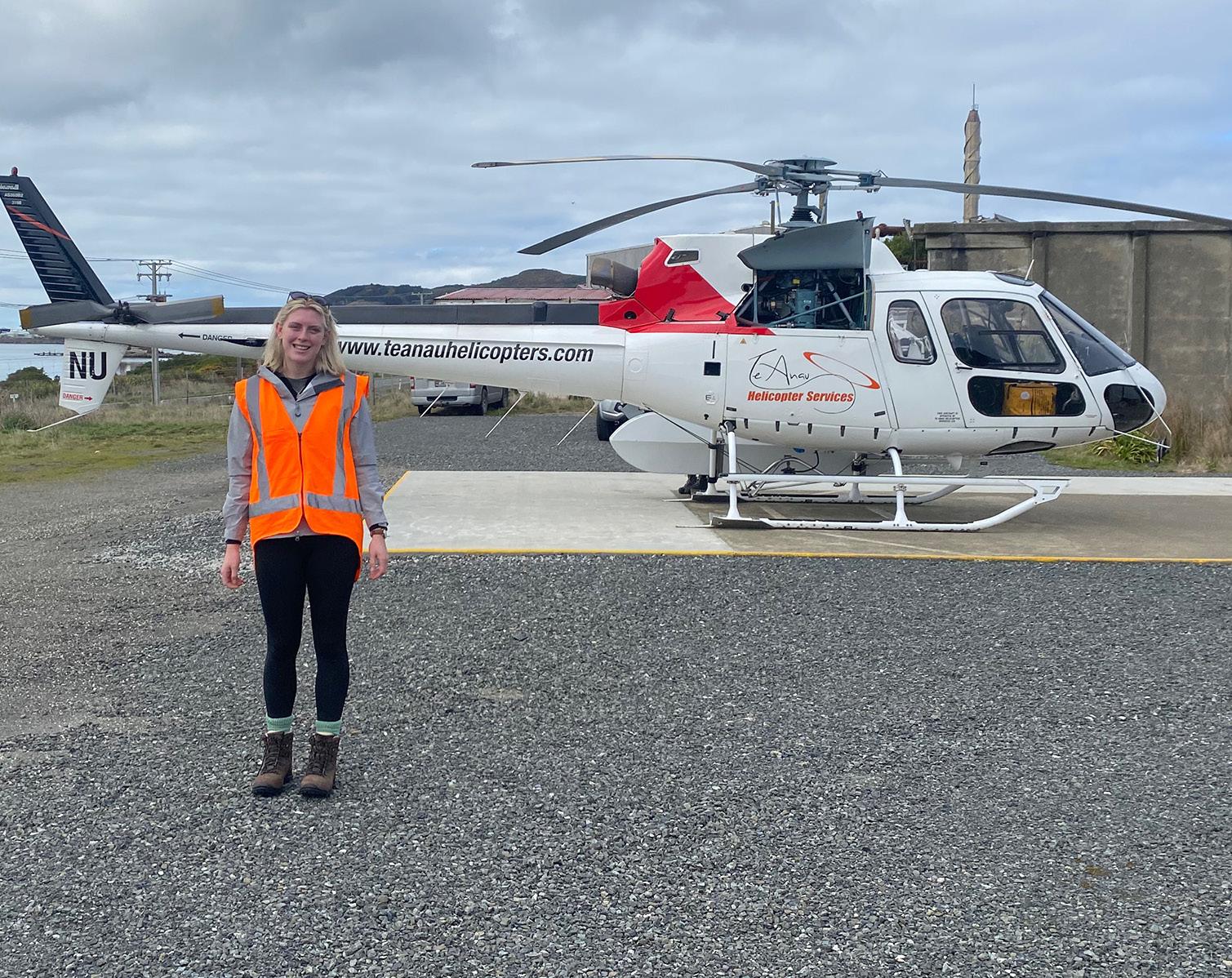
Here’s a photo showing my first encounter with a kākāpō!
My main job while on the island was to measure out the right amount of supplementary food for each kākāpō and carry it through the bush to the different feeding stations around the Island. The supplementary feeding programme is important because it helps kākāpō get into good condition for breeding. Once I had walked to a feeding station, it needed to be cleaned before I could add the new food. Some kākāpō are very messy eaters and leave food all over the ground that also needed to be cleaned up. Good hygiene helps keep kākāpō healthy. On days where I finished early, I could help rangers with their work too.
While these photos were taken during the day, kākāpō are nocturnal (mostly active at night)
I was extremely lucky and helped to hold a kākāpō while it had a routine health check-up, because, just like you, even kākāpō need to go to the doctor and the dentist!
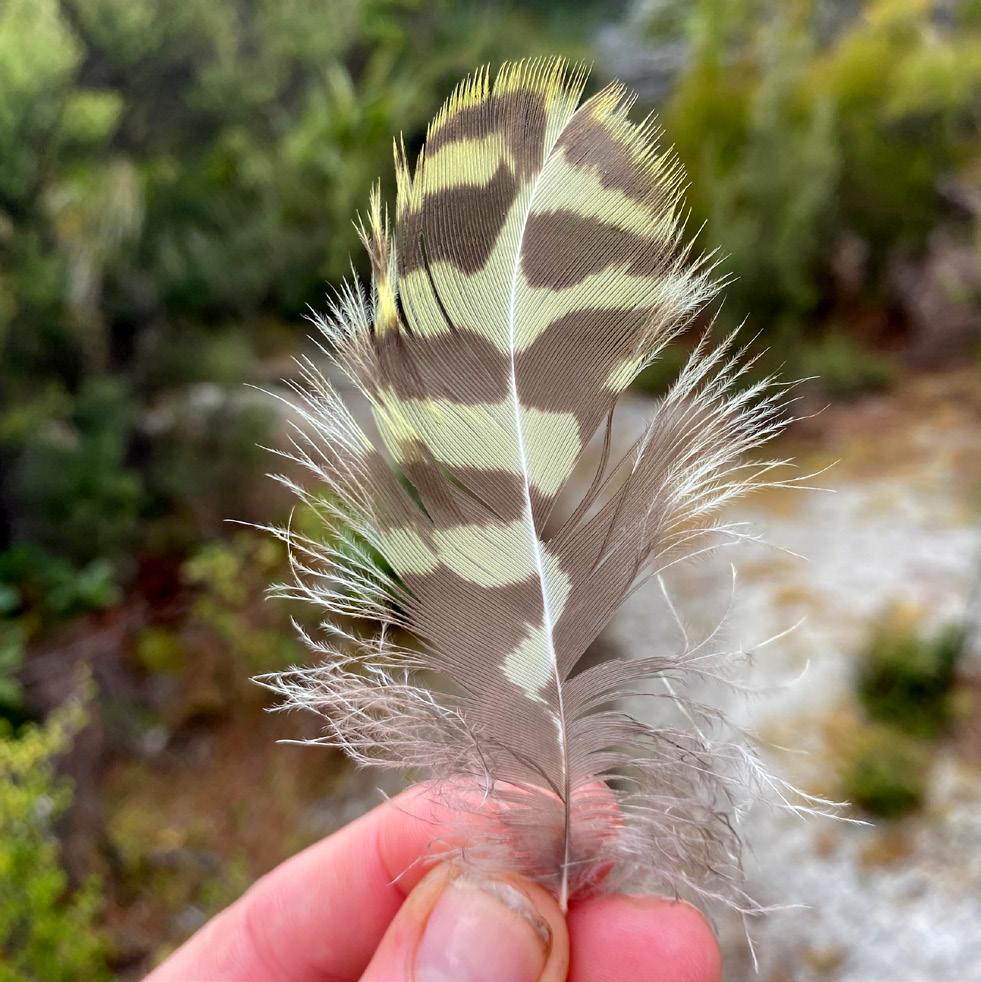
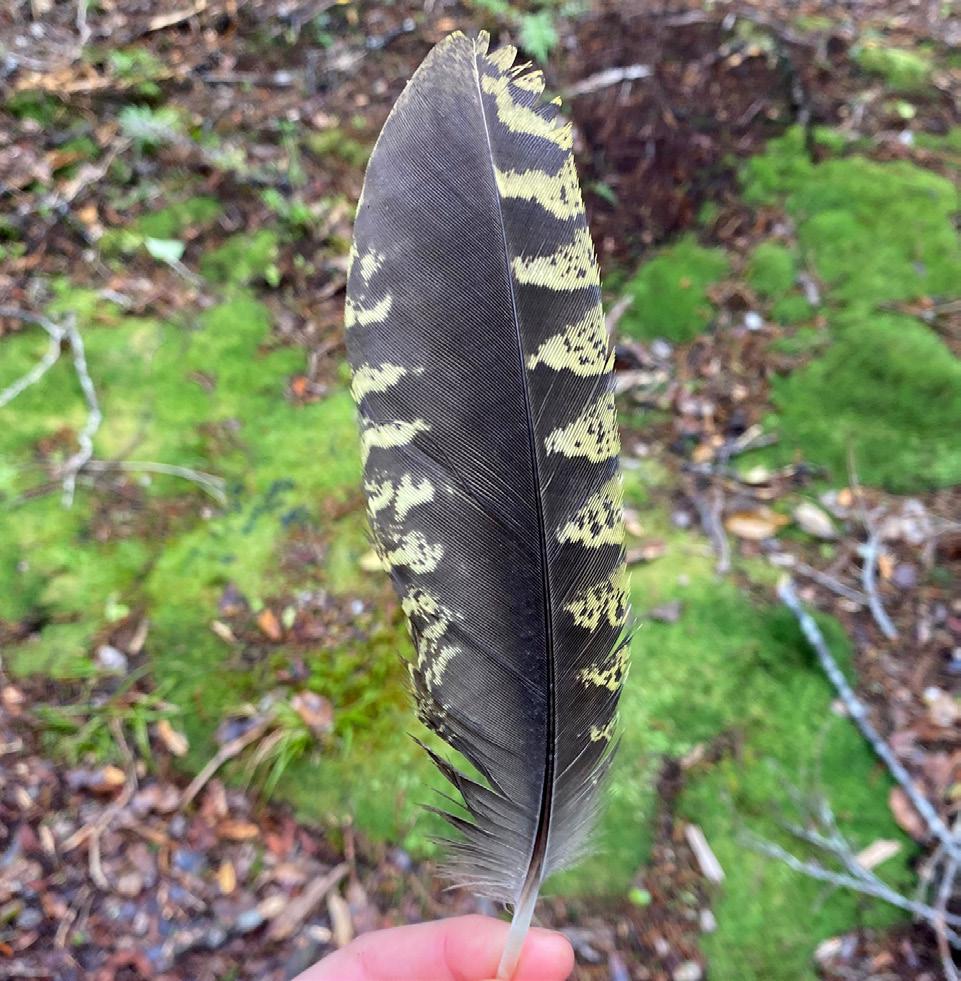

Like many of Aotearoa’s amazing birds, kākāpō are experts at blending in with the forest around them because of the different green, brown, and black patterning on their feathers. Sometimes the feathers also have some yellow in them.
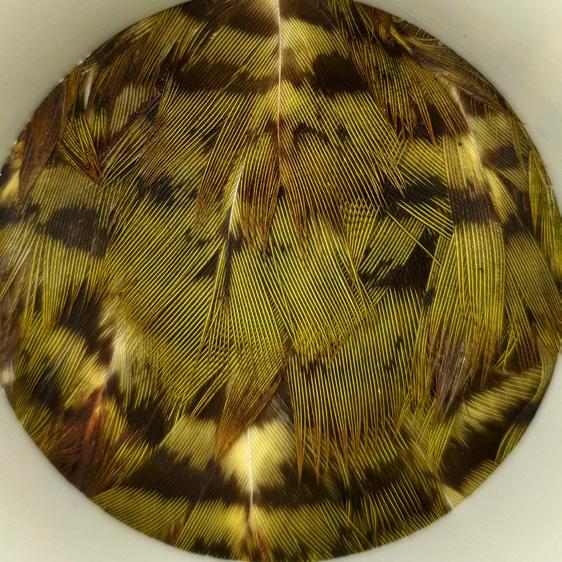

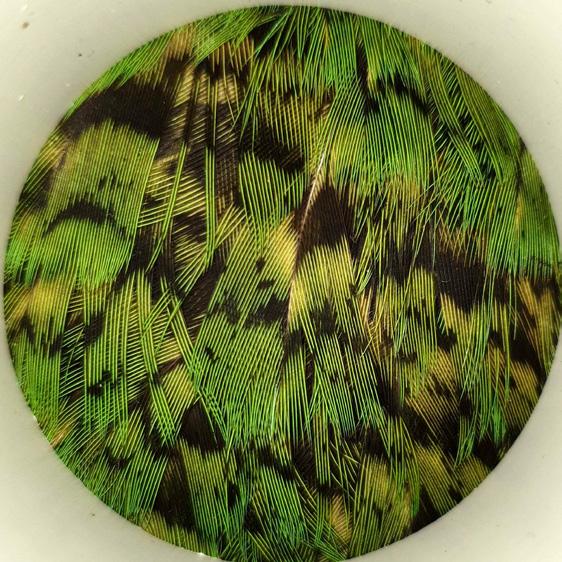
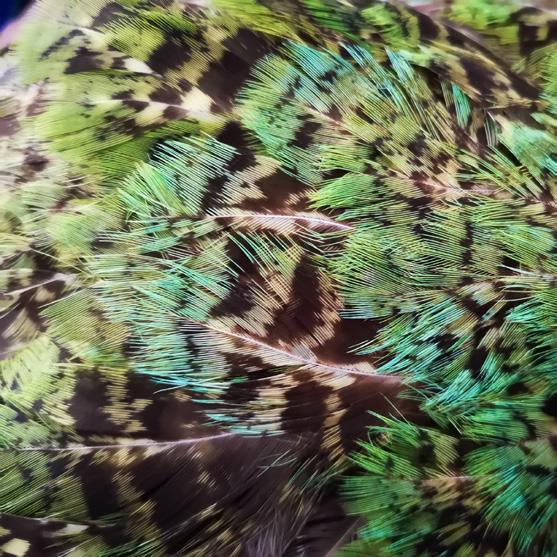
Did you know that not all kākāpō are the same shade of green? Some are quite green, and others olive coloured. Sometimes green kākāpō feathers can have a blueish tinge around the edge, making them appear extra shiny and shimmering (iridescent) when up close.
Volunteering on Whenua Hou happens during the breeding season. Kākāpō only breed when rimu trees have a masting event and produce lots of fruit, which provides the extra food that kākāpō mums need to feed to their chicks – this only happens every two to four years!
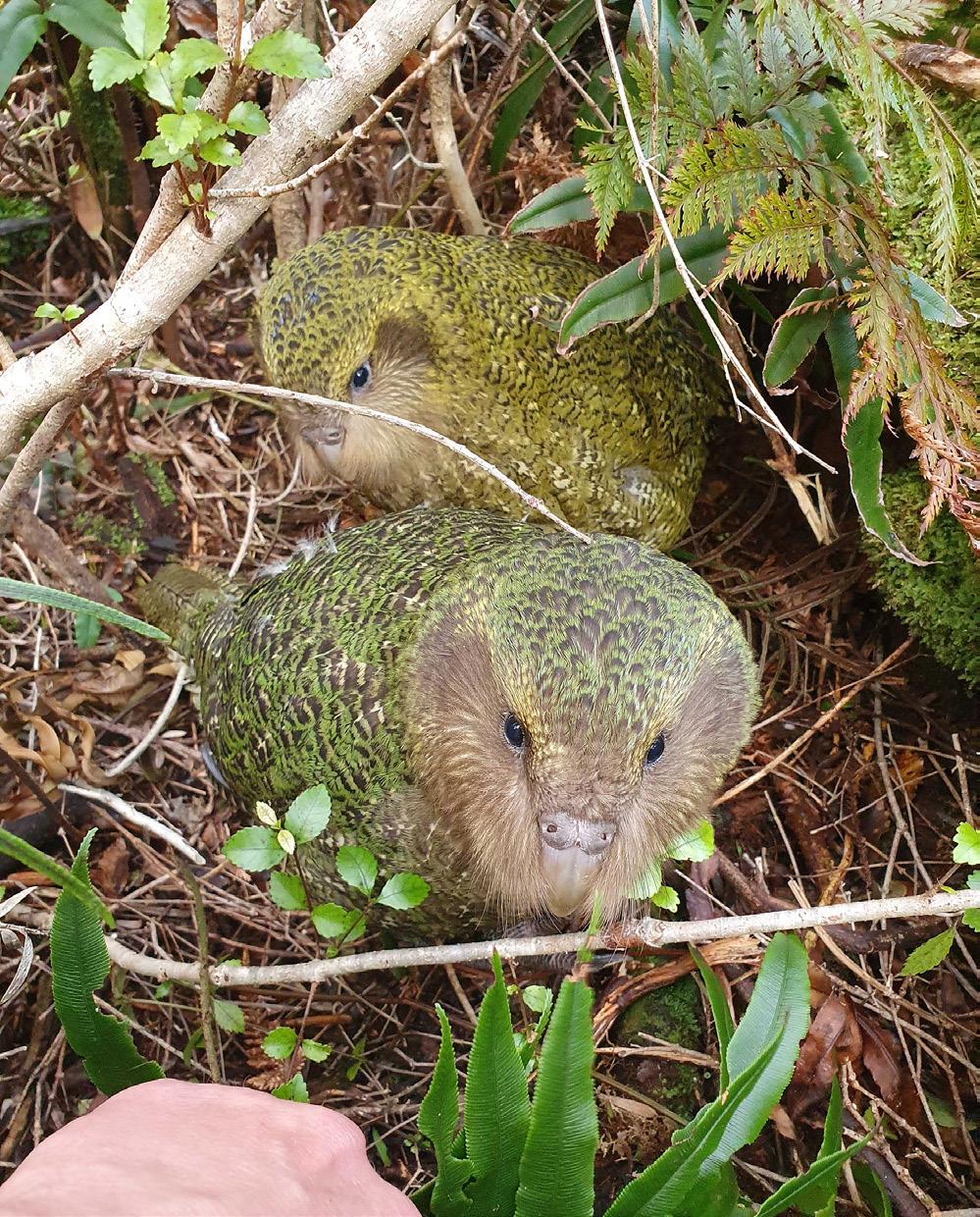
This stripey feather was my favourite that I found.Department of Conservation Can you notice the different greens in these chicks? Department of Conservation This was the biggest feather I found.
Can you find a different native bird for each feather colour? Send your collage to kcc@forestandbird.org.nz
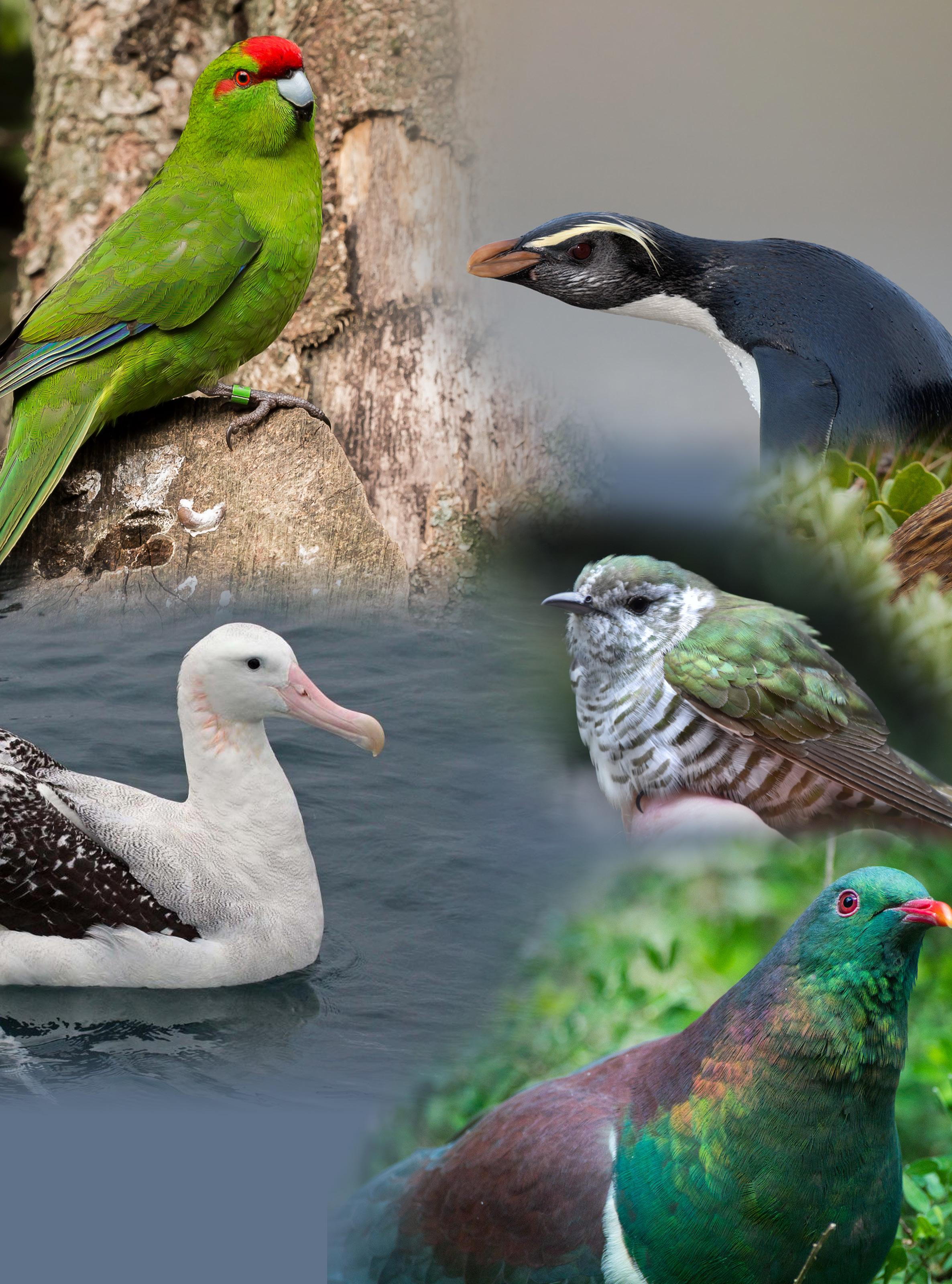
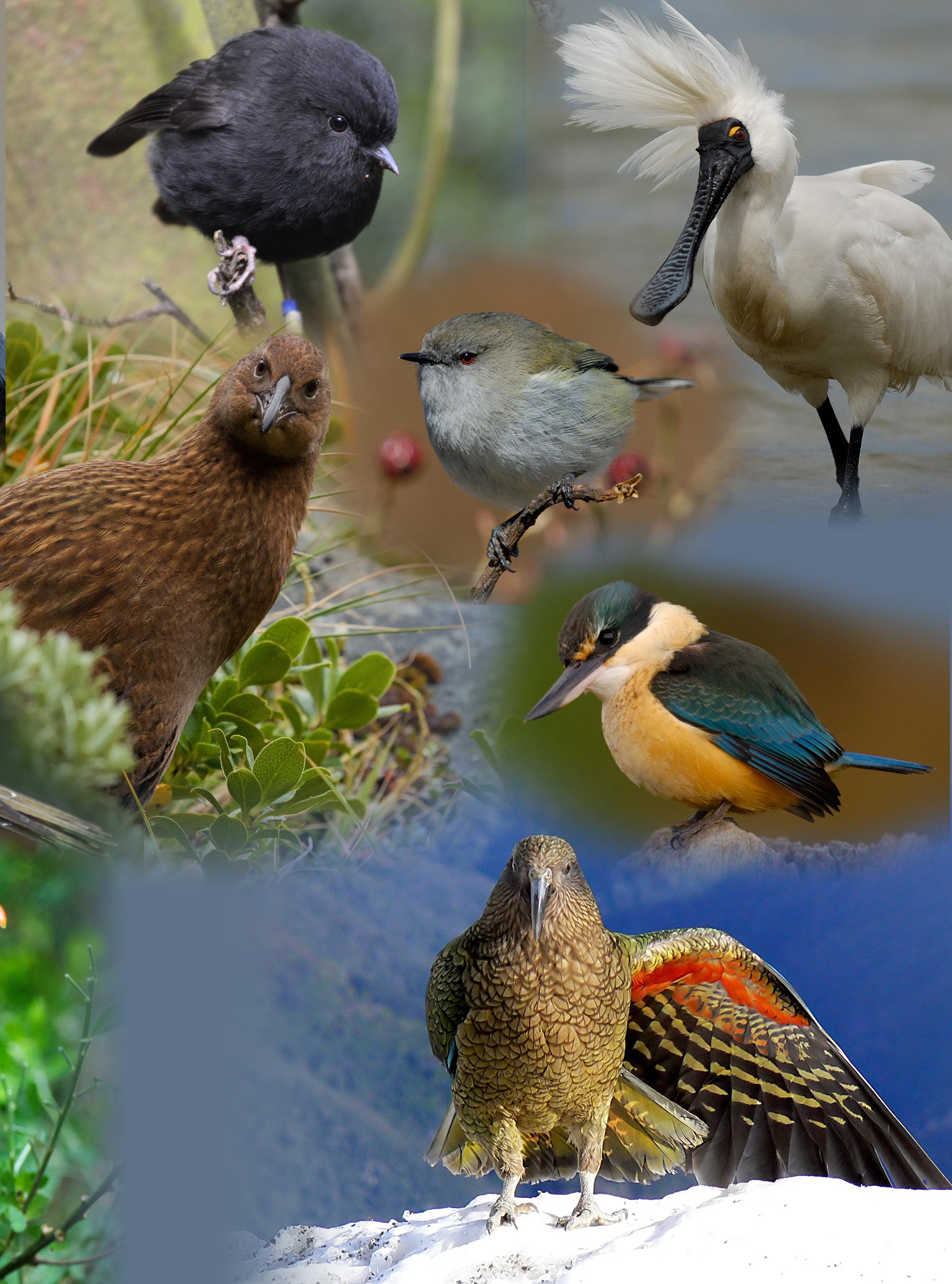
You can certainly sing a kahukura | rainbow with our NZ birds, but more than half of the 365 species in Aotearoa (native and introduced) are pelagic or open-ocean birds. That means the most common colours of feathers are grey and white, followed by brown and black – that is, according to our eyes…
15
Humans’ eyes have three colour-sensing cells called “cones” (red, green, and blue), but birds and other animals have four (red, green, blue, and ultra-violet). What are we missing?
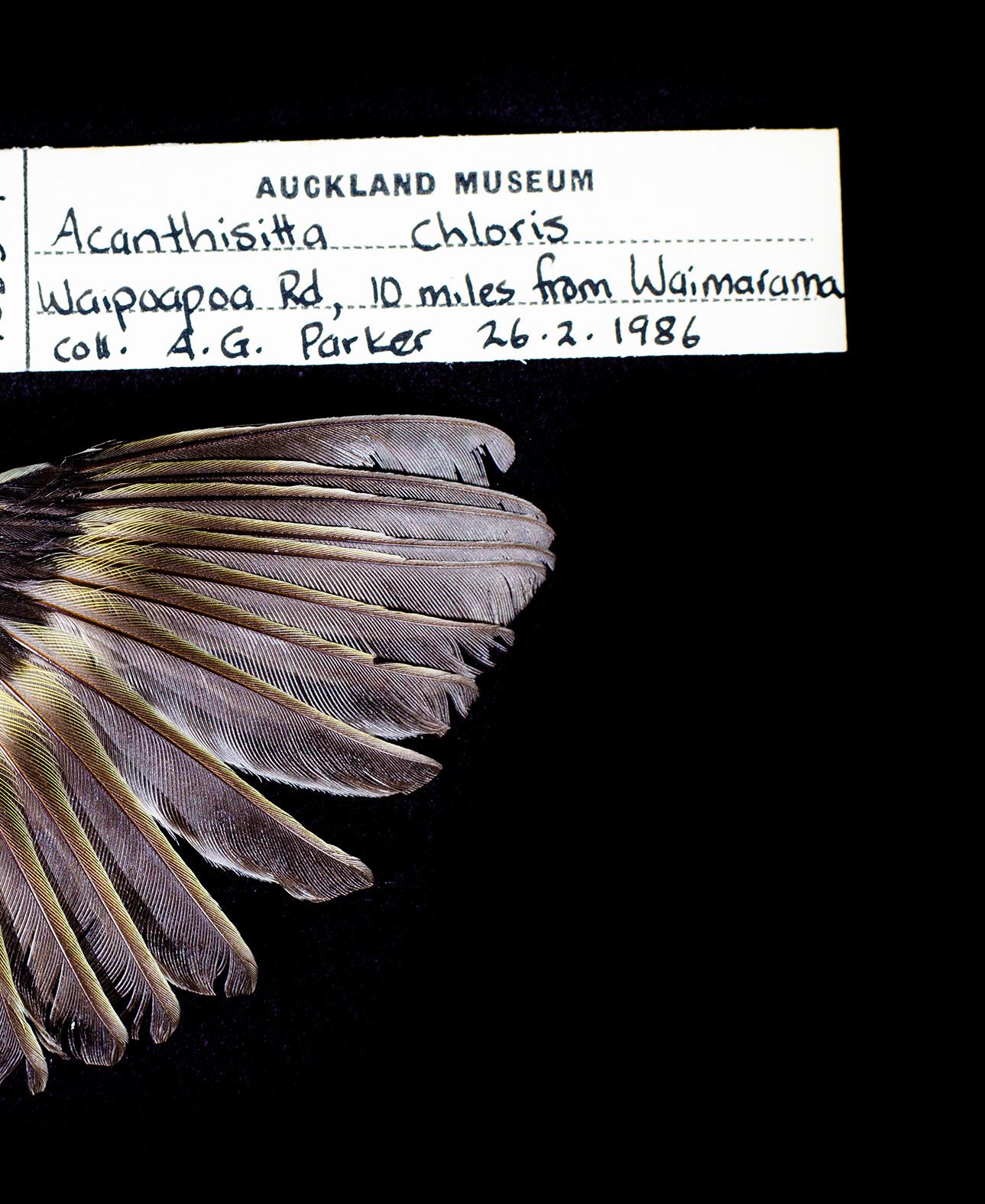
Bird’s-eye view Auckland Museum specimen LB1633.
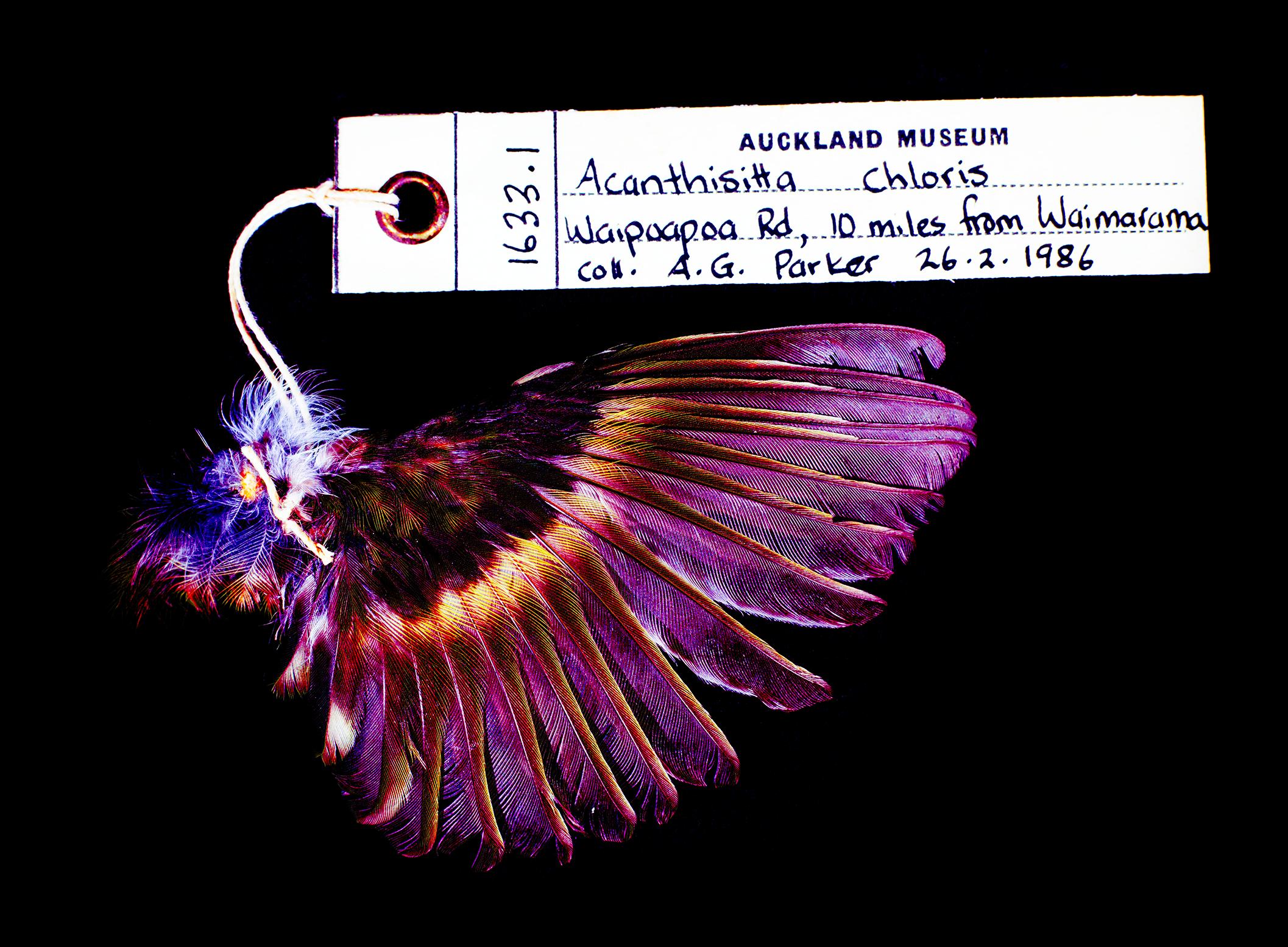
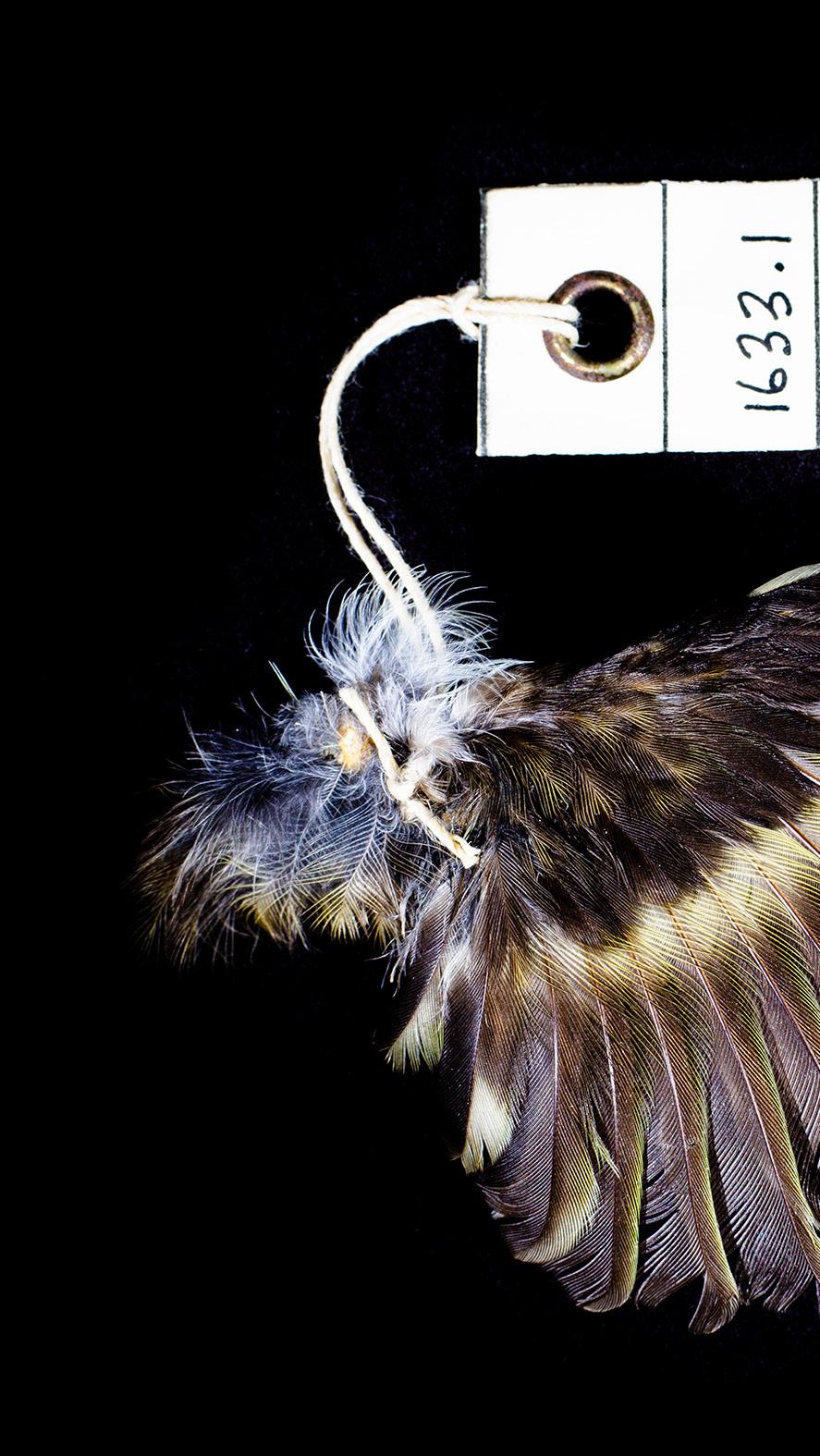
Doesn’t this wing from a male titipounamu | rifleman look different when you can see the UV light! Seeing these feathers the way the birds do has got scientists questioning what they think they know about this native species. Are they really coloured to blend in with their habitat?
n Be noticed (eg attracting a mate or distracting a predator)
n Be hidden (eg camouflage)
n Talk to each other (eg show whether they’re male/female or how healthy they are)
n Perform better (eg fly faster and longer distances or find food).
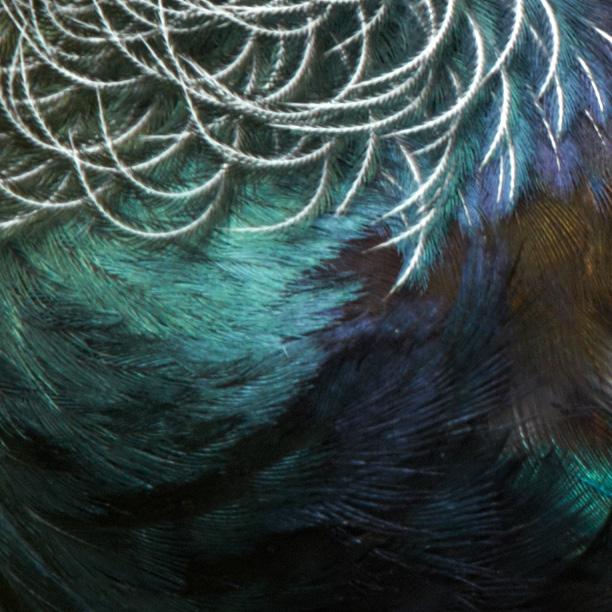
Photographer Richard Robinson took this amazing bird's-eye view photo. He took two photos of the wing with a specialised full spectrum camera, one using a normal RGB filter like how we see, and one capturing ultraviolet light which we can’t. He then blended the photos together based on the research into how birds see and how birds look to other birds.
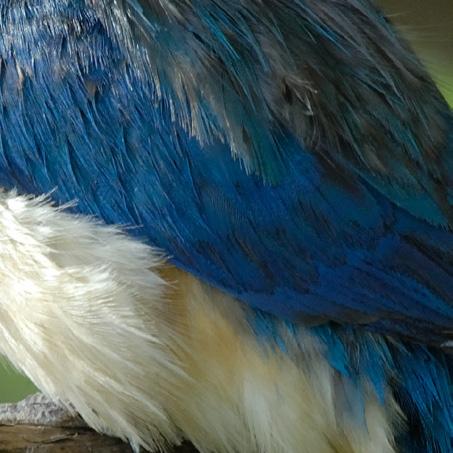
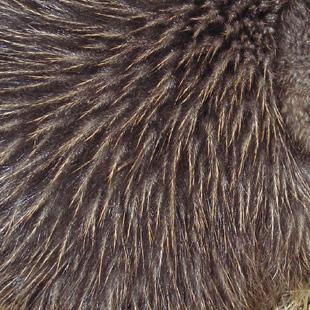
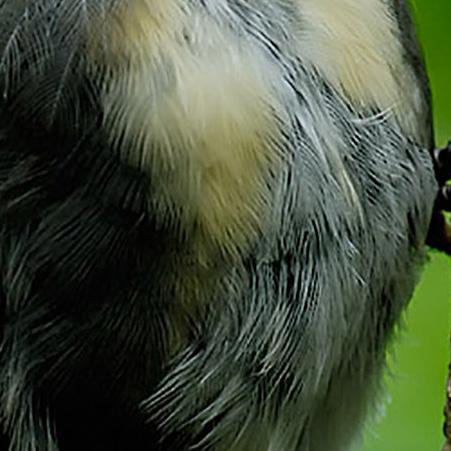
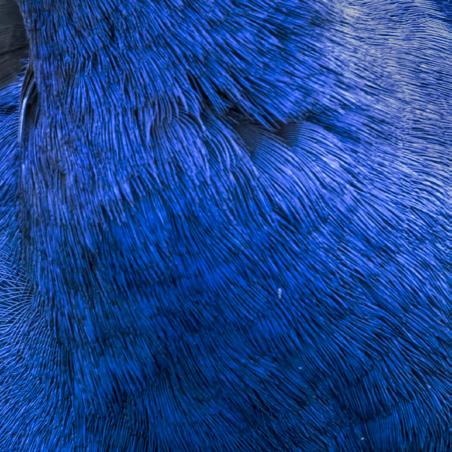
See more photos at bit.ly/BirdsEye
ViewPhotos
Our cover photo is another of Richard’s special photos. The pīwakawaka | fantail looks super stripey, like a zebra, from a bird’s perspective!
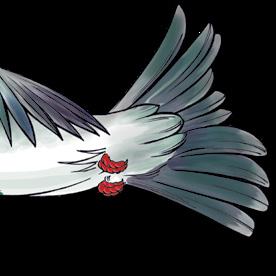
Did you know that Forest & Bird was founded (set up) to help native birds? In fact, our name until 1934 was The New Zealand Native Bird Protection Society.
Use the clues to fill in the answers.
Across
3. Birds need feathers for this.
4. What birds do when they replace their feathers.
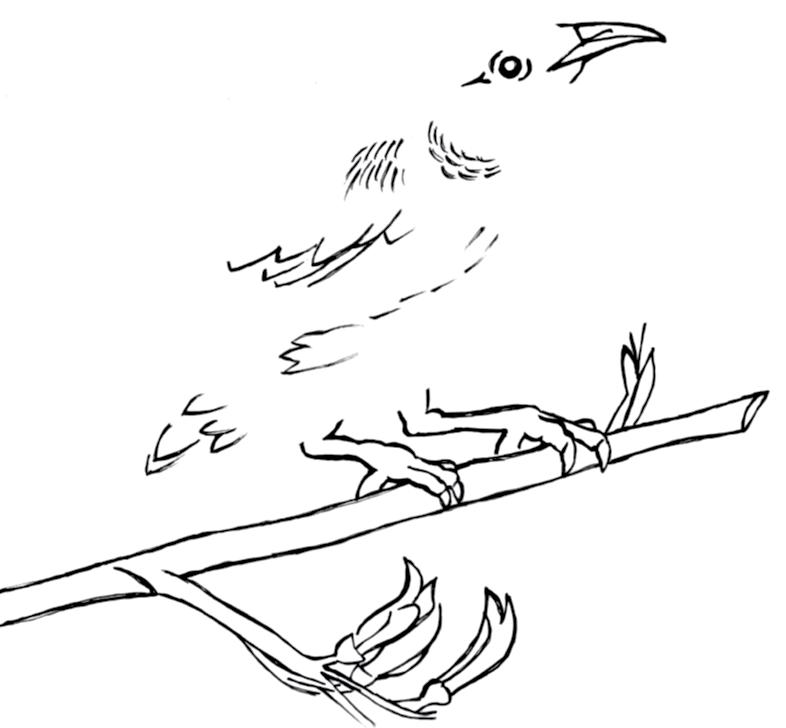
5. How many different types of feathers are there?
Down
1. A bird’s plumage acts like a winter coat, sunscreen, armour, a fashion statement, and what?
2. Another type of animal to have feathers, long extinct.
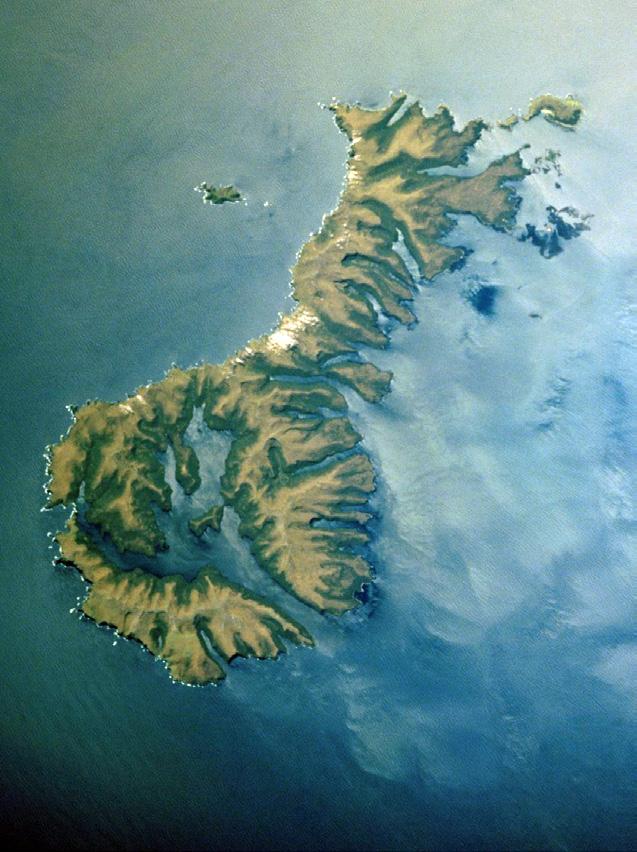
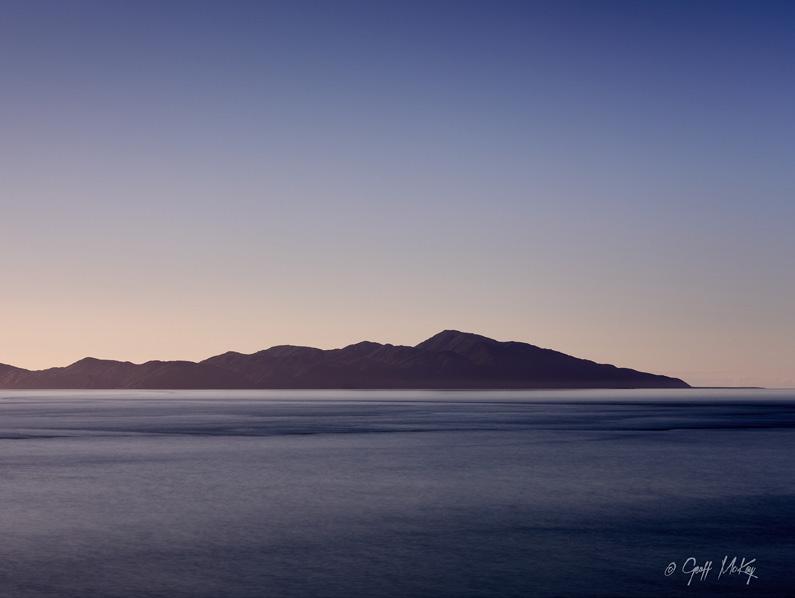
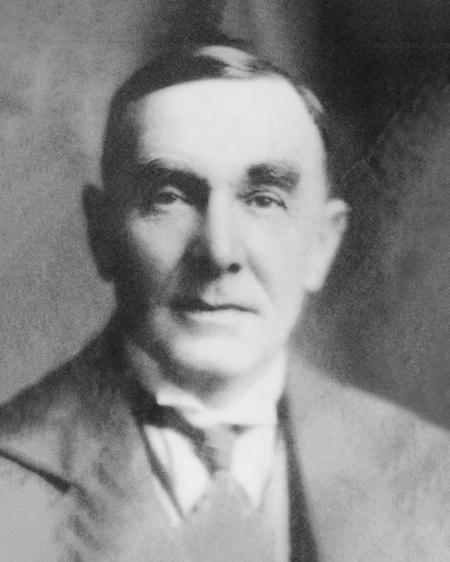
Our founder Captain Ernest “Val” Sanderson (1866–1945) loved native birds and in 1914 had found that Kāpiti Island, our country’s oldest bird sanctuary was being overrun by pest animals, like sheep, goats, possums, and cats. He had tried to get the government to act but was ignored. So when he returned from fighting in the First World War (WW1), in 1922, he got really busy speaking up for nature! He didn’t stop until fences had been put up, pest animals were gone, a qualified wildlife ranger for the island was hired, and the native habitat was restored through planting trees and shrubs. Captain Sanderson made a big difference, didn’t he?
In 1923, adults could become members and so could children. Cool huh? Children have always been an important part of Forest & Bird!
Fired up by his mahi to protect the flora and fauna of Kāpiti Island, and with lots of encouragement from other conservationists and scientists of the time, he started our Society to protect nature all over Aotearoa. The first meeting was held on 28 March 1923 in Wellington, where our first member joined – that makes us 100 years old this year.
1925 – Helped save vulnerable tīeke | saddleback by moving them from Hens Island to Kāpiti Island, where they thrived.
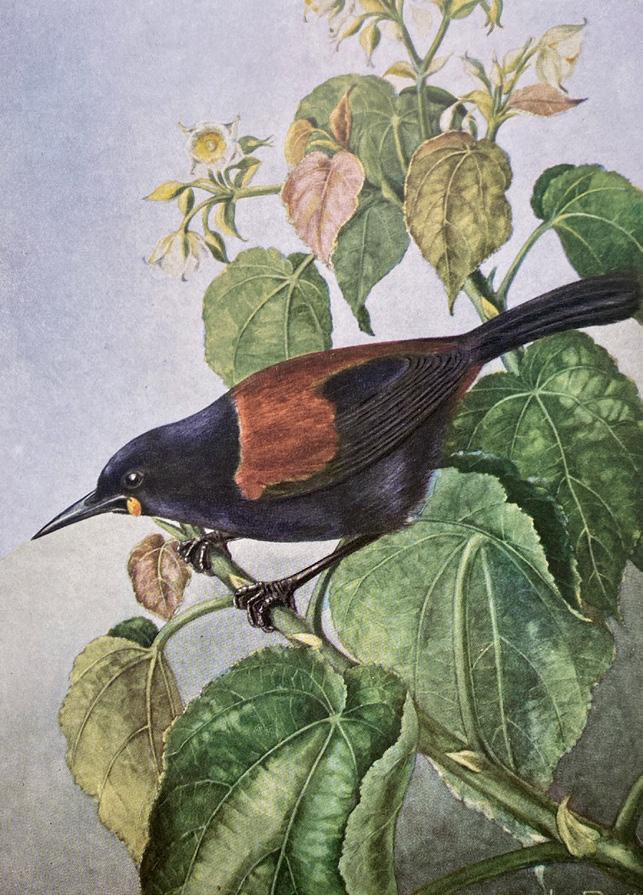
1934 – Sub-Antarctic Auckland Islands protected as a nature reserve. Great news for birds like toroa, hoiho, tītī, kākāriki, karearea, miromiro, and more!
1926 – Got new rules in place to stop our native birds being killed by poachers or sold to private collectors.
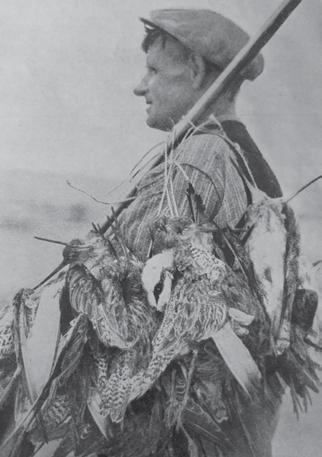
1941 – Kuaka | Bar-tailed godwits are fully protected from hunting following a vigorous campaign by Sanderson and others.
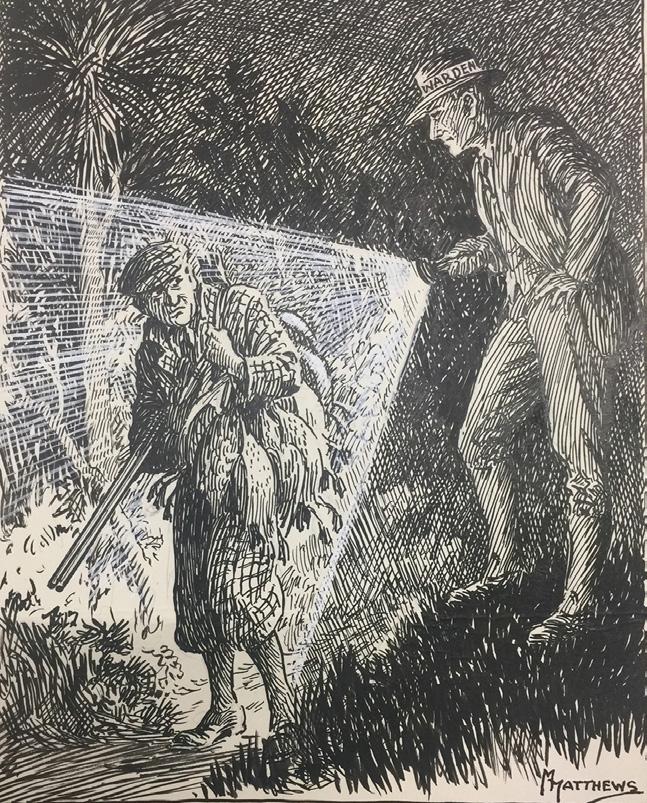
Here are some of our early “wins” for manu
“May Kapiti Island, one of the few remaining bird and bush resorts, prosper so that our children and children’s children may see and learn something of our once wonderful birdlife.”
Val Sanderson, 1922.
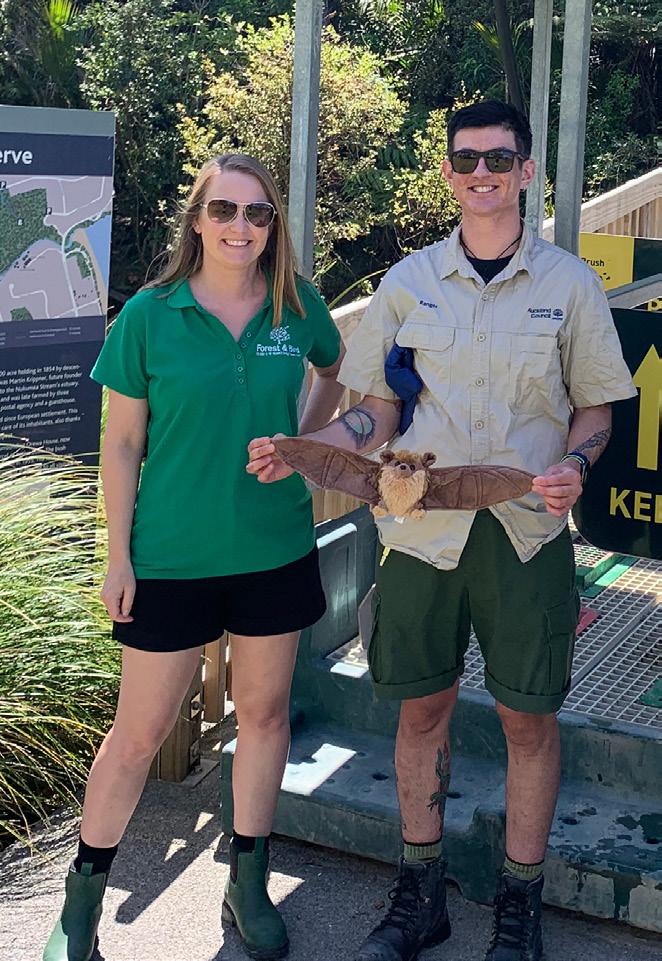
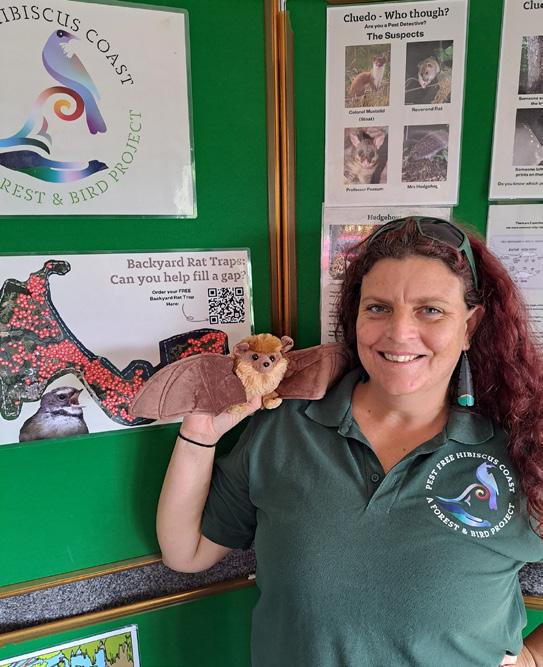
Forest & Bird is still doing lots of mahi today to help native manu, all over Aotearoa. Polly Pekapeka, our KCC pekapeka-tou-roa | long-tailed bat, went on an adventure with the Free Hibiscus Coast Project (PFHC) to find out what’s happening there and meet some of the cool people involved.
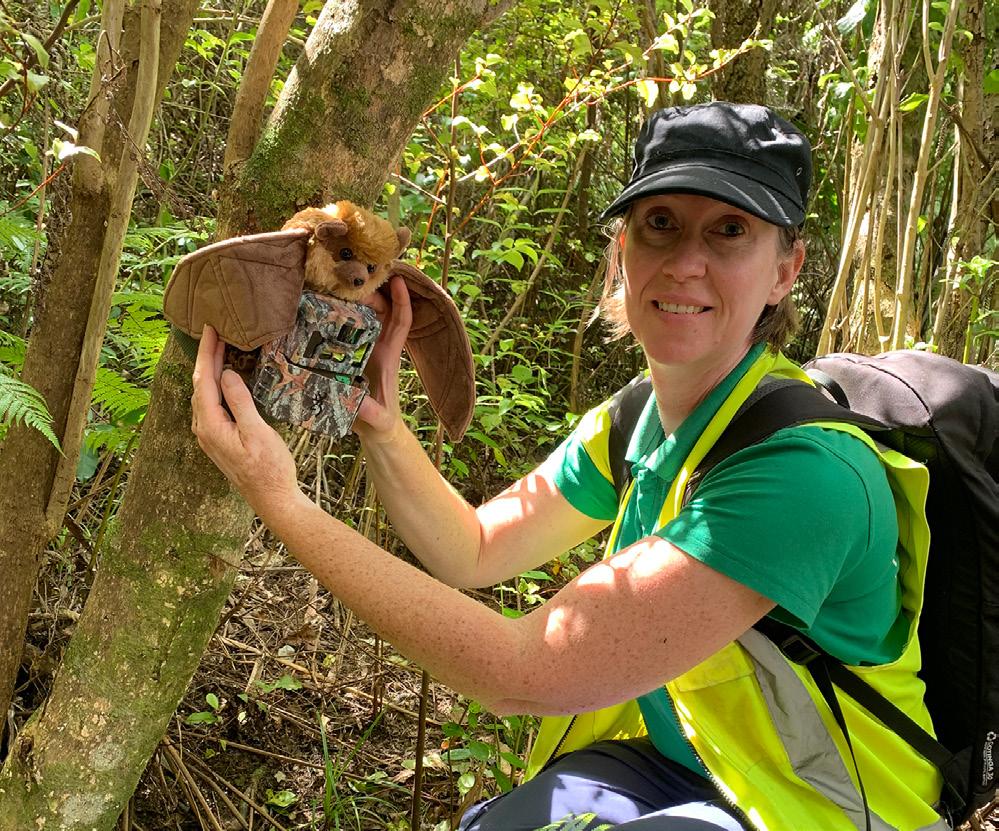
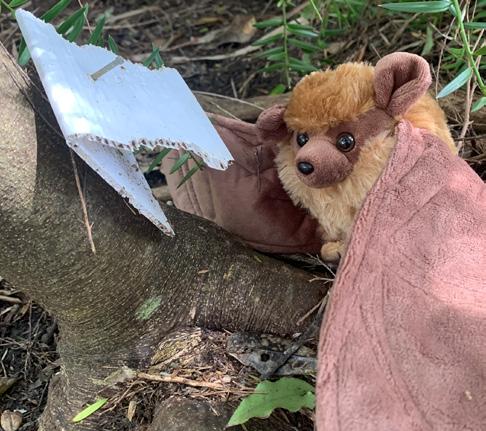
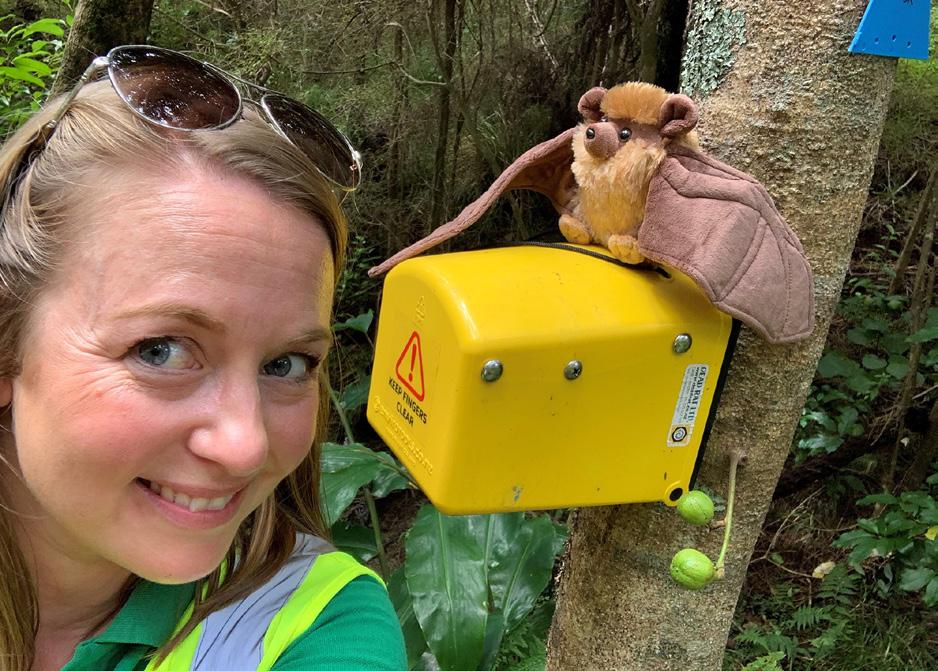
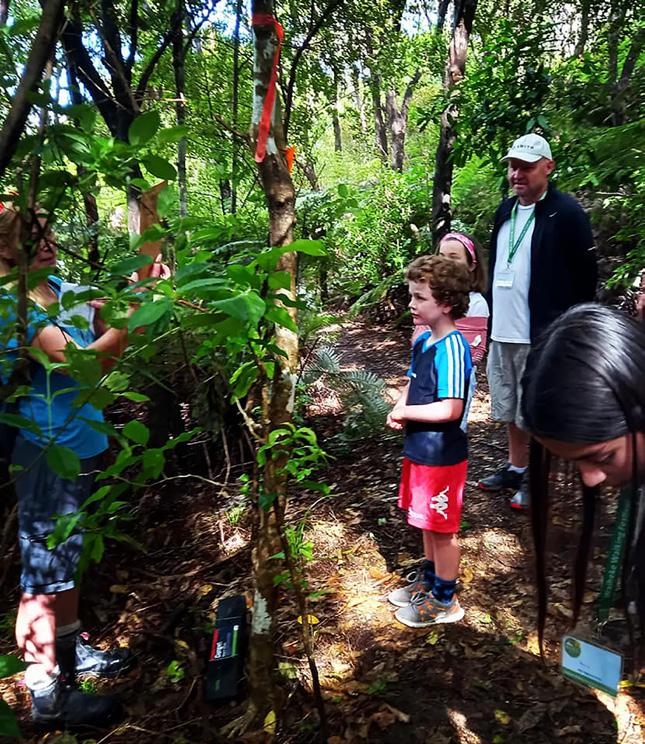
I got to learn about trail cameras and ZIP motolures at Weiti Esplanade Reserve. These help to detect pests. I saw some birds too! The trail cameras take pictures of anything that moves in front of it, even me! I saw photos of a tūī flying past and a pesky rat on the trap box. Naomi put a ZIP Motolure in front of the camera. It’s an automatic mayonnaise dispenser in a metal case on the tree that attracts the pests so the team can know when they are there. All the pest species like mayo!
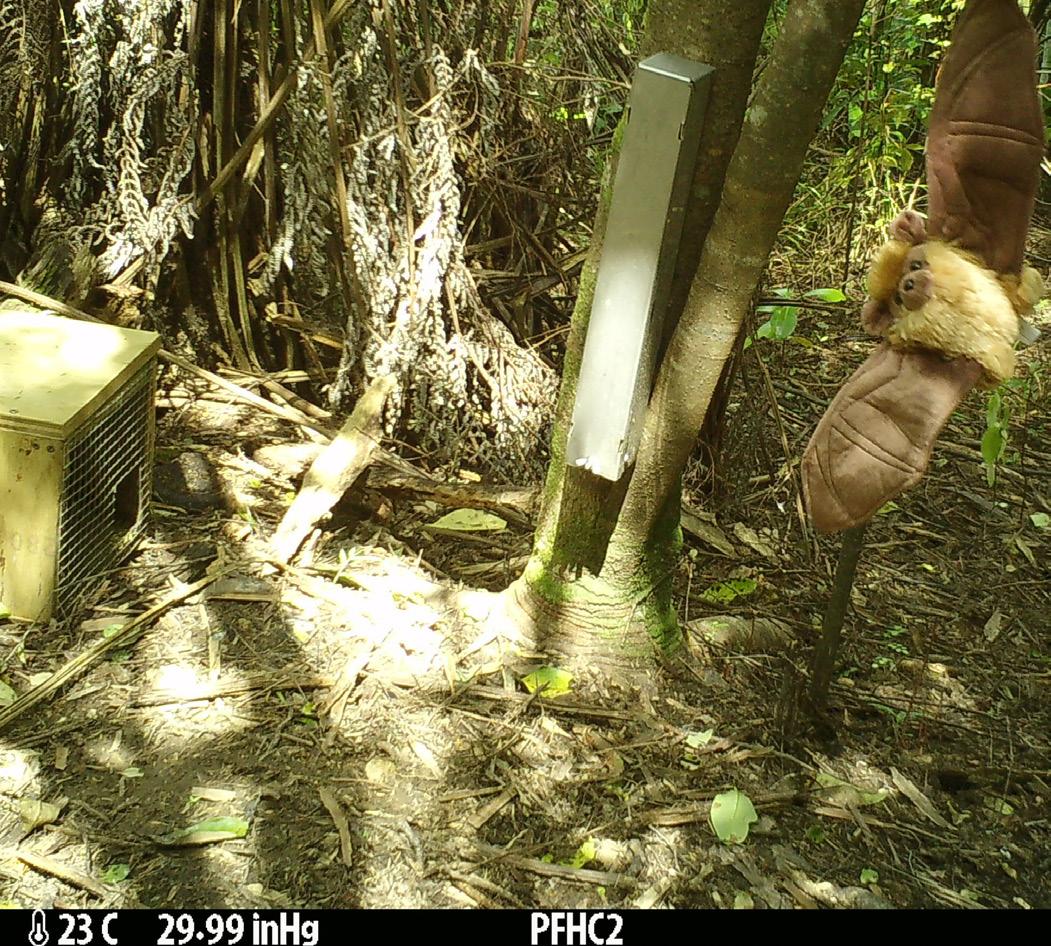
The cameras go out on reserves and some large private properties usually for a month at a time before the PFHC team checks out the results. The next step is to get the volunteers in to trap any unexpected pests. They try different lures, trap types, or poisons.
While I was in the forest, I saw several tūī and pīwakawaka, and even got close to a curious riroriro. There has been a real increase in the number of riroriro over the last 10 years! The team knows because they do bird counts with Massey University.
Are you involved in backyard trapping where you live?
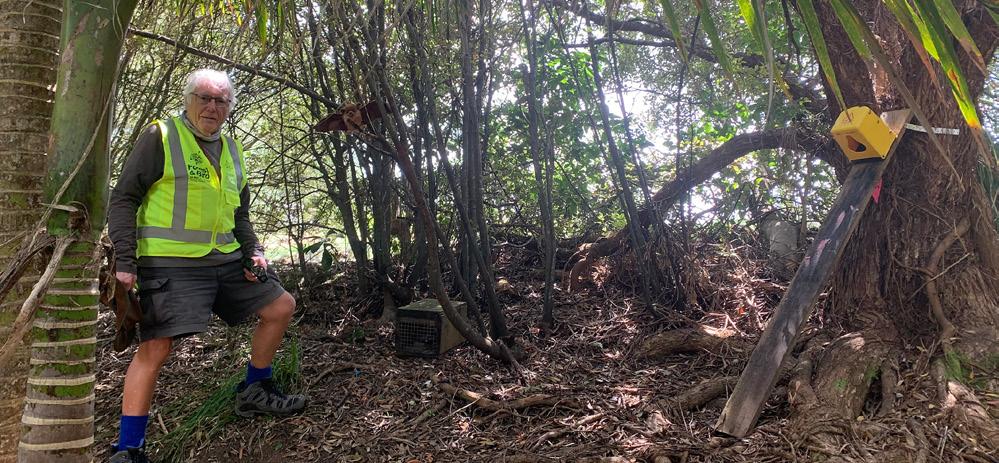
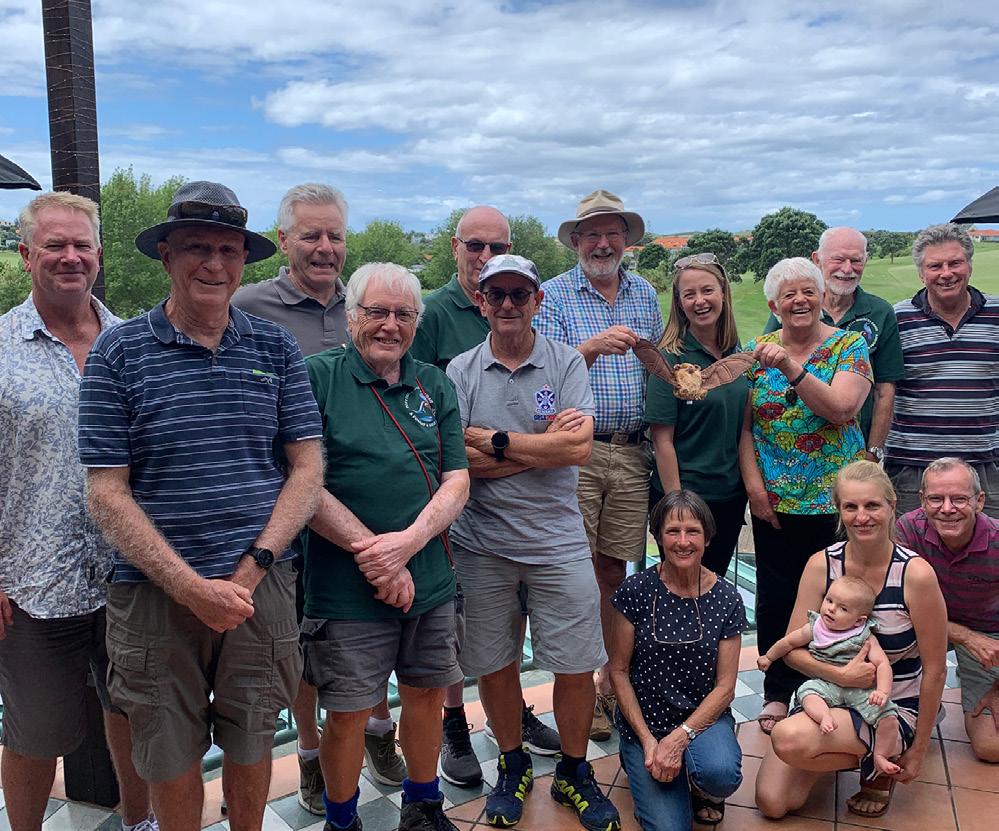
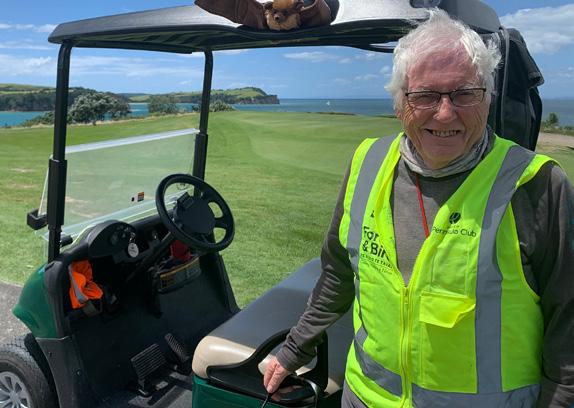
Here’s me and Naomi with a trail cam. Naomi is the Field Operations Lead at PFHC. Caught on camera!He’s been involved in the project for eight years and looks after a line of traps and bait stations at Gulf Harbour Marina and Gulf Harbour Country Club. Even though he’s 81 years old, nothing stops him looking after nature! He has a trapping “nightclub” for getting pests like possums, hedgehogs, and rats. Derek took me for a ride in the golf cart he uses to do his trapping rounds. The views were mint! He showed me how he uses chew cards to get a quick snapshot of pest activity (you can find instructions to make your own on the KCC website!).
The project was started 10 years ago by Forest & Bird’s Hibiscus Coast Branch – just a small number of keen volunteers. The idea was to protect Shakespear Regional Park through backyard trapping. Now there are over 150 volunteers and 1500 people in the community involved! PFHC works with 10 schools too.
In 2023, the Project covers a massive 3100ha. It’s mostly made up of urban parks and reserves with the remnants (left behind parts) of forests with special rākau | trees like kauri, but it also goes alongside the Weiti River, and is surrounded by heaps of coastal pōhutukawa.
The vision (dream) is to create a safe haven for native animals and plants moving through Shakespear and Tiritiri Matangi to the Whangaparāoa Peninsula and beyond – and to get the community enjoying and caring for them.
I got to meet lots of other volunteers too and go to a Hibiscus Coast Branch meeting.
Without its volunteers, the Project couldn’t do its amazing mahi!Pest Free Hibiscus Coast Hub Areas
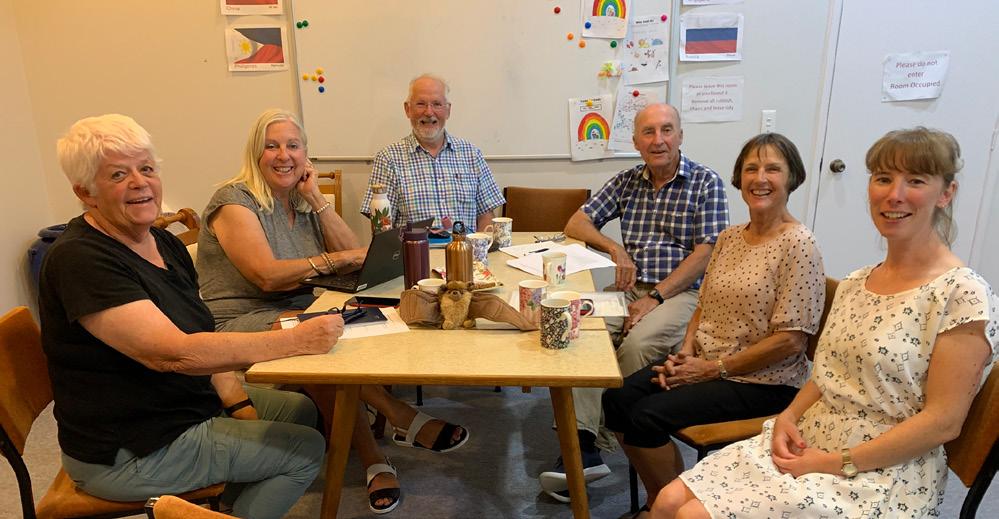
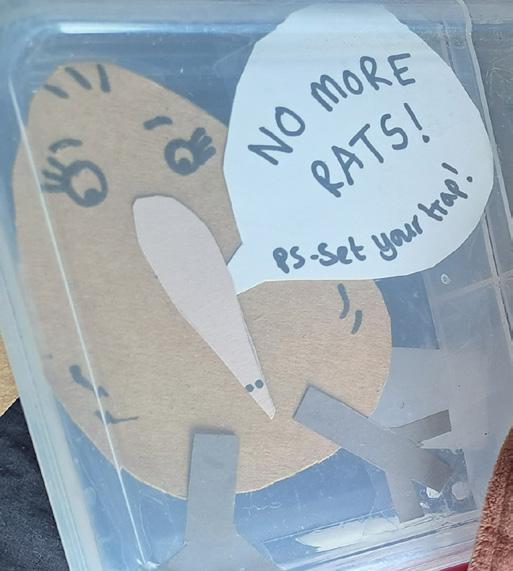
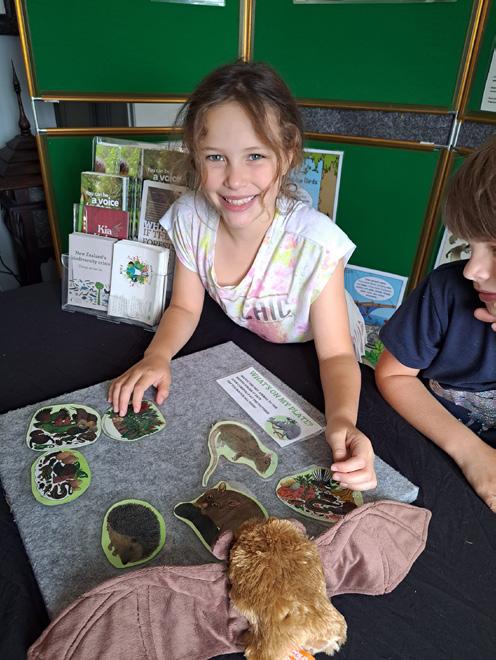
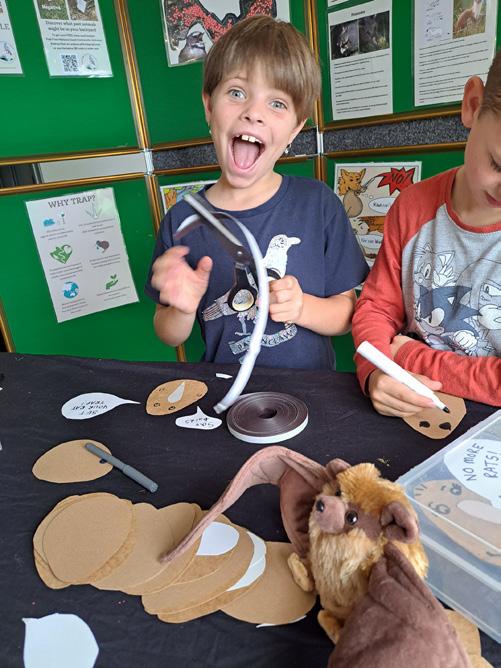
I got to meet Andrea, who is the Community Activator for the Project, and some KCCers! They were making kiwi fridge magnets to remind them to set their backyard traps, playing a “What’s on my Plate” game made from an old Wild Things magazine article, and learning about the trap “library” the Project runs so people can try different types of traps. They want to get one in every four people in Hibiscus Coast backyard trapping.
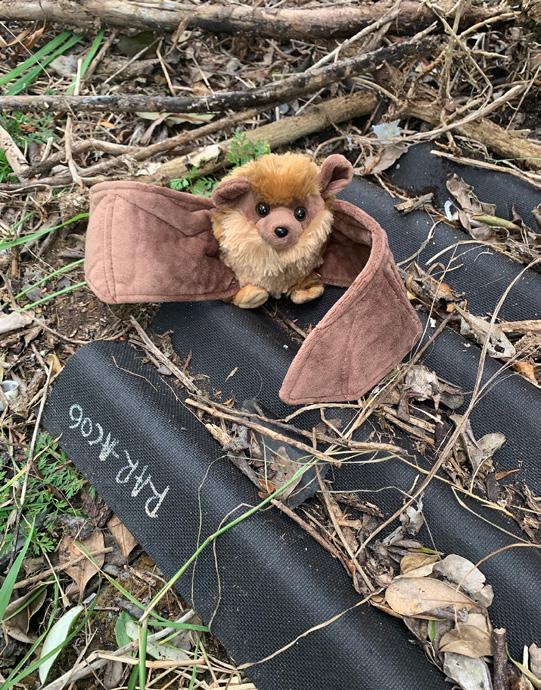
Here I am with some ACOs (Artificial Cover Objects). They are used in surveying lizards (collecting records of them in an area).
I got to meet Ranger Rose, and Auckland Council Kauri Dieback Specialist Zacc and heard about ways to reduce the spread of the water mould that causes the sickness, like using Good Nature selfresetting traps. I learnt how to clean my feet with the Cleaning Station.
Jenny is the Project Manager at Pest Free Hibiscus Coast. She was with me every step of the way (and let me crash at her house). In this photo, we are admiring the results of successful possum control – fruiting kohekohe!
Forest & Bird works in partnership with Auckland Council and a range of other groups and businesses across the community. PFHC is funded by Auckland Council, Hibiscus & Bays Local Board, Foundation North, Lotteries Environment, and Heritage and Perpetual Guardian Little Kowhai Charitable Trust, as well as donations from businesses such as Gulf Harbour Marina and Forty Thieves.
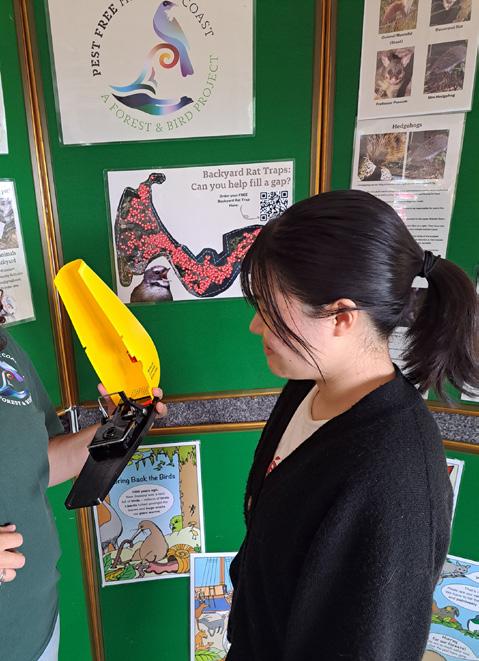
I loved going to a “Do it for the Tweets” event at Ōrewa Library!
If manu are going to thrive, their ecosystem must thrive too. That’s why PFHC is involved in keeping Kauri Dieback out of the forest and caring for more than birds.
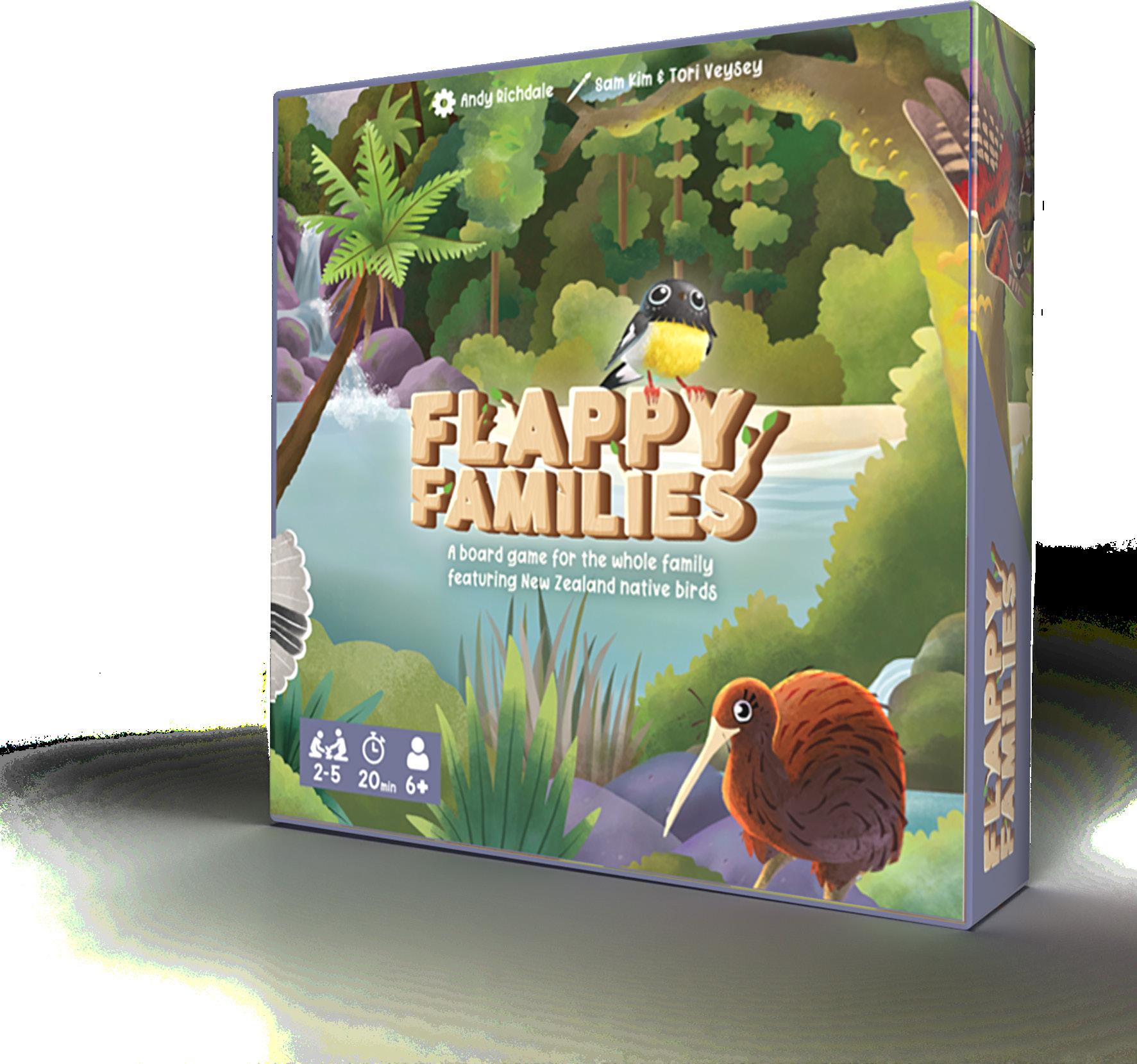
Flappy
We have three copies of this im-peck-able game to give away.
To enter, email us your name and postal address with an interesting feather fact to kcc@forestandbird. org.nz.
Entries close 2 July 2023.
Enter coupon code WILDTHINGS
to get $10 off when buying through flappyfamilies.co.nz
Offer available until 31 July 2023.
You must use your memory to try to match birds of the same families. As well as flipping cards face up on the board, you also put your own cards face down onto the board. You can use this information to try to make future matches – unless another player foils your plan!
At the end of the game, the player with the best collection of birds, judged by having large families and by collecting birds from the special bonus point families, is crowned the winner.
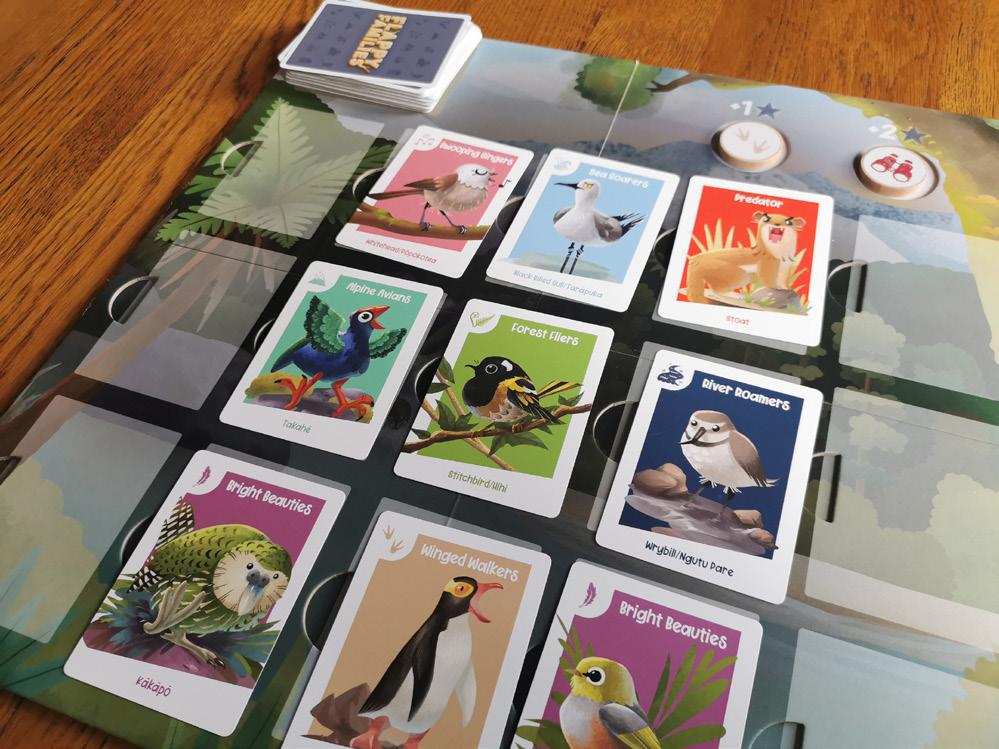
Families is a brand-new family-friendly board game where players collect sets of native New Zealand birds while trying to avoid the predators!
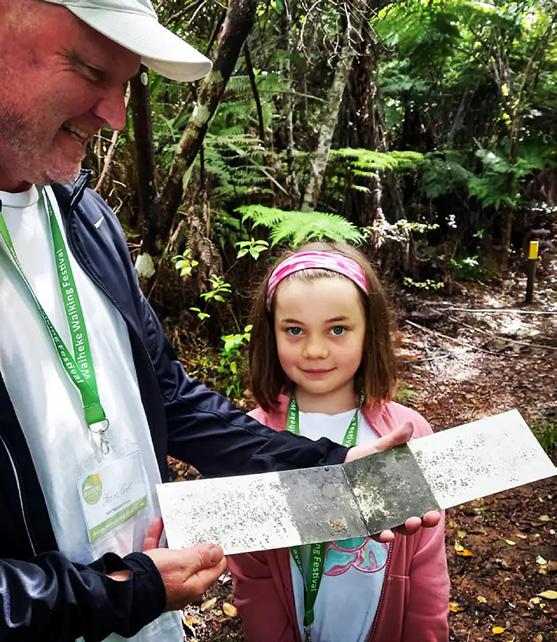
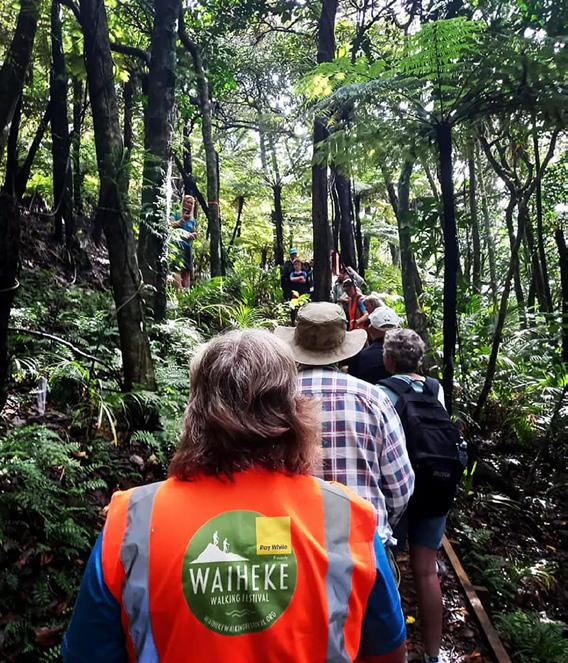
Hauraki Islands KCC & Waiheke Ratbusters led a walk for the Waiheke Walking Festival through the Musson track above Whakanewha, highlighting predator control on the motu. Some monitoring cards showed lots of hedgehog action, and others, wētā and invertebrate action, which is a much healthier sign.
Thanks to Waiheke Walking Festival for helping to promote predator control. It is vitally important to the bringing back of our native birdsong!
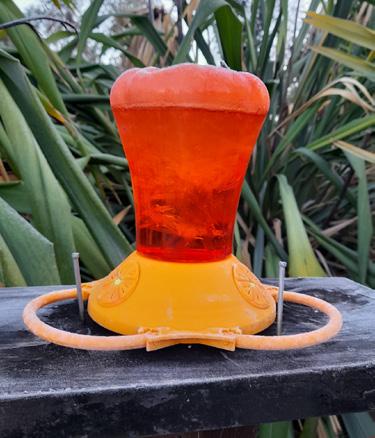
Central Otago KCC made these bird feeders using one of our KCC activity sheets (you can find it on our website!).
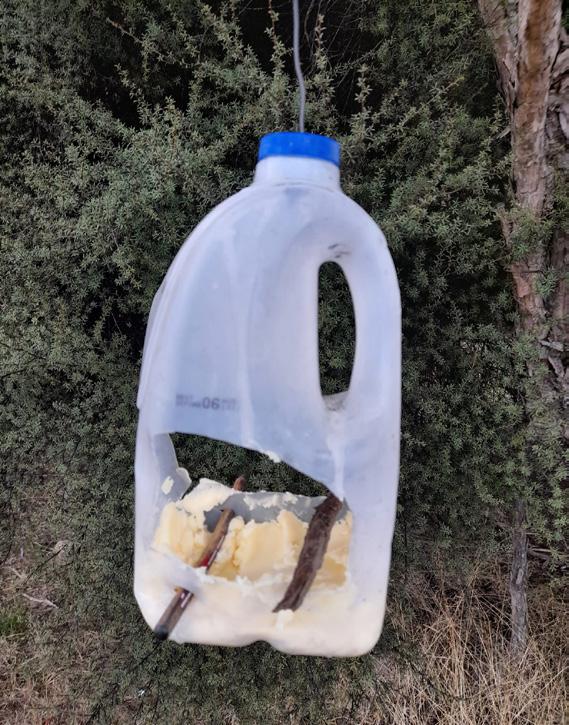
When it’s cold and frosty, it’s a good time to give the birds in your garden some extra food as there is not much around for them.
They filled two with fat for tauhou | waxeyes. They also filled a sugar feeder for tūī and korimako | bellbirds.
If you make some feeders, remember it’s important to keep them clean to stop the spread of disease.
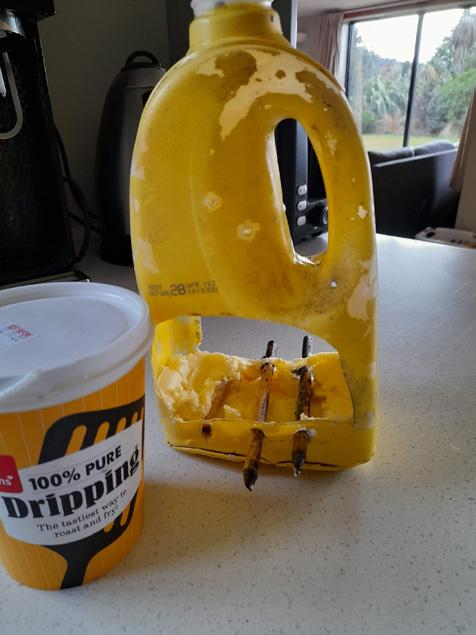
Had a KCC adventure? Let us know at kcc@ forestandbird.org.nz.

He rau ringa
e oti ai | Many hands make light work
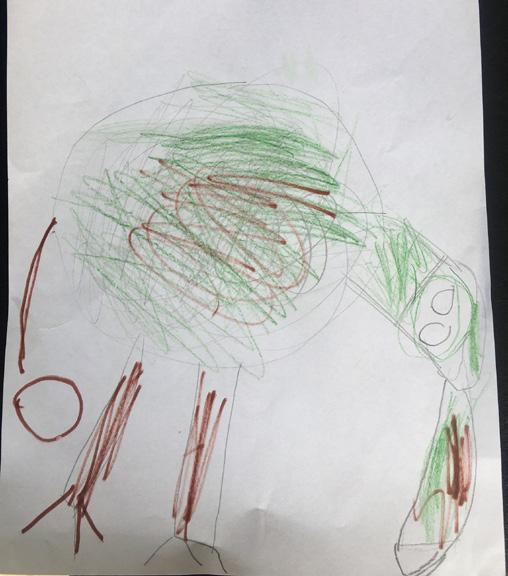
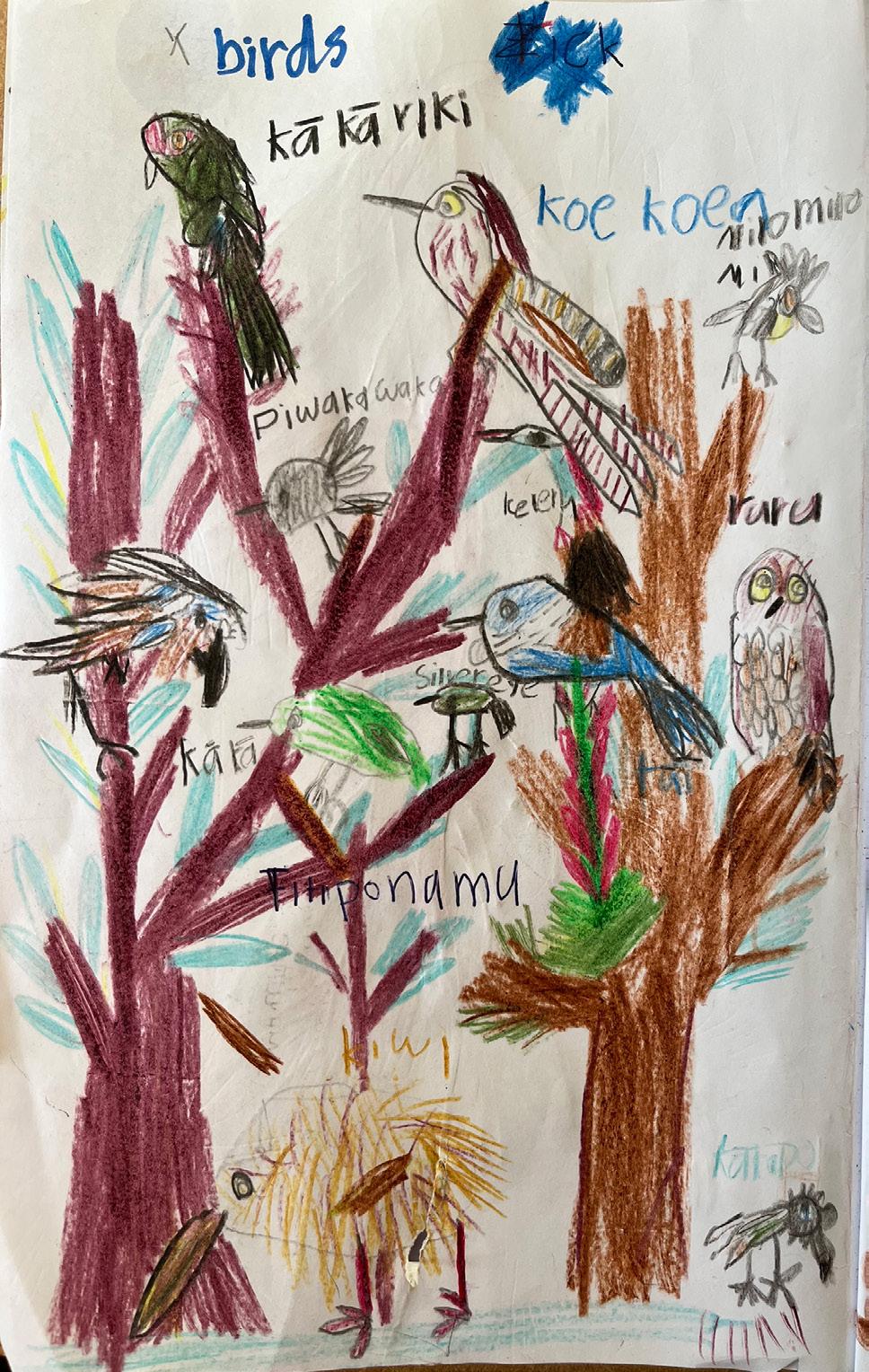
Oscar (7) created this marvellous manu drawing. Ko ēhea ngā manu rawe ki a koe | Which are your favourite birds?
Send in freshwaterthemed art and stories for our next issue!
Juliette sent in pictures from her overnight tramp to Turere Lodge on the Ōrongorongo track. She took her binoculars for a bit of bird spotting and tried to whakarongo | listen out for kiwi as there are more and more of them in the area.
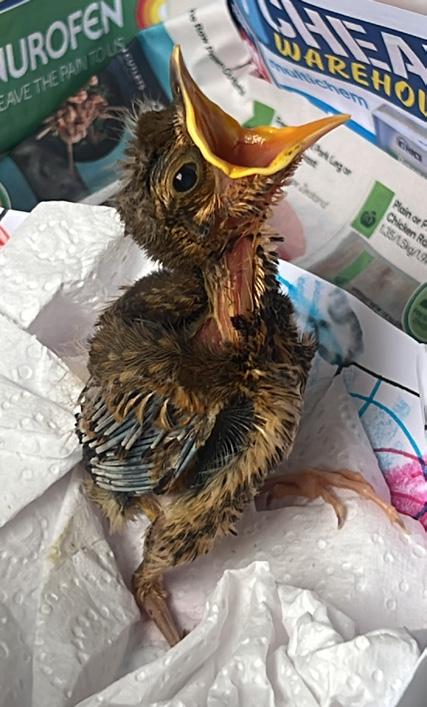
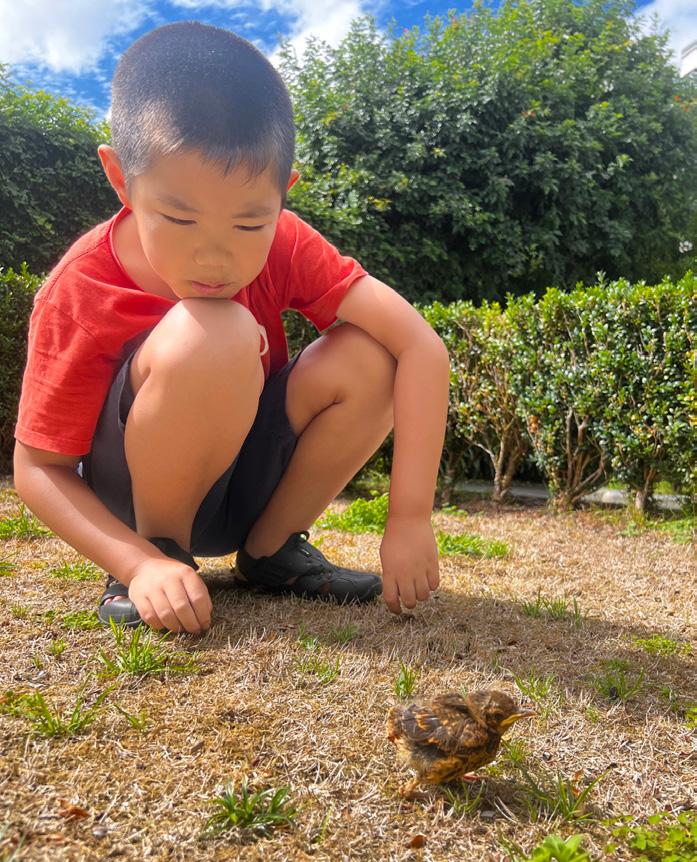
Yukuan (8) has been sharing heaps of awesome nature stories with us. In this one, he rescued a baby bird that had fallen out of the nest. He tino pai tō mahi | You’ve done a great job!
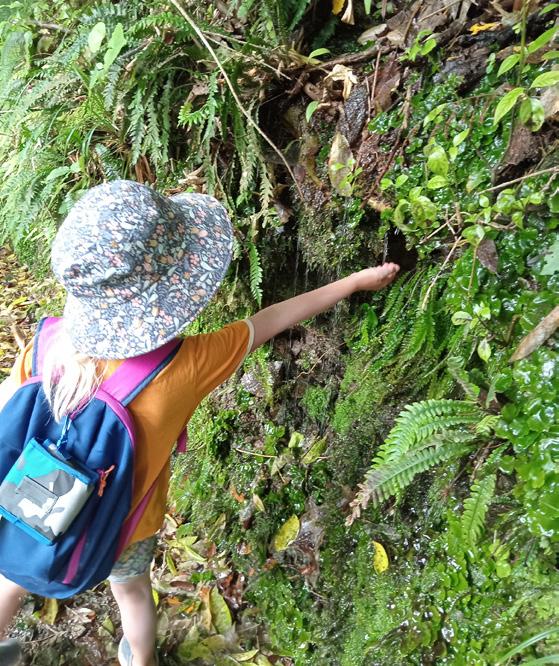
Our seabirds are spreading plastic on themselves because microplastics (very small particles of plastic) are in their preen oil glands.
Here’s three things you can do to stop more plastic getting into seabird bodies and onto seabird feathers...
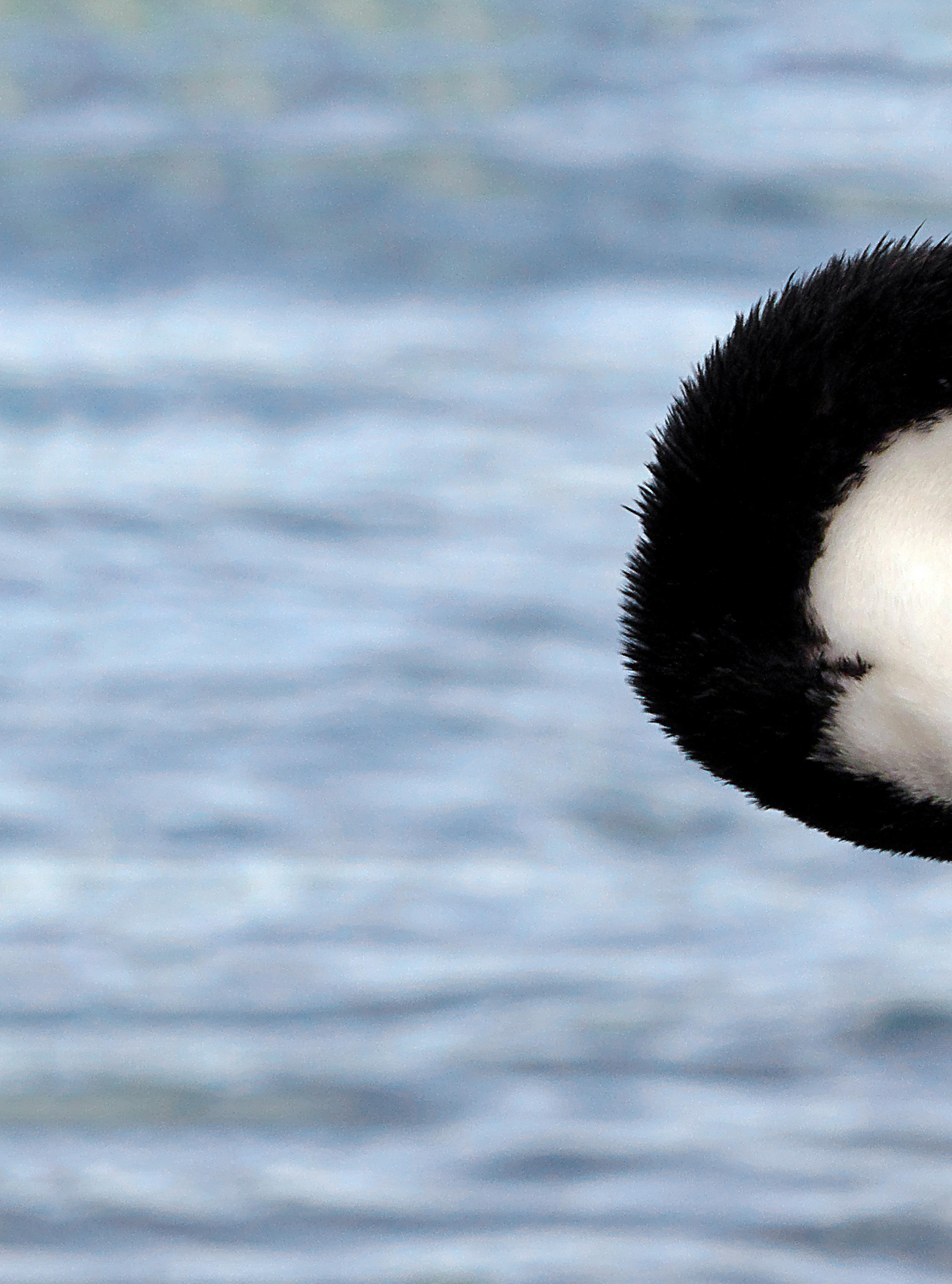
n Keep plastic from breaking down in the water. How much can you pick up? Set yourself a challenge!
n Speak up if you see people dumping rubbish.
Be responsible with plastic
n Say NO as much as possible.
n Reduce, Recycle, Reuse, and Repurpose.
Wash clothes on cold wash (under 30 degrees)
n Plastic is in our clothes, and warmer temperatures cause more mircofibres to break off.
n If you can use washing detergent rather than washing powder that helps too.
Freda
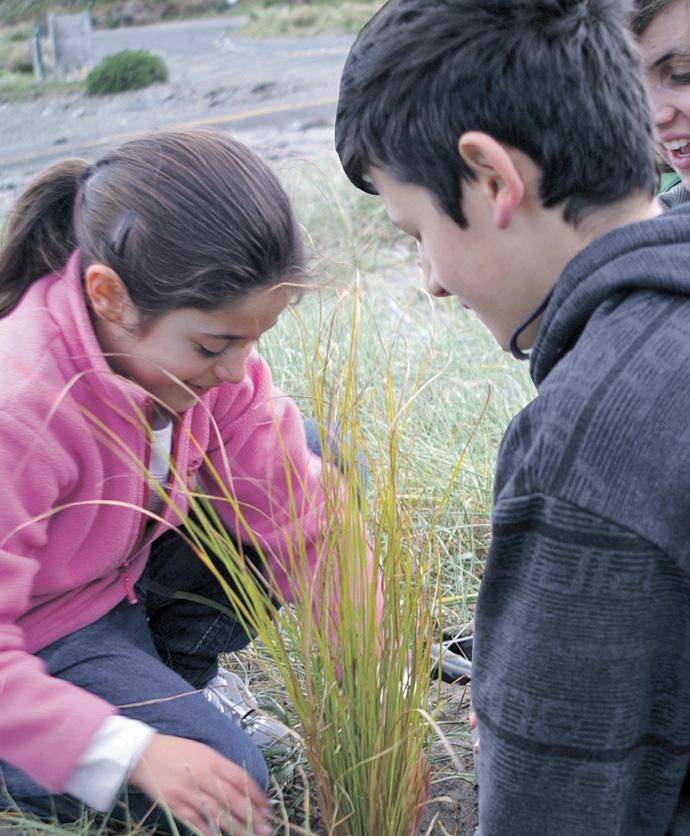
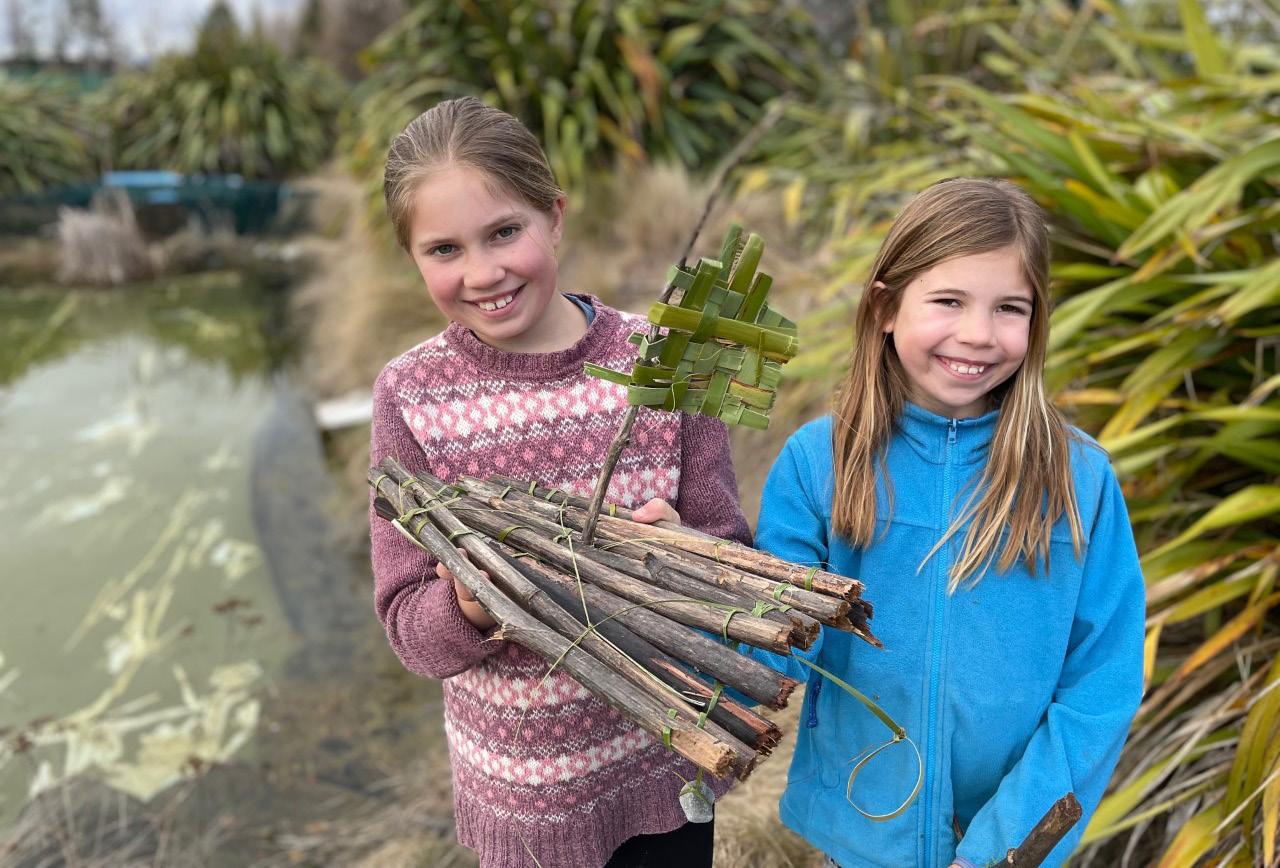
Since moving there, their family has planted hundreds of native trees and shrubs, built rock gardens, and been involved in local trapping with the Halo Project. The plants are finally big enough to attract some native birds, and they were hoping kākā would come and visit. But, to their surprise, this exciting native visitor was not the bird they’d expected...
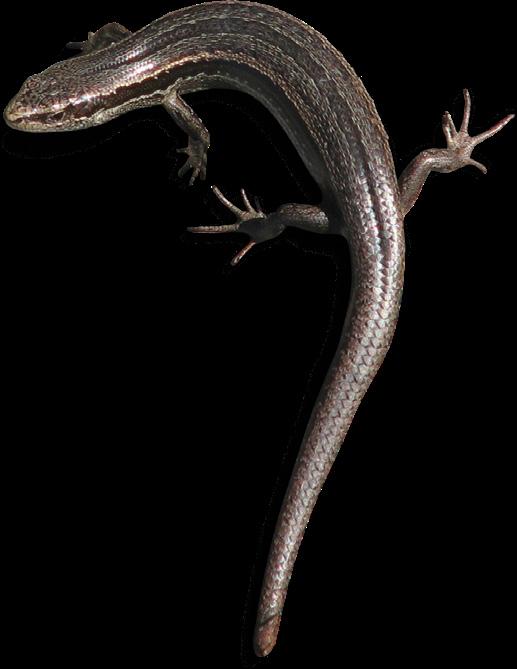
“After Christmas, we didn’t see the skink for a couple of weeks until Mum saw it in our greenhouse. So we called the Ecosanctuary, and they said a ranger would come and try to catch it because we thought it might be from the Ecosanctuary. It was a really hot day so the skink was busier and faster and more aware, but we didn’t want to close the door in case the ranger couldn’t get there that day. So, when the ranger arrived, it was gone! But the ranger told us that they thought it wasn’t one of the original Otago skinks introduced to the Ecosanctuary because the spots were bright and they get darker as they get older. They thought it had escaped as a tiny baby. It had to travel almost 3km to get to our house, and because it only had half a tail we think it might have had a lift by a bird some of the way. I really liked watching how fast it could move.”
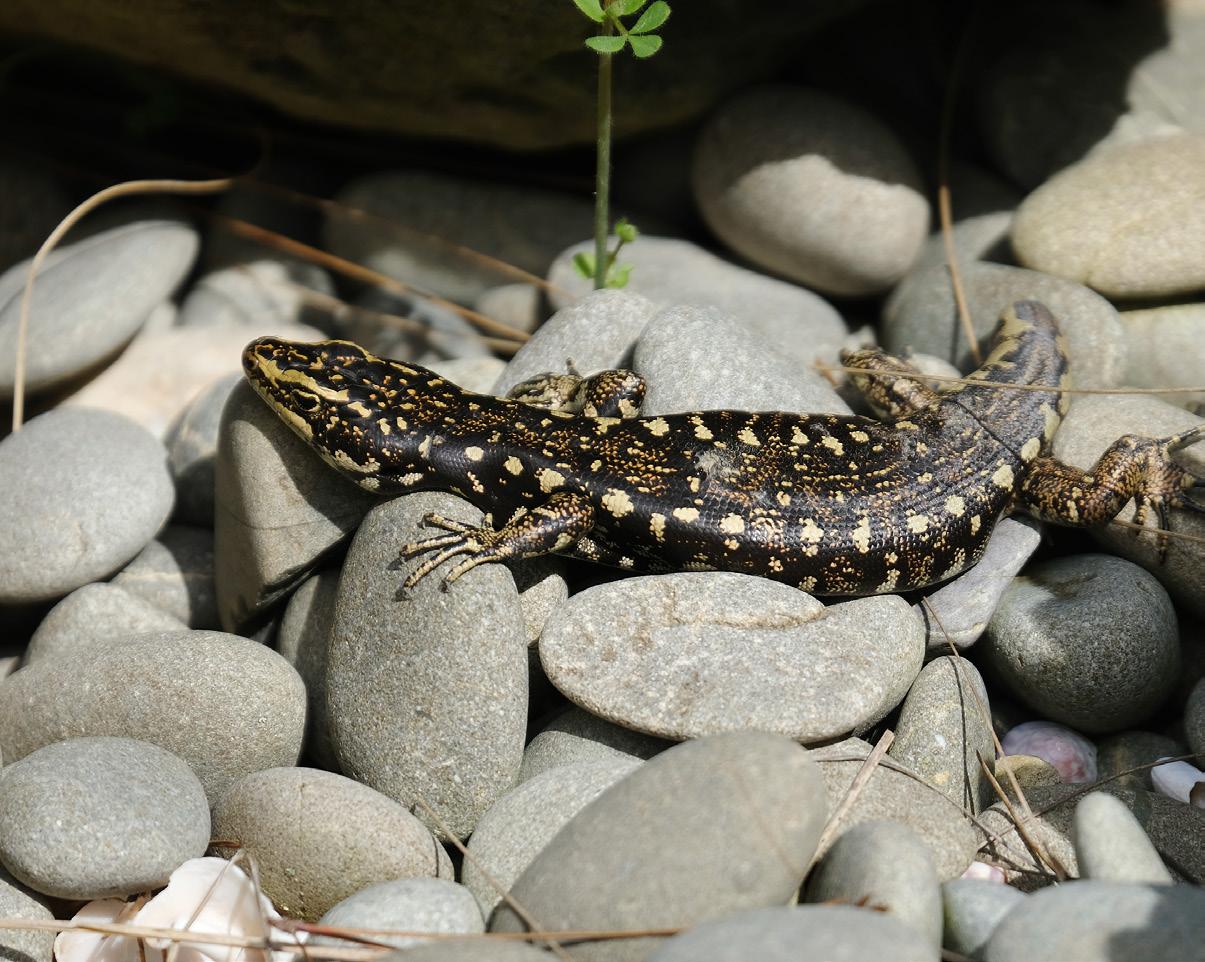
“It was Christmas Eve, and as I walked around the corner of the deck I saw something in our rock garden ... a skink! I ran to tell Freda and Mum. The skink was much bigger than the grass skinks. It was flat, and it’s tail looked like it had been chopped off. It spent two days sunbathing in the sun on our rocks. I thought it was awesome and it was great that it was at our house. We looked in some books, and we thought it was an Otago skink. We did some more research, and we were pretty sure it was an Otago skink.”
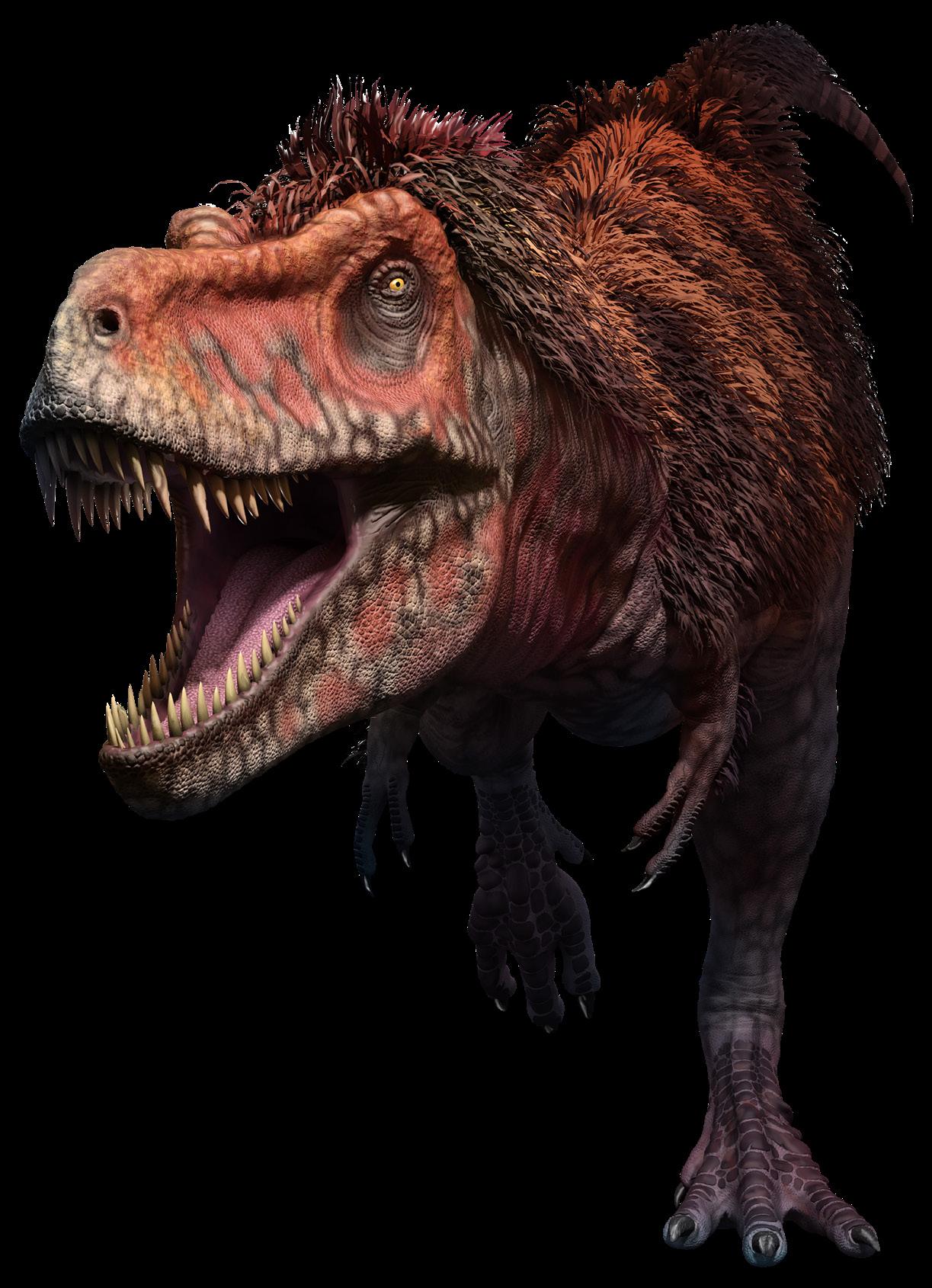
There were once reptiles with feathers?
Feathers evolved as a body covering in dinosaurs, and many dinosaurs had feathers.
“Here’s a picture we took. It’s been a few weeks since our last sighting, but we’re hopeful it’s just on another mission. We would prefer it was protected from predators at the Ecosanctuary, and that’s why we are trying to get it there. Maybe when the days are cooler, we will find it again and get it back there, or even better it finds it’s way back all by itself. We hope in the future it might even be safe enough for Otago skink to roam happily as they use to.”
What are you doing to help nature?
Share your stories with us at kcc@ forestandbird. org.nz
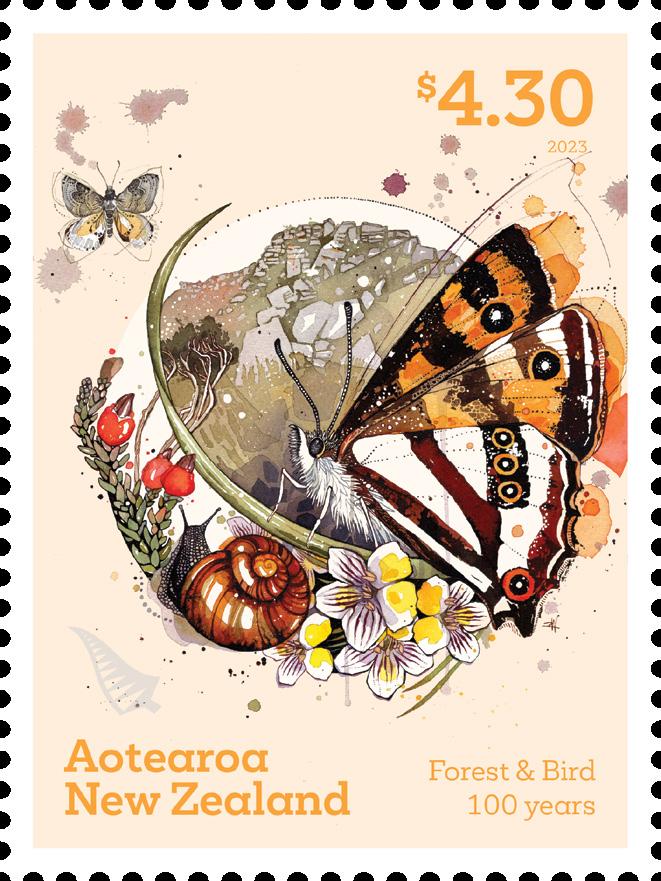
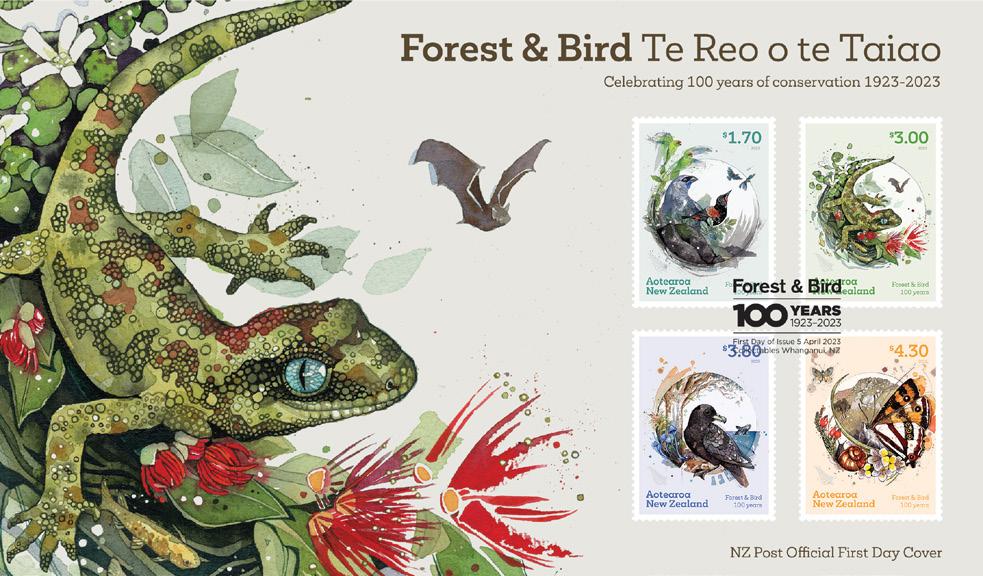
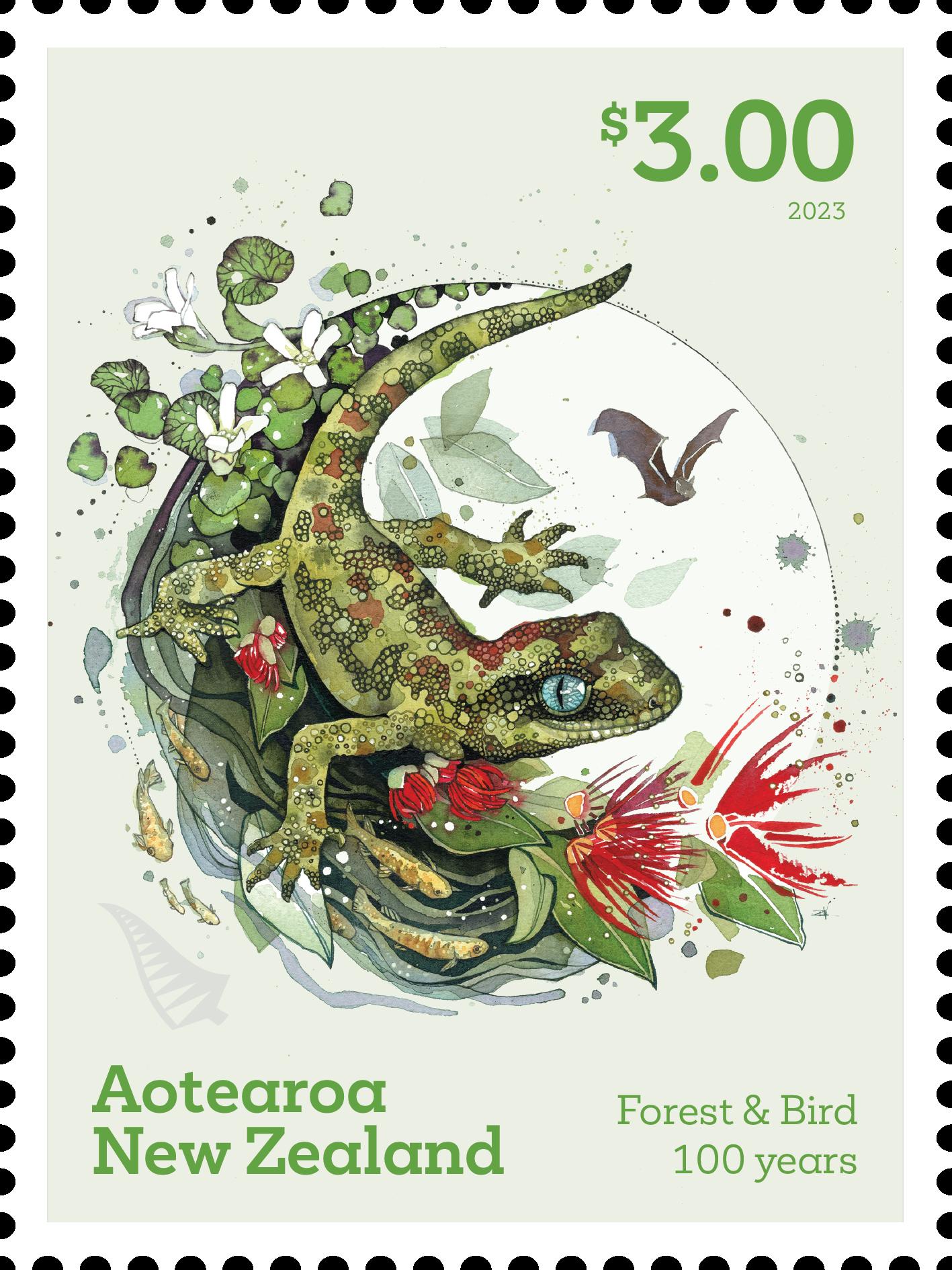
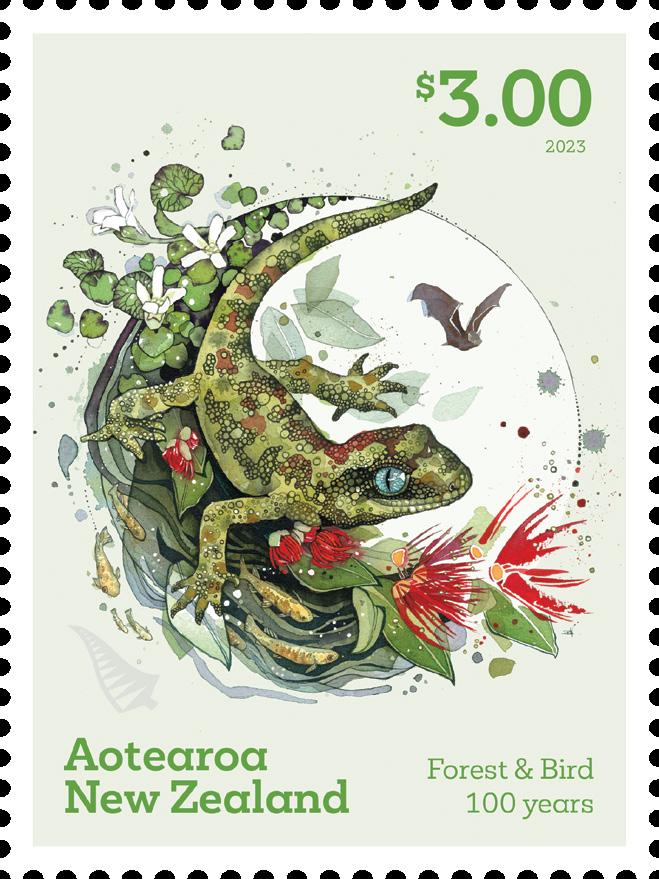
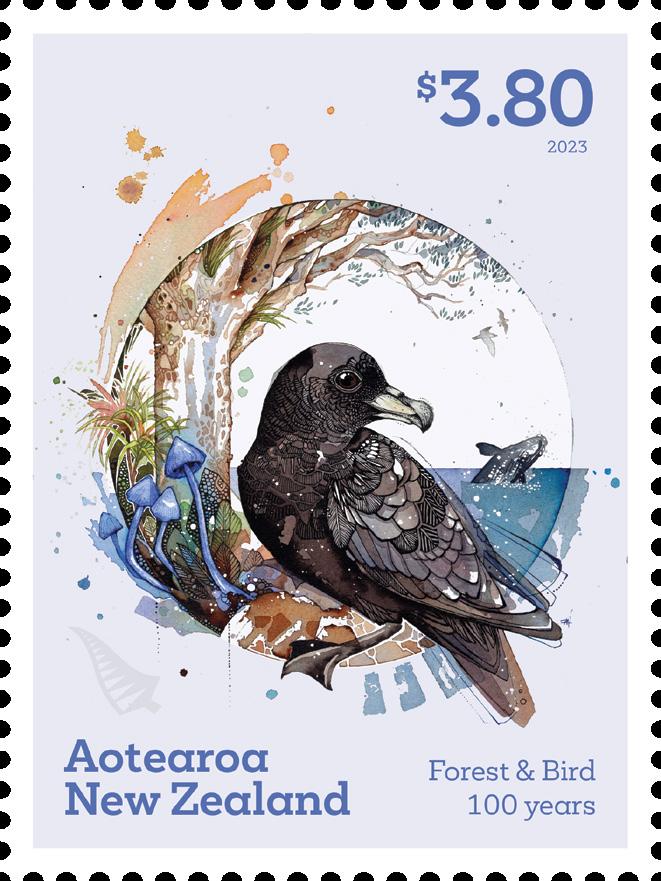
These four amazing stamps were commissioned by NZ Post Collectables to celebrate Forest & Bird’s 100th birthday. They were illustrated by NZ artist Rachel Walker and tell the story of Forest & Bird’s work so far…
This stamp reflects our beginnings protecting manu on Kāpiti Island.
This stamp shows how much we value our forests, rivers, wetlands, and lakes. We've helped with some great discoveries, like the tautuku gecko!
This stamp is all about protecting marine species and the ocean they live in. Did you know NZ is the seabird capital of the world?
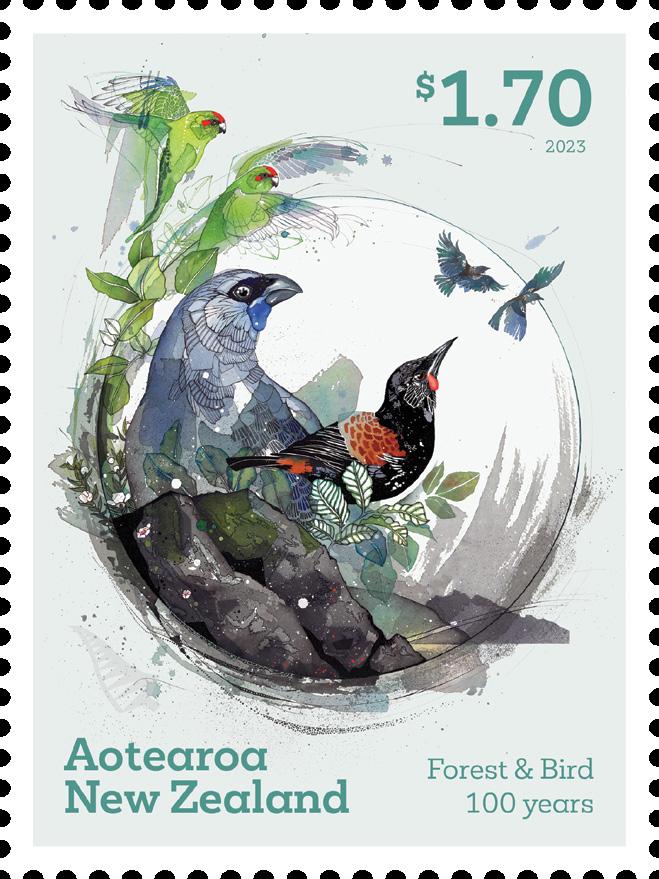
This stamp shows animals and plants living on the Buller Plateau. It is all about putting nature first in our response to climate change.
We hope you enjoy your postcard gift. Go to collectables.nzpost.co.nz to see the stamps, as well as special 100th birthday greeting cards, tea towels, and art prints too!