PRESS
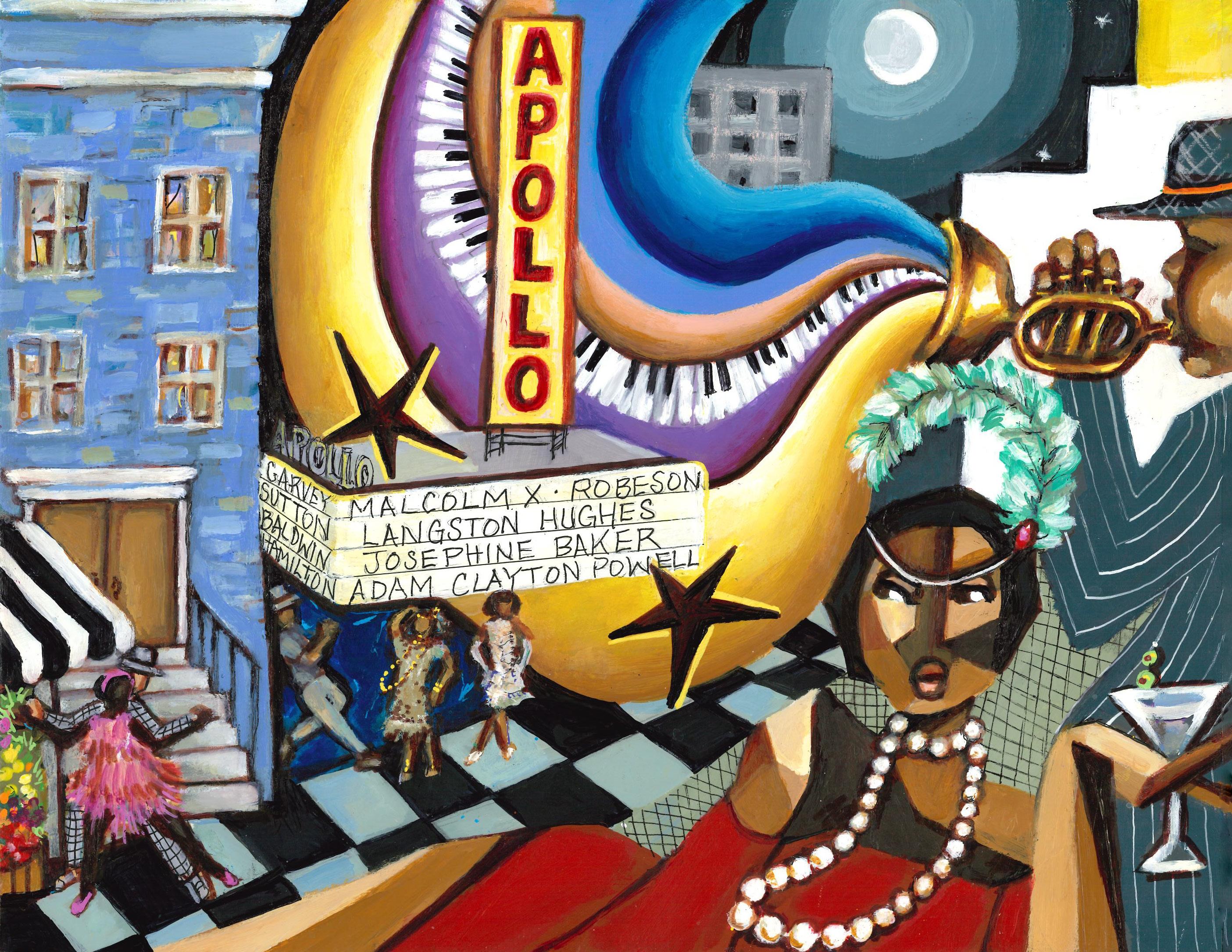
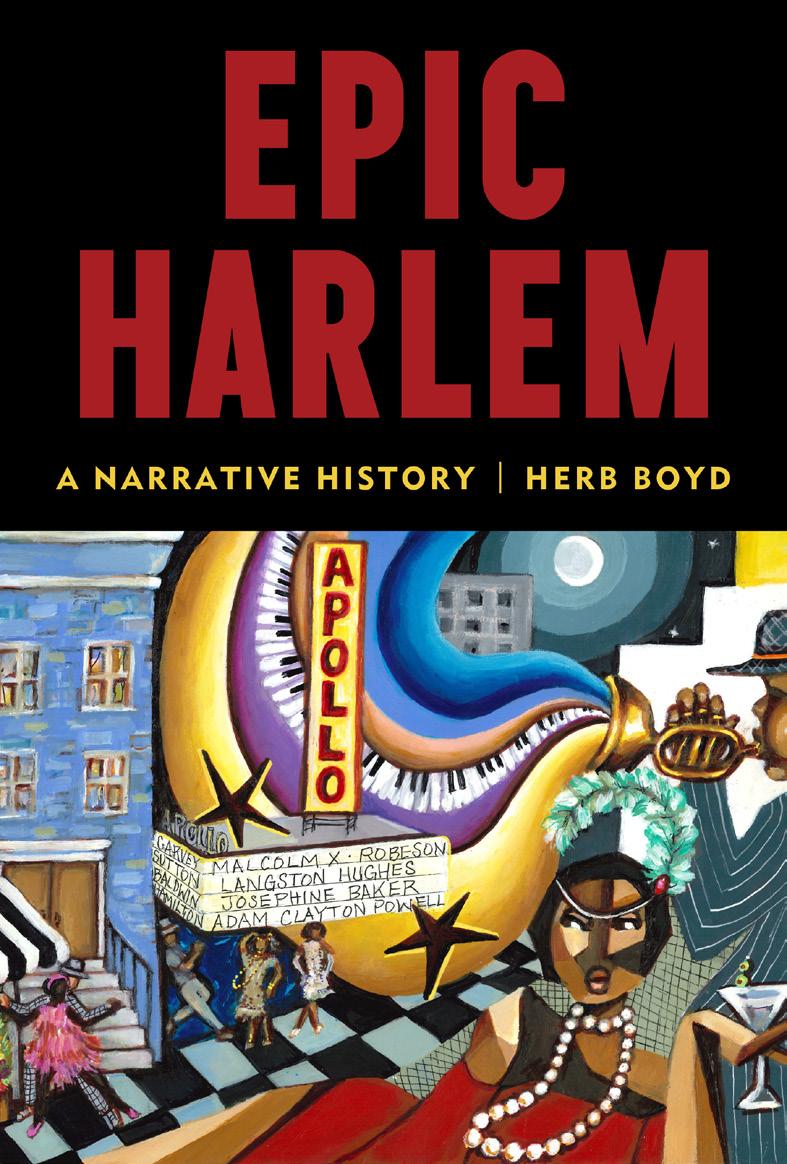
“Magnificent! A stirring, evocative, and comprehensive story of a remarkable community that has left an ineradicable imprint on Black America, the nation, and the world.”—Gerald Horne, author of Revolting Capital: Racism and Radicalism in Washington, D.C., 1900–2000
“With Epic Harlem: A Narrative History, Herb Boyd delivers emotional impact, journalistic writing, and powerful history. Boyd is a master storyteller, and this grand book may be his opus.”
— Gloria J. Browne-Marshall, author of A Protest History of the United States; Professor, John Jay College (CUNY); and Founder of Martyrs Day
“Herb Boyd is a brilliantly eloquent and iconic scholar, scribe, and storyteller of the black experience, and Epic Harlem is a virtuosic masterpiece of historical excavation and literary flair. A tour de force that helps us to reimagine the past of one of the most consequential centers of cultural and literary excellence as well as the future of black genius in and beyond America.”—Peniel E. Joseph, author of Freedom Season: How 1963 Transformed America’s Civil Rights Revolution
A sweeping, deeply rooted history of Harlem at the center of Black cultural, political, and intellectual life
From its earliest Indigenous inhabitants and Dutch settlers to its emergence as a global center of Black culture, Epic Harlem offers one of the most comprehensive narrative histories ever written about this storied New York neighborhood. Author, journalist, and longtime Harlem resident Herb Boyd traces the evolution of Harlem across centuries, capturing the people, movements, institutions, and cultural forces that shaped its identity and influence.
Moving beyond familiar portraits of the Harlem Renaissance, Boyd presents a full and richly layered account of the community’s development: its multiethnic beginnings, its transformation into a hub of African American life, and its enduring role as a barometer of social, political, and artistic change in the United States. Legendary figures—Langston Hughes, Malcolm X, Zora Neale Hurston, Adam Clayton Powell Jr., Sugar Ray Robinson, and many more—appear alongside community organizers, artists, business owners, and residents whose lives collectively tell Harlem’s story.
Drawing on decades of reporting, research, and lived experience, Boyd writes with the intimacy of a neighbor and the authority of a historian. He explores Harlem’s triumphs and struggles, from artistic flourishing and political activism to economic hardship, urban renewal, and contemporary debates over preservation and gentrification. Throughout, Harlem stands as both a local community and a global symbol of Black creativity, resilience, and aspiration.
Accessible and engaging while grounded in deep scholarship, Epic Harlem serves as both an essential introduction for general readers and a rich resource for scholars seeking a fuller understanding of one of the most influential communities in American history.
HERB BOYD is an author, activist, and former academic at the City College of New York. A longtime Harlem resident and journalist for the New York Amsterdam News, he has written numerous books on African American history and culture, including Malcolm X, the CIA, and Other Blacks; Baldwin’s Harlem; and Black Detroit
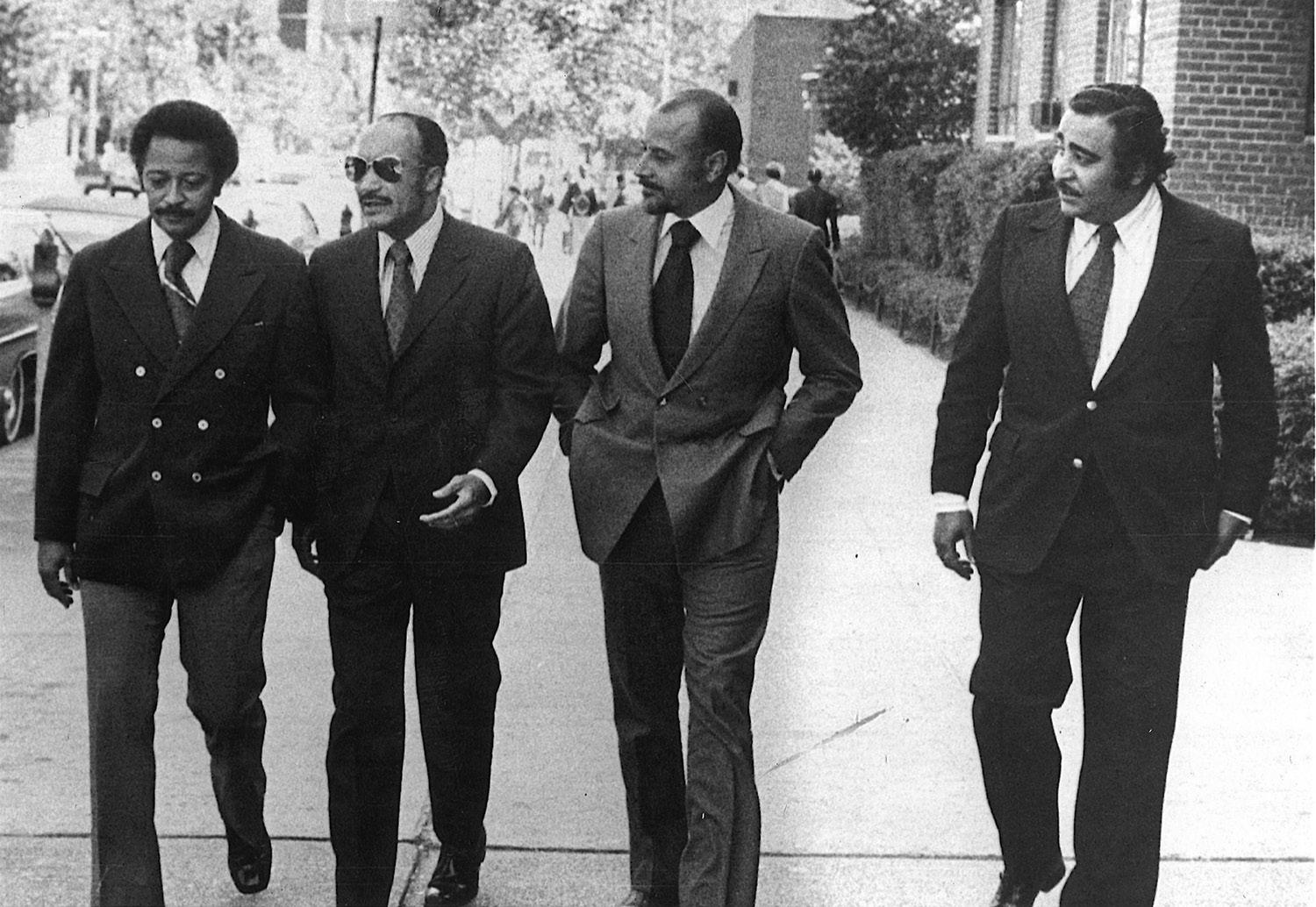
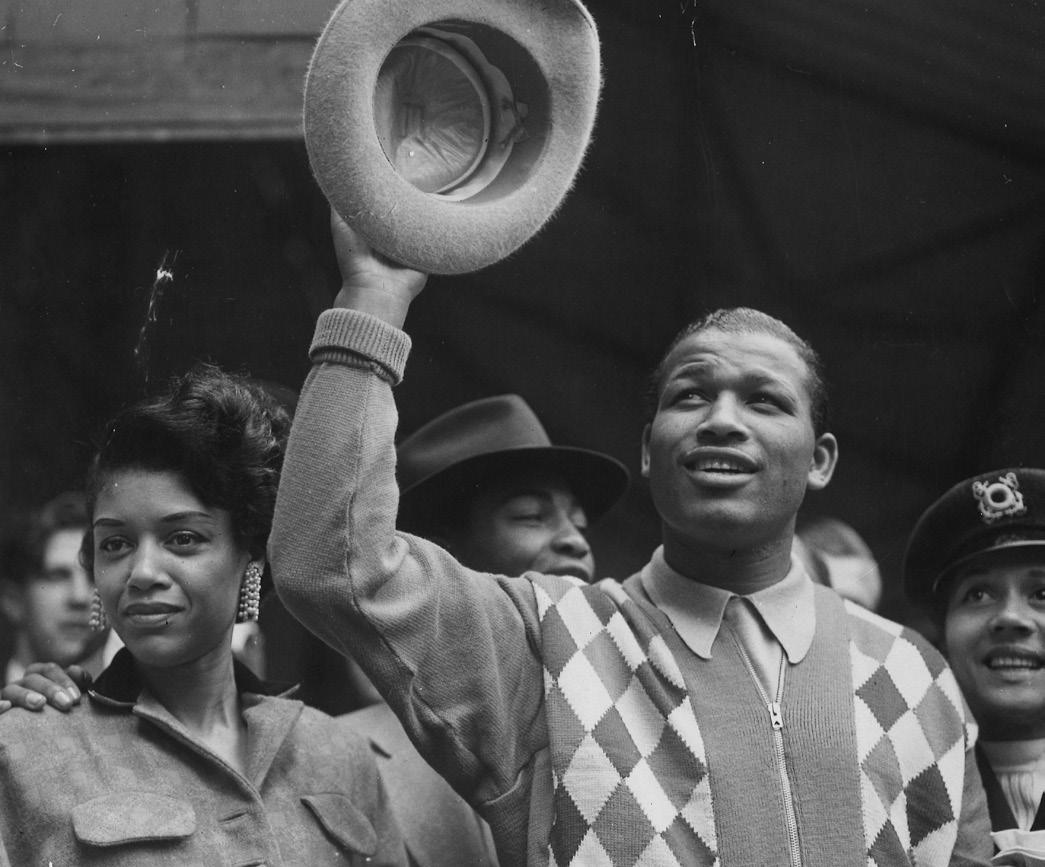
“This book is an act of love. Herb Boyd—journalist, jazz critic, and keeper of community memory—has walked the streets of Harlem for a good seven decades, and now brings us this sweeping, breathing, epic history of a neighborhood known as the beating heart of Black America. From postbellum Manhattan to the hip hop wars, from the crack epidemic to the Harlem Renaissance, Boyd takes us on a journey through the art, history, and politics of Harlem. No one else could have produced this tome.”—Hisham Aidi, Professor of International Relations at Columbia University and Academic Adviser to the Shabazz Center
“Herb Boyd represents classic Harlem—the one of the stepladder orators, of the Harlem political rally, of the artists and scholars with mile-high stacks of books in brownstones, of the Electric Slide at the block party. Boyd transcends space and time by never leaving the literary vortex he has occupied for more than five decades. Epic Harlem is part of a tradition that now belongs solely to him.” —Todd Steven Burroughs, writer and public historian
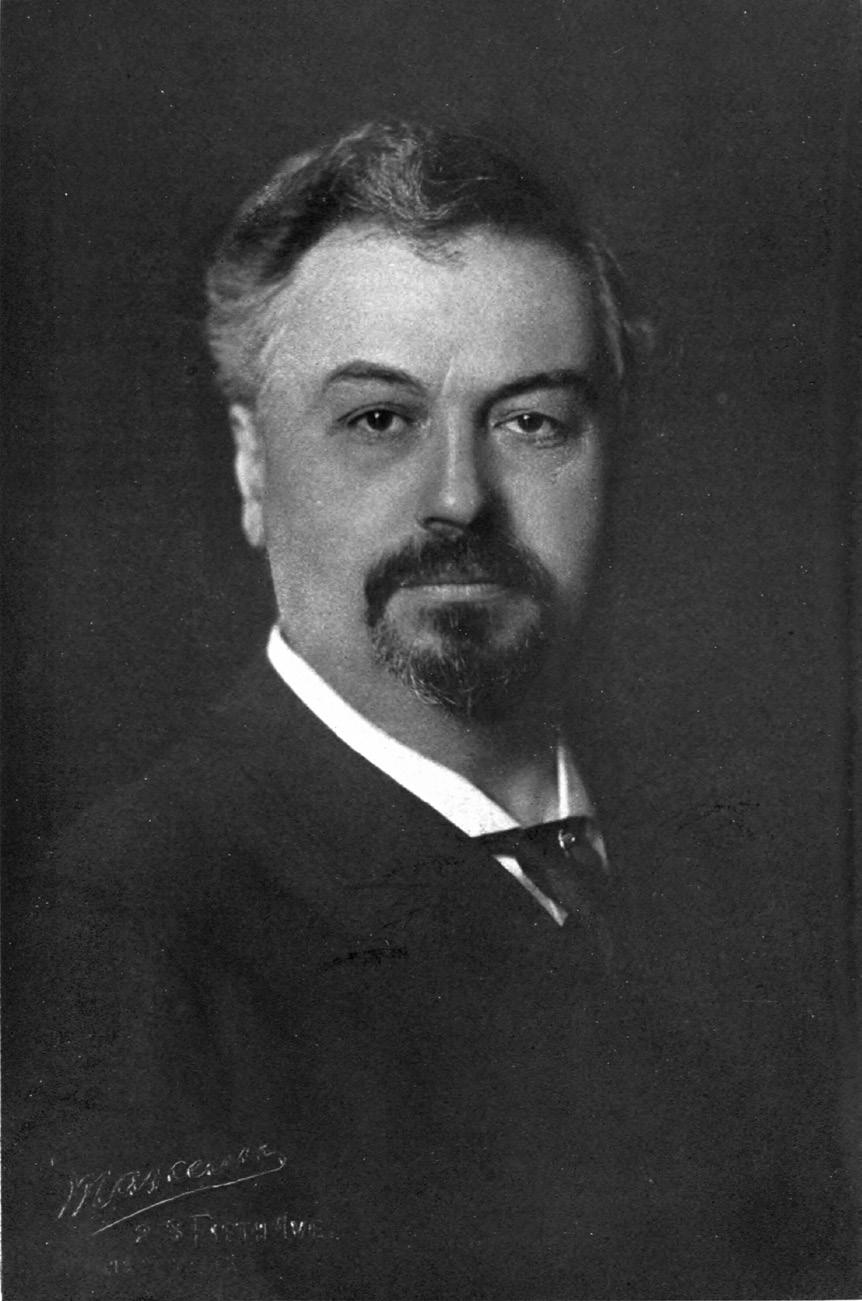
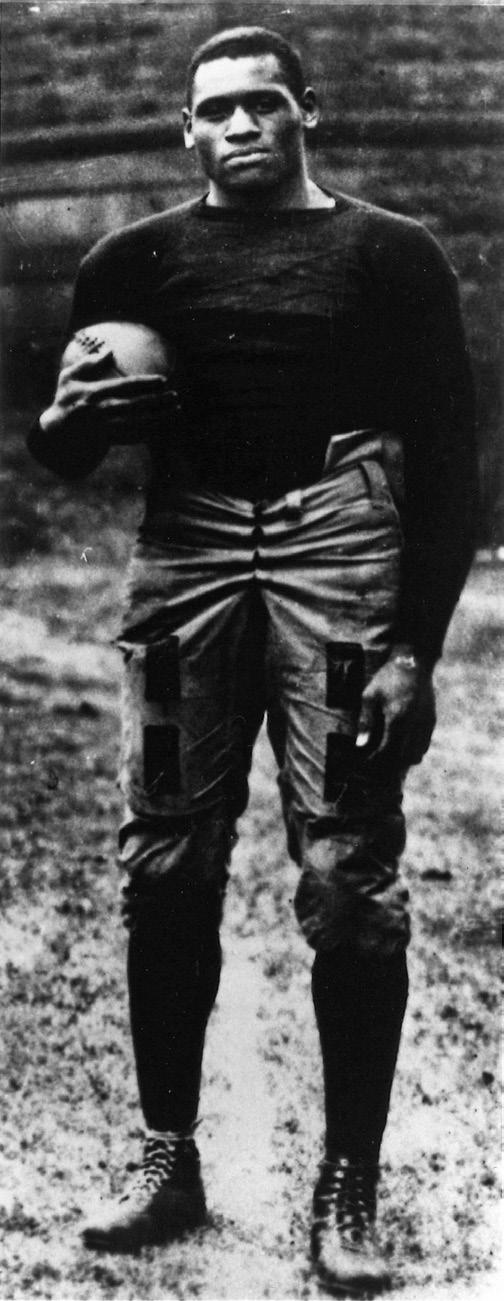
576 pages, 8 x 9, 166 b/w illustrations 9781531514495, Trade Paperback, $39.95 (TP), £31.00 Simultaneous electronic edition available DECEMBER New York City & Regional | Urban Studies | African American Studies
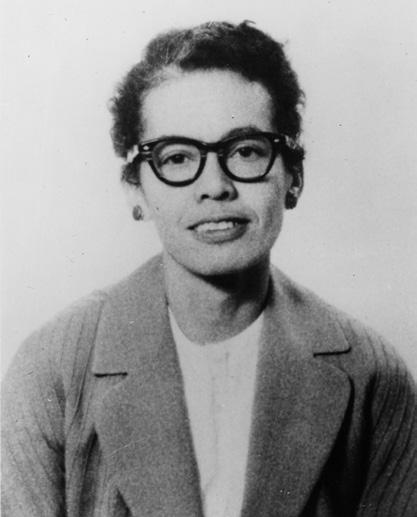
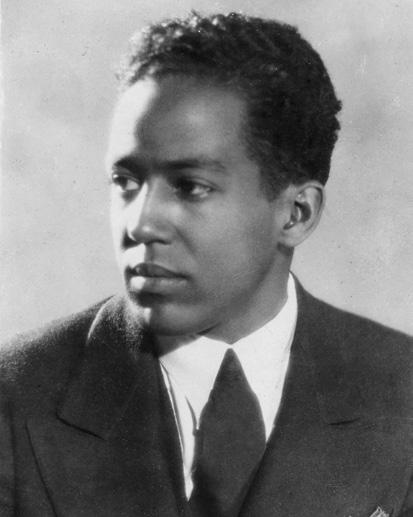

“Jim Mackin brings Harlem to life in a collective biography of an iconic neighborhood and its residents. Notable New Yorkers of Harlem is encyclopedic, illuminating, and delightfully surprising.” Robert W. Snyder, Manhattan Borough Historian, 2019–2025
“Notable New Yorkers of Harlem celebrates, in tasty and easily digestible chunks, that famous neighborhood’s residents, from athletes and actors to philosophers, publishers, and politicians. Extensively researched, it is revelatory in its reach—a ‘Who’s Who’ that repeatedly prompts the reaction, Who knew?! The book explores the histories of Jews, Italians, African Americans, and other residents of those historic blocks over the centuries. It tells tales of the famous as well as those who are, today, forgotten. If you have not walked the streets of this historic part of Manhattan, you will want to after reading Jim’s comprehensive and captivating book.”—Stephanie Azzarone, author of Heaven on the Hudson: Mansions, Monuments, and Marvels of Riverside Park and Fabulous Fountains of New York
“Jim Mackin’s succinct, rich, and insightful bios on the talented and eclectic people who have been born and nurtured in Harlem through four centuries will both surprise and inform his readers. American Revolutionary War heroes have walked the same path as Tony Award–winning lyricists, legendary actors, musicians, scholars, artists, jurists, Civil Rights legends, athletes, scientists, and politicians in this historic and architecturally rich part of New York City. Mackin’s research and storytelling bring them all to life in these pages.”—Davida Siwisa James, author of Hamilton Heights and Sugar Hill: Alexander Hamilton’s Old Harlem Neighborhood Through the Centuries
“With his brief, sparkling biographies of notable individuals, Jim Mackin unpeels the many layers of Harlem’s 400-year history. His book is powerful evidence of Harlem’s contributions to the culture of our nation and our world.”—Gilbert Tauber, oldstreets.com
“Just when I thought that most of the prominent figures from Harlem had been discussed, Jim Mackin reminds us of even more to be remembered. And these notables are not only mentioned but given glowing tributes. Add one more tome to your Harlem trove.”—Herb Boyd, author of Epic Harlem
A richly browsable, story-driven “who’s who” of Harlem—connecting remarkable lives to the streets, buildings, and neighborhoods that shaped them
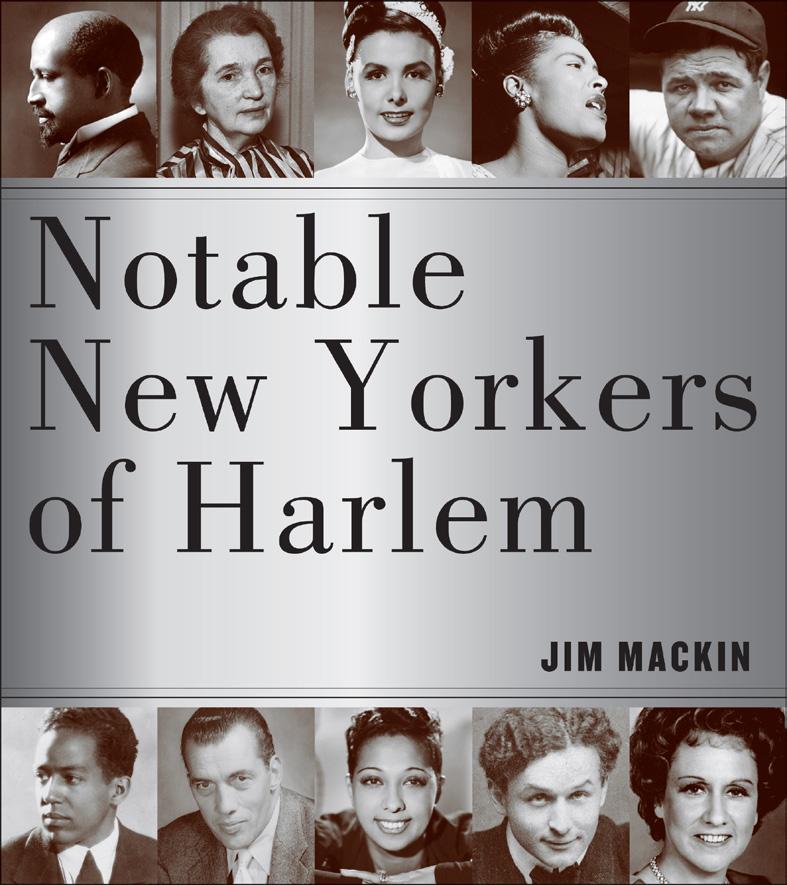
Harlem is one of the most recognizable places in the world, synonymous with artistic brilliance, political struggle, and cultural transformation. Yet its long and layered history—stretching from the Dutch colonial period to the present—has never been gathered in one volume through the lives of the people who called it home. Notable New Yorkers of Harlem does exactly that, offering an expansive and inviting guide to more than 800 famous, infamous, and surprising figures who lived in this singular New York neighborhood.
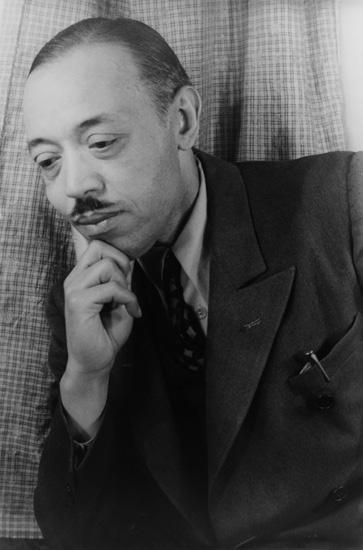
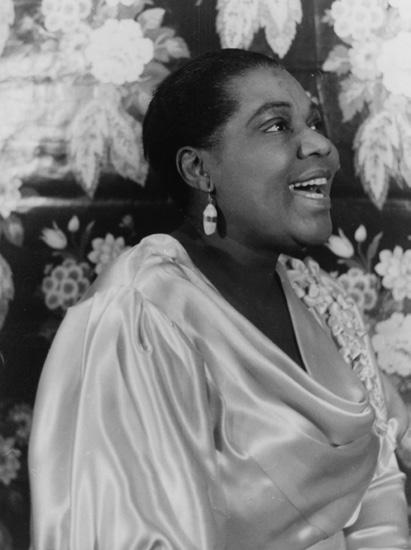
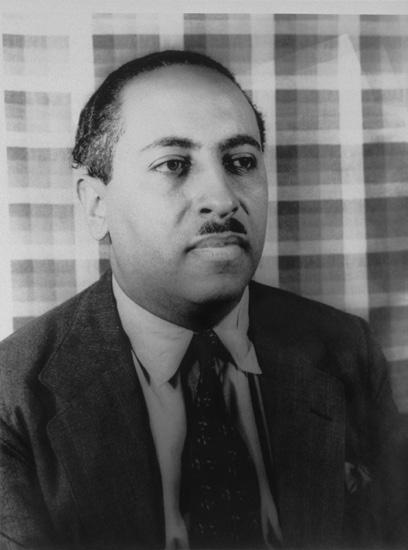
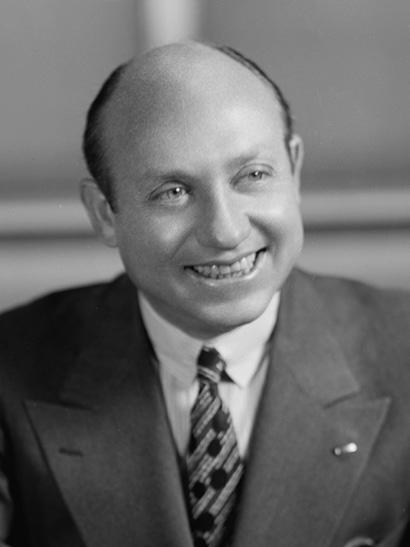
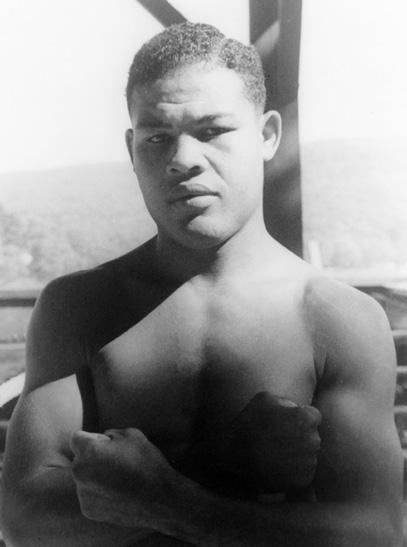

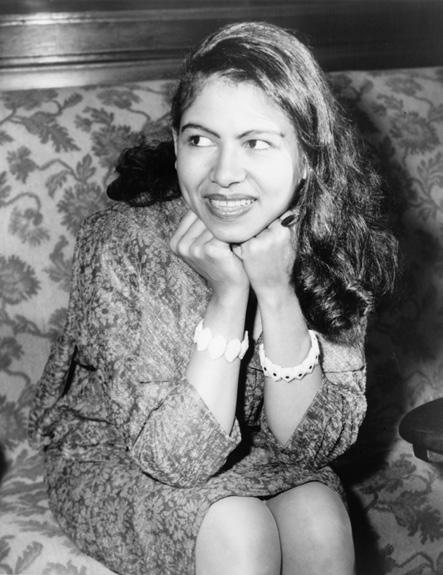
Organized alphabetically and written with wit, clarity, and an eye for telling detail, Jim Mackin’s short biographies bring together artists, athletes, writers, musicians, political leaders, entrepreneurs, and everyday eccentrics. Readers will of course encounter central figures of the Harlem Renaissance, but they will also discover the deep histories of Jewish Harlem, Italian Harlem, Spanish Harlem, and even Finnish Harlem, alongside Dutch and colonial-era residents whose traces still shape the neighborhood. The result is a portrait of Harlem as a place defined not by one story, but by constant reinvention.
The book is filled with “who knew?” moments: legendary figures not usually associated with Harlem turn up at unexpected addresses; celebrated performers and athletes appear as neighbors; forgotten innovators reemerge with renewed clarity. More than thirty sidebars enrich the biographies with focused explorations of Harlem life, from vanished movie theaters and street-corner music scenes to murals, schools, and civic landmarks. Detailed addresses throughout invite readers to experience Harlem on foot, book in hand.
Illustrated with black-and-white photographs and grounded in years of research and on-theground walking, Notable New Yorkers of Harlem is at once a reference work, a cultural history, and a love letter to a neighborhood whose influence reaches far beyond its borders. It belongs on the shelf of anyone interested in New York City—and in the lives that make a place unforgettable.
JIM MACKIN is a New York City historian whose interests include Harlem history, music, architecture, and industrial heritage. He has lectured widely and for more than twenty years led popular walking tours of metropolitan New York. He is the author of Notable New Yorkers of Manhattan’s Upper West Side: Bloomingdale–Morningside Heights (Fordham).
THOMAS MCGOVERN AND DAVID EVANS FRANTZ, EDITORS
CATALOG ESSAY BY HILTON ALS
192 pages, 8 1/2 x 11, 6 color and 163 b/w illustrations 9781531514334, Trade Paperback, $34.95 (TP), £26.99
Simultaneous electronic edition available
DECEMBER
Photography | New York City & Regional | Journalism
“Voice photographers . . . believed in the urgency of the image, and I don’t think one of them . . . thought their pictures were lesser than language. Part of what made the Voice such a remarkable enterprise was the remarkable synthesis that existed on the page—a synthesis of words and pictures that not only made the Voice graphically strong, but set a model for what a politically and aesthetically unique document could look like, feel like.”—Hilton Als
A visual chronicle of New York’s underground press and the photographers who captured a city in revolt, reinvention, and creative bloom
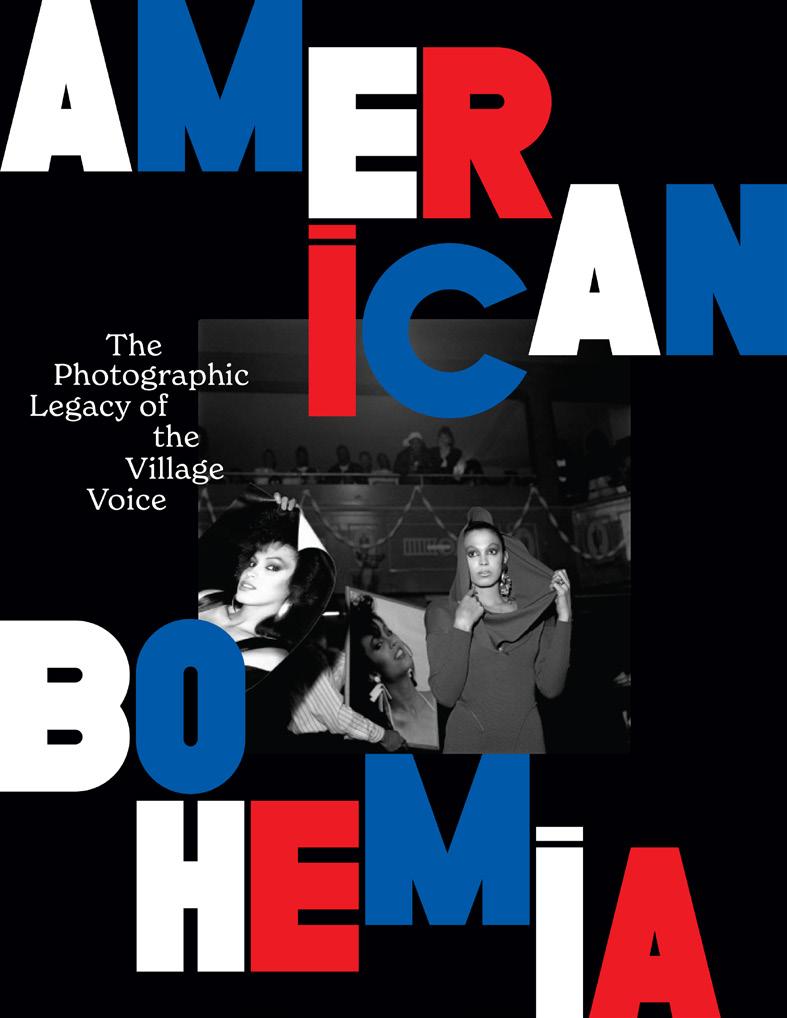
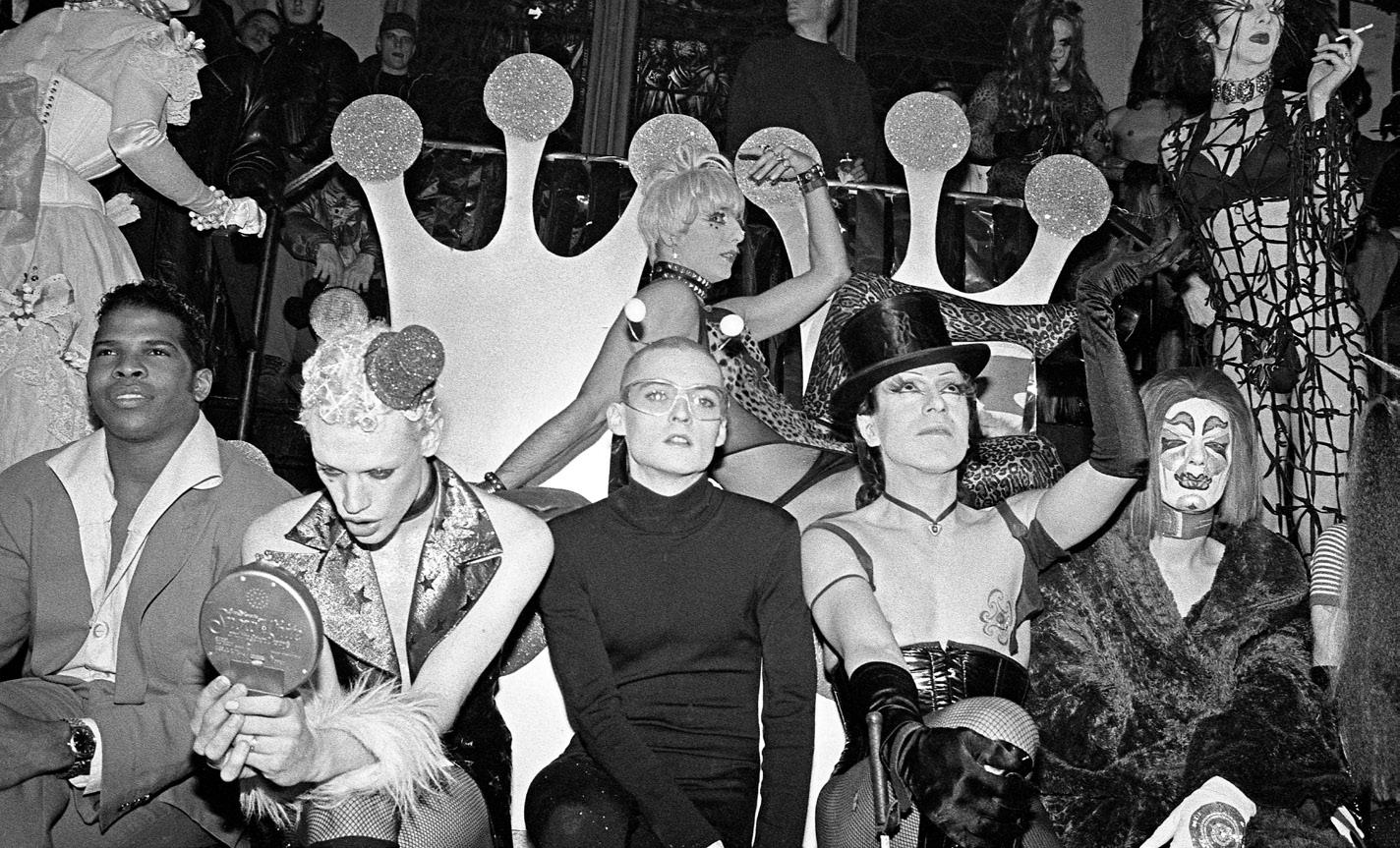
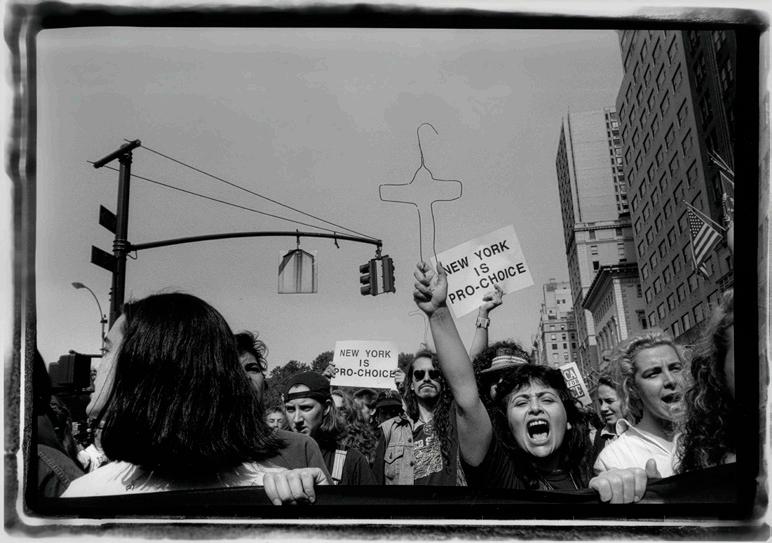
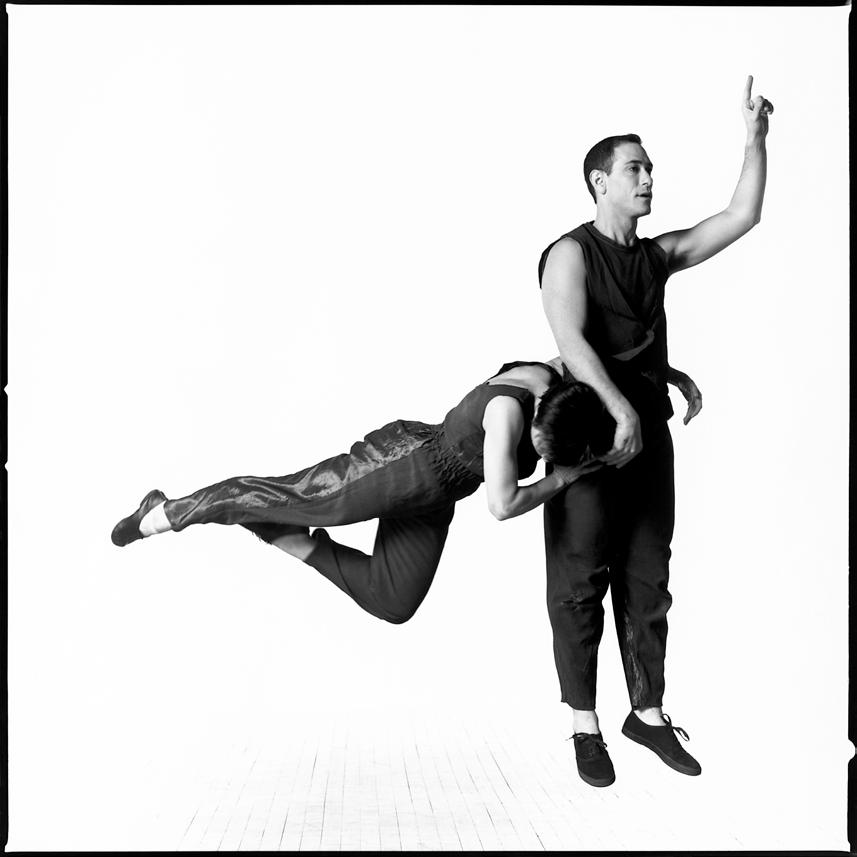
For more than half a century, the Village Voice served as America’s most influential alternative newspaper—a fearless chronicler of politics, culture, and everyday life in New York City. American Bohemia gathers the extraordinary photographs that helped define the paper’s visual identity and shaped how readers saw the city and themselves. Bringing together work by nearly fifty photographers, this richly illustrated volume captures the radical energy, artistic experimentation, and social upheaval that animated the Voice from the 1950s through the 1990s.
From the pioneering street photography of Fred W. McDarrah to the evocative portraits and documentary images of Amy Arbus, James Hamilton, Coreen Simpson, Sylvia Plachy, and many others, these photographs chart the evolution of downtown culture and American counterculture alike. They document political protest, nightlife, performance, and the everyday drama of urban life, revealing how photography functioned not merely as illustration but as a central mode of storytelling within the Voice
Featuring newly commissioned essays and reflections by editors and contributors, including a catalog essay by Hilton Als, American Bohemia situates the Village Voice within a broader history of alternative journalism and visual culture. The book traces how its photographers expanded the possibilities of photojournalism and influenced generations of artists, writers, and readers.
Published in conjunction with an exhibition at the California Museum of Photography, this volume offers a vivid portrait of New York during decades of artistic ferment and political change. It is both a tribute to the photographers who defined an era and a reminder of the enduring power of independent media to document and shape cultural life.
Photographers: Michael Ackerman, Amy Arbus, Marc Asnin, Martin Benjamin, Bill Bernstein, Carrie Boretz, Chris Buck, Michel Delsol, Pamela Duffy, Deborah Feingold, Ricky Flores, Frank Fournier, Frank Franca, Andy Freeberg, Donna Gray, Lois Greenfield, Lori Grinker, Carol Halebian, James Hamilton, Meg Handler, Caroline Howard, Peter Hujar, Hiroyuki Ito, Mike Kamber, Kristine Larsen, David C. Lee, Laura Levine, Darren Lew, Andrew Lichtenstein, Adam Mastoon, Fred W. McDarrah, Catherine McGann, Thomas McGovern, Greg Miller, Steven Mark Needham, Danuta Otfinowski, Brian Palmer, Sandra-Lee Phipps, Keri Pickett, Sylvia Plachy, Allen Reuben, Linda Rosier, Steven Rubin, Nevin Shalit, Coreen Simpson, Ann Summa, Doug Vann, Harvey Wang, C. T. Wemple
THOMAS MCGOVERN is a photographer, writer, educator, and former photographer and photo editor for the Village Voice based in Los Angeles. His work is held in major museum collections, including LACMA, the International Center of Photography, and the Museum of the City of New York.
DAVID EVANS FRANTZ is a curator and writer based in Los Angeles and Executive Director of the Claire Falkenstein Foundation. He has curated major exhibitions on contemporary and LGBTQ art history and coedited Trans Hirstory in 99 Objects.
HILTON ALS is a staff writer at The New Yorker and the author of The Women and White Girls.


JAMES J. BARNEY
288
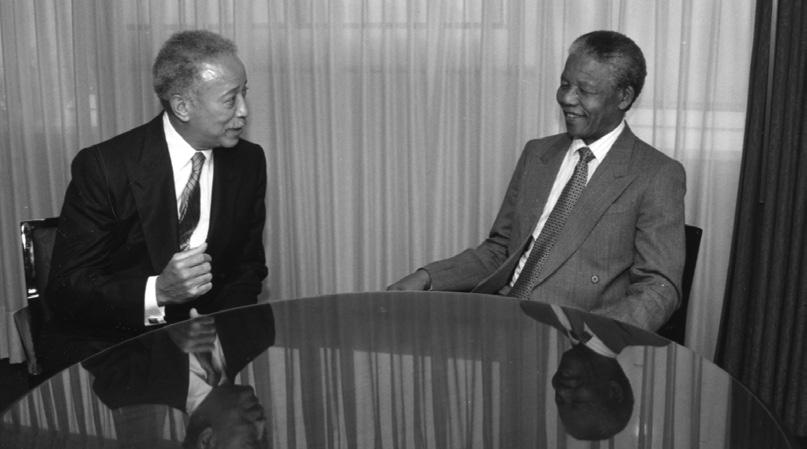
“James J. Barney’s Fragile Alliance: David Dinkins, Coalition Politics, and the Struggle to Govern a City in Crisis is a thoughtful and well measured examination of the first black mayor of New York City. Barney cautions political parties and political figures who embrace identity politics over issues that impact people across race, gender, class, and ethnicity. This book serves as a blueprint for those interested in a more long-lasting progressive agenda that can build broad coalitions, struggling for what the author asserts is a shared humanity. Barney’s call for a politics of love, instead of identity, is a bold and courageous solution that few in academia and government would dare to utter.”
Clarence Taylor, Professor Emeritus of History, Baruch College and the Graduate Center, CUNY, and author of Fight the Power: African Americans and the Long History of Police Brutality in New York City
“David N. Dinkins became mayor with the support of a liberal coalition that proved impossible to maintain. James J. Barney reveals how Dinkins’s effort to keep the city’s ‘beautiful mosaic’ as a cohesive political movement was a mercurial, unpredictable, combustible endeavor, like trying to contain bolts of lightning in a metal box. That Dinkins suffered shocks and setbacks was less an indictment of his skills as a leader and more a revelation that the type of mid-century liberalism he championed had died. In its place was a new political and economic reality—neoliberalism— which made Dinkins’s fragile political alliance impossible to sustain. This book tells the history of how the city we have today came out of the unfortunate demise of Dinkins’s liberal dreams.”
Brian Purnell, Associate Professor of Africana Studies and History, Bowdoin College, author of Fighting Jim Crow in the County of Kings: The Congress of Racial Equality in Brooklyn
“With its penetrating and nuanced account of Dinkins’s mayoralty in the twilight of liberalism, A Fragile Alliance makes a genuine contribution to the vast scholarship on New York City. It is required reading not only for students of New York City politics but also for those interested in the perils and possibilities of identity politics and the limits of urban liberalism.”
Timothy Weaver, Associate Professor of Political Science at the University at Albany, SUNY
“The definitive history of the David Dinkins era in New York City politics and a major contribution to the history of late twentieth-century American liberalism. Few studies of urban conflict and change possess A Fragile Alliance’s fairness, insight, depth, and humanity.”
Jerald Podair, Professor of History, Lawrence University
“A Fragile Alliance is a must-read for any student of late twentieth-century New York. James Barney deftly uses newly available archival sources and previously ignored community media to interrogate the caricature of Dinkins by the mainstream media. That carapace has been accepted without sufficient challenge for too long. It’s a great read for both fans of NYC history and specialists, who will find new and sometimes surprising perspectives.”
Jonathan Soffer, Professor Emeritus NYU and author of Ed Koch and the Rebuilding of New York
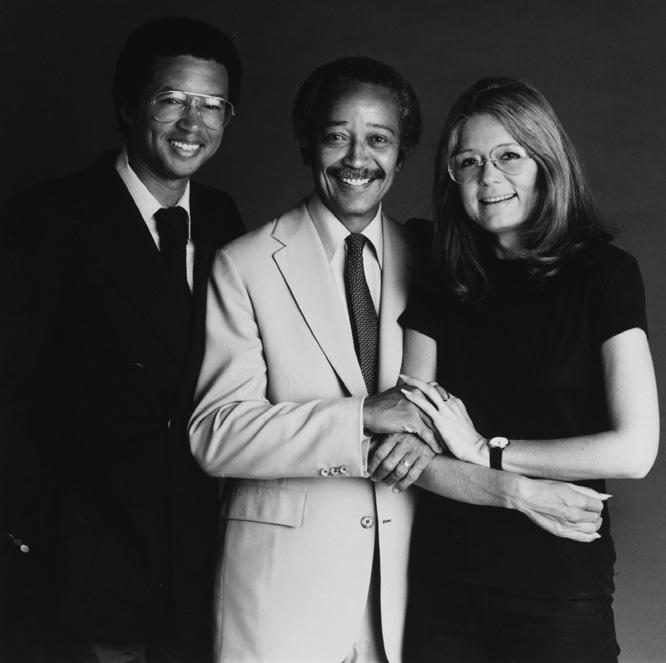
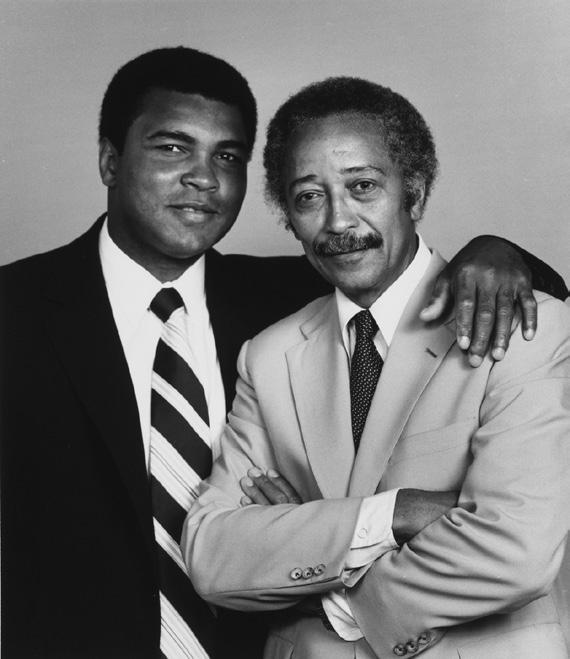
A major reassessment of New York City’s first Black mayor and the fragile coalition politics that reshaped urban America
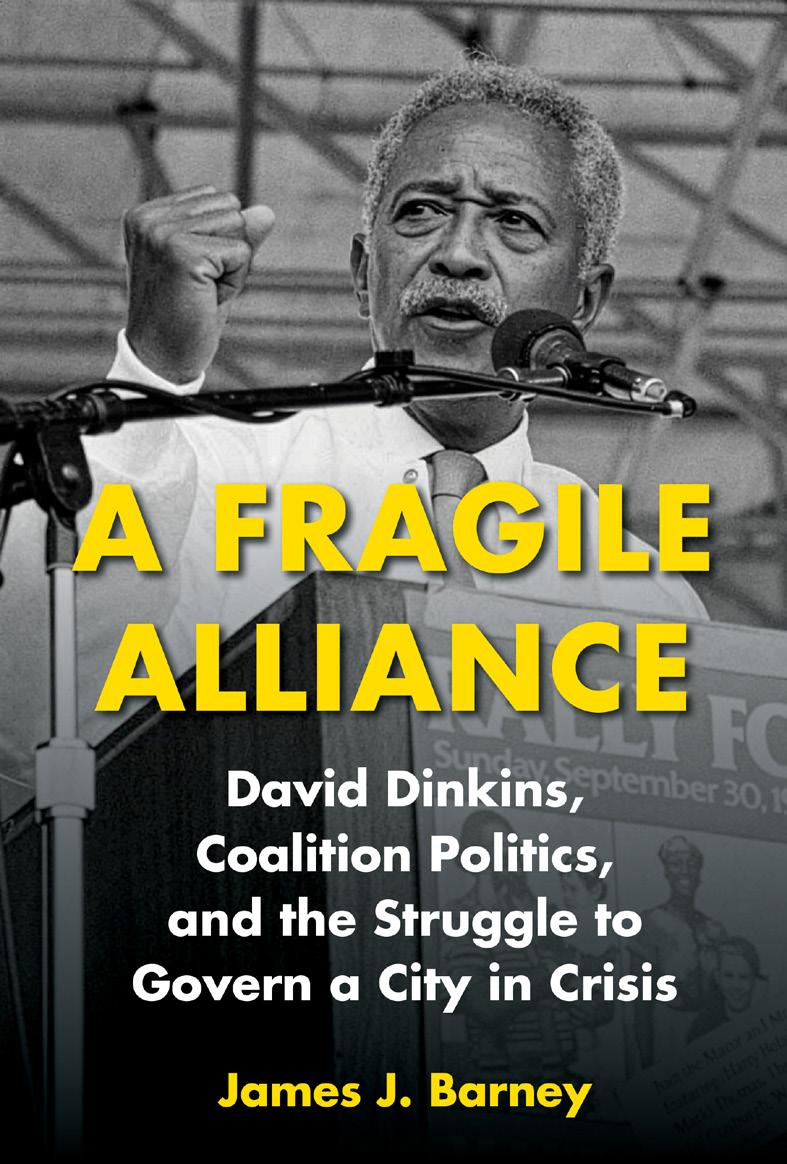
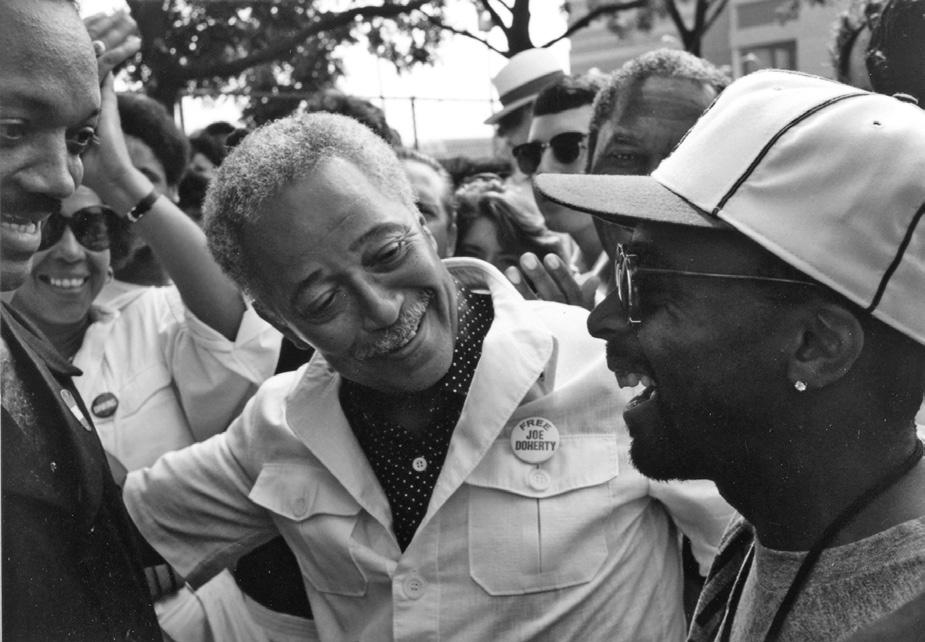
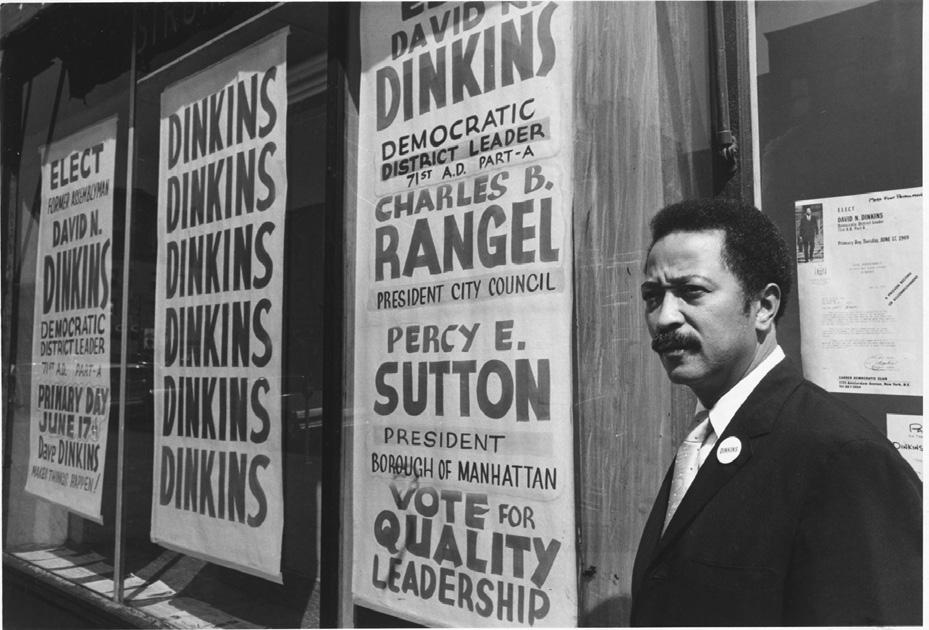
Charting the rise and fall of New York City’s first African American mayor, A Fragile Alliance offers a vivid, deeply researched account of governance, coalition-building, and political change in one of the nation’s most turbulent urban eras. Drawing on newly available archival sources, James J. Barney examines David Dinkins’s mayoralty (1989–1993) as both a turning point in New York City history and a revealing case study in the possibilities, and limits, of identity-based coalition politics.
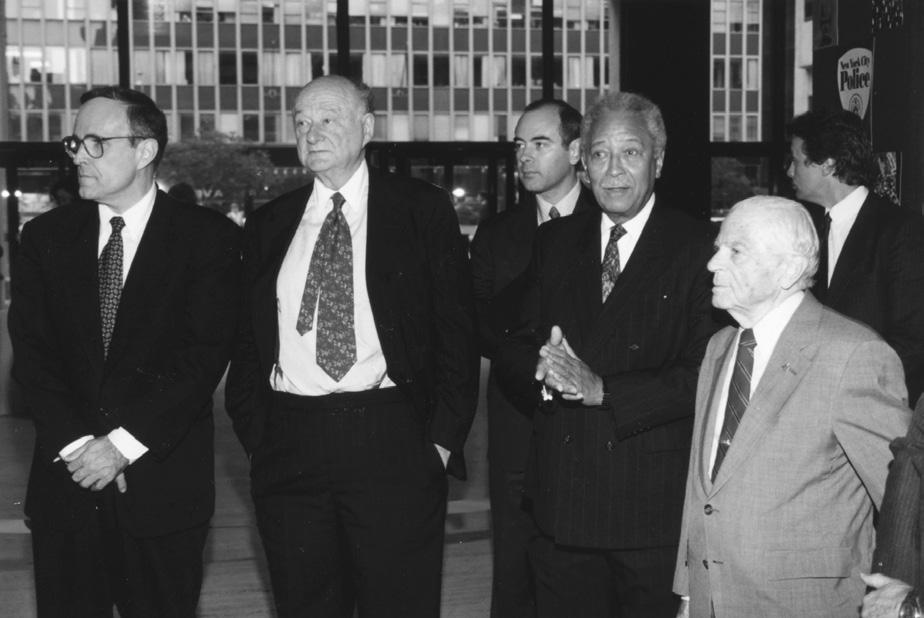
Dinkins’s historic 1989 election brought together a diverse, multiracial alliance that defeated entrenched political power and promised a new vision for the city. Yet once in office, Dinkins confronted a cascade of crises: rising crime and the crack epidemic, racial tensions and the Crown Heights conflict, the AIDS epidemic and its activism, economic recession, and a growing conservative backlash. Barney shows how these flashpoints tested the fragile coalition that brought Dinkins to power and ultimately contributed to its unraveling.
Blending political history, urban studies, and biography, the book explores how race, class, gender, sexuality, and shifting party politics shaped both Dinkins’s governing challenges and the broader transformation of American liberalism in the late twentieth century. In reassessing a mayor often overshadowed by louder political figures, Barney illuminates how the Dinkins years anticipated today’s debates over policing, public safety, identity politics, and the future of Democratic coalition-building.
Written with narrative clarity and grounded in extensive archival research, A Fragile Alliance brings long-overdue attention to a pivotal moment in New York City’s political history and offers essential insight into the enduring complexities of governing a diverse metropolis in times of crisis.
JAMES J. BARNEY is Professor of Legal Studies at the American Public University System and teaches history at the University of Memphis. A Brooklyn native, his research explores race, urban governance, and political coalitions in modern America. His work draws on extensive archival research into New York City politics and the history of modern liberalism.

DIANA KEREN LEE
“Diana Keren Lee’s poems come to us as though from a great tapestry woven from a life insistent on a keen observance of the world around her (‘Connect the dots between each falling flake’), recast in sensuous language (‘jazz runs through the trees’), and ultimately restorative of our deepest belief that art and poetry dignify lives. New vistas of understanding accompany her cultural negotiations and mischievous humor. This debut of a book is the arsenal of charm, insight, and joy I did not know I needed.”
—Major Jackson
“There is a sentient economy to Diana Keren Lee’s How to Cast a Beautiful Animal. The beauty lies in how these poems navigate so much of the world, as the manuscript is structured into a world of seasons; we ‘meet the person / who will listen with one ear / tilted to your only secret / the same repeated season’ and continue to grasp the eloquence of this poet, who listens closely to the ‘secret’ world of the iteration of lives as they unfold, understanding that ‘every unhappy family is happy in its own way too.’ The life of the speaker casts itself into poignant staging of the selves in language, cultural comprehension, memory, landscape, and the deep fervor of both lucidity and bewilderment.”
—
Prageeta Sharma
“From the opening poem, the concept of han runs through Diana Keren Lee’s How to Cast a Beautiful Animal. Untranslatable from Korean into English, more complex than grief, han infuses the tensile pieces that make up this elegant collection. ‘The poem is a tributary in which I swim toward other poems.’ In this way Lee resembles South Korea’s legendary female free-divers, the haenyeo, who hold their breath as they plumb the depths of the sea in search of food. How to Cast a Beautiful Animal illuminates the challenges inherent in living one’s life instead of performing it.”
JoAnne McFarland
Winner of the 2024–2025 Poetic Justice Institute Editor’s Prize, an Asian American actress’s journey through landscape, language, and lineage
How to Cast a Beautiful Animal is Diana Keren Lee’s debut full-length poetry collection. Witty, perceptive, and emotionally resonant, these poems accompany a struggling actress from childhood to middle age, from Texas to New York, Los Angeles, and South Korea, while tracing the lives of her working-class immigrant parents and the effects of displacement. Set against the backdrop of the 1980s, when Asian American performers were largely confined to outdated roles, through the present moment and into imagined futures, this book features the layered experience of a second-generation Korean American life that resists stereotype and easy narrative.
How to Cast a Beautiful Animal navigates between stage and home, English and Korean, autobiography and invention. Lee examines the loss and recovery of language, the trauma of war and migration, and the shifting terrains of relationships, labor, and art. From the financial crises of the early twenty-first century to moments of joy and creative discovery, this collection balances sharp social observation with lyric intimacy.
Using a wide range of styles and forms, Lee moves beyond immigrant tragedy and the model minority myth to create a multifaceted portrait of family, American dream versus reality, humor, and resilience. With a lens both sweeping and precise, these poems consider the limits, and possibilities, of language while honoring lives and histories often relegated to the margins. How to Cast a Beautiful Animal marks the arrival of a distinctive and compelling new voice in contemporary American poetry.
DIANA KEREN LEE is the winner of a Poetry Society of America Chapbook Fellowship and a National Poetry Series finalist. Her work has appeared in Boston Review, Denver Quarterly, The New Republic, Pleiades, Wildness, and elsewhere.

T. S. LEONARD
“This book is a time machine, carrying its passenger back through the painful moments and the celebratory, sometimes stacked right on top of one another, so that the music and glitter and community are what linger. And the humor. ‘Every time god closes a door, a gay bar opens.’ Yes, his poems seem to say, we are doing what we can to heal the world.”—D. A. Powell
“T. S. Leonard’s kinetic and striking debut poetry collection, Another Anthem of Fabulous Survival, moves fluidly through grief and celebration, history and sexuality experienced both intimately and collectively. Threaded throughout are references to queer musical, artistic, literary, and cultural icons situating the work within a vibrant lineage. From the AIDS epidemic to climate change to lockdown, these are poems that mark the emergence of a powerful new voice.”
Maw Shein
Win, author of Percussing the Thinking Jar
Winner of the 2024-2025 Poetic Justice Institute Prize, a dazzling debut charting queer survival, memory, and joy across time
A time traveler crashes into a gay bar, and from that electric collision unfolds Another Anthem of Fabulous Survival, T. S. Leonard’s dazzling debut poetry collection. Moving through glitter, ash, memory, and music, these poems follow a queer time traveler across decades and geographies, from turn-of-the-twenty-first-century Missouri to 1970s San Francisco to imagined origins of music itself. Along the way, they come of age, try drag, lose friends, and fall in love, tracing a life shaped by history’s ruptures and its celebrations.
Leonard’s poems travel through temporal sites of plague and resilience, from the AIDS epidemic to COVID-19 lockdowns, while also lingering in spaces of dance, performance, and community such as discos, living rooms, archives, and bars. Themes of change course throughout the collection in climate and cities, in bodies and identities, and in the fragile yet enduring structures of queer belonging. Even as the poems confront grief and loss, they insist on joy as an equally vital inheritance.
Rich with cultural references, from The Wizard of Oz to Felix González-Torres, from Tim Dlugos to Destiny’s Child, Another Anthem of Fabulous Survival reads like a jukebox of queer history, each poem a track spinning across time. Leonard’s voice is playful, elegiac, and searching, asking how memory becomes record and how record becomes song. The result is a collection alive with humor, tenderness, and fierce imagination, a testament to survival and to the music that carries us through.
T. S. LEONARD is a poet, performer, and educator whose work has been featured in Poetry, Foglifter, and Fourteen Poems and in collaborative projects at the Portland Art Museum and Pacific Design Center. Originally from Kansas City, Missouri, he lives and teaches in San Francisco.

GENEVIEVE YUE
160 pages, 5 x 8, 18 b/w illustrations
9781531514402, Trade Paperback, $19.95 (TP), £14.99 9781531514396, Hardback, $70.00 (SDT), £56.00 Simultaneous electronic edition available Cutaways
OCTOBER Cinema & Media Studies
“A beautiful meditation on the machines that make us see. In this book, Yue shows us how they help us realize ourselves. The train is like a river serpent moving through our mind. It brings us together in a shared, hypnotic heartbeat.”—Apichatpong Weerasethakul
A journey through cinema’s railways, exploring trains as sites of desire, encounter, and imagination
From the Lumière brothers’ legendary locomotive to today, trains have shaped the language and imagination of film. In this book, Genevieve Yue offers an original and evocative meditation on this enduring cinematic motif, charting how railways have served not only as engines of narrative momentum but as spaces of reflection and quiet transformation.
Across a range of filmic genres and geographies, Yue traces the many ways trains structure cinematic experience. Rather than focusing solely on the spectacle and technological wonder traditionally associated with railways on screen, she considers departures and reunions, romances, reveries, and encounters with strangers. With a feminist politics in mind, Trains explores how movement through space becomes movement through memory, fantasy, and thought.
Central to Yue’s exploration is the experience of being a woman on a train. In such instances, trains become places where desire, vulnerability, and possibility coincide. The book also reflects on broader questions of infrastructure, ecology, and state power, revealing how railways shape both collective histories and individual lives.
Written with clarity and wit, Trains invites readers aboard a richly idiosyncratic itinerary through film history. At once critical and personal, it offers a fresh way of seeing the moving image—through the sensations and stories of travel by rail.
GENEVIEVE YUE is Associate Professor of Culture and Media and Director of Screen Studies at Eugene Lang College, The New School. She is the author of Girl Head: Feminism and Film Materiality (Fordham). Her writing has appeared in October, Grey Room, Film Comment, MUBI, and the Times Literary Supplement. She is also an independent film programmer.

TIMOTHY BILLINGS
224 pages, 5 x 8, 1 b/w illustration 9781531514792, Trade Paperback, $19.95 (TP), £14.99 [Hardback available: 9781531508357] eBook available FEBRUARY
“A fascinating initiation to the delights of Chinese verse.”—Publishers Weekly
“This little book is excellent both as a model of close reading and a celebration of the qualities of classical Chinese literature. Highly recommended.”—Choice
“Critically acute and compulsively readable, Twenty-Nine Goodbyes offers an illuminating introduction to Chinese poetry and poetics through the shifting lens of translation. Billings’s ‘cubist collage’ of renderings of a famous parting poem by Li Bai is equally a meditation on the challenges—and the pleasures—of translating the untranslatable, all conveyed in a vibrant, colloquial teacherly voice. Readers will close this book with a sense of parting from a newly found old friend.”
David Damrosch, author of Around the World in 80 Books
“Timothy Billings’s introduction to Chinese poetry through twenty-nine reinventions of a single Li Bai poem is a tour de force of literary analysis, multilingual erudition, and the blended pleasures and frustrations of reading poetry in translation. This lively, accessible, and often funny introduction will enlighten newcomers and scholars alike.”—Anna Shields, Princeton University
“More than just an excellent primer in classical Chinese poetry (which it is), Twenty-Nine Goodbyes shows how Chinese poetry and Anglo-American poetic traditions intertwine. Bristling with detail and poetic insight, the book shows what it means to translate between languages and traditions, and more importantly, what it means to make poetry. A gem of a book.”—Ming Xie, University of Toronto
“A great and important and very much needed book”—Eric Hayot, author of Humanist Reason: A History. An Argument. A Plan
An engrossing, witty introduction to classical Chinese poetry through twenty-nine translations of a single poem
A primer for those with no previous knowledge of Chinese, this book introduces readers to the fundamentals of classical Chinese poetry through twenty-nine ways of understanding a single poem. “Seeing Off a Friend,” by the great Tang poet Li Bai (701–762), has long been praised for its vividness, subtlety, and poignancy. Anthologizing twenty-nine translations of the poem, Timothy Billings not only introduces the poem’s richness and depth but also the nuanced art of translating Chinese poetry into European languages.
A famous exemplar of “seeing off poetry,” which was common in an empire whose literati were continually on the move, Li’s poem has continued to fascinate readers far removed from its moment of composition, from the Victorians to Ezra Pound, to contemporary translators from around the world. In talking us through these linguistic crossings, Billings unpacks the intricacies of the lüshi or “regulated verse poem,” a form as pivotal to Chinese literature as the sonnet is to European tradition.
Step by step, Twenty-Nine Goodbyes teaches its readers to become adept interpreters of one of the most significant verse forms in Chinese literary history. Billings’s engaging teaching style, backed by a lightly worn but deep scholarly engagement with Chinese poetry, makes this work an indispensable guide for anyone interested in poetry, translation, or the cultural heritage of China.
TIMOTHY BILLINGS is Professor of English and Comparative Literature at Middlebury College, where his expertise spans classical Chinese literature and Shakespeare. Billings has edited and translated three award-winning critical editions that draw upon Chinese sources: Victor Segalen’s Stèles/古今碑錄 (with Christopher Bush); Matteo Ricci’s Essay on Friendship/交友論: One Hundred Maxims for a Chinese Prince; and Ezra Pound’s Cathay 耀. His work bridges the gap between Eastern and Western literary traditions and enriches the study and appreciation of classical Chinese poetry and its influence on global literature.
ELIZABETH CULLINAN
BY ALICE MCDERMOTT
“An impressive first novel, centered around the regal expiration of an Irish American matriarch and the initial dissolution of the sustaining myth that contained and shaped her children.”—Kirkus Reviews
“The truth is Elizabeth Cullinan has had the courage to compose a moving and original work of fiction, out of unlikely materials that have hitherto been largely overlooked.”—The New York Times
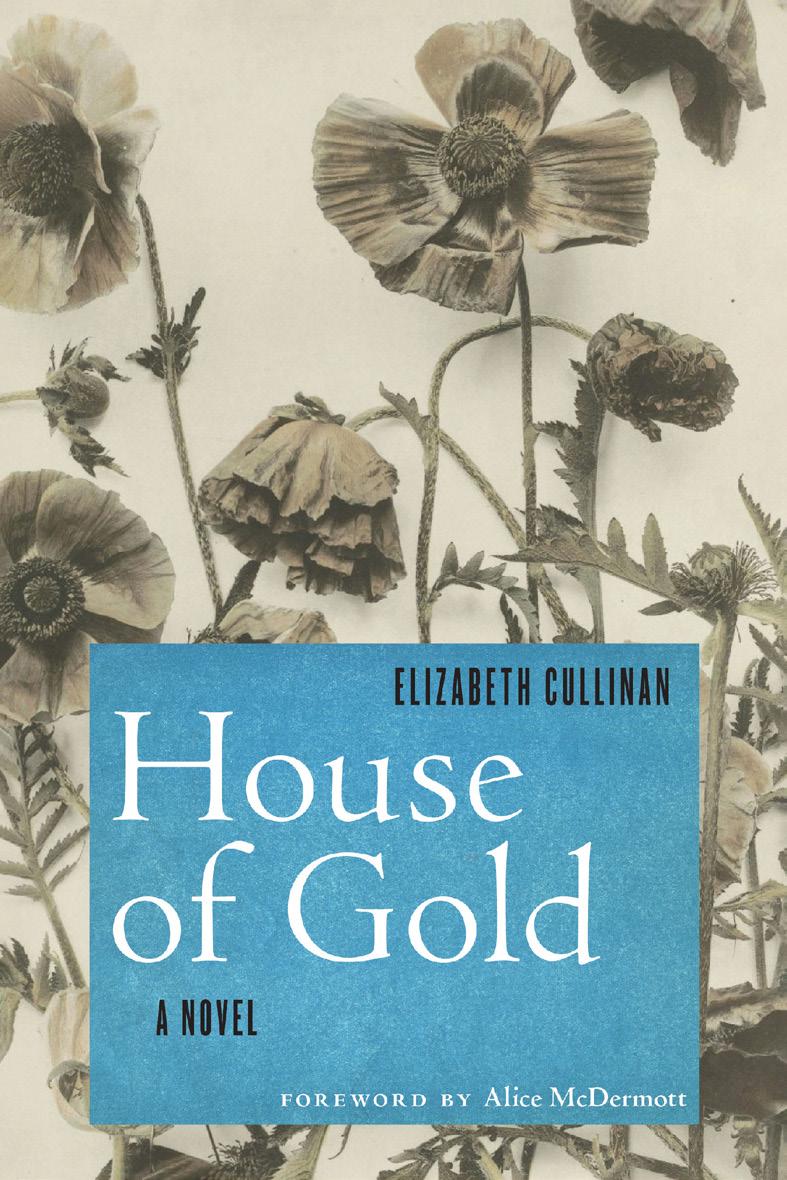
A quietly powerful portrait of an Irish American Catholic family gathered over a single day as their formidable matriarch lies dying, Elizabeth Cullinan’s acclaimed 1970 novel returns to print with a new Foreword by Alice McDermott
First published in 1970 and set in the 1950s, House of Gold is Elizabeth Cullinan’s remarkable debut novel, an intimate and unsparing portrait of a devout Irish American Catholic family assembled over the course of a single summer day as their matriarch lies dying.
Confined largely to the family home, the novel unfolds in real time as siblings, in-laws, and grandchildren keep vigil, moving through familiar rooms thick with memory, obligation, and unspoken tension. Long-standing rivalries surface alongside gestures of loyalty and care; private disappointments and quiet resentments emerge in the shadow of ritual, faith, and family duty. Rather than centering a single protagonist, Cullinan’s mastery of internal monologue and voice renders glimpses of individual perspectives throughout this family shaped, and long dominated, by the powerful presence of its mother.
With extraordinary attention to the textures of ordinary life, Cullinan captures the sensory and emotional atmosphere of a lower-middle-class Catholic household: the rhythms of domestic routine, the weight of religious observance, and the subtle shifts in feeling that occur as death approaches. Cullinan’s compassionate but clear-eyed narrative reveals the pettiness, tenderness, bewilderment, humor, and buried love that coexist within even the most tightly bound families.
Hailed on publication for its precision of observation and emotional depth, with comparisons to Chekhov and Joyce’s Dubliners, House of Gold’s 1970 debut announced a major American literary talent. Decades on, the novel remains a quietly powerful and original achievement in American literary fiction.
ELIZABETH CULLINAN (1933–2020) was an Irish American writer who started her career as a typist at The New Yorker magazine, which published her stories from 1960 to 1981. She produced two short story collections, The Time of Adam and Yellow Roses, and two novels, House of Gold and A Change of Scene.
JOHN D. FEERICK FOREWORD BY THOMAS J. SHELLEY WITH A NEW EPILOGUE
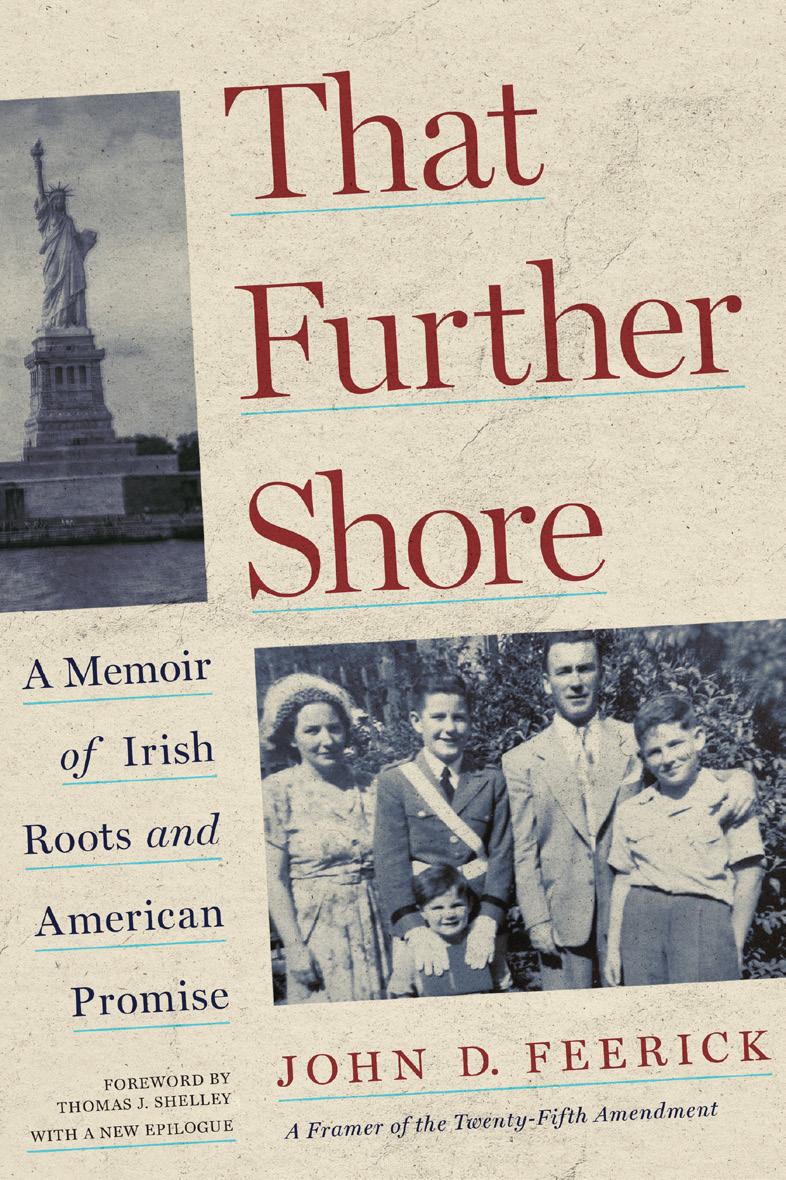
A rare and evocative memoir of a respected constitutional scholar, dedicated public servant, civic reformer, and facilitator of peace in the lands of his ancestors
“For an extraordinary tale about an extraordinary man, Feerick’s most striking trait is the humility present in these pages born from love of other people.”—Nicholas Sawicki, America Magazine
“This is an exceptionally well written book and a compelling story of one Irish American lawyer who loves his Irish heritage, his family, his Church, and the law.”—Steve Fearon, Irish America
“That Further Shore is a testament to Dean Feerick’s legacy of compassionate service to others, as well as a ‘master class’ for future generations on how to live a good and dignified life”—New York Irish History
“The name of John Feerick is renowned here in New York. . . . Those of us who so admire wonder. Where did he get this faith, wit, wisdom, and love? With this fine read, now we know.”
Cardinal Timothy Dolan
“Dean John Feerick stays rooted in his family, faith, Irish heritage, and his commitment to social justice. Inspiring!”—Mary Pat Kelly, author of best-selling books
“This book is about how one man with ethics and integrity can impact the public good. In a real sense John Feerick’s journey is the story of America, its immigrant roots, and the opportunity we each have to make a difference.”—Jonathan Lippman, Former Chief Judge of the State of New York
“This terrific book tells how the public man we know was modelled in the tradition of Irish Catholic familial love, sustained by the continuation of that spirit in the family he has built with his love, Emalie.”—John Sexton, President Emeritus, New York University.
“When John Feerick received the ABA Medal, he thanked his parents; this book tells his family’s story and takes the reader through a career that unbelievably was accomplished by only one person. Each chapter is an exciting journey filled with fascinating stories. I could not put it down!” Linda Klein, Past President of the American Bar Association.
“John Feerick elevates any place that he is part of. It’s not simply his numerous accomplishments as a dean, as a leader of legal education, as somebody who has been so fundamentally a part of our legal world . . . it’s the values that he brings to everything that he does that makes all of us want to follow him, that makes us feel that the world is a better place because of who he is and what he does.”—Former Chief Judge Robert A. Katzmann of the US Court of Appeals for the Second Circuit, as quoted in the Cardozo Journal of Conflict Resolution
“This is truly an American Story. The child of immigrants of limited means but deep religious faith and great hope for the future, John Feerick became one of the most celebrated lawyers of our time, making a powerful impact as a civic reformer, law school dean, scholar, law firm partner, advocate for justice, and co-drafter of a constitutional amendment. This is a deeply moving account of a life extraordinarily well lived, and it is as engaging as it is inspiring.”
William M. Treanor, Dean Emeritus of both Georgetown and Fordham Law Schools
JOHN D. FEERICK is a professor of law at Fordham Law School and the occupant of the Sidney C. Norris Chair of Law in Public Service. He teaches and writes in areas of the Constitution, legal ethics, and conflict resolution. His books include the third edition of The Twenty-Fifth Amendment: Its Complete History and Applications and From Failing Hands: The Story of Presidential Succession, which was helpful to the framers of the Constitution’s Twenty-Fifth Amendment.
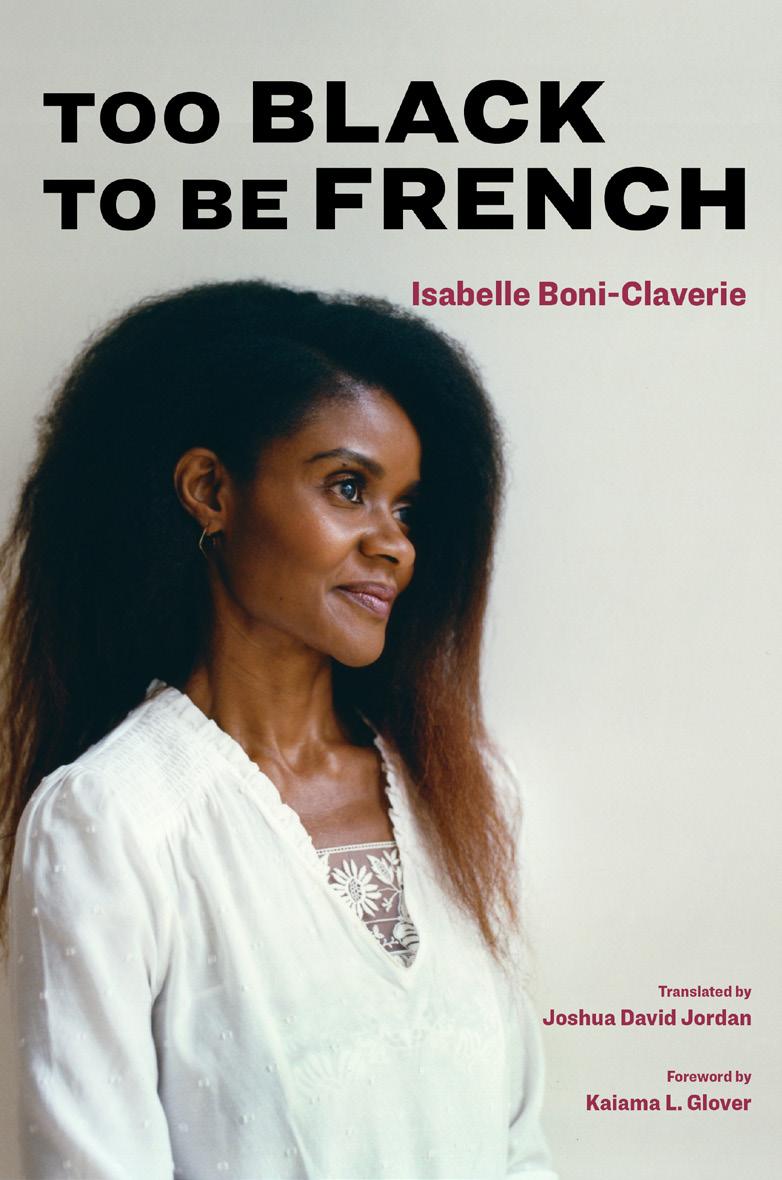
ISABELLE BONI-CLAVERIE
TRANSLATED BY
JOSHUA DAVID JORDAN
FOREWORD BY KAIAMA L. GLOVER
272 pages
9781531514785, Trade Paperback, $24.95 (TP), £18.99
[Hardback available: 9781531508081]
eBook available
FEBRUARY
Race & Ethnic Studies | Gender & Sexuality | Memoir
“Isabelle Boni-Claverie offers us a powerful work that explores with depth and honesty the complex realities of Black identity in France. Through her personal story and clear-eyed analyses, she highlights the insidious discrimination and challenges faced by Black people in contemporary French society. An illuminating read for anyone looking to understand the mechanisms of systemic racism.”—Rokhaya Diallo, author of Racism: A Guide
“This book is one of the greatest pleas against exclusions that have so far prevented France from becoming aware of the diversity of its population.”—Alain Mabanckou, author of Black Moses
“At this particular moment in time, when France’s minority populations—peoples of color, descendants of empire—are demanding with increasing force that France grapple meaningfully with the nation’s past and recalibrate its present conditions of citizenship and belonging, the notion that a citizen of the republic can be ‘too Black to be French’ is a profoundly necessary provocation.”
Kaiama L. Glover, from the Foreword
Winner, Grand Prize, French Voices Award
From colonial legacies to contemporary life, a filmmaker’s incisive portrait of what it means to be Black in France
In Too Black to Be French, Isabelle Boni-Claverie navigates the complexities of identity, race, and family in a world that constantly questions her belonging. Boni-Claverie’s singular account interweaves the extraordinary life experiences of three generations of her family: her grandfather from Ivory Coast, who married a middle-class white woman from southern France in the 1930s; her biological parents, and her mixed-race aunt and white upper-class uncle who adopted her; as well as her own life as a successful film director and writer faced with abiding stereotypes and discrimination.
Written with humor and aplomb, Boni-Claverie’s narrative examines the enduring effects of France’s colonial past and the deep-seated structural prejudices affecting Black people in a country that prides itself on stories of its hospitality toward African Americans fleeing segregation. Updating this picture to reveal the complexities and challenges of being Black in France where discussion of race is often taboo, Boni-Claverie offers an American readership rare insights into racial dynamics on both sides of the Atlantic.
Too Black to Be French is at once a sociological portrait of France, a multicultural family album, and a transatlantic coming-of-age story. It will appeal to readers eager for a passionate fresh voice devoted to better understanding the challenges of today’s world and the courage it takes to overcome them. Through vivid storytelling, Boni-Claverie invites readers to traverse a path filled with emotional depth, cultural introspection, and a quest for acceptance.
ISABELLE BONI-CLAVERIE is a French filmmaker, screenwriter, and author. At eighteen, she won second prize for the Young Francophone Writer Award for her first novel, La Grande Dévoreuse In 2005, Danny Glover asked her to adapt Valérie Tong Cuong’s novel, Où je suis, into the screenplay Heart of Blackness. She has since written numerous television dramas and series, including the comedy Sex, Okra and Salted Butter (ARTE), Seconde Chance (TF1), Coeur Océan (France 2), and Plus Belle La Vie (France 3), the most watched TV series in France. Her 2015 documentary Too Black to Be French? was a hit both with audiences and the media and screened internationally.
JOSHUA DAVID JORDAN is Senior Lecturer in French at Fordham University. He has translated works by Etienne Balibar, Jean Hatzfeld, and David Lapoujade and is a two-time winner of the French Voices Award.
KAIAMA L. GLOVER is Ann Whitney Olin Professor of French and Africana Studies at Barnard College. She is the author of A Regarded Self: Caribbean Womanhood and the Ethics of Disorderly Being and Haiti Unbound: A Spiralist Challenge to the Postcolonial Canon.
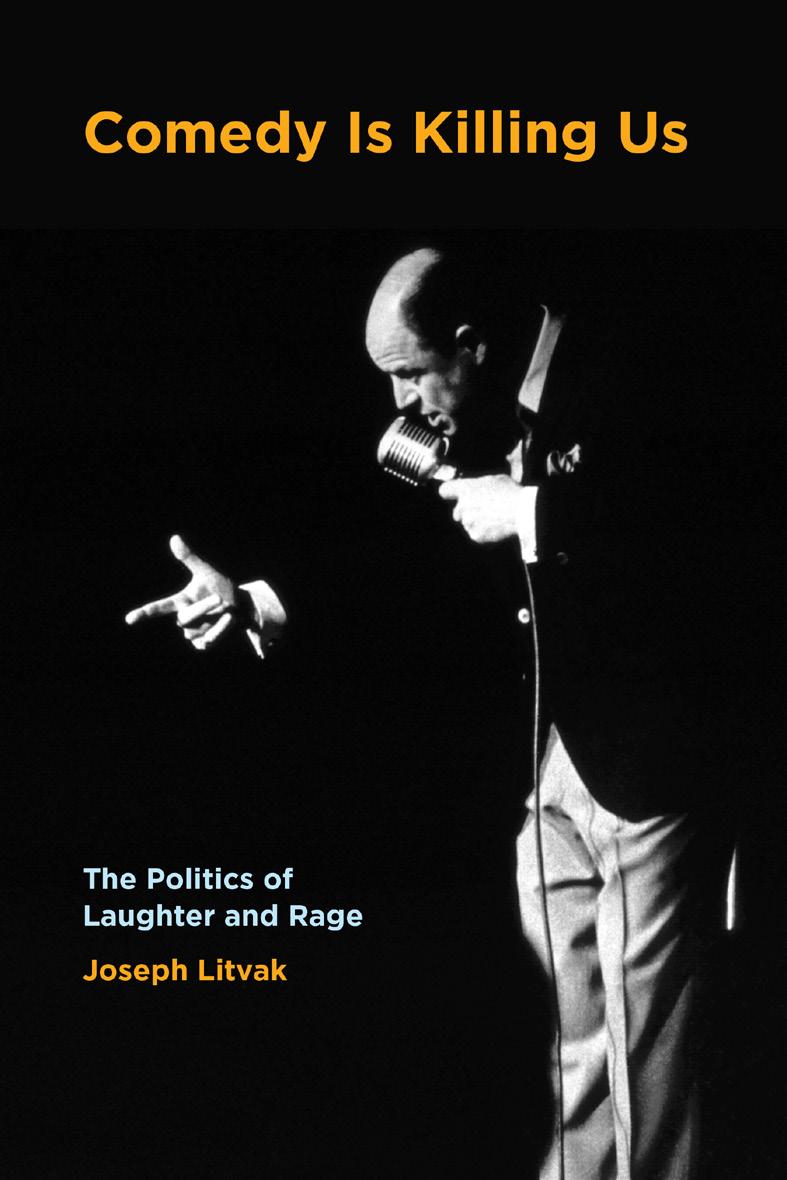
192 pages, 4 b/w illustrations 9781531514648, Paperback, $29.95 (AC), £22.99 9781531514631, Hardback, $110.00 (SDT), £88.00 Simultaneous electronic edition available JANUARY
“Joseph Litvak’s brilliant and funny Comedy is Killing Us moves comedy from the margins of mere entertainment into the center of political analysis. Almost every sentence brings a laugh and each new aperçu a gasp as we are guided through the right’s theft of the countercultural left’s humor. An absolute must-read!”—Bonnie Honig, author of Shell-Shocked: Feminist Criticism after Trump
“In this masterful and bracing book, Joseph Litvak chooses ruthless criticism over riotous comedy, showing how not merely the clowning of a certain fascist President, but also that of everyone else, necessarily pushes its subjects up against terror. Reading alongside the communist philosopher and comic playwright Alain Badiou, Litvak chops through the theatrical piety of a Hannah Gadsby and the phobic charisma of a Stephen Colbert to give us a new history of the comic as an intrinsically wounded and wounding method of representation.”—Grace Lavery, author of Pleasure and Efficacy: Of Pen Names, Cover Versions, and Other Trans Techniques
A provocative account of how comedy fuels political violence, and what might come after it
Does comedy really speak truth to power, or has it become one of power’s most effective tools? In Comedy Is Killing Us, literary and cultural critic Joseph Litvak offers a bold reckoning with the role of laughter in an age of authoritarian resurgence. Moving between political theory, media culture, and performance, Litvak argues that the modern strongman thrives not despite his ridiculousness but because of it. From twentieth-century fascist spectacle to the contemporary politics of insult comedy and “postcomedy,” this book traces the deep entanglement of humor and terror across the United States and beyond.
Drawing on thinkers including Lauren Berlant, Alenka Zupančič, John Limon, and Alain Badiou, Litvak challenges the comforting assumption that progressive resistance simply means reclaiming comedy’s liberatory power. Instead, he shows how even oppositional humor can reproduce structures of domination, blurring the line between comic critique and comic cruelty. Through readings of stand-up, media culture, and political performance, he situates the contemporary comedification of politics within a longer history linking laughter to fascism, nationalism, and gendered violence.
Yet Litvak does not abandon comedy altogether. Turning to queer and experimental forms of postcomedy, he explores the possibility of a humor that resists both authoritarian spectacle and punitive satire. At once incisive and accessible, Comedy Is Killing Us offers an unorthodox perspective on the cultural conditions that have allowed rage-driven humor to flourish and sketches a vision of what comedy after the present crisis might look like.
JOSEPH LITVAK is Harriet H. Fay Professor of Literature at Tufts University and a cultural critic whose work explores comedy, politics, and power. He is the author of The Un-Americans: Jews, the Blacklist, and Stoolpigeon Culture (2009, honorable mention, James Russell Lowell Prize) and Strange Gourmets: Sophistication, Theory, and the Novel (1997, winner, Perkins Prize) and translator of Alain Badiou’s Ahmed the Philosopher: Thirty-Four Short Plays for Children & Everyone Else.
RODERICK A. FERGUSON
RODERICK A. FERGUSON
208 pages, 5 1⁄2 x 8 1⁄2, 24 color and 6 b/w illustrations 9781531513450, Paperback, $22.95 (AC), £16.99 9781531513443, Hardback, $90.00 (SDT), £72.00
Simultaneous electronic edition available OCTOBER
Art & Visual Culture | Race & Ethnic Studies | Gender & Sexuality
“In View of the Tradition explores the connection between art, history, and the Black radical tradition. These precise accounts framing each artwork track the inevitable connections between our global historical realities and our cultural production. The significance of this book cannot be overstated in a time when some might question what it is all for. In View of the Tradition is the gift of memory for future artmaking.”—Claudia Rankine
“In In View of the Tradition, Roderick A. Ferguson reclaims Black art from the constraints of the market, framing it instead as a vital vessel for history, warning, and radical inspiration. By putting contemporary visual practices in conversation with Black radical thought—from the ruins of Watts to the mutations of global militarism—Ferguson demonstrates how our work serves as a divine force, or áshe, capable of revitalizing political agency. This text is an essential call for us to remain immersed in our collective intellectual traditions, ensuring that the Black radical imagination remains a living, transformative project in the face of modern emergencies.”—Lyle Ashton Harris
“Contributing to studies of the afterlife of slavery as well as its connected ecologies, In View of the Tradition is a stunning work of research and writing. A vital and necessary addition to the field of Black Studies, Visual Culture Studies and Transatlantic Studies.”
Kimberly Juanita Brown, author of Black Elegies: Meditations on the Art of Mourning
A field-shaping account of how contemporary Black art revitalizes the Black radical tradition
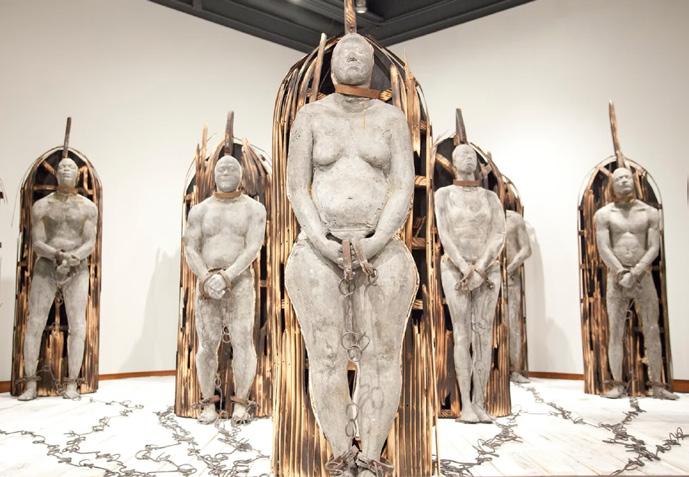
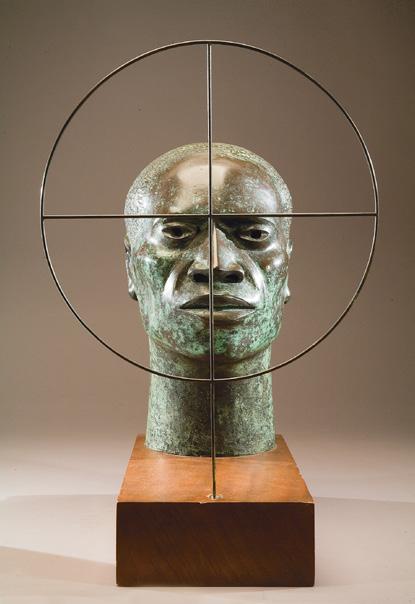
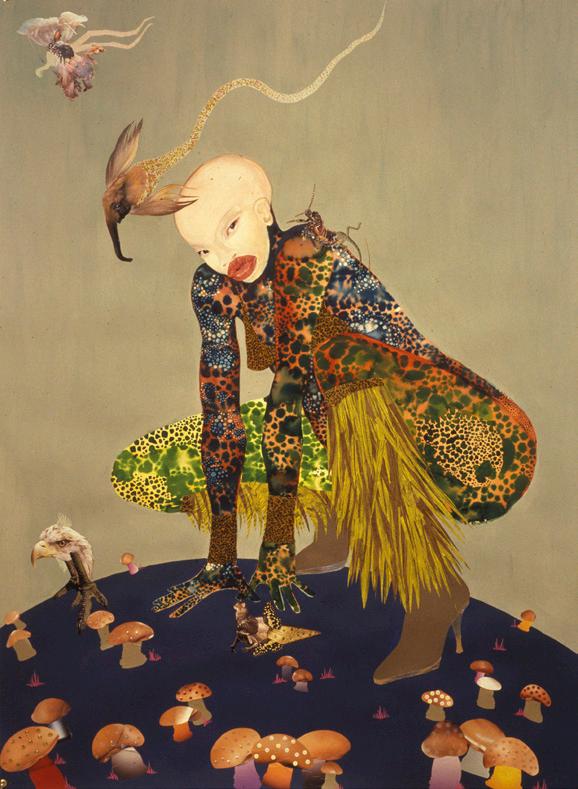
In View of the Tradition argues that contemporary Black artists do not simply comment on politics. They help to generate it. Moving across sculpture, installation, photography, and film, Roderick A. Ferguson shows how Black art clarifies the stakes of capitalism, migration, war, settler colonialism, and ecological crisis while widening the tradition’s feminist, queer, and transnational horizons. The book asks what it means to relocate Black art in the annals of freedom rather than the balance sheets of the marketplace.
Reading work by John Akomfrah, Stephen Hayes, Hew Locke, Fabrice Monteiro, Wangechi Mutu, Noah Purifoy, Cauleen Smith, and Carrie Mae Weems, Ferguson restores the social character of art: how artworks imagine community, connect histories, and model ways of making and remaking the world. Street-level practices associated with Purifoy reframe official narratives of disorder into studies of collective making and civic imagination. Weems’s Hampton Project situates Black and Native lives within intertwined histories of racial governance and settler pedagogy, building an aesthetics of reckoning that links emancipation to captivity.
Across the Atlantic world, artists turn to the sea as both history and prophecy. In the flotillas and filmic ecologies of Locke, Akomfrah, and Monteiro, water becomes a sensor of racial capitalism and refugee flight, and it calls Black radicalism to account for migration’s precarity and the force of deregulated markets. Mutu’s hybrid anatomies trace militarism’s afterlives, from colonial counterinsurgency to Cold War entanglements, where bodies and ecologies register violence yet assemble unexpected kinships. The book closes with art as praxis through Cauleen Smith’s Human 3.0 Reading List, a hand-drawn syllabus that doubles as an engine room of creation. Ferguson names a method that is accessible and rigorous: look closely, connect widely, and link visual literacy to insurgent study and to áshe, the capacity to make things happen. Written with clarity for general readers and with depth for scholars and classrooms, In View of the Tradition shows how Black art and radical thought come together to represent the world and to sketch other possible ones.
RODERICK A. FERGUSON is the William Robertson Coe Professor of Women’s, Gender, and Sexuality Studies and American Studies at Yale University. He is the author of One-Dimensional Queer, We Demand: The University and Student Protests, The Reorder of Things: The University and Its Pedagogies of Minority Difference, and Aberrations in Black: Toward a Queer of Color Critique.





304 pages, 10 b/w illustrations
9781531514563, Paperback, $30.00 (AC), £22.99
9781531514556, Hardback, $105.00 (SDT), £84.00
Simultaneous electronic edition available
OCTOBER
American Studies | Education | History
“Powerful, timely, erudite, and rigorously researched, Degrees of Empire is incredibly prescient in this moment as the Trump regime targets international students for deportation. Readers of this book will come away with an understanding that such authoritarian orientations are inherent to the structure of international education. Indeed, Boggs gives us a framework for understanding the entire sweep of US empire.”—Grace Kyungwon Hong, author of Death beyond Disavowal: The Impossible Politics of Difference
“Abbie Boggs offers a profoundly structural but simultaneously humane account of the American university. In organizing her study around the figure of the noncitizen student, Boggs reveals how tensions and contradictions between university, state, capital, and empire evolve over time, shaping the very fabric of the institutions we inhabit.”
Isaac Kamola, Professor of Political Science, Trinity College, Hartford
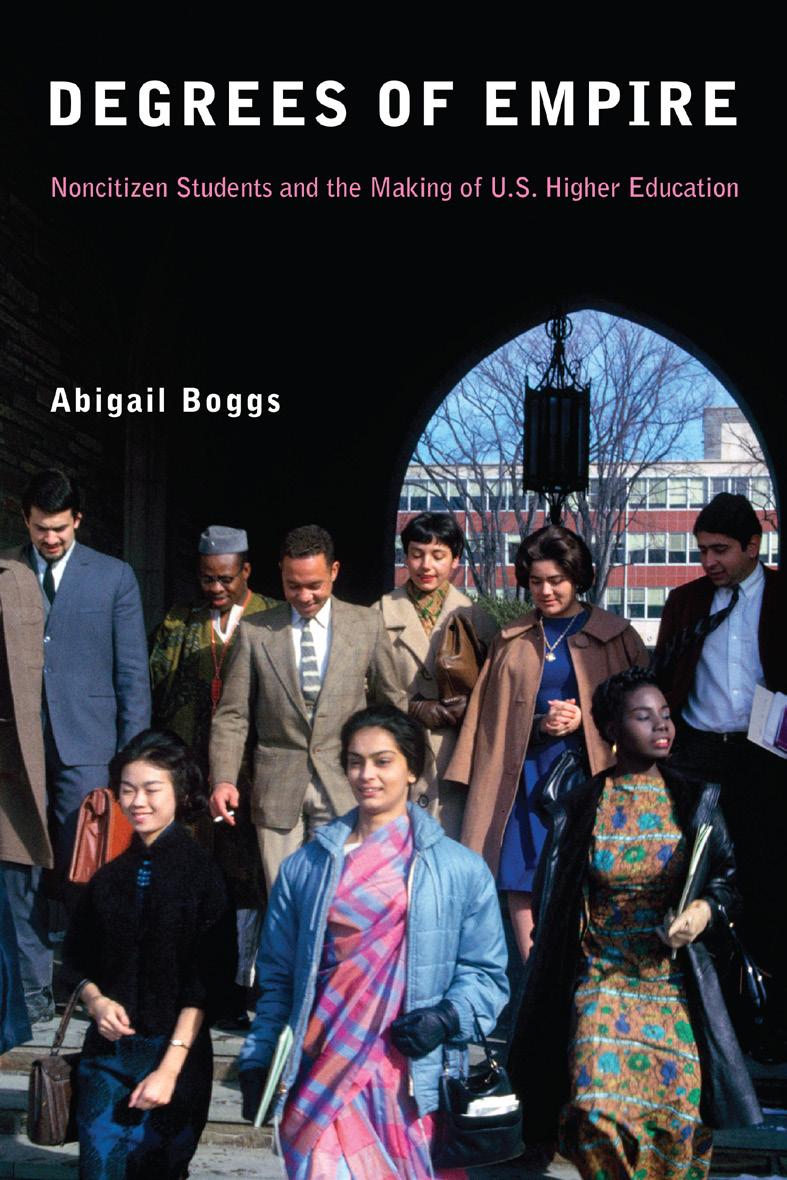
noncitizen students shaped U.S. universities
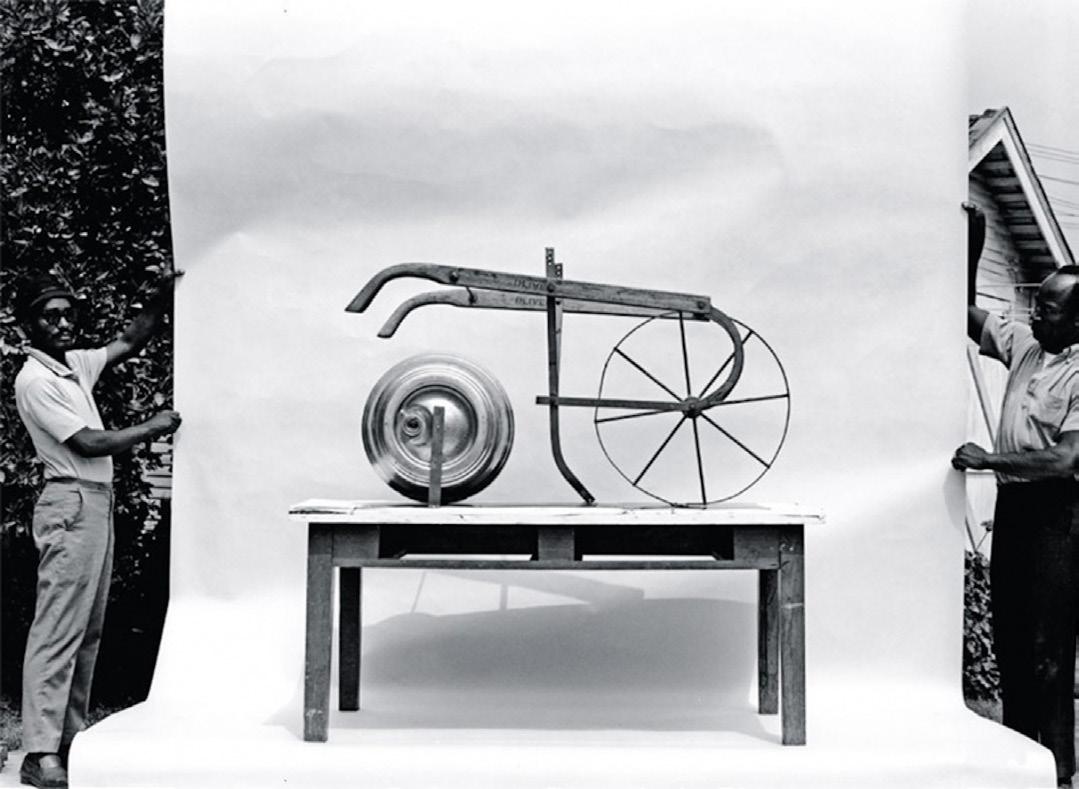
From colonial missionary schools to the globalized university of the twentieth century, U.S. higher education has long depended on students who were never meant to belong. Degrees of Empire tells the untold history of how noncitizen students—Indigenous youth, students from Asia, Africa, and the Caribbean, and others positioned outside the boundaries of citizenship—have been central to the making of American universities and the expansion of U.S. power.
Tracing the intertwined development of higher education, immigration law, and imperial governance from the seventeenth century through the mid-twentieth, Abigail Boggs shows how universities functioned as fundamental instruments of empire. Noncitizen students were recruited and educated under conditions of surveillance, restriction, and impermanence, trained to circulate knowledge, labor, and political ideals on behalf of the United States even as they were denied full political membership and exposed to constant threat of exclusion or deportation.
Drawing on archival records, immigration policy, institutional documents, and the writings of students themselves, Degrees of Empire demonstrates how universities helped produce racial hierarchies, manage populations, and naturalize liberal ideals of merit and mobility. By examining the figure of the noncitizen student genealogically across time, Boggs reveals a fundamental contradiction at the heart of U.S. higher education: Institutions that present themselves as open and universal have long relied on selective inclusion structured by race, citizenship, and capital.
At a moment when immigration and higher education are once again sites of intense political struggle, this book offers a powerful rethinking of the American university—not as a neutral engine of opportunity, but as a central technology of empire and a contested space in which alternative futures may yet be imagined.
ABIGAIL BOGGS is Assistant Professor of Sociology and Education Studies and affiliated faculty in Feminist, Gender, and Sexuality Studies at Wesleyan University. Her writing has appeared in American Quarterly, Feminist Studies, The Journal of Academic Freedom, and other venues, and explores race, migration, higher education, and the politics of knowledge.

NADIA RUPNIAK
288 pages, 25 b/w illustrations
9781531514723, Paperback, $35.00 (AC), £26.99 9781531514716, Hardback, $105.00 (SDT), £84.00
Simultaneous electronic edition available
World War II: The Global, Human, and Ethical Dimension JANUARY
World War II | History | Memoir
“This work by Nadia Rupniak is an important addition to the canon of Polish military and social history. It is also a study of the mental health of survivors of extreme trauma. It is a hidden history. Hidden for many reasons: none good.”—Evan McGilvray, author of The Black Devils’ March—A Doomed Odyssey: The 1st Polish Armoured Division 1939–45
A daughter uncovers the hidden life of a decorated World War II hero—and the devastating legacy of war trauma and political betrayal that shaped generations
When Nadia Rupniak buried her father, she believed she knew the man who had ruled her childhood with harsh discipline and an explosive temper. Only after his death did she discover that he had been a highly decorated Polish officer and World War II hero who had lived for decades in secrecy, exile, and unresolved trauma.
The Betrayed War Hero reconstructs the extraordinary life of a soldier who witnessed the brutal deaths of comrades in battle, lost family members to Soviet deportation, and saw his homeland sacrificed in the political aftermath of the war. Determined to liberate Poland, he fought alongside Allied forces across Europe, only to find that the victory he had risked everything for would not restore his country or his family. Unable to return home and fearful for relatives living under communist rule, he concealed his military achievements and the scale of his suffering for more than sixty years.
Blending memoir, biography, and psychological analysis, Rupniak traces the lasting impact of war trauma and moral injury on veterans and their families. Drawing on archival research, family documents, and her own experience as a scientist specializing in psychiatric and neurological disorders, she offers an intimate, uniquely informed insight into silence, resilience, and intergenerational trauma. The book also brings overdue attention to the vital yet often overlooked role of Polish servicemen in defeating Nazi Germany and the geopolitical betrayals that followed.
Compelling and timely, The Betrayed War Hero is both an intimate family story and a broader meditation on memory, exile, and the hidden costs of war. It will resonate with readers of narrative history, memoir, and works exploring the psychological aftermath of conflict.
NADIA RUPNIAK holds a BA in Physiology and Psychology from the University of Oxford and a PhD from the Institute of Psychiatry, London. A scientist known for developing new treatments for psychiatric and neurological disorders, she is the author of more than 140 peer-reviewed publications. Her work has appeared in Science and has been featured in The Wall Street Journal.
JACQUES DERRIDA EDITED BY BRIEUC GÉRARD TRANSLATED BY PASCALE-ANNE BRAULT AND MICHAEL NAAS
128 pages, 5 x 8, 7 b/w illustrations 9781531514600, Paperback, $24.95 (AC), £18.99 9781531514594, Hardback, $90.00 (SDT), £72.00 Simultaneous electronic edition available OCTOBER Philosophy & Theory
“This text provides one of the earliest instantiations of some of the hallmark gestures of deconstructive reading. To Think Is to Say No is a crucial item in the dossier of the philosophical debate surrounding the relation between nothing and being—a question that has lost none of its urgency.”
Ronald Mendoza-de Jesús, Emory University
An early work by Jacques Derrida offering a rare window into the origins of a major philosophical voice
To Think Is to Say No presents, for the first time in English, a remarkable early lecture course delivered by Jacques Derrida at the Sorbonne during the 1960–1961 academic year. Composed of four sessions and drawn from Derrida’s handwritten manuscripts, this volume offers a rare glimpse into the development of one of the most influential philosophers of the twentieth century.
Taking its title from a phrase by the French philosopher Alain—“to think is to say no”—the course explores the relationship between thinking, negation, and belief. Beginning with Alain’s provocative claim that genuine thought arises through questioning and refusal, Derrida develops what might be called a brief history of negation in Western philosophy, engaging figures from Plato, Kant, and Hegel to Husserl, Bergson, Sartre, and Heidegger. At stake is not only the logic of affirmation and negation but also the origin of thought itself: Does thinking begin with a “yes” or a “no”?
Derrida’s response challenges Alain’s formulation while developing a central thread of his later philosophy: the idea of an originary affirmation of the other, a “yes” that precedes every affirmation and negation. In tracing this tension, the course reveals the early emergence of themes that would come to define Derrida’s work—language, responsibility, pedagogy, and the ethical relation to others—while showcasing his distinctive teaching style and intellectual rigor.
Edited by Brieuc Gérard and translated by Pascale-Anne Brault and Michael Naas, To Think Is to Say No brings into print a foundational document of Derrida’s thought. Both an essential contribution to Derrida scholarship and a compelling introduction to his philosophical concerns, this volume illuminates the origins of deconstruction and the enduring question of what it means to think.
JACQUES DERRIDA (1930–2004) was one of the most influential philosophers of the late twentieth century. His many books include Of Grammatology, Specters of Marx, and The Animal That Therefore I Am
BRIEUC GÉRARD is an independent scholar based in Los Angeles.
PASCALE-ANNE BRAULT is Professor of French at DePaul University. She is the translator of fifteen books by Jacques Derrida, Barbara Cassin, and others, and is Director of the Derrida Library series at Editions du Seuil
MICHAEL NAAS is Professor of Philosophy at DePaul University. His most recent book is Threshold Phenomena: Derrida and the Question of Hospitality. He is also the translator of twelve books by Jacques Derrida, Jean-François Lyotard, and Jean-Luc Nancy.
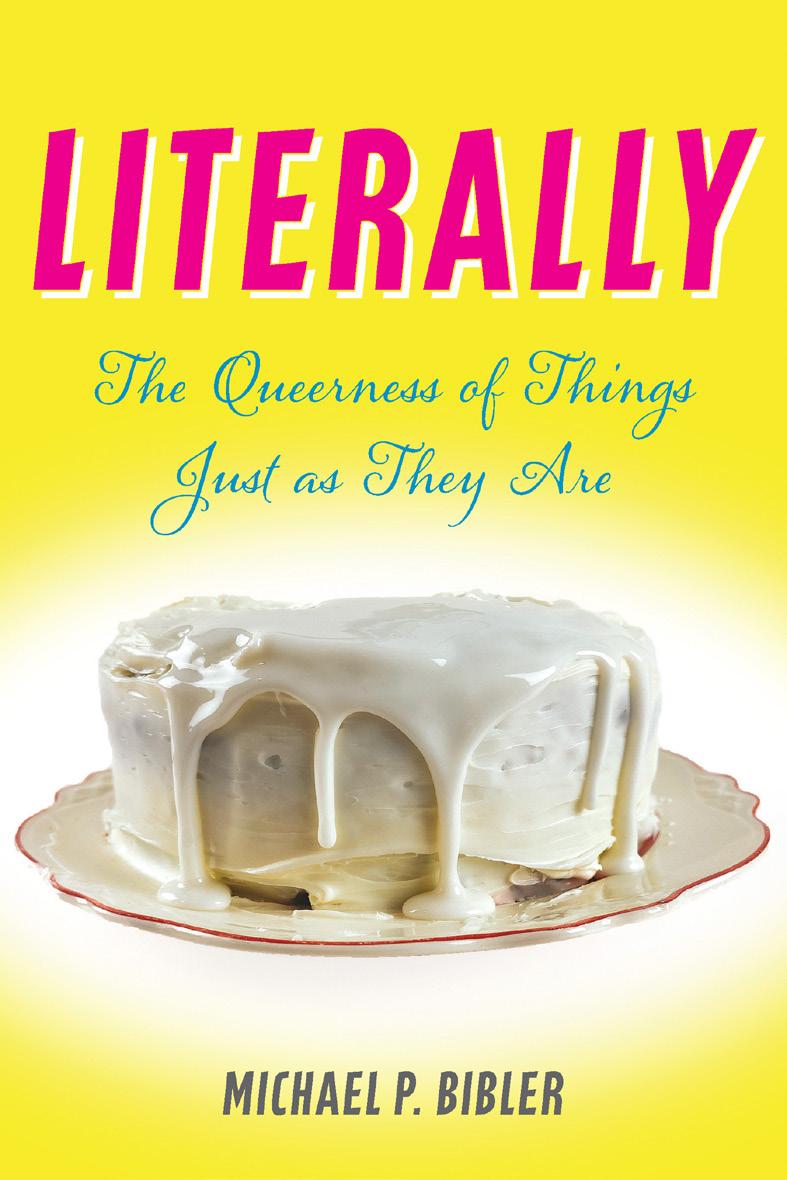
MICHAEL P. BIBLER
272 pages, 16 color illustrations 9781531514686, Paperback, $35.00 (AC), £26.99 9781531514679, Hardback, $125.00 (SDT), £100.00 Simultaneous electronic edition available NOVEMBER Queer Theory | Literary Studies | Cinema & Media Studies
“Literally is a triumph. Bibler writes with great verve, confidence, and wit.”
Michael Trask, University of Kentucky
“Michael Bibler’s Literally takes up an often-overlooked literary force—the literal—and reveals its generative power. Drawing on his training as a literary scholar, Bibler transforms literality into a supple mode of reading, one attuned to the textures of meaning across literary and popular forms, from music and literature to drag performance and film. At once incisive and imaginative, this book offers a bracing new turn in literary, queer, and popular cultural studies.”—E. Patrick Johnson, Dean of the School of Communication and Annenberg University Professor, Northwestern University
A lively look at how queer artists turn everyday culture into surprising sites of humor, insight, and creative possibility
What happens when we take things literally? In Literally: The Queerness of Things Just as They Are, Michael P. Bibler argues that the literal, so often dismissed as obvious or unremarkable, has been a powerful and playful tool in queer cultural production. Examining music, literature, film, and visual art from the 1980s to the present, Bibler shows how queer artists and performers inhabit the norms and categories of mainstream culture as literally as possible, exposing their contradictions and opening new spaces for identity, pleasure, and community.
Through inventive readings of works by the B-52s, Truman Capote, RuPaul, John Waters, and others, Bibler develops an original critical framework he calls “literal camp.” Rather than relying on the irony of hidden meanings, these artists exaggerate basic, literal meanings without altering them, using hyperbole and humor to unsettle normative hierarchies of gender, sexuality, race, and cultural value. By foregrounding what is already visible on the surface, they reconfigure the relationship between queer and normal and reveal how the straightforward can also be strange, subversive, fun, and transformative.
Positioned at the intersection of queer theory, literary studies, and cinema and media studies, Literally offers a fresh alternative to models of queerness defined solely by opposition or negation. Bibler shows how literalism can “crash the normal” from within and make room for a wide range of identities and attachments to exist on their own terms, literally just as they are. Accessible, witty, and theoretically ambitious, the book builds a vibrant archive of queer cultural production while rethinking the foundations of queer theory itself.
By taking the literal seriously as a site of pleasure and critique, Literally invites readers to reconsider how meaning, identity, and value are made and how they might be remade.
MICHAEL P. BIBLER is Professor of English at Louisiana State University. He is the author of Cotton’s Queer Relations: Same-Sex Intimacy and the Literature of the Southern Plantation, 1936–1968 and coeditor of the Radical Souths series at the University of North Carolina Press.
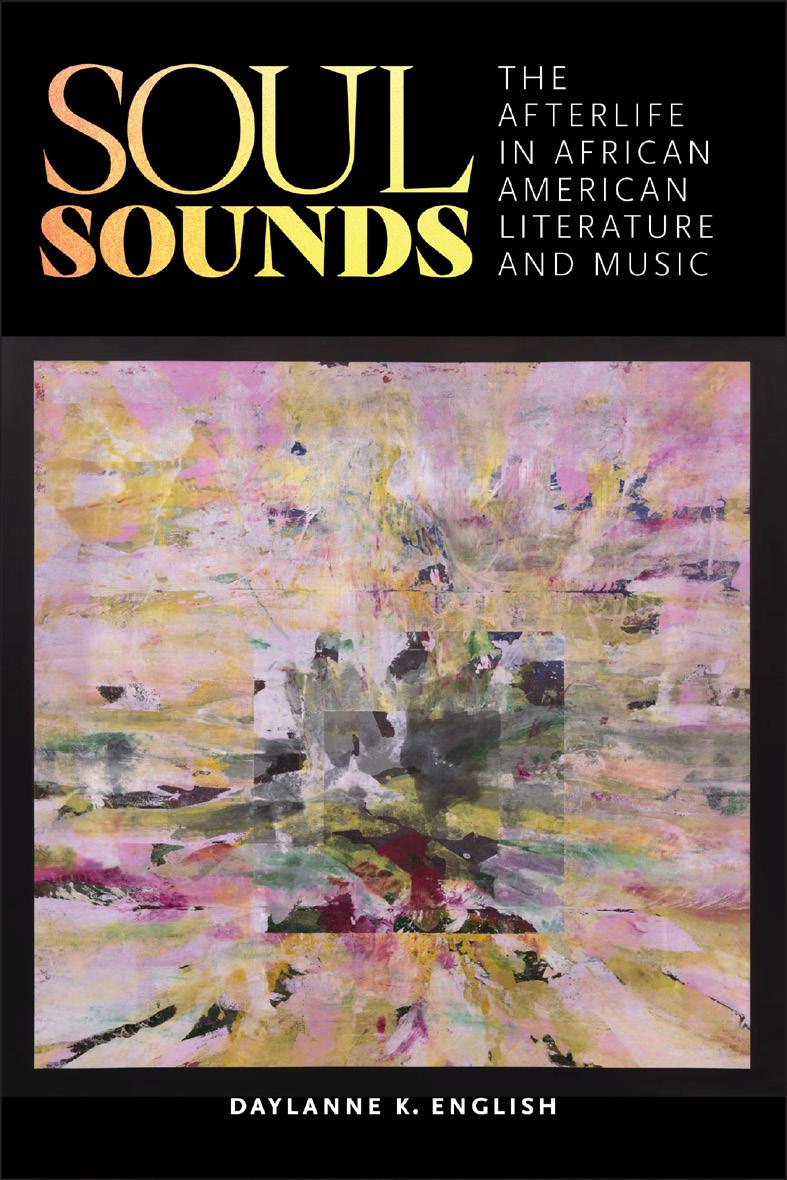
192 pages, 7 color illustrations
9781531515126, Paperback, $30.00 (SDT), £22.99 9781531515119, Hardback, $105.00 (SDT), £84.00 Simultaneous electronic edition available NOVEMBER
African American Studies | Literary Studies | Music
“In Soul Sounds, Daylanne K. English clearly and persuasively argues for the afterlife’s generative potential across a wide array of Black cultural forms. As she insists, the afterlife is a means by which to think of historical time against the conventions of periodization, and to actively imagine and create a future. What could be more timely?”
Habiba Ibrahim, author of Black Age: Oceanic Lifespans and the Time of Black Life
A timely, accessible, and empowering analysis of the afterlife, offering an important corrective to assaults on Black life, art, and culture
Despite its recurrent representation, a literal afterlife has been surprisingly neglected in Black literary and music studies. Soul Sounds addresses this gap by locating in spiritualist narratives, narratives by the formerly enslaved, contemporary Black poetry, and hip-hop music an afterlife that is at once futuristic, eternal, and temporally proximate and therefore offers us continuous access to other, possibly better, times. Combining literary studies, sound studies, time studies, Black Feminist Theory, and religious studies, it is the first book to identify and theorize an “agential afterlife” in African American literature and music from the mid-nineteenth century to the present.
Considering works by Paschal Beverly Randolph, Harriet Jacobs, Ross Gay, Danez Smith, Janelle Monáe, and Kendrick Lamar, among others, Daylanne K. English demonstrates how their content and form construct that transtemporal, agential afterlife. Her close readings of texts such as Incidents in the Life of a Slave Girl, Don’t Call Us Dead, and “United in Grief” reveals a sociality of form that corresponds to real-life sociality, with the afterlife, too, working as a social form and as a partner to the arts.
Soul Sounds shows how these artists contribute to a longstanding tradition of nonlinear time that aids collective creating and imaginative rebuilding. English thereby calls into question dominant current uses of the afterlife as purely metaphoric, as in Saidiya Hartman’s influential concept of the “afterlives of slavery.” Although this book challenges the Afropessimism of Hartman and others, it does not then dismiss it, instead bringing Afropessimism together with Afro-Optimism.
Grounded in the urgency of the now, Soul Sounds advocates for the power of a critical and creative afterlife to sustain literary and scholarly traditions, shape current scholarship, and support contemporary activisms.
DAYLANNE K. ENGLISH is Professor of English at Macalester College in St. Paul, Minnesota. She is the author of Unnatural Selections: Eugenics in American Modernism and the Harlem Renaissance and Each Hour Redeem: Time and Justice in African American Literature.
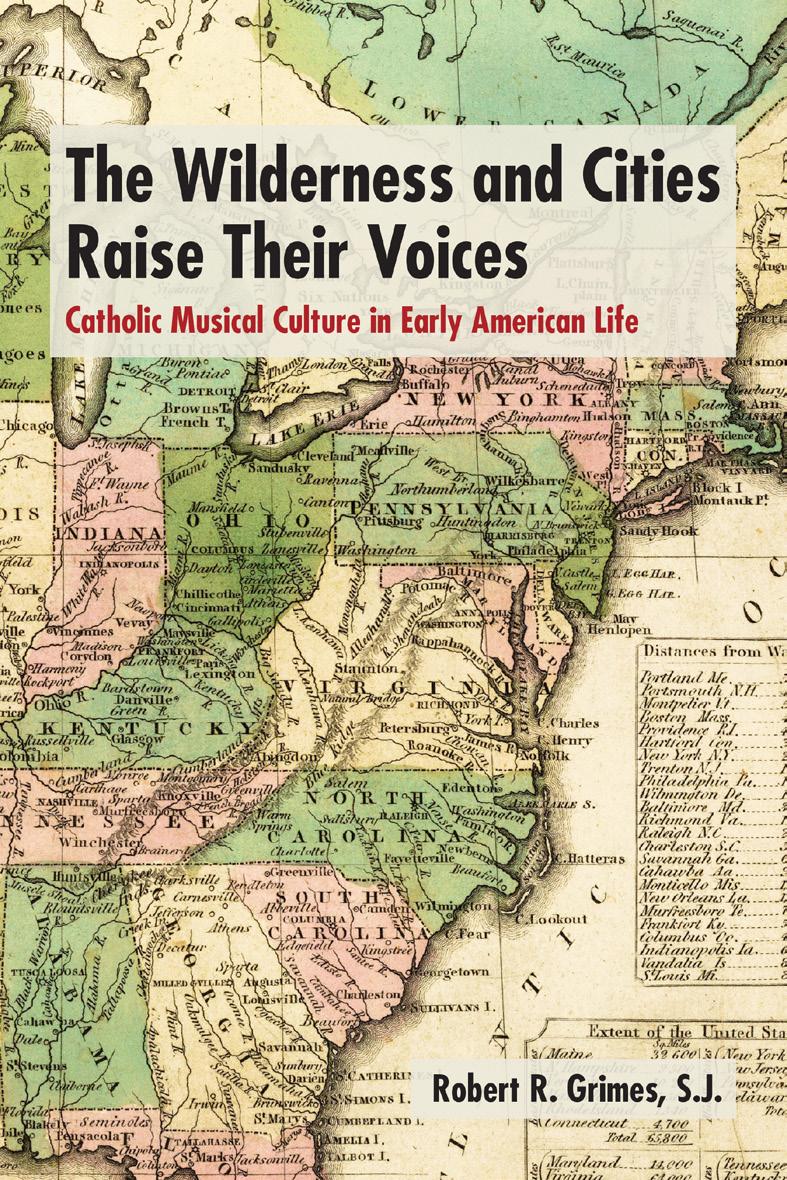
192 pages, 61 b/w illustrations
9781531515430, Paperback, $35.00 (SDT), £26.99 9781531515423, Hardback, $125.00 (SDT), £100.00
Simultaneous electronic edition available Catholic Practice in the Americas
FEBRUARY
History | Catholic Studies | Music
Explores the great diversity of Catholic people and musical styles in the early American Republic from the wilderness of Maine, through the bustling cities of Boston to Baltimore, among immigrants from France and Haiti, to the rolling hills of Kentucky
As the first comprehensive look at Early American Catholic musical culture, The Wilderness and Cities Raise Their Voices provides a broader perspective than earlier studies of specific hymn collections. It thereby opens a new vista into the variety of Catholic music in the young nation. Rather than focusing simply on repertoire, this is the first study of Catholic musical culture between the years of 1783 and 1830.
This study focuses on five cities which would become the first dioceses in the United States: Baltimore, Boston, Bardstown, Philadelphia, and New York. In some cities, bishops took a great interest in music: Cheverus in Boston and David in Bardstown, for example. In other cities, it was the laity who took control, notably in Philadelphia.
With the exception of Philadelphia, no semblance of a Catholic musical culture in Britain’s American colonies has come down to us in any documented or retrievable form. Yet as soon as independence was achieved, Rome recognized an American Church in the appointment of John Carroll. Under his inspiration, developing Catholic musical culture became an important priority in many different areas of the new country.
It is a fascinating period in American Catholic history where women composers, organists, and conductors could be found working side by side with their male counterparts in the cities of Boston and Baltimore while plainchant could be heard from the forests of northern Maine to the wilderness of Kentucky. Yet it was also becoming a period of rapid change. The flow of Catholic immigrants and the growth of the commercial musical press gently moved their musical culture toward more popular styles with a more devotional content.
ROBERT R. GRIMES is a Jesuit priest who joined the Fordham University music faculty in 1992. In 1997, he became dean of Fordham College at Lincoln Center, a position he held until 2018. He holds a BA from Fordham, a Bachelor of Music from Manhattanville, an MDiv and ThM from the Weston School of Theology, and a PhD in Music from the University of Pittsburgh. His body of research focuses on the interplay of music, religion, and culture in nineteenth century America.
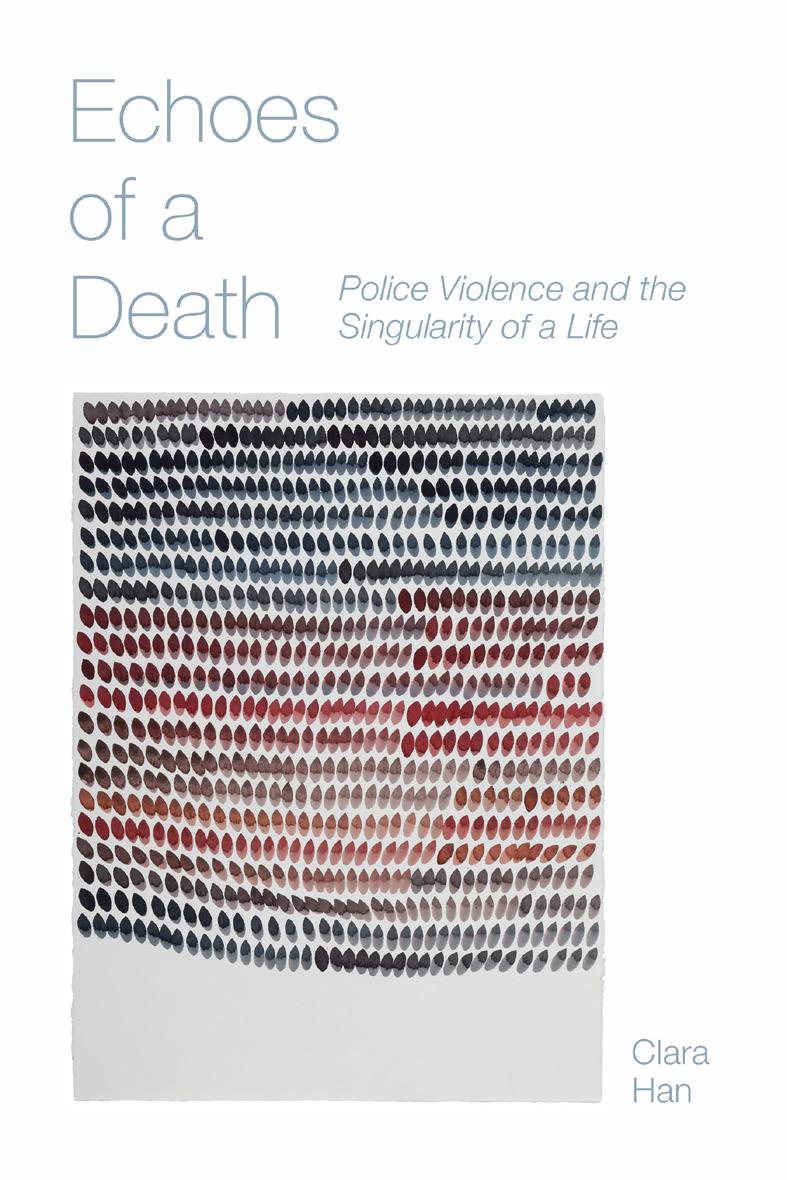
CLARA HAN
240 pages
9781531515041, Paperback, $28.00 (SDT), £20.99
9781531515034, Hardback, $95.00 (SDT), £76.00 Simultaneous electronic edition available Thinking from Elsewhere NOVEMBER Anthropology | Latin American Studies | Gender & Sexuality
“Echoes of a Death is a poignant investigation into the experience of police violence perpetrated in the name of the war on crime and drugs, which is ultimately a war on the poor. A Chilean story, it is a remarkable account of life under state abuse across the world.”
Didier Fassin, author of Enforcing Order: An Ethnography of Urban Policing
“Clara Han renders with rare precision what it is to live with a death—to endure wounded kinship, to find and lose voice within conditions of concentrated policing, and to discover, in the company of friends and neighbors, the fragile, unbidden gestures through which life is made anew.”
Angela Garcia, Stanford University
An ethnographic look at how police violence becomes embedded in everyday life in a low-income neighborhood of Santiago, Chile
In neighborhoods subject to concentrated policing, deaths at the hands of police have become so pervasive that they are a feature of everyday life. But the loss of a human being—a child, sibling, parent, lover, or neighbor—cannot be normalized. It is always lived in the singular. Echoes of a Death traces how a police killing unfolds in a low-income neighborhood in Santiago, Chile, that has been under a police occupation for decades as part of the country’s war on drugs and on crime.
Attending to women’s voices and actions, Han points toward a new way to study policing that departs from a saturation in state categories that continually settle the gaze on male figures and bounded institutional spaces. Instead, Echoes of a Death shows how scenes of domestic and neighborhood life are crisscrossed by policing practices, courts, municipal social services, clinics, the prison, and the media. Neither are the boundaries of the public and private defined in advance, nor is policing under democracy neatly bound off from policing under dictatorship.
Following how this death reverberates in a life, Echoes of a Death asks what it is to live in a house that has become not one’s own, in wounded kinship, and in a neighborhood marked again and again by state violence. In doing so, Han shows a method by which anthropology can render the diffused character of violence that is the signature of policing and how we can give importance to the continual work to reinhabit a life marked by it.
CLARA HAN is Professor of Anthropology at the Johns Hopkins University. She is the author of Seeing Like a Child: Inheriting the Korean War (Fordham, 2021, Winner, 2022 Senior Book Prize, Association for Feminist Anthropology; finalist, 2022 Victor Turner Prize) and Life in Debt: Times of Care and Violence in Neoliberal Chile, and coeditor, with Veena Das, of Living and Dying in the Contemporary World: A Compendium.
“War and the Pull of Life is an original and sensitive ethnography of Russian war veterans’ civilian lives. Hervouet-Zeiber deftly reports on the aspects of everyday life that only careful and skilled ethnography can capture. His argument points to the continuity of experiences across multiple conflicts as well as the presence of war and violence for veterans in so-called civilian life, even as he is careful to show how his findings resist any easy framing.”—Eugene Raikhel, University of Chicago
“Hervouet-Zeiber’s groundbreaking focus on Russian veterans illuminates a new aspect to veteran life, the multigenerational and multi-conflict dimensions of veteran experience. Hervouet-Zeiber’s rich ethnography makes its case through powerfully attending to specific lives and stories.”
Jocelyn Chua, University of North Carolina at Chapel Hill
Showing how war seeps into the most mundane aspects of Russian veterans’ lives
A moving and unsettling ethnography of veterans living under the shadow of ongoing war and militarism, War and the Pull of Life traces how war makes its way into daily life in Putin’s Russia. Based on research in St. Petersburg, the book describes how war veterans struggle to “find a place” for themselves and their wartime experiences in language, in ties of kinship and friendship, and within the state.
Hervouet-Zeiber shows that, for veterans, war is not an interruption. It seeps into everyday life as veterans try to create a domestic space, play hockey, discuss illnesses with friends, drink alcohol, loiter, joke, and envision the future. The book describes the texture of these soldiers’ lives, refusing to typify their experiences into predefined pathways to rehabilitation or to absorb them unproblematically into the language of a militarized existence. What matters to veterans is shaped with difficulty and negotiated through the relationships that form the fragile ground of their lives. Some are anchored in the present through the experience of disability or the slowing of an aging body. War persists for others, as they return, once again, to the front. Still others are torn between efforts to mend intimate relationships, a faithfulness to what they witnessed on the front, and a desire to fight again. By viewing the ongoing presence of war as a concrete feature of these lives, the book explores the tensions and alignments between war and a pull of life.
GRÉGOIRE HERVOUET-ZEIBER is a postdoctoral fellow in the Division of Social and Transcultural Psychiatry at McGill University.
ELETTRA STIMILLI
TRANSLATED BY CLARA POPE
INTRODUCTION BY
TIMOTHY C. CAMPBELL
224 pages, 5 x 8
9781531515164, Paperback, $32.00 (SDT), £23.99 9781531515157, Hardback, $110.00 (SDT), £88.00
Simultaneous electronic edition available
SEPTEMBER
Philosophy & Theory | Gender & Sexuality | Political Science
“Stimilli’s book establishes means as the conceptual point of departure for new forms of resistance to the current regime of neoliberalism. Stimilli’s philosophical and feminist investigations are daring in perspective and outstanding in erudition and insight.”—Alessia
Ricciardi, Northwestern University
Not mere biological entities, bodies are conceptual and political battlegrounds, either instruments of domination or avenues of liberation. Throughout history and across cultures, bodies have been used to express social, racial, class, and gender differences. They have also been imagined as means: means for reproducing life and labor, means understood to be inscribed within a “natural” order. This concept has run through the entire history of Western metaphysics and culture, and its persistence and development has contributed to the establishment of cultural and political dominance by Western rationality and the white men who conceived it.
This book asks us to reconsider the theoretical and political power of means in relation to bodies. Stimilli problematizes the role of means in a hypertechnological era in which politics has come to be seen merely as administration, with no pretense of elaborating higher meanings or purposes. Are means, she asks, truly instruments subordinate to purposes unrelated to them, or could they be something else?
In a philosophical investigation into the meaning of means, Stimilli elaborates the political power of bodies as means, arguing that they are never neutral and lie at the origin of collective phenomena whose potential is still to be explored. From the United States to South America and Europe, from North Africa to the Middle East and beyond, bodies are at the center of enormous transnational and intersectional movements as non-instrumental means for new forms of social reproduction. A new sexuation of the world is now the order of the day.
ELETTRA STIMILLI is Professor of Theoretical Philosophy at the Sapienza University of Rome. She is the author of five books in Italian, two of which have been translated into English as Debt and Guilt and The Debt of the Living: Ascesis and Capitalism
CLARA POPE is a translator and editor based in Bologna. She is the translator of Gigi Roggero’s Italian Operaismo: Genealogy, History, Method.
TIMOTHY C. CAMPBELL is Professor of Italian at Cornell University. His most recent book is The Techne of Giving: Cinema and the Generous Form of Life (Fordham).
GAI FARCHI
“Discarded Selves is one of those rare books whose swirling force makes you reconsider almost everything you encounter after reading it, not least that assemblage of fluxing elements that you call yourself. Gai Farchi writes with ease and precision, especially of the way time flows around us in competing tides of cultural flotsam and jetsam, resculpting our sense of identity, both individual and collective. Touching on everything from music videos to highbrow French literature, AI slop to street salvage, stock photos to science fiction scenarios, Discarded Selves is one of the most thought-provoking and indispensable theoretical interventions of the past decade.”
Dominic Pettman, author of Ghosting: On Disappearance
“With both levity and precise engagement with critical theory, Farchi shows how the temporal structure of obsolescence shapes contemporary culture. Brimming with exciting ideas and offering pointed readings of diverse expressive forms, Discarded Selves theorizes the condition of always already outmoded subjectivity.”
Rebecca Falkoff, author of Possessed: A Cultural History of Hoarding
A sparkling account of how obsolescence shapes contemporary subjectivity
Amid the rise of seductive, present-tense goods, the obsolete names what the present cannot assimilate: a forgotten one-hit-wonder, a now-unacceptable remark, or a teenage memory too awkward to reclaim. Yet it is precisely through these encounters with obsolete attachments that a different experience of time becomes possible. Discarded Selves shows that obsolescence is not only a condition imposed on objects and media but a temporal and affective logic internalized within the self. In cultures driven by disposability and the imperative to remain up to date, we continually shed former attachments, affects, and versions of ourselves. But these discarded selves persist: They return as intimate, time-stamped remnants that unsettle the fantasy of a seamless present. Through close readings across literature, film, digital culture, and everyday practices—from decluttering and ragpicking to the disquieting experience of unexpectedly running into an ex or confronting long-forgotten diary entries—Discarded Selves shows how narratives grapple with past material that no longer fits yet refuses to disappear. These moments expose a discontinuity at the core of contemporary selfhood, where the obsolete becomes a site for thinking temporal rupture. When the past is either neglected or recycled into the present, encounters with the obsolete bring our temporal and material others into view in that intimate moment of “no longer.”
GAI FARCHI is Minerva Postdoctoral Fellow in the Department of Cultural Semiotics at the University of Potsdam.
TODD S. BERZON AND JENNIFER W. KNUST, EDITORS AFTERWORD BY ELIZABETH A. CASTELLI
Investigates how discourse spills from language to action, generating, obfuscating, and perpetuating violence while also offering the words, principles, and practices that may interrupt it
We are continually catching up with and being caught by words, especially words that hurt. These collected essays probe the interaction of violence and words across time, place, and circumstance. Often cited as the core source of violence, religion’s capacity for coordinating ideas, symbols, and groups has made it a potent force in the production and deflection of violence. Yet the production of the category “religion” has also contributed to violence; employed to surveille and subjugate targeted populations, “religion” enabled and conveyed colonial domination on a global scale. The claim that religion causes violence has therefore missed a fundamental insight: As a word, “religion” also acts in and on the world. Contributors thus ask: How does persecution become weaponized in and through language? Whose stories are told and who is allowed to speak them? And how do language, symbols, art, activism, and performance find ways to speak back, push back, and offer critique? Theorizing, historicizing, and addressing the violence of words and words of violence, “religion” emerges as critical theory and embodies the very practice of critique.
TODD S. BERZON is Peter M. Small Associate Professor of Religion, Bowdoin College. He is the author of Classifying Christians: Ethnography, Heresiology, and the Limits of Knowledge in Late Antiquity (2016) and the forthcoming Holy Tongues: Linguistic Presence in the Religious World of Late Antiquity (2027).
JENNIFER W. KNUST is Professor of Religious Studies, Duke University. She is the author of To Cast the First Stone: The Transmission of a Gospel Story (with Tommy Wasserman, 2018), Unprotected Texts: The Bible’s Surprising Contradictions about Sex and Desire (2011) and Abandoned to Lust: Sexual Slander and Ancient Christianity (2005).
ELIZABETH A. CASTELLI is Professor of Religion at Barnard College, Columbia University. Her publications include Imitating Paul: A Discourse of Power (1991), Martyrdom and Memory: Early Christian Culture Making (2004), as well as an English translation of Pier Paolo Pasolini’s San Paolo, the never-produced script for a film about St. Paul (2014).
CONTRIBUTORS: Beth A. Berkowitz, Todd S. Berzon, Elizabeth A. Castelli, Krista Dalton, Jennifer A. Glancy, Janet R. Jakobsen, Karen L. King, Jennifer Knust, Laura Nasrallah, Erin Runions, Carrie Schroeder, Randall Styers, Judith Weisenfeld
Draws on queer theories of temporality and subjectivity to challenge the telos of a singular Christian identity within feminist theological accounts of formation
How Not to be Christian theologically and theoretically explores ethical and political questions around identity and intersectionality. How do we think about our identities theologically? How do we think about how the different aspects of our identities relate to each other theologically? And, how do we think about religious identity in relation to other social identities? In particular, this project explores formation—how we become selves with identities. It examines how theologians have turned to formation in the pursuit of a generous orthodoxy, exploring how a diverse range of theologians and ethicists shaped by postliberalism have looked to Christian identity as an ethical resource in the pursuit of inclusion and justice with regards to other social identities—what this project refers to as forms of intrasubjective difference. Focusing particularly on prominent feminist and queer theologies (looking to the work of Elizabeth Stuart, Sarah Coakley, and Serene Jones), this book critically examines how they presume and posit a singular, stable vision of religious identity as the telos to which gender and sexual identities must bend. It argues that the gender and sexual difference they aim to make space for is effaced by and subsumed into Christian identity. Engaging with poststructuralist thought (especially the work of Michel Foucault) and queer theories around performativity (Judith Butler) and temporality (Lee Edelman and José Esteban Muñoz), as well as theological reflections on method, anthropology, and sin, this book considers both the limits and costs of the teleological thrust underlying these accounts of formation. From there, it explores the possibilities of unformation, and (de)constructively considers what it might mean to pursue unformation in both theological method and ethics—in how we do theology and in how we live
BRANDY DANIELS is Associate Professor of Theology and Religious Studies and Co-Director of Gender, Women, and Sexuality Studies at the University of Portland. Standing at the intersections of constructive and political theologies, social ethics, and feminist and queer theories, her scholarship explores the place of difference within communal identity and belonging, focusing particularly on gender and sexual difference in Christian thought and practice. She is an ordained minister with the Disciples of Christ (Christian Church).
Freedom and Solidarity
PETER CAPRETTO
256 pages 9781531515393, Paperback, $30.00 (SDT), £22.99 9781531515386, Hardback, $105.00 (SDT), £84.00
A radical rethinking of empathy’s role in light of its weaponization
Justice-motivated caregivers have long viewed empathy as a central tool for addressing political division, intergenerational trauma, racism, sexism, and even evil itself. However, social theorists and scholars of religion who study the political behavior of evangelical and protestant Christians are noting new and unexpected limits for the ethics of empathy. How does one empathize with those who explicitly refuse to reciprocate empathy, who weaponize power imbalances for harmful political ends, and who dismiss all invitations to accountability as acts of intolerance? If working toward justice is what matters most, then these efforts to empathize may actually backfire against practices of political solidarity. There must a better way to work through these potential traps and work more effectively toward justice and healing.
Beyond the Empathy Trap explains why empathy limits interpersonal ethics and how justicemotivated caregivers can better prioritize their psychological investments within their work. Drawing deeply from psychoanalysis, phenomenology, philosophy of religion, and pastoral theology, Peter Capretto argues that while empathy remains an essential resource for many forms of social healing, empathy also reaches unavoidable impasses when social injustice targets identity itself. By translating insights from the psychology of religion into high-stakes conflict settings, Capretto’s analysis offers the practical payoff of unmasking how political actors with asymmetric power relations frequently exploit the idea of empathic reciprocity as a trap to disarm caregivers and activists in their practices of solidarity.
PETER CAPRETTO is Assistant Professor of Psychology, Culture, and Religion at Phillips Theological Seminary. He is co-editor of Trauma and Transcendence: Suffering and the Limits of Theory (Fordham) and Spiritual Direction and the Other: Interdisciplinary Explorations of Accompaniment.
Advocates for an approach to Christian end-times, not as the anticipation of particular futures, but as a way to inhabit the existential crises of our present, the ‘times of extinction’ in which we live
Public environmental concern has turned to the so-called “sixth mass extinction event” currently underway. The interdisciplinary field of extinction studies was established to increase our cultural understanding of that phenomenon, but hitherto there has been little engagement with religious faith and practice. This book stages the first conversation between extinction studies, Christian theology, and continental philosophy. It does so by reimagining eschatology—traditionally the study of “the last things” in Christian faith—for times of extinction.
Against an assumption that Christian belief in the end is essentially either about awaiting a final apocalyptic catastrophe or hoping for a final restoration of creation, the book argues that these are in fact the dubious hallmarks of what secular culture offers in precarious times. Christianity, by contrast, can offer plural conceptions of “ends” and “endings” whose purpose is not to exclusively or even primarily to anticipate the future, but rather to heighten the ethical, political, and existential significance of the present.
This work of re-imagining eschatology requires engaging some familiar theological sources in new light, ranging from St Augustine to eco-feminist theology. Its philosophical interlocutors are drawn from the continental tradition, bringing the insights of existentialism, phenomenology, and critical theory as indispensable lenses by which to reconceive the meanings of end-times.
The book will be essential reading to those in the environmental humanities and extinction studies curious about theology, and to scholars of theology and religion concerned about extinction, and planetary crises more broadly. It will appeal to those responding to the extinction crisis in different ways—political activists, educators, faith leaders—who wish to explore how religious and secular faith shape our thinking about the multiple crises of our present age.
STEFAN SKRIMSHIRE is Associate Professor of Theology and Religious Studies at the University of Leeds, UK, where he teaches political theology and continental philosophy. His research engages both disciplines with the environmental humanities, with a focus on extinction. He is the co-editor of Extinction and Religion, author of Politics of Fear, Practices of Hope, and editor of Future Ethics: Climate Change and Apocalyptic Imagination
336 pages
9781531515355, Paperback, $40.00 (SDT), £31.00 9781531515348, Hardback, $140.00 (SDT), £112.00
An Orthodox Christian theological defense of liberal democracy that builds on the daring Christian humanist reinterpretation of incarnation and deification (theosis) in the Russian religious philosophy of Divine-Humanity
At a time when Christianity is becoming increasingly associated with anti-liberal and authoritarian sentiment, Deifying Democracy offers a theological defense of liberal democracy grounded in the Orthodox Christian doctrine of deification (theosis). Building on the participatory metaphysics of “Divine-Humanity” in the modern Russian theologians Vladimir Soloviev, Sergei Bulgakov, and S. L. Frank, the book challenges the widespread view—perpetuated by prominent Orthodox voices, including Patriarch Kirill of Moscow—that deification is fundamentally incompatible with liberal democracy and universal human rights. The book particularly responds to the liberalism critique of John Milbank, who enlists modern Russian theology and its understanding of deification in support of an alternative “postliberal” Christian political order. The book develops a “politics of theosis” that grounds a form of liberal democracy within the ongoing story of God’s incarnation and humanity’s deification. By recovering a theological foundation for human dignity and democratic participation in human persons’ vocation to become “partakers of the divine nature” through free and creative cooperation with God’s deifying grace, the work offers an alternative to both secular liberalism and religious anti-liberalism.
The central argument proposes a “double movement,” modeled on the Chalcedonian confession of Christ’s divine-human unity, of supporting liberal democracy while working from within to transform it according to the principles of Christian love embodied in the Russian doctrine of sobornost’, or ecclesial communion. Rather than replacing liberal democracy with a Christian political order, the book advocates the work of “deifying democracy”—building up the liberal democratic institutions that facilitate human deification while seeking to incarnate sobornost’ in society through loving democratic dialogue about common goods.
The book will be of interest to readers hoping to understand how theosis, a central motif of Orthodox theology, can redeem and enrich rather than undermine liberal democratic values and institutions, as well as how liberal democracy is a system capable of serving the world’s deification.
NATHANIEL WOOD is Associate Director of the Orthodox Christian Studies Center at Fordham University. He received his PhD in systematic theology from Fordham and serves as managing editor for the Journal of Orthodox Christian Studies and Public Orthodoxy.
224 pages, 26 b/w illustrations
9781531515324, Paperback, $30.00 (SDT), £22.99 9781531515317, Hardback, $105.00 (SDT), £84.00 Simultaneous electronic edition available DECEMBER
Theology | Geography | American Studies
A pathbreaking study of the role space and place play in theological thought
What does Christian theology have to do with place? How does theology influence the spaces and places in which we live? How does theology do geography?
In Theology in Place, L. Patrick Burrows develops a framework for the interpretation of the Christian theologies that form and are formed by human practices of place, drawing on theology, geography, and feminist, queer, and critical race studies for the analysis of places, from the perspectives of experience, moral geography, and “weak” theology. He then uses this method to take up a series of case studies of lived spaces of Southern religion to show the importance of thinking place in theology: the centrality of bodily communion between living and dead in Decoration Day in the Southern Appalachians; postcolonial “demonic” theology as the basis of spatial-spiritual ability surrounding the urban “renewed” Black neighborhood of Hayti in Durham, North Carolina; the role of heresiology in the construction of the historical and contemporary “imagined South” as the moral ubi of American social reflection; and the relationship between artifice, camp, and mysticism in the complex religious attachments—queer and evangelical—at Dollywood.
Theology in Place shows the necessity and promise of taking place seriously in the study of Christian theology, ethics, and practice. This research contributes to a growing literature on theology, space, place, and the built environment through its focus on race and the American South, especially by drawing on sources that have not previously been a part of these discussions, particularly from feminist, queer, and Black studies.
L. PATRICK BURROWS is an interdisciplinary scholar of Christian theology, ethics, and culture. His research focuses on the relevance of Christian theological reflection to contemporary social problems, particularly in conversation with critical theories of gender, sexuality, and race.
DEIRDRE DEMPSEY AND SAFWAT ADEL MARZOUK
The first English-language translation of a major biblical commentary written in Arabic by a seminal figure in the history of Christianity in the Middle East
Abū-al-Faraj ibn al-T.ayyib (d. 1043) spent his adult life in Baghdad, where he served as a priest in the Church of the East around the turn of the first millennium. He was a polymath—a physician, philosopher, and theologian—and part of an illustrious line of teachers dedicated to the transmission of scientific knowledge from Greek into Syriac and then later into Arabic. He authored commentaries on Aristotle, Galen, and Hippocrates, as well as original treatises on the Trinity, science and miracles, Christian law, and the resurrection. His major works of biblical interpretation included a complete commentary on the Bible, entitled The Paradise of Christianity. The first part of it, his Commentary on Genesis, is translated here into English for the first time and accompanied by a critical introduction to Ibn al-T.ayyib’s life and writings; the form, method, and content of his biblical interpretation; and his theology of creation and the divine Word.
ABŪ-AL-FARAJ IBN AL-T . AYYIB (d. 1043) lived in Baghdad from the late tenth to the middle of the eleventh century. A priest of the Church of the East, he was active as a translator of Greek scientific and philosophical texts into Arabic and as an author of major works on theology and biblical interpretation.
DEIRDRE DEMPSEY is an Associate Professor in the Department of Theology at Marquette University. She was a contributor to the limited revision of the NABRE Old Testament (United States Conference of Catholic Bishops).
SAFWAT MARZOUK is Associate Professor of Old Testament at Union Presbyterian Seminary. He is the author of Egypt as a Monster in the Book of Ezekiel (2015) and Intercultural Church: A Biblical Vision in an Age of Migration (2019).
DOMINIQUE SIRGY is a Postdoctoral Fellow at the University of South Carolina, specializing in Islamic and Eastern Christian theology, philosophy, science, and manuscript cultures.
STEPHEN J. DAVIS is Woolsey Professor of Religious Studies and Professor of History at Yale University. He is executive director of the Yale Monastic Archaeology Project (YMAP) and editorin-chief of the Christian Arabic Texts in Translation series.
The Fronte Interno, 1940–1945 ROY DOMENICO 304 pages 9781531515478, Paperback, $35.00 (SDT), £26.99 9781531515461, Hardback, $105.00 (SDT), £84.00 Simultaneous electronic edition available World War II: The Global, Human, and Ethical Dimension JANUARY
World War II | Italian American Studies | History
“In Italy’s War at Home, Roy Domenico offers a sharp and penetrating reinterpretation of Italy’s Second World War experience, revealing the failures of fascist totalitarianism and the limits of Mussolini’s project to remake Italian society. Through vivid accounts of bombing, occupation, and harsh daily life, the book shows how enduring cultural traditions—Catholicism, humanism, and social solidarity—outlasted dictatorship and helped shape post-fascist Italy.”
Rosario Forlenza, Associate Professor, Luiss Guido Carli, Rome
Brings the story of World War II in Italy and among Italians to an English-speaking audience and adds to our understanding of the collapse and ruin of dictatorships
Italy’s World War II experience might be described as a blunder, a mistake, or a tragedy. Since 1922, Benito Mussolini’s Fascist regime had been constructing a paper tiger—lots of bluster but not much to back it up. A dictatorship, sometimes based on coercion and sometimes on enticement, could never be sure of popular support. When, in June 1940, the drumbeats announced Italy’s entry into the most terrible war in history, the regime’s goal to build a race of “new” men—brutal warriors for Italy—proved utterly futile. Exposed in lies and corruption, without any serious war plans, incapable of protecting its citizens, stuck in a disgraceful alliance with the unforgiving Third Reich, and now trapped in an absurdly uneven war against a coalition of unstoppable power, Mussolini and his Fascists were doomed. Bombardments of cities, the strafing of innocents, hunger and shortages, along with Nazi brutality, took massive physical and moral tolls. Mussolini’s totalitarian endeavors to control the lives of Italians proved futile when his armies suffered defeat everywhere and Anglo-American air armadas brought the “new” men to their knees. Aspects of “old” Italy, however—Catholicism, for example, the Renaissance and Enlightenment traditions, and workingclass solidarity, pillars of Italian identities that have little to nothing in common with Mussolini’s dictatorship—soon surfaced to shape postwar and post-Fascist Italy.
ROY DOMENICO is a professor of Modern European History at the University of Scranton in Pennsylvania. His most recent book is The Devil and the Dolce Vita: Catholic Attempts to Save Italy’s Soul, 1948–1974.
ANTONIA MARIE CUCCHIARA
256 pages 9781531514921, Paperback, $35.00 (SDT), £26.99 9781531514914, Hardback, $105.00 (SDT), £84.00
Simultaneous electronic edition available
Critical Studies in Italian Migrations FEBRUARY
History | Italian American Studies | Race & Ethnic Studies
“The book constitutes a significant contribution to the scholarship on Italian American history during the Second World War, particularly through its focused examination of the influential figure of Luigi Antonini—his intellectual positions, anti-fascist activism, lobbying strategies, and rhetorical practices. Especially noteworthy is the author’s analysis of Antonini’s efforts to dismantle the myths propagated by Mussolini within Italian American communities, an undertaking aimed at countering the pervasive ‘enemy alien’ stigma.”
Matteo Pretelli, Associate Professor, The University of Naples “L’Orientale”
“The monograph is based on solid and thorough empirical research and . . . offers a thoughtprovoking analysis of a discursive shift from fascism to anti-fascism within the Italian American community. . . . This outstanding book will without doubt constitute a major contribution to the field.” Kasper Braskén, Associate Professor, Academy Research Fellow in political history, University of Helsinki, co-editor of Anti-Fascism in a Global Perspective and Anti-Fascism and Ethnic Minorities
A critical read for exploring the discursive links to the origins of fascist and antifascist rhetoric in the United States
Becoming Loyal Americans is a study of the Italian American movement during the Second World War to reclassify not only the status of alien enemy but also the perception of the ethnic community as singularly loyal to the United States. The book argues that the anti-fascist actors at the helm of this movement, although seeking liberative ends to lift discriminatory wartime legislation and defeat Benito Mussolini, reproduced fascist political myths to realize movement success. These political myths, in turn, were appropriated by the Roosevelt administration to secure the ethnic bloc’s continued wartime support. Cucchiara considers the implications of this discourse’s legacy for the ethnic community and the American body politic, as these political myths, no matter how reworked to fit an emancipatory framework, were carriers of narrative elements steeped in a history of domination and violence. The result opened the possibility for these political myths to be mined by future actors, regardless of ethnic background, to realize illiberal ends.
Becoming Loyal Americans is the first book on the reclassification movement. It provides a fresh perspective and original insight into debates within Italian American studies regarding wartime identity, the continued utility and appeal of a fascist imaginary, and the strength of ancestral ties to Italy. This book also presents a timely account of the implications of divisive political discourse and policies for people with roots in nations that the American government deems the “enemy.” It engages with questions that are as relevant then, as they are now, regarding the construction of ethnic and civic identity for alienated groups, the forging of dual commitments within discriminatory legislative and discursive constraints, and the channels by which immigrant and ethnic communities navigate affiliations, affections, forms of patriotism, and a sense of civic duty to the United States and their respective countries of origins.
ANTONIA MARIE CUCCHIARA is a Lecturer of Global Politics, Social Science, and Economics Education at King’s International Foundation, King’s College London.
CARLA SIMONINI
“Upon the foundational work of John Paul Russo, Robert Casillo, and Leonardo Buonomo, Simoni shows how nineteenth-century literary imaginations created American expectations of Italy that remain today in media-made stereotypes. Her sound historical scholarship and insightful interpretations of nineteenth- and twentieth-century American and Italian American writers help us to understand how national sentiment shifted from Italophilia to Italophobia, and beyond, evolving into more realistic images and ideas of Italian and Italian American characters.”—Fred L. Gardaphe, Distinguished Professor of English and Italian American Studies, Queens College, CUNY
Illuminates why Italy continues to captivate the American imagination, connecting classic literature to contemporary memoirs and popular media that still view Italy as a site of transformation, desire, and reflection
Traveling Italy, Writing America argues that the American idea of Italy, at once sunny and dark, refined and excessive, has played a crucial role in shaping both U.S. national identity and Italian American literary self-fashioning. The book shows how this idea was forged in nineteenth-century American travel writing and later reimagined by early Italian American authors as a means of claiming cultural legitimacy within the United States.
Beginning with Margaret Fuller, Nathaniel Hawthorne, William Dean Howells, Mark Twain, and Henry James, the study demonstrates how Italy became a stage on which Americans rehearsed questions of taste, class, and national identity. It then turns to Antonio Arrighi, Pascal D’Angelo, and Giuseppe Cautela, showing how these writers appropriated familiar tropes of aesthetic ideal and passionate excess, recasting them as autoethnographic tools through which to assert Italian American subjectivity within a racialized literary marketplace. Rather than accepting a simple historical shift from Italophilia to Italophobia, the book reveals a persistent push-and-pull between attraction and repulsion, in which admiration and anxiety coexist and immigrant writers learn to work productively within that tension.
The book’s intervention is twofold. First, it relocates early Italian American literature from the margins of “ethnic writing” into the broader genealogy of American travel writing and U.S. literary history. Second, it reframes debates about cultural hierarchy and aesthetic value through the lens of autoethnography, showing how immigrant authors engaged, revised, and repurposed dominant cultural codes in order to make themselves legible within American culture. Extending the analysis to Julia Savarese’s mid-century break with Italy as a validating reference and to contemporary memoirs of return, the book explains why Italy’s enduring allure, combining aesthetic promise with cultural tension, continues to shape American literary and popular imagination.
Traveling Italy, Writing America offers a new account of Italian American literary formation, demonstrating how the language of travel itself became a crucial medium through which ethnic identity, cultural authority, and literary belonging were negotiated in the United States.
CARLA SIMONINI is the former Paul and Ann Rubino Endowed Associate Professor of Italian American Studies at Loyola University Chicago and served as Editor-in-Chief of Italian Americana: Cultural and Historical Review from 2016 to 2024.
CONNIE SCOZZARO
176 pages
9781531515089, Paperback, $30.00 (SDT), £22.99
9781531515072, Hardback, $110.00 (SDT), £88.00
Simultaneous electronic edition available JANUARY
Renaissance Studies | Literary Studies | Gender & Sexuality
“In this elegant and incisive book, Connie Scozzaro offers a much-needed feminist distinction between consent as a juridical concept and as an experiential question. Emphasizing the ambivalence of Petrarchist writers’ negotiations with their own and others’ desires and aversions, The Golden Thorn probes the limits of the self-knowledge on which ideals of consent as egalitarian contract are founded.”—Melissa E. Sanchez, University of Pennsylvania
“Discovering dialogue where many have heard only a single voice, Scozzaro develops a genuinely revisionary perspective on masochism and consent in early modern poetry. This is an original, carefully argued, and lucid investigation.”—David Carroll Simon, University of Maryland, College Park
female agency and rethinking consent in Renaissance lyric
Examining different approaches to early modern lyric, The Golden Thorn argues that sadomasochistic bonds can be understood as dialogic despite asymmetries of power, and against the typical scholarly understanding of poetry as single-voiced or monologic. In these poetic dialogues, Scozzaro argues that even solo speakers can create and anticipate meaningful interlocutors in the search for consent, even in the unequal context of complaint.
Scozzaro responds to long-standing feminist definitions of the male voice in love complaint, whereby rhetorical force acts upon a silent female addressee, defining the genre as non-consensual and unilateral. Against this idea, Scozzaro shows how early modern love poetry might be enriched by recent discussions in liberal feminism, whose conversational turn presents consent as a dialogue that can have affirmative and negative qualities. Poetically speaking, Scozzaro challenges Bakhtin’s claim that lyric is monologic, showing how his novelistic theories of dialogism can be productively applied to single-speaker verse.
Love complaint, Scozzaro shows, can conjure a secondary voice by strategies of address that elicit perverse consent through figures of pain and domination. Sometimes this consent is intrapersonal, where it appears as private debates with one’s conscience; at other times it is interpersonal, focused on the outward persuasion of an imaginary other. Guided by Freud and Deleuze’s theories of sadomasochism, the study explores the poetics of consent in lyric poems of Sidney, Shakespeare, Donne, and Carew. Ultimately, Scozzaro argues that the violence of these agreements does not mean they are not contractual but, rather, that they darkly revise the meaning of egalitarianism on which the modern sexual contract relies.
CONNIE SCOZZARO is Assistant Professor of English at Brown University.
9781531515201, Paperback, $35.00 (SDT), £26.99
9781531515195, Hardback, $125.00 (SDT), £100.00 Simultaneous electronic edition available Verbal Arts: Studies in Poetics
Studies
“Unheard Melodies is a dazzlingly energetic engagement with the things we call literature. This is an enlivening experiment, authorized and sustained by the author’s double commitment to scholarly thoroughness and self-reflexivity.”—Julie Orlemanski, University of Chicago
“This book makes a thrilling experiment: What happens when we read fourteenth-century alliterative verse next to twenty-first-century lyric poetry? Weiskott is a friendly, witty, and immensely knowledgeable guide, and this adventurous swerve across periods and specialties brings out imaginative affiliations between poets as disparate as Chaucer and Rankine.”
Walt Hunter, Case Western Reserve University
Examining what poetry knows it cannot represent, across seven centuries
Unheard Melodies is an essay in comparative poetics. The book draws together readings of fourteenth- and twenty-first-century poetry, from Chaucer and Langland to Claudia Rankine and Ben Lerner, to reframe literary methodologies. Weiskott works through the tension between lineage and family resemblance, between mounting a literary-historical claim to connect old poetry to new and suspending claims of influence in order to draw out similarities in the practice of poetry writing across disparate times and places. The chapters show how premodern English verse, from Chaucer’s rhyming lyrics to the alliterative verse of the anonymous Sir Gawain and the Green Knight, supplies a forgotten prehistory for contemporary poetic styles.
Pivoting historically around John Keats’s translation of Christian theology into lyric poetry, Unheard Melodies concerns the paradoxical power of literature to represent what literature cannot represent: novels no one can read, lyrics no one can hear, syllables no one can pronounce, experiences no one can have, and more. In reading for these and other “apophatic effects,” Weiskott maps the spectrum of present absences possible in literature and song, including Nabokov’s novels and Bob Dylan’s music. Proposing theological negativity in the Christian tradition as both source and analogue of literary styles, the four parts of the book track apophatic poetics through four critical keywords: lyric, meter, close reading, and career
ERIC WEISKOTT is Professor of English at Boston College. He is the author of Cycle of Dreams, Meter and Modernity in English Verse, 1350–1650, and English Alliterative Verse: Poetic Tradition and Literary History (winner, English Association Beatrice White Prize, 2018) and editor of an annotated edition of the A-text of William Langland’s Piers Plowman.
With a Special Cluster on Teaching Joyce
CHRISTOPHER GOGWILT, MANAGING EDITOR
KERI WALSH, ADVISORY EDITOR
ELLEN SCHEIBLE AND BARRY DEVINE, GUEST EDITORS
An indispensable resource for scholars and students of James Joyce, Joyce Studies Annual gathers essays by foremost scholars and emerging voices in the field
CHRISTOPHER GOGWILT is Professor of English and Comparative Literature at Fordham University. He is the author of The Passage of Literature: Genealogies of Modernism in Conrad, Rhys, and Pramoedya; The Fiction of Geopolitics: Afterimages of Culture from Wilkie Collins to Alfred Hitchcock; and The Invention of the West: Joseph Conrad and the Double-Mapping of Europe and Empire.
KERI WALSH is the Director of the Institute of Irish Studies at Fordham University and founder of Fordham’s annual Irish Women Writers Symposium. She is also the editor of James Joyce’s Dubliners, The Letters of Sylvia Beach, and Joyce’s only extant play, Exiles.
Winter/Summer 2026 • Volume 16, Number 1 and 2
192 pages, 7 x 10, 4 b/w illustrations
ISSN: 0535-9120
9781531515638, Trade Paperback, $90.00 (SDT), £69.99
Simultaneous electronic edition available
DECEMBER
Double issue: $90 individual (print only)
Single issue: $45 individual (print only)
Double issue: $60 students and seniors (print only)
Single issue: $30 students and seniors (print only)
Double issue: $180 Institutional print subscription
Single issue: $90 Institutional print subscription
Double issue: $200 Institutional electronic subscription
Single issue: $100 Institutional electronic subscription
Double issue: $250 for Institutional print and electronic
Single issue: $125 for Institutional print and electronic
The Italian American Review (IAR), an interdisciplinary, bi-annual peer-reviewed journal of the John D. Calandra Italian American Institute, publishes scholarly articles about the history and culture of Italian Americans, as well as other aspects of the Italian diaspora. The journal embraces a wide range of professional concerns and theoretical orientations in the social sciences and in cultural studies. The journal entertains articles about such topics as migration, politics, labor, race and ethnicity, urban studies, gender studies, literary criticism, as well as various forms of cultural production (religious feasts, cinema, music, etc.), especially those addressing societal aspects. The IAR publishes book reviews, film and digital media reviews, exhibition reviews, and an occasional section of “Notes and Documents.” The IAR does not publish creative work such as poetry, fiction, or memoir.
DAVID ALIANO is professor of Italian and history at the University of Mount Saint Vincent in New York City and is the founding director of its BA program in Italian and Italian Diaspora Studies. He is the editor of the Italian American Review, the peer-reviewed journal of the John D. Calandra Italian American Institute, and is on the advisory board of H-TransItalian Studies. He holds a PhD in history from the Graduate Center of the City University of New York. His areas of research include modern Italy and Latin America; Italian transnational and comparative studies; national and ethnic identities; and Italian Fascism and anti-Fascism. He is the author of Mussolini’s National Project in Argentina (Fairleigh Dickinson University Press, 2012), which was awarded the annual Outstanding Book Award of the Association for Ethnic Studies. He has also published widely on Italian emigration to other parts of the Americas as well as on notions of citizenship and the Italian vote abroad. His most recently published chapters appear in Philosophy, Travel, and Place: Being in Transit (Palgrave, 2018) and in Italy and the Military: Cultural Perspectives from Unification to Contemporary Italy (Palgrave, 2020). His current book project examines American travel encounters with Italy’s changing landscape in the twentieth century.
Thomas Jefferson and the Mastery of Subjects
Melissa Adler
352 pages, 21 color illustrations
9781531511944, Paperback, $29.95 (AC), £22.99
The Years of Blood
Adedayo Agarau
114 pages, 6 x 8
9781531511616, Paperback, $19.95 (TP), £14.99 Poetic Justice Institute
Brooklyn Is
Southeast of the Island: Travel Notes
James Agee, Preface by Jonathan Lethem
64 pages, 5 x 7 9780823224920, Hardback, $26.95 (HC), £20.99
Teachable Moments for an Ill-Used Past
Andrew Albin, Mary C. Erler, Thomas O'Donnell, Nicholas L. Paul, and Nina Rowe, Editors, Introduction by David Perry, Afterword by Geraldine Heng
240 pages, 5 x 8, 35 b/w illustrations 9780823285563, Paperback, $24.00 (AC), £17.99 Fordham Series in Medieval Studies
Notes on a Queer Aesthetic
Jonathan Alexander
160 pages, 9 color and 8 b/w illustrations
9781531513160, Paperback, $24.95 (TP), £18.99
Stephanie Azzarone Photography by Robert F. Rodriguez
208 pages, 8 1/2 x 11, 154 color illustrations
9781531511838, Hardback, $44.95 (HC), £36.00
Empire State Editions
Martine Beugnet, Translated by Lindsay Turner
144 pages, 5 x 7, 14 color illustrations
9781531511739, Paperback, $19.95 (TP), £14.99 Cutaways
Ten Thousand Central Parks
A Climate-Change Parable
David Brown Morris
224 pages, 38 b/w illustrations
9781531511647, Hardback, $34.95 (HC), £27.99
Empire State Editions
Judith Butler
160 pages
9780823225040, Paperback, $36.00 (SDT), £26.99

Audiofuturism
Science Fiction Radio Drama and the Black Fantastic Imagination andré m. carrington
208 pages, 6 b/w illustrations
9781531513337, Paperback, $27.95 (AC), £20.99
Creative Ozone
The Artists of Westbeth
Miriam Chaiken
208 pages, 44 b/w illustrations
9781531511777, Hardback, $29.95 (HC), £23.99
Empire State Editions
Paranoid Publics
Psychopolitics of Truth
Zahid R. Chaudhary
197 pages, 5 1/2 x 8 1/2
£22.99, Paperback, $27.95 (SDT), £20.99
The Animal That Therefore I Am Jacques Derrida, Edited by Marie-Louise Mallet, Translated by David Wills
192 pages
9780823227914, Paperback, $32.00 (SDT), £23.99 Perspectives in Continental Philosophy
In Praise of Risk
Anne Dufourmantelle, Translated, with an Introduction, by Steven Miller
240 pages
9780823285440, Paperback, $35.00 (SDT), £26.99
Meditations on the Risk of Living
Anne Dufourmantelle, Translated by Katherine Payne and Vincent Sallé, Foreword by Catherine Malabou
152 pages, 5 x 7 1/2 9780823279609, Paperback, $24.00 (AC), £17.99
Greek
An Intensive Course, 2nd Revised Edition
Hardy Hansen and Gerald M. Quinn
868 pages, 7 x 10 9780823216635, Paperback, $65.00 (SDT), £50.00
Queen of Bohemia
Predicts Own Death
Gilded-Age Journalist Zoe Anderson Norris
Eve M. Kahn
304 pages, 31 color illustrations 9781531511678, Hardback, $34.95 (HC), £27.99
Empire State Editions
Composing Olana
A Journey on Foot Through Frederic Church’s Greatest Work of Art
Annik LaFarge
208 pages, 100 b/w illustrations 9781531513078, Paperback, $24.95 (TP), £18.99 Empire State Editions
Historical Trends and Doctrinal Themes
John Meyendorff
243 pages
9780823209675, Paperback, $40.00 (SDT), £31.00
Jean-Luc Nancy, Translated by Richard A. Rand
208 pages
9780823229628, Paperback, $34.00 (SDT), £25.99
Perspectives in Continental Philosophy
A Trip Through New York City's Unbuilt Subway System
Joseph B. Raskin
336 pages, 7 x 10, 100 black and white illustrations
9780823267408, Paperback, $24.95 (TP), £18.99
Empire State Editions
Stories in Fabric
The Design Works of Bedford Stuyvesant
Phyllis Ross, Foreword by Judith Jones
256 pages, 7 x 10, 69 color and 47 b/w illustrations
9781531513252, Hardback, $39.95 (HC), £32.00
Empire State Editions
The Wounded Church
Tending to the Harm within Catholicism
Annie Selak
224 pages, 3 b/w illustrations
9781531513375, Paperback, $29.95 (AC), £22.99
Endgame of Empire
Sultan Khan, Asia's First Grandmaster
Ather Sultan and Atiyab Sultan, With a Selection of Games Annotated by GM Sam Shankland
208 pages, 33 b/w illustrations
9781531513108, Hardback, $29.95 (HC), £23.99
Along the Diagonal Art/Essays/América
Roberto Tejada, Foreword by Mary K. Coffey
320 pages, 7 x 10, 32 color and 80 b/w illustrations
9781531513290, Paperback, $34.95 (TP), £26.99
Italian Dumplings and Chinese Pizzas
Transcultural Food Mobilities
Gaoheng Zhang
272 pages
9781531512170, Paperback, $35.00 (SDT), £26.99
Critical Studies in Italian Migrations

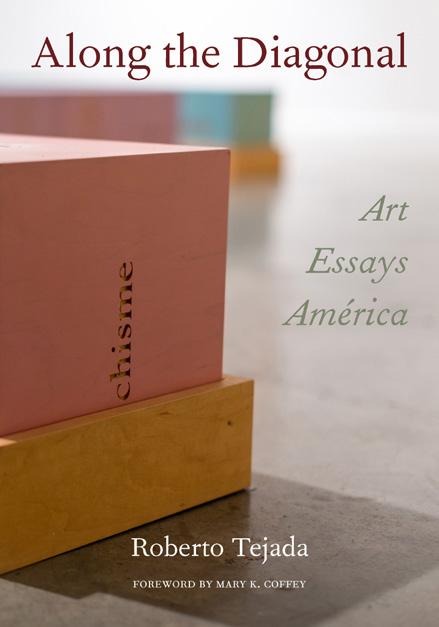
United States & Canada
Fordham University Press is distributed to the trade by Ingram Academic and Professional, an Ingram brand.
Orders and Customer Service: Ingram Content Group LLC
One Ingram Blvd. La Vergne, TN 37086 (t) 866-400-5351
ips@ingramcontent.com
Field Sales
Leslie Jobson
Senior Manager, Field Sales
Tel: 510-809-3732
leslie.jobson@ingramcontent.com
Chithra Vedentam
Sales Rep
chithra.vedantam@ingramcontent.com
SPECIAL AND GIFT SALES
Specialty Retail & Gift Sales
Gift Sales Manager
ipsgiftsupport@ingramcontent.com
Sandy Hernandez
Senior Manager, Special Markets
Tel: 818-914-9433
sandy.hernandez@ingramcontent.com
Steve Quinn
Sales Manager, Specialty Retail Tel: 401-209-9869
steve.quinn@ingramcontent.com
Tom Lupoff
Sales Rep, Special Markets Tel: 510-809-3754 tom.lupoff@ingramcontent.com
Mollie Silverman
Gift Sales Manager
mollie.silverman@ingramcontent.com
Katarina Schneider
Sales Assistant, Special Markets
Katarina.Schneider@ingramcontent.com
CANADA
Alexia Cervello
Sales Specialist
1400 Broadway, Suite 3200
New York, NY 10018
alexia.cervello@ingramcontent.com
CANADA ORDERING INFORMATION
Canadian Manda Group 664 Annette Street
Toronto M6S 2C8
Canada
Tel: 416-516-0911
info@mandagroup.com
LATIN AMERICA AND THE CARIBBEAN
Alexia Cervello
Sales Specialist
1400 Broadway, Suite 3200
New York, NY 10018
Alexia.Cervello@ingramcontent.com
INTERNATIONAL SALES
UK, Europe, Middle East, Africa, Pacific, including Australia and New Zealand
Mare Nostrum Group
39 East Parade
Harrogate
North Yorkshire
HG1 5LQ
UK
Tel: + 44 (0)1423526350
Customer Service
enquiries@mare-nostrum.co.uk
Distribution, Orders & Customer Services
Wiley Customer Service Books
European Distribution Centre
Oldlands Way
New Era Estate
Bognor Regis
West Sussex
PO22 9NQ, UK
Tel: +44 (0) 1243 843291
trade@wiley.com
China, Hong Kong and Taiwan
China Publishers Marketing
Benjamin Pan
Email: benjamin.pan@cpmarketing.com.cn
Tel/Fax: 0086-21-54259557
Mobile: 0086-13061629622
South-East Asia - Brunei, Cambodia, East Timor, Indonesia, Japan, Laos, Malaysia, Philippines, Singapore, South Korea, Thailand, Vietnam Publishers International Marketing
Chris Ashdown
Tel/Fax: +44(0)1202 896210
chris@pim-uk.com
South Asia - Bangladesh, Bhutan, India, Maldives, Nepal, Sri Lanka
Manohar Publishers and Distributors
4753/23, Ansari Road, Darya Ganj, New Delhi 110002
Tel: 011- 43583973
manoharbooks@gmail.com