By: Mia Barth
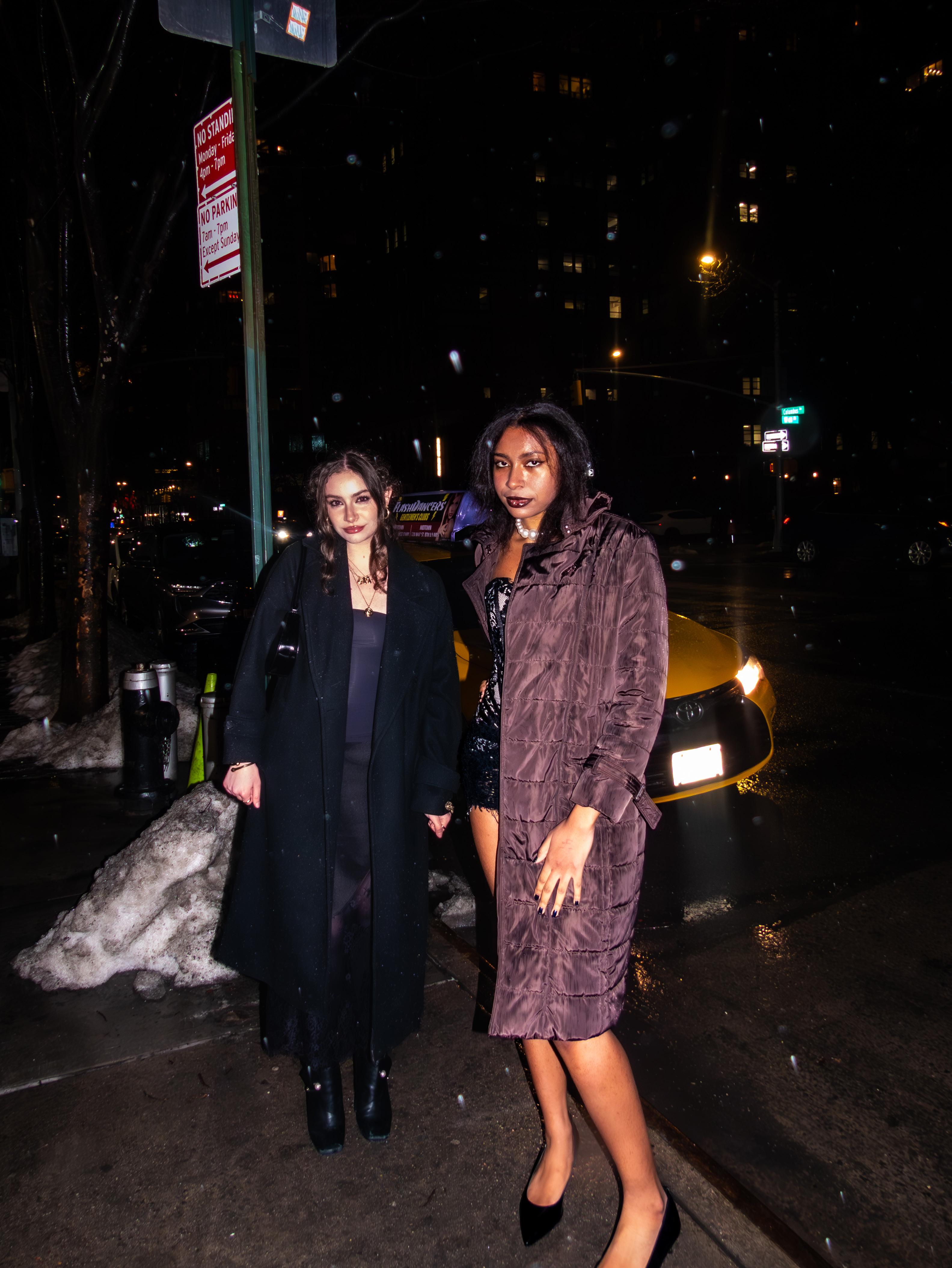
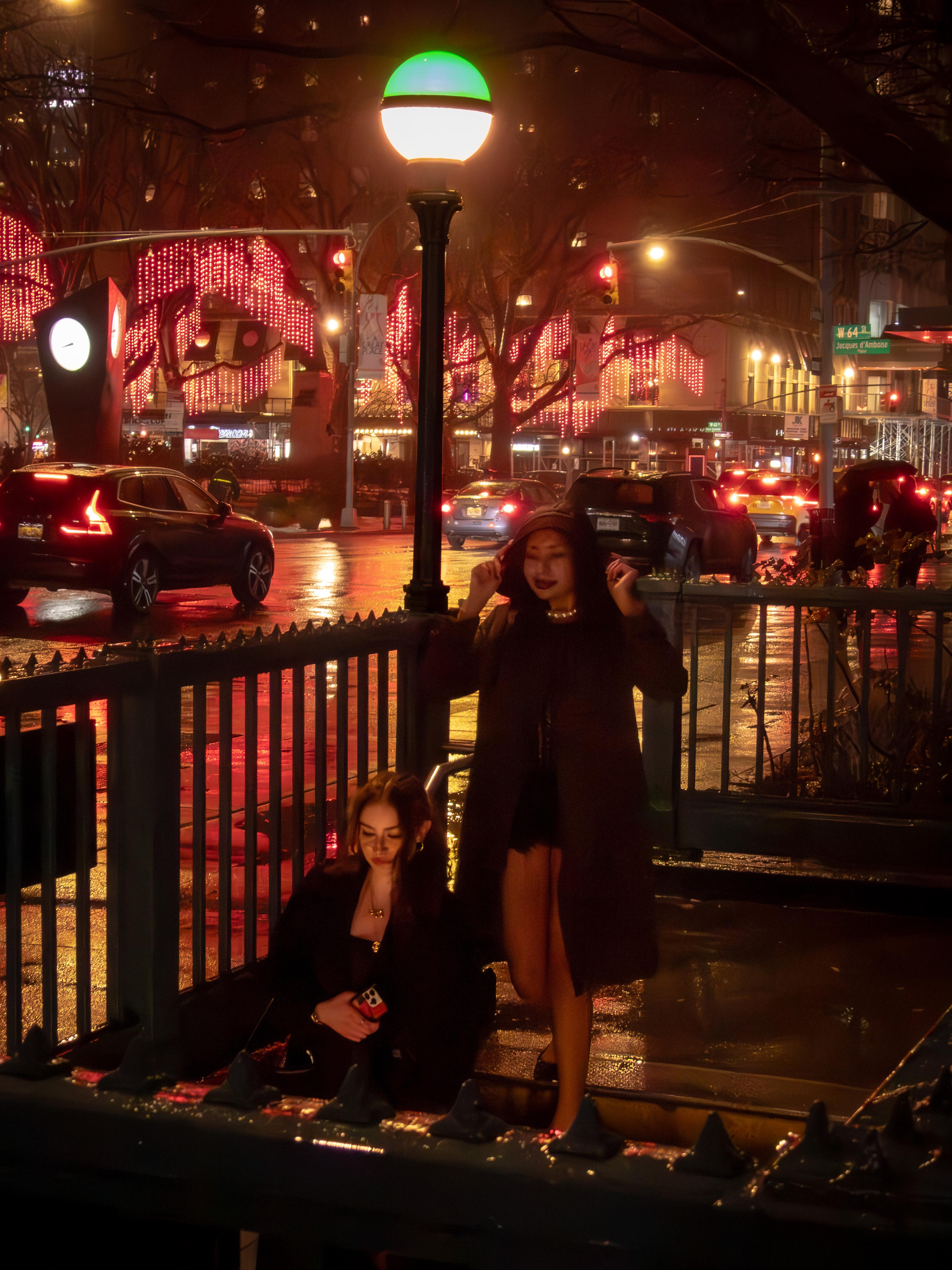
Each city has its own distinct culture and look that sets it apart. If you’ve been on TikTok, you may have seen the trend of people turning themselves into the it girl from different cities. From this trend, the “NYC 10” look was born, inspired by the girls who effortlessly stand out among some of the most beautiful and creative people. Their makeup is able to withstand their busy schedules. It focuses on an edgy, smoky eye and a natural base. NYC ten inspo pics include Bella Hadid, Emily Ratajkowski, and Kaia Gerber. However, this look is not new. It has roots in Latin and Black cultures. Dark liners with gloss have been called “brownie glazed lips,” and lash extensions that were once “too much” are now used to save time while
still looking put together—the essence of the NYC 10 look. What makes NYC special is its diversity and this makeup look is a culmination of the looks seen on girls of all cultures over time.
Here’s how to get the look: Start with a good brow. Next, go in with a light-weight skin tint. Then, go in with a bronzer. It’ll bring life to your face after a busy day. Next, a muted blush. Onto the eyes. Here’s a tip for when you’re in a pinch: a good brown eyeshadow and black eyeliner in your waterline works wonders. Finish the look with your favorite neutral lip liner and a setting spray to keep your makeup on all day and night.



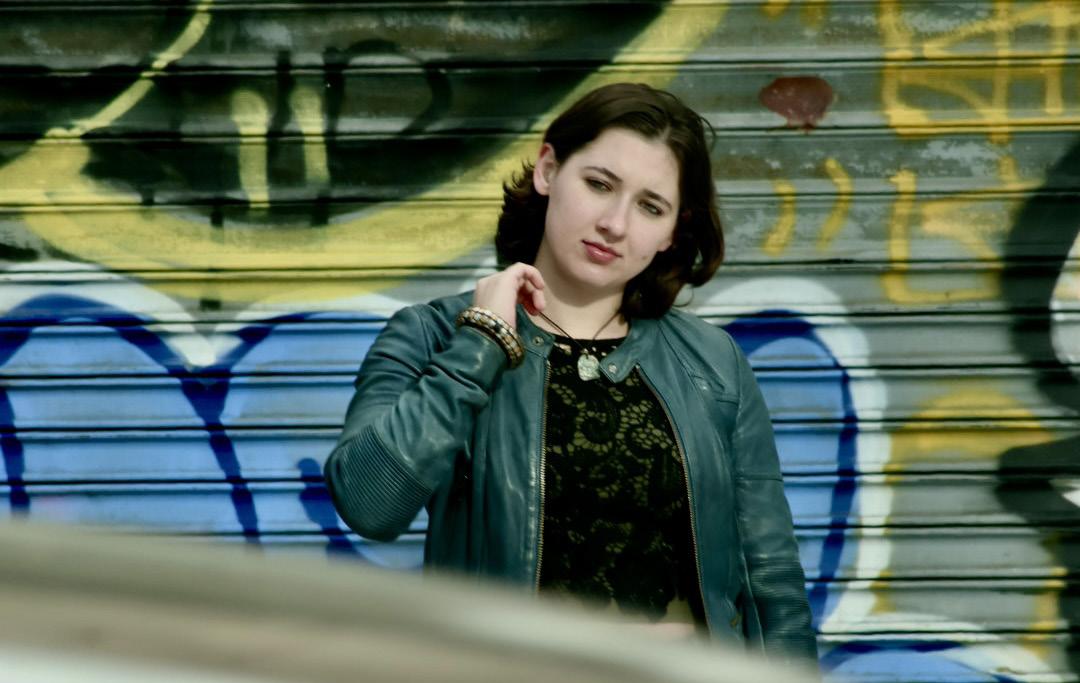


here else in the world is grit, grime, and the grody glamourized as much as it is in New York? While tourists and transplants may complain about the smells, graffiti-covered buildings, or streets littered with litter, the magnetic pull of the city’s hard-knock, messy reputation is undeniable. Unlike other megalopolises that pride themselves on cleanliness, like Tokyo or Dubai, New York is upfront and honest about its dingy, dreary atmosphere. But why is the depressing desirable?
New York City earned its rough, dangerous reputation in the late 1900s due to financial crises, rampant drug use, and prevalent violence. Now, this reputation is tantalizing, remembered for producing artistic output, fostering a thriving counterculture scene, and inspiring a multitude of pop-culture items and marketing materials. Somehow, this picturesque representation of real-world hardships morphed from brutal honesty
into a fantasy for the upper echelons. The magic of NYC’s gritty origins is that people could make struggling glamorous, not glamourize struggling. Trust-fund transplants gallivant the streets in tornfor-fashion clothing, smudged makeup, and do-it-yourself dyed-and-cut hair. But with the look comes disregard for urban cleanliness and public property, and a general misunderstanding of the situation that fostered the emergence of the vibe they wish to co-opt. Innovation is stunted as the groups who created the looks are priced out by gentrification, and neighborhoods once desired for their authenticity are transformed by luxury high-rises and chain coffee stores.

Makeup Artist: Brielle Henderson



by Caroline Abella












































Abella






































By Ava Kokoros

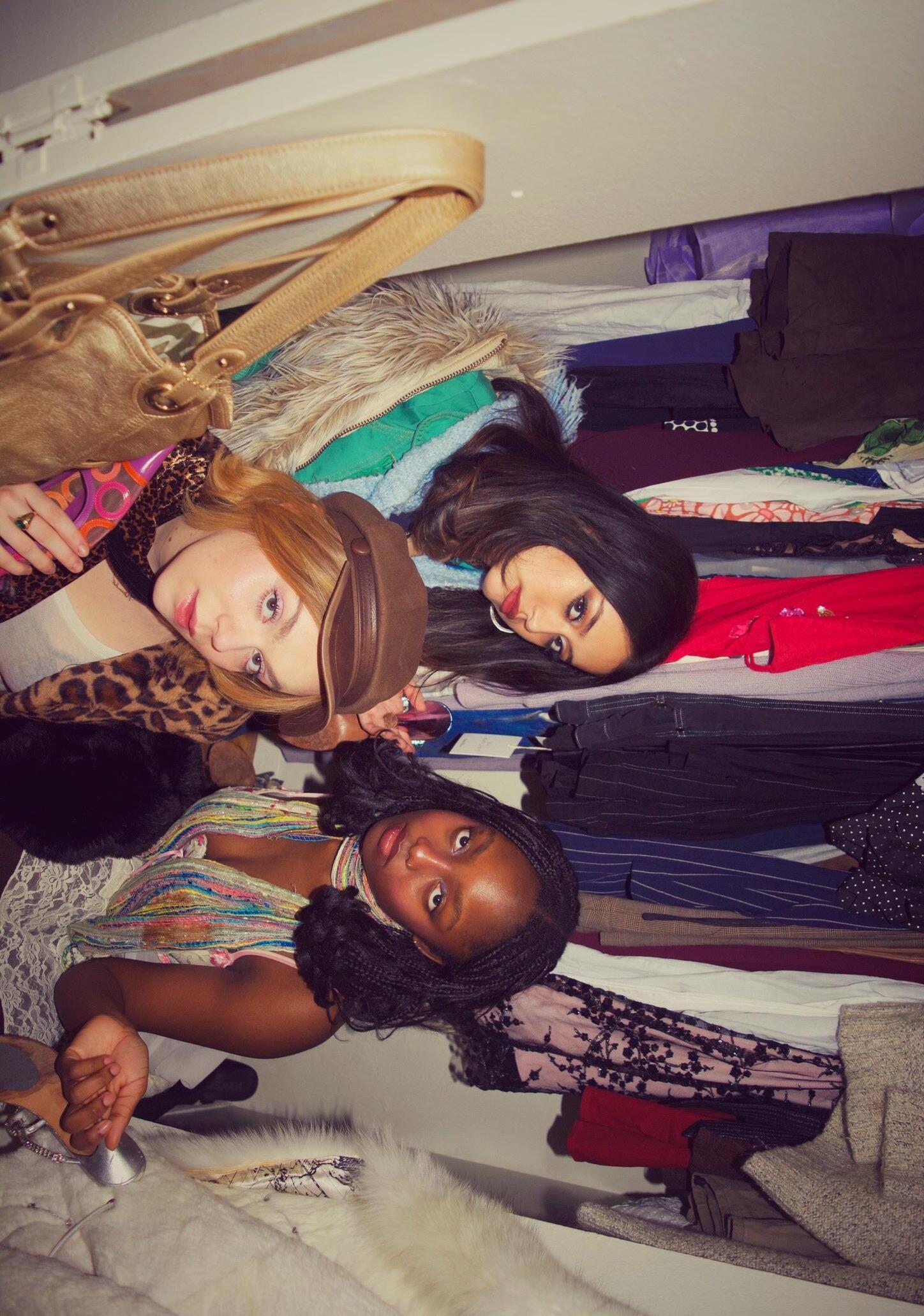
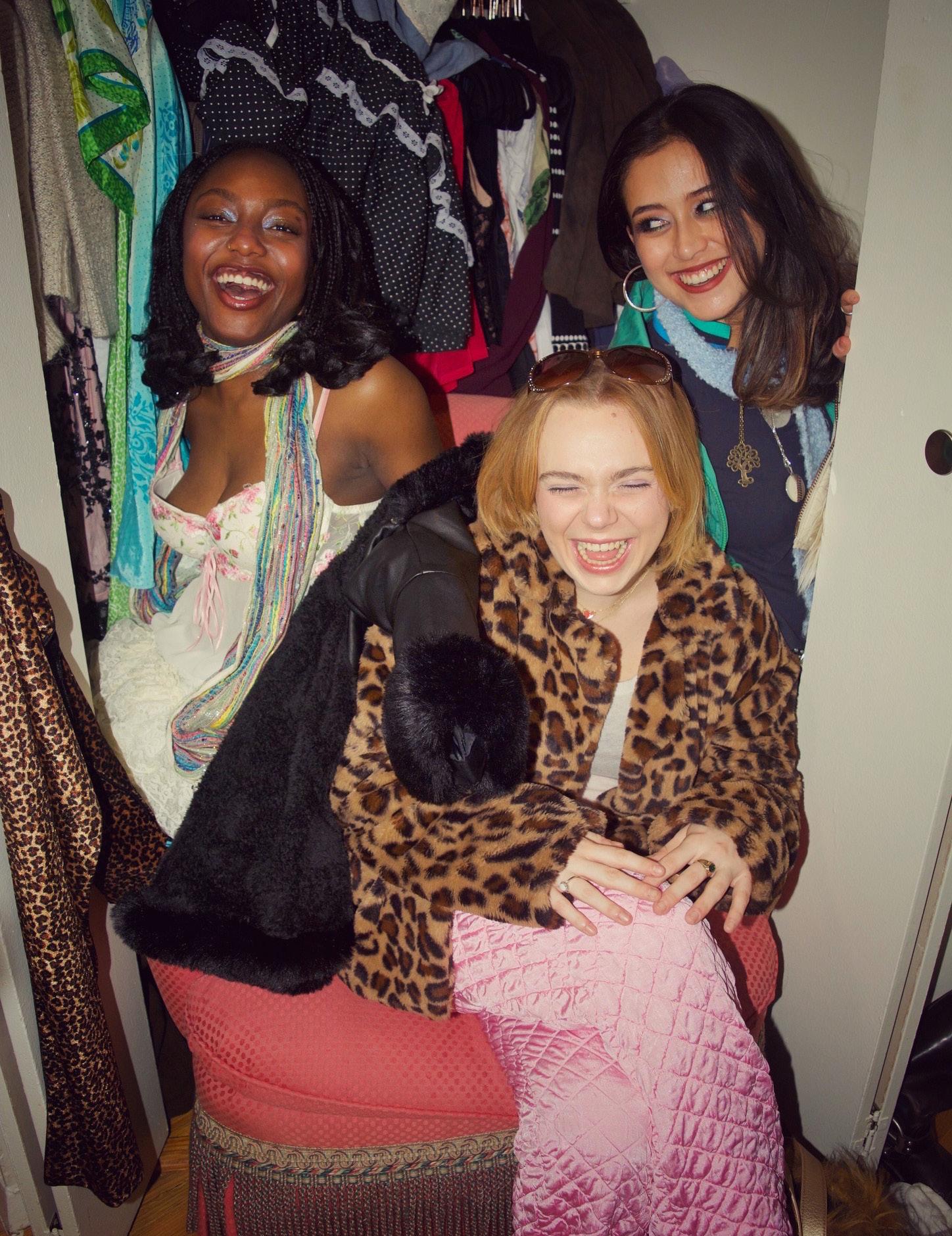
Every girl’s first New York City apartment is special. It might be a cramped 7x10 walk-up in the East Village or a loft nestled on the corner of Arthur Avenue in the Bronx. But one thing is always consistent: there is never enough space. Suitcases of clothes and duffle bags filled with your shoe collection get dragged up all eight flights of stairs, only to be dumped out onto the floor of your room that suddenly feels a lot smaller than you remember. Closets, if they exist at all, barely hold a winter coat.
That’s where the trusted clothing rack comes in, maybe not as a design choice pulled from the Architectural Digest, but as a necessity. At first, it’s purely functional. Somewhere to hang the pieces that didn’t make the cut into the closet. But as weeks pass, the rack begins to take on a life of its own. It fills up slowly, then all at once. Fur coats hang over your go-to little black dress. Stiletto boots with scuffed bottoms tossed at the base, resting gently beside ballet flats worn down from the daily commute. Denim pants folded neatly over velvet hangers, arranged from light to dark wash. Chunky shoulder bags weighing down one side of the rack, threatening to tip it over.
The beauty is in this organized clutter. What starts as storage becomes something more intentional and personal. The rack starts to resemble a curated boutique display, one built entirely around you. You reach instinctively for statement pieces and arrange colors to match the energy of your room. Your collection tells a story of late nights and early mornings, of changing seasons and evolving taste. Maybe one day there will be walk-in closets and endless storage. But for now, the NYC clothing rack feels just right.
Photographed by Lucy Gile
Layout by Niamh Cogley


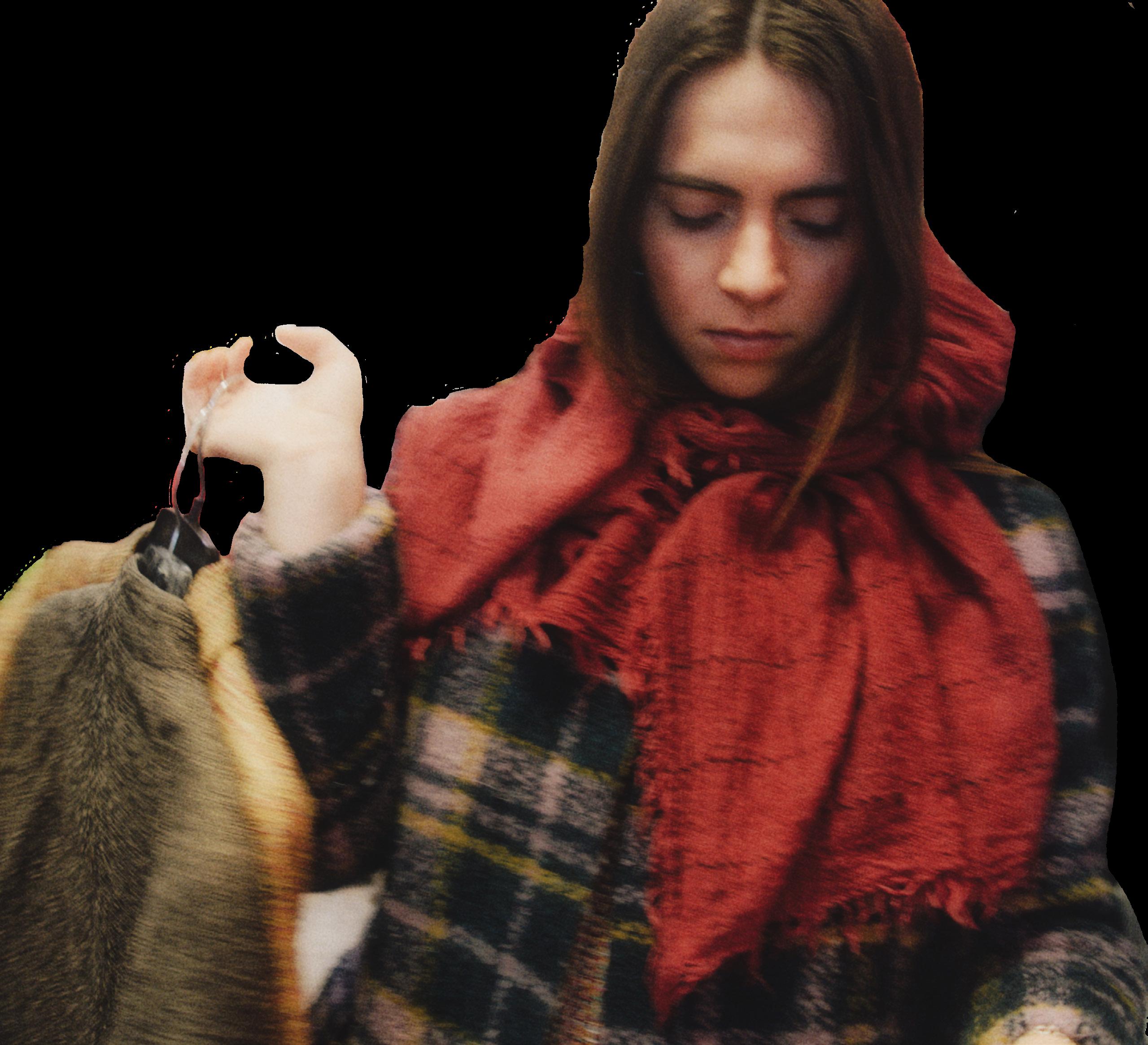
The scratchy fabric under your hands, the dust specks flying through the air before falling onto the floor, only to be swept up again into the jet stream, the screeching of metal hangers as they skid across the racks, echoing against the indie-pop overhead. You retreat into a nonverbal state and soften the music in your headphones while scouring the rows of discarded Knicks T-shirts and the tightest pair of men’s ripped jeans. Sharp gasps of hope abruptly fill the Union Square thrift shop. You recognize the gasp of false euphoria, thinking you’ve found vintage Roberto Cavalli between the folds, when in
your hands with your curiosity in mind; rather than looking at what you want in them, you search for what others want in them. Why are New Yorkers buying these clothes? Why are they giving them away? The piles of Tim’s and Jordan’s, and faux fur slides have to mean something. New Yorkers are ever evolving! Just like your closet, the people of New York are always changing with each interaction with the city. Rather than a simple thrift trip about your next wardrobe addition, consider the other additions. The chance to learn about your style and the style of your

Written by Maeve McCurdy

Written by Emma Cate Martin
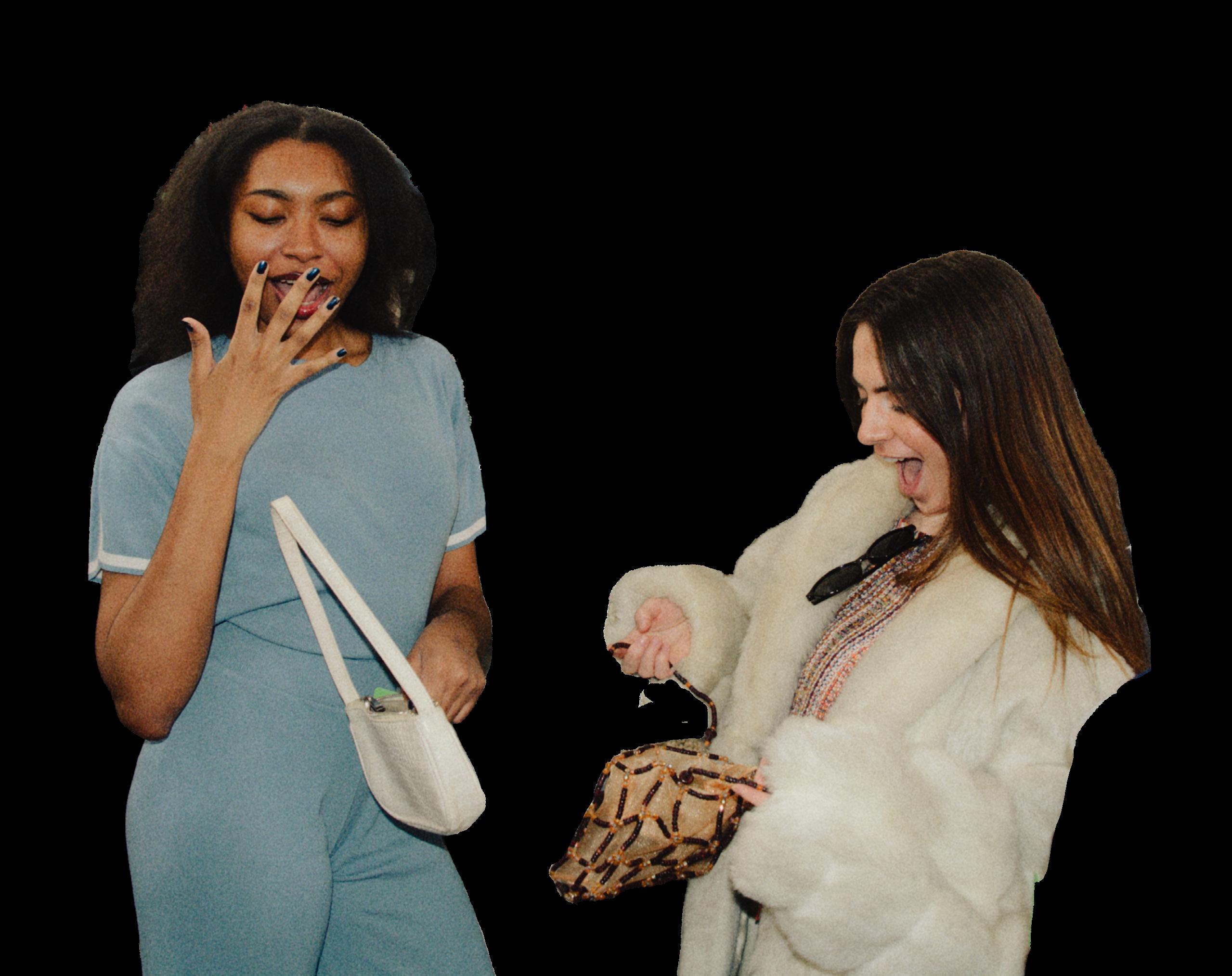
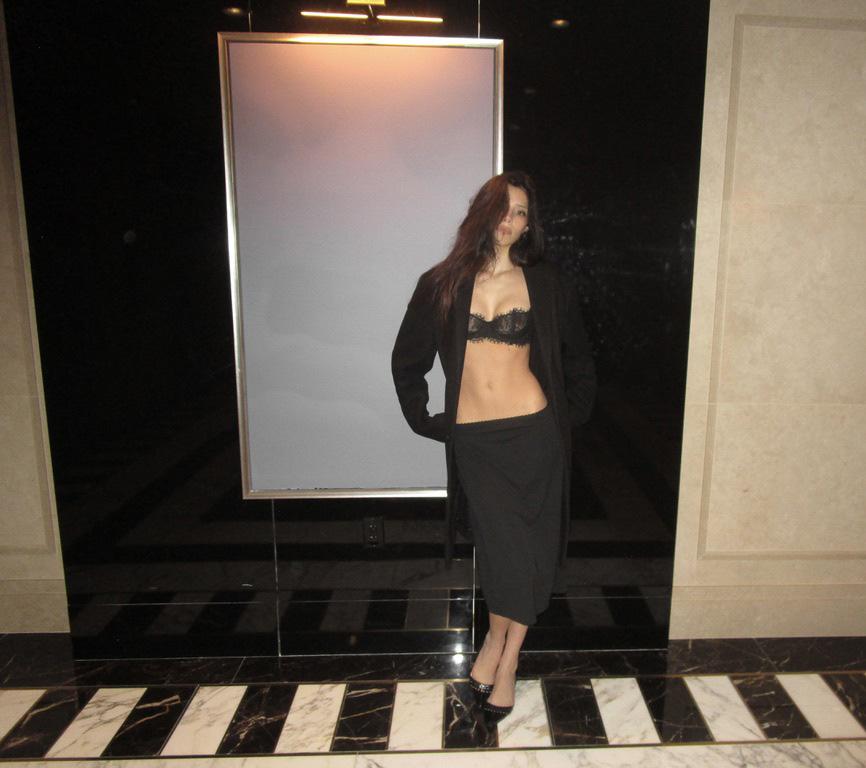
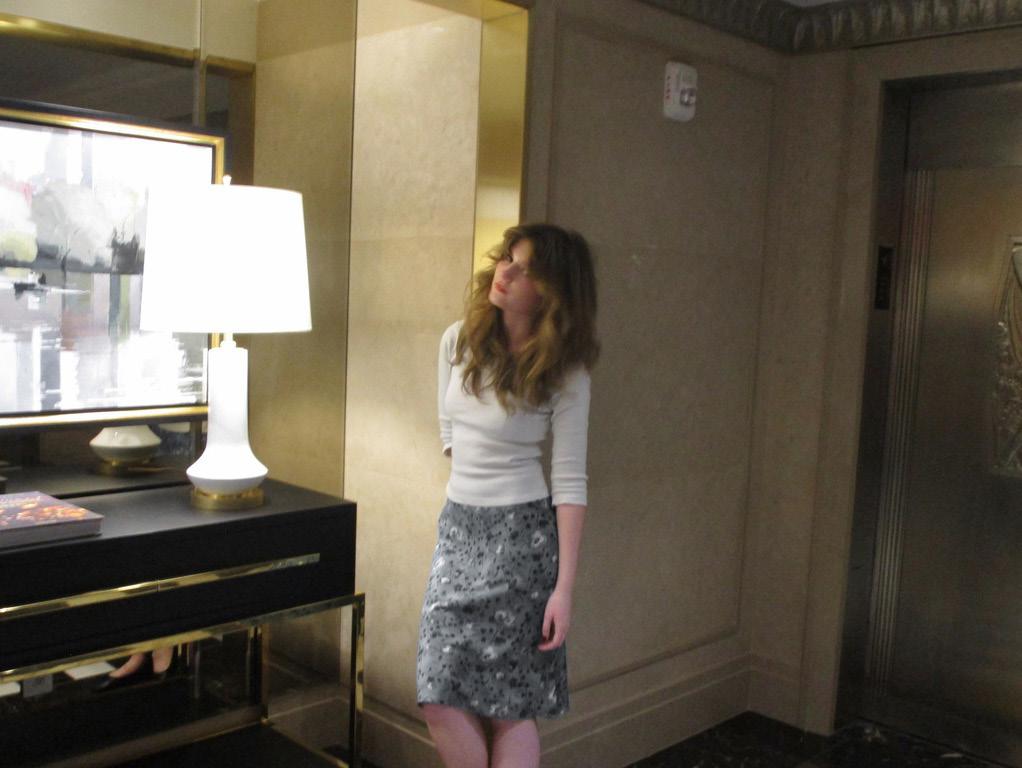
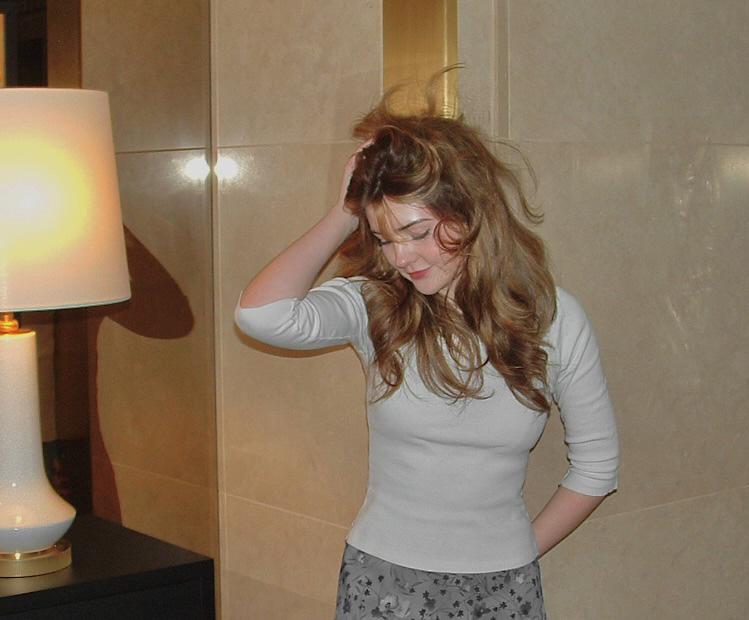
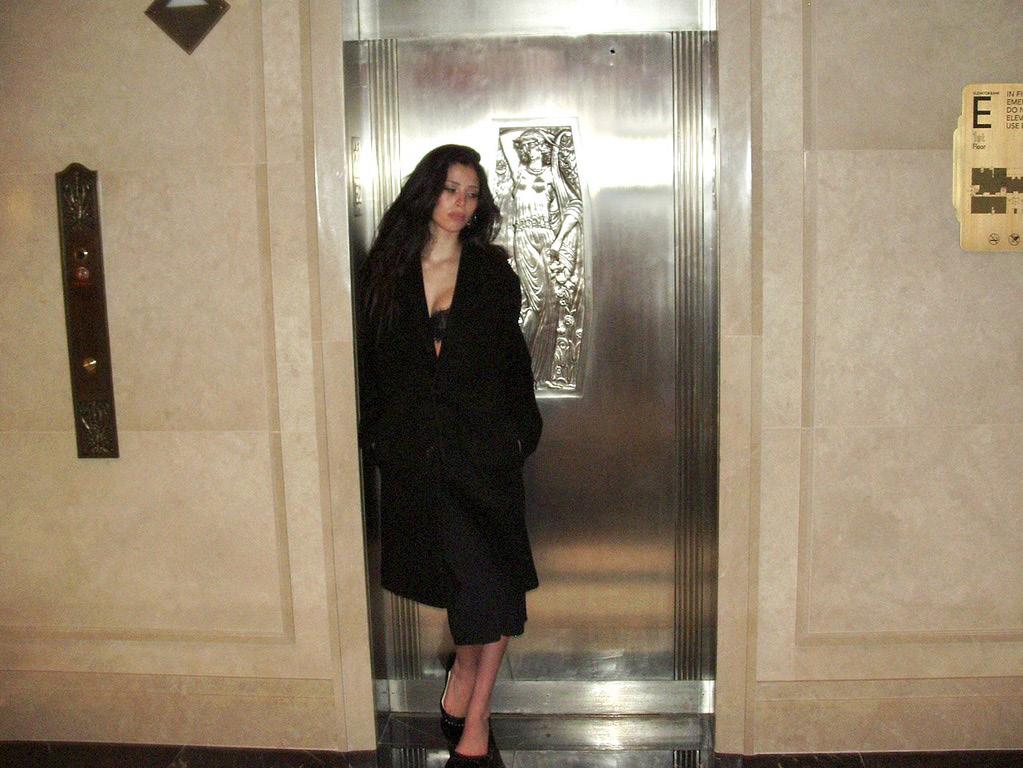
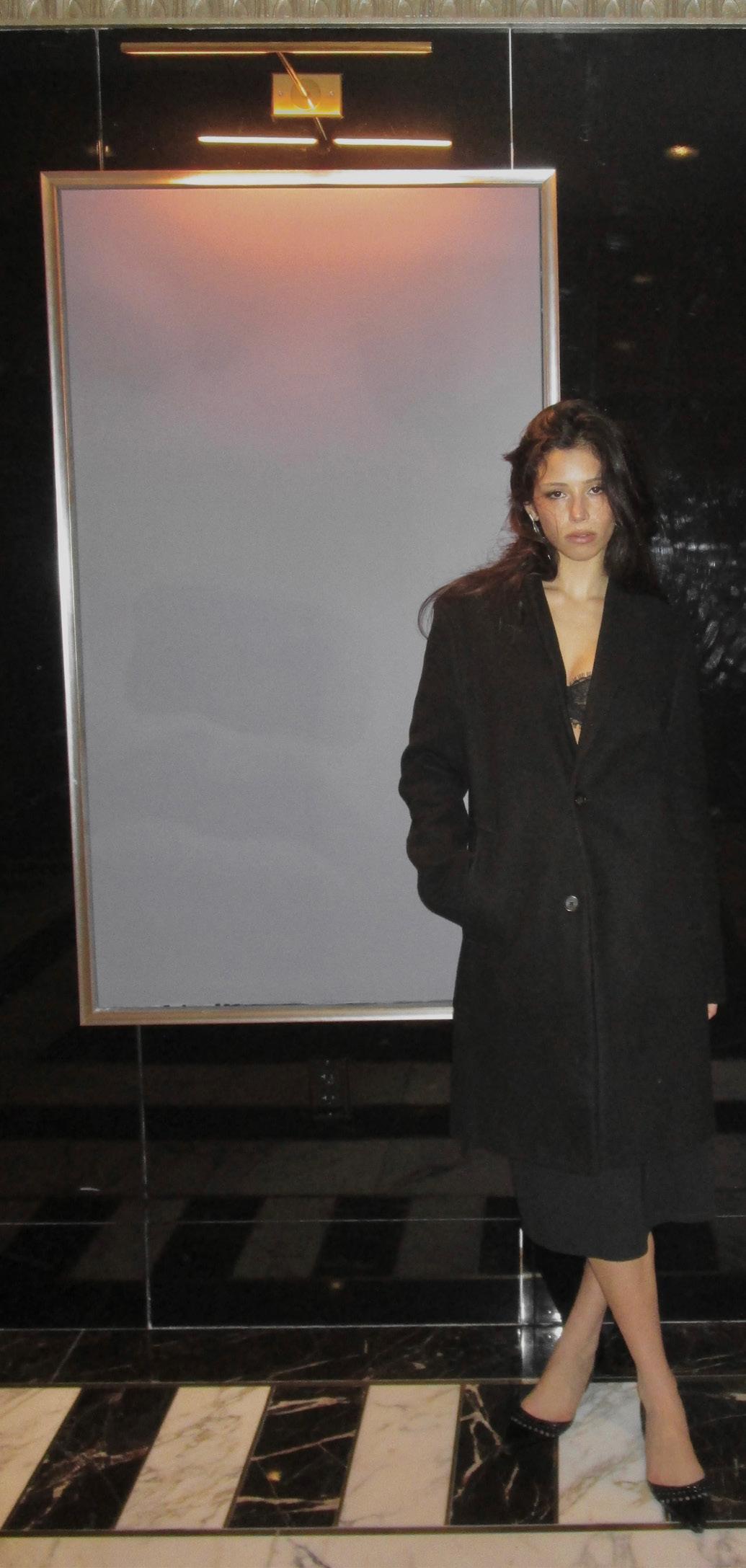
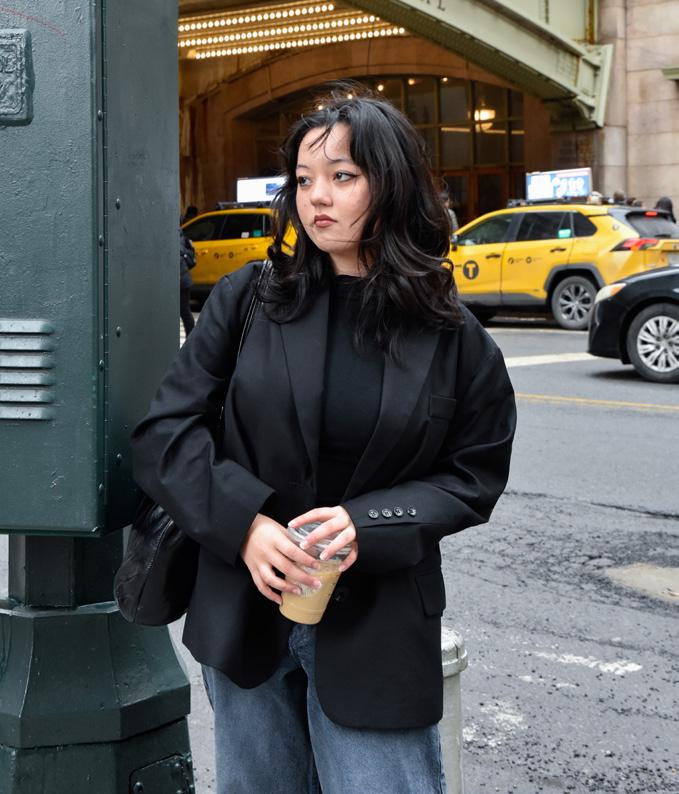
New York, a city stuck in a near-constant cloud of smog and a symphony of different sights and sounds, manages to break through its own chaos with its undeniably influential and unique personal style. While the city’s expansive history and endless supply of creative minds have fostered countless New York-specific subcultures and styles, the 90s minimalist style has remained one of the most notable New York fashion aesthetics, born from New York’s creative minds, like Calvin Klein, as well as its unique demand for practical, sexy everyday wear. We’ve seen 90s minimalist motifs, like consciously styled basics, reappear in today’s mainstream style trends - the “clean girl,” for instance, could not exist separate from the influence of 90s minimalism and minimalist style icons like Carolyn Bessette Kennedy and Gwyneth Paltrow.
While the modern evolution of 90s minimalism has shifted its focus to “it” brands and “it” pieces, walking around New York today proves that the 90s minimalism aesthetic was never about conformity. Rather, its clean, chic, neutral look allows its wearers’ unique natural beauty to shine timelessly in a culture that demands physical conformity to increasingly concerning extents. Additionally, the modern New Yorker faces a unique obligation to always be prepared: from last-minute invitations to unexpected celebrity encounters, New Yorkers require a uniform that is sophisticated and endlessly versatile, keeping 90s minimalism steadfast in the city’s aesthetic. In today’s fast-fashion market, the increasing accessibility of quality, or at least quality-appearing, basics has expanded the reach of 90s minimalism to all kinds of New Yorkers: finance bros, pilates chicks, and corporate girls are all opting for high-quality basics that provide a sophisticated contradiction to the hustle and bustle of the city they call home.
Photographed by Jp Wishchuk
Modeled
by
Emma Cate Martin and Monica Sapone
Makeup by Monica Sapone
Layout by Caroline Abella


Written by Margaret Craney



rst understand how trends devaelop within fashion, we must look past runways and magazine spreads. Trends do not appear overnight; they travel, transform, and absorb purpose along the way. Consider the penny lane coat: originating in Afghan smanship, embraced by London’s counterculture, and then later photographed on New York streets. Its journey reveals that fashion is not a one-way pipeline, but a global conversation shaped by movement and reinvention.
For decades, Europe has served as a hub for fashion’s creation. Paris, Milan, and London cultivate designers rooted in couture, tailoring, and tradition. These cities emphasize heritage and cra smanship, ensuring that each new trend is built upon decades of artistic knowledge. European fashion gains authority through its respect for history, even when challenging it.
In New York, these ideas are transformed. The city’s diversity, music scenes, and street culture adopts these concepts and develops them into bold, practical, and individualistic statements. Luxury blends with thri , and formality gives way to selfexpression.
These workers blend ancestral techniques with modern aesthetics, producing garments that feel both global and personal. Yet, their contributions o en remain invisible. While luxury brands and in uencers receive recognition, immigrant labor sustains the industry behind the scenes. This imbalance raises questions about credit, representation, and cultural ownership.
Through their work, immigrants transform imported trends into expressions of New York identity. Their creativity fuels the city’s reputation as a remix capital. As these reinvented styles travel back to Europe, they complete a feedback loop driven by migration, resilience, and cultural exchange. Fashion’s future, then, is written not only by designers, but by the communities who quietly stitch its stories together.



As trends cross the Atlantic, immigrants become their most important carriers and translators. In New York, designers, tailors, stylists, and factory workers from around the world make ideas turn into local realities. Many learned their cra through family businesses and informal mentorship, growing up in sewing rooms, garment factories, and ateliers. Neighborhoods near the Garment District and Canal Street have long functioned as creative hubs where cultural knowledge is passed down across generations.







By: Gianna Fernandez
Stepping into New York City, you will be fully immersed in the fashion world, and social media plays a big part in what to wear. One creator who gets it right every time goes by the TikTok handle Acquired Style, aka Bridgett Pheloung. Bridgett Pheloung was not a full-time TikTok creator; she first worked at Bergdorf Goodman as an e-commerce coordinator. She later started posting her unique outfits with her twin sister, Danielle. Acquired Style has single-handedly brought new fashion trends to the streets of New York, such as skinny jeans paired with a pointed-toe heel. She also brought wintertime trends, such as big, oversized fur coats, which took the internet by storm. By far my favorite trend of hers is a sleek kitten heel paired with sheer tights. It does not stop there. When it comes to the holidays, Acquired Style shows out. Staying true to her bold fashion sense, she isn’t afraid to look different from the others and be a little extra. She does this perfectly when it comes to family events; at her annual family Thanksgiving dinner, she is not afraid to put a little twist in her outfits, making them bold. One year, she wore a fully knitted sweater gown paired with a fur headpiece, and this year, she wore a latex inflatable dress. Her outfits make a statement of their own, and she always has fun putting pieces together. She truly brings new trends to light and drives home the message that it is okay to look different from the rest. So, to fellow New Yorkers and girls all over the world, bring out your own Acquired Style.
Photographer: Mia Garcia
Model: Margaret Craney
Layout: Dove Ajmani


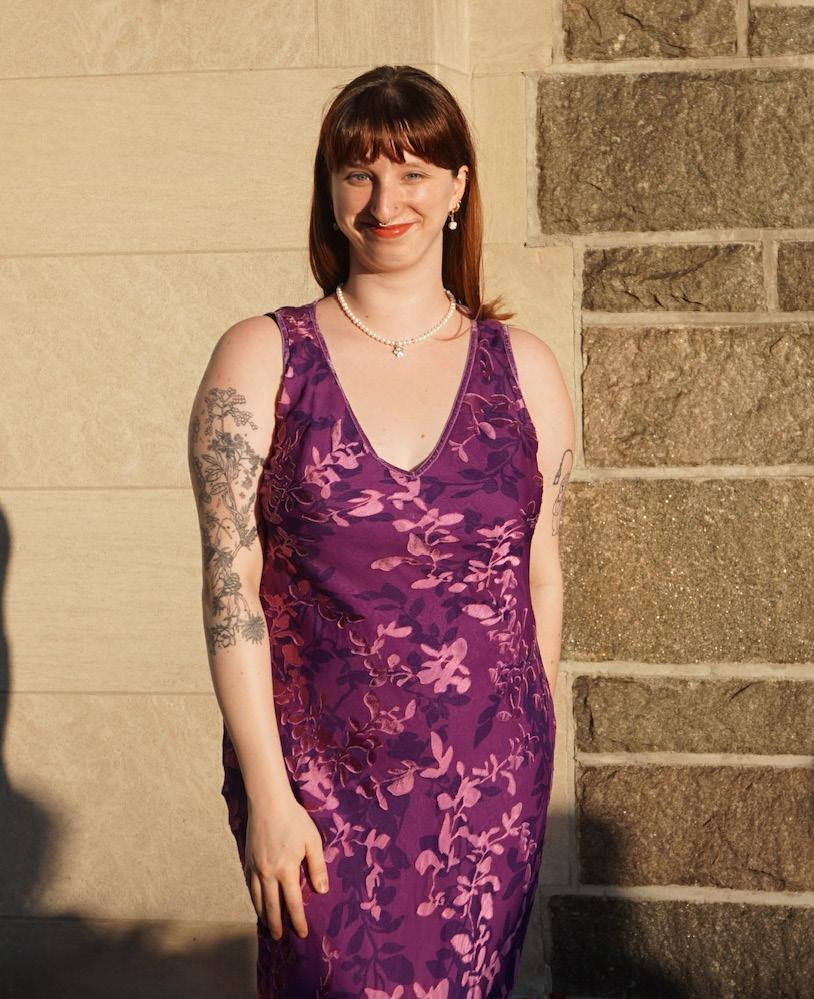
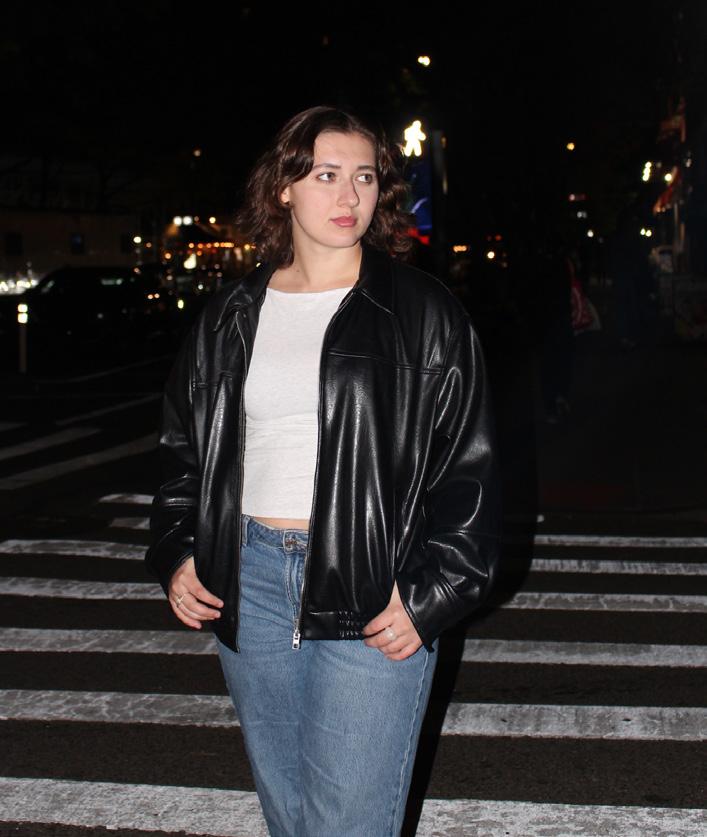
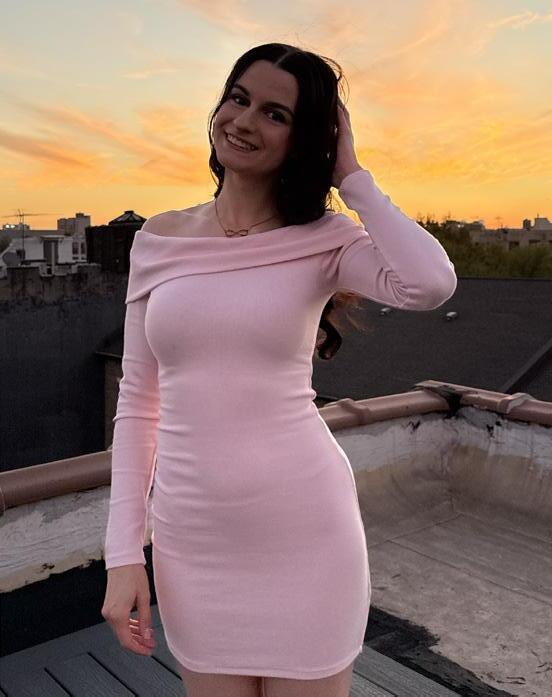
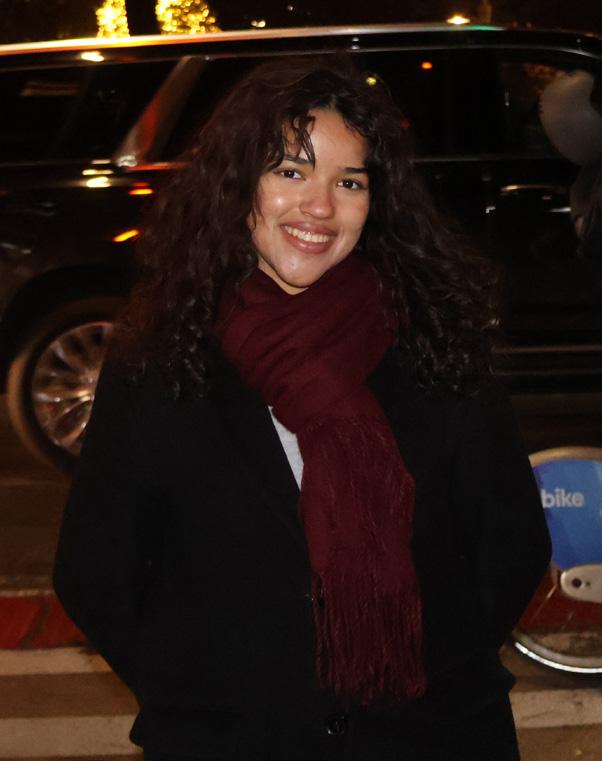
“MOM I WANNA DO IT MYSELF!”
A phrase every young diva has said to her mom getting ready for school. After enough whining, your mom finally gives in and you walk out the door in probably the most overstimulating, mismatched outfit you can find. As mixed up socks become vibrant
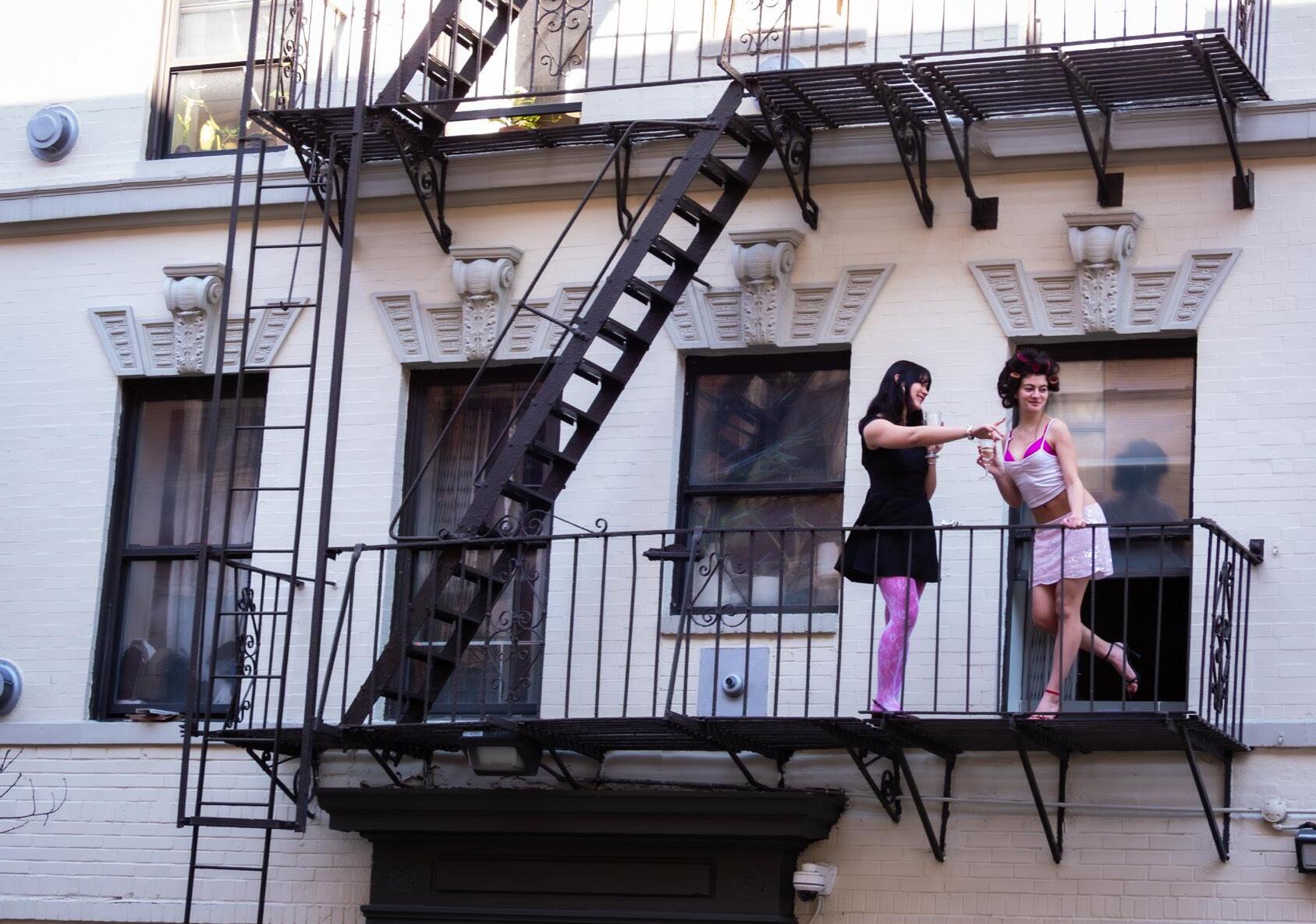
colored tights, clashing colors become clashing patterns, and your mom’s high heels that were way too big for you start to fit, you’ve started to embody Gen Z’s mark on the fashion world: maximalism through layering.
Recently, the fashion world has evolved layering from simply putting a tank top over a long sleeve shirt into something else entirely. With polka dots layered on stripes, big chunky belts, vibrant heels, and socks on top of contrasting tights, this new spin is a lot to the eye. At first glance, these outfits are a mess…but they work?


Despite the fact that the outfit looks like you’re wearing the only clean clothes that you have left, there are subtle matches that make it come together like a belt matching the shoes or a logo matching the tights. The idea that “more is more,” otherwise known as maximalism, is the backbone of Gen Z’s newest fashion statement. That’s exactly what it is, Gen Z’s statement on how they are making their mark on the world, and they will not be ignored.
There’s no place that screams opportunity and ambition more than New York City. Growing up on TV shows and songs that
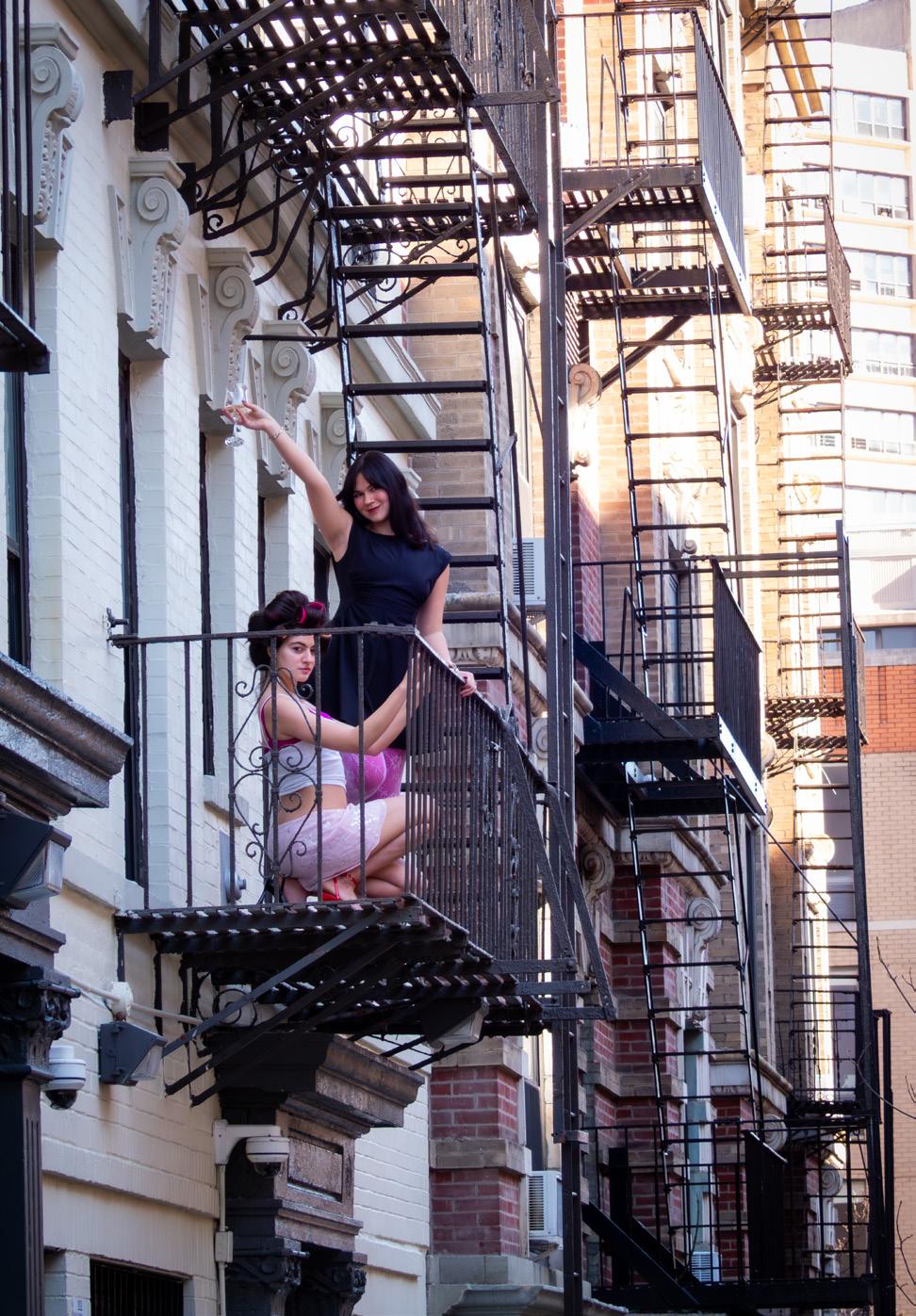

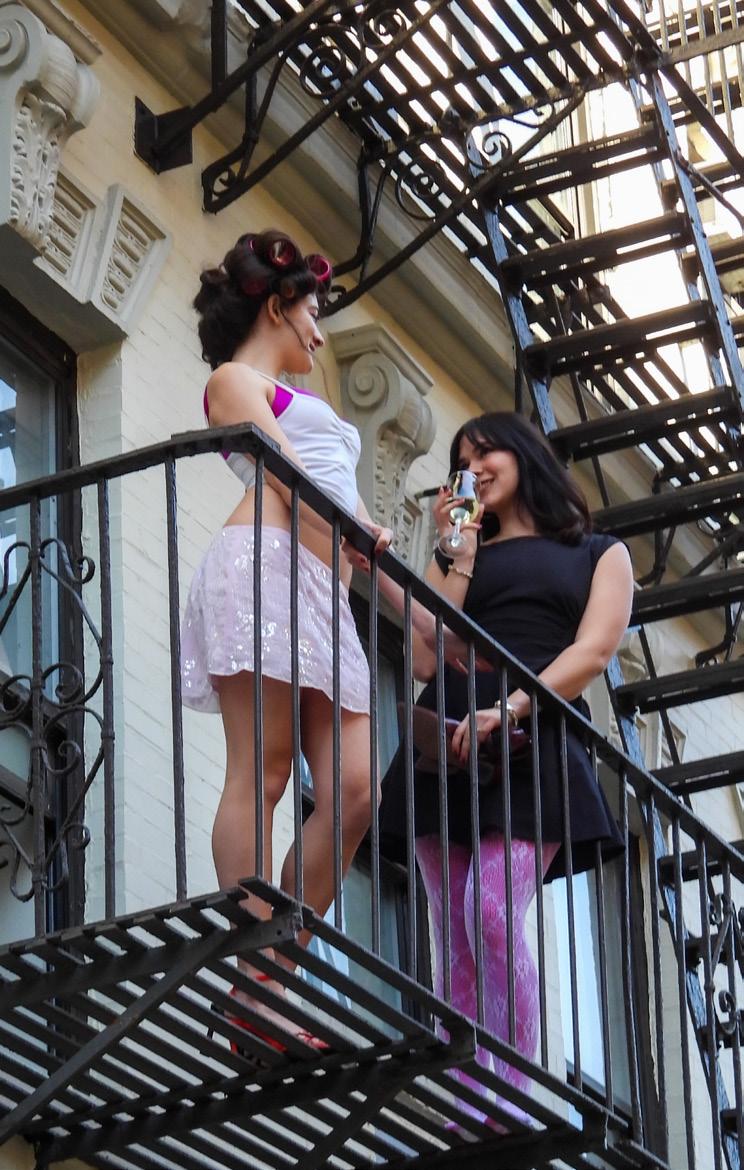
preached the glory of NYC, it’s no surprise that Gen Z models their fashion after the city they grew up romanticizing. Between the graffiti, tall buildings, and loud noises, it’s no debate that maximalism is written all over the ‘city that never sleeps.’ At the end of the day, even though there’s a stark contrast between the personality of Times Square and the culture of Harlem, they still share the borough of Manhattan. On paper, both NYC and this maximalist style of layering seems like they should fall apart, but they both have actualized through Gen Z’s desire to be considered a part of the adult world.












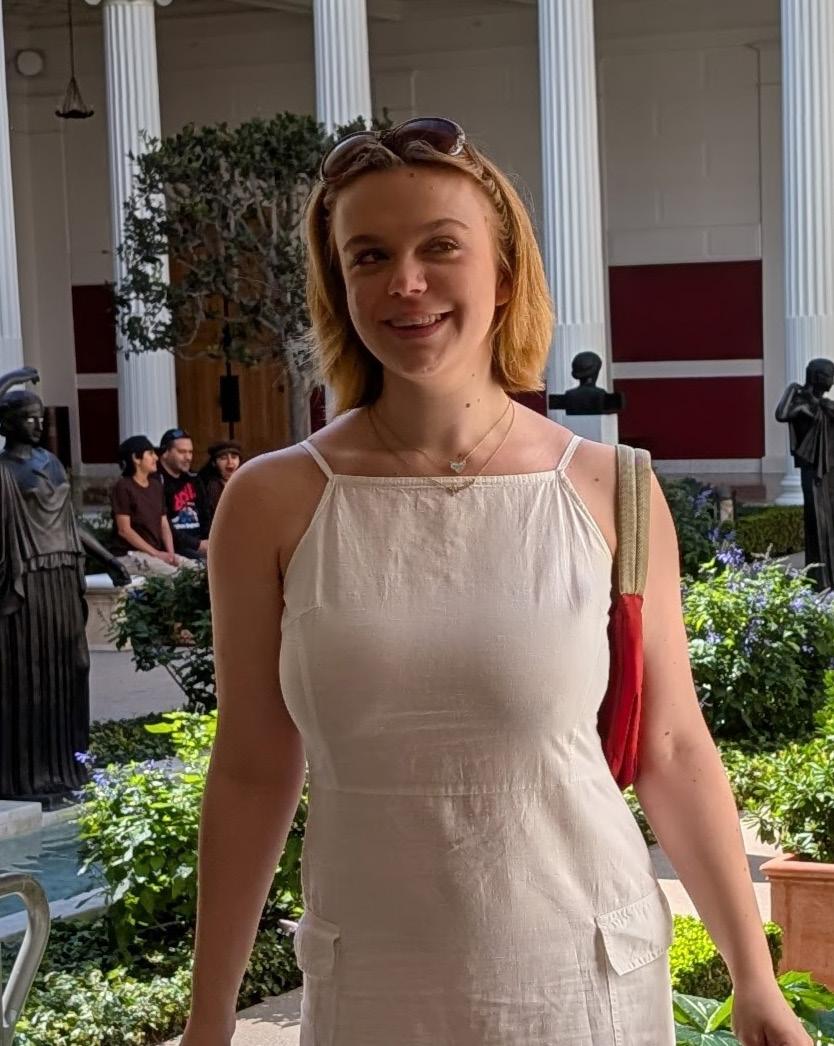
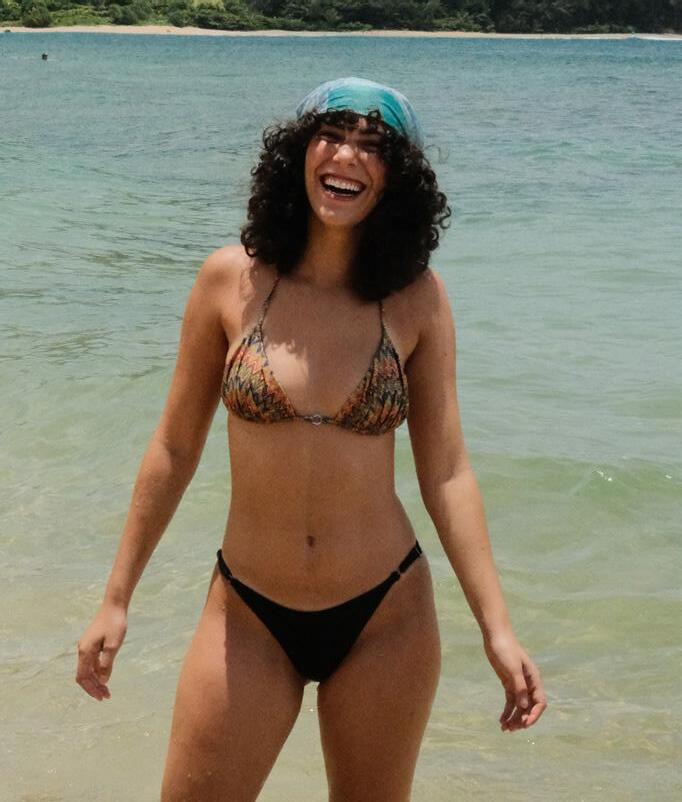
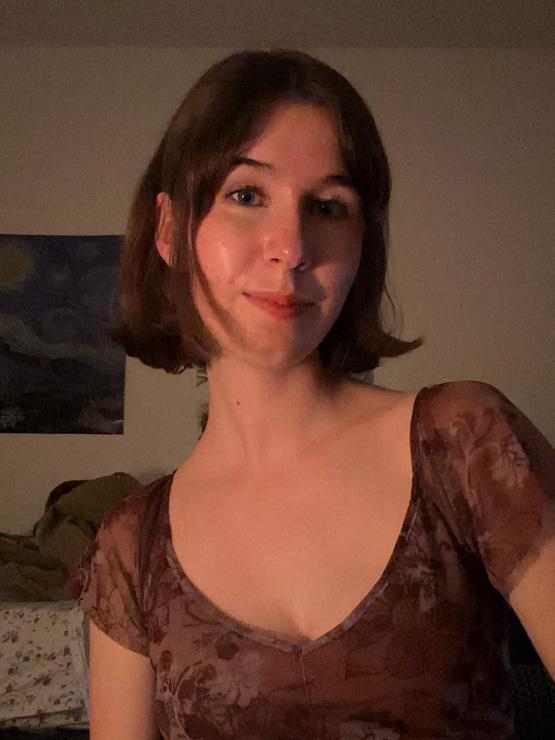



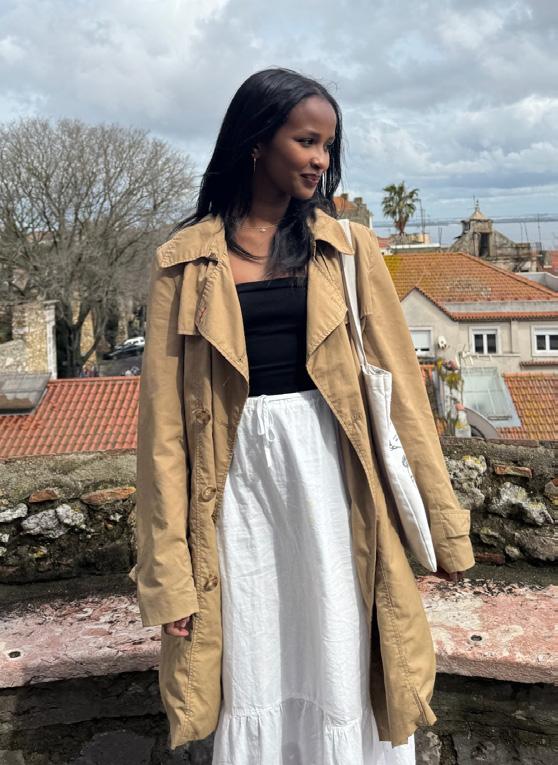


Written by Elan Jenkins
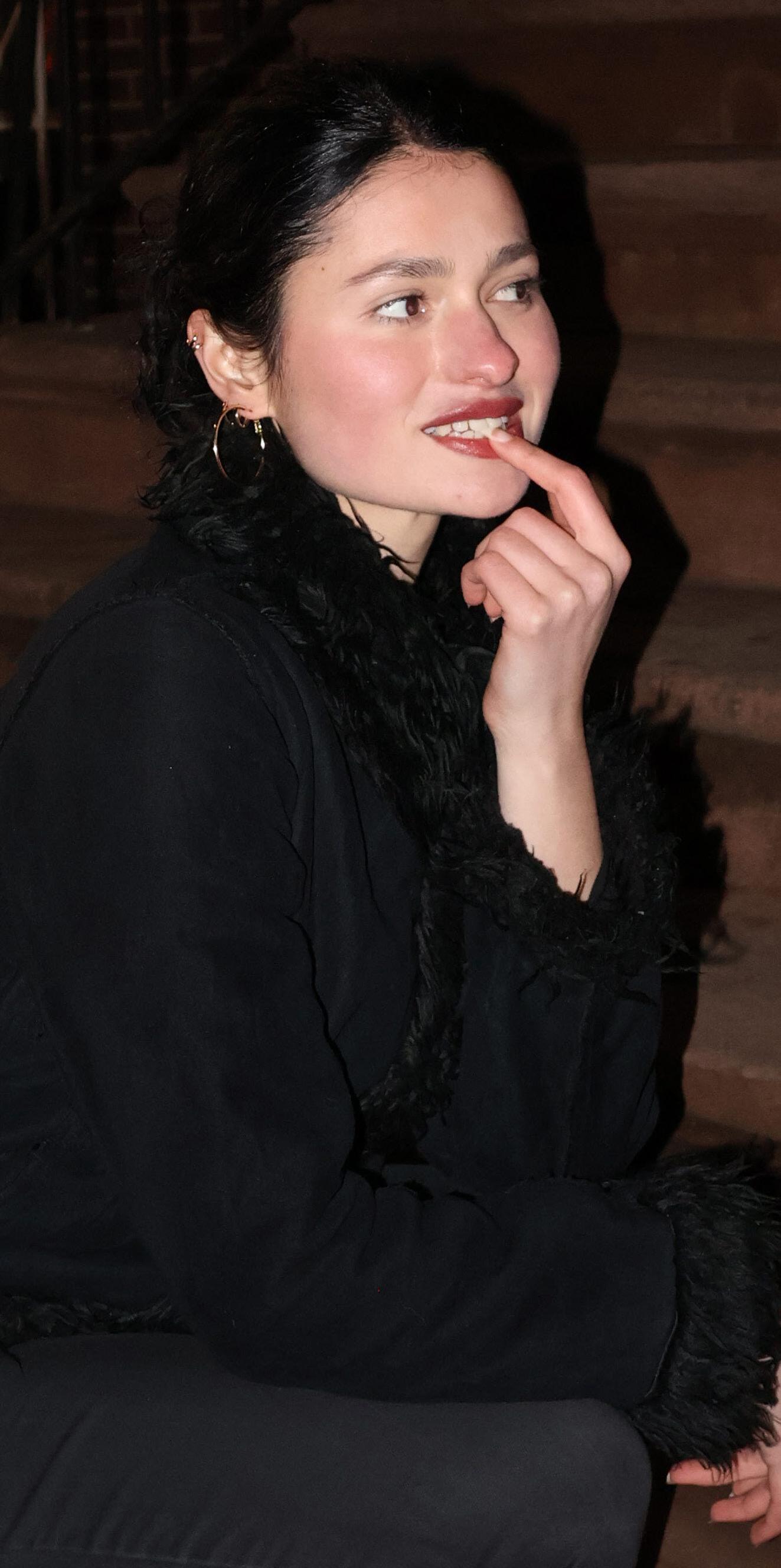
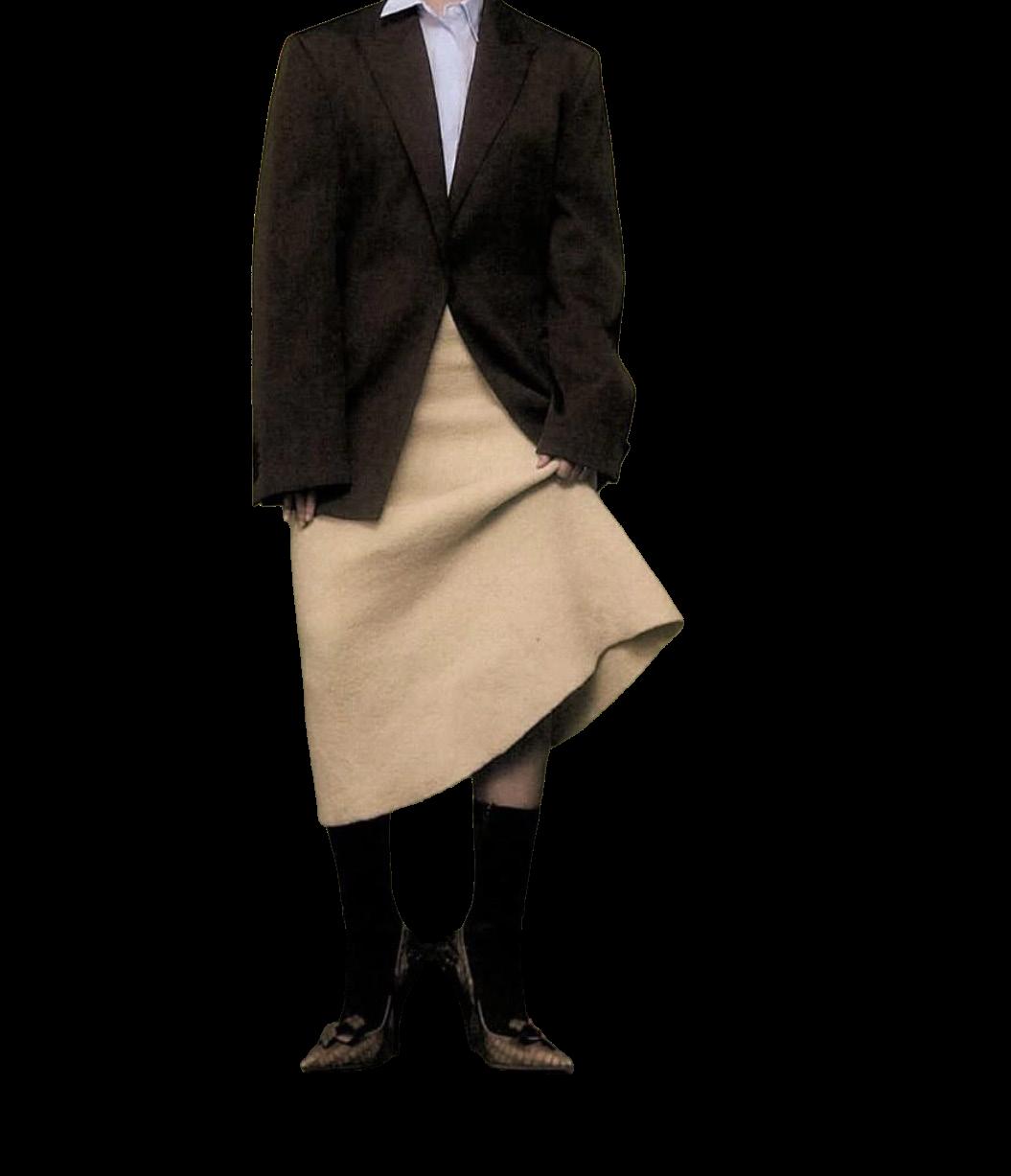
The newest era of New York politics was kicked off by Rama Duwaji, an artist and the wife of Zohran Mamdani. Her debut as first lady painted a picture of the era to come, and the issues and movements important to Duwaji and her identity. She used a language that women in the public have had to turn to to communicate without speech; fashion. Women’s fashion, especially for those in the public eye, is meant to tell the viewer who they are, and for those in politics, what they stand for.
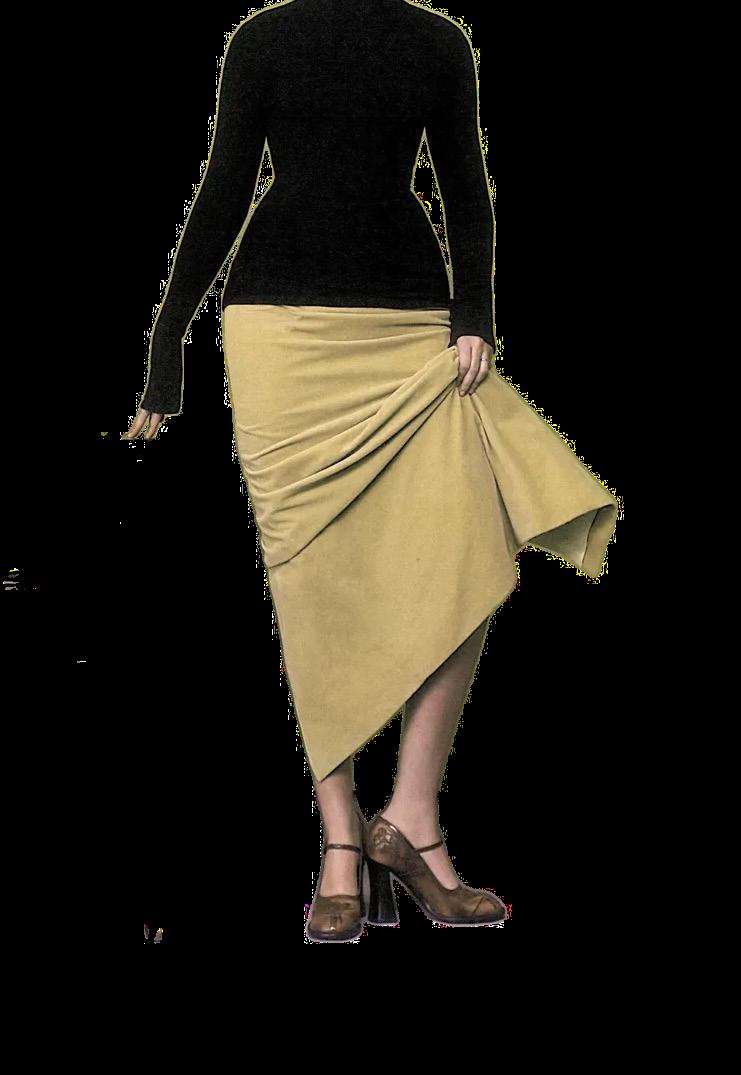
Rama Duwaji pulled out two exquisite looks, one for her husband’s swearing-in ceremony and the other for his inauguration. Her looks consisted of vintage and “on loan” pieces, emphasizing a commitment to sustainability. This included a vintage Balenciaga wool coat worn to the swearing-in ceremony and a pair
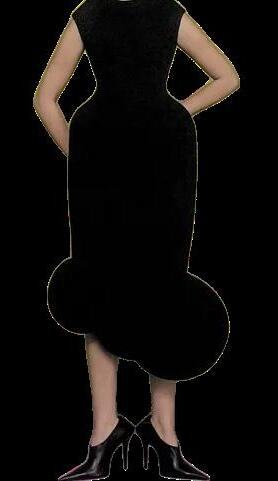
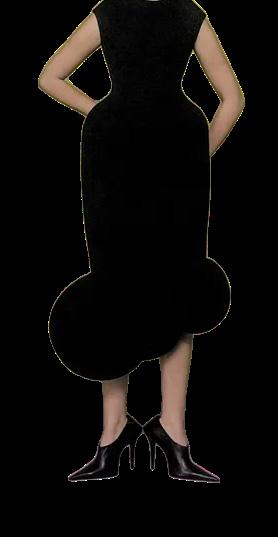
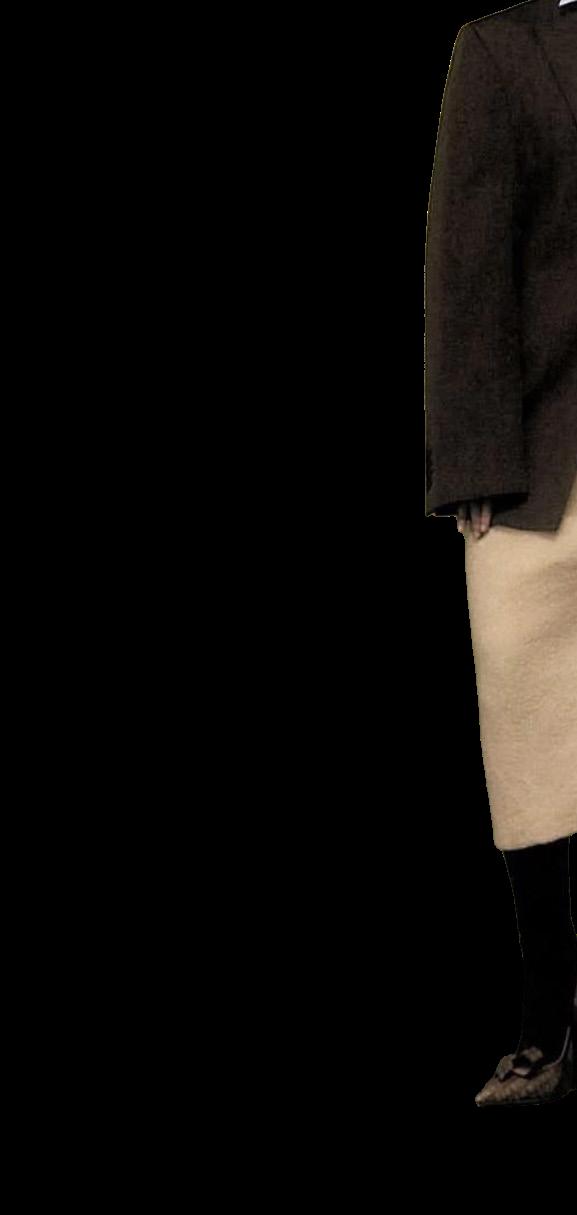
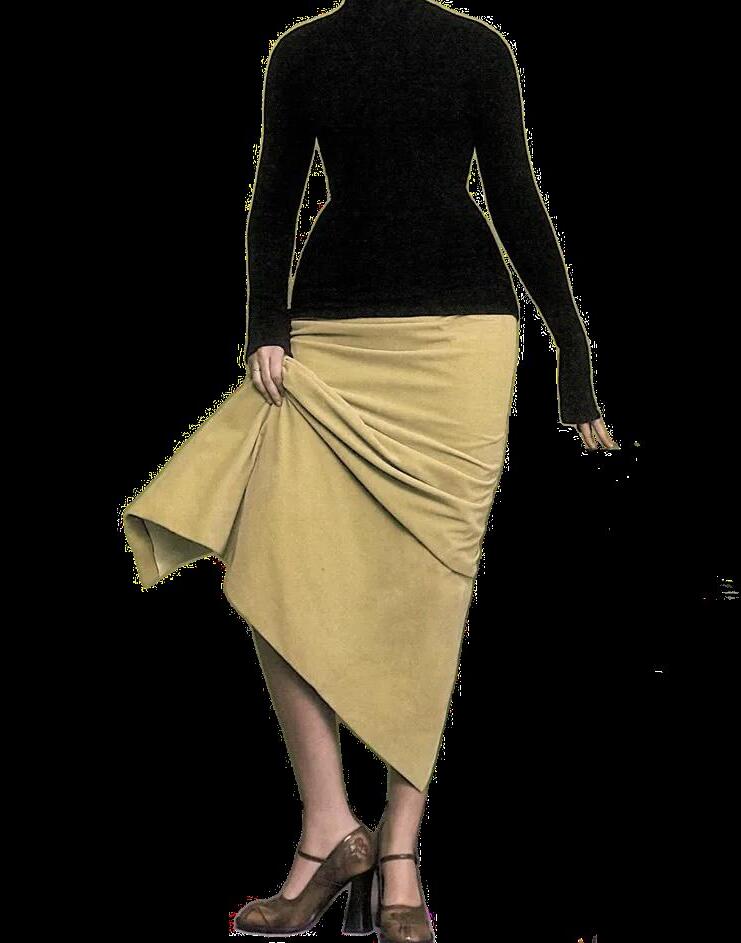
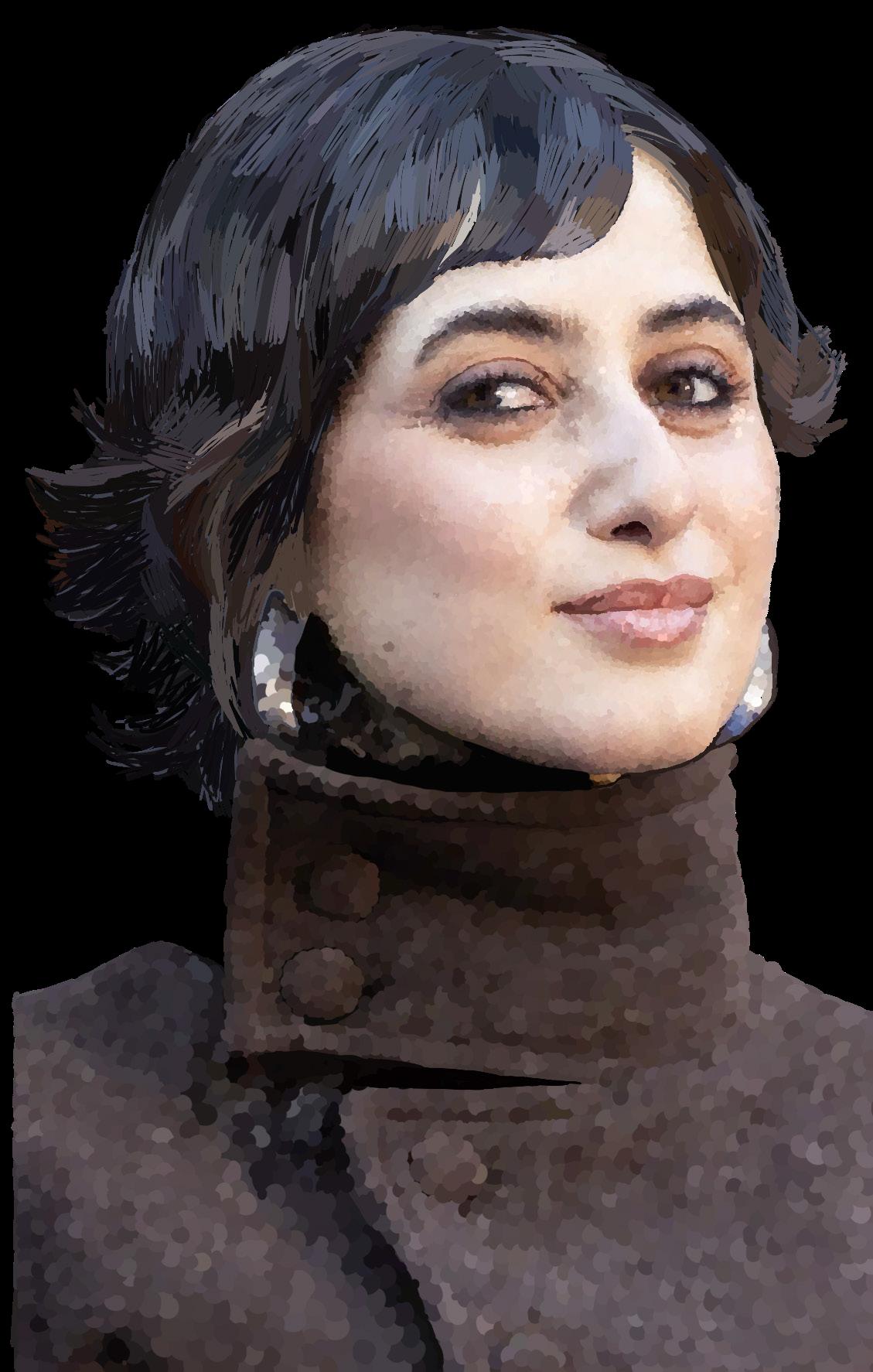
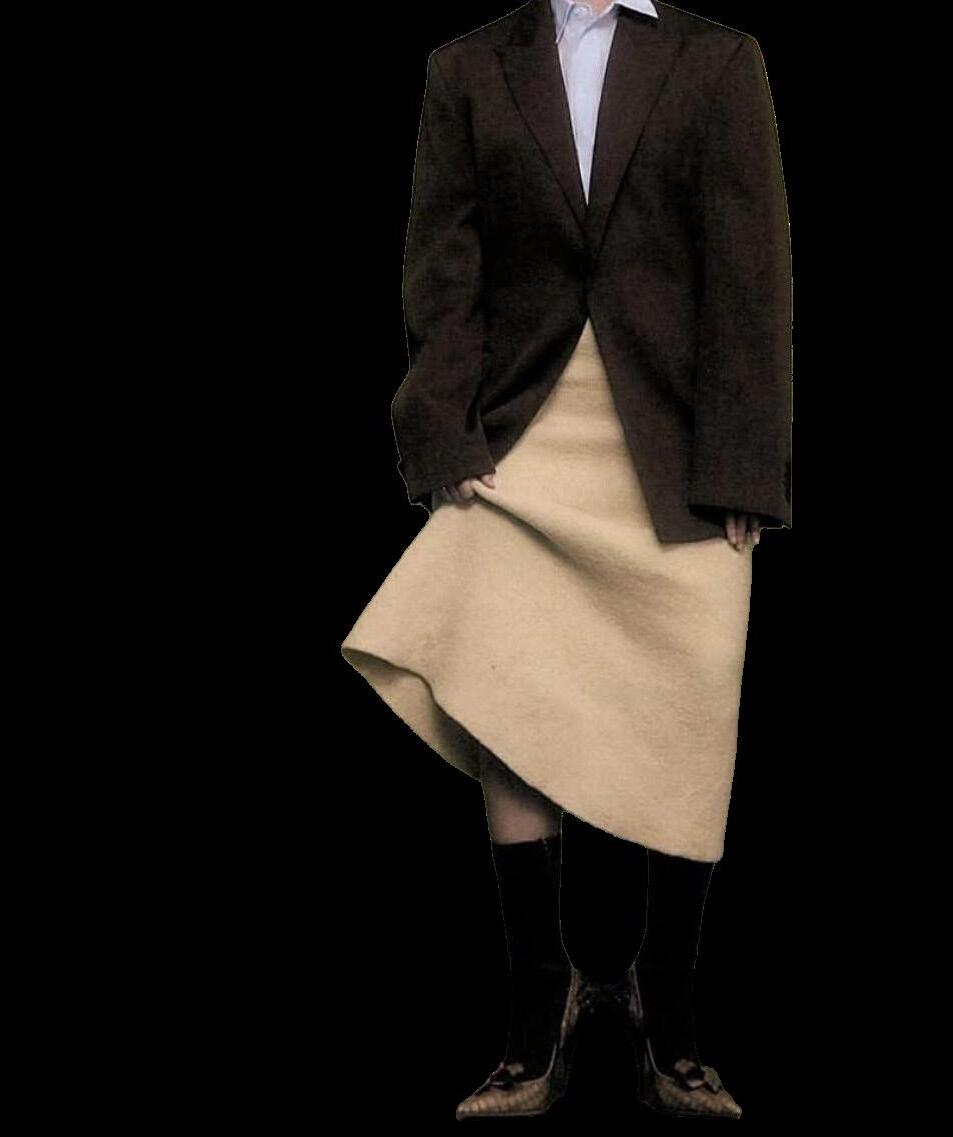
of vintage gold earrings. With it, she wore a pair of borrowed wide-leg shorts and leather lace-up pointed-toed boots. For the inauguration, her stylist, Gabriella KarefaJohnson, put her in a faux fur-trimmed brown coat made by a Palestinian-Lebanese woman designer. This style choice is a clear communication of Duwaji and Mamdani’s support of Palestine in the face of the current political conflict. Not only is her style important in its political context, but also in preserving Duwaji’s personal identity. We got a deeper look into who Duwaji is through an article done in “The Cut” magazine, which was expertly styled and photographed, highlighting who Duwaji is in her own right, an artist. The photos showed off interesting silhouettes, presenting her commanding presence, while showcasing her personal take on what it means to be New York’s first Muslim and Gen-Z first lady. We can see that this new era presents a strength through personal identity, beliefs, and politics - and this is just from seeing her style thus far.
Illustration: Maia Munich Layout: Cindy Liu