
FOREWORD: ACTIONS AND STEPS IN THE RIGHT DIRECTION
In 2025, FORCIT’s sustainability team was busy refining our data collection processes and preparing our first sustainability report that follows the Corporate Sustainability Reporting Directive (CSRD) format. However, the basis for future reporting changed during the year, as EU’s Omnibus package removed the official CSRD reporting obligation from companies in FORCIT Group’s size class. Nevertheless, we will continue to report as we have in previous years, when we have produced a comprehensive annual sustainability report, including an emissions calculation covering Scopes 1–3. In this 2025 sustainability report, we reference the European Sustainability Reporting Standards (ESRS) which were used in the earlier CSRD report, making it easier for the reader to find connections to the previous report and link our information with international reporting formats. We want our operations to be comparable and transparent.
More and more stakeholders have shown interest in the factors affecting our carbon footprint. We have been calculating this
metric since 2021, continually refining and improving our methods. Based on our early calculations, we conducted an analysis on how to achieve climate neutrality, and we are now making progress along that path. This work is valuable for identifying emission sources within our operations and understanding their impacts and magnitudes. Some of the technical and operational improvements aimed at reducing climate emissions have been implemented ahead of schedule. The latest practical measures are presented in this report.
Looking ahead, we will take a more systematic approach to investigating biodiversity and nature-related matters. This report already presents two projects related to nature conservation and biodiversity in which FORCIT plays an important role as both a participant and an enabler.
From a safety perspective, 2025 was a good year. We avoided serious workplace accidents, and the number of high-potential incidents was lower than in the previous year.
We believe this positive direction is the result of persistent, long-term work. We have learned to discuss safety topics across national borders and have effectively leveraged the expertise within our own organisations as well as knowledge from international collaboration groups. By sharing information about serious deviations, we are building a stronger, shared safety culture within the industry.
In our previous annual sustainability report, we wrote extensively about FORCIT’s values and management approach, both of which are well aligned with the aims of ESG regulation and the kind of corporate culture that is valued today. Employee well-being, skills development, equality, and working conditions in supply chains are increasingly prominent themes.
During 2025, we began updating company-wide policies, and this work will continue as planned in the coming years. Updated code of conduct, as well as ICT guidelines, were a good starting point for advancing
compliance efforts across the entire organisation. We have both undergone and conducted audits. We see these as positive, developmental opportunities and as ways to strengthen and improve our collaboration.
We warmly invite you to explore this report and get to know our current projects and ongoing sustainability efforts!
Red triangle denotes ESRS references
This report has not been crafted in CSRD-format. However, references to European Sustainability Reporting Standards (ESRS) have been included to make it easier for the reader to find connections to the previous CSRD-format report and to link our information with international reporting formats. Keep an eye out for the red triangle!
GREETINGS FROM THE CEO
At FORCIT, sustainability is inseparable from responsibility. In recent years, this responsibility has become more important than ever as the world around us continues to evolve rapidly and often unexpectedly. Against a backdrop of geopolitical uncertainty, accelerating industrial transformation, and growing environmental expectations, we have remained firmly committed to building a safer, more resilient, and more sustainable future.
During the year, FORCIT continued its strong path of growth and investment. Strong development, particularly within our Defence business, has supported the Group’s financial performance, while at the same time enabling us to invest in long-term growth.
We have continued to strengthen our sustainability work in concrete ways from improving the environmental performance and energy efficiency of our production sites to advancing circular economy initiatives and supporting our customers in their own sustainability ambitions. Our long-term target of achieving carbon neutrality in our own operations by 2035 remains a clear driver for these development efforts.
In 2025, we also took further steps in reducing our environmental footprint through practical improvements in production effi-
ciency, energy efficiency, and waste reduction. At the same time, we have increasingly broadened our perspective to include biodiversity and local environmental restoration, with FORCIT actively participating in projects that support the natural environment around our sites.
Safety continues to be our highest priority and the foundation of everything we do. Whether in production, logistics, customer operations, or product development, we are committed to maintaining the highest standards of operational safety, product safety, and security of supply. This commitment is particularly significant in our industry, where reliability and responsibility are essential for both society and our customers.
Our people remain at the heart of our prog-
ress. The growth of FORCIT has brought new expertise, fresh perspectives, and strengthened capabilities across the Group. I want to warmly thank our employees for their professionalism, dedication, and continuous drive to improve. Their commitment is what makes sustainable growth possible and strengthens our shared safety culture across all operating countries.
As we look ahead, we will continue investing in innovation, safety, and responsible growth. Sustainability is not only a reporting obligation for us it is a strategic choice and a core part of how we create long-term value for society, our customers, and future generations.
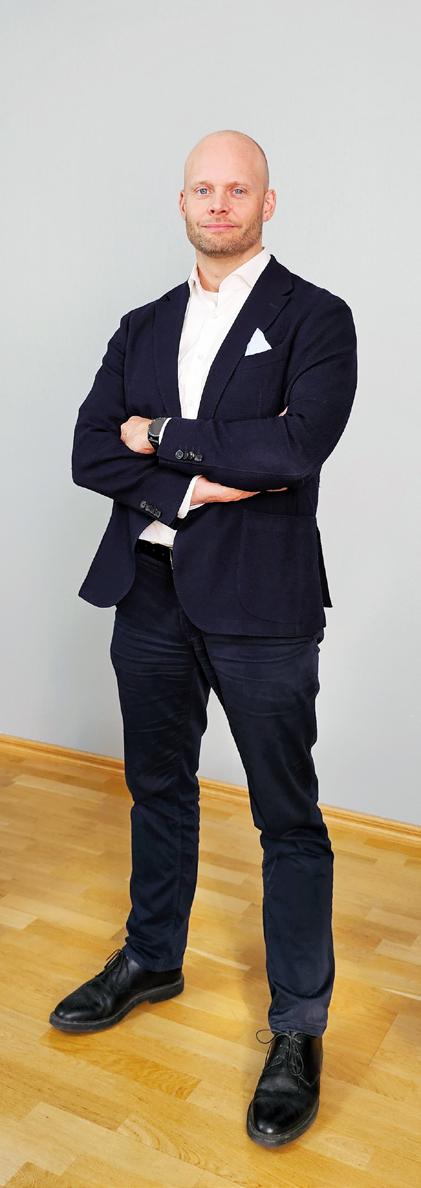
Joakim Westerlund CEO, FORCIT Group
2025 SUSTAINABILITY IN NUMBERS

The following pages present FORCIT’s 2025 KPI indicators compared to the previous year. FORCIT’s production increased by 20 %, which had an impact on Environmental, Social and Governance (ESG) figures. In addition, there was a strong increase in turnover; for further details on the financial performance, please see page 11.
FORCIT GROUP: ESG IN FIGURES 2025
992
811

CONSULTING OPERATIONS IN THE NORDICS
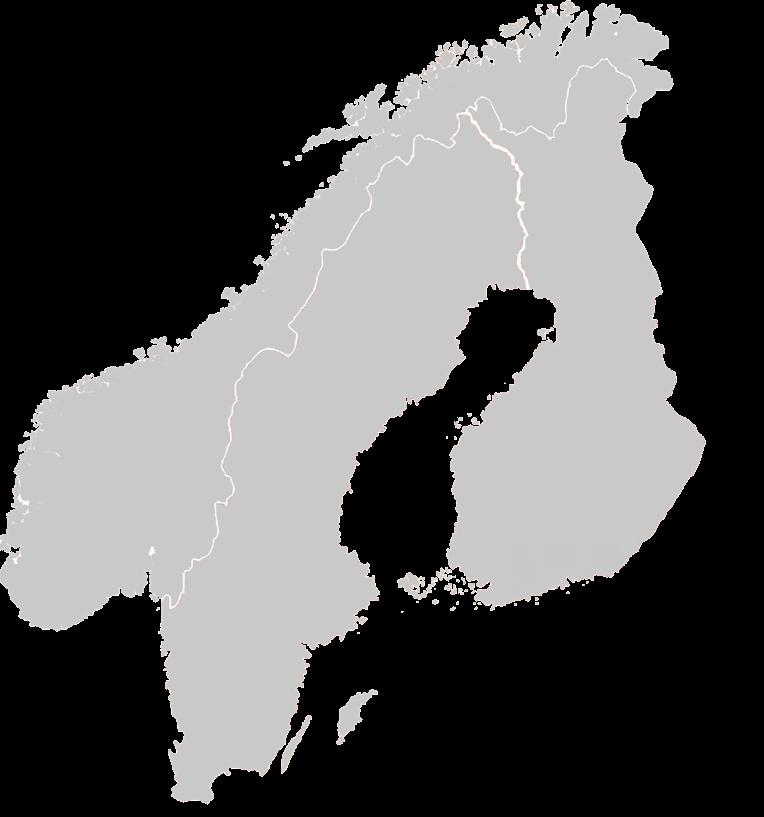
HELSINKI
OSLO
STOCKHOLM
DEFENCE AND EXPLOSIVES FINLAND OPERATIONS
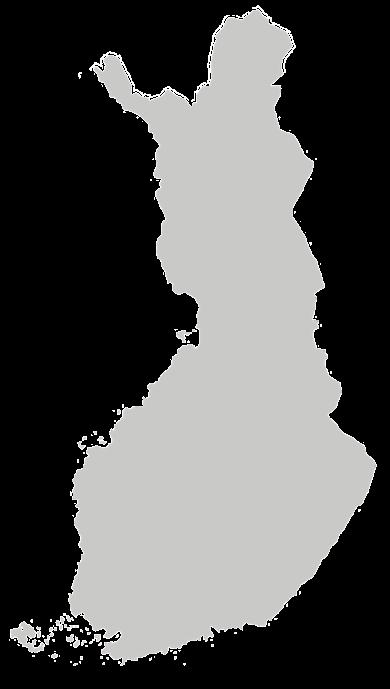
EXPLOSIVES OPERATIONS: SWEDEN

PAJALA
EXPLOSIVES OPERATIONS: NORWAY
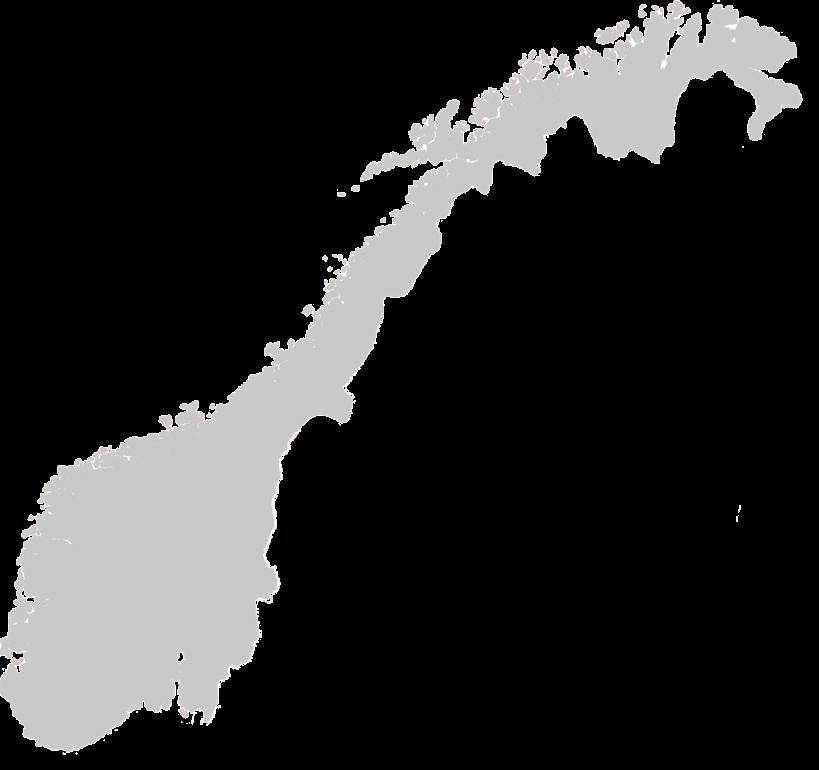
AUSTVIKA
FINANCIAL PERFORMANCE 2025
ESRS-2, SBM-1, SBM-3
In 2025, the financial development of the company was positive, driven mainly by strong growth in the Defence business unit. The demand for the company’s defence offering has been strong. The overall European economic development and the continued challenging Nordic construction market resulted in a demanding business environment for Explosives and in particular Consulting business unit.
FORCIT Group’s turnover increased in 2025 by 80.6% to EUR 497.6 million (275.6). As a result of the substantial increase in revenues, up EUR 222.0 million on prior year, FORCIT Group’s operating profit, EBIT, increased by EUR 112.8 million to EUR 159.8 million.
oPerational Performance
FORCIT Defence continued to grow strongly, and the order backlog remained at a high level. During 2025, the focus areas included further developing existing products, increasing production capacity and securing procurement processes, and integrating the
new operating model into operations to enable sustainable growth.
FORCIT Explosives’ revenue increased during 2025 with higher volumes to the mining and construction segment. The business unit continued to invest, carrying out modernisations at production plants, supporting future sustainable growth and maintaining the high technical standard of its factories, bulk fleet and other technologies.
FORCIT Consulting’ revenue declined due to the challenging construction market in the Nordics, especially in Sweden. Business in Finland remained at the previous year's level and in Norway sales continued to grow as the number of projects increased. Customer satisfaction remained at a good level and the work with development projects continued.
SuStainaBle ProfitaBle GroWtH
Financial sustainability is based upon longterm financial targets and perspective on financial decisions and actions. The targets address capital nomic
FORCIT ly investing significant panding ness, tion also and nerstone sustainable
ENVIRONMENTAL INFORMATION

FORCIT’s environmental work is focused on actions that truly make a difference for the benefit of the environment. Progress has been made in several areas in recent years, including energy efficiency, material efficiency, and the preservation of natural values. Our environmental efforts are closely monitored by both authorities and stakeholders, and we communicate about them openly both to our personnel and to the general public. We also have an impact on our customers’ environmental emissions. A key principle guiding the development of civil explosives is the Double Materiality Assessment (DMA) that we have conducted. The analysis highlights the importance of minimising the environmental impact of our products and providing accurate, transparent information about them.
CARBON FOOTPRINT CALCULATION
ESRS E1
The carbon footprint of FORCIT Group has been calculated based on 2025 operational data in accordance with the Greenhouse Gas (GHG) Protocol. The calculation covers Scope 1, Scope 2 and the most material Scope 3 emissions and follows the key principles of the GHG Protocol: relevance, completeness, transparency, accuracy, and consistency. Biogenic CO₂ emissions are included in the calculation and reported separately. Together with increased understanding of reporting, the accuracy and comprehensiveness of our data continued to improve.
ScoPe 1
Scope 1 emissions consist of direct energy use, fuel consumption of company-owned vehicles and on-site open burning of waste.
ScoPe 2
Scope 2 emissions include purchased electricity, heat and steam. Scope 2 emissions are reported using the market-based method, applying supplier-specific emission factors where available and residual mix or location-based factors where such data is not available.
ScoPe 3
Scope 3 emissions cover the most material indirect emissions across FORCIT Group’s value chain. These include purchased goods and services, energy-related activities, upstream transportation of raw materials, waste generated from operations, business travel, employee commuting, downstream transportation and distribution, and the use of sold products.
The majority of FORCIT Group’s total greenhouse gas emissions arise from Scope 3 categories, namely from ammonia-based raw materials, highlighting the significant role of the value chain in the Group’s overall climate impact. The results of the carbon footprint calculation are used to support FORCIT Group’s sustainability work, emission reduction measures and the development of climate-related targets. Progress is monitored on a regular basis.
Summary
All in all, when comparing these results with production volumes, the trend of total emissions has been decreasing. Production volumes were almost 19% higher than in the previous year, whereas, for example, Scope 2 emissions increased by only 2.7%. Overall, it can be said that development toward CO2 free own production is running well.

FORCIT Group
GHG emissions summary
Date of approval: April 1st 2026
Total GHG emissions, market-based (tCO2e)
Scope 2024 2025
Scope 1 2 643,18 2 939,94
Scope 2 720,67 739,88
Scope 3 179 059,60 205 103,74
Total GHG emissions, location-based (tCO2e)
Scope 2024
Scope 1, combustion emissions
FORCIT Group
GHG emissions summary
Date of approval: April 1st 2026
Scope 1 (tCO2e) Business
Totals 2 643,18 2 939,94
Consulting, Finland 84,29 118,48
Consulting, Norway 6,62 11,06
Consulting, Sweden 140,78 97,69
Defence, Finland 2,69 5,82
Explosives, Finland 929,97 1 101,57
Explosives, Norway 622,80 552,00
Explosives, Sweden 856,04 1 053,32
Scope 2, location-based (tCO2e)
Consulting, Finland 13,73 12,48
Consulting, Norway - 2,32
Consulting, Sweden 6,00 6,44 Defence, Finland 737,08 661,66 Explosives, Finland 195,87 169,25
Scope 2 Explosives, Norway 5,66 3,95 Scope 2 Explosives, Sweden 14,01 12,31
Scope 2, market-based (tCO2e)
Sweden
Finland
EMISSION MINIMISATION DEVELOPS
SIDE BY SIDE WITH EFFICIENCY
ESRS E1
moderniSation of tHe comPreSSed air SyStem at tHe Hanko Plant
The main compressor of FORCIT’s Hanko plant was successfully renewed, accompanied by several other upgrades to the compressed air system. As part of the project, two 75 kW on/off type compressors—previously used for the pneumatic transfer of raw materials—were removed. Over the years, production changes had led these compressors to become oversized for the facility’s needs, resulting in frequent startstop cycles, inefficient load running, and considerable energy wastage.
In the modernisation project, a modern 110 kW frequency-controlled compressor and a heat-regenerated adsorption dryer were installed. This new equipment replaces not only the two 75 kW units but also the former 75 kW main compressor. Selecting a heat-regenerated adsorption dryer conserves compressed air and achieves a very low dew point – down to -45°C – which ensures that no condensation forms in the piping network, even during the harshest winter conditions in Southern Finland.
The new main compressor, equipped with an integrated heat recovery unit, was relocated into a building that needs to be heated, enabling the utilisation of the waste heat generated by the compressor. This technology requires heat exchanger and heat storage units to balance and store the thermal load from the compressor.
Currently, measurements to quantify the exact kilowatt savings have not yet reached a reliable level for reporting. However, initial expectations indicate that the energy savings achieved by these upgrades will be notable.
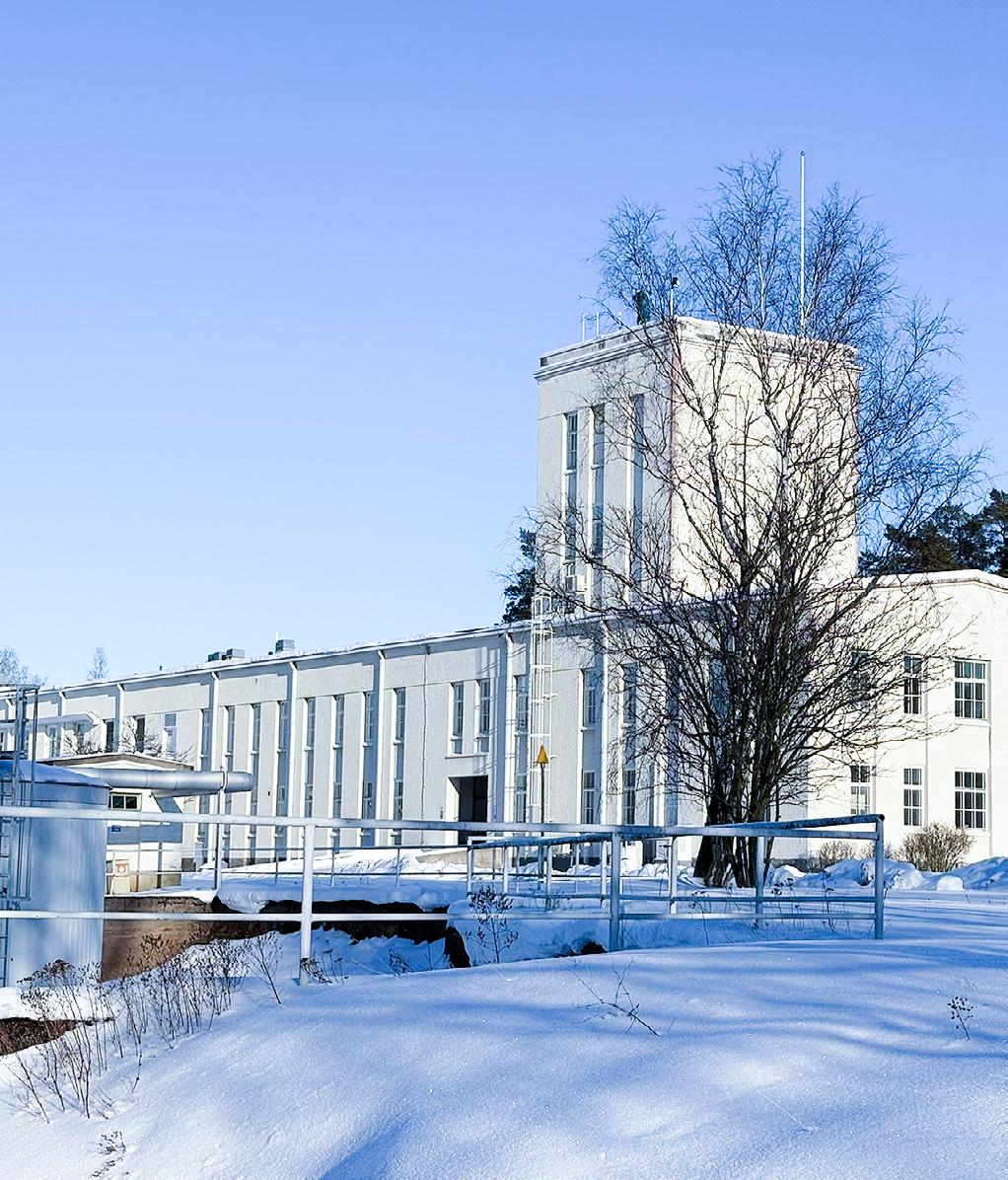
FORCIT's headquarters are located in Hanko, Finland.

lonG-term effortS to reduce WaSte
In the first quarter of 2025, the matrix line at the Vihtavuori factory was separated into its own production facility, which has resulted in virtually zero waste generation at that part of production. In the older part of the factory, we have taken measures to prevent cartridge waste, and the waste percentage relative to production volume is on a downward trend.
This positive development has been enabled by equipment investments, the impact of which is evident in the results. It also reflects the long-term work in quality control and recipe development, as well as the contribution of personnel who are committed to minimise waste. The amount of waste relative to production decreased by more than 20 percent during the last half of 2025. Efforts to decrease the amount of explosives waste will continue during 2026.
neW environmental Permit in Hanko
The Hanko factory was granted a new environmental permit in February 2025. The incentive for the renewal of the permit was to assess and define the application of the WGC BAT (Common Waste Gas Management and Treatment Systems in the Chemical Sector, Best Available Techniques) requirements for air emissions.
Coffee with a lower Carbon footprint
The Hanko factory switched to a new coffee brand. By choosing this coffee, we support forest regeneration efforts and help farmers, while also making a positive impact on biodiversity. Compared to traditional coffee blends and brands, this coffee has a significantly lower carbon footprint. In the first year at the Hanko office, we have saved approximately 6,000 kg of CO2e –equivalent to the emissions produced by driving 50,000 kilometers in a personal car.
Hanko factory was granted a new environmental permit in February 2025.
identifyinG enerGy SavinG oPPortunitieS tHrouGH an enerGy declaration Study
As part of our climate neutrality roadmap, launched in 2022, FORCIT seeks possibilities to reduce fossil energy usage as well as to improve energy efficiency. Ammonium nitrate emulsion (ANE) is one of FORCIT Explosives’ main products, and it is manufactured of hot ammonium nitrate solutions (ANSOL). FORCIT has multiple production sites that use similar technologies and recipes, making it possible to apply calculations and improvements across different locations. Kemi site was chosen to be the place where the study was executed in 2025 by an external expertise provider.
The process generates excess heat, which is currently discharged. At the same time, the process requires heating for the raw materials, but there are no existing methods for energy recovery. The purpose of this study was to evaluate the potential for energy savings, identify suitable technologies, and estimate costs along with payback periods.

In this study and in these circumstances, the payback period appears to be too long and thus the feasibility is low – even though the annual amount of generated waste heat is relatively high, ranging from 600 to 1,000 MWh. Furthermore, Kemi station already uses fossil-free energy. On a more general level, the findings of the study show that there are opportunities for energy savings. As the payback period is highly dependent on the price of the energy used and several other factors, carrying out a prompt site-specific assessment is necessary if new sites are built. SDS management anD ePD uPDateS
The Explosives business unit has broadened the scope of EcoOnline Chemical Manager to include all operating countries. EcoOnline Chemical Manager is a software for the management of Safety Data Sheets (SDS). Now that Finland, Sweden and Norway are all using EcoOnline, the SDS management is easier, as well as the handling of language versions. The software has been widely used for making chemical risk assessments, too.
FORCIT Explosives also updated eight Environmental Product Declarations (EPDs) in 2025. The renewed EPDs can be read and downloaded on EPD-Norway’s website.

>> Click to here to view EPDs.
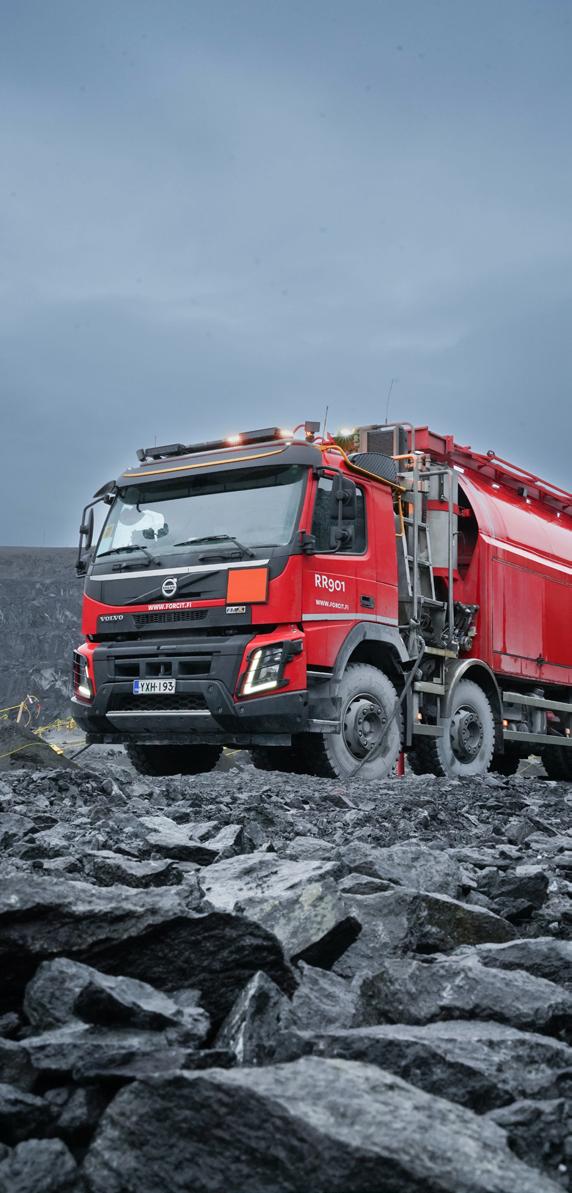
FORCIT's charging vehicles use ammonium nitrate emulsion in blasting.
forcit SWeden aB: cloSed looP coolinG SyStem
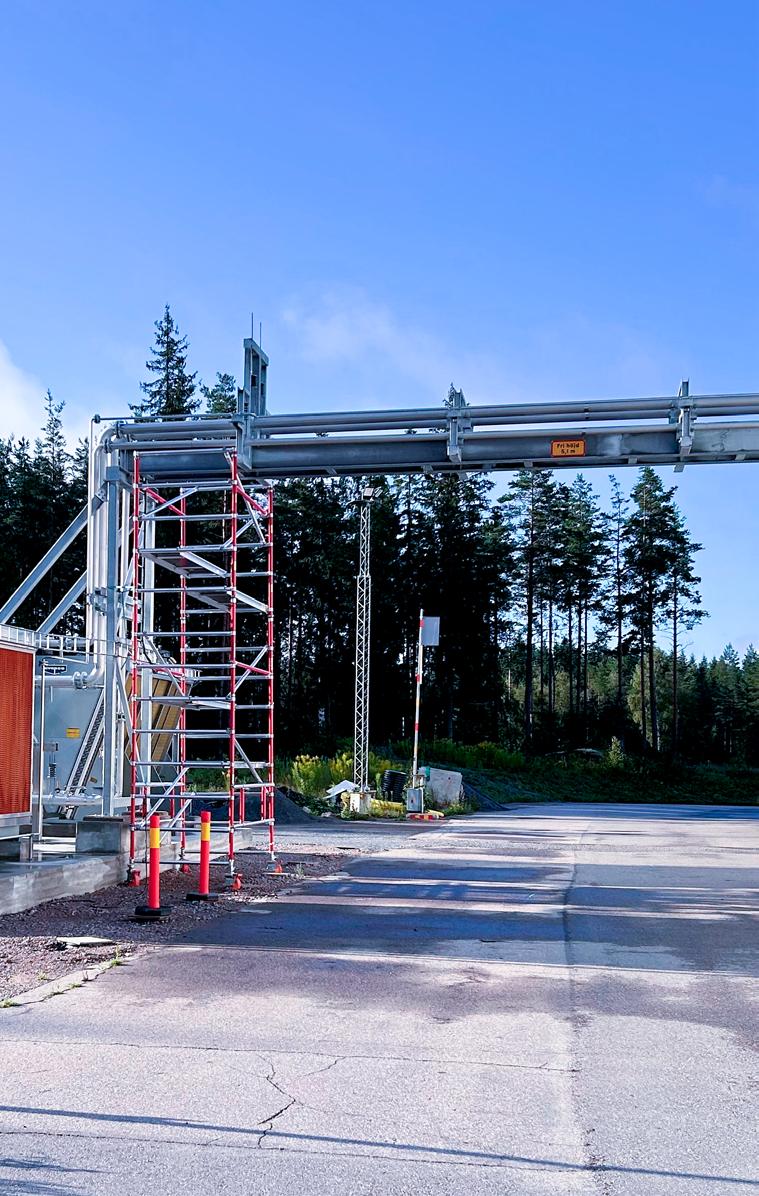
At the Karlskoga site, rising production volumes have led to increased water consumption. Water is needed for cooling raw material, ammonium nitrate solution (ANSOL), and for manufacturing ammonium nitrate emulsion (ANE). Water has been sourced from our own wells and the municipal supply that requires tank truck transport. After 2022, well shortages caused production bottlenecks, and inconsistent water quality meant costly daily municipal water deliveries and increased emissions. On top of that, the quality of fresh water didn’t always keep up with demand.
In 2024 we executed a cooling tower project with some process changes closely related to hot process streams. The system consists of two cooling towers: one for ANSOL and one for ANE. The critical part was to be able to use “non-active” cooling towers that rely on ambient air temperature in all weather conditions. New technology makes it possible to run the system efficiently with an additional evaporative effect.
Both circuits are built as non-active, closedloop water-glycol to water systems with no risk of legionella. The system is extremely well balanced, making both cooling stages highly effective.
The biggest challenge was installing all the components, piping and tank, and carrying out the groundwork without disrupting daily production—and doing it all safely, with no accidents. After one year of operation, the results look promising: no groundwater is needed for cooling, the process is cost-effective, and there is no need for water transportation and manual work. Fresh water consumption has been reduced by approximately 5,000 m³ in a year.
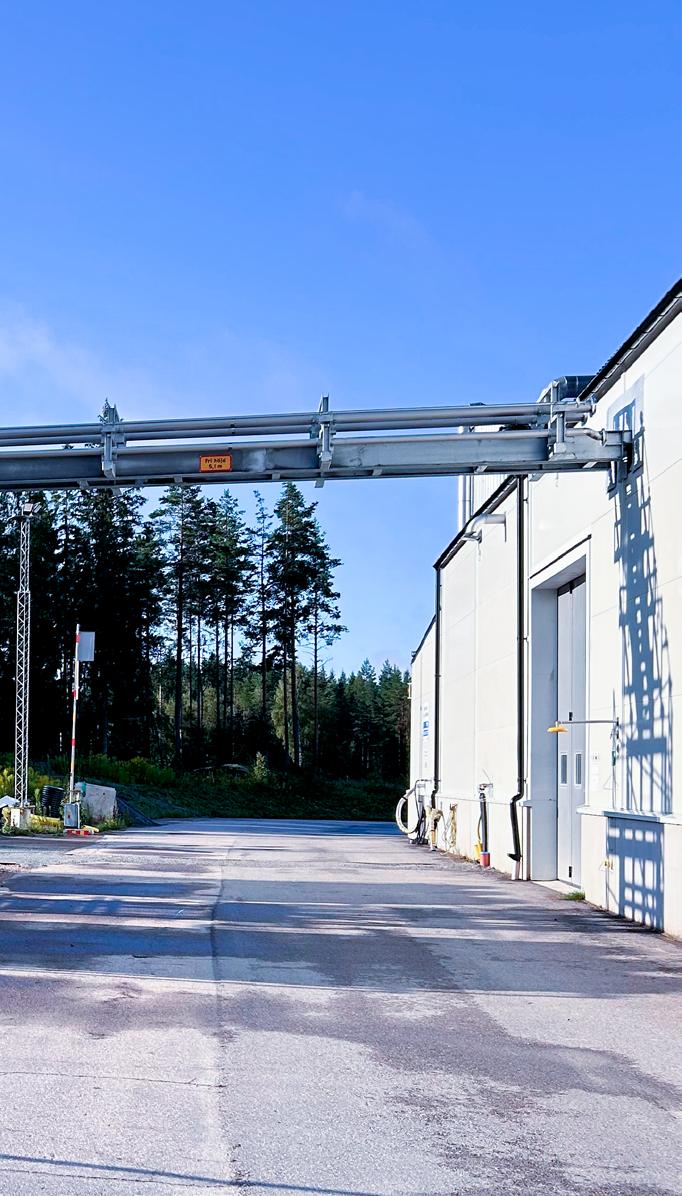
A closed loop cooling system was launched in Karlskoga, Sweden, to reduce water usage.
FORCIT CONSULTING AS: GREEN MOBILITY IN PRACTICE –FROM STRATEGY TO MEASURABLE IMPACT
A little over two years ago, Forcit Consulting AS made the decision to commit to a 100% electric vehicle strategy. Today, the initiative is fully operational.
This initiative directly responds to government requirements, expectations in public tenders, and the rise of zero-emission construction sites. The result is a lower climate footprint, improved local air quality, and a competitive advantage in projects where environmental considerations carry significant weight. Measurable emissions reduction in 2025 was 38 tons CO₂ and 18 kg NOx saved.
reGulationS, tenderS, and conStruction Site requirementS European Commission’s legislative climate package “Fit for 55” and associated transport policies target major reductions in road traffic emissions toward 2030 and require accelerated adoption of zero-emission solutions across the value chain – including procurement and logistics.
EU’s Clean Vehicles Directive that is incorporated into the European Economic Area (EEA) Agreement sets minimum quotas for the share of “clean” vehicles (including zero-emission vehicles) in public procurement of vehicles and transport services. This influences tender documents and rewards suppliers offering real zero-emission operations.
Climate and environmental considerations have become the default in public procurement, often with at least 30% weighting on climate/environment criteria, or with minimum requirements/CO₂ budgets. These criteria favour suppliers with documented zero-emission operations, low emission accounts, and concrete implementation plans (vehicles, charging, control, reporting).
Zero-emiSSion conStruction SiteS
Major municipalities (e.g. Oslo and Stavanger) have moved from “fossil-free” to “zero-emission” projects, with strict requirements for zero-emission machinery,
electric vehicles for transport and logistics, zero-emission power supply, and energy/ emission plans.
For construction and consulting assignments, it is increasingly a contractual requirement to use zero-emission machinery and vehicles. Documentation and compliance are followed closely in the contract.
HoW forcit iS Structured to meet (and exceed) requirementS
It is increasingly a contractual requirement to use zero-emission machinery and vehicles.
Zero-emission project logistics will be achieved via using electric vehicles and zero-emission light commercial vehicles to/ from construction sites and measurement points. Driving is supported by efficient charging logistics with home chargers. Emission and energy reporting is a natural part of the contract follow-up procedures. In the future, more focus should be placed on automated reporting and partnerships in targeting comprehensive and efficient zero-emission logistics.
Additional benefits include reduced noise, improved working environment, and strengthened competitiveness where climate and environmental criteria are important.
Forcit Consulting AS is proud to be a leader in green transition in comparison to its competitors, strengthening competitive advantage and contributing to more satisfied employees.
PARTNERSHIPS HELP TO ACHIEVE A MORE SUSTAINABLE
FUTURE
ESRS E1, ESRS E5
ParticiPatinG in tHe linear to circular (l2c) Project
to Promote circular economy
The Linear to Circular through Sustainable Management Approaches and Data-Driven Business Models (L2C) project aims to accelerate the transition from linear to circular operations across participating organisations. The project runs from November 2024 to November 2026.
The initiative is built on a partnership model aligned with Valmet’s Beyond Circularity-program. The project advances circular economy practices through five work packages:
• Recycling packages back to production
• Improved utilisation of side and waste streams
• Increasing recycling rates
• Emission reduction in production and products
• Updated EPDs
Overall, L2C supports systematic circularity development, data-based decision-making, and strengthened collaboration across the value chain. In next year’s sustainability report, we will summarise the findings and improvement potential identified in the project.
Safe WorkWear WitH Smaller imPact on tHe environment
Workwear is an essential part of occupational safety for FORCIT and a tangible element of the company’s sustainability efforts. In 2025, we adopted workwear throughout the Nordic countries for which reliable environmental information is available, namely verified Environmental Product Declara-
tions (EPDs). The supplier’s and the entire production chain’s sustainability work is regarded as long-term, transparent, and measurable.
The workwear itself is made from recycled and traceable materials, with reduced water consumption and chemical use during manufacturing. The garments are designed to last longer, which reduces the overall environmental impact. At the same time, safety, ergonomics, and protection remain at a high level.
We estimate that switching to new workwear will reduce the amount of freshwater used in workwear production by over 15 million litres per year.
The adopted workwear collection has contributed to a reduction of more than 650 kg of greenhouse gas emissions (CO2 equivalent) and decreased the environmental impact of water usage by more than 2 million litres (H2O equivalent) in terms of water scarcity footprint over the course of one year. We estimate that switching to new workwear will reduce the amount of freshwater used in workwear production by over 15 million litres per year compared to previous workwear. FORCIT audited the supplier in 2024. The supplier is committed to the SBTi (Science Based Targets initiative) and EcoVadis programmes.
SuStainaBle ict SolutionS via PartnerSHiPS
Information and communication technology (ICT) is the backbone of our operations, but it also plays a vital role in reducing our carbon footprint. We implement circular economy principles within our ICT strategy through three main pillars: maximising device lifecycles, responsible recycling, and utilising centralised, energy-efficient data centres.
We select high-quality, enterprise-grade hardware designed for durability and ease of repair. Our primary method for reducing the environmental impact of our ICT operations is extending the useful life of our hardware. Instead of replacing equipment based solely on age, we optimise lifespans through proactive maintenance and upgrades.
When a device reaches the end of its functional life within our organisation, we ensure it is either repurposed or recycled responsibly. We partner with certified providers who securely wipe and refurbish equipment for secondary markets. This extends the product's lifecycle in a new environment.
Devices that are no longer fit for use are directed to specialised recycling facilities. Valuable metals and components are recovered and returned to the industrial supply chain as raw materials, minimising electronic waste.
We have centres and maximum and virtualisation, rates. This maintaining Our data energy.

NATURAL ENVIRONMENT
ramme: reStoration of tHe Water Balance at vikBerGSkärret Programme is a nationwide initiative environmental authorities, strengthening Finland’s biodiversity essential ecosystem services. larger effort, a specific projlaunched to restore the water Vikbergskärret spring area, FORCIT and located next to our FORCIT is actively participatproject.
Vikbergskärret site is considered partand partly nationally valuable. discharging into the area creconditions for groundwater-dethreatened species. actions will be implemented These include blocking drainage removing trees in the vicinity of area. The aim is to restore the hydrology of the area and improve ecological condition.
forcit SuPPortinG oPeration täktominlaHti
A project to restore the Täktomträsket swamp kicked off in Hanko in November 2025. The project is a joint effort of the Minun Mereni Association, the Finnish Ministry of the Environment, WWF, and the Weisell Foundation, with local companies such as FORCIT also involved.
The water level of the swamp will be raised by building dams. The goal is to reduce nutrients and humus runoff into the sea and restore the water cycle. This way, the swamp can once again store and filter water, improving groundwater conditions in the area and reducing flooding. Eventually, Täktominpuro (Täktom brook) will hopefully have a steady flow of cleaner water, and the water quality of the eutrophicated Täktominlahti (Täktom bay) will improve.
FORCIT wants to be an active member of the community in the locations where we operate. This year, we chose to support in Hanko a project that has both a local impact and a broader effect on the entire Baltic Sea.
Heath spotted orchid (dactylorhiza maculata) photographed in Vikbergskärret, next to FORCIT’s Hanko factory. Photo by Aki Janatuinen.
SAFETY,
SECURITY & SOCIAL INFORMATION
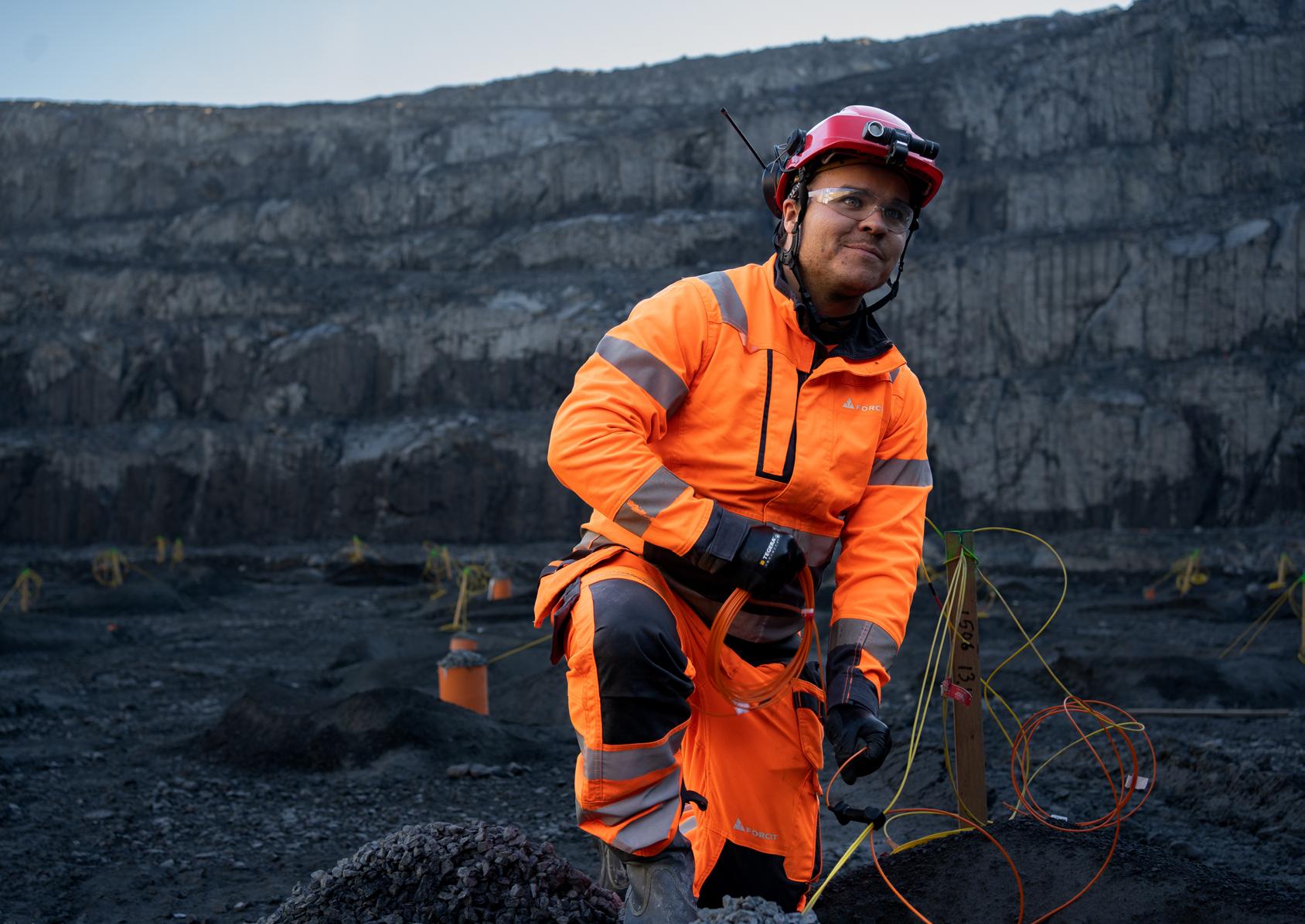
Safety management at Group level must be flexible yet determined, especially when it comes to explosives safety. We focus on the root causes and prevention of high-potential hazards, as well as safety communication.
Last year, we welcomed dozens of new people to work with explosives in our teams. We also built new production facilities and modified old ones. Our operations take place in different business units, organisations, working environments and countries with differing laws. Thus, our safety culture is constantly evolving and developing.
INFLUENCING ATTITUDES AND WORK CULTURE IN FORCIT NORWAY AS
Consciousness of Health, Safety and Environment (HSE) matters is a prerequisite for safe, compliant and reliable operations when operating in a high-risk environment. Operational risk management is reinforced through systematic inspections and task-level risk assessments.
These activities function as critical barriers to prevent unwanted events, to ensure compliance and to strengthen learning and continuous improvement in field operations. Leadership will maintain close ties with the reality of work, focusing on practical and safe everyday actions instead of mere bureaucracy. The openness in ForSafe deviation reporting practices is one of the clearest signs that our culture is moving in the right direction.
Safety activitieS in forcit norWay in 2025
• 240 weekly inspections of Mobile Explosives Manufacturing Units (MEMUs)
• 1,220 weekly inspections of explosives storage facilities
• 890 Safe Job Analysis (SJAs) prior to charging operations using MEMU
• 15 workplace safety rounds conducted by four safety representatives
“With all these activities, we are building a culture where people care for each other. ”
traininG and carinG
Starting in late 2024, drivers participated in practical traffic safety training at Vålerbanen, combining practical low friction track driving with demonstrations and structured debriefs, as well as technical familiarisation focusing on the correct use of vehicle support systems. The program also included safety topics such as correct tachograph use and winter equipment practices.
In 2025, targeted exposure assessment and health surveillance were carried out by the occupational health services. The assessment and check included prescreening, interviews and testing audiometry related to noise exposure, spirometry related to dust exposure, including quartz and other mineral dust, and hand and arm assessment related to vibration exposure.
FOCUS ON ROUTINES AND SKILLS IN FORCIT SWEDEN AB
2025 was an intense year for Forcit Sweden AB in many ways. The number of locations and employees increased due to a business acquisition. The company focused especially on the orientation of new employees. The first year with new operations and colleagues ended with good safety figures.
The organisation has worked diligently to maintain and develop safety across all sites, and safety indicators, including the number of safety rounds carried out and reported deviations are on a good level.
During the year, the company's personnel were trained in, for example, leadership, working at height, hot work, and storing of explosives. Further training in leadership, firefighting skills and crisis management is planned for the coming years. In autumn 2025, a step was taken to digitalise, develop and improve the company’s entire crisis management system, and the work on this
front will continue in 2026. The system in cludes everything from a tailor-made plat form that works via a mobile app to employ ee training.
Safety actionS in forcit SWeden aB in 2025
• 80 safety rounds and 40 internal fire control rounds
• 13 inspections by authorities
• 5 audits on site by customers
• 4 safety/rescue drills
• Internal audit by FORCIT Group professionals (environment, process) in Karlskoga and a number on security audits
ESRS S1
STRENGTHENING THE FOUNDATION IN FINLAND
In 2025, the focus in Finland was on strengthening the foundation of our safety work and refining routines. We conducted 13 internal rescue drills, dozens of safety rounds, and several official inspections. These audits demonstrated that our core processes are on solid ground.
In 2025, we especially focused on ensuring that the managers responsible for manufacturing explosives receive the support they need, and our risk analyses delved even deeper into the core of our operations. Safety is implemented locally, which is why next year we will especially invest in the expertise of local responsible persons and supervisors. We have prepared extensive orientation packages, with the next major development step being their transfer to a digital learning environment.
Focus Area
Strategic focus areas
Key
Actions
and Observations
• Systematic support for responsible managers
• Deepening risk analyses and establishing routines
International collaboration
• Consolidation of Finland–Sweden–Norway cooperation
• International data sharing on serious deviations (HIPO)
• Strengthening the general safety culture of the industry
Investigation & root causes
• Updating investigation processes and strengthening root cause analyses
• Increasing case-based learning
Risk management & induction
• 7 work risk assessments carried out and implemented in the field
• Preparation of onboarding packages for new employees
• Process, chemical and explosives safety (KPI) monitoring
Leadership & expertise
• Chemical training for responsible managers
• Strengthening the safety management skills of supervisors
• Clarifying responsibilities and rights
Safety year clock
• 33 Safety rounds
• 10 Inspections by Finnish Safety and Chemicals Agency (Tukes)
• Regular HSEQ and occupational safety and health working group work
RESCUE DRILLS AND FIRST AID
key PlayerS of viHtavuori Plant area joined forceS in a reScue drill
In 2025, the Vihtavuori UPS exercise (exercise for external emergency plan) was organised for the first time in a seminar format. In this model, an accident scenario was jointly created by various actors: plant area operators, the rescue department, the police, the Defence Forces, and regional health care organisation. Nearly 80 representatives from all participating organisations attended the seminar. This broad participation was one of the key advantages of the seminar format compared to traditional rescue exercises, which usually involve only the on-duty responsible personnel at that moment.
The focus was on how each party would receive information and how well the information flow would function in practice. The exercise clearly demonstrated how important it is that the actors know each other and are familiar with the plant area at least on a basic level.
During autumn 2025, the personnel of the Rescue Department of Central Finland serving the Vihtavuori plant visited the area in smaller groups and were given a joint presentation by all stakeholders on the specific hazards of the area.
eStaBliSHinG a firSt aid team in Hanko
In 2025, a new first aid team was established at the Hanko plant as part of the company’s overall safety management and social responsibility framework. The aim was to strengthen the site’s preparedness.
The first aid team consists of voluntary employees from different departments, ensuring rapid response to critical production areas across the entire plant. Each team member has completed advanced first aid training, and their competence is maintained through regular exercises. Rapid first response can have a significant impact on patient survival, the severity of injuries, and the management of chemical exposure before official emergency services arrive.
In our industry, accident scenarios contain also difficult injuries and that is why learned subjects include, for example, controlling massive bleeding and using pressure dressings, chemical splashes, incidents with foreign objects and choking.
The first aid team’s activities are developing the company’s safety culture and increasing employee trust and may reduce interruptions resulting from accidents. Early intervention minimises damage severity and speeds up recovery back to normal operations.

First Aid skills For Young Athletes
Safety matters everywhere, not just at work. That’s why FORCIT joined the Finnish Red Cross’ Ensiapujoukkue (First Aid Team) campaign.
The campaign’s main goal is to teach junior athletes how to give first aid and to increase their confidence to help in an emergency situation. Through the project, FORCIT supported first aid training of three junior sports teams in our operating locations. Nationwide, the campaign offered training for 812 young athletes in 2025.
STRENGTHENING EUROPEAN SECURITY
StrateGic role in Security of SuPPly and euroPean Security
In 2025, FORCIT’s role in strengthening Finland’s national and European security of supply increased significantly in response to heightened geopolitical tensions and growing defence demand across Europe. As the importance of reliable, domestically anchored defence production intensified, FORCIT Group’s business unit FORCIT Defence expanded its capabilities and made long term investments in production capacity in Finland to ensure the domestic availability of critical defence related products and technologies. These actions support national preparedness, societal resilience, and the stability of European defence supply chains. FORCIT Defence’s role has evolved from that of a national supplier into a strategically significant part of the security related value chain in Finland and Europe. Through these developments, FORCIT Defence has positioned itself as a strategically important and responsible partner for Finland and NATO/EU countries.
forcit defence – truSted Partner in inSenSitive munitionS and a2/ad caPaBilitieS
FORCIT Defence is a global supplier that operates as a prime contractor for its own systems and as a partner for other international system providers within defence technology. FORCIT Defence is one of the leading suppliers of insensitive munition defence systems and its market area mainly consists of NATO and EU countries. All defence systems export is subject to export control and the approval of the Finnish government.
The product portfolio ranges from land and naval systems for anti-access & area denial (A2&AD) to breaching and demolition solutions and warheads design, development and manufacturing.
Interest in FORCIT Defence’s technologies has increased during recent years as a result of the general deterioration of the geopolitical environment and very good products for A2&AD needs. This development is expected to continue due to the current European security situation.
FORCIT Defence’s philosophy is focused on developing insensitive munitions technology, which ensures that the systems are as safe as possible to operate, transport and store during the whole life cycle of the systems, minimising the risk of accidents and third-party damage. All matters related to defence technology are subject to strict national and international legislation and regulations. To maintain our position as a trusted partner within the defence field, it is necessary to conduct our business in strict accordance with current export control laws, regulations, international standards and authorisations.
National and international legislation and decisions therefore form the basis for all our activities regarding export and defence technology. We will always, without exception, comply with export control laws and regulations applicable to our business. Our defence products comply with all applicable laws and regulations of the countries or territories where we operate.
forcit defence and SuStainaBility data
FORCIT Defence’s operations fully comply with all applicable legal requirements, and the production emissions of the business unit are included in this report. Looking ahead, sustainability reporting will be developed so that double materiality assessment will also cover the Defence business in the future.
GOVERNANCE INFORMATION
Our governance approach to sustainability is built upon transparency, traceability, and data integrity. Through regular reporting, clear accountability, and systematic identification of sustainability risks, we ensure that progress can be tracked and verified at every level of the organisation. This framework enables effective management of sustainability challenges and fosters a culture of responsible decision-making across our operations.
SUSTAINABILITY DATA, RISKS AND MANAGEMENT COMMITMENT
SuStainaBility data quality
The quality of our sustainability data is fundamental to our reporting processes and the accuracy of our sustainability performance assessments. Most of our sustainability data is derived from direct measurements and invoicing. For certain indicators, primarily water consumption, estimates are occasionally required, particularly in cases involving the use of private well water. In addition, data related to travel is based on evaluations where precise measurements are not always feasible. Scope 1 and Scope 2 figures are always based on measured values.
To ensure transparency and traceability, every entry in our data collection system includes a record of the data source, such as a receipt, or a description of the calculation method used. This allows values to be verified if necessary and supports the credibility and reliability of our sustainability reporting.
identification of SuStainaBility riSkS
The identification of sustainability risks is an integral part of our risk management process. Extreme events related to climate change, such as wildfires and storms, have already been considered in some technical risk assessments and regional contingency planning. However, a comprehensive assessment at the business level has not yet been conducted. In the coming years, developing such business-level assessments has been identified as an area for improvement.
commitment to SuStainaBility from Board to manaGement
The Board of Directors reviews the company’s sustainability status monthly. Additionally, the Board is provided with an annual review of the development of environmental actions and metrics. At the annual shareholders’ meeting, key environmental indicators are presented to owners to maintain transparency and stakeholder engagement.
Operational responsibility for sustainability is delegated to designated leaders, such as Chief Sustainability Officer or relevant members of the management team. These people are tasked with implementing sustainability objectives and assigning responsibilities within their business units in ways best suited to their operations. Goals and responsibilities may be set for the entire business unit or tailored to specific locations. All managers share a common bonus target related to reducing accident rates, reinforcing a collective commitment to safety.
Management incentives are closely aligned with the company’s overarching safety goals. The reward structure encourages leadership to prioritise safety and sustainability, ensuring that key performance indicators (KPIs) drive continuous improvement and accountability across the organisation.
CODE OF CONDUCT AND NOTIFICATION CHANNEL
code of conduct
forcit’S code of conduct
• We always put safety first
• We never compromise on compliance
• We never discriminate against employees
• We respect human rights
• We are against bribery and corruption
• We compete fairly
• We protect confidential information
• We support sustainability
• We act against misconduct
Our policy is to conduct all our business in an honest and ethical way, as well as to implement transparency and traceability in business operations and practices. FORCIT’s Code of Conduct, updated in 2025, defines the principles and standards that guide our decisions, behaviour and relationships and reflects our commitment to operate responsibly and ethically. The Code applies to all employees, directors, partners and suppliers.
We conduct our business in full compliance with applicable laws and regulations in all jurisdictions where we operate, related to, among others, labour law, occupational safety, environmental protection, anti-corruption and bribery, competition, product safety, chemical and explosives safety as well as trade control. We maintain zero tolerance for bribery, corruption, fraud, or unethical conduct. All employees are expected to act with honesty, transparency, and accountability in every aspect of their work.
We are committed to observing and respecting universal human rights as defined in the United Nations (UN) Universal Declaration of Human Rights and other internationally recognized human rights agreements and to promoting the realisation of universal human rights.
The Group is in the process of undertaking a comprehensive review of its compliance program to strengthen internal controls and enhance the management of anti-bribery, corruption, and export control risks across all operations. New digital interactive training programs have been published and will continue to be developed.
notification cHannel
FORCIT has a notification channel where it is possible to report any suspicion of a crime, misconduct, or other activity contrary to our company values. The notification can be submitted anonymously and also discussed anonymously with the notification handler.
The number of notifications since the system began operating in 2021 has been so low that it is not disclosed in order to protect the whistleblowers.
>> Click to enter FORCIT ’s notification channel.