




Africa’s retail landscape has long been shaped by small stock-keeping units (SKUs), driven largely by consumer purchasing power and the demand for affordable everyday products. From single-use sachets to smaller beverage bottles and compact household goods, packaging manufacturers across the continent have had to innovate around what the market needs most - accessibility, affordability, and convenience.
But as Africa’s population continues to grow rapidly and urbanization accelerates, the pressure on manufacturers is increasing. The continent still lags behind many parts of the world in industrialization and manufacturing capacity, raising an important question: where will businesses find the technologies, machinery, and partnerships needed to meet rising demand while remaining competitive and sustainable?
This is where industry exhibitions become more than just networking platforms — they become catalysts for growth, innovation, and transformation.
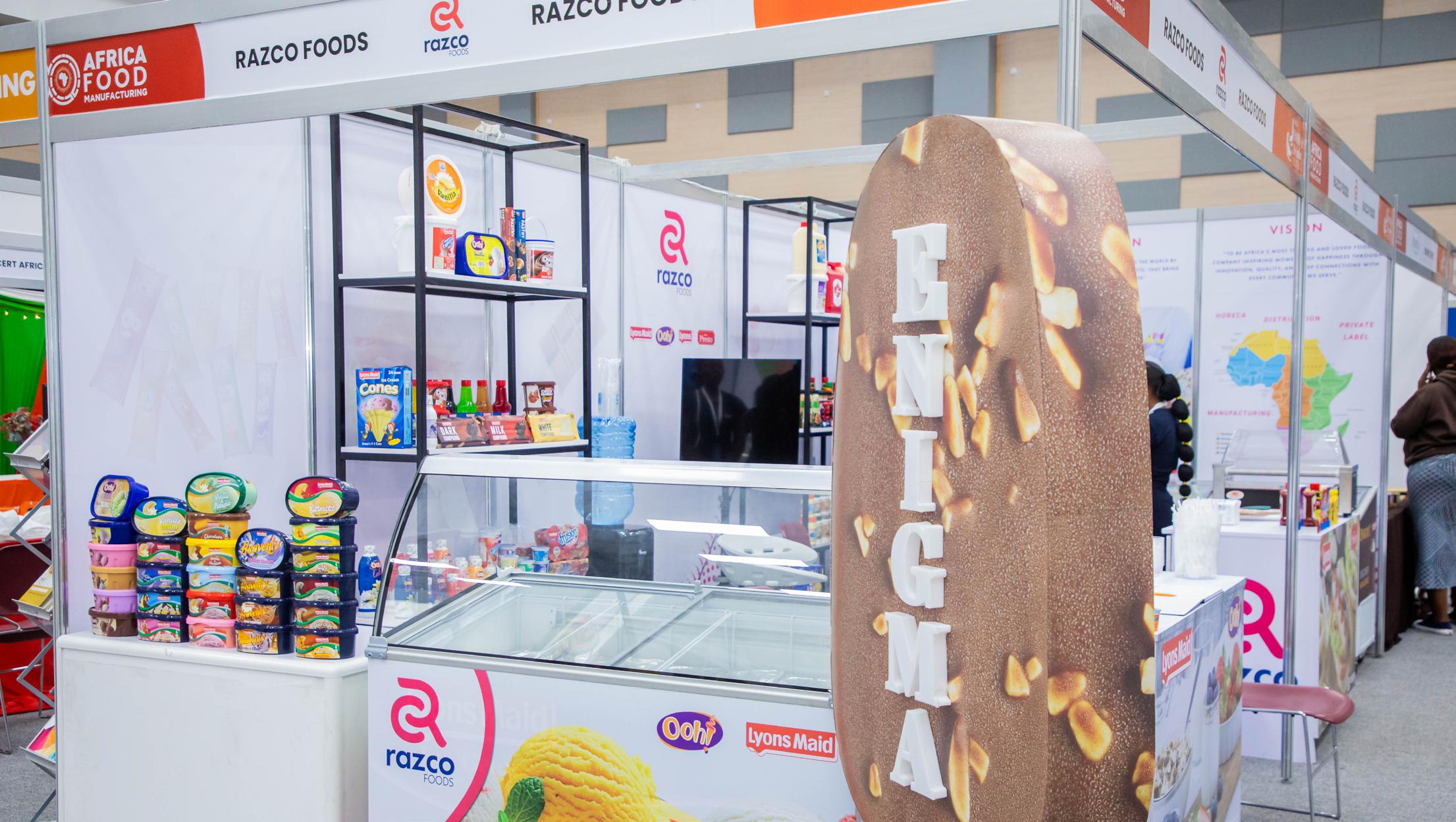
It is with this vision that we welcome you to yet another edition of the Africa Packaging Expos (AFRIPACK Expos), taking place from July 15–17, 2026 at the Sarit Expo Centre in Nairobi, Kenya. This year’s event promises to bring together some of the most influential players in the packaging and processing industries, creating a platform where ideas, technologies, and opportunities converge.
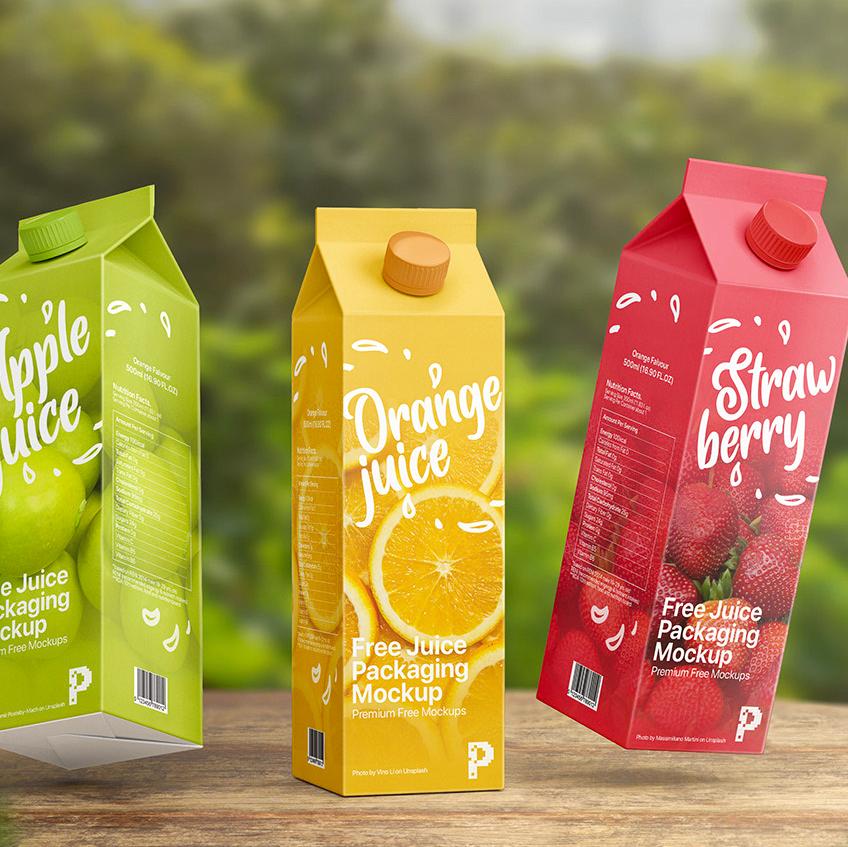
The exhibition will showcase a broad range of solutions, from flexible packaging, plastic bottles, caps, glass containers, labels, and adhesives, to advanced machinery for food, pharmaceutical, and fast-moving consumer goods manufacturing. Whether you are looking for packaging innovations, production equipment, or strategic business partnerships, AFRIPACK Expos offers an ideal
environment to connect with local, regional, and multinational suppliers and manufacturers.
Beyond business, the event also provides a valuable opportunity for professionals to exchange ideas, explore emerging trends, and gain insights into the future of packaging in Africa. For exhibitors, it is a chance to showcase solutions to a rapidly expanding market. For visitors, it is an opportunity to discover innovations that can improve efficiency, sustainability, and competitiveness.
As you prepare for the event, this edition of the magazine offers an exciting collection of stories and industry insights.
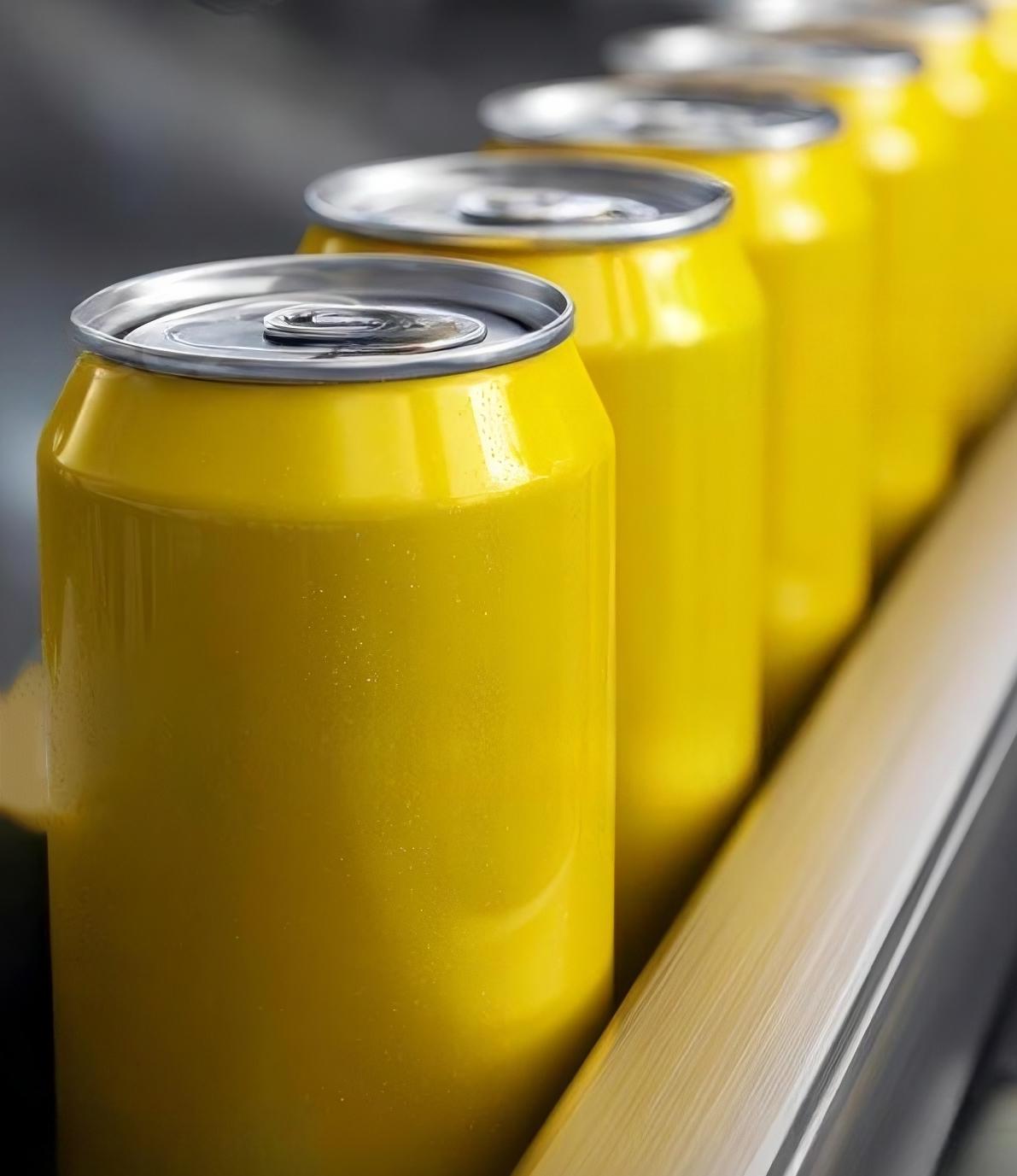
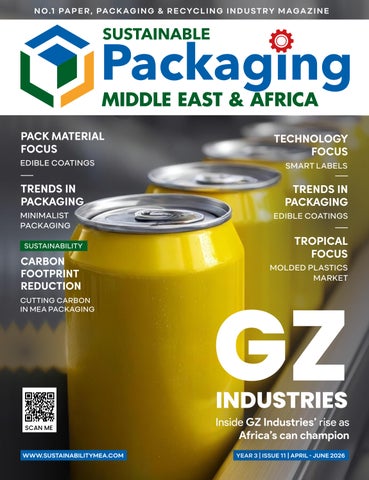
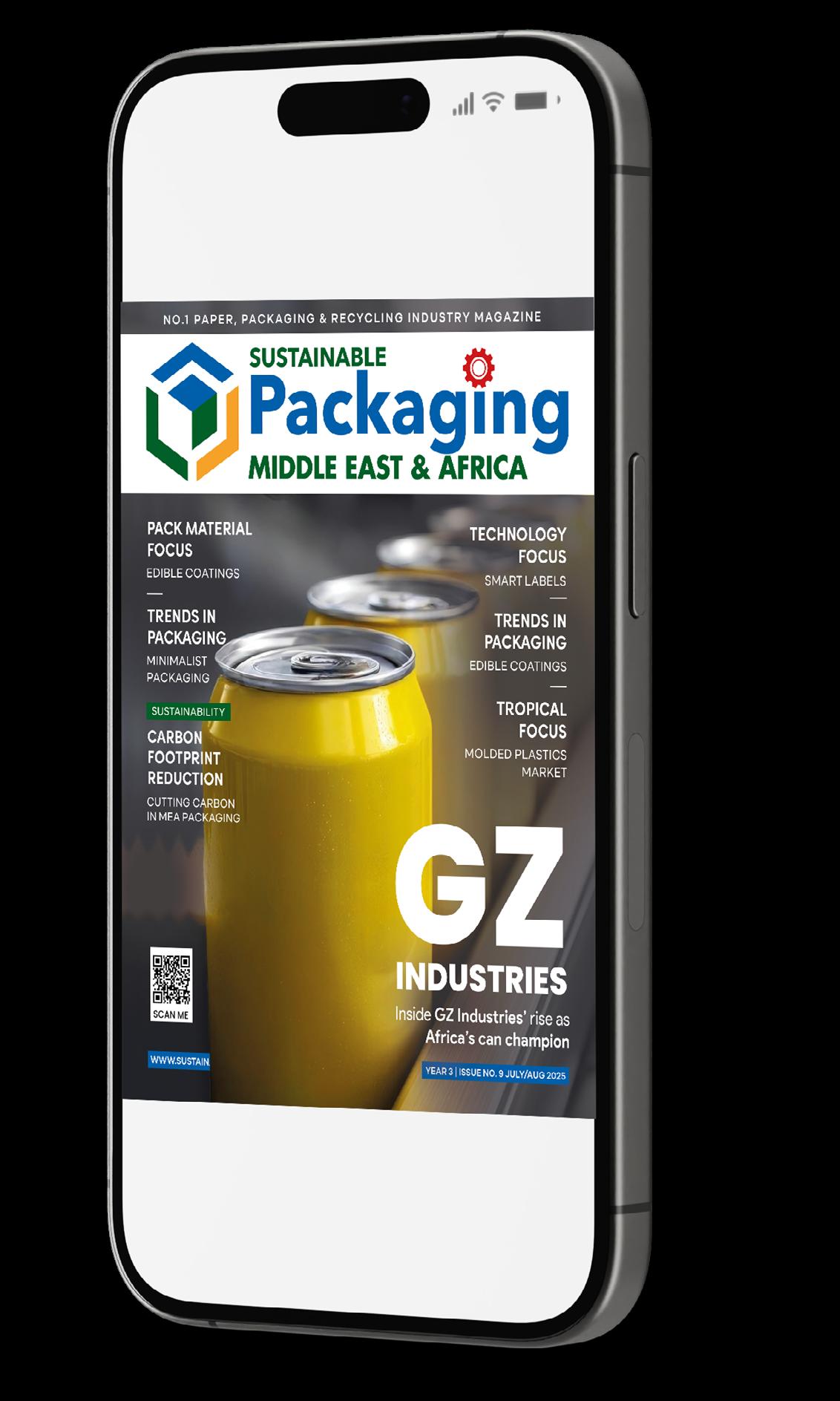
We feature the remarkable journey of Nigerian can manufacturing giant GZ Industries, which was founded in 2006 at a time when Nigeria’s beverage sector relied heavily on imported cans. Today, the company commands nearly 60 percent of the Nigerian market, highlighting the growing strength of African manufacturing.
We also explore the rising use of edible coatings as packaging materials, particularly in the fruits and vegetables segment, which accounted for a significant share of global market revenue in 2024.
In our trends section, we examine how minimalist packaging designs are helping companies reduce material costs and environmental impact, especially as Extended Producer Responsibility (EPR) regulations gain traction globally.
These stories, alongside the latest innovations, investments, and market developments from around the world, provide valuable insight into an industry that continues to evolve at a remarkable pace.
Enjoy the read!
Alphonse Okoth Senior Editor, FW Africa









































































































MIDDLE EAST & AFRICA Packag ng SUSTAINABLE
Year 3 | Issue No.11 | April - June 2026
FOUNDER & PUBLISHER
Francis Juma
SENIOR EDITOR
Alphonse Okoth
EDITORS
Leah Wamuyu
Fridah Chepkoech
Vincent Moranga
BUSINESS DEVELOPMENT DIRECTOR
Virginia Nyoro
BUSINESS DEVELOPMENT ASSOCIATE
Jonah Sambai
DESIGN
Clare Ngode
ACCOUNTS
Anita Kinyua
Published By: FW Africa
P.O. Box 1874-00621, Nairobi Kenya Tel: +254725 343932
Email: info@fwbrandsmea.com
Company Website: www.fwbrandsmea.com


We publish some of the most influential magazines and websites in Africa & the Middle East regions. Please visit the websites below for more information about our publications.
Sustainable Packaging Middle East & Africa is published 4 times a year by FW Africa. Reproduction of the whole or any part of the contents without written permission from the editor is prohibited. All information is published in good faith. While care is taken to prevent inaccuracies, the publishers accept no liability for any errors or omissions or for the consequences of any action taken on the basis of information published.
www.foodbusinessmea.com
www.millingmea.com
www.horecamea.com
www.dairybusinessmea.com
www.feedbusinessmea.com
www.sustainabilitymea.com

www.healthcaremea.com
www.hpcmagmea.com


Paper Eurasia Expo 2026
June 10 – 12, 2026
İFM - Istanbul Expo Center, Istanbul, Turkiye. www.papereurasia.com/en
Interplastpoint Tunisia 2026
June 11 – 13, 2026
Sousse, Tunisia www.interplastpoint.com/tunisia
Saudi Plastics & Petrochem 2026
June 21 – 24, 2026
Riyadh International Convention & Exhibition Center Riyadh, Saudi arabia www.saudipp.com
ProPaper Nigeria 2026
June 23- 25, 2026
Landmark Centre, Lagos, Nigeria www.propapernigeria.com
Plastprintpack Ethiopia 2026
June 25 – 27, 2026
AICC Addis Int’l Convention Center Addis Ababa, Ethiopia www.ppp-ethiopia.com
COMPLAST Kenya 2026
July 13 – 15, 2026
KICC, Nairobi, Kenya www.complast.in/kenya
Africa Food Expo Kenya & Eastern Africa
July 15,17, 2026
Sarit Expo Centre, Nairobi, Kenya www.afmass.com
AFRIPACK Expo Kenya & Eastern Africa
July 15,17, 2026
Sarit Expo Centre, Nairobi, Kenya www.afripackexpo.com
Africa Packaging Awards
July 16, 2026
Nairobi, Kenya. www.manawards.fwafrica.net/pack
















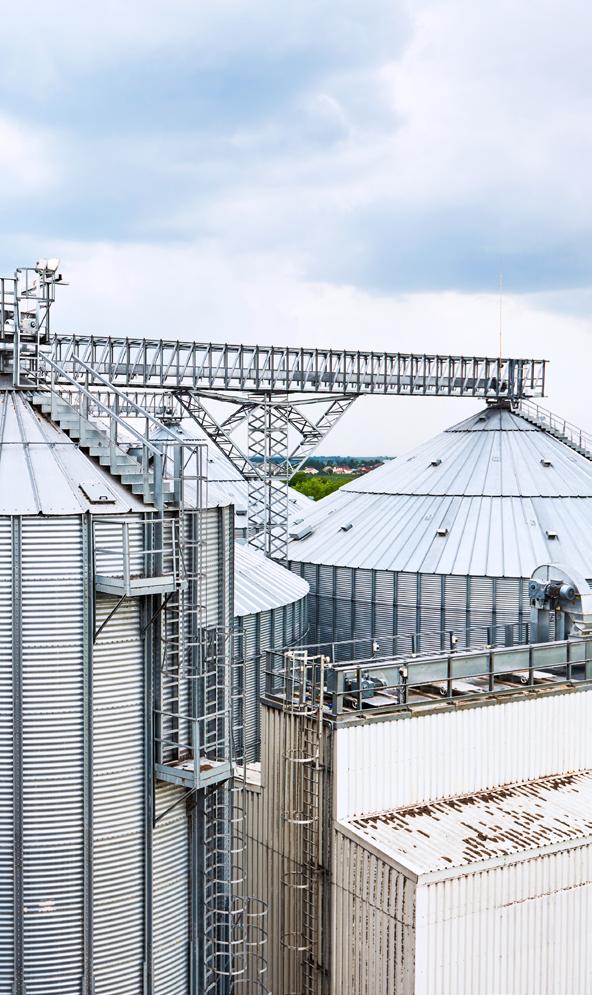















AGL Cameroun’s US$3.3M port upgrade boosts regional packaging logistics
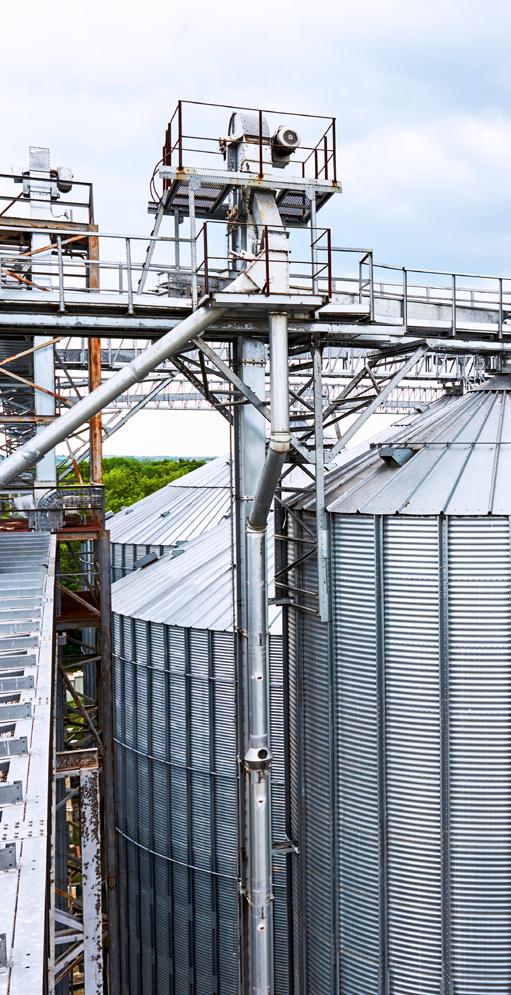
CAMEROON – AGL Cameroun has deployed over US$3.3 million in new equipment at Douala port, including a 100-ton crane, 20 forklifts, and 10 tanker trucks.
The investment strengthens packagingintensive supply chains for Cameroon and the Central African Republic. The crane lifts 30 tons at 10 meters, reducing external heavy-lift reliance, while clamp forklifts speed cotton handling and ease warehouse congestion. Tankers improve malt and wheat deliveries for regional clients.
CEO Thibaut Lamé noted a planned US$32.6 million investment for 2026. For packaging manufacturers, the upgrades mean faster handling, less moisture and compression damage, more consistent delivery schedules, and greater peak-season capacity across landlocked Central African markets.
Saudi Printing plunges to US$71.3M loss as packaging revenues slide 21%
SAUDI ARABIA – Saudi Printing and Packaging Company has reported a net loss of US$71.3 million for FY2025, widening from US$58.5 million the prior year as revenues fell 21 percent.
Total revenues dropped 20.6 percent to US$152.8 million, with Q4 losses deepening to US$45.7 million.
Asset impairments reached US$35.3 million, and accumulated losses hit 98.4 percent of capital, leaving shareholders’ equity at just US$3.3 million.
In response, the company is pursuing manpower optimization, asset sales, and process automation. It has secured up to US$20 million from major shareholder Saudi Research and Media Group.
The board also closed UAE subsidiary City Pack Co. to refocus on higher-growth packaging segments. Shareholders will now vote on a continuity plan to keep operations viable during the turnaround.
closures
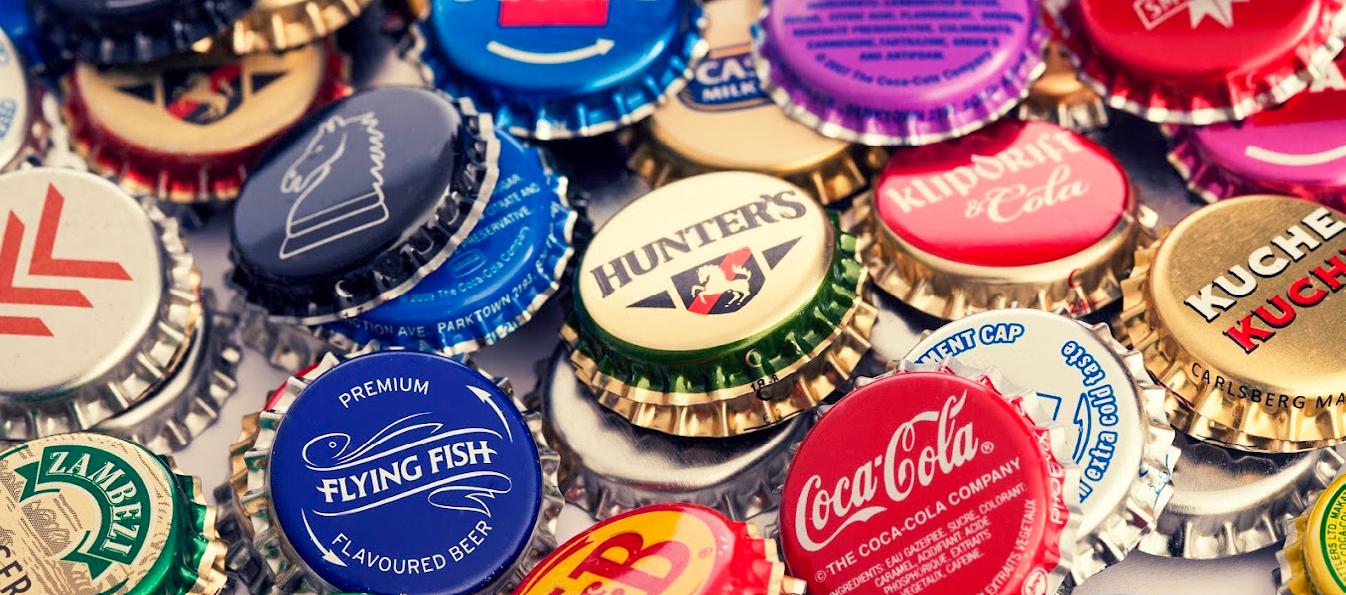
manufacturer Coleus Packaging has unveiled a R200-million (US$11.85 million) investment in advanced production equipment at its Alrode facility in Johannesburg, reinforcing efficiency, quality, and regional supply capabilities.
The newly installed equipment includes a high-performance coater and resizer line, alongside a SACMIsupplied punching and lining machine.
Managing Director Ian Victor noted that the single punching and lining unit replaces two older lines while maintaining output with significantly improved operational efficiency.
A new printing machine will be installed in coming weeks, building on a R30-million (US$1.79m) crown cork production machine commissioned in 2024.
With the investment in 2024, Coleus Packaging acquired the PMC500, a cutting-edge machine capable of churning out an impressive 5,000 metal crown caps per minute.
The upgrades align with Coleus’ integration into Guala Closures, following the group’s acquisition of Greece-based Astir Vitogiannis, which holds a majority stake in the
South African firm.
The Alrode facility recently earned recognition as the topperforming plant within Guala’s 37site network.
Regionally, Guala Closures is accelerating its African footprint, having expanded into Kenya and Nigeria while strengthening supply chains into West Africa.
Coleus is now supporting distribution into Ghana and exploring further growth across Southern Africa.
The company has renewed multiple ISO certifications, including ISO 45001, and is pursuing ISO 50001 for energy management. It also maintains Food Safety and Compliance Alliance certification.
The investment follows Guala Closures’ pending acquisition of Kenya-based Metal Crowns, a deal expected to strengthen its industrial base across key beverage markets.
For Africa’s packaging sector, these moves signal rising demand for high-performance metal closures and a consolidating regional manufacturing landscape.
The deal is expected to strengthen its industrial base in the region and expand its reach across key beverage markets.
?

Hard to picture ?
Come and experience it at SIAL Paris 2026

Visit the world’s largest food innovation exhibition from 17 to 21 October at Paris Nord Villepinte

Following a highly successful 33rd edition, the China International Disposable Paper Expo (CIDPEX) returns to the Nanjing International Expo Center from April 13 to 17, 2027, promising an even more dynamic platform for the global tissue and hygiene industry.
The 2026 edition set a high benchmark. Hosted in Nanjing, the exhibition welcomed more than 1,000 leading companies across 100,000 square meters of exhibition space, attracting over 50,000 professional visitors. Attendees experienced a comprehensive showcase of more than 1,000 branded products alongside live demonstrations of hundreds of machines in operation—underscoring CIDPEX’s position as one of the world’s most influential industry gatherings.
As preparations for 2027 gain momentum, participants can expect a similarly expansive, supply chain-wide exhibition structure. The show will once again feature five core exhibition zones: Tissue Paper, Disposable Hygiene Products, Raw & Auxiliary Materials, Machinery & Equipment, and Health & Medical Care. Together, these segments provide a 360-degree view of the industry,
from raw materials and manufacturing technologies to finished products and emerging healthcare solutions.
The Tissue Paper Pavilion will continue to serve as a hub for leading producers and distributors, facilitating high-value business discussions and partnerships. Meanwhile, the Disposable Hygiene Products Pavilion is expected to spotlight innovation across key segments such as feminine care, baby care, adult incontinence, and wipes— areas experiencing rapid growth driven by changing consumer lifestyles and demographics.
A major highlight for 2027 will again be the Raw and Auxiliary Materials Pavilion, where hundreds of exhibitors are anticipated to present next-generation materials and technologies aimed at enhancing product performance and sustainability. Complementing this, the Machinery and Equipment Pavilion will showcase advanced, smart, and digitalized manufacturing solutions, offering manufacturers pathways to improve efficiency, automation, and production quality.
The Health & Medical Care Pavilion is set to expand its focus on the fast-growing “silver economy,” addressing the needs
of aging populations through innovative healthcare and elderly care solutions. This segment continues to open new avenues for product development and crossindustry collaboration.
CIDPEX 2027 will also build on its strong international outlook. The dedicated overseas service ecosystem zone—introduced to support global expansion—will return with enhanced participation from cross-border e-commerce platforms, logistics providers, certification bodies, and international service organizations. This initiative reflects the exhibition’s growing role as a bridge between Chinese manufacturers and global markets.
In addition, the upgraded Global Buyer Negotiation Area will once again provide a structured platform for precise business matchmaking, helping exhibitors and international buyers forge meaningful partnerships. The co-located conferences, including the Overseas Expansion Development Conference and the Tissue & Hygiene Innovation Forum, are expected to deliver actionable insights into global market trends, digital commerce strategies, and product innovation.
With over three decades of industry engagement, CIDPEX has evolved alongside the tissue and hygiene sector, becoming a key driver of innovation, trade, and knowledge exchange. The 2027 edition is poised to build on this legacy—offering an even richer mix of technology, expertise, and global business opportunities.
As the industry continues to navigate sustainability demands, digital transformation, and shifting consumer needs, CIDPEX 2027 provides a timely platform to connect, learn, and grow. Stakeholders across the value chain are invited to be part of this flagship event and explore the next chapter of innovation in tissue and hygiene products.
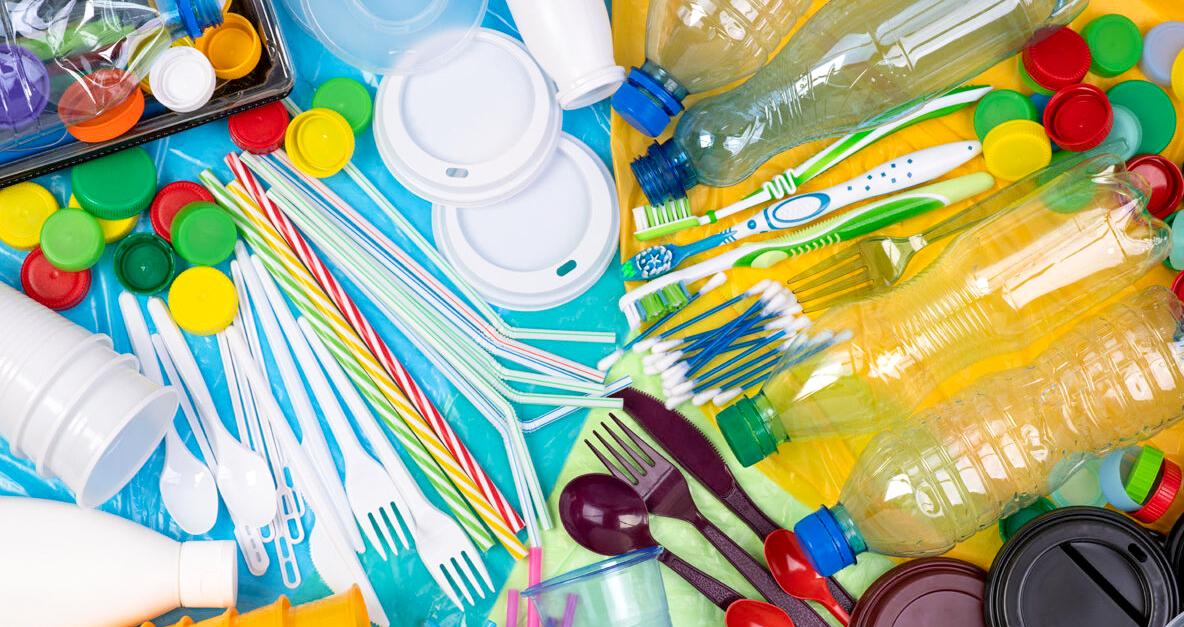
Türkiye wields EU-style ban on single-use plastics, slashing 1.5M tons of CO₂
TÜRKIYE – Türkiye is taking a major step toward reducing plastic waste with a new regulation banning several single-use plastic items by September 1, 2026.
Introduced by the Ministry of Environment, Urbanization, and Climate Change, the policy mirrors the EU Single-Use Plastics Directive and targets disposable cutlery, plates, straws, and plastic-stemmed cotton buds.
The move is a key pillar of Türkiye’s Zero Waste vision and its National Circular Economy Strategy (2025–2028), developed through consultations with industry stakeholders and NGOs.
It promotes a transition to sustainable alternatives such as glass, porcelain, wood, cardboard, and biodegradable materials, signaling a broader shift in packaging and consumption practices.
The environmental and economic impact is expected to be substantial. Government projections estimate an annual reduction of 1.5 million tons of carbon emissions and savings of around US$44 million (1.5 billion Turkish lira) in waste management costs.
This comes in response to
the country’s significant plastic consumption, which exceeded 700,000 tons of single-use plastics in 2022.
Public support for the initiative is strong. Surveys conducted with the Turkish Statistical Institute show that more than 76 percent of citizens support restrictions on disposable plastics, while 80 percent favor reusable materials like metal and ceramic.
The regulation will be implemented in phases. Additional bans on items such as composite beverage cups, food containers, wet wipes, and plastic shipping bags are planned for early 2027, alongside stricter labeling rules and consumption targets aligned with EU standards.
Authorities emphasize that the goal is not to eliminate all plastics but to restrict non-recyclable singleuse items that contribute most to pollution.
Türkiye’s progress in reducing plastic waste is already evident. Since introducing paid plastic bags in 2019, the country has prevented over 3 million tons of plastic waste and significantly reduced emissions and import costs.
Samsung plans US$4B chip packaging plant in Vietnam as AI Demand reshapes
VIETNAM – Samsung Electronics has unveiled plans for a US$4 billion chip packaging facility in Thai Nguyen province, with an initial US$2 billion first phase.
The project marks Vietnam’s largest foreign investor expanding into advanced semiconductor back-end manufacturing as AI workloads drive demand for high-performance computing.
Samsung’s existing Vietnamese operations exceed US$23.2 billion in investment with 90,000 jobs.
The investment comes as global chipmakers accelerate advanced packaging expansion, with Southeast Asia emerging as a preferred hub for supply chain diversification away from China. Intel and Amkor Technology are undertaking similar regional expansions. Samsung first entered Vietnam in 2008 and now operates its largest global smartphone production base there.
Australia’s packaging reform targets US$2.5B recycling enhancement to address 1MT landfill gap
AUSTRALIA – National packaging reforms have been advanced to boost plastic recycling, addressing a gap where over one million tonnes of plastic packaging ends up in landfill annually despite 1.3 million tonnes of usage.
The reform introduces consistent national rules on design, recyclability, and recycled content, including Extended Producer Responsibility.
Weak end-market demand for recycled plastic, due to lower-cost imported virgin resin, is the core problem.
Analysis shows reforms could reduce landfill by 370,000 tonnes yearly, cut 700,000 tonnes of CO₂ emissions, attract US$220 million in private investment, create 19,000 jobs, and add US$2.5 billion in economic value.
Wiliot to scale physical AI for smarter
USA – Avery Dennison has announced a US$75 million minority investment in Wiliot, positioning itself as the preferred partner to scale Physical AI for supply chains across retail, logistics, and food.
The deal gives Avery Dennison a board seat. Wiliot’s batteryfree Bluetooth sensors transmit data to the cloud for AI-driven real-time condition monitoring and inventory intelligence.
Francisco Melo noted BLE complements RFID, unlocking new data sets. Tal Tamir called the investment transformational for Physical AI adoption.
For packaging and logistics, embedded labels enable items to signal location, temperature, and handling without manual scanning, critical for perishables and pharmaceuticals.
The technology automates shipment verification and reduces waste. Building on RFID expertise, Avery Dennison aims to solve complex supply chain challenges by connecting the physical and digital worlds through intelligent packaging.
Kenya’s sweeping plastic packaging rules now in force, targeting 100% recyclability by 2030
KENYA – Strict licensing, extended producer responsibility, and recycled content requirements for plastic packaging have officially taken effect under Legal Notice 181 of 2024.
Kenya generates nearly one million tonnes of plastic waste annually but recycles only about 8 percent.
Companies must now obtain NEMA licenses and source only from licensed suppliers. EPR mandates that firms take full responsibility for collection and recycling, with enforcement beginning February 2026.
Packaging must carry material labels and resin codes; PVC and polystyrene are classified as non-recyclable.
The Kenya Plastics Pact targets 100 percent reusable or recyclable packaging, 40 percent effective recycling, and 15 percent recycled content by 2030.
For global suppliers, market access now depends on full compliance with Kenya’s ambitious waste control framework.
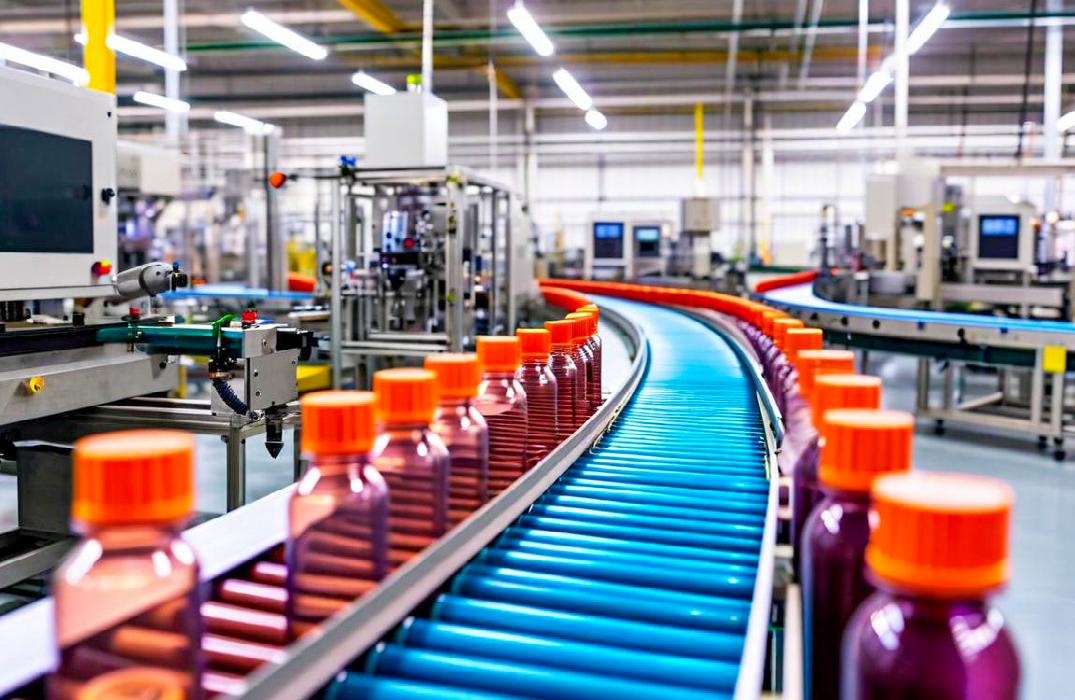
INDIA - EPL has agreed to merge with Indorama Ventures’ rigid PET packaging platform Indovida in a US$2 billion deal, creating a diversified packaging giant with over US$1 billion in annual revenue, 75 percent anchored in high-growth emerging markets.
The transaction values EPL at approximately US$1.2 billion (a 70 percent premium to its closing share price), while Indovida is valued at roughly US$700 million.
Following completion, Indorama Ventures will hold a 51.8 percent stake, with Blackstone retaining 16.6 percent. EPL will
remain the listed entity, and Indovida will merge into it.
Hemant Bakshi, who will lead the merged entity, said the merger transforms EPL from a single-format flexible packaging leader into a broader multi-format platform.
Aloke Lohia, group CEO of Indorama Ventures, described the combination as the logical next step following the firm’s minority investment in EPL in May 2025.
The merger advances Indorama’s objective of deepening its presence in India and strengthening its downstream packaging footprint.
The combined company will derive 75 percent of its revenue from emerging markets across Asia, Africa, and South America while entering the US$100 billion rigid plastics segment.
Indovida adds presence in Vietnam, Nigeria, Tanzania, and Ghana, markets EPL lacked, while EPL opens doors in India, China, and Latin America.
The valuation framework assigns EPL at 12.5 times EBITDA, while Indovida is valued at a discount of roughly 35 percent.
The transaction is expected to be earnings-per-share accretive from day one, with debt-to-EBITDA projected at 0.25.
Aloke Lohia of Indorama Ventures called this the logical next step following its minority investment in EPL in May 2025. Sunil Marwah will continue leading Indovida, reporting to Bakshi.



www.manawards.fwafrica.net/pack

GLOBAL – Sonoco has posted first-quarter attributable net income of US$67.6 million, up from US$54.4 million a year earlier, despite net sales declining 1.9 percent to US$1.7 billion.
Pricing actions and cost-cutting offset weaker volume and the loss of earnings from the divested ThermoSafe business.
Diluted EPS increased to US$0.68. CEO Howard Coker cited solid performance despite severe winter weather and a fire destroying a South Carolina recycling facility.
The consumer packaging segment exceeded expectations. Sonoco opened a paper can site in Thailand and committed US$20 million to expand Alabama production for AI data centre demand.
Sonoco Q1 profit rises to US$67.6M despite 1.9% sales dip International Paper acquires NORPAC for US$360M, adding 1MT of containerboard capacity
USA – International Paper has agreed to acquire North Pacific Paper Company for US$360 million, adding a Longview, Washington mill with one million tonnes of annual containerboard capacity.
The acquisition includes 500 employees and three paper machines, strengthening International Paper’s West Coast footprint.
Lightweight recycled containerboard is valuable as brands seek to reduce packaging weight and meet sustainability targets.
The transaction is subject to regulatory clearance. Tom Hamic, president of International Paper Packaging Solutions North America, called it a strong strategic fit.
The deal comes as International Paper executes a broader restructuring to separate North American operations from its Europe, Middle East, and Africa packaging business.
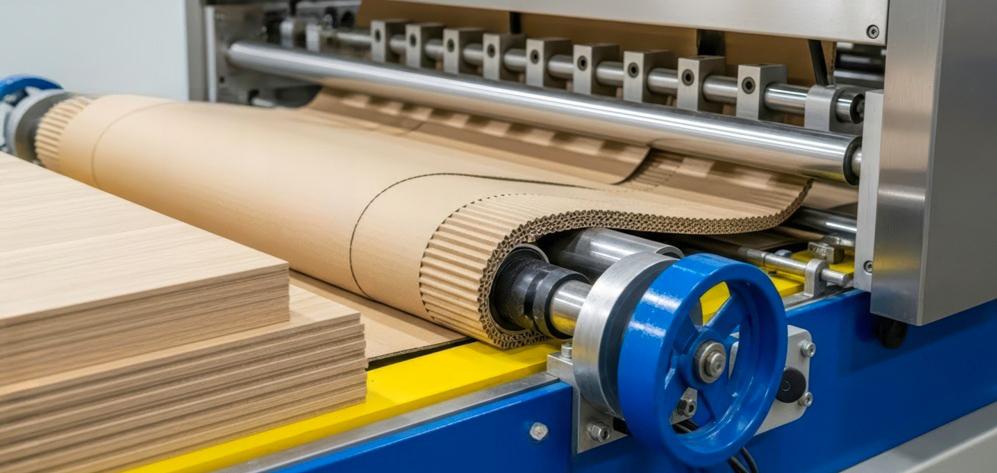
USA – International Paper is strengthening its North American packaging network through two strategic acquisitions aimed at boosting containerboard capacity, improving delivery speed, and expanding its regional footprint.
The company has acquired Delmarva Corrugated Packaging (DCP), a corrugated packaging facility in Dover, Delaware, to strengthen its presence in the MidAtlantic region. Financial terms of the transaction were not disclosed.
According to International Paper Packaging Solutions North America executive vice president and president Tom Hamic, the acquisition enhances the company’s ability to deliver sustainable packaging solutions with greater speed and reliability while supporting long-term growth plans.
The Dover facility is strategically located within a day’s drive of major markets such as Philadelphia, Baltimore, Washington DC, and New York City.
For corrugated packaging customers, closer proximity means shorter lead times, reduced freight costs, and lower inventory requirements, particularly in fastmoving e-commerce and direct-to-
consumer supply chains.
DCP president and CEO Dennis D. Mehiel said the partnership would help the Dover operation achieve its full potential while benefiting customers, employees, and suppliers.
The acquisition follows International Paper’s agreement to acquire North Pacific Paper Company (NORPAC) from One Rock Capital Partners for US$360 million.
The deal adds a Longview, Washington mill capable of producing approximately one million tonnes of containerboard and paper annually.
International Paper said the NORPAC acquisition strengthens its West Coast manufacturing footprint and improves its ability to meet growing demand for lightweight recycled containerboard used in shipping boxes for e-commerce, food delivery, and retail distribution.
The company generated US$5.97 billion in first-quarter 2026 net sales, up 13.4% year-on-year, while operating profit in its North American packaging business rose to US$248 million from US$142 million in the previous year.
NIT Rourkela secures patent for bio-ink achieving 90% cell viability in 3D bioprinting
INDIA – NIT Rourkela has patented a novel bio-ink combining Bovine Serum Albumin, Sodium Alginate, and polyelectrolyte complexes, achieving over 90 percent cell viability for bone and cartilage repair.
The technology, titled “A High Shape-Fidelity ProteinPolysaccharide Composite Bioink,” addresses a critical limitation in 3D bioprinting: lack of materials combining mechanical strength, biocompatibility, and printability.
The blend mimics bone tissue’s extracellular matrix, promoting cell adhesion and proliferation. Scaffolds with 2 percent PEC-GC retained strong mechanical properties postprinting.
Unlike conventional plastic filaments, bio-inks must keep cells alive and functional. This patent extends additive manufacturing into life sciences, enabling patient-specific tissue structures.
Nigeria’s RussellSmith brings 3D printing shipbuilding to Ghana’s shores
NIGERIA – RussellSmith is in discussions with the Ghana Maritime Authority to introduce large-format 3D printing for boat construction, aiming to revolutionize West Africa’s maritime sector.
The global 3D printing market reached US$32 billion in 2024, yet Africa accounts for barely two percent. RussellSmith is commissioning Nigeria’s first multitechnology industrial 3D printing facility, the Omnifactory, with plans for a Mega Omnifactory later this year.
Technology produces vessels up to 12 meters long, offering faster, sustainable alternatives to traditional wooden boats that drive deforestation.
Dr. Kamal-Deen Ali of Ghana’s Maritime Authority said the proposal aligns with Ghana’s “Blue Nation” vision. For West African operators, local 3D printing means shorter lead times, lower maintenance burdens, and retained economic value.
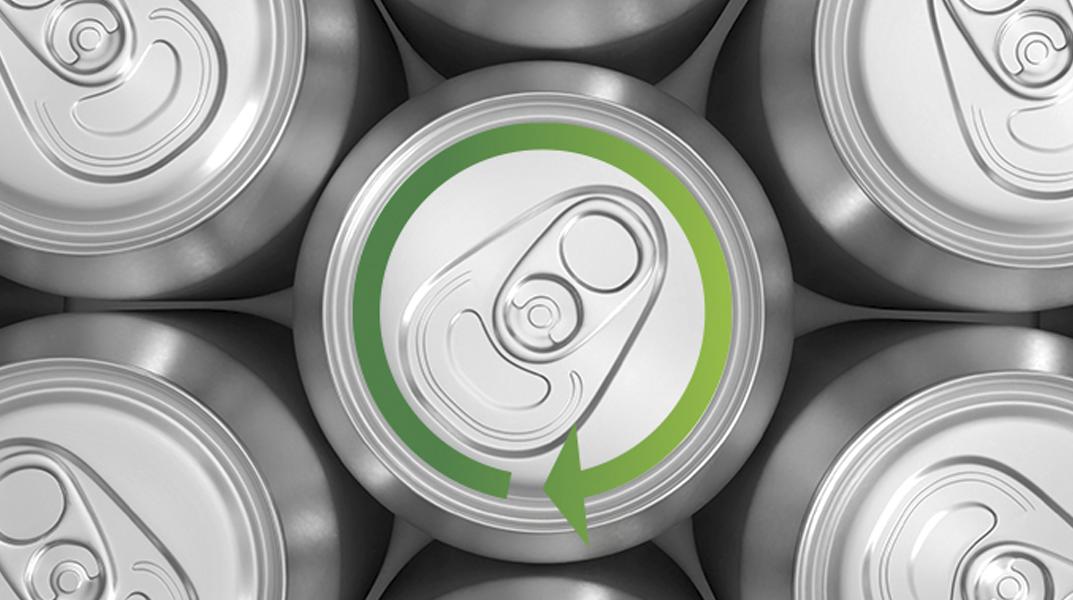
ITALY – Italy has exceeded the European Union’s aluminium packaging recycling targets after recording a 69.5% recycling rate in 2025, while beverage cans achieved an impressive 92.8% recycling rate, according to the Italian Aluminium Packaging Consortium (CIAL).
The country also posted an overall aluminium packaging recovery rate of 72.9%, reinforcing its position among Europe’s leading recycling markets.
CIAL said the results helped save an estimated 460,000 tonnes of CO₂ emissions and 205,000 tonnes of oil equivalent through recycling activities.
Although the overall recycling rate slightly declined from the adjusted 71.4% recorded in 2024, CIAL attributed this to a 7% increase in the amount of aluminium packaging placed on the market.
The rise was linked to improved economic activity and updated European calculation methods that now account for aluminium used in composite packaging.
Italy’s beverage can recycling performance stood out as one of the strongest in Europe. The 92.8% recycling rate represented a 5.5 percentage-point increase from the previous year and surpassed the European average of 75% across all collection systems.
It also slightly exceeded the average performance of
European deposit return systems, which stands at around 92%.
CIAL noted that approximately 65,000 tonnes of aluminium were recycled during the year, marking a 42% increase compared to 2024 and the highest level achieved in recent years.
The consortium said the results demonstrate the effectiveness of Italy’s separate waste collection and recycling system, which in some cases performs better than countries operating long-established deposit-refund schemes.
Italy has already surpassed the EU’s 2025 target of 50% aluminium packaging recycling and is expected to comfortably exceed the bloc’s 2030 goal of 60%, according to CIAL.
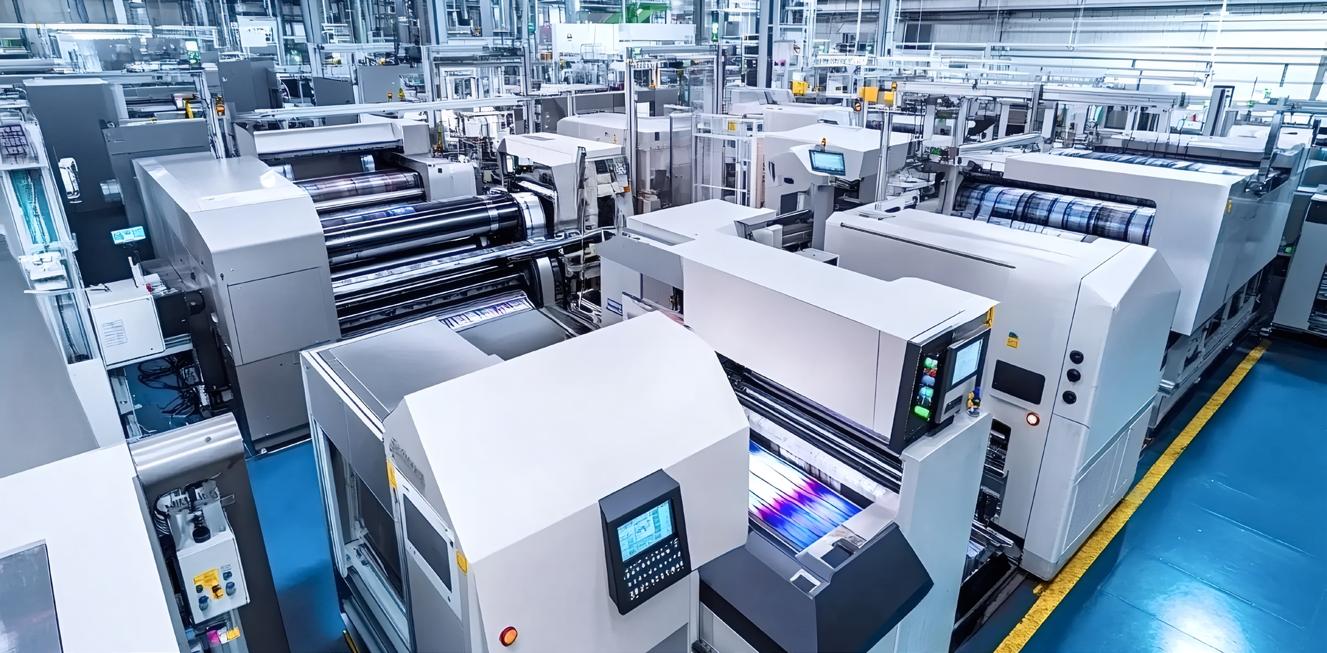
FRANCE – Pollina has invested over €10 million (US$10.8 million) to expand its printing facility in Vendée, strengthening its capacity to meet rising seasonal demand for books, catalogs, and school diaries.
The expansion adds 5,000 square metres to the Luçon-based site, bringing its total footprint to 47,000 square metres by May 2026. Construction began in September 2025 and includes the installation of a seventh offset press and a sixth bindery line.
The added space also enables a reorganization of operations, with stock relocated to the new building and equipment repositioned for improved workflow efficiency.
A key highlight of the upgrade is the introduction of a new Komori 5-color sheetfed offset press equipped with an acrylic varnish unit.
This technology allows Pollina to offer acrylic varnish as a finishing option, providing a more costeffective alternative to lamination or UV varnish for book covers and industrial catalogs. Since its installation, the finish has gained strong customer traction.
To further enhance finishing
capabilities, the company has also ordered a sixth bindery line from Müller Martini, dedicated to cardboard bindings.
Sustainability is another key focus. Photovoltaic panels installed on the new building will generate around 25 percent of the site’s electricity needs, aligning with broader industry efforts to reduce carbon emissions and improve energy efficiency.
The investment responds to changing demand patterns in the print sector. Since 2022–2023, orders have increasingly concentrated in the second half of the year, driven by back-to-school materials and holiday publishing cycles.
This shift previously required Pollina to rely heavily on temporary labor and stretch existing machinery to capacity.
With annual revenues of €35 million (US$37.8 million), Pollina continues to strengthen its position in France’s print market. The company is also exploring further investments as it adapts to evolving market demands and production trends.
Cameroon signs US$1.4B deals to turn urban waste into energy
CAMEROON – The government has signed two major agreements worth CFA856.8 billion (US$1.4 billion) to develop waste-to-energy facilities in Douala and Yaoundé.
Minister Célestine Ketcha Courtès formalized the deals with Thermosun Cameroon and Blue Energy Holding on March 12.
Thermosun proposes US$451 million for two plants processing 833 tons daily. Blue Energy outlines a US$945 million vision processing up to 3,000 tons daily, generating 912 GWh of electricity annually, plus 600 ecofriendly buses and 1,000 biogas trucks.
The projects arrive as Douala produces 2,700 tons of waste daily but collects only 1,800 tons. Current landfills are near capacity.
The agreements remain expressions of intent requiring secure financing and proven technology to transform urban waste into biogas, electricity, hydrogen, and compost.
Saudi plastic recycling market to double to US$748M by 2034
SAUDI ARABIA – The Kingdom’s waste plastic recycling market is set to surge from US$411.4 million to US$748 million by 2034, growing at 6.87 percent CAGR under Vision 2030.
Saudi Arabia generates 7 million tonnes of plastic waste annually. The National Waste Management Strategy targets 81 percent landfill diversion by 2035.
Mechanical recycling dominates at 78 percent market share, while PET leads material streams at 25 percent and packaging represents 40 percent of applications.
AI-powered optical sorting now achieves over 90 percent efficiency. SABIC’s TRUCIRCLE program has launched the first circular packaging initiative, and the government has allocated SAR 1.3 billion (US$350 million) for infrastructure.






LIBERIA – President Joseph Nyuma Boakai has commissioned the Duraplast Plastic Recycling Plant at the Monrovia Industrial Park, processing up to 600 metric tons of plastic waste monthly and creating over 1,200 jobs.
The facility converts LDPE, HDPE, PET, and PP into pipes, buckets, and chairs, addressing plastic waste that has clogged drainage systems and contaminated water. A closed-loop water filtration system prevents chemical discharge.
EPA Executive Director Dr. Emmanuel Kure Urey Yarkpawolo said the initiative responds to the triple planetary crisis.
Under the Buy Liberia initiative, the plant reduces imported goods. The project aligns with the ARREST Agenda for sanitation, youth empowerment, and industrialization.
Additional waste-to-energy and composting facilities are underway, signaling a national shift from wastefulness to productivity.
EU packaging sector prepares for digital product passport rollout as 2026 standards phase begins
EUROPE – The European Union has begun preparing packaging companies for digital product passports under the ESPR, requiring structured data on materials and recyclability, with technical standards expected around 2026.
Packaging producers must gather data on composition, raw material origin, recycled content, recyclability performance, and carbon indicators.
This information will be linked via QR codes or RFID tags. Mandatory passports are expected around 2027 for batteries and industrial goods, with widespread adoption across most regulated categories by 2030.
For the European packaging sector, this marks a structural shift toward data-driven compliance. Companies need systems to collect and share verified material data across multiple supply chain tiers.
EGYPT – China’s Henan Zhongfu has proposed a US$2 billion aluminium complex in Egypt’s Suez Canal Economic Zone to produce sheets for beverage cans, battery components, and automotive parts, targeting packaging manufacturers across Africa, the Middle East, and Europe.
The East Port Said facility would span over one million square metres and create around 3,000 jobs. Prime Minister Mostafa Madbouly and Henan Zhongfu chairman Cui Hongsong confirmed the government’s full support for the investment.
For beverage can manufacturers serving Coca-Cola, Pepsi, and regional bottlers, a local source of aluminium sheet in Egypt would dramatically reduce shipping distances and lower transport costs.
Currently, much of the aluminium sheet used in Africa is imported from the Middle East or Asia, with lead times stretching weeks and volatile freight costs.
A local supplier would provide predictable supply chains, shorter lead times, and reduced exposure to global shipping disruptions.
Aluminium cans achieve 75 percent recycling rates globally, compared to 47 percent for PET bottles. Sub-Saharan Africa reaches 60.6 percent for aluminium cans, but formal smelting capacity remains limited.
A large-scale smelting operation could retain value within the

region, create stable demand for recycled feedstock, and formalise informal collection networks.
Henan Zhongfu, a Shanghai-listed company with annual capacity of 690,000 tonnes of processed aluminium exported to over 45 countries, would leverage the Suez Canal Economic Zone’s trade agreements.
For can makers, this US$2 billion plant would provide supply chain security that imported material cannot match.
A US$2 billion plant designed to produce that exact specification would reduce lead times, lower freight costs, and provide supply chain security that imported material cannot match.
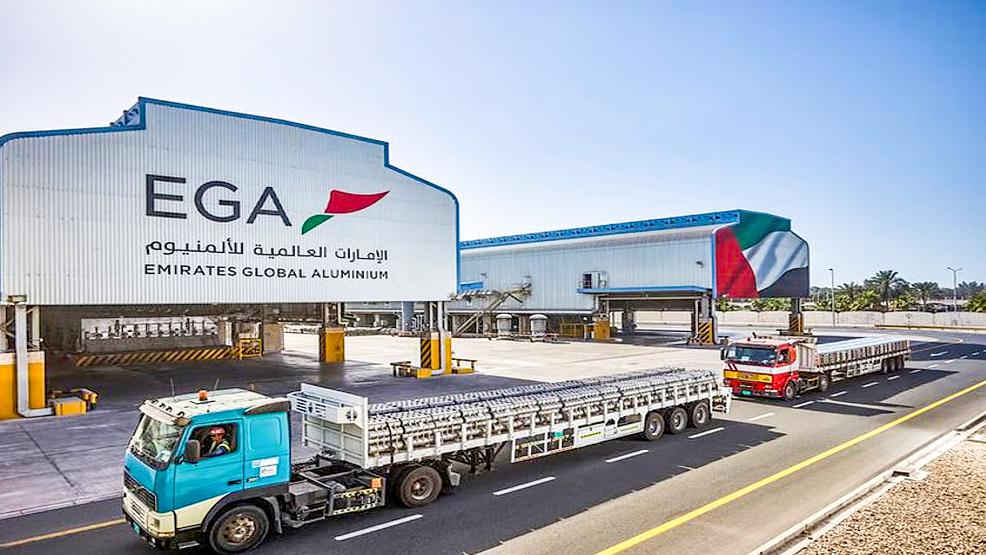
EGA acquires 80% of Eco Green, adding 70,000T of recycled aluminium capacity
UAE – Emirates Global Aluminium (EGA) has agreed to acquire an 80 percent stake in Eco Green, adding more than 70,000 tonnes of annual recycled aluminium capacity and lifting its global recycling footprint to over 400,000 tonnes per year across the UAE, Europe, and the US.
The transaction, subject to regulatory approvals, underscores EGA’s strategy to scale up in secondary aluminium and deepen its presence in key international markets.
Founded in 1993 by the Scappini family, Eco Green brings well-established expertise in scrap collection, sorting, casting, and dross processing.
The company supplies more than 70,000 tonnes of aluminium annually to over 60 customers across Europe.
Its operations include a scrap facility in Villafranca di Verona handling around 23,000 tonnes per year, alongside a nearby plant in Nogara di Verona that produces more than 20,000 tonnes of secondary aluminium sows annually.
An ongoing expansion at Nogara is set to add a further 15,000 tonnes of recycled capacity by the second
half of 2026.
For the packaging sector, the deal is particularly significant. Recycling aluminium uses up to 95 percent less energy than producing primary metal, making it a critical lever for decarbonization.
By expanding its recycling footprint in Europe, EGA enhances the availability of lowcarbon aluminium for packaging manufacturers, especially as brands work to meet recycled content requirements under evolving EU regulations.
The acquisition also builds on EGA’s recent international moves, including its purchases of Germany’s Leichtmetall and USbased Spectro Alloys.
With Europe’s recycled aluminium demand projected to rise from 4.9 million tonnes in 2025 to 7.2 million tonnes by 2033, the deal positions EGA, and its customers, closer to a rapidly growing and increasingly strategic supply base.
The company is also in talks to acquire a stake in Oman’s 400,000-tonne Sohar Aluminium as a 60% shutdown of its UAE smelting capacity disrupts aluminium supply for beverage can and foil makers across the region.
GLOBAL – Sonoco has posted first-quarter attributable net income of US$67.6 million, up from US$54.4 million a year earlier, despite net sales declining 1.9 percent to US$1.7 billion.
Pricing actions and cost-cutting offset weaker volume and the loss of earnings from the divested ThermoSafe business.
Diluted EPS increased to US$0.68. CEO Howard Coker cited solid performance despite severe winter weather and a fire destroying a South Carolina recycling facility.
The consumer packaging segment exceeded expectations. Sonoco opened a paper can site in Thailand and committed US$20 million to expand Alabama production for AI data centre demand. Sonoco
Mediterrania Capital acquires 100% of Société Marocaine des Manufactures de Mohammedia, the holding company of Amcor Flexibles Mohammedia, from Amcor Group
Carlsberg secures alternative packaging suppliers in India, Nepal amid regional supply disruptions
Iraq moves to restrict BPA in food, water packaging, citing endocrine, behavioural health risks
Crown to build 2.2B can per year facility in Northern India with United Breweries partnership
Amcor launches US$35M healthcare packaging coating facility in Subang Jaya, Malaysia
Tetra Pak, Sterilgarda Alimenti launch 1L carton with paper-based barrier, cutting carbon footprint by 50%
Saudi Printing appoints Saleh Al Dowais Chairman, Amrou Masry as acting CEO amid restructuring
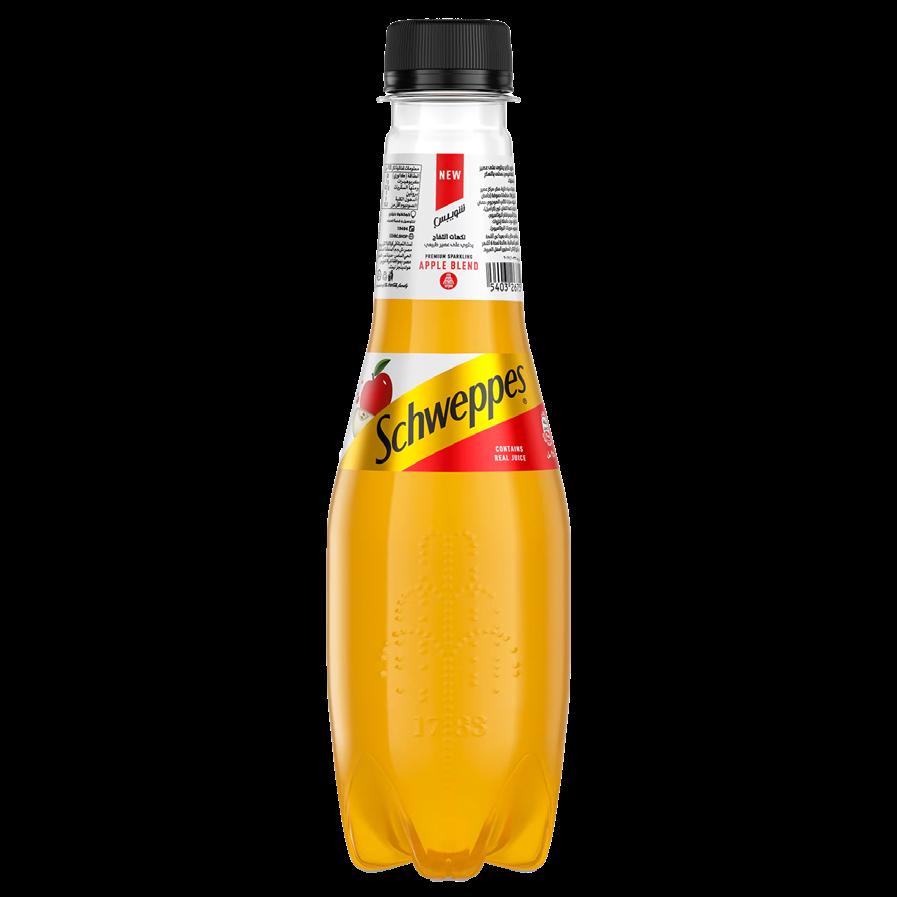
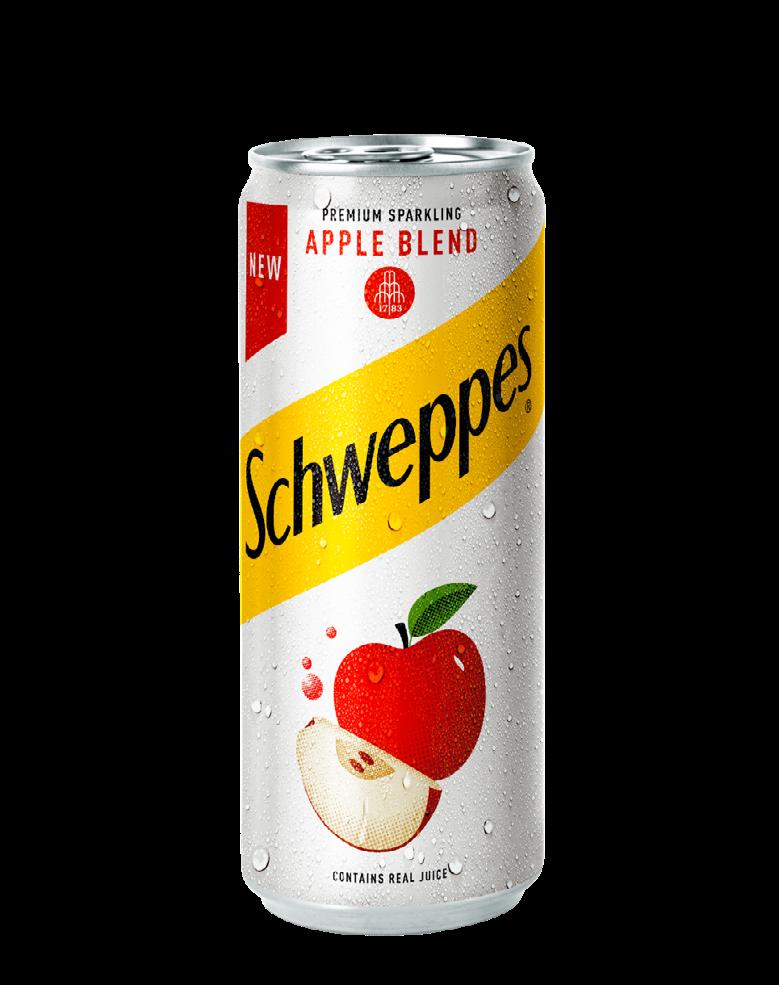
Fruital has repackaged its Schweppes Premium Sparkling Apple Drink in a sleek 24cl slimline aluminium can, designed to convey a modern, on-the-go appeal.
Manufactured by Crown Holdings, the metal can offers excellent barrier properties, protecting the beverage’s carbonation, flavour, and freshness while ensuring long shelf stability.



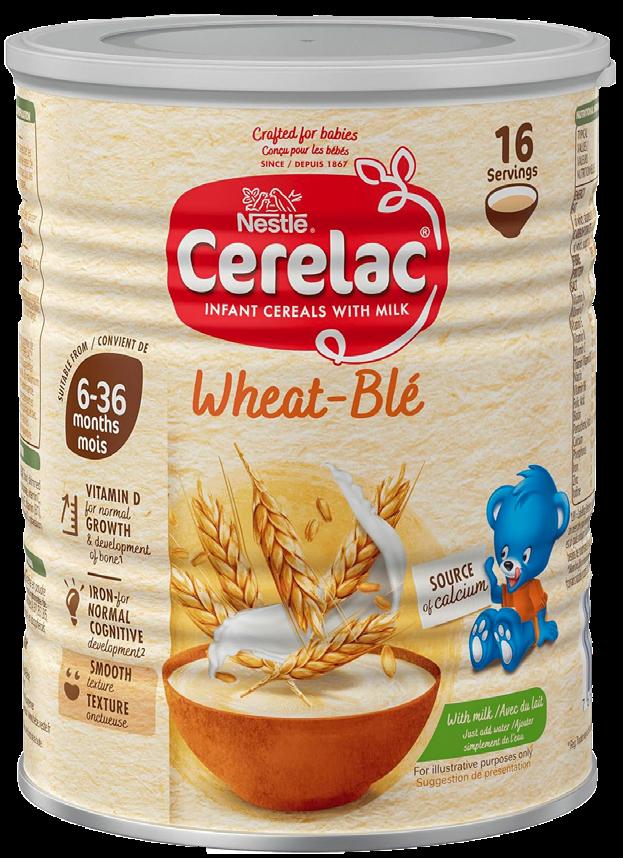
Nestle Ghana has introduced Cerelac Infant Cereal with Wheat and Milk in a 400g rigid metal can, reflecting a shift toward more durable and protective packaging.
The resealable lid enhances convenience and hygiene for repeated use, while the compact format makes it easy to store and handle in household settings.
The rigid metal can withstands transport, protects the cereal from crushing, and provides a barrier against moisture and air.
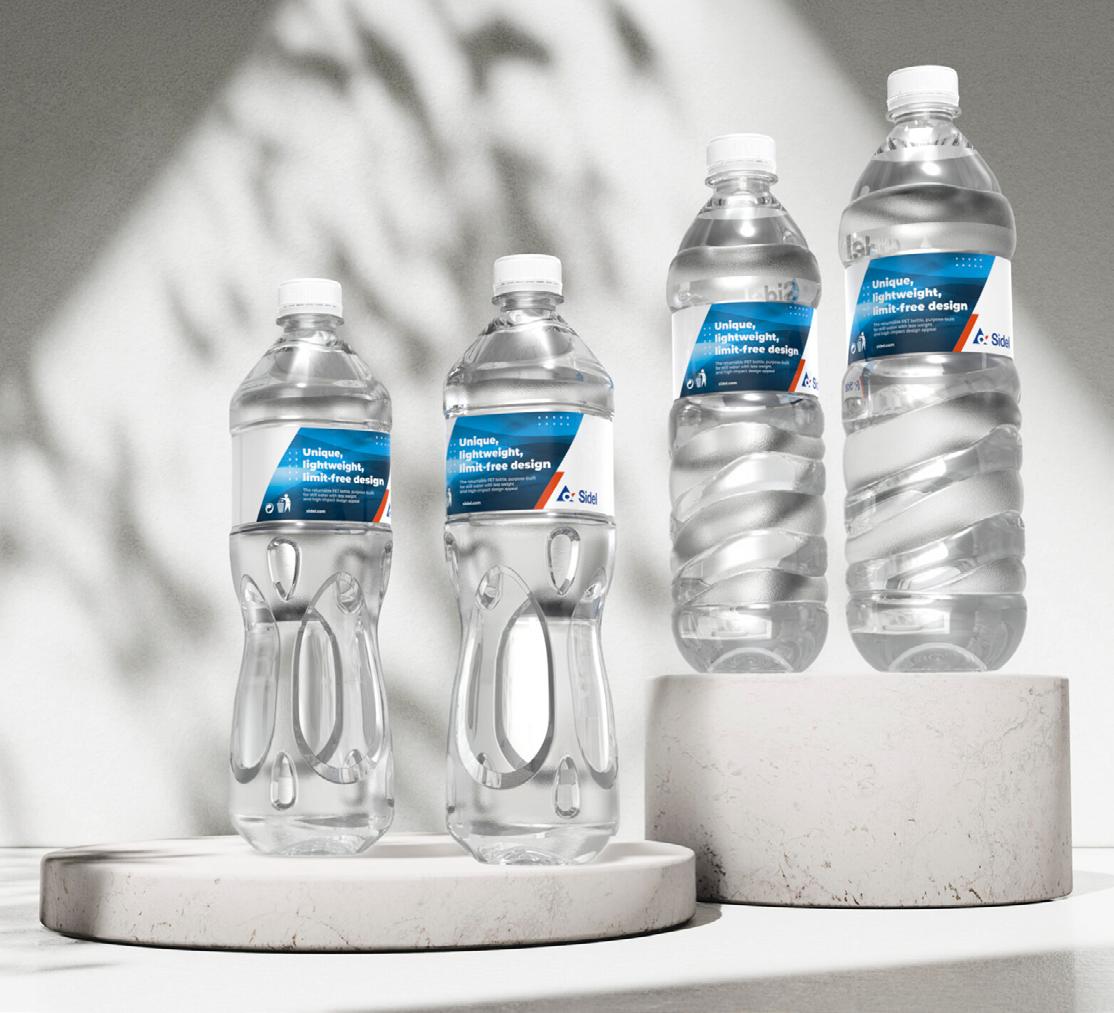
Sidel has introduced Returnable PET — Still Water, a reusable PET bottle for the still water market available in cylindrical and square shapes from 0.5L to 2L capacities.
It is designed to be 10 percent lighter than the lightest returnable carbonated water bottles currently used, withstanding up to 25 washing cycles and compatible with existing PET recycling streams.
The new design is also compatible with Sidel’s EvoBLOW blow-molding range, allowing producers to manufacture the bottle on existing equipment.


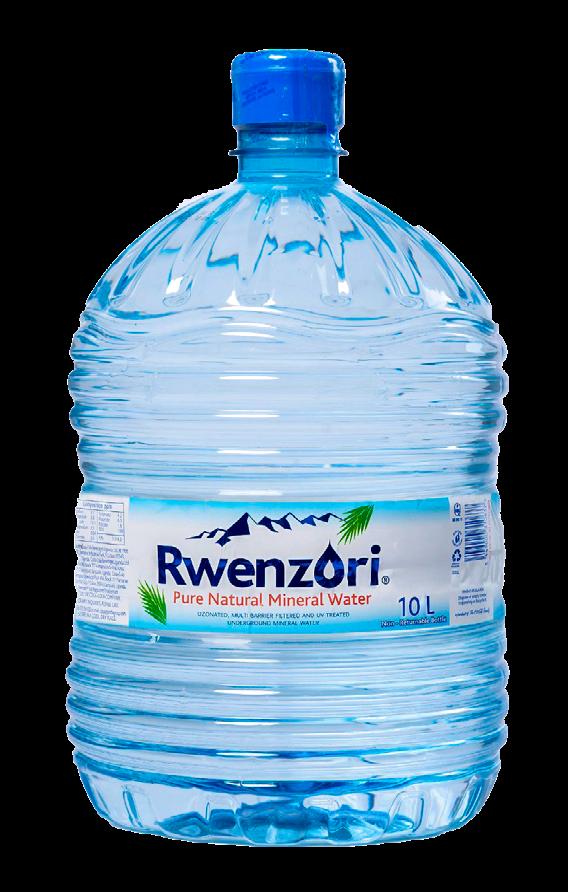
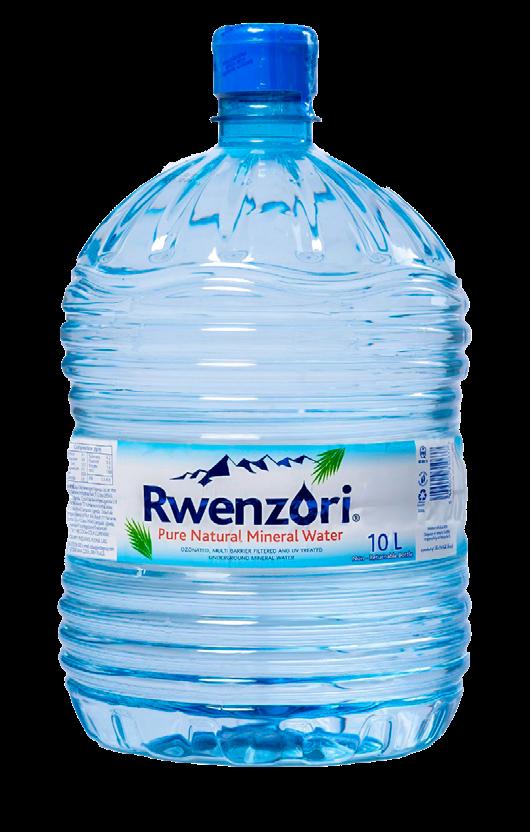
Coca-Cola Beverages Uganda (CCBU) has launched a new 10-litre bulk pack under its Rwenzori Pure Natural Mineral Water portfolio, expanding access to affordable and safe drinking water for consumers across Uganda.
The newly introduced pack offers a mid-sized option between the brand’s smaller take-home bottles and the larger 20-litre containers, giving consumers a convenient bulk format while maintaining value per litre.

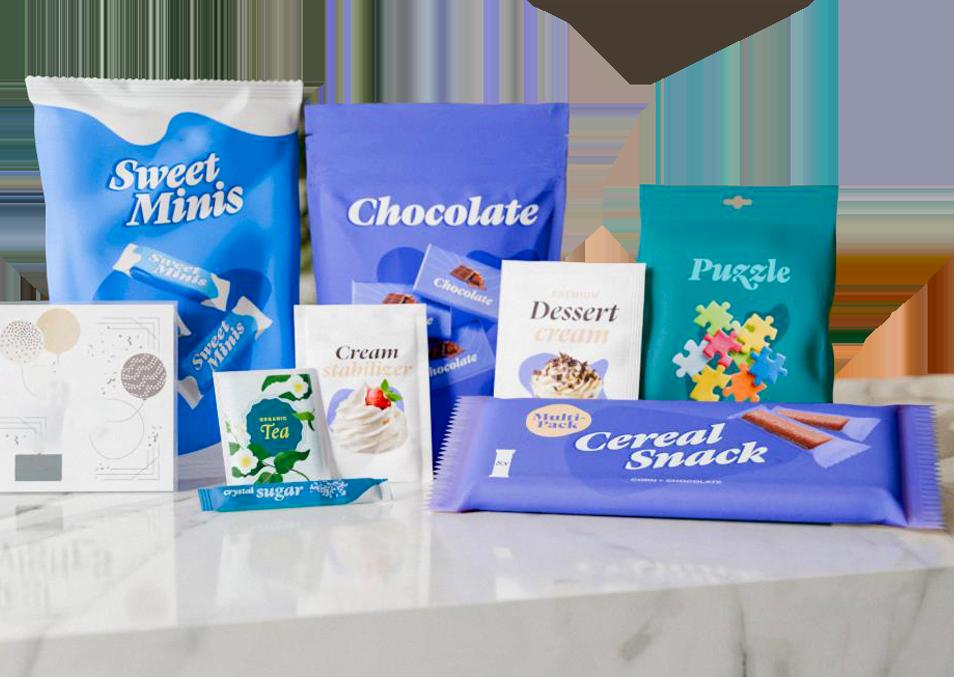



Sappi has launched its full Seal family of heat-sealable papers offering six grades across weights from 44 gsm to 110 gsm for plastic-free packaging transition.
Seal Silk and Seal G Silk are available in weights from 50 gsm to 110 gsm, offering low-to-medium water vapour performance with flexo and gravure compatibility.
The papers deliver consistent sealing and runnability with flexo and gravure compatibility, helping converters move from plastic to mono-material paper solutions without compromising performance.
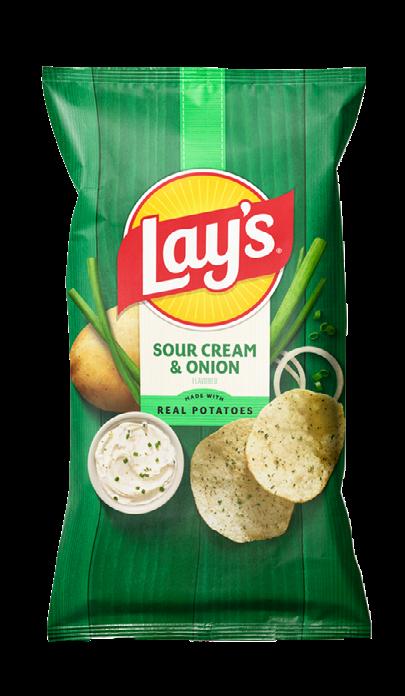
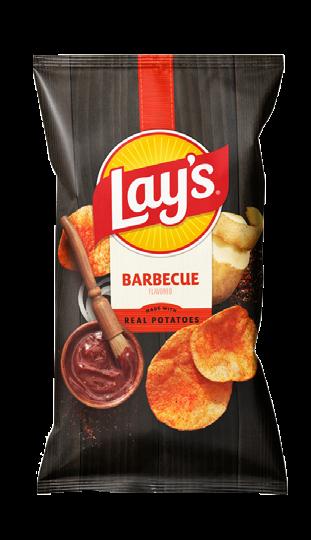
PepsiCo-owned Lay’s has announced the launch of a refreshed brand identity in India, describing it as the most significant global redesign in the brand’s nearly 100-year history.
The updated packaging will begin rolling out nationwide from the first week of March, supported by a new marketing campaign titled ‘Lay’s Ke Liye Kuchh Bhi’, fronted by Bollywood actor Ranbir Kapoor.



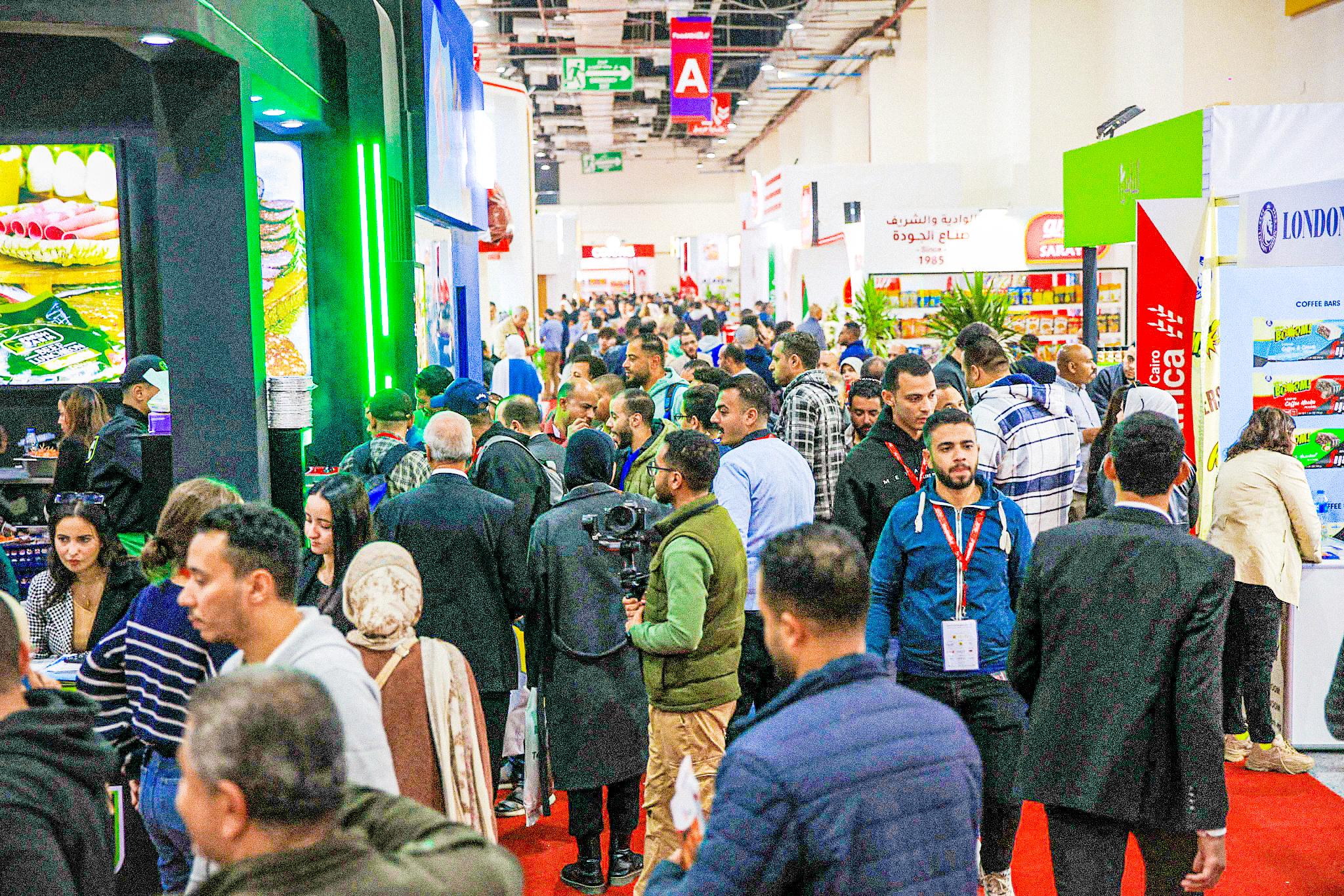
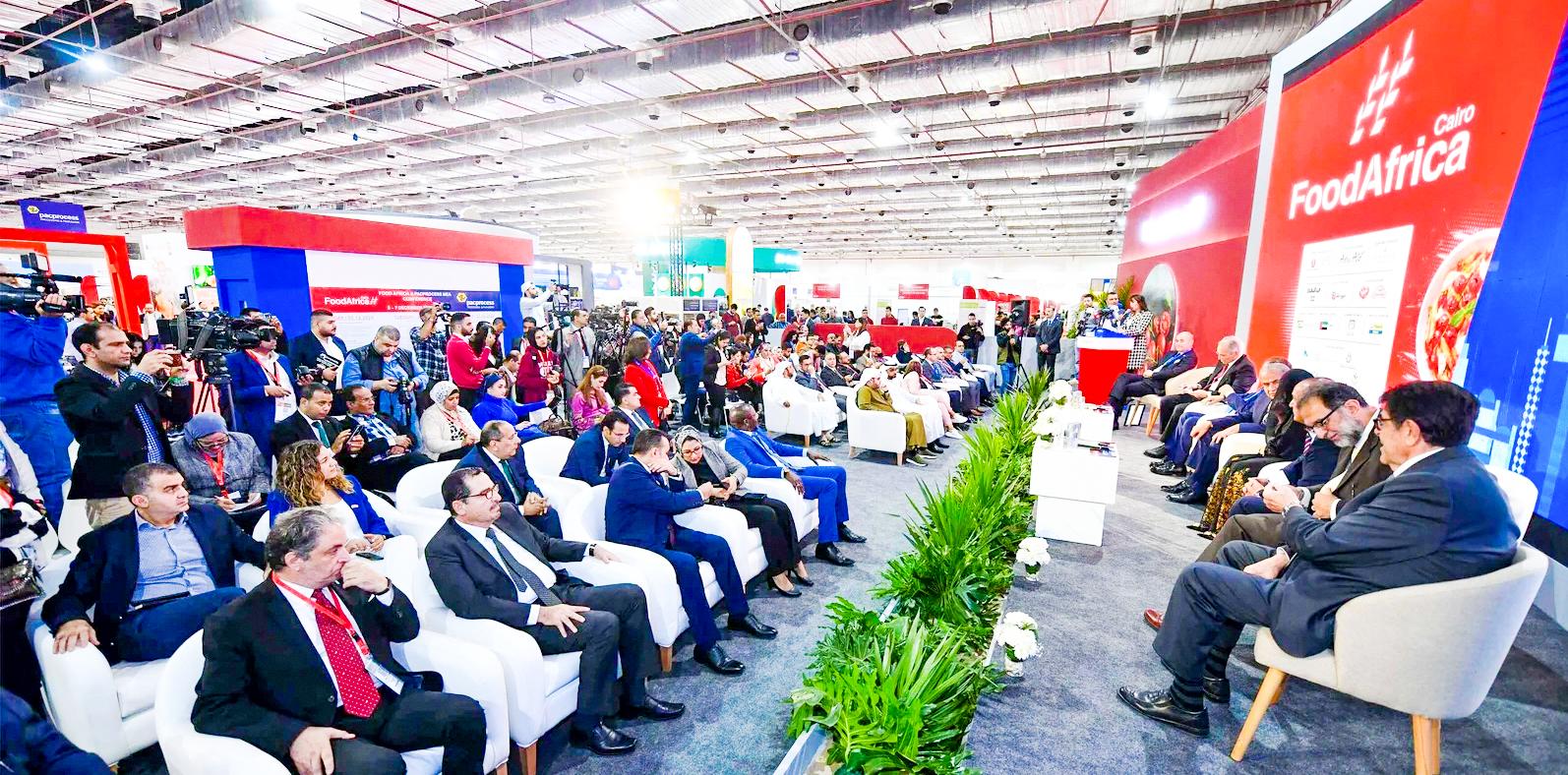
Food Africa and pacprocess MEA 2025 wrapped up successfully at the Egypt International Exhibition Center (EIEC) following four days of intensive business engagement from 9–12 December 2025. Co-organised by Konzept, IFP Egypt and Messe Düsseldorf, the co-located exhibitions reinforced Egypt’s role as a regional trade and manufacturing hub for Africa and the Middle East.
The official opening was attended by senior government representatives, including Deputy Prime Minister for Industrial Development and Minister of Transport and Industry Kamel Al-Wazir, underscoring the strategic importance of the food and industrial sectors to Egypt’s economic growth agenda.
The 2025 edition marked the largest international participation to date, with more than 1,200 exhibitors from 45 countries spanning Europe, Asia, the Middle East, Africa and the Americas. The events provided an integrated platform covering the full value chain—from
food production and ingredients to processing, packaging and export solutions.
Celebrating its 10th edition, Food Africa strengthened its position as a leading B2B food and beverage exhibition on the continent. Running alongside it, pacprocess MEA, in its sixth edition, showcased advanced processing, packaging, automation and printing technologies tailored to regional markets.
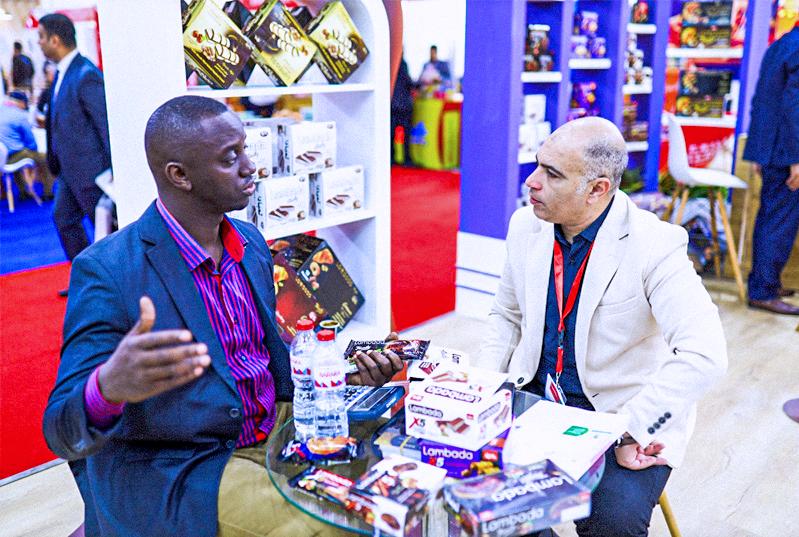
Key features included a Hosted Buyers Programme that brought over 500 pre-qualified international buyers, as well as a digital B2B Matchmaking Platform facilitating structured meetings and long-term partnerships. A specialised conference programme addressed sustainability, export strategies, food innovation and market trends, while the SAVE FOOD Design & Sustainability Awards highlighted circular packaging solutions.
Organisers also announced that pacprocess MEA will rebrand as interpack MEA from 2026, aligning it with the global interpack alliance. The next co-located edition of Food Africa & interpack MEA will take place from 7–10 December 2026 at EIEC in Cairo.

BY ALPHONSE OKOTH
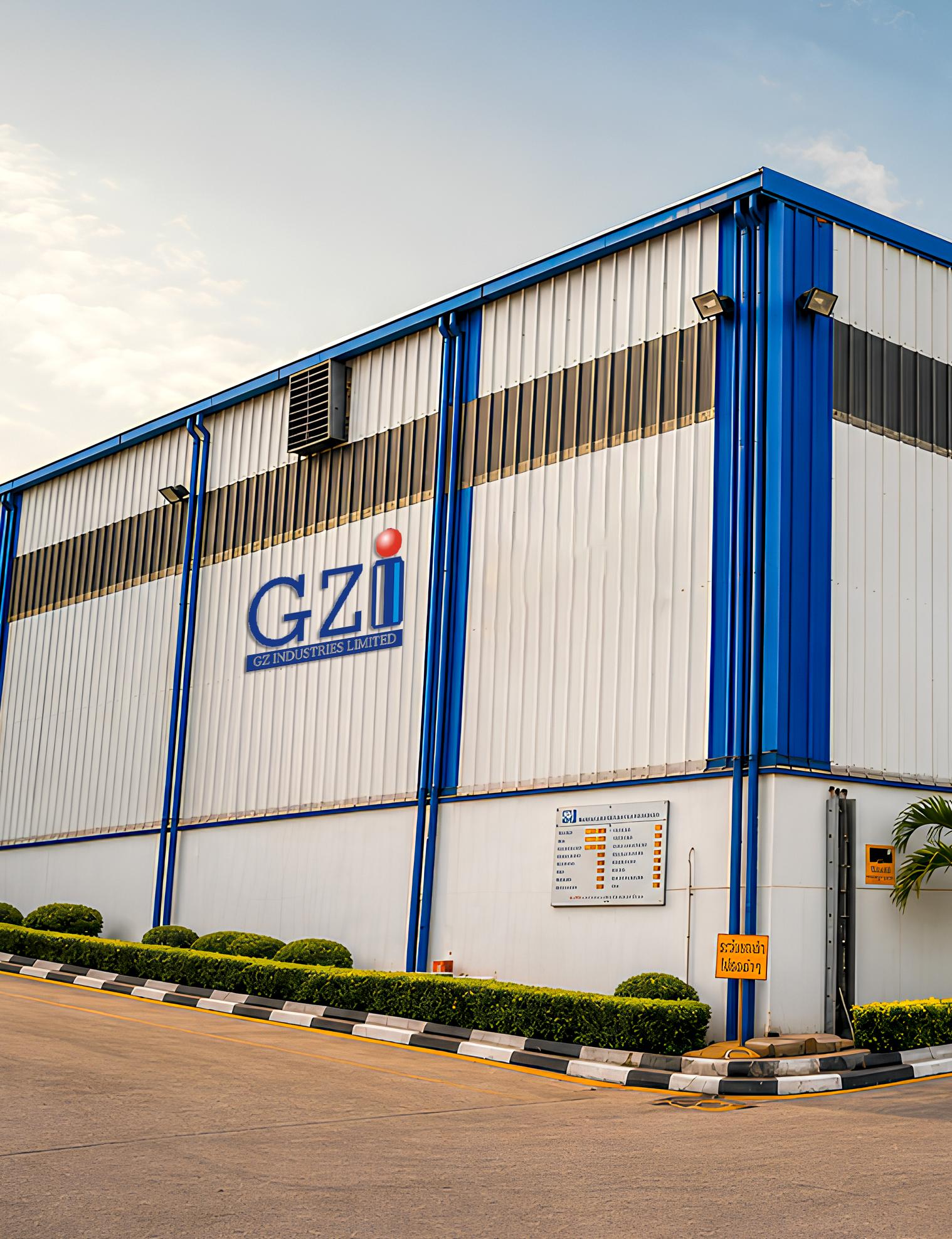
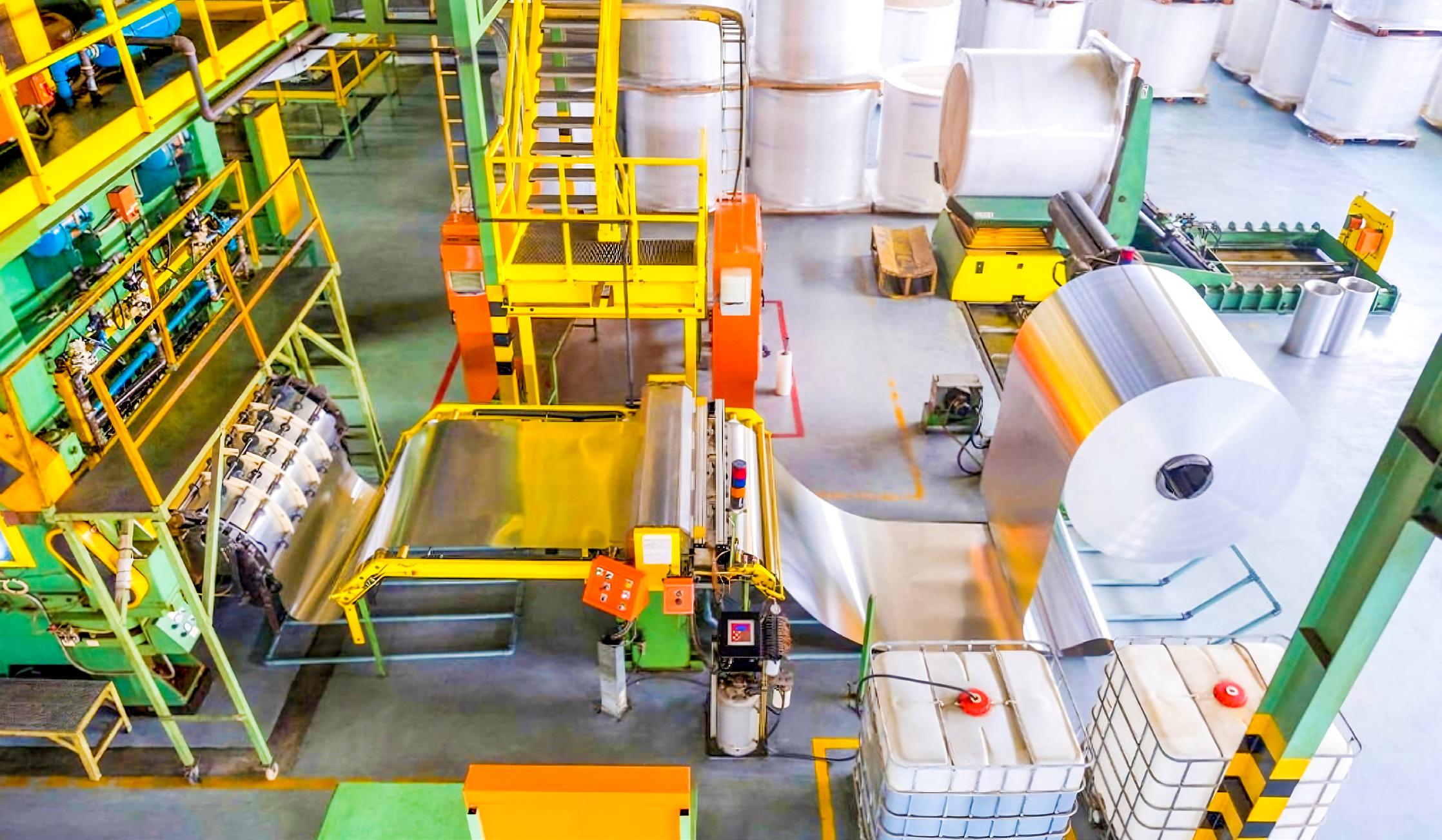
On the factory floor in Agbara, the rhythm is relentless. Sheets of aluminium glide through high-speed presses, transforming in seconds into perfectly formed beverage cans, lightweight, uniform, and ready to be filled, sealed, and shipped. It is a process repeated millions of times each day, largely unnoticed by consumers but critical to one of Africa’s fastest-growing industries.
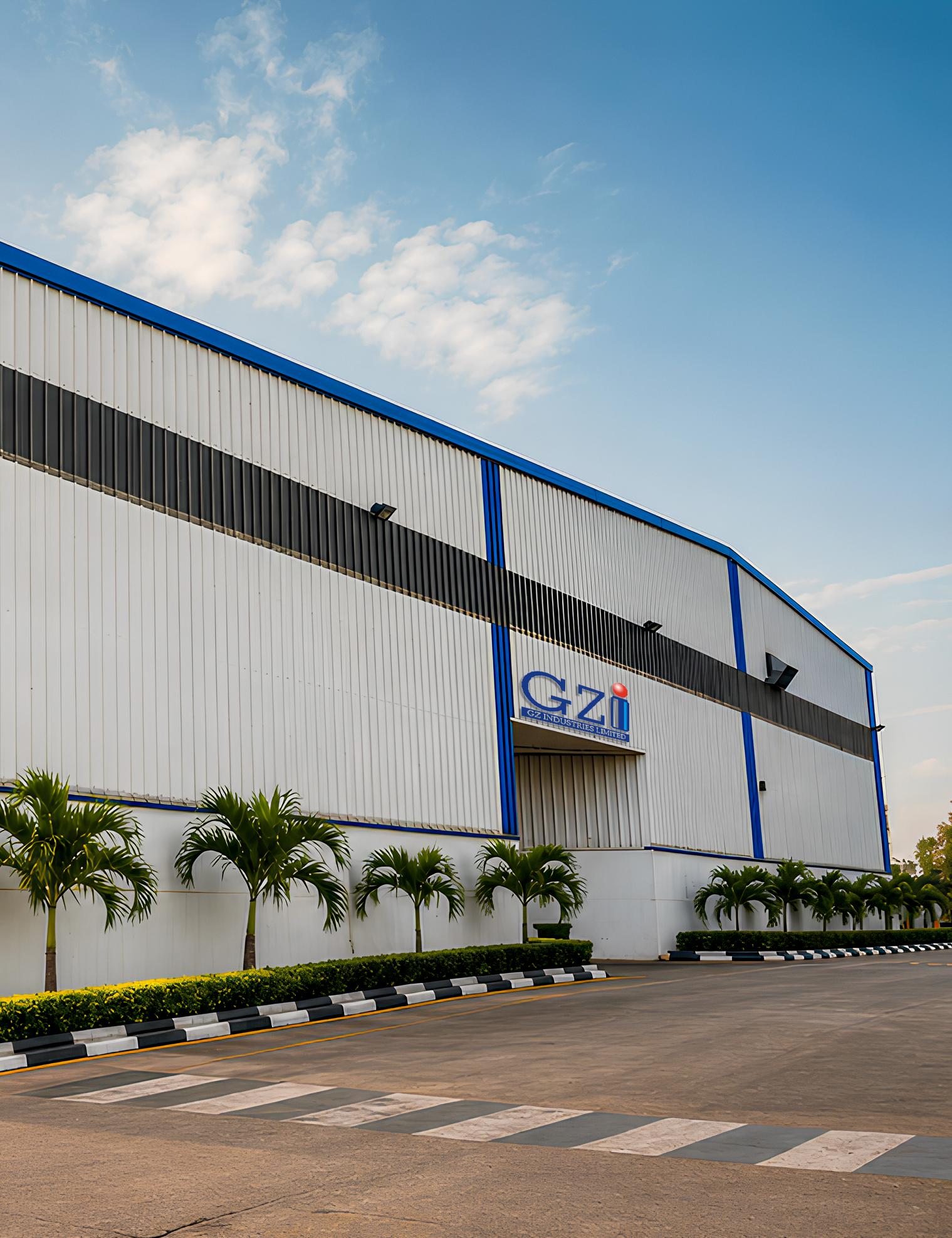
At the centre of this industrial choreography is GZ Industries, a company that has quietly become one of the most influential players in Africa’s packaging landscape. Its rise tells a bigger story, about localization, resilience, and the continent’s push to build manufacturing capacity at scale.
When GZ Industries was founded in 2006, Nigeria’s beverage sector relied heavily on imported aluminium cans. For manufacturers, this meant long lead times, exposure to currency volatility, and high logistics costs.
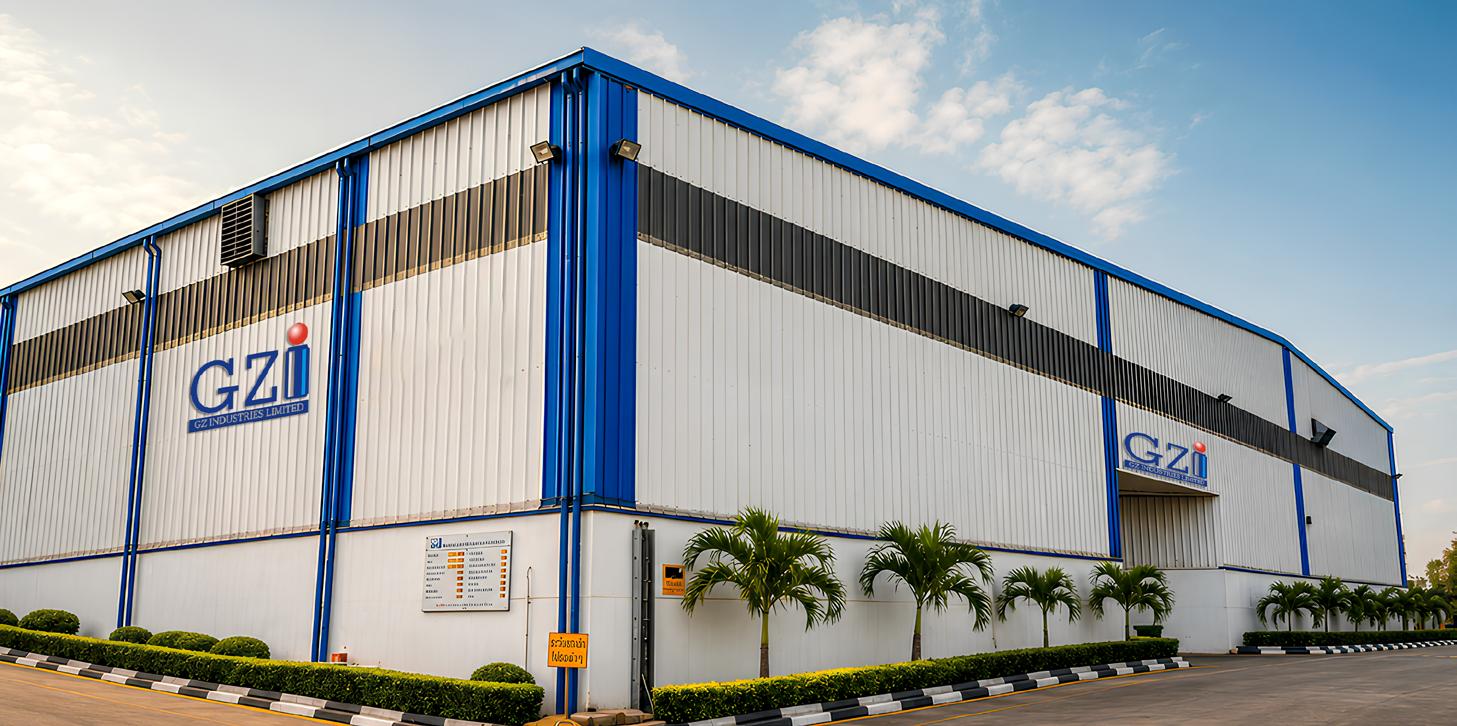
The company’s founding idea was deceptively simple: produce cans locally. Execution, however, required long-term investment. The establishment of its flagship plant in Agbara, Ogun State, marked the first major milestone, followed by continued capacity upgrades over the years. A second facility in Aba, Abia State, further strengthened its
domestic footprint, allowing the company to scale output and serve a growing base of beverage producers.
As the company expanded, it also invested in internationally recognized management systems, securing certifications such as ISO 9001 for quality management, ISO 14001 for environmental management, and ISO 45001 for occupational health and safety. These certifications not only aligned operations with global standards but also strengthened its credibility with multinational beverage clients.
What began as an import-substitution strategy quickly evolved into a platform for industrial transformation.
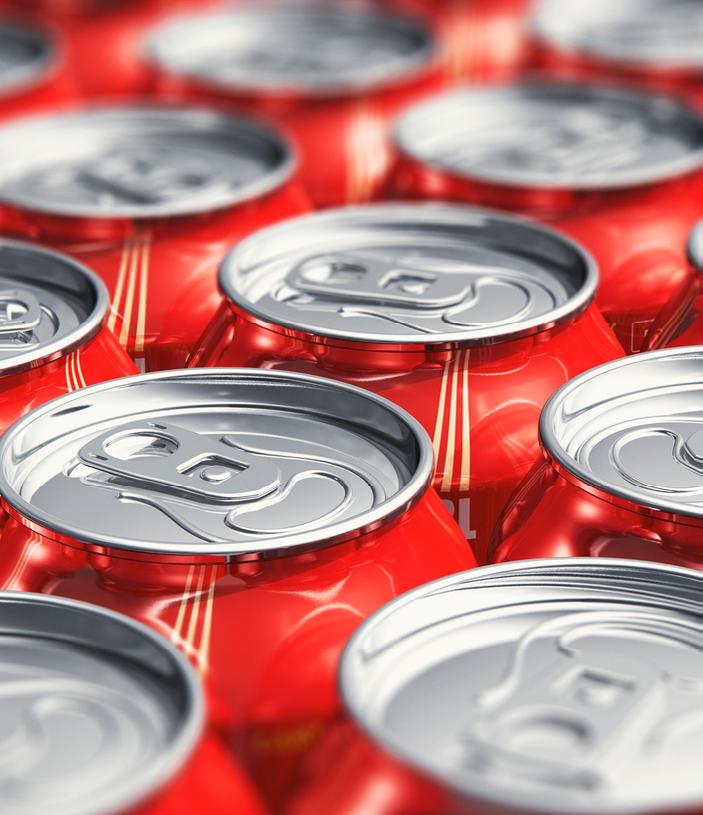
Today, GZ Industries dominates Nigeria’s aluminium can market, with estimates placing its share at over 60 percent. According to Deep Market Insights, Nigeria’s beverage can market, is valued valued at approximately US$200–250 million in 2026 and producing close to 2 billion cans annually. Out of this, GZI facilities produce around 1.8 billion cans annually, supplying a wide range of beverage manufacturers.
Yet the company’s real achievement lies in how it has transformed the operating model of the industry. By localizing production, it has shortened supply chains, reduced exposure to foreign exchange volatility, and enabled beverage companies to respond more quickly to shifting consumer demand.
This transformation has been supported by continuous
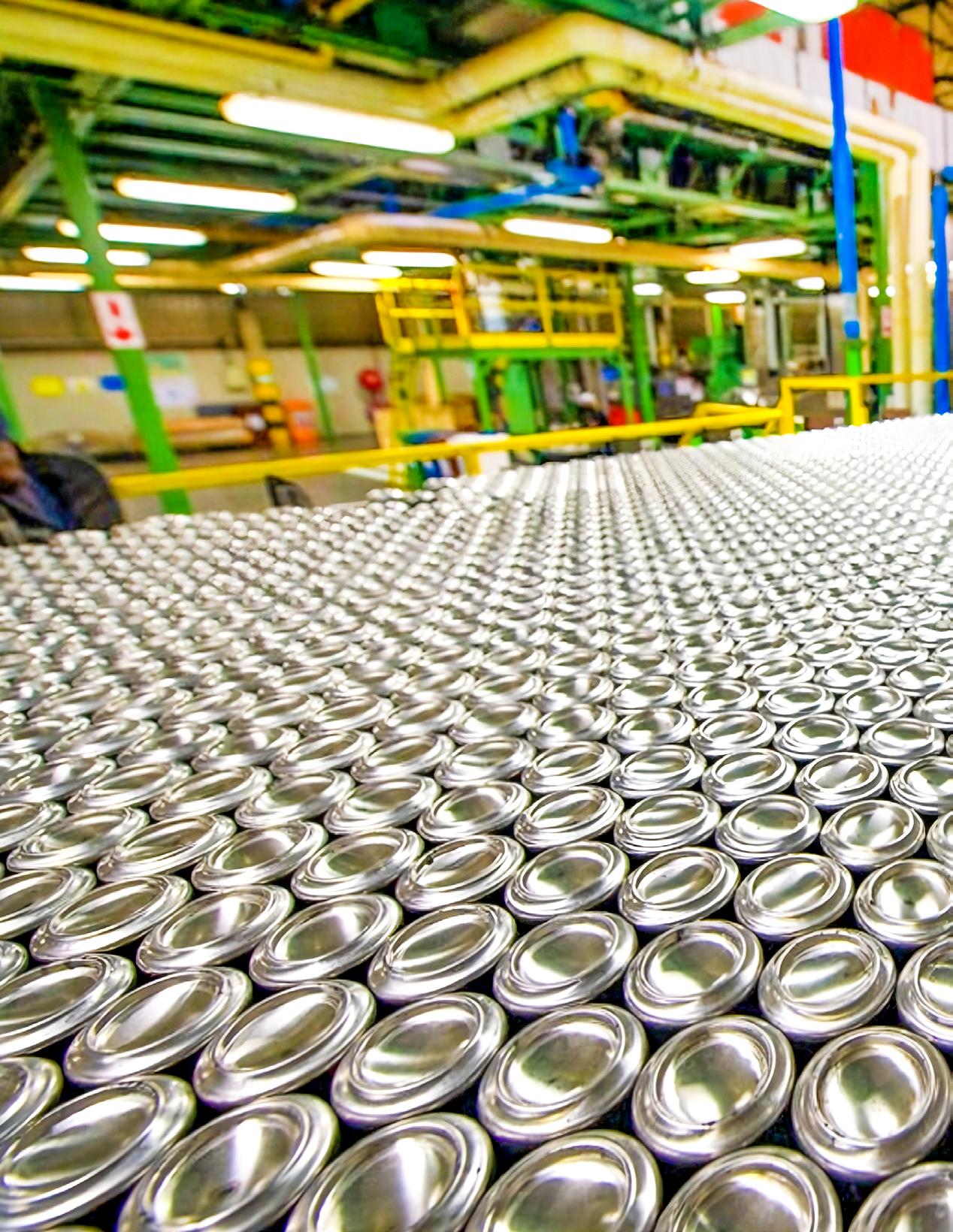
investment in high-speed production lines, advanced printing technologies, and plant automation, ensuring that locally produced cans meet the same standards as those manufactured
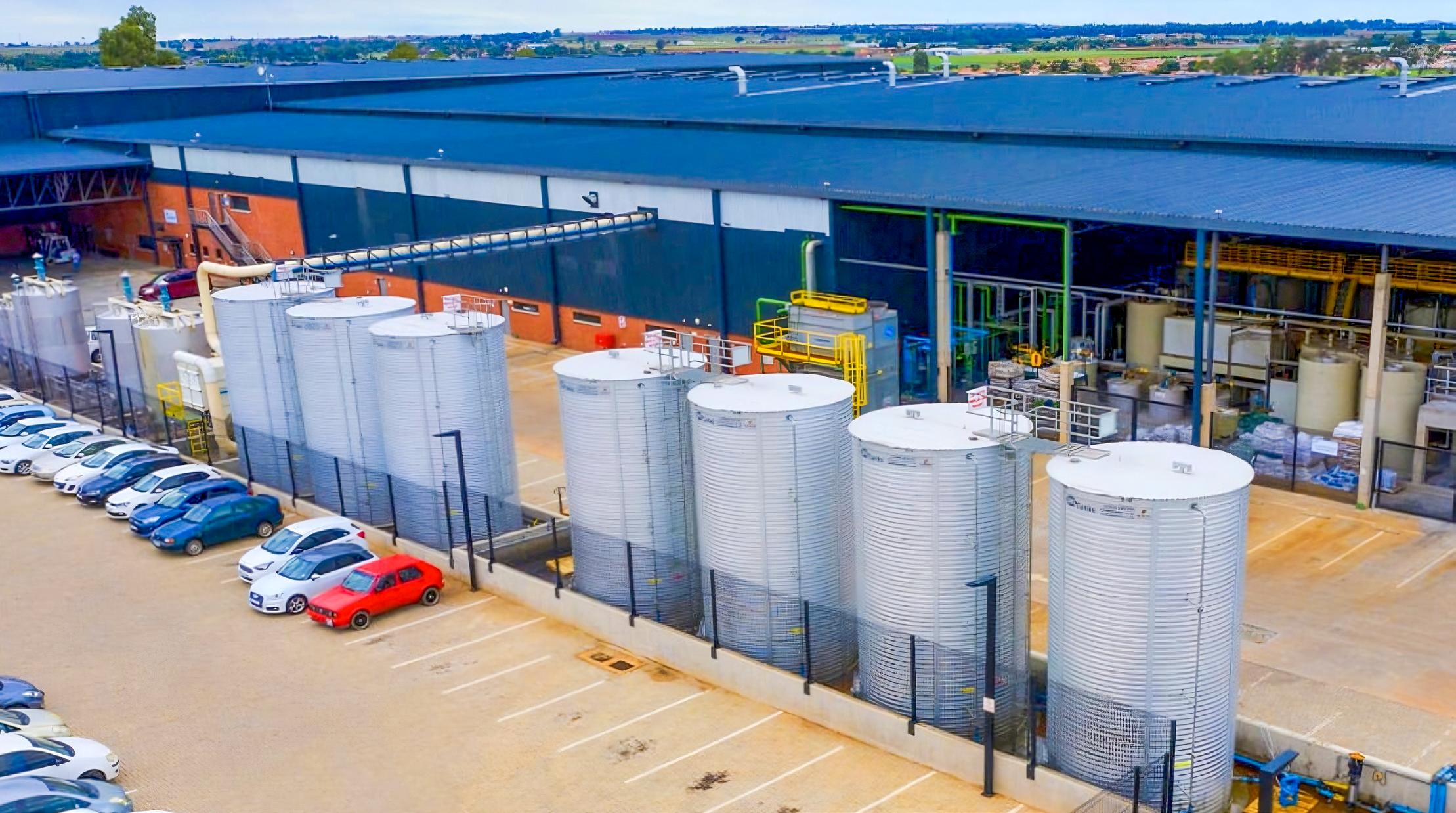
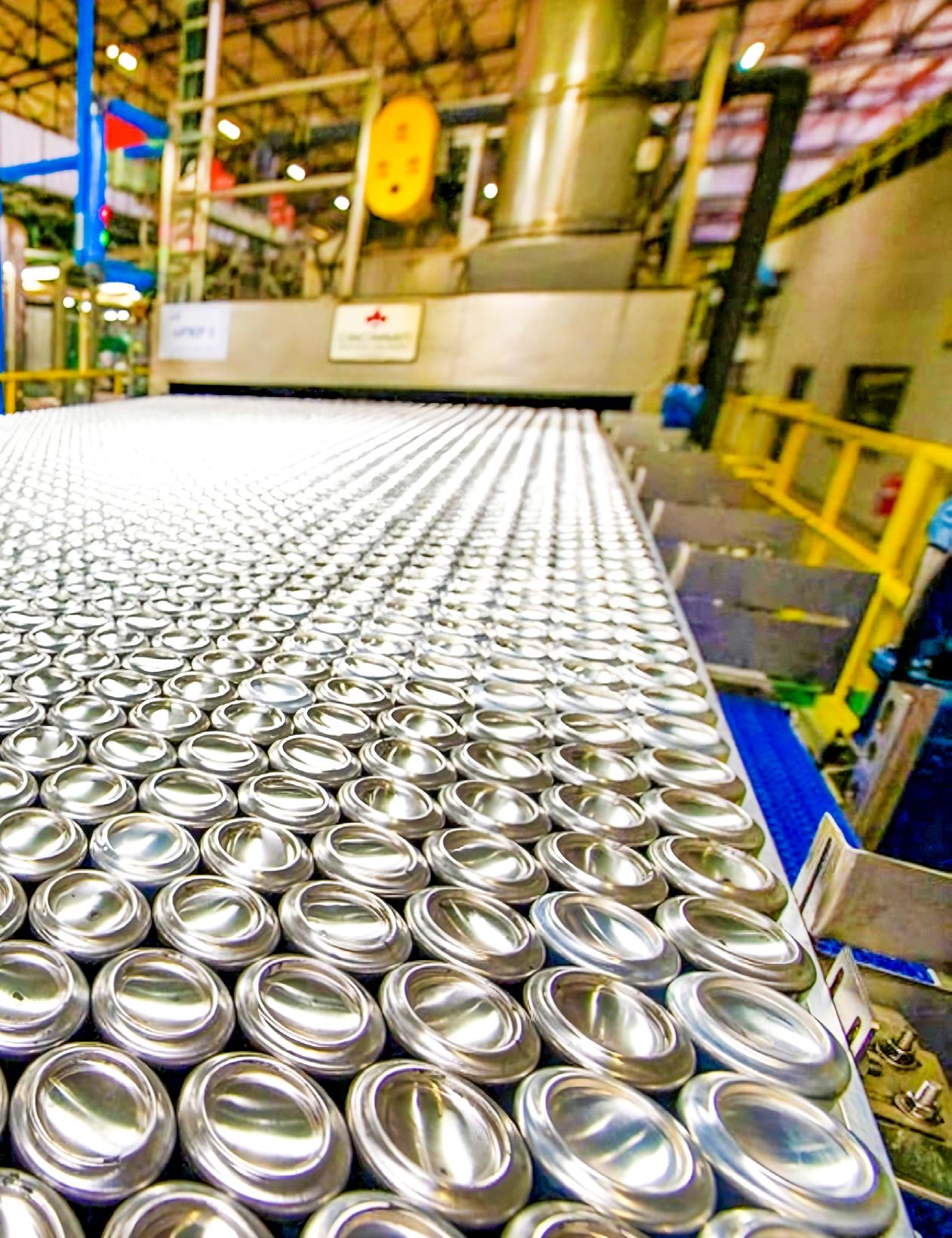
in more established global markets.
Early backing from private equity firm Affirma Capital in 2015 helped fund capacity expansion and operational improvements. This was followed by a landmark development in 2023, when Oppenheimer Partners acquired full control of the business, signalling a long-term commitment to scaling its operations across Africa.
In parallel, the company secured a multi-currency financing package from Rand Merchant Bank, combining dollar and local currency funding. This financing has supported plant upgrades, working capital optimization, and further expansion into regional markets.
These investments have enabled GZ Industries to strengthen its balance sheet while continuing to invest in capacity, technology, and geographic expansion.
While Nigeria remains its foundation, GZ Industries has steadily expanded its reach across the continent. A defining milestone came with its entry into South Africa through the acquisition and upgrade of a can manufacturing facility in Wadeville, Germiston. This move represented a significant capital investment and positioned the company within one of Africa’s most competitive packaging markets.
Subsequent investments in modernizing the South African plant, alongside capacity expansion projects, enabled GZI to rapidly scale production and capture a meaningful share of the market. Today, the company produces approximately 3 billion cans annually across its operations, with South Africa contributing significantly to this total.
These expansion efforts reflect a deliberate strategy: to build a pan-African manufacturing network capable of serving multiple markets efficiently while reducing reliance on imports.
The growth of GZ Industries has been underpinned by sustained investor confidence and strategic capital deployment.
As a key supplier to global beverage companies such as CocaCola, Heineken, and AB InBev, GZ Industries plays a critical role in enabling efficient operations across African markets.
Local production has reduced logistics costs, improved supply chain reliability, and allowed beverage companies to operate with greater agility. At the same time, the company’s investments have contributed to job creation, skills development, and the growth of supporting industries.
Its adherence to international certifications and operational standards has further reinforced its position as a trusted partner to multinational clients, bridging the gap between local manufacturing and global expectations.
Manufacturing in Nigeria presents persistent challenges, from infrastructure limitations to energy constraints and currency volatility. Despite these hurdles, GZ Industries has continued to scale its operations.
Part of this resilience lies in its ongoing investments in efficiency and reliability, including energy optimization initiatives and process improvements designed to maintain consistent output. These efforts, combined with strong customer relationships and financial backing, have enabled the company to navigate a complex operating environment.
1.8B
CANS PRODUCED
ANNUALLY BY GZI
In doing so, GZ Industries has demonstrated that large-scale industrial production in Africa is not only possible but increasingly competitive.
Sustainability has become a defining theme in the global packaging industry, and GZ Industries is leading the charge by combining material advantage with a long-term environmental strategy.
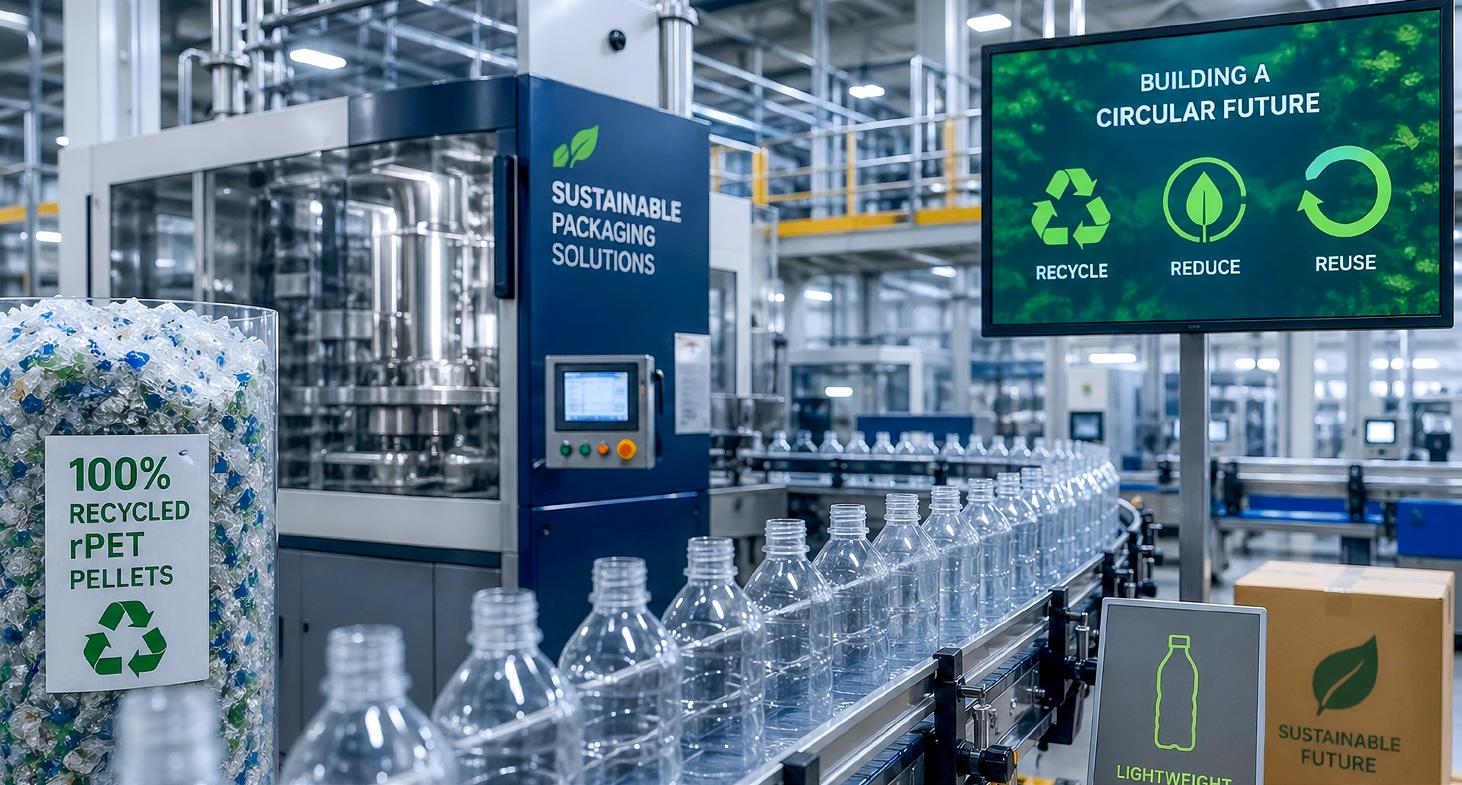
At the core of its approach is aluminium itself, a material uniquely suited to circularity. Its ability to be recycled indefinitely without quality loss makes it ideal for sustainable packaging. In African markets, where formal recycling systems are still developing, aluminium’s value drives collection and reuse, creating a practical path toward circularity.
GZ Industries has reinforced this with international standards, including certification from the Aluminium Stewardship Initiative (ASI), which promotes responsible sourcing, production, and stewardship of aluminium. This complements its ISO certifications and aligns operations with global ESG expectations. As of September 2023, its Nigerian and South African
operations used 84.2% and 56.1% recycled content respectively, surpassing previous targets and demonstrating tangible progress.
Beyond material choice, the company is advancing a comprehensive Net Zero roadmap. It aims to halve Scope 1 and 2 greenhouse gas emissions intensity by 2030, with a longer-term goal of net-zero emissions by 2040. Progress is already evident: through renewable energy integration, process optimization, and efficiency improvements, emissions intensity has fallen by 14% since 2022. Key initiatives include solar energy deployment, reduced fossil fuel use, and upgraded production equipment to minimize energy consumption.
Water stewardship is another priority. GZ Industries targets 50 litres per 1,000 cans by 2030, building on a 36% reduction achieved in 2023. Process innovations such as advanced washers, mass balancing, and improved flow control support this goal, with a long-term ambition of zero liquid discharge.
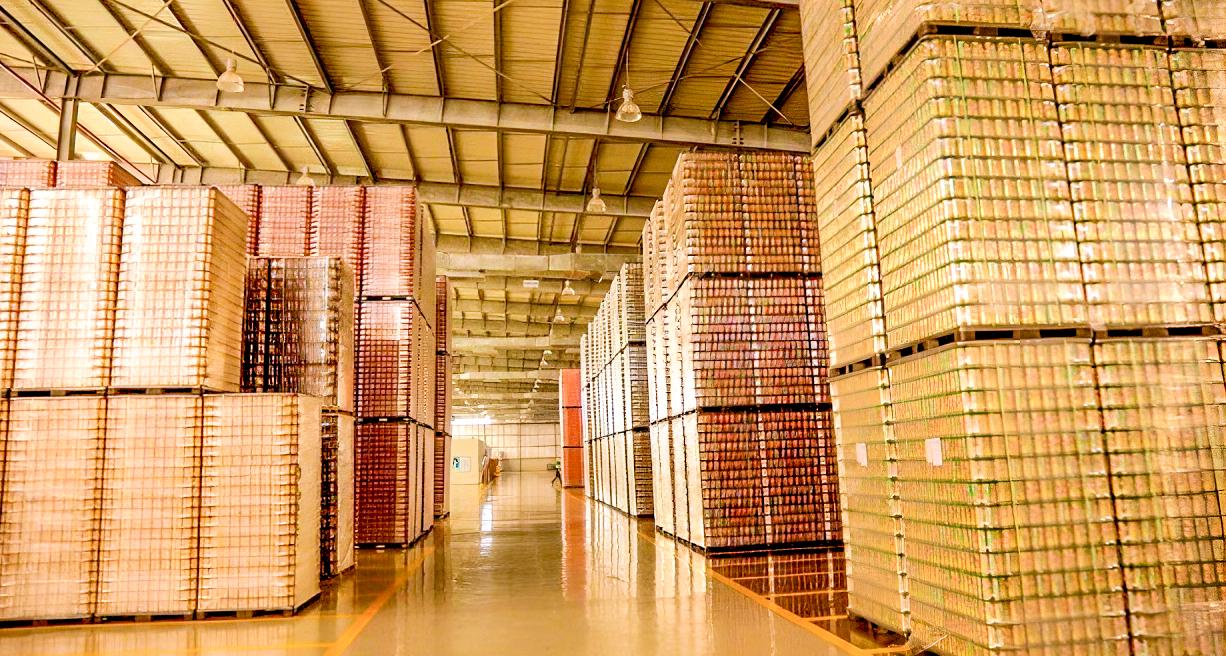
Material efficiency and waste management reinforce the company’s circular strategy. Over 75% recycled aluminium content and a 50% reduction in waste to landfill by 2030 are supported by enhanced segregation, scrap recycling, and investment in waste technologies.
Social responsibility and workforce inclusion complement environmental efforts. GZ Industries is focused on improving gender balance, expanding employment for people with disabilities, and maintaining a zero lost-time injury goal.
Looking to 2040, ambitions expand further: 100% recycled content, zero waste to landfill, and zero water abstraction intensity, supported by renewable energy, carbon offsets, and nature-based solutions adapted to African ecosystems.
Across West Africa, GZ Industries is playing a pivotal role in transforming the packaging landscape. Through sustained investment in manufacturing capacity and regional distribution, the company has reduced dependence on imported packaging materials. This shift has lowered costs, improved product availability, and enabled faster innovation within the beverage sector.
Its ability to supply multiple markets from a regional base has also strengthened trade links and contributed to a more integrated industrial ecosystem, one that is less reliant on external supply chains and more resilient to global disruptions.
The company’s growth is closely aligned with Africa’s broader economic trajectory. Rapid urbanization, population growth, and rising incomes are driving increased consumption of packaged goods, particularly beverages.
For GZ Industries, this represents a sustained growth opportunity. Aluminium cans, with their convenience, durability, and strong branding potential, are well suited to this evolving consumer landscape.
This alignment between demographic trends and industrial capability positions the company for continued expansion in the years ahead.
Looking forward, GZ Industries is expected to continue investing in production capacity and technological advancement. Ongoing upgrades to manufacturing lines, combined with potential new plant developments, will be key to meeting rising demand.
At the same time, the company is likely to deepen its sustainability efforts, building on its ASI certification and ISO standards to further reduce environmental impact and enhance circularity.
As regulatory frameworks evolve and sustainability expectations increase, GZ Industries has an opportunity to take a leadership role in shaping the future of packaging in Africa.
The story of GZ Industries is, at its core, a story of transformation. From its beginnings as an import-substitution venture to its emergence as a pan-African manufacturing leader, the company has demonstrated what is possible when long-term investment meets strategic vision.
Through continuous expansion, adherence to global standards, and a commitment to sustainability, it has moved beyond simply producing cans. It is helping to build the industrial foundations of a continent.
In doing so, GZ Industries is not just shaping the packaging industry, it is helping define the future of manufacturing in Africa.

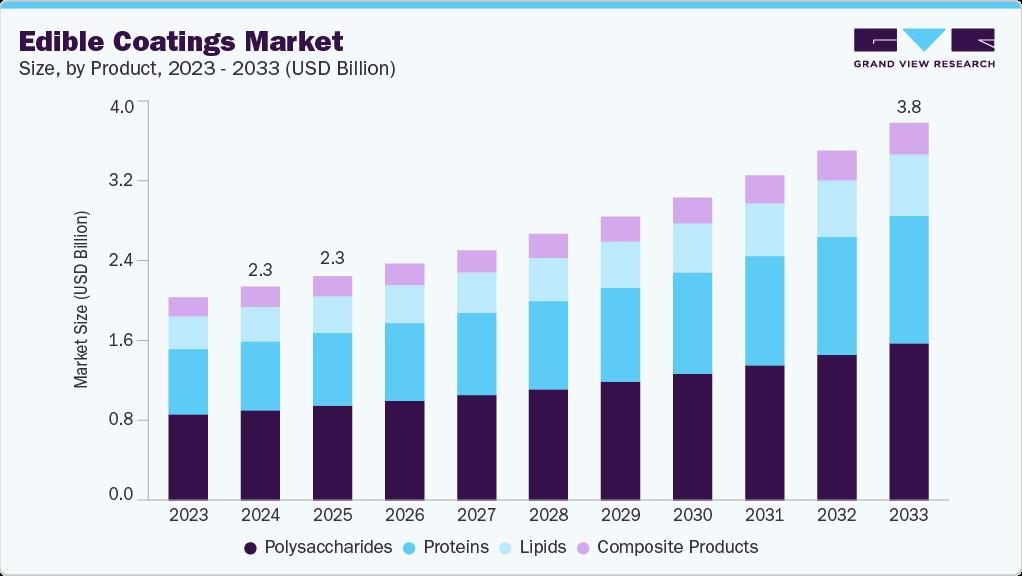
The edible coatings market has moved beyond laboratory research and into measurable commercial growth. Industry estimates valued the global market at USD 2.16 billion in 2024 with a forecast projection of between up to USD 3.8 billion and USD 5.5 billion over the next decade. Furthermore, Grand View Research estimates that fruits and vegetables accounted for 39.99 percent of global edible coating revenue in 2024, reflecting strong demand to reduce post-harvest losses and maintain export quality. At the same time, meat, poultry, and seafood represent the fastest-growing segment, projected to expand at a compound annual growth rate of 7.2 percent. These figures signal steady investor and industry interest rather than short term experimentation.
For packaging manufacturers, the rise of edible coatings intersects directly with regulatory and market pressures. Extended Producer Responsibility (EPR) schemes are expanding, placing accountability on brand owners and converters for material use and end-of-life outcomes. At
BY FRIDAH CHEPKOECH
the same time, plastic reduction policies are tightening, particularly around single-use formats. Retailers increasingly evaluate recyclability, material weight, and carbon impact during procurement.
Food waste adds further urgency. Exporters of fresh produce face rejection when shipments arrive softened, dehydrated, or spoiled, while retailers closely track shrinkage as a performance metric. Consumers, for their part, continue to demand less plastic without compromising shelf life. Edible coatings sit at the center of this tension, offering shelf-life extension at the product surface rather than through heavier packaging.

These coatings are thin, consumable layers applied directly to food surfaces. Typically derived from proteins, polysaccharides, lipids, or their blends, they act as barriers that slow moisture loss, regulate oxygen transfer, and sometimes reduce microbial activity. Importantly, they become part of the product and do not require removal before consumption. However, they are not a direct replacement for conventional packaging. In most

cases, coatings complement outer packs, which still provide protection against physical damage and contamination.
This duality raises important strategic questions for packaging manufacturers. Are edible coatings a new material category, a processing aid, or a broader food technology platform? Currently, most coatings are applied at the packhouse level using spray or dip systems after washing and grading. This places operational control with food processors rather than converters. However, integration models are emerging.
Regionally, the Middle East and Africa present a strong case for adoption. High temperatures and arid conditions drive demand for heat-stable, moisture-retentive formulations. While investment in cold-chain logistics is increasing, producers still require surface-level protection to safeguard product quality during delays. Export agriculture remains central to many economies, where even minor improvements in firmness or moisture retention can determine access to premium markets in Europe, Asia, and the Gulf.
Edible coatings offer a practical intervention. They slow ripening, reduce visible spoilage, and may allow for thinner external packaging in certain applications. In supply chains where an additional day of shelf life can determine profitability, coatings move beyond marketing claims to become operational tools.


Technical feasibility depends on integration and performance. Manufacturers must evaluate coatings against established metrics such as water vapor transmission rate and oxygen

permeability, while also ensuring mechanical integrity during handling. Scalability remains critical, as consistent thickness and coverage must be maintained at commercial volumes.
Cost structures also play a decisive role. Biopolymer inputs can fluctuate in price, and drying processes add energy costs. Adoption ultimately depends on whether shelf-life gains translate into reduced losses and improved margins.
Some research points to roll-to-roll coating systems that could allow converters to apply edible layers within existing production lines, provided they meet stringent food-grade standards and traceability requirements.
Commercially, edible coatings present both risk and opportunity. Some manufacturers see them as a potential threat to film demand, as improved surface protection may lead to thinner packaging requirements. Others view them as an enabler of hybrid solutions, combining lightweight films with surface treatments to meet both sustainability and performance targets.
Collaboration is likely to shape the path forward. Packaging manufacturers can partner with food processors or license formulations from food technology firms, creating integrated systems in which coatings and outer packaging work together. Strategic positioning will vary, with some companies continuing to refine conventional barrier materials while others invest in capabilities that extend into food science.
Industry investment signals growing confidence in this space. Ingredion has committed USD 100 million to expand starch-based specialty ingredient production, while also strengthening its distribution partnership with Univar Solutions to serve 16,000 food producers across the Benelux region. Tate & Lyle continues to build its portfolio of starch-


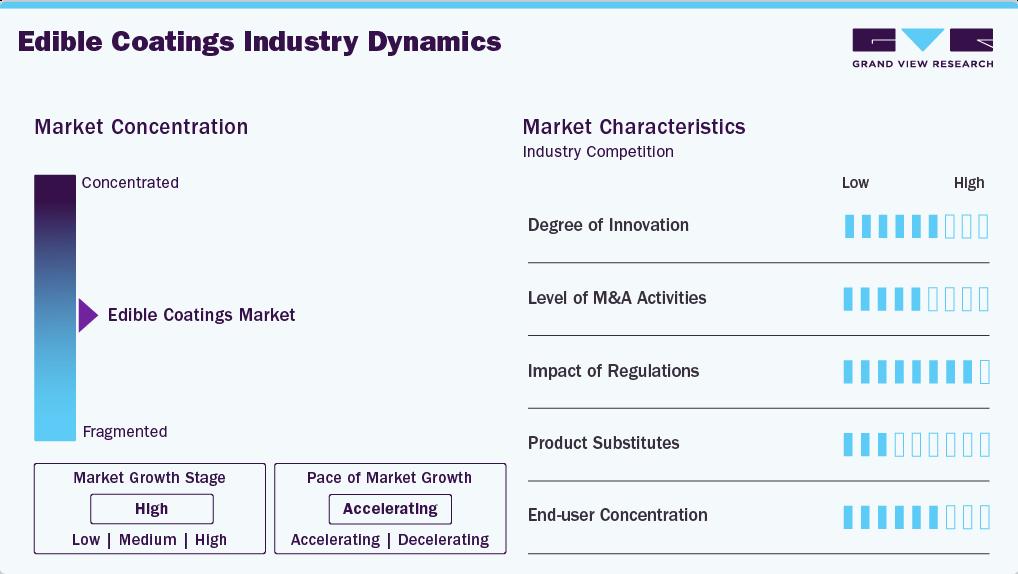
and fiber-based coating solutions aimed at moisture control and shelf-life extension. These developments highlight a broader shift toward bio-based surface technologies.
Despite this momentum, challenges remain. Food safety regulations impose strict requirements for materials in direct contact with food. Protein-based coatings may introduce allergen labeling complexities, particularly in export markets. Sensory performance is equally critical, as coatings must not alter taste, texture, or aroma in noticeable ways.
Climate stability presents another concern. A coating that performs well in controlled storage may behave differently in open markets or informal retail settings. Manufacturers and processors must test products across the full distribution chain before making claims. Clear documentation and traceability will remain essential for audit and export approval.
Edible coatings are unlikely to replace conventional packaging in the near term. Secondary and tertiary packaging will continue to play essential roles in transport and display. However, coatings offer clear value in extending shelf life for high-value perishables, particularly fresh produce.
For packaging manufacturers, the strategic question is no longer whether edible coatings are viable, but how to engage with them. Companies that build expertise in food science and surface chemistry will be better positioned to deliver integrated shelf-life solutions. As regulatory pressure intensifies and supply chains demand greater efficiency, the industry’s focus may shift from supplying materials by weight to delivering measurable performance outcomes. SPMEA





Minimalist packaging is no longer just a visual trend. It has evolved into a strategic approach that sits at the intersection of material efficiency, regulatory compliance, and shifting consumer expectations. At its core, it removes the unnecessary, excess layers, heavy inks, and decorative add-ons, and replaces them with clarity, functionality, and lifecycle efficiency.
But today’s minimalism goes deeper than aesthetics. It is engineered simplicity: mono-material structures, lightweight formats, streamlined production, and even digitally enabled surfaces. For packaging professionals, the challenge is not about reducing value, but about designing it more intelligently.
Several global brands demonstrate how minimalism now operates at both visual and structural levels. The Ordinary – a skincare brand under DECIEM, for instance, disrupted the beauty sector with its clinical white packaging, simple typography, and direct ingredient labeling. Beneath that clean look lies a system built on standardized components and minimal decorative treatments, enabling efficient, scalable production.
SK-II applies a similar philosophy in premium skincare, using clean layouts and controlled color palettes to maintain a luxury feel while reducing print complexity. In food and beverage, Boxed Water Is Better aligns its paper-based cartons with a restrained design language that reinforces its sustainability message.
Even large-scale players are adopting this approach. McDonald’s simplified packaging graphics across multiple markets, reducing visual clutter to bold colors and essential identifiers. The result was not just a modernized look, but improved consistency across SKUs and more efficient production processes.
Across these examples, minimalism delivers measurable outcomes, better supply chain efficiency, reduced printing requirements, and stronger brand coherence.
The rise of minimalist packaging is backed by strong market signals. The global sustainable packaging market is projected to exceed US$600 billion by the early 2030s, reflecting tightening regulations and growing ESG commitments. Minimalist formats, lighter, simpler, and easier to recycle, naturally align with these demands.
Consumer behavior reinforces this shift. Research shows that while



shoppers increasingly prioritize sustainability, they also expect transparency. Overly complex packaging or unclear environmental claims can erode trust. Minimalist packaging, when paired with clear communication, addresses both concerns.
Regulation is also accelerating change. Europe’s upcoming Packaging and Packaging Waste Regulation (PPWR) is pushing companies toward design-for-recyclability, while export-driven markets in Asia-Pacific are aligning with these standards. For converters, this translates into rising demand for mono-material solutions, reduced ink coverage, and simplified packaging structures.
Simplicity must not come at the expense of performance. Advances in material science are making it possible to achieve both. Companies like Amcor are developing mono-material flexible packaging that replaces complex laminates while maintaining barrier properties. Mondi’s recyclable paper-based and mono-material solutions follow a similar path, combining protection with simplified structures.
In rigid packaging, lightweighting remains a key strategy. Berry Global has reduced resin use across containers without compromising strength, showing how even small material reductions can scale into significant cost and carbon savings.
Fiber-based innovation is also gaining ground. Stora Enso is investing in barrier technologies that allow paper to replace plastic layers in food packaging. These solutions simplify material composition while improving recyclability.
For packaging engineers, the message is clear: minimalism works only when supported by strong material science. Without performance, simplicity becomes a risk rather than an advantage.
Minimalist packaging does not remove information, it reorganizes it. Advances in digital printing from companies like HP Indigo and Xeikon allow brands to maintain clean designs while embedding variable data, QR codes, and traceability features directly onto packaging.
This is particularly valuable in sectors like pharmaceuticals and premium food and beverages, where information requirements are high. Instead of crowding the pack, brands can shift detailed content, such as sourcing data, recycling instructions, or carbon disclosures, into digital channels.
This hybrid approach keeps packaging visually simple while expanding its functionality, creating new opportunities for engagement without increasing material use.
The growth of e-commerce is another driver of minimalist
packaging. Brands are rethinking secondary and tertiary packaging to reduce waste and improve logistics efficiency. Right-sized boxes, reduced void fill, and optimized carton designs all contribute to lower shipping costs and emissions.
Programs like Amazon’s Frustration-Free Packaging have influenced suppliers to adopt simpler, recyclable-ready formats. Direct-to-consumer brands, especially in beauty and wellness, are also embracing minimalist unboxing experiences, replacing excessive layers with precise structural design and high-quality materials.
The outcome is clear: less material, better protection, and more efficient transport.
Minimalist packaging also shapes how consumers perceive products. Clean designs reduce cognitive load, making it easier for shoppers to process information and make decisions quickly. Studies show that products seen as sustainable and transparent often enjoy stronger customer loyalty, especially among younger consumers.
At the same time, minimalism is becoming a tool for premiumization. Simple layouts, generous white space, and restrained typography can signal sophistication and confidence. What was once associated with luxury brands is now being adopted by mass-market players looking to elevate their positioning. This creates a powerful dynamic, lower material use paired with higher perceived value.
Regulatory frameworks are reinforcing the move toward minimalist packaging. Extended Producer Responsibility (EPR) schemes, recycled-content mandates, and stricter waste regulations are making complex packaging formats increasingly risky.
Mono-material designs and simplified structures offer a clearer path to compliance and recyclability. Companies that adopt these approaches early can avoid costly redesigns while staying ahead of regulatory demands.
Minimalist packaging reflects a broader shift in the industry, from complexity to intentional restraint. It aligns sustainability goals with operational efficiency, supports regulatory compliance, and enhances brand clarity.
For packaging professionals, simplicity is no longer just a design choice. It is an engineering discipline and a business strategy. Brands that embrace it effectively will not only reduce costs and environmental impact but also build stronger connections with consumers.
In this new phase of packaging innovation, less is not a compromise. It is a competitive advantage. SPMEA

How regulatory shifts in Africa and the Middle East are redefining packaging policy
BY ALPHONSE OKOTH
By 2026, Extended Producer Responsibility (EPR) is no longer a pilot concept in emerging markets; it is becoming embedded in the cost of doing business. From Europe’s far-reaching Packaging and Packaging Waste Regulation (PPWR) to the first packaging EPR pilot in the United Arab Emirates, regulatory frameworks are tightening and reshaping how packaging is designed, financed, collected, and recycled.
For Africa and the Middle East, this transition presents both pressure and opportunity. As Telly Chauke, CEO of South Africa’s Petco, notes, EPR has evolved from a “producer pays” principle into “a strategic instrument for global competitive positioning.” In this context, compliance is no longer enough— EPR is increasingly tied to competitiveness and market access.
Europe continues to set the regulatory pace. The PPWR, which becomes directly applicable law in August 2026, introduces recyclability performance grades, mandatory recycled content targets for plastics, harmonized labelling, and stricter waste export controls.
Although regional in origin, its implications are global. Exporters from Africa and the Middle East supplying food, beverages, and FMCG products to the EU must align with PPWR requirements. This means packaging design decisions in cities like Nairobi, Cairo, or Dubai must increasingly reflect standards defined in Brussels.
At the same time, global market dynamics are shifting. The United States has accelerated adoption, with seven states implementing packaging EPR laws, while China’s expansion of virgin PET production has driven down global resin prices. This has placed pressure on recycled PET (rPET), which in some markets struggles to compete with cheaper virgin materials. As a result, the economics of circularity have become more volatile and strategically significant.
South Africa remains Africa’s most advanced EPR market, operating under mandatory regulations introduced in 2021.
Multiple Producer Responsibility Organizations (PROs) oversee packaging streams, supported by a strong informal waste collection sector.
However, 2025 exposed structural vulnerabilities. Global oversupply pushed rPET prices to historic lows in the US, while Europe experienced price premiums due to supply constraints. Combined with falling virgin resin prices, recyclers faced squeezed margins and profitability challenges.
Despite this, investment continues. Extrupet’s Western Cape bottle-to-bottle facility, launched in 2025, expanded food-grade rPET capacity, reinforcing circular ambitions. Yet capacity expansion alone is insufficient when recycled materials cannot compete economically with virgin alternatives, placing pressure on EPR funding systems.
In Kenya, momentum is building following the Sustainable Waste Management Act of 2022. Producers are now required to join registered PROs and finance packaging recovery. Compliance schemes are emerging, and enforcement is strengthening to address free riding.
Kenya’s earlier policies, such as the plastic bag ban and restrictions on single-use plastics in protected areas, have laid a strong foundation. The current shift focuses on system-building: formalizing producer payments, improving traceability, and strengthening partnerships with counties and informal collectors.
However, challenges remain. Infrastructure disparities across counties, evolving data transparency, and exposure to global resin price fluctuations mirror South Africa’s realities. In both markets, ensuring all obligated producers contribute remains
central to system fairness and scalability.
Across the Gulf, recycling is transitioning from voluntary initiatives to structured regulatory systems. The UAE’s packaging EPR pilot represents a significant step toward producer-funded collection and recycling.
Saudi Arabia, under Vision 2030 and through the National Waste Management Center (MWAN), has set ambitious targets, including raising recycling rates to 81% by 2035. While comprehensive EPR legislation is still evolving, more formal frameworks are expected soon.
In Egypt, the Waste Management Regulatory Authority (WMRA) is exploring EPR mechanisms to attract private investment in recycling infrastructure. Meanwhile, Oman and Qatar are increasingly embedding circular economy principles into national sustainability strategies.
For regional brands, this evolving policy landscape demands forward planning. Packaging decisions must anticipate future requirements such as fee
modulation, recyclability standards, and recycled content thresholds.
A defining feature of Africa’s EPR systems is the integration of informal waste reclaimers. In South Africa, waste pickers are formally recognized as “the backbone of the recycling system.”
Petco’s 2026 priorities include expanding logistics grants, providing balers, improving collection routes, upgrading buy-back centres, and supporting municipal separation-atsource initiatives. This hybrid model, combining formal financing with informal collection, has delivered strong outcomes.
South Africa’s PET bottle recycling rate has exceeded 50% in recent years, significantly above the global average of around 30% reported by the OECD for plastics. However, maintaining this performance depends on stabilizing market conditions.
Chauke highlights the need for targeted support measures, including electricity relief, working-capital facilities,
and green tax incentives, to help recyclers withstand price volatility. Without such interventions, installed capacity risks underutilization during downturns.
EPR is increasingly functioning as a form of trade policy. The EU’s recyclability and recycled content requirements will influence global supply chains, affecting exporters from countries such as Kenya, Egypt, Morocco, South Africa, and the UAE. Failure to comply with PPWR thresholds could result in reduced market access.

At the same time, multinational brands are standardizing packaging requirements globally to simplify compliance, further extending the reach of EPR principles. For regional producers, this creates both challenges and opportunities. Early alignment with global standards and investment in local recycling infrastructure can enhance competitiveness. As Chauke observes, EPR is now shaping “market access, investment decisions, and trade flows.”
The next phase of EPR in Africa and the Middle East is likely to focus on stricter enforcement, improved data transparency, phased recycled content mandates, and eco-modulated fee systems that reward sustainable design.
The region stands at a turning point. If regulators balance enforcement with economic support, and if industry players treat compliance as a strategic advantage rather than a burden, the region could emerge as a leader in circular economy innovation.
EPR is no longer a distant regulatory concept. It is actively reshaping business strategies, investment decisions, and export competitiveness. The critical question is not whether EPR will define the future of packaging, but how effectively Africa and the Middle East will shape that future to fit their own
BY VINCENT MORANGA
Packaging has traditionally functioned as a passive communicator, conveying essential information such as expiry dates, recycling instructions, and regulatory details. However, unclear labelling and fragmented data systems continue to drive inefficiencies and unnecessary waste across global supply chains.
According to the Food and Agriculture Organization (FAO), nearly 1.3 billion tonnes of food are lost or wasted annually, accounting for about one-third of all food produced for human consumption. A significant share of this waste stems from misinterpreted date labels and poor supply chain visibility.
For packaging professionals in the Middle East and Africa (MEA), where food security, regulatory alignment, and waste management remain urgent priorities, smart labelling technologies are emerging as practical enablers of circular economy strategies. These solutions transform packaging into traceable, data-rich assets.
RFID: ENABLING TRACEABILITY AND OPERATIONAL EFFICIENCY
Radio-frequency identification (RFID) is among the most mature smart labelling technologies, enabling wireless data transmission without line-of-sight scanning. It improves inventory accuracy, reduces shrinkage, and supports automated replenishment.
Companies such as Avery Dennison (via Smartrac), Zebra Technologies, and Tageos are advancing RFID deployment across apparel, logistics, and healthcare. Retail adoption is expanding, with Walmart integrating RFID into its distribution networks. A 2023 McKinsey & Company report shows RFID systems can reduce out-of-stock incidents by up to 30% while lowering labour costs.
In pharmaceuticals, Fresenius Kabi introduced interoperable RFID labels for Diprivan (Propofol) in 2023, eliminating

manual tagging and improving medication inventory management. For MEA markets, RFID offers strong potential in export sectors like fresh produce and pharmaceuticals, where traceability and compliance are essential.
Near Field Communication (NFC), a subset of RFID, allows consumers to access digital content by tapping smartphones on packaging. Unlike QR codes, NFC enables encrypted, real-time interaction.
Companies such as Thin Film Electronics have developed ultra-thin NFC tags, while brands like L’Oréal, Nestlé, and Coca-Cola use them for authentication, tutorials, and sustainability storytelling. Beyond marketing, NFC also supports recycling efficiency by enabling automated sorting systems to identify material compositions more accurately. This capability is particularly relevant for MEA countries investing in modern recycling infrastructure.
QR codes remain the most accessible smart labelling technology due to their low cost and compatibility with smartphones. They connect packaging to cloudbased information systems.
Major brands such as Unilever and Amazon use QR codes for supply chain transparency and sustainability disclosures. In emerging markets, QR codes are increasingly linked to Digital Product Passports (DPPs), which store lifecycle data to support regulatory compliance and Extended Producer Responsibility (EPR) requirements.
In South Africa, Pyrotec PackMedia’s multi-page leaflet and “Butterfly Labels” demonstrate hybrid labelling approaches, combining expanded physical content with QR-enabled traceability to meet complex regulatory demands without increasing pack size.
Sensor-enabled smart labels are gaining traction in pharmaceuticals and perishable goods, where environmental conditions directly affect product quality.
Collaborations such as Identiv and InPlay Technologies have developed BLE-enabled labels for
real-time monitoring. Schreiner MediPharm offers solutions that track tampering, batch numbers, and expiry data. Fresenius Kabi’s RFID-enabled Diprivan labels further illustrate advancements in automated inventory management.
For MEA’s growing pharmaceutical manufacturing base, particularly in Egypt, South Africa, and Saudi Arabia, these technologies enhance cold-chain compliance and anti-counterfeiting measures.
According to Mordor Intelligence (2024), smart label demand is driven by retail automation, anticounterfeiting, and sustainability compliance. Towards Packaging projects the market will grow from US$18.18 billion in 2026 to US$47.72 billion by 2035, reflecting a CAGR of 11.32%.
Key growth drivers include eco-friendly label innovations, personalized consumer engagement, and cost reductions through miniaturization. While North America and Europe lead adoption, MEA is an emerging growth frontier, supported by policies such as South Africa’s EPR regulations, Saudi Arabia’s Vision 2030, and the UAE’s circular economy framework.

INFORMATION AS INFRASTRUCTURE
Sustainability discussions often focus on materials, but inadequate information is a hidden driver of waste. Research from the European Commission indicates
that up to 40% of food waste in developed economies occurs at the consumer level, partly due to confusion over “best before” and “use by” labels.
Smart labels address this gap through dynamic freshness indicators, clearer disposal guidance, and geo-specific recycling instructions. They also support Scope 3 emissions reporting and lifecycle analysis, increasingly required by global investors and buyers.
Despite their benefits, smart labels face adoption challenges. Cost remains a key constraint, particularly for SMEs, as advanced technologies like NFC and sensors increase packaging expenses.
Data privacy is another concern, with regulations such as South Africa’s Protection of Personal Information Act (POPIA) and evolving Gulf data laws requiring compliance. Additionally, the digital divide persists. According to GSMA (2024), smartphone penetration in parts of sub-Saharan Africa still trails global averages, making hybrid communication strategies essential.
Policy developments are accelerating adoption worldwide. The European Union’s Digital Product Passport initiative, under the Ecodesign for Sustainable Products Regulation, will require lifecycle data disclosure starting 2026–2027, impacting MEA exporters.
Extended Producer Responsibility regulations across multiple jurisdictions also demand improved material tracking and reporting, further driving the need for smart labelling solutions.
Emerging research into biodegradable electronics suggests future smart labels could combine functionality with compostability. Studies published in Advanced Materials highlight silk-protein and cellulose-based electronic substrates that dissolve without toxic residues.
By 2030, integration with IoT and artificial intelligence could enable predictive shelf-life management, automated recalls, and closed-loop logistics triggered directly by packaging data.
Smart labels are evolving from simple identifiers into critical information infrastructure for the circular economy. They improve traceability, reduce food waste, enhance recycling accuracy, and strengthen compliance.
For the MEA region, where urbanization, food security, and regulatory transformation intersect, smart labelling offers a pathway to data-driven circularity. The next phase of adoption will depend on collaboration among technology providers, regulators, and brand owners to ensure these systems remain accessible, secure, and aligned with regional development goals.












BY LEAH WAMUYU
Packaging rarely attracts praise. It is torn open, discarded, flattened, or forgotten. Yet it quietly protects medicines in transit across deserts, keeps milk fresh in humid equatorial towns, and enables e-commerce deliveries from Dubai to Dakar. Without packaging, modern trade would simply stall.
But this quiet enabler carries a growing climate cost. Globally, packaging accounts for roughly 40% of plastic waste, and plastics generate about 1.8 billion tonnes of CO₂ equivalents annually, around 3.3% of global greenhouse gas emissions, according to the United Nations Environment Programme. In the Middle East and Africa (MEA), where waste exceeds 155 million tonnes annually and recycling rates in many markets remain below 10%, the carbon impact of packaging is no longer just a waste issue. It is a materials, manufacturing and logistics challenge that runs through entire value chains.
Encouragingly, manufacturers across the region are beginning to rethink packaging—not as a disposable necessity, but as a strategic design opportunity to cut emissions and improve efficiency.
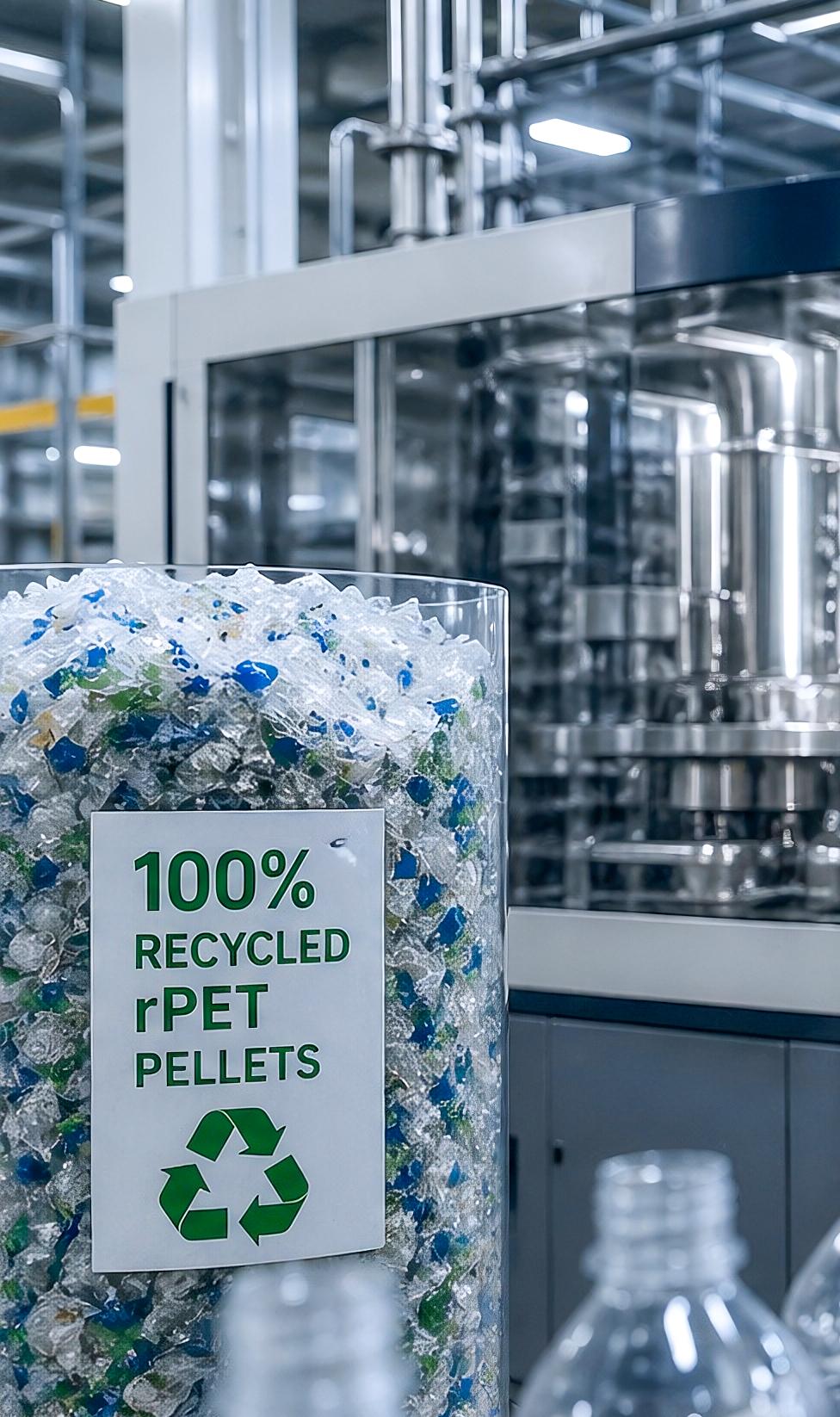
The biggest climate decisions in packaging are made at the design stage, particularly in material selection. The difference between virgin and recycled materials is substantial. For example, recycled aluminium requires a fraction of the energy needed to produce primary aluminium, resulting in dramatically lower emissions. Similar gains are seen when switching from virgin plastics to recycled alternatives like rPET.
Across MEA, companies are investing in local recycling capabilities to unlock these benefits. In Egypt, BariQ has built one of the region’s most advanced rPET operations. Over the past decade, it has recycled more than 15 billion PET bottles into food-grade pellets, saving an estimated 260,000 tonnes of CO₂. Beyond the emissions avoided replacing virgin resin, the company reduces transport-related carbon by producing rPET domestically instead of importing raw polymers.
In the UAE, Emirates Global Aluminium is expanding its recycling footprint to capture more post-consumer aluminium locally. Because secondary aluminium production
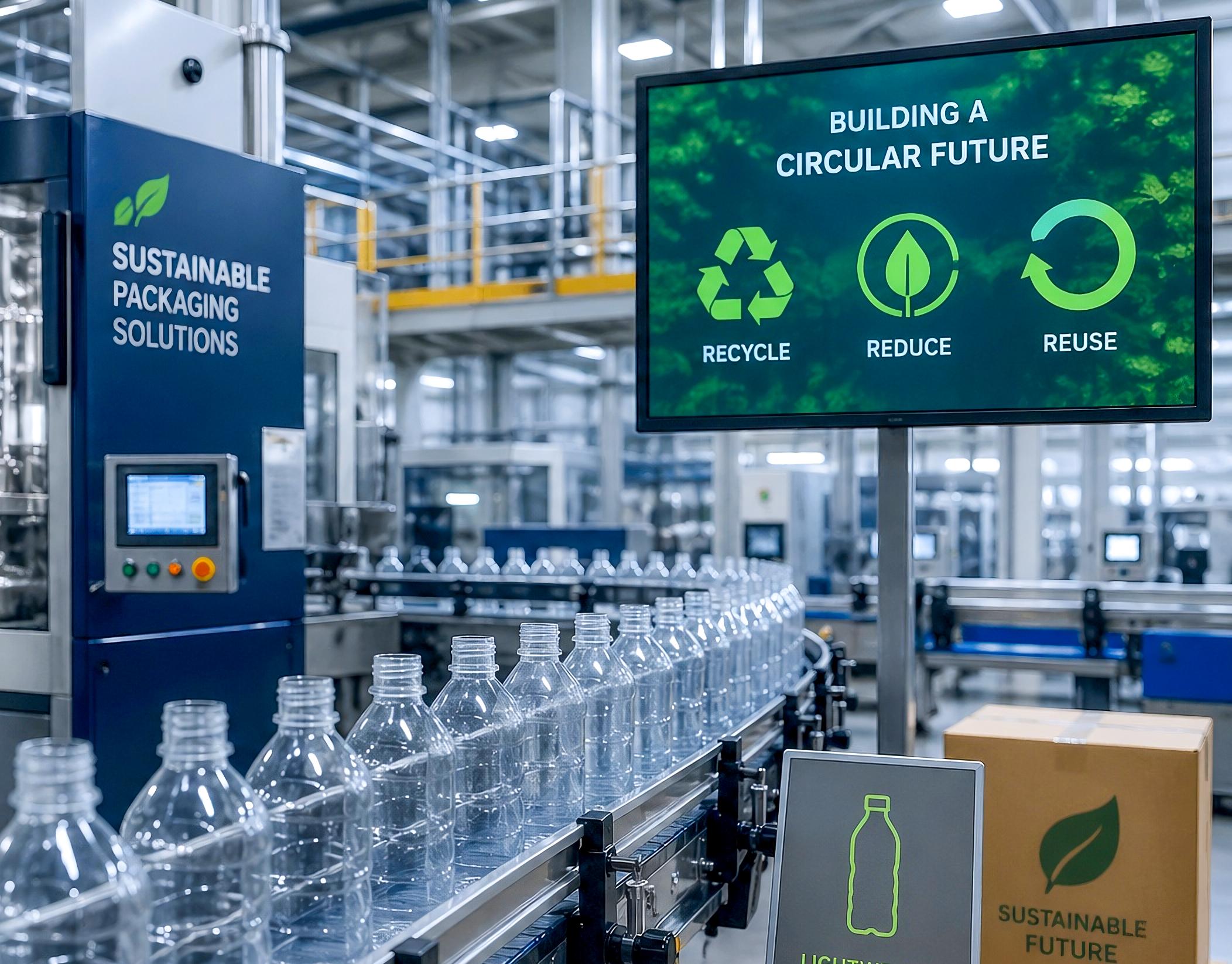
uses up to 95% less energy than primary smelting, embedding recycled content into beverage cans and closures dramatically lowers lifecycle emissions. It also shields manufacturers from volatile global commodity markets.
Beyond recycling, innovation is increasingly shaped by local conditions. In the Gulf, biodegradable materials derived from agricultural waste like date palm residues are being explored for their ability to withstand extreme heat. In West Africa, compostable packaging from cassava starch and banana fibre is gaining traction, better suited to humid environments.
These localized solutions do more than reduce plastic use, they cut transport emissions, lower dependence on imports, and align packaging design with regional climate realities.
In a region where goods often travel long distances, packaging weight has a direct impact on emissions. Road transport dominates freight movement in many African markets, making fuel efficiency a critical concern.
In East Africa, road freight accounts for about 96% of
cargo movement. Along the Northern Corridor, from the Port of Mombasa to landlocked markets, transport emissions dominate the logistics footprint. Every additional gram of packaging adds fuel demand. Lightweighting has therefore become one of the most powerful carbon levers in motion.
The global 0.5-litre PET bottle is nearly 50% lighter today than it was two decades ago. In MEA, converters are refining bottle necks, caps and preforms to reduce resin use while maintaining strength under extreme heat. These microadjustments, multiplied across millions of units, translate into substantial fuel savings.
Secondary packaging is also evolving. Kenya-based Silafrica has developed foldable returnable crates that reduce reverse logistics volume by up to 70%. These crates can complete 15–20 cycles, cutting corrugated waste and lowering the number of truck trips required for backhauls.
Similarly, switching from 25 kg wooden pallets to recycled plastic pallets weighing under 15 kg reduces shipment weight by up to 10%. For FMCG exporters operating across GCC borders, such reductions can significantly lower Scope 3 emissions.
1.8B
TONNES OF CO2 GENERATED ANNUALLY FROM PLASTIC WASTE
Even small reductions in weight, when scaled across millions of units, translate into meaningful carbon savings. In carbon-intensive logistics systems, every gram matters.
Material innovation only delivers full benefits when supported by strong local recycling systems. Exporting waste for processing abroad shifts emissions rather than reducing them and limits economic value creation within the region.
MEA is gradually building its own circular infrastructure. Facilities capable of producing food-grade recycled materials locally are helping close the loop, reducing both import dependence and transport-related emissions. At the same time, collection systems are becoming more sophisticated.
Technology is playing a role, with automated collection points improving the quality of
recyclable materials at source. However, in many African countries, informal waste collectors remain central to recycling systems. Integrating these networks into formal supply chains is essential for improving efficiency while supporting livelihoods.
A truly circular packaging system in MEA must reflect local realities, combining technology, infrastructure, and community-based solutions.
Carbon reduction in packaging is increasingly linked to water and energy use, two critical concerns in the region. Producing virgin plastic is resource-intensive, consuming large volumes of water and energy. Reducing reliance on these materials through recycling or bio-based alternatives can therefore deliver multiple environmental benefits.
New business models are also emerging.
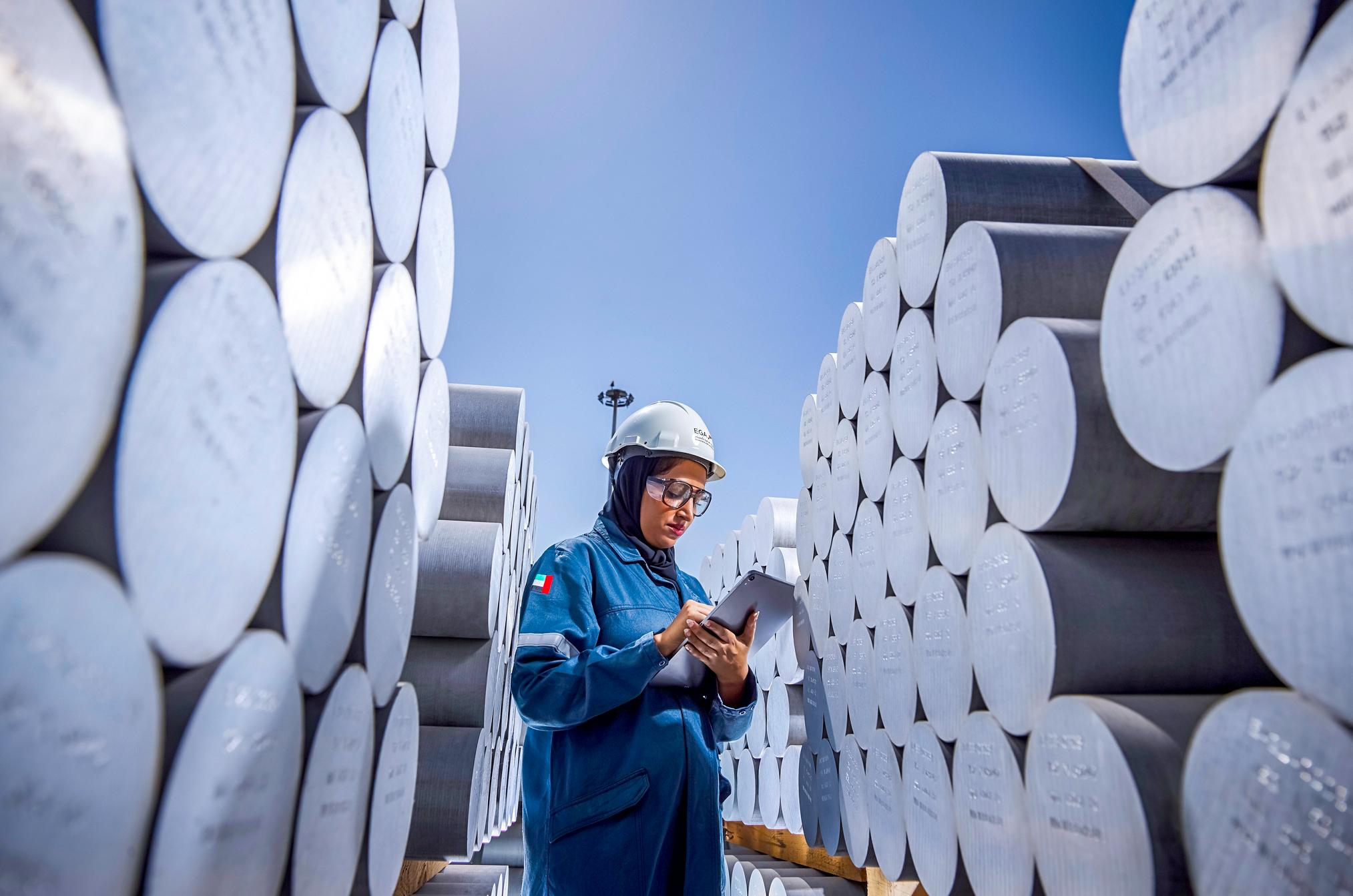
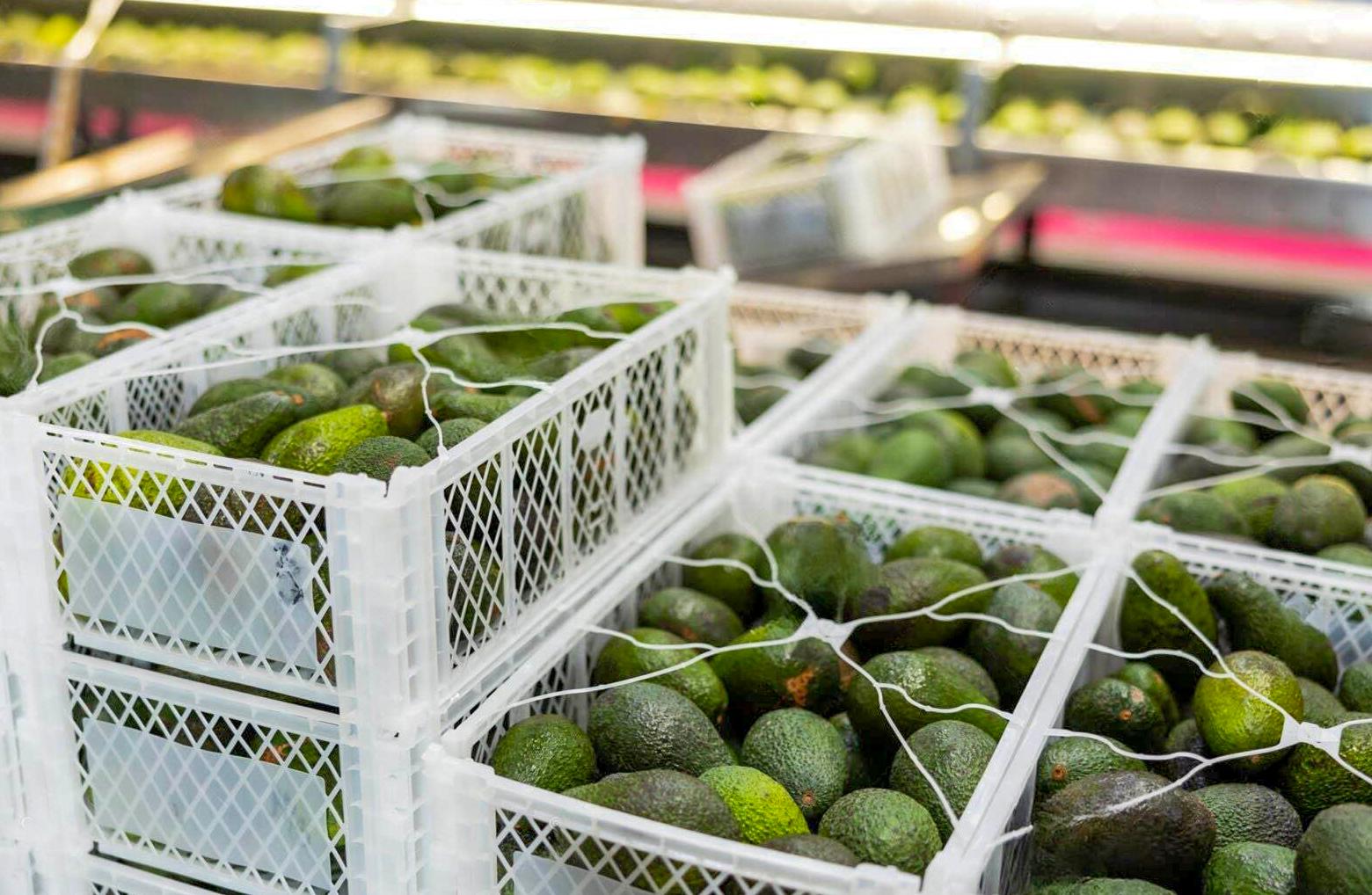
Refill and reuse systems, supported by digital technologies, offer a way to reduce single-use packaging altogether. While still developing in MEA, these models are gaining attention in urban markets seeking sustainable alternatives.
Recycling itself delivers substantial energy savings, but only when packaging is designed for it. Mono-material formats and easy-to-sort designs ensure that valuable materials are recovered efficiently rather than lost to contamination.
No decarbonization effort is credible without measurement. Frameworks such as the Greenhouse Gas Protocol and ISO 14064 allow companies to track emissions across Scope 1, 2 and 3 categories. Transparent reporting builds trust with investors, regulators and supply-chain partners.
Tetra Pak offers a useful benchmark. By increasing renewable electricity use above 90% and expanding plantbased packaging, the company achieved a 25% reduction in value-chain GHG emissions compared to its 2019 baseline. Measurement enabled strategy, and strategy drove measurable progress.
For MEA manufacturers, embedding lifecycle assessments into product development is fast becoming a competitive necessity.
Policy momentum is accelerating change. Kenya’s plastic bag ban and Extended Producer Responsibility framework,
THE BIGGEST CLIMATE DECISIONS IN PACKAGING ARE MADE AT THE DESIGN STAGE, PARTICULARLY IN MATERIAL SELECTION. THE DIFFERENCE BETWEEN VIRGIN AND RECYCLED MATERIALS IS SUBSTANTIAL.
alongside the UAE Circular Economy Policy and Saudi Vision 2030, are reshaping producer responsibilities. But regulation alone cannot deliver decarbonization.
The real transformation is unfolding inside design labs, factory floors and logistics departments. It is visible in lighter bottles, localized biomaterials, recycled-content cans, modular crates and digitized collection systems.
For packaging manufacturers, FMCG brands and logistics providers, carbon-smart material modification and transport optimization are no longer side projects. They are central to competitiveness in a rapidly growing region.
Packaging will always be indispensable. The challenge, and opportunity, is ensuring that the systems carrying goods across MEA do not also carry an unsustainable carbon burden. The redesign is already underway.
Plastic processing sits at the heart of modern manufacturing. Through molding technologies, polymers in the form of granules, pellets, sheets, preforms, fluids and powders are transformed into precision-engineered components using rigid molds or matrices. The result is molded plastics, synthetic, non-metallic materials shaped into highly functional products across industries.
Common base polymers include polyethylene (PE),

polypropylene (PP), polyvinyl chloride (PVC), polystyrene (PS), polyethylene terephthalate (PET), polycarbonate (PC), and polyamides. Engineering and specialty plastics such as acrylonitrile butadiene styrene (ABS), styrene acrylonitrile (SAN), polybutylene terephthalate (PBT), polyether ether ketone (PEEK), polytetrafluoroethylene (PTFE), and polyphenylene ether (PPE) further expand performance capabilities.
These polymers are synthesized through addition polymerization, condensation polymerization, or hydrolysis, then processed into molded forms.
Highly versatile and malleable, molded plastics can be hardened to precise specifications, enabling the production of intricate, lightweight and durable parts. Their adaptability has made them indispensable to industries ranging from packaging to automotive, agriculture, construction, electronics and healthcare.
The global molded plastics market is projected to reach USD 675.7 billion by 2027, driven primarily by robust demand from packaging and automotive sectors. Packaging remains the single largest consumer, supported by shifting consumer lifestyles, rising disposable incomes and growing per capita spending on food and beverages.
Injection molding, blow molding, extrusion molding, thermoforming and rotational molding dominate production technologies. These processes deliver lightweight components with strong chemical and corrosion resistance, high shear strength, excellent durability, design flexibility and competitive cost structures. Such performance attributes have positioned molded plastics as preferred materials across food & beverage, pharmaceuticals, chemicals, consumer goods and industrial applications.
Rapid urbanization and expanding middle-class populations, particularly in Asia, are further accelerating demand for packaged products, personal care items and healthcare solutions, all of which rely heavily on molded plastic components.
Packaging continues to anchor market expansion. Molded plastics are widely used in bottles, containers, caps, films and closures serving food, beverage, pharmaceutical and cosmetic industries. Materials such as PE, PP and PET offer a balance of durability, barrier performance and cost-efficiency, making them superior alternatives to glass, metal and paper in many applications.
Blow-molded beverage containers, dairy bottles, drinking water packaging and cold-filled soft drink containers are increasingly replacing traditional materials due to lighter weight and design flexibility. In developing economies such as China, India and Brazil, packaging demand is expanding rapidly. The Packaging Industry Association of India (PIAI) estimates India’s packaging sector is growing at 22–25% annually, underscoring the strong downstream pull for molded plastics.
China’s expanding middle class and retail growth are similarly fueling demand for packaged goods, further strengthening the market outlook.
Beyond packaging, the automotive industry represents a major growth avenue. Molded plastics, including PE, PP, PVC, PS, PET and ABS, are used in bumper supports, fenders, mudguards, door systems, consoles, cockpit modules and fuel tanks.
Automakers increasingly rely on molded plastics to
reduce vehicle weight, enhance fuel efficiency and enable design innovation. Their corrosion resistance extends vehicle life, while molding flexibility supports integration of complex components. Growing automobile production in China, India, Japan and South Korea continues to create strong demand for molded components.
Lightweighting remains a structural driver for plastics consumption as OEMs respond to fuel economy targets and electrification trends.
The construction industry accounts for a significant share of molded plastics consumption. PE, PP, PVC, PC and PS are widely used in piping systems, insulation, flooring, roofing, window frames and wall panels. Molded plastic window frames and pipes can last over 50 years, offering durability and low maintenance.
Energy efficiency further strengthens their appeal. Molded plastic insulation products can save more than 200 times the energy used in their production over their operational lifespan and are approximately 16% more energy efficient than alternative insulation materials.
According to Global Construction Perspectives and Oxford Economics, China, the US and India are expected to account for 57% of global construction growth by 2030. Statista projects the global construction industry to reach USD 14.4 trillion by 2030, more than doubling compared to 2020 levels. Such expansion will directly benefit molded plastics demand, particularly in Asia Pacific, where residential, commercial and infrastructure projects are accelerating.
Molded plastics also play a critical role in modern agriculture. Applications include greenhouses, tunnels, mulching films, irrigation systems, silage storage, reservoirs and shading nets. These materials improve crop yield, water efficiency and food quality, an increasingly important factor amid global food security concerns.
As populations grow and arable land pressure increases, agricultural modernization will continue to drive plastics demand.
Asia Pacific is projected to be both the largest and fastestgrowing molded plastics market during the forecast period. China dominates regional consumption, supported by its manufacturing strength in automotive, chemicals, pharmaceuticals, food & beverage and personal care industries.
Industrial expansion in India, Japan and ASEAN nations is further boosting demand. The region’s role as a global
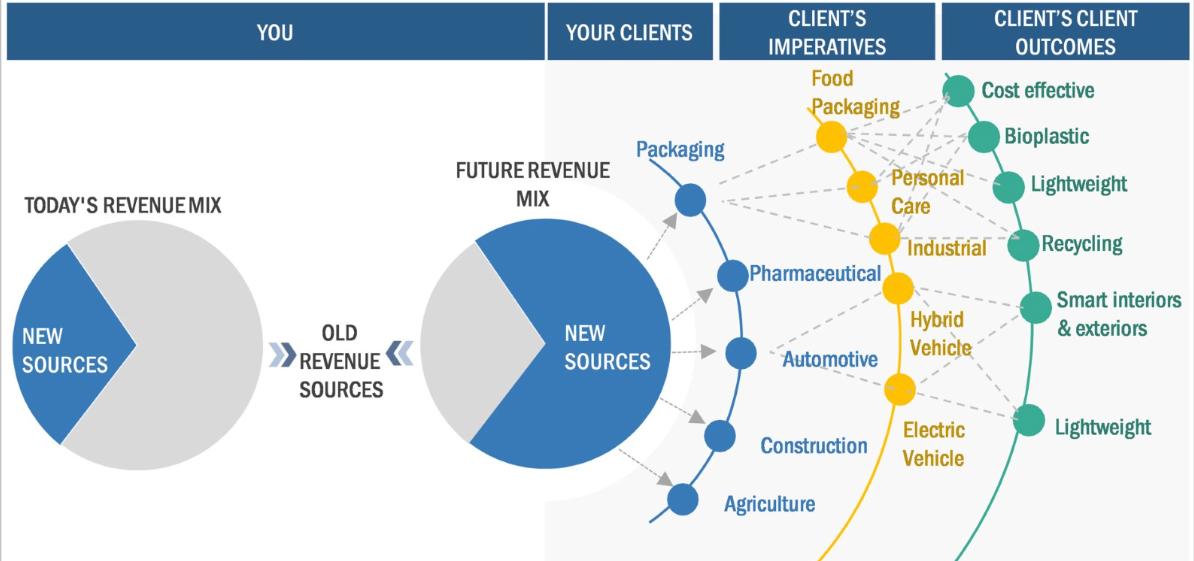
manufacturing hub strengthens downstream consumption across multiple sectors.
North America holds approximately 20.7% of the market by value, characterized by established producers and abundant feedstock availability. Regional manufacturers are expanding capacity to leverage cost advantages derived from access to raw materials.
While demand fundamentals remain strong, the molded plastics market faces mounting environmental scrutiny. Disposal challenges and plastic waste management concerns are pressuring regulators and producers alike. Volatility in raw material prices also poses a risk to margin stability.
In response, the industry is accelerating its shift toward sustainable plastics. Biodegradable materials such as polylactic acid (PLA), polybutylene adipate terephthalate (PBAT) and polybutylene succinate (PBS), along with bio-based PE, PP and PVC derived from renewable feedstocks, are gaining traction.
According to European Bioplastics, global sustainable plastics production capacity is projected to rise from 2.41 million tons to approximately 7.6 million tons, pushing the share of sustainable plastics beyond 2% of total global production for the first time.
Stricter environmental regulations and corporate sustainability commitments are encouraging investment in recyclable, bio-based and circular plastic solutions. Leading manufacturers are channeling R&D into cost-
effective, environmentally friendly alternatives to maintain competitiveness.
The global molded plastics market is consolidated around major chemical and polymer producers, including ExxonMobil Corporation, LyondellBasell Industries, INEOS, DowDuPont, BASF, SABIC, Formosa Plastics Corporation and Chevron Corporation.
These players are expanding production facilities, strengthening regional footprints and investing in advanced materials to meet growing demand from packaging, automotive and construction sectors.
The molded plastics market stands at a critical intersection of growth and transformation. Urbanization, infrastructure expansion, automotive innovation and packaging demand will continue to underpin market expansion. At the same time, sustainability pressures and raw material volatility are reshaping investment priorities.
Manufacturers that balance performance, cost efficiency and environmental responsibility will be best positioned to capture opportunities in this USD 675 billion market. As enduse industries evolve, molded plastics will remain a cornerstone of global industrial development—lightweight, adaptable and increasingly sustainable.

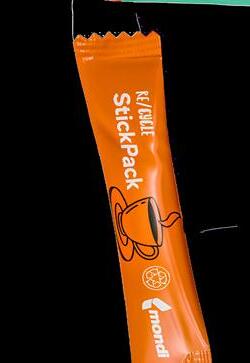

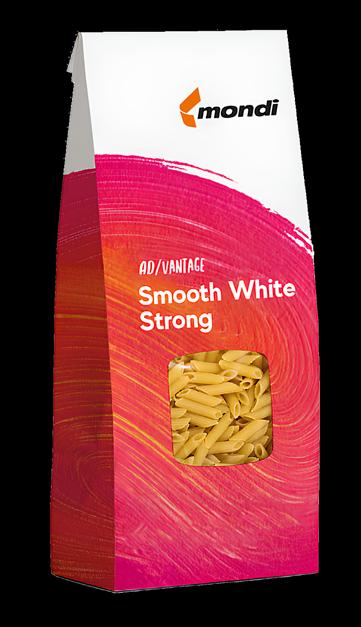

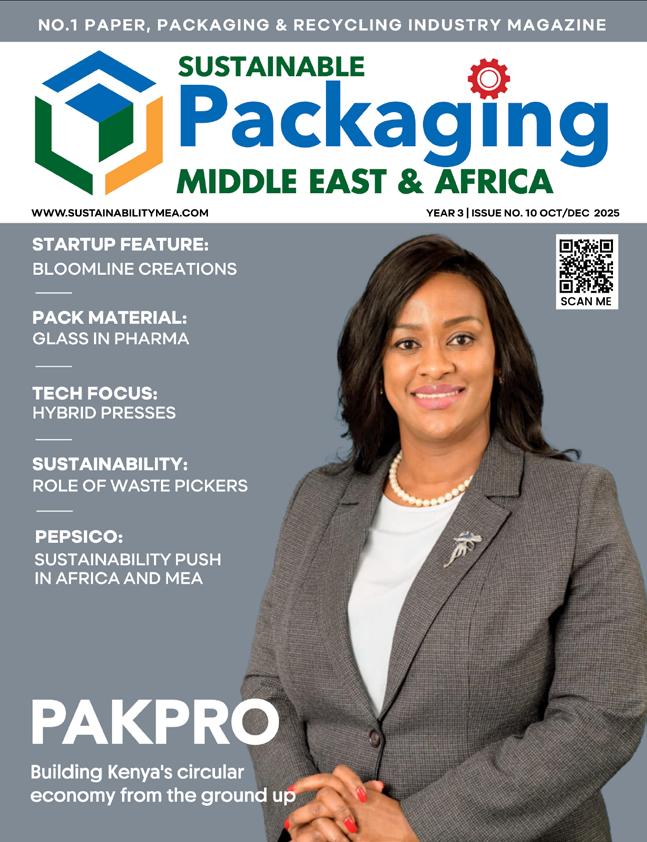
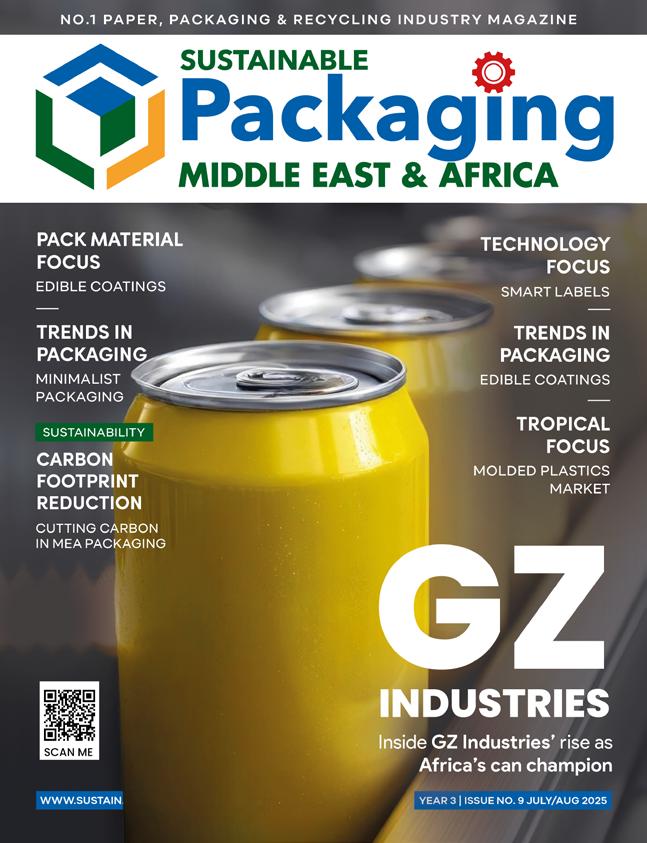
Start-ups and young businesses in sub-Saharan Africa face a myriad of challenges, including lack of access to technology, expertise and networks to grow.
At The Nest Africa, we are creating a collaborative facility with new product development labs, production and packaging kitchens and office space for use by start-ups and young companies to facilitate their innovations and growth towards becoming the next big thing.