Forging a Skilled Workforce for the Middle East and Africa’s Milling Sector
EXECUTIVE INTERVIEW - DR. CYPRIAN SYEUNDA 46 COUNTRY FOCUS - IRAQ
A Comprehensive Look at Production and Milling Trends
The Role of Grain Science in Modern Mills
MIDDLE EAST & AFRICA
Year 3 | Issue No.17 | Nov- Dec 2025
FOUNDER & PUBLISHER
Francis Juma
SENIOR EDITOR
Martha Kuria
EDITOR
Wangari Kamau
Stephen Kibe
EXTERNAL CONTRIBUTORS
Dr. Alyaa Homoud PhD.
BUSINESS DEVELOPMENT
DIRECTOR
Virginia Nyoro
BUSINESS DEVELOPMENT ASSOCIATE
Johna Sambai
HEAD OF DESIGN
Clare Ngode
ASSOCIATE DESIGNER
Emmaculate Ouma
ACCOUNTS
Anita Kinyua
Published By: FW Africa
P.O. Box 1874-00621, Nairobi Kenya
Tel: +254725 343932
Email: info@fwafrica.net
Company Website: www.fwafrica.net
We publish some of the most influential magazines and websites in Africa & the Middle East regions. Please visit the websites below for more information about our publications.
Milling Middle East & Africa is published 6 times a year by FW Africa. Reproduction of the whole or any part of the contents without written permission from the editor is prohibited. All information is published in good faith. While care is taken to prevent inaccuracies, the publishers accept no liability for any errors or omissions or for the consequences of any action taken on the basis of information published.
www.foodbusinessmea.com
www.millingmea.com
www.horecamea.com
www.dairybusinessmea.com
FEE BUSINESS
www.feedbusinessmea.com
www.healthcaremea.com
www.sustainabilitymea.com
www.hpcmagmea.com
Perfecting Your Flour Quality Through Innovation
and Expertise
With over 50 years of experience, Pakmaya stands by your side from diagnosis to solution. We offer practical and expert approaches tailored to your needs.
The Focus of Our Business
Flour Improvers Flour Fortification (vitamin and mineral premixes) Flour Standardization Applications
Flour Analysis
Can Africa Normalize Strategic Reserves to Meet Demand? Lessons from Saudi Arabia
Africa’s grain industry is large and growing, but marked by a widening gap between rising demand and domestic supply. Total cereal consumption on the continent reached about 283 million metric tons in 2024, and is forecast to climb to 311 million tons by 2035. According to United Nations projections, Africa’s population will grow from 1.5 billion in 2024, reaching around 2.5 billion by 2050, providing a strong structural demand base for cereal and flour in the coming decades. However, production growth has lagged behind population-driven demand, making the continent dependent on imports.
IMPORT VULNERABILITIES
Many African countries produce only a fraction of the cereals they consume. This reliance exposes millers and national food systems to global price shifts and foreign exchange volatility. In some markets, misalignment between farmers, aggregators, and millers results in unsold stock or bottlenecks in off-take. Farmers have complained of being left with unsold bags even after harvests, prompting government intervention to secure deliveries to state grain boards. Governments sometimes impose policies intended to prioritise local grain purchases before licences are issued for imports lead to congestion at ports and rising demurrage costs for millers, thereby increasing the total cost of imported cereals and disrupting millers’ planning cycles. Addressing these challenges requires policy coherence, public-private collaboration, and investment in rural value chains.
STRATEGIC RESERVES: A STABILIZATION TOOL
Strategic grain reserves can be a powerful tool for governments in Africa to stabilize cereal markets, support farmers, and ensure millers have reliable supply. Governments can use these reserves as risk management tool designed to cushion import reliance and absorb market shocks. Well-managed reserves can reduce exposure to price spikes, ensure supply continuity, and moderate seasonal shortages. However, effective reserve systems require robust infrastructure, predictive procurement, and disciplined release mechanisms, elements that many African states are still developing.
LESSONS FROM THE SAUDI MODEL
Saudi Arabia, like many food-importing regions, relies heavily on imports for staple grains due to limited arable land and natural resource constraints. Recent reforms have focused on strengthening the grain supply chain through institutionalised strategic reserve management.
Since 2024, the Saudi National Grain Supply Company
(SABIL, under the country’s Public Investment Fund has been managing the handling and distribution of imported wheat from major ports directly to Saudi milling companies, servicing 13 flour mills across the Kingdom. This shift came after the company took over operational responsibilities from the former government grain body. SABIL oversees an integrated grain supply system with 14 silo branches and over 2.7 million tonnes of storage capacity, equating to more than half of the Kingdom’s annual wheat consumption. The creation of SABIL centralises procurement logistics, imports handling, strategic storage, and distribution functions, reinforcing the state’s ability to manage supply risk and buffer against global market volatility.
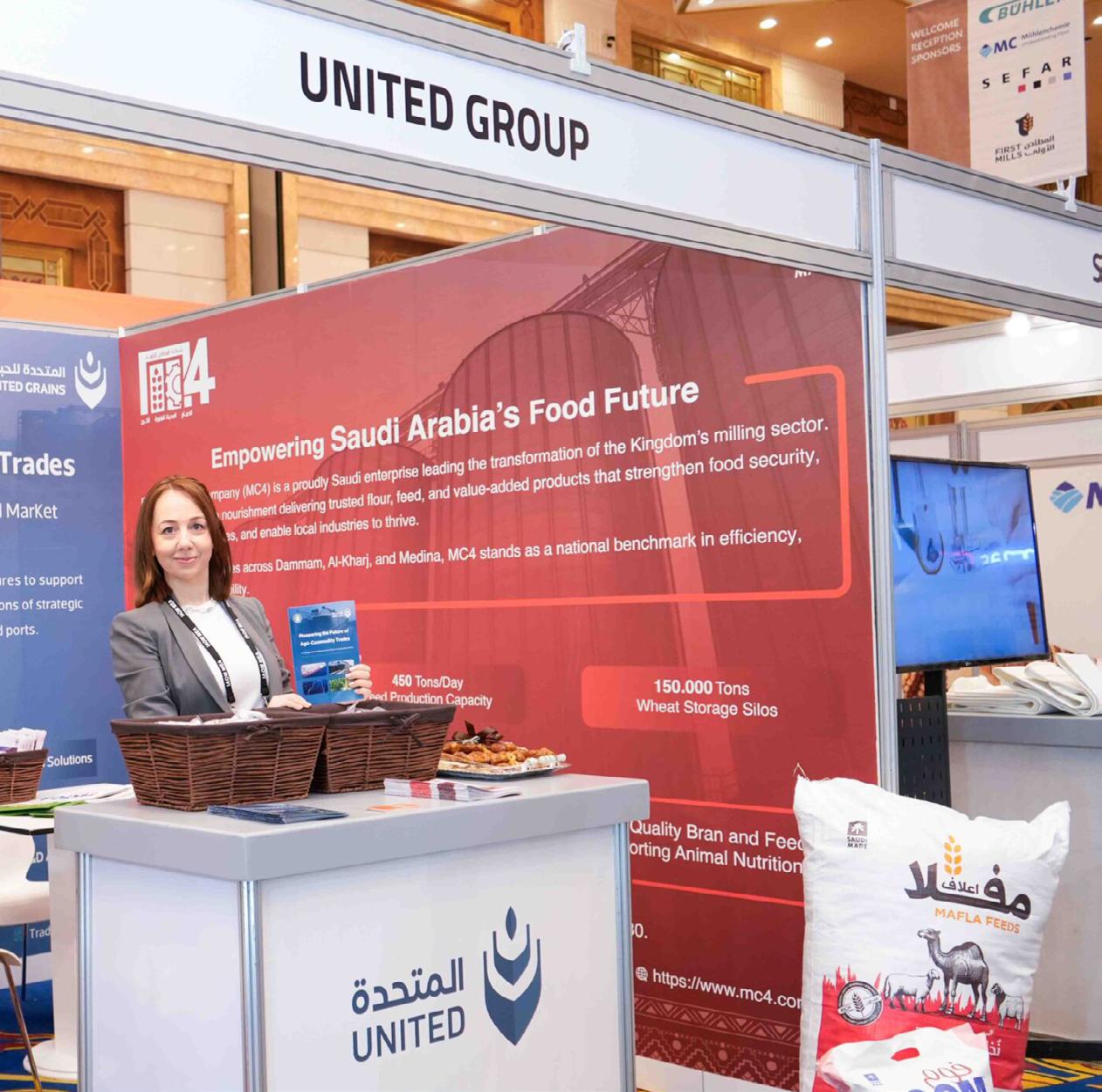
At IAOM MEA 2025, Mauro Barbieri, Interim CCO of Saudi’s SABIL Company revealed that the Saudi structure embeds strategic storage into broader supply chain operations. By linking port terminals with inland silos and distribution networks, SABIL improves responsiveness and storage efficiency, a model that combines physical stockpiling with logistical management to maintain national food stability. Eng. Abdullah Ababtain, CEO of First Mills noted that with the transition, grain procurement for millers has been smooth, with First Mills’ roughly 7,000 tonnes/day capacity running without disruption through the handover period. This continuity is critical for millers to maintain production schedules and avoid costly downtime.
Happy New Year as you read this edition!!
Martha Kuria Senior Editor, FW Africa Publications.
EVENTS CALENDAR
Grains Africa
January 29. - 31, 2026
Dar es Salaam Tanzania www.mxmexhibitions.com/grainsafrica
Global Grain And Pulses Forum 2026
January 26-28, 2026
DUBAI, UAE www.globenty.com/graindubai
GULFOOD 2026
January 26-29,2026
Dubai UAE www.gulfood.com
Africa Dairy Innovations Summit
March 26-27, 2026
Nairobi, Kenya www.africadairysummit.com
6th Graintech Africa 2026
March 11-13, 2026
Johannesburg, South Africa
www.sa.graintechafrica.com/about-graintech-africa
VIV Select India 2026
April 22-24, 2026
New Delhi, India www.india.viv.net
Africa Food Manufacturing Zambia & SA
May 6-8, 2026
Lusaka, Zambia www.afmass.com
Africa Food Manufacturing Kenya & EA
July 15-17, 2026
Nairobi, Kenya www.afmass.com
IDMA Istanbul 2026
June 25- 27, 2026
Turkiye www.idma.com.tr
Balkans & Black Sea Grain 2026
September 22-23, 2026
ISTANBUL, TURKEY www.globenty.com/bbsgrain
NEWS UPDATES
WWW.MILLINGMEA.COM
COMMODITY UPDATE
Türkiye expands grain import quotas as dry spell cuts wheat, barley output
TÜRKIYE - An unexpected dry spell across major producing regions of Türkiye is set to sharply reduce wheat and barley output in the 2025/26 season, driving the government to widen grain import quotas in an effort to stabilise domestic supply and ease pressure on feed markets.
According to the latest update from the USDA’s Foreign Agricultural Service (FAS), the drought has lowered wheat production forecasts to 16.3 million tonnes, a 15% drop from last season. Despite the smaller crop, quality remains high, enabling more wheat to move into the milling sector. “In other words, most of the wheat produced will go for milling, meaning there will be less for animal feed,” the FAS said.
Durum wheat production is expected to reach 3.5 million tonnes, supporting Türkiye’s strong pasta sector. But overall tight supply means wheat imports will rise to nearly 7.3 million tonnes, more than double last year’s volumes, with about two-
ASSOCIATIONS
thirds processed into flour and pasta for export. Barley output is also forecast to contract significantly to 5.1 million tonnes, prompting a sharp increase in import needs, estimated at 1.7 million tonnes to meet feed demand.
Against this backdrop, Ankara raised its zero-duty import quotas for barley and corn to 1 million tonnes each, up from 700,000 tonnes. The decision, published through a Presidential Decree on 8 November 2025, authorises the Turkish Grain Board (TMO) to secure additional supply without customs duties. The Ministry of Trade said the expansion aims to curb speculative pricing and reduce input costs for livestock producers.
While corn production is projected to rise 12% to 7.9 million tonnes due to strong irrigation coverage, domestic consumption, driven by poultry, will exceed 9.5 million tonnes, keeping Türkiye dependent on imports.
CMA marks 25 years with renewed identity, sector-wide commitments
KENYA - The Cereal Millers Association (CMA) of Kenya marked its 25th anniversary, unveiling a refreshed logo that reflects the association’s broadened membership and evolving role in the country’s food system. The celebration brought together government officials, development partners, and more than 60 companies across milling, processing, and grain trading, underscoring CMA’s representation of the full cereals value chain.
Paloma Fernandes, CMA CEO described the association’s journey as one built on resilience, navigating regulatory shifts, drought-driven shortages, subsidy challenges, COVID-19 disruptions, currency fluctuations, and global supply chain instability. “CMA has remained the anchor through all these storms,” she said, reaffirming the association’s advocacy for predictable regulation, improved fortification, aflatoxin mitigation, and strong food safety standards.
A key highlight was the launch of CMA’s new logo, which Fernandes described as a modern identity representing wheat, maize, rice, pulses, and sorghum processors. She emphasized that the redesigned stylized “M” reflects unity across the cereals sector while retaining CMA’s familiar colors for continuity.
Chairman Beju Shah noted that despite rising operational costs, duplicative regulations, port delays, and pending subsidy payments of more than KES 3.2 billion (USD 20.5 million), the association continued to secure progress through government dialogue. He highlighted engagements with the Ministry of
Trade and Investment, the Kenya Bureau of Standards, and the Agriculture Food Authority, which helped address rate structures and improve transparency. “Despite these shocks CMA remained respectful, united and solution-oriented,” he said.
The event also spotlighted sector-wide initiatives, including the expanded Kenya Millers Fortification Index, now adopted by the edible oil sector. Looking ahead, CMA announced a National Food Safety Awareness Campaign set to begin in January 2026 and the development of a sustainability and investment model for the CMA Quality Mark.
BUA Group partner Buhler, Viteral to expand processing capabilities
NIGERIA - The Nigerian conglomerate BUA Group has signed two major agreements with Bühler and Viteral Integrated Milling Systems, underscoring private-sector commitment to boosting local food production.
On 1 December in Dubai, BUA and Swiss technology provider Bühler concluded a deal to build a 32-ton-per-hour paddy rice processing line. While project details remain undisclosed, the development supports BUA’s long-term ambition to expand its presence in a market where demand continues to exceed domestic output. BUA Foods currently operates a mill in Kano with a 200,000-tonne annual capacity. FAO data shows Nigeria imported about 2.5 million tonnes of milled rice annually between 2022 and 2024, keeping pressure on processors to scale production. “Looking ahead, market analysts project the Nigerian rice sector to grow at a compound annual rate of 11.32% between 2025 and 2030, with total market revenues expected to reach around US$5.62 billion by 2025,” BUA noted in its latest report.
On the same day as the Bühler agreement, BUA signed a separate partnership with Türkiye’s Viteral Integrated Milling Systems to develop a 40-TPH feed mill. The signing ceremony took place at BUA Group’s Middle East office in Dubai, where Abdul Samad Rabiu, Founder and Executive Chairman of BUA Group, and Mustafa Ozdemir, General Manager of Viteral, formalized the deal. The investment aligns with government efforts to revitalise the livestock sector, which contributes about 17% of agricultural GDP. With feed shortages, productivity constraints and rising commercial demand, the new facility aims to supply high-quality, locally processed animal feeds.
These expansions come as BUA Foods reported a 101% rise in profit after tax to US$281.6 million in the first nine months of 2025, driven by strong performances in its sugar, flour, pasta and rice divisions. Management says the company
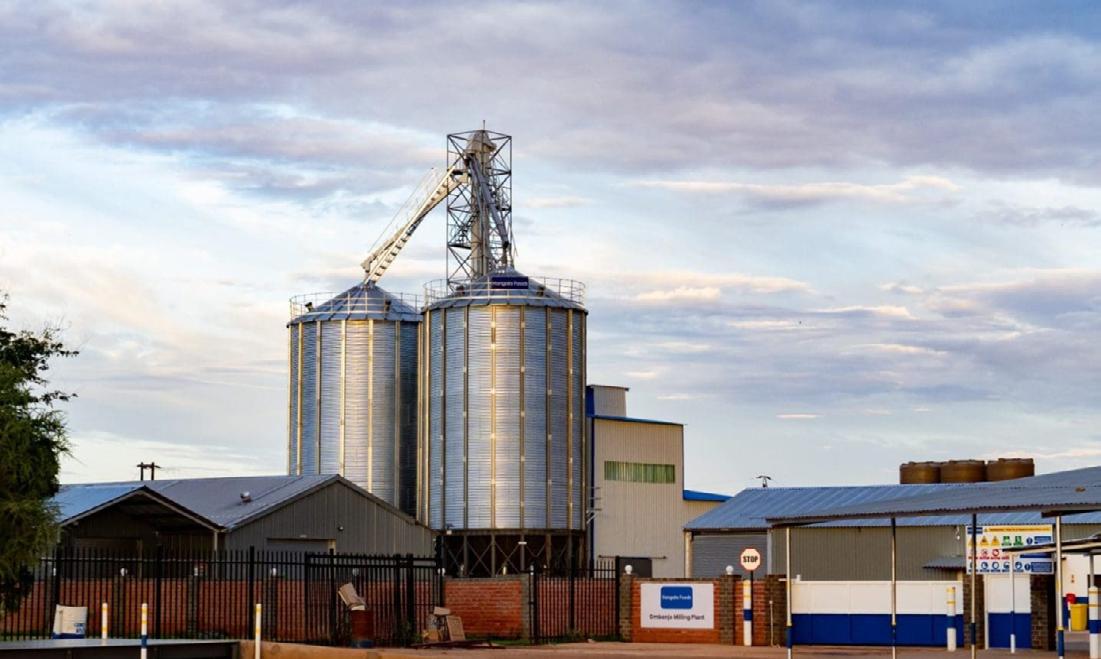
NAMIBIA - Hangala Foods has inaugurated a new milling facility valued at N$35 million (US$2.1 million) at Ombanje Farm near Otavi, marking a significant addition to Namibia’s staple foods sector. The Ombanje Milling Plant, completed after 18 months of construction, brings the company’s maize-meal brand, Otavi Golden Maize, into a market long dominated by Namib Mills and Bokomo Namibia.
The plant incorporates advanced infrastructure, including modern grain-receiving systems, a quality-assurance laboratory, storage silos, a product house, a weighbridge, and dedicated office and canteen facilities. With a daily milling capacity of 50 tonnes, the site is supported by two 500-tonne silos, enabling a consistent year-round supply. Operating on two shifts, the new facility has created 38 permanent jobs in the Otavi area, following the engagement of about 120 workers during construction.
Otavi Golden Maize is produced entirely from maize grown at Ombanje Farm and milled on-site. The product line includes Super Maize Meal, Special Sifted Maize Meal, and Unsifted Maize Meal, positioned as premium, fully Namibian offerings.
Speaking at the inauguration, Leake Hangala, CEO of Hangala Foods, said the brand represents more than nutrition, noting that it reflects Namibia’s underlying potential. “With this ‘farm-to-mill’ model, the company aims to stabilise supply, exercise strict quality control, and ensure that rural communities retain more value from grain production,” he said. He added, “With foresight, innovation and determination, we can feed our people, strengthen our economy, and build a more resilient nation from the soil upward.”
The investment comes as Namibia works to recover from production declines caused by recurrent droughts. The country remains a net importer of cereals, with imports typically covering about two-thirds of domestic needs. In the 2024/25 marketing year, maize imports reached 290,000 tonnes, following severe drought-related shortfalls in 2022/23. Forecasts for 2025 point to improved conditions, with white maize output projected at 72,880 tonnes. FAO expects cereal import needs in 2025/26 to ease slightly from the elevated levels recorded in 2024/25.
Uğur Promilling completes Rotana Flour Mills project in Sudan
SUDAN - Turkish milling engineering specialist Uğur Promilling has announced the successful completion of the Rotana Flour Mills project in Khartoum, Sudan, marking another milestone in its continued global expansion. The project, finalized in roughly 1.5 years, delivers a modern facility capable of producing 1,000 tons of flour per day, integrating the company’s latest automation systems and energy-efficient technologies to support high-quality, consistent output in one of Sudan’s most important milling hubs. Rotana Flour Mills, established in 2014 remains a critical player in Sudan’s flour supply chain and broader economic development.
Uğur Promilling, founded in 1955 in Çorum, Turkey, has evolved from a 60-square-meter workshop into a 40,000-square-meter modern operation over its 70-year history. Today, the company is recognized for turnkey flour milling installations, steel silos, and advanced grain processing equipment, backed by more than 500 completed projects worldwide. Its current focus on renewable energy integration, automation, and sustainability continues to guide its engineering approach.
The Rotana project follows two recent international deliveries. In Nakhichevan, Azerbaijan, Uğur completed a 200 tons-per-day milling facility for GEMI QAYA MMC, equipped with cutting-edge grain processing technologies. In Sweden, the company delivered a 300 tons-per-day turnkey milling plant for Lantmännen Strängnäs. “From engineering and installation to training and after-sales support, every stage of the project was completed with the reliability Uğur Promilling is known for,” the company said. The Sudan installation arrives at a time when Sudan’s agro-industrial sector continues to face significant pressure from prolonged conflict and economic instability. Yet the sector has shown signs of resilience. During the 2024–2025 summer season, Sudan’s grain production reached 6.6 million tons, the highest in five years, representing a 62% increase from last year and 7% above the five-year average, according to Agriculture and Forestry Minister AbuBakr Al-Bushra.
TURKIYE - Tanis Milling Technologies, the Turkish equipment manufacturer with more than 69 years in grain processing, has introduced its next-generation High-Capacity Semolina Purifier, expanding its portfolio of advanced milling solutions for global flour and semolina processors. Founded in 1956, the company has built a strong reputation for turnkey systems for wheat, corn, and barley milling, supported by a wide export footprint and equipment engineered to international standards.
The new Puridant Semolina Purifier, presented as the 2025 model, marks a step forward in semolina purification by improving product purity, granulation accuracy, and overall operating efficiency. According to the company, the purifier delivers up to 20% higher efficiency than traditional systems. Standard configurations handle around 1.8 tons per hour, while larger models such as the TMIS-50/200 and TMIS-46/200D can manage capacities of 5–8 tons per hour and 8–12 tons per hour, respectively. This scalability enables seamless integration into both mid-sized and large milling operations, with the option to run parallel units for higher throughput demands. Constructed from AISI 304-grade stainless steel, the purifier is designed for durability, hygiene, and corrosion resistance, ensuring suitability for intensive industrial use. Its energy-saving features, optimized motor systems and smart power controls, support up to 25% reductions in energy consumption and 15–20% lower operating costs.
A PLC system with remote access capabilities further simplifies monitoring and troubleshooting. Innovations such as adjustable air flow, high-strength alloy sieve surfaces, and optional color sensors enhance product quality, helping reduce ash content by up to 30% while removing 99% of bran particles and impurities. According to Tanis the purifier’s compact, modular design can be installed within three to five days and adapted to existing plant layouts. The machine is backed by extensive after-sales support, including a 2-year warranty.
Aybakar expands Middle East presence with new turnkey flour mill in Iraq
IRAQ - Aybakar Milling Machinery has strengthened its role in the Middle East’s grain processing landscape with the completion of a new 250-ton-per-day, two-line turnkey flour mill in Iraq. The development highlights the company’s continued expansion across the region and its longstanding engagement with Iraq’s milling sector.
Headquartered in Ankara, Türkiye, Aybakar continues to host international delegations seeking technical guidance and project consultations, reflecting its growing influence in global milling technology. With a proven footprint in Iraq, the company is working to deepen its leadership in turnkey grain processing solutions while advancing efficiency and sustainability across the industry.
Iraq remains one of Aybakar’s most significant markets. The company has now delivered 146 projects in the country, supporting national efforts to modernize milling infrastructure and strengthen food security. The newly commissioned plant, built with Aybakar’s latest high-efficiency machinery, is expected to enhance domestic wheat processing capacity and support a more reliable supply of flour and wheat-based foods as demand continues to rise.
Aybakar’s global reach now spans more than 80 countries,
NEW TECHNOLOGY
Tietjen
unveils FD24
where it supplies complete turnkey milling systems, standalone machinery, spare parts, and technical services. Its engineering quality, competitive pricing structure, and dependable aftersales support have positioned the firm as a preferred partner for flour millers seeking durable and efficient solutions.
A key pillar of the company’s success is its emphasis on long-term client relationships. Aybakar’s dedicated team of more than 50 specialists provides continuous post-installation support, ensuring mills operate at optimal performance throughout their lifecycle. This commitment to service reliability has reinforced Aybakar’s status as one of Türkiye’s leading milling equipment exporters, serving customers across the Middle East, Africa, and Central Asia.
Pro hammer mill for feed production industry
GERMANY - Tietjen Verfahrenstechnik GmbH, a German manufacturer of industrial milling systems has expanded its hammer mill portfolio with the introduction of the FD24 Pro, a new model engineered for the fine grinding of fatand protein-rich recipes commonly used in fish feed and pet food manufacturing. The development builds on the success of the FD32 Pro and reflects the company’s continued focus on improving milling performance for specialised feed applications.
Founded in 1959, Tietjen has grown from a small agricultural workshop in northern Germany into a global supplier of hammer mills for feed and recycling industries. The FD24 Pro carries forward Tietjen’s established design values, robust construction, smooth rotor operation, and maintenancefriendly layout, while integrating several technical upgrades aimed at boosting efficiency and enhancing particle size control. One of the most significant changes is a 100-millimetre increase in rotor diameter, enabling higher beater speeds and finer grinding. The reduced distance between hammer tips and the screen further helps limit screen clogging, a frequent challenge when handling high-fat, high-protein formulations.
The mill features a 1,200-millimetre grinding chamber divided by a centre wall, improving handling of the 600 mm-
wide screens. With a total screen area of 3.6 square metres (5,580 square inches), the FD24 Pro uses four screens per chamber segment. A redesigned fastening system ensures tight screen sealing, preventing oversize particles from entering the final product. According to the company, the machine’s added impact zones make it possible to use larger screen apertures without compromising quality, resulting in lower energy use and improved process efficiency.
“In operation, the FD24 Pro impresses with its ease of maintenance and efficiency,” the company said. Sliding doors on both sides allow quicker access for changing screens and beaters, supported by the familiar beater frame system, cutting service time and reducing energy demand.
IAOM MEA 2025 EVENT REVIEW
Key Takeaways on Technology, Trade, and Transformation in the Milling Industry
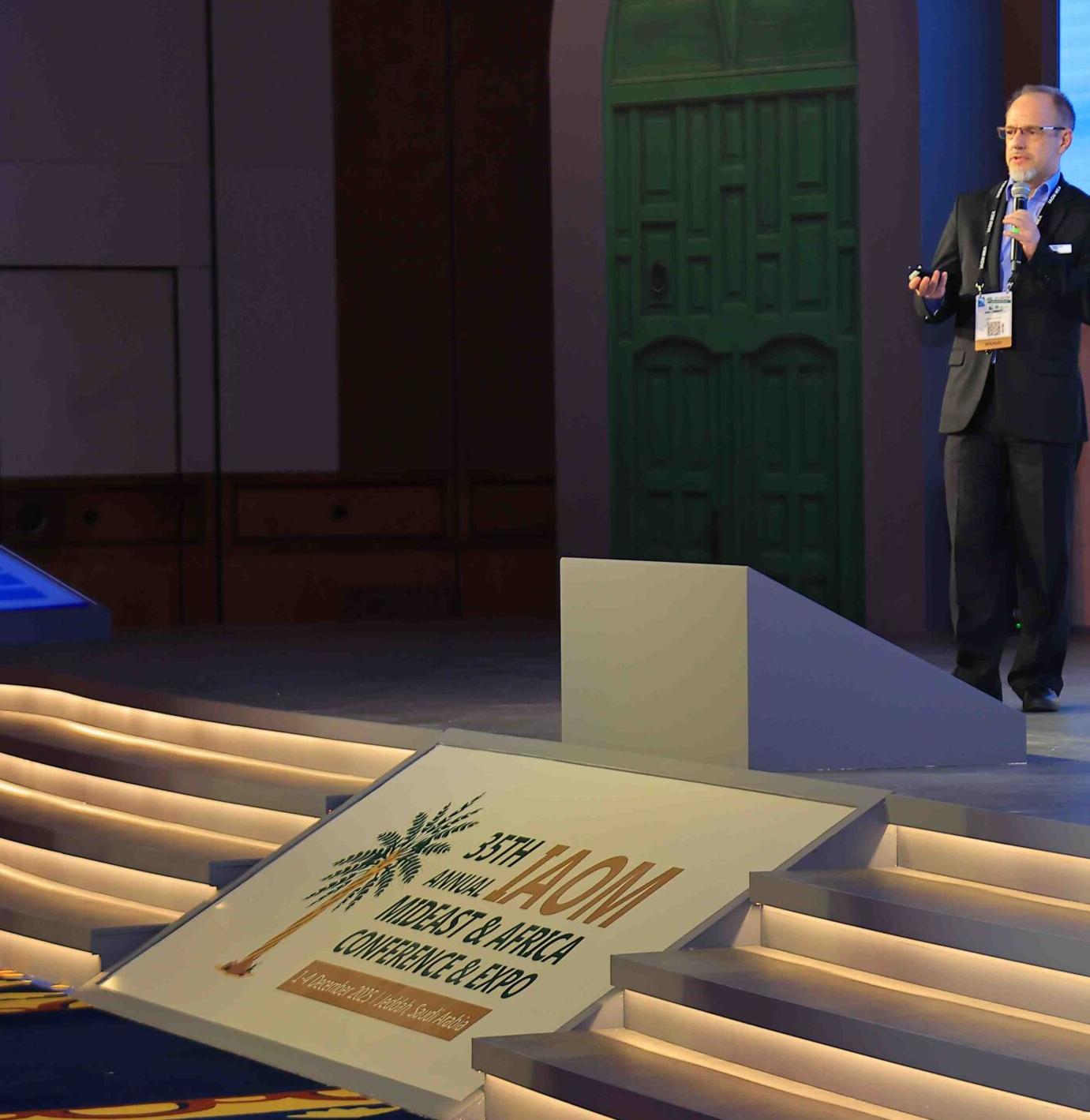
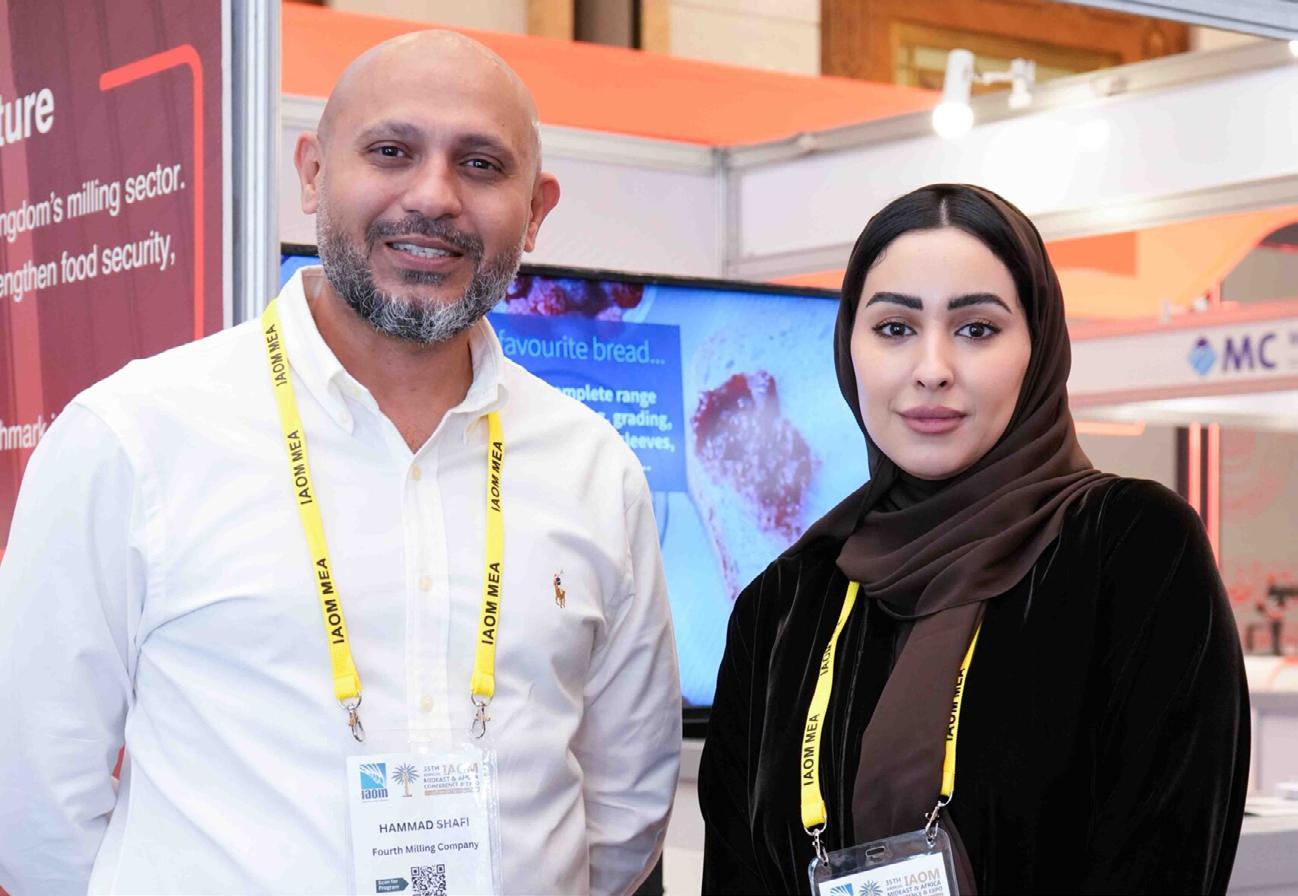
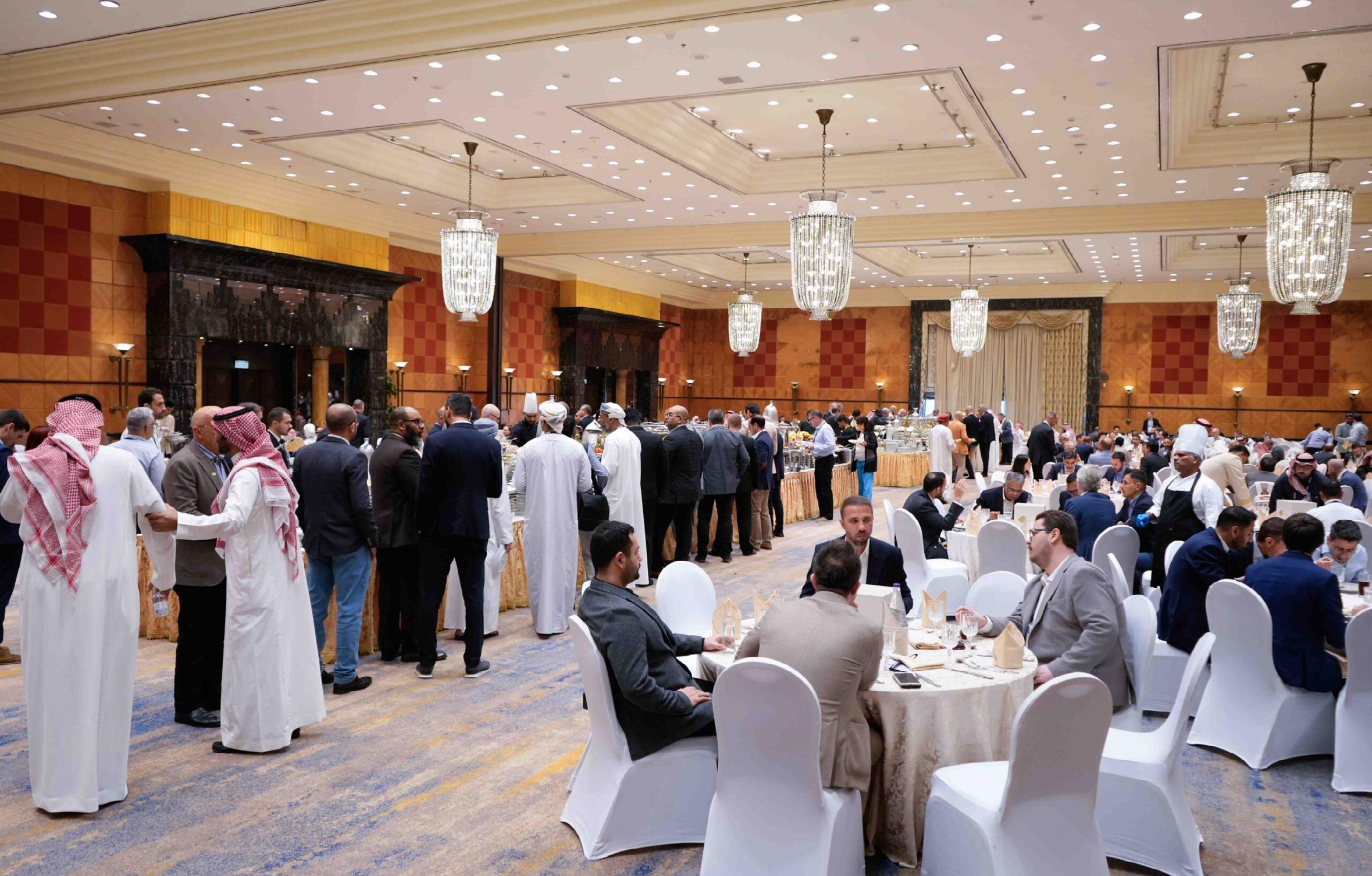
The 35th Annual Conference and Exhibition of the International Association of Operative Millers (IAOM) for the Middle East and Africa (MEA) region concluded in Jeddah, Saudi Arabia, marking a successful gathering of industry leaders and experts. Convened from December 1 to 4, 2025, at the Jeddah Hilton Hotel, the event marked the Kingdom’s inaugural hosting, underscoring its growing prominence as a pivotal gateway for the grain trade and food processing industries in the region.
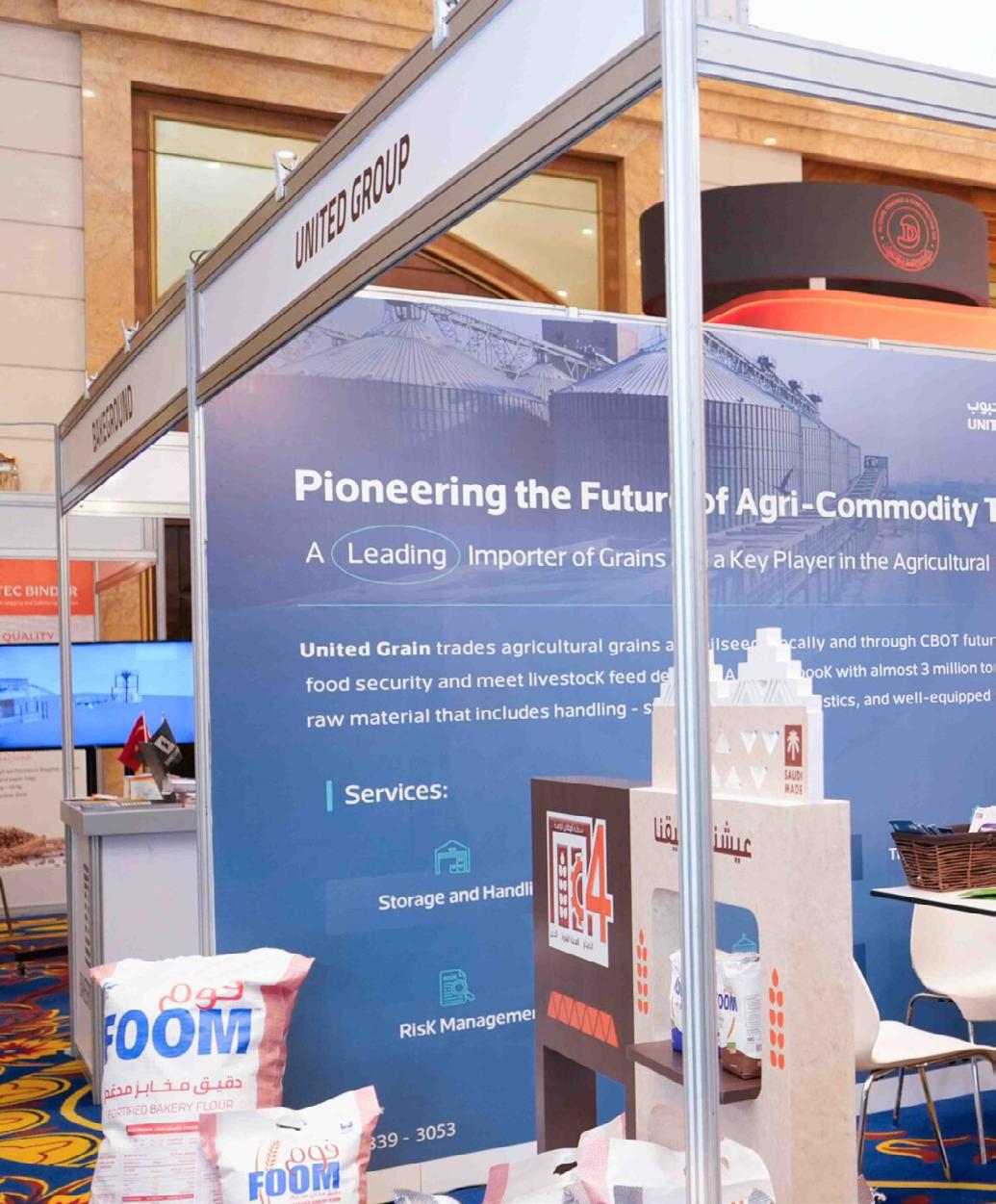
With over 761 participants, including 229 millers from 79 mills, 88 exhibiting companies with 117 stands, and 156 traders representing 75 companies, the conference served as a critical platform for advancing operational efficiency, sustainability
practices, and product innovation in the milling sector. The forum focused on digital transformation, artificial intelligence (AI), supply chain sustainability, and the growing demand for specialized flours reflecting global dietary shifts.
In his opening address, IAOM MEA Regional Director Ali Habaj highlighted the event’s remarkable growth and its role in fostering balanced interactions between suppliers and buyers. He noted that the strong turnout underlines the depth of the IAOM MEA community and the value of bringing millers, traders, equipment suppliers and solution providers together in one place. Habaj stressed the necessity of maintaining equilibrium in the industry ecosystem to ensure the conference remains a practical venue for substantive business engagements. Key thematic focuses included AI applications in grain grading and analysis, strengthening linkages between flour and feed milling, and expanding IAOM MEA’s regional forums across Africa and the Middle East.
TRANSITIONS IN GLOBAL FOOD SYSTEMS
Sustainability, food security, and long-term industry evolution were woven throughout the conference. In his keynote address, Dr. Ian Roberts, Chief Technology Officer of Bühler Group provided a systems-level view of how global food systems are shifting under the pressures of environmental change, population growth, and the rising demand for nutritious foods. He explained that the milling sector sits at the center of these shifts because grain processing influences dietary patterns, resource use, and the environmental footprint of food manufacturing.
Roberts argued for diversified protein sources, greater integration of AI into food design, and value recovery from milling side streams. He encouraged millers to explore opportunities in upcycling bran, germ, and other by-products into ingredients with functional and nutritional benefits.
REGIONAL GRAIN TRADING DYNAMICS
The session on grain trading, moderated by Dan Basse, President of AgResource Co., provided a platform to address structural changes in global grain flows, geopolitical risks affecting supply routes, and the increasing role of private sector buyers in regions traditionally dominated by state procurement. Discussions centered on Saudi Arabia's transition from domestic wheat production to imports with strategic reserves, privatization of milling logistics, and export adaptations to neighboring countries.
Mauro Barbieri, Interim CCO of Saudi’s SABIL Company described how the company’s 14 operational facilities now rely on a broader mix of origins to manage cost and quality variability. He noted that changing climate patterns in major exporting regions such as the Black Sea, North America, and Australia require buyers to remain flexible and informed. Eng. Abdullah Ababtain, CEO of First Mills, described how Saudi millers are adapting to this new environment. He emphasised that the transition from government to private milling companies has been smooth, with First Mills’ roughly 7,000
tonnes/day capacity running without disruption through the handover period.
Trader and broker, Pieter Defoor, Founder & CEO of Commo18 in Belgium, emphasized that blending grains from multiple origins allows millers to maintain consistent flour performance while controlling costs in volatile markets.
Market forecasting sessions brought together experts from Europe, North America, Australia, the Black Sea region, and Canada. The outlook for 2025 pointed to higher global wheat yields, averaging 3.76 tons per hectare, supported by favorable weather in major exporting regions. However, analysts cautioned that surplus production could create price pressure and intensify competition among exporters.
A key presentation from Fabien Varagnac demonstrated how different origins influence milling yield and flour performance. He provided a case study illustrating how U.S. wheat, though sometimes higher in price per ton, offered superior extraction rates and consistency, ultimately saving a mill €300,000 compared with an alternative sourced from Argentina.
OPPORTUNITIES BEYOND WHEAT
The exploration of product diversification addressed how mills and ingredient processors are expanding beyond traditional wheat-based portfolios to meet shifting consumer and industrial demands. Led by Salim Makhoul, General Manager of Crownzym, Lebanon, the session highlighted rising interest in legumes and pulses, which are gaining traction both as high-protein food ingredients and as functional components in gluten-free and specialty products. Demand is being driven by consumer preference for clean-label formulations, higher dietary fiber, and plant-based protein sources.
Eric Emmert, Senior Sales Manager, Hosokawa Alpine, detailed
advancements in legume fractionation technologies capable of producing high-purity protein and starch isolates. These ingredients are being used in baked goods, snacks, and extrusion-based applications. Bühler’s André Kunadt added that leveraging milling side streams for food and feed ingredients could significantly improve resource efficiency. The conversation also reflected growing interest from MEA producers in expanding into oats, sorghum, and other cereals suitable for local agro-ecological conditions. Such diversification offers mills opportunities to develop value-added products tailored to regional markets while reducing reliance on wheat imports. Quality assurance discussions provided a deeper look at how mills are managing flour performance amid rapidly changing wheat supplies. Speakers also highlighted enzyme applications, dough rheology insights, and formulation strategies specific to Saudi Arabia’s flour standards.
AI, INTELLIGENT AGENTS, AND THE DIGITAL FUTURE OF MILLING
Artificial intelligence emerged as one of the most influential themes of the conference, reflecting rapid adoption across the milling and grainhandling sector. Nell Watson, a Pioneering Ethics & Machine Intelligence Researcher from the UK, delivered the keynote "Beyond Humans: Working with the Agents Among Us," exploring AI's role in augmenting human capabilities in milling operations. She explained how intelligent agents will reshape everything from maintenance routines to safety protocols. She highlighted ethical questions surrounding automation while emphasizing the potential for enhanced precision and operational reliability.
Panels on digital transformation examined real-world applications. Specialists from Modern Mills Company, ASM Process Automation, Siemer Milling Company, and EGI provided examples of how predictive analytics are improving asset performance, optimizing energy use, and reducing unplanned downtime. Bühler’s Alexis Noël presented the latest advances in automated roller adjustment, where AI models interpret temperature and vibration data to maintain ideal milling conditions.
FEED MILLING AND ANIMAL NUTRITION TRENDS
Feed milling discussions emphasized efficiency, precision nutrition, and sustainable production. Experts explained how fine grinding can improve
nutrient availability, while advanced pelleting technologies enhance structure and digestibility.
Moderated by Julius Ndunga, Mill Manager, Bakhresa Grain Milling Ltd., Rwanda, the panelists highlighted the use of milling by-products such as bran, screenings, and germ as valuable feed components that contribute to circular economy goals. Speakers stressed that feed manufacturers must adapt to rising demand for poultry and livestock products, particularly in Africa and the Middle East. Managing strategic reserves and improving feed formulation accuracy were identified as key strategies for minimizing volatility and ensuring consistent animal performance.
CAPE TOWN SELECTED AS HOST FOR IAOM MEA 2026
The conference concluded with the announcement that Cape Town, South Africa, will host the 2026 edition. IAOM MEA Regional Director Ali Habaj noted that the selection reflects the association’s commitment to engaging African millers and supporting capacity development across the continent. Cape Town previously hosted the event in 2014 and is well positioned to attract wider participation from southern and eastern Africa, regions experiencing rapid expansion in maize processing and wheat-milling investments. MMEA
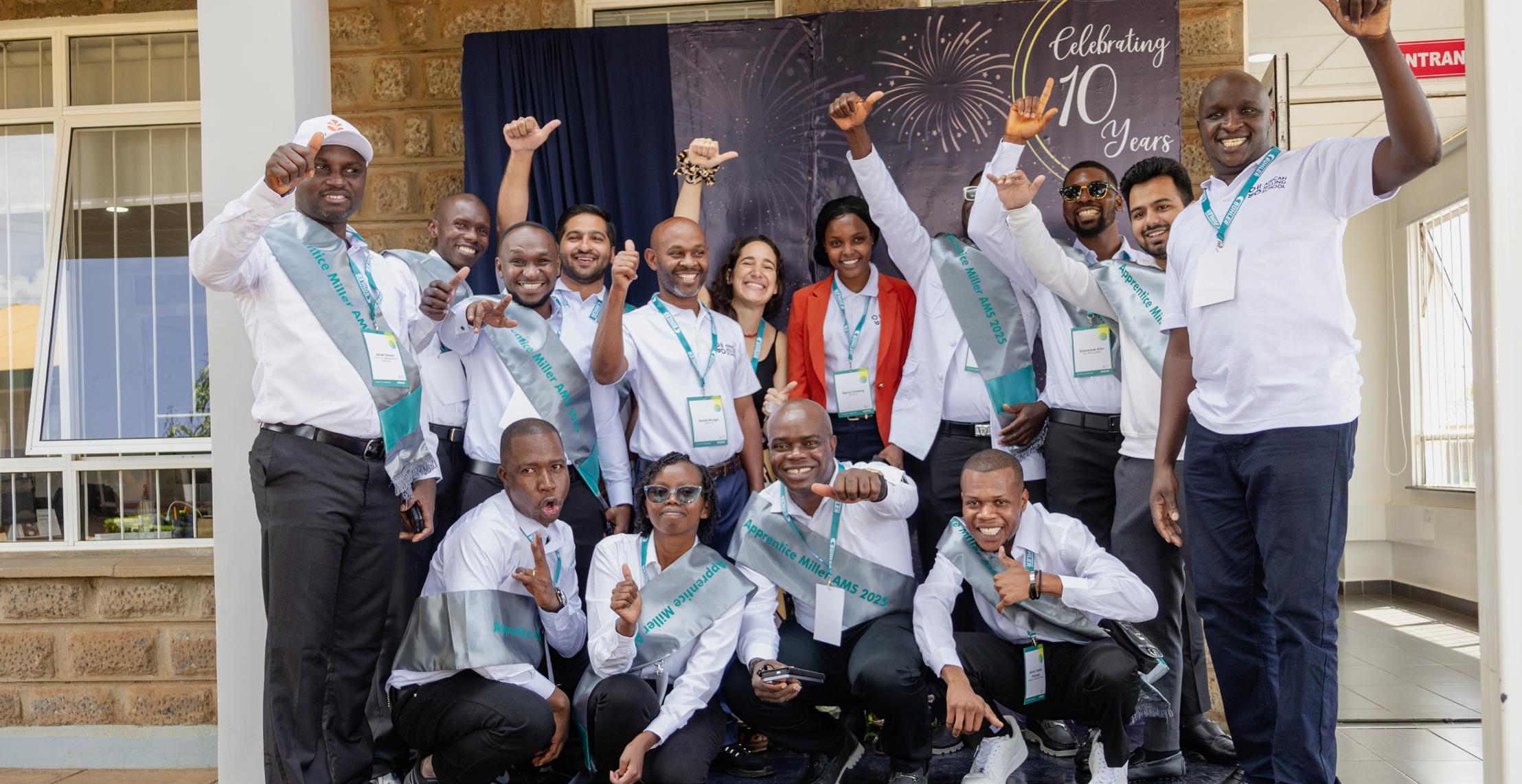
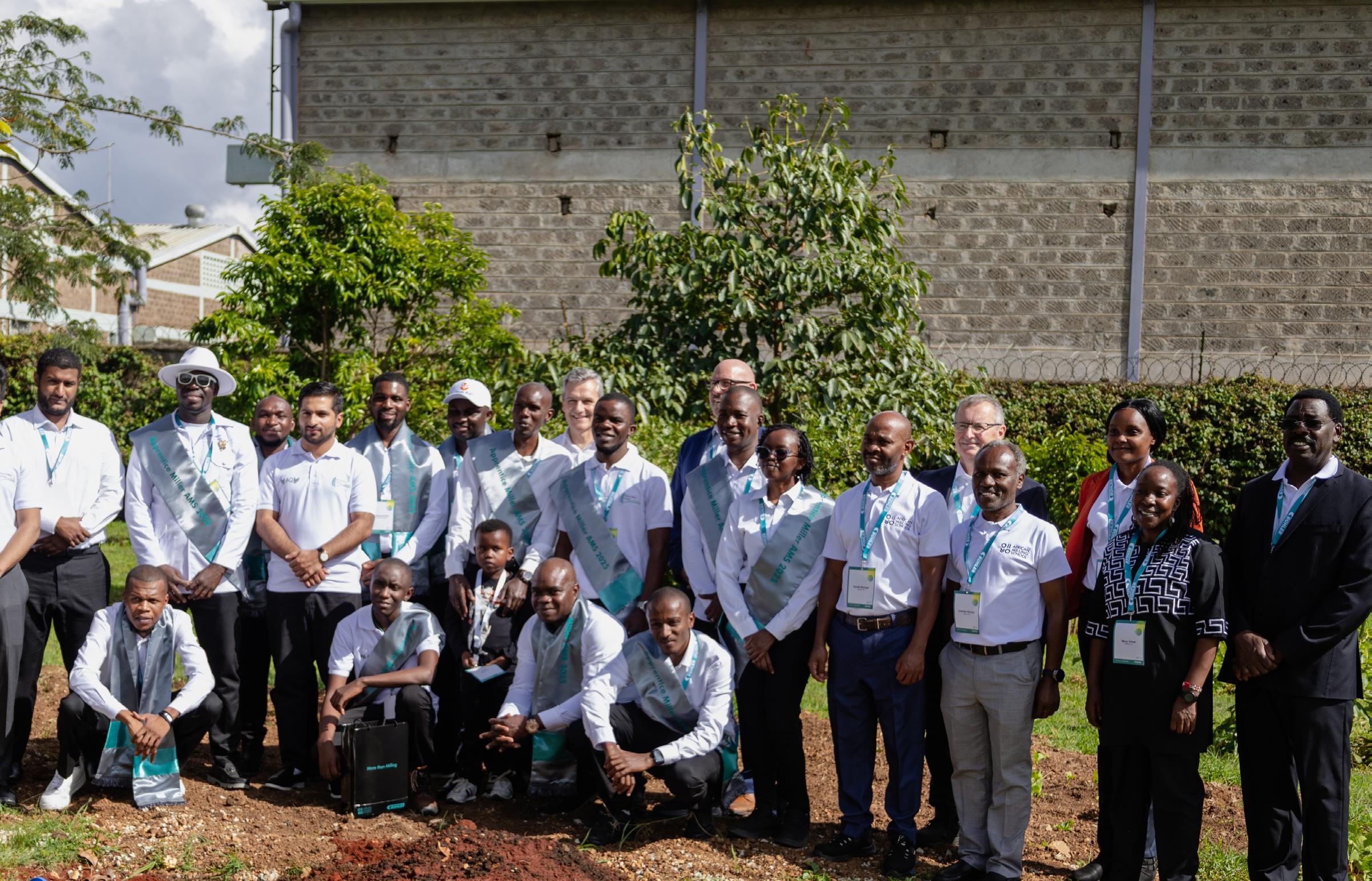
African Milling School @ 10
Forging a Skilled Workforce for the Middle East and Africa’s Milling Sector
BY MARTHA KURIA
When the African Milling School (AMS) opened its doors in Nairobi in 2015, the institution was stepping into a continent grappling with a chronic shortage of skilled millers, technicians, feed specialists, and grain science professionals. A decade later, the evidence of its impact is undeniable. More than 1,600 professionals from over 30 countries have passed through its classrooms. As AMS celebrates its 10-year milestone, it does so not simply as an institution of learning but as one of the most transformative technical pillars in Africa’s milling and feed landscape, contributing to food security and industrial resilience across the continent.
FOUNDING VISION: BUILDING A PAN-AFRICAN TRAINING HUB
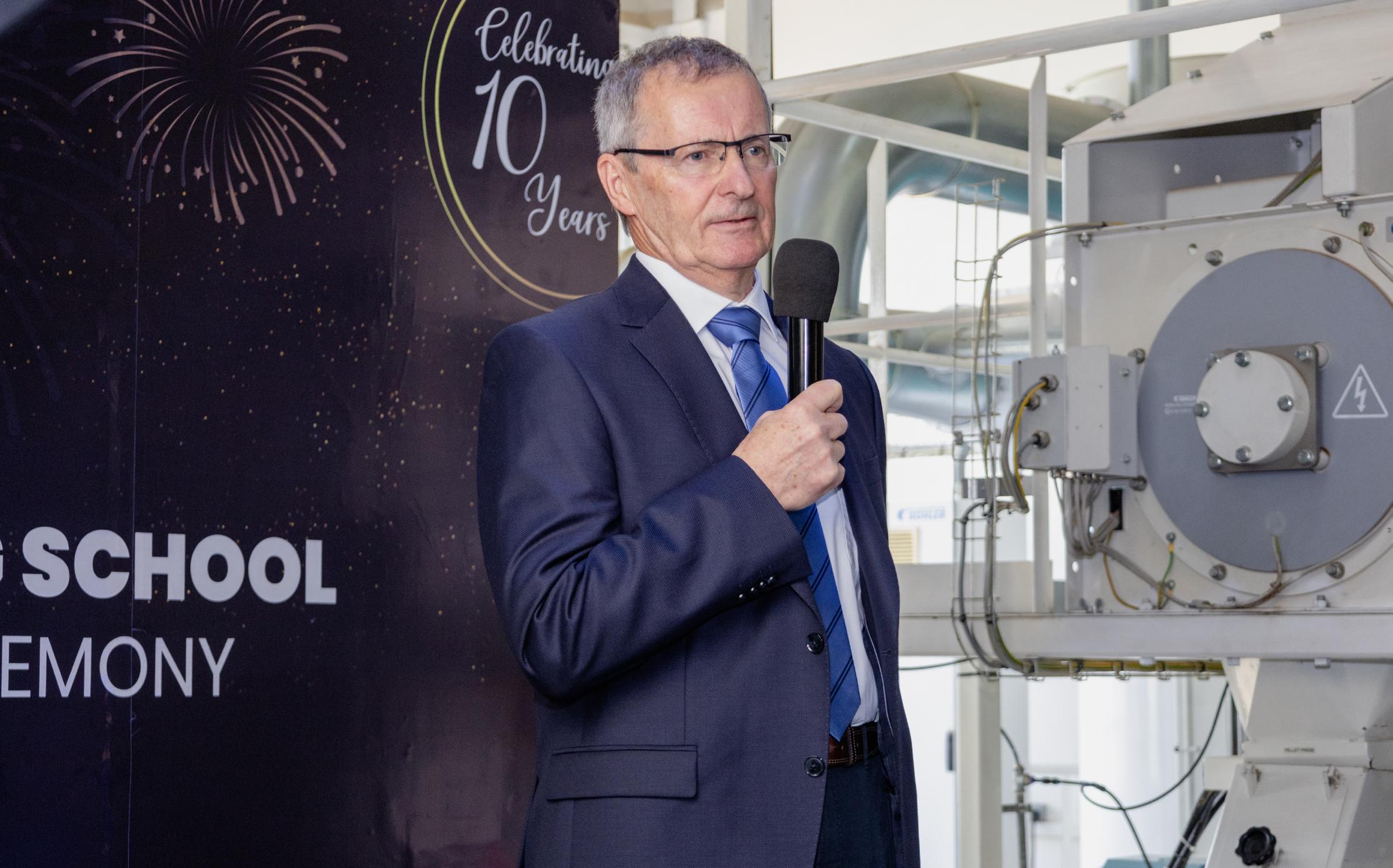
The idea behind the African Milling School was born during a period of economic transition in both East Africa and Europe. During the 10th anniversary on November 14, 2025, former Director and Founder Martin Schlauri recalls that the early 2010s were a time of shifting industries, new domestic policies, and global financial instability. According to him, finding the right home for such an institution was not straightforward. The team evaluated several locations. At the same time, Bühler was in the process of establishing a service center in Kenya, and the strategic advantages became increasingly clear.
Schlauri added that Kenya’s aviation hub enabled travel from Lagos, Cairo, and Johannesburg within four hours, making it a neutral and accessible location for trainees from all corners of the continent.
BUILT FOR AFRICA’S REALITIES, NOT EUROPE’S
From the beginning, AMS was designed with the understanding that African milling environments differed significantly from those in Europe or North America. This recognition led AMS to develop a unique curriculum tailored specifically for African and Middle Eastern operations. Schlauri worked closely with technical experts to craft materials that drew on the best insights from global models while fully adapting them to regional challenges, including raw material variability, inconsistent energy supply, infrastructure constraints, and diverse equipment conditions. The result was a system built not on theoretical ideals but on the lived realities of millers across the continent.
The campus today includes a functional training mill, featuring 48-tonne-per-day grain handling, 24-tonne-per-day wheat milling, 20-tonne-per-day maize milling, feed pelleting, latest-generation optical sorting, roller and hammer milling systems, and on-site maintenance workshops. These features provide functional spaces where students train on the same equipment they would find in large industrial mills back home. The school also has two modern classrooms, accommodating
Martin SchlauriFounder
up to 50 learners in total.
TRANSFORMING TECHNICAL EDUCATION
A central pillar of AMS’s success is its dual education system, inspired by Switzerland’s decades-long vocational tradition. The approach requires students to spend one month receiving theory and practical training at AMS, followed by five months of application in their respective mills. This sequence repeats over the twoyear apprenticeship, ensuring that no learning remains theoretical for long.
Speaking during the graduation ceremony, Priscilla Bakalian, who has served the school as the principal for the last three years, described the model succinctly: they give students “a piece of the cake,” send them back to apply it, and then bring them back with questions, experiences, and new challenges.
Each training day begins in the classroom, where students unpack milling flowsheets, grain science fundamentals, moisture dynamics, machine behavior, and quality indicators. The afternoons are spent in the training mill and laboratories, where they open roller mills, take moisture readings, align sifter frames, calibrate sensor systems, troubleshoot motors, and analyze flour and feed samples. This integrated format produces not only technically competent operators, but individuals capable of critical analysis, leadership, and decision-making under pressure.
Dario Grossmann, head of Bühler’s Milling Academy in Uzwil, Switzerland, reinforced this view, calling the AMS a “catalyst for transformation” that instills knowledge, ownership, and measurable outcomes in participants and their communities.
For example, in recent years, AMS partnered with TechnoServe’s Millers for Nutrition on national fortification testing, running more than 200 sample analyses to benchmark flour fortification coverage and compliance. Collaboration with Cereals Canada and U.S. Wheat Associates has supplied technical expertise and laboratory training, and the school’s lab staff have begun implementing new testing protocols that improve quality assurance capacity for both local mills and national programs. These partnerships have also helped AMS expand online offerings and market-compliance training for export commodities, engaging hundreds of participants across the continent. AMS acts not only as a classroom but as an applied research and testing hub supporting public-private initiatives.
Priscilla BakalianOutgoing Principal
FEED MILLER PROGRAM: THE NEW FRONTIER
As demand for animal protein surges across Africa, AMS has expanded its curriculum to include feed millers across the continent. The Apprentice Feed Miller Program supports millers with training on hygiene, contamination prevention, energy and yield optimization, value addition of byproducts, and technical expertise to address critical skill gaps in Africa’s feed milling industry.
According to AMS, margins in feed milling are tight, and errors can affect both economic performance and safety. The curriculum ensures that operations are not only efficient but also aligned with safety standards.
Feed milling programs are set to expand, while extrusion and pet food technologies will gradually enter the curriculum. In 2025, the school delivered its inaugural regional Food Extrusion Workshop and hosted an aquaculture feed technical roundtable, strengthening capacity in plant-based proteins, extrusion technologies, fish feed uniformity, and raw material optimisation. The school also plans to deepen its collaboration with universities and
AMS’S SUCCESS IS ITS DUAL EDUCATION SYSTEM, INSPIRED BY SWISS' S DECADESLONG VOCATIONAL TRADITION
government agencies, strengthening linkages between industry, research, and public policy.
A STRONG, NETWORKED COMMUNITY ACROSS AFRICA AND THE MIDDLE EAST
Beyond the classroom and the mill, AMS has created one of the most active professional communities in the region’s food industry. WhatsApp groups formed during training sessions have become platforms for real-time troubleshooting, collaborative problem-solving, and peer support. Instructors have noted with pride that students often resolve complex questions among themselves before reaching out to trainers.
AMS has extended its influence beyond Nairobi by conducting regional training sessions in South Africa, Rwanda, Gambia, Ivory Coast, and Dubai. One of its most impactful partnerships involved collaboration with eProd and development partners, resulting in the training of between 700 and 1,000 cocoa, coffee, and cacao traders and processors in market compliance across Africa.
Testimonials from millers offer insight into the program’s impact. Sulaiman Al Saqri, a 2024 graduate from Oman Flour Mills, said, “The Apprentice Miller Program really opened my eyes to the full picture of the flour milling industry, from technology to grain science.” Suad Abubaker, Managing Director of Pembe Flour Mills Kenya, described AMS as “more than a training centre, it’s an engine for industry excellence,” noting that AMS graduates return with advanced technical proficiency and proactive mindsets.
A MODERNIZED IDENTITY: THE NEW AMS LOGO
As part of the anniversary celebrations, AMS unveiled a new logo that visually expresses the school’s evolving identity. The emblem incorporates a circular shape reminiscent of a roller mill, a design that references the centrality of milling technology to the school’s mission. Another element represents the Zephyr or hook, symbolizing the brain of the mill, its Programmable Logic Controller (PLC), and intelligent mechanical systems. A glucose molecule sits at the center, illustrating the chemical foundation of starch and food transformation, while surrounding illustrations of grains and pulses reflect the diversity of raw materials that AMS professionals work with daily. Unveiling the new logo, Bakalian noted that the team worked very hard to find something that really “represents the school,”
and the result serves as both a tribute to AMS’s heritage and a symbol of its forward-looking ambition.
A MILESTONE FOR THE CLASS OF 2025: A CELEBRATION OF CHARACTER, SKILL, AND SACRIFICE
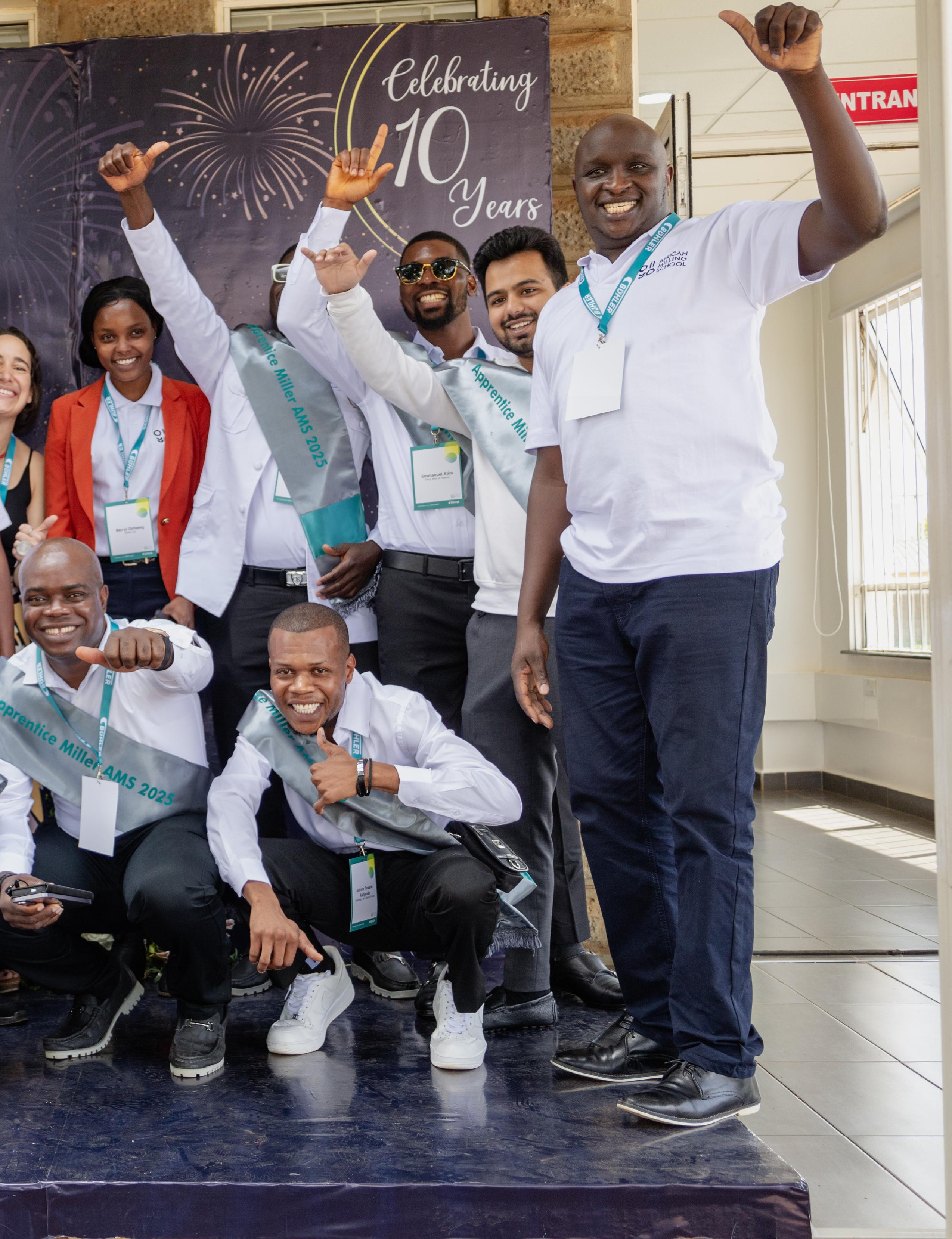
The 10th anniversary celebration was also a milestone for the graduating class. Being the school’s ninth Apprentice Miller cohort (APM9), the 2025 Class President, Bright Ntumy, captured the sentiment beautifully in his address, speaking for graduates from Kenya, Nigeria, Ghana, Uganda, Pakistan, and Zimbabwe. “We arrived here, different flags, different accents, but one dream: to learn, to grow, and to become excellent millers,” he said. His emphasis was not solely on technical achievements but on the personal development that came with the program.“We didn’t just become better millers. We became better people.”
Magdaline Morijoi, a representative from the Swiss Embassy, echoed the gravity of the moment, reminding graduates of the broader context in which they now operate. “Milling is
not just about machines; it is about changing livelihoods and providing food security. With Africa’s population projected to double by 2050, these skills matter.”
WHAT THE GRADUATING CLASS OF 2025 SAID
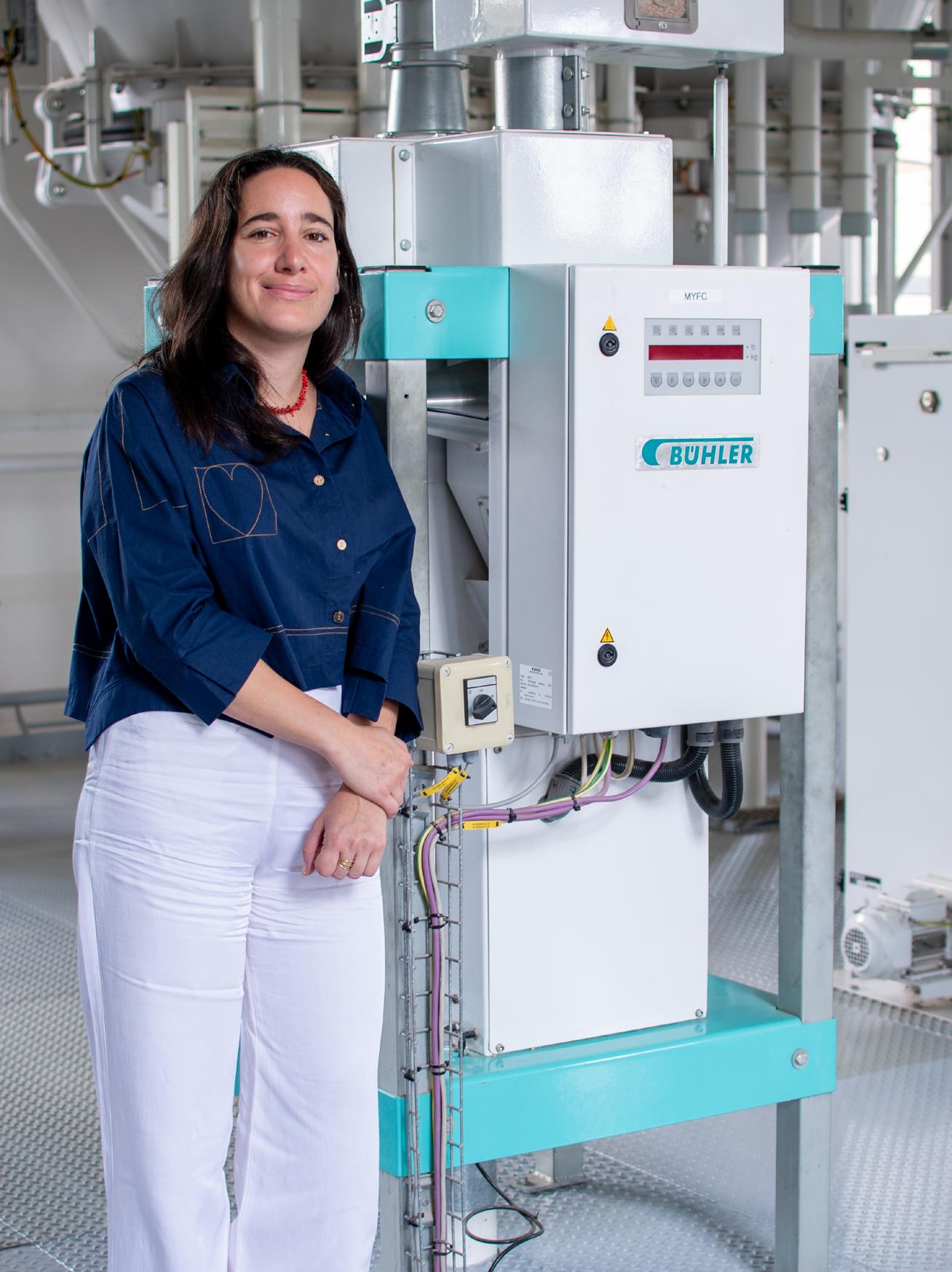
Students shared how AMS strengthened both skills and character. One of the top graduates, Kenyan engineer Christine Wambui of Bühler Group, said the training has transformed her approach to technical problem-solving. “As a service engineer, it’s nice to understand the process, and then it’s easier when you are now sorting out an issue for a client, you do it wholesomely, thanks to training like this,” she said.
Suleiman Salim, a miller at Eldoret Grains Ltd, a Kenyan milling company that recently invested in a new Bühler maize milling line, said that with companies investing in advanced machines, the investment must be matched with human capital development. His experience at the AMS has reinforced that modern milling demands not only experience, but structured knowledge in technology, quality, food safety, and engineering, and his company got it right. He explains that the decision to attend the training was driven by the company’s commitment to fully understand the machinery it had installed. “You cannot have a very expensive machine and fail to equip the people running it,” he notes.
Mohammed Juma, a fourth-generation miller from Flour General Mills in Islamabad, Pakistan, noted that while a senior colleague previously attended a short executive milling course, he is the first from his company to undertake the full, detailed program. He described the course as highly beneficial, helping millers transition from traditional practices to modern milling systems and giving them a deeper understanding of current
technologies and how to apply them effectively in their operations. He strongly encouraged his company to continue sending millers for such training, stressing that continuous innovations in milling technology require ongoing learning to remain competitive and efficient in the industry.
Another student emphasized that the program nurtured leadership as much as technical skill, saying, “When you graduate from this institution, you are more of a leader than just a team player.” Students consistently explained how AMS filled long-standing gaps in both their understanding and their confidence.
ROADMAP FOR THE NEXT DECADE
Looking forward, AMS is positioning itself to respond to Africa’s rapidly evolving food system needs. According to school officials, the next decade will see an expansion of hybrid and online learning models, ensuring that millers in remote locations can access high-quality training without relocating. Digitalization will take on a more central role, particularly through enhanced training in automation, sensor systems, and PLC technologies.
Another area of focus is the expansion of AMS’s presence in Francophone Africa, a region with a fast-growing milling and feed sector but limited access to specialized training. The school’s commitment to supporting national and regional fortification programs will also intensify, especially as more African countries tighten regulatory standards for flour, maize meal, and feed quality. With a decade behind it and a determined new leadership team ahead, the Africa Milling School enters its next chapter equipped to shape the continent’s milling future for many generations to come. MMEA
the Rise Parboiled Rice on
Driving Technological and Market Evolution
BY STEPHEN KIBE
Rice (Oryza sativa L.) remains one of the most important food crops for humanity, providing caloric sustenance to more than 3.5 billion people, nearly half of the world’s population. For decades, traditional milled white rice dominated consumption patterns, particularly in Asia, Africa, and Latin America. However, the last decade has witnessed a remarkable shift. Consumers, especially in emerging economies, are increasingly choosing parboiled rice as a preferred alternative because of its enhanced nutrition, cooking resilience, shelf stability, and compatibility with modern food systems. These evolving preferences are reshaping both global markets and the technological landscape of rice processing.
According to the latest industry assessments, the global parboiled rice market reached a valuation of approximately US$3.6 million in 2023 and is projected to grow steadily to US$5.2 million by 2030. This upward trajectory is primarily driven by rising urban populations, strengthening middleclass incomes across Asia-Pacific and Africa, and an increased awareness of the health benefits associated with minimally processed or nutritionally preserved foods. Parboiled rice has therefore transitioned from being a niche product tied to regional culinary traditions to an internationally traded commodity whose technological production processes are now central to modern rice milling industries.
WHY THE SHIFT?
Parboiling, sometimes referred to as “converted rice” in commercial contexts, is a hydrothermal process applied to paddy while it is still in the husk. The method involves soaking, steaming, and drying the grain before milling. This sequence triggers physical and biochemical transformations within the rice kernel that migrate nutrients from the outer bran layers into the endosperm, making the final grain not only more nutritious but more resistant to breakage during milling and more stable during cooking. As a result, parboiled rice emerges with a firmer, less sticky texture, reduced glycemic volatility, and superior resistance to spoilage and insect damage. What once began as an artisanal, labour-intensive practice has today evolved into one of the most technologically advanced areas within the global grain-processing sector.
MODERN MILLING, GLOBAL IMPACT
The market for parboiled rice is both geographically diverse and culturally embedded. In India, one of the world’s largest consumers and exporters of the grain, parboiled rice plays an essential role in regional diets. Red parboiled varieties dominate culinary traditions in states like Kerala, Tamil Nadu, and West Bengal, where the grain’s firm texture and earthy flavour are integral to daily meals and ceremonial dishes. Decades of preference for these varieties have created a steady domestic demand that extends beyond cultural attachment and into the industrial sector, where parboiled grains serve as dependable ingredients in ready-to-eat and processed food applications.
On the African continent, the popularity of parboiled rice has surged, especially in Nigeria, Ghana, Côte d’Ivoire, and Senegal. In Nigeria, consumers have embraced parboiled rice because it cooks into firm, separate grains suitable for iconic dishes such as jollof rice. Its reduced stickiness and ability to withstand prolonged cooking make it ideal for commercial kitchens and households alike. These culinary and functional attributes have contributed to parboiled rice becoming a dominant form of rice traded in West Africa.
Beyond household consumption, parboiled rice plays a vital role in food security. In regions with limited cold-chain infrastructure, the grain’s extended shelf life and resistance to spoilage make it preferable for storage and distribution. Development agencies and governments often include parboiled rice in large-scale feeding programs, school meal schemes, and humanitarian aid due to its resilience, nutritional profile, and minimal cooking loss. The grain’s growing presence in ready-to-eat meals, instant rice dishes, and frozen food products further underscores its value across diverse consumer markets.
FROM ARTISANAL PRACTICES TO HIGH-TECH PRECISION SYSTEMS
Technological evolution is the backbone of modern parboiled rice production. Historically, parboiling was carried out in small vessels heated by firewood, where controlling temperature,
CONSUMERS HAVE EMBRACED PARBOILED RICE BECAUSE IT COOKS INTO FIRM, SEPARATE
GRAINS SUITABLE FOR ICONIC DISHES
timing, and moisture levels was more art than science. While these methods persist in some rural communities, the industrial transformation of parboiling has introduced unprecedented levels of precision, energy efficiency, and product uniformity.
One of the most influential innovations in recent years is the Bi-Phase Rice Intensification System (BRIS), which employs a carefully calibrated sequence of pre-steaming, soaking, and final steaming. This system ensures nearly 96% uniformity in grain texture, significantly reducing fissures and breakage during milling. BRIS and similar technologies demonstrate how modern hydrothermal treatment can simultaneously enhance quality and reduce post-harvest losses.
Manufacturers have increasingly embraced stainless steel systems, often using Inox 304 grade metal for parboiling vessels, recognizing the importance of hygiene, heat distribution, and longevity. These modern parboilers improve the top-to-bottom heat flow that is essential for achieving even gelatinisation of starches within the kernel. They also reduce impurities, lower the likelihood of heat-damaged grains, and increase fuel efficiency by between 20% and 30% when compared to traditional stoves.
Advanced drying methods have also become central to modern parboiling operations. Microwave dryers and heat pump drying systems, introduced by equipment suppliers such as Henan Baixin Machinery, provide millers with precise moisture control, stabilizing the grain at an optimal 12–14% moisture content. This precision minimizes cracks during drying and preserves grain integrity, ensuring higher head rice recovery during milling.
The rise of automation marks another leap forward. Automated control systems regulate temperature, steam pressure, soaking schedules, and drying periods. Sensors installed throughout the system provide real-time monitoring, allowing operators to achieve consistent results across batches and varieties. AI-assisted sorting and quality evaluation further refine the process by quickly removing defective grains, optimizing energy usage, and reducing waste.
Digitalization has become particularly important in large parboiling plants seeking to reduce operating costs, maintain high-quality outputs, and ensure traceability. IoTconnected equipment, data-driven moisture analysis, and
programmable logic controllers (PLCs) help millers navigate the increasing demand for precision and sustainability. Hybrid sun-mechanical dryers and eco-friendly boilers that utilize rice husk as fuel contribute to environmentally responsible production while lowering costs for operators in resourceconstrained settings. These technological advancements have resulted in measurable improvements in milling yields, with head rice recovery frequently surpassing 70%.
LEADING COMPANIES DRIVING INNOVATION IN THE PARBOILING SECTOR
The global parboiling equipment market, valued at US$3.1 billion in 2024 and projected to rise to US$6.8 billion by 2032, is increasingly defined by a blend of highly specialized international manufacturers, regional engineering firms, and innovators focused on small-scale, energy-efficient processing. What distinguishes today’s landscape is the depth of technological refinement, systems are no longer simple soaking-and-steaming units but advanced hydrothermal platforms incorporating stainless-steel fabrication, digital automation, pressure-controlled cooking, energy-efficient boilers, and precision drying architectures designed to maximize milling recovery and nutrient retention.
China remains a dominant force in the equipment manufacturing ecosystem, with leading firms such as Hunan Chenzhou Grain & Oil Machinery Co., Ltd., Henan Yubei Grain and Oil Machinery Co., and Henan Taixing Grain and
Oil Equipment Co. supplying fully integrated parboiling lines tailored for domestic and export markets. Their systems typically include automated cleaning units, stainless steel soaking and steaming vessels, forced-air industrial dryers, high-capacity hullers, and integrated milling and grading stations. Many of these companies offer OEM and ODM services with ISO-certified production, enabling mills to customize soaking temperatures, steam pressure ranges, and drying capacities to suit local paddy varieties. Their parboilers, often built on Inox 304 stainless steel frames, are engineered for uniform heat flow, while their continuous dryers ensure stable moisture reduction with minimal cracking, key factors that help raise head rice recovery in large-scale operations.
Global giants such as SCHULE Mühlenbau of the KAHL Group, Bühler Group, and Satake Corporation continue to shape the industrial landscape.SCHULE offers versatile parboiling systems capable of handling 1–7.5 tons per hour, as well as laboratory-scale units of 50–300 kg/h for product development. On the other hand, Bühler Group provides endto-end solutions, emphasizing recirculation of non-saturated air for efficient drying in high-capacity mills up to 2,000 tons per day. Tailored for various rice types, their Eco Dry systems ensure gentle processing and quality preservation. This prevents stress fractures in kernels, a common challenge in high-volume parboiling. Bühler integrates its dryers with advanced pre-cleaning, hulling, whitening, polishing, and optical sorting equipment, all linked through digital monitoring
systems that offer real-time quality, temperature, and moisture analytics.
In South Asia, APIT Group has emerged as a leader in precision-controlled, recipe-driven parboiling systems that prioritize nutrient retention and quality consistency. APIT designs its production chains around sophisticated hydrothermal control logic, beginning with 0.5–1 ton prehydration tanks that use low-pressure steam infusion to initiate starch bonding. APIT’s drying platforms, scaled for 10–50 tons per day, integrate moisture sensors to prevent over-drying and maintain uniformity, a critical advantage for millers operating in competitive export markets. In the Indian and Southeast Asian markets, AGI Milltec and Nextech Agri Solutions continue to dominate with stainless steel continuous parboiling systems built for efficiency and uniformity. AGI Milltec’s systems, constructed from SS 202-grade metal, integrate preheaters that reduce soaking time, online cookers that ensure homogenous steaming and colour stability, and drying units such as fluidized bed dryers capable of 5% moisture reduction with precise airflow control. Their column dryers and high-efficiency steam boilers reduce energy use and operational costs, while recirculating water loops maintain consistent thermal conditions throughout the process. With double-steam capacities reaching 40 tons, Milltec positions itself as a scalable solution for large mills.
Africa’s rice processing sector is being strengthened by a range of technologies that address both smallholder and
commercial needs. AfricaRice’s GEM parboiling system, now used by over 3,500 processors across Benin, Côte d’Ivoire, Niger, Nigeria, Togo and neighbouring countries, offers batch capacities from 20 kg to 3,000 kg and uses a huskfueled gasifier stove with solar-powered airflow control. This reduces firewood use by 41–100%, cuts steaming time by 60–75%, and improves operator safety with a rail-and-hoist system, boosting incomes by around US$200 per ton of paddy processed. On the commercial scale, companies like Alvan Blanch supply multi-stage parboiling-and-milling plants with capacities up to 50 tons per day, incorporating biomass boilers, cleaning units, 5-ton-per-hour vibratory destoners, stainless steel parboiling chambers, galvanized batch dryers, and milling lines optimized for parboiled grain. Installed across Nigeria, Liberia, Sierra Leone, Malawi, and several SADC countries, these plants ensure higher throughput, consistent quality, and greater efficiency.
AUTOMATION, SUSTAINABILITY, AND RISING GLOBAL DEMAND
As global demand for parboiled rice continues to grow year after year, the sector is set to expand at the intersection of technology, sustainability, nutrition, and food security. Innovations in energy-efficient plants, digital automation, and sustainable fuel systems will continue to reinforce the importance of parboiling as a key driver in modern grain processing.
Fully automated systems, which already account for 38% of global parboiling equipment revenue as of 2024, are set to expand even further. These systems reduce operating costs by minimizing labour requirements, improve product consistency through controlled processing environments, and enhance safety by automating exposure-prone tasks. The integration of IoT devices and AI-driven controls ensures equipment operates efficiently with minimal downtime, while predictive maintenance tools help processors avoid disruptions in largescale operations.
Asia Pacific continues to dominate the parboiling equipment market with a 62% share, reflecting the region’s role as the world’s largest rice producer and consumer. India, China, and Thailand remain leaders in adopting high-capacity continuous parboiling lines, which generate nearly half of the industry’s total revenue. African markets, meanwhile, are rapidly expanding as governments and development organizations encourage local production, reduce reliance on imported grain, and promote technologies like GEM and Alvan Blanch systems that are tailored to rural contexts.
Sustainability trends are shaping the future of parboiling as strongly as technological ones. With fuel and energy costs rising, millers increasingly seek systems that rely on renewable or low-cost energy sources, such as rice huskfired boilers or hybrid sun-mechanical drying units. The shift toward precision engineering also reduces waste at multiple points in the process, from improved soaking efficiencies to more effective drying cycles that preserve grain integrity. MMEA
Focus on Iraq
A Comprehensive Look at Production and Milling Trends
BY MARTHA KURIA
Iraq's agricultural sector plays a critical role in ensuring food security, particularly through grain production, which supports both domestic consumption and the Public Distribution System (PDS). Despite challenges such as water scarcity, climate change, and historical conflicts, Iraq has made notable strides in grain self-sufficiency, especially in wheat. Agriculture contributes approximately 3.4% to Iraq's GDP and employs 8.25% of the workforce, with grains forming the backbone of rural livelihoods.
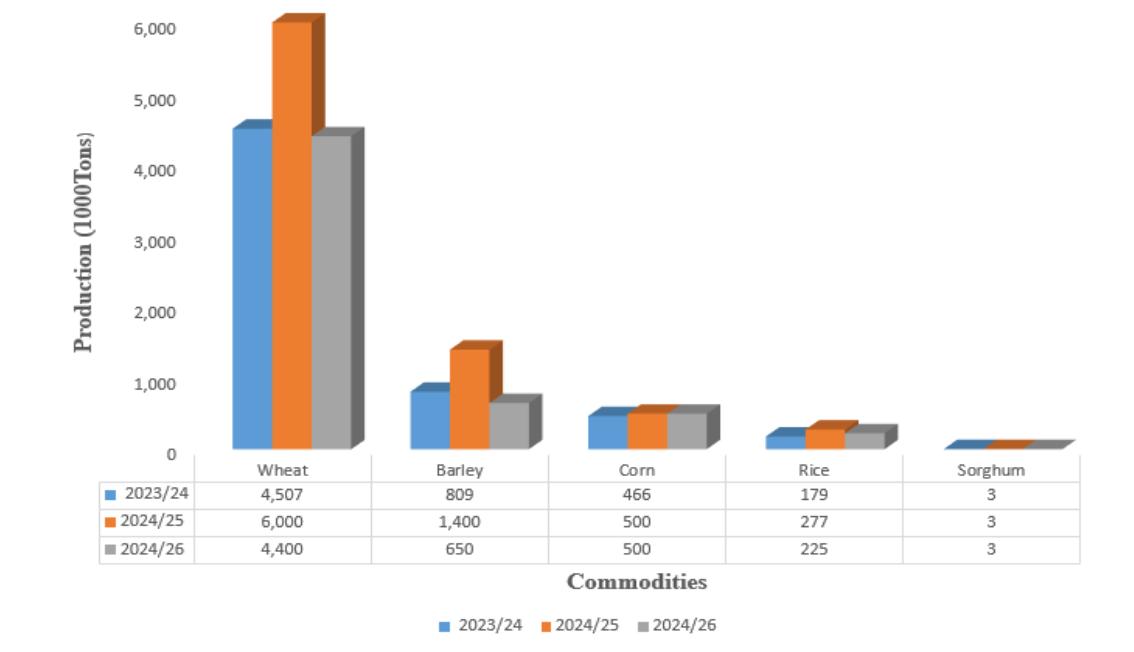
Iraq grain commodity production 2023-2025 (1000 Tons)
WHEAT
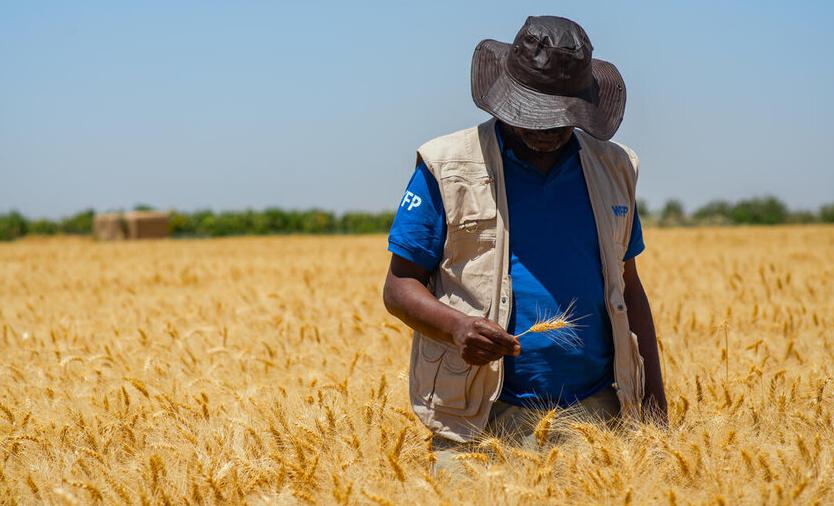
Wheat remains Iraq's paramount strategic cereal crop, accounting for about 70% of total cereal
production. It is cultivated across both rain-fed areas in the northern regions, including Ninawa, Kirkuk, Salah Al Din, Anbar, and the Kurdistan Region of Iraq (KRI), and irrigated zones in the central and southern (C&S) regions reliant on the Tigris and Euphrates rivers. Planting typically occurs in October and November, with harvesting from April to June.
Iraq’s wheat is primarily used for the national Public Distribution System (PDS), a food rationing program that provides essential commodities, including flour, to millions of Iraqis. The secure reserve also supports the government’s emergency stockpile, designed to stabilize the food supply during political, economic, or climaterelated shocks.
The government supports wheat through subsidized inputs, including seeds from entities
like the Mesopotamia State Seed Company and the Iraqi Seed Company. Locally produced wheat is procured by the Ministry of Trade (MOT) at above-international prices for milling and distribution via the PDS, which requires 5.2 MMT annually to supply flour to 42 million people.
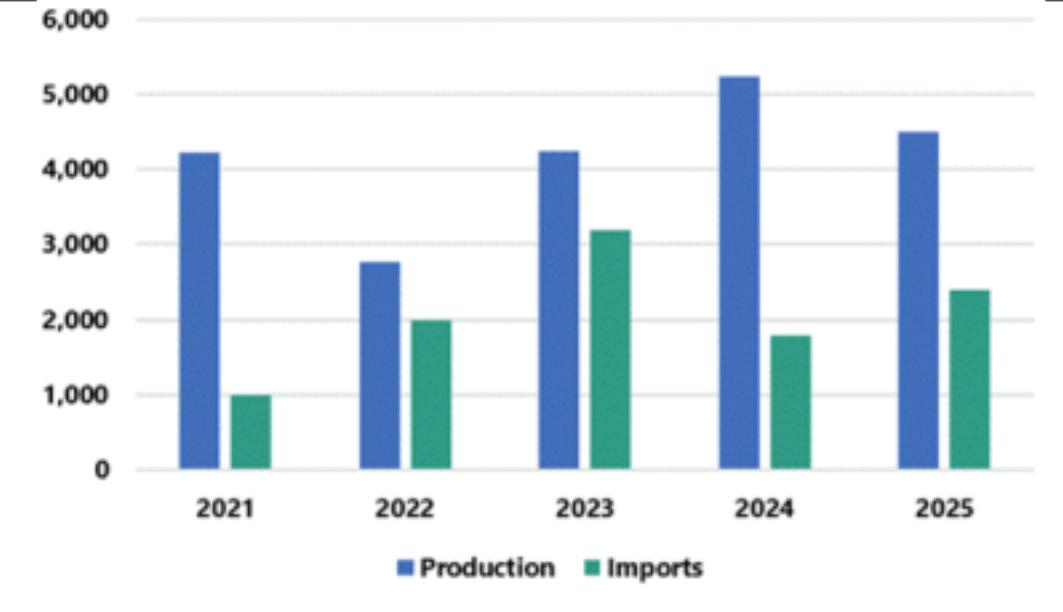
In the 2024-2025 marketing year (MY), Iraq achieved self-sufficiency in wheat strategic reserve with a record harvest of 6.3 million metric tons (MMT), a 21% increase from the previous year. This performance was attributed to improved rainfall in northern rain-fed provinces, particularly Nineveh, Kirkuk, and Salah al-Din, and successful irrigation management in central and southern regions that rely heavily on the Tigris and Euphrates river systems.
Despite the bumper year, the Food and Agriculture Organization (FAO) estimates 2025 production at 4.5 MMT, necessitating imports of about 2.4 MMT to meet domestic needs. The figure, however, differs from Director General Haider Nour Al-Karaawi, who announced that the total quantity of locally sourced wheat received by the end of the season on July 19 stood at 5.119 million metric tons. According to the Minister, when added to the 1.4 million tons carried over from the 2024 season, Iraq’s strategic wheat reserve stood at approximately 6.5 million tons, enough to cover the country’s consumption needs for 16 months.
National average wheat flour and rice prices were stable in August 2025 compared to the previous month but remained about 4 percent and 2.4 percent, respectively, higher than a year earlier. This reflects adequate local supply availability and the government's annual subsidy programme, which helps keep key commodity prices stable.
The Minister also assured public flour mills that they will continue receiving allocations of locally produced wheat, ensuring a steady supply for the rationing system. For the commercial bakeries across Iraq, they prefer imported flour, mainly from Turkey and Iran, because imported flour is milled to specific Iraqi baking characteristics at competitive prices. Imported flour is estimated at roughly 1.5 million tonnes annually. As a result, even with abundant domestic wheat, the commercial flour market remains tied to regional suppliers.
BARLEY
Barley is a secondary grain in Iraq, primarily used as livestock feed and occasionally in poultry rations (10-15% for laying chickens, though not
for broilers). Production is concentrated in rain-fed northern areas, similar to wheat.
Post forecasts for MY 2023/24 indicate barley production stood at 550,000 metric tons (TMT) on 400,000 hectares, benefiting from slightly increased rainfall, while MY 2022/23 was revised to 450 TMT. However, forecasts for the 2024/2025 marketing year indicate a substantial recovery, with projected production reaching 1.4 million metric tons, a remarkable 600 percent increase from the previous year.
The USDA attributes this potential rebound to improved weather conditions in certain subregions, enhanced irrigation practices, and government efforts to expand cultivated areas. The exact figures on harvested land and yields for these years remain provisional in available reports.
In 2023/24, Post forecasted total barley consumption at 885 TMT due to an increased consumer preference to use barley for bread. Barley flour is almost entirely imported from Turkey, with a small amount from Iran.
For the 2025/2026 season, however, Famine Early Warning Systems Network (FEWS NET) projections anticipate below-average barley yields, particularly in rain-fed northern governorates and river-dependent central and southern areas. Water reserves have plummeted from 60 billion cubic meters in 2020 to just 10 billion in 2025, exacerbated by upstream dam constructions in Turkey, Syria, and Iran, deteriorating infrastructure, and inefficient water usage in agriculture. These factors have led to government-imposed restrictions on planting, including bans on summer 2025 and winter 2025/26 cultivation in some regions to prioritize drinking
water supplies. The trade in barley is usually handled by the private sector, with import licenses issued by the Ministry of Agriculture. The government is not involved in importing barley.
CORN
Corn (maize) production in Iraq is relatively minor compared to wheat and barley, with limited statistical detail available for 2025. It is not a dominant staple but supports feed and food uses in certain regions. The MOA does not provide direct subsidized corn seeds, as it is usually handled by the private sector. Corn seeds are also imported from Turkey, Slovakia, Spain and small quantities from Holland. However, the Turkish seed is more popular because of its low cost compared to other sources. Water-intensive cultivation restricts expansion, particularly amid desertification and water allocation priorities favoring wheat. Imports play a key role in meeting demand, especially for animal feed, with global trade influencing availability.
In MY 2023/24, Post estimated corn imports to reach 1.1 MMT due to increased demand for feed for both the poultry and aquaculture sector. Feed mills prefer imported corn, especially of South American origin, due to the quality, moisture rate, and low occurrence of aflatoxins.
DESPITE THE RESUMPTION OF RICE FARMING, IRAQ IMPORTED 1.25 MILLION TONS OF RICE IN 2024 TO MEET DEMAND
RICE
Rice cultivation in Iraq faces significant constraints due to water shortages, making it a vulnerable commodity. Planting occurs between June and July, primarily in irrigated southern provinces like Najaf.
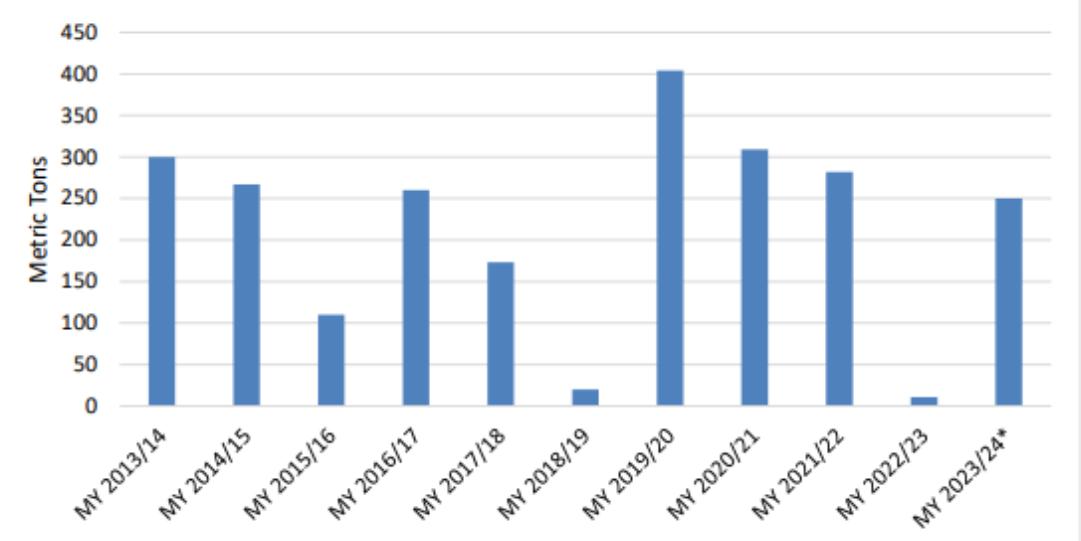
In 2023, the government restricted rice cultivation, citing a severe water crisis and a sharp decline in water inflows. The kingdom only allowed 5 to 10 square kilometers annually, solely for seed extraction. In 2025, however, Deputy Minister of Agriculture Mahdi Sahar Al-Jubouri said the country had resumed rice cultivation after a two-year hiatus, earmarked 150 square kilometres (58 square miles) for rice growing, and forecast a yield of 150,000 tonnes. This was attributed to the abundance of water due to heavy winter rainfall and the promise of more water flows from Turkiye.
Despite the resumption of rice farming, Iraq imported approximately 1.25 million tons of rice in 2024 to meet domestic demand. In 2025, consumption remains steady, with retail prices in August reported at about 2.4% higher than the previous year but stable month-to-month due to subsidies. Imports cover shortfalls, as domestic output meets only a fraction of needs, estimated at around 1-2 MMT milled equivalent annually in prior years. According to USA Rice, Iraq continues to purchase rice from the U.S., with sales reaching 220,000 tonnes for 2025. In 2024, the USDA reported that
PERCENTILE OF STATE OWNED MILLLING COMPANIES
IN NUMBERS in 2024, Iraq imported US$85.5 million worth (131,501 metric tons) of rice from the U.S., marking a 61% increase compared to the ten-year average. The demand for high-quality U.S. rice remains strong, as Iraq imports nearly 90% of its rice needs.
MILLET
Millet is not a primary grain in Iraq's agricultural portfolio, with production data scarce for 2025. It is occasionally grown in marginal, rain-fed areas for subsistence or feed, but it does not feature prominently in national statistics or trade reports.
Given Iraq's focus on wheat and barley, millet output is negligible. No significant governmental support or import trends are noted, indicating its minor role in the grain sector.
GRAIN STORAGE
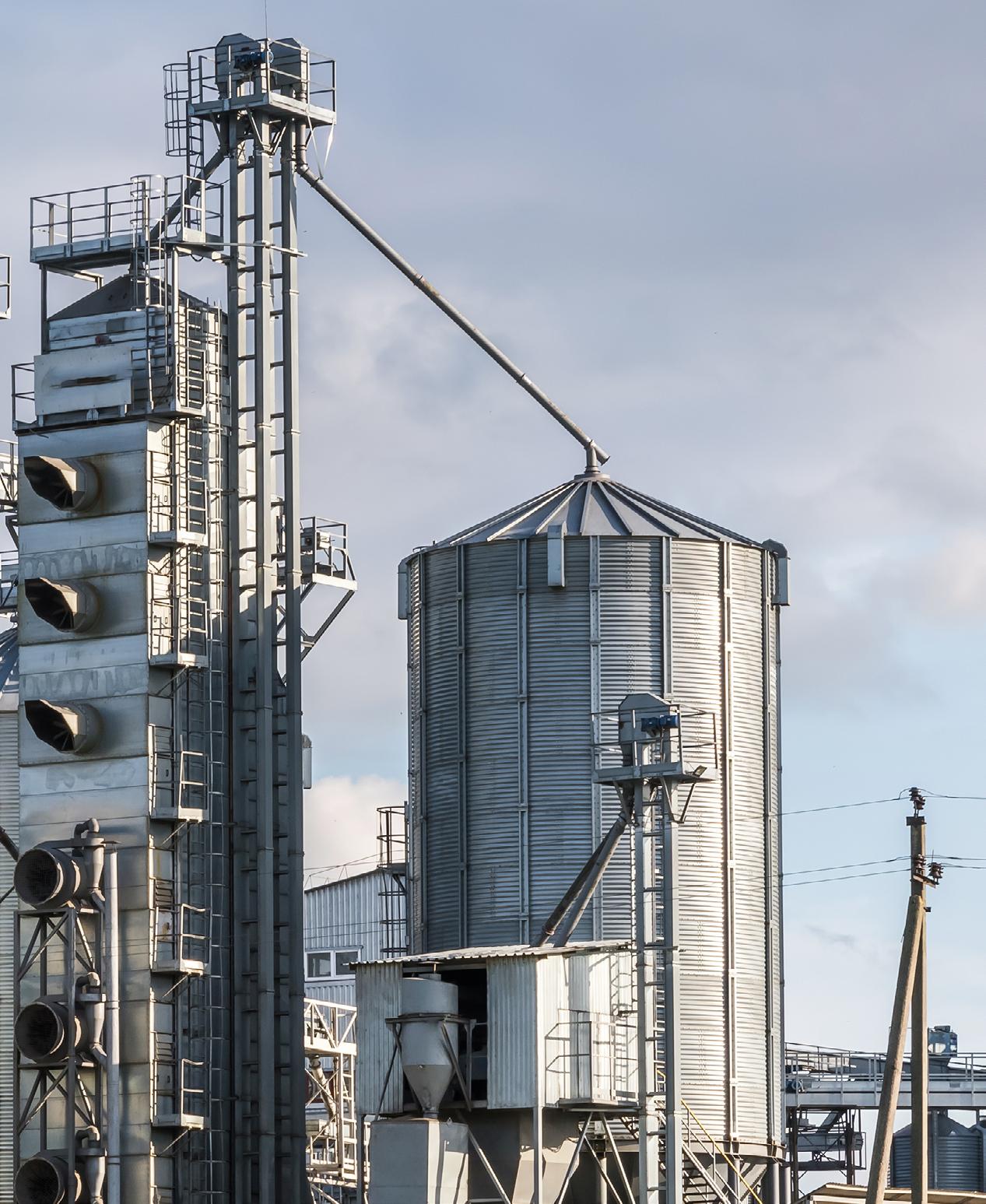
Iraq has invested substantially in grain storage to accommodate rising production and ensure food security. Strategic wheat reserves exceeded 5.5 MMT in 2025, sufficient for a full year's domestic supply and price stability amid global disruptions. The 2025 marketing season concluded with over 6.5 MMT stored.
Key developments include the groundbreaking of five 60,000-tonne silos across provinces, starting with Kirkuk, constructed by Switzerland's Bühler Group in partnership with Egypt's Samco Company. These facilities incorporate advanced technologies for safe storage. In the KRI, additional silos under construction will add 200,000 tonnes of capacity once operational. These initiatives address surplus from bumper harvests, such as 2024's, and mitigate losses from inadequate infrastructure.
MILLING INDUSTRY
Iraq's milling sector comprises approximately 280 licensed flour mills, with 97% state-owned and the remainder private. The industry processes domestic wheat for the PDS and commercial markets, though it faces competition from lowercost imports. The government of Iraq subsidizes inputs, purchases wheat from farmers at a high price, sells to millers at a lower price, and then purchases much of the flour to distribute via the PDS. The PDS was created in 1990 by the Ministry of Trade (MOT) and has continued to benefit most families in Iraq.
A landmark project is the Etihad Group's flour
Wheat production & imports in Iraq 2021-2025 (1,000 MT)
Rice Production in Iraq 2014-2024
mill in Babil Governorate, inaugurated in 2025 with a 4,500 tonnes per day (TPD) capacity, one of the largest in the Middle East, covering 50% of domestic demand and reducing annual imports valued at over US$750 million. .
Global wheat flour trade contracted in 2024-25, partly due to Iraq's reduced imports following gains in self-sufficiency, but drought may increase reliance on imports from Turkey and Iran. The government subsidizes milling inputs, ensuring affordability through the PDS.
The milling industry is also supplemented by external imports. It is estimated that around 1.5 MMT of wheat flour is imported annually. Mills outside of Iraq have the capability to make wheat flour in specification to Iraqi preference at a lower cost than Iraqi mills, therefore making it difficult for Iraqi mills to compete. All imported wheat flour in Iraq is done by the private sector and sold to bakeries around the country. A significant amount of wheat flour is imported from Turkey and Iran and a small amount from Jordan and Russia.
However, as part of the National Product Protection Program, the government initiated measures to bolster local flour production by selling domestically produced wheat to public and private mills at prices competitive with imported wheat.
In addition, as part of this initiative, the Cabinet imposed a gradually increasing customs tariff on imported flour, starting at 10% from Sept. 1-Dec. 31 and increasing to 25% from Jan. 1, 2025-June 30, 2025 subject for review.
The plan also includes a 30% customs duty on imported packaged flour, effective from October 1, 2024, to discourage imports further and support domestic production. MMEA
Africa’s Growing Appetite for Wheat and the Import Challenge
BY WANGARI KAMAU
Cereals remain central to Africa’s food systems, providing nearly half of the continent's daily energy intake. According to a study by Silva et al. titled “Pathways to wheat self-sufficiency in Africa”, and published in the Global Food Security journal, wheat now stands as the most consumed cereal per capita in Africa, making up about 30 percent of the continent’s total cereal consumption on average. The dominance of wheat is especially pronounced
in Northern Africa, where it accounts for as much as 63 percent of cereal-based calorie intake and where a large share of the demand is met through imports rather than domestic harvests. Although maize still leads in Eastern and Southern Africa, wheat plays a substantial and expanding role, accounting for 17-32 percent of cereal consumption in these regions, according to FAO estimates.
In global terms, Africa remains a relatively small consumer of wheat compared with major
markets such as China and India, which together account for a substantial share of global utilisation. The International Grains Council (IGC) forecasts global wheat consumption at 819 million tonnes in 2025/26. Notably, industry analysts estimate that Sub-Saharan Africa is among the fastest-growing regions for wheat consumption worldwide, accounting for a significant share of the 70–75 million tonnes estimated to be consumed across the continent, according to market research bodies such as IndexBox.
Wheat’s rising prominence in Africa is closely linked to rapid urbanisation, shifting consumer preferences, and the expansion of modern food-processing industries. While foresight studies indicate that per capita wheat consumption in the Middle East and North Africa may stabilise by 2050, implying that demand growth there will stem primarily from population increases, consumption levels are expected to keep rising across many Asian and Sub-Saharan African countries. United Nations projections show that Sub-Saharan Africa’s population will expand from about 1.2 billion in 2025 to 1.6 billion by 2035 and approach 2 billion by 2045, creating a strong and sustained structural demand base for wheat and wheat-based foods well into the future.
AFRICA’S WHEAT PRODUCTION AT A GLANCE
Global wheat production for the 2024/2025 marketing year is estimated by the USDA at about 800.79 million metric tonnes, underscoring the limited role Africa plays in global supply. Although the continent’s wheat output has expanded over the past few decades, production in 2025 is estimated at only 25–30 million tonnes. The top producers in 2024/2025 include Egypt at around 9 million tonnes, Ethiopia at 6.2 million tonnes, Algeria at 3 million tonnes, Morocco at 2.46 million tonnes, South Africa at 1.93 million tonnes, and Tunisia at 1.18 million tonnes. These figures remain modest relative to Africa’s fastgrowing demand.
Africa’s wheat production continues to fall well short of rising demand, constrained by a combination of environmental, technological, infrastructural, and socio-economic factors. Climate variability, characterized by erratic rainfall, frequent droughts, and rising temperatures, undermines yields, particularly in rain-fed systems, while soil degradation, declining fertility, monocropping, and limited water availability further restrict productivity. Farmers often lack access to quality seeds, fertilizers, and crop protection products due to weak supply chains, and the adoption of improved varieties and modern agronomic practices remains low.
These challenges are compounded by high production costs, limited access to credit, and market inefficiencies that discourage investment. Land fragmentation, population pressures, and migration influence farmers’ crop choices, prompting many to favor alternatives perceived as less risky or more profitable than wheat. Biological threats, including recurring fungal diseases such as yellow and stem rust, further suppress yields. Together, these environmental stresses, economic barriers, and pest pressures maintain
WHEAT NOW STANDS AS THE MOST CONSUMED CEREAL PER CAPITA IN AFRICA, MAKING UP ABOUT 30 PERCENT OF THE CONTINENT’S TOTAL CEREAL CONSUMPTION ON AVERAGE
persistent yield gaps across the continent, keeping Africa’s wheat production well below its potential.
WHEAT IMPORTATION IN AFRICA DRIVES THE MARKET
Therefore, Africa’s dependence on imported wheat has grown to unprecedented levels, reshaping the continent’s position in global grain markets and exposing its food systems to heightened external risks. Sub-Saharan Africa alone surpassed 30 million tonnes of wheat imports in the 2024/2025 season, a seven percent increase from the previous year, even as global wheat trade contracted significantly. This rising appetite underscores the continent’s growing reliance on wheat. Wheat now stands as Sub-Saharan Africa’s most imported cereal and the third-most consumed grain after maize and rice, marking a profound dietary transition that has unfolded over the past two decades.
The surge in imports is driven by rapid population growth, accelerating urbanisation, and evolving dietary preferences that increasingly favour bread, pasta, noodles, and other wheat-based foods. As consumption continues to rise faster than production, African countries have taken on a more prominent role in international wheat markets, aligning the region with North Africa and Southeast Asia as key demand centres. The United States Department of Agriculture (USDA) identifies Nigeria, Kenya, and Sudan as the leading importers in Sub-Saharan Africa, collectively accounting for more than eleven million tonnes, about 37 percent of the region’s total wheat imports.
Nigeria alone is forecast to import 6.25 million tonnes in 2024/2025, making it the world’s seventh-largest wheat importer. Its milling industry blends lower-cost European and Black Sea wheat with premium North American varieties to meet the needs of an expanding urban population. Kenya follows with 2.6 million tonnes, maintaining its position as a significant regional importer, while Sudan brought in roughly 2.5 million tonnes during the same period.
Other countries, including South Africa, Ethiopia, and Tanzania, remain significant players, though their combined volumes fall short of 5 million tonnes. South Africa is expected to import about two million tonnes, while Ethiopia and Tanzania
IN NUMBERS
AMOUNT OF WHEAT
IMPORTED IN SSA 2024/25
plan to source approximately 1.4 million and 1.3 million tonnes, respectively.
Across the region, approximately 70 percent of wheat imports originate from the European Union and Russia, although competition among suppliers is intensifying. Canada has increasingly expanded its footprint, particularly in Nigeria, where it now delivers around 800,000 tonnes annually. Canadian exporters are also building new relationships in markets such as Ghana, where demand for higher-quality wheat continues to grow.
The USDA projects that import volumes will remain high, reaching another record of 30.1 million tonnes in the 2025/2026 season. This sustained trend comes amid shifting global trade patterns. Russia, now the world’s leading wheat exporter, supplied Africa with 20-21 million tonnes in the past year, consolidating its dominance in markets such as Egypt, Algeria, Kenya, and other major buyers. France and Argentina remain important suppliers as well, although their shares fluctuate with harvest performance and pricing competitiveness. Meanwhile, the United States, Canada, and other European Union countries continue to play vital roles in the continent’s wheat supply mix.
ALTERNATIVES TO WHEAT AND EMERGING CONSUMPTION TRENDS
As Africa’s dependence on imported wheat deepens, the continent’s vulnerability to external shocks becomes increasingly evident. The challenge now lies in managing this dependency while exploring more resilient long-term strategies, including diversifying staple food systems and developing viable alternatives to wheat. Despite wheat’s unique baking properties, there is increasing momentum toward partial substitution. Food scientists across the continent have developed composite flours that incorporate cassava, sweet potato, sorghum, millet, and legume flours into traditionally wheat-based products. These blends can alter texture and flavor, yet research shows they can significantly reduce wheat usage while also improving nutritional value.
Beyond flour substitution, Africa’s broader agricultural output offers additional pathways to nutritional diversification. Production of roots and tubers has risen sharply in Northern and Western Africa over the past six decades, making staples such as cassava and yams increasingly viable caloric alternatives during wheat-related supply shocks. Meanwhile, the continent has seen notable growth in pulse production, particularly in West, Southern, and North Africa. These commodities can help offset wheat’s contribution to food security, reducing exposure to global cereal price volatility.
Alongside these efforts, consumer habits in parts of the Middle East and Africa are shifting toward gluten-free and alternativegrain products. The region’s gluten-free food market, valued at US$589 million in 2024, is projected to surpass US$1 billion by 2030, driven by rising health consciousness, expanding retail availability, and the growing presence of wheatfree bakery products. Although the sector still represents just over 7 percent of the global market, its projected annual growth rate of more than 10 percent positions it as one of the most dynamic categories in the region’s food landscape. This momentum reflects lifestyle changes and a gradual openness to products made from indigenous crops such as sorghum, millet, teff, and cassava.
As these trends continue to mature, they offer African countries credible options to widen their food baskets, reduce dependence on imported wheat, and reinvest in resilient, locally suited value chains.
2
1
CHINA –140.1 MILLION MT
China leads global wheat production, contributing 17% of the world’s output. In 2023, China harvested about 136.6 million tonnes of wheat, retaining its position as the world’s leading producer. In 2024/2025 output rose to 140.1 MMT. Extensive cultivation in the North China Plain, advanced irrigation, and mechanization sustain high yields.
3
INDIA –113.29 MILLION MT
USDA has ranked India 3rd top wheat producer for 2024/25. India’s 2023 wheat harvest stood at 110.6 MMT, placing it firmly among the top three producers. By 2024/2025, production increased to 113.3 M MT, contributing to 14% of the global production. The USDA attributes this to government procurement policies that encouraged farmers to plant more.
THE WORLD’S TOP 10 WHEAT PRODUCERS IN 2025
EUROPEAN UNION122.15 MILLION MT
The EU remains a major wheat producer. According to USDA data, the EU produced about 122.12 M MT in 2024/25 accounting for 15% of global wheat production. France, Germany, and Poland are key contributors, benefiting from favorable climatic conditions and modern farming techniques. The EU’s wheat output supports domestic consumption and substantial exports, supplying African & Middle Eastern markets.
5
4
RUSSIA –81.6 MILLION MT
Russia contributed 10% of global wheat production in 2024/25. In 2023, Russia’s wheat production reached 91.5 MMT, making it among the top three. However, For 2024/2025, reported production is 81.6 M MT. Russia plays a vital role as an exporter, supplying bread and feed wheat to the Middle East, Africa, and Asia, supporting international food security.
UNITED STATES –53.85 MILLION MT
The U.S. remains a major wheat producer, ranked among the global top five. In 2023, U.S. wheat production was about 49.3 MMT. The 2024/2025 figure of 53.85 M MT marks an increase, contributing to 7% of the global wheat supply. Advanced farming, crop genetics, and irrigation drive high-quality output. U.S. wheat, including hard red winter and soft varieties, is exported globally.
6
CANADA –35.94 MILLION MT
Wheat production in Canada is concentrated in Alberta, Saskatchewan, and Manitoba. The country produced 31.95 MMT of wheat in 2023/24. The 2024/2025 output rose to 35.94 M MT accounts for 4% of global output. According to the USDA, the Canadian wheat is known for high-protein wheat with strong gluten, attracting exports to Asia, Europe, and the Americas.
7
AUSTRALIA –34.11 MILLION MT
In 2023/24, Australia harvested around 41.2 M tonnes, ranking among the top producers. In 2024/25, Australia produced 34.11 MMT, a 4% of the world’s wheat, primarily in Western Australia, New South Wales, and Victoria. Australian wheat is valued for milling and baking, with major markets in Asia, the Middle East, and Africa.
9
UKRAINE –23.4 MILLION MT
Despite geopolitical challenges, Ukraine remains a key wheat producer globally. It is a major global grain exporter, with total quarterly exports of approximately 40 million tons. As of August 22, Ukraine has harvested 21 million tons of wheat, completing 98% of the sown area harvest. According to USDA, total wheat output reached 23.4 MMT in 2024/25 marketing year, a 3% of the world’s wheat ranking 9th globally.
8
PAKISTAN –31.44 MILLION MT
Wheat production in Pakistan has declined significantly from FY2024 to FY2025 dragging down the agriculture sector’s growth. During FY2025, total wheat output in Pakistan is estimated at 31.44 Million MT mainly from Punjab and Sindh ranking 8th globally. The cultivated area has shrunk as well, down to 9.1 million hectares.
10
TURKEY –19 MILLION MT
Unseasonably dry weather is expected to lower Turkey’s wheat and barley production in 2025-26. For 2024/25, the USDA has ranked Turkey 10th wheat producer, reaching 19 MMT and contributing 2% of global wheat output, mainly from Central Anatolia and Thrace. Wheat imports are estimated at almost 7.3 million tonnes, which is more than double the amount from the prior year.
SOURCE : USDA
Saudi Arabia’s Flour Milling Evolution:
How Privatized Mills are Strengthening Food Security under Vision 2030
BY DR. ALYAA HOMOUD FOOD SCIENTIST & MARKET DEVELOPMENT SPECIALIST
Saudi Arabia has undertaken one of the most profound restructuring initiatives in the Middle East's flour milling sector. Between 2017 and 2021, all government-owned mills were privatized and consolidated into four independent companies, a cornerstone initiative under the Vision 2030 Privatization Program. This privatization generated significant revenue, reportedly amounting to SAR 5.77 billion, and laid the foundation for a modernized milling ecosystem. Today, the Kingdom operates a hybrid public–private model. The General Food Security Authority (GFSA) manages wheat importation, procurement, strategic reserves, and price stabilization, ensuring national food security.
Meanwhile, the four private milling companies, First Mills, Arabian Mills, Modern Mills, and Fourth Milling, handle
operational efficiency, quality assurance, and commercial investment. “Saudi Arabia now operates one of the most integrated, resilient flour systems in the region with private mills supported by centralized wheat security.” This combination of centralized strategic control and private-sector efficiency has created a highly integrated, resilient flour system capable of meeting domestic demand and supporting industrial and retail markets. Underscoring the privatization's success, the Saudi flour market, valued at US$2.01 billion in 2024, is projected to reach US$3.03 billion by 2033, growing at a compound annual growth rate of 4.66%, driven by population expansion, economic diversification, and health trends. The sector's evolution aligns with broader economic goals, contributing to non-oil GDP growth and reducing dependency on imports for essential goods.
A CENTRALIZED WHEAT SYSTEM BACKED BY GFSA
The General Food Security Authority of Saudi Arabia (GFSA) plays a pivotal role in maintaining supply stability through a centralized wheat system. Wheat is imported from diverse origins, including Europe, Australia, North America, and the Black Sea region, to ensure supply diversification and minimize dependence on any single source. In addition, licensed local wheat production complements these imports. All wheat is stored in government-managed silos with a total storage capacity of around 745,000 tonnes, providing a multi-month strategic buffer against potential supply disruptions. GFSA sells wheat to milling companies at regulated prices, stabilizing flour costs for consumers, bakeries, and food processors and shielding the market from global price volatility. According to the United States Department of Agriculture (USDA) Foreign
Agricultural Service, Saudi Arabia's wheat imports are forecasted to decline by 10% to 3.2 million metric tons (MMT) in the 2025-26 marketing year, following 4.25 MMT in 202425, reflecting improved efficiency and strategic procurement. Recent GFSA tenders have included purchases of 500,000 tons from Saudi investors abroad at an average price of US$263.38 per ton, as well as additional lots of 300,000 and 307,000 tons, ensuring reserves remain robust.
Since privatization, operational responsibility for processing has been managed entirely by the private mills, collectively producing an estimated 27 million tonnes of flour annually. This structure, centralized strategic oversight paired with private operational execution, has enhanced both stability and resilience across the Kingdom’s flour system.
THE FOUR MILLING COMPANIES SHAPING THE SECTOR
The four privatized entities each contribute uniquely to the national flour ecosystem, forming a comprehensive grid of production capacity. First Mills Company, a leading player with multi-regional coverage, operates four major facilities in Jeddah, Al-Qassim, Tabuk, and Al-Ahsa, covering the western, central, and northern regions. Since privatization, the company has expanded production and developed a broad product portfolio, including flour, semolina, bran, and animal feed. Some products are sold domestically, while others are exported to regional markets. By providing geographic coverage across major consumption zones, First Mills plays a critical role in ensuring supply stability throughout the Kingdom.
Arabian Mills operates in Riyadh, Hail, and Jizan, with a daily wheat-milling capacity of 4,920 tonnes and feed production of
600 tonnes. The company has invested heavily in automation, including SAP-based digital grain-receiving systems and automated milling lines. This digital infrastructure enables operational optimization while producing flour, whole wheat flour, semolina, and other derivatives at scale. Arabian Mills serves thousands of customers across both B2B and B2C segments, and its modernized operations help meet growing domestic demand while supporting regional exports. In 2025, the company announced SAR 461 million in investments for four strategic projects, poised to expand Riyadh's flour capacity by 800 tpd to 3,870 tpd, feed by 400 tpd to 700 tpd, and Hail's flour by 150 tpd to 750 tpd. Construction on the Riyadh projects is slated to begin during the first quarter of 2026, with completion expected during the first quarter of 2028, while the Hail location will begin upgrades during the fourth quarter of 2025 and wrap up by the fourth quarter of 2026. Arabian Mills said the projects will be financed from the company’s available cash liquidity and Sharia-compliant banking facilities.
Beyond the two, Modern Mills Company, strategically located in Al-Jumum, Al-Jouf, and Khamis Mushait, focuses on regions of high demand, particularly near Makkah, Madinah, and the southern provinces. With a milling capacity of 3,451 tonnes per day, the company has invested in modern milling technologies and production efficiency upgrades. Its product portfolio includes flour, bran, and animal feed, allowing it to maintain a reliable supply during peak periods such as Hajj, Umrah, and Ramadan. The company achieved a market share of about 24% in 2022 and invested US$40 million to expand feed production to 422,000 metric tons annually. In 2025, the company participated in the "Li Tadum" initiative to support pilgrims, aligning with national priorities. Second-quarter 2025 profits increased 11.6% to SAR 49.66 million, driven by
revenue growth as a key supplier for both consumers and industrial clients in critical population centers.
Fourth Milling operates facilities in Dammam, Medina, and Al-Kharj, supplying industrial bakeries, retailers, and consumers across the eastern and central regions. The company produces 3,150 tonnes of wheat per day and 450 tonnes of feed daily. A recent SAR 265 million (≈US$70 million) investment in a new Al-Kharj facility will increase capacity by 750 tonnes per day for flour and 240 tonnes per day for feed. Fourth Milling also markets retail products, including its FOOM brand, ensuring a balanced supply for both industrial and consumer segments. Together, the four companies form a comprehensive national grid capable of delivering high-capacity, multi-regional flour production.
REINFORCING NATIONAL FOOD SECURITY
The Saudi milling system is designed to safeguard supply stability through multiple mechanisms. Geographic redundancy ensures that all major population centers are covered, while regulated wheat pricing prevents excessive market fluctuations. Strategic storage facilities provide multi-month reserves, and wheat imports from diverse global origins reduce the risk of supply shocks. Peak demand periods, including Hajj, Umrah, and Ramadan, are supported by strategically located facilities such as Al-Jumum and AlMadinah. The combined milling capacity of the four companies reaches 15,150 tonnes per day, ensuring sufficient output to meet surges in consumption. The sector’s diversified production, which includes flour, semolina, bran, and feed, also strengthens downstream agricultural and food-processing industries, reinforcing overall food-system resilience.
DIRECT ALIGNMENT WITH VISION 2030
The transformation of the Saudi milling sector aligns directly with several pillars of Vision 2030. Privatization of stateowned mills has improved market efficiency, unlocked capital, and encouraged competition. As companies expand product lines and regional exports, they contribute to economic diversification and non-oil GDP growth. Public listing initiatives, including Fourth Milling’s planned IPO, demonstrate the sector’s maturity and strategic importance, providing access to private capital for continued modernization and expansion.
With GFSA controlling wheat imports and reserves and the four private companies delivering geographically distributed, high-capacity production, the Kingdom maintains one of the most resilient flour systems in the region. Daily milling capacities totaling over 15,000 tonnes, strategic storage of 745,000 tonnes, and annual flour production of 27 million tonnes ensure self-reliance and flexibility. Beyond food security, the sector now contributes to industrial modernization, economic diversification, and growth of the non-oil economy. Saudi Arabia’s flour milling industry serves as a model of strong governance, supply resilience, technological advancement, and strategic vision, securing the Kingdom’s food future for decades to come.
&
BAKING SNACKS &
MIDDLE EAST & AFRICA
EXECUTIVE INTERVIEW
CYPRIAN SYEUNDA
BAKING TECH
PH IN BAKING
Flour is Not a
Single Uniform Ingredient
Dr. Cyprian Syeunda on the Role of Grain Science in Modern Mills
BY MARTHA KURIA
Cereal Scientist
In most commercial milling operations, the presence of a grain scientist remains uncommon, with their expertise traditionally confined to research settings. However, evolving market requirements are reshaping this dynamic, as the hospitality, industrial baking, and quickservice sectors increasingly demand flour with predictable and tightly controlled performance characteristics. Achieving this reliability requires integrating scientific principles that position grain science as a core technical foundation in modern milling. To explore this progression, Milling Middle East & Africa Magazine interviewed Dr. Cyprian Syeunda, Senior Scientist in Corporate R&D at The Mennel Milling Company, Fostoria, Ohio, USA, who offers a comprehensive perspective on how data-driven evaluation and applied cereal chemistry can help Africa advance, improve grain quality management, and foster sustained innovation in the milling and baking sector.
MMEA: Walk us through your professional journey and how you became a grain scientist?
I am Cyprian Syeunda, born and raised in Africa, Kenya to be precise. My professional journey in grain science began at Egerton University in Kenya, where I studied Food Science and Technology at both the undergraduate and master's levels. This is where I was introduced to cereal chemistry and flour functionality. During my master’s research on sorghum, millet, and other local cereals, I became deeply interested in how grain quality influences nutrition, processing, and end-use performance. I pursued this path during my PhD at Texas A&M University, working with Dr. Joseph Awika on cereal phenolics, Maillard reaction chemistry, and the functional behavior of cereal bran and phenolics in whole-grain processing. Having leadership roles in the Institute of Food Technologists (IFT) and the Cereals & Grains Association further developed my mentorship and industry engagement. Today, as a Senior Scientist in Corporate R&D at The Mennel Milling Company, I apply this background to link grain science with milling, flour functionality, and product development.
MMEA: At what point did you realize grain science was the path you wanted to pursue, and what influenced that decision?
The “wow” moment came very early in my life. Growing up in a small farming family, cereals like sorghum and maize were central to our diet. My lunchbox was almost always maize and beans (Githeri), while animal protein (meat) was rare and considered a luxury. The upbringing deeply shaped my perspective. So, when I had the opportunity to work with renowned cereal scientists, the choice was obvious.
MMEA: How has your current role shaped your perspective on grain quality and flour functionality?
In my current role at The Mennel Milling Company, I see every day how grain quality directly translates into flour functionality and final product performance. Working across wheat sourcing, supply chains, NIR instrumentation, quality
programs, and R&D has deepened my appreciation for how protein quality, starch properties, enzymatic activity, and particle size influence consistency and functional properties of products ranging from biscuits and bread to thermal-processed products. Quality is not just a laboratory measurement, it directly determines consistency, processing efficiency, and the success of the final product.
MMEA: Many assume any flour can be used for baking. From a grain science perspective, why is this not the case?
That’s a common misconception among many bakers. Flour cannot be used interchangeably because its functionality is determined by the integrity and composition of the grain. Flour is not a “single uniform ingredient”, it contains functional components such as protein (content and quality), starch properties, non-starch polysaccharides, lipids, chemical treatments etc. Any change in these properties (whether from variety selection, growing conditions, milling, post-milling treatments, or storage), affects how the flour behaves during baking (mixing, fermentation, and gas retention).
Thus, two bags labeled “wheat flour” can perform very differently. For example, bread flour (≈12–14% protein, from
hard wheat) forms strong, elastic gluten ideal for bread or chapati. Cake flour (≈6–8% protein, often chlorinated and milled from soft wheat) produces a fine, tender crumb. Using cake flour for chapati, bread, or Maandazi will form weak dough, resulting in a product of poor quality (low volume/poor texture); using bread flour for cakes results in a tough, chewy texture. In short, flour functionality varies widely, and these compositional differences determine which flour is suitable for each baked product.
MMEA: Do variations in wheat varieties, growing conditions, and milling processes impact flour performance?
Yes, flour performance is shaped by variety × environment × management × milling. As wheat has been adapted to regions where it originally didn’t grow, differences in genetics, growing conditions, and agronomy have led to variations in protein content and quality, kernel hardness, and even enzyme activity. As a result, the same wheat variety grown in different seasons or regions can produce very different flour functionality. This is why breeders and geneticists work closely to enhance enduse quality. Milling science adds another layer of variability: stone vs. roller milling, whole grain vs. refined, extraction rate, tempering moisture, and milling streams all influence the final flour properties.
MMEA: What should bakers understand more deeply about flour characteristics to optimize their results? All flours are not the same (or flour is flour); flour vary by the type of wheat (variety, growing conditions, and agronomic practices) and the mill from which they come. For example, even “all-purpose flour” can differ significantly depending on its source. In addition, the quality of key flour components naturally declines over time, which can reduce functionality and change factors like water absorption. These differences must always be considered by bakers to optimize the end-use functionality of the flour. Also Bakers should not think that the problem is always the fault of the flour.
MMEA: Flour improvers are widely used in African bakeries. From a scientific perspective, can improvers correct quality gaps created during milling?
That’s another misconception: that flour improvers can fix any flaw. While improvers are powerful tools for fine-tuning mixing tolerance, volume, softness, etc, they cannot correct fundamental problems such as extremely low falling number or mismatched protein quality. In addition, they cannot fully fix a fundamentally poor or badly milled flour. Acceptance ultimately depends on the end user, but millers understand that improvers are tools for consistency and risk management, not substitutes for quality grain selection, proper mill adjustment, or correct flour classification. For example, no improver can compensate for issues such as incorrect grain choice, high ash from bran contamination, excessive starch damage from aggressive grinding, safety defects (mycotoxins, insect damage) or using the wrong flour type.
MMEA: How can millers better integrate grain science principles into daily operations to improve flour consistency and performance?
Millers often view milling as an art, but consistent improvement requires systematic changes supported by data. To meet specific quality targets, millers must think from grain → flour → functionality. For example, flours with different absorption rates demand different handling and end-use applications. This means going beyond basic metrics like test weight and protein content to include detailed wheat characterization, linking lab tests directly to mill decisions (e.g., if lactic-SRC > X and water-SRC < Y, divert flour to cracker production), using NIR and databases for real-time monitoring, and establishing feedback loops between baking results and mill settings.
MMEA: How important is collaboration between grain scientists, millers, and bakers in ensuring high-quality end products?
Very important. Bakers must clearly communicate their needs to millers, and millers must work closely with grain scientists and breeders to ensure those needs are met. The collaboration helps translate flour specifications into consistent product performance, enables faster troubleshooting, and supports co-development of new products and markets. For example,
developing a high-fiber baked product.
MMEA: From your perspective, what is Africa missing in terms of grain science research, technical skills, or industry capacity?
From my perspective, Africa is richly endowed with climate-resilient grains such as sorghum, rice, millets, and amaranth, yet these crops remain underutilized in diverse end-use products. Several research and technical gaps contribute to this. Many programs are not designed for continuous improvement (breeding for end-use applications), and only a few dedicated cereal science programs, mainly in South Africa, Kenya, Ethiopia, and Nigeria, serve the entire continent. This has resulted in limited phenotyping for breeding and a weak understanding of end use functionality, even in wheat or maize. That’s why Africa remains a net importer of most of the grains. There is also a skills gap: the continent needs more process-focused food scientists who can connect grain quality to milling behavior, flour functionality, and final product performance. On the industry side, flour functional groups are not well standardized (and few industries have “real” R&D departments), plus feedback loops among millers, bakers, industry, and academia remain weak. While the available technologies are not necessarily outdated, they are not fully aligned with modern production demands. Institutional
Dr. Joseph Awika – Department Head, Kansas State University
Dr. Scott Osborne – VP, Innovation & Regulatory Affairs, Mennel Milling
Dr. Cyprian Syeunda – Senior Scientist, Mennel Milling
Jim Beauregard – Director, R&D, Mennel Milling
and government support for research is improving, but efforts often focus narrowly on fortification and blending rather than on broader development of grain quality and functionality.
MMEA: How do these gaps impact Africa’s milling and baking quality, especially in hospitality and service industries?
These gaps create variability and risk across the value chain. Without proper quality mapping, mills experience inconsistent flour performance, increased dependence on premium wheat or blends, and in some cases even the need to import frozen dough. This limits product innovation and keeps consumers, in this case hospitality and service industry tied to the same narrow range of baked products. The lack of consistent functionality data also forces formulators to rely heavily on improvers and additives to “normalize” performance. It prevents the development of strong, identity-based branding eg “Kenyan Durum”, just like the way we have Kansas HRW, Canadian Durum, or Ohio SRW.
MMEA: With health-conscious consumers rising globally, which non-wheat cereals show greatest potential for bakery innovation in Africa?
I have options, but I think sorghum stands out. It is widely adapted to semi-arid regions of Africa and is naturally rich in phenolics (antioxidants), dietary fiber, and slowly digestible starch. With rising health-conscious consumers, it offers an excellent gluten-free and diabetic-friendly option. It has long been part of African cuisine, so it requires no cultural introduction.
MMEA: What challenges do millers face when processing alternative grains for baking applications? Alternative grains show wide techno-functional variability
because different varieties and growing conditions lead to major differences in starch damage, water absorption, pasting behavior, and hydration properties. Their supply is often inconsistent, driven by environmental factors. Milling is another challenge: many of these grains are small, hard, or nonuniform, making them difficult to process on conventional roller mills without customized process design. Most importantly, they lack a gluten network, so they do not form elastic, gasretaining Doughs, resulting in crumbly textures and lower loaf volumes. Finally, there is a need for standardized rheological methods tailored to these grains to better understand and optimize their baking applications.
MMEA: What scientific innovations will shape the future of flour quality and baking performance globally?
I think, high-throughput phenotyping and digital tools involving NIR, hyperspectral imaging, and kernel-based analytics that will transform how we assess grain quality and predict end‐use performance early in the breeding or across the supply chain. Another is physics-based quality assessment methods, such as Confocal microscopy, micro-CT, and NIR, that offer deeper insight into dough rheology, microstructure, and water absorption, which better understand and describe flour functionality across products.
MMEA: What lessons from your training and career would you recommend for young African scientists interested in grain quality and cereal technology?
Build strong fundamentals in grain science by understanding the full value chain from farm to table. Engage with global cereal-science communities, stay curious, and embrace interdisciplinary collaboration, particularly in data science & AI, plant breeding & genetics, and process engineering, because the future of milling is digital. MMEA
pH Baking in
The Invisible Force That Controls Every Bake
BY STEPHEN KIBE
Baking is both an art and a science where even subtle chemical balances can affect the final product. Among these key factors, the pH of baking ingredients plays a pivotal role in determining the texture, flavor, color, rise, and shelf life of baked goods. From the tang of sourdough to the fluffiness of cakes, pH influences nearly every aspect of the baking process.
WHY DOES PH MATTER IN BAKING?
pH measures the potential of hydrogen ions in a substance, indicating whether it is acidic (low pH 0), neutral (pH 7), or alkaline (high pH 14). In baking, controlling pH influences chemical and biological reactions: it affects yeast activity, gluten formation (Protein behavior), leavening agent reactions (rise), and the Maillard reaction (browning). The ideal pH range depends on the type of baked item and the desired qualities.
WHERE YEAST THRIVES: THE SWEET SPOT OF ACIDITY
Fermentation is a vital step in bread-making where yeast converts sugars into carbon dioxide and alcohol, helping the dough rise. Yeast, a critical leavening agent in bread, thrives in a slightly acidic environment, typically around pH 4 to 6. This acidity optimizes yeast fermentation, producing carbon dioxide (CO₂) gas that causes the dough to rise. At this acidity, the gluten network is also strengthened, improving the bread’s structure and texture. If the environment is too acidic or too alkaline, yeast activity decreases, resulting in dense, poorly risen bread. Yeast also produces organic acids like lactic, acetic, and succinic acids during fermentation, which progressively lowers the dough’s pH, thus affecting flavor and microbial safety. The optimal pH for white bread dough is often between 5.0 and 6.0. If the dough is too acidic (below pH 4), yeast activity slows, resulting in denser bread. If the dough is too
HIGHLY ACIDIC OR ALKALINE CONDITIONS CAN WEAKEN GLUTEN, RESULTING IN CRUMBLY OR OVERLY DENSE TEXTURES
alkaline (above pH 6), yeast fermentation slows, resulting in poor rise and texture. During the bread-making process, pH fluctuates: it initially rises to about 5.3 after mixing, then declines during fermentation due to acid production, and rises slightly again after baking due to heat effects. Such pH dynamics affect gluten strength, crumb structure, and even control spoilage microorganisms, influencing overall bread quality. Too much acidity or alkalinity can inhibit yeast, leading to poor fermentation and dense bread. Controlling pH ensures the right balance and timing in the leavening process, which impacts the volume, crumb, and taste of cakes, cookies, and quick breads.
THE SECRET BEHIND PERFECT RISE
Leavening agents create gas that makes dough or batter rise, typically through acid-base chemical reactions. Leavening agents like baking soda (sodium bicarbonate) require an acid to produce carbon dioxide, which helps baked goods rise. When baking soda is combined with these acids, it reacts to release CO₂, creating air pockets in doughs and batters. Common acidic ingredients include buttermilk, vinegar, lemon juice, and yogurt.
The acid-base reaction produces bubbles that expand the batter, giving it lightness and
volume. Baking soda needs an external acid to activate, while baking powder, a combination of alkaline baking soda and acid salts, activates at different stages during mixing and baking. This buffering capability ensures consistent rising, even in neutral or slightly alkaline batters. The effectiveness of these agents depends on the pH of the surrounding ingredients. If the environment is too alkaline or too acidic, leavening may be incomplete, resulting in dense or flat bread.
Excess acid not only interferes with the rising process but can also leave off-flavors, such as a metallic or sour taste. Sourdough bread typically has a more acidic pH, ranging from about 3.5 to 4.5, due to prolonged fermentation and the production of organic acids by lactic acid bacteria. Sourdough fermentation naturally lowers pH by producing lactic and acetic acids. This acidity controls microbial growth, enhances shelf life, and contributes to the bread’s signature sour flavor. Maintaining proper pH levels throughout sourdough fermentation ensures good texture, flavor balance, and loaf stability
HOW PH SHAPES GLUTEN AND TEXTURE
Gluten is a protein network formed when wheat flour is mixed with water. Gluten is essential for dough elasticity and bread structure. pH influences the strength and swelling of gluten:
Slightly acidic environments (pH 4 to 6) strengthen gluten, improving dough elasticity and structure, which translates to better volume and crumb texture.
Conversely, highly acidic or alkaline conditions can weaken gluten, resulting in crumbly or overly dense textures. Water pH also matters; slightly acidic water (pH 5.5 to 6.5) can enhance gluten bonds, while alkaline water can break down gluten, resulting in weaker dough and inferior texture. Eggs are another key protein source in baking. Their ability to set is pH-sensitive, as acidic ingredients help eggs set faster, which is useful in custards and cheesecakes. However, alkaline conditions delay coagulation, which can be beneficial for sponge cakes, resulting in a lighter texture. Managing pH is particularly important in whole-grain and rye breads, where natural acids from sourdough fermentation play a critical role in achieving the right gluten balance and bread structure.
PH EFFECTS ON FLAVOR DEVELOPMENT
The Maillard reaction is a chemical reaction between amino acids and reducing sugars that gives browned foods their distinctive flavor and color. Acidic conditions tend to produce tangy or sour notes, characteristic of sourdough and artisan breads, with pH values dropping as low as 3.8 to 4.5. These acids contribute to complex flavors developed through fermentation. Alkaline conditions, for example, from baking soda, can enhance browning reactions such as the Maillard reaction, deepening crust color, and flavor. Alkaline conditions
lead to the deprotonation of amino groups necessary for Maillard reactions, enhancing crust color and aroma, while acidic environments slow down browning, resulting in paler and softer crusts with different flavor profiles. However, higher pH (alkaline) encourages faster and more intense Maillard browning, sometimes imparting bitterness or greenish hues, while lower pH (acidic) slows the reaction, resulting in lighter crusts and milder flavors. Additionally, excessive acidity can cause off-flavors, such as metallic or sour notes.
PH EFFECTS ON SHELF LIFE
The acidity of dough and baked products plays a vital role in preservation by inhibiting the growth of spoilage microbes and pathogens. Many bacteria responsible for bread spoilage, including those that cause ropiness (e.g., Bacillus species), cannot survive at pH values below certain thresholds (e.g., pH < 5.5). Thus, acidic conditions achieved through fermentation or the addition of acids not only improve safety but also extend shelf life. Controlling pH is a practical, natural method for microbial control in bread and other baked goods.
In conclusion, pH is a key determinant of baking success because it influences biochemical and chemical reactions essential to proper dough fermentation, gluten development, leavening, flavor, color, and shelf life. Mastery of pH levels empowers bakers to optimize the texture, flavor, appearance, and shelf life of breads, cakes, and other baked goods. MMEA
Tiger Brands commits US$58.55M to modernize bakery operations, appoints new MD
SOUTH AFRICA - Tiger Brands, South Africa’s largest listed food producer, is advancing a major modernization drive with a R1 billion (US$58.55 million) investment in a new state-ofthe-art bakery in Pretoria. The facility will replace six older bakeries, bringing production under one roof to improve efficiency, increase output, and support rising demand for its Albany bread brand. The move reflects the momentum in the company’s grains division, where fresh, affordable bread remains a staple for millions of South African households.
The project aligns with the company’s broader strategy to streamline operations. Tiger Brands is simultaneously redeveloping its Paarl facility to centralize the production of vinegar, jam, and chutney, an effort designed to reduce dependence on third-party suppliers and tighten cost structures. These capital commitments signal renewed confidence in the long-term growth of South Africa’s bread and essential foods market, even as the sector continues to navigate economic pressure and elevated input costs.
Albany, one of the country’s most established bread brands, will anchor the new Pretoria facility. Once operational, the bakery is expected to significantly raise production capacity, supported by advanced baking technologies that enhance consistency, energy efficiency, and product quality.
Alongside its infrastructure expansion, Tiger Brands has also strengthened its leadership team. The company has appointed Shamiel Randeree as Managing Director for its Snacks, Treats, and Beverages division, effective December 1, 2025. With a 26-year tenure at Unilever and experience across Southern and West Africa, the Middle East, Pakistan, and North America, Randeree brings deep expertise in strategy, operations, and transformation. His record in building highperforming teams and driving inclusive growth positions him to advance brands such as Oros, Energade, and Maynards as Tiger Brands sharpens its competitiveness in the fast-moving consumer goods market.
BakeLand Egypt to boost capacity fivefold with new 10,000 m² facility
EGYPT - BakeLand Egypt, a prominent subsidiary of the RMC Group, has announced the development of a new 10,000-square-meter production facility, marking a major step in its plan to expand capacity and strengthen its position in the bakery ingredients market. Once operational, the facility is expected to increase the company’s production output fivefold, supporting both domestic and international demand.
The investment reinforces BakeLand Egypt’s strategy of scaling operations to improve supply efficiency for its growing customer base. The company is a trusted supplier to global bakery chains such as Cinnabon and Dunkin’ Donuts, providing ingredients that meet international quality standards. The expanded facility will help the business respond more quickly to orders and offer greater flexibility as it targets new markets.
A notable part of BakeLand Egypt’s current strategy is the development of locally produced alternatives to imported bakery ingredients. This shift supports Egypt’s broader food manufacturing ecosystem by reducing dependency on foreign supplies, stabilizing supply chains, and offering costcompetitive options without compromising quality.
The company is also advancing its export agenda. BakeLand recently added Germany, Italy, the United States, Thailand, and Pakistan to its export destinations, with Paraguay set to follow next year. It now exports roughly 30% of its production to nearly 30 countries, including Saudi Arabia, the UAE, Kuwait, Yemen, Iraq, Jordan, Sudan, Libya, Morocco, Kenya, Uganda, and the United Kingdom, and has recorded 30% growth in exports this year.
This export growth amplifies Egypt’s role as a manufacturing hub in the bakery ingredient sector and opens new avenues for trade and partnership. With this expansion, BakeLand Egypt is poised to play an even greater role in supporting both international bakery brands and local food businesses.
Clessidra Private Equity acquires 70% of Italian bakery group Laurieri
ITALY- Clessidra Private Equity, part of the Clessidra Group, has acquired a 70% stake in Laurieri S.r.l., a celebrated Italian bakery known for traditional sweet and savory products, including cantucci biscuits and taralli crackers. The Laurieri family retains a 30% stake and will reinvest alongside Clessidra to support the company’s next growth phase. Laurieri generates annual revenues of around €20 million (US$23.24M), with more than 90% derived from international markets.
The acquisition aligns with Clessidra’s Green Harvest fund, launched in July 2025 to target Italian agrifood SMEs and promote sustainable, competitive business models. Laurieri’s focus on high-quality, wholesome ingredients and artisanal baked goods fits perfectly with the fund’s objectives.
Founded in Matera in 1976, Laurieri has built a strong reputation for traditional Italian snacks, distributed domestically and abroad. Clessidra plans to accelerate expansion through increased production capacity, product innovation, and deeper international penetration, while maintaining ESG principles across the supply chain.
CEO Andrea Ottaviano described Laurieri as embodying the quality, innovation, and sustainability central to Clessidra’s vision, calling the deal a key step in promoting Italian agrifood excellence. Managing Director Emanuele Cuccio, who led the transaction, highlighted the company’s strong brand identity, premium supply chain, and capable management, noting its commitment to ESG-focused growth.
The transaction involved a consortium of advisors: Banca Ifis for M&A, Bain & Company for business due diligence, Advant-NCTM for legal, EY for financial and operational review, ERM for ESG, and AON. Laurieri was supported by Symul Finance, GU Capital, SVS Lex S.t.A., and Studio Petrigliano, with financing from Banco BPM, Banca Ifis, Cassa Centrale Banca, and Banca dell’Alta Murgia. Laurieri will leverage Clessidra’s resources to expand international distribution, particularly in Europe and North America, while investing in new product development to meet rising demand for premium Italian snacks.
Morning Harvest Launches Premium Granola Range for Health-Conscious Kenyans
KENYA - Morning Harvest, a leading Kenyan breakfast cereal brand, has expanded its portfolio with a premium granola range designed for modern, nutritious mornings. Known for its commitment to wholesome, responsibly sourced ingredients, the company blends traditional cereal craftsmanship with health-focused innovation, emphasizing eco-friendly packaging and family-friendly nutrition.
The new granola lineup caters to growing demand in East Africa for clean-label, fiber-rich, and protein-packed breakfast options. Crunchy clusters of toasted oats are combined with superfoods and fruits, offering sustained energy with minimal added sugar. Among the standout variants is the Tropical Granola, featuring mango, pineapple, and coconut, while the Crunchy Chocolate Granola mixes oats, nuts, and rich cocoa for a lightly sweetened indulgence. Other options include Fruit & Nut Granola, with raisins, almonds, and sunflower seeds, and Triple Berry Granola, blending goji berries, cranberries, mixed berries, and cashew nuts for antioxidant-rich nutrition. These offerings cater to diverse tastes, from nut lovers to berry enthusiasts, while maintaining low-calorie profiles suitable for people with diabetes and fitness-focused consumers. Morning Harvest prioritizes quality grains, such as whole wheat and oats, rolled and lightly toasted for optimal texture, digestibility, and nutritional value. Recipes are enriched with B-complex vitamins, iron, and fiber, aligning with global functional food trends.
The granolas complement Morning Harvest staples like Corn Flakes, Bran Flakes, and Jumbo Oats, reinforcing the brand’s “bowl of good health” ethos. Packaged in 300g canisters priced at KES 599 (US$4.63), the products are widely available at Naivas, Carrefour Kenya, HealthyU outlets, and online platforms. As breakfast habits evolve toward convenient, nutrient-dense choices, Morning Harvest’s granola taps into the snacking and wellness boom in the FMCG sector.
Lasenor unveils pea protein solution as bakeries face egg price swings
SPAIN - Lasenor, a Spanish leader in functional food ingredients, has introduced LASENOR® VP-100, a groundbreaking texturizing pea protein tailored for bakery applications, offering a timely solution amid escalating egg price volatility driven by supply disruptions and avian flu outbreaks. Co-developed with Meala FoodTech through a patented process involving bioreactor treatment, physical restructuring, and enzymatic enhancement, this plant-based innovator replaces eggs partially or fully at dosages of 0.52.0% of total formula. It delivers superior aeration, softer crumb structure, enhanced water retention, and slowed staling in sponge cakes, muffins, pound cakes, and pastries.
Recently, Food-tech innovator Meala FoodTech launched Groundbaker, a single-ingredient pea protein designed to replicate the full functionality of eggs in baked goods. With a neutral flavor profile and clean-label appeal, VP-100 enables high-protein, egg-free, vegan, gluten-free, and allergenfree claims, aligning perfectly with consumer demands for sustainable, transparent ingredients in a market where 47% of European consumers boosted plant-based intake in 2025. Egg prices have surged globally due to volatile supply chains, prompting bakers to seek stable alternatives that maintain indulgent texture without off-flavors or process overhauls.
LASENOR® VP-100 addresses this by boosting gelling capacity, thermal stability, and binding, while supporting ethical, low-impact sourcing from peas, a resilient crop less prone to animal agriculture risks.
Lasenor’s technical teams provide customized application guides and reference recipes, facilitating seamless integration from pilot trials to industrial scale, as demonstrated by its compatibility with cake gels like VEROL® and Lasenor® BK powdered emulsifiers for powdered mixes. This debut taps into bakery’s shift toward functional proteins, where plant options now dominate sponge and sweet baked goods over biscuits, per Mintel data on global launches from 2015-2025. The launch reinforces Lasenor’s bakery portfolio, including lecithin-based LECISOL® and GIRALEC® for clean-label dough conditioning, amid broader industry trends favoring cost predictability and sustainability.
MERGER & ACQUISITION
European Commission approves Mars’ acquisition of Kellanova
USA – Mars, the global confectionery and pet food giant, is set to finalize its landmark US$36 billion acquisition of Kellanova, the maker of Pringles, Cheez-It, and Pop-Tarts, on December 11, 2025, following unconditional approval from the European Commission. This clearance marks the final regulatory hurdle among 28 required approvals, resolving a monthslong EU investigation launched in June over potential antitrust concerns, including fears of heightened retailer negotiating power that could drive up consumer prices.
The Commission concluded that the merger poses no competition risks in the European Economic Area, noting the existing market strengths of both firms and the low brand loyalty among shoppers for items like M&Ms and PopTarts. Announced in August 2024, the deal, initially eyed for completion in early 2025, faced delays amid scrutiny but now catapults Mars into a snacking powerhouse, blending its sweets portfolio with Kellanova’s savory staples. The combined entity will boast nine billion-dollar brands, up from six, spanning chocolates like Snickers, pet foods like Whiskas, and now expanded snacks, including cereals and toaster pastries, unlocking innovations such as potential M&M’s Pop-Tarts crossovers. Andrew Clarke, Mars Snacking global president, celebrated the move, stating it will “create a shared, global snacking leader” by leveraging legacies for growth amid shifting consumer demands for value and healthier options.
This transaction, the largest in food and beverage since Kraft Heinz’s US$45 billion merger in 2015, enhances Mars’s foothold in salty snacks, a fast-expanding category, complementing its confectionery dominance. For Kellanova, under CEO Steve Cahillane, integration promises scaled R&D and distribution, fortifying its positions against private-label rivals and agile competitors in the Americas, Europe, Asia, and Africa. The approval underscores regulatory confidence in diversified portfolios amid inflation pressures, with no divestitures required despite initial probes.
Arrakis.
A reassuring, familiar face – but with a host of new features and improvements. Same footprint. Same trustworthiness. State-of-the-art hardware and software for smoother production and enhanced operational efficiency. This is the all new Arrakis.