EXECUTIVE INTERVIEW: ELIAZAH KINYANJUI

CUSTOMIZED PACKAGING


EXECUTIVE INTERVIEW: ELIAZAH KINYANJUI
CUSTOMIZED PACKAGING
















Middle East & Africa
Year 12 | Issue No.71 | Nov - Dec 2025
FOUNDER & PUBLISHER
Francis Juma
SENIOR EDITOR
Martha Kuria
EDITORS
Francis Watari
Nicholas Ng'ang'a
Fridah Chepkoech
Mercy Mukiri
Wangari Kamau
Victor Atsali
Leah Wamuyu
BUSINESS DEVELOPMENT DIRECTOR
Virginia Nyoro
BUSINESS DEVELOPMENT
ASSOCIATE
Jonah Sambai
HEAD OF DESIGN
Clare Ngode
ACCOUNTS
Anita Kinyua
Published By: FW Africa
P.O. Box 1874-00621, Nairobi Kenya
Tel: +254725 343932
Email: info@fwafrica.net
Company Website: www.fwafrica.net


We publish some of the most influential magazines and websites in Africa & the Middle East regions. Please visit the websites below for more information about our publications.
Food Business Middle East & Africa (ISSN 2307-3535) is published 6 times a year by FW Africa. Reproduction of the whole or any part of the contents without written permission from the editor is prohibited. All information is published in good faith. While care is taken to prevent inaccuracies, the publishers accept no liability for any errors or omissions or for the consequences of any action taken on the basis of information published.
www.foodbusinessmea.com
www.millingmea.com
www.horecamea.com
www.dairybusinessmea.com
www.feedbusinessmea.com
www.sustainabilitymea.com

www.healthcaremea.com
www.hpcmagmea.com

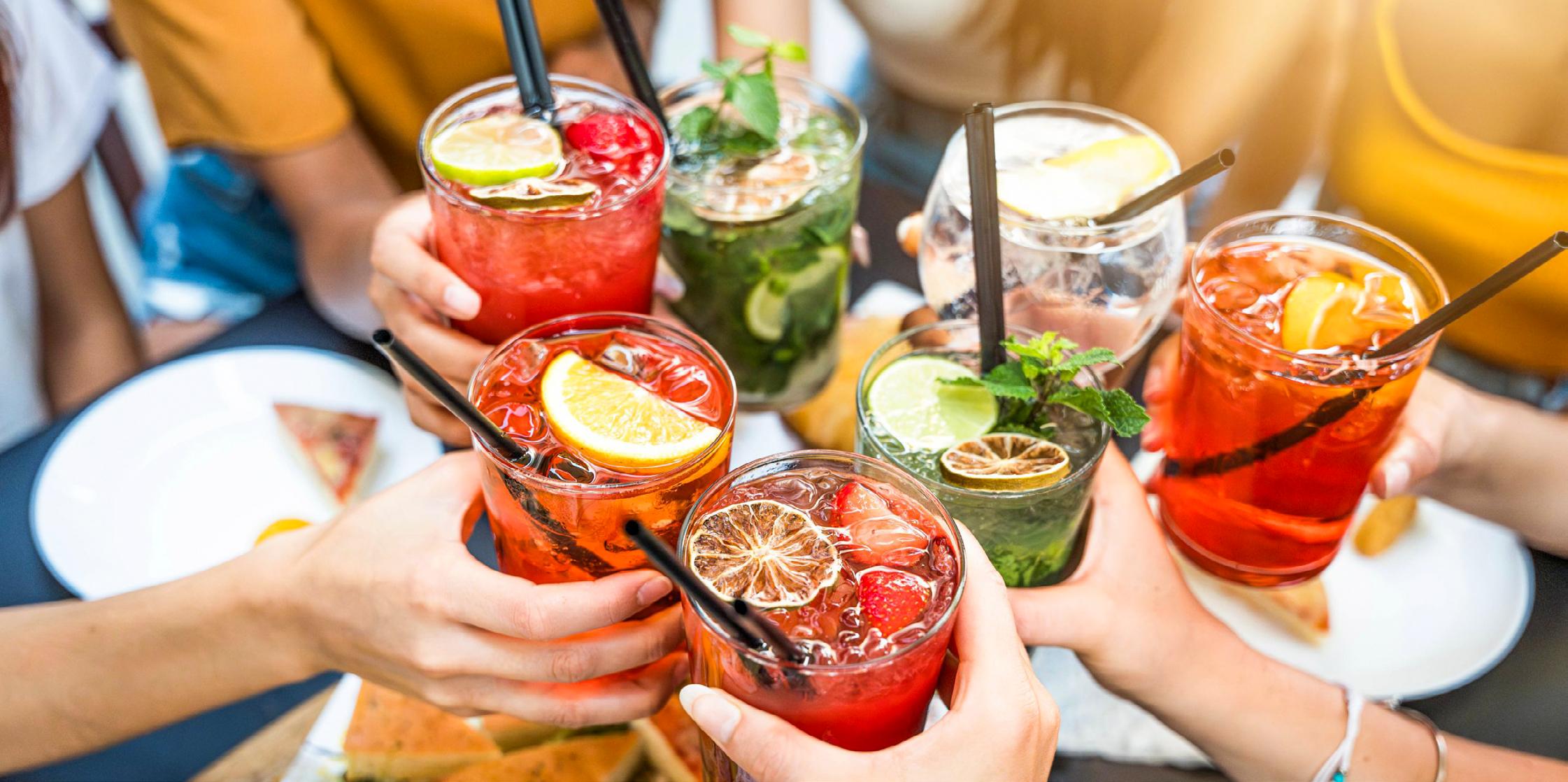
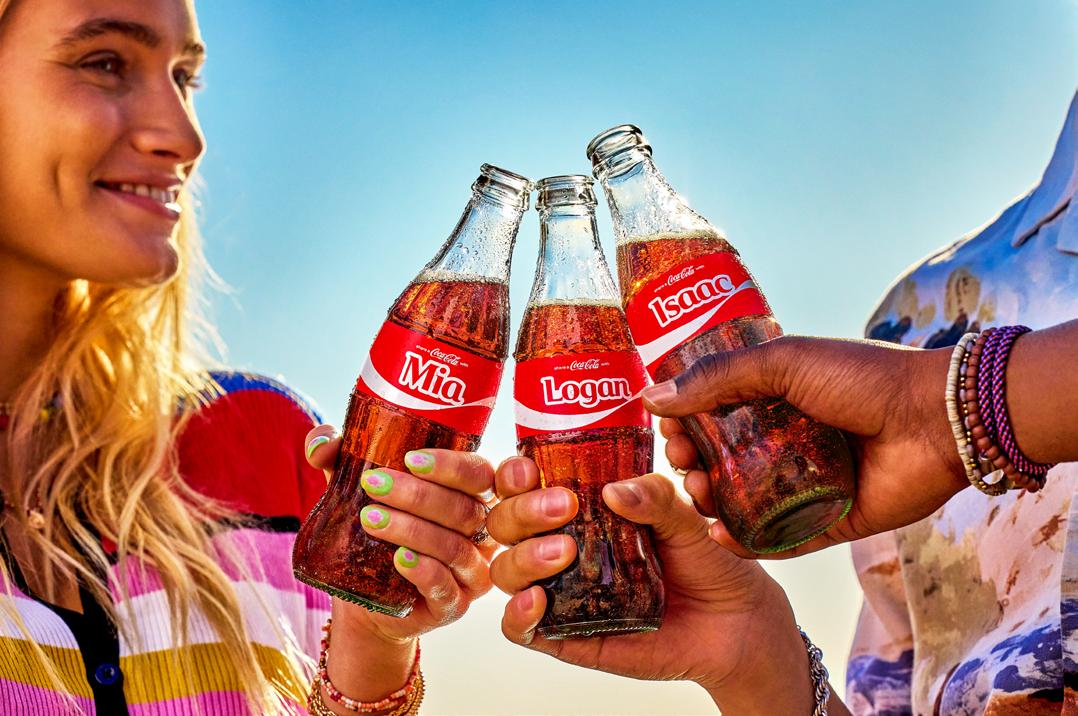
For many of us growing up across Africa, Christmas was incomplete without one thing on the table: Coca-Cola. It did not matter what the main dish was, if there was no Coke, the celebration felt unfinished. The familiar red label became part of the ritual, as expected as the tree or the music playing in the background.
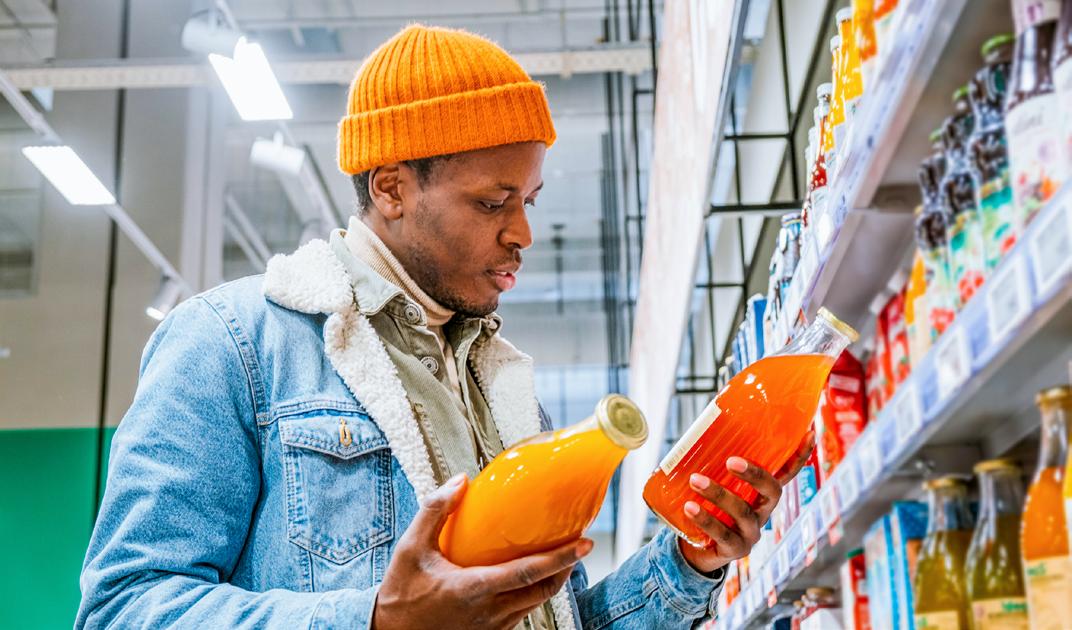
Today, consumers are asking harder questions about sugar content, ingredients and value. Rising awareness around diabetes, obesity and general wellness has pushed families to rethink their long-standing reliance on sugary carbonated soft drinks. This shift has opened the table to a wider range of beverages. Even though the African non-alcoholic beverages market is sizable and rapidly growing, reaching nearly US$ 98 billion in 2024, fruit-based drinks and juices are now taking a more prominent place at festive gatherings. Products that emphasise natural ingredients and lower sugar formulations are gaining favour. Brands such as Chivita, Minute Maid, Ceres and Del Monte have become regular features, appealing to parents seeking options that feel more appropriate for children while still delivering a celebratory feel. In 2025, juice revenues in Africa are forecast at USD 12.7 billion, with home consumption accounting for US$11.6 billion. These figures point to a clear appetite for alternatives that combine flavour with a perception of better nutritional balance.
Soft drinks, traditionally the category where Coca-Cola has excelled, remain substantial. Combined revenues are projected at US$82.6 billion in 2025, with continued growth expected through the decade. However, more modest volume growth compared with juice and adjacent segments suggests a gradual evolution in consumer preferences rather than a loss of relevance.
Alcoholic beverages are also changing. While beer remains important, interest is growing in ciders, flavoured malt drinks, ready-to-drink cocktails and low-alcohol options. Younger consumers, in particular, are shaping demand for beverages
that suit social occasions without the heaviness traditionally associated with alcohol. This trend has created room for innovation in packaging, flavour profiles and convenience, especially during the festive period.
Functional and herbal beverages are no longer niche products confined to health food shelves. They are becoming part of mainstream festive drink selections, particularly in urban centres. Across Africa, traditional infusions such as hibiscus, chamomile, peppermint, ginger, lemongrass and mint have long been part of local culture. Their repositioning as wellness drinks with antioxidant or digestive benefits has expanded their appeal beyond heritage markets. Consumers are increasingly choosing beverages with probiotic or prebiotic properties, including kombucha, kefir and fortified herbal teas, to support gut health and immunity rather than simply for refreshment.
Despite this evolution, classic soft drinks remain economically significant. Africa’s soft drink market consumed more than 108 billion litres in 2024 and is expected to grow to 156 billion litres by 2035. Traditional sodas still command a strong presence. Therefore, Coca-Cola will not disappear from Christmas tables anytime soon, but it is no longer alone.
For the food and beverage industry, this Christmas represents more than seasonal sales. It reflects a structural shift in consumer behaviour. Whether the glass holds a classic soda, a sparkling fruit drink, an herbal infusion or a functional beverage, the celebration now lies in choice. This festive season, select the drink that best reflects your lifestyle, gather around the table, and reflect on how far the industry has come.
Happy Holidays!!
Martha Kuria Senior Editor FW Africa Publications


Events Calendar
Gulfood 2026
January 26–30, 2026
Dubai World Trade Centre and Dubai Exhibition Centre (Expo City Dubai), UAE www.gulfood.com
International Production & Processing Expo (IPPE) 2026
January 27–29, 2026 (main expo days)
Georgia World Congress Center, Atlanta, GA, USA www.ippexpo.org
Winter FancyFaire 2026
January 11–13, 2026
San Diego Convention Center, San Diego, CA, USA
www.specialtyfood.com/fancy-food-shows/winterfancyfaire
CLFP Food Processing Expo 2026
February 4–5, 2026
SAFE Credit Union Convention Center, Sacramento, CA, USA www.foodprocessingexpo.org
ProSweets Cologne 2026
February 1–4, 2026 Koelnmesse, Cologne, Germany www.prosweets.com
PACK EXPO East 2026
February 17–19, 2026
Pennsylvania Convention Center, Philadelphia, PA, USA www.packexpoeast.com
CFIA Rennes 2026
March 10–12, 2026
Parc Expo Rennes Aéroport, Rennes, France www.rennes.cfiaexpo.com
FOODEX Japan 2026
March 10–13, 2026
Tokyo Big Sight, Tokyo, Japan www.jma.or.jp/foodex
Seafood Expo North America
March 15–17, 2026 (approximate, based on annual pattern; confirm closer to date)
Boston Convention and Exhibition Center, Boston, MA, USA www.seafoodexpo.com/north-america


By www.foodbusinessmea.com
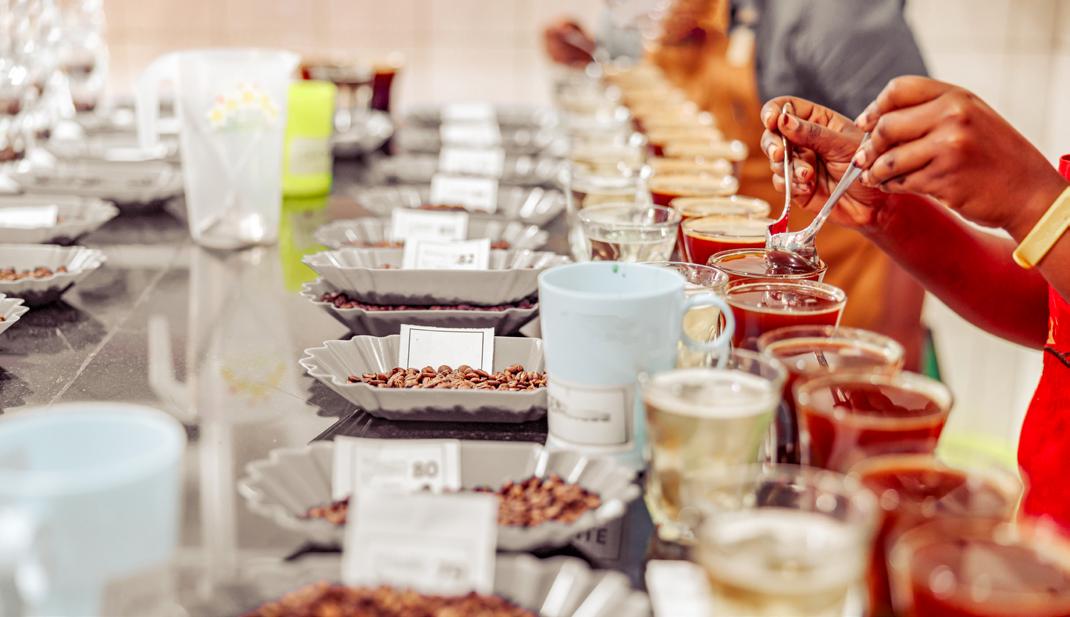
UGANDA – Uganda has introduced its first scientifically validated Regional Coffee Flavor Profiles seeking to strengthen the country’s global coffee identity, improve traceability, and help farmers secure better prices in the specialty market.
The launch marks the completion of a seven-year research program that defined the distinct flavor characteristics of coffees produced across Uganda’s agroecological zones.
The research project involved sensory experts analyzing 792 samples of both Robusta and Arabica coffees sourced from farms across the country.
Findings from the study established six flavor profiles for Robusta coffee and four for Arabica, forming the most detailed mapping of Uganda’s coffee attributes to date.
For Robusta, the Kyoga Plains profile features bold and spicy notes with nutty and chocolaty aromas, while the Lake Victoria Crescent presents tropical fruit and resinous flavors with balanced sweetness.
The Northwestern Savannah Grasslands offers dried fruit and citrus qualities, the Southwestern Farmlands provides a smooth cup with mild chocolate and full body, and the Pastoral Rangelands is notable for its resin-forward and earthy tones. The Western Savannah Grasslands showcases clean resin character with mild herbal undertones.
For Arabica, the Highland Ranges deliver pronounced citrus brightness with cocoa aroma, the Northwestern Savannah highlights spice and berry notes with low acidity, and the Western Savannah Grasslands offers a complex mix of dried fruit, spice, berry, and citrus flavours. The Southwestern Farmlands profile features a creamy, full-bodied cup with layered spice and high acidity.
The Minister for Agriculture Fred Bwino said the profiles offer more than sensory descriptions, serving as regional identities that affirm the uniqueness and traceability of Ugandan coffee. He added that the system will enable farmers to benefit from origin-linked value and support exporters in meeting the expectations of specialty buyers.
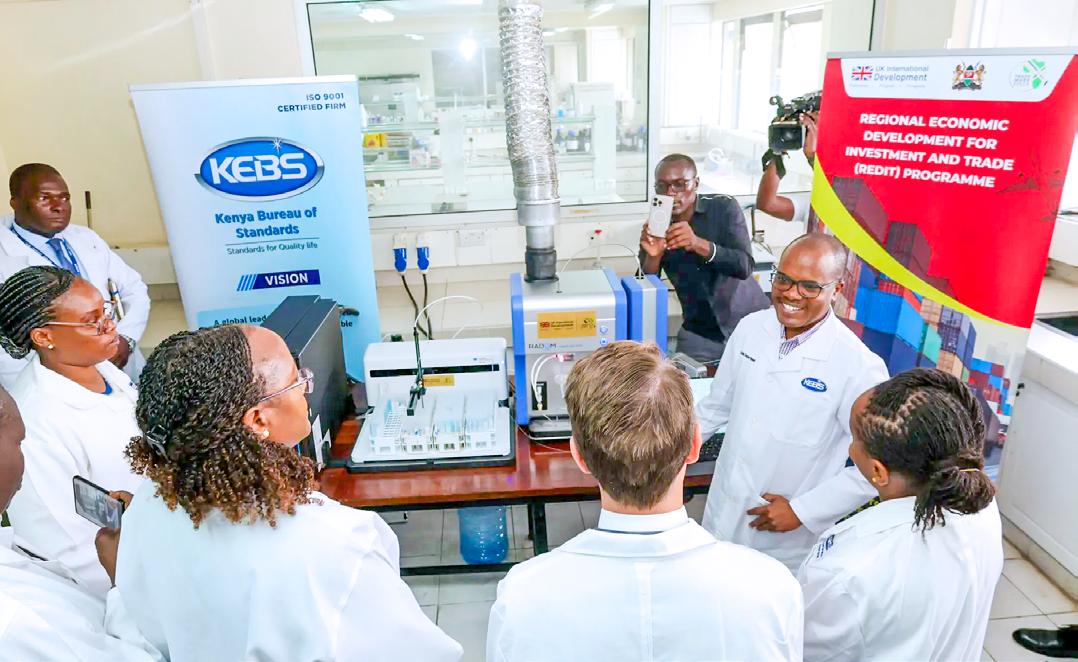
KENYA – The Kenya Bureau of Standards (KEBS), in collaboration with the British High Commission in Nairobi and TradeMark Africa, has commissioned four advanced laboratory testing devices aimed at improving product certification and quality assurance. Valued at over KES67M (US$519,000), this initiative represents a substantial advancement in Kenya’s infrastructure for ensuring the safety and quality of food, agricultural, and industrial products destined for both domestic and global markets.
Speaking at the launch, Esther Ngari, KEBS Managing Director, said that the newly installed equipment is designed to significantly reduce testing turnaround times, thereby minimizing compliance risks and enhancing efficiency. According to her, the upgrade enables KEBS to process a greater volume of samples more rapidly, contributing to improved accuracy in food and product evaluations. “For instance, certain analyses that previously required up to six hours can now be completed in as little as one hour, while near-infrared (NIR) spectroscopy results, which once took seven days, are now available within a minute,” she revealed.
By facilitating higher-quality exports, the equipment is expected to reduce rejection rates for key Kenyan food products in international markets, thereby bolstering the nation’s economic competitiveness. Additionally, KEBS staff have undergone specialised training to optimise the use of these tools, ensuring sustained operational excellence.
Echoing her, Dan Wilcox, Economic Counselor for the British High Commission, noted that the project, developed over the past four years with financial support amounting to £700,000 from partners including the British Standards Institute, underscores a commitment to strengthening Kenya’s role as a regional trade hub.“This development positions Kenya to positively influence the regional trade ecosystem, ensuring
KENYA – Factories operated by the Kenya Tea Development Agency (KTDA) are facing a combined Kes 26.06 billion (US$200.46) debt burden following years of irregular borrowing.
In an audit, the Tea Board of Kenya (TBK) has uncovered multiple financial breaches, ranging from unapproved loans and arbitrary inter-factory lending to overvalued assets used to secure higher financing.
The audit examined the financial sustainability of KTDA-managed factories and assessed how loans were obtained, utilised, and recorded. TBK revealed that many loan transactions lacked the mandatory board approvals, with loan arrangements instead initiated and sanctioned at KTDA’s head office.
TBK highlighted that the longrunning inter-factory lending programme, amounting to Kes10.36 billion (US$, had no policy framework guiding its administration, resulting in arbitrary loan issuance and repayment challenges.
Several factories were found to be struggling with cash flow constraints, hindering their ability to repay interfactory loans within the specified oneyear timeframe.
The Board also scrutinised Kes 12.8 billion (US$93.5M) in commodity loans, finding that the funds were channelled toward operational costs, contrary to earlier claims that the loans financed the October 2024 bonus payments.
Additionally, the audit revealed that closing stock values used to secure these loans had been overstated, particularly among WoR factories.
TBK further flagged instances where factories borrowed funds for projects but diverted the money to unrelated expenditures.
The regulator found significant discrepancies in Kes 2.59 billion (US$20M) borrowed through asset-
based financing, including inflated equipment prices and borrowing amounts that exceeded board-approved limits.
TBK noted that several factories lacked board resolutions approving loans intended for bonus payments, casting doubt on whether the requests originated from factory boards or were decisions made centrally at KTDA headquarters.
On fertiliser financing, TBK reported that the government owes KTDA Kes
4.67 billion (US$36.1M) in subsidy refunds for fertiliser imported between July 2021 and June 2023.
Following the findings, the regulator has now requested updated details on the current loan balances across all KTDA-managed factories. It has also warned against the recurring practice of borrowing to fund end-of-year bonus payments, stating that such payments must reflect actual factory performance and available funds rather than inflated stock valuations or borrowed capital.
Food Business Middle East & Africa, 137 x 170 mm, Packaging, CC-en30-AZ144 09/25

Reliability, efficiency and optimised resource consumption: Krones’ innovative filling and packaging concepts are perfectly tailored to your particular needs –for glass bottles, PET containers or cans.
Gulfood Manufacturing 2025 Dubai, 4-6 November Stand B1-4, C1-4
SOUTH AFRICA – Tiger Brands has updated its corporate brand 25 years after changing its name from Tiger Oats.
The company has revised its corporate purpose to “cultivate and nourish lives, every day and every tomorrow,” emphasizing its ongoing role in creating positive outcomes along its value chain.
The redesigned logo keeps the iconic tiger emblem but adopts a modern, geometric style with abstract shapes inspired by the company’s production and distribution processes, while retaining the traditional red and black colour scheme.
The updated strategy highlights the organisation’s goal to make food and daily essentials affordable and accessible, spanning agriculture, logistics, and household products.
Mathew Weiss, managing director of Design Bridge and Partners, noted that the new visual style draws on bold, authentic branding to create a design employees can support while pursuing the company’s purpose.
The corporate purpose now incorporates the term “cultivate” to signify active contributions to sustainable outcomes and “every tomorrow” to highlight long-term commitment.

For the year ended September 30, the company reported a 31 percent increase in full-year earnings, with headline earnings per share from continuing operations reaching 21.41 rand (US$1.25) compared with 16.31 rand (US$0.95) previously.
Group revenue rose 2.7 percent to 34.4 billion rand (US$2.01 billion), reflecting a 3.5 percent increase in sales volumes despite limited household spending power.

EU – The European Parliament has voted to extend the timeline for putting the European Union Deforestation Regulation (EUDR) into effect, shifting compliance obligations by an additional 12 months.
The regulations, which had already faced several postponements, will now begin applying to large operators and traders on 30 December 2026, while micro and small enterprises will start meeting requirements from 30 June 2027.
The regulation was first due to take effect at the close of 2024. However, implementation challenges and readiness gaps across EU Member States, alongside technical lags in the Union’s TRACES (TRACES NT) digital platform, led to the first extension moving the deadline to 30 December 2025.
According to the parliament, the additional buffer period is meant to enable reinforcement of IT architecture, allowing traders, operators, and authorised representatives to prepare and submit electronic due diligence statements without disruption.
Following the delay, the parliament clarified a key revision to responsibility sequencing: due diligence filings will now be the role of the first business responsible for placing the regulated product on the EU market, rather than the firms involved in later commercial trade cycles.
The Parliament also approved streamlined requirements for micro and small operators, allowing them to file a single simplified declaration.
For small enterprises sourcing regulated commodities, mapping and polygon-based origin documentation would now be submitted once in a reduced-intensity format rather than at repeated transaction stages.
A mandatory simplification impact assessment has also been scheduled, with lawmakers requesting a review by 30 April 2026 to measure administrative strain and cost implications.
The EUDR was unveiled by the EU Commission in late 2021 with the objective of preventing commodities associated with forest loss from being traded on the EU market.
Under the law, companies placing affected goods into circulation will be required to file due diligence statements proving that products are not tied to deforested land after the cut-off date.


ETHIOPIA – Ethiopia has formally inaugurated the Specialty Coffee Association of Ethiopia (SCAE), a new industry-led organisation created to accelerate growth in the country’s premium coffee segment and forge stronger links between local producers and global roasters.
SCAE, governed by four seasoned Ethiopian coffee leaders, seeks to close that gap through enhanced quality protocols, expanded market access, heritage protection, and systematic variety cataloguing.
The association will function as a central platform for research, training, advocacy, and business development.
Food Business MEA reported that the SCAE plans to launch one of its main initiatives, called “Best of Ethiopia,” before the end of the year.
The programme will consist of a national specialty-coffee auction modeled on systems used in Panama and Colombia. It aims to raise the international profile of Ethiopian coffees and give producers direct access to premium buyers, often at prices well above the conventional market.
Board member Faysel Abdosh stressed that SCAE exists “to redefine standards, safeguard biodiversity, and ensure Ethiopian specialty coffees finally receive the prestige and economic value they deserve.”
Beyond auctions, the association will roll out extensive farmer-training schemes covering processing techniques, cupping skills, sustainable practices, and climate-resilient farming methods to protect both livelihoods and fragile ecosystems.
Coffee continues to anchor Ethiopia’s economy as Africa’s top producer. In the 2024/25 crop year, exports generated US$2.7 billion, with total production hitting 1.2 million tons and 467,000 tons shipped overseas. The sector supports more than 20 million people, primarily smallholder families.
Looking ahead, the government and industry aim to double national coffee export earnings to US$10 billion annually within the coming years, with the specialty segment targeted to contribute at least US$3 billion of that total.
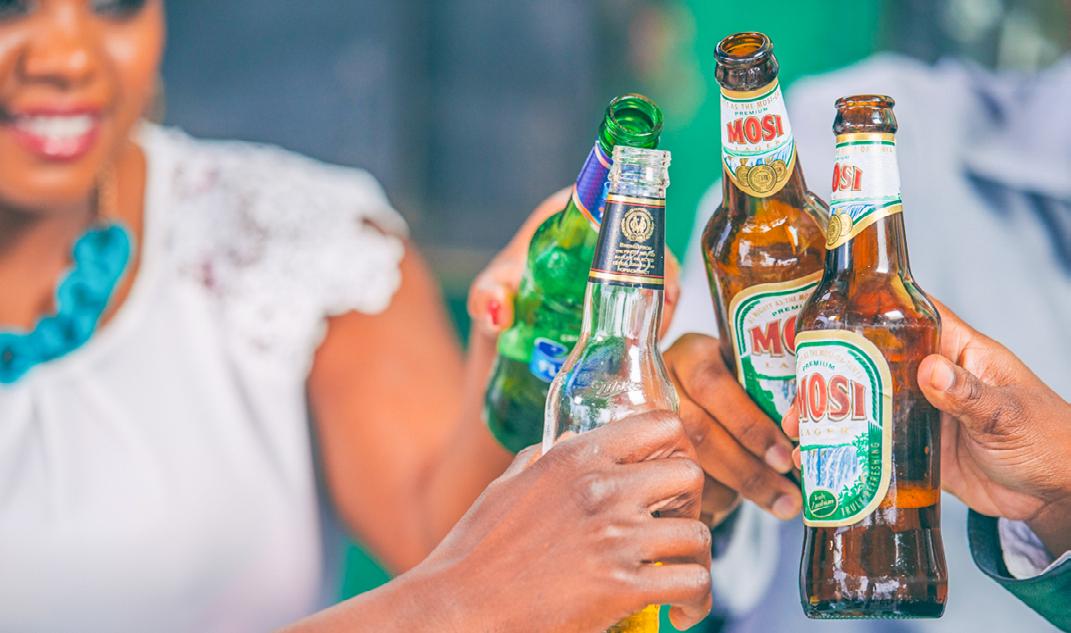
ZAMBIA – Zambian Breweries Plc has a 20% surge in revenue to K2.75 billion (US$119.54M) for the six months ending 30 June 2025, up from K2.29 billion (US$99.54M) in the same period in 2024.
The company said consistent commercial execution and tighter cost oversight fueled a 35% rise in operating profit to K325.3 million (US$14.14M).
The firm delivered a major improvement in bottom-line performance, swinging to a Profit After Tax (PAT) of K202.3 million, marking a 1,473% increase from the K14.7 million (US$638K) net loss registered in H1 2024.
Chief executive officer Thais Cavinatto described the results as evidence of successful commercial initiatives and strategic focus, emphasizing renewed confidence in delivering sustained value for stakeholders.
Net finance costs rose marginally by 4% to K212 million (US$9.22M), largely due to higher central bank policy rates during the period. Despite profitability gains, cash generation came under pressure.
Net cash from operating activities closed negative at K34.2 million (US$1.49M), reversing from K97.8 million (US$4.25M) posted a year earlier. The company attributed the shift to significantly higher capital spending, with investing outflows more than doubling to K488.3 million (US$21.23M) for upgrades in property, plant, and equipment.
In July 2025, Zambia’s Parliament approved amendments to the Income Tax and Customs and Excise Acts, measures the company said will influence its pricing and sourcing strategies in the second half of 2025.
The revision of excise duty on clear beer from 40% to 50% is expected to drive changes in product pricing, sales volumes, and related supply decisions. To offset these anticipated effects, the company said it will adopt calibrated pricing approaches to maintain stakeholder value.
Looking ahead, the brewer aims to lean on expanded production capacity and strong brand positioning to support continued revenue and volume growth while protecting profitability.

EGYPT – RMBV’s North Africa Fund III has signed an agreement to take full ownership of Spinneys Egypt in a transaction valued at around EGP 2.5 billion (US$52.4M). The takeover remains subject to approval by the Egyptian Competition Authority, which must clear the transaction before it can be finalized.
Upon receiving regulatory clearance, the fund plans to double Spinneys Egypt’s retail network, currently numbering around 30 stores, within the next three years.RMBV’s interest in Spinneys fits its broader 2025 strategy of increasing investment in Egypt’s consumer-facing sectors.
Earlier this year the fund said it aimed to deploy US$ 100 million in the Egyptian market and was evaluating stakes in four to five companies.RMBV has already invested in groups such as Cleopatra Hospitals Group and the listed education provider Taaleem.
Spinneys Egypt has expanded in recent months despite a challenging operating environment.Toward the end of June the retailer opened a new branch in the Al-Kawthar district of Hurghada. The store, covering 900 sqm, marks its 33rd location across 11 governorates.
Capital and operational investments for the Hurghada store reportedly reached EGP 50 million (about US$1.05 million). The upgrades included advanced refrigeration systems and a flexible layout designed to enhance the shopping experience.
In Egypt’s retail food sector, small traditional grocery shops dominate, accounting for about 74% of total sales and nearly 97% of all outlets, leaving modern supermarkets, hypermarkets, and online platforms with a smaller but growing footprint.
The combined total of modern retail outlets is roughly 4,120, and the segment is expanding steadily, supported by rising internet penetration that drives online grocery sales, contributing to the sector’s estimated annual revenue of US$17.5 billion.
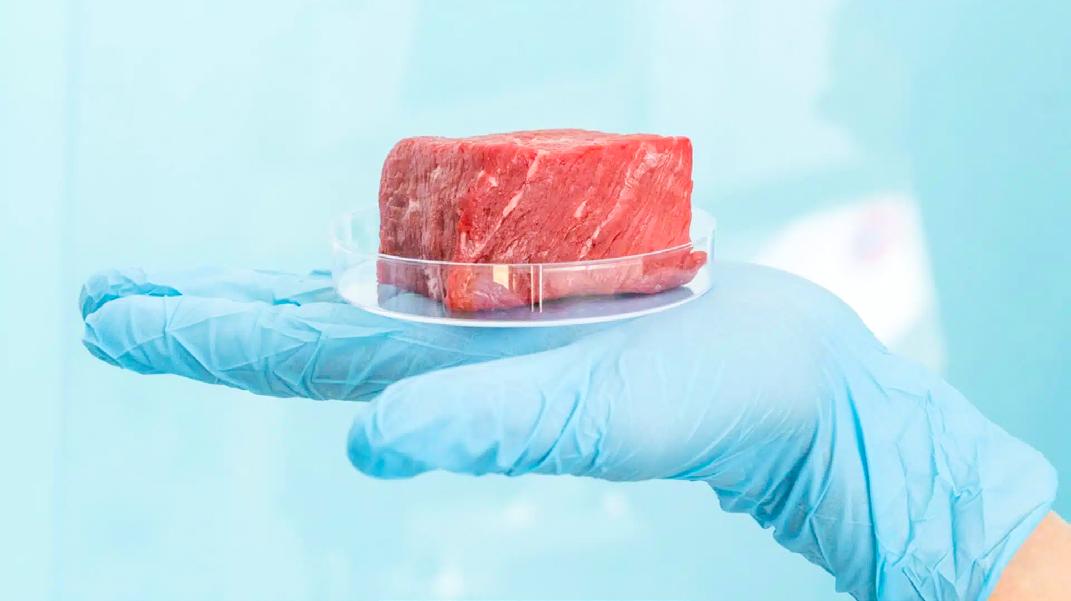
HUNGARY – Hungary has voted to prohibit the production, marketing, and sale of cultivated meat, with 140 lawmakers in favor, 10 against, and 18 abstaining.
The legislation allows exceptions only for medical and veterinary applications, effectively blocking the entry of labgrown meat into the consumer market.
Agriculture Minister István Nagy justified the ban by emphasizing the need to protect traditional rural lifestyles, human health, and the environment from what he described
as risks associated with non-traditional food technologies. Nagy argued that food production must remain connected to farmland as a cornerstone of Hungarian culture, warning that widespread adoption of lab-grown meat could alter European lifestyles and traditions.
The Hungarian government’s campaign against cultured meat began in January 2024, when Nagy criticized the industry following a meeting with Ettore Prandini, president of the Italian farmers’ association Coldiretti.
During Hungary’s EU Council presidency in July 2024, officials pushed for measures to protect European culinary traditions from novel foods, igniting criticism from countries including the Netherlands, Czech Republic, Lithuania, and Sweden.
Experts and EU officials highlighted that Hungary had not provided sufficient risk assessments to justify health or environmental concerns, and that the ban could conflict with EU law.
Hungary submitted a Technical Regulations Information System notification to the European Commission to explain its plans, but the justification was rejected by the executive body and several member states.
BURKINA FASO – Burkina Faso’s President Ibrahim Traoré has officially inaugurated the newly rehabilitated brewery of Société nouvelle-Brasseries du Faso (SN-BRAFASO), an industrial plant that had been dormant since 2008.
The reopening marked a major step in the government’s push to revive struggling industrial units and leverage local agricultural resources.
Rehabilitation of SN-BRAFASO cost more than 17 billion FCFA (US$30.09M), with an authorized capital of 6 billion FCFA (US$10.62M), 70% of which is held by the state.
The facility specializes in both alcoholic and non-alcoholic beverages and now boasts an annual production capacity of 600,000 hectolitres.
The expanded capacity allows the firm to process locally available raw materials such as maize, sorghum, and rice.
The relaunch is expected to create substantial employment: 200 permanent jobs, 100 temporary jobs, and around 20,000 indirect jobs, strengthening both industrial activity and local livelihoods.
President Traoré expressed deep pride in reopening what he described as an “industrial gem” dormant for two decades. He characterized the relaunch as more than a technical restart; in his words, it represents “a victory over imperialism and a testament to the resilience of the Burkinabè people.”


He urged SN-BRAFASO’s management and workforce to show discipline, rigour, and patriotism, highlighting that quality production will be vital to earn consumers’ trust and ensure the company’s long-term viability.
Upon reopening, SN-BRAFASO launched two flagship beverages, branded “BRAF’OR” and “BRAFASO,” produced under what officials described as high-quality standards.

In the medium term, the company plans to broaden its product range further to include soft drinks and mineral water to meet diverse consumer demands.














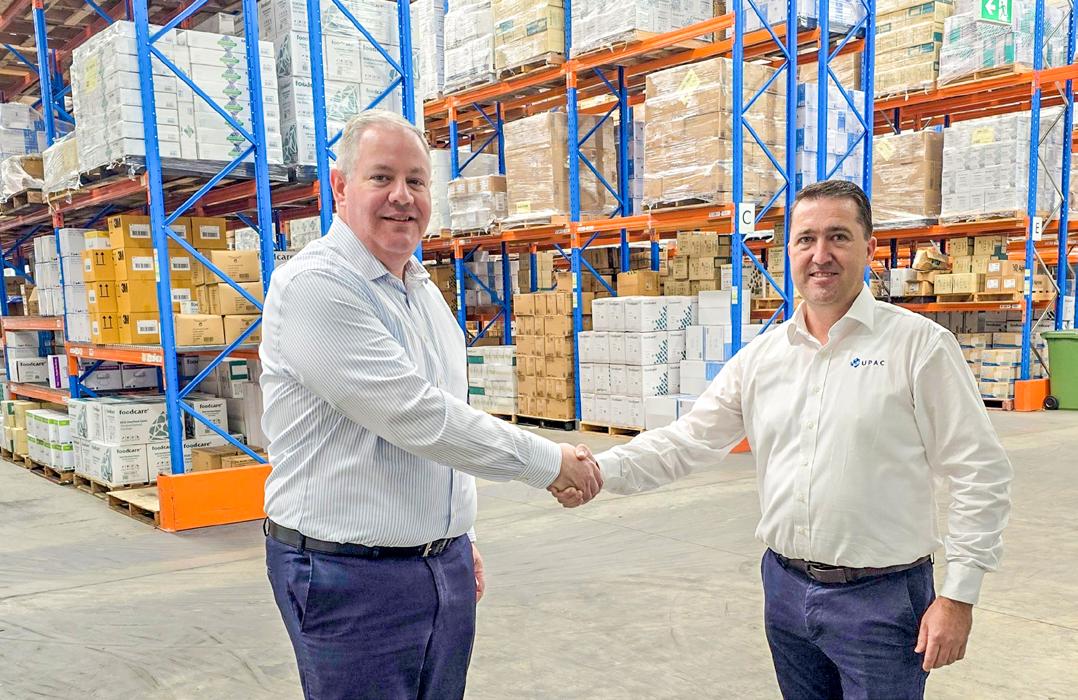
- Foodcare, a key supplier to the food processing and manufacturing industry, has agreed to acquire UPAC, a specialist in manufacturing and distributing printed bags and flexible food packaging, in a move aimed at strengthening its technical and product capabilities. The deal, announced recently, is intended to expand Foodcare’s product range while deepening its expertise in printed and flexible packaging formats used across food manufacturing. Completion of the transaction remains subject to standard regulatory approvals and is scheduled for February 2, 2026.
The acquisition brings UPAC’s more than 50 years of experience in printed food packaging into Foodcare’s operations. This includes long-standing expertise in regulatory compliance, food-contact standards, and technical guidance for packaging applications. Foodcare officials said the integration will give customers access to a single source for a wider range of essential manufacturing materials, helping to streamline procurement and supplier management. During the transition period, both companies plan to maintain uninterrupted service, with teams working closely to ensure operational continuity.
Garry Pagden, Foodcare’s chief executive officer, said the integration creates a strong single-source option by combining UPAC’s product expertise with Foodcare’s established inventory management and customer support. He added that the move directly supports customer demand for consistent, highquality packaging solutions. Gavin Wilson, UPAC’s co-founder and owner, said joining Foodcare creates new opportunities for the business. He noted that Foodcare’s logistics and distribution network will complement UPAC’s technical focus, while existing clients will benefit from improved reliability without changes to their current consultation services. The transaction builds on Foodcare’s established role as a supplier of packaging inputs to food producers. UPAC’s production capabilities in flexible packaging are expected to integrate into Foodcare’s operations, supporting efficiency gains for shared customers.
SOUTH AFRICA – Walmart has opened its first selfbranded stores in South Africa, following plans announced in September. The new outlets are located in Roodepoort and Fourways Mall in Johannesburg. Combined, the stores have created 180 permanent positions and enabled the company to work with 15 small- and medium-sized local suppliers.
These opening signals a renewed push by the US retailer in a market where it has been present for more than a decade. Walmart bought a 51 percent stake in Massmart in 2010 and later took full ownership in 2022, allowing it to operate through chains such as Makro, Game and Builders. By running stores carrying its own name, the company is attempting to broaden its footprint beyond the existing portfolio. The retailer aims to draw shoppers with a mix of imported goods that have not been widely available and products sourced from South African entrepreneurs. It intends to apply its Every Day Low Prices approach, a model that offers steady prices across the year instead of relying on sales events.
Walmart’s executive vice president, Andrea Albright, said the opening reflects the group’s intent to help customers cut costs by providing a consistently low-priced basket.
The move comes at a time when competition in South Africa’s retail sector remains intense, with established players expanding rapidly. The market, valued at roughly US$82 billion, has seen chains such as Shoprite, Spar Group, Woolworths Holdings, and Pick n Pay add more than 700 stores in the past year. Even so, analysts note that Walmart’s effect on market share will only become clear over time as consumer habits shift.
A report released in September by research firm World Wide Worx indicates that one out of every ten rand spent in the country’s retail sector now goes to online purchases, placing digital channels firmly within retailers’ core strategies. With that in mind, Walmart plans to introduce a 60-minute delivery service, mirroring Shoprite’s Sixty60 platform.





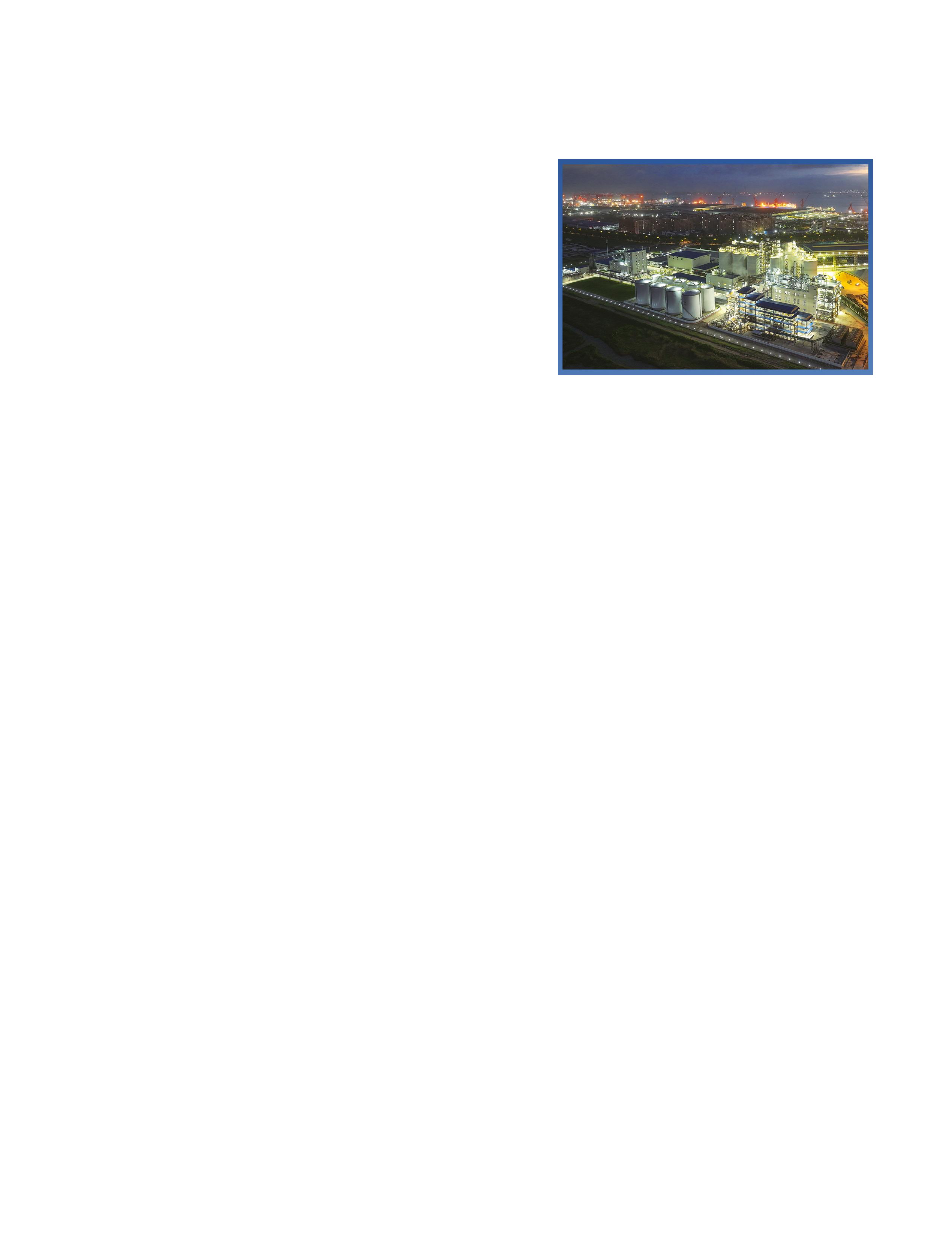
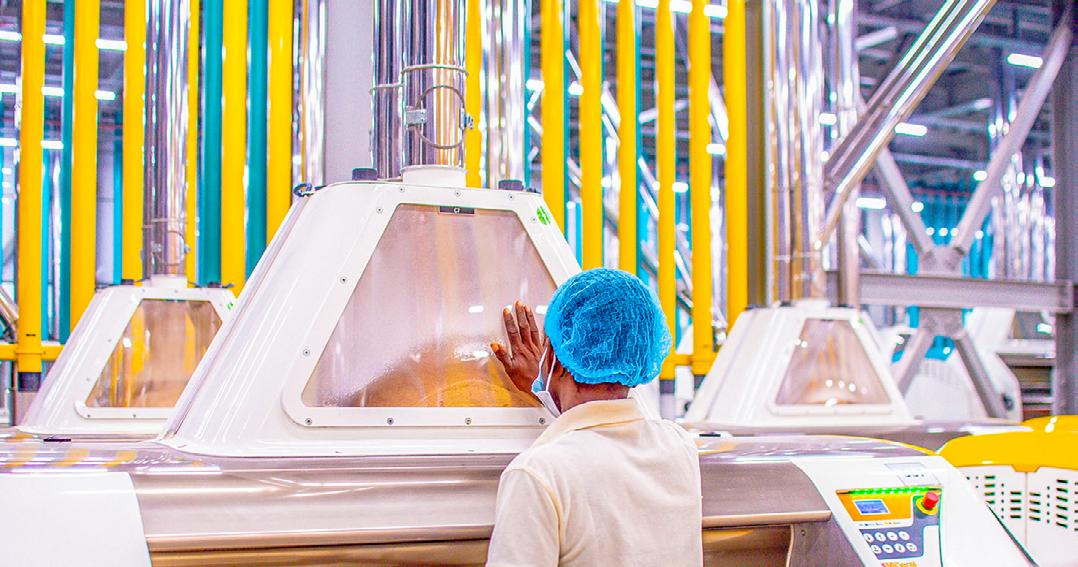
NIGERIA - BUA Foods Plc is nearing completion of what is expected to become Nigeria’s largest integrated sugar production facility, a development that reinforces the country’s push to expand local manufacturing capacity and reduce reliance on imported sugar. The project, located in Lafiagi, Kwara State, is about 80 per cent complete, according to company officials. It is being developed through Lafiagi Sugar Company Limited (LASUCO) as a fully integrated complex covering sugarcane cultivation, milling, refining and the processing of key by-products. The scale of the facility positions it as a central pillar in Nigeria’s domestic sugar production drive.
Speaking during an inspection tour by senior government officials, Kabiru Rabiu, group executive director of BUA Group stated that the plant will have a sugarcane crushing capacity of 10,000 tonnes per day. He added that the complex will generate 35 megawatts of electricity from bagasse and produce 20 million litres of industrial ethanol annually. Rabiu acknowledged that the project had experienced delays but noted that construction has regained momentum. He said work on the sugarcane plantation and supporting infrastructure is
advancing alongside the core industrial installations, ensuring alignment between agricultural and processing operations.
John Owan Enoh, minister of state for industry, highlighted the scale of infrastructure already established at the site. He pointed to road networks, landing facilities and worker accommodation as indicators of readiness for full-scale operations, stressing the importance of sustaining progress toward completion. Once operational, the Lafiagi facility is expected to produce about 220,000 metric tonnes of refined sugar annually.
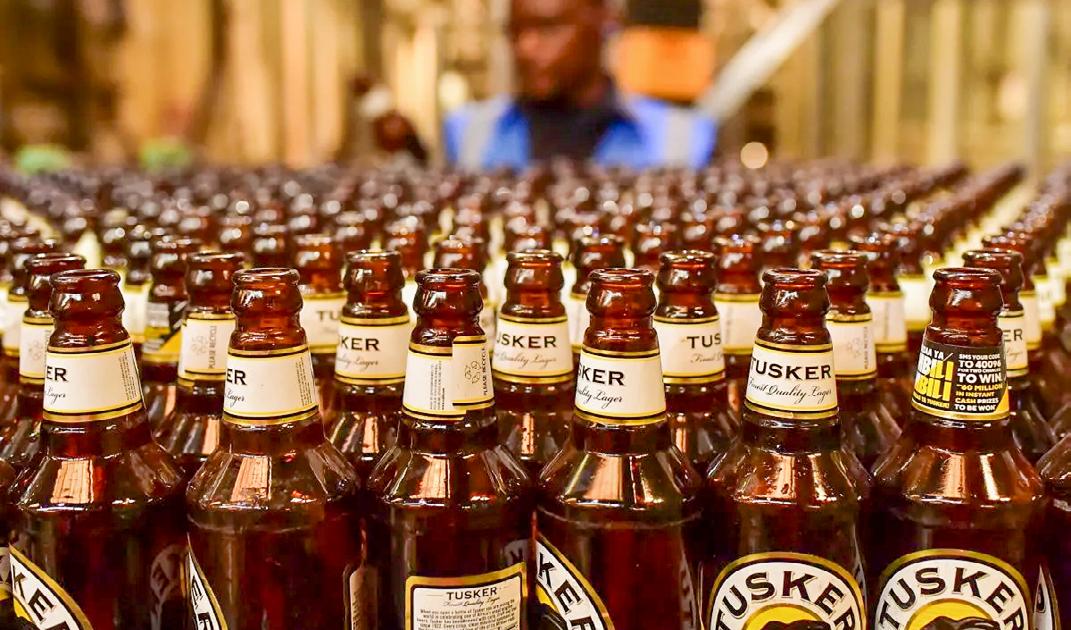
KENYA - British multinational Diageo Plc has agreed to sell its entire 65% shareholding in East African Breweries Limited (EABL) and its majority stake in spirits producer UDV Kenya to Japan’s Asahi Group Holdings in a transaction valued at US$2.3 billion. Under the agreement, Asahi will acquire full control of Diageo Kenya Limited, the holding company through which Diageo owns its stake in EABL. The Japanese beverage group will also take over Diageo’s 53.68 percent interest in UDV Kenya, with EABL retaining the remaining shareholding and management control of the spirits unit. The transaction is subject to regulatory approvals and is expected to be completed
in the second half of 2026. Based on the deal terms, EABL is valued at approximately US$4.8 billion.
Diageo’s exit comes less than three years after it raised its ownership in EABL to 65% from 50% through a US$175 million transaction. “This transaction delivers significant value for Diageo shareholders and accelerates our commitment to strengthen our balance sheet,” said Diageo interim chief executive officer Nik Jhangiani. He added that the group remains focused on returning leverage to within its target range of 2.5 to 3.0 times through asset disposals. Diageo will continue to partner with Asahi through long-term licensing arrangements.
As part of the agreement, Diageo has entered into licensing deals with EABL to ensure continued production and distribution of Guinness, selected local spirits and ready-todrink brands, as well as distribution of Diageo’s international spirits portfolio in the region. EABL said the transaction will not result in operational changes and confirmed that no jobs will be affected.
Asahi Group Holdings, listed on the Tokyo Stock Exchange, operates a diversified portfolio of alcoholic and non-alcoholic beverages and food products, with annual revenue of about US$19 billion. The acquisition marks Asahi’s entry into the African alcoholic beverages market.



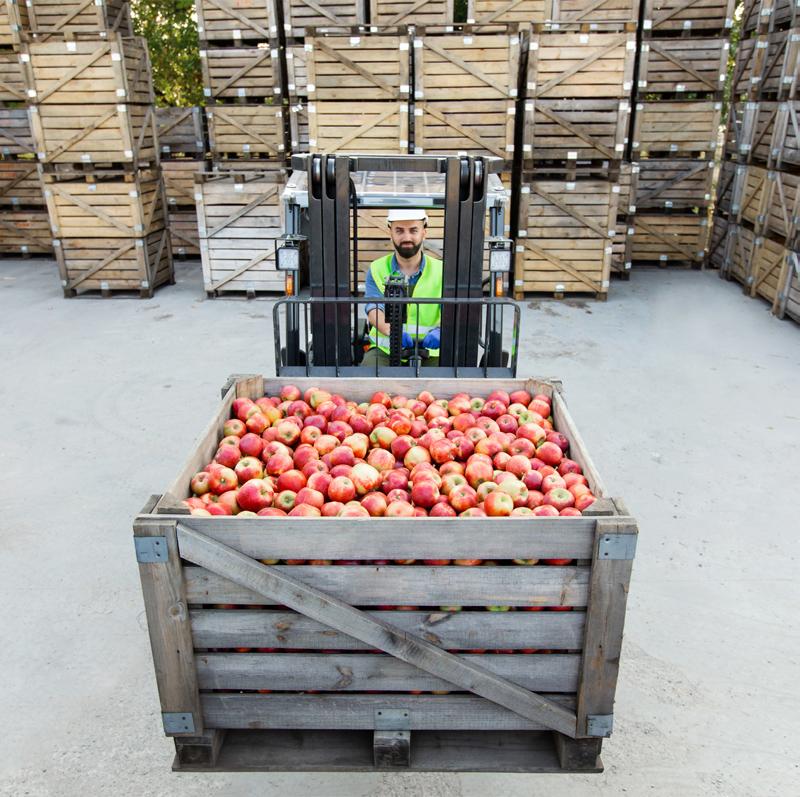


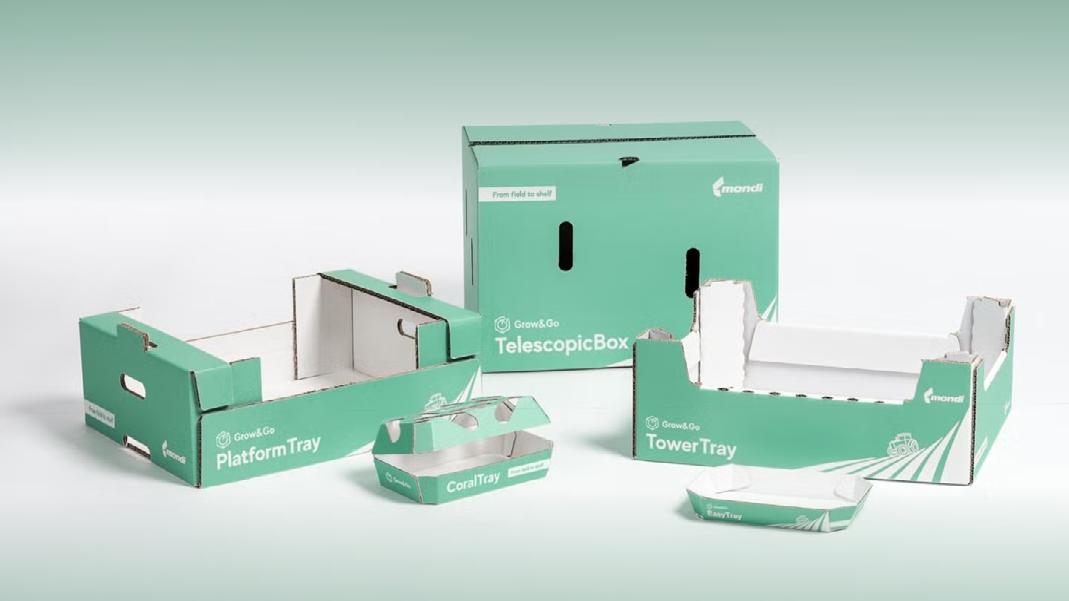
UK - Mondi has introduced an expanded portfolio of food packaging solutions that now incorporates solid board products and advanced digital printing features, widening its offer to food and beverage manufacturers. The move follows Mondi’s acquisition of Schumacher Packaging’s Western European operations, completed in April 2025. The transaction added several production sites and strengthened supply capacity across the region, allowing Mondi to better serve food producers with fiber-based packaging at scale. The expanded footprint supports improved availability, shorter lead times, and closer alignment with regional market needs.
The updated range combines corrugated and solid board formats with Mondi’s existing flexible packaging lines, giving customers a broader selection across transport, retail, and e-commerce applications. Product development has focused on lighter materials for smaller portion sizes, retail-ready designs that reduce shelf-stocking time, and fully renewable or recyclable solutions that comply with EU Packaging and Packaging Waste Regulation requirements. Paulus Goëss, Chief Operating Officer for Corrugated Solutions at Mondi, said the food industry is responding to rapid changes driven by EU regulations and evolving consumer expectations. He said the expanded portfolio supports lighter packs with improved shelf presence and full recyclability, helping customers manage these pressures.
Applications include fresh produce packaging such as ventilated Grow&Go trays and stackable boxes, as well as meat and seafood solutions using high-strength, leakproof trays and wraps. Dairy products are supported through multipacks designed for refrigerated transport, while frozen foods are packed in digitally printed solid board boxes suitable for deep-freeze conditions. Snack producers can use custom retail displays, including TwinBox formats. For beverages, Mondi offers Hug&Hold clips for PET bottles and TankerBox solutions for bulk transport. E-commerce needs are addressed through designs with easy-open features and protective inserts for online grocery deliveries.
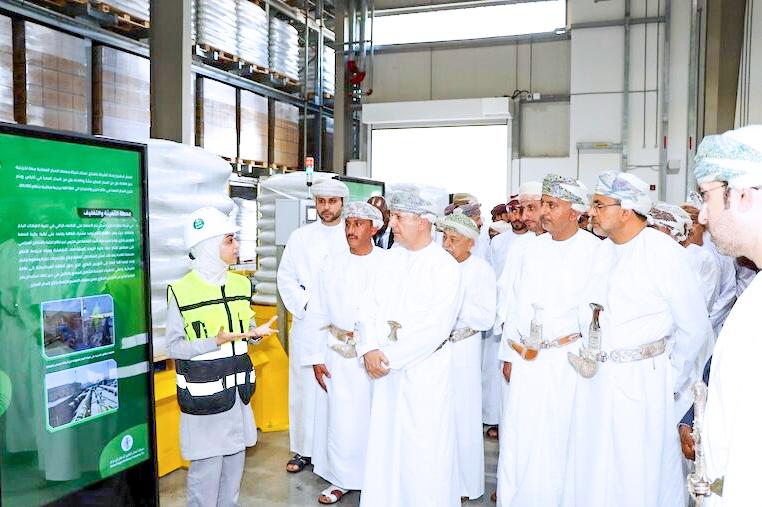
OMAN - Oman has officially inaugurated its first sugar refinery at Sohar Port and Freezone, marking a significant step in the Sultanate’s strategy to strengthen food security and localise strategic food industries. Developed by the Oman Sugar Refinery Company as part of broader efforts to expand local food manufacturing capacity and reinforce supply chain stability, the project represents an investment exceeding RO150 million (US$390 million). Once fully operational, it will have an annual production capacity of one million tonnes of refined sugar, supported by storage capacity for 500,000 tonnes of raw sugar and 70,000 tonnes of refined sugar. Beyond food security, the project strengthens Sohar Port and Freezone’s industrial ecosystem by integrating port logistics with value-added food processing activities.
The inauguration ceremony was held under the patronage of the Minister of Finance, H E Sultan bin Salim al Habsi, and was attended by senior government officials, diplomats and business leaders. Zayed bin Ahmed Al Habsi, a representative of the Oman Sugar Refinery Company, described the opening of the Oman Sugar Refinery (OSR) as a landmark achievement, noting that it is the first facility of its kind in the country. Eng. Salim Abdullah Al Ghafeeli, Director General of Food Security at the Ministry of Agriculture, Fisheries, and Water Resources, said the project aligns with national directives aimed at developing transformative food industries. He added that investments of this scale contribute to food stability, economic diversification and more resilient supply chains capable of ensuring the availability of essential food products under varying market conditions.
Located on a 20-hectare site within Sohar Port, the refinery has completed trial operations and achieved Category 2 certification under European standards. Commercial production is scheduled to commence in phases starting January 2026.


















Almarai appoints Fawaz Al-Jasser as CEO following Albader’s resignation
SAUDI ARABIA – Almarai has named Fawaz bin Mohammed Al-Jasser as its new Chief Executive Officer, with the appointment set to take effect on 16 January. He replaces Abdullah bin Nasser Albader, who stepped down from the role citing personal reasons, according to the Saudi Arabia-based food and beverage producer.
Al-Jasser is a long-serving executive within the group, bringing close to two decades of experience at Almarai. During his tenure, he has held senior leadership positions across several business units, including bakery, seafood and human resources. In addition, he previously served as general manager of Teeba Company, Almarai’s subsidiary operating in Jordan. He holds a postgraduate qualification in Business Administration from the University of Leicester.
The change at the top comes as Almarai continues to post steady financial results across its core categories and markets. For the quarter ended 30 September, Almarai recorded sales of US$1.47 billion, reflecting a 6.6 percent increase compared with the same period a year earlier. The company said the improvement was driven by performance across its main geographic markets and sales channels, alongside higher volumes in poultry, dairy, food products and bottled water.
KENYA - Ma Cuisine Limited, a Nairobi-based food manufacturing company and a subsidiary of Bio Food Products Ltd, has appointed Isabella Soehn as its new Chief Executive Officer. The appointment will take effect in November 2025, according to a statement released by the company.
Soehn joins Ma Cuisine from Highlands Drinks Ltd, where she has served as a strategic advisor since July 2025. Prior to that role, she held the position of Chief of Staff at the beverages company. During her tenure, she worked closely with senior leadership, supporting decision-making across strategy development, operational planning, and execution.
Her appointment comes as Ma Cuisine continues to expand its footprint in Kenya’s retail and wholesale food markets, following decades of steady growth in the premium and natural foods segment.
Soehn brings more than seven years of experience spanning fast-moving consumer goods, agriculture, and sustainable food systems. Her work has involved assignments across seven African countries, where she has engaged with corporate executives, investors, and public sector institutions. According to the company, her professional focus has included improving operational performance, identifying cost efficiencies, and applying data analysis to business strategy.


CAMEROON - ofi Cameroon, the local unit of global food ingredients supplier ofi, has appointed Nchue Ngochuzeh Cletus as its new Country Head, with the leadership change set to take effect in August 2025.
Cletus, 49, succeeds Manna Joseph, who will move to a different role within the ofi group in Côte d’Ivoire. The company confirmed that the transition is part of its internal leadership rotation strategy across West and Central Africa.
A native of Cameroon’s Northwest Region, Cletus brings more than 25 years of experience in cocoa procurement and operational management. His career has largely been built within the cocoa sector, with a focus on supply chain coordination, farmer engagement, and export operations.
Cletus joined ofi Cameroon earlier in his career and advanced through several operational and procurement roles. Most recently, he served as Country Procurement Head, a position in which he was responsible for managing the cocoa supply chain from farmer sourcing and aggregation through to cleaning, warehousing, and export.
In that role, he worked closely with farmer networks and internal logistics teams to ensure consistent quality and supply across the company’s operations. His appointment places a long-serving internal executive at

Dangote
NIGERIA - Dangote Sugar Plc has appointed Thabo Mabe as its new Group Managing Director and Chief Executive Officer, with the change taking effect on December 1. The appointment follows the resignation of Ravindra Singhvi, who will stepped down from the role on November 30.
The company announced Singhvi’s departure without providing details on the circumstances surrounding his exit. Singhvi joined the board of Dangote Sugar in May 2020 and remained in the position for more than four years. During that period, the company said he was involved in overseeing key investment programmes, stabilising revenue performance, restructuring management systems, and leading digitalisation initiatives across the business.
The leadership transition takes place as Dangote Sugar continues to navigate operational pressures within Nigeria’s manufacturing and consumer goods landscape.
Mabe, a South African national, holds a bachelor’s degree in chemistry and mathematics from Fort Hare University. His professional career began at Unilever, where he joined as a graduate trainee and progressed through a range of roles spanning production, manufacturing, sales, and supply chain management.

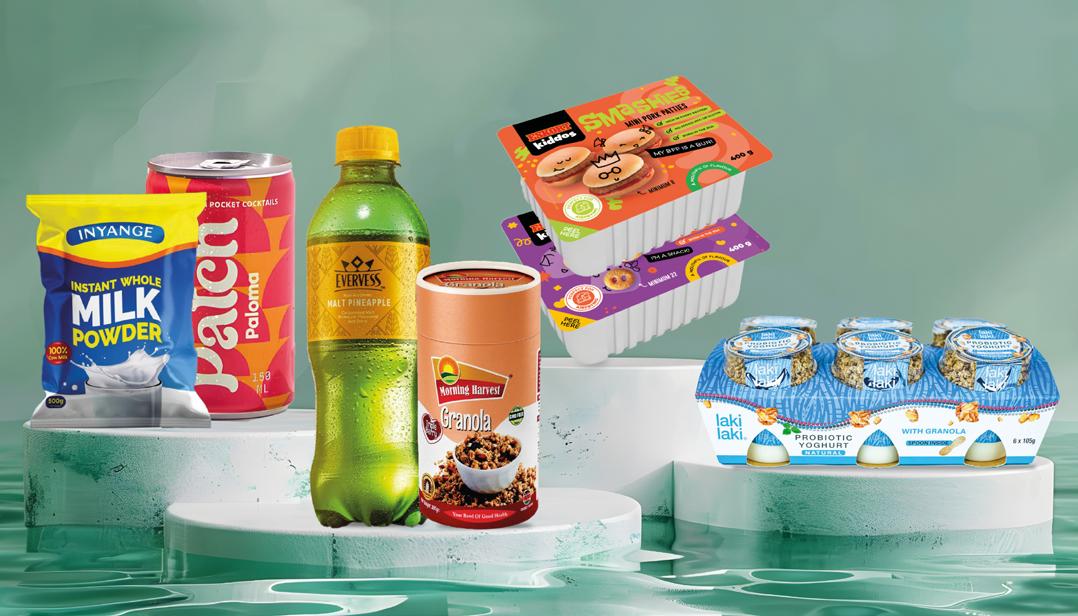
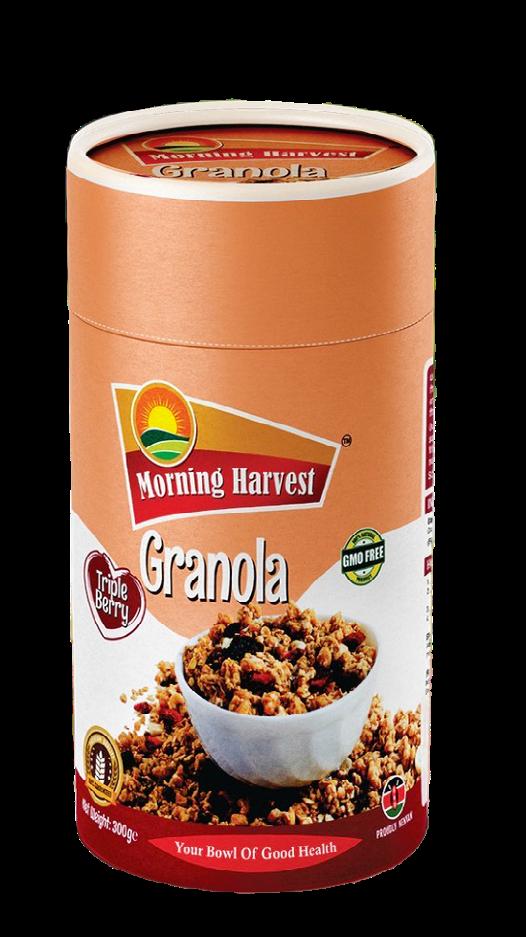
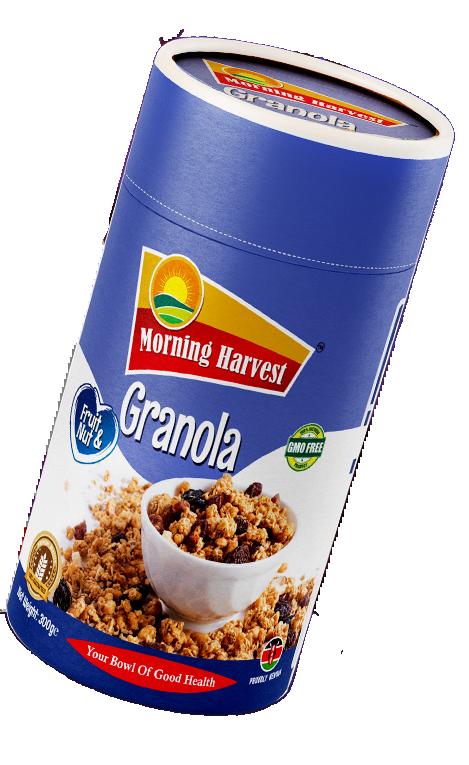
Morning Harvest, a leading Kenyan breakfast cereal brand known for its commitment to wholesome, responsibly sourced ingredients, has expanded its portfolio with a premium granola range designed for modern, nutritious mornings.
The new granola offerings position Morning Harvest as a go-to choice for consumers seeking fiber-rich, protein-packed starts to the day amid rising demand for clean-label breakfast options in East Africa. The granola lineup features crunchy clusters of toasted oats combined with superfoods and fruits, delivering sustained energy without an overload of added sugars.
www.morningharvest.com

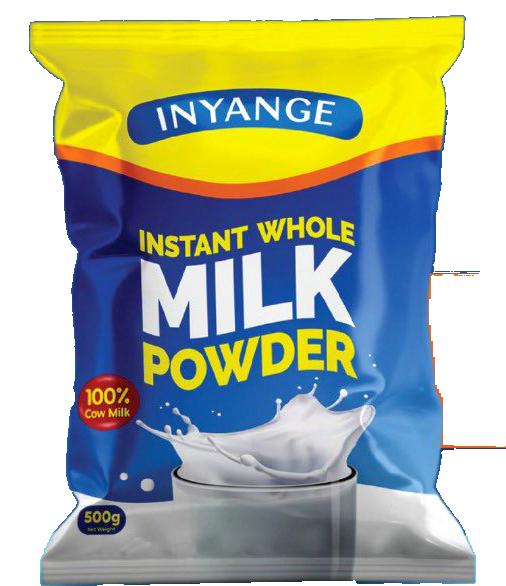
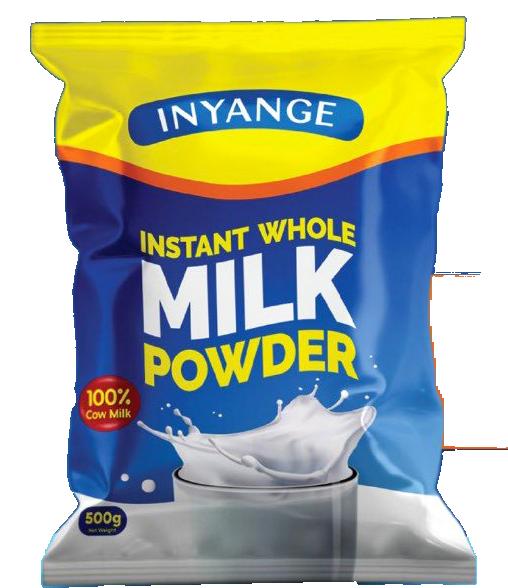
Inyange Industries, a dairy manufacturer, has expanded its product line with the launch of its Instant Milk Powder tailored for the retail market. The new product, which is produced in Rwanda, aims to address key challenges within the local milk value chain, including seasonality and market access for farmers, while offering convenience to consumers.
According to the company, the new product is designed to deliver the same creamy taste and nutrition of fresh milk, with the added benefits of long storage and quick preparation.

www.inyangeindustries.com

Crown Beverages Limited, the Ugandan subsidiary of PepsiCo, has introduced Evervess Malt Pineapple, marking the first maltflavoured beverage under the global Evervess brand. The release signals the brand’s entry into the malt segment, expanding its range beyond premium mixers and sparkling drinks.
Evervess Malt Pineapple combines smooth malt taste with tropical pineapple sweetness. The beverage is non-alcoholic and positioned as a premium carbonated drink, aimed at consumers looking for indulgence without alcohol. A second flavour, Evervess Malt Apple, is expected to launch soon.
www.pepsi-cola.co.ug

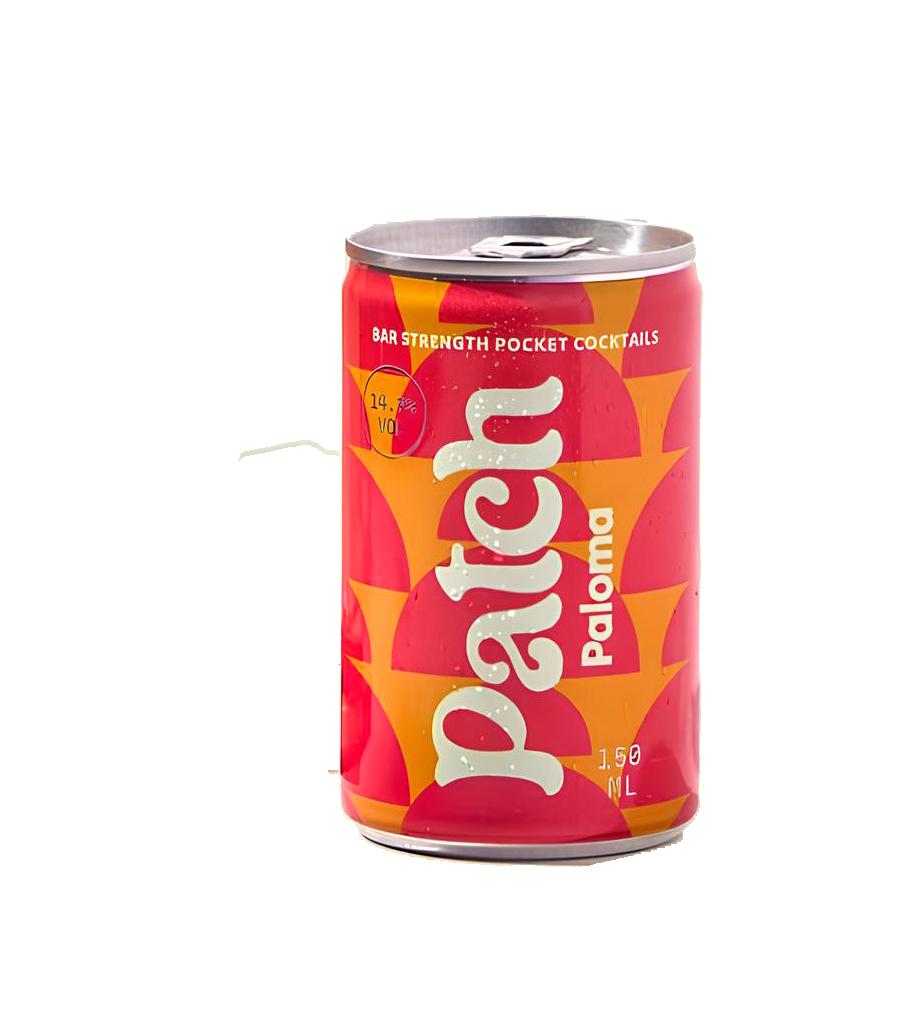
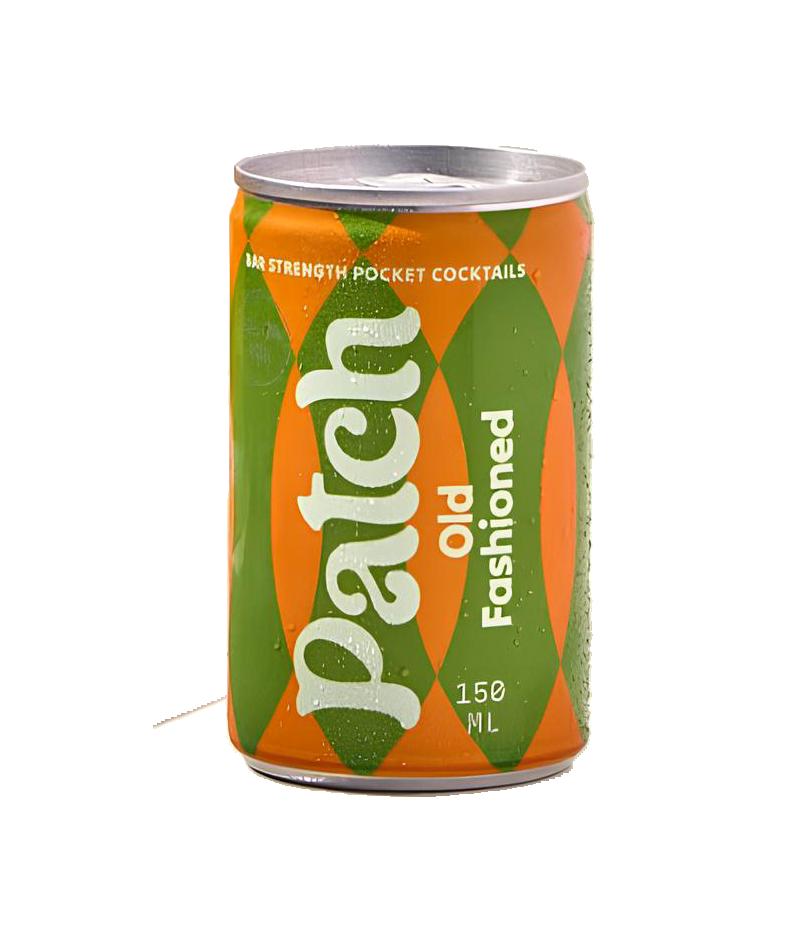
Patch, promoted as South Africa’s first bar-strength ready-todrink (RTD) cocktail brand, has officially launched in more than 100 Checkers stores nationwide. The product targets consumers seeking convenient, portable cocktails without sacrificing flavour or strength.
Developed by Spearhead Spirits, the company behind Vusa Vodka, Sango Agave, Mansas Whisky, and Bayab Gin, Patch is designed to offer the same experience as a bar-served cocktail in a can. Each serving is created using bartender-formulated recipes and premium ingredients, balanced to match traditional cocktail strength.
www.spearheadspirits.com

Kenya-based artisanal dairy producer Laki Laki has launched Probiotic Yoghurt with Granola, a new breakfast-focused product combining creamy yoghurt with crunchy granola clusters. The offering is designed to provide a convenient, nutrient-rich meal for consumers seeking on-the-go options.
The product is manufactured in Kenya using locally sourced fruits and without artificial additives. Laki Laki continues to use traditional artisanal methods, such as whey dripping, to enhance texture and probiotic potency. The move aligns with growing consumer interest in functional foods and gut-health-focused products across East Africa’s FMCG market.

www.lakilaki.co.ke
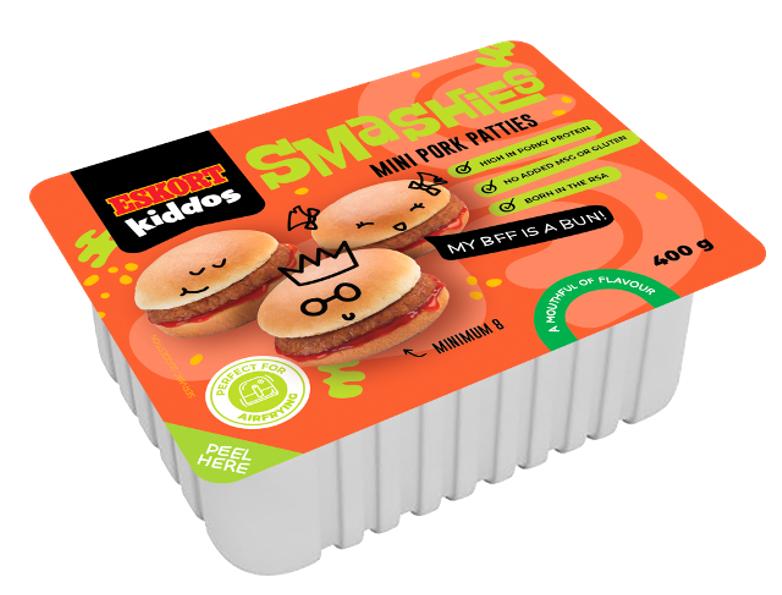
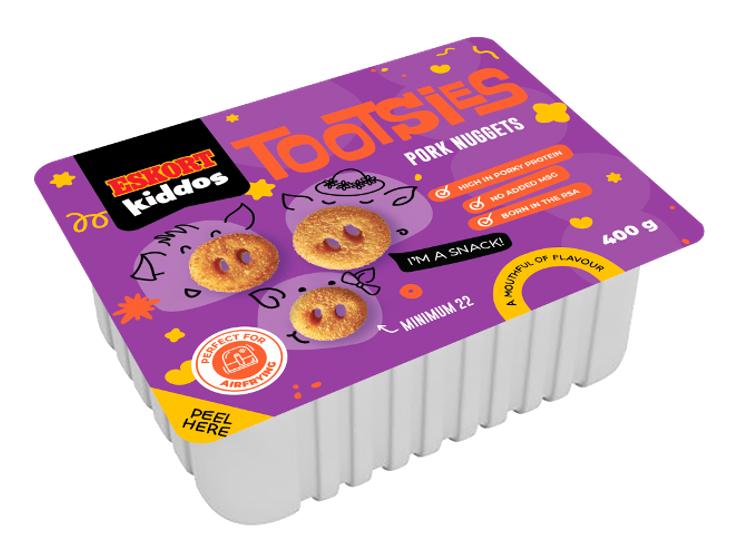
South African meat producer Eskort has launched Eskort Kiddos, a new range of pork-based products developed specifically for children. The launch marks the first time pork products in South Africa have been designed and marketed with younger consumers as the primary audience.
The Eskort Kiddos range comprises six products, each branded with child-friendly names to appeal to younger households. The lineup includes Flingas, Tootsies, Smashies, Wim Wams, Tonkies, and Cheesy Wiggles. According to the company, the naming and presentation were developed to make mealtimes more engaging for children while remaining practical for parents.
www.eskort.com



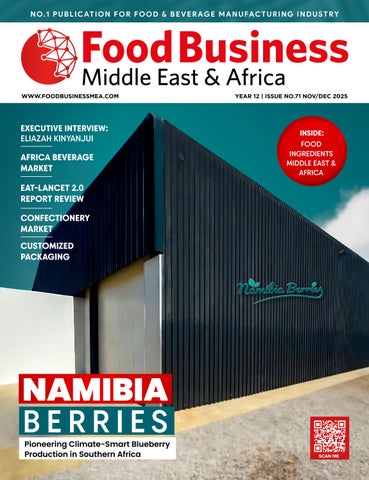
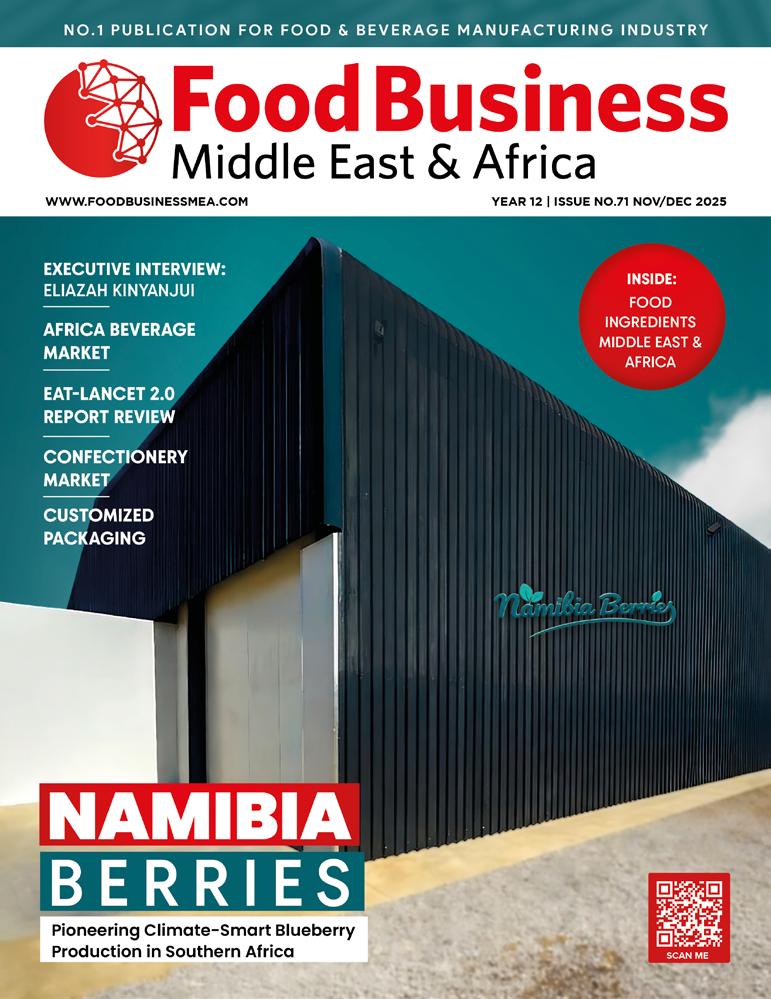
Pioneering Climate‑Smart Blueberry Production in Southern Africa
By Fridah Chepkoech

The International Blueberry Organization’s 2025 Global State of the Industry Report identifies Namibia as an emerging but strategically important producer, with growth potential anchored in its earlyseason harvest window and investor-led expansion. The report stresses that Africa’s role in blueberries continues to expand, with Namibia and Zambia singled out as countries moving from experimental plots into commercial-scale production. This trajectory matters for global buyers in Europe, the UK, and Asia, who rely on early fruit to fill supply gaps before South Africa and Peru reach their peak. With these factors in play, Namibia Berries stands out as the country’s most ambitious project.
Namibia Berries was founded in 2021 and broke ground on development in 2022. The farm sets out to show that Kavango East, a region with limited commercial horticulture, can sustain a commercial horticulture operation larger than anything established there before.“The vision behind Namibia Berries is to build a first-class,
large-scale blueberry operation in Kavango East and run it at export standards from day one,” Michael Rodenburg, CEO of Namibia Berries, tells Food Business Middle East & Africa Magazine in an interview. This feature explores how Namibia Berries is expanding its production base, building critical infrastructure, and positioning Kavango East as a source of premium blueberries for global buyers.
Kavango East sits along the Okavango River, with dry winter months, bright days, and wide temperature swings that support early fruit set. The region stays warm enough for winter production and experiences minimal frost, providing growers with a steady window for blueberries before the rains begin. These conditions, combined with the river’s licensed water supply, help the farm grow consistent fruit in a semi-arid landscape.
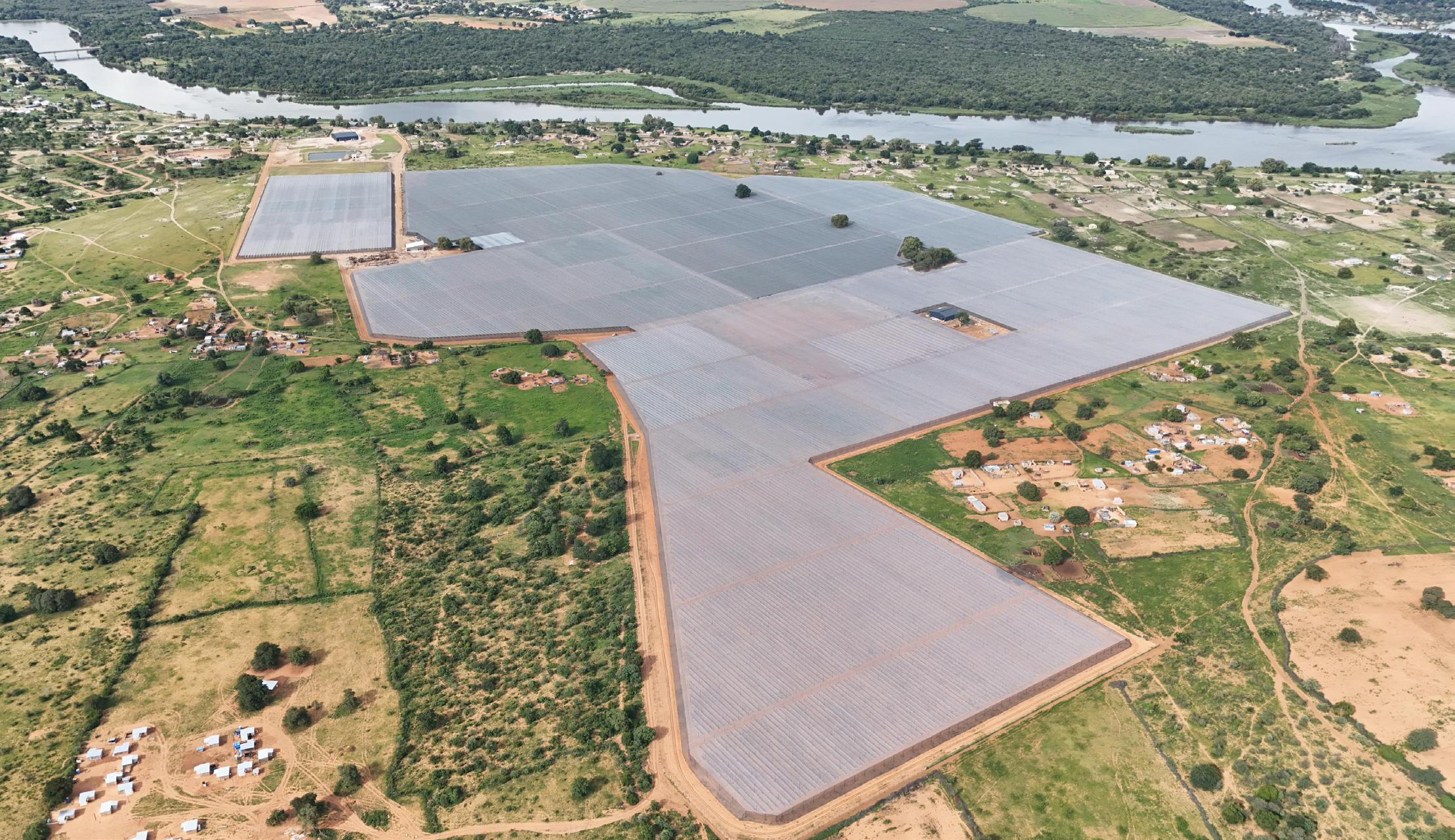
The company initially began with 25 hectares, and scaled to its current size of 100 hectares –a bold step in a region where export-oriented
horticulture had little precedent. Early development relied on smaller financing rounds to establish systems, and once the model proved viable, the farm attracted larger capital.
The expansion gained momentum through Loxworth Capital, the investment firm founded by Michael Rodenburg. Loxworth created the NexaFresh platform to grow climatefocused horticulture across Southern Africa, and Namibia Berries became its first major project. With support from Invest International, the farm recently secured a N$300 million (approx. US$17.6 million) facility which is enabling it to expand its production significantly.
This investment funds the next 100 hectares, pushing total production toward 200 hectares, also strengthening the farm’s systems. Michael Rodenburg explains, “The capital is going into the core systems of the farm: irrigation, fertigation, substrate systems, renewable energy, and the cold chain infrastructure needed to export reliably.”
Cold chain development required the most effort, given that Kavango East had no cooling facilities for fruit, and blueberries
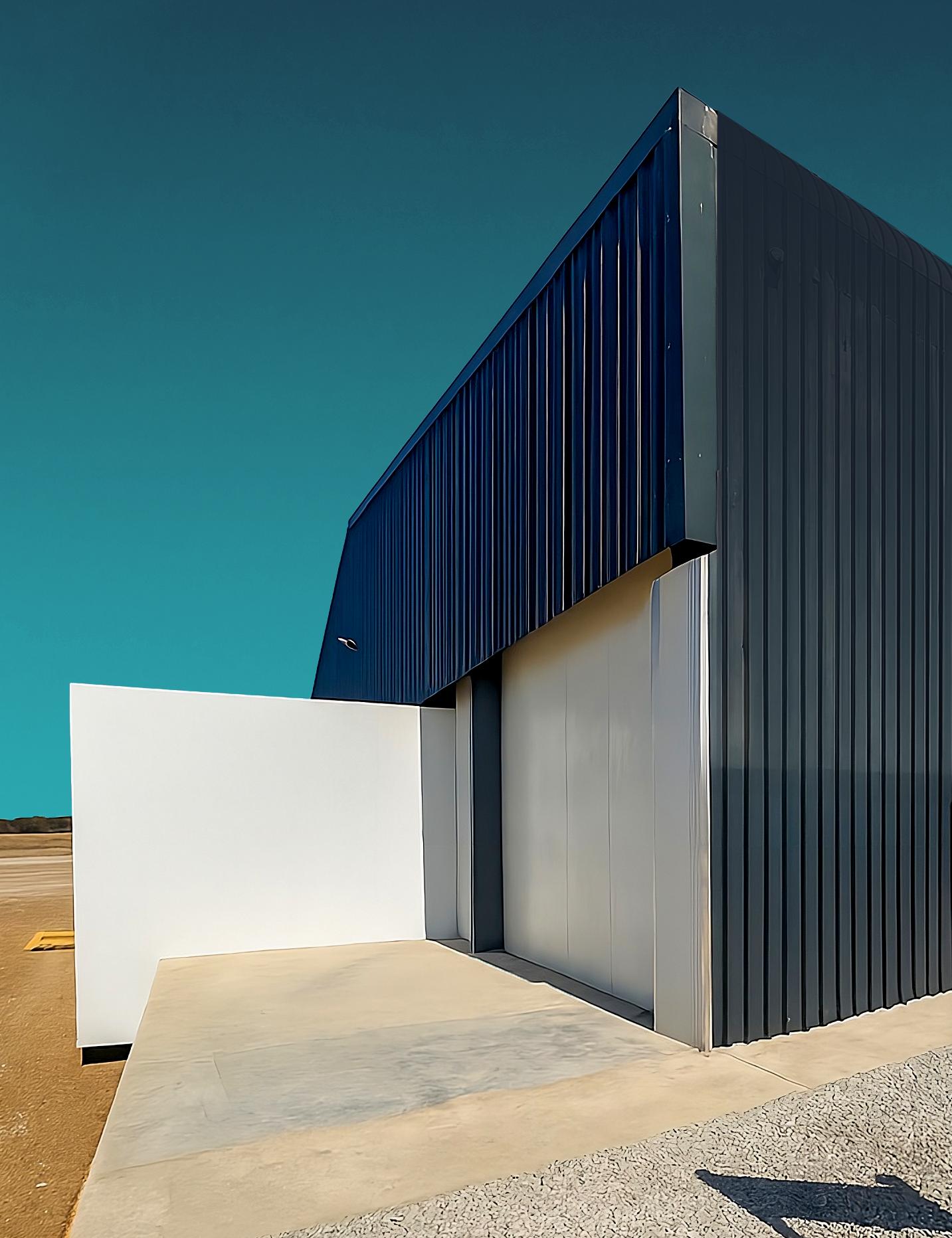
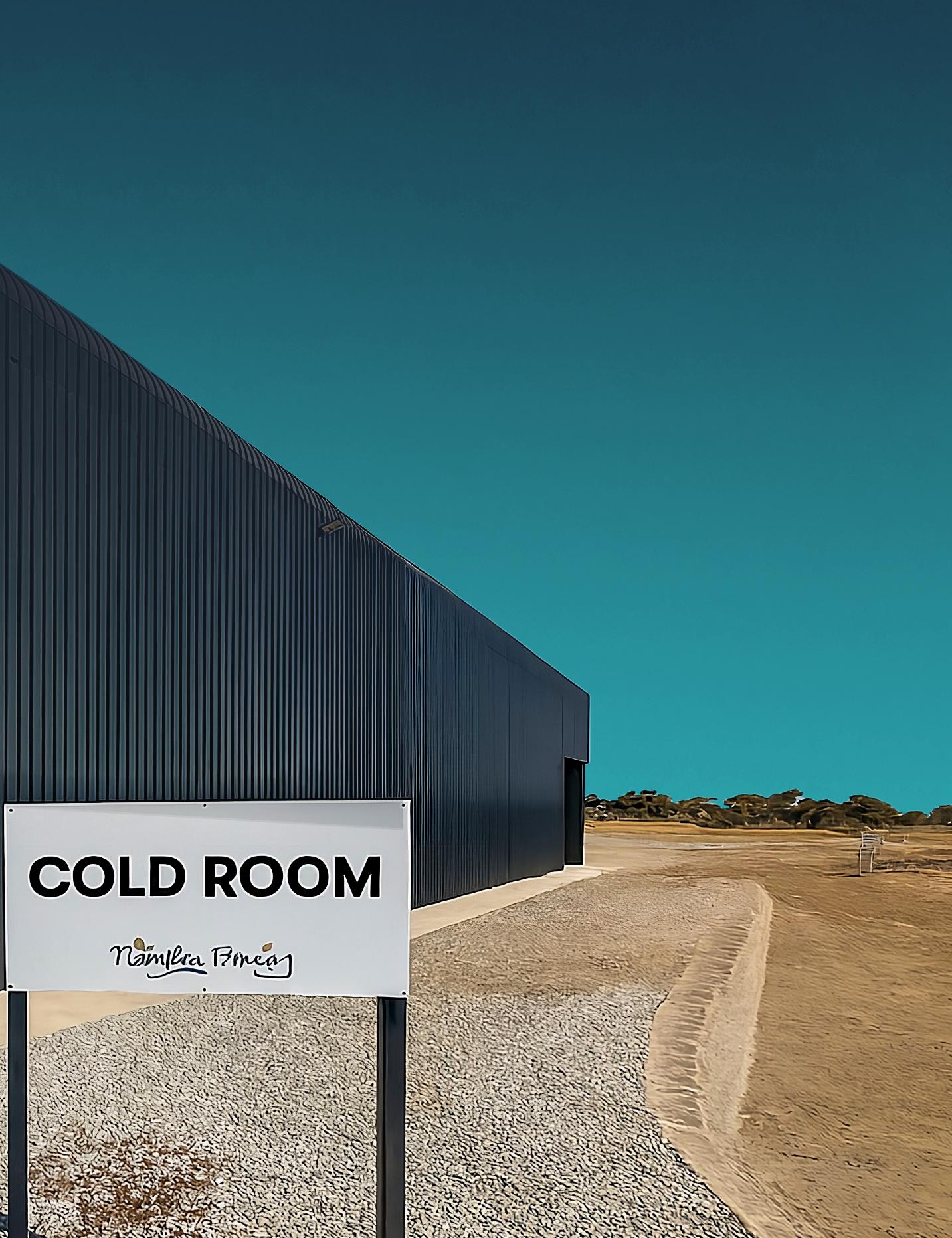
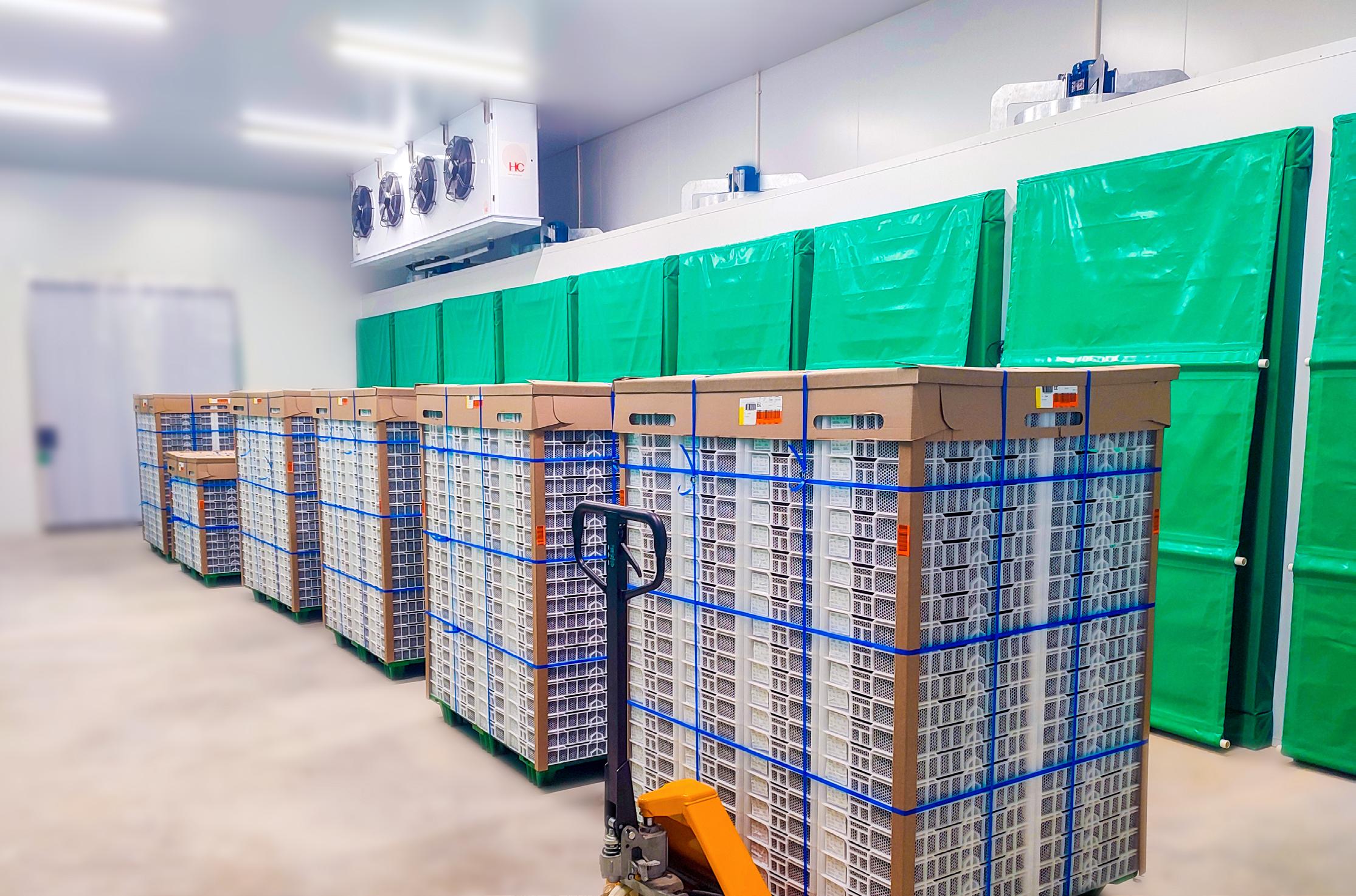
need fast cooling to maintain firmness and shelf life. “One of the biggest challenges we solved was developing a cold chain in a place where none existed before. It is a critical part of making the export business work if you want to ship fruit into premium markets,” Rodenburg notes. Namibia Berries built its own solution through the construction of a cold room, a packhouse, precooling units, and establishing links to transport routes that move the fruit to Johannesburg for air export. The team is also exploring sea freight options for future seasons.
The farm’s growth also supports Loxworth Capital’s long-term plan to expand the NexaFresh platform across the region. Trial sites in nearby countries are key to testing suitable varieties and production systems. Rodenburg explains, “Our ambition is to reach 1,000 hectares regionally over time. We already have trial sites underway in Southern Africa that guide our expansion, but the immediate focus is executing Namibia Berries well.”
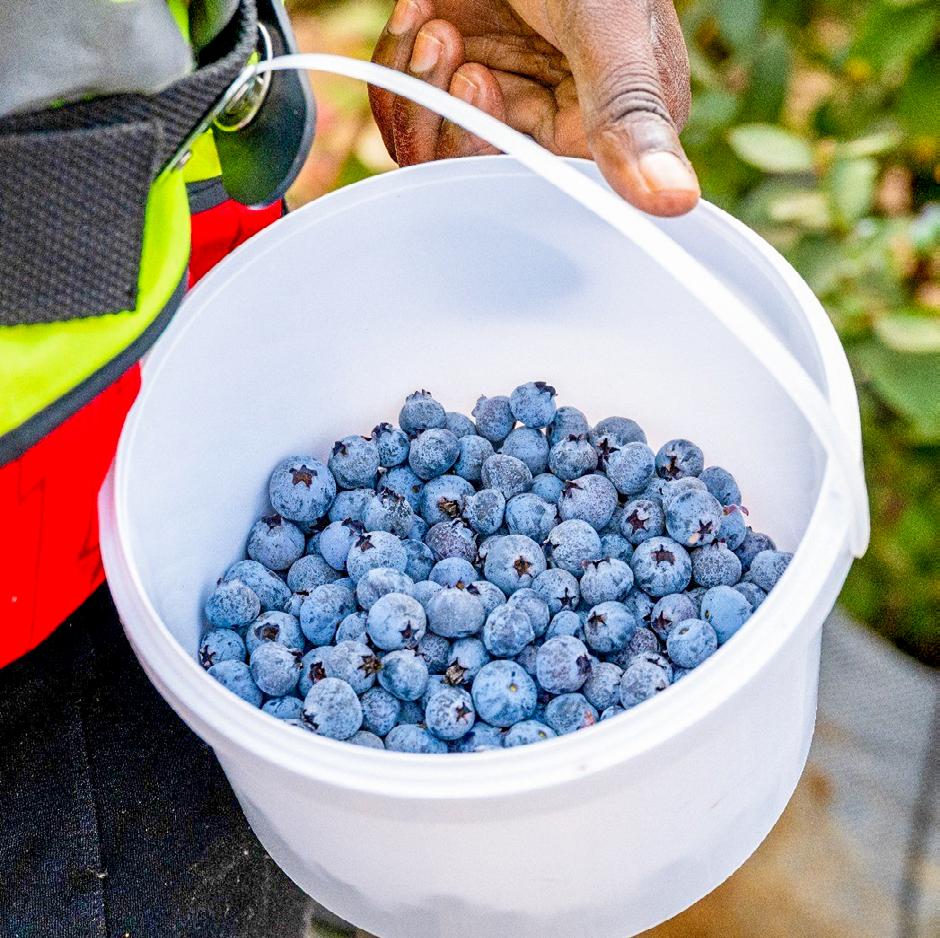
source of early-season fruit from Africa.” Climatic conditions give Namibia a competitive edge. The farm’s river-adjacent microclimates have historically experienced extremely low frost incidence, which shaped site-selection decisions. Rodenburg noted, “Namibia’s dry winter and the stretch from June to early October give us a clean, early harvest period before the rains. That’s our competitive edge: timing.” Still, the team plans for volatility, given the frost events in 2023 and 2024 in other areas of northern Namibia, which reminded growers that climate risks remain. Namibia Berries integrates contingency planning into its operations, ensuring resilience against unpredictable weather. The Okavango River provides a licensed and carefully monitored water source, enabling hydroponic production without reliance on soil moisture. Strong markets help the farm grow, but long-term success depends on how well it manages the climate and its resources.
The team now prepares new production blocks, expands renewable energy units, and installs more irrigation systems. The plan is to bring most of the added hectares into production ahead of the 2026 harvest season. With the infrastructure in place, the focus shifts to the work that drives fruit through the season.
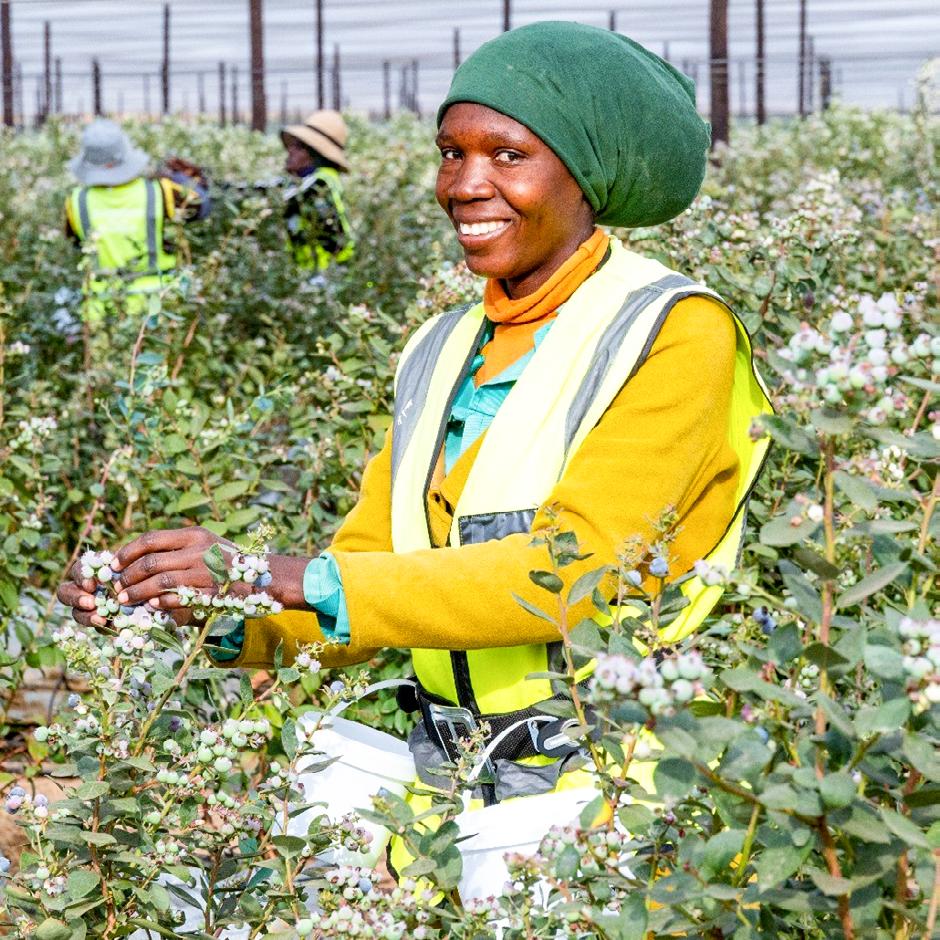
Namibia Berries already exports fruit to Europe and Southeast Asia, taking advantage of its early-season harvest window. “The early-season window allows us to get onto shelves when supply is limited, and buyers are actively looking for high-quality fruit,” outlines Rodenburg.
Buyers are not only seeking reliable supply but also credible, traceable practices. Rodenburg stressed, “Globally, buyers want reliable supply, strong fruit quality, and credible ESG practices. Namibia can deliver that – with the right systems, we can become a stable
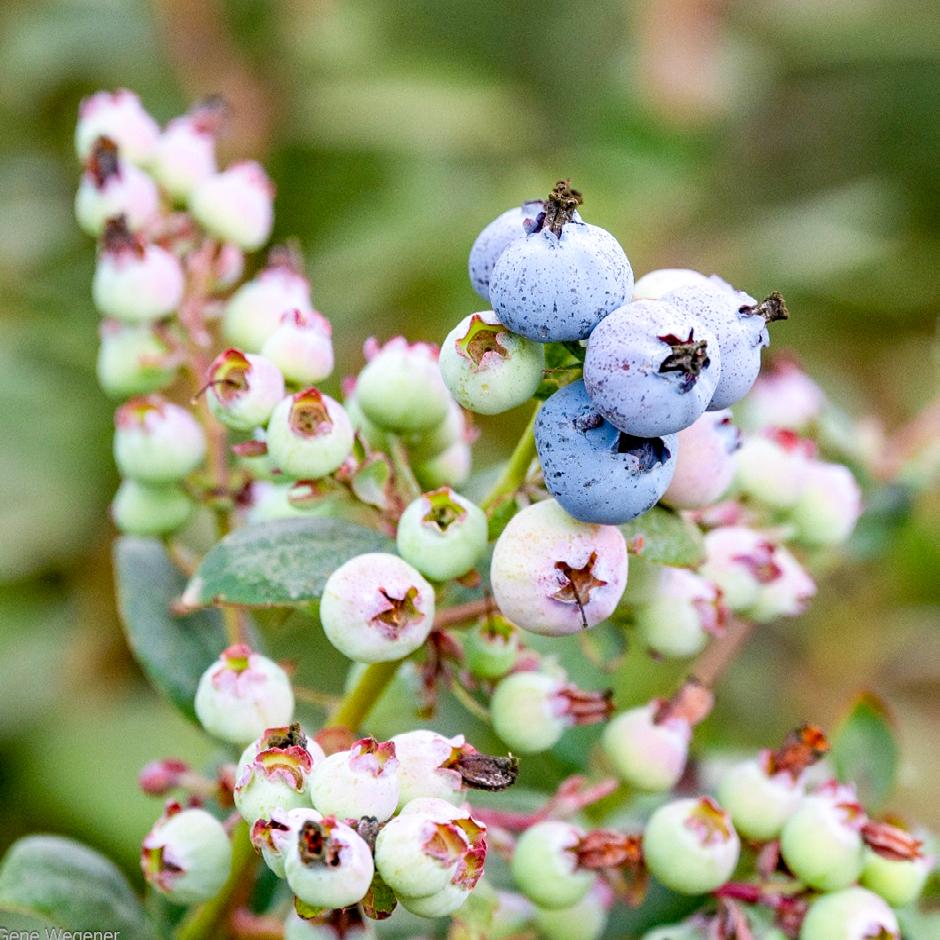
Sustainability measures are embedded in the farm’s design. Hydroponics ensures water and nutrients reach the root zone directly, reducing waste and lowering consumption compared to traditional soil farming. Energy efficiency is equally central. The farm runs primarily on solar, and over half of the vehicle fleet is electric, reducing carbon emissions and ensuring reliability in a remote region. Rodenburg explained, “Our entire system is built for efficiency. There’s no leaching, and our water use is significantly lower than traditional soil farming. Energy is another major focus. We’ve invested heavily in solar, and roughly 80% of the farm’s operations run off-grid.” Technology underpins this sustainability model. The farm is starting to lay the foundations for digital and AI-enabled forecasting and decision-support tools, such as sensor-driven irrigation and fertigation systems that will allow real-time adjustments, and drone monitoring that will be able to provide
early detection of crop issues. Rodenburg explained, “We’re building the data and sensor foundations now so that we can integrate AI-enabled forecasting and decision-support tools over time. It’s early days, but we’re getting the basics in place to support what is now becoming an essential part of commercial farming.”
Together, these systems position Namibia Berries as a credible supplier of premium fruit to international markets. These choices reflect a wider plan shaped by Loxworth Capital’s long-term view of the region.
It is crucial to note that Namibia Berries is part of a broader plan at Loxworth Capital that links commercial returns with tangible outcomes in rural areas. Loxworth Capital looks for sectors that create both financial value and fundamental change in communities. Michael Rodenburg explained this focus. He said, “Loxworth invests in sectors where we can combine commercial returns with tangible impact. Agriculture sits at the centre of that strategy because it creates jobs, builds skills, and drives rural development.”
Namibia Berries is central to this approach because it anchors the NexaFresh platform, which aims to grow commercial horticulture across Southern Africa. Rodenburg views this as a long-term effort. He said, “Namibia Berries is one of the anchor projects within our NexaFresh platform, which focuses on scalable, sustainable horticulture. It is a longterm play. Build the capability, stabilise production, expand

responsibly, and create a competitive regional footprint.”
As the project expands to 200 hectares in the next phase, it will be the largest hydroponic blueberry farm in Southern Africa. The team wants to build a model that other farms across the region can follow. Rodenburg said, “I see Namibia Berries becoming a reference point for what climate-smart horticulture can look like in Southern Africa. Not perfect, not theoretical – operational.” The company also invests in value chains that improve logistics, strengthen technical skills, and prove that remote areas can supply quality fruit to global buyers. The farm’s use of renewable energy, hydroponics, and digital tools supports consistent production in a semi-arid climate.
Rodenburg expects African agribusiness to change over the next decade as more farms adopt climate-smart methods and advanced technologies. He believes investors will commit more once countries set clear policies and improve infrastructure. The results of this approach are most evident in the communities around the farm.
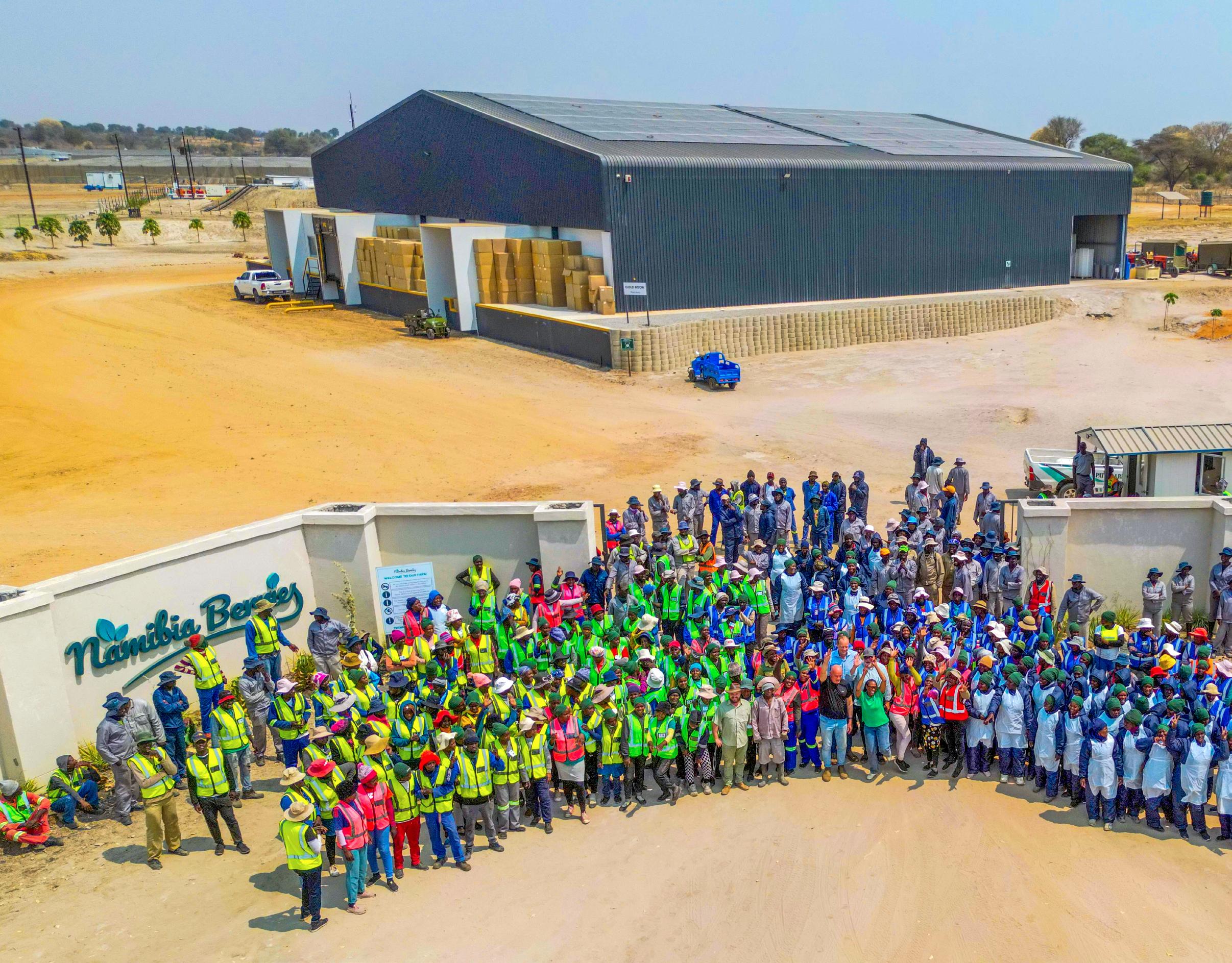
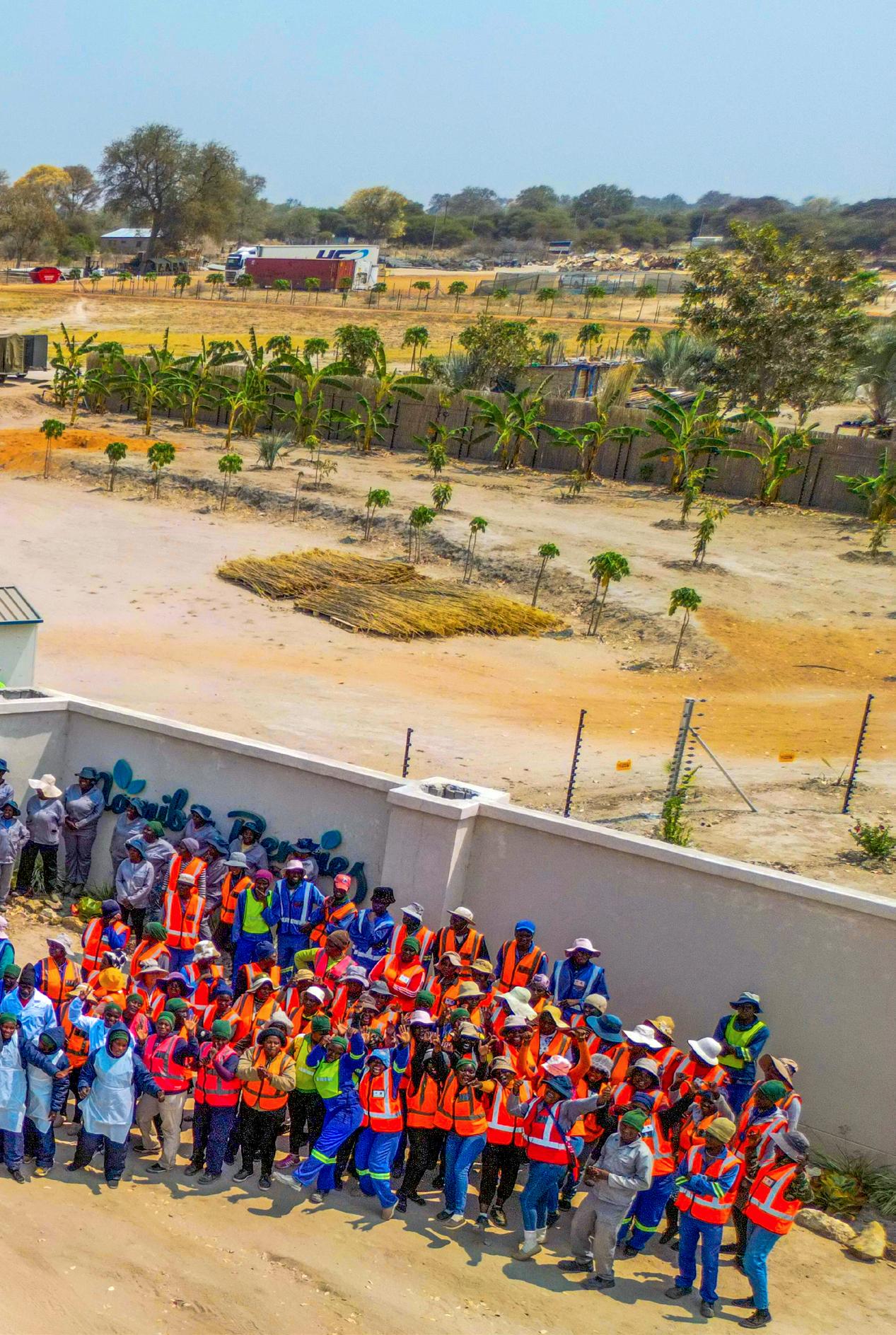
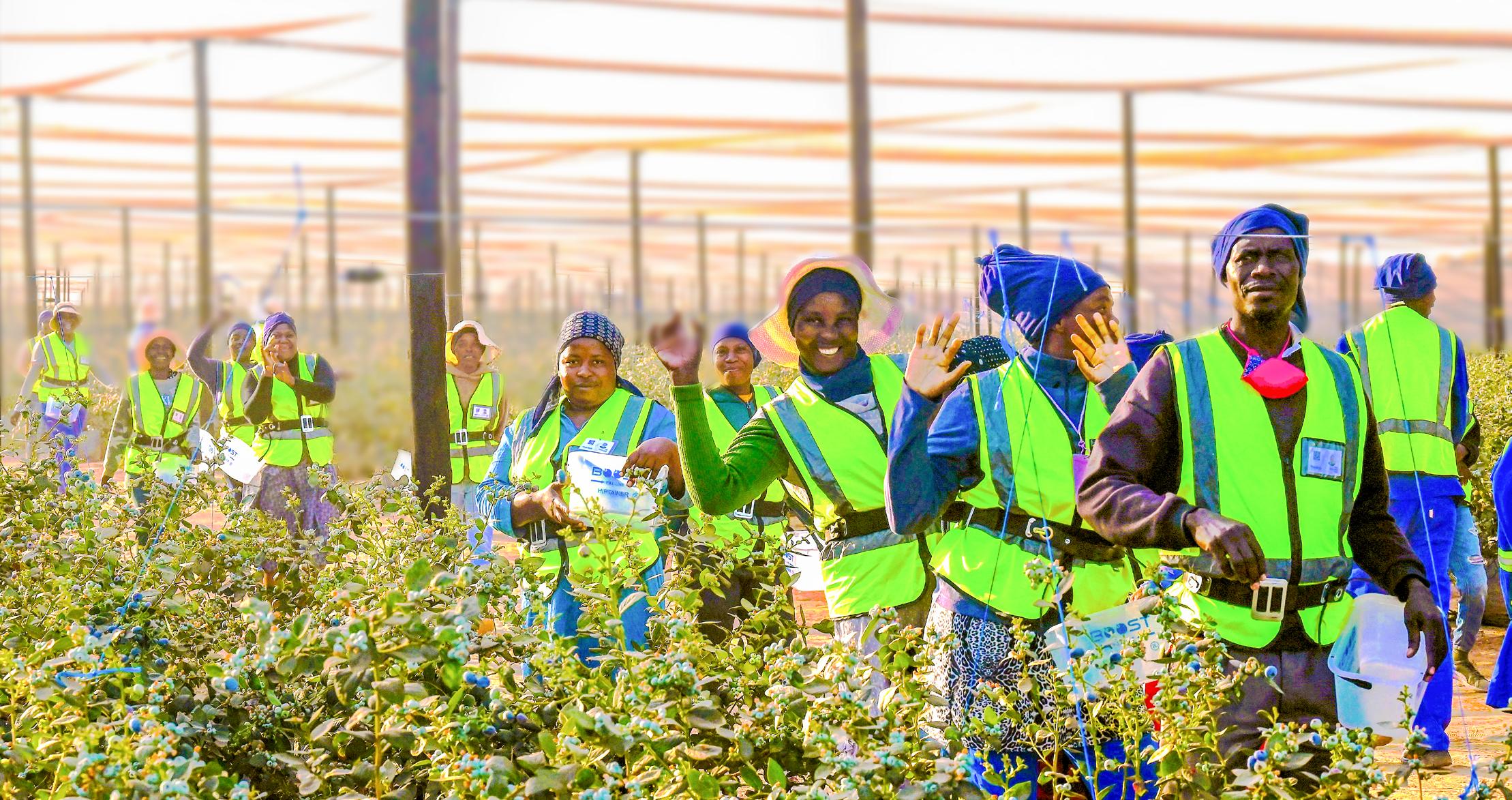
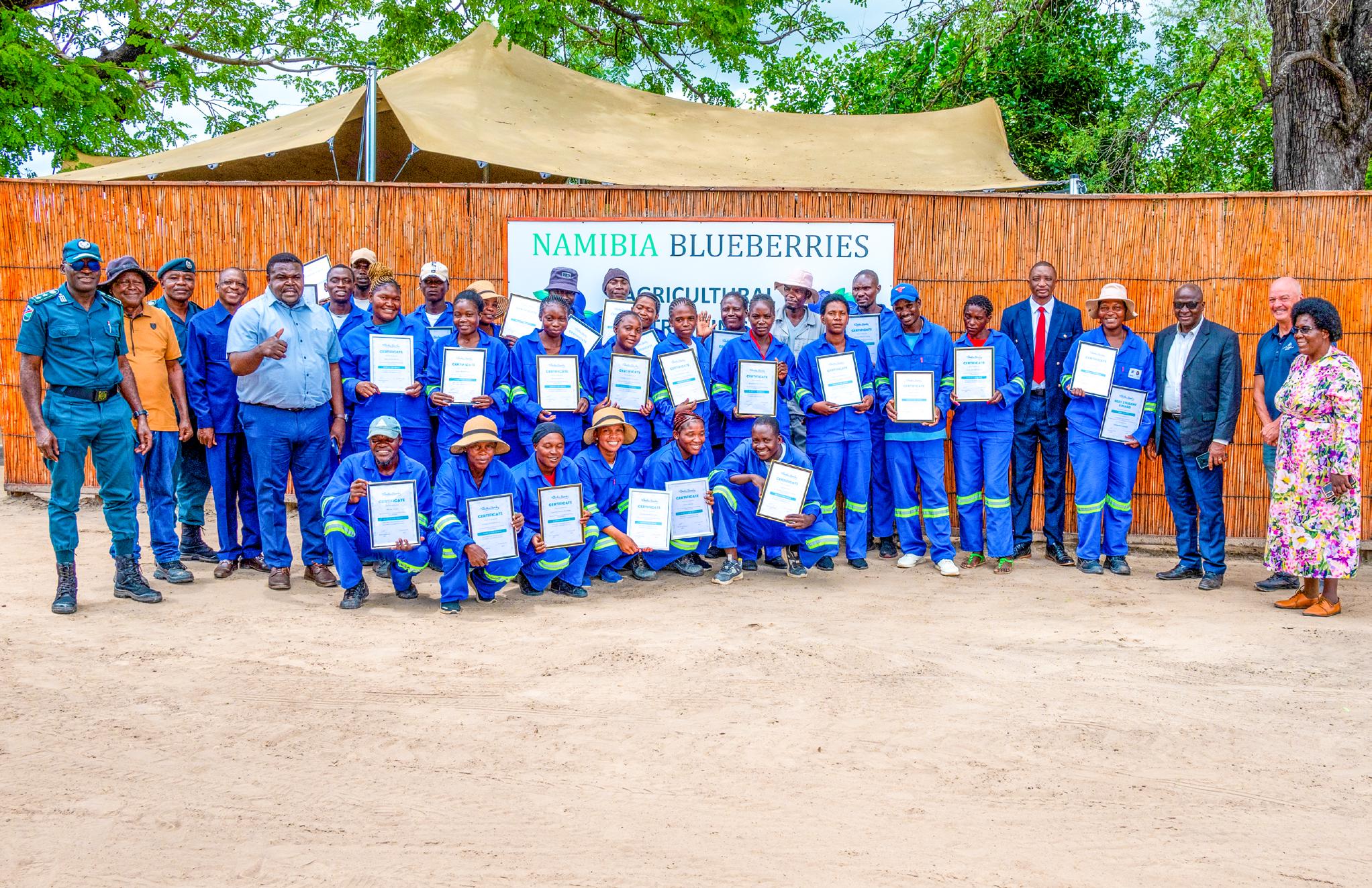
Namibia Berries now employs over 800 people, creating jobs in a region that previously had limited commercial horticulture. The farm focuses on training and skill development, particularly for women and youth. Michael Rodenburg notes, “Most of our workers came in with no horticultural background, and they’re now learning modern farming techniques, cold chain handling, and farm operations. We place a strong emphasis on women and young people because they form the backbone of the
OUR AMBITION IS TO REACH 1,000 HECTARES REGIONALLY OVER TIME. WE ALREADY HAVE TRIAL SITES UNDERWAY IN SOUTHERN AFRICA THAT GUIDE OUR EXPANSION.
future workforce.”
The farm’s programmes go beyond basic training. Workers participate in hands-on workshops on fertigation, irrigation systems, and quality control, preparing them for roles across the supply chain. These efforts also build local expertise that can support future agricultural projects in the region.
Namibia Berries encourages community initiatives as part of its sustainability focus. Kitchen gardens and small-scale projects for employees help households improve food security while spreading horticultural knowledge locally. Rodenburg explains, “We want to ensure the impact reaches beyond the farm. Skills and practices learned here can benefit families and communities long-term.”
By combining job creation, training, and community engagement, Namibia Berries strengthens the human capital
in Kavango East. This approach complements the technical investments on the farm, ensuring that production growth is accompanied by local development and capacity building. And these outcomes tie back to the leadership style that guides the farm each day.
According to Michael Rodenburg, the biggest lesson in building a farm of this scale is that vision means nothing without execution. “Agriculture forces you to think long term, stay patient, and solve real-world problems one by one,” he explains.
Execution for Namibia Berries means tackling concrete challenges, such as securing water rights, establishing coldchain infrastructure, and training a workforce with no prior horticultural experience. Each step requires persistence and daily innovation. Hydroponics, renewable energy, and smart irrigation are not abstract concepts but essential tools that make production viable in the semi-arid Kavango East.
People remain central to the farm’s success. Rodenburg notes, “Most of our team started with little or no agricultural experience. Today, they’re running complex production systems. That’s the part I’m most proud of.” Training and inclusion transform local communities, creating skilled roles in pruning, scouting, and quality control.
Namibia Berries is intentional about ensuring technology supports the people rather than replace them. The company is also laying the foundations for future AI-enabled decision support. “You have to stay open to new technology. Whether it’s hydroponics, renewable energy, or the digital foundations we’re putting in place for AI tools – if you want to farm in a remote, semi-arid region, you have to innovate every day,” Rodenburg says.
Looking at African agribusiness more broadly, he expects a decisive decade ahead. Climate-smart farming, technology adoption, and secure investment will define the sector’s trajectory. “Africa has the land and the demand. What it needs is the right policy environment, reliable infrastructure, and patient capital. When those align, the growth potential is enormous,” he adds.
Namibia Berries stands as both a local pioneer and a regional reference. The project now moves into its next phase as new fields prepare to reach full output.
Namibia Berries is shaping Kavango East into a hub for blueberry exports, demonstrating that semi-arid regions in Africa can support large-scale, reliable production. The farm plans to bring most of its new production blocks online ahead of the 2026 harvest, expanding to 200 hectares and becoming the largest hydroponic blueberry farm in Southern Africa. Systems such as hydroponics, renewable energy, and cold chain infrastructure ensure consistent, high-quality fruit for export.
Africa’s blueberry sector remains smaller than the global industry but is growing quickly. In 2024, the continent produced roughly 49,000 tonnes of blueberries for export, with South Africa, Zimbabwe, Zambia, and Kenya leading production. This growth shows that newer producers can participate meaningfully in regional and global supply.
Namibia Berries is evidently a reference model for regional expansion. Through Loxworth Capital’s NexaFresh platform, lessons from Kavango East can guide trials and investments across Southern Africa, helping other growers adopt climatesmart horticulture.
By Francis Watari
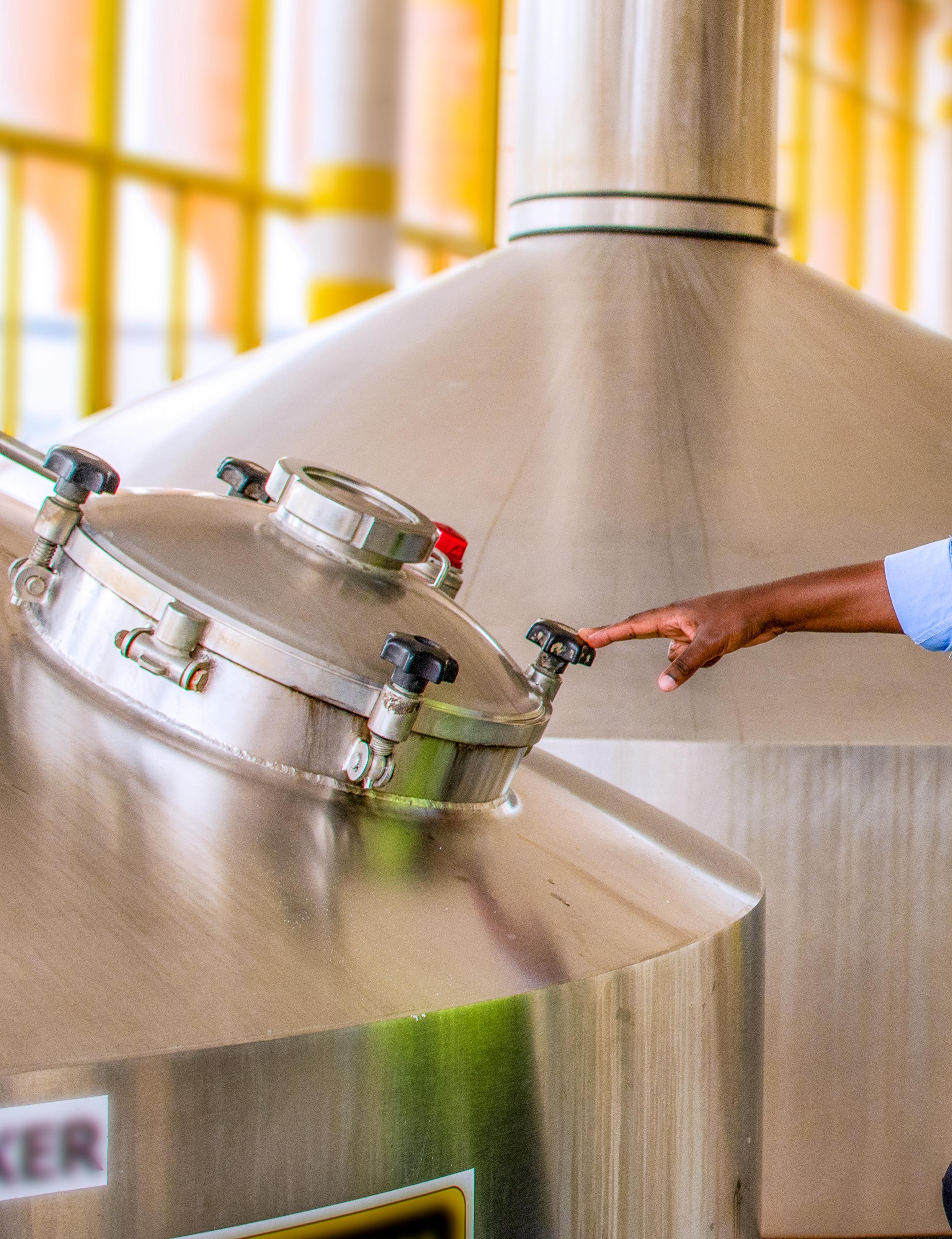
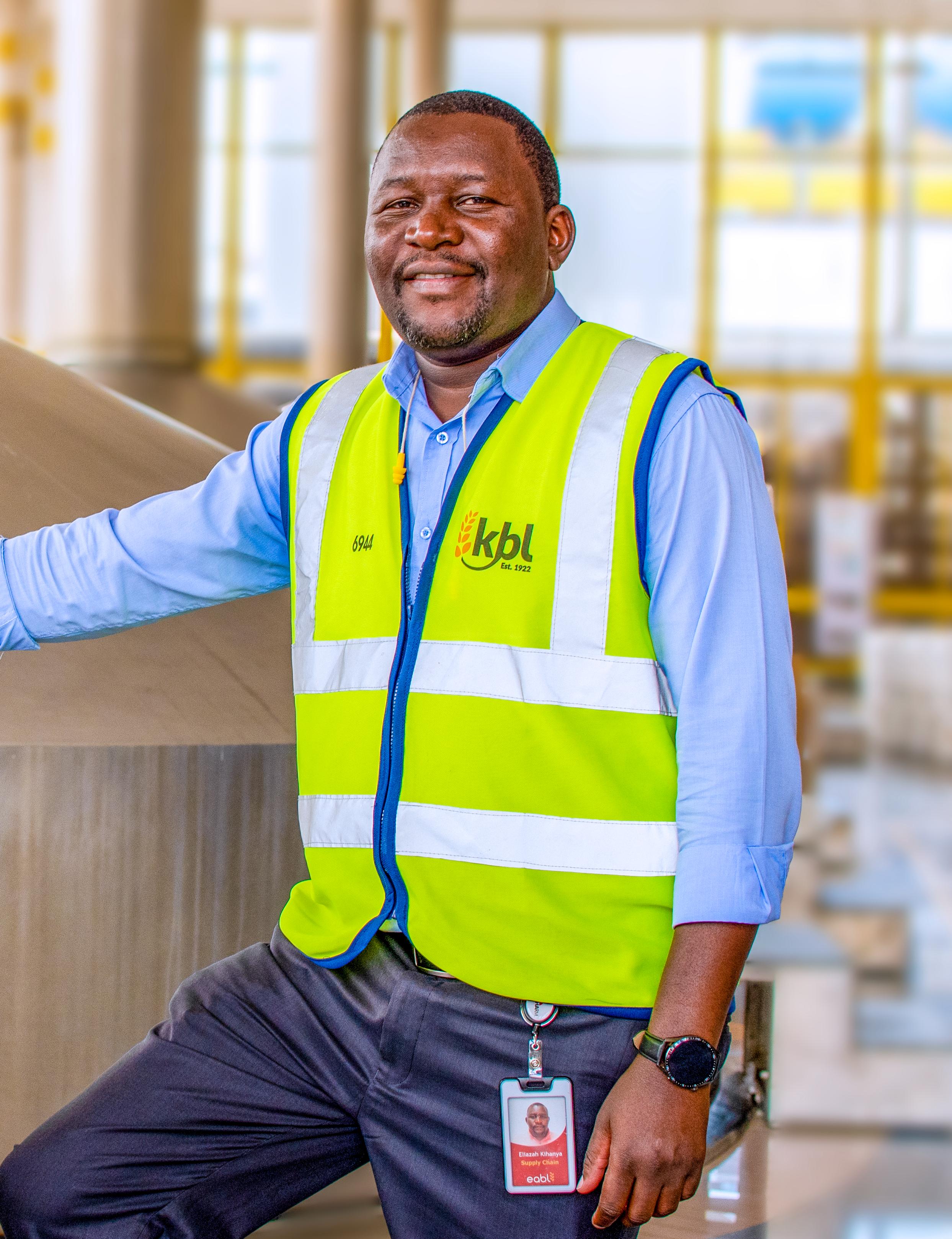
Behind every mastery is a journey unseen to many in the world. In our quest to discover what it takes to excel in the brewing industry, Food Business Middle East & Africa sits down with Eliazah Kinyanjui Kihanya, a master brewer whose journey crafting one of Kenya’s best premium beers inspires every professional with a passion for brewing.
FROM THE DAIRY TO ALCOHOL
Eliazah Kinyanjui Kihanya is one of the top master brewers in Kenya, currently working at Kenya Breweries Ltd (KBL), Kenya’s largest brewer. With over 18 years of dedication to the craft of brewing, Eliazah’s story is one of scientific curiosity, relentless pursuit of excellence, and a deep-seated passion for delivering joy in every pint of beer.
His path into brewing began not in a brewery, but in the classrooms of the University of Nairobi, where he pursued a degree in biochemistry and chemistry. “My background is science-based,” he reflects, emphasizing how his technical foundation laid the groundwork for a career in the brewing industry.
Just like any other typical Kenyan graduate, Eliazah, fresh out of college, seized his first opportunity in the dairy industry. This brief stint involved processing milk and understanding the intricacies of food production. Yet, it was during his university days that brewing captured his imagination.
In the University, Eliazah took a course on the brewing process, detailing the transformation from malt to beer, which sparked an interest that would define his professional life. “The detail of it really intrigued me,” he recalls, describing the enticement of turning raw ingredients into a complex, flavorful product.
In 2007, a chance to join Kenya Breweries Ltd arose, and as is the dream of any professional in the brewing world, Eliazah grabbed the opportunity “with both hands.” His entry point was the quality assurance department, then known as quality control, in the packaging division.
In the department, he monitored the final product to ensure it met rigorous standards before reaching consumers. It was during this period that Eliazah developed one of the qualities of a master brewer: attention to detail. “This is a rigorous field,” he says. “You need to be very attentive to detail. We’ve got standards that we follow: quality, product manufacture standards, hygiene standards.”
These early experiences were pivotal, teaching him that even minor oversights could compromise the entire process. From ensuring hygiene to verifying consistency, Eliazah learned that brewing demands precision at every step.

From quality control, Eliazah transitioned to supporting sales in the field. According to him, this role exposed him to the industry’s real-world dynamics, including interactions with distributors, retailers, and sales teams. In the role, he witnessed firsthand the challenges they faced, from product storage to consumer feedback. “If you don’t get things right here [in the plant], then it becomes a challenge in the field,” he notes.
Building on this foundation, Eliazah moved to the branding department, where he collaborated on developing new products. Working closely with marketing, he bridged the gap between technical expertise and consumer needs. “I interacted a lot with our marketing department just to understand their side of the consumer,” he explains. This phase was transformative, as it revealed the interplay between science and market demands.
Realizing that to truly innovate, he needed deeper brewing knowledge, Eliazah pursued advanced qualifications. He earned postgraduate credentials from the Institute of Brewers and Distillers in Britain and the Versuchs- und Lehranstalt für Brauerei in Berlin (VLB), blending theoretical learning with practical mentorship from seasoned brewers.
Just as in any other art, learning from seasoned brewers plays a critical role in becoming a great brewer. “Everything that I learned now in school, I get a chance to apply here,” he says, highlighting how these experiences equipped him to troubleshoot, optimize, and create.
Just as in any other career field, to become a seasoned brewmaster, one must possess a set of values and philosophies. Today, as Master Brewer, Eliazah embodies a set of core philosophies that guide his daily operations. At the forefront is attention to detail, ensuring nothing slips through the cracks. He also values quick problem-solving: “Ability to brainstorm very fast, so that you identify whatever is the cause... and correct very fast.”
Teamwork is another pillar, as brewing is a collaborative effort involving everyone from cleaners to engineers. “We work as a team... every person has to play their part,” he emphasizes. Above all, passion for consumers drives him.
As part of Diageo, KBL’s parent company, this value aligns with global standards. “Beer is not cheap. It’s an expensive commodity, and when it gets into the consumer’s lips, they need to get value,” Eliazah states. This consumer heartbeat informs everything from raw material selection to final packaging.
The brewing industry comes with its bundle of challenges and opportunities. To excel in this field, one needs to strike a balance between the two. For Eliazah, the rewards of being a master brewer are manifold. Foremost is the satisfaction of knowing consumers enjoy a “perfect pint.”
Consistency is a hallmark of KBL’s brands, which have
earned international accolades, including gold medals in Diageo’s Monde Selection awards as recently as last year.
“Being able to produce the same great liquid every day... It’s a really rewarding experience,” he shares.
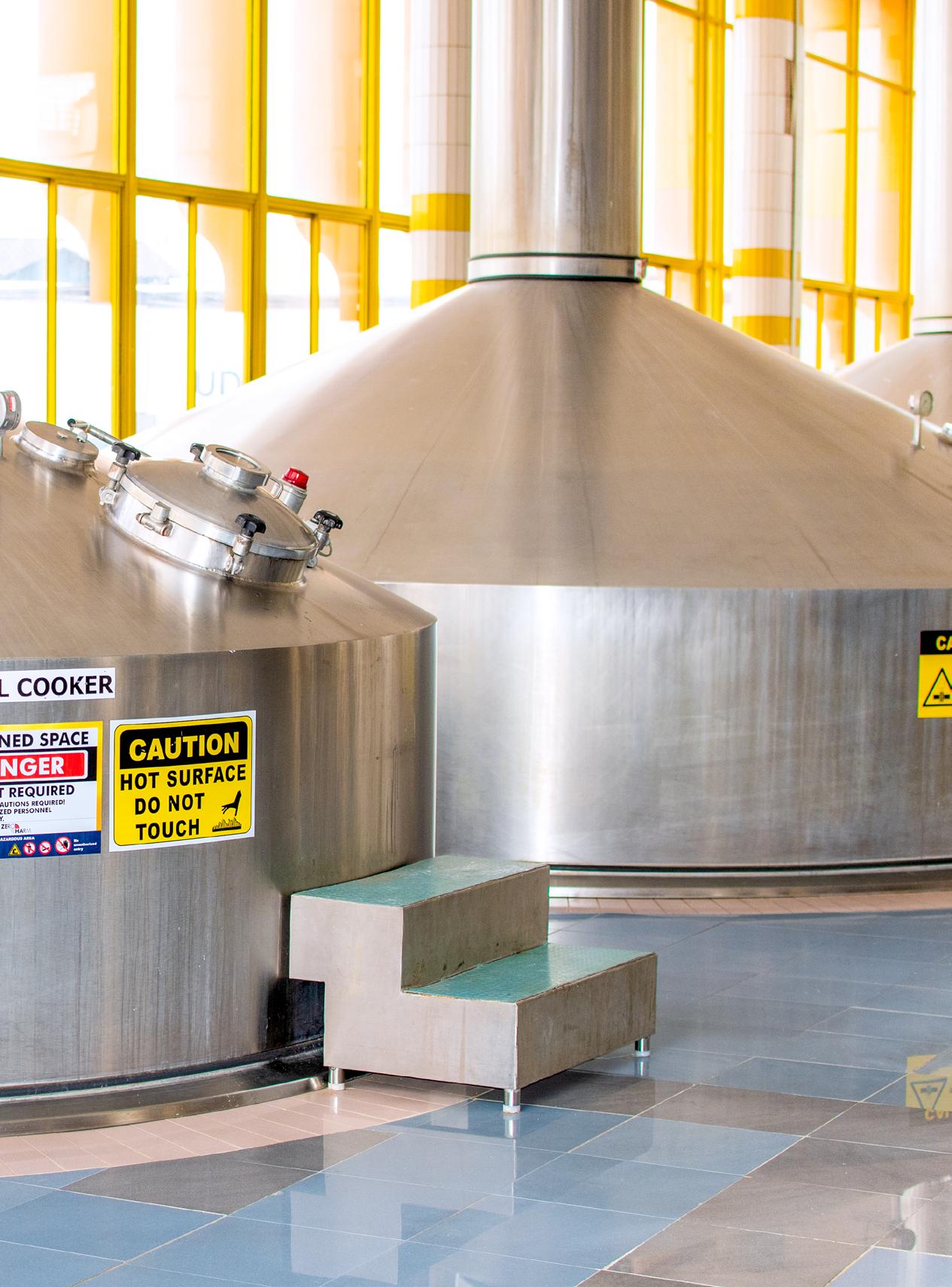
On the flip side, Eliazah shares that challenges are inherent in a process-dependent industry. “Things sometimes might go wrong,” he admits, but robust systems and checks mitigate these. Rather than viewing setbacks as obstacles, Eliazah sees them as part of his role: solving issues to maintain that consistent output. His approach turns potential pitfalls into opportunities for improvement.
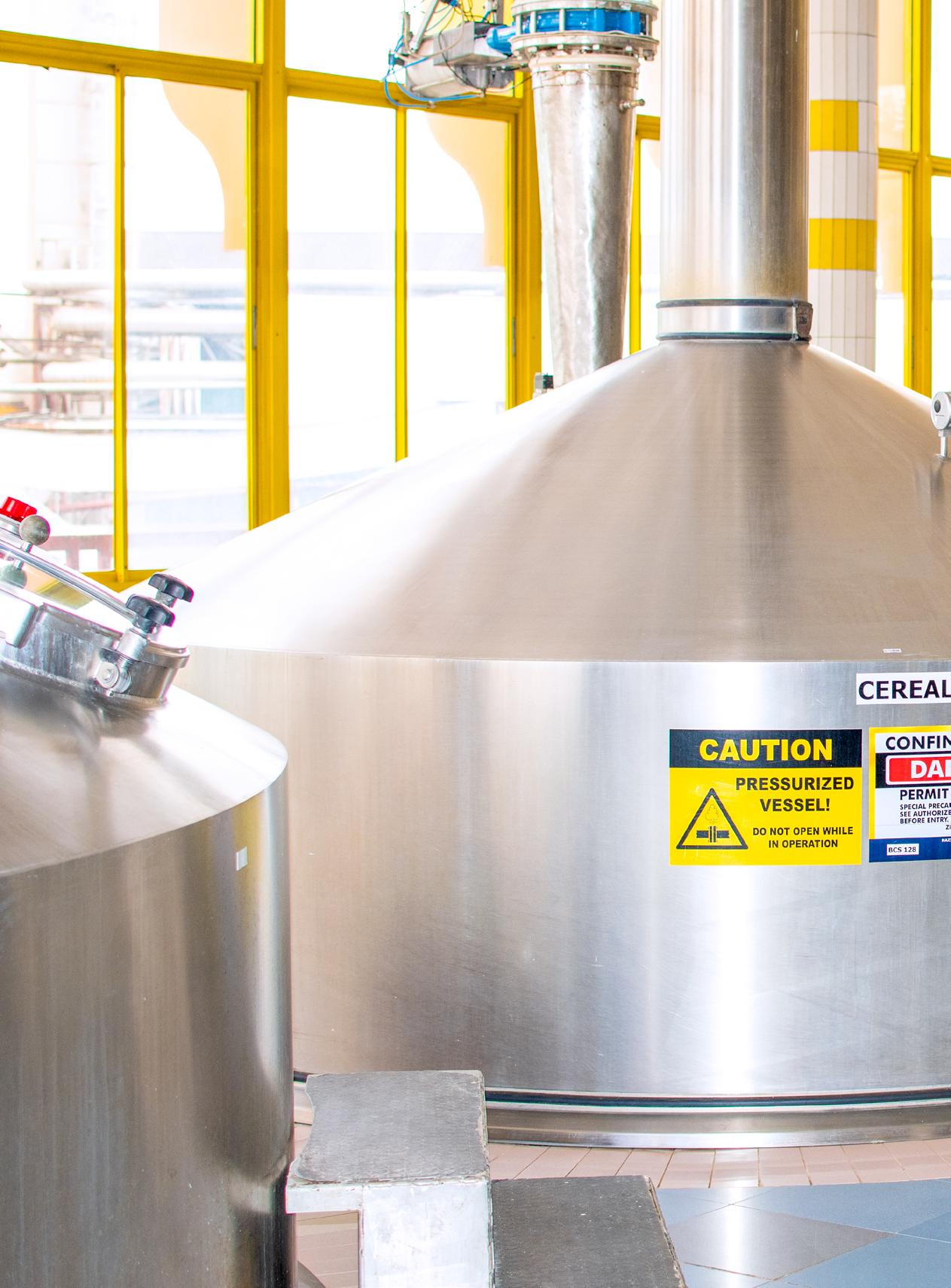
Despite the fundamentals of brewing – mashing, boiling, fermentation, maturation, and packaging - being unchanged since the early times, consumer preferences evolve. Balancing tradition and innovation is central to being a master brewer. “The basic principles... haven’t changed much. However, consumer perceptions change with time,” he observes.
For instance, there’s growing demand for flavored beers and non-alcoholic options. KBL responds by innovating recipes in collaboration with marketing and technical teams. Eliazah highlights the rise of non-alcoholic products, which mimic the taste of traditional beer while catering to health-conscious consumers.
Sustainability is another area of innovation, driven by environmental necessities. In a water-constrained region like Kenya, KBL prioritizes conservation. “We have to be sustainable we want our children and future generations to live in a good world,” Eliazah says.
Initiatives include energy recovery from heat-generating processes, water recycling, and waste reduction. “In a process
CAP
BEER FROM
BOTTLE AND CANS, KBL IS GOING A NOTCH HIGHER TO ENSURE THAT CONSUMERS GET THE MAXIMUM EXPERIENCE FROM EVERY PINT.
that is giving out heat, we have to ensure that we recover that heat back,” he explains.
These efforts not only reduce environmental impact but also support surrounding communities by conserving shared resources like electricity and water. Eliazah leads projects in productivity, eliminating waste to benefit both the bottom line and the planet.
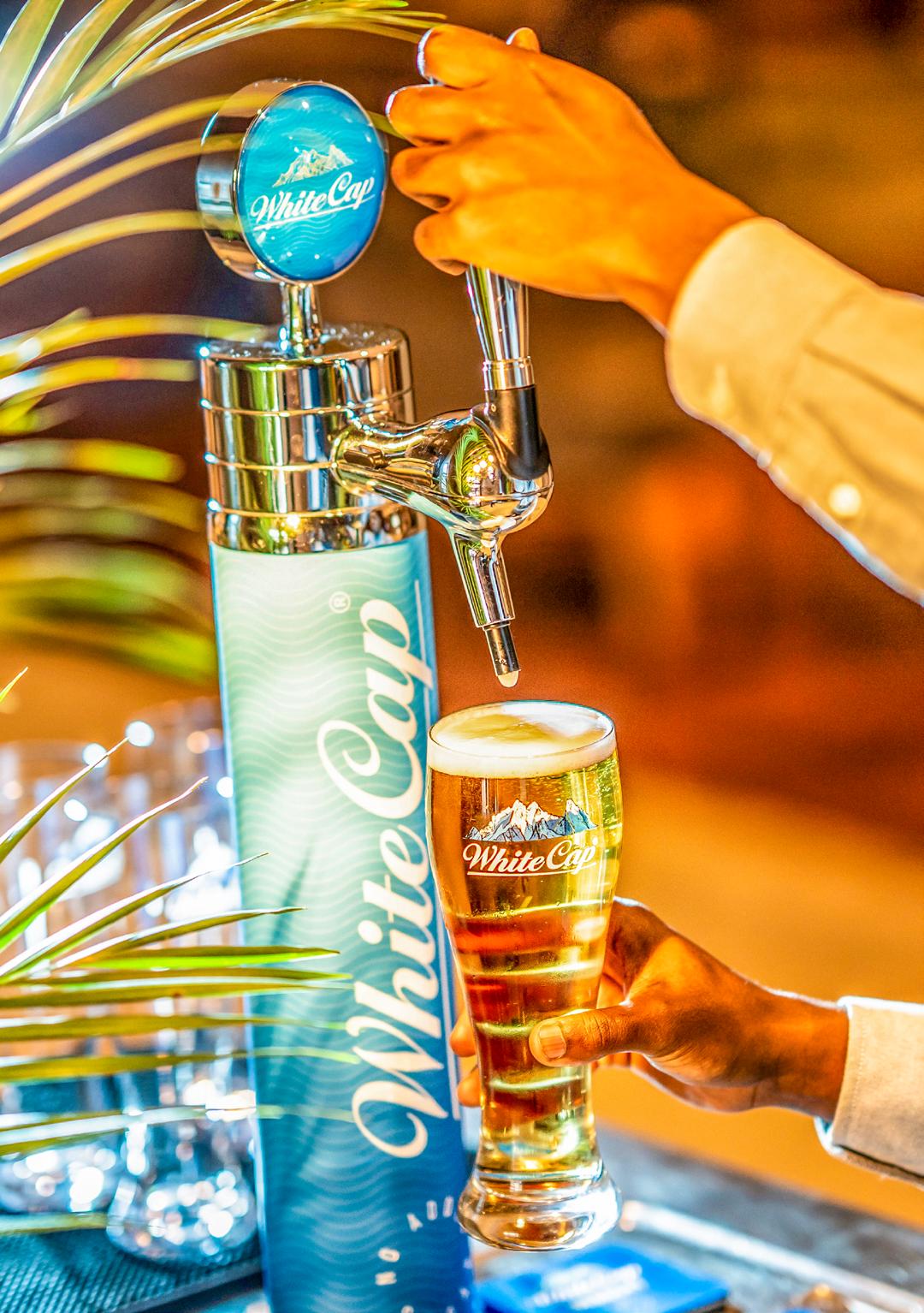
Unlike the tradition for most White Cap premium beer connoisseurs to consume their favourite beer from the bottle and cans, KBL is going a notch higher to ensure that consumers get the maximum experience from every pint with their draught beer fomat..
With draught beer, KBL aims to deliver its premium offerings to consumers at optimal conditions for beer consumption.. “Beer should be taken chilled... that’s when you get the flavors, the freshness,” Eliazah advises. The Steel Barrel helps maintain the beer at the optimal temperature for consumption without altering its flavor profile.
Despite the packaging differences, KBL master brewer, Eliazah highlights that draught beer is just like any other beer, only packaged differently. The choice to consume beer from a can, bottle, or a glass dispensed directly from the draught tap remains at the sole discretion of the consumer. However, Eliazah prefers enjoying his pint of beer dispensed straight from the draught tap to savour every flavour.
Additionally, with sustainability at the heart of Eliazah’s philosophies, draught beer helps reduce glass waste in the environment. A single barrel helps eliminate a handful of bottles from the environment, ensuring it remains clean and safe. Draught also helps reduce the carbon footprint during transport, as a single barrel can serve several customers at a time, minimizing the need for a bulky load of bottles.
Looking ahead, Eliaza envisions a brewing industry that adapts to global trends while honoring its roots. With climate change and shifting demographics, innovations in sustainable practices and diverse products will be crucial. His story inspires aspiring professionals: start with curiosity, embrace learning, and always keep the consumer at heart. FBMEA
By Francis Watari
The African beverage sector has recorded yet another of the most transactional years in its history, with investments and divestments ramping up in 2025. Beverage giants such as Diageo, Castel, Coca-Cola and Varun Beverages have been at the forefront of driving these changes, with significant financial transactions being recorded.
There is no doubt that the continent’s youthful population and the growing demand for both soft and alcoholic beverages provide a lucrative market for beverage producers. With Africa’s population projected by the UN to hit 2.5 billion by 2050, the stakes in the continent’s beverage market are rising. Africa is no longer an emerging story – it’s the main stage.
This recap delves into pivotal activities that defined the year, from significant investments and mergers to sustainabilitydriven reforms and consumer-led shifts, while highlighting opportunities in the continent’s beverage sector.
One clear pattern in 2025 is bigger global and regional players consolidating supply-chain control and investing in scale. Varun Beverages, PepsiCo’s largest franchise bottler outside the United States, began the year on a high as the company seeks to strengthen its international presence while enhancing its domestic and global operations. In December 2024, the company commissioned two new production lines to increase capacity for its Aquaclear bottled water and sparkling soft beverages. The soft drink giant also cemented its presence in South Africa with a US$48.19M investment in its South African subsidiary, The Beverage Company Proprietary Limited (Bevco).
In North Africa, Varun Beverages Morocco entered into a strategic US$12 million partnership with Buildings & Logistics Services (BLS), a subsidiary of H&S Invest Holding, to develop a large-scale logistics facility south of Casablanca.

The investment will enable VBL to gain greater control over its supply chain, ensuring faster distribution of its products in the region.
Additionally, to cap off the year, VBL has ventured into the continent’s alcoholic beverage category via an exclusive distribution agreement with Carlsberg Breweries A/S for select markets. The company also intends to establish a wholly owned subsidiary in Kenya, Varun Food and Beverages (Kenya) Limited, which will manufacture and distribute beverages in East Africa. Kenya’s beverage industry, valued at over US$3 billion, has seen a surge in both soft drink and beer consumption driven by urbanisation and a youthful population.
In the alcoholic beverage space, local companies have been increasing their market share through significant investments this year. In Nigeria, Champion Breweries acquired the brand assets and intellectual property rights of the Bullet range of alcoholic and energy beverages from Sun Mark International Limited as part of its strategy to diversify into high-growth food and beverage segments. The energy drink category has continued to perform strongly in Nigeria, defying broader consumer spending challenges, with youth-driven demand and the sector’s deep ties to nightlife and entertainment culture fueling sales growth.
Nigerian Breweries also strengthened its supply chain
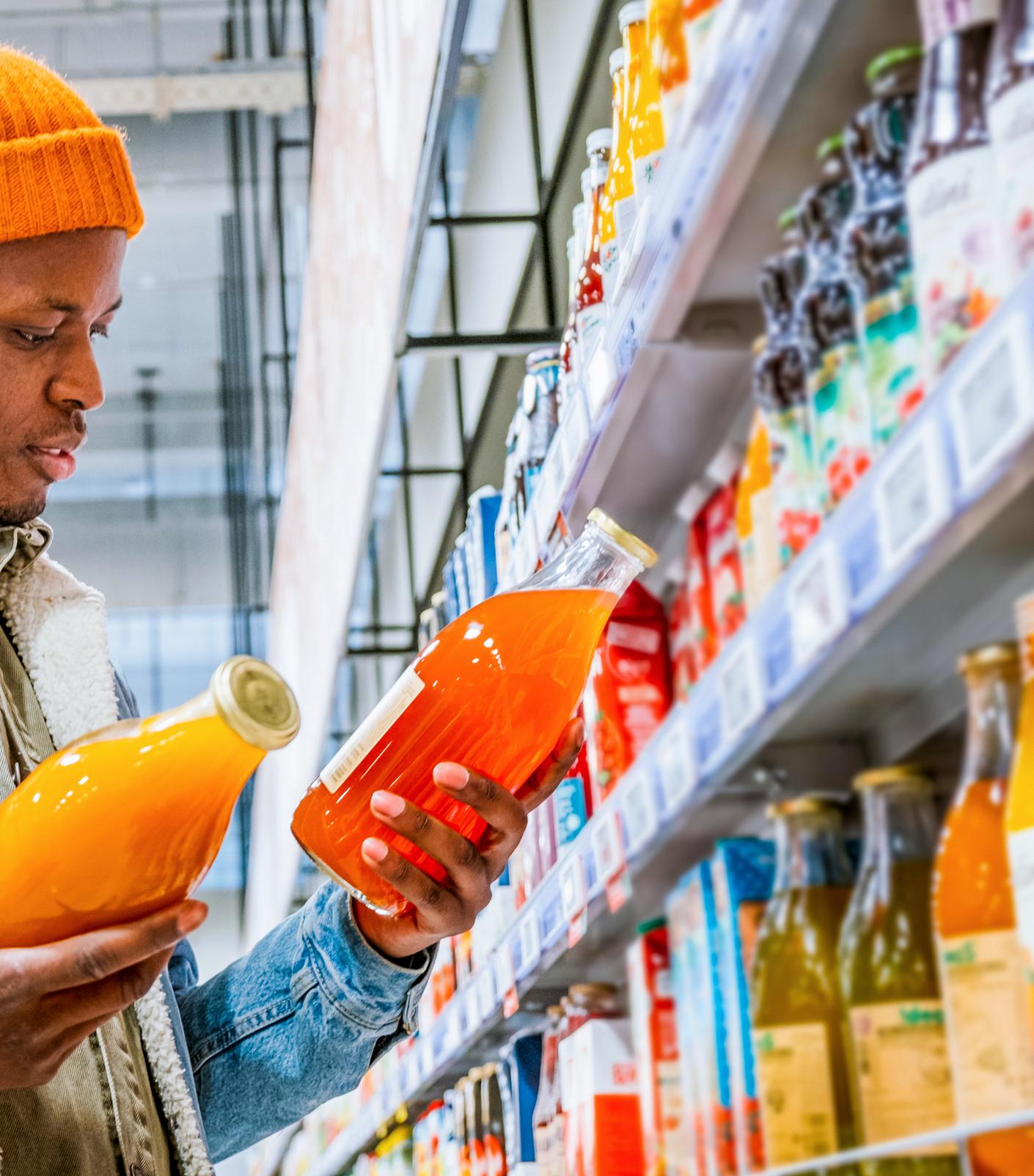
by acquiring the remaining 20% stake in Distell Wines and Spirits Nigeria, securing full ownership and streamlining operations to expand its presence in the wine, spirits, and ready-to-drink segments. According to Business Research Insights, Nigeria’s food and drink market size was valued at approximately US$54.1 billion in 2024 and is expected to reach US$98.97 billion by 2033, growing at a compound annual growth rate (CAGR) of about 6% from 2025 to 2033.
2025 has not only been a year of investments but also a year of change in supply chain structure. Global beverage manufacturers have been embarking on a light-asset strategy, focusing on brands with the highest potential for scale and growth. Soft drink giant CocaCola has been at the forefront of driving its light asset strategy by reducing its direct ownership of operations on the continent. Recently, Coca-Cola broke the internet waves with the divestment of its largest bottler on the continent, CocaCola Beverages Africa (CCBA), to Coca-
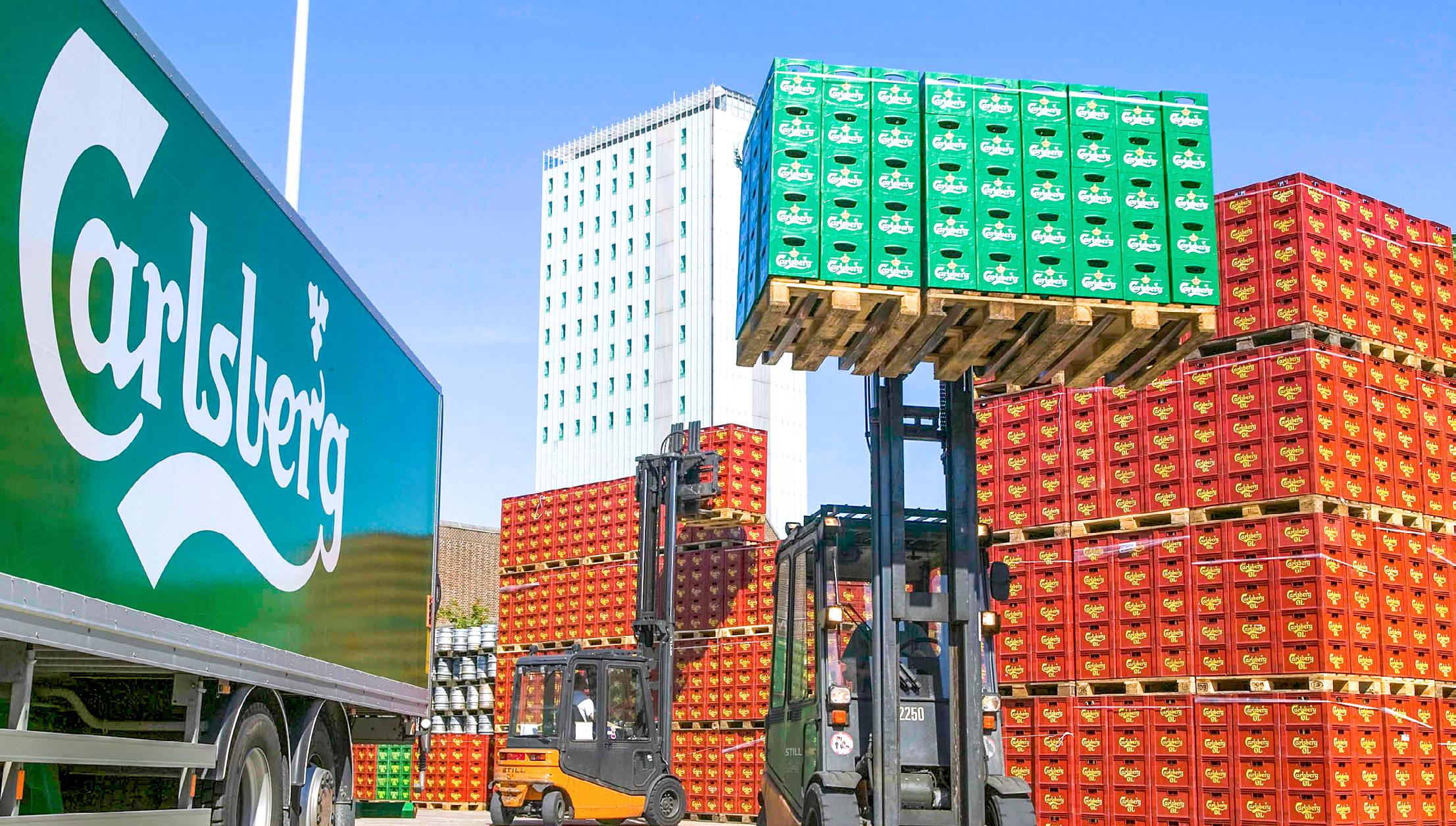
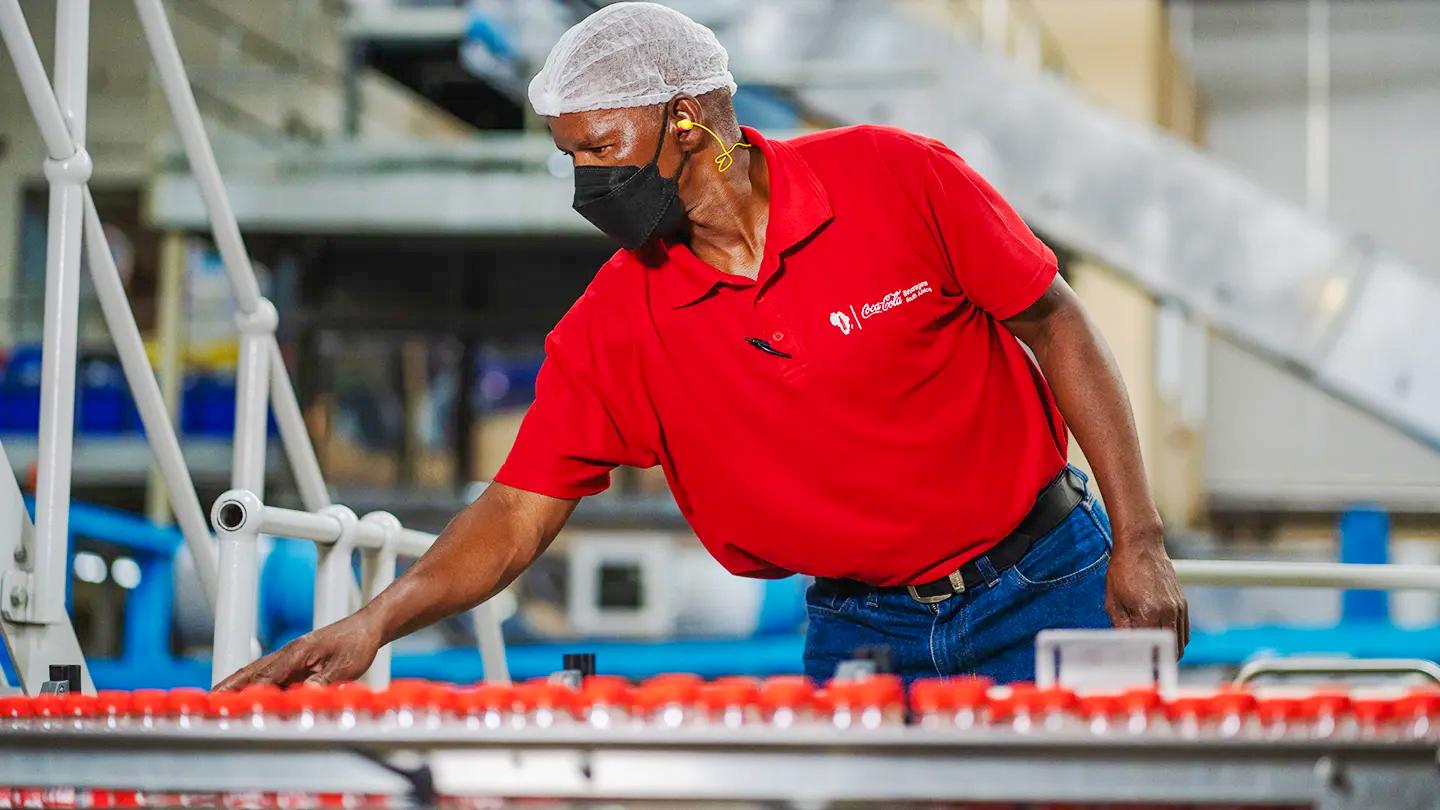
Cola Hellenic Bottling Company.
The deal, valued at US$2.6 billion, marked one of the most significant financial transactions by the soft drink giant on the continent and is expected to close by the end of 2026. The acquisition will see Coca-Cola HBC operate in 14 additional African countries, expanding beyond its existing operations in Nigeria and Egypt, where it has been active since 1951 and 2022, respectively.
In Nigeria, Africa’s biggest soft drink market, Coca-Cola divested its entire stake in Chivita|Hollandia (CHI Limited) to UAC of Nigeria PLC, one of Nigeria’s longest-standing conglomerates. At the time of the divestment, Coca-Cola noted that despite originally intending to expand the Chivita brand across West Africa, the sale reflected a shift in strategic priorities. Coca-Cola has also divested its operations in Ghana, selling Ghana-based businesses Voltic (GH) and West African Refreshments to Equatorial Coca-Cola Bottling Company. Sunil Gupta, the then CEO of CCBA, said that the transaction would allow the company to focus on its core markets in Southern and East Africa and prioritise resources for sustainable growth opportunities on the continent.
In the alcoholic beverage sector, Diageo also rode on the back of its US$500M cost-cutting programme, divesting some of its African operations. Castel Group took over the operations of Guinness Ghana Limited, acquiring an 80.4 per cent majority stake from global beverage giant Diageo. The acquisition reflected a broader ambition to strengthen its footprint across the continent, with Ghana now becoming its 22nd market in Africa. The French beverage group brings a deep regional distribution network and operational experience,
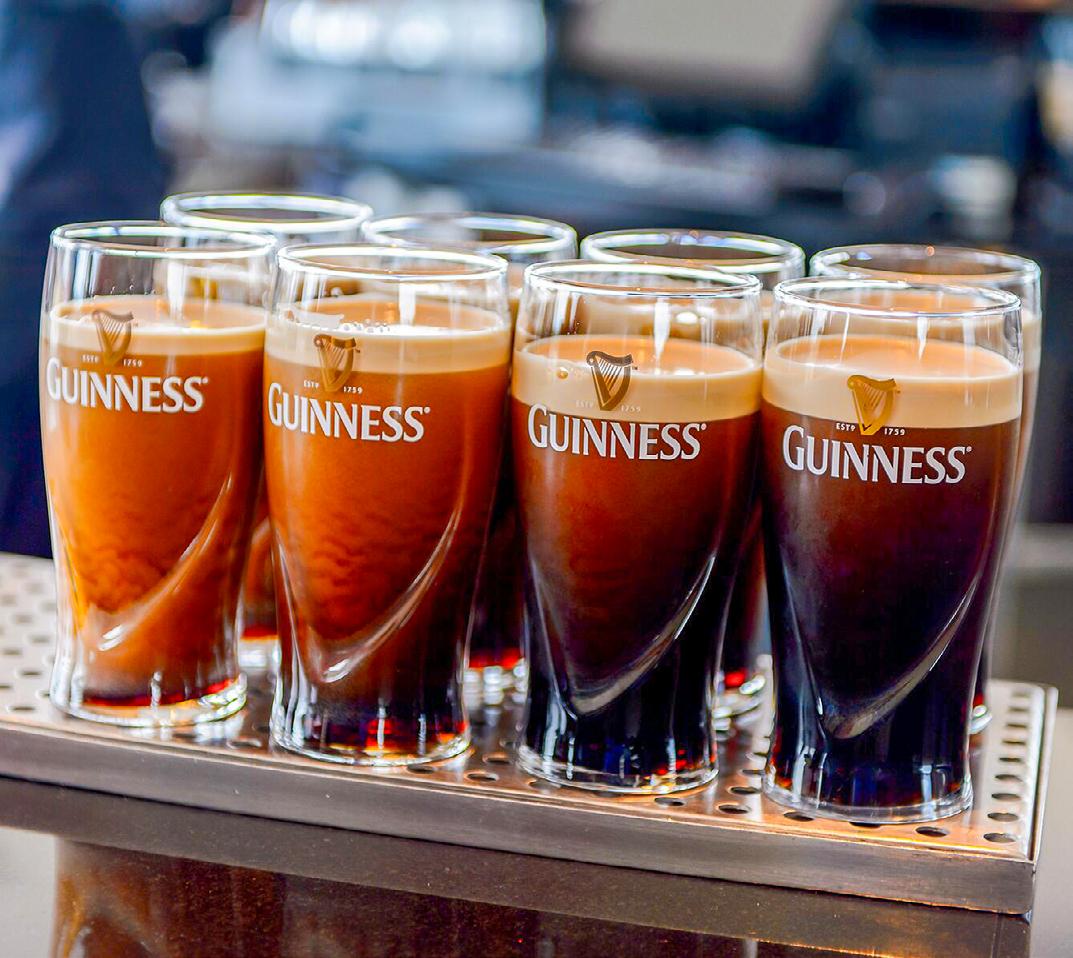
which it plans to leverage to expand Guinness Ghana’s market presence. As for Diageo, the divestment reinforces its focus to streamline its global operations, designed to elevate annual free cash flow to US$3B by 2026
In 2022, Diageo sold Guinness Cameroon to Castel for US$460 million. In the same year, it sold its Meta Abo brewery in Ethiopia to Castel. Last year (2024), it sold its 58.02% shareholding in Guinness Nigeria to Tolaram. This year, Diageo initiated a strategic review of its 65% stake in East African Breweries Ltd. (EABL), appointing the Bank of America and Goldman Sachs as its financial advisers. EABL is one of
Diageo’s most profitable ventures in Africa, contributing nearly 65% of the firm’s continental revenue. The company’s brewing and distribution operations in Kenya, Uganda, and Tanzania, anchored by flagship brands like Tusker, Bell Lager, and Guinness, have long made it a cornerstone of Diageo’s African portfolio.
Despite the considerable potential of Africa’s beverage industry, the political climate remains a significant hindrance to growth in some parts of the continent. In June, Heineken lost operational control of its facilities in the eastern region of the Democratic Republic of Congo (DRC) due to the intensifying insecurity caused by worsening political instability. Heineken said: “The conditions required to operate responsibly and safely are no longer present and, as of 12th June 2025, we have lost operational control.”
Political protests witnessed across East Africa this year have also had a significant impact on beverage companies’ everyday operations. In July, Kenya saw one of the worst political protests that left businesses closed, while other premises were left vandalised, and property of unknown value was lost. This trickles down to the beverage industry as the operating environment becomes challenging. Other than Kenya, similar protests have been witnessed in Madagascar, Tanzania, and Morocco.
Regulatory policies have also become a major challenge for the beverage sector in 2025, from harsh economic policies to poorly implemented regulations. The sugar-sweetened beverage (SSB) tax policy has become a major pain point for beverage manufacturers, especially those in the non-alcoholic beverage category. Several nations, including Kenya, Nigeria, Ghana, and South Africa, have announced plans to increase taxes on sugar-sweetened beverages as a public health measure. According to Godfrey Omojefe, President of the Chartered Institute of Financial and Investment Analysts, Nigeria (CIFIAN), “The SSB tax was introduced with good
THE ENERGY DRINK CATEGORY HAS CONTINUED TO PERFORM STRONGLY WITH YOUTH‑DRIVEN DEMAND AND THE SECTOR’S DEEP TIES TO NIGHTLIFE AND ENTERTAINMENT CULTURE FUELING SALES GROWTH.
intentions, but without a holistic framework, its impact will remain limited and potentially harmful to local production, investment, and jobs.”
Despite the challenges in 2025, Africa’s beverage sector offers immense growth opportunities. The youthful population, with a strong thirst for beverages, presents a major opportunity for manufacturers. In the alcoholic beverage space, the light asset strategy by global beverage giants presents a colossal opportunity for beverage players. It only serves to advantage local manufacturers in achieving a level playing field. The African consumer is also increasingly becoming interested in regional and traditional flavours, creating an opportunity for innovation. Visitors to Africa are also increasingly interested in the locally available conventional flavours.
In the non-alcoholic space, the demand for beverages such as spiced tea and African coffee is on the rise. The demand for energy drinks is also skyrocketing, with Research and Markets estimating the market at around US$3.65 billion in 2025 and forecasting it to reach US$5.93 billion by 2030. The year 2025 has only been a base for what the African beverage industry has in store. As we enter 2026, we remain on the lookout to see how manufacturers will tap into the booming industry. FBMEA
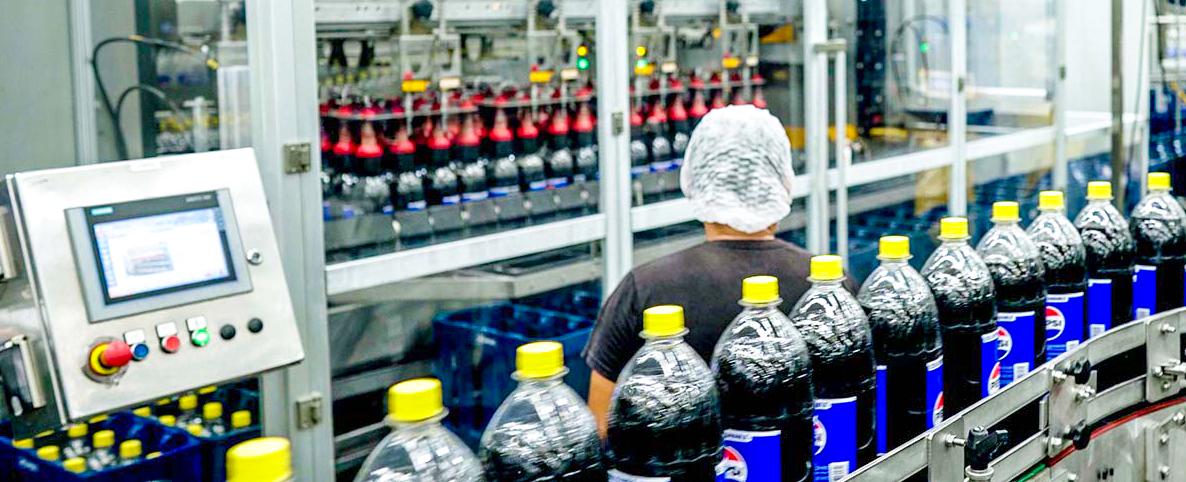
By Wangari Kamau
Just weeks after the release of the EAT-Lancet 2.0 Report, Africa’s food and nutrition leaders gathered in Nairobi on 3 November 2025 for the Regional Dialogue on Diets, Nutrition, and Animal Source Foods, held at the International Livestock Research Institute (ILRI) campus and online. The goal of the meeting was to contextualize the report and assert that Africa will chart its own path in global conversations on sustainable diets, even when international agendas overlook its realities.
The EAT-Lancet Commission, a collaboration between the global food system think tank EAT and The Lancet medical journal, brings together international experts to define diets that are both healthy for humans and sustainable for the planet. Its reports blend nutrition science, environmental concerns, and policy guidance, offering a roadmap for governments to feed growing populations without destroying ecosystems. The 2.0 report, released in late 2025, updates these recommendations with the latest evidence on diets, sustainability, and equity.
ILRI Director General Appolinaire Djikeng set the tone for the Dialogue, asserting that while global science matters, Africa’s agency matters even more.
“The EAT-Lancet 2.0 is more than just a document; it helps shape a crucial conversation to apply evidence from research, discuss different trajectories, and determine solutions for a more sustainable and healthy food system for all. The world tomorrow will be the world that we design today, and it is even more important that Africa shape its own policies and food future.”
The updated EAT-Lancet Commission presents the most extensive scientific evaluation of food systems to date. Its findings reveal that food systems are the largest driver of biodiversity loss, pollution, and several breached planetary boundaries, and they account for roughly 30 percent of global greenhouse gas emissions. If global diets aligned with the modelled Planetary Health Diet, a dietary framework designed by the EAT-Lancet Commission in 2019, the report argues, the world could prevent up to 15 million premature deaths annually.
Yet these global insights collide with very different conditions across African countries. The continent remains the region with the highest prevalence of food insecurity and micronutrient deficiencies. Its population, expected to reach 2.5 billion by 2050 according to United Nations estimates, is growing faster than any other region, while urbanisation continues to reshape food


environments in ways that increase demand for processed foods. Average consumption of fruits, vegetables, and animal source foods remains far below recommended levels. In contrast to wealthy regions where overconsumption fuels emissions and noncommunicable diseases, Africa’s core nutritional challenge is underconsumption.
The Dialogue repeatedly underscored that a scientific report built on global averages cannot be directly applied to a region where both economic and dietary landscapes diverge sharply from those averages. Regional modelling presented at the Dialogue confirmed that, unlike global projections, subSaharan Africa will require substantial increases in dairy, eggs, and some meats to meet basic nutritional needs, even under scenarios where global diets shift toward sustainability.
Namukolo Covic, an EAT-Lancet Commissioner and ILRI’s Director General’s Representative to Ethiopia, stressed that Africa’s foremost priority is securing adequate and nutritious diets, guided by evidence that reflects the continent’s diverse food cultures, ecosystems, and economic realities. She underscored the need for locally adapted dietary guidelines that include all nutrient-rich foods, a stance that reflects growing recognition across the region that global dietary frameworks, no matter how robust, must be calibrated to Africa’s specific contexts.
Affordability plays a decisive role. A healthy diet remains out of financial reach for more than half of households in many African countries. According to the FAO, more than 70% of Africans could barely afford a healthy meal in 2023. Infrastructure gaps, from storage to cold chains to transport, further restrict the availability of perishable nutritious foods in a continent where a third of all food is lost postharvest. Moreover, traditional nutrient-rich foods often face competition from cheaper, ultra-processed imports that spread rapidly in urban markets. This dynamic has led to a prevalence of close to 40% of non-communicable diseases such as diabetes and hypertension in Africa. Applying global dietary recommendations without acknowledging these foundational constraints risks widening inequities rather than closing them.
The place of livestock in African food systems cannot be overemphasized. While the EAT-Lancet Report advocates moderating the global intake of certain animal-source foods to reduce environmental pressures, this guidance cannot be applied uniformly across the world. In many African countries, livestock serves as a source of nutrition, income, insurance, cultural value, and ecological function.
About 40% of Africa’s landmass is better suited for grazing as opposed to crop production. Additionally, pastoralism and mixed crop-livestock systems support the livelihoods of over 200 million people according to FAO estimates. Livestock manure underpins soil fertility in smallholder crop systems, while livestock sales often finance seeds and inputs for farming. For children, foods such as milk, meat, and eggs deliver essential micronutrients and proteins that are difficult

to obtain from plant-based alternatives.
At the same time, experts posit that poorly managed livestock systems can degrade rangelands, contribute to methane emissions, and create vulnerability during drought. But they argued that reducing livestock numbers is not a viable solution for Africa. Instead, the region needs “better livestock,” not less of it. This means investments in improved breeds, better animal health services, efficient feed systems, sustainable grazing practices, and innovations that reduce waste and emissions. This approach aligns with Africa’s development priorities while avoiding the ecological pitfalls associated with industrial livestock systems elsewhere.
The Dialogue highlighted that African countries are not starting from a policy vacuum. Regional frameworks already exist, including the African Union’s Climate Change and Resilience Development Strategy, the Kampala Declaration on Nutrition, and ongoing efforts to update national dietary guidelines. However, implementation lags behind ambition, primarily due to limited financing, insufficient data, and uneven coordination across sectors.
Globally, the EAT-Lancet Commission estimates that transforming food systems could generate trillions in annual returns while requiring investments of US$200–500 billion per year. For African countries, external financing will be essential. Without it, they risk either delaying transition or adopting unsustainable shortcuts that undermine the social and economic foundations of their food systems.
Despite structural challenges, the Dialogue emphasised Africa’s potential to leapfrog toward more resilient systems. Climate-smart livestock, digital agriculture tools, communityled rangeland restoration, investments in cold chain infrastructure, and the modernisation of traditional fruit, vegetable, and legume value chains all offer opportunities for advancement. Participants also emphasized the pace of the private sector in accelerating efforts to establish sustainable food systems across the continent.
Africa’s traditional diets, many of which are inherently plant-diverse and nutrient-rich, present another area of untapped potential. Reviving and promoting these diets, while integrating them with modern nutrition science, could help improve public health outcomes while reinforcing cultural identity.
As the Dialogue concluded, the unifying theme remained that Africa must be an active participant in shaping global food system trajectories, not merely an adaptor of external prescriptions. The EAT-Lancet 2.0 Report provides guardrails that the world cannot ignore. But guardrails are not roadmaps. The pathways must be built regionally, informed by science, grounded in local realities, and aligned with the aspirations of African communities. Moreover, Dr. Wanjiru KamauRutenberg, Managing Director for Africa at the Alliance of Bioversity International and CIAT, asserted that as Africa shapes its food systems to fit its needs, we have an opportunity to develop solutions that communities facing food insecurity in developed countries can also adopt. FBMEA

By Nicholas Ng’ang’a

Confectionery holds a cherished place in the continent’s culinary life, from chocolates and candies to gums and bars. Confectionery in Africa has a high-level contribution to many cultural traditions, festivities, and daily life, like weddings, birthdays, and religious festivals. However, globalisation and the rise of Western food culture have brought modern packaged sweets into African homes, changing how people enjoy treats.
Today, local and international brands sit side by side, mixing heritage with fresh ideas. The market is massive. Statista reports Africa’s confectionery revenue will hit US$39.85 billion in 2025. Renub Research forecasts the market to grow from US$4.71 billion in 2024 to US$8.74 billion by 2033, a CAGR of 7.11%. Urbanisation, higher incomes, and a stronger taste for indulgent chocolates, candies, and gum are driving the surge.
Confectionery products are highly valued by individuals of all ages in Africa, with consumption particularly prevalent among those aged 20 to 30. Chocolate confectionery is consumed by consumers of all ages, socio-economic groups, and both genders, but brand loyalty plays a significant role in purchases. According to Mordor Intelligence, Gen Z and Millennial African consumers reported the highest brand loyalty among other age groups. 73% of African consumers
consider themselves “loyal” to specific retailers, brands, and stores.
In 2024, Nigeria was expected to consume 1.4 million tons of confectionery, followed by Ethiopia at 1 million tons and the Democratic Republic of Congo at 677,000 tons. South Africa represents a mature market, combining strong annual sales with a mix of traditional favourites and premium, healthfocused products. Egypt is growing rapidly, blending local treats with global brands, while Kenya is emerging as a key market, driven by a young, urban population with a growing appetite for sweets.
Chocolate leads in South Africa (56%) and Egypt (43%), while Kenya heavily skews to chewing gum (45%). Nonchocolate candies are strongest in Egypt (42%) and Morocco (37%) (vs. South Africa 34% and Kenya 27%), with gum relatively small in South Africa (7%).
Several key trends are shaping the future of confectionery in Africa as the sector experiences strong growth and fresh innovation.

Sugar confectionery maintains its dominant position in the African confectionery market, commanding approximately 44% market share in 2024. The segment’s strong performance is driven by innovative packaging concepts and increasing demand for on-the-go snack options, particularly among children and young consumers across the region. The availability of sugar confections in unique flavors such as nurungji and honey-filled candy continues to attract African consumers.
According to Innova Market Insights, consumers in Egypt, Nigeria and South Africa consume sugar confectionery because it tastes good, it makes them happy, and it allows them to indulge or reward themselves. 56% of respondents said that their consumption of sugar confectionery stayed the same. Nigerian

consumers were most likely to decrease their consumption, with negative health perceptions as the top reason. On the other hand, 30% of Egyptians increased their intake of confectionery products, citing changing taste preferences.
Cadbury, owned by Mondelēz International, dominates in Egypt, Kenya, and South Africa, demonstrating strong regional penetration across chocolate segments. In Egypt, it’s flanked by local favorite El Bawadi (from Harvest Foods) and Galaxy, a chocolate brand from Mars Inc. In Kenya, local brand Mr. Berry’s takes the lead, reflecting strong domestic preference, followed by Cadbury and gum brand Fresh (by Kenafric). South African consumers show a more balanced confectionery profile, with Beacon (by Tiger Brands) and Maynards (also part of Beacon’s portfolio) ranking in the top 3.
African consumers, especially in urban areas, are seeking transparency and healthier options in confectionery. Sugar-free, low-sugar, and functional treats with natural ingredients, vitamins, and botanicals are increasingly popular. Manufacturers are already in on the loop.
Tiger Brands, one of Africa’s largest food and beverage groups based in Johannesburg, invested heavily to expand its health-focused range. In the first quarter of 2025, it launched sugarreduced gummies and nougats under the Maynards brand, using natural sweeteners like stevia and monk fruit, fortified with vitamins B12 and D to offer functional indulgence for diabetics and child-friendly options. By mid2025, the company introduced vegan chocolate-coated nut bars featuring African superfoods such as baobab powder and moringa for added fibre and antioxidants. A key move was a strategic partnership with Soweto-based Conza Biscuits, a women-led micro-producer, in which ZAR 20 million (US$1.15M) was invested in joint production to develop low-glycemic biscuits and snack bars for major retailers like Shoprite and Pick n Pay.
CHOCOLATE IS CONSUMED BY CONSUMERS OF ALL AGES, SOCIO ECONOMIC GROUPS, AND BOTH GENDERS, BUT BRAND LOYALTY PLAYS A SIGNIFICANT ROLE IN PURCHASES.
Meanwhile, Zimbabwe’s National Foods, part of Innscor Africa, invested US$12 million in 2025 to boost protein-rich and low-sugar snacks, following a 65% volume increase in healthy variants in Q1. In March, it launched NutriBite cereal-based bars with 10g protein from local peanuts and soy, and fibre from sorghum, targeting active lifestyles. An additional US$5 million was directed to AMP Proteins, a fastgrowing sub-unit, to install extrusion technology for fortified confectionery.
In 2025, sustainable sourcing has become a priority for African confectionery companies. This is driven by global regulations, rising consumer demand for ethical products, and climate pressures on key ingredients. Cocoa, mainly from West Africa, has faced a 5.5% production drop due to droughts, while sugar is increasingly vulnerable to water scarcity. Around 63% of shoppers now prioritise responsible supply chains, pushing brands to act.
Lagos-based CFI Group, a leading Nigerian maker of chocolates and biscuits, including ChocoMilo and Happy Day, invested NGN 5 billion
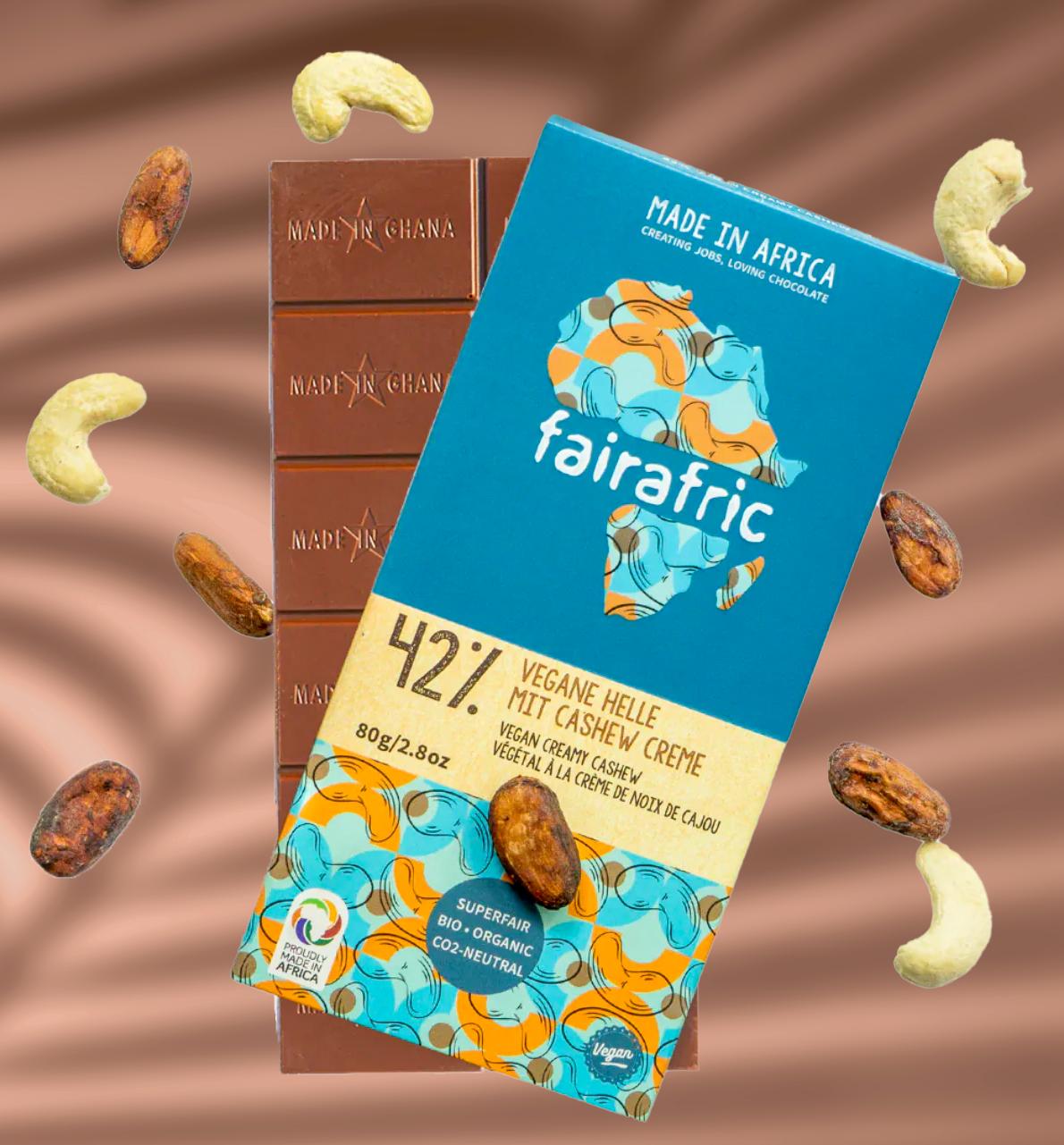
(US$3.2 million) in 2025 to revamp cocoa and sugar sourcing. The company, part of Nigeria’s USD 1.2 billion confectionery market projected to grow at an 8% CAGR to 2030, focuses on West African origins to support local economies. Its Cocoa Traceability Program, in partnership with the World Cocoa Foundation’s Cocoa & Forests Initiative (CFI 2.0, 2023–2025), now sources 75% of cocoa from deforestation-free farms in Côte d’Ivoire, up from 45%, using GPS-mapped cooperatives. NGN 2 billion (US$1.37M) was invested in blockchain technology to ensure endto-end traceability, certifying 4,000 smallholder farms under Rainforest Alliance standards. The company also launched a US$800,000 training programme for 2,500 farmers on climateresilient varieties and fair labour practices, supported by mobile apps for yield forecasting.
In South Africa, Lindt South Africa (Pty) Ltd., operationally independent but a subsidiary of Chocoladefabriken Lindt & Sprüngli AG, invested ZAR 180 million (US$10.2 million) in 2025 to secure premium chocolate for the country’s affluent market, valued at USD 1.95 billion and growing at a 6.44% CAGR. The focus is on originspecific cocoa and ethical sugar. By June 2025, Lindt SA sourced 80% of its cocoa sustainably from Ghanaian cooperatives via an extension of the Cocoa Life programme, investing ZAR 100 million in farm mapping and biochar trials to restore 1,000 hectares of farmland.
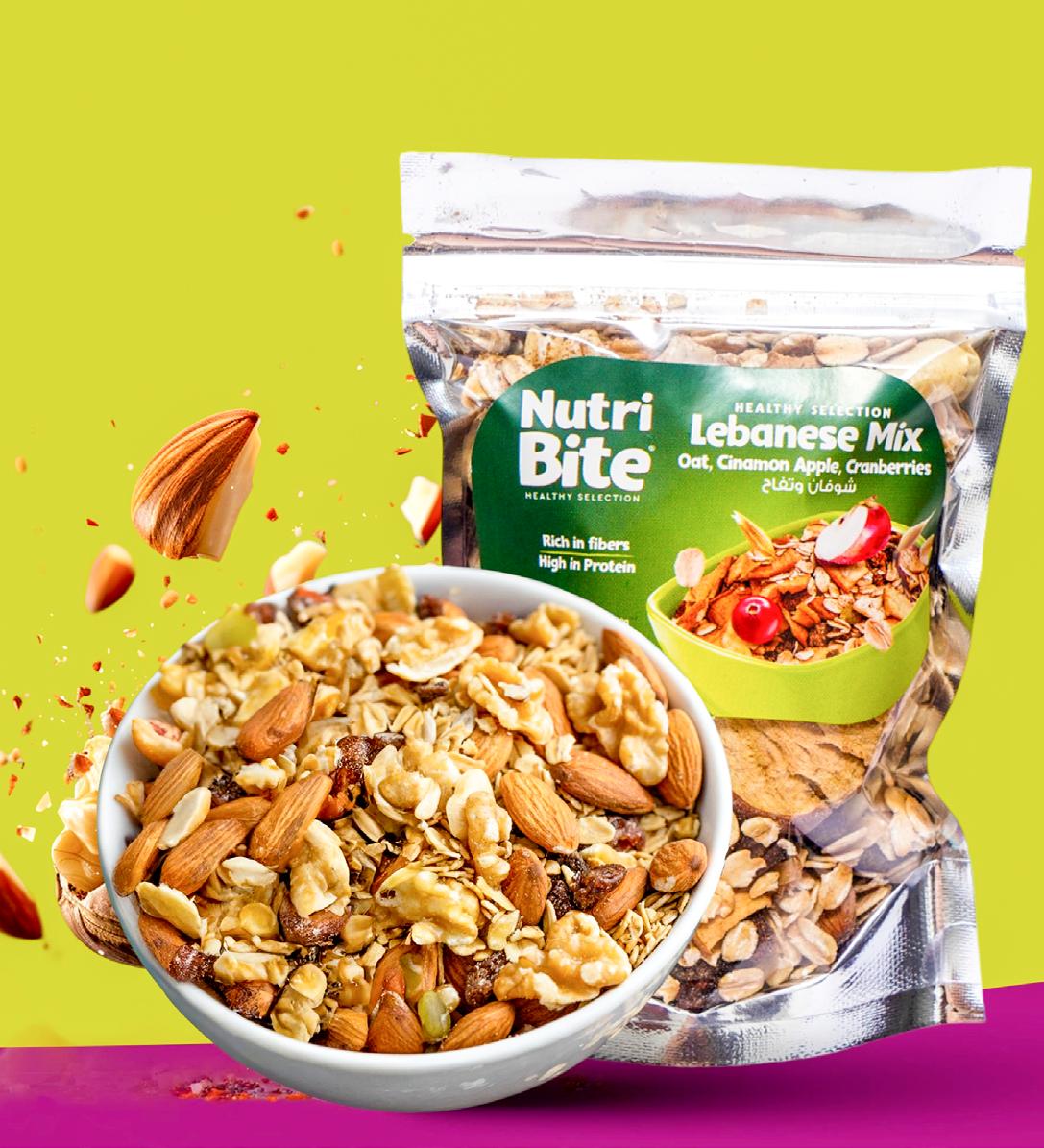
Eco-friendly packaging innovation
Eco-friendly packaging has become a major priority for African confectionery companies. This is driven by regulatory mandates, rising consumer demand, and a growing packaging market valued at US$45.15 billion and growing at a 3.85% CAGR. Innovations focus on biodegradable films, recycled plastics, and minimal designs to cut waste and address plastic pollution.
Johannesburg-based Nampak, a leading packaging manufacturer with a strong confectionery division, invested ZAR 250 million (US$14.2 million) in 2025 to expand ecofriendly flexible packaging. In February, it launched 100% recyclable, bio-based pouch films for candy wrappers, made from locally sourced sugarcane-derived polyethene. This reduced plastic use in confectionery packs by 35% and integrated fully into products like nougat bars by the second quarter.
In West Africa, Lagos-based PrimePak, a major flexible packaging provider, introduced home-compostable stand-up pouches for chocolates and hard candies, made from locally sourced cassava-starch blends that degrade in 90 days. Meanwhile, Harare-based Sustainable Africa Co., specialising in eco-alternatives for FMCG, launched plantable wrappers for gummies and bars in June 2025. Made from upcycled agricultural waste such as maize husks and embedded with native seeds like acacia, these wrappers fully compost and were trialled in 50,000 units for local producers.
The African confectionery industry is at a turning point, ready for strong growth as urbanisation rises, the middle class expands, and consumer tastes evolve. At the same time, sustainability demands, supply chain challenges, and health regulations are shaping a more resilient and innovative sector.
Several key drivers are set to fuel this growth. Urbanization and rising affluence
With Africa’s population projected to reach 2.5 billion by 2050, the confectionery market is expected to expand in tandem with the population. Supermarkets and hypermarkets are expected to account for 49% of sales, while online retail will grow at a 9.86% CAGR driven by demand for convenient and indulgent sweets. This is especially true in Nigeria and South Africa, where e-commerce penetration hits 25%.
A rapidly expanding middle class, projected to increase by 200 million by 2030, is fuelling premiumisation. Unique flavours, such as baobab-infused chocolates, and upscale packaging could add US$1.2 billion in market value by 2030.
E-commerce and convenience channels
Convenience stores are set to hold a 48.76% share in 2025, but online sales through platforms like Takealot are projected to grow 9.86% annually, opening opportunities for personalised gifting and subscription models. In Nigeria, expected to lead with a 7.54% national CAGR, digital advertising on platforms like TikTok could influence up to 25% of youth confectionery purchases.
Health-conscious innovation
With obesity affecting 28% of South Africans and diabetes impacting 7% of the continent, two-thirds of consumers are seeking plant-based or low-sugar confectionery. Sugar-free gums and protein bars are booming, with snack bars alone forecast to grow at an 8.12% CAGR through 2030. Local superfoods such as moringa and rooibos are being added to products, appealing to 36% of consumers who prioritise product safety and 28% who value natural ingredients. While these trends mirror global patterns, in Africa, they are amplified, with health-focused claims increasing indulgence tolerance by 30%.
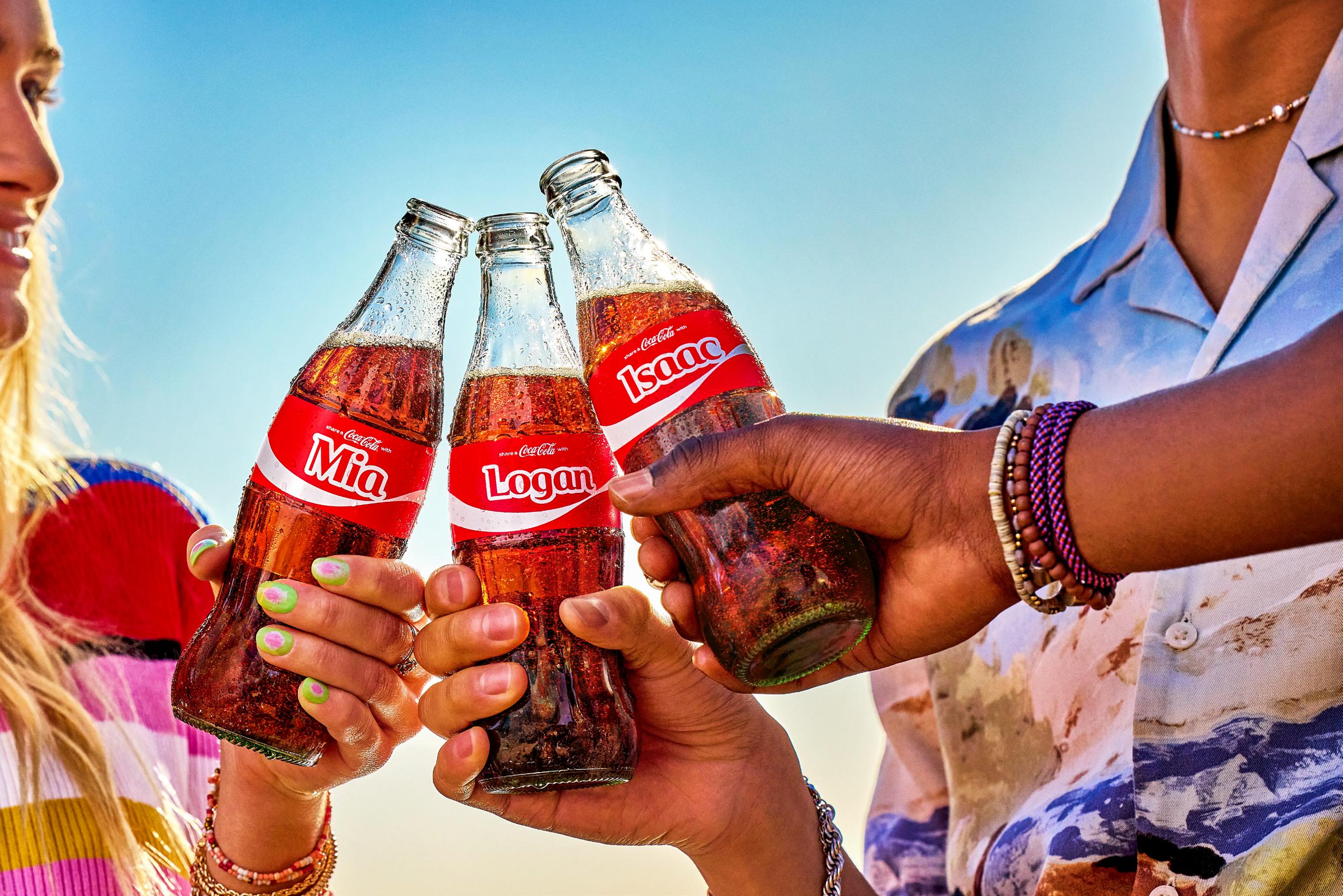
By Victor Atsali
ood packaging is the final step for every manufacturer before the product reaches the market. Traditionally, the process was intended to enhance safety, protect against contamination, increase shelf life, protect against damage, and maintain freshness. However, with increasing brand competition, consumer awareness, and a push for environmental sustainability, manufacturers are changing how they package their products. In addition, modern consumers increasingly seek products that reflect their preferences, lifestyle, and individuality, prompting brands to offer packaging tailored to specific demographics or even individual customers. As a result, food companies are looking for new ways to stand out and offer innovative solutions to their customers.
“Before buying a product, customers see the packaging. It’s the shape of the container, its color and all its customization elements that help close the sale, especially in the case of a brand-new company or product range,” Valérie Friedel, Knauf Industries.
Customized packaging refers to packaging solutions tailored to meet individual brand requirements, product specifications, and consumer preferences. It includes bespoke designs, shapes, sizes, colors, and labeling, allowing companies to convey brand identity effectively, improve shelf appeal, and strengthen customer engagement while maintaining product safety and sustainability standards. Rising focus on brand differentiation, sustainability, and innovative design solutions further fuels
the adoption of customized packaging, enabling companies to enhance customer engagement, improve product visibility, and strengthen brand loyalty in competitive markets.
According to Globe Newswire, the global customized packaging market reported a value of USD 45.31 billion in 2025, and according to estimates, it will reach USD 70.47 billion by 2034. For businesses, meeting these expectations is no longer optional. Custom packaging has evolved into a strategic asset, one that influences logistics, sustainability metrics, brand perception, and ultimately, revenue.
Insights from Market Data Forecast place the MEA food packaging market at US$ 22.89 billion in 2024. This figure is projected to rise to US$ 35 billion by 2033, supported by a steady 4.83% CAGR. Flexible packaging remains the region’s favored workhorse, lightweight, adaptable, and increasingly eco-friendly, commanding more than 40% of total volume and growing at 7.45%.
Saudi Arabia continues to anchor regional output with 45.35% of total revenue, while South Africa leads in acceleration at nearly 6.87% CAGR. Policymakers have certainly played their part. Egypt’s Suez Canal industrial cluster, for instance, reduced resin prices by 12%, giving manufacturers more freedom to experiment with design, materials, and innovative formats.
Urban lifestyles, strengthened e-commerce ecosystems, and heightened sustainability consciousness have collectively reshaped how consumers interact with packaging. It is no longer just an exterior, today, it is an experience, a message, a proof of quality, and in many cases, a brand’s first handshake with the customer.
Across the region, brands are turning custom packaging into a genuine competitive advantage. Coca-Cola’s iconic “Share a Coke” campaign, which replaced its logo with popular names, was a major global success and resonated strongly in the Middle East. By using names and terms relevant to local MEA demographics, the brand created a personal, emotional connection with consumers, driving significant engagement and social media buzz. Originally launched in the summer of 2012 in Australia, today this campaign has become a worldwide phenomenon that we all recognize. When launched, the campaign
was targeted at younger generations who were not purchasing Coke products at the same rate as previous generations. According to a market research by The BoxMaker, the campaign launch in Australia increased young adult consumption of Coca-Cola by 7%. Globally, the campaign has increased Coca-Cola sales by 2% - a huge number for this industry giant.
In South Africa, Pappa Flock reimagined its grilled chicken trays through a collaboration with Detpak, creating biodegradable packaging that aligned with a retailer’s environmental goals while fitting shelf configurations with near-geometric precision. The combination of sustainability and thoughtful design increased repeat purchases and significantly reduced waste-related complaints, showing how ecoconscious choices can resonate commercially.
CUSTOMIZED PACKAGING MARKET BY 2034
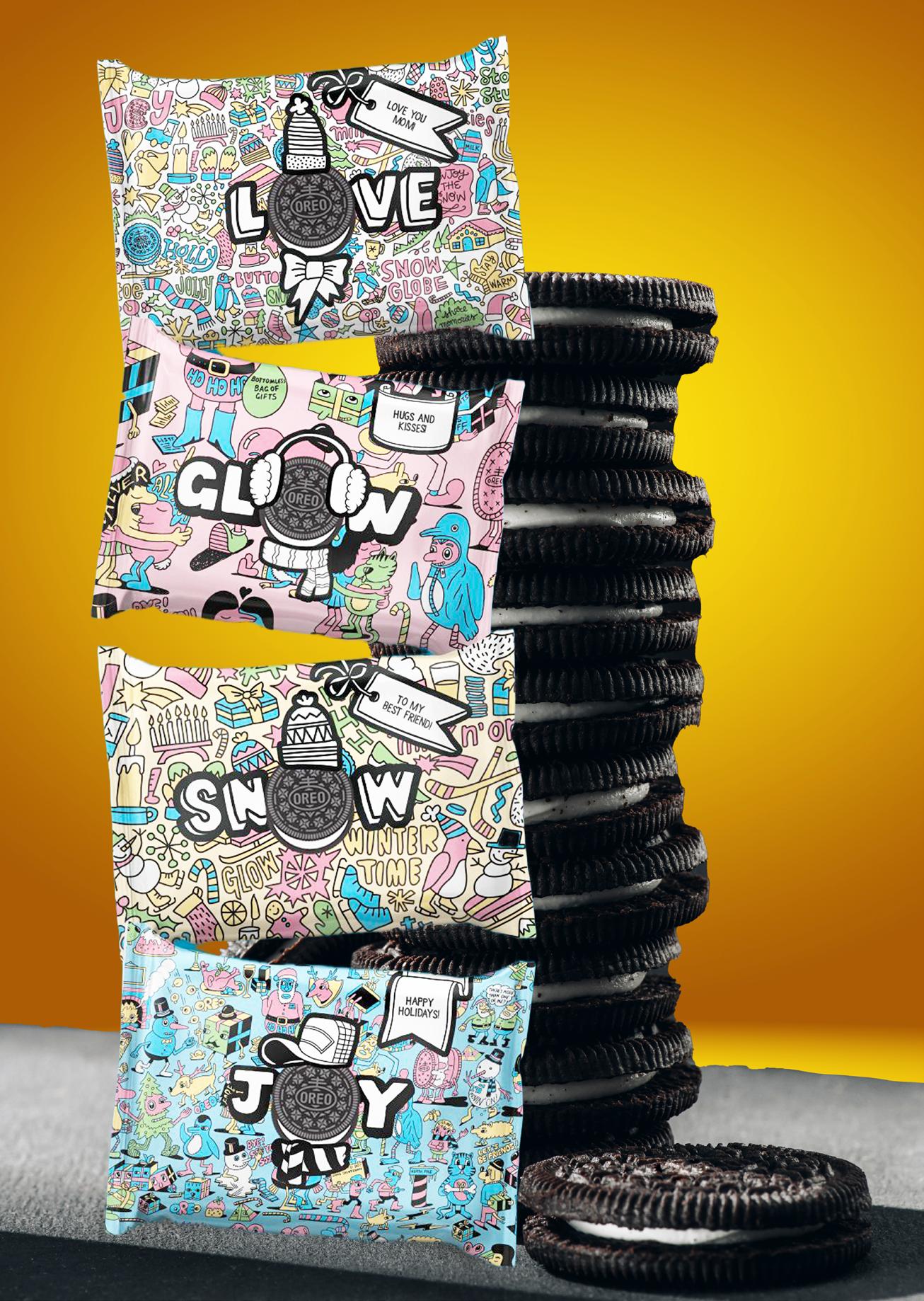
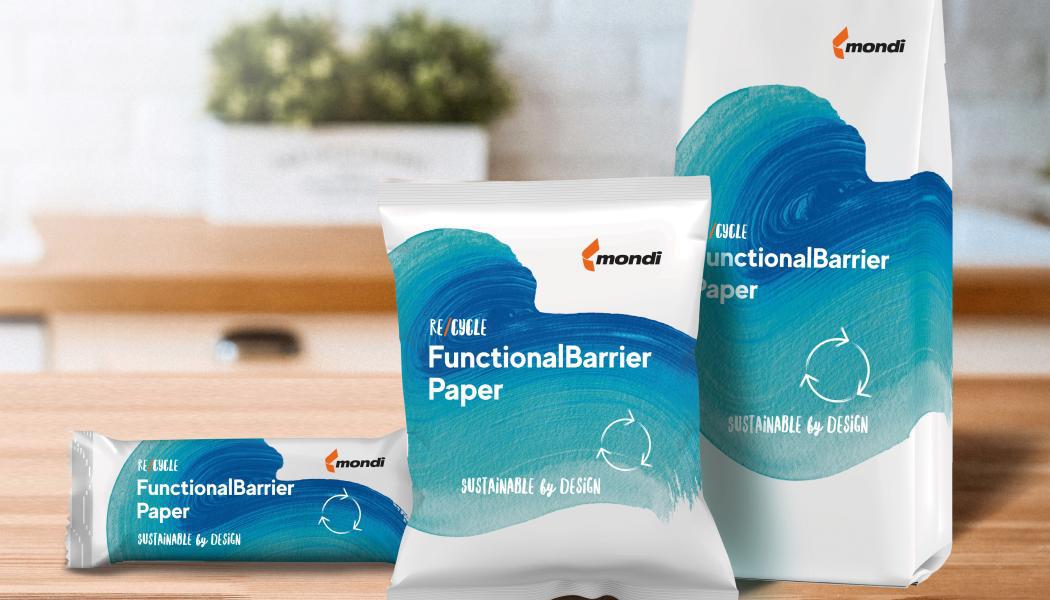
In the UAE, Platinum Packaging demonstrated how agility can become a brand asset. When a premium dairy producer sought distinctive, limitededition pouches, the company deployed high-speed digital HP Indigo presses to execute complex print requirements with minimal delay. Faster changeovers enabled new flavors to hit shelves quickly, boosting sales momentum and reinforcing the brand’s premium positioning in a market where aesthetics often speak as loudly as quality.
Mondelēz International’s Oreo Colorfilled Campaign allowed consumers to personalize Oreo cookie packaging through a responsive website. Customers could color in pre-designed outlines, add custom messages, and receive a unique, printed package as a gift or for personal use. In Kenya, the Limited-Edition Oreo x Coca-Cola Sandwich Cookie, launched in 2024, featured the brand’s signature chocolate cake base paired with a CocaCola taste that fans know and love, perfectly embodying the essence of both iconic brands. The product package included both the Oreo and Coca-Cola logos embossed, stuffed with smooth, white crème, and studded with red
edible glitter.
Meanwhile, Mondi Group in South Africa resolved a remarkably common pain point for families buying frozen vegetables: the problem of freshness after opening. Its resealable, fully
FLEXIBLE
REMAINS THE REGION’S FAVORED WORKHORSE, LIGHTWEIGHT, ADAPTABLE, AND INCREASINGLY ECO FRIENDLY, COMMANDING MORE THAN 40% OF TOTAL VOLUME
recyclable pouch extended usability and minimized freezer burn, resulting in fewer customer complaints and improved cold-chain performance for retailers. This was packaging not just as
containment but as a practical solution to household habits.
For exporters, Napco National played an essential role in strengthening the halal meat supply chain. Halal goat meat destined for Gulf markets required packaging capable of maintaining product integrity for up to 30 days. Napco’s EVOH-barrier pouches, engineered for high oxygen resistance, ensured consistent shelf life, reduced spoilage, and helped exporters maintain compliance across borders, demonstrating how technical customization can directly influence international trade flows.
Further north, ALPLA responded to beverage bottlers seeking lighter, more sustainable PET bottles. By using customized preforms that require around 18% less material, the company reduced transportation emissions and operational costs without compromising durability. Retailers appreciated the environmental alignment, and brands benefited from a more cost-effective packaging solution that still delivered strong shelf presence.
In East Africa, several Kenyan dairy producers adopted bio-based


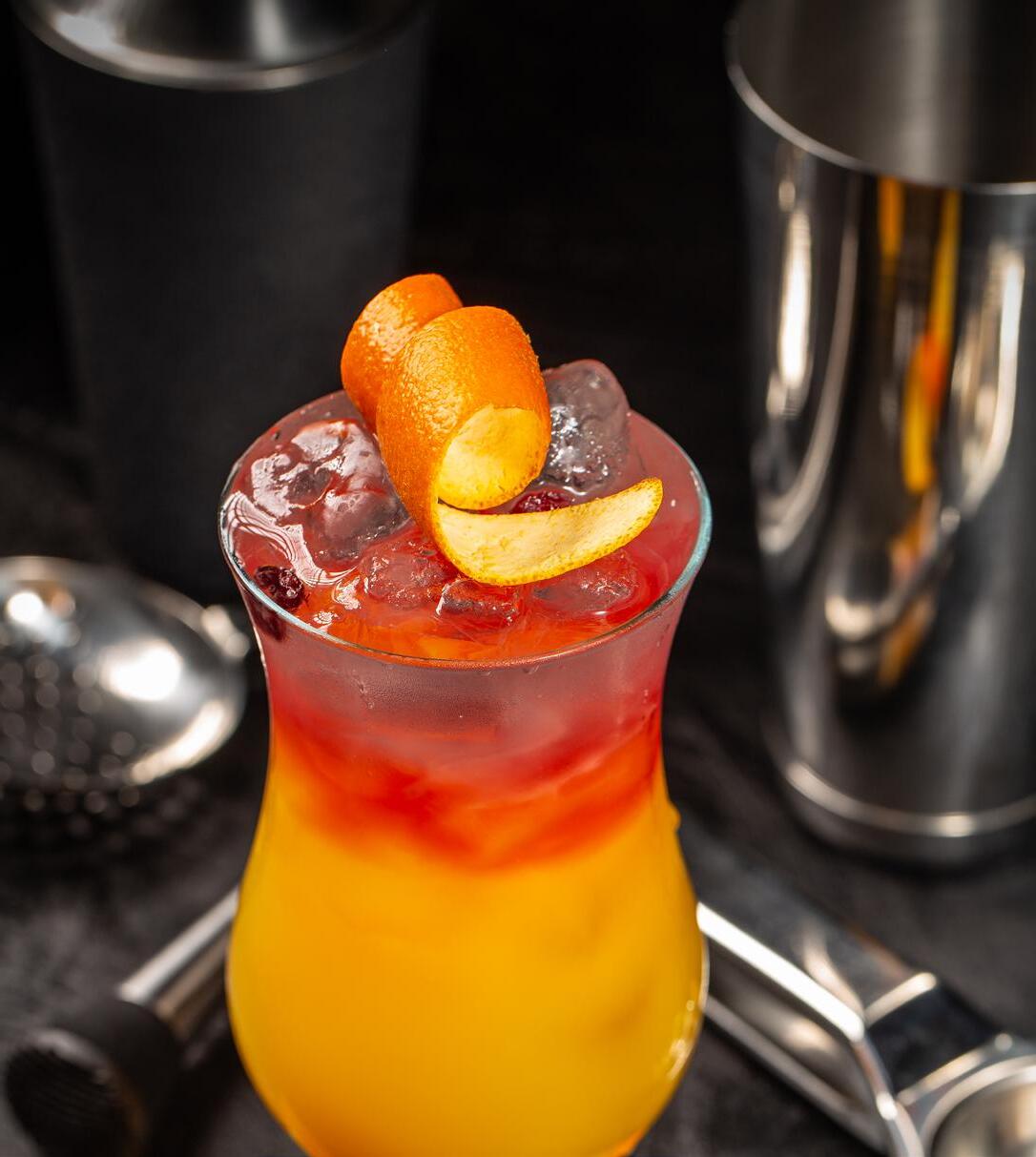



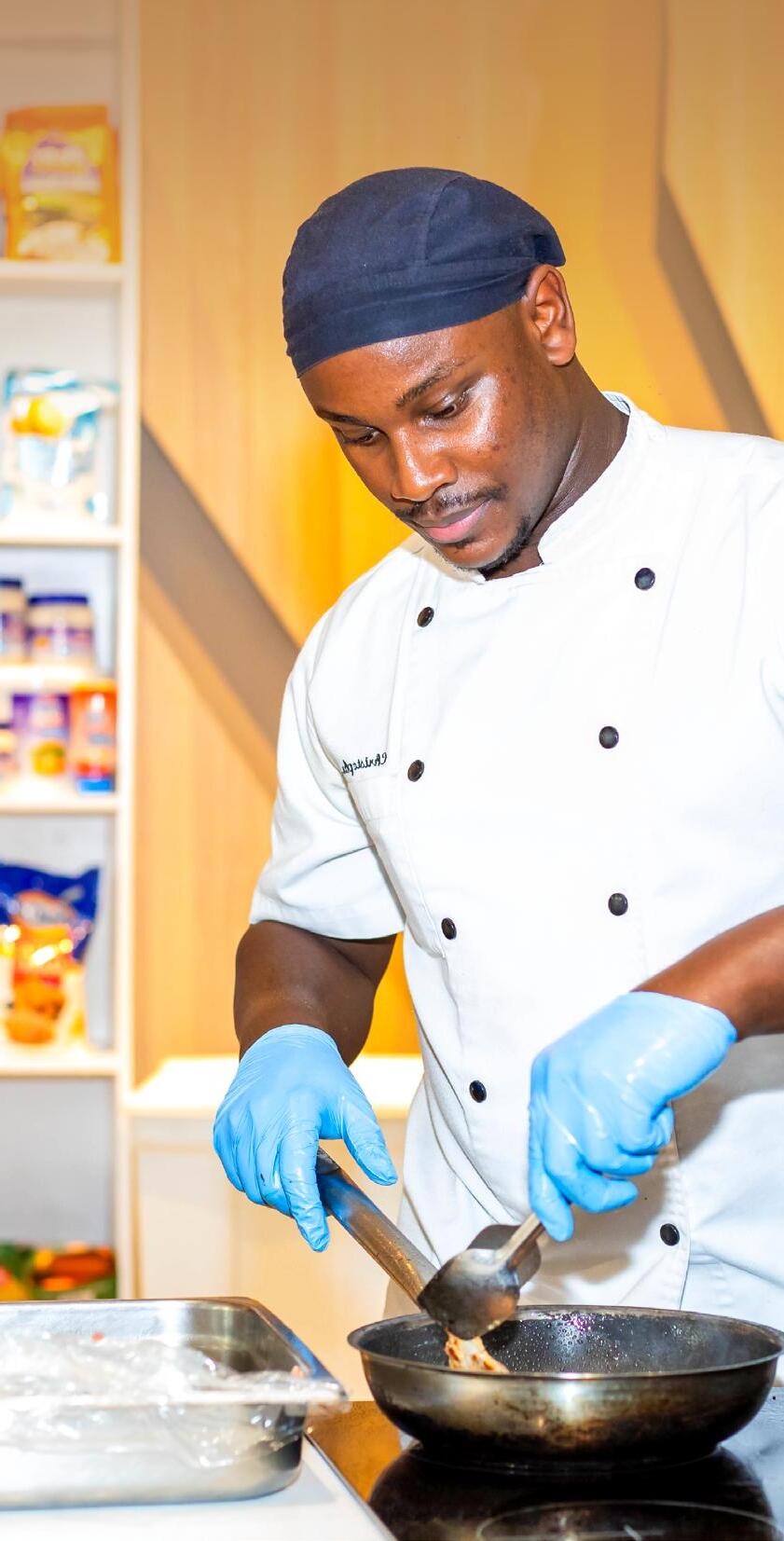


PE pouches that combine recyclability with bold, consumerfriendly nutritional communication. These formats appealed strongly to health-conscious urban shoppers, improving brand visibility in densely competitive city markets and strengthening consumer loyalty among young professional households.
The region’s thriving delivery culture also found solutions through packaging innovation. Wingstop in the Middle East worked with Detpak to develop leak-proof boxes designed specifically to endure the heat, humidity, and handling challenges characteristic of delivery-based dining. The result was a notable rise in customer satisfaction and fewer refund requests, showing how well-engineered packaging can contribute to a smoother operational workflow.
Finally, The Coffee Club in the Middle East showcased the emotional power of packaging. By introducing customprinted charity-themed cups in partnership with Detpak, the brand transformed each purchase into a point of connection, encouraging patrons to engage with broader causes while enjoying their daily coffee. This thoughtful approach increased customer footfall and amplified the brand’s social-media engagement, demonstrating that packaging can be both purposeful and commercially rewarding.
ECO, TECH, AND EVERYTHING IN BETWEEN: THE CUSTOMIZATION ENGINES POWERING MEA
Sustainability continues to shape MEA’s packaging direction. Data Insights Market notes strong growth in paper-based and biodegradable alternatives, with environmentally driven formats expanding at approximately 6.35% CAGR across the region. Countries implementing plastic bans or encouraging recyclable material use have accelerated this shift.
In Qatar and parts of the GCC, manufacturers are advancing blends such as PLA/PBAT, materials that offer compostability
while retaining the durability and print quality demanded by modern branding. These innovations help companies balance environmental responsibility with commercial performance, reducing ecological impact without compromising visibility or functionality.
Technology is also enriching the personalization landscape. Smart coatings, solvent-free barriers, high-definition digital printing, and QR-enabled packaging features are transforming how consumers interact with products. Traceability tools allow buyers to access origin stories, allergen information, and authenticity checks, reflecting a broader regional appetite for transparency and brand accountability. This merging of physical packaging with digital engagement represents one of the most influential shifts in the sector. FBMEA
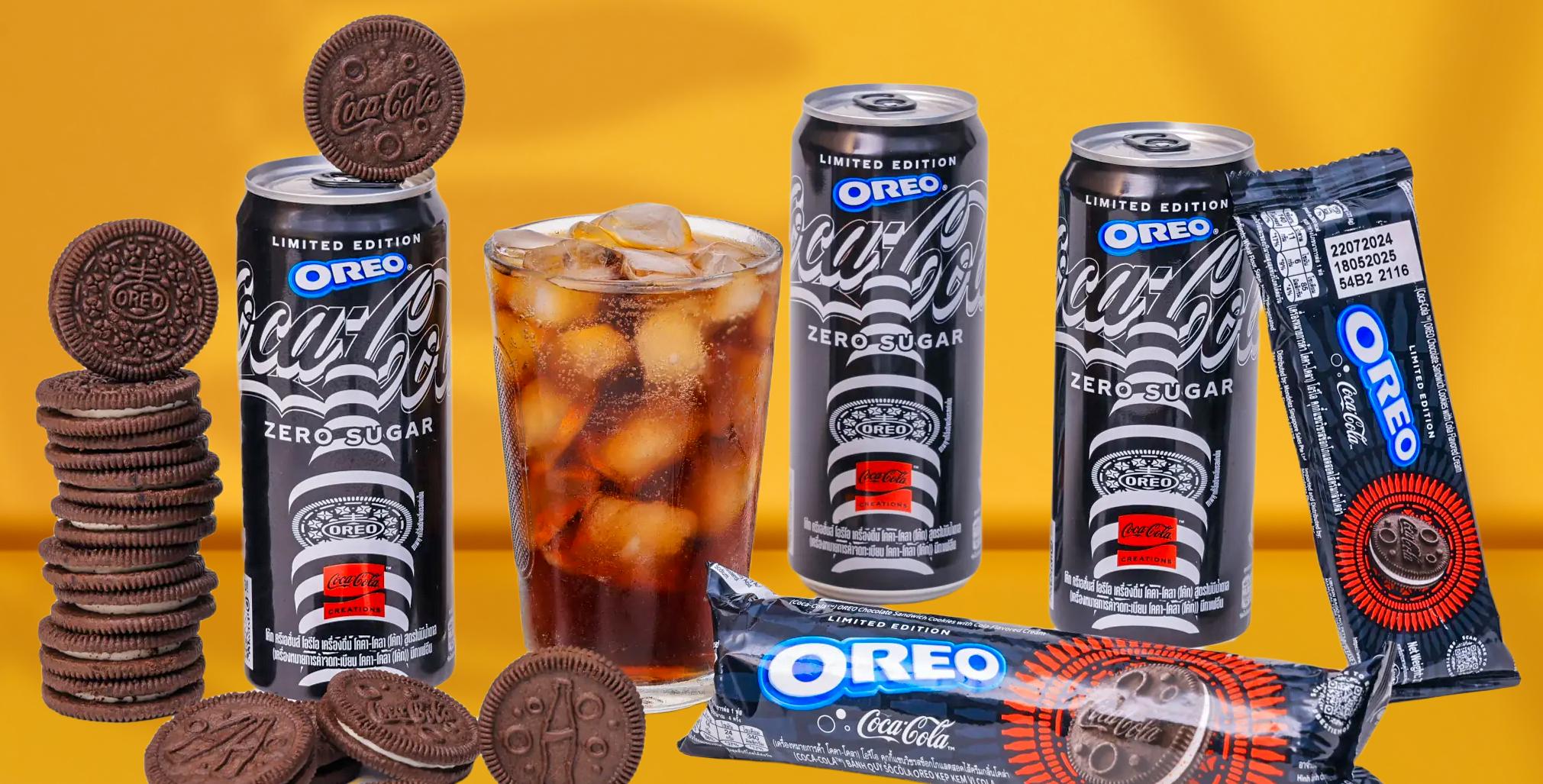
By Leah Wamuyu
As consumers in the Gulf Cooperation Council (GCC) become more health-conscious, regulatory frameworks tighten around sugar and salt, and manufacturers modernize their R&D and production capabilities, flavor ingredients are emerging as a strategic differentiator.
According to Deep Market insights, the Middle East flavor
market is a growing industry, valued at over US$1.6 billion in 2024 and projected to reach nearly US$2.7 billion by 2033. While the food application segment currently holds the largest share (68.16% in 2024), the beverages segment is forecasted to be the most lucrative and fastestgrowing application, signaling a decisive shift in consumer
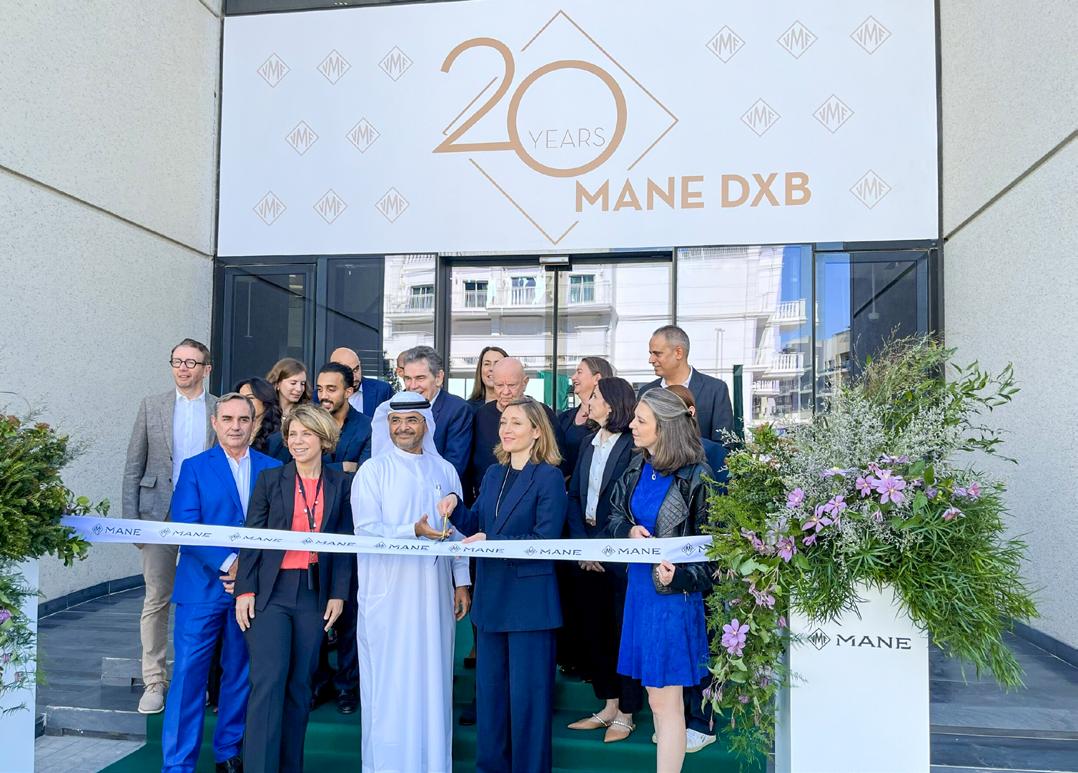
DUBAI - MANE, a global flavours and fragrances supplier, has marked two decades of operations in the Middle East by opening a new regional headquarters in Dubai, which officially began operations on December 15, 2025. The move coincides with the company’s efforts to consolidate its long-standing presence in the region, where it first set up a dedicated base in 2005 as one of the earliest international fragrance houses to do so.
The newly inaugurated facility covers more than 2,000 square metres and brings together creative and application laboratories, digitised sensory testing spaces and dedicated booths designed for fragrance evaluation and development. According to the company, the Dubai headquarters has been designed to support the creation of fragrances adapted to regional preferences, particularly formats and scent profiles favoured by Middle Eastern consumers.
The site employs 68 staff members drawn from over 15 nationalities, including regional perfumers, evaluators and technical specialists who will work closely with customers across multiple markets.
Speaking at the opening, chief executive Samantha Mane said the company’s family ownership structure and independent model had helped it build long-term commercial relationships across the Middle East over the past 20 years. She added that operating in Dubai had allowed MANE to gain a detailed understanding of local market dynamics, which in turn shaped how the company approached product development and partnerships in the region.
Over the last two decades, MANE has grown its Middle East fragrance business to an estimated regional market share of 8.5%, a figure the company attributes to sustained customer engagement and product innovation. Looking ahead, the company is targeting increased activity in markets including the UAE, Saudi Arabia, Turkey, Pakistan, Egypt and Jordan.
SOUTH AFRICA – South African biotechnology firm Immobazyme has raised US$1.5 million in a funding round led by the University Technology Fund (UTF II), to accelerate the growth of its proprietary biologics platform to develop therapeutics and other biologic solutions.
The latest investment brings Immobazyme’s total funding to US$2.9 million, following a previous capital raise last year.
Part of the capital will support the construction of an 1,800 m² facility in Cape Town, which will house a research and development laboratory alongside a production cleanroom that meets regulatory standards.
Immobazyme was established in 2019 to create technologies for designing, optimising, and scaling up biologic products including recombinant growth factors, peptides, and enzymes.
The company said its work responds to rising demand for affordable biologics and aims to reduce Africa’s reliance on imported pharmaceutical products.
Over the coming year, Immobazyme plans to increase its workforce and broaden its product portfolio to cover multiple sectors.
The platform currently supports existing products and collaborations across different industries, contributing to consistent year-on-year revenue growth for the company.
CEO Dominic Nicholas said the funding reflects the team’s efforts and the capabilities of Immobazyme’s platform, which is producing measurable outcomes in biologics development.
The company’s expansion plans align with global trends in precision fermentation, which is increasingly being applied to produce high-value biologics for both local and international markets.
The new Cape Town facility is expected to serve partners seeking cost-effective biologic solutions and support research and production activities that meet international quality standards.
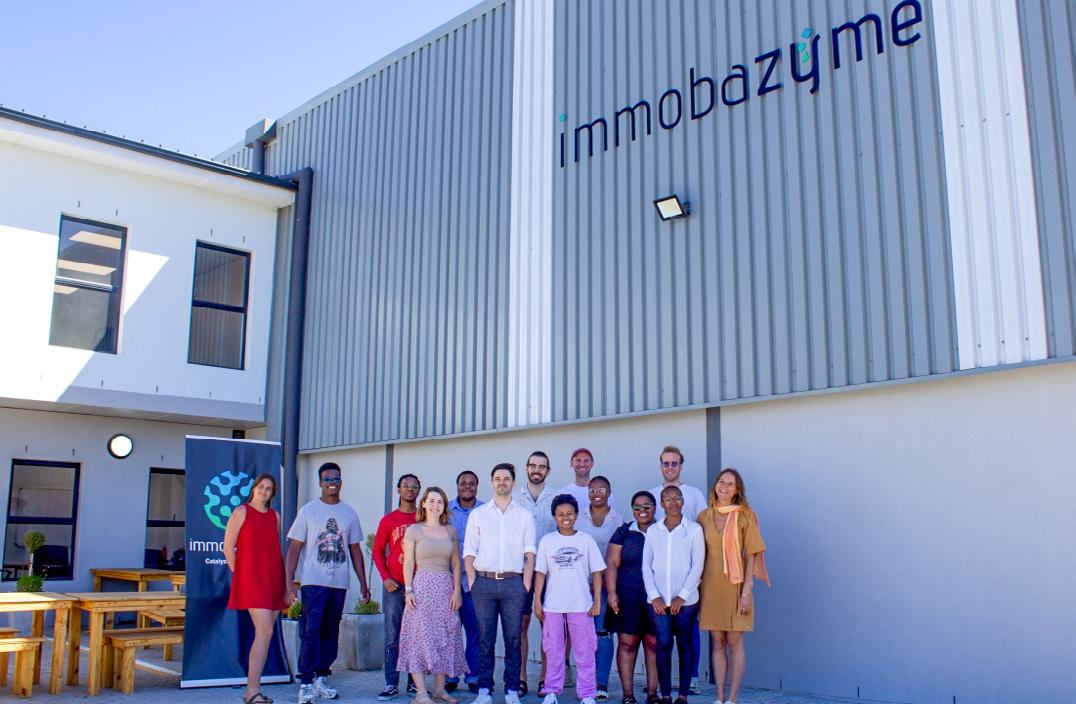

UK – CSM Ingredients has introduced Nuaré, a new carobbased portfolio of cocoa alternatives designed for diverse bakery and ice cream applications.
The launch aims to address ongoing volatility in global cocoa markets while offering manufacturers a sustainable, versatile, and high-performance ingredient option.
Nuaré, developed under the Nexture group, is positioned to unlock new creative possibilities for both industrial and
artisanal producers.
According to CSM, the range provides strong performance across multiple categories, with each formulation engineered for seamless integration into existing production processes.
The ingredients can also be tailored to meet specific customer requirements, supporting scalability, cost efficiency, and process flexibility.
For coatings, Nuaré is formulated to deliver consistent shine and colour, avoiding greying or bloom while maintaining stability through freeze-thaw cycles. In ice cream applications, it is designed to offer improved viscosity and adhesion, resulting in a smooth and glossy finish.
Additional applications include dark bakery mixes, where the ingredient provides warm brown tones and reliable baking performance in cakes and muffins. It can also be used in pastry fillings to create a creamy, indulgent texture.
Carob is derived from the drought-resistant carob tree native to the Mediterranean region. The crop has a low carbon footprint, minimal water requirements, and contributes to biodiversity, positioning it as a highly sustainable agricultural resource.
NETHERLANDS – Plant-based food producers in the Netherlands have been ordered to stop using the term “plantbased mince” on product labels following a new directive from the country’s food safety regulator.
The Netherlands Food and Consumer Product Safety Authority (NVWA) said that the phrase violates a 1998 law that reserves the word “mince” for products made from animal meat.
The move comes as the Dutch government pushes to make half of the nation’s protein intake come from plants by 2030, a target backed by a steady decline in meat consumption across the country.
According to the NVWA, six manufacturers and retailers, including major brands The Vegetarian Butcher and Vivera, have received formal letters instructing them to change their product names or face penalties. The ruling only affects minced-style products, meaning vegan burgers, sausages, and chicken pieces can continue to use meat-like labels.
Executives from affected companies said the decision took them by surprise, as “plant-based mince” has been used on supermarket shelves for over a decade without consumer confusion or regulatory challenge.
The NVWA stated that while checking vegetarian mince labels has not been a recent priority, it could not overlook the issue after discovering violations during a broader review of meat alternative labeling.
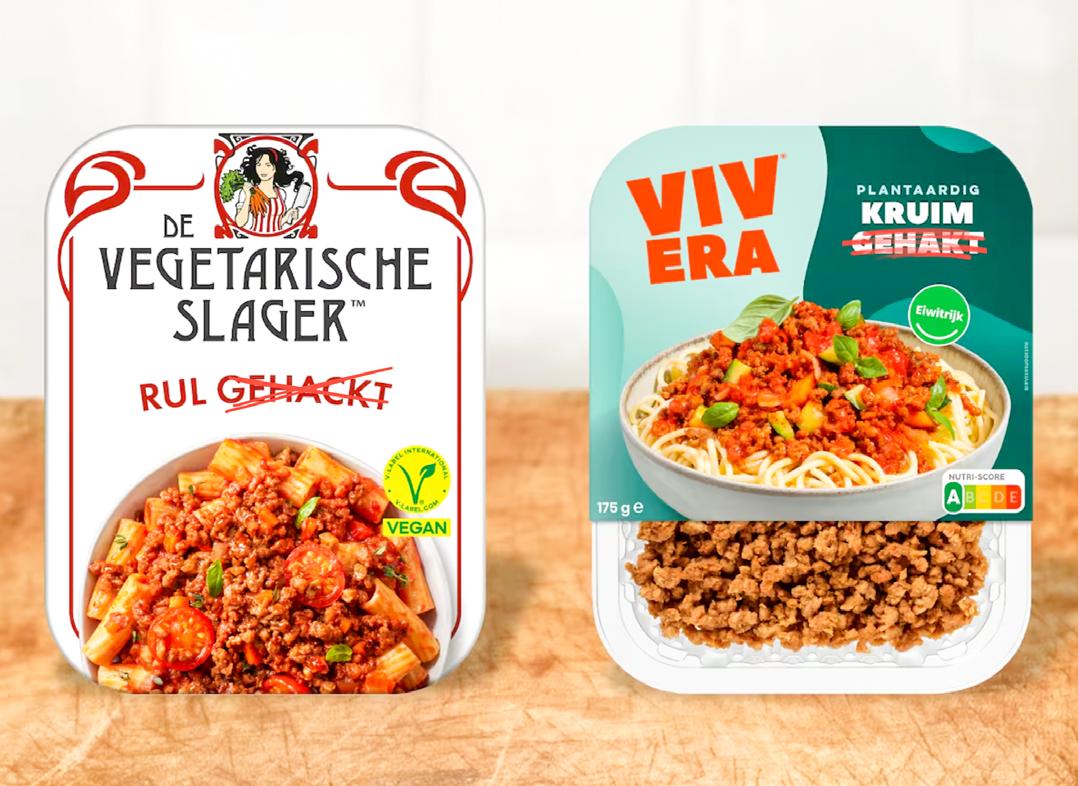
Companies that fail to comply risk fines that could accumulate daily if corrections are not made. The Green Protein Alliance, which represents supermarkets and plant-based food makers, has urged the government to modernize its labeling policies in light of the growing meat-free market.
The Dutch decision follows a European Parliament vote to extend meat-related naming restrictions across the EU, a proposal now awaiting consideration by the European Commission and Council.

USA – CarobWay has entered an exclusive distribution agreement with GRA Nutra Corp to expand its product line into the United States.
The collaboration marks a significant milestone in CarobWay’s global expansion strategy, with its first commercial product, CarobBiome™, set to debut in 2026.
CarobBiome™ is a natural prebiotic fiber derived from upcycled carob fruit, developed to support digestive comfort,
enhance satiety, and promote metabolic health.
The ingredient is clean-label and minimally processed, extracted through a proprietary water-and-heat method that maintains the carob fruit’s natural integrity.
“By integrating CarobWay’s responsibly produced, highquality, carob-based ingredients into GRA Nutra’s North American portfolio, we enhance the value we can deliver to our customers across the functional food, beverage, and supplement industries,” said Lynda Doyle, CEO of GRA Nutra Corp.
CarobBiome™ contains 85% total fiber, offering a balance of soluble and insoluble fractions. The insoluble fiber supports digestive regularity and reduces bloating, while the soluble fraction nourishes beneficial gut microbes and delivers natural polyphenols.
The prebiotic’s neutral flavor and heat stability allow easy incorporation into baked goods, snacks, shakes, and meal replacements.
“CarobBiome™ addresses two everyday consumer concerns — digestive comfort and metabolic support,” said Udi Alroy, co-founder and CEO of CarobWay. “It was designed to be gutfriendly, label-friendly, and highly functional.”
USA – Arla Foods Ingredients has introduced a new Easy Bite concept aimed at transforming how protein bar manufacturers balance nutrition, texture, and taste.
Developed using Arla’s customized whey protein solution, Lacprodan® EasyBar, Easy Bite offers up to 40% high-quality protein in a convenient 18-gram serving.
The new Easy Bite concept demonstrates how cleanlabel, high-protein snacks can deliver both indulgence and functionality without compromise.
The formulation contains only eight ingredients, is high in fiber, and contains no added sugar, fat, or maltitol, features that align with consumers’ growing demand for simple, healthfocused snacking options.
According to global market data, 90% of consumers now consider snacking an essential part of their daily routine, with health and wellness influencing their choices more than ever.
A key innovation behind Easy Bite lies in its textural stability. Unlike conventional protein bars that can harden over time, the new concept maintains stable softness throughout a two-year shelf life without relying on additional fats or collagen-based binders.
This allows manufacturers to create long-lasting products that remain appealing in both taste and texture.
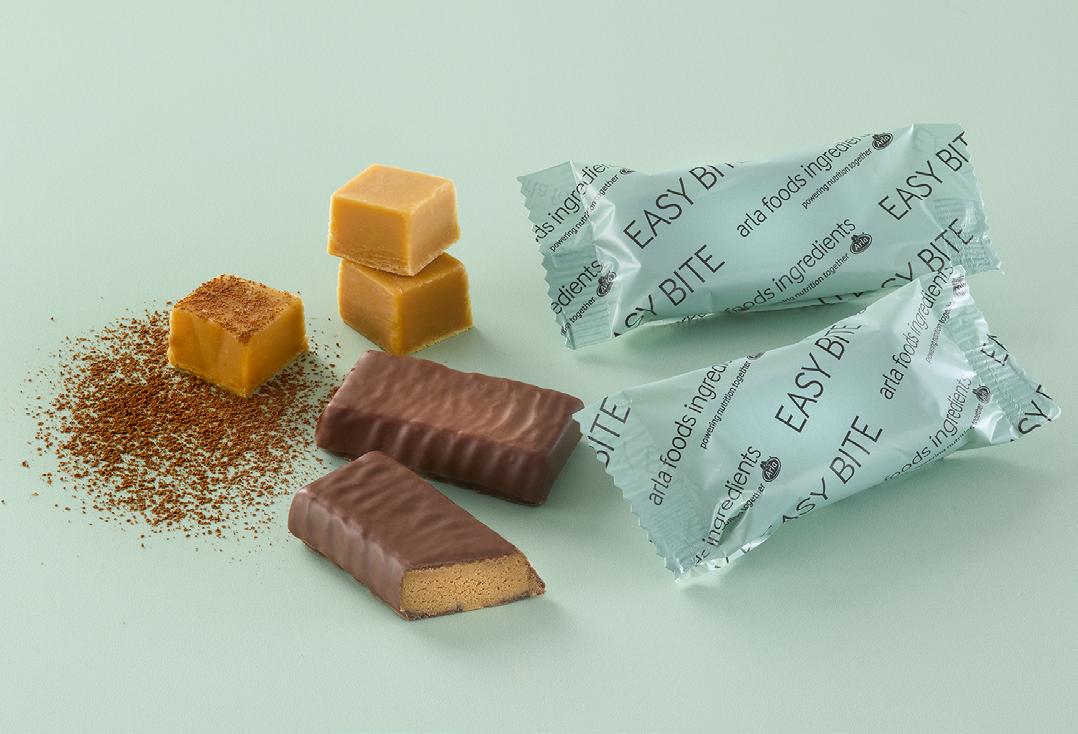
“Taste and texture are still king, but health considerations are increasingly important, especially among younger consumers. Easy Bite offers a high-protein, low-fat, fiber-rich option that stays soft over time without a long ingredient list,” he said. “We believe it opens new opportunities for innovation in the protein bar category,” said Peter Schouw Andersen, Senior Director of Performance Nutrition at Arla Foods Ingredients.
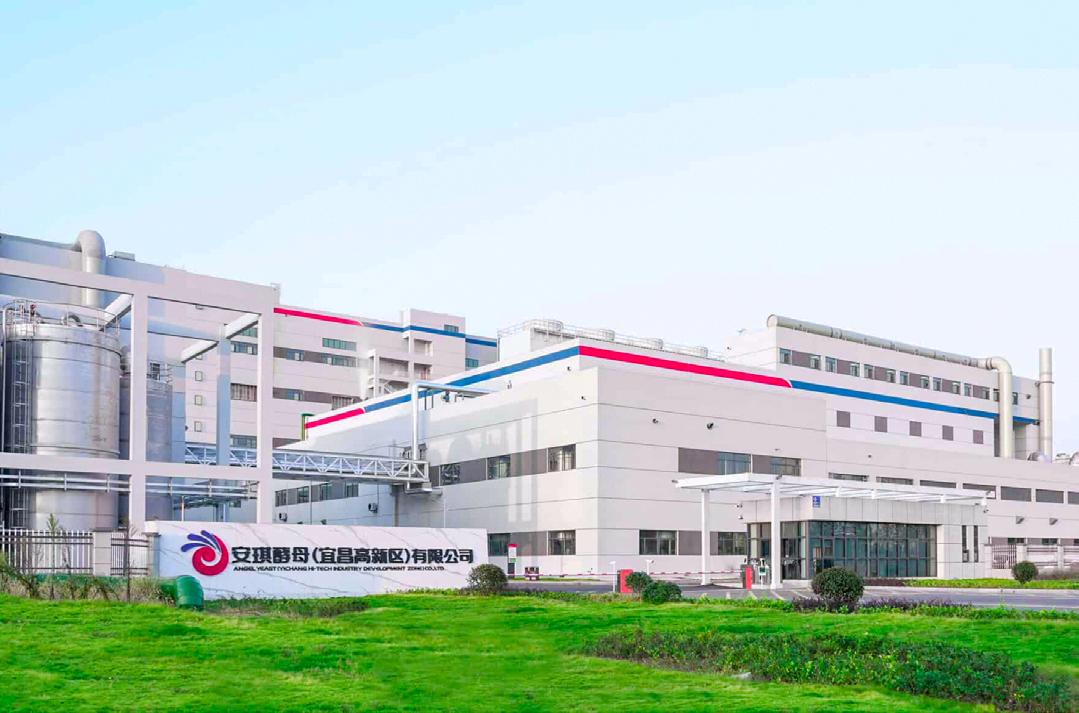
CHINA – Angel Yeast has commenced trial production at its new specialty yeast plant in Baiyang Biotechnology Park, Yichang High-Tech Zone, China.
Material feeding began on August 31, with the facility scheduled to reach full annual capacity of 8,500 metric tons once fully operational.
The launch completes Angel Yeast’s end-to-end specialty yeast ecosystem, integrating research, pilot testing, and commercial-scale manufacturing. The expanded capability strengthens supply of high-value yeast strains for craft brewing, winemaking, distilled spirits, fuel ethanol, and biomass energy applications.
The new plant employs strict contamination controls to maintain a ten-thousand-level microbiological standard.
Qin Benguo, assistant director of Specialty Yeast Production at Angel Yeast’s Yichang subsidiary, explained that filtered air creates positive pressure in feeding tanks, keeping nutrients in a highly sterile environment.
Fully automated lines cover every stage from raw material input and fermentation to final packaging and storage, ensuring consistent quality at industrial volumes.
Unlike traditional baker’s yeast, these specialty strains serve premium segments where fermentation performance, flavour precision, and process stability are critical. The new capacity provides brewers and bioenergy producers with reliable, high-performance ingredients to boost yields and accelerate product development.
To support the factory, Angel Yeast has simultaneously commissioned its Brewing Functional Microorganism Pilot Test Platform. The advanced system replicates real brewery conditions to validate laboratory findings before full-scale rollout.
Angel Yeast describes the combined 8,500-ton production facility and pilot platform as a powerful driver for global biomanufacturing and brewing innovation.
UAE – Al Ghurair Foods has introduced its first industrial food ingredients portfolio, marking a major milestone as the company transitions from commodity trading to value-added ingredient supply for manufacturers.
During the Gulfood Manufacturing 2025, the company unveiled its new Food Ingredients Division, designed to serve manufacturers in the bakery, confectionery, beverage, and baby food sectors.
Technical experts from the company will provide guidance on ingredient applications and integration, assisting manufacturers in selecting suitable solutions for their production needs.
In line with its expansion, the company announced plans to establish the UAE’s first Corn Starch Manufacturing Plant in the first half of 2026. The facility, to be located at Khalifa Economic Zone Abu Dhabi (KEZAD), will be the first and largest of its kind in the GCC.
It will produce starches, glucose, and maltodextrin—making Al Ghurair Foods the first producer of baby food ingredients, particularly maltodextrin, in the MENA region.
Additionally, the company is introducing the GCC’s first fermentation and spray drying technologies, representing an AED 500 million (US$136.15M) investment aimed at strengthening local production capabilities and encouraging further industrial development in the UAE.
“Our investments into food production are designed to support the region’s growing food ecosystem. By focusing on local production and value-added products, we’re helping our partners maintain quality, security, and efficiency while driving food industry growth and food security across the GCC,” said Turgut Yegenaga, Chief Executive Officer of Al Ghurair Foods.
The Corn Starch Manufacturing Plant forms part of Al Ghurair’s AED 1 billion investment in food processing projects in KEZAD, which also include a Broiler Farm, Liquid Eggs facility, and Poultry Processing Plant.
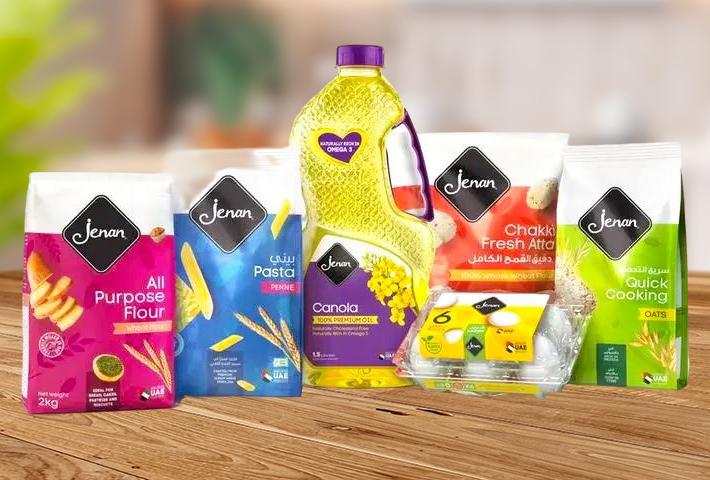
preference toward liquid refreshment categories. This market evolution is driven by affluent consumers, high digital engagement, and an unwavering focus on wellness, particularly within high-growth centers like the United Arab Emirates (UAE), which is anticipated to record the highest market growth in the region by 2033.
Traditional Middle Eastern ingredients are swiftly transcending their status as regional staples to become foundational components of global Consumer Packaged Goods (CPG) innovation, satisfying a growing consumer desire for both nostalgia and novelty. This movement translates heritage flavors into mass-market convenience, appearing prominently across categories such as dairy, spreads, confectionery, and seasonings.
Among the leading flavor profiles is Sumac, a deep red spice prized for its lemony, slightly smoky tang, which offers sourness without the typical acidity of citrus. Its appeal is further amplified by its high antioxidant content and visually engaging bright red color. Sumac has notably led product launches
WHILE THE FOOD APPLICATION SEGMENT CURRENTLY HOLDS THE LARGEST SHARE (68.16% IN 2024), THE BEVERAGES SEGMENT IS FORECASTED TO BE THE MOST LUCRATIVE AND FASTEST‑ GROWING FLAVOUR APPLICATION
in the Middle East with a 14% CAGR over the past year and is being adopted in diverse modern applications, from sprinkling on avocado toast and salads to incorporation into high-end cocktails. Similarly, Za’atar, an herb-forward blend typically featuring thyme, sesame seeds, sumac, and salt, is gaining global traction for its earthy, tangy profile and is often dubbed the “new ‘Everything Seasoning’”. Its vegan, clean-label nature makes it intrinsically attractive to
health-conscious consumers, appearing as a dip for pita with olive oil, a seasoning for roasted carrots, and a sprinkle for eggs.
The thick, glossy, and tartsweet Pomegranate Molasses, also known as dibs ar-rumman in Arabic, is another critical heritage flavor surging in popularity, often utilized as a sophisticated upgrade to balsamic glaze for vinaigrettes, marinades, and drizzling over roasted vegetables, gaining viral traction on platforms like TikTok due to its stunning color and intense flavor profile. Corporations are actively leveraging these staples for localization and product differentiation:
Puck successfully launched a limitededition Zaatar-flavored cream cheese, while Nestle introduced a chocolate baklava product, demonstrating the feasibility of translating complex, traditional desserts into standardized, mass-market confectionery lines. Furthermore, essential spices such as aromatic Baharat spice blend and Tahini (sesame paste) are being integrated into pre-marinated meat formats, offering consumers quick yet authentic meal solutions.
The demand for premium indulgence in the MEA market is highly refined, focused on rare, indigenous ingredients supported by narratives of purity and superior craftsmanship. This trend emphasizes high-value regional spices and ingredients integrated into globally recognized formats, which must also align with modern consumer expectations for clean labels and perceived wellness.
Saffron stands as the ultimate marker of luxury, widely referred to as the “world’s most precious spice”. Its inclusion in products elevates their perceived value, imparting a subtle floral warmth and a striking golden hue. This is often paired with Medjool dates, which provide a naturally rich, caramellike sweetness, forming the basis for sophisticated luxury confectionery like Date & Saffron Pralines, which offer a refined twist on traditional date-based sweets.
An example of successful localized premiumization is the Saffron Meltz Dubai Luxury Chocolate Bar (192g). Marketed as a handcrafted masterpiece crafted in Dubai using premium cocoa and real saffron, the product achieves an exotic fusion of East and West, balancing rich, smooth chocolate with the spice’s unique floral and aromatic profile. Crucially, its premium positioning is validated by its clean-label status, as the product contains no artificial flavours or preservatives. This approach caters directly to the affluent consumer segment that demands traceable, high-quality, and ethically acceptable indulgence, demonstrating that true luxury in the GCC food market is intrinsically linked to ingredient purity and defined provenance.
Health and wellness concerns are central to purchasing decisions across the Middle East, necessitating a flavor strategy centered on functional botanicals that merge regional wisdom with advanced food science. According to a report by Ken Research, the Middle East Botanical Ingredients Market is valued at approximately USD 210 million in 2025, with strong growth expected through 2030, driven by rising demand for natural and organic products across food, beverage, cosmetics, and pharmaceuticals.
These botanical flavors include ginger, turmeric, hibiscus, chamomile, mint, thyme, rooibos, and moringa. This functional trend extends to global superfoods like quinoa, chia seeds, and goji berries, which are being integrated into products to cater to health-conscious consumers seeking added nutritional value.
To meet this demand for condition-specific functional solutions, global ingredient leaders are heavily invested in scientific validation. IFF Health Sciences, for example, is


focusing its research on Innovation Pillars crucial to consumer health, namely digestion, metabolic health, and immunity, leveraging deep scientific know-how and proprietary extraction technologies to develop science-backed botanical extracts and bioactives.
SolvEat utilizes a proprietary food-tech
platform to bridge classic botanical medicine with clinical research. SolvEat’s product, SOLVS-Balance bioactive functional ingredient, is a complementary botanical composition designed as a “plug-and-play” solution for manufacturers, helping to maintain healthy blood sugar levels when incorporated into everyday foods such as chocolate, snacks, and beverages, thereby proactively supporting wellness for consumers with pre-diabetes.
Furthermore, to ensure palatability in functional products, specialty flavor houses like Sensapure Flavors focus on developing innovative flavor systems specifically engineered to overcome the inherent off-notes (e.g., bitterness, earthiness) commonly associated with active compounds, ensuring functional beverages and supplements deliver craveable taste experiences.
In the Middle East, heritage flavors are being reimagined in bold, spicy, and smoky formats tailored for modern food products. Younger consumers, especially Gen Z, are driving demand for intense heat, ethnic spice blends, and grilled flavor notes. Euromonitor’s 2024 Flavor Dynamics Report noted a 19% increase in “spicy” descriptors in nascent snack launches across GCC markets from 2021 to 2023.

Flavors such as harissa, chili-garlic, peri-peri, jalapeño, and smoky cumin are increasingly being integrated into snacks, sauces, quasi-meats, and ready meals. Mane has developed heat-stable smoke extracts that can survive extrusion and baking at high temperatures, enabling food producers to deliver authentic char-grilled flavor in everything from extruded chips to plant-based kebabs.
The commercial application is broad: harissa and pepper pastes turn up in marinades and meat analogues; chili extracts go into sauces; smoke powders go into snack seasoning or ready-meal flavor bases, and spice blends like za’atar are being customized into modern, consumer-ready flavor systems. These systems help food brands tap into both global spice trends and deeply rooted regional flavor identities.
Dates are deeply rooted in Middle Eastern culture, but today they are gaining a second life as high-value, functional ingredient systems. The date-based product market, including syrups, powders, fibers, and concentrates, is expanding rapidly in response to clean-label reformulation
and the need for natural sweeteners.
Companies such as Al Foah (now part of Pure Harvest Smart Farms), Al Barakah Dates, Bateel, and Saudi Dates are leading the shift toward value-added date products, including date syrups, pastes, powders, chocolates, bars, and ready-todrink beverages. These companies are not only modernising the image of dates but also positioning them as natural sweeteners aligned with clean-label and reduced-sugar trends.
The flavour versatility of dates has made them especially popular in confectionery and dairy innovation. In recent years, date-caramel, date-pistachio, and date-almond flavours have been introduced into ice-creams, spreads, chocolates, bakery fillings, and snack bars. Bateel has been particularly influential in elevating dates from a traditional staple to a gourmet luxury ingredient, through flavour infusions such as orange peel, saffron, cardamom, and rose. In beverages, date-sweetened coffees, smoothies, and milk drinks are gaining traction as consumers seek natural sugar alternatives.
The future of flavour innovation in the Middle East is poised for significant growth, driven by changing consumer preferences, rising incomes, and increasing health awareness. Natural
flavours, in particular, are gaining traction due to the cleanlabel trend, with the market expected to hit USD 692.7 million by 2030 at a CAGR of 7.3%. Powdered flavours, widely used in snacks, sauces, and soups, are also growing steadily, projected from USD 535.8 million in 2022 to USD 755.7 million by 2030, according to a report by Data Bridge Market Research.
Innovation is increasingly localized, with companies incorporating traditional Middle Eastern ingredients such as za’atar, sumac, and dates into modern formulations and fusion products. Functional and umami flavours are expanding, with umami projected to grow from USD 150.8 million in 2024 to USD 206.6 million by 2030. Sustainability and natural production methods are becoming key differentiators, particularly in fermented and botanical flavour systems.
Demographics and social media trends are accelerating the adoption of bold, experimental flavours. At the same time, technological advances, from AI-assisted formulation to microencapsulation and fermentation, allow companies to create more precise and unique flavours. Sustainability and clean-label expectations push brands toward responsibly sourced, non-GMO, and natural ingredients, while social media trends and young, digitally savvy consumers encourage bold, experimental, and visually appealing flavour experiences. FBMEA




By Mercy Mukiri
As food manufacturers push the boundaries of formulation science, humectants have emerged as critical enablers of product integrity, shelf stability, and consumer experience. These multifunctional ingredients are designed to manage water activity within food matrices, helping brands deliver consistent quality across diverse processing and storage conditions.
According to Future Market Insights, the global humectants market is estimated at USD 16,228.8 million in 2025 and is forecast to reach USD 25,689.4 million by 2035, growing at a CAGR of 4.7%. Growth is driven by increased demand in personal care, food & beverage, and pharmaceutical sectors, where moisture retention, texture stability, and shelf-life extension are critical.
Humectants are hygroscopic substances that attract and bind water from their environment, integrating it into the food matrix to preserve optimal moisture levels. This capability is indispensable in contemporary food processing, where imbalances in moisture can lead to rapid degradation, such as loss of softness, brittleness, or staleness. Their application proves particularly crucial in premium segments like functional snacks, dairy desserts, and reduced-sugar confections, where attributes such as chewiness and spreadability directly influence consumer appeal. With this core functionality established, exploring the various categories of humectants highlights their adaptability across food applications.
Humectants in the food industry can be classified into several distinct types, each with unique properties that make them suitable for different applications. The most widely used group is the sugar alcohols, or polyols, which include sorbitol, xylitol, maltitol, mannitol, and lactitol. These compounds are common in sugar-free and reduced-calorie foods because they provide sweetness while also retaining moisture.
Another important category is the glycols, such as propylene glycol and polyethylene glycol. These humectants are versatile stabilizers, frequently used in beverages, syrups, and frozen desserts. They prevent crystallization, help evenly disperse


flavors, and maintain smooth textures even under challenging processing conditions such as heat or acidity.
The industry is also seeing growing demand for natural humectants, including honey, molasses, agave syrup, and fruit concentrates. These ingredients not only attract and hold water but also contribute flavor, color, and nutritional appeal. Their popularity is closely tied to clean-label trends, as consumers increasingly prefer recognizable, naturally derived components.
The food industry has seen a strong shift toward natural humectants, with manufacturers increasingly favoring ingredients such as honey, fruit concentrates, and plantderived glycerin over synthetic alternatives. This reflects consumer preferences for authenticity and transparency in food labels.
Honey exemplifies this shift as a natural humectant, offering inherent moisture-binding properties alongside flavor enhancement. This aligns with the clean-label movement, where streamlined ingredient lists and terms like “naturally derived” or “non-cariogenic” resonate with health-focused consumers. Concurrently, the surge in sugar-free and caloriereduced products has elevated polyols such as sorbitol, maltitol, and xylitol, which deliver sweetness without excessive calories, proving vital in confectionery, bakery, and functional snack categories.
Another trend is the functional health positioning of humectants. Beyond moisture retention, certain humectants such as xylitol are promoted for dental health benefits, while lactitol and maltitol are marketed for their role in calorie reduction and diabetic-friendly diets. This dual functionality, technical and health-related, has become a powerful driver of innovation.
Regionally, the fastest growth is occurring in Asia-Pacific markets, where rising urbanization and demand for packaged foods are fueling humectant adoption. Countries like China and India are seeing increased use in bakery, dairy, and beverage sectors, reflecting both convenience-driven consumption and expanding middle-class purchasing power.
Incorporating humectants into food products involves precise formulation and processing steps. They are typically added during mixing or blending stages, ensuring uniform distribution. Regulatory compliance is critical; ingredients must meet safety standards set by authorities like the FDA or EFSA.
Manufacturers need to monitor dosage levels, as excessive use can affect flavor and texture. Additionally, some humectants may require specific handling procedures to prevent microbial growth or chemical interactions. Proper documentation and adherence to food safety protocols are essential for seamless integration.

Prominent suppliers are advancing humectant technology through specialized offerings.
ADM’s Sorbitol Solution, USP/FCC
DM’s Sorbitol Solution, USP/FCC, a clear, colorless aqueous solution containing approximately 71% solids, primarily D-sorbitol, with minor amounts of mannitol and other polyhydric alcohols, excels as a humectant in confections, cosmetics, beverages, and foods. Its non-cariogenic sweetness makes it ideal for sugar-free items, dentifrices, and pharmaceuticals. It is also used as a plasticizer, stabilizer, and as a raw material in the manufacture of sorbitan ester/ polysorbate and polyurethanes.
Cargill’s Glycerin (PolyolPlus® / USP Grade)
This is a corn-based humectant known for its high purity and multifunctionality. It not only retains moisture in baked goods but also enhances sweetness and acts as a solvent in flavor dispersions. Cargill offers a range of refined USP-grade vegetable-based glycerin products that meet the stringent standards of the United States Pharmacopeia (USP). This product line falls under their industrial polyols category.
Refined USP glycerin offers moisturizing and emulsifying properties, making it an effective additive in personal care and home care formulations. Crude glycerin can lower the freezing point and increase viscosity across a variety of industrial formulations.
Roquette Frères specializes in Neosorb Sorbitol, a crystalline humectant that delivers exceptional stability in sugar-free candies and pharmaceutical lozenges. Its ability to resist fermentation and maintain chewiness makes it a cornerstone of sugar-reduced formulations.Its humectant and cryoprotectant attributes extend shelf life in bakery, confectionery, and seafood products.
International Flavors & Fragrances (IFF) integrates humectants into hydrocolloids and texturants under brands like GRINDSTED and CREMODAN, binding water to maintain softness in baked goods, chewiness in confectionery, and moisture in meat alternatives. Their system blends, combining emulsifiers and enzymes, preserves freshness in items like flatbreads, supplemented by food-grade glycerin and sorbitol for water activity control. This expertise simplifies processes, reduces losses, and supports the development of healthier, indulgent products.
Galactic, a leader in lactic acid fermentation, provides several products that function as humectants (moisture retainers) and preservatives in food applications. Their primary humectantrelated products are based on lactates and diacetates, which


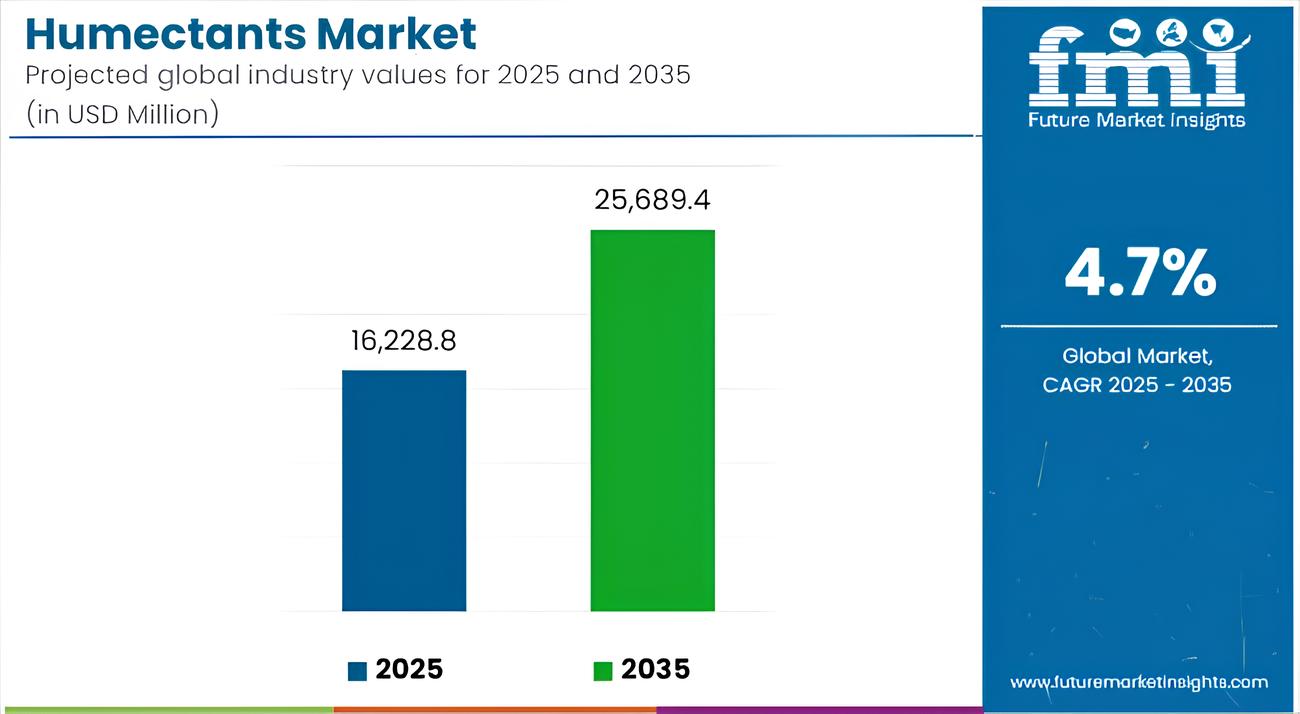
help to control water activity and extend shelf life.
Galaflow SL 60 (sodium lactate) and Galaflow PL 60 (potassium lactate) are hygroscopic solutions that inhibit microbial growth and retain moisture. Blends like Galimax Diace-N-4, Promeat Plus, and Ace-N-7, incorporating sodium lactate and diacetate, enhance texture preservation in meat, poultry, and seafood.
While they are primarily known for their strong antimicrobial effects (as preservatives), the lactate component contributes to moisture retention, which is essential for preserving the texture of meat, poultry, and seafood products.
Despite their utility, humectants introduce challenges that warrant careful consideration. Sugar alcohols like sorbitol, xylitol, and maltitol may induce digestive issues, including bloating or laxative effects, especially at high doses in sugarfree confections.
They can also disrupt flavor profiles, imparting off-notes that compromise delicate products such as dairy desserts or beverages. Increased stickiness from moisture attraction complicates handling, packaging, and storage, as seen in tacky candies or baked goods.
Moreover, while lower in calories than sugar, humectants like lactitol, maltitol, and glycerin contribute to overall energy content, potentially conflicting with reduced-calorie objectives. Regulatory demands further complicate matters, as additives require precise labeling. Overuse or mislabeling can lead to
consumer mistrust, particularly among health-conscious buyers who scrutinize ingredient lists for artificial additives. Opportunities lie in developing sustainable, biodegradable humectants that align with environmental goals. Manufacturers who adapt quickly to these trends can gain a competitive edge, offering products that meet evolving consumer preferences while ensuring safety and quality.
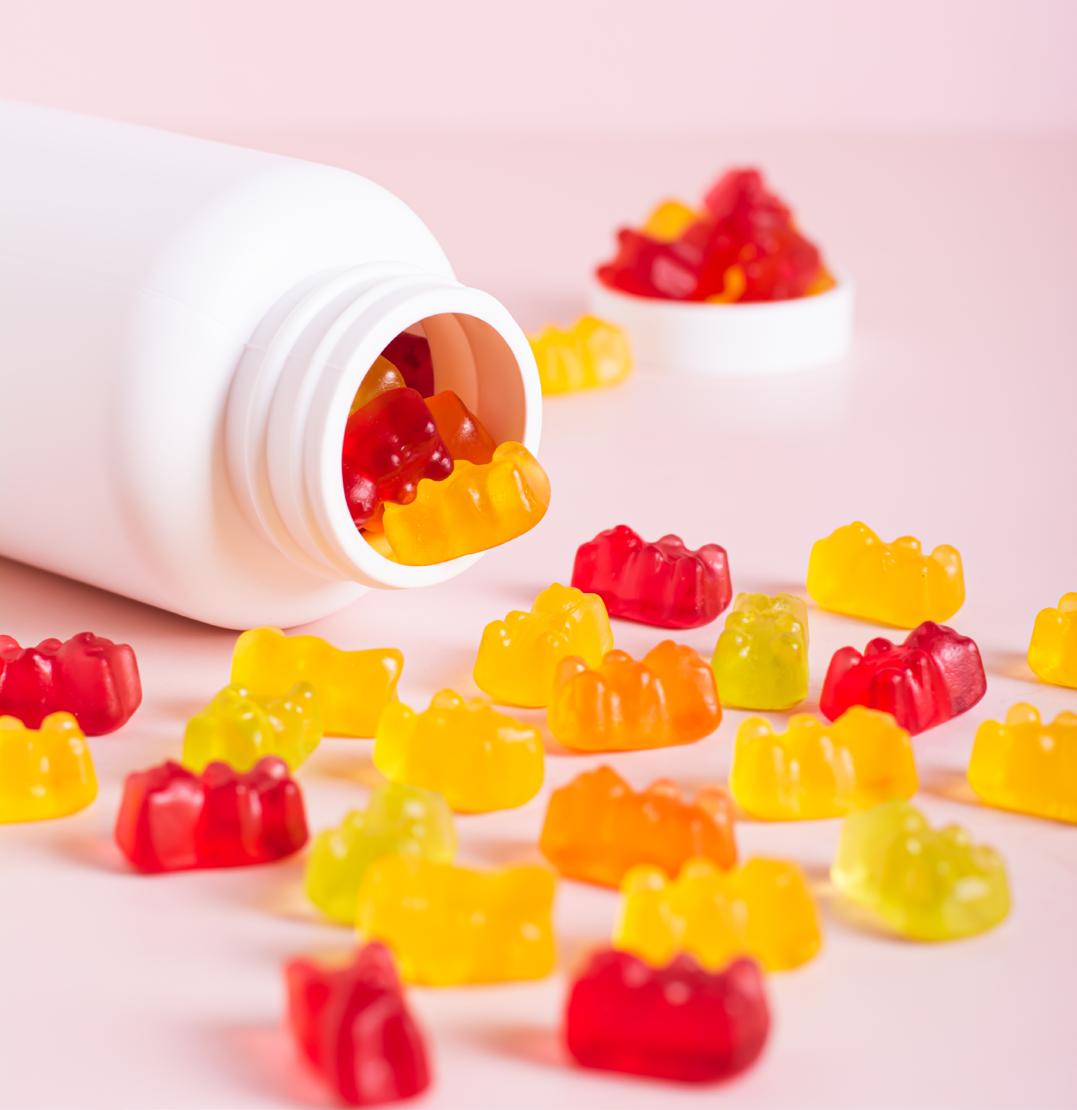
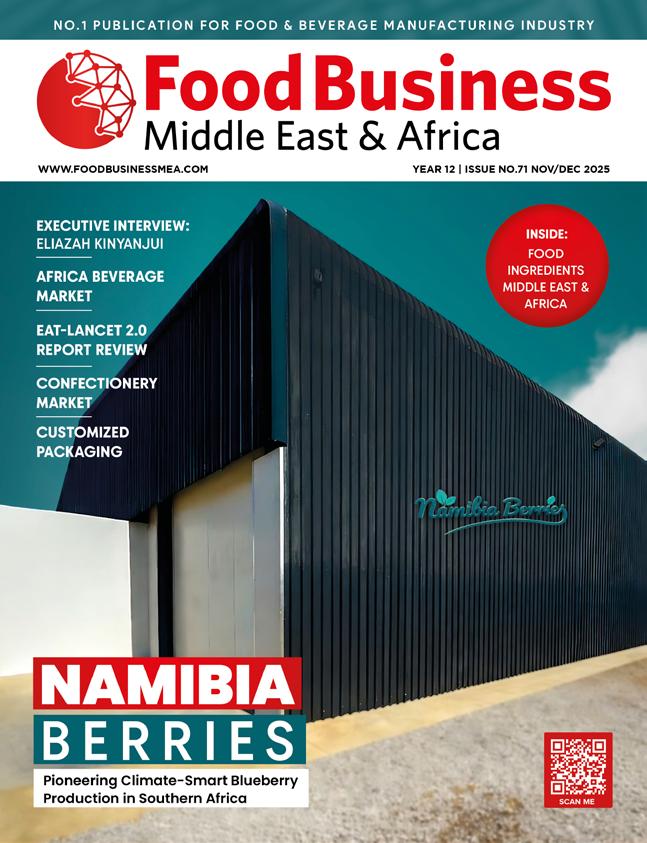
Sales/Marketing
Purchasing/Supply
QA/R&D Process Management
Others (specify)
Applicant’s
Date: