




LUSAKA, ZAMBIA

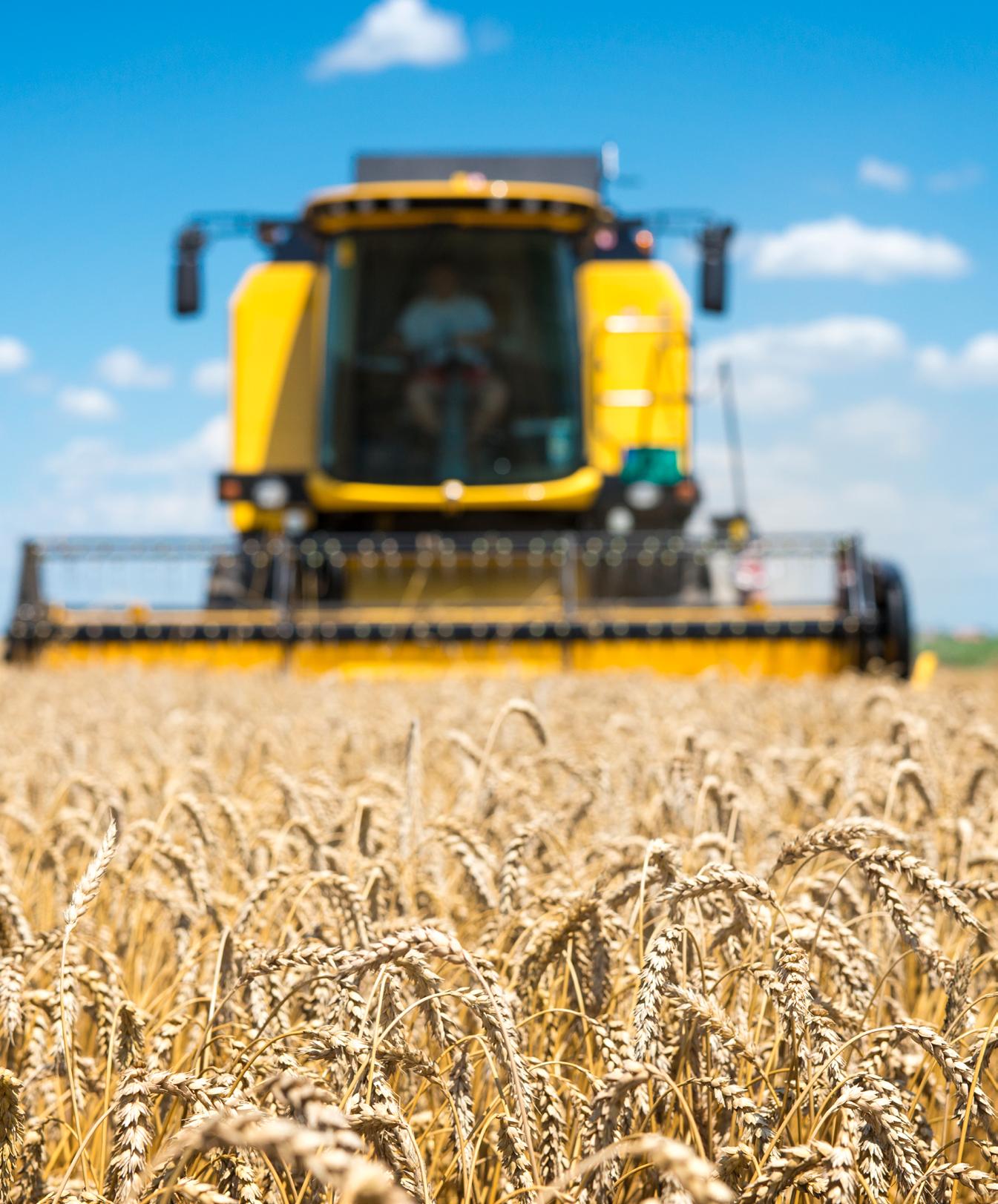
COUNTRY FOCUS - SOUTH AFRICA
Navigating volatility across maize, wheat and soybean markets
MARKET TRENDS - PASTA CONSUMPTION IN WEST AFRICA
How pasta is reshaping diets in West Africa



COUNTRY FOCUS - SOUTH AFRICA
Navigating volatility across maize, wheat and soybean markets
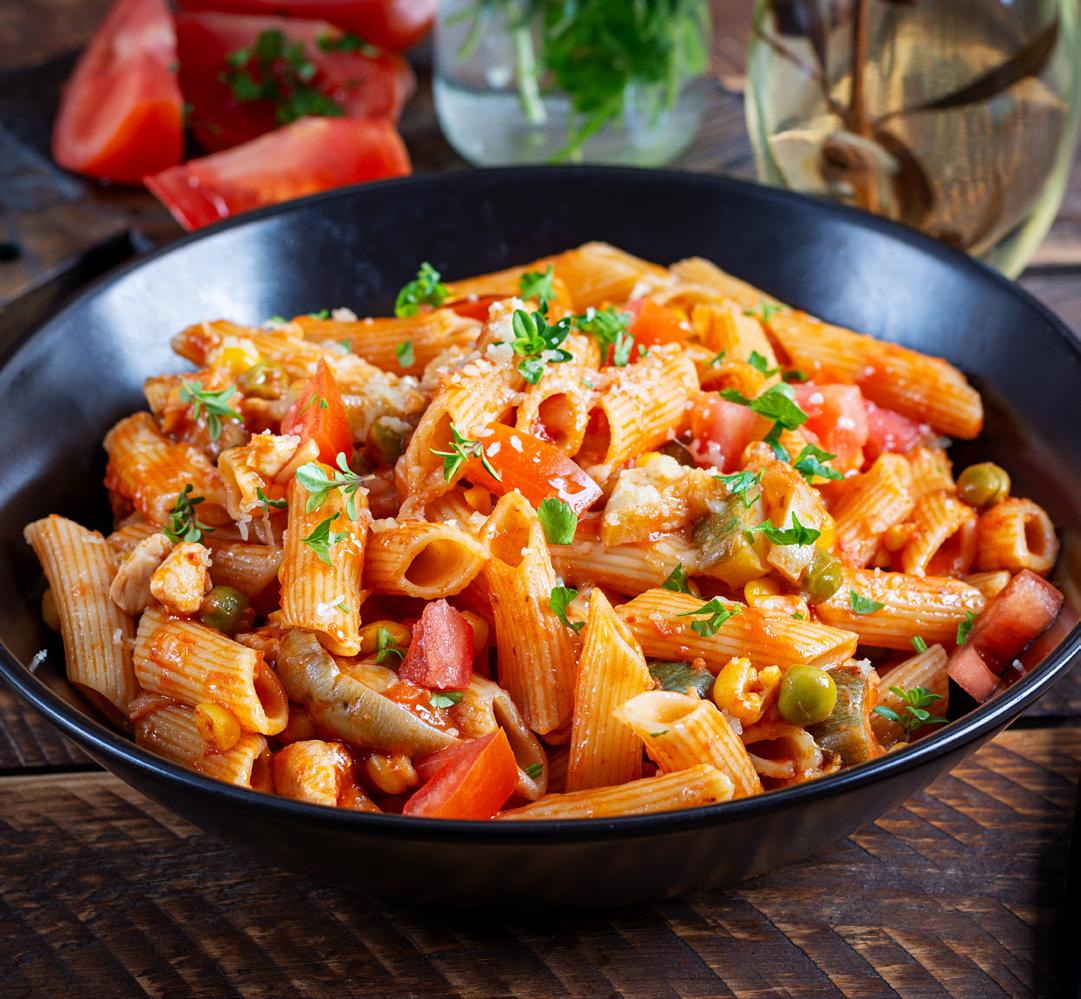
MARKET TRENDS - PASTA CONSUMPTION IN WEST AFRICA
How pasta is reshaping diets in West Africa
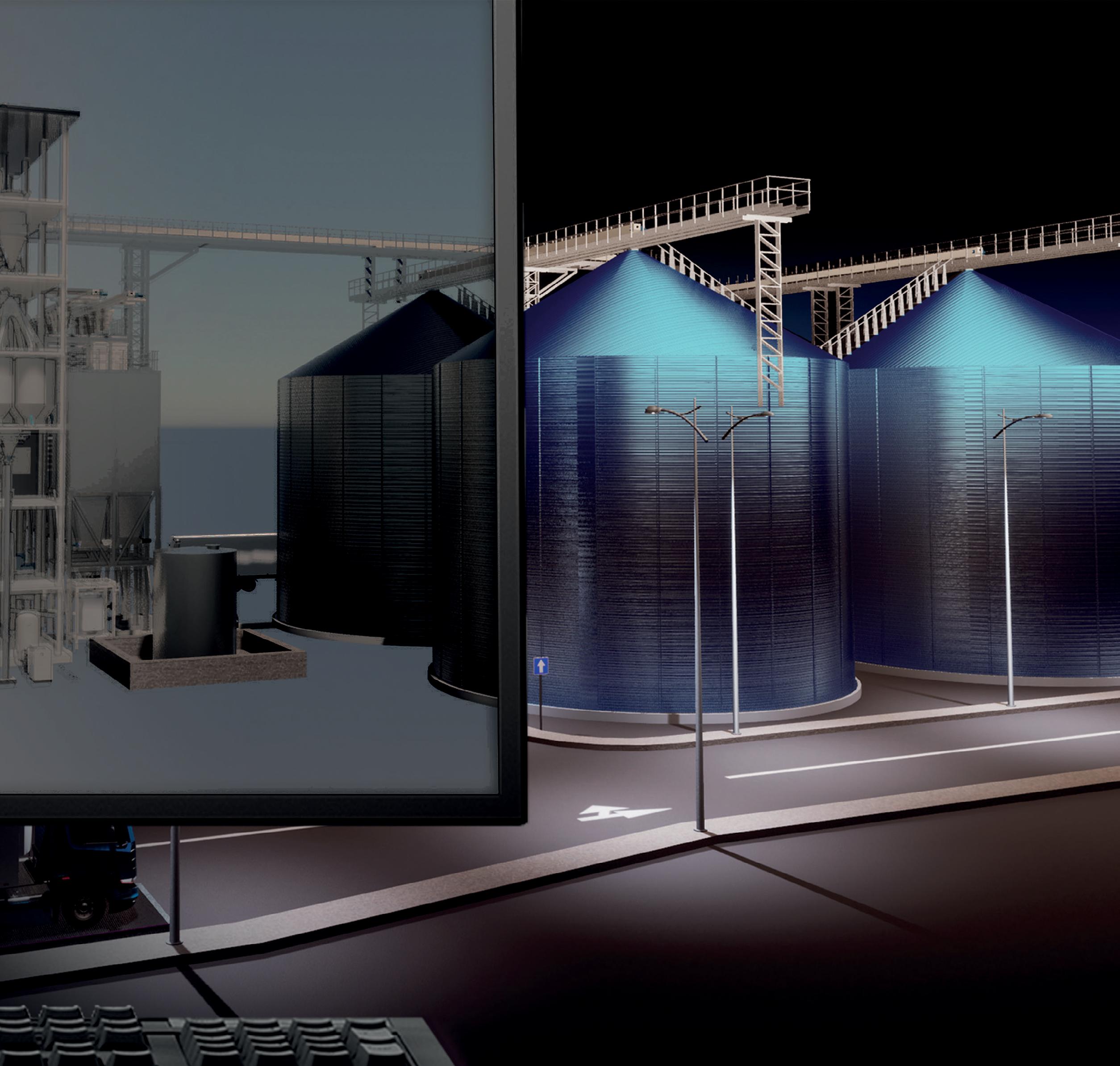
As leaders in our industry, we understand the intricacies and challenges involved in running an efficient feed and biofuel plant.
That’s why we have dedicated ourselves to being your go-to-partner, offering complete plant solutions, tailored to your exact specifications and needs.
Leveraging our extensive processing expertise and experience, we ensure the lowest possible total cost of ownership. But we don‘t stop there. With meticulous attention to detail and unwavering dedication, we guide you through every phase – from delivery to commissioning and tackle any challenge, ensuring the success of your project.
Choose ANDRITZ Complete Plant Solutions for a secure, consistent, and end-to-end experience that takes you from PLAN to PLANT, whether it‘s a green or brown field. Trust in our expertise, reliability, and commitment to delivering excellence. Find out how our complete plant solutions can serve your business at andritz.com/ft.
MIDDLE EAST & AFRICA
Year 4 | Issue No.19 | April - June 2026
FOUNDER & PUBLISHER
Francis Juma
SENIOR EDITORS
Fridah Chepkoech
Alphonse Okoth
EDITORS
Stephen Kibe
Caroline Maina
EXTERNAL CONTRIBUTOR
Dr. Fatima Maira
BUSINESS DEVELOPMENT DIRECTOR
Virginia Nyoro
BUSINESS DEVELOPMENT EXECUTIVES
Wangari Kamau
Johna Sambai
HEAD OF DESIGN
Clare Ngode
DESIGN
Emmaculate Ouma
ACCOUNTS
Anita Kinyua
Published By: FW BRANDS MEA
P.O. Box 1874-00621, Nairobi Kenya Tel: +254725 343932
Email: info@fwbrandsmea.com
Company Website: www.fwbrandsmea.com

We publish some of the most influential magazines and websites in Africa & the Middle East regions. Please visit the websites below for more information about our publications.
Milling & Feed Middle East & Africa is published 4 times a year by FW Brands MEA. Reproduction of the whole or any part of the contents without written permission from the editor is prohibited. All information is published in good faith. While care is taken to prevent inaccuracies, the publishers accept no liability for any errors or omissions or for the consequences of any action taken on the basis of information published.
www.foodbusinessmea.com
www.millingmea.com
www.horecamea.com
www.dairybusinessmea.com
www.feedbusinessmea.com

www.healthcaremea.com
www.sustainabilitymea.com
www.hpcmagmea.com

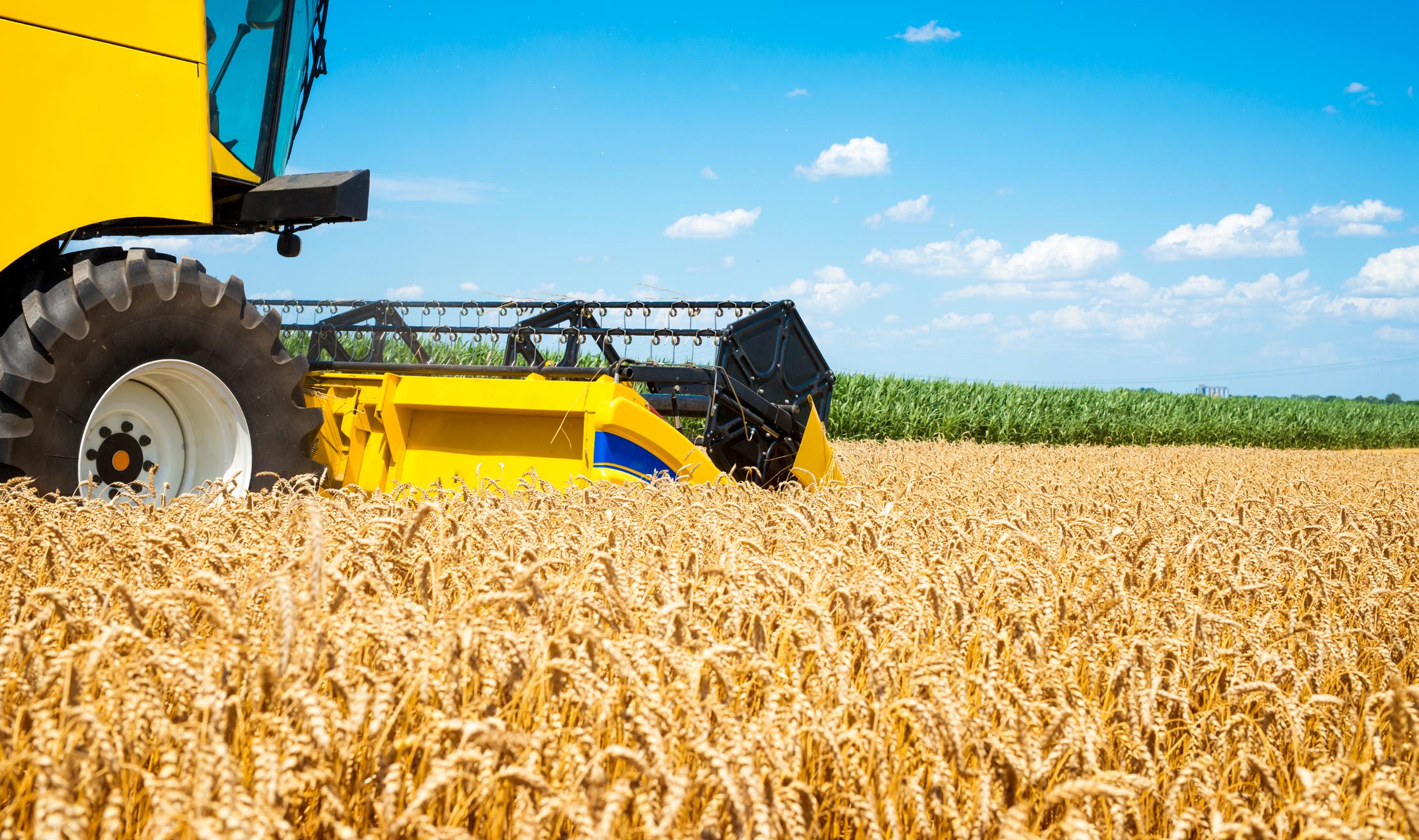
In April 2026, South Africa's Crop Estimates Committee confirmed the country's largest maize harvest on record. Two seasons earlier, drought had cut output by more than a fifth. You might think the recovery came from major policy interventions or technological breakthroughs, but it was actually driven by expanded plantings and favourable rains. It was, in the simplest terms, a return to fundamentals.
But a record harvest does not automatically translate into a stronger sector. Because within weeks, prices had dropped sharply, and economists were already warning that fuel and fertiliser costs, pushed higher by ongoing tensions in the Middle East, would erase much of the relief at farm level. More grain in the silo, in other words, did not mean less exposure further down the chain. This gap, between producing more and actually building resilience, runs through this entire issue. How much of what a region consumes can it realistically produce and process itself, and what does it take to close the distance?
This issue explores that tension from several angles. Our feature on Livestock Feed Limited's regional expansion looks at how one company is working to escape what it calls the "Import Trap", and what that actually requires on the ground. Our contributor piece on early poultry nutrition makes a related case at a much smaller scale, examining how outcomes that play out over an animal's entire life are often decided in its first days.
In the milling section, we turn to three markets navigating very different versions of the same pressure: South Africa's grain economy, where maize, wheat and soybeans are each telling a different story about import dependence; West Africa's
palm oil sector, sitting on some of the world's best growing land while still relying heavily on imports; and the rapid rise of pasta as a West African staple, and what that shift is doing to regional supply chains.
Finally, our baking technology piece steps back from raw materials altogether to look at process, examining a quality parameter most of the industry rarely discusses, and why it may matter more than the wheat itself. Taken together, these stories point to an industry where the inputs are there, the demand is there, but the systems needed to connect the two are still taking shape.
Addressing these gaps will require more than investment alone. It will require collaboration across the value chain, the sharing of practical solutions, and frank conversations about what is working and what is not. These are conversations we look forward to continuing in person at the Africa Milling & FeedTech Expo, a constituent event of the AFMASS Food Expo, Kenya & Eastern Africa edition, which returns to Nairobi from July 15–17, 2026. The event will bring together millers, feed manufacturers and industry leaders from across the continent and beyond to discuss these opportunities and challenges face to face. We hope to see you there!
Until then, happy reading!
Fridah Chepkoech Editorial Lead Millling & Feed MEA
IDMA ISTANBUL 2026
June 25-27, 2026
Istanbul, Turkey www.idma.com.tr
Africa MILLING & FEEDTECH Expo
July 15 -17, 2026 – Nairobi, Kenya www.graintech.afmass.com/east
Africa Pet Industry Expo
July 15 - 17, 2026
Nairobi, Kenya www.africapetshow.com/east
AFRICA BAKERY EXPO
July 15-17, 2026
Nairobi, Kenya www.bakery.afmass.com/EAST
Africa Food Awards
July 16, 2026
Nairobi, Kenya www.manawards.fwafrica.net/food
Africa MILLING & FEEDTECH Expo
September 15-17, 2026, Lagos, Nigeria www.graintech.afmass.com/west
AFRICA BAKERY EXPO
September 15-17, 2026
Lagos, Nigeria www.bakery.afmass.com/west
IBATECH
October 14 – 17, 2026
Turkey www.ibaktech.com/en/startseite
IAOM MEA
October 19 – 22, 2026, South Africa
www.iaom.org/event/36th-annual-iaom-meaconference-expo-2026
VIETSTOCK Expo & Forum 2026
October 21-23, 2026 – Ho Chi Minh City, Vietnam
www.vietstock.org/en/about-vietstock-expoforum



































GHANA – The Japan International Cooperation Agency (JICA) has committed 35 million Ghanaian cedis (US$3.09 million) to support the construction of a rice seed production plant in Northern Ghana.
Ghana’s Minister of Food and Agriculture, Eric Opoku, announced the funding on May 12, saying the project will help improve access to certified rice seeds and support the country’s food security goals. The facility will include modern equipment to speed up the production of quality rice seeds and address shortages that often affect farmers during planting seasons.
The project will also include training programmes for farmers and irrigation officers to support the effective use and maintenance of the equipment. Authorities expect the initiative to strengthen local seed systems and encourage wider adoption of improved farming practices.
The investment forms part of Ghana’s Agriculture for Economic Transformation Agenda and supports President John Dramani Mahama’s Feed Ghana Programme, which seeks to increase local food production and reduce reliance on imports.
The project comes as Ghana continues to face a large gap between domestic rice production and consumption. According to data from the United States Department of Agriculture, the country produced about 900,000 metric tonnes of milled rice during the 2025/26 marketing season, while annual demand reached nearly 1.9 million metric tonnes.
The government says it will work closely with JICA to ensure the funds deliver long-term benefits for farmers and the wider agricultural sector.
SWEDEN – Agricultural cooperative Lantmännen has inaugurated a new grain handling facility in Uddevalla following an investment of about SEK 500 million (US$54 million).
Located at the Port of Uddevalla, the site includes 21 storage silos, two grain dryers, and storage capacity of about 44,000 tonnes. The facility can handle up to 100,000 tonnes of grain annually.
Lantmännen says the investment will improve grain handling efficiency, support exports, and strengthen Sweden’s food security. The project represents the country’s largest investment in grain infrastructure since the 1980s and is expected to play a key role during the 2026 harvest season.
EGYPT – Egypt aims to achieve wheat self-sufficiency for its subsidized bread programme by 2028, according to Agriculture Minister Alaa Farouk.
The government estimates it will require about 8.6 million metric tonnes of wheat annually to support the programme. To reach the target, authorities continue to expand cultivated wheat area, encourage local production through procurement incentives, and promote improved seed varieties.
Egypt plans to purchase up to 5 million tonnes of wheat from local farmers this season. Officials say greater domestic production will reduce dependence on imports and allow the country to manage wheat purchases more strategically during periods of favourable global prices.
CAMEROON – Palm oil producer Opalm plans to invest about 17 billion CFA francs (US$30.6 million) in a new processing plant in Lengue and the expansion of a facility in Eséka.
The Lengue plant will have a production capacity of 25,000 tonnes per year and create more than 340 jobs. In Eséka, Opalm will increase processing capacity from 7,000 tonnes to 25,000 tonnes annually.

The company estimates the projects could generate more than 11 billion CFA francs (US$19.8 million) in annual income for palm nut producers. The initiative will increase local palm oil production and reducing Cameroon’s supply deficit.
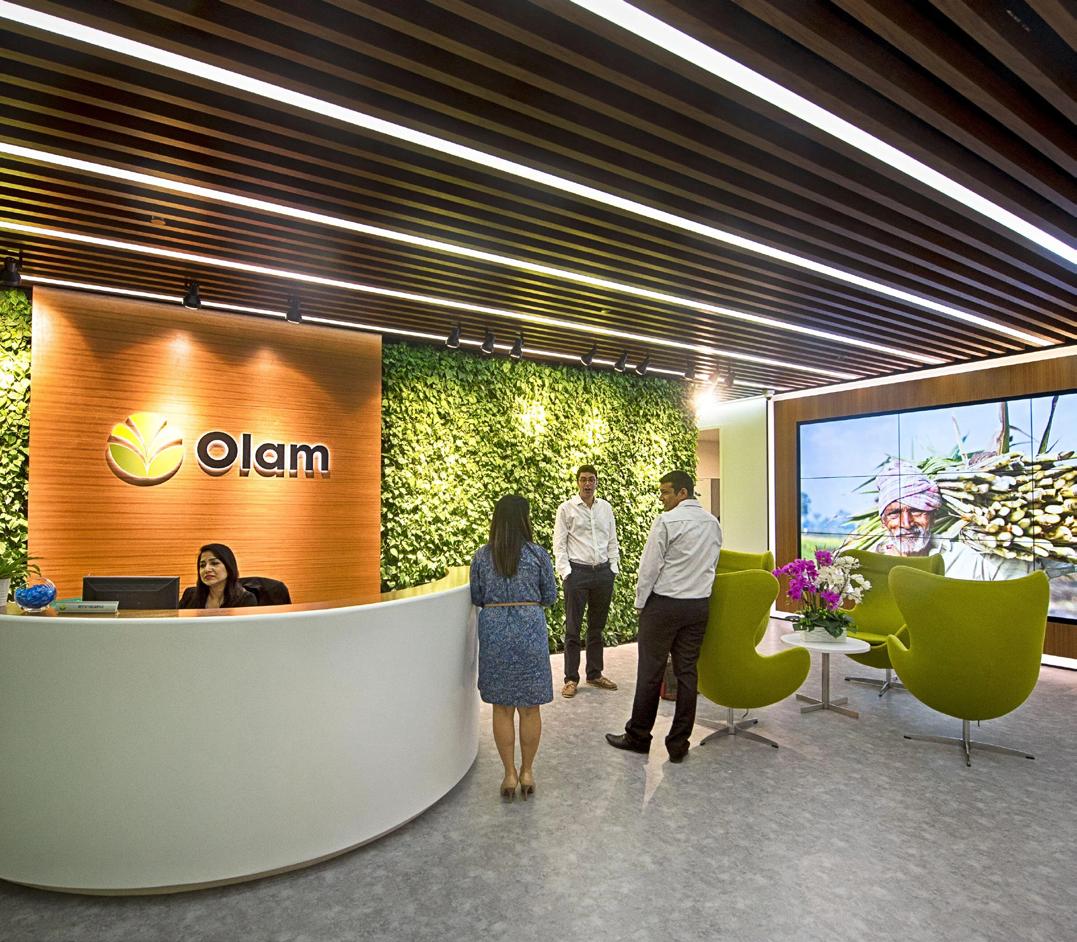
SAUDI ARABIA – Singapore-based Olam Group has completed the sale of a 44.58% stake in Olam Agri to Saudi Agricultural and Livestock Investment Company (SALIC) for approximately US$1.88 billion, advancing its restructuring plan and strengthening SALIC's position in global agriculture.
The transaction raises SALIC's ownership in Olam Agri to 80.01%, while Olam Group retains a 19.99% stake. The deal values Olam Agri at about US$4.00 billion.
Olam Group said it secured all required regulatory approvals before closing the transaction. The company also confirmed plans for a full exit. Under the agreement, Olam holds a put option that allows it to sell its remaining stake to SALIC in three years for about US$799.6 million plus an agreed return. SALIC also has the right to acquire the remaining shares during the same period.
Yap Chee Keong, Deputy Chairman of Olam Group, said the transaction marks another step in delivering the company's reorganisation plan and will help optimise its capital structure.
Olam Agri Co-Founder and CEO Sunny Verghese said SALIC's increased ownership provides long-term support for the company's growth plans and strengthens its position in global markets.
The transaction follows an agreement announced in February 2025, when Olam Group agreed to sell a controlling stake in Olam Agri to SALIC as part of Saudi Arabia's wider strategy to strengthen food security through international agricultural investments.
Olam Agri operates in more than 60 countries and trades grains, edible oils and other agricultural commodities.
USA – Barilla Group will invest nearly US$170 million in a twophase expansion of its manufacturing facility in Avon, New York.
The first phase includes a new 52,000-square-foot production building, a pasta production line, three packaging lines, and a warehouse facility. Construction is expected to finish by March 2028.

The project aims to increase production capacity for the North American market while supporting sustainability goals through shorter transportation distances. Once completed, the expansion is expected to create more than 90 new jobs. New York State has committed up to US$2.75 million in performance-based incentives to support the investment.
NIGERIA – Lagos State plans to commission the first phase of the Lagos Central Food Security Systems and Logistics Hub before the end of 2026, according to Commissioner for Agriculture and Food Systems Abisola Olusanya.
Located in Ketu-Ereyun, Epe, the facility will handle more than 1.5 million metric tonnes of food annually and accommodate over 1,500 trucks each day. The hub will include cold and dry storage facilities, processing centres, quality control laboratories, warehouses and digital trading platforms. The project aims to reduce food losses, improve distribution efficiency and strengthen food security across Nigeria.
INDIA – Amazon has signed a US$30 million agreement to purchase carbon credits generated by Indian rice farmers through the Good Rice Alliance.
The programme works with more than 13,000 farmers across 35,000 hectares and promotes farming practices that reduce methane emissions from rice cultivation.
The agreement covers more than 685,000 metric tonnes of carbon dioxide equivalent credits during its first phase. Farmers receive training, technical support, and financial incentives to adopt water-saving cultivation methods.
The deal highlights growing interest among major companies in agriculture-based carbon credits as part of broader emissions reduction strategies.
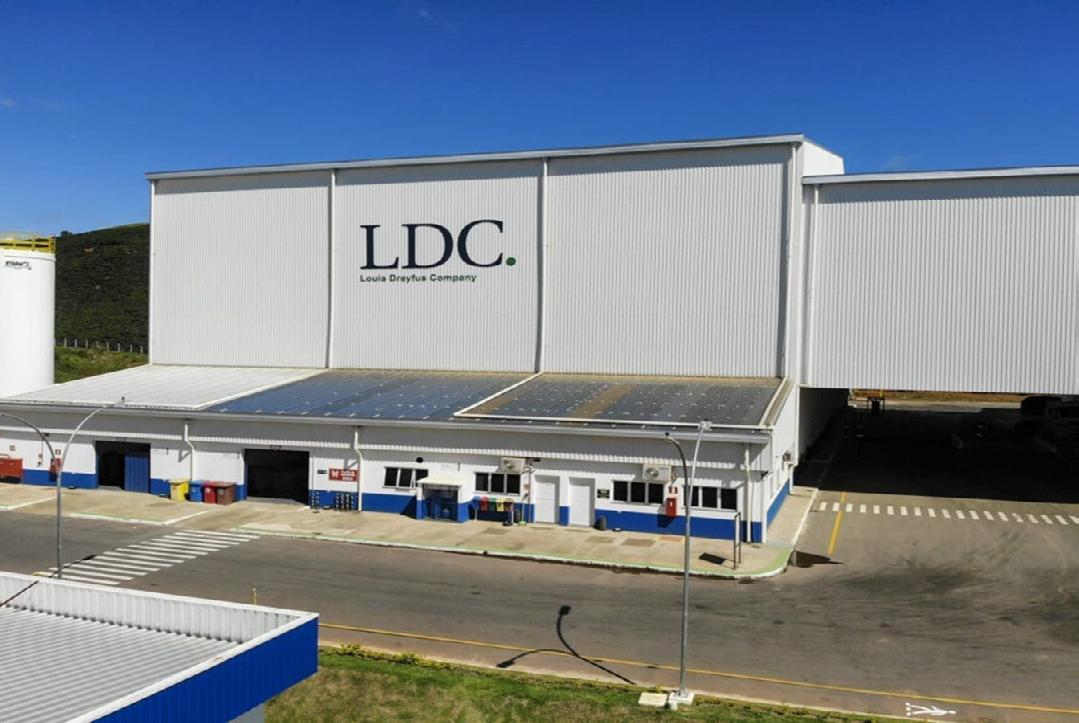
– Louis Dreyfus Company Finance B.V. has priced a seven-year senior unsecured bond worth €500 million (US$540 million) under its new Euro Medium Term Note programme, drawing strong investor demand despite volatile market conditions.
The bond carries a 4.000% coupon and a BBB+ rating with a stable outlook from S&P Global Ratings. Investors placed 280 orders worth up to €6 billion (US$6.48 billion), more than ten times the amount offered. Demand came from Europe, the UK, and Asia.
The company established the EMTN programme to strengthen long-term funding and improve financial flexibility. Louis Dreyfus Company expects to use the proceeds for general corporate purposes and plans to list the bond on the Luxembourg Stock Exchange.
The financing announcement comes as the company commissions its new pea protein isolate facility in Yorkton, Saskatchewan, Canada. Located within its existing oilseeds processing complex, the facility supports the company's strategy of expanding value-added processing and plantbased ingredients.
The new site will produce pea protein isolates, pea fibre, and pea starch products for food and feed applications. Louis Dreyfus Company said the investment will help meet growing demand for plant-based ingredients while broadening its processing portfolio.
Together, the bond issue and the Canadian facility highlight the company's focus on strengthening its balance sheet while expanding into higher-value agricultural products. The latest developments also reinforce Louis Dreyfus Company's position as one of the world's leading agricultural merchants and processors as demand grows for both traditional commodities and specialty ingredients.
AFRICA/UKRAINE – Bayer and the International Organization for Migration will distribute more than 225 metric tonnes of vegetable and corn seed in 2026 to support vulnerable communities across Africa and Ukraine.
The programme, valued at about €875,000 (US$945,000), will reach communities in Zambia, Nigeria, Kenya, and Ukraine. Distribution will focus on migrants, displaced families, and host communities facing food insecurity and climate-related challenges.
In Kenya, Bayer will provide corn seed and farmer support in Mandera County, while households in Nigeria and Zambia will receive vegetable seed. In Ukraine, more than 22,300 households will receive seed packs.
USA – Bunge has opened a new soy protein concentrate facility in Morristown, Indiana, expanding its soybean processing capacity as demand grows for soy-based ingredients in food and feed markets.
The company said the facility is the largest soy protein concentrate plant of its kind in the United States. More than 70 employees have joined the site during the past year.
The plant will process Indiana-grown soybeans into ingredients used in meat products, plant-based foods, bakery products, snacks, and animal nutrition. Bunge said the investment strengthens links between local farmers and global markets while supporting growing demand for soy ingredients.
Bühler launches Nutrex 7 series extrusion platform
SWITZERLAND – Bühler Group has introduced its Nutrex 7 Series extrusion systems for food and feed processors, focusing on hygiene, process control, digital monitoring, and lower production waste.
The twin-screw extrusion platform features a modular design, stainless steel construction, remote monitoring capabilities, and automated production controls. Bühler said the system simplifies cleaning and maintenance while improving operational efficiency.
A new feature called StepFlow automates startup and shutdown procedures using preset production settings. According to the company, the technology can reduce waste by up to 30% during production runs.
The Nutrex 7 Series is now available for commercial orders and deployment.
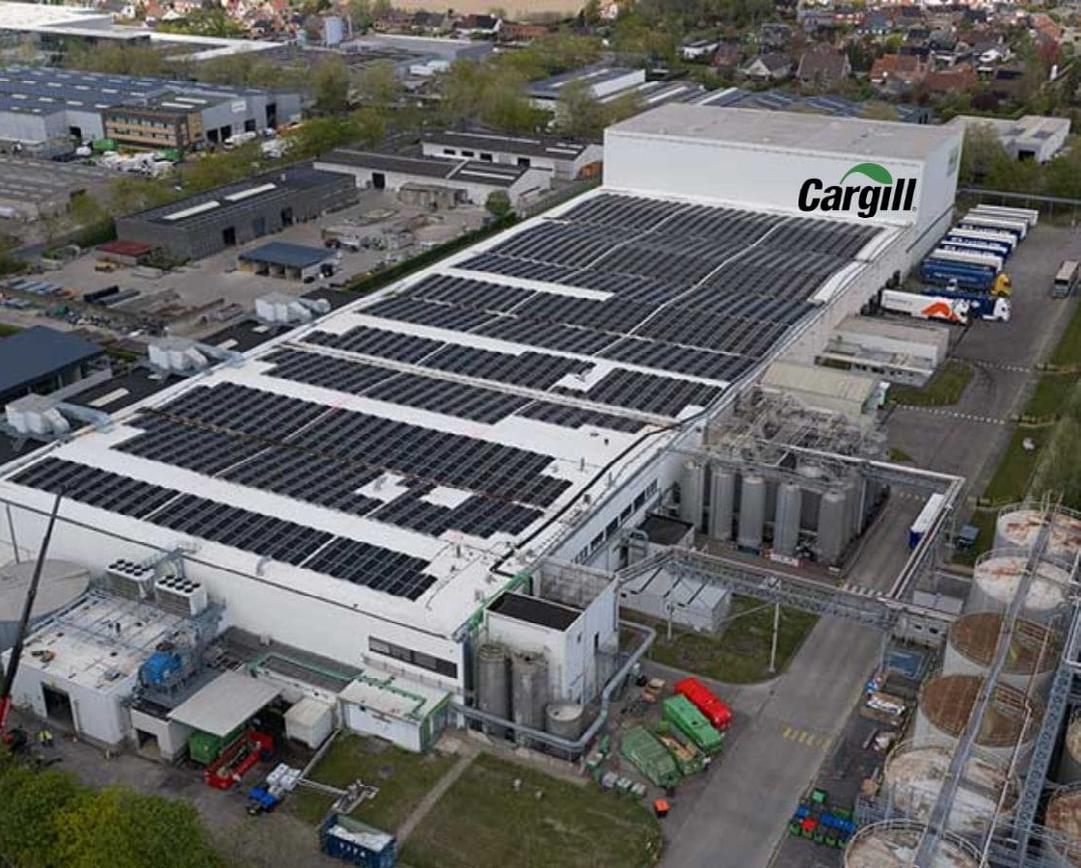
BELGIUM – Cargill has announced a €56 million (US$64.99 million) investment across three facilities in Belgium, strengthening production capacity and research capabilities as the company expands its European food ingredients business.
The largest share of the funding, €30 million (US$34.82 million), will expand the company's gourmet chocolate facility in Mouscron. The project adds 10,500 square metres of production space and doubles output capacity for Veliche chocolate products supplied to food manufacturers, pastry professionals, and restaurants.
Cargill has also invested €21 million (US$24.37 million) in its edible oils bottling facility in Izegem, its largest such plant in Europe. The upgrade includes new automation systems and doubles packaging capacity while supporting faster deliveries to foodservice customers.
The remaining €5.4 million (US$6.27 million) will support a new extrusion pilot plant at the company's European Food Innovation Center in Vilvoorde. The facility will help customers test ingredients and develop products for food, feed, and pet food markets.
Cargill said the investments respond to growing demand for healthier and more specialised food products, including items with lower sugar, salt, and fat content. The projects also strengthen Belgium's role as a key production and innovation centre within the company's European operations.
Together, the investments improve manufacturing efficiency, expand research capabilities, and support longterm growth across Cargill's food ingredients portfolio while reinforcing supply reliability for customers throughout Europe.
ITALY – Omas Industries has received the Red Dot Award: Product Design 2026 for its Leonardo Edge roller mill, recognising the machine's engineering, automation, and energy-saving features.
The roller mill includes patented technologies such as the Omas KERS System, which recovers energy generated during milling and can reduce energy consumption significantly compared with conventional equipment.
The machine also offers automated roll adjustments, process monitoring, and touchscreen controls. Omas said the design improves milling precision, energy efficiency, and operational flexibility.
The award places Leonardo Edge among the year's recognised industrial products selected by an international jury.
INDIA – ADM has partnered with TechnoServe to expand its Farm Forward programme in Maharashtra, India, with plans to support 15,000 soybean farmers over the next 18 months.
Backed by US$500,000 from ADM Cares, the initiative will focus on soil health, climate resilience, digital agriculture, and stronger farmer organisations. The programme will operate across four districts and include demonstration plots, farmer training, and digital advisory services.
ADM and TechnoServe also plan to establish eight Farmer Producer Organisation hubs to support long-term adoption of sustainable farming practices and improve access to agricultural resources and markets.
– Syngenta has launched VIRESTINA™ technology, a new herbicide platform designed to control resistant grass weeds in soybean and cotton production.
Argentina became the first country to approve the technology, which uses a new active ingredient called metproxybicyclone. The product targets weeds that no longer respond to commonly used herbicides and can be applied directly over crops.
Syngenta said the technology breaks down quickly in soil, supports crop rotation, and reduces reliance on repeated machinery use. The company plans to introduce the product in Brazil, Australia, the United States, and Canada.



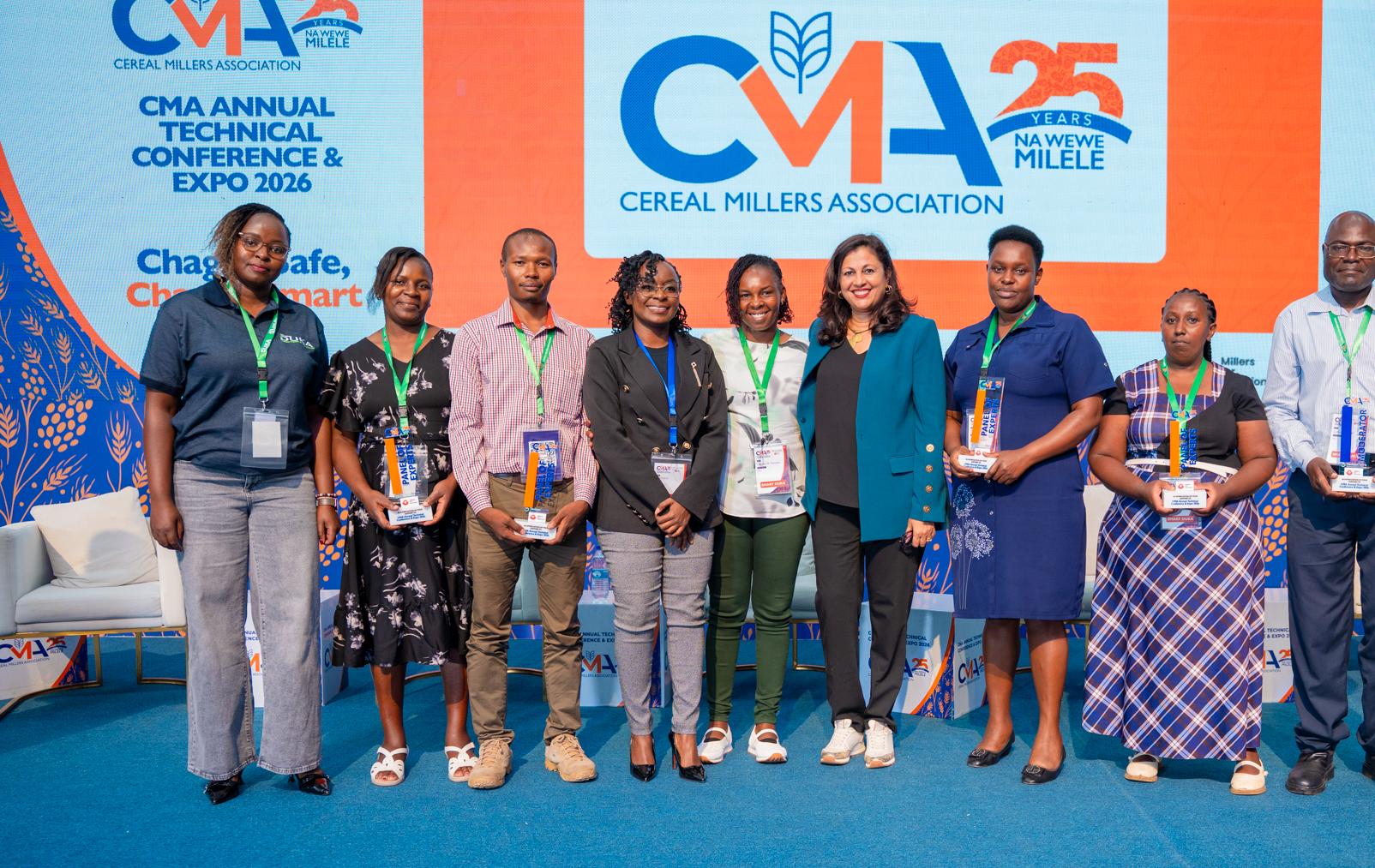
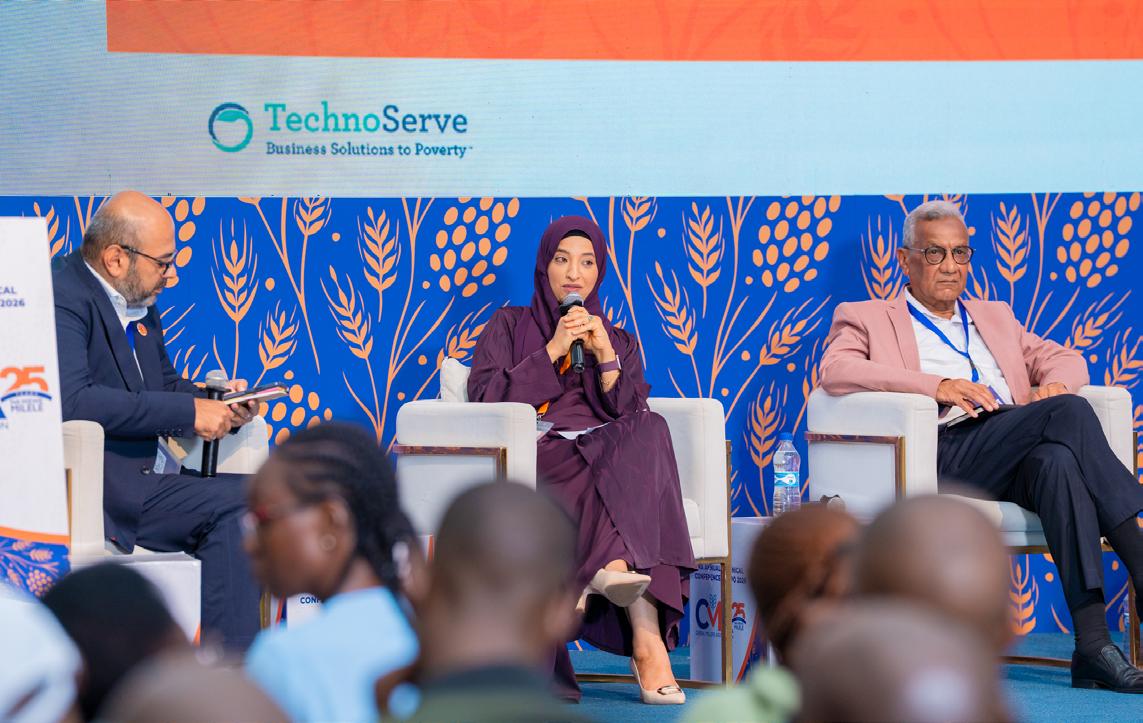
The spirit of collaboration was on display at

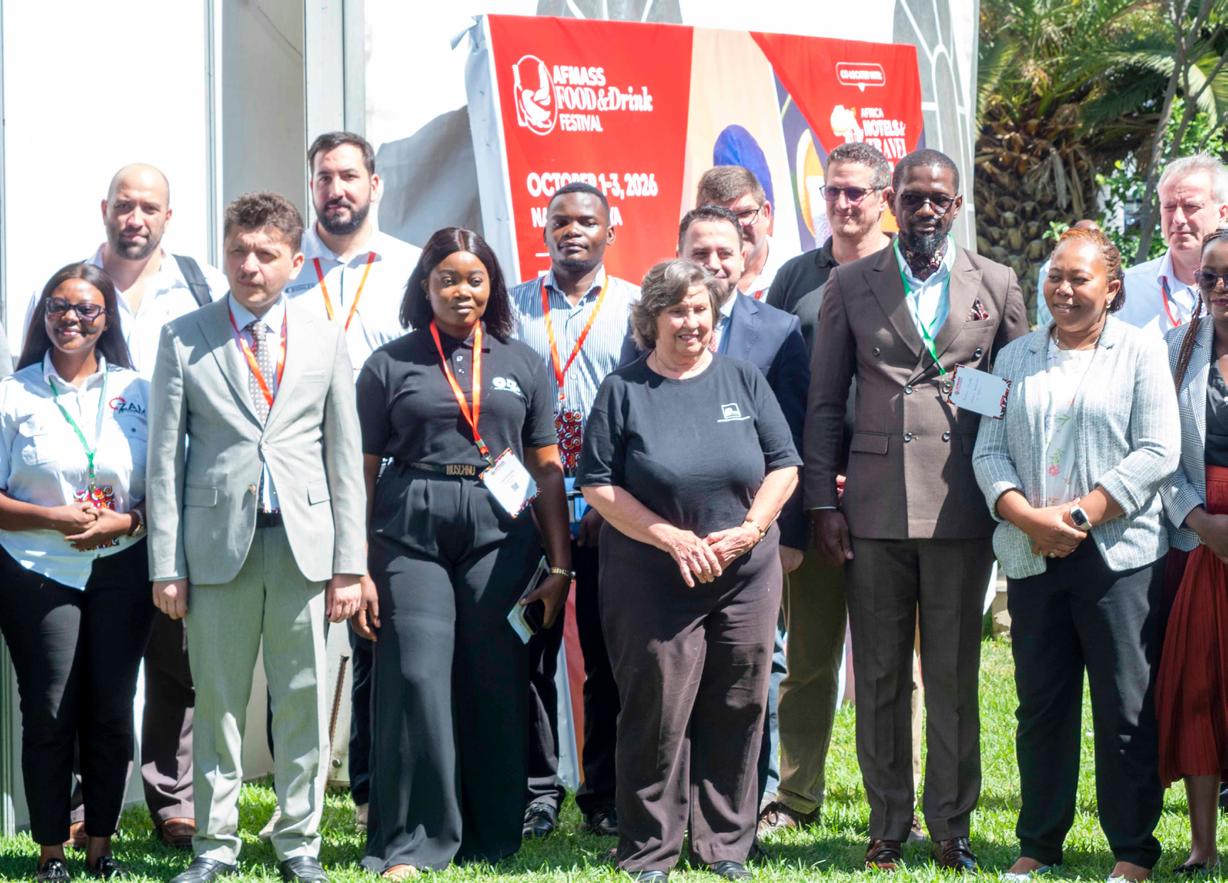







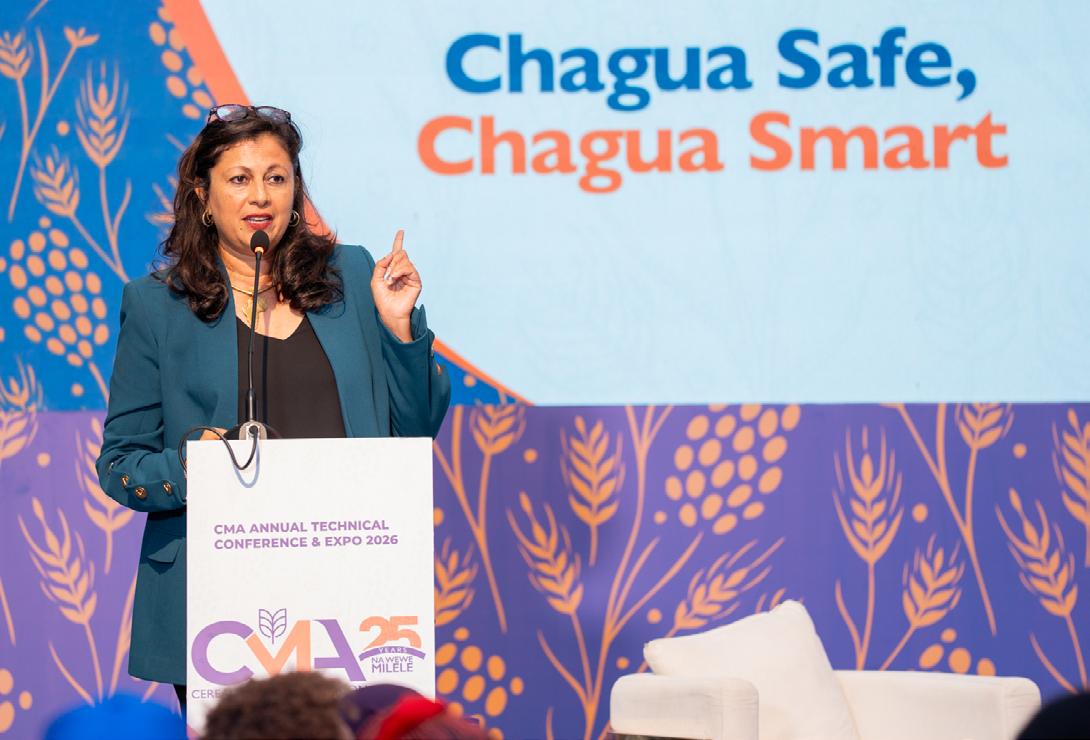
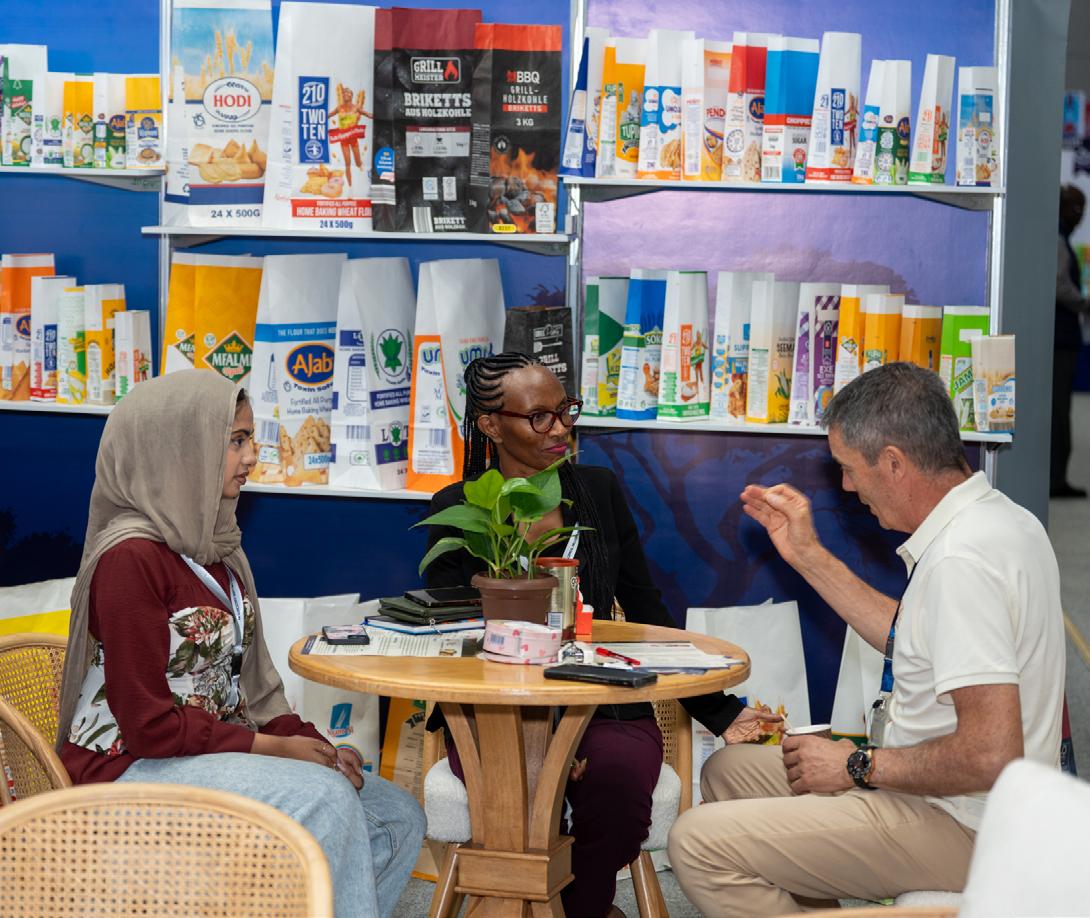
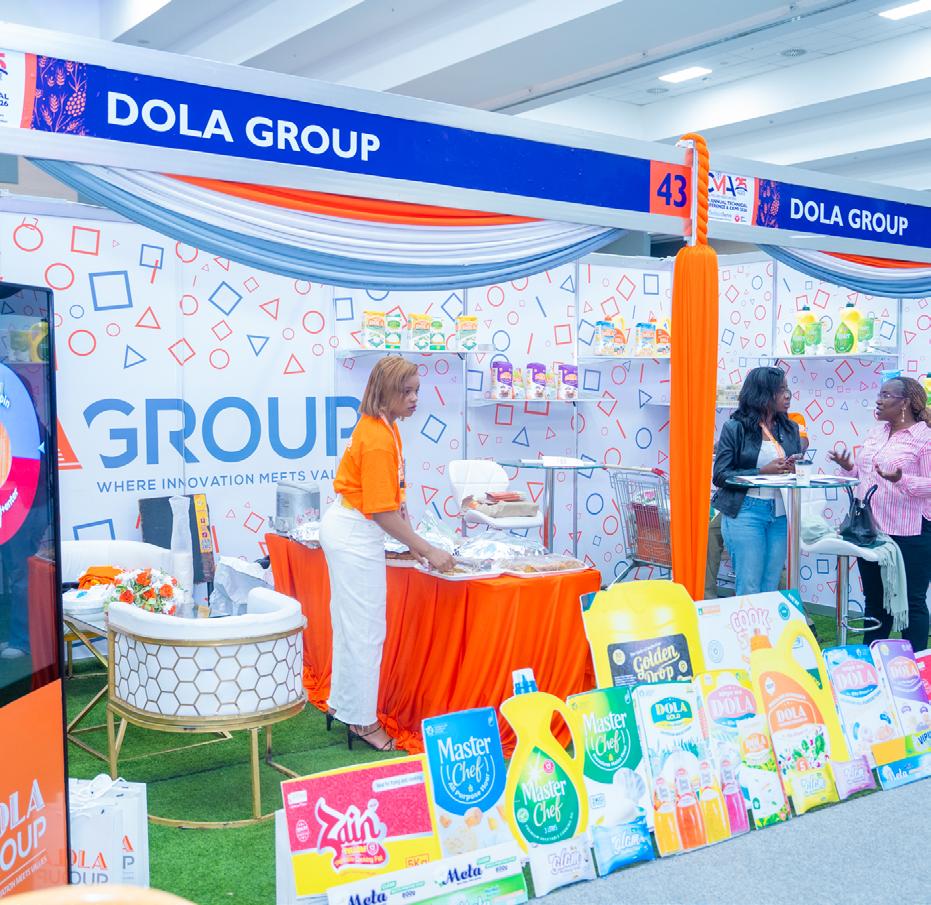
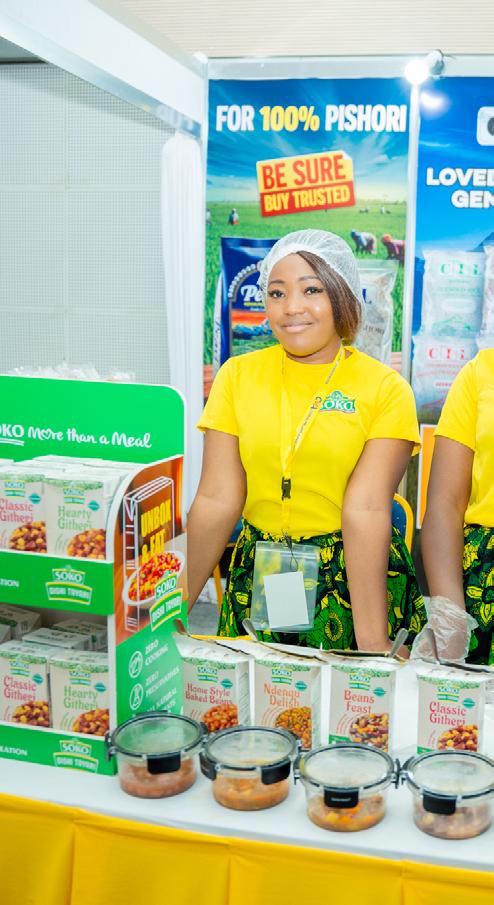
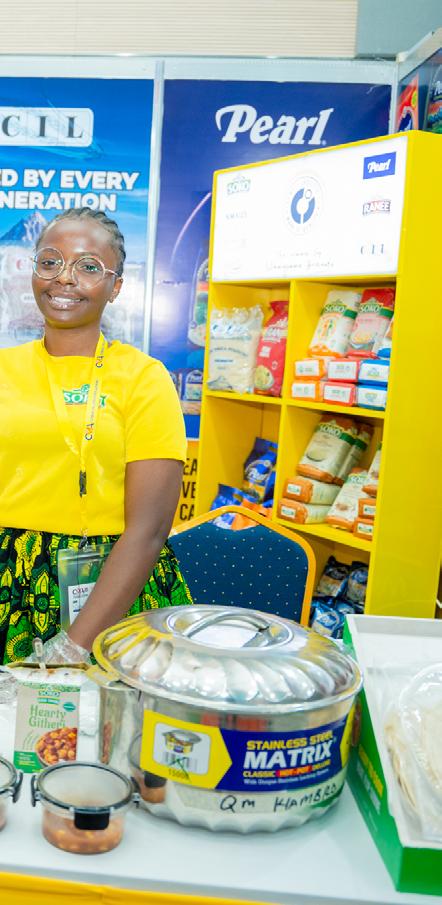
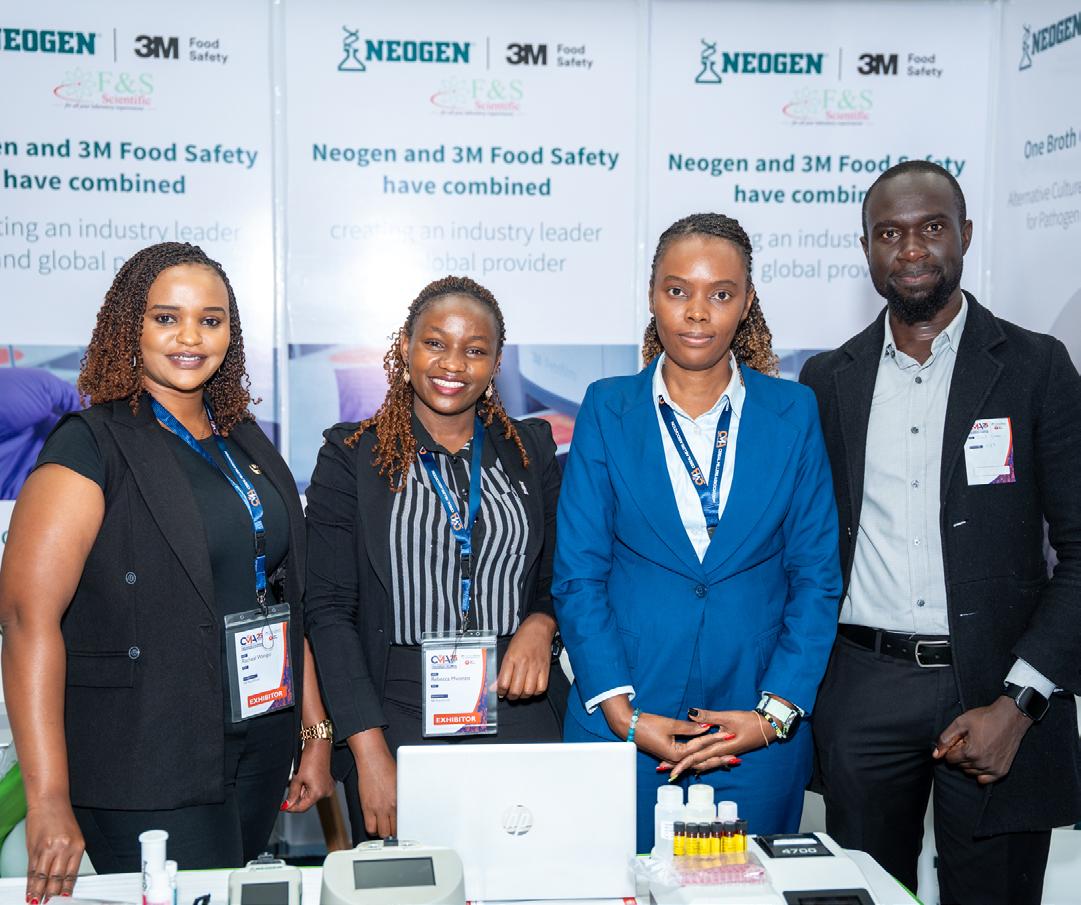
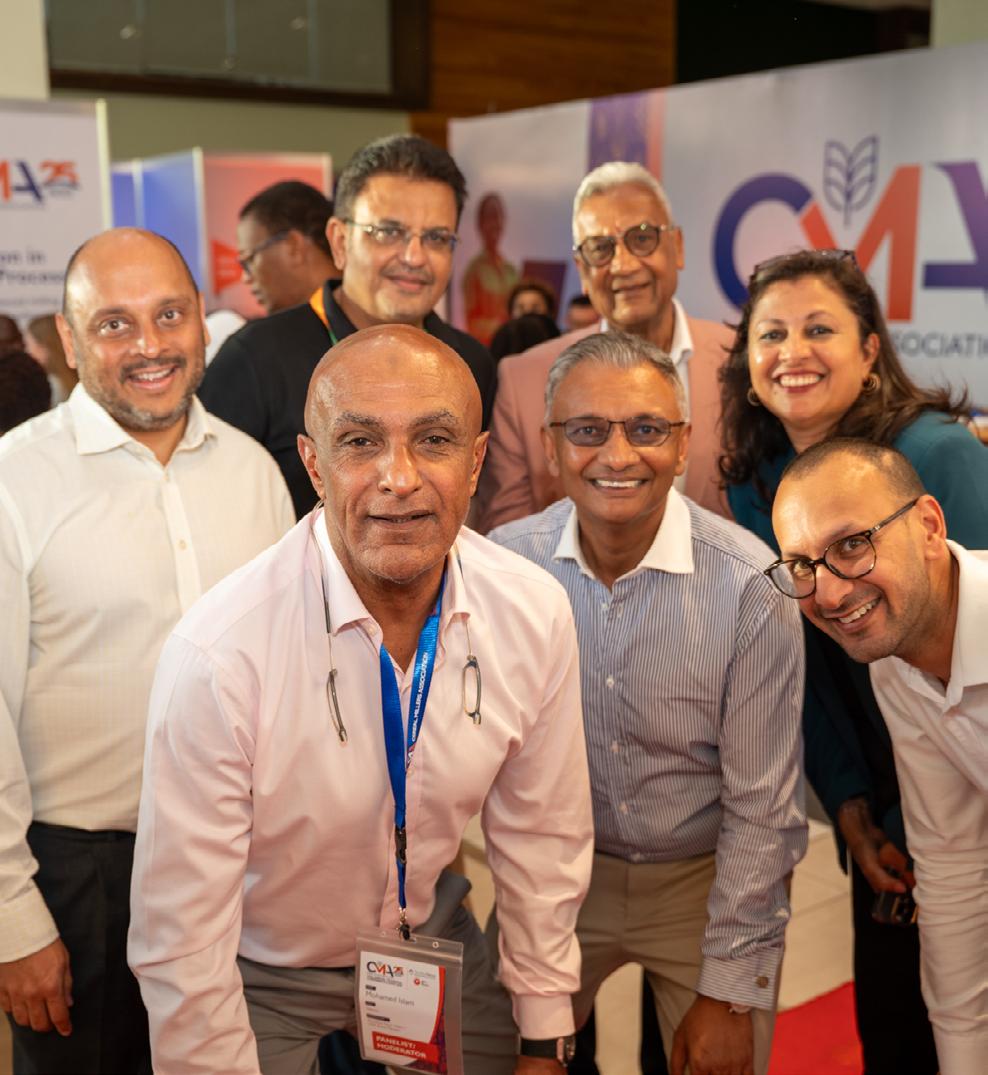
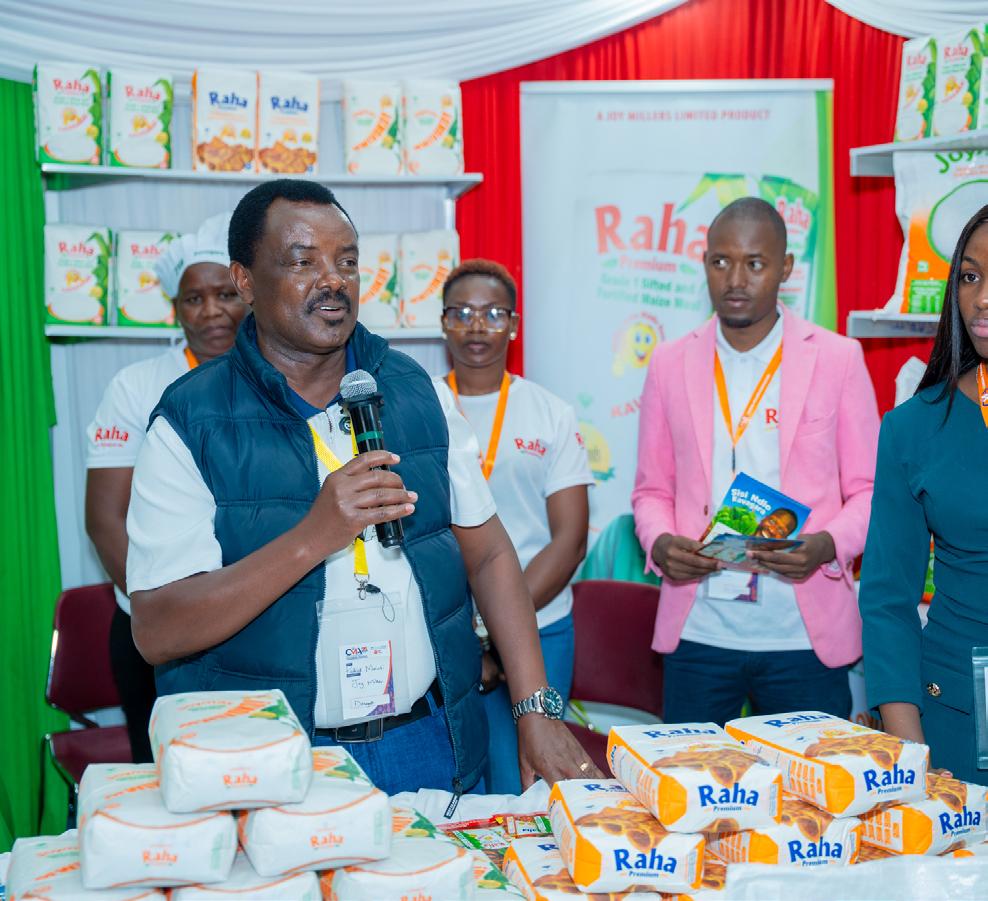
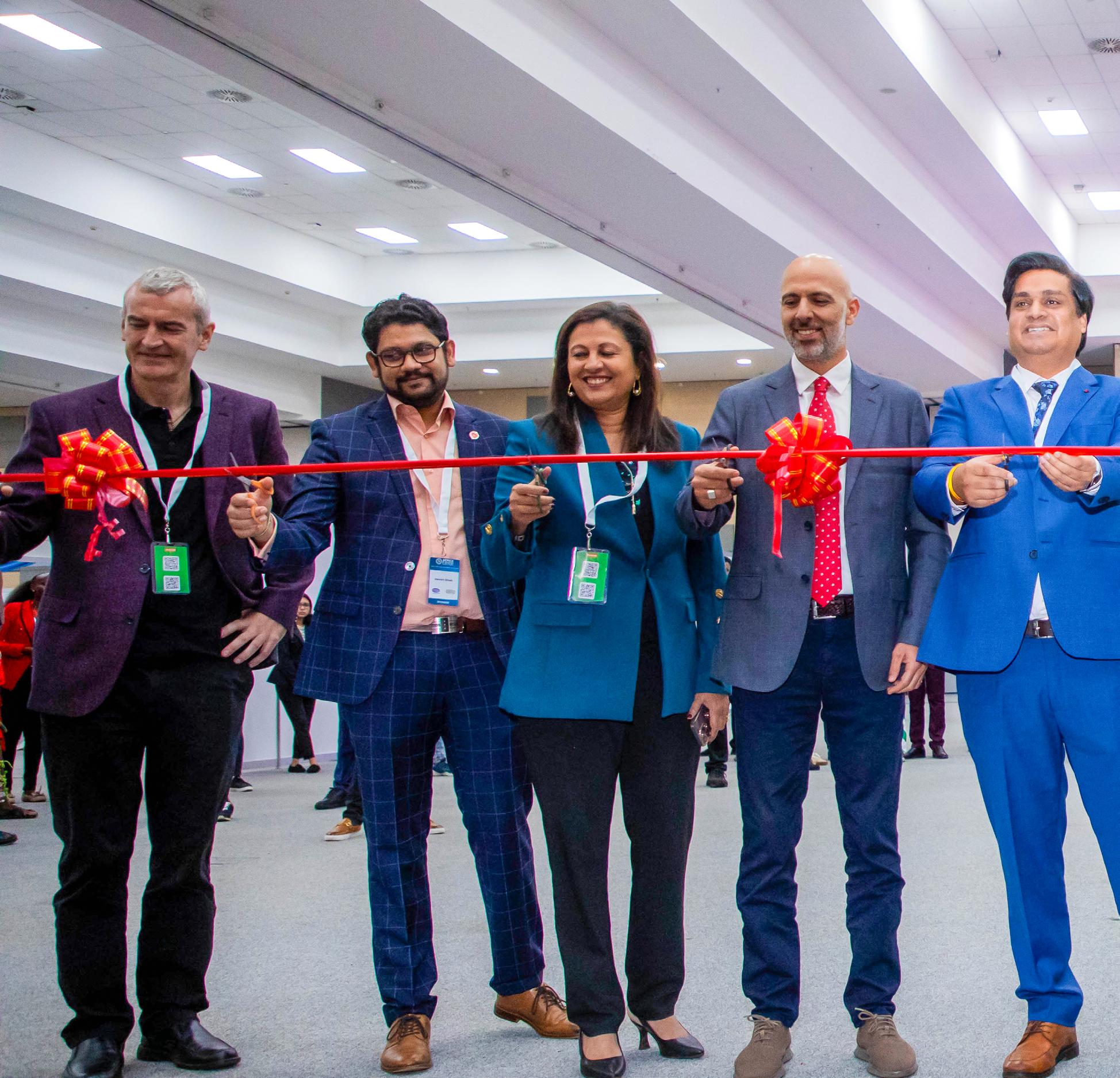
The CMA Annual Technical Conference & Expo 2026, held on April 14 -15 at the Sarit Expo Hall in Nairobi, brought together thousands of producers, traders, millers, regulators, technology providers and development partners under the theme “Chagua Safe, Chagua Smart.”
Organised by the Cereal Millers Association (CMA), the two-day event featured more than 60 member companies representing 95% of Kenya’s wheat milling capacity and served as a key platform for dialogue on food safety, quality assurance and the future of Kenya’s grain value chain.
Key discussions focused on fortification compliance, the cost of aflatoxin contamination, consumer confidence in food products and the growing role of informal retail channels in food distribution. The conference highlighted the importance of industry collaboration in ensuring that safe, nutritious and affordable food reaches consumers across the region.
The event reinforced the industry's shared commitment to advancing food safety standards and strengthening consumer confidence in East Africa's food systems.



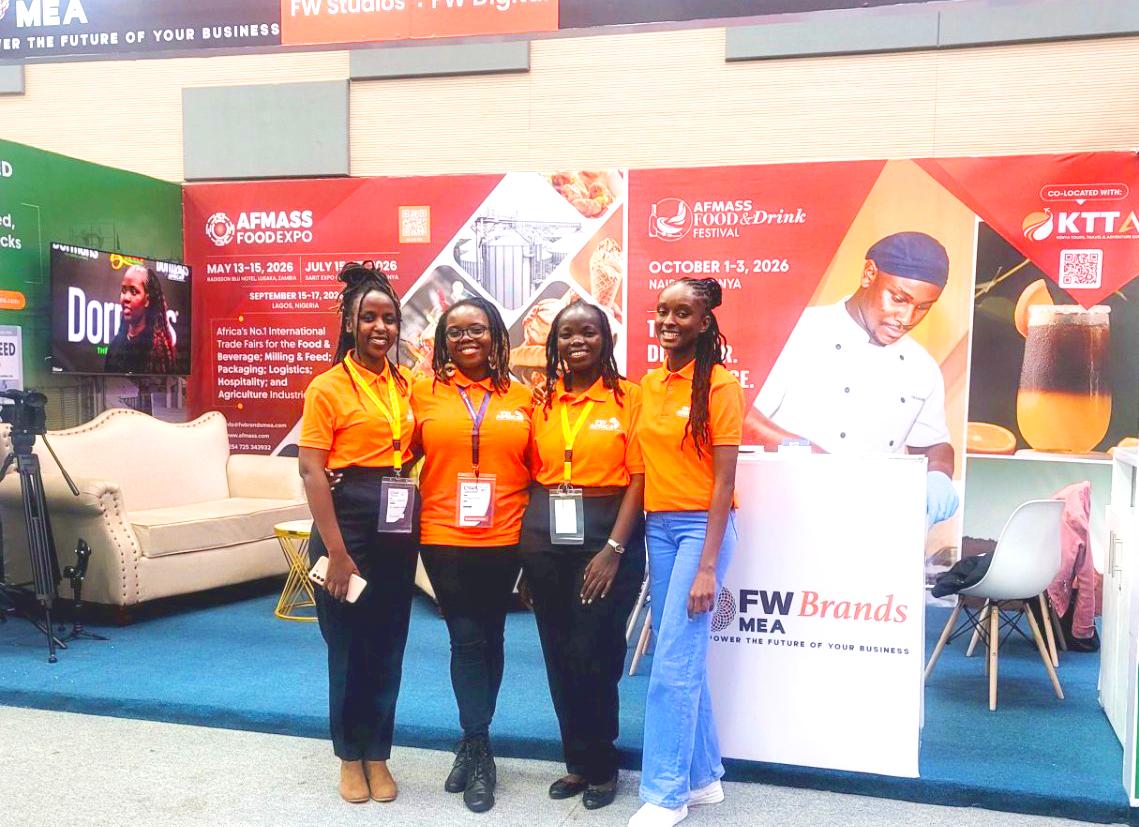


As it is the norm, AFMASS season is here already knocking on the door.
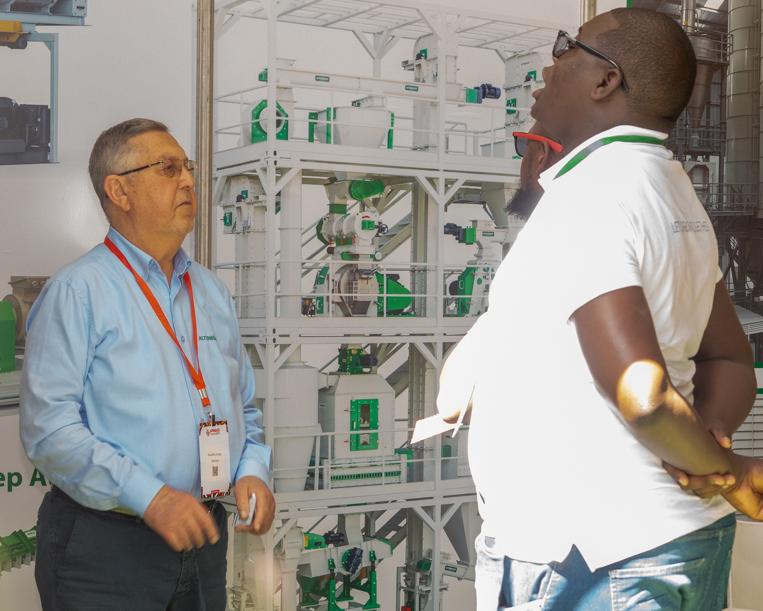
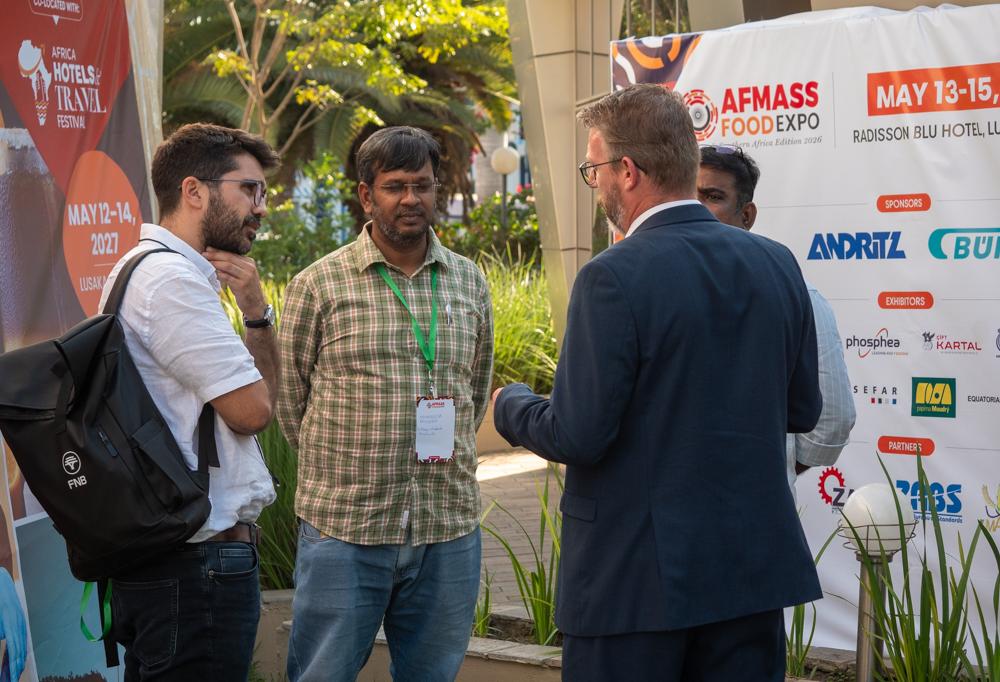
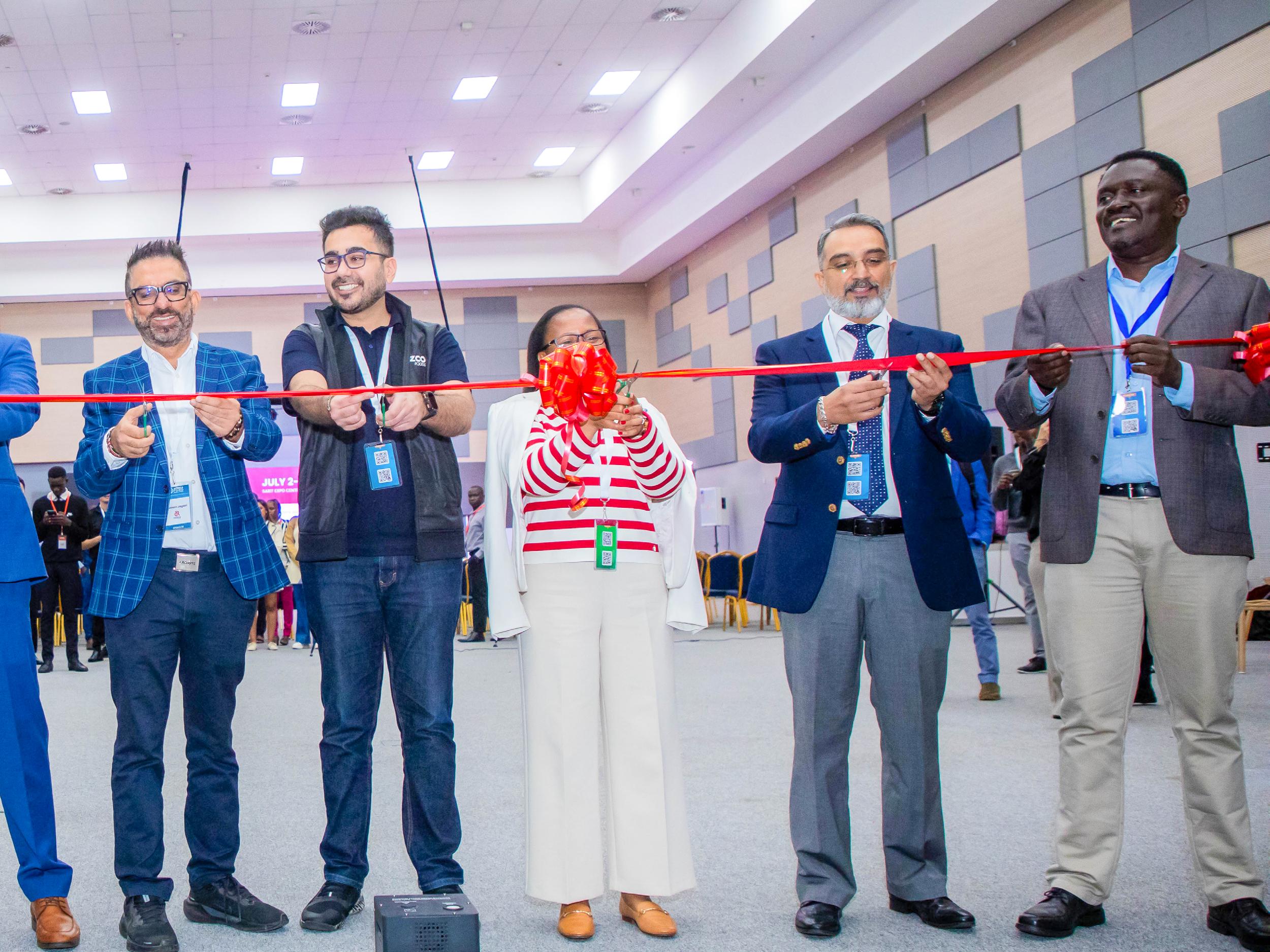
The AFMASS Food Expo Kenya & Eastern Africa, returning for its 11th edition, is scheduled for July 15–17, 2026, at the Sarit Expo Centre in Nairobi, Kenya. This edition is poised to be the most comprehensive yet, gathering business owners, managers and professionals across 10+ industry sectors for learning and trade linkages, personal connections and business transformation of

Eastern Africa’s most important industries.
Since its inception in 2015, AFMASS Food Expo has grown into Eastern Africa’s largest platform connecting global and regional manufacturers, distributors, and industry professionals. The expo showcases a wide array of solutions, including:
• Ingredients and commodities
• Storage, milling, and feed technologies
• Food & beverage processing and packaging equipment
• Packaging materials
• Labtech and supply chain solutions
Attendees will gain opportunities for learning, trade linkages, personal connections, and business transformation in one of Africa’s fastest-growing economic regions.
Nairobi, as Eastern Africa’s commercial hub, draws participants from Kenya, Uganda, Tanzania, Ethiopia, Rwanda, Somalia, DRC, and beyond—including visitors from Southern, Western, and Northern Africa. The event serves as a key meeting point for business owners, CEOs, technical managers, procurement professionals, traders, government officials, and innovators.
AFMASS Food Expos are uniquely positioned in terms of the wide variety and diversity of new technologies, products and services that facilitate sustainable businesses growth across the manufacturing, hospitality, agriculture, retail and other sectors of the economy.
This edition showcases several zones including, Africa Food Ingredients Expo will present innovations that power modern

food development. With increasing consumer awareness about health and transparency, this section will offer a sneak peek into the next generation of food products.
The Africa Bevtech Expo is a high-impact meeting point for the entire beverage value chain, connecting beverage manufacturers (breweries, distilleries, wineries, soft drink producers); ingredient and raw material suppliers; processing and packaging technology providers; distributors, retailers and hospitality operators; investors, policymakers and industry associations.
At the Africa Milling & Feedtech Expo, visitors and exhibitors experience a comprehensive showcase of technologies, equipment, products and services tailored to the entire value chain of grain-based industries.
The Africa Bakery Expo will serve as a marketplace for sourcing new products, discovering emerging trends, and building strategic partnerships across Africa’s rapidly expanding baked goods, snacks and wider food & beverage manufacturing sector.
The Africa Pet Industry Expo brings the perfect opportunities to facilitate the growth of the petfood, petcare and adoption of new technologies and practices across Africa’s
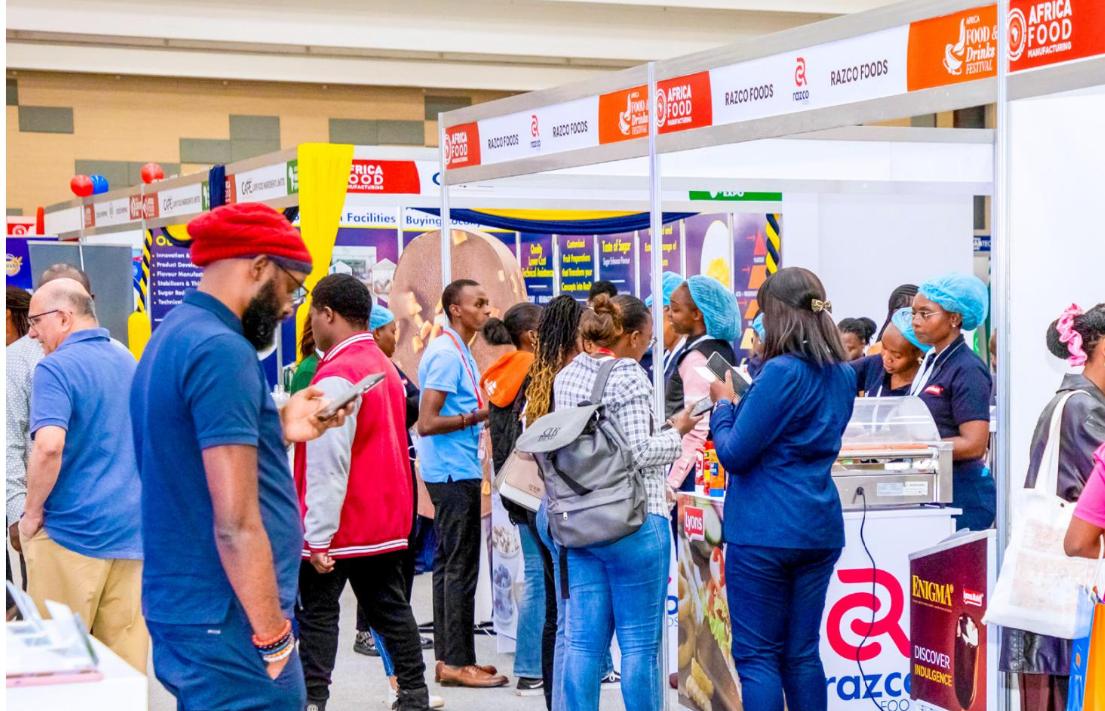

pet ecosystem.
The 2026 edition of AFMASS Food Expo Kenya & Southern Africa will provide some of the most interactive personal and business connection platforms in the industry, opening vast opportunties for you and your team.
This new addition in the AFMASS Food Expo brings together women business leaders, managers and professionals congregate to celebrate the progress of women-led businesses and women leadership across the industry, government and other spheres, while mentoring and inspiring the next wave of transformers in Africa.

Held as a premium side event during the AFMASS Food Expo, this elegant evening gathering brings together decisionmakers responsible for plant operations / production, supply chain, R&D, engineering, quality assurance / food safety and related roles.
The Gala dinner will provide sponsors, exhibitors, and invited investors managers and professionals with more opportunities for business networking and growth - with an African theme to match.
Several specialized exhibitions will be held alongside AFMASS Food Expo, creating one of the region’s most comprehensive industrial trade platforms.
AFRIPACK Expo showcases the latest packaging materials, processing and packaging technologies, automation systems and sustainable packaging solutions serving Africa’s manufacturing sector.
Recognizing the critical role of supply chains in industrial
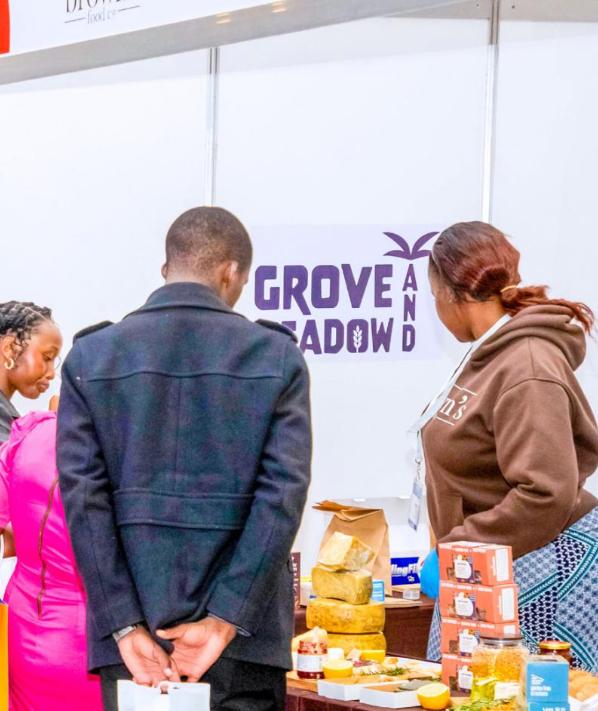
growth, the Africa Logistics Expo brings together providers of freight, shipping, ports, warehousing, mobility, cold chain, digital logistics and supply chain technologies to support regional trade and manufacturing competitiveness.
The Africa Poultry & Livestock Expo highlights innovations in poultry, livestock, aquaculture and animal health, connecting producers, processors, equipment suppliers and service providers while promoting investment and modernization across Africa’s animal agriculture sector.
Positioning Kenya as a growing manufacturing and chemical industry hub for Eastern and Central Africa, AFRICHEM Expo brings together manufacturers and suppliers serving industries such as food and beverage, pharmaceuticals, cosmetics, home and personal care, mining, automotive, oil and gas, and construction.
The exhibition incorporates three specialized events:
Africa Coatings Expo Kenya & Eastern Africa
Africa Pharma Manufacturing Expo Kenya & Eastern Africa
Africa Home & Personal Care Manufacturing Expo Kenya & Eastern Africa
With exhibitor registrations and sponsorship opportunities attracting strong interest, companies are encouraged to secure their participation early.
Whether your objective is to launch new products, strengthen brand visibility, identify distributors, enter new markets or build strategic partnerships, AFMASS Food Expo Kenya & Eastern Africa provides direct access to key decisionmakers shaping the future of manufacturing, food processing and industrial development across Africa.
Join thousands of industry professionals in Nairobi this July and be part of one of Africa’s premier platforms for innovation, trade and business growth.
See you Soon!

BY CAROLINE MAINA
Located at the southern tip of the African continent, South Africa plays a central role in regional grain supply, acting as both a surplus producer and a critical trade hub for neighbouring markets including Zimbabwe, Botswana and Namibia.
Agriculture contributes roughly 2-3% to national GDP but carries a significantly higher indirect weight through agro-processing and exports. The sector is dominated by large-scale commercial farmers, though smallholders remain a policy-relevant segment.
South Africa's grain economy is anchored by maize, supported by a structurally constrained wheat sector and a rapidly expanding soybean industry. Yet despite its relative sophistication, the system is increasingly shaped by climate volatility, rising input costs and persistent logistics inefficiencies. These pressures have intensified production swings, disrupted trade flows and tightened margins across the value chain.
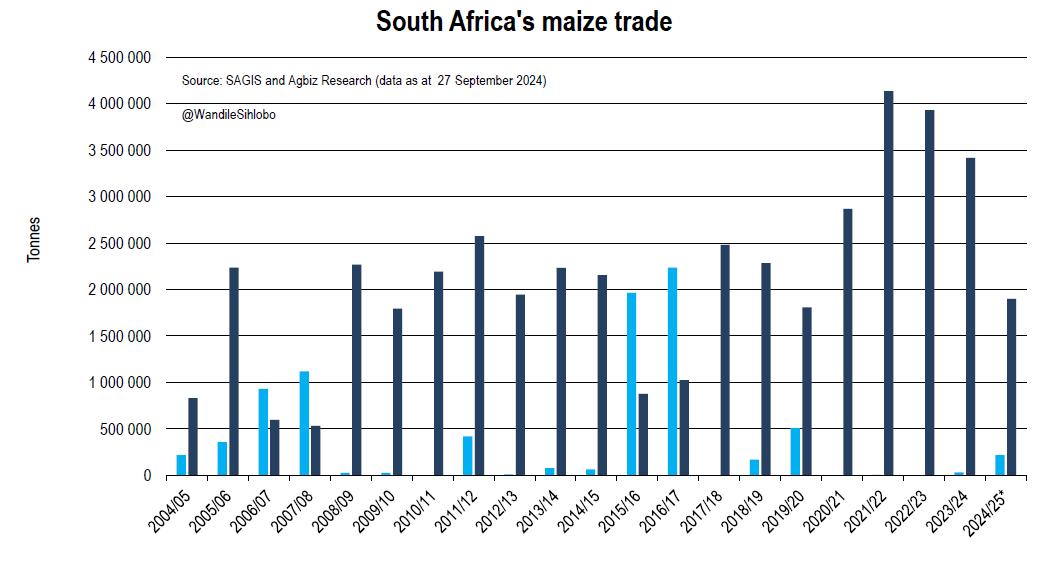
Maize remains South Africa's most important grain, underpinning both food security and feed demand. The 2025-26 season has delivered a record harvest. The Crop Estimates Committee's April 2026 data places production at 16.8 million metric tonnes (MMT), up from 16.44 MMT in 2024-25 and the largest maize crop on record. The recovery from the 202324 drought, which cut output by 22%, has been substantial, driven by expanded area plantings and favourable summer rains across the key producing provinces of Free State, Mpumalanga and North West.
South Africa produces both white maize for human consumption and yellow maize for the feed industry, with domestic demand covered comfortably by the current harvest. However, maize prices are already down 20-30% year-on-year. Writing in April 2026, Agbiz Chief Economist Wandile Sihlobo warned that

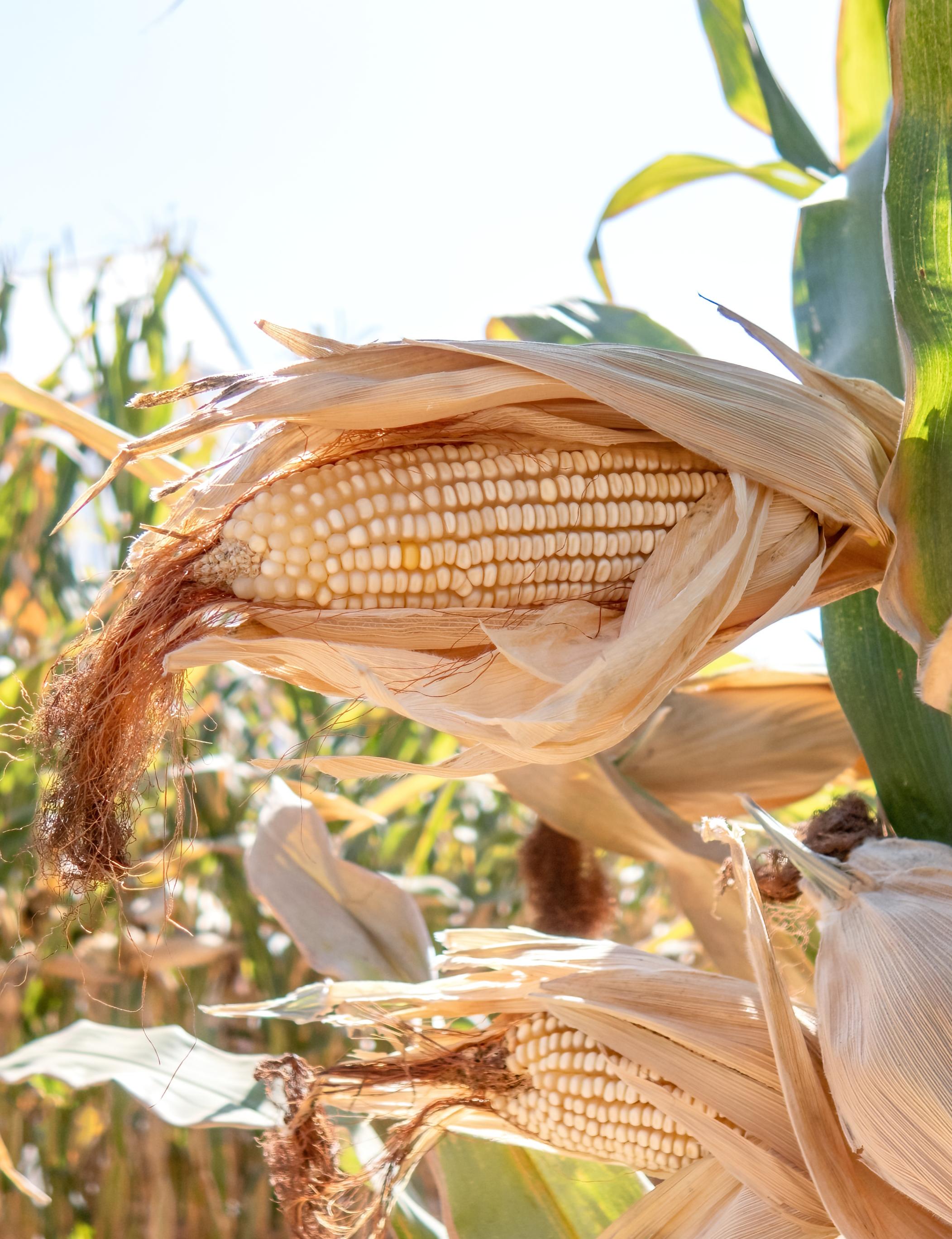
while the large harvest should ease food price inflation, "external factors, particularly fuel costs, remained a risk to producer margins."
Those input cost pressures remain acute. Fertiliser prices have risen around 11% yearon-year and diesel costs have climbed by approximately R3 per litre (approx. $0.18/ litre) in 2025. Grain SA and FERTASA warn that South Africa's dependence on imported fuel and fertiliser leaves producers exposed to global shocks. Ongoing tensions in the Middle East have unsettled energy markets, with Brent crude at times surpassing $100 per barrel, and nitrogen-based fertiliser prices have begun to follow.
In contrast to maize, South Africa's wheat sector is operating under sustained structural strain. Domestic production stands at approximately 2.03 MMT for the 2025-26 season, against annual consumption of around 4 MMT, leaving the country reliant on imports for roughly half its needs. The deficit is not new, but the outlook for 2026-27 has worsened. According to the Crop Estimates Committee's planting intentions
data, wheat area is expected to fall 6% to 486,400 hectares, the lowest planted area in 12 seasons.
Writing in his AgriView newsletter in April 2026, Sihlobo identified the sector's core pressures as lower commodity prices, sharply higher input costs and an uncertain rainfall outlook, conditions he described as leaving the wheat industry as the most strained of South Africa's five winter crops.
Imported wheat, predominantly from Russia and Ukraine, consistently undercuts domestic producers on price. South Africa's variable import tariff system is designed to offer some protection, but in early 2026, the tariff dropped sharply from approximately $38/tonne (R619) to just $9/tonne (R153) following a reference price adjustment. Industry stakeholders have raised concerns over the pace of these adjustments, arguing that policy lag increases planning risk for local producers.
South Africa's soybean sector represents one of the more significant structural changes in the country's agricultural economy over the past decade. As recently as the 2010s, over 80%
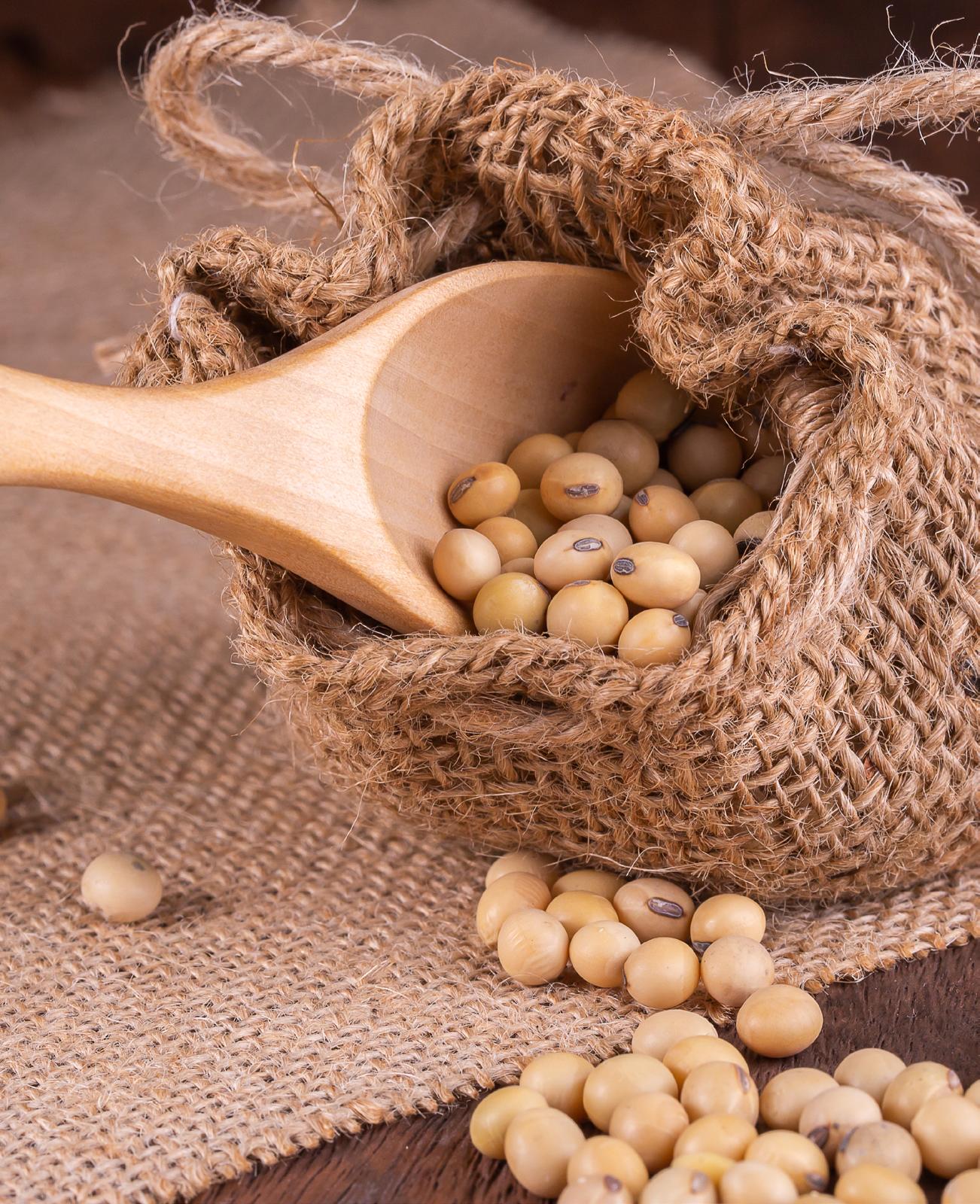
of domestic soybean meal consumption was imported. The 2025-26 season is expected to close with a record harvest of 2.8 MMT, driven by expanded plantings and high yields, well above the domestic annual requirement of approximately 2.3 MMT. South Africa is now a net exporter, with 2025-26 export volumes estimated at 350,000 tonnes.
The sector's growth has been sustained by strong crushing demand from the domestic animal feed industry and improving agronomic practices among commercial producers. In his AgriView newsletter, Sihlobo described the soybean industry as "one of South Africa's success stories in agriculture," noting that the sector is now consistently breaking production records. The challenge going forward is whether infrastructure and export logistics can keep pace with output growth, a constraint that applies equally to maize and soybean export volumes.
South Africa's grain value chain is supported by national silo capacity estimated at approximately 15 MMT, with major operators including AFGRI central to handling and storage. Despite this, the movement of grain from farm to port or processor remains a persistent constraint.
Road transport carries over 70% of grain volumes as rail infrastructure continues to suffer reliability problems, inflating transportation costs and straining road networks in key production regions. At the export end, South Africa's major ports, particularly Durban and Cape Town, have ranked among the lowest performers globally on throughput efficiency. Container backlogs recorded in 2023 exceeded 60,000 units, resulting in missed export windows and higher costs for grain exporters. While Transnet has indicated improvement targets, port performance remains a structural risk for a sector that depends on export markets to clear surplus production.
The milling sector is highly consolidated, with Tiger Brands, AFGRI Milling, Miller Pride Milling and RCL Foods controlling approximately 85% of the market. Total milling capacity stands at around 5 MMT, running at 79.5% utilisation. Operations are concentrated in Gauteng, processing primarily maize meal and wheat flour for a stable, urbanising consumer base.
South Africa's grain sector remains one of the most developed in Africa, characterised by strong commercial capacity, established infrastructure and significant regional influence. Maize is likely to remain a surplus crop, though production will continue to swing with seasonal weather. Wheat will remain structurally import-dependent, with deteriorating planting intentions signalling that the domestic supply gap may widen before it narrows. The soybean industry is breaking records, but logistics constraints limit how much of that output reaches export markets efficiently.
The sector's long-term trajectory will depend on its ability to manage climate risk, improve logistics efficiency and sustain investment across the value chain. Without those adjustments, volatility will remain a defining feature of South Africa's grain economy. MMEA
BY ALPHONSE OKOTH
Pasta is steadily shedding its image as a Western import in West Africa, emerging instead as a practical, affordable, and increasingly essential component of everyday meals. Across major markets such as Nigeria, Ghana, and Côte d’Ivoire, the category is evolving from a convenience option into a mainstream carbohydrate staple, driven by urbanization, shifting lifestyles, and strategic industry investments. What is unfolding is not just a growth story, it is a transformation of consumption habits, supply chains, and product innovation across one of the world’s most dynamic food regions.
West Africa's pasta market remains underpenetrated relative to global benchmarks, but its growth rate places it among the most closely watched categories in the region's food sector. In Nigeria, the region's largest pasta market, the combined pasta and noodles segment is projected by Statista to reach approximately US$5.87 billion in 2025, growing at a compound annual growth rate of over 10% through 2030. For pasta specifically, IndexBox data places Nigeria's market value at US$789 million in 2024, with a CAGR of 9.9% recorded between 2013 and 2024, the strongest sustained growth rate on the continent. Nigeria, Egypt, and Algeria together account for 52% of Africa's total pasta market value. Ghana,


while significantly smaller, recorded the fastest pasta import growth in Africa over the past decade, with import values rising at a CAGR of 41.5%, according to IndexBox data published in February 2026.
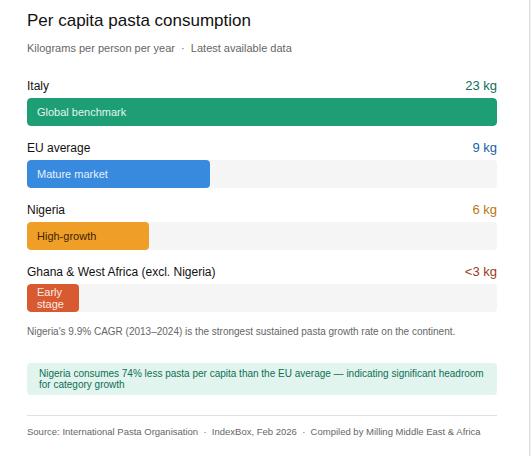
Per capita consumption tells a more nuanced story. Nigeria's estimated 6 kg annually sits well below European averages, which exceed 23 kg in countries such as Italy and exceed 9 kg across the EU broadly, according to the International Pasta Organisation. That gap reflects both the early stage of category development and the scale of the commercial opportunity ahead for processors, traders, and distributors active in the region.
Rapid urbanization is the primary structural driver behind pasta's growth across West Africa. As more consumers move into cities, household food choices are shifting away from labourintensive traditional meals toward products that are quick to prepare and consistently available. In Ghana, where urban residents now account for over 59% of the national population and urbanization is growing at 3.06% annually according to World Bank data, this shift is already well advanced. Nigeria's urban population is expanding at a comparable pace, with the country's two largest cities accounting for a significant share of national pasta consumption.
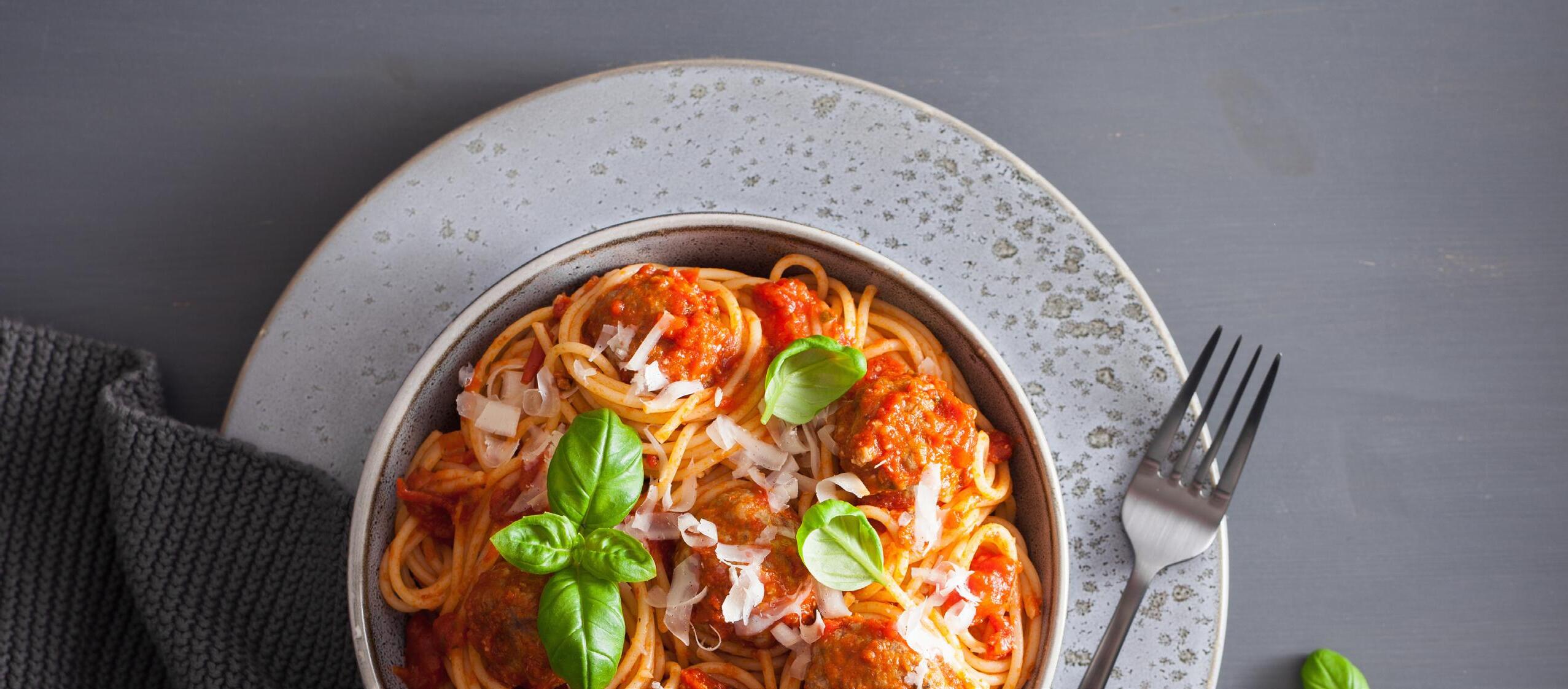
Critically, West African consumers are not replicating Italian cooking. They are integrating pasta into existing culinary traditions, pairing it with tomato-based stews, spiced pepper sauces, and locally preferred proteins including fish and chicken. In Nigeria, stir-fried pasta preparations have gained significant traction, reflecting a practical fusion of global format and local flavour. Pasta is consumed primarily as a main meal, frequently substituting for or sitting alongside rice and cassava-based dishes.
Consumer research by Sagaci Research across the region identifies affordability, ease of preparation, and product familiarity as the three dominant purchase drivers. Spaghetti holds the largest share of consumption, while packaging format plays a material role in market access: smaller, lower-cost pack sizes are essential in lower-income segments and informal retail channels. Health considerations, including interest in whole wheat and fortified variants, are emerging among middle-income urban consumers, but remain secondary to price in
most purchase decisions.
West Africa's pasta sector has historically depended on imported wheat, primarily from Europe and Turkey, leaving manufacturers exposed to global commodity price swings and persistent foreign exchange constraints. That exposure has sharpened over the past three years as currency depreciation and elevated freight costs have pressured input budgets across the region.
The response from both governments and industry has been a deliberate push toward domestic manufacturing capacity. Nigeria and Ghana are leading this transition, with several investments. The most significant industry response came from Olam Agri, which in March 2026 commissioned a US$40 million pasta production plant in Kpone, Ghana, with an annual capacity of 40,000 tonnes. In April 2026, the company launched First Choice Premium Spaghetti, the first pasta brand manufactured entirely within Ghana. Olam Agri's regional presence traces to its 2019 acquisition of Dangote Flour Mills for approximately US$361 million, giving it five integrated flour and pasta manufacturing facilities across Nigeria.
Several processors are also evaluating cassava and sorghum as partial wheat substitutes. Research by Italy's CREA Research Centre confirms blended formulations can improve nutritional content, though texture challenges remain in products that move significantly away from semolina.
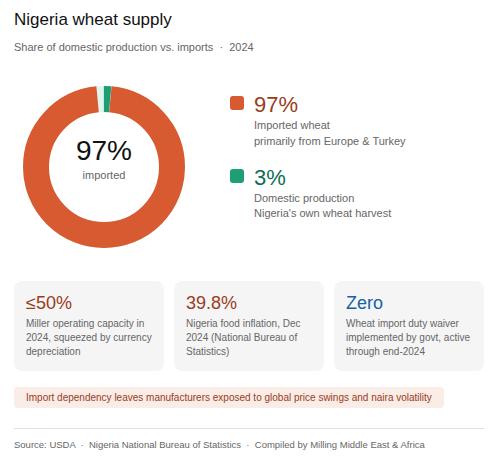
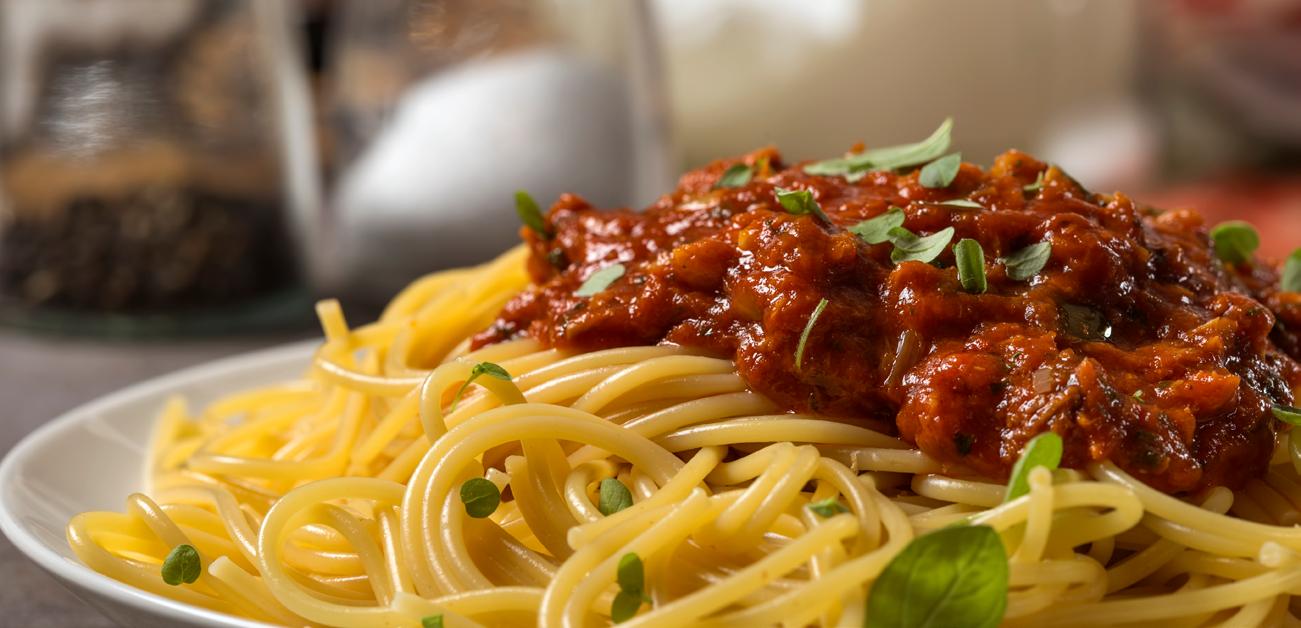
Manufacturers operating in West Africa's pasta market face a consistent tension between growth opportunity and input cost pressure. Currency volatility has driven repeated cost increases, forcing manufacturers to choose between protecting margins and holding the price points that drive volume. Most have absorbed margin compression rather than risk losing shelf presence in informal retail channels where brand switching is rapid.
Product localization has proven more effective than price competition alone. Producers offering formats suited to local cooking methods, particularly thicker spaghetti variants compatible with stew-based preparations, have achieved stronger category penetration. Smaller pack sizes function as a deliberate access mechanism, enabling consistent volume in lower-income households that purchase frequently in small quantities.
Distribution depth is the decisive competitive variable. Companies with established lastmile systems and relationships with informal retailers hold a structural advantage that is difficult to replicate. The Olam Agri model, integrating wheat milling, pasta manufacturing, and distribution, reflects the understanding that margin and market share are won as much in logistics as in product quality. Pasta continues to compete with rice, fufu, and cassava-based staples carrying strong cultural familiarity and, in some markets, government price support. The realistic commercial trajectory is continued penetration as a complementary staple in urban households, where dietary variety is increasing alongside disposable income.
Pasta’s journey in West Africa reflects a broader transformation taking place across the region’s food systems. What was once an imported convenience product is now becoming a locally adapted, widely consumed staple, particularly in urban markets.
As manufacturers respond to shifting consumer demands and governments push for greater food security, the category is entering a new phase of development. The interplay between affordability, innovation, and localization will ultimately define its trajectory.
For industry stakeholders, the message is clear: West Africa is not just adopting pasta, it is reshaping it to fit its own economic realities and cultural preferences.

Nigeria is the undisputed leader, consuming approximately 581,000 tons of uncooked pasta alone in 2024, with additional hundreds of thousands of tons of stuffed pasta and couscous. When all pasta categories are combined, Nigeria likely accounts for nearly half of all West African pasta consumption. Key local brands include Golden Penny Pasta (Flour Mills of Nigeria) and BUA, while Crown Flour Mill recently introduced Crown Thick Spaghetti to match local preferences for thicker pasta.
3
SOURCE: RESEARCH AND MARKETS (INDEXBOX) 4 1
Ghana is the fastest-growing market in the sub-region. Ghana recorded a CAGR of over 22.5% per year in pasta imports from 2013 to 2024. Ghana's recently commissioned pasta facility, developed by Olam Agri, signals strong long-term investment in local production.
Côte d'Ivoire is growing steadily, with a rapidly urbanising consumer base. It also serves as a re-export hub, making it difficult to separate domestic consumption from transit volumes cleanly.
Togo is one of the fastest-growing pasta markets in Africa, with the highest per capita consumption of 6.6 kg/person. Togo was the largest importer of stuffed pasta and couscous in Africa in 2024, accounting for roughly 29% of total African imports in that category at 95,000 tons, remarkable for a small country and partly reflecting re-export activity to landlocked neighbours.
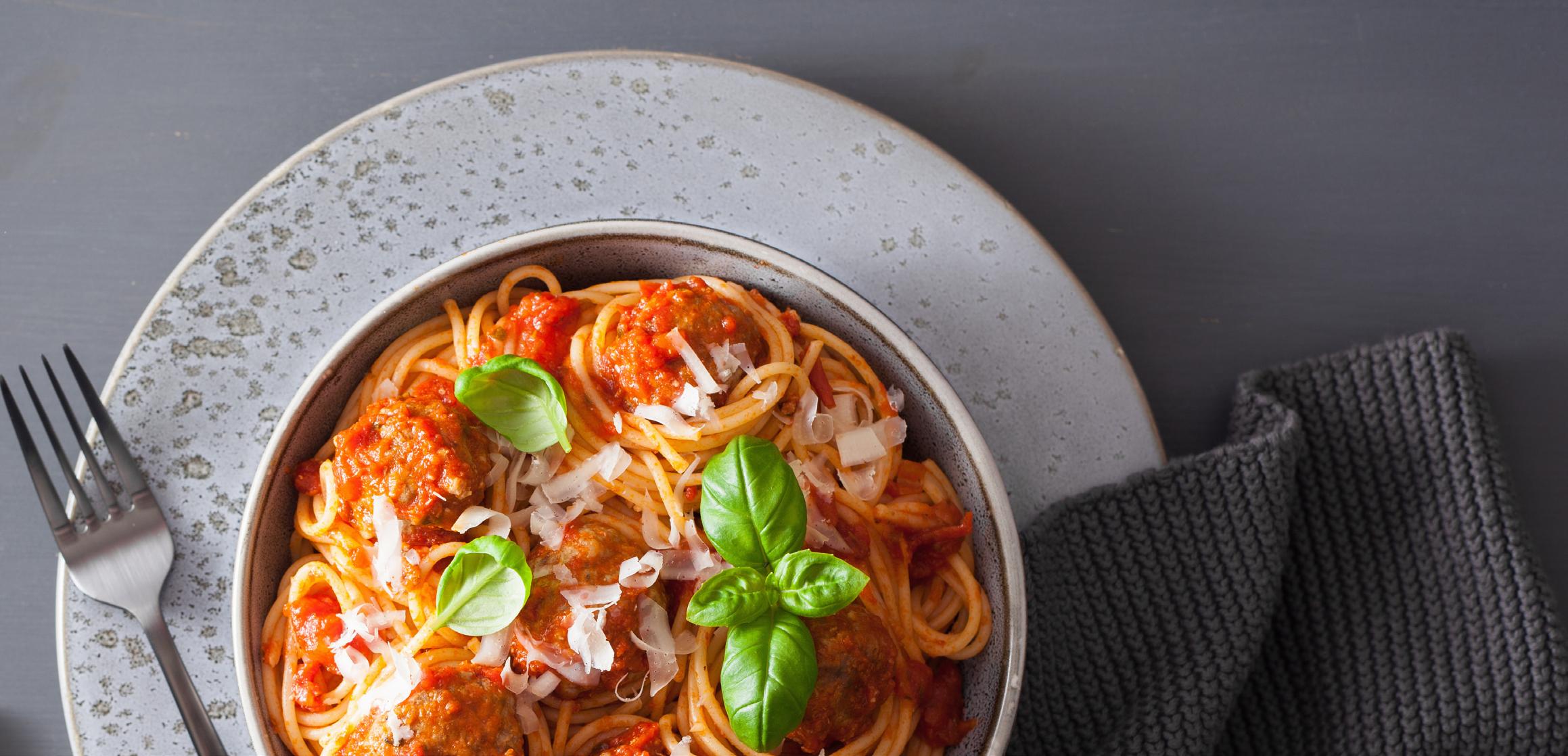

Senegal's consumption is characterised by a large, import-dependent market and high consumption in urban centres like Dakar, where pasta is a staple alternative to rice.
Burkina Faso has a high import reliance, recording imports of 69,000 metric tons in 2024/25, a significant volume for its population.
Mali rounds out the list as a landlocked, fully import-dependent market primarily supplied through Côte d'Ivoire trade corridors, showing steady if modest growth.
CAMEROON NIGER
Niger holds a 10% share of total imports in Africa.
Cameroon imported 25,000 tons of uncooked pasta in 2024 and has an established local manufacturing base through Africa Food Manufacture, though its trend has been relatively flat.
Benin held 4.7%, with annual import growth exceeding 15.4%.

BY STEPHEN KIBE
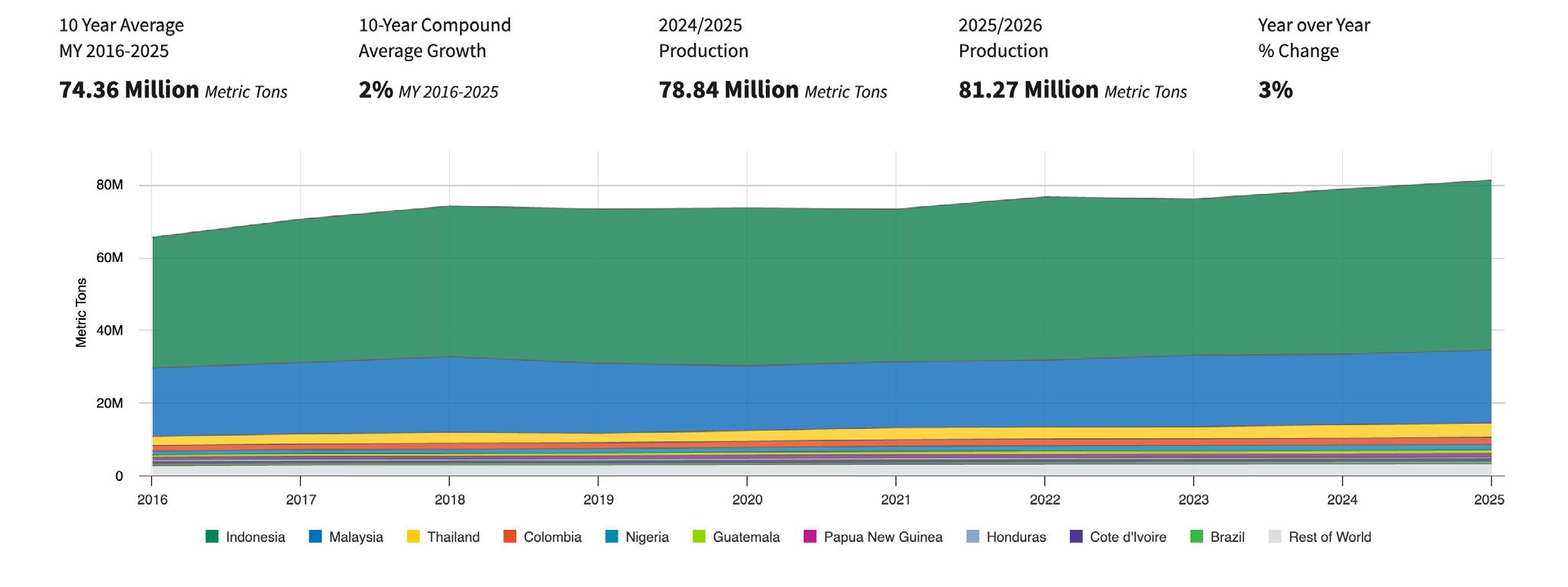
Palm oil is not merely an agricultural commodity in West Africa. The oil palm (Elaeis guineensis) is

consumption of roughly 9.1 million tonnes, according to IndexBox, leaving a deficit of close to 5.7 million tonnes filled primarily by imports from Southeast Asia. Within West Africa specifically, total output stood at approximately 2.8 million metric tonnes in 2025, according to USDA data.
Nigeria leads regional production and ranks among the world's top ten producers. Output reached between 1.4 and 1.57 million metric tonnes in 2025, though local markets absorb nearly all of it, leaving little available for export. Côte d'Ivoire follows as the second-largest producer, with crude palm oil output estimated at approximately 575,000 metric tonnes for the 2024-25 season, backed by a government ten-year investment plan targeting plantation rehabilitation and milling infrastructure. Ghana, Cameroon, Guinea, Sierra Leone and Liberia contribute additional volumes, though at a smaller scale.
Smallholder farmers drive the majority of production across the region, supplying between 70 and 90 percent of fresh fruit bunches in most producing countries. Limited access to improved planting materials, fertiliser and modern milling

infrastructure, however, continues to suppress yields well below the benchmarks achieved by commercial plantation systems in Southeast Asia.
Trade flows reflect the region's production constraints directly. Côte d'Ivoire has built the strongest intra-regional export position, shipping palm oil worth CFA 188.6 billion (approximately US$339 million) in 2024, with Burkina Faso and Mali accounting for more than 47 percent of that volume. Total African palm oil exports reached 1.1 million tonnes in 2024, up 48 percent year-on-year, with Côte d'Ivoire, Ghana, Liberia and Gabon among the leading sources.
The import side of the ledger tells a more structural story. Refined palm oil accounts for close to 80 percent of Africa's palm oil imports, a ratio that reflects both strong consumer demand and the limited refining capacity that exists across the region. Most of the gap is filled by lower-cost refined product from Southeast Asia.
The ECOWAS Trade Liberalisation Scheme provides for duty-free trade in locally produced oil, but enforcement gaps persist. Origin fraud, where imported oil is relabelled as regional supply to access preferential treatment, remains a documented concern for trade regulators and domestic producers alike.
The formal industry is anchored by a small number of large operators. PalmCI, under the SIFCA Group, leads in Côte
d'Ivoire, while Okomu Oil Palm Company and Presco PLC dominate Nigeria's commercial sector. Wilmar International, Olam Agri and ADM connect local supply to global markets through integrated processing and trading networks. Government programmes are expanding alongside private investment: Nigeria's 1.5 million hectare replanting programme, Ghana's Redgold project, and Côte d'Ivoire's ten-year plan all signal sustained public commitment to sector development.
Productivity is the sector's most persistent constraint. Yields across West Africa remain well below Southeast Asian benchmarks, a gap driven primarily by an ageing tree stock and limited adoption of improved varieties. Replanting
SOURCE: USDA REPORT
programmes are underway in Nigeria and Côte d'Ivoire, but progress has been slow relative to the scale of the problem.
Processing infrastructure compounds the issue. A large share of fresh fruit bunches travels significant distances to reach functional mills, and delays between harvesting and processing directly reduce oil extraction rates and final product quality. Poor rural road networks amplify this problem across the producing belt from Guinea to Cameroon, keeping post-harvest losses high.
it one of the fastest-expanding regional markets globally.
Closing the productivity gap will determine how much of that demand the region can supply domestically. Without sustained progress in replanting, input access and processing capacity, output will continue to lag, and Southeast Asian imports will continue to fill the shortfall. The pace of government replanting programmes in Nigeria and Côte d'Ivoire will be closely watched by processors and traders over the next three to five years.
575,000 MMT
COTE D' IVOIRE'S CRUDE PALM OIL IN 2024/25 IN NUMBERS
Cheaper refined imports from Southeast Asia continue to suppress domestic price levels, reducing the commercial incentive to invest in local farming and processing upgrades. Environmental compliance is also adding pressure. The EU Deforestation Regulation is tightening sourcing requirements for producers with export ambitions, requiring traceability infrastructure that most smallholder supply chains do not yet have in place.
The long-term outlook for palm oil in West Africa remains positive, supported by steady demand growth and continued investment across the sector. IndexBox projects African consumption to reach 11 million tonnes by 2035, with a market value of approximately US$12.7 billion, making
Traceability investment, driven partly by EU compliance requirements, is also beginning to generate data infrastructure that the wider industry can use. Better supply chain visibility improves procurement decisions, supports quality differentiation and opens access to premium export markets that have previously been closed to West African producers.
Beyond production, the next phase of growth will depend on value addition. Governments and private investors are placing greater focus on refining and downstream processing, including specialised fats and oleochemicals. Expanding these activities will allow countries to retain more value within the region and reduce dependence on imported refined product. A more integrated value chain is the strategic direction that will define the sector's next decade. MMEA
COMPANY FEATURE
LIVESTOCK FEED LIMITED
ANIMAL NUTRITION
EARLY NUTRITION IN POULTRY
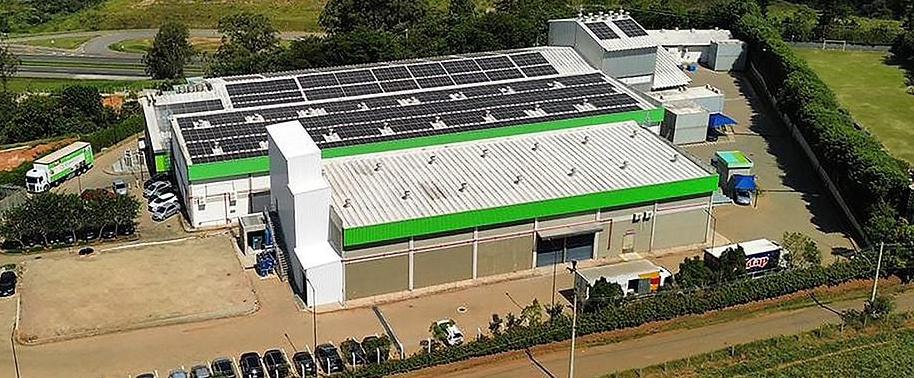
BRAZIL - dsm-firmenich has expanded its global pet nutrition network with the opening of NextGen Itatiba, a fully dedicated pet food premix facility in São Paulo state, strengthening supply capacity for South America’s fastgrowing pet food sector.
The new facility, located in Itatiba, approximately 100 kilometres from São Paulo city, will focus exclusively on producing vitamin and mineral premixes for cats and dogs.
The site will serve as dsm-firmenich’s primary manufacturing and supply hub for pet nutrition across South America.
Developed in partnership with Globalfood, the plant forms part of dsm-firmenich’s wider strategy to build a global network of species-dedicated premix facilities for the pet food industry.
The Brazil launch follows the recent opening of dedicated pet nutrition facilities in Haag, Austria, and Tonganoxie, Kansas, in the United States.
With the addition of NextGen Itatiba, the company now operates three connected pet-focused production hubs across Europe, North America and South America.
According to dsmfirmenich, the facility was designed to ensure pet nutrition
production does not compete for manufacturing capacity with commercial livestock feed operations.
The company said the plant is equipped to blend a wide range of dry powder ingredients, allowing manufacturers to customise premixes to meet brand requirements, market demands and the specific nutritional needs of pets.
Under the agreement, Globalfood will operate the facility as a dedicated toll manufacturer, while dsmfirmenich retains control over formulation, raw material sourcing, quality assurance and product release processes.
Victor Hasserodt, General Manager at Globalfood, said the partnership would help bring advanced pet nutrition solutions closer to manufacturers across the region.
“We are immensely excited to expand our successful partnership with dsmfirmenich as it brings its worldclass pet nutrition solutions closer to customers in Brazil, South America and beyond,” he said.
Hasserodt added that the facility benefits from sustainability infrastructure already established at Globalfood’s ingredients campus, including solar energy generation, water reuse systems and reforestation initiatives
SOUTH AFRICA - Gauteng High Court is allowing livestock owners to procure and administer Foot-andMouth Disease (FMD) vaccines without full state control, which could accelerate efforts to contain the disease and support South Africa’s goal of regaining export market access.
The judgment stems from litigation brought by agricultural organisations Sakeliga, the Southern African Agri Initiative (SAAI) and Free State Agriculture.
According to the African Farmers’ Association of South Africa (AFASA), the courts have increasingly questioned restrictions that prevented private farmers and agricultural groups from participating directly in vaccination programmes.
SAAI described the decision as an opportunity for farmers and industry stakeholders to contribute to the design of South Africa’s final vaccination framework.
The organisation argued that the government had failed to provide a legal basis for insisting that all aspects of the vaccination campaign remain under state control.
GERMANY - Boehringer Ingelheim has introduced LENZELTA®, a new vaccine designed to reduce the incidence and severity of clinical mastitis in dairy cows and heifers.
The company said the vaccine offers early onset immunity and long-lasting protection against two of the most common mastitis-causing pathogens, Staphylococcus aureus and Escherichia coli.
Mastitis remains one of the most economically damaging diseases in dairy farming globally.
It affects udder health, reduces both milk yield and quality, and increases treatment and management costs.
Preventive strategies, particularly during the dryoff period, are therefore critical for maintaining herd productivity and farm profitability.
LENZELTA® is administered in two doses during the dry-off period, a stage when cows are particularly vulnerable to infection.
The vaccine provides protection for up to six months, covering the transition into lactation, when the risk of mastitis is highest.
The formulation uses an oil-free adjuvant and is available in multiple vial sizes, allowing flexibility for veterinarians managing herds of different sizes.
Single-cell proteins is scalable fishmeal
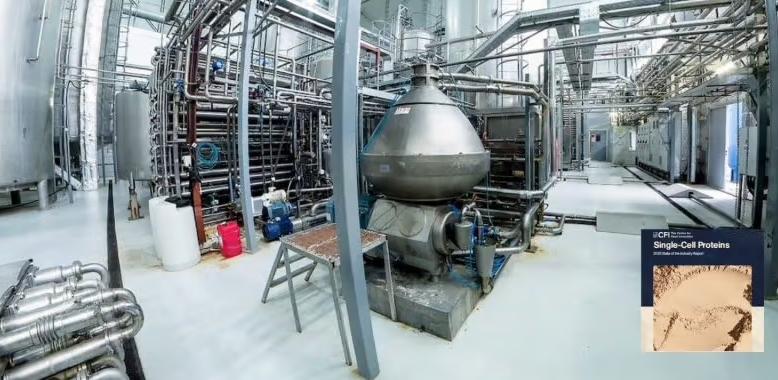
GLOBAL - A new report from The Centre for Feed Innovation (CFI) highlights single-cell proteins (SCPs) as a technically validated and scalable alternative to looming fishmeal shortages, with global production projected to increase more than tenfold by 2030.
The 2026 State of the Industry Report on SingleCell Proteins, the most comprehensive assessment of SCPs in aquafeed to date, finds that SCPs can replace up to 100% of fishmeal in shrimp diets and up to 50% in certain fish species, without compromising growth performance, health, or feed efficiency.
CFI estimates that global SCP production for aquafeed reached 30,000-40,000 metric tonnes in 2025.
Based on announced investments and industry forecasts, output could rise to between 150,000 and 500,000 tonnes by 2030, representing a more than tenfold expansion in five years.
The report notes that SCPs are increasingly attracting the attention of aquafeed manufacturers as fishmeal
prices rise and pressure on marine ecosystems intensifies.
While SCPs are expected to initially complement rather than fully replace fishmeal, they are positioned as a critical ingredient in future feed formulations.
According to the report, SCPs offer clear environmental advantages over fishmeal by decoupling protein production from wild fisheries, reducing pressure on marine ecosystems.
When produced using renewable energy and circular feedstocks such as biogas, SCPs can achieve greenhouse gas emissions that are comparable to or lower than those of conventional fishmeal production.
The report states that one tonne of SCPs can replace up to six tonnes of wild-caught fish, highlighting their potential to improve efficiency in aquafeed systems under growing sustainability constraints.
However, the sector still faces key barriers to scale, including high capital and operating costs, regulatory uncertainty in some markets, and inconsistent feedstock availability.
Common livestock dewormers may be failing across Africa, ILRI reports
AFRICA - Commonly used livestock dewormers in Africa may be becoming less effective as parasitic worms develop resistance, posing a growing threat to animal productivity, feed efficiency and farmer incomes.
A study led by the International Livestock Research Institute (ILRI) in collaboration with the University of Nairobi, published in BMC Veterinary Research in October 2025, found evidence of increasing anthelmintic resistance in cattle, sheep and goats.
The review identified only 28 relevant studies across nine African countries, most published before 2014, highlighting significant gaps in surveillance data.
Resistance was particularly noted against widely used drug classes such as benzimidazoles and macrocyclic lactones.
Researchers attributed the trend largely to the indiscriminate use of dewormers without veterinary oversight and called for improved diagnostics, standardised monitoring and greater farmer awareness.
SOUTH AFRICA - South African food producer RCL Foods has announced a R695 million (approx. US$36 million) deal to acquire local pet food manufacturer Martin & Martin from Simrose Overseas S.A., marking a strategic move to broaden its footprint in high-growth pet care segments.
The transaction, still subject to regulatory approval, will give RCL Foods entry into wet pet food, treats, biscuits, and other value-added categories beyond its traditional dry pet food offerings.
“This acquisition represents an exciting opportunity to broaden our participation in the pet food category and accelerate our presence in high-growth segments where we currently have limited exposure,” said RCL Foods CEO Paul Cruickshank.
Martin & Martin, known for brands including Husky, Pamper, Beeno, and Bob Martin, will continue operating from its existing facilities, ensuring continuity for employees and operational stability.
This move follows a global pattern of traditional food companies entering the pet care segment to capture rising consumer spending and capitalise on evolving preferences in pet ownership.
SOUTH AFRICA - South Africa has officially integrated avian influenza vaccination into its national disease-control strategy, marking a major policy shift aimed at strengthening the resilience of the country's poultry sector.
The move follows the devastating 2023 H5N1 and H7N1 outbreak, which led to the culling of 10.5 million birds, nearly a third of the national flock, and caused losses exceeding US$529 million.
Rather than relying solely on mass culling, the new approach combines vaccination with biosecurity measures, surveillance and laboratory testing.
Pilot programmes conducted since 2025, including trials by leading producer Astral Foods, showed that while vaccines may not fully prevent infection, they significantly reduce mortality, virus spread and production losses.
The policy reflects a broader global trend toward preventive disease management as recurring outbreaks threaten food security and agricultural livelihoods.
The strategy could also serve as a model for other African nations facing increasing avian influenza risks, particularly as outbreaks continue to emerge across the continent.
AUSTRALIA - Symrise Pet Food has broken ground on a new manufacturing facility in Rutherford, New South Wales, reinforcing its commitment to the fast-growing pet nutrition market in Australasia and Southeast Asia.
The facility will produce palatability enhancers, health and nutrition ingredients, and pet food protection solutions, effectively doubling the company's regional production capacity.
The expansion comes amid rising demand for premium pet food, driven by increasing pet ownership and the growing trend of pet humanization, where owners seek high-quality, functional nutrition for companion animals.
By relocating operations from nearby Beresfield to the larger Rutherford site, Symrise aims to improve production efficiency, shorten supply chains and strengthen collaboration with customers and raw material suppliers across the AsiaPacific region.
The facility will manufacture Symrise's SPF palatability enhancers, Nutrios health and nutrition ingredients, and preservation solutions, supporting pet food manufacturers seeking innovative, value-added formulations.
The investment also highlights Australia's growing role as a regional hub for premium pet food production.
AKI commits US$100M to expand veterinary healthcare across MEA

UAE - Al Khayyat Investments (AKI) has unveiled a US$100 million investment to establish VetHealth, a dedicated veterinary business division designed to strengthen animal healthcare across the Middle East and Africa (MEA).
The move positions AKI to capitalize on a rapidly growing veterinary market, projected to reach US$6.91 billion by 2033, while addressing the region's increasing demand for modern livestock and companion animal healthcare.
The investment reflects the rising importance of animal health in achieving food security, agricultural productivity and economic resilience.
Across Africa and the Middle East, livestock remains a critical source of income, employment and nutrition, with growing demand for meat, milk and eggs placing greater pressure on producers to improve herd health and productivity.
Effective veterinary services are increasingly recognized as essential for reducing disease outbreaks, improving animal welfare and minimizing production losses.
VetHealth will focus on expanding access to veterinary medicines, diagnostics, vaccines and advanced animal health technologies while strengthening veterinary service ecosystems.
The initiative also aligns with broader regional priorities to enhance food system resilience amid challenges such as climate change, transboundary animal diseases and population growth.
Beyond livestock, the investment reflects the rapid expansion of the companion animal market in several Gulf and African countries, where pet ownership and spending on veterinary care continue to rise.
This trend is creating new opportunities for specialized veterinary clinics, preventive healthcare, diagnostics and digital health solutions.
AKI's move also underscores growing private-sector participation in the veterinary industry, complementing government efforts to modernize agriculture and improve disease surveillance.
As countries increasingly adopt a One Health approach, recognizing the interconnectedness of animal, human and environmental health, investments such as VetHealth are expected to play a significant role in preventing zoonotic diseases and strengthening public health systems.


BY CAROLINE MAINA
Africa’s livestock sector is expanding rapidly, driven by population growth and urbanisation. Demand for animal-sourced protein is no longer a secondary concern; it is a pillar of food security. According to the Food and Agriculture Organization (FAO), the market for animal-sourced foods in Africa is projected to triple to US$151 billion by 2050.
At the heart of this growth lies a critical constraint: feed. Accounting for up to 80% of total production costs, animal nutrition is the engine of the livestock economy. Industry forecasts from Mordor Intelligence further suggest the African compound feed market will reach US$28.22 billion by 2030, growing at a CAGR of 4.31%.
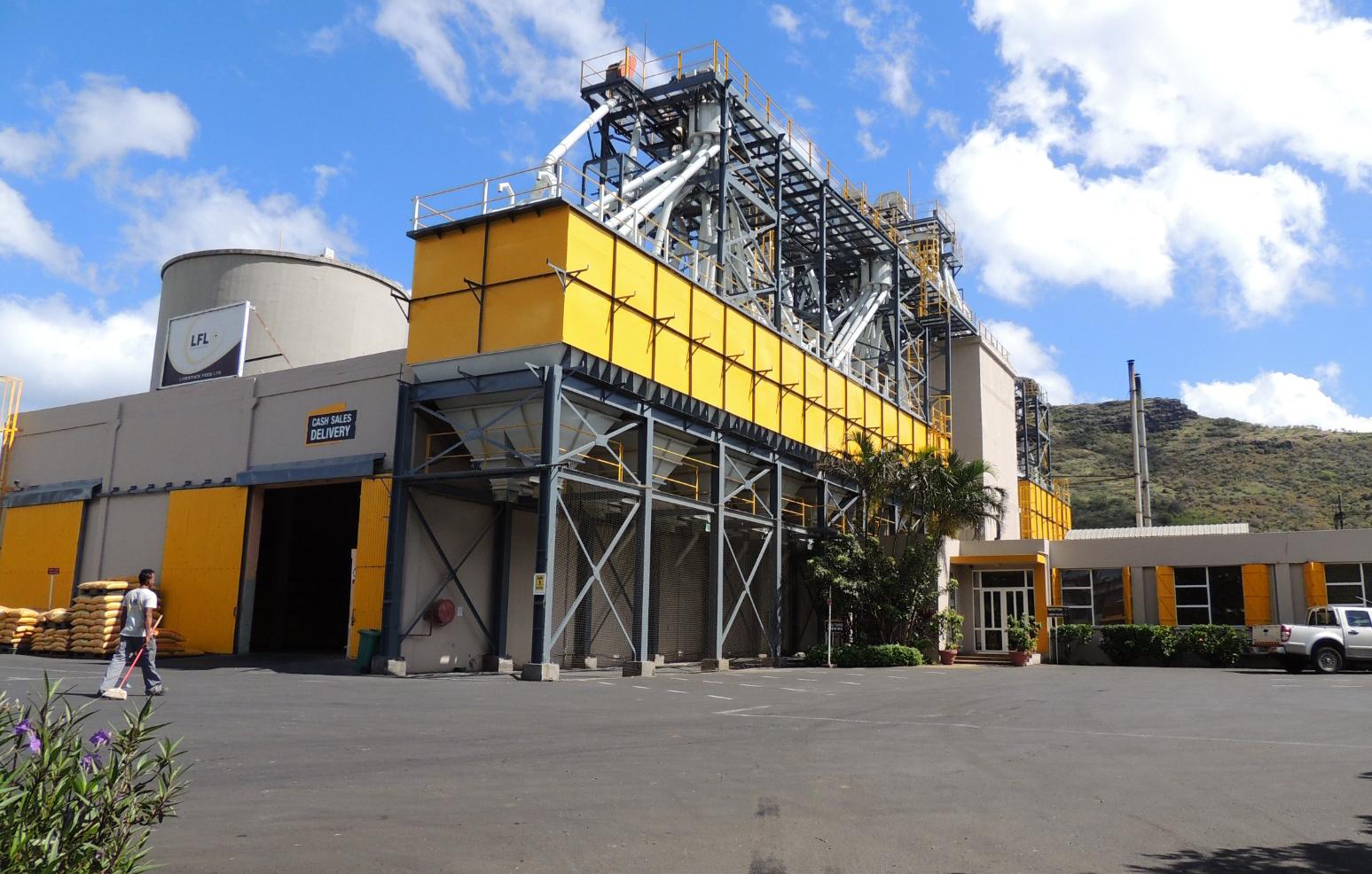
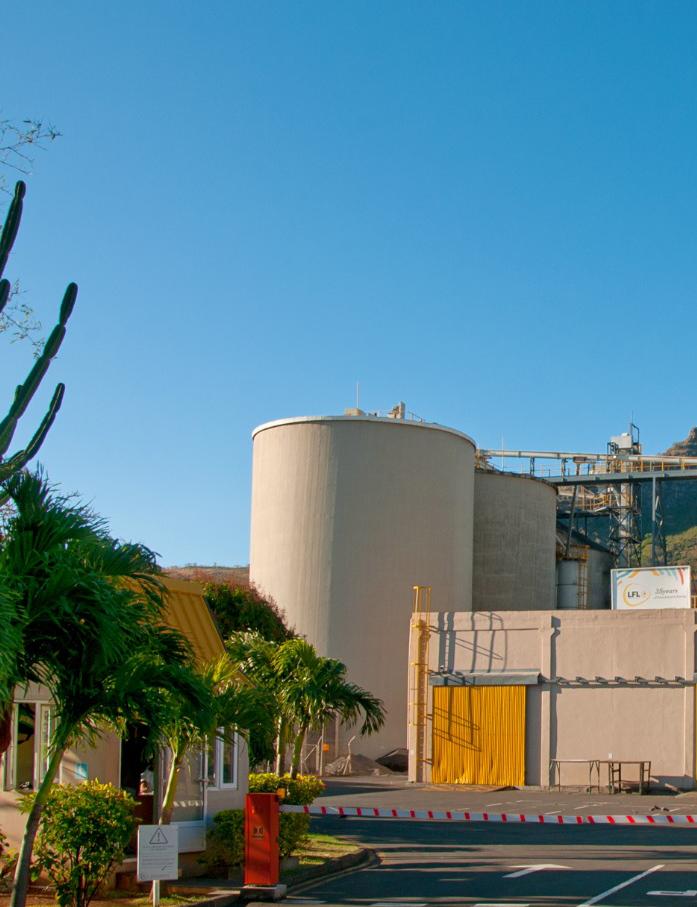
Meeting this demand requires regional adaptability, technical precision, and stronger local value chains. It is within this evolving landscape that Livestock Feed Limited (LFL) has positioned itself as a regional player, working to strengthen feed systems and support livestock productivity across Africa and the Indian Ocean.
Livestock Feed Limited (LFL) was founded in 1977 in Mauritius and is part of the Eclosia Group, a Mauritius-based agribusiness group focused on food and animal nutrition. “From Mauritius, LFL has evolved into a regional platform advancing animal nutrition and livestock productivity across Africa,” said Romain Harel – Managing Director of LFL.
LFL’s growth is driven by a strategic, integrated approach spanning the value chain, from day-old chick production through hatcheries partnerships to balanced feed solutions, with operations across key markets in the Indian Ocean and East Africa.
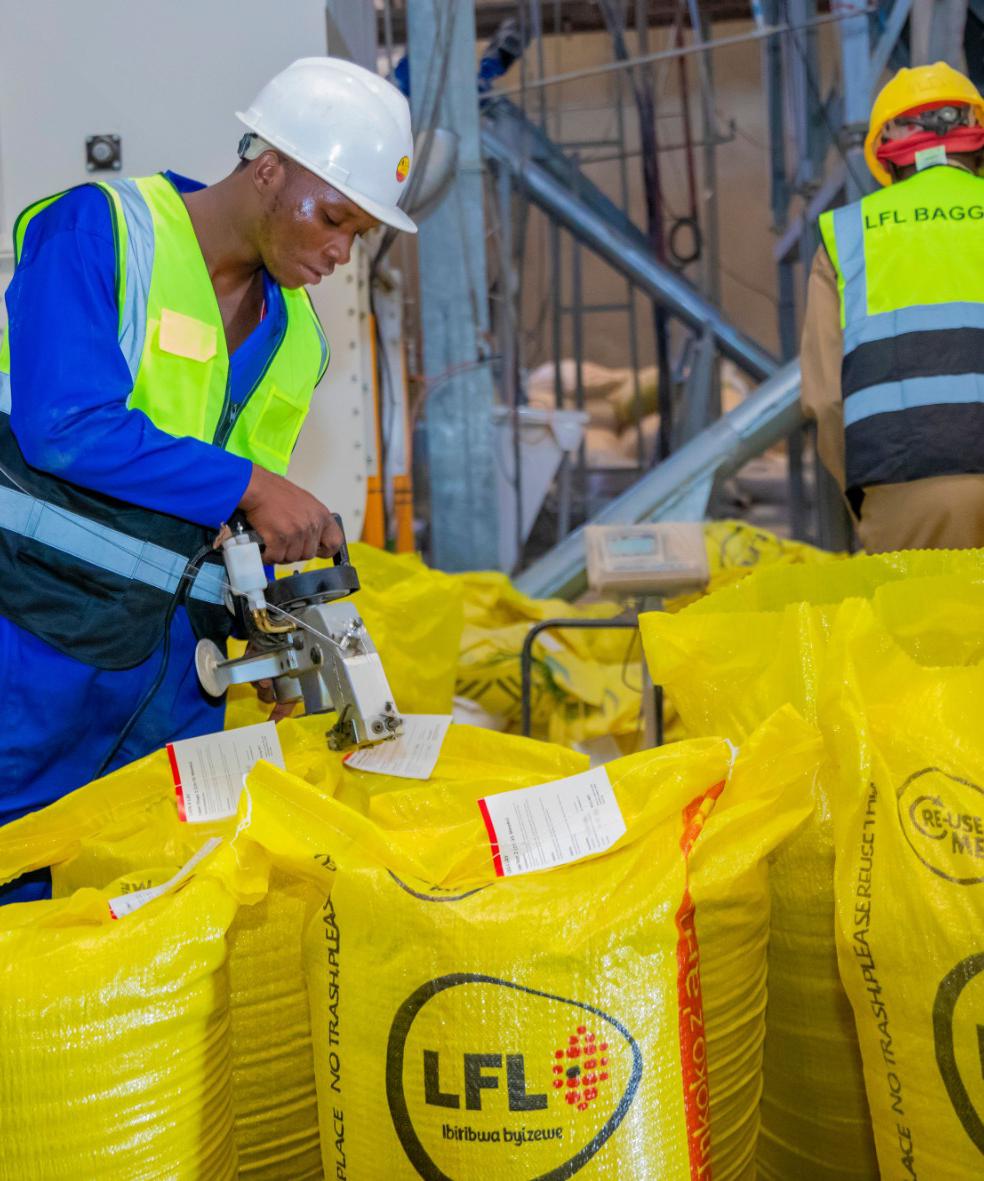
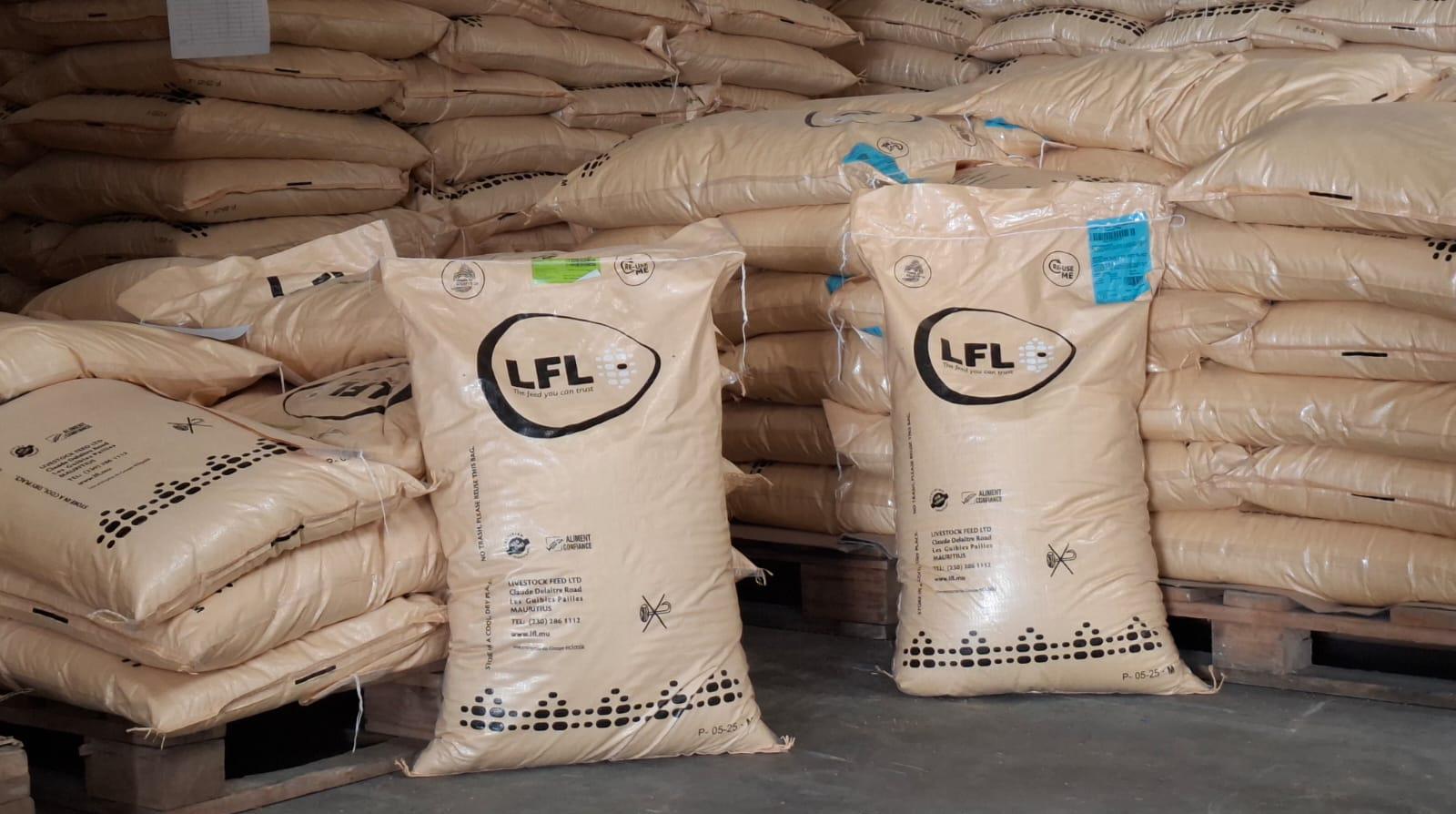
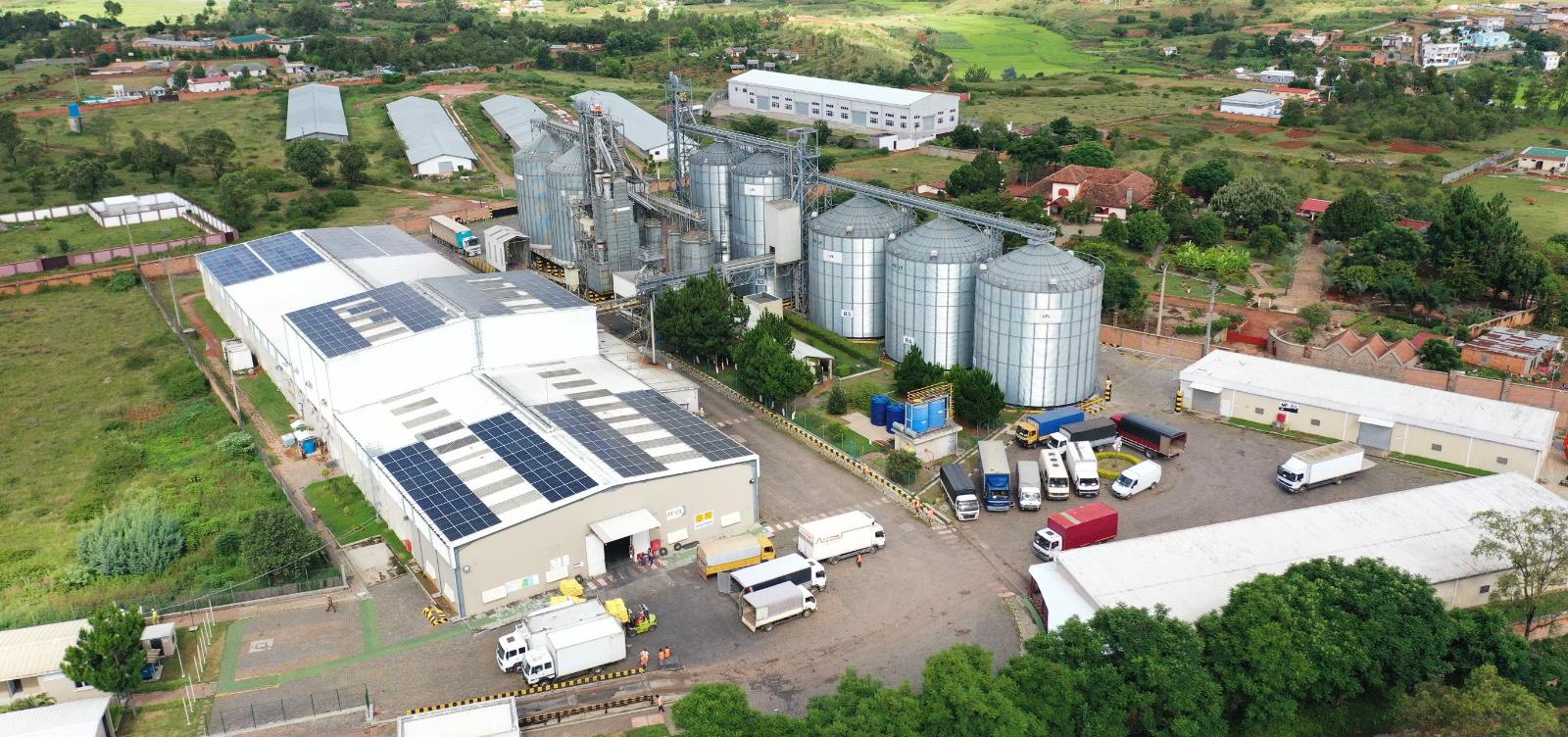
This approach is reflected in its regional footprint. Today, LFL operates across five key markets with a combined production capacity of approximately 260,000 tonnes annually. Mauritius remains its core base, where 220 employees operate two factory sites producing 140,000 tonnes annually. In Madagascar, LFL operates three factories in Antananarivo, Tamatave, and Diego Suarez, employing 400 people and producing 100,000 tonnes per year.
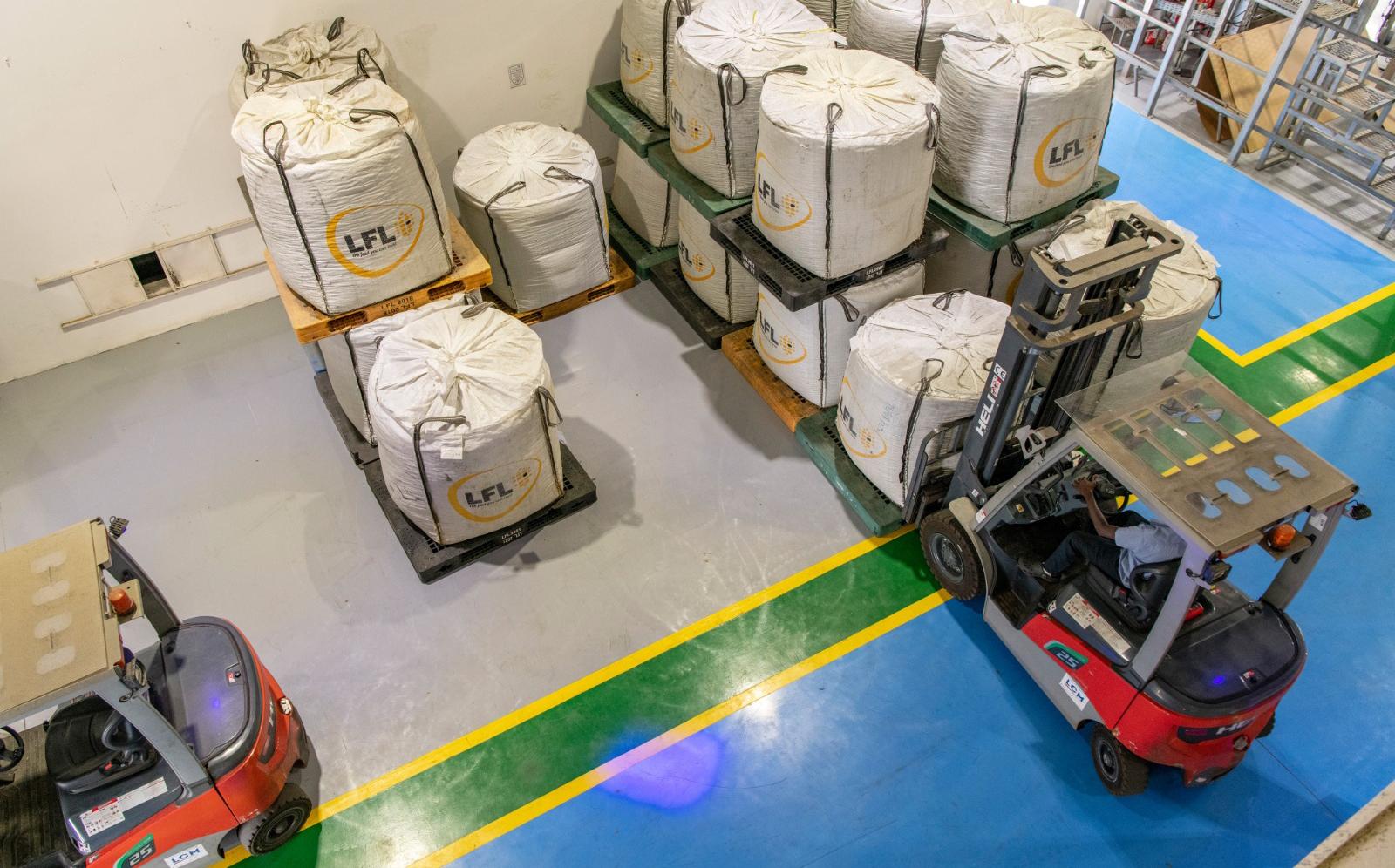
Expanding into East Africa, the company launched a mill in Rwanda in July 2021, which now produces approximately 20,000 tonnes annually and serves as a cornerstone for local agricultural transformation. This regional reach is further supported by specialised distribution plant in Kenya, focusing on the growing aquaculture sector, and the Seychelles, where the focus is on supporting the local poultry & pig value chain.
A key factor underpinning LFL's expansion has been being part of the Eclosia Group since the beginning, which provides strategic direction, governance, and access to industrial expertise. “Being part of the Eclosia Group provides LFL with long-term strategic support, strong governance standards, and access to deep industrial expertise,” he said.
According to Harel, this backing has also strengthened LFL’s ability to enter new markets with a more complete offering that combines feed production with technical advisory and value

chain integration. LFL’s regional footprint spans Mauritius, Seychelles, Madagascar, Rwanda, and Kenya. Each market offers a combination of livestock growth potential and relative economic and regulatory stability.
Mauritius serves as the innovation hub. Madagascar offers scale and potential for local sourcing. Rwanda is a fast-growing livestock market, while Kenya presents opportunities in aquaculture. Seychelles supports poultry and pig production.
“Each market has its own cultural context, regulatory framework, and sourcing structure. Success, therefore, depends on local understanding and flexibility,” Romain shared.
LFL’s expansion strategy is a direct response to the structural challenges of Africa’s feed industry. For decades, the sector has been caught in a classic "Import Trap," in which a heavy reliance on imported yellow maize and soybean meal leaves local producers vulnerable to global supply shocks and currency fluctuations. This

EACH MARKET HAS ITS OWN CULTURAL CONTEXT, REGULATORY FRAMEWORK, AND SOURCING STRUCTURE. SUCCESS, THEREFORE, DEPENDS ON LOCAL
Romain Harel – Managing Director
vulnerability is now being compounded by climate change, as recurrent droughts reduce grazing availability, forcing more farmers to rely on commercial feed.
In Madagascar, this takes the form of the LFL Agri programme, which bridges the gap between the factory and the field. Rather than looking overseas, the company works directly with local farmers to integrate homegrown raw materials into the supply chain. Through the LFL Agri programme, they train farmers in sustainable maize cultivation and support the development of local value chains. The aim is to reduce dependence on imports while strengthening rural economies.
This commitment to accessibility extends into East Africa through a "last-mile" logistics strategy. In Rwanda, LFL is
bypassing traditional distribution bottlenecks by establishing a network of shops and local access points. This physical presence brings high-quality nutrition directly to the farm gate, making commercial grade feed a reality for both smallholders and large-scale commercial producers.
Looking toward a more climate-resilient future, the company is also diversifying the "backbone" of its formulas. While grains remain central, LFL Madagascar is exploring alternatives like a higher valorisation of cereals by-products – or using drought-resistant crops, such as sorghum, to replace water-intensive corn. By blending high-tech formulation with climate-smart sourcing, LFL is transforming the "Import Trap" into a roadmap for African food sovereignty.
IN NUMBERS
260,000 T

At the core of LFL’s market dominance is a product portfolio that spans poultry, ruminants, pigs, and aquaculture, all built on the principle of precision nutrition. Their formulations are engineered to meet the specific physiological requirements of animals at every stage of their lifecycle. This focus on lifecycle-specific feeding is designed to maximise metabolic efficiency, ensuring that every gram of feed translates into measurable productivity, and health.
The company collaborates with international
partners, including Mixscience, a leading French animal nutrition specialist, to serve as a qualityassurance bridge, bringing European research standards to African soil and ensuring that LFL’s "Feed You Can Trust" pledge is backed by measurable benchmarks.
For the expanding beef and dairy sectors, LFL’s ruminant solutions have become a critical tool for modern feedlot operators. In competitive markets where carcass weight and meat quality determine survival, LFL provides specialised, high-energy formulations. These rations are precisely balanced to drive rapid daily weight gain and optimal health in cattle, goats, and sheep.
To ensure these commercial formulations deliver tangible results in the field, LFL goes “beyond the bag” by providing a comprehensive support ecosystem that bridges the gap between nutrition and farm management. Recognising that high-quality feed is only as effective as the husbandry practices behind it, the company supports farmers through feed conversion ratio (FCR) monitoring and technical advisory services. This data-driven approach improves efficiency and farm performance.
Technology is the heartbeat of LFL’s industrial edge. To address nutrient variability in raw materials, the company employs advanced NIR, mixing and milling systems, to ensure absolute

uniformity across all feed lines. This mechanical precision is guided by a Science-to-Farm approach, anchored by strategic partnerships with global leaders such as Mixscience and ADM.
These alliances provide LFL with a sophisticated R&D pipeline and "least-cost formulation" software. This technology allows LFL to dynamically pivot ingredient compositions in response to volatile market prices without compromising the strict nutritional standards required for poultry, pigs, ruminants, and aquaculture. In Rwanda, its automated mill produces around 1,500 tonnes per month, supporting traceability and supply reliability. Operations are aligned with HACCP standards.
Sustainability is increasingly central to feed production in Africa, particularly as the industry grapples with resource constraints and environmental pressures. LFL Madagascar reports that more than 50% of its raw materials are sourced locally, supported by structured supplier evaluation systems and sustainability initiatives across its markets. In Madagascar, for instance LFL Agri train in sustainable maize cultivation and Kombo projects support smallholders through poultry distribution in rural areas.
The company’s environmental stewardship is equally rigorous. The Factory in Mauritius has achieved ISO 50001 certification for energy management, while solar installations in Madagascar and Mauritius are actively reducing dependence on fossil fuels.
LFL views human capital as its most vital resource. The company invests in recruitment, training, and professional development, including “Pépinière Métiers” in Madagascar and
partnerships with institutions such as the African Leadership University and the Rwanda Institute for Conservation Agriculture (RICA). “Local talent is central to our success and to delivering value in every market we serve,” Romain Harel said.
As Africa’s livestock sector continues to expand, the demand for efficient, high-quality feed solutions is expected to intensify. LFL is focusing on capacity expansion, digitalisation, and shorter supply chains.
Over the next decade, the company is prioritising infrastructure investment in high-growth hubs like Rwanda while optimising operations in Mauritius. It is also exploring alternative by-products and drought-resistant raw materials to strengthen resilience.
At the same time, LFL continues to assess new market opportunities across Africa and beyond, focusing on countries with strong demand, stable regulatory environments, and the potential to create long-term value.
As Africa works to close its feed deficit and build more resilient livestock systems, the role of regional players is becoming increasingly important. Companies that can combine local knowledge with technical expertise and scalable operations are likely to shape the next phase of industry growth.
“To our communities, our message is clear: we are committed to working hand in hand, adapting to your realities to support sustainable agriculture, strengthen food security, and build lasting growth together.” the Managing Director said. MMEA
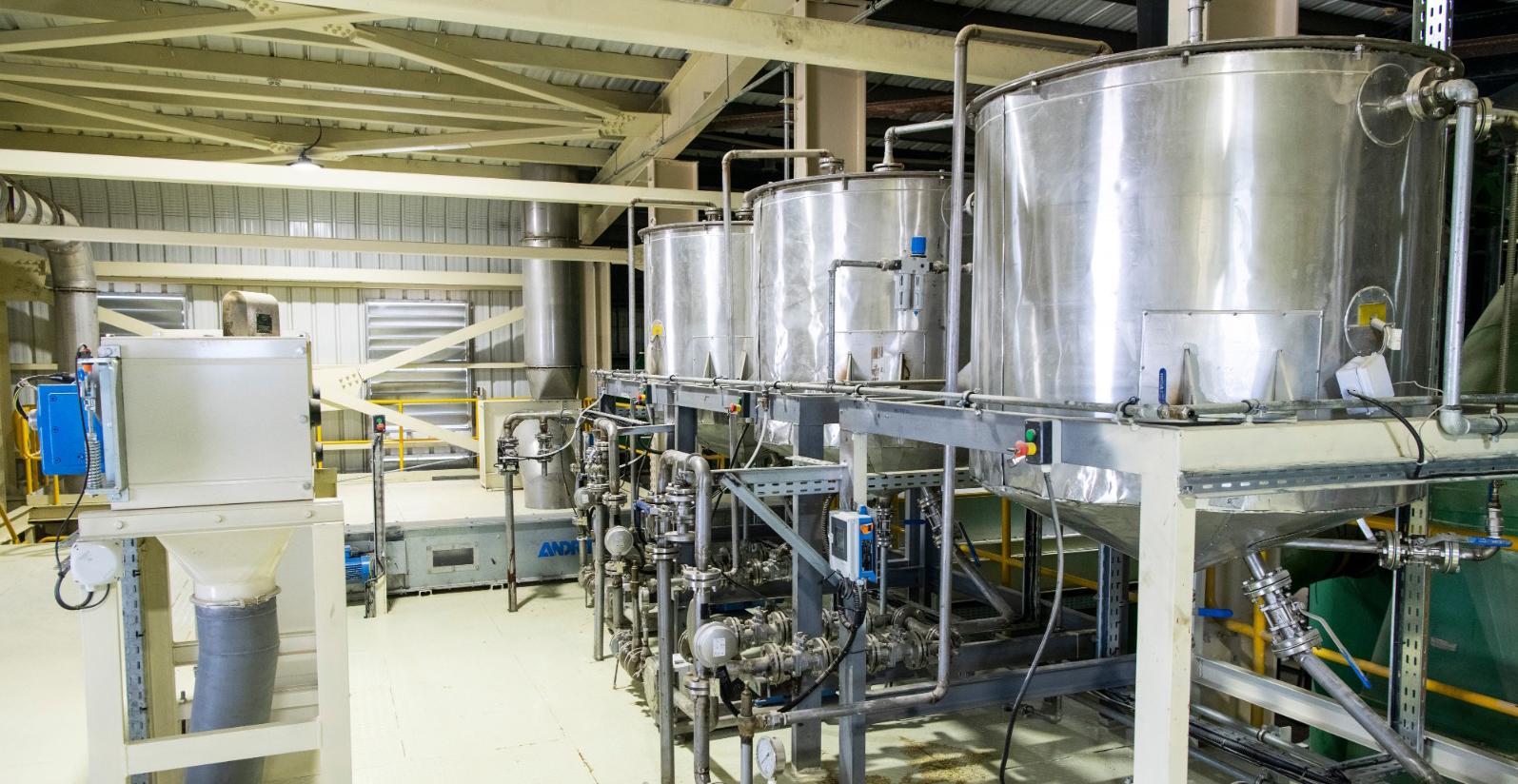
Heat stress can negatively impact the health, performance and wellbeing of poultry. Research shows that the dual action of natural betaine can help producers mitigate these risks and maintain profitability.
BY: CEINWEN EVANS, PHD, SENIOR GLOBAL TECHNICAL MARKETING MANAGER AT DANISCO ANIMAL NUTRITION & HEALTH (IFF)
When birds are exposed to hot and humid conditions over a prolonged period, they struggle to balance body heat loss and body heat production. This inability to regulate their internal temperature can lead to heat stress, which is a major cause for concern.
Birds suffering from excessive heat load eat less, drink more and demonstrate unwanted behavioural changes such as increased panting, wing flapping and aggression. But heat stress is not only an animal welfare issue. The detrimental effects of heat stress can cause significant production losses due to a range of associated problems including reduced growth, lower feed efficiency, poor egg quality, decreased immunity and increased mortality rates. So why does this happen?
On a metabolic level, heat stress increases plasma cortisol and reduces thyroid hormone levels. With the physiological homeostasis compromised in this way, important changes in protein and fat metabolism occur that negatively affect poultry growth, reproduction and health.
Lower protein and fat production and storage are also an immediate consequence of reduced feed intake. In addition, fatty acids are mobilised from the adipose tissue and, if in excess, are re-esterified into triglycerides and stored in the liver, causing fatty liver
disease when energy supply is reduced.
Importantly, heat stress can also disrupt the delicate balance of microbiota in the gut; decreasing the diversity of commensal gut bacteria and their compounds, as well as altering the pH. This means that digestion, absorption and nutrient supply are all compromised as a result.
Given the birds’ complex behavioural and physiological response to heat stress, producers need to take targeted measures to mitigate the risks.
Improving housing design with proper ventilation, air circulation and water management, for instance, can help to counter rising ambient temperatures. Good husbandry and genetic breeding to encourage good thermoregulating characteristics in the birds are also important considerations.
At the same time, poultry producers need to scrutinise their feed and nutrition strategies to ensure they are optimized for heat stress events. Within this space, supplementation with natural betaine is now increasingly recognized as an important solution.
Natural betaine is a trimethyl derivative of the amino acid glycine ((CH3)3NCH2COO), with two main physiological roles; it acts as an osmolyte and as a methyl donor.
As a naturally- occurring osmolyte, betaine helps cells stay hydrated by interacting with cellular water to maintain water and ion balance. At the same time, it protects cellular organelles, enzymes and proteins and so enables these components to maintain normal functions despite the stresses caused by high temperatures. By helping cells ‘cope’ with dehydration in this way, natural betaine helps to prevent valuable metabolic energy being diverted away from growth and lean gain.
As a methyl donor, betaine contains and donates methyl groups via transmethylation for many essential biological functions, such as synthesis of creatine and carnitine associated with generation of metabolic energy, DNA/ RNA synthesis, muscle growth and immune cell function. It contains three methyl groups and can donate some or all of these more efficiently than other traditional methyl sources in animal feed, such as choline chloride and methionine. By mobilizing fat from liver tissue, it also helps to maintain liver
health.
At the same time, natural betaine works to maintain gut integrity and health by promoting the growth of commensal microbes; a diverse and functionally active microbial community that prevents damaging digestive conditions such as leaky gut.
In practice, this dual function means supplementation with natural betaine helps poultry producers mitigate the detrimental effects of heat stress in a number of important ways. From improving hydration and increasing nutrient absorption to reducing energy expenditure, this natural feed additive helps producers combat heat stress and maintain poultry performance.
A strong body of evidence demonstrates a range of positive responses to natural betaine during heat stress among poultry.
For example, a series of trials shows that Betafin® natural betaine reduces the negative impact of heat stress on broiler performance and production economics. Reviewed together, all five studies demonstrate a strong improvement in feed conversion ratio (FCR), with percentage gains ranging from 4.2% to 6.6% compared to control. (Figure 1).
Equally significant is the positive effect of natural betaine on key performance parameters for breeders. A recent trial, using a total of 22,847 birds supplemented with two different natural betaine treatments during weeks 30 to 37, showed clear improvements in fertility, hatchability and saleable chicks. (Figure 2).
In addition, natural betaine has been shown to improve the performance of laying hens
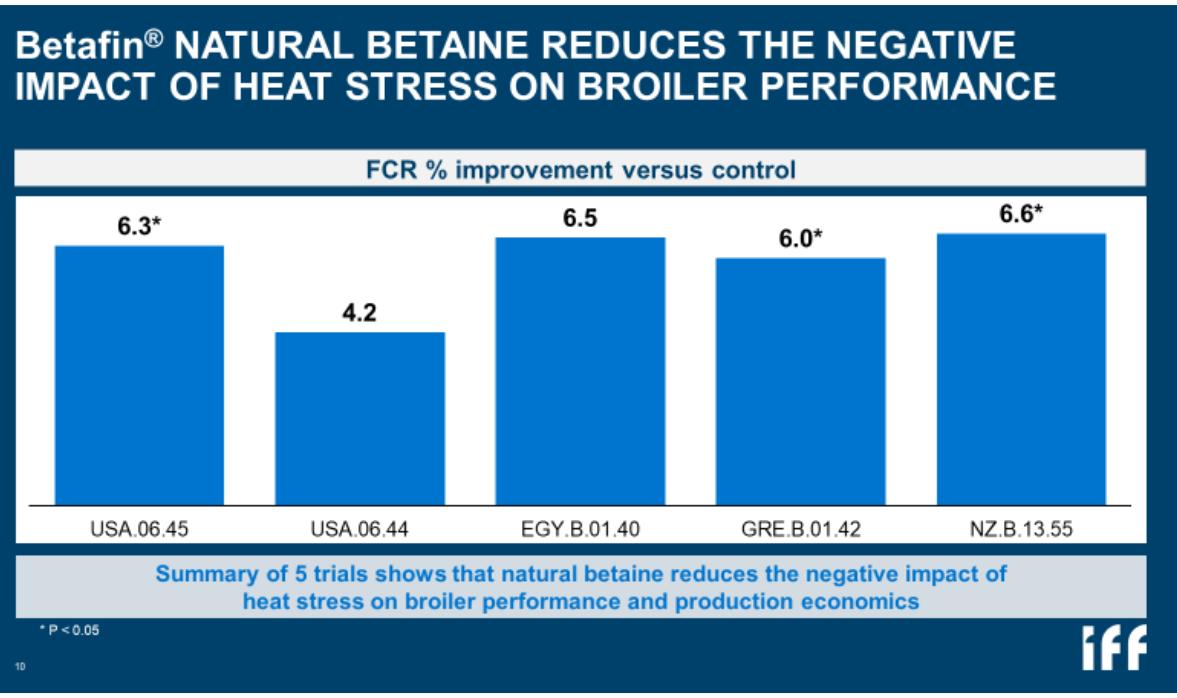
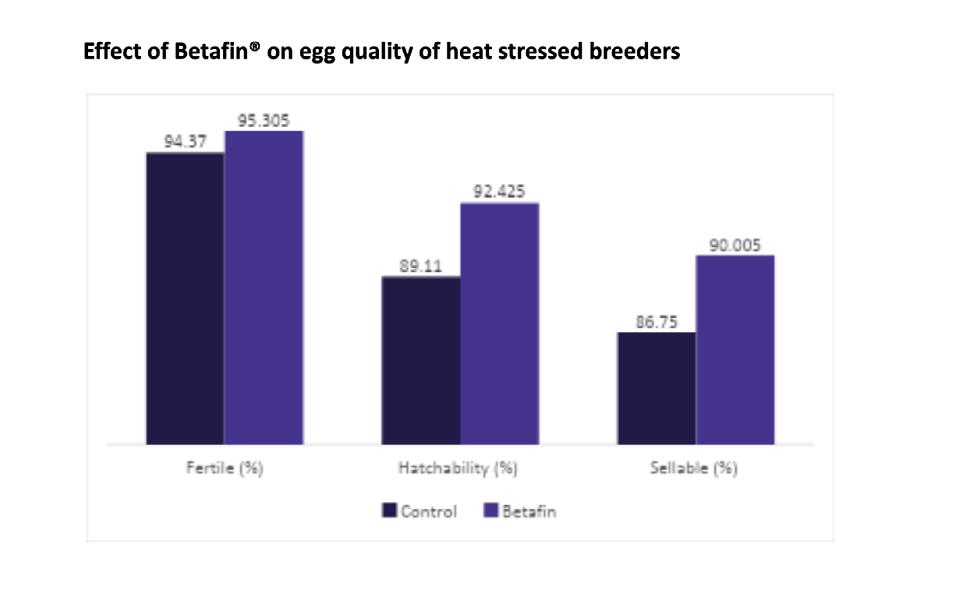
suffering from excessive heat load. In a 32-day trial among 3,000 laying hens, those supplemented with natural betaine recorded improvements in hen day production and egg mass – at just over 13% and 10% respectively. (Figure 3).
Elsewhere, research also suggests a wider role for betaine supplementation during times of stress. This includes improving the water holding capacity of cells, respiration rate and rectal temperature, as well as supporting better meat quality and improving livability rates.
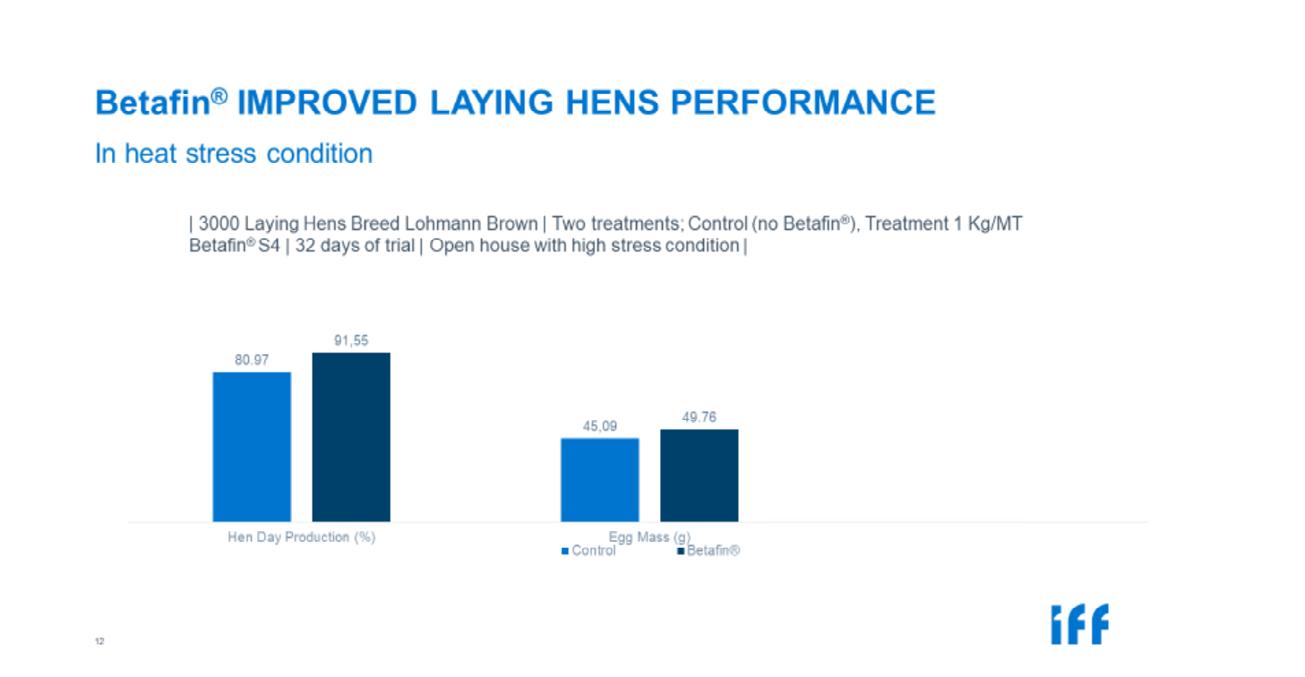
The dual action of natural betaine makes it a highly effective means of reducing the negative impact of heat stress on broiler performance and production economies. As an osmolyte and methyl donor, it helps to protect cells against dehydration and reduces the energy expenditure of ion pumps, while improving feed efficiency, maintaining liver health, and supporting gut integrity.
Overall, the multiple functions of natural betaine make it a valuable addition to nutrition strategies designed to optimize poultry performance under these challenging conditions.
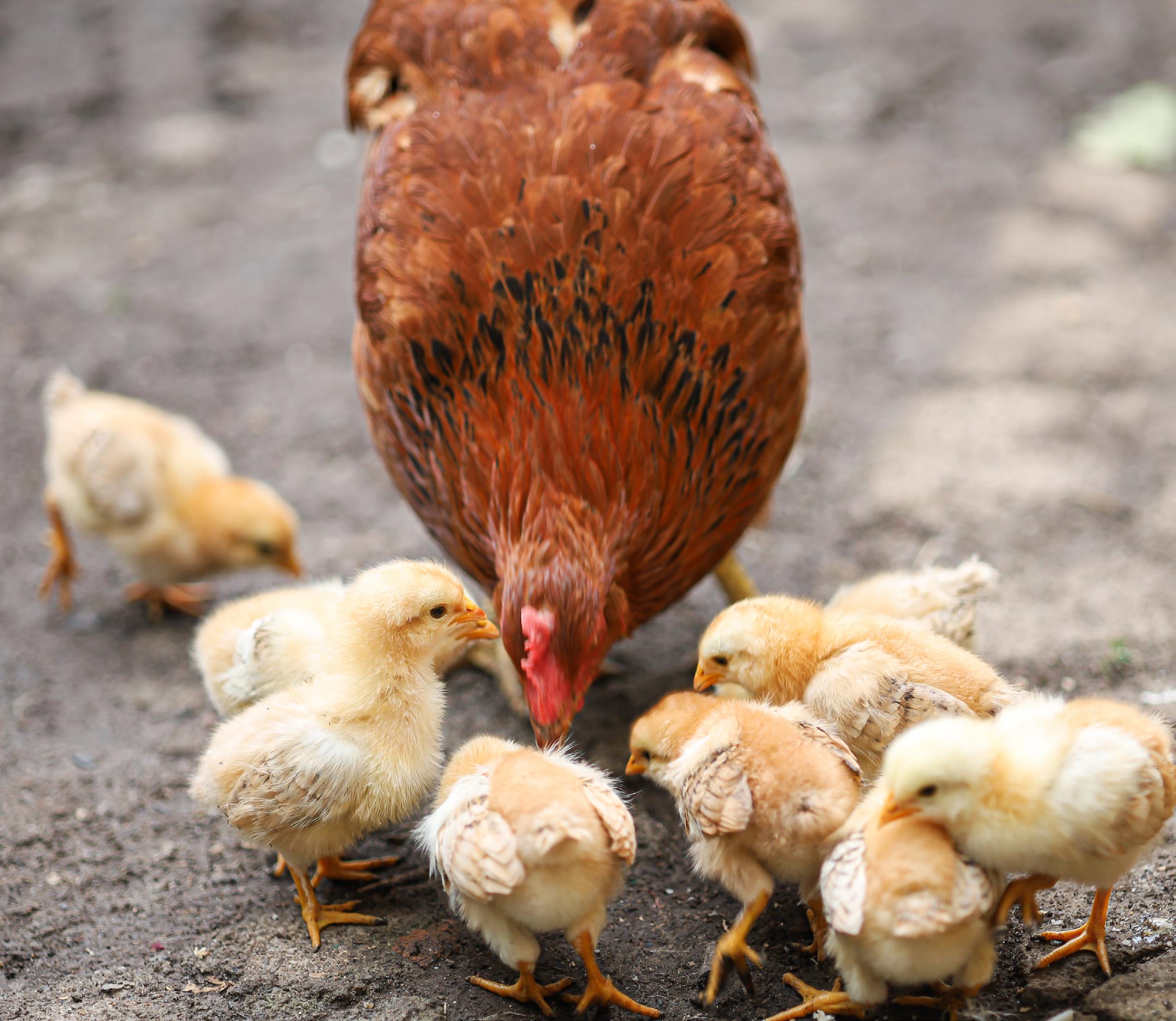
BY DR. FATIMA MAIRA
Early nutrition plays a decisive role in shaping the lifetime performance of poultry. The first few days’ post-hatch represents a critical window during which physiological, metabolic, and immunological systems are programmed. Proper nutritional strategies during this phase significantly influence growth performance, feed efficiency, immune competence, and overall productivity. Understanding and optimizing early nutrition is therefore essential for achieving sustainable and profitable poultry production.

In poultry production, success does not begin at market weight or peak egg production, it begins much earlier, at the moment a chick hatches. This early phase of life is often overlooked in comparison to later production stages, yet it carries a disproportionate impact on the bird’s future.
A newly hatched chick is not a fully developed animal, it is a system in progress. Its digestive tract is still maturing, its immune defenses are just beginning to function, and its metabolic processes are rapidly adapting to life outside the egg. The way we nourish and manage the chick during these first few days determines how well it will perform for the rest of its life.
At hatch, the chick transitions from relying on yolk nutrients to external feed. This shift is critical and must happen smoothly. When chicks are provided with immediate access to feed and water, their digestive system responds quickly.
The presence of feed in the gut stimulates:
• Faster development of digestive organs
• Increased secretion of digestive enzymes
• Improved intestinal motility
From a practical perspective, this means the earlier a chick starts eating, the faster its internal systems begin working efficiently. Even short delays in feed access can slow down this process and create a gap that is difficult to recover later.
The gut is often referred to as the engine of poultry performance, and like any engine, its efficiency depends on how well it is built at the start. Early nutrition directly influences the development of intestinal villi, which are responsible for absorbing nutrients.
When chicks receive high-quality, easily digestible feed:
• Villi grow longer and more active
• Nutrient absorption becomes more efficient
• Feed is utilized more effectively
This is not just a short-term benefit. A well-developed gut continues to support better performance throughout the bird’s lifecycle, improving feed conversion and reducing digestive challenges.
In the first days of life, chicks rely on maternal antibodies for protection. However, this passive immunity is temporary. As it declines, the chick must develop its own immune system quickly.
Nutrition plays a central role in this transition. Proteins provide the building blocks for immune cells, vitamins regulate immune responses, and minerals support antioxidant defense mechanisms.
A chick that receives balanced early nutrition is better equipped to:
• Respond effectively to vaccinations
• Resist common infections
• Maintain overall health under farm conditions
In contrast, poor early nutrition can leave the immune system underdeveloped, increasing vulnerability to disease.
The early growth phase sets the structural foundation of the bird. Muscle fibers develop rapidly, bones begin to strengthen, and body systems align for future performance.
• Balanced nutrition ensures:
• Proper muscle development through essential amino acids
• Strong skeletal structure with adequate calcium and phosphorus
• Consistent growth across the flock
If this stage is compromised, the effects are often permanent. Birds may show uneven growth, weaker bones, or reduced production capacity, even if nutrition improves later.
One of the most valuable outcomes of proper early nutrition is its impact on long-term efficiency. Birds that consume adequate feed during the first week tend to perform better throughout their lifecycle.
Producers often observe:
• Improved feed conversion ratio (FCR)
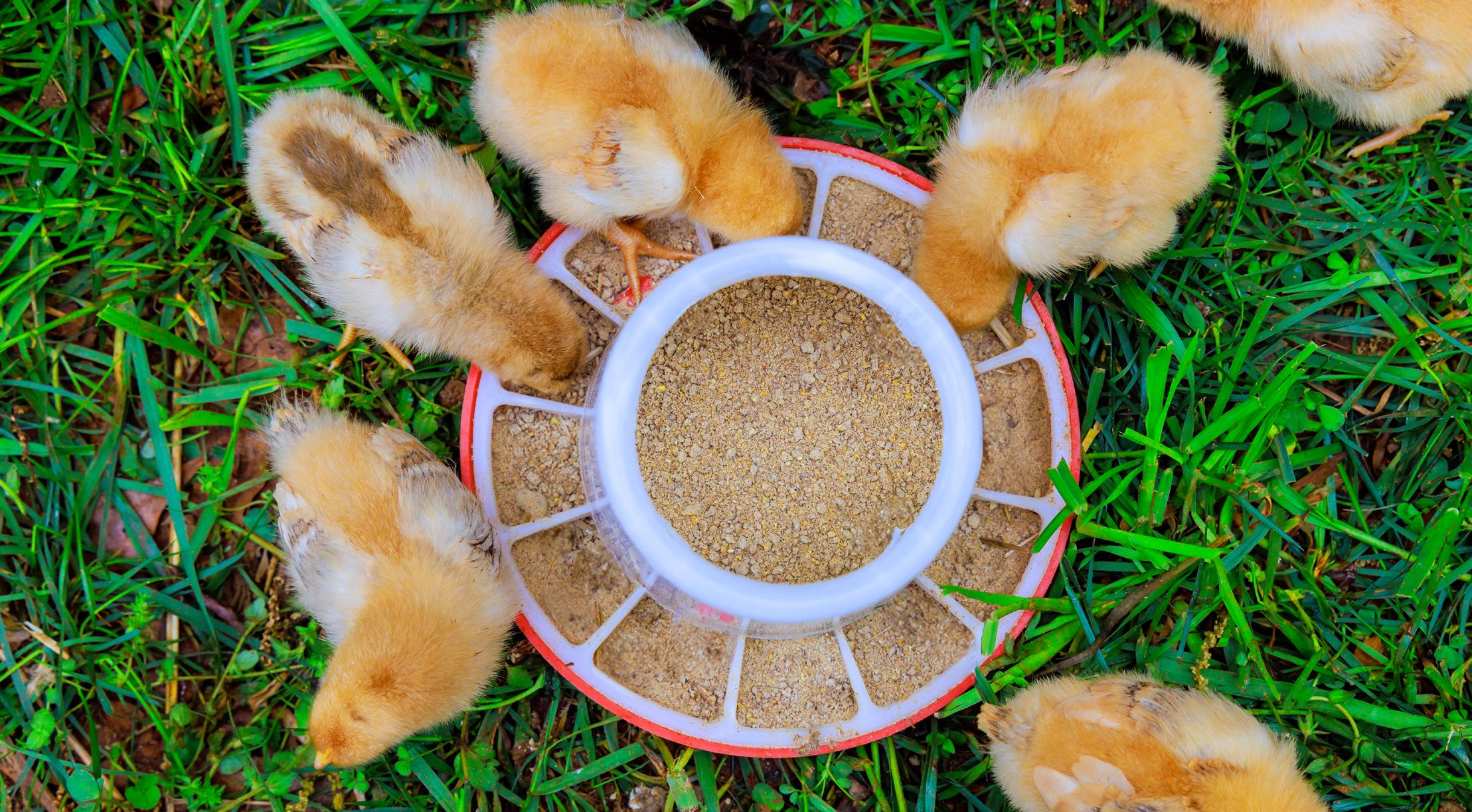
• Higher body weights in broilers
• Better egg production in layers
• Greater flock uniformity
This is because early nutrition helps program the bird’s metabolism, enabling it to utilize nutrients more efficiently over time.
Beyond physical development, early nutrition also shapes the microbial environment in the gut. The first feed a chick consumes influences which bacteria establish themselves in the digestive tract.
A balanced diet supports beneficial microbes that:
• Aid in digestion
• Compete with harmful pathogens
• Strengthen gut integrity
Establishing a healthy microbiota early reduces the likelihood of digestive disorders and supports overall flock health.
While nutrition is critical, it cannot work in isolation. Management practices during the brooding period are equally important in ensuring that chicks benefit fully from their diet.
Key considerations include:
• Providing immediate access to fresh feed and clean water
• Maintaining optimal brooding temperature and humidity
• Ensuring proper chick placement and minimal stress
• Using highly digestible, nutrient-dense starter feeds
• Monitoring feed intake during the first week
Attention to these details creates an environment where early nutrition can deliver its full impact.
From a business perspective, early nutrition is one of the most cost-effective investments in poultry production. The benefits extend far beyond the initial feeding cost.
Improved early nutrition leads to:
• Lower mortality rates
• Better feed efficiency
• Reduced need for medical interventions
• Higher overall productivity
In simple terms, a small investment at the beginning can result in significant economic returns at the end of the production cycle.
Early nutrition is not just the first step in poultry production; it is the foundation upon which all future performance is built. The first few days of a chick’s life offer a unique opportunity to influence its growth, health, and productivity.
By focusing on timely feeding, high-quality nutrition, and proper management, producers can ensure that each bird starts strong and continues to perform at its best. In the long run, the success of a flock is not determined by a single factor, but early nutrition is undoubtedly one of the most powerful among them. MMEA

DAMAGED STARCH IN BAKING

BY STEPHEN KIBE
Damaged starch is one of the most consequential yet least discussed quality parameters in wheat flour. Produced when starch granules are physically fractured during milling, it directly influences water absorption, enzymatic activity, and dough rheology, affecting everything from fermentation behaviour to crumb structure and shelf life. Flour typically contains between 5% and 12% damaged starch by weight, a range wide enough to produce significantly different baking outcomes from otherwise identical recipes. Optimal damage levels improve yield and hydration; excess damage creates processing problems that gluten quality cannot correct. For mills across Africa and the Middle East, where blended grists from multiple wheat origins are the operational norm, managing damage level consistently is a daily practical challenge.
When roller mills physically fracture wheat starch granules, the granules lose their semi-crystalline structure, altering water uptake and enzyme access across the dough system. The single most influential factor determining damage level is wheat hardness. In hard wheat varieties including Hard Red Winter, Hard Red Spring, and Durum, starch granules are embedded in a dense, vitreous protein matrix that requires higher roller pressures to separate, increasing granule fracture. Soft wheat flour typically contains 1-4% damaged starch; hard wheat flour, 6-12%.
Roll settings are the primary lever millers use to manage damage within a given wheat type. A 2024 passage analysis across three commercial mills confirmed that damage increases progressively from initial to final milling passages, and that control is most effectively exercised at the front passages where the

majority of flour release occurs.
FUNCTIONAL EFFECTS: WATER, FERMENTATION, AND CRUST
Damaged granules absorb water far more aggressively than native ones. Native starch granules absorb approximately 3987% of their weight in water; damaged granules absorb 200-430%. Each unit rise in damage level increases flour water absorption by approximately 0.5%, enabling bakers to use higher hydration without additional raw material cost. At optimal damage levels this supports better dough development and higher dough yield. Above that threshold, granules absorb water rapidly and release it just as quickly, overhydrating the protein network and producing sticky dough, poor gas retention, low loaf volume, and dense crumb.
In yeast-leavened products, damaged starch is the primary source of fermentable sugars beyond the 1-2% free sugars naturally present in flour. At moderate damage levels, enzymatic breakdown of damaged granules produces a steady maltose supply for consistent fermentation and good dough rise. At excessive levels, rapid sugar release drives hyper-fermentation, destabilises the gluten network, and risks oven collapse. Very low damage produces pale, under-coloured bread, a visible quality failure that millers and bakers use as a routine diagnostic signal.
Optimal damage targets vary by product. Flatbreads including Arabic khubz and pita require tighter control than pan bread, as their thin profile and short bake time tolerate little over-hydration or fermentation imbalance. Biscuit and cracker flours sit at the low end of the damage range to preserve crispness. Millers supplying multiple product categories from one wheat source must actively manage roll settings to hit each specification.
Three methods measure damaged starch in common operational use. The enzymatic method, standardised under AACC 76-31.01, uses fungal α-amylase to hydrolyse damaged starch into glucose for quantification. It is the reference standard for research and formal contract specifications but requires skilled personnel and several hours per test, ruling it out for real-time mill management.
The amperometric method, the basis of the CHOPIN SDmatic 2, is the operational standard for routine testing. It measures iodine absorption by damaged granules in a diluted flour suspension, delivering a result from a 1g sample in under 10 minutes. The SDmatic 2 is compliant with NF EN ISO 17715:2015, ICC 172, and AACC 76-33.01, the standards millers reference in customer flour specifications.
NIR spectroscopy offers rapid nondestructive measurement but requires calibration against primary method data and revalidation when raw material sources change, a relevant discipline for mills managing variable import origins.
The commercial impact of starch damage management is most directly felt in dough yield. Increasing water absorption from 64% to 68% produces an additional 160 loaves of 250g each from 1,000 kg of flour, with no increase in raw material cost. At larger scale, a higher-absorption flour specification can reduce flour consumption by approximately 27 kg per 6,500 loaves. These gains translate directly into margin improvement for millers supplying premium flour and bakers reducing input cost per unit.
The economics only hold within the optimal damage range. Excessive damage drives sticky dough, production line


delays, equipment fouling, and product waste. In high-output operations those costs erase hydration gains quickly. Protein consistency across consignments does not guarantee baking performance; damage level does.
Research examining mills in South Africa, Turkey, and Algeria found that tuning roll parameters to hit target damage specifications, rather than maximum extraction rates, reduces electrical energy consumption as a direct consequence, a link that warrants active integration into mill management practice given the energy overhead facing most MEA operations.
Starch damage management carries particular operational significance across the Middle East and Africa, where hard wheat dependency, import-reliant supply chains, and flatbreaddominant end markets combine to narrow the acceptable damage range for most flour specifications.
Most large mills in the region process hard wheat from the Black Sea, Australia, the United States, and Canada. Each origin carries a different hardness profile and starch structure, meaning roll settings calibrated for
one consignment may produce significantly different damage levels when applied to the next. Without frequent measurement, millers supplying khubz, pita, and chapati producers are operating with limited visibility into a parameter that directly determines bakery performance.
A 2024 study in Engineering Proceedings confirmed that dry-climate wheat cultivation influences starch damage susceptibility during milling. Millers sourcing from these origins should treat damage level as a variable tied to origin and season, not only to roll settings.
Starch damage will not become a simpler parameter to manage as supply chains grow more complex. Millers processing wheat from multiple origins, serving bakery customers with different product specifications, and operating under cost and energy pressure need to treat starch damage as a continuous production variable, not a periodic quality check. For mills across the Middle East and Africa supplying an increasingly specificationdriven bakery sector, the question is no longer whether to monitor starch damage in real time, but how quickly to integrate that capability into standard operations. MMEA

ZIMBABWE - Varun Beverages Zimbabwe, the world’s second-largest PepsiCo franchisee outside the United States, has officially commissioned a new US$20 million Cheetos snacks manufacturing plant in Harare.
Officially inaugurated by President Emmerson Dambudzo Mnangagwa, the state-of-the-art facility marks a monumental shift for the beverage giant as it diversifies into food production, transitions from product importing to domestic manufacturing, and boosts local industrial capacity.
In January, Varun Beverages Zimbabwe completed and launched a dedicated snacks production line to manufacture Cheetos locally, transitioning from imports to homegrown production.
The newly commissioned plant will produce the globally recognized Cheetos brand locally, utilizing homegrown inputs. Previously, Varun Beverages distributed imported PepsiCo snacks such as Lay’s, Doritos, and Cheetos into the Zimbabwean market. By localizing production, the company expects to significantly enhance backward integration with the country’s agricultural sector, expanding the demand for maize sourced directly from Zimbabwean farmers.
The new Cheetos facility introduces the brand in two pack sizes, five flavors, and two shapes, totaling 20 stock-keeping units, complementing imported brands like Lay’s, Doritos, and Simba.
This initiative closely aligns with the government’s National Industrial Development Policy, aiming for import substitution and retaining economic value within the nation.
Alongside the plant’s inauguration, President Mnangagwa also laid the foundation stone for an upcoming juice and dairy blending facility on the same complex. Together, these projects reflect a combined expansion phase worth US$40 million. To anchor this commitment, Jaipuria unveiled a massive US$650 million investment roadmap spanning the next five years.
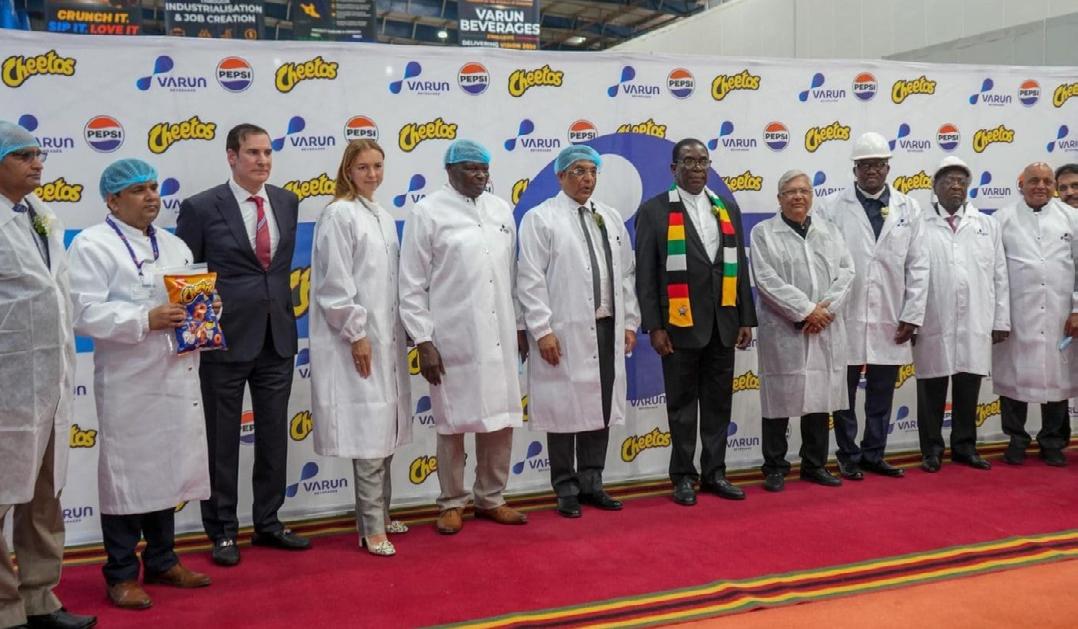
UAE - Dolphin Bakery has significantly strengthened the country’s food security architecture by developing a fully localized supply chain capable of serving more than 3,000 retailers across the Emirates daily.
The company’s end-to-end localization model covers the full production and distribution cycle, from raw material sourcing and in-house manufacturing to last-mile logistics and retail delivery.
Looking ahead, Dolphin Bakery is accelerating investment in operational technology and institutional partnerships to expand its distribution reach, reinforcing its role as a foundational supplier within the UAE’s domestic food production ecosystem.
NIGERIA – Mondelēz International has named Ayman Fahmy as its new Managing Director for West Africa, effective May 15, 2026. Fahmy will be responsible for directing regional commercial growth and providing strategic oversight of Cadbury Nigeria Plc.
Additionally, Mondelēz International has appointed Vinayak Sasitharan as Senior Director, Finance for Sub-Saharan Africa to deepen its financial leadership and accelerate growth across one of the world’s most dynamic consumer markets.
BELGIUM - Lotus Bakeries has officially broken ground on a major expansion of its principal manufacturing headquarters in Lembeke, East Flanders.
The industrial development project centers on the construction of an additional high-capacity production hall engineered specifically to boost output of the company’s flagship caramelized biscuit brand, Biscoff. The historic Lembeke facility already holds distinction as the largest specialized single-product cookie production site in Europe. The newly initiated expansion is scheduled to achieve complete mechanical completion and begin shipping commercial volumes within the next two years.

USA - IFF has announced that it has entered into an agreement to sell its Food Ingredients business to funds advised by CVC Capital Partners, a leading global private markets manager.
The massive transaction values approximately US$4.3 billion, representing an enterprise value-to-EBITDA multiple of approximately 10x. IFF’s Food Ingredients business is a globally recognized leader in texturants, emulsifiers, plantbased solutions, and other specialty ingredients serving multinational food and beverage customers. In 2025, the Food Ingredients business generated nearly US$3.1 billion in annual sales and approximately US$430M of EBITDA.
As part of the transaction, IFF has chosen to retain an approximately 10% minority equity interest in the business, valued at approximately US$200 million, permitting continued collaboration and cooperation between IFF and Food Ingredients, while allowing IFF and its shareholders to participate in future value creation under the new ownership.
Alongside the divesture, IFF inaugurated a new Vanilla Innovation Center in Toamasina, Madagascar, marking a significant milestone in the company’s commitment to scienceled flavor development at the source of one of the globe’s most prized natural ingredients.
The facility spans 650 square meters and is strategically located near major vanilla cultivation and processing areas, consolidating lab analysis, extraction, scent and flavor creation, and application development under a single roof. It also features a flavor creation unit with application lab capabilities for dairy, bakery, and confectionery products, as well as a research greenhouse called The Bloomery that showcases vanilla varieties.
UK - Plant-Ex Ingredients has successfully doubled its domestic manufacturing footprint with the launch of a new production facility in Bristol, as part of a wider £4 million (US$5.3M) infrastructure investment programme that began in 2025.
The significant footprint expansion comes on the heels of a major £9 million (US$12M) minority investment from BGF (British Growth Fund) announced in September 2024, which was secured to aggressively drive the company’s international growth and solidify its supply chain resilience across the UK and global markets. Equipped with advanced processing machinery, the facility is designed to meet the rising demand for clean-label, natural food colors, extracts, and customized flavorings.
USA - KPM Analytics has opened a new baking lab within the KPM Rheology Center of Excellence, a dedicated applications and testing facility designed to bridge the gap between traditional baking tests and objective analytical data.
The move aims to help members of the baking and milling industry adopt a measure-first approach to flour and product quality control. The state-of-the-art baking lab, designed and developed with investment from the Synar Group and its subsidiary Euro Food Product Company, integrates industrialgrade baking equipment with KPM’s rheological and quality assurance technologies to link baking results with objective analysis.
DENMARK - FERM FOOD ApS has officially launched an innovative, gluten-free fermented bread binder designed specifically for industrial-scale bakeries.
The new bio-solutions ingredient addresses some of the most persistent technical challenges in gluten-free baking, including fragile crumb structures, rapid staling, and excessive crumbling. The binder allows commercial manufacturers to simplify complex recipes and dramatically reduce their reliance on synthetic texturizers, gums, and chemical additives. The specialized bread binder is produced using a proprietary solid-state fermentation process driven by natural lactic acid bacteria
Arrakis.
A reassuring, familiar face – but with a host of new features and improvements. Same footprint. Same trustworthiness. State-of-the-art hardware and software for smoother production and enhanced operational efficiency. This is the all new Arrakis.
Save on time and energy.
Contact your local Bühler entity today!




Benefits. – Robust and reliable
Easy to operate – Fast and simple installation