Foli.age
Work by Gina BouzaFoli.age
Noun. The study of leaves in a state of entropy within their built enviornment.
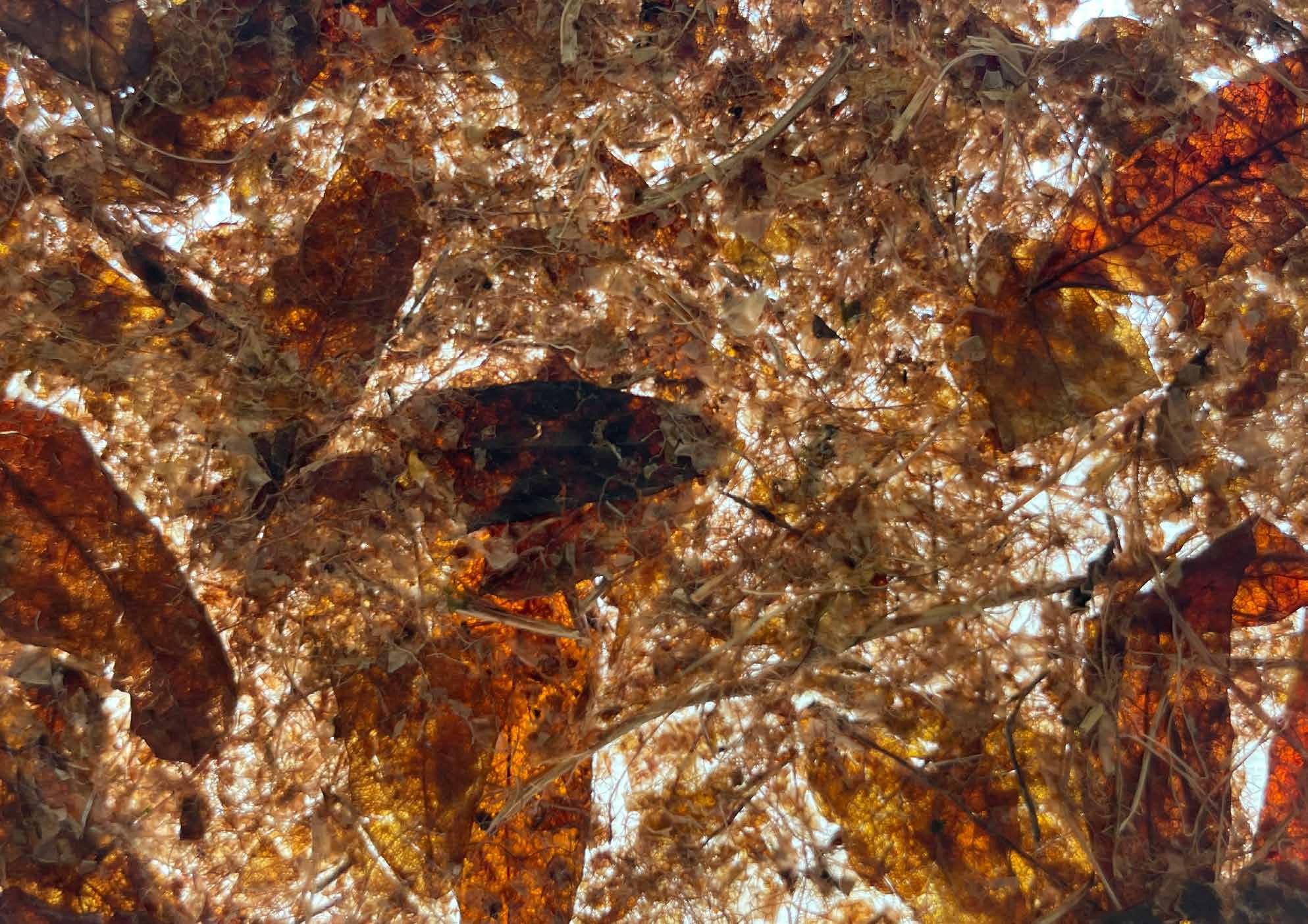
I am a designer that combines the chemistry of creation with the fleetingness of time through objects and materials. With a background in architecture, my projects come from an interest in how matter is extracted and moved through a process towards a material. My art is a form of reparation of the disconnection between people and the processes of material production. Through leaves, my creations are implemented in the time of fall when leaves drop and begin their process of decay.
I begin by learning about the place I am situated in by extracting the fallen leaves and begin to materialize their fibers. My projects have ranged from swatches to larger pieces inspired by how our bodies interact with furniture. After constructing these pieces, I place them back in the places I extracted the leaves from and where people can interact with the material while it is decaying back into the land. My art mends the relationship between people and ecology.
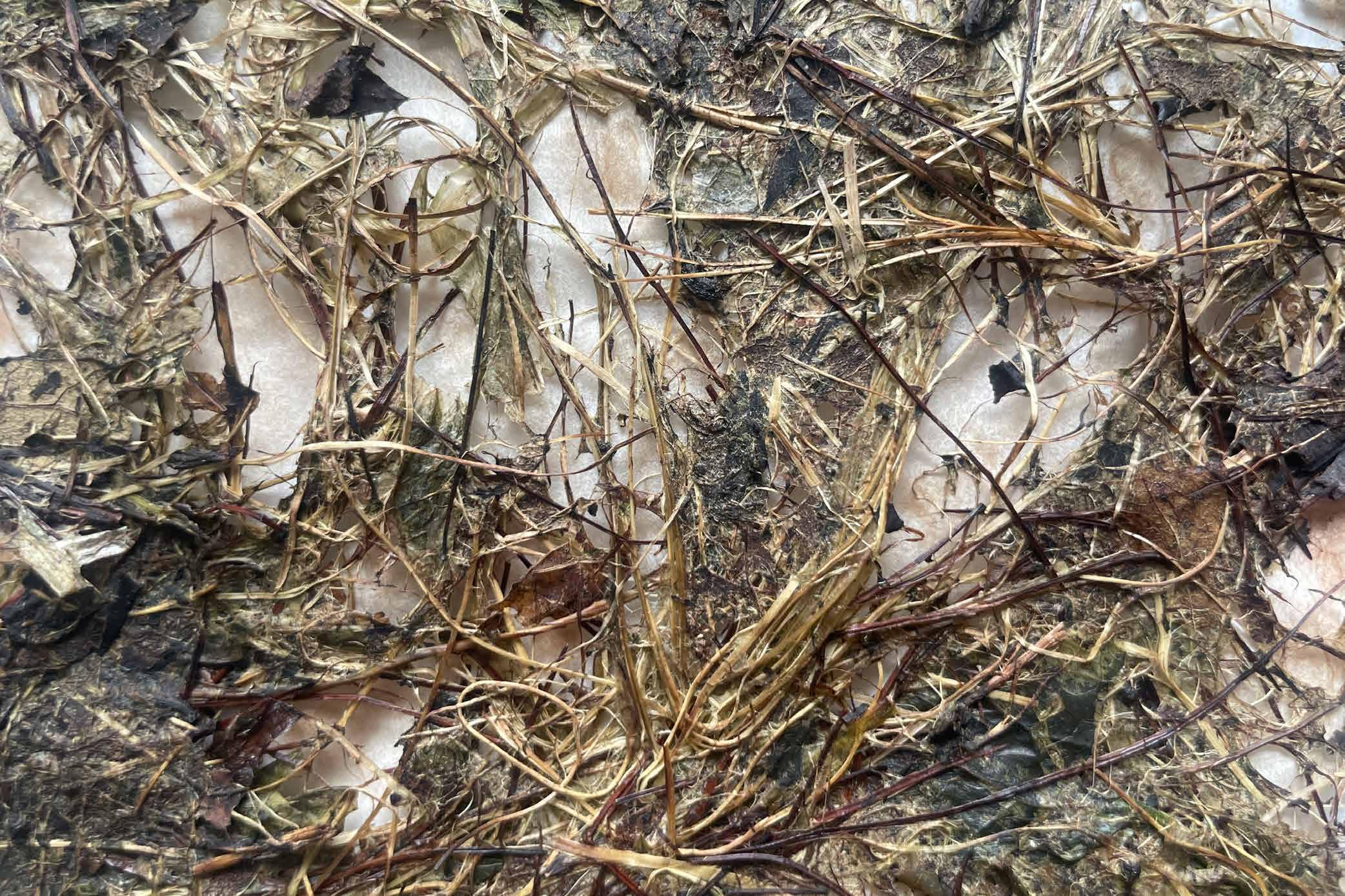
Projects that have decayed and are part of the ground.
Table of Contents
Email: bouzag741@gmail.com
Instagram: Foli.aged
1.Foli.age Study 2. Where do Leaves Go? [Uncanny Branch] 3. Foli.age Shelf 4. Metabolism of Leaves 5. Weeded Ground 6. Unstable Chair 7. Moving PiecesFoli.age [Research]
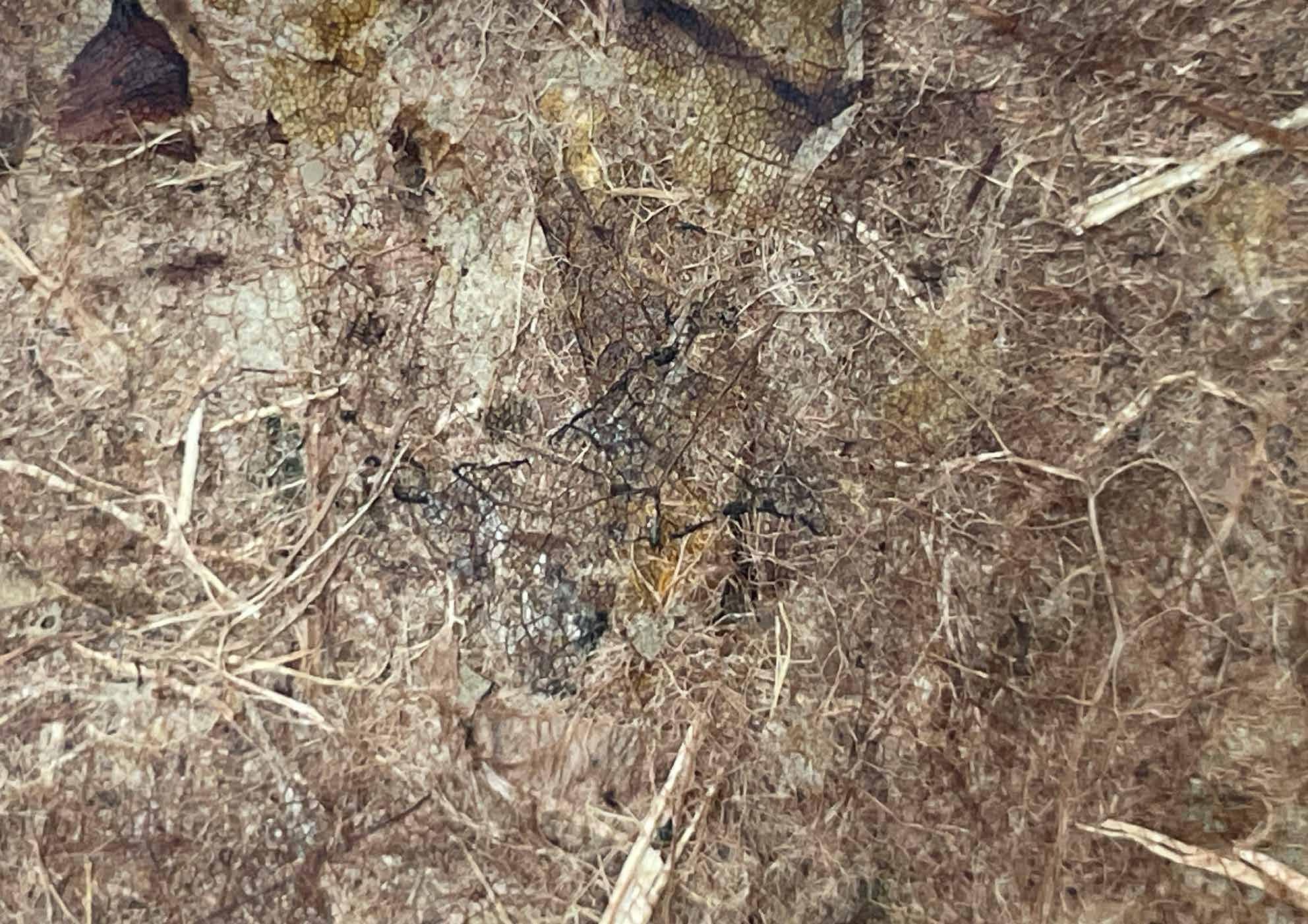
My art stems from my architectural education where I began to research the meaning of place and time within a built environment. Do drawings tell the whole story? My first pieces are materials that do not try to be permanent. Using decaying leaves in Syracuse I experimented on what can be created out of their already rotting fibers. Through the beginning stages of this project I was able to study the smells and textures produced throughout the process of creating the material, as well as how it was able to transform within its own environment. This is a series developed from my interests of growth, death, decay, and growth again, where I wondered why this is a concept that is only accepted within the term “nature”. I believe the objects and materials we live with should be allowed to follow an entropic decay.
This is a process of how I transformed the leaves within their state of decay to temporarily give them a new life.
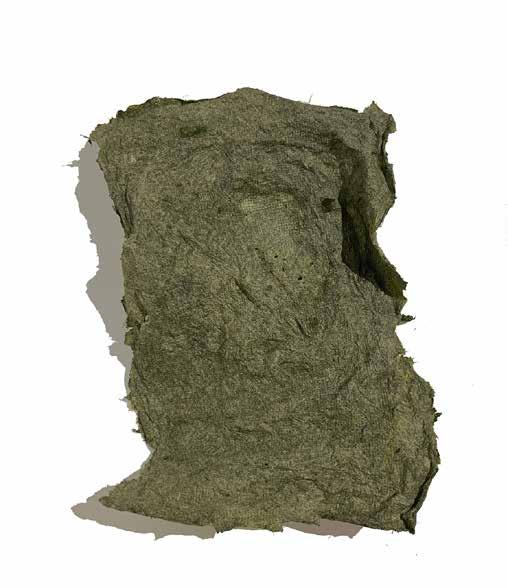
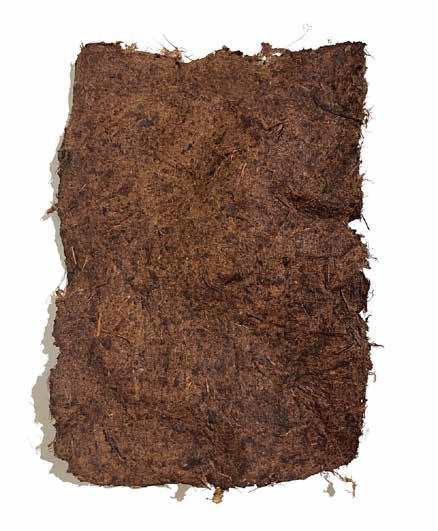
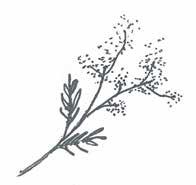
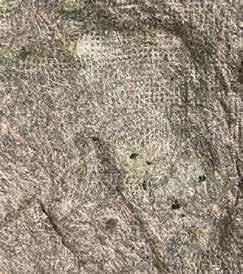
Paper created using long grass found within Westminster Park in Syracuse. Made with fresh grass picked in the beginning of November. Begins to ripple in the drying period.
Strengths:
Weakness’:
Extremely Thin. Weakest material. Requires excavating leaves. Difficult to keep smooth. Susceptible to tearing.
Paper created using Wet fallen leaves found in Thorndon Park and our backyard in Syracuse. Made with wet fallen leaves continuously scavenge. Are used during the Winter period.
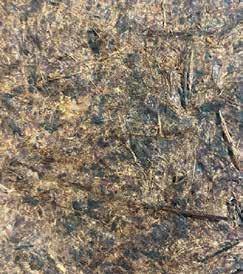
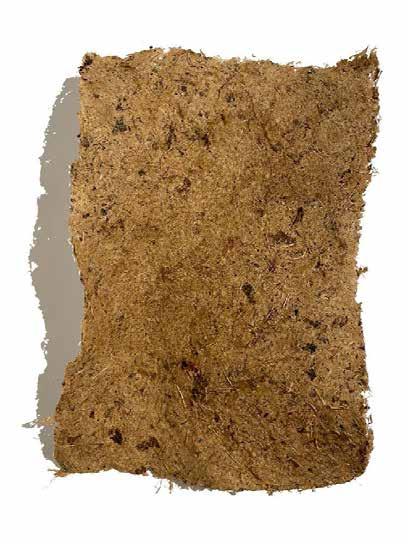
Paper created using an assortment of leaves and flowers in Syracuse. Made with from flowers and plants we collected in September and allowed to dry for a Month. The first iteration in our series.
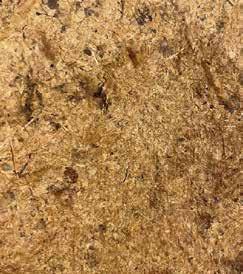 Long Grass Foli.age
Wet Leaves Foli.age
Vibrant green color. Can become transparent. Quickest drying period. Obtains textures easily. Least amount of stems. Smooth edges.
Lightest color. Had the best fragrance. Larger warping. Strong but malleable. Multiple specs of colors. Soft edges. Light Smell.
Dark color. Strongest of the materials. Easiest to collect. Can create a large amount at once. Easiest to blend. Most fibrous.
Small warping. Strong earth smell while boiling. Difficult to separate other ecology while collecting. Color determined by drying exposure.
Longest drying period. Requires excavating flowers. Difficult to collect a lot at once. Time spent crushing the plants before boiling. Inconsistent texture.
Dry Leaves and Flowers Foli.age
10”
Project done in collaboration with Meejan Patel.
7”
Foli.age [Research]
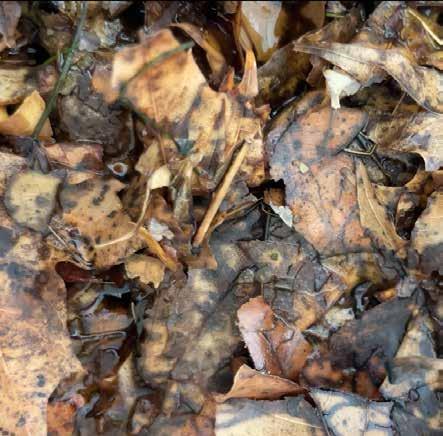
After collecting the leaves they were washed and boiled for two hours to help soften the fibers.
Snippets from a video showing the physical transformation of the leaves.
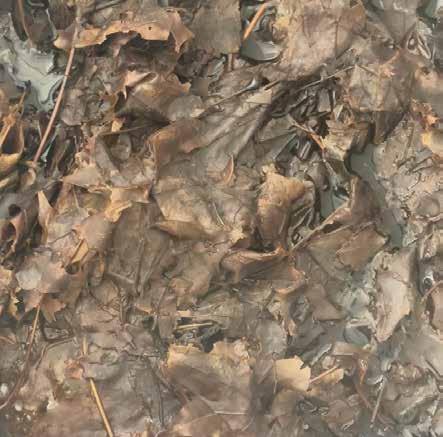
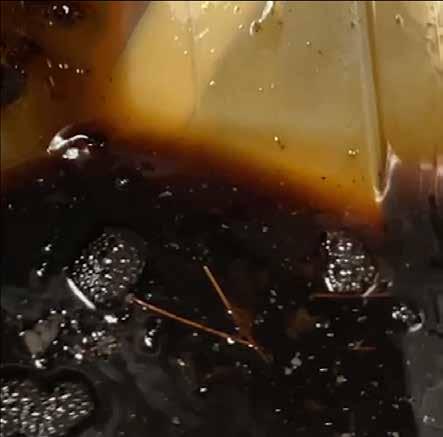
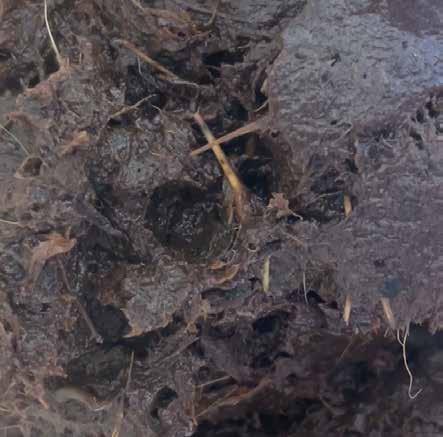
The leaves were pressed to extract the liquid out of them.
I took the softened leaves and blended them to fully break down their fibers. This left us with a pulp that can formaly be transformed
Where Do Leaves Go? [Uncanny
Branch]
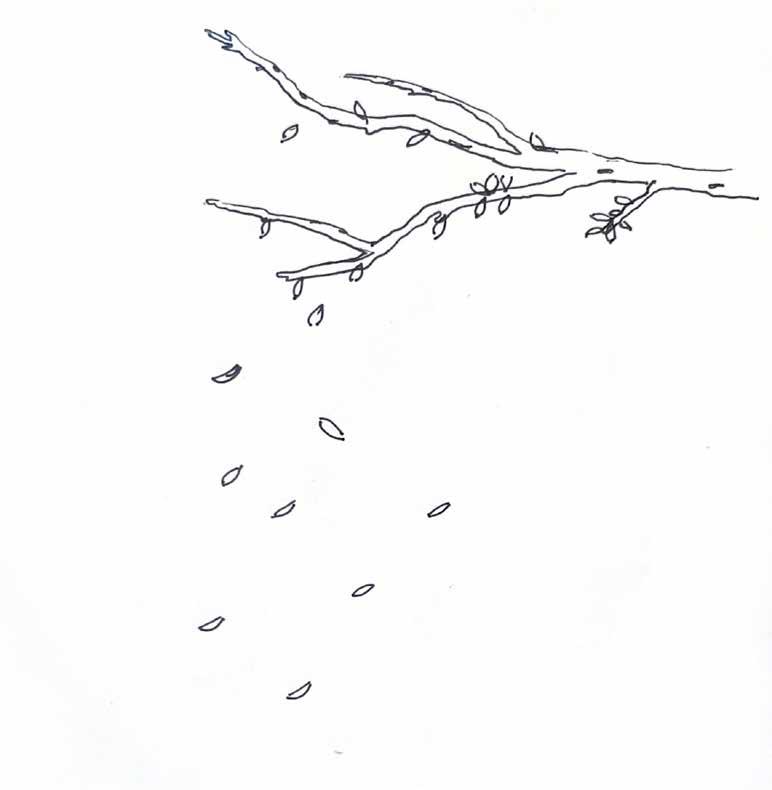
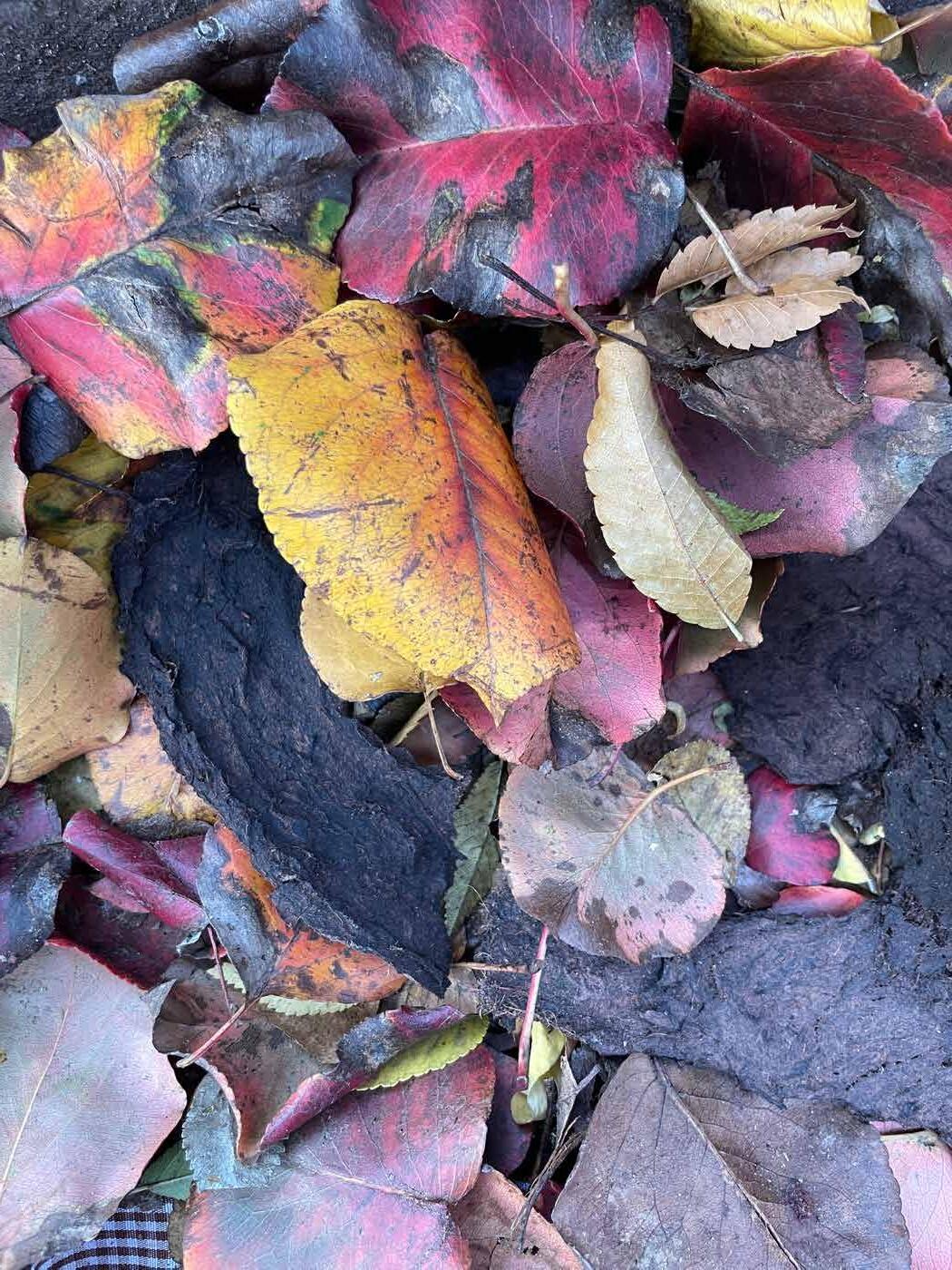
Where do leaves go? is the latest project I have worked on since I have moved to New York City. I became interested in the values, or lack of, that New York City puts on decaying leaves. Through sanitation laws fallen leaves are considered trash and move through a process towards compost, ultimately creating a bio-fuel, releasing the carbon from these leaves into the air. This process in the end systematizes decaying leaves separating it from its intended cycle.
I chose to look at Elizabeth Street Garden as a site for this issue because similar to leaves the site is experiencing a form of decay. Like the majority of gardens in Manhattan ESG is a man made garden and has become a community space. They are currently facing demolition, with the city planning on turning the space into low income housing for the elderly. Similar to how the city collects leaves and wood transporting it out of its context they have decided to get rid of the site of the garden and the plants that inhabit it.
I began with these questions:
Where will these leaves go? Will the memories of the garden disappear?
Where Do Leaves Go? [Uncanny Branch]
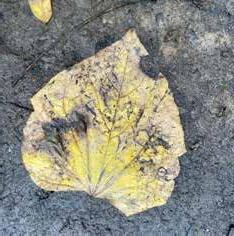
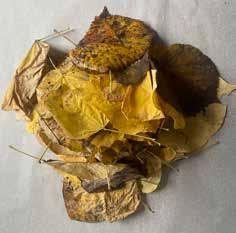
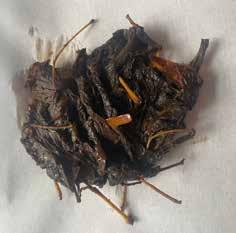
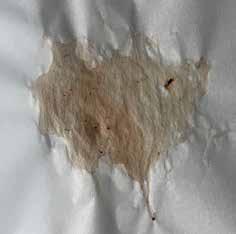
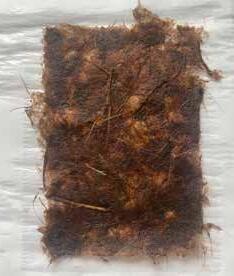
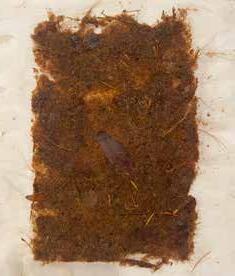
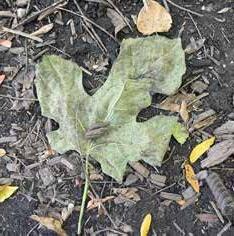
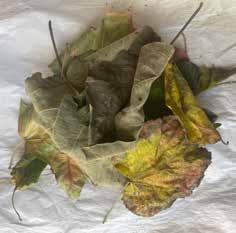
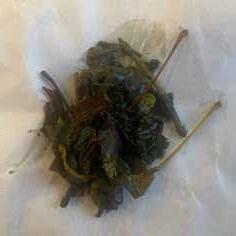
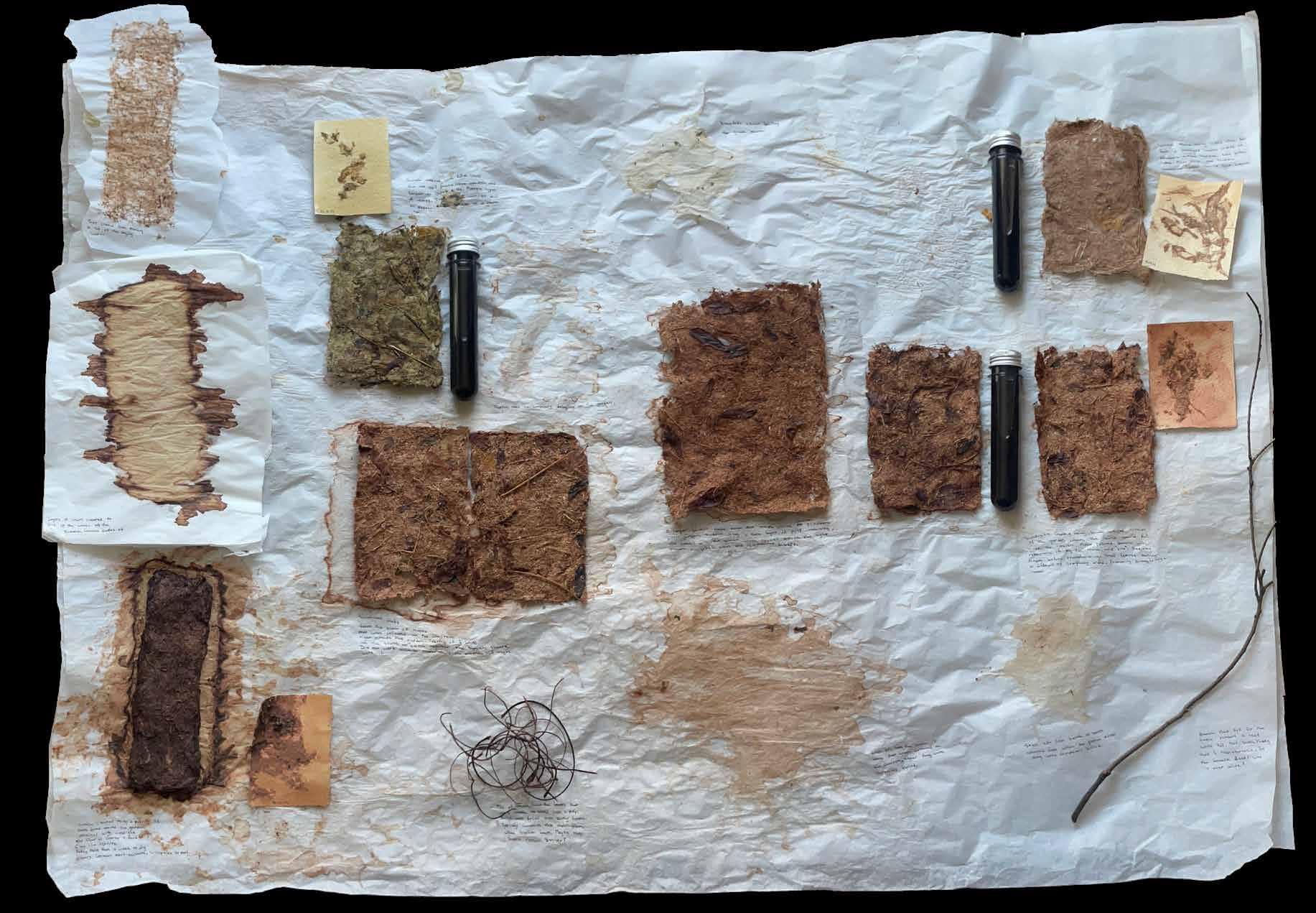
I began by studying the leaves around Elizabeth Street Garden and their physical qualities that remain unique to this place. Through this continuous series I was able to create variations with thickness of the sheets of foli.age and the individual experiences I had from collecting the leaves to each step in its transformation. For my foli.age studies I experimented with three main types of leaves that I encountered.
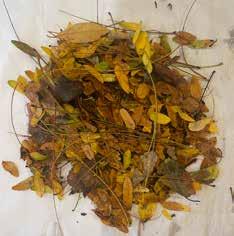
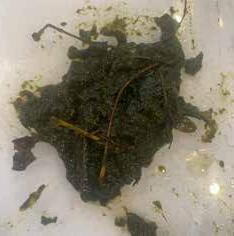
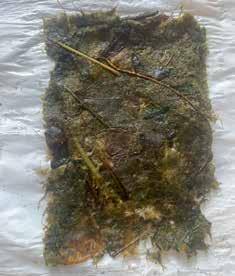
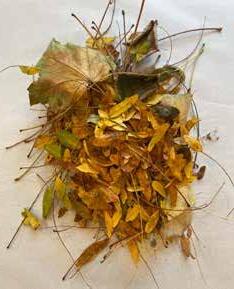
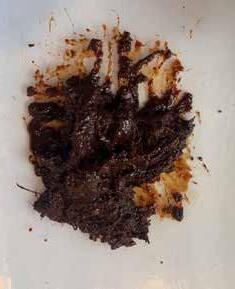
The first leaves I examined were leaves that fell from a Little-leaf Linden inside of Elizabeth Street Garden. The leaves were soft creating a malleable floi.age sheet
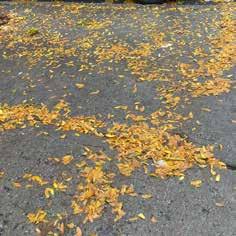
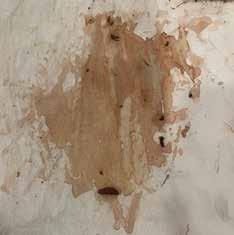
The second batch comes from the leaves that fell on the concrete outside the garden. The paint extracted created a sweet smell.
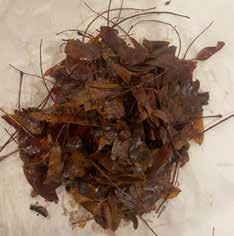
The third variation is made from green leaves that fell. I was only able to make one version because green fallen leaves are rare.
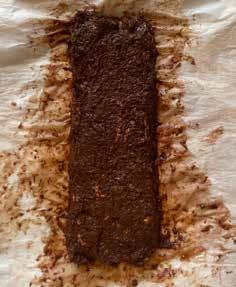
For the fourth experiment I used a variety of leaves found in the garden and added glue and flour to create a thick material. The material took about a week to fully dry.
1 2 3 4
Video Documenting Leaf Extraction to Material
Where Do Leaves Go? [Uncanny
Branch]
Compiling Research of Leaves Collected in Elizabeth Street Garden Displayed on a Table for Interaction 3’4” x 2’4” Foli.age Ink Ink Swatch
Where Do Leaves Go? [Uncanny Branch]
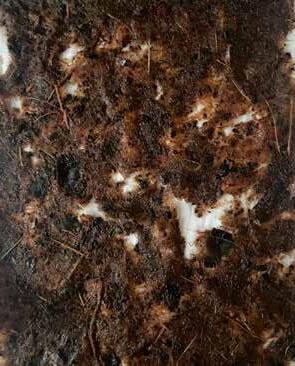
Photo Series Documenting the Process of the Material Decying Images 17”x11”
October 12, 2023
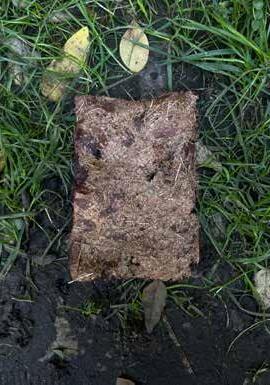
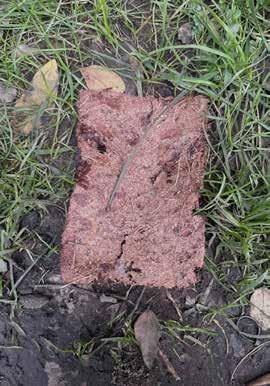
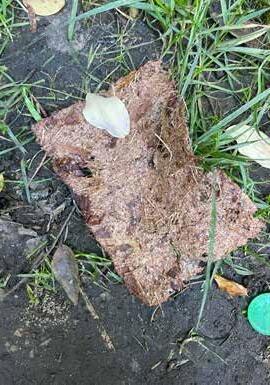
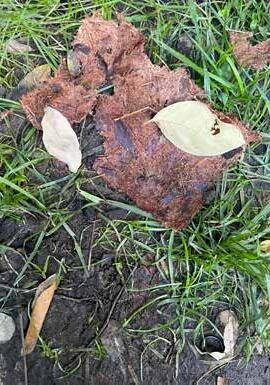
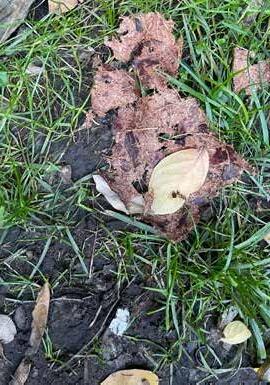
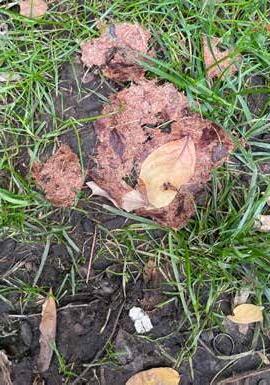
October 24, 2023
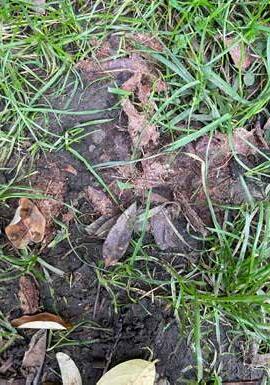
Where Do Leaves Go? [Uncanny
Branch]
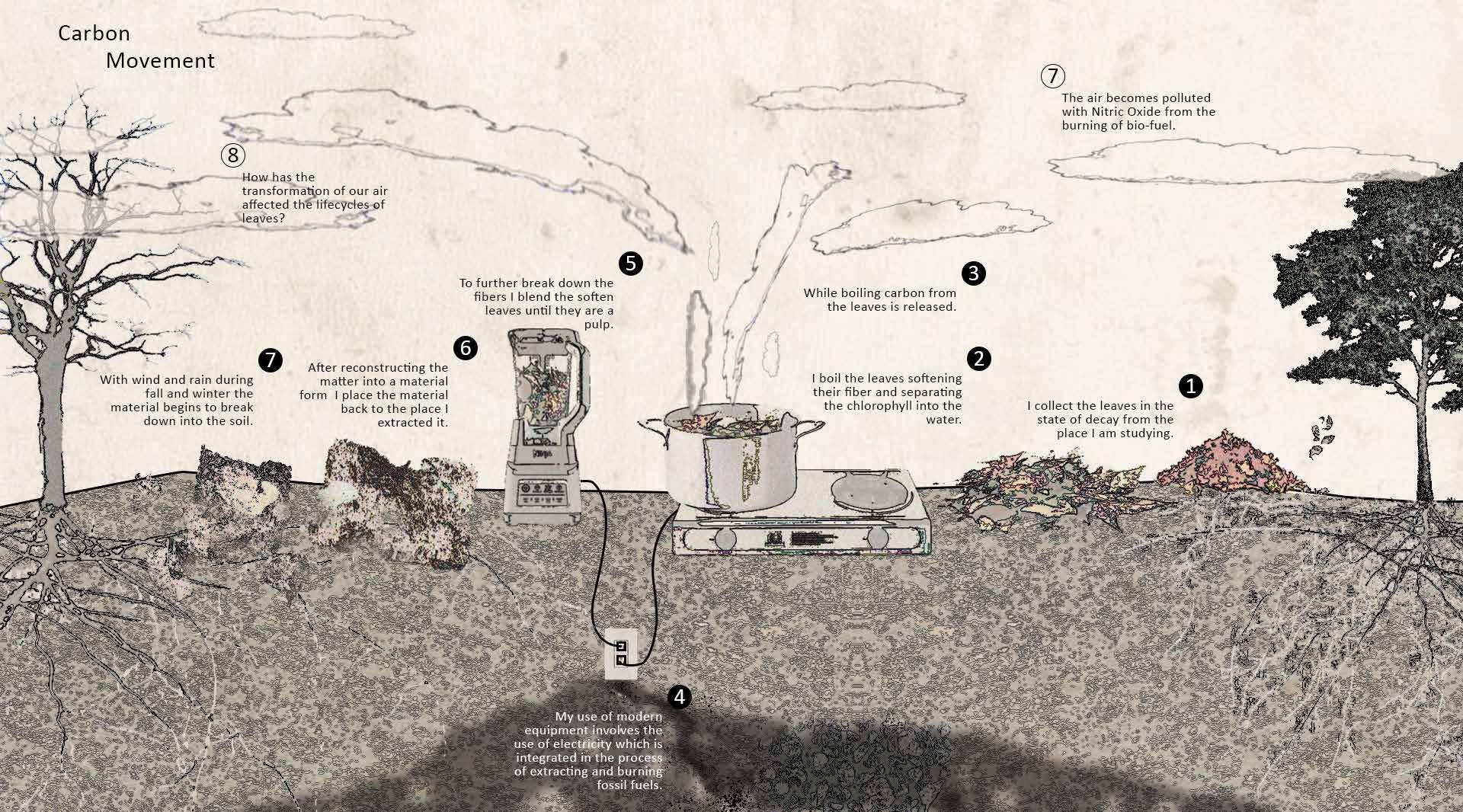
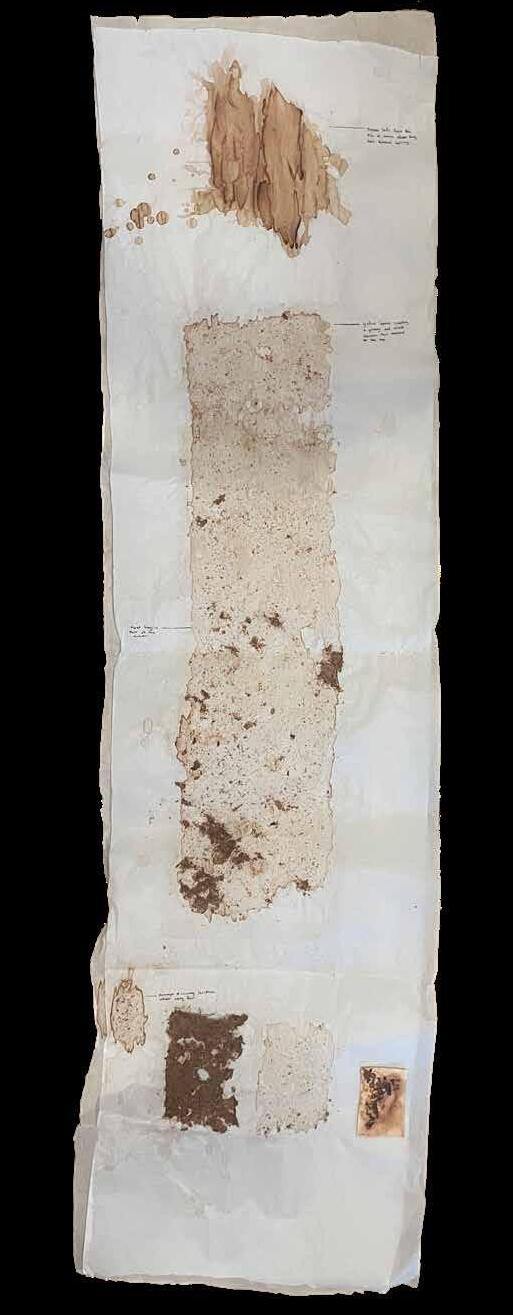
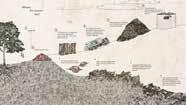
Long Drawing Illustrating the multiple processes of decay from natural, commercial, to my own material interventions. [1]
My intervention with time and how I reconstruct the matter from the fallen leaves into a material.
Where Do Leaves Go? [Uncanny
Branch]
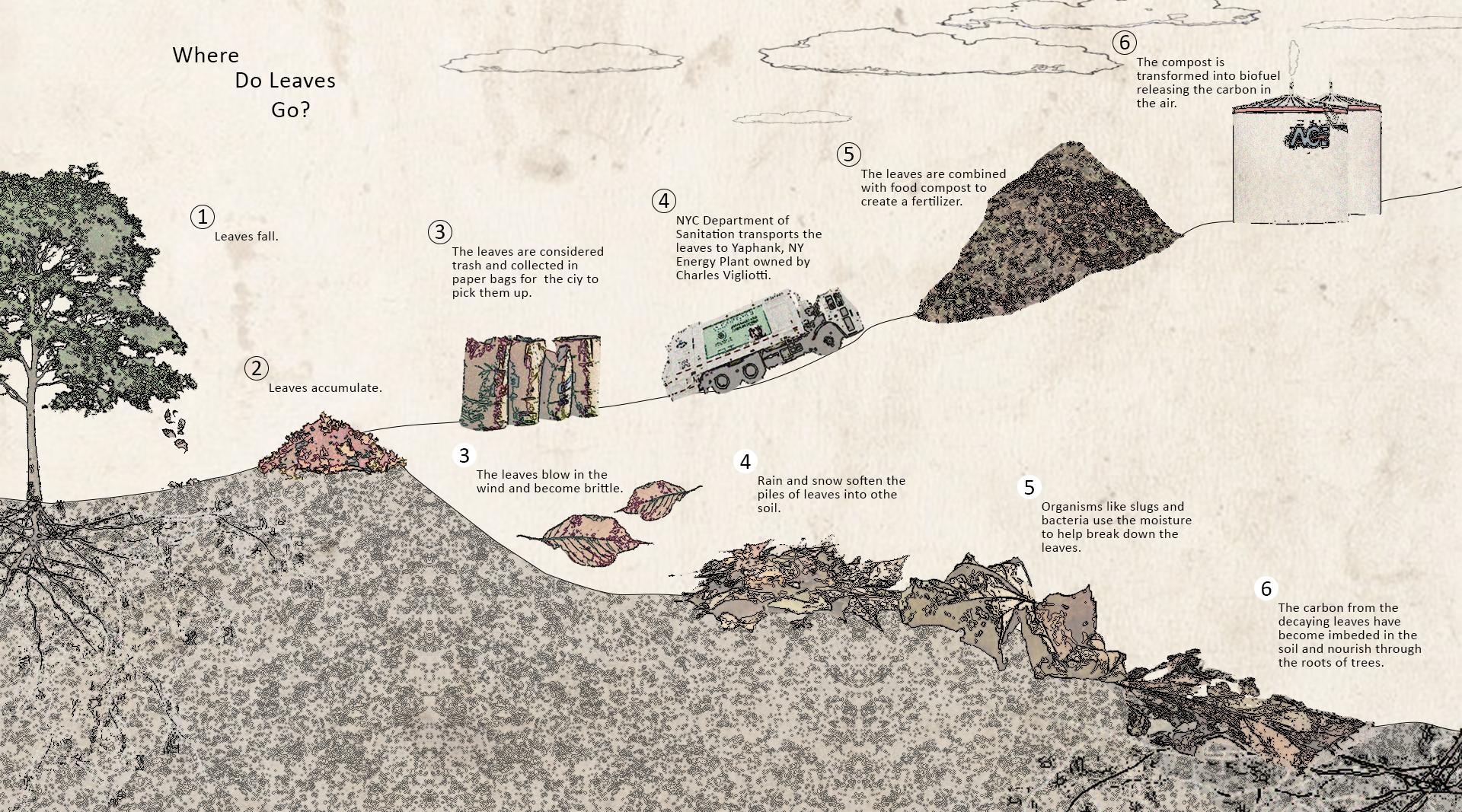
Long Drawing Illustrating the multiple processes of decay from natural, commercial, to my own material interventions.
[2]
Comparing how NYC Sanitation treats fallens leaves versus the leaves biological process of decay.
Where Do Leaves Go? [Uncanny
Branch]
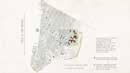
Drawing comparing the histories between an informal community garden to a formal community garden.
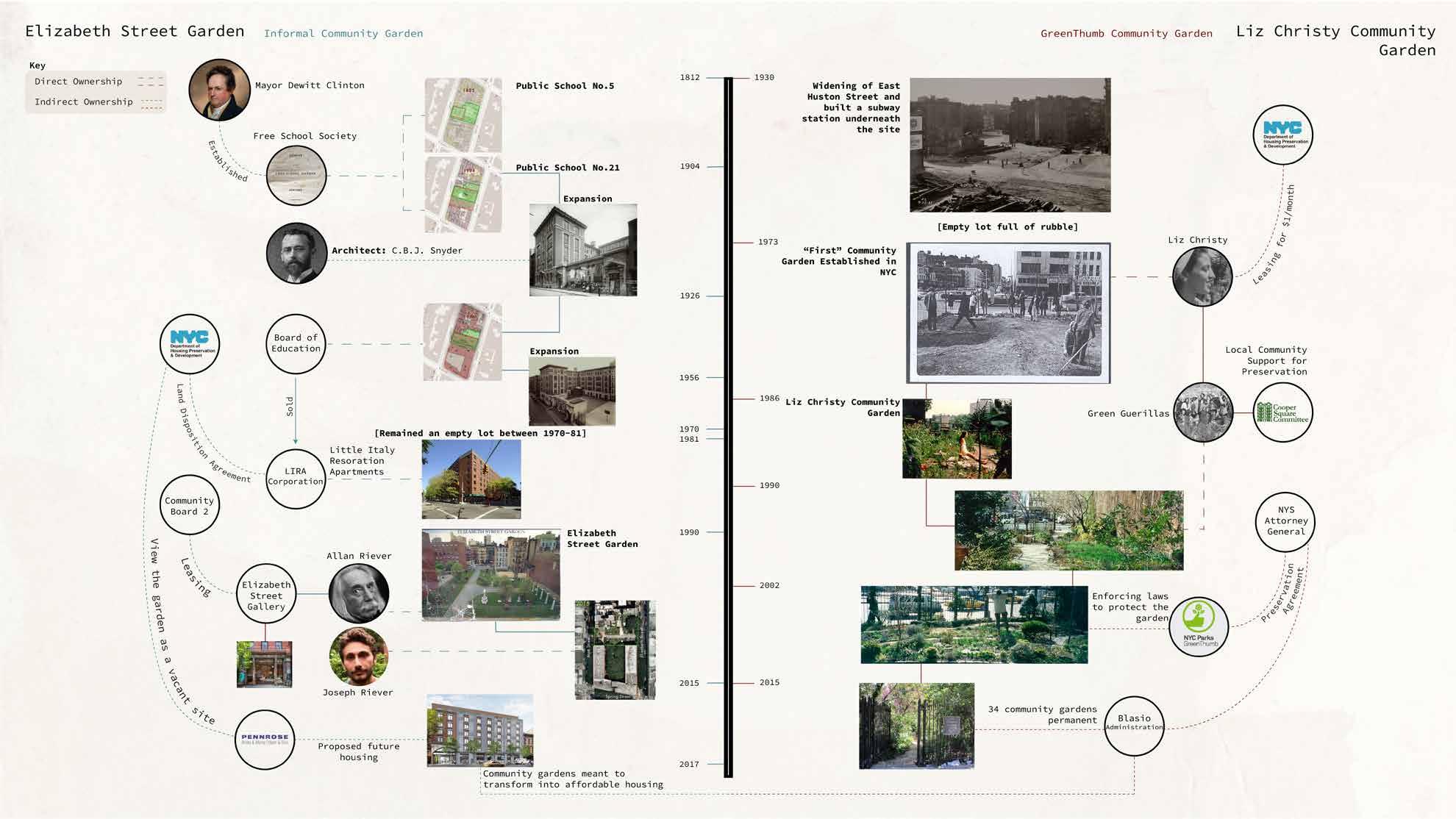
Where Do Leaves Go? [Uncanny Branch]
Informal Community Gardens vs. Protected Community Gardens
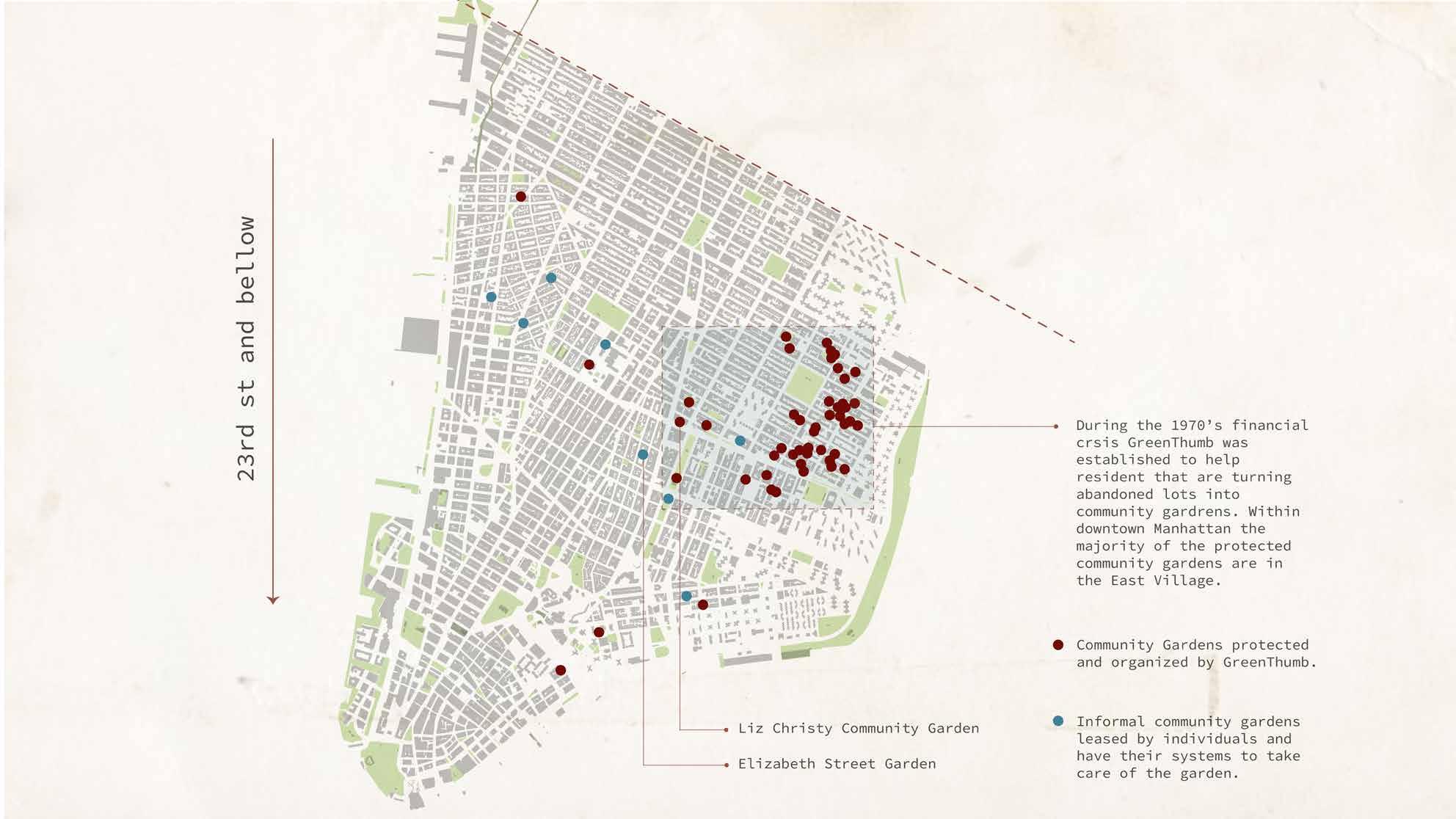
Where Do Leaves Go? [Uncanny Branch]
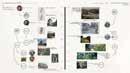
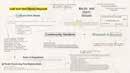
Extracting the words used throughout my research and comparing their definitions to how they become defined by the people involved. How are words used to create a “value” of ESG and the fallen leaves.
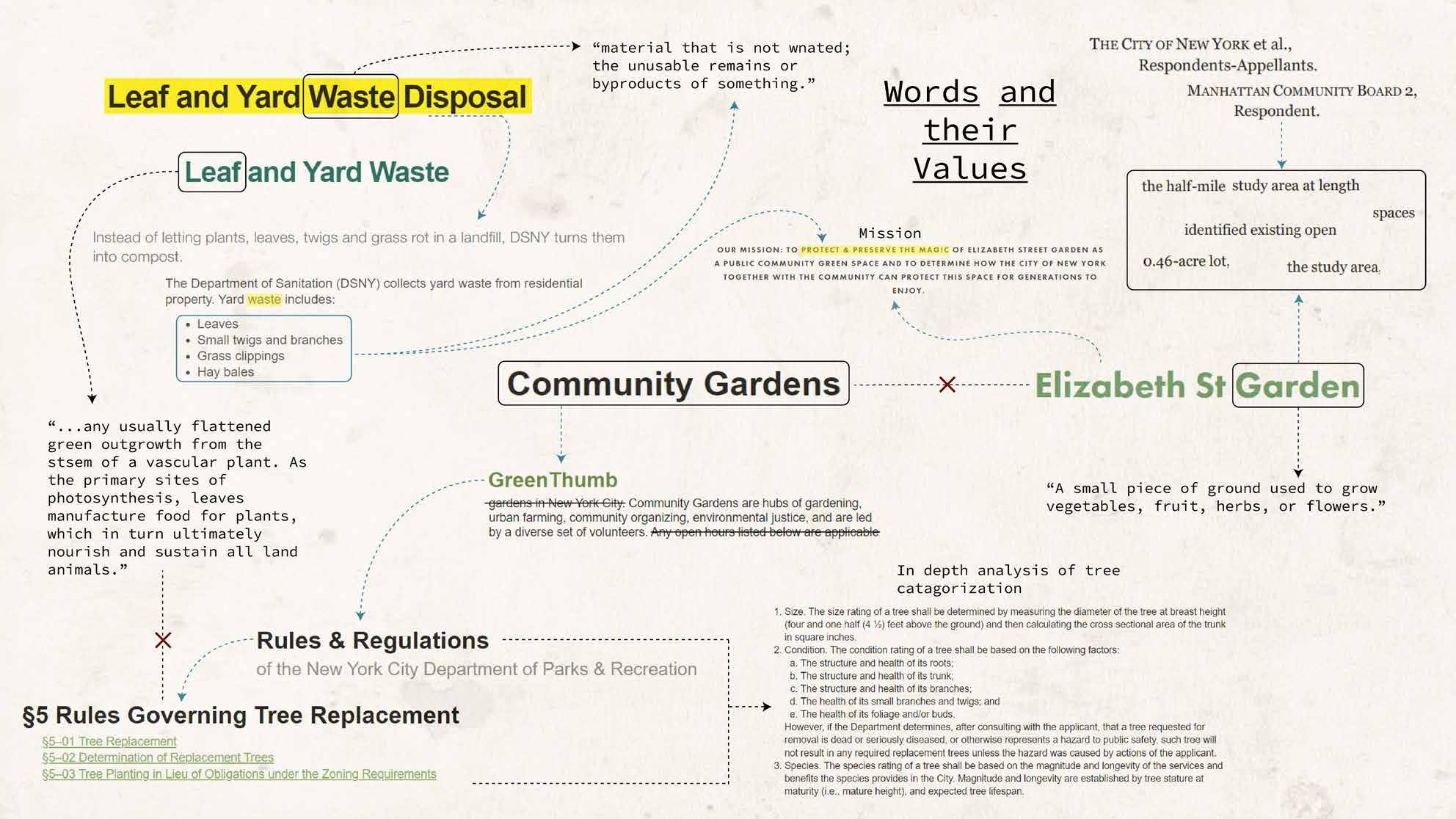
Where Do Leaves Go? [Uncanny
Branch]
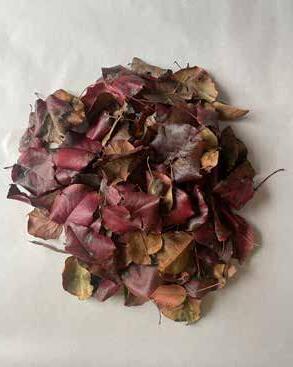
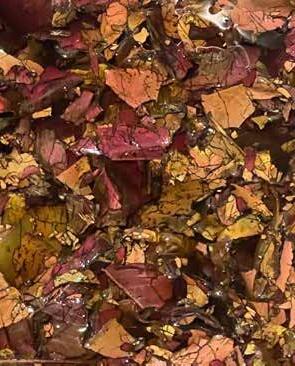
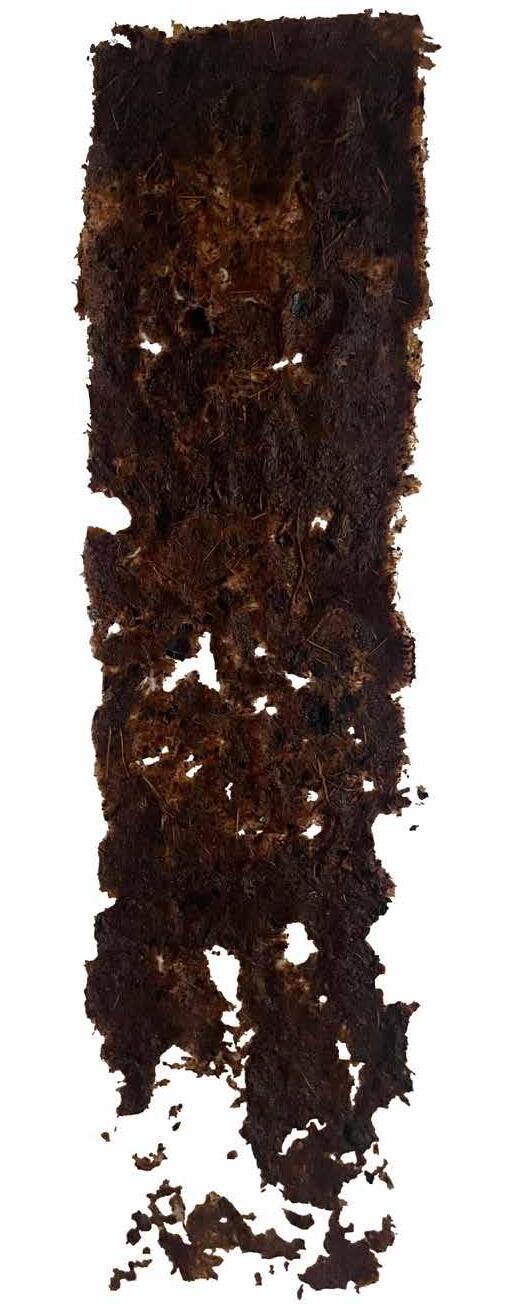
Yellow leaves collected in the begining of Fall. 3.5’x15”
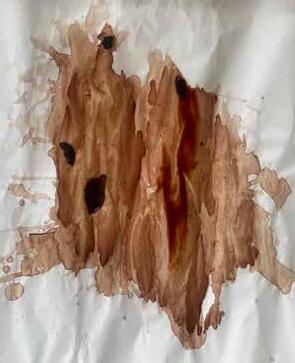
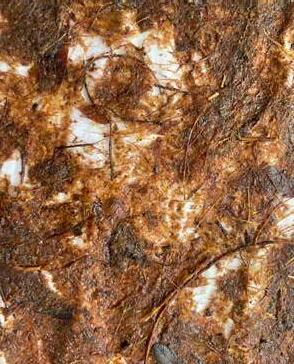
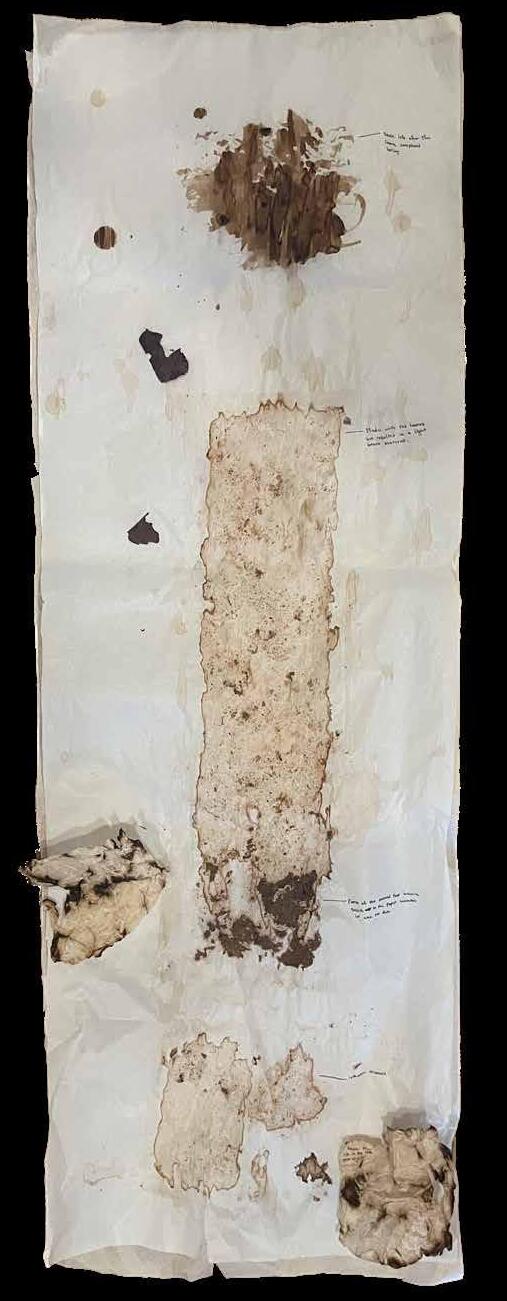
Drawings using the prints from the Leaves
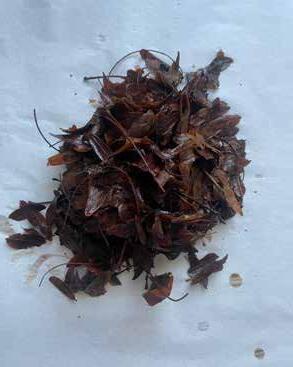
Where Do Leaves Go? [Uncanny
Branch]
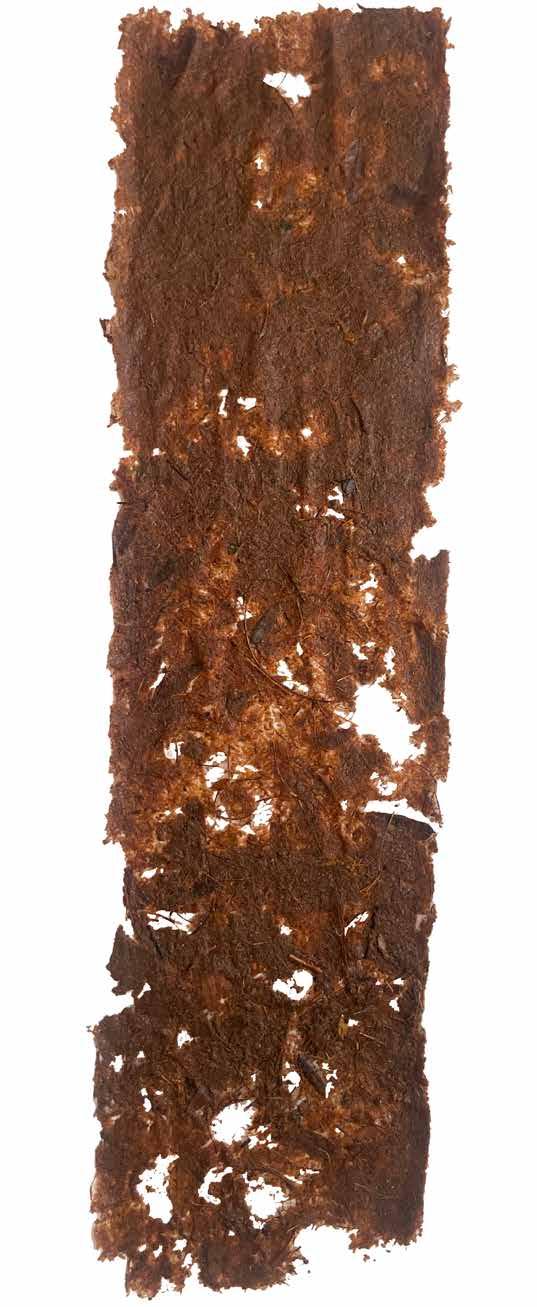
Leaves Collected at the End of Fall. 3.5’x15”
Drawings using the prints from the Leaves
 Red
Where Do Leaves Go? [Uncanny Branch]
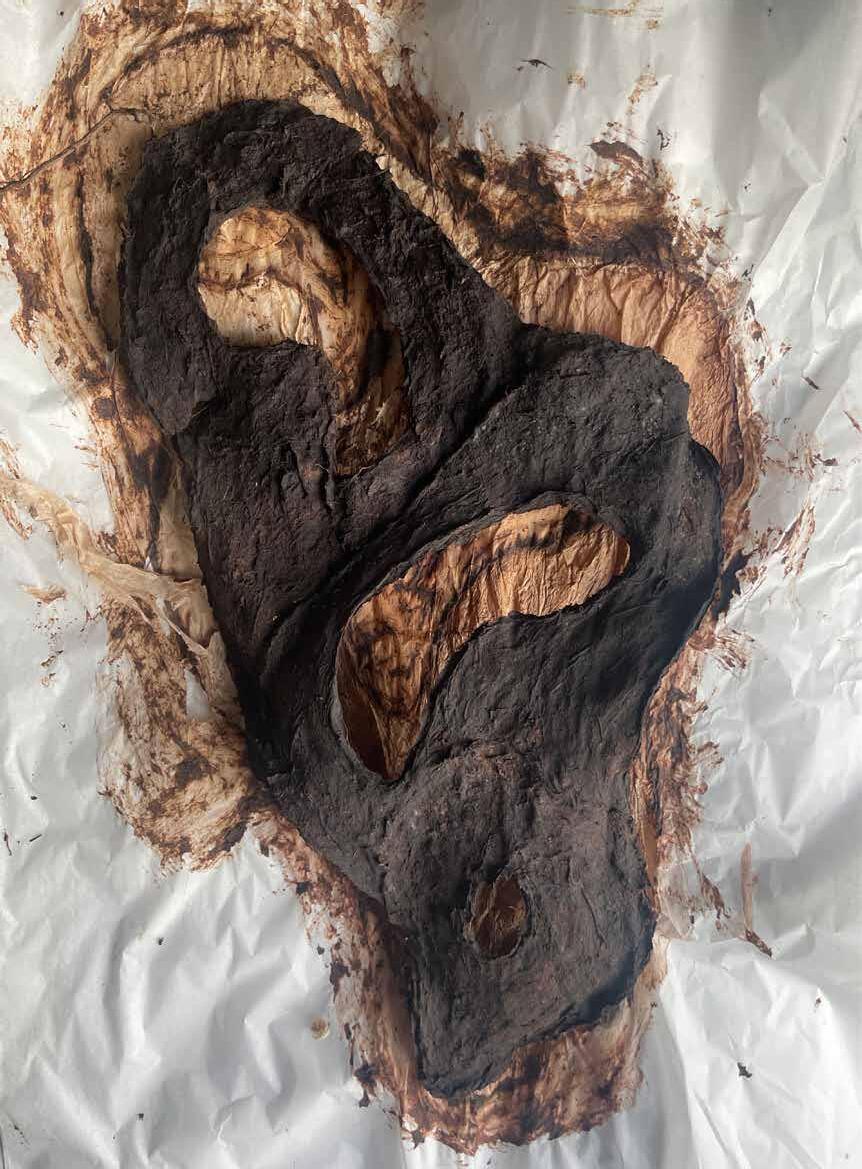
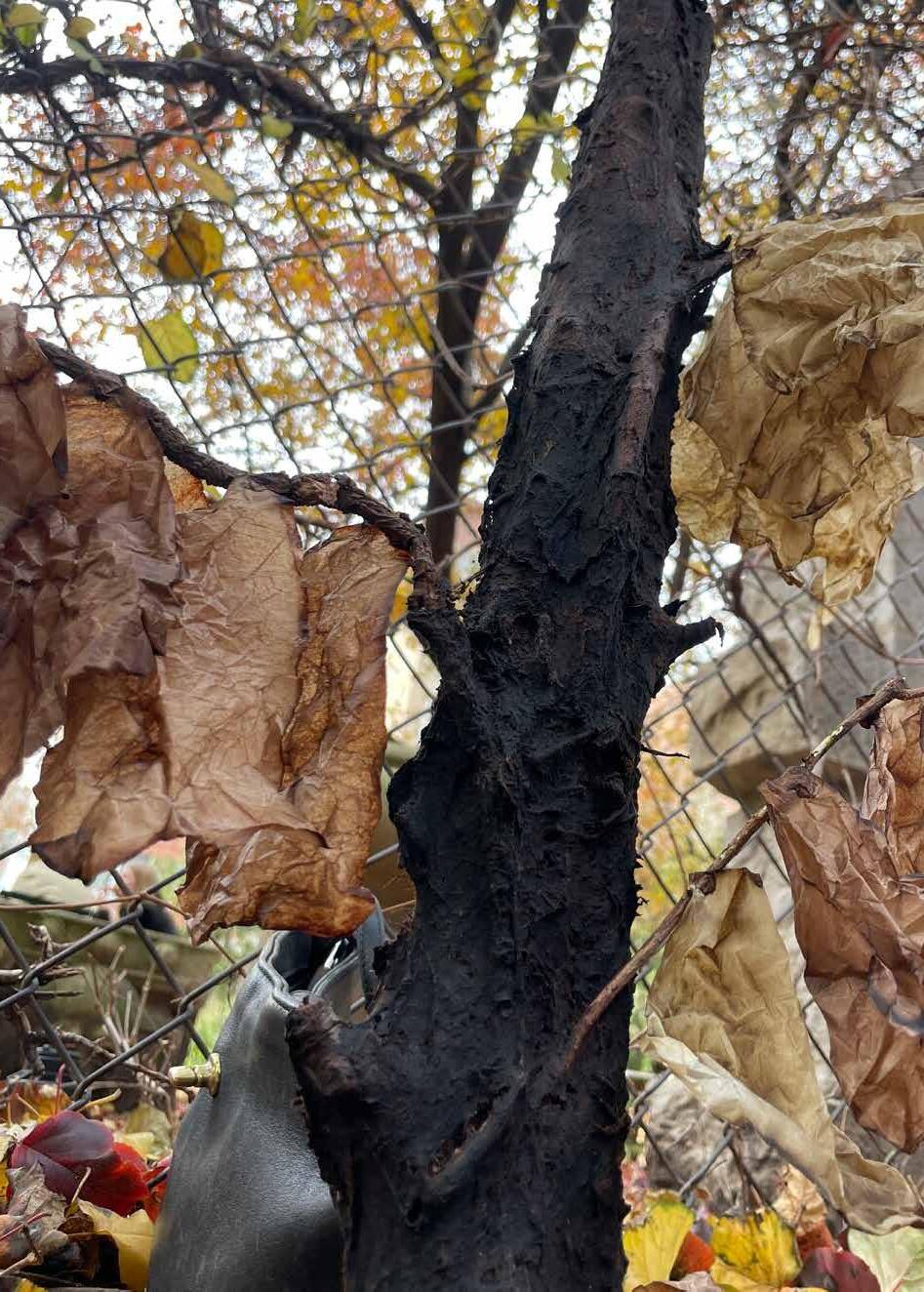
The final piece was constructed in three seperate parts starting with the body combining fallen branches and the leaf material. The second section created is the base for the body to connect to, and finally the bowl that sits on top of the body. The body is constructed with fallen green leaves I collected in late Feburary.
The green leaves become significant as they are a symbol of time changing and the strange occurance of green leaves within late fall. The bowl is the most fragil peice creating holes and debris along the edges. As drawings I again used the prints of each section to illustrate the different times throughout the process of the overall piece.
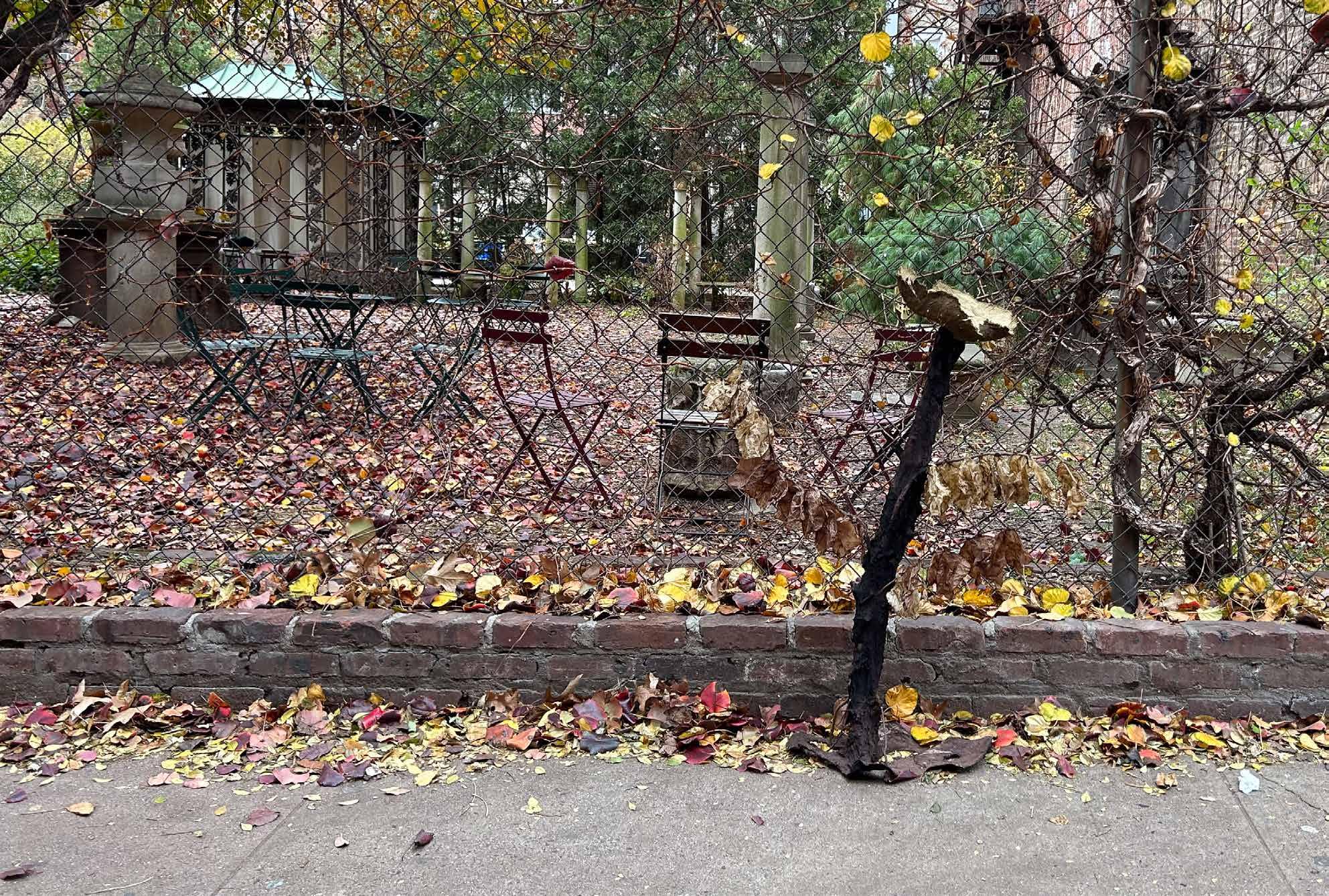
The combined elementes resulted in an Uncanny Branch that was placed back in Elizabeth Street Garden where its’ matter was first extracted. In the garden I asked people to interact with the Uncanny Branch by puling off a dyed piece of paper from the branchs, writing words on the paper that illustrate their memories of the garden, and placing their memorie within the bowl. Similar to how the Uncanny Branch becomes a material of the leaves of the garden, the interaction materializes the individual memories.
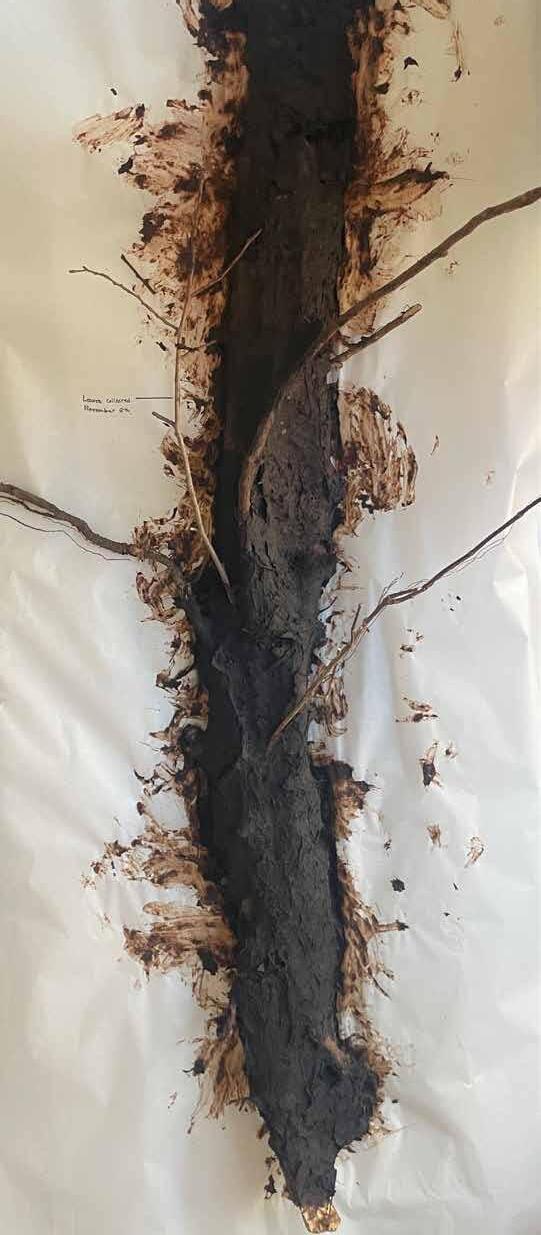
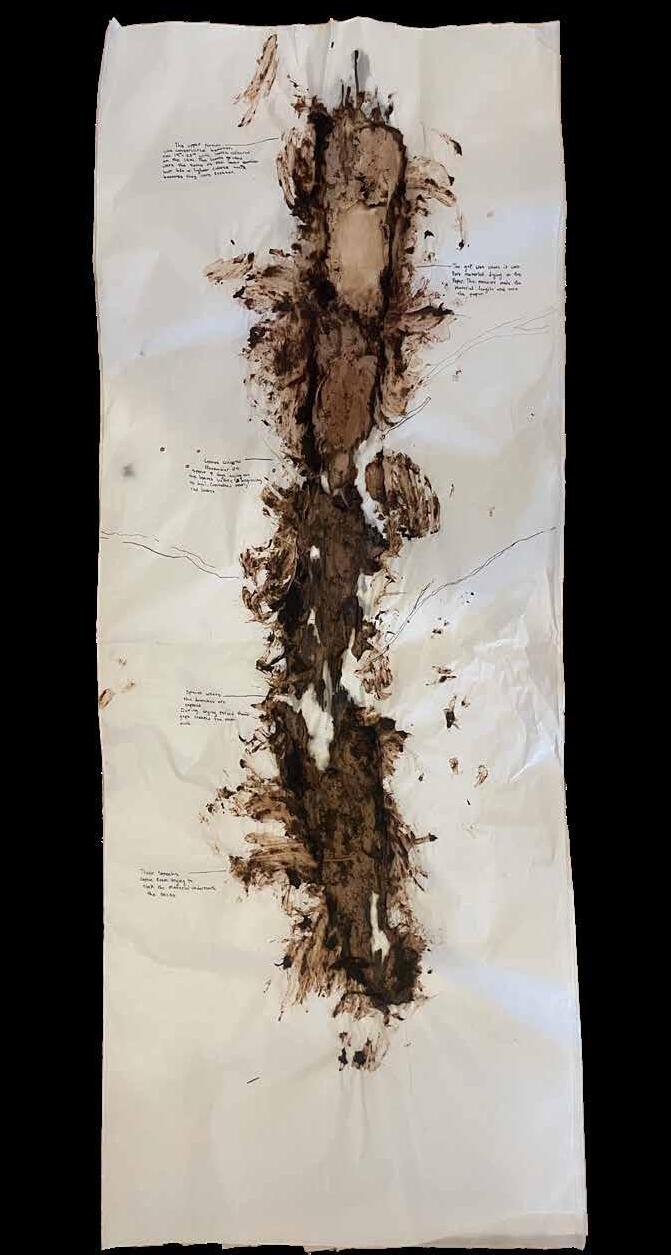 3’x6”
Body
Where Do Leaves Go? [Uncanny Branch]
Base
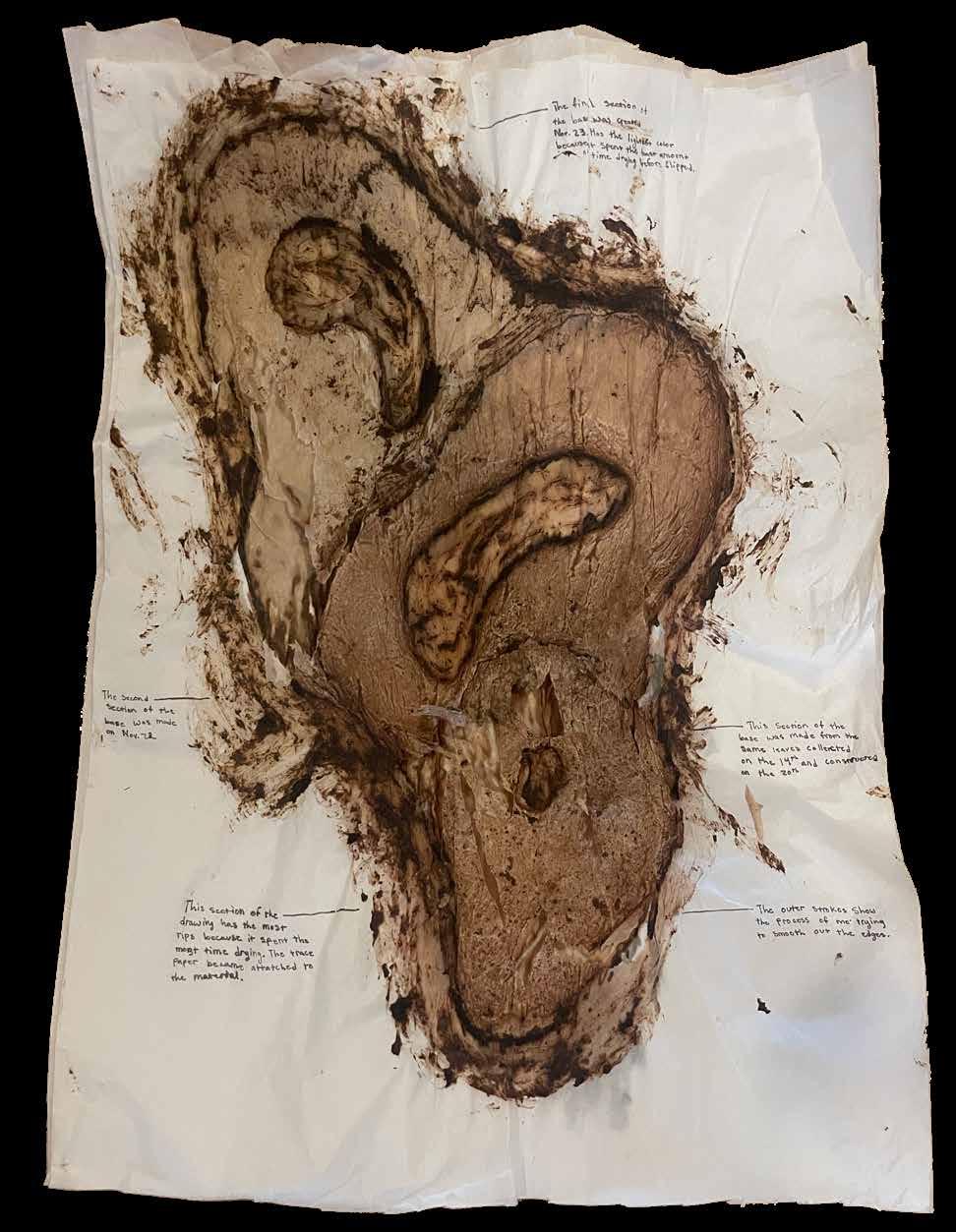 3’x6”
Where Do Leaves Go? [Uncanny Branch]
Bowl
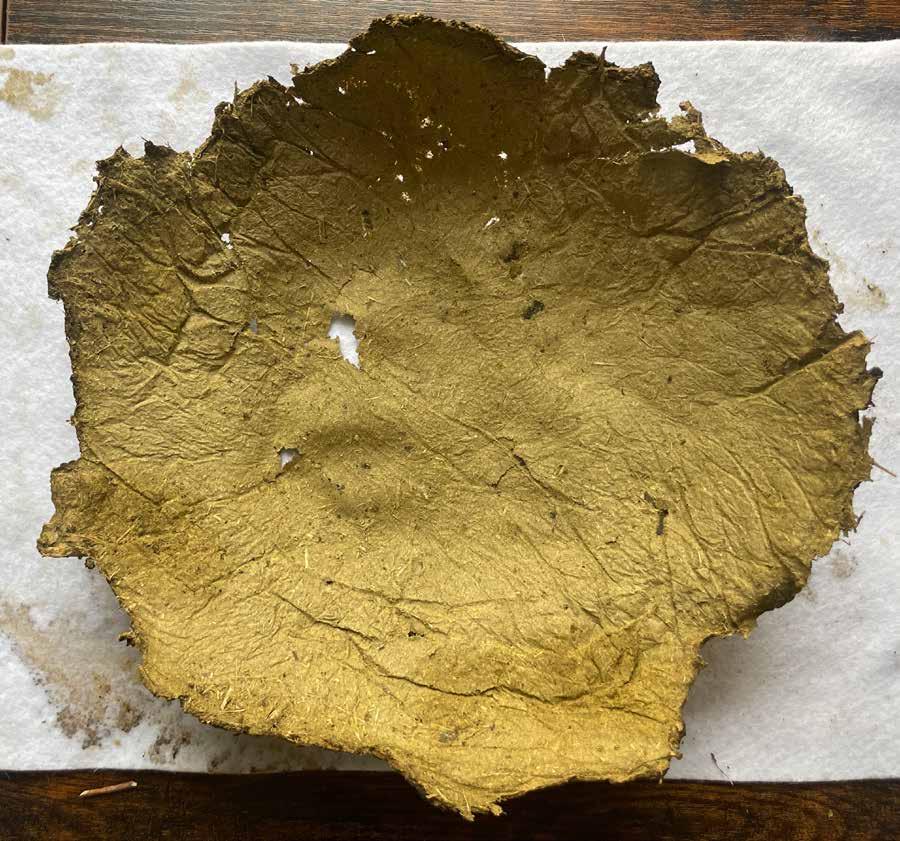
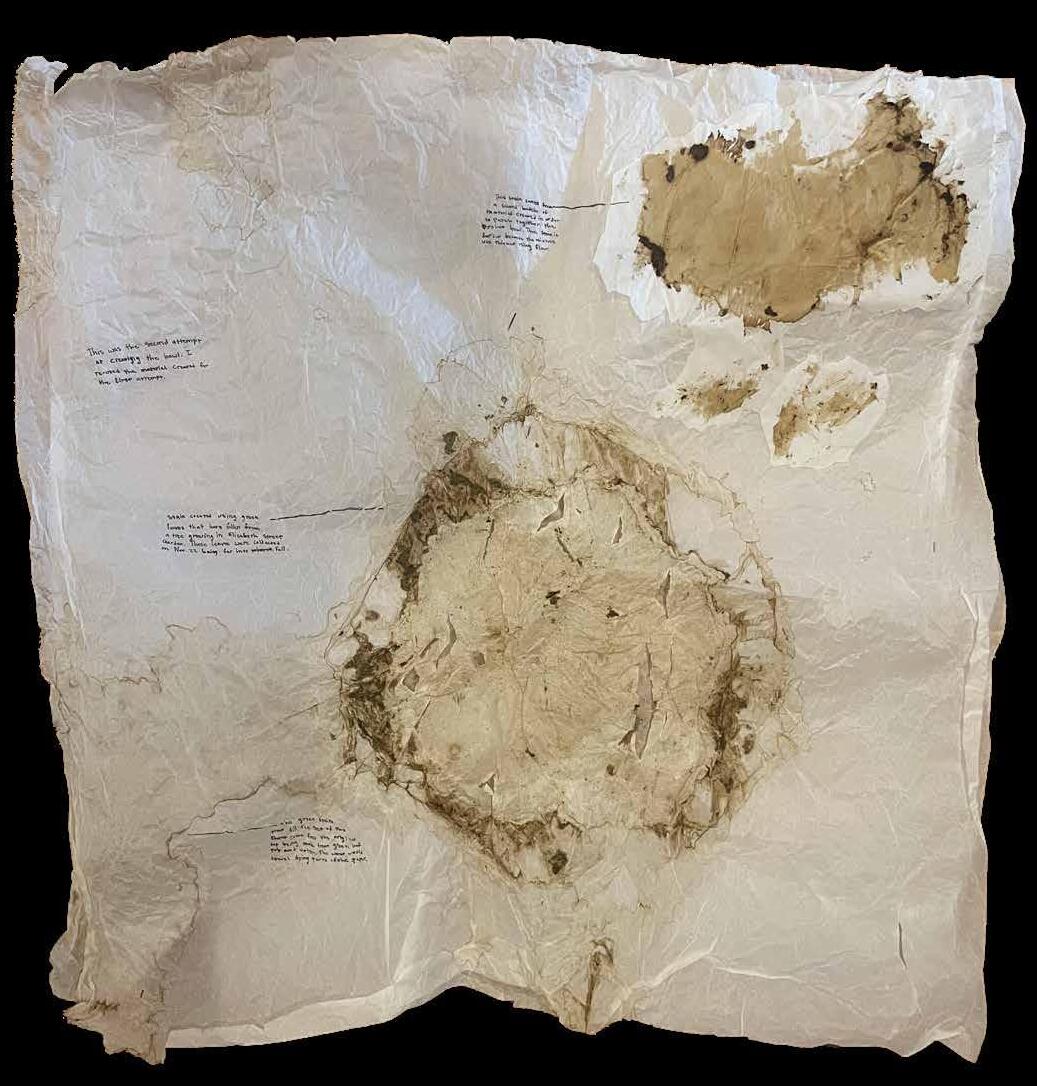 3’x6”
Where Do Leaves Go? [Uncanny Branch]
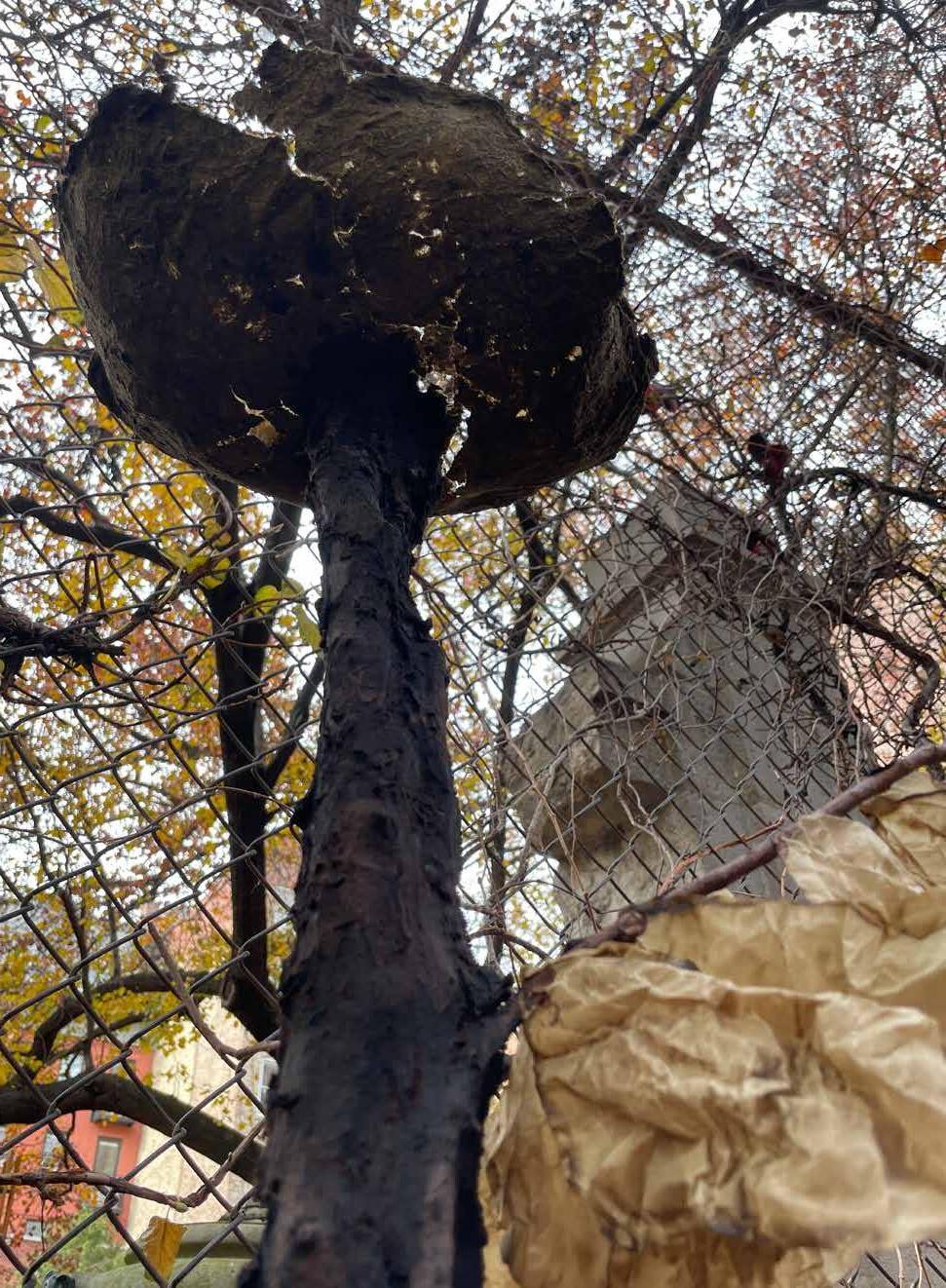
Where Do Leaves Go? [Uncanny
Branch]
Where Do Leaves Go? [Uncanny
Branch]
The material within its’ original context creates an uncanny relationship with its surroundings, not quite fitting in with the matter that it is originally
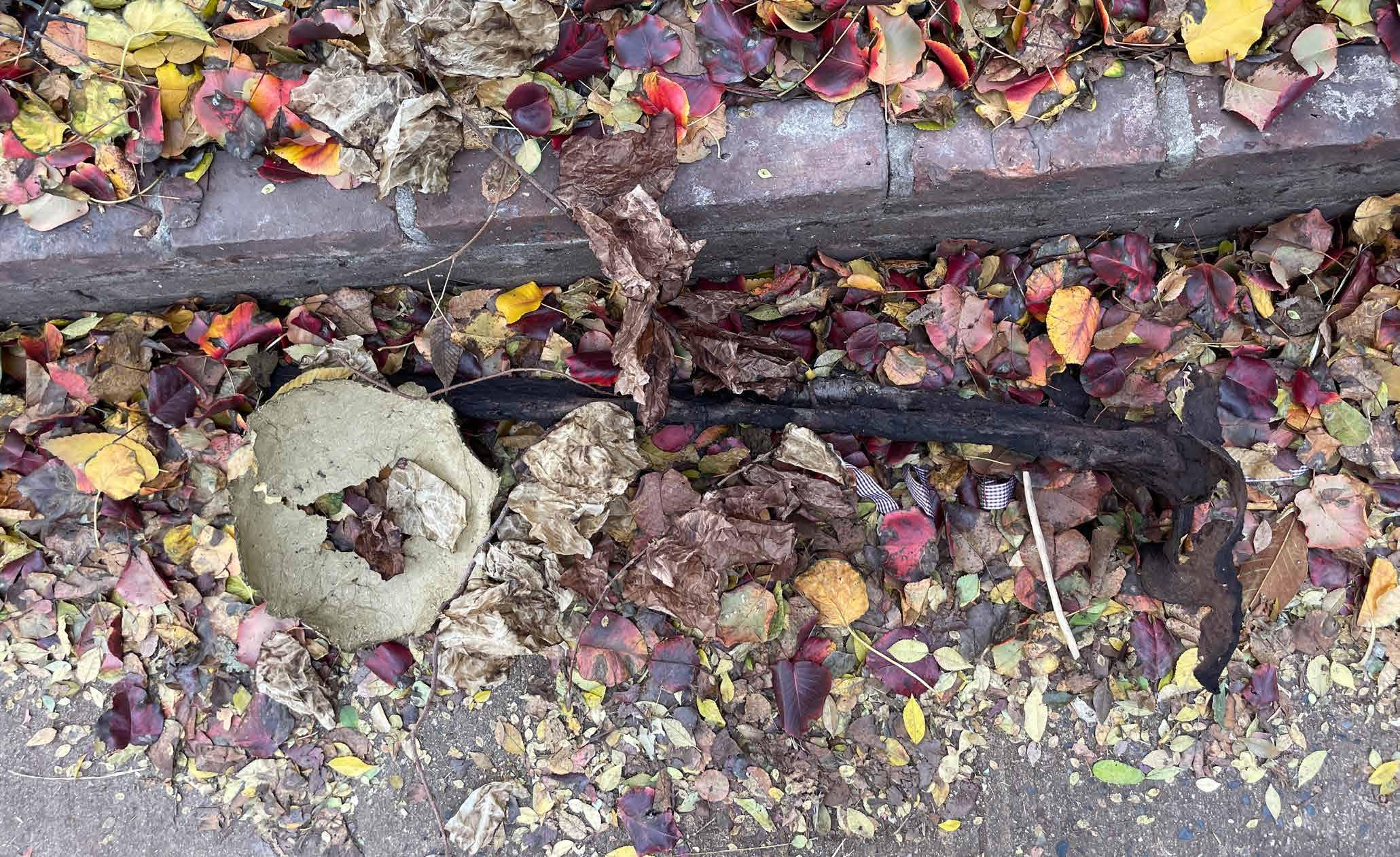




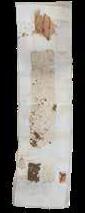
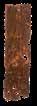
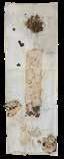

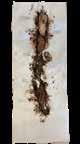

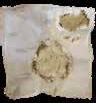
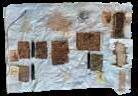
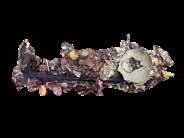
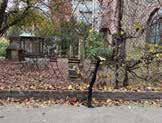
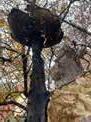
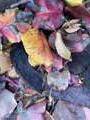
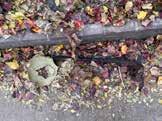
At the center will be the Uncanny Branch 3’10” x 1’2” in its current state of decay. It will be sitting in a bed of leaves and paper dyed from leaf paint. Underneath will be a large sheet of paper around 6’x6’. On the perimeter of the paper will cases of the leaf paint that people will use to stain the paper surrounding the piece.


Entrance 15’ 10’ 9’10” A A B B C C D D E E
Table with the 29” x 41”
Layout
Reseach Wall
Description
Foli.age Shelf
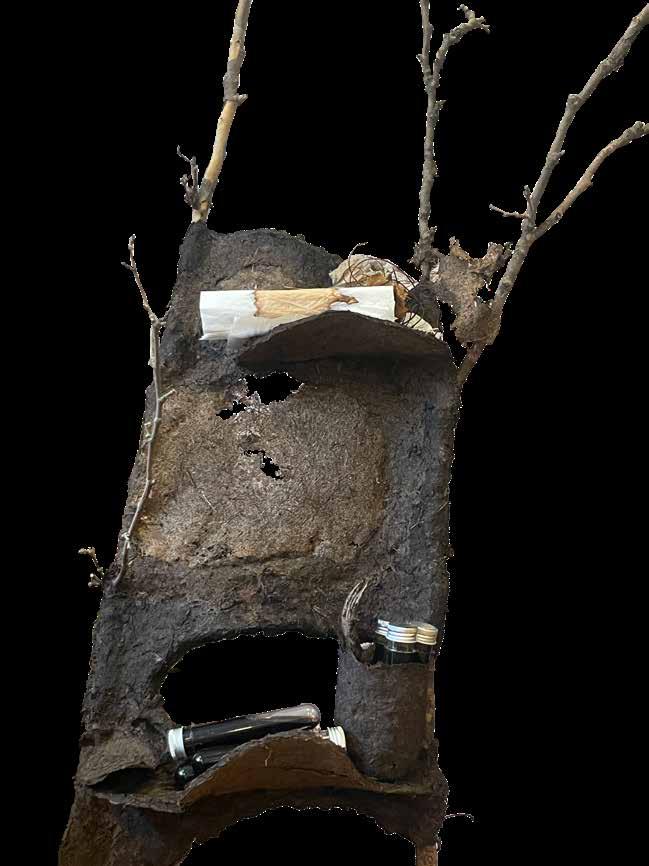
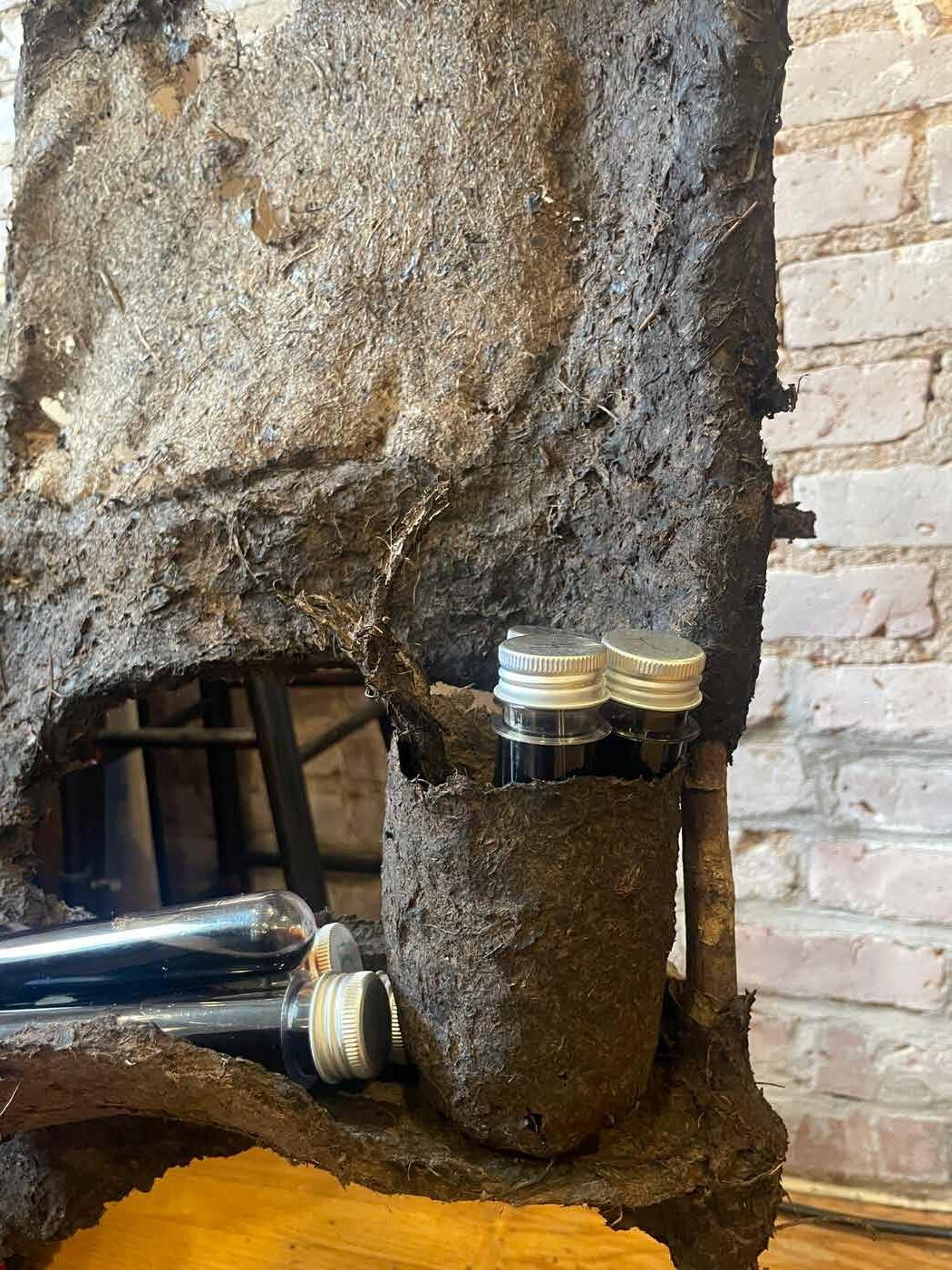
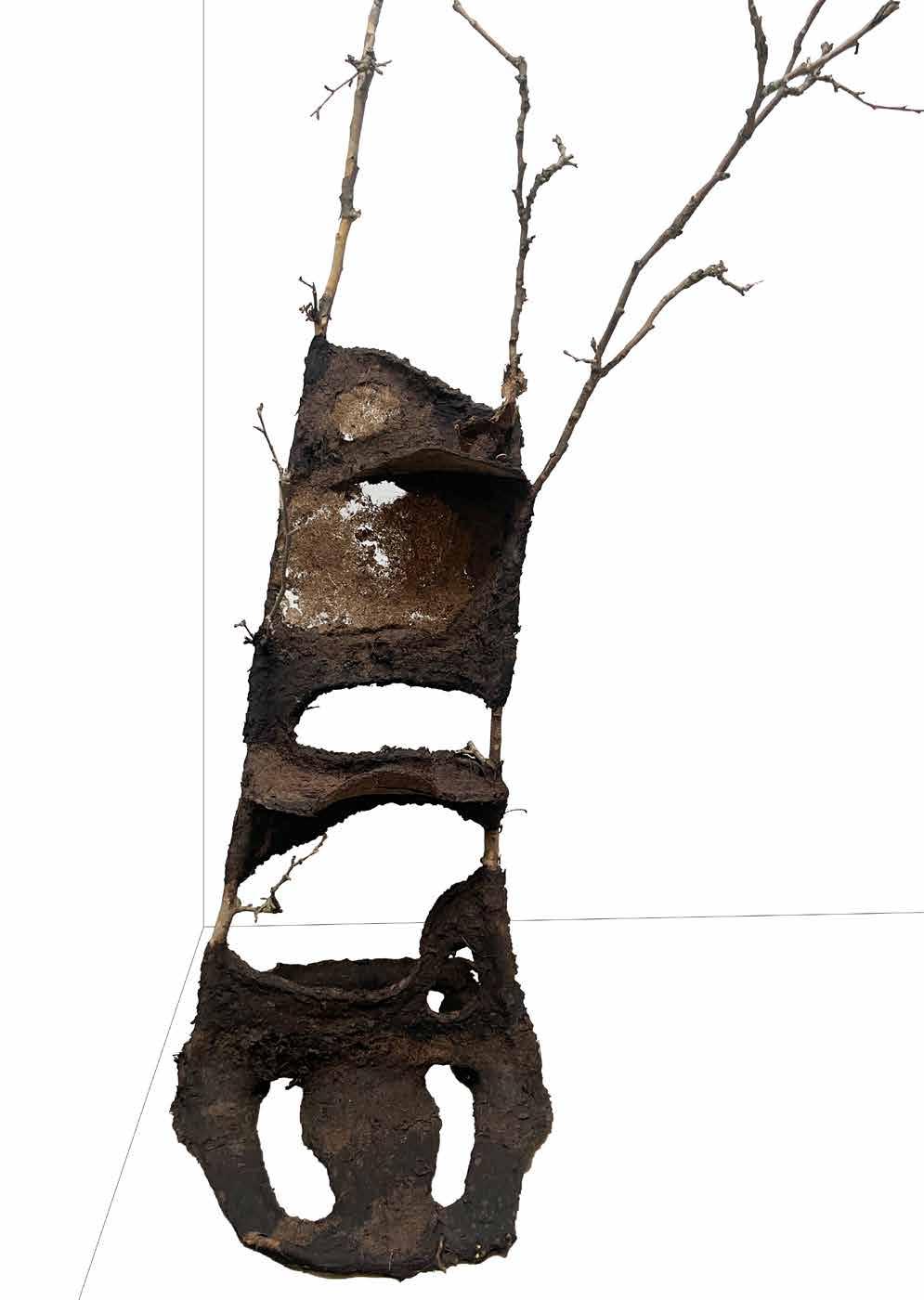
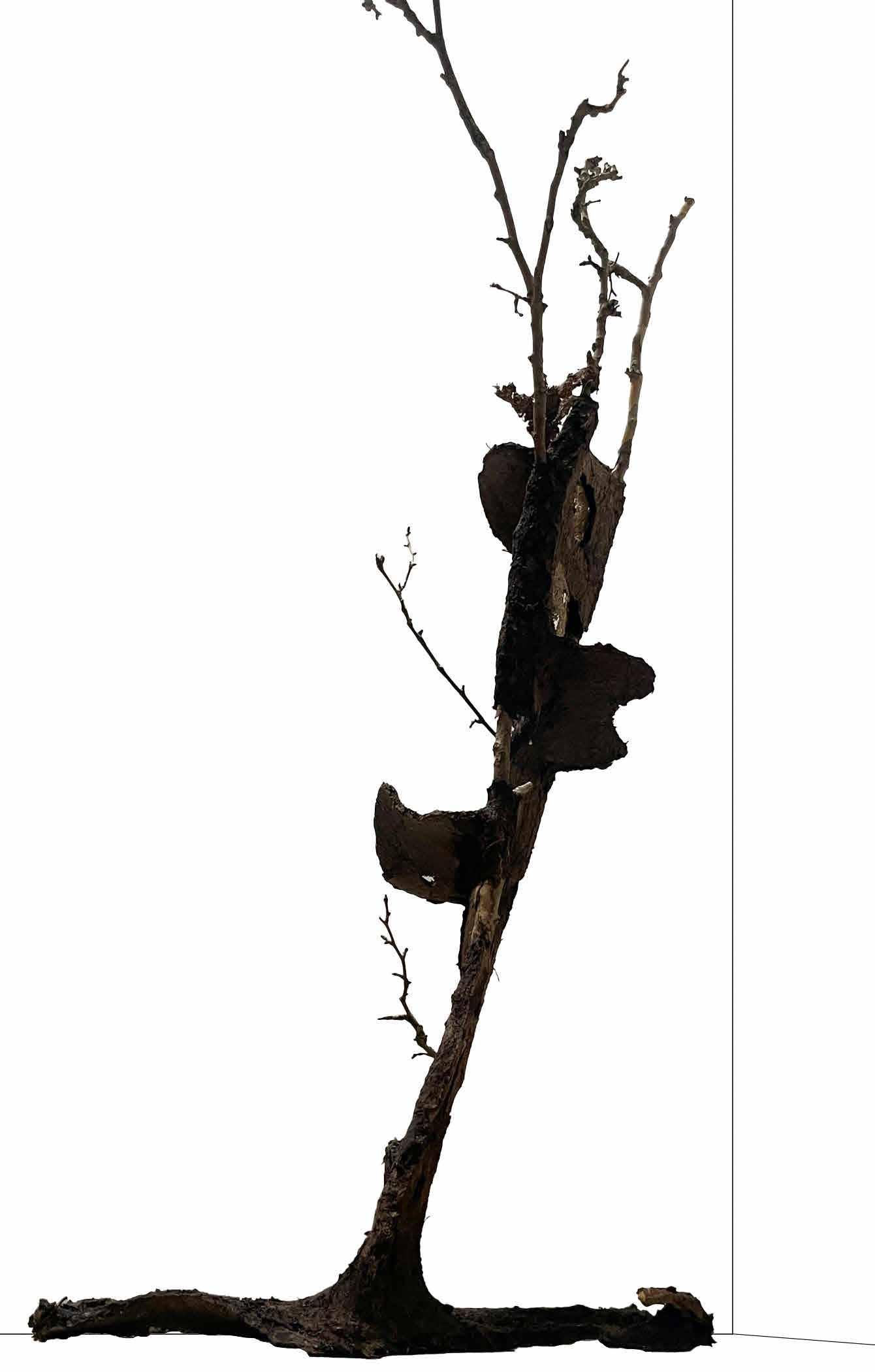
This project is based off of the functions of a bookshelf where I intended to create a piece that can hold my studies. Made out of leaves I collected from Central Park and sticks I found at Columbia University, I created this shelf as an embodiment of this chapter in my life. This is my version of a self portrait. The central part of the shelf wraps between the two sticks leaving gaps for me to fill in the future.
Each shelf is made to hold the studies that I have created throughout the year. The shelf itself is built using techniques that I have gained. Parts of the gaps are filled with a thin sheet of the leaf material so when light shines through it exposes the grains and fibers.
Foli.age Shelf
5’x2’x2’
Hole created to pass cords through the shelf
Foli.age Shelf
Foli.age Shelf
Print made from the body of the bookshelf.
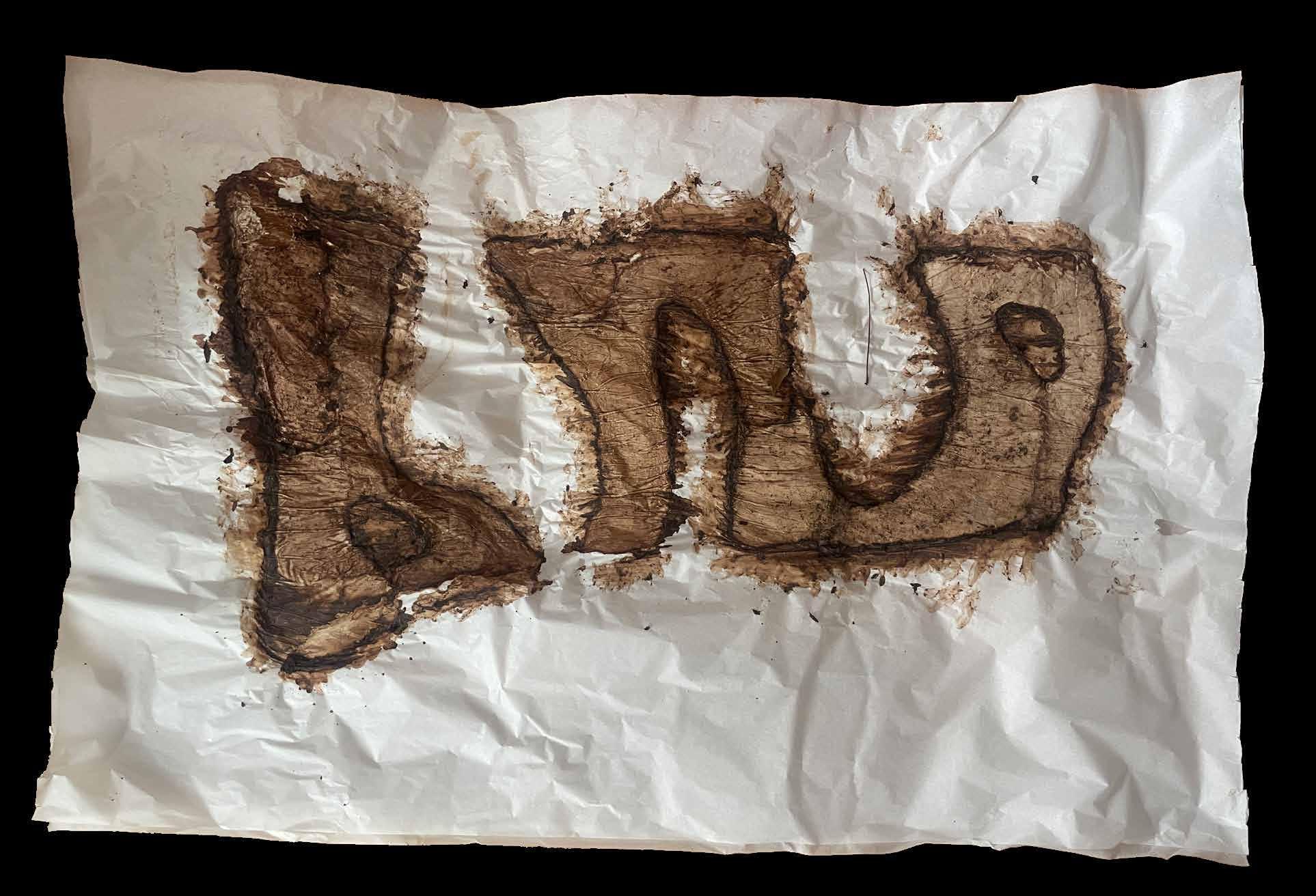
Foli.age Shelf
54” x 35”
Print made from the base of the bookshelf and the shelves.
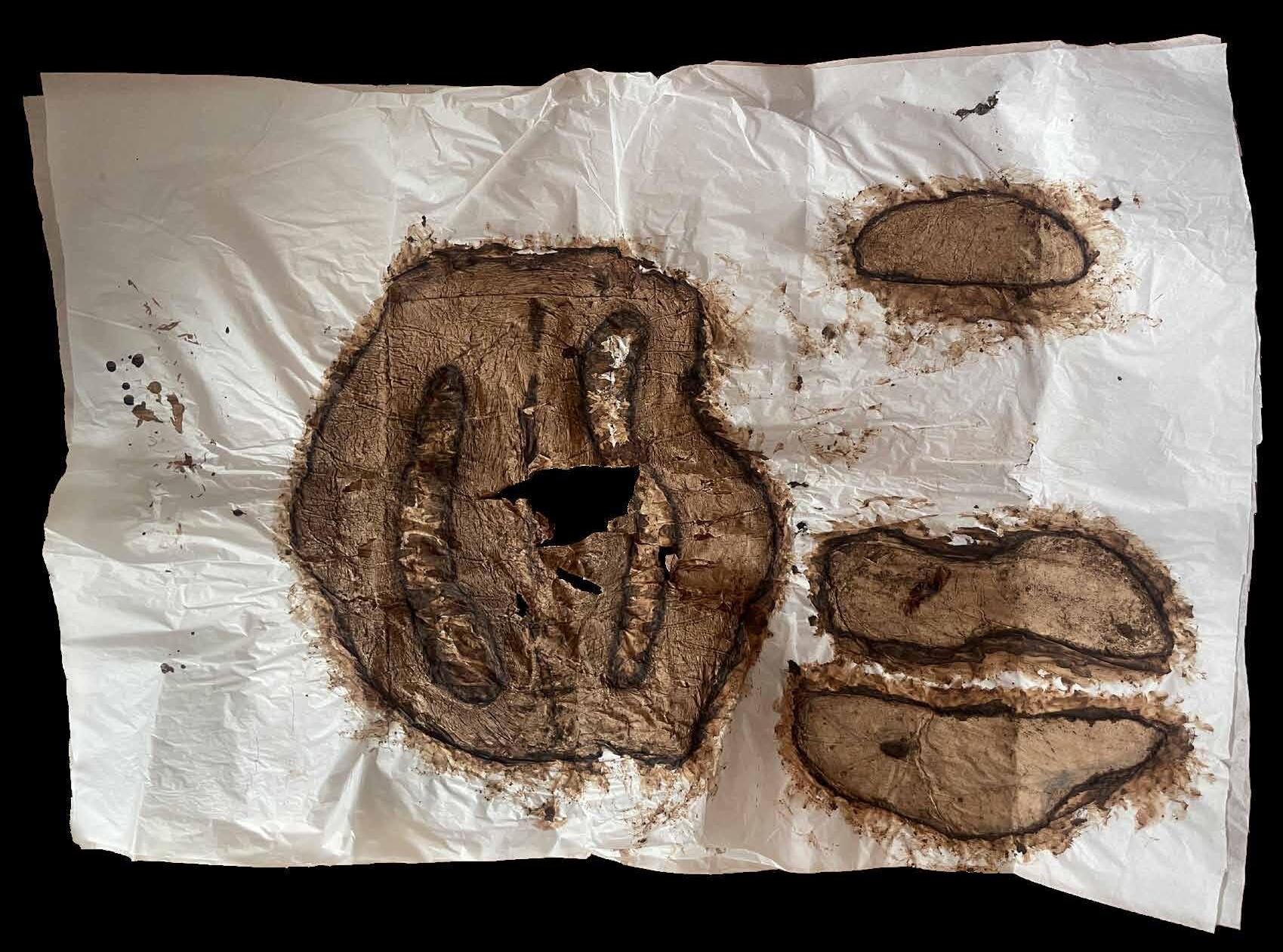
Foli.age Shelf
52” x 35”
The Metabolism of Leaves
Throughout my projects I have established a relationship with my work where I allow for the pieces I make to continue its process of decay. While I collect these leaves I make sure to connect them back to these place and with the time to become part of the ground. This project is a dining experience made out of leaves to become food for the soil. I have researched systems leaves are implemented in that have involved our food consumption. In New York City the leaves are collected in order to break down our food waste to become a bio-fuel. Within Central Park the leaves are collected and transformed into a compost tree to help fertilize newly planted trees. Leaves are also moved into piles to form a compost for smaller scales of agriculture. This project transforms these leaves I collected into a dining set that relates to our relationship with food. Ultimatly these leaves are meant to be consumed by the ground. The dinning set can only be used by time, weather, and the soil.
Objects include: Fork, Knife, Spoon, Bowl, Place Mat, and Cup
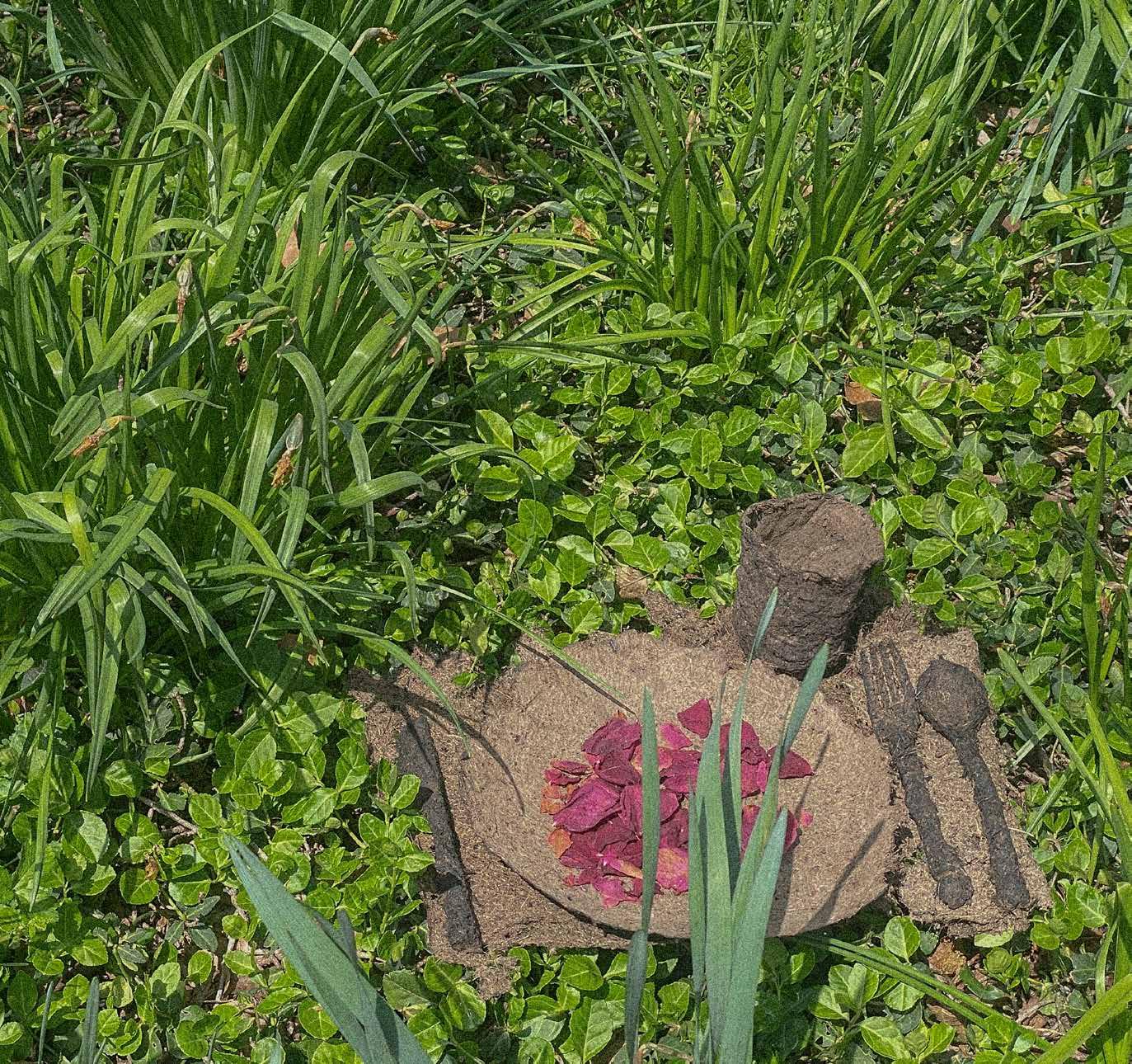
The Metabolism of Leaves
This project was an experimentation of how closely I could transform the material to forms of recognizable household objects used for dining. While they may perceive as common objects we use, the material stays true to its own qualities but not performing the same way as they are formed. When they come into contact with food or liquids they will fall apart.
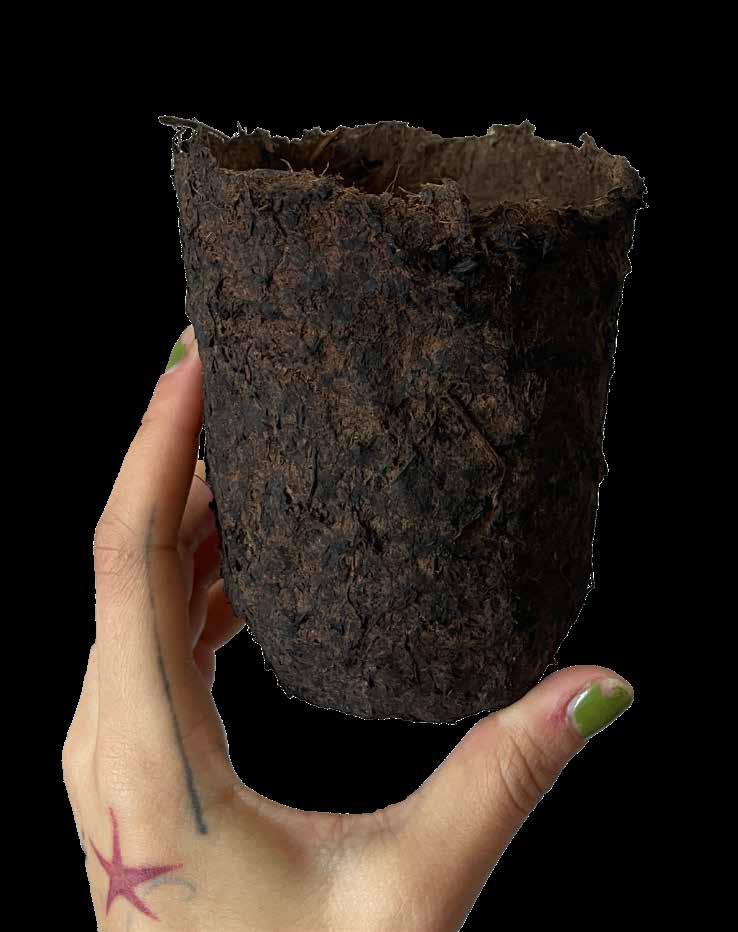
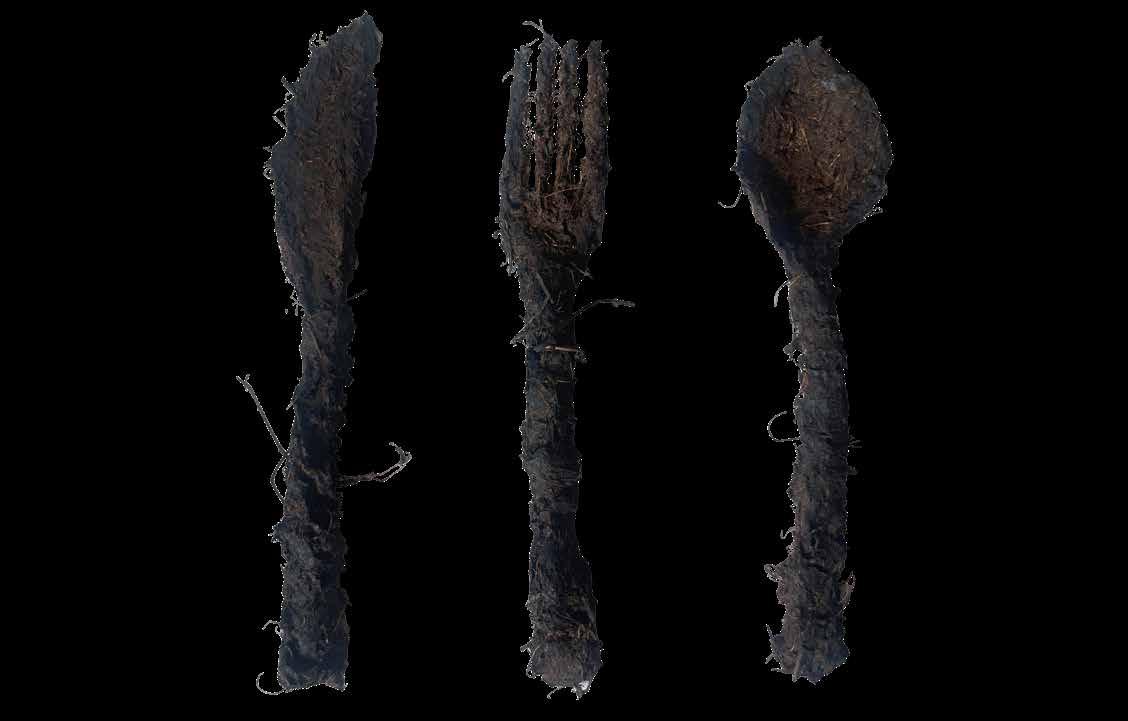
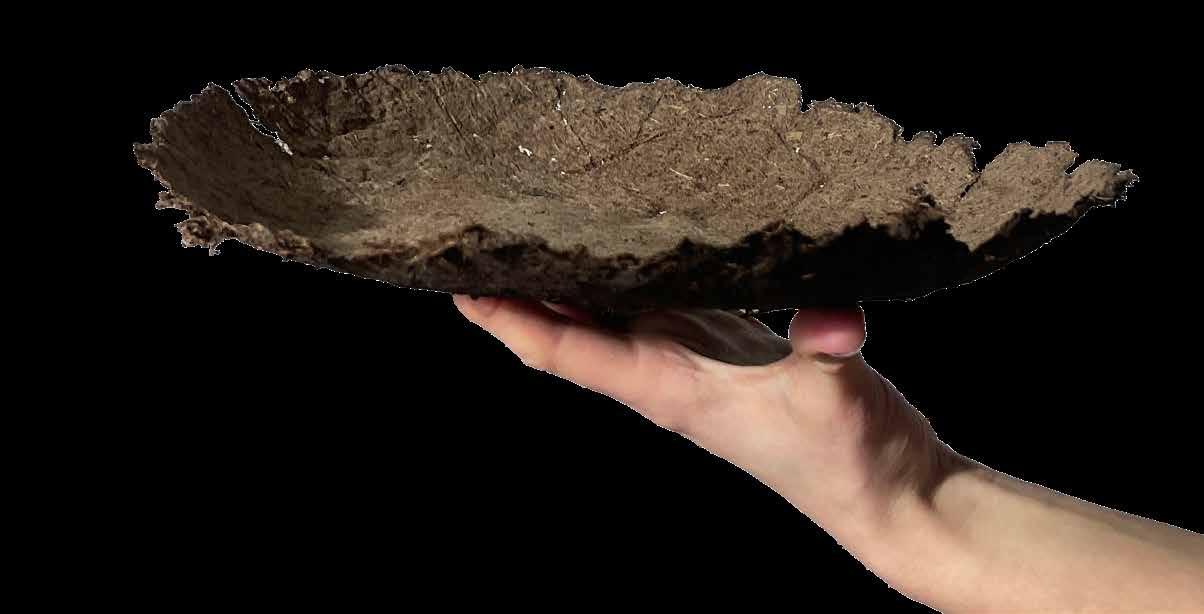
The Metabolism of Leaves
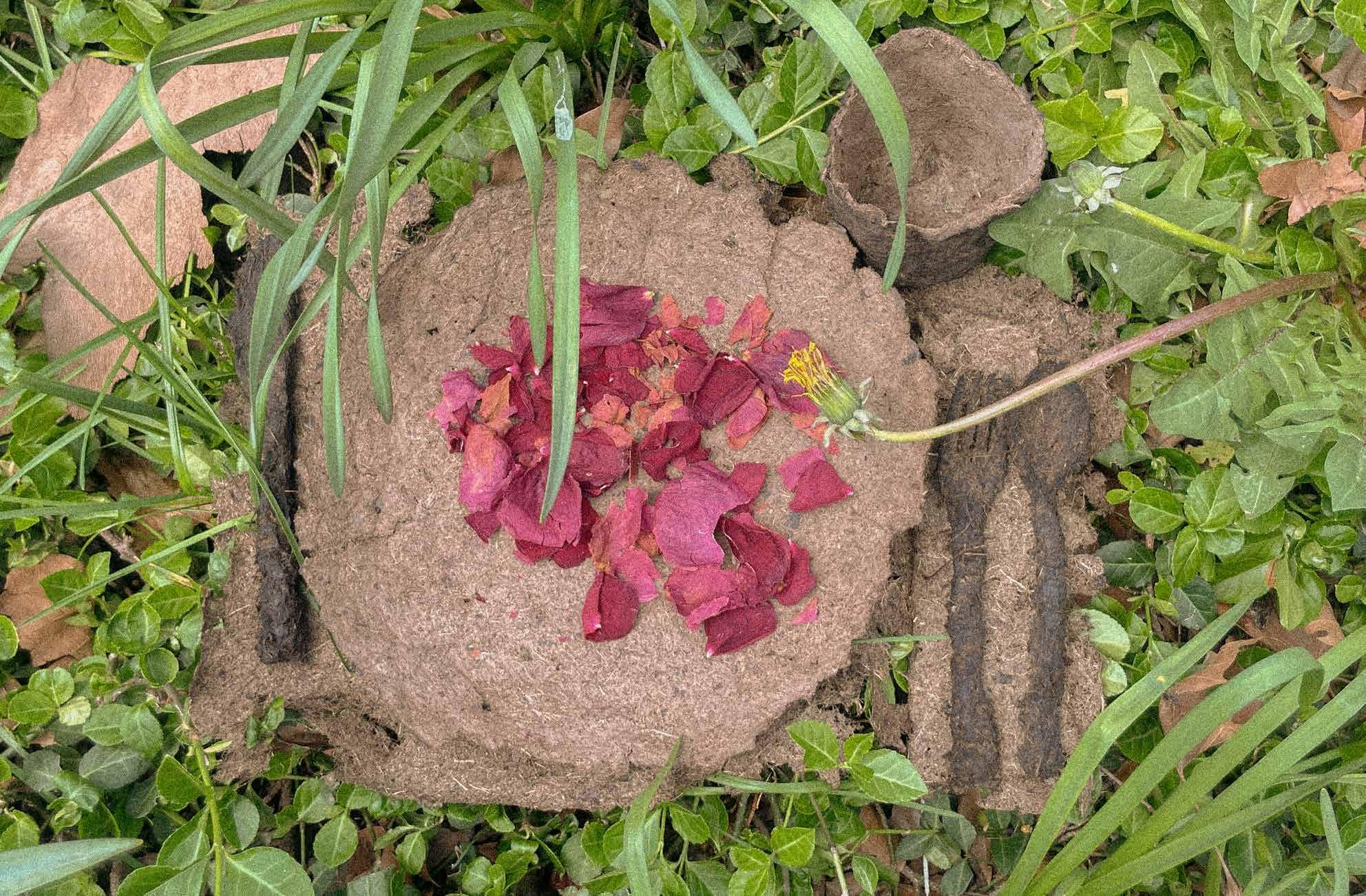
The Metabolism of Leaves
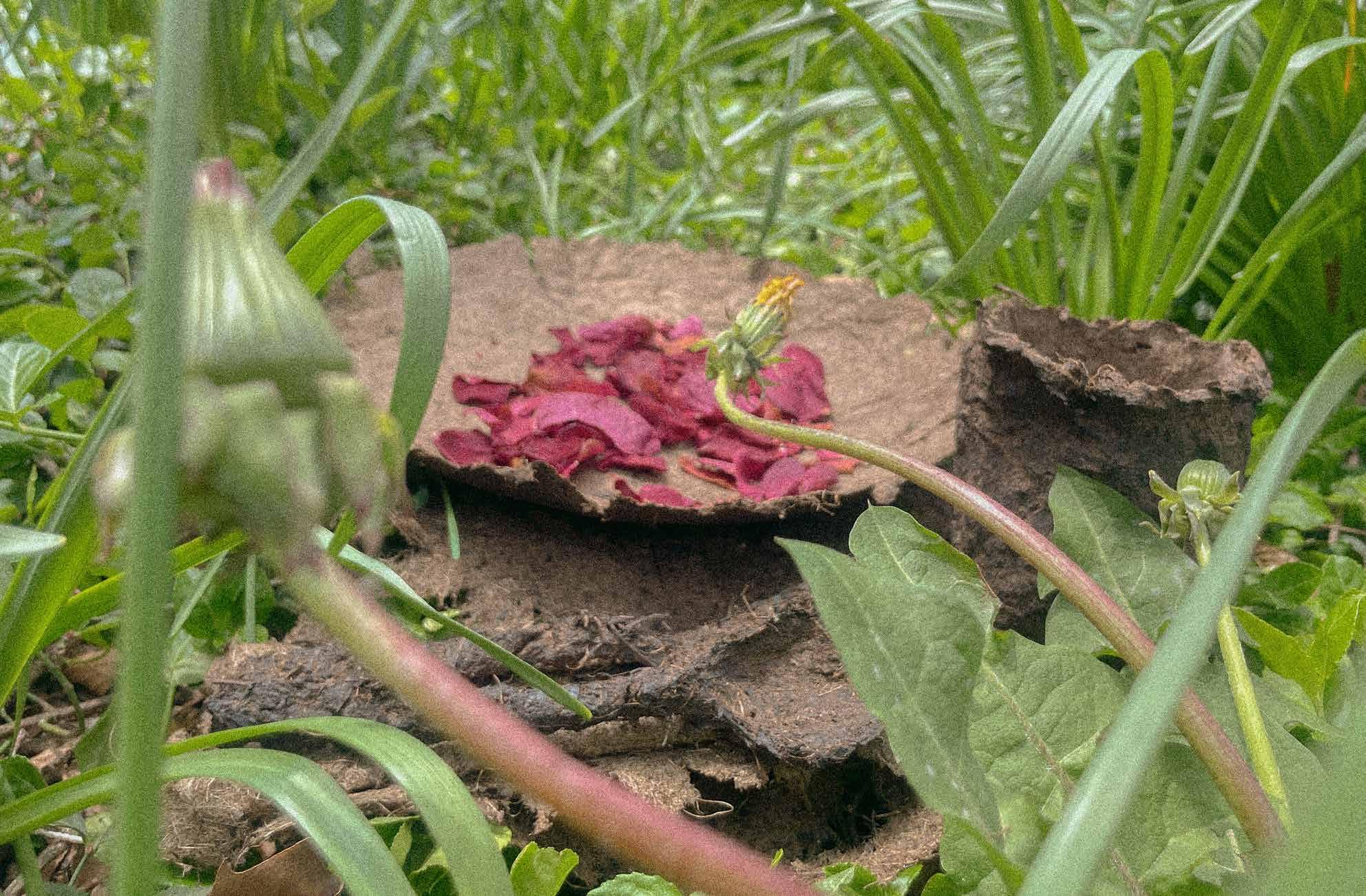
Weeded Soil
Weeded Grounds is a continuation of my practice Foli.age where I learn about a place’s history through the fallen leaves and the stories they tell. I studied foreign life forms that construct Central Park from soil to trees and how they were landscaped to displace and cover the lives of Seneca Village. The project builds off the archeological discovery of artifacts and pollen from Seneca Village, excavated to establish an indigeneity of the people and the land. Pollen extraction leads to an understanding of the native ecology and cultivation practices that have been replaced with foreign soils and trees. The weeds discovered were a sign of gardening and medicinal use. These weeds continue to grow within Central Park becoming a symbol of the indigeneity buried in the landscaped soil. Like the leaves the weeds are treated as invasive, being ripped out of the ground and moved to piles. This project creates an ephemeral memorial reconnecting the weeds to their rooted value and the ground.
Weeded Soil
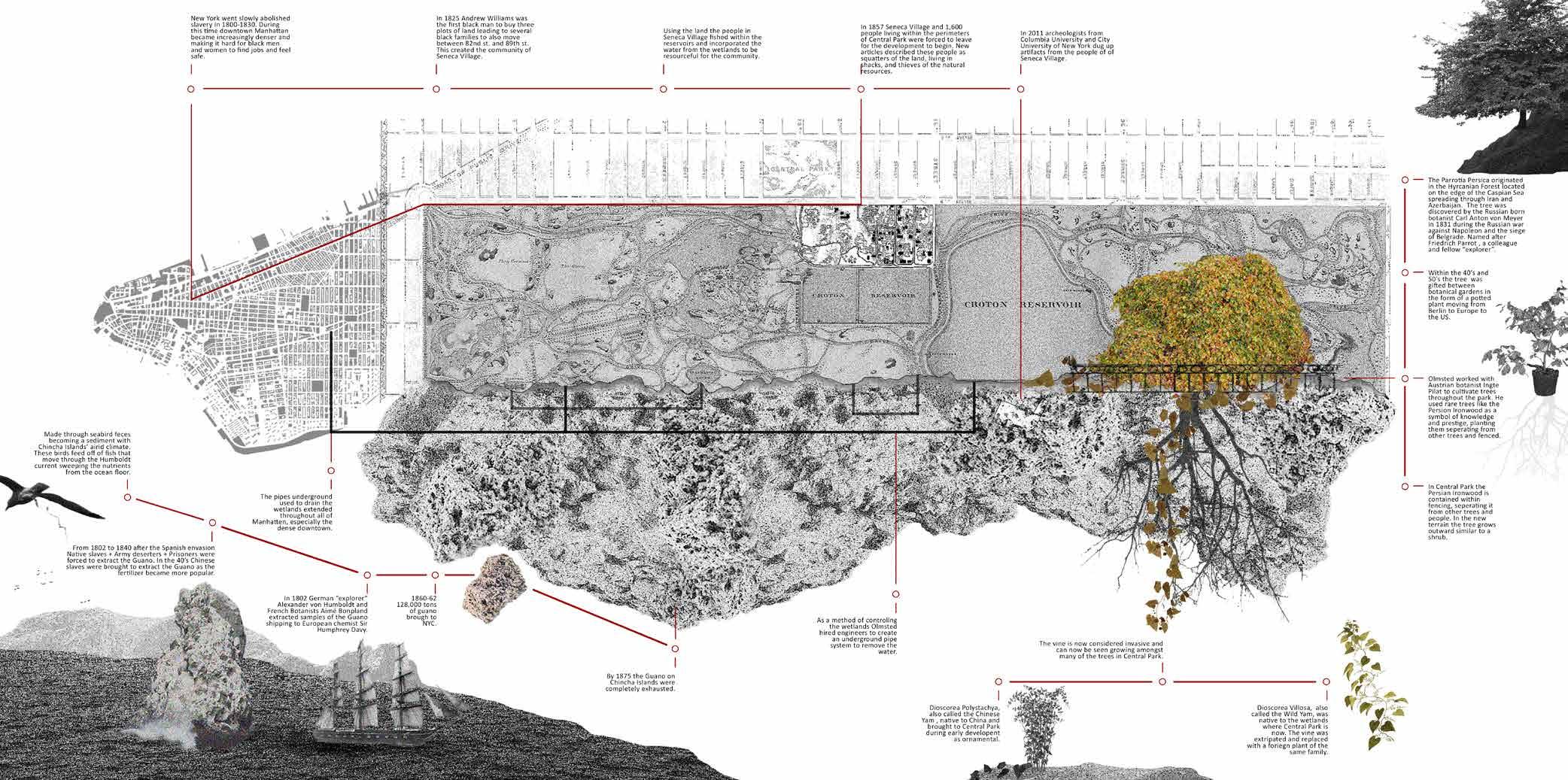
I created a map of the movement of these life forms that lead to the landscaping of Central Park. In this map I included Seneca Village, Guano, the Persian Ironwood, Water pipes, native and non-native vines. Amongst the native plants that were replaced with foreign plants many are considered invasive today.
 Seneca Village Persian Ironwood
Water Pipes
Discorea Polystachya
Discorea Villosa
Guano
Weeded Soil
Guano
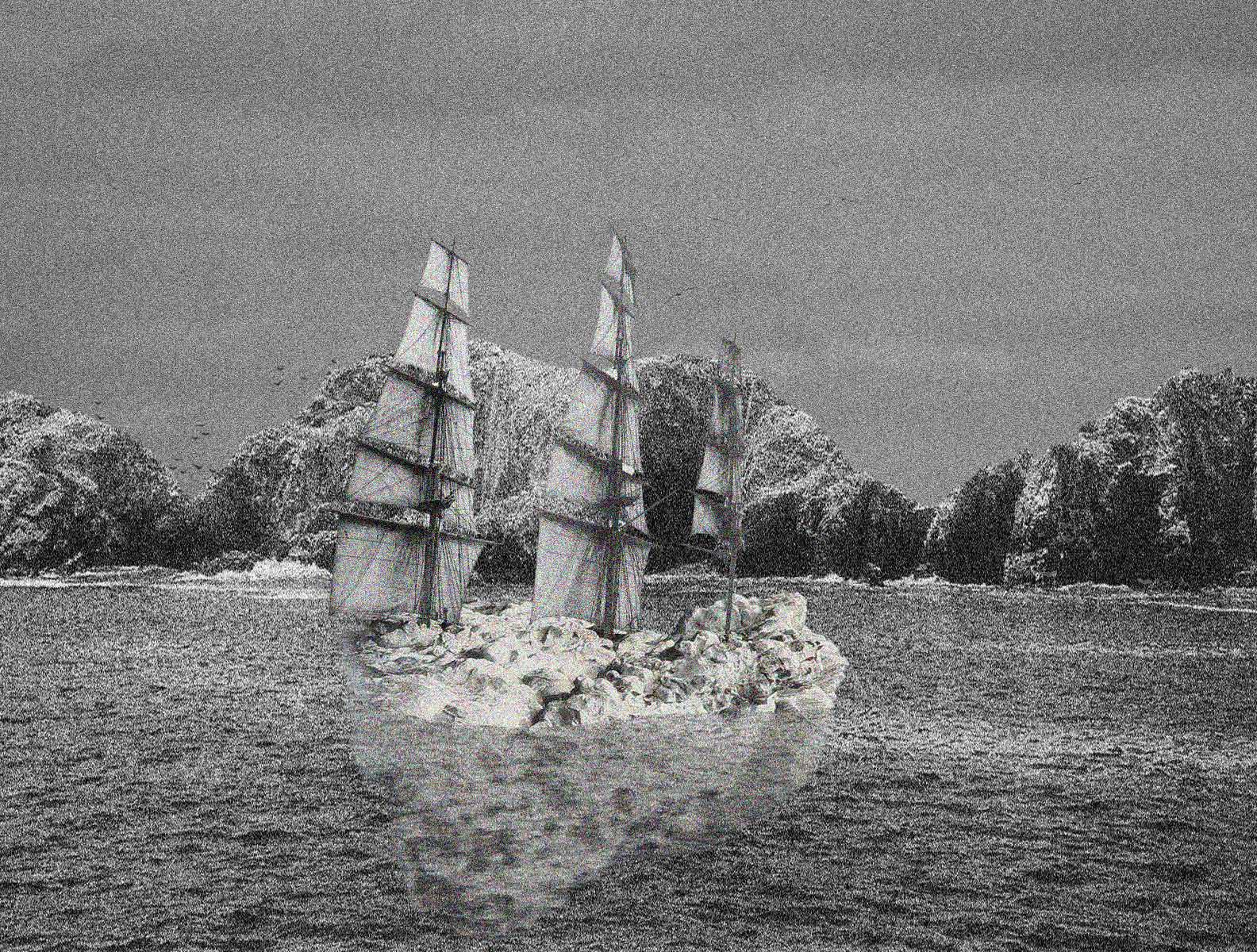
The new landscaping of the park was used with a fertilizer called Guano originally growing on the Chincha Islands of Peru before being completely exhausted in 1875. The guano was extracted through Chinese and indigenous slaves and prisoners. Where it is brought to Central Park to nourish the growth of foreign trees.
Weeded Soil
Persian Ironwood
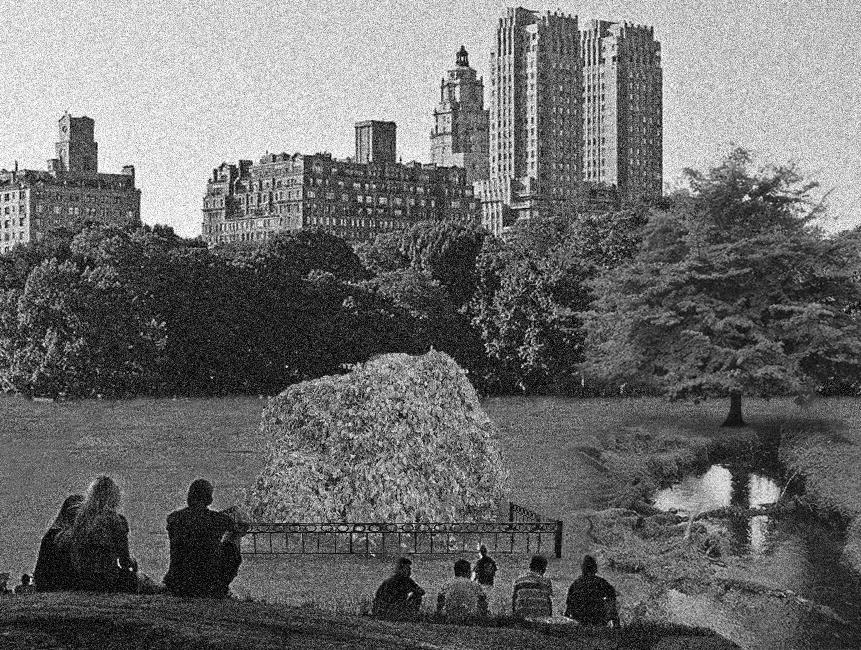
Within Central Park 60% of the trees are non-native. I particularly looked at the Persian Ironwood as a foreign tree originally growing in the Hyrcanian Forests. As it is brought to Central Park the tree’s biological form transforms from originally growing tall to becoming similar to a shrub.
Weeded Soil
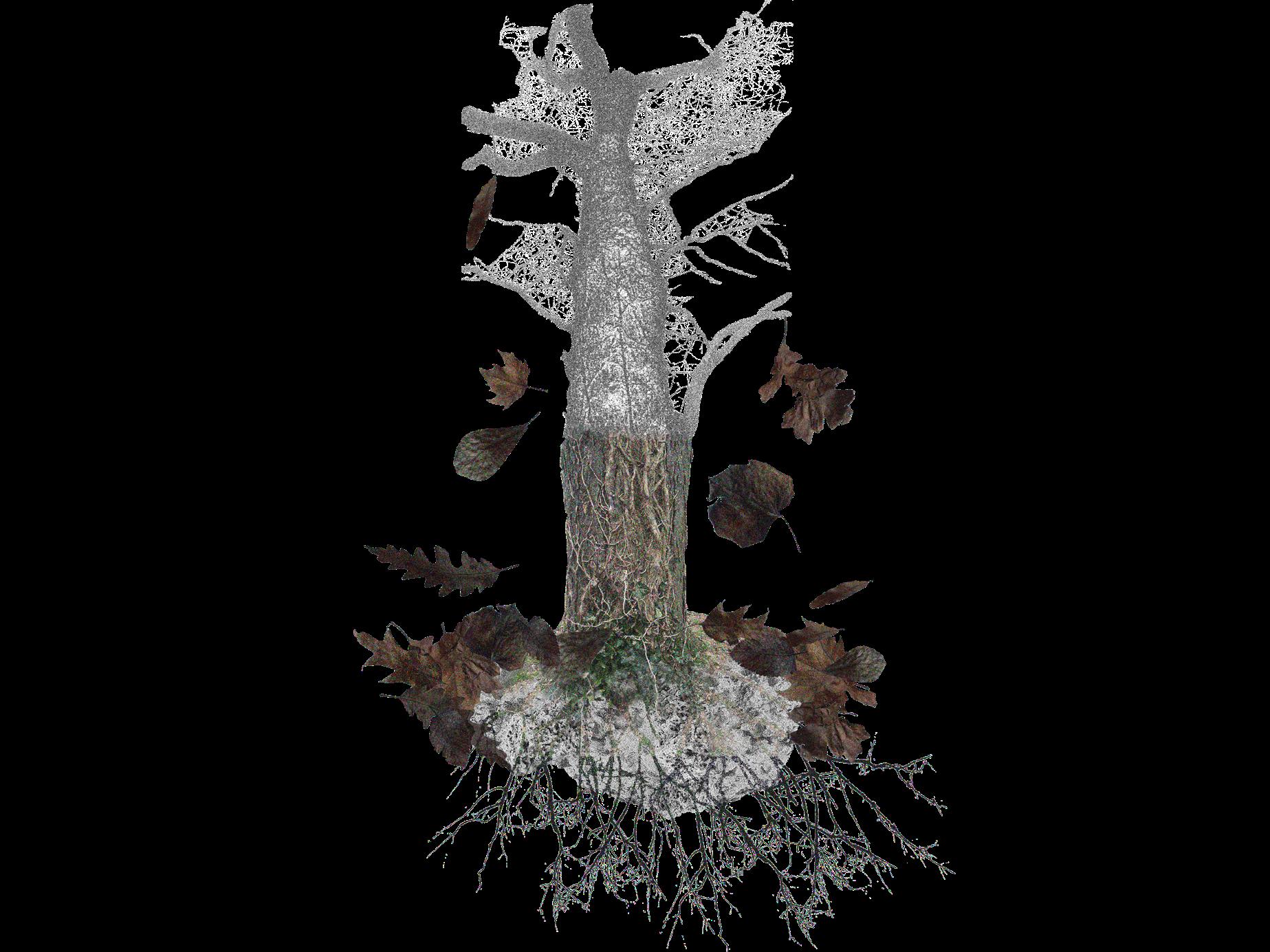
As I walked where Seneca Village once was I documented every tree and shrub I passed by. What is labeled in red are foreign. From 79th to 86th 56% of the trees and shrubs are non-native.
Through my site visits I became aware that even as foreign trees they have gone through time reclaiming a new soil. As their leaves fall they become a part of the ground connecting to the roots of the tree and creating a new soil. They are no longer foreign.
Weeded Soil
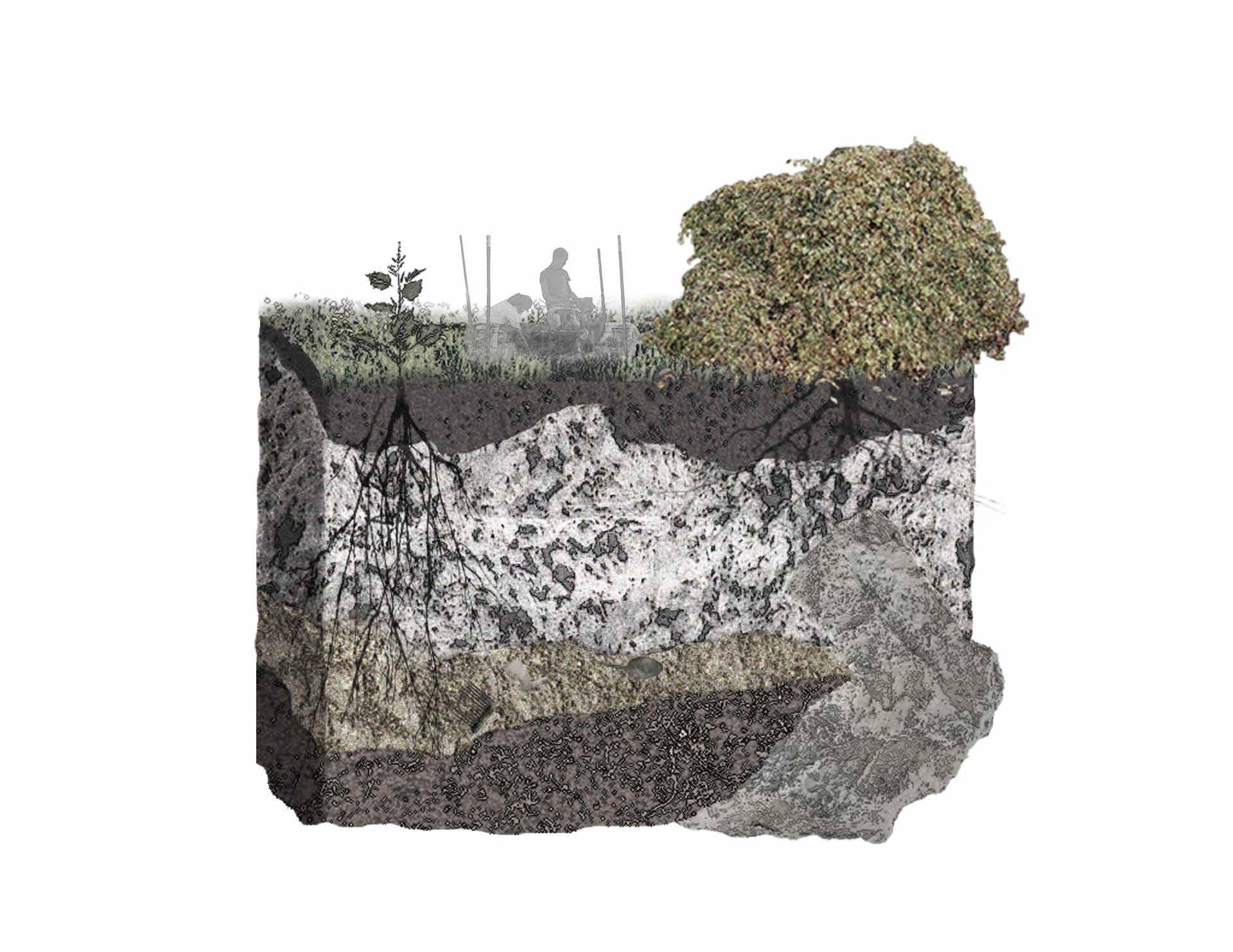
In 2011 a group of archeologists and students performed excavations reaching below the new soil with the goal of retrieving a material culture to Seneca Village. They were able to identify sites of excavation by determining soils that have been pre-cultivated to where people of Seneca Village used a local soil for the low lying areas.
Weeded Soil
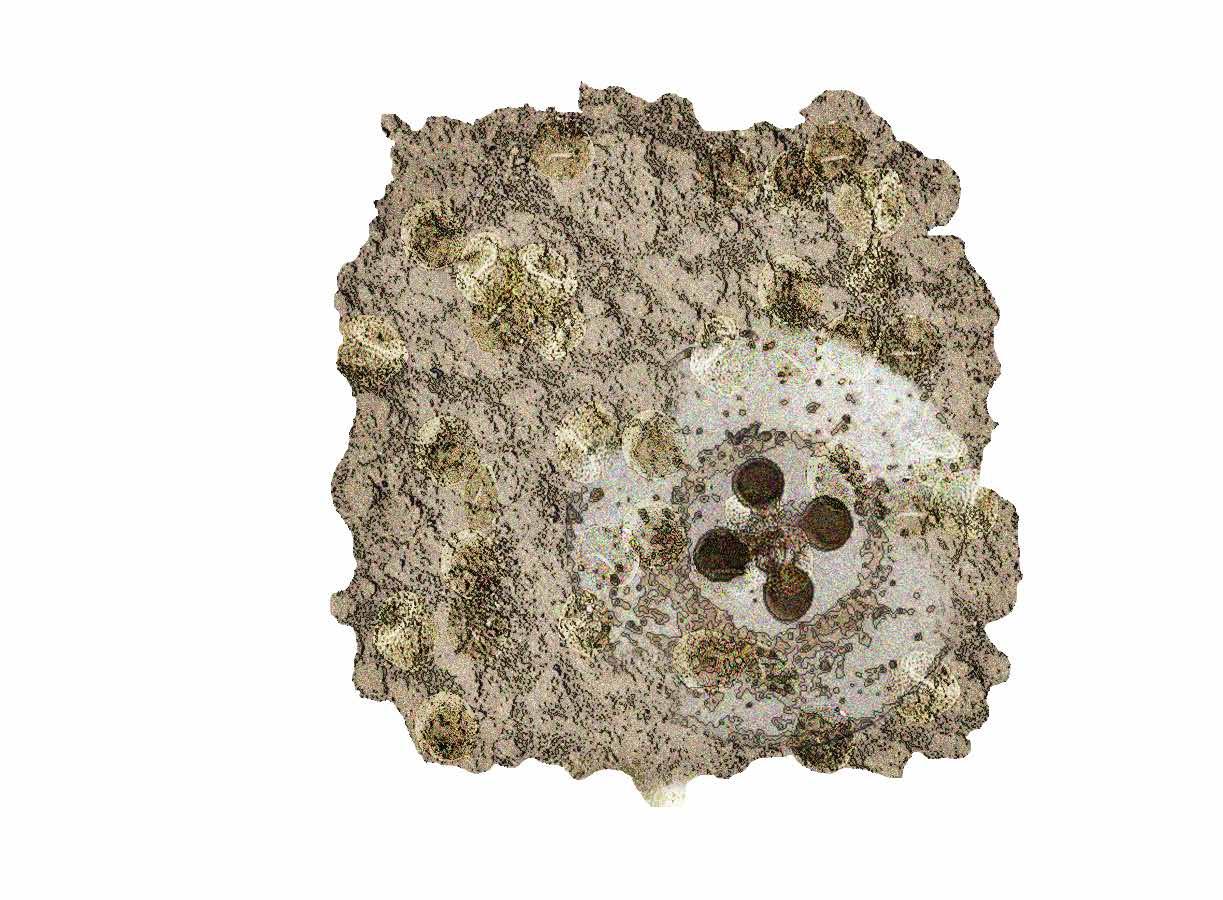
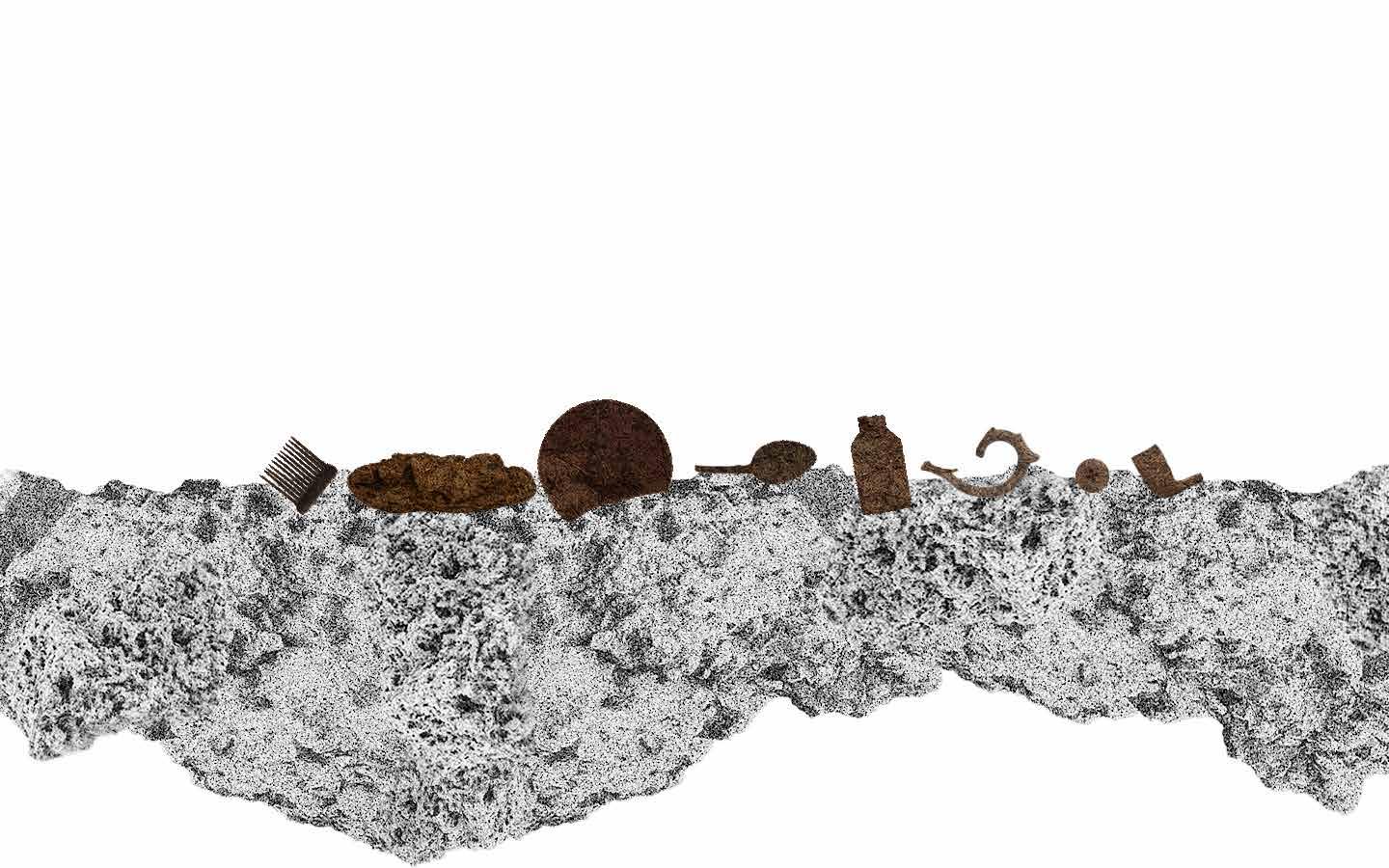
These artifacts that were found become the identity of the community that was displaced. Through objects like the smoking pipe the archeologists were able to get an understanding that the people of Seneca Village were part of the middle class unlike how they were once described. Within the soil samples, they found pollen that traced back to types of trees that regionally grew within the wetlands and plants that alluded to gardening. Seneca Village established a life with the native ecology.
Weeded Soil
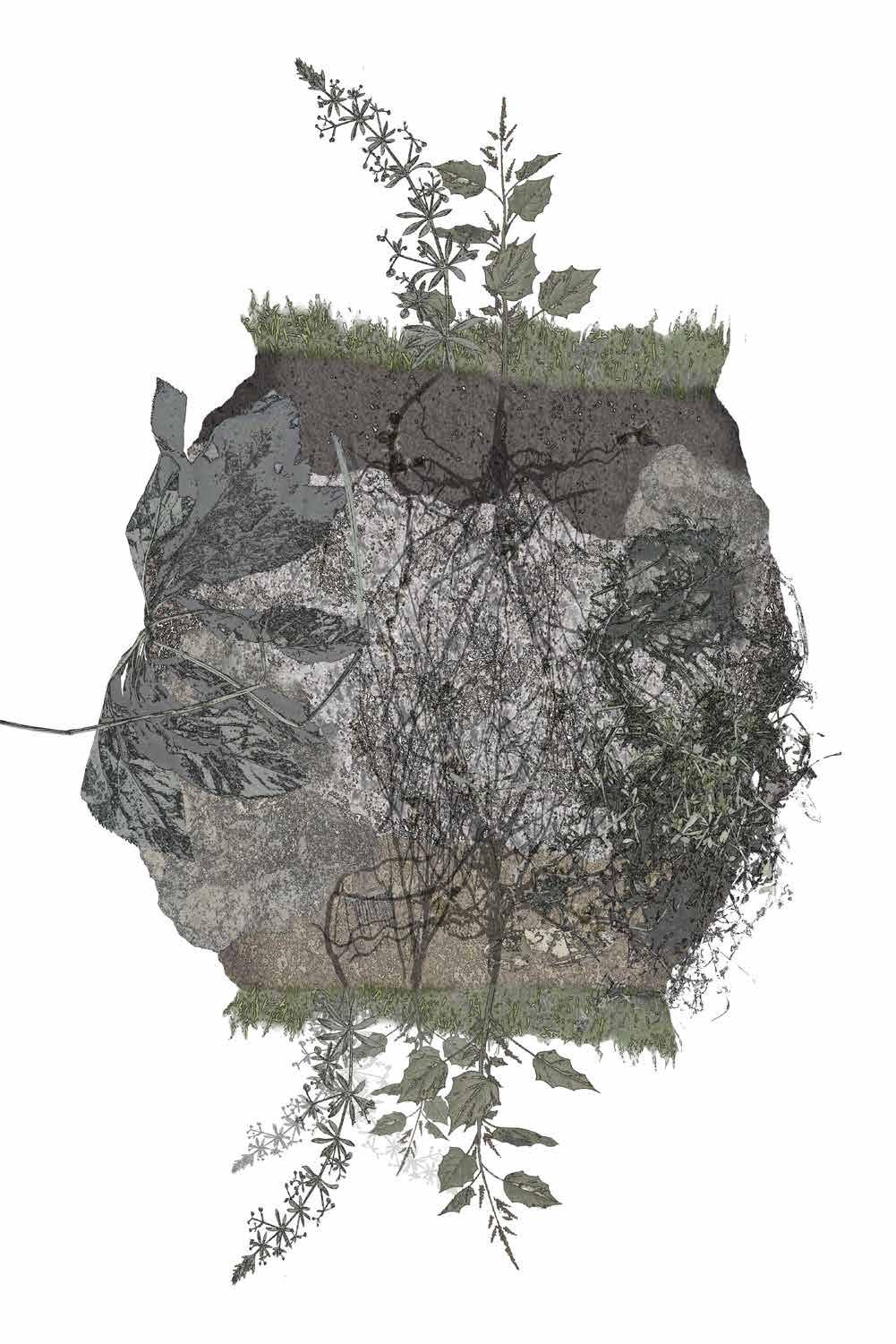
They were able to trace various weeds that were used medicinally and as food by Seneca Village. These weeds continue to grow within Central Park becoming a symbol of the indigeneity buried in the landscaped soil. These weeds today have no value. They are derooted and placed within a pile along with fallen leaves before they are moved out to make a compost.
Weeded Soil
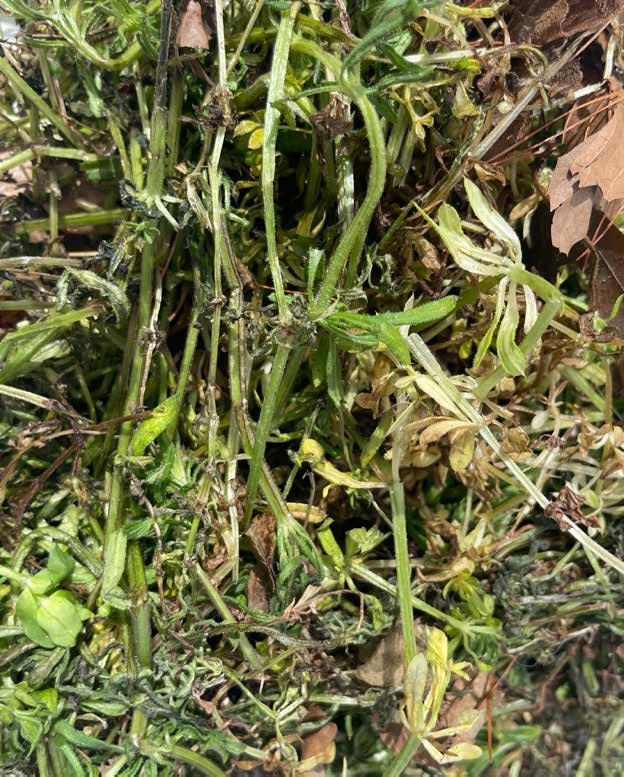
After collecting leaves and weeds from the discarded piles at Central Park, I created an archive of the ones I could identify. I sorted out the weeds identifying their medicinal values. With the leaves I seperated what was native and what was non-native.
Weeds
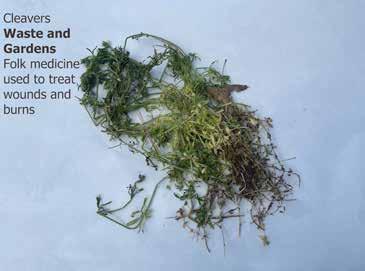
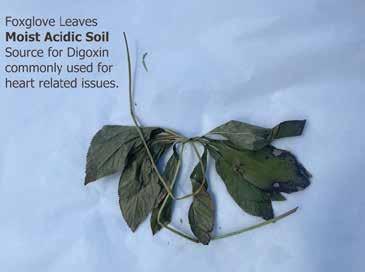
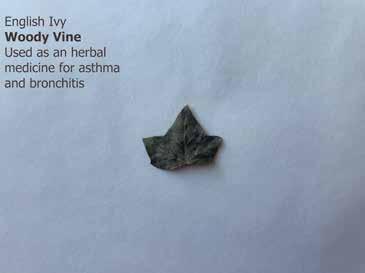
Native
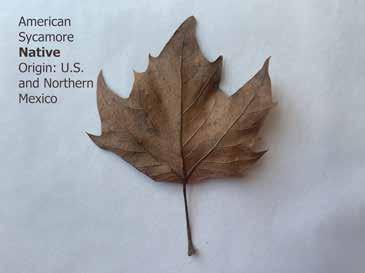
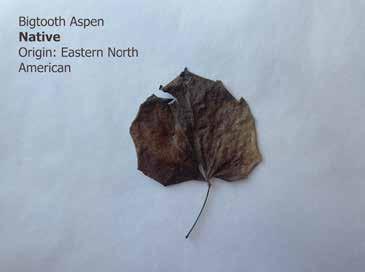
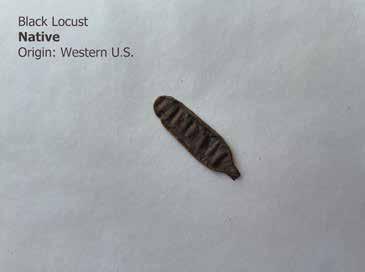
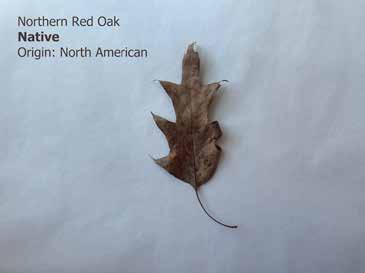
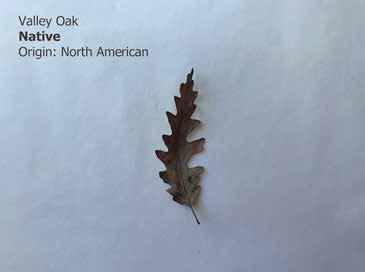
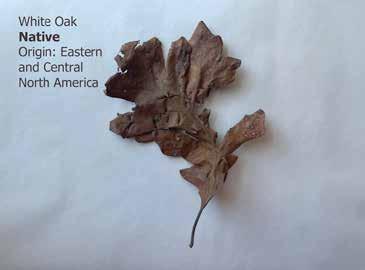
Non-Native
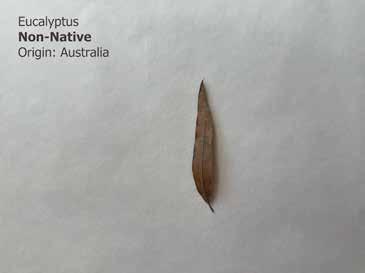
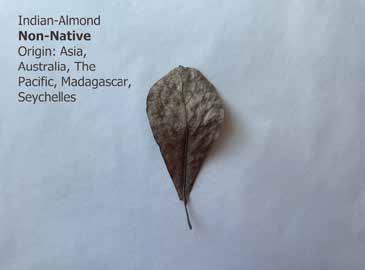
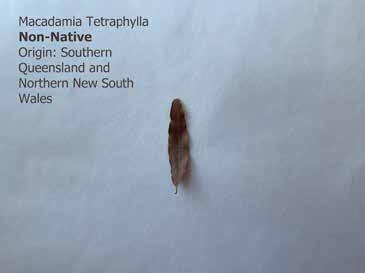
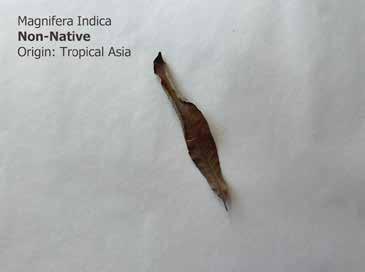
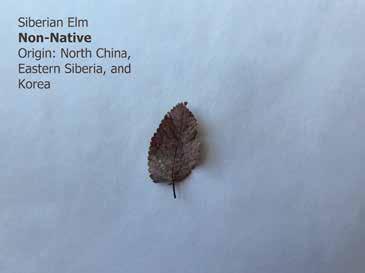
Weeded Soil
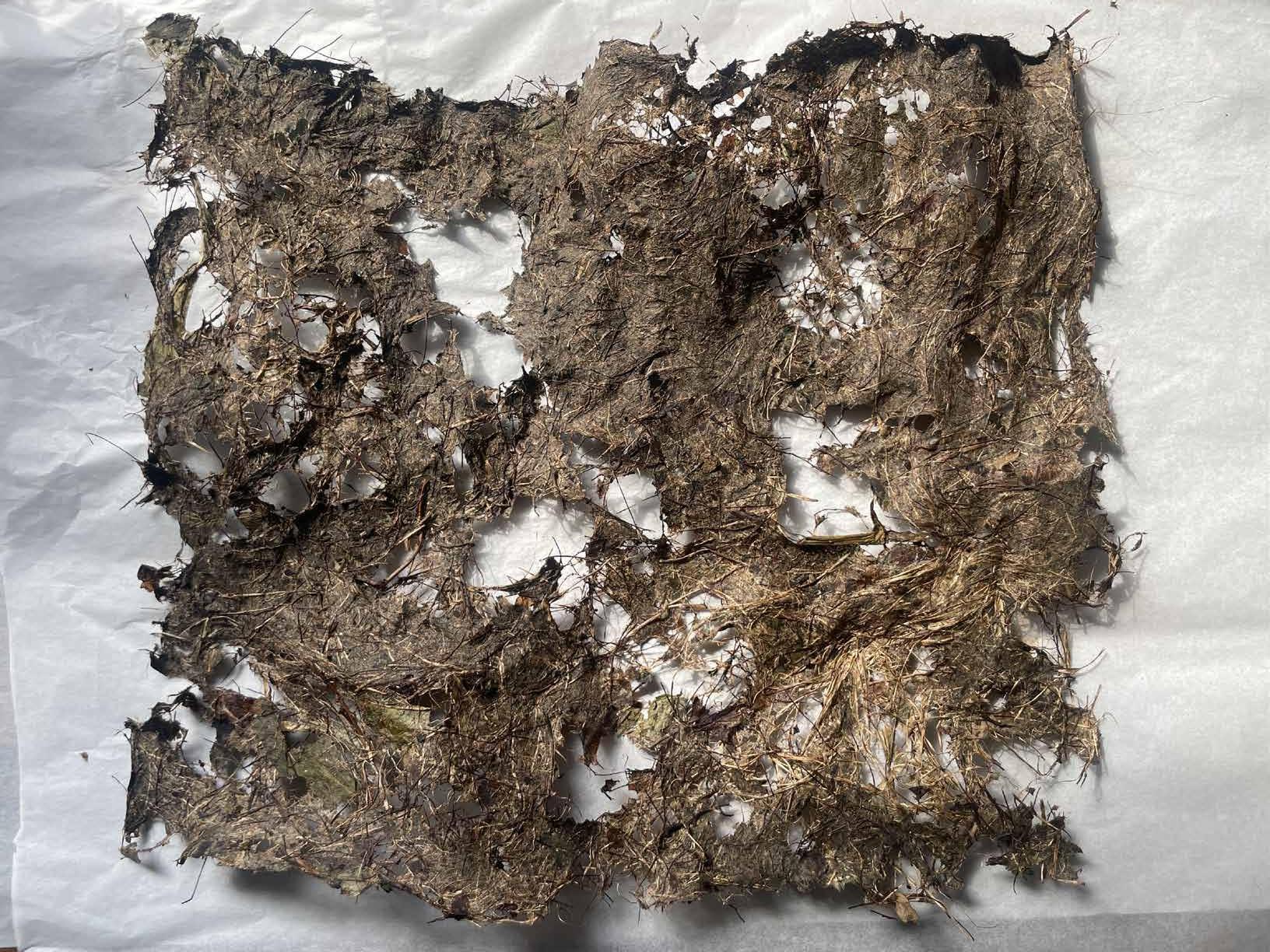 Swatch of the Weeds Collected
20” x 20”
Weeded Soil
Swatch of the Archived Leaves Collected
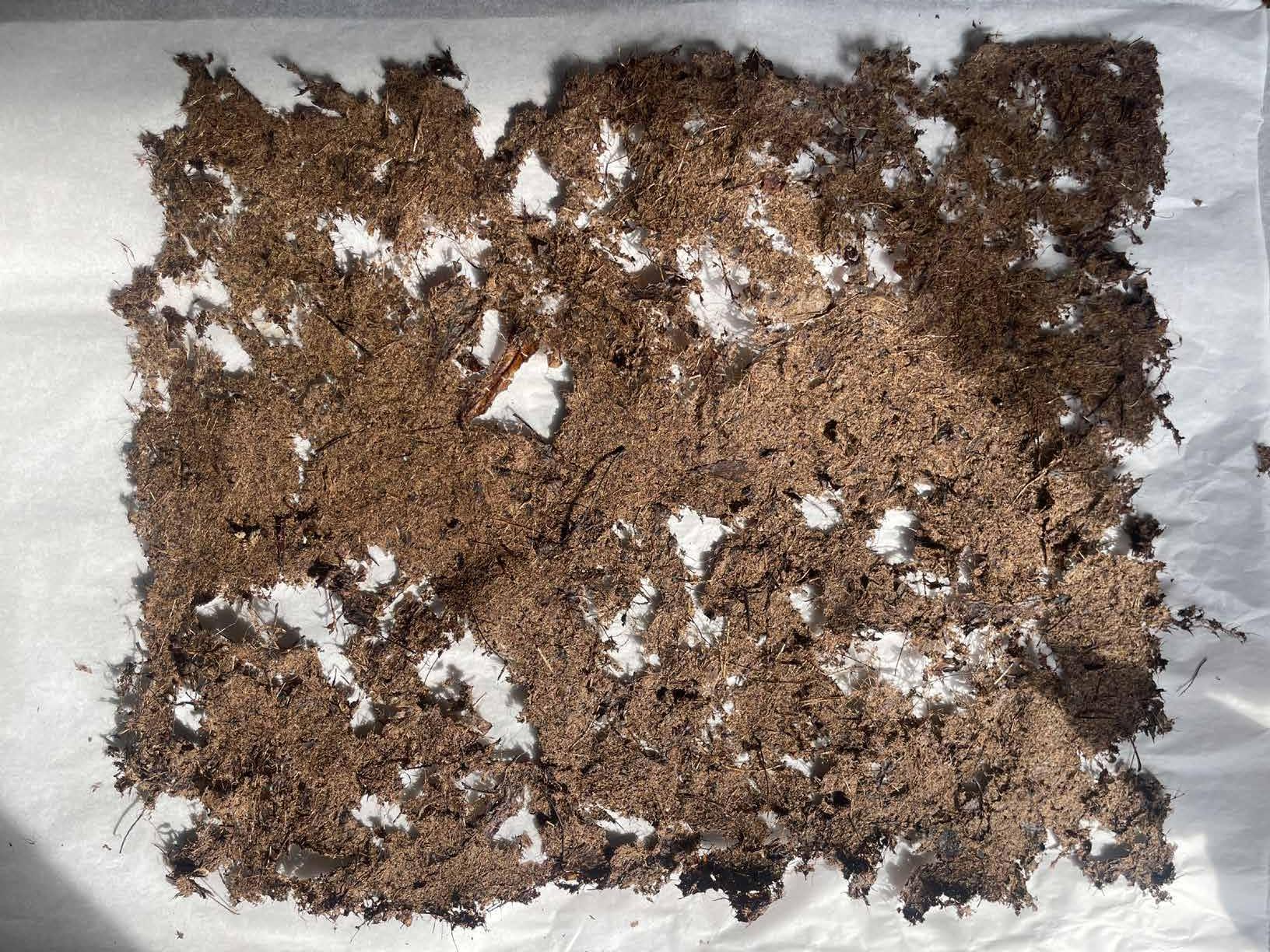 20” x 18”
Weeded Soil
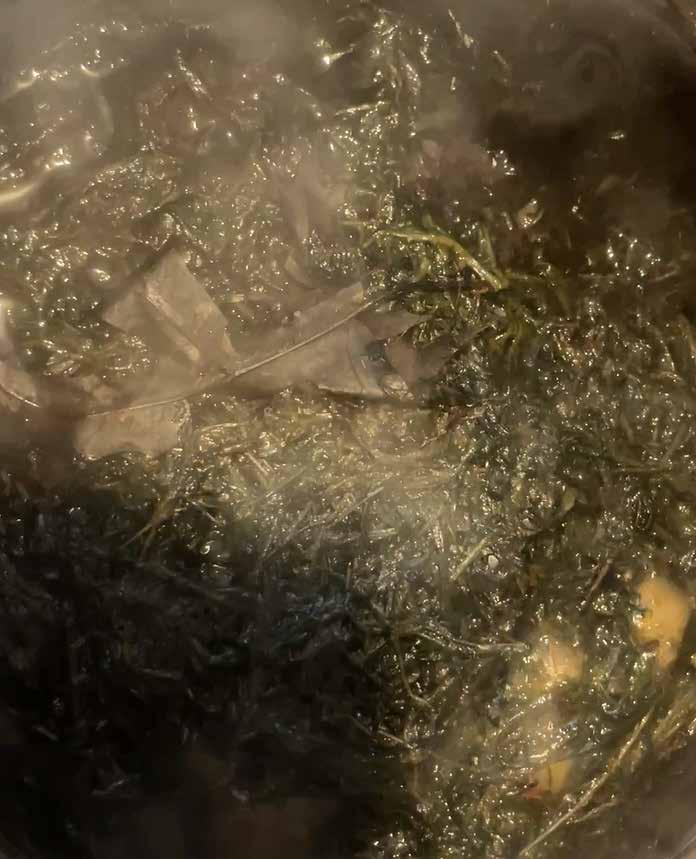
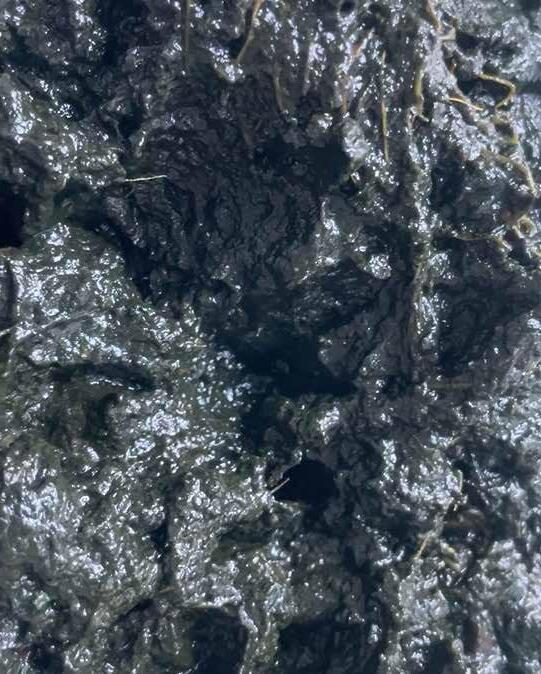
Process of the Weeds to Material 17”x11” Each
Weeded Soil
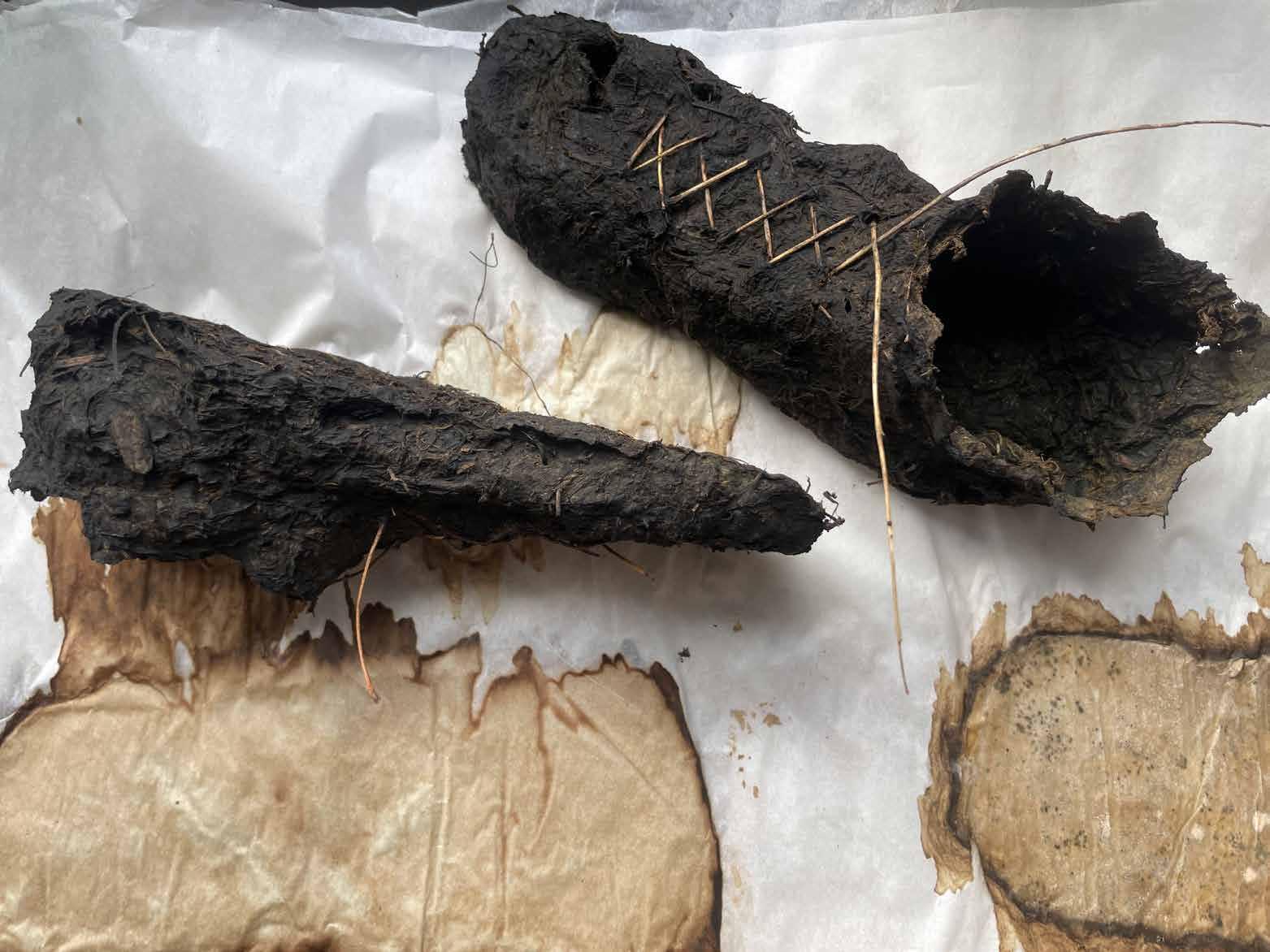
With the de-rooted weeds I will collect them creating an ephemeral memorial that connects their indigeneity to Seneca Village. I chose to reconstruct the weeds into a pair of shoes. The shoes signify the beginnings of Seneca Village with Andrew Williams being a shoe shiner as well as it being an object that connects people to the ground.
Weeded Soil
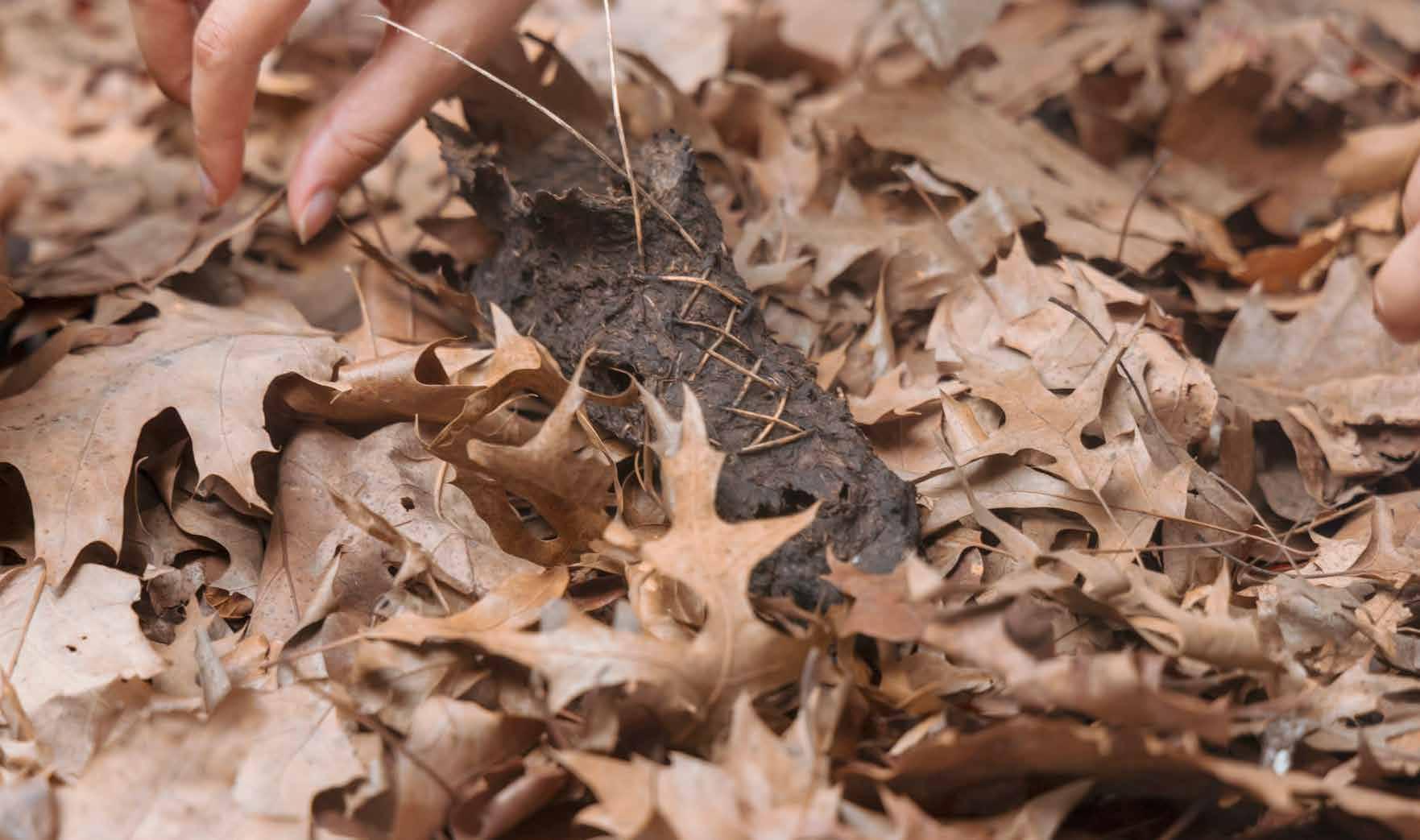
With one of the shoes I went back to Central Park and placed it within a pile of new soil that will soon become implemented in the park. Over time the shoe will decompose with the weeds and the story of Seneca Village being part of the soil again. The other shoe I have kept as a way to remember the story of the weeds that are connected to The people of Seneca Village.
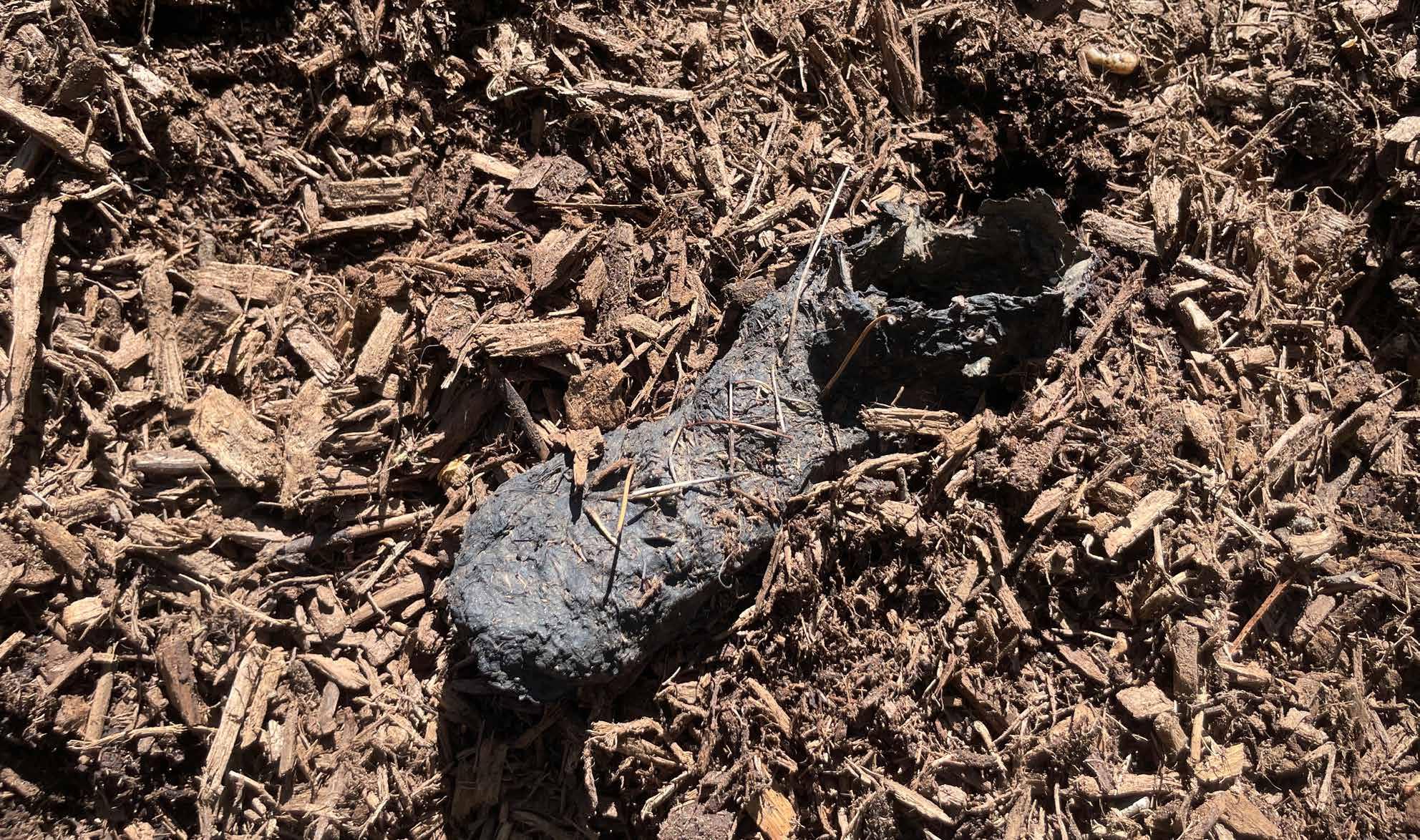
Weeded Soil
The shoe that has not decomposed is presented within a pile of leaves that have also yet to decompose.
Decayed Projects
Unstable Chair
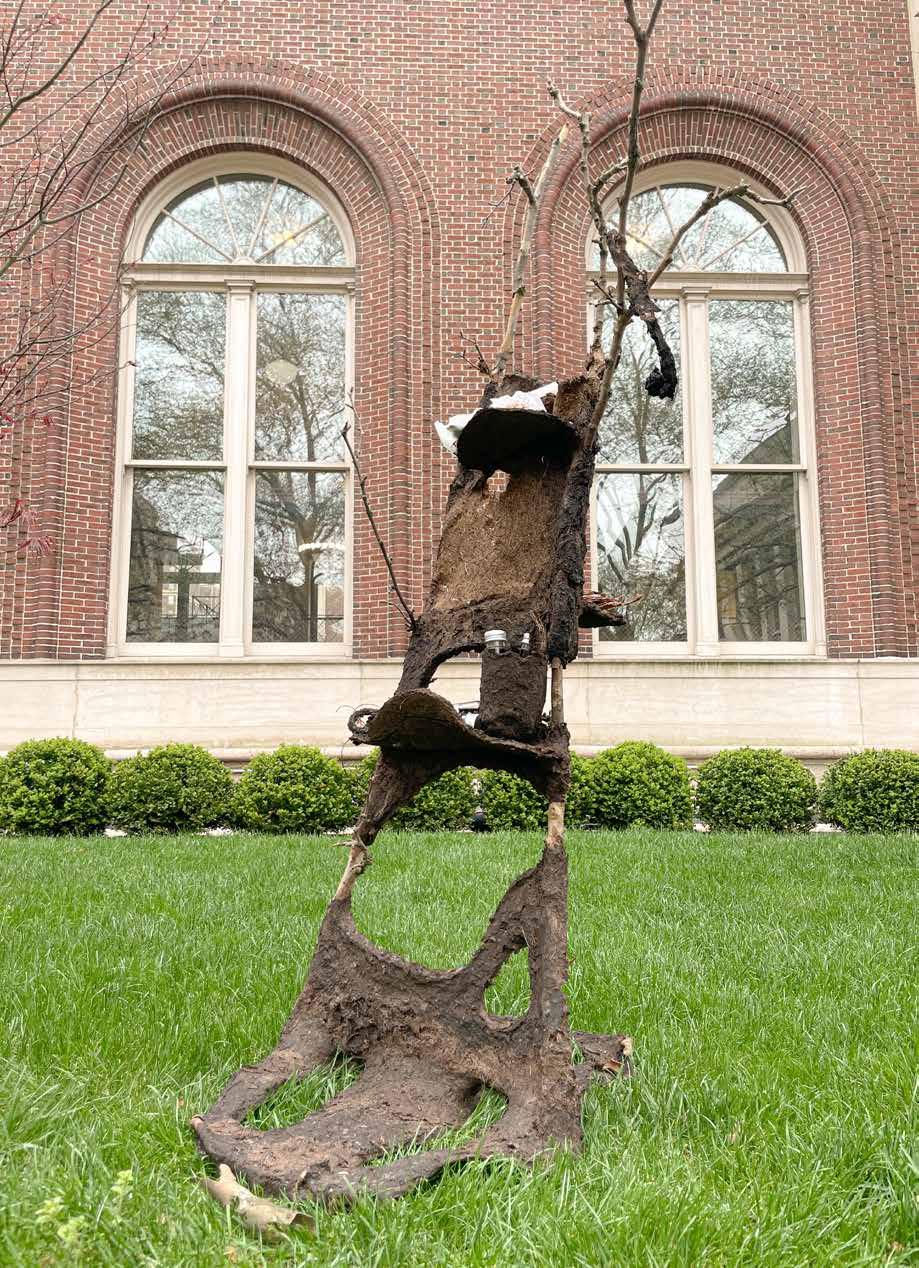
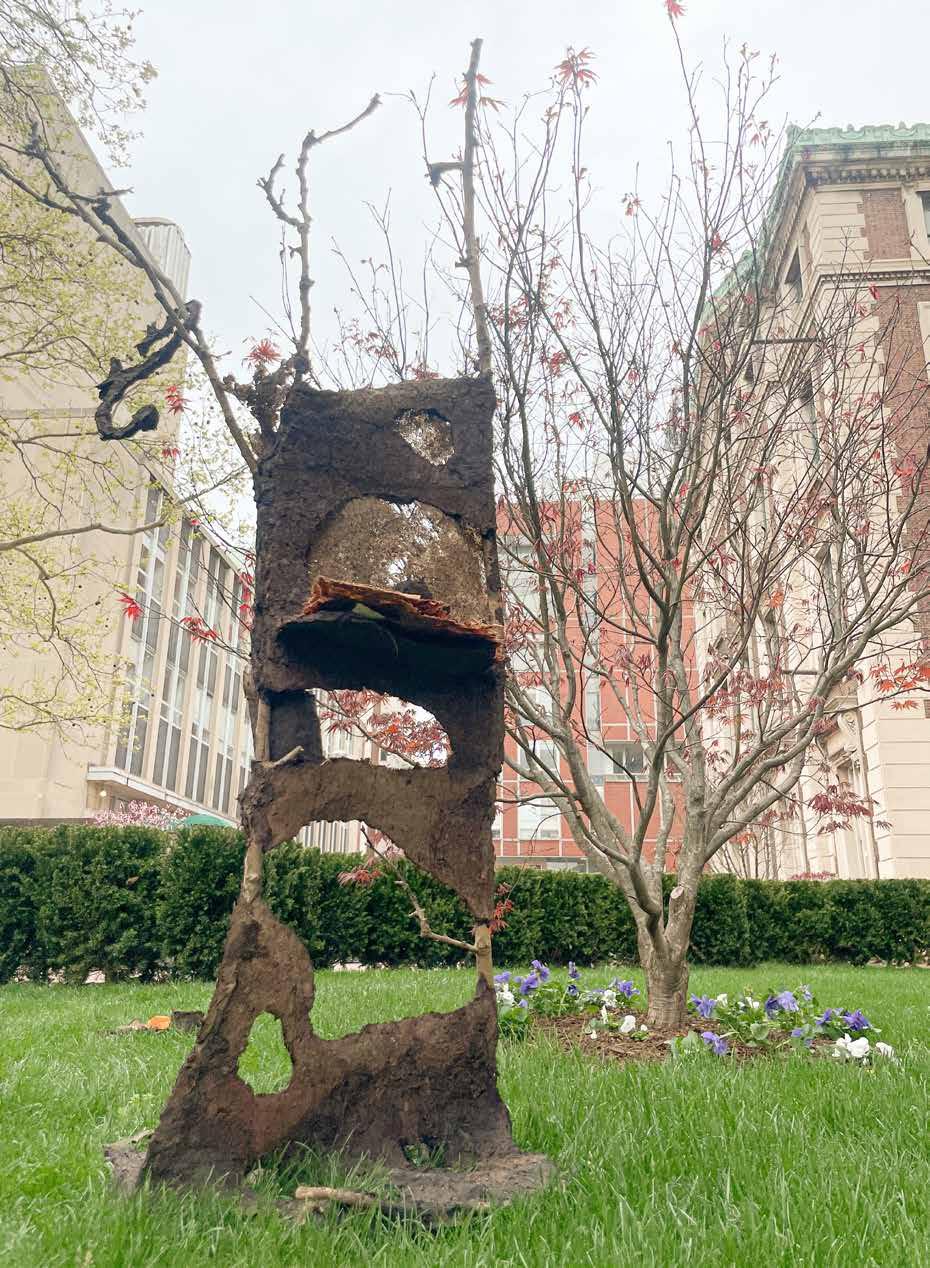
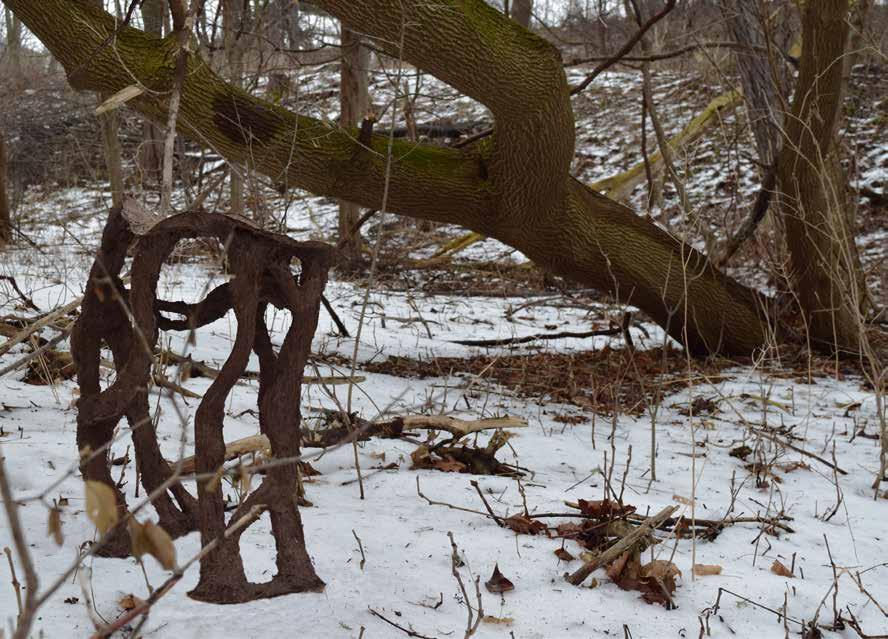
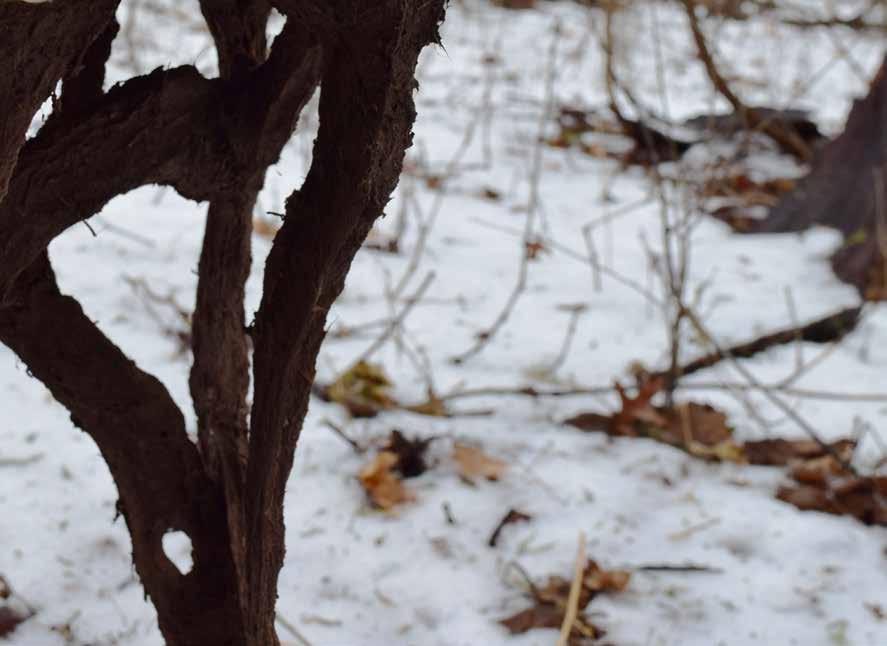
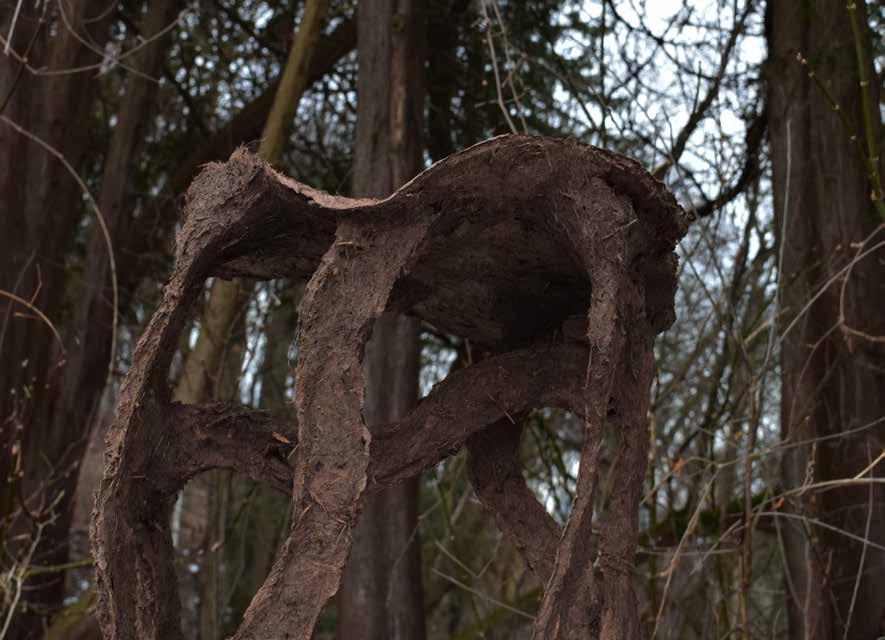
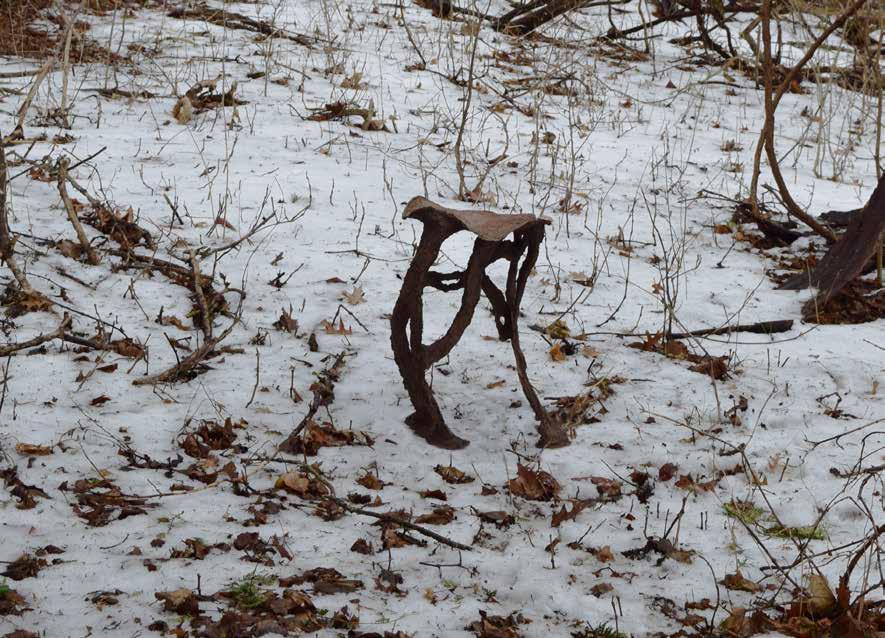
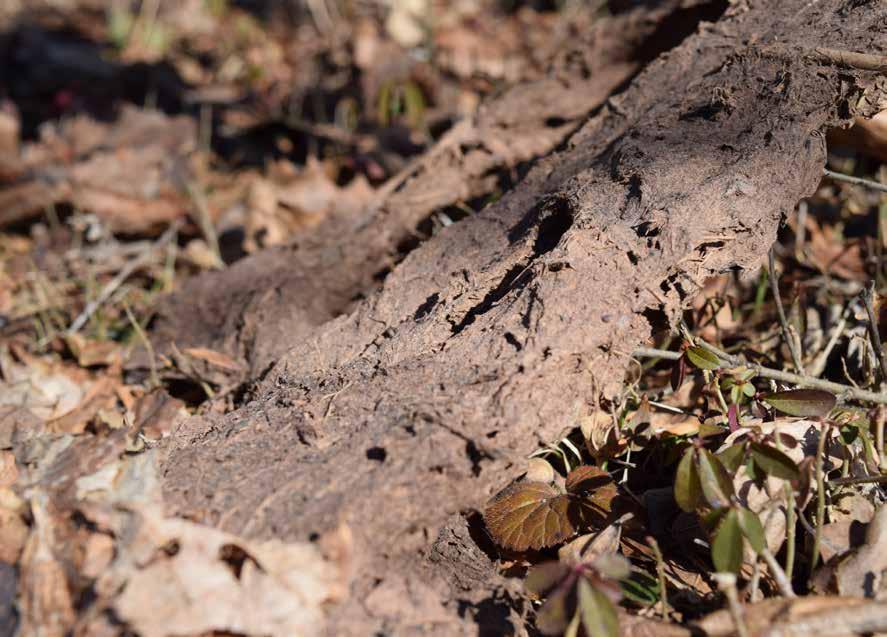
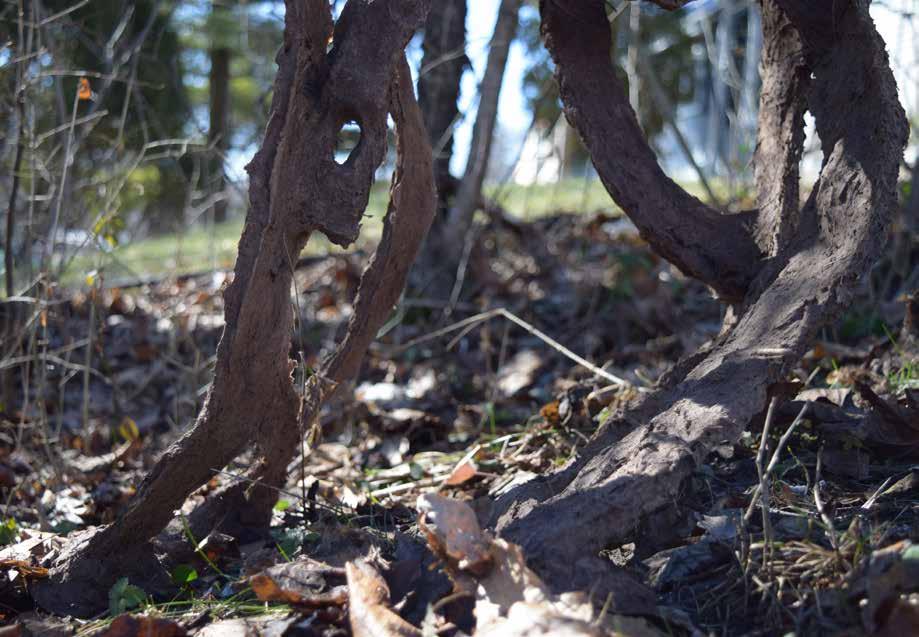
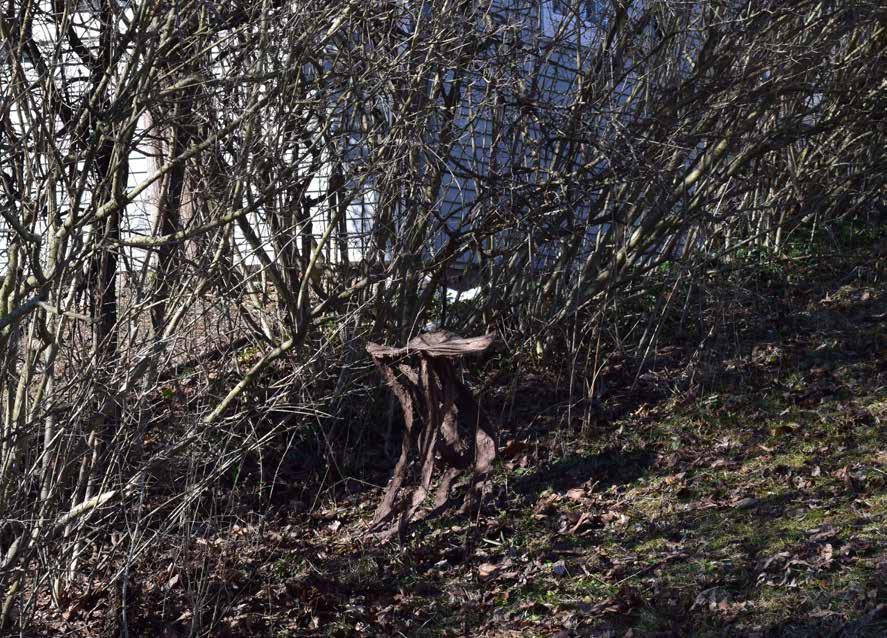
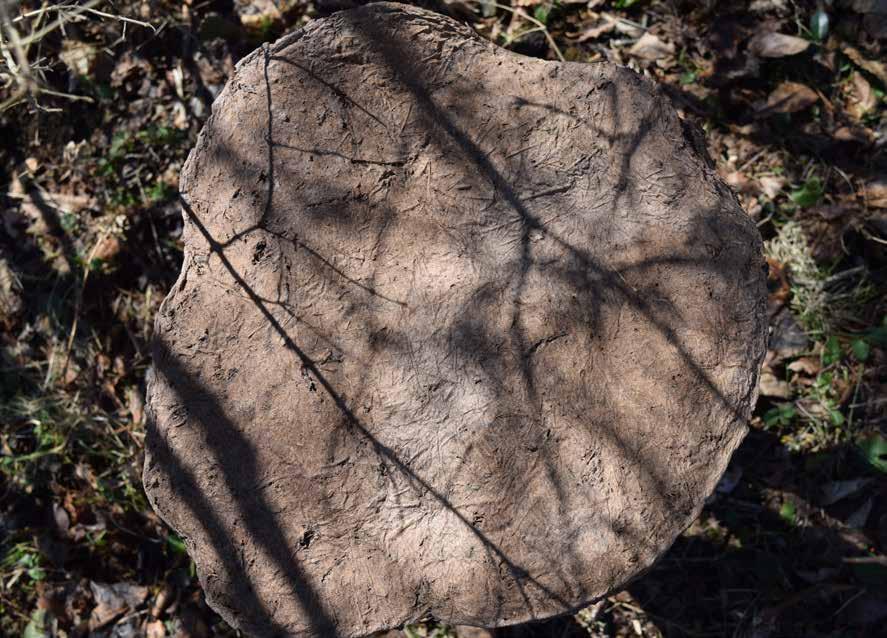
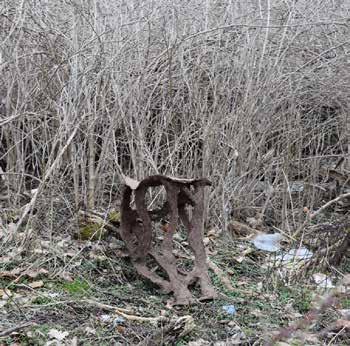
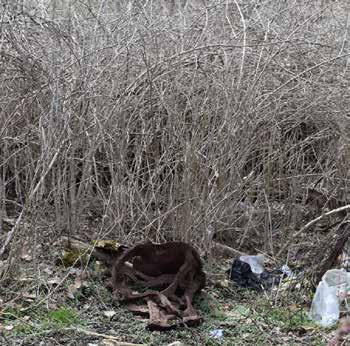
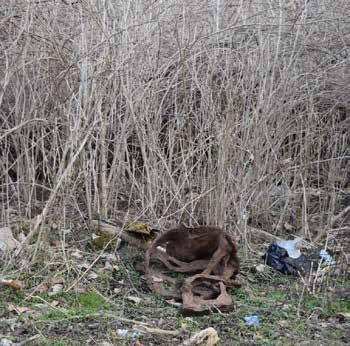
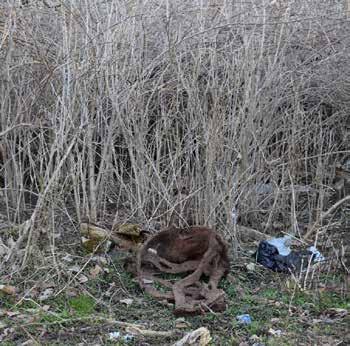
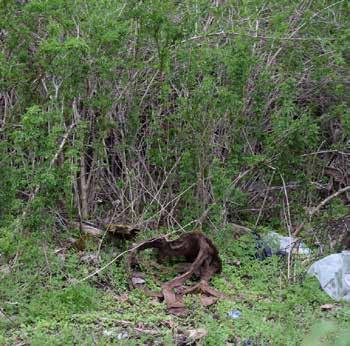
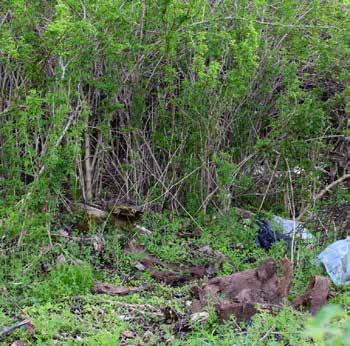
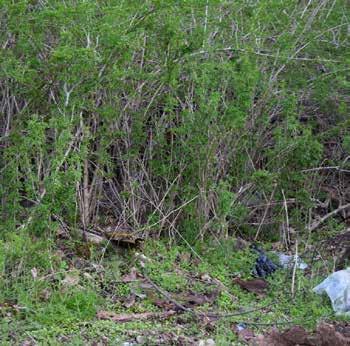
Unstable Chair is my first attempt at creating functionality with the foli.age material. This project led to creating a thickness to the material with the addition of glue and flour. As I gathered leaves from around my home in Syracuse, I intended to create something out of the foli.age that interacts with the surrounding ecology. The piece is called a chair because that was the original intended use but as I was constructing it I learned about the fragility of the material. When constructing the legs to the piece it began to warp as parts of it would get wet. That led to the word “unstable”. After putting the piece back into the landscapes I extracted the leaves from, I documented how the unstable chair both blended and became distinctly awkward with the context. The material of the unstable chair connects with the land, and the form relates to the strangeness of pretending to function like a chair. Throughout the piece I added holes and curves to allow for smaller organisms to grow and inhabit the spaces. The material wil slowly be eaten away by time.
[This
Piece Decayed]
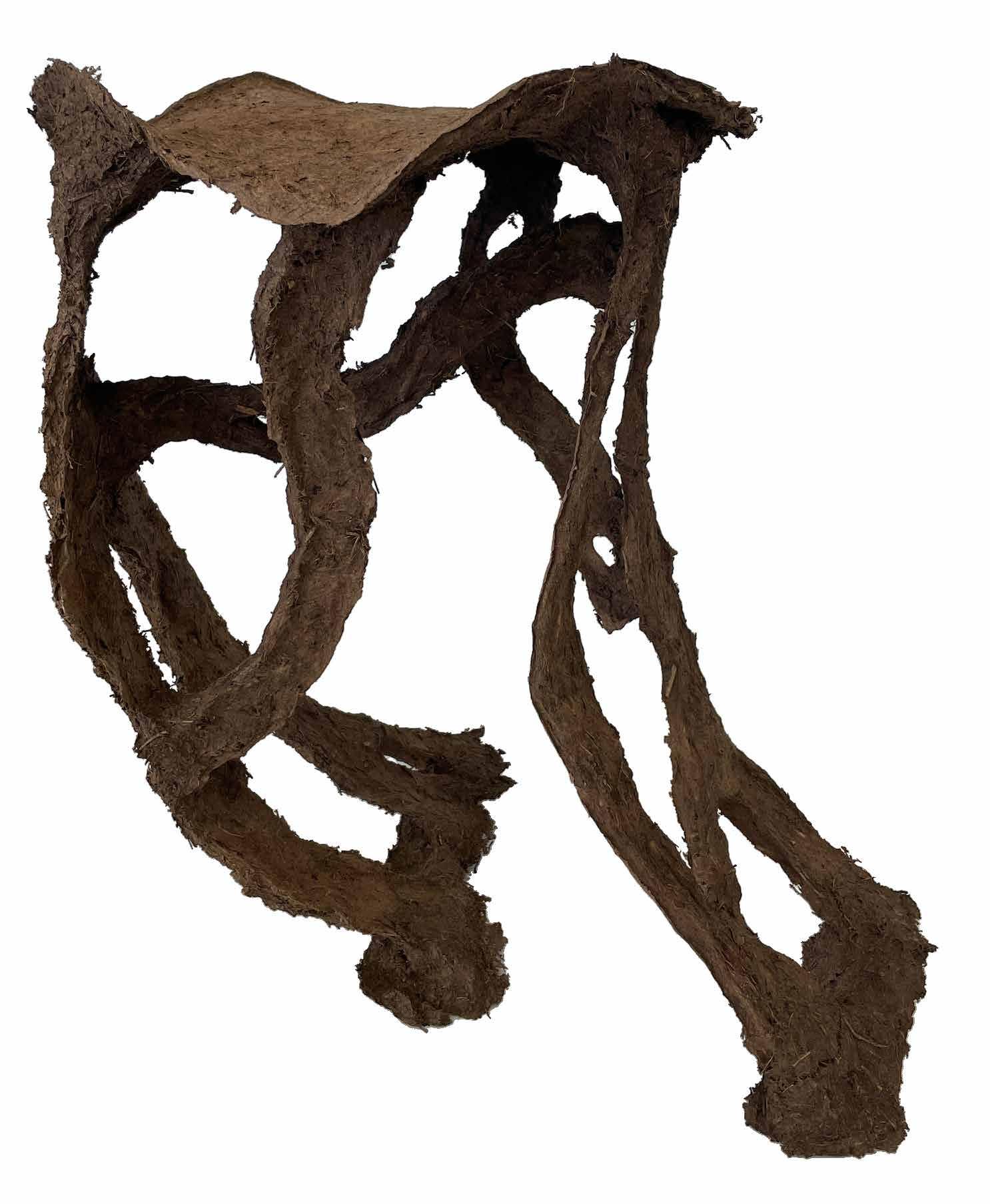 Project done in collaboration with Meejan Patel.
Unstable Chair
Images Documented in Winter Printed 24”x24”
Unstable Chair
Images Documented in Spring Printed 24”x24”
Unstable Chair
Images Documenting Decay From Winter to Spring Printed 24”x24”
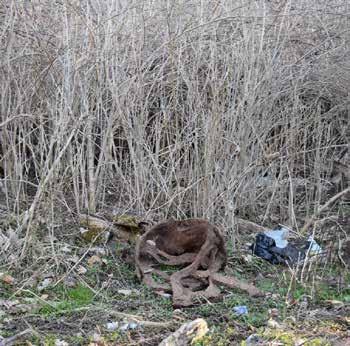
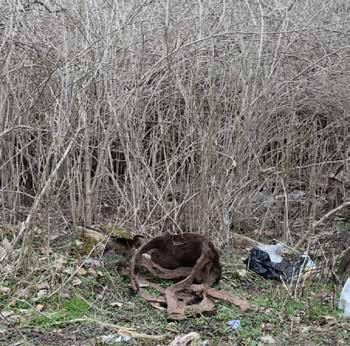
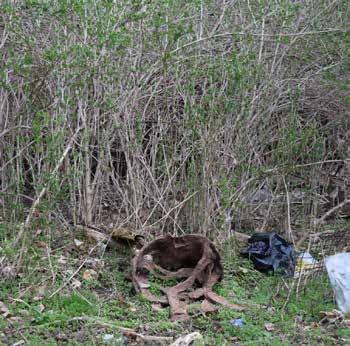
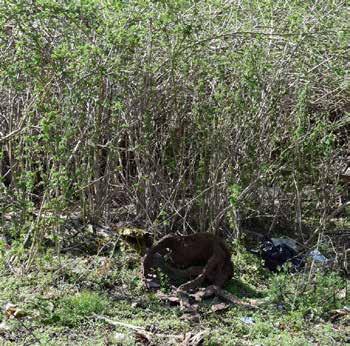
 From Winter To Spring
Moving Pieces
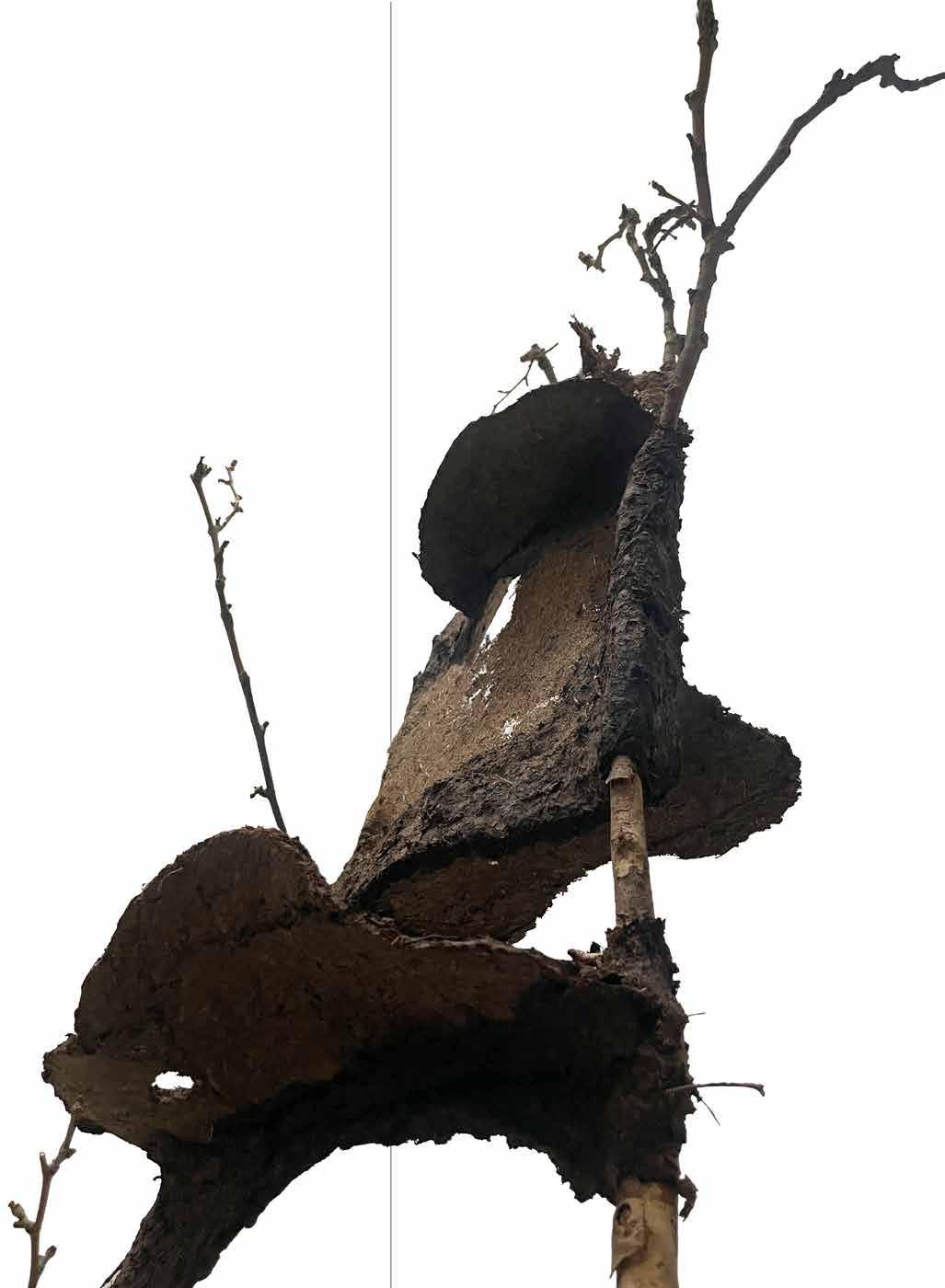
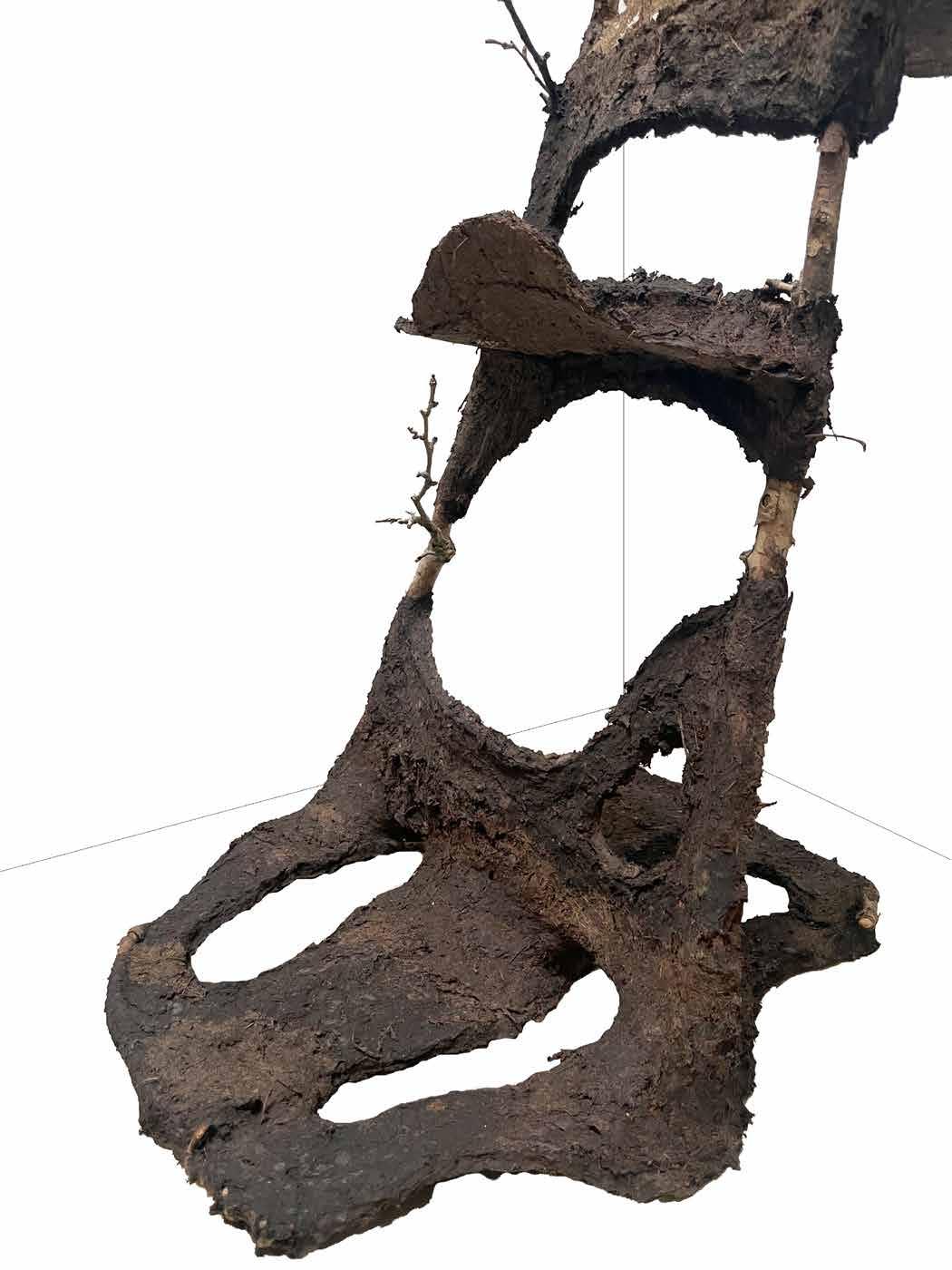
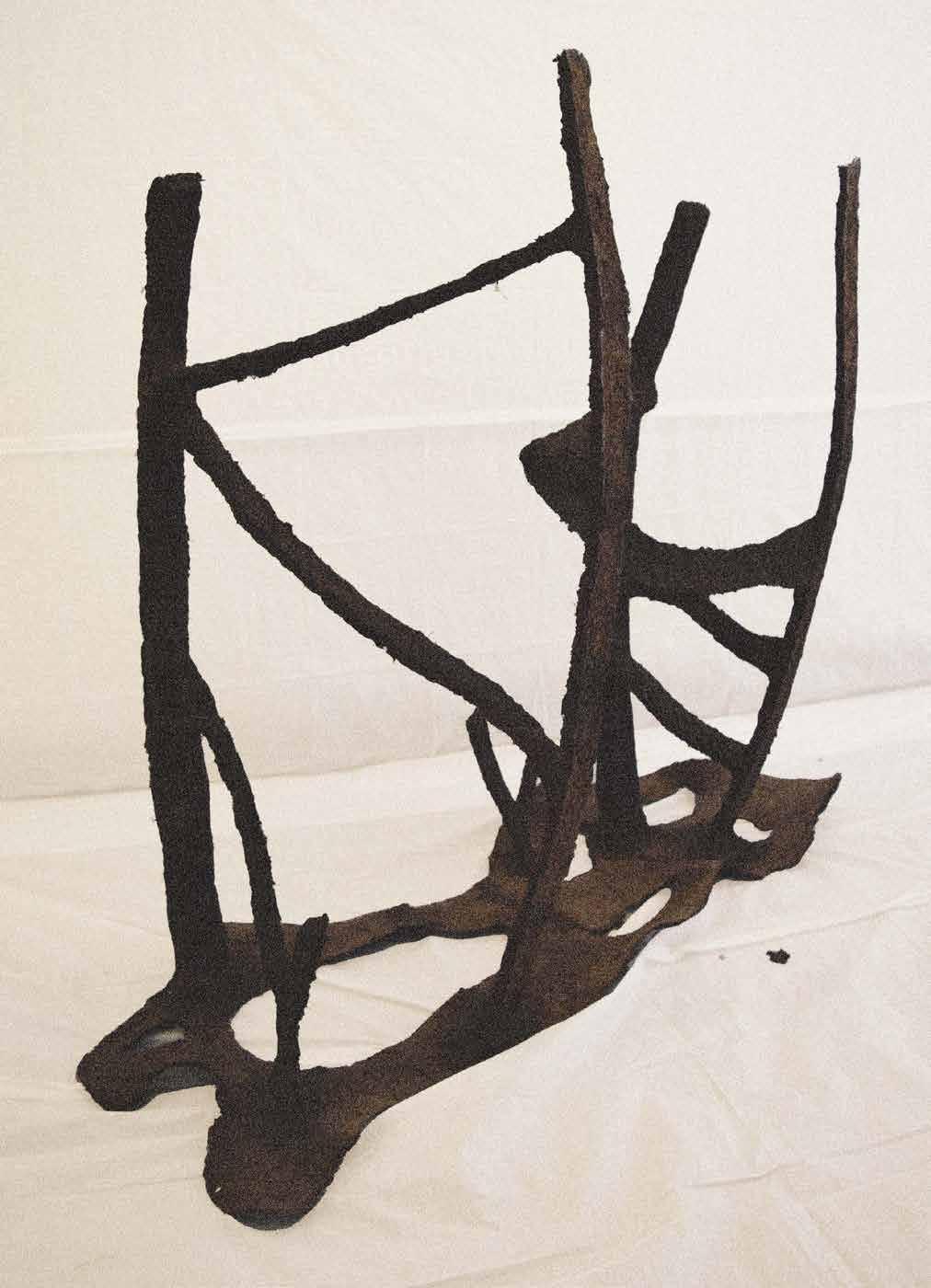
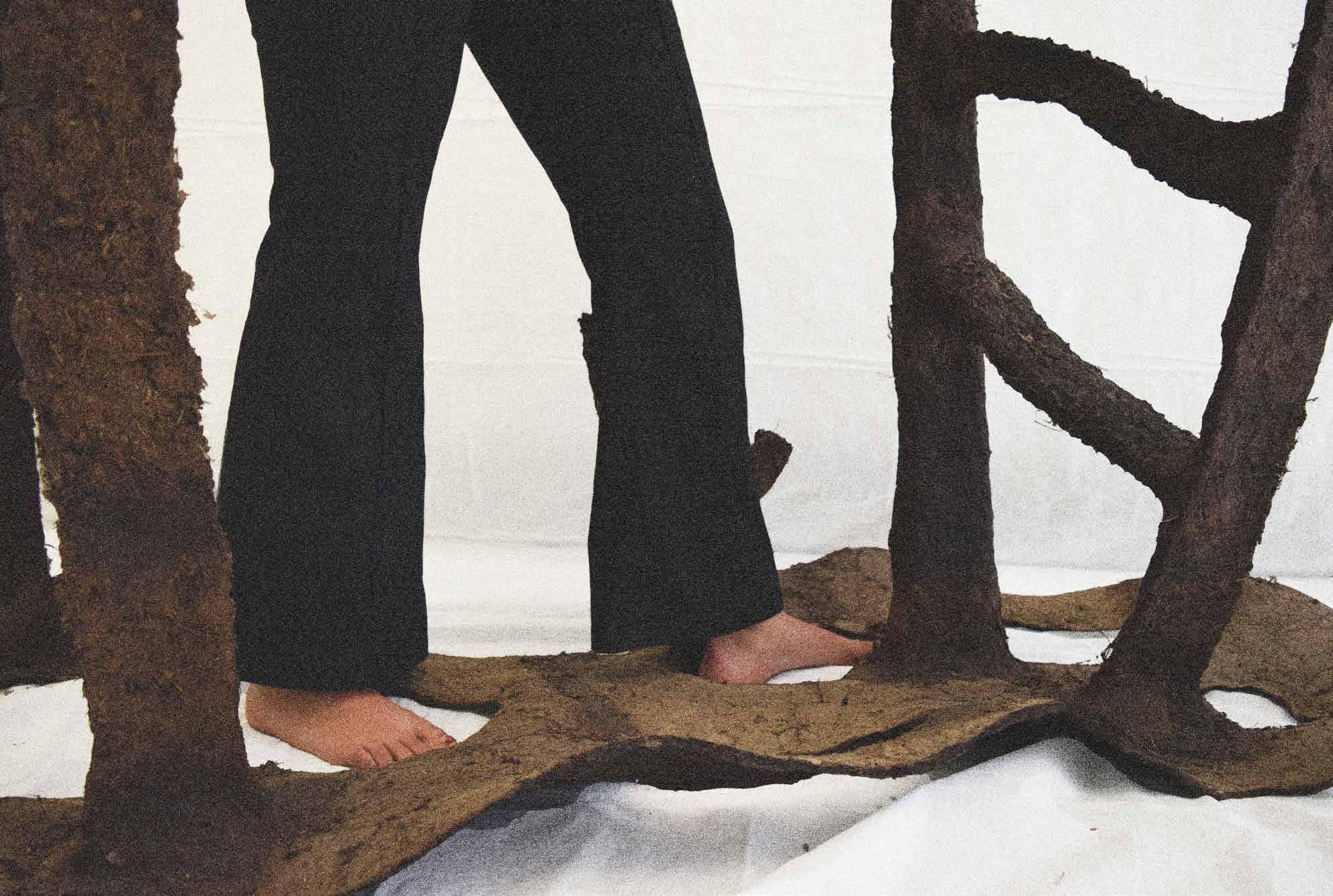
Through the study of Unstable Chair I used Moving Pieces as a project that evolves based off the properties of the material. Instead of developing a form that manipulates the material for human use, this project looks at how our movements and bodies can evolving to the material. With my previous projects I learned how as the pieces loose and gain moisture they begin to warp. I created a floor for the piece and legs that grow out of it. The floor piece created gaps between itself and the ground. I imagined these places to be little caves for other organisms to grow and live. These long vertical pieces curved as they dried leading me to construct several lateral pieces that would support the vertical pieces once they began to warp.
This pieces form was created through the experimentation of the material. Throughout the process my design intentions adapted to the material.
[This Piece Decayed]
 Project done in collaboration with Meejan Patel.
Moving Pieces
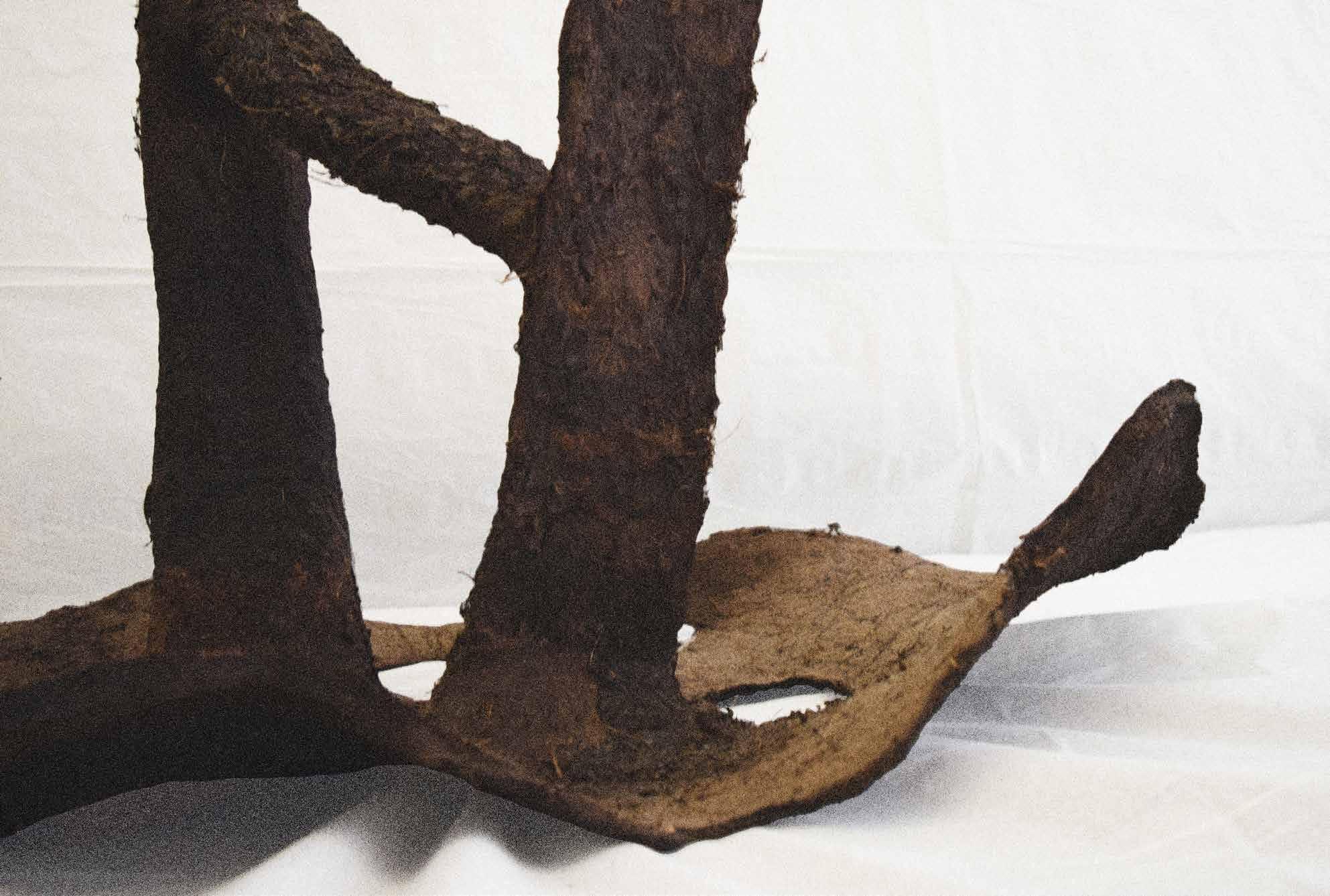
Moving Pieces
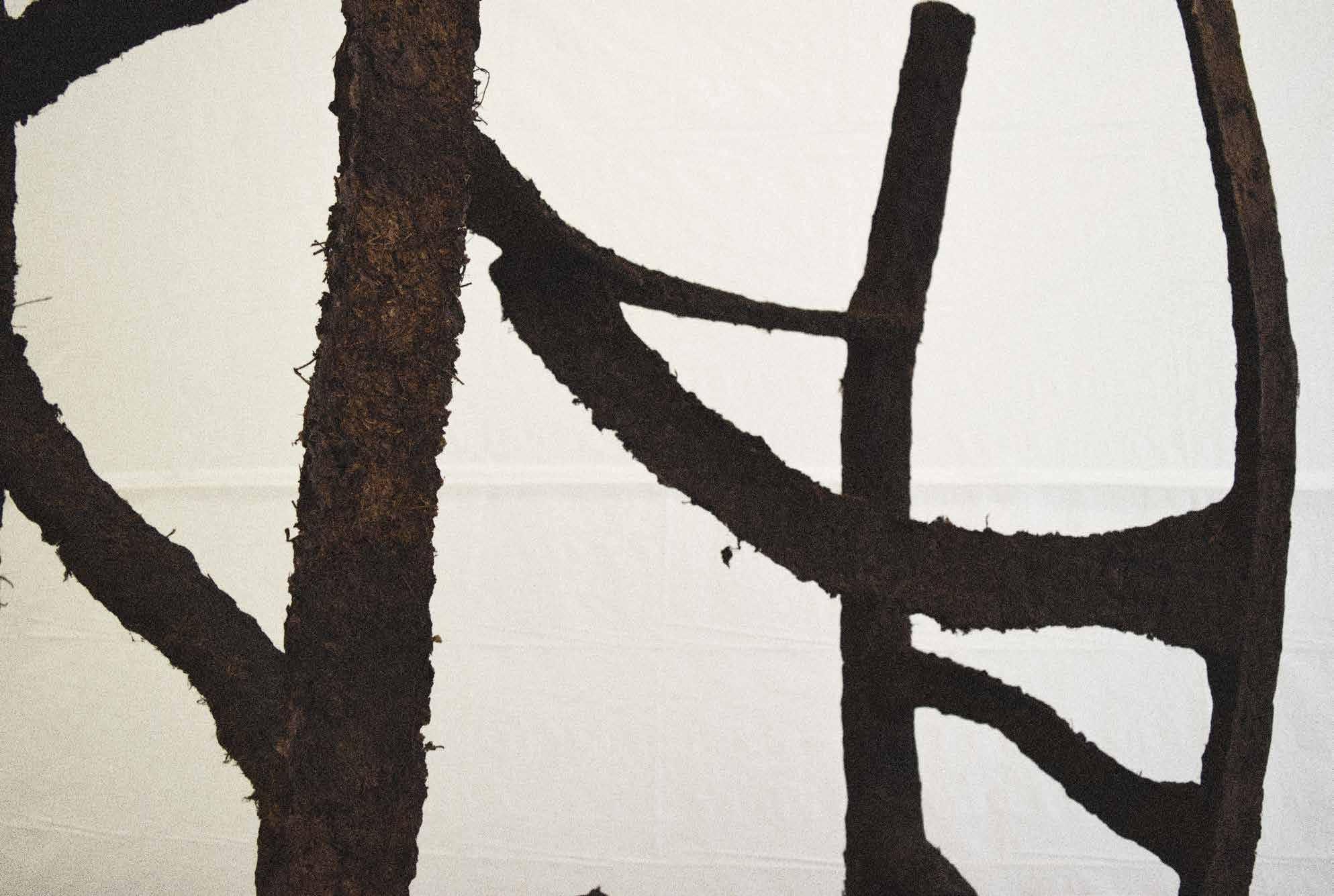
Moving Pieces has a body similar to that of a plant or a human. When it is dry it hardens dropping debris similar to what a tree would do in the fall. When wet, it begins to curve and expand.
It is made from the embodied carbon of fallen leaves. I have transformed the quality of the energy from the leaves I collected and created a piece that will further change and decay based on external sources.
Moving Pieces
This is a series of photographs where I experimented with how my body will interact with the piece in its dry state. My body and the piece will reach a state of decay at different times but I will consciously re-orient myself to this change.This project is response to the rigidity of material culture within the architecture practice. It is hard to accept that our buildings die because we don’t allow them to.
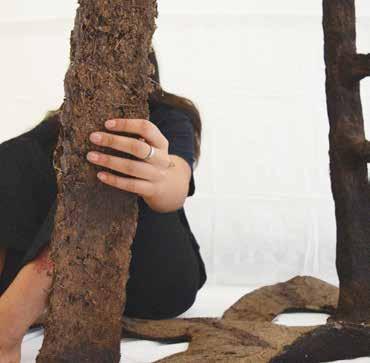
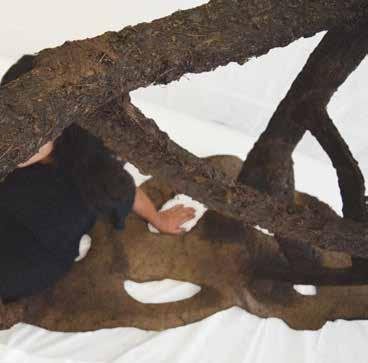
Images Documenting Object Interaction Printed
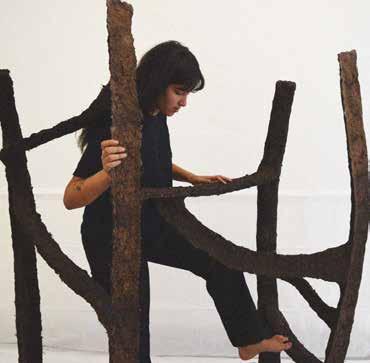
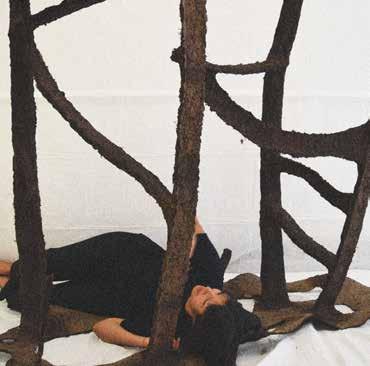
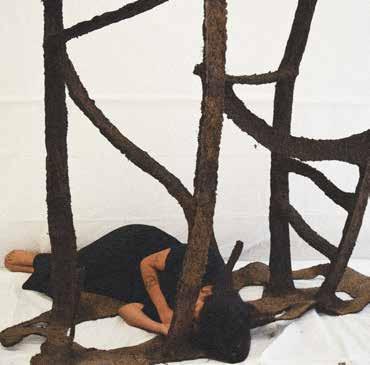
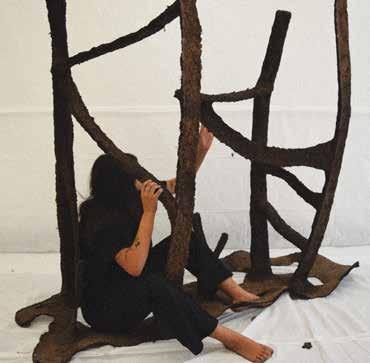
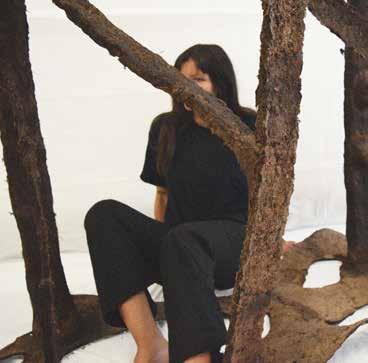
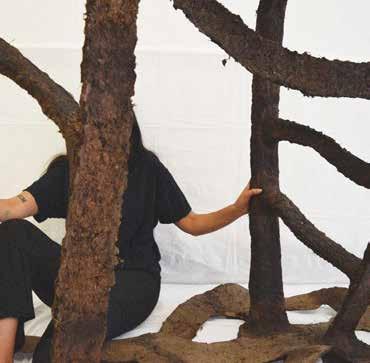
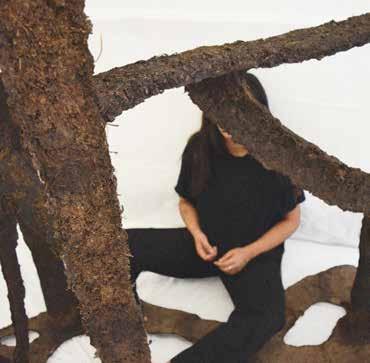
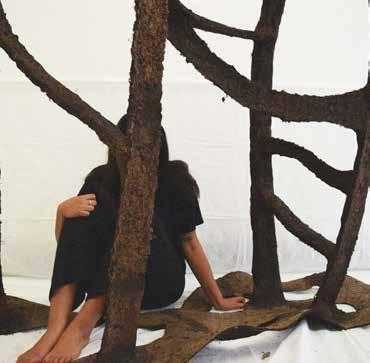
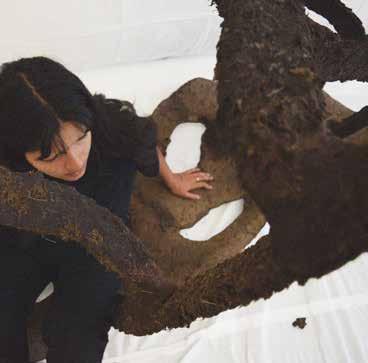
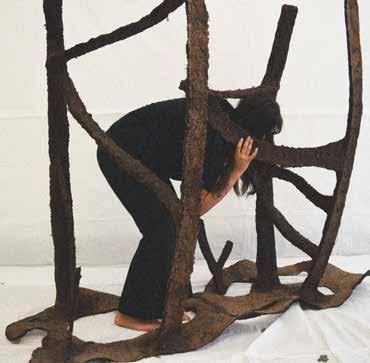
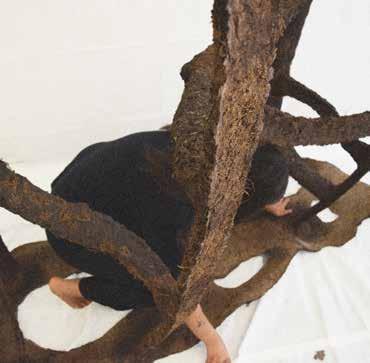
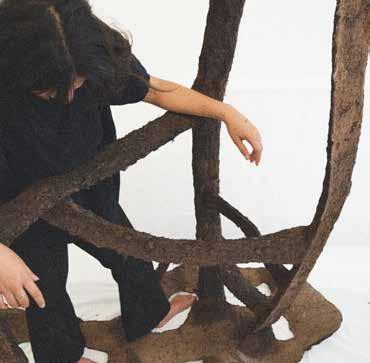 24”x24”
Moving Pieces
Moving Pieces
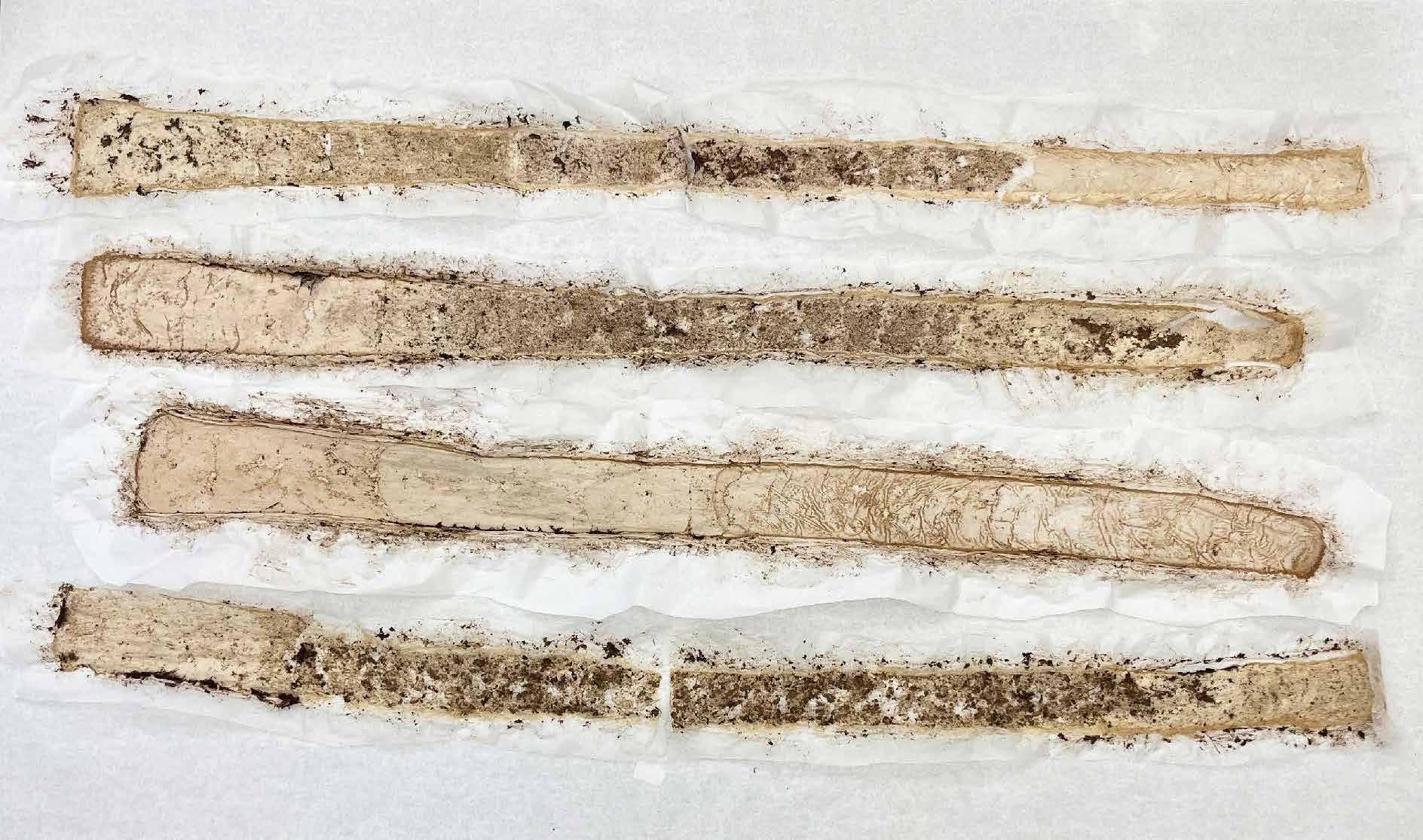
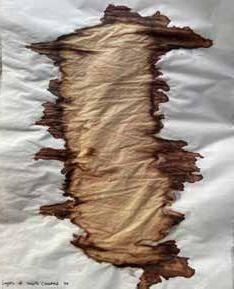
Throughout each project the drawings created use the prints left behind by the foli.age material. The soaking material was left on sheets of trace paper and after removing the materials from the page it would leave an image of the form. Like the drying floi.age the paper drawings warp. While the creations decayed back into the earth, besides photographs, these prints are the only form of representation of what the creations once looked like.
Like how there is no final form to the projects, these drawings capture the process of creation. Throughout you can see fingerprints, splatters from the mess, and wrinkles to break down the time spent on each piece.
They are a form of representation that tells the story of the materials transformation.
Print made from the floor piece of Moving Pieces. Shows the process of the piece coming together and potential formal iterations.
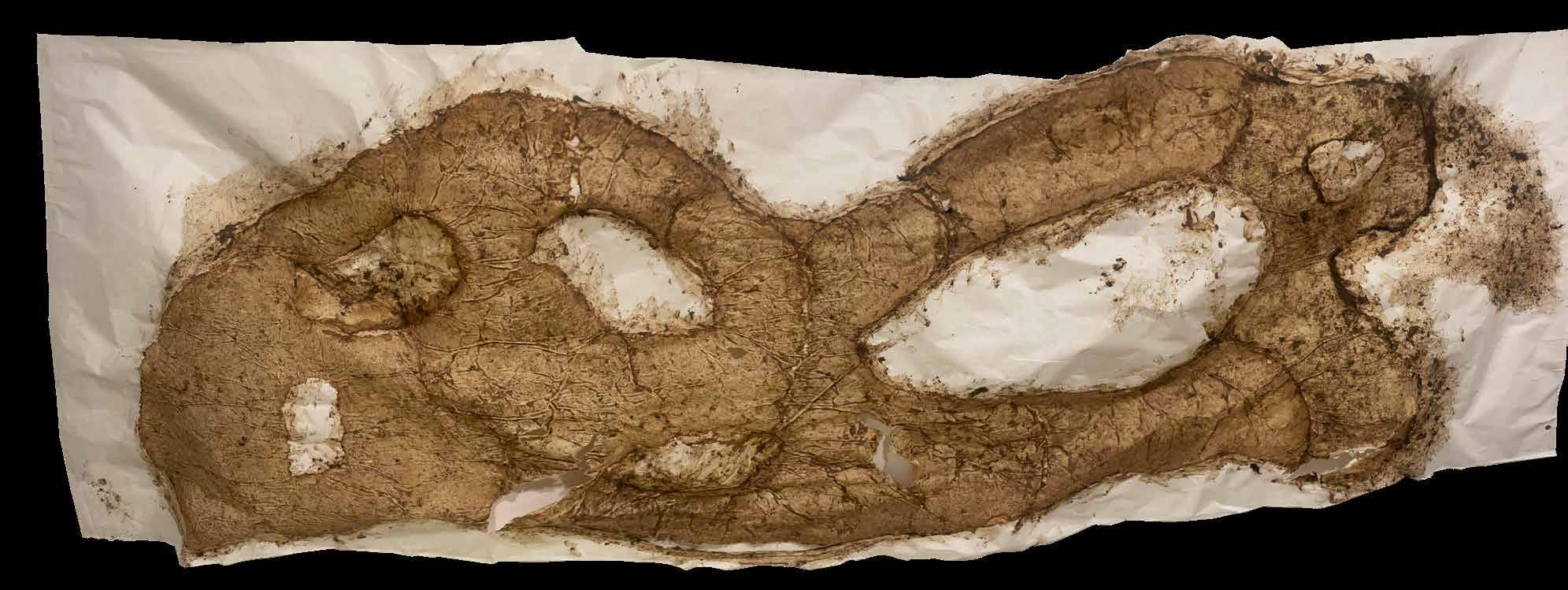 8’10” x 3’
Moving Pieces
[No Longer Avalable]
These prints are left from the vertical legs of the Moving Piece. They were originally created to be around 7’ but after drying shrunk and warped to become just about 5’ and a half. The prints show only one moment in time just like a photograph would.