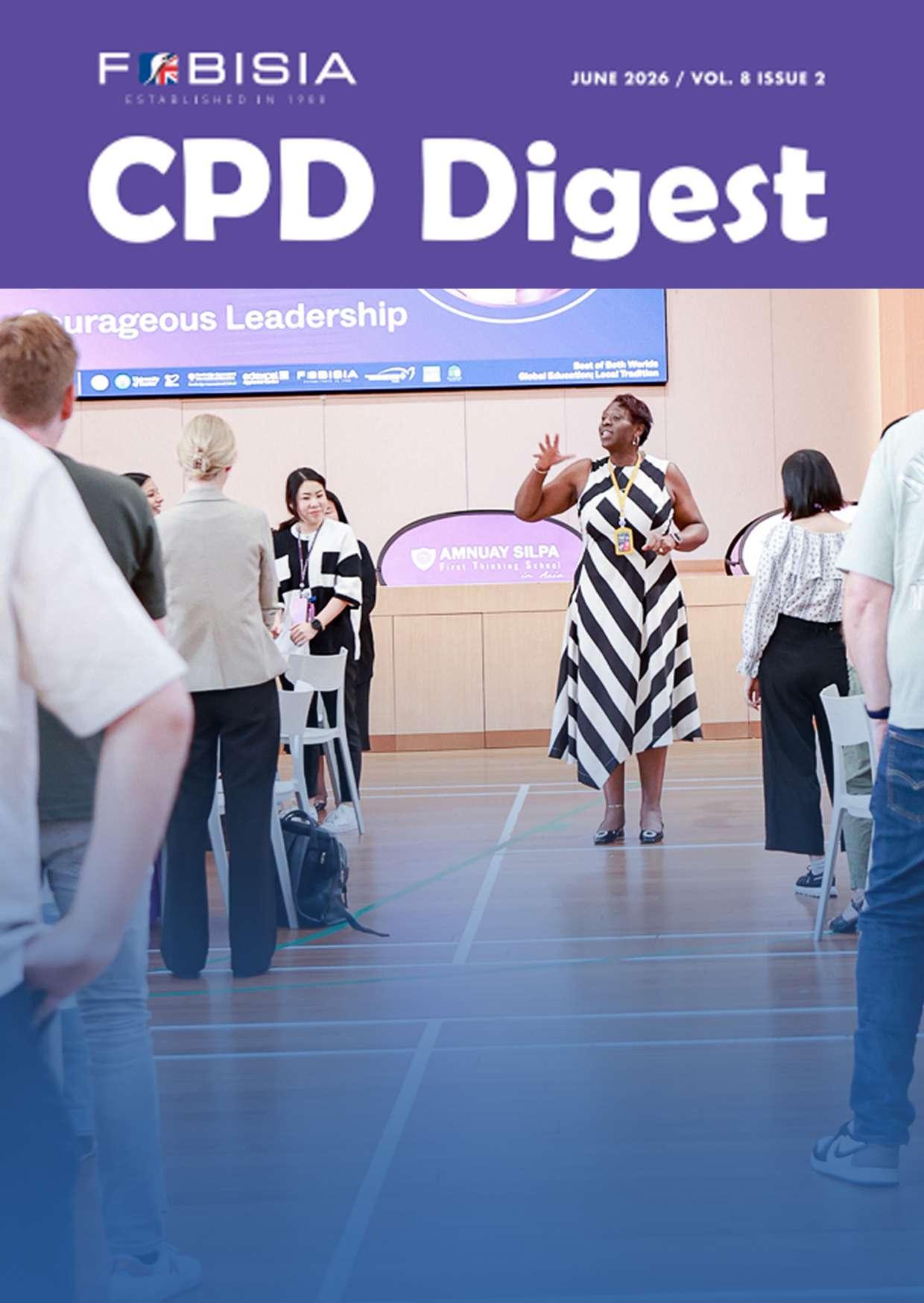


AT AMNUAY SILPA SCHOOL
AT AMNUAY SILPA SCHOOL
4 2026-27 CPD & Conference Calendar
7 HQ Staffing Change Role Transition
FOBISIA FELLOWSHIP
8 Fellowship Programme 2026-27
STAFF EVENT HIGHLIGHTS
10 English Jaws 2026: Collaboration, Innovation, and Reflection
12 Hybrid Conference Pilot Professional Development
14 Observing a Festival Reflections of a Prospective Festival Host
16 FOBISIA Affiliate Member Event: Courageous Leadership by ANS and Diana Osagie
18 Ready, Respectful, Responsible: Reflections on Hosting the FOBISIA Positive Behaviour eJAWS
20 Developing Independent Learners - eJAWS
22 Reflecting on the Ca/Ta eJAWS: Developing Best Practice
GUEST AUTHOR
25 Three Things Trust-Building Gets Wrong and What International Relations Theory Tells Us to Do Instead
CPD EVENTS
24 Senior Leadership eJAWS Conference
26 Past FOBISIA Webinars
27 Past FOBISIA Fellowship Webinars
28 - 37 JAWS & Conference Flyers


Dear CPD Leaders,
As we come to the end of another academic year, it is a fitting opportunity to reflect on what has been an exceptionally busy and successful period for FOBISIA CPD.
Over the past year, we have continued to expand and strengthen professional learning opportunities across the region. The Fellowship Programme has completed its third year and continues to go from strength to strength, providing a valuable platform for educators to develop their leadership, share their expertise, and contribute to the wider FOBISIA community. It has been particularly rewarding to see the growing impact of Fellows across our network.
This year also saw the successful launch of our first Hybrid Conference model. With over 100 participants joining across multiple hub schools, the pilot demonstrated the potential of hybrid delivery to increase accessibility and bring educators together in new and innovative ways. Alongside our conferences, JAWS events, webinars, and collaborative initiatives, it has been encouraging to see such strong engagement from schools across the region.
For me personally, this edition of the CPD Digest marks a significant transition. With this issue, I am signing off from my role as FOBISIA's CPD & Safeguarding Executive and will shortly be stepping into the role of Head of Operations at FOBISIA HQ, further details on page 7.
Thank you for your continued support, and I wish you all a restful break and a wonderful start to the new academic year.
Swati Sinha Bedi CPD & Safeguarding Executive FOBISIA HQ
PUBLISHER FOBISIA
EDITOR
Swati Sinha Bedi
DESIGN EDITOR
Bunjopporn (Yoke) Kittrell
CONTRIBUTORS TO THIS ISSUE
Abigail Knauf, Phil May, Richard Hallam Jerudong International School
Daniel Brown Dulwich College (Singapore)
Darshak Pandya Haileybury Almaty
James Lillywhite
North London Collegiate School Jeju
Joshua Darryl Sussex
Sri KDU International School (Penang)
Nathan Phipps
The International School @ ParkCity
Olivia Shelmerdine Amnuay Silpa School
Samuel Kennedy Dulwich College (Singapore)
Viknashalani Vinayagamurthy Kolej Tuanku Ja'afar
Vector images from freepik.com
Refer to Member Support page on www.fobisia.org for calendar updates. Dates for in-person events do not include travel days (with the exception of the FOBISIA Games). FOBISIA EVENTS MAY BE SUBJECT TO CHANGE.
AQ
10/09 - 12/09 Conference PE & Sport Conference
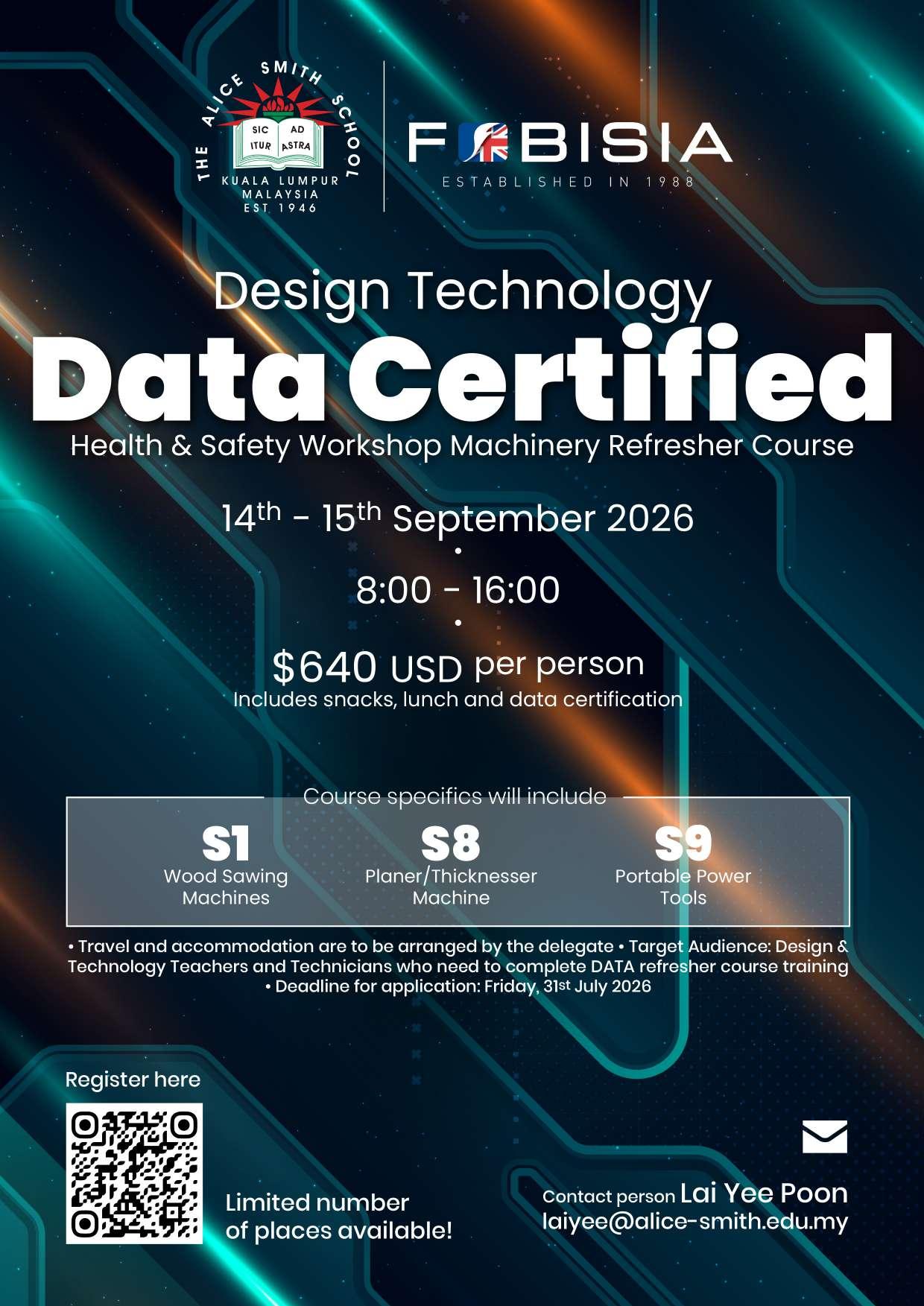
15/09 Workshop Design Technology: Health & Safety Workshop Machinery Refresher Course
17/09 - 19/09 Conference Music Teachers’ Conference
AQ
02/10 - 03/10 JAWS Dance JAWS
Wellington College International Shanghai
The Alice Smith School, Kuala Lumpur
Dulwich College (Singapore)
St. Andrews International School Bangkok
02/10 - 03/10 JAWS Early Years JAWS: Planting the Seeds of the FutureCultivating Excellence in Early Years Practice JAWS Dulwich College (Singapore)
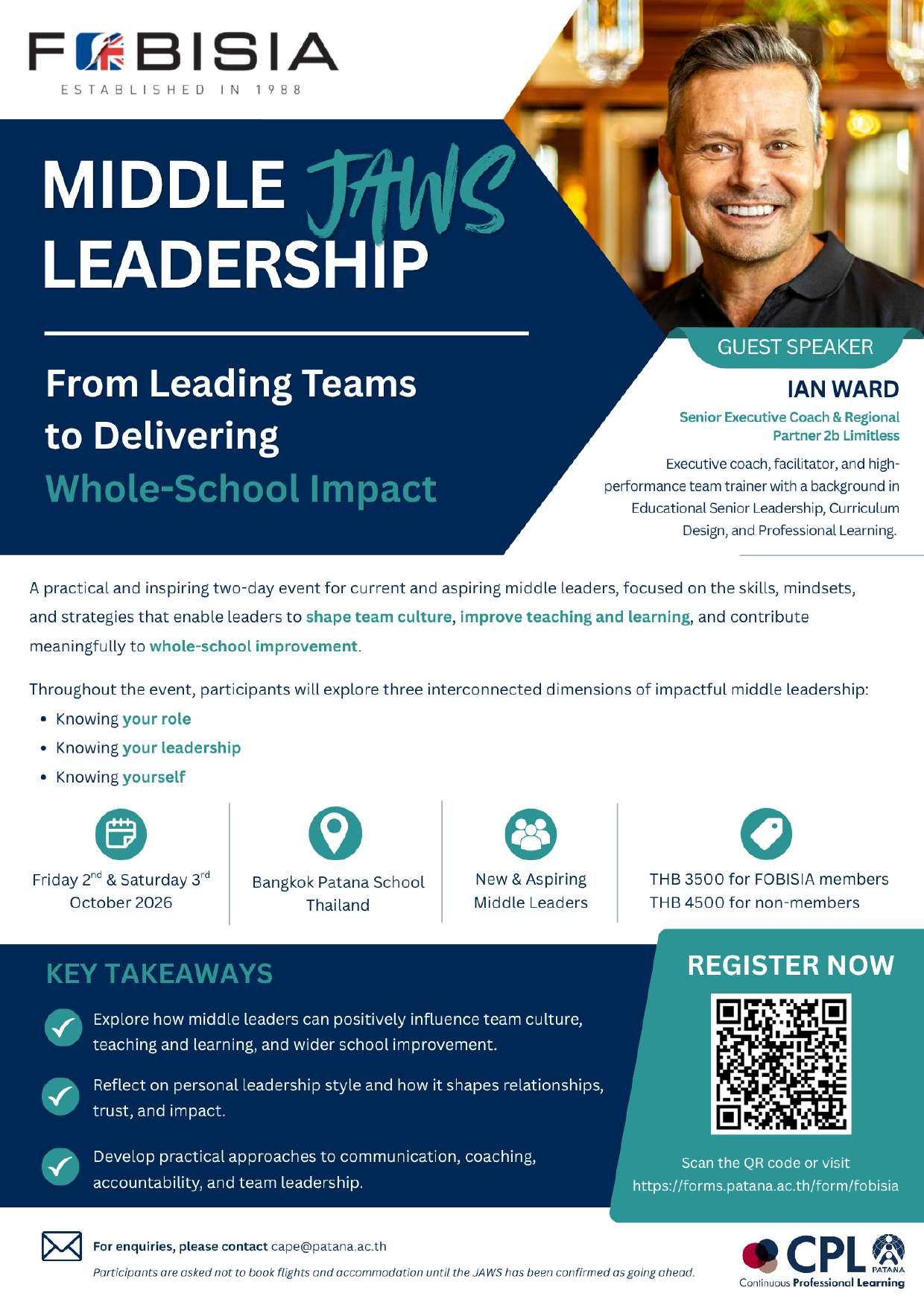
02/10 - 03/10 JAWS From Leading Teams to Delivering Whole-School Impact JAWS Bangkok Patana School
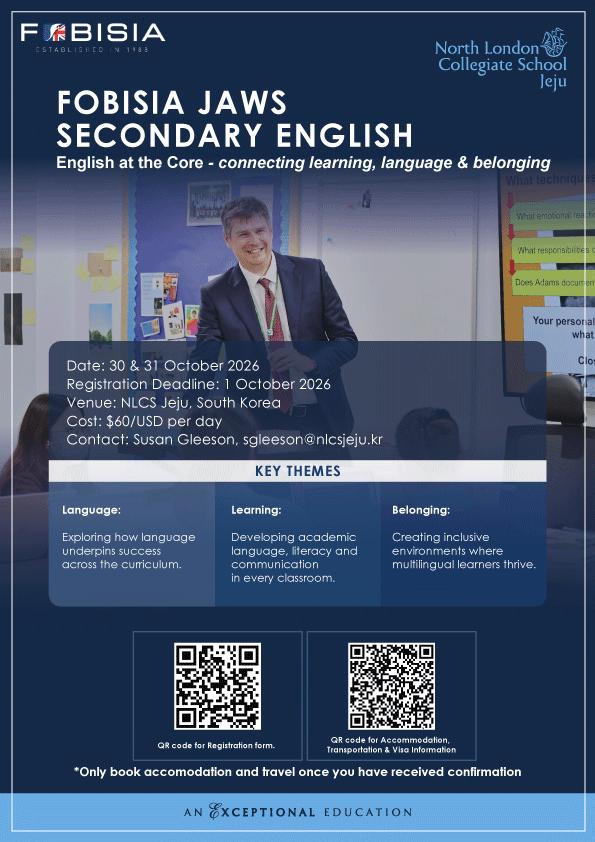
30/10 - 31/10 JAWS Secondary English JAWS: English at the CoreConnecting Learning, Language and Belonging
30/10 - 31/10 Conference EduTech Conference 2026
AQ
13/11 eJAWS Effective Pedagogical Approaches for the Changing Cohort of Students in International Schools eJAWS
13/11 - 15/11 Conference FOBISIA Leadership Conference
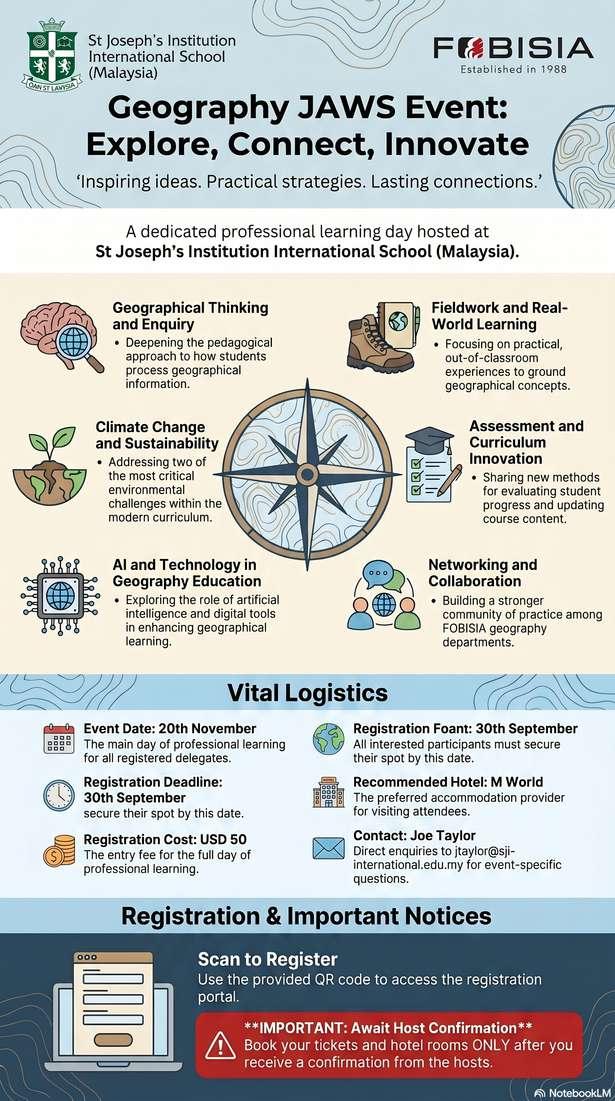
20/11 JAWS EAL JAWS
20/11 JAWS Geography JAWS
27/11 eJAWS Outdoor Learning and Expeditions eJAWS
North London Collegiate School Jeju
Shrewsbury International School Bangkok Riverside & TEEMS Global
The British International School of Kuala Lumpur
FOBISIA HQ @ Anantara Riverside & Avani+ Riverside, Bangkok
Shrewsbury International School Hong Kong
St. Joseph's Institution International School, Malaysia
The British School Kathmandu
AQ
11/01 JAWS World Languages eJAWS
15/01 - 16/01 JAWS
Aspiring and New Senior Leaders JAWS: From Operations to Strategy: Purpose, People, and Progress in the First Years of Senior Leadership
28/01 - 30/01 Conference Drama Conference
29/01 JAWS SEND JAWS
AQ
19/02 eJAWS Sustainability eJAWS: Teaching Sustainability - Turning Values into Practice
26/02 eJAWS Student Leadership eJAWS: Academic Enrichment and Student Leadership - Learning to Lead: Enrichment in International Education
TBC JAWS PAs/EAs JAWS
AQ
17/03 JAWS Diversity and Inclusion Practices - A Whole School Approach JAWS
17/03 eJAWS University Counselling eJAWS - AI and Ethics in Global University Admissions eJAWS
18/03 eJAWS Co-Curricular JAWS - Embedding Enrichment in a School
18/03 - 20/03 Conference CPD Leaders Conference
AQ
22/04 eJAWS TAs eJAWS
22/04 eJAWS School Counsellors eJAWS
Dulwich College (Singapore)
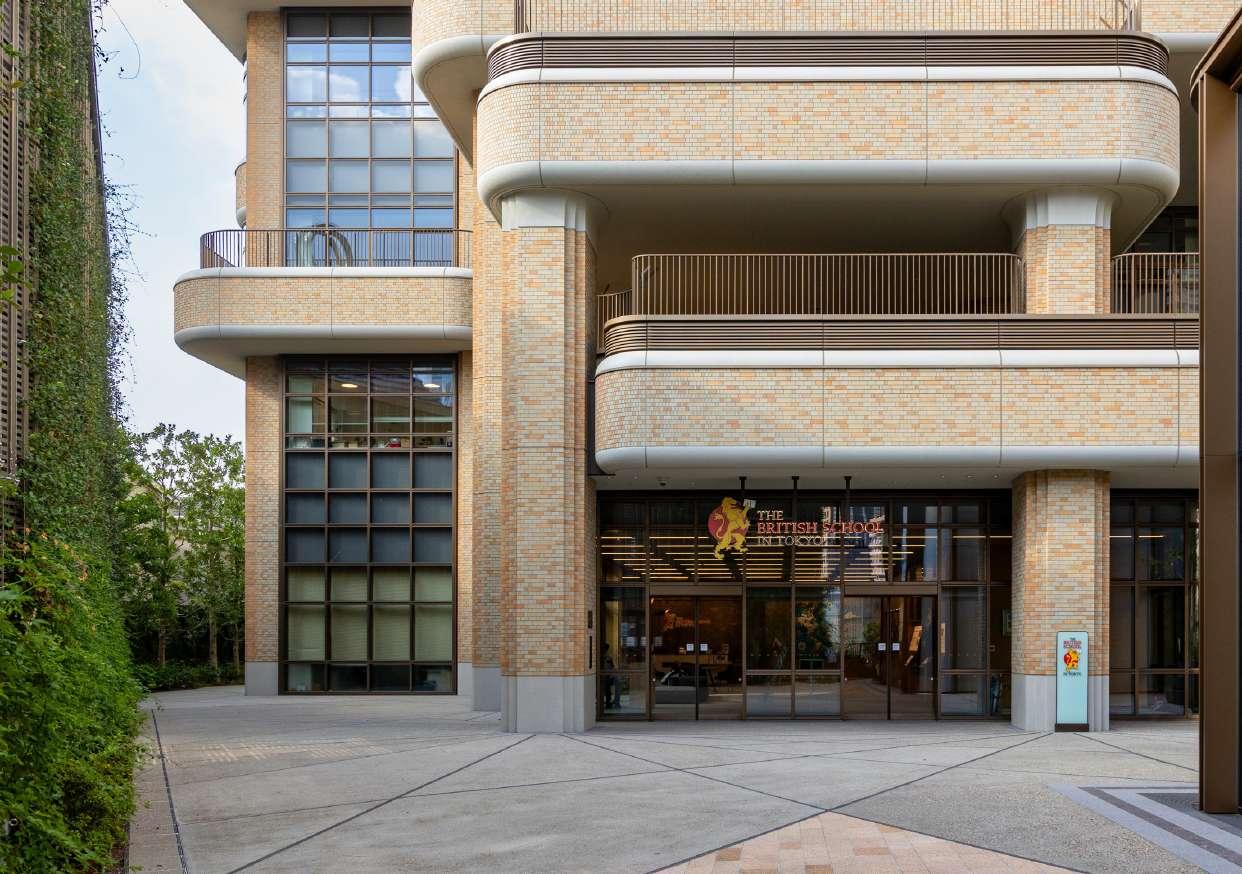
The British School in Tokyo
The British School in Colombo
Bromsgrove International School, Thailand
The British International School of Kuala Lumpur
The British International School of Kuala Lumpur
TBC
St. Andrew's International School Sukhumvit 107
Nexus International School, Malaysia
The British School of Guangzhou
British International School Ho Chi Minh City
Shrewsbury International School Hong Kong
Kellett School Hong Kong
AQ
06/05 - 08/05 Conference Safeguarding & Pastoral Care Conference
07/05 JAWS
Secondary Science JAWS: Reimagining Secondary Science - Teaching, Learning, and Innovation
14/05 - 15/05 JAWS Primary English JAWS: Through the Looking GlassReflecting Student Voice in the Literacy Curriculum
28/05 JAWS
Media Studies JAWS - Training workshops to cover practical and theoretical content for GCSE/A-level syllabi
28/05 eJAWS A Level Psychology eJAWs
28/05 - 29/05 JAWS Secondary Music Technology JAWS
AQ
08/06 JAWS
Brighton College International School Bangkok
Nexus International School, Malaysia
British International School Ho Chi Minh City
Kellett School Hong Kong
British Vietnamese International School HCMC
Bangkok Patana School
Primary Maths JAWS: When West Meets East - Bridging Mathematical Practices in Primary School
Wellington College International Shanghai
AQ
April - May Conference Business Conference TBC
TBC eJAWs Librarian eJAWS
TBC JAWS Secondary Maths JAWS
Dulwich College Shanghai Pudong
Bangkok International Preparatory & Secondary School
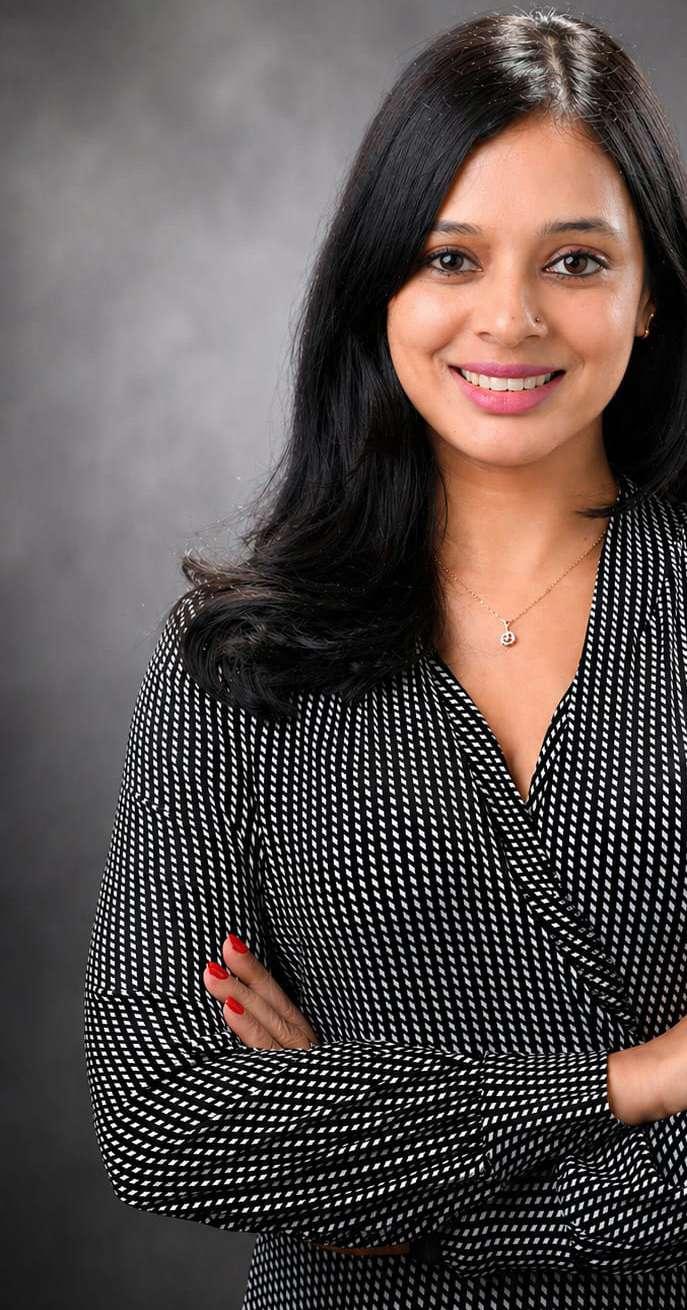
Swati Sinha Bedi
CPD & Safeguarding Executive FOBISIA HQ
As we come to the end of another academic year, I would like to take this opportunity to thank all our member schools, CPD Executive Committee Members, and CPD Leaders for your continued support, collaboration, and engagement. With this issue, I am signing off from my role as FOBISIA's CPD & Safeguarding Executive and, from the start of the new academic year, will be stepping into the role of Head of Operations at FOBISIA HQ.
It has been a privilege to support CPD and Safeguarding across the network over the past few years. Together, we have expanded professional learning opportunities, strengthened safeguarding practice across the region, and built an incredible network of colleagues committed to learning from one another. I am incredibly proud of what we have achieved together and grateful for the relationships, collaborations, and friendships that have developed along the way.
Although my role is changing, I look forward to continuing to support our member schools in a new capacity. Should you need anything, I can be reached at hoo@fobisia.org.
I am also delighted to share that Li-May Lim has been appointed as the & Safeguarding Executive. Li-May has previously worked at FOBISIA HQ and is already well known to many of our members. Her knowledge of the organisation will ensure a seamless transition and the continued growth of CPD and Safeguarding across the federation. For the sake of continuity and access to historical records, Li-May will continue to use my current email address, cpd-safeguarding@fobisia.org, as her primary point of contact.
Thank you once again for your support and partnership. I wish you all a restful break and a wonderful start to the new academic year, and I look forward to seeing many of you at future FOBISIA events.

26/27

Interdisciplinary Curriculum Design to Restore Relevance and the Love of Learning

Mentor
Emma Graham
Brighton College (Singapore)
FOBISIA Fellow
Hayley Lochhead
Kellett School Hong Kong

Thematic curriculum design and its impact on the transition from Year 6 to Year 7

FOBISIA Fellow
Molly Burbridge
Stonyhurst International School Penang
Mentor
Henry Wiggins
North London Collegiate School Jeju

Cultural influences on Teacher-TA collaboration in international schools

FOBISIA Fellow
Jessica Lyons Harrow International School Bangkok
Mentor
Samantha Bagshaw
Brighton College Vietnam

Small Steps, Big Impact: Implementing an Instructional Coaching Programme in an International School

FOBISIA Fellow
Olivia Archibald Epsom College Malaysia
Mentor
Brenda Connolly
Sri KDU International School (Kota Damansara)
We are delighted to announce the FOBISIA Fellowship Programme 2026–27 Cohort. Congratulations to all Fellowship Awardees on this achievement, and our sincere thanks to the Mentors who have generously volunteered to support, challenge, and guide them throughout their Fellowship journey.


AI for Disciplinary Literacy: Teaching Students to Think Like Experts From Answers to Thinking: AI for Disciplinary Literacy

FOBISIA Fellow
Peter Cowen
British International School Ho Chi Minh City
Mentor
Tobias Bate
British Vietnamese
International School Ho Chi Minh City

Service, Belonging and Wellbeing; Measuring the Impact and Motivations of Student Contribution to Service at NLCS Jeju

FOBISIA Fellow
Stephen Mckeogh
North London Collegiate School Jeju
Mentor
Victoria Rotheram
Shrewsbury International School, Bangkok
Riverside

Enhancing Reading Stamina, Engagement, and Attainment in Classrooms: A Whole-Book Reading Framework for International Schools

FOBISIA Fellow
Rachel O'Brien
Tanglin Trust School
Mentor
Sally Rebecca Moulds
The British School Kathmandu

The VOICE Project: Fostering Academic Belonging through Translanguaging and AI-Enabled Vibe Coding

FOBISIA Fellow
Wenyi Chu
Nexus International School, Malaysia
Mentor
Steve Morris
Shrewsbury International School, Bangkok
Riverside

Viknashalani Vinayagamurthy Director of Pastoral Care
Kolej Tuanku Ja'afar
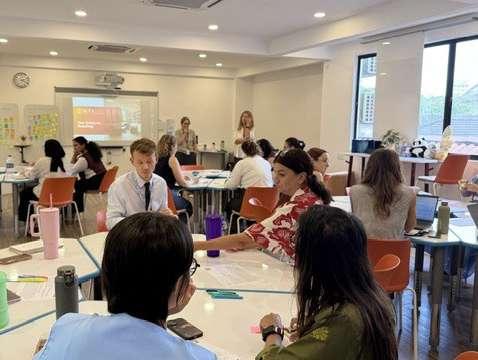
On 26th and 27th March 2026, we were delighted to host the FOBISIA English JAWS (Job-Alike Workshop), welcoming English educators from across Asia for two days of professional learning, collaboration, and the sharing of best practice.
The event brought together delegates from Thailand, Vietnam, Nepal, and Malaysia, creating a vibrant community of educators committed to advancing English teaching and learning. Throughout the two days, participants engaged in thought-provoking discussions, explored innovative teaching approaches, and reflected on the opportunities and challenges facing English education in an increasingly digital world.
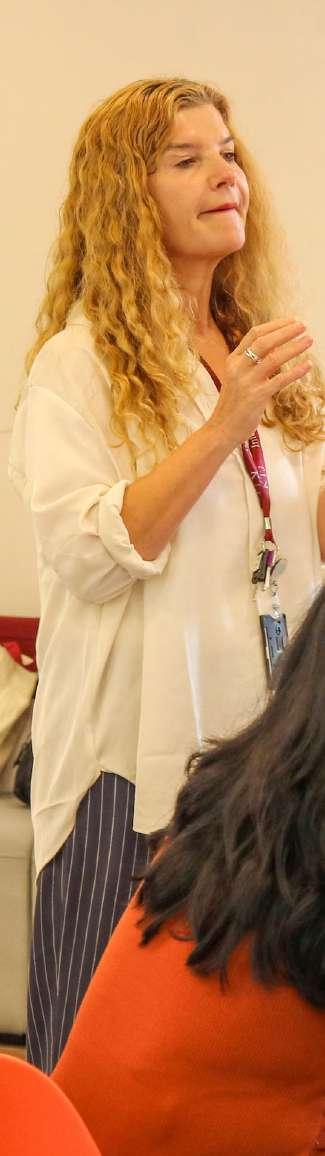
A key highlight of Day One was the keynote address delivered by Mr Mark Disney. With over 30 years of experience in Malaysia’s education sector as a lecturer, publisher, consultant, and examination board COO, Mr Disney brought a wealth of expertise and insight to the conference. His presentation focused on the emerging decline in literacy and reading habits among young people as digital devices become ever more embedded in both classrooms and daily life.
While recognising the many benefits of technology, Mr Disney challenged delegates to consider how schools can continue to foster a genuine culture of reading and critical thinking. His keynote sparked rich discussion and set the tone for many of the conversations that followed throughout the workshop.
Across the two days, delegates participated in a diverse programme of workshops and presentations covering a wide range of topics relevant
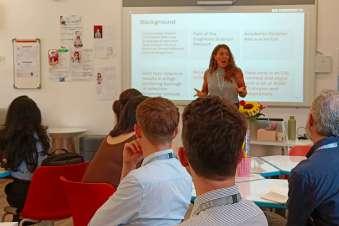
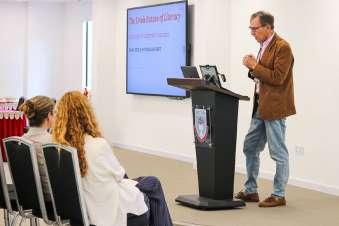
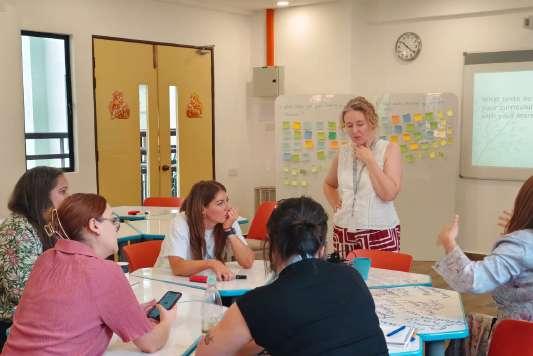
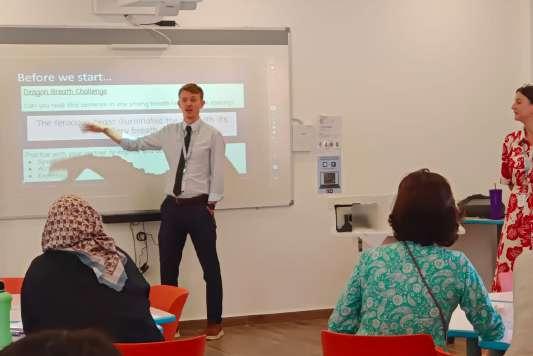
to contemporary English teaching. Sessions explored literacy development, curriculum design, assessment practices, literature teaching, writing instruction, student engagement, academic pathways, and the effective integration of technology into learning. The breadth of expertise on display highlighted the strength of the FOBISIA network and the willingness of educators to share their knowledge for the benefit of the wider profession.
A particular highlight was the Student Voice Panel, which gave delegates the opportunity to hear directly from students about their experiences in the classroom. Students shared honest and thoughtful perspectives on the feedback they receive, the growing role of artificial intelligence in their learning, and the teaching approaches that best support their engagement and progress.
Their insights encouraged educators to reflect on their own practice and served as a powerful reminder of the importance of listening to students as partners in the learning process. The session generated significant discussion and was widely regarded as one of the most valuable and memorable parts of the conference.
What made the event especially meaningful was the spirit of openness and collaboration demonstrated by every participant. Delegates generously shared their experiences, successes, challenges, and innovative practices, creating an environment where everyone could learn from one another. The conversations that took place both within and beyond the workshop sessions reinforced the value of professional networks in driving educational improvement.
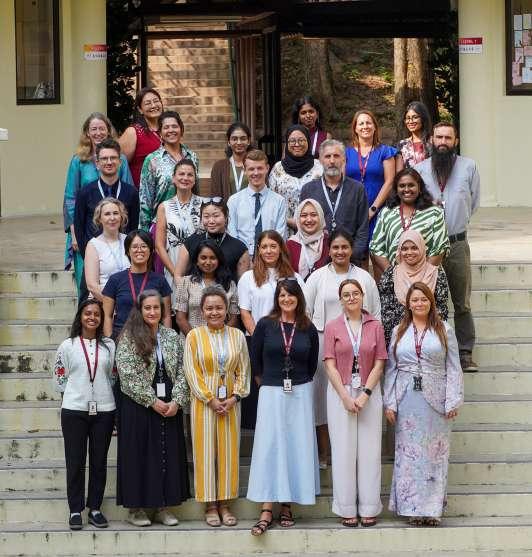
As hosts, we would like to extend our sincere gratitude to all delegates who travelled from near and far to attend. Your enthusiasm, professionalism, and willingness to contribute made the event both productive and inspiring. We also thank Mr Mark Disney for his insightful keynote address and every presenter who generously shared their expertise over the two days.
The FOBISIA English JAWS 2026 was a powerful reminder that collaboration remains one of the greatest strengths of our profession and network. From discussions on literacy and reading habits to conversations about AI, student engagement, and the future of learning, the event provided a valuable platform for reflection, innovation, and professional growth. We look forward to continuing these conversations and strengthening the connections forged during these memorable gathering.
James Lillywhite Head of Professional Development North London Collegiate School Jeju
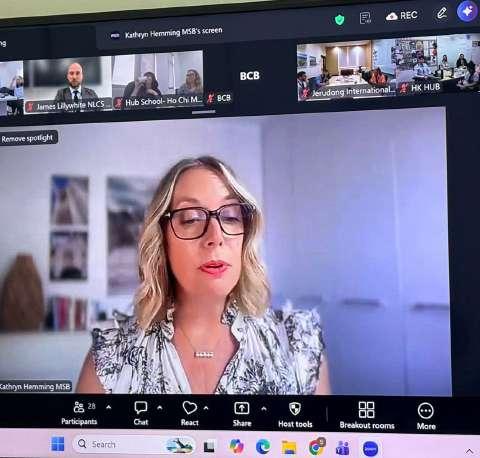
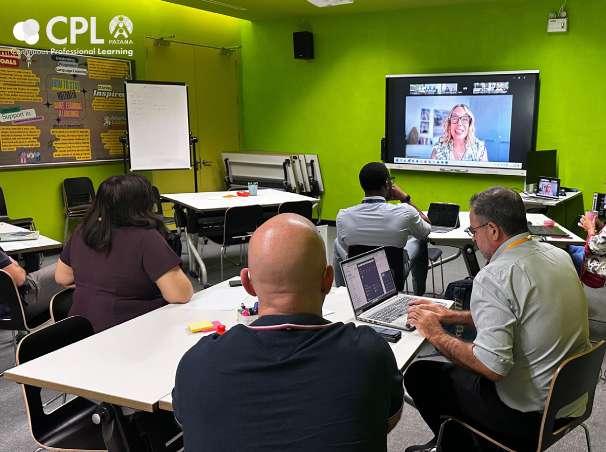
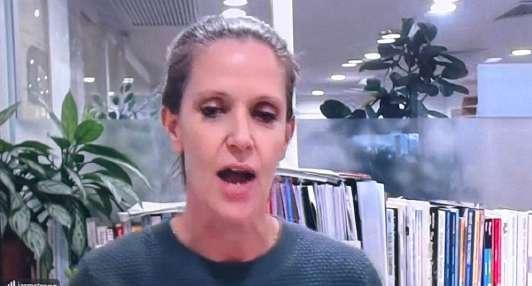
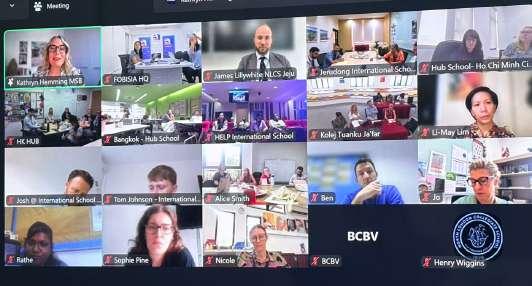
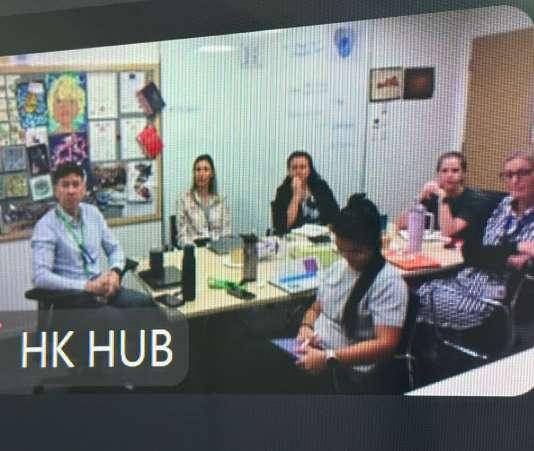
Helping lead the recent FOBISIA Professional Development Hybrid Conference was a truly rewarding experience. It brought together educators from across Asia and gave me a chance to reflect on my own work and experience in coaching and mentoring. As educators, we are always looking for ways to improve, but taking the time to connect and share ideas with colleagues from different contexts gave me renewed energy and valuable insights.
The highlight of the conference for me was exploring a big question: How do culture and local context shape leadership, coaching, and mentoring in international schools?
Professional development models are often introduced as though they can be applied in the same way everywhere. Discussions with fellow FOBISIA delegates reinforced for me the importance of viewing these models through a local lens. One interesting finding from my recent research, which came up frequently during the conference, is that leadership can operate in different ways within the same culture. For example, a school may adopt a traditional, top-down approach to governance and safeguarding, while relying on teamwork and collaboration among teachers to support classroom learning.
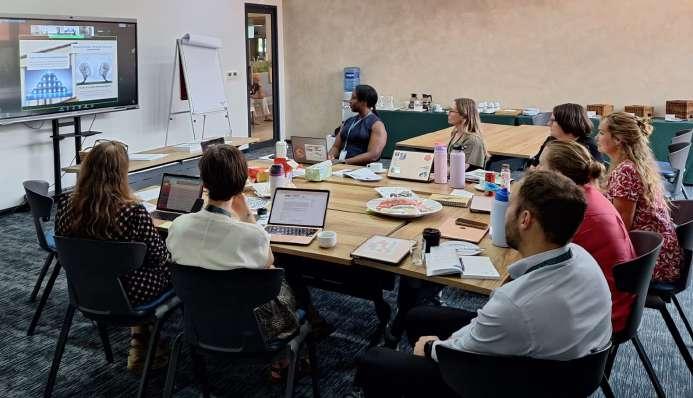
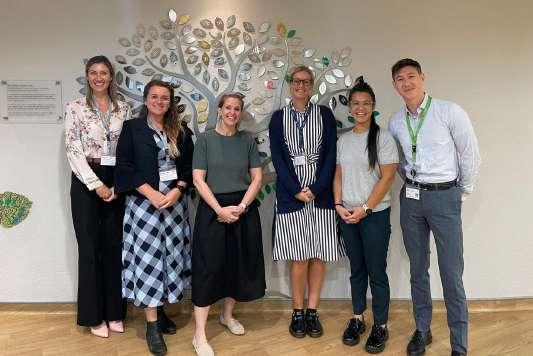
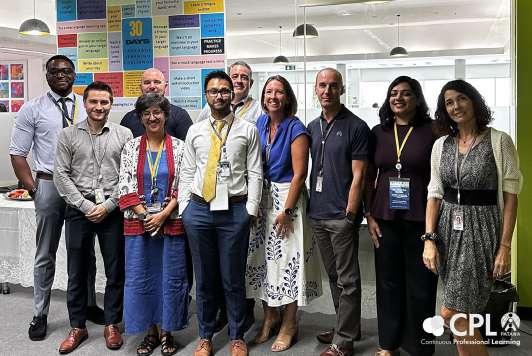
Recognising these cultural nuances is key to creating a strong coaching environment. Rather than imposing a rigid framework on staff, we should focus on adapting global best practices to fit the context of our own schools. We do not need everyone to be a certified coach; what matters most is building a coaching culture grounded in trust, openness, and psychological safety.
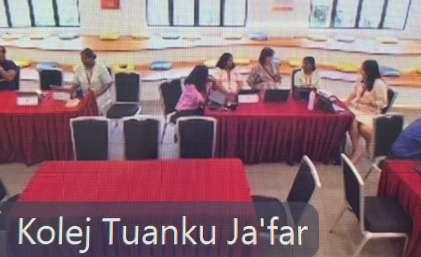
The hybrid format of the conference made it easy to gather perspectives and engage in meaningful conversations, both online and face-to-face. I left with many new ideas and a stronger commitment to developing a supportive, context-aware mentoring approach within my school.
Thank you to everyone who organised and participated in this inspiring event.
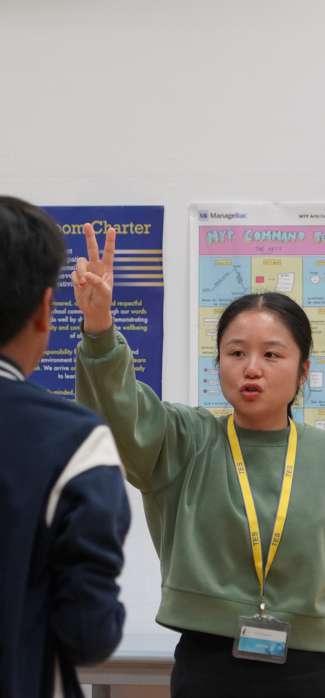
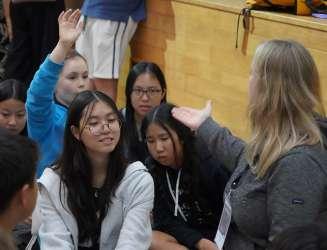
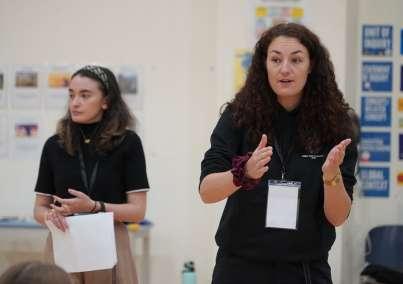
Samuel Kennedy Drama Teacher / Houses Coordinator Dulwich College (Singapore)
As educators, a commonality we all share is that in our contexts we all talk a lot about what we want for our young people.
Advocating for them.
Sharing how we want them to think, how we want them to behave and ultimately how we want them to go out into the world - ready to be a positive difference-maker.
Drama festivals at their core represent living, breathing moments of values immersion for our students, through creative collaboration with one another. Genuine, impactful connection.
The list of benefits for our young people who partake is too long to fit into this article...
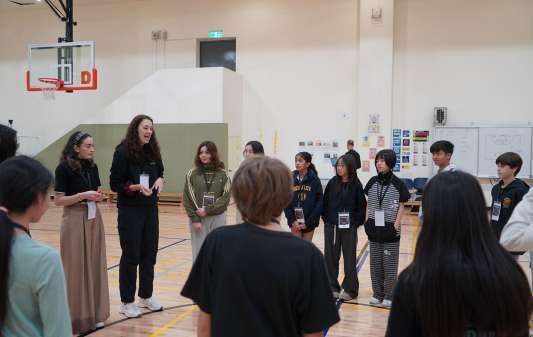
There is also a multitude of possibilities for professional development and enrichment of all staff in attendance also.
However, when considering to HOST a festival of your own, the list of moving parts and responsibilities can also feel too long to fit into this article...
To deliver a high-quality experience for our students, but also for staff and Theatre practitioners, there is much to consider.
There must be diligent organisation across all operational and logistical aspects of the festival is needed.
Cohesion across all parts of the festival support team is a must, and an artistic vision that brings the best out of all workshop and ensemble leads, allowing for professional development opportunity and best practice sharing.
Most importantly, it needs to be a meaningful, supportive and impactful experience for our students.
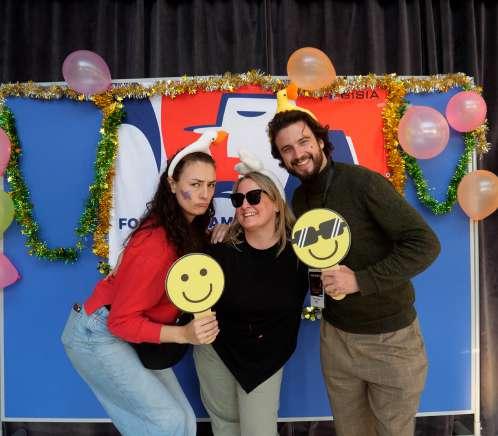
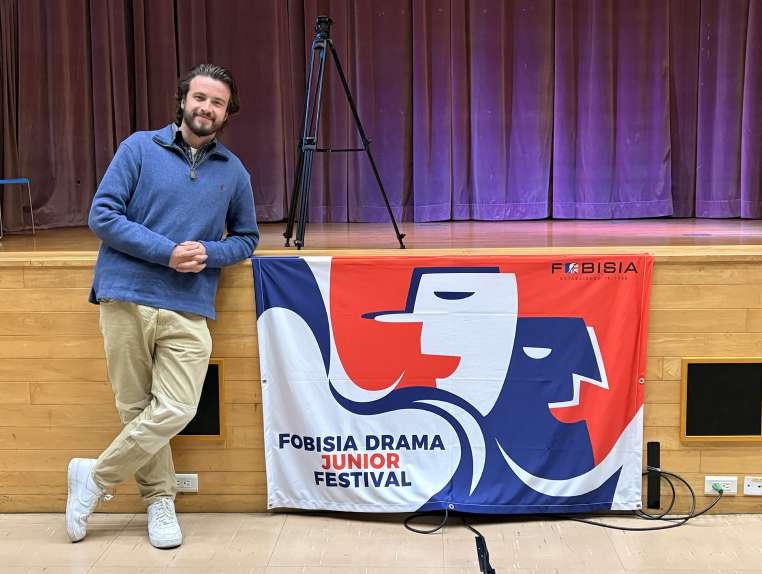
Back in March 2026, I was fortunate enough to be invited by Taipei European School and FOBISIA to attend their Junior Drama Festival ‘Leap into Motion’ as a prospective festival host.
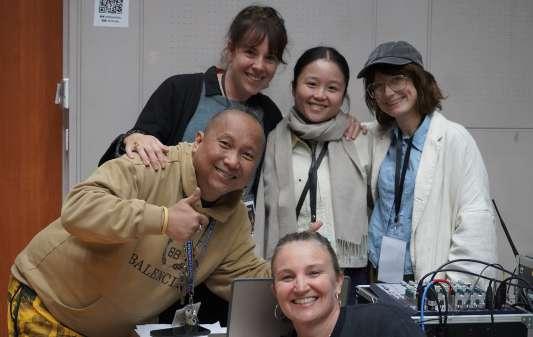
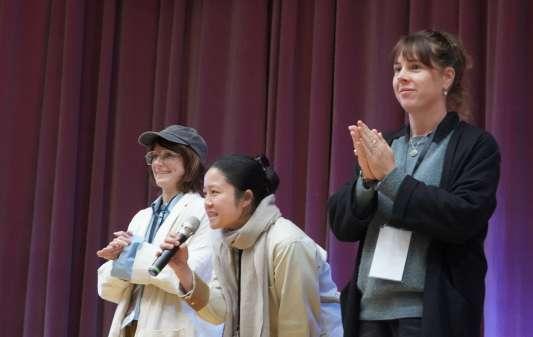
I was able to spend the week observing not only workshops, ensemble sessions and rehearsals –but particularly the smaller moments. Analysing transitions, scheduling, room spaces, risk assessments and breaks.
Pivotally, observing communication between festival leaders, ensemble leaders, theatre practitioners and support staff - speaking directly with each of these stakeholders, and of course the students, to garner feedback from their perspective on the festival. Garnering these voices was perhaps the most insightful aspect of my time at the festival, as this is what prompted the most thoughtful reflection and learning opportunity.
As teachers we often say best learning comes from moments where things don’t quite click or where we can reflect and evaluate thoughtfully with a view of bettering future outcomes – having the ability to review all areas of another festival – without the need to be supervising, leading workshops or ensembles myself enabled this experience to afford me the space of considering how as a leader I would act in certain moments.
Attending this festival has genuinely impacted my understanding of how to plan, lead and deliver a festival that will have factored in real challenges I have seen for myself should they arise again, the needs and desires of all staff and ensure positive, enriching and memorable experiences for all students involved.
If you are interested in hosting your own FOBISIA Drama festival, whether you are experienced or new to hosting - I’d highly recommend taking the time to go and observe a festival for yourself – the learnings and takeaways are plentiful.
I am really looking forward to having the opportunity to host a FOBISIA Drama Festival in the future, and want to thank FOBISIA, TES and DCSG for making it possible!
Olivia Shelmerdine
Physical Education Teacher | Basketball Coach | FOBISIA Lead Amnuay Silpa School
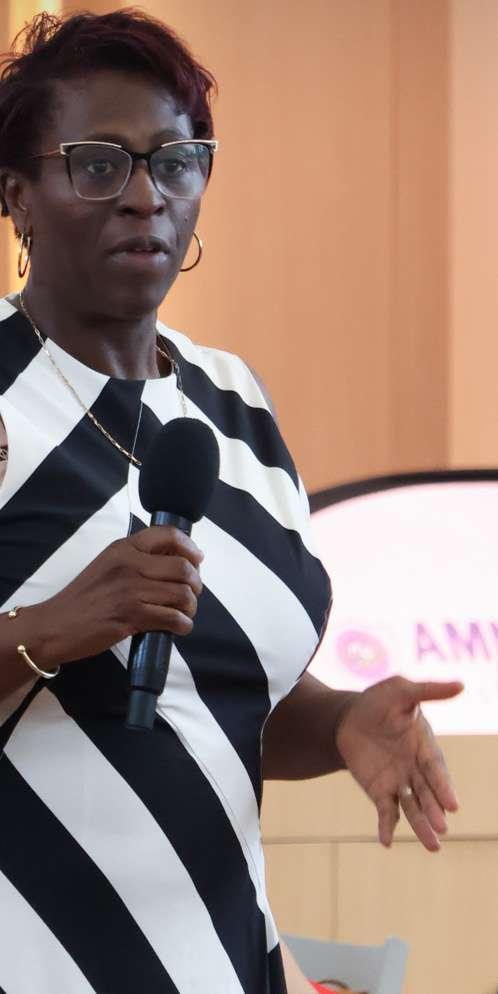
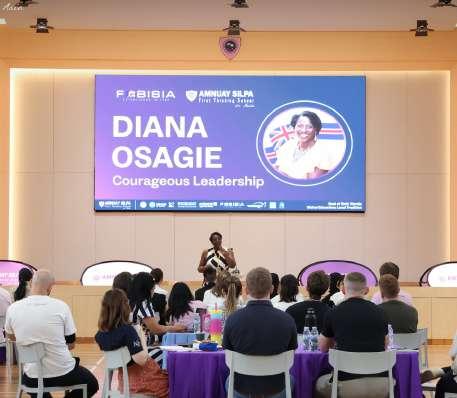
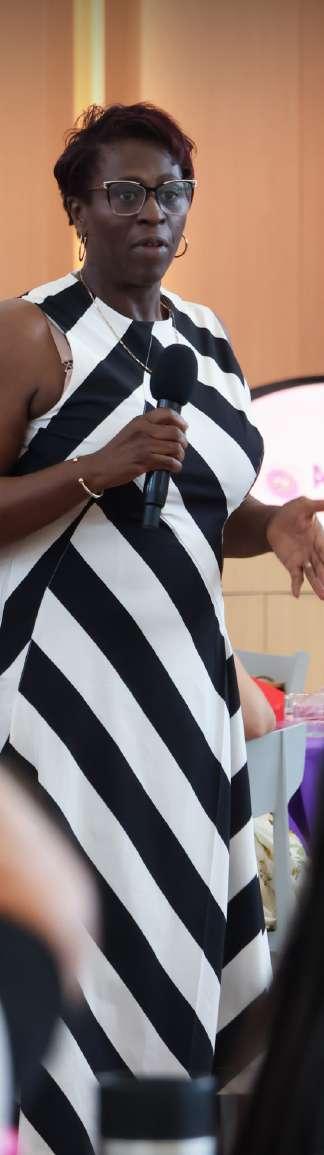
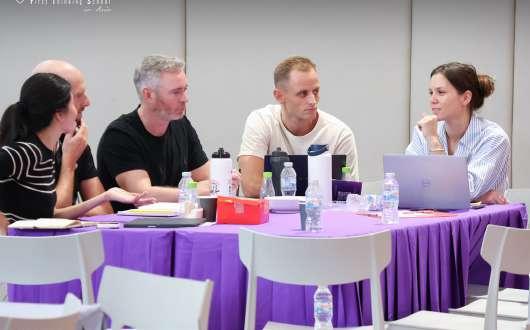
Amnuay Silpa School was proud to host its first in-person FOBISIA Member Event, welcoming delegates from FOBISIA schools across Asia for a full day of professional learning, collaboration, and leadership development.
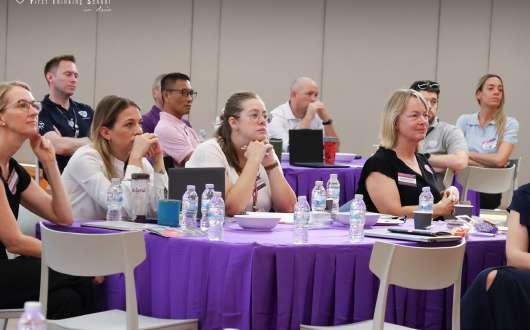
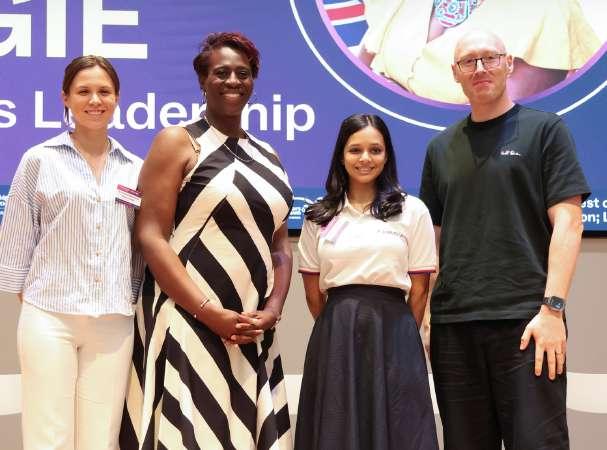
The event, titled Courageous Leadership by ANS and Affiliate Member Diana Osagie, brought together educators, middle leaders, and senior leaders from a range of international schools, providing a valuable opportunity for networking, professional dialogue, and shared reflection. Hosting this event marked an important milestone for Amnuay Silpa School, further strengthening our commitment to regional partnerships and high-quality professional development.
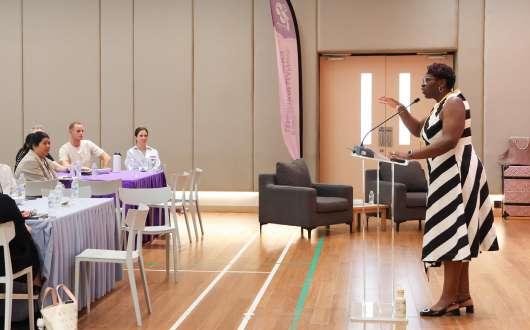
We were honoured to welcome internationally respected speaker, coach, and leadership expert Diana Osagie, whose dynamic and thought-provoking sessions challenged delegates to reflect deeply on the qualities and behaviours required for courageous and effective leadership in schools today.
Throughout the day, Diana explored themes including authentic leadership, creating positive school culture, leading with confidence, navigating difficult conversations, and empowering others to thrive. Her engaging delivery, practical strategies, and honest insights resonated strongly with attendees, many of whom commented on the relevance of the content to their own leadership journeys and school contexts.
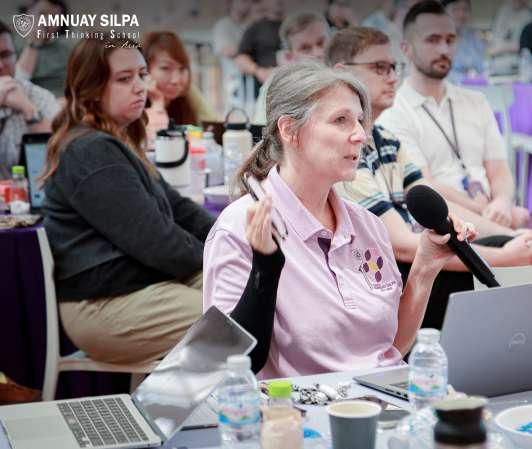
A key strength of the event was the opportunity for participants to connect with colleagues from across the FOBISIA network, sharing experiences, challenges, and ideas in an atmosphere of openness and professional trust. The collaborative nature of the day reflected the values of FOBISIA and reinforced the importance of learning together as an international community.
Feedback from delegates was overwhelmingly positive, with many highlighting the inspirational nature of the sessions, the practical takeaways provided, and the warm hospitality shown by Amnuay Silpa School. Participants left feeling energised, motivated, and equipped with ideas to implement within their own schools.
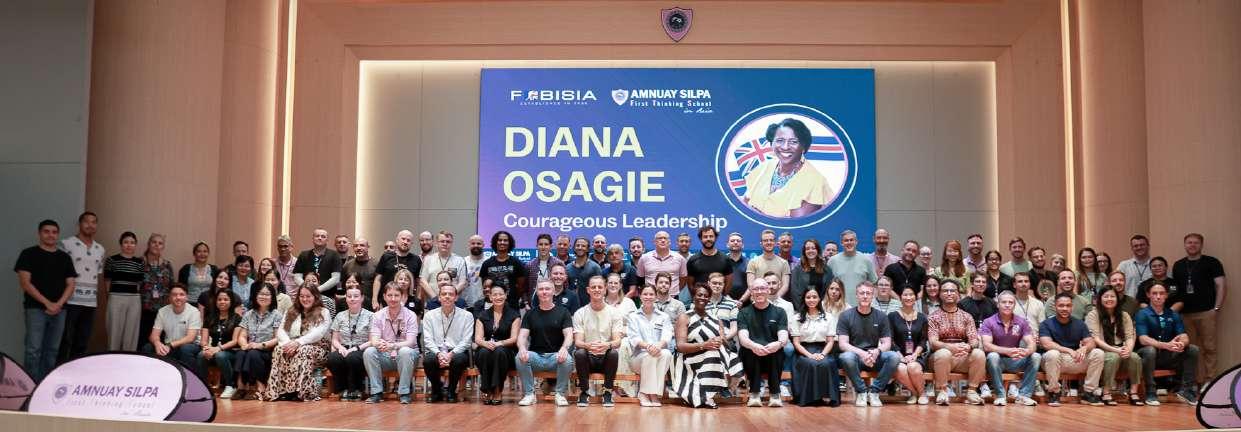
The event was successfully coordinated by Olivia Shelmerdine, whose leadership and organisation helped ensure a seamless and impactful experience for all involved.
Amnuay Silpa School would like to thank Diana Osagie, FOBISIA, and all visiting delegates for contributing to such a memorable and meaningful day. We look forward to continuing to support professional learning opportunities and future collaboration across the FOBISIA community.
Darshak Pandya
Haileybury Almaty (Deputy Head) & FOBISIA Executive Safeguarding Committee (Co-Chair)
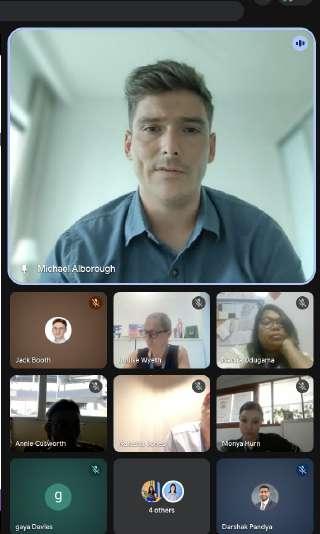
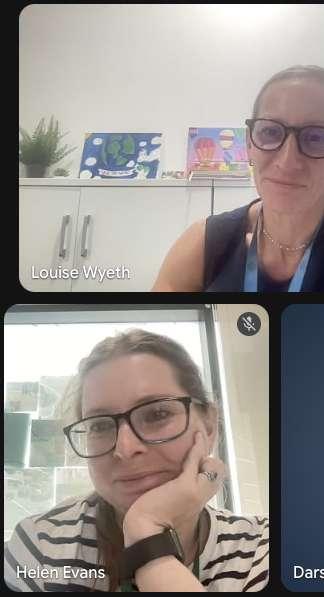
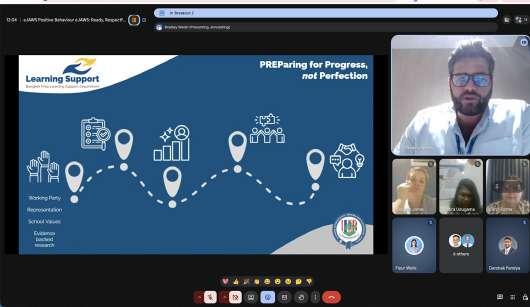
On Tuesday 2nd June 2026, Haileybury Almaty had the privilege of hosting the FOBISIA Positive Behaviour eJAWS: Ready, Respectful, Responsible: Embedding a Positive Behaviour Culture. A fantastic opportunity for professional development bringing together colleagues from across the FOBISIA network to explore one of the most pressing and enduring challenges in international education: how do we build school cultures where students genuinely want to behave well?
Behaviour remains one of the most discussed areas of school life. Too often, conversations focus narrowly on sanctions and compliance, rather than on the conditions that allow young people to thrive. At Haileybury Almaty, our journey towards embedding Ready, Respectful, Responsible as a lived culture, not just a poster on a corridor wall, has shaped much of our pastoral and whole school thinking over recent years. Hosting this eJAWS felt like a natural opportunity to share that thinking, learn from peers, and deepen our collective understanding across the network.
The programme opened with a keynote from the Haileybury Almaty team, More Than Rules: Building a Positive School Culture, which set the tone for the day: positive behaviour is not about control; it is about connection, belonging, and the deliberate cultivation of a community where every student feels they matter.
Workshop 1 then offered delegates three rich and distinct choices. Louise Cooke explored the foundations of positive behaviour in the Early Years; a timely reminder that the habits and dispositions formed in the earliest years of schooling carry forward in ways that are easy to underestimate. Aliya Bedelbayeva, Admissions and Accreditations Officer, presented on building a strong attendance culture, drawing on the systems and relational practice that underpin Haileybury Almaty's approach. Mike Alborough from The International School Park City offered practical, classroom-ready strategies grounded in the research on belonging and mattering.
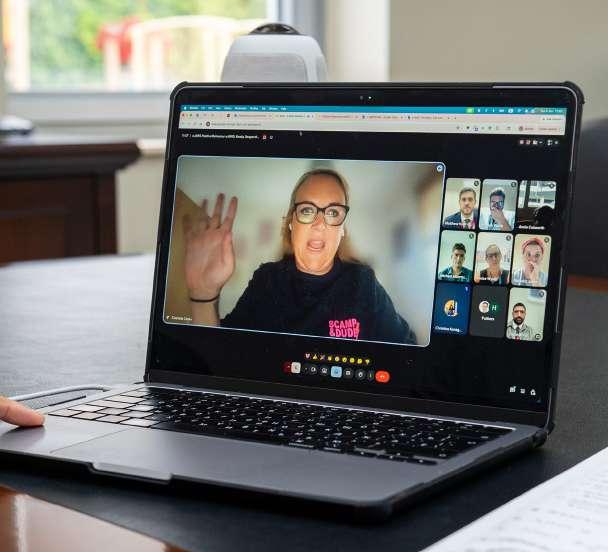
The second keynote came from Charlotte Clarke of Let Us Navigate, whose session Why Children and Young People are Changing was perhaps the most timely contribution of the day. Charlotte has supported Haileybury Almaty on our journey towards a more restorative and relational approach to behaviour, and her keynote offered the network a compelling and evidence-informed lens through which to understand the young people in our schools today. The world our students are growing up in is changing rapidly; our frameworks for understanding and responding to their behaviour must change too.
Workshop 2 continued in that spirit. Matthew HuntBrown and Daniel Scott presented on Haileybury Almaty's School Captains programme; a thoughtful account of how student leadership, when developed intentionally, becomes one of the most powerful tools a school has for modelling the culture it wants to build. Bradley Welsh from Bangkok Prep International School offered a deeply reflective session on early years pastoral practice, challenging delegates to look beyond the behaviour and see the child.
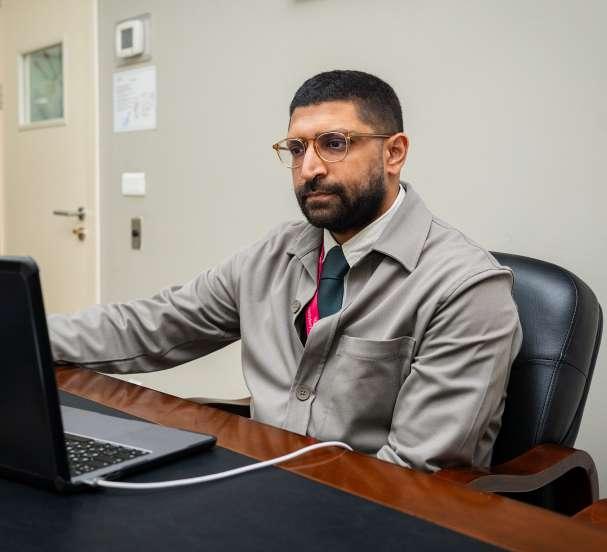
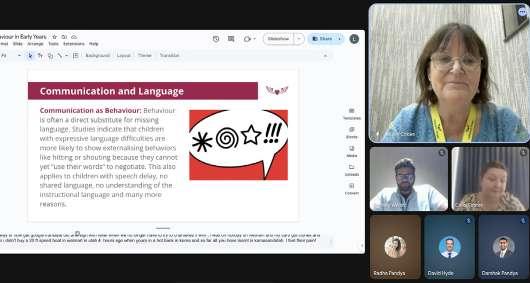
An event of this kind depends entirely on the generosity and professionalism of those who contribute to it. Enormous thanks are due to Elizabeth Kirton, Daniel Scott, Matthew HuntBrown, Dina Amangeldiyeva, Radha Pandya, Aliya Bedelbayeva, Louise Cooke, Charlotte Clarke, Michael Alborough, and Bradley Welsh. Their willingness to share their practice openly and authentically made the day what it was!
The conversations that take place in events like this one rarely stay neatly inside the morning they are scheduled for. Colleagues leave with new questions, refined approaches, and — perhaps most valuably — the reassurance that others are navigating the same terrain. That is, in many ways, the point of the FOBISIA network.
We hope the presentations, recordings, and discussions from the day continue to be a resource for colleagues across our schools. If you have reflections to share or would like to continue the conversation, we would love to hear from you.
Richard Hallam
Deputy Head of Junior School
Jerudong International School
Abigail Knauf
Teacher | STEAM Coordinator
Jerudong International School
Phil May
Assistant Head of Senior School
Jerudong International School
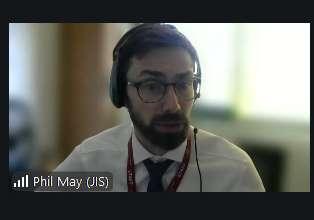
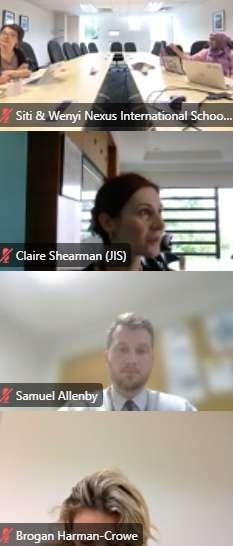
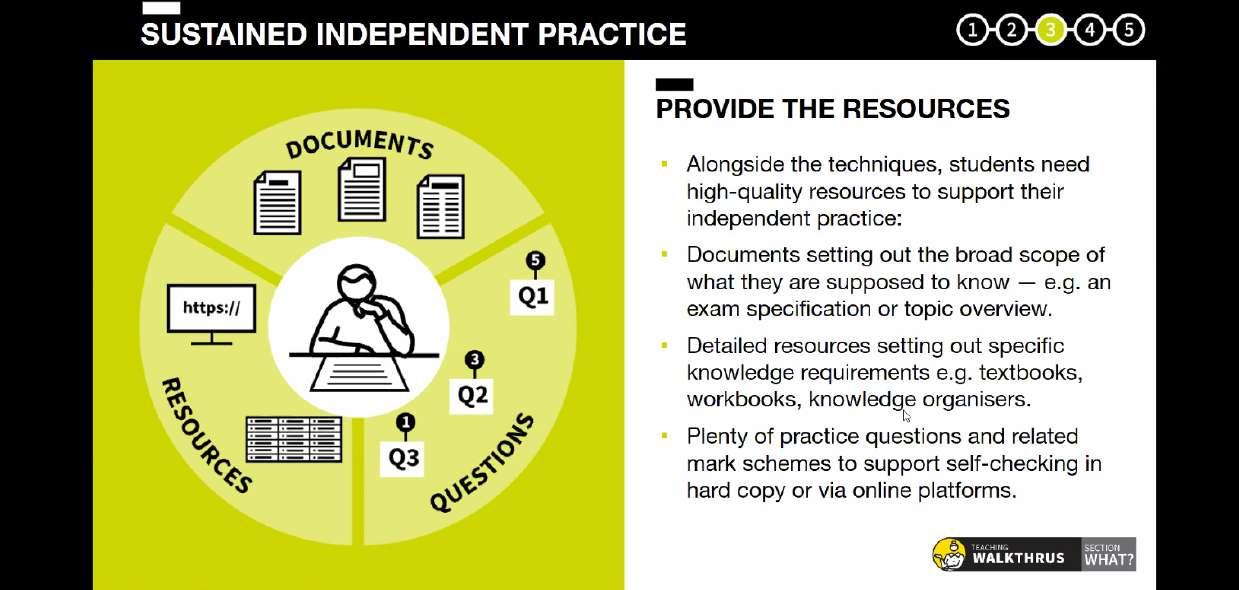
The eJAWS professional learning event, Developing Independent Learners, was a resounding success, bringing together a vibrant community of educators from international schools across Asia. The morning was marked by rich discussion, genuine collaboration, and a shared commitment to placing student thinking and autonomy at the heart of great teaching. The engagement reflected the relevance and importance of the theme, and the energy throughout the event, from the opening keynote through to the closing reflections, was a testament to the enthusiasm and dedication of everyone who took part.
At the heart of the day was a powerful and timely message: when students are taught to think about their own thinking, something transformative happens. They stop waiting to be told what to do and start taking genuine ownership of their learning, setting goals, monitoring their progress, and reflecting on how they grow. This shift in metacognitive awareness does not just benefit individual learners; it ripples outward, shaping a school culture where curiosity, resilience, and intellectual independence become the norm rather than the exception.
Heartfelt thanks go to the workshop leaders who gave so generously of their time, expertise, and experience: Akshika Bansal, Katherine Hall, Emma Sheldon, Ian Campbell, Phil May, Becci Grant, Abi Knauf, Wenyi Chu, Siti Zaleha, and Bridget Ellen Keely. Each session offered something distinctive, whether exploring metacognition, navigating AI in the classroom, or nurturing the earliest roots of independent thinking in young children, and together they made for a programme that was both practically grounded and genuinely thought-provoking. Special thanks also to John van der Marel for setting such an inspiring tone with his keynote address. Most of all, thank you to every participant who attended, contributed, asked questions, and shared ideas. Their engagement is what made this event truly worthwhile.

Nathan Phipps Deputy Head of Primary
The International School @ ParkCity, Kuala Lumpur
On Friday 15 May 2026, around 200 Teaching Assistants, Assistant Teachers and Classroom Assistants from across the FOBISIA network came together online for an eJAWS event proudly hosted by The International School @ ParkCity.
It was an early start (a very early start for our colleagues in Kathmandu, sorry!) for a full day of learning, reflecting and celebrating the work of these vital members of our international school communities. Designed specifically to recognise and develop the sometimes unsung, yet always essential, role of support staff in our schools, the event proved to be both a huge success and a genuinely enjoyable day spent on screen together.
The day began with energiser activities that invited participants to reflect honestly on both the strengths and challenges of the CA/AT role. From supporting emotional regulation and fostering learner independence, to balancing initiative with teamwork (and dealing with the occasional spilt water bottle), these activities highlighted the enormous shared sense of pride, alongside the complexity and challenge, that comes with working in diverse classroom environments.
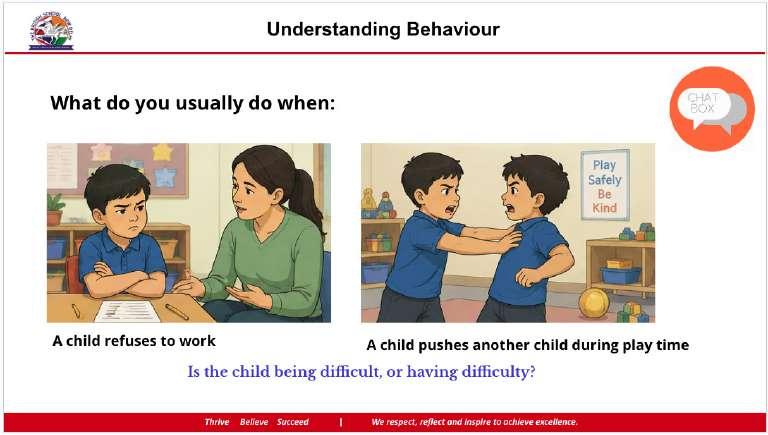
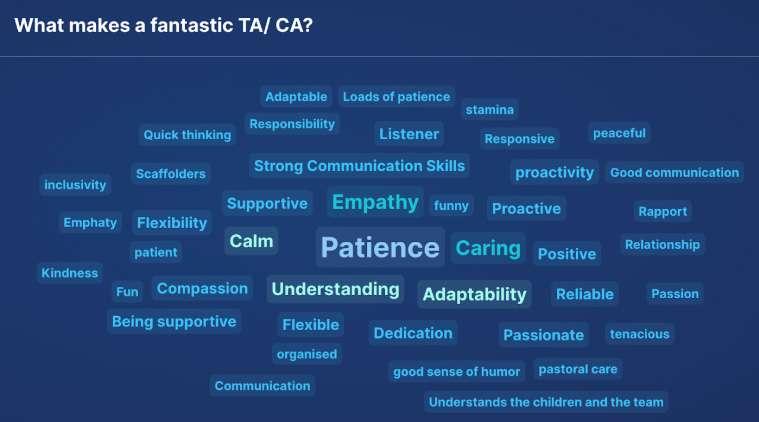
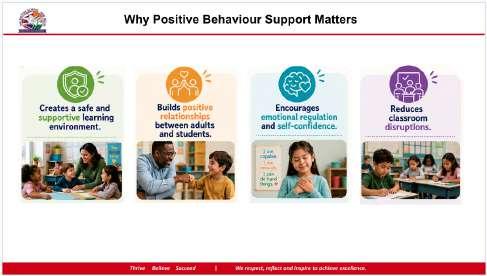
At the heart of the eJAWS was a carousel of practitioner-led workshops, generously delivered by more than 20 presenters, several of whom were sharing their expertise for the first time. Each session offered participants opportunities to engage with topics directly connected to classroom practice, exploring themes such as effective scaffolding for EAL learners, supporting independence without creating dependency, positive classroom behaviour, managing difficult conversations, early communication, effective partnerships between teachers and assistants, and practical approaches to mathematics, oracy, classroom environments, and even reducing the stress and pain of creating engaging displays.
Across all sessions, there was a strong emphasis on practical application and realistic expectations. Participants left with meaningful takeaways that could be implemented immediately, including strategies to boost professional confidence, strengthen collaboration, and support the realities of busy school life.
The panel discussion brought together a range of experienced professionals to explore questions surrounding professional identity, collaboration, challenge and career development. For many participants, hearing a variety of perspectives and lived experiences proved to be one of the highlights of the day.
Perhaps the clearest message to emerge from the event was that professional development for classroom assistants matters deeply. Their role is forward-facing, complex and a huge part of our students’ day-to-day experience. As international schools continue to recognise the impact of strong adult support on student outcomes, events such as this hopefully serve as an important reminder: highquality classrooms are built not only by teachers, but by skilled teams working together with purpose, kindness, expertise and care.
Daniel Brown
Assistant Head of College Dulwich College (Singapore)


In March, Dulwich College (Singapore) hosted a highly successful Senior Leadership e-JAWS Conference focused on the theme Connected Leadership - The Power of Relationships. The online event brought together more than 90 delegates from across all FOBISIA regions, creating an engaging space for collaboration, reflection, and professional dialogue among current and aspiring school leaders.
A highlight of the event was the keynote address delivered by the Hon. Dr. Stuart Lawrence, whose powerful message explored how relationships can positively transform lives and communities. His keynote resonated strongly with delegates and set the tone for a meaningful day of learning. The programme also featured a panel discussion with Dr. Lawrence alongside Mel Ellis, Head of Senior School at Dulwich College (Singapore), and Carla Hyland, Deputy Head at Dover Court International School.

Delegates were able to choose from 10 interactive workshops, many led by FOBISIA educators and leaders. Sessions covered a wide range of topics, including Creating a Values-Based Culture (Julia Armstrong and Hayley Wilson from Kellett School), Shared Concept-Based Inquiry (Anita Rebello from The Alice Smith, Kuala Lumpur) and Starting a Leadership Role in a New School (David Ingram - Head of College at Dulwich College (Singapore)). The day also featured sessions led by Greg Jansen from Leadership Lab Global, who facilitated thoughtprovoking workshops on Leading When the Wheels Fall Off and Brave Conversations, providing practical strategies for navigating challenge and fostering courageous leadership.
The eJAWS-Conference was a valuable opportunity for leaders across the FOBISIA network to connect, learn from one another, and reflect on the central role relationships play in effective leadership.


Joshua Darryl Sussex Deputy Head of Secondary Sri KDU International School (Penang)
There is a pattern anyone in school leadership recognises. A new leader arrives with good intentions. A restructure is introduced for genuine reasons. By month two or three, staff are warier than before – and reassurance lands less well than the original change did.
Most accounts call this a communication failure. It isn't. It's a security dilemma – and once you see it, three practical moves follow.
First articulated by John Herz in 1950 and refined by Robert Jervis in 1978, the security dilemma describes how even well-intentioned actions generate fear in others – not through malice, but because no one can guarantee what today's structures will look like in different hands tomorrow. A teacher whose observation goes well still asks: what does this look like in two years, under someone less generous? A rational read on future durability – and why reassurance alone rarely rebuilds trust.
1. Separate developmental and accountability instruments. If the same learning walk feeds both growth and employment decisions, staff can't tell which is in play. Where possible, name and ring-fence which conversations are developmental only.
2. Invest in costly signals. The moves that rebuild trust are visibly expensive – cancelling a resented meeting, admitting error publicly, protecting teacher time. Hard to fake, which is why they land harder than reassurance.
3. Design for future portability. Before introducing a policy, ask: what does this look like under a less generous interpreter? Build the safeguard into the structure, not the goodwill of whoever leads it.
This Bites Harder in Cross-Cultural Schools
In culturally complex staff bodies, all three moves matter more, not less. Direct feedback that signals respect in one professional culture can read as confrontation in another, with no change in the leader's intent – and different staff communities carry different assumptions about how stable a structure stays once its architect moves on. The ambiguity the security dilemma feeds on is already higher before a single policy is written.
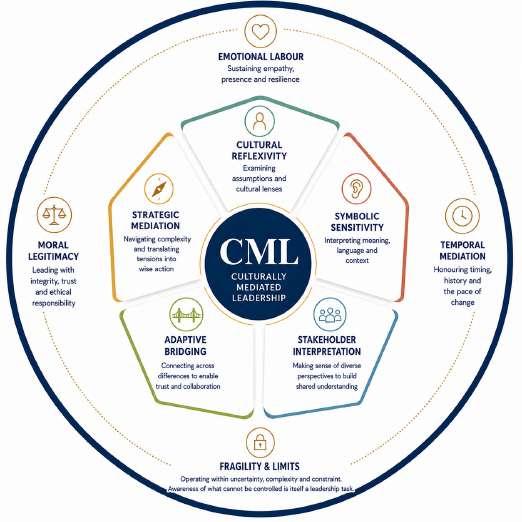
This is the terrain my doctoral research at the University of Bath addresses through the Culturally Mediated Leadership (CML) framework. Its five dimensions – cultural reflexivity, symbolic sensitivity, stakeholder interpretation, adaptive bridging, and strategic mediation – are essentially what generate the moves above: the lens telling a leader which instrument to separate, what reads as costly here, and how a structure looks once it changes hands.
The security dilemma isn't solved – it's managed. Leaders who internalise that stop being surprised when trust has to be re-earned, and build the re-earning into the rhythm of their work.
Where in your school might one process currently do both developmental and accountability work — and what would it take to separate the two?

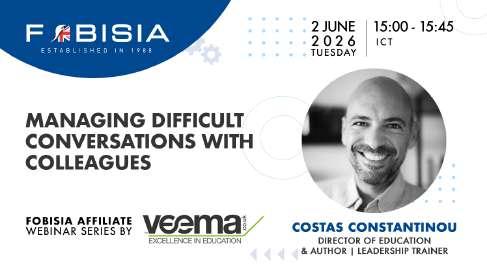
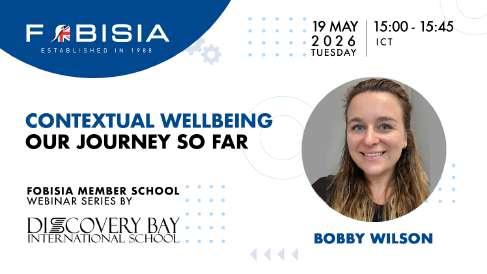
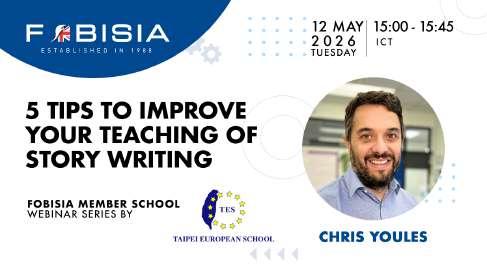
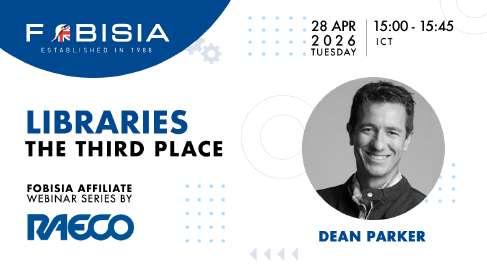
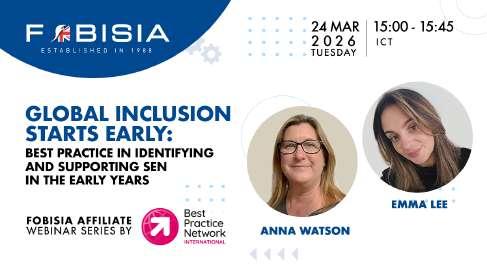
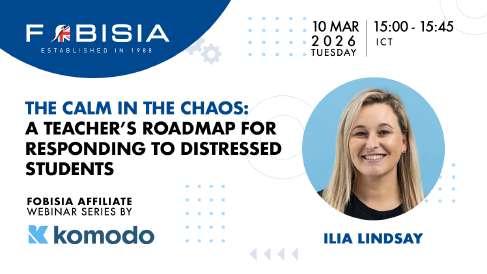
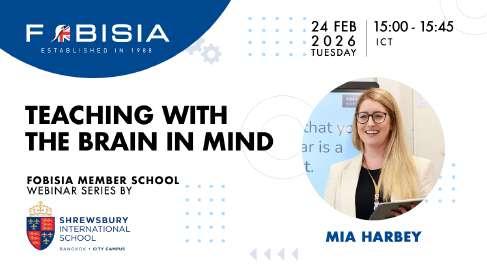
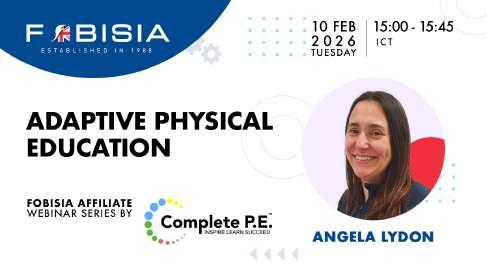
These webinars are delivered by FOBISIA Fellows as part of their Fellowship journey, providing an opportunity to share expertise, showcase professional learning, and contribute to the wider FOBISIA community.

11JUNE 2026
Host: British International School Ho Chi Minh City
Title: Playful Learning: A Whole School Approach
26MAY 2026
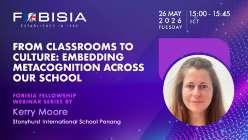
Host: Stonyhurst International School Penang
Title: From Classrooms to Culture: Embedding Metacognition Across Our School
18 JUNE 2026
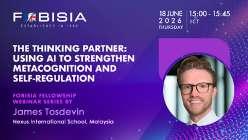
Host: Nexus International School, Malaysia
Title:The Thinking Partner: Using AI to Strengthen Metacognition and Self-Regulation
16 JUNE 2026

Host: The British School Manila Title: Building a Transitions Team: Lessons from Our First Year
9 JUNE 2026
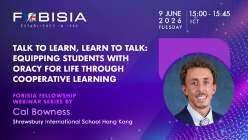
Host: Shrewsbury International School Hong Kong
Title: Talk to Learn, Learn to Talk: Equipping Students with Oracy for Life Through Cooperative Learning
28MAY 2026
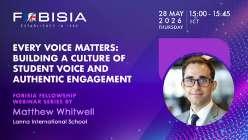
Host: Lanna International School Title: Every Voice Matters: Building a Culture of Student Voice and Authentic Engagement
21MAY 2026 14 MAY 2026
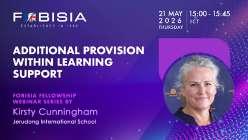
Host: Jerudong International School Title: Additional Provision within Learning Support
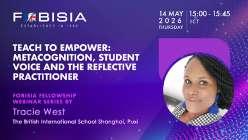
Host: The British International School Shanghai, Puxi Title: Teach to Empower: Metacognition, Student Voice and The Reflective Practitioner



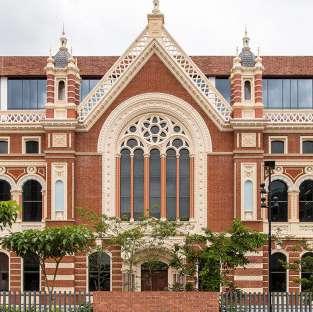



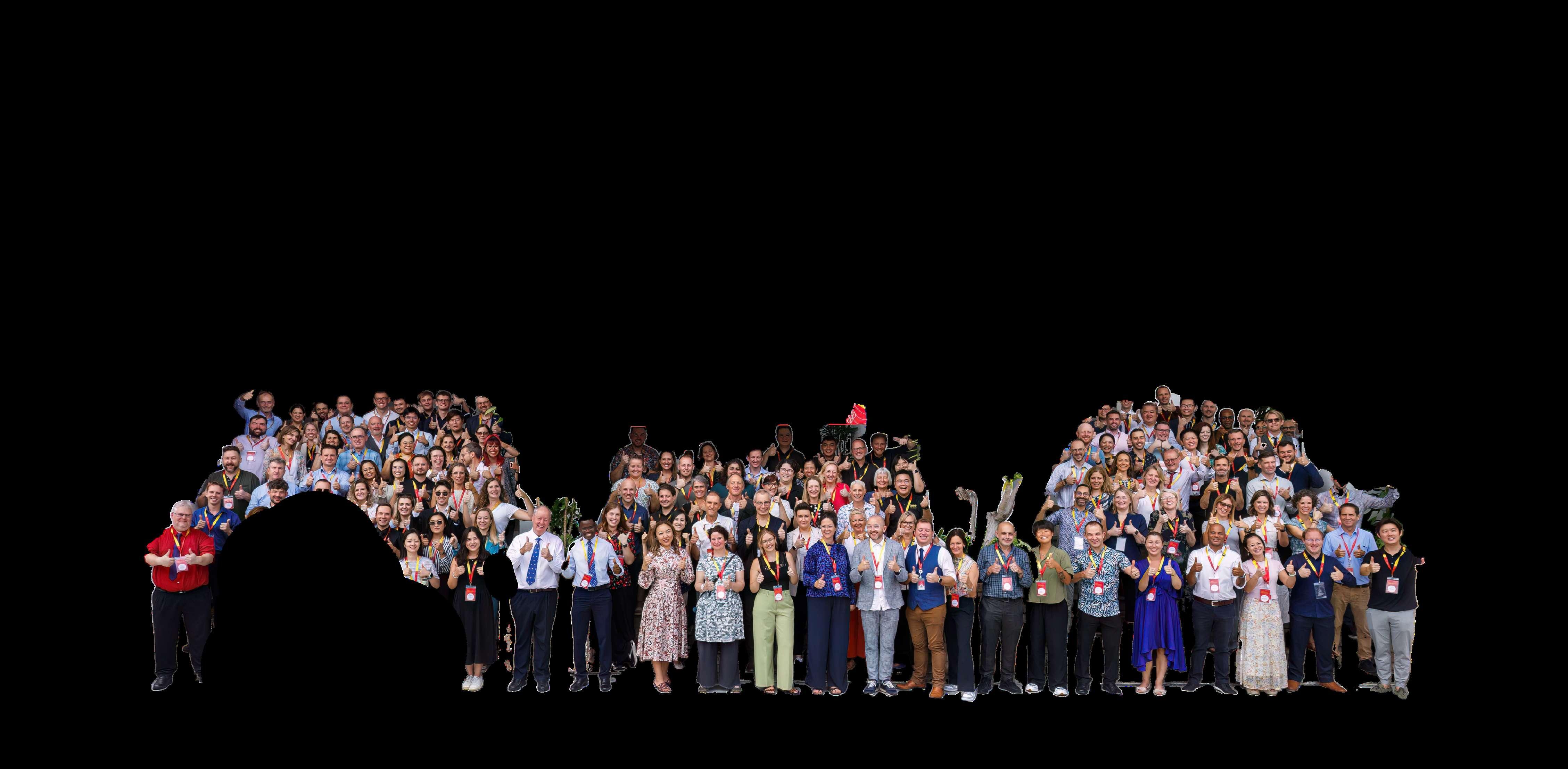
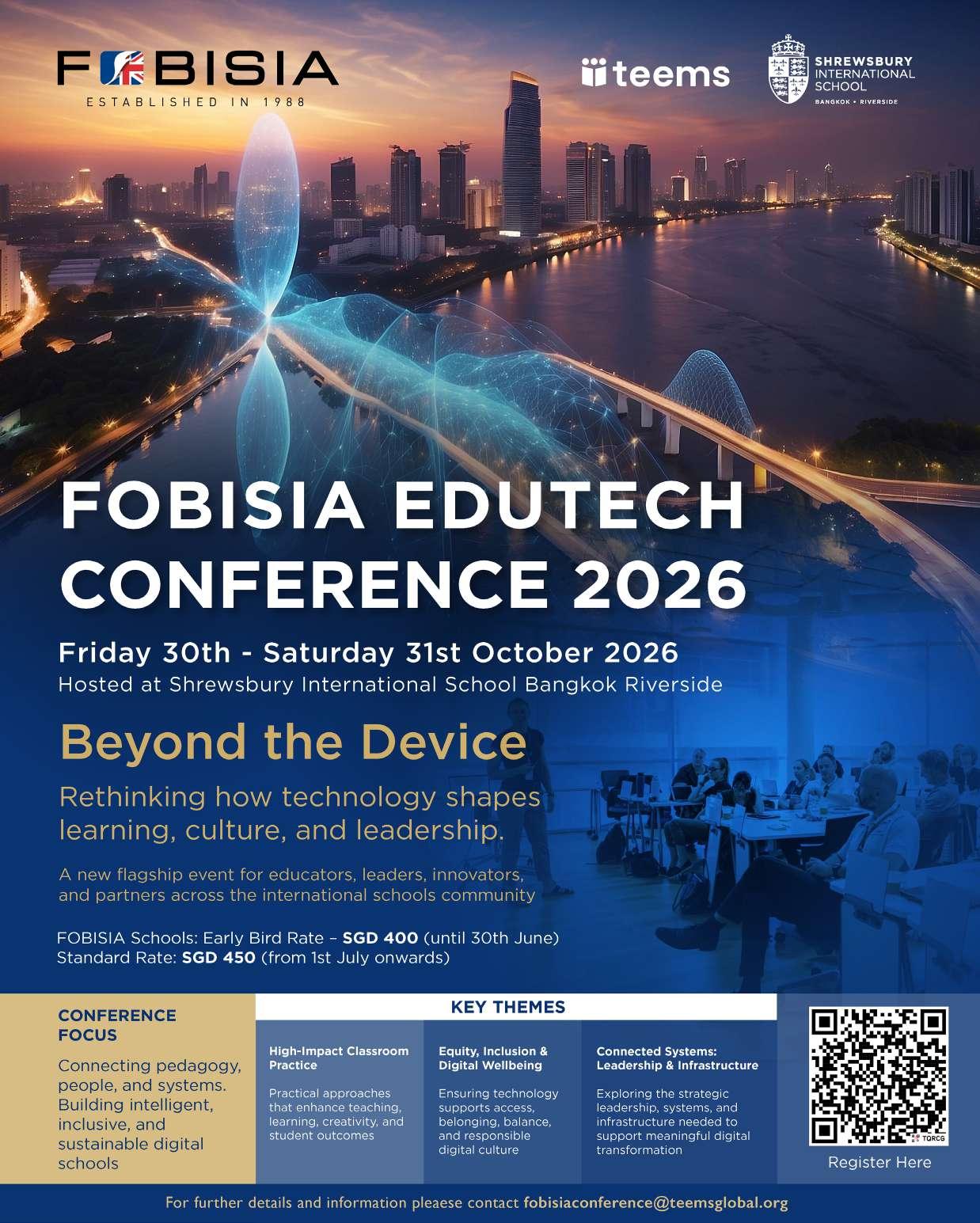
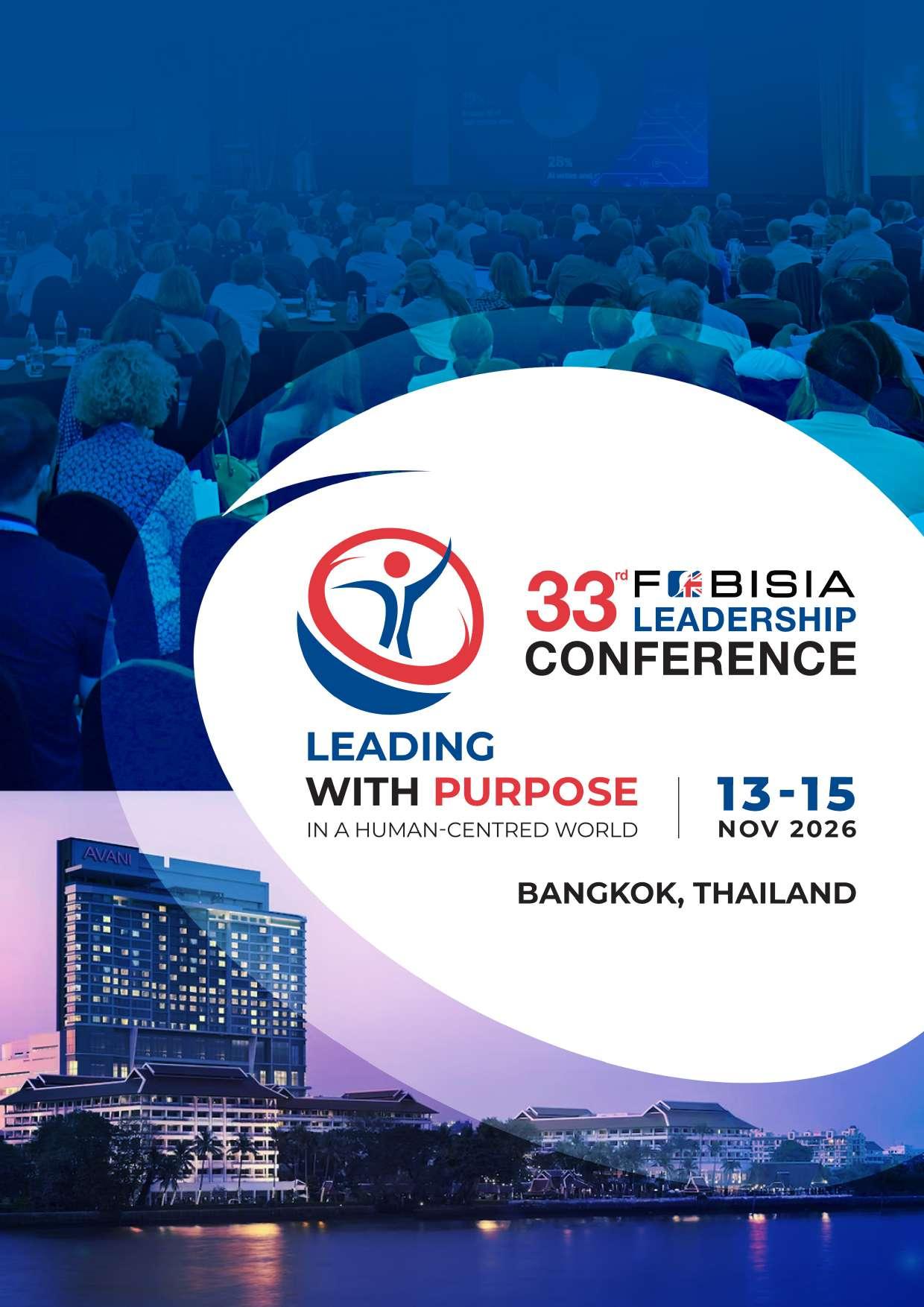
The 33rd Annual FOBISIA Leadership Conference will take place from 13–15 November 2026 at Anantara Riverside & Avani+ Riverside, Bangkok. Bringing together leaders from across the region, this year’s conference will explore the theme Leading with Purpose in a Human-Centred World.

F O B I S I A D R A M A
C O N F E R E N C E 2 0 2 7

hosted by The British School in Colomb o, Sri Lanka
S A V E T H E D A T E






Purpose, People, and Progress: The First Years of Senior Leadership
15-16 JANUARY 2027 THE
Tokyo, Japan