

Tuesday, April 14 | Dakota Medical Foundation

Tuesday, April 14 | Dakota Medical Foundation
Jane Vangsness Frisch, Ph.D.
Vice President of Workforce – FMWF Chamber

• Quick Introductions (tables)
• Connect/Network
• Review and Recap from last ISP Meeting
• Update on Workforce Data
• What was our focus and what is next?
• ND RWIP Award – Track A (FUNDED!)
• Real Time Talent = Talent Pipeline Management Opportunity
• Discussion and Action Items
• Next Steps
• Industry Sector Partnership
• Driven by employer needs
• Who? employers, training/education providers, government agencies, community partners, non-profits, etc.
• Collaboratively address workforce needs through supporting growth in the industry
• Funding, innovation, regulation, upskilling/education path development
• Focused on identifying and addressing both the opportunities and gaps of the region’s workforce
Jane Vangsness Frisch, Ph.D.
Vice President of Workforce – FMWF Chamber

% of working-age population that is either employed or actively seeking work
• Fargo-Moorhead MSA: 71.0%
• National: 68%

Our region’s growth is outpacing national population growth
• Since 2020: 8.6% increase • 2025 – 2030: 7.1% increase

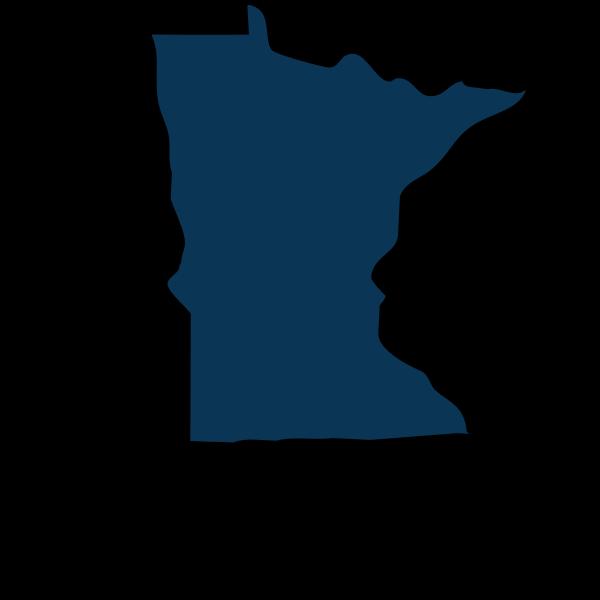
North Dakota has 47 available workers for every 100 open jobs
Minnesota has 83 available workers for every 100 open jobs

US has 100 available workers for every 100 open jobs
• Incentivize and support employees
• Increase wages, expand loan repayment and mentorship stipends, and reduce billable hour requirements for supervisors.
• Streamline training and credentialing
• Accelerate CNA and professional licensing processes; expand grant funding for training and placements.
• Enhance collaboration
• Strengthen regional communication systems, standardize incentives, and leverage Chamber and government partnerships.
• Promote retention and well-being
• Incorporate self-care, leadership development, and recognition programs to reduce burnout.
• Build regional appeal
• Improve transportation access and position the Fargo-Moorhead region as a healthcare hub that attracts and retains talent.
Build clearer, more accessible pathways into healthcare careers
Golden Path Solutions: Compass
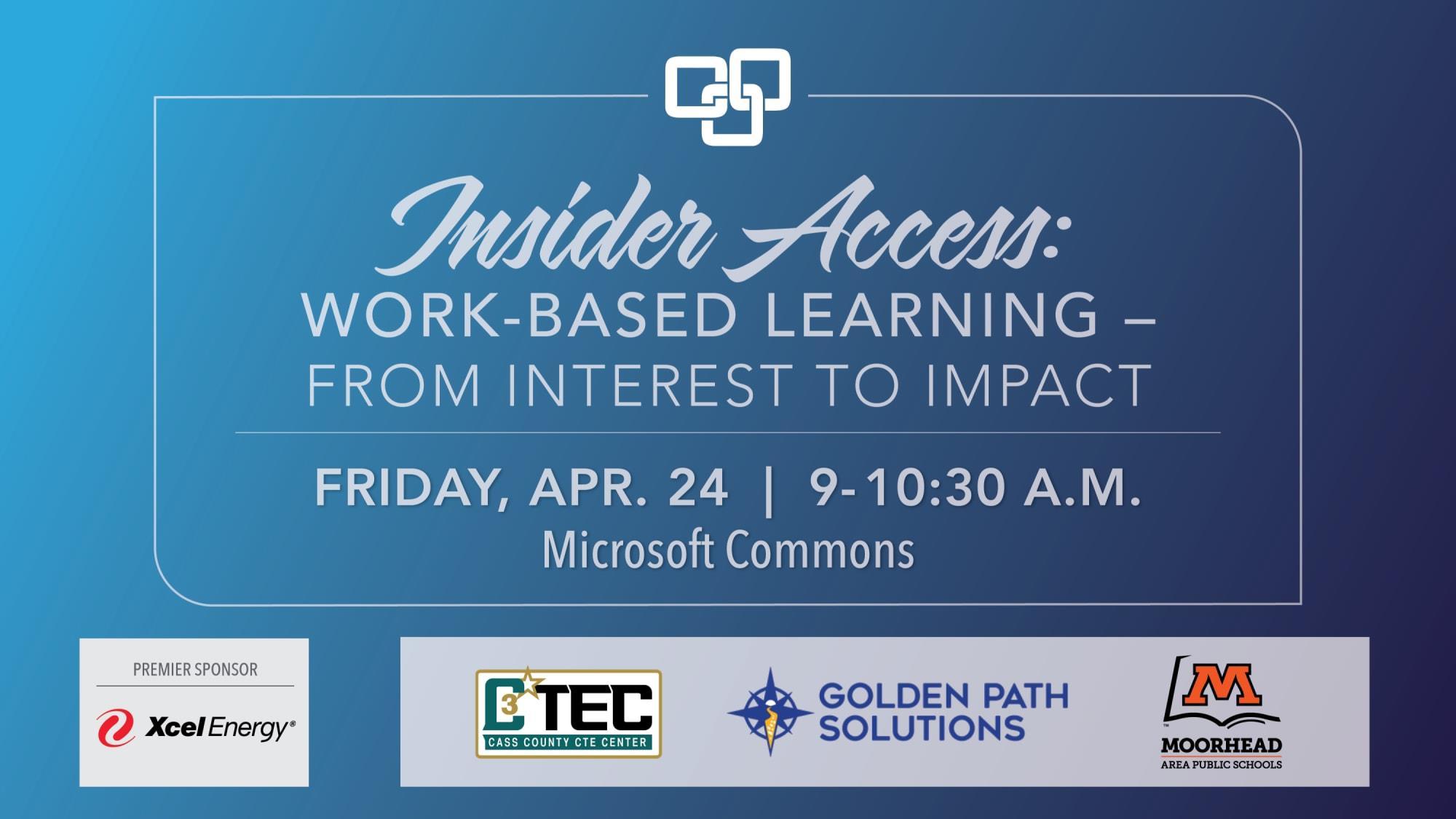
Insider Access: April 24th WorkBased Learning
PWP Proposal
Integrate foundational skill development
Professionalism, communication, workplace readiness
Expand flexible learning options to align with employer capacity and student availability
Summer, virtual, simulation
Rural student participation
Strengthen communication before, during, and after student placements
• Identify and offer capacityappropriate opportunities
• Job shadows, observational roles, entry-level experiences
• Strengthen communication with education partners on requirements, constraints, and placement expectations
• PWP Grant Application
• Provide feedback on student readiness, placement design, and process improvements to inform continuous refinement of workforce pathways
• Explore shared or distributed mentorship models to reduce burden on individual staff
• Participate in sector-wide discussions on standardized incentives, retention strategies, and shared workforce challenges
• Support RWIP Track A sector strategy development
(Chamber, etc.)
• Develop a centralized intake/referral process to streamline connections across the pipeline
• WBL: Consistent intake
• Continue convening partners around retention, workforce exposure, and system barriers
• Insider Access: April 24th WorkBased Learning
• UWCC Collaboration: Childcare & ALICE data
• Support advocacy efforts related to licensing, credentialing, funding, and transportation
• Insights and perspectives provided insight to Chamber’s Public Policy Position
• Explore opportunities to elevate and promote the region as a healthcare workforce destination through coordinated messaging and storytelling
AWARDED!
Extend ISP work
Develop two long-term sectoral strategies
Health | Advanced Manufacturing
Provide opportunity for us to develop more actionable, data-driven, outcomes
Healthcare ISP Working Session
April 14, 2026
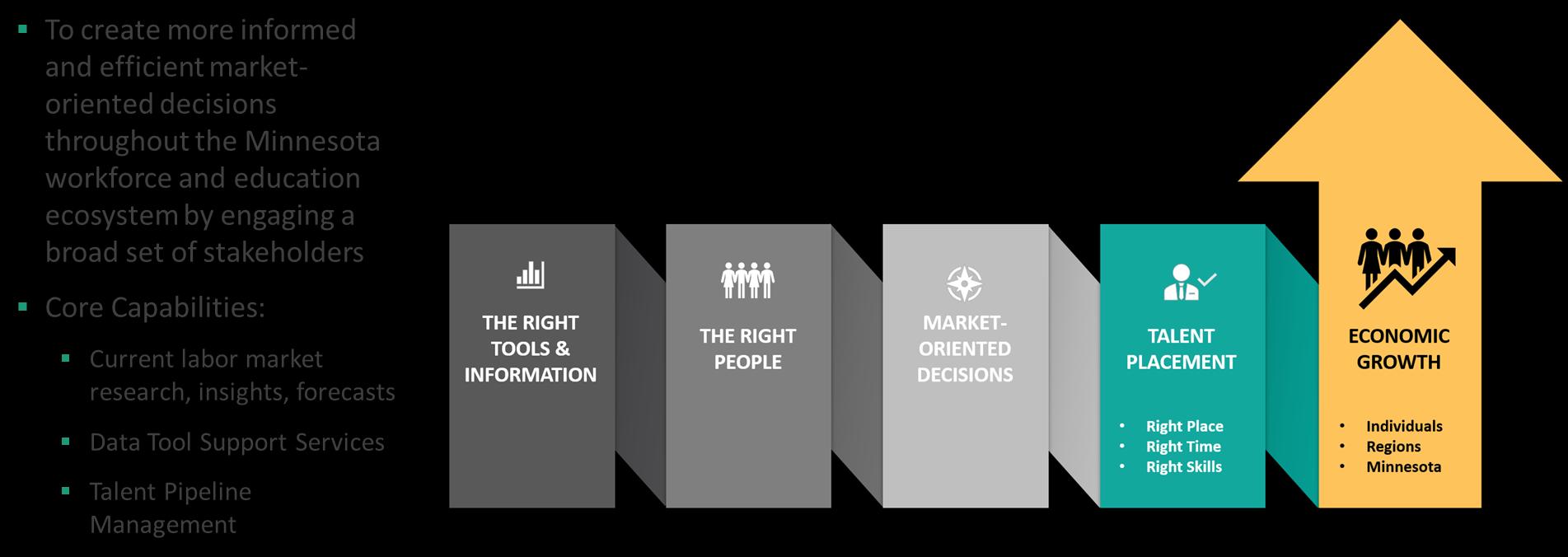
Introduce the team and core capabilities
Review demand insights shared by the ISP
Discuss regional talent shortages and trends
Discuss Talent Strategy approach and desired results
The Talent Pipeline Management Model to further the sector partnership efforts in the Fargo-Moorhead and West Fargo region
Employer opt-in to collaborative talent strategies
Opportunity to identify critical talent pain points and positions with collective talent challenges for businesses who opt into this next phase or your work
Overview process and timing for employer groups, meetings, and identifying occupation(s) of focus





Deb Broberg
Executive Director RealTime Talent
Bryan Lindsley Director of Strategic Initiatives RealTime Talent
Erin Olson, MURP, MPH
Senior Director of Strategic Research RealTime Talent
Catherine Jett, MPH Research Strategist RealTime Talent
Melinda Fierro, Ed.D Research Strategist RealTime Talent
Data-Informed
People-Centered Community-Led
OutcomeOriented
Methods
• Labor Market and Education Data Analysis
• Facilitation, Engagement, and Strategy Design (Art of Hosting, ToP Facilitation Methods, Talent Pipeline Management)
• Strategic Planning, Action Planning, and Qualitative/Quantitative Analysis
Where We Work
Workforce & Economic Development
• Identification of critical career pathways and Gateway Occupations for strategic investment
• Comprehensive labor market alignment studies
• Employer talent assessments and talent attraction strategies
Education
• Program to labor market alignment analysis
• Equity of access evaluation
• Career and Technical Education supports
Research and Consultation
Facilitation toward Action Data Access and Training
Where We Work - Continued
Employer Talent Strategies
• Implementing demand-driven, employer-led approaches to close the skills gap and address the workforce shortage, building pipelines of talent aligned to dynamic business needs.
• Existing Collaboratives: Public Sector (Public Works), Older Adult Services (Nursing Assistants), Behavioral Health (Mental Health Practitioners), Transportation (CDL)
Making Career Navigation and Program Evaluation more Data-Informed
• Providing access to data tools, resources, and reports that elevate the advising abilities of CareerForce Centers, CBOs, and higher education career services (3 data platforms, 100 users at 70 orgs statewide)
• WHY? Because real-time labor market information in the hands of education and workforce professionals results in more data-informed programming, curriculum, RFPs, talent strategies, and career choices
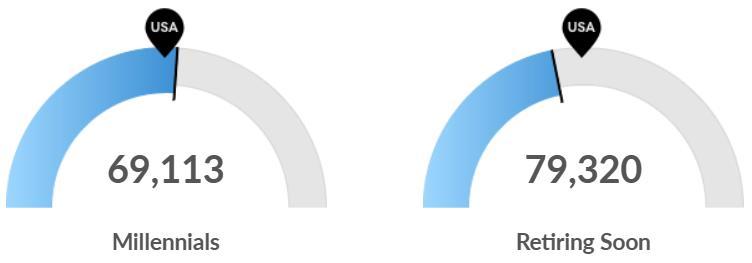
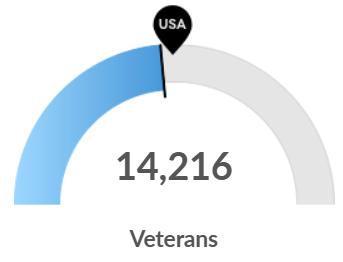
• 9 Counties
• Approximately 320,978 residents (2025)
• About 194,831 employed
• 72.4% labor force participation
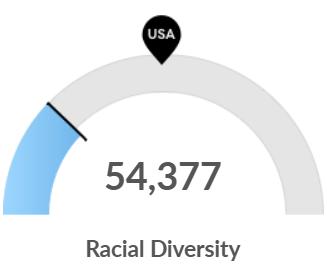
• Less racially diverse than the national average
• About 4,600 unique firms advertising jobs in 2025.
Source: Lightcast 2025Q3 Dataset. January 2026 LAUS.
Regional Population Characteristics
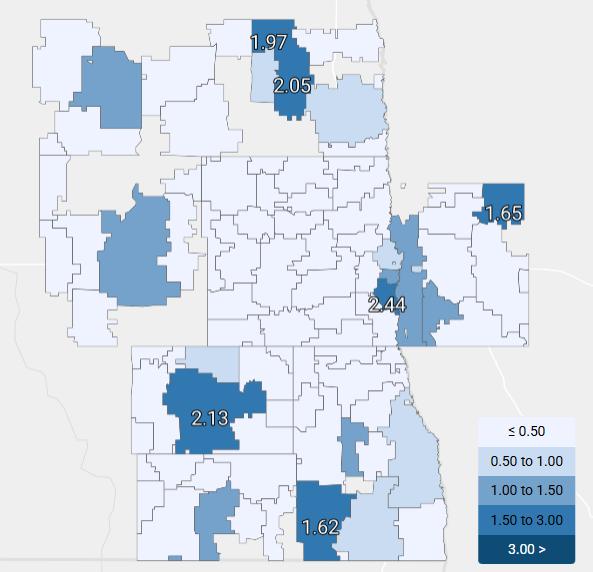
Location Quotient by Zip Code, Benchmarked Nationally
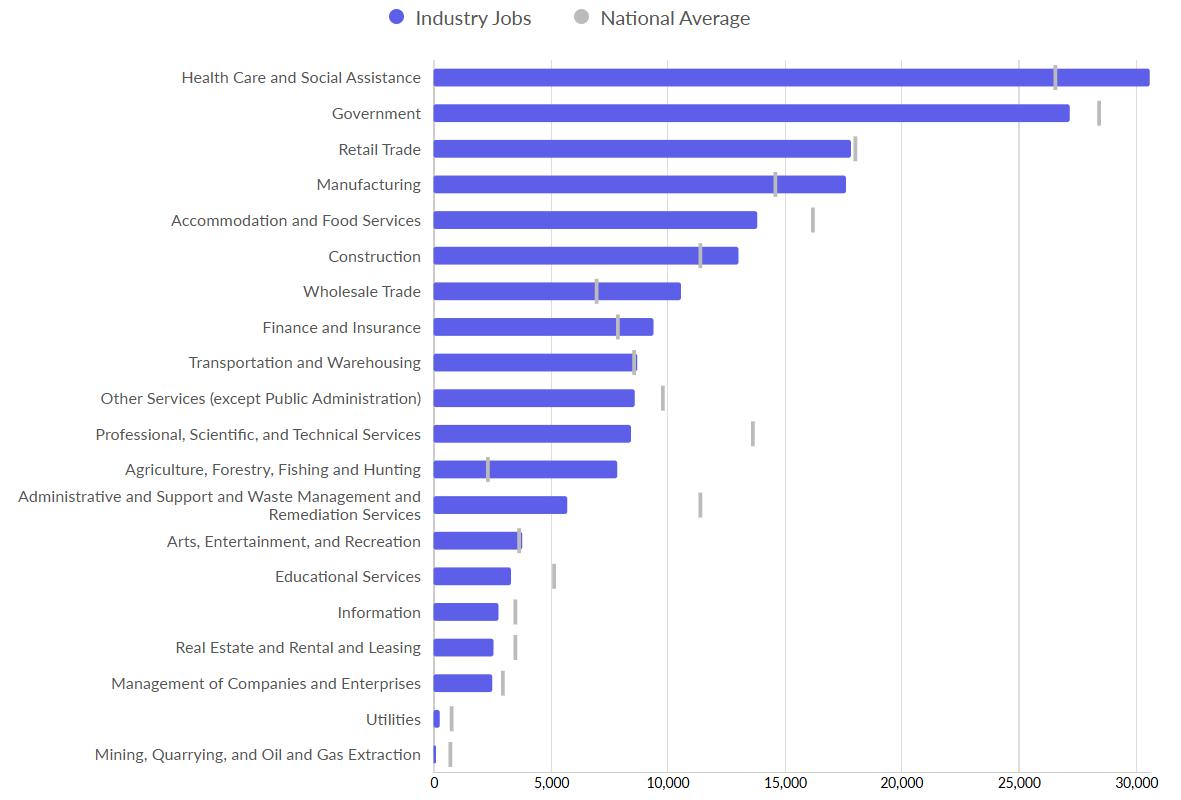
975 Companies posted healthcare job opportunities in 2025
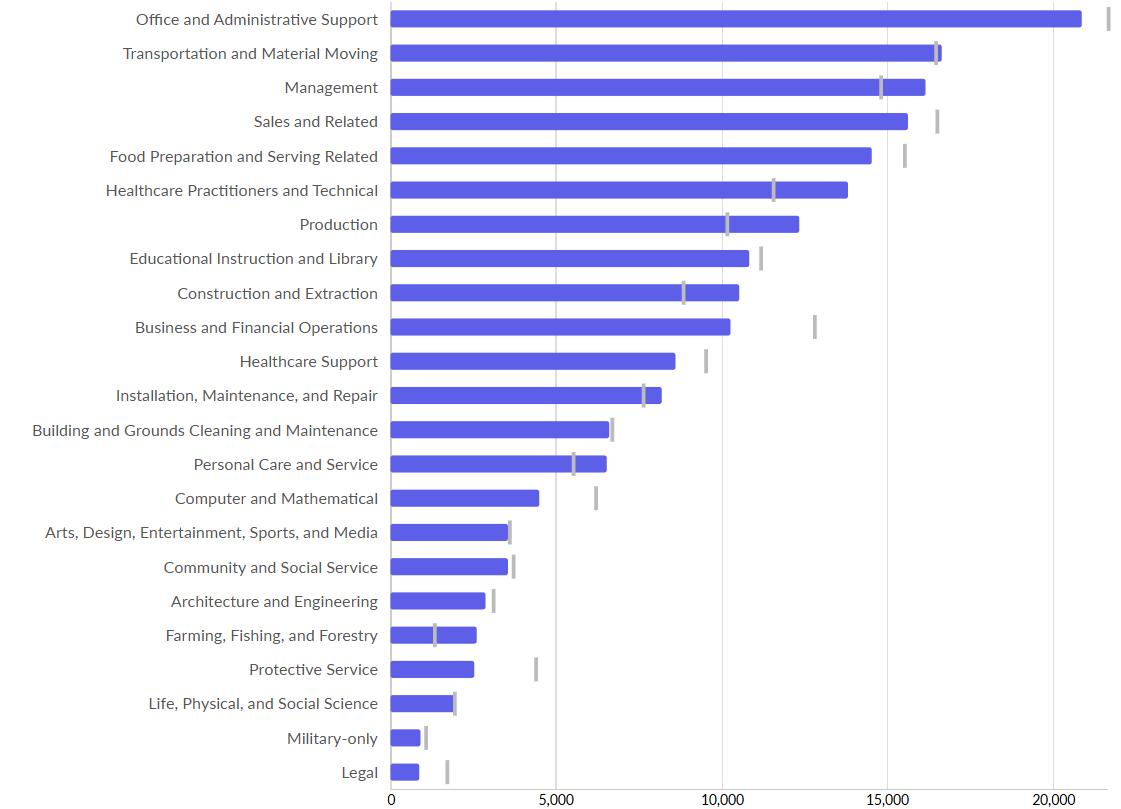
Annual Average Talent Shortage Forecast
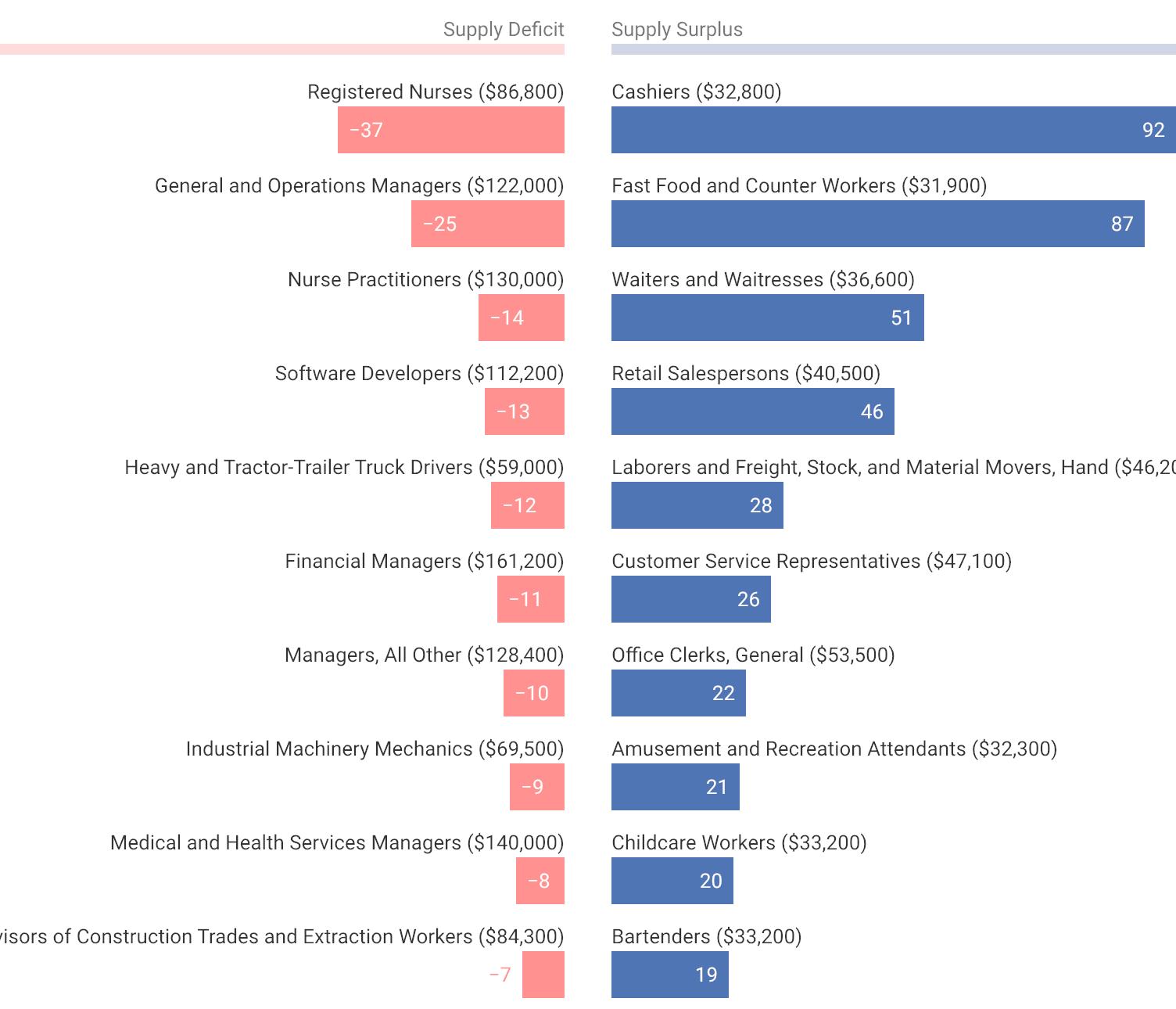
($46,200)
Highlights
• Significant shortages of Nursing and Medical Services Managers anticipated
• Management, Software Development, and Production workers across all industries forecast shortages
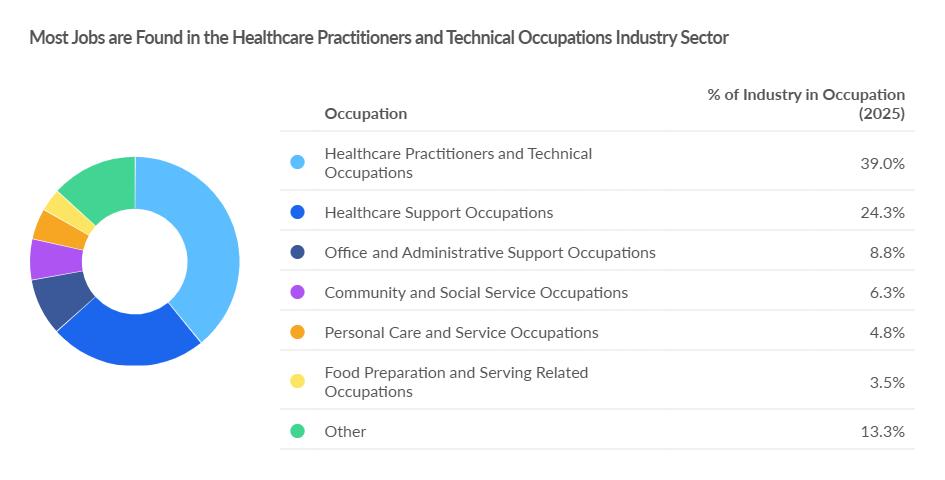
Source: Lightcast 2025Q3.
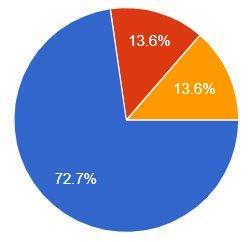
How many new workers do you anticipate needing (estimated) to fill open positions in each of these roles over the next 12 months?
All eight of you expressed that you would be open to exploring a collaborative approach with other employers to solve your talent shortage together.
What do you see as the most significant barrier or challenge facing new entrants into this industry sector (ISP)?
• Workforce shortage in long term care.
• State reimbursement rates not high enough for companies to pay competitive entry-level wages for essential entrylevel roles (i.e. DSP); broken business model.
• Passing background checks to work with vulnerable populations.
• Applicable skills or training, whether that be a degree or the appropriate soft skills.
Have you identified any possible solutions to address these barriers or challenges?
• Tapping into the New American demographic.
• The WorkReady event (Rural MN CEP) will be a test for ensuring talent gets relevant skills/training, as well as the many grants we offer to get people the appropriate degrees and certifications.
& Why It’s the Natural Next Step
TPM® is a demand-driven, employer-led approach to close the skills gap. Employers drive the process, define the need, and hold partners accountable — not the other way around.
Multiple employers with shared needs work together, gaining leverage no single employer has alone. Developed by the U.S. Chamber of Commerce Foundation.
Treats talent like a supply chain: define the demand, map the supply, and close the gap systematically.
44 U.S. States + D.C. & Canada | 91 Active Collaboratives (2025) | 1,427 Network Members | Proven since 2014
You Built the Table
Employers and partners meeting regularly, sharing common concerns.
You Identified Shared Needs
Sector data reviewed; talent shortages confirmed.
TPM: Take Action
Now target specific gaps with structured tools.
You already have the foundation — participating employers, shared data, and trust. TPM gives you the structured framework to convert that foundation into real action on your most pressing talent gaps. It’s not a new partnership — it’s your partnership, now equipped to produce measurable results.

Traditional Partnerships

Action taken, but specific talent gaps remain unfilled

Employers invited to participate, not to lead
Vague “needs” shared — no granular occupational data
Education/training partners guessing at employer needs
No shared accountability or performance measures
Relationships built, but pipelines not built
Talent Pipeline Management

Gaps identified first — action is targeted to close them

Employers are in the driver’s seat from day one
Precise demand data: occupation, volume, timeline, credentials
Providers co-design training based on real employer specs
Scorecards, metrics, and milestones hold all partners accountable
Relationships AND functional talent pipelines built together
Most partnerships take action first. TPM identifies the gap first, then builds precisely to close it.
TPM starts by quantifying your most critical, hardest-to-fill occupations — not broad “workforce needs.”
Turnover & Retention
Demand planning surfaces whether the issue is external supply or internal pipelines — then targets the root cause.
Credential Mismatch
Employers define the exact competencies and credentials needed, eliminating the guesswork for training providers.
Partner Alignment
Preferred providers are selected and contribute to improved outcomes — not just invited to the table and left to interpret needs.
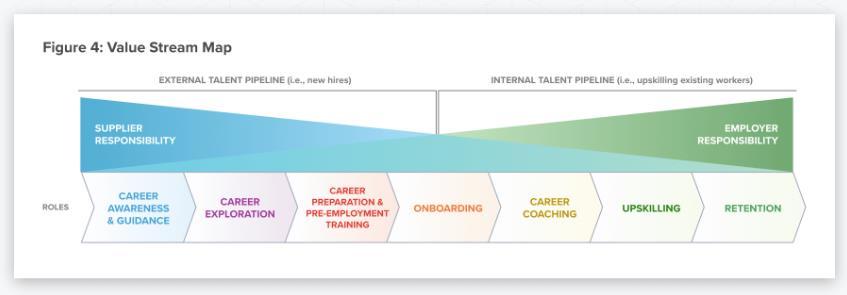
Re-Examine Hiring Practices and Policies to Maximize Hidden Talent Pools
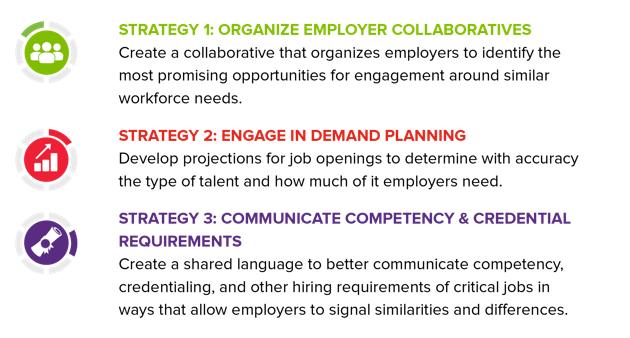
1. Organize Employer Collaborative
Bring together employers with shared workforce needs around a common occupation or skill area.
2. Engage in Demand Planning
Project job openings: volume, timeline, and specific skills needed — datadriven, not guesswork.
3. Communicate Competency & Credentials
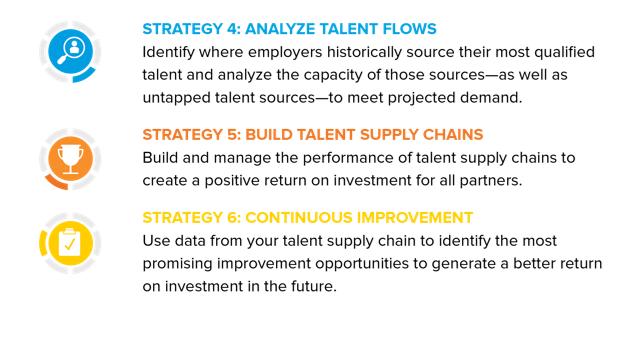
4. Analyze Talent Flows
Create shared language for what “qualified” looks like so training providers can hit the mark.
5. Build Talent Supply Chains
Map where qualified candidates currently come from and identify capacity gaps in the supply.
Co-design pipelines with preferred education and training partners based on real employer specs.
6. Manage Pipeline Performance
Track outcomes, hold partners accountable with scorecards, and continuously improve the pipeline.
→ Each strategy builds on the previous, creating a complete demand-driven talent supply chain

The Problem Eight MSP metro employers faced a projected shortage of 1,000+ Mental Health Case Managers within two years. Costly, redundant onboarding and mismatched training pathways left workers underprepared — while rising demand for mental health services went unmet.
The Solution RealTime Talent formed an eight-employer collaborative using the TPM® framework to co-design solutions with training partners — including a shared onboarding model through a local community college, aligned 2- and 4-year degree programs, and "Earn & Learn" apprenticeship pathways.
Reduced onboarding costs and lower vacancy rates
Employees earning wages while pursuing credentials, improving access and retention
Stronger alignment between education programs and real job requirements
A foundation for long-term workforce planning in the mental health sector
The Problem Nine MSP metro long-term care employers needed to fill nearly 3,200 CNA positions between 2022–2024 — and fewer than half of training participants were entering the workforce. Growing demand for older adult services made the shortage critical.
The Solution
RealTime Talent launched Minnesota's only Long-Term Care TPM® Collaborative, supported by Medica, uniting employers, training providers, and community organizations. After employers identified that their cost per hire and onboarding costs were higher than anticipated, they redirected resources toward a tuition-free training model with wraparound supports and early job offers.
vacancy rates and reduced cost per hire
Clearer career pathways and stronger alignment between training and job requirements
Tuition-free training with wraparound supports improving access and completion
A replicable, data-informed model for long-term care workforce development

1. Employers Opt-In
Today | Indicate your organization’s interest in participating. No commitment to the full process yet — just a commitment to the conversation.
2. Identify Your Top Talent Pain Point
Now – Late 2026 | We’ll connect with each participating employer to surface your most pressing workforce gap — typically a specific occupation — and begin to quantify the need.
3. Regular Employer Check-Ins
Ongoing | We’ll maintain ongoing connection with participating employers between now and the next full sector partnership meeting. These touchpoints ensure no employer gets left behind.
4. Reconvene at Sector Partnership Meeting
Late 2026 | We’ll bring participating employers back together with aggregated pain point data — ready to formally launch into the next phases of TPM together.
Source: Lightcast 2025Q3 Dataset.
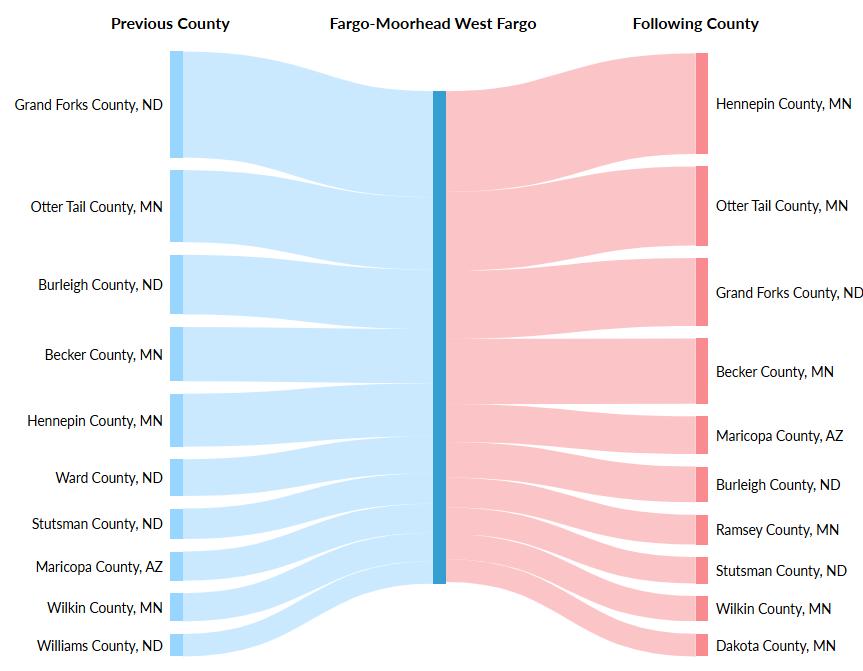
TPM ® Framework is used in 44 states and Canada
Partnering and Supporting for Action!
• Employers: commit to engaging in TPM (monthly, virtual meetings – September)
• Watch for newsletter for opportunities
• Consider attending Insider Access!
Sign up now!

Your connection to growth, collaboration and opportunity. Let’s get started!
Jane Vangsness Frisch – VP of Workforce
Heidi Schultz – Workforce Engagement Coordinator