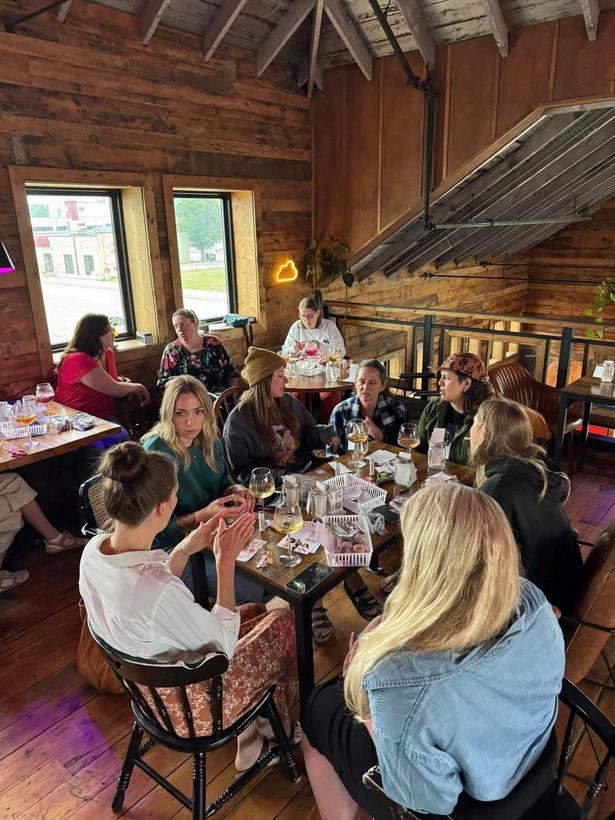
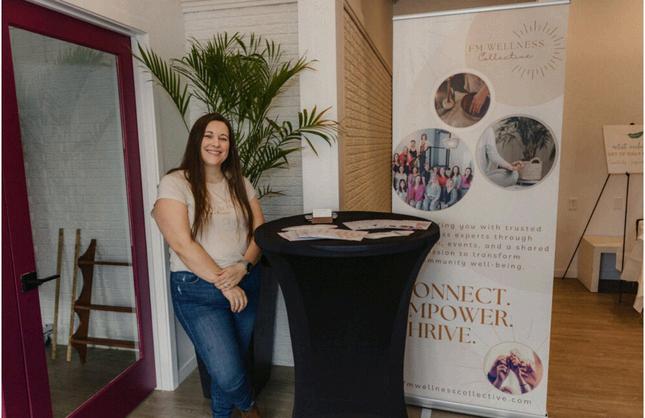
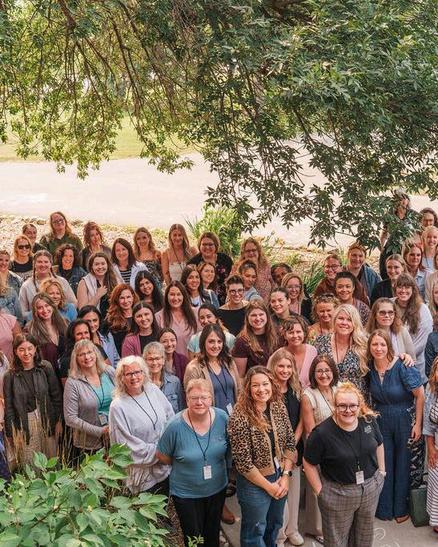
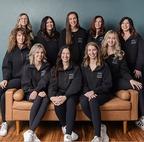
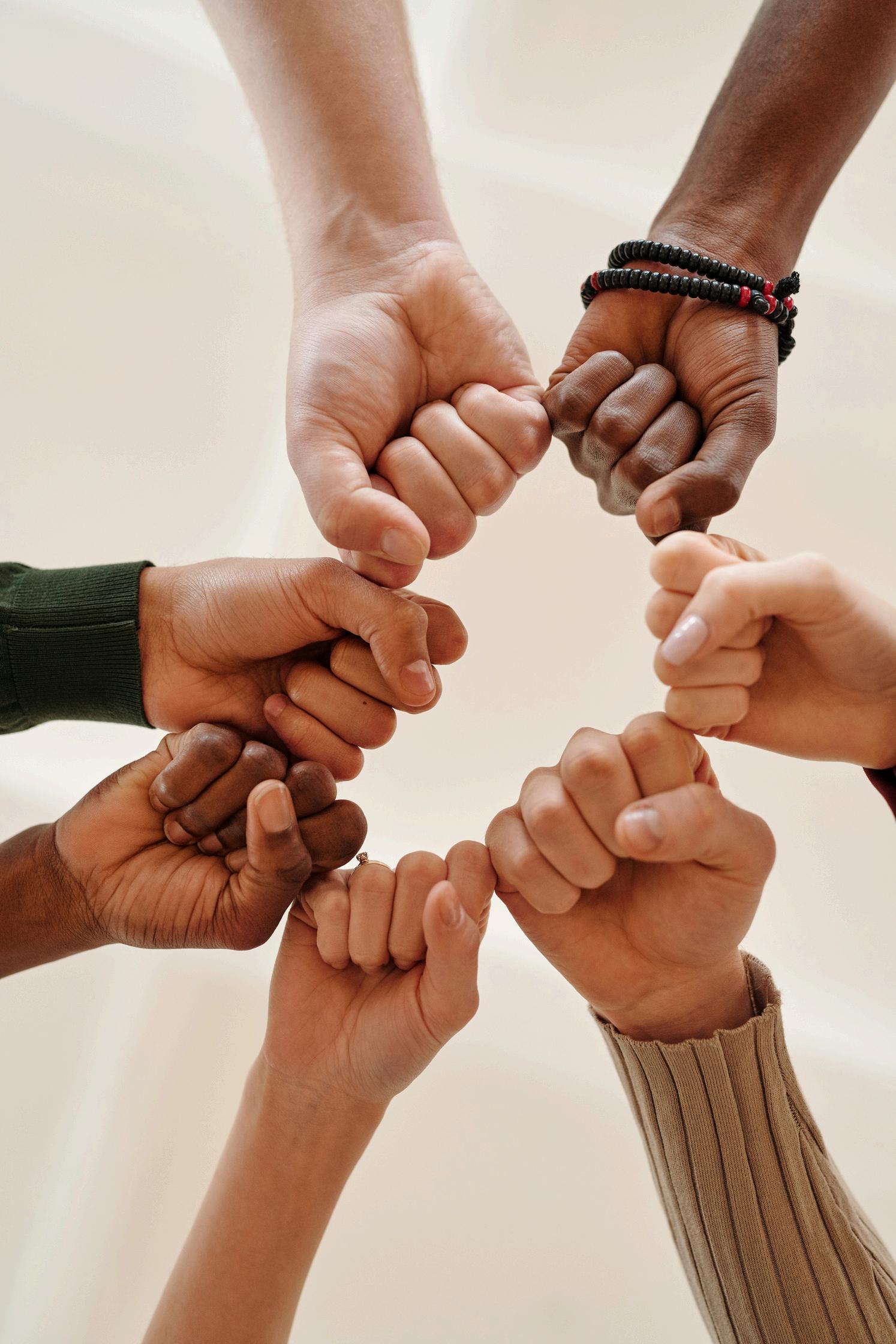
The FM Wellness Collective is a community of wellness practitioners in the FM area dedicated to supporting and empowering one another. We serve as a reliable resource for the community to connect with wellness professionals, making wellness more accessible, and strengthening the culture of well-being in the Fargo-Moorhead area.
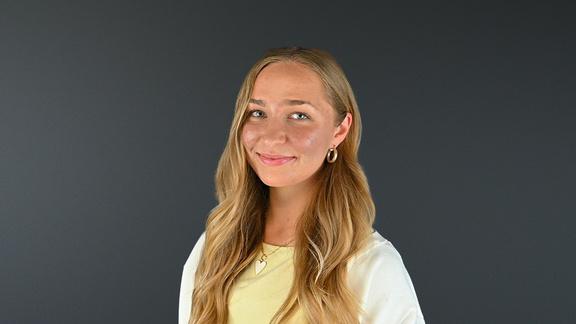
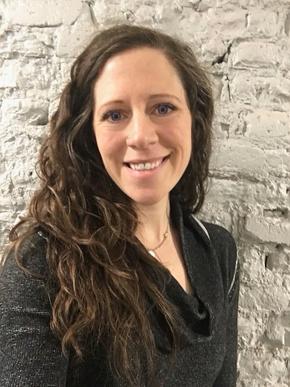
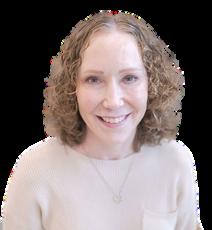
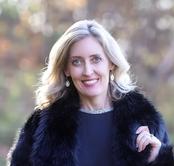
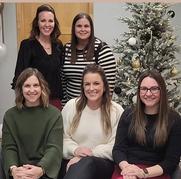
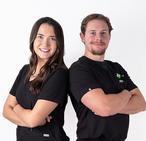
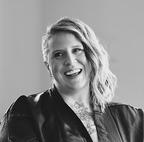
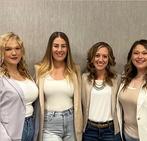
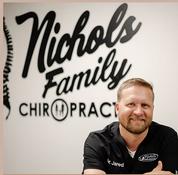
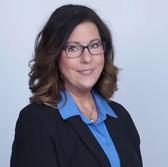
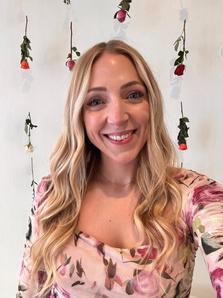
Our Board Members
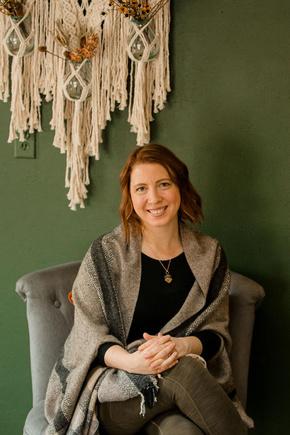
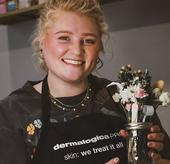
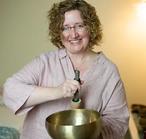
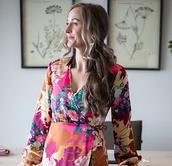
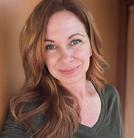
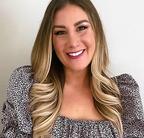
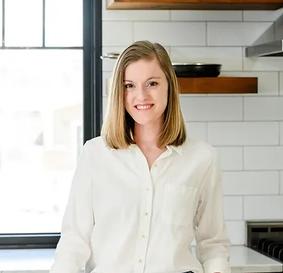
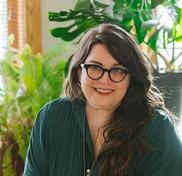
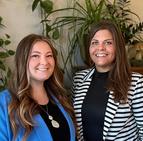
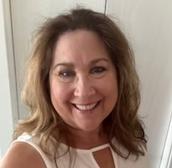
ExecutiveDirector: Melissa Pachak
Directorof
Marketing:
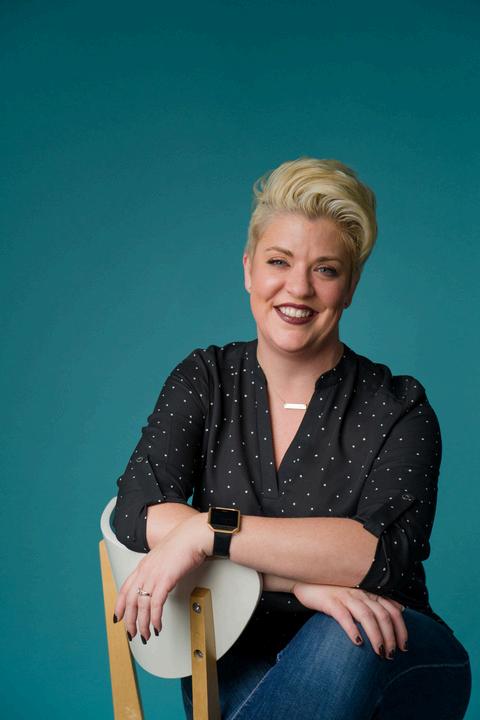
Sadie Rudolph
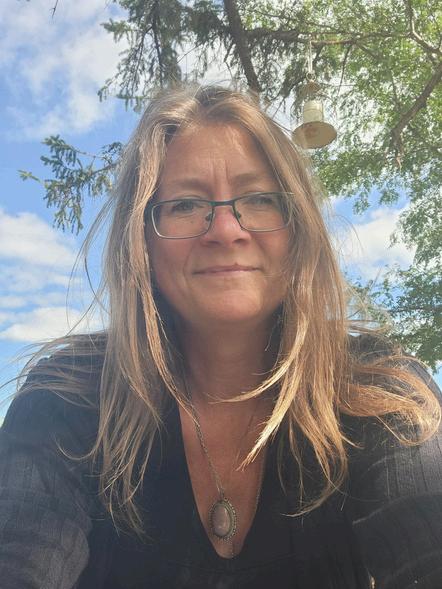
Shannon Radcliffe Bueche
Directorof
Directorof
ClientRelations:
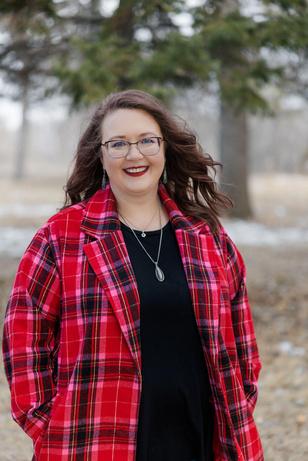
Lisa Madsen
MagazineCreatrix: Sarah Jacobs
CreativeEdits: Melissa Pachak
Artist Nichole Rae
Operations
Taylor Lee
Jennifer Enz
A Note from the Founder
SUMMER ALWAYS FEELS LIKE A SEASON OF ABUNDANCE, NOT BECAUSE LIFE SUDDENLY BECOMES EASIER, BUT BECAUSE WE'RE REMINDED OF HOW MUCH BEAUTY ALREADY SURROUNDS US
Summer has a way of reminding us to slow down and enjoy what's right in front of us The days are longer, the evenings are golden, and life just feels a little lighter.
For me, summer always feels like a season of abundance, not because life suddenly becomes easier, but because we're reminded of how much beauty already surrounds us Whether it's sharing a meal with people you love, taking an evening walk (ask me about my walking meditation because I have become a total weirdo about it), spending time in nature, or simply feeling the warmth of the sun on your face, summer encourages us to be present. And in a world that often asks us to move faster, that feels like such a gift
This season is also one of my favorites at FM Wellness Collective Our team has been pouring our hearts into creating meaningful experiences, and I couldn't be more excited for what's ahead.
One event I'm especially looking forward to is our Women's Wellness Summit on August 4. It's more than a conference It's a chance to pause, reconnect with yourself, learn from incredible women, and leave feeling inspired, supported, and deeply nourished.
More than anything, I'm grateful. Grateful for every practitioner, sponsor, volunteer, and community member who continues to show up and help make this vision possible Thank you for being part of it I hope this summer brings you moments to slow down, get outside, and nourish yourself in whatever way you need most I can't wait to see many of you at the Women's Wellness Summit!
Wishing you a beautiful summer,
Melissa Pachak
CONTRIBUTORS IN THIS ISSUE
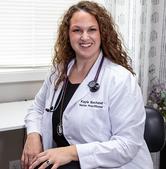
Casey Hoover
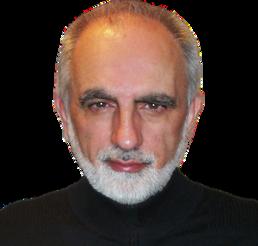
Leon
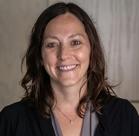
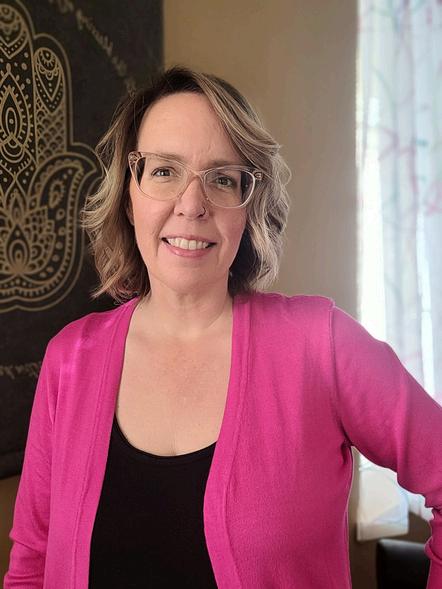
Casey Hoover is a board-certified Nurse Practitioner with both her Bachelor’s and Master’s degrees in Nursing from NDSU She brings nearly two decades of experience in women’s health and extensive expertise in bioidentical hormone replacement therapy (BHRT) for both men and women. Casey has advanced training in BHRT and PDO thread procedures, along with continued education in functional and preventative medicine She is passionate about helping patients look and feel their best through a comprehensive approach to wellness
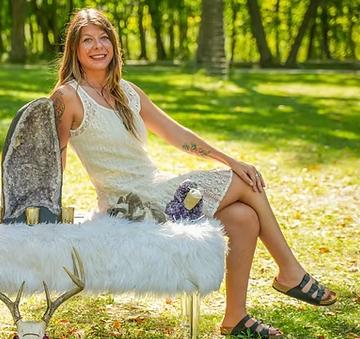
Zelko Leon is a medical practitioner specializing in psychiatry. Born in the former Yugoslavia, he immigrated to the United States in 1988 to complete his psychiatric training, graduating from the University of North Dakota in 1992. His scholarly work includes peer-reviewed publications and presentations on diverse mental health topics He is the author of five nonfiction books, a collection of poetry, and his latest book of fiction Maps of the Heart. All his books are available on Amazon. He currently lives in Cottonwood, Arizona, with his wife
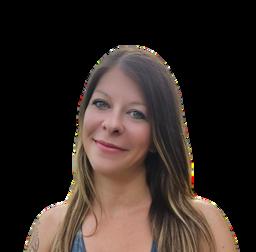
Madsen
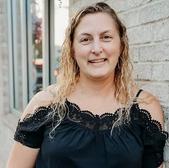
Lisa Madsen is an intuitive and spiritual coach, energy healer, and metaphysical scholar dedicated to helping people cultivate spiritual wellness and find clarity in life’s transitions. Using distance Reiki, energy clearing, and intuitive tarot readings, she offers grounded, heart-centered support to help clients release blocks and align with their true purpose.
Cassandra Brausen
Sar CONTRIBUTORS IN THIS ISSUE
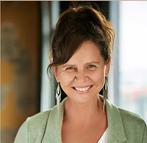
Cassandra Brausen is the Chapter Director of the Lakes Area Wellness Collective and founder of Earthly Essence With a passion for community building and holistic wellness, she is dedicated to creating spaces where connection, collaboration, and meaningful relationships can flourish.
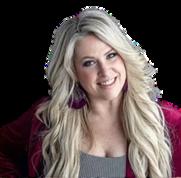
Tee
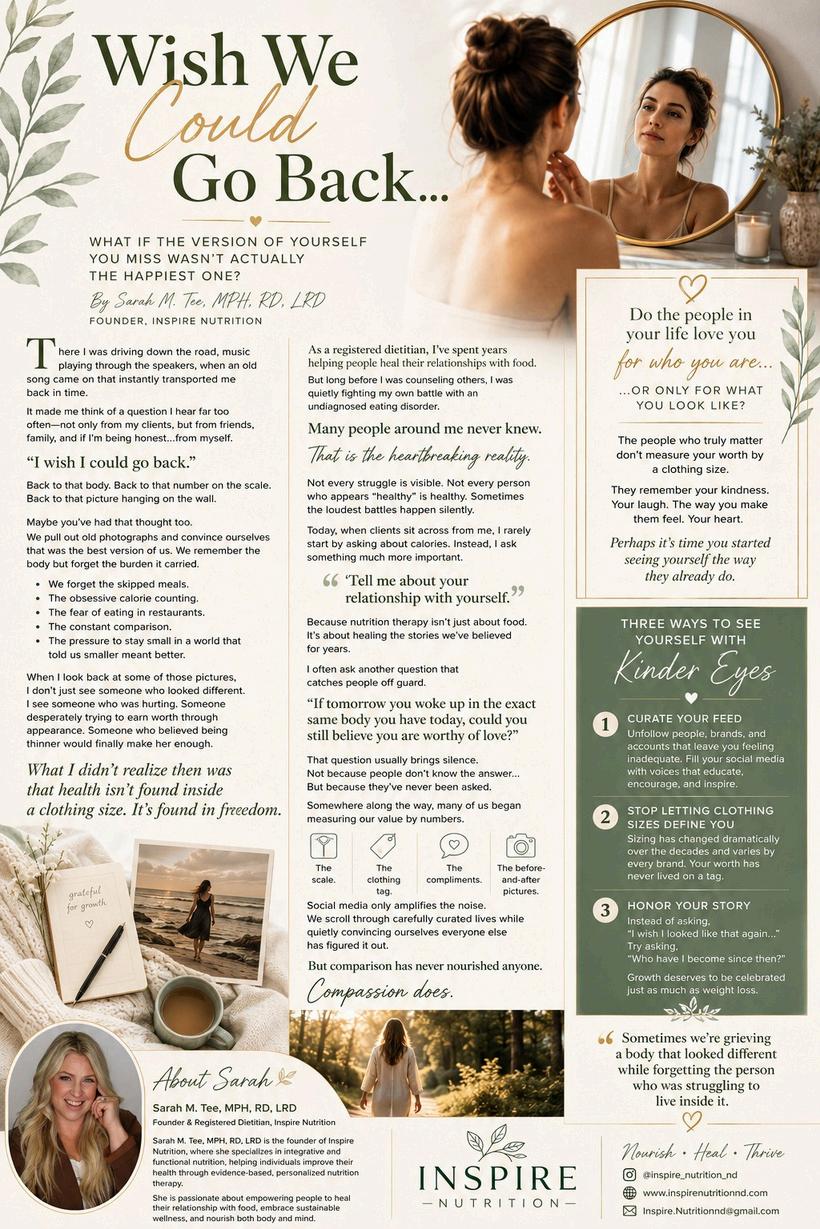
SaSarah Tee has been a Registered Dietitian since 2014 and has been working in Private Practice as Owner of Inspire Nutrition since 2016 Sarah focuses on teaching nutrition and counseling from an integrative and functional approach while focusing on and implementing evidence-based research as the nutrition expert Sarah has experience working with a diverse group of clients and cases and works individually with each person to focus on their needs. Sarah specializes in nutrition therapy, gut health, and aims to give a personal approach to each client’s journey
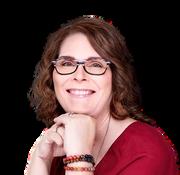
Stadick
Founder of Herbz and Spicez – Herbal Apothecary & Holistic Wellness Community, Penny Stadick is a Holistic Health Practitioner (HHP), Certified Clinical Aromatherapist (CCA), and Master Herbalist (MH) with a Bachelor of Science in Holistic Health. As the heart behind Herbz and Spicez, Penny combines decades of natural healing knowledge with a deep love for helping others thrive through holistic wellness.
A g i n g S k i n C o n c e r n s ?
Further Possible Treatment Options Emerging through Research
By: Casey Hoover, MS, APRN-BC
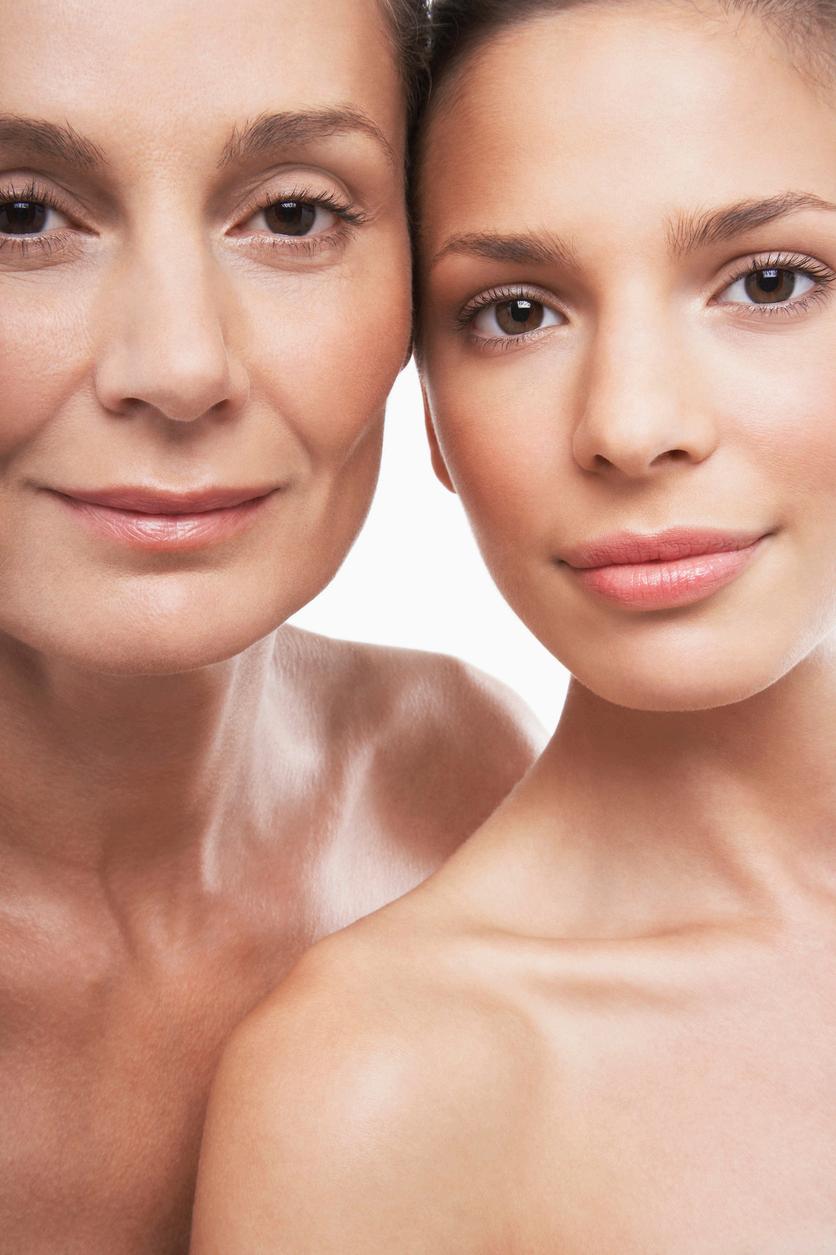
Aging is a natural process that affects every part of the body, and the skin is often where those changes become most visible. As our largest organ, skin protects us from the outside world while continuously responding to time, sunlight, environmental exposure, and internal changes that gradually affect collagen, elastin, hydration, texture, and resilience. For many people, these changes can influence both appearance and confidence, which is why ongoing research continues to explore safe, targeted ways to support healthier-looking skin as we age —including the growing interest in peptides as a potential treatment possibility.
“One
of the most researched peptides associated with skin repair, collagen support, and wound healing is known as GHK-Cu (Copper Tripeptide-1).”
These visible changes happen because the skin’s structure and repair processes gradually shift over time. Collagen and elastin—the proteins that help skin stay firm, smooth, and flexible—break down more quickly while new collagen production slows. Skin cell renewal also becomes less efficient, which can contribute to thinner texture, dullness, enlarged-looking pores, fine lines, wrinkles, and uneven tone. Environmental exposures such as ultraviolet radiation, outdoor air pollution, and chronic stress on the skin can further accelerate these natural changes.
Because skin aging is influenced by both natural biology and environmental exposure, research has increasingly focused on treatments that support the skin’s structure, barrier function, and repair processes rather than simply masking visible changes. This has helped move skincare beyond basic moisturization toward more targeted ingredients, including retinoids, antioxidants, growth-factor technologies, and peptides. Peptides are of particular interest because they may help signal skin cells to support functions involved in collagen production, hydration, barrier strength, and overall skin resilience.
Peptides are short chains of amino acids, which are the building blocks of proteins in the body. In skincare, certain peptides are studied for their ability to act like signaling molecules that help guide normal skinsupportive processes. For example, some peptides may help encourage fibroblasts—the cells involved in collagen production—to support collagen and elastin synthesis, while others may help strengthen the skin barrier, support hydration, calm visible signs of irritation, or soften the appearance of fine lines. Because different peptides are designed to work in different ways, their benefits depend on the specific peptide, formulation, concentration, and method of use.
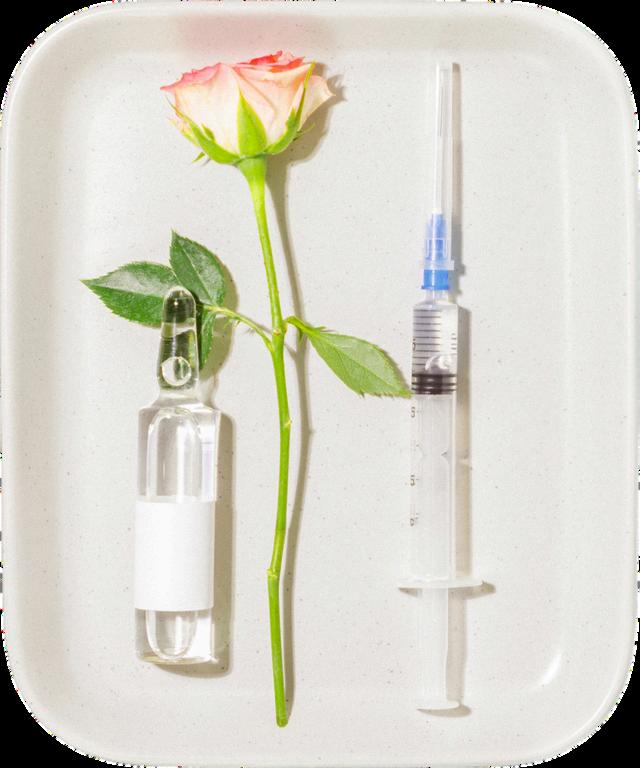
One of the most researched peptides associated with skin repair, collagen support, and wound healing is known as GHK-Cu (Copper Tripeptide-1). This peptide is most often used topically on the skin or easily injected into the body with a small needle. When placing the peptide on the skin, the peptide signals the cells that “Something needs attention here,” while using the injectable form is hypothesized to induce more widespread skin rejuvenation and wound healing.
Topical peptides are generally considered safe cosmetic ingredients with a minimal risk of irritation, primarily because they are used in small concentrations and are unlikely to penetrate deeply into systemic circulation. However, their stability depends heavily on formulation techniques such as encapsulation and pH control. In the United States, peptide-containing skincare products are regulated as cosmetics rather than drugs, meaning they do not require FDA approval before reaching the market, provided they do not make drug-like claims.
To support reliable potency and purity of the peptides used, using a reliable compounding pharmacy is necessary. Working with a knowledgeable and experienced medical provider is paramount. There are hundreds of compounding pharmacies that may provide topical or injectable peptides to patients. However, it is especially important that a patient has a trusted provider who is open to answering any questions or addressing concerns the patient may have. Although rare, there are also patients in which some peptides may be contraindicated or may not be the best choice. Always talk to a healthcare provider that you trust, and do not depend on only an online presence.
Although this discussion is geared towards skin health, there are numerous peptides available in various delivery forms that may have the potential to assist patients with weight loss, muscle building, mental clarity, energy level, libido, gut health, postoperative healing, sleep, and more.
Until we truly know how to reenact the movie “The Curious Case of Benjamin Button” where the main character ages backwards or “Back to the Future” where characters can go back in time to when they were younger, research will continue in order to find the next best way to curb negative aging processes in the skin.
Looking for more information on aging skin, improving skin barrier, appearance, or hydration, medical skin care concerns such as rashes, psoriasis or acne, hormone concerns for males or females, or even just to discuss peptides and how these may potentially help?
WELLNESS THROUGH CONNECTION
By: Zelko Leon
The word wellness has been increasingly used and has, in many contexts, become a buzzword. This is generally a good thing, even though at times it can feel overwhelming. My wife, Tina, and I have been attracted to many of its essential attributes, especially the conscious and active pursuit of wellbeing. Neither of us fully subscribed to the traditional medical model of care. Although I was trained within it and relied on its tools in clinical work, my perspective has expanded beyond its boundaries.
I recall Tina describing her vision of a healthcare system in which wellness centers would be widely available and affordable.
“I’m imagining places focused on how people actually live—helping with daily habits, stress, relationships, and other aspects of life that don’t usually receive much attention,” she said.
Although Tina’s vision of a holistic wellness model—one that engages individuals as active participants and addresses the physical, emotional, social, and environmental dimensions of health—is compelling, the biomedical model continues to dominate nearly every aspect of modern healthcare, from reimbursement systems and pharmaceutical industry influence, to the training of physicians and other healthcare professionals.
When I came to America in 1988, the “Wellness Way” was not my way. I was young, ambitious, and driven. I arrived in a country where food was abundant and inexpensive, and where fast-food restaurants were everywhere. McDonald’s became a place my family and I associated with belonging—a symbol of being part of our new country. We spent many family dinners there.
Exercise was not part of my life. Diet Coke, however, was. I drank it daily— often in the middle of long hospital shifts. I was fascinated by the omnipresence of vending machines. It became routine to grab a Diet Coke and a candy bar for a quick boost of energy and focus—a craving I didn’t question.
The consequences came quickly. I gained thirty pounds and began experiencing health problems. My body, once naturally tall and thin, changed. I became concerned about my health. In addition to undergoing appendix and gallbladder surgery, I developed high blood pressure, back pain, and asthma.
At that point, I knew I had to make changes.
I began paying attention to what and how much—I ate and drank. I introduced new routines: running or walking a few miles each day, weighing myself regularly, and limiting restaurant meals. The results were positive. But something had shifted. My body had undergone a metabolic change, leaving me more prone to gaining weight again, especially under stress
When Tina and I began dating, we frequented restaurants, enjoying rich meals and good wine—experiences that were pleasurable but not aligned with the kind of health we would later cultivate
It was only after we married and began preparing meals together that a gradual change occurred. Influenced by my daughter, we transitioned toward a more plant-based way of eating. This change was further reinforced as I began reading the literature on nutrition, particularly studies supporting whole-food, plant-based diets and the value of organic foods.
Vegetables, fruits, whole grains, legumes, nuts, and seeds became the foundation of our nutrition. Over time, the effects were noticeable: improved energy, better weight regulation for me, and fewer illnesses for both of us
Equally important has been the cultivation of close relationships and a sense of community. Since moving to Arizona, we have become increasingly connected with others who share an interest in healing practices and a more intentional way of living.
Through both experience and study, I became convinced that social bonds and emotional intimacy expressed through empathy, attentive listening, and a deep sense of belonging can heal in ways that medicine alone cannot. Studies of the socalled Blue Zones, where people live long and healthy lives, consistently point to close-knit communities as a defining factor in longevity.
Tina and I have been fortunate that our orientation toward health and wellness has been so well aligned. We have also observed that this is not the case in many intimate relationships. Differences in lifestyle, self-care, nutrition, spirituality, or attitudes toward emotional well-being can lead to tension, misunderstanding, and distance between partners
For us, however, our commitment to growth, healing, and intentional living has become a source of connection rather than separation. Although we have not always approached wellness in exactly the same way, we have remained curious about each other’s perspectives and supportive of each other’s efforts to live more consciously and healthfully
In a broader sense, the state of wellness is fundamentally relational because it emerges through patterns of connection—within ourselves, with others, and with the larger environment in which we live.
Hence, connection, in its many forms, is central to wellness. At a deeper level, it is intimately tied to a sense of safety. For human beings, the most reliable way to feel safe is through connection with trustworthy others caregivers, partners, and community.
The safety created through dependable and caring relationships becomes a foundation for resilience. From this foundation, inner states of calm, openness, and well-being are more likely to arise. Conversely, when connection is disrupted or absent, the organism shifts toward vigilance, stress, and protective adaptation.
When a sense of safety and connection is present, or has been sufficiently internalized, it creates the conditions for growth. In such a state, we are more capable of expanding awareness beyond immediate self-protection, engaging with others in meaningful ways, and utilizing more adaptive coping strategies. Creativity, curiosity, and a sense of purpose emerge not as forced efforts but as natural expressions of a regulated and integrated system.
In this way, connection becomes not only protective but transformative supporting the movement from survival toward integration and fulfillment
Connection also extends beyond interpersonal relationships to include our relationship with the natural world. When connection to nature is diminished—through isolation, environmental degradation, or disconnection from basic resources such as clean air, water, and nourishing food—the consequences for health become increasingly evident Research in environmental and lifestyle medicine continues to highlight the physiological and psychological benefits of connection with natural environments.
It is evident that we are not separate from the systems in which we live; we are part of them. Human health reflects the integrity of these interconnected systems—within the body, between individuals, and across the environment. Our well-being, therefore, is not an isolated achievement but a reflection of the quality of our connections at every level of experience
Growing Connection in the Lakes Area: The Story Behind the Lakes Area Wellness Collective
AsAcross the Lakes Area of Minnesota, a growing movement is bringing wellness practitioners, businesses, and community members together in a new way
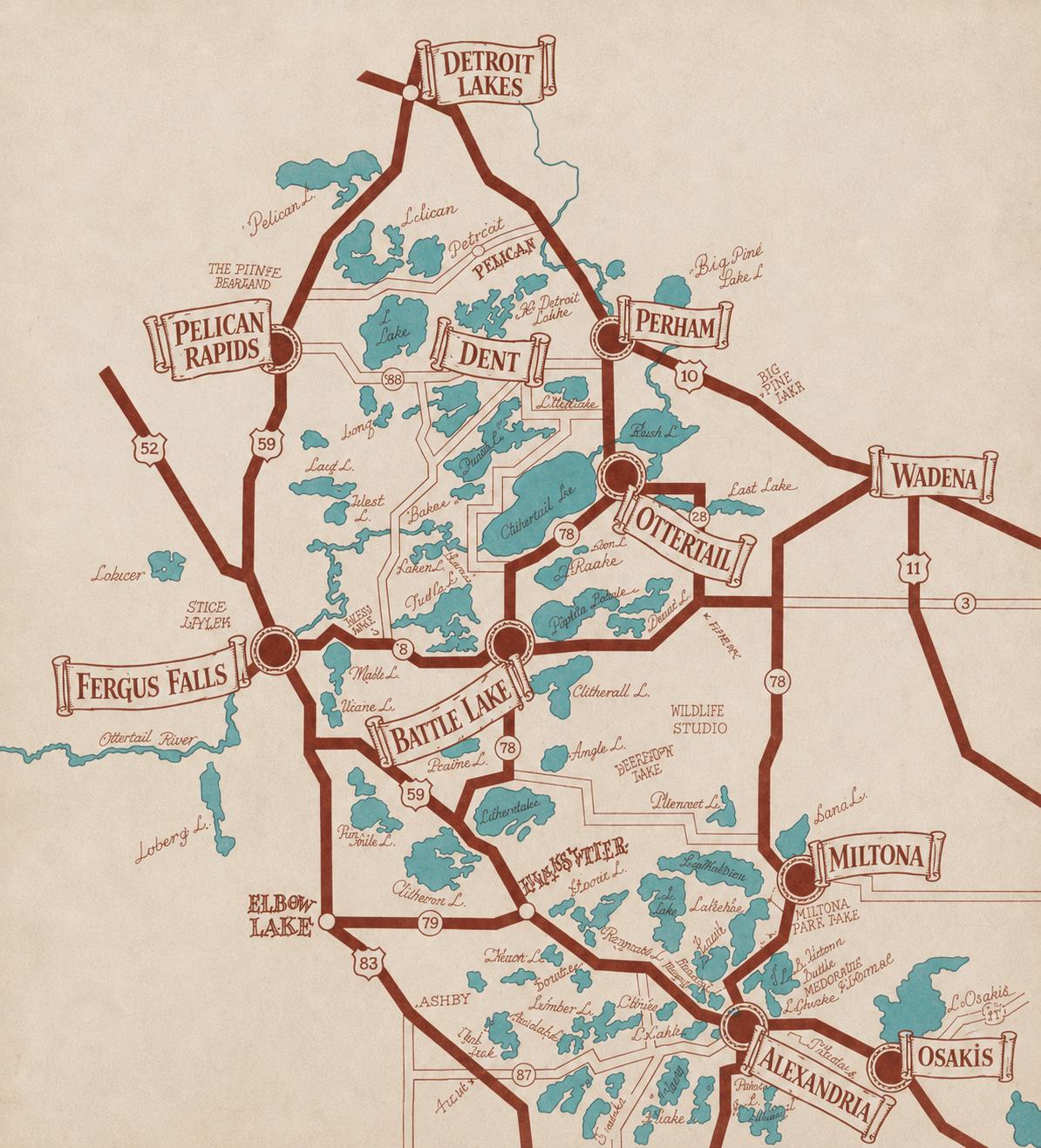
The Lakes Area Wellness Collective, a regional chapter of the FM Wellness Collective, was created to serve Detroit Lakes, Fergus Falls, Alexandria, Wadena, and the surrounding communities. Rooted in the belief that wellness is strengthened through connection, the collective provides opportunities for practitioners to collaborate, build relationships, and expand access to wellness resources throughout the region.
Like many rural communities, the Lakes Area is home to an abundance of talented practitioners and wellness-focused businesses. Yet despite their shared mission of supporting health and well-being, many work independently, often separated by geography and limited opportunities for connection. The collective was established to help bridge those gaps and create a stronger network of support across the region.
By: Cassandra Brausen
The foundation for the Lakes Area chapter was built through a shared vision of connection and community. As founder of the FM Wellness Collective, Melissa Pachek had already witnessed the power of bringing wellness practitioners together through collaboration, education, and meaningful relationships. As the collective continued to grow, so did the vision of expanding that sense of connection into surrounding communities
When Cassandra Brausen relocated to the Lakes Area, she brought with her years of experience in the wellness field, a passion for community building, and a deep belief that meaningful transformation happens through connection—to ourselves, to one another, and to the communities we call home. Recognizing both the opportunity and the unique geography of the region, Melissa and Cassandra began collaborating to establish a chapter that could serve the Lakes Area and connect practitioners across multiple communities
Together, they shared a belief that wellness practitioners are stronger when they know one another, support one another, and work together to serve their communities. That vision became the foundation of what is now the Lakes Area Wellness Collective
That vision is reflected in the chapter’s guiding phrase: Four Directions, One Circle of Care. With practitioners and communities spread across Detroit Lakes, Fergus Falls, Alexandria, and Wadena, the collective recognizes that while each area has its own unique strengths, they are all connected through a shared commitment to wellness, collaboration, and community care
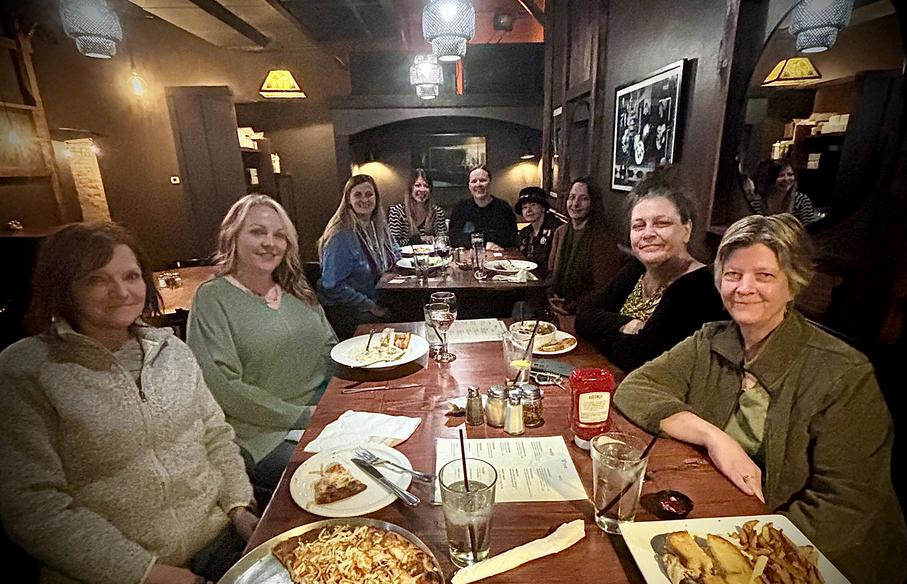
Since launching earlier this year, the Lakes Area Wellness Collective has hosted gatherings throughout the region, bringing together practitioners from diverse backgrounds and modalities. Through coffee conversations, Meet + Connect events, practitioner spotlights, and community partnerships, relationships have begun forming that extend far beyond individual events
The momentum has been both exciting and encouraging. A growing practitioner directory now helps community members discover local wellness resources. Founding Members have joined from communities throughout the region. New collaborations and partnerships continue to emerge. Most importantly, people are finding one another
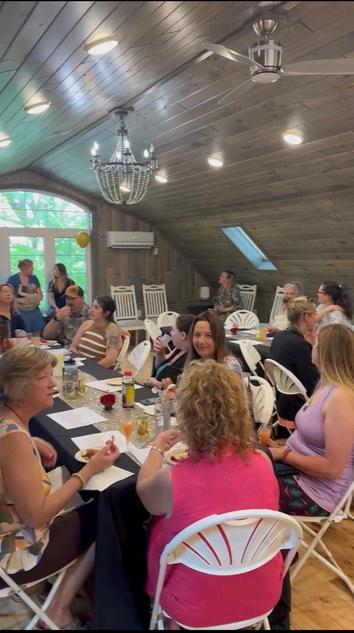
One of the clearest examples of this momentum came during the collective’s recent Founders Circle Soirée. Practitioners, business owners, and community leaders gathered to share ideas, build relationships, and explore opportunities for collaboration. What stood out most was not any single presentation or initiative—it was the energy in the room. Conversations flowed easily. New connections were made. A sense of possibility emerged as people recognized they were part of something larger than themselves
At its core, the Lakes Area Wellness Collective is not simply a directory, a membership organization, or a networking group. It is a community built around the belief that meaningful change happens through relationships
As the collective continues to grow, its vision remains centered on connection, collaboration, and community care. Through practitioner gatherings, educational opportunities, community events, and regional partnerships, the collective is working to create a stronger, more connected wellness ecosystem throughout the Lakes Area
The work is still in its early stages, but something meaningful is beginning to take shape. And if the conversations, partnerships, and relationships already forming are any indication, the future is bright
To learn more about the Lakes Area Wellness Collective, explore the practitioner directory, or follow along as the community continues to grow, visit: www lakesareawellnesscollective com
Network
Join in on a free networking event If you are a wellness practitioner or wellness advocate and want to meet other business owners, you are invited to join us at our free monthly meetings. Location: MosaicDistrict14451stAveN, Fargo,ND58102
JointheCollective
If you are a wellness pratitioner or have a wellness promoting business, and you are craving more community, connection, and support become a member! Find out more here.
Bea presenter
Do you have an inspired message to share? Are you an expert in your field with a passion to help others grow and learn in business and life? Contact us to be a speaker at one of our events. Click here to message us
Stay on top of all the exciting announcements by joining our newsletter Subscribe at our website www.fmwellnesscollective.com
Events
We offer a variety of both free and paid events to meet and interact with the members of the Collective and special speakers Check out our calendar to catch our next event!
Directory
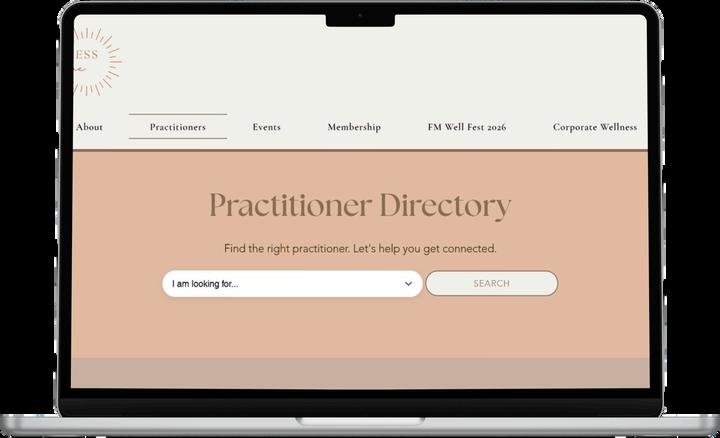
Need support on your wellness journey? Check out our directory! We have 30+ health and wellness business owners who are excited to meet you. If you are a practitioner and want to become a member and join our directory, find more info HERE
By: Penny Stadick
Herbs Summer Why Summer HerbsMatter
Nature’sGiftsfor theWarmest Season
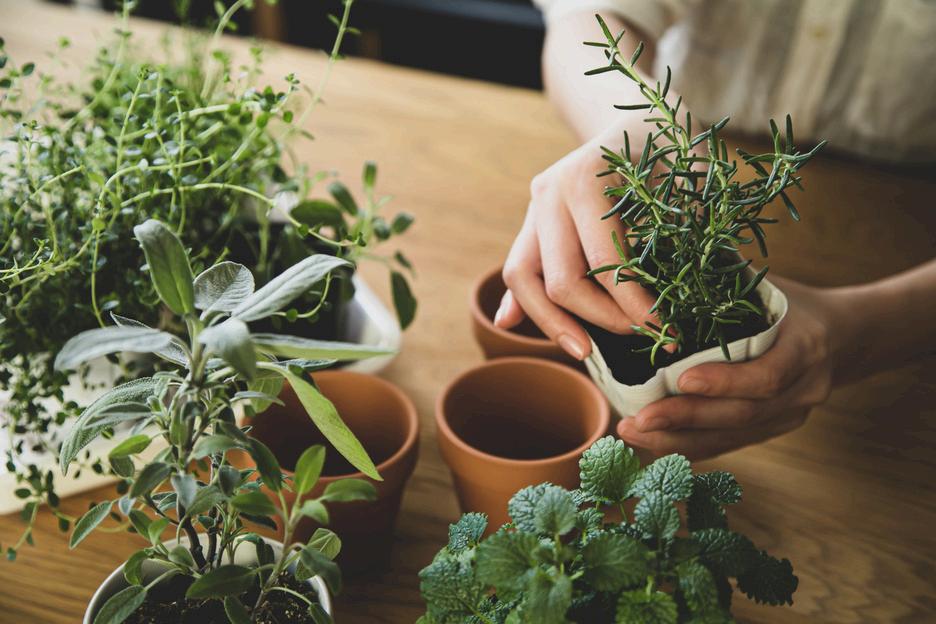
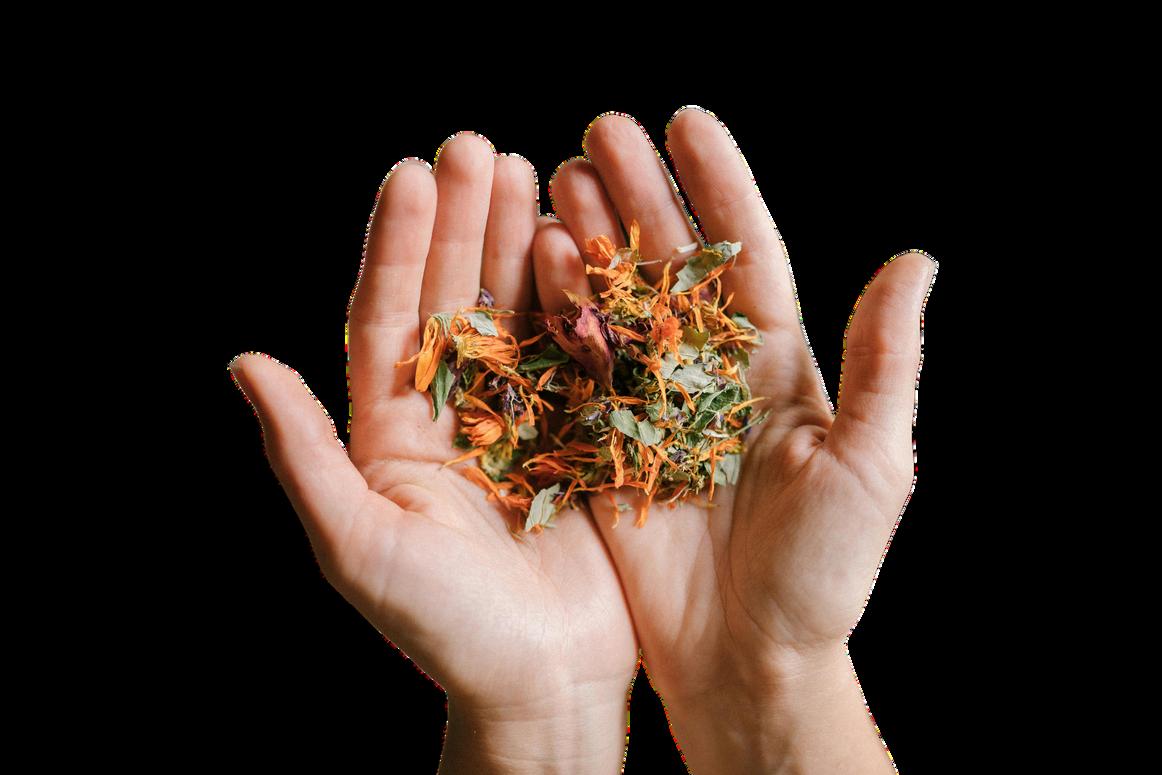
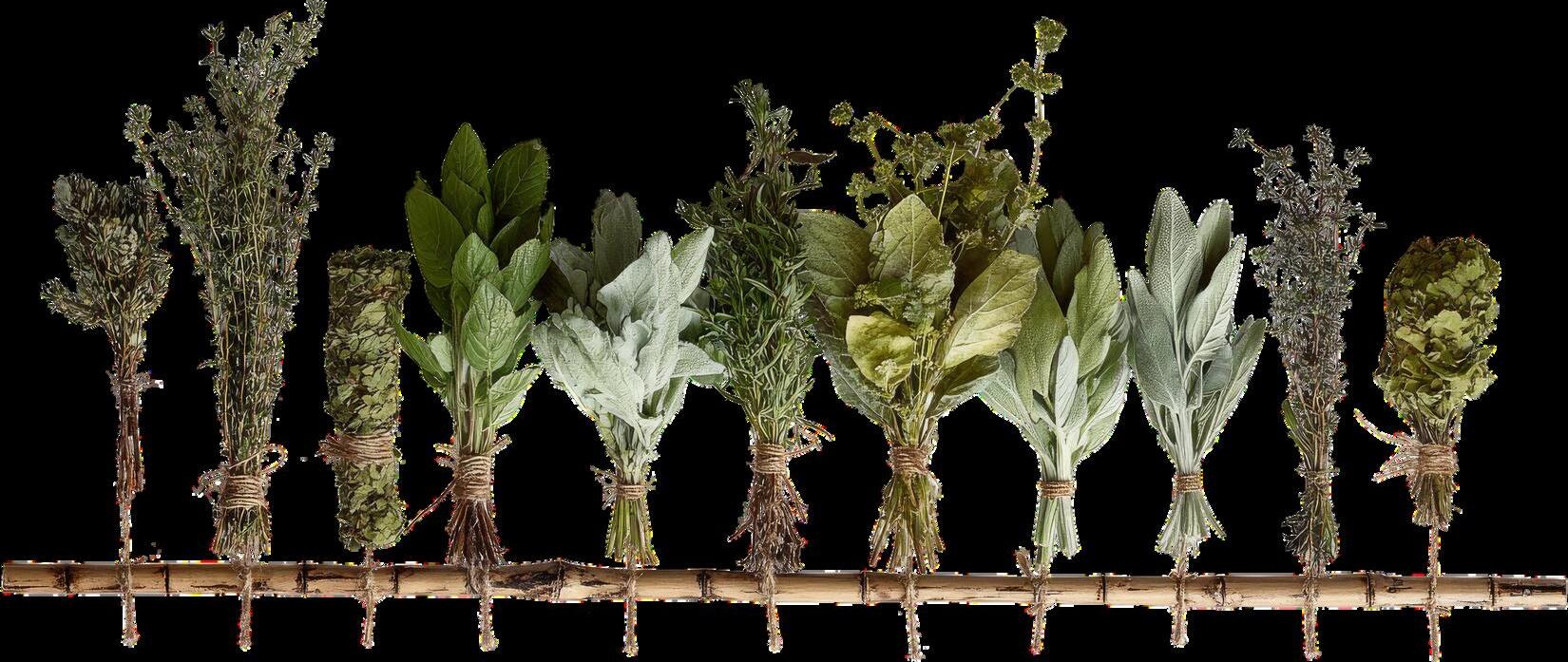
Summer is a season of abundance Gardens burst with color farmers' markets overflow with fresh produce and many medicinal herbs reach their peak growth For herbalists and home gardeners alike summer offers the perfect opportunity to harvest preserve, and enjoy some of nature's most beneficial plants
Whether brewed into cooling teas, infused into oils or added to seasonal meals summer herbs can support wellness while helping us embrace the energy of the season
During the warm months our bodies face unique challenges such as heat, dehydration increased sun exposure, seasonal allergies, insect bites, and outdoor stressors Many summer herbs naturally provide support for these concerns through their cooling soothing hydrating, and restorative properties
Summer herbs are often rich in antioxidants, vitamins, minerals and aromatic compounds that can help maintain balance during the hottest time of year
.
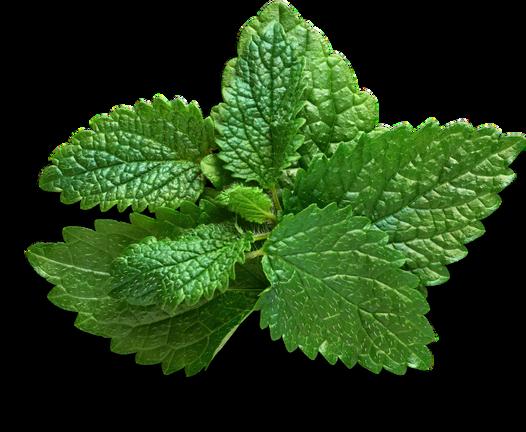
Lemon Balm (Melissa officinalis)
Lemon balm is one of the most beloved summer herbs Its bright citrus aroma and gentle calming properties make it a favorite for teas and herbal preparations.
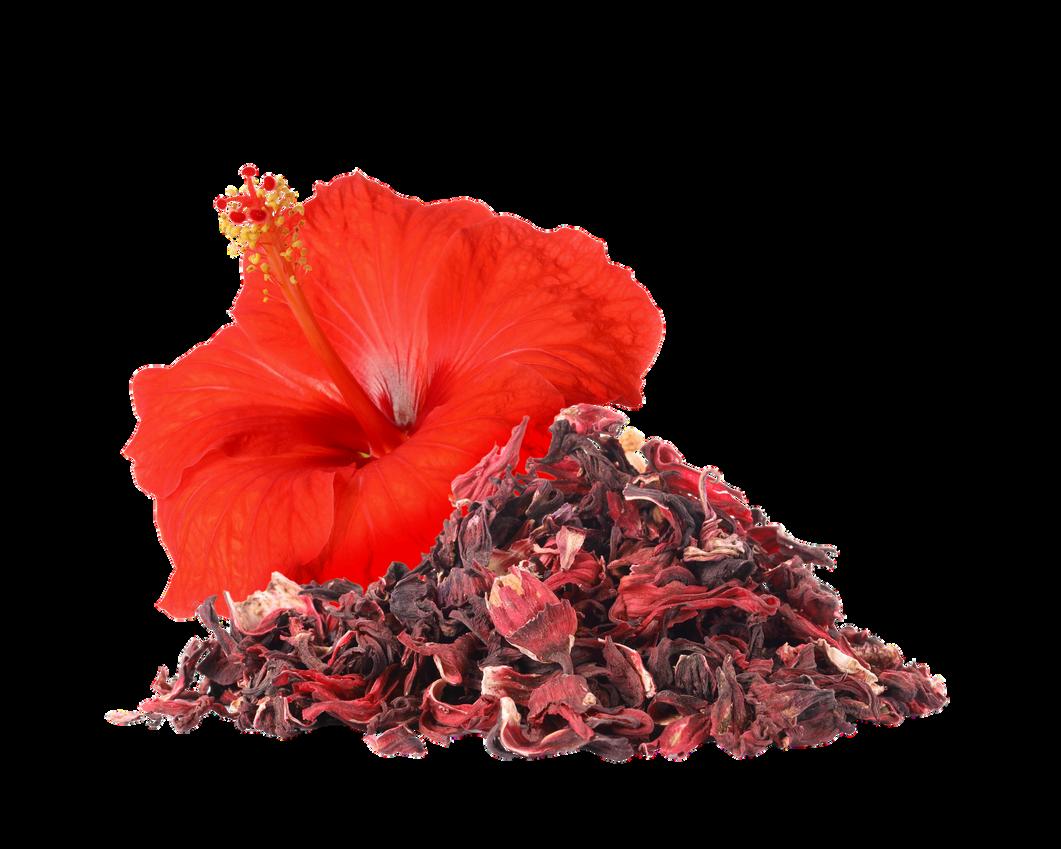
Though technically not grown everywhere as a summer garden herb, hibiscus is a summertime favorite
Benefits:
Naturally refreshing flavor
Rich in antioxidants
Beautiful ruby-red color
Popular in cooling beverages
Summer uses: Herbal mocktails, Cold infusions, Fruit punches, Tea blends
HarvestingSummerHerbs:
Proper harvesting helps preserve the flavor, aroma, and medicinal properties of herbs.
Tips for Harvesting:
Harvest in the morning after dew has dried.
Use clean, sharp scissors or pruners
Gather herbs before flowers fully open when possible. Avoid harvesting stressed or wilted plants.
Leave enough growth for continued production
Preserving the Summer Harvest
A plentiful summer garden often produces more herbs than can be used immediately. Preserving herbs allows you to enjoy them throughout the year.
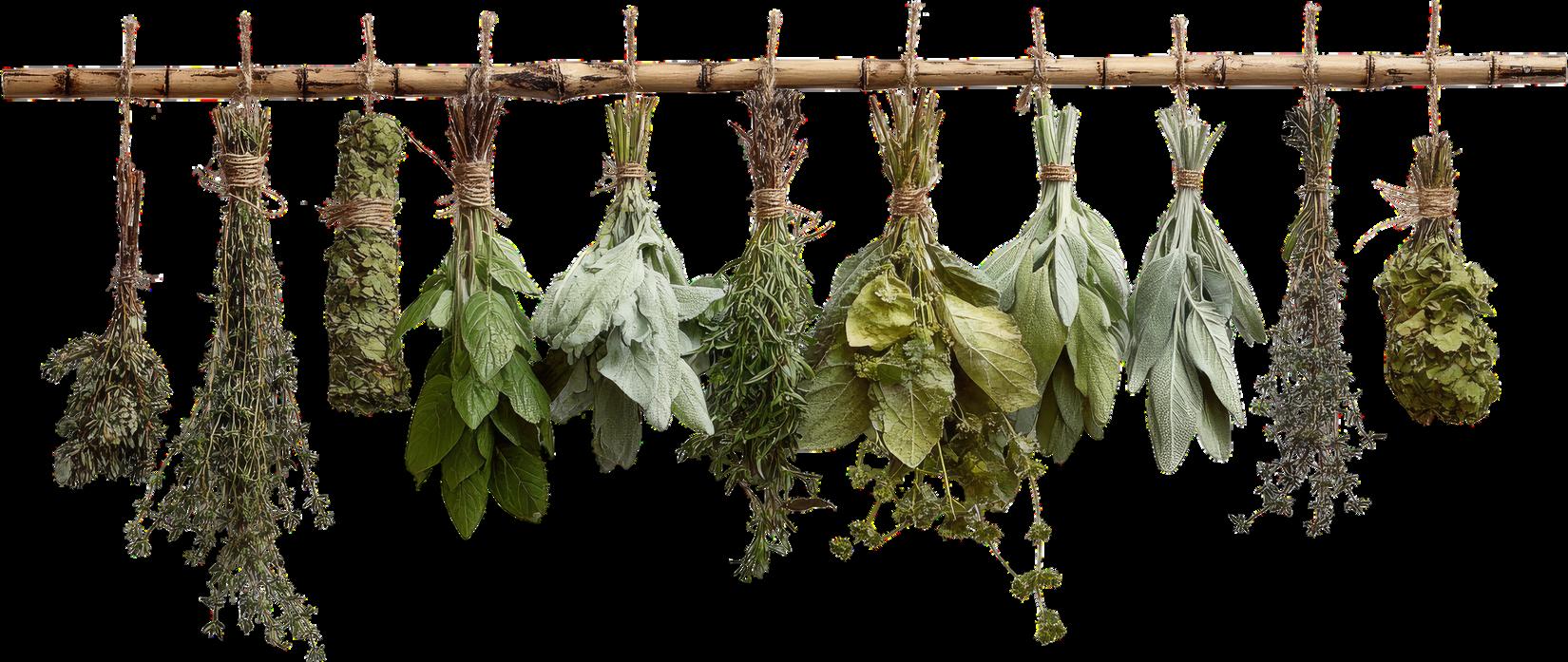
Drying: Hang bundles upside down in a cool, dry location away from direct sunlight
Freezing: Freeze herbs in ice cube trays with water for convenient use later.
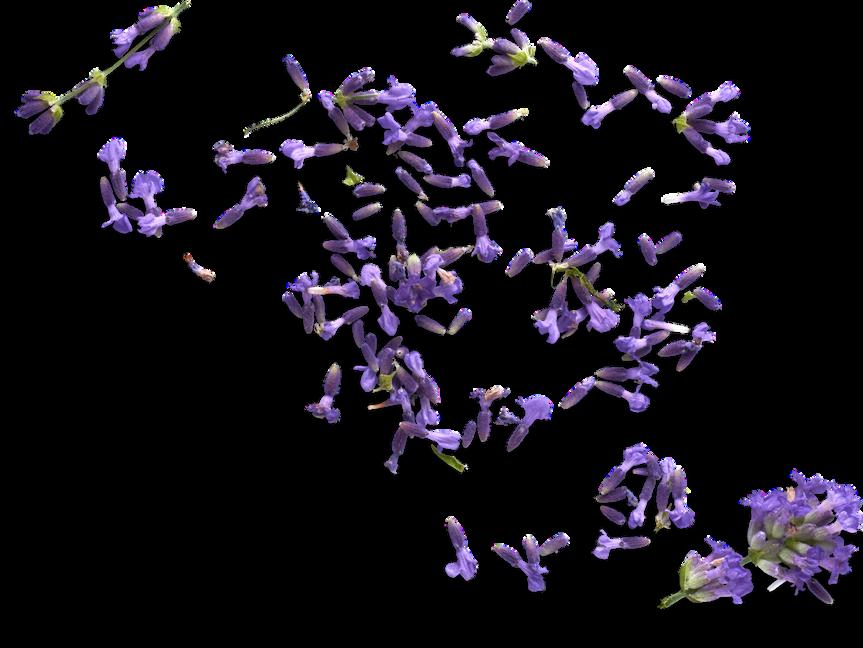
Infused Oils: Create herbal oils using calendula, lavender, lemon balm, or other favorite herbs.
Herbal Vinegars: Infuse fresh herbs into vinegar for culinary and wellness applications.
Creating a Summer Herb Garden: Even a small space can produce an impressive collection of herbs
EasyHerbsforBeginners
Container gardens, raised beds, and window boxes all provide excellent growing environments for summer herbs
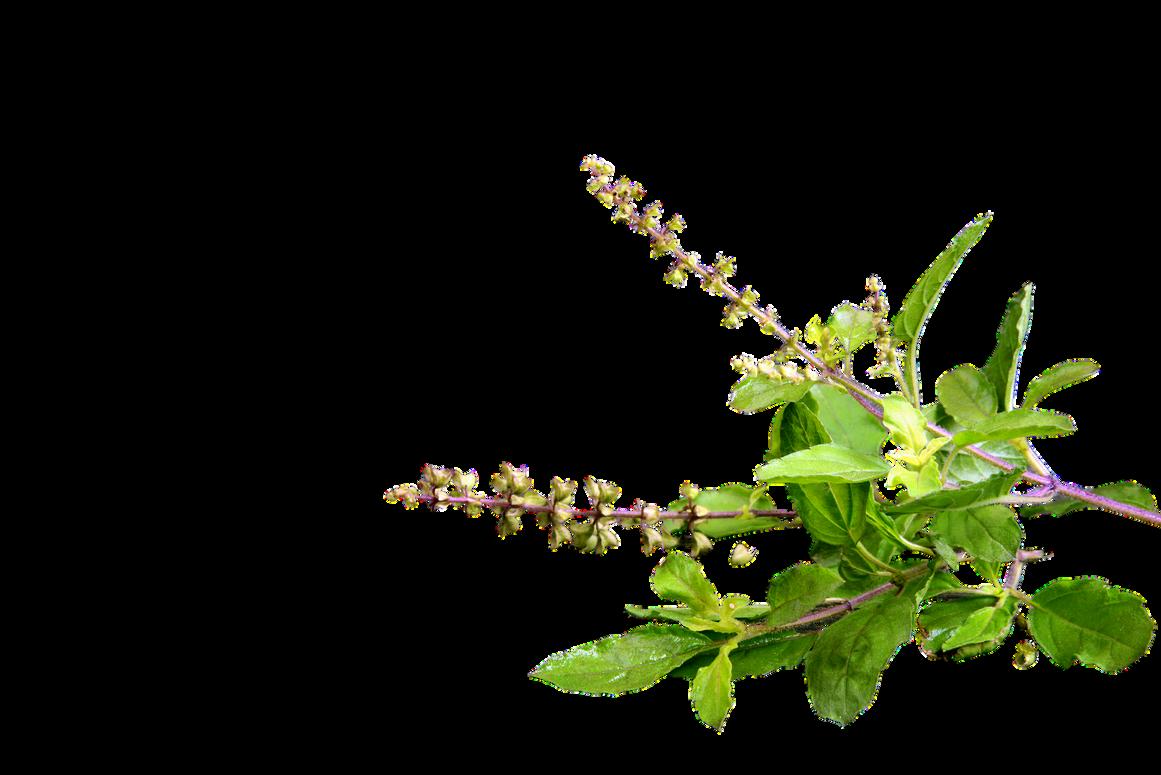
Basil Lemon Balm
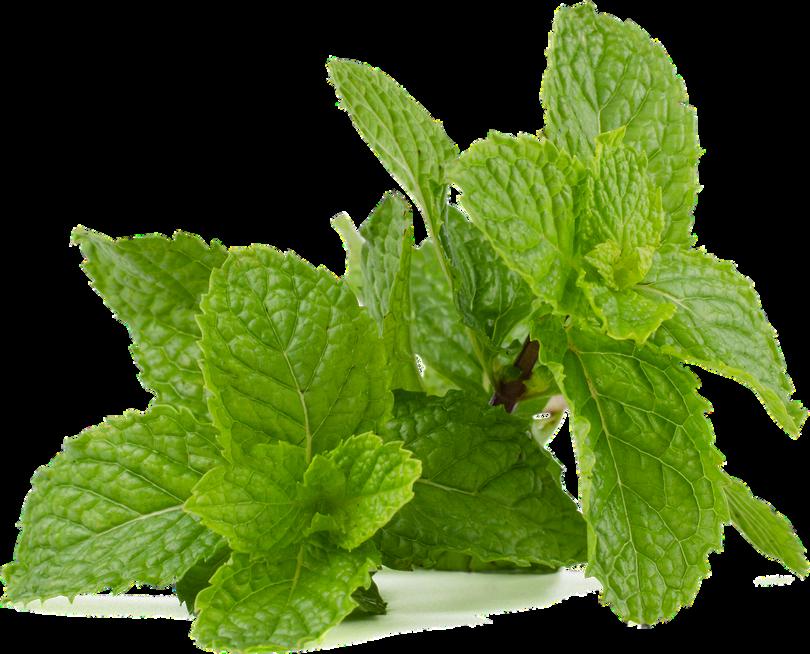
Mint
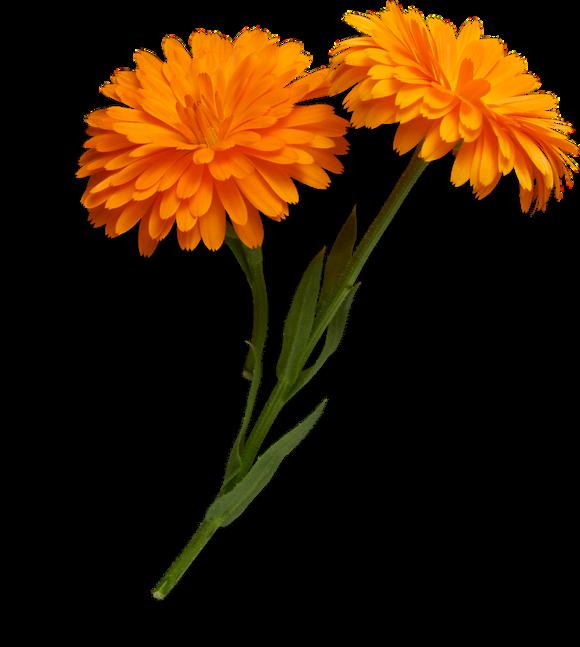
Calendula
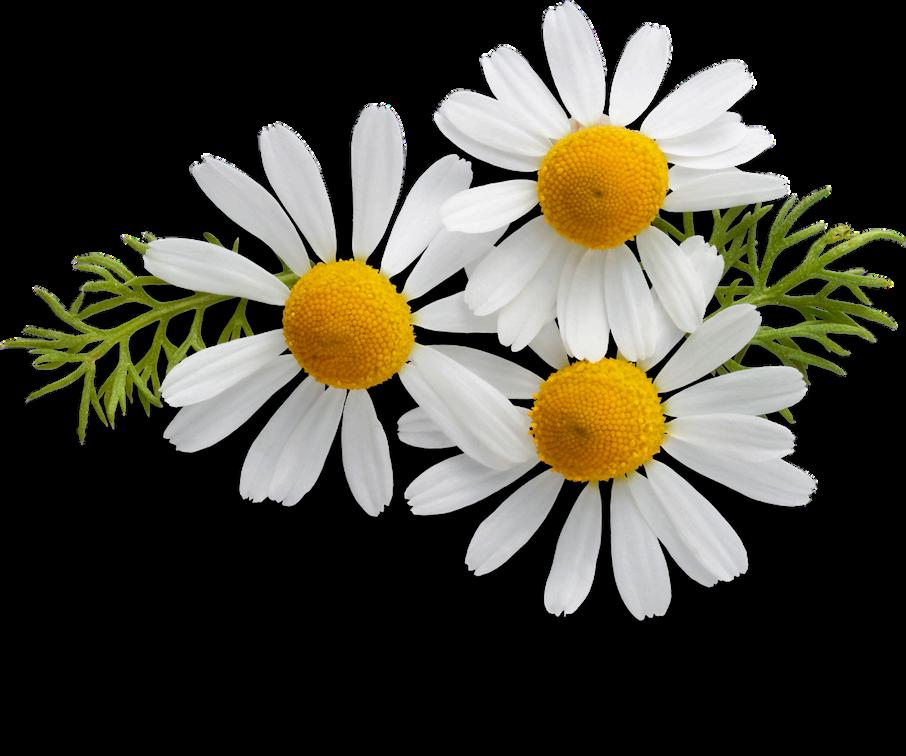
Chamomile
Lavender
Thyme
Oregano
Ingredients:
SummerHerbalTea BlendRecipe
2 parts lemon balm
2 parts peppermint
1 part chamomile
1 part hibiscus
Directions:
Combine herbs.
Use 1 tablespoon per cup of hot water
Steep for 10–15 minutes
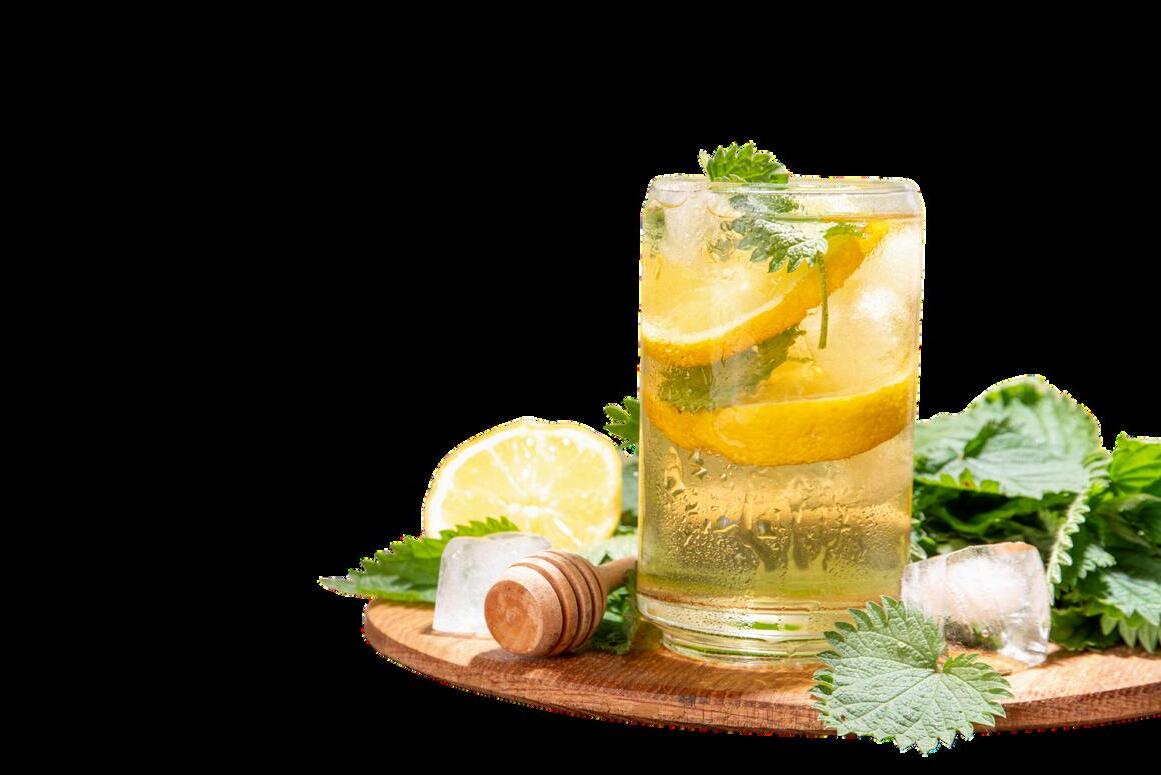
Chill and serve over ice.
This blend creates a refreshing beverage perfect for hot summer afternoons
Summer herbs offer more than beautiful gardens and pleasant aromas They connect us to seasonal wellness traditions, encourage time outdoors, and provide versatile ingredients for teas, culinary creations, and natural body care products By growing, harvesting, and preserving these botanical treasures, you can enjoy the gifts of summer long after the season has passed.
Whether you ' re an experienced herbalist or just beginning your herbal journey, summer is the perfect time to explore the incredible world of medicinal and culinary herbs
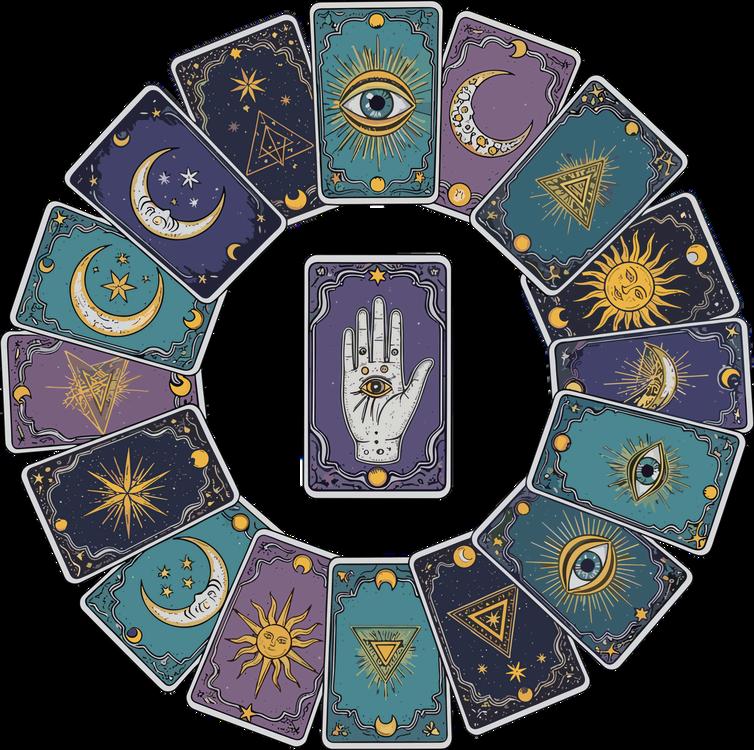
Tarot as a Mirror
A Tool for Self-Exploration and Inner Knowing
By: Lisa Madsen
My tarot story isn’t exciting or dramatic. I wasn’t gifted a deck from a mysterious stranger or tutored in the cards by an eccentric aunt. For me, it was like remembering something I had always known but didn’t yet trust.
Like many young women in their 20s, I had a tarot deck, probably bought at Borders or Barnes and Noble when I was feeling rebellious. I made some random efforts to learn the cards, but they usually only came out when we were looking for late-night, post-bar entertainment. Eventually, they ended up lost on a thrift store shelf or in a garbage bin during one of my many moves.
When midlife brought me an especially rough patch, I found my way back to tarot.
Initially, I was looking for comfort. My nervous system was fried, my brain was on overdrive, and I needed something that could help me slow down and make sense of what I was feeling.
This coincided with my essential oil hyper fixation phase. I found an essential oil oracle card deck and fell in love with the practice of integrating scents, divination tools, and self-reflection.
Each card included an anchor word, a trigger statement to release, a true statement to embrace, and a message aligned with the oil’s properties. I would pull cards, diffuse the oils, and sit quietly with the theme. After meditating on the messages, I’d journal, noting where in my life I was holding onto the trigger statements and where I could benefit from embracing the true statements.
I filled journals with the tornado of thoughts trapped inside me. With each practice, things became a little clearer, like the haze melting from a windshield as the defroster works its magic.
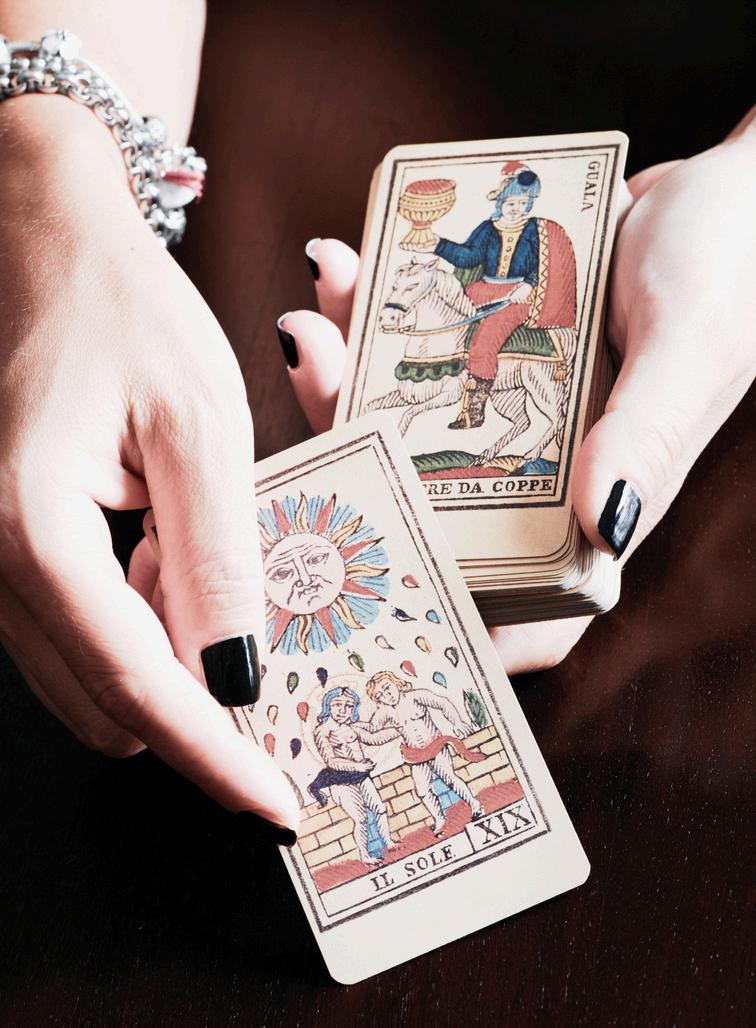
Around the same time, I was studying Reiki and working with crystals. During frequent trips to the local metaphysical shop to expand my crystal collection, I noticed something familiar. I kept starting my tour of the shop in the same spot, a corner nook with shelves full of tarot and oracle decks and a seating area with several open decks for customers to explore. I’d pull cards, look up meanings in the guidebooks, and study the imagery.
Eventually, I stopped resisting and brought a tarot deck home. This time, I didn’t treat tarot as a party trick. It was the next step in the healing journey I’d begun with the oracle cards. I read books, took classes, and had sessions with experienced tarot readers. I filled a Pinterest board with tarot spreads for self-exploration and personal growth. I filled journals with my spreads, interpretations, and self-reflections. I even nurtured my inner child by using tarot card stickers in my journal.
I didn’t ask the cards what would happen. I asked what I needed to know about what’s happening.
So, you might be wondering, how does tarot help with selfreflection? The conscious part of our brain prefers logic and evidence. Our unconscious mind communicates through metaphor, patterns, and emotions. Tarot acts as a translator, offering images, archetypes, and stories that give words to the sensations bubbling through our unconscious mind.
When you lay out cards, you give your unconscious mind something tangible to respond to. I’ll pause here to say that tarot cards and other metaphysical divination tools, such as oracle cards and runes, aren’t the only way to create this bridge between the conscious and unconscious minds.
You might find the same clarity intentionally watching shapes evolve in the clouds, exploring art pieces in a museum, or maybe even flipping through your Pokémon cards.
Images, symbols, and colors invite memories, associations, and sensations into your conscious mind, bypassing the pathways that seek facts and data. You may notice that certain cards draw your attention, while others feel familiar or unsettling. Those reactions open the door to deep reflection and personal growth.
After a while, I began sharing my readings with friends. It started as a hobby, kind of like back in my 20s, but without parties and hangovers. Then I began to take it more seriously. And when I focused on reflection rather than fortune-telling, the readings were surprisingly helpful. People didn’t leave with predictions. They left with insight. With language for what they were already sensing but didn’t have words for.
I learned how to connect more deeply with my intuition, eventually reading professionally at a few events and offering private sessions. Tarot became one of many tools I use to facilitate self-understanding and to share my intuitive insights with others. I have even used tarot spreads while writing fiction, using cards to break through writer’s block, explore character motivation, and fill plot holes.
The most important lesson I’ve learned on this journey is that when used for self-reflection, tarot doesn’t tell you anything you don’t already know.
Tarot can help you access messages tucked away in your unconscious mind.
We live in a world that values data and evidence over intuition. Now, don’t get me wrong, I like knowing the pilot flying my plane isn’t just trusting her gut to get us back to the ground safely. However, it’s important to discern when to follow experts' directions and when to listen to ourselves. Tarot is one way to find that discernment.
Tarot also offers structure without being rigid. The cards provide a common language, but their interpretation is fluid. Two people can pull the same card and have completely different insights. Hundreds of artists have reimagined traditional cards to align with textbook interpretations while adding flexibility for user interpretations.
There is no single correct reading. There is only what is true for you at that moment.
Tarot has become my favorite reflective practice, a way to slow down, listen, and ask better questions. It complements meditation, journaling, and other practices for nervous system regulation rather than replacing them. Most days, a single card is enough. Other days, a full spread provides lightning bolts of clarity.
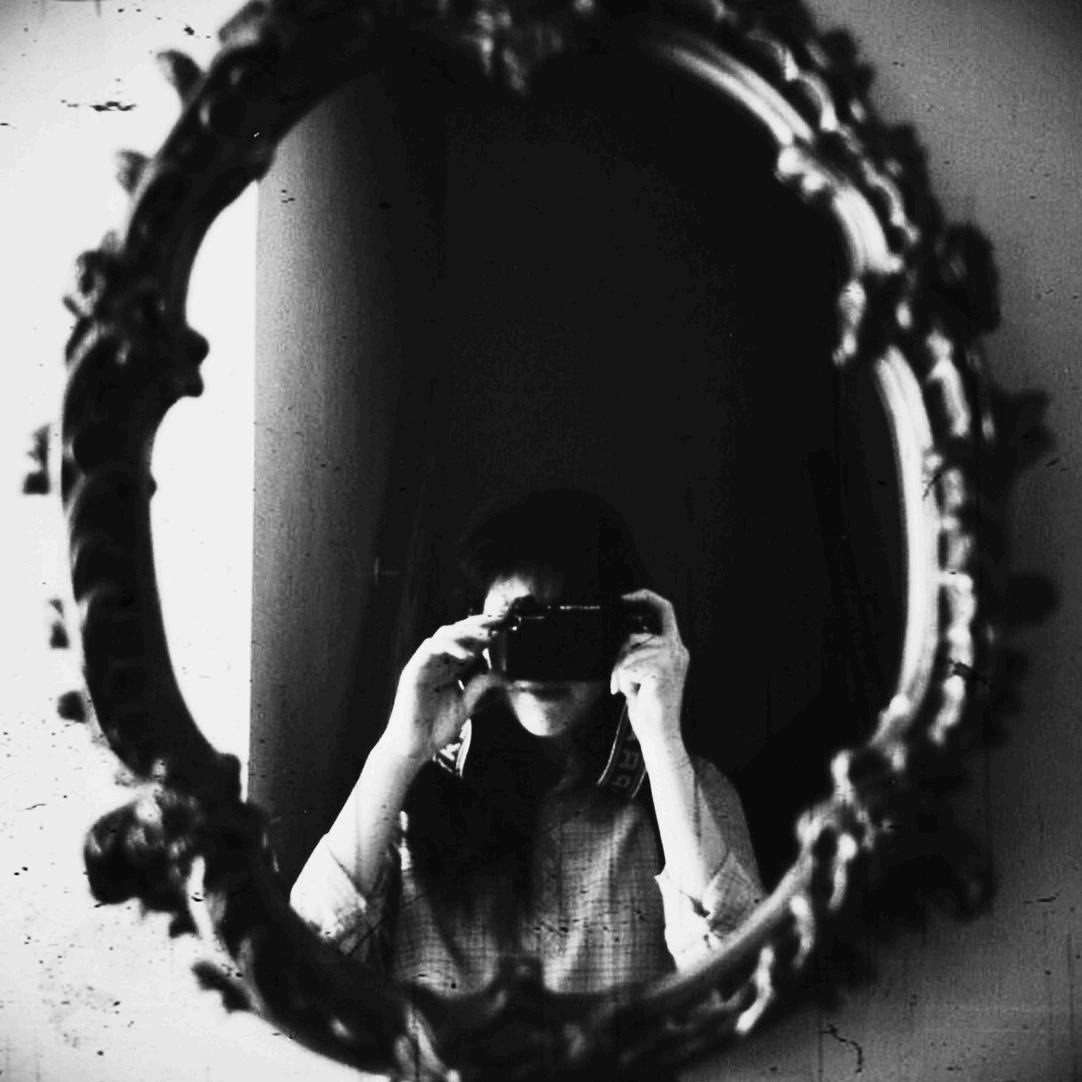
If you’ve ever felt disconnected from your inner voice, overwhelmed by options, or unsure how to access what you already know, tarot can offer a gentle entry point. Not as a belief system, but as a mirror that reflects both light and shadow without judgment.
I didn’t become someone new through tarot. I started to remember who I’ve always been. And that, I’ve learned, is the power of using symbolic tools to look inward.
This piece was originally published on Substack Follow me there—@thisislisamadsen—for more. If you would like to book a reading with me, head to my website— https://lisamadsen.com/tarot.
When we seek wellness in community, we all benefit. We aim to create a culture of well-being in Fargo Moorhead, where individuals are inspired and empowered to lead healthier, happier lives.
Collaboration
FM Wellness Collective provides a platform for practitioners to connect, collaborate, and cultivate a supportive environment.
Empowerment
We empower wellness practitioners to thrive in their careers and empower individuals to take control of their well-being.
Inclusivity
We are committed to making wellness services accessible to all members of our community. We seek out opportunities to work with and support under represented populations.
Visibility
We enhance the visibility of wellness modalities and practitioners in the FM area to promote awareness and accessibility.
Integrity
We hold the collective and practitioners to a level of integrity that speaks to our values, ensuring ethical and responsible practices.