Senior Graphic Designer Director of Web Operations
Director of Agency Social Media
Senior Digital Advertising Specialist
ADVERTISING
VP of Business Development
Sales Representative
Business Development Representative
Senior Digital Advertising Specialist
Client Relations Director of Client Success
Marketing Admin
Accounting Specialist
DISTRIBUTION Delivery
Mike Dragosavich
Brady Drake Brady@SpotlightMediaFargo.com
Kim Cowles
Ty Betts
Amanda Frost (Folkways) and Ashley Morken (Unglued)
Kellen Feeney
Tracy Meschke
Megan Suedbeck
Matthew Haire
Sarah Cabler
Sara Jentink
Mhairi Christopherson
Tammy Fogle
Paul Hoefer
Paul@SpotlightMediaFargo.com
Al Anderson Al@SpotlightMediaFargo.com
Spencer Hall
Spencer@SpotlightMediaFargo.com
Matt Purpur
Matt@SpotlightMediaFargo.com
ClientRelations@SpotlightMediaFargo.com
Jessica Ventzke
Tyler Duclos
Missy Roberts
John Stuber
A HEALTH IS WEALTH
s I looked through this month’s issue, one theme kept coming up again and again: health is not one big decision. It is a lot of small ones.
It is getting your eyes checked before something feels wrong. It is moving your body even when the weather, your schedule, or your motivation make it easy not to. It is paying attention to your energy, your strength, your posture, your recovery, your
habits, and the way your body feels throughout the day.
This issue is built around that idea.
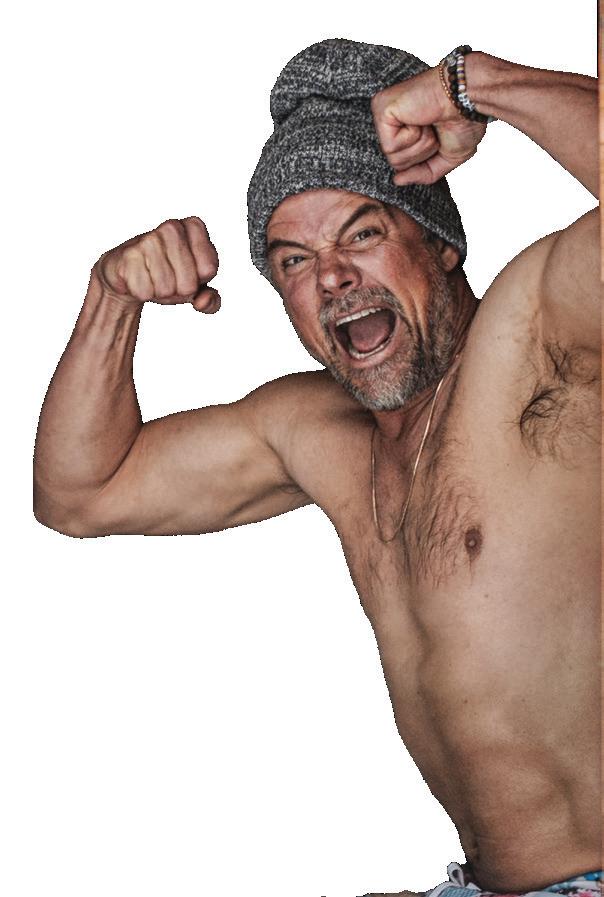
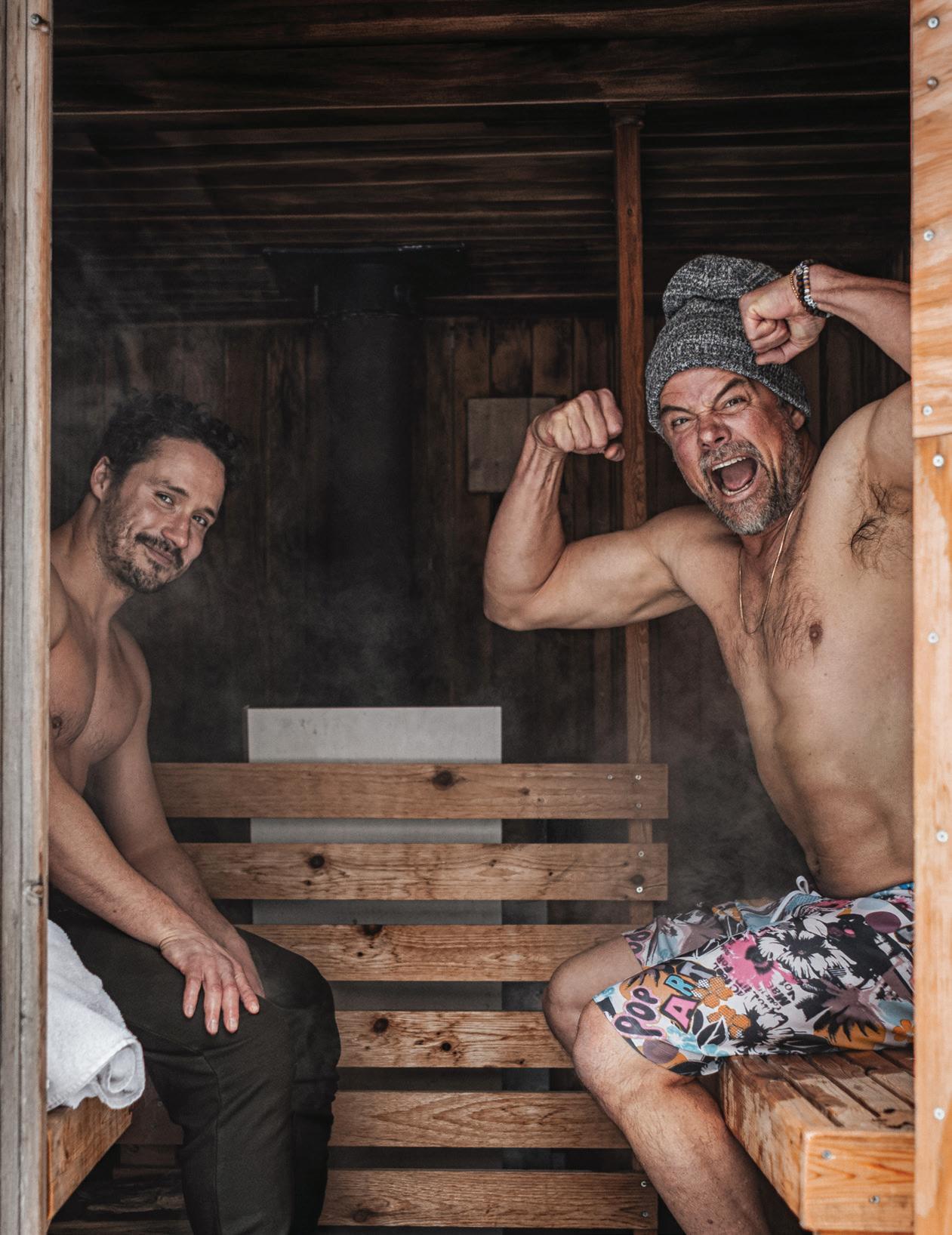
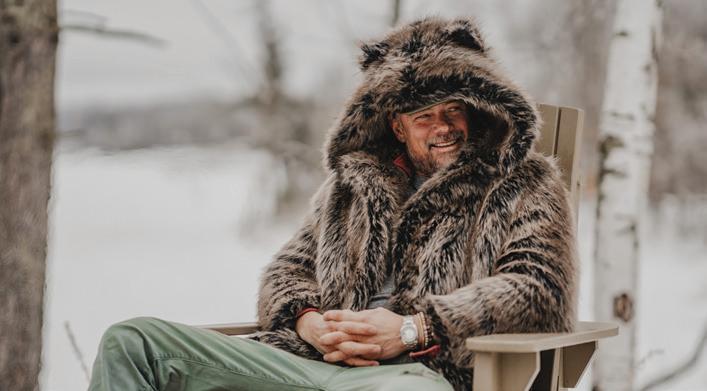
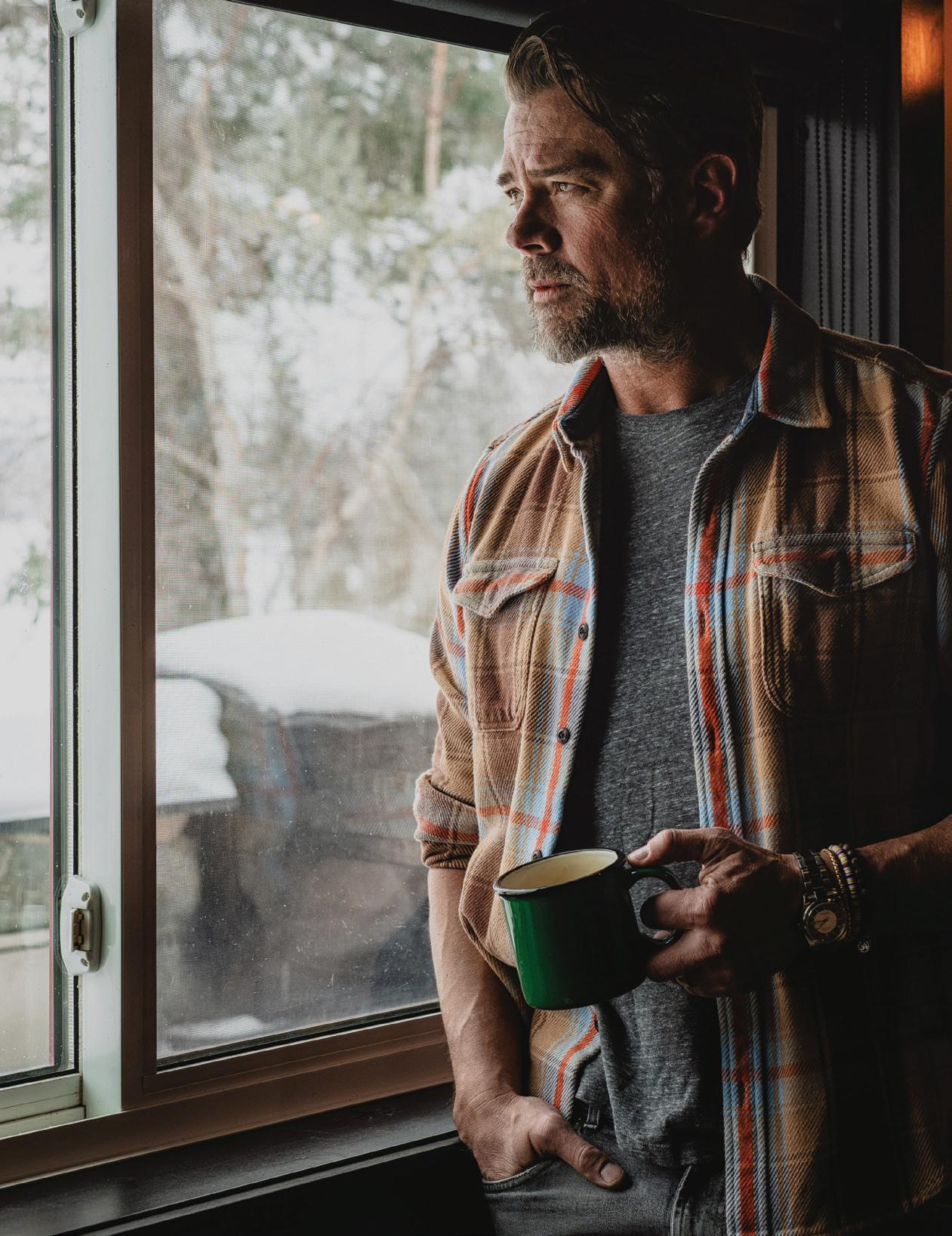
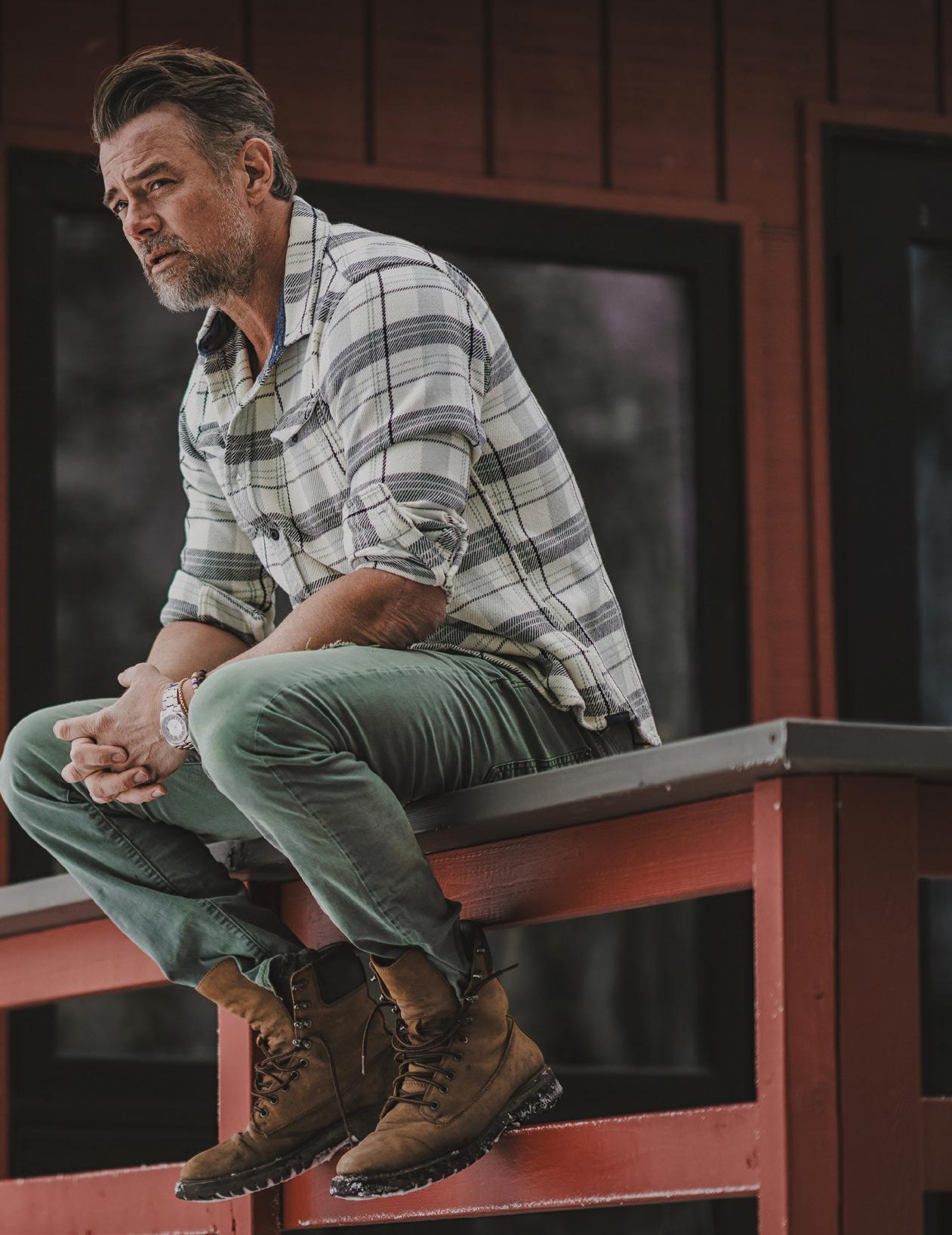
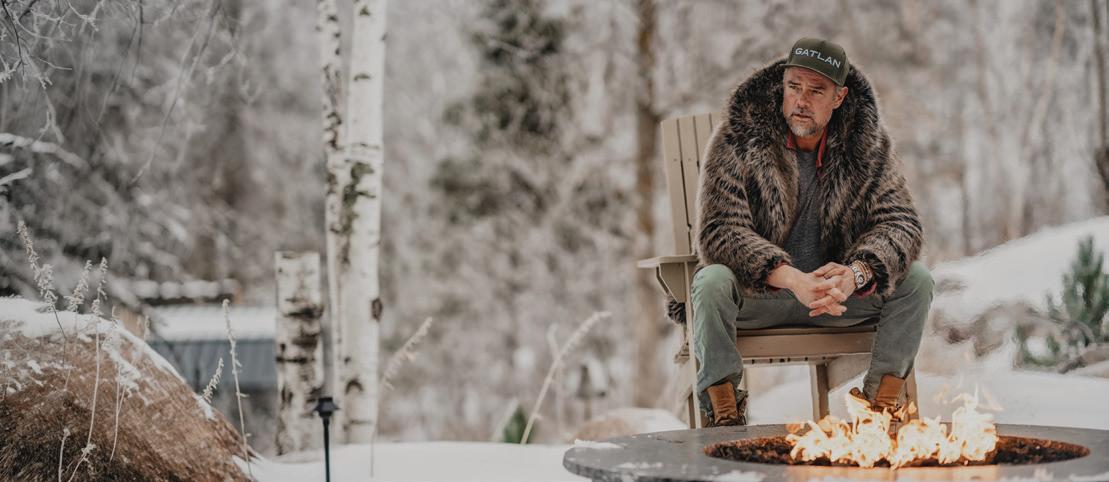
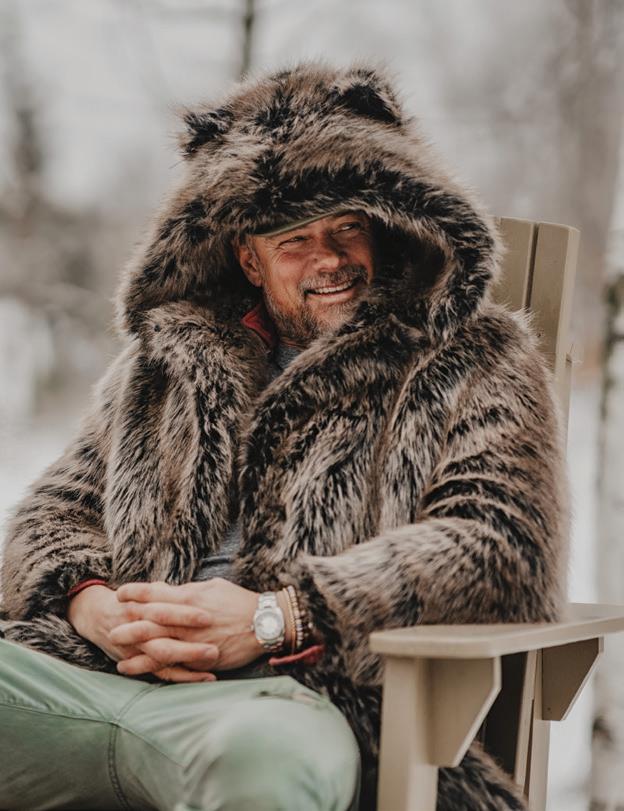
Inside, we sit down with Josh Duhamel to talk about GATLAN, hormone optimization, staying active, and why he believes more people should be proactive about understanding what is happening inside their bodies.
We also share the story of Rebekah Kilde, who has walked, run, or hiked at least three miles every single day for nearly four years. We can learn a lot about consistency, joy, and finding a form of movement you can actually stick with from her.
You’ll also meet local fitness professionals from MPF and Blueprint Personal Training, who break down what smart training really looks like, whether you are an athlete, a
beginner, or simply someone trying to build strength for everyday life.
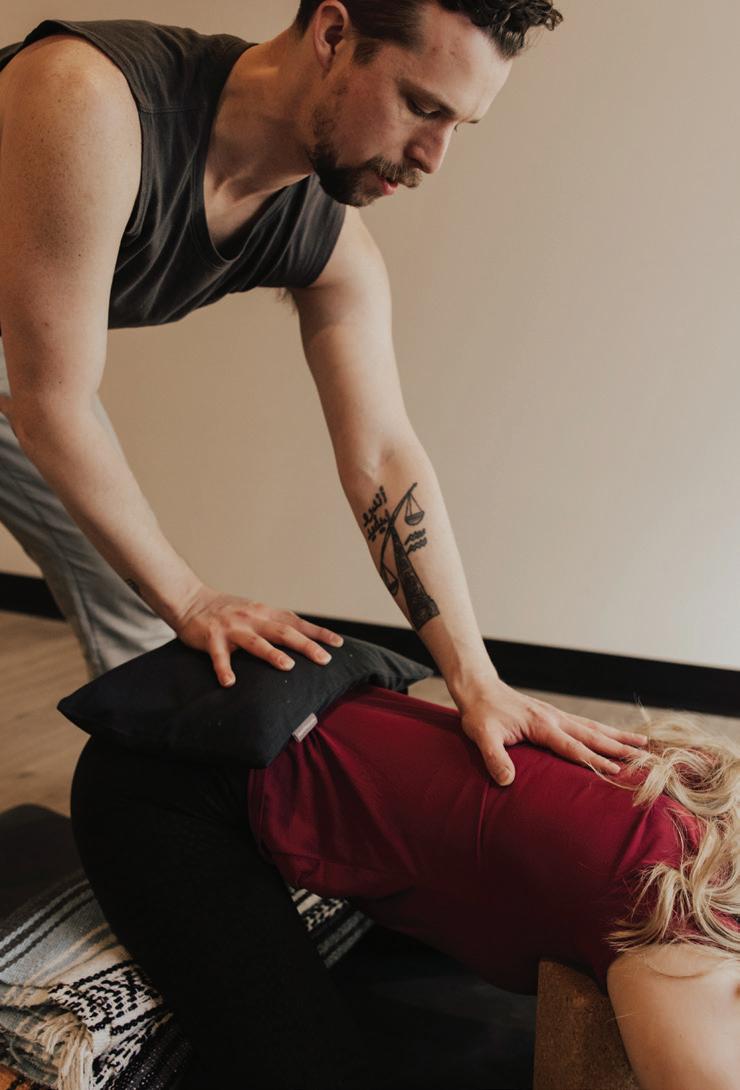
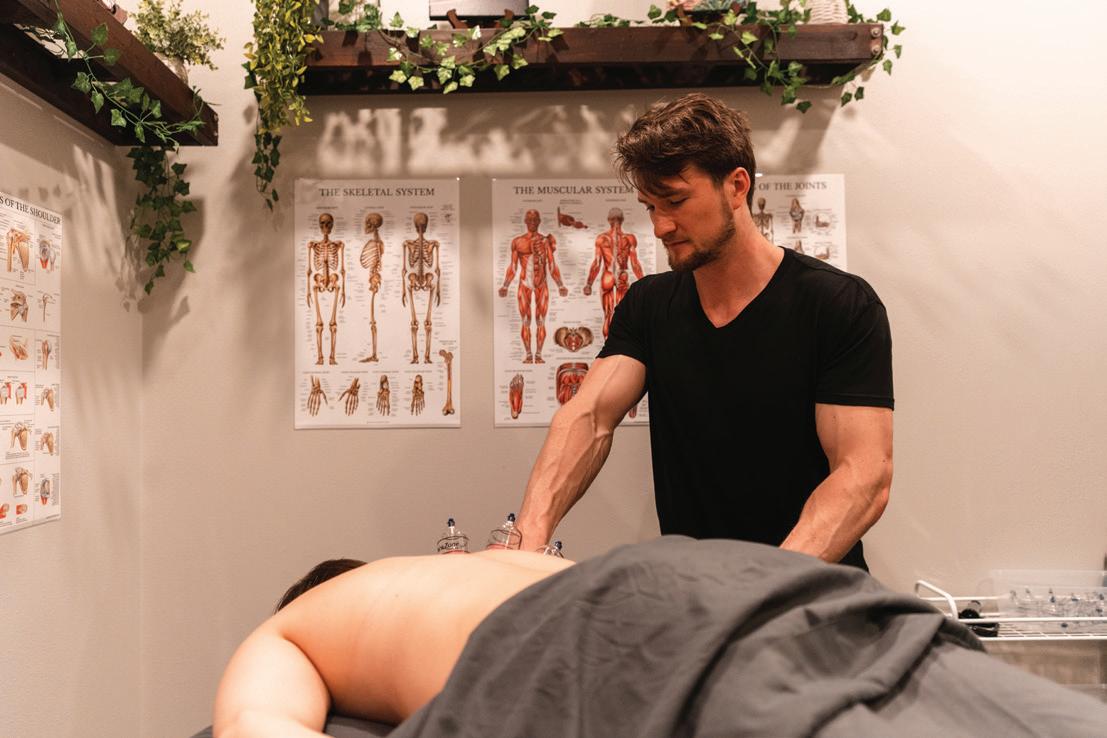
We also meet Josh Lorentz of Sports Massage by Josh, who shares his approach to mobility, pain, and longterm recovery. After dealing with joint pain as a young powerlifter, Lorentz began studying how the body works as one connected system. Now, he helps clients move better, understand their bodies, and build habits that support lasting change.
And because health is not limited to the gym, we also look at eye care with 20/20 Vision Express and
workplace wellness with Fargo Ergonomics, covering everything from routine eye exams to choosing the right office chair.
My hope is that this issue reminds you that taking care of yourself does not have to be overwhelming. Start small. Pay attention. Ask better questions. Move a little more. Book the appointment.
It all counts.
Brady Drake Meet Fargo Editor
WE Fest: Backstage Pass! Meet The WE Fest 2026 Lineup
Innova Counseling: Helping Families Grow, Together
Strive Chiropractic: Your Gut Is Talking To Your Brain. Are You Listening?
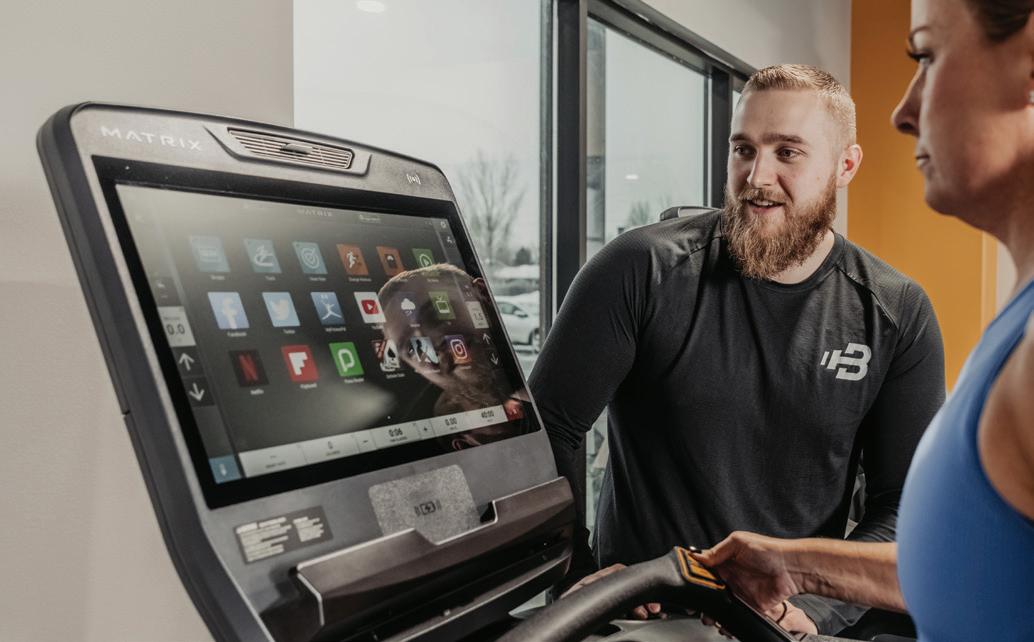
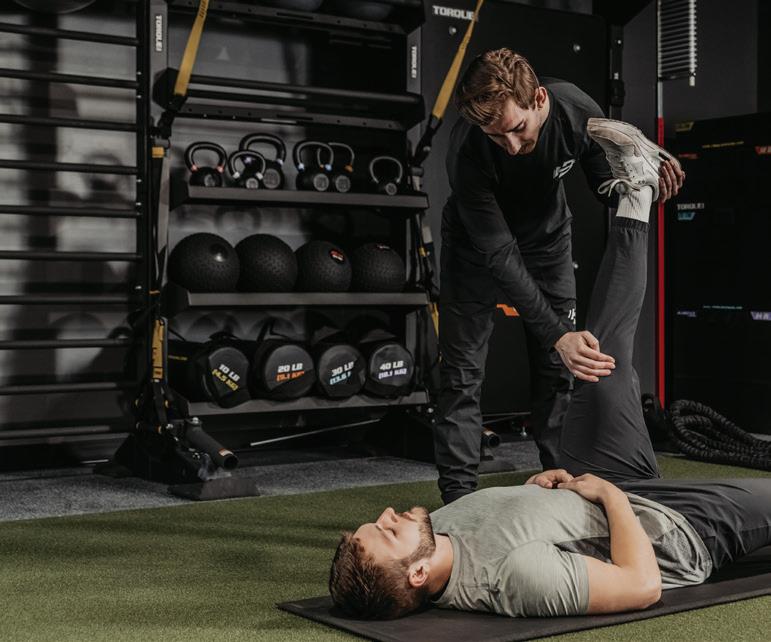
Blueprint Personal Training: Achieve Your Goals
Swanson Hyperbarics: The Power of Hyperbarics
The Signature Designers at Wimmer's Diamonds
Open Sky Laboratory: The New Lab Visit
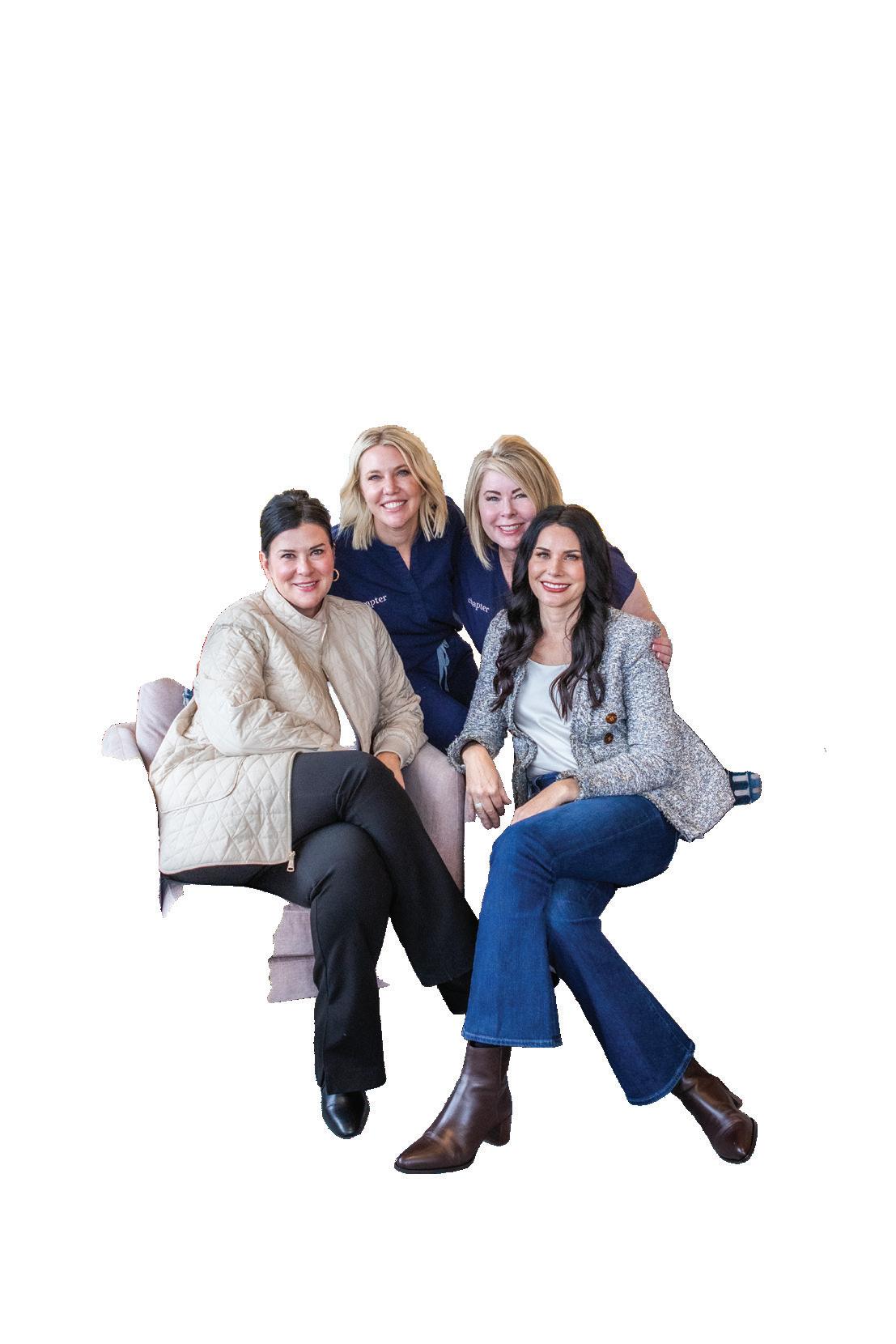
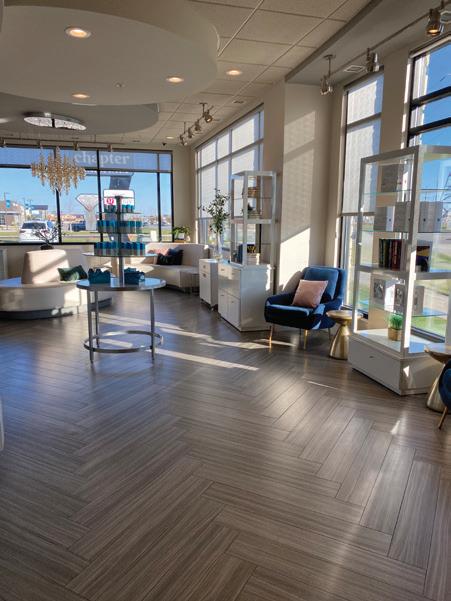
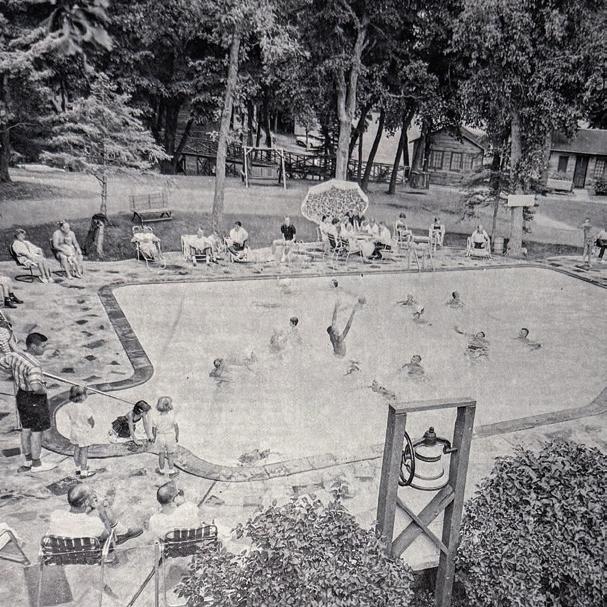
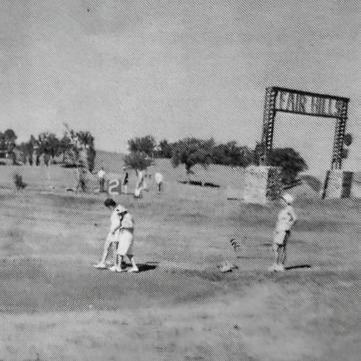
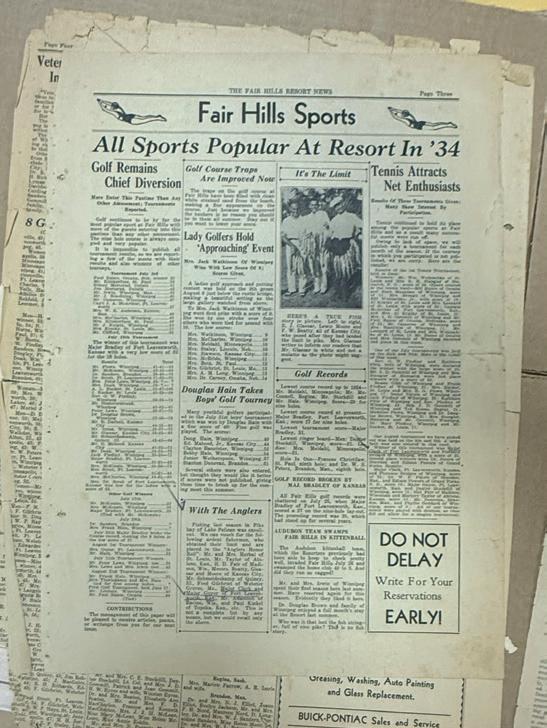
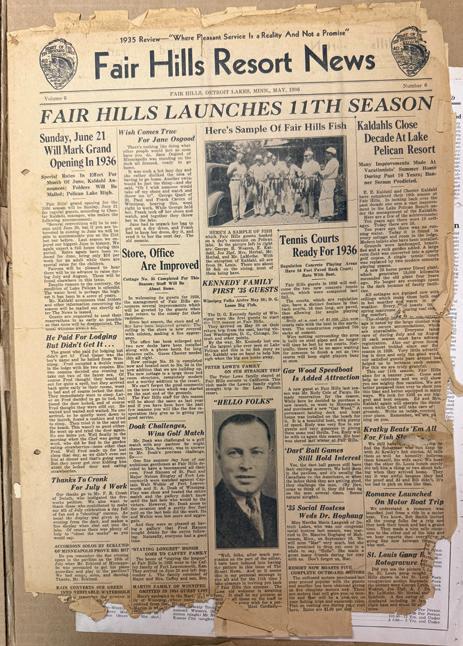
Chapter Aesthetic Studio: From Fargo Fair Hills at 100
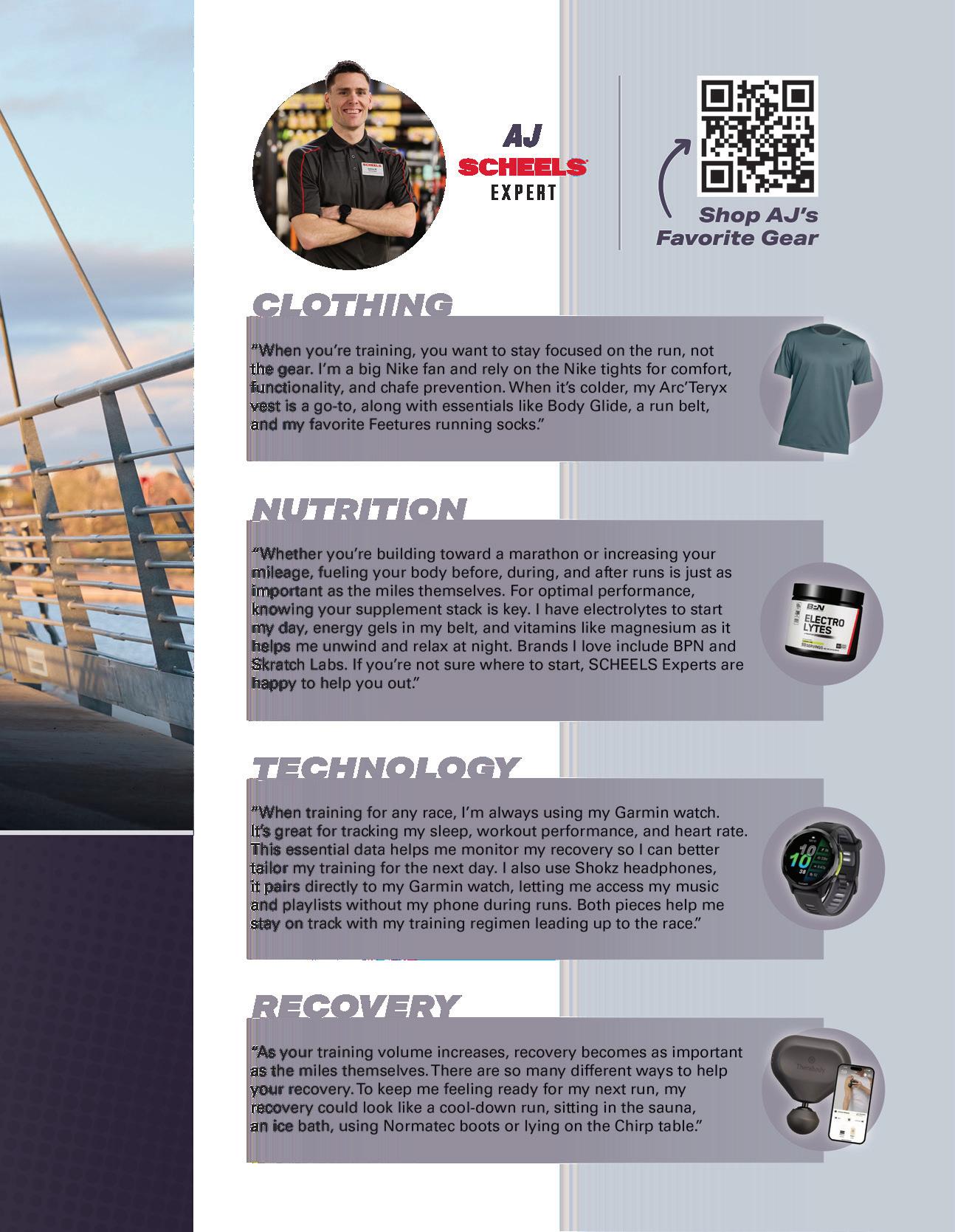
SCHEELS: Get Race Ready With AJ 6 Reasons to Love Family Wellness Brew Bird: Taking Care of the Customer
Josh Duhamel On Staying In The Game Keep Your Eyes Healthy With 20/20 Vision Express
How To Choose The Best Office Chair Faster, Stronger, Better: The MPF Standard
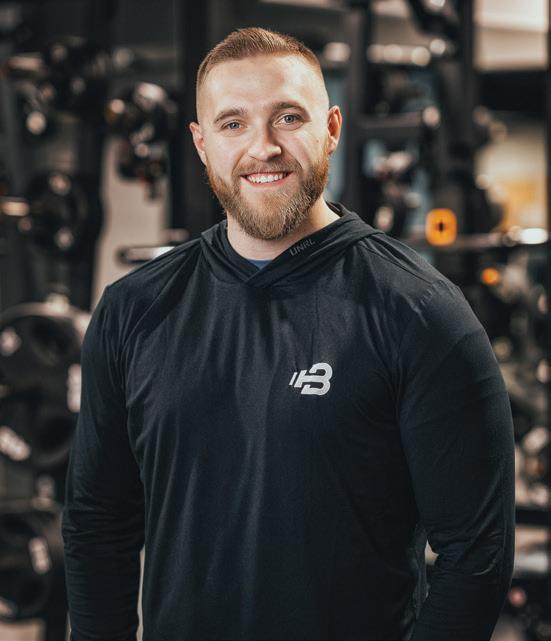
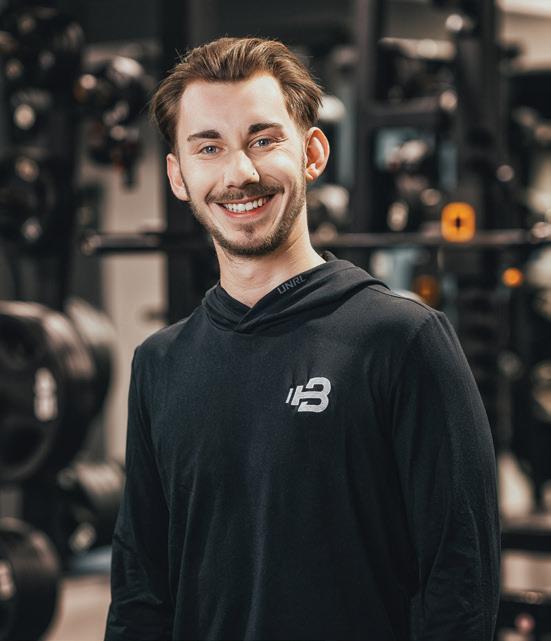
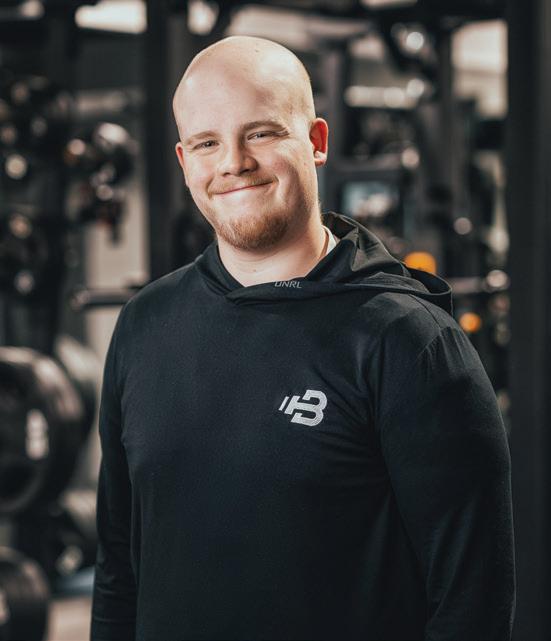
Meet The Blueprint Personal Training Team
Finding The Body Again The Power of Movement
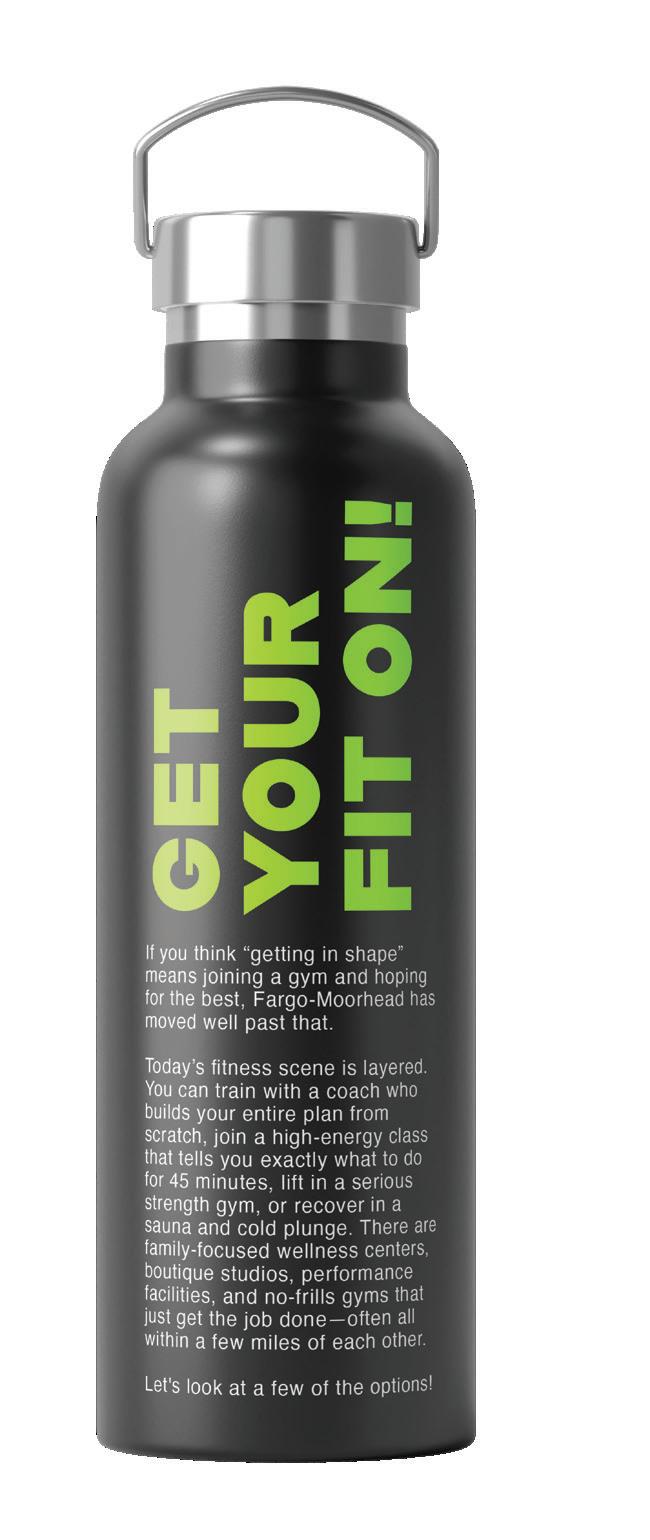
Mobility! Sports Massage by Josh Get Your Fit On!
Birdie's Athletic Club
Meet the Maker: Erma Gersh Designs
Folkways: The Well-Being That Powers
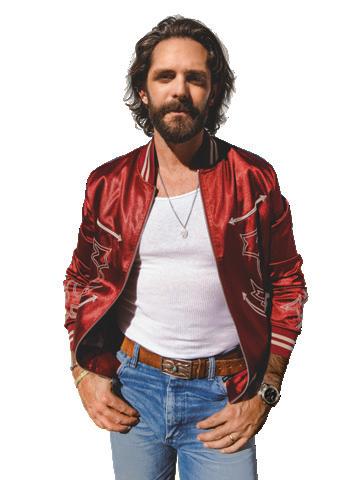
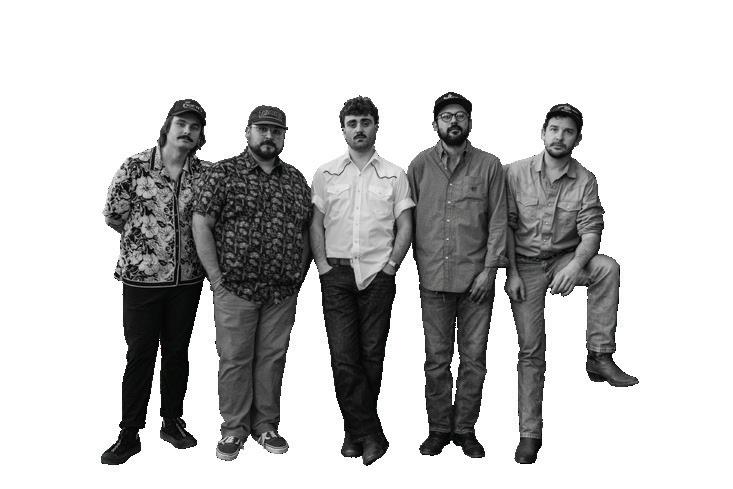
This is your chance to get to know the artists behind the WE Fest 2026 lineup. This year brings a powerful mix of country music legends, Hall of Fame icons, rising stars, and fan-favorite hitmakers — all coming together for four unforgettable days at Soo Pass Ranch. Dive into fun facts, career highlights, home states, and what makes each performer a must-see this summer.
shows balance production with charm, making him a major crowd-pleaser. At WE Fest, expect sing-alongs, romance, and high-energy favorites.
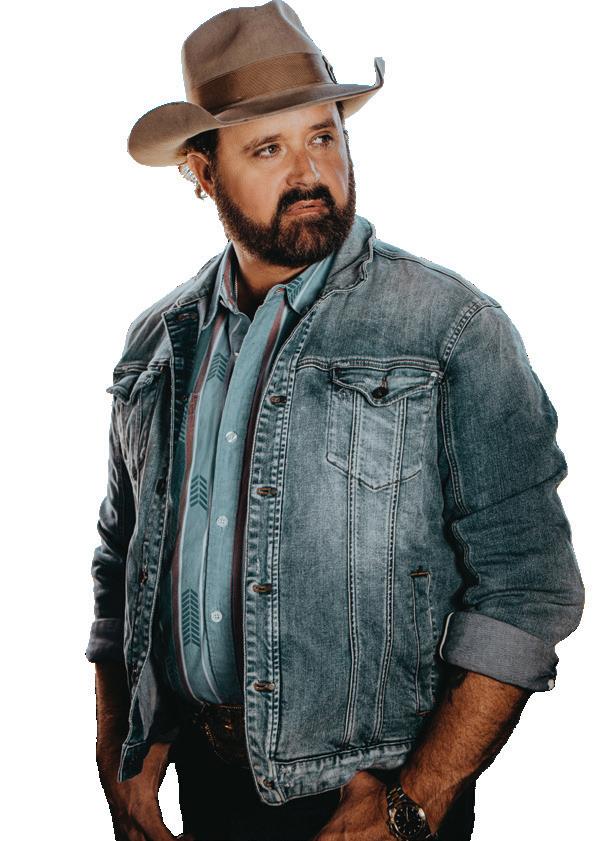
I can't wait to play the legendary WE FEST stage this year. My band and I have an absolute blast any time we get to play in Minnesota. The fans up there are just incredible and the energy is always off the charts. Last time we played outdoors in Minneapolis it was minus 10, so I am especially excited to be coming back in the summertime."
— Thomas Rhett
Home State: Louisiana
Top Track: Heart Like a Truck
WE Fest History: Debut!
With her unmistakable voice, bold style, and deeply rooted storytelling, Lainey Wilson has become one of the defining artists of modern country music. The CMA Entertainer of the Year and ACM Award winner has turned songs like "Watermelon Moonshine," "Wildflowers and Wild Horses," and "Hang Tight Honey" into fan anthems. Wilson brings both grit and glamour to the stage, mixing classic country spirit with modern star power—the kind of artist who commands a massive crowd while still making every lyric feel personal.
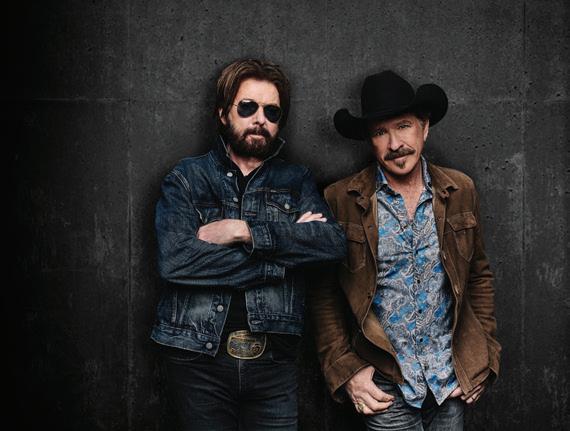
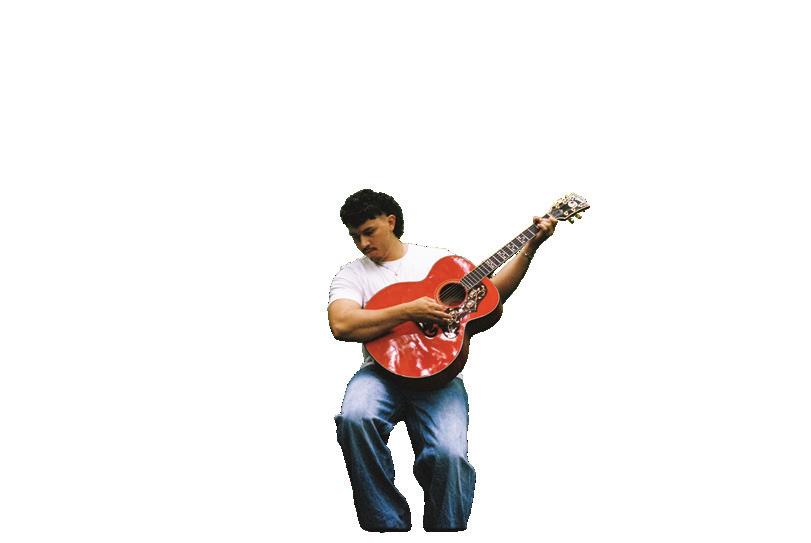
Top Track: Boot Scootin' Boogie
Home State: Oklahoma / Texas
WE Fest History: Back at the Ranch! This marks their 8th performance, most recently in 2019.
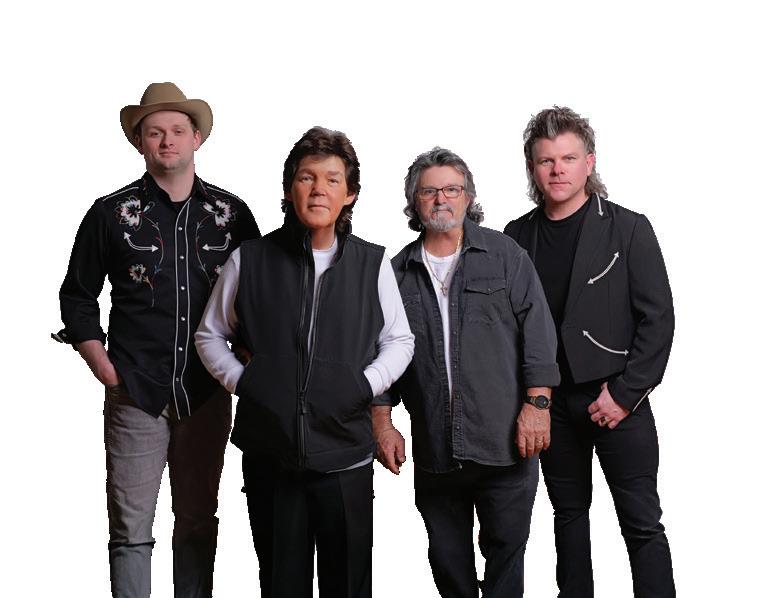
Country legends Brooks & Dunn remain among the most influential duos in the genre's history. Members of the Country Music Hall of Fame, they helped define '90s and early-2000s country with iconic hits including "Neon Moon," "My Maria," and "Red Dirt Road." Their catalog is stacked with timeless songs that still light up festival crowds decades later. Seeing Brooks & Dunn at WE Fest means getting a masterclass in country music history — with a lot of dancing mixed in.
Top Track: Pontoon
Home State: Alabama / Tennessee / Arkansas
WE Fest History: Back at the Ranch! They last performed in 2013.
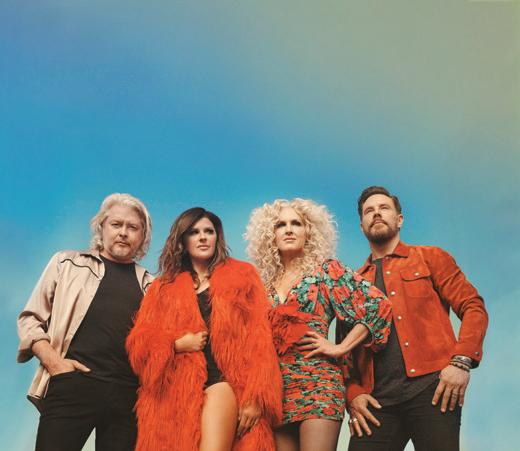
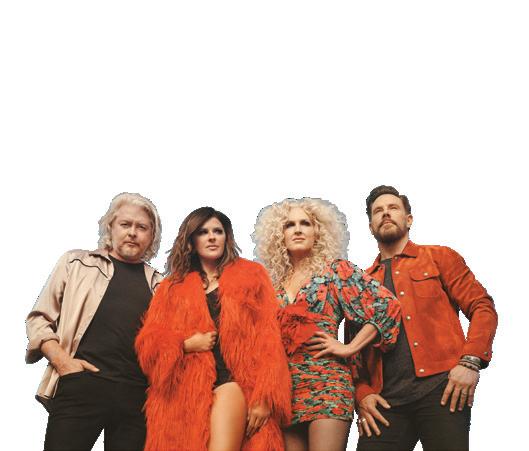
Known for their rich four-part harmonies and genre-crossing sound, Little Big Town has long stood out as one of country music's most respected groups. The Grammy, CMA, and ACM Award-winning band has delivered standout songs like "Girl Crush," "Boondocks," and "Better Man." Their music moves effortlessly between fun summer tracks and emotionally layered ballads—making them a perfect fit for a festival stage. Expect vocal fireworks and major crowd moments.
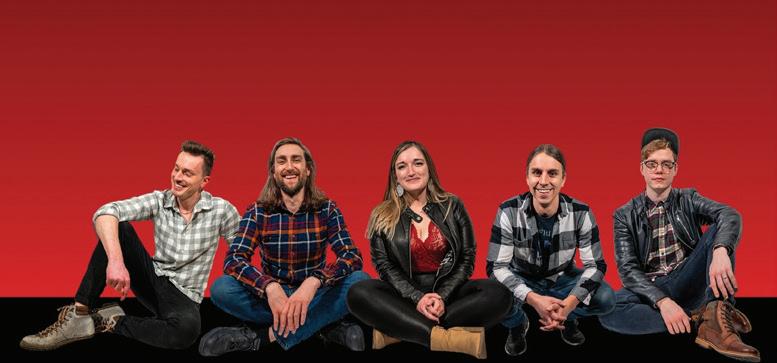
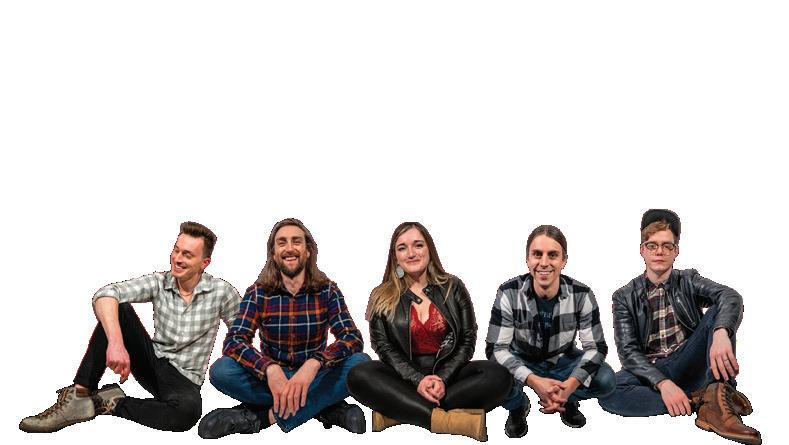
Fun Fact: One of the most beloved bands in the Red Dirt / Texas country scene
Home State: texas
WE Fest History: Debut!
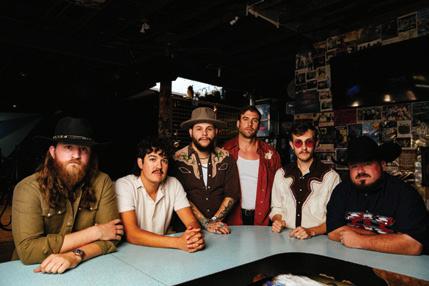
Texas favorites Flatland Cavalry have built a passionate following with a sound that blends Red Dirt grit, Americana warmth, and modern country storytelling. Led by Cleto Cordero, the band is known for songs like "A Life Where We Work Out," "Sleeping Alone," "Mountain Song," and "Wandering Star." Their music feels both intimate and expansive—a standout for fans who love authentic songwriting and a little dust-on-theboots soul. One of the most respected live bands in modern roots-country.
Top Track: In Color
Home State: Alabama
WE Fest History: Back at the Ranch! He last performed in 2019.
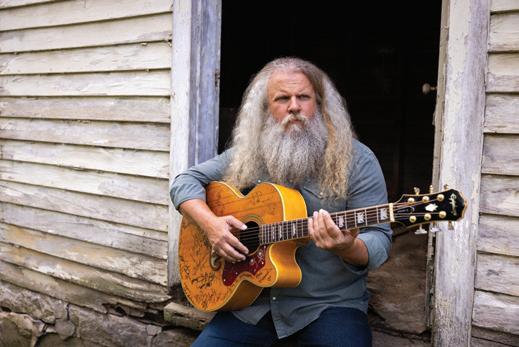
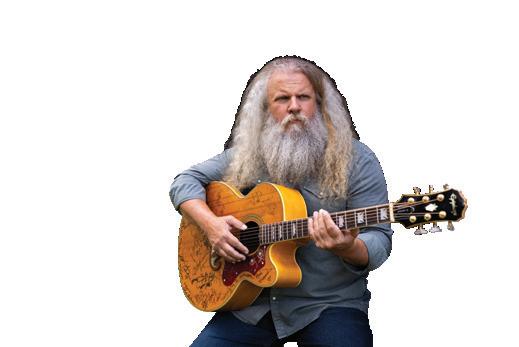
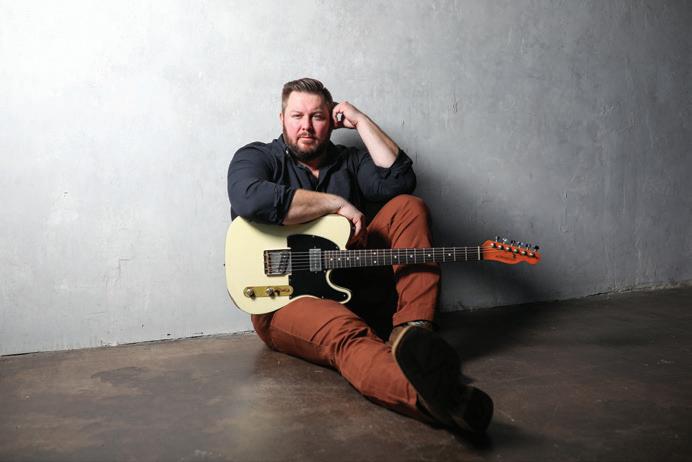
A songwriter's songwriter and one of country's most distinctive traditional voices, Jamey Johnson has earned a reputation for raw honesty and outlawcountry authenticity. The 10-time Grammy-nominated artist is also known for "High Cost of Living," "The Dollar," and "Between Jennings and Jones." His live performances are rich with grit, storytelling, and reverence for country music's roots—bringing a deeper, more reflective edge to the festival lineup that fans love him for.
Top Track: Two Dozen Roses
Home State: Alabama
WE Fest History: Debut!
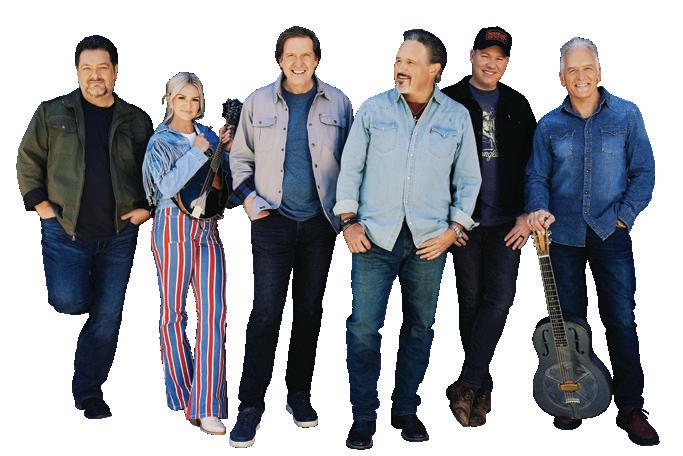
One of the most beloved vocal groups in country music, Shenandoah helped define the sound of late-'80s and early-'90s country radio. Their legacy includes "Church on Cumberland Road," "Next to You, Next to Me," and "Sunday in the South"—songs built on harmonies and emotionally resonant storytelling that continue to connect with longtime country fans. This year they celebrate 40 years together, making their WE Fest debut one of the most special moments of the weekend.
We can't wait to play the legendary WE Fest this year, especially as we celebrate 40 years of Shenandoah. There's nothing like getting out in front of fans who have been with us for decades, and WE Fest has that kind of energy. It's going to be a special night for us, and we're looking forward to being a part of it."
— Marty Raybon of Shenandoah
Top Track: One More Day
Home State: Tennessee
WE Fest History: Back at the Ranch! They last performed in 2001.
With impeccable musicianship and a long list of radio staples, Diamond Rio remains one of country music's most respected bands. The Grammy-winning group is also known for "Meet in the Middle," "Beautiful Mess," and "Unbelievable." Their polished sound and strong harmonies have helped them stand the test of time across decades of country radio. A perfect reminder that great songs never go out of style.
Top Track: Whiskey on You
Home State: California
WE Fest History: Debut!
With one of the most recognizable voices in contemporary country, Nate Smith has become a major force in the genre's newer wave. He followed his breakout success with songs like "World on Fire," "Bulletproof," and "Fix What You Didn't Break." Known for emotional vocals and radio-ready hooks, Smith has quickly earned award nominations and a devoted fan base. He's the kind of artist who turns a festival slot into a major moment.
I'm fired up to be back at WE Fest this year! It's not just a stop — it's circled on our tour schedule. Minnesota brings an energy you feel long after leaving the stage, and the latesummer feel there is unforgettable every time."
— Randy Houser
Top Track: A Lot More Free Home State: Oregon
WE Fest History: Debut!
Singer-songwriter Max McNown is one of the most exciting newer names in the country-folk space, building momentum with a heartfelt, introspective sound. Songs like "Better Me For You (Brown Eyes)" have helped establish him as an artist to watch. McNown brings emotional storytelling and a fresh perspective to the lineup—a strong "discover him now" artist for WE Fest fans.
Blending humor, personality, and country-rock energy, Cooper Alan has become a breakout entertainer for a new generation of country fans. Known for songs like "Take Forever (Hally's Song)," "First Rodeo," "Plead the Fifth," and "To the Bar," he brings a playful, highly engaging style to the stage. Alan is especially popular with younger fans and festival audiences who love a little fun mixed into their country—a modern entertainer in every sense of the word.
Top Track: Black Creek
Home State: Georgia
WE Fest History: Debut!
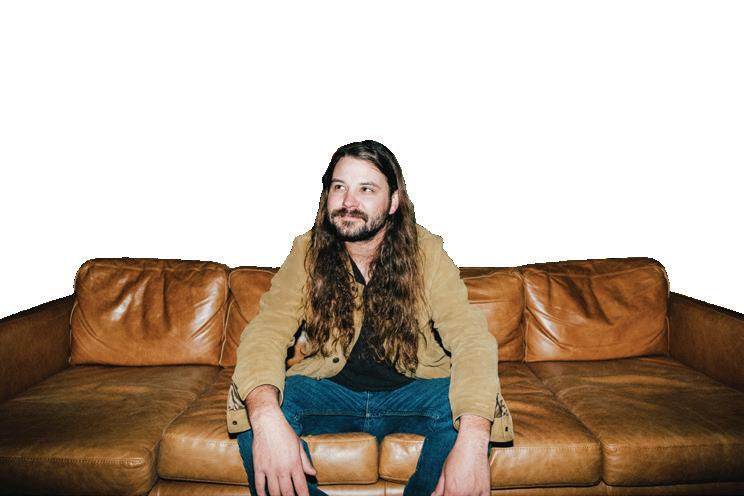
Singer-songwriter Brent Cobb brings a roots-driven, Southern storytelling style to the lineup. Also known for "Feet Off the Ground," "Keep 'Em on They Toes," and "Shine on Rainy Day," Cobb is widely respected in Nashville as a songwriter. His music carries a laid-back, lived-in honesty that resonates deeply with fans who love country with character and soul.
Top Track: Johnny Moonshine
Home State: Virginia
WE Fest History: Debut!
and "Tough Love." Nichols brings a mix of sass, vulnerability, and modern country polish that plays especially well in a live setting—a strong addition for fans watching the next wave of
Fun Fact: A rising name in the Red Dirt / Americana scene
Home State: Texas
One of the most exciting newer voices in the alt-country and Americana scene, Maggie Antone is gaining attention for her sharp songwriting and distinctive style. Songs like "Suburban Outlaw" and "Everyone But You" have helped establish her as a rising standout. Her sound combines classic country influences with a modern, independent edge that feels fresh and fearless—exactly the kind of emerging artist fans love discovering at a festival.
WE Fest History: Debut!
A band with a growing reputation for authentic songwriting and a roots-forward sound, The Droptines bring a rugged, independent spirit to the lineup. Their music taps into the Red Dirt and Americana lanes while still feeling accessible to country fans. Expect a set that feels honest, energetic, and road-tested.
Fun Fact: Known for harmony-forward country and a strong Midwest fanbase
Home State: Iowa
WE Fest History: Debut!
Known for their harmony-driven country sound and strong live presence, The Kruse Brothers bring heartland energy to the WE Fest lineup. Their style feels rooted in classic country values while still appealing to today's audiences. They've built a loyal following through touring and genuine fan connection—the kind of act that feels right at home on a summer festival bill.
Top Track: Tell Me Tennessee
Home State: Illinois
WE Fest History: Debut!
Matt Schuster has been steadily building a fanbase with an approachable, modern-country style and anthemic hooks. His music blends upbeat energy with emotional honesty—a strong fit for a festival crowd. Part of the new wave of artists connecting with fans through both streaming and live performance, his set should bring plenty of youthful energy to the weekend.
Home State: minnesota
WE Fest History: Debut!
Fun Fact: A fresh, high-energy addition to the modern country scene
Home State: Minnesota
WE Fest History: Back at the Ranch! They last performed in 2015
With a name built for a festival poster and a sound aimed at modern country fans, Maiden Dixie adds personality and momentum to the lineup. Their performance will likely bring strong crowd interaction and fresh energy—a fun addition to the
Fun Fact: Part of a new wave of country artists building their fanbase through live shows and a strong online following
Braden Jamison brings fresh energy to the WE Fest lineup with a sound that blends modern country with laid-back confidence.
Part of the next wave of performers making waves in the country scene, he's gaining attention for his growing catalog and stage presence. If you love discovering an artist early, Braden is one to watch this year.
Fun Fact: An emerging country artist bringing fresh energy to the lineup
Home State: minnesota
WE Fest History: Debut!
Nathan Bess adds another layer of up-and-coming talent to the lineup, bringing fresh songs and new energy to the weekend. His set offers fans a chance to discover someone before they break big—and that kind of discovery is part of the WE Fest magic.
Fun Fact: A rising artist with a strong live-show presence
Home State: Minnesota
WE Fest History: Debut!
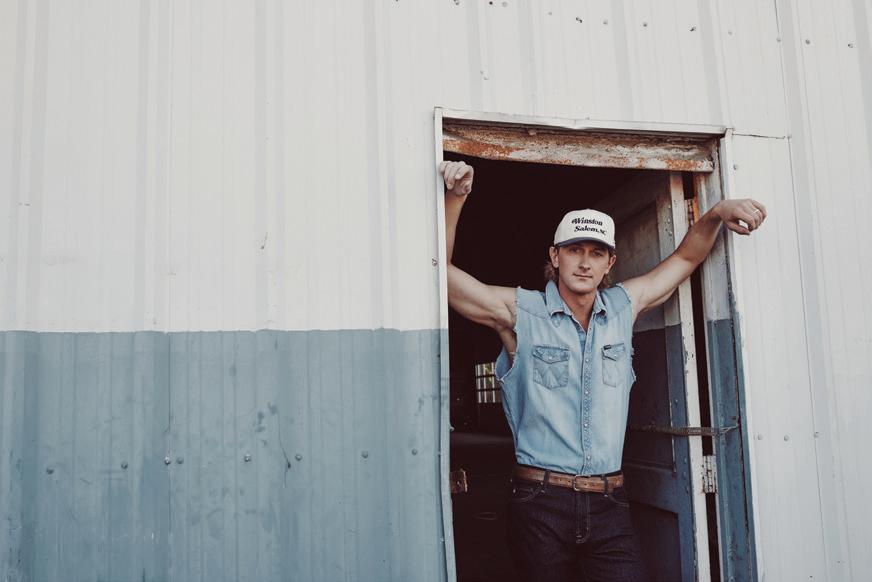
Matt Rogers brings another strong emerging voice to the WE Fest stage. Festival fans often leave talking about the artists they didn't know before—and Rogers has the potential to be one of those names. Catch him early.
scan here to WATCH OUR INTERVIEW WITH MATT ROGERs:
Fun Fact: A regional favorite with strong live energy
Home State: Minnesota
WE Fest History: Debut!
A crowd-pleaser for regional fans, the Dan Brekke Band brings local, live-tested energy to the WE Fest experience. Bands like this often deliver some of the most fun and unexpectedly memorable festival sets. Expect a performance that feels right at home in the WE Fest atmosphere.
Fun Fact: A rising artist with strong country festival appeal
Home State: Minnesota
WE Fest History: Debut!
Zach Thomas adds fresh talent and new momentum to the bill.
Fun Fact: A fresh female voice in the WE Fest lineup
Home State: minnesota
WE Fest History: Back at the Ranch!
She last performed in 2022
Brianna Helbling brings a promising female voice into the WE Fest mix, helping showcase the breadth of talent across the lineup. Artists at this stage often win over audiences quickly in a live setting—she's one to watch.
Leila Noelle rounds out the lineup with emerging-star energy and a fresh perspective. She represents the kind of artist fans love saying they saw early. WE Fest is the perfect place for that kind of introduction.
Helping Families Grow, Together
Innova Counseling is Here
Innova Counseling's Approach
Therapeutic Philosophy — Evidence-Based, Client-Centered Care
At Innova Counseling Services, they combine evidence-based therapeutic approaches with a client-centered focus to meet you where you are. They believe therapy works best when it is tailored to each person’s strengths, challenges, and goals. In their supportive environment, clients work collaboratively with therapists to build insight, strengthen coping skills, and create lasting positive change.
Meet the Therapists
About Alissa
Alissa DeCoteau
MSW, LCSW
Alissa is a licensed therapist who specializes in providing behavioral health services to children, adolescents, young adults and families. Her mission is to assist individuals and families with improving their overall quality of life by addressing concerns related, but not limited to, anxiety, depression, trauma, attachment issues, behavioral struggles, parent/child conflict, grief/loss, school problems, peer problems, relationships challenges and more. With 15 years of experience in the behavioral health field, Alissa uses a variety of treatment approaches to meet the needs of each individual and family. She believes in a strength’s perspective and the value of establishing a trusting therapeutic relationship. As part of the therapeutic process, clients will experience a nonjudgmental environment where they will be treated with dignity and respect.
How did you end up in counseling?
I chose counseling because it blends my interest in human behavior with my desire to make a practical, positive impact in people’s daily lives.
What about the work drew you in?
I’ve always been interested in how people think, feel, and connect. Counseling felt like a natural path to turn that interest into meaningful work.
Who do you primarily work with?
A lot of my work is with kids and adolescents. You’re often helping the whole family system, not just the individual child, which adds another layer to the work.
What are some of the most meaningful moments you see in your work?
It’s often the small moments. A kid who starts speaking up when they used to shut down. A teen who begins to understand their emotions instead of feeling controlled by them. A parent who feels more confident in how they’re supporting their child.
How do you approach working with younger clients?
It’s a lot less about sitting and talking and more about meeting them where they’re at. That can be through play, games, or creative activities. Kids communicate differently, and when you adjust to that, you can get a much better understanding of what they’re experiencing.
What are some signs someone might need extra support?
When something shifts and doesn’t bounce back. That could be mood, behavior, energy levels, or relationships. Especially with kids, it might show up as irritability, withdrawal, or changes at school. If something feels off for a while, it’s worth looking into.
Anna Charboneau MSW, LMSW
How did you end up in counseling?
I didn’t really know what I wanted to do at first. I went to NDSU for my undergrad as an undecided major, but I knew I wanted to do something that involved helping people.
I ended up getting into the social work program during my freshman year, and from there I realized I wanted to go down the path of being a therapist. That meant getting my master’s, which I did through UND while working full-time.
I also had family members and family friends in similar roles, so I was able to see the impact they had on people’s lives, and that really solidified it for me.
What about the work appealed to you?
The opportunity to support people through meaningful change is what appeals to me most. I value helping others feel understood, emotionally regulated, and more confident in expressing themselves.
What population do you primarily work with?
Mostly kids, along with teens and young adults. And with that comes working closely with families and parents—doing a lot of
About Anna
Anna is a licensed therapist specializing in behavioral health services for children, teens, and families. She is passionate about helping individuals and families find healing, personal growth, and resilience. With years of experience in the field of mental health, she utilizes a variety of therapeutic approaches to best support and address the unique needs of the individuals she works with. Her approach is grounded in a strong belief that everyone deserves a safe space to be heard, understood, and empowered. Some of her areas of focus include; anxiety & depression, selfesteem issues, behavioral struggles, and peer/family relationship issues. Anna strives to create a supportive and non-judgmental environment that encourages positive change.
parent support as well. I’ve worked with kids in different settings throughout college, so it’s something I’ve always enjoyed.
What kind of progress or success do you see with clients?
It looks different for everyone, but one of the biggest things I notice is growth in confidence.
Sometimes kids come in more reserved or struggling with self-esteem, and over time— through sessions and building skills—you can really see that transformation. That’s one of the most rewarding parts.
What approaches or modalities do you use, especially with kids?
We use a lot of play therapy. Talk therapy isn’t always effective for kids, so through play they’re able to process emotions and experiences in a way that fits their developmental level. Then we work with parents to help support those needs at home as well.
What advice would you give parents trying to build confidence in their kids?
One big thing is praising effort rather than just outcomes. When you focus only on
results—like winning or being the best—it can create pressure. But when you recognize effort, it helps build a growth mindset. Kids learn that working hard matters, even if the outcome isn’t perfect. Also, trying not to expect perfection is important. Kids are still learning, and putting that kind of pressure on them can lead to stress and anxiety over time.
Any general advice for mental health—for parents or anyone?
Self-care is huge, and it looks different for everyone. It’s about finding what helps you decompress—whether that’s going for a walk, listening to music, or journaling. Journaling, especially, can be a great outlet for both kids and adults to process thoughts without judgment.
What do you see as your biggest strength as a therapist?
I’d say being easygoing and creating a comfortable environment. I try not to make it feel overly structured—more like a natural conversation where people feel safe opening up. I also think being closer in age to many of my clients helps with connection and relatability.
Your Gut Is Talking to Your Brain. Are
You Listening?
By Dr. Jake Grinaker, Owner, Strive Chiropractic
Bloating after meals. Brain fog in the afternoon. Mood swings that don’t quite make sense. Energy that crashes for no clear reason.
Most people treat digestive problems, stress, and fatigue as separate issues. But what if they’re all connected?
They are.
Your gut and brain are in constant communication through what’s known as the gut-brain axis. And when that connection is off, it doesn’t just affect digestion. It affects how you think, feel, and function every single day.
More Than Just Digestion
communication highway between the two. For this system to work properly, the body needs to be able to shift out of stress mode and into a state where it can rest, digest, and repair.
But for many people, that shift never fully happens.
Chronic stress, poor posture, and tension in the spine can keep the nervous system stuck in fight-orflight mode. When that happens, digestion slows down, gut function becomes less efficient, and signals between the gut and brain become distorted.
Your spine protects your spinal cord, which plays a critical role in how your brain and gut communicate. When there is stress, restriction, or dysfunction in that system, it can interfere with how well your body regulates digestion, inflammation, and even mood.
Our evaluations focus on spinal alignment, mobility, posture, and measurable patterns of nervous system stress. Using objective diagnostic tools, we can identify where the body may be stuck in a stress response and how that may be impacting your gut-brain connection.
Many patients are surprised to learn their digestive and energy issues aren’t just about food. They’re about function.
Your gut does far more than break down food. It plays a major role in immune function, hormone balance, and even the production of neurotransmitters like serotonin, which heavily influence mood and emotional regulation.
That’s why gut issues often show up as more than just stomach discomfort. When the system is under stress, people may experience inconsistent digestion, anxiety, low mood, poor focus, and ongoing fatigue, all at the same time.
It’s not a coincidence. It’s communication.
When the Signal Gets Disrupted
The result? You can eat well, take supplements, and still feel off— because the system controlling everything isn’t regulating the way it should.
Why “Fixing the Gut” Isn’t Always Enough
Most approaches, such as diet changes, probiotics, and eliminating foods, focus only on the gut itself. Those can help, but they don’t address the bigger question:
Is your nervous system allowing your gut to function properly in the first place?
If the answer is no, progress can be slow, inconsistent, or temporary.
Why Getting Checked Matters
Stop Treating Symptoms in Isolation
Your body is not a collection of separate parts. It’s a connected system and your gut and brain are constantly working together.
If something feels off, there’s a reason.
Get checked. Get answers. Get your system working together again.
Strive Chiropractic is here to help you move from frustrated and foggy to clear, energized, and functioning at your best.
The gut and brain are linked through the nervous system, especially the vagus nerve, which acts like a
At Strive Chiropractic, we don’t just look at symptoms, we look at the system controlling them.
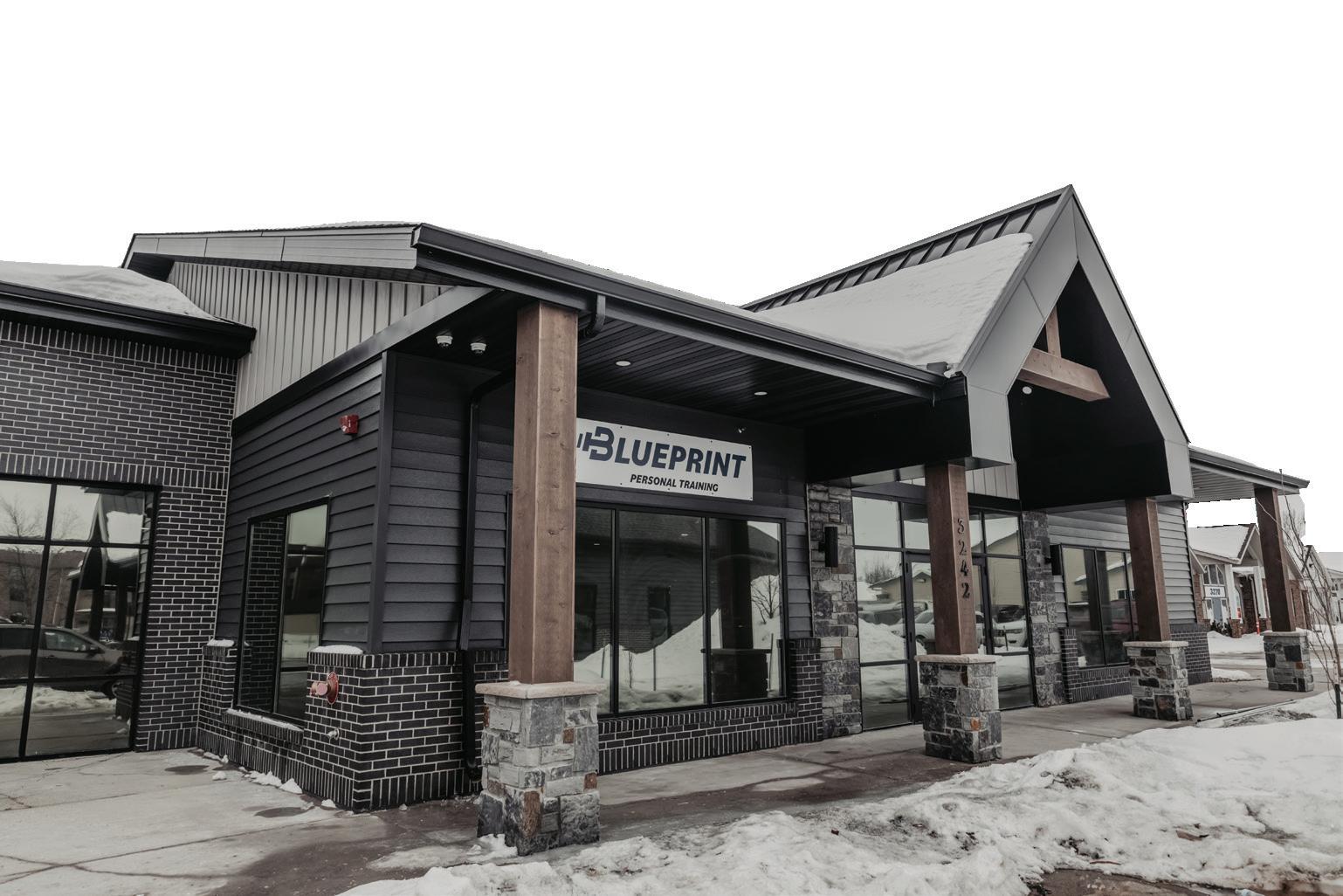
Blueprint Personal Training
Achieve Your Goals
By Brady Drake
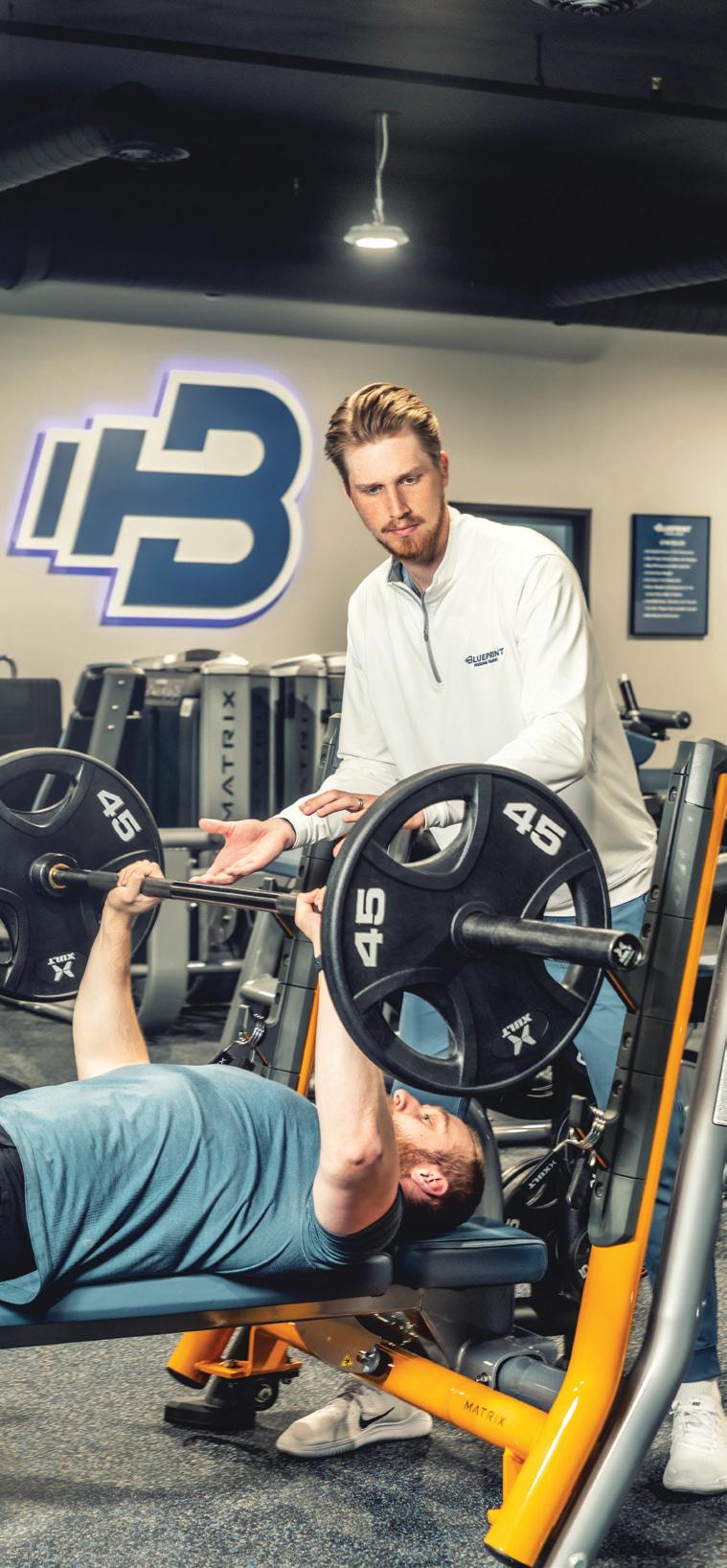
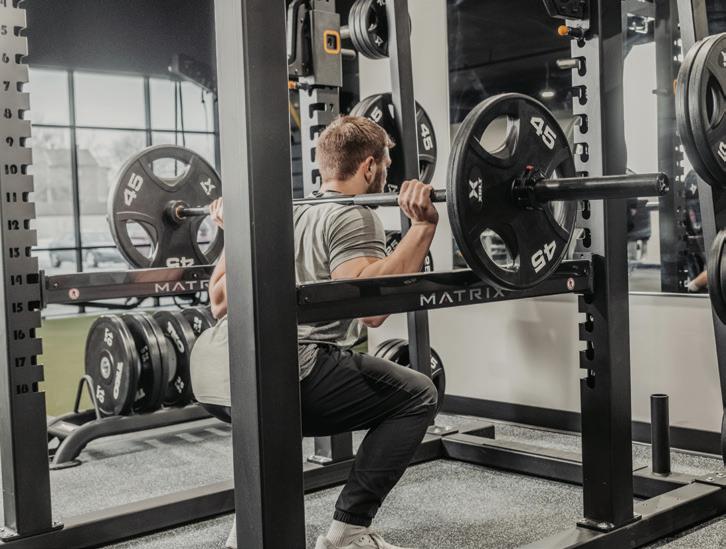
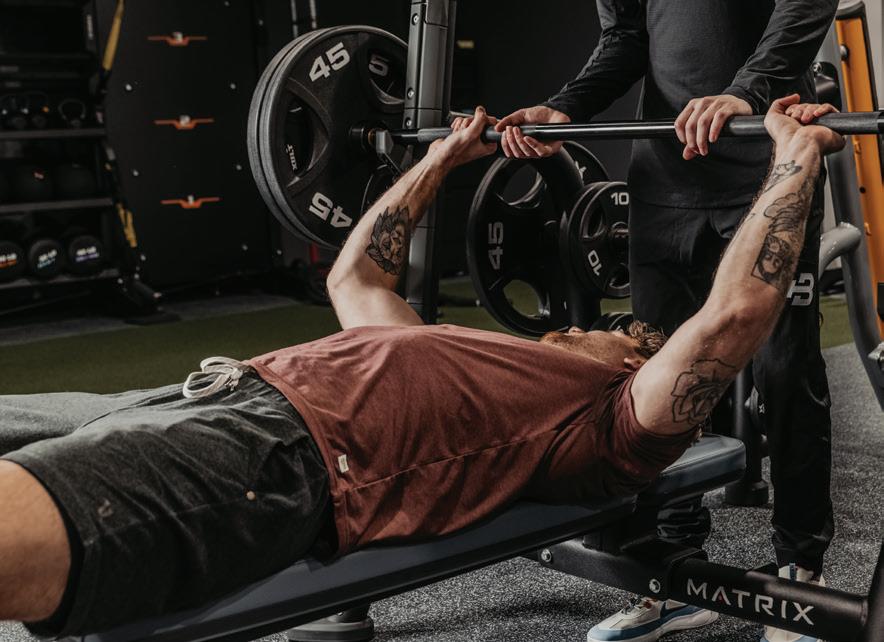
Most people don’t fail in the gym because they’re lazy. They fail because they don’t have a plan, and no one’s really paying attention.
That’s the gap Blueprint Personal Training is built to fill.
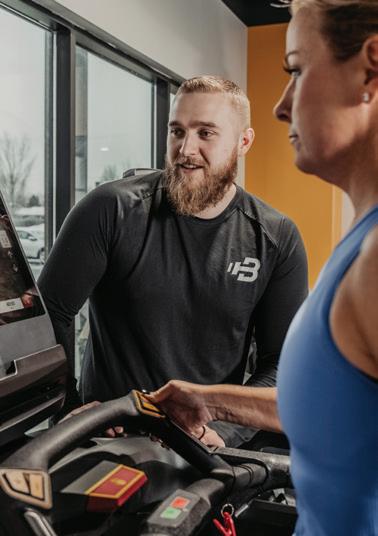
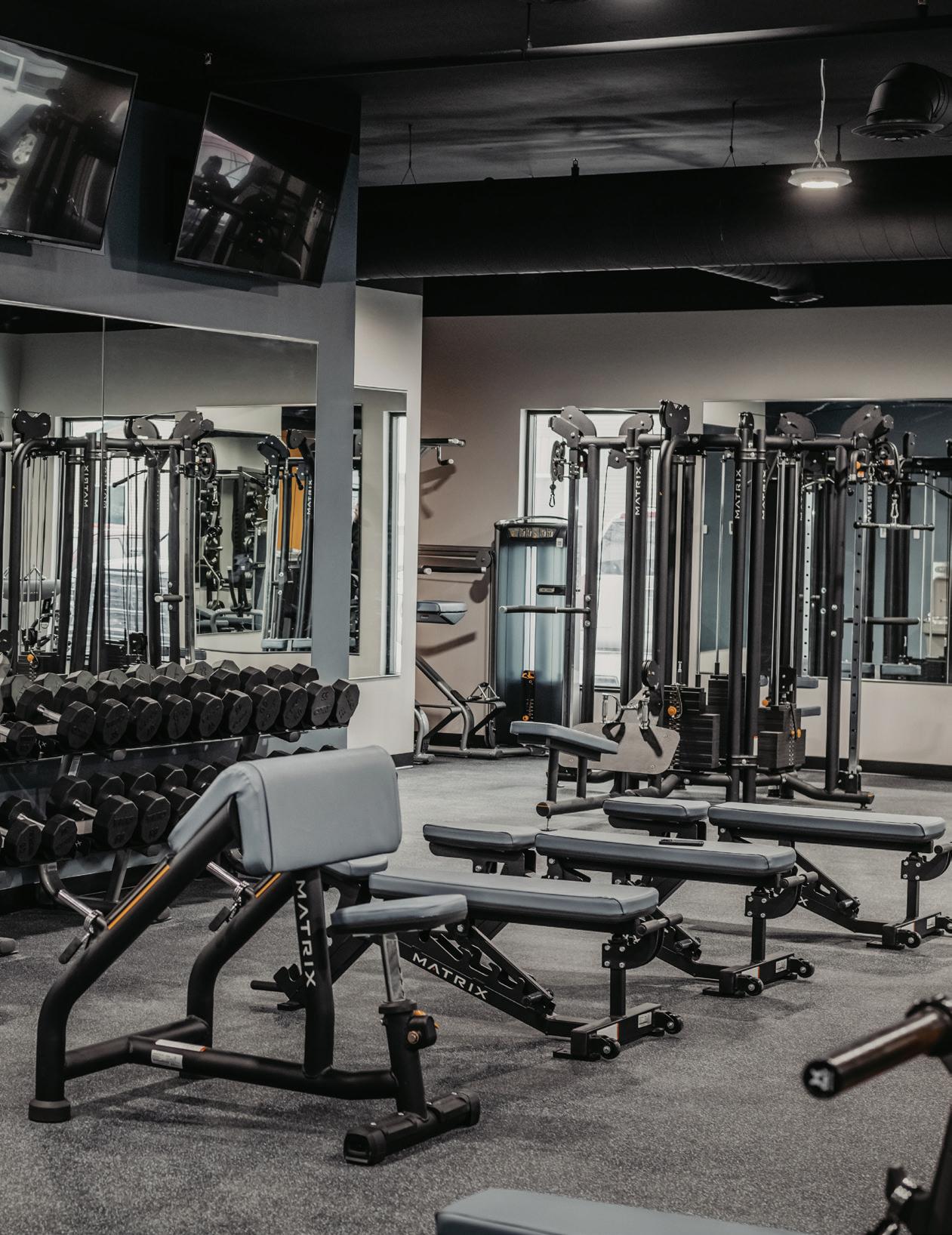
When you walk into Blueprint, it doesn’t feel like a typical gym. There’s no chaos, no waiting for equipment, no wondering what you’re supposed to do next. It’s quiet, clean, and focused. And more importantly, everything revolves around you.
Owner Alex Kelly built it that way on purpose.
He’s seen what happens in big-box gyms where trainers come and go, leading to inconsistent guidance, and people left to figure things out on their own. So he built a different experience, a place where personal training isn’t an add-on, it’s the entire experience.
That starts with the people.
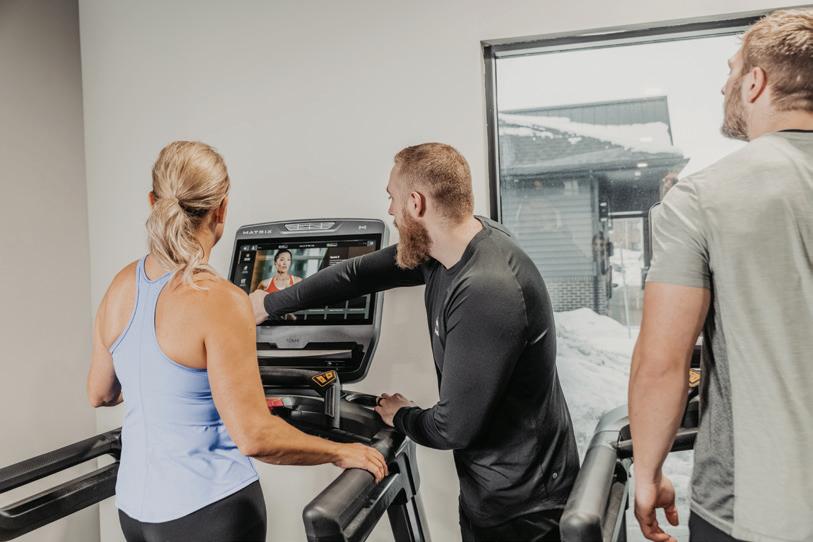
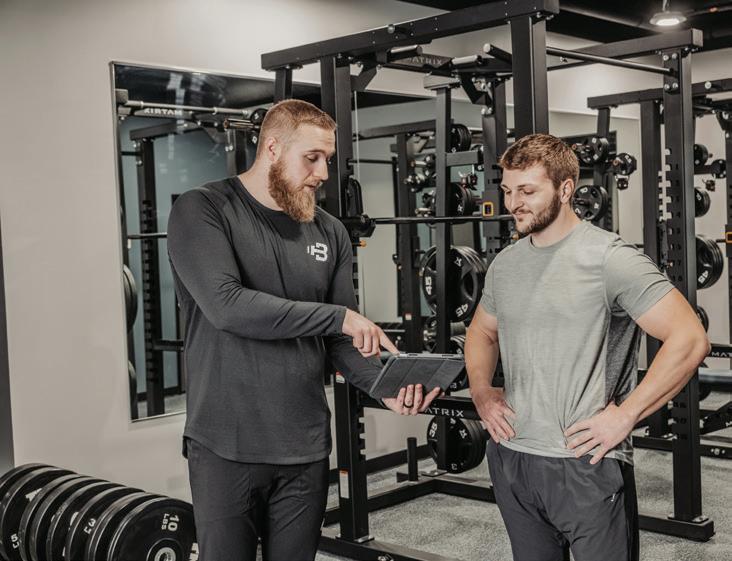
At Blueprint, trainers aren’t just passing through. They’re professionals who take this seriously as a career. They’re invested—not just in their own growth, but in yours.
The process
Schedule a fitness consultation
No exercise experience needed. Meet our staff and make a game plan to achieve your fitness and physique goals. We create workouts that are specific to you.
Every Workout has a Purpose
Whether your goal is to lose weight, build strength, gain muscle, or just feel better day to day, your plan is built around that and adjusted as you go. There’s no guesswork. No wandering. Just showing up and getting to work.
Get to work
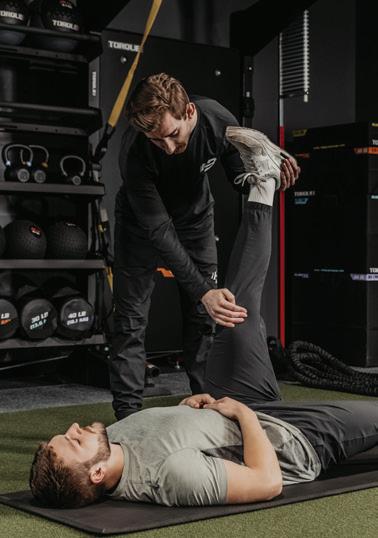
Workouts will be a mix of on-your-own and with our personal trainers. Have a friend with similar goals? You can even workout in small groups with our trainers.
And when that structure is paired with consistency, things start to click.
Clients at Blueprint aren’t chasing quick fixes. They’re building habits that last. One client, Matt, dropped over 20 pounds and more than 12% body fat in a year. Not through extremes, but through sticking to a plan, week after week.
Eat well be well
Without good eating habits, success in the gym may be hard to come by. Meet with our NASM certified nutrition coaches and take your results to the next level.
See real results
With the use of our cutting edge measurement tools you will be able to see tangible results in your: Strength, Body Fat %, Muscle Mass, and more.
At Blueprint, you’re not left to figure that out alone. Nutrition coaching is part of the process, with guidance tailored to your goals. Nothing extreme, just a plan that actually fits your life.
And then there’s strength training.
For a lot of people, especially beginners, weights can feel intimidating. But Alex sees it differently.
“Resistance training is for everyone,” he said. “It’s one of the best things you can do for your body long-term.”
At Blueprint, that approach is scaled to the individual. You’re not thrown
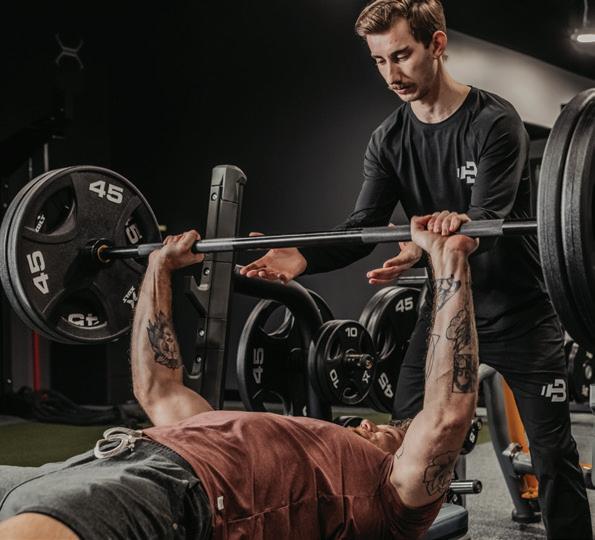
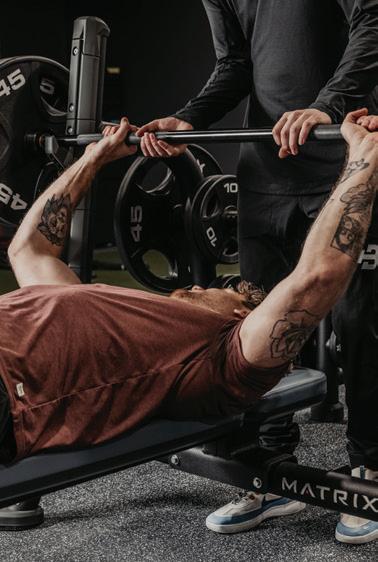
into something overwhelming. You’re coached through it, step by step, with proper form and a plan that makes sense for where you’re at.
The process itself is straightforward.
You start with a consultation. No pressure, no expectations—just a conversation about where you’re at and where you want to go. From there, you get a plan. Some workouts on your own, some with a trainer, all designed to move you forward.
Along the way, you’re tracking real metrics like body fat, muscle mass, and strength so you can actually see the progress you’re making.
And it’s flexible.
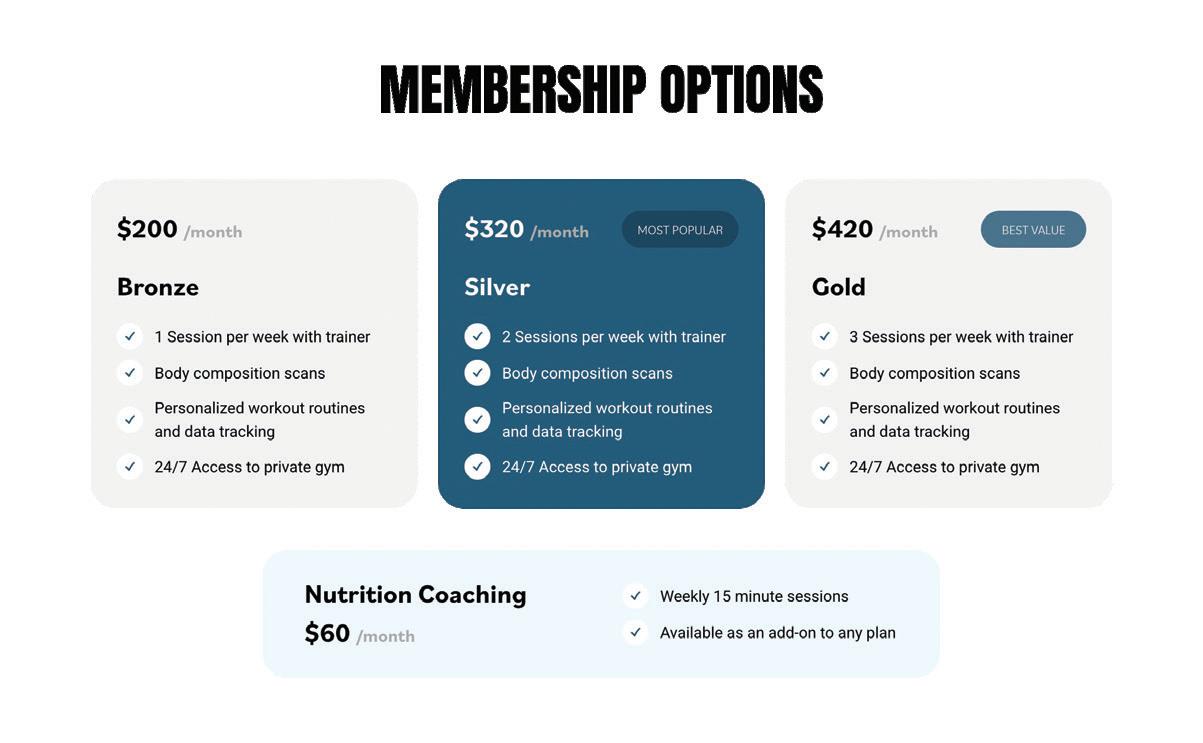
Whether you want one session a week or three, there’s a structure that fits. You get 24/7 access to the space, so you’re not limited by a schedule. And compared to a lot of traditional personal training setups, it’s surprisingly approachable from a pricing standpoint.
But at the end of the day, what makes Blueprint different isn’t just the equipment or the plans.
It’s the feeling that someone is actually paying attention.
JOSH
staying in the game
DUHAMEL ON
By Brady Drake | Photos by J. Alan Paul Photography
From TRT to Total Optimization
The Gatlan Approach to Health
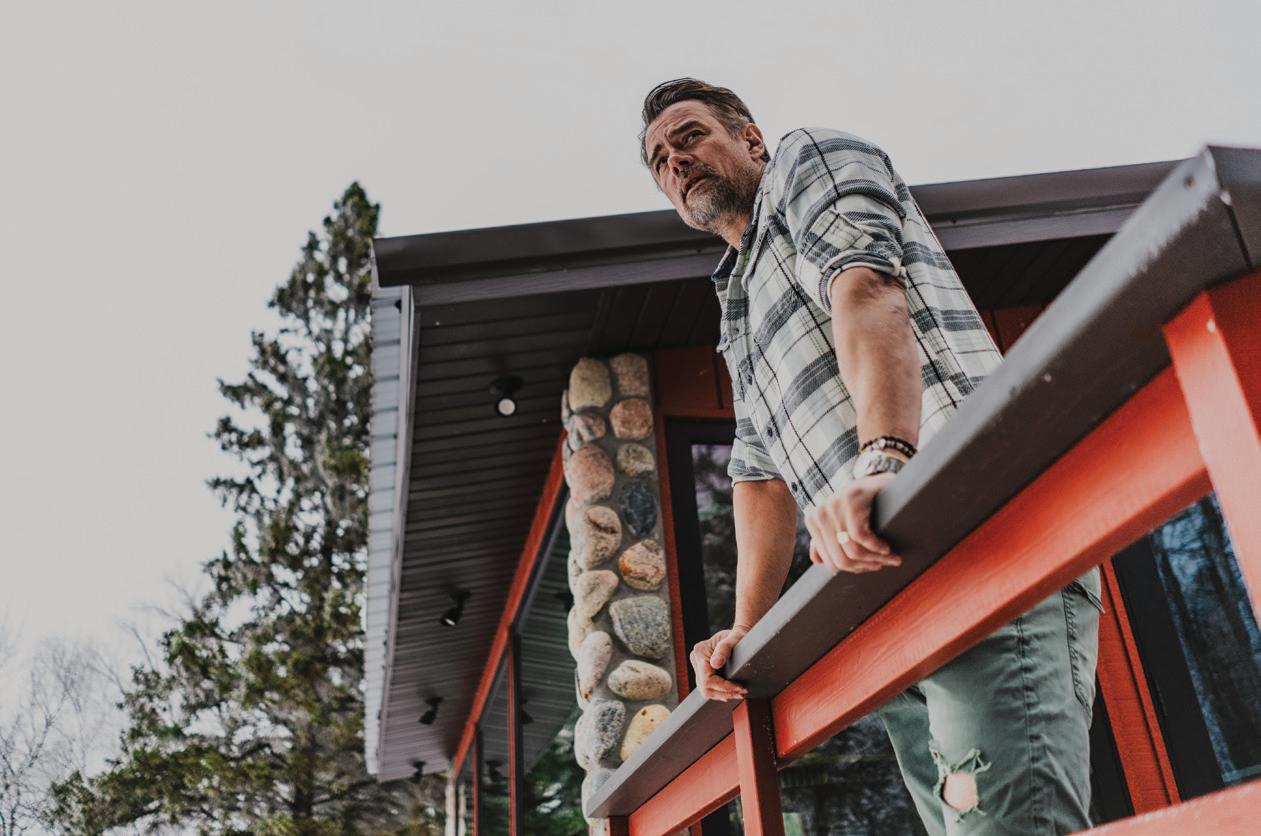
To most people, it probably looks like Josh Duhamel has it all.
A long Hollywood career. A steady stream of roles. A life that, from the outside, feels dialed in.
But a few years ago, he started to notice something didn’t feel quite right. He felt a little less energy, a little less drive, a little less of the edge he’d always had. And like a lot of people, he brushed it off at first.
“I didn’t even really realize it was happening,” he said.
It wasn’t until he started digging into his health by reading, asking questions, and trying to better understand what was actually going on. He realized he
could benefit from testosterone replacement therapy.
After years of using it, he realized the benefits were enough to build a company around it.
That company became GATLAN, a concierge-style health platform designed to help people take a more proactive, personalized approach to their health. Instead of one-size-fits-all solutions, GATLAN connects patients with medical professionals who guide them through everything from hormone optimization and medical weight loss to recovery-focused treatments like peptides—an emerging category aimed at supporting things like joint health, muscle recovery, and overall performance.
The company is meant to help people understand what’s actually happening in their bodies, what their options are, and how to build a plan that works long-term to help them feel better and look better.
Because for a lot of people, the issue isn’t a major health event, it’s that slow, gradual feeling that something’s just a little off. GATLAN is built for that.
And for those looking to better understand what that can look like, and where it starts, we sat down with Duhamel to talk about the company, his own experience, and why more people are starting to pay attention to their health in a different way.
>>> NEXT PAGE
THE START OF GATLAN
"It has improved my life tremendously, so why not share all the dirty little secrets I've learned?"
The Start of GATLAN
hormone therapy
TRT for men and hormone replacement for women to restore balance, vitality and performance.
peptides & longevity compounds
Advanced peptides and compounds to support healing, performance, and healthy aging.
Weight loss/ metabolic products
GLP-1 medications and metabolic solutions to burn fat and preserve lean muscle.
Performance & optimization therapies
NAD+ and other performance therapies to boost energy, recovery, and overall longevity.
Diagnostics & testing
Comprehensive labs and cognitive testing to uncover insights and track your health progress.
concierge health services
One-on-one access to expert doctors and coaches for personalized care and ongoing support.
Lifestyle & training integration
Strength training and lifestyle guidance to optimize results and live stronger, longer.
Now
with women's hormone optimization!
WHAT IS TRT?
You’ve probably heard of TRT (testosterone replacement therapy), but most people don’t fully understand it. It’s used when testosterone levels drop, and to treat the effects that come with that, including:
• low energy
• less strength
• lower sex drive
• just feeling off
The goal isn’t to boost you beyond normal; it’s to get you back to where you should be. It’s also not something you guess on. It requires blood work, a doctor, and a real plan. GATLAN provides that.
QQWhy does Gatlin exist?
A: Really good question. GATLAN exists because I had a real curiosity and fascination—especially as I got into my 40s and now my 50s—about how I can stay active and athletic, and look and feel as good as I can for as long as I can. I was constantly reading and learning about this stuff.
A couple of years ago, my friend Fabian came to me about this TRT company, and I said, “No way. I can’t be the face of that. I can’t tell people I’m using it— that’s my dirty little secret.” But then I thought more about it and said, “Why shouldn’t I be the guy?” It has improved my life tremendously, so why not share all the dirty little secrets I've learned? That’s really why the company came to be. I’ve learned so much over the years, and I want to share it and help as many people as I can. Plus, I wanted to remove barriers for people. I even had a hard time in my own journey trying to find a doctor to work with me for testosterone replacement since so many aren't well versed in it.
When did you start using TRT?
A: Five years ago. That was kind of the beginning of it. I was like, “Okay, I’m going to try this,” because I’d heard about it from certain people. There wasn’t a lot of information out there, so I learned about levels and what you’re supposed to be at. I was below where I was supposed to be, so I did it. I started feeling stronger—got my edge back, got my mojo back. I was able to keep muscle on. Libido—all those things. It gives you back that “oomph” a lot of guys start to lose as they get older.
Q
Do you remember how long it took to start feeling some of those effects?
A: You start to feel it after the first few weeks, and you really feel it once you go off it. It’s not like suddenly you’re Superman; it’s a slow progression. You just start thinking, “Whoa, I feel like doing that thing I’ve been putting off. I feel like getting back into the gym.” You have more energy to do things you were procrastinating.
And when you go off it, you realize what low testosterone feels like. It’s like the boiling frog metaphor; the frog doesn’t know it’s boiling until it’s too late. Men often don’t realize they’ve lost their edge until it’s kind of too late. So we’re trying to educate men and women to get their levels checked and find out where they’re at.
WHAT GATLAN DOES & HOW IT WORKS
"Everyone gets one-on-one personalized care, so they understand what they’re taking, why they’re taking it, and what else is available."
THE GATLAN process
blood work
Comprehensive hormone panel including testosterone, thyroid, cortisol, and metabolic markers
doctor review
One-on-one consult with a licensed specialist—not a bot your protocol
Personalized plan: which treatments, dosing, timing, and lifestyle adjustments track & adjust
Regular check-ins and lab retesting— your protocol evolves with you
Weight Loss Drugs
GLP-1s are everywhere right now, and they work. They help control appetite and make weight loss easier. However, working with a company like GATLAN can help you make sure you don't lose muscle mass in the process.
Medical weight loss, hormone optimization, wellness & longevity support
Ongoing care & refinement
Adjusted over time to your body's response and goals 01 02 03
What GATLAN Does and How it Works
What is “Concierge Healthcare”
“Concierge” just means you’re not doing it alone. Instead of guessing, you’ve got someone helping you understand your labs, figuring out what you actually need, and helping you adjust along the way!
men's treatment plan
Built for performance, recovery, and longevity.
Clinical intake & labs
Deep diagnostics focused on hormones, metabolic health, recovery
Can you tell me more about the service that Gatlan provides?
Q Q
A: Our differentiator is our concierge model. The concierge service is a white-glove service. Everyone gets one-on-one personalized care, so they understand what they’re taking, why they’re taking it, and what else is available. We’ve found that it’s good for the patient and good for us. People might come in thinking they only want GLP-1s, and then we can guide them toward what else might help.
If you were telling someone about the level of doctors working with you, what would you say?
A: They’re world class licensed medical longevity experts, who are able to prescribe. Some are medical doctors, some are licensed practitioners, but they’re all highly educated and experts in longevity and in a lot of the latest and greatest stuff that is coming out, and there are amazing things on the horizon.
what are
PEPTIDES?
Peptides are quickly becoming one of the most talked-about tools in health and recovery. They’re small proteins that help signal your body to do specific things—like:
• recover faster
• support joints and tendons
• improve skin and overall repair
A lot of athletes and active people are turning to them to stay moving and feeling good longer. And while research is still growing, there’s a reason they’re gaining traction—people are seeing real results, especially with recovery and joint health.
Some Peptides
Josh Duhmael Uses
BPC-157 – often used for tendon, ligament, and injury recovery
TB-500 – supports whole-body recovery and tissue repair
KPV – associated with inflammation control and gut support GHK-Cu (JHK-Cu)
used
skin, hair, and healing
About Thundrbro
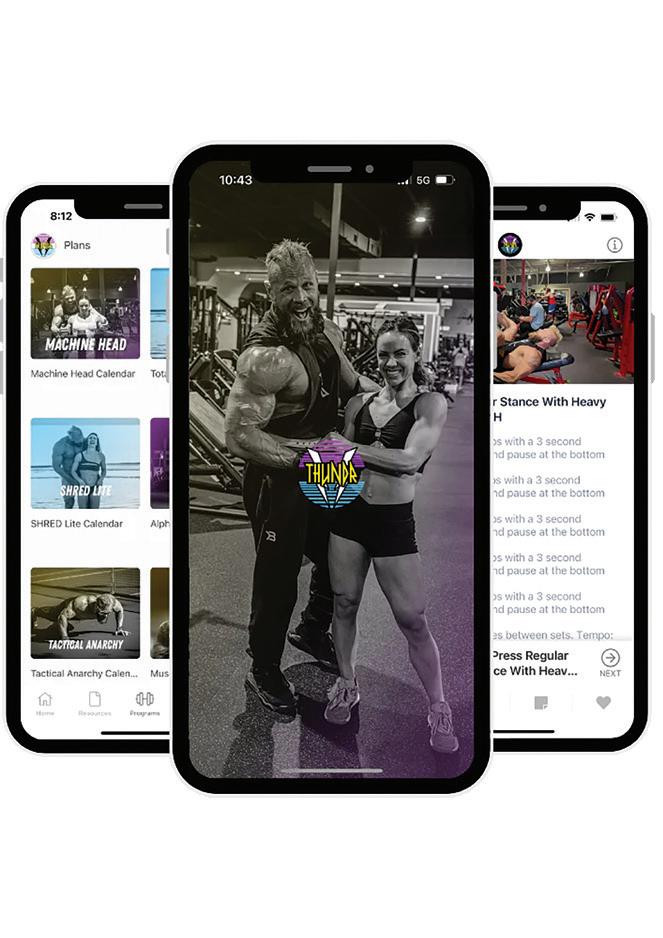
Thundrbro is a training, nutrition, and lifestyle brand built to help people become stronger physically and mentally while elevating those around them. Founded by elite athlete and coach Dave Lipson, Thundrbro blends science-backed hypertrophy training with functional fitness to bridge the gap between performance and aesthetics. Through innovative programs, education, and a high-energy community, Thundrbro empowers individuals of all levels to build muscle, move better, and develop a
Q
Can you tell me about how you’ve selected which peptides to carry, etc.?
A: That’s not really my area—I’m learning, but I can’t speak for our team on the specifics, because I don’t want to be the guy pretending I’m the expert in that. That’s what our whole team is for. I’m just as curious as anybody else. I’ve learned a lot, and I can share some of that, but I can’t tell someone, “You need this peptide versus that one.” The doctors can.
So if somebody comes in for a GLP-1 because they want to lose weight, one of my biggest pet peeves is that people lose weight and start to look frail. They lose a bunch of muscle mass. What we want to do is guide them to optimize. Yes, lose the weight, but stay strong and keep muscle. Lose fat and keep strength and muscle.
Q
Can you tell me about the strength training component of working with Gatlan?
A: We work with a company called Thundrbro. I met this guy on Ransom Canyon and he showed me their work. What they’re doing is amazing. They’re like doctor-level, but they’re also trainers. They help with strength training and everything else. They’ll recommend routines based on what people are trying to do, and they'll be available as part of programs with us.
HEALTH MINDSET, LIFESTYLE, & PERSONAL LIFE
"Get your levels checked. Find out where you’re at, and look at what you can do to look better and feel better."
why muscle is
THE REAL GOAL
Most people optimize for weight. But muscle mass is the core driver of metabolic health, longevity, and function— especially after 40.
RESTING METABOLISM
Per lb of muscle added
insulin sensitivity
Lower diabetes risk
Bone density retention
After age 50 with resistance training
Source: J. Strength Cond. Res. + Endocrine Society longevity meta-analyses
Lifting weights (often with a trainer)
Cardio (as needed, especially on busy days)
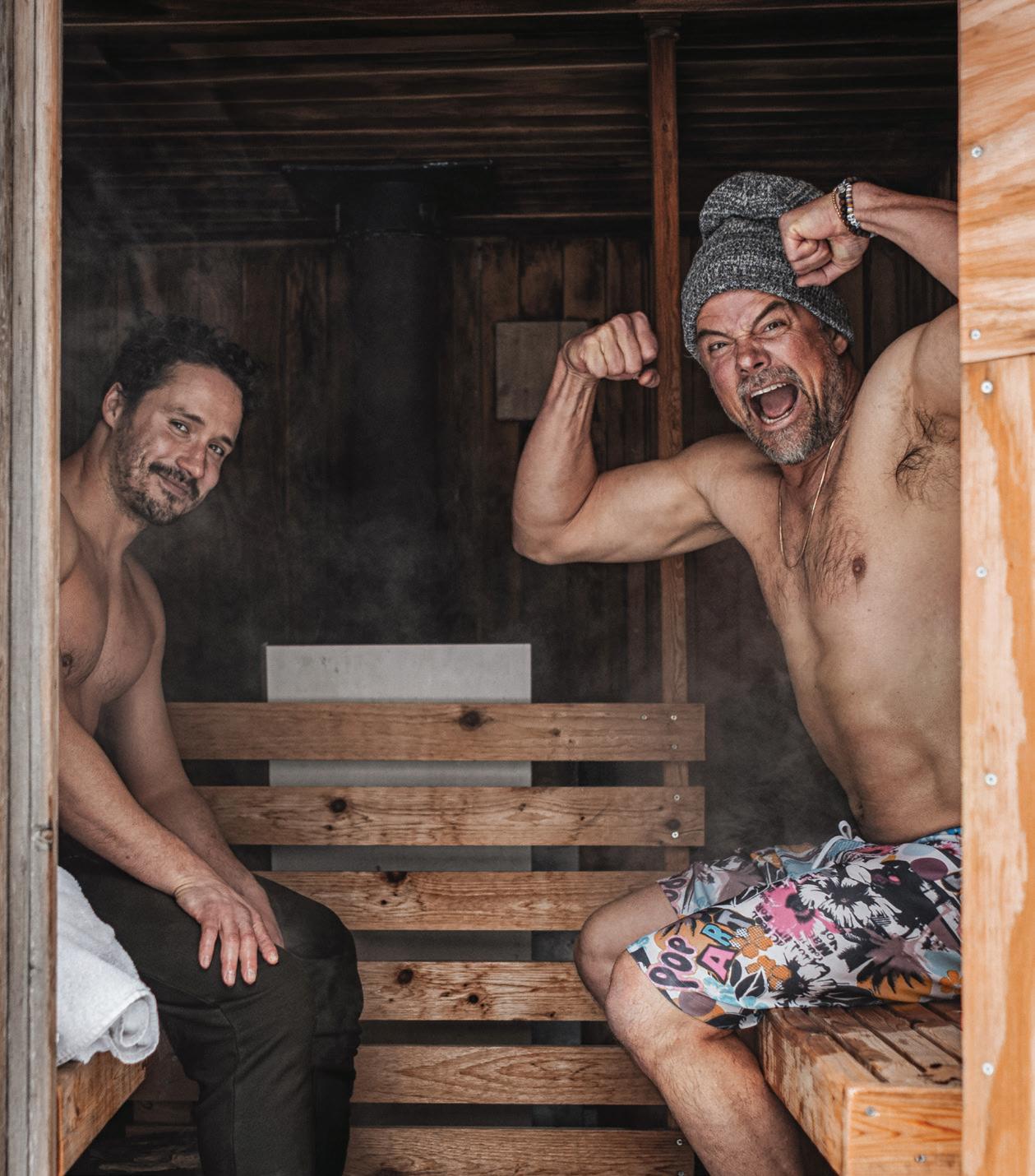
Hot
(a big one for mobility and injury prevention)
daily)
I COLD PLUNGE ALMOST EVERY DAY."
yoga
Cold plunge (almost
Josh Duhamel's FITNESS ROUTINE
QI feel like part of your message is getting men to be proactive about getting checked. Why do you think men are waiting?
A: Guys don’t like to admit they’re falling short. We don’t like to admit our feelings. We perceive that as weakness. Women are much more apt to say, “I want to do whatever I can to be the best version of me,” health-wise or otherwise. Men tend to brush it under the rug, not think about it, or not admit they’ve lost their mojo or their edge.
We’re trying to shine light on it and say, “Hey, it’s okay. We all do it. I do.” I’m trying to hang on and stay in the game, and I want to take whatever steps I can to do that in a healthy way.
QWhat kind of activities do your kids like to do?
A: Axl is into basketball and soccer. He still likes to wrestle around with me, so the fact that I can get out there and play one-on-one is big, and I’m not going to let him beat me yet. I’ll be 65 before he can beat me, that’s my plan. My twoyear-old Shepherd just wants me to chase him and get on the floor. Two-year-olds are nonstop.
QWhat does your health routine look like these days?
A: I do a lot of weird stuff. I cold plunge almost every day. Hot yoga has been huge for me. I had knee and back issues in my early 30s, and I don’t have those anymore because of the program I’m on and the things I started doing. I also do cardio and weights. I drink a green smoothie every day. I take a full list of vitamins based off labs and what doctors recommend.
The biggest thing is I try to do something every day.
QHas physical health always been important to you, or is this something you’ve had to prioritize more as you’ve gotten older?
A: It’s always been something I’ve been conscious of. My mother was very conscious of it growing up. She’d order egg-white omelets in the mid-80s, and my sister and I were embarrassed because nobody did that. She made us aware of nutrition early. And I exercised through sports growing up. I was very competitive. It’s always been part of my life.
our take
Cold-climate winters compound the testosterone story—less sun, less movement, more cortisol. The northern-plains stack is real, and most national health averages don't capture it.
did you know?
serum testosterone tracks measurably lower in winter months across northern latitudes—a pattern tied to reduced uvb exposure and vitamin-d synthesis.
Do you think it can be harder to keep up with your health in the winter in North Dakota?
A: I struggle like everybody else. In North Dakota, or anywhere cold, it’s harder to get motivated. It’s more of a slog. You can’t just go for a short run outside. You’ve got to get in your car and drive to the gym.
You’ve got to be more proactive, which is harder than living somewhere warm where you want to be outside.
What do you love about Fargo?
A: I couldn’t wait to get out of North Dakota when I was 22. But after leaving, I realized how much I love it here. I love the people, their values, how family-oriented it is, how people take care of each other. I think North Dakota has some of the best people I’ve ever met.
If you could encourage every person in North Dakota—men and women—to do one thing for their health this year, what would you tell them?
A: Get your levels checked. Find out where you’re at, and look at what you can do to look better and feel better. The science is there. Why not at least check it out?
the lens behind
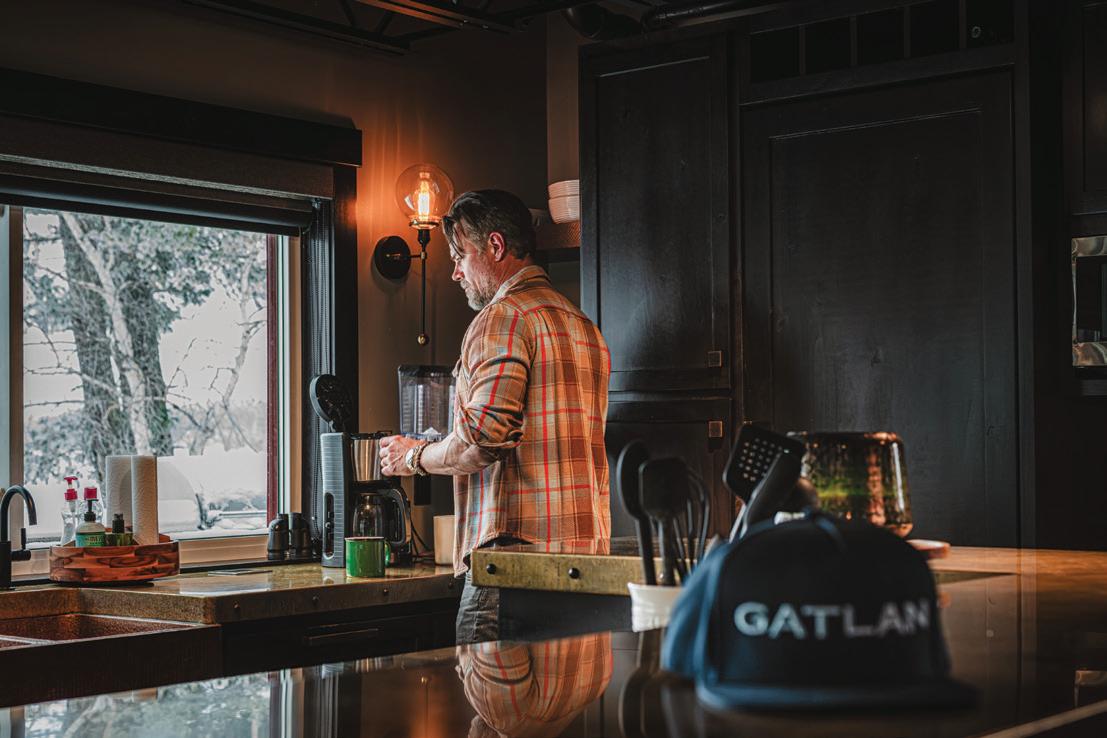
J. Alan Paul Photography — on location with josh duhamel
Partner Content
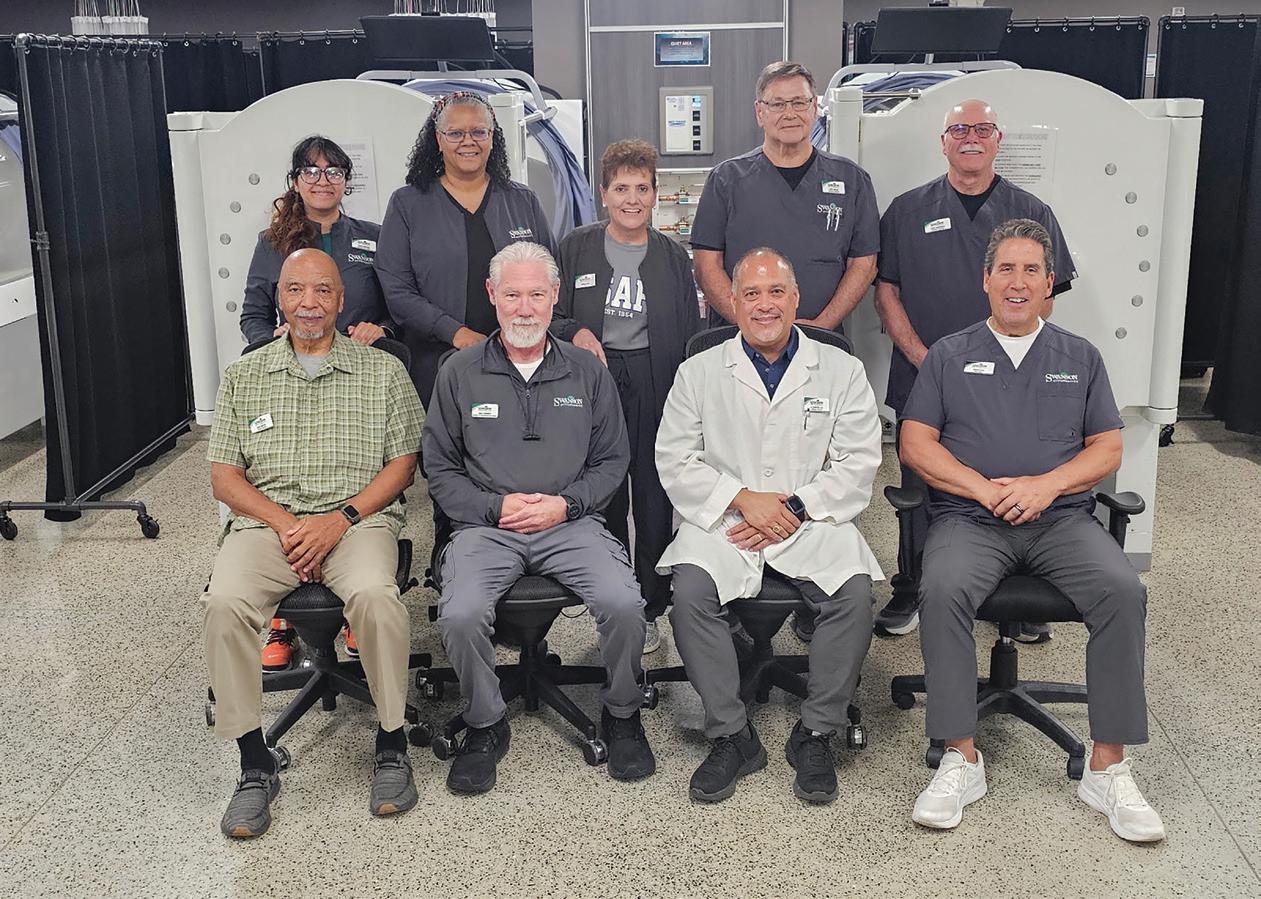
By the Swanswon Hyperbarics team
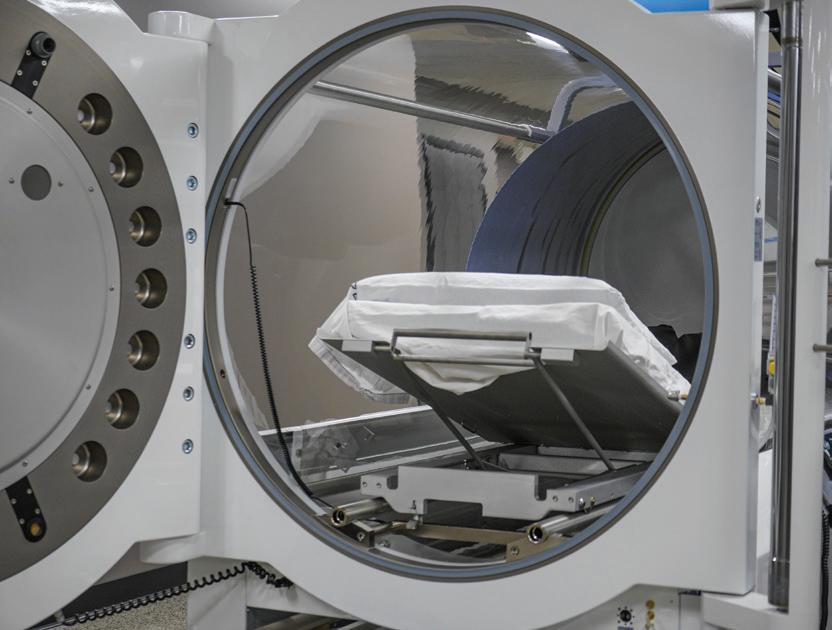
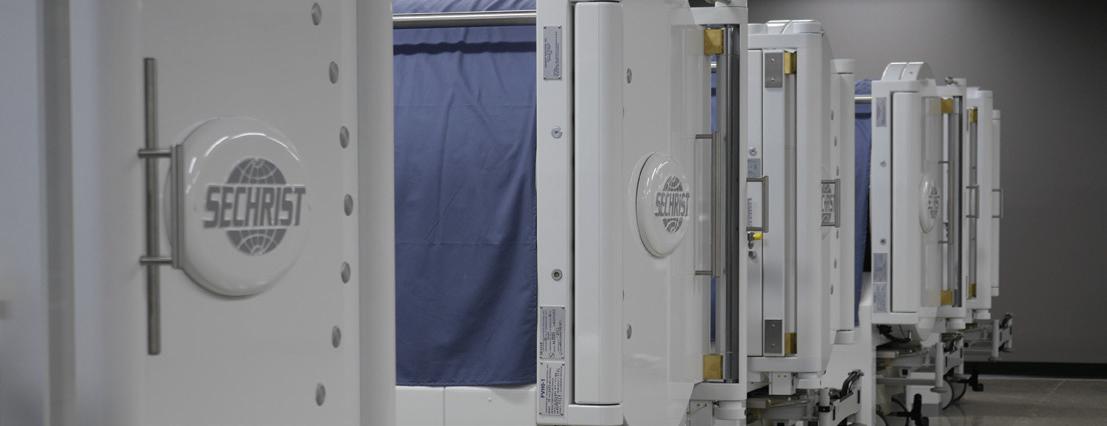
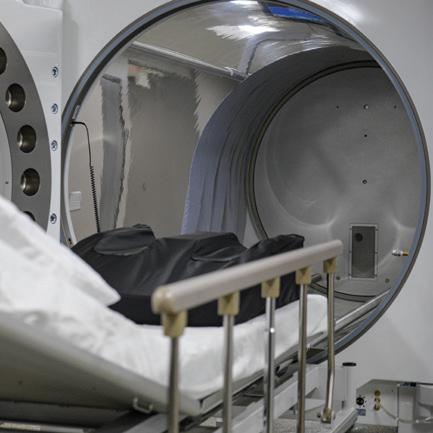
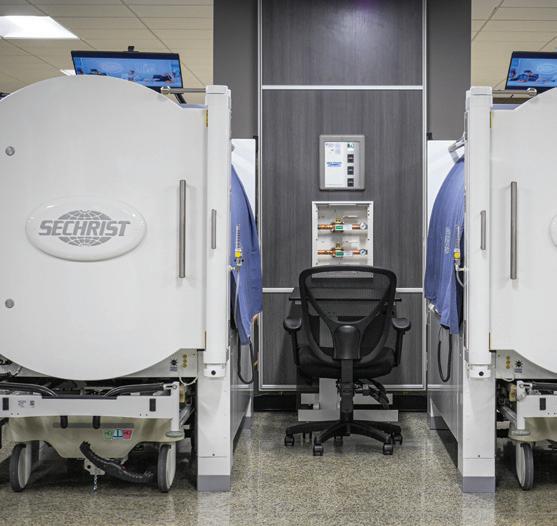
Swanson Hyperbaric Medicine offers cutting-edge, non-invasive therapies designed to accelerate healing and improve overall wellness. Hyperbaric Oxygen sessions, priced at $199.00 delivers pure oxygen under pressure to reduce inflammation, enhance circulation, and speed recovery. Pulsed Electromagnetic Field Therapy (PEMF), at just $20 per session, improves cellular function, boosts energy, and relieves pain by stimulating the body’s natural healing processes. The HOCATT™ sauna combines multiple therapies— including ozone and heat—to promote detoxification, immune support, and increased metabolism. Together, these affordable treatments provide powerful, holistic solutions for pain relief, recovery, and long-term health improvement.
Mention this article and get $100.00 off your 1st month of our PEMF Membership
The Power of Hyperbarics: Revolutionizing Diabetic Wound Care at Swanson’s
At Swanson’s, we believe in the power of Hyperbaric Medicine to transform the healing process for patients with complex wounds. Our expert team utilizes a precise combination of oxygen, pressure, and time to enhance perfusion, stimulate angiogenesis, and mobilize stem cells. This non-invasive treatment has proven to reduce healing time by up to 50%, making it the first line of defense against chronic wounds and infections, especially in diabetic patients.
Take Shirley, for example—a current patient battling a severe diabetic ulcer. Her journey through hyperbaric treatment has been nothing short of remarkable. After just 30 sessions, her wound has begun to heal, showcasing healthy tissue regeneration. What's even more gratifying is the significant reduction of neuropathy symptoms, allowing patients to regain sensation in their feet and enjoy normal daily activities.
The art of healing goes beyond just the wound; it’s about restoring quality of life. Our team provides personalized care, ensuring that each patient understands their treatment journey. By focusing on limb preservation and effective wound care, we strive to minimize the need for surgeries and foster long-term health and well-being. At Swanson’s, we don’t just heal wounds; we restore hope and quality of life for our patients through compassionate and cutting-edge care.
Restoring Lives: Radiation Injury Recovery at Swanson Hyperbarics
Swanson’s is at the forefront of revolutionizing recovery from radiation injuries through Hyperbaric Medicine. Patients who have endured radiation treatments may experience compromised tissues, which can lead to chronic pain and wounds. Our specialized approach targets the damaged areas, utilizing increased oxygen and pressure to reverse tissue integrity, improving circulation and promoting healing.
For instance, a patient who suffered severe damage post-prostate cancer
radiation found solace at Swanson’s. Through our dedicated care, Hyperbarics restored the blood flow and vitality to his tissues, with remarkable results seen after just 30 sessions. Following treatment, medical professionals were thrilled to find the previously compromised tissue transformed into healthy, viable cells— significantly improving the patient's quality of life.
Our experienced team understands the nuances of each patient's situation, tailoring treatments to maximize healing.
With Hyperbarics being a once-in-alifetime solution, patients leave our facility not only healed but with renewed hopes and ambitions.
Swanson’s commitment to compassionate care extends beyond physical healing; we prioritize a holistic recovery experience that restores confidence and vitality. By fostering a supportive environment close to home, patients can regain control of their health and life, one breath at a time, at Swanson Hyperbarics.
Fighting Bone Infections: Advanced Care at Swanson Hyperbarics
Swanson’s Hyperbaric Medicine program offers a lifeline for patients battling chronic bone infections. These infections often stem from injuries or previous surgeries and can lead to debilitating complications if left untreated. Our comprehensive approach combines state-of-the-art technology with exceptional patient care to effectively address these issues.
Take Rick, for example, a patient who faced multiple hip surgeries and recurrent infections. Frustrated by the lack of effective solutions, he turned to Swanson’s. By integrating Hyperbarics with standard antibiotic therapies, we provided Rick with a unique treatment option. The therapy’s ability to promote healing and fight infections without the need for additional surgeries
transformed his recovery journey.
Our medical team understands that every individual’s case is unique. Hence, we evaluate and customize treatment plans to ensure the best outcomes. We emphasize the importance of maintaining limb integrity and preventing debilitating amputations, providing hope for a better quality of life.
Swanson Hyperbarics clinic's commitment to fighting chronic infections goes beyond just symptom management; we believe in empowering our patients with renewed health and vitality. With state-of-the-art technology and a heartfelt approach, we’re not just treating bone infections— we're restoring lives and rekindling hope.
Reclaiming Lives After Stroke at Swanson Hyperbarics
At Swanson's, Hyperbaric Medicine is paving the way for significant recoveries in stroke patients. Stroke can lead to devastating effects, including loss of mobility and cognitive function. Our innovative approach seeks to reverse these complications through targeted oxygenation and pressure, facilitating healing in the brain and surrounding tissues.
Consider the inspiring story of a former patient, who arrived at our facility unable to walk and reliant on a motorized wheelchair for seven years poststroke. With a personalized treatment plan comprising 65 Hyperbaric sessions, he achieved something remarkable: he learned to walk again with the support of two canes. This turnaround highlights the profound impact of prompt
and continuous hyperbaric treatment on brain recovery. Our skilled practitioners specialize in tackling the complexities of stroke rehabilitation. We understand that every minute counts, and we tailor our protocols to meet the individual needs of each patient. The results speak for themselves— most patients experience remarkable improvements, demonstrating that healing is possible, no matter how long after the incident.
Swanson’s unwavering commitment to restoring lives through innovative care emphasizes our focus on hope, recovery, and renewed independence. By harnessing the tools of hyperbaric medicine, we empower stroke patients to reclaim their lives, one step at a time.
Saving Limbs, Restoring Lives: Limb Preservation at Swanson’s
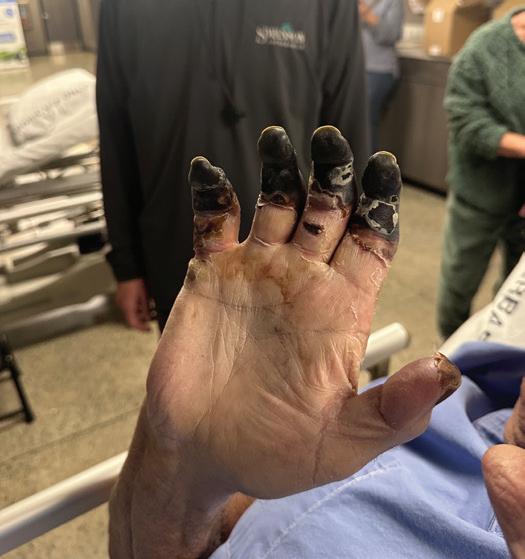
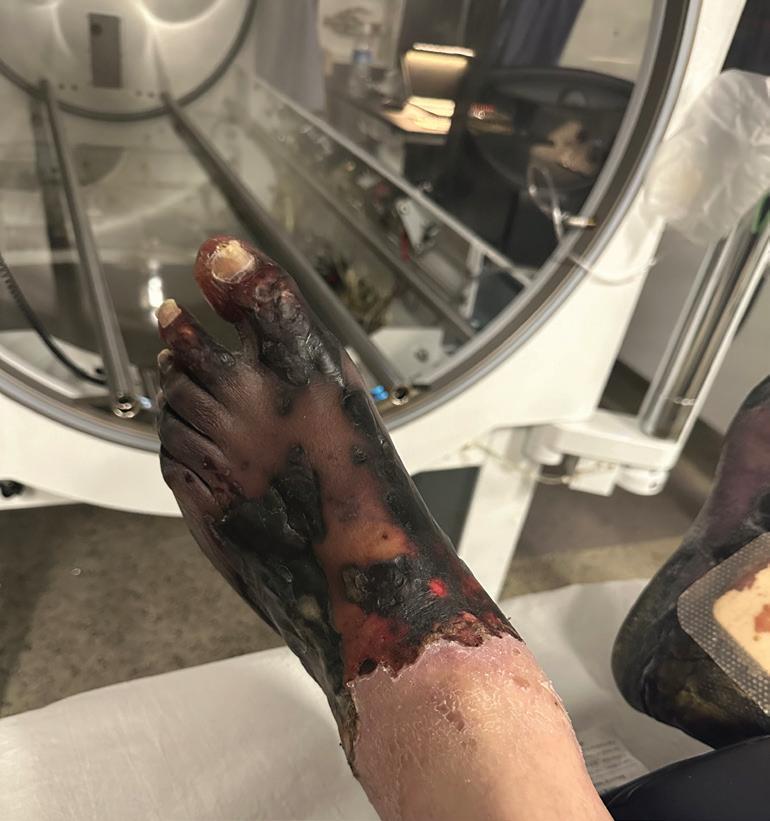
At Swanson’s, Hyperbaric Medicine plays a critical role in limb preservation— helping patients avoid devastating amputations and maintain independence. When blood flow is compromised due to severe illness, infection, or trauma, tissues can quickly begin to die. Our hyperbaric treatments increase oxygen delivery to these damaged areas, supporting tissue survival, reducing infection, and improving the body’s ability to heal.
One powerful example is a patient who developed life-threatening sepsis and was placed in a coma. To save his life, doctors used medication that redirected blood flow to his vital organs—leaving his hands and feet without circulation. Within days, his limbs turned black, and amputation was scheduled. After coming to Swanson’s, hyperbaric therapy helped preserve critical tissue. While he ultimately lost portions of his legs, he was able to keep his hands—dramatically improving his long-term quality of life.
Limb preservation is about more than saving tissue—it’s about preserving dignity, function, and independence. While many systems default to amputation, Swanson’s focuses on giving patients every possible chance to heal. By combining advanced hyperbaric therapy with a patient-first philosophy, we strive to protect what matters most— helping people keep their limbs and their lives intact.
Mention this article and receive 50% off your first Hyperbarics session.
*After a medical clearance from our provider
Partner Content
Swanson Hyperbaric Medicine is expanding its reach with preliminary plans for new freestanding clinics in Bismarck and Grand Forks. These efforts reflect founder Lee Swanson’s mission: providing “affordable hyperbaric medicine to all citizens of North Dakota.”
As our governor works toward making North Dakota the healthiest state in the nation, Swanson Hyperbaric Medicine is committed to helping achieve that goal by increasing access to affordable care.
As a private nonprofit foundation, Swanson is able to offer some of the most affordable hyperbaric
therapies in the country. Veterans with PTSD and patients facing serious medical conditions may qualify for reduced-cost or even free treatment—made possible through the generosity of its founder.
Hyperbaric medicine remains an emerging field in the United States, and those interested in pursuing a career are encouraged to connect with Swanson Hyperbaric Medicine at swansonhyperbarics.com or call 701-929-3930. The Fargo clinic is located at 3541 25th St. S, Suite 200
By Brady Drake Provided by 20/20 Vision Express
Keep Your Eyes Healthy!
With 20/20 Vision Express
Most people don’t think about their eyes until something goes wrong.
You get your vision checked. You update your prescription. And then you move on. But according to local eye care professionals, that mindset is exactly the problem.
“Vision is something people take for granted,” Dr. Jodan Muir said. “Until it changes, and by then, sometimes it’s too late to fix.”
What many don’t realize is that eye health isn’t just about seeing clearly. It’s about catching serious issues early—some of which have nothing to do with your eyesight at all.
The Warning Signs You Should Never Ignore
One of the most common symptoms people dismiss is floaters—those small drifting spots in your vision. While they can be harmless, they can also signal something far more serious.
“If you ever notice new floaters, flashes of light, or changes in your peripheral vision, you need to get it checked right away,” Dr. Adam Motacek said. “Some cases are completely benign. Others require immediate treatment.”
The problem? You can’t tell the difference on your own.
Temporary vision loss—even if it comes back—is another major red flag.
“If your vision blacks out in one or both eyes, even briefly, that can be tied to something happening elsewhere in your body,” Dr. Ashley Motacek said.. “And if it doesn’t come back, that’s an emergency.”
“Pink Eye” Isn’t Always What You Think
A red, irritated eye is often brushed off as pink eye, but that label can be misleading.
“There are multiple causes: viral, bacterial, allergies, dryness, even contact-related issues,” Dr. Madison Bosh said. “Grabbing over-the-counter drops without knowing the cause can actually make things worse.”
You Can Have Serious Eye Disease Without Knowing It
One of the biggest misconceptions? If you can see fine, your eyes must be healthy.
That’s not necessarily how it works.
“There are a lot of eye diseases that don’t show symptoms until vision loss has already happened,” Dr. Jordan Muir said. “And once that vision is gone, we often can’t get it back.”
Conditions like glaucoma—often called the “silent thief of sight”— can progress without warning.
By the time patients notice something is wrong, permanent damage may already be done.
Your Eye Exam Can Catch More Than Eye Problems
An eye exam doesn’t just look at your vision—it can reveal what’s happening throughout your body.
“We can see signs of systemic diseases like diabetes just by looking at the retina,” Dr. AJ Motacek said. “In some cases, patients don’t even know they have it.”
In more serious situations, routine exams have detected lifethreatening conditions.
“We’ve seen cases where early changes in the eye could have led to earlier detection of things like cancer,” Dr. Ashley Motacek said. “That’s how important these exams can be.”
CONTINUED
Dr. Ashley Motacek O.D.
Dr. Jordan Muir O.D.
Dr. Madison Bosh O.D.
Dr. AJ Motacek O.D.
The Biggest Risk You’re Probably Taking: Contact Lenses
If there’s one area where patients consistently take shortcuts, it’s contact lens care. And the consequences can be severe.
“Sleeping in contacts, over-wearing them, stretching out replacements—severly increases chances of consequences, some of which have permanent side effects,” Dr. Madison Bosh said.
Infections from improper use can escalate quickly, sometimes requiring emergency care.
“We’ve had patients sent to the ER for IV antibiotics because the infection was so severe,” Dr. Ashley Motacek said. “In worst-case scenarios, it can lead to permanent vision loss.”
Even financially, the risk doesn’t make sense.
“A single bottle of medication to treat an infection can cost hundreds of dollars,” Dr. AJ Motacek said. “It’s far cheaper— and safer—to follow the guidelines.”
Simple Hygiene Rules for Contacts
Never sleep in your contacts unless prescribed
Don’t swim or shower with them in
Wash your hands before touching your eyes
Use fresh solution every time—never reuse
Replace your case regularly, and contact lenses as recommended
The Screen Time Problem
Another growing issue is dry eye. And it’s getting worse.
“We’re seeing far more dry eye than we used to, and a lot of it is tied to screen use,” Dr. Ashley Motacek said.
When you stare at a screen, your blink rate drops significantly—down to about 30% of normal.
That leads to irritation, burning, and even excessive tearing.
“It sounds backwards, but eyes often water because they’re dry,” Dr. Madison Bosh said.
One tip that can help is the 20-20-20 rule.
Every 20 minutes, look 20 feet away for 20 seconds.
Why Kids Need More Than School Screenings
Many parents assume school vision screenings are the same as an exam, but that isn't the case.
“School screenings mainly check distance vision,” Dr. Jordan Muir said. “They don’t evaluate how a child reads, tracks words, or focuses up close.”
That gap can have real consequences.
In one case, a child struggling academically was found to simply need glasses.
“He went from reading at a first-grade level to a fifth-grade level after getting corrected,” Dr. Jordan Muir said.
Routine eye exams can catch these issues early—before they affect learning and confidence.
The Signature Designers at VAHAN
VAHAN begins in Paris, where founder Sacha Der Calousdian was raised in a family of jewelers designing one-of-akind pieces for high society. After formal training and time with houses like Hermès and Cartier, he brought that lineage to the U.S., launching what is now a 55+ year family-run brand.
VAHAN is about love—for the craft, for the wearer, and for the moment a piece becomes part of someone’s everyday life. What started as a one-man Manhattan studio has evolved into a nationally recognized name in fine jewelry, without losing its hands-on, sketch-first approach. Every piece is still made in New York.
VAHAN is instantly recognizable for its Moiré beading, a richly textured metal pattern that catches light with subtle movement, along with its signature crown motif—a nod to strength and femininity. The brand’s mix of sterling silver, 14K gold, diamonds, and gemstones gives each piece depth without feeling overdone.
Where VAHAN truly stands apart is in its engineering of wearability oval-shaped to prevent rolling, flat on the inside for comfort, and flexible for ease.
SYLVIE
Sylvie’s story begins in Antwerp, Belgium—the diamond capital of the world—where founder Sylvie Levine grew up immersed in a family legacy of diamond craftsmanship. But entering a male-dominated industry, she saw an opportunity to create a bridal brand that speaks from a woman’s perspective.
That vision became the foundation of the Sylvie Collection.
Built alongside her husband Ian, a diamond merchant, the company has grown into a multi-generational family business, now including their sons. Even as it evolves, it remains grounded in the same principle that jewelry should reflect the wearer, not define them.
Sylvie pieces are known for their balance of modern and timeless design, achieved through clean lines, thoughtful proportions, and a deep understanding of how jewelry is worn. At the center of many designs is the Sylvie Shell, a subtle but meaningful detail where the band meets the head of the ring—symbolizing two lives coming together as one.
Customization is central to the brand. From solitaire engagement rings to stackable wedding bands, each piece is designed to be part of a larger story.
It's all about love, elegance, and individuality ring or a band added years later, Sylvie is about creating something that feels personal and lasting.
Sylvie has worked with Wimmer’s for over 30 years, making it one of the store’s most established and trusted designer relationships.
HEARTS ON FIRE
Hearts on Fire has built its reputation on the singular pursuit to create the world’s most perfectly cut diamonds. While thousands of “hearts and arrows” diamonds exist, none match the precision of a true Hearts on Fire stone. Each diamond is cut to exacting standards— never deviating from its signature hearts and fireburst® pattern—resulting in unmatched consistency and brilliance
That level of perfection doesn’t happen by accident. Hearts on Fire diamonds take up to four times longer to cut than standard triple excellent stones and are crafted under 100x magnification—ten times the industry norm. Fewer than 500 master cutters in the world have the skill to meet these standards, working only with the most exceptional diamond rough—less than one-tenth of one percent qualifies.
The result is a diamond that quite literally transforms light. As the brand puts it, “Hearts on Fire diamonds inhale light and exhale fire,” delivering a sparkle that’s unmistakable, even from across a room.
Since 1996, Hearts on Fire has set the benchmark for diamond cutting excellence by pairing technical precision with designs that feel graceful yet strong, forward-thinking yet approachable, and always a little playful. With over 20 years at Wimmer’s—and as the only Hearts on Fire retailer in North Dakota—it’s a name customers can trust for brilliance that goes beyond the ordinary.
Ergonomic Tips for Comfort and Support
By Crysal Nelson, Owner, Fargo Ergonomics
Sitting all day at a desk doesn’t have to mean back pain, poor posture, or discomfort. Choosing the best office chair can transform your workday, keeping you supported, productive, and pain-free. From adjustable lumbar support to breathable materials and fully customizable armrests, the right chair adapts to your body, not the other way around. In this guide, we’ll break down everything you need to know to pick an ergonomic office chair that truly works for you.
Adjustable Seat Pan Depth
The seat pan depth affects how your thighs and lower body are supported. A good ergonomic office chair should allow:
• 1-2 inches of space between the back of your knees and the seat edge
• Adjustable depth to fit your leg length
Proper seat depth helps improve circulation, reduces pressure on your legs, and keeps you comfortable throughout the workday.
Fully Adjustable Armrests
Supportive armrests are essential for relaxed shoulders and proper wrist alignment. Look for chairs with armrests that can be:
• Height-adjustable
• Width-adjustable
• Angled or pivoted
Adjustable armrests in an office chair for back support help prevent neck, shoulder, and wrist strain.
by
Photo
Josiah Kopp
Breathable Materials (Avoid Leather)
Leather chairs may look sleek, but they trap heat and can become uncomfortable during long hours. Opt for:
• Mesh chairs for maximum airflow
• Fabric chairs for durability and comfort
Breathable materials are a key feature of a comfortable office chair, keeping you cool while maintaining support.
Perfect Firmness
Your chair’s cushion should strike a balance between firmness and softness:
• Too soft: may cause slouching and poor posture
• Too firm: can create pressure points
A medium-firm seat in your ergonomic office chair supports your weight evenly and promotes healthy sitting habits. Be mindful if you have a medical diagnosis. For example, if you have sciatica, look for a seat that is on the softer side. If you have a history of back pain, opt for a chair that is firmer and can offer more support.
Height Adjustable Seats
An adjustable seat height ensures proper ergonomics:
• Feet should rest flat on the floor or a footrest
• Knees should be at a 90 to 100-degree angle
• Hips slightly above or level with knees
A height-adjustable office chair reduces strain on your lower back and legs, supporting good posture.
High Back Support
A high-back chair provides support for your upper spine, shoulders, and neck. High-back office chairs are ideal for:
• Long hours at a desk
• Extra neck or shoulder support
This feature encourages proper posture and reduces tension in the upper body.
Casters for Easy Mobility
Smooth-rolling casters allow you to move freely and safely around your workspace. Consider:
• Hard casters for carpeted floors
• Soft casters for hardwood or tile
Mobility helps prevent twisting or reaching, protecting your back and enhancing comfort.
Adjustable Lumbar Support
Proper lumbar support is essential for a chair that prevents back pain. Look for:
• Height-adjustable lumbar support
• Depth-adjustable lumbar support
• Contoured design that follows your spine’s natural curve
A chair with adjustable lumbar support aligns your lower spine, reducing the risk of chronic back pain.
Seat Pan Tilt for Optimal Hip Alignment
A seat pan tilt feature allows you to adjust the angle of the seat, which can help improve posture and create more space for your hips. This adjustment is especially helpful for:
• Maintaining a natural spinal curve
• Reducing pressure on the lower back
• Allowing extra space for a pregnant belly
By slightly tilting the seat forward or backward, you can align your hips comfortably, improve circulation, and sit more ergonomically throughout the day. A chair with a seat pan tilt adds another layer of customization, making it ideal for anyone who needs a little extra flexibility in their seating position.
Invest in Your Health
Investing in the right office chair is more than just a purchase, it’s a step toward better posture, less back pain, and a more productive workday. By focusing on features like adjustable lumbar support, seat depth, breathable materials, and fully customizable armrests, you can find an ergonomic office chair that fits your body perfectly. Choose a chair that moves with you, supports your spine, and keeps you comfortable, so you can focus on your work instead of your discomfort.
If you’ve just upgraded your standard desk to a new height-adjustable standing desk, congrats! You will now be better able to assume a variety of positions throughout your workday, which is a very important aspect of implementing ergonomics into your work environment.
These first few weeks with your new standing desk are the most critical, as you will be working hard to create new habits. At this point, your body is probably used to sitting at a desk for up to seven or eight hours every day. With your new standing desk, you will begin breaking the unhealthy habit of sitting for prolonged periods of time and will begin implementing frequent periods of standing, walking, and stretching into your work routine.
How long should you stand at a height-adjustable desk?
When implementing a height-adjustable desk into your work routine, keep in mind that it is not helpful to totally replace sitting with standing. A height-adjustable desk is meant to encourage movement throughout your workday, not to completely do away with working in a seated position. In fact, when using your height-adjustable desk, you should stand for no longer than 15 minutes per hour.
When we stand, our bodies work hard to keep us upright because our muscular and skeletal systems are the only things supporting our body weight. To maintain our standing posture, the same muscles are continuously activated, which means they become fatigued much more quickly when we are standing than when we are sitting. This is why you may notice your body weight shifting from side to side more often, the longer you stand.
Developing a Good Height-Adjustable Desk Routine at Work
Creating new habits can be challenging, and you will likely find that developing a good height-adjustable desk routine at work is no exception. A height-adjustable desk can be a great addition to your office workspace if you are willing to commit to developing new habits at work. The key to developing these new habits is to create simple goals and to stay consistent in working towards them. Within three to four weeks, you will have your standing desk worked seamlessly into your work routine, and you will be reaping the full ergonomic benefits that come with it. Here are a few tips to get you started with developing a good height-adjustable desk routine at work.
1. Take a break from sitting once every hour. If your height-adjustable standing desk is set up properly, this should be a simple and seamless process. Keep in mind, however, that if you are accustomed to sitting most of your workday, it may be best to slowly incorporate standing into your work routine.
• Set a timer on your computer to remind you to stand once per hour, and start with only 5 minutes of standing at a time. When 5 minutes seems comfortable, add 5 more minutes. Work your way up to a maximum of 15 minutes of standing per hour. When the 15 minutes is up, walk or stretch for 1 to 2 minutes longer and then sit down. Repeat this same cycle every hour.
• It’s important to keep in mind, however, that your body knows what it needs. If you find that standing for longer than 5 to 10 minutes at a time is uncomfortable, there is no need to push yourself to stand longer. A small amount of standing still offers greater benefits than no standing at all.
2. Practice the 20-8-2 Rule. This rule was created by Dr. Alan Hedge, a professor of ergonomics at Cornell University. It is broken up into three segments. The first segment is sitting for 20 minutes, followed by a second segment of standing for 8 minutes, and then a final segment of stretching or walking for 2 minutes. Then the cycle repeats. The 20-8-2 Rule is extremely helpful when you are learning to incorporate a variety of positions into your workday, which is an important goal of ergonomics.
3. Listen to your body. Once you get used to standing, you might find that you no longer need to keep track of time. You will learn to recognize the “alerts” your body gives when it’s time to change positions. Some of these alerts may be muscle fatigue, becoming distracted or fidgety, or just more generally, feeling uncomfortable. An essential part of implementing a height-adjustable desk into your work routine is learning to detect the warning signals your body communicates to you.
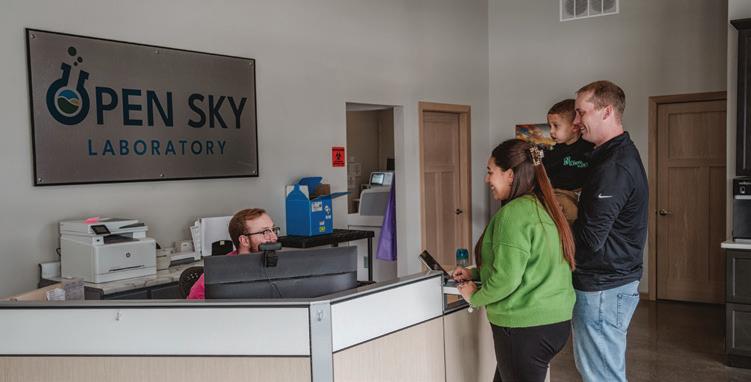
n most people's minds, getting lab work done requires AT LEAST one hour of your time where you sit in a waiting room, fill out paperwork, wait again, and finally, eventually, get called back.
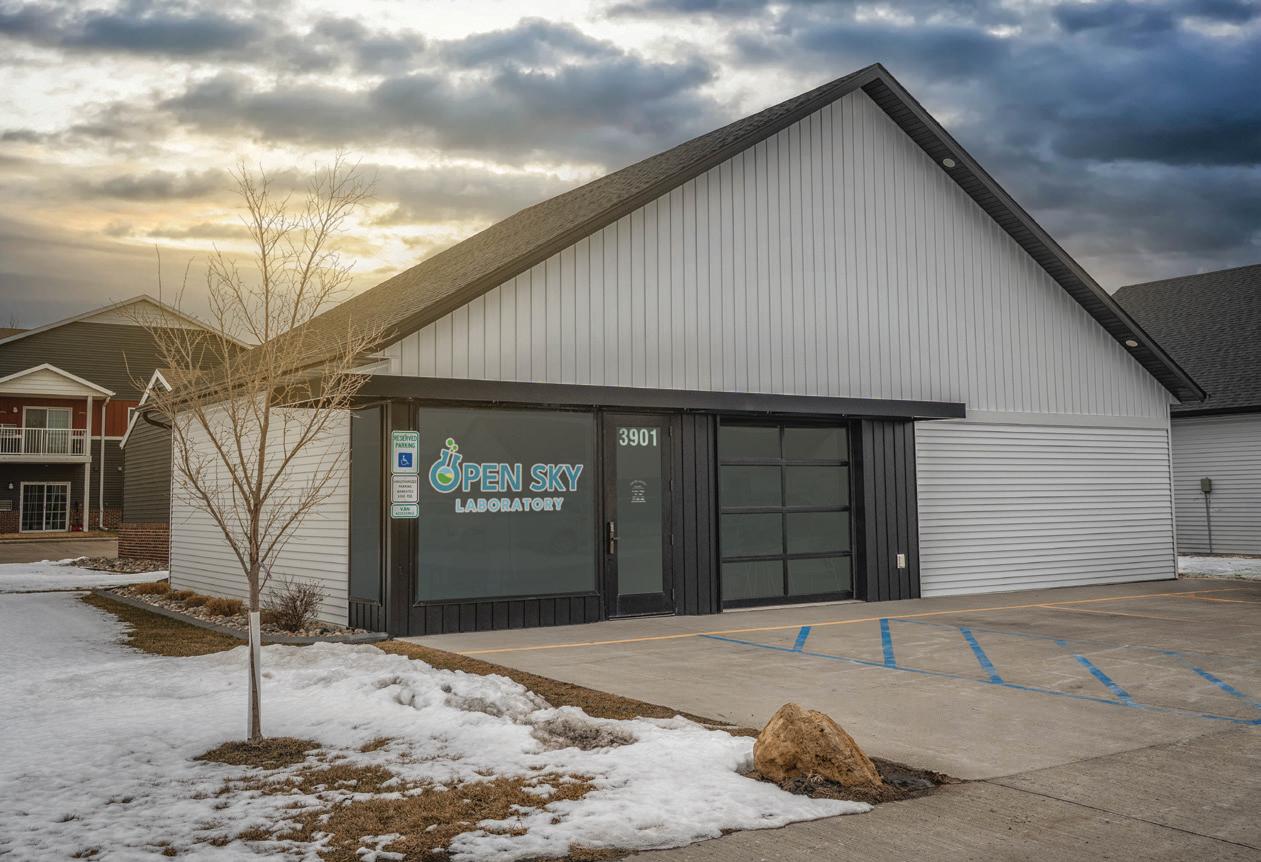
Open Sky Laboratory flips that on its head by focusing on time, access, and experience. And for a growing number of patients, and medical providers, that’s exactly what healthcare has been missing.
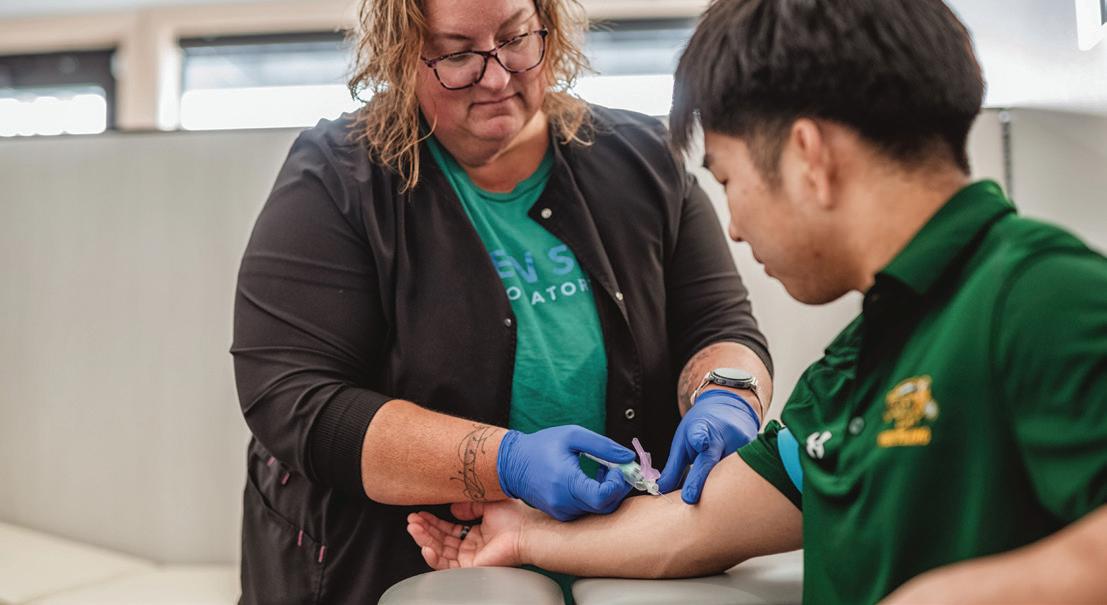
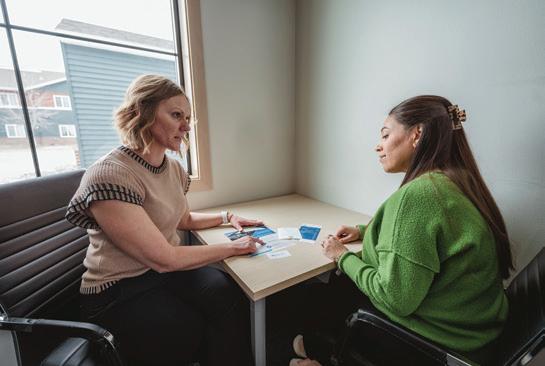
If your provider has already sent your order, the process at Open Sky Laboratory can be as fast as walking in, getting your blood drawn, and walking out. Often in under five minutes.
Because of busy schedules, long to-do lists, and delayed appointments, lab work is often something people push off when they really shouldn't.
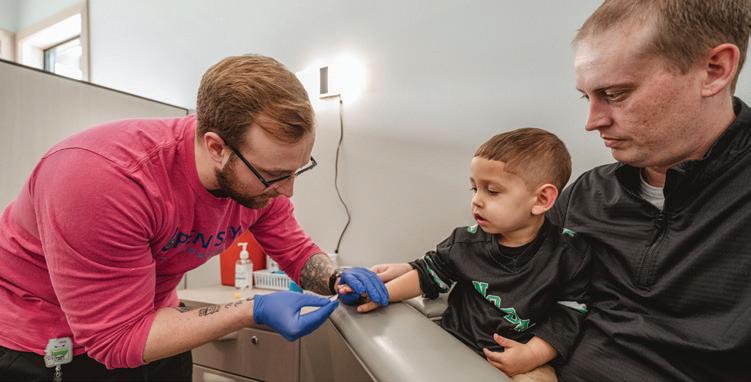
Since Open Sky focuses on the patient experience, they take the time to focus on each and every patient. Time for the patient who’s nervous about needles. Time for the child who needs reassurance. Time for the person who just needs a minute to sit, breathe, and feel okay.
“We’ve had patients who typically have a hard time with lab draws come in and have a completely different experience,” Executive Practice Manager Mykke Kjellerson said . “They’re not rushed. They’re not surrounded by a full waiting room. They can take their time.”
Their Mission
Open Sky Laboratory strives to provide Clinical Laboratory Testing and Anatomic Pathology services to meet the needs of our clients and patients in the communities in which we serve, through dedication to quality and accuracy.
Core Services
Their core services are designed to provide comprehensive Pathology and Clinical Laboratory Medicine services. We are committed to delivering the highest quality services.
Professional Staff
In addition to their extensive Laboratory Medicine expertise and experience, Open Sky Laboratory staff is dedicated to providing exceptional service to our clients and patients.
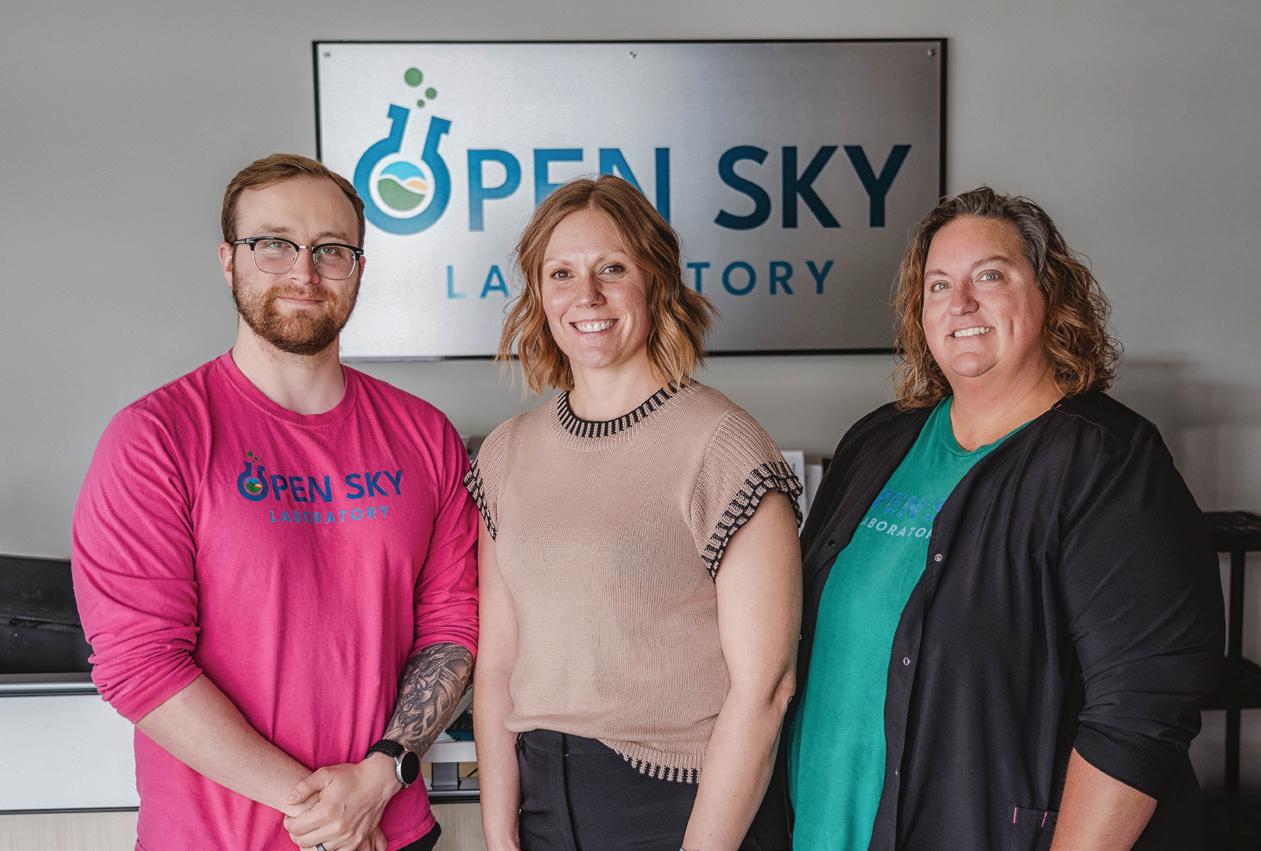
Cory has over 5 years of phlebotomy and laboratory experience. Cory graduated from George Washington State University with his associate's degree for medical laboratory technician. Cory's favorite part of working at Open Sky is talking with the patients that come in for their blood draws.
Mykke has greater than 15 years of laboratory experience including over a decade of lab leadership experience. Mykke graduated from North Dakota State University with both her Bachelor of Science degree in Clinical Laboratory Science, and her Master of Business Administration degree. Mykke's favorite part of this job is meeting new clients and understanding their story and determining how Open Sky can align with their goals. Outside of work, Mykke is a busy Mom of two, where she enjoys every moment of watching her kids do all activities with her husband!
Deb has been working in the laboratory setting for over a decade with more than 15 years of phlebotomy experience and over 10 years of experience as a Medical Laboratory Scientist. Deb graduated from the University of Louisiana with her Bachelor of Science degree and from the University of Florida with her Master of Science degree. Deb is passionate about getting quick, yet accurate results and providing excellent customer service. She is always willing and able to answer any questions or concerns. Outside of work, Deb is a Mom of 3 and a Grandma of 1. She enjoys reading and being outdoors.
The MPF Standard
By Brady Drake
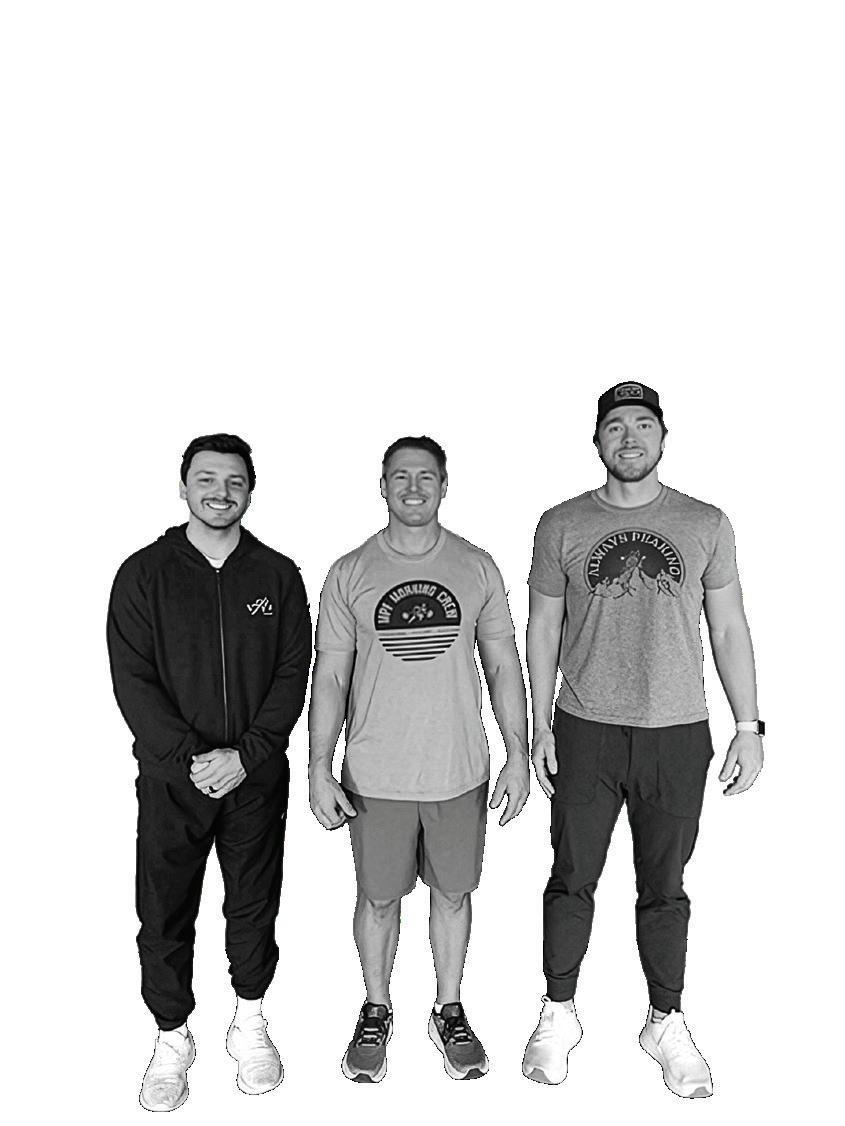
Maximum Performance & Fitness (MPF) in West Fargo is built around one core idea: train with purpose. Founded by Brad Nordstrom, MPF blends performance training, personal coaching, and long-term athletic development for both athletes and adults. From middle school athletes to professionals and everyday clients, the facility emphasizes technique, structure, and measurable progress—creating an environment where training isn’t just about working hard, but working smart.
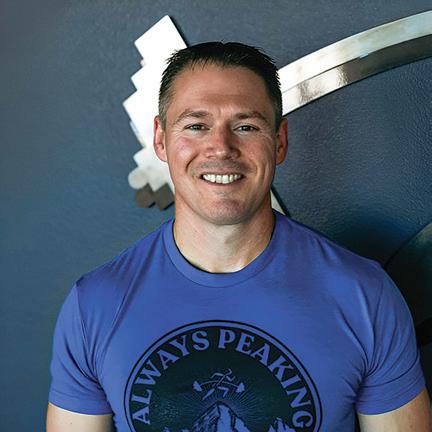
Brad Nordstrom
Brad Nordstrom didn’t just step into personal training, he built his career through decades inside the industry, backed by a master’s degree from NDSU and years working at the intersection of exercise science and performance. As the founder of Maximum Performance & Fitness, Nordstrom has spent more than two decades developing programs for everyone from everyday clients to high-level athletes, combining academic knowledge with real-world application.
What’s your philosophy on balancing performance, safety, and longterm development?
Technique is number one. I enjoy working with younger athletes because we can focus on movement quality, speed, and proper form before they become focused on lifting heavier weights. That foundation creates a safer environment and sets them up for long-term growth as they progress into high school and beyond.
How do you tailor programs for multi-sport athletes?
We adjust training based on the athlete’s next sport. For example, a volleyball and basketball athlete might focus on jumping and short agility work leading into volleyball, then transition into longer agility and conditioning work as they prepare for basketball.
How do you measure progress and success?
It varies. Sometimes, success is an athlete going from the bench one season to becoming a starter the next. I’ve seen many athletes make that jump. Progress is measured daily in the weight room, but ultimately, I want to see improvements carry over to performance on the court or field.
What does a typical session look like?
We start with activation and a dynamic warm-up, then move into speed or agility work with plyometrics. After that comes strength training based on the athlete’s sport, finishing with conditioning and stretching.
Faster, Stronger,
The MPF team
Stronger, Better
How long have you worked with athletes?
About six years. I started as an intern at Dynasty Performance Training while studying exercise science at NDSU. After graduating, I stayed on to train athletes and help program speed and agility workouts. Eventually, Dynasty merged with MPF, and I joined the team.
What types of athletes do you specialize in?
We work with a lot of multi-sport athletes, which keeps things balanced across different sports. Personally, I have more experience with basketball players, which helps me understand movement patterns and relate to their training process.
How do you approach training for developing athletes versus adults?
It starts the same—identify goals, experience level, and limitations. For athletes, the focus is on sport-specific strength, speed, and agility, with a strong emphasis on technique before progressing to power and explosiveness.
For adults, it’s more about longevity—functional strength, mobility, and cardiovascular fitness to support everyday life.
What’s your philosophy on balancing performance, safety, and longterm development?
Build a strong foundation through fundamentals and proper technique. That reduces injury risk and allows athletes to stay healthy and compete at a high level. Recovery is also huge—sleep, nutrition, and listening to your body all matter.
How would you describe your coaching style?
Adaptable and personable. I like to keep things competitive and fun—I’ll “talk a little smack” in a positive way to push athletes to give more effort.
How do you motivate athletes who are struggling?
It depends on the athlete. I try to get to know them personally so I understand what motivates them. Some respond to tough love, others need a different approach. Building trust makes that easier.
What kind of results have your athletes seen? Most athletes improve across all baseline tests—vertical jump, broad jump,
Paxton Lloyd
Paxton Lloyd’s path into personal training starts the same way he built his reputation on the court—through discipline, pace, and an understanding that performance is earned over time. A Fargo South standout who went on to play college basketball at Valley City State, Lloyd is detail-oriented, competitive, and built around constant improvement.
Training at MPF
MPF offers a wide range of training options designed to meet people where they’re at:
• ATHLETIC ENHANCEMENT PROGRAMS
Speed, agility, plyometrics, and strength training for middle school through collegiate athletes
• PERSONAL TRAINING (1:1 & SMALL GROUP)
Customized programs based on individual goals, experience level, and limitations
• TEAM TRAINING
Sport-specific sessions tailored for entire teams
ADULT FITNESS & MELT PROGRAM
Functional strength, mobility, and recoveryfocused training for long-term health
• SPEED & STRENGTH GROUPS
Structured group sessions combining performance training with strength development
Jon Baune
A Fargo South state champion turned Concordia wide receiver and semi-pro competitor, Jon Baune’s path into personal training was a continuation of his passion for athletics. Today at Maximum Performance & Fitness, he brings that same athlete’s mindset to his clients by blending structure, accountability, and performancedriven training into a system designed not just to get people moving, but to get them better.
How long have you worked with athletes?
10 years. I started working with Brad at MPF after graduating from college in 2016. I’ve worked with both adults and athletes through personal training, the MELT program, and our Athletic Enhancement Program.
What types of athletes do you specialize in?
All types of athletes across a wide range of sports.
How do you approach training for developing athletes versus adults? They have different goals, and the training reflects that. But the way I motivate and push them stays consistent.
What’s your philosophy on balancing performance, safety, and longterm development?
The main focus is on making sure exercises are done correctly, then progressing over time. It’s rewarding to see athletes start young, stay consistent, and improve year after year.
How do you assess an athlete before starting a program?
We test vertical jump, broad jump, pro agility, and the 40-yard sprint regularly. For strength, we may work up to a heavy single on lifts like bench or squat every eight weeks to guide future programming.
How do you adjust programming in-season vs. off-season?
In-season, we scale back speed and agility since athletes get that in practice and focus more on strength and recovery. Off-season allows for more development, but it’s still possible to make progress during the season.
How would you describe your coaching style?
Adaptive. With so many different athletes and adults coming through MPF, it’s important to understand what motivates each individual.
What does a typical session look like?
A session includes a dynamic warm-up, followed by speed, plyometric, and agility work, then strength training, and finishes with mobility. The focus alternates throughout the week between speed/vertical work and agility/lateral movement.
Built on People First
If there is one thing that carried from Rejuv into Chapter unchanged, it is this: delivering an exceptional guest experience comes first.
Everything builds from there.
Over time, the team learned something that would shape the future. Creating meaningful experiences requires more than technical skill—it requires people who care deeply and guide each guest through a personalized journey.
“You can train skill,” Rogne said. “But you can’t train someone to truly care about people.”
That belief influences every decision—from how providers are hired to how teams are empowered to lead and take ownership.
Chapter is built on a team-first mindset—one team, one dream—where collaboration sits at the center of care. This ensures every guest benefits from aligned expertise and a seamless, personalized experience.
That commitment is strengthened by working alongside top injectors and trainers, including Chief Medical Officer Dr. Ben Wood. Under his guidance, teams continue to refine care.
As the company has grown, the experience has not diluted—it has deepened, becoming more intentional.
And the guest feels that—in every interaction, every treatment, every moment.
From Aesthetics to Something Bigger
When Rejuv first began, the industry looked very different. It was transactional. Surface-level. Focused on quick fixes.
“That was never the vision,” Rogne said.
What Chapter is building today reaches far beyond traditional aesthetics.
Over time, the company has evolved into a model that blends aesthetics with wellness, longevity, and health. It was among the first locally to introduce services like hormone therapy, wellness shots, and IV treatments—before they became mainstream.
And that evolution continues.
“We’re focused on where aesthetics meets how people actually feel,” Rogne shared. “It’s not just about how a guest looks—it’s about how they function, how they feel, and how they are supported.”
Today, Chapter continues to lead into regenerative aesthetics—meeting the guest where they are and supporting them forward.
Instead of one-off treatments, the approach is layered and intentional: stimulating collagen instead of replacing volume, supporting the body instead of masking symptoms, and combining therapies to create natural, longer-term outcomes.
“We’re really focused on combination therapy right now,” the team says. “Mixing different treatments to create better, more natural results.”
“We’re not chasing trends,” Rogne added. “We’re building outcomes that truly matter.”
Xeomin Provider in the US
SERVICES AT CHAPTER
AESTHETIC STUDIO
WELLNESS
• Bioidentical Hormone Replacement Therapy (BHRT)
• Vitamin Injections
• IV Therapy
BODY CONTOURING
• CoolSculpting®
• CoolTone®
INJECTABLES
• Microtox
• Botox®
• Xeomin®
• Dermal Fillers
• Biostimulators (Radiesse®, Sculptra®)
LASER TREATMENTS
• Coolpeel
• CO₂ Laser
• IPL (Intense Pulsed Light)
MICRONEEDLING
• SkinPen®
• Virtue RF
FACIAL TREATMENTS
• DiamondGlow®
• Hydrafacial / Hydraglow
• OxyGeneo®
• VI Peel
REGENERATIVE & ADVANCED THERAPIES
• PRP / PRF (Platelet-Rich Plasma/Fibrin)
• Exosome Therapy
• Illuminate Undereye Treatment
• Hair Restoration
• Advanced Neck Rejuvenation Treatment
Through every new location, every new service, every evolution of the brand—one thing has remained constant: The identity of Chapter.
“Chapter may have a national footprint today,” Founder Melissa Rogne said, “but the standard—the heart—was built right here in Fargo.”
Because growth was never the goal.
“Doing it right was,” Rogne said. “And it still is.”
That belief continues to unite the team, guide decisions, and set Chapter apart—and it’s what has allowed a Fargo-founded brand to earn recognition on a national stage while never losing sight of the community that built it.
“I am endlessly grateful for this team—for the passion, resilience, and belief in what is being built together,” Rogne shared. “Challenges have been faced, boundaries have been pushed, and each time, the company has come out stronger.”
Now, that momentum carries forward—with clarity, purpose, and an unwavering commitment to the guest.
“The best is not behind us—it’s ahead of us,” Rogne said. “And together, the next chapter is being built.”
Chapter Aesthetic Studio is still focused on the right employees first!
MEET THE
By Brady Drake Spotlight Media
a fitness landscape often dominated by crowded gyms and one-size-fits-all programs, Blueprint Personal Training offers a more intentional approach in Fargo. Built around individualized coaching, the private studio focuses on structure, accountability, and measurable progress—pairing customized training with nutrition guidance to help clients achieve lasting results. Rather than operating as a high-volume gym, Blueprint emphasizes a coach-led experience where every session is purposeful, and every plan is tailored. At the center of it all is a team of dedicated trainers who view their work as a profession, prioritizing relationships, consistency, and long-term impact over quick fixes—because real change starts with the people guiding the process.
Let's meet the team.
Q: WHAT ORIGINALLY DREW YOU TO PERSONAL TRAINING?
A: I went through my own weight loss journey in high school, and once I reached my goal, I knew I wanted to help others do the same. That’s what’s kept me in the industry.
Q: HOW WOULD YOU DESCRIBE YOUR TRAINING PHILOSOPHY?
A: I focus on strength training that helps you in everyday life.
Q: WHAT DO MOST PEOPLE MISUNDERSTAND ABOUT GETTING IN SHAPE?
A: People think they need to run miles and eat very little to lose weight. That might work short-term, but it’s not sustainable. Strength training and small, consistent dietary changes are much more effective long-term.
PERSONAL TRAINER
Pete Wunderlich’s career in fitness is rooted in personal experience. After going through his own weight loss journey in high school, he found a passion for helping others achieve the same kind of transformation—focusing on strength, sustainability, and long-term change.
Q: WHAT SEPARATES A GOOD TRAINER FROM A GREAT ONE?
A: A great trainer meets people where they are. It’s not about motivation—it’s about building sustainable habits that fit into someone’s life.
Q: HOW DO YOU KEEP CLIENTS MOTIVATED WHEN PROGRESS SLOWS?
A: I remind them that plateaus are normal. The most important thing is to stay consistent and not let stalled progress dictate your effort.
Q: WHAT’S ONE SMALL HABIT THAT MAKES A BIG DIFFERENCE?
A: Drinking more water. A lot of people don’t realize how much of an impact it can have.
Q: WHAT TRENDS CONCERN YOU IN THE INDUSTRY?
A: The misuse of weight loss medications without making lifestyle changes. They can be a useful tool, but they shouldn’t replace building healthy habits.
J. Allan Paul Photography
Q: WHAT ORIGINALLY DREW YOU TO PERSONAL TRAINING?
A: I’ve always been involved in sports and fitness. Growing up, I worked with physical therapists and saw how much they helped people. That inspired me to pursue a career in health and fitness. Seeing my clients make progress and improve their lives is what keeps me in it.
Q: HOW WOULD YOU DESCRIBE YOUR TRAINING PHILOSOPHY?
A: Show up every week ready to train hard and have fun.
Q: WHAT DO MOST PEOPLE MISUNDERSTAND ABOUT GETTING IN SHAPE?
A: People think they can out-train a bad diet. If your nutrition isn’t aligned with your goals, it’s going to be frustrating to see results.
PERSONAL TRAINER
Ben Leervig has been immersed in sports and fitness for as long as he can remember. Inspired early on by the impact of physical therapy and performance training, he built his career around helping others improve their health—driven by the belief that consistency, effort, and the right plan can change lives.
Q: WHAT’S THE BIGGEST MISTAKE YOU SEE BEGINNERS MAKE?
A: Lack of consistency. Training once or twice a week inconsistently won’t lead to meaningful progress. This is a longterm process—it’s a marathon, not a sprint.
Q: IF SOMEONE ONLY HAS 30 MINUTES A DAY, WHAT SHOULD THEY FOCUS ON?
A: Compound exercises. They allow you to train multiple muscle groups at once and make the most of your time.
Q: WHAT’S ONE SMALL HABIT THAT MAKES A BIG DIFFERENCE?
A: Drinking water consistently throughout the day.
Q: WHAT TRENDS CONCERN YOU IN THE INDUSTRY?
A: The rise of “influencer trainers” who promote methods that aren’t backed by science. What works for one person doesn’t work for everyone.
J. Allan Paul Photography
Q: WHAT ORIGINALLY DREW YOU TO PERSONAL TRAINING?
A: I was a college athlete, so I grew up around lifting and working out my entire life. I knew once I got out of college, I wanted to stay in the fitness world. I’m in my first year as a personal trainer, so I’m excited to see what the future holds.
Q: HOW WOULD YOU DESCRIBE YOUR TRAINING PHILOSOPHY?
A: Form over weight. It’s more important to lift correctly than to lift heavier weights with poor technique. That’s how you prevent injury and build real strength.
Q: WHAT DO MOST PEOPLE MISUNDERSTAND ABOUT GETTING IN SHAPE?
A: Your diet is extremely important. You can work hard in the gym for hours, but if your nutrition isn’t aligned with your goals, you won’t see the progress you want.
PERSONAL TRAINER
A former college athlete, Will Bryant’s transition into personal training was a natural extension of a life spent in the gym. Now in his first year as a trainer, he brings a fresh perspective rooted in fundamentals, discipline, and a growing passion for helping clients build sustainable habits.
Q: WHAT’S THE BIGGEST MISTAKE YOU SEE BEGINNERS MAKE?
A: Setting unrealistic timelines. It leads to frustration when they don’t hit their goals as quickly as they expected.
Q: HOW DO YOU KEEP CLIENTS MOTIVATED WHEN PROGRESS SLOWS?
A: Celebrate small wins. Even small increases in weight or consistency matter—progress is still progress.
Q: WHAT’S ONE SMALL HABIT THAT MAKES A BIG DIFFERENCE?
A: Hitting a daily step goal. I aim for at least 10,000 steps, and I’ve seen a big impact on my own results.
Q: WHAT’S OVERRATED IN THE FITNESS WORLD RIGHT NOW??
A: The idea that there’s a “quick fix” for fat loss or specific workouts that target belly fat. There’s no shortcut—results come from consistency.
Search "Blueprint Personal Training"
@blueprintfargo
J. Allan Paul Photography
The Kind of Place You Don’t Outgrow
By Brady Drake
There are places you visit, and then there are places that become part of your life.
Fair Hills is the second kind.
For nearly a century, families have been making the same trip—year after year—back to the shores of Pelican Lake in Detroit Lakes, MN. Because Fair Hills isn’t just somewhere you stay. It’s somewhere you return.
In 2026, the resort celebrates 100 years under the ownership of the Kaldahl family. And anyone who has been to the resort will tell you, they have not lasted that long on accident.
100 Fair Hills at Where It All Began
Long before it became one of the most recognized all-inclusive family resorts in the country, Fair Hills was something much simpler.
In the early 1900s, three brothers—Hud, Frank, and George Ashelman—began welcoming guests to a quiet stretch of lakeshore. What started as a farmhouse with a few summer boarders gradually grew into something more structured. Cabins were added. A lodge followed. Guests arrived by canal boats, and later, by early automobiles that made the journey feel like an adventure in itself.
But the real turning point came in 1926.
That’s when Ed and Bessie Kaldahl purchased the resort for $18,500, stepping into what would become a multi-generational legacy that still defines Fair Hills today.
Their first day didn’t exactly go as planned.
He never sent it.
The weather turned. The lake settled. And something told him to stay. That decision changed everything.
Nearly 100 years later, the Kaldahl family is still here.
When Ed and his sons arrived to open the resort, they discovered that nearly everything—linens, dishes, bedding— had been sold off by the previous owner. Frustrated, Ed drafted a letter to cancel the purchase.
More Than a Resort
Over the years, Fair Hills has expanded beyond its original footprint, but always with the same philosophy.
Wildflower Golf Course, developed in the early 1990s, adds a championshipcaliber experience just minutes from the lake.
Five Lakes Resort extends the reach of the property, offering additional lodging and private, scenic escapes.
And The Barn at Five Lakes has reemerged as a destination for weddings, corporate retreats, and large gatherings, bringing a modern event experience into the same ecosystem.
A Family Business
Fair Hills has never been “family-owned” as a tagline.
From Ed and Bessie to their son Chester, to Dave and Barb, and now to Beth Kaldahl Schupp and her family, each generation has taken on the responsibility of preserving what makes the resort special— while carefully evolving it just enough to stay relevant.
Today, that leadership extends into a fifth generation.
Beth’s daughter, Emily Meyers, grew up at Fair Hills and now plays a central role in shaping its future—from operations to creative direction.
Relationships have formed here. Marriages started here. Entire family histories trace back to weeks spent on this lake.
Why People Keep Coming Back
Most resorts focus on what they offer. Fair Hills focuses on how it feels.
Yes, there are over 100 cabins. Yes, there are activities—golf, sailing, pickleball, waterskiing, fitness classes, kids programming. Yes, meals are served daily, family-style, with everything included.
But none of that explains why 87% of guests return. What brings people back is something less tangible. It’s the rhythm of the place.
Mornings that start slowly. Days that unfold without pressure. Kids disappearing into activities and returning sunburned and smiling. Evenings that bring everyone back together—whether it’s around a dinner table or at a lakeside show.
Guests often describe the resort the same way, "like stepping into a different time."
Well Deserved Recognition
In recent years, Fair Hills has gained national recognition.
It’s been named the #1 all-inclusive family resort in the United States by USA TODAY.
It’s been featured by Forbes, Travel + Leisure, and National Geographic.
Did you know that 87% of Fair Hills guests return?
And in 2025, it earned multiple honors in the Minnesota’s Best awards, including Gold for Summer Resort.
But the recognition hasn’t changed the approach. If anything, it’s reinforced it.
The Real Story is the People
At its core, Fair Hills isn’t defined by its amenities or its history.
It’s defined by the people who keep showing up.
Families who return every summer.
Kids who grow up and bring their own children.
Staff members who come back season after season because the place means something to them, too.
That’s what 100 years actually represents.
By Brady Drake
Before he was guiding people through internal landscapes, Triptow was living a very different kind of movement.
A Fargo native, he grew up immersed in the performing arts—music, dance, storytelling. That path eventually took him to New York City, where he trained, performed, and toured nationally, including a run in West Side Story and a yearlong Disney production that had him traveling the country by bus.
It was a fast life with constant motion and constant output. So, his relationship with yoga at the time was something entirely different.
“It helped regulate my nervous system,” he said. “It warmed me up. It got my breath underneath me before performing. Plus, we were spending a lot of time
in a bus while we traveled so it was important."
Then the pandemic hit.
Like many in the arts, Triptow found himself suddenly without a stage. Back in Fargo temporarily, with his life still technically rooted in New York, he faced a question a lot of people did in 2020: What now?
“I had always had teaching yoga on my bucket list,” he said. “And I thought, this is probably the time to really hone in on it.”
By 2021, he was back in Fargo for good teaching.
Spend five minutes in one of Triptow’s classes and you can tell he places an importance on perception.
“I like to use metaphor,” he said. “I like to find different ways of moving and different perspectives so we can actually navigate the mind into the body.”
That approach pulls from a wide range of influences. Traditional yoga philosophy forms the foundation, but Triptow layers in ideas from Daoism, Chinese medicine, and Katonah Yoga—a method rooted in sacred geometry, mapping the body, and organizing oneself in space and time.
To him, these aren’t competing systems. They’re different languages describing the same thing.
“It’s like music,” he said. “Jazz, classical—different styles, same
underlying notes—just arranged and played differently.”
The goal isn’t to complicate movement. It’s to deepen it.
“I do this because it can help people have those ‘aha’ moments when they're taking a class,” Triptow says. “I want people to leave feeling like they experienced something.”
That experience often comes through visualization with guided cues that direct attention through the body in ways most people have never tried before.
People who struggle to “get into that side of things” often find themselves surprised by how tangible it feels (the author included).
After more than 15 years of practice, Triptow doesn’t measure progress the way most people do. He’s always been flexible. That was never the issue.
What’s changed is something harder to quantify.
“I’ve learned where my edges are,” he said. “How to not push past them.”
In a culture that celebrates more—more intensity, more output, more progress— that restraint matters. It’s what allows him to keep moving without breaking down.
If group classes are about exploration, Triptow’s private sessions are about refinement.
“They’re not just a class for one person,” he said.
Instead, they’re tailored, handson sessions designed to identify patterns—where someone is overusing certain areas, avoiding others, or holding tension without realizing it.
A student might come in with shoulder pain. Or trouble relaxing. Or just curiosity.
From there, Triptow observes, adjusts, and guides.
“I’ll have them show me a posture,” he said. “Then I’ll introduce tools that make it a better experience.”
That might mean props, restorative positions, and/or breath work. Or something more subtle—what he calls “body reading.”
“It’s like, where are you hitting too hard? What are you using too much?”
The goal is to rebalance how they’re moving. And sometimes, the results are immediate.
“They’ll say, ‘I don’t know what you just did, but that tightness is gone.’”
But beyond injury prevention, there’s something else
“I feel like I have more freedom in my body,” he said. “And I’m more in tune with what’s happening.”
Even as his teaching has evolved, Triptow hasn’t left performance behind. This summer, he’ll be stepping back into a space that helped shape him—Trollwood Performing Arts School.
“I was a student there many years ago,” he said. “I was part of the musicals through my high school years.”
Now, he’s returning as part of the artistic team, serving as associate choreographer for this year’s mainstage production of Frozen.
For Triptow, it’s a full-circle moment.
“A chance to give back to a program that really taught me how to hone my skills as a young artist.”
Alongside that role, he’ll also be leading a class he’s now taught multiple times called Broadway Balanced.
Running throughout June, the program brings together high school students for three and a half weeks to train as performers, and to build awareness of the person behind the performance.
“We focus on how to take care of the artist behind the art,” he said.
That includes movement practices that connect students to their breath and body, along with tools to help them focus their minds.
There’s also reflection in the forms of writing exercises, vision boards, and conversations about goals and identity.
“It’s about giving them tools they can use in everyday life,” he said. “Not just as artists, but as young adults.”
The Power of
Movement
Three Miles Per Day for 4 Years!
By Brady Drake
Rebekah Kilde, 49, doesn’t miss days.
For nearly four years, she’s walked, run, or hiked at least three miles every single day. No breaks. No resets. No “I’ll start again Monday.”
Snowstorms. Road trips. Busy days. Sick days. She still gets it in. Though she admits, in the winter, she chooses the treadmill.
"I'm not that tough," said Rebekah Kilde who teaches yoga and sculpt classes at Haute Yogis in West Fargo.
Kilde doesn’t come from some intense athletic background. She’ll tell you that herself.
She played volleyball growing up, but not at a super high level. She did cheerleading all through school. She’s always been coordinated, but she jokes that she was never really “athletic” in the traditional sense.
What she did have, though, was exposure to movement.
Her mom taught fitness classes. Group workouts were normal. And early on in her life, she realized she felt better after she moved. Not just physically, but mentally.
“I’ve always enjoyed exercise,” she said. “It’s never really felt like a chore to me.”
MIKAYLA BARNICK
PHOTOGRAPHY
REBEKAH AND HER SON ANDREW LOVE TO HIKE.
REBEKAH IS TRAINING TO COMPLETE HER SECOND FULL MARATHON THIS YEAR! THIS PICTURE HERE IS AFTER HER FIRST IN 2014.
People think fitness has to be this big thing. It doesn't. You don’t have to do everything. Just do something. You don’t need a perfect routine. You don’t need hours of free time. You don’t need to follow every rule you see online. You just need to move. And most importantly, you need to find something you actually enjoy. Because if you don’t enjoy it, you won’t keep doing it."
The Three-Mile Habit
Kilde's three mile per day habit started in 2022 with an online challenge to do three miles a day for 31 days.
She did it in June. Then July came around, and she realized… she kind of liked it. Somewhere in that month, it shifted from “challenge” to routine.
Then the routine turned into something more serious. Then it turned into a streak.
Now, it’s just part of her life and she hasn’t missed a day since.
There’s no dramatic system behind it. No rigid schedule. Just getting the miles in.
If she’s tired, she walks. If she’s sick, she goes slower. If the day gets busy, she breaks it into chunks—one mile at a time.
If she’s traveling, she wakes up earlier.
It’s not about perfect conditions. It’s about not skipping.
Next Page >
REBEKAH KILDE
REBEKAH KILDE
THE POWER OF MOVEMENT
And over time, that’s become something she’s proud of.
“There are so few things in life you can really say you’ve done every day,” she said. “And this is one of them.”
Most people assume a streak like that comes from discipline. And sure, some of it does. But what really keeps it going is how it makes her feel.
“It’s a mood lifter. Every time,” she said.
There’s another reason this habit means something to her. It's her dad.
He walked every day too.
One mile. Two miles. Same routes. Same consistency. And he did it for decades—even into his 80s. Even in the winter. Even in storms.
He passed away a few months ago, and now when she’s out walking, she thinks about him.
Even on days when she doesn’t feel like doing it, she knows what’s waiting on the other side.
She’s not chasing results, she’s chasing the feeling. And because of that, it doesn’t feel forced.
Her Fitness Routine
Right now, things look a little different.
She’s training for her second full marathon— Grandma’s Marathon in Duluth—after doing her first back in 2014. She said she’d never do another one.
Now she is.
So Sundays are long runs. The rest of the week, she’s still doing her three miles a day—walking or running depending on how she feels.
She mixes in yoga and sculpt classes a couple of times a week, too. That’s what she teaches, and it’s a big part of her life.
Next Page >
REBEKAH KILDE
REBEKAH KILDE
REBEKAH KILDE
REBEKAH DOES A COUPLE OF HALF MARATHONS EVERY YEAR!
THE POWER OF MOVEMENT
Where the Miles Take Her
Not all miles are created equal.
Some are treadmill miles in the middle of winter. Some are quick neighborhood loops squeezed into a busy day.
But the best ones?
National parks.
Kilde has been to 22 so far.
Utah. Yosemite. Kings Canyon. The Grand Canyon. Soon, Glacier.
“If I could live in a national park, I would,” she said.
Rebekah's Advice
Kilde doesn’t overcomplicate advice.
"People think fitness has to be this big thing. It doesn't," Kilde said. “You don’t have to do everything. Just do something. You don’t need a perfect routine. You don’t need hours of free time. You don’t need to follow every rule you see online. You just need to move. And most importantly, you need to find something you actually enjoy. Because if you don’t enjoy it, you won’t keep doing it."
What This Is Really About
At this point, the streak matters. But it’s not really about the streak. It’s about what it represents.
Showing up. Every day. Even when it’s inconvenient. Even when it’s not exciting.
Rebekah Kilde is someone who doesn’t miss days.
And we can all learn from that.
REBEKAH
Mobility! Mobility! Mobility!
Sports Massage by Josh
Josh Lorentz didn’t set out to build a business. He set out to fix himself.
At 19, deep into powerlifting, he was pushing limits without understanding them. He was focused on working harder, lifting heavier, and keeping going.
Until his body forced him to stop.
“It wasn’t just one thing,” he said. “It was knees, hips, shoulders… eventually everything.”
It got to the point where training was pretty much impossible for Lorentz.
And what made it worse was the lack of answers.
Like most people in that situation, Lorentz did what he was supposed to do.
He saw doctors. He got imaging done. He went to physical therapy. He tried chiropractic care.
None of it gave him more than temporary relief.
“I felt like everything was focused on one area at a time,” he said. “No one was really looking at the full picture of my body.”
About Josh Lorentz
Josh Lorentz is the owner of Sports Massage by Josh, a Fargo-based practice focused on helping clients move better, reduce pain, and understand their bodies on a deeper level. His approach is rooted in personal experience—after dealing with widespread joint pain as a young athlete, Lorentz immersed himself in studying mobility, movement mechanics, and full-body function. Today, he combines hands-on massage therapy with a systems-based philosophy that prioritizes longterm results over temporary relief. His goal isn’t just to help clients feel better, but to give them the tools and awareness to maintain that progress on their own.
That frustration is familiar to a lot of people. Because the system, by design, often treats symptoms brought on by dysfunction, but not the patterns of dysfunction themselves.
And the body doesn’t operate in isolated parts.
Learning How the Body Works
A lifelong learner, Lorentz dove into consuming everything he could online to figure out how he could regain pain-free movement.
He started diving into programs, research, and practitioners who approached the body as an interconnected system rather than a collection of injuries.
Eventually, he shifted his perspective from “where does it hurt?” to “why does it hurt?” which has become the foundation of everything he does today.
“It’s almost never just one joint,” he said. “If something hurts, there’s usually dysfunction somewhere else contributing to it.”
That idea is simple. But it changes everything.
Because once you stop chasing pain, and start understanding patterns, you stop treating symptoms and start fixing problems.
For Lorentz, that shift didn’t come from a clinic. It came from a program he found online called MoveU.
At first, it was just another resource—something to try after everything else had failed. But it quickly became something more.
MoveU is built around the idea that pain rarely happens in isolation. Instead of focusing on a single sore joint or tight muscle, it teaches people how to assess their entire body, looking at posture, movement patterns, and imbalances that develop over time.
That approach was different from anything he had experienced.
Rather than relying on appointments or short-term treatment, the program required daily work with mobility exercises, strength training, and self-assessment. It forced him to pay attention to how his body moved, where it compensated, and what it was lacking.
In many ways, it shifted the responsibility. Instead of asking someone else to fix the problem, he had to learn how to fix it himself. And that’s what made it work.
Over time, about four to five months of consistent effort, Lorentz began to regain movement, reduce pain, and return to training. But more importantly, he developed something he hadn’t had before, an understanding of his body.
Josh's Daily Health Routine
Morning mobility work
Strength training + cardio
Evening mobility + soft tissue work
Walking daily
Sunlight exposure
Whole foods
Sleep
Hydration
The Real Culprit is How We Live
Modern life is the problem. We sit more than we used to. We move less than we used to. And we repeat the same limited patterns every day.
Slowly, without noticing, the body adapts.
“As we age, because of lifestyle, we stop using certain ranges of motion, and your body takes them away,” he said. "That’s where dysfunction begins."
If you watch a child move, they squat naturally. They twist, reach, crawl, and roll. They explore movement without thinking about it.
Adults don't do that, so they end up with limited ranges of motion, stiff hips, tight shoulders, and restricted movement patterns.
Use it or lose it!
Stop squatting you lose that ability
Stop rotating your spine stiffens
Stop reaching overhead shoulders tighten
About the New Training & Recovery Space
Lorentz is currently expanding his business into a new space designed to go beyond traditional massage therapy. The facility will feature three core components: a private massage room, a one-on-one training studio, and a self-guided recovery area. The training side will focus on detailed movement assessments, posture correction, and customized plans to address the root causes of pain and dysfunction. Meanwhile, the recovery space will offer tools like sauna, cold plunge, red light therapy, and compression—giving clients the ability to support their recovery outside of appointments. Together, the space reflects Lorentz’s broader vision: a complete system where treatment, training, and recovery work together to create lasting change.
"If you only have 15 minutes, focus on hips and shoulders. That's where I see the majority of people carrying a lot of tension and dysfunction."
From Personal Fix to Professional Purpose
Lorentz recovered and rebuilt.
Over months of consistent work, he regained strength, mobility, and control. But more importantly, he developed a system—a way of understanding and improving the body that went deeper than traditional approaches.
That’s what led him into massage therapy.
But even that came with a different perspective. Because for Lorentz, massage isn’t the end goal. It’s the entry point.
Most people walk into a massage expecting relief, and that modality is very good at providing relief. However, people often don't get a plan
Lorentz is trying to change that.
“I want people to feel like they understand their body,” he said. “Not just rely on someone else to fix it.”
Currently, Lorentz is building a new space designed around three pillars:
Fix the tissue
Massage therapy to reduce tension and improve mobility.
Fix the movement
One-on-one training focused on:
• Posture
• Mechanics
• Corrective exercises
Support recovery
A dedicated recovery area featuring:
• Sauna
• Ice bath
• Red light therapy
• Compression therapy
“They want a quick fix,” Lorentz said. “But that’s just not how it works. Real improvement requires consistency, awareness, and daily effort. Even if it's just 15 minutes."
Josh's Top Resources for Fixing Your Body
MoveU
A full-body movement program focused on identifying and fixing dysfunction at its root.
• Step-by-step mobility and strength plans
• Teaches posture, alignment, and body awareness
• Designed for long-term, self-guided improvement
Squat University
Run by Dr. Aaron Horschig, a physical therapist and strength coach focused on movement mechanics.
• Breakdowns of common injuries
• Lifting technique and mobility fixes
• Easy-to-understand educational content
The Ready State
Created by Dr. Kelly Starrett, a globally recognized leader in mobility and performance.
• Daily mobility routines
• Recovery techniques used by elite athletes
• Focus on improving range of motion and control
At-home essentials
Lorentz encourages clients to take ownership with simple tools they can use daily.
• Foam roller
• Lacrosse ball (or massage balls in multiple sizes)
Common Mistake: Static Stretching
Real mobility requires:
• Control
• Activation
• Movement through range
Instead of falling into a stretch, you should be actively engaging muscles to get there. That’s how your body learns it’s safe.
The Long Game
There’s no finish line with this kind of work. There's no point where you’re “done.”
But the upside is that if you put in the work, your body responds, adapts, and improves.
6
REASONS TO LOVE FAMILY WELLNESS
STEAM ROOM/ SAUNA
The aquatics area at Family Wellness offers a range of amenities designed to support relaxation, recovery, and overall well-being. In addition to two pools, members can enjoy both a co-ed steam room and dry sauna, providing versatile options for heat therapy.
The steam room is enhanced with eucalyptus oil, creating a refreshing and calming experience, while the dry sauna offers a more traditional heat setting. Together, these features give members multiple ways to unwind, recover, and incorporate restorative practices into their wellness routines.
By Emma Stans, Marketing Intern, Family Wellness
HEALTHY COOKING
At Family Wellness, we are dedicated to inspiring healthy lifestyles through connection, learning, and fun - and our Healthy Cooking classes are a key part of that mission. We offer classes for both children and adults, covering a wide variety of cooking skills, flavors, and nutrition-focused techniques.
Recently, we’ve expanded our range of offers with two mobile cuisine units, allowing us to bring healthy cooking experiences directly to our members. From morning samples to evening recipe demonstrations, our Healthy Cooking department creates approachable, engaging opportunities for everyone to explore nutritious eating and build lifelong wellness habits.
CHILDCARE/ KIDS CAMP
Family Wellness Kids Camps provide a supportive environment where fun, safety, and connection come together. Each week centers on a creative theme with activities like swimming, gym play, outdoor exploration, field trips, and hands-on projects. Campers stay active, try new experiences, and build friendships in a structured, welcoming setting that supports well-being. To support busy families, camps offer flexible options, including before- and after-care and optional swim lessons. Accessibility is a priority, with financial assistance available, including one supported camp admission per child.
Every camper is invited to grow, explore, and experience a rooted in movement, connection, and belonging.
Photo submitted by Family Wellness
In a city full of fitness options, Family Wellness continues to stand out for how intentionally it serves the community. It’s a place where workouts, wellness, and connection all live under one roof, built around the idea that health should be accessible, engaging, and sustainable for everyone.
Whether you’re looking to recover after a long day, try something new, or find a routine that sticks, Family Wellness offers more than the typical gym experience. From its thoughtfully designed spaces to its wide range of programs for all ages, it’s become a go-to destination for individuals and families alike.
Here are six reasons people keep coming back.
GROUP FITNESS
Our Group Fitness department offers a dynamic, inclusive lineup for a range of interests and abilities.
Classes include Les Mills programs like BodyPump, along with Circuit, Tabata, Zumba, XaBeat, Pilates, Barre, AquaFit, and yoga.
We also offer SilverSneakers classes three times per week. Our indoor cycling studio features 45–60 minute rides, often paired with core work. Through our partnership with 3 Dragons Fencing, members can join introductory classes.
Additional offerings include Trauma and Resilience Yoga, MELT programs, and seasonal events like Meow-Maste and Puppy Pilates.
FITNESS FLOOR
At Family Wellness, our fitness floor is designed to be inclusive and welcoming for all experience levels, with staff available to help members reach their personal goals. The space features a full range of strength equipment, including machines, cable systems, plate-loaded options, and extensive free weight areas. Members also have access to over 100 cardio machines, such as treadmills, bikes, ellipticals, stair steppers, and rowers. Dedicated mat spaces support stretching, yoga, and mindfulness activities in a bright, natural-light-filled environment.
Our Adaptive Training Program further expands accessibility by offering individualized, one-on-one fitness support for individuals with physical, cognitive, developmental, or sensory differences. Focused on ability and personal growth, the program builds strength, coordination, mobility, and confidence while encouraging independence, emotional regulation, and connection through movement.
Photo submitted by Family Wellness
FAMILY WELLNESS
Family Wellness is a nonprofit wellness center built around healthy-living programming, not just equipment access. In addition to memberships, group fitness, and personal training, it offers aquatics with lap swim, open swim, water aerobics, and swim school starting at 6 months, plus childcare with indoor and outdoor play areas and a screen-free zone. That makes it especially strong for households that want a true family wellness facility, not just a room full of equipment.
Pool, sauna, and steam room!
| familywellnessfargo.com
| /familywellnessfargo
| @familywellnessfgo
| 701-234-2400
COURTS PLUS COMMUNITY FITNESS
Courts Plus is a classic fullservice club with group exercise, yoga, personal training, cardio and weight rooms, plus basketball, racquetball, and tennis. More specifically, its current amenities include seven tennis courts, four racquetball courts, two basketball courts, reserved pickleball times, and volleyball setups, so it is a particularly strong fit for someone who wants a traditional gym membership with real court-sport depth built in.
Basketball, racquetball, and tennis!
| courtsplus.org
| /courtsplus
| @courts_plus
| 701-237-4805
YMCA OF THE NORTHERN SKY
The Y’s Fercho and Schlossman locations give you the broad
YMCA mix of fitness centers, aquatics, child care, gyms, and community programming. Fercho adds a downtown aquatic center with lap swim, open swim, water exercise, and swim lessons, while Schlossman adds a 32-foot climbing wall alongside fitness and family programming. It is a practical fit for people who want a nonprofit, family-oriented alternative with more built-in variety than a standard gym.
Swimming and climbing wall!
| ymcanorthernsky.org
| /YMCANorthernSky
| @ymcanorthernsky
| 701-239-9622
BLUEPRINT PERSONAL TRAINING
Blueprint is a private training business built around personalized coaching and goal-specific plans rather than open-gym access. Its model emphasizes one-onone guidance, customized programming, and accountability, making it best for people who want hands-on coaching and a clear, individualized fitness plan.
The guidance you've been looking for!
| blueprintfargo.com
| @blueprintfargo
| 701-532-2588
JOEFITNESS
Joefitness specializes in oneon-one, semi-private, and small-group training for busy professionals, moms, and dads. Its approach centers on coaching, accountability, and flexible scheduling, which makes it read more like a coaching-first studio than a traditional gym membership.
The guidance you've been looking for!
| joefitness.com
| /joefitness
RISE TRAINING & FITNESS
Rise pairs fitness and nutrition coaching with small-group personal training, with messaging aimed especially at adults who want to age well and feel better day to day. Its programs emphasize habit-building, consistency, and long-term lifestyle change, making it a strong option if you want coaching and accountability rather than just access to workouts.
Nutrition coaching available!
| risetrainingmn.com
| /RiseTrainingMN
| @risetrainingmn
| 218-512-0296
REVOLUTION TRAINERS
Revolution focuses on personal training inside a private, quieter environment and lists strength training, weight loss, stretching, nutrition coaching, and senior training among its services. That mix makes it well-suited for people who want a more controlled, low-distraction training space compared to a busy commercial gym floor.
Low distraction!
| revolutiontrainers.com
| /RevolutionPersonalTrainingStudio
| @fitrevolution
| 701-321-0377
FIFTY ONE STRONG
Fifty One Strong is a small private gym using the Starting Strength method, with small groups of three to five and highly structured barbell programming. Its coaching emphasizes proper form, progressive loading, and individualized attention, making it best for people who want deliberate, fundamentals-focused strength training.
| fiftyonestrong.com
| /51strong
| @51.strong
| 701-404-7258
ILL-EGO
HQ GYM
ILL-EGO positions itself as Fargo-
Moorhead’s only multi-genre training facility, with powerlifting, strongman, Olympic lifting, and Muay Thai under one roof. Its setup includes specialized equipment and coaching for each discipline, making it a strong fit for athletes who find standard commercial gyms too limiting for serious or niche training styles.
Hardcore!
| illegohqgym.com
| /ILLEGOHQGYM
| @illego_hqgym
| 701-356-0420
EDGE FITNESS
Edge is a 24/7 health club focused on classic strength and cardio access, and its current services page specifically highlights cardio, strength training, sauna access, and day-pass options. That makes it a good middle-ground choice if you want more amenities than a bare-bones budget gym without moving all the way into boutique studio pricing.
| edgefitnessfm.com
WEST FARGO FITNESS CENTER
West Fargo Fitness Center describes itself as a locally owned 24/7 health club for running, walking, weight lifting, and aerobics. Its site also emphasizes that it has expanded its offerings over time, which helps it read less like a strippeddown key-card gym and more like a straightforward neighborhood club for people who want reliable access without a heavy brand identity.
| wffitnesscenter.com
| @wffitnesscenter
| 701-356-6555
TOTAL BALANCE PHYSICAL THERAPY & FITNESS
Total Balance blurs rehab and gym membership: its fitness centers are tied to a PT practice, include personal training, and are designed to bridge rehabilitation with long-term wellness. Its fitness page also emphasizes access across multiple Fargo-Moorhead locations, and public listings note that
it honors senior fitness programs like SilverSneakers, Silver&Fit, and Renew Active, making it especially appealing for people who want a therapy-informed gym environment with a practical wellness transition built in.
| tbfargo.com
| /TBFargo
| @totalbalanceptf
| 701-293-6037
APEX FITNESS
Apex is a 24-hour Moorhead gym that highlights a clean facility and top-of-theline equipment for athletes and novices alike. Local descriptions also note that one membership gives access to two Moorhead locations and that the gym leans into barbell and powerliftingfriendly equipment, so it looks especially attractive for lifters who want more specialized tools than a standard chain gym usually offers.
| apexmoorhead.com
| /apexmoorhead
| 218-422-5934
EVOLUTION FITNESS
Evolution markets itself as a larger strength-oriented gym with more than 15,000 square feet, heavy dumbbells, turf space, and saunas. Its facility details also highlight Olympic lifting platforms, functional training rigs, and open turf for sled work and conditioning, which makes it best suited for people who want a more serious, training-focused floor than a typical entry-level chain gym.
| evolutionfitnessnd.com
| /EvolutionFitnessND
BODY FOR LIFE FITNESS
Body For Life is a trainer-led business offering personalized programs for weight loss, muscle gain, strength training, and nutrition. Its approach centers on direct coaching and lifestyle change rather than open gym access, making it most useful for adults who want structured guidance and accountability throughout the process.
| bodyforlifefitness.com
| @bodyforlifefitness1
| 701-261-5949
BIRDIE’S ATHLETIC CLUB
Birdie’s combines a full gym with premium golf simulators, sauna access, and 24/7 memberships. The addition of simulator bays for practice and play alongside standard strength and cardio equipment makes it a more specialized option than a typical gym, especially appealing for golfers who want to integrate training and game work in one place.
24/7 golf simulators!
| birdiesathleticclub.com
| @birdiesathleticclub
| 701-552-1254
MAX TRAINING
Max Training grew out of local strengthand-conditioning roots and is positioned around coach-led, athletic-style training for the Fargo-Moorhead community. Its sessions emphasize timed intervals, progressive overload, and coach accountability, which fits people who want structured intensity and a sportsperformance feel without joining a traditional CrossFit affiliate.
| trainatthemax.com
| /MaxTraining
| @trainatthemax
MAXIMUM PERFORMANCE & FITNESS
MPF combines personal training, athlete enhancement, and MELT bootcamp style classes with a facility that includes turf, lifting platforms, multiple cardio options, and infrared saunas. Its programming also includes sportspecific training and semi-private coaching, making it a good fit for people who want serious programming and coaching without necessarily joining a CrossFit gym.
Former NDSU strength and conditioning coach!
| mpfitness.net
| /MPFit1
| @mpfit1
| 701-353-5000
THE FORGE
The Forge brands itself as 24/7, community-driven fitness with group classes and personal training, and its membership structure can also include access to sister recovery business Oasis. That integration of training plus sauna, cold plunge, and recovery services makes it a strong hybrid choice for people who want both performance and recovery in one ecosystem.
24/7!
| theforgefm.com
| /TheForgeFitnessFM
| /TheForgeFitnessFM
| 218-284-2183
PLANET FITNESS
Planet Fitness currently has two Fargo clubs and one Moorhead club, and the local pages emphasize low-cost memberships, free fitness training, flexible hours, and the brand’s clean, welcoming “Judgement Free Zone.” For Black Card members, the Fargo club also promotes perks like guest privileges and HydroMassage, so it remains one of the clearest budget-friendly choices for straightforward cardio and weights with a few comfort-focused add-ons.
| planetfitness.com
| /planetfitness
| planetfitness
ANYTIME FITNESS
Anytime Fitness is built around 24/7 convenience, neighborhood access, and individualized plans/coaching. Its Fargo location pages emphasize a clean, welcoming environment with cardio machines, strength equipment, free weights, and functional training areas, which reinforces why it is one of the easiest brands to join when location convenience and anytime access matter more than flashy extras.
| anytimefitness.com
| /anytimefitness
| @af_fargo
CRUNCH
FITNESS FARGO
Crunch is a large commercial gym brand built around state-of-the-art equipment,
personal training, and a large class menu, and the Fargo club’s current schedule shows formats such as Zumba, Pilates, mobility work, Total Body Circuit, Barbell 45, and POUND. That makes it a better choice for someone who wants a high-energy big-box gym experience with more class variety than a basic open-gym membership.
| crunch.com
| /CrunchFargo
| @crunchfargo
| 701-997-6299
CROSSFIT FARGO
CrossFit Fargo offers coached functional-fitness training and personal training, while Fargo Fitness Project expands that into a broader hub with classes, on-site childcare, a nutrition club, sauna, and cold plunge. The facility also emphasizes structured daily programming and scalable workouts, making it one of the better local fits if you want coached intensity plus built-in recovery and family-friendly amenities in one place.
| crossfitfargo.com
| /CrossfitFargo
| @crossfitfargo | 701-356-3031
CROSSFIT 701
CrossFit 701 presents itself as a coach-led functional-fitness gym with an onboarding process that starts with an intro and a plan instead of dropping people straight into classes. Its current messaging also emphasizes small class sizes, foundational movement work, and individualized scaling, so it is a good fit for someone who wants structure, coaching, and a clear starting path from day one.
| crossfit701.com
| @crossfit701 | 701-671-8679
CROSSFIT UNITAS
CrossFit Unitas emphasizes smallgroup, personal-training-style coaching, nutrition guidance, and clear instruction. It also highlights individualized goal setting and habit-based coaching alongside workouts, which makes it appealing to people who like CrossFit methodology but want more
personalized attention and accountability than a large-class environment.
| crossfitunitas.com
| /CrossFitUnitasND
| @crossfitunitasnd
| 701-430-8607
EHP PERFORMANCE
EHP combines CrossFitstyle training with sports performance, bootcamp, kids and teen programming, nutrition coaching, and a recovery room. Its programming also includes athlete-specific training tracks and seasonal camps, which helps it stand out as a more multidisciplinary performance business rather than a standard boutique class studio.
| ehpperformance.com
| /EHPPerformance
| @ehpperformance
| 218-512-0515
FLY FITNESS
Fly positions itself as a boutique gym sanctuary with a wide class mix, and its Fargo schedule includes cycle, Pilates, barre, yoga, and strength. The studio also leans heavily into a polished, design-forward space and a packed weekly schedule, making it a strong option if you want boutique-studio energy and variety without having to join multiple separate studios.
| feelsfly.com
| /fargofeelsfly
HOTWORX
HOTWORX is a 24-hour infrared fitness concept that uses virtual instruction for hot yoga, Pilates, barre, cycling, and HIIT sessions. Local locations also emphasize short 15–30 minute sessions inside infrared saunas and roundthe-clock access, making it best for people who like heat-based training, flexible hours, and efficient guided workouts.
| hotworx.net
| /officialhotworx
| @hotworxwestfargo
| @hotworxmoorhead
F45 TRAINING WEST FARGO
F45’s West Fargo studio focuses on coach-led 45-minute cardio, resistance, and hybrid team workouts. Its programming cycles daily between strength, cardio, and hybrid formats with structured timing and screens guiding each station, which makes it a good fit if you want efficient circuit training with a strong group-energy atmosphere and minimal planning required.
| f45training.com
| /F45FunctionalTraining
| @f45_training
| 701-557-7284
ORANGETHEORY FITNESS
Orangetheory Fargo runs the brand’s heart-rate-based blend of cardio and strength intervals. Classes use treadmills, rowing machines, and floor work with real-time heart-rate tracking on screens, so it suits people who want measurable effort, coached sessions, and a polished nationalstudio experience with built-in performance feedback.
| orangetheory.com
| /OrangetheoryFitness
| @orangetheory
FARGO FIT BODY BOOT CAMP
30-minute boot-camp style classes that combine HIIT with active rest in a highenergy coaching setting. Its programming also emphasizes accountability, progress tracking, and structured class times throughout the day, making it best for people who want short, intense sessions with built-in consistency.
| fitbodybootcamp.com | 701-380-1113
TAKING CARE OF THE CUSTOMER
By
Brady Drake
Photos by J. Alan Paul Photography
Gluten Free!
If you see Brew Bird
,
you won’t drive by and immediately think it’s one of Fargo’s most reliable food spots. It’s tucked into a space that feels a little off the beaten path, the kind of place you usually hear about from someone else first.
But when people find it, they keep coming back.
“People like coming here because it’s kind of a hidden gem, tucked into this little former town truck shop,” Owner Britt Belquist said. “It’s one of those places where once people come here, they want to come back.”
The menu is amazing with fried chicken, sandwiches, bowls, beer, and delicious sides along a few rotating specials. But the experience isn’t built around complexity. It’s built around consistency and care.
There’s no separation between the customer and the staff. You walk up, you order, and the same people who take your order are the ones making your food and handing it to you.
“It’s just us the whole time,” General Manager Emilie Hillbrands said. “You’re not going through a host or a server or anything like that.”
This has helped Brew Bird create relationships with its regulars.
They take recommendations. They adjust specials. They pay attention to what people ask for and actually try to build around it.
“It’s nice to do something that we know makes those regulars feel special,” Hillbrands said.
That shows up in things like their rotating weekly specials—sometimes something seasonal, sometimes something inspired by a customer idea, sometimes just something that fits the mood of the moment. A summer salad when the weather turns. A new side that people have been asking about. Small changes that keep things feeling fresh without overcomplicating the menu.
Check Out
OUR MENU!
Do you have a meat lover, vegetarian, vegan, celiac, dairy allergy, nut allergy, picky eater, spicy lover, hates spicy, paleo diet, low carb follower. . . we have you covered!
But if you talk to enough people who come here regularly, you’ll notice something else pretty quickly. For a lot of them, Brew Bird isn’t just convenient—it’s comfortable. Especially if they’ve ever struggled to find somewhere they can actually eat without thinking twice.
The restaurant is largely gluten-free, and more importantly, it’s built to accommodate people with dietary restrictions.
“People that have gluten allergies can come here and eat with their family like normal,” Hillbrands said. “They don’t have to be stressed.”
That’s not something most restaurants can honestly say.
They make a lot of their ingredients in-house—sauces, components, prep work—so they actually know what’s in everything they serve. If someone has a question, there’s a real answer behind it.
“We can look at our recipes and tell you,” Hillbrands said. “A lot of places can’t do that.”
Versatile
A sandwich can become a lettuce wrap. Or a rice bowl. A heavier meal can be swapped for something lighter without losing the flavor people come for.
“It’s still your favorite,” Hillbrands said, “but it fits whatever you’re feeling that day.”
That flexibility keeps people from getting bored. It also keeps them from feeling boxed in.
At the same time, it’s still comfort food. Chicken tenders. Bowls. Sauces. Things that feel familiar, just done a little more thoughtfully. A little cleaner. A little more intentional.
And it all comes out fast.
Even with everything being made fresh, most orders hit the table in about ten minutes. That makes it an easy stop for people passing through—students, commuters, even travelers heading to the airport.
“It’s a nice place to sit, eat really quick, and then go,” Hillbrands said.
But a lot of people don’t rush out. Because once you’re there, it doesn’t feel like a place you have to hurry through.
Part of that is the atmosphere. It’s casual. Relaxed. Not trying too hard. In the warmer months, the patio opens up, and it becomes one of those easy spots to sit for a while. It’s even pet-friendly, which people take full advantage of.
Then there are the smaller things that keep the place active throughout the week.
Rotating donuts. Seasonal sides. Brunch specials—sometimes things like glutenfree French toast that you just don’t see elsewhere. Live music nights. Happy hour wings that have quietly built their own following.
“There’s a group that comes in every Wednesday,” Hillbrands said. “We call them the beers and wings club.”
It’s not a formal thing. Just something that happened because people kept showing up.
Provided by Brew Bird
By Brady Drake | Urban Toad Media
Birdie's Athletic Club
Our area is not built for golf.
You finally start to figure it out in season. Your swing feels consistent, you’re striking the ball clean, your confidence builds, and then winter hits and everything stops. And by the time spring rolls around again, you’re not building on progress. You’re trying to get back to where you were.
Ty Zaczkowski felt that halt in progress and decided it didn’t make sense. So he built a solution. A hybrid golf simulator and gym business designed around the idea that if you remove the friction like cost, access, and intimidation people will actually get better.
The Problem With Golf
Golf isn’t just hard, it’s inefficient. Most people don’t practice with intention. They buy a bucket of balls, hit them until they’re gone, and leave without learning much of anything. There’s feedback, but it’s mostly visual.
Ty didn’t fully understand how much that mattered until recently.
“It’s crazy… when you really start paying attention to the data instead of just cranking balls,” he said. “Face angle, club speed, ball speed… you make significantly quicker progress.”
That shift from casual repetition to intentional training is the foundation of everything he’s building.
A Better Value Than a New Driver
Golf has always been expensive. That’s not new. What is new is how people are starting to think about value.
“Do you spend $500 on a new driver,” Ty said, “or do you spend $100 a month and train as much as you want?”
Instead of charging per hour— where every session feels like a ticking clock—he flipped it into a membership. Unlimited access. No pressure. No rush. No decision fatigue halfway through a round about whether it’s worth another $30 to keep going.
The Gym
The golf side solves the improvement. The gym solves everything else.
Ty didn’t want a side room with a few weights. He built a full facility because he knows fitness is what keeps people showing up year-round.
“The gym is very important,” he said. “It’s not a couple pieces of equipment—it’s a full build-out.”
That decision ties directly back to his background.
Before this, before simulators, before Birdies, Ty spent over a decade in the fitness industry—building gyms, sourcing equipment, and understanding how people actually use spaces, not just how they look on paper.
That experience shows up everywhere.
In the layout. The pricing. The pacing of how the business is growing.
And especially in one key decision: he capped it.
A Business Designed Not to Feel Busy
Most gyms sell volume. Ty did the opposite.
He limited memberships on purpose—so when people walk in, it doesn’t feel crowded. Even at capacity.
“I think people will be shocked,” he said, “when we hit capacity and they come in and there’s still very few people here.”
That’s not an accident.
Unlimited
It’s the result of understanding how usage actually works in a 24-hour facility—and designing around behavior, not assumptions.
Built By Hand
Walk through the space and there’s another detail you start to notice. Almost everything—he built himself including the simulator bays, the framing, the flooring and the finishes. Even parts of the bathrooms.
“This is what I really enjoy,” he said. “The building process.”
That’s not just a personality trait—it’s a business advantage.
By doing the work himself, Ty kept costs low. And by keeping costs low,
he can charge less while still building a profitable model.
That’s what makes the entire concept work.
Learning the Hard Way
Ty Zaczkowski didn’t stumble into this. He’s been building toward it—whether he realized it or not—for more than a decade.
His first attempt came early.
“I think we were 20 or 21,” he said.
The business was called Midwest Muscle, which was a gym that was raw, scrappy, and built with more ambition than experience.
They found a space. Bought equipment. Got someone to take a chance on them with a lease.
And for a while, it worked. Then reality set in.
Limited memberships available!
A competing gym opened that was better positioned, more established, targeting the same audience. Within months, Midwest Muscle was done.
Seven or eight months, start to finish.
Looking back, Ty doesn’t frame it as failure.
If anything, it was necessary.
Because it forced him into the next phase.
After closing Midwest Muscle, Ty asked for help.
He reached out to the owners of Metroflex (now ILL-EGO HQ GYM)—a gym that had just opened and was thriving—and asked two things; could they take care of his former members, and could he come work with them?
They said yes to both requests.
“I worked with them for like a year and a half,” he said.
That time became an informal apprenticeship.
He brought over his remaining equipment. Learned how a successful gym operates. He watched what worked.
Getting It Right
The next major step was Apex Fitness.
This time, it wasn’t just Ty. It was a group that brought shared risk, shared capital, and shared workload.
They found the right location in Moorhead, surrounded by college campuses and a younger demographic that fit perfectly with what they were offering.
And this time, the fundamentals lined up.
“We just happened to put that business in a pocket that had no other solid gym options,” he said.
The business grew from there.
The Real Strategy
What makes Ty different is why he builds businesses. From early on, he was thinking beyond the business itself.
“My ultimate passion was real estate,” he said.
The gym was the vehicle. A way to acquire commercial property, control the space, and build equity while operating a business inside it.
He started with house hacking, buying a duplex, living in one unit, renovating the other. Then moving. Then doing it again.
Now, he’s applying that same model here by leasing the current space with an option to purchase.
“I’m attempting to acquire the buildings as time goes on,” he said. Ty doesn’t actually want to run a gym. At least not in the traditional sense.
“It’s not really my goal to manage a gym,” he said.
What he enjoys is the process with the build, the concept, and the early stage growth.
Once it’s running?
He’s already thinking about what’s next.
That mindset shows up in everything he does.
He’s flipped houses. Built out commercial spaces. Sourced gym equipment for over a decade. Started side businesses just to test ideas.
He even has a gutter cleaning company.
“It’s just fun,” he said. “It's fun to try to acquire new customers.”
This Might Be Bigger Than Fargo
For a long time, Ty thought this would stay local.
He thought he would maybe build one location, get it right, and maybe expand to Grand Forks and West Fargo.
Then he started posting online and started getting serious attention from outside of the metro with one video reaching 150,000 views.
“I have people reaching out from all over,” he said. "They're asking about the concept and how to open one. So, down the line, franchising might be an option."
Jenna Gerszewski of Erma Gersh Designs has been crafting up a storm with her local workshops and the variety of handcrafted works she creates! Meet this local maker that bring about magic and whimsy to life.
Describe what type of products you create as Erma Gersh Designs.
I create art for witches and spookyyear-round people to bring more magic and whimsy to their lives—anything from kitchen utensils/cutting boards to altar pieces for deity/goddess work. It's mostly pyrography (wood burning) and acrylic paint on usually thrifted pieces of wood.
Tell us how you got started with your handcrafted business. What inspired you?
I have a Bachelor of Arts with an emphasis in Drawing from Minnesota State University, Moorhead. After a few years of not utilizing my degree, I started it as a side hustle to offset the costs for IVF treatments to get our little peanut. Now that she's six years old, she's what inspires me the most to keep doing my art business and eventually move out to the northern Minnesota lakes region to become my true cryptid form of the Witch in the Woods.
What was one of the most difficult pieces you've created?
Probably my six Goddess series, I'm still working on. It's not in the technique that it's difficult, but in the story behind it. I was inspired by my friend Katie, who makes small-batch acrylic and watercolor paints, and the color palette she made in honor of the six Goddesses who came to her aid as she went through a domestic violence situation. Each color was named after those goddesses—Hecate, Persephone, Nyx, Lilith, Kali, and The Morrigan. Trying to capture their strength and do the colors justice has been the biggest part. But once all six are complete, I'll be making prints to go into my "Prints for a Cause" section. Every print sold from the first run of 25 of each goddess will have $3 donated to the Rape and Abuse Crisis Center.
Where does your inspo come from for new pieces?
Interestingly enough, it comes as dropins from my spirit guides and deities. Most recent was constant nudges from the Greek Goddess Hera, by showing up in my dreams with peacocks, and then again through my Witchy Wellness Coach, and in TV shows when she
never showed up in any shape or form in my life prior. She wanted me to make a piece for her, like the other six Goddesses I was working on in a series, because someone out there needed it. It's still a work-in-progress item at this point, but she seemed to quiet down on the nudges after I started it, at least.
Your business name is so fun to say— where did it come from?
So, when I married my husband, the nickname "Gersh" came with him since no one out in California could pronounce his last name Gerszewski. When we were trying for a baby, one of our friends said we should name our daughter "Erma" so she could be "Erma Gersh" like you're saying "oh my gosh" in a game of chubby bunny. Yea...no. Didn't want to name my kid Erma. But a business—sure! Started it as a place holder on a Facebook Business Page and couldn't come up with anything as memorable as that.
You host a variety of workshops! Can you tell us more about them and how people can find out about them?
Yes! I just started that extension of my crafts this year. I follow the Wheel of the Year with each month, tying back a witchcraft and a small spell to where we are in the wheel. I've got it set up with Parachigo now downtown, about every third Saturday of the month. It's a part of being in Parachigo's "Good Pickle Club" on Patreon.
March was to celebrate Ostara/Spring Equinox with crafting flowers out of egg cartons, and then we did an intention spell to grow abundance in an egg shell. April was preparing for Beltane/May Day by making faux stained glass art that had all the witchy designs to choose from.
I post the events on my Facebook page, and all ticket sales go through my website. The bonus is if you go to one, you get a code sent to you for the next month for $5 off.
What has been the most challenging part of this handcrafted business?
Finding the time to do all the extras while balancing a full-time office job and spending time with my family. Luckily, I have a very helpful husband in Mr. Gersh, who gives me time in my craft
room to work on everything and hangs out with our daughter and pup while I do my workshops and vending events.
What has been the most rewarding part?
Getting to connect locally now even more with the witch/pagan community in Fargo-Moorhead, as well as others from across the country. Seeing my art bring joy and light to their faces as they see that someone captured the energy they feel from that deity, and they can use it in their workings too. And it's not AI-generated or a cheap statue from Amazon. Plus, it's really uplifting to find commonality with others like this in a pretty conservative state.
Do you have any advice for someone also doing a full-time job alongside their handcrafted business?
Yes, I have my 40+ hours in a cubicle and then bringing the kiddo around to swim lessons, dance lessons, birthday parties, etc. It's all about getting creative in how you achieve your goals. I jump into a lot of things on impulse/intuition, and it hasn't led me astray so far! Also, having a great support system and cheerleaders at home really helps, and if you don't have that, find strangers on the internet who will.
What advice would you have given yourself five years ago?
The audio that pops into my head right away is "Follow your dreams B**CH!" do it scared, do it wrong. Because that's how you learn. Plus, do the art that you like. I tried so hard to fit into the trends in the beginning, and it showed. It wasn't until I leaned hard into the witch art that it finally started clicking for me.
Where can people find your work or connect with you?
Locally you can find my art at Lunatique Boutique, Black Cat Bakery, and Indulge. Or online below!
THE WORK BEHIND FOLKWAYS
PLACES THAT INVITE REST, STILLNESS, AND RENEWAL
STUDIO NOMO
- LESLEYANNE
This riverside oasis is a private, rentable studio inside the home of Ashley Thornberg, a certified yoga instructor and dedicated sauna practitioner. At Studio NoMo, you can unwind with a sauna session and, if you are feeling brave, pair it with a cold plunge. The space also offers classes like yoga, breathwork, ecstatic dance, and flow arts, all designed to support both rest and movement. Ecstatic dance invites you to move freely without judgment and reconnect with your body. Set along the Red River, with fire pits and nature all around, the space offers a calm and grounding atmosphere where you might even spot deer or wild turkeys.
|
| Search "Studio NoMo"
| @studio_nomo505
INSPIRE HEALTH & WELLNESS SPA
- SADIE
Inspire Health & Wellness is one of my favorite places to reset and reconnect. Whether I am stepping into a float tank to get grounded, warming up in the sauna, or taking a cold plunge, each visit feels restorative for both body and mind. I also love their yoga program, with instructors who are knowledgeable, encouraging, and passionate about what they do. You can challenge yourself with sculpt classes or slow down with restorative sessions depending on what you need. No matter your level or mood, the space meets you right where you are.
| inspirehealthspa.com
| /inspirehealthfm
| @inspirehealthfm
PHOTO
PROVIDED BY FOLKWAYS
BY AMANDA FROST, MARKETING COORDINATOR, FOLKWAYS
t Folkways, a Fargo-based nonprofit dedicated to bringing people together through shared experiences, the work behind each event requires both creativity and endurance. From long days setting up the Red River Market to late nights bringing the magic of Night Bazaar and Christkindlmarkt to life, the team’s efforts are both physically demanding and mentally intensive. Grounded in a mission to combat
social isolation and loneliness, challenges that can have serious impacts on overall health, Folkways prioritizes both mental and physical well-being. Creating spaces where community members feel a sense of belonging starts with taking care of the people behind the scenes. Outside the office, the team focuses on movement, mindfulness, and balance. Here are some of their favorite local spots to recharge, stay grounded, and find a little play.
FM ACUPUNCTURE
- SIMONE
Acupuncture has been a meaningful support for both my mental and muscle health. Dr. Lexi at FM Acupuncture focuses not just on treating symptoms, but on understanding the root cause, which is known in Traditional Chinese Medicine as addressing both the branch and the root. It helps me keep up with a busy and active lifestyle while also giving my body time to reset. Acupuncture can also support better sleep, reduce stress, ease tension, and promote overall balance in the body. The sessions themselves are calming, and I often notice the real sense of relaxation and shift in how I feel in the hours after.
| fargoacupuncture.com
| /FMacupuncture
| @fmacupuncture
FACE FOUNDRIE
- LESLEYANNE
I love getting facials at the Face Foundrie, and my esthetician, Sally, always leaves my skin glowing. As someone who is acne-prone and has some scarring, I have noticed a real improvement in my overall skin health through their services. Each visit feels so relaxing, with thoughtful touches like mini massages throughout the facial. I leave feeling refreshed in the moment and continue to notice the benefits in the days after.
| facefoundrie.com
| /FACEFOUNDRIENORTHDAKOTA
EVERYDAY PRACTICES THAT KEEP US CONNECTED AND GROUNDED
RED RIVER TRAILS
- AMANDA
There are so many great trails on both sides of the Red River, and I always feel more grounded after spending time on them. I often take a riverside loop that begins in Trefoil, moves down to Oak Grove, crosses into Moorhead, heads north toward Original Homestead Park, and finishes by looping back over the 15th Street bridge, coming in at about 5K. As a runner and cyclist, I appreciate how well paved and accessible the trails are. I also love being surrounded by prairie grass, wildflowers, and native plants along the way. It is an easy way to step into nature without leaving the city.
EVERYDAY PRACTICES THAT KEEP US CONNECTED
AND GROUNDED
YOUNGBLOOD
- DEXTER
Solo time at Youngblood helps me stay grounded. The atmosphere always feels intentional, with great vinyls playing and a music selection that reflects the personality of the baristas. The big windows keep the space warm and bright in every season, and I often run into familiar faces, which makes for unexpected catch-ups with friends. I like settling in with a journal and some quiet time to think. A decaf cappuccino is my go-to, and I love that their coffee is roasted in-house, adding a local touch to the experience.
| /youngbloodcoffee
| @youngbloodcoffee
CASUAL CHESS CLUB - DEXTER
With a small group of friends, we started a Casual Chess Club on Saturdays during the Red River Market. We bring our boards and invite anyone passing by who looks curious to join a game. It is an easy way to meet new people and share a conversation over the course of a match, adding a small, unexpected moment to their day. I also love how chess stretches my mind, encouraging me to think through different possibilities and approaches. It is a fun way to enjoy light competition while staying mentally engaged.
friends gathering or the familiar calls of people bumping into each other after time apart. It is a great place to people watch, sit in the sun, and enjoy a coffee and treat, which always elevates the experience.
| redriver.market
| /redrivermarket
| @redrivermarket
PHOTO PROVIDED BY FOLKWAYS
PHOTO BY
WAYS WE BRING PLAYFUL MOVEMENT AND INTENTIONAL WHIMSY INTO DAILY LIFE
FARGO CLIMBING
I love incorporating playful movement into my life, especially when it does not feel like a traditional workout or a set of repetitive reps. When movement feels playful, I always end up feeling like I have done more than I would in a structured workout. Climbing is a perfect example of this because it engages my brain like a puzzle while also challenging me physically. I am also a bit afraid of heights, so it pushes me out of my comfort zone and helps me build trust in myself to do hard things. At Fargo Climb, themed nights like ladies night, student night, and LGBTQ+ night make it easy to meet new people and find climbing partners, and the frequently changing routes keep each visit fresh and challenging.
| fargoclimbing.com
| /FargoClimbing
| @fargoclimbing
TEMPO
My friends and I love to dance, and TEMPO events bring themed clubbing experiences to the area. Each event has a theme that is fun to dress up for. Past events include Blade Rave, Football Club featuring UK house and jungle DnB beats, and Body Electric with deep house and psytrance music. We dance the night away, and it is a great way to connect with friends while also moving your body. The DJs bring a mix of local talent from Fargo along with artists from the Twin Cities, creating a diverse and energetic sound. Inspired by club culture in Berlin, TEMPO focuses on presence and connection, even encouraging guests to stay off their phones and fully experience the moment.
| @tempo.fargo
DOWNTOWN YOGA CENTER
Newly moved to the edge of Island Park, Downtown Yoga Center is a great place to find movement. They host yoga classes, meditation sessions, Ayurvedic offerings, and more. The studio has a strong sense of community, and the owners, Kim and Greg, are fantastic. They care about curating a space where people can come as they are and grow both physically and mentally.
I love going to Skate City with friends, and it is a great way to get some movement in. They are always playing groovy tunes, and it is easy to request songs. I grew up going here, and the inside has not changed much. I love it; it feels like a time capsule. It is a great spot in the winter months too, when I cannot roller skate outside. It’s also a welcoming space for all ages, and if you want to get even more into it, they do offer classes.