





PARTNER CONTENT
Face & Jaw Surgery Center
Harris In Fargo
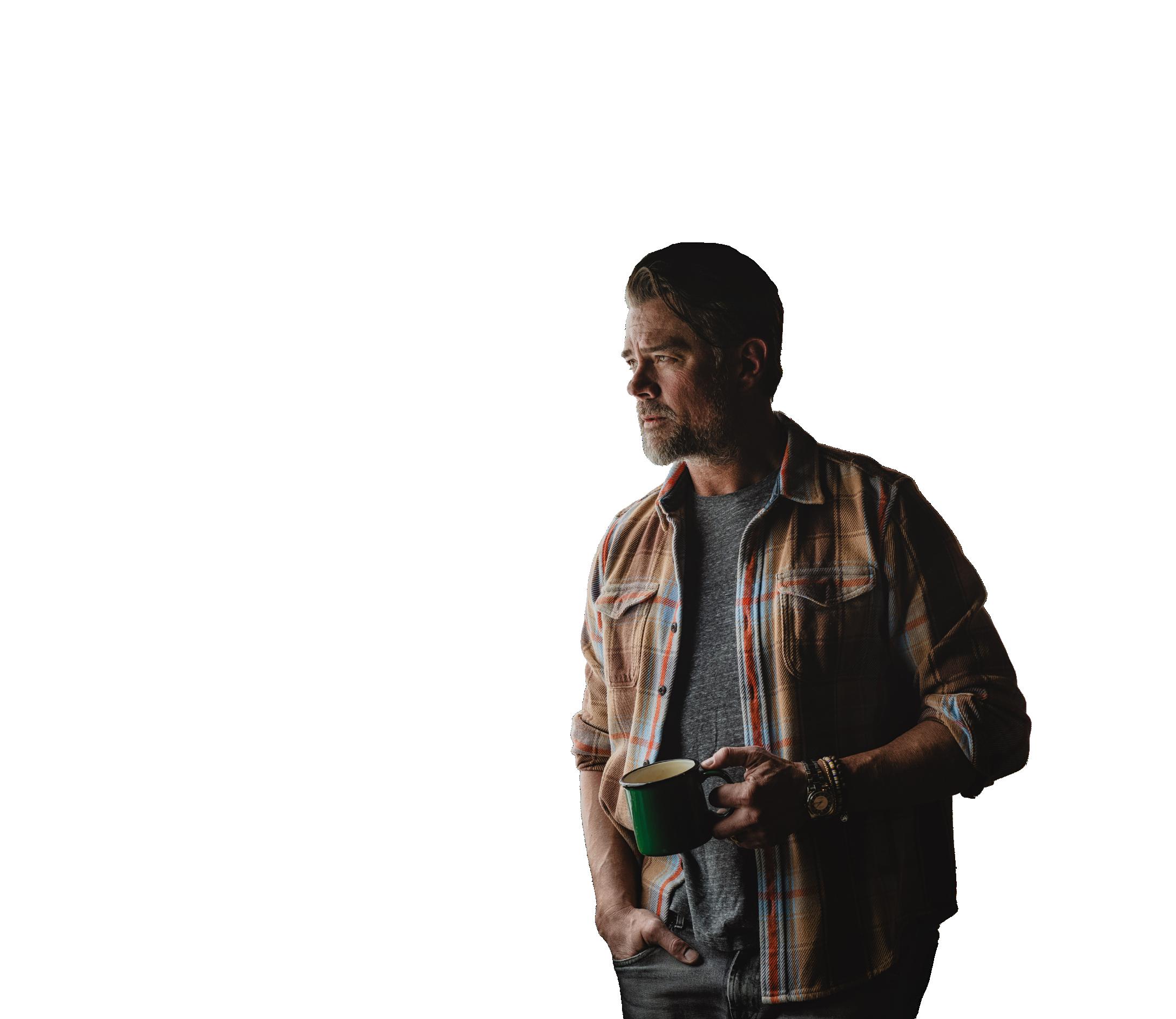
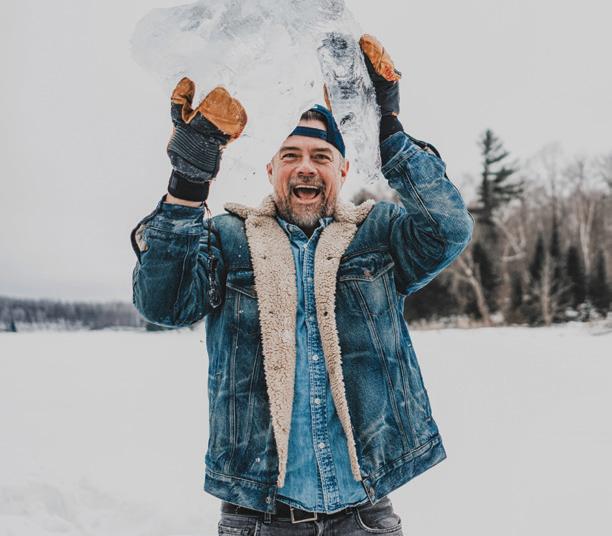
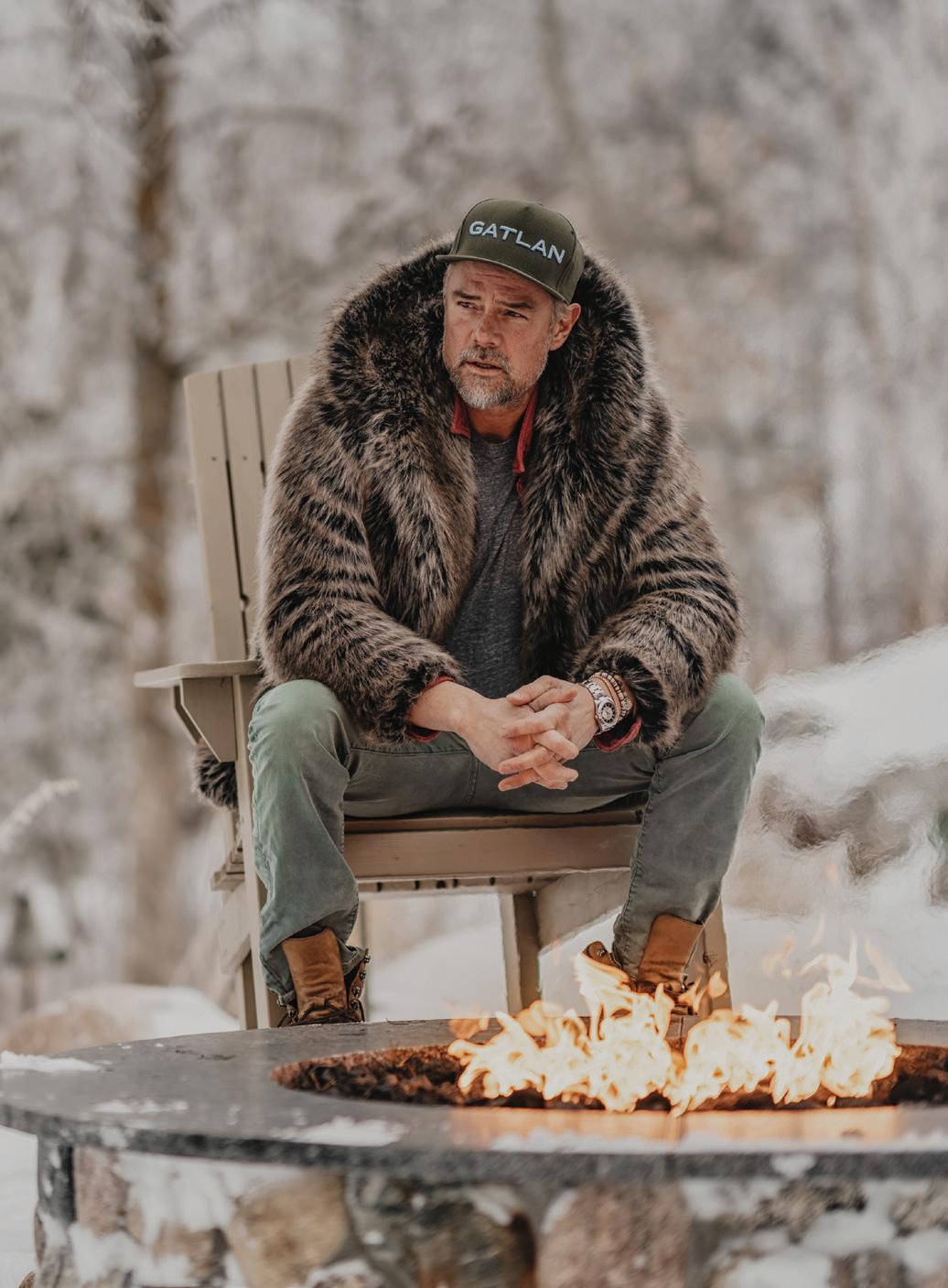
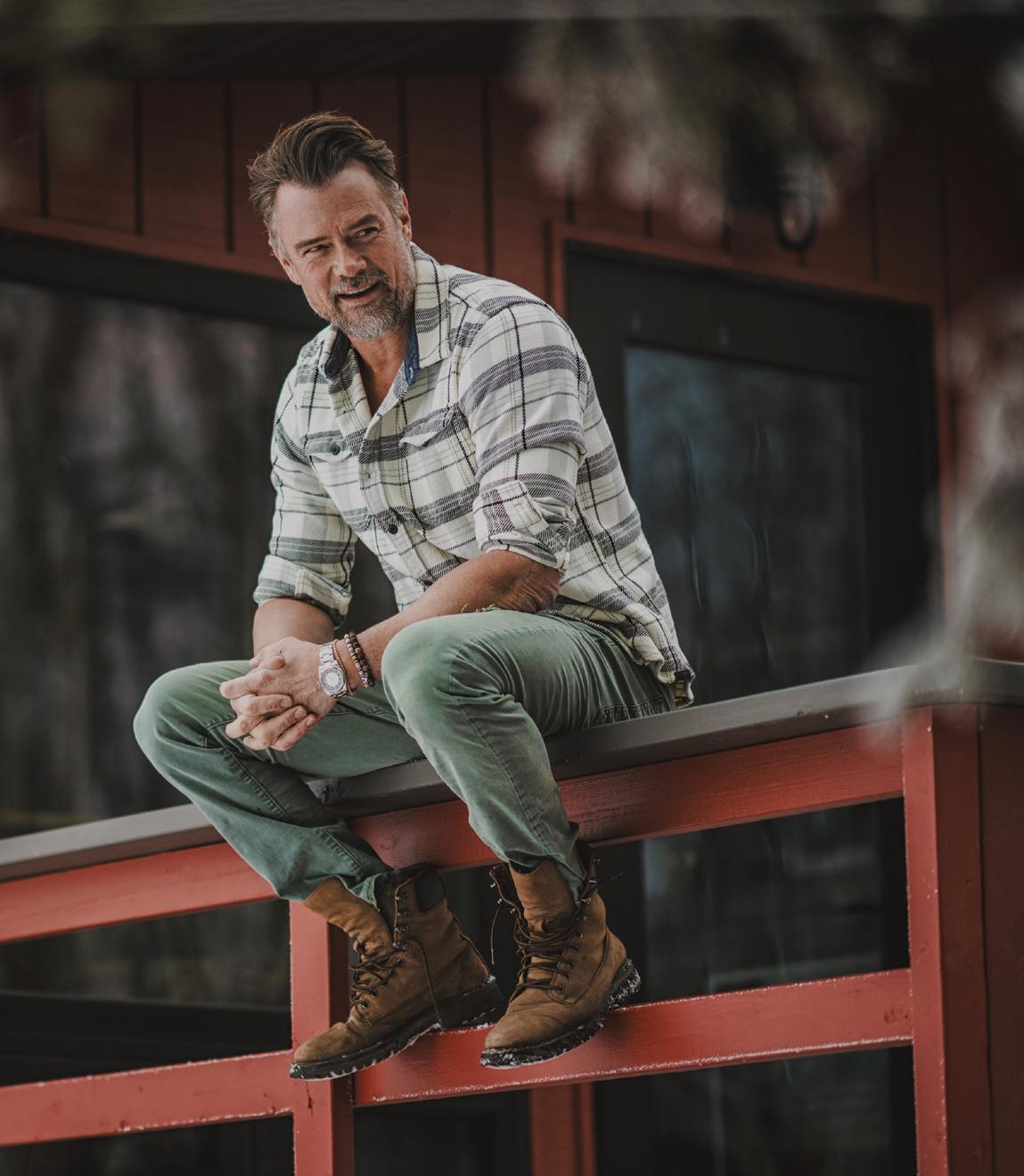
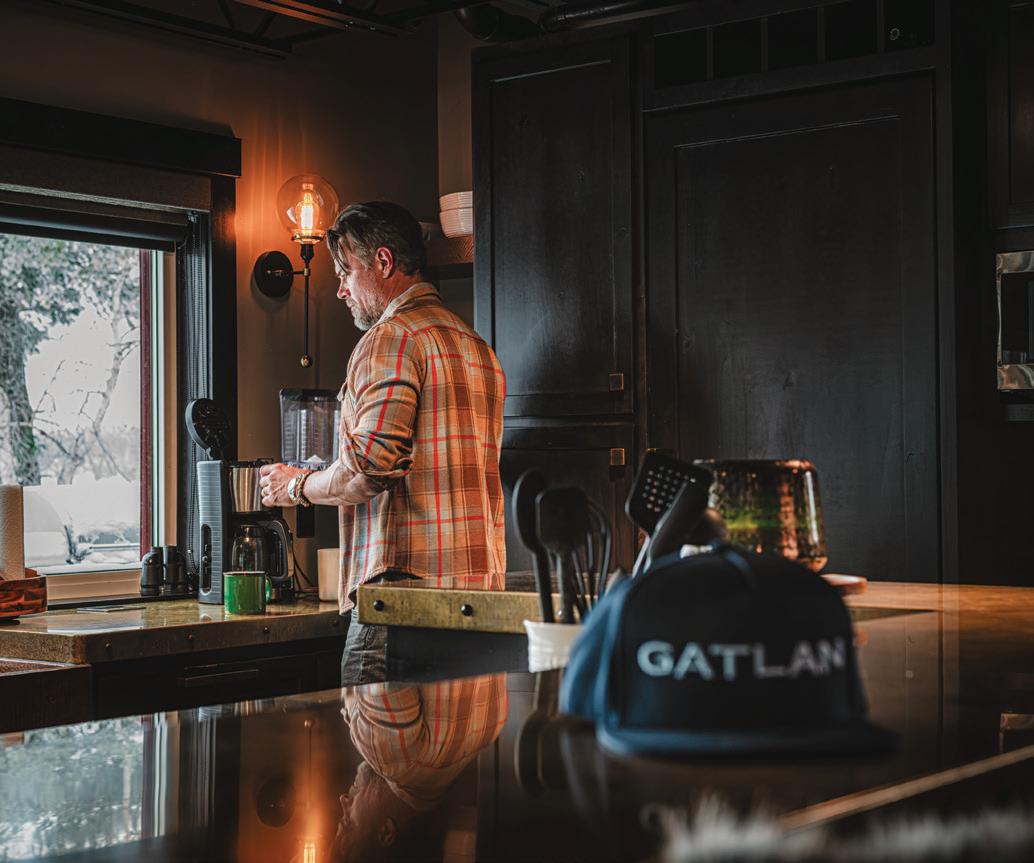
Josh Duhamel on Building GATLAN
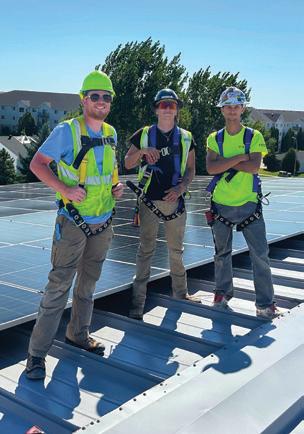
Ben Holsen Built The Solar Company He Couldn't Find



PARTNER CONTENT
Face & Jaw Surgery Center
Harris In Fargo
Josh Duhamel on Building GATLAN
Ben Holsen Built The Solar Company He Couldn't Find



fargoinc@spotlightmediafargo.com



Al
Abby
Spencer
Matt
ClientRelations@SpotlightMediaFargo.com
Jessica




today’s interconnected world, live streaming has evolved from a luxury fallback option to a core component of successful corporate and community events, concerts, conferences, and conventions. Whether you are broadcasting an annual corporate meeting to a global team or streaming a mainstage performance to a virtual audience of diehard fans, seamless execution is paramount.
At Livewire, we have managed thousands of high-stakes streams, even years before the pandemic forced the issue across the events industry. As a result, the Livewire team knows exactly what separates a chaotic broadcast from a professional, engaging production.
If you want to captivate your audience and protect your brand's reputation, here are the foundational, expert-backed strategies for handling your next livestreamed event.
1. PRIORITIZE RIGOROUS REDUNDANCY
Nothing destroys a live stream faster than a dropped internet connection or hardware failure. A professional streaming setup should never rely on a single point of failure. If streaming for your event is mission-critical, your event should include a primary and a secondary internet source—ideally from entirely

separate service providers—configured to failover automatically. The same philosophy applies to encoding hardware and power sources. If one system hiccups, a backup must take over instantly so your online audience never sees a spinning loading icon.
2. REMEMBER THAT AUDIO IS EVERYTHING
An often-overlooked truth of live streaming is that audio is actually more critical than video or lighting. Audiences will tolerate a temporary dip in video resolution, but they will instantly tune out if the audio is echoey, muffled, or out of sync. Achieving pristine sound requires dedicated microphones for every speaker, audio system integration to manage and mix audio levels in real-time, and sometimes even a separate audio mix and engineer tailored specifically for the online broadcast, which demands different equalization than the in-room PA system.
3. DESIGN
A successful live stream shouldn't feel like a passive television broadcast; it should feel interactive. Incorporate real-time Q&A sessions, live polling, and moderated chat features to bridge the gap between the physical venue and the remote viewer. If you are hosting a hybrid event, instruct your presenters to look directly into the

camera frequently. Acknowledging your online audience ensures they remain active participants rather than distant spectators.
While smartphones make broadcasting look simple, executing a corporate-grade, multi-camera stream with integrated presentation slides, lower-third graphics, and crisp audio requires sophisticated technical infrastructure and, more importantly, a skilled team to bring it all together. Entrusting your broadcast to an internal team member or volunteer with typical consumer-level gear could likely result in technical glitches that will distract from your core message.
Partnering with a dedicated live event production company that specializes in streaming allows you to focus entirely on your content and your guests, while the event experts handle the heavy lifting.
At Livewire, we bring broadcast-quality equipment, rock-solid redundancy, and decades of specialized in-room and broadcast event experience to meetings and events just like yours, down the street, and across the country.
Don't leave your next big event to chance. Let us help you elevate your live event in-person and online. Reach out at livewirenow.com.





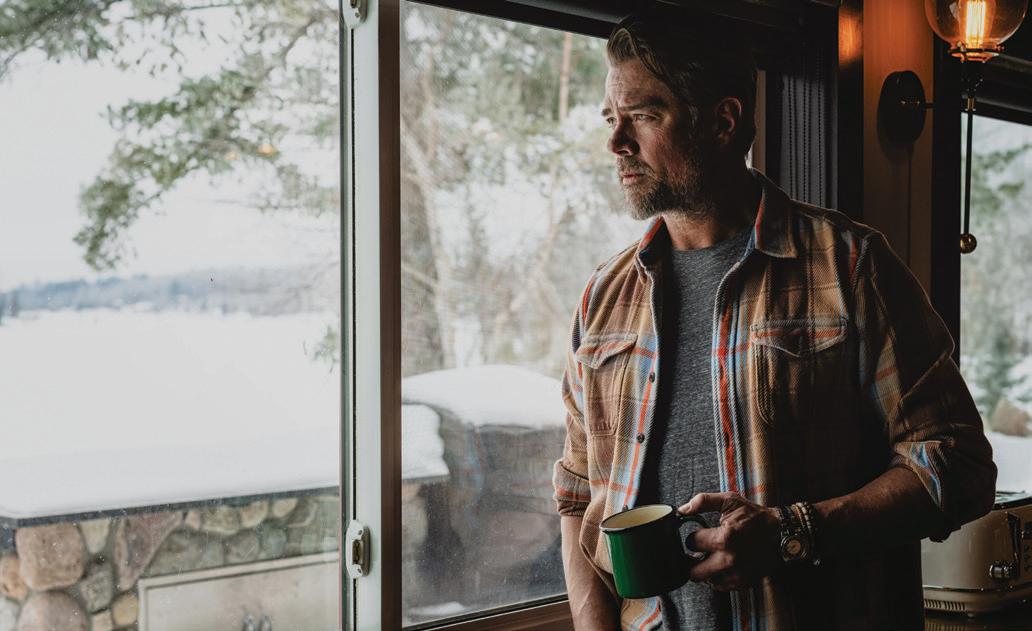
o most people, it probably looks like Josh Duhamel has it all. A long Hollywood career. A steady stream of roles. A life that, from the outside, feels dialed in.
But a few years ago, he started to notice something didn’t feel quite right. He felt a little less energy, a little less drive, a little less of the edge he’d always had. And like a lot of people, he brushed it off at first.
“I didn’t even really realize it was happening,” he said.
Eventually, he started digging into his health by reading, asking questions, and trying to better understand what was actually going on. That process led him to testosterone replacement therapy. After years of using it and seeing the difference it made in his own life, he began to see something bigger than a personal health routine.
He saw a business opportunity.
That company became GATLAN, a concierge-style health platform designed to help people take a more proactive, personalized approach to their health. Instead of one-sizefits-all solutions, GATLAN connects patients with medical
professionals who guide them through everything from hormone optimization and medical weight loss to recoveryfocused treatments like peptides—an emerging category aimed at supporting things like joint health, muscle recovery, and overall performance.
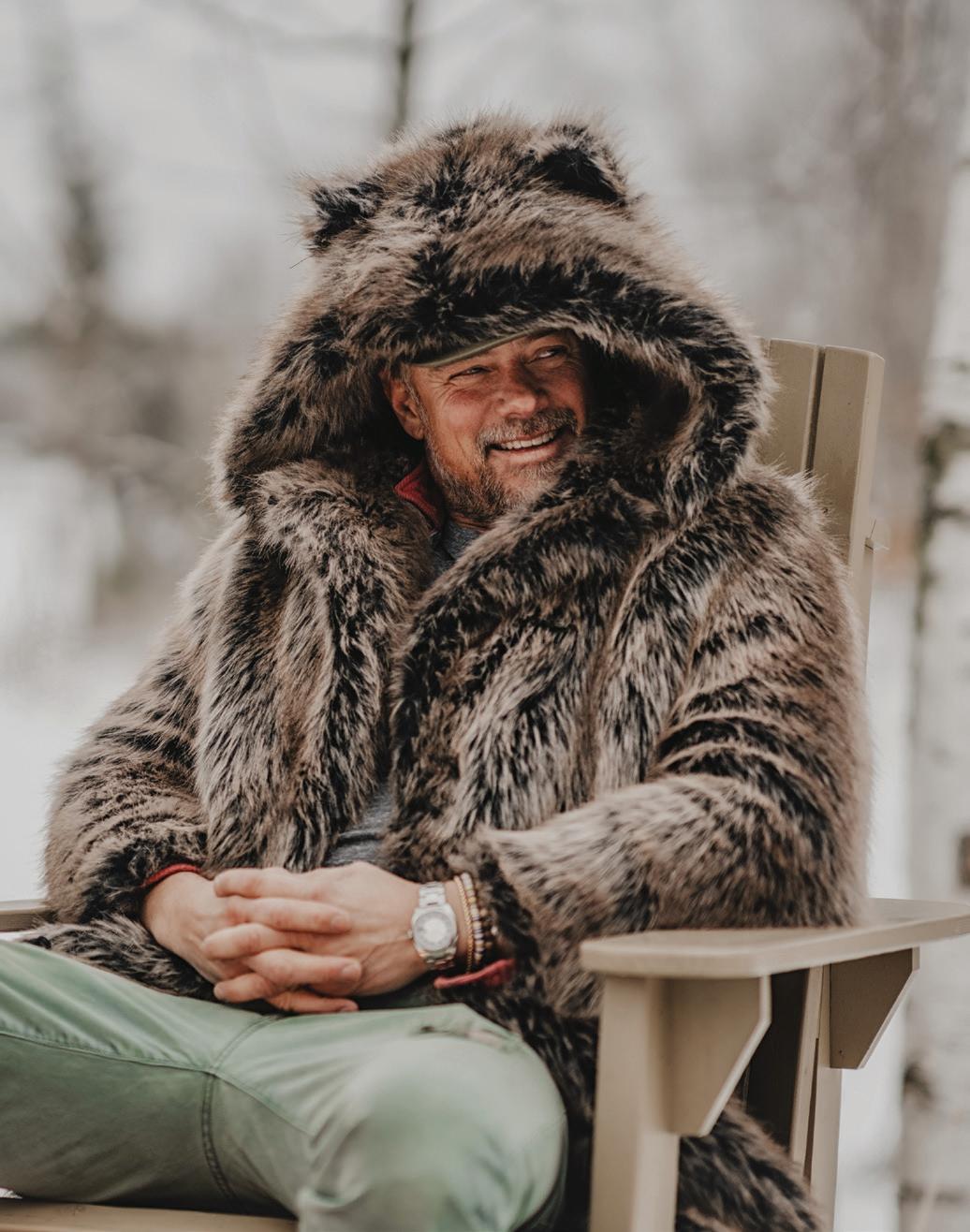
For Duhamel, GATLAN is not just another endorsement or celebrity-backed wellness play. He has ownership in the company. He helps shape the marketing. And through Dakota Media, his branded content company, he is involved in the storytelling and strategy behind how the brand reaches people.
The company is meant to help people understand what’s happening in their bodies, what their options are, and how to build a plan that works long-term.
Because for a lot of people, the issue isn’t a major health event. It’s that slow, gradual feeling that something’s just a little off. GATLAN is built for that.
We sat down with Duhamel to talk about the company, his own health experience, the business behind GATLAN, and why he believes this kind of healthcare is only going to become more mainstream.
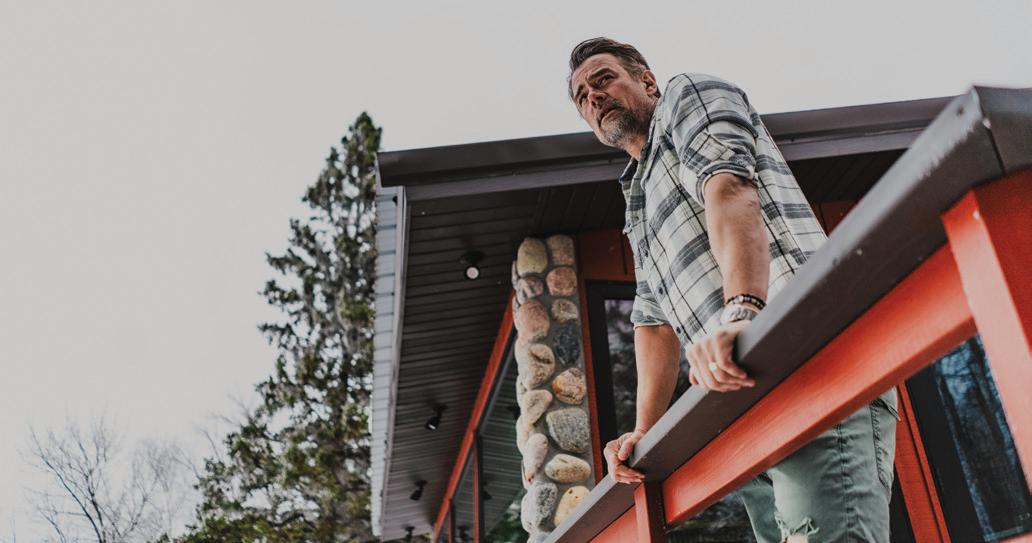
By Brady Drake | J. Alan Paul Photography
A: Really good question. GATLAN exists because I had a real curiosity and fascination—especially as I got into my 40s and now my 50s—about how I can stay active and athletic, and look and feel as good as I can for as long as I can. I was constantly reading and learning about this stuff.
A couple of years ago, my friend Fabian came to me about this TRT company, and I said, “No way. I can’t be the face of that. I can’t tell people I’m using it— that’s my dirty little secret.” But then I thought more about it and said, “Why shouldn’t I be the guy?” It has improved my life tremendously, so why not share all the dirty little secrets I've learned? That’s really why the company came to be. I’ve learned so much over the years, and I want to share it and help as many people as I can. Plus, I wanted to remove barriers for people. I even had a hard time in my own journey trying to find a doctor to work with me for testosterone replacement since so many aren't well versed in it.
A: Five years ago. That was kind of the beginning of it. I was like, “Okay, I’m going to try this,” because I’d heard

You’ve probably heard of TRT, or testosterone replacement therapy, but most people don’t fully understand it. It is used when testosterone levels drop and to treat the effects that can come with that, including:
Low energy
Less strength
Lower sex drive
Just feeling off
The goal is not to boost someone beyond normal. It is to help get them back to where they should be. It is also not something you guess on. It requires blood work, a doctor, and a real plan. GATLAN provides that.
about it from certain people. There wasn’t a lot of information out there, so I learned about levels and what you’re supposed to be at. I was below where I was supposed to be, so I did it. I started feeling stronger—got my edge back, got my mojo back. I was able to keep muscle on. Libido—all those things. It gives you back that “oomph” a lot of guys start to lose as they get older.
Q: DO YOU REMEMBER HOW LONG IT TOOK TO START FEELING SOME OF THOSE EFFECTS?
A: You start to feel it after the first few weeks, and you really feel it once you go off it. It’s not like suddenly you’re Superman; it’s a slow progression. You just start thinking, “Whoa, I feel like doing that thing I’ve been putting off. I feel like getting back into the gym.” You have more energy to do things you were procrastinating.
And when you go off it, you realize what low testosterone feels like. It’s like the boiling frog metaphor; the frog doesn’t know it’s boiling until it’s too late. Men often don’t realize they’ve lost their edge until it’s kind of too late. So we’re trying to educate men and women to get their levels checked and find out where they’re at.


GATLAN has expanded beyond men’s health and now offers women’s hormone optimization as part of its personalized health platform.



EVERYONE GETS ONE-ON-ONE PERSONALIZED CARE, SO THEY UNDERSTAND WHAT THEY’RE TAKING, WHY THEY’RE TAKING IT, AND WHAT ELSE IS AVAILABLE.”
JOSH
GLP-1s are everywhere right now, and they work. They help control appetite and make weight loss easier. However, working with a company like GATLAN can help make sure weight loss is part of a larger plan, especially when it comes to maintaining strength and muscle mass in the process.
Q: CAN YOU TELL ME MORE ABOUT THE SERVICE THAT GATLAN PROVIDES?
A: Our differentiator is our concierge model
The concierge service is a white-glove service. Everyone gets one-on-one personalized care, so they understand what they’re taking, why they’re taking it, and what else is available. We’ve found that it’s good for the patient and good for us. People might come in thinking they only want GLP-1s, and then we can guide them toward what else might help.
Q: IF YOU WERE TELLING SOMEONE ABOUT THE LEVEL OF DOCTORS WORKING WITH YOU, WHAT WOULD YOU SAY?
A: They’re world class licensed medical longevity experts, who are able to prescribe. Some are medical doctors, some are licensed practitioners, but they’re all highly educated and experts in longevity and in a lot of the latest and greatest stuff that is coming out, and there are amazing things on the horizon.
WHAT IS “CONCIERGE HEALTHCARE?”
“Concierge” just means you’re not doing it alone. Instead of guessing, you have someone helping you understand your labs, figure out what you actually need, and adjust along the way. For GATLAN, that personalized guidance is central to the model.
Q: CAN YOU TELL ME ABOUT HOW YOU’VE SELECTED WHICH PEPTIDES TO CARRY, ETC.?
A: That’s not really my area—I’m learning, but I can’t speak for our team on the specifics, because I don’t want to be the guy pretending I’m the expert in that. That’s what our whole team is for. I’m just as curious as anybody else. I’ve learned a lot, and I can share some of that, but I can’t tell someone, “You need this peptide versus that one.” The doctors can.
So if somebody comes in for a GLP-1 because they want to lose weight, one of my biggest pet peeves is that people lose weight and start to look frail. They lose a bunch of muscle mass. What we want to do is guide them to optimize. Yes, lose the weight, but stay strong and keep muscle. Lose fat and keep strength and muscle.

BPC-157
Often used for tendon, ligament, and injury recovery.
Q: CAN YOU TELL ME ABOUT THE STRENGTH TRAINING COMPONENT OF WORKING WITH GATLAN?
A: We work with a company called Thundrbro. I met this guy on Ransom Canyon and he showed me their work. What they’re doing is amazing. They’re like doctorlevel, but they’re also trainers. They help with strength training and everything else. They’ll recommend routines based on what people are trying to do, and they'll be available as part of programs with us.

TB-500
Supports whole-body recovery and tissue repair.
Peptides are quickly becoming one of the most talked-about tools in health and recovery. They are small proteins that help signal your body to do specific things, like:
Recover faster
Support joints and tendons
Improve skin and overall repair
A lot of athletes and active people are turning to them to stay moving and feeling good longer. And while research is still growing, there’s a reason they’re gaining traction. People are seeing real results, especially with recovery and joint health.

KPV Associated with inflammation control and gut support.

GHK-CU
Commonly used for skin, hair, and healing.
ThundrBro is a training, nutrition, and lifestyle brand built to help people become stronger physically and mentally while elevating those around them. Founded by elite athlete and coach Dave Lipson, ThundrBro blends sciencebacked hypertrophy training with functional fitness to bridge the gap between performance and aesthetics. Through innovative programs, education, and a high-energy community, ThundrBro empowers individuals of all levels to build muscle, move better, and develop a relentless, winning mindset that carries far beyond the gym.
thundrbro.com /thundrbro

Q: WHY WAS OWNERSHIP IMPORTANT TO YOU WITH THIS? BECAUSE SOMEONE IN YOUR POSITION COULD BE THE FACE OF SOMETHING WITHOUT OWNING IT.
A: I don’t often put my face behind anything unless I really believe in it. I’m a huge fan of Bobcat. I’ve been partnering with them for a long time because I love the equipment and I love that it’s made in North Dakota. If I’m going to do something like this, I want to be a part owner, because this has become my baby in a lot of ways. Business-wise, this is what I’m most excited about. It’s really fun to build a company. And my branded content company makes all the content that goes out, so we get to strategize the marketing, figure out the best ways to get the word out, and build it. It’s become a real passion of mine.

Dakota Media is a creative agency and production company founded by Josh Duhamel and Josh Algra. The company focuses on brand storytelling, commercials, documentaries, and digital campaigns that feel more like entertainment than traditional advertising. For Duhamel, Dakota Media is also part of the engine behind GATLAN’s growth. The company helps shape the creative strategy, content, and messaging that bring GATLAN’s story to the public.
withdakota.com @with.dakota
Q: IS THIS YOUR FIRST BUSINESS THAT YOU’VE OWNED?
A: I’ve had two—Dakota Kid Productions and Dakota Media—so I’ve owned companies, but they’re more creative content. It’s basically the same thing I’ve always done, just taking more ownership in the creative lead with directing, producing, and telling stories for brands. That’s what we do at Dakota Media. Dakota Media is kind of the little engine that’s going to help build GATLAN marketing-wise. Because what GATLAN really is, is a marketing machine. It’s a marketing play. We’ve built a model that has the best products. We’ve vertically integrated it with our own 503B pharmacies and wholesale API pharmacy, so we don’t have to source everything out. It’s in-house, so we can offer the best products at the best prices, with an expert health coach to help you figure out what you need.
Q: WHAT HAVE YOU LEARNED ABOUT ENTREPRENEURSHIP FROM GATLAN?
A: It’s a lot of hard work. One thing I’ve learned in entertainment is you get told “no” ten times more than you’ll ever get told “yes.” So it’s trial and error. It’s having a team you trust that’s business-savvy, trusting your instincts, and being very specific about what you want to do.
We have very specific goals, and then it’s figuring out how we actually get there. It’s like the old analogy: when you throw a dart at a dartboard, you’re not just throwing at the whole board—you’re aiming at something specific. The more specific you are, the more likely you are to come close.
You have to visualize what you want, then figure out how you’re going to get there. That’s been true in my acting career and with this company. And I love it—there’s something really fun about building a company, especially when you feel like you’re doing something that can better people’s lives. It’s not like I’m selling whiskey. The whole idea is to help people.
JOSH DUHAMEL ON BUILDING GATLAN
YOU HAVE TO VISUALIZE WHAT YOU WANT, THEN FIGURE OUT HOW YOU’RE GOING TO GET THERE.”

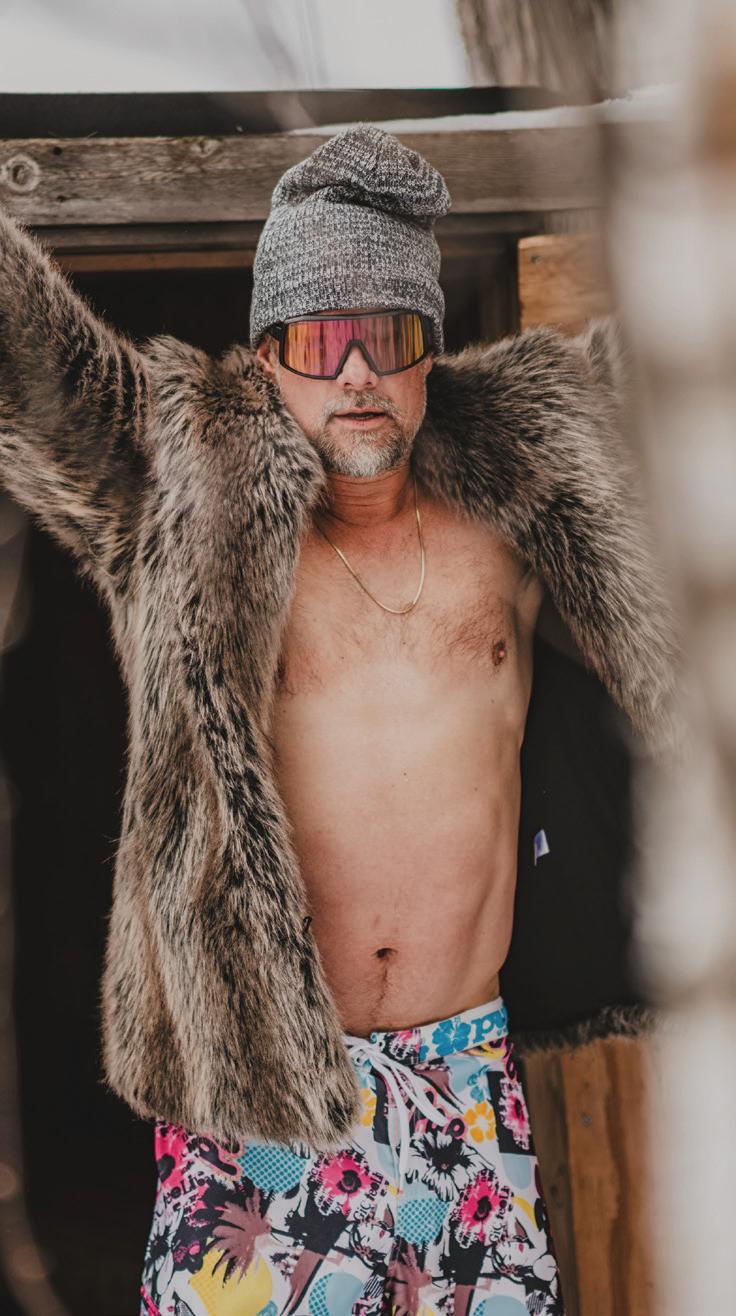

JOSH
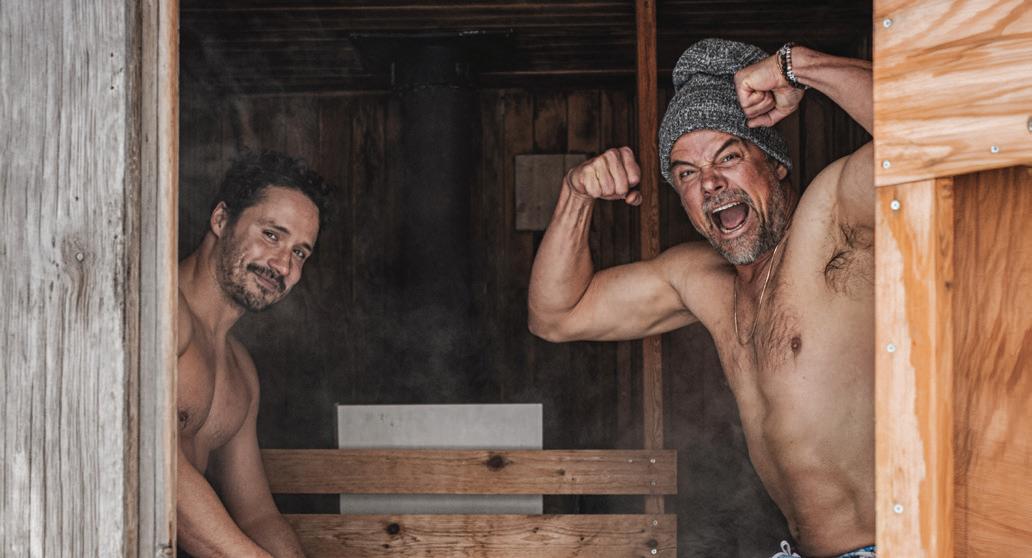
Q: WHAT MOTIVATES YOU PROFESSIONALLY THESE DAYS?
A: Good question. I still have the same excitement I’ve always had because every job is different. It never feels like a grind. Yesterday you might be horseback riding through the Texas Hill Country, and today you’re in a bar fight—every scene is different. Every movie and TV show is different. That keeps it fresh.
Maybe I’m too ADHD for a regular job. I need the variety and the unknown. I love the creative process—figuring out a character, how to break a scene, how to tell a brand story. With Dakota Media, we love figuring out a brand’s legacy and message, then asking: how do we make noise? How do we do it differently? The business side isn’t my favorite—it’s the creative side.
Q: I’M CURIOUS ABOUT RISK-TAKING AND BELIEVING IN YOURSELF. WHAT ADVICE WOULD YOU GIVE PEOPLE? ACTING WAS A RISK, BUT THIS APPLIES IN ANY LANE.
A: It took me a long time to figure out. For a long time I felt like I didn’t belong. I was like, “I’m a kid from North Dakota— I’m faking it. I’m a fraud.” I had to work to overcome that and prove I belong.
What I would tell people is stop putting people on pedestals. They’re not better than you. They have the same insecurities. It’s how you deal with it. You walk into a party and think, “I don’t belong here,” but everybody feels that.
You belong. Don’t be afraid to go after it. If you’re specific about what you want—like we talked about—you just have to be smart about the steps. It’s step by step, brick by brick. You’re at the bottom of the mountain looking up, and then suddenly you’re halfway up. The biggest thing is getting past the fear of those initial steps—when you’re terrified or you don’t think you have the ability.
Recognize windows of opportunity—they’re everywhere.
Don’t be afraid of success. One of the biggest things that keeps people from succeeding is fear of success, because responsibility comes with it.
Q: WAS THERE A MOMENT WHERE YOU FELT LIKE YOU OVERCAME THAT INSECURITY?
BECAUSE EVEN WITH SUCCESS, THAT VOICE CAN STILL BE THERE.
A: It’s still there. I still don’t feel like I 100% belong in this town. Maybe it’s ego—I feel like I need to prove I belong.
I do feel like I earned my place at the table now, but it wasn’t until I started making my own stuff—when I directed my first movie—that something shifted. Directing is monumental: writing it, finding financing, prepping, casting, shooting on budget, editing, marketing—there’s so much work.
I think the biggest thing is to keep showing up. Recognize windows of opportunity. People make excuses not to take opportunities because fear of failure is easier. Failure is easier than success.
It might not make sense, but it almost knocked me off several times. I still have that chip on my shoulder. I feel like I have to prove myself all the time.
I’m happy with what I’ve done, but I feel like there’s a lot more. I feel like I’m always just getting started.
A: Sativa.
(Laughs.)
Listen—I’m not saying that’s totally untrue. I don’t smoke much weed, but when I really want to get creative, I’ll smoke a little. Sometimes I’ll have the best ideas, then wake up the next day like, “What the hell was I thinking?” But sometimes it’s actually pretty good.
Honestly, how do I get creative? It comes in waves. Sometimes I’m in business mode. One thing I need to work on is not taking on so much, because when you take on too much, you don’t have space to daydream.
Sometimes I’ll sit and look at the lake, or sit in the backyard and stare, and I’ll start imagining: What am I trying to get? What do I want this commercial to be?
How do we make noise in a sea of products and apparel? How do we flip it? How do we take their mantra and do it in a way that makes them a little uncomfortable, but also makes them say, “That’s good”?
For example, we did a Bobcat commercial that was an origin story. We wanted something that would make them uncomfortable. We put something in that the lower execs pushed back on, but the top of the company loved it. They never would have done that if they stayed in the box. You have to break some glass to make something feel different.
So it starts with: what am I trying to accomplish, and how do I get there? And sometimes that’s just finding quiet space and meditating on it until it comes. If you have too much going on in your head, it’s hard to create space.
Q: SO SPACE—AND NOT PUTTING A BOX ON YOURSELF, EVEN IF OTHERS DO?
A: Exactly. You take whatever guidelines exist, but you don’t box yourself in. Same thing with Preschool—the movie—I was like, “I’m going for it.” It was terrifying because my sense of humor can be ridiculous. I didn’t know if people would like it. But people were literally curled over laughing in the theater. It was gratifying because I took a chance.
Same with a GATLAN commercial—we got pushback from my own team: “We can’t do this, it’s fat-shaming.” I was like, “It’s fine.” So we shot something edgy, quick, and direct.
And what I’ve found is people aren’t as sensitive as we think.
Q: HUMOR HELPS BRIDGE THAT, TOO—IT SOFTENS THE EDGE.
A: Exactly.
Q: WHERE DO YOU HOPE GATLAN IS FIVE YEARS FROM NOW?
A: I hope we’re massively successful. I hope we make something that’s been taboo or secret—TRT and this kind of health optimization—mainstream, where it’s okay to talk about and do. That’s the truth.
And I hope we help a lot of people and pave a new form of healthcare—preventative, personalized, precision healthcare. Something that allows people to live longer, happier, look better, and prevent chronic disease.
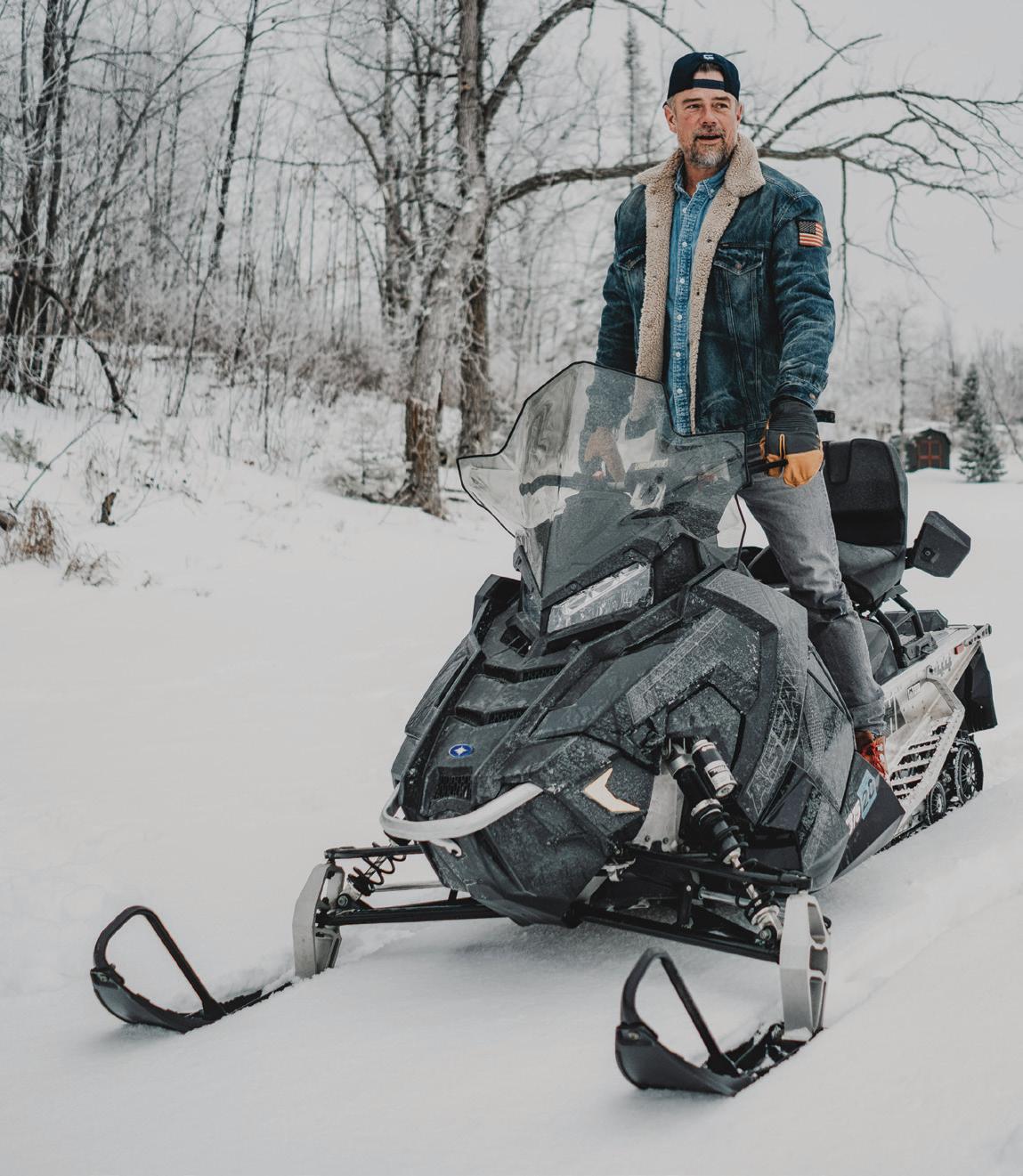


LIFTING WEIGHTS
Often with a trainer
CARDIO
As needed, especially on busy days
A big one for mobility and injury prevention
Almost daily
Q: I FEEL LIKE PART OF YOUR MESSAGE IS GETTING MEN TO BE PROACTIVE ABOUT GETTING CHECKED. WHY DO YOU THINK MEN ARE WAITING?
A: Guys don’t like to admit they’re falling short. We don’t like to admit our feelings. We perceive that as weakness. Women are much more apt to say, “I want to do whatever I can to be the best version of me,” health-wise or otherwise. Men tend to brush it under the rug, not think about it, or not admit they’ve lost their mojo or their edge.
We’re trying to shine light on it and say, “Hey, it’s okay. We all do it. I do.” I’m trying to hang on and stay in the game, and I want to take whatever steps I can to do that in a healthy way.
Q: WHAT KIND OF ACTIVITIES DO YOUR KIDS LIKE TO DO?
A: Axl is into basketball and soccer. He still likes to wrestle around with me, so the fact that I can get out there and play one-on-one is big, and I’m not going to let him beat me yet. I’ll be 65 before he can beat me, that’s my plan. My twoyear-old Shepherd just wants me to chase him and get on the floor. Two-year-olds are nonstop.
Q: WHAT DOES YOUR HEALTH ROUTINE LOOK LIKE THESE DAYS?
A: I do a lot of weird stuff. I cold plunge almost every day. Hot yoga has been huge for me. I had knee and back issues in my early 30s, and I don’t have those anymore because of the program I’m on and the things I started doing. I also do cardio and weights. I drink a green smoothie every day. I take a full list of vitamins based off labs and what doctors recommend.
The biggest thing is I try to do something every day.
Q: HAS PHYSICAL HEALTH ALWAYS BEEN IMPORTANT TO YOU, OR IS THIS SOMETHING YOU’VE HAD TO PRIORITIZE MORE AS YOU’VE GOTTEN OLDER?
A: It’s always been something I’ve been conscious of. My mother was very conscious of it growing up. She’d order egg-white omelets in the mid-80s, and my sister and I were embarrassed because nobody did that. She made us aware of nutrition early. And exercised through sports growing up. I was very competitive. It’s always been part of my life.
Q: DO YOU THINK IT CAN BE HARDER TO KEEP UP WITH YOUR HEALTH IN THE WINTER IN NORTH DAKOTA?
A: I struggle like everybody else. In North Dakota, or anywhere cold, it’s harder to get motivated. It’s more of a slog. You can’t just go for a short run outside. You’ve got to get in your car and drive to the gym.
You’ve got to be more proactive, which is harder than living somewhere warm where you want to be outside.
Q: IF YOU COULD ENCOURAGE EVERY PERSON IN NORTH DAKOTA—MEN AND WOMEN—TO DO ONE THING FOR THEIR HEALTH THIS YEAR, WHAT WOULD YOU TELL THEM?
A: Get your levels checked. Find out where you’re at, and look at what you can do to look better and feel better. The science is there. Why not at least check it out?
Q: WHAT DO YOU LOVE ABOUT FARGO?
A: I couldn’t wait to get out of North Dakota when I was 22. But after leaving, I realized how much I love it here. I love the people, their values, how family-oriented it is, how people take care of each other. I think North Dakota has some of the best people I’ve ever met.
I
COULDN’T WAIT TO GET OUT OF NORTH DAKOTA WHEN I WAS 22. BUT AFTER LEAVING, I REALIZED HOW MUCH I LOVE IT HERE. I LOVE THE PEOPLE, THEIR VALUES, HOW FAMILY-ORIENTED IT IS, HOW PEOPLE TAKE CARE OF EACH OTHER. I THINK NORTH DAKOTA HAS SOME OF THE BEST PEOPLE
I’VE EVER MET."

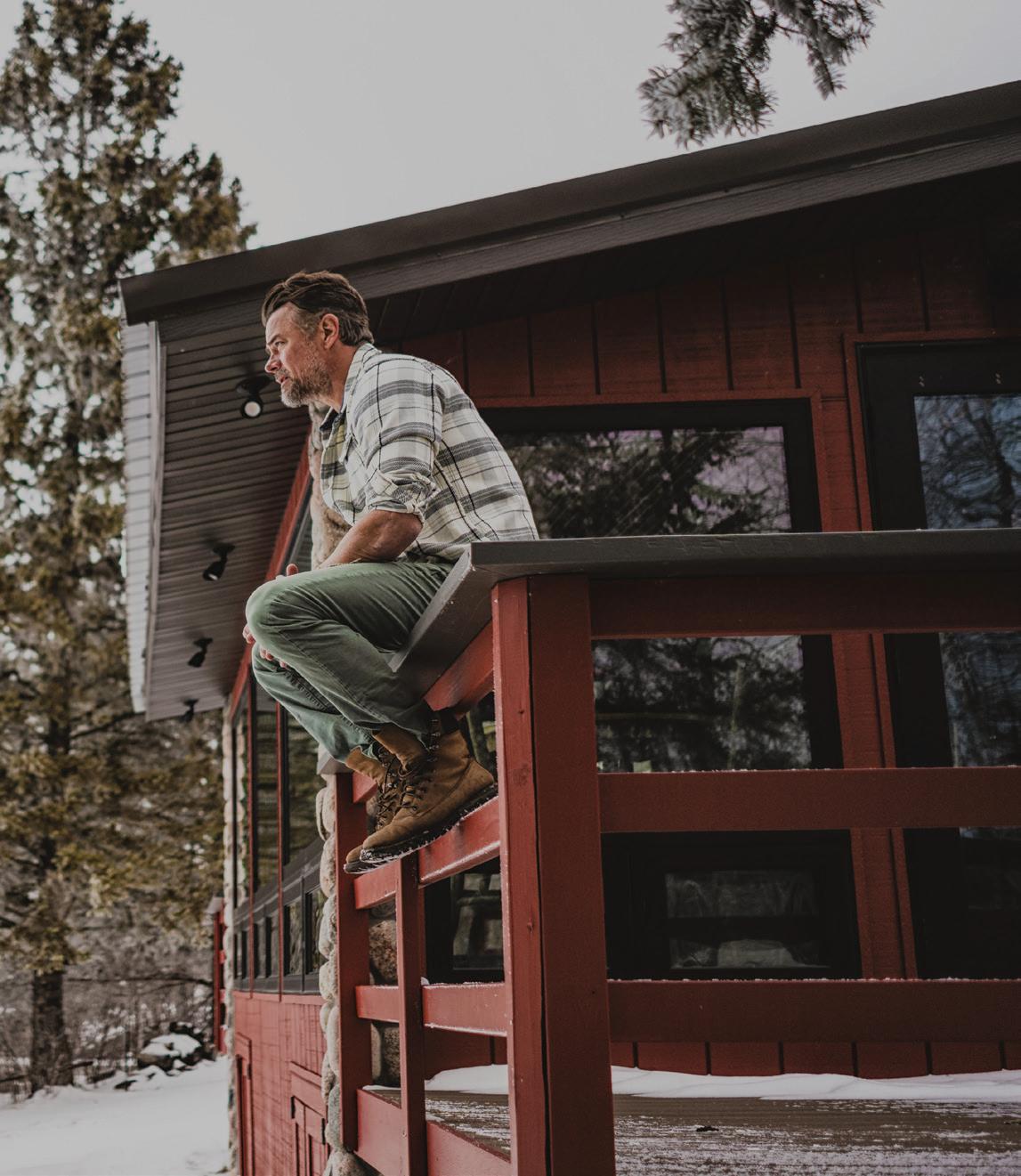


By Brady Drake | provided by Benjamin Holsen
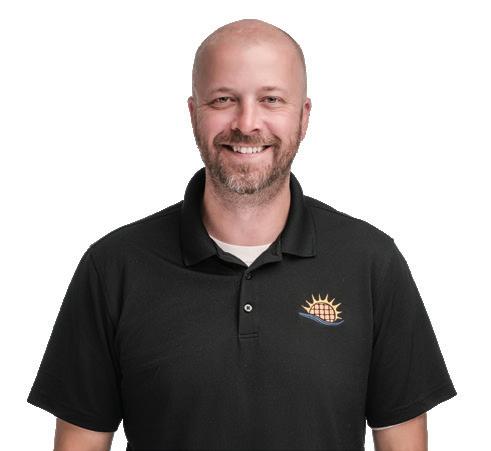


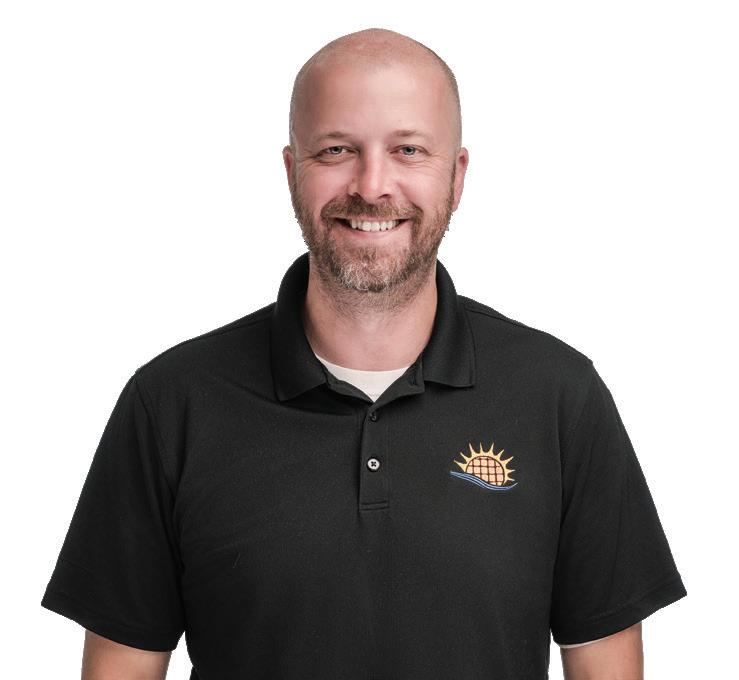
en Holsen did not set out to build one of the region’s most visible solar companies.
Originally, he had a lake place— technically his parents’ lake house—and he kept looking at the roof, the sunlight, and the tax credits available at the time. Holsen had always been interested in alternative technologies. He liked taking things apart, figuring them out, and putting them back together. Solar seemed like one of those things.
There was only one problem.
“I wanted solar panels at my lake house, and I couldn’t find anybody around that would do them,” Holsen said. “So I ended up just kind of figuring out how to do it myself.”
That project, completed roughly eight or nine years
ago, became the unlikely beginning of Holsen Solar.
It was not perfect. There were, as Holsen put it, “some speed bumps” that come with stepping into something new. But the system worked. More importantly, it revealed a gap in the market. If he wanted solar and could not find someone nearby to install it, chances were other people in the Fargo-Moorhead region, across North Dakota, and into western Minnesota were running into the same problem.
So he did what entrepreneurs tend to do when they solve a problem once.
He added it to the website.
At the time, Holsen was already doing camera systems, networking, and other technology-related work as a side hustle. Solar became one more service listed on the site.
Solar is often a long-term investment. The U.S. Environmental Protection Agency says solar panels typically have a 25- to 30year lifespan. The Department of Energy similarly notes that photovoltaic systems commonly have 20- to 30-year lifespans, while newer industry surveys suggest average operational lifespans have grown to 25 to 35 years.

One project followed. Then a couple more. Then a couple more after that.
“It slowly kind of took over as the primary source of the business,” Holsen said.
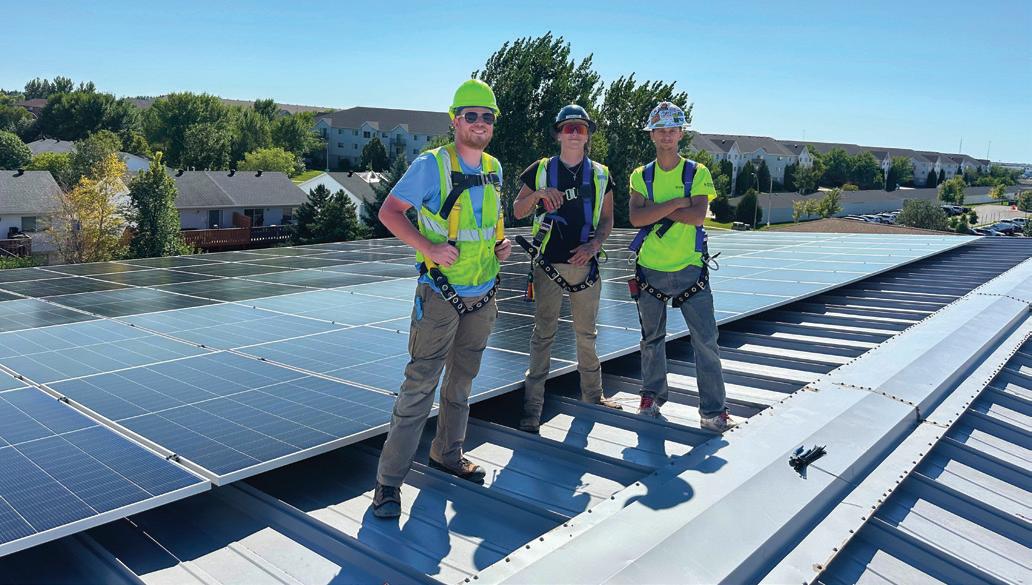
Today, Holsen Solar has grown from that first experimental lakehome installation into a 15-person company serving homeowners, farms, commercial clients, and organizations across the region. What started as a side project now includes solar installation, battery storage, EV charging, electrical work, permanent lighting, and other energy-related services.
The path was not linear. It was not traditional. And Holsen will be the first to say he probably entered the industry backwards.
“I’m not an electrician,” he said. “I never was an electrician. I was dealing with something that required an electrical license, so I was kind
of going in as a consultant, getting electricians to come in for us and stuff. It was an interesting path to get here.”
That path, however, makes sense once you understand Holsen.
He is not just a solar contractor. He is a lifelong tinkerer, a tech entrepreneur, and someone who has never been particularly comfortable accepting the standard way of doing something if he can see a better one.
“If I’m told to do something, and I find a better way to do it, I want to do it that way,” Holsen said. “A lot of times, they don’t want you to do it that way. Just stay in process. Stay the course. That just doesn’t work well for the way that I function.”
Holsen has wanted to be an entrepreneur since he was about 10 years old.
In sixth grade, when the first Iraq War broke out, he made little yellow ribbons and sold them at school. It was not some accidental childhood hustle. Even then, he understood that he wanted to own a business someday.
“I’ve been a serial entrepreneur kind of my whole life,” he said.
Technology was the obvious lane. Holsen was into computers from a young age, and after college, he went to work for a Fargo company that, improbably, owned one of the largest Usenet companies in the world.
Usenet, for those who never lived in that corner of the internet,
was a massive network of online newsgroups and bulletin boards. Before social media made the internet feel centralized and polished, Usenet was one of the places where people traded information, files, conversations, and communities.
The company Holsen worked for had only a handful of employees but served hundreds of thousands of customers. Because it was small, he was able to move up quickly. While there, he and another employee noticed a need for privacy and security among users of news feeds. That led them to start a VPN company called Secure Tunnel.
At the time, VPNs were still largely thought of as corporate tools— something an employee might use to connect to a work server while traveling. Holsen and his partner saw another use case: using a VPN to encrypt traffic, protect identity, and change the apparent location of a user.
“That was kind of way ahead of its time,” Holsen said. “We were one of the first VPN companies using VPN in that type of way.”
They ran that company for 15 years.
He has also tried other ventures, including a cell phone charging locker system for bars—a concept that was difficult to make work financially at the time but is now common in places like Las Vegas, event venues, and high-traffic entertainment areas.
“We were just kind of ahead of the curve a little bit,” Holsen said.
That pattern has repeated throughout his career. Holsen often sees where technology is going before the market is fully ready for it. Sometimes that means being early. Sometimes that means having to build the market yourself.
Solar was another version of that.
“I don’t think that I would have the opportunity to be in this world unless I created it myself,” he said. “There are only two solar companies in all of North Dakota.”
For the first few years, solar grew gradually. Then Holsen took the business to Big Iron.
About four years ago, he began advertising to farmers at the Big Iron Farm Show. At the time, there were strong grant opportunities available for rural energy projects, particularly through the Rural Energy for America Program, commonly known as REAP.
The program could cover up to 50% of the cost of qualifying renewable energy projects for farmers and rural businesses. For farm operations with grain bins, shops, barns, and other energy-intensive infrastructure, solar
MYTH 1:
Solar only works in hot places. Solar panels need sunlight, not heat. In fact, panels can become less efficient when they get too hot.
MYTH 2:
Solar is always about maximum ROI. For some customers, the return is the primary reason to install solar. For others, the value is energy independence, predictable monthly costs, backup power, or environmental impact.
MYTH 3:
Solar panels are dangerous or unhealthy. Holsen said he has seen strange internet rumors suggesting panels cause health problems. His response is that panels are primarily made of materials such as glass, silicon, aluminum, and wiring—the same broad categories of materials found throughout modern electronics and electrical systems.
could make real financial sense.
That year, Holsen said, the company sold roughly 10 large projects.
“That’s really where things started to take off,” he said.
These were not utility-scale solar farms covering fields and fields of land. The projects Holsen Solar was building were practical, operation-sized systems designed to offset a farm’s own energy use.
“We’re not doing industrial scale,” Holsen said. “We’re doing things that would go on top of their pole barn. We’ll do 100 panels, 150 panels.”
The goal was not to turn farmers into power companies. It was to
help them control one of their rising expenses.
“They were really helping farm operations,” Holsen said.
That agricultural work helped push Holsen Solar into a new phase. The company grew from five people to 15 in just over a year. It also began evolving from a solar installer into a broader electrical and energy company.
The solar industry is changing quickly. For years, tax credits and grants helped drive adoption. Now, some of those incentives have changed, paused, or disappeared. According to Holsen, the REAP program, which had been important for farmers,
went on hold at the start of the Trump administration. He also said the residential tax credit, which had been expected to continue through 2032, ended last year following federal legislation passed in July.
The commercial side, however, has become more attractive in some ways. Holsen said commercial projects still have a tax credit and now have access to 100% bonus depreciation, though businesses need to move before upcoming deadlines.
“The message probably for business owners is you’re going to want to do this if you can before this deadline,” Holsen said.
Even with incentives shifting, interest has not gone away. In some cases, it has increased.
Part of the reason is simply that energy prices are rising.
Holsen said he has seen power costs increase significantly, and he expects that pressure to continue as large energy users—especially data centers—place more demand on the grid.
“The price of energy is going up a lot,” he said. “The tax credit isn’t necessarily needed to make these projects now pencil out.”
The return on investment varies widely depending on the state, utility, project type, and whether the customer is residential, agricultural, or commercial. Minnesota, Holsen said, remains especially favorable.
“In Minnesota, solar is like a fantastic deal,” he said. “If you’re doing it for commercial in Minnesota, it’s almost a no-brainer, because you’re getting a return on investment of like five years.”
North Dakota is more situational, but

still compelling for the right customer.
“If you’re using the power and you can take advantage of the tax credit, and you’re in North Dakota, it’s a great deal still,” Holsen said.
Residential projects require more individualized analysis. Without the same tax benefits, payback periods are longer. Holsen does not pretend otherwise.
For a North Dakota homeowner, he estimated solar may carry a
payback period around 10 to 13 years, depending on the project.
But Holsen also thinks ROI alone misses part of the value.
Solar, in his view, is also about control.
“You’re controlling the price of your power for your house,” he said. “If you want to stabilize your monthly expenses, you don’t want it fluctuating all over the place. If you put in solar, that helps you control how much power you’re generating.”

Battery storage adds another layer: backup power during outages, protection from potential grid instability, and the ability to store energy rather than simply produce it during daylight hours.
That is where Holsen believes the industry is getting especially interesting.
Three years ago, Holsen Solar was not installing many batteries. Today, Holsen said roughly half of the company’s projects involve battery backup systems.
That shift matters because it changes what solar can do.
For years, solar was often thought
of as a grid-tied system. Panels produced electricity, the building used what it could, and excess energy was sent back to the grid. Batteries existed, but they were expensive and less integrated.
Now, Holsen said, solar, batteries, EVs, and energy management systems are beginning to merge into one connected ecosystem.
“The whole ecosystem is starting to coalesce,” he said. “If we take solar, and we take your EV, and we charge your EV with your solar, your EV can also power your house.”
That is the kind of technological convergence that excites him most.
“It’s super fascinating to watch and super fascinating to be part of,” Holsen said. “You really feel like you’re on the cutting edge of technology.”
The battery market, in particular, has changed quickly. Holsen pointed to a home battery unit that would have cost around $10,000 three years ago. Today, he said, that same type of battery is around $4,000.
“The battery technology has come a long way, and the prices have really come down,” he said.
That price movement mirrors what already happened with solar panels. Panel costs have fallen dramatically over the past decade, while output has improved. The lake-home system that started Holsen Solar used 300-watt panels. Today, Holsen said he can get 440-watt panels in the same footprint and at a lower price.
The original system is still running.
“It’s working great,” Holsen said. “It’s been running for eight years, and I just don’t even really think about it anymore.”


“YES,
MINNESOTA!"

One of the questions Holsen still hears often is whether solar really works in North Dakota and Minnesota.
“Yes, it works great in North Dakota and Minnesota,” he said.
The misconception, he believes, comes from the assumption that solar panels only thrive in hot climates. In reality, panels benefit from sunlight, not heat. As panels get hotter, they become less efficient.
“Everybody thinks Arizona,” Holsen said. “Well, the hotter they get, the less efficient they become. In the dead of summer in Phoenix, our panels are going to be generating more power than theirs are.”
The region also has more sunlight than some people assume.
“We’re an ag state,” Holsen said. “Obviously, we get tons of sunlight.”
He also points to Europe, where solar is common in countries with latitudes similar to North Dakota and Minnesota.
“Solar is everywhere in Norway and Denmark and England,” he said. “They’re at the same latitude lines as we are.”
For Holsen, the question is not whether solar works here. It is whether each individual project makes sense.
That is why the company customizes its proposals.
“What we do is we completely customize every system and every quote to that customer,” he said.
For a homeowner, that may mean evaluating roof orientation, usage, payback period, utility policy, and
whether batteries are desired. For a business, it may mean looking at demand charges, depreciation, tax credits, and how energy usage aligns with production. For a farm, it may mean analyzing grain bin loads, shop usage, and available structure space.
Although solar remains the core of the business, it is no longer the whole business.
Holsen said solar currently makes up about 70% of the company. Permanent lighting accounts for about 20%, while electrical work is around 10% and growing.
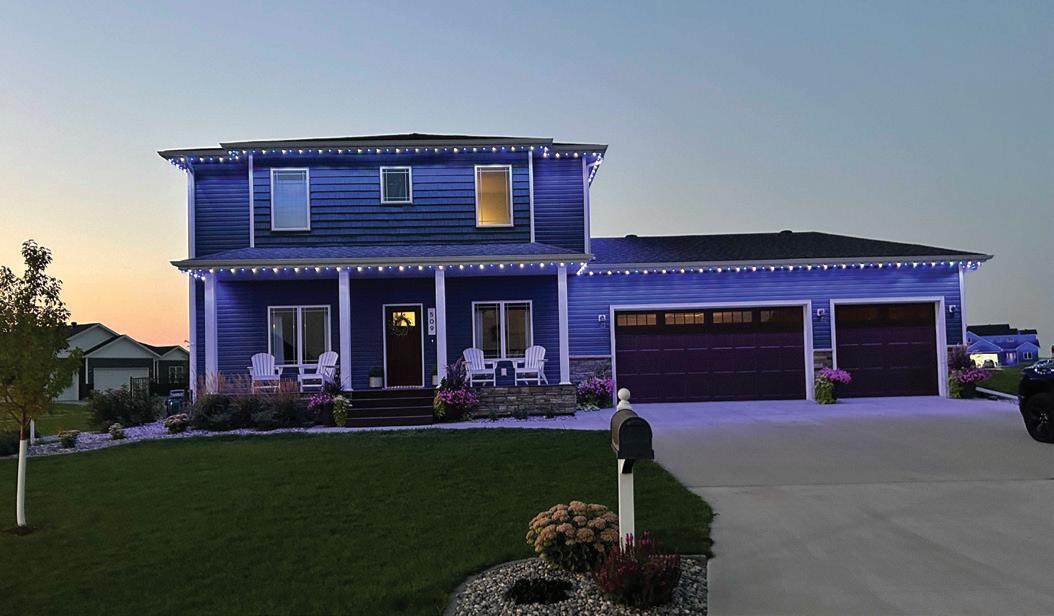
The lighting division began almost by accident. A customer asked Holsen Solar to install permanent holiday lights—specifically Gemstone Lights— several years ago. Holsen did the project, and demand took off.
“One of the very surprising things to me was the popularity of the permanent Christmas lights that go on houses now,” he said.
Today, the company has a dedicated lighting team and has expanded into commercial lighting, including exterior accent lighting for buildings.
Electrical work has also become a larger part of the company’s future. Holsen said the business merged with Lyons Electric, giving Holsen Solar a full electrical shop and allowing the company to handle more of its own work in-house.
“We can go out and do all the electrical projects that people need,” Holsen said. “Now what we’re finding is we’re doing all the electrical and installing solar for them.”
That matters because solar is not just a product. It is an electrical system. The company’s ability to handle solar, batteries, EV chargers, lighting, and general electrical work under one roof creates flexibility—especially in a climate where seasonal demand shifts.
“I’ve got to keep my guys busy in the winter,” Holsen said.
The work may look diverse from the outside, but to Holsen, it all fits.
“It’s all sort of in the same vein,” he said. “It’s all electrical.”
Holsen is still tinkering.
One area that has his attention is solar-powered irrigation.
In California, he said, there is a push to move farmers away from diesel generators. Farmers often use diesel generators when they need power in remote areas where utility access is unavailable or prohibitively expensive.

279.2 GW
Total U.S. solar capacity
47 MILLION
U.S. homes that could be powered by current installed solar
5.97 MILLION
Solar systems installed in the U.S.
280,119
U.S. solar jobs
$67.6 BILLION
Value of the U.S. solar market in 2024
59 SECONDS
How often a new solar project was installed in the U.S. in 2025 65%
Residential solar cost decline from 2010 to 2024
Commercial solar cost decline from 2010 to 2024
3,264 MW
Installed solar capacity in Minnesota
3 MW
Installed solar capacity in North Dakota

Solar and batteries could offer another option.
“With solar and batteries, you can start to run those pumps and be able to irrigate in places that you otherwise just can’t get power to,” Holsen said.
The use case could eventually matter in North Dakota, South Dakota, and Minnesota as well, particularly in areas where running an electrical line to a pump or drainage system is expensive.
“If they can get the power out there, it’s going to cost $200,000 to run four miles of electrical line,” Holsen said. “With that, we can just take up a small chunk of land, put in a bunch of solar panels, put in some batteries, run the pumps.”
Holsen Solar has already completed a couple of experimental projects and is working with Allison Pump while collecting data.
Another experiment is underway in Fergus Falls, where the company installed a solar wall—or solar fence— at West Central Initiative. Instead of a typical south-facing array angled around 30 degrees, this system uses bifacial panels that can absorb sunlight on both sides.
The fence runs north and south. In the morning, the sun hits one side. In the afternoon, it hits the other.
“It’ll generate power essentially a lot longer,” Holsen said.
For someone who has built a career around seeing what is possible just before it becomes obvious, these projects are more than side experiments. They are signals.
The industry is moving. The technology is improving. The economics are shifting. And the next version of solar may look different from the one most people picture today.
“There’s some fun stuff going on,” Holsen said.
Holsen Solar exists because Ben Holsen could not find the company he needed.
He wanted solar on a lake house. Nobody nearby could do it. So he figured it out. Then he offered it to others. Then farmers started calling. Then homeowners. Then businesses. Then the company added batteries, lighting, EV charging, and electrical work. Then it started experimenting with irrigation systems and solar fences.
“I like figuring it out,” Holsen said. “If it’s something that I can offer as a service to a customer that makes a lot of sense in my mind—if I figured it out once, then I’ve figured it out for everybody.”

holsensolar.com
/holsenhome
@holsenhomesolar


isdom teeth are one of the most common reasons patients are referred to an oral surgeon, but many families are unsure when to start paying attention, what symptoms matter, or how the referral process works.
For Face & Jaw Surgery Center, education is part of the care process.
The practice serves patients across North Dakota, with offices in Dickinson, Bismarck, Fargo, and Grand Forks, as well as a satellite location in Jamestown. Its Dickinson office has been an important addition for patients in western North Dakota and eastern Montana, giving many families access to oral surgery care closer to home.
Face & Jaw is a referral-based oral and maxillofacial surgery practice. That means many patients begin with their general dentist, who then refers them for specialized surgical care such as wisdom teeth removal, dental implants, extractions, and other oral surgery procedures.
To help patients better understand the process, Face & Jaw’s doctors answered common questions about wisdom teeth, consultations, recovery, referrals, and what makes the practice different.
By Brady Drake provided by Face & Jaw Surgery Center
Face & Jaw is a referral-based oral surgery practice. For most patients, the first step is to visit a general dentist. If the dentist determines that oral surgery is needed, they can send a referral to Face & Jaw. Once the referral is received, a patient coordinator will contact the patient to review health history, collect demographic information, and schedule the appointment.
Q: When should someone start thinking about wisdom teeth removal?
A: The approximate ideal age to remove wisdom teeth is about 15–16 years old. This is usually before they are fully developed. This is only an approximation, however, because a person’s dental age can differ
significantly from their actual age. It is not uncommon for wisdom teeth to fully develop earlier or later than average.
You’ll want to follow the advice of your dentist, who will have a handle on the development of your wisdom teeth if they have been managing your other dental care for a number of years. Your dentist will also be able to let you know if there is a developing issue around wisdom teeth that are already fully developed and/or erupted into the oral cavity, if you happen to already be beyond the average ideal age to get them removed.
Q: What are the most common signs that wisdom teeth need to come out?
A: Intermittent swelling and deep, aching pain in the posterior lower jaw are probably the most common signs that there is a problem. By the time this pain is present, it usually means there are dental caries and/ or periodontal issues around the
Q: Do patients need a referral to be seen?
A: A referral is preferred, as we are a referral-based practice. There are some things that we can identify, such as when wisdom teeth or third molars need to be removed. However, we don’t do any general dentistry, as this is a specialty practice of surgery.
Q: What’s the step-by-step process for becoming a patient?
A: Once we receive a referral from your general dentist, one of our patient coordinators will reach out to you and go over a detailed intake about health history and demographic information to schedule you accordingly.
incoming wisdom tooth. In the worst-case scenario, those problems are affecting the adjacent second molar as well.
Q: What can happen if someone ignores those signs?
A: Ignoring any kind of dental pain usually leads to worsening problems. Carious lesions will tend to increase in size, and bone will continue to be destroyed. The loss of the adjacent second molar is possible, as is the development of a dental abscess.
This latter is probably the single worst possible outcome, as, depending on its size and position, an abscess can threaten not only the dentition but also the other soft and hard tissues in the area, leading to, among other things, trismus and severe pain. A large abscess also has the potential to cause acute airway issues if the floor of the mouth and tongue are affected. The surgery and related care to address a severe abscess commonly require at least a brief hospital stay.
Q: What should someone do if they think they need a tooth removed but don’t have a dentist?
A: Depending on the situation, a referral from a dentist may not be needed. If there is pain, swelling, or a large cavity, it can be relatively straightforward to identify the correct tooth.
However, many times, the tooth does not need to be removed and can be restored, which is best determined by the general dentist. We encourage all patients to seek consultation with a general dentist and receive a comprehensive exam prior to any surgery. CONTINUED
Q: What does the consultation process look like?
A: An oral surgery consultation involves a thorough review of a
patient’s medical history, a clinical exam, and a review of any pertinent imaging, such as X-rays or a CT scan, which helps develop an appropriate treatment plan.
The surgeon will discuss anesthesia options, including local anesthesia, IV sedation, or intubated general anesthesia, as well as the procedure’s risks and benefits and post-operative care instructions. Patients are always given an opportunity to ask questions to ensure full understanding prior to a procedure.
Q: Walk us through the procedure at a high level.
A: Oral surgery procedures typically involve numbing the treatment area with local anesthesia and are often combined with sedation to help keep the patient comfortable throughout
Q: How has having a location in Dickinson changed access to care?
A: Having a location in Dickinson has greatly facilitated the transportation challenges of our patients by having an office in the western part of the state. This expanded the geographic scope of our practice to include all of western North Dakota and adjoining eastern Montana.
Q: What training and experience should patients look for in an oral surgeon?
A: In selecting an oral and maxillofacial surgeon or surgery practice, a patient should look for a surgical practice that has decades of experience. The surgeons operating
the duration of the procedure. The surgeon may make incisions in the treatment area to remove and/ or repair the affected area and then close the incisions with sutures.
Q: What is recovery like?
A: Recovery from oral surgery typically involves two to three days of rest, with possible swelling, bruising, and discomfort peaking around 48–72 hours post-operation.
Patients are asked to follow a softfood diet and avoid smoking, spitting, or using straws for several days to help ensure appropriate healing. The surgeon may prescribe medications to aid in the recovery process, such as pain medication or antibiotics, but this is customized to each patient/ procedure and would be discussed at the time of your procedure.
in such a facility should all be board certified or at least board eligible.
Q: What makes your team different from other providers?
A: Our practice is very unique. Our organization has been in business for over four decades. All our surgeons are board-certified oral and maxillofacial surgeons.
All our clinical staff have taken training in advanced cardiac life support and pediatric life support and have taken advanced training in assisting with the general anesthesia portion in an outpatient setting. For complex cases, we have our own certified registered nurse anesthetist.
Q: What do patients tend to worry about most, and how do you address that?
A: Needles! So many are afraid of needles and pain. Understandably so. Whoever comes up with a way to anesthetize teeth without a needle will rival Bezos in value.
Q: What’s one common myth about wisdom teeth you wish patients understood?
A: Myths regarding wisdom teeth and other teeth: If there is no pain, there is no problem!
It would be nice if it were that simple. Most mouth/tooth problems are initially painless. Bummer! But it is important to get regular checkups with your dentist to catch potential problems early.
Q: What’s one piece of advice you give every patient before surgery?
A: My advice is quite simple: Take care of yourself and be prepared ahead of time for surgery.
Follow your pre-operative and postoperative instructions, ask questions, arrange for a ride home if necessary, and stock up on softer foods. Get a good night’s sleep before and plan for rest after surgery. Don’t stress, and know that you have an excellent team who will support you throughout your experience.
Q: Outside of wisdom teeth, what’s another service patients should know you offer?
A: Many people know us for wisdom teeth removal, but one of many other services we offer is teeth replacement with dental implants.
Dental implants are titanium roots that are surgically placed into the jawbone to support fixed or removable replacement teeth, such as crowns, bridges, or dentures. They offer a long-lasting, stable solution for missing teeth that look, feel, and function like natural teeth, while also preserving jawbone health.
By Brady Drake
very year, TEDxFargo brings together people who are asking bigger questions about work, community, creativity, technology, and purpose.
The 2026 speaker lineup continues that tradition with voices from a wide range of backgrounds, each bringing a different perspective on how ideas become action. Some are artists. Some are entrepreneurs. Some are leaders, builders, educators, or advocates. But what connects them is a shared willingness to think deeply, challenge assumptions, and invite others into a new way of seeing the world.
In the pages ahead, we’re introducing you to some of the people who will take the TEDxFargo stage in 2026.
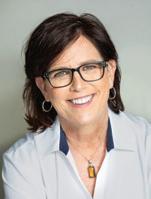

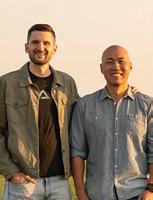
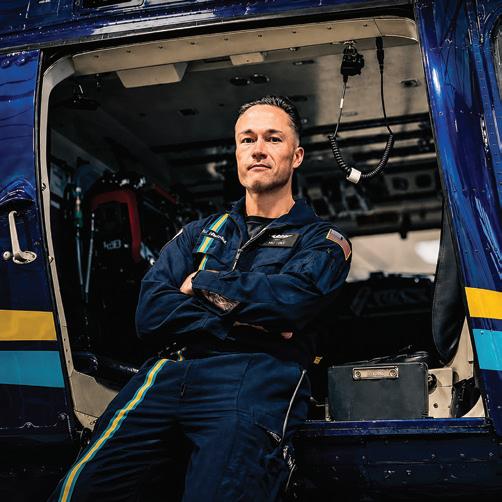
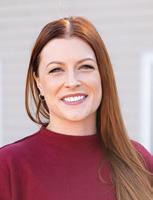
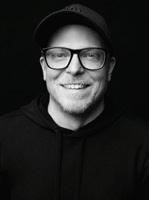

THERESA ASHBY | provided by Theresa Ashby
or much of her career, Dr. Theresa Ashby understood business through the language of execution.
Build the plan. Drive the numbers. Hit the targets. Measure the results. Move faster.
And she was good at it.
Ashby has spent decades in leadership, consulting, speaking, and advising, building a reputation as a business scaling expert. Her background includes high-level corporate leadership, business strategy, digital transformation, and helping entrepreneurs turn their ideas into scalable products, platforms, and systems. She is the author of "Better Implementation Now! Eight Ways Great Strategies Fail and How to Fix Them" and "Exposing the eLearning Mystery: Secrets to
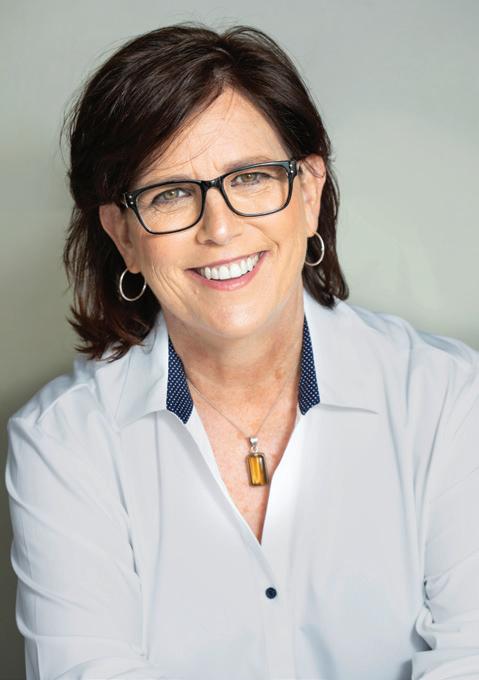

Digitizing Your Business." She is also listed by NAWBO as its Institute Board Treasurer and a business scaling expert.
In other words, Ashby knows the spreadsheet side of business. She knows the systems. She knows the pressure. She knows the version of leadership that says success is something you push toward with enough strategy, intensity, and force.
But that is not the version of leadership she is bringing to the TEDxFargo stage.
Her talk, she said, is about collective consciousness, and more specifically, how women can “reconnect, recommit, and reimagine how we change the world together.”
To Ashby, that the next evolution of business.
“Our business models that we’ve been running our businesses off of are outdated,” she said. “Not outdated in the sense of AI that has forced us to look at things, but more in line with these philosophical viewpoints of separateness.”
Ashby believes the next era of business will require leaders to move away from separateness and toward wholeness. Toward relationships. Toward community. Toward philanthropy. Toward a deeper kind of self-awareness. Toward what she describes as spirituality—not religion, but the essence of who a person is.
“Gone are the days of being the egoic leader,” she said. “The world is in turmoil, and the more we come at it from an egoic mind, the more we forget to be inclusive of others.”
For Ashby, this is not soft thinking. It is not a retreat from business discipline.
It is a challenge to look at where that discipline begins.
Too often, she said, leaders build from the outside in. They create a business, define products and services, push for growth, and then try to align their people around the machine they have built.
Ashby is suggesting the opposite.
Start with the self. Understand what is driving you. Understand your nervous system, your emotions, your blind spots, your values, and your purpose. Then build from there.
“When you bridge the inner self,” she said, “the outer results will be far greater.”
That sentence could almost serve as the thesis of her current work.
It also represents a major personal shift.
Ashby said her own turning point came after a mission trip to Chad, Africa. She had gone, in her words, with the subconscious expectation of helping—of doing good, of serving, of being useful.
“I went and I was going to be the hero,” she said. “When I got there, I wasn’t the hero. Everybody else was the hero.”
The experience shook her. She witnessed suffering, death, instability, and a level of human resilience that forced her to reexamine the way she had been moving through the world.
“It was my awakening,” she said. “I’ve really been holding up the world thinking my purpose was to help others, but really I had to help myself before I could see how I was able to help others.”
What followed was not a quick reinvention. It was a healing journey. Ashby worked with a psychologist
experienced in post-traumatic stress disorder. She brought in a spiritual coach. She surrounded herself with women and friends who could “hold space” for her as she processed what she had experienced and began to rebuild from the inside out.
“I’m still on the journey,” she said. “It’s not over. What I realize is it’s not a destination anymore. I think I lived my life in such a destination. Now it’s really just about feeling what I need, hearing what I need, doing what I need, just being—and then, of course, taking action.”
Ashby is not telling business owners to abandon action. She is telling them to examine the place their action comes from.
There is a difference between execution born from fear and execution born from alignment. There is a difference between scaling a business because the market says you should and scaling a business because the work is rooted in a clear purpose. There is a difference between chasing numbers and building something that reflects the truest version of the people behind it.
For business owners, that can be uncomfortable.
Ashby knows it is easier to talk about alignment than to live it. It is easier to say a business should be heartdriven than to risk changing an offer, a service, a customer base, or a strategy that is producing revenue. But she believes many companies are quietly carrying the cost of building around the wrong center.
“If I go beyond the numbers and I go beyond the spreadsheets and I take the time to really sit back and say, ‘What is it that I really want to do in my business?’ we will find that you created a program or a service that was driven by financials instead of by what is heart-driven,” she said. That does not mean money is
irrelevant. It means money cannot be the only compass.
For Ashby, the work begins with questions. Who do I really want to serve? What do I actually want to build? What values are showing up in the way I lead? What blind spots are showing up in the way my business operates? What part of me is driving this decision—fear, ego, scarcity, purpose, love?
She believes a business will reveal all of it.
“Our businesses completely reveal our values and our blind spots,” she said. “Your healed self and your wounded self play out in your business.”
That is a demanding view of leadership. It asks leaders to stop treating business as a separate compartment from the rest of life. It asks them to see the workplace as one of the clearest mirrors they have.
It also asks them to think differently about impact.
Ashby’s idea of collective consciousness is rooted in the belief that individual healing does not stay individual. When one person becomes more grounded, more aware, more compassionate, and less driven by ego, the environment around that person changes.
“When one of us rises, the environment completely shifts,” she said. “When one of us heals ourself, it creates all of this space for others to heal. And when we start to use our voice, then what we’re doing is we’re giving everybody else permission to speak.”
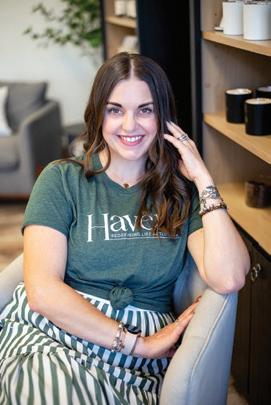
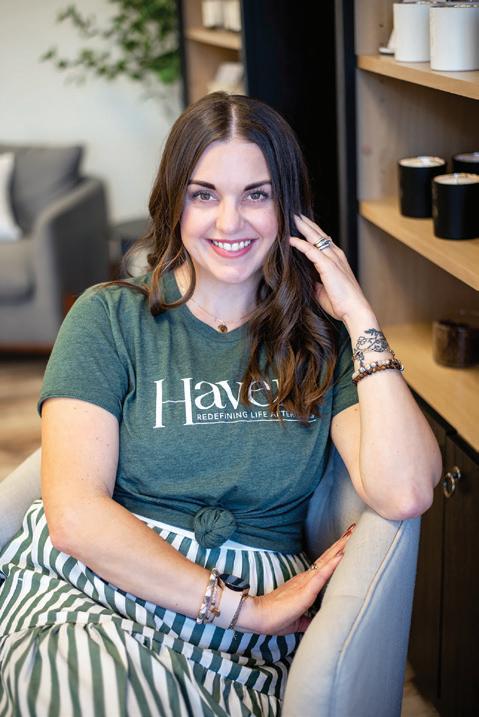
JEN BURGARD | provided by Jen Burgard
en Burgard did not set out to become a public voice on grief.
She did not set out to build an organization around loss. She did not set out to speak from a TEDx Fargo stage. She did not set out to become the person other people point to and say, “You’re so strong.”
In fact, those words have always sat strangely with her.
“I don’t feel strong,” Burgard said. “Sometimes I would prefer people not say that.”
She understands why people do. They mean it kindly. They mean it as encouragement. They mean it as admiration for what she has survived and what she has built.
But strength, as Burgard has come
to understand it, can become its own kind of performance.
It can put people on a pedestal when what they really need is someone willing to sit beside them. It can turn survival into something that has to look inspiring before it is considered valuable. It can make grief feel like something a person is supposed to overcome neatly, publicly, and productively.
That is the idea Burgard plans to challenge at TEDx Fargo.
“I think as a society we value strength and grit and hustle,” Burgard said. “Work harder, achieve these goals, set your mind to it. But I think there is a version of that that’s unfair to the general person.”
Burgard knows that tension intimately.
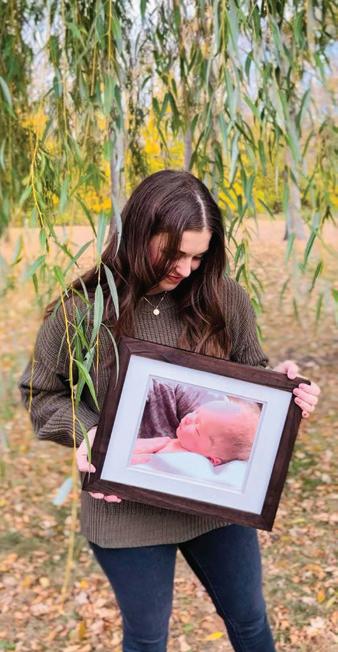
After the death of her son, Henry, grief became more than an abstract concept. It became part of the architecture of her life. Like many parents who experience pregnancy or infant loss, she was discharged from the hospital without a baby in her arms, but with a memory box— hand and foot molds, footprints, wisps of hair, cards, notes, and the few physical reminders that would have to stand in for a lifetime. In a piece she later wrote, Burgard described it as “a box of everything you will ever have to remember your child instead of a baby in your arms.”
That kind of loss changes the way a person moves through the world.
For Burgard, grief made her quieter, softer, and more aware of mortality— her own, and the mortality of everyone she loves. It narrowed her circle, but deepened the connections
that remained.
“When grief happened to me, my circle every time got smaller,” she said. “My circle got smaller, but my connections with the people that were still in that circle grew.”
In time, that grief became part of her work.
Burgard helped build what was then known as Hopeful Heart Project, a nonprofit serving families experiencing pregnancy and infant loss. The work was intimate and tender. It meant walking alongside people in the most devastating moments of their lives. It meant creating healing gifts. It meant offering support when language often fails. It meant knowing, firsthand, that grief does not end when the flowers die, when the lasagna is gone, or when everyone else quietly goes back to normal.
But Burgard’s story did not become simpler once she found purpose in the work.
It became more complicated.
In the years after Henry’s death, Burgard poured herself into supporting other families experiencing pregnancy and infant loss. She helped build what was then known as Hopeful Heart Project, a nonprofit rooted in tenderness, memory-making, and the belief that no family should have to walk through loss alone.
The work was sacred. It was also deeply personal.
And eventually, it brought another kind of grief.
A close friendship and working relationship with Kayla, someone Burgard had trusted deeply inside that grief-support world, began to unravel after painful questions surfaced around Kayla’s own story of loss. Burgard has written publicly about that chapter, including the confusion, loyalty, doubt, and heartbreak that came with trying to understand what was true while also protecting a mission that mattered to grieving families.
For Burgard, the details of that experience are less central now than what it exposed in her: the weakness of not knowing what to believe, the ache of wondering what she missed, and the regret that can follow when love, trust, grief, and leadership collide.
“I have so many regrets,” Burgard said. “Absolutely.”
That is one of the things she wishes people would ask her more directly. Not the polished question. Not the one that lets her give the easy answer. The harder one.
Do you carry guilt and regret?
Her answer is yes.
She carries regret from the day Henry died. Regret from the days after. Regret about work, relationships, decisions, and moments she wishes she could redo. She carries regret about things she missed and things she did not understand at the time.
“And they eat at me,” she said.
That honesty is central to her message. Burgard does not want to stand in front of people and pretend she has mastered grief, motherhood, leadership, forgiveness, or life.
“I’m not over here 100% like, ‘This is the way you do it,’” she said. “That’s not how it works.”
The world often wants stories like hers to resolve cleanly. A mother loses a child. She starts an organization. She helps others. She becomes strong. She inspires people.
But Burgard is more interested in the parts that do not fit that arc. The parts where someone makes the best decision they can with the information they have, and later wonders if they should have known more.
“There is strength and beauty and value in simply just surviving,” Burgard said. “In simply just getting up every single day and just getting stuff done.”
That belief has changed the way she thinks about support.
When someone is grieving, Burgard’s advice is to not ignore it.
Especially in the Midwest, she said, people have a habit of sending a meal and moving on. The gesture is kind. But grief does not end when the meal train ends.
Instead of asking, “What can I do?” Burgard encourages people to offer
something specific.
Drop off coffee. Do the laundry. Watch the kids. Send a message that says you are thinking about them and the person they lost. If they say no, try again later.
“Just do the thing,” she said.
And if someone has died, say their name.
“They haven’t forgotten that their person died,” Burgard said. “They’re terrified that everyone else has.”
Before Henry died, Burgard understood the fear of saying the wrong thing. The loss of a child made her uncomfortable too. She knows why people freeze. They do not want to hurt someone. They do not want to make grief worse. They do not want to end up on a list of things people should never say.
That is why Burgard does not like focusing only on what not to say.
“I think we scare people out of saying anything,” she said.
Instead, she wants people to practice showing up.
Say, “I’m here with you.”
Say, “I can’t fix this.”
Say, “I’ll sit with you in it.”
Then actually sit.
The people who helped Burgard most were not the ones who tried to explain away the pain. They were the ones who stayed. They watched movies. They prayed, when prayer fit the moment. They sat on the couch. They allowed the silence to be awkward. They allowed grief to exist without rushing to make it useful.
“Sit with them in the uncomfortable,” Burgard said. “Get weak with them.”
Burgard knows that is difficult. To truly imagine someone else’s loss, even briefly, can feel almost unbearable. But she believes people are more capable of it than they think.
“You can go back to putting that armor back up,” she said. “You shouldn’t have to walk around holding that all day either. But give that person five minutes.”
Burgard sees it in ordinary connection, too. She has never loved small talk. It drains her. She would
rather know what someone actually cares about, what they are thinking, what they are carrying.
“When I meet someone, I love to just get to know who they are and what they’re thinking and what they actually care about,” she said. “That’s connecting with humans.”
It is also why she thinks so many attempts at connection fail.
Traditional icebreakers, forced introductions, “fun facts”—to Burgard, those often do the opposite of what they are meant to do. They make people self-conscious instead of

connected.
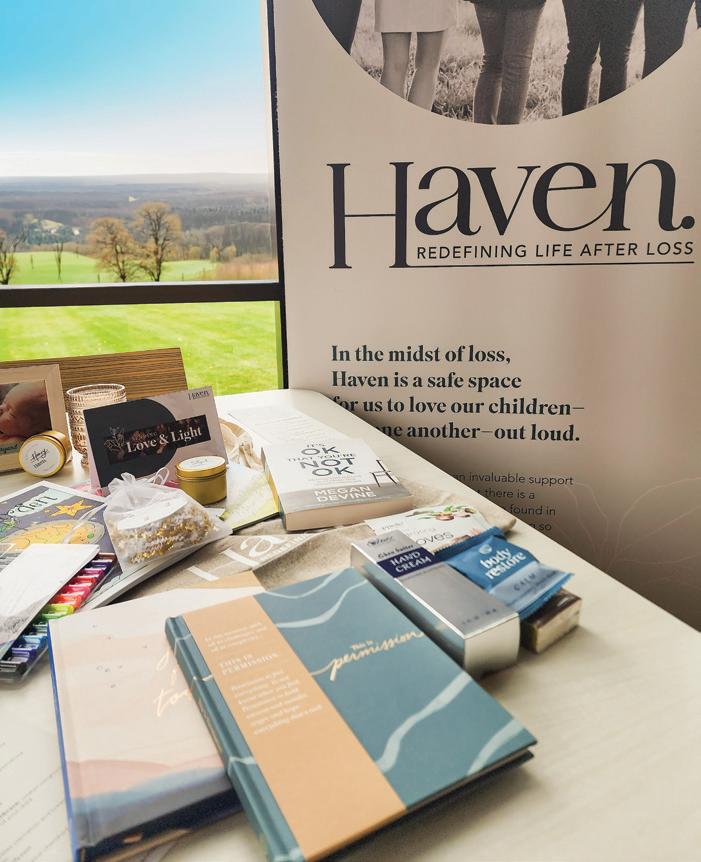
Through her work, she has seen the value of shared experience. Haven events often include an activity—floral workshops, creative projects, something people can do with their hands—because connection often comes more naturally when people are making something, laughing at themselves, and being imperfect together.
“Let yourself be bad at something in front of someone else and you’ll all laugh together,” she said.
Burgard’s own relationship with trust has changed, too. She once trusted blindly. Now, trust is earned slowly.
After everything she has lived through, she has had to learn how to let people in again, one small step at a time. New people entered her life gradually. Some taught her things. Some opened her eyes. She did not have to give them full access to her heart all at once.
She could check in with the people who had remained in her smaller circle. She could ask whether a feeling was intuition or trauma. She could admit she did not have it all figured out.
That, too, is weakness.
And that, too, is strength.
When asked what gives her purpose today, Burgard paused. The answer was not as automatic as it might have been years ago.
At one time, she may have said the organization was her purpose. Helping families was her purpose.
Now, she sees it differently.
“I think my purpose is inspiring change,” she said.
That change begins close to home. Burgard wants to give her children and her family a different life experience than the one she had. Not necessarily better, she said, but different. She wants her community to be more open to growth. She wants people to be willing to look at grief, loss, weakness, and regret without turning away.
That is one of the reasons she said yes to TEDx Fargo, even though the stage itself is outside her comfort zone.
“I think I have something to share that makes sense and that matters and is worth exploring,” she said.
havenmidwest.org /havenmidwest @haven_midwest

KENNY LEE | Bohler
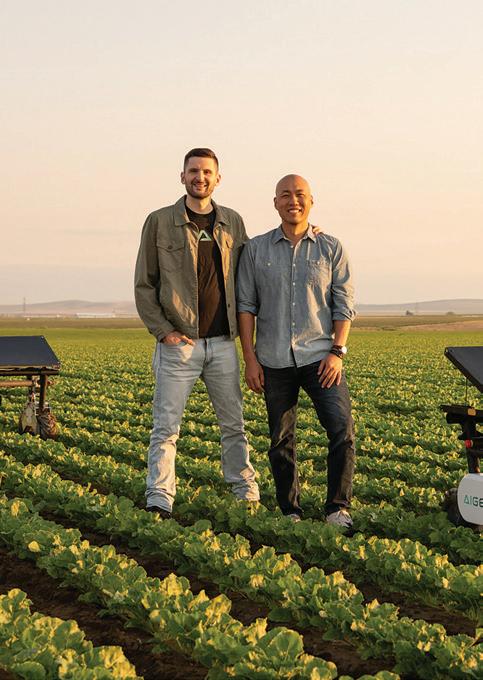
Aigen founder and TEDxFargo speaker Kenny Lee (right) with his cofounder Rich Wurden
enny Lee did not grow up around agriculture. He did not come from a farming family. He did not spend childhood summers in a tractor.
His path to agriculture started with a question.
What industry needed help?
For Lee, the answer eventually led him far from the tech corridors he knew well and into fields, farm shops, combines, and conversations across middle America. Which, ultimately, led him to build solarpowered robots designed to remove weeds without fuel, heavy tillage, or chemical spraying.
But if you ask Lee what he may speak about at TEDx Fargo, the answer is not simply robotics. Or artificial
intelligence. Or startup life.
It is about common ground.
“I’m not from the ag industry,” Lee said. “I didn’t grow up in ag. I switched over to a completely new industry that I had no idea about when I was in my early 40s.”
Lee is also an immigrant who moved to the United States from South Korea when he was 6 years old. He grew up in Brooklyn, spent time in Durham, NC, and later lived in Guam. Along the way, he learned how to move between worlds—racially, culturally, geographically, and professionally.
As a child in Brooklyn, many of his closest friends were Black and Puerto Rican. Later, he found himself in blue-collar communities shaped by police, firefighters, Jewish families,
and working-class neighborhoods. In middle school, he remembers being the only Asian kid among roughly 400 students, moving between white and Black friend groups in a school where racial divisions were impossible to ignore.
“I sort of rode the line in between that, because I belonged to neither group,” Lee said.
Then, in high school in Guam, he had Asian peers who looked more like him. That, too, felt unfamiliar.
Those early experiences shaped him. They taught him how to listen without needing to belong completely. They taught him how to build trust quickly. They taught him that identity can be complicated, but connection does not always have to be.
Today, he still uses those lessons.
“One day I’m just hanging out with a farmer and his combine,” Lee said. “The next day I’m in the tech world at Nvidia and Amazon.”
He can move between those spaces because, in many ways, he has been doing it his entire life. And while Lee does not pretend America’s tensions are imaginary—he has experienced racism, and he knows how heated conversations around immigration, race, and politics can become—his work in agriculture has reinforced a different truth.
People are more complicated than stereotypes.
Extreme opinions are always loud, but they're not the country. Most people are somewhere in the middle, just trying to do what's best for their families and their communities.
What he has seen instead, particularly in the states and communities where agriculture is central, is a shared desire to build something better.
“At the heart of it all,” he said, “everybody wants what’s best for the country. They may have different paths and opinions on how you actually get there, but at the end of the day, there’s this common thread.”
That belief has become part of his work.
Lee did not enter agriculture by assuming he had the answer. In fact, he began by admitting the opposite.
After returning to school in his 40s for an Executive MBA at MIT Sloan, he became interested in systems thinking, particularly through the lens of sustainability. What struck him was the delay built into it. Human beings are not naturally wired to respond to consequences that unfold over decades.
“You have to think about a span of decades,” Lee said. “You’re really thinking about how it impacts your kids or your kids’ kids, not about your life tomorrow. And that’s hard.”
The more he studied, the clearer it became that there was no single fix.
Electric vehicles alone would not get us there. Solar wouldn't either. Neither would more efficient homes. No single industry could move the needle by itself.
“Every single industry needs to contribute,” Lee said.
So he started looking for an industry that met two criteria. It had to be underfunded, and it had to be difficult—not just technologically, but socially and culturally.
He landed on agriculture.
“I knew nothing about agriculture,” Lee said. “One thing I knew when you used that word to me was farming, so I was going to start farming.”
He enrolled in a hands-on farming practicum, where he was given a plot of land and worked through the basics of water management, fertilization rates, seeding, weeding, harvesting, and selling produce at a farmers market.
“I use farming loosely,” he said. “Farmers are going to say, ‘No, you hardly farmed.’”
But the experience gave him enough familiarity to begin conversations without sounding like a software salesman parachuting into an industry he did not understand.
From there, Lee spent a season traveling through roughly eight or nine states, including Washington, Idaho, Oregon, California, Tennessee, Georgia, Louisiana, Mississippi, Illinois, Iowa, and North Dakota. He talked with as many farmers as he
could, asking what they actually needed.
He did not lead with technology. He did not lead with a pitch deck. He did not lead with a robot.
He led with the problem.
“I know nothing about farming,” he would tell them.
Then he would ask a version of this question: If you had a friend who was a nerdy tech kid and could build robots or software or something else, what would you want them to build? What problem would you want them to solve?
Again and again, the answer came back to weed control.
“That kept on coming up,” he said. “I didn’t know that it was going to be a weed-control solution.”
At first, he looked at companies already working in agricultural robotics and novel weed-control technologies. But he noticed a gap. Some solutions were built for specialty crops in places like California. Others were expensive laser weeders that could cost more than $1 million.
That might work for some operations. It would not work for many of the farmers he had been meeting across the Midwest.
That gap became the opening for Aigen, the ag-tech robotics company Lee co-founded with Richard Wurden, a former Tesla engineer.
The mission was not only to build technology for agriculture. It was to build technology aligned with the realities of farmers and the conservation priorities Lee cared about from the beginning.
His company's robots, Aigen Element, do something diesel and herbicide
KENNY LEE | Bohler

cannot. They work continuously, powered by the sun, removing herbicide-resistant weeds one plant at a time. Less tillage. Less spraying. Healthier soil underneath.
“I wanted to make sure that these priorities align in the solution that we built,” he said. “The robot had to earn its own energy to get the job done."
A person from outside agriculture entered the industry not by trying to disrupt it from a distance, but by learning from the people already inside it. A startup founder working with robotics and AI found his strongest insight not in a lab, but in conversations with farmers. An immigrant who has lived between cultures found, in farm country, not alienation but connection.
“I always like to root for the underdogs,” he said.
And when he looks at agriculture, that is what he sees. He sees an industry that feeds people, supports communities, carries generational knowledge, and yet is often misunderstood by the very people building the future.
“Spending so much time on the coast and in high tech, those areas really do not understand agriculture, food, and farming,” Lee said.
That misunderstanding goes both ways sometimes. Technology can feel abstract. Agriculture can feel distant. Sustainability can feel political. Rural America can be flattened into caricature. Immigrants can be, too.
Lee’s life and work challenge those simplifications.
He has seen division. He has lived across it. But he has also seen what happens when people stop talking in categories and start talking about problems they can solve together.
aigen.io
@Aigenio
/aigeninc
@aigen-inc
RYAN MAUK | provided by Ryan Mauk
y the time most people see a wall cloud, they are already looking for shelter. Ryan Mauk sees something else first.
He sees motion. Structure. Pressure. Shape. A living system pulling itself together in real time. He sees danger, yes, but also presence. A kind of scale that makes a person feel very small, and, strangely, very alive.
That feeling has followed him since childhood.
“I have been fascinated by tornadoes since I was like five years old,” Mauk said. “I have memories of being in daycare and there’d be tornado warnings and the teachers are trying to pull me inside, and I’m out the door like, ‘No, I want to see.’”
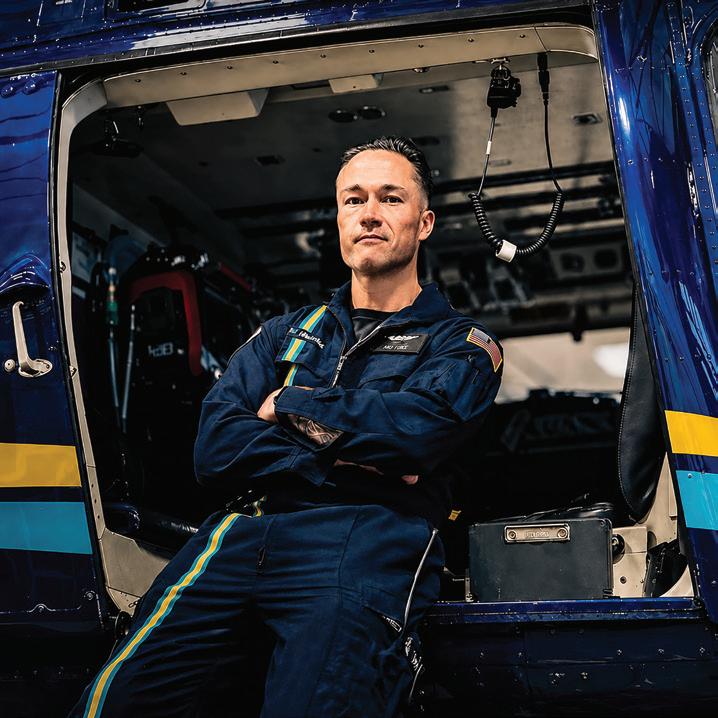
That curiosity eventually became storm chasing. Then filmmaking. Then an online cinematic series called "The Rear Flank," where Mauk documents severe weather with the eye of a storyteller rather than a highlight-reel hunter.
But the real story is not just that Mauk runs toward tornadoes.
It is that, in many ways, he has been doing that his whole life.
Today, Mauk is a Flight RN in Fargo, a filmmaker, a father, and one of the region’s most distinct storm chasers. His professional life puts him inside high-stress situations where seconds matter. His creative life puts him underneath rotating supercells, waiting to see whether the sky will organize itself into something beautiful, violent, or both.
His upcoming TEDx talk is tentatively titled “To Walk Amongst the Giants,” a phrase he uses to describe what it feels like to stand in the presence of the atmosphere’s most powerful moments. It is also a metaphor for the rest of his life: fear, chaos, failure, reinvention, and the decision to keep moving anyway.
“When you witness something like that up close,” Mauk said, “it almost seems like there’s a palpable presence there. Almost like an alien landing.”
“Every time I’m out there and I see something like that,” he said, “it’s just another walk amongst the Giants.”
Mauk’s first storm chase happened on foot.
He was about 16, hanging around Clara Barton Elementary School in South Fargo with a friend named Ted, when he looked up and noticed something happening in the clouds. The storm had a lower, shelf-like feature. Scud clouds were rising into it. The air was moving in a way that made sense to him, even then.
“That’s a wall cloud,” he remembers thinking. “That’s going to throw down a tornado.”
They ran to grab a camcorder—the old kind with a VHS tape—and headed toward Lindenwood Park. From the concrete baseball bleachers, they watched a funnel begin to form as the storm moved southeast toward Minnesota.
They filmed it.
Then, years later, the tape disappeared.
Mauk has searched for it. At one point, he found a VHS labeled “severe storms 96” in his own handwriting. But the footage was gone, likely taped over.
“That was my first chase ever,” he said. “And it was on foot.”
The first successful chase he planned—the first time he studied the setup, weighed the forecast, drove toward the target, and actually saw what he hoped to see—came much later, on Father’s Day in 2015 near Bison, SD.
That day changed the hobby into something more serious.
“From that point on is when it really, really took off for me,” he said. “That was like, ‘Oh my God, this is it. I’m in love. I have to go do this again.’”
Mauk had already been interested in cameras by then. His path into filmmaking started through music. He wanted a music video, could not get one made the way he wanted, bought a camera, and taught himself.
“I made some awful music videos and learned the hard way,” he said.
That learning curve became useful. Storm chasing, after all, is not studio work. There is no controlled set. No repeat take. No guarantee that the subject will appear. Mauk might drive hundreds of miles, study a dozen variables, prepare a concept, and end the day with nothing but wind, rain, and a long ride home.
He likes it anyway.
“I bring out a cinema camera, and I have a rough plot idea,” he said. “Nature will provide the props or they won’t.”
There is no shortage of stormchasing footage online.
Much of it looks the same with a shaky camera, roaring wind, someone yelling offscreen, a tornado in the distance, maybe debris crossing the road. It can be thrilling. It can also flatten the experience into a single moment.
Mauk wanted something else.
He wanted atmosphere. Build-up. Chase strategy. Silence. Music. The loneliness of a road grid. The tension of waiting. The emotional arc of the day.
“I always wanted to find out specifically what’s my niche,” he said.
That niche became "The Rear Flank."
The series took shape in 2021 during a chase near Selden, KS.
Mauk and his chase partners had been weighing whether to stay in South Dakota or drop south toward Kansas. The better target looked farther away, so they went. That day, Mauk decided to make something different. He launched his drone, thought through the story, and built the episode around more than the tornado itself.
“That was episode one,” he said. “And then from there there’s episode two and three. I’m like, okay, this is my format.”
As of the interview, Mauk said the series was 25 episodes deep.
In all of them, he does not want to be only a person who documents storms. He wants to translate the feeling of being near them.
That includes beauty, but it also includes discomfort. Storm chasers live with a paradox of wanting to see tornadoes, but also not wanting anyone to get hurt. The ideal storm, Mauk said, drops a photogenic tornado over open country and damages nothing. Many tornadoes do occur in rural areas. Some, however, destroy homes, take lives, and alter families forever.
The longer Mauk has chased, the more complicated that reality has become.
“Sometimes it’s exhilarating, and sometimes it’s frustrating, and sometimes it’s sad,” he said. “As much as I and other storm chasers, we want to see these things happen, we don’t want them to hurt anybody or their property.”
That tension has deepened his respect for storms. It has also pulled him closer.


RYAN MAUK | provided by Ryan Mauk
“There’s sort of a way-to-witness element to it,” he said. “It’s made me respect it more on a really spiritual level, and at the same time, I’m even more drawn to it.”
Mauk’s life did not start with a straight line toward flight nursing, filmmaking, or anything close to a polished public platform.
When he talks about his early years, he does not romanticize them.
He dropped out of high school. He got his GED. He worked construction. He did not see a clear future.
“I didn’t have any direction,” he said.
For a while, he assumed he had already hit the roadblock that would define him.
Then someone pushed him.
A woman he knew worked part-time at Minnesota State Community and Technical College, now commonly known as M State. She told him, plainly, that he had a GED and could apply. He did not need to remain stuck. He did not need to work in construction forever.
“How about nursing?” she asked.
At first, Mauk was not sure that door was open to him.
“I don’t know,” he remembered thinking. “Is there really a shot?”
There was.
It was not easy. He had to catch up on classes he had missed in high school. He had to take prerequisites that other students already had behind them. The process was slower than it might have been for someone on a cleaner academic path.
But he kept going.
He earned his LPN and went to work at MeritCare, before its merger into what is now Sanford Health. The job did not pay as much as an RN role, but it gave him immediate practice. He was using what he had learned. He was becoming someone different through repetition, responsibility, and time.
He planned to go back for his RN right away, but life changed. He became a father, and school went on hold for years. Eventually, he returned and finished.
Flight nursing had always been the dream.
“I’d see the helicopters flying over,” he said. “That realm of medicine is the only reason I’ve wanted to do this.”
Mauk spends a lot of time thinking about fear.
Not in the shallow way people talk about “overcoming” it, as if courage means becoming numb. In his world, fear has practical value. A tornado deserves fear. So does flying into an emergency. So does taking on responsibility for another human life.
Healthy fear keeps a person honest.
But there is another kind of fear—the kind that blocks movement before anything has even happened.
That kind interests him most.
“What is fear at the human visceral level?” he said. “When you really strip it all down?”
In Mauk’s view, fear sits underneath many of the emotions that stall people out like anger, jealousy, low self-worth, resentment, and hesitation. A person might think they are jealous of someone else’s house,
job, marriage, or money. But keep asking why, he said, and the answer often gets down to fear.
Fear of not having enough. Fear of failing. Fear of starting. Fear of not being the kind of person who can do the thing.
Mauk knows that version well. He felt it when he looked at nursing school from the outside. He felt it when he built his filmmaking style in a crowded storm-chasing space. He still feels it when he picks up a new camera that is powerful enough to intimidate him.
“You just got to jump off the plane, man,” he said. “You just got to go. Just do it. Yeah, this is going to be scary, and this might suck. Here we go. We’ll figure it out as we go down.”
That does not mean ignoring risk. Mauk is careful to say that risks should be weighed. Storm chasing requires preparation, forecasting, road awareness, communication, and respect for the atmosphere. Flight nursing demands even more discipline.
But at some point, preparation ends and action begins.
The more often a person acts, Mauk said, the more fear erodes.
“You come out the other side of a very hard, daunting thing that seems absolutely impossible, you’re going to be carved out of wood,” he said. “You get through something hard— well, then fear kind of erodes. The next big thing, well, I can do that. I did this, and that sucked. That was hard. That almost killed me. But I did it.”
ryanmaukstormchaser.com /ChuckMizz @ryanmaukstormchaser
PETE NELSON | provided by Pete Nelson
ete Nelson closes his eyes when he talks about treehouses. Because, for Nelson, the first step in building a treehouse has always happened somewhere behind the eyes.
He sees the trees first. He sees their spacing, their lean, their height, their stubbornness, and their invitation. He sees where the first bolt might go. He sees the beam stretching from one trunk to another—not too far, not too forced. He sees the porch, the window, the little room suspended in the arms of nature. Before there is a drawing, before there is a permit, before there is a crew, a crane, a client, or a budget, there is a kind of meditation.
“I’m speaking with you, my eyes are closed and I’m in some trees,” Nelson said during the interview.
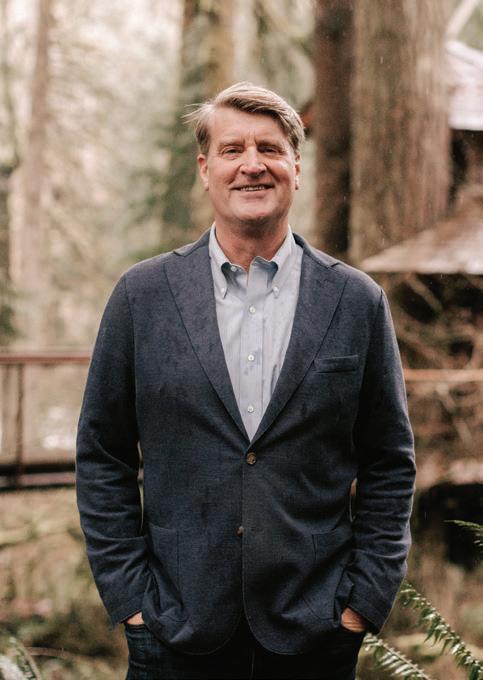
That is where his work begins—in the strange and beautiful place where fantasy starts becoming real.
For most people, treehouses live in memory. They belong to childhood, to scrap lumber, to summer afternoons, to the small thrill of having a place that is yours and no one else’s. Nelson has spent his adult life arguing that this is not where treehouses have to remain.
For nearly four decades, he has built his career around the idea thattreehouses are viable architecture. Places with heat, electricity, air conditioning, permits, structural calculations, and purpose.
But also, importantly, magic.
“The idea that I’d like to present at TEDx,” Nelson said, “is treehouses are in fact a viable form of
architecture.”
That message is at the heart of what he plans to share at TEDxFargo. Nelson is best known as the founder of Nelson Treehouse and the host of Animal Planet’s Treehouse Masters, the show that helped bring his work to a national audience. But these days, he thinks of himself less as a businessman and more as an ambassador.
He wants to give people permission to dream and create. Permission to take seriously the kind of idea most adults have trained themselves to dismiss.
“I’m attempting to give permission to people,” Nelson said. “To think seriously about creating something like this.”
PETE NELSON
Nelson’s first treehouse was not grand. It was not expensive. It was not built for television. It was a small triangle wedged into the stems of a maple tree in New Jersey, built with his father when Nelson was around seven years old.
Looking back, he estimates it was maybe eight or 10 feet off the ground. The sides of the triangle may have been only three feet by three feet by three feet. But to a seven-year-old, that was enough.
“When you’re seven, that’s big,” he said.
It had a roof. It had walls. It had the feeling of privacy. More than anything, it gave him a sense of ownership.
“I’ve got two sisters, an older and a younger sister, and this was my place,” Nelson said. “My sovereign little country up there in the trees.”
That feeling—the child’s first taste of independence—is still central to how he talks about treehouses. He compares it to the forts kids build out of couch pillows. The materials barely matter. What matters is the sensation of stepping into a world you made yourself.
But like many childhood obsessions, treehouses eventually faded.
By 13 or 14, Nelson still remembers being fascinated by them. Then came other things. Girls. A driver’s license. Freedom of a different kind. The treehouse disappeared into the background.
“I couldn’t care less about treehouses,” he said.
The obsession returned when he was 25.
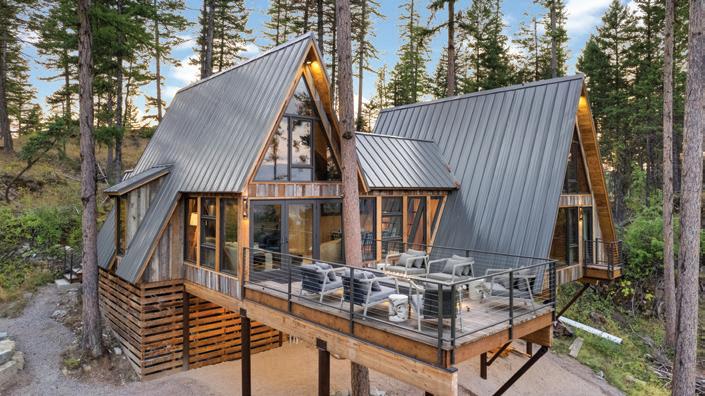
Nelson was living in Colorado in 1987 when a high school friend mailed him a book by David Stiles, an architect and author known for his illustrated books on treehouses, huts, and forts. Nelson and that friend had once fantasized about building a treehouse in a particular tree during high school. They never built it. But the dream stayed somewhere in the system.
When the book arrived, it hit him hard.
“It was just a book of drawings, black and white drawings, how to build a treehouse for kids,” Nelson said. “And it was so stylistic and wonderful, and it hit me like a ton of bricks.”
At the time, Nelson was looking at his life and wondering what to do with it. He had what he describes as a wonderful education and supportive parents who told him he could do anything he wanted. When that book showed up, the answer suddenly seemed obvious.
“I had a very strong hit that I should become the treehouse guy,” he said.
It would take decades for the rest of the world to see him that way.
“How to get to that point? It literally
took 30 years,” Nelson said.
Nelson was not chasing a proven market. There was no clear road map for becoming “the treehouse guy.” There was no obvious industry waiting for him. There was a dream, some carpentry skill, persistence, and a belief that treehouses could be more than people assumed.
He kept building. He kept learning. He kept talking about treehouses seriously.
Then Animal Planet came along.
When Treehouse Masters premiered, the idea Nelson had been carrying for years suddenly reached millions of people.
“All of a sudden, the song that I’d been singing from the treetops was heard by many,” he said. “And damn, we’re building treehouses like you can’t believe.”
The show turned Nelson into the most recognizable treehouse builder in America. But it also gave mainstream audiences a new frame for what a treehouse could be.
These were not rickety platforms nailed into backyard trees. They were cabins, studios, retreats, guest
houses, and dream spaces. They had windows and decks and rope bridges and fireplaces. They were whimsical, yes, but they were also engineered.
“In my experience, we have found a way to do this responsibly,” he said. “Trees respond extraordinarily well to the hardware that we put into them to support these structures. There’s engineering around it. Structural engineering that works. So the math works.”
And if the math works, building departments can understand it. Permits can be pulled. Drawings can be stamped. Dreams can move through the same systems as any other piece of architecture.
That does not mean the process is simple.
Treehouse building, Nelson said, requires a willingness to deal with the unromantic parts like setbacks, critical areas, slopes, shorelines, departments, rules, inspections, drawings, calculations, and paperwork.
For someone building professionally, there is no way around that.
“For a long time, I was in the camp of forgiveness rather than permission,”
Nelson said. “That’s terrible advice if you’re going to go into the business of building treehouses.”
“If you do it, do it right,” he said. “Do it with integrity. Do it with your full heart and dot all the i’s and cross all the t’s.”
One of Nelson’s favorite things about the treehouse world is that it is, as he puts it, “open source.”
There are no patents controlling the basic idea. Builders have their own approaches, their own hardware, their own variations, but the core knowledge is shared widely.
At the center of modern treehouse building is a piece of hardware called a treehouse attachment bolt. It allows a structure to be supported by a living tree while giving that tree room to grow and move.
“The bolts that we’re using to support treehouses allow for trees to grow and trees to move in the wind,” Nelson said. “There’s a flexibility element that’s really critical.”
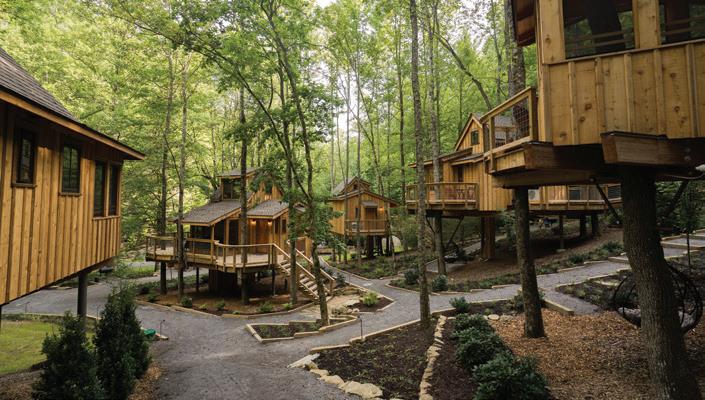
That movement is part of the challenge. It is also part of the beauty.
A house on the ground can begin with a blank sheet of paper. A treehouse cannot. The trees are already there. They dictate the terms. They stand where they stand. The builder’s job is to listen.
“The beautiful thing about treehouse building is that you’re given, in the ways that the trees are spaced from each other,” Nelson said.
At first, he said, the process can feel overwhelming. You walk into a forest and wonder where to begin. Then certain trees start to reveal themselves.
From there, the design emerges. A beam can stretch 14 feet, but not 30. A bolt needs to land at a certain elevation. A porch wants to face a certain direction. A window belongs in one spot and not another.
Nelson compares it to writing a song. A blank page can be terrifying. But when the trees give you a melody, the work becomes arranging yourself around it.
“You just have to figure out how to fit into those trees,” he said. “It all starts to become this beautiful song that you create with the trees. It’s a collaboration in the end.”
For all the wonder in Nelson’s work, the business itself is not easy.
He laughs about this, but only partly.
“It’s a lousy business building treehouses,” he said. “Let me tell you.”
Then he clarifies. The work is extraordinary. The beauty, fun, and joy are real. But as a business,
PETE NELSON
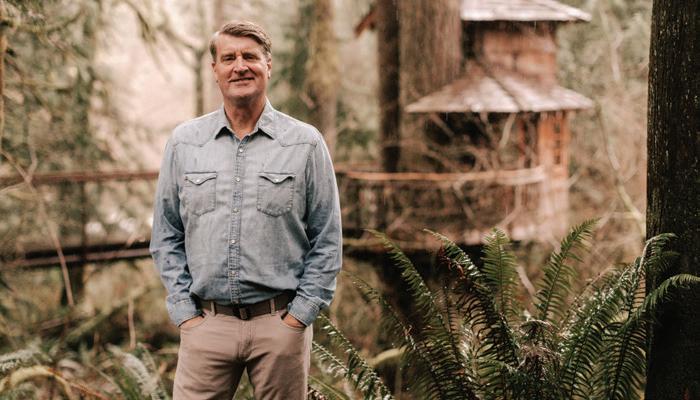
treehouse building is difficult. Margins are thin. Costs are high. Logistics are complex. Crews have to travel. Payroll comes every two weeks.
“I’ve not ever really been motivated by profit per se,” he said.
That creates tension. The things that turn him on creatively are often the things that cost money rather than make it. He loves the dream. The vision. The flow state. The problem-solving. The magic. Taxes, accounting, and payroll are different matters.
“I’ve been pretty good about delegating those parts of the business to those that are better at that stuff,” he said.
Still, he is proud of the company’s endurance. Nelson has been in the treehouse world for 35 years, and through that time, the company has not missed payroll.
That is not a small thing when you have more than 40 employees, many with families, mortgages, and children to support.
“There’s a lot of natural pressure to keep this thing going,” Nelson said.
The economics of custom treehouses have also changed dramatically. Nelson remembers a time when an $85,000 treehouse was a serious project. Today, that same kind of project might cost hundreds of thousands of dollars.
“What was an $85,000 treehouse in 1996 is now a $485,000 treehouse in 2026,” he said.
Those numbers still stun him. Some of the company’s current projects can reach $600,000 to $800,000 or more. Nelson knows those figures are not accessible to the average person, and he does not throw them around lightly. But at the level his company operates, high-end work is often the only business model that makes sense.
“If I’m going to mobilize and head out to Michigan for a project, an $800,000 treehouse to me is more appealing than an $80,000 treehouse because I’d have to do 10 of them to keep the lights on,” he said.
That does not mean he has lost the boyish part of himself. In some ways, he thinks that part of him is still driving the whole enterprise.
“I’m just kind of stuck in this fantasy
world that a 14-year-old might have,” he said.
The difference is that now the fantasy has invoices, employees, engineers, permitting timelines, and clients with very real expectations.
Nelson does not live full-time in a treehouse.
When asked, he laughs at himself.
“I think like all of us, I have a lot of doubt in my life,” he said. “And am I some kind of fraud because I don’t live in a tree? Maybe.”
He does, however, have access to plenty of them. Between TreeHouse Point near his home and other partnerships, Nelson owns or is connected to a number of treehouse retreats. TreeHouse Point, a bed-and-breakfast near Fall City, Washington, sits about a mile from his house.
When he feels untethered, doubtful, or disconnected, he sometimes goes there. Not necessarily inside the treehouses, but among them.
“I’ll go down to that beautiful raging river where we’ve got seven treehouses that are just extraordinary,” he said.
The place reminds him of what the work does for people. It also reminds him of his own smallness.
“Nature is the great leveler,” Nelson said. “It puts you in your place and reminds you that you’re part of something much bigger, but a tiny, teeny part.”
That feeling is comforting to him. It is also part of what he wants others to experience.
Treehouses, in Nelson’s view, are refuges. They are not escapes from
reality so much as returns to a better relationship with it. They offer a way to step out of the noise and into the awareness that life is larger than the human-made systems we spend so much time inside.
That idea feels especially urgent to him now.
Nelson is an optimist by nature, but he has been shaken by the state of the world. He talks openly about feeling naive, about growing up in a loving, privileged New Jersey environment and believing certain social problems were mostly behind us. He thought the end of the Vietnam War might mean the end of war. He believed in the promise of the American melting pot. He loved the idealism of music, the counterculture, and the idea that people might keep moving forward.
Recent years have challenged that optimism.
“I’m stunned at the state of the world,” he said. “I’m an optimist so I do think that we’ll be okay.”
Treehouses do not solve those problems. Nelson knows that. But he believes nature can steady people. He believes creative work can give people purpose. He believes that falling in love with the natural world is one of the surest ways to make people want to protect it.
Nelson is realistic enough to know that not everyone can build a treehouse.
Not everyone has land. Not everyone has money. Not everyone has trees. Not everyone has the skills or the time or the
temperament to work through permits and engineering.
But to Nelson, that does not make the dream useless.
He compares it to books. He loves books. He buys more than he reads. He keeps shelves full of books he hopes to get to someday. He sees nothing wrong with that. Dreams, too, can sit on the shelf for a while. They can still matter.
“You don’t need the property,” he said. “You don’t ever need to even build the treehouse. But what a great way to occupy your brain sometimes if you want to go off into a fantasy.”
That might sound impractical, but Nelson sees dreaming as part of being alive. A dream can become a project. A project can create bonds. People come together around things that excite them. Friends show up. Family members help. Communities form around the act of making something.
That is one of the reasons Nelson wants people to take their creative impulses seriously.
“We all need to create,” he said.
For him, the treehouse is simply one of the most joyful containers for that need. It combines imagination, craft, engineering, nature, play, and refuge. It asks adults to recover something they once understood instinctively.
nelsontreehouse.com Search "Nelson Treehouse" @nelsontreehouse

MELISSA KAISER | provided by Melissa Kaiser
elissa Kaiser still remembers the night she realized she was not okay. She was in Florida, visiting her significant other at the time, when a call came in about a girl who had ended up in California. The facility where the girl was staying was preparing to discharge her, and Kaiser, who had spent years working in anti-human trafficking and child welfare, could not put the phone down.
It was 2 a.m.
She had three phones in front of her. She had her personal phone, her work phone, and the on-call phone. She had a tentative plan in place. The girl was not in immediate danger, at least not in the concrete way that would have justified Kaiser staying awake, pacing, calling, texting, and
trying to control every possible outcome from across the country.
But that did not matter.
In Kaiser’s mind, if she stopped working, something terrible would happen.
“I just remember being like, I don’t know how to stop,” she said. “I feel like this girl’s going to die.”
The girl did not die. She eventually got where she needed to go. But Kaiser’s reaction stayed with her. She started sobbing uncontrollably. At that point in her life, she said, she was not someone who cried often. But that night, the weight of the work, the pressure of the job, and the identity she had built around being the person who could fix things all came crashing down.
“I don’t have an identity outside of my job anymore,” she remembers realizing. “My whole identity was my job. And I loved it. I was proud of that. But that’s no way to live.”
That moment has become part of the message Kaiser now carries into trainings, task forces, and soon, onto the TEDx stage in North Dakota.
Her topic is vicarious trauma, the way repeated exposure to other people’s pain can change the people who are trying to help. It is a subject Kaiser understands professionally, but also personally. Her career has placed her in some of the hardest corners of human experience, including child abuse, foster care, human trafficking, child exploitation, and missing child rescue operations.
She has realized caring for people in crisis comes at a cost.
Kaiser grew up in Linton, ND, and spent her adult life in Fargo before moving to Florida about four years ago, right as she was launching. The move started as a leap for a relationship, but when that relationship ended, she found herself with something else; a daughter, a new home, and the momentum to start her own consulting business.
In some ways, her career path began much earlier.
Even as a child, Kaiser said she was drawn to people’s stories, especially the hard ones. She noticed pain in other kids. She noticed when something seemed off. While many people instinctively turn away from suffering, she leaned in.
“I was always just interested in people,” she said. “Their stories. I felt like I could see pain or sadness in kids my age growing up.”
When she was 14, she read "A Child Called ‘It’" by Dave Pelzer, a memoir about severe child abuse. She finished it in two days.
“How do I help?” she remembers thinking. “What do I do? How can I be involved with these children or these people and make a difference?”
Her mother suggested social work. Kaiser had never heard the term before.
“The rest is history,” she said.
She went to college for social work and quickly learned that the work was both exactly what she wanted to do and more intimidating than she had imagined. Her first job out of college included facilitating groups for adults and children dealing with addiction. She was young, newly graduated, and often sitting across from people who had lived twice as
much life as she had.
At first, she wondered why they would listen to her. Then she realized the work was not about having all the answers. It was about being present.
“I’m there to facilitate and support and listen,” she said. “That’s exactly what I signed up for.”
Over time, she came to understand that one of the most powerful things she could offer was a safe, judgment-free place for people to tell the truth.
“I’m asking them to share very hard or shameful, in their eyes, parts of themselves,” she said. “Something they’ve never told anybody a day in their life. And so I’m like, what makes me worth telling?”
Her answer was authenticity.
In 2015, North Dakota received a federal human trafficking grant through the Office for Victims of Crime. The goal was to develop a human trafficking task force, and the state had three years to build it.
Kaiser was hired as the first human trafficking navigator in North Dakota at just 25 years old.
The job was massive. She would be helping develop a statewide response. She would train large groups of professionals. She would work directly with victims and survivors of human trafficking. She would help create protocols. She would serve as the first point of contact for suspected trafficking cases.
All of that terrified her, but that's why she took the opportunity.
“I love a challenge, and I love going toward things that are uncomfortable,” she said.
At the time, human trafficking was still a relatively new conversation in North Dakota. Kaiser saw an opportunity to help shape how the state understood and responded to the issue. The work was hard, but it quickly became clear to her that she had found the center of her professional life.
“It was the absolute best decision I ever made,” she said. “I immediately knew that I had found my passion forever.”
Today, Kaiser works as a consultant around the country, helping communities, agencies, and task forces build stronger anti-trafficking responses. Her work includes developing human trafficking tools, advising teams on best practices for interviewing victims, helping agencies build multidisciplinary approaches, and training professionals on the wellness side of the work.
She has also helped develop resources for organizations such as the International Association of Chiefs of Police and works with the National Child Protection Task Force on missing child rescue operations.
That part of her job allows her to help recover missing children, find safe placements, connect them with programming, and, most importantly, make sure someone sits down with them and asks the questions too many kids never get asked.
− What happened?
− Are you okay?
− What do you need?
− Where do you want to be?
− What are you running to?
− What are you running from?
MELISSA KAISER
It is meaningful work. It is also the type of work that can follow a person home.
Kaiser’s understanding of vicarious trauma deepened after she became a mother.
Her work had always involved exposure to trauma, but having her daughter changed how that exposure landed. Cases involving children no longer stayed contained in the professional part of her mind.
Her brain started scanning for danger everywhere.
“To me, in my brain, she’s never safe,” Kaiser said of her daughter. “I’m super hypervigilant all the time and always picturing worst-case scenarios.”
She knows the thoughts are not always rational. That is part of what makes them so difficult. Her professional experience has given her a detailed understanding of what can happen to children, and once the mind has seen enough worst-case scenarios, it can start looking for them everywhere.
That is one of the realities Kaiser wants people to understand.
Professionals in helping fields do not simply clock in, absorb trauma all day, and then clock out unchanged. Social workers, law enforcement officers, nurses, prosecutors, teachers, child protection workers, advocates, and others routinely encounter people during the worst moments of their lives.
A law enforcement officer may respond to a domestic violence call, a child fatality, and a suicide before lunch. A child protection worker may remove a child from an unsafe home and then be publicly vilified for doing
it. A trafficking advocate may hear the details of exploitation over and over again until those stories begin to alter how they see the world.
Nobody really prepares them for that.
“People just don’t understand how much we take on mentally to do this type of work,” Kaiser said.
That mental load is often compounded by public scrutiny. Kaiser points to child protective services as an example. The work is necessary, complicated, and emotionally brutal, yet the public rarely sees positive stories about it.
“How many of you have seen a positive article written about CPS?” she often asks during trainings. “It doesn’t exist.”
The result is a profession full of people doing deeply human work, often in high-pressure environments, often while being criticized by the very communities they are trying to protect.
And because the people drawn to the work tend to care deeply, they are also the ones most vulnerable to being consumed by it.
There is one question Kaiser hates getting in trainings, even though she also believes it is one of the best questions.
How do you set boundaries when people’s lives are at stake?
Years ago, while working in foster care, Kaiser had a special bond with a 13-year-old girl who moved in and out of placements. The girl often asked Kaiser to adopt her. She called regularly, usually on weekends.
One Saturday, Kaiser saw the girl’s call come through while she was at
her cousin’s wedding.
She thought about answering. She had five minutes. She could have said hello.
Instead, she told herself to set a boundary.
She was with family. She had a life outside of work. She could call back later.
When she did, she could not get answers. The facility would not confirm whether the girl was there. The child’s CPS worker had changed. Kaiser could not get anyone to call her back.
That was about 15 years ago, and she still thinks about it all the time.
“Did this girl think I abandoned her too, like everybody else in her life?” Kaiser said.
This is the impossible emotional math of helping work. Boundaries are necessary. They are healthy. They allow people to stay in the work long enough to keep helping others. But sometimes, setting a boundary still hurts. Sometimes, it leaves a question that never gets answered.
Kaiser does not pretend there is an easy solution. Instead, she argues that helpers need to understand the long game.
A person who is available every second of every day may help in a few individual moments, but over time, that level of availability can destroy their ability to help anyone well.
“When you’re flying, you have to place the mask on yourself before assisting others,” she said. “We’re less helpful” when we do not.
That realization is part of what pulled Kaiser into the wellness side
of her work. She began seeing professionals so burned out that the people they served were suffering. Calls went unanswered. Survivors were dismissed. Clients received less care, not because professionals stopped caring, but because they had nothing left.
“We have a responsibility to the people we serve every day to not let that bleed into the care we give people,” Kaiser said. “And it does all the time.”
For Kaiser, that responsibility does not fall only on individual workers. It also falls on agencies and leaders.
If leadership does not understand vicarious trauma, compassion fatigue, burnout, moral injury, and secondary traumatic stress, turnover rises, care suffers, and organizations lose good people.
Kaiser’s TEDx message is not only for social workers or police officers. That is important to her.
Yes, she is speaking from the
perspective of someone who has worked in anti-human trafficking, child welfare, and missing child rescue operations. But she believes every person can be affected by the pain of others.
Friends absorb the struggles of friends. Parents carry the pain of children. Leaders carry the stress of teams. People doom scroll through tragedy, conflict, grief, and outrage, then wonder why they feel exhausted.
“We can all be impacted by other people’s pain,” Kaiser said.
The antidote, in her view, begins with returning to the basics.
Sleep. Movement. Food. Water. Faith or spirituality, if that is part of your life. Connection. Laughter. Music. Sunlight. A real conversation with someone who loves you. Putting the phone down. Turning off the notifications. Going outside. Touching grass.
Kaiser has turned those ideas into daily practices.
She is disciplined about sleep because, as she puts it, sleep is the
body’s natural recovery. She pays attention to diet and exercise. She stays mindful of whether she is actually caring for her body and mind or simply pushing through.
She has also built boundaries around technology. She turned off notifications on her phone because she realized she did not need banners, badges, and constant reminders pulling her back into work.
“I know I have email to check,” she said. “I don’t need constant reminders.”
Her social life has boundaries too. Many of her closest friends are police officers and social workers, but when people in the work gather after hours, the work often follows them there. So Kaiser intentionally spends time with people outside her field.
She plays volleyball with people who may have no idea what she does.
That helps.
So does counseling. Kaiser has gone to counseling for years, sometimes simply to check in and process what she is carrying.
She also uses habit stacking, a strategy that involves attaching a new habit to something already automatic. For Kaiser, that meant drinking an eight-ounce glass of water while her coffee brews. The coffee is automatic. The water becomes easier because it is tied to something already in motion.
The same principle can apply to meditation, stretching, prayer, journaling, or any other small habit that keeps a person grounded.
Kaiser also laughs as much as she can.
“Laughter is really important,” she said. “Find a lot of reasons to smile.”
While Kaiser’s TEDx message centers on vicarious trauma and self-care, her story also carries a business lesson.
Her career has been shaped by leaps.
At 25, she stepped into a role that scared her and helped build North Dakota’s human trafficking response. Years later, she moved to Florida, started over, and launched her own consulting business without knowing exactly how it would work.
She understands the fear that comes with risk. She has felt imposter syndrome. But her answer to that inner voice is direct.
“Why can’t it be you?” she said. “Why not you?”
Too often, Kaiser believes people talk themselves out of opportunities by assuming they are undeserving before they even begin. Her advice is to question that assumption.
“What makes you so undeserving of that?” she said.
When she moved to Florida, she knew almost no one. She wanted to start her own business, but did not have a perfect plan. What she did have was passion, experience, and a willingness to start.
That, she believes, is often enough.
“You don’t need a perfect plan,” she said. “You need a passion and a starting point.”
When fear shows up, Kaiser recommends walking straight into it and asking, "What is the worst that could happen?" Then answer honestly.
For her, the worst-case scenario was that she might lose some money and return to direct social work. That would not have been ideal, but it also was not catastrophic.
Once she named the fear, it lost some of its power.
“I would have rather known I tried and failed than never try at all,” she said.
Starting a business, she added, was easier than she expected. It required organization, time, and a good CPA, but it was not the impossible undertaking she might have imagined from the outside.
Her practical advice is to stay organized, keep up with paperwork, network constantly, talk about what you are doing, use online platforms, build a website within your budget, and surround yourself with people who can help.
“Enjoy the ride,” she said. “That’s the coolest part, seeing what it can become and who you meet along the way.”
melkaiconsulting.com /secretsofsw melkaiconsulting@gmail.com /in/kaisermel/

JOSH MADSON | provided by Josh Madson
osh Madson still remembers the email.
He was 25, newly arrived in Los Angeles, broke, unsure, and trying to figure out whether the life he had imagined for himself was already slipping away from him. He had moved west chasing music, not photography. He had been in a touring band. He thought, like plenty of young people with a guitar, and a dream, he thought he might become a rock star.
Instead, he was sitting in his apartment, out of money and out of excuses.
So he made a declaration.
“I was going to be the best photography assistant that LA had ever seen,” Madson said.
However, he didn’t know anyone. He didn’t have an impressive Los Angeles portfolio. He didn’t have a plan with 12 steps and a five-year projection. What he had was a sentence he decided to believe.
The next morning, he typed “Photography LA” into Google.
A photographer’s website came up. The images were beautiful—Halle Berry, Gwen Stefani, and other celebrities. Madson sent a short email that said he was new to LA, he had been assisting for a few years, and he was available if they needed help.
Five minutes later, a response came back.
“What are you doing right now?”
“Truthfully,” Madson said, “I was
sitting there in my underwear sending out emails.”
An hour later, he was in the Hollywood Hills for an interview. The photographer looked at his portfolio and told him, essentially, that his work was not what people were doing in Los Angeles, and not in a complimentary way.
Madson listened.
“I actually didn’t really care,” he said. “I was just so happy that I got my foot in the door.”
Two days later, he was on a Sandra Bullock cover shoot.
During downtime, Madson did what came naturally to him. He started cleaning.
The other assistants laughed. In
Los Angeles, on a large production, almost everything was rented, and plenty of people were assigned to keep the studio in order. But a producer noticed.
“She was like, ‘Are you new here? I’ve never seen you around,’” Madson said. “She appreciated that I was cleaning up.”
The producer asked if he only worked for that photographer. Madson told her the truth that he was a contractor, and if he didn’t start working for more people, he wasn’t going to be able to pay rent.
About a month later, he was hired to assist Annie Leibovitz on a Vanity Fair shoot with Bruce Willis in the desert.
That was the door.
The years that followed were a blur of long days, famous faces, and relentless work. Madson assisted and worked around some of the most recognized photographers in the world.
He learned quickly that photography, at the highest levels, is not just about pushing a button.
“There’s an incredible amount of production and technical skill that goes into making those happen,” he said.
Madson’s own career eventually grew well beyond assisting. His professional bio includes directing motion campaigns for brands including OPI, Goop, Beautycounter, and Murad; working with Michelle Phan on a book that featured more than 200 of his photos; serving as creative director for ipsy’s early still campaigns; and photographing roughly 30 portraits for Angeleno Magazine’s “Dynamic Women” issue.
He had built what many people would consider the dream.Then the pandemic hit.
The industry shut down, work disappeared, and Madson lost almost everything.
And in the silence that followed, he started to question what his work was actually for.
“I had a great career developing,” he said. “I was directing L’Oréal commercials and Gwyneth Paltrow and Goop and all that kind of stuff. And I had fun. I really enjoy my work. I really enjoy getting to create.”
But there was a dissonance he couldn’t ignore.
“So much of what I do, it’s like selling things for products,” he said. “I don’t necessarily believe in some of that.”
The pandemic did not just interrupt his business. It exposed a deeper tension in it. Madson had spent years using his eye to help brands sell things. He was good at it. He could still enjoy it. But he was beginning to wonder whether being a commercial service provider was enough.
Then he watched the world argue.
Online, in public, everywhere, people seemed further apart than ever. Politics. The pandemic. War. Identity. Fear. Anger. Suspicion. Everyone seemed to be talking, but few people seemed to be seeing each other.
So, he picked up a camera.
That instinct became Community Collage, the nonprofit portrait project that now sits at the center of his work. The concept is to create immersive pop-up portrait studios, photograph everyday people in black and white, give participants free professional portraits, and use the images to create large-scale public murals that reflect the people of a place.
Community Collage describes its mission as bringing people together
through transformative photography experiences that celebrate individual identity and collective connection. The project has already expanded across communities, with popup shoots and murals built from thousands of portraits. In Mankato, where Madson spent significant time after returning to Minnesota during the pandemic, early Community Collage shoots drew more than 800 individuals and families, according to Madson’s website.
Madson had photographed more than 14,000 people across the United States as of April 2026, with Fargo-Moorhead becoming part of the project in connection with TEDxFargo.
Madson is not interested in photographing people as specimens. He wants the portrait experience to become a moment of recognition. A person steps into the studio. They are lit carefully. They see themselves on a monitor in real time. They choose the image that feels like them. Then, eventually, their face becomes part of something larger as part of a wall, a mural, a shared visual record of a community.
Madson has photographed A-list celebrities, athletes, beauty campaigns, and commercial work across major markets. But when asked about a favorite photograph, the image that came to mind was not a celebrity portrait.
It was a woman holding an American flag.
Madson tells participants to bring whatever helps represent who they are. Some bring instruments. Some bring pets. Some bring books. This woman brought the flag her husband had been buried in.
“She wanted her kids to have that memory and show what he represented,” Madson said.
JOSH MADSON | provided by Josh Madson
When the first image appeared on the monitor, already rendered in black and white, she cried.
“It was so meaningful and beautiful to her,” he said.
That is the kind of moment Madson is chasing now.
“Before, I was a commercial service provider,” he said. “Now I get to be an artist.”
It does not mean he has abandoned business. Quite the opposite. Madson talks like an entrepreneur—about relationships, outreach, stakeholders, leads, activations, financial risk, long-term value, and the need to keep moving. He is still a working photographer, director, and artist. Community Collage itself requires partnerships, logistics, funding, community buy-in, and constant communication.
But his definition of success has shifted.
He thinks more now about legacy. About relationships. About whether his work adds value to people’s lives. About whether the business he builds allows him to stay aligned with the person he wants to become.
“How can I add value and create longer-term relationships as a business person?” he said. “That’s at the forefront of my mind.”
Madson believes business is healthiest when it is not built on extraction, but on circulation. On flow. On creating something that benefits more than one party.
“The more I am focused on, ‘How can I create win-wins and add value to people in my life that I really care about?’—even in a business sense— that’s more rewarding,” he said.
He is also realistic about the difficulty of that approach. Mixing friendship and business, for example, can get complicated. Feelings can get hurt. Expectations can go unstated. People can feel taken advantage of.
“I want to be friends with the people I work with,” he said. “But it takes a much higher level of communication.”
Madson was born in Fargo and lived on the Moorhead side of the river until he was about 12. His mother, who already had multiple master’s degrees, later went back to school to become a pastor, and the family moved to the Twin Cities. Madson
eventually moved to Los Angeles in his mid-20s.
Coming back has stirred something in him.
The Fargo-Moorhead area, he said, has often marked the beginning or end of major cycles in his life. Years ago, he returned with his former band for a show in Fargo after a long absence. That visit became part of the transition that led him toward Los Angeles and photography.
Now, roughly 20 years later, he is returning again, this time with Community Collage and TEDxFargo.
“It’s really surreal to come back,” he said.
The place has changed. The skyline, the businesses, the creative energy, the ambition—it all feels bigger than the Fargo-Moorhead he remembers from childhood. But something else feels familiar.
“I was just taken back by how genuinely kind most people are,” he said. “It’s a really great place to be from.”
He noticed how people showed up.
During local Community Collage shoots, he saw volunteers and community members step in again and again. He mentioned people like Liz Campbell, Julie Peterson Klein, and Tom Kemmer, one of the owners of Harold’s, who Madson said volunteered repeatedly, helped with rides, and made himself available whenever needed.
“I was just like, ‘Wow, man, people really show up here,’” Madson said.
In Fargo-Moorhead, Community Collage has been positioned as a multi-month portrait project leading to large-scale murals and installations. MSUM hosted a pop-up portrait session in April
2026, describing the project as one where participants receive free portraits and may be featured among thousands of local residents. West Acres hosted another pop-up in May 2026, describing the work as a public art installation celebrating identity, belonging, and community pride, connected to TEDxFargo 2026.
At TEDxFargo, Madson plans to speak about the idea that people access their highest potential through community.
A young man in Los Angeles tells himself a new story, sends one email, and winds up in rooms he never imagined. A commercial photographer loses nearly everything and finds his way back by photographing everyday people. A Fargo-born artist returns home and sees, with fresh eyes, the culture that helped form him.
Madson’s message is not that everyone should move to Los Angeles, start a nonprofit, or become an artist. It is that people often stop themselves before they even begin.
“What is the self-limiting belief that you might have about yourself?” he said. “And why are you letting that stop you from even trying to go after something that matters to you or your dream? You never know where it can take you.”
His life, he said, has not been easy. But it has been fun. It has been rewarding. It has forced him into personal growth again and again.
“Don’t be afraid of going into the unknown or the wilderness, if it’s your dream,” he said. “If it’s something that you’re passionate about, and you believe that that’s your purpose or your path, just trust that God has a plan for you.”
communitycollage.org /therealjoshmadson @instajoshmadson
Get your tickets today!
Fargo, business is still personal. Trust is earned face to face and showing up carries weight. Relationships are built over time, and they last because people follow through on what they say they’re going to do.
That is how Climate Control earned its reputation across the region. For decades, the team served schools, healthcare facilities, and commercial buildings across the Fargo-Moorhead area, earning a reputation for being reliable, accessible, and consistent.
That local foundation remains. What’s changed is what now stands behind it.
As part of Harris, the Fargo team is building on those long-standing relationships while expanding what they can deliver to building owners across the region.
The transition from Climate Control to Harris wasn’t about changing what worked.
Customers still work with the same local team they’ve trusted for years. The faces are familiar. The expectations are the same.
What has changed is the scope of support available to them.
Beyond building automation, the Fargo team provides mechanical service, HVAC maintenance, capital planning, and comprehensive system design. That gives building owners fewer vendors to manage, better coordination and a clearer picture of how systems work together over time.
That expanded support is especially valuable for aging facilities with tight budgets. Harris helps customers take a phased approach to upgrades, aligning improvements with how buildings are actually used and funded. For example, several school districts partner with Harris on multiyear capital plans that spread out improvements, helping keep facilities operational and costs manageable.
The same practical mindset applies to control systems. Using Niagarabased integration, Harris improves system visibility and functionality without requiring full legacy system replacements. The team integrates decades-old equipment into modern platforms, allowing customers to access data through web-based interfaces and upgrade gradually as budgets allow.
When a heating system fails in the middle of winter, a school can’t function. When a healthcare space or controlled environment goes offline, the consequences are immediate.
That reality shapes how the Harris team approaches its work.
Rather than focusing on one-off projects, the emphasis is long-term support and responsiveness. The goal is simple: help building owners keep systems running reliably, season after season, through proactive maintenance, practical problem solving and strong local relationships.
Much of the team’s work takes place outside Fargo itself, supporting rural schools, hospitals, and facilities spread across the region. Even when customers are located hours away, the standard remains the same: respond quickly and show up when needed.
That responsiveness has become one of the team’s defining characteristics. Customers know they can call with an issue and get fast support, whether that means technicians arriving late or adjusting schedules for facility operations.
In healthcare environments, flexibility is especially important. Work is often planned around surgery schedules,
patient activity and after-hours access to minimize disruption for staff and occupants.
The work itself ranges from routine maintenance and troubleshooting to long-term facility planning and fully covered service agreements that help owners reduce uncertainty around future repair costs.
Being part of Harris strengthens that approach by adding deeper technical resources, broader mechanical expertise and additional service capabilities, while maintaining the same local presence customers already know.
Building owners today are balancing more variables than ever. Budgets are under pressure, systems are becoming more interconnected and expectations around energy performance, indoor air quality, and reliability continue to rise.
That combination is driving more owners to reach out earlier, before small issues become major disruptions. The conversation is shifting from emergency response to long-term planning, system visibility, and smarter use of data to support better decisions.
With tools like Telemetry and connected system monitoring,
Reach out to the Harris team in Fargo to start the conversation.
building owners can see how their systems are performing in real time. Instead of reacting to breakdowns, they can identify trends, anticipate issues and make better-informed decisions about maintenance and capital investments.
For owners managing aging infrastructure and tight budgets, that insight can make a meaningful difference.
Fargo remains a relationship-driven market, and Harris is built to support it, with strong local teams and partnerships grounded in trust.
The team stays active in the local business community, including involvement with organizations like the Fargo Moorhead West Fargo Chamber of Commerce. Being present, accessible, and engaged matters.
At the same time, the team being part of Harris introduces new ways of thinking about service, system performance, and longterm planning.
The goal isn’t to be the biggest contractor in the room. It’s to earn trust over time and be the partner building owners can rely on when it matters most.

By Brady Drake | provided by Sandi Luck
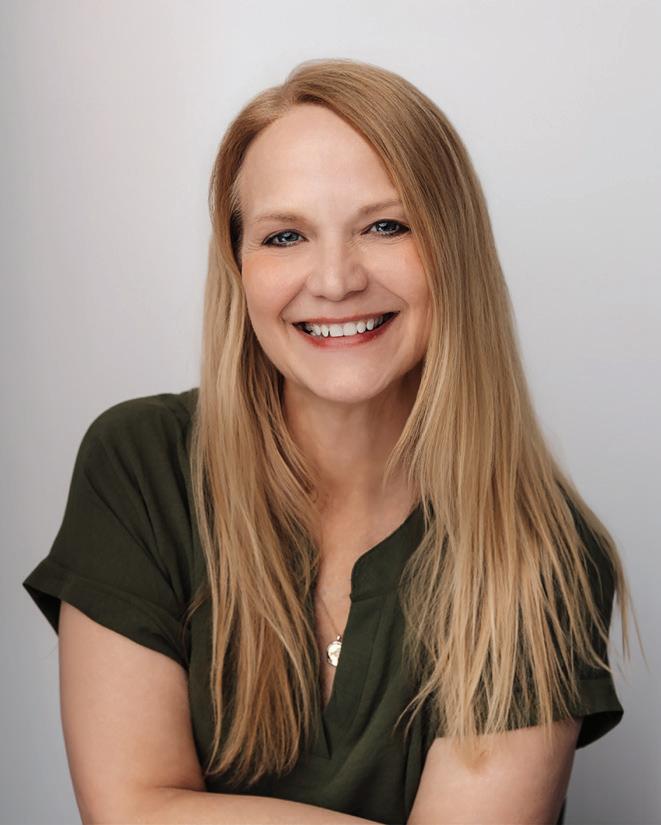
Dr. Sandi Luck can trace her entrepreneurial spirit back to a lemonade stand. But the real story—the one that eventually led to Bully Brew Coffee, ND Coffee Roastery, ND Coffee School, multiple coffee shops, wholesale accounts, and recognition as North Dakota’s Small Business Person of the Year—started with necessity.
“I was a young mom and I was a little scrappy,” Luck said. “I did whatever I could do to make money.”
At 19 years old, Luck was raising a child and trying to figure out how to build a life. She sold Tupperware. She sold Pampered Chef. She admits she did not cook or bake, but she was willing to learn the product, make the calls, and try to sell.
She does not look back on those early sales ventures as financial wins. In fact, she is quick to say they were not exactly “successful” in the traditional sense.
“They taught me grit,” she said.
That grit has followed Luck through every chapter of her life from single motherhood to college, through divorce, to earning multiple degrees, teaching at the University of North Dakota, to buying coffee kiosks, to building Bully Brew, and mentoring other entrepreneurs, and learning—sometimes the hard way— what it really takes to survive as a small business owner.
Today, Luck is the founder and CEO of Grand Forks-based Bully Brew Coffee and ND Coffee Roastery, and in 2026, the U.S. Small Business Administration named her North Dakota’s Small Business Person of the Year. The honor recognizes not just business growth, but leadership, resilience, job creation, innovation, and impact.
For Luck, though, the award is still hard to talk about.
“I’m pretty humble,” she said. “Getting this award was really hard. I would much rather praise and be all about my people and tell you how amazing they are.”
Before Bully Brew, there was Mountain Mudd.
Luck was working at UND when she became a regular at the local coffee kiosks. She loved the coffee, but just as much, she loved the experience with the baristas, the local feel, and the everyday

connection of it.
“I would go through that kiosk every single day, probably a couple times a day,” she said. “I loved it.”
Then one of the baristas said something that changed the trajectory of Luck’s life.
“You should own this.”
“No, I have a good job where I get paid every other Friday,” she remembered thinking.
But the idea stuck. She called the owner and told him that she did not have deep coffee experience, and she did not have a lot of money. But she had run businesses before, and she was willing to try.
He sold her the locations.
“In my eyes, he kind of started the process for me,” Luck said. “He was a giver. He sold it for a good price, and that was the dream. I didn’t even know it at that time, but it was the dream.”


Luck bought the Mountain Mudd franchise locations, learned what a franchise was, and quickly realized that, as someone with a marketing background, she did not necessarily need someone else creating the brand strategy for her. Eventually, after the franchise went bankrupt, she rebranded the kiosks as Mountain Espresso.
Then came the economic downturn of 2008 and 2009. Luck sold all four kiosks.
She went back to UND. For a moment, it seemed like the coffee chapter had closed.
Then, in 2010, a director at a nursing home asked whether she might be interested in running what was essentially a coffee concession stand.
That small space inside Valley Eldercare became the first Bully Brew.
Luck hired a young woman who needed a full-time job. Her kids helped. They pushed through.
“And that’s kind of where it all started,” she said.

Room Coffee & Taphouse
A Grand Forks coffeeand-taphouse concept.
Luck has been a young mother trying to make ends meet. She has worked in a lab. She has been a probation officer. She earned a Ph.D. She taught marketing and entrepreneurship at UND. She has bought, sold, opened, closed, licensed, and reimagined businesses.
That range of experience became part of her edge.
In the classroom, Luck said, she never wanted to simply teach from a textbook.
"I can teach you the theory but that is not how it always works. Let me share with you how it happens in the real world."
That same approach now shows up through ND Coffee School, where Luck teaches aspiring coffee shop owners, managers, and baristas the practical realities of the industry.
She believes owners need to understand the work from the ground up.
“Get behind the bar,” she said. “Understand.”
That does not mean the owner should stay behind the bar forever. In fact, Luck believes that part of growing as an owner is learning how to step into a different role. But knowing the work matters. It builds empathy. It builds credibility. It helps owners train people well.
“You teach people to be a whole lot better than you,” she said.
Ask Luck what she loves about business, and one word rises to the top, challenge.
“I get bored quickly,” she said. “I’m definitely an entrepreneur who gets bored.”
That restlessness has become part of the Bully Brew story. Luck is not afraid to change the game, change the strategy, or admit when something did not work.
“I thought, 'Okay, that didn’t work. It failed, but let’s try something else,'” she said.
However, she does not jump blindly. She knows her numbers. She researches. She pays attention. But she is willing to move.
That willingness to pivot is also one of her core pieces of advice for other entrepreneurs.
“Strategy is always important. Having a plan is important, but being okay with changing your plan,” she said. “Don’t get stuck in it because you’re going to have to pivot.”
Coffee is not a high-ticket business. A $6 or $7 coffee may seem expensive to a customer, but Luck knows exactly how many drinks it takes to cover rent, payroll, inventory, utilities, and the countless other expenses that come with operating multiple locations.
“Do you know how many $6 or $7
coffees I have to make up and sell to pay rent, payroll, all of the goods that are coming in?” she said. “It’s a lot.”
The only way to make it work, she said, is to offer strong service, create a place people want to return to, and build a team culture where employees enjoy showing up.
One of Bully Brew’s guiding principles is to be silly.
“When I tell people that, some say, ‘Well, that’s not very professional,’” Luck said. “‘No, it’s not. We’re kind of goofy and fun.’”
She believes there are times to be professional. But she also believes life is too short so enjoy it.
“When you’re having fun, your customer is going to enjoy that,” she said.
Luck is honest about the mistakes. There have been many, she said, and that is okay.
“I’m a believer in failure,” she said. “It hurts, but it’s okay.”
One of her earliest lessons was the importance of knowing the numbers. Today, she can tell you exactly where the business stands every day. Her daughter serves as CFO, which Luck says gives her both confidence and peace of mind.
“I’ve been burned by people, and that’s hard,” she said.
Still, she has not let that harden her completely.
“I still believe that people are good,” she said. “You’ve got to give people grace because they’re learning and growing.”
She has seen employees leave and come back because they realized a
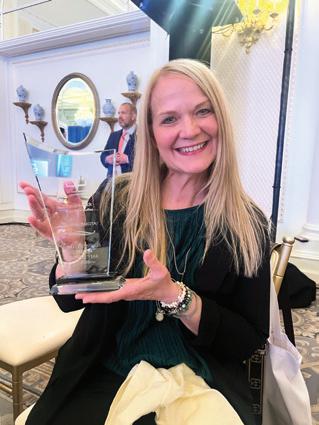
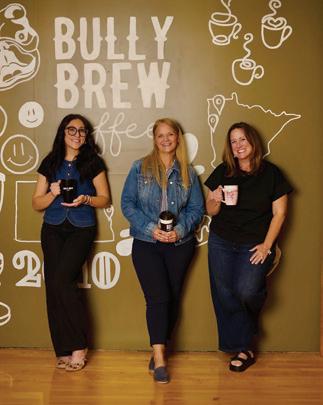
workplace is about more than the paycheck.
“Life is too short,” she said. “We work for so many hours, and if you’re not happy at work, life is tough.”
One of Luck’s greatest sources of pride is seeing people who once worked for her move into ownership themselves.
Over the years, she estimates four or five former managers have gone on to own their own businesses, many in coffee. One has coffee houses and a roastery. Another, in Idaho, started with a mobile coffee truck and recently bought a brick-and-mortar location.
Luck teaches her managers to think like owners.
“I tell them, ‘It’s like you own this. You’re just going to use my money,’” she said.
That mindset now shapes the next phase of Bully Brew. Luck has begun licensing some Bully Brew locations to other owners. They operate under the Bully Brew name. Luck still gets to mentor, coach, and teach—but she can slowly step away from the dayto-day demands of running every coffee house herself.
That matters because the business has grown far beyond its first nursing home location.
Bully Brew now includes coffee shops, ND Coffee Roastery, and the ND Coffee School. In 2022, Luck purchased a 27,000-square-foot warehouse in Grand Forks to house roasting operations and educational programs, a move that helped ND Coffee Roastery grow its wholesale presence significantly.
The roastery, Luck said, is a different kind of business than the coffee shops.
“It's much easier to run with only a few employees,” she said.
The coffee shops, by contrast, involve roughly 70 employees.
Her long-term vision is to sell or license more of the coffee houses to people who will own them, care for them, and grow them with the same level of commitment.
“When you own something, you’re much more dedicated to do everything you can do to make it work,” she said.
Long before awards and warehouses, Luck was a young single mother trying to figure out school, work, parenting, and survival.
She grew up in Grafton. Her dad was a janitor. Her mom worked as a grocery clerk. They did not have a lot of money, but Luck describes her upbringing as normal and grounded.
She knew she wanted to go to college, even though her parents had not went to college. Her brother was at NDSU, and she looked up to him.
“I was like, I’ve got to do this,” she said.
So she did.
She raised kids. She worked. She went to school. She sold whatever she could sell. She learned how to multitask because she had no other choice.
Then, after leaving a marriage, she had to rebuild again.
For all of Bully Brew’s growth, Luck remains deeply aware of the weight carried by small business owners.
They are the ones up at night wondering how rent will get paid, whether payroll will clear, whether someone will show up for the opening shift, whether a new idea will work, whether a closed location means failure or just the next pivot.
“We signed up for it,” Luck said. “So you just go. You just do it.”
That is why she hopes people understand the small business world in their own communities. Not every idea works. Not every shop survives. But behind each one is usually someone working harder than most people see.
“To have so many people on my side being cheerleaders, man, that feels so good,” she said.
Luck is realistic. She shops at big stores too. Everyone does. But she hopes people remember the local owners around them—the ones who are building, risking, employing, mentoring, and trying again.
“Maybe just give them that love and attention sometimes,” she said. “Not expecting anything from them, but dreaming to make their communities even better!”

sba.gov/district/north-dakota
By Brady Drake


North Dakota’s Secretary of State starts with the same advice most good lawyers and accountants give: first decide on the business structure, because that choice affects liability, taxes, financing, and how you register. The main options are sole proprietorship, partnership, LLC, corporation, cooperative, and franchise. The Tax Commissioner also explains that different structures are taxed differently: sole proprietorships generally flow through to the owner, partnerships pass through to partners, corporations are taxed at the corporate level unless they elect different federal treatment, and LLC taxation depends on membership and elections.
For many first-time North Dakota founders, the practical choices usually look like this: a sole proprietorship if you are testing a very small, low-risk business under your own name; an LLC if you want a separate legal entity with flexible taxation and limited liability; or a corporation if you expect outside investors, stock issuance, or a more formal governance structure.
This guide is for most for-profit businesses starting in North Dakota. In North Dakota, the main agencies most founders deal with are the Secretary of State/FirstStop for formation, the Office of State Tax Commissioner for state tax accounts, Job Service North Dakota for unemployment insurance, and Workforce Safety & Insurance (WSI) for workers’ compensation.
North Dakota also notes that “S corporation” and “C corporation” are federal tax concepts, not separate Secretary of State entity types.
North Dakota uses a “distinguishable on record” name standard. Before you buy a domain, order signs, or print cards, search the name in the FirstStop Business Search and Trademark Search. The Secretary of State makes the final call on whether the name is available, and the agency specifically warns founders not to make commitments to a name until the filing has been accepted.
If you are not ready to form yet, you can reserve an available name for up to one year through FirstStop by filing a Reserved Name Application. If you are a sole proprietor or entity operating under a different publicfacing name, North Dakota treats that as a trade name (DBA) and requires registration through FirstStop. Trade name registration currently costs $25 and must be renewed every 5 years. North Dakota also makes clear
that a trade name protects the name in North Dakota only, not nationwide, and the state does not check the federal trademark registry for you.
A few naming traps matter. North Dakota says some words such as “bank,” “banker,” “banking,” “trust,” and “trust company” require written approval from the North Dakota Department of Financial Institutions. Entity-specific rules also apply, such as LLC names needing “LLC” or “limited liability company,” and corporation names needing a corporate designator like company, corporation, incorporated, limited, or an abbreviation of one of those terms.
In North Dakota, corporations, LLCs, and partnerships other than general partnerships must maintain a registered agent with a physical address in North Dakota The registered agent is the person or business authorized to receive lawsuits, notices, and legal demands for the company. North Dakota allows either commercial or noncommercial registered agents, but the business itself cannot act as its own registered
agent; an individual associated with the business can do it if that person resides in North Dakota and the statutory requirements are met.
This step matters more than new founders think. Secretary of State notices about annual reports, goodstanding problems, and possible dissolutions are sent using the registered-agent information on file, so stale agent data can turn into a compliance problem fast.
Once you know your structure, name, and registered agent, North Dakota directs you to the FirstStop Portal to start the filing. The portal has a “Start a Business” workflow that helps identify the correct form for your entity type. Domestic LLCs are formed by filing Articles of Organization; domestic corporations are formed by filing Articles of Incorporation. If your business was formed in another state and will transact business in North Dakota, you generally register as a foreign entity by filing for a certificate of authority rather than forming a brand-new North Dakota entity.
A few current filing-fee examples from official North Dakota pages: a domestic or foreign LLC registration is $135; a domestic corporation registration is $100 and a foreign corporation registration is $145; a trade name registration is $25. Those are the figures listed on the official pages reviewed today.
If you are forming a professional entity, pay extra attention here. North Dakota requires a professional LLC or professional corporation to provide certification from the relevant North Dakota licensing board when registering, and professional entities
also have added annual-report obligations to their licensing boards.
After your state entity is formed, get an Employer Identification Number (EIN) from the IRS. The IRS says you should form your legal entity with the state first, then apply for the EIN. The online EIN system is free, available directly from the IRS, and the IRS says approved applicants generally receive the EIN immediately online. The IRS also warns that you should never pay a private service just to obtain an EIN.
You generally need an EIN if you have employees or are operating a partnership, corporation, or LLC, and even when an EIN is not strictly required for federal tax purposes, the IRS says you may still want one for banking or state tax purposes. The IRS also states that you can use the EIN immediately for most business needs, including opening a bank account, applying for licenses, and filing paper tax returns.
Once the entity and EIN are in place, move to North Dakota tax registration. The Tax Commissioner’s office points new businesses to ND TAP (North Dakota Taxpayer Access Point), which is the state’s online system for applying for permits, filing returns, making payments, and managing business tax accounts.
If you will sell taxable tangible personal property, charge admissions to recreational activities, or rent lodging, North Dakota says you must obtain a Sales and Use Tax Permit The Tax Commissioner advises
applying for that permit 30 days before opening for business. North Dakota’s general state sales tax rate is 5%, and cities and counties may add local sales or special taxes, so use the state’s rate locator before you quote prices or configure your pointof-sale system.
If you will hire employees, register for a North Dakota income tax withholding account through ND TAP. The state says employers paying wages for work performed in North Dakota generally must register for withholding, and the registration is done online through ND TAP.
Forming the entity is not the same as having every license you need. North Dakota’s Secretary of State says some businesses need additional licenses, permits, or registrations from other agencies. The state points founders to licensing sources that include the Attorney General, the Securities Department, the State Electrical Board, the State Plumbing Board, and the Department of Financial Institutions; the Secretary of State itself licenses or registers certain occupations such as contractors, home inspectors, lobbyists, athlete agents, professional employer organizations, and professional fundraisers.
Do not skip the local layer. The North Dakota Attorney General’s licensing guidance says the local city or county where you intend to conduct business may have additional licensing or permit requirements, and you should check with the local governing body for any extra rules that apply where you operate. That is where zoning, occupancy, signage, health, and building approvals commonly show up.
Hiring in North Dakota triggers a second wave of registrations.
First, workers’ compensation. North Dakota is unusual because WSI is the sole provider and administrator of workers’ compensation in the state, and private insurers do not underwrite this coverage in North Dakota. WSI says, with limited exceptions, employers must insure employees before they begin working, and coverage becomes effective upon receipt of a completed application and approval by Policyholder Services.
Second, unemployment insurance. Job Service North Dakota says an employer must register for unemployment insurance tax within 20 days after first employing workers. It also says liable employers must file quarterly contribution and wage reports electronically, usually through UI EASY, the state’s employer unemployment portal.
Third, state payroll withholding. The Tax Commissioner requires employers who pay wages subject to North Dakota withholding to open a withholding account through ND TAP. The state also explains that withholding returns are filed on Form 306, and businesses with an open withholding account must submit annual reconciliation information, including W-2s and certain 1099s, by the required deadlines.
Fourth, new-hire reporting. North Dakota Health and Human Services says all employers must report newly hired employees within 20 days of the employee’s first day of work to the State Directory of New Hires.
Fifth, workplace postings and federal onboarding. North Dakota’s Department of Labor and Human Rights says employers must post the required state and federal posters in an area readily accessible to employees, including the North Dakota minimum wage/work conditions poster and other federal notices. At the federal level, USCIS says all employers must complete and retain Form I-9 for every employee hired for work in the United States.
One more hiring caution: WSI says anyone performing services for pay is presumed to be an employee unless independent-contractor status is proven under the applicable test. In other words, do not casually label workers “1099 contractors” without checking the rules.
Once you have your filed formation documents and EIN, open a dedicated business bank account and route business revenue and expenses through it. The IRS specifically says an EIN can be used immediately to open a bank account, and that small operational step makes taxes, payroll, and recordkeeping much easier from day one.
At the same time, choose a bookkeeping system, decide who will run payroll, and set aside a process for sales tax and withholding deposits. ND TAP, UI EASY, and WSI all assume you can track sales, wages, and payroll accurately, so clean records are not optional for very long.
North Dakota requires most businesses to file an annual report with the Secretary of State to remain in good standing, though sole proprietorships and general partnerships do not file annual reports. For newly registered businesses, the first report is due in the year following the calendar year of initial registration. Current filing deadlines listed by the Secretary of State are: March 31 for LP/LLP/LLLP/ PLLP and cooperatives; April 15 for farm/ranch and authorized livestock farm LLCs and corporations; May 15 for foreign business and professional corporations; August 1 for domestic business and professional corporations; and November 15 for LLCs and PLLCs.
North Dakota warns that failure to file an annual report puts the business into Not Good Standing status and can eventually lead to involuntary termination, dissolution, or revocation of a foreign entity’s authority to do business in the state. Trade names must also be renewed every five years, and registeredagent or address changes should be kept current.
North Dakota’s Secretary of State points new founders to several support organizations for planning, financing, and startup advice, including the North Dakota Small Business Development Center, North Dakota Women’s Business Center, SCORE, and the North Dakota Veterans Business Outreach Center. For many firsttime founders, talking with one of those groups before filing saves time and cleanup later.

By Brady Drake
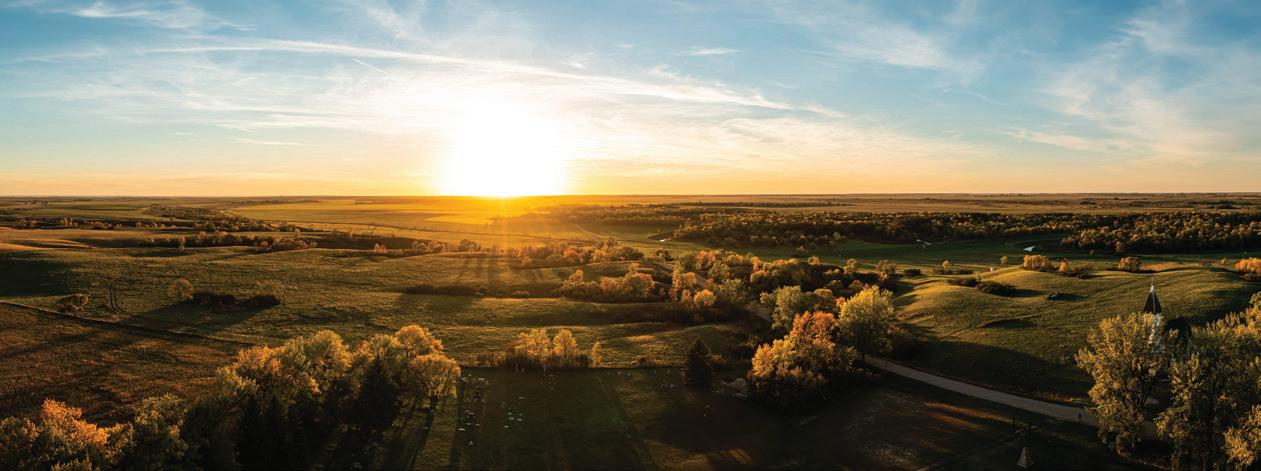
ive years ago, North Dakota leaders made a decision about the state’s economic future.
While North Dakota had strong legacy industries, talented entrepreneurs, and a growing startup ecosystem, one key ingredient was still limited: access to long-term private capital.
That challenge led state legislators to create the North Dakota Growth Fund, an in-state private equity investment program as part of the North Dakota Legacy Fund. Managed by 50 South Capital, the alternative investment manager of Northern Trust, the program is designed to attract more investment activity to North Dakota and seek long-term returns for the state.
At its core, the idea is to help more North Dakota businesses connect with the capital, expertise, and investor relationships they need to grow.
The North Dakota Growth Fund invests in venture capital, private equity, and private credit managers that bring capital, industry knowledge, and strategic relationships to North Dakota businesses. The program can also co-invest directly alongside those managers in North Dakota-based companies.
Today, the North Dakota Growth Fund is a $250 million program.
Through its investment partnerships and co-investments, it has helped support more than 25 North Dakota companies.
Access to capital has long been one of the biggest challenges for entrepreneurs in the state. Many founders can build strong businesses, prove demand, and reach a point of meaningful traction. But when the next stage of growth requires outside investment, historically, there have been fewer venture capital and private equity firms with a regular presence in the region.
The North Dakota Growth Fund is helping close that gap.
By partnering with experienced investment managers, the program is bringing more visibility and stronger investor networks to North Dakota businesses. It is also helping build a more active private capital market inside the state that can support companies at different stages of growth and across a range of industries.
North Dakota’s opportunity is rooted in sectors it already knows well, like agriculture, energy, healthcare, logistics, and manufacturing. As those industries become more technology-driven, North Dakota entrepreneurs are creating new opportunities in automation, software development, data, operational efficiency, and advanced business services.
That is beginning to show up in the kinds of companies growing across the state.
Detect Auto uses technology to improve processes in auto service shops. Tugboat helps people manage insurance claims. FarmQA provides digital tools that help agronomists deliver data-driven recommendations. OAIL develops technology solutions for energy operations. Consumer brands like 3 Farm Daughters bring North Dakota-grown products to grocery shelves nationwide.
Collectively, these businesses show the geographic reach and industry range of North Dakota’s evolving private capital market, with companies growing in Bismarck, Fargo, Grand Forks, Minot, Stanley, Williston, and other communities across the state.
That geographic spread is important.
The story of business growth in North Dakota is not limited to one city or one sector. It includes technology companies, agriculturefocused businesses, energy solutions, consumer brands, manufacturing-related companies, and service businesses finding new ways to scale.
It also includes a broader shift in how entrepreneurs, investors, universities, economic development groups, and state-level organizations think about growth.

Detect Auto is a Fargo-based AI company serving auto repair shops and dealerships. Its platform streamlines service operations, helping shops save time, boost productivity, and increase maintenance sales without disrupting workflows. Led by CEO Jon Cabak, the company has expanded to over 500 locations and surpassed $1 million in annual recurring revenue.

Tugboat, based in Grand Forks, is an insurance technology company that helps homeowners understand coverage and manage property claims. Founded by Aaron and Cameron Mooney, it offers policy reviews, home inventory tools, claim support, and expert access to help users navigate claims and secure fair outcomes.
FarmQA is a Fargobased ag tech company providing digital tools for agronomists, consultants, and farmers. Its platform centralizes field scouting, soil sampling, planning, and data analysis, helping users manage operations more efficiently and make informed decisions.

3 Farm Daughters is a Grand Forks-based pasta brand founded by three sisters from a Red River Valley farm. The company produces high-fiber pasta using farmgrown ingredients, bringing their agricultural roots to a growing consumer market.
Alongside traditional economic development efforts, private investment plays a complementary role by helping businesses access the funding, expertise, and strategic relationships they need to keep growing over time. Stronger private investment networks give North Dakota companies another pathway to expand without having to leave the state to find support.
Five years ago, many national investors were not spending much time evaluating opportunities in North Dakota. Now, more than 40 venture firms have invested in companies in the state, and private equity firms have offices and teams here.
Companies in the North Dakota Growth Fund portfolio employ thousands of people in North Dakota, generate significant revenue, and attract outside investment. More broadly, institutions and organizations across the state are increasingly focused on innovation and entrepreneurship as long-term drivers of growth.
Taken together, these developments point to a private capital market in North Dakota that is broader, more connected, and more active than it was five years ago.
“What’s encouraging is not just the number of companies being supported today, but the broader momentum forming around entrepreneurship across the state,” said Kodee Furst, Director at 50 South Capital. “That kind of ecosystem development compounds over long periods of time.”
But there is still more work to do.
Private markets take time. Venturebacked businesses can take a decade or more to mature. Fundof-funds strategies are built across multiple investment vintages, longterm partnerships, and networks
that compound over time. Many of the most meaningful outcomes associated with private market investing emerge years after the original investments are made.
Still, five years is enough time to see stronger deal flow, more investor participation, and increased entrepreneurial activity across the state.
It is also enough time to see why this work matters.
States across the country are competing for talent, innovation, business creation, and investment. North Dakota’s long-term economic strength will continue to depend on its legacy industries, but it will also depend on whether the state can support the next generation of entrepreneurs and high-growth businesses.
The North Dakota Growth Fund is one part of that effort.
It is not the only answer. Entrepreneurs still need customers, talent, mentors, infrastructure, and community support. But capital matters. Investor networks matter. Visibility matters. And for many growing companies, the right investment partner can help open doors that would otherwise be difficult to reach.
Five years in, the North Dakota Growth Fund has helped strengthen those connections.
The businesses, investor relationships, and momentum being built today will help define what business growth looks like in North Dakota for years to come.

ndgrowthfund.com
By Michael Danielson, Veterans Business Outreach Specialist
Photo Courtesy of VBOC of the Dakotas
The Veterans Business Outreach Center (VBOC) program is designed to provide entrepreneurial development services such as business training, counseling, and resource partner referrals to transitioning service members, veterans, National Guard and Reserve members, and military spouses interested in starting or growing a small business. U.S. Small Business Administration (SBA) has 22 organizations participating in this cooperative agreement and serving as VBOCs.
For many veteran-owned businesses across North and South Dakota, cybersecurity still feels like a problem reserved for large corporations, government agencies, or technology companies. In rural communities where relationships are personal and business is often built on trust, it is easy to assume that cybercriminals are focused elsewhere. Yet the reality facing small businesses in 2026 tells a very different story. Increasingly, cyberattacks are targeting smaller companies precisely because they are perceived as easier targets. Limited staff, outdated systems, and a lack of formal security training have created an environment where even a single phishing email or ransomware attack can disrupt operations, damage customer trust, and threaten the survival of a business.
For veteran entrepreneurs, this shift carries particular significance. Many veterans enter business ownership with strong leadership skills, operational discipline, and the ability to adapt under pressure. These qualities provide a strong foundation for entrepreneurship, but cybersecurity presents a different type of challenge, one that is often invisible until something goes wrong. Unlike physical threats, cyber risks are not always obvious. They exist quietly in email inboxes, outdated software, unsecured Wi-Fi networks, and compromised passwords. The battlefield has changed, and for small businesses, cybersecurity is no longer optional infrastructure. It has become a core part of business survival.
This reality is especially important in the Dakotas, where many veteran-owned businesses operate in industries increasingly reliant on digital systems. Construction firms manage payroll and bids online. Agricultural businesses use cloud-based software and connected equipment. Retailers depend on digital payment systems and e-commerce platforms. Professional service providers store sensitive customer information electronically. Even businesses that consider themselves “offline” often rely on online banking, scheduling systems, and electronic communications to function day to day. As dependence on technology grows, so does exposure to cyber threats.
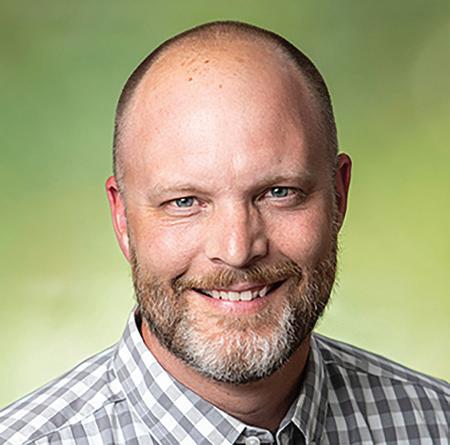
One of the most common misconceptions among small business owners is the belief that their company is “too small” to attract attention from hackers. Many cybercriminals actively target small businesses because they tend to have fewer protections in place. Automated attacks scan thousands of businesses at once, looking for vulnerabilities such as weak passwords, outdated software, or unsecured networks. These attacks are rarely personal. They are opportunistic, designed to exploit whichever business appears easiest to penetrate. For small companies operating on tight margins, the financial consequences can be severe. Lost revenue, operational downtime, recovery costs, and reputational damage can quickly overwhelm a business that lacks the resources to recover.
Ransomware remains one of the most disruptive threats facing small businesses today. In these attacks, hackers gain access to company systems and encrypt files, effectively locking the business out of its own data until a payment is made. For a small operation, losing access to customer records, accounting systems, or scheduling software for even a few days can create significant disruption. In some cases, businesses never fully recover. Veteran-owned companies involved in government contracting or defense-related work face additional risks,
as attackers increasingly target supply chains and smaller subcontractors connected to larger organizations.
Phishing scams have also become more sophisticated. Emails that once contained obvious spelling mistakes or suspicious formatting are now often indistinguishable from legitimate communications. Business owners may receive messages appearing to come from vendors, banks, customers, or even employees. These messages frequently create a sense of urgency, asking the recipient to click a link, verify information, or transfer funds. In rural communities where business relationships are built on familiarity and trust, these scams can be particularly effective. A single compromised email account can expose financial information, customer data, and internal communications.
Artificial intelligence has further changed the cybersecurity landscape. While AI tools have created efficiencies for businesses, they have also given cybercriminals new capabilities. Fraudulent emails can now be generated quickly and convincingly. Voice-cloning technology has made impersonation scams more believable. Automated systems allow attackers to scale operations with unprecedented speed. For small business owners already balancing staffing shortages, rising costs, and economic uncertainty, cybersecurity can feel overwhelming. Yet ignoring the problem is no longer a viable option.
The good news is that effective cybersecurity does not always require expensive technology or large IT departments. In many cases, the most
important protections are procedural and behavioral. Strong password practices, multi-factor authentication, regular software updates, and employee awareness training significantly reduce risk. Many attacks succeed not because of sophisticated hacking techniques, but because of simple oversights. A reused password, an unpatched system, or an employee clicking the wrong link can create an entry point for attackers. Building a culture of cybersecurity awareness is therefore just as important as investing in software or hardware.
For veteran entrepreneurs, this approach aligns naturally with many principles learned during military service. Preparation, consistency, and risk assessment are already familiar concepts. Cybersecurity requires a similar mindset. It is not about eliminating every possible threat but about reducing vulnerabilities and improving readiness. Businesses that establish clear procedures, maintain secure systems, and regularly review their risks are far better positioned to respond effectively when problems arise.
Cybersecurity has also become increasingly tied to customer expectations and business credibility. Consumers today expect businesses to protect their personal and financial information. A data breach can damage trust quickly, particularly in smaller communities where reputation carries significant weight. For businesses working with government agencies or larger corporate partners, cybersecurity requirements are becoming more common in contracts and procurement
processes. Companies that fail to meet basic security standards may find themselves excluded from opportunities, regardless of the quality of their products or services.
This shift is particularly relevant for veteran-owned businesses pursuing federal contracting opportunities. Many government contracts now require compliance with cybersecurity frameworks designed to protect sensitive information and supply chains. Even businesses that are not directly handling classified information may still be expected to demonstrate secure systems and responsible data practices. Understanding these requirements early can help veteran entrepreneurs remain competitive as cybersecurity expectations continue to evolve.
Access to cybersecurity support and education has improved in recent years, including throughout North and South Dakota. Small Business Development Centers, industry associations, and technology organizations increasingly offer training and advising tailored to small businesses. Community colleges and universities have also expanded cybersecurity education programs, helping build regional expertise and awareness. In many cases, local IT providers can help businesses implement affordable security measures without requiring major infrastructure investments.
Peer networks also play an important role. Small business owners often learn best from one another, sharing experiences, lessons learned, and practical solutions. Veteran
entrepreneurs, in particular, benefit from trusted networks where conversations around operational challenges can happen openly. Discussing cybersecurity openly helps reduce stigma and encourages proactive planning rather than reactive crisis management. As cyber threats continue to evolve, collaboration and information sharing will become increasingly valuable.
At the same time, cybersecurity should not be viewed solely through the lens of fear or risk. For many businesses, strengthening cybersecurity creates opportunities for growth and resilience. Businesses with strong security practices are often better organized, more operationally disciplined, and more attractive to customers and partners. Secure systems improve continuity, reduce downtime, and build confidence among stakeholders. In an economy where digital trust matters more each year, cybersecurity can become a competitive advantage rather than simply a defensive necessity.
The broader business community also has a role to play in strengthening cybersecurity awareness across the region. Chambers of commerce, economic development organizations, and industry groups can help normalize conversations around digital risk and preparedness. By treating cybersecurity as a standard component of business operations, rather than a specialized technical issue, communities can help small businesses adapt more effectively to a rapidly changing environment.
Ultimately, cybersecurity is no longer just an IT concern. It is a leadership issue, an operational issue, and increasingly, a survival issue for small businesses. For veteran entrepreneurs across the Dakotas, the challenge is not simply adopting new technology, but developing the awareness and discipline needed to operate securely in an increasingly connected world. The same adaptability and resilience that defined military service remain valuable assets in this environment. The threats may be different, but the importance of preparation remains the same.
In the end, the future of small business in North and South Dakota will depend not only on innovation and economic growth, but also on the ability of businesses to protect themselves in a digital economy. Veteran entrepreneurs are uniquely positioned to lead in this space, bringing experience, discipline, and missionfocused thinking to a challenge that affects businesses of every size. By approaching cybersecurity proactively and building stronger networks of support, veteran-owned businesses can strengthen not only their own operations, but the resilience of the broader regional economy as well.



By John
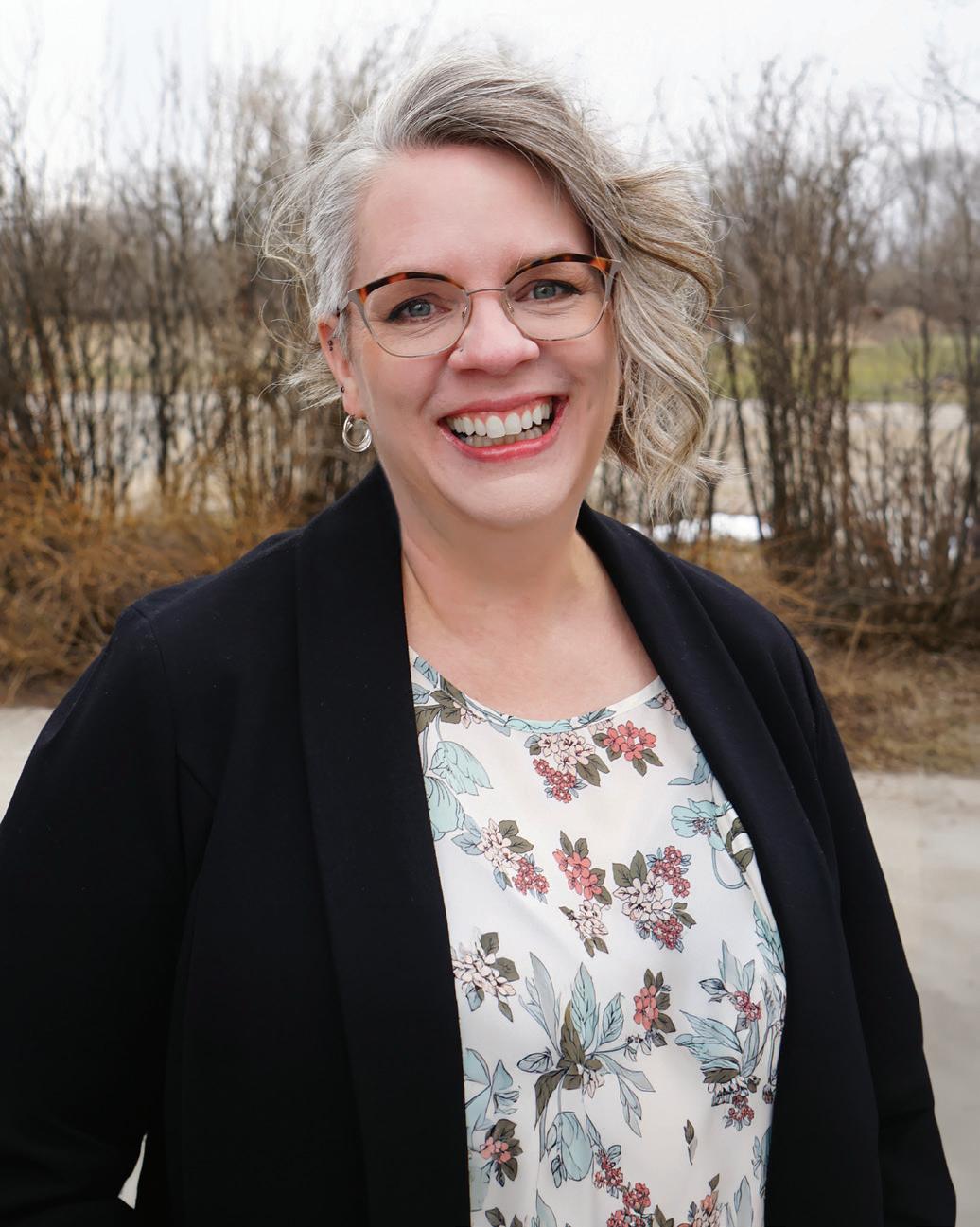
ohn Machacek, Chief Innovation Officer for the Greater Fargo Moorhead Economic Development Corporation, has worked with countless startups throughout our community over the years. He knows their ups, and their downs, but most of all, he knows the questions to ask them. Here are John Machacek’s 10 questions for Kelly Yanke Deltener, founder & product strategist at Podshot.
Will you please tell me your elevator pitch to describe your startup, Podshot?
Podshot is an AI-powered mobile app that helps people actually learn from podcasts. It lets listeners capture meaningful moments as they listen, then turns those moments into transcripts, summaries, and organized notes they can come back to later.
I’ve always been a podcast connoisseur, and Podshot came from my own frustration as a listener. I would hear something meaningful in a podcast, but it would usually happen when I was driving, walking, biking, or out in the garden. Sometimes I could write a note, take a screenshot, or try to capture the timestamp, but it always felt clunky. I kept thinking, “Why isn’t there a better tool for this?”
I looked for solutions, and while there are a few apps on the market, I did not like how they worked. They did not feel user-friendly or designed from the listener’s point of view.
Eventually, I realized this is exactly what product development is about: solving a real problem for a real user. I felt like that was a challenge I could take on. In a funny way, it became my supervillain origin story. I was so frustrated with how the problem was
being solved that I decided to build something better myself.
03
Thinking about what you
talked about at StartupBREW
Fargo in April, about building products for other people, did that help give you the confidence to take the leap and build something yourself?
Oh yes, 100%. I think a lot of entrepreneurs know they have that drive and want to create something, but they sometimes wait for lightning to strike. That is not really how it works.
For me, the shift happened after I started my consulting company, focused on product management, product strategy, and operational strategy. I remember having coffee with friends at Babb’s, and there was a local magazine on the table with five or six local founders on the cover. I realized I had done work for three of them, and significant work for two of them.
I felt proud, but also a little jealous. Not because I needed my face on the cover, but because I had this moment of, “Wait, why don’t I have something of my own in the market?” I had helped other people build products and launch ideas, but I had not done that for myself yet.
It still took time. It was probably two and a half years of trying to force something to happen before the right idea came together. I explored different concepts, learned more about AI, and kept coming back to my own frustration as a podcast listener.
That is when Podshot started to make sense. It was not lightning striking out of nowhere. It was experience, frustration, learning, and persistence coming together at the right time.
With your experience in project management, product management, tech, and consulting, how much of your knowledge came from formal instruction versus being self-taught or learning from mentors and colleagues?
It has definitely been a mix, but a lot of my technical and product knowledge came from hands-on experience, mentors, and the people I worked closely with. My technical background did not come from a university path. It came from being in the work, asking questions, learning from technical people, and building that understanding over time.
My husband and his brother were a big part of that foundation early in my career. I joke that it feels like a cheat code because I can talk through a technical question with my husband at dinner, and if I cannot get the answer from him, I call his brother.
I also worked at CoreLink, which was a Blue Cross/Noridian subsidiary. That gave me a stronger foundation in formal project management and PMO structure. Later, Garrett Moon and Justin Walsh at CoSchedule took a chance on me and brought me back into the startup world. I learned so much from them about operations, product thinking, and building inside
a fast-moving company.
All of those experiences helped give me the confidence to go out on my own. Consulting also opened my world up. You are not limited to local clients. You can work with a startup in California, do good work, and suddenly have clients in California, Texas, and beyond.
A lot of those clients were working with AI, so I had to learn quickly and get good fast. That pushed me in the best way.
05
With your entrepreneurial mindset, it makes sense that you gravitated toward smaller companies and startup environments. What’s your perspective on that assumption?
What I love about smaller companies and startups is the access and openness. At CoSchedule, I could walk into a room with the CEO, president, department leaders, and team members and say, “I have three wild ideas,” and there was space for that. It was encouraged.
In a more corporate environment, experimentation can get boxed in. But there is real value there too. You often have more stability, clearer planning cycles, stronger resources, and more predictable outcomes. In the startup world, you are usually working hard just to create that predictability.
For people early in their product, project, or tech careers, I think both paths can be valuable. A traditional company can help you learn structure
and good systems. A startup can teach you how to move quickly, wear different hats, and get comfortable with ambiguity.
One thing I appreciate about Fargo’s startup community is how much it has evolved. When I started in tech in the late ’90s, failure was often just seen as failure. Now, it is more often seen as experience. That shift has been huge.
06
In thinking about learning opportunities, I’m reminded of the comment you shared with me when we discussed having this interview. You mentioned reading my March interview with Shannon and Adam of Starbird Lounge, especially the question about surprises and key learning lessons. Since you brought it up, I’ll ask you the same question: what have been some of your biggest surprises or lessons?
One of the biggest surprises has been realizing how building one thing naturally leads to new ideas.
While we were developing Podshot, we created functionality that helped us pull meaningful quotes and moments from podcast content. At first, we thought, “This is great. We can use this to market Podshot.” Then we quickly thought, “Wait, why couldn’t we let other people do this too?” That opened the door to
another product idea.
The same thing happened when we launched the Podshot website. We started paying attention to how we were ranking in AI search and traditional search. Then we started asking, “Could we build something simple that helps non-technical founders understand how their product is showing up?” That sparked another idea.
So one big lesson is that building creates momentum. Once you are in the work, you start seeing problems and opportunities everywhere. Not every idea will work, and that is okay. But it creates this little creative lab, or “nerdery,” where you can experiment, test, learn, and keep going.
Another surprise has been how much I’ve learned from working with people in different parts of the world. It pushes you to think beyond your own assumptions, and it has made me a better product thinker.
07
Yeah,
I was going to ask something
about that, knowing you have
partners and collaborators in other
parts of
the
world.
How has that experience been, especially in terms of the different perspectives from being pushed beyond your own assumptions?
I think a lot of entrepreneurs have a spark, and I recognize that in myself, too. I am always curious and always want to learn more. Through
consulting, I have been fortunate to meet people in different parts of the world who have that same energy.
Before 2020, I had only worked with people outside my immediate area a few times. But as the world became more virtual, I realized collaboration is less about whether someone is close enough to meet for coffee and more about whether they are the right person to think, build, and solve problems with.
When you find those people, the conversations are different. You challenge each other, get excited, reflect, and push the work forward. Sometimes that means adjusting to different time zones or getting up at 3:00 a.m. for a conversation, but it is worth it.
The biggest benefit is perspective. People from different countries, cultures, and backgrounds often see problems differently than you do. They may notice something you would miss or approach a challenge
in a way you would not have considered. That kind of perspective cannot really be taught in a class.
When you spoke at StartupBREW, I remember you mentioning a couple of other tech products you are working on. Will you give a quick elevator pitch for those, too?
Yes. Quote-Extractor.com helps podcasters, creators, and marketers pull strong quotes from long-form content like podcasts or YouTube transcripts. The idea is to make it easier to find moments that are insightful, funny, emotional, or shareable, and then turn those into
social media content quickly.
RankFlicksAI helps SaaS founders and businesses understand how their product or website is showing up in both traditional search and AI search. Search is changing quickly. It is no longer just about where you rank on Google. It is also about whether AI platforms understand your company, category, and value proposition.
A lot of these ideas came from building Podshot and asking, “Wait, could this solve a problem for other people too?” That has been one of the most exciting parts of the process.
09
If you could go back in time to visit with a past version of Kelly, what kind of hindsight advice would you give yourself?
I would tell myself to stop waiting for the perfect idea, the perfect timing, or the perfect level of confidence.
For a long time, I think I was waiting for everything to line up before I gave myself permission to build something of my own. But the truth is, you build confidence by doing the thing. You start, learn, get uncomfortable, make mistakes, and then the confidence starts to come.
I would also tell myself that the experience I was gaining while helping other people build their products was not separate from my own journey. It was preparing me. Every project, every client, every hard conversation, and every messy product decision was teaching me something I would eventually use.
And honestly, I would tell myself to trust my instincts sooner. I
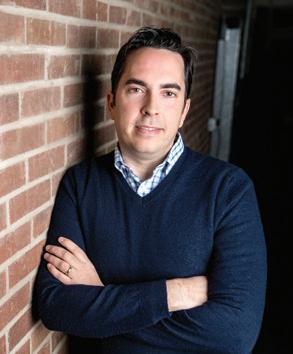
have always been good at seeing patterns, spotting problems, and understanding what users need. I just needed to believe those skills were enough to start.
10
Lastly, what can we do as a community to help you and Podshot succeed, along with Quote-Extractor.com and RankFlicksAI?
The biggest thing is to try the products, share feedback, and help us get them in front of the right people.
For Podshot, that means joining the waitlist, testing the app when it becomes available, and telling us how it fits into the way you actually listen to podcasts.
For Quote-Extractor, we would love to connect with podcasters, content creators, agencies, and marketers who are trying to turn long-form content into social posts.
For RankFlicksAI, we are especially interested in talking with SaaS founders, startup teams, and marketers who are trying to understand how search is changing with AI.
More than anything, community support matters. Share the products, make introductions, test things, give honest feedback, and tell us what does not work. That kind of support is incredibly valuable when you are building something new.
Podshot
podshot.ai @podshotai /podshotai
KYD Consulting kydconsulting.net /kydconsulting
Quote Extractor
quote-extractor.com
Rankflix
rankflix.ai
John Machacek has been helping local startups with the Greater Fargo Moorhead Economic Development Corporation for over a decade. Before joining the GFMEDC ream, John's career path has varied in areas such as banking, accounting, and management in the nonprofit, food & retail sectors.