
Greetings! Even though it’s summertime, your organization continues to be hard at work. As previously shared, one of my goals for 2026 was to update FMHCA’s bylaws. I’m happy to report that this goal has been met, and the revised bylaws are now under review by FMHCA’s Board of Directors. Once the Board has completed its edits and approved a final version, the bylaws will be sent to the full FMHCA membership for final approval.
Following that process, I will personally oversee the creation of FMHCA’s new Policies and Procedures Manual, with a target completion date of November 1, 2026. Upon publication, every FMHCA Board member, Committee Chair, Committee member, and FMHCA member will have a clear understanding of how our organization operates. This transparency benefits everyone, especially those interested in running for Board positions or serving as Committee Chairs. If you have any questions, please do not hesitate to contact me directly or reach out to the FMHCA office.
FMHCA also has several exciting events on the ho Mental Health and AI (Artificial Intelligence) Friday, August 28th | 8:00 AM – 5:00 PM | 7 C here:
https://copilot.microsoft.com/shares/pages/AWyy2SiH9La tRzcfxs223
Counselor Educator Summit Friday, October 2nd | 9:00 AM – 5:00 PM Register here: https://fmhca.wildapricot.org/event-6639644
Thank you for your continued support and engagement with FMHCA. It is truly an honor to serve you, and I am grateful for the dedication each of you bring to our profession and community
Respectfully Submitted,
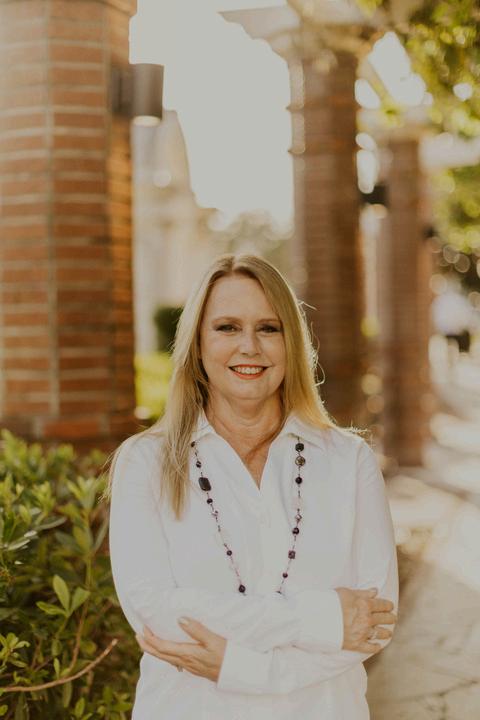
Laura Peddie- Bravo, LMHC, NCC FMHCA President


Page 8
Women, Self-Abandonment, and the Great Disconnect
Page 10
The Therapeutic Value of Doing the “Bare Minimum”
Page 12
The Power of Being Present: What Clients Need Most in a Fast-Paced World

Page 26

Page 15
Raising Adolescents in a Digital World: Heartminded Parenting
Page 20
When Watchfulness is Wisdom: Rethinking Hypervigilance in Marginalized Clients
Page 24
The Most Painful Part of ADHD Isn’t Forgetfulness: It’s Shame.
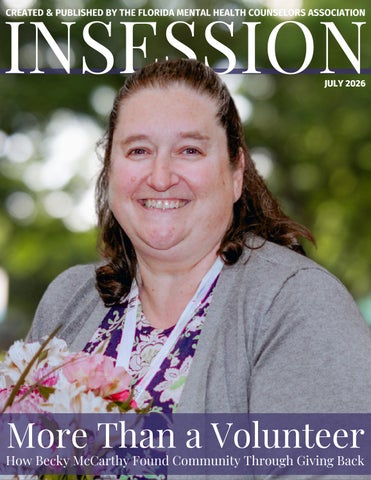
More than a Volunteer: How Becky McCarthy Found Community Through Giving Back
Page 28
The Hidden Psychological Risks Organizations Overlook
Page 30
The body was talking. I just wasn't listening.
Page 35
The Ancient Architecture: Building a Sacred Bridge to Communion


Page 40
PMR Collateral Damage: The Human Cost of Corporate Takeover in Therapy
Page 44
Men in Treatment for Childhood Traumas
Page 46
Logging In to Yourself: Identity, Belonging, and Healing in Online Worlds
InSession Magazine is created and published quarterly by The Florida Mental Health Counselors Association (FMHCA)
FMHCA is a 501(c)(3) non for profit organization and chapter of the American Mental Health Counselors Association.
FMHCA is the only organization in the state of Florida that works exclusively towards meeting the needs of Licensed Mental Health Counselors in each season of their profession through intentional and strengthbased advocacy, networking, accessible professional development, and legislative efforts.
Let your voice be heard by becoming a FMHCA Member today!
Click here to view FMHCA's current Bylaws.
CONTRIBUTE:
If you would like to write for InSession magazine or purchase Ad space in the next publication, please email: Naomi Rodriguez at naomi@flmhca org
THE INSESSION TEAM:
Naomi Rodriguez- Editor
Victoria Siegel, PhD, LMHC, LCPC, LPC- Expert Advisor
Page 48
Cinema Therapy in Substance Use Treatment: An Evidence-Informed, ASAM-Aligned Framework
Page 52
Beyond the White Picket Fence: The Hidden Costs of High Achievement
Page 55
Beyond Hearing Aids: Understanding LateOnset Hearing Loss and Implications for Counseling Practice
There shall be no discrimination against any individual on the basis of ethic group, race, religion, gender, sexual orientation, age, or disability
Information in InSession Magazine does not represent an official FMHCA policy or position and the acceptance of advertising does not constitute endorsement or approval by FMHCA of any advertised service or product. InSession is crafted based on article submissions received Articles are categorized between Professional Experience Articles & Professional Resource Articles
Professional Experience Articles are writer's firstperson pieces about a topic related to their experience as a mental health professional, or an opinion about a trend in the mental health counseling field.
Professional Resource Articles are in-depth pieces intended to provide insight for the author's clinical colleagues on how to be more effective with a particular type of client or a client with a particular disorder, or tips for running their practice more efficiently
The Florida Mental Health Counselors Association (FMHCA) is the State Chapter of the American Mental Health Counselors Association (AMHCA). FMHCA is the only organization dedicated exclusively to meeting the professional needs of Florida’s Licensed Mental Health Counselors.
The mission of the FMHCA is to advance the profession of clinical mental health counseling through intentional and strengthbased advocacy, networking, professional development, legislative efforts, public education, and the promotion of positive mental health for our communities
Its sole purpose is to promote the profession of mental health counseling and the needs of our members as well as:
Provide a system for the exchange of professional information among mental health counselors through newsletters, journals or other scientific, educational and/or professional materials
Provide professional development programs for mental health counselors to update and enhance clinical competencies
Promote legislation that recognizes and advances the profession of mental health counseling
Provide a public forum for mental health counselors to advocate for the social and emotional welfare of clients
Promote positive relations with mental health counselors and other mental health practitioners in all work settings to enhance the profession of mental health counseling
Contribute to the establishment and maintenance of minimum training standards for mental health counselors
Promote scientific research and inquiry into mental health concerns
Provide liaison on the state level with other professional organizations to promote the advancement of the mental health profession
Provide the public with information concerning the competencies and professional services of mental health counselors
Promote equitable licensure standards for mental health counselors through the state legislature





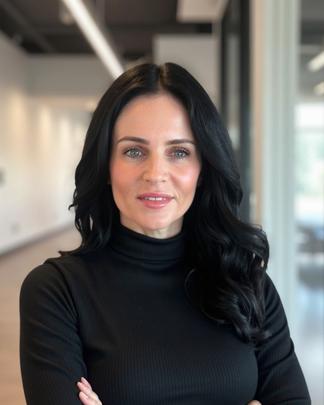



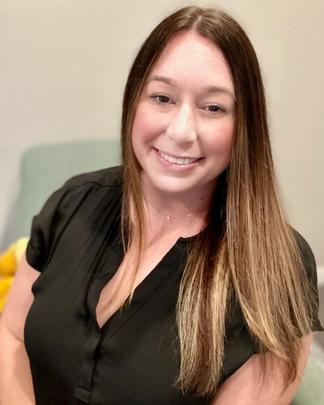


My clients, who are often women in midlife, initially come to my practice stating, “I’m not really sure what is wrong, I’m not who I used to be ” They report showing up in their circles in unwanted ways, needing to become a better wife, mother, or person, or noticing more feelings or irritability and anger without an apparent reason. They are overcome with anxiety and exhaustion and seem perplexed as to why they are feeling and functioning the way they are. They admit no longer recognizing the woman they have become. What these women describe is not new, and I regularly hear repeated versions of this.
These diverse women tend to be strong high-functioning individuals who can be described as capable, accomplished, and successful, the ones everyone can count
on They have put themselves aside as they achieved their career and family goals and made room for their new roles as they became adults, wives, mothers, caregivers, or executives After years of self-abandonment, they realize they have outgrown the version of themselves that they adapted to. They find themselves disconnected from themselves, from others, and from what is truly important to them.
In Overcoming Self-Abandonment, Avery Hoenig, Lucy Smith, and Jamie Wilson (2026) describe four core issues that lie beneath self-abandonment: selfjudgment, fear of discomfort, the desire to fix, plan, and control, and self-doubt (p. 79).
Self-Judgment, or speaking to ourselves in harsh and critical ways, happens automatically and leaves us feeling
inadequate, weak, guilty, anxious, or as a failure It is this repeated self-judgment and the voice of our inner critic that keeps us stuck in despair and disconnects us from ourselves and others
Fear of discomfort leads us to do everything we can to avoid any emotional, mental, or physical discomfort. We avoid discomfort by overworking, people-pleasing, not speaking up, or ignoring our desires However, discomfort is universal and expected, and it helps us learn and grow as we take risks or step outside of our comfort zones Avoiding discomfort disconnects us from ourselves and from our potential.
The desire to fix, plan, and control leads us to not trust our ability to deal with things as they come up and instead feel a
need to anticipate and prepare for any problem, plan detailed logistics, and have control over any situation that may arise. It is impossible for us to connect to ourselves when we are so busy controlling everything around us. This disconnect leads us to believe that we are the only ones who can do things right and to diminish our trust in others and our ability to ask for help and delegate. Self-doubt leads us to second guess ourselves, become paralyzed when making decisions, engage in unhealthy comparisons, and extinguish new opportunities with our constant fears and what-ifs. It constantly lives in our head minimizing our accomplishments. It often leads us to value the opinion of others more than our own, reinforcing the message that we should not trust
ourselves and creating a deeper disconnect from ourselves
The way out of these self-abandonment core issues is connection.
In my practice, as my clients work to connect to themselves and their values and beliefs, I see women who report being more aware of their thoughts and actions, more in control of their reactions, and more trusting of themselves and others. Clients are in awe at the awareness gained which accompanies them day to day and leads them to experiencing recurring situations in new ways which are more aligned with who they are. In fact, clients often report being more mindful of distinguishing their genuine inner voice, which had remained silent for so long, amidst the chaos of the harsh inner
messages
Women are ready to be seen and heard. Inward is the first direction.
References:
Hoenig, A., Smith, L., and Wilson, J., (2026). Overcoming Self-Abandonment. Bridge City Books.
Written By: Maria Eugenia C LCSW
Maria is a bilingual therapist and founder of Another Angle Counseling Services in Pembroke

Pines, Florida. She specializes in burnout, midlife transitions, and identity reclamation for adult women, with a focus on Latina and bicultural women. She practices in Spanish and English, offering in-person sessions in Pembroke Pines and telehealth throughout Florida.

One of the most common conversations I have with clients is not about trauma, anxiety, or depression It is about expectations Many clients enter therapy believing that every goal requires maximum effort If they cannot give 100 percent, they believe there is no point in trying at all. Exercise becomes an hourlong workout or nothing. Studying becomes an all-night session or avoidance. Self-care becomes an elaborate routine or complete neglect.
The past few years, I have found myself encouraging clients to do something that initially feels uncomfortable: establish a baseline and commit to the bare minimum. Not because I want them to lower their standards, but because I want them to remain engaged by making sustainable efforts. I often ask clients, "What is the smallest action you could
take on your worst day and still consider yourself moving forward?" Clients looking to establish a workout routine often tell me they plan to exercise 45 minutes, five times a week When I ask how often they exercised over the past year, the answer is often much lower. Repeatedly falling short of unrealistic goals can decrease motivation over time. Setting a baseline does not mean limiting our potential; it simply ensures we continue moving. A bare minimum goal may be a five-minute walk, reading one page of a book, responding to a single email, or simply creating the draft. The goal is not perfection. The baseline exists to create consistency, not limitation
This perspective was influenced by my own experiences growing up Haitian. Academic excellence was expected.
Straight A's were the standard A “B” was often viewed as evidence that more effort could have been given Like many children raised in high-achievement environments, I internalized the belief that good was never good enough Messages such as "push it to the limit" were intended to motivate me. Instead, I learned that my best effort fell short. Accomplishments felt incomplete because there was always another milestone to pursue. Over time, this mindset contributed to imposter syndrome and all-or-nothing thinking. Rather than celebrating achievements, I focused on what came next. Success became fleeting. Rest felt unearned. Progress only counted if it was extraordinary Goal after goal, I continued striving for perfection while quietly fearing that someone would eventually discover I was not as capable
as they believed This fear fueled overcompensation, overfunctioning, and a persistent belief that my worth was tied to achievement.
As a therapist, I have come to recognize similar themes in many of my clients. While their stories differ, the underlying belief is often the same: If I cannot do it perfectly, I should not do it at all The problem is that life is not lived under ideal circumstances Energy fluctuates, motivation changes, and stressors arise If progress depends on operating at maximum capacity, many people will spend more time feeling like they have failed than recognizing the progress they have made. Identifying a baseline creates flexibility. It allows them to acknowledge that some days they have more to give and some days less. Both days count. Clients learn that a baseline is a form of behavioral activation and
that even the smallest step is still forward motion Accepting "enough" often leads to greater consistency than chasing perfection. In a culture that celebrates hustle and constant achievement, doing enough can feel uncomfortable. The clients who make the most sustainable progress are the ones who keep moving when life limits what they can give. They understand that a five-minute walk still counts. One page still counts. One email still counts.
Therapy often focuses on helping clients challenge distorted beliefs. One of the most powerful beliefs we can challenge is the idea that progress only matters when it is exceptional. Sometimes doing enough is exactly what keeps us moving forward. In a world that tells us to push it to the limit, I encourage clients to slow down and define what "enough" looks like for them. The finish line is rarely
reached because we gave 100 percent every day More often, it is rea because we kept showing up, days when all we had to offer enough.
Written By: Sandrina Seraph LCSW-QS

Sandrina is a Haitian American therapist, Qualified Supervisor, and founder of Transparent Space Therapy, a group practice in North Miami, Florida. She specializes in trauma, anxiety, depression, and life transitions, working with adolescents, adults, and families. Drawing from both her professional experience and cultural background, Sandrina is passionate about helping clients challenge perfectionism, cultivate self-compassion, and create sustainable paths toward growth and healing


As mental health professionals, we spend years learning theories, interventions, treatment modalities, and evidence-based practices We attend continuing education trainings, pursue advanced certifications, and strive to stay informed about emerging trends in the counseling field. While these efforts are important, one lesson continues to stand out after more than a decade of counseling: clients often benefit most from our presence rather than our expertise.
We live in a culture that values productivity, efficiency, and quick solutions Many clients arrive in counseling carrying the weight of unrealistic expectations. They feel pressured to have everything figured out, to heal quickly, and to perform at high levels despite significant emotional
burdens In many cases, they have spent years feeling unheard, misunderstood, or dismissed
When these individuals enter the counseling office, they do not necessarily need a perfect intervention. They need a safe place where they can slow down, tell their story, and be fully seen.
Throughout my years as a school counselor, private practice clinician, and clinical supervisor, I have observed that meaningful change often begins when clients experience genuine human connection. Before cognitive restructuring can be effective, before coping skills can be implemented, and before behavioral changes can occur, many clients need to feel emotionally safe.
This realization has become increasingly
important as technology continues to reshape the counseling profession Telehealth has expanded access to care, artificial intelligence is influencing documentation and administrative tasks, and social media has transformed the way people seek mental health information. While these innovations offer valuable benefits, they also create the risk of reducing counseling to a series of techniques and transactions.
The counseling relationship remains our most powerful tool
Research consistently demonstrates that therapeutic alliance is one of the strongest predictors of positive treatment outcomes. Clients often remember how a counselor made them feel long after they forget specific interventions. They remember being listened to without judgment. They
remember having a space where they did not have to pretend everything was okay
This principle has also shaped my approach to clinical supervision. New counselors frequently worry about saying the right thing or using the correct technique. While competence is essential, I encourage supervisees to focus first on developing authentic therapeutic relationships Skills can be refined over time, but genuine empathy, curiosity, and presence create the foundation upon which effective counseling is built.
As our profession continues to evolve, I believe we must resist the temptation to measure success solely by productivity metrics, documentation standards, or
treatment protocols These components matter, but they are not the heart of counseling
The heart of counseling is relationship. Clients come to us during some of the most vulnerable moments of their lives They are grieving losses, navigating trauma, struggling with anxiety, questioning their identity, or simply trying to make it through another day. In those moments, our willingness to sit with them, listen carefully, and remain present can be profoundly healing.
In a world that often rushes people through their pain, counselors have the unique opportunity to offer something increasingly rare: our undivided attention. That gift may be one of the
most powerful interventions we provide
Written By: Brooke Burkh ld LMHC, LPC-S, NCC
Brooke is the owner and clinical director of Thrive Family Counseling in Georgetown, South Carolina. She is a Licensed Professional Counselor Supervisor with more than a decade of experience in school counseling, private practice, and clinical supervision. Brooke specializes in anxiety, trauma, ADHD, family counseling, and faith-integrated counseling. She is passionate about supporting counselors in their professional development and increasing access to quality mental health services in rural communities.

Let us picture this scenario: a parent brings a child to your office The adolescent slumps in the chair, eyes on their phone, while the parent leans forward urgently: Can you fix this? They share their concern about their child who has become irritable, withdrawn, or is failing classes, unable to sleep, exploding in rage at the smallest frustration, spending hours on screens. They want answers, strategies, hope that we, as clinicians, can restore their child. Should they be medicated? Can you tell me how to make them stop acting out?
I pause to listen The way I am present matters
After working with families for over three decades, I recognize what’s happening: parents face adolescents’ mental health crises with parenting practices designed for an entirely
different era They sense something is deeply wrong, but many don’t realize that the behavioral methods they inherited won’t address what is really happening Before guiding them, I must examine my own assumptions
As counselors, we’re uniquely positioned to help parents make a shift but first, we must acknowledge how the way we were raised and trained may reinforce outdated behavioral paradigms. Many of us learned assessment and intervention frameworks focused on symptom reduction and behavior modification We’re asked: What’s the plan to eliminate the child’s behavior? But we must reframe the question: What is their behavior communicating? How could we support the child’s underlying emotional needs?
The World Youth Navigate
Youth today face an informationsaturated environment where algorithmic feeds curate reality and screens provide constant access to unfolding global crises We’ve created a dopaminergic society where social media hijacks our brain’s reward center (Previc, 2011). When parents express concern about their youth’s provocative behavior, we face a critical question: Are these symptoms warranting intervention, or are they adaptive responses to a genuinely frightening world?
By resorting to punishment and reward, parents may have succeeded in keeping their children compliant and even sheltered from the outside world. However, a time comes when the child is giving birth to an autonomous self, with heightened awareness of a world of
increasing complexity Wars are livestreamed, atrocities documented, while gaming conditions them for combat––eroding empathy through repeated exposure to simulated violence. Their future seems uncertain, frightening, as institutional failures are obscured by misinformation, and polarization feeds on misperceptions about right and wrong (Casabianca, 2020).
However, we could see how they navigate the world through a dual lens: through their childhood eyes, they seek joy and excitement; through newly emerging cognitive capabilities, they awaken to the ugliest parts of human civilization. Some may respond by withdrawing, raging, gaming, or dreaming ways to address these incongruities. We could see potential: youth desiring to transform not only their lives but the world. (Blos, 1979; Casabianca, 1997). Many adolescents remain too newly aware to succumb to disillusionment While adhering to idealized visions, they confront unprecedented challenges: AI systems threatening future careers, climate crises undermining their prospects, and institutions offering fewer pathways than previous generations enjoyed. However, the healthiest children those growing up in compassionate environments grow strong through support systems that sustain their faith in humanity (Masten, 2018) The more overwhelmed might succumb to addictions, depression, isolation, or failure
Often, when the teen withdraws or fails in school, parents punish screen time If they rage, parents impose natural consequences. However, their underlying anxiety, overwhelm,
loneliness or despair remains unaddressed Beneath parents’ questions about medication or interventions lies a set of unexamined beliefs about parenting. Youths’ struggles are approached by counselors with behavioral methods focused on compliance and performance inadequate strategies for addressing psychological distress. These methods fail to prompt the desired lasting change. Inductive discipline instead demonstrates that approaches based on understanding the child’s underlying emotional needs are more effective than power assertion Besides, they foster principled moral development and prosocial behavior (Krevans & Gibbs, 1996; Patrick & Gibbs, 2012; Babu & Fatima, 2025).
Consider 16-year-old Maya, who spends six hours daily gaming. Her parents try screen time restrictions, consequences, even removing devices. Each intervention escalates conflict Only exploring what the gaming provides escape from social anxiety, a sense of competence, connection with friends could we effectively address her emotional needs and co-create healthier coping strategies based on her input. So, in session, in front of the parent, I pause to ask myself: what assumptions am I carrying into the counseling room? When I hear failing classes and rage, where does my mind go? Am I already diagnosing and strategizing interventions? Or am I examining my own frames of reference––my learned beliefs about what adolescents should be, what compliance looks like, what therapeutic success means? Otherwise, I might unconsciously reinforce the very paradigm I’m asking parents to question
When I returned to school to pursue a doctorate in education during the
pandemic, I delved into Jack Mezirow’s work on transformational learning Mezirow (1994) defines frames of reference as the assumptions, beliefs, and judgments that shape our understanding of the world. His recommended reflective practice helps examine why we persist in using approaches we’ve outgrown and often fail to respond to children’s challenges with compassion: unconscious preconceptions anchor us to outdated parenting models, even when proven ineffective, while we expect different results
In session, reflective practice might sound like asking the parent: Where did you learn that punishment teaches responsibility? or When your son shuts down, what memories from your own childhood pop up? These questions aren’t therapeutic tricks; they’re invitations to examine frames of reference a task we therapists must continuously engage in to become conscious of countertransference
The frenetic technological and geopolitical landscape requires parents and therapists to reclaim wisdom and courage (Gilbert, 2009) needed to navigate adolescents’ doldrums with compassion. For those of us counseling, educating parents, or supervising therapists, reflective practices that help address and overcome frames of reference prove essential (Mezirow, 1985, 1997; Nerstrom, 2014; Taylor, 2017) Thoughtful examination of outdated beliefs helps parents break with practices that don’t serve children’s healthy mental development.
Parenting models relying on punishment and reward push children to ‘perform better,’ fostering competition, with little regard for how functioning under
pressure undermines empathy or cooperation (Andersson, 2020) As Gilbert and Basran (2019) propose, selffocused competitiveness does not sustain compassion.
Empathy deficits underlie prejudice and intergroup conflict (Klimecki, 2019). However, if parents foster emotion regulation and perspective-taking, empathy inhibits aggression, and fosters prosocial behavior and cooperation (Decety et al , 2016; de Waal & Preston, 2017; Gilbert & Basran, 2019)
Conversely, neglect, constant conflict, and lack of emotional warmth pervades in ‘risky families,’ rendering children struggling with emotional regulation (Taylor et al., 2004). When parents guide youngsters to take others’ perspectives, they’re more likely to accept members from diverse groups (Miklikowska, 2017). However, parenting styles correlate with intergenerational transmission of prejudice (Pirchio et al , 2018) Reflective methods can make a significant difference Let’s imagine a society emphasizing empathy at home and school, shifting from a behavioral focus to heartminded guiding principles.
So, how to approach the parent who asked, Can you fix this?
Let’s not prescribe behavioral strategies. Instead, turn toward the teenager who probably hasn’t looked up from their phone and say: It sounds like things have been hard lately. I’m curious about what’s going on for you Sometimes they shrug Sometimes they glance up What matters is that the parent witnesses us approaching the child with curiosity instead of judgment, with presence instead of prescription Then turn to the parent: What do you notice when I ask that way? One parent responded: She becomes another child, so sweet… and
she actually listens
Transformation begins not with a prescription, but with a disruption. Reflective practice stimulates our cognitive empathy, leading to a shift in our beliefs, so we can invite parents to examine their own.
In the 1960s, D.W. Winnicott identified four basic adolescent needs, now recontextualized for our digital age: a) rejecting false solutions including toxic positivity and performative authenticity; b) feeling genuine amid curated personas; c) challenging authority while maintaining necessary dependence; and d) provoking society to acknowledge intergenerational inequities. Supporting a principled life requires addressing digital-age challenges: media literacy, healthy technology relationships, resilience against online harassment, and maintaining authentic connections (Ratnapalan and Batty, 2009).
When working with teenagers, our questions should open doorways to understanding: ‘When you’re scrolling/gaming/watching, what feeling are you moving toward or away from?’ ‘If anxiety/loneliness/overwhelm were a person, what would they be trying to tell you?’ ‘What does your generation understand that adults miss?’ These questions honor their agency while revealing the adaptive functions of behaviors parents label as ‘problems.’
In session, this translates into: sitting with their rage without trying to ‘fix’ it, validating their perception that the world they’re inheriting is genuinely challenging, and resisting the impulse to offer false reassurance.
When parents bring us their struggling
teens, our initial assessment sets the trajectory Rather than focusing on symptoms or compliance, we can ask: What is this young person trying to cope with? What emotional needs are being expressed? How can we strengthen the parent-child connection while building coping capacity? What systemic pressures are contributing to the child acting out? This reframes us as guides helping families develop compassionbased strategies rather than technicians applying behavioral interventions.
One thing we can do to prevent and address the mental health crisis: nurture empathy, promote self-compassion, and foster regard for others We can encourage transformational learning’s critical reflection (Taylor, 2017), support clients in healing wounds caused by their elders’ parenting, and nurture their prefrontal cortex’s functions––bonding, affiliating, and empathizing.
This healing process isn’t abstract. It happens when the father recognizes that his impulse to punish through love withdrawal comes from having been shut out himself; when a mother sees that her anxiety about grades or messy closets echoes her own parents’ conditional approval Our role as counselors is to hold space for these insights not rushing toward solutions but letting them settle.
Winnicott (2016) said the only ‘cure’ for adolescence is time. However, time without proper tools won’t suffice for youth facing automation threatening employment, unaffordable housing, climate challenges, or increasing political instability We cannot fully alleviate the solitude technology has intensified, but we can take preventive action educating parents in heartminded approaches based on self-
compassion, mindfulness, and empathy
Our duty as mental health professionals includes addressing youth despair while providing agency, support, honest crisis reckoning, and social participation pathways. Whether youngsters’ destiny is despair or active contribution to a kinder world depends on whether we support parents in passing on selfreflecting and emotional tools that keep children mindful and healthy However, parents must understand compassion as different from kindness Compassion requires courage and wisdom––not softness but strength (Gilbert, 2020).
Training parents and educators in Mezirow’s transformative learning practices helps them reimagine their parenting questioning transgenerational assumptions, transforming behavioral management into heartminded parenting, and demanding healthier digital ecosystems. This means emphasizing empathy over behavioral practices that leave unaddressed the unconscious motivation for behaviors deemed unacceptable Let’s ponder the wisdom in persisting with outdated behavioral methods that fail to address underlying emotional distress We tell them the future belongs to them, yet we’re leaving our youth a world of compounding crises. Unprecedented access to information parallels unprecedented misinformation, global connectivity runs alongside profound loneliness, and awareness of injustice coexists with misunderstanding that meaningful change comes from compassionate action.
Our social agency as counselors must start by radically reimagining how to support our clients to parent and educate for solidarity rather than fear. The expected outcome: a more conscious
and compassionate world where all can truly flourish
The adolescent in my office may not change today, and the parent may leave still wanting a checklist. However, a question has been planted, a frame of reference cracked. Transformation takes time Our job is to induce it, to stimulate the brain’s cognitive empathy circuits to shift perspectives. Every session is an opportunity to model the compassionate, reflective stance that could transform families and society.
Andersson, E. (2020). Parent-created educational practices and conditions for players’ political socialisation in competitive youth games: A player perspective on parents’ behaviour in grassroots soccer. Sport, Education, and Society, 25(4), 436-448. https://doi.org/10.1080/13573322.2019.1601621 Babu, N., Fatima, M. (2025). Empathy and Its Development. In: Dutta, G., Misra, G., Gupta, S. (eds) Handbook of Positive Psychology and Indian Thought Systems. Springer. https://doi.org/10.1007/978-981-964210-6_13
Blos, P. (1979). The Adolescent Passage. International University Press Casabianca, S., (2020). Heartminded: Conscious Evolution from Fear to Solidarity. Lulu Casabianca, S., (1997). Si el Arco Falla, la Flecha no Volará. Fundación para el Desarrollo del Joven Decety, J., Bartal, I. B.-A., Uzefovsky, F., & Knafo-Noam, A. (2016). Empathy as a driver of prosocial behaviour: Highly conserved neurobehavioural mechanisms across species. Philosophical Transactions of the Royal Society B: Biological Sciences, 371(1686), 20150077.
https://doi.org/10.1098/rstb.2015.0077
de Waal, F. B. M., & Preston, S. D. (2017). Mammalian empathy: Behavioural manifestations and neural basis. Nature Reviews Neuroscience, 8, (498-509).
https://doi.org/10.1038/nrn.2017.72
Gilbert, P., & Basran, J. (2019). The evolution of prosocial and antisocial competitive behavior and the emergence of prosocial and antisocial leadership styles. Frontiers in Psychology, 10.
https://doi.org/10.3389/fpsyg.2019.00610
Gilbert, P. (2020). Q&A with Paul Gilbert on Compassion Focused Therapy. Psychwire. https://psychwire.com/free-resources/qand-a/t552om/integrating-compassion-in-therapy Klimecki, O. M. (2019). The role of empathy and compassion in conflict resolution. Emotion Review, 11(4), 310-325.
https://doi.org/10.1177/1754073919838609
Krevans, J., & Gibbs, J. C. (1996). Parents’ use of inductive discipline: Relations to children’s empathy and prosocial behavior. Child Development, 67(6), 3263-3277. https://doi.org/10.2307/1131778
Masten, A. S. (2018). Resilience theory and research on children and families: Past, present, and promise. Journal of Family Theory & Review, 10(1), 12-31.
https://doi.org/10.1111/jftr.12255
Mezirow,J.(1985).Conceptandactioninadult education.AdultEducationQuarterly,35(3),142-151. http://doi:10.1177/0001848185035003003
Mezirow,J.(1994).Understandingtransformative theory.AdultEducationQuarterly,44,222-232. https://doi.org/10.1177/074171369404400403 Mezirow,J.(1997).Transformativelearning:Theoryto practice.InP.Cranton(Ed.),Newdirectionsforadult andcontinuingeducation(pp.5-12).Wiley. Miklikowska,M.(2017).Developmentofantiimmigrantattitudesinadolescence:Theroleofparents, peers,intergroupfriendships,andempathy.British JournalofPsychology,108(3),626-648. https://doi.org/10.1111/bjop.12236
Nerstrom,N.(2014).Anemergingmodelfor transformativelearning.AdultEducationResearch Conference.
https://newprairiepress.org/aerc/2014/papers/55 Patrick,R.B.,&Gibbs,J.C.(2012).Inductivediscipline, parentalexpressionofdisappointedexpectations,and moralidentityinadolescence.JournalofYouthand Adolescence,41(8),973–983.
https://doi.org/10.1007/s10964-011-9698-7 Pirchio,S.,Passiatore,Y.,Panno,A.,Maricchiolo,F.,& Carrus,G.(2018).Achipofftheoldblock:Parents’ subtleethnicprejudicepredictschildren’simplicit prejudice.FrontiersinPsychology,9(110),1-9. https://doi.org/10.3389/fpsyg.2018.00110
Previc,F.H.(2011).Thedopaminergicmindinhuman evolutionandhistory.CambridgeUniversityPress Ratnapalan,S.,&Batty,H.(2009).Tobegoodenough. CanadianFamilyPhysician,55(3),239-242.
Taylor,E.W.(2017).Transformativelearningtheory.In A.Laros,T.Fuhr,&E.W.Taylor(Eds.),Transformative learningmeetsBildung(pp.17-29).Sense.
Taylor,S.E.,Lerner,J.S.,Sage,R.M.,Lehman,B.J.,& Seeman,T.E.(2004).Earlyenvironment,emotions, responsestostress,andhealth.JournalofPersonality, 72(6),1365-1394.https://doi.org/10.1111/j.14676494.2004.00300.x
Winnicott,D.W.(2016).Adolescence:Struggling throughthedoldrums.TheCollectedWorksofD.W. Winnicott,187–196. https://doi.org/10.1093/med:psych/9780190271381.003. 0027
WrittenBy:SilviaCasabiancaEdD, MA,LMHC
Dr.SilviaCasabiancaisa physician,licensedmental healthcounselor,art psychotherapist,andReiki MasterinNaples,Florida. FounderofEyesWideOpenLLCandCEUs OnlineFlorida,shedevelopedHeartMinded Parenting,aneuroscience-informed approachtoparenting.She istheauthorof severalbooks,includingHeartMINDED (2020).Contact: mail@silviacasabianca.com

Early in my career, I was taught that hypervigilance is a core symptom of trauma, a sign that something had gone wrong in the nervous system My clinical goal, therefore, was to help clients return to a baseline of calm and to feel safe in environments where they were scanning for threat.
At the time, that goal made sense to me. Trauma often teaches people to anticipate danger long after a threat has passed, and hypervigilance can become exhausting, narrowing a person’s world and keeping the body in a chronic state of activation Because of this, reducing unnecessary vigilance and helping clients reclaim a sense of safety is typically an important part of trauma treatment.
color I work with carry what we might clinically label hypervigilance They notice the slight shift in a coworker’s tone when they walk into a room They register who makes eye contact and who doesn’t They track microaggressions the way meteorologists track pressure systems-quietly, constantly, and with good reason.
When I first encountered this pattern, my training pulled me toward interventions designed to reduce arousal, build distress tolerance, and promote a felt sense of safety But something didn’t sit right I began asking a different question: safe according to whom?
perceived was still present The environments they were navigating were not safe Racial bias was not a thing of the past It was showing up in hiring decisions, in how pain is assessed in emergency rooms, in who gets stopped on the street. For my Black clients who had learned to read a room before speaking, or my Latinx clients who were instinctively monitoring whether their accent was being received with impatience, awareness of social cues was not dysfunction. It was data collection. It was survival.

After years of private practice, I’ve observed that many of the clients of
The answer, I came to realize, was that traditional trauma frameworks had missed something critical. For many of my clients, the initial danger they
In this kind of sociocultural context, hypervigilance is not simply a symptom It is a sophisticated perceptual skill developed in response to a real and recurring threat. The nervous system has learned what the research confirmsdiscrimination is a predictable feature of
daily life for many people of color in the United States Asking clients to lower that guard without addressing the conditions that made it necessary is not healing. It risks pathologizing an adaptive response and, worse, leaving clients less equipped to protect themselves.
This realization has reshaped how I work Rather than moving immediately toward reducing vigilance, I now ask questions about adaptability and functionality In which environments did this response develop and to what end? I explore with clients whether their
vigilance is serving them, and often, it is I ask where it costs them energy they’d rather spend elsewhere I help them develop agency over it rather than treating it as something to eliminate. As mental health professionals, we are trained to reduce suffering. But we must be honest about what we sometimes mistake for suffering When a client from a marginalized group presents with hyperarousal, our first question should not be, “How do we turn this down?” It should be, “What is this person accurately perceiving, and what has it cost them to keep perceiving it alone,
without anyone naming it as reasonable?”
Written By: Janeé Steele, Ph

Janeé is a licensed mental health counselor, counselor educator, and diplomate of the Academy of Cognitive and Behavioral Therapies. She works in private practice at CBT of Central & South Florida, where she specializes in depression, anxiety, and racial trauma. Her research focuses on counselor training, social justice, and culturally responsive approaches to therapy.
FMHCA Member Questions Answered by President and Managing Partner of The Health Law Firm, George
F. Indest, J.D., M.P.A., LL.M.
AQWhat is the most significant legal issue that a therapist faces and conducting a psychotherapy practice over the Internet?
The most significant legal issue that I psychotherapist is liable to encounter in providing therapy over the Internet is ensuring that the client is actually located in a state where the therapist is licensed to practice It is
difficult, if not impossible, to assure that a client is actually in the state of licensure while the therapist is treating the client Practicing across state lines and delivering therapy services to a client in a state in which the therapist is not license can present significant legal problems for the therapist In some states, such as Florida, unlicensed practice in the state is a felony crime. Often clients go on vacations and believe that they can still obtain routine appointments and therapy even if they are in a another state.
The therapist should include warnings and information on the above and informed consent forms and notices provided to client at the inception of the relationship. Therapist should also inquire at the beginning of a therapy session as to the location of the client This can be important for a number of reasons in addition to the location of services issue The therapist should ensure to the degree feasible that the client is not subject to distractions and that others are not present within earshot, for privacy reasons
Additionally, professional liability insurance should be obtained which provides insurance coverage no matter where the therapist is providing the services Most insurers will provide this coverage
If the client travels internationally, this presents even more complications as the country in which the client is located may not allow such telehealth services and the therapist's insurance may not cover the therapist for acts or omissions occurring in a foreign jurisdiction
AQAre there other issues that you believe may cause liability problems arising out of conducting a therapy practice over the Internet?
Two other significant issues are the lack of ability to manage more complex patients over the Internet This is especially true when treating clients who may suffer from borderline personality disorder or who may have
suicidal tendencies
Having a network of other providers who may be available in the area where the client is located through membership in professional associations or otherwise, and help address this problem. The therapist should be quick to recommend the client go to the nearest emergency department which would have mental health specialists available
An additional problem is the inability to pick up on nonverbal clues and body language may also present problems with a telehealth therapy practice If the client presents only partially dressed or poorly dressed, is disheveled or unorganized, or as other subtle behaviors (e g , reading from a script), these may not always be apparent to the therapist, especially if a small screen such as on a smart phone is being used for the therapy session
Potential breaches in privacy are always an issue when providing therapy over the Internet and this should always concern the therapist This is especially true enough the client is receiving therapy in a motor vehicle or room or office in which there are others in the room or office next door or in public locations. The therapist is able to ensure confidentiality of therapy sessions when providing face to face services because the therapist is in control of their own office However, the therapist is unable to tell who else may be listening in on the client's side when therapy is provided over the Internet Whenever in doubt, the therapist should ask the client
AQAre there any other significant issues associated with providing psychotherapy via telehealth that may not be common knowledge?
Yes We have recently seen a concerning rise and the unauthorized recording of telephone and tele-video conferences On some occasions, there has even been another party (spouse, friend, partner) present in the
room doing the recording
You should make sure that this issue is addressed in your informed consent forms, contracts and notices you provide to your clients when they initially retain you You should also make sure that you are aware enough a recording is being made You might even want to go so far as to have a welcoming screen that prohibits this for you even come on in a video telehealth session Alternatively, provide a verbal warning Apparently there are services and apps available for use on smart phones that will automatically record the telephone conversation Artificial intelligence (AI) is being used more commonly today than ever before to make actual transcripts and summaries of spoken sessions, conversations and meetings. Make sure that the client understands that this is not allowed. In some states, most notably Florida, it is a felony crime to record any party without that party's express authorization to do so.
Mr. Indest is board certified by The Florida Bar in the legal specialty of health law. He is the President and Managing Partner of The Health Law Firm, based in Orlando, Florida. The information provided in this article is for educational and informational purposes only and does not constitute the provision of legal advice.
Want your question featured in the next InSession issue? Submit Here
Must be a FMHCA member to submit. Become a FMHCA member by clicking here.

The email had been sitting in my inbox for four days
I had read it the day it arrived. I knew I needed to respond. The response would take less than five minutes.
Yet somehow, each time I saw it, I felt a wave of dread, closed my inbox, and promised myself I would get to it later. By day four, I wasn't avoiding the email anymore. I was avoiding the shame.
To an outsider, this looks disorganized, unprofessional, or lazy. The assumption is usually, “They must have forgotten ” But the truth of ADHD is much more painful: I hadn’t forgotten I remembered it constantly
As a therapist, I understand ADHD. I have explained executive dysfunction to
clients and helped individuals develop strategies to manage overwhelm and task initiation Yet understanding ADHD and living with ADHD are two very different experiences Knowing how the brain works does not protect me from the crushing weight of the question that haunts so many of us: Why can’t I just do it?
As therapists, we often spend our days helping clients challenge shame and selfcriticism while quietly struggling to extend that same compassion to ourselves
With ADHD, a simple task rarely stays simple. The email felt heavier with each day it remained incomplete. I felt a growing sense of guilt. I knew it needed my attention. I knew it wouldn't take long. I knew people were waiting. My thoughts kept drifting back to the same
question: Why can't I just do it? What I didn't understand was why something so simple felt so difficult What began as a simple task morphed into evidence of a personal failure, another reminder that I was struggling with something that appeared effortless for other people. The longer it remained unfinished, the more ashamed I felt. The more ashamed I felt, the more I beat myself up. And the more I beat myself up, the harder it became to complete the task
This is one of the most misunderstood aspects of ADHD. ADHD is widely viewed as a disorder of distractibility and forgetfulness. While those challenges are real, they are not the heaviest burden. I rarely forget about unfinished tasks. In fact, I think about them constantly. What I struggle with is not remembering
it is carrying the weight of the shame that comes with not acting I often find myself questioning my professionalism, my reliability, and even my competence. What might appear to others as a minor oversight can quickly become evidence that I am falling short.
The irony is that many individuals with ADHD care deeply about their responsibilities Many of us find ourselves in a vicious cycle: we drop a ball, we feel shame, we beat ourselves up, and that very self-criticism makes it even harder to take the next step.
Over time, I began to recognize that the problem was not a lack of caring, motivation, or effort. The problem was that I had internalized years of messages that interpreted my struggles as personal failures rather than manifestations of a
staring at an email or other task that should take only a few minutes I still have moments when I feel overwhelmed by tasks that seem simple for other people. ADHD did not disappear simply because I became a therapist, opened a private practice, or learned more about how the brain works.
Instead of viewing these moments as evidence that I am lazy, careless, or unprofessional, I have learned to recognize them for what they are: challenges associated with ADHD, not reflections of my character. I have learned that beating myself up rarely creates motivation. More often, it creates more shame and more avoidance If there is one thing I wish people
many of us care so deeply that we become trapped beneath the weight of our own expectations and self-criticism
The most painful part of ADHD isn't forgetfulness. It's the shame of believing our struggles reflect who we a
Written By: Jenny Sterling, L

Jenny is licensed in Ohio and Florida. With over 20 years of experience, she specializes in helping adolescents and adults navigate anxiety, ADHD, life transitions, and self-esteem challenges As the owner of a private practice, Jenny is passionate about helping individuals better understand themselves and build lives that align with their strengths rather than their struggles She is passionate about increasing understanding of neurodiversity in both
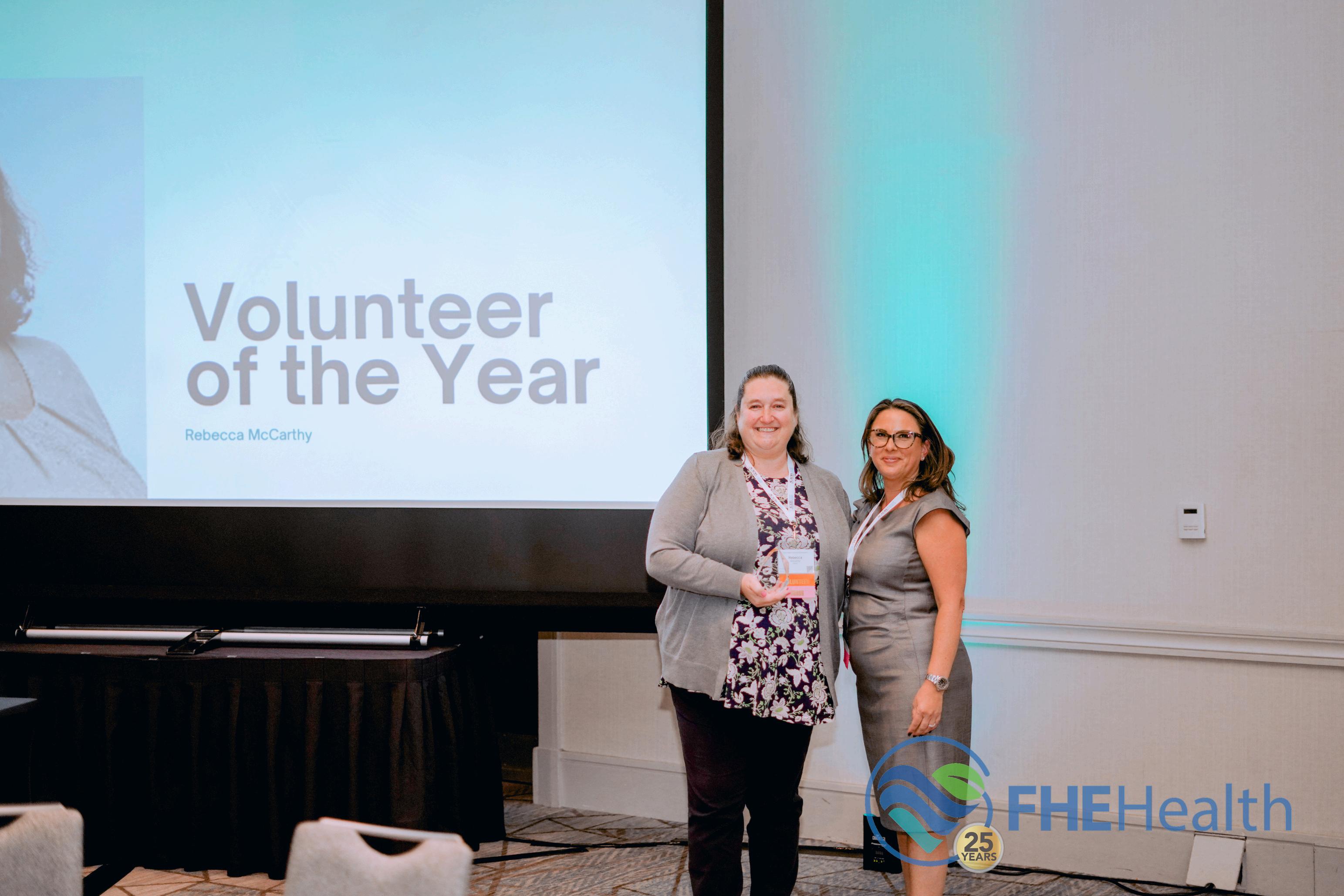
When Rebecca "Becky" McCarthy first volunteered with FMHCA in 2022, she arrived at the Annual Conference feeling much like many new professionals do: excited, eager, and a little intimidated
As a graduate student at the time, Becky remembers experiencing imposter syndrome as she looked around at the accomplished clinicians, educators, and leaders surrounding her.
"I was nervous, " she recalls. "Meeting all of these fantastic minds in the field felt overwhelming at first. But once I started speaking with people, I became comfortable. I felt fully embraced, and that gave me confidence in myself."
That first volunteer experience became the beginning of a journey that ultimately led Becky to being named FMHCA's 2025 Volunteer of the Year
Today, Becky is a Licensed Mental Health Counselor living in Dundee, Florida She works at Lakeside Neurologic while also operating her own private practice, specializing in Trauma-Informed Care, Traumatic Brain Injury, and Domestic Violence Survivors. Yet despite her professional accomplishments, she remains grounded in a simple belief: when you have the opportunity to help others, you should.
Becky's passion for service was shaped long before she entered the counseling profession.
"My mom always made sure everyone was taken care of," she says "That instilled in me that when you have a chance to give back, it's important " That mindset continues to guide her
today While she volunteers with several organizations, Becky views service as an extension of the very reason she became a counselor
"I went into this profession to give my voice to others," she explains. "Giving back helps keep me grounded. I've been through a lot in life, and volunteering is my way of paying it forward."
Her involvement with FMHCA began after encouragement from a faculty advisor who was actively involved with the association. What started as a simple volunteer application quickly became something much more meaningful.
Ask Becky what she expected to gain from volunteering, and the answer might surprise you.
"It wasn't the contacts," she laughs
While she initially joined to contribute and support the profession, one of the greatest rewards has been the relationships she has built along the way.
"The people are what I didn't expect," Becky says. "If I need to refer someone, learn something new, or lean on someone for support, I have that community now. The conference is more than a networking event."
Those connections have translated into meaningful professional opportunities Becky recalls being contacted by clinicians from elsewhere in the state seeking consultation on traumatic brain injury cases.
"They were at a loss and reached out for help," she explains. "Being able to share my knowledge so they could better help their patients was incredibly rewarding."
For Becky, volunteerism has expanded her professional network far beyond business cards and introductions. It has created a trusted community of colleagues who share knowledge, offer support, and help one another navigate complex clinical challenges.
"It helps to know people are in your corner, " she says
As a counselor practicing in a small county with limited local resources, Becky understands the importance of professional connection
"I work in a county where there are only two LMHCs," she says. "Being involved with FMHCA gives me a sense of community. I know there are people out there I can reach out to."
That sense of belonging is something she believes every counselor deserves.
"The nice thing about FMHCA is that no one is left out," Becky says. "It's amazing
to see the friendships and relationships that form Sometimes you only see people once a year at conference, but you stay connected until the next one.”
For many volunteers, those relationships become one of the most valuable aspects of involvement. Through committee work, events, conferences, and networking opportunities, volunteers build lasting connections with professionals across Florida who understand the unique challenges and rewards of the counseling profession
While networking and community have been significant benefits, volunteering has also strengthened Becky's confidence as a professional and leader.
"Volunteering helped me realize my knowledge is valid," she says. "It gave me confidence in myself and in my profession."
Today, she enjoys helping newer volunteers navigate the same uncertainties she once felt herself.
Her advice for counselors who want to expand their professional network or gain leadership experience is straightforward: "Volunteer "
"It gives you the opportunity to connect with people who have been in the profession for years, " she says. "You learn so much simply by being around them."
She also believes that volunteer leaders play a critical role in creating welcoming environments where new volunteers feel comfortable participating.
"Communication is important," Becky notes. "There's a lot that goes into volunteering that people don't see. Being upfront about expectations and encouraging people to ask questions helps them feel less intimidated "
Small Commitments, Big Impact
One of the most common misconceptions Becky encounters is the belief that volunteering requires an overwhelming time commitment.
"People think it's going to be a lot of work," she says. "But in reality, we ' re already helping people every day. Volunteering is just another way to help "
In fact, Becky believes even small volunteer commitments can have a meaningful impact.
"Even just showing up helps," she says "You get that good feeling of giving back, and you meet so many people The connections you make are high quality and meaningful "
For counselors who are unsure where to begin, she encourages them to start by exploring opportunities that align with their interests and strengths. Sometimes, the first step is simply raising your hand and getting involved.
As the counseling profession continues to evolve, Becky sees volunteerism as an essential part of strengthening both the profession and the community that supports it.
"It helps create a stronger community," she says "A stronger community will always help the profession "
When asked what legacy she hopes to leave through her volunteer work, her answer is simple: "I hope people remember how I helped them. Whether it was saying good morning, directing them to a session, or being there when they needed help."
Then she shares a lesson that captures the heart of volunteerism itself.
"What we do stands out more than what we say."

Throughout my career as a psychotherapist, healthcare executive, university professor, and former military officer, I have spent thousands of hours listening to people describe the challenges that brought them into counseling. While each person’s story is unique, I have noticed a recurring theme: many emotional and psychological struggles do not originate solely within the individual. Instead, they often develop or worsen within systems that unintentionally create stress, uncertainty, isolation, and chronic emotional strain.
Mental health professionals are trained to assess individual symptoms and diagnoses, yet we are often in a unique position to observe broader organizational patterns that contribute to emotional distress. Whether working
with veterans, healthcare workers, educators, first responders, corporate employees, or business leaders, clinicians frequently hear accounts of workplace cultures that have become significant contributors to anxiety, burnout, depression, relationship difficulties, and trauma-related symptoms.
Many organizations focus heavily on financial, legal, operational, and cybersecurity risks However, psychological risk is often overlooked despite its significant impact on employee well-being, productivity, retention, and organizational effectiveness. Psychological risk refers to workplace conditions that increase the likelihood of emotional distress, impaired functioning, interpersonal conflict, or mental health challenges
Examples of psychological risk factors include chronic understaffing, unclear expectations, ineffective communication, lack of psychological safety, inconsistent leadership, workplace bullying, excessive workloads, moral injury, and prolonged exposure to emotionally demanding situations. Over time, these conditions can erode resilience and contribute to increased absenteeism, turnover, reduced performance, and diminished organizational morale
The concept of psychological safety has gained increased attention in recent years. Employees perform best when they feel safe to express concerns, ask questions, admit mistakes, and offer ideas without fear of humiliation or retaliation. Organizations that foster
psychological safety often experience stronger collaboration, greater innovation, and healthier workplace relationships. Conversely, environments characterized by fear, uncertainty, or mistrust can create conditions where stress becomes chronic and organizational functioning deteriorates.
As mental health professionals, we have valuable insights to offer regarding the relationship between organizational environments and psychological wellbeing While our primary responsibility is often direct clinical care, our observations can also help leaders better understand the human impact of workplace decisions. Clinicians routinely witness the consequences of organizational stressors long before those stressors appear in employee engagement surveys or retention statistics.
This perspective does not suggest that organizations are responsible for every
mental health concern Rather, it recognizes that healthy workplaces can serve as protective factors, while unhealthy environments can amplify existing vulnerabilities. Just as we encourage clients to strengthen supportive relationships and reduce exposure to harmful influences, organizations can benefit from evaluating the conditions that either support or undermine employee wellbeing.
The future of mental health may involve greater collaboration between clinicians and organizational leaders. As awareness grows regarding the importance of workforce well-being, there is increasing opportunity for mental health professionals to contribute their expertise beyond traditional therapy settings. By helping organizations identify and address psychological risks before they become crises, we can support not only individual employees
but also the systems in which they live and work
Ultimately, the most effective organizations recognize that people are not simply resources to be managed. They are human beings whose psychological health directly influences organizational success When leaders intentionally create environments that promote trust, safety, connection, and resilience, both individuals and organizations are positioned to thrive
Written By: Keith A. Welsh,

Keith is a psychotherapist, Certified EMDR Therapist, federal healthcare executive, and graduate social work professor. He is the founder of Executive Risk Advisory, where he helps organizations identify and mitigate psychological, behavioral, and workforcerelated risks that impact organizational performance and employee well-being.


The body was talking. I just wasn't listening.
I have spent 27 years teaching clients to listen to their bodies I teach interoception I cite the research I explain the HPA axis, the way chronic stress dysregulates the immune system, the way the body keeps a running tab on everything we ignore. And then I would walk out of session, feel the fatigue pressing down on my shoulders, and keep moving because I had three more appointments and a stack of notes due by the end of the day.
Our bodies are constantly sending signals In a world built for multitasking, hearing those signals is hard enough Honoring them is nearly impossible, because honoring them requires something we ' ve decided we can't afford: stopping.
So we push through. We tell ourselves the body will catch up.
I'm a clinician who also lives with chronic illness. I spent years applying the tools I teach to everyone except myself. I knew the research. I understood the mechanisms. I could explain to a client exactly what chronic stress does to immune function, inflammatory load, and the nervous system's capacity to regulate. And I did all of that while running on empty, skipping meals, pushing through pain, and telling myself I'd rest when things slowed down They didn't slow down My body made the decision for me
I knew the science. I just hadn't applied it to myself.
Research on interoception, our capacity to perceive internal bodily states, shows
that chronic stress and emotional suppression impair the brain's ability to accurately read the body's signals over time (Craig, 2002) For mental health clinicians, compassion fatigue compounds this We're trained to attune to others. We're not always trained to attune to ourselves. The result is a profession with high rates of burnout and chronic illness, often carried quietly and framed as dedication.
What changed for me wasn't a single insight It was a sustained, intentional commitment to paying attention I began tracking my symptoms, my energy, my sleep, my nutrition Not as a wellness project but as a clinical selfstudy. I applied to myself the same rigor I use with clients. What I found was that the body had been right all along. Every flare had been preceded by a period of
ignoring signals I already knew how to read Every recovery followed a period of finally listening
We tell our clients that healing isn't linear. We tell them the goal isn't perfection, but persistent return. I needed months of my own data to actually believe that for myself
So I want to ask you something directly. When did you last apply to yourself what you teach every week in session? When did you last track your own sleep, check in with your own body, or honor a signal your body was sending instead of scheduling over it? We're not exempt from what we know. If anything, we ' re more accountable to it.
I'm not writing this from a place of having it figured out, as I am still working on my healing daily. I'm writing it from the middle of my own process, still learning, still paying attention, still choosing every day to stop long enough to hear what my body is telling me. That choice has cost me less than ignoring it did.
The body doesn't give up on us. It just keeps getting louder We owe it to our clients, and to ourselves, to start listening before it has no choice but to demand it
Reference:
Craig, A. D. (2002). How do you feel? Interoception: the sense of the physiological condition of the body. Nature Reviews Neuroscience, 3(8), 655-666.
Written By: Karmivis Santiago,

Karmivis is a licensed mental health counselor with 27 years of clinical experience specializing in DBT and CBT. She founded Authentic Living Center, LLC in Clearwater, FL, where she works with adults facing trauma, chronic illness, anxiety, depression, and life transitions When she’s not in session, she’s crafting antiinflammatory recipes with a Latin flair and working on her first book, because for her, healing isn’t just a profession. It’s a way of life.


Butter and salt have had their time as the reigning default popcorn toppings it’s time to pep up everyone’s favorite movie night munchie! Includes six seasoning salt flavors: Garlic Parmesan, Spicy BBQ, Cinnamon Danish, Vanilla Matcha, Chili Cheese, and Dill Pickle. Each set comes packaged in an aluminum tin for easy gifting to snack lovers and film buffs
Some thoughts come easier when your hands have something to do. This silky, pillowy putty offers an active approach to focus stretching, folding, and snapping back with a soft crackle that’s oddly satisfying Whether kept nearby during long work sessions or tucked into a bag for moments on the go, it creates a small, steady rhythm that helps clear space to think


Long meetings, stubborn cramps, chilly mornings, sore shoulders sometimes the day calls for warmth that can keep up Designed to move with the body instead of pinning you to the couch, this wearable heating pad delivers targeted comfort with a flexible wraparound fit that stays slim beneath layers. Woven heating coils bend naturally as you move, bringing steady warmth wherever tension decides to settle in.
A better bath can start the same way as a better morning: with a little steeping. This set turns self-care into a soak-worthy tea service, complete with three cheekily named botanical blends made to awaken senses, soften skin, and relieve general blah moods. After 10 to 15 minutes in the tub, each bath tea slips into its own reusable cotton robe, transforming it into a gentle loofah for the rest of the soak.

You can only toil away on your computer screens for so long before you need to give your brain and eyes a break. Instead of doomscrolling, adopt a few paper pets to watch over your desk and keep you company. You don’t need to be an origami master each envelope contains preprinted paper squares with easy instructions, even video how-tos


If you've always believed that you can't draw, maybe you just need a gentle nudge in the right direction. This guided drawing set transforms intimidation into inspiration, leading you through a month of plantinspired sketches that grow in complexity along with your confidence With each page, lines loosen, ideas flow, and the process becomes less about perfection and more about enjoying the rhythm of creating.

Scoop dreams, meet science. This instant ice cream bowl lets you whip up frozen magic in just minutes no plugs, no bulky appliances, no waiting for churn cycles Simply freeze the bowl, add your mix, then scrape and stir!
Finally, your favorite doggos can safely enjoy one of the greatest human pastimes ever: blowing bubbles. Thanks to some pet-loving bubble wizards, these nontoxic, allergen-free, scented bubbles let our canine besties join us in poking, popping, catching, and licking (well, maybe just for the dogs) every peanut butter–scented floating orb of fun.


So whether you need a mood boost, some Monday motivation, relief after an intense workout, or just want to celebrate making it to the weekend, there’s an aromatherapy shower steamer for that Every collection includes 12 individually wrapped cubes in a giftable box.
Made from Finnish soapstone that's more than two billion years old, these stone disks bring tired peepers relief from long hours at the computer, puffiness after a long night, or itchiness due to seasonal allergies. Chill them in the refrigerator and apply on or under your eyes for a rock-solid spa treatment at home.


Magnesium is a pretty important mineral when it comes to keeping our bodies healthy it supports bone health, regulates muscle function, supports cardiovascular health, promotes nervous system function, and much more*. Here’s the bad news: According to the National Institutes of Health, nearly half of American adults take in less than the daily recommended amount of magnesium. This creamy, raw cacaobased body butter filled with magnesium may help alleviate muscle soreness and achy joints as it absorbs into your skin.


Rooted in centuries of Ayurvedic tradition and polished to modern perfection, this double-sided kansa wand is your new secret to daily self-care. Handcrafted in India from kansa metal a therapeutic blend of copper and tin this sculptural tool features a smooth neem wood handle and a two-sided design that makes it comfortable for head-to-toe use.
You sit down at your desk ready to get stuff done Fast forward a couple of hours and you’re tired, achy, and unfocused Before you down a cup of coffee or a sugary snack, give yourself the real pick-you-up of an instant yoga break no mat required. With 52 easy-to-follow practices, these cards let you enjoy an instant yoga break anytime, anywhere.
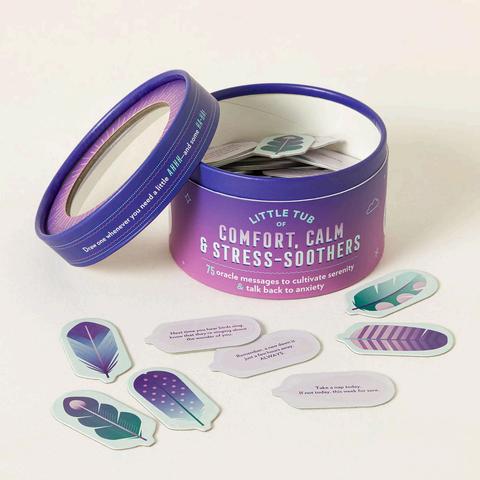
Filled with small, comforting notes that feel like a reassuring nudge from the universe, it offers kind reminders, grounding thoughts, and the occasional smile.

Sexless and low-desire relationships have become the bulk of my couples caseload. And in the vast majority of those cases, couples are not coming to me ready to leave. They are coming to try. They are kind to one another, committed, and stable. They describe warmth, mutual respect, a good friendship. But the eroticism that once felt effortless now feels distant, and neither of them quite understands why Esther Perel gave our field language for this paradox in Mating in Captivity (2006), articulating something that clinicians had been observing without quite naming: the very conditions that make love secure tend to suppress erotic vitality. Safety, predictability, and closeness are the foundations of attachment. But desire, Perel argues,
thrives on distance, mystery, and the presence of otherness When two people merge so fully that separateness disappears, there is no longer a gap for desire to cross
In my work, I have come to see the bridge between safety and eroticism as more than a psychological crossing. It is a sacred one. And recognizing that changes how we work.
Western culture has a long and complicated relationship with the body. Much of that complexity has been shaped by religious frameworks that positioned sexuality as something to be managed, contained, or transcended rather than honored The result, for many clients, is a felt sense that their erotic lives and their spiritual lives are
not just separate but somehow in opposition
The counseling field has largely responded to this by bracketing spirituality out of sex therapy work and bracketing sexuality out of spiritually oriented care. Both fields, in their wellintentioned attempts at professionalism, have inadvertently reinforced the split. Turner and Stayton (2021), writing in Sexual and Relationship Therapy, argue that mental health clinicians are frequently underprepared to work at the intersection of client sexuality and spiritual life, and that this gap represents a meaningful clinical vulnerability The research supports this concern. Vieten et al. (2013) found that clients who report a strong spiritual life and who feel their therapist can engage that dimension experience better therapeutic outcomes,
greater wellbeing, and a stronger therapeutic alliance When that dimension goes unaddressed in sex therapy specifically, the most meaningful layer of a client's erotic experience - the part connected to identity, transcendence, and relational depth - is effectively left outside the room.
A 2022 special issue of Sexual and Relationship Therapy noted that both sexuality and spirituality are now understood by researchers to be fundamental dimensions of the human experience, and that the clinical tendency to treat them as unrelated domains does a disservice to clients whose lives do not respect that divide. What gets lost in that gap is significant Because the most transformative erotic experiences people describe are not merely physical They are experiences of being fully seen, of surrendering selfprotection, of encountering another person as genuinely other and finding union there anyway. That is not just the language of desire. That is the language of something older, what mystics and poets have always called Love.
The Bridge: A Clinical Framework
I use the metaphor of a bridge to describe the movement from comfort into eroticism. The bridge is not a technique or a formula. It is a felt experience, and it looks different for every couple.
For some couples, the bridge is a long walk together before the children are awake. For others, it is dancing in the kitchen, or an inside joke that collapses the ordinary distance of a busy week, or an afternoon with no agenda. The bridge might be a game, a shared adventure, an afternoon of play. What these moments have in common is not their content but their function: they shift the relational field from the practical and familiar into
something more tender and sacred
Perel might frame this as the introduction of necessary distance and novelty. I would add something to that framing: the bridge is also an act of attention. To build a bridge toward your partner is to say, with intention, I bring myself fully to you not to lose myself there, but to find us both Not to the logistics of our shared life, not to my own unfinished interiority, but to you as a person who is genuinely other, genuinely surprising, genuinely worth crossing toward.
The bridge begins with differentiation Murray Bowen's concept of differentiation of self describes the capacity to remain a distinct person within the intimacy of a close relationship, to know who you are, what you feel, and what you value, without needing to merge with or distance from your partner to manage that. Perel gestures toward this when she argues that desire requires the other to remain genuinely other. But differentiation names the interior condition that makes that possible You cannot bring yourself fully to another if you have not first become someone to bring
This is the paradox I find myself returning to in my own work: communion requires differentiation, and differentiation, in turn, is often only learned through communion. Our most intimate relationships are the very crucible in which we become ourselves. They surface what is unresolved in us, press on what is defended, and invite us toward a wholeness we cannot reach alone The bridge, then, is not only a path toward the other It is also a path toward the self
The bridge moves through presence. The individual has to set aside the armor of daily life and arrive fully in their body
and in the relational moment Brown (2012) argues that without vulnerability, no form of intimacy is truly possible The person who cannot lay down their armor cannot cross the bridge. But laying down armor is precisely what spirituality asks of us. It is what any genuine encounter with the sacred requires.
The bridge deepens through surrender Not the surrender of self, differentiation has already taken care of that, but the surrender of outcome The willingness to arrive at another person without knowing what you will find there, without controlling what they will see in you. To bring yourself fully and release the need for it to go a certain way. This is the movement that underlies every meaningful intimate encounter: the capacity to relinquish the defended self in service of something larger than either person alone.
What waits on the other side, when the crossing is complete, is union. Not merger, in the problematic sense Perel cautions against, but the experience of genuine contact with an other. Ogden (2001) described the characteristics of spiritual sex as including oneness, transcendence, heightened presence, love, and what he called ecstasy. These are not experiences that happen to the body while the spirit waits elsewhere. They are integrative, whole-person events
The bridge, in other words, has always existed. Differentiation into presence, presence into surrender, surrender into union. This architecture is ancient.
When a couple tells me that desire has faded, I am no longer only thinking about their attachment patterns, their communication habits, or their functional understanding of arousal. I am also thinking about whether they have lost access to the sacred in their
relationship Whether the ordinary pressures of life have closed off the threshold that leads toward genuine encounter. Whether what they are grieving is not just physical intimacy but a particular quality of presence with one another that once felt transcendent.
But I am also thinking about differentiation Because in my experience, the erosion of desire is rarely only a relational problem It is often, at its root, a self problem Somewhere in the accommodation and adaptation that long-term relationships require, one or both people have quietly set themselves aside. They have become excellent partners and stopped being fully themselves.
That reframe, offered carefully, tends to land differently than clinical psychoeducation about the dual control model or the neuroscience of desire Not because it replaces those frameworks, but because it meets something the client already intuitively knows. Most people, if asked to describe a moment when they felt truly close to their partner, will not describe a sexually optimal experience. They will describe a moment of genuine presence, of being known, of something that felt larger than the two of them. They already understand, at some level, that intimacy is sacred ground. We are simply offering them language for what they have always sensed, and a path back to the self they need to bring to it
This also invites a different quality of curiosity about the bridge itself. What is the particular path that leads this couple toward transcendence? What are the rituals, however small, that shift their relational field from the mundane into the alive? Helping couples identify and protect those bridges is not just skills work It is, in a very real sense, helping them tend to what is holy in their relationship
There is also something important here about language When we expand our clinical vocabulary to include concepts like presence, threshold, surrender, and sacred encounter, we open a register that many clients find far more resonant than the clinical framing they expected to find in a therapist's office. Couples who feel self-conscious discussing desire often find it easier to speak about what makes them feel alive together, what rituals ground them in one another, what moments feel larger than their daily lives That is the same conversation, arrived at from a different door
This framework does not require the clinician to hold any particular spiritual worldview, and it does not impose one on clients. The language of the sacred, used carefully, belongs to no single tradition. It simply names what many people already sense but may never have had words for in a clinical space: that genuine erotic intimacy, at its best, feels like contact with something essentialsomething larger than pleasure, larger than the physical, larger than either person alone
Practically, this means asking different questions. Not only what gets in the way of desire, but what used to feel like a crossing toward each other. Not only what needs to be fixed, but what once felt alive and where it lives now. These questions invite couples to become cartographers of their own sacred ground, identifying the specific landscapes and rituals that open the threshold for them That map, once made, becomes something they can return to intentionally rather than waiting for desire to reappear on its own.
The intersection of sexuality and spirituality is not a niche clinical territory. It is, I would argue, the territory that sits at the very heart of
what draws people to couples work in the first place They are not only seeking better communication or a more satisfying sex life. They are seeking the experience of being truly known by another person and not destroyed by it. They are seeking union.
Perel argues that we cannot resolve the tension between security and desire; we can only learn to hold both I think she is right that the tension itself is generative But I would add that what allows a couple to keep returning to the crossing, to keep building the bridge even when it feels risky or unfamiliar, is a sense that what waits on the other side is worth it. That the erotic encounter is not just pleasurable but meaningful. Not just physical but whole. The spiritual framing, even when it is not made explicit, does something to restore that sense of value.
And here is what I have come to believe sits at the center of that value: communion. Not comfort, not compatibility, not even love in its quieter forms, but the full meeting of two people who have done the work of becoming themselves, who cross toward each other with intention, and who find on the other side something neither could have reached alone. That is what the bridge is for. That is what makes it sacred. Communion is not available to people who have abandoned themselves to the relationship It requires whole people Differentiated people People who can be known without disappearing
As clinicians, we are invited to hold that with our clients. Not by introducing spirituality as a topic, necessarily, or by imposing a framework they have not asked for. But by recognizing the full weight of what our couples are reaching toward when they do the courageous work of building the bridge again When we help a couple tend to that crossing, we are not only improving their
relationship We are helping them find their way back to something they always knew was there What a privilege it is, to be the person who helps them build a sacred bridge.
References
Bowen, M (1978) Family therapy in clinical practice. Jason Aronson. Brown, B. (2012). Daring greatly: How the courage to be vulnerable transforms the way we live, love, parent, and lead. Gotham Books.
Ogden, G. (2001). Spiritual dimensions of sexual health. SIECUS Report, 29(4), 22-26.
Perel, E. (2006). Mating in captivity:
Unlocking erotic intelligence
HarperCollins Turner, G W , & Stayton, W R (2021) Are sex therapy and God, strange bedfellows? Case studies illuminating the intersection of client sexuality with spirituality, religion, faith or belief practices. Sexual and Relationship Therapy.
https://doi.org/10.1080/14681994.2021.2 013533
Vieten, C., Scammell, S., Pilato, R., Ammondson, I., Pargament, K. I., & Lukoff, D. (2013). Spiritual and religious competencies for psychologists
Psychology of Religion and Spirituality, 5(3), 129–144
Written By: Arielle Hobbs, P LMHC, CST

Dr. Hobbs is a licensed therapist, clinical sexologist, and practice owner at Saint Augustine Counseling in St. Augustine, Florida. She specializes in relationships, sexuality, and personal growth Bringing a direct, candid style that clients describe as challenging, clarifying, and transformative Dr Hobbs draws on RLT, ACT, attachment theory, and inner child work to help adults reduce suffering, build real skills, and experience greater joy and self-acceptance. She is licensed in Florida and New Hampshire.

With the rising costs of insurances and what seems like a corporate takeover of the therapeutic space, I have noticed a sharp increase in what I’ll call collateral damage Collateral damage usually occurs as an unintentional consequence or side effect of a specific action or decision made by individuals or large corporations. Even more so now, money seems to be more of a driving force behind decisions that insurance companies are making clinical decisions for individuals who have their plans. With the advancement of technology, the Artificial Intelligence space particularly, companies use these advances to help justify restricting care. In doing so, they seem to miss the mark on weighing the human costs of those actions, and clients become the collateral damage
Over the last couple of years, I’ve met numerous individuals who forego entering the actual therapeutic space in favor of using Artificial Intelligence (AI) as a makeshift therapist or doctor Many of them tell me it’s too expensive to seek the care they need. This is one of the outcomes of them feeling the impact of the decisions of distant corporations. I have had several clients who stopped therapy because it was not affordable. They felt sad about having to end therapy, but the cost-benefit analysis did not allow room for them to continue, especially with the rising cost of living. They had to make an impossible choice: survive day-to-day to take care of their families or focus on their mental health No one should have to make that choice
As a clinician, one of the most difficult things to watch is clients who are
making meaningful progress having to discontinue therapy because they can no longer afford treatment It’s especially difficult watching clients who genuinely want to work, who are actively engaged in the therapeutic process, and who are starting to implement newly learned coping skills end psychotherapy. When clients make the difficult decision to stop going to therapy before they are ready, there is far reaching impact in all areas of their lives. It can interrupt momentum and progress, sometimes delay the healing process, and possibly reinforce a belief that support is out of reach for them when they need it the most.
Based on my current caseload, I also have some clients who cut down their sessions, not because they didn’t need them but rather because it’s too costly. They, too, become collateral damage.
These clients aren’t collateral damage due to lack of motivation to do the work or not wanting to heal; it’s due to circumstances entirely out of their control that force them to make decisions that interfere with their ability to access consistent care. They want to continue learning the tools needed to help them understand how to best manage their symptoms, but it costs too much.
As a temporary fix, they resort to using AI chatbots as well as formal therapy sessions to help them. From my experience with leveraging AI in therapy, I am okay with clients using it to help themselves between sessions. In fact, I advocate for its use as a resource when clients don’t have access to me. However, many still struggle, especially when there’s a two-week gap between
sessions, or when AI gives them conflicting information that triggers them
I have learned that clients are adapting because they have to, not necessarily because they want to. Many of them frequently share how disappointed and frustrated they are when they find it necessary to stop therapy or reduce sessions They talk about feeling like they have no control, which can sometimes cause them to regress Ultimately, these clients would rather have human interaction and a safe, clinical space where they can heal.
As clinicians, we should keep in mind that our clients are increasingly becoming collateral damage to these corporate entities I’m currently evaluating how to best meet their needs as they navigate this altered path on
their healing journey I’m still developing a plan for adapting my practice, but it’s clear we can’t ignore this shift. How are you planning to support and protect clients who choose to stay, but are forced to reduce sessions?
Written By: Paula Robinson, EdD, LMHC, LPC, NCC, CCMHC, B

Dr. Robinson is an Army veteran and trauma therapist licensed in Florida, Arizona, and Virginia. She specializes in trauma recovery using cognitive behavioral, dialectical behavior, and person-centered approaches. In addition to clinical work, she creates therapeutic journals and resources. She is active in the American Counseling Association, NBCC, FMHCA, and the American Association of Christian Counselors
Provided by Committee Chairs
Get Involved! View all of FMHCA’s Committees here.
The Registered Intern and Grad Student Committee remains committed to advocating for the interests, concerns, and professional development of graduate students and registered interns throughout Florida The committee continues to meet monthly, providing a forum for education, collaboration, resource sharing, and professional support as emerging counselors navigate their academic and licensure journeys.
Supporting Students and Registered Interns
Throughout the quarter, the committee focused on identifying ways to better support students and registered interns as they navigate practicum placements, internship experiences, supervision requirements, and the licensure process.
A recurring theme in committee discussions was the need for more accessible and centralized information regarding internship and practicum opportunities. Members highlighted challenges many students face when locating qualified placement sites, determining whether a site meets licensure requirements, and understanding available clinical settings
Additional discussions focused on increasing awareness of resources available through the Florida Board of Clinical Social Work, Marriage and Family Therapy, and Mental Health Counseling, as well as identifying strategies to better educate students about supervision, licensure requirements, and professional development opportunities.
The committee also explored ways to expand outreach efforts to graduate counseling programs by providing information about FMHCA resources, student engagement opportunities, and professional networking programs
Educational Presentation: Licensure, Supervision, and Professional Practice
The committee was honored to host Dr Aaron Norton, Chair of FMHCA's Government Relations Committee, for an informative presentation on licensure requirements, supervision regulations, and documentation expectations for registered interns in Florida
Drawing upon his extensive expertise in Florida mental health
counseling laws and regulations, Dr. Norton clarified the distinctions between graduate-level practicum and internship experiences and the post-master's Registered Mental Health Counselor Intern (RMHCI) requirements. He reviewed supervision expectations, hour requirements, documentation standards, and important regulatory updates impacting interns pursuing licensure.
Topics discussed included:
Florida's supervision and post-master's licensure requirements
Documentation and supervision log requirements
Current regulations regarding virtual supervision
Qualified supervisor requirements and verification procedures
Continuing education requirements for licensure
Strategies for locating qualified supervisors
Common application deficiencies and best practices for maintaining records throughout the licensure process
Dr Norton also provided guidance on navigating interactions with the licensing board and emphasized the importance of maintaining complete records of supervision, continuing education, applications, and correspondence throughout the licensure journey.
Committee members greatly benefited from the opportunity to receive practical guidance and clarification on frequently misunderstood aspects of the licensure process
The committee also welcomed Dr. Linton Hutchinson and Stacy Frost for a comprehensive presentation on preparation for the National Clinical Mental Health Counseling Examination (NCMHCE)
The presenters provided an overview of the current examination structure, content domains, scoring procedures, and test-taking strategies. Participants learned about the narrative-based format of the exam, common obstacles that contribute to unsuccessful outcomes, and practical approaches for managing time effectively during testing.
The presentation emphasized the importance of developing strong clinical reasoning skills and maintaining familiarity with
diagnostic criteria, treatment planning, counseling interventions, ethics, and professional practice standards
Attendees were also introduced to a variety of study resources, including podcasts, study groups, and exam preparation materials designed to support successful examination outcomes.
The session provided valuable insight for both graduate students preparing to enter the profession and registered interns working toward independent licensure
FMHCA Programs and Student Engagement
The committee received updates regarding several FMHCA initiatives designed to support emerging professionals, including the Mentor/Mentee Program and LMHC Prep and Connect Members discussed opportunities to increase awareness of these programs among graduate students and registered interns and explored ways to strengthen participation throughout the state
The committee also discussed future outreach efforts aimed at connecting directly with counseling programs to share information about FMHCA membership benefits, professional development opportunities, leadership involvement, mentorship programs, and available resources for students and interns
The Graduate Student and Registered Intern Committee appreciates the continued engagement of its members and guest presenters. We remain dedicated to supporting the next generation of mental health professionals and fostering
pathways for success from graduate education through licensure and professional practice
Chair: Joshualin “Jay” Dean, MS, LMHC, NCC
The Military Services Committee has continued to focus on professional development, collaboration, and resource sharing to support clinicians serving Veterans and Service Members
One of our recent activities included inviting representatives from the Tampa VA Whole Health Program to present to the committee and provide information about their services, resources, and holistic approach to Veteran care. This presentation offered members valuable insight into programs and supports available to the Veteran community.
In addition, I presented on Suicide Risk Evaluations, which generated meaningful discussion regarding best practices and considerations when working with Veterans and Service Members who may be at risk Committee members have also continued to actively share clinical resources, tools, and professional knowledge with one another, helping to strengthen our collective expertise.
As we move forward, our goal remains to cultivate a collaborative and engaging environment where committee members can network, learn from one another, and continue growing in their efforts to provide quality care to Veterans, Service Members, and their families We look forward to building on this momentum through ongoing education, connection, and professional development opportunities

Over the past year I am finding more men on my caseload coming in to work on Depression, Anger/Rage, and Anxiety Issues These issues became more pronounced in their lives and expressed through broken marriages, road rage, and daily somatic discomforts. It has been very enriching to find their willingness to discover what has been fueling their discomfort in life. In working with this population ranging from ages 24 to 70 and suggesting the issues date back to childhood experiences that were never discussed or disclosed to anyone initially I find resistance. The resistance comes from the male client believing they “dealt” with that and has moved on The fixer part of their brains wants to believe that to be true However, due to societal restraints on their manhood it has been found these untreated childhood root
causes feed into their negative beliefs about self and they have gone throughout their lives proving these negative beliefs to be true
I encouraged these men to give EMDR an opportunity to address old wounds. They walk away both surprised and relieved about their lives being lived more peacefully. The first round of EMDR is usually met with a lot of skepticism and push back, however, this therapist has learned to go with it, allow them to reject what feelings are coming up and not take any offense to their initial resistance I lean into it and say “doesn’t it look hokeyas hell” and they laugh and agree along with saying “I just don’t know how moving my eyes is going to help me”. I agree and say well, at least its harmless and if you just trust me to continue, I believe you will see
covert outcomes When I say covert, I explain that new thoughts and feelings begin to enter their psyche very quietly and the client doesn’t realize there has been a shift until they are confronted with something that usually triggers them only to find no reaction or feelings much to their surprise. They begin to feel differently about themselves as well.
I am delighted to have EMDR as one of my tools to help men and women in our world today They find safety and emotional support in working with a therapist trained in EMDR that truly does not judge or take their reactions personally The client’s growth and success are not only a contribution to their wellness but everyone’s wellness. The ripples go far and our work is relevant to their healing process. If you have not trained in EMDR I would highly
encourage it Not everyone is treatable with this tool, but it is a tool worth having in your therapeutic toolbox I started using EMDR over 20 years ago after the first workshop. I also studied Brainspotting and integrated that into EMDR. I admit I’m not certified in EMDR but after going to numerous workshops throughout the last 20+ years, I found using it and growing with this therapeutic tool to be priceless.
Written By: Denny Cecil-Van Den Heuvel, PhD, LMHC, LMFT
Dr. Denny earned her Ph.D. in Counselor Education with a minor in Psychology from North Carolina State University. She is licensed in Florida as a Mental Health Counselor and Marriage and Family Therapist and also holds licensure as a Licensed Clinical Mental Health Counselor in North Carolina. A past president of both the Mental Health Counseling Association of Palm Beach County and the Florida Mental Health Counselors Association, she also served 11 years on Florida's 491 Licensure Board After retiring from academia in 2019, where she directed South University's Clinical Mental Health Counseling program and helped achieve CACREP accreditation, she returned to private practice, specializing in trauma, anxiety, depression, and working with adolescents, couples, and families using EMDR and NARM



As a clinician, I have increasingly observed how online gameplay has become more than entertainment For many folx, especially those navigating identity development, it functions as a meaningful space for connection, exploration, and social support. Patients often speak about their in-game relationships and experiences with a level of authenticity that feels harder to access offline. This invites us to take seriously the role that virtual spaces play in shaping identity and belonging.
Massively multiplayer online games like Final Fantasy XIV: A Realm Reborn offer a particularly rich example. These environments are not just games, they are living social ecosystems. Players create avatars, join guilds or “Free Companies,” and engage in ongoing
collaboration Within these spaces, folx can experiment with aspects of identity, including gender expression, relational roles, and communication styles, often with more freedom than in their day-today lives
From a developmental perspective, this aligns closely with Erikson’s stage of identity versus role confusion (we all remember that in pop psychology 101, right?). Ideally, folx explore identity in environments that are safe, affirming, and responsive However, many people experience barriers to this process due to family expectations, cultural norms, or trauma Online environments can provide a secondary pathway for that exploration. Through an avatar, a person may try out different ways of being, not as a form of avoidance, but as a form of discovery.
These spaces also provide structured opportunities for connection In games like Final Fantasy XIV, players work together toward shared goals, whether completing dungeons, participating in raids, or simply socializing in virtual cities. These repeated interactions create familiarity, trust, and community. For LGBTQIA+ folx, these environments can feel especially affirming when they allow for chosen identity and pronoun use without immediate scrutiny. For neurodivergent players, the predictability of game mechanics and the option to engage at one’s own pace can make social interaction feel more accessible and less overwhelming.
At the same time, it is important to approach online gameplay with nuance. These spaces are not automatically safe. Just as in physical environments, there
can be harassment, exclusion, or identity-based harm The difference lies in how communities respond Games that foster inclusive cultures through moderation, community norms, and player accountability are more likely to support healthy engagement and meaningful connection. Clinically, this means expanding how we conceptualize a client’s social world. Rather than dismissing online interactions as less “real,” we can explore them as valid relational spaces.
Questions like,
·“Who are you in that world?”
“What feels easier to express there?”
can open pathways to understanding identity, attachment, and unmet needs. In many cases, the confidence and belonging experienced in-game can translate into greater self-acceptance outside of it. For many, stepping into a world like Final Fantasy XIV is not an escape from reality. It is a way of practicing how to live more fully within it.
Written By: Josh Littleton PhD

Dr. Littleton is a Licensed Mental Health Counselor and Clinical Sexologist with Excelsis Behavioral Health in Tampa, Florida. He specializes in relational therapy, LGBTQIA+ affirming care, sexual health, and attachment-based approaches for individuals and couples His work also extends to community initiatives that foster inclusive, connection-centered spaces through tabletop gaming and other third-space environments
An Evidence-Informed, ASAM-Aligned Framework

A counselor sits across from a client who is twenty-three days clean The client speaks fluently about what brought them to treatment, names the consequences of their use, can recite the recovery vocabulary they have absorbed since arrival, and remains, by every observable measure, disconnected from the material. The counselor has tried what the supervision literature suggests: motivational language, validation, gentle confrontation, values exploration, narrative reframing. The work continues to feel performed rather than processed. For an increasing number of Floridalicensed mental health counselors working in substance use, co-occurring, and trauma-focused settings, the answer has been to introduce a film. Cinema Therapy, when delivered as a structured clinical modality rather than as
recreational programming, can produce engagement, insight, and emotional movement that is harder to elicit through didactic or purely verbal interventions This article offers a framework for delivering Cinema Therapy as evidence-informed clinical practice, anchored in ASAM Criteria, integrated with five core evidence-based practices, structured around a traumainformed processing model, and built for documentation defensibility across levels of care.
Cinema Therapy is the intentional clinical use of film to facilitate emotional processing, narrative meaning-making, insight, readiness for change, and identity reconstruction (Sharp et al., 2002; Wedding & Niemiec, 2003; Hesley & Hesley, 2001). It is not a passive
viewing experience, not a recreational activity, and not a substitute for primary clinical modalities It is a structured intervention in which the counselor selects a film for therapeutic objectives, prepares the group through pre-viewing orientation, manages the viewing experience for safety and containment, and then guides a post-viewing processing session that is the actual therapeutic event.
The empirical literature in substance use disorder populations is still developing, but the available evidence is encouraging Patients participating in film-based interventions have reported improved emotional understanding, identification with recovery narratives, and increased hope (Correia & Barbosa, 2018). Mechanism research across broader clinical populations supports
film as an effective vehicle for projection, cognitive reframing, emotional activation, and behavioral modeling (Sharp et al., 2002; Niemiec, 2020; Niemiec & Wedding, 2014). A singlesubject interrupted time-series study by Powell and Newgent (2010) added incremental empirical credibility to the modality.
A consistent finding across the cinematherapy literature is that the postviewing discussion, not the viewing itself, is the active therapeutic ingredient (Marsick, 2010; Eğeci & Gençöz, 2017). This has practical implications. A session organized around the film rather than as a follow-up to it will under-deliver therapeutically, and may leave clients with emotional activation that has not been processed. The counselor's preparation time is not in the film selection alone. It is in the design of the processing arc that follows.
Six mechanisms account for most of the therapeutic effect of Cinema Therapy: narrative exposure, symbolic meaningmaking, projection, cognitive reframing, emotional activation, and behavioral modeling (Wedding & Niemiec, 2003; Niemiec, 2020) Each maps onto familiar clinical processes Narrative exposure allows clients to encounter difficult material at metaphoric distance, which lowers defensiveness and permits engagement that direct exposure could not produce (Sharp et al., 2002).
Symbolic meaning-making invites the client to recognize personal themes in the film’s structure: a relapse arc, a loss of identity, a fractured family, a recovery sequence. Projection allows the client to externalize internal material onto characters, then take it back changed.
Cognitive reframing draws on the same mechanisms as standard CBT (Beck, 2021), with the distinguishing feature
that the cognition is being modified through the client’s observation of a character rather than through direct didactic teaching. Emotional activation can be profound. Films designed for emotional resonance often produce stronger affect in early-recovery clients than direct conversation, which is both an opportunity and a clinical risk. The counselor’s role is to titrate. Behavioral modeling, the most under-recognized mechanism, allows the client to observe sequences of adaptive coping, communication, or value-driven action that the client may never have witnessed in their family of origin or social environment For clients whose templates for emotional regulation, conflict, and connection have been shaped primarily by use and by the people who used around them, a single well-chosen film can supply weeks of material to return to in individual sessions.
Metaphoric distance also shapes the multicultural and trauma posture of the work A character who carries the client’s story without being the client provides a container in which racial, cultural, religious, gender, and trauma material can be examined obliquely. For many clients, this obliqueness is the only access route available, at least until the working alliance and personal safety required for direct disclosure have been built.
Cinema Therapy fits naturally inside the ASAM Criteria (American Society of Addiction Medicine, 2023). It maps most strongly onto Dimension 3 (Emotional, Behavioral, and Cognitive Conditions), Dimension 4 (Readiness to Change), and Dimension 6 (Recovery Environment). Selected modules also address Dimension 1 (Acute Intoxication and Withdrawal) and Dimension 5 (Continued Use Potential), particularly
when films depict relapse arcs or postacute withdrawal experiences
For documentation, the dimensional alignment provides language.
Dimension 3 entries can capture observed affect, emotional regulation skill use, cognitive distortions identified, insight markers, and depressive or anxious presentations modulated through the work Dimension 4 entries can capture motivational language, ambivalence resolution, recognition of consequences, and stage-of-change indicators that emerge in the postviewing discussion. Dimension 6 entries can capture relational patterns recognized, family-of-origin dynamics processed, peer support utilization, and re-entry planning informed by the session.
This is not documentation flourish Payors, surveyors, and utilization-review staff are increasingly asking whether group time is therapeutic time. A Cinema Therapy session documented in ASAMdimensional language, tied to individual treatment plan goals, and reflecting clinical observation of the client’s process is defensible clinical time. A Cinema Therapy session documented as “client viewed and discussed film” is not. The clinical work is the same; the difference is whether the counselor has built the documentation infrastructure that translates the work into the language regulators and payors expect
Evidence-Based Practice Rotation
A defensible Cinema Therapy curriculum rotates across the major evidence-based practices rather than committing to one Five modalities anchor the work effectively: Cognitive Behavioral Therapy, Dialectical Behavior Therapy, Acceptance and Commitment Therapy, Motivational Interviewing, and Schema Therapy.
CBT (Beck, 2021) maps onto films where
a protagonist demonstrates rigid cognitive patterns and is required to revise them, or where the client can identify and challenge their own cognitive distortions through a character’s arc. DBT (Linehan, 2015) maps onto films featuring high-affect protagonists, interpersonal effectiveness challenges, distress tolerance arcs, and emotion regulation skill demonstrations. Each of the four DBT skill modules can be matched to film material that brings the skill into observable behavior.
ACT (Hayes et al., 2012) maps onto films in which a character moves from experiential avoidance toward valuesbased action, or in which the question of what one stands for in the face of pain is dramatized. The values-clarification work that ACT performs explicitly is often easier for clients to access through a character’s choices than through direct values cards.
Motivational Interviewing (Miller & Rollnick, 2023; Apodaca & Longabaugh, 2009) is particularly well suited to earlytreatment Cinema Therapy. The counselor uses the film as the external referent for change talk. The character’s ambivalence becomes the doorway to the client’s ambivalence, and the postviewing discussion can be organized around the four MI processes of engaging, focusing, evoking, and planning
Schema Therapy (Young et al., 2003; Arntz & Jacob, 2013) maps onto films that depict origin-of-self material, modes that clients can recognize in themselves, and corrective emotional experiences. Schema work is especially powerful in residential settings, where clients have the time and the milieu to process at depth. Each film in a developed curriculum is paired with one to two primary modalities, with skillbuilding questions designed to surface modality-specific content in the post-
viewing phase
For clients participating in 12-Step recovery, and for many who are not, the virtues that structure 12-Step practice provide a useful organizing frame Each film in a developed curriculum can be paired with a virtue: honesty, hope, courage, integrity, willingness, humility, discipline, service (Alcoholics Anonymous World Services, 2001). The virtue functions as the through-line that connects the film’s narrative arc to the client’s recovery work.
Research suggests that 12-Step engagement supports recovery primarily through social, cognitive, and affective mechanisms (Kelly, 2017), which makes virtue-based exploration appropriate even for clients who do not identify with the spiritual framing of the program. A client skeptical of higher-power language can still engage substantively with honesty as a character trait, courage as a behavioral pattern, or humility as a relational stance. The virtue work is, in effect, values work in a recovery-resonant vocabulary.
Virtue alignment is suggestive, not prescriptive. The counselor is free to select an alternate virtue when the client population or the day’s clinical material calls for it. The matrix provides a scaffold; clinical judgment populates it.
Hamilton (2024) describes a traumainformed processing model under the acronym MOVIE: Mindful observation, Open expression of emotional and psychological responses, Voice the personal symbolism, Identify new possibilities, and Engage with action steps The structure suits the postviewing phase of group work and provides the counselor with a sequence that prevents the discussion from
collapsing into entertainment review on one end or into emotional flooding on the other
A practical facilitator workflow follows eight steps. First, pre-screen clients for emotional readiness, including current acute symptomatology, recent trauma activation, and stability for the specific content of the film Second, introduce the film’s themes and the session’s therapeutic objectives, framing the work as clinical rather than recreational Third, assign viewing prompts, giving clients specific clinical questions to track during the film. Fourth, present the film, pausing only for significant therapeutic opportunities rather than for content commentary. Fifth, facilitate structured group processing using the MOVIE model or a comparable trauma-informed framework. Sixth, conduct skills review and individual reflection, anchoring the discussion in the EBP modalities the session is built around. Seventh, assign optional therapeutic homework, including journaling, behavioral experiments, or interpersonal practice Eighth, complete ASAM-aligned documentation that captures Dimensions 3, 4, and 6 observations alongside skill use and safety considerations.
The structure is unglamorous, and that is the point. Cinema Therapy is at its strongest when the counselor’s preparation is rigorous and the in-room presentation is clinical Clients can tell the difference between a counselor who pressed play on a Tuesday afternoon and a counselor who has built an intervention around the film. The former produces engagement. The latter produces clinical change.
Ethics and Trauma-Informed Practice
Cinema Therapy operates inside the ethics framework that governs all clinical work. Several considerations
deserve specific attention
Pre-screening for trauma history is essential. Films involving overdose, suicide, sexual assault, domestic violence, or graphic substance use can activate emotional and somatic memory (van der Kolk, 2014; Hamilton, 2024). A trauma-informed posture requires that the counselor pre-screen clients for any film carrying these themes, provide explicit content warnings, and prepare grounding interventions for use during and after the viewing if activation occurs.
Informed consent should be specific to the modality. A general consent for group therapy is not sufficient if the program description does not identify Cinema Therapy as a service modality and the client has not consented to the specific content involved
Multicultural humility matters in two directions. The counselor should be alert to films whose cultural framings, racial dynamics, gender portrayals, or religious assumptions may not land well with a given client population, and should be ready to surface and process the dissonance rather than minimize it The counselor should also be alert to the multicultural opportunity that film provides: characters whose backgrounds and experiences differ from the client’s can open conversations that direct disclosure would not.
A final consideration belongs on the institutional checklist before the first film is screened. The public performance of feature films in clinical settings requires public performance rights through a licensing vendor or a subscription library that includes those rights The clinician’s ethical responsibility is to confirm that institutional licensing is in place before delivering the modality. This step is easy to overlook and consequential to miss.
Cinema Therapy is not a workaround for clinical engagement difficulty It is a structured modality that, when delivered with the rigor any other evidence-informed intervention requires, can produce engagement, insight, and emotional movement across populations that have historically been hard to reach through verbal modalities alone For Florida mental health counselors working in substance use, cooccurring, trauma, and identity-focused treatment, the framework is accessible and the clinical return is significant.
The work is not in the film. The work is in the preparation, the post-viewing discussion, the EBP integration, the ASAM-aligned documentation, and the ethics infrastructure surrounding it Counselors who invest in those elements will find that Cinema Therapy joins the rotation of modalities they can deliver with confidence, defensibility, and clinical effect.
Alcoholics Anonymous World Services. (2001). Alcoholics Anonymous: The Big Book (4th ed.). Alcoholics Anonymous World Services. American Society of Addiction Medicine. (2023). The ASAM Criteria: Treatment Criteria for Addictive, Substance-Related, and Co-Occurring Conditions (4th ed., Vol. 1: Adults). Hazelden Publishing. Apodaca, T. R., & Longabaugh, R. (2009). Mechanisms of change in motivational interviewing: A review and preliminary evaluation of the evidence. Addiction, 104(5), 705–715. https://doi.org/10.1111/j.13600443.2009.02527.x
Arntz, A., & Jacob, G. (2013). Schema Therapy in Practice: An Introductory Guide to the Schema Mode Approach. Wiley-Blackwell.
Beck, J. S. (2021). Cognitive Behavior Therapy: Basics and Beyond (3rd ed.). Guilford Press.
Correia, A. F., & Barbosa, S. (2018). Cinema, aesthetics and narrative: Cinema as therapy in substance use disorders. The Arts in Psychotherapy, 60, 63–71.
https://doi.org/10.1016/j.aip.2018.07.001
Eğeci, İ. S., & Gençöz, F. (2017). Use of cinematherapy in dealing with relationship problems. The Arts in Psychotherapy, 53, 64–71.
https://doi.org/10.1016/j.aip.2017.01.001
Hamilton, J. (2024). Movies on the couch: The MOVIE model of film therapy. Counselling and Psychotherapy Research, 24(2), 385–389.
https://doi.org/10.1002/capr.12658
Hayes, S. C., Strosahl, K. D., & Wilson, K. G. (2012). Acceptance and Commitment Therapy: The Process and Practice of Mindful Change (2nd ed.). Guilford Press.
Hesley, J. W., & Hesley, J. G. (2001). Rent Two Films and Let’s Talk in the Morning: Using Popular Movies in Psychotherapy (2nd ed.). Wiley.
Kelly, J. F. (2017). Is Alcoholics Anonymous religious, spiritual, neither? Findings from 25 years of mechanisms of behavior change research. Addiction, 112(6), 929–936. https://doi.org/10.1111/add.13590
Linehan, M. M. (2015). DBT Skills Training Manual (2nd ed.). Guilford Press.
Marsick, E. (2010). Cinematherapy with preadolescents experiencing parental divorce: A collective case study. The Arts in Psychotherapy, 37(4), 311–318. https://doi.org/10.1016/j.aip.2010.05.006
Miller, W. R., & Rollnick, S. (2023). Motivational Interviewing: Helping People Change and Grow (4th ed.). Guilford Press.
Niemiec, R. M. (2020). Character strengths cinematherapy: Using movies to inspire change, meaning, and cinematic elevation. Journal of Clinical Psychology, 76(8), 1447–1462.
https://doi.org/10.1002/jclp.22997
Niemiec, R. M., & Wedding, D. (2014). Positive Psychology at the Movies: Using Films to Build Character Strengths and Well-Being (2nd ed.). Hogrefe Publishing.
Powell, M. L., & Newgent, R. A. (2010). Improving the empirical credibility of cinematherapy: A single-subject interrupted time-series design. Counseling Outcome Research and Evaluation, 1(2), 40–49. https://doi.org/10.1177/2150137810373920
Sharp, C., Smith, J. V., & Cole, A. (2002). Cinematherapy: Metaphorically promoting therapeutic change. Counselling Psychology Quarterly, 15(3), 269–276. https://doi.org/10.1080/09515070210140221
van der Kolk, B. A. (2014). The Body Keeps the Score: Brain, Mind, and Body in the Healing of Trauma. Viking. Wedding, D., & Niemiec, R. M. (2003). The clinical use of films in psychotherapy. Journal of Clinical Psychology, 59(2), 207–215. https://doi.org/10.1002/jclp.10142 Young, J. E., Klosko, J. S., & Weishaar, M. E. (2003). Schema Therapy: A Practitioner’s Guide. Guilford Press.
Written By: Carlos Escobar, LMHC

Carlos is a FL Licensed Mental Health Counselor and Certified Clinical Trauma Professional. He serves as Chief Clinical and Compliance Officer at a multi-site substance use disorder treatment organization in Florida, with clinical experience spanning Detox ASAM 3.7, Residential ASAM 3.5, PHP, IOP, and Outpatient levels of care. His clinical and scholarly interests include trauma-informed care, ASAM-aligned utilization review, and the integration of creative modalities such as Cinema Therapy into evidence-based substance use disorder treatment.

For years, I've sat across from individuals who looked like they had everything together These were successful professionals, devoted parents, supportive partners, reliable friends, community volunteers, and often the people everyone else depended on. They rarely missed appointments. They showed up to work. They met deadlines. They cared for everyone around them. And yet, many of them were quietly drowning
They often seem both shocked and relieved when I can easily see past these carefully constructed, picture-perfect versions of themselves. They joke that I must be psychic. If I'm being honest, it was never a superhuman ability. The perceived clairvoyance comes from lived experience because I've stared down some version of the same person when I
As a mental health counselor, I've come to believe that one of the most misunderstood populations in our field is the "high-functioning" or "highachieving" client. Because they continue to perform, produce, and provide, their distress often goes unnoticed, not only by others but sometimes even by themselves.
Our culture celebrates resilience, productivity, and self-sacrifice. People are praised for doing it all. Yet in my clinical work, I repeatedly see the hidden costs of carrying that expectation.
Many high-functioning clients struggle to identify their own needs because they have spent years prioritizing everyone else's They become experts at pushing through exhaustion, minimizing their stress, and convincing themselves that
what they're experiencing isn't "bad enough" to warrant support
They tell themselves things like:
"Other people have it worse. "
"I should be grateful."
"I can handle it."
"I just need to get through this week "
Then one week becomes one month. One month becomes one year.
Eventually, the symptoms start showing up somewhere: anxiety, irritability, chronic overwhelm, emotional numbness, sleep difficulties, health concerns, relationship strain, loss of joy, and a persistent feeling that life is being survived rather than lived.
One of the most important lessons I've learned, both personally and professionally, is that functioning is not
the same thing as thriving
Success and struggle are not mutually exclusive.
Clients can be grateful and exhausted They can love their families deeply and still long for space for themselves. They can be both extraordinarily capable and incomprehensibly overwhelmed at the same time
As clinicians, I believe we need to be careful not to mistake competence for wellness. The clients who appear to be doing the best on the surface are often carrying burdens that remain invisible until we create enough safety for them to speak honestly.
When I speak with clients about burnout, I often return to three ideas.
First, self-care is not selfish. We have all heard the airplane oxygen mask analogy, but many high performers continue to treat their own needs as optional The reality is that sustainable caregiving requires sustainable self-care
Second, imperfect action is often better than perfect intentions Many highachieving clients become trapped by perfectionism, waiting for the perfect time, perfect plan, or perfect circumstances before making changes. Progress usually begins with small, imperfect steps
Third, connection matters. We heal in relationships. Isolation tends to amplify shame, stress, and self-doubt. When clients discover they are not alone in their struggles, something powerful happens: they stop seeing themselves as the problem.
The clients I work with do not need to become less ambitious, less caring, or less capable. Most simply need permission to extend the same compassion to themselves that they readily offer everyone else.
Perhaps that is the message I most hope high-functioning clients hear: You do not have to earn rest.
You do not have to wait until you ' re falling apart to ask for help
And you do not have to carry everything alone.
Sometimes the strongest thing a person can say out loud is, "I'm struggling " When they do, they often discover th are not alone.
Written By: Amanda Neill, LMHC, CST, PMH-C

Amanda is a Licensed Mental Health Counselor, Certified Sex Therapist, and founder of Ohana Wellness Collective in Lake Mary, Florida. She specializes in perinatal and reproductive mental health, relationship and intimacy concerns, burnout, anxiety, and women ' s wellness Amanda is currently pursuing her PhD in Clinical Sexology and is passionate about helping high-achieving individuals create lives that are both meaningful and sustainable.

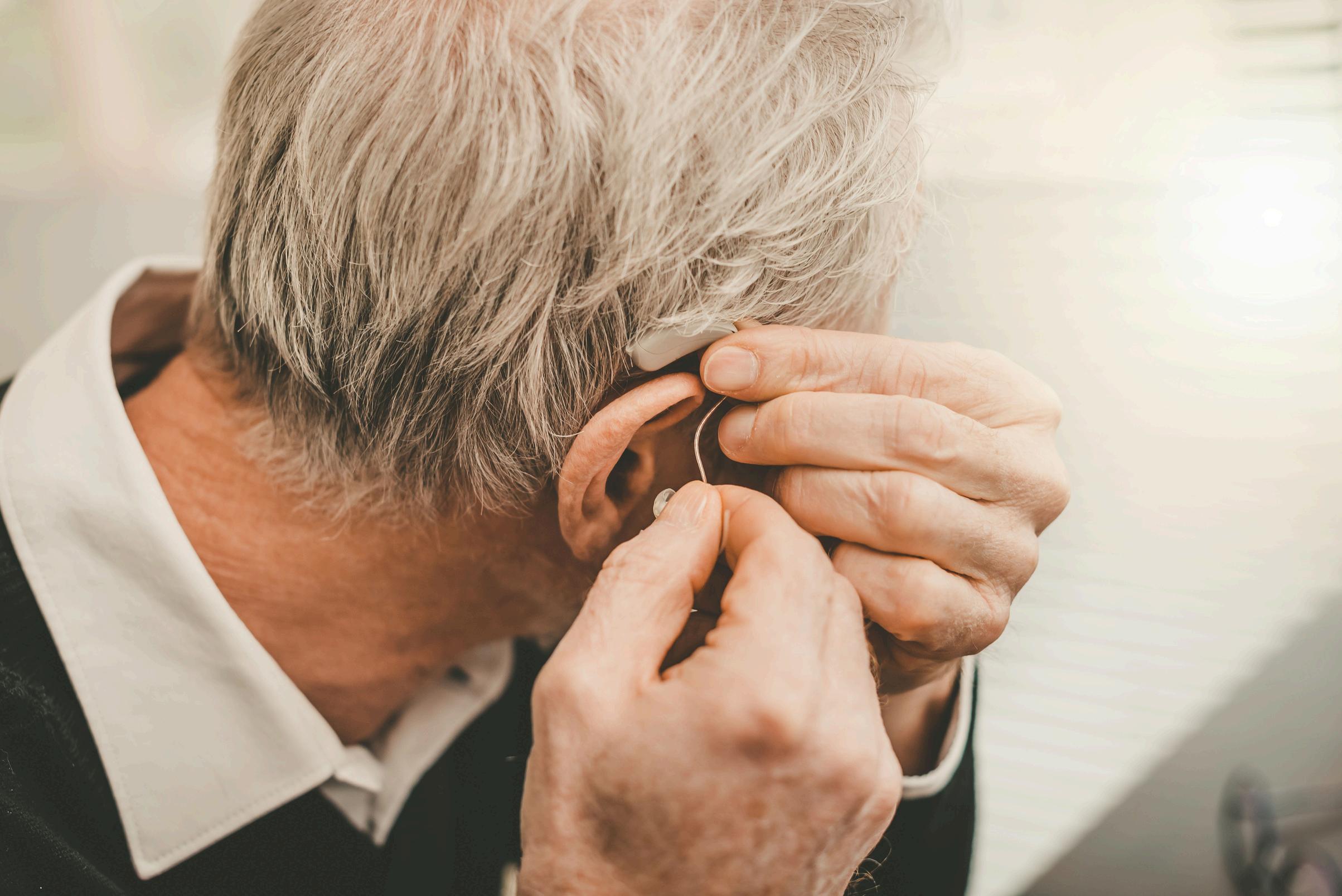
Hearing loss is often viewed primarily as a medical concern, with intervention efforts focused on hearing aids, cochlear implants, and other forms of assistive technology While these interventions can improve access to sound, they do not fully address the social, emotional, and psychological consequences associated with hearing loss. Research consistently links hearing loss with increased loneliness, social isolation, depression, anxiety, and reduced quality of life, highlighting the need for greater attention from mental health professionals.
Although hearing loss is commonly associated with older adulthood, it affects individuals across the lifespan. In Florida, approximately 1.8% of adults ages 18 to 64 report hearing difficulty, with prevalence increasing substantially
among older adults(Conduent Health Communities Institute, 2026; Florida Department of Health, 2026) Hearing loss may result from age-related changes, military service, occupational or recreational noise exposure, illness, injury, or other medical conditions. Consequently, counselors may encounter clients who develop hearing loss during active periods of family life, community involvement, and career development.
The experience of late-onset hearing loss differs significantly from that of individuals who are born Deaf or raised within Deaf culture Adults who lose hearing later in life often face the challenge of adapting to changes in communication, relationships, and daily functioning after years or decades of relying on hearing as their primary
means of interacting with the world Many describe feeling disconnected from activities and relationships that once felt effortless, while simultaneously struggling to determine how hearing loss fits into their evolving sense of self
For counselors, these experiences can be surprisingly easy to overlook. Clients rarely walk into therapy saying, “My hearing loss is affecting my mental health.” Instead, they may present with loneliness, depression, relationship conflict, social withdrawal, or difficulty adjusting to changes in their lives When hearing loss goes unrecognized, counselors may miss an important piece of the client's story. By looking beyond hearing aids and communication devices, counselors can better understand how hearing loss shapes relationships, participation, and overall
Psychosocial Consequences of LateOnset Hearing Loss
Social Isolation and Loneliness
For many adults, the most significant consequences of hearing loss are not audiological but relational.
Communication serves as the foundation of social connection, and when communication becomes difficult, relationships often change.
Consider a family holiday gathering. Multiple conversations occur simultaneously while background noise competes with speech. By the time a hard-of-hearing individual identifies who is speaking, processes what was said, and formulates a response, the conversation may have already moved on. After repeatedly asking others to repeat themselves or pretending to understand comments they did not fully hear, many individuals gradually disengage from the interaction altogether
These experiences extend far beyond occasional misunderstandings. Communication barriers may emerge at family dinners, community events, volunteer activities, social gatherings, and other settings where relationships are developed and maintained. Over time, repeated difficulties can create a profound sense of isolation Research consistently demonstrates a relationship between hearing loss, loneliness, and reduced social participation, with individuals reporting fewer meaningful social interactions and greater feelings of disconnection than their hearing peers(Pryce et al., 2023).
Importantly, social withdrawal is not necessarily driven by a lack of desire for connection Rather, it often represents an understandable response to repeated experiences of frustration, embarrassment, exhaustion, and
exclusion Many hard-of-hearing adults continue to value relationships deeply while finding participation increasingly difficult.
The emotional consequences of hearing loss frequently extend beyond communication difficulties. As participation in relationships, community life, and valued activities becomes more challenging, individuals may experience increasing psychological distress.
For example, a client who once looked forward to weekly dinners with friends may begin declining invitations because restaurants and group conversations require so much concentration that the experience becomes more exhausting than enjoyable. Another may stop participating in community groups, volunteer organizations, or social events because the effort required to follow conversations outweighs the benefits they once received from attending. When these experiences occur repeatedly, they can affect mood, selfconfidence, and overall quality of life Research has linked hearing loss to increased rates of depression, anxiety, psychological distress, and reduced wellbeing.(Choi et al., 2024) Individuals may grieve the loss of effortless communication, worry about future communication challenges, or experience frustration as everyday interactions become increasingly difficult.
Because hearing loss is often invisible, these struggles may go unrecognized by others. Communication difficulties may be mistaken for inattentiveness, disinterest, personality changes, or cognitive decline. Such misunderstandings can contribute to feelings of shame, self-consciousness, and alienation, further reinforcing
withdrawal from social participation (Pryce et al , 2023)
Most hearing individuals rarely think about the act of listening For many hard-of-hearing adults, however, listening becomes an active cognitive task requiring continuous effort.
Rather than simply hearing a conversation, an individual with hearing loss may spend substantial mental energy filling in missed words, interpreting facial expressions, monitoring contextual cues, and predicting what others are likely to say In environments with background noise or multiple speakers, this effort increases considerably. What appears effortless to others may require constant concentration(Holman et al., 2021).
Research describes this phenomenon as listening-related fatigue and links it to reduced well-being, lower quality of life, and decreased social participation (Holman et al , 2021; Hunter & Vitevitch, 2025) By the end of a workday, family gathering, or community event, individuals may feel mentally depleted from the effort required simply to keep up with conversations.
From a counseling perspective, listening fatigue can easily be misunderstood. A client who avoids social situations may be viewed as socially anxious A client who appears distracted may be struggling to process spoken information A client who withdraws from activities may be perceived as disinterested when, in reality, they are attempting to manage the cognitive burden associated with communication. Recognizing the role of listening fatigue can lead to more accurate case conceptualization and treatment planning.
Hearing Aids and the Limits of Amplification
Because hearing aids are often presented as the primary intervention for hearing loss, many individuals expect them to restore hearing to normal. While hearing aids can significantly improve access to sound, they do not eliminate the challenges associated with hearing loss. Hearing aids amplify sound, but they cannot fully restore normal auditory processing Background noise, competing conversations, poor room acoustics, and complex listening environments may continue to create communication difficulties even when amplification is functioning appropriately(Zhang et al., 2024). As a result, many individuals discover that hearing aids improve hearing without eliminating the effort required to listen.
Some hard-of-hearing adults report disappointment when hearing aids fail to resolve all communication challenges Family members and friends may also assume that hearing aids have "fixed" the problem, leading to unrealistic expectations regarding communication. In reality, many hearing aid users continue to expend substantial cognitive effort to participate in conversations, particularly in noisy environments and group settings.
Consequently, listening-related fatigue often persists despite appropriate audiological treatment Hearing aids may improve access to sound, but they do not eliminate the relational, psychological, and cognitive challenges associated with hearing loss. Understanding this distinction is essential for counselors working with hard-of-hearing clients, as many of the difficulties clients experience extend beyond what amplification alone can address.
Identity, Relationships, and Social Connection
For many adults, hearing loss is more
than a change in sensory functioning It is a life transition that can alter how individuals participate in relationships, engage in meaningful activities, and understand themselves within the world around them(Bleckly et al., 2024).
Unlike individuals who are born Deaf or raised within Deaf culture, adults who develop hearing loss later in life often experience the gradual loss of communication abilities they once took for granted Activities that were once routine may require additional effort, planning, or accommodation. Conversations become more difficult to follow, social situations become more exhausting, and participation in previously enjoyable activities may begin to decline.
The emotional response to these changes often resembles grief Individuals may grieve the loss of effortless communication, spontaneity in social situations, confidence in unfamiliar environments, or participation in activities that once provided meaning and connection(Bleckly et al., 2024). Some experience frustration and anger, while others report sadness, embarrassment, or uncertainty about the future.
As hearing loss becomes more apparent in daily life, many adults begin reevaluating how they see themselves and where they belong. A person who has never viewed themselves as disabled may suddenly find themselves relying on assistive technology, requesting accommodations, or advocating for communication access. Others may struggle with decisions about disclosure or worry about how hearing loss affects the way they are perceived by family members, friends, and colleagues. Many adults spend years attempting to conceal hearing loss by pretending to understand conversations, laughing at
jokes they did not fully hear, or avoiding disclosure altogether While these strategies may temporarily reduce embarrassment, they often increase stress and reinforce feelings of isolation. Over time, many individuals must navigate questions of acceptance, selfadvocacy, and changing communication needs as they develop a new understanding of themselves and their place within the hearing and disability communities.
Because communication serves as the foundation of most relationships, hearing loss rarely affects only the individual experiencing it. Family members, friends, romantic partners, and community members are often drawn into the adjustment process as well
Some people respond by adapting their communication styles. They reduce background noise, face the individual when speaking, repeat information when needed, or utilize alternative communication strategies. These efforts can promote inclusion, strengthen relationships, and reduce the burden associated with communication(Pryce et al , 2023)
Others may struggle to adapt or underestimate the impact of hearing loss altogether. Requests for repetition may be viewed as inconvenient. Communication difficulties may be interpreted as inattention rather than reduced auditory access. Over time, the hard-of-hearing individual may find themselves repeatedly advocating for accommodations while managing feelings of frustration, rejection, or invisibility
These dynamics can gradually reshape relationships(Loh et al., 2025). Family members may misinterpret withdrawal from gatherings as disinterest rather
than communication fatigue Friends may assume that declining invitations reflects a lack of interest in the relationship. Romantic partners may become frustrated by repeated communication breakdowns, particularly in public settings or group conversations.
Friendships may be especially vulnerable because they depend largely upon voluntary participation Individuals who struggle to follow conversations in restaurants, community events, or group settings may gradually reduce participation. Unfortunately, friends do not always recognize the role hearing loss plays in this withdrawal. When communication barriers are met with impatience, dismissal, or misunderstanding, relationships may weaken despite a continued desire for connection.
Importantly, many of the challenges associated with hearing loss emerge not only from reduced auditory access but also from the responses of the surrounding social system. Communication is inherently relational. Consequently, the psychological impact of hearing loss is often shaped by whether family members, friends, and other important individuals respond with understanding, accommodation, and support.
For many adults, the most painful aspect of hearing loss is not the inability to hear a particular word or conversation. It is the gradual sense of being left out of interactions, relationships, and communities that once provided connection and belonging.
Counseling Considerations and Clinical Applications
Late-onset hearing loss presents counselors with a unique clinical challenge because hearing loss is rarely the presenting concern. Clients are more
likely to seek counseling for depression, anxiety, relationship difficulties, loneliness, grief, or life transitions than for hearing loss itself(Sand et al., 2025). As a result, the role hearing loss plays in a client's emotional well-being may go unrecognized.
Counselors should remain attentive to signs that communication barriers and listening fatigue may be contributing to a client's distress Clients may report withdrawing from social activities, feeling exhausted after conversations, avoiding previously meaningful activities, or experiencing increasing frustration within relationships. In some cases, hearing loss may also influence the counseling process itself. A client who appears distracted may be struggling to understand portions of the conversation, while a client who participates minimally in group counseling may be experiencing communication barriers rather than a lack of engagement
When hearing loss is identified as a contributing factor, counselors should explore its broader impact on the client's daily life(Sand et al., 2025). Areas for assessment may include communication challenges, relationship functioning, social participation, emotional wellbeing, identity development, and access to support. Understanding how hearing loss affects these domains allows counselors to develop more accurate case conceptualizations and treatment plans
Accessibility is also a clinical issue. Clients who expend significant effort simply trying to understand what is being said have fewer cognitive and emotional resources available for therapeutic work. Simple modifications such as reducing background noise, ensuring adequate lighting, facing clients while speaking, and utilizing
captioning or other accommodations when appropriate can significantly improve participation in treatment
Counselors can also play an important role in supporting adjustment to hearing loss. Treatment may involve processing grief related to changing communication abilities, addressing experiences of stigma or exclusion, developing selfadvocacy skills, and identifying meaningful ways to remain connected to valued relationships and activities For many clients, successful adjustment is not defined by the absence of hearing loss-related challenges but by the ability to continue participating in a meaningful and connected life despite those challenges.
Because hearing loss affects communication, counselors should also consider the broader social systems in which clients live Family members, friends, and romantic partners may not fully understand the cognitive effort required to participate in conversations or the emotional impact of repeated communication barriers.
Psychoeducation can help increase empathy, improve communication patterns, and reduce misunderstandings that contribute to relational distress.
As hearing loss becomes increasingly common across the lifespan, counselors will encounter hard-of-hearing clients in virtually every practice setting. Developing competence in working with this population requires looking beyond hearing status alone and recognizing the relational, emotional, and identityrelated consequences of hearing loss. By doing so, counselors can create therapeutic environments that promote accessibility, connection, and meaningful participation in everyday life
More Than an Audiogram Hearing loss is often understood through
audiograms, hearing aids, and other measures of auditory functioning Yet the human experience of hearing loss extends far beyond what can be measured in a sound booth. Late-onset hearing loss can influence relationships, social participation, identity, and emotional well-being in ways that hearing aids alone cannot fully address.
While hearing aids and other technologies can improve access to sound, they do not eliminate listening fatigue, communication barriers, or the challenges associated with maintaining connection and belonging. As a result, many hard-of-hearing adults continue to navigate loneliness, grief, relationship difficulties, and significant life adjustments long after receiving audiological treatment.
By recognizing hearing loss as both a communication issue and a psychosocial experience, counselors can develop more effective case conceptualizations, strengthen the therapeutic alliance, and better support clients as they adapt to changing circumstances Ultimately, helping hard-of-hearing adults thrive
requires looking beyond hearing aids and understanding the human experience that exists beyond the audiogram.
Bleckly, F., Matthews, N., & Lo, C. Y. (2024). Identity change of late-deafened adults after receiving cochlear implants. Disability and Rehabilitation: Assistive Technology, 19(4), 1463–1472.
https://doi.org/10.1080/17483107.2023.2198565
Choi, Y., Junyong, G., & Chung, J. W. (2024). Association Between Hearing Level and Mental Health and Quality of Live in Adults Aged >40 Years. Journal of Audiology & Otology, 1(28), 5258. www.ejao.org53
Conduent Health Communities Institute. (2026, April 28). All4HealthFL-Persons with a Hearing Difficulty. Community Dashboard.
Florida Department of Health. (2026). Population with Hearing Difficulty (Aged 18-64 Years).
FLHealthCHARTS.Gov.
Holman, J. A., Hornsby, B. W. Y., Bess, F. H., & Naylor, G. (2021). Can listening-related fatigue influence wellbeing? Examining associations between hearing loss, fatigue, activity levels and well-being. International Journal of Audiology, 60(S2), 47–59.
https://doi.org/10.1080/14992027.2020.1853261
Hunter, C. R., & Vitevitch, M. S. (2025). Network Analysis of the Vanderbilt Fatigue Scale for Adults. Ear & Hearing, 47(3), 726–736.
https://doi.org/10.1097/aud.0000000000001768 Loh, D. S., Packer, R. L., & Scarinci, N. A. (2025). Navigating childhood hearing loss: the experiences of parents, grandparents and siblings. Disability and Rehabilitation, 47(11), 2846–2857.
https://doi.org/10.1080/09638288.2024.2403723
Pryce, H., Smith, S. K., Burns-O’Connell, G., Shaw, R.,
Hussain, S., Banks, J., Hall, A., Knibb, R., Greenwood, R., & Straus, J. (2023). Protocol for a qualitative study exploring the lived experience of hearing loss and patient reported experience in the UK: The HeLP study. BMJ Open, 13(6). https://doi.org/10.1136/bmjopen2022-069363 Sand, P., Blomqvist, M., & Kinberg, E. (2025). Building the therapeutic alliance within a psychiatric outpatient unit for deaf and hard-of-hearing patients: patient and professional perspectives. Nordic Psychology.
https://doi.org/10.1080/19012276.2025.2591054 Zhang, L., Yu, J., Zhang, H., & Chen, S. (2024). Association between the hearing aid and mental health outcomes in people with hearing impairment: A case-control study among 28 European countries. Journal of Affective Disorders, 361, 536–545. https://doi.org/10.1016/j.jad.2024.06.085
Written By: Kristin M. Murray, Registered Mental Health Couns Intern, Registered Marriage and Family Therapist Intern
Kristin works with The Next Step Counseling in Central Florida. Her clinical interests include chronic pain and illness, couples counseling, neurodivergent adults, and accessibility in mental health services

As a late hard-of-hearing counselor and ASL learner, she is particularly interested in improving mental health care for Deaf and hard-of-hearing individuals.