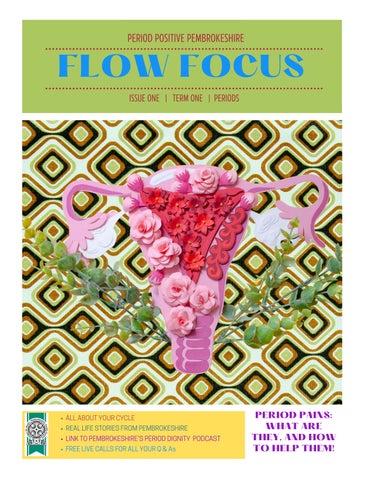
Periods are such an important topic to talk about.
Over the years, the way we discuss menstruation has transformed no longer confined to whispers, but instead empowering people to make informed choices about their wellbeing. The time has come to break down the taboos around periods and ensure everyone has access to information that helps them understand their bodies with confidence and ease
This newspaper, Flow Focus, is created by Libby Cup and commissioned by Pembrokeshire County Council for the residents of Pembrokeshire. It’s funded by the Period Dignity Grant, a national initiative in Wales designed to tackle period poverty and provide free menstrual products to those who need them The grant also supports education, helping to raise awareness and promote menstrual health across schools and communities.
In this first issue of Flow Focus, we’re diving into the basics of periods what’s happening in the body, how the cycle works, what to expect, and answers to common questions. By sharing straightforward, science-based information, we hope to provide you with the knowledge to better understand and embrace the natural rhythms of the menstrual cycle
By working together, we can ensure period dignity for everyone
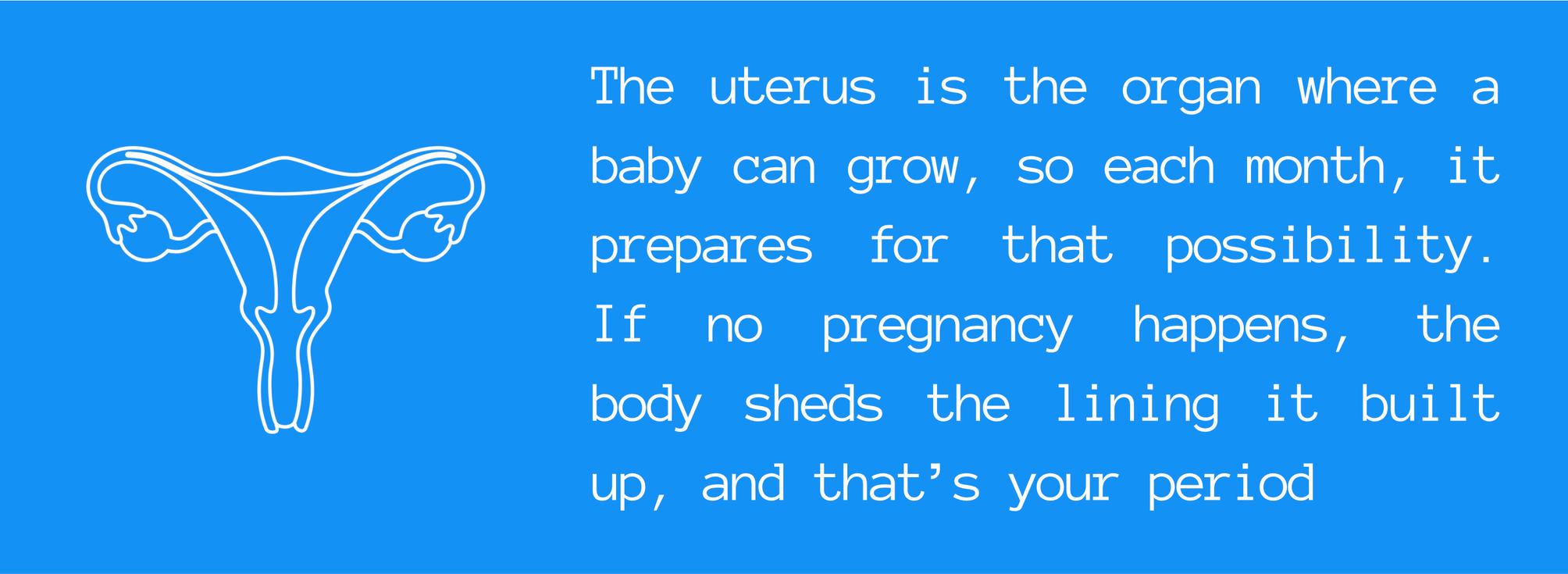
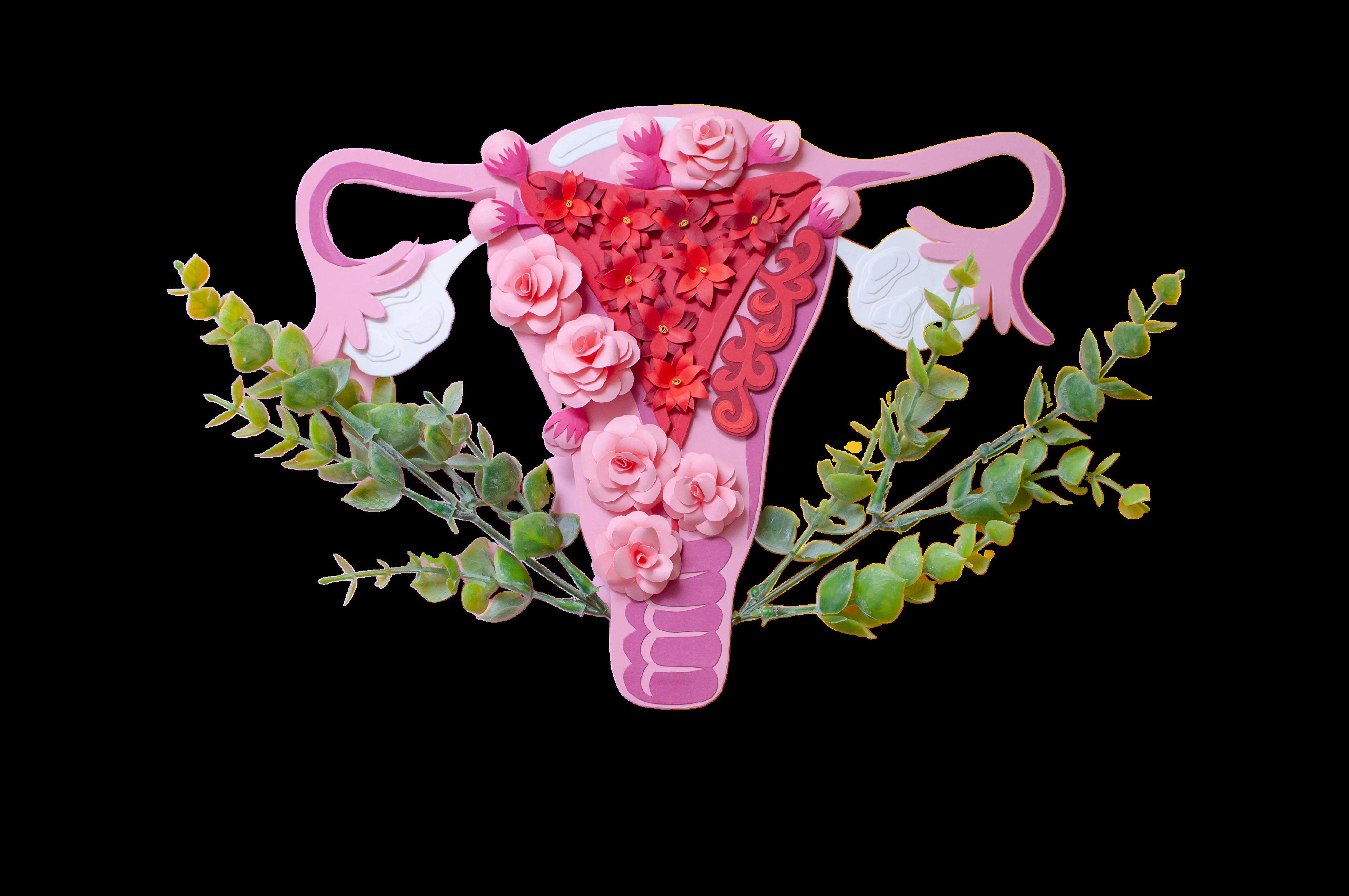
A period, also known as menstruation, is the body’s natural way of shedding the lining of the uterus when pregnancy doesn’t occur This process is completely normal and is a sign that your body is functioning as it should
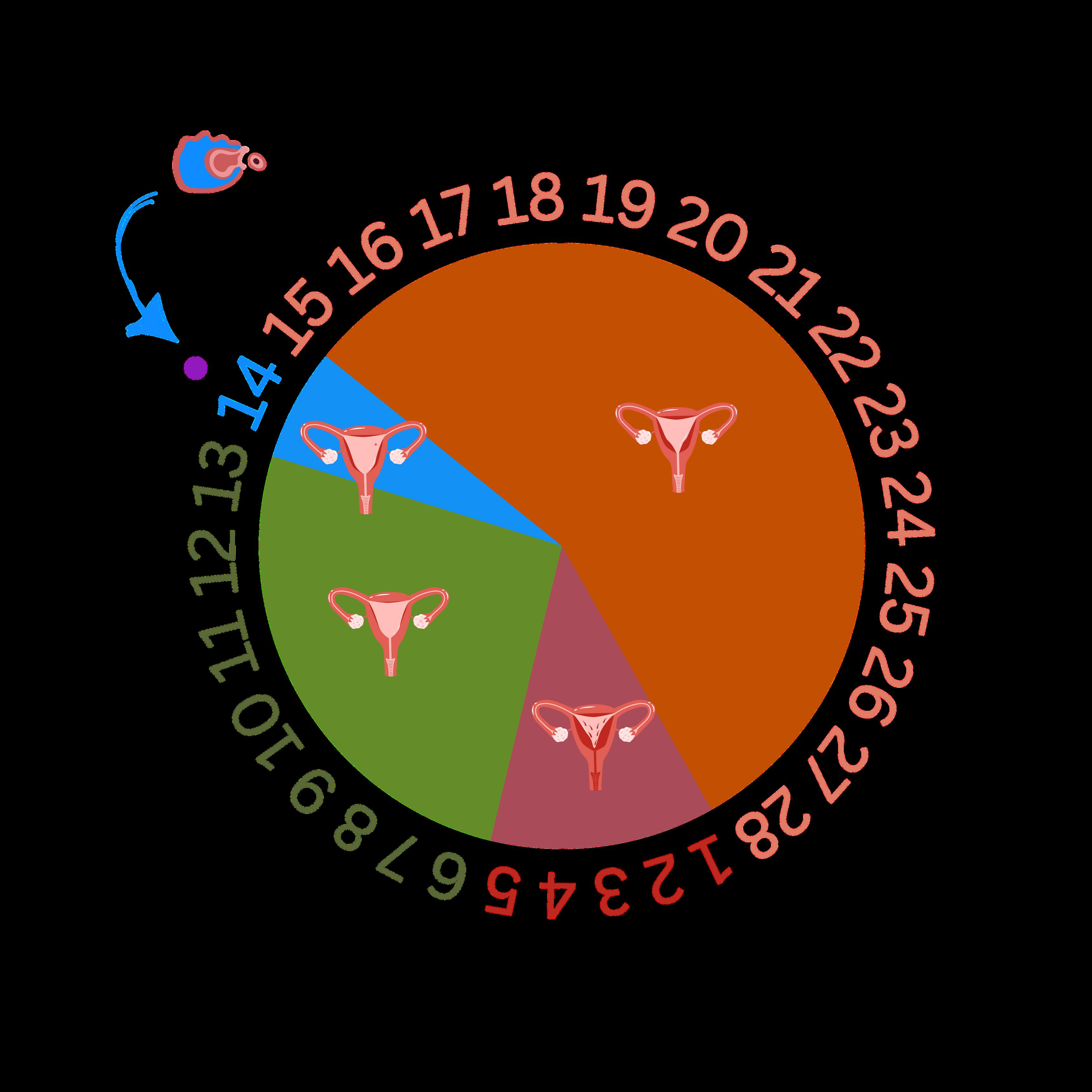
The menstrual cycle is a monthly process that usually lasts around 28 days, but it can vary from person to person. Each month, the body prepares for a possible pregnancy by building up a nutrient-rich lining in the uterus If pregnancy doesn’t happen, that lining is shed, resulting in a period
The menstrual cycle is nature’s way of preparing the body for a potential pregnancy It’s an important part of reproductive health, and understanding it can help everyone know more about their bodies
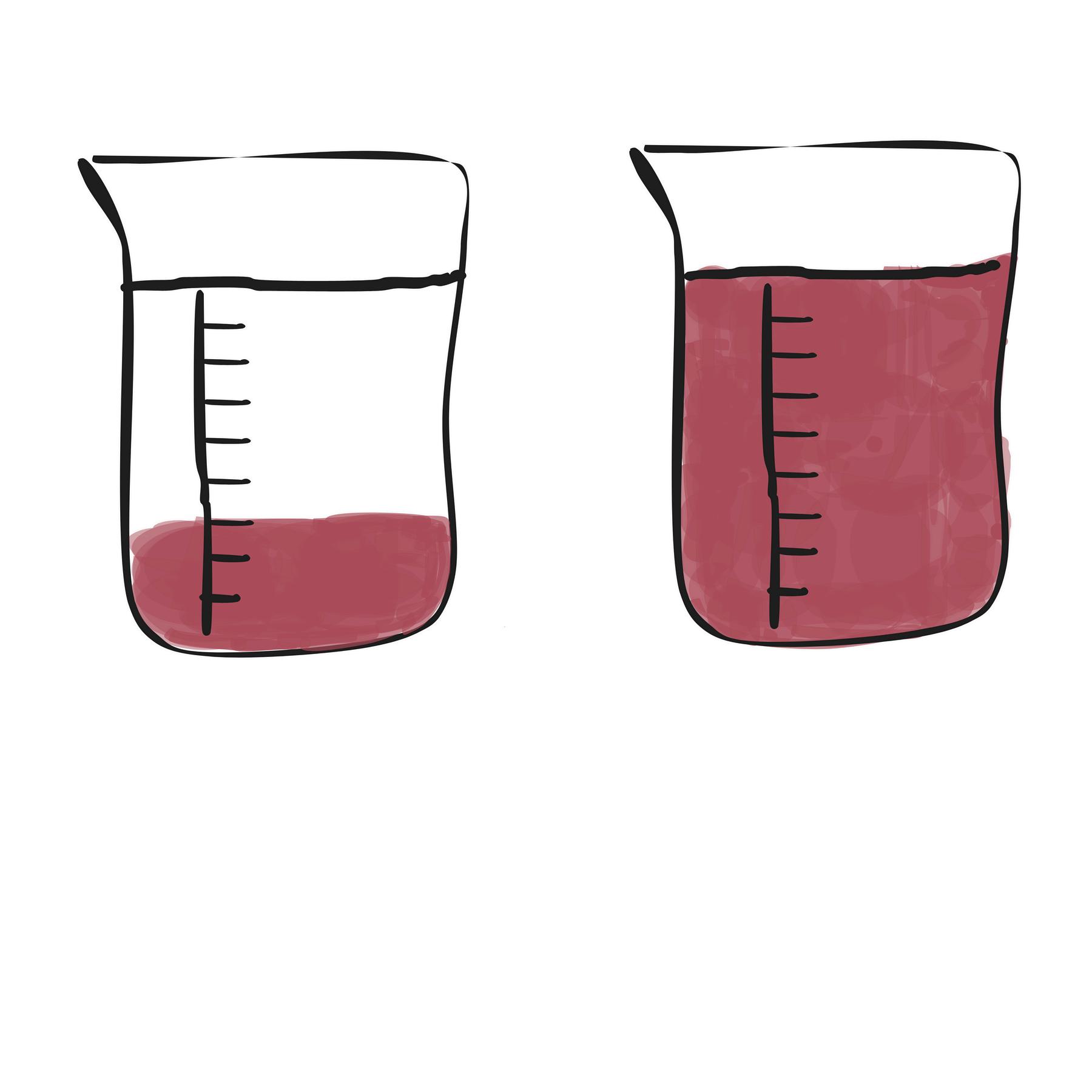
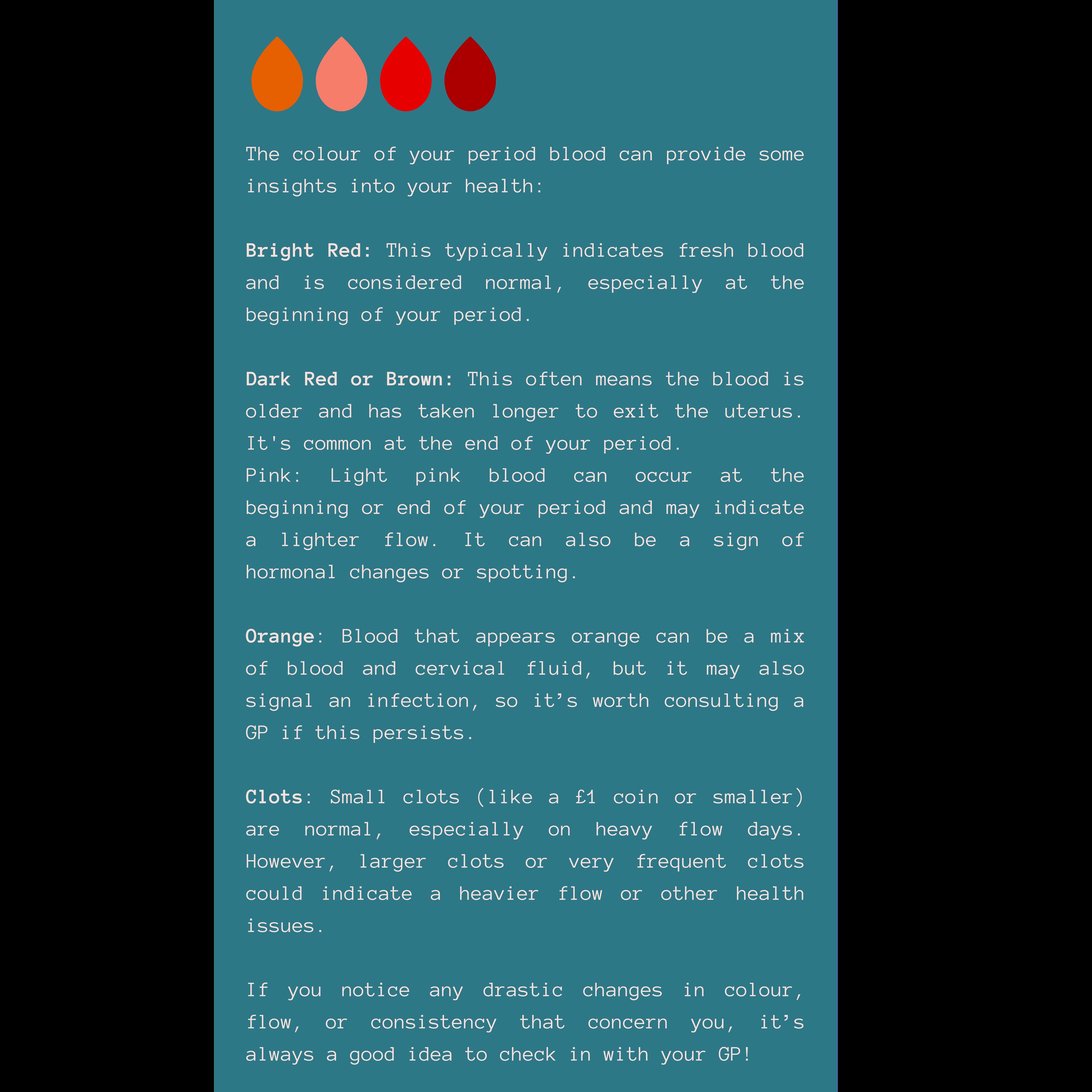
Common Physical and Emotional Signs: Talk about signs like cramps, lower back pain, tender breasts, headaches, and bloating Emotional signs might include mood swings, irritability, or feeling low-energy
Variety in Symptoms: Emphasize that everyone’s experience is different some might have strong symptoms, while others feel very little It’s normal for symptoms to change over time or from month to month
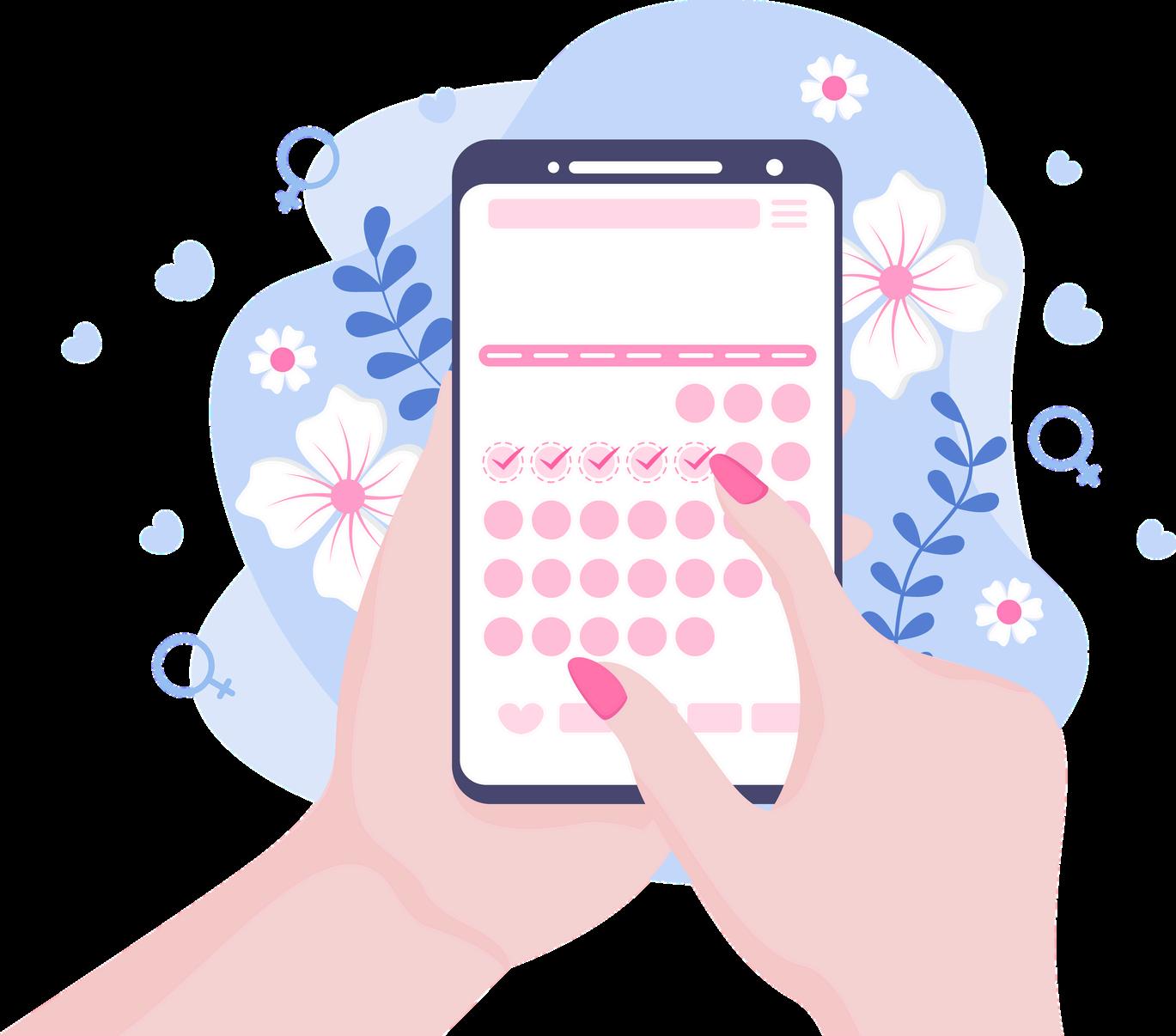
Tracking Symptoms: Mention that some people like to track their cycle on a calendar or use an app to know when symptoms might appear, helping them feel more prepared
TRY TRACKING YOUR ‘DAY ONE’
If you use a digital calendar on your phone, try writing ‘DAY ONE’ on your calendar, with a repeat for every 28 days (or your cycle length if you know it) You can adjust where the ‘DAY ONE’ lands the following month as it comes around
If you use a paper journal, jot it down in there
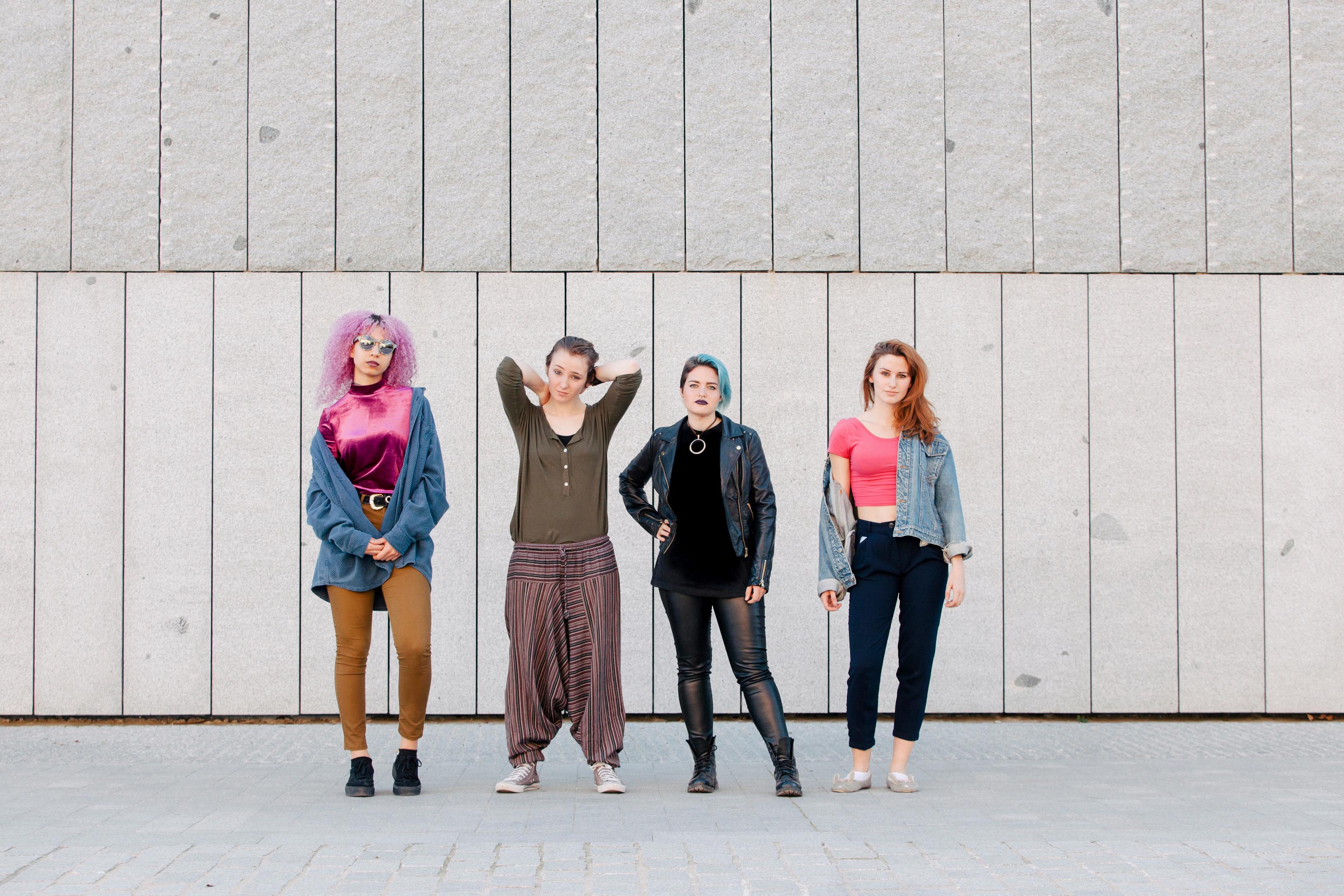
Periods are something all females go through, yet every experience is unique. We spoke with four young women from Pembrokeshire to get their thoughts on periods, how they feel about it, and what it's been like growing up with periods in 2024. Here are their stories.
Bethan, 15: "I felt embarrassed, but I don’t know why."
Bethan remembers feeling a wave of embarrassment when she got her first period, even though she wasn’t exactly sure why “My friends had started before me, so I knew what to expect,” she says, “but when it happened, I felt this strange, embarrassing feeling, like I had to hide it Looking back, I think it’s because no one really talks about it much, so it felt like I was the only one going through it ”
Megan’s family is open about periods, and she feels grateful that it’s not a big deal in her household “My mum and I joke about things, and it helps me feel like I don’t have to hide anything,” she says “Times have definitely changed ”
I felt so much more confident once I knew what to expect."
Bethan now feels more comfortable discussing it with her friends, especially when they share stories or make jokes about it “It helps to hear that other people feel the same way I don’t feel as embarrassed anymore ”
Megan, 16: "My great aunt told me to hide my period products " Megan’s story takes a humorous look at the generational gap in attitudes toward periods “My great aunt came to visit, and she told me I should keep my period products in a cupboard so no one could see them She didn’t want anyone ‘feeling uncomfortable’ if they used the bathroom,” Megan recalls, laughing “It made me and my mum laugh so much, and we didn’t bother hiding anything But it also made me wonder what it must’ve been like for her, growing up with all those rules ”
For Sophie, starting her period was a learning experience “I remember being a little nervous at first, just not knowing what to expect," she shares "But once I got the hang of it, I felt so much more confident I learned that it's all about being prepared
Now, Sophie feels empowered with the right tools wearing dark clothing, having a spare set of supplies, and always being ready “It’s funny looking back, but I wish I had known sooner that it’s just part of growing up, and there’s no need to stress about it I hope other girls can feel more relaxed and know they’re not alone in this!
Nia, 17: "I’ve never felt shame I don’t really talk about it, but I don’t care "
Nia, has a refreshingly straightforward attitude toward her period “I’ve never really thought about it much,” she says with a shrug “I know some people feel shy or don’t like to talk about it, but to me, it’s just another part of life I don’t make a big deal of it, and I don’t feel ashamed ”
While she doesn’t feel the need to talk openly about her period, Nia believes it’s important to let people handle it however they want “Everyone’s different,” she says “Some people need to talk about it, and some don’t I think we should all be able to do whatever makes us comfortable ”
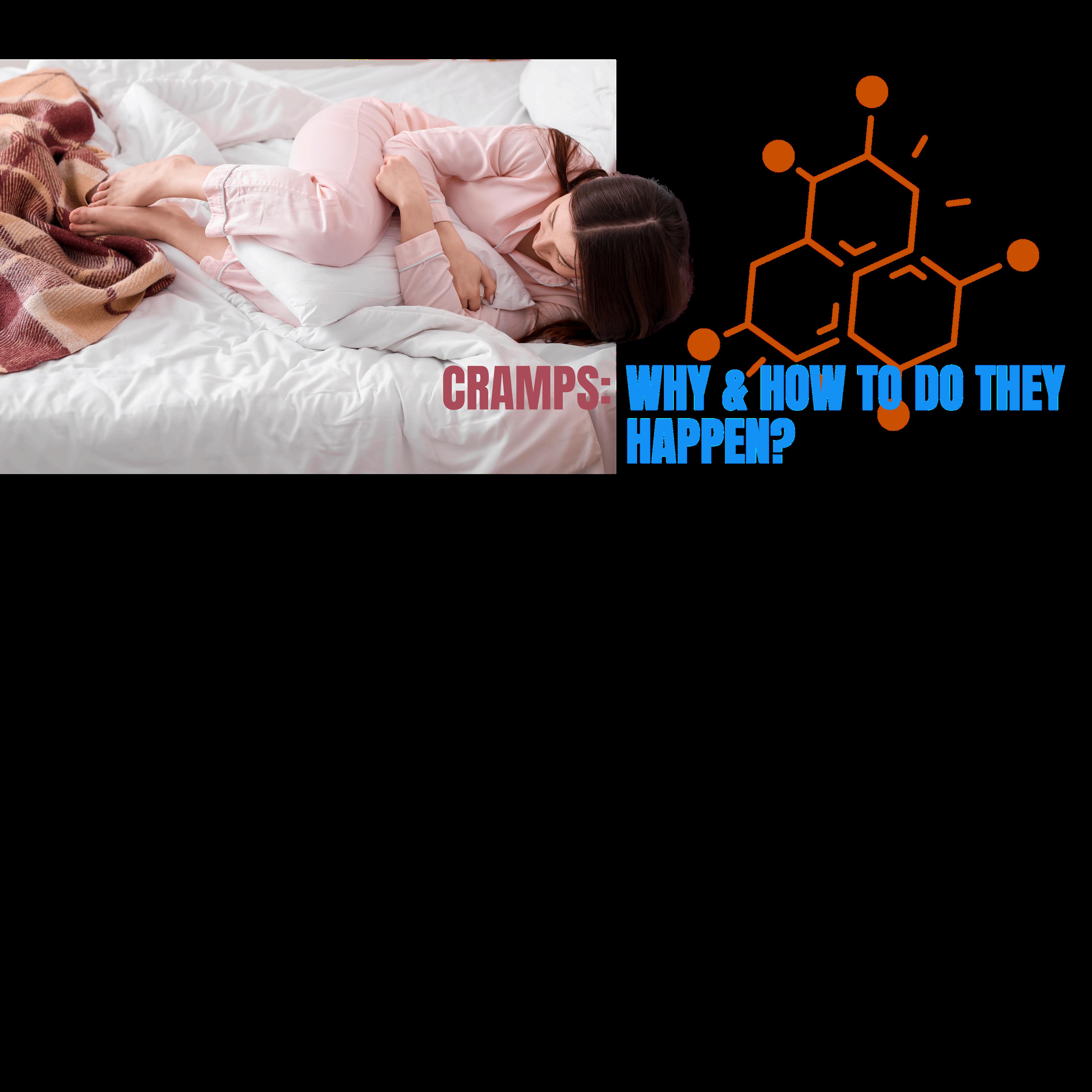
Menstrual cramps are your body’s way of doing some heavy lifting! Each month, the uterus contracts to help shed its lining if pregnancy doesn’t occur Think of the uterus as a muscle that needs to squeeze to get rid of what it no longer needs These contractions can sometimes be pretty uncomfortable or even painful, leading to those pesky cramps many experience during their period
Meet the culprits: prostaglandins! These hormone-like chemicals are released in the body and are responsible for triggering those muscle contractions When prostaglandin levels are high, the contractions can be more intense, which often means more pain So, if you find yourself cramping up, those little chemical troublemakers might be to blame!
The level of pain you feel during your period can really depend on your hormone levels, which can vary from month to month Some people experience intense cramps that can make it hard to function, while others may feel just a slight discomfort or even none at all Everyone’s body is unique, and it’s perfectly normal for experiences to differ widely!
Don’t let those cramps cramp your style! Here are some natural ways to help ease the discomfort:
Heating Pad: Applying heat to your lower abdomen can help relax the muscles and reduce pain
Gentle Stretching: Some light yoga or stretching can help relieve tension in your muscles
Stay Hydrated: Drinking plenty of water can prevent bloating and may help reduce cramps
Over-the-Counter Pain Relief: If cramps become too intense, it’s perfectly okay to chat with a doctor or pharmacist about options to ease the pain
Healthy foods: Foods like leafy greens, nuts, and fish can help reduce cramps and keep you feeling better
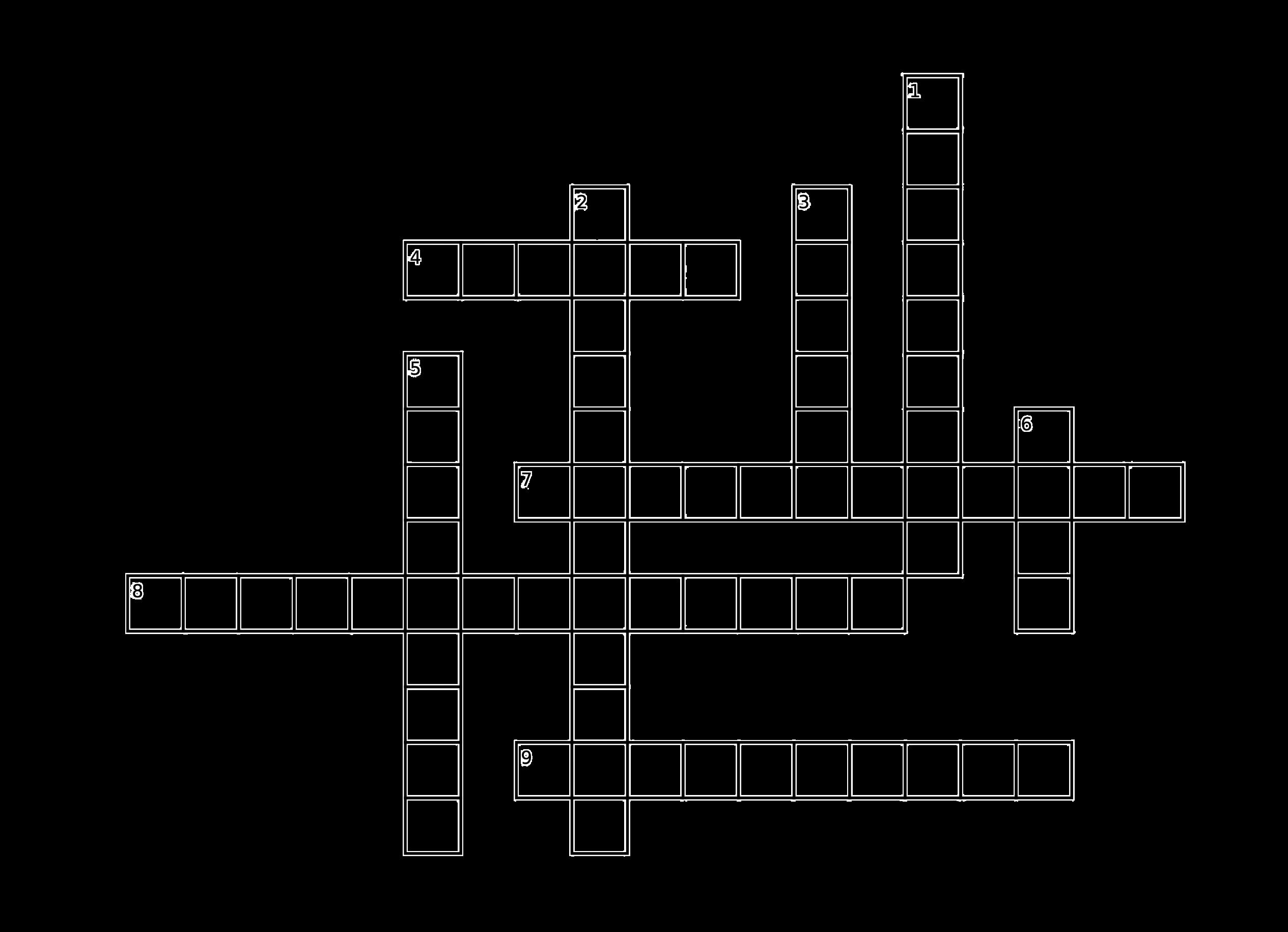
,suretU ,bmoW ,noitaurtsneM ,noitaluvO ,negortseO ,enoretsegorP ,snidnalgatsorP ,laetuL ralucilloF